EDUCATION
Your Complete Guide to antitragus Piercing
Last Updated 21/07/2026 | Written by Maëlys Chamard, Co-Founder of MADAJ
Antitragus piercing is a type of ear piercing that involves the insertion of jewelry through the antitragus, a small protrusion of cartilage located opposite the tragus on the outer ear.
This piercing has gained popularity in recent years for its unique placement and the ability to create a striking, fashionable look.
Overview of the Antitragus Piercing
- Placement: A small protrusion of cartilage located opposite the tragus on the outer ear
- Piercing service fee: $30–$50, jewelry cost is separate
- Pain Level: 6/10
- Healing Time: 9 to 12 months
- Aftercare: Clean your piercing twice a day with a sterile saline solution on sterile gauze. Keep the pierced area clean and dry.
Quick links: Placement | Antitragus vs Tragus | Cost | Pain Level | Cleaning Instructions | Healing Timeline | Jewelry Guide | Is Your Anatomy Suitable? | FAQs
Antitragus Piercing Placement & Anatomy

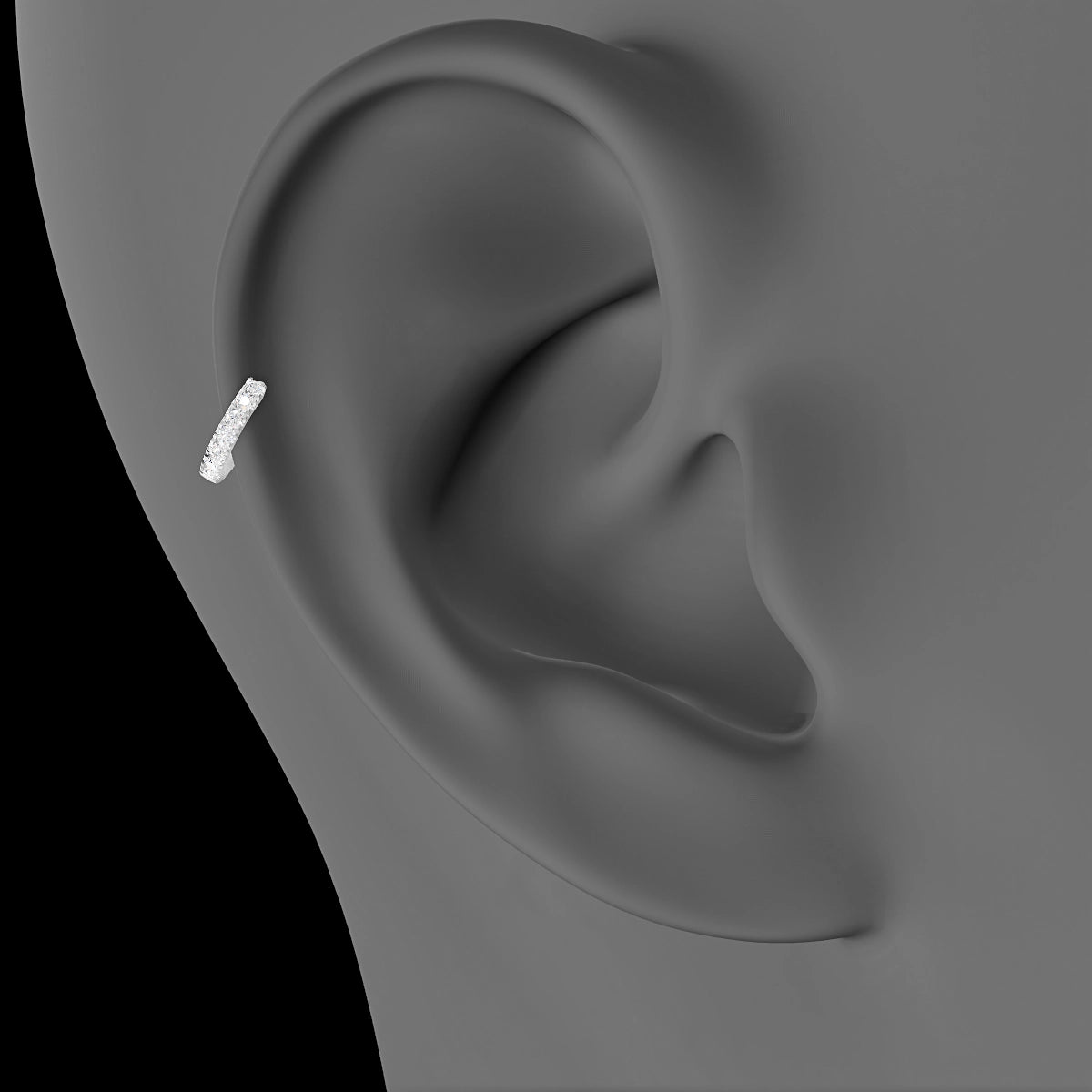
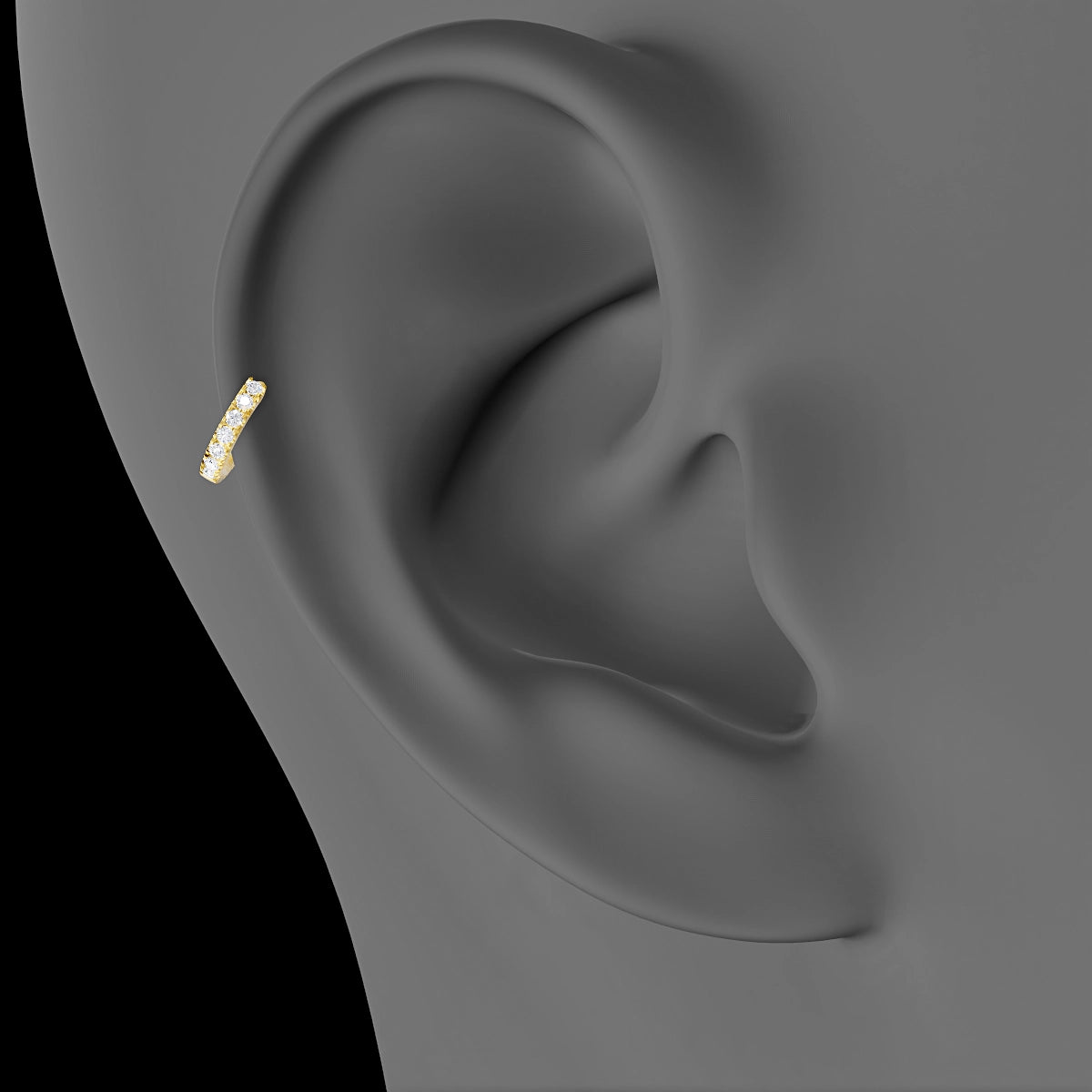
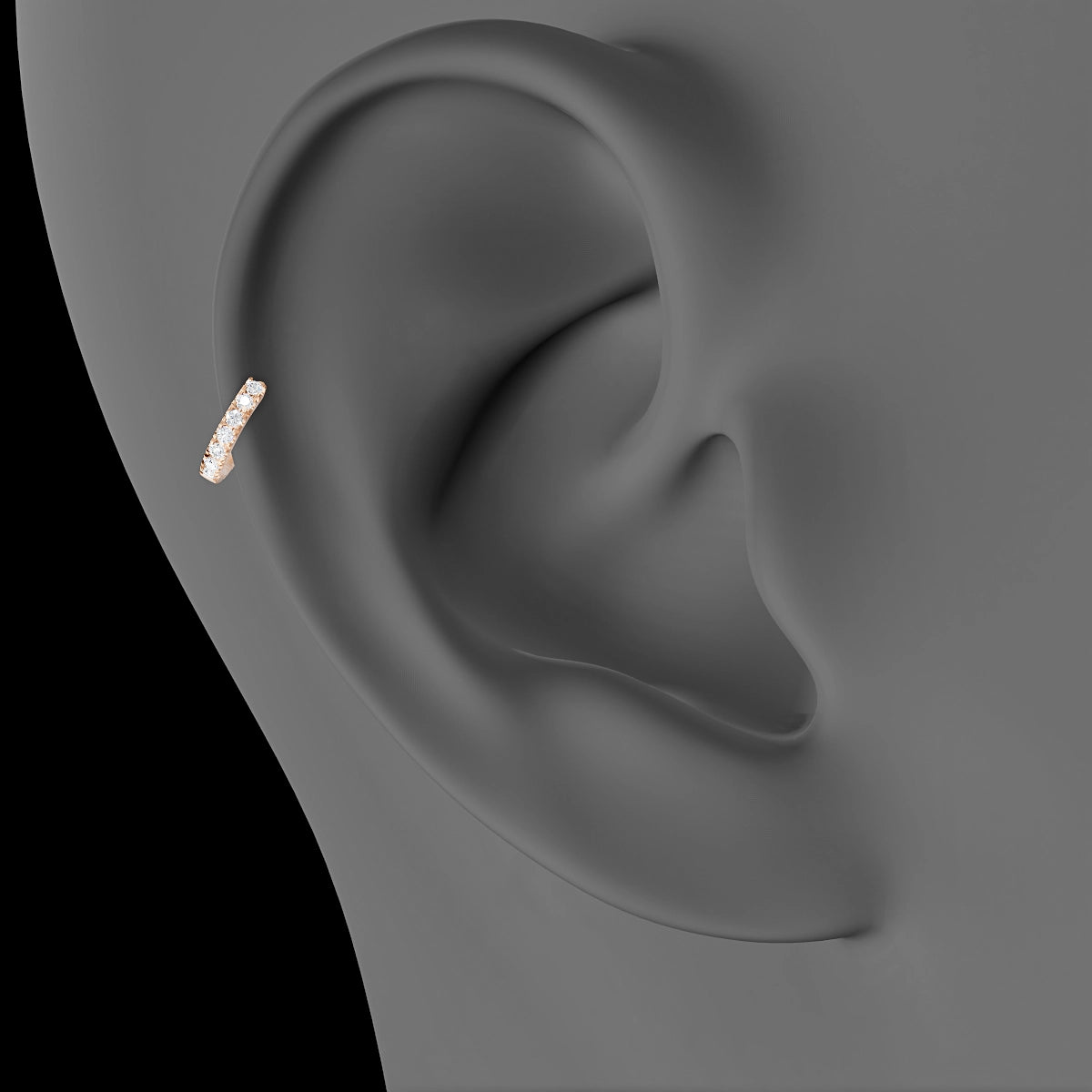
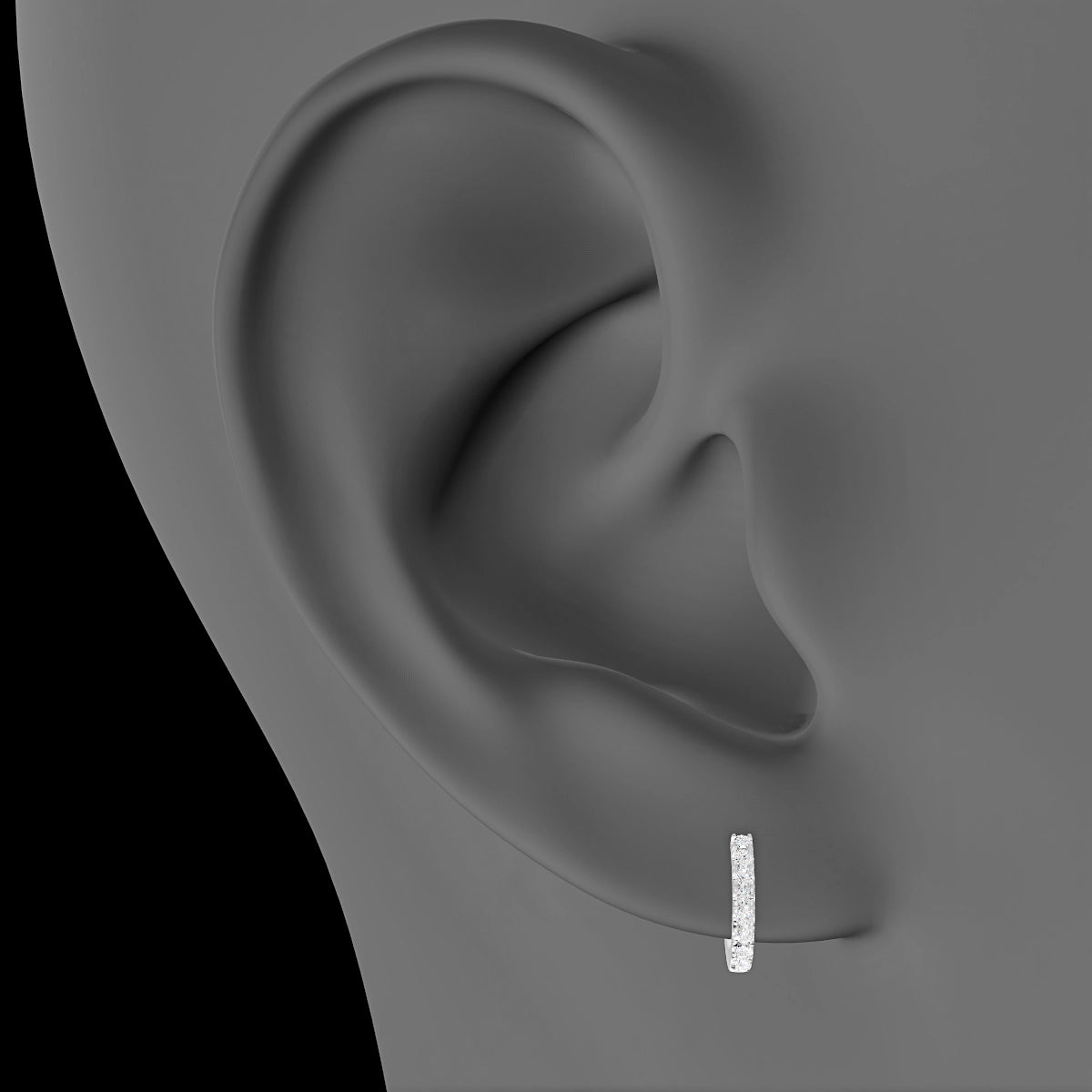
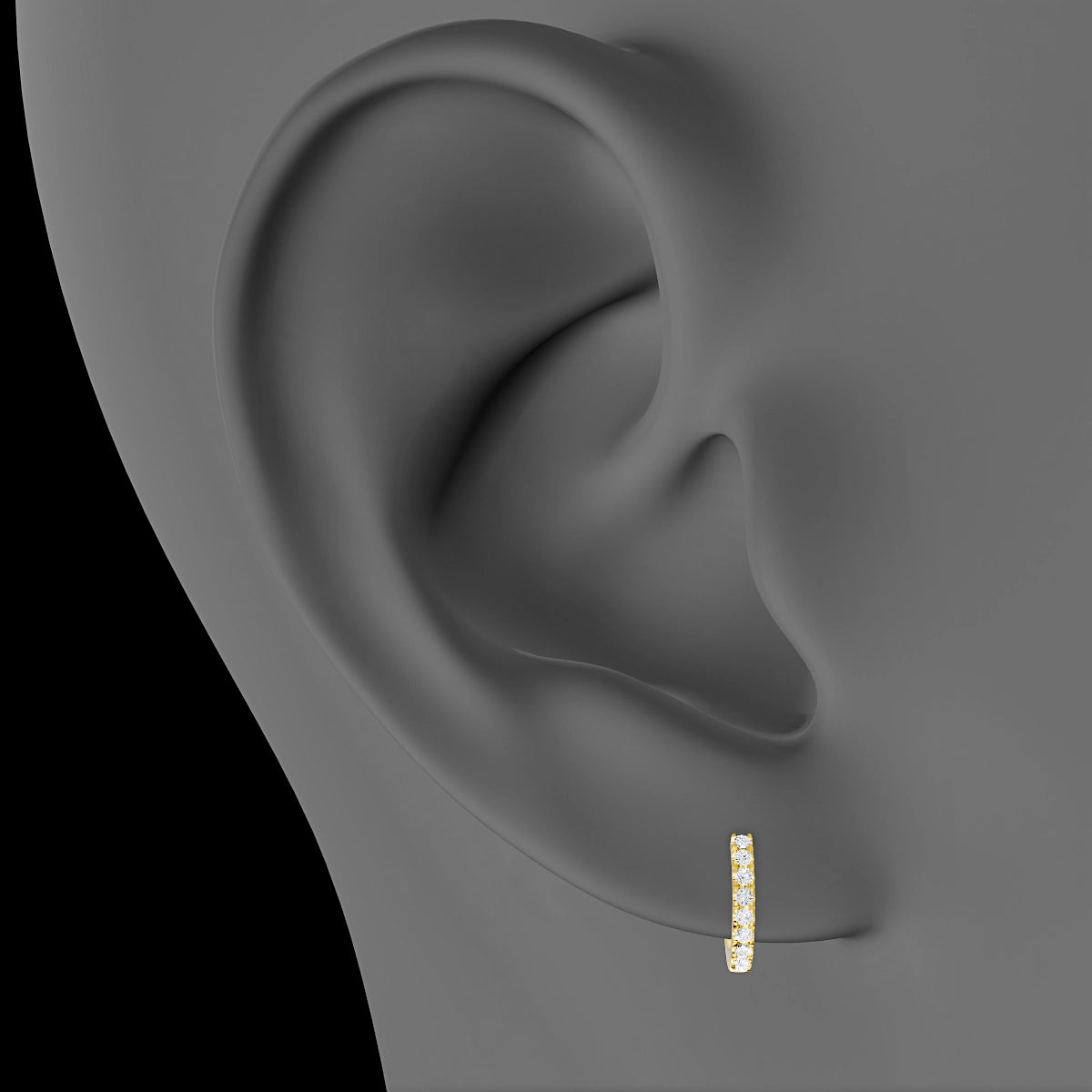
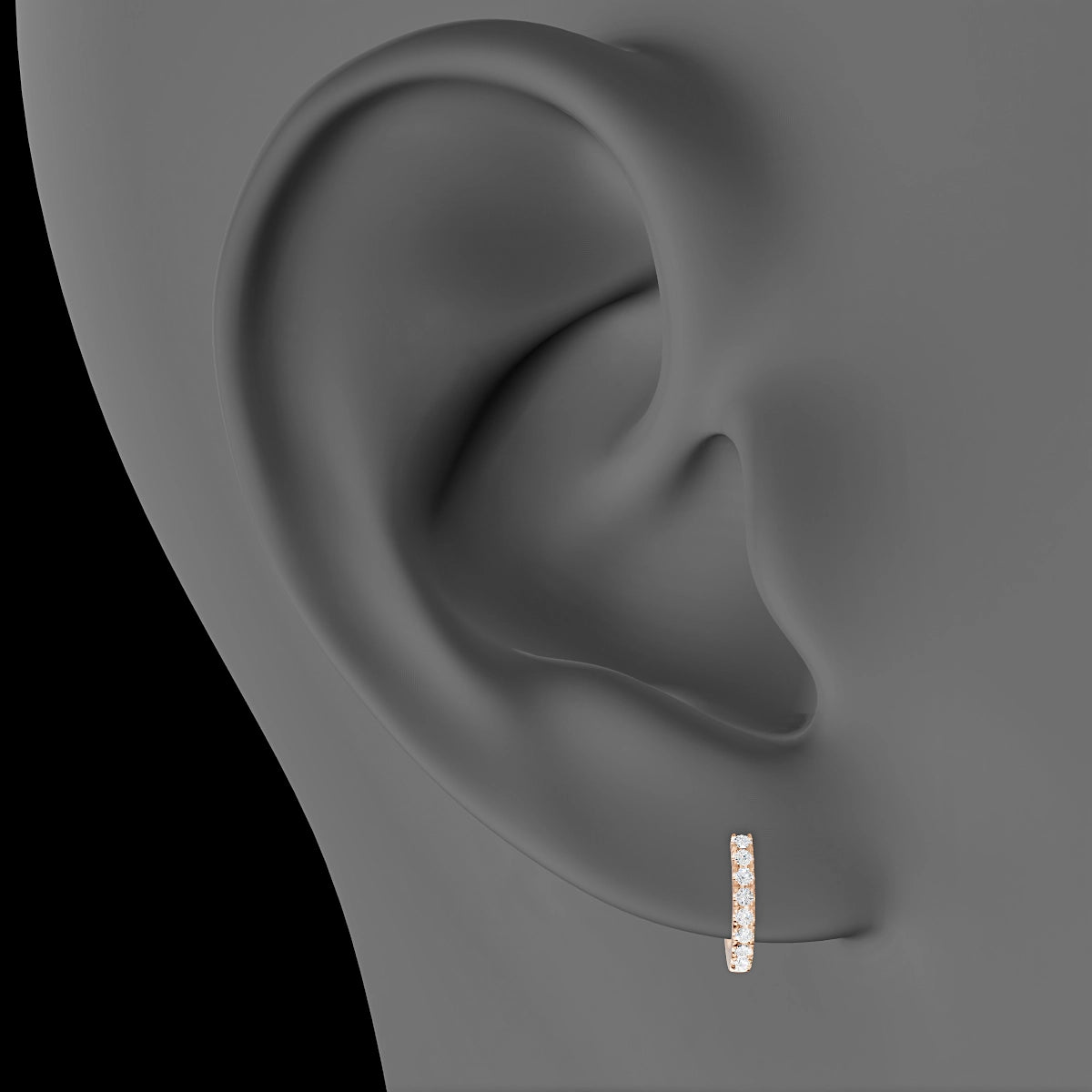
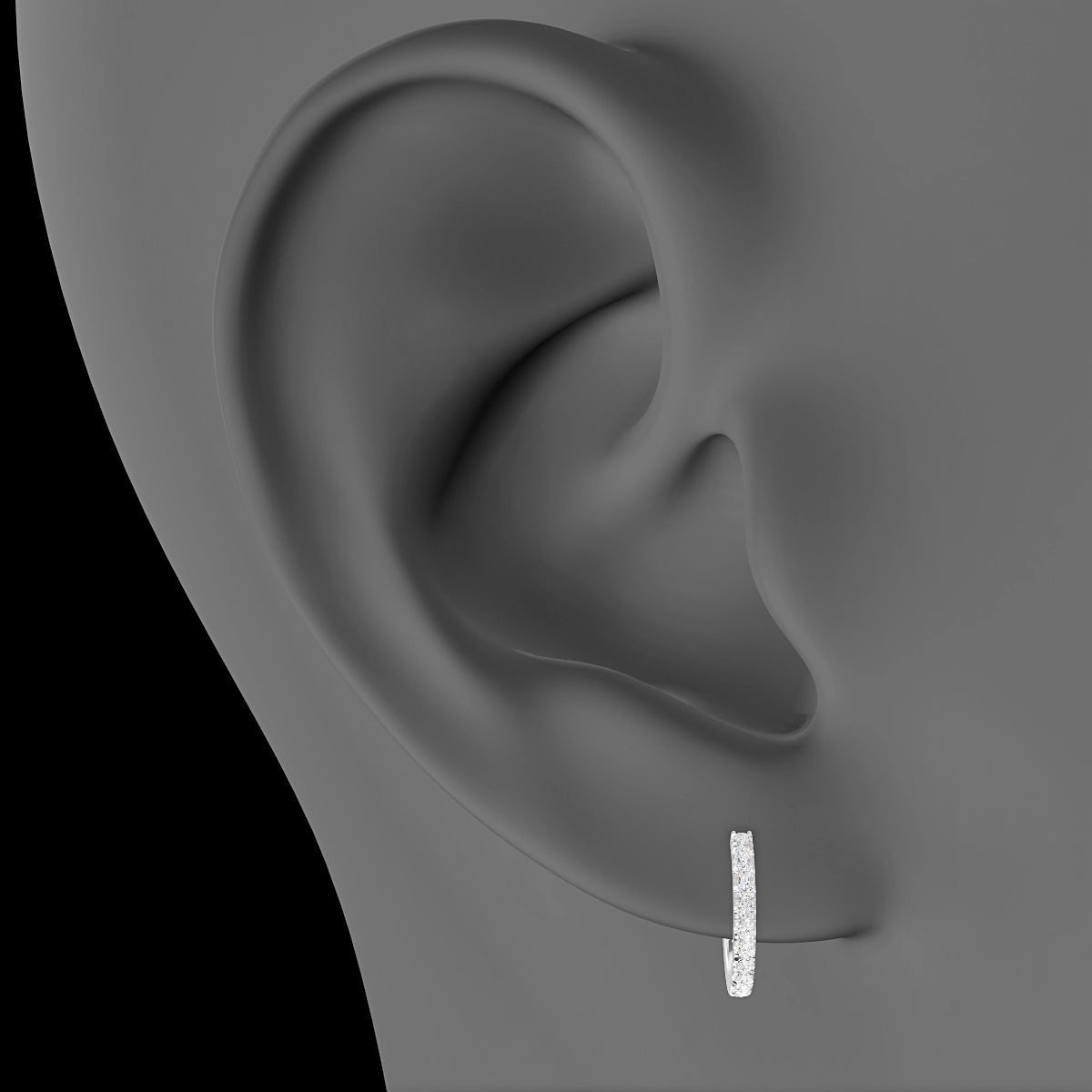
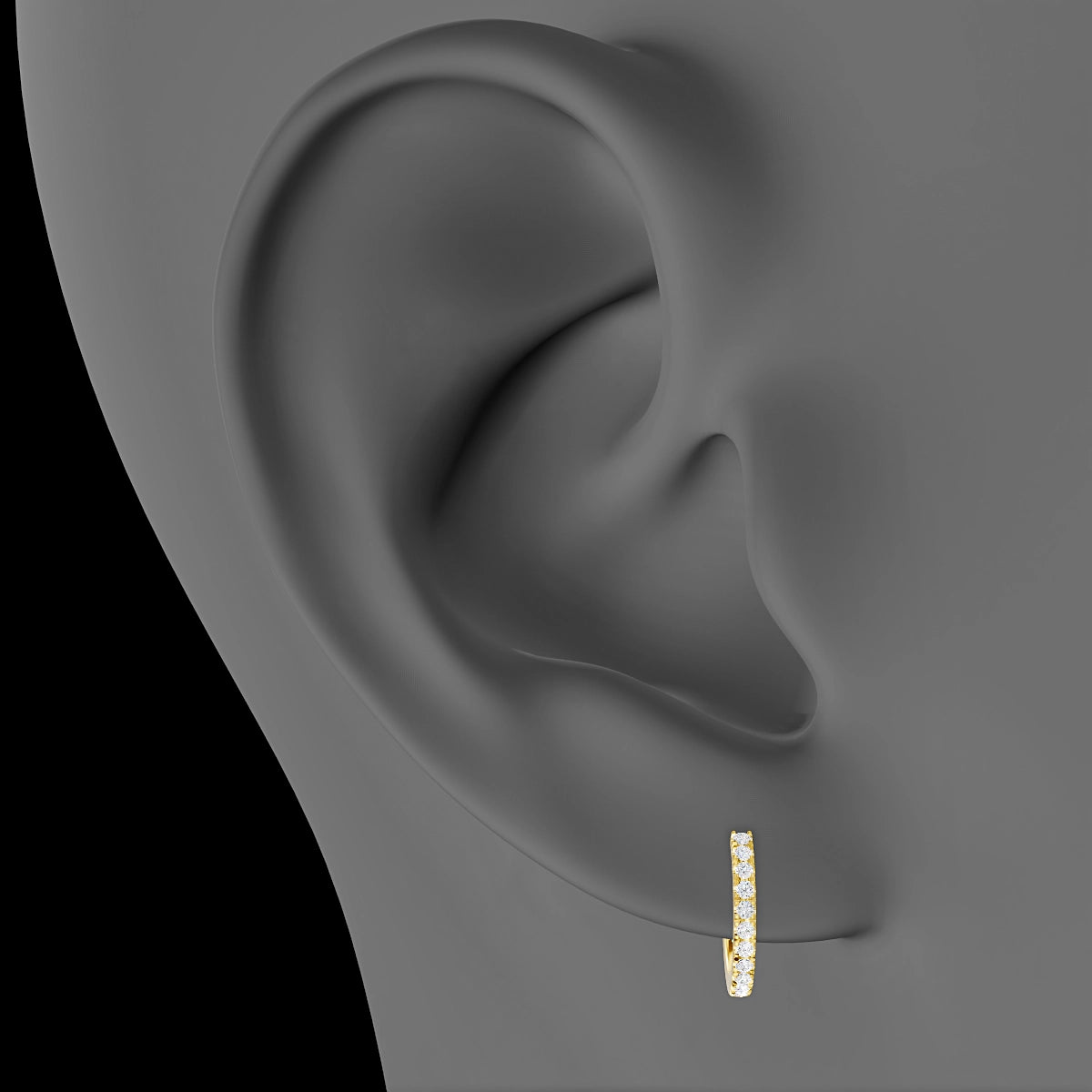
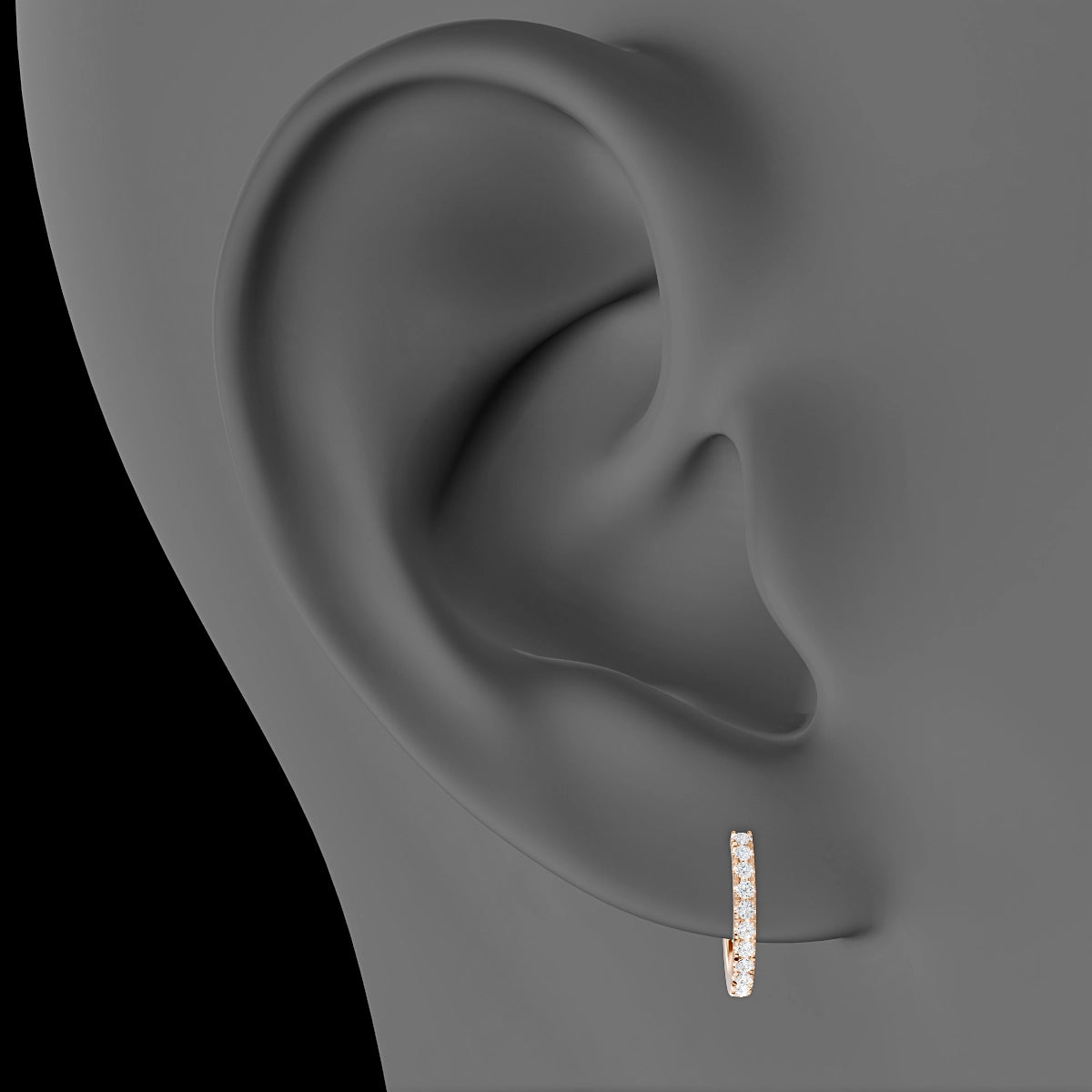
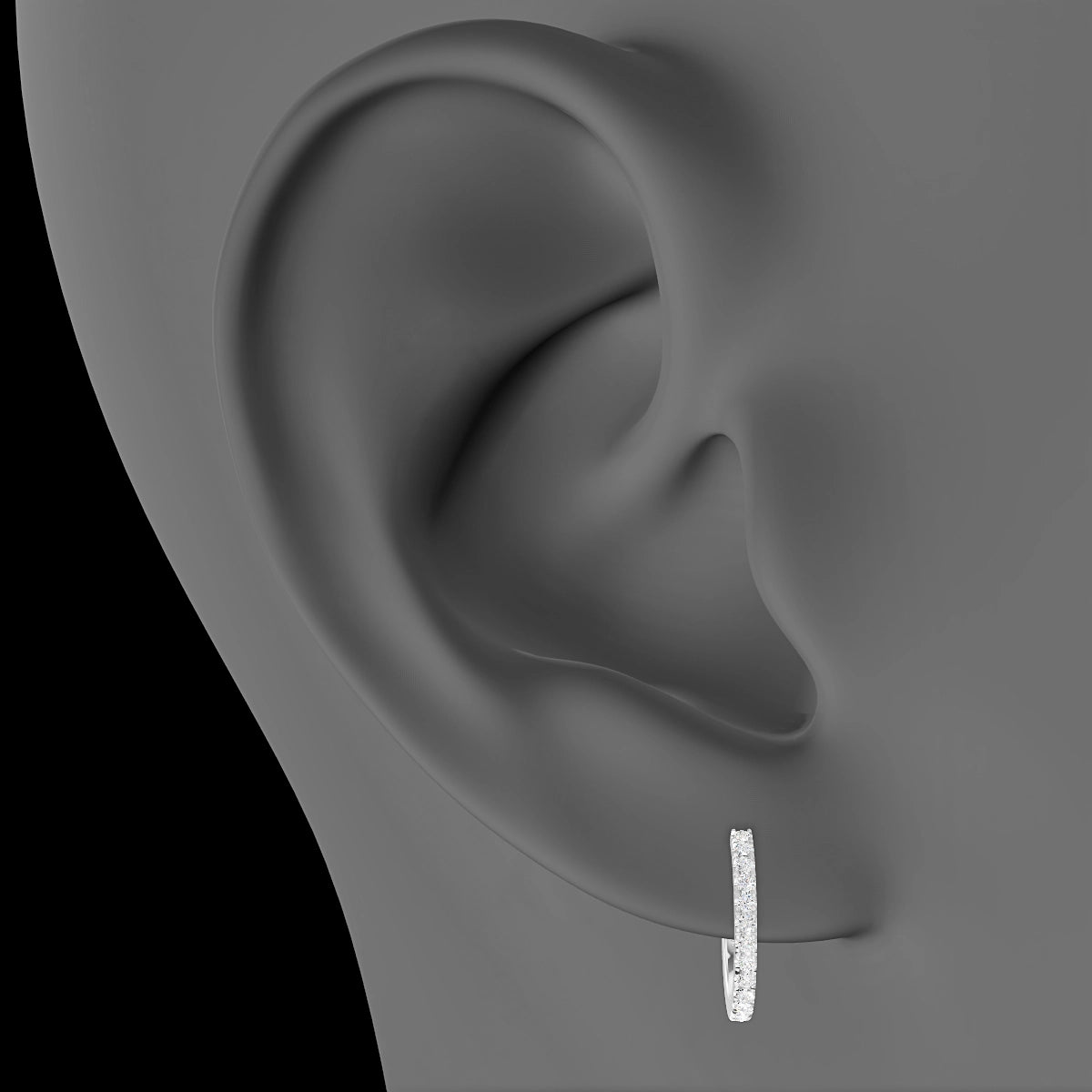
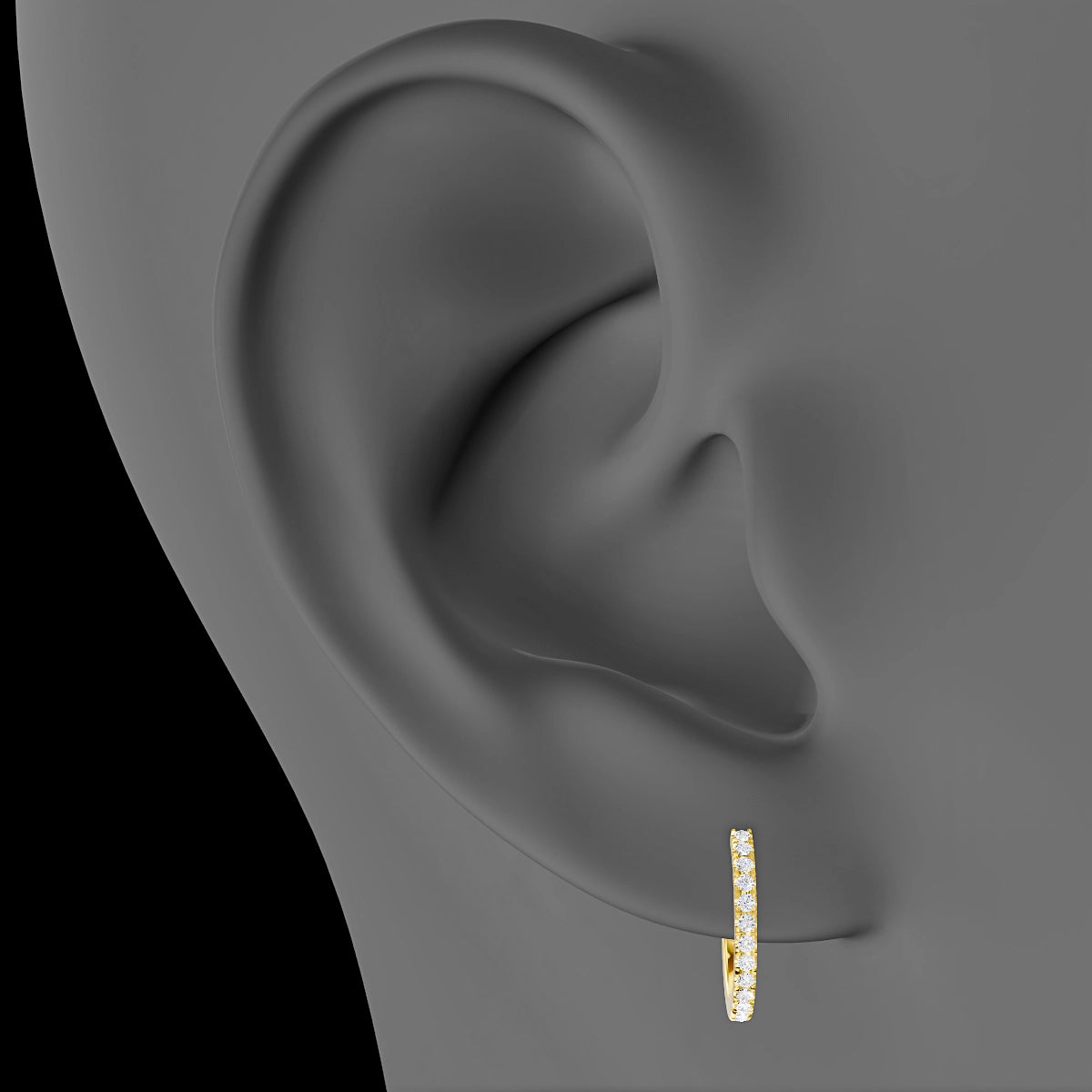
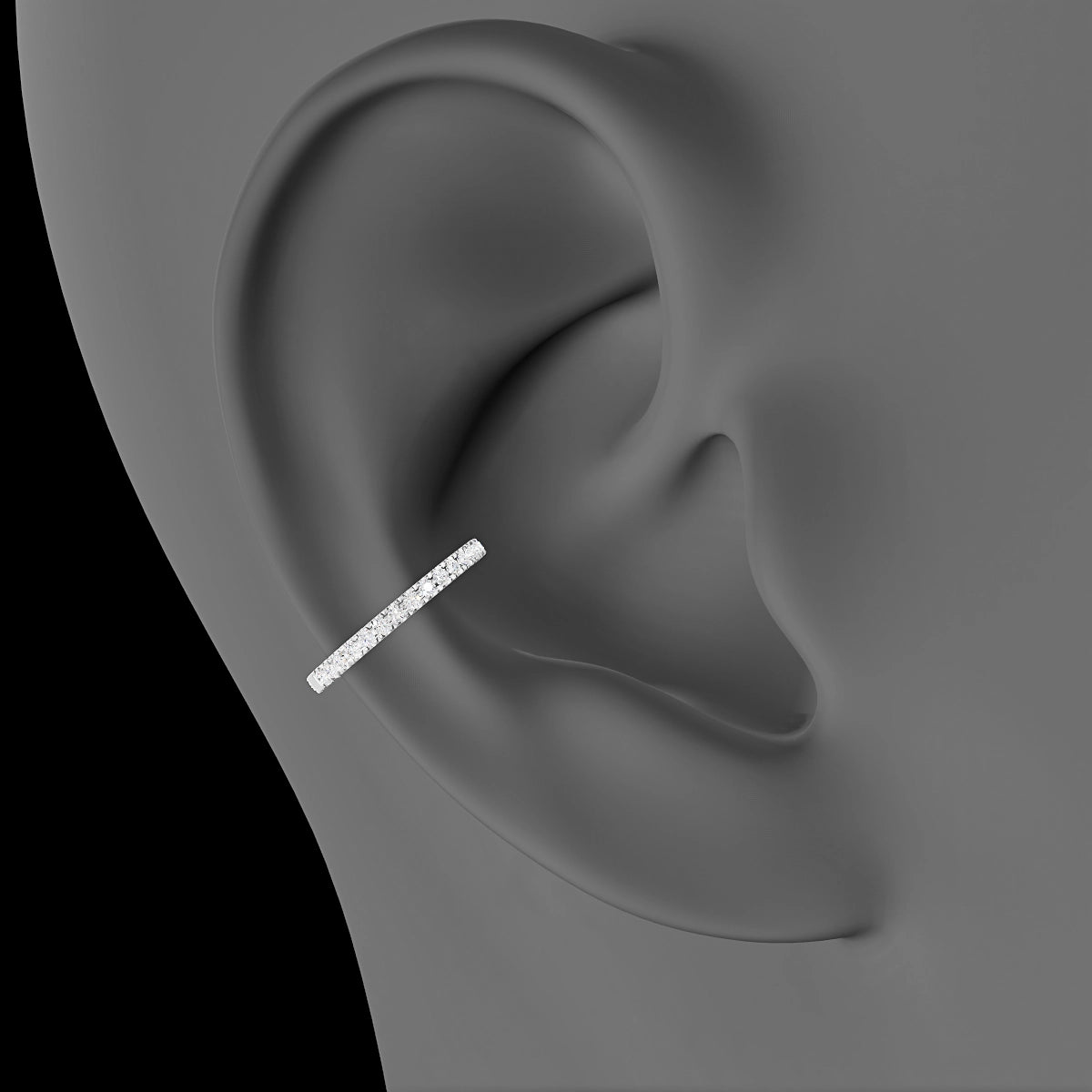
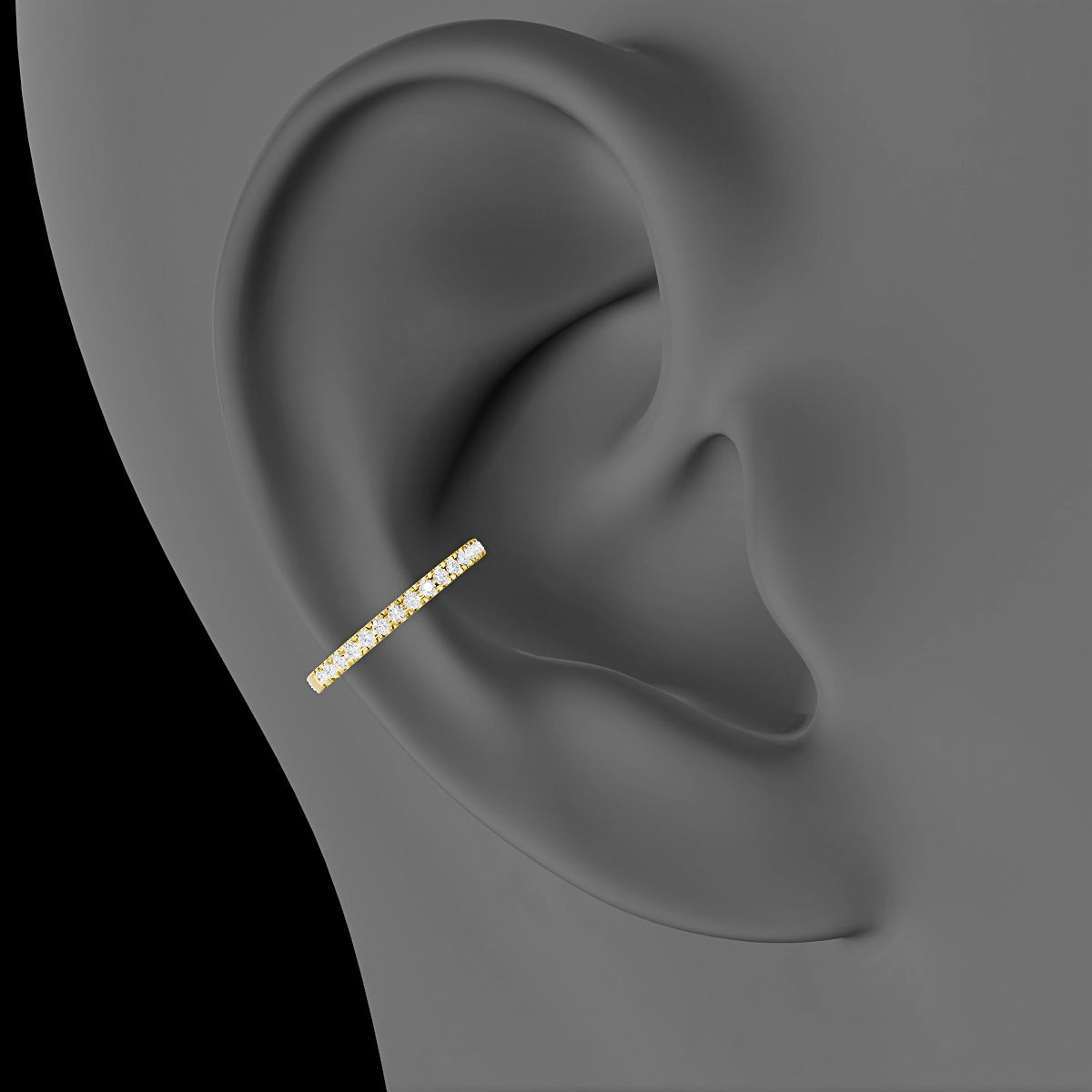
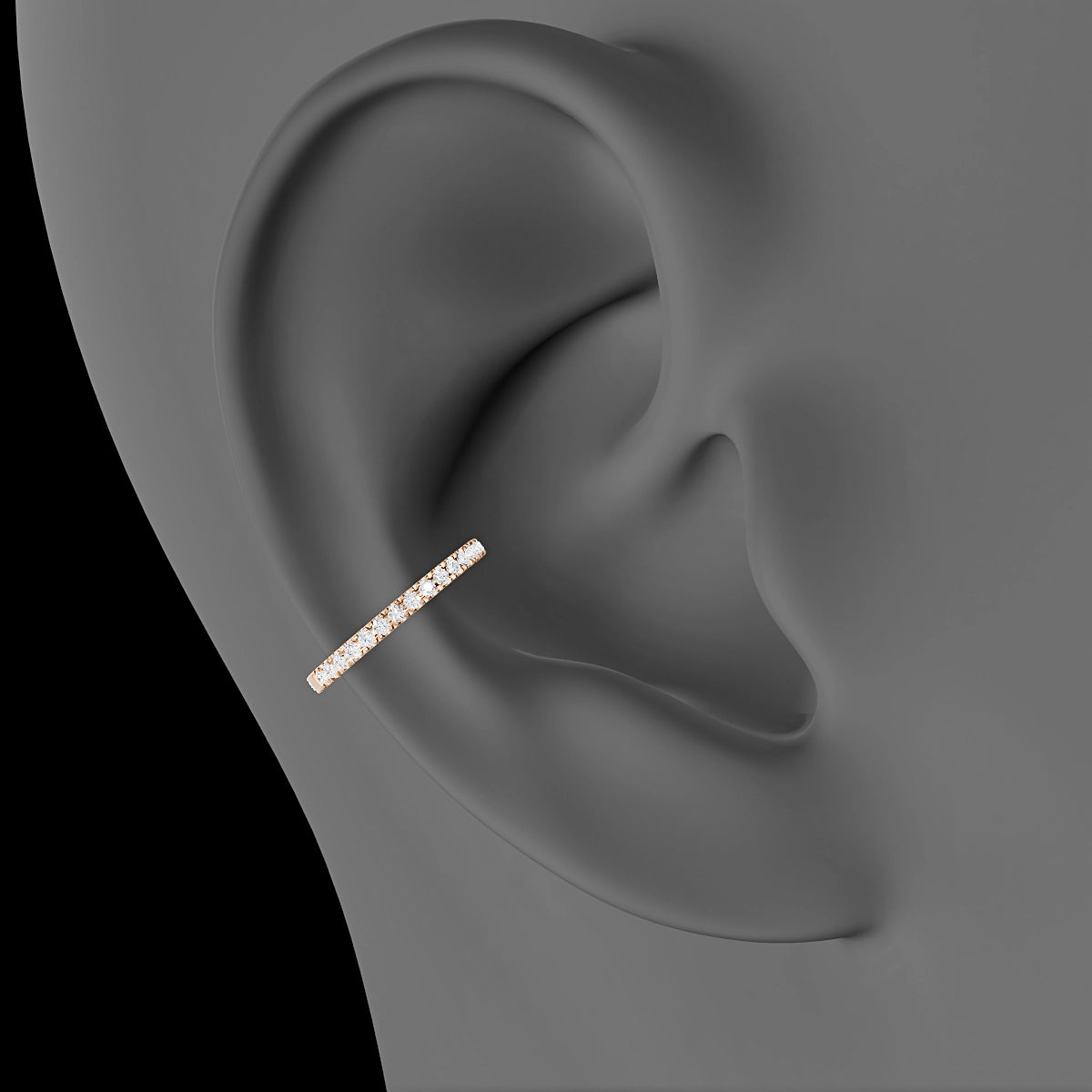
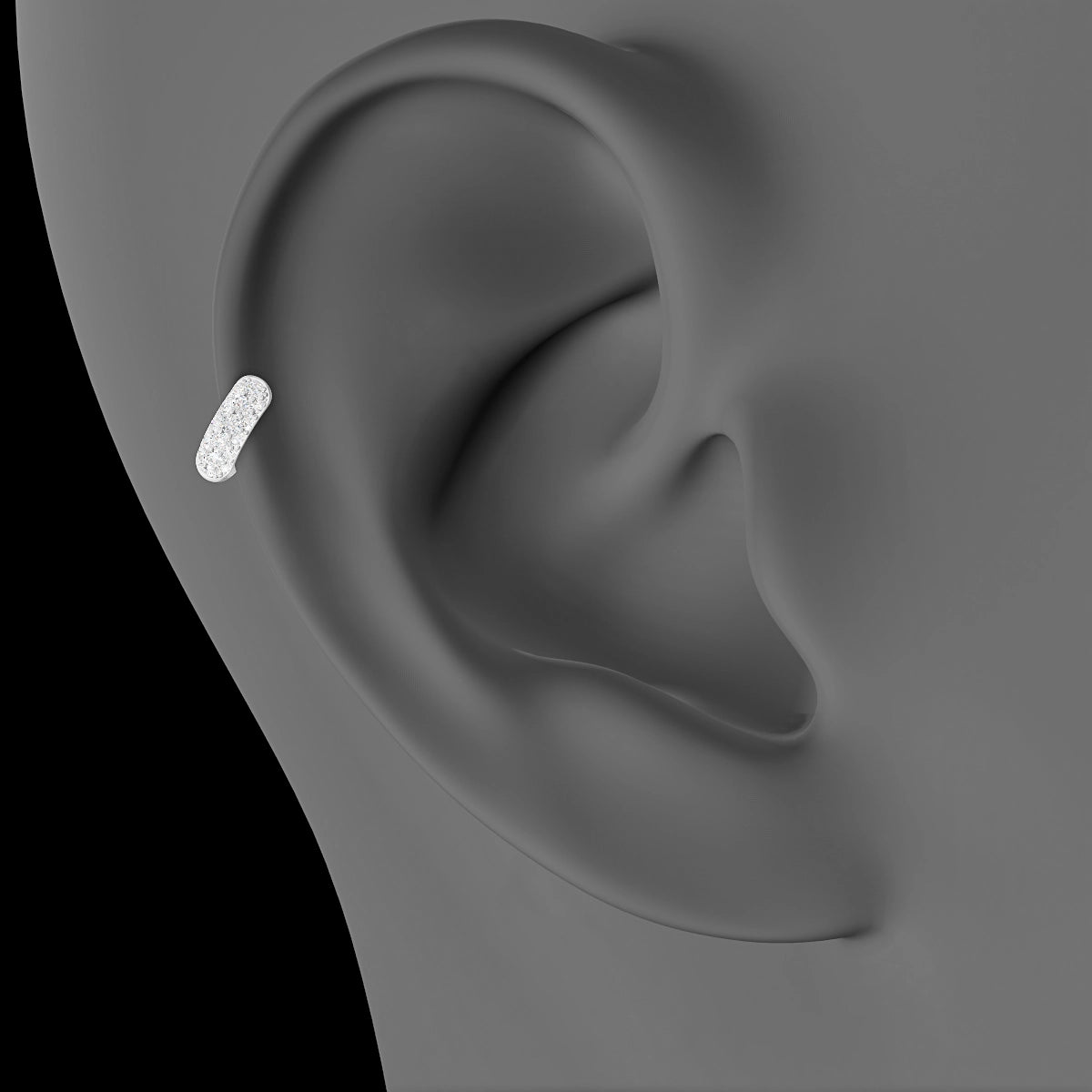
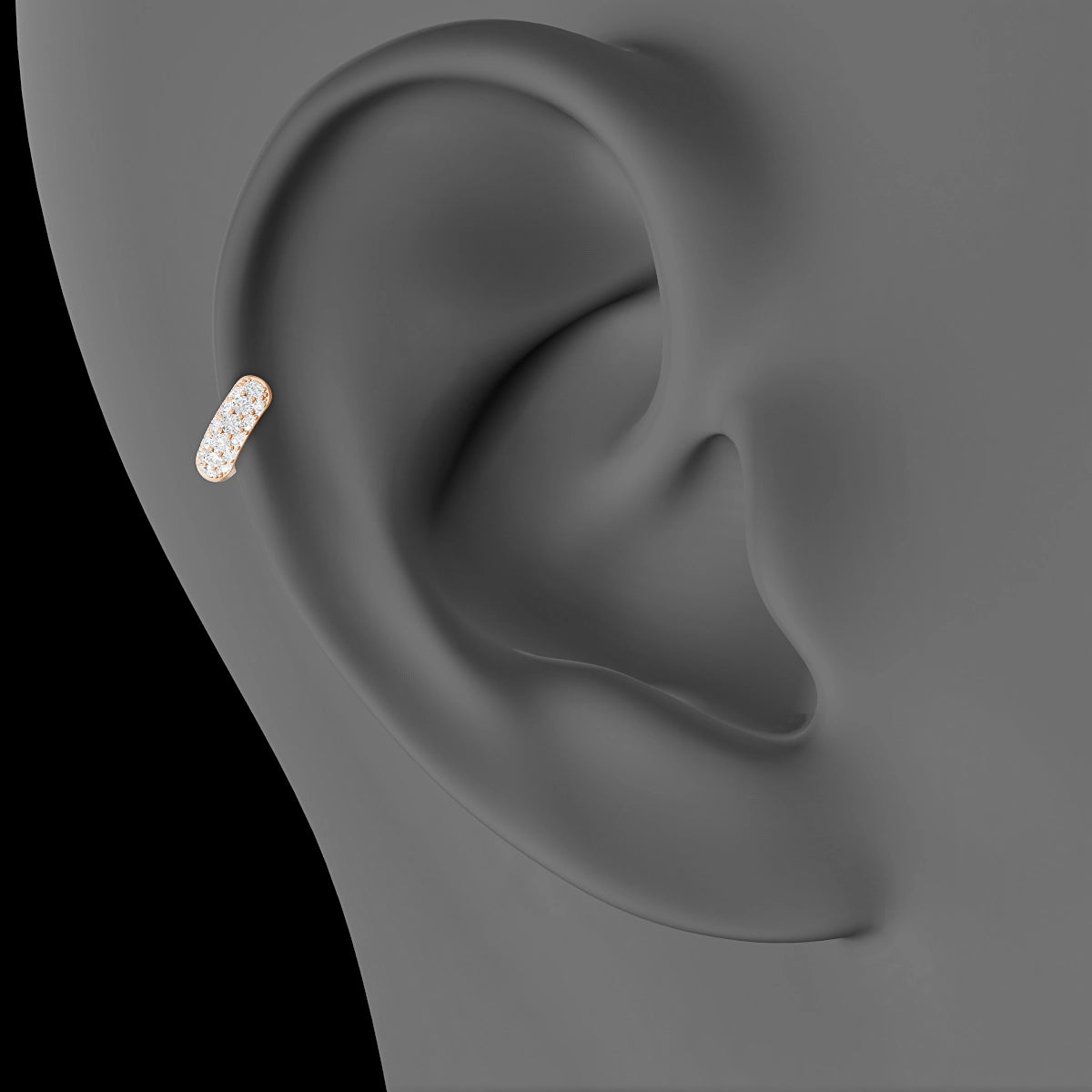
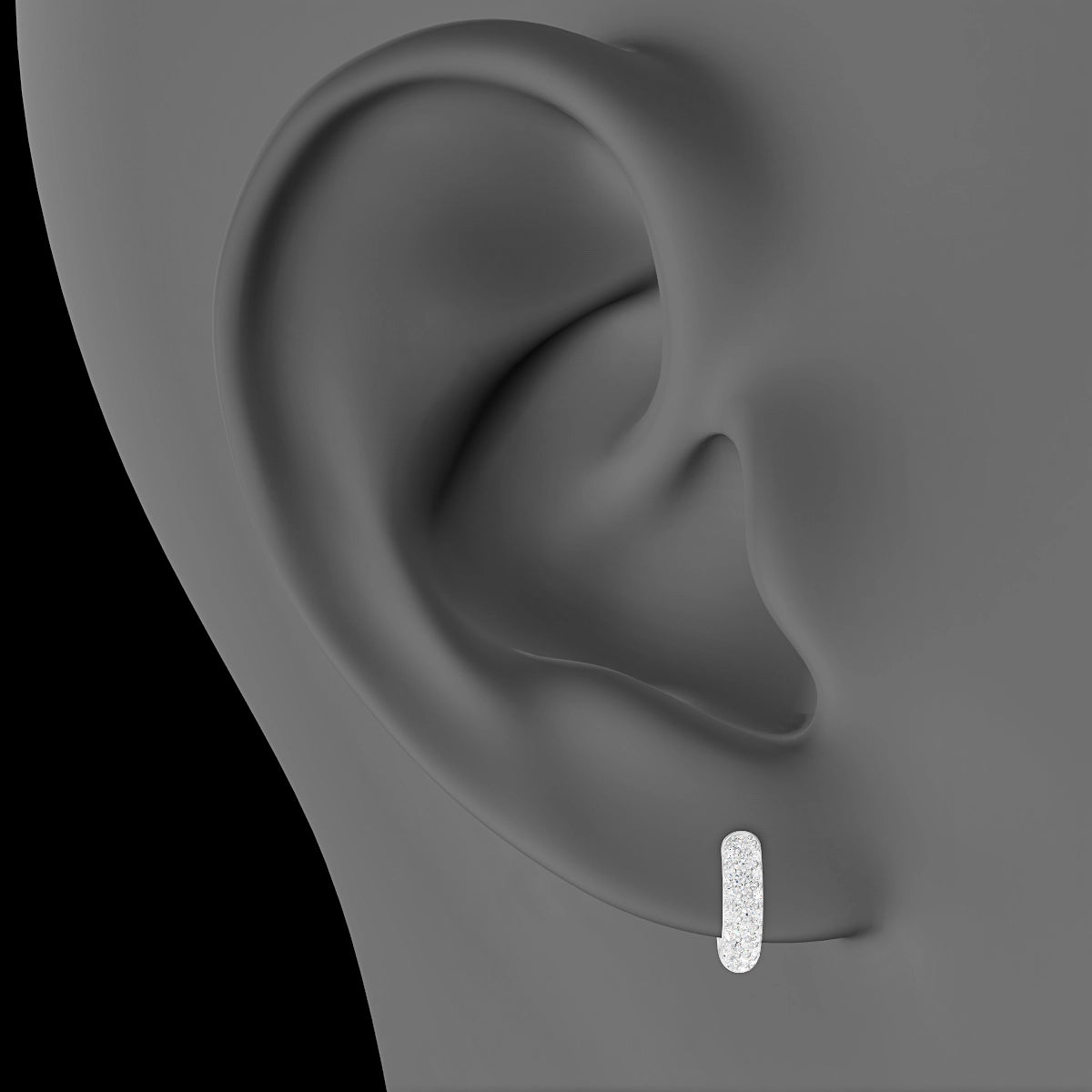
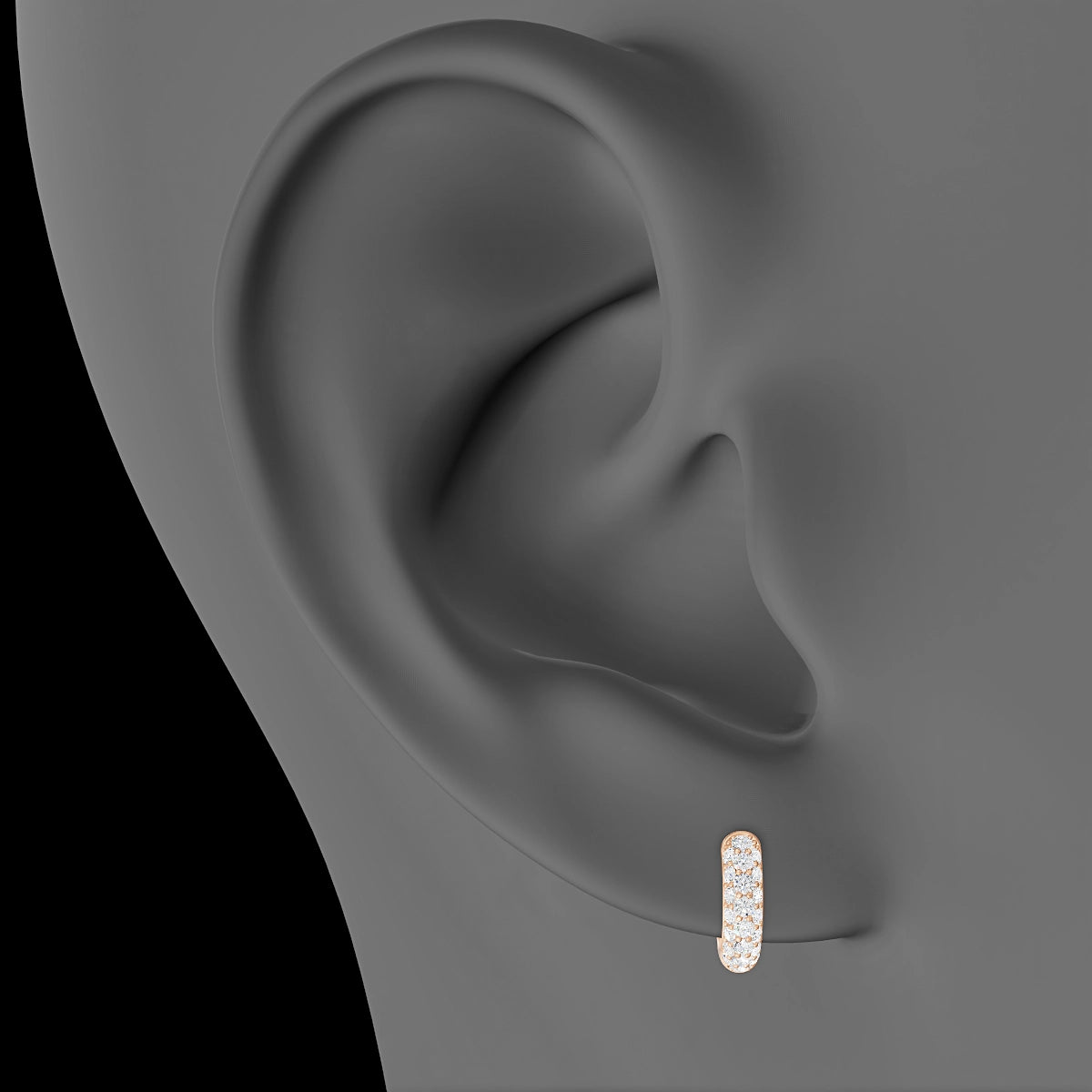
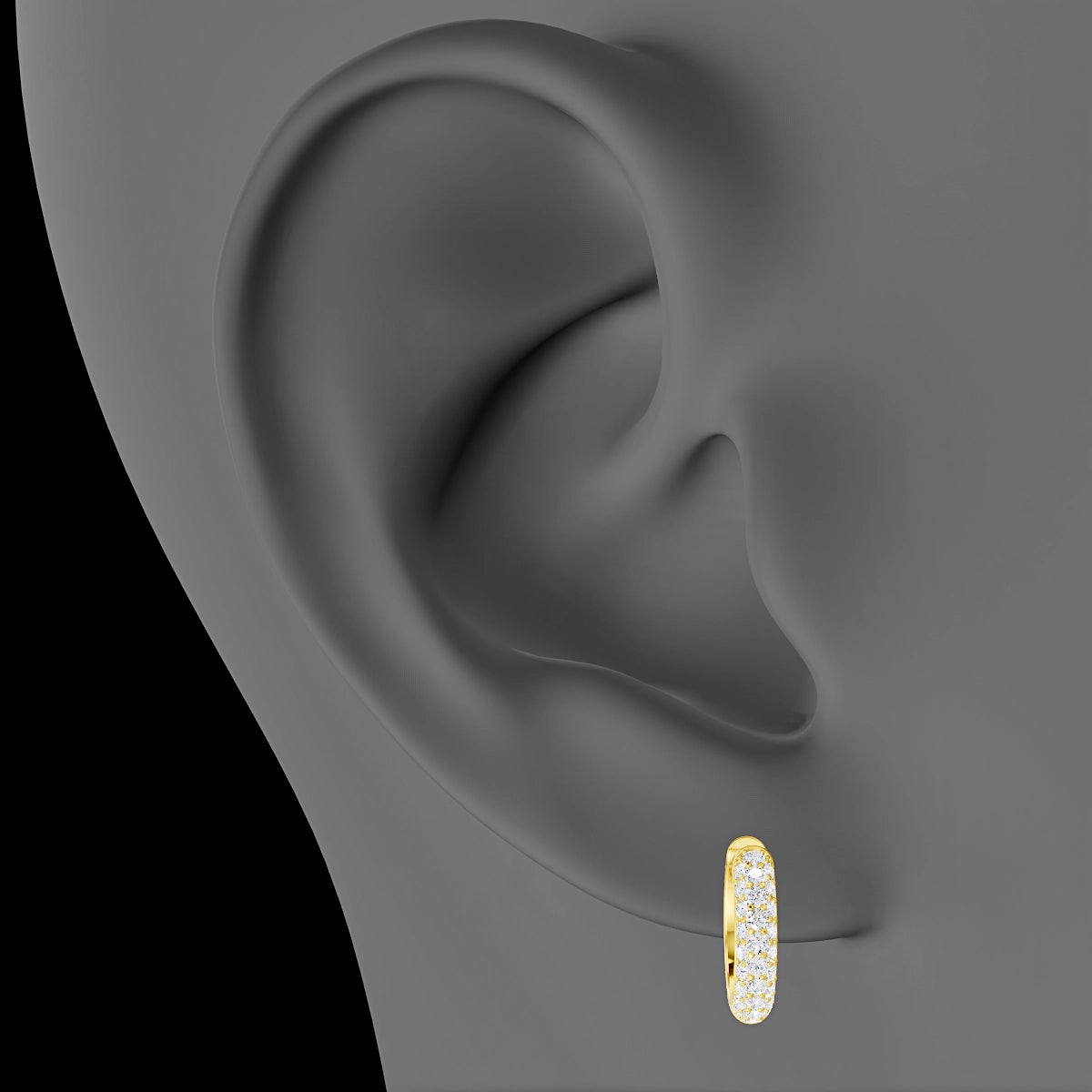
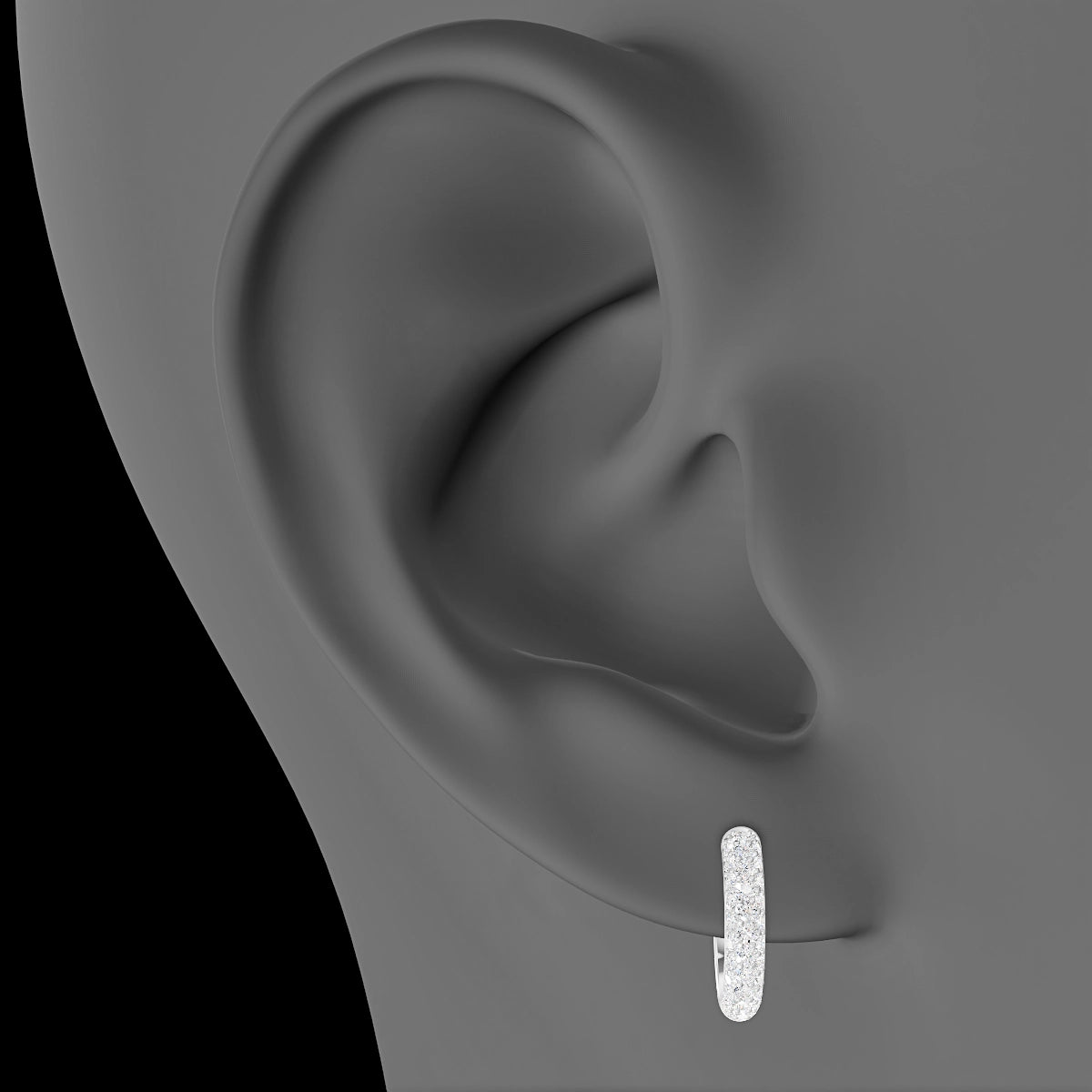
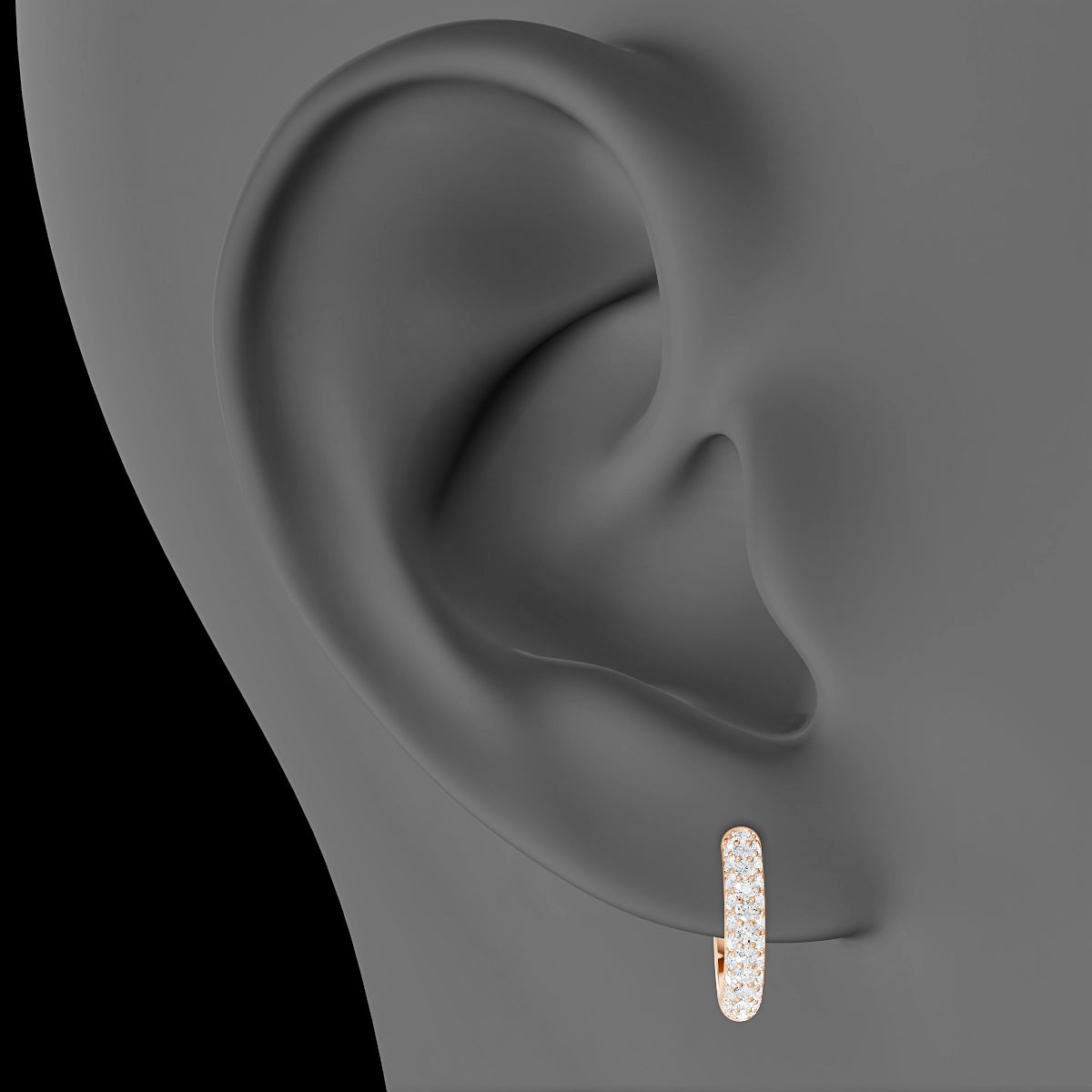
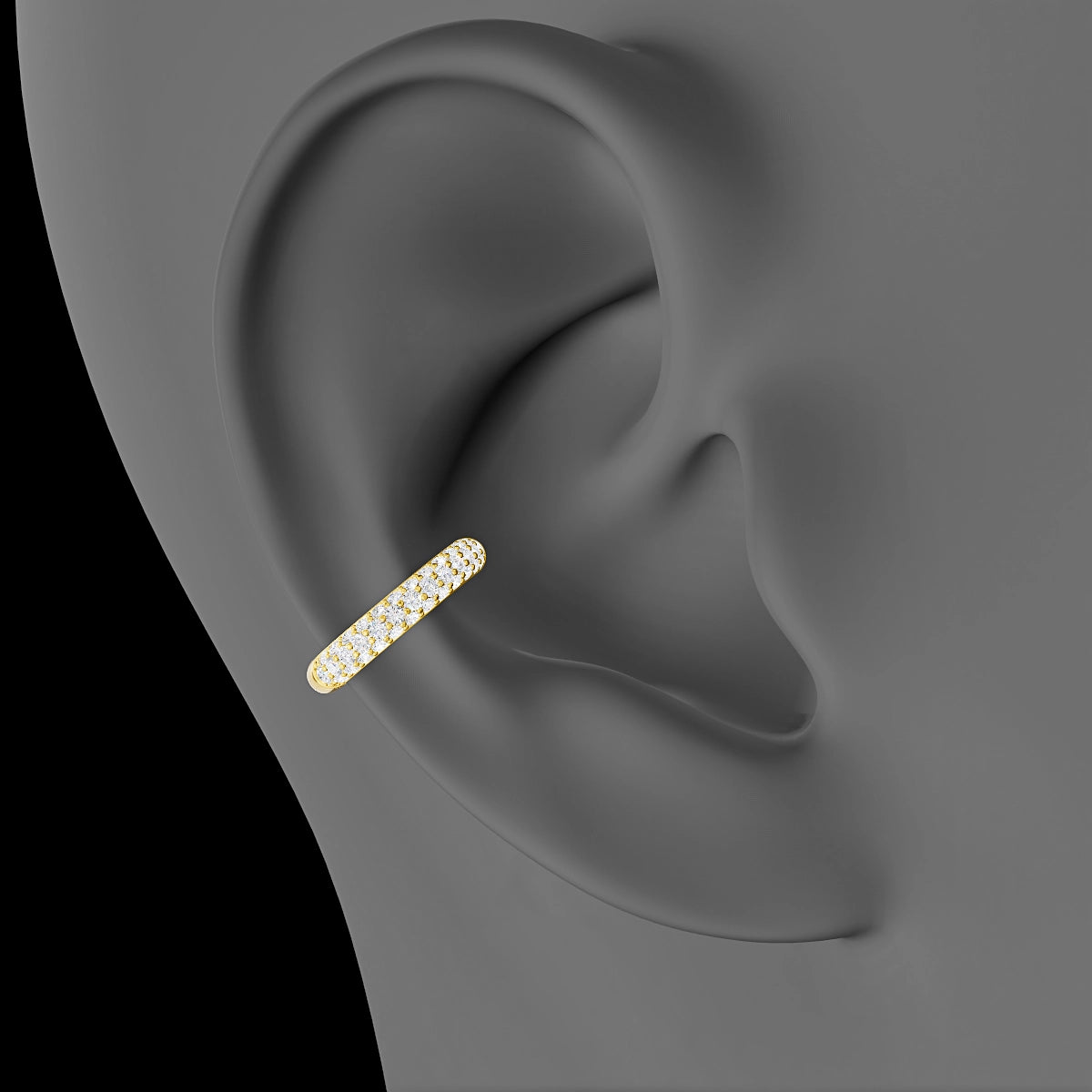
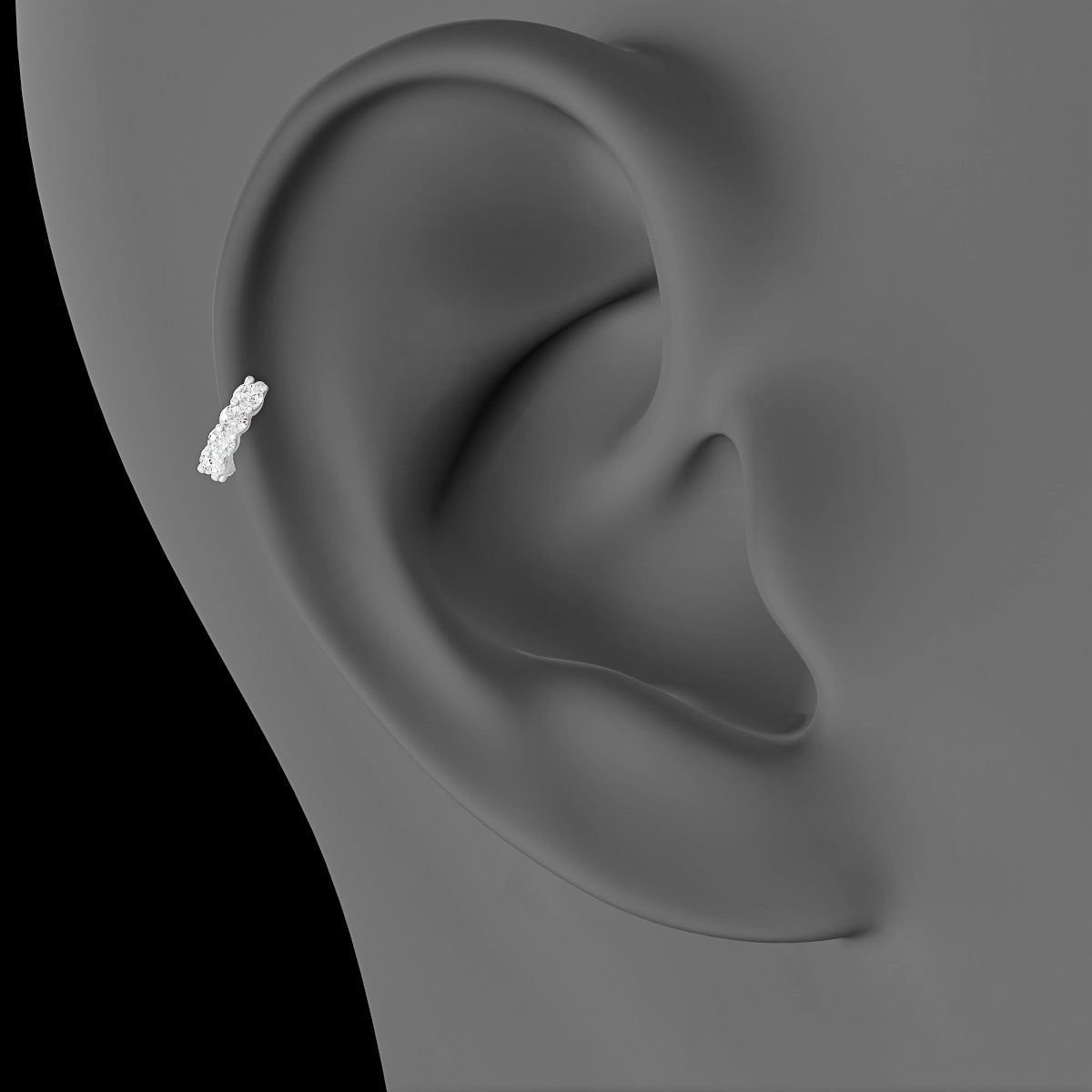
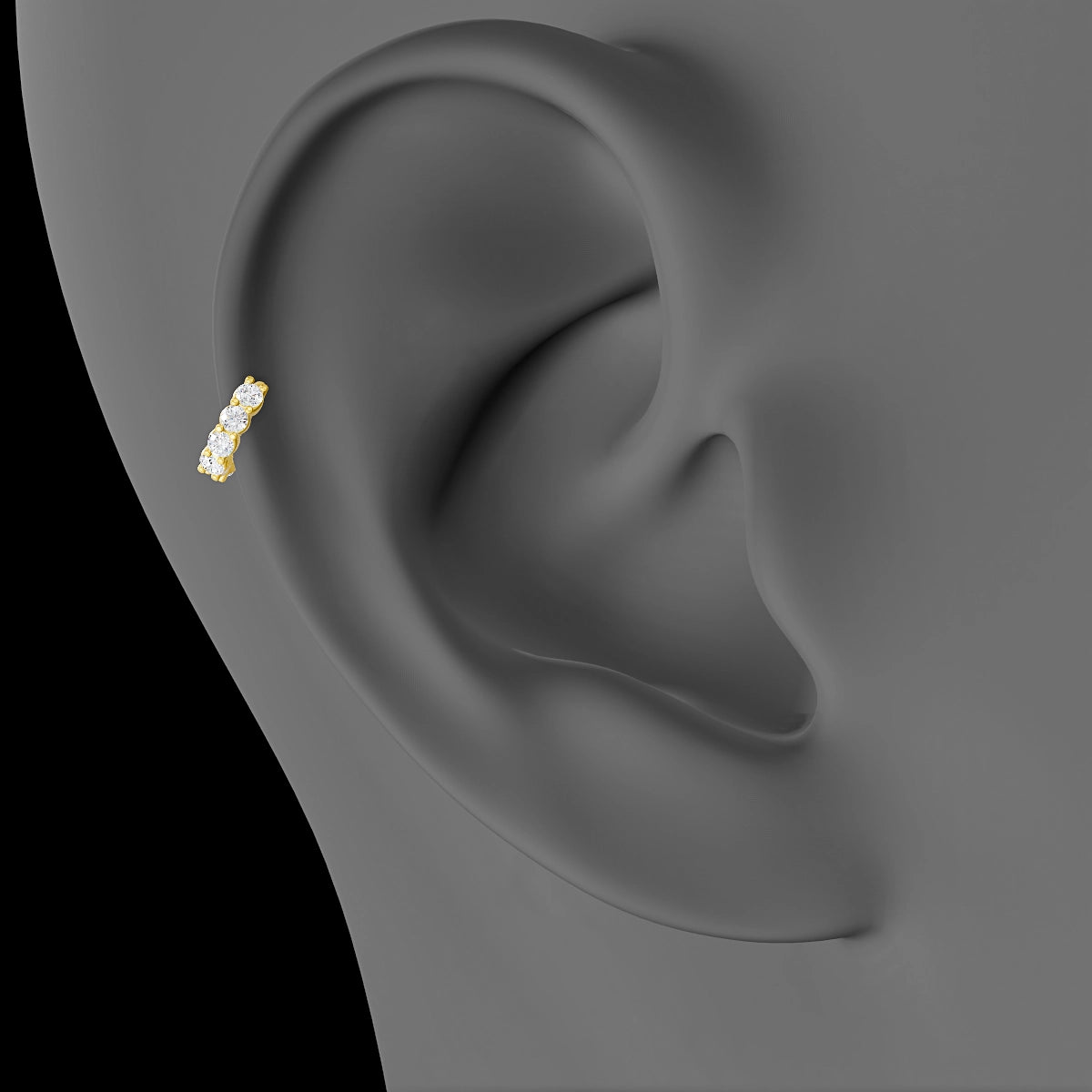
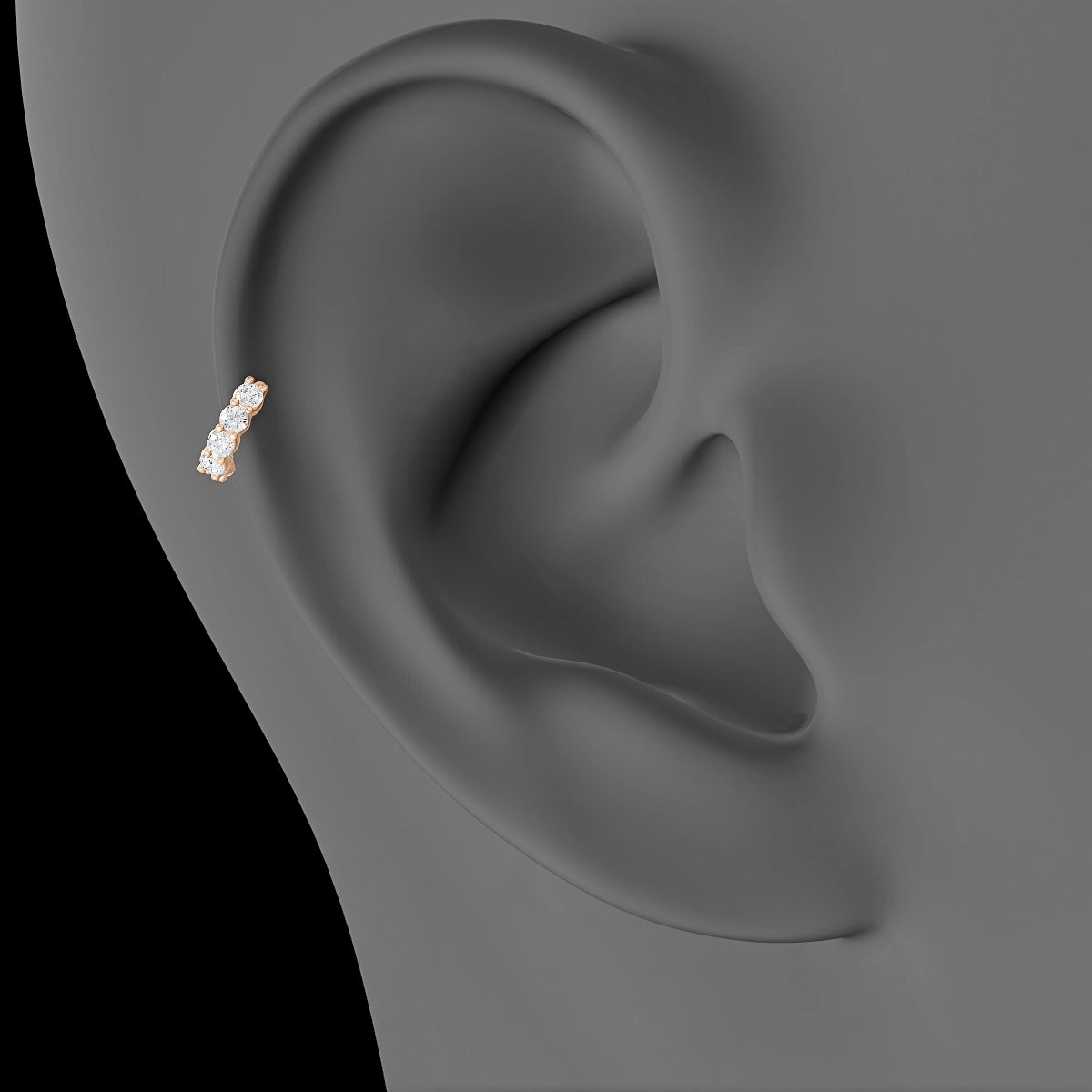
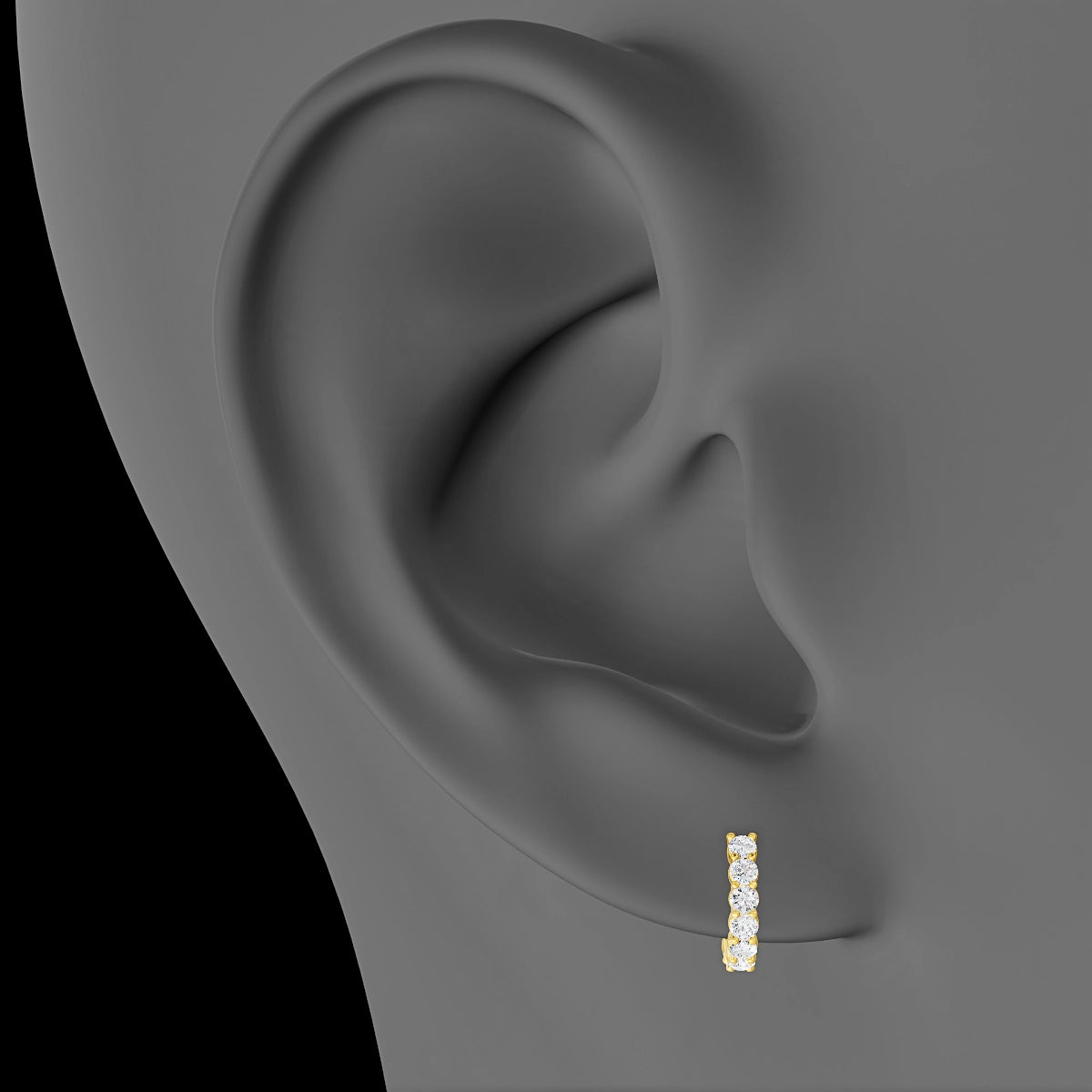
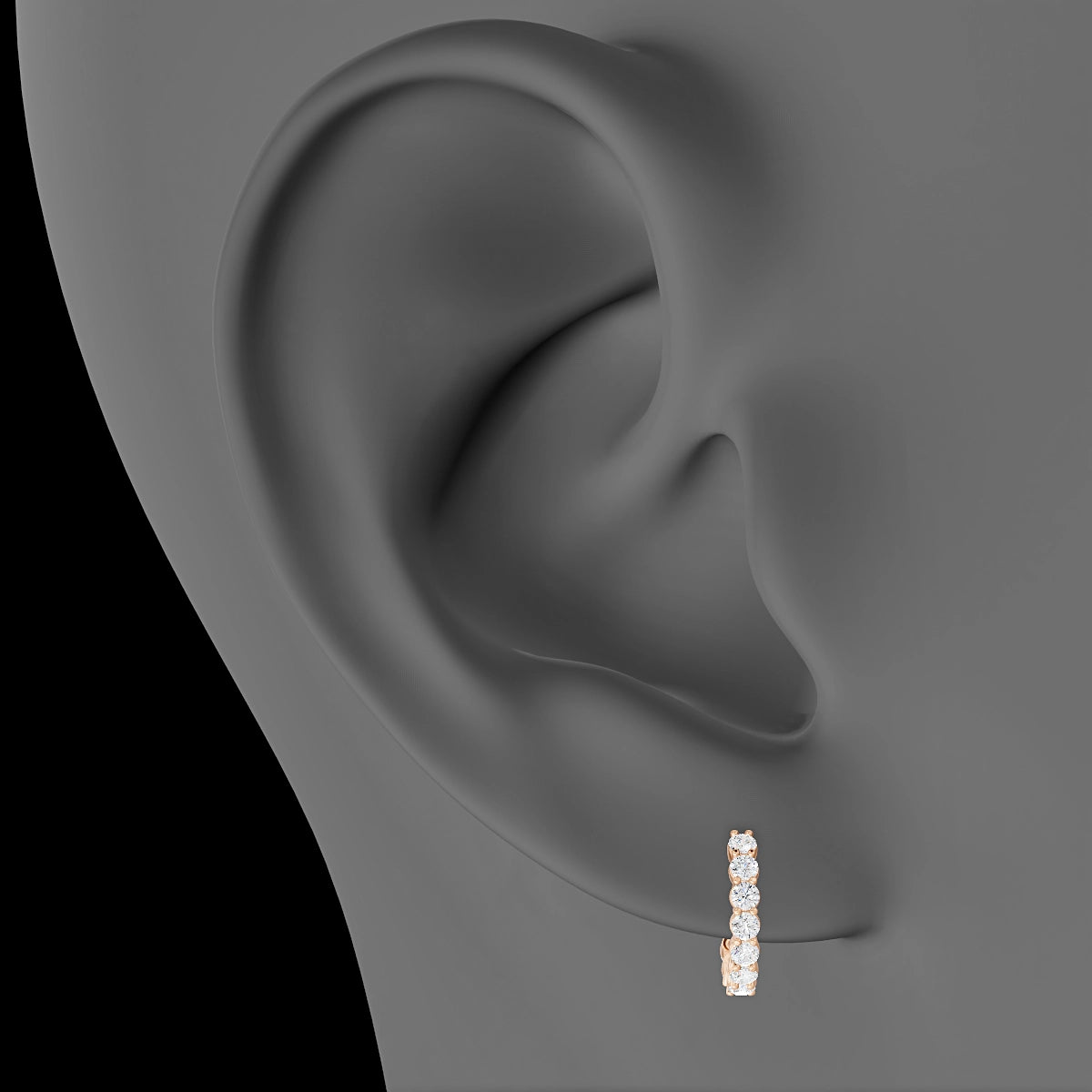
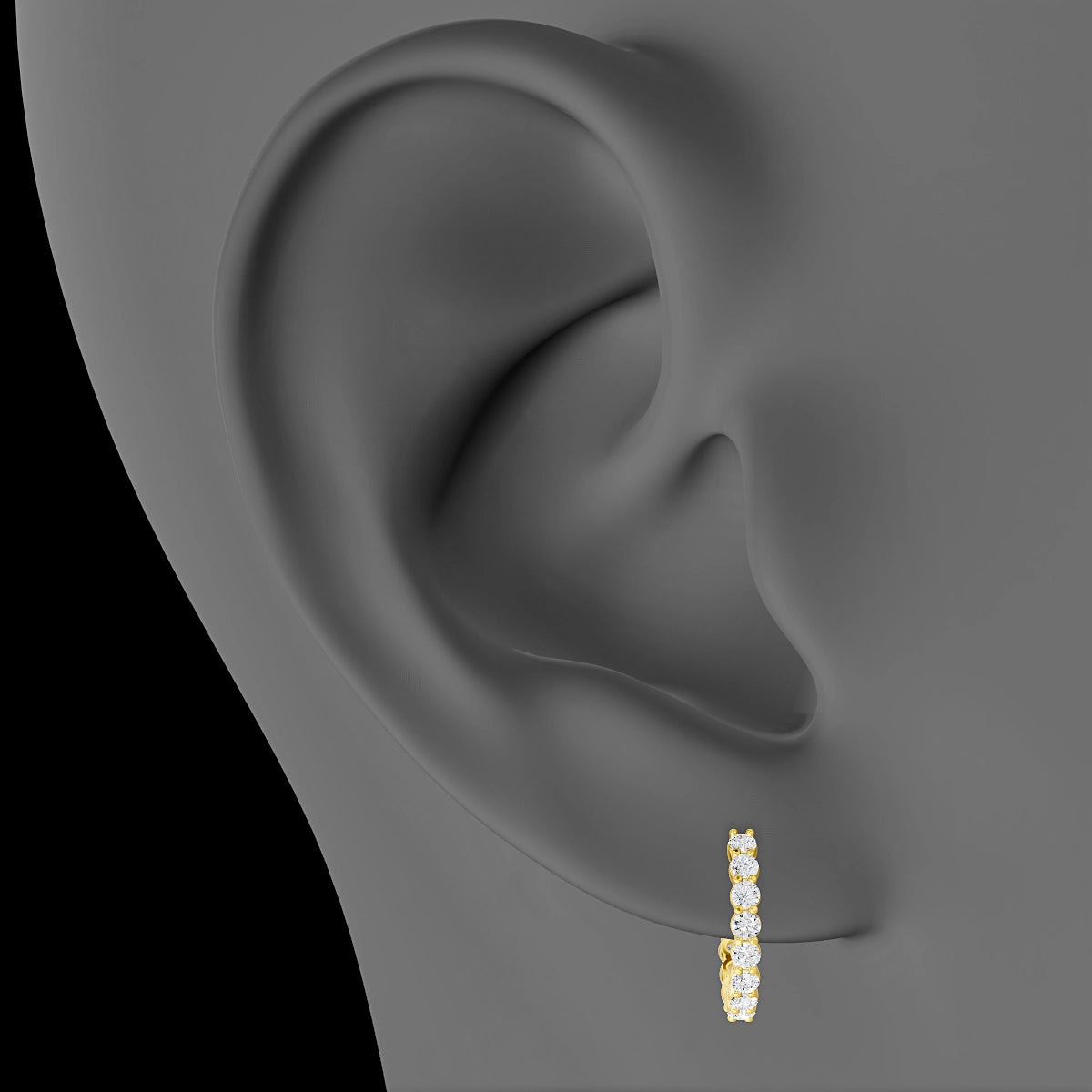
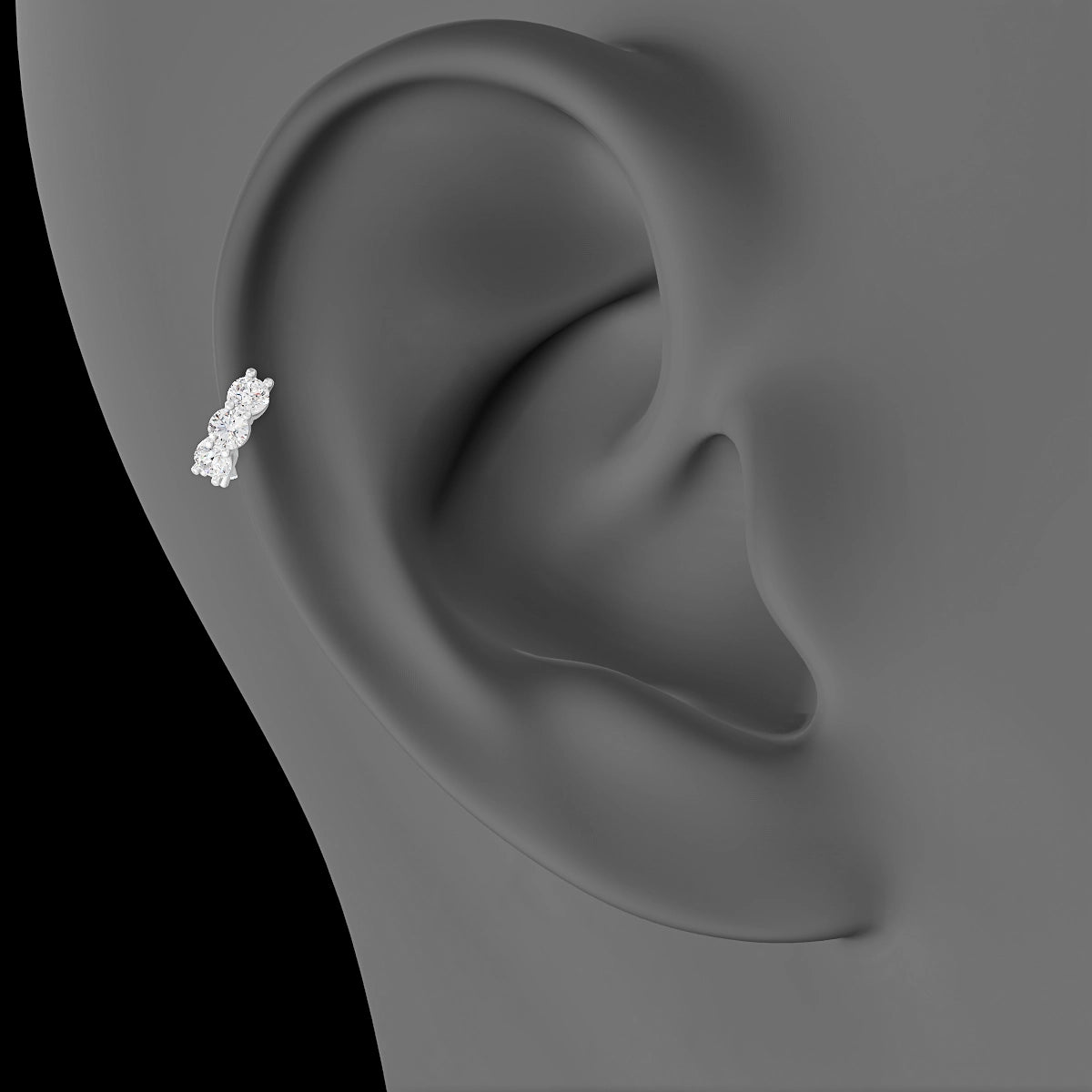
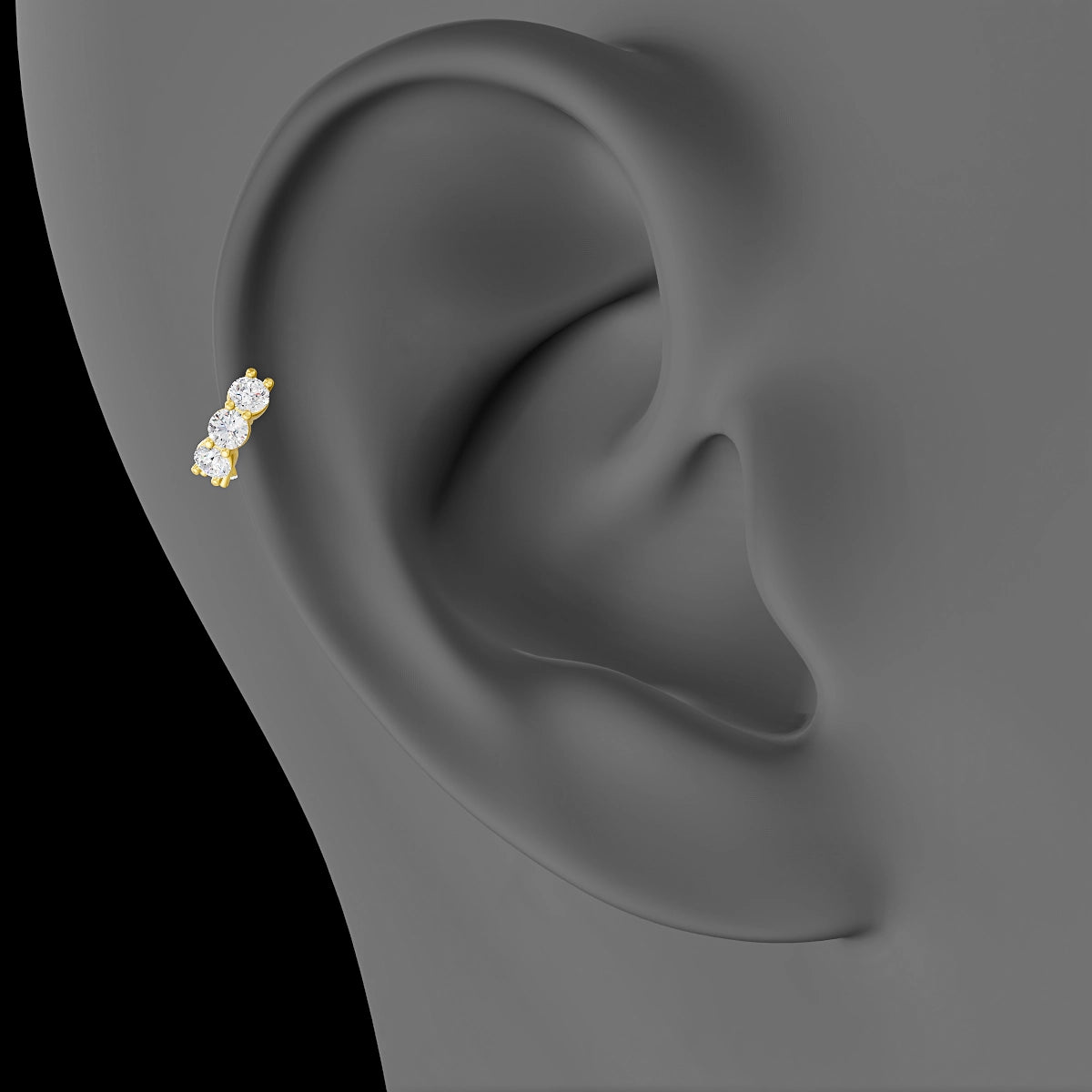
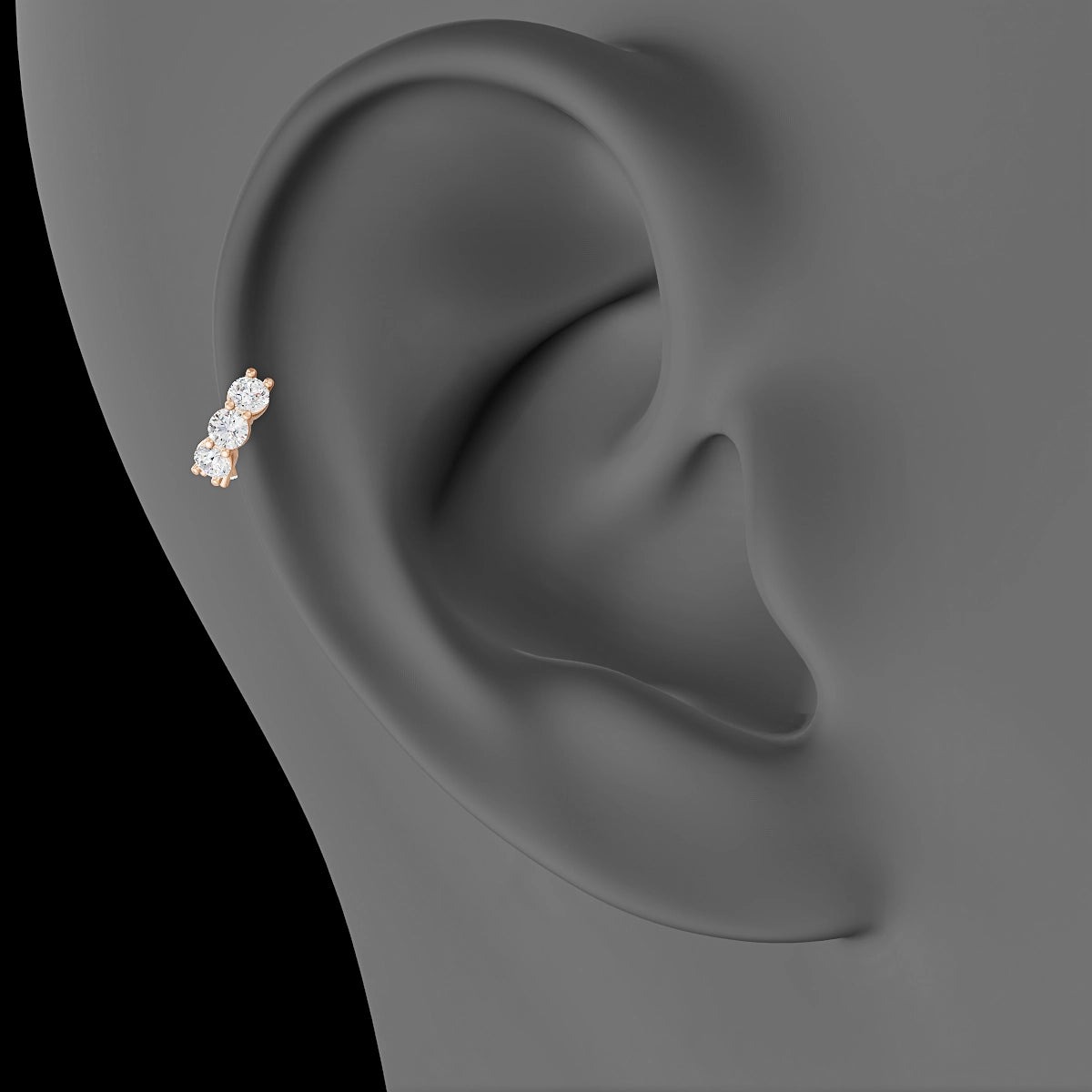
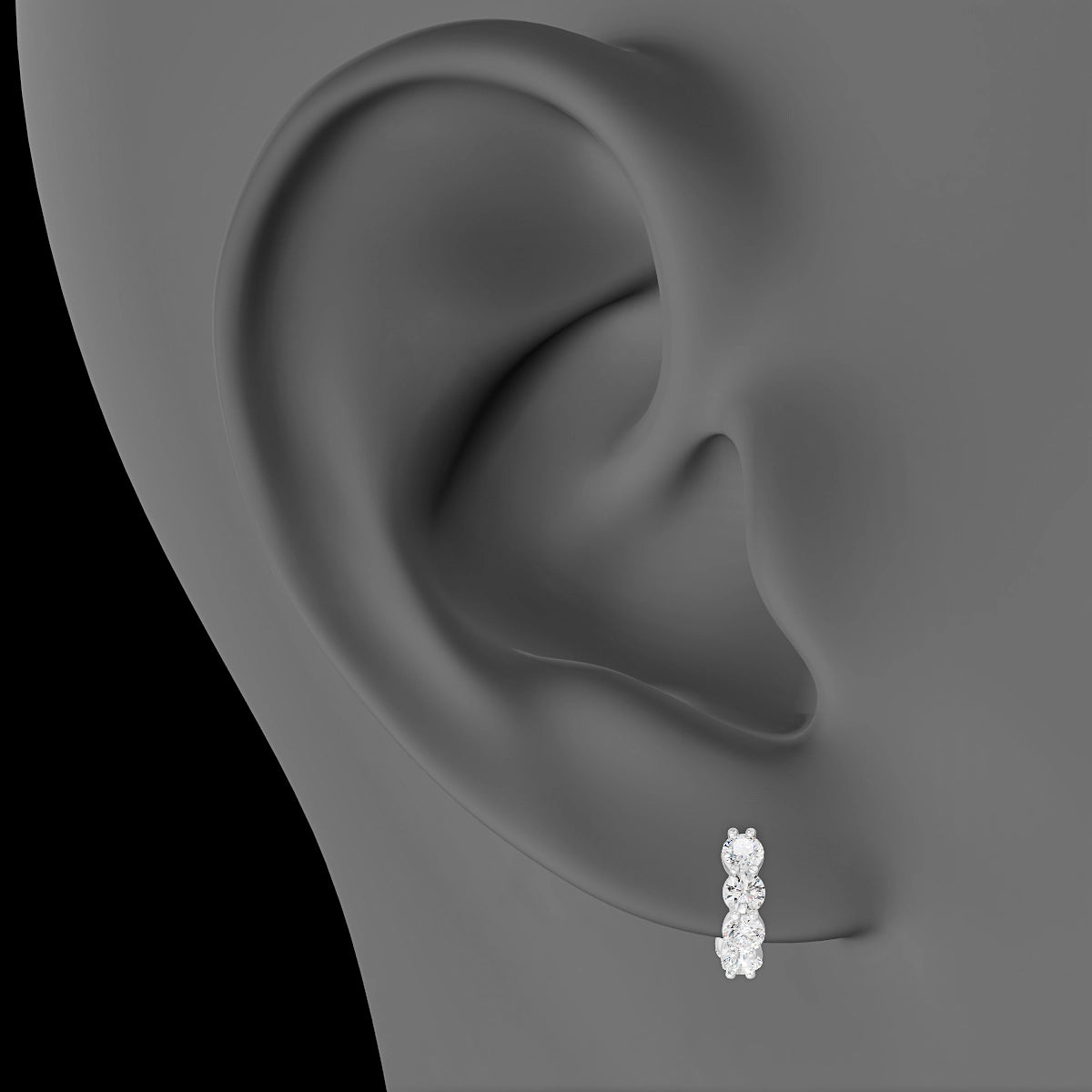
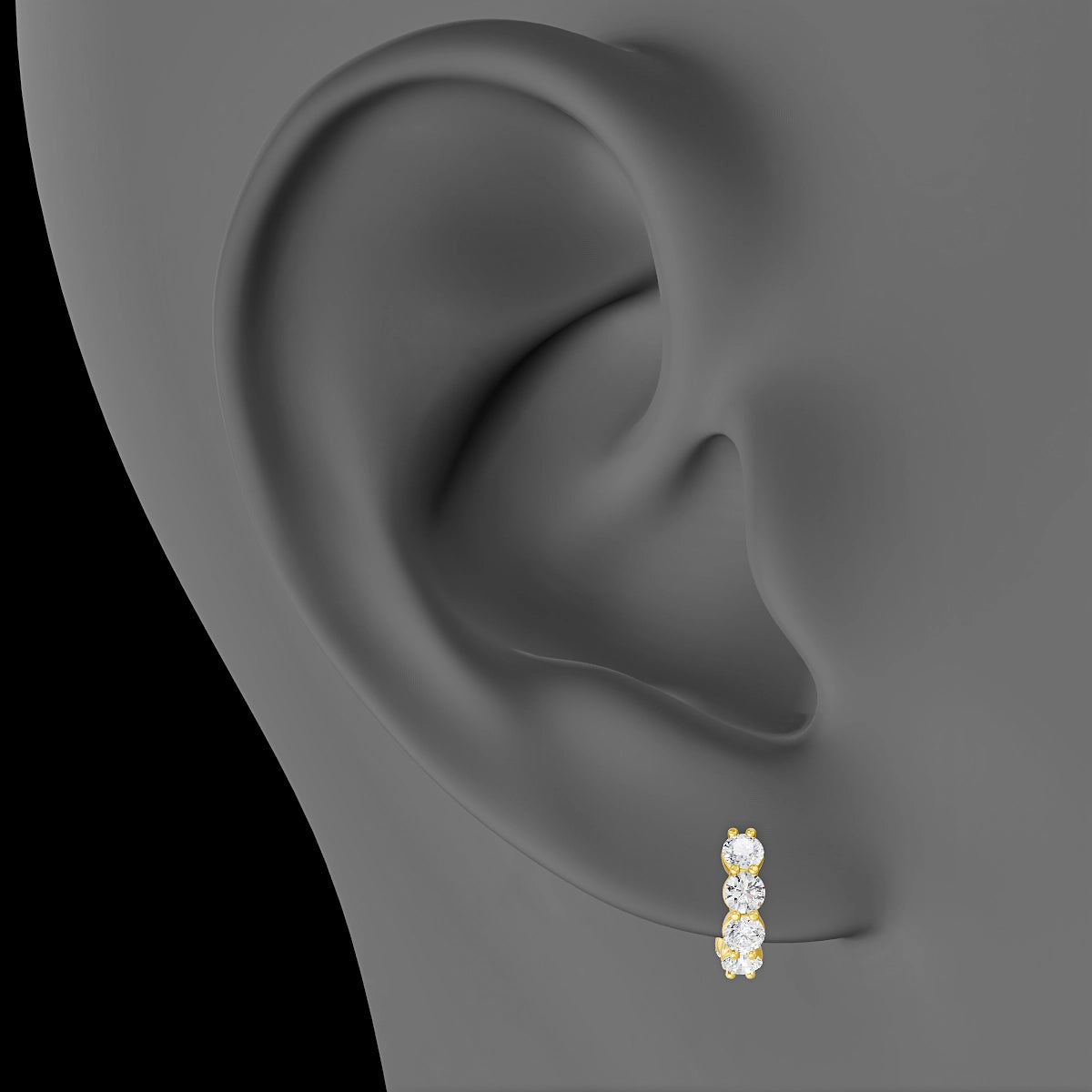
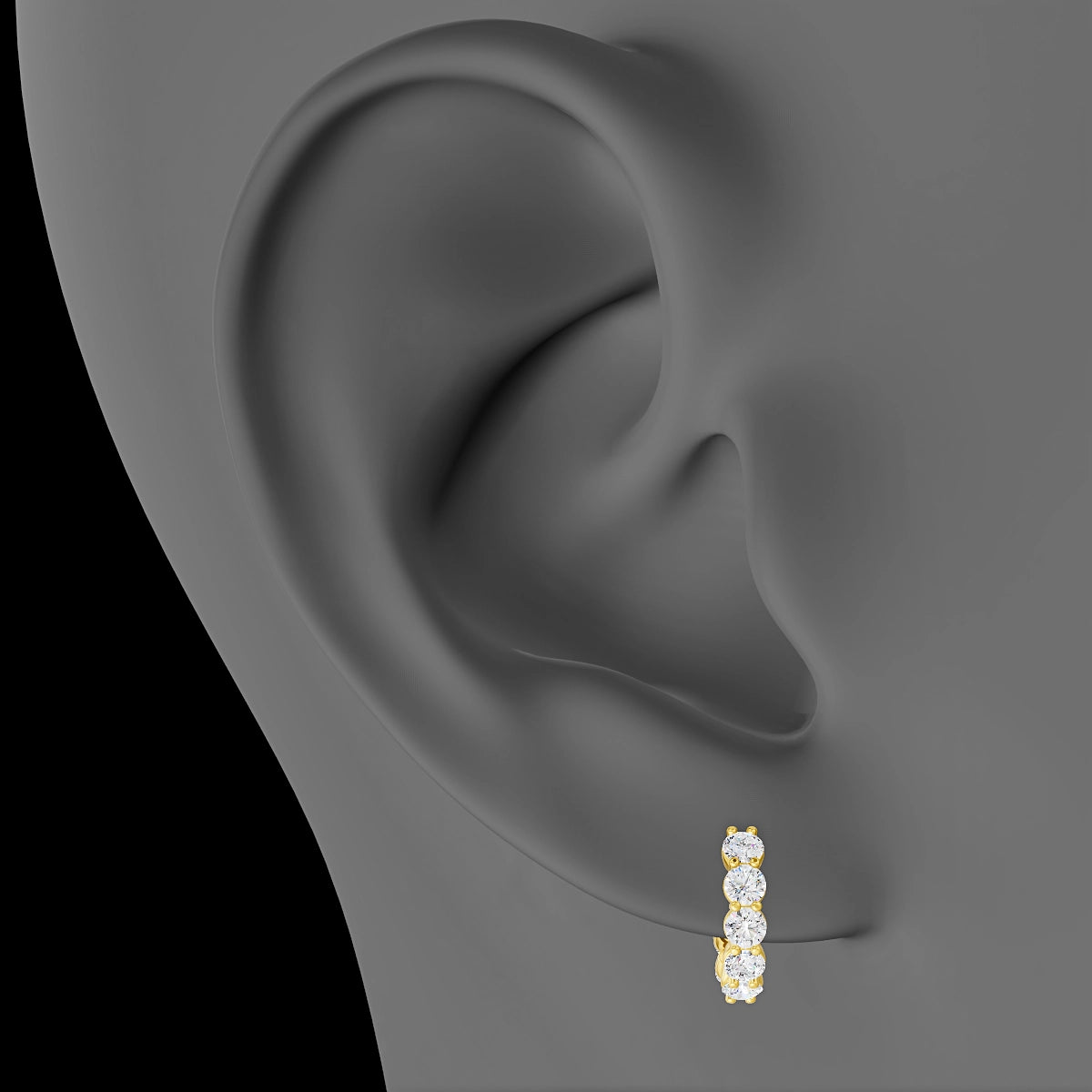
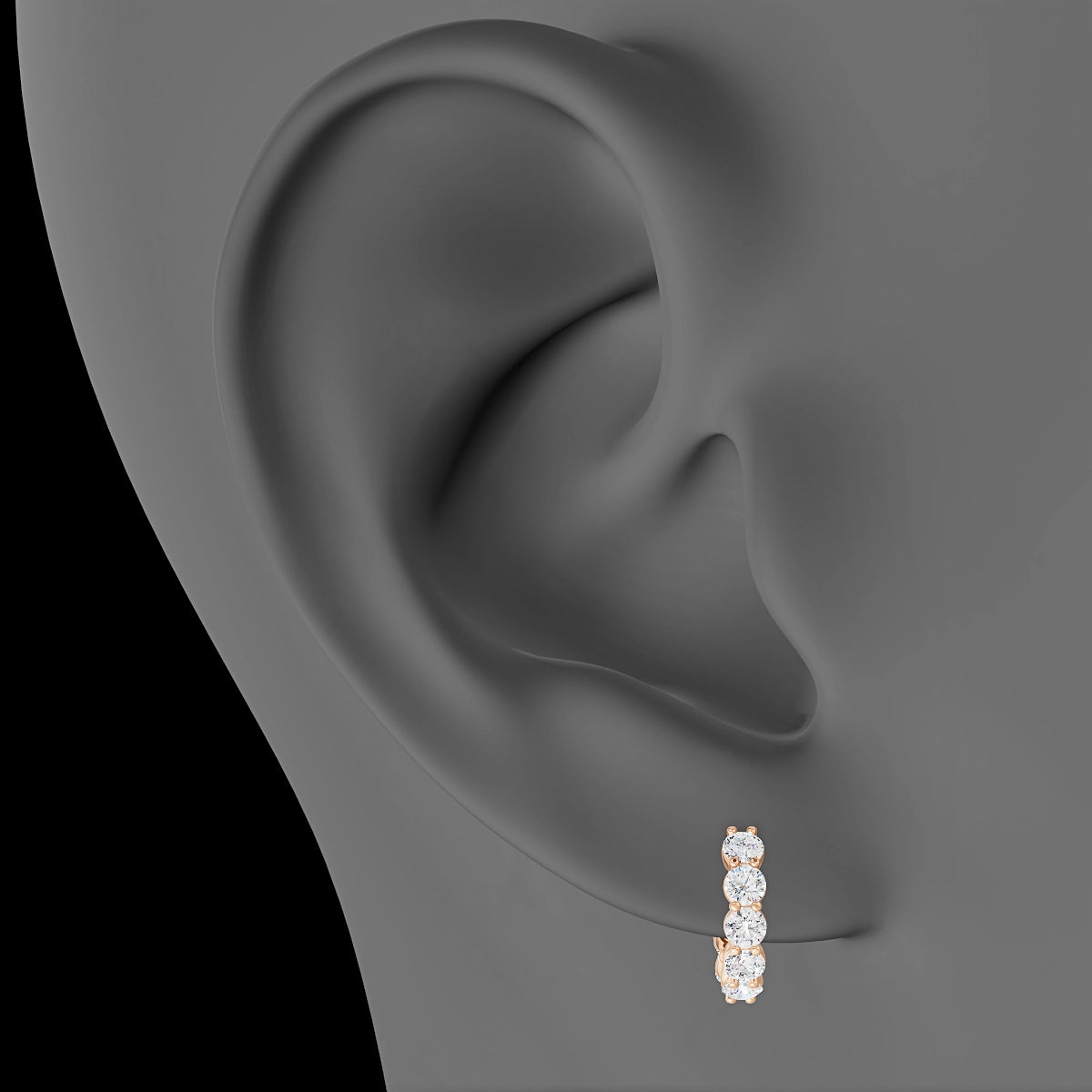
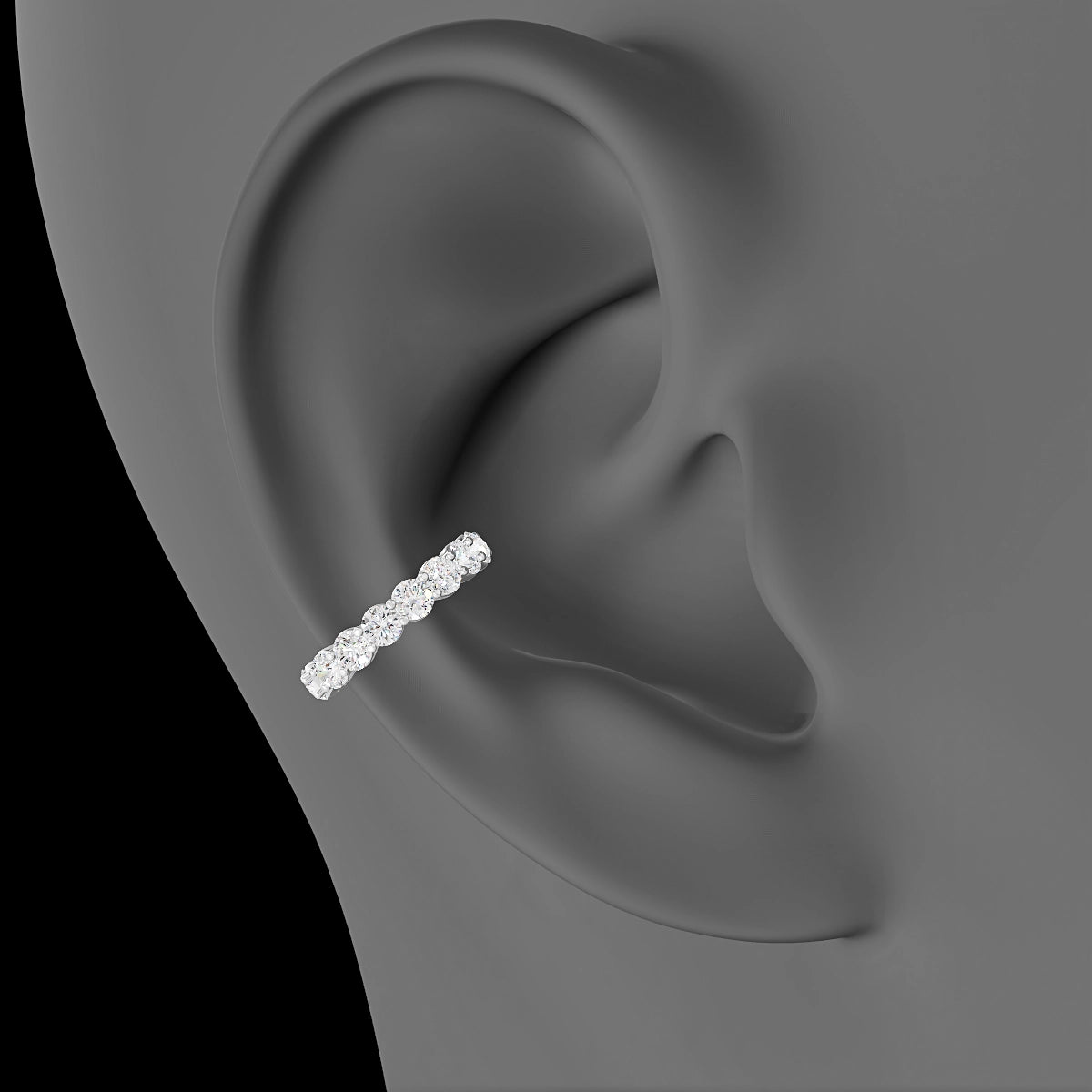
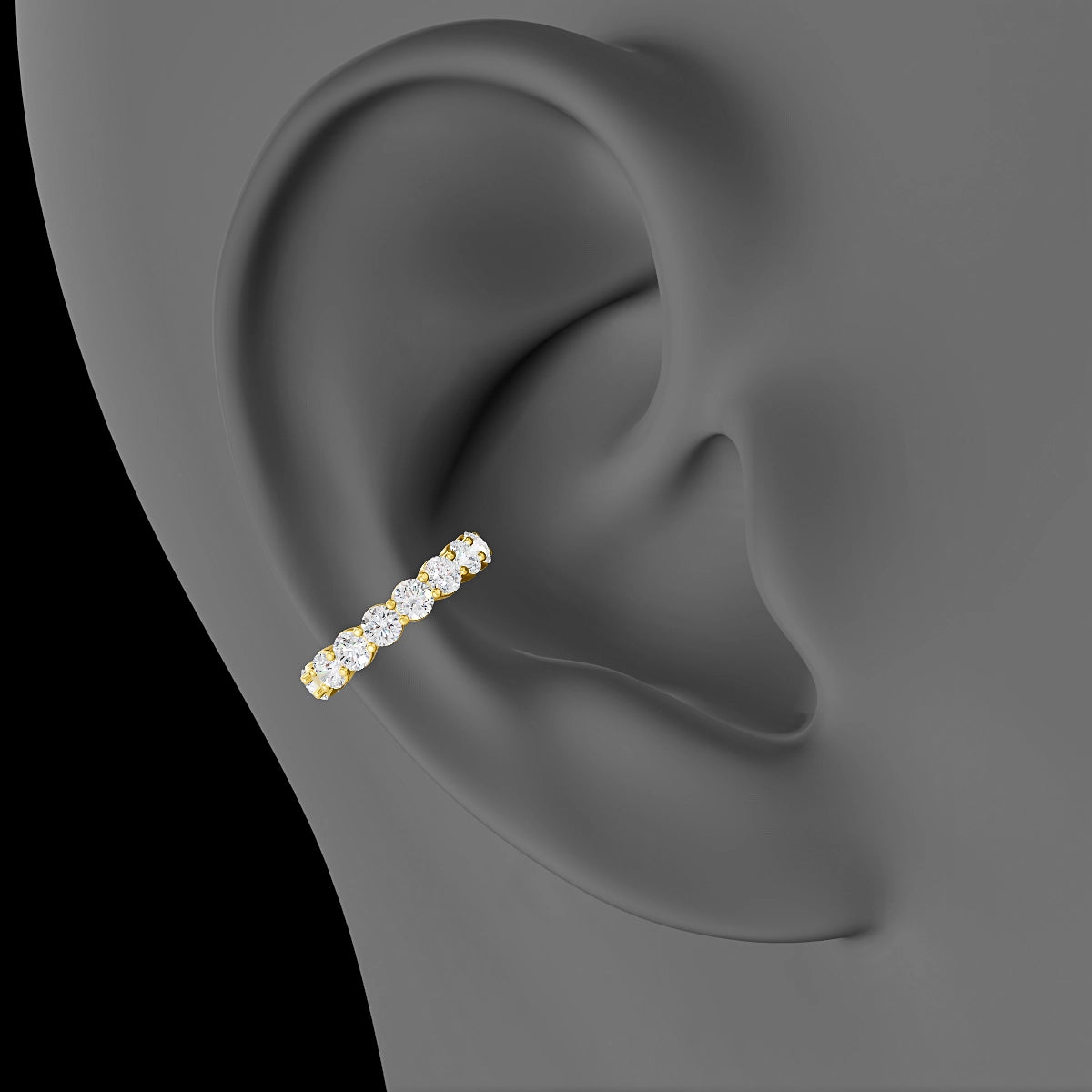
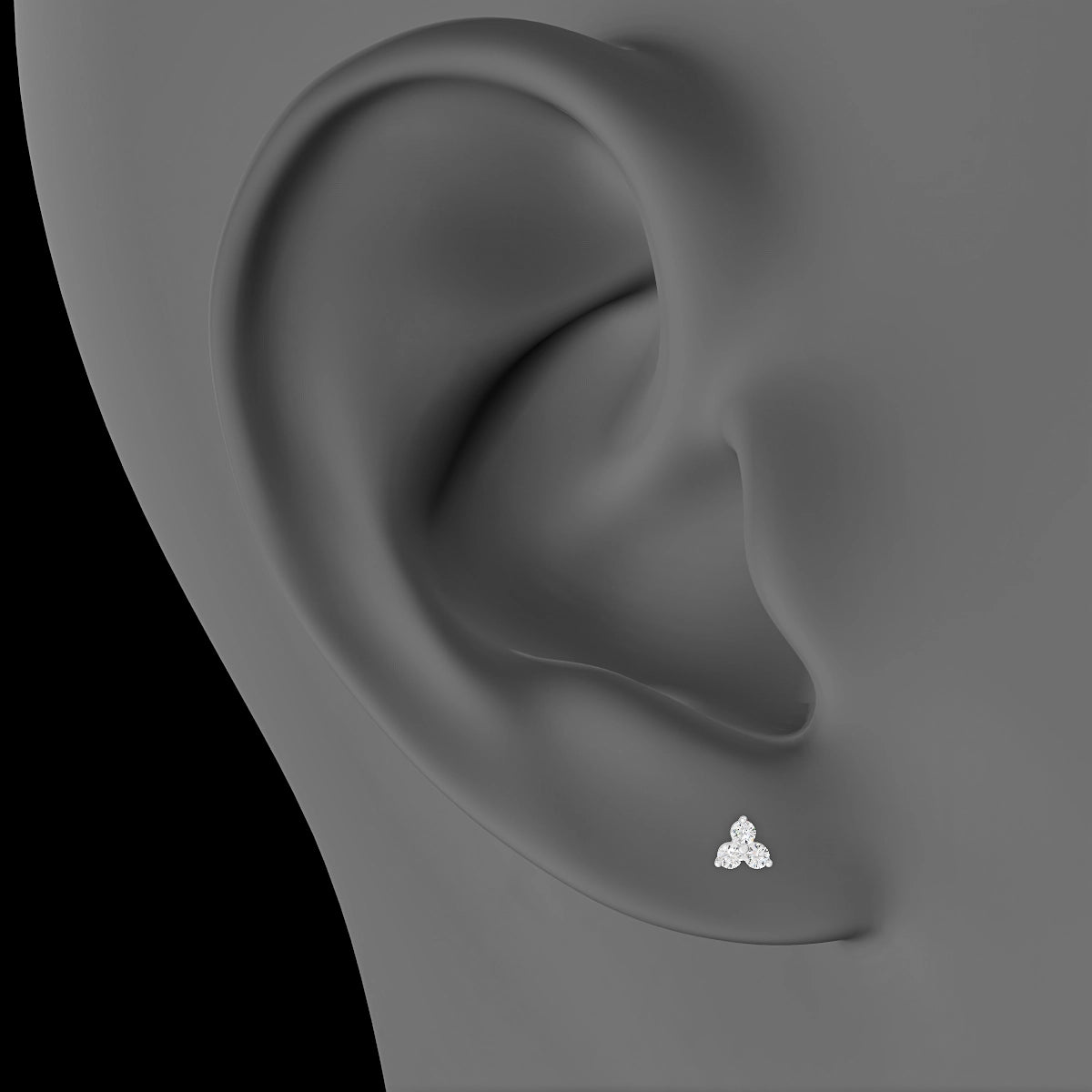
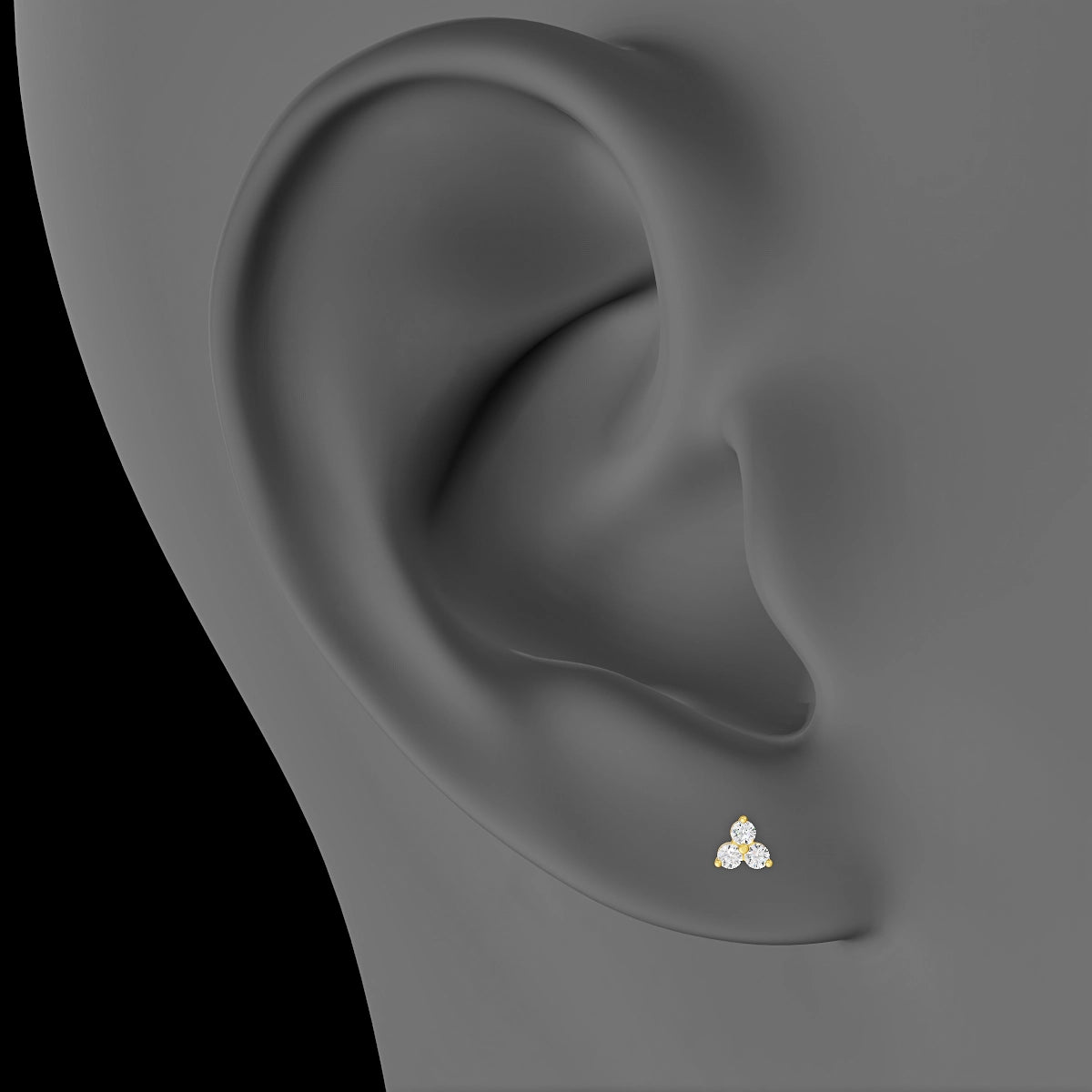
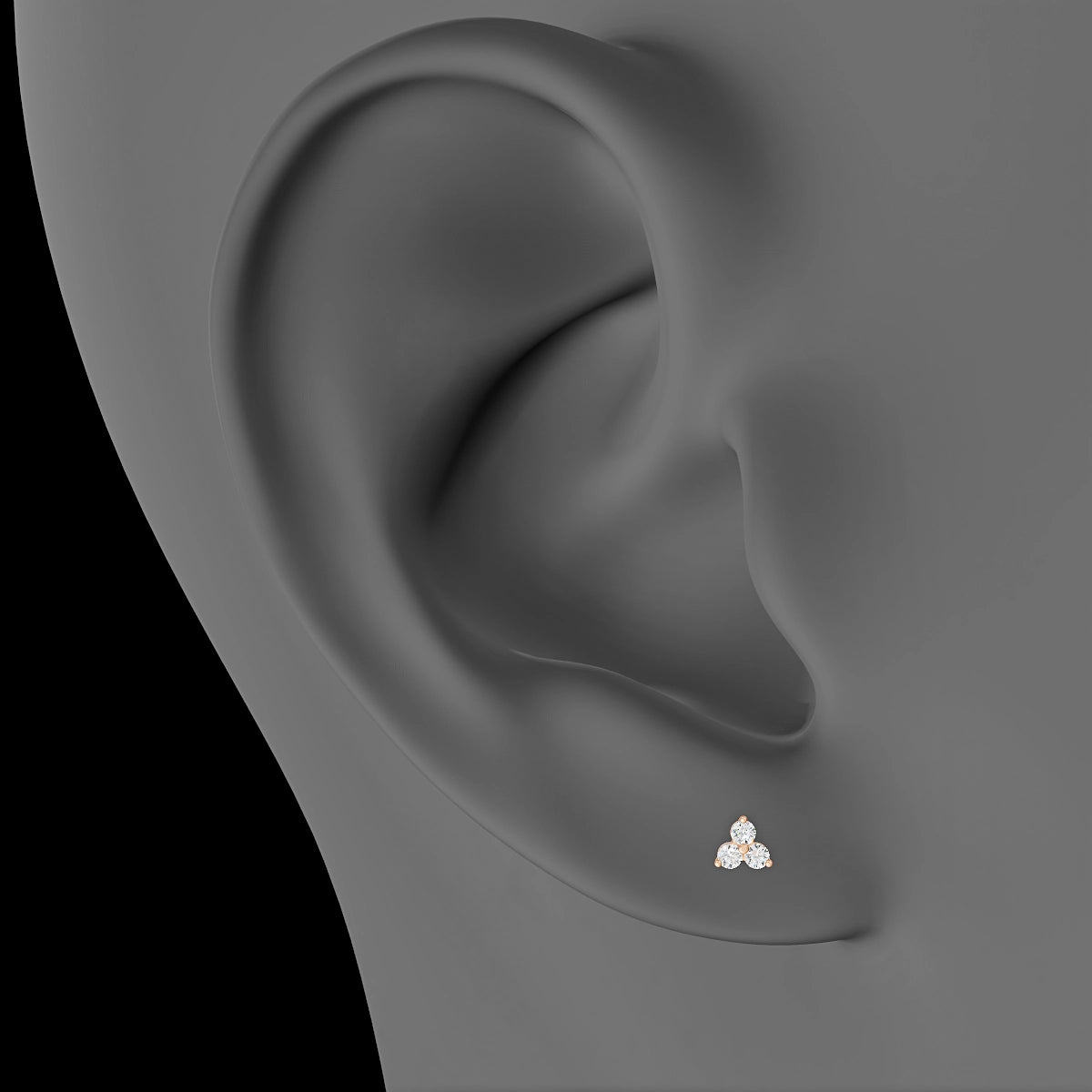
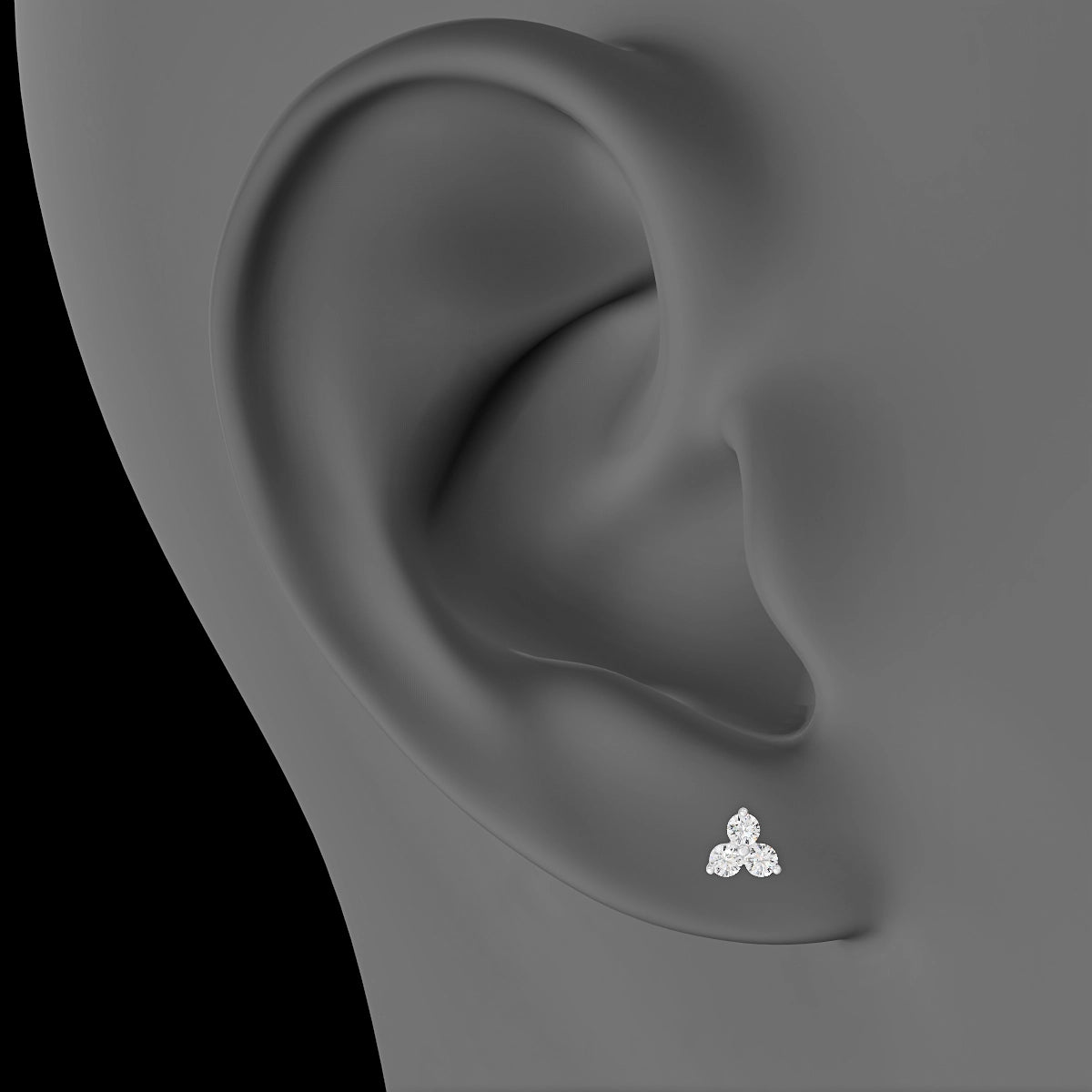
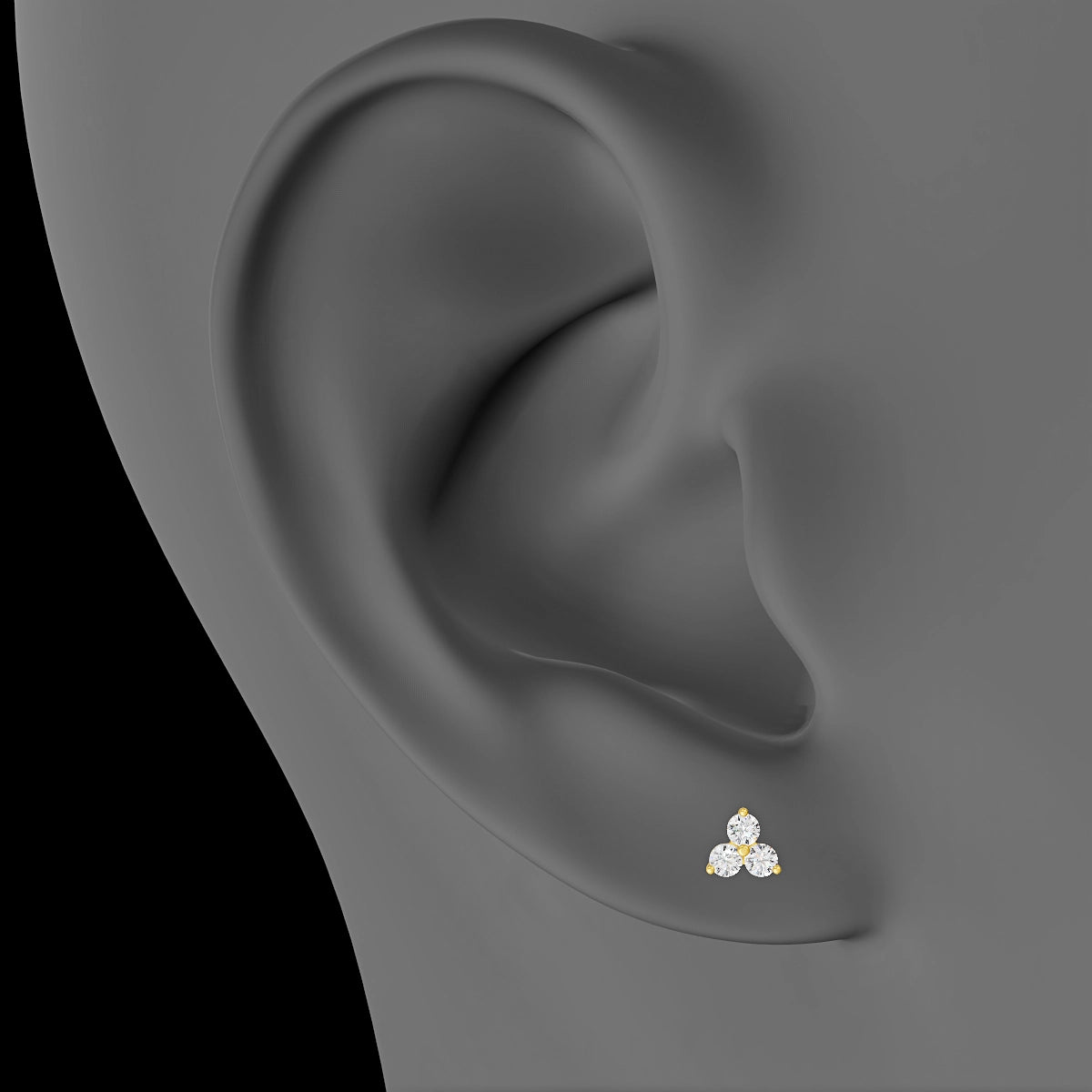
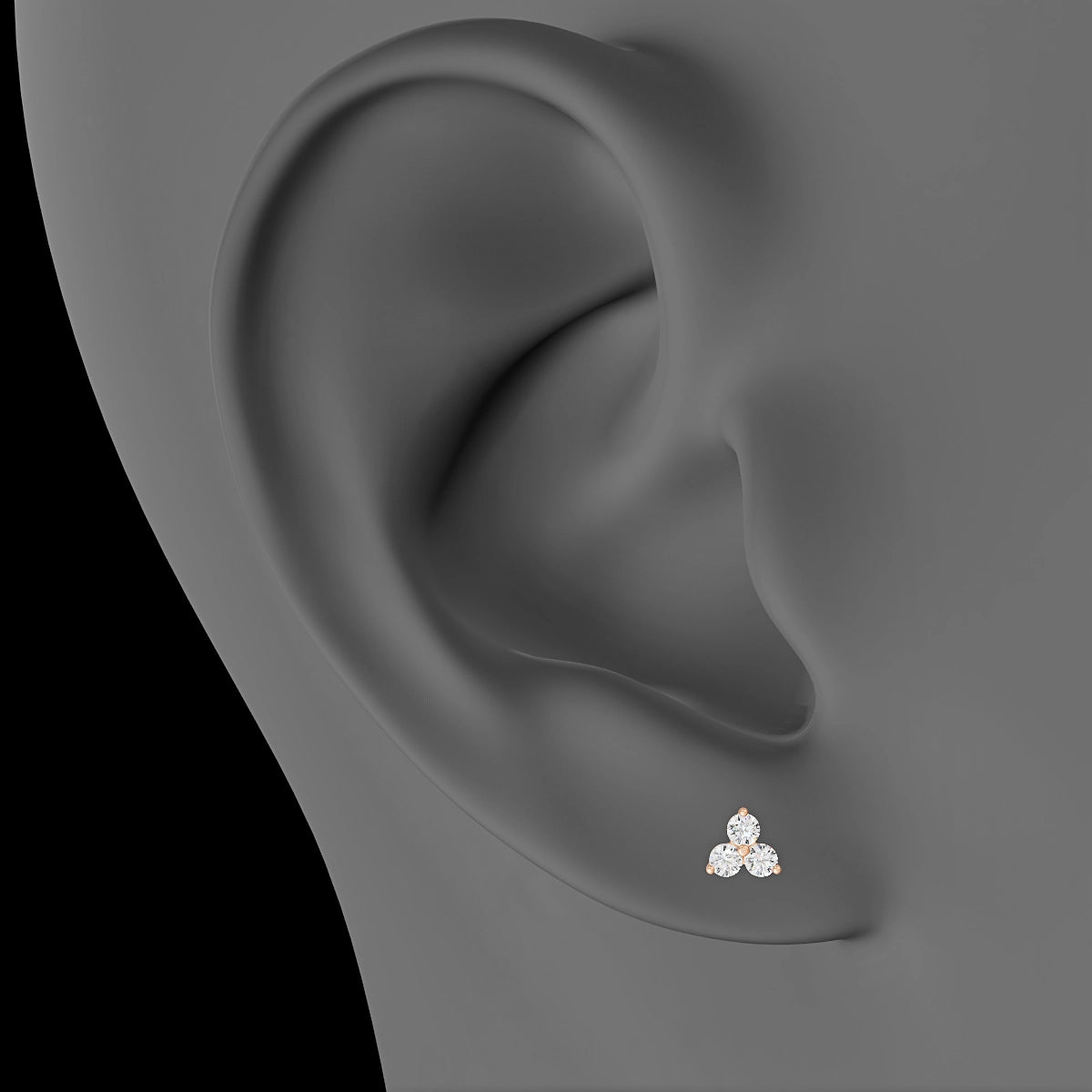
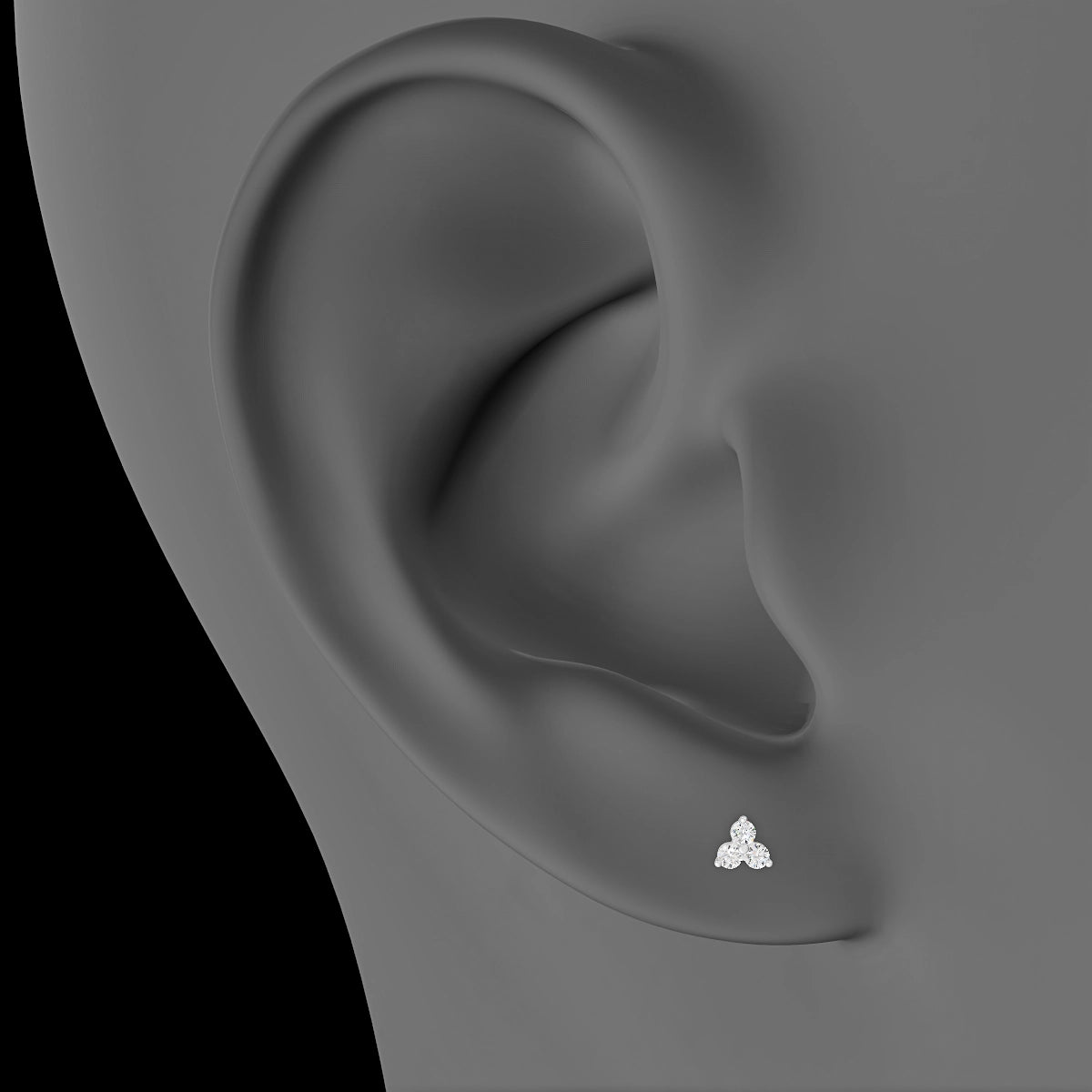
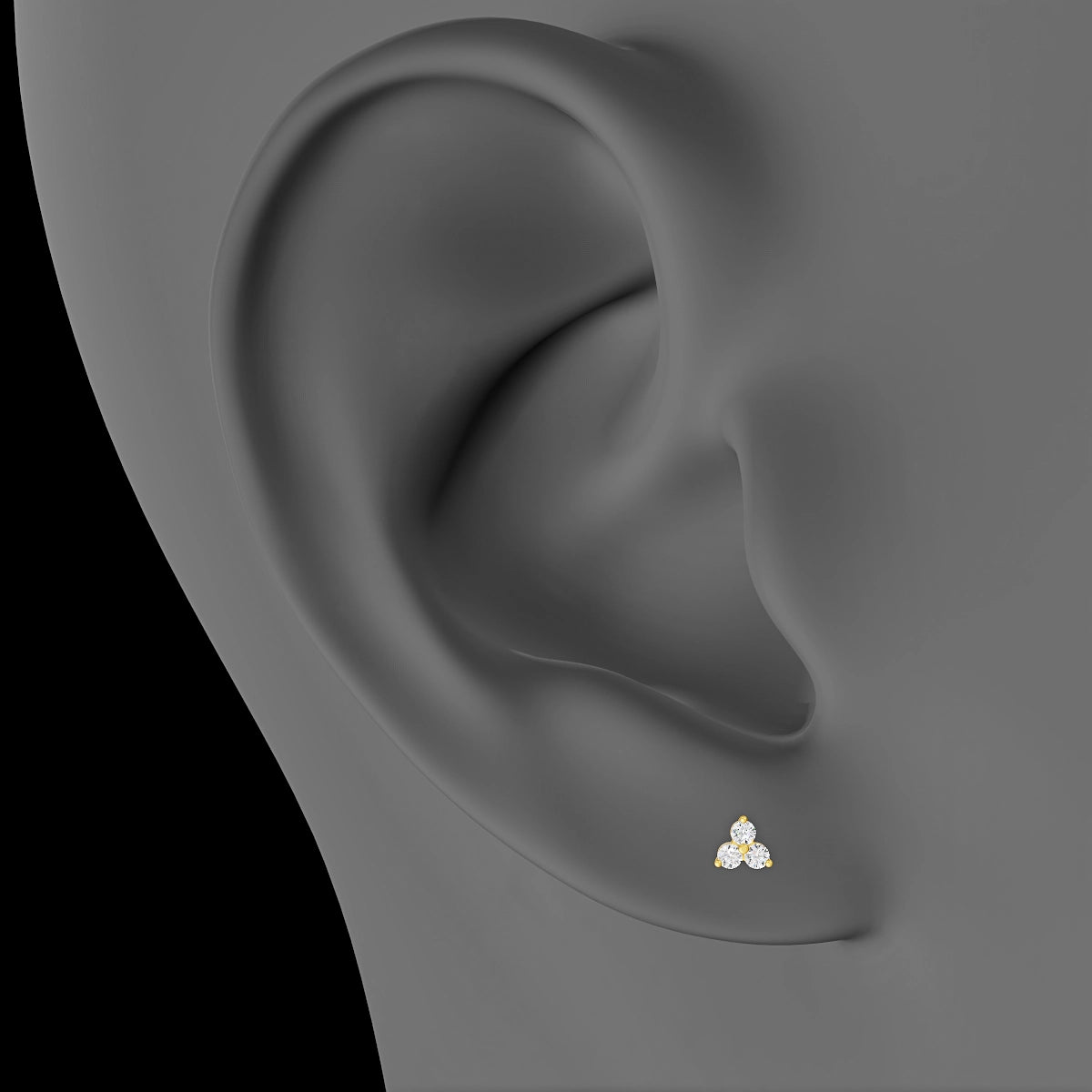
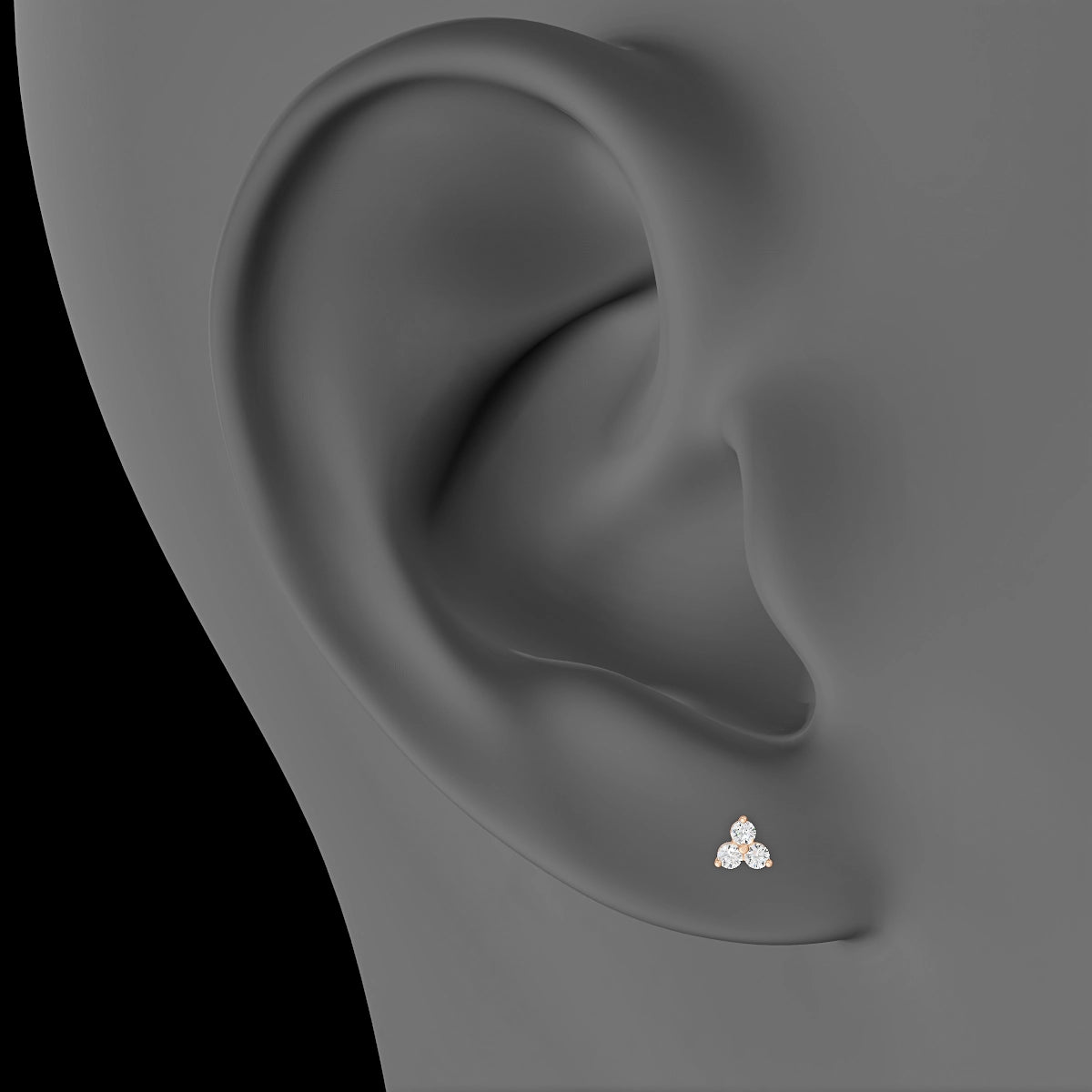
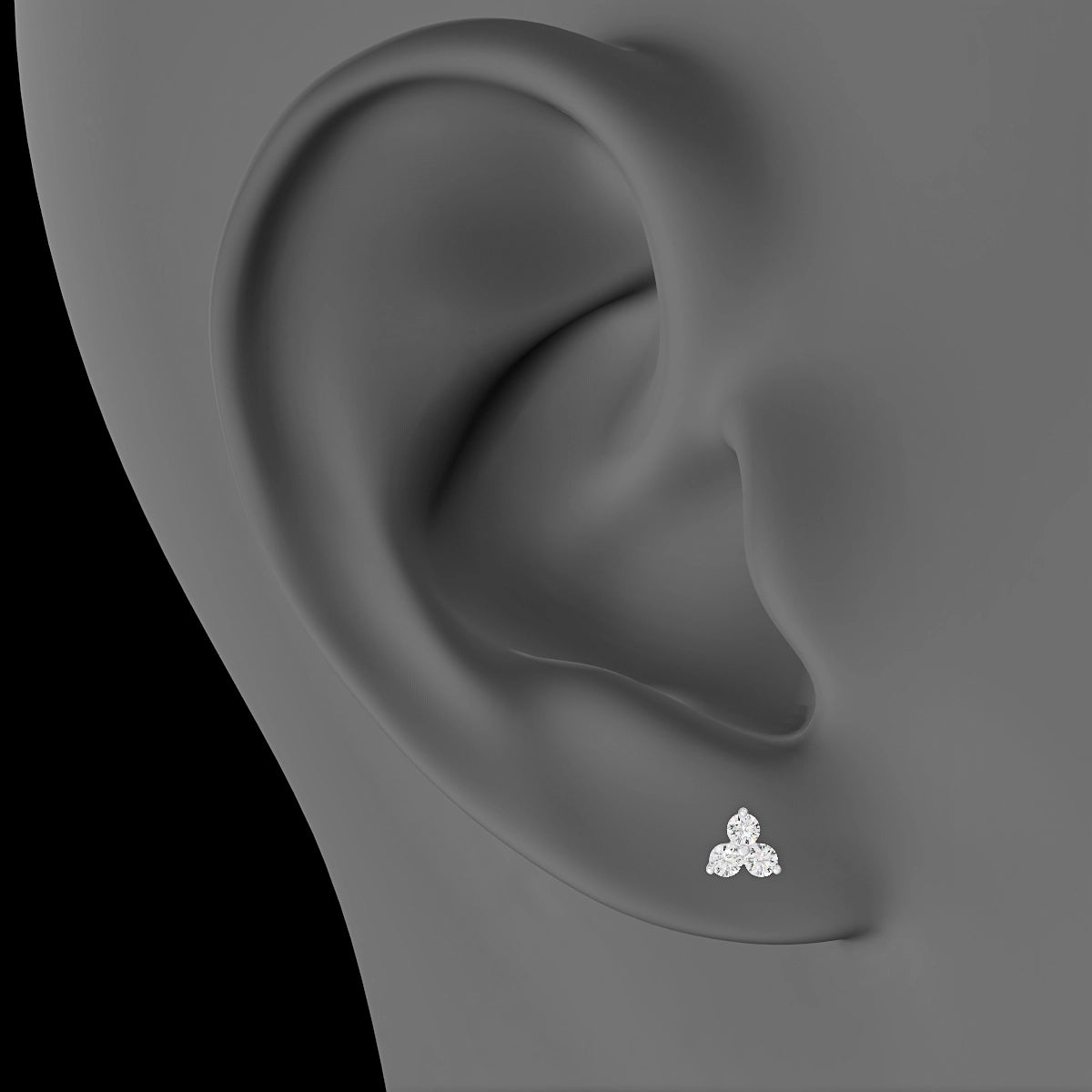
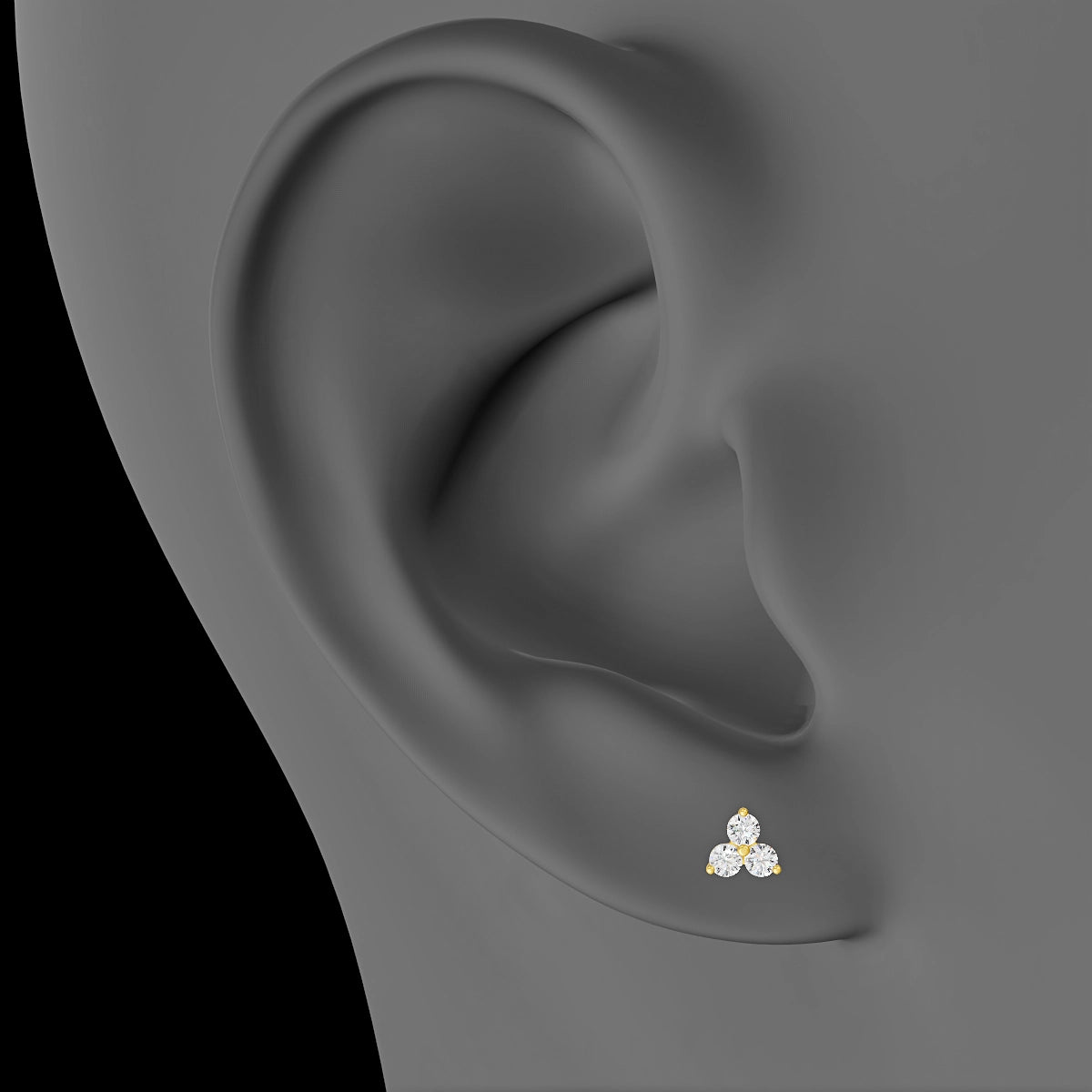
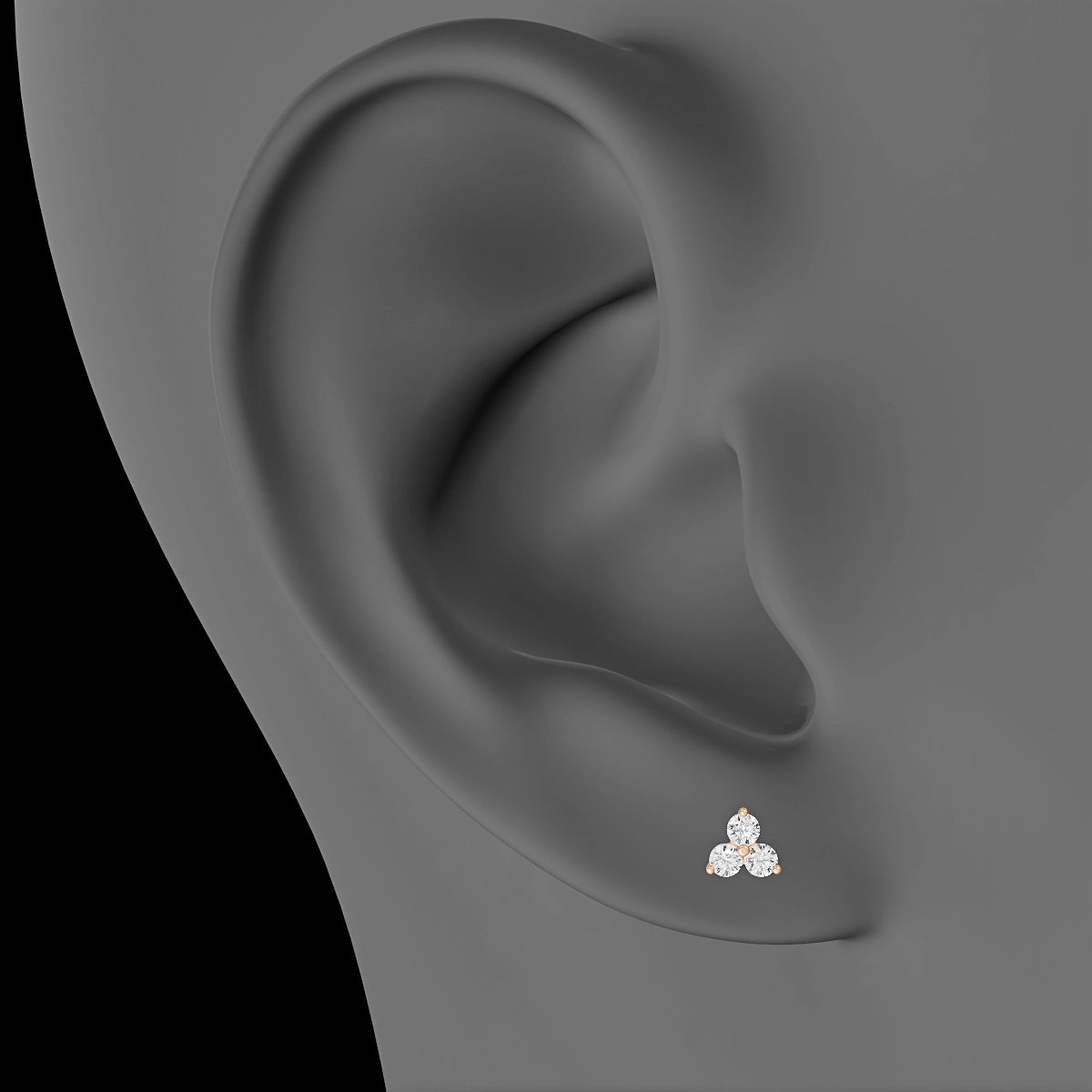
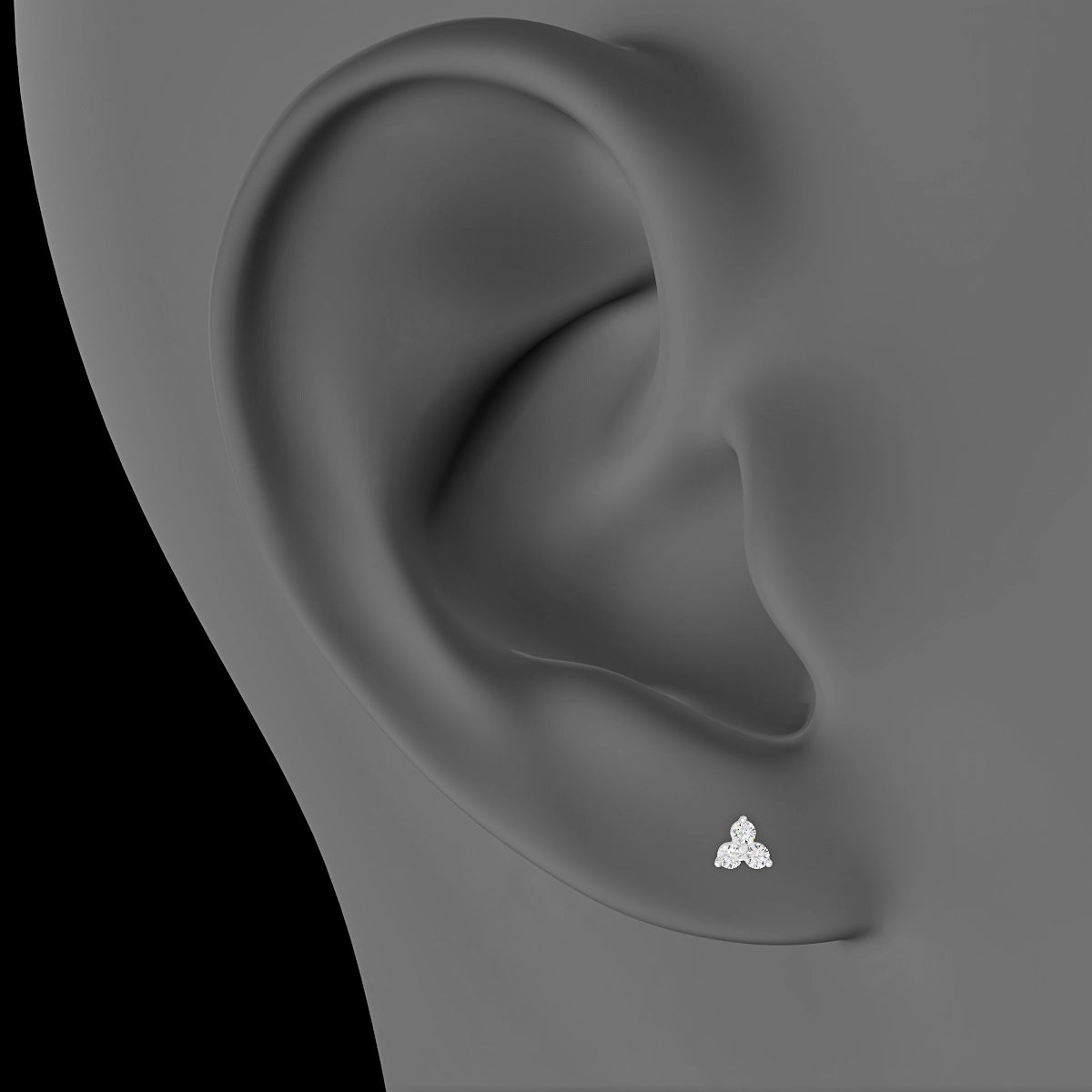
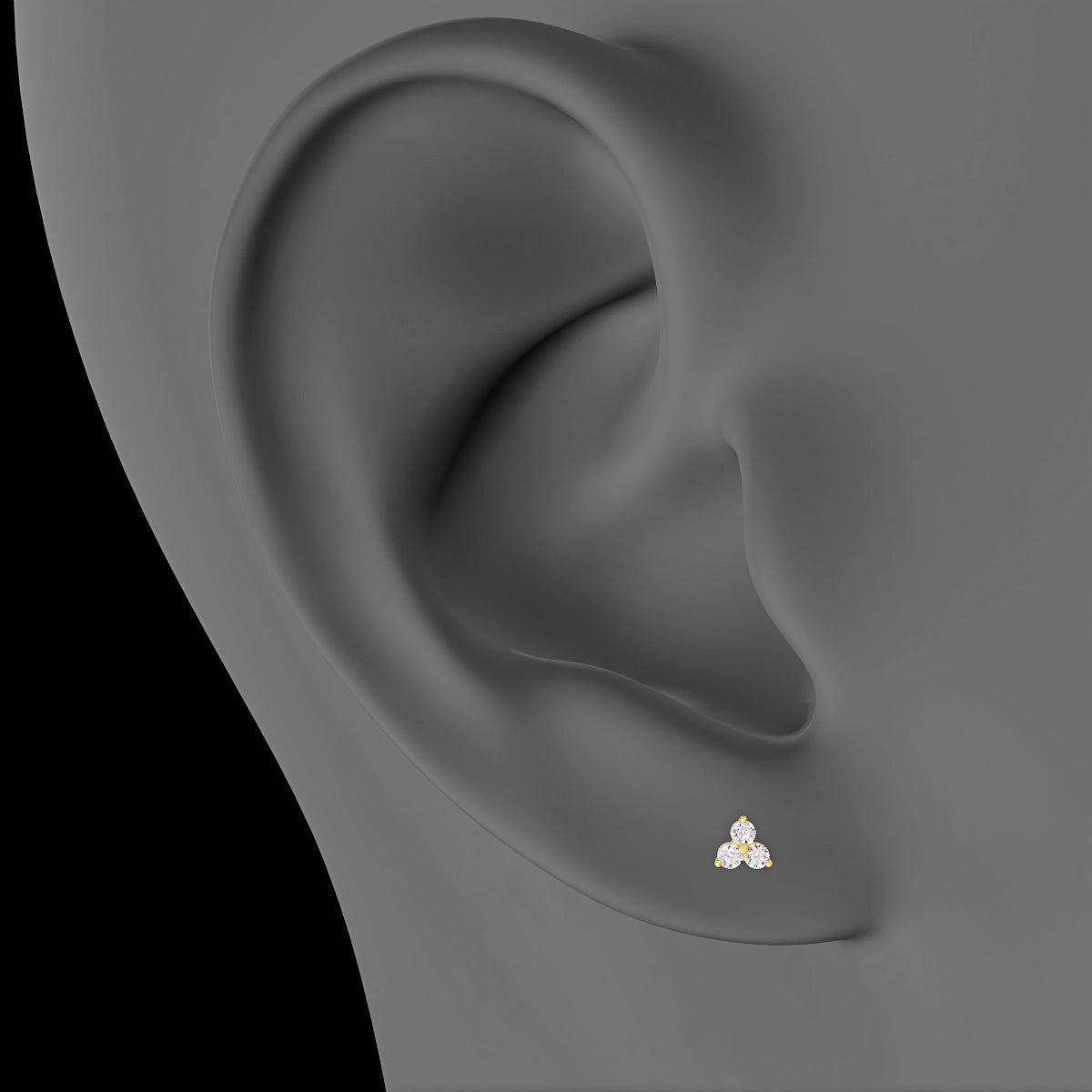
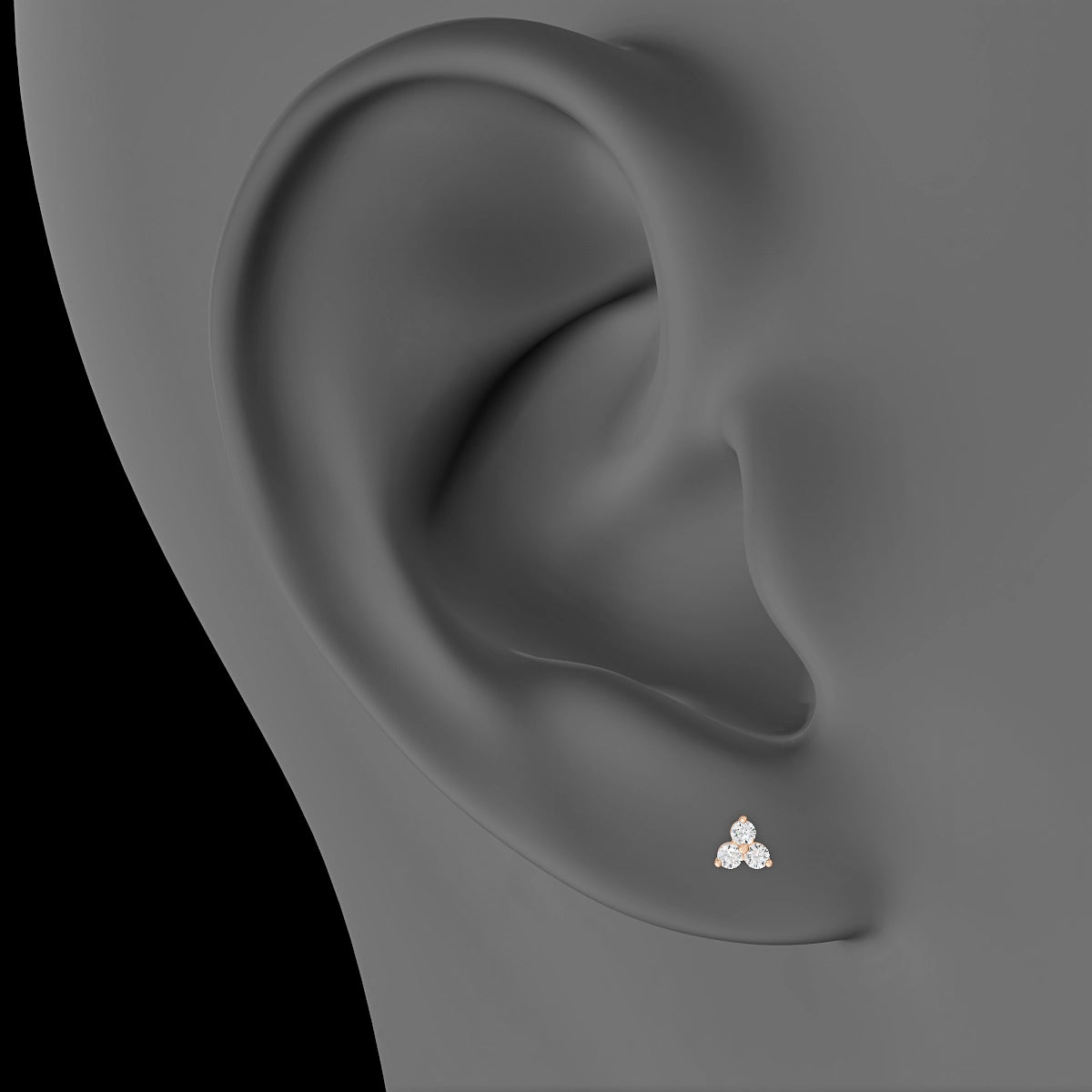
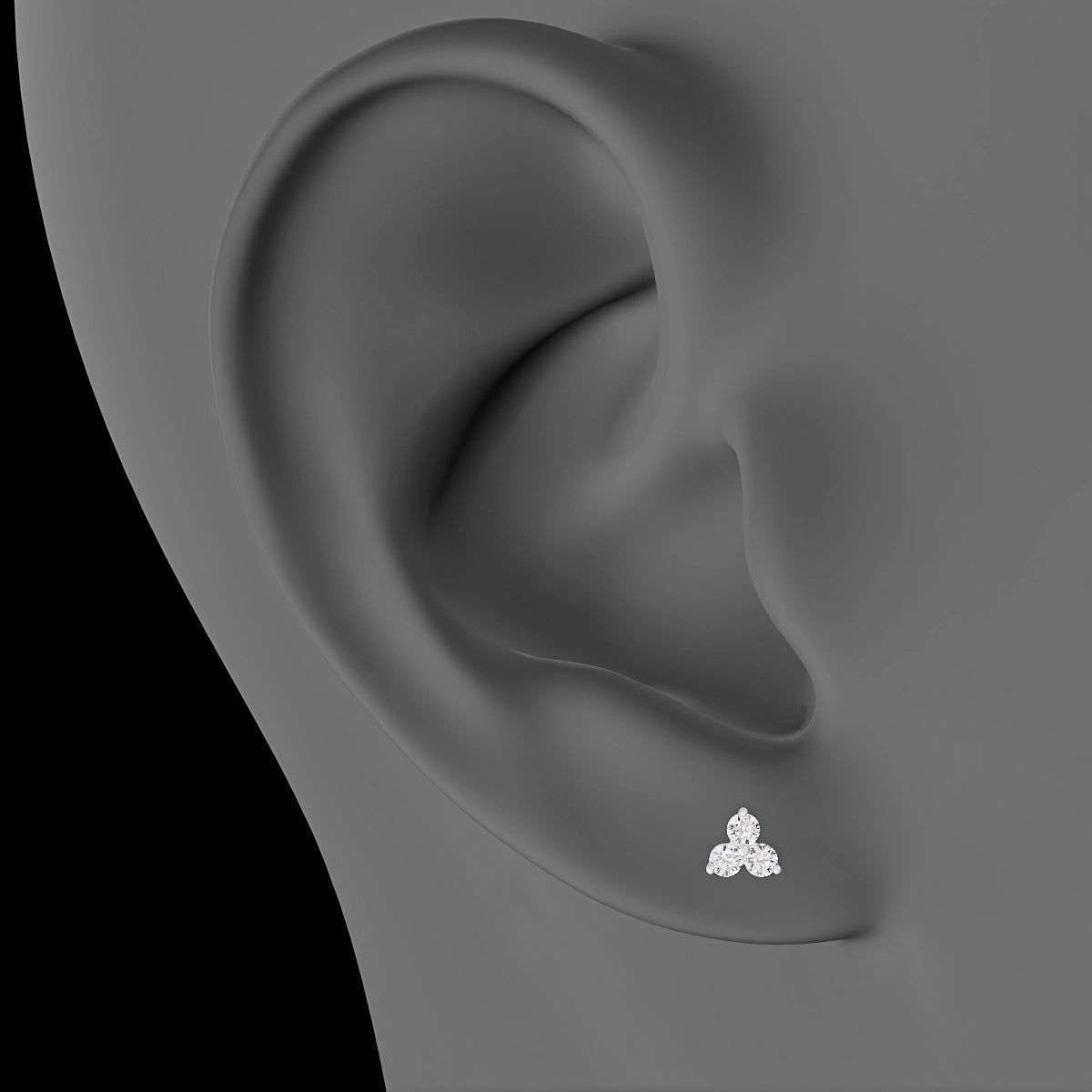
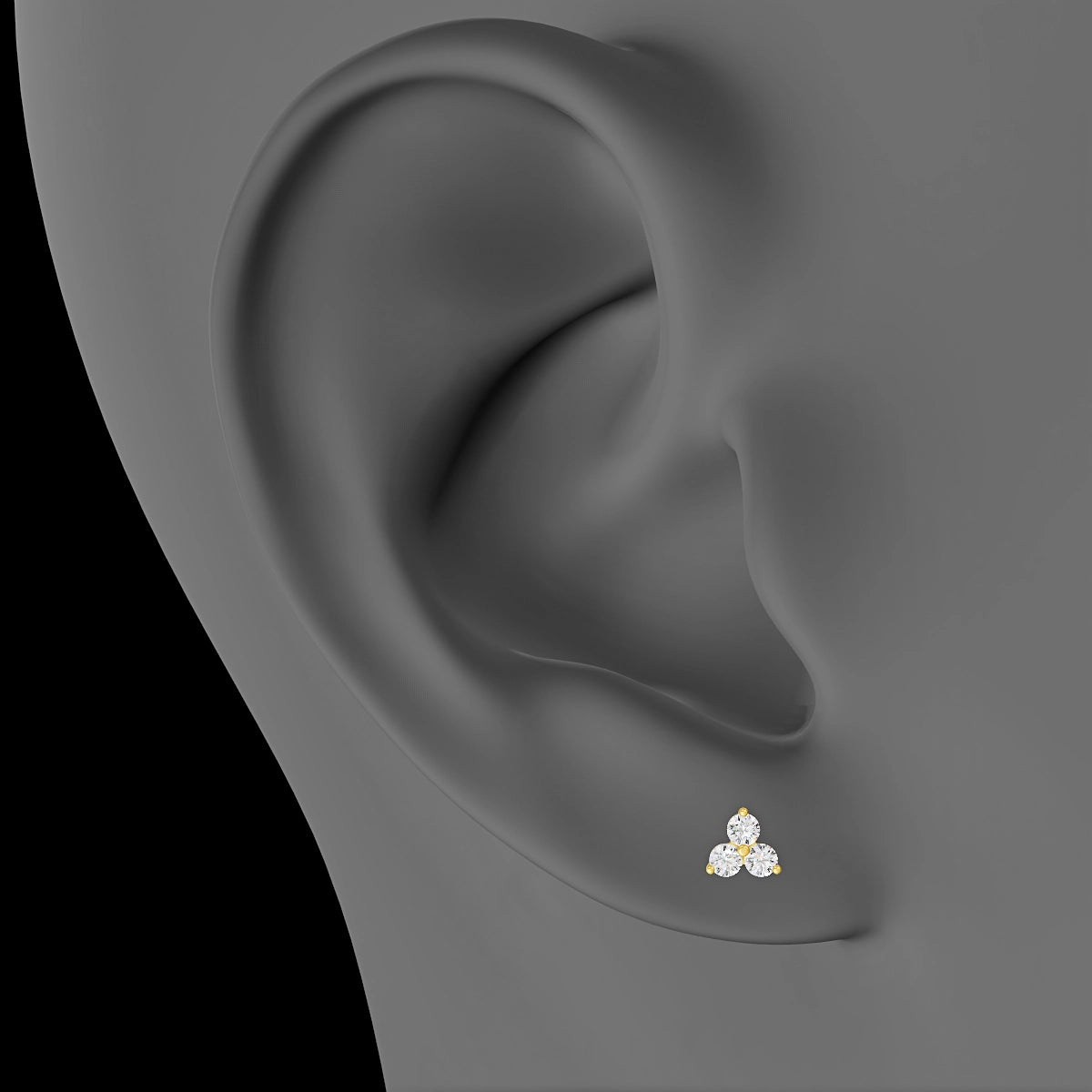
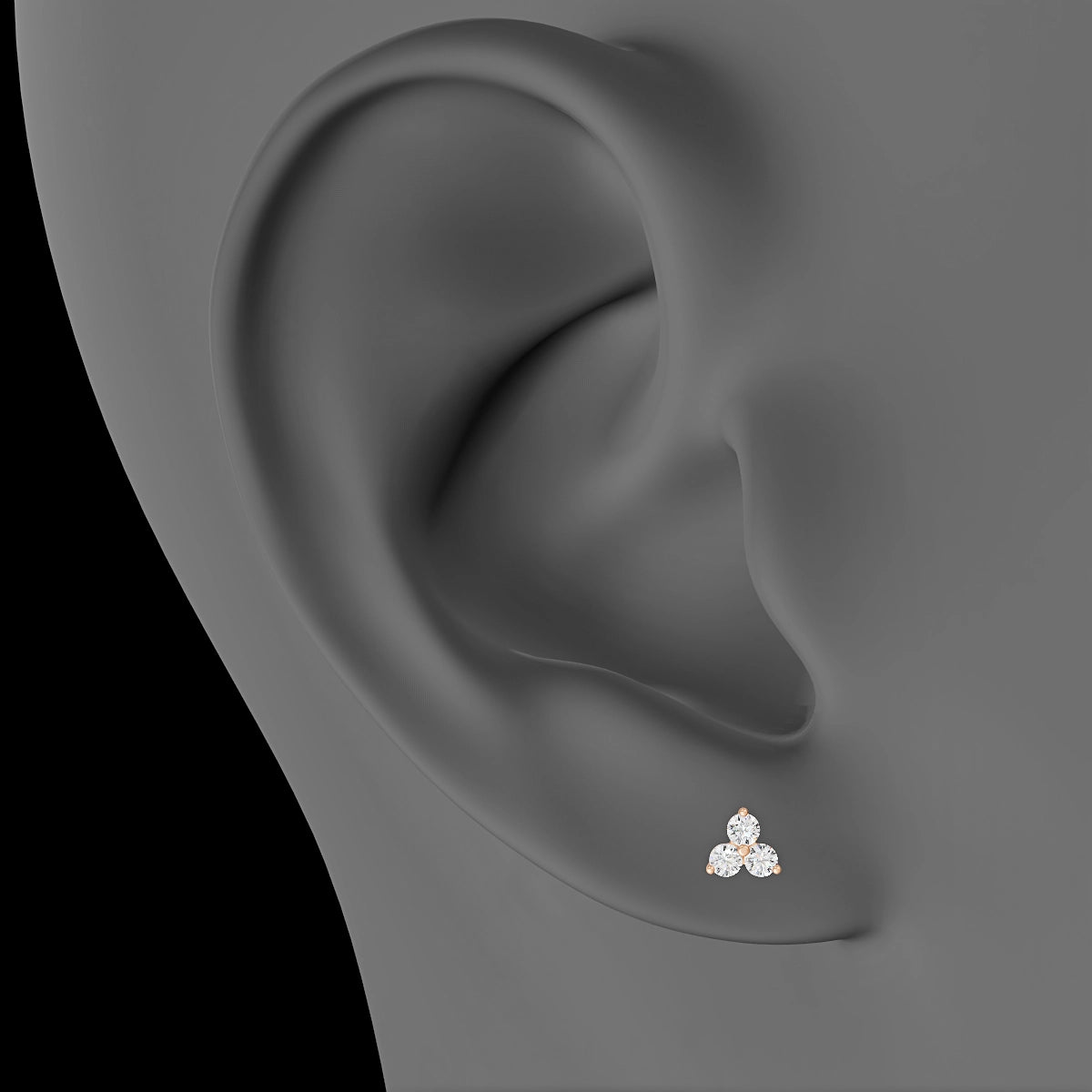
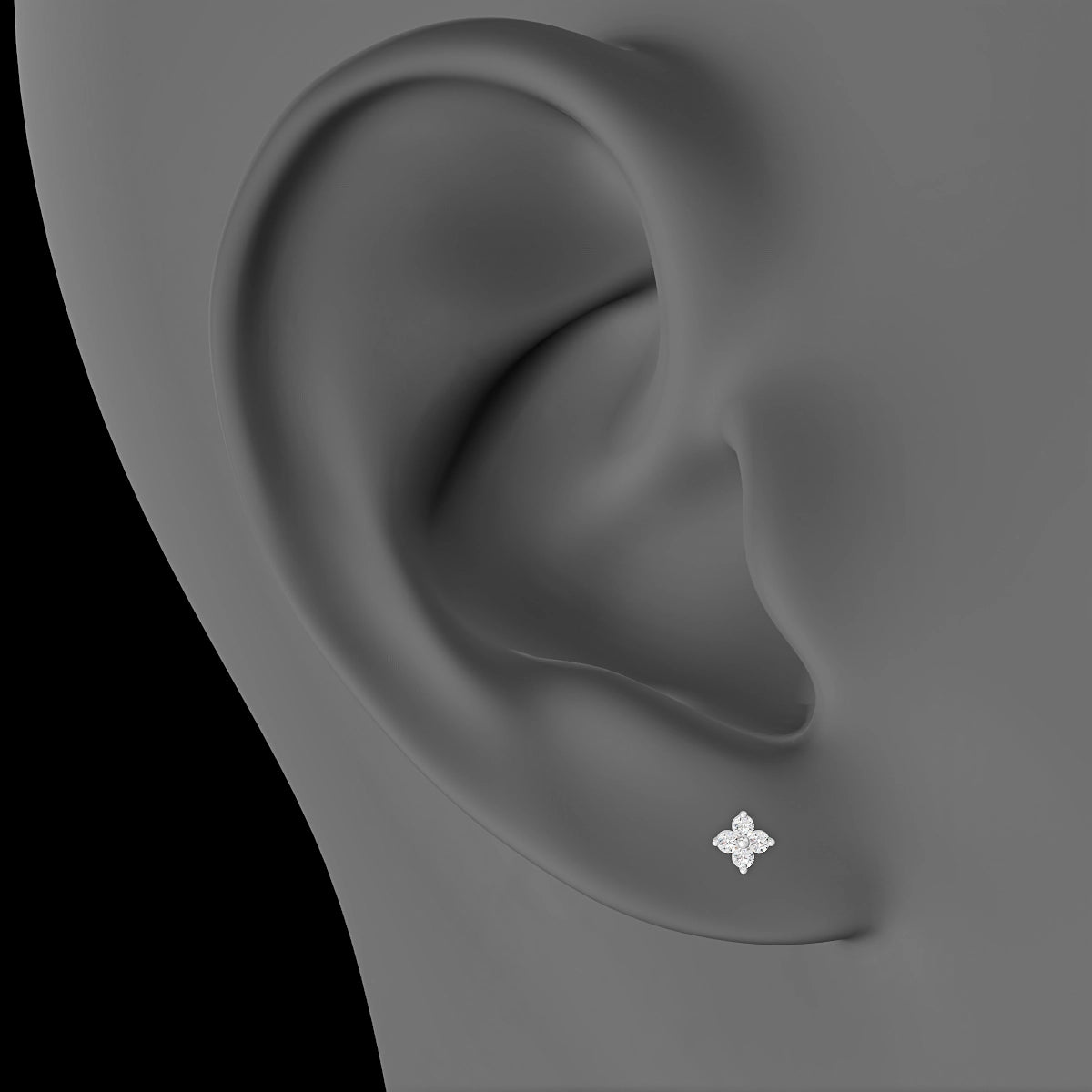
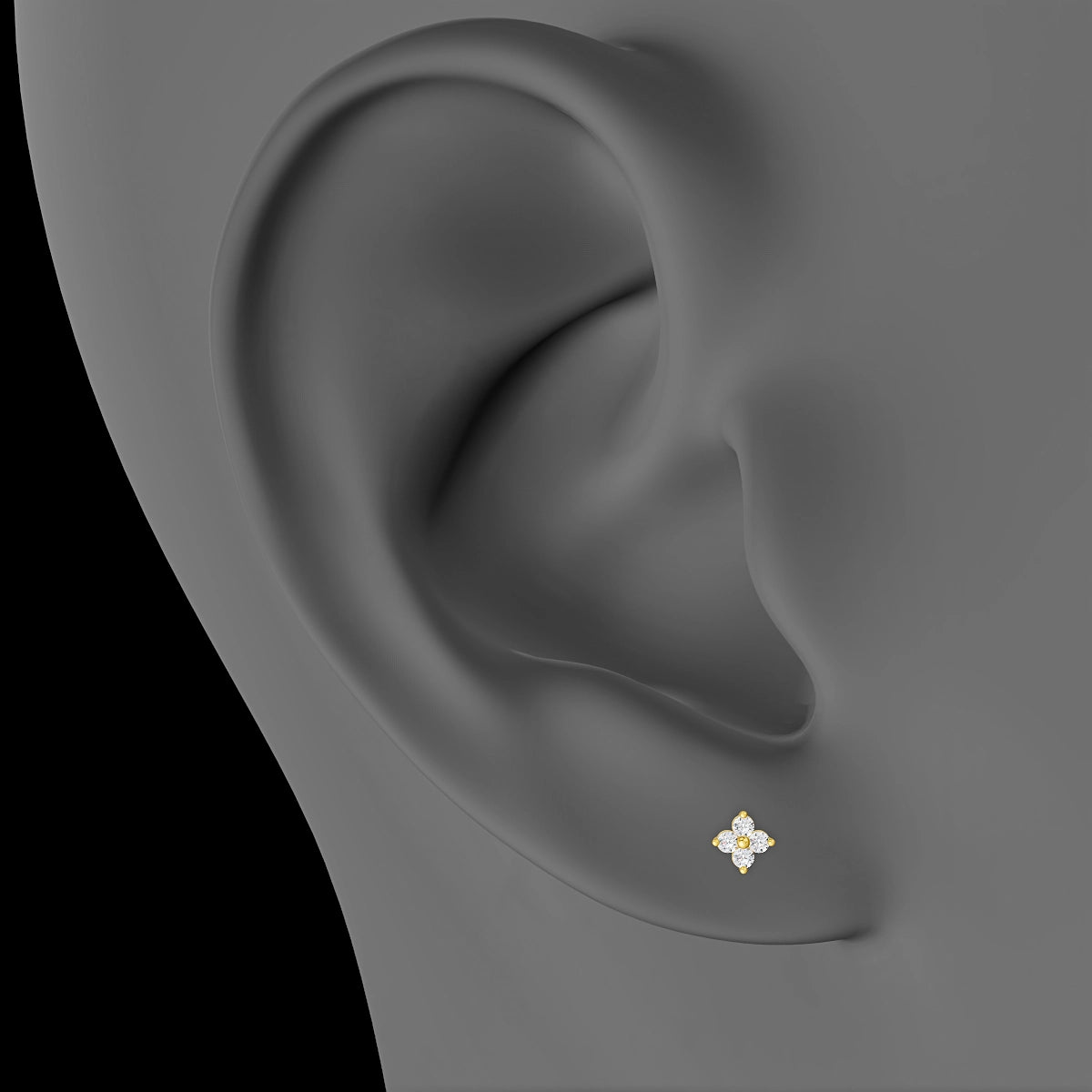
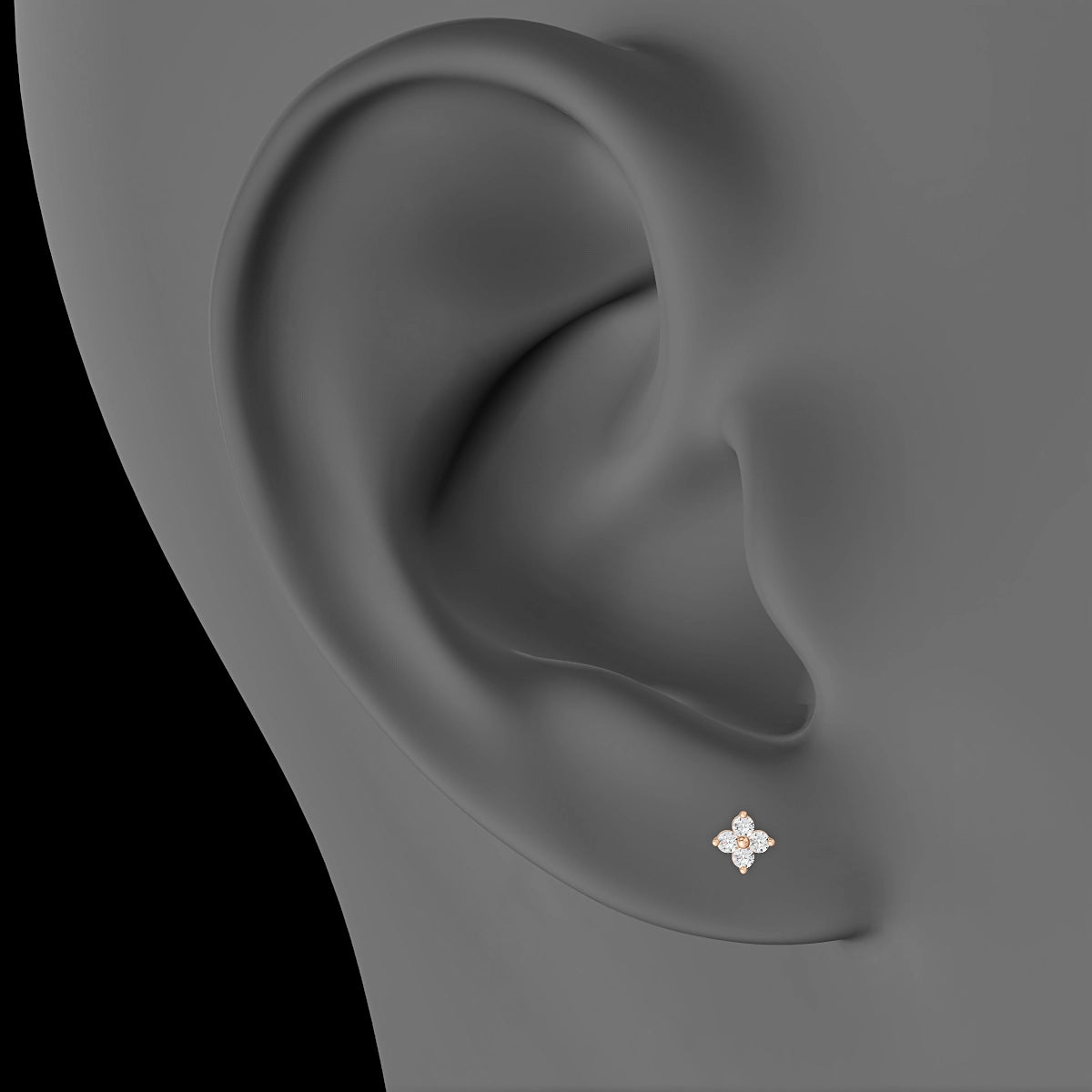
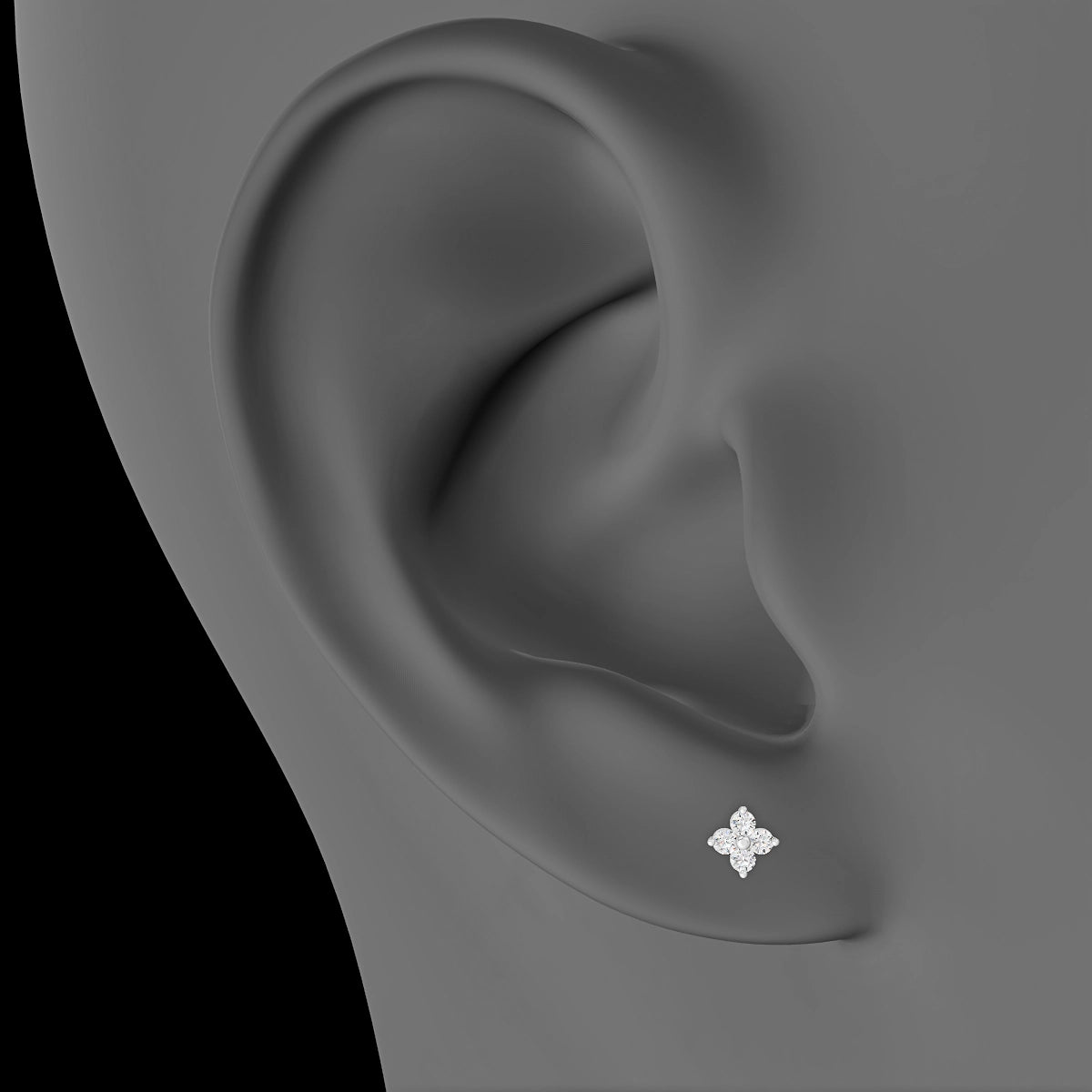
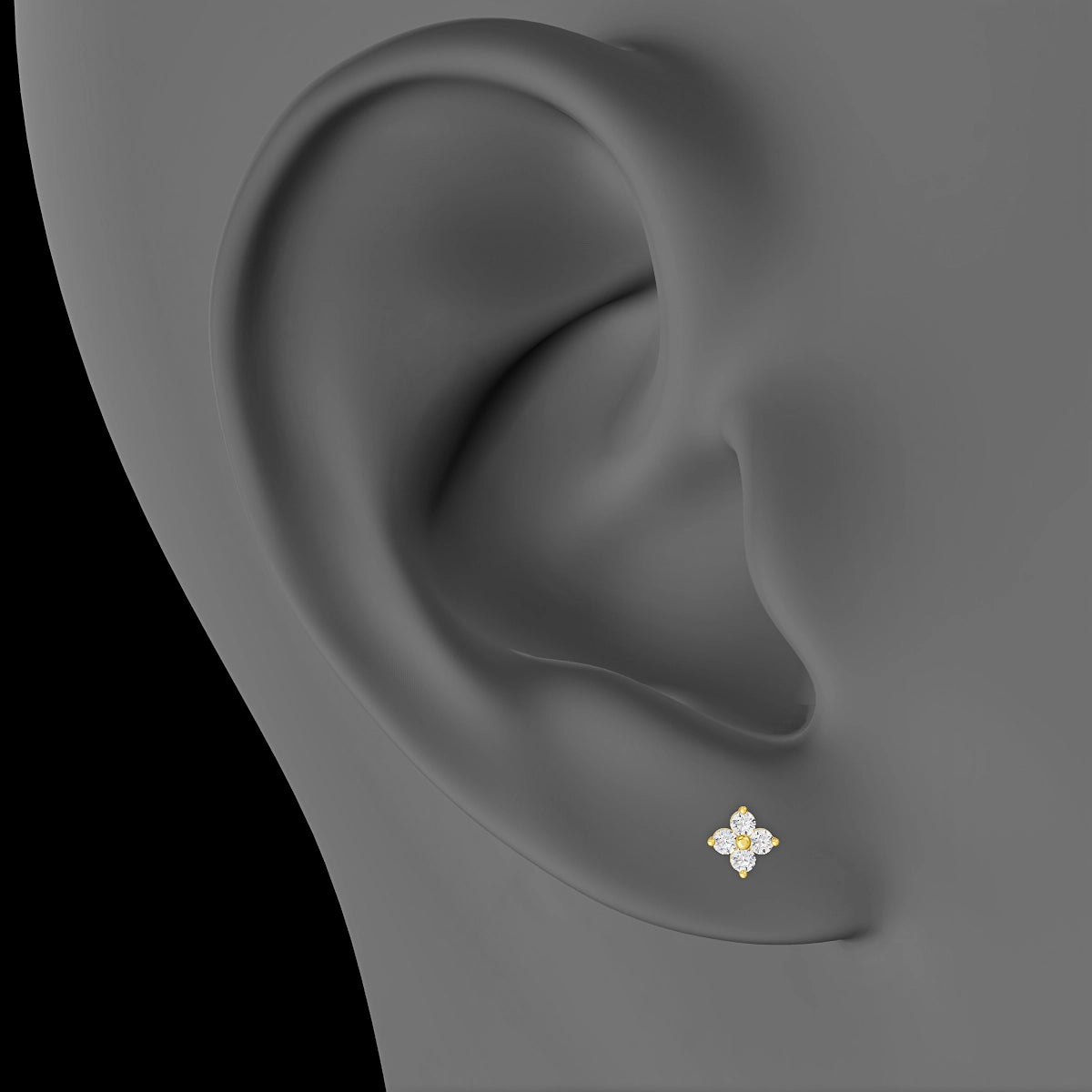
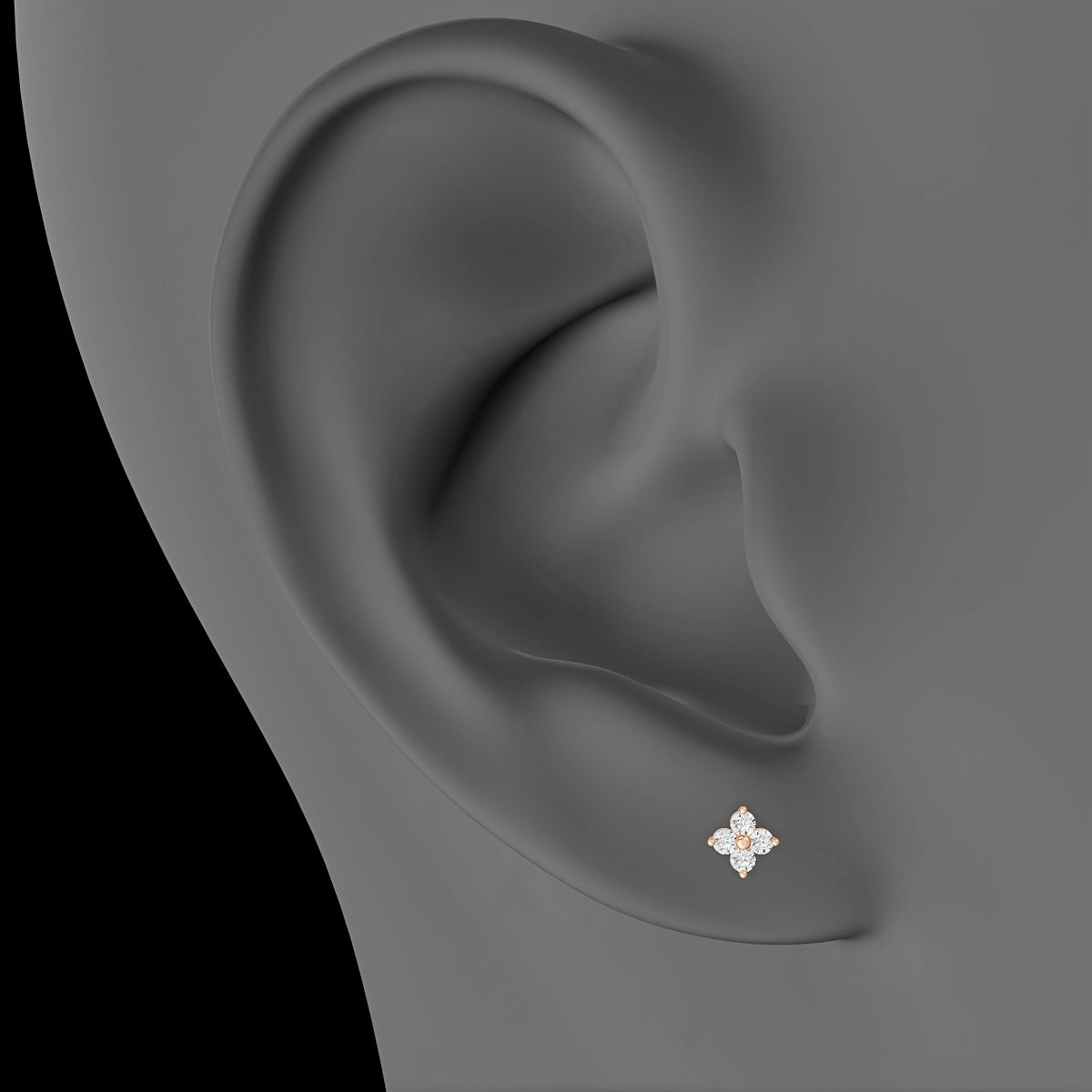
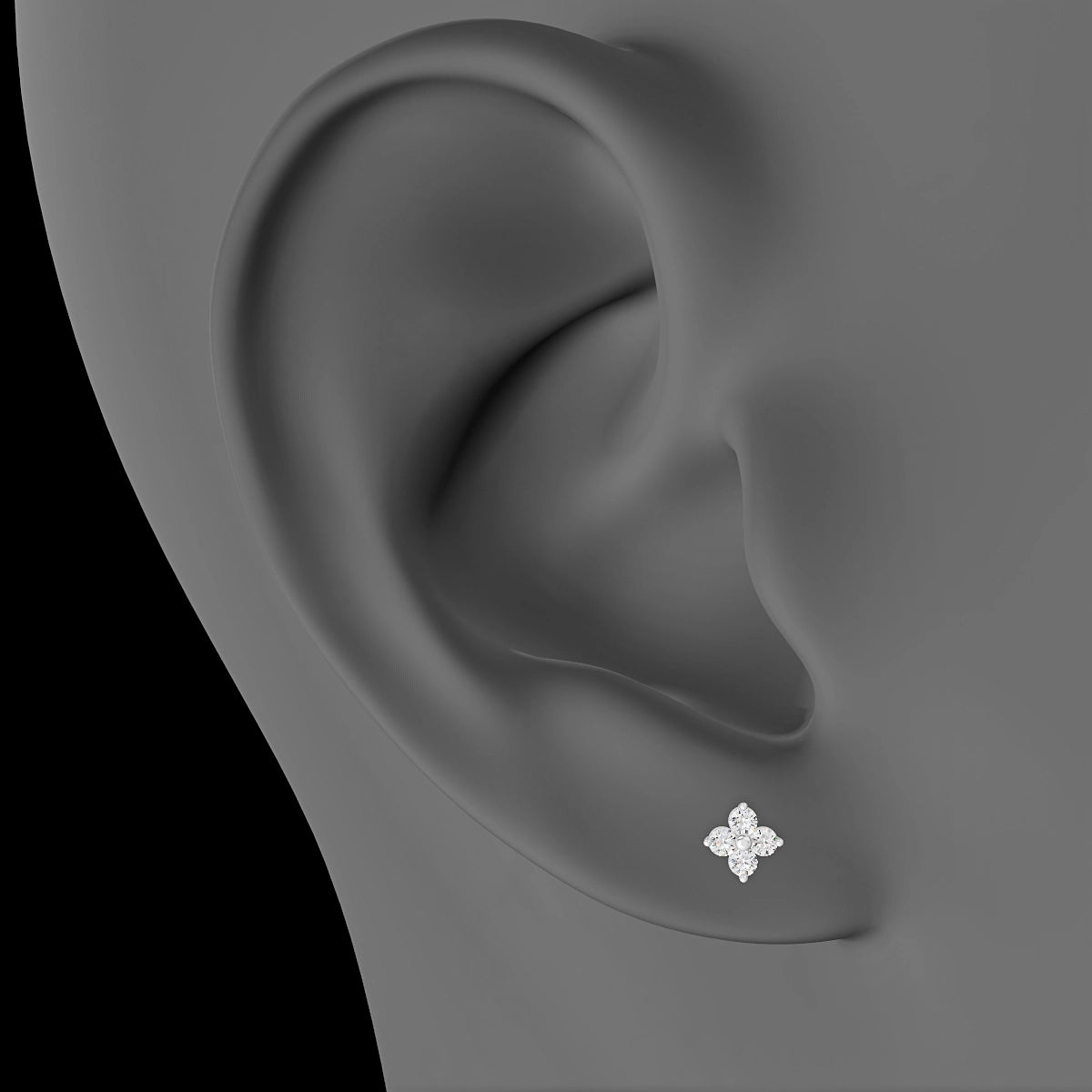
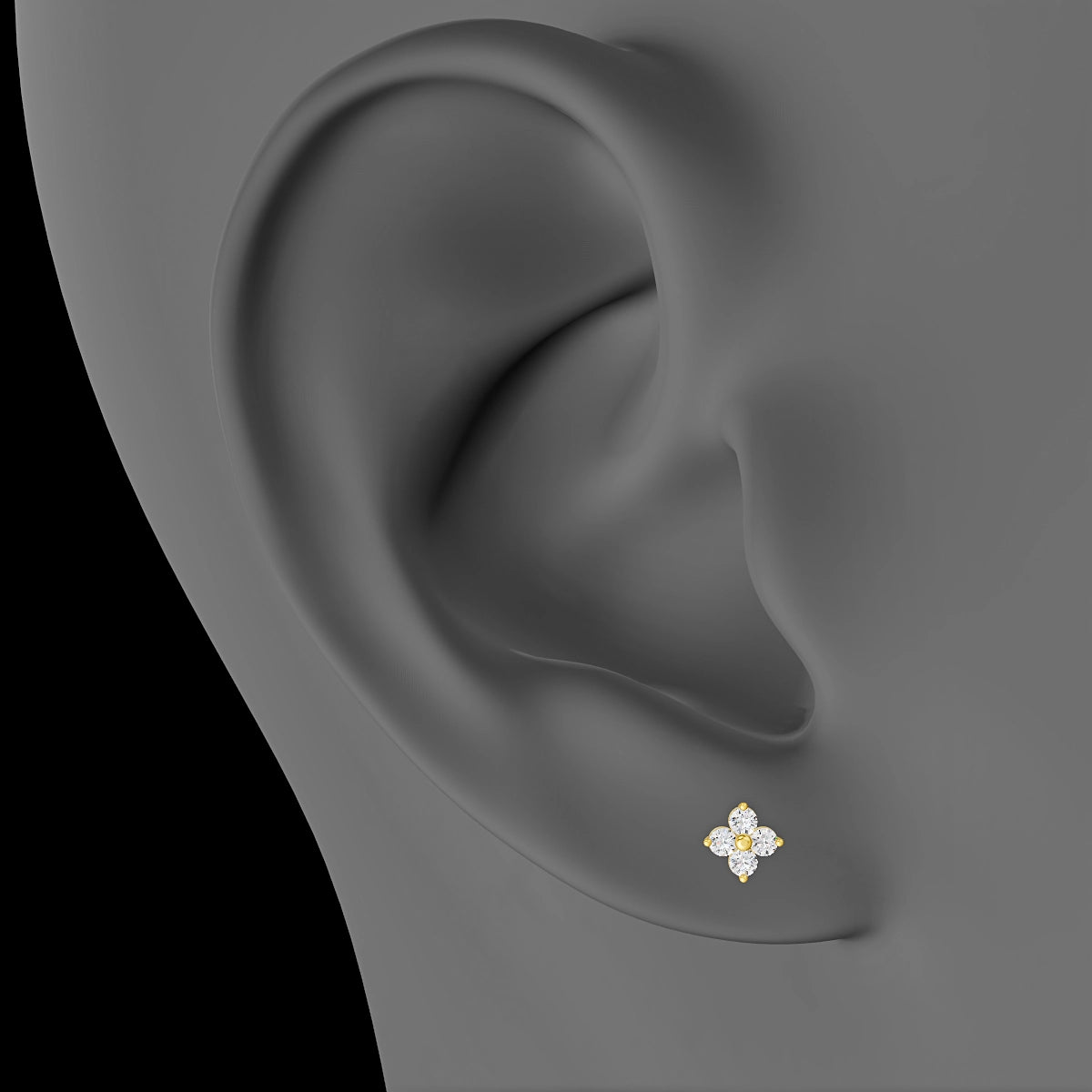
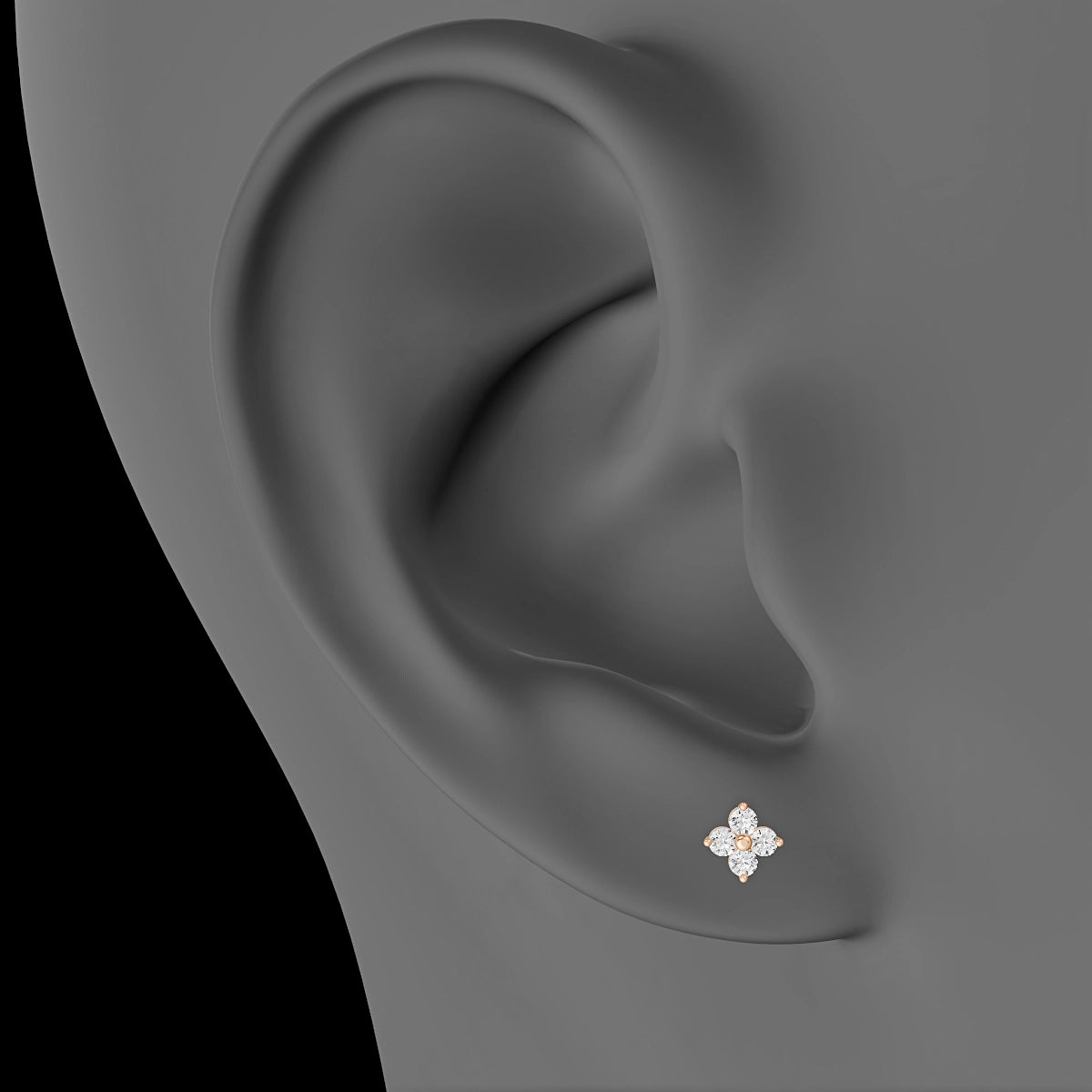
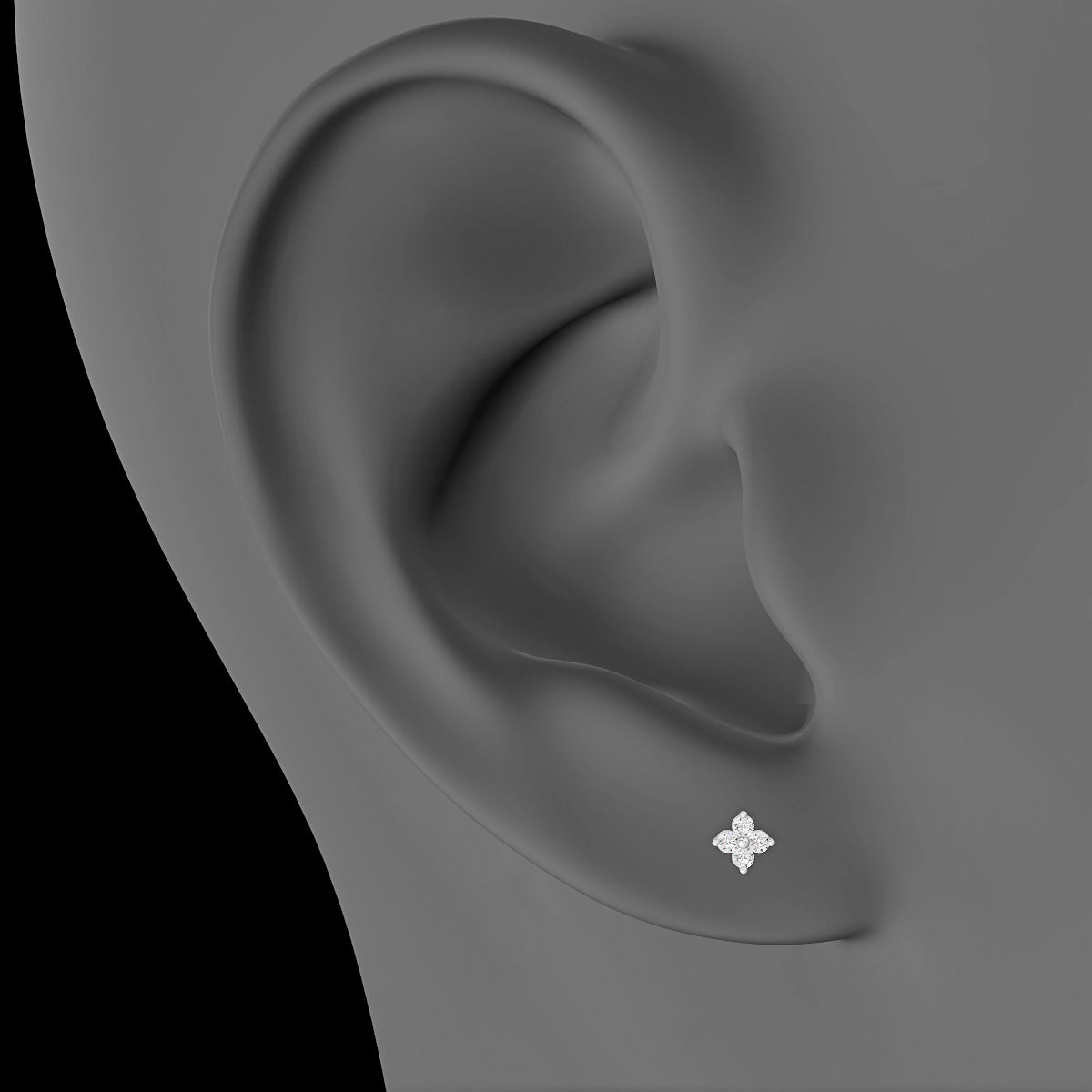
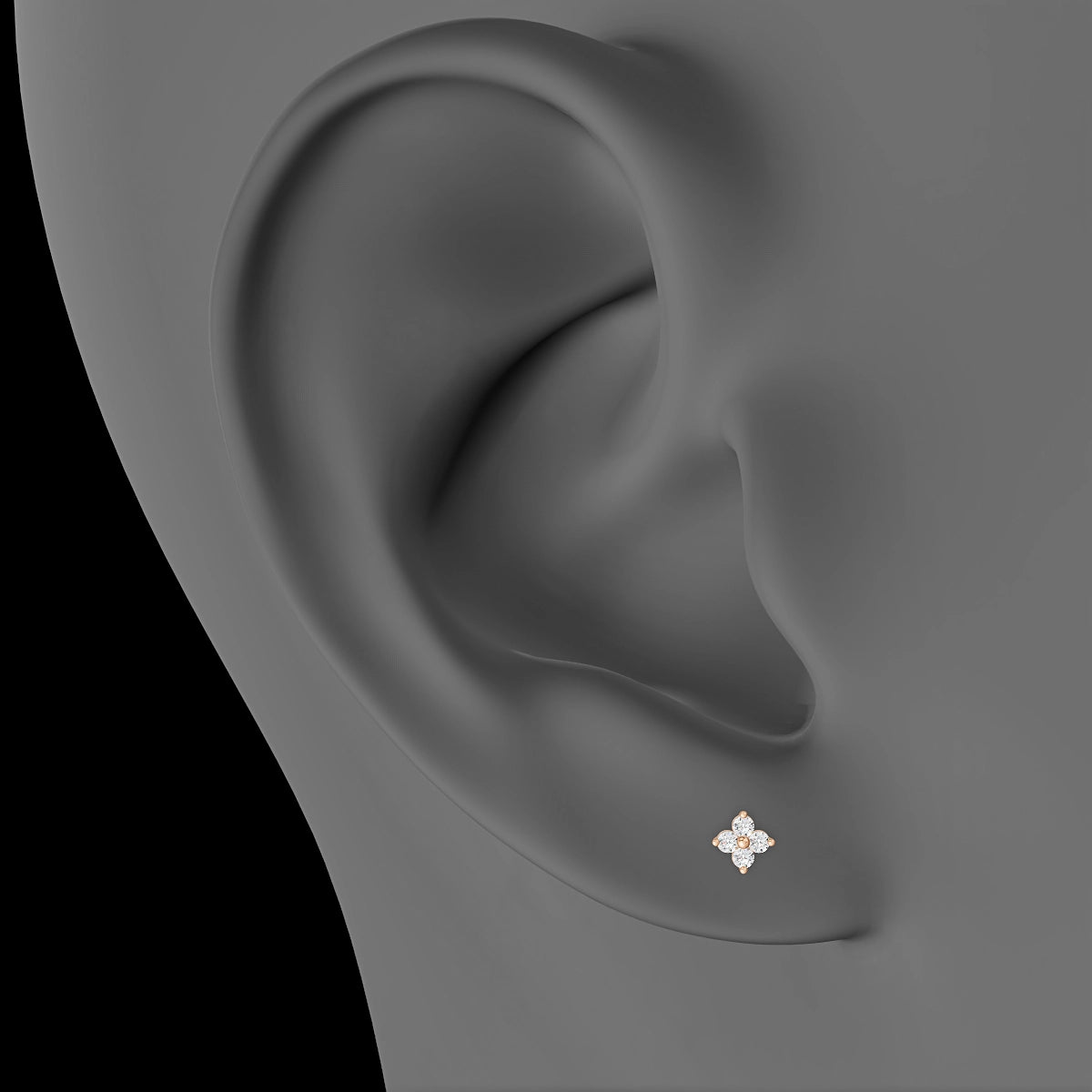
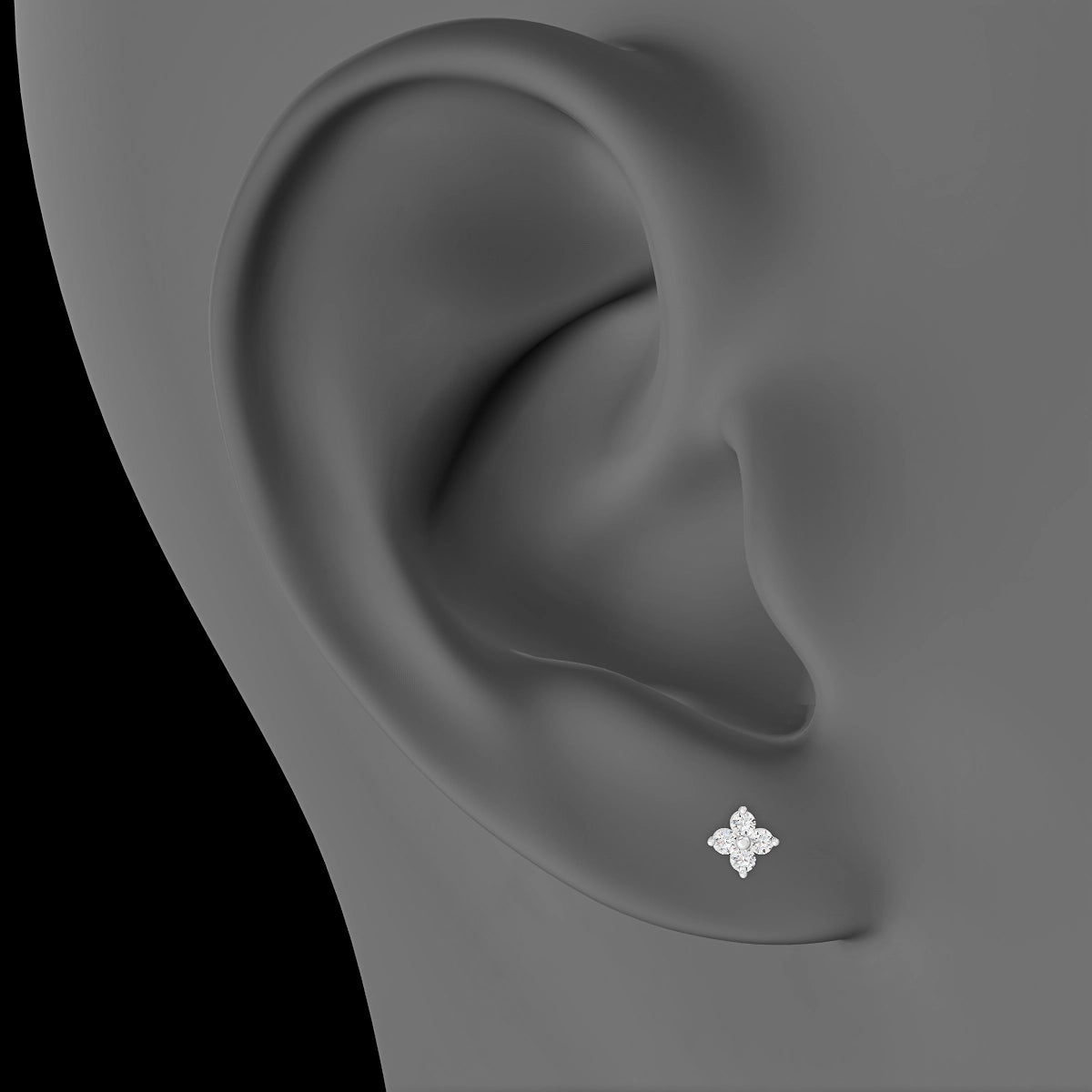
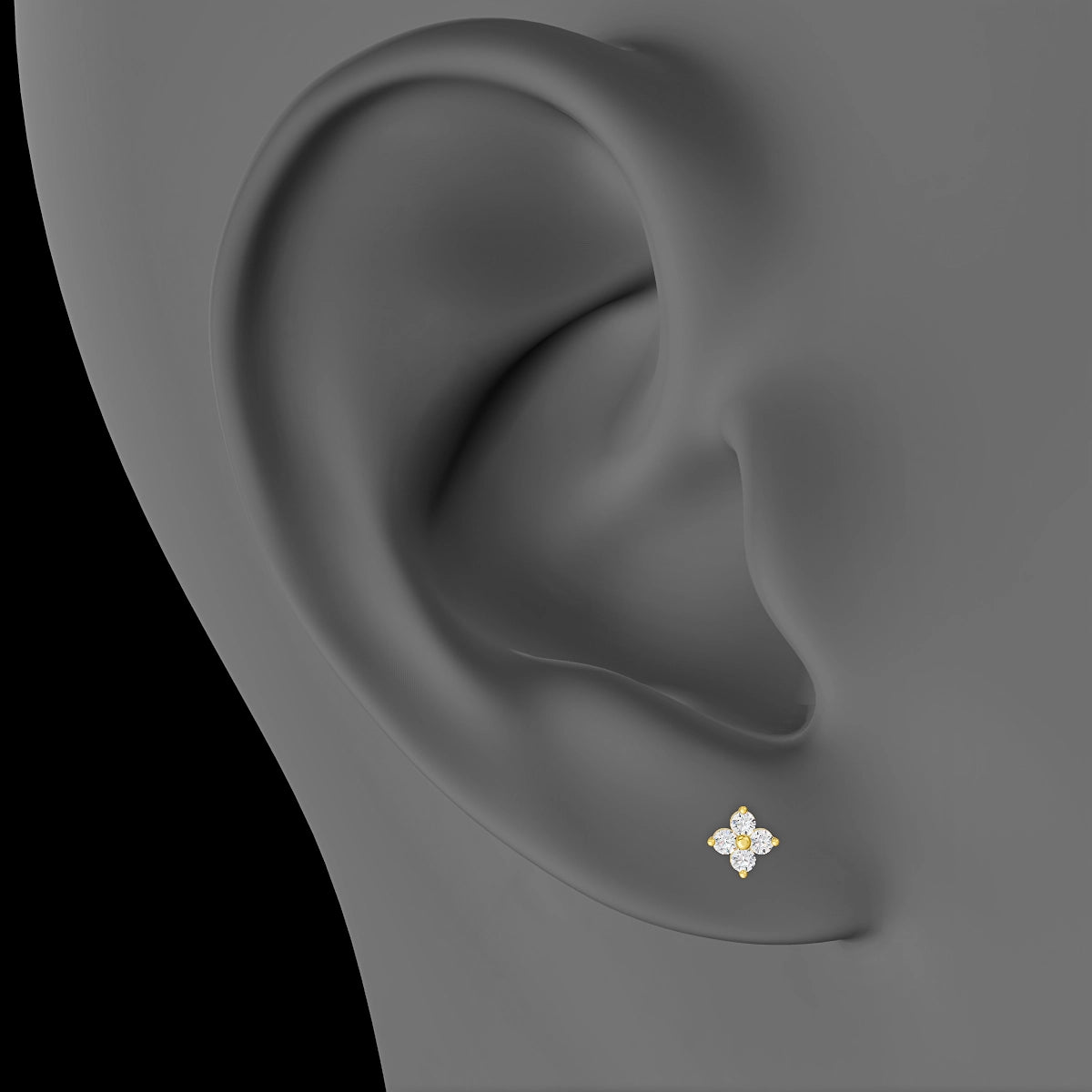
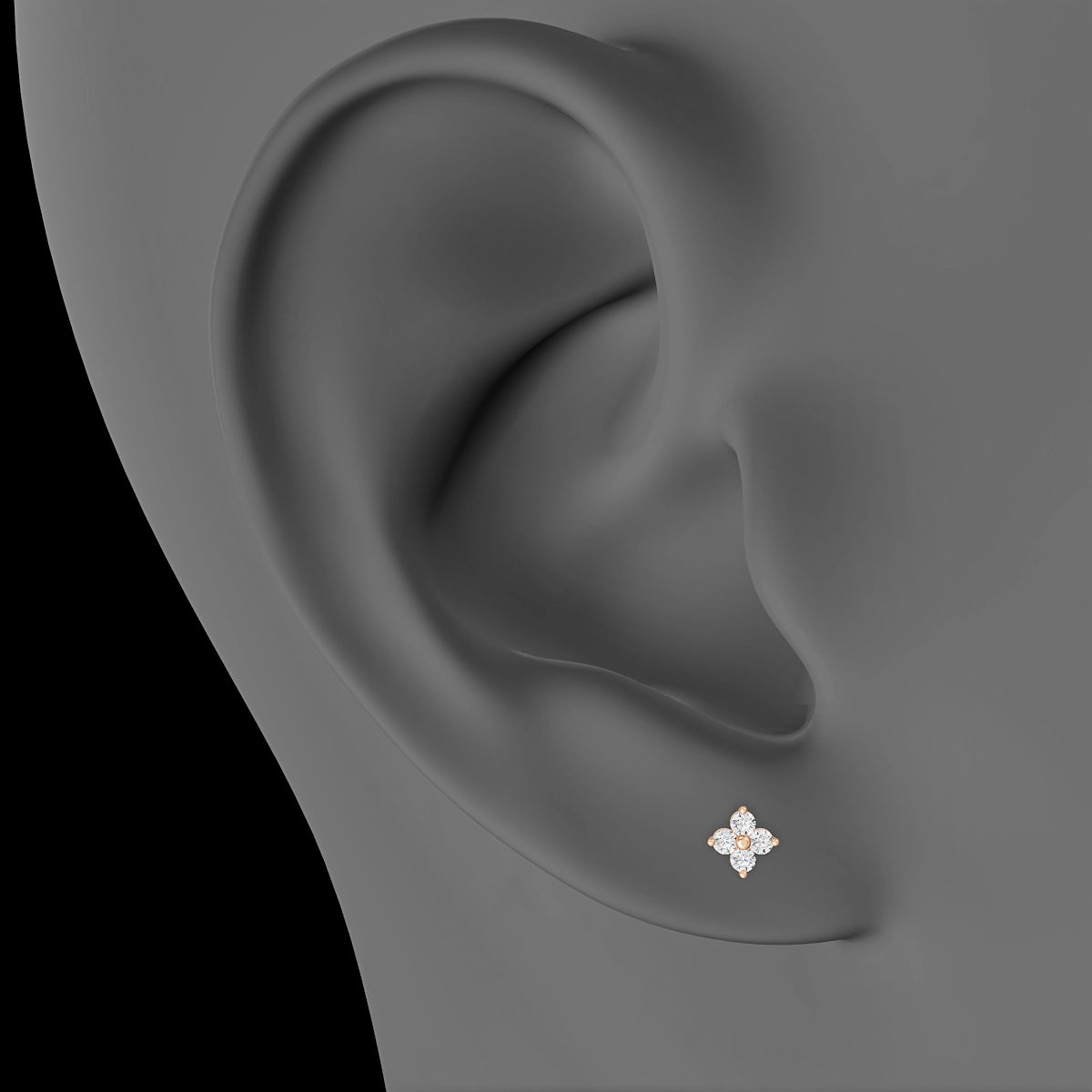
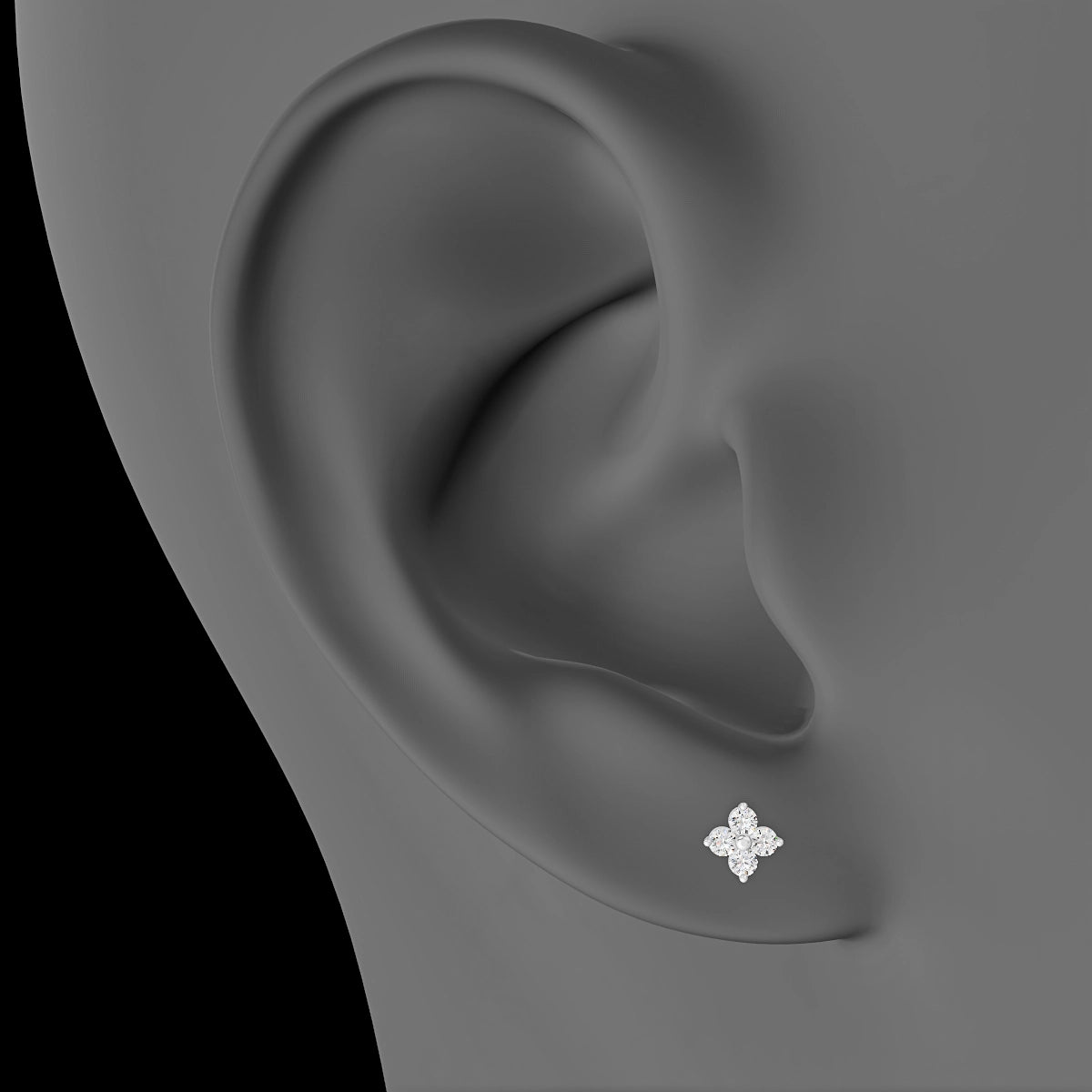
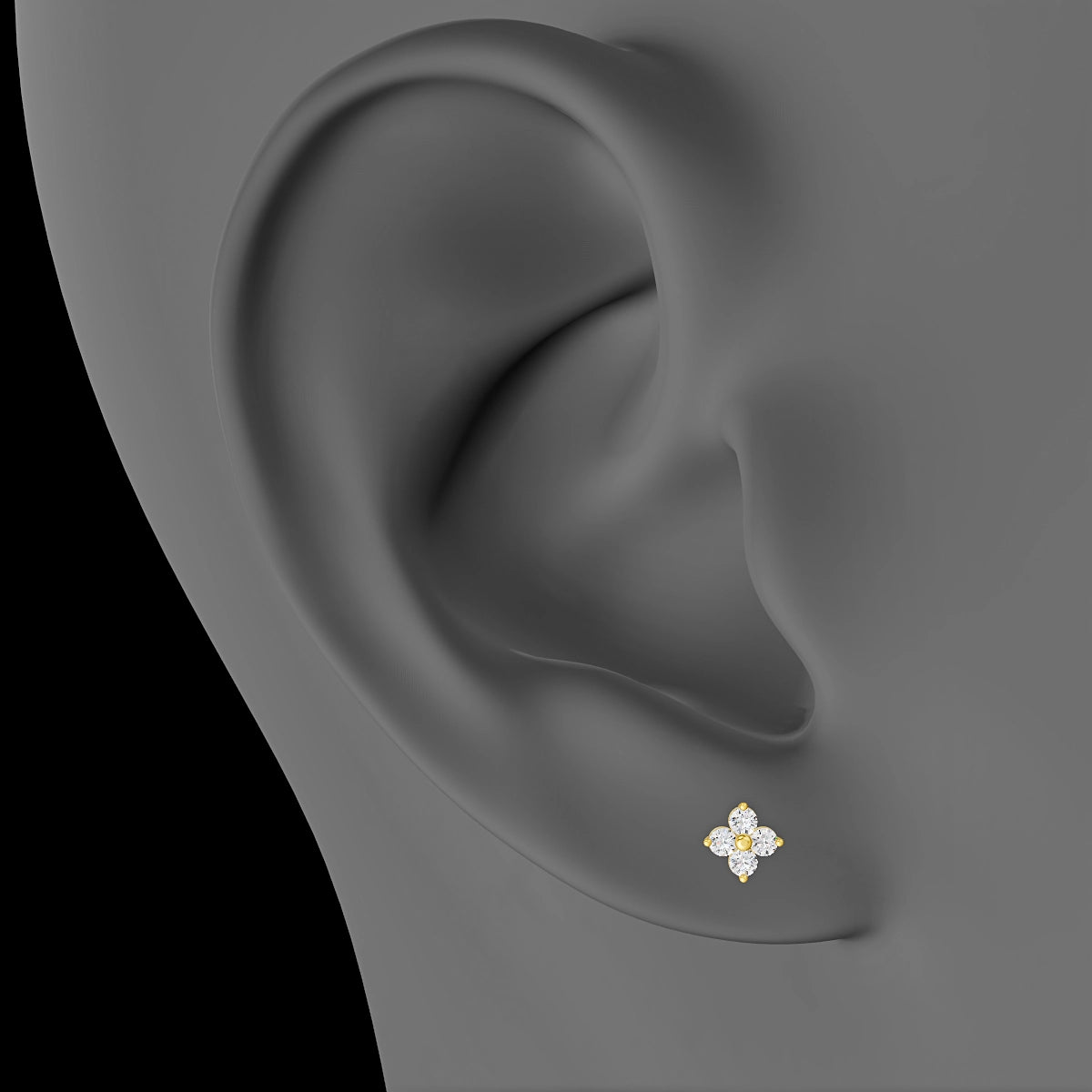
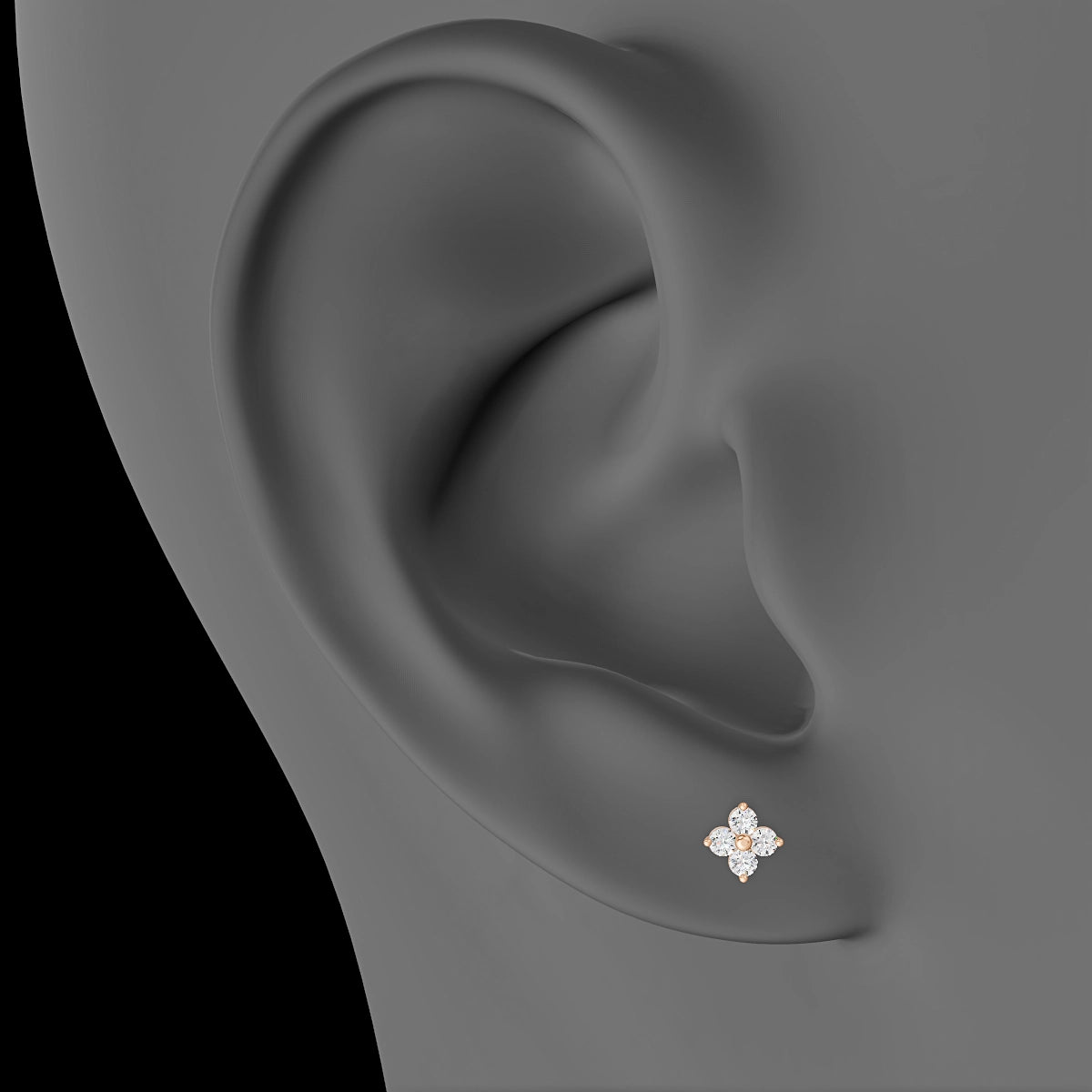
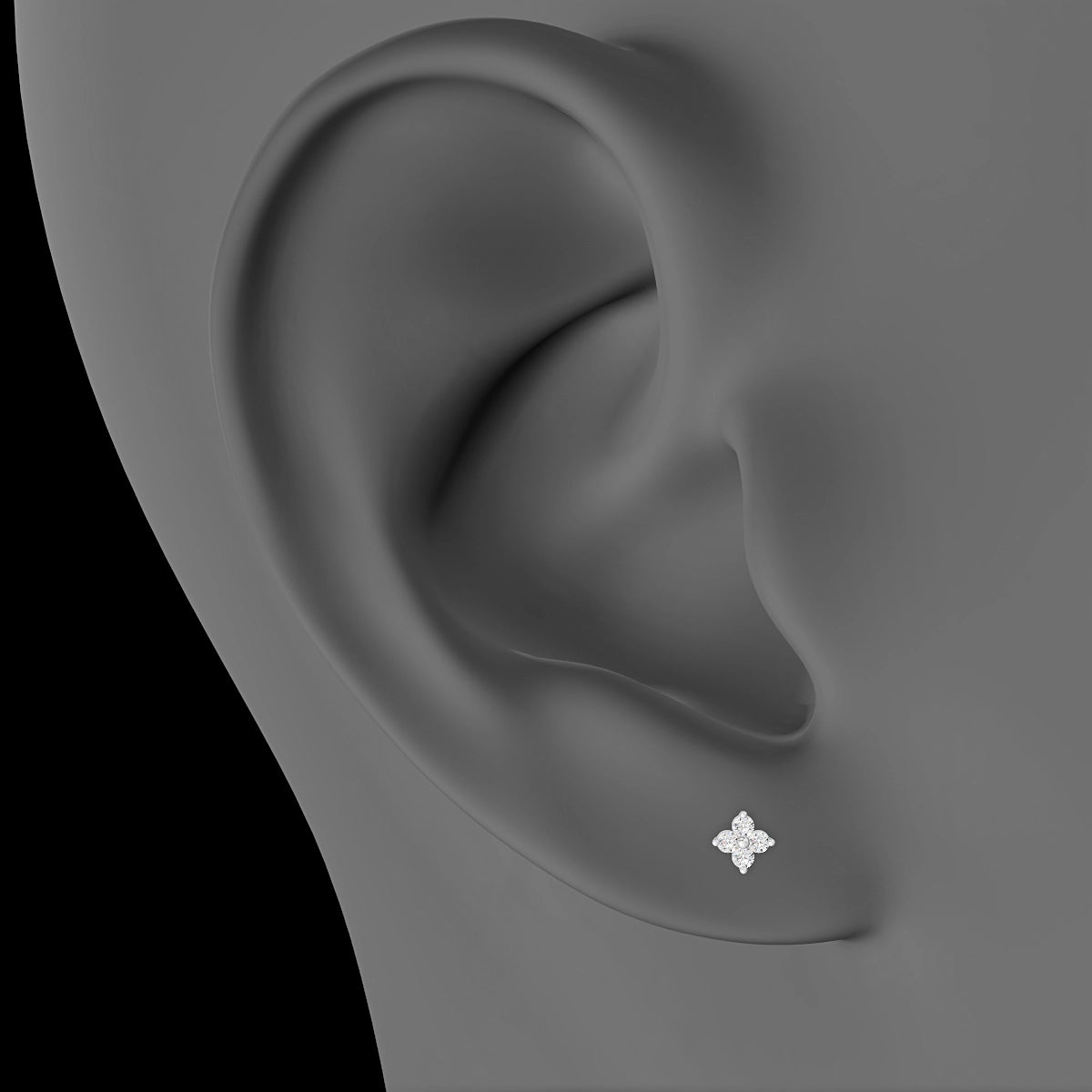
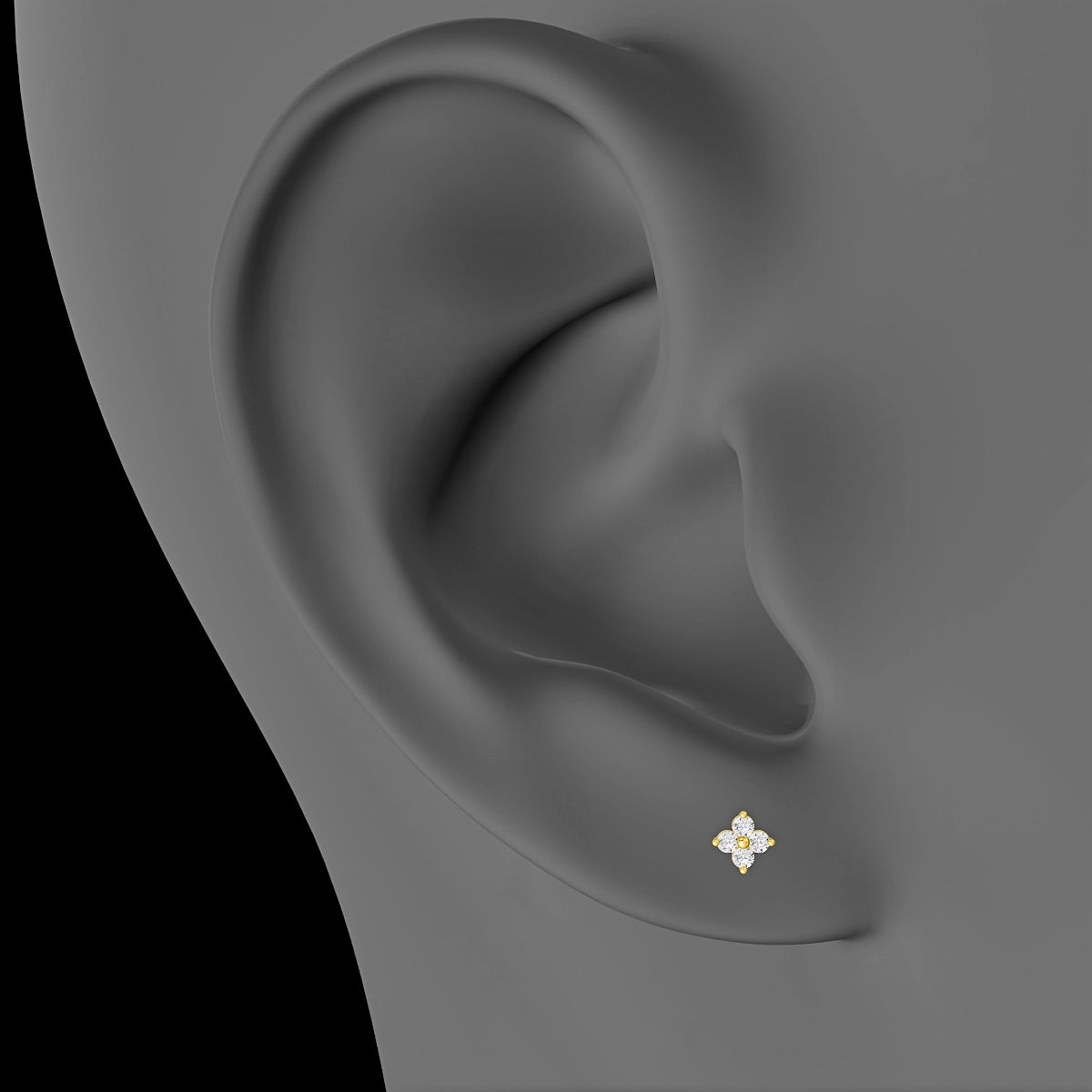
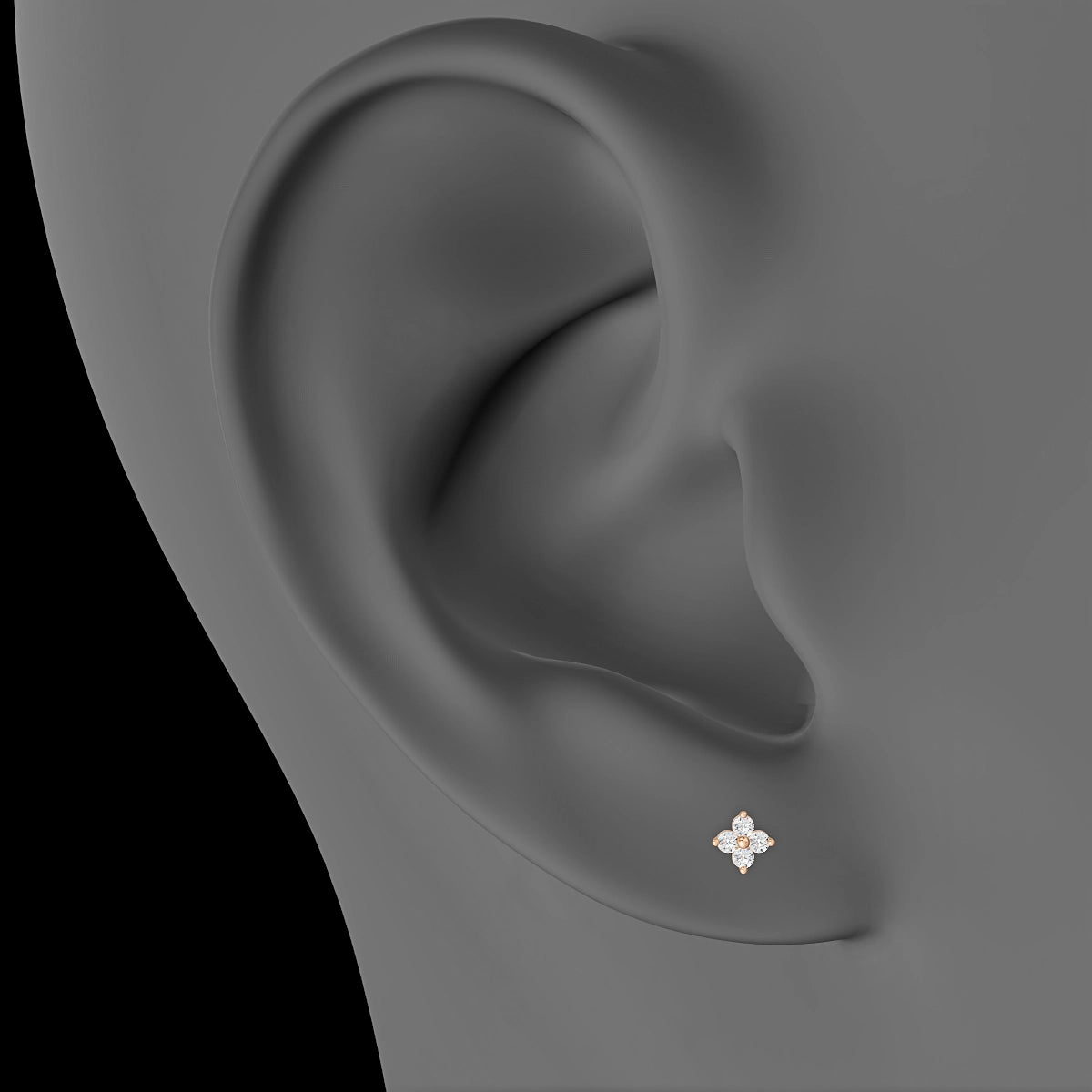
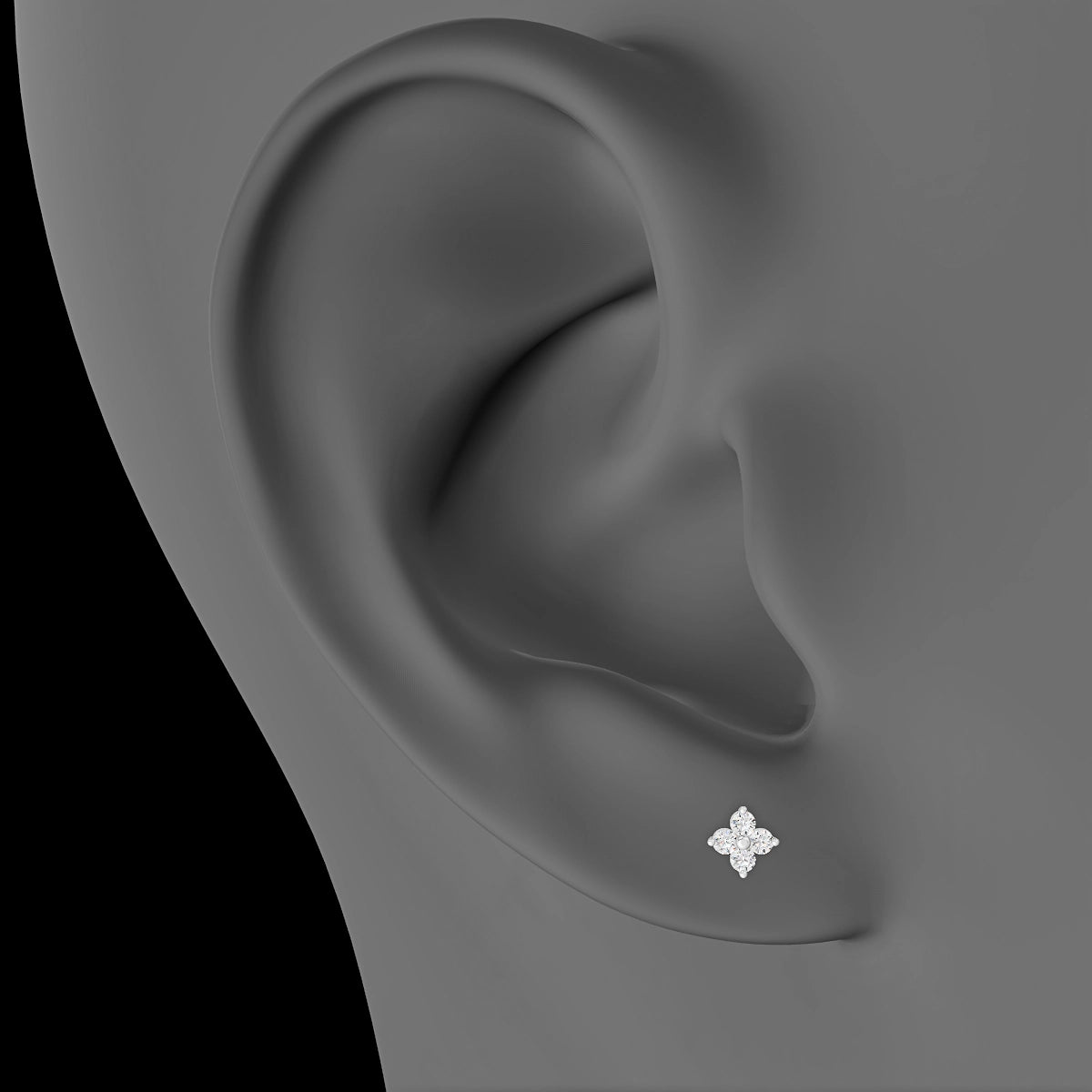
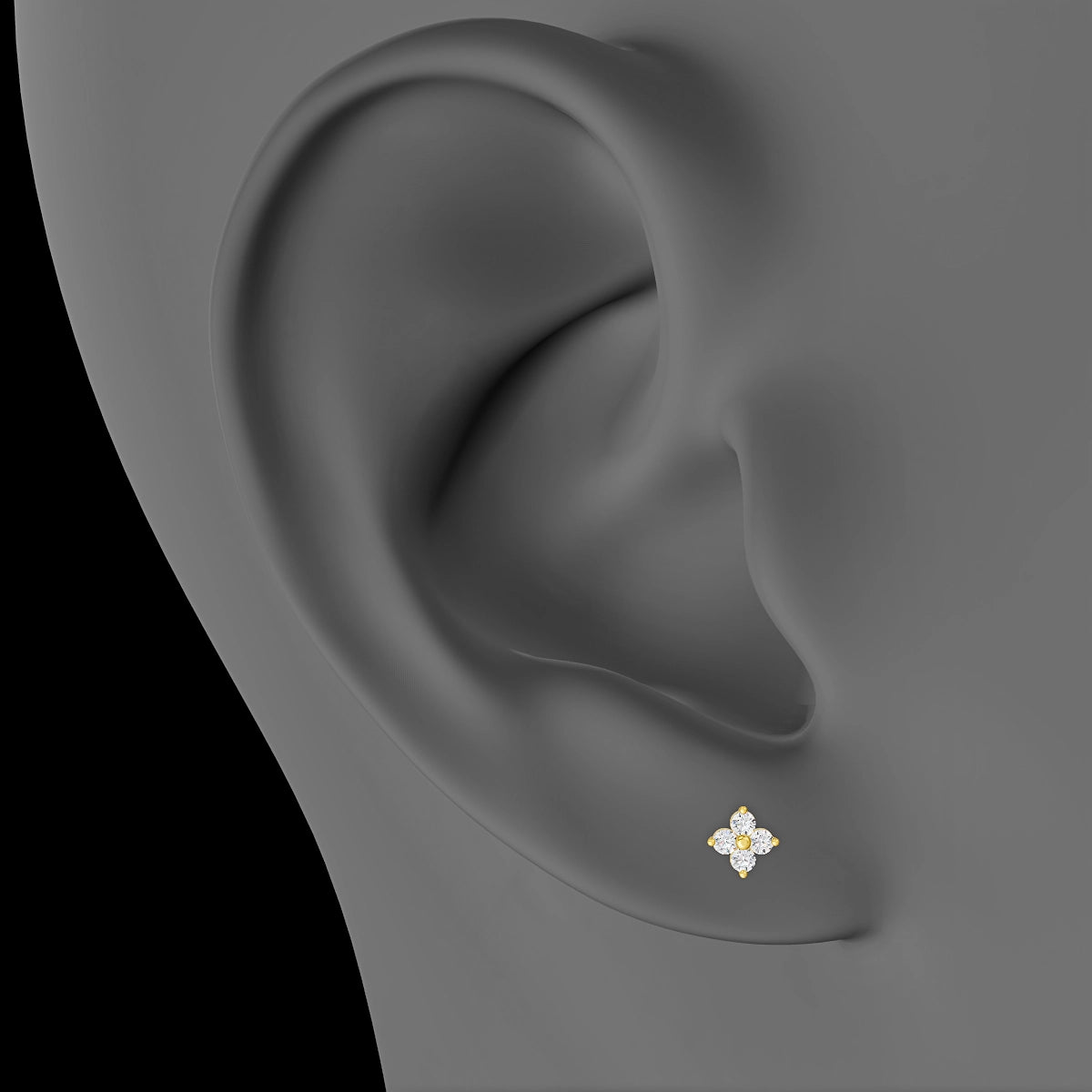
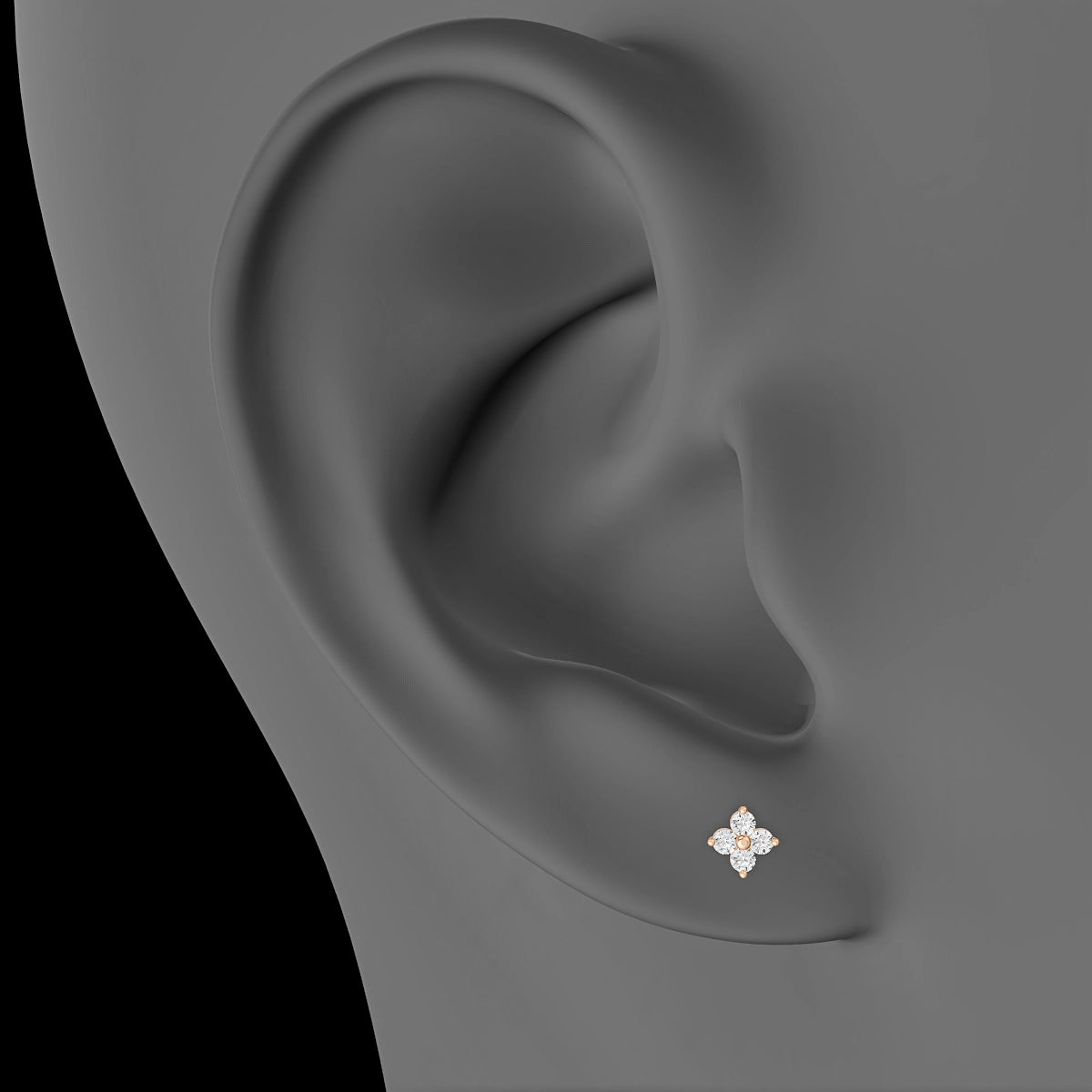
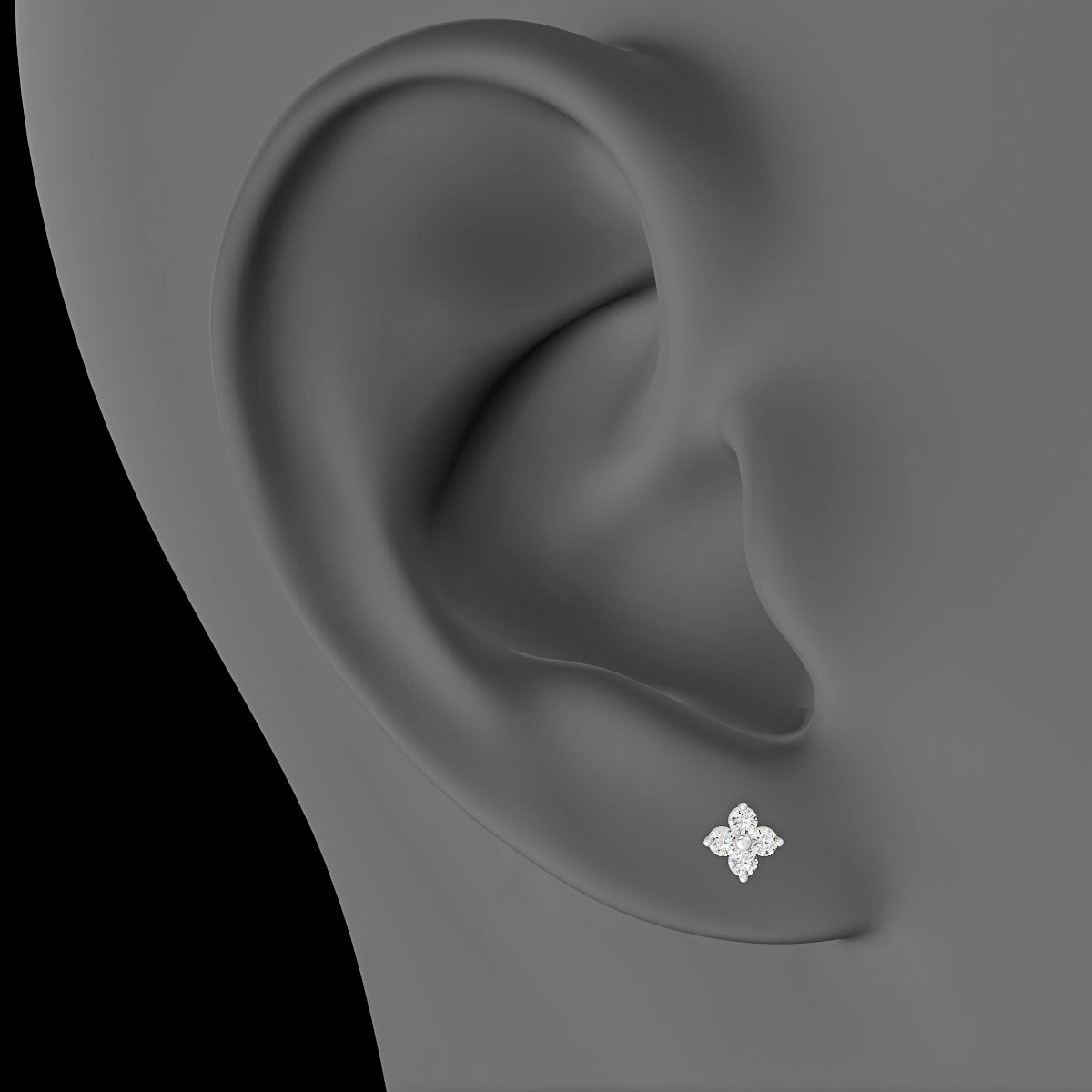
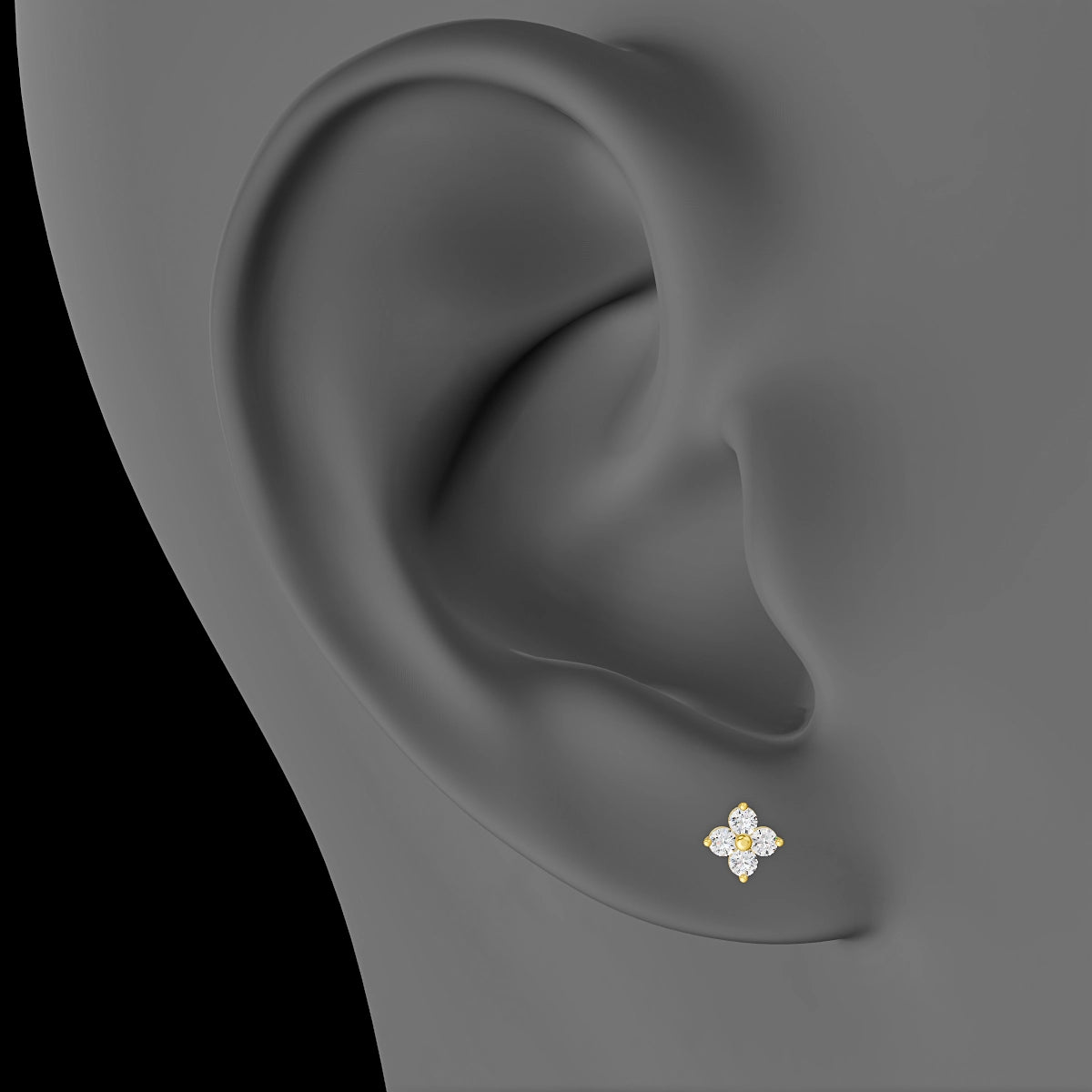
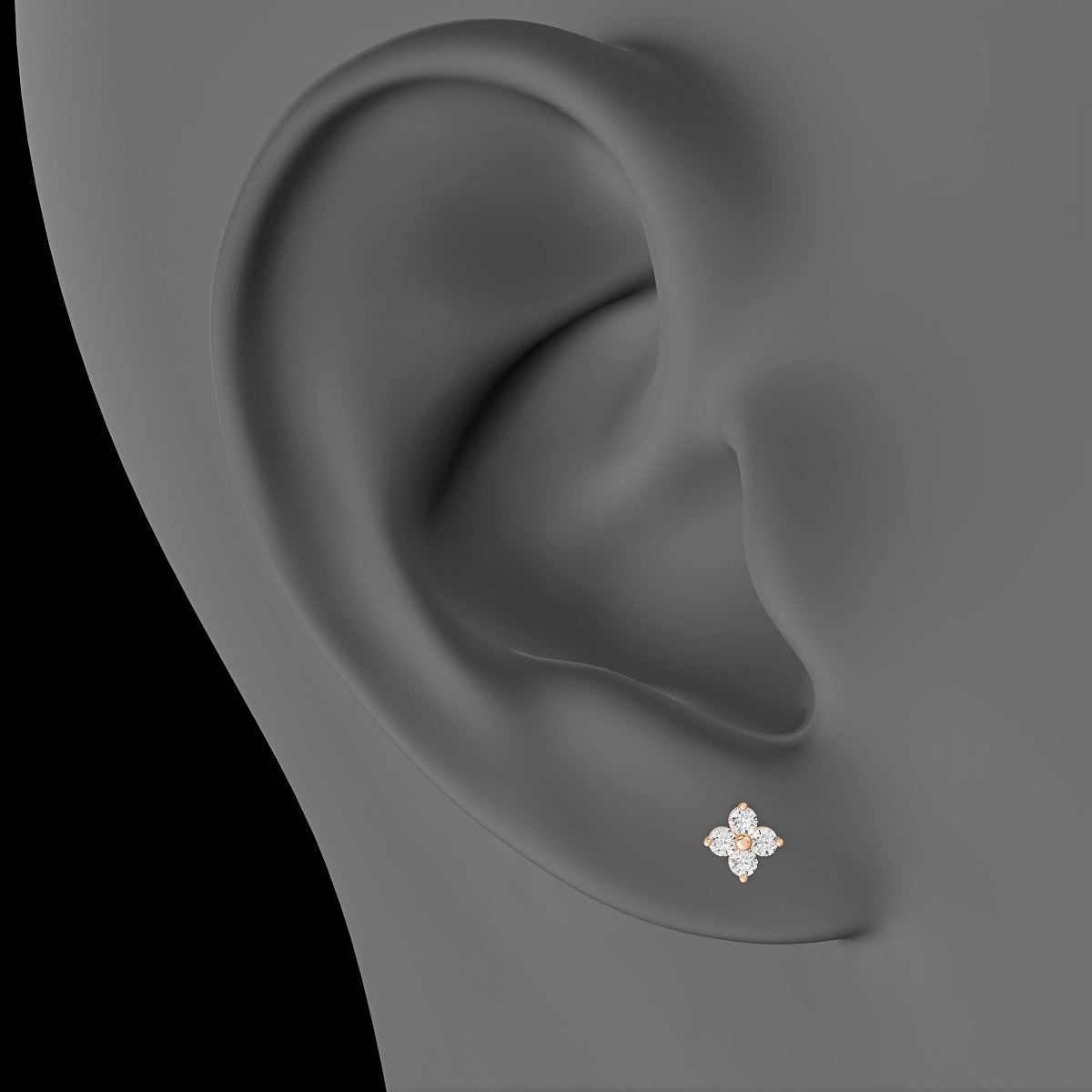
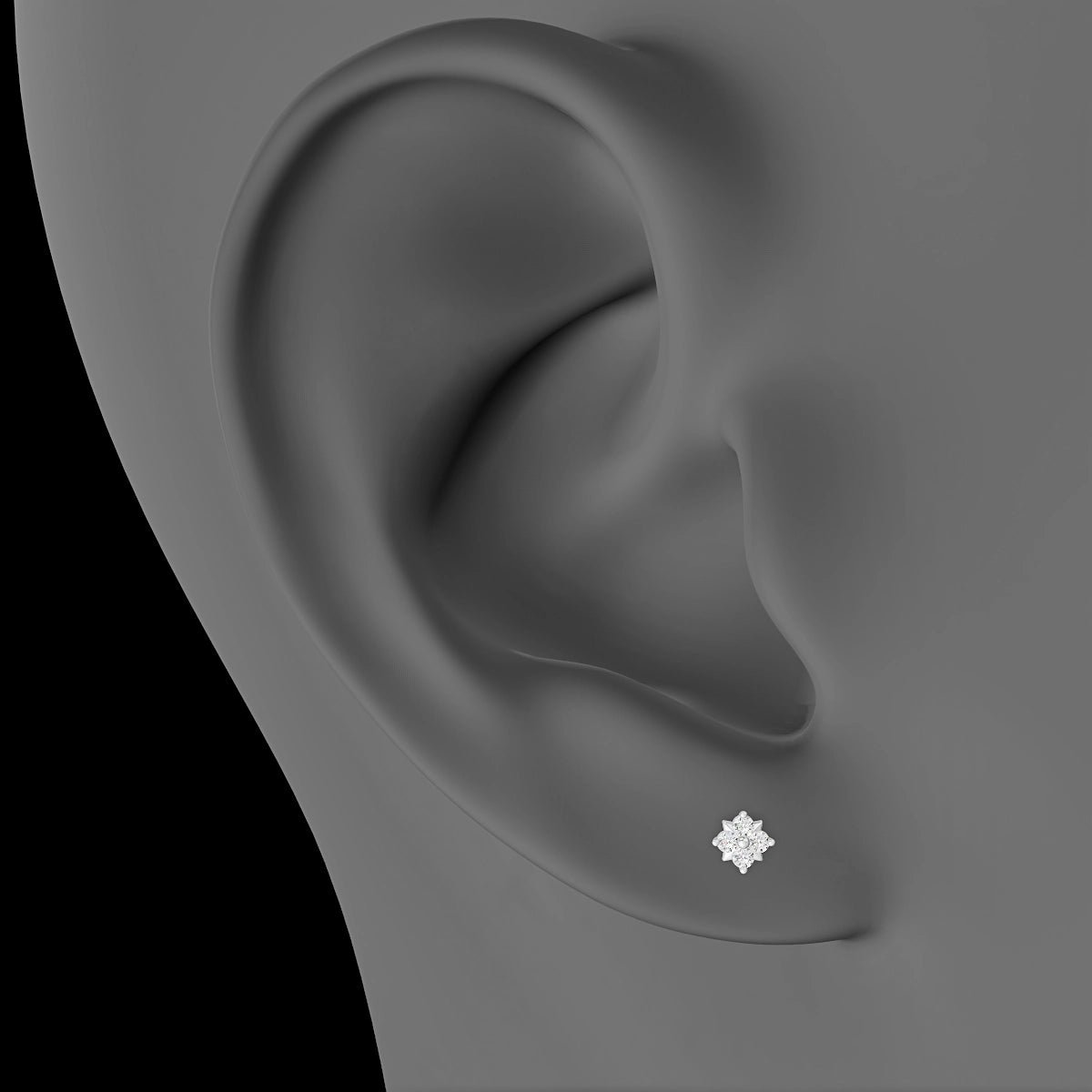
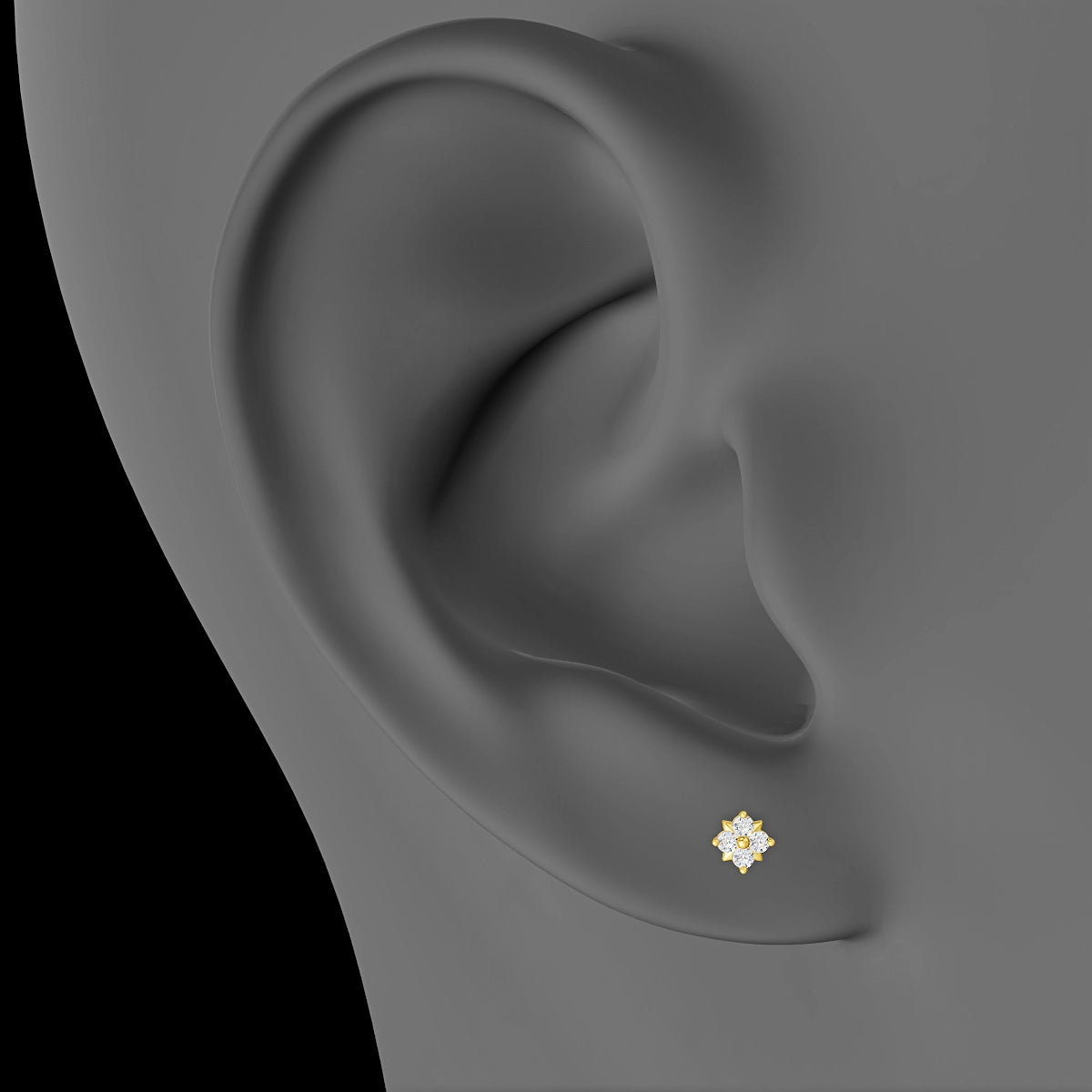
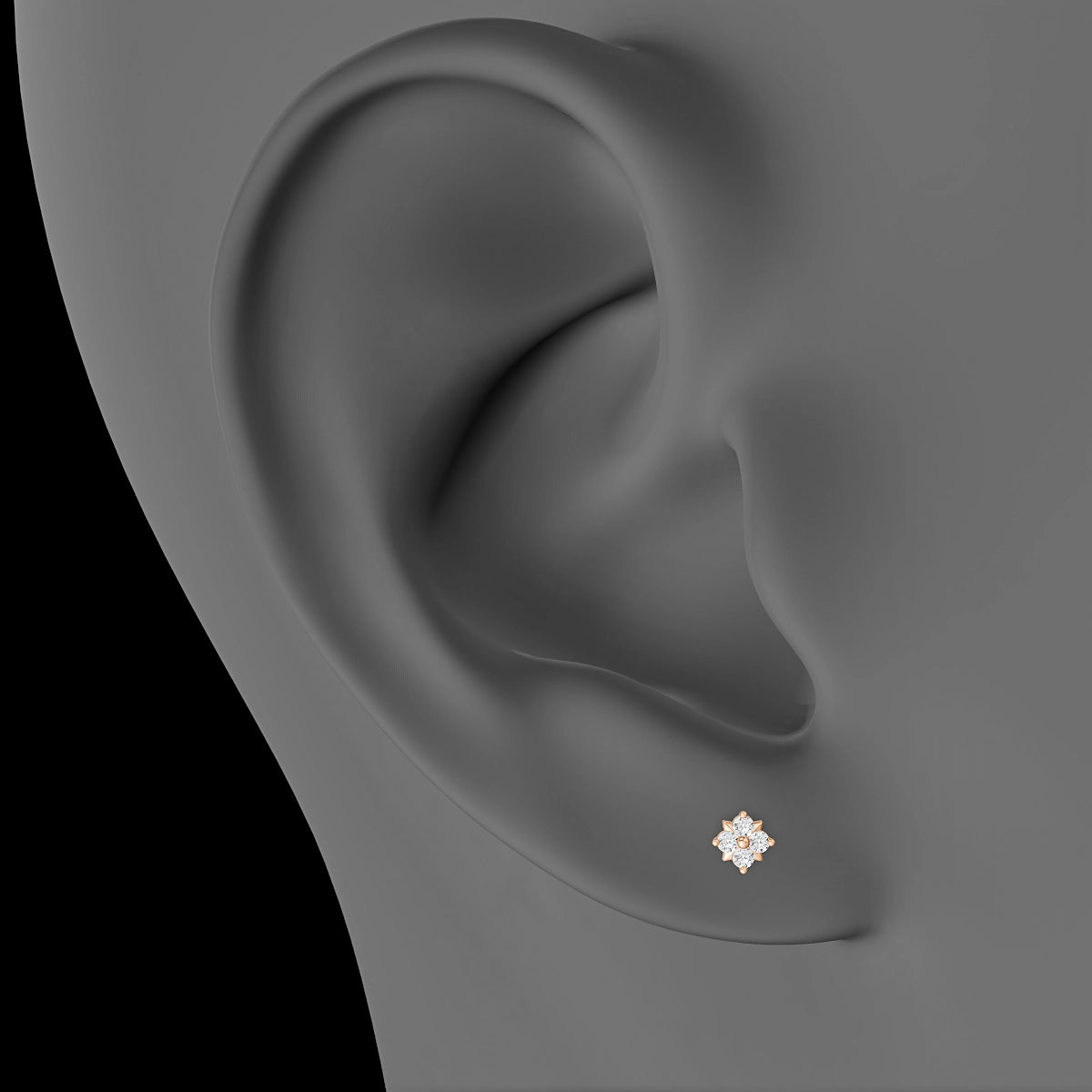
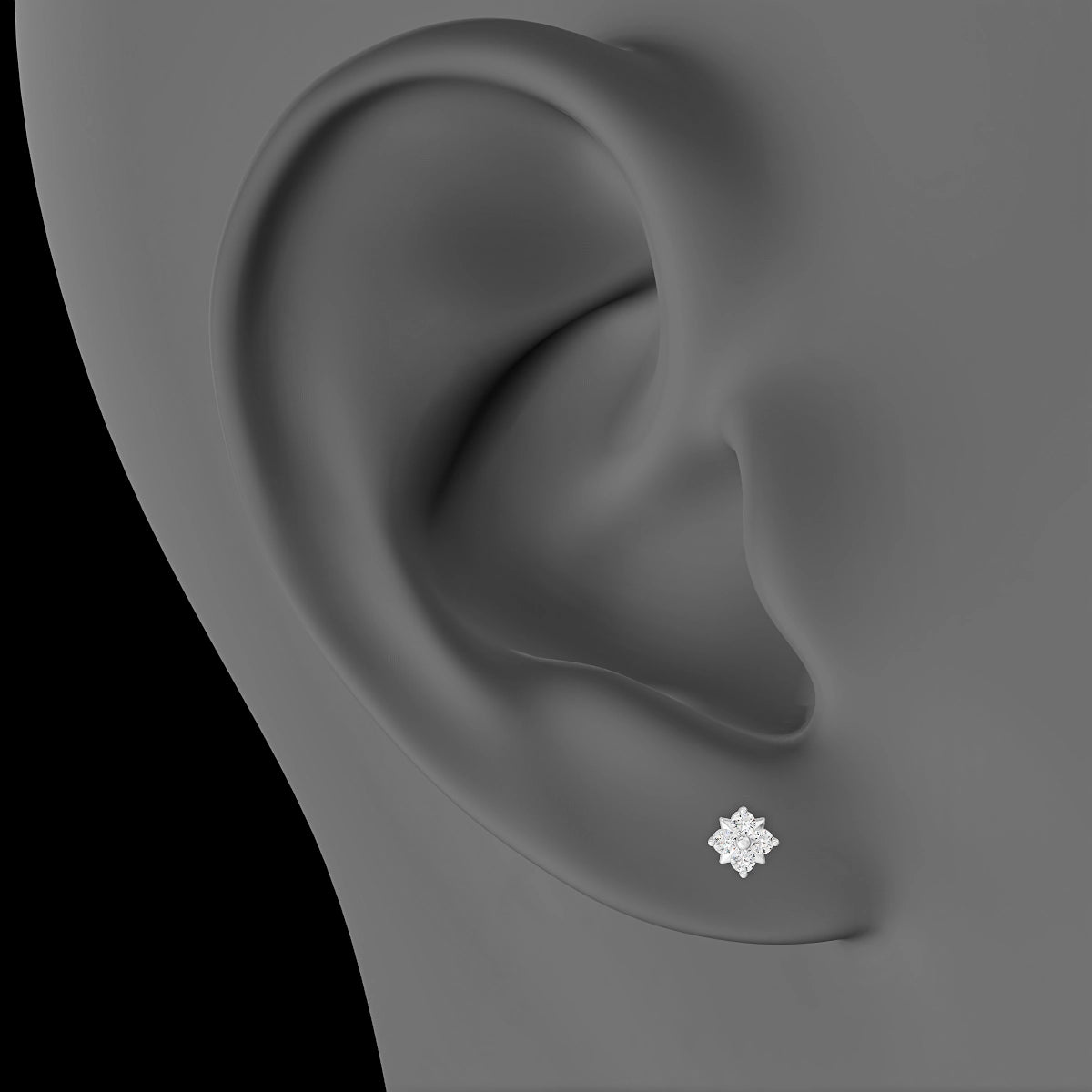
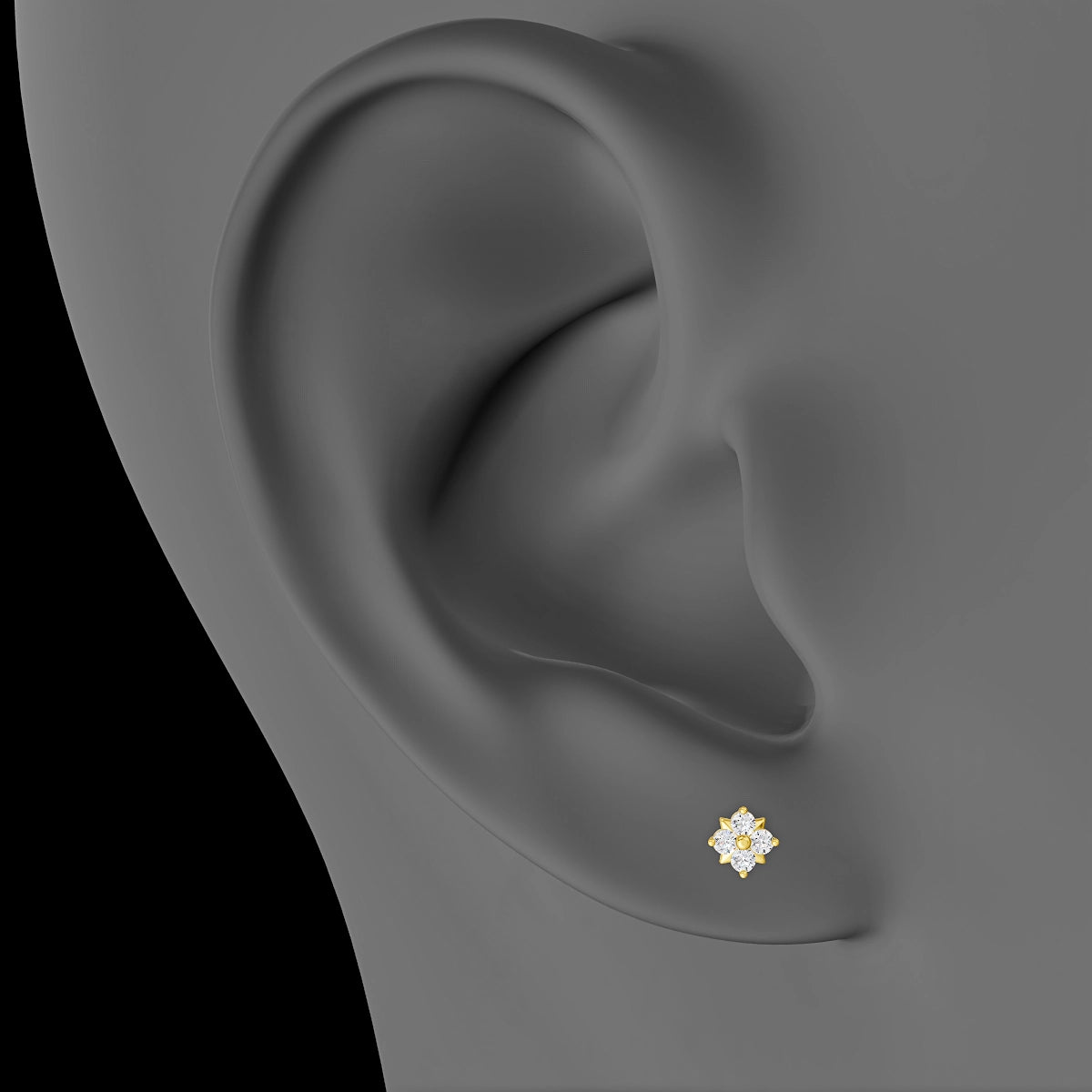
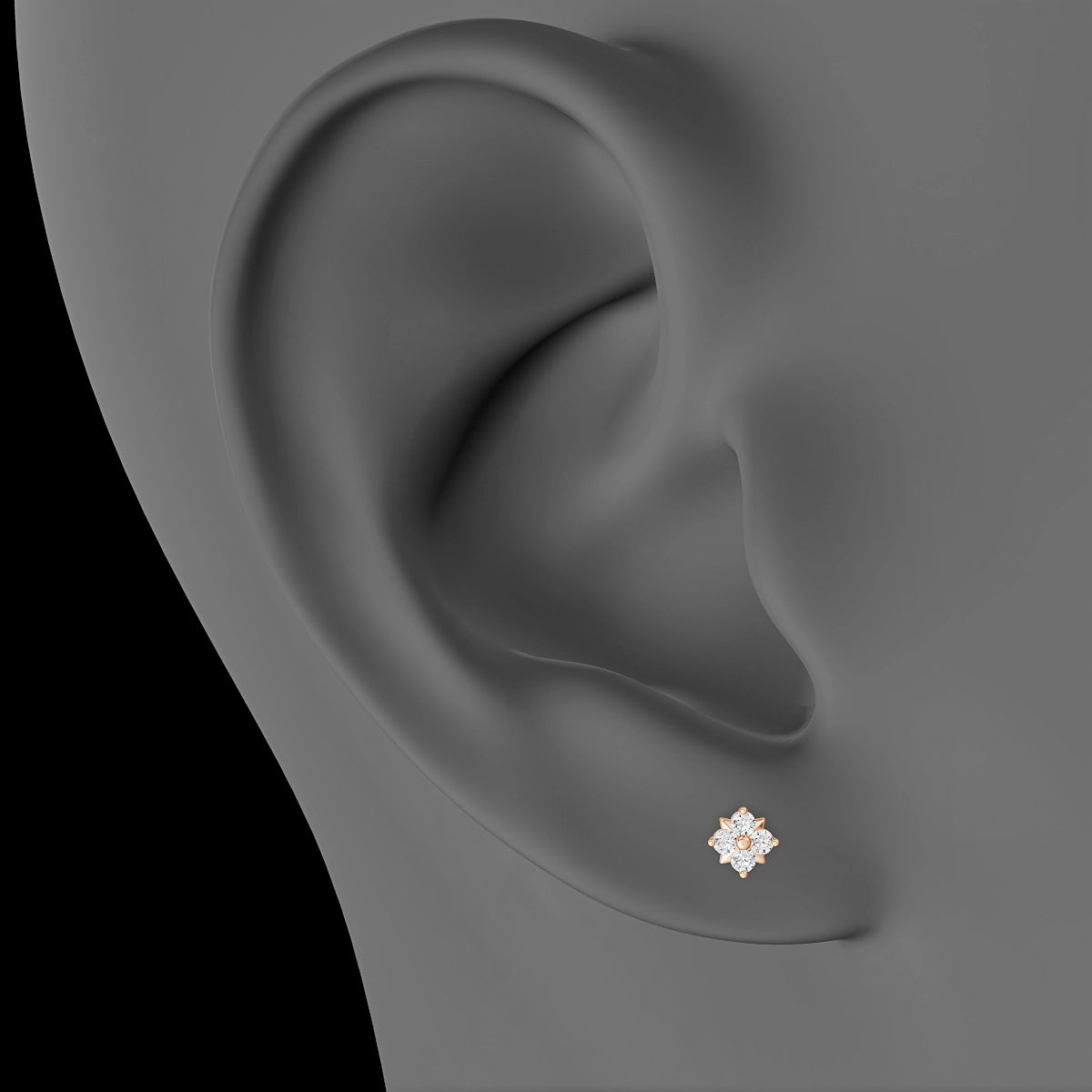
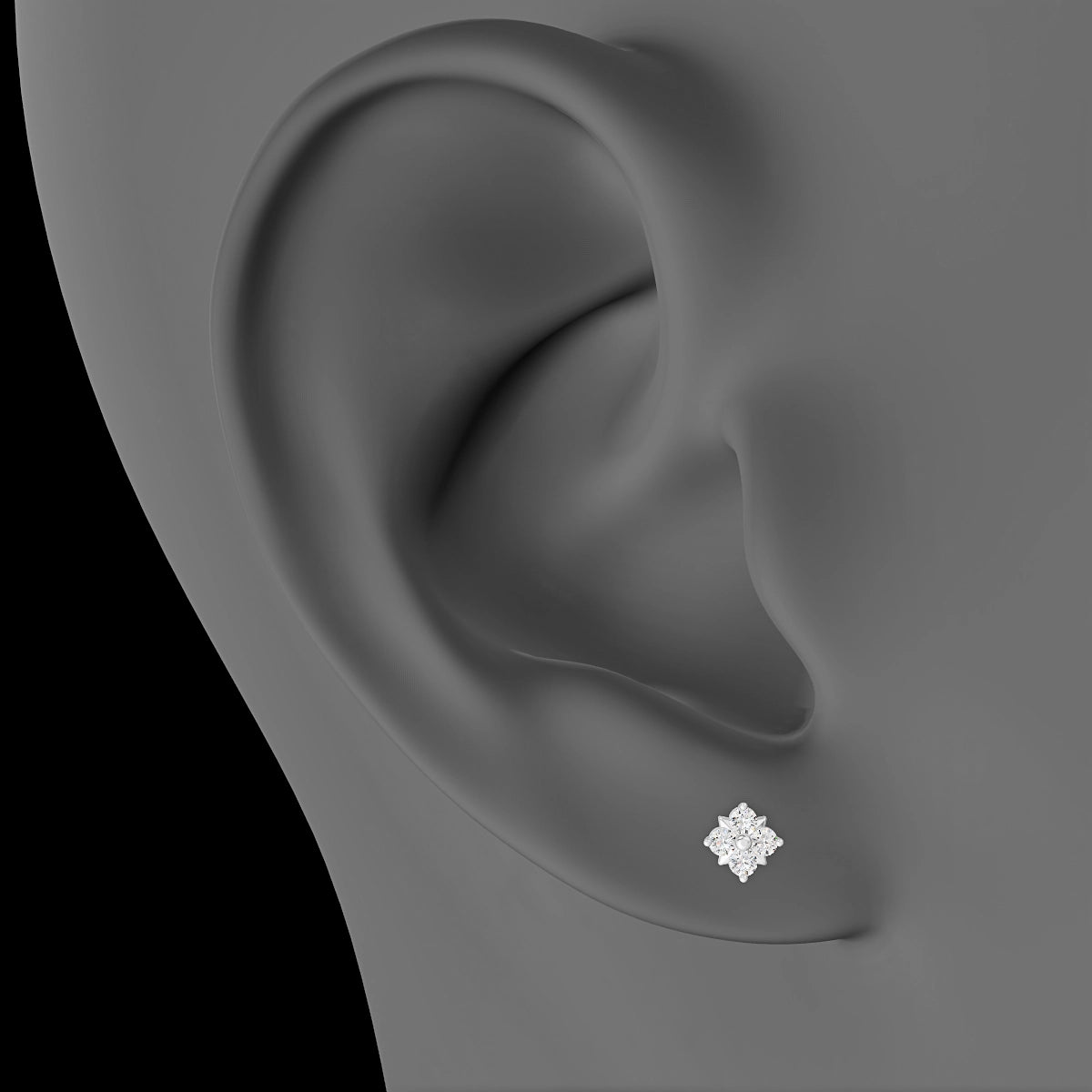
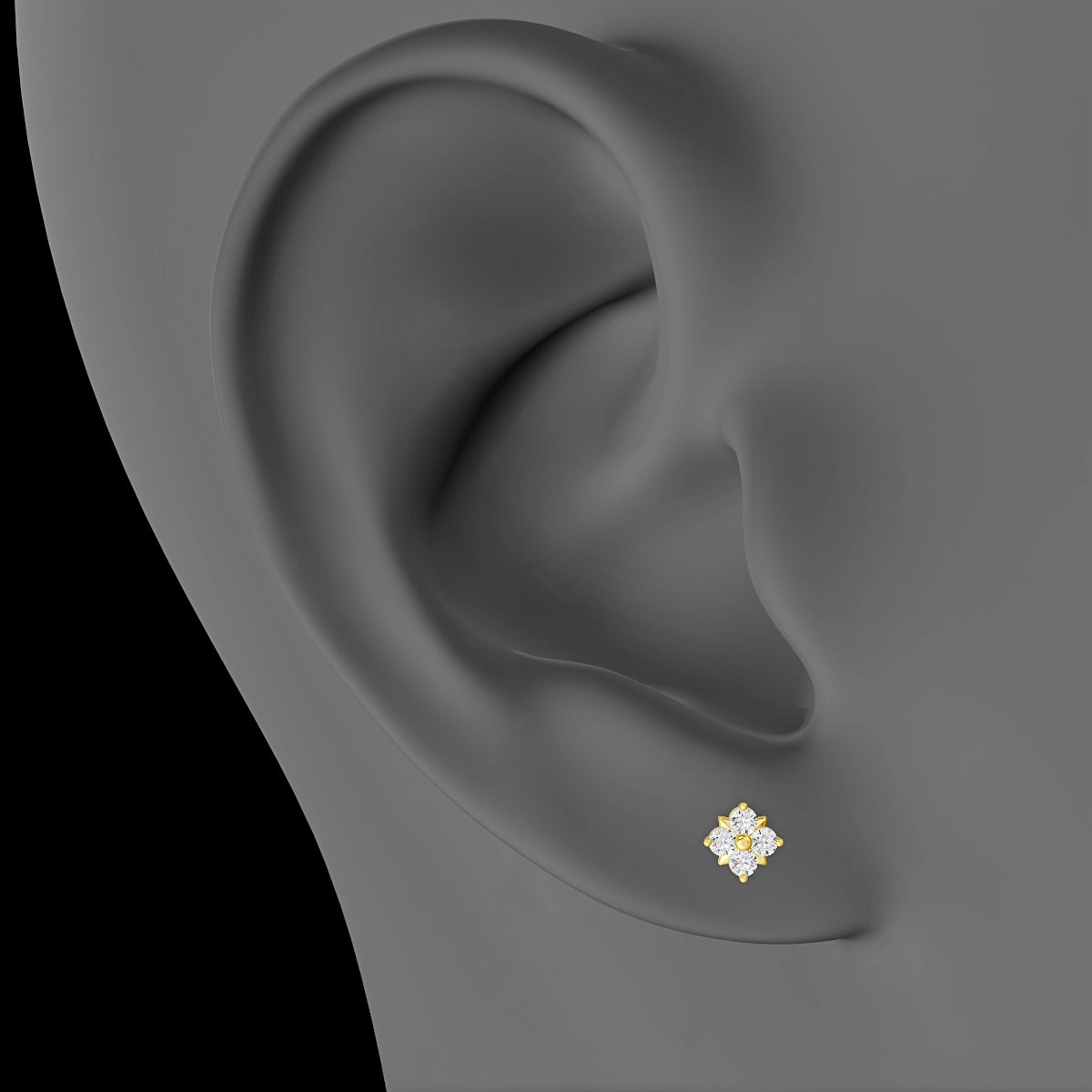
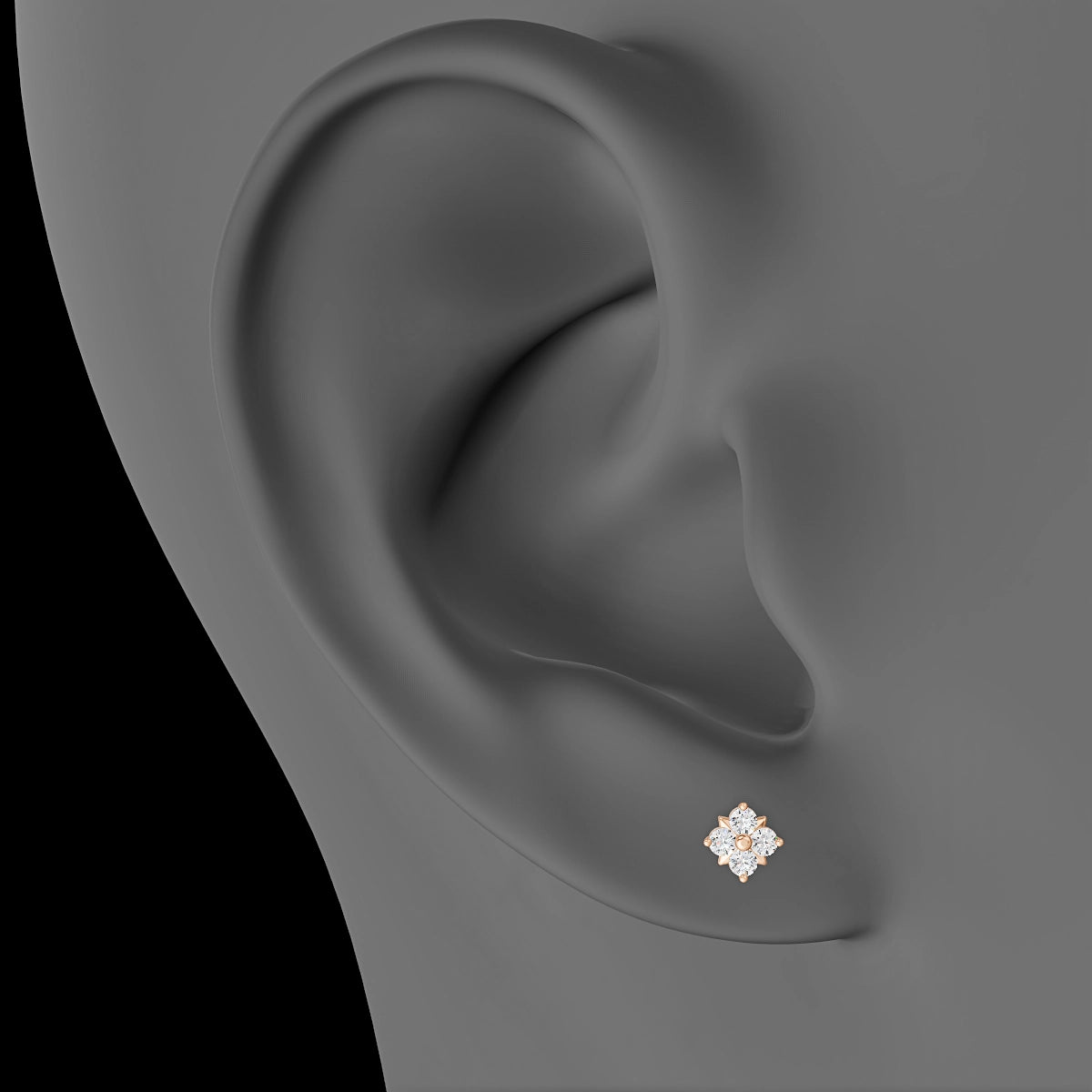
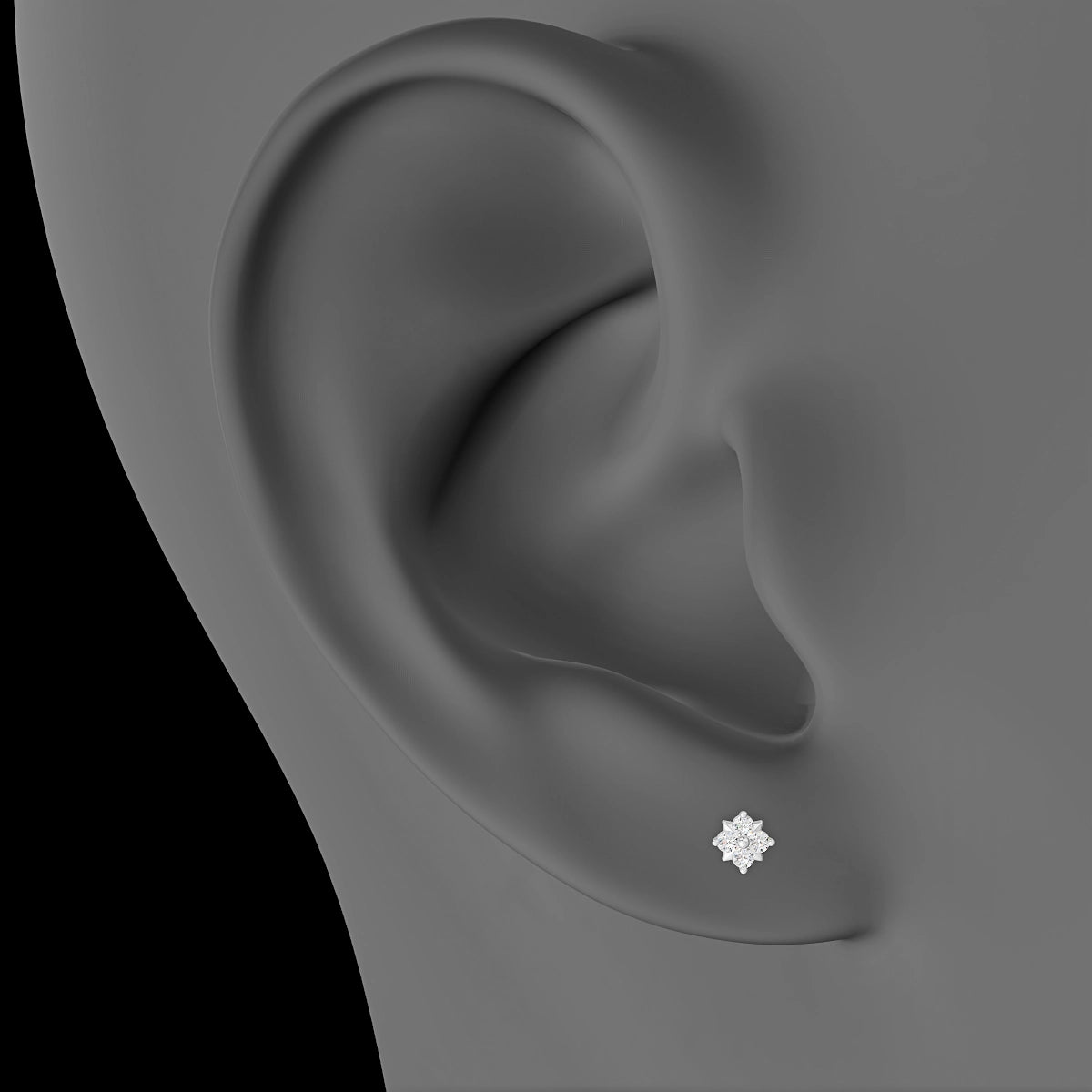
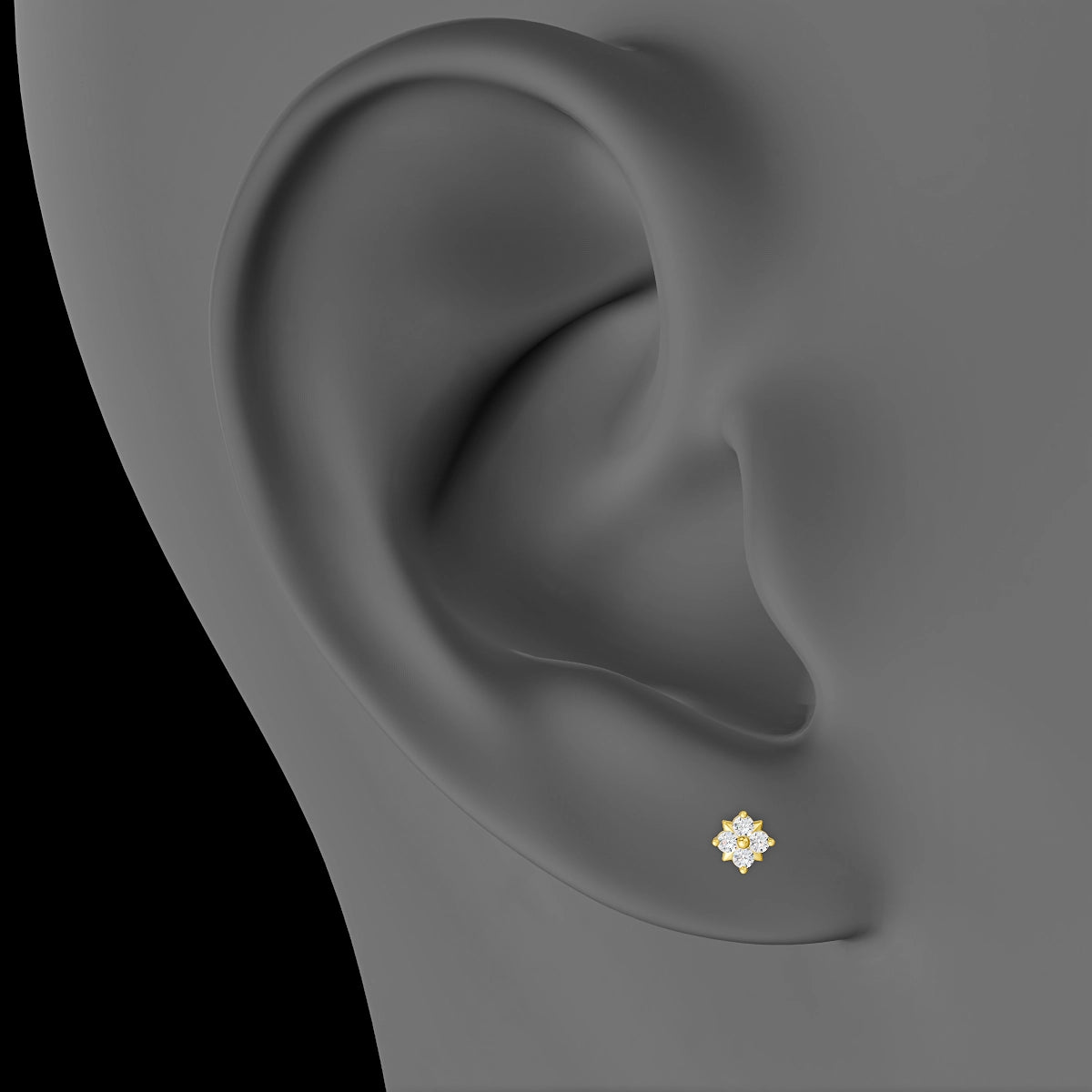
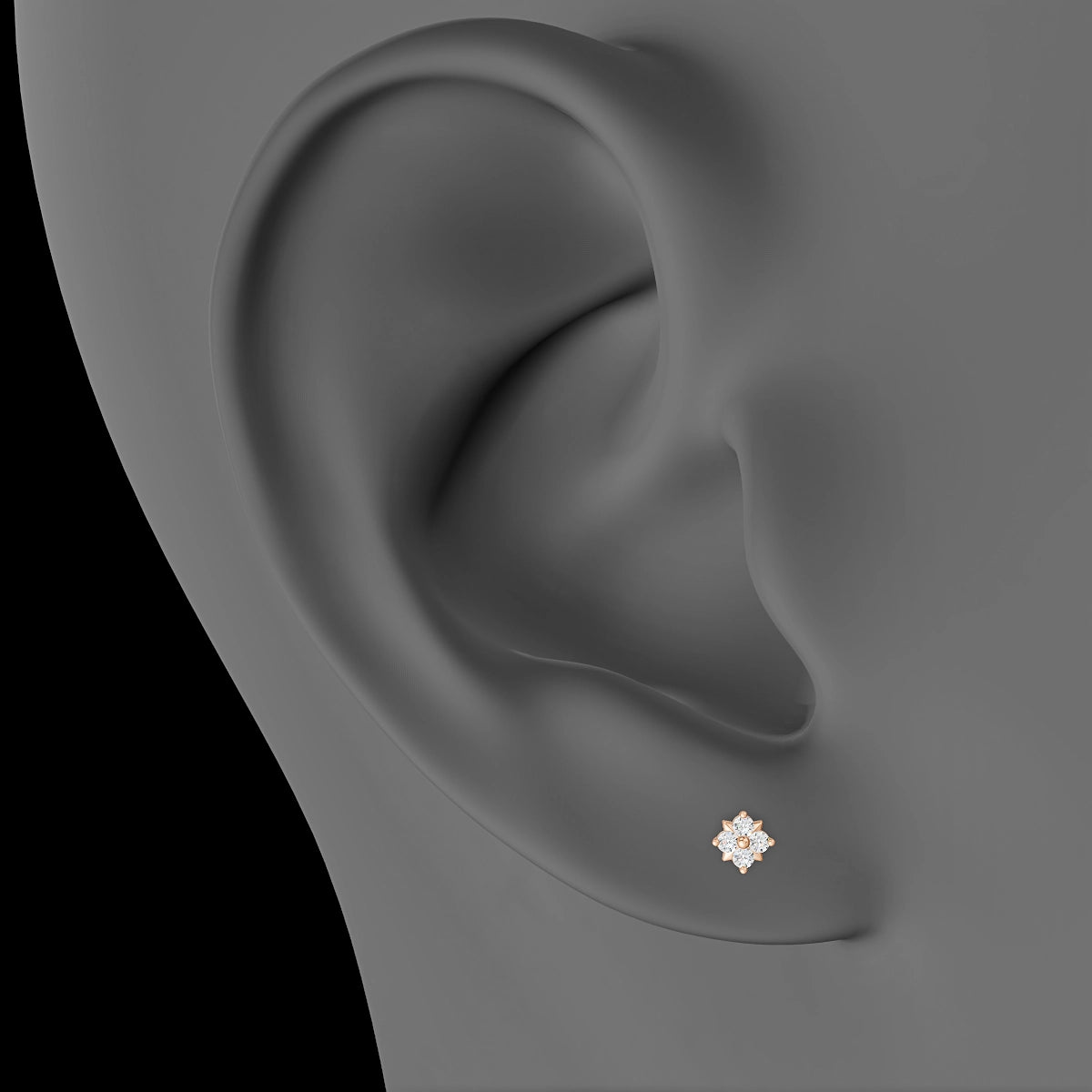
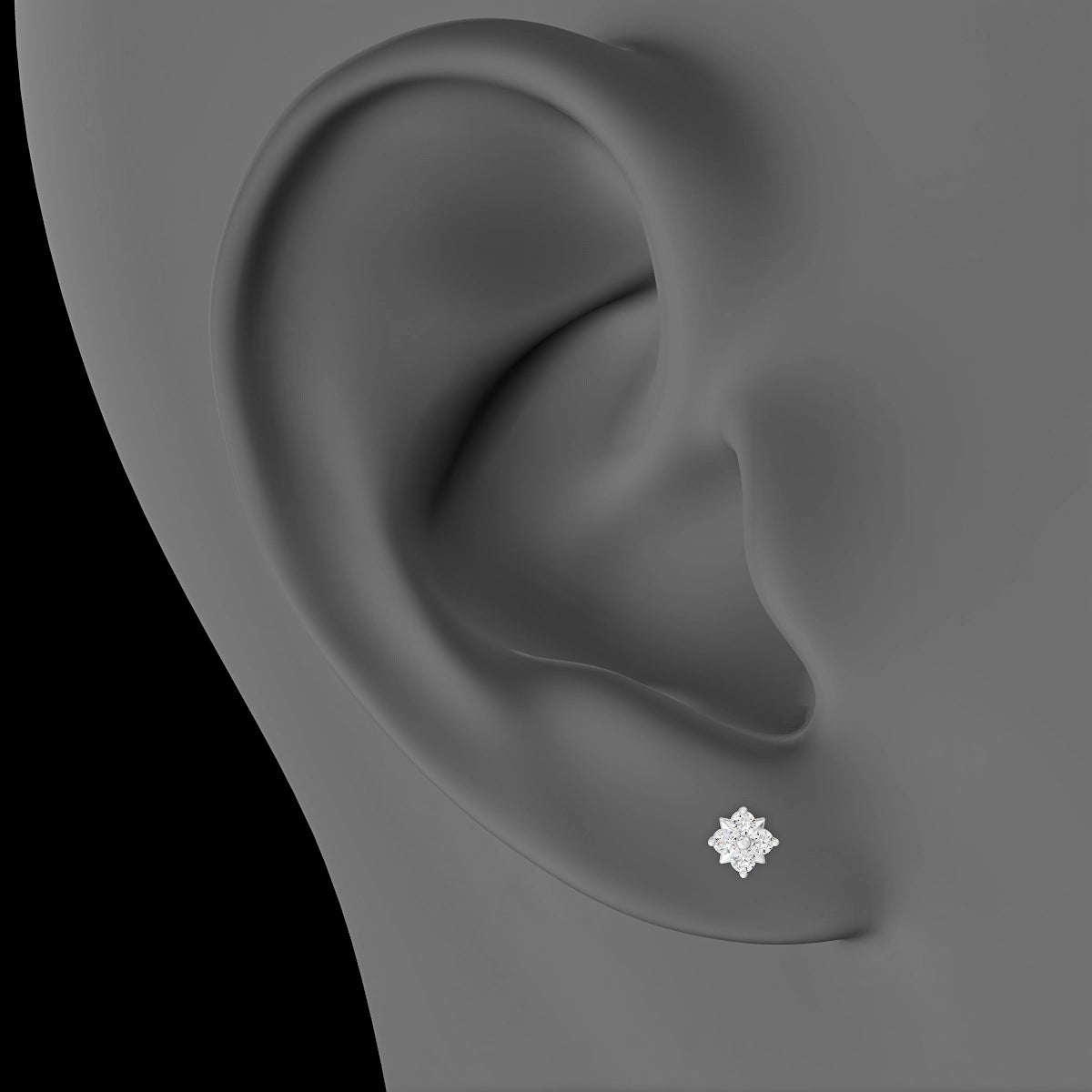
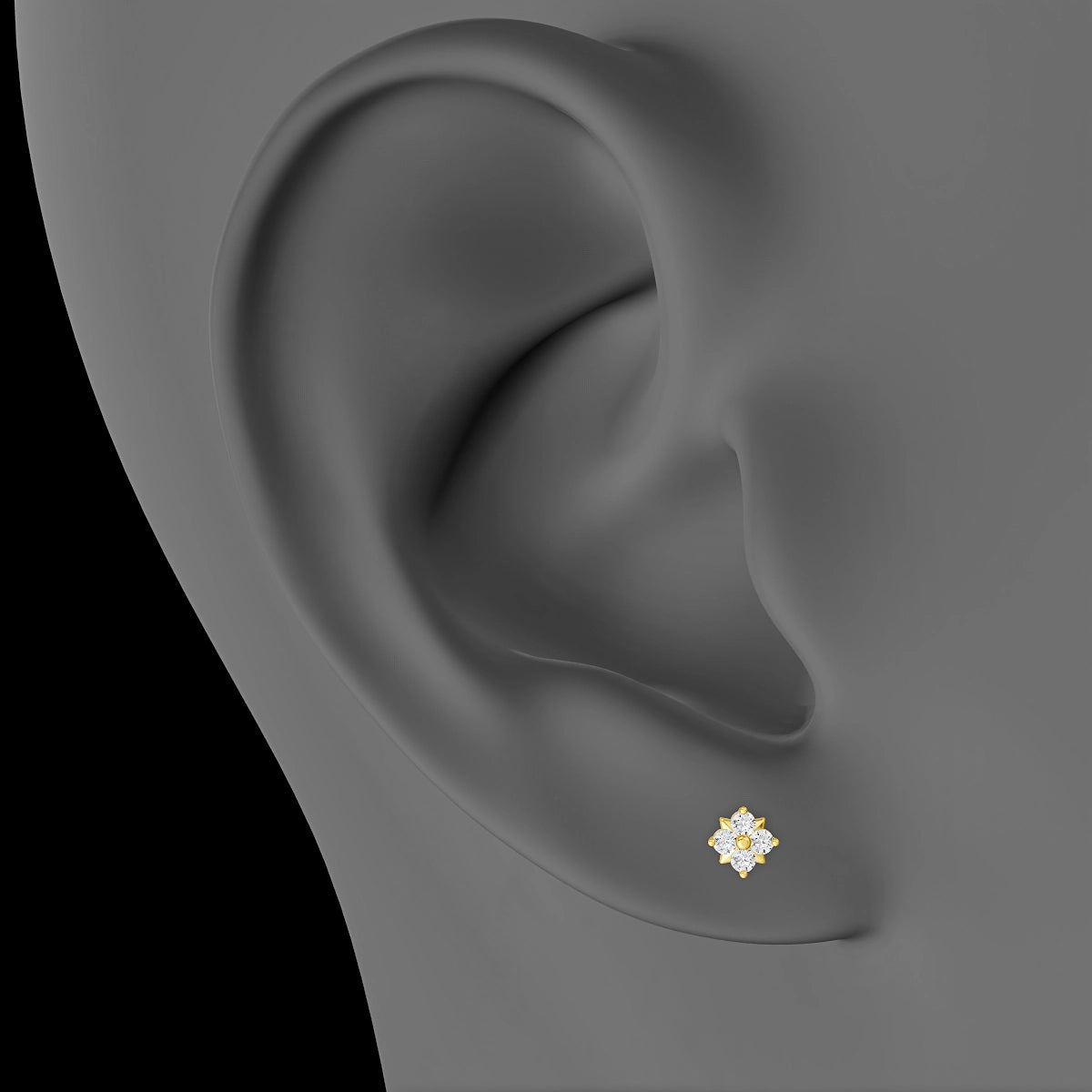
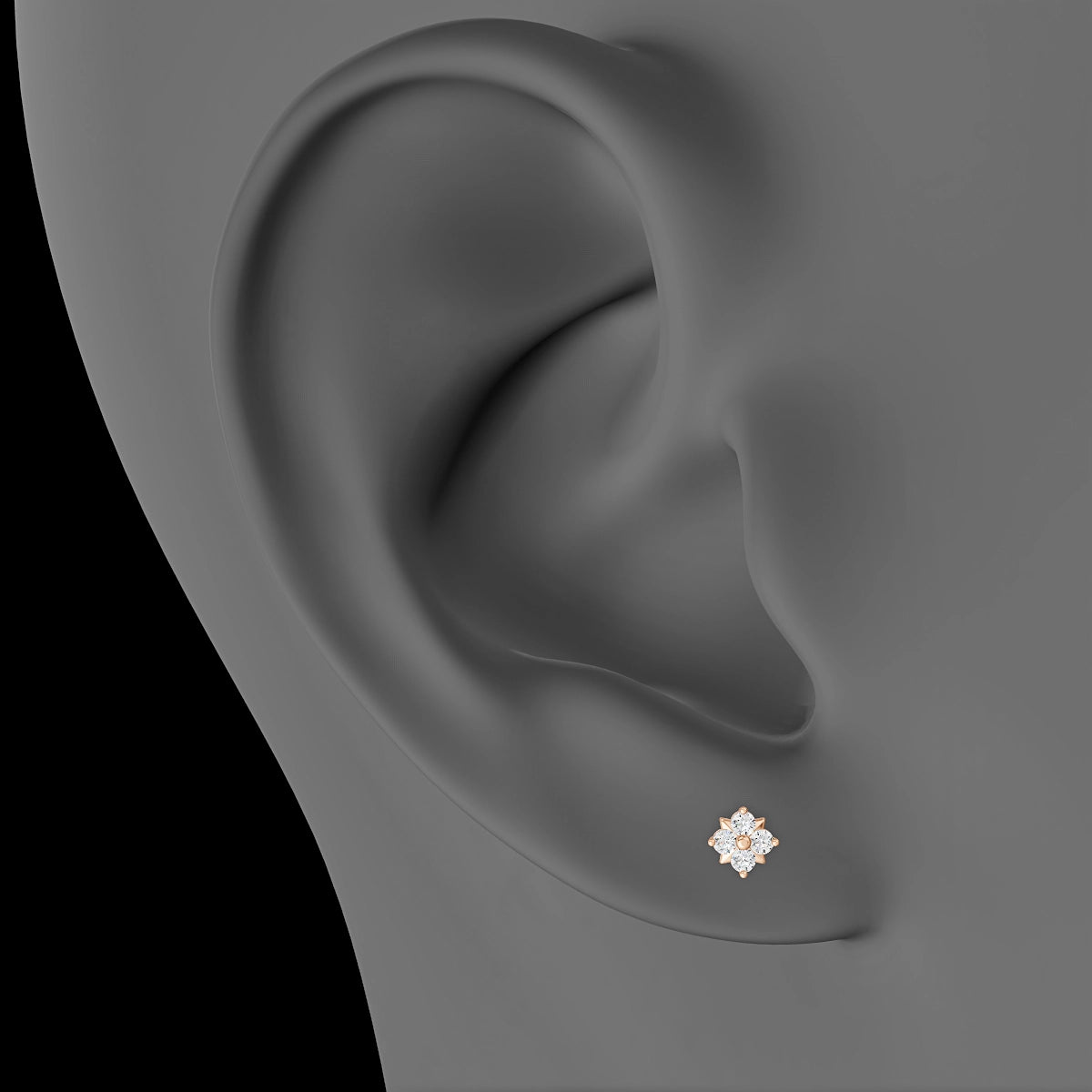
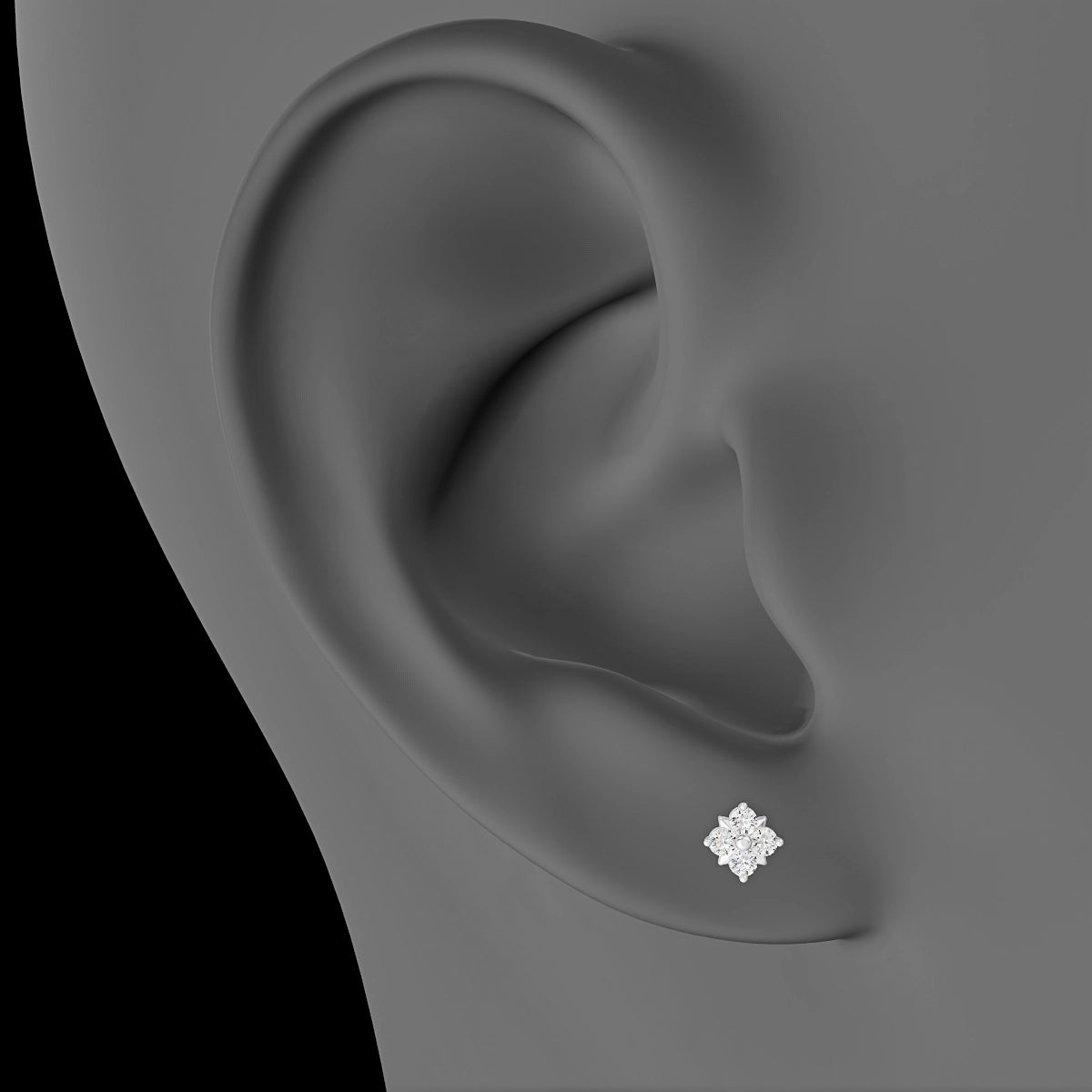
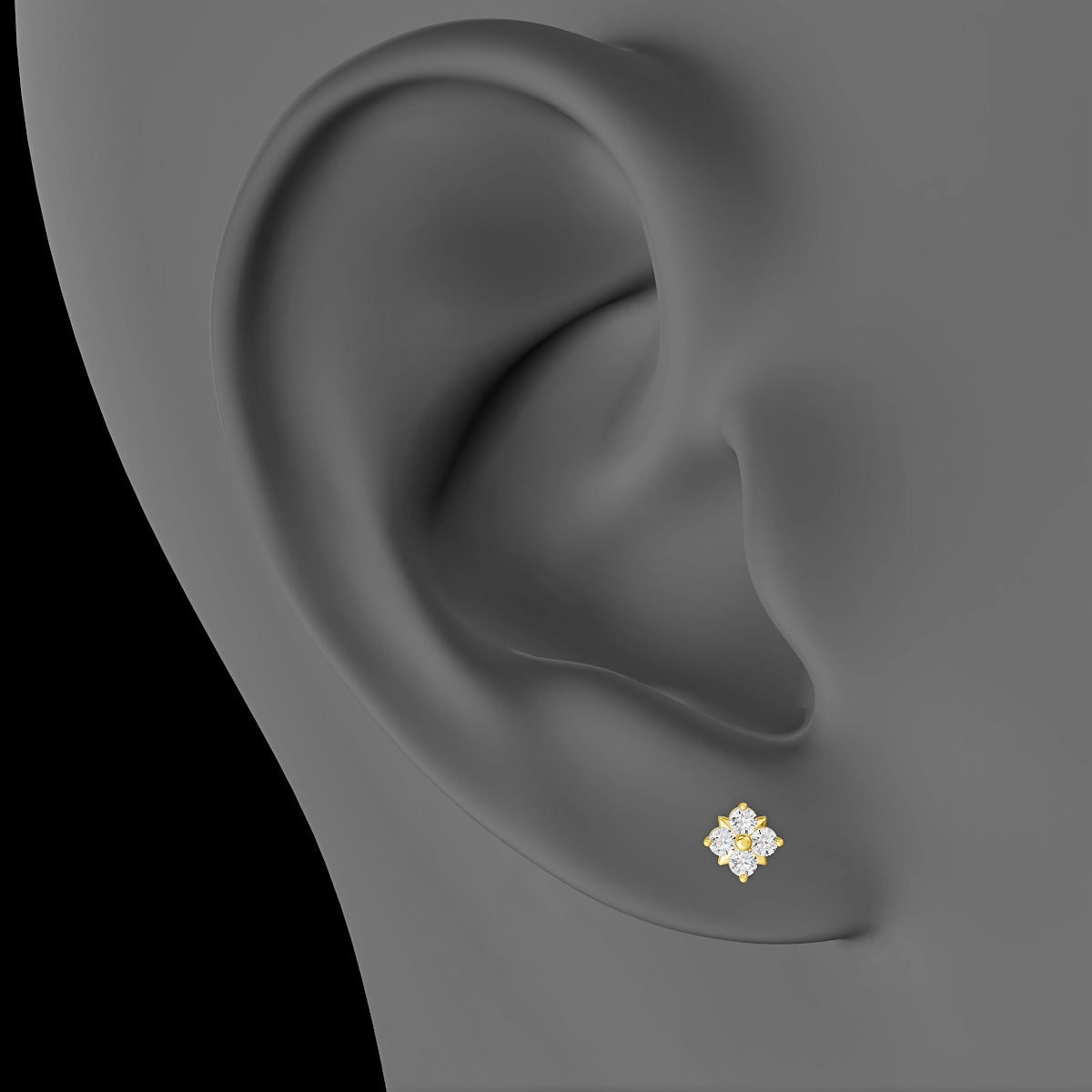
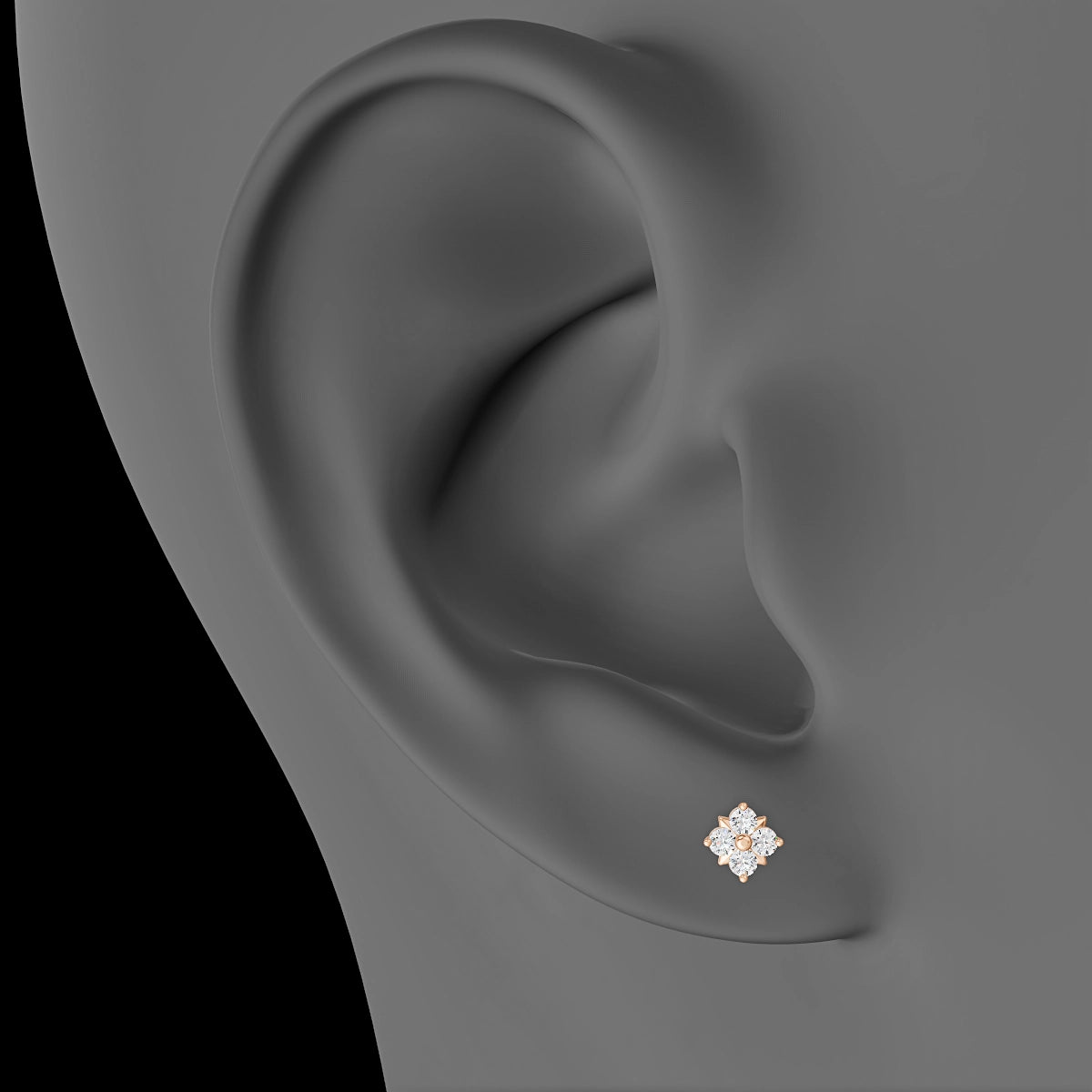
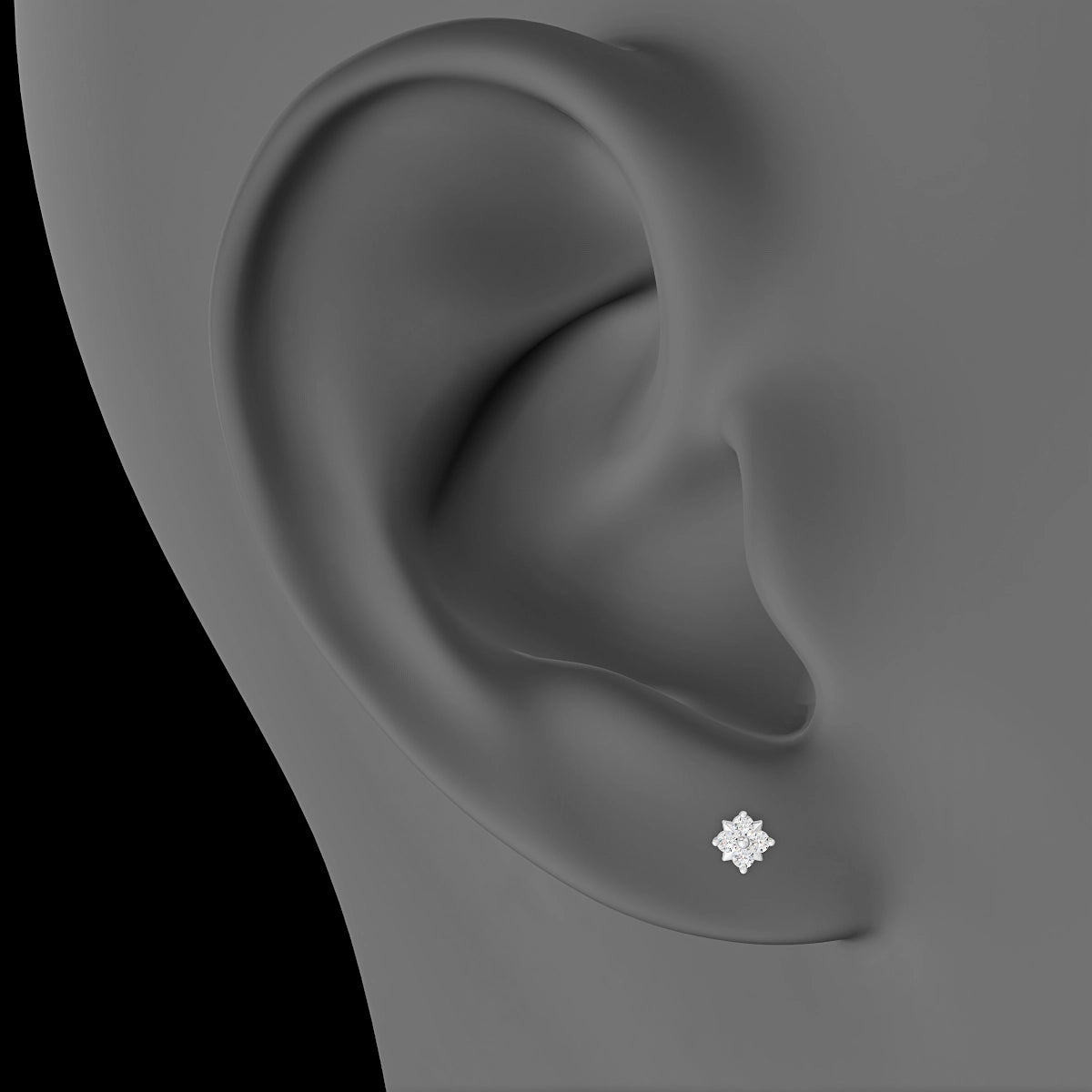
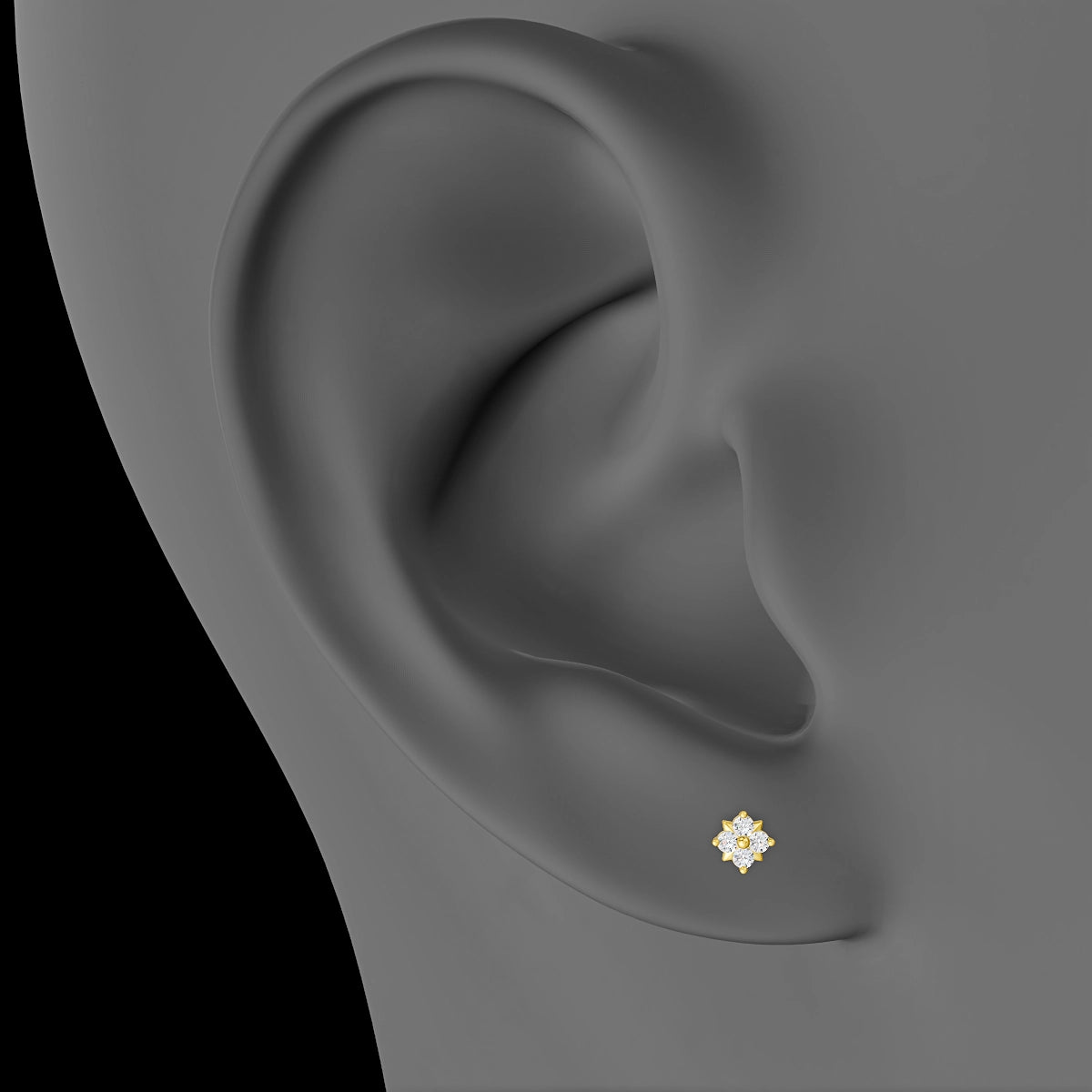
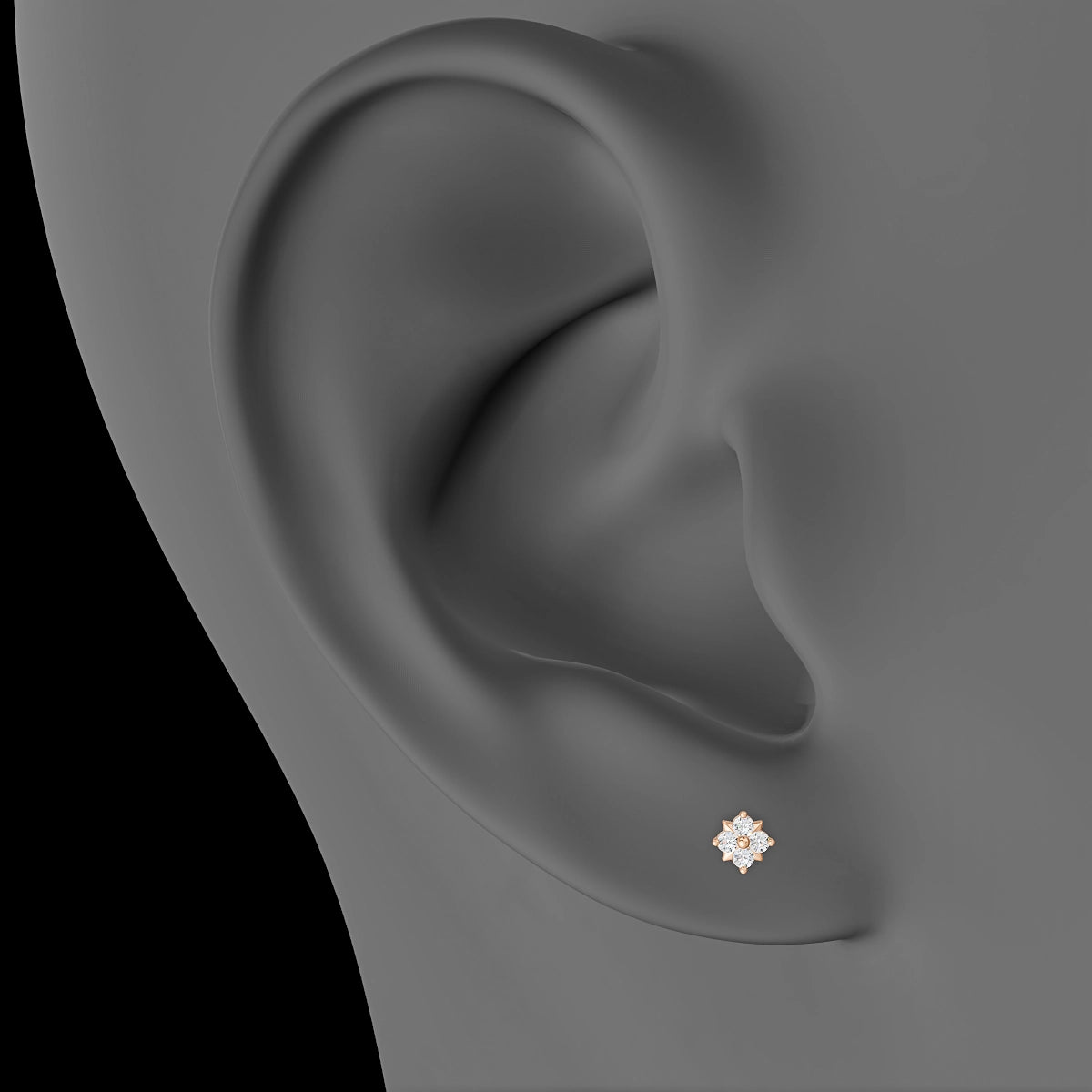
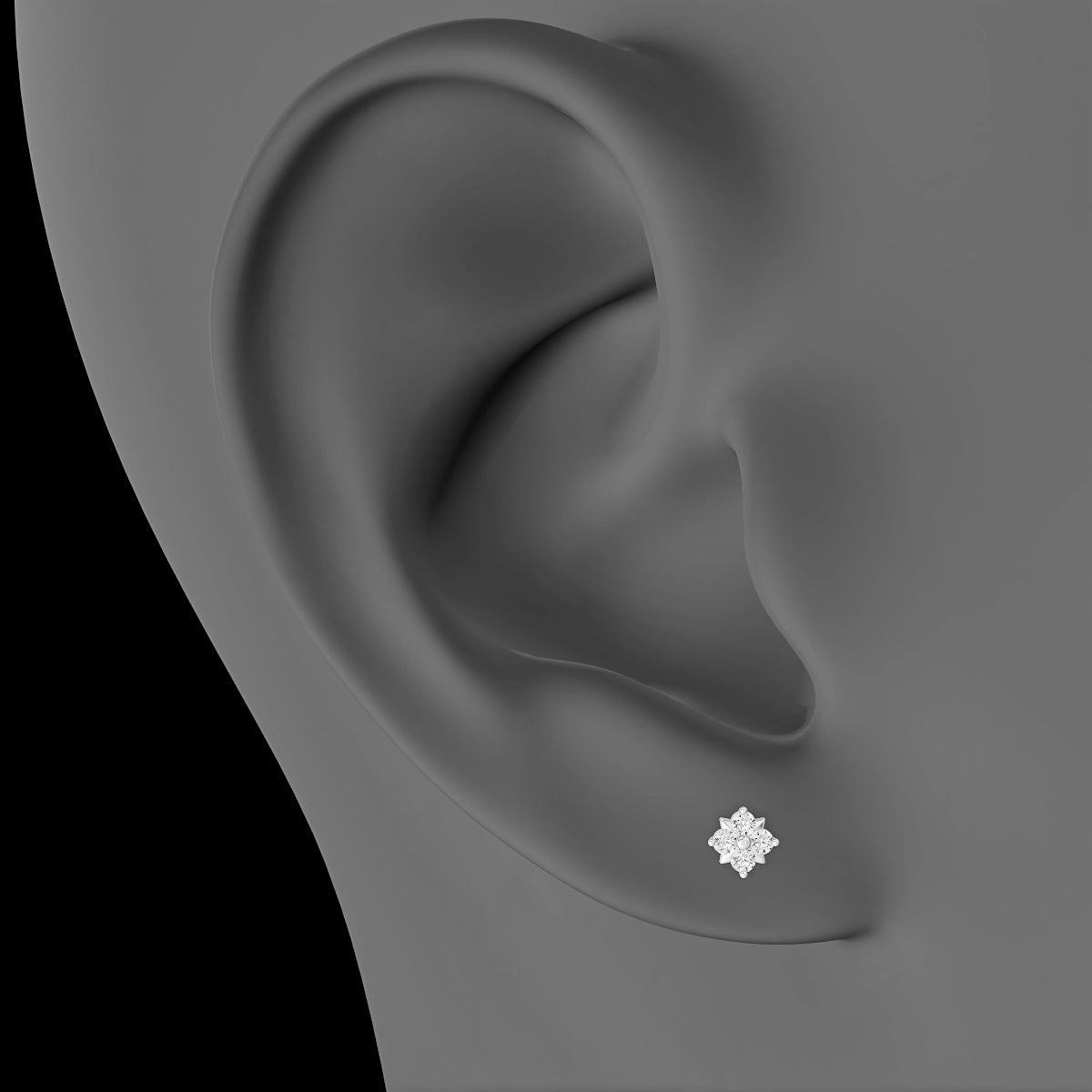
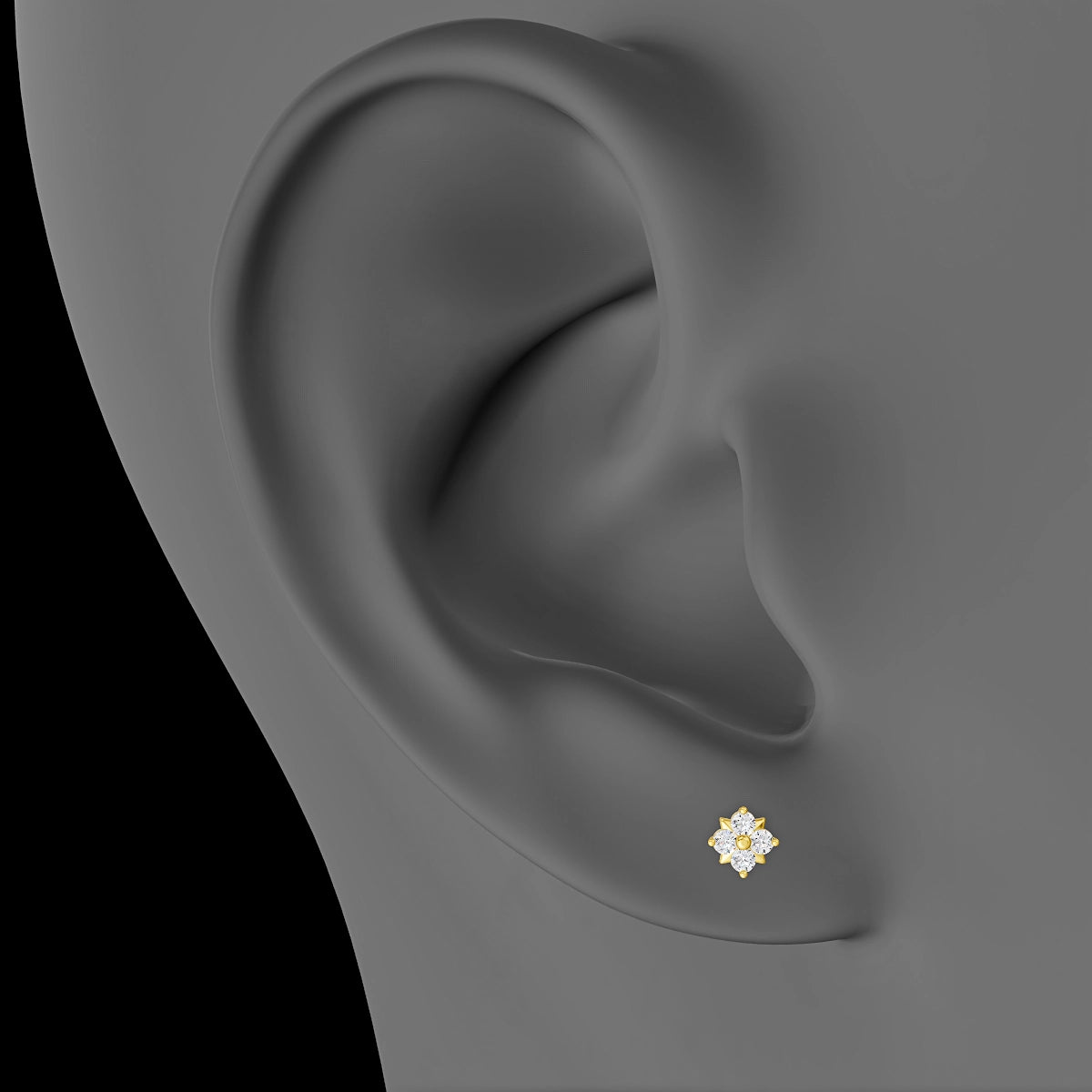
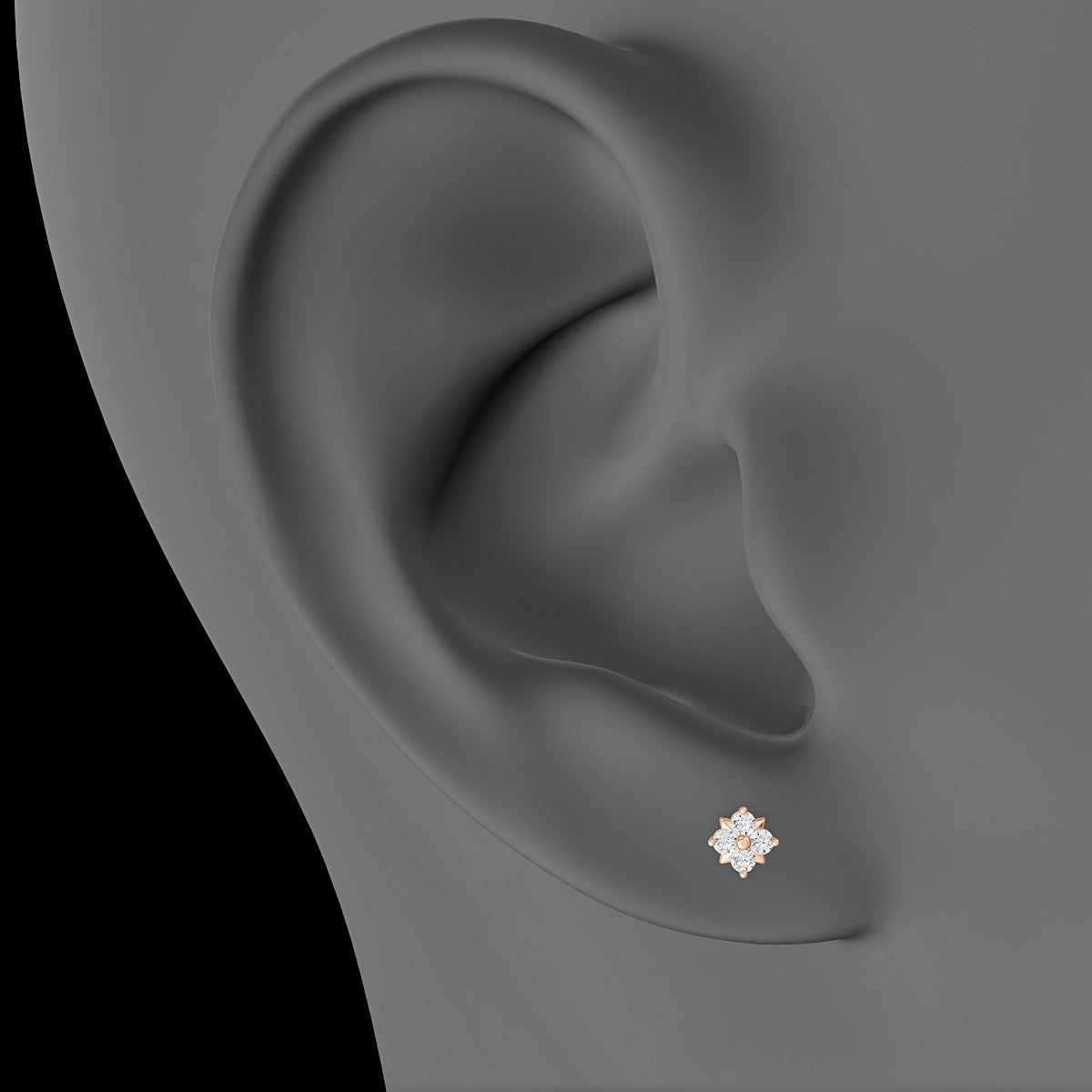
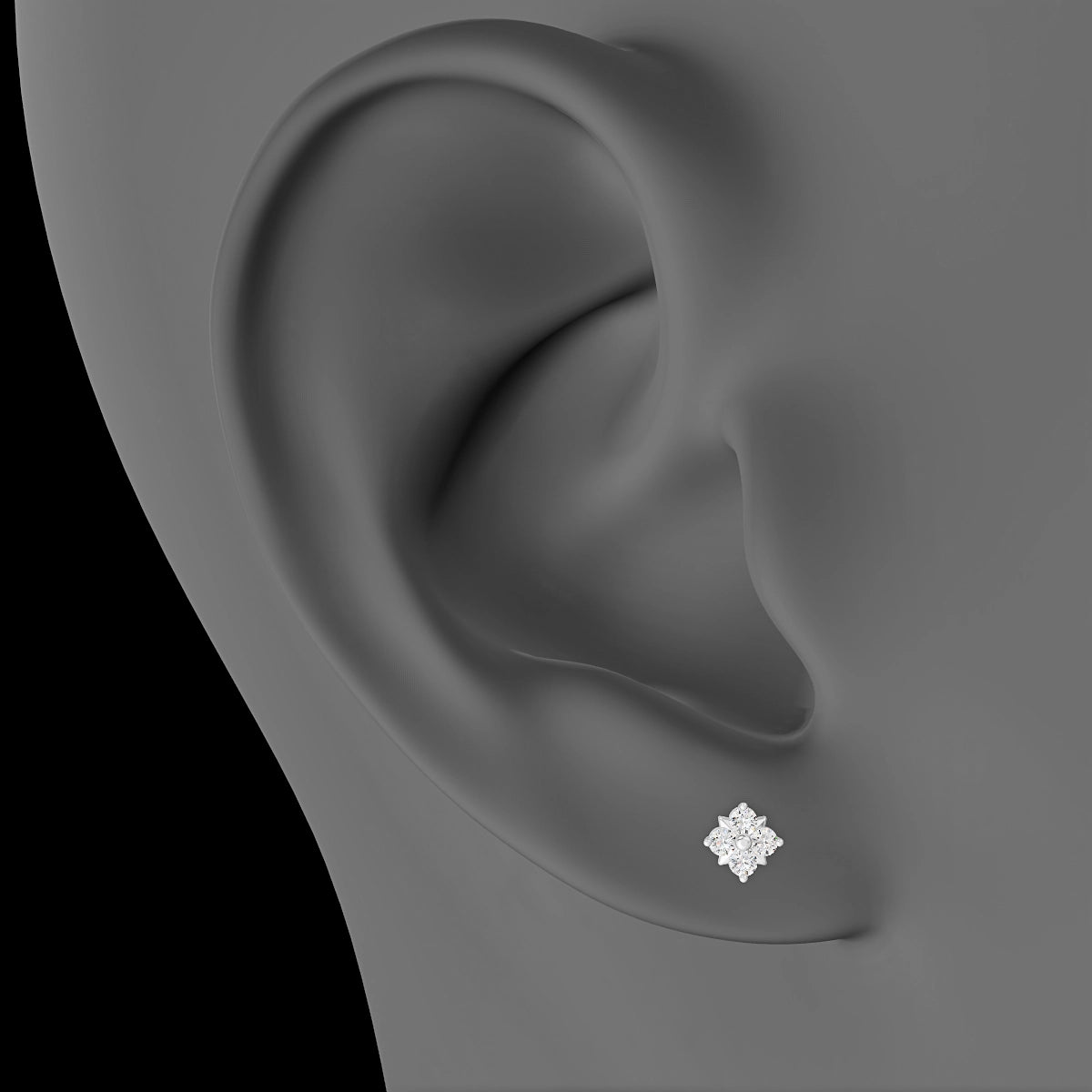
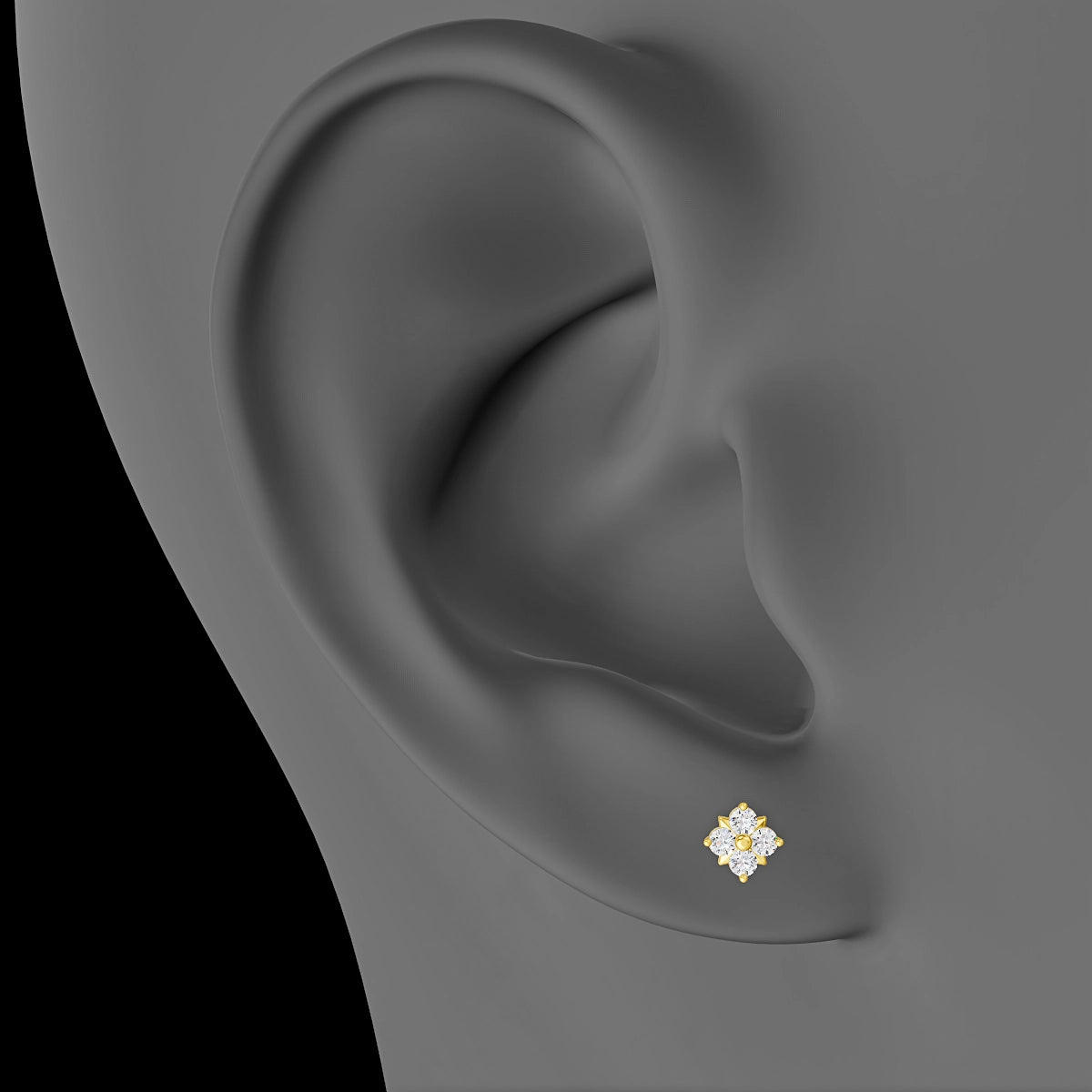
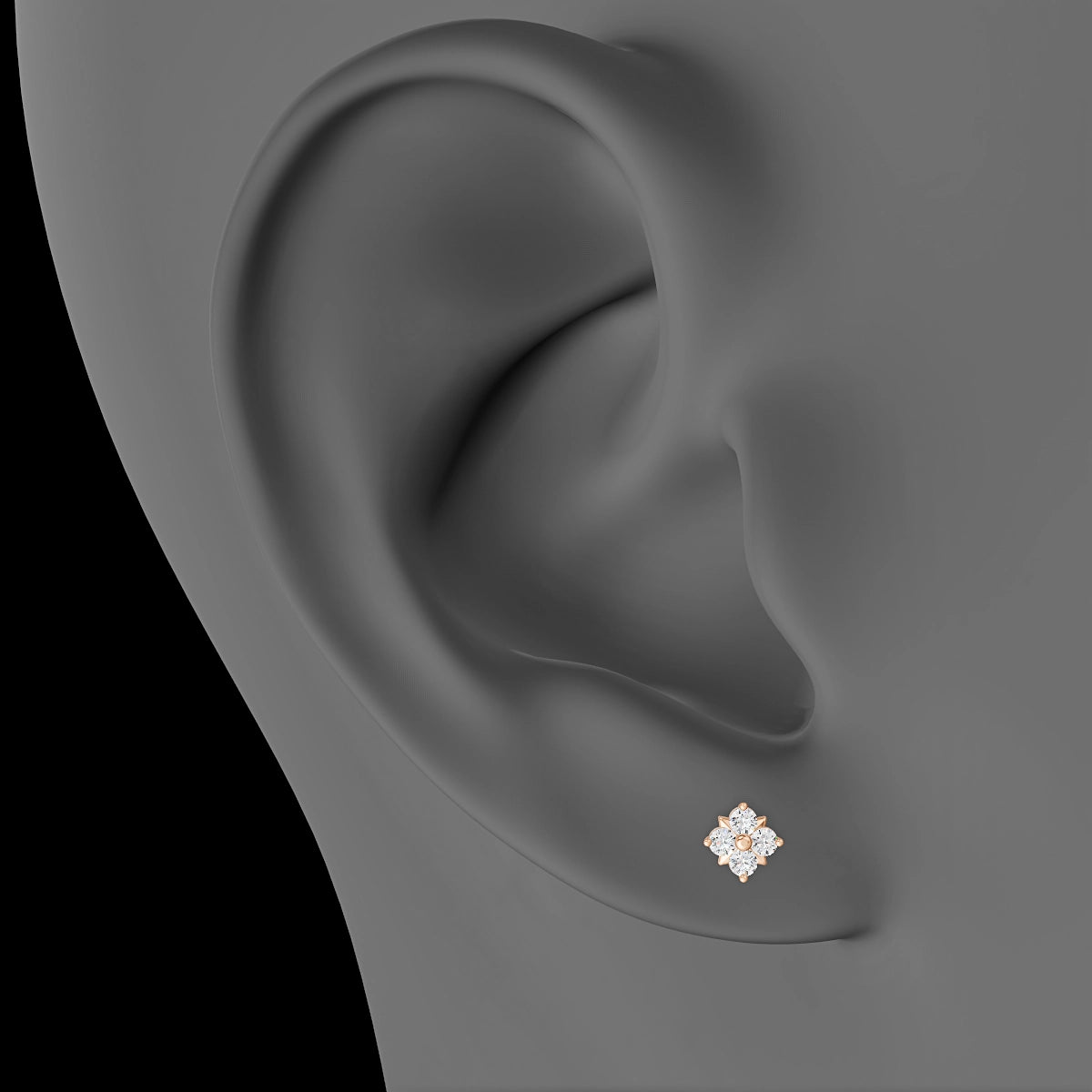
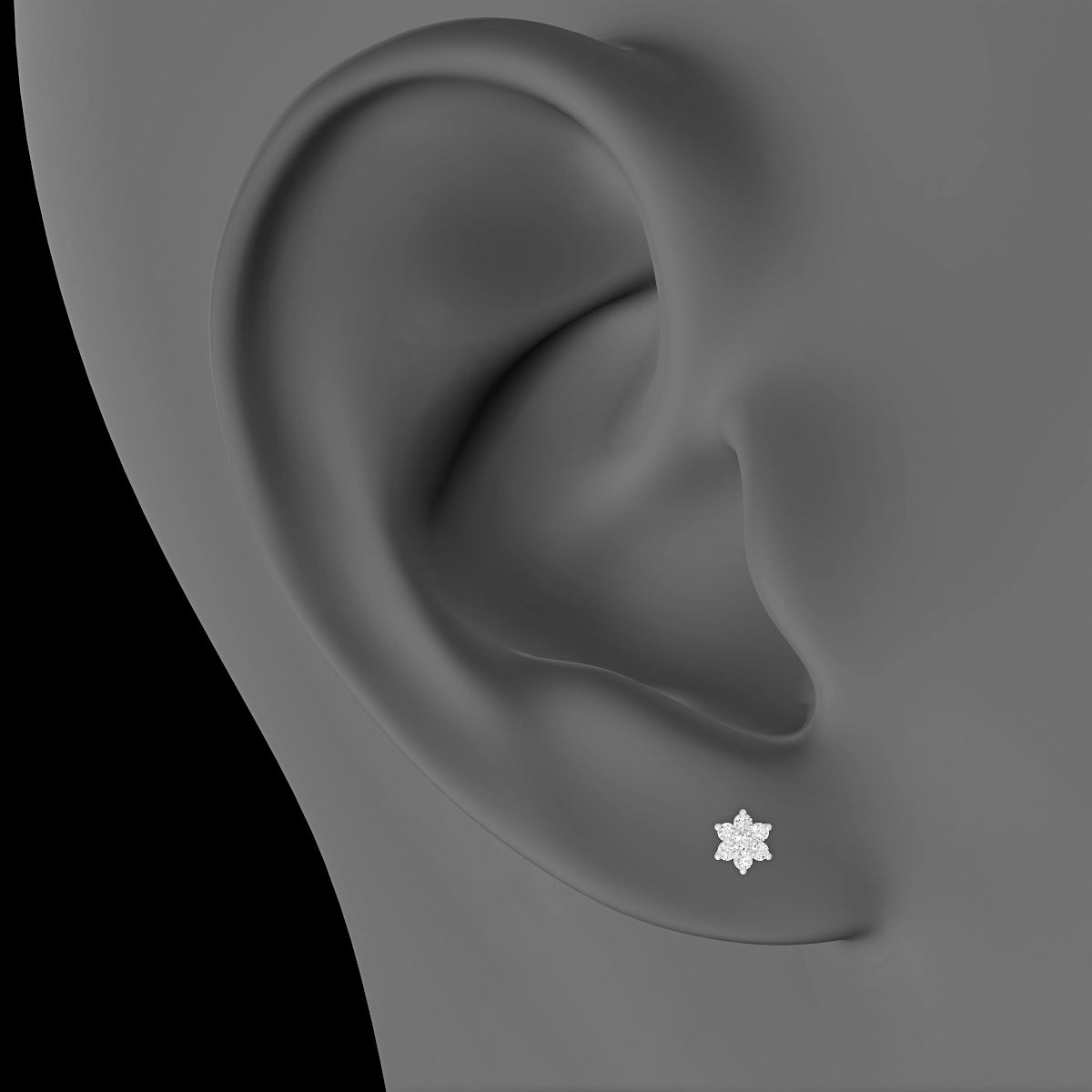
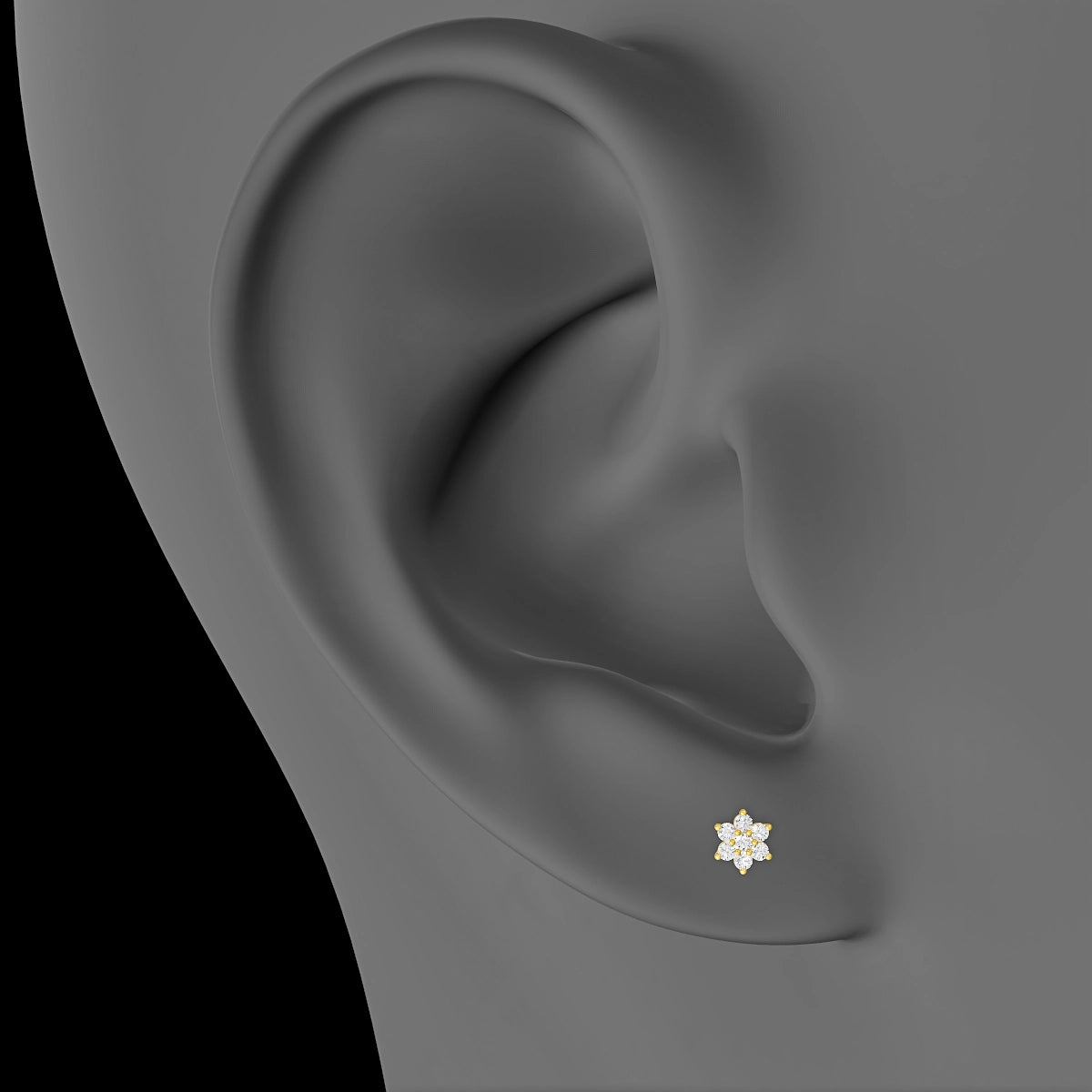
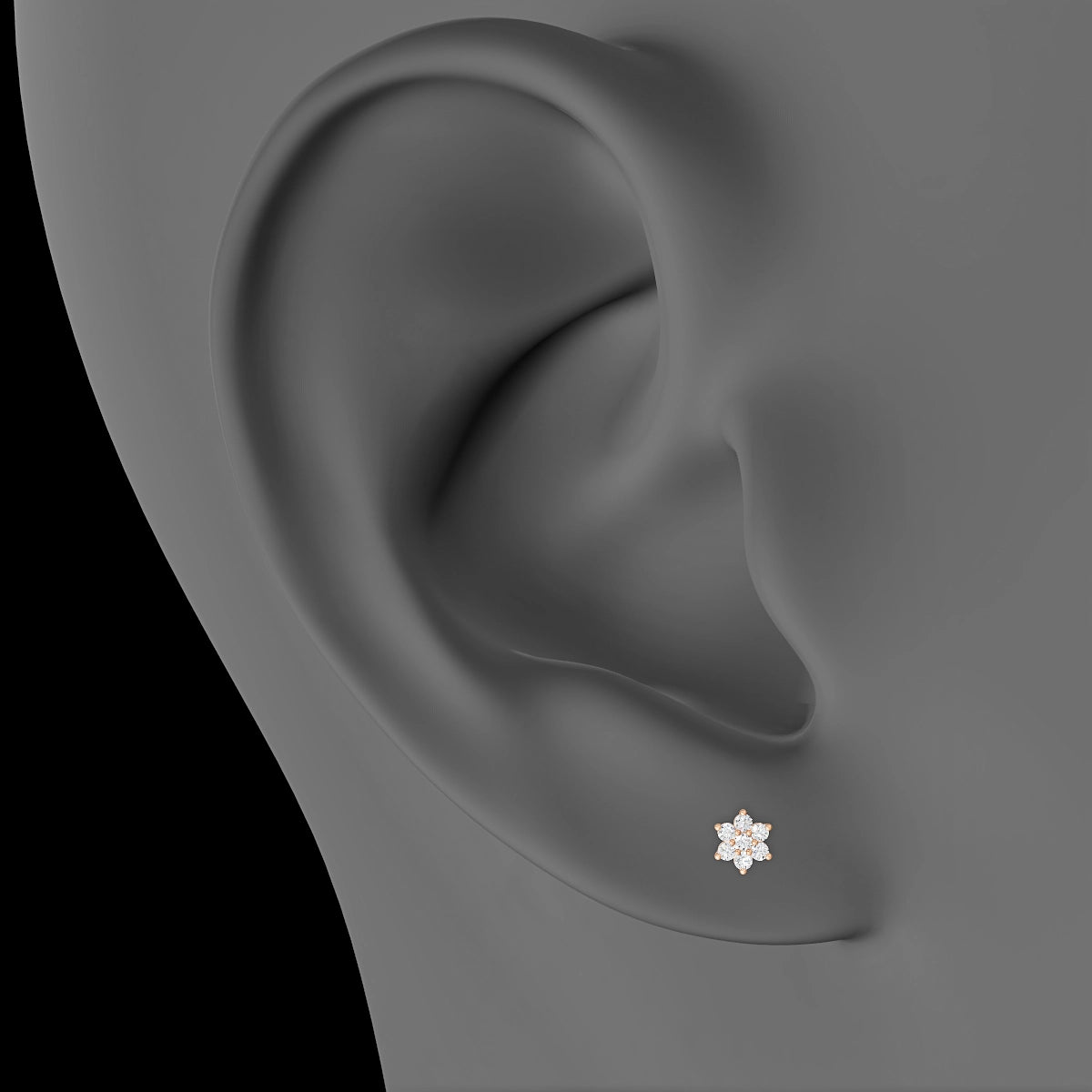
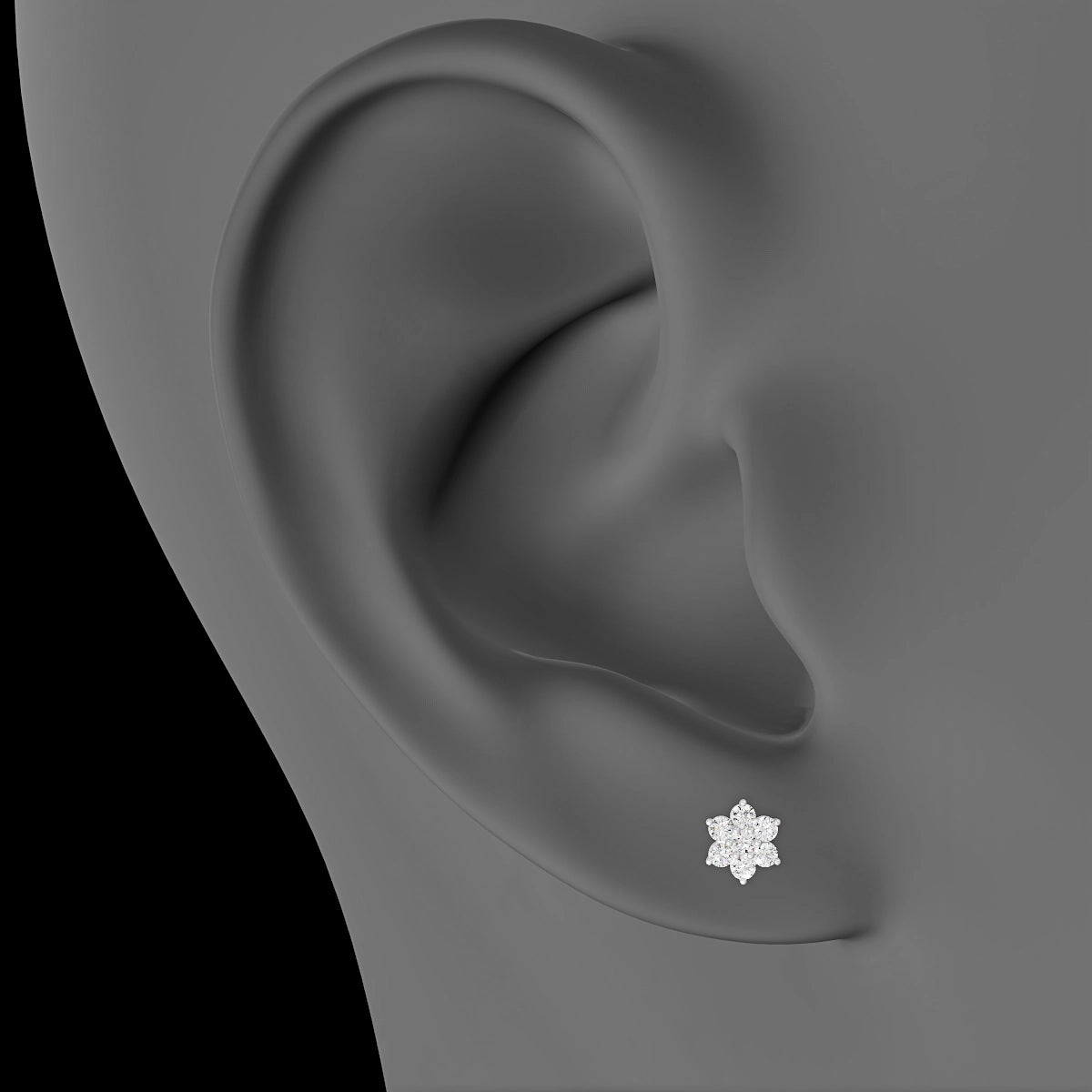
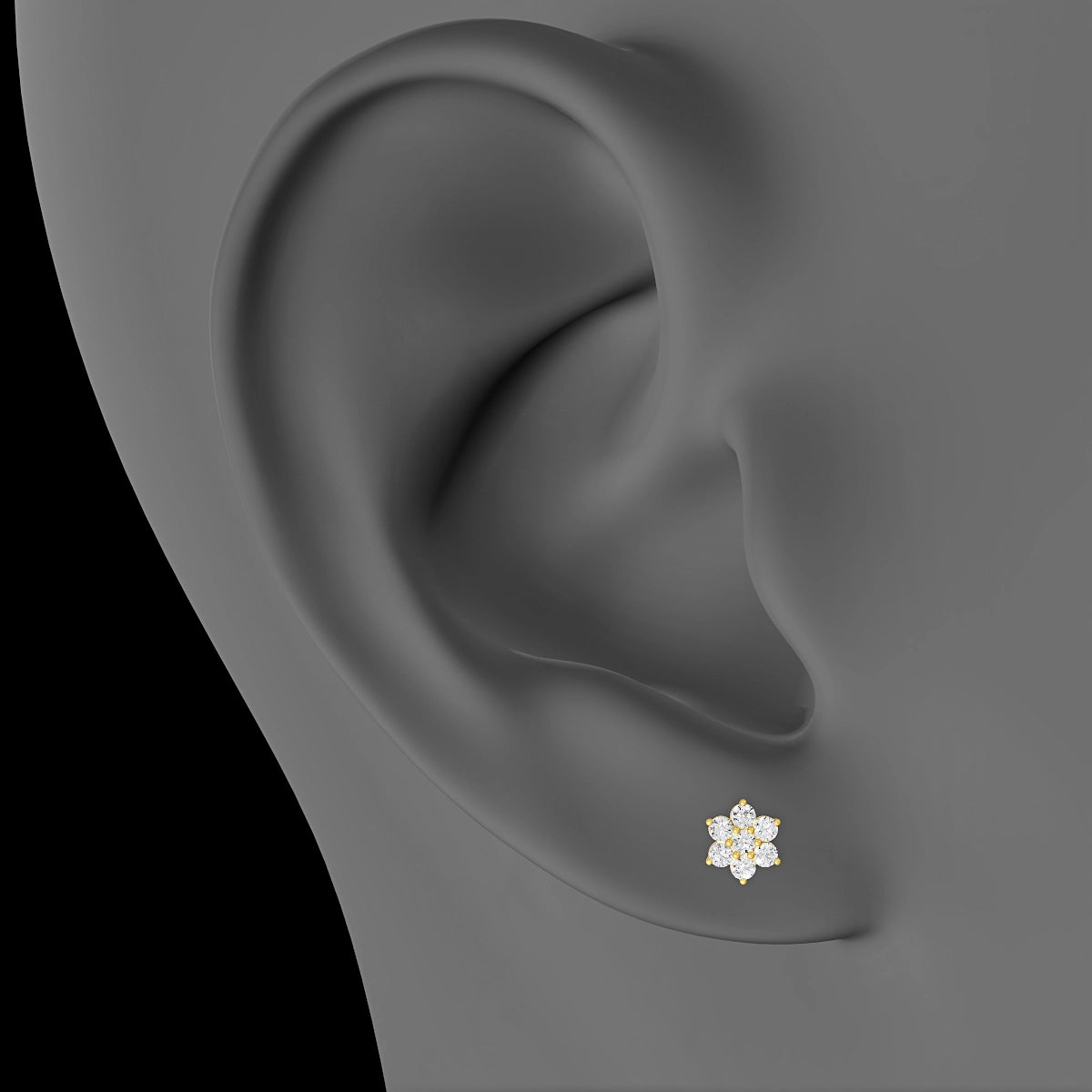
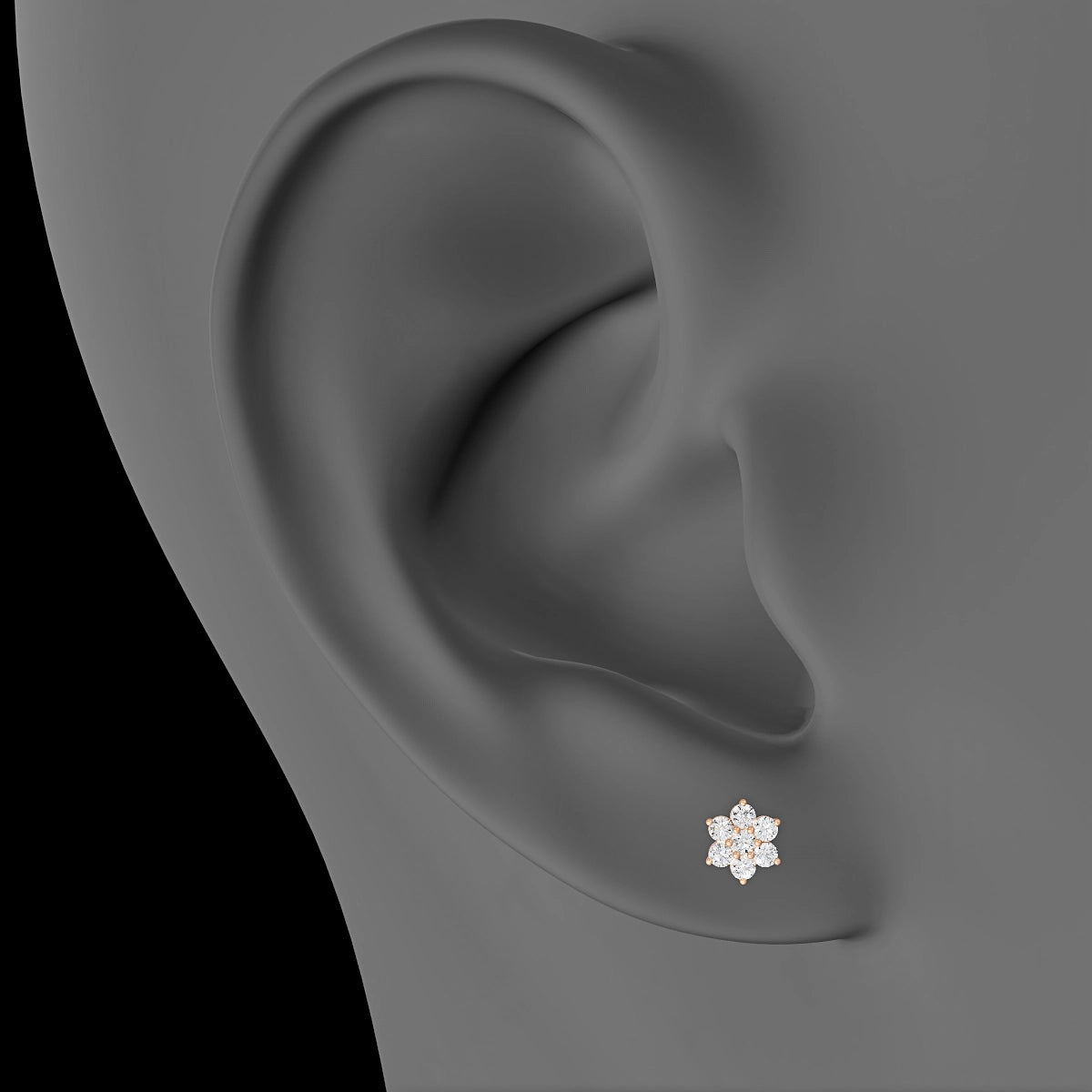
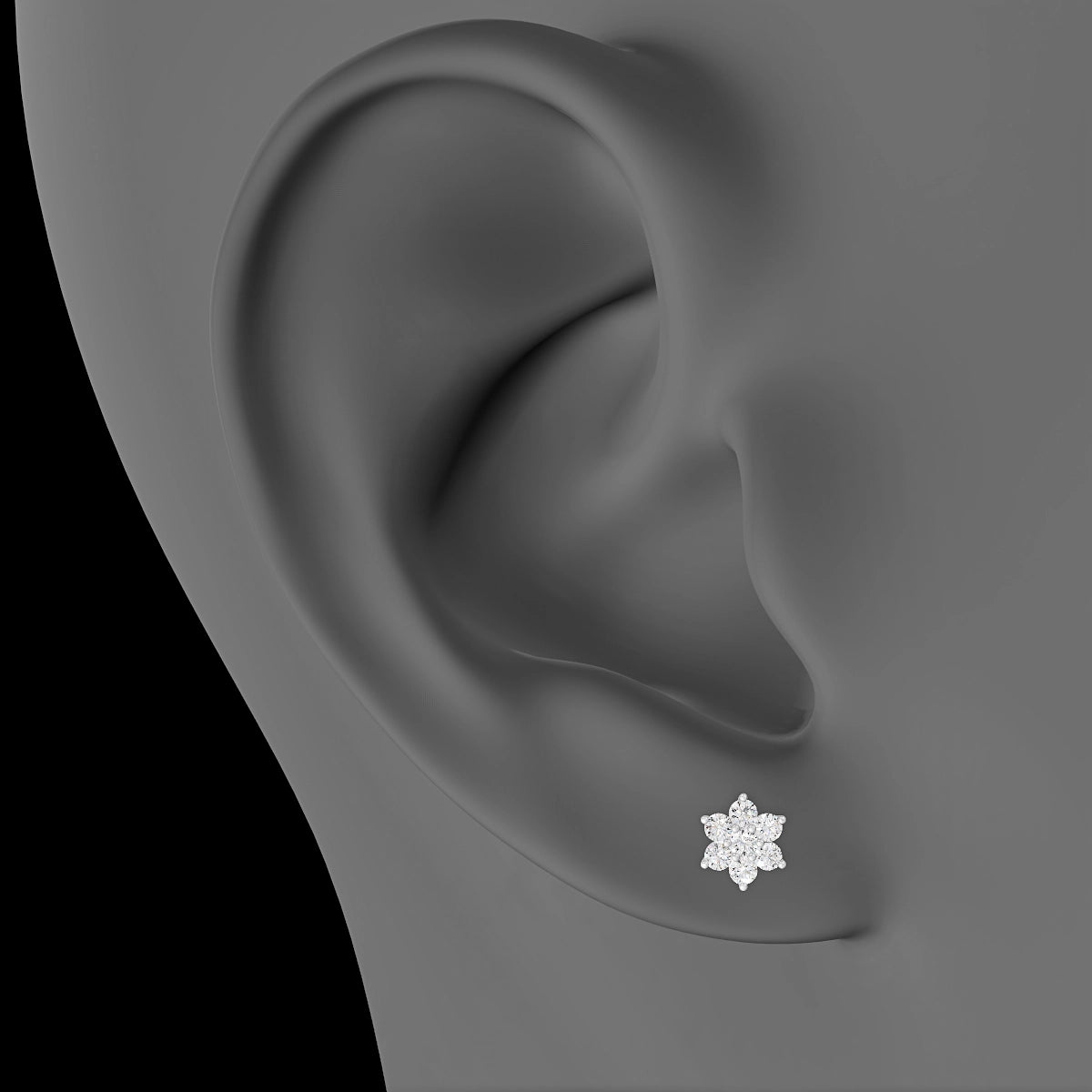
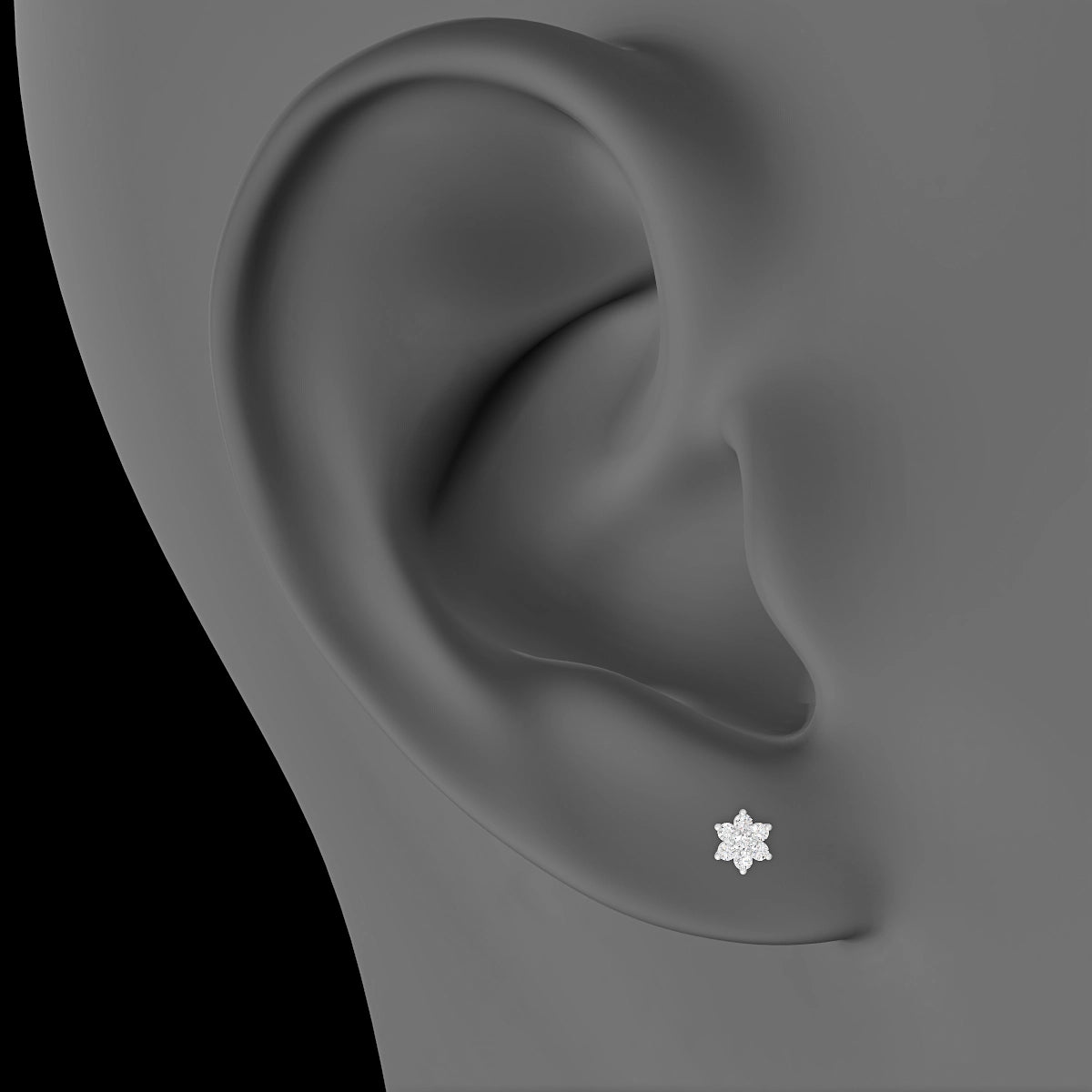
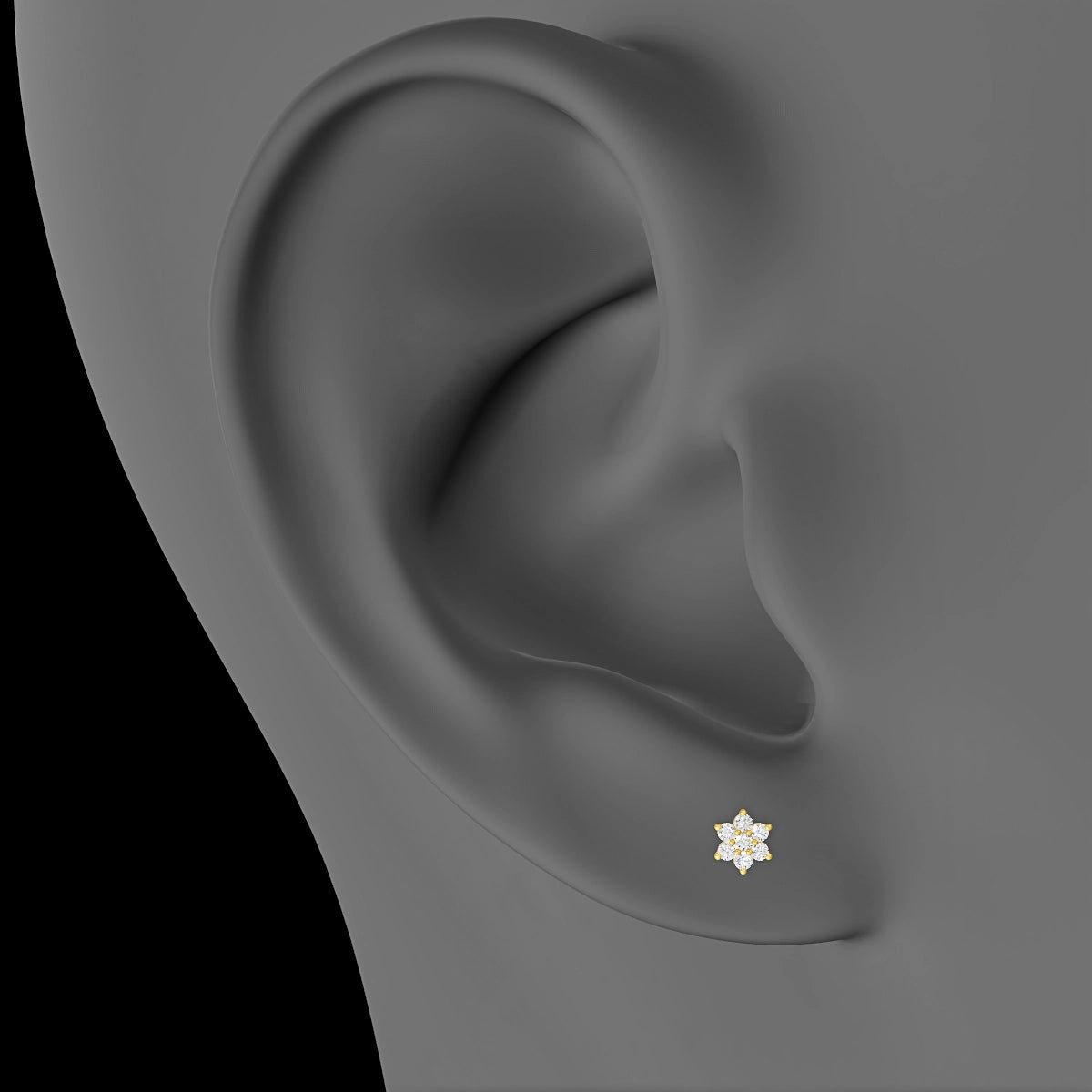
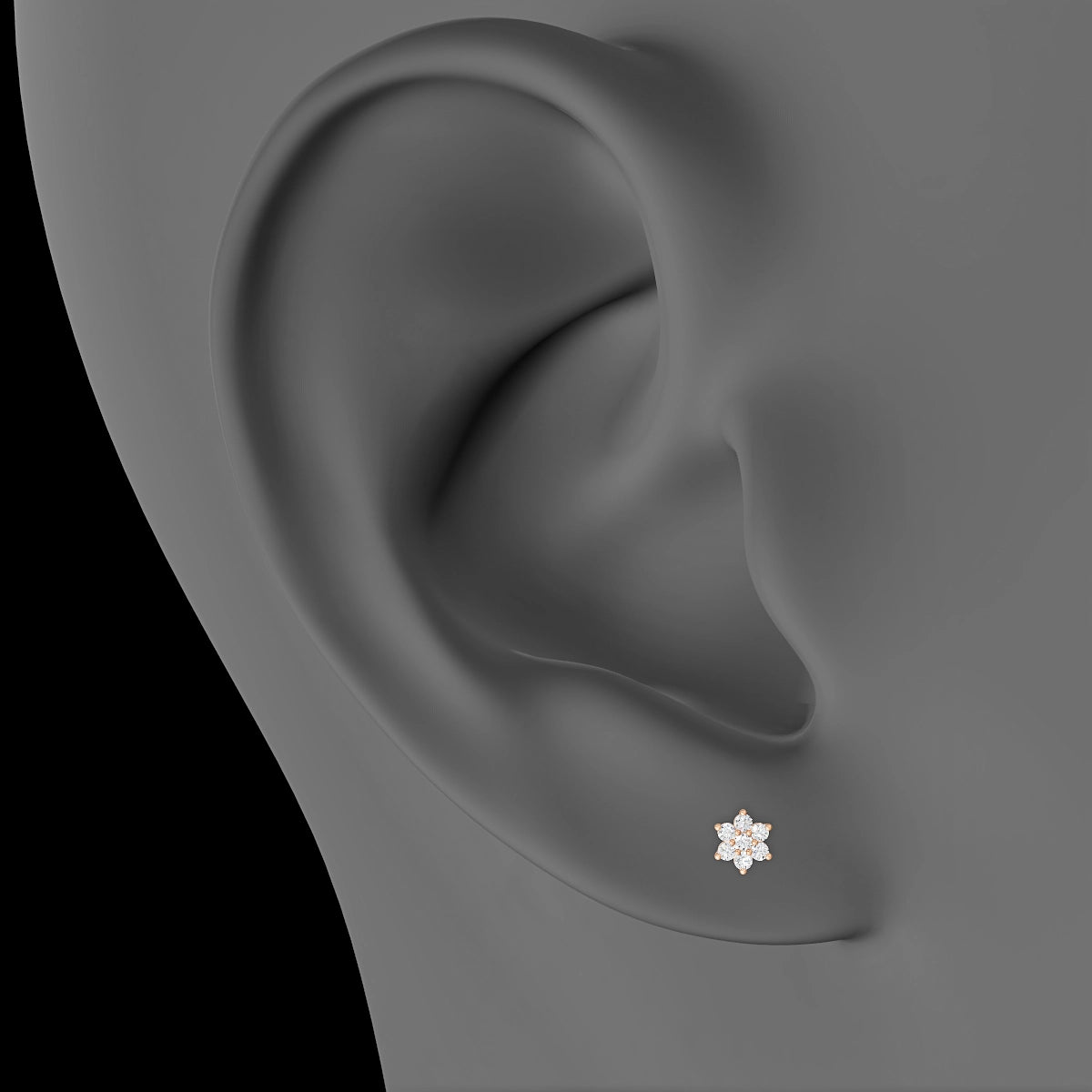
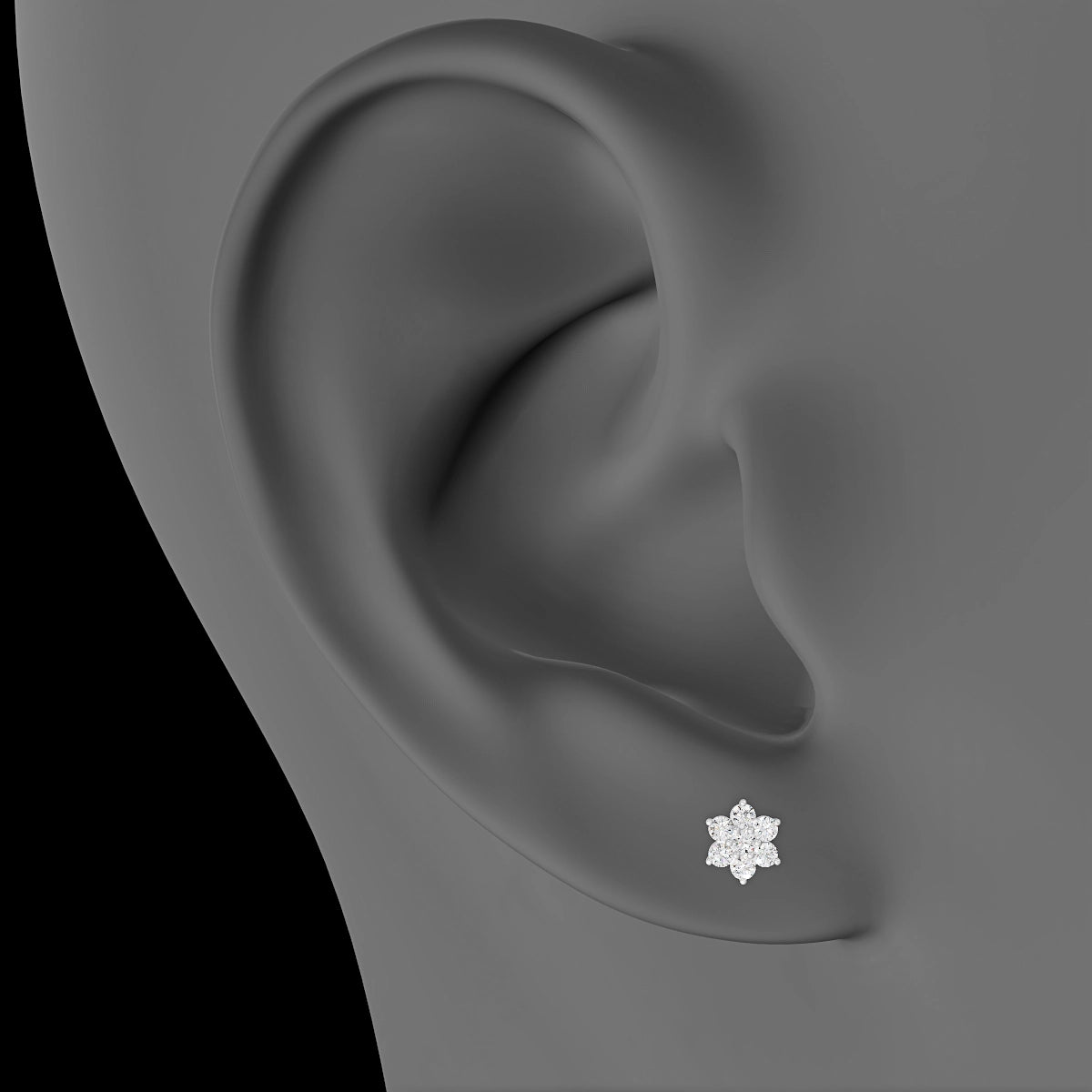
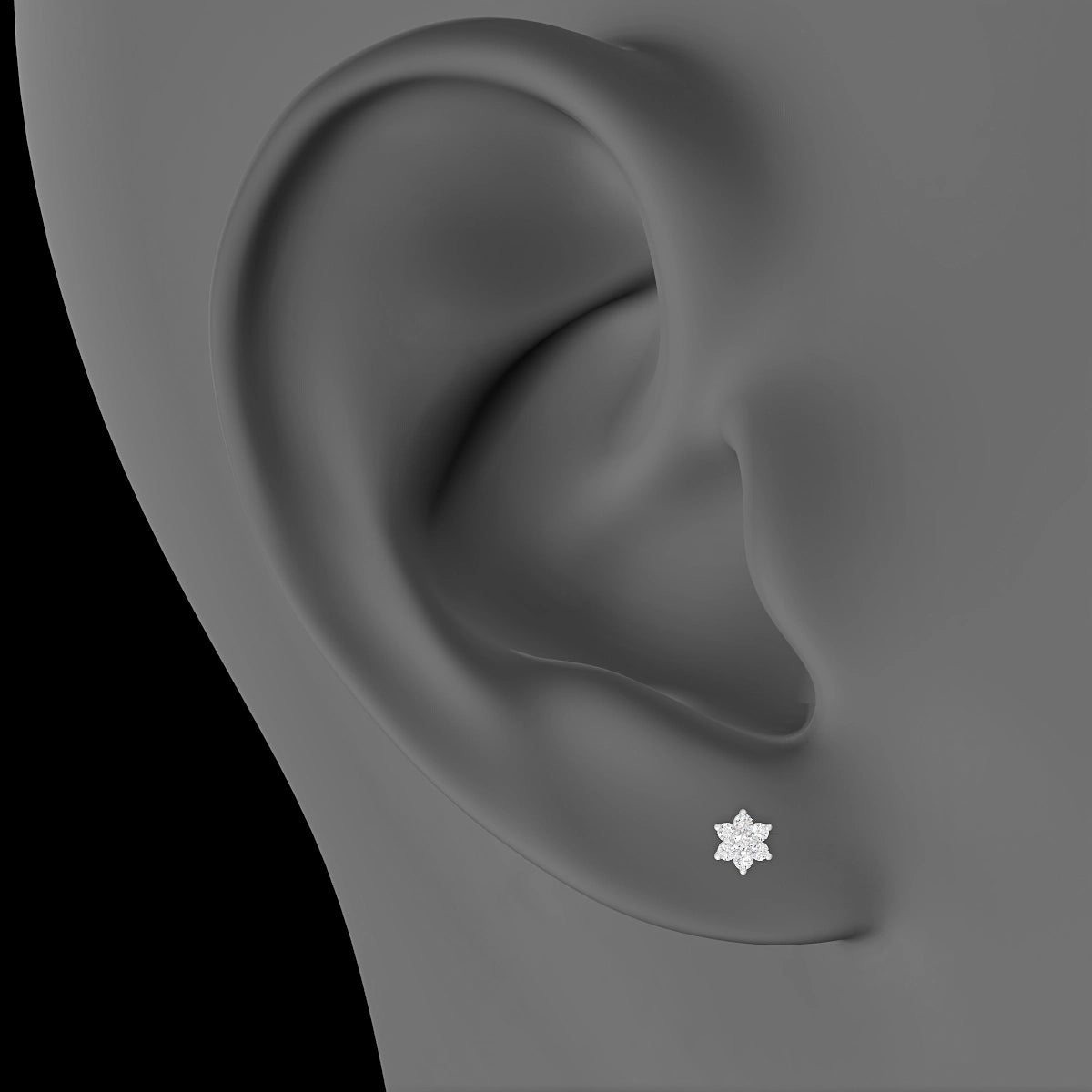
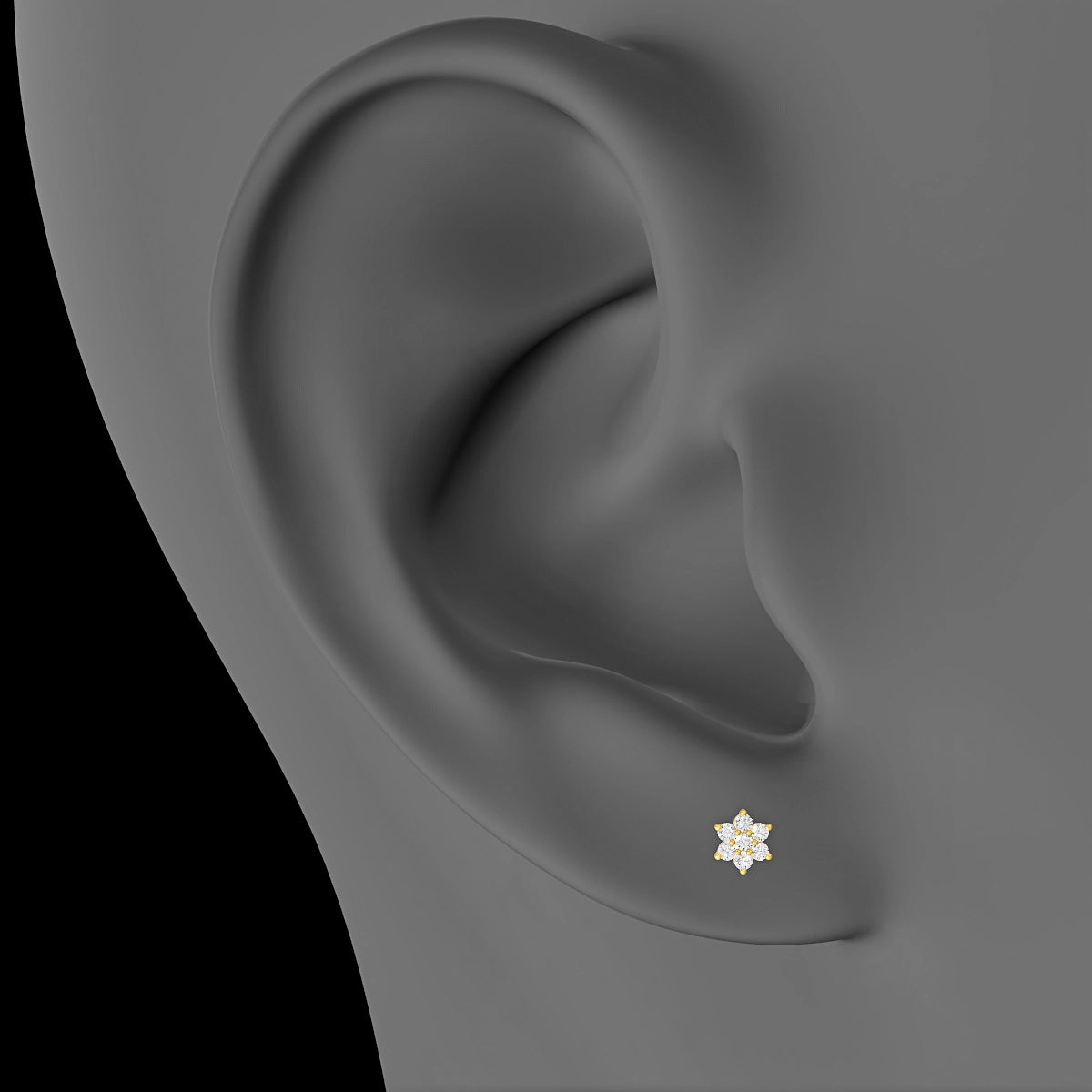
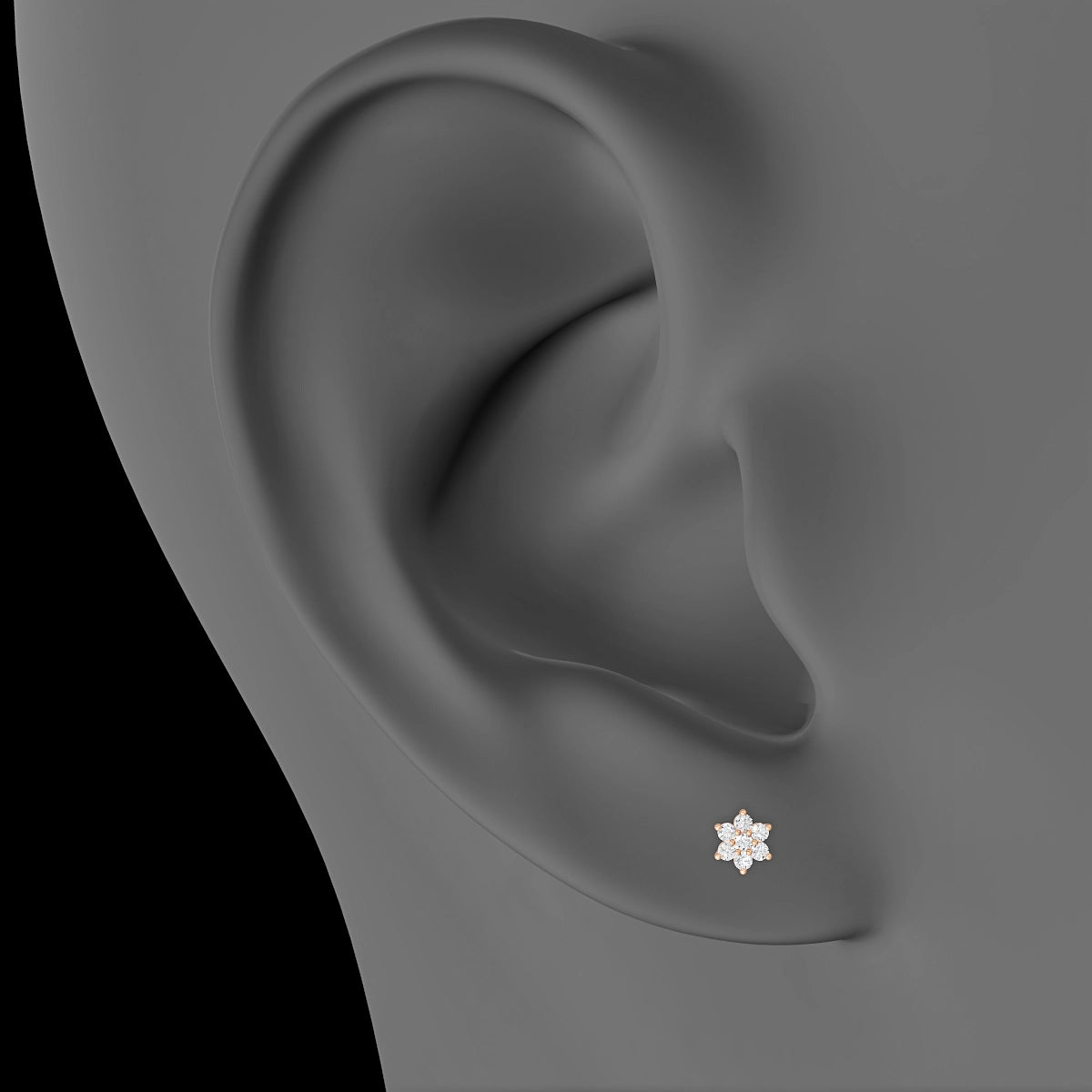
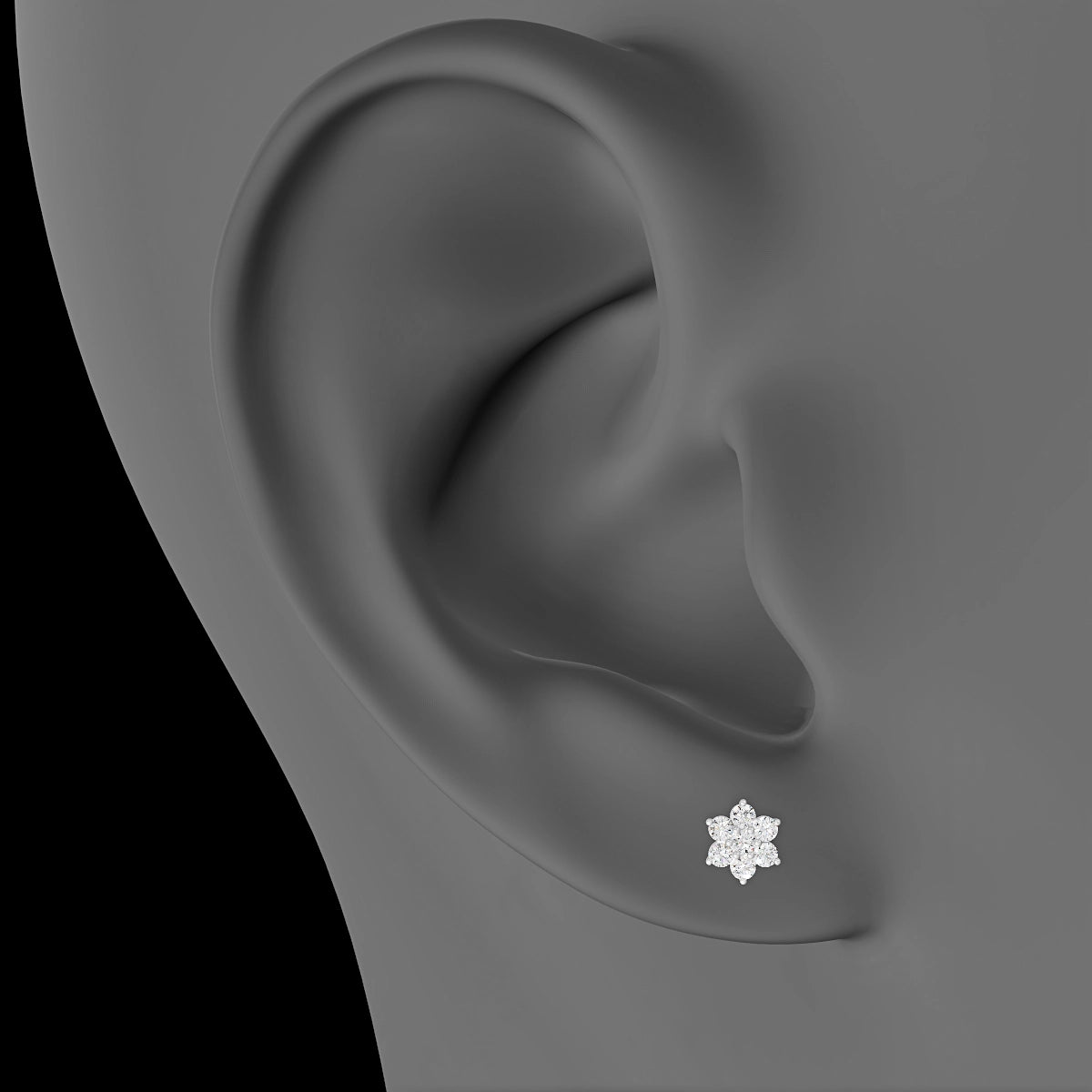
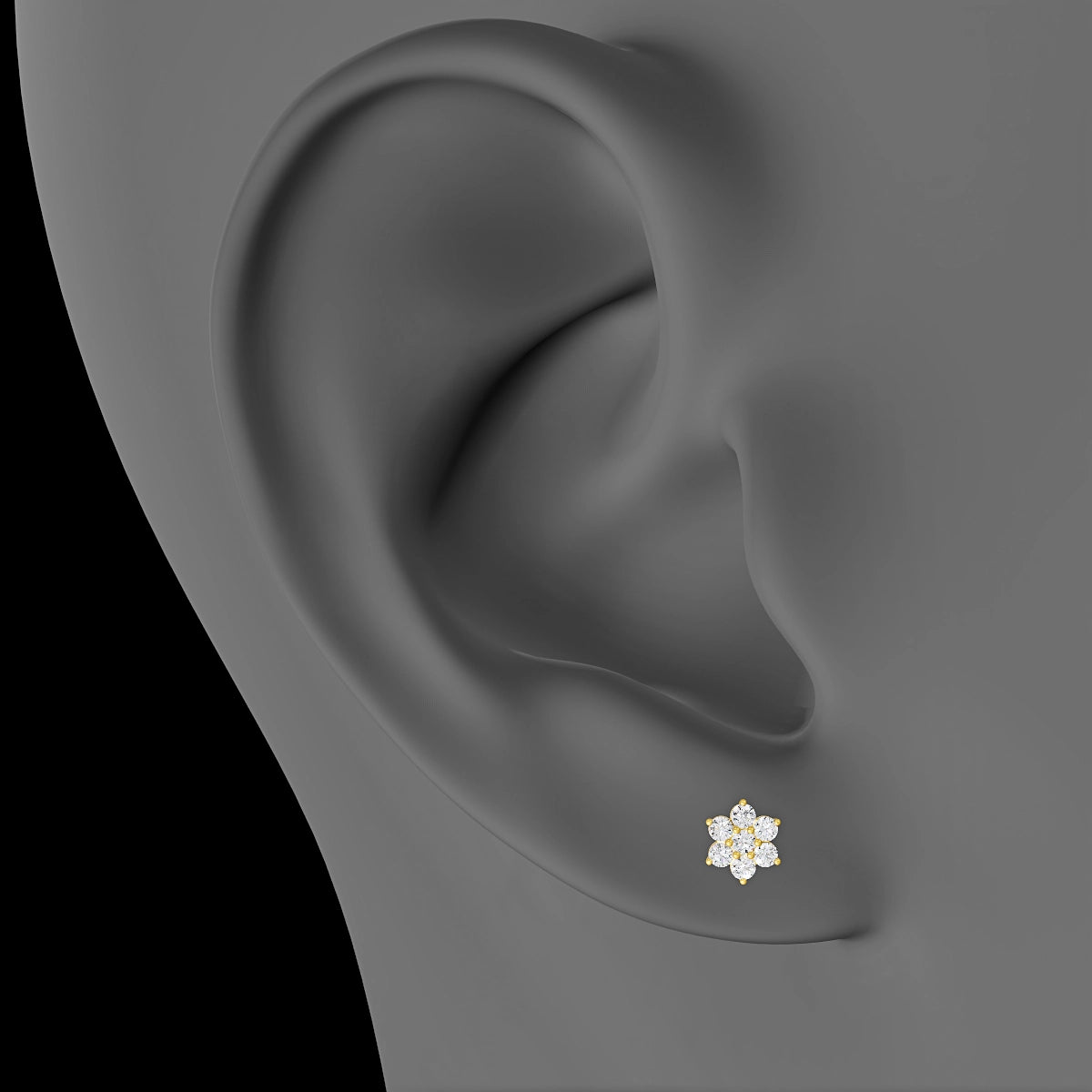
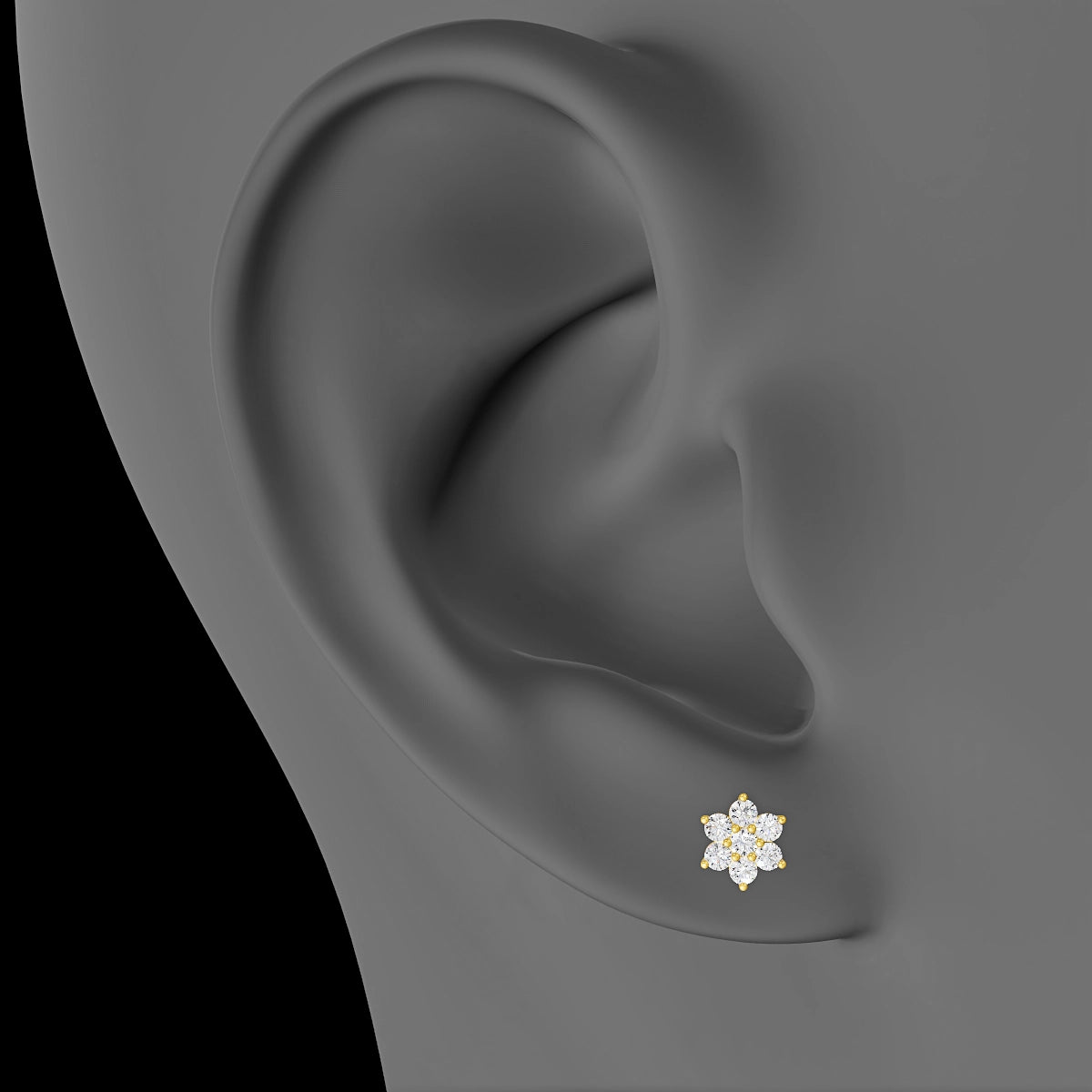
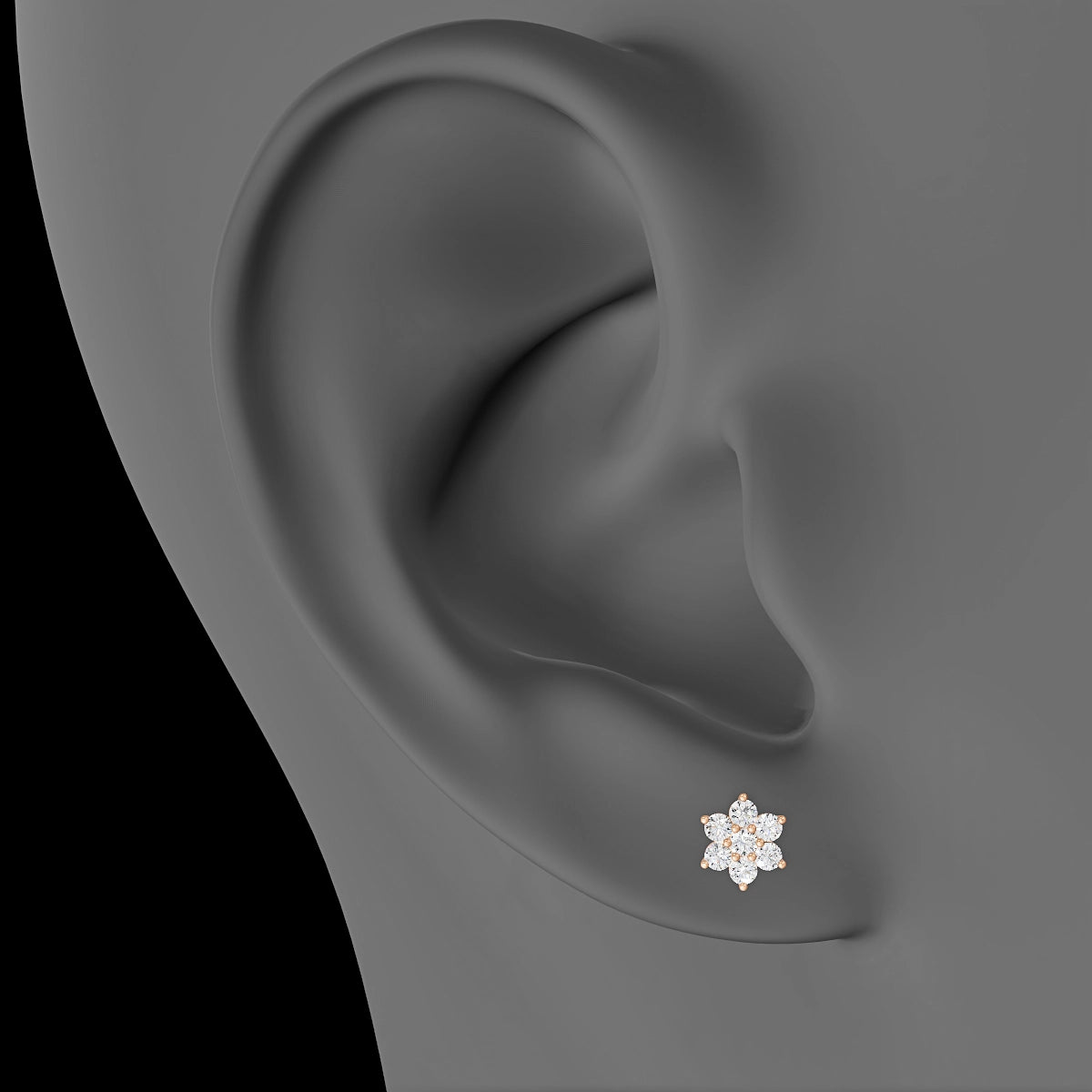
The antitragus is a small protrusion of cartilage located on the outer edge of the ear, directly opposite the tragus and just above the earlobe. It sits along the antihelix, the curved ridge that runs down toward the lobe, which is why this piercing is sometimes grouped with antihelix or "upper ear" placements.
Unlike more universal spots like the lobe or helix, not every ear has enough cartilage projection at the antitragus to support a piercing. The size and shape of this bump vary significantly from person to person, some ears have a pronounced, well-defined antitragus, while others have very little raised cartilage in that area. Because of this, a professional piercer needs to assess your ear in person before confirming whether the piercing is possible and where exactly it should sit for the best fit and long-term comfort.
Antitragus vs Tragus: What's the Difference?

Antitragus
Placement: Small cartilage bump opposite the tragus, near the outer edge of the ear
Pain Level: 6/10
Healing Time: 9 to 12 months
Jewelry Fit: Requires anatomy with a visible, workable antitragus bump
Common Jewelry: Flat-back studs, small hoops
Tragus
Placement: Small cartilage flap in front of the ear canal
Pain Level: Generally similar, around 5–6/10
Healing Time: Typically 6 to 12 months
Jewelry Fit: Suits most ear anatomies, as nearly everyone has a tragus
Common Jewelry: Flat-back studs
Both are cartilage piercings and share similar aftercare needs, but the antitragus is less universally suited to every ear shape. See the anatomy section below.
Antitragus piercing cost: how much does it cost?
An antitragus piercing involves two separate costs:
- Piercing service fee: typically $30–$50, charged by the piercing studio that performs the procedure.
- Jewelry cost: varies depending on the material or metal and the design you choose. For reference, here's what's typically available on the wider market:
- On the market broadly, ASTM F136 titanium labrets sit at the affordable end, generally $10 to $100 depending on detail level.
- 14k/18k gold pieces set with precious stones climb much higher, often $100 to $2,500 or beyond, based on gold purity, stone size, and brand.
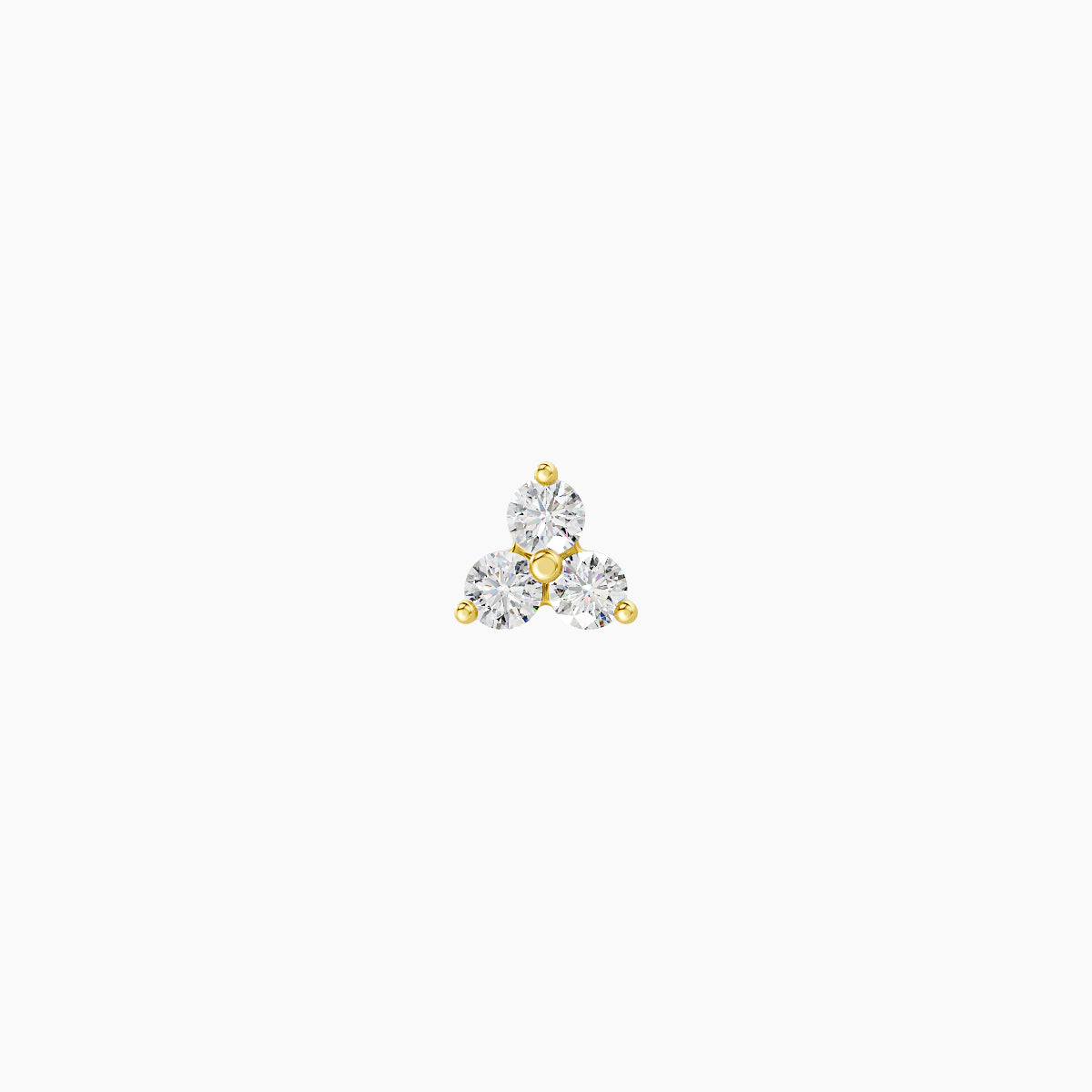
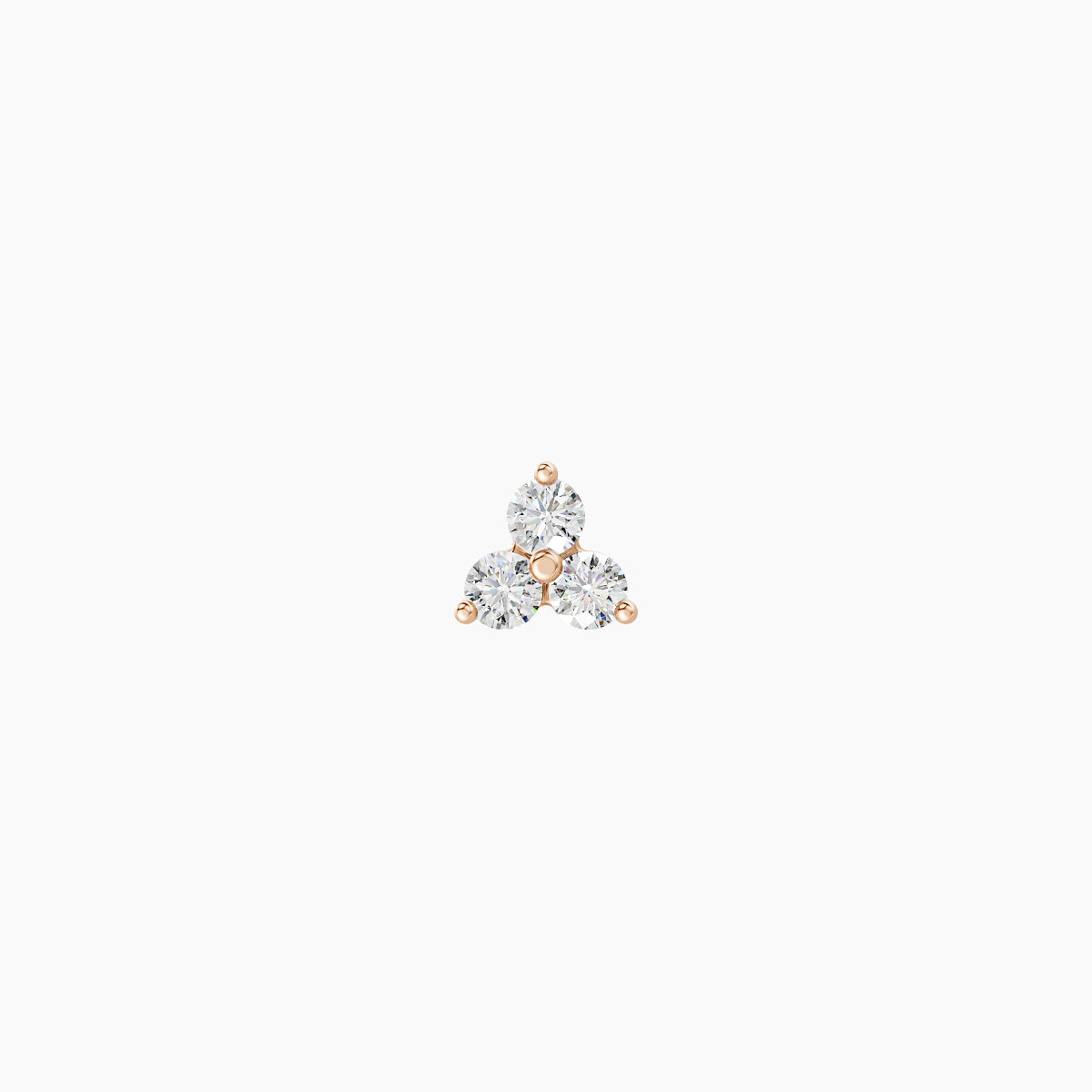
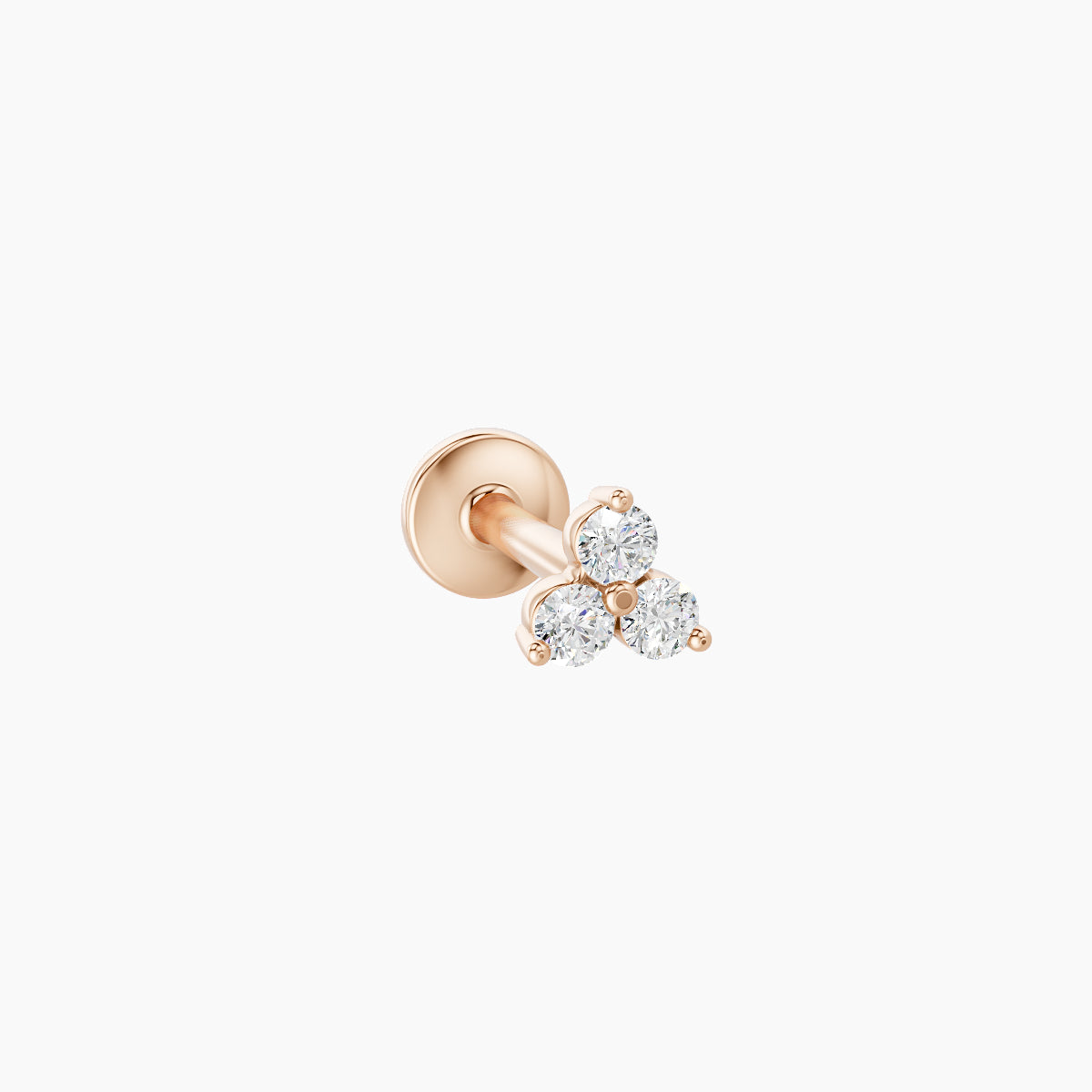
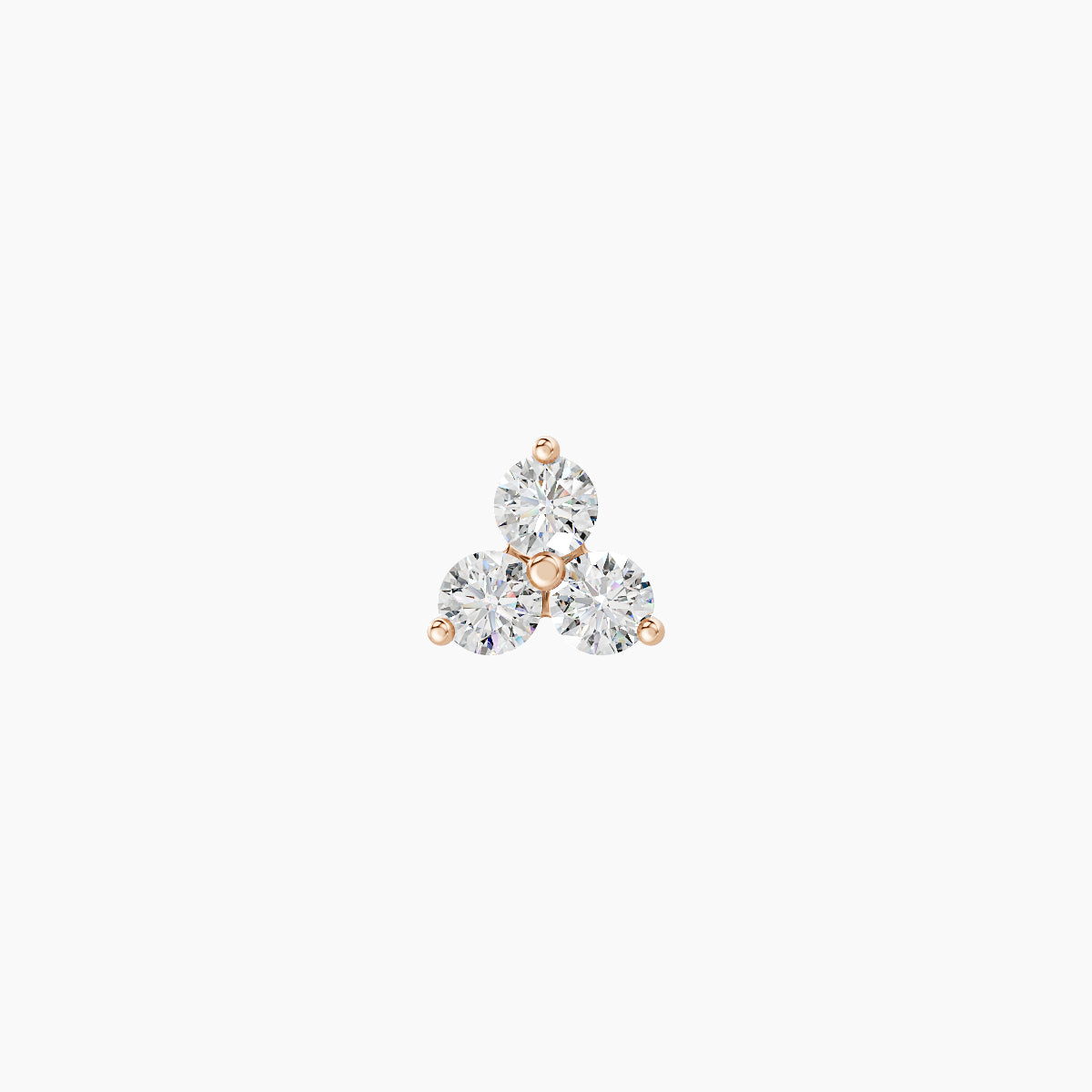
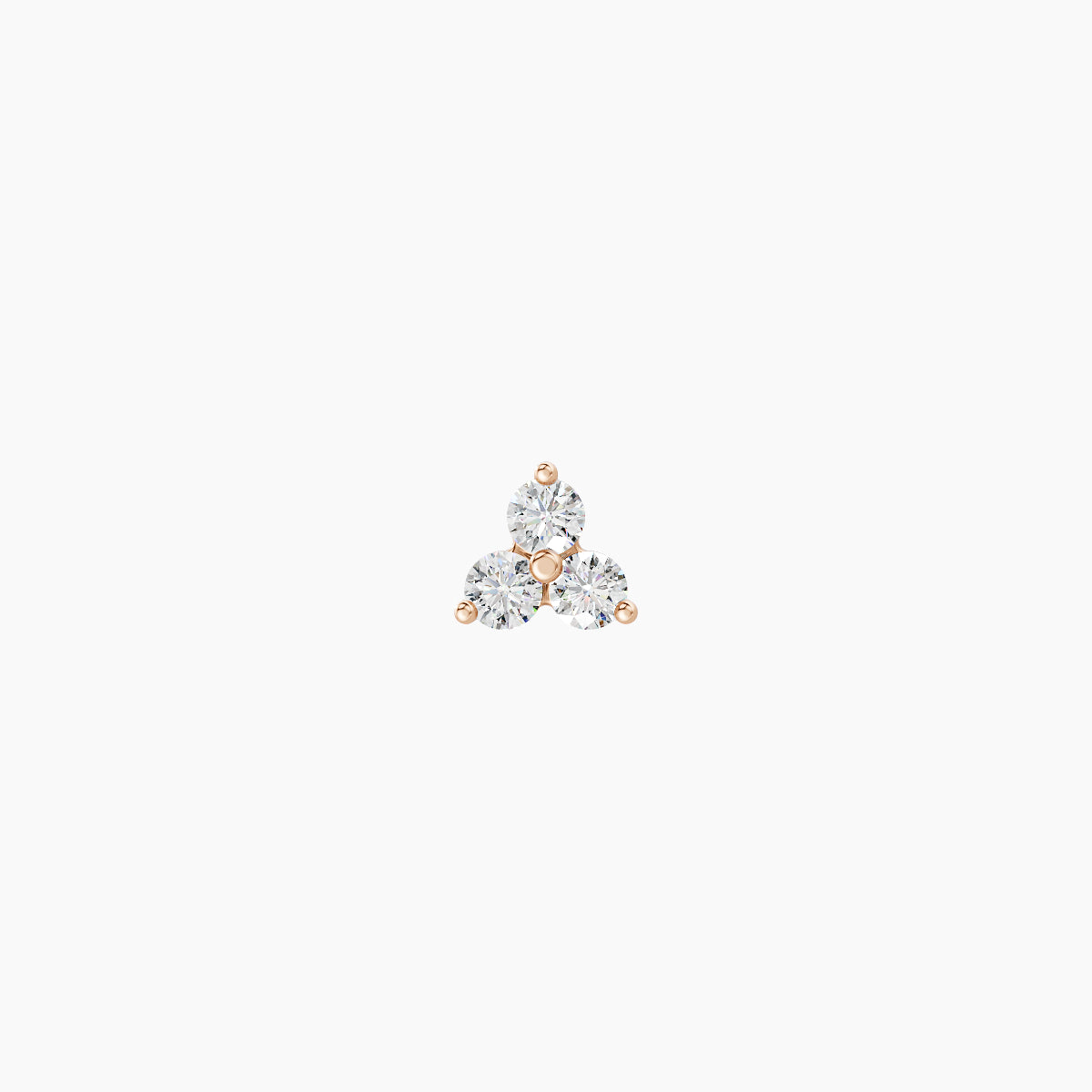
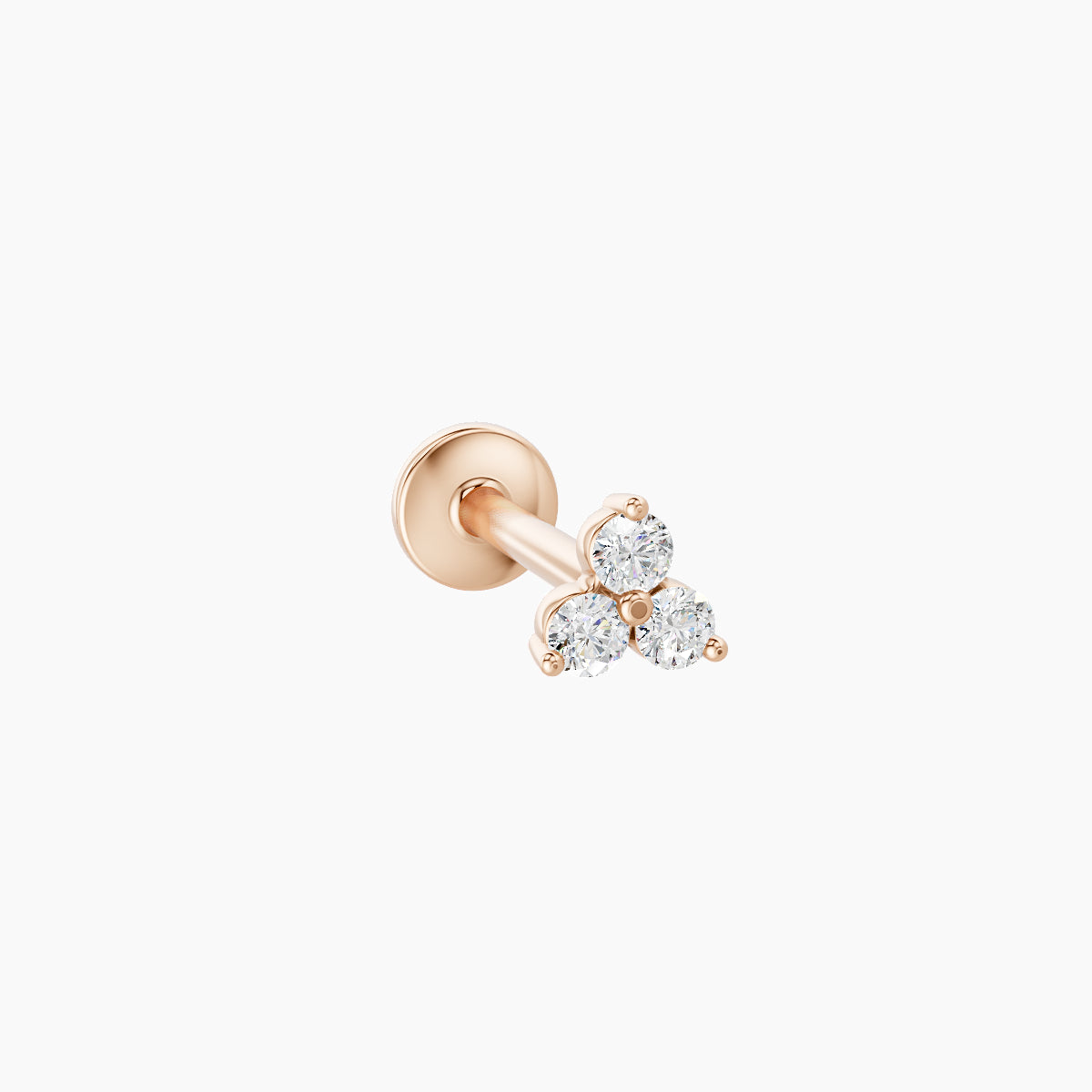
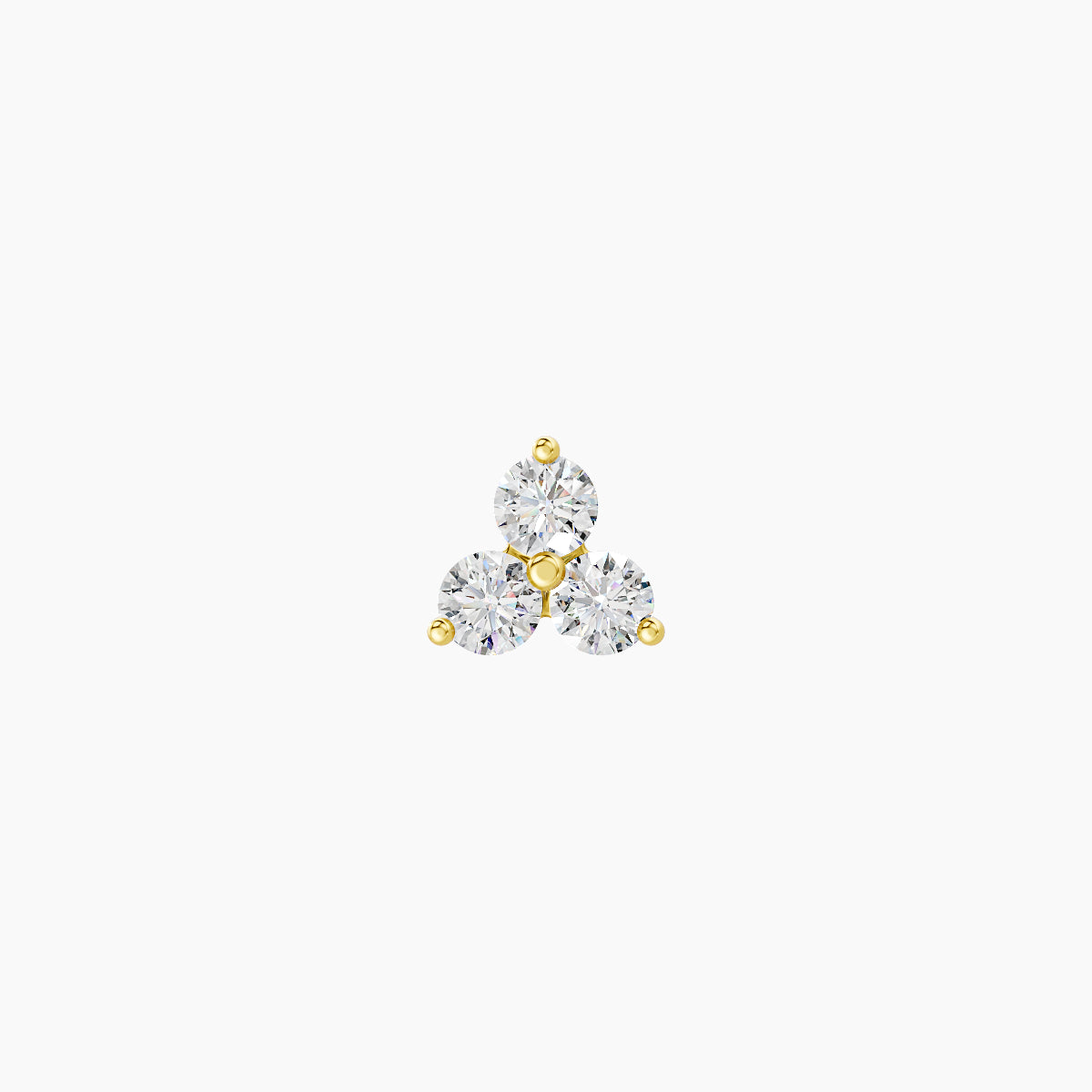
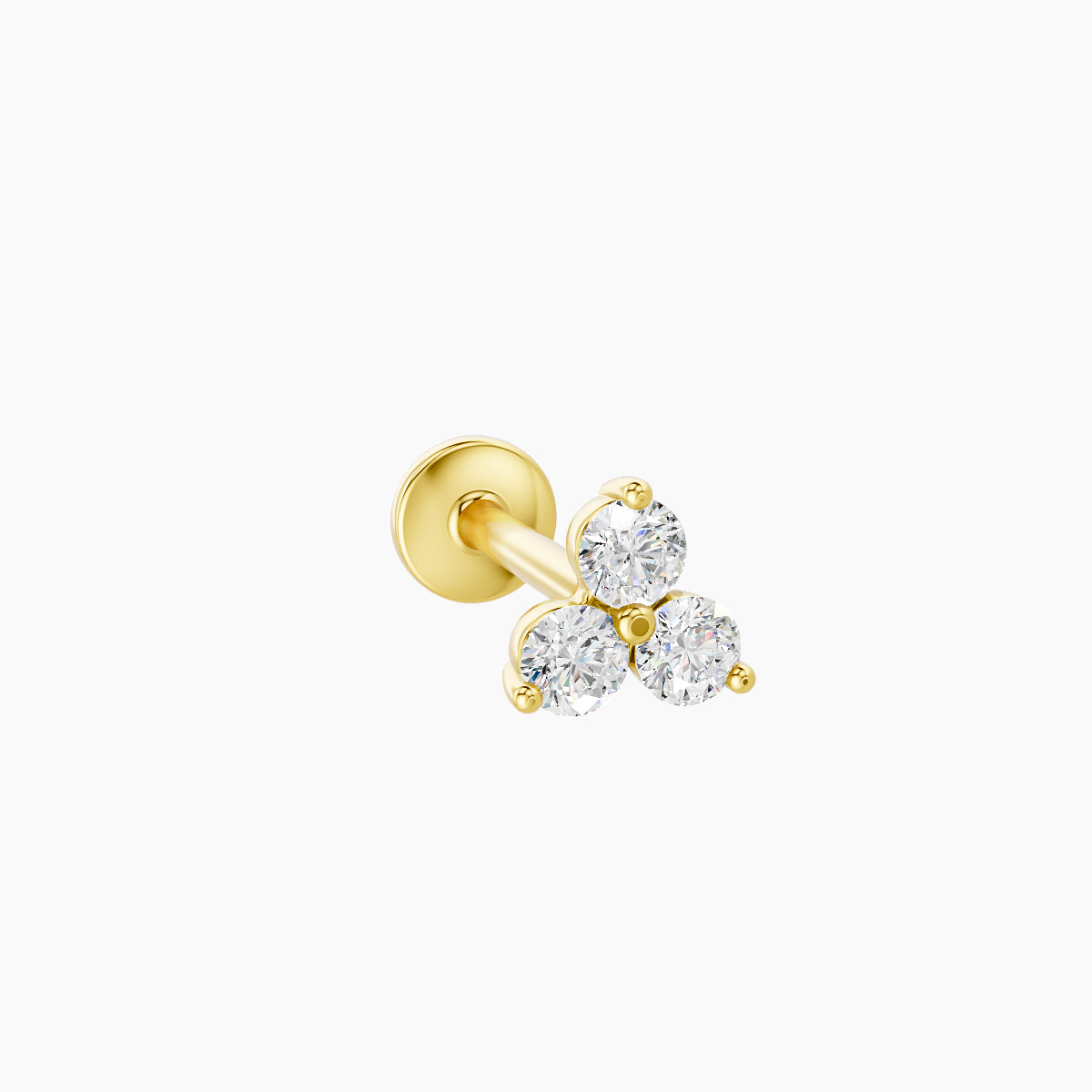
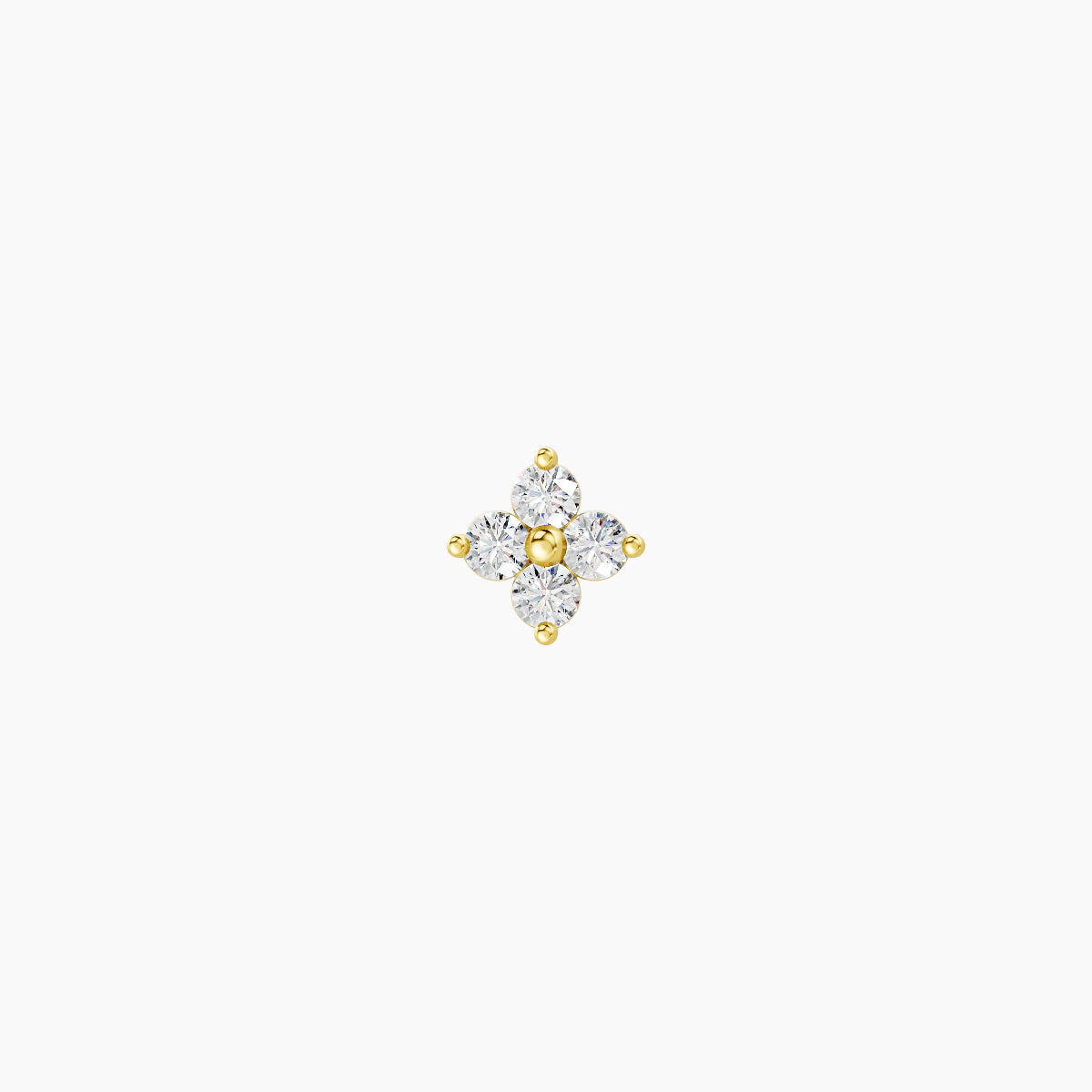
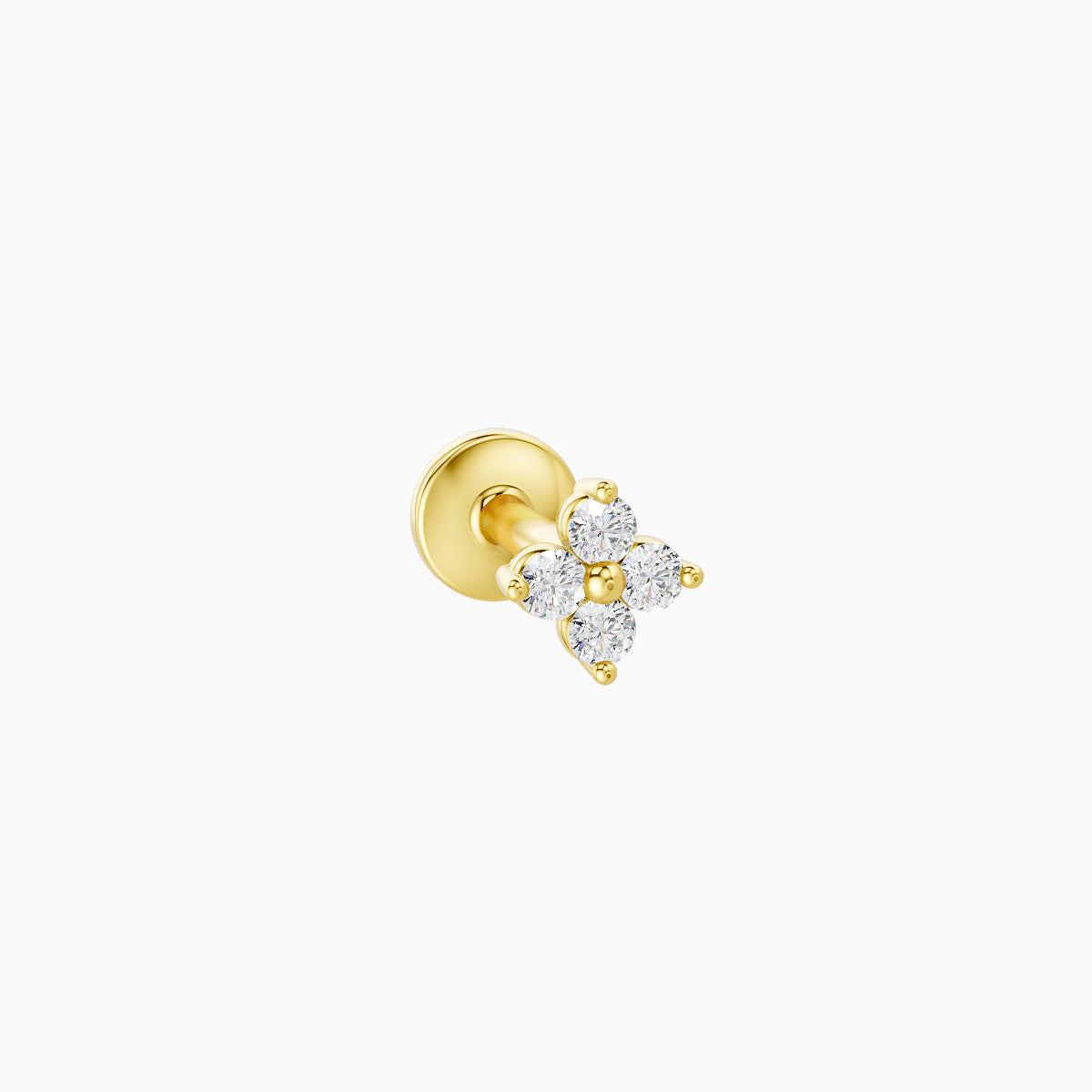
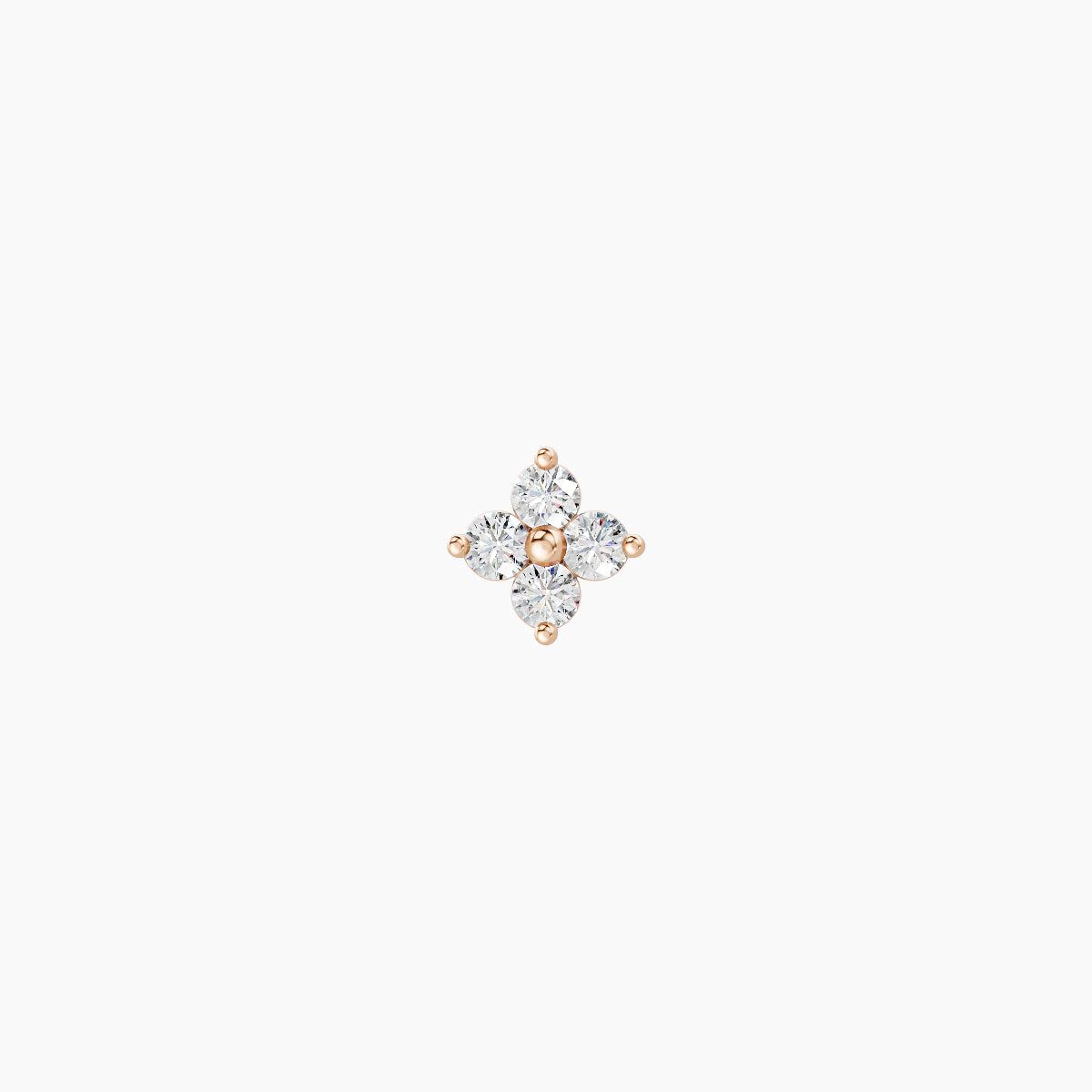
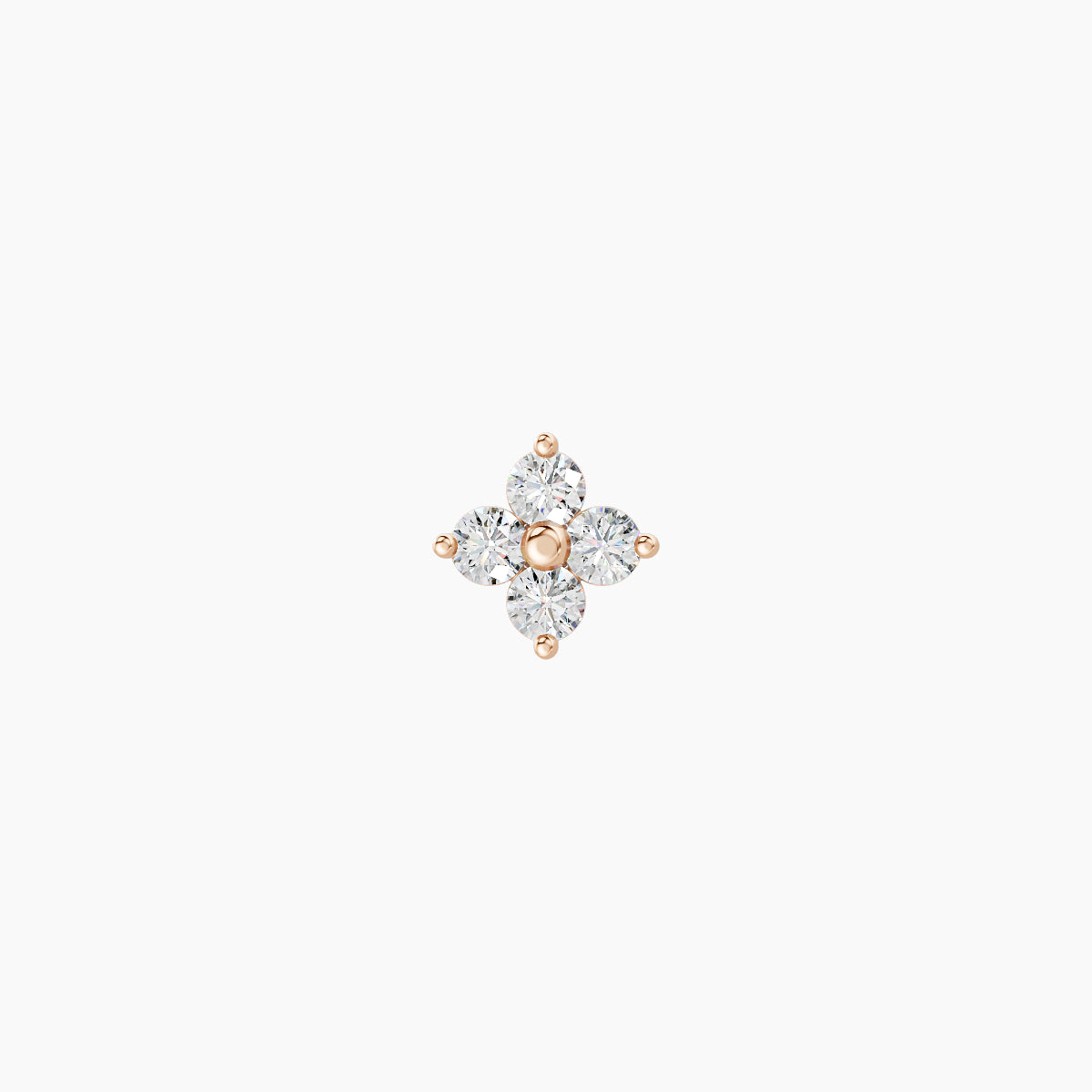
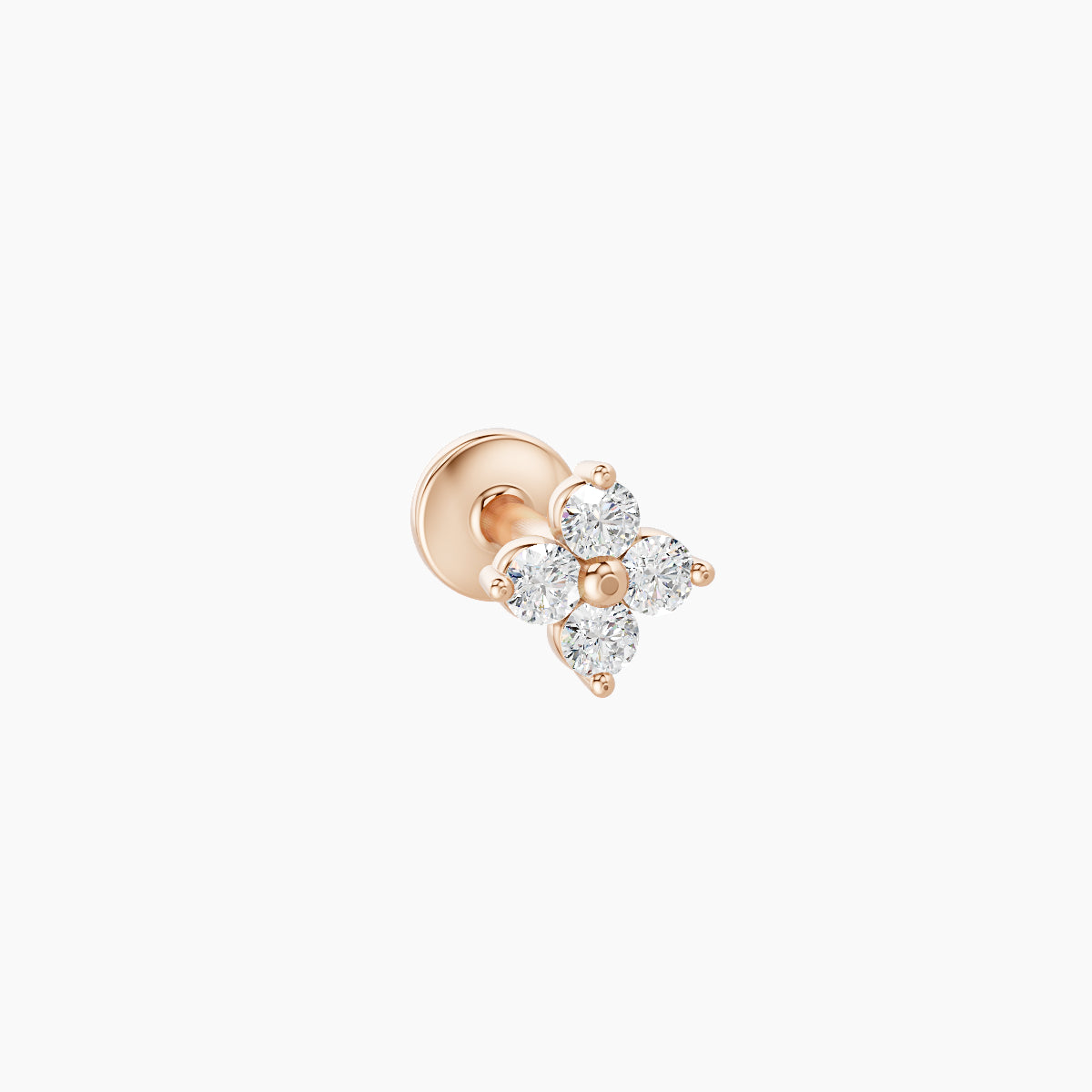
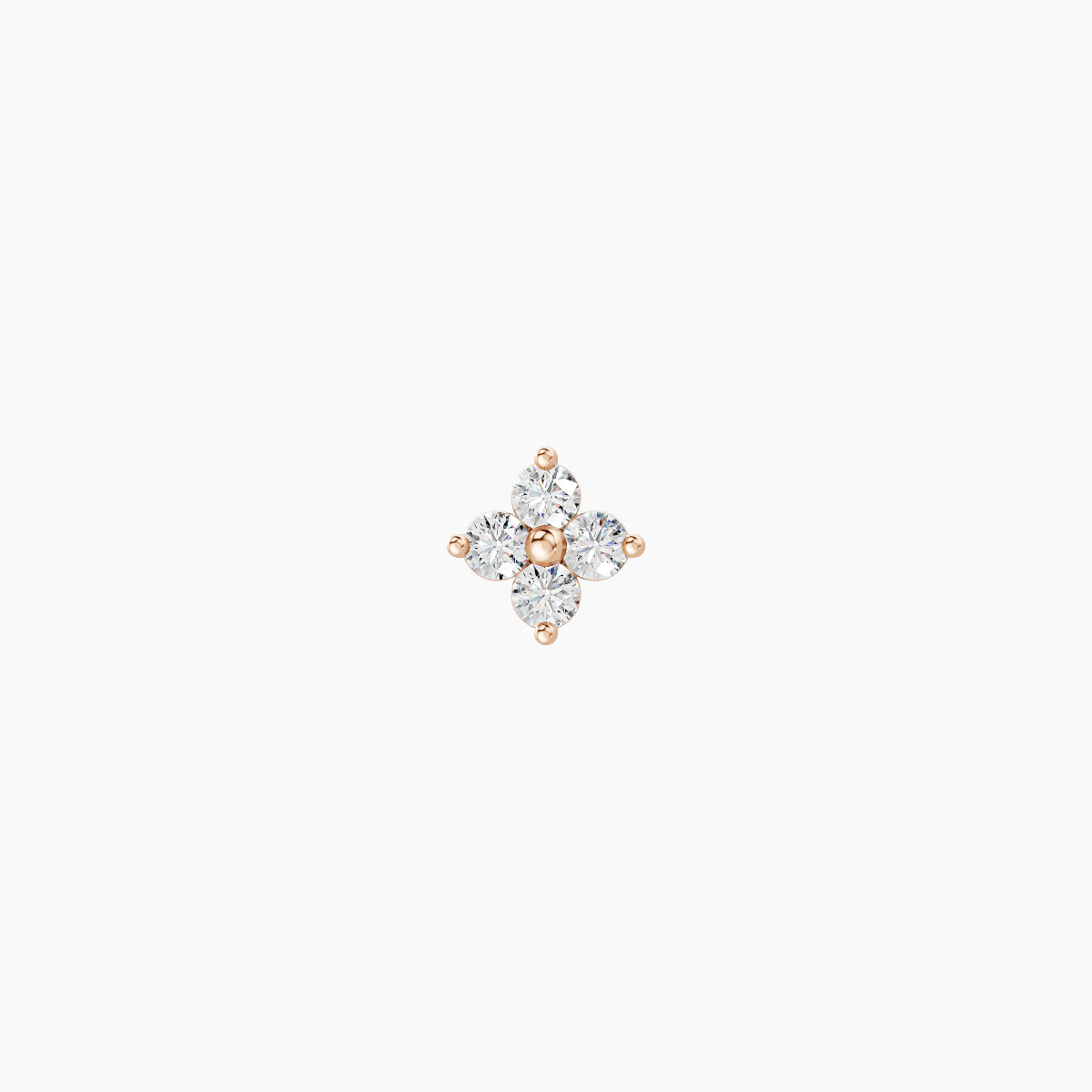
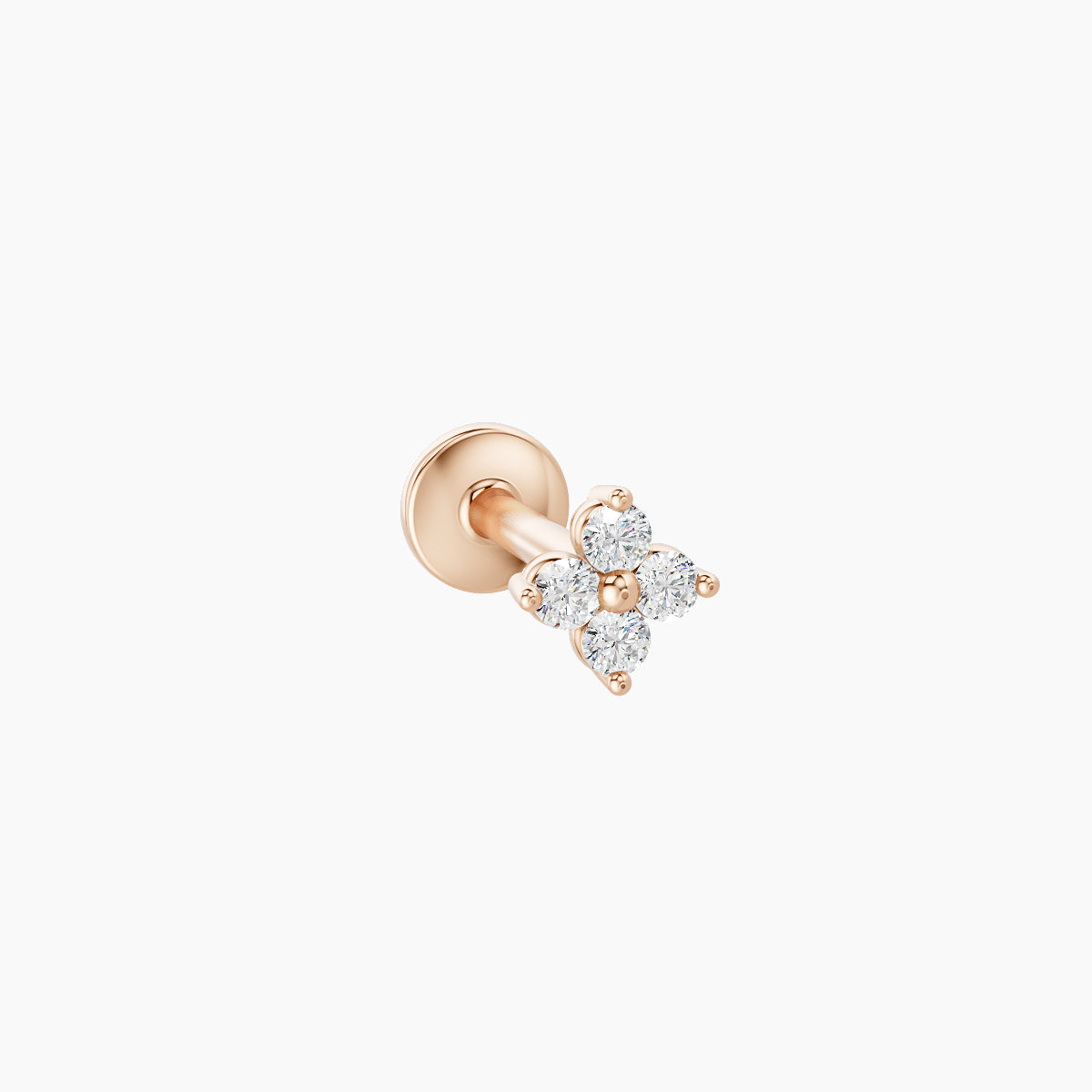
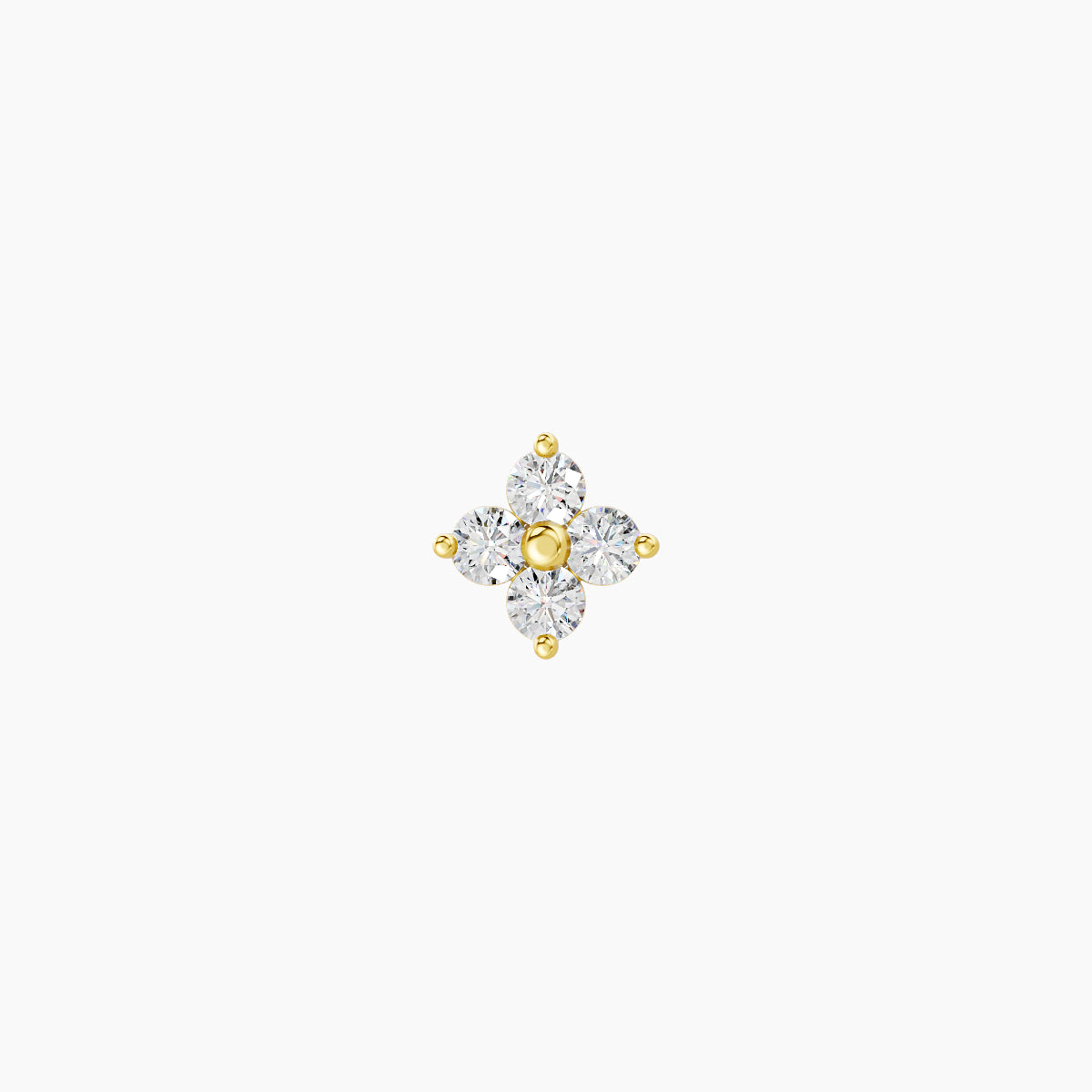
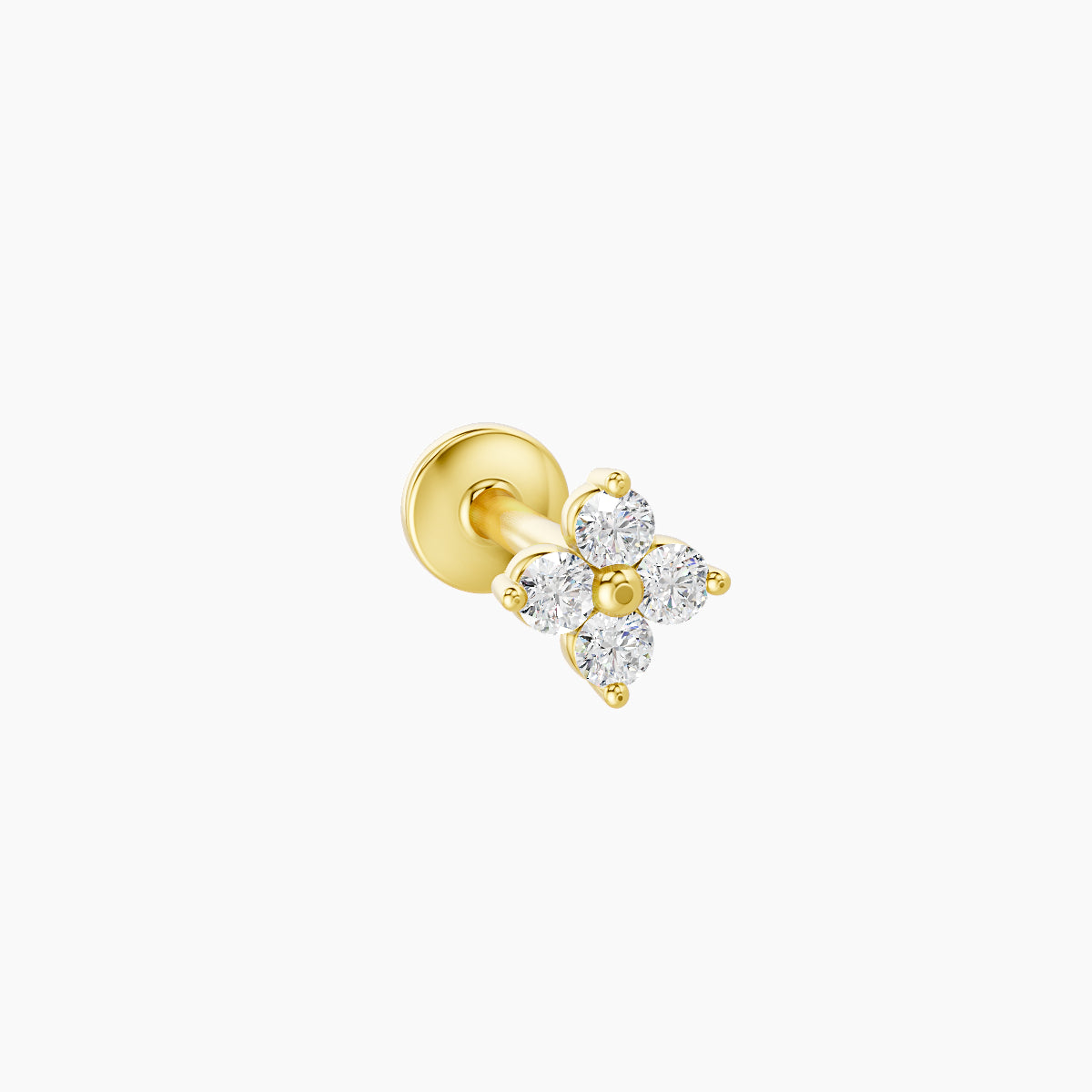
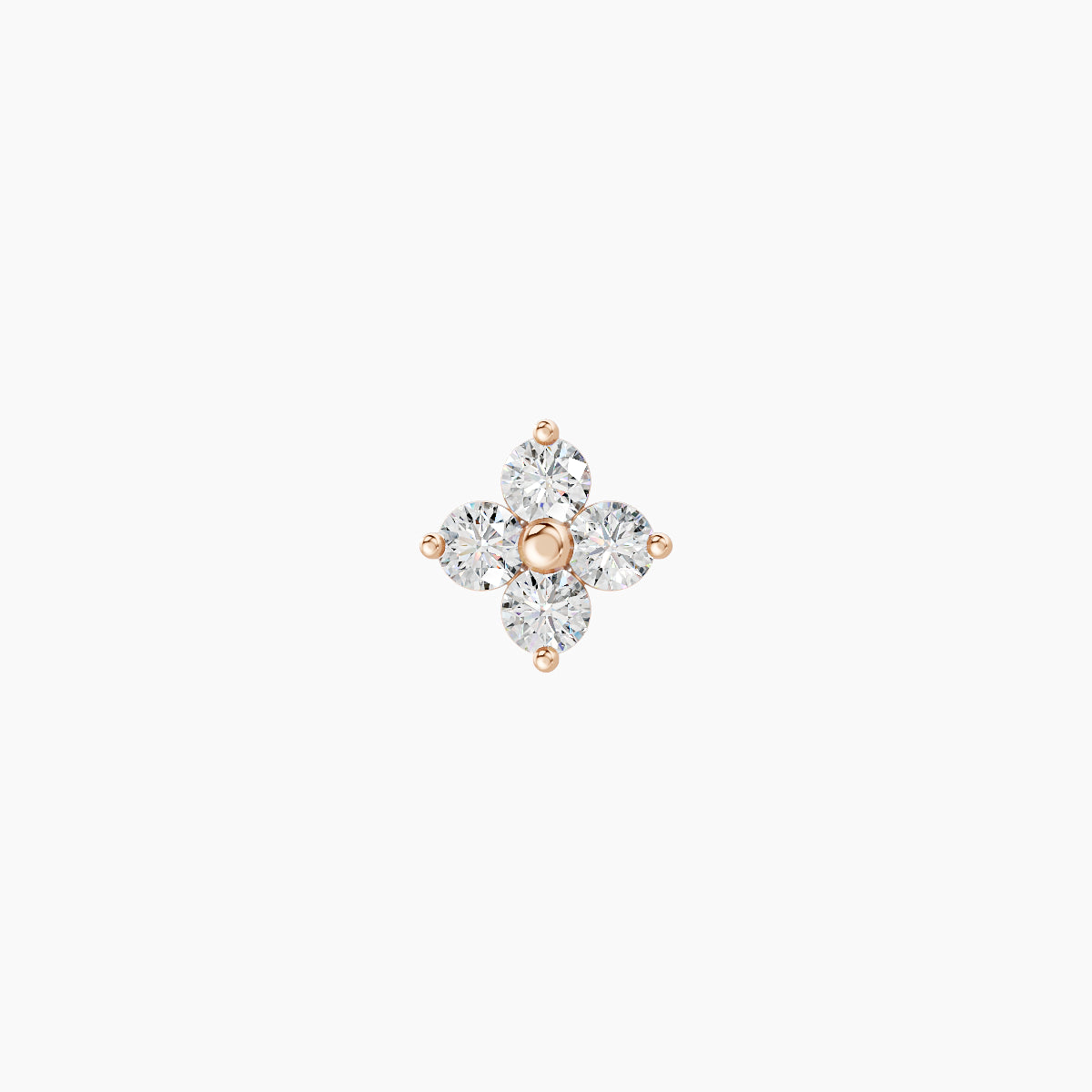
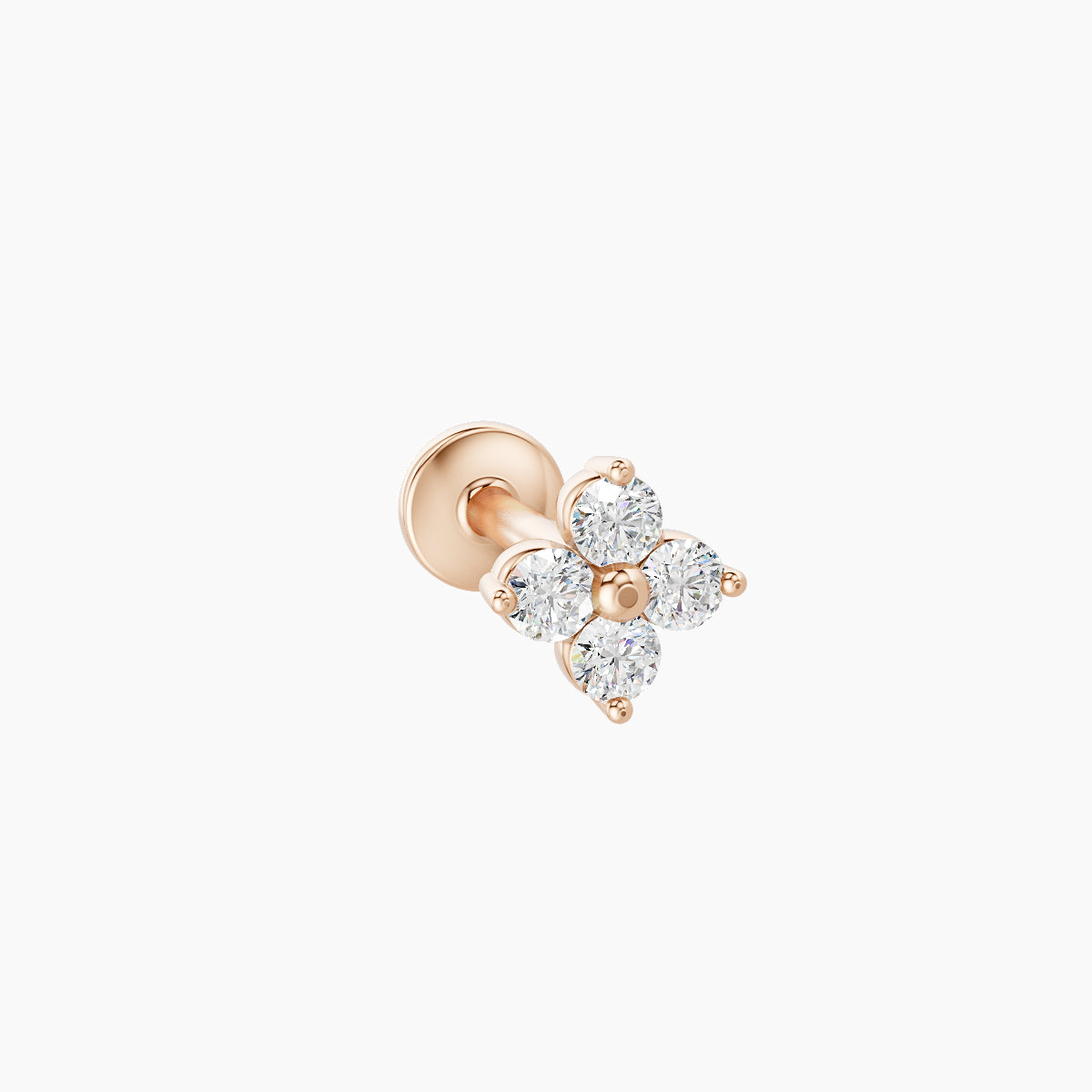
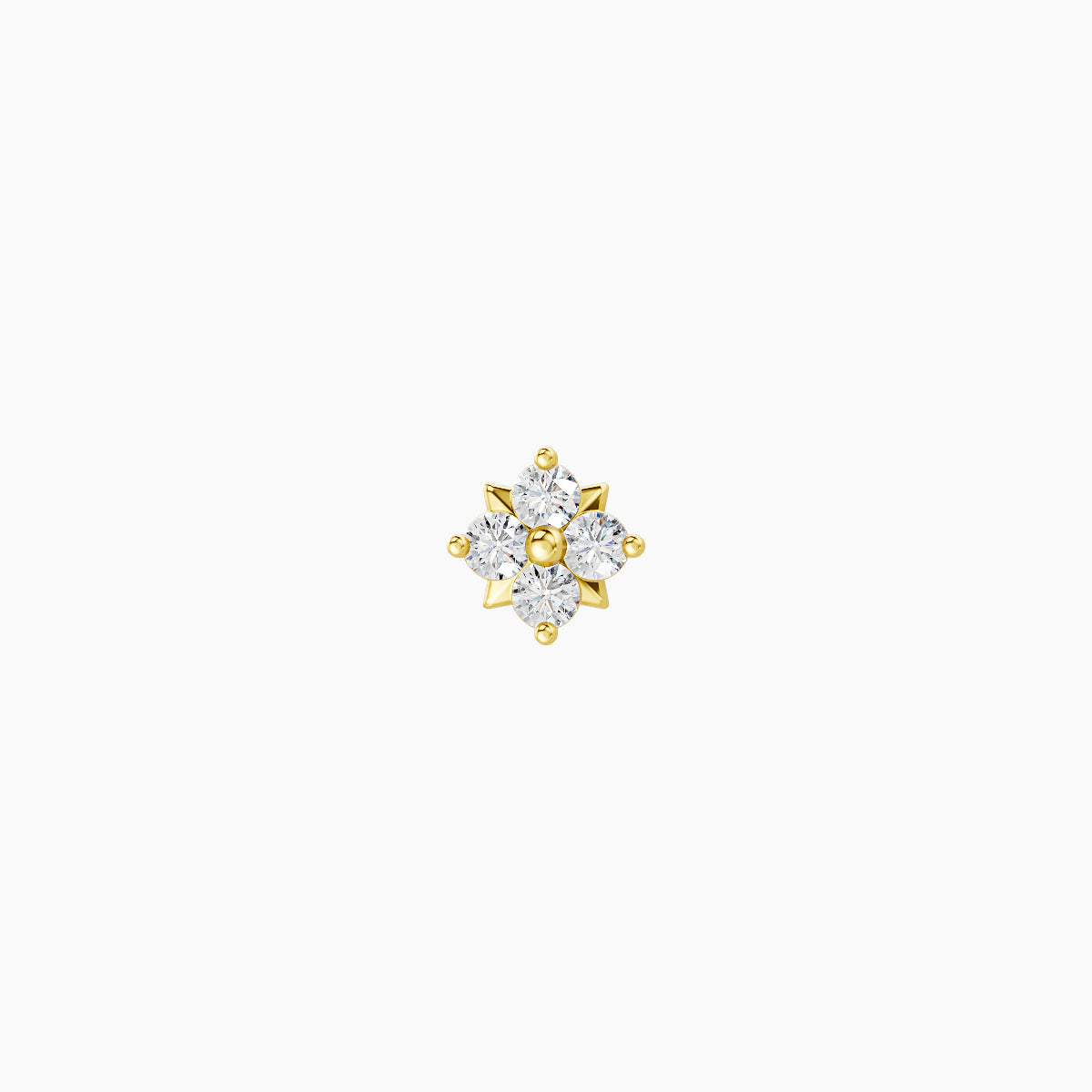
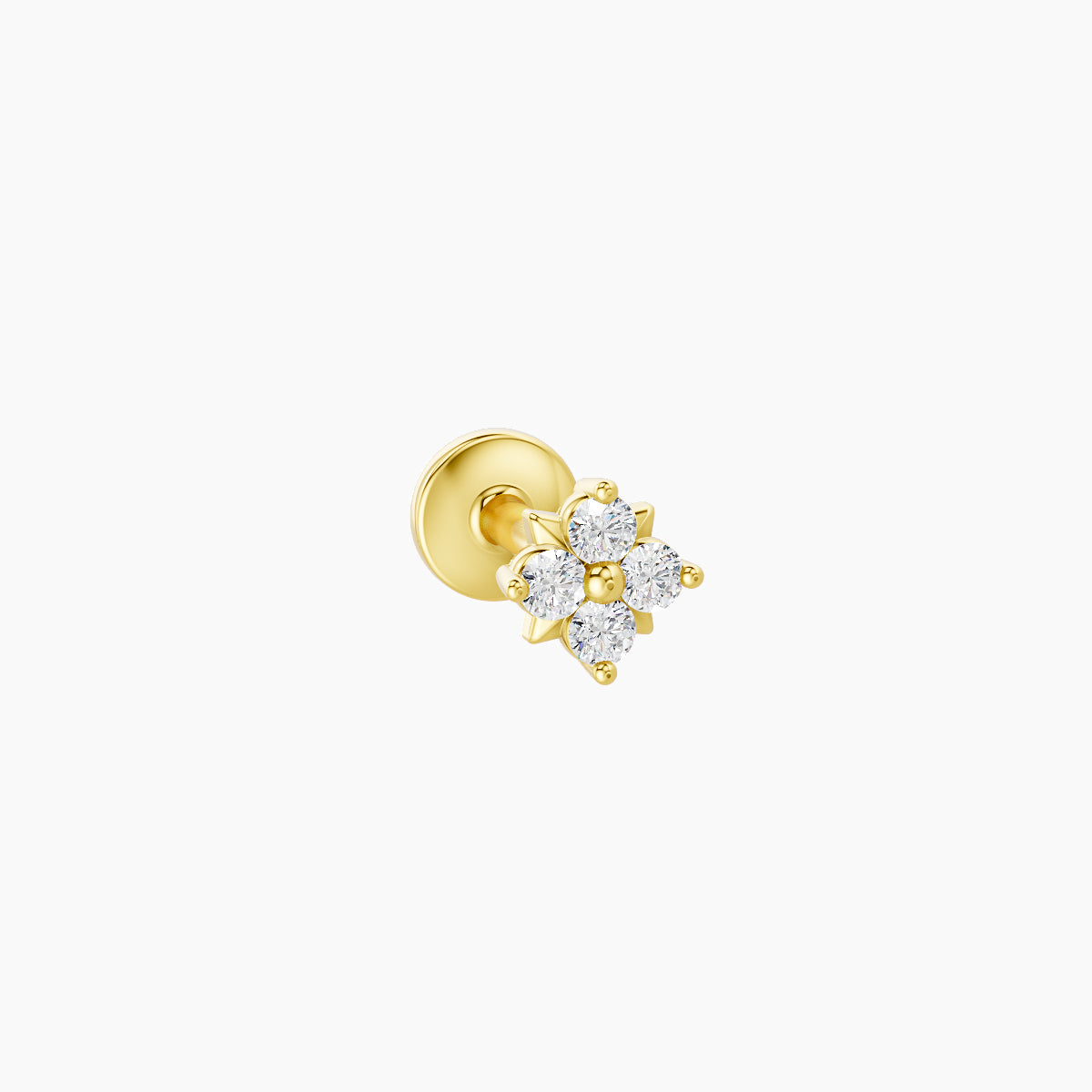
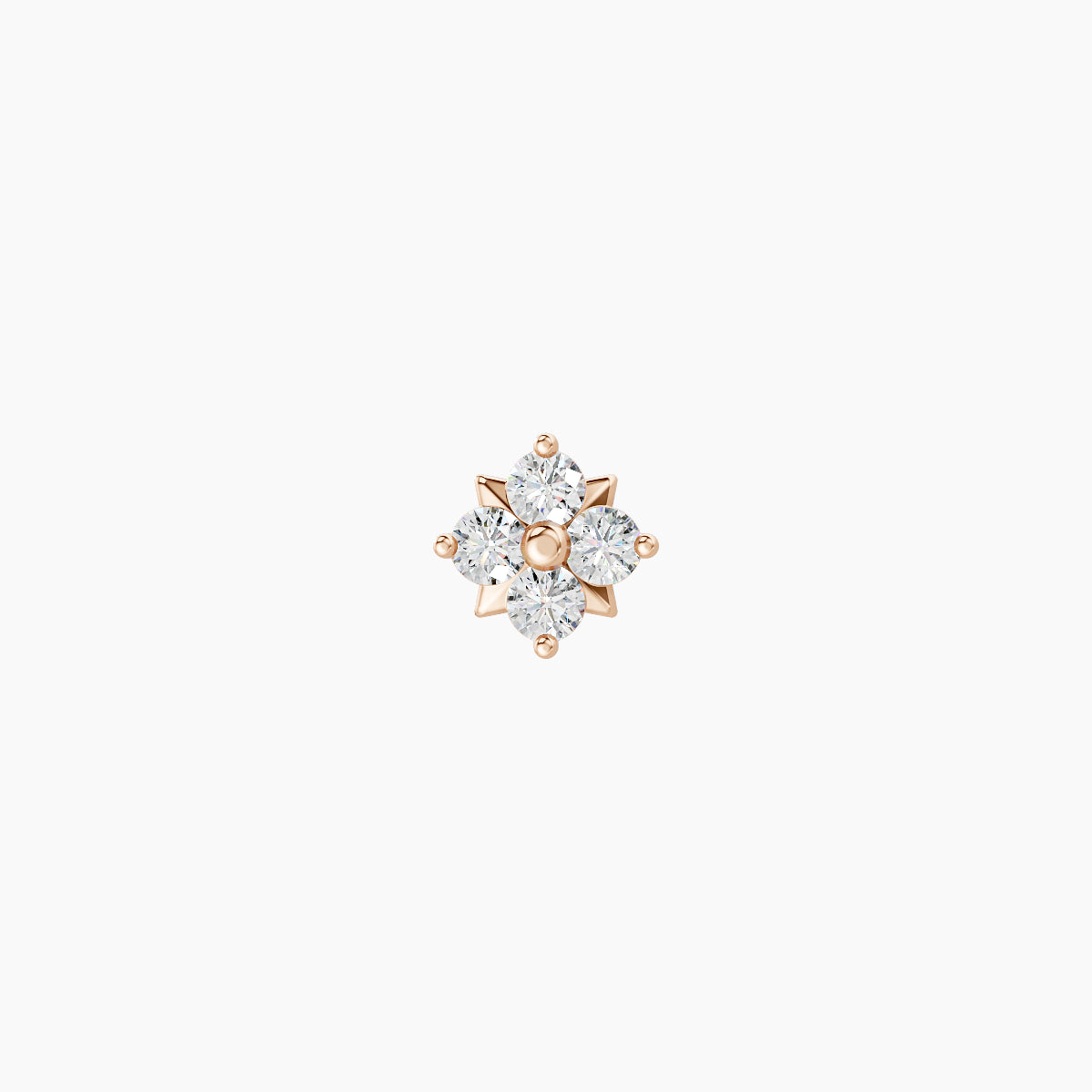
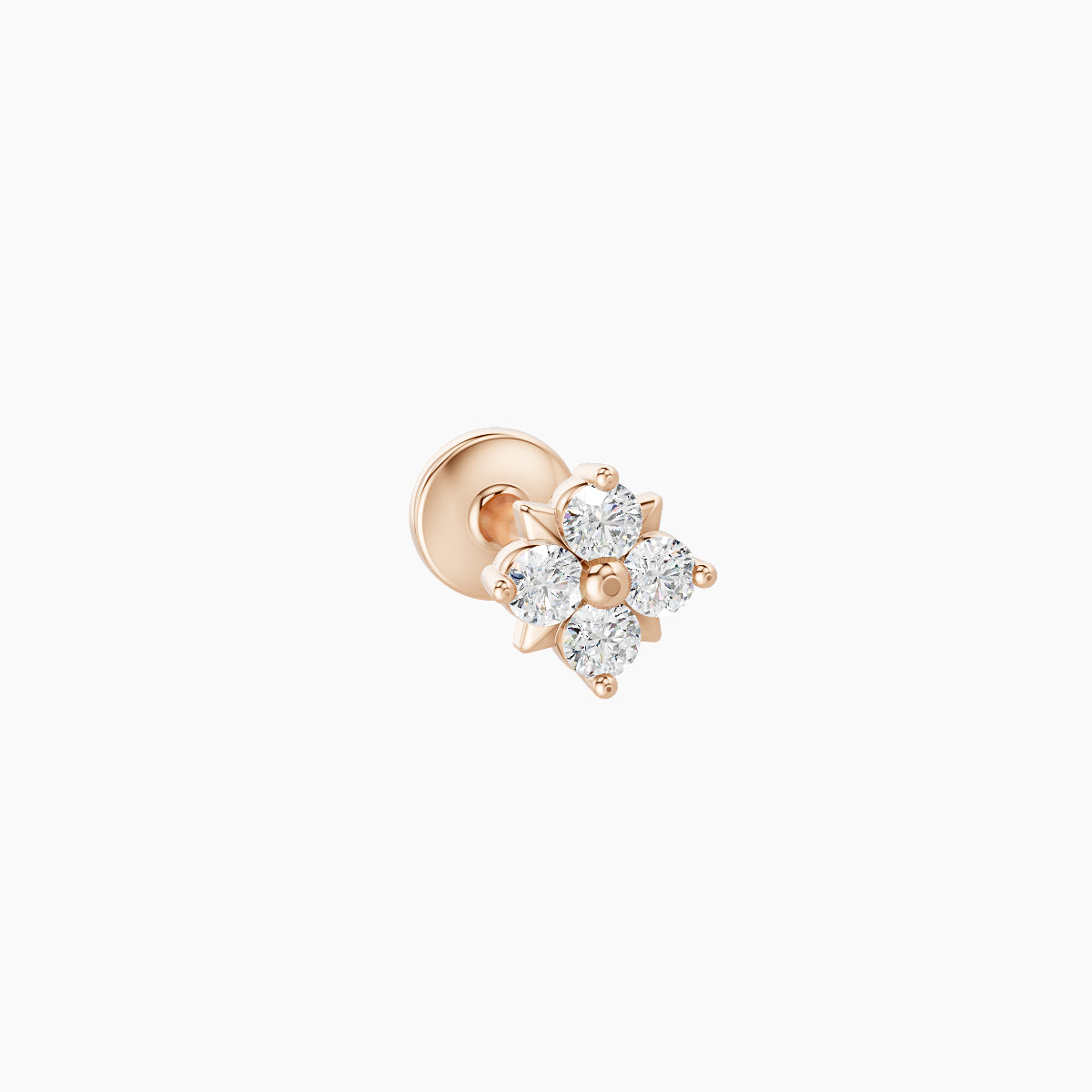
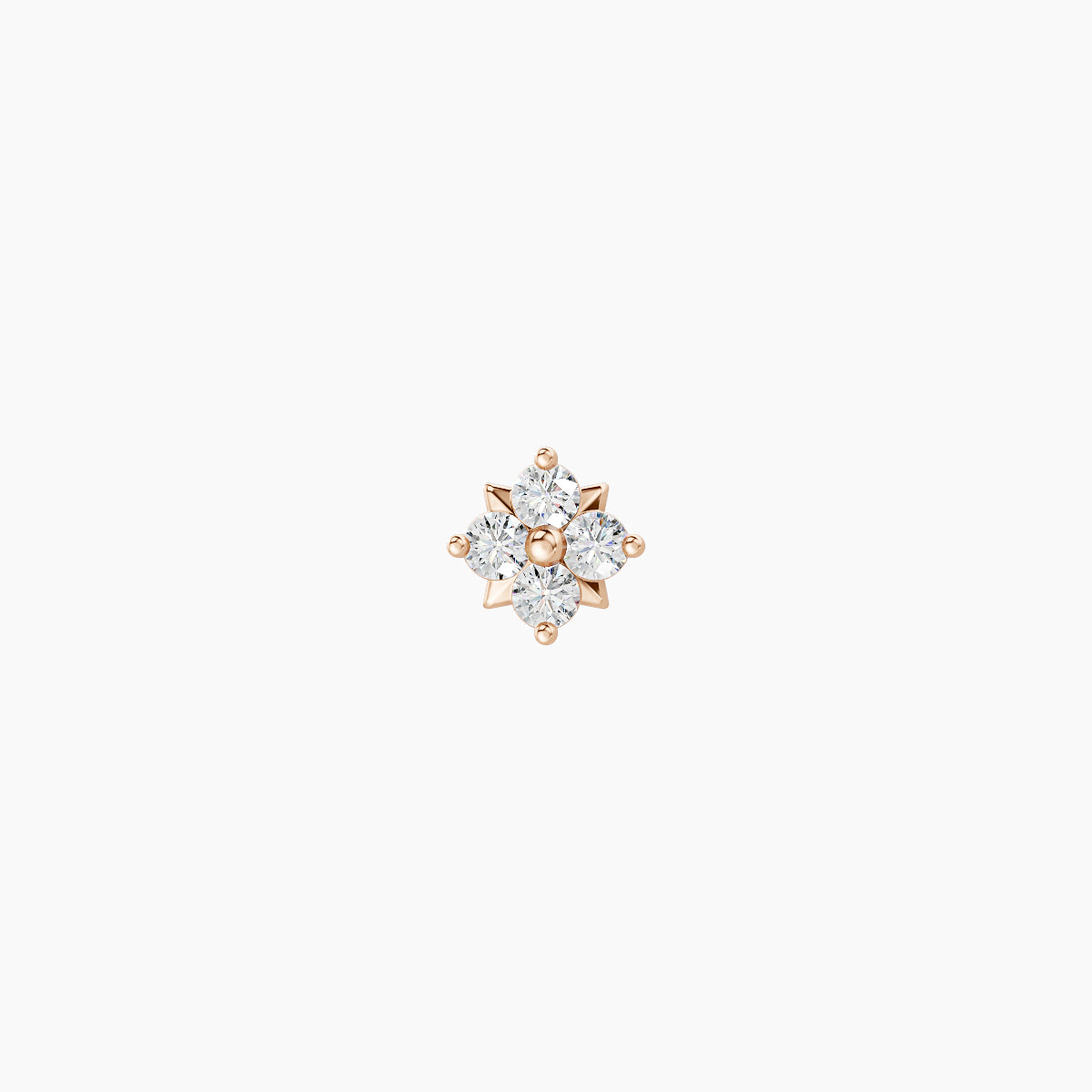
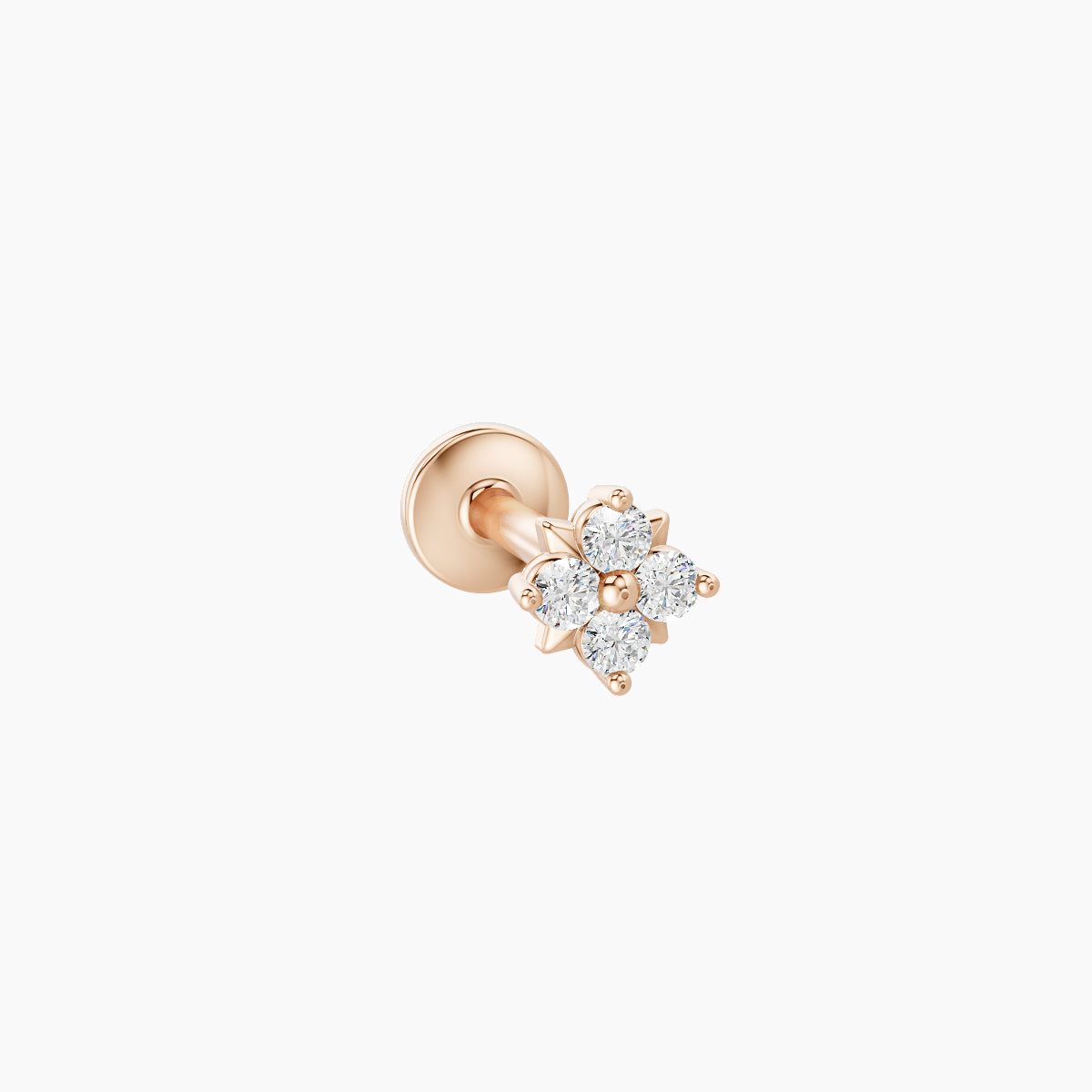
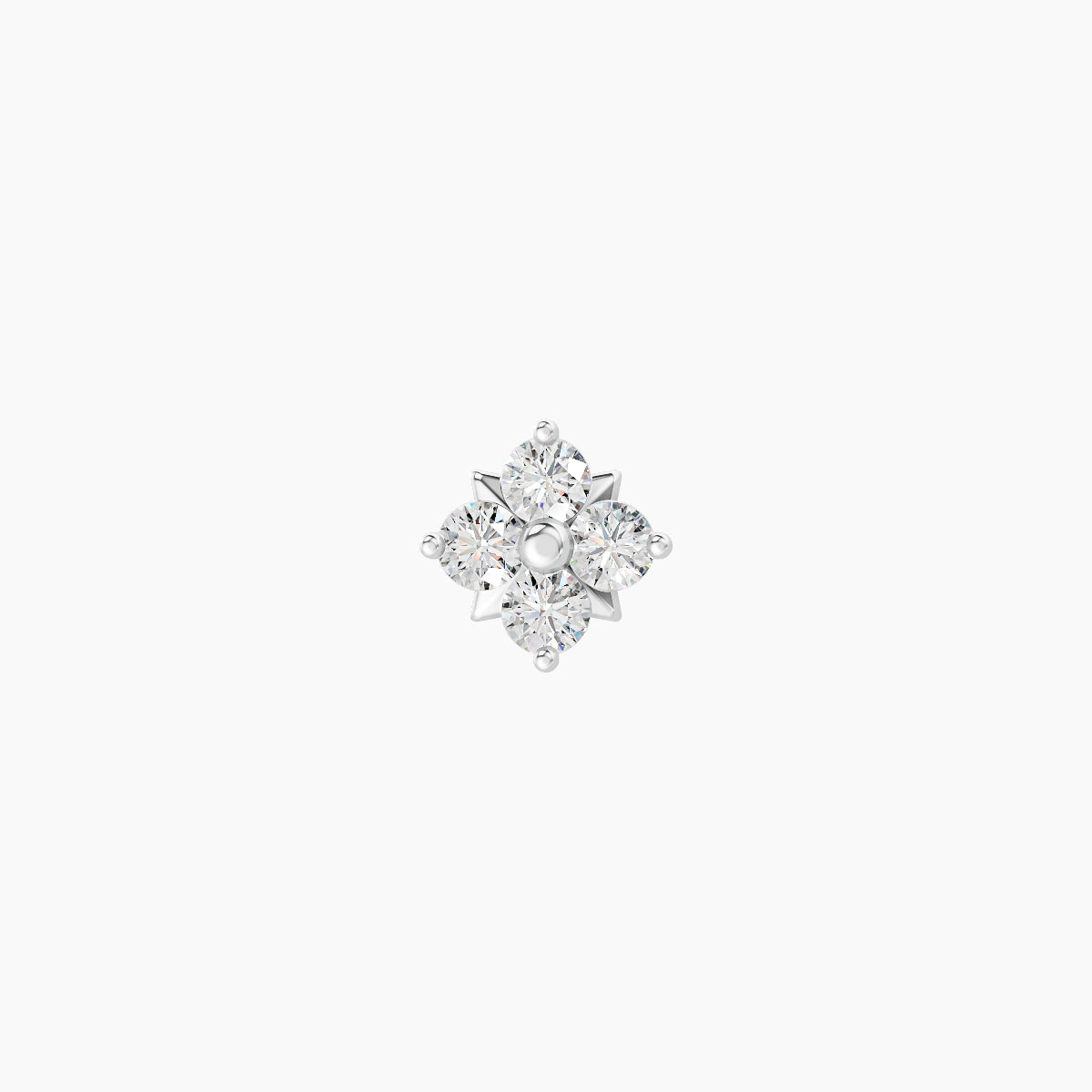
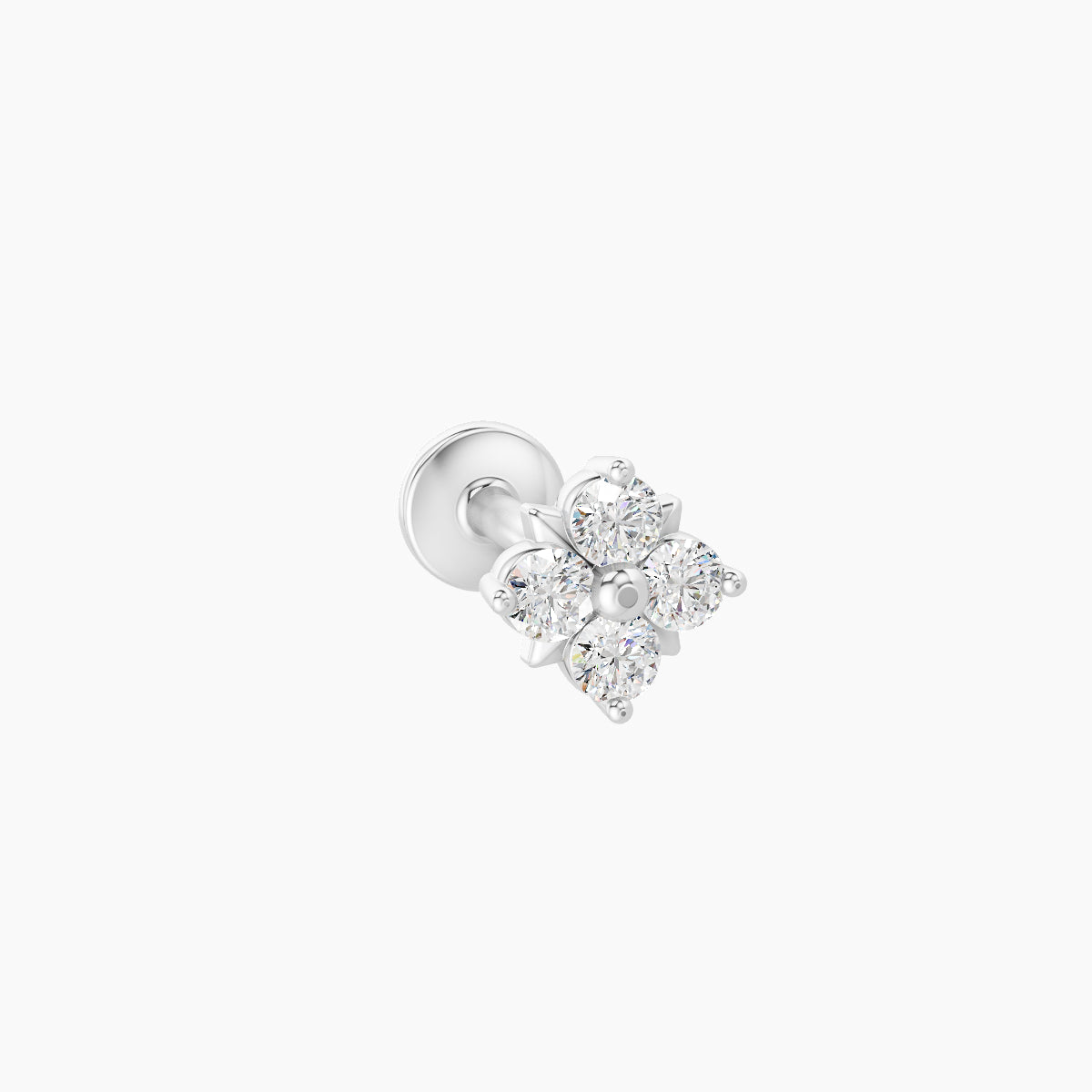
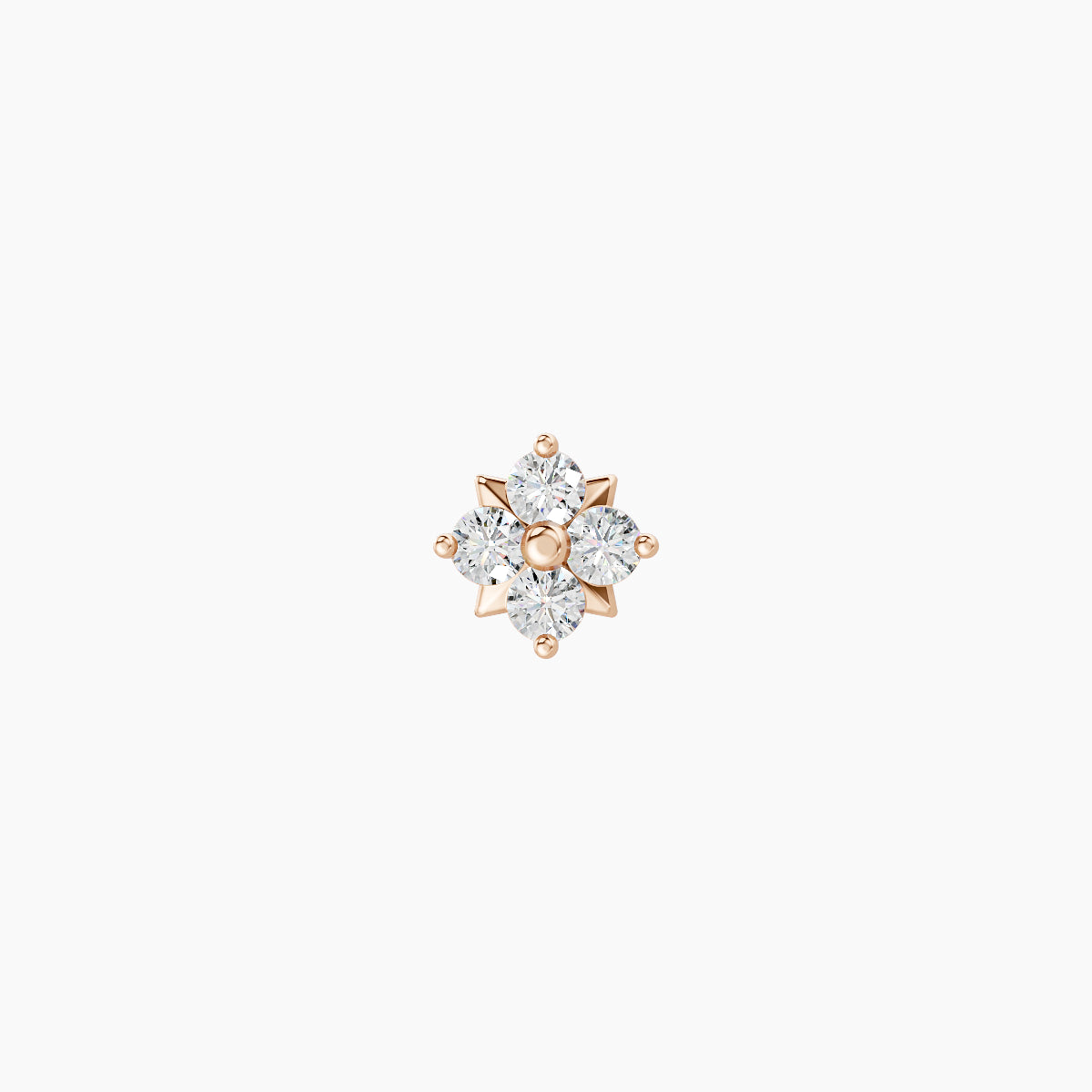
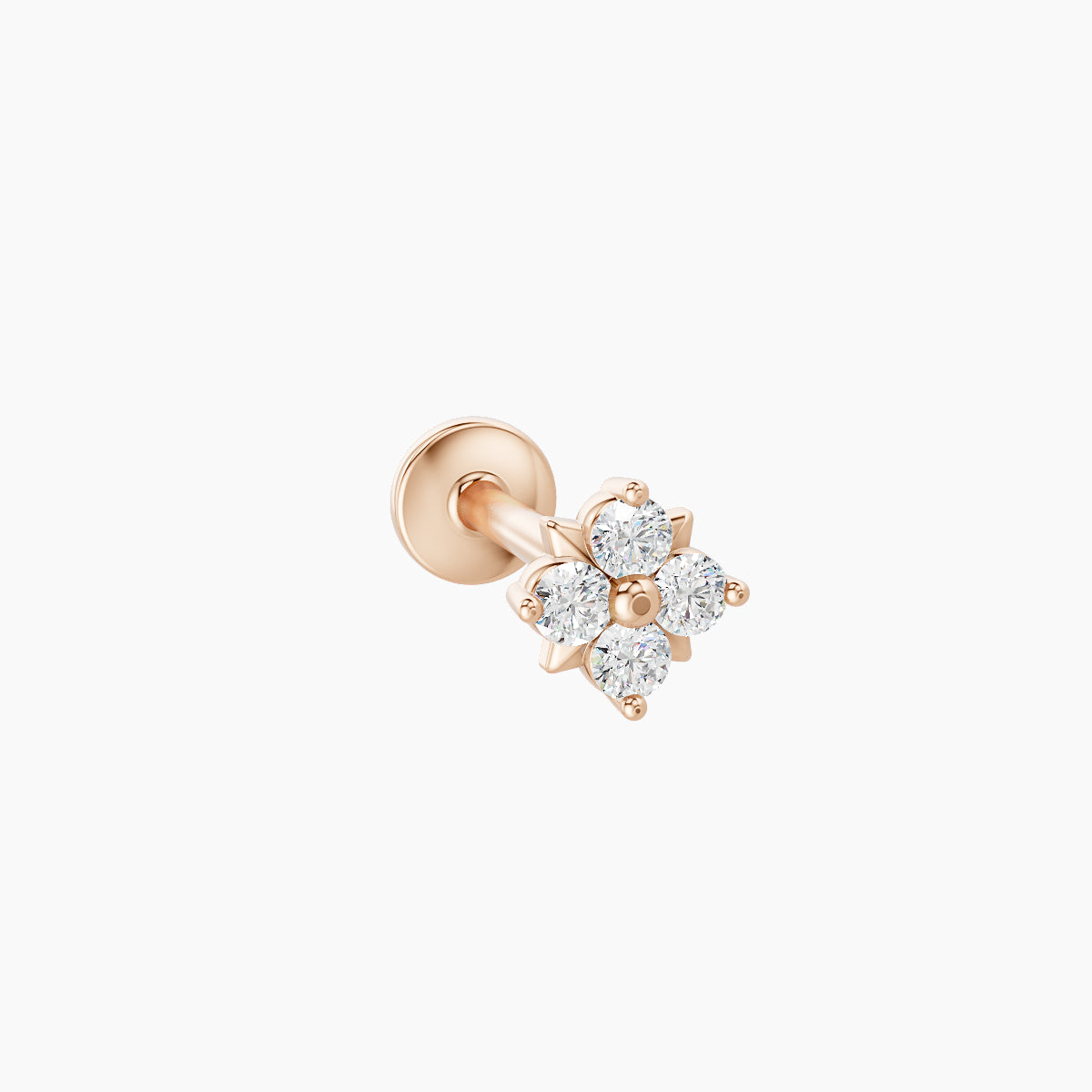
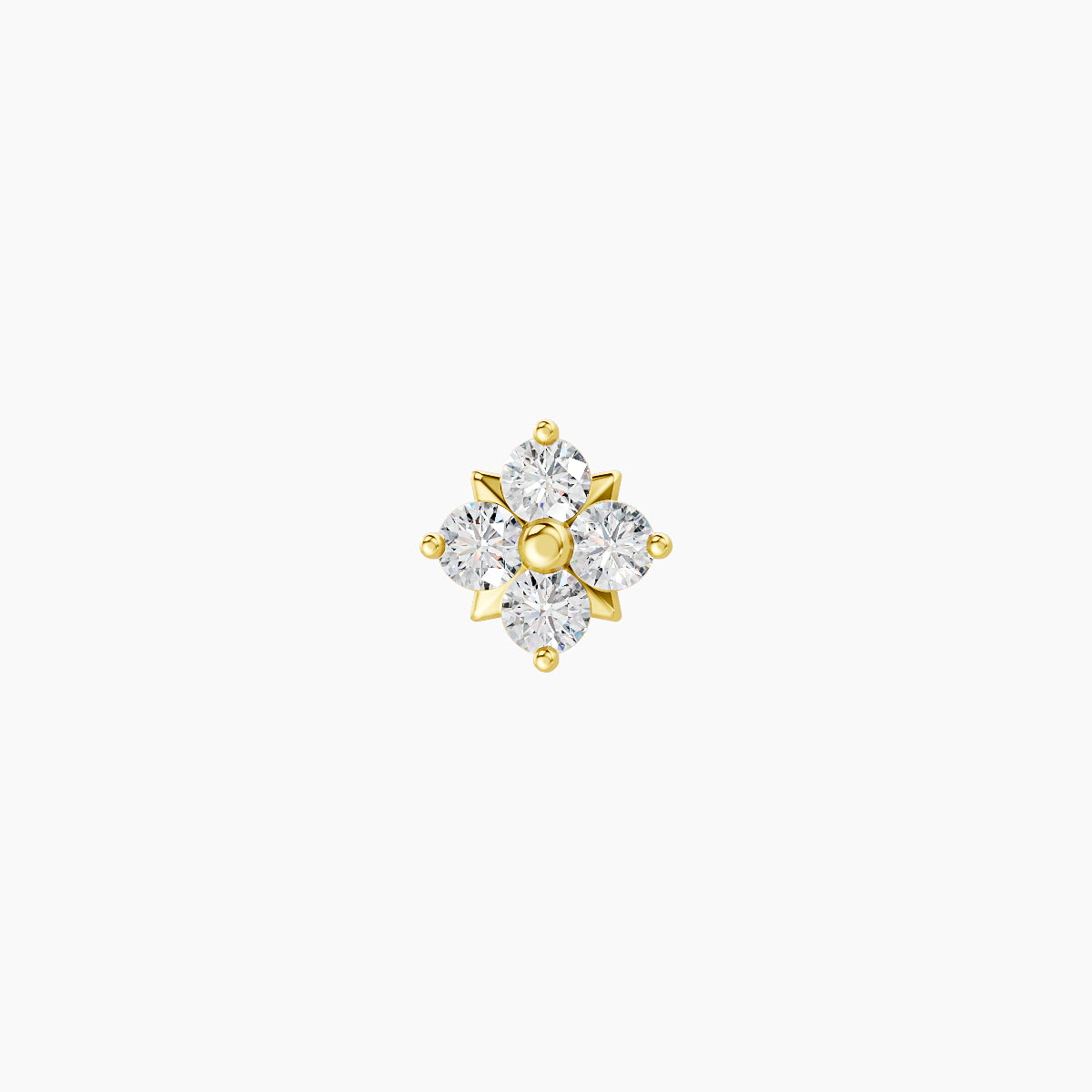
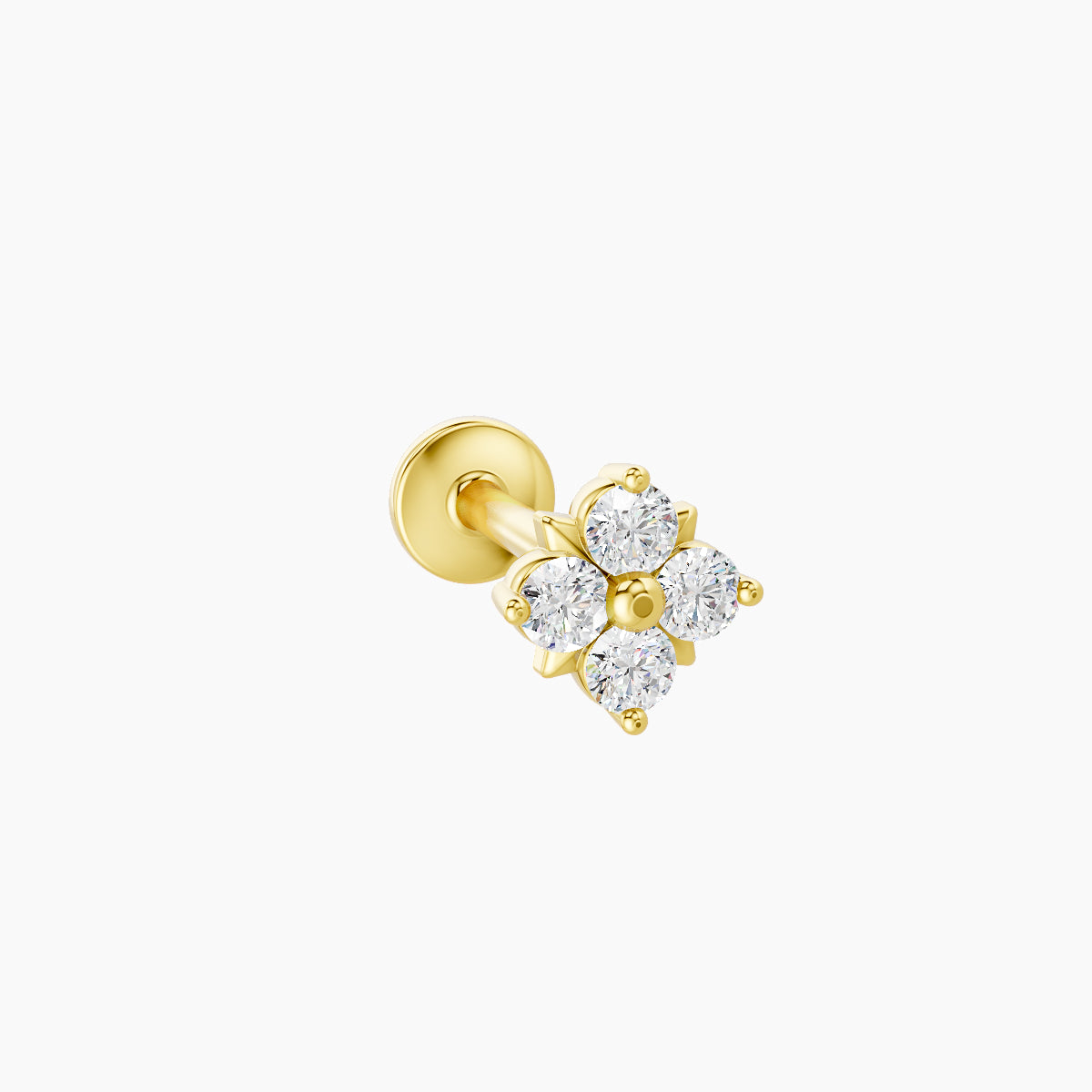
- MADAJ antitragus pieces start at $330 for studs and $420 for hoops, each one handcrafted to order in nickel-free, hypoallergenic solid 18k gold and set with your choice of diamonds, rubies, sapphires, pink sapphires, emeralds, or black diamonds, using G–VS grade natural diamonds and AAA grade stones; every piece ships with a Certificate of Authenticity.
How Much does an Antitragus Piercing hurt?
Antitragus Piercing Pain Level: 6/10
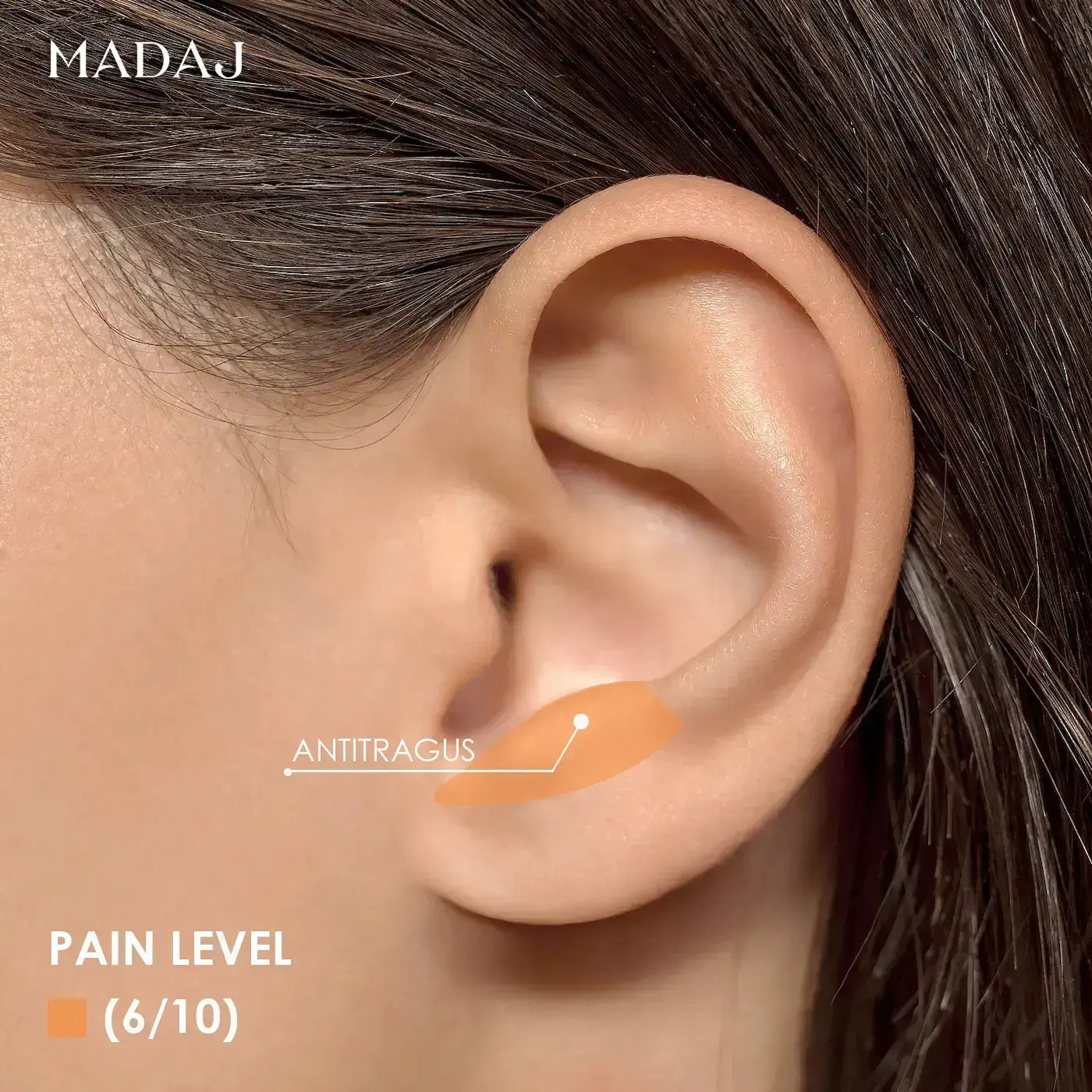
Due to the location and thickness of the cartilage, the Antitragus piercing causes noticeable pain. The peak of pain experienced lasts only a few seconds during the piercing.
How can I reduce the pain experienced during my antitragus piercing?
There are solutions to minimize pain during antitragus piercing, such as the use of lidocaine-based numbing cream (EMLA or generics). This cream is available in pharmacies by prescription. It is recommended to apply it between 30 minutes to 1 hour before piercing.
To learn more about reducing the pain of an Antitragus piercing, discover our Guide on Ear Piercing Pain Levels.
Antitragus Piercing Aftercare

- Clean your piercing twice a day with a sterile saline solution on a sterile gauze as a gentle compress – once in the morning and once in the evening. Consistency is key to preventing infection and promoting healing.
- Maintain regular cleaning of your piercing throughout its healing period, which may extend to several months, varying according to your individual healing process.
- To prevent bacterial growth, it's essential to keep the pierced area dry. After cleaning, gently pat the area with sterile non-woven gauze or use a hairdryer on a cool setting to ensure thorough dryness.
Healing Time & Stages for Antitragus Piercing
The healing time for an antitragus piercing typically ranges from 9 to 12 months. Healing is gradual, so here is a general timeline of what to expect. Everyone heals differently, so treat this as a guide, not a guarantee.

- Week 1–2: Redness, swelling, tenderness, and a small amount of clear or slightly yellowish discharge are normal.
- Week 3–6: Swelling and soreness gradually subside; the piercing is still fragile and prone to irritation from pressure (sleeping on it, headphones, hats).
- Month 2–4: Symptoms continue to fade. The area may look healed, but the tissue underneath is still forming, so continue aftercare.
- Month 5–8: The piercing usually feels comfortable day to day, though it may still react to bumps or friction.
- Month 9–12: The piercing is typically considered fully healed. This is generally the earliest point to consider changing jewelry yourself.
If you notice increasing pain, swelling, or discharge at any stage, consult your piercer or a doctor rather than waiting it out.
Antitragus Piercing Jewelry: Types, Sizing and Materials
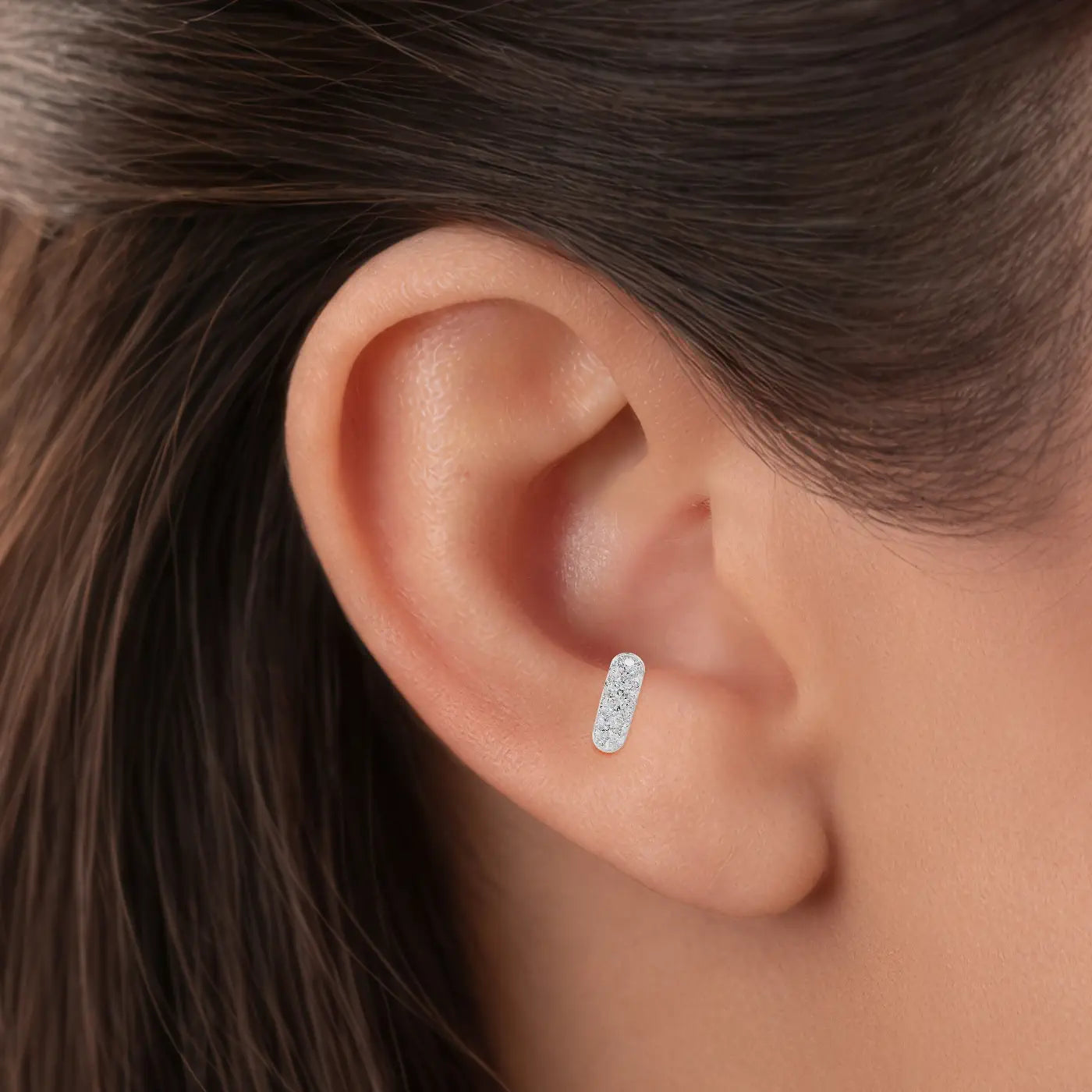
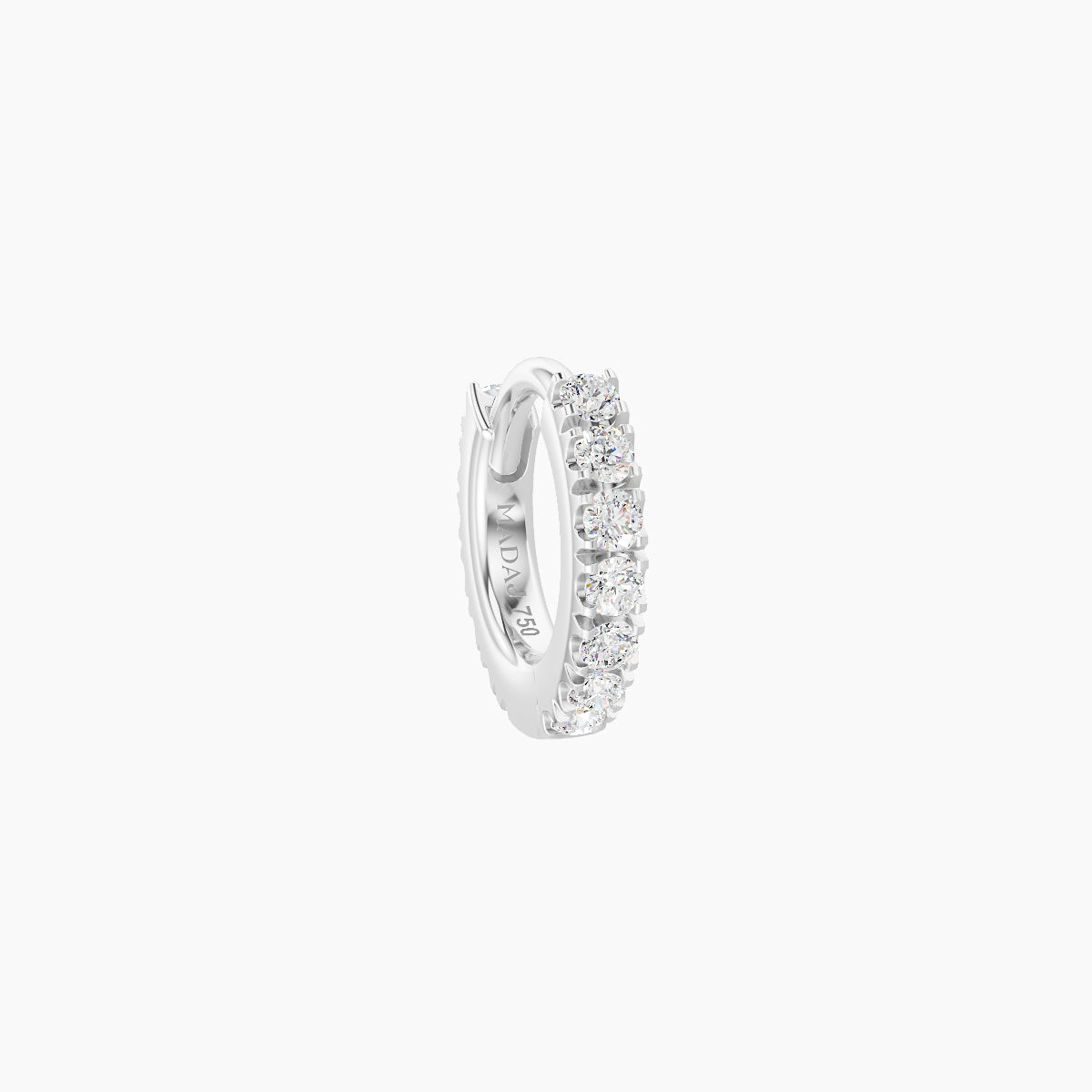
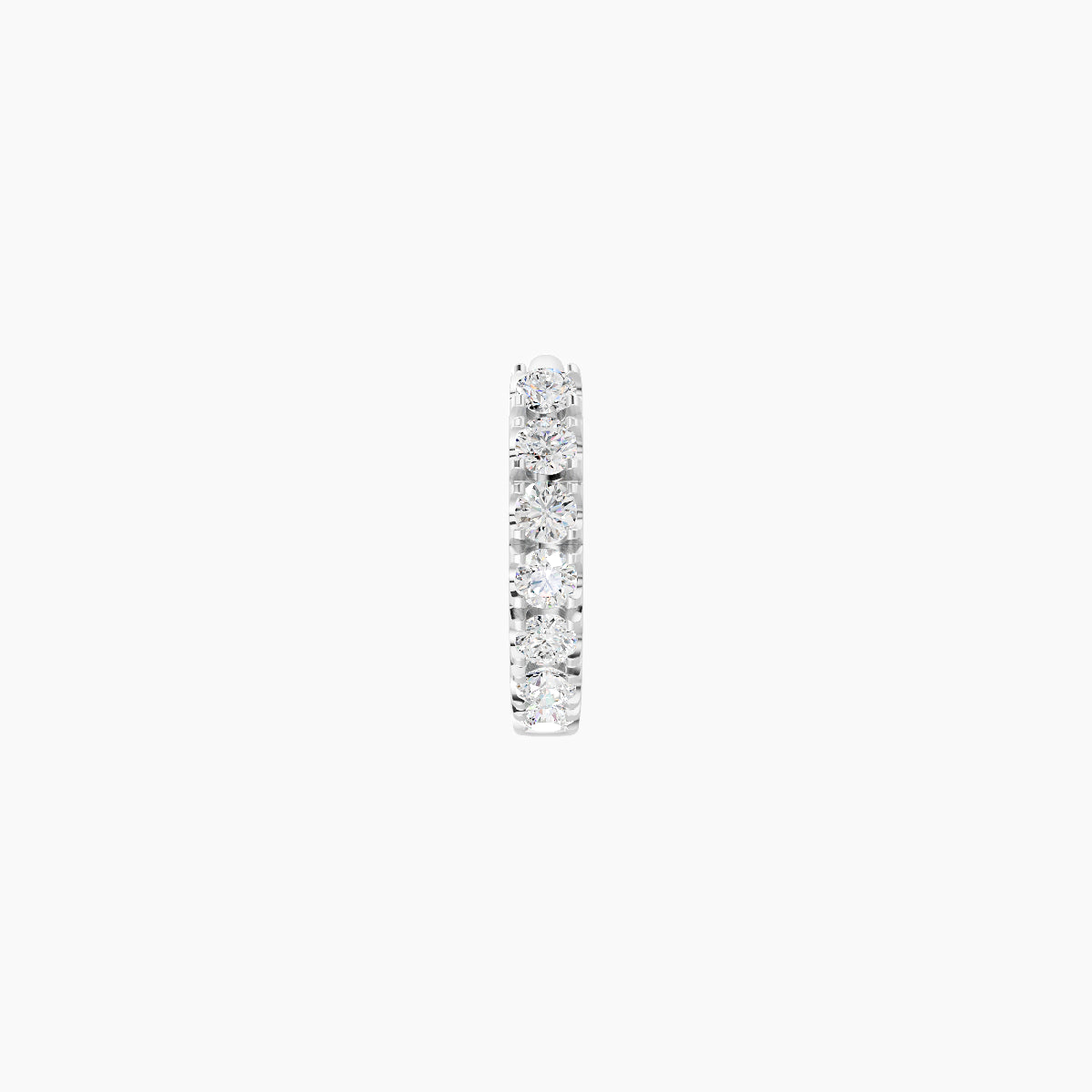
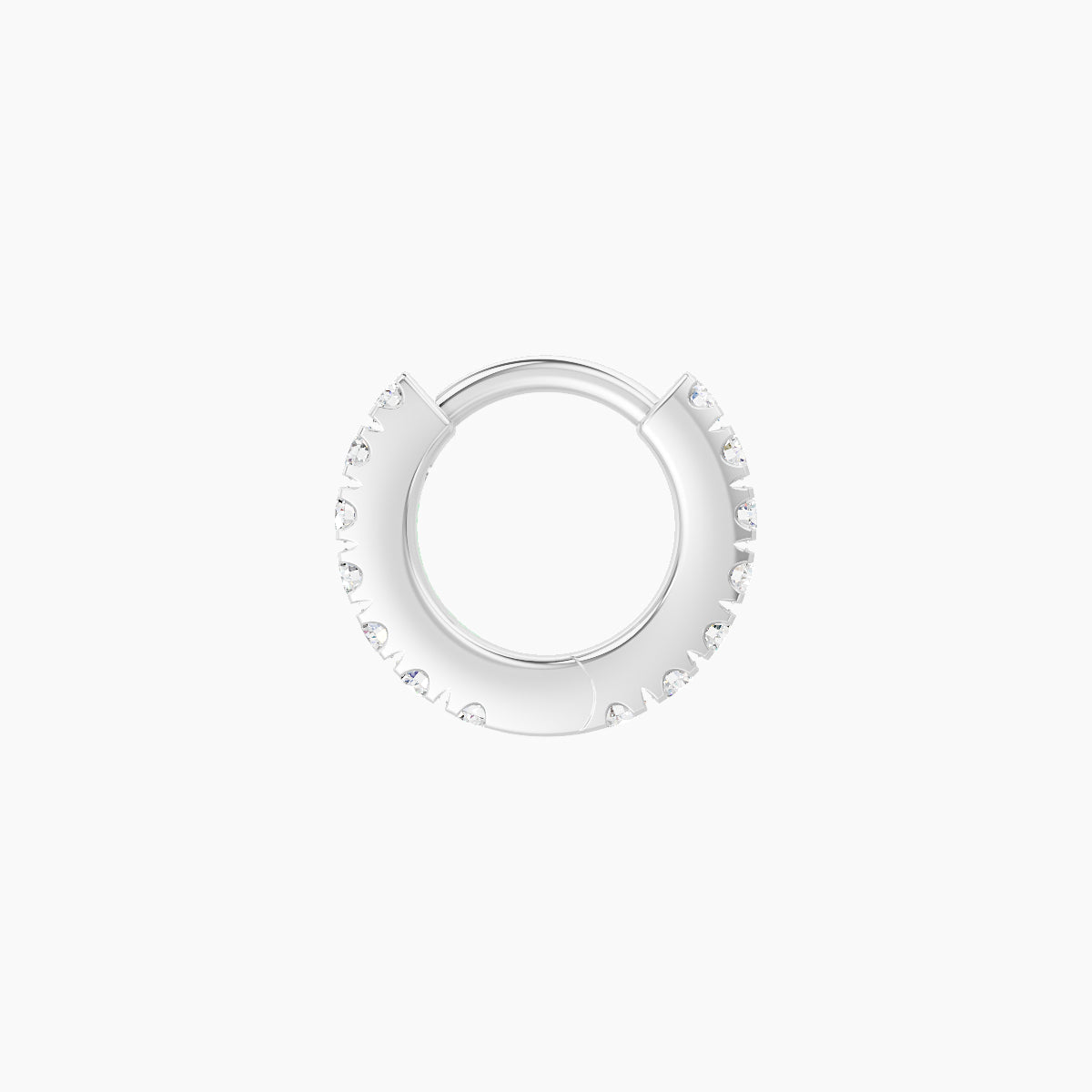
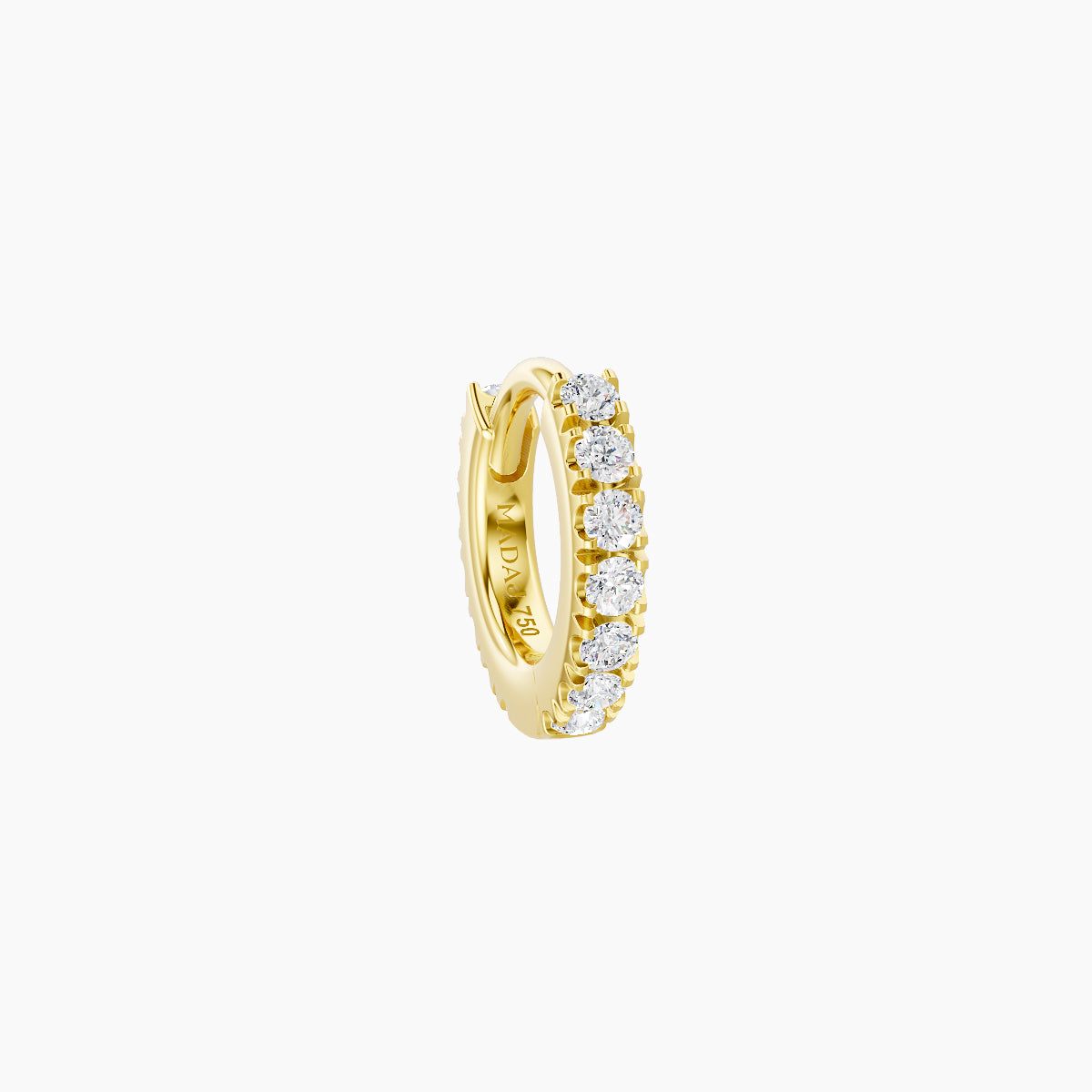
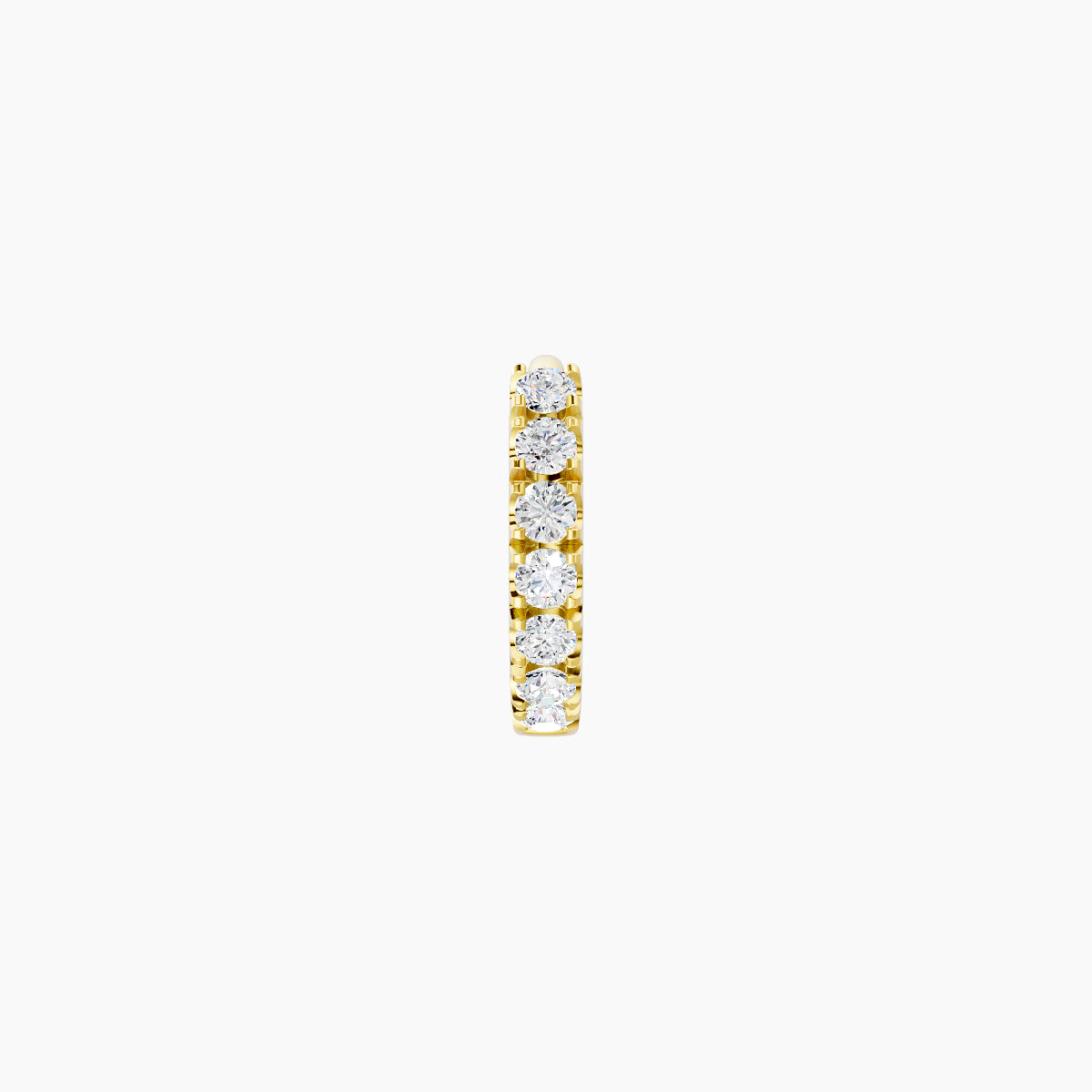
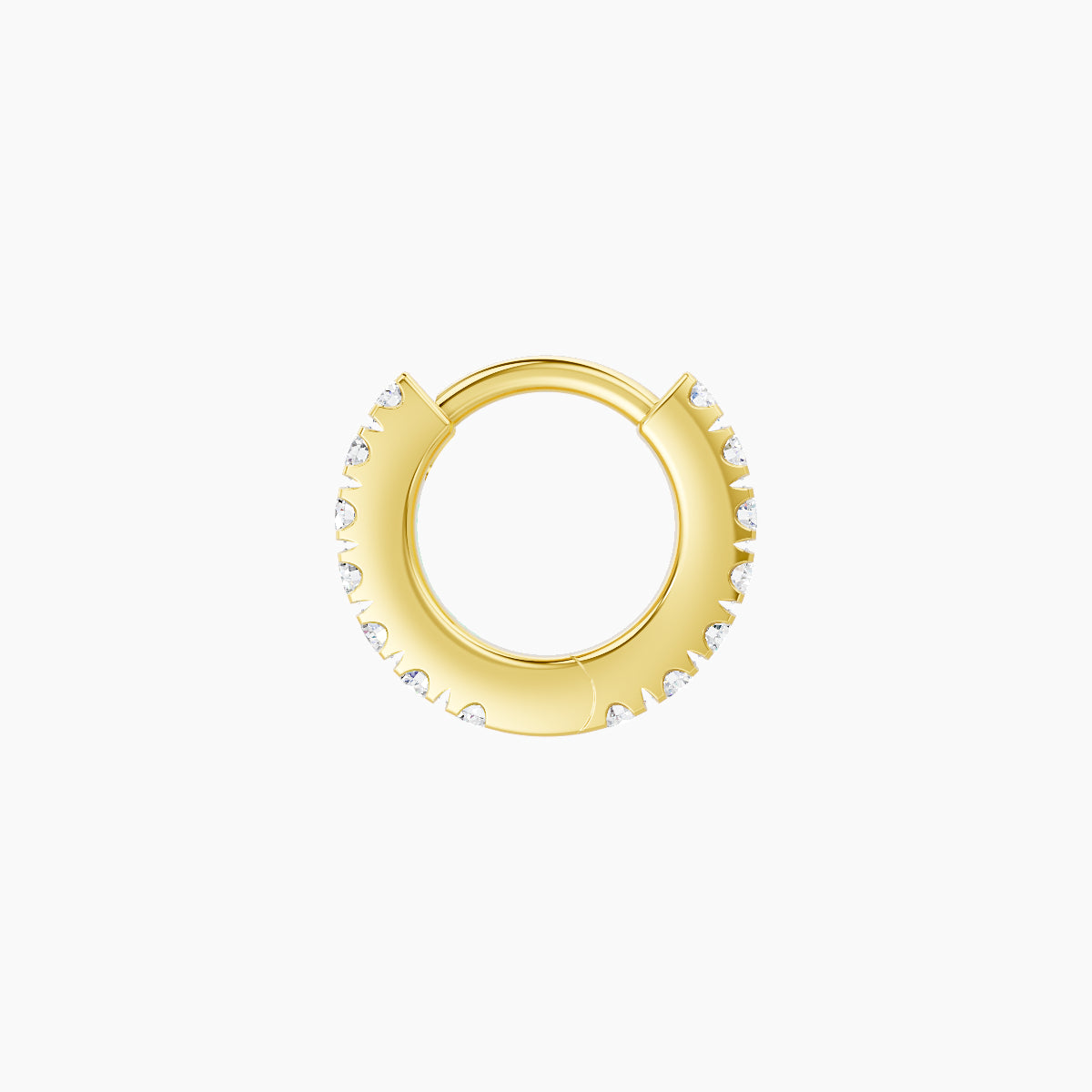
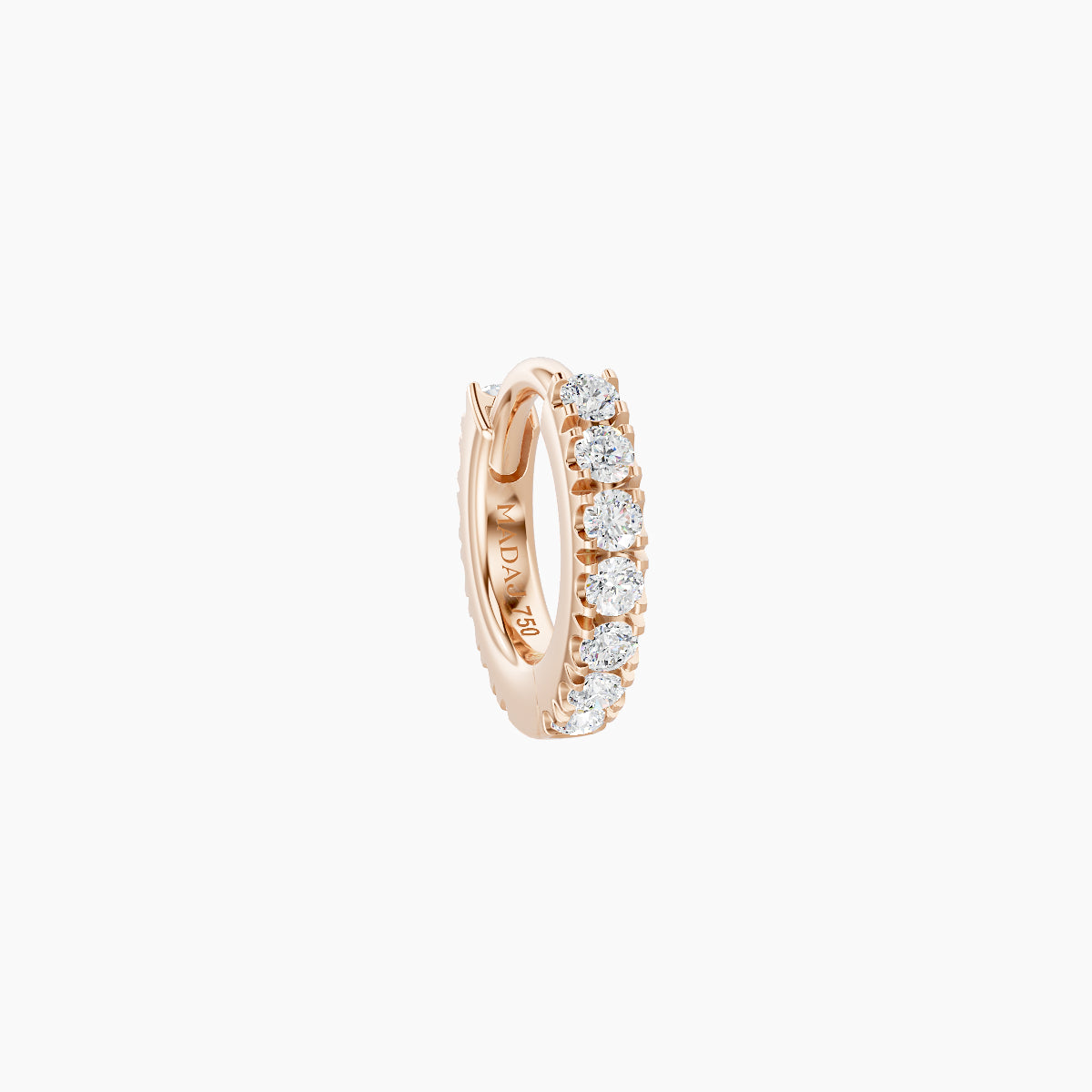
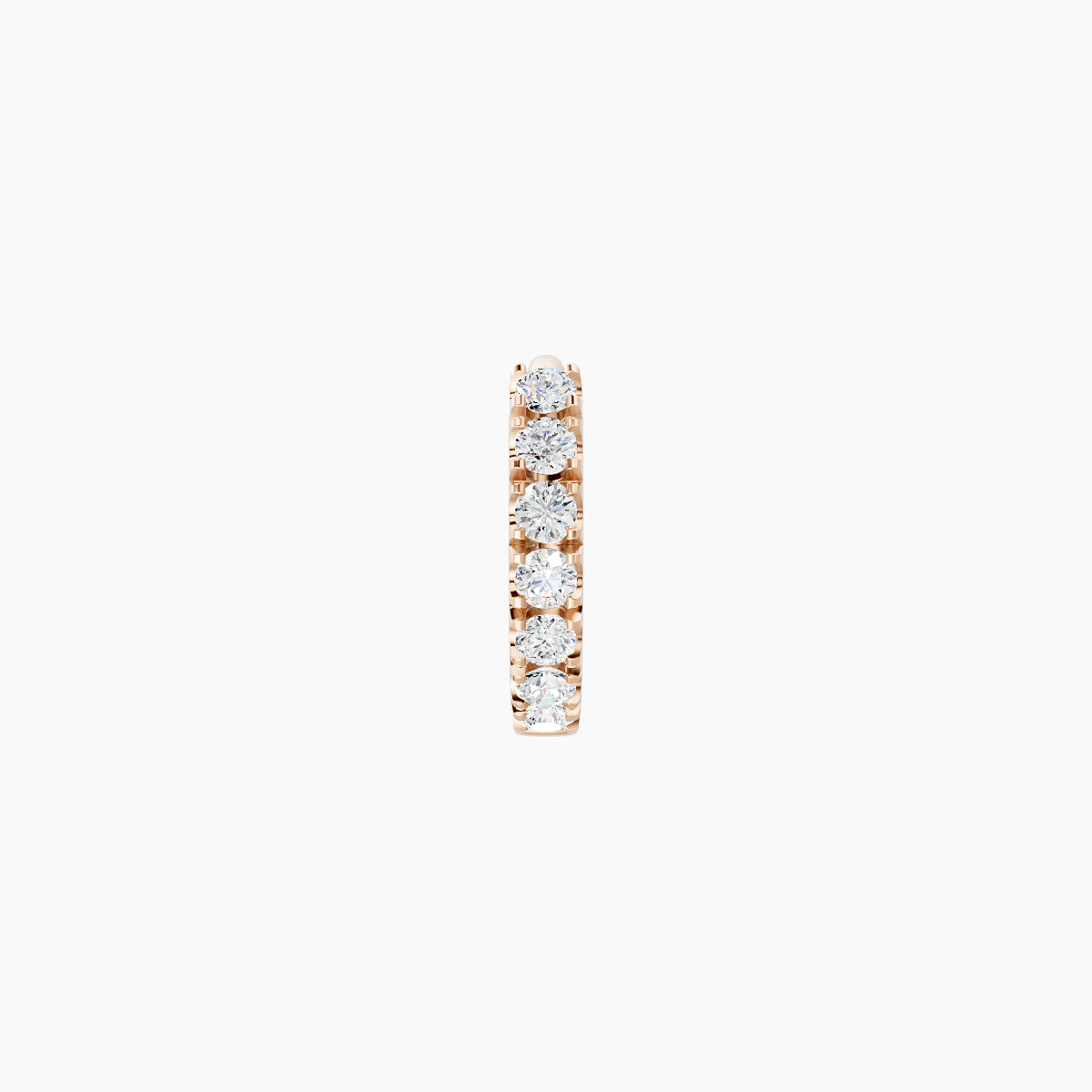
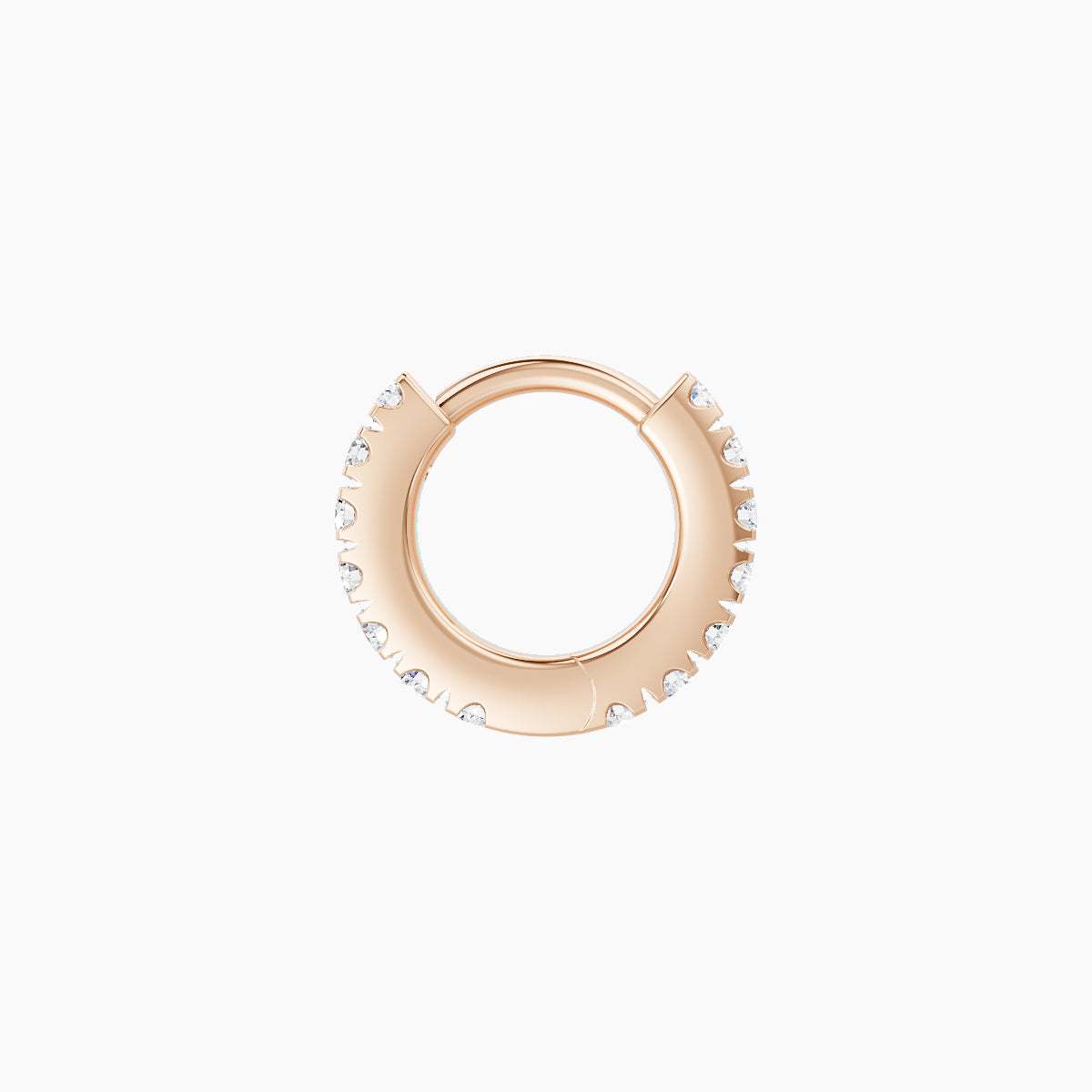
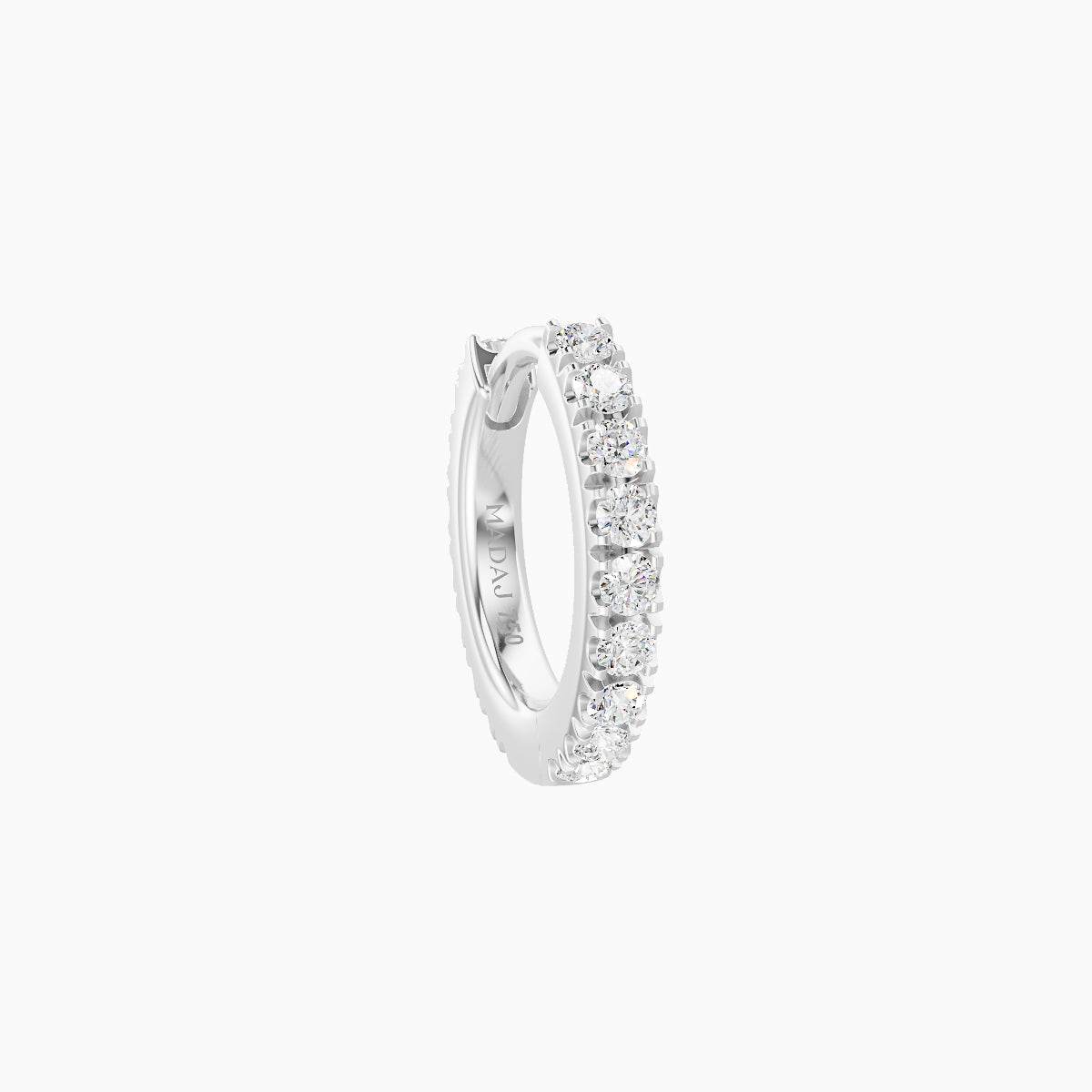
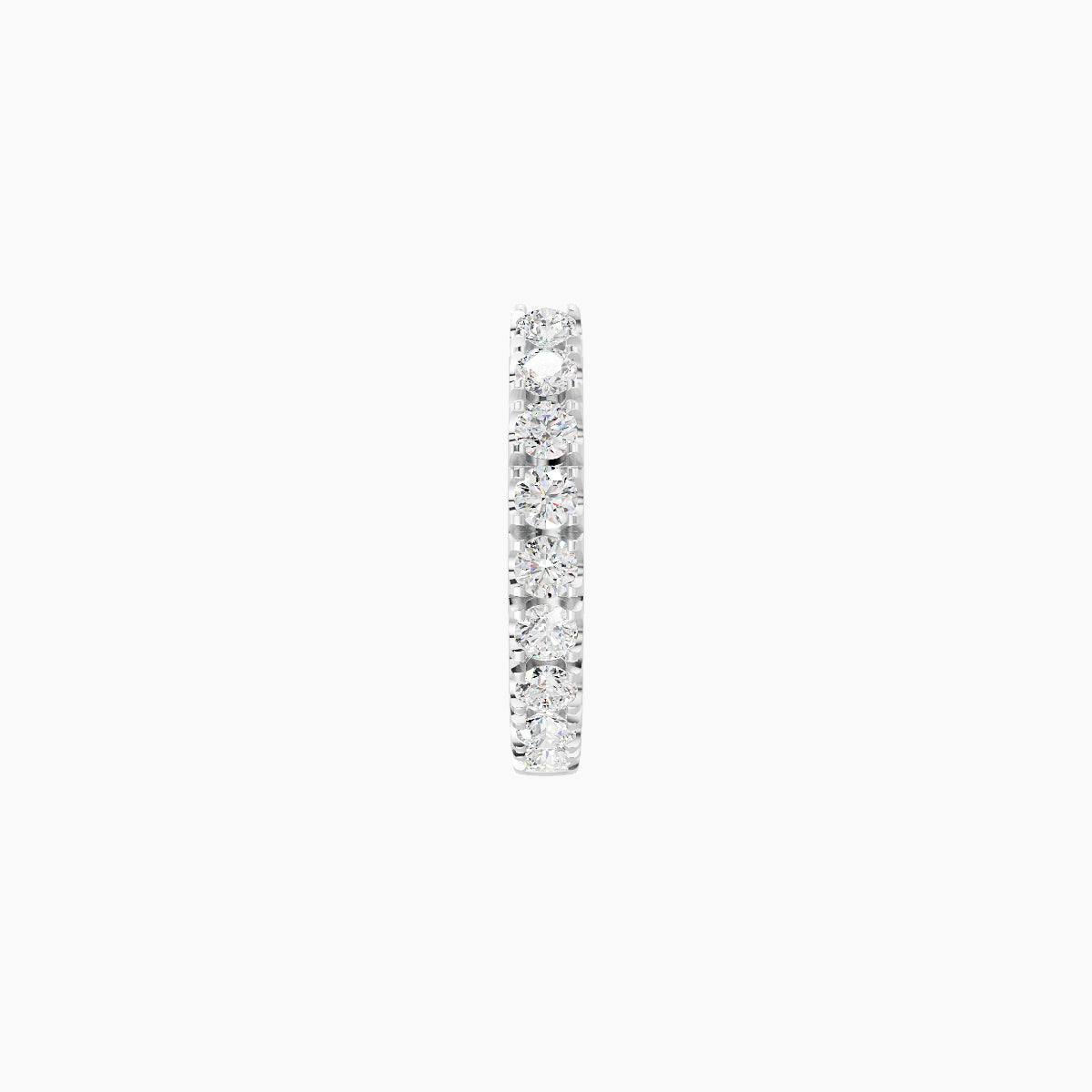
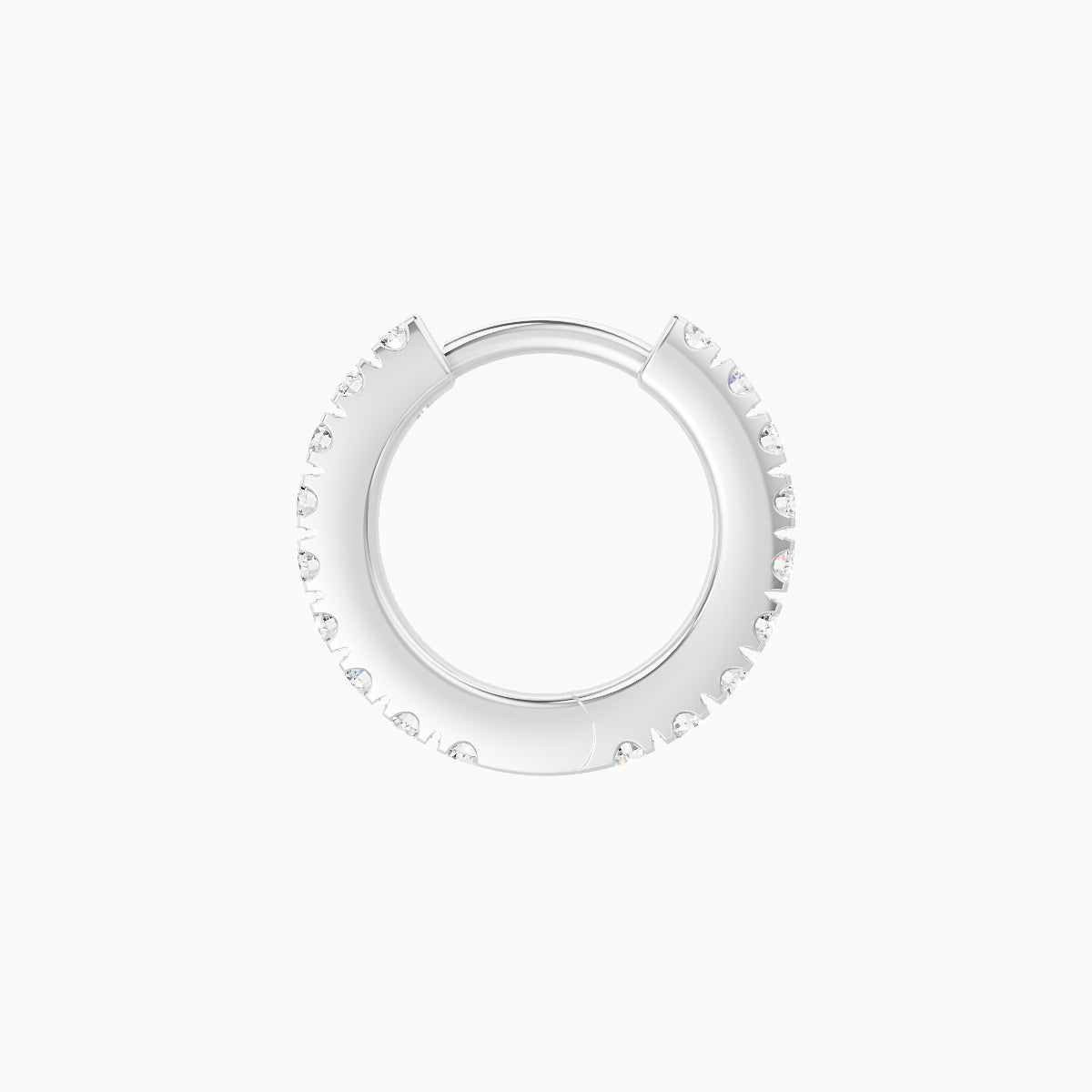
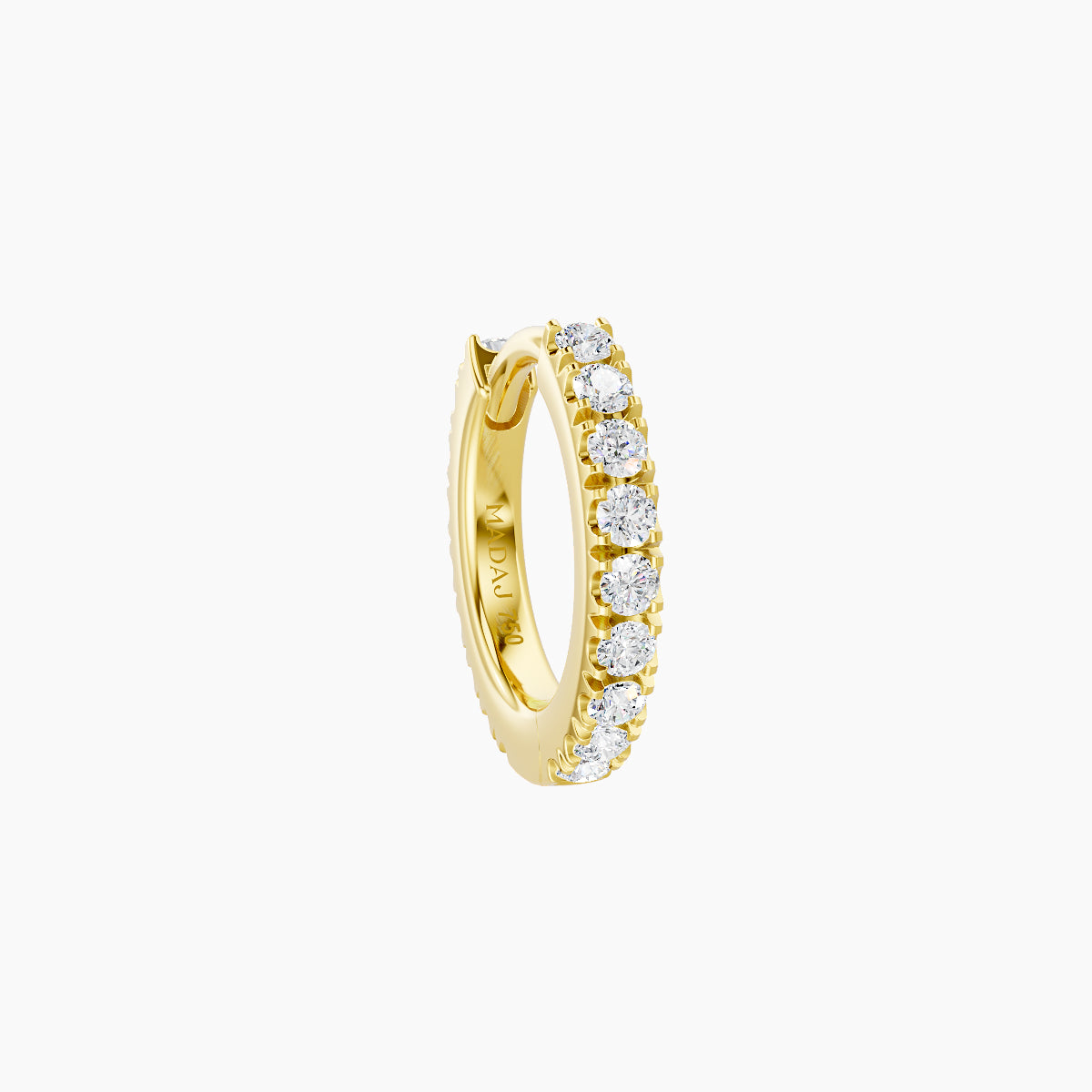
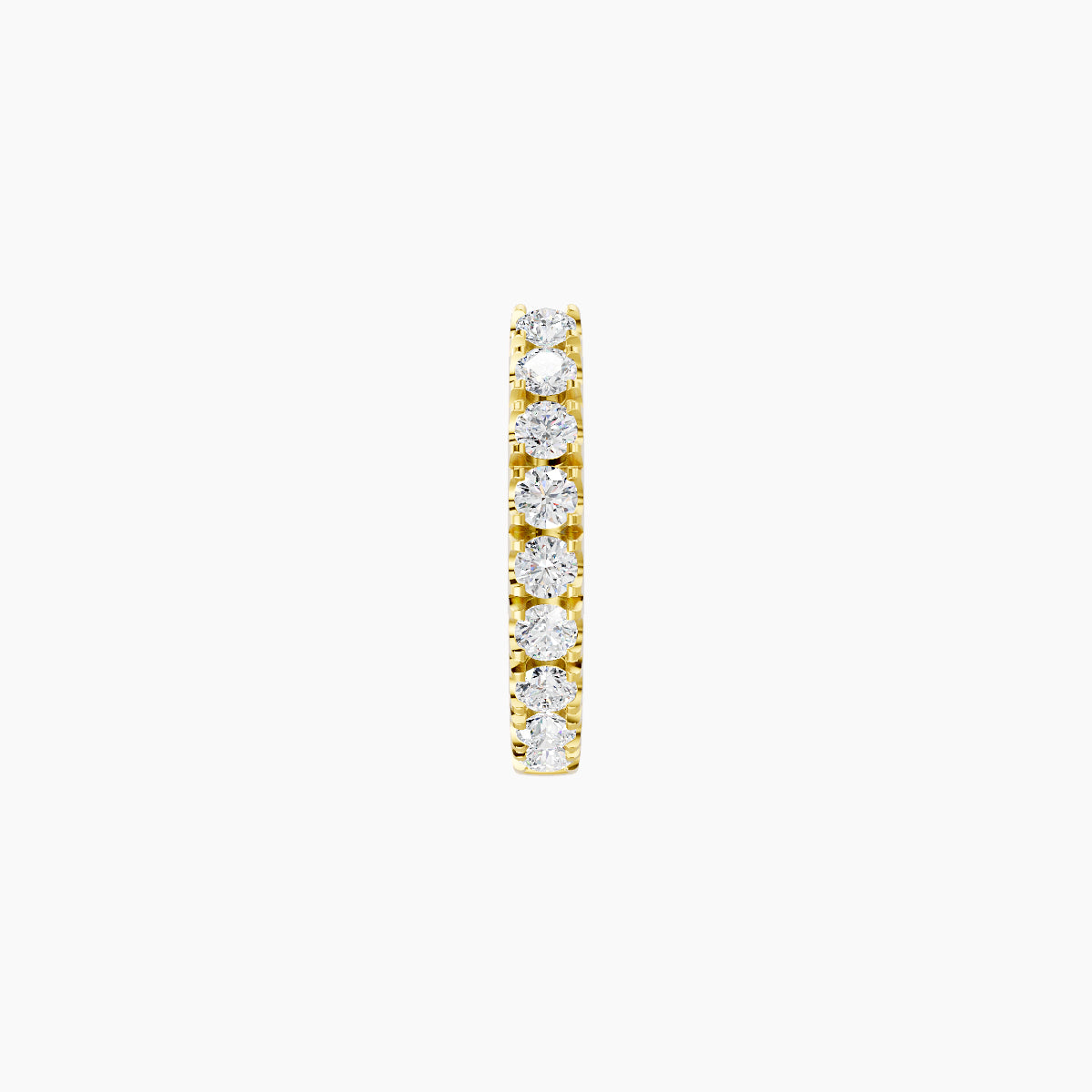
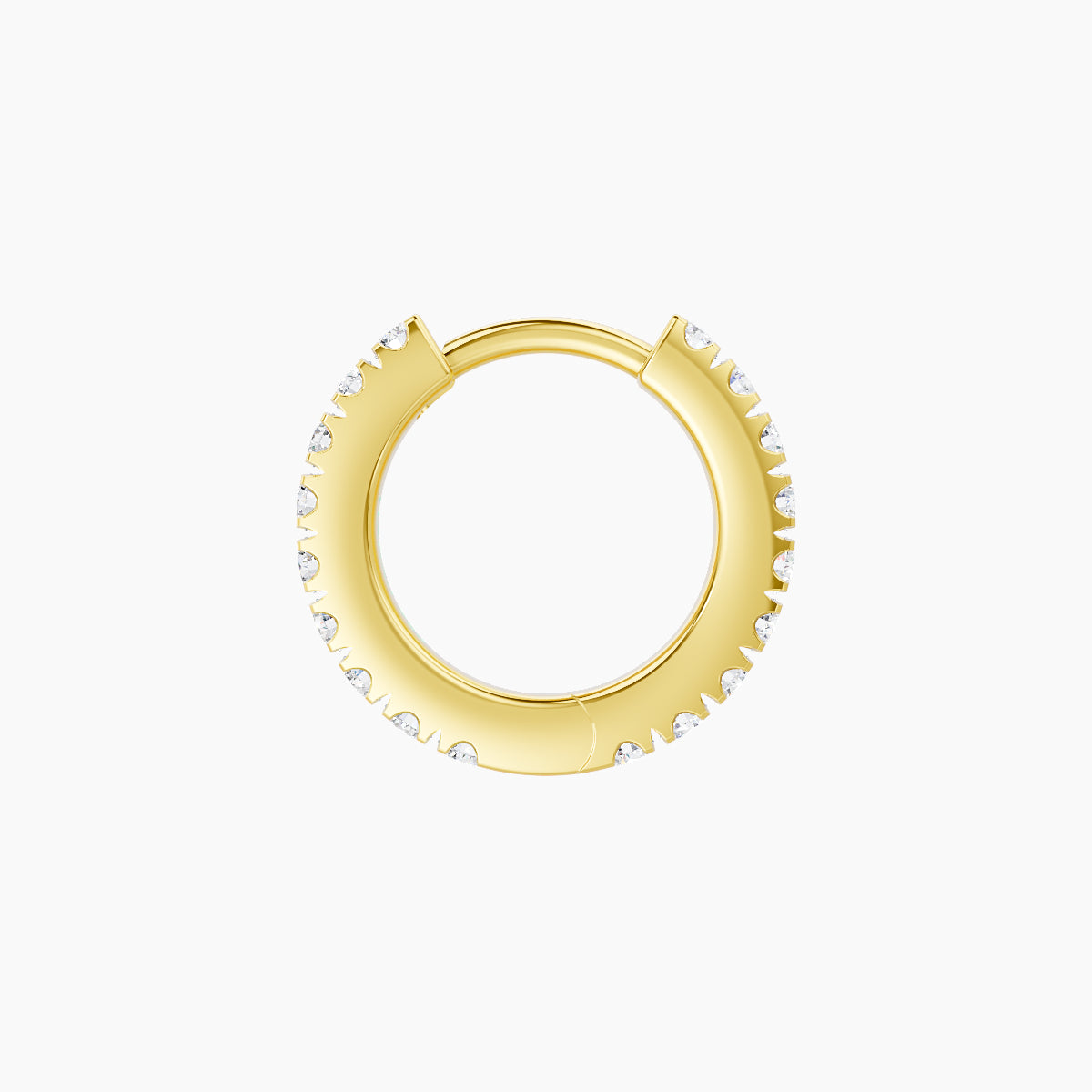
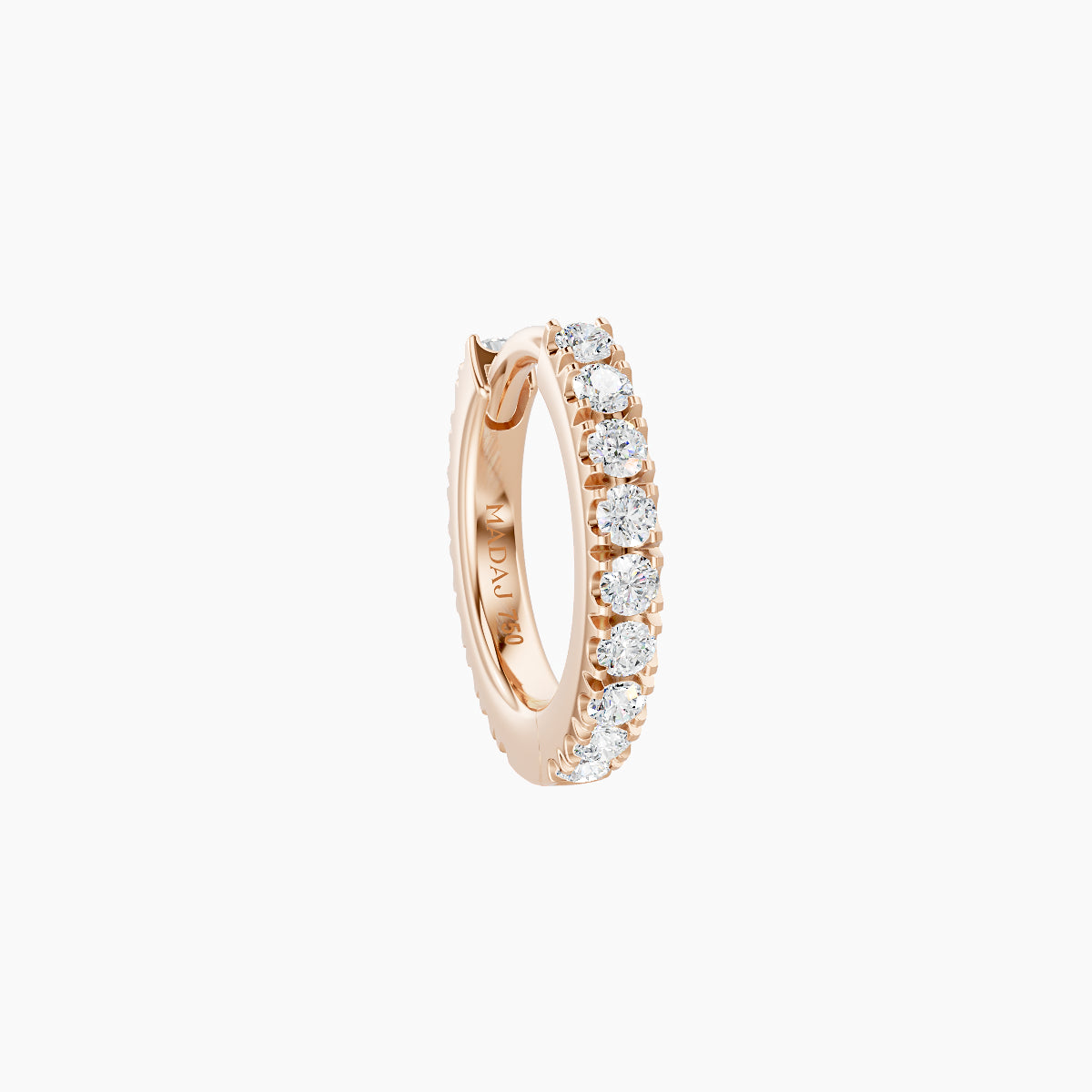
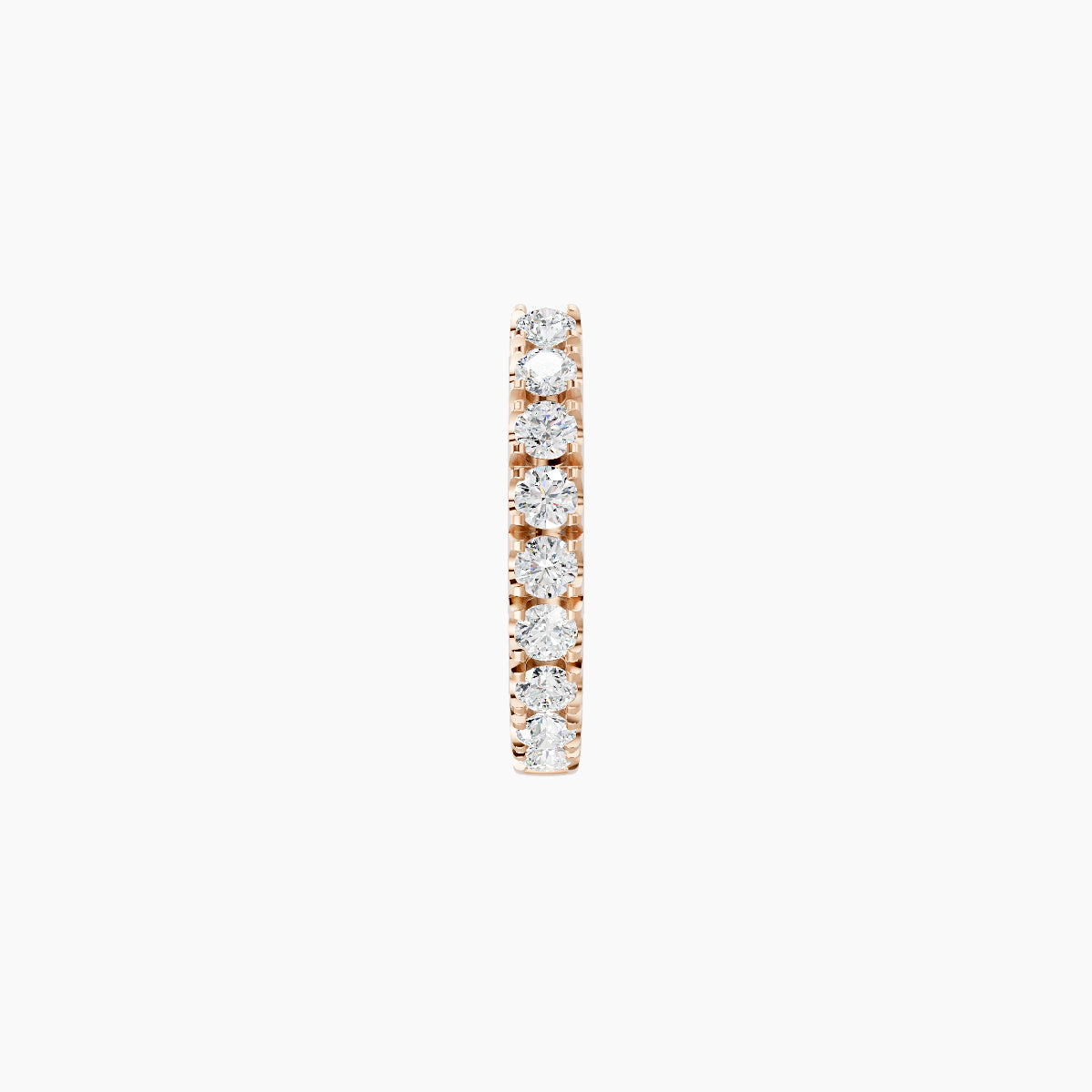
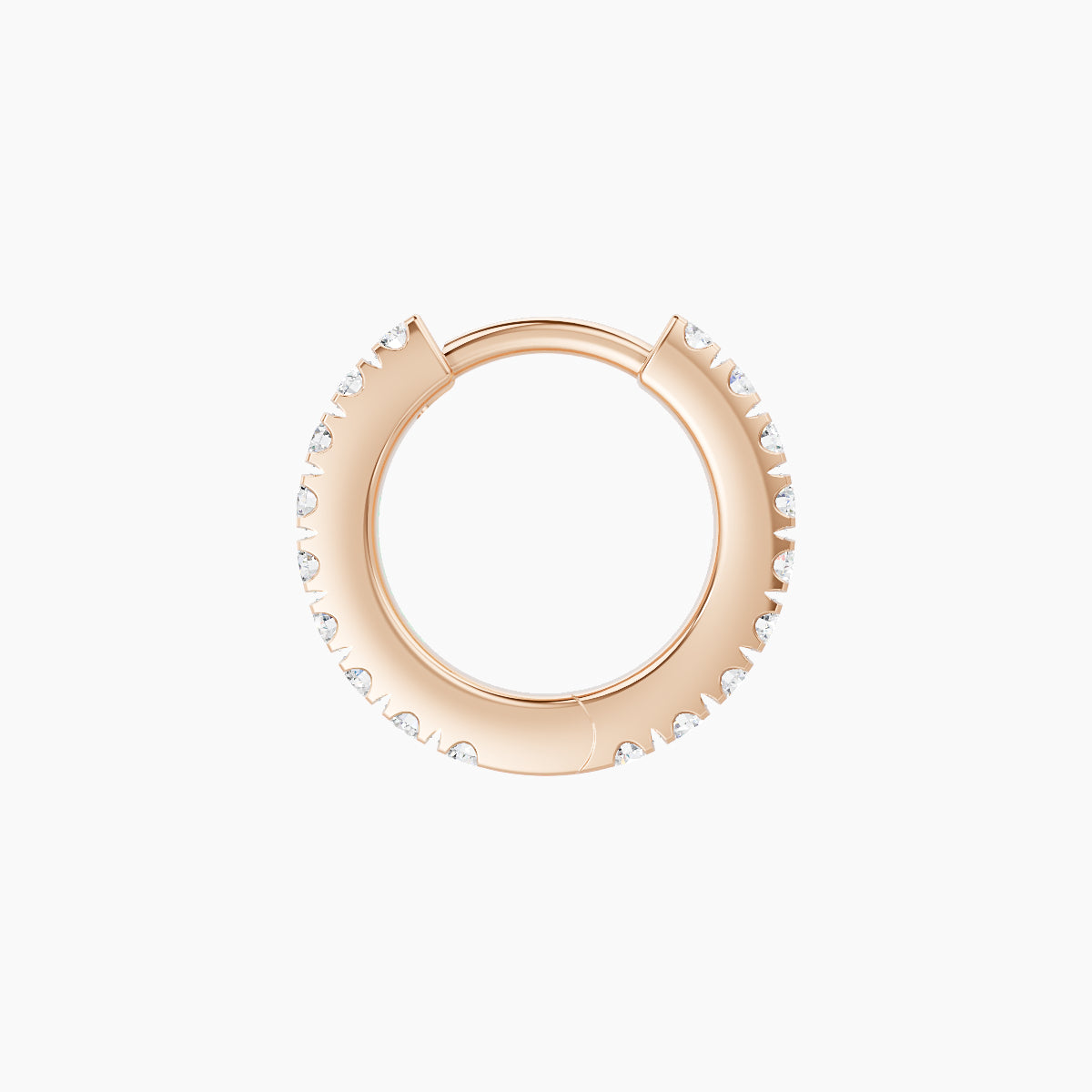
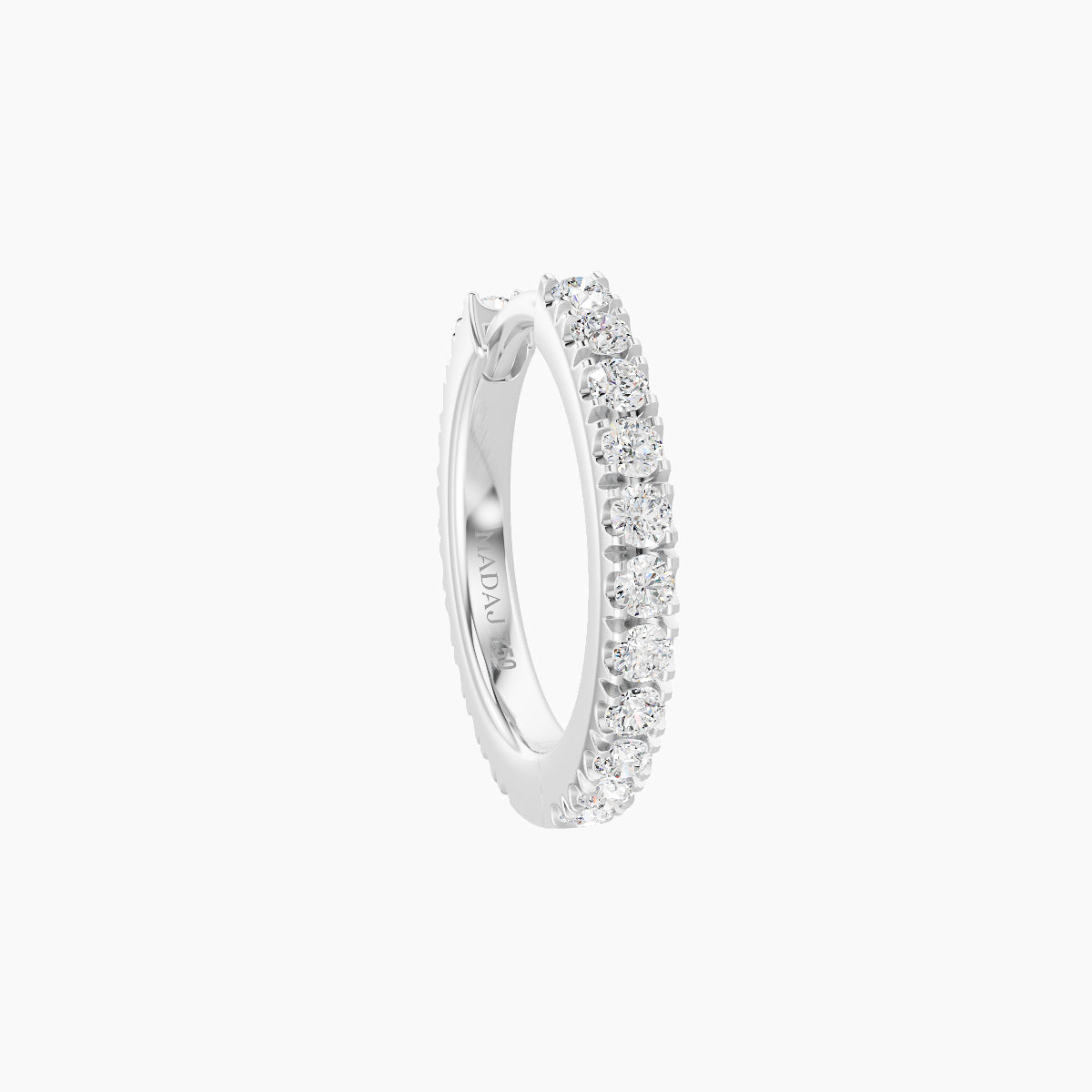
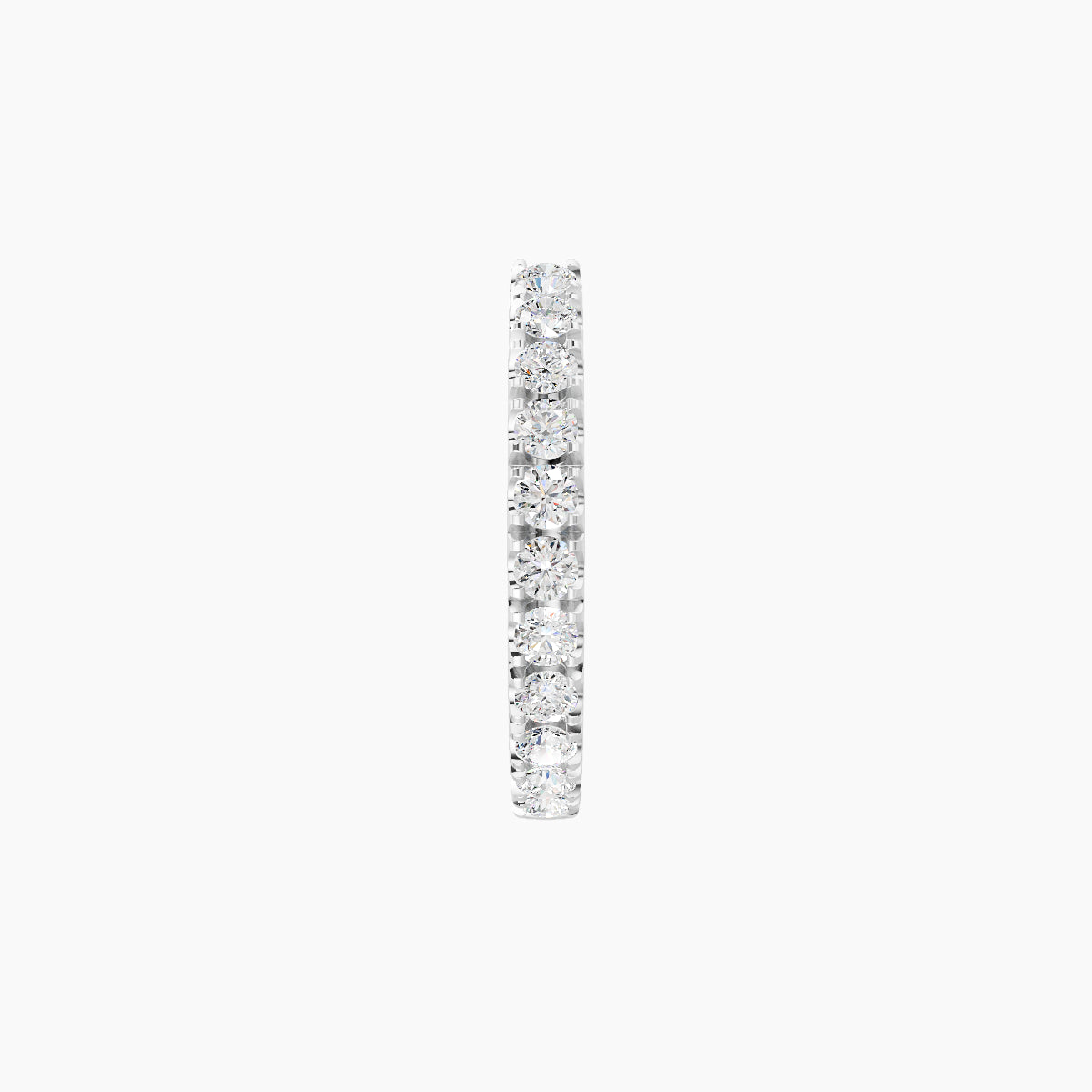
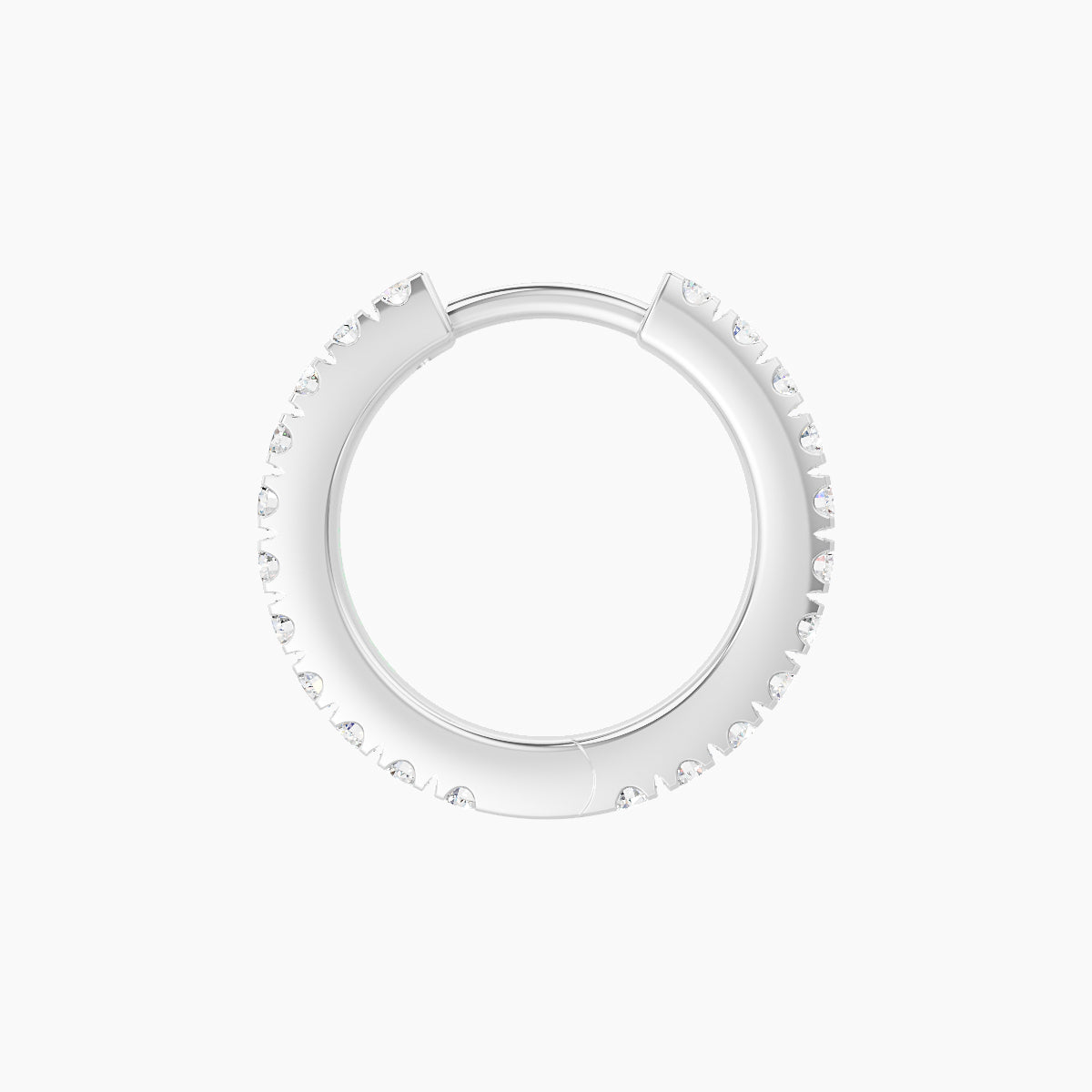
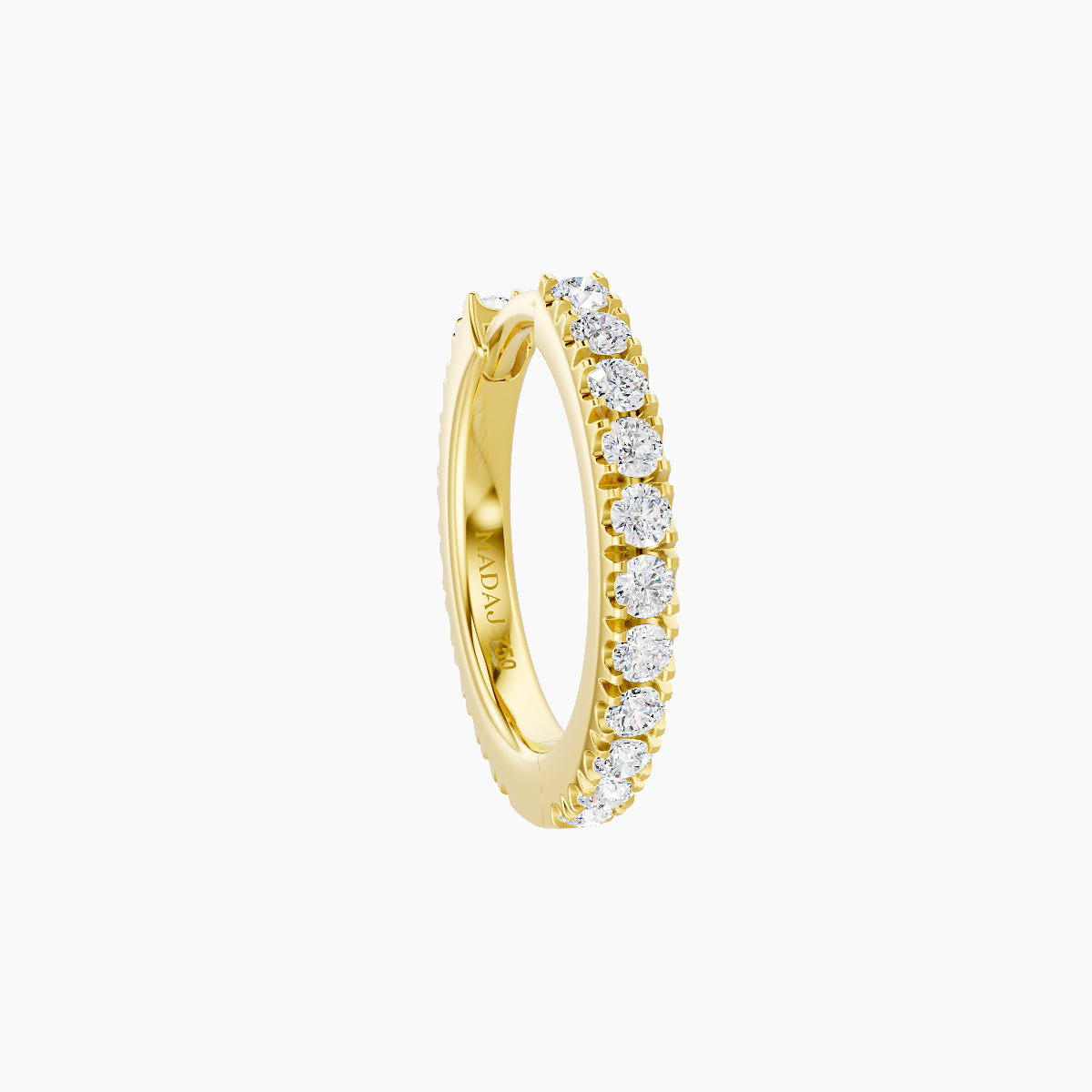
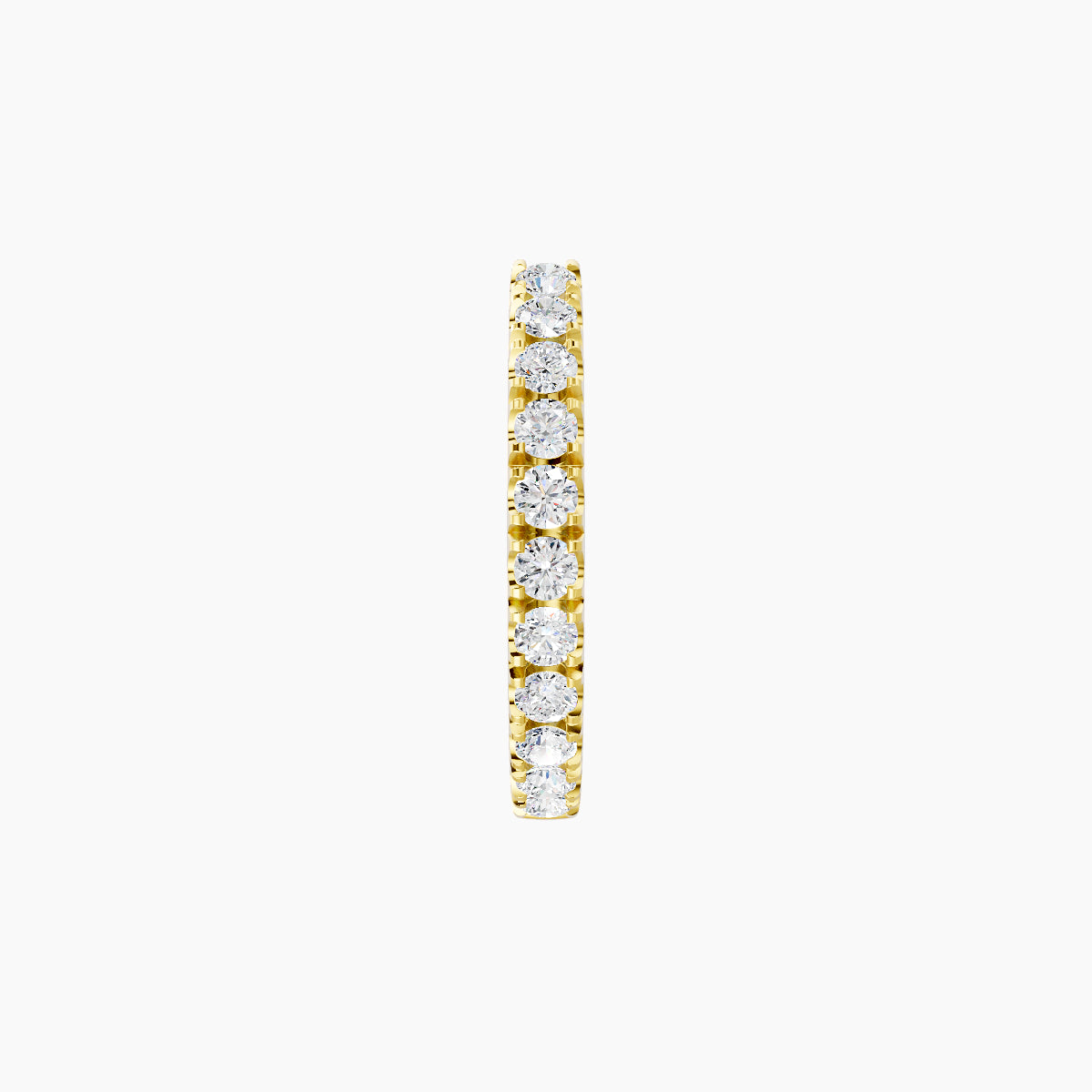
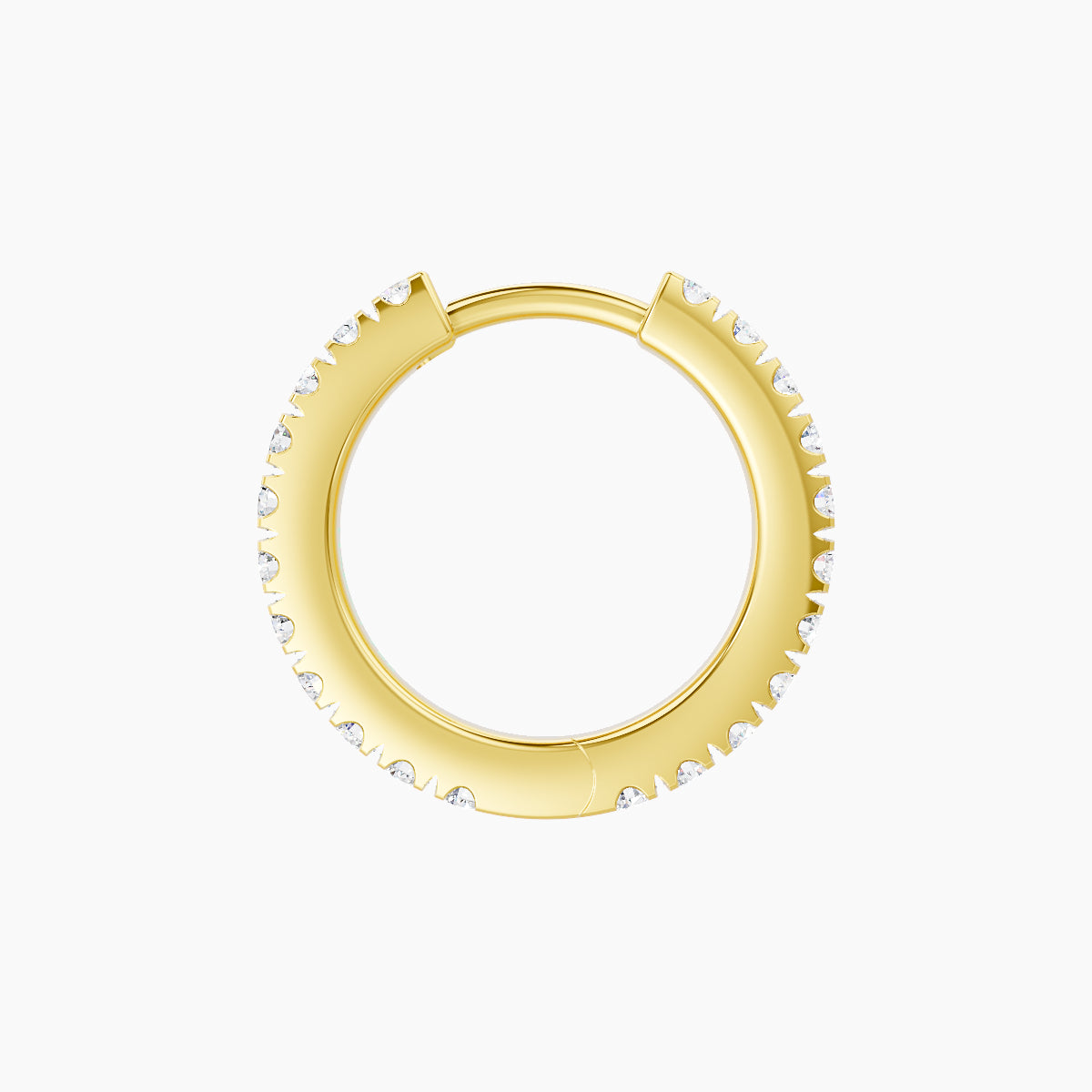
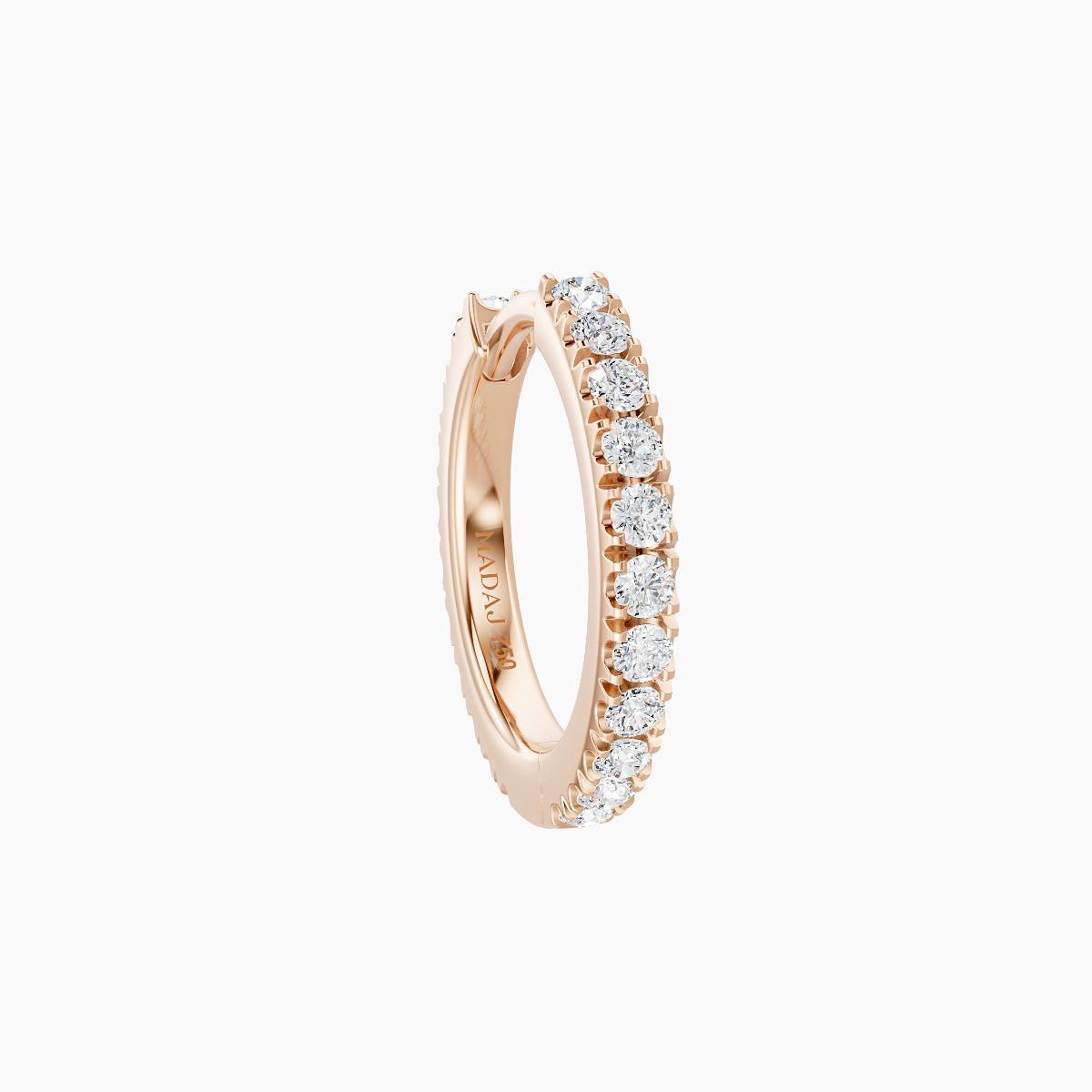
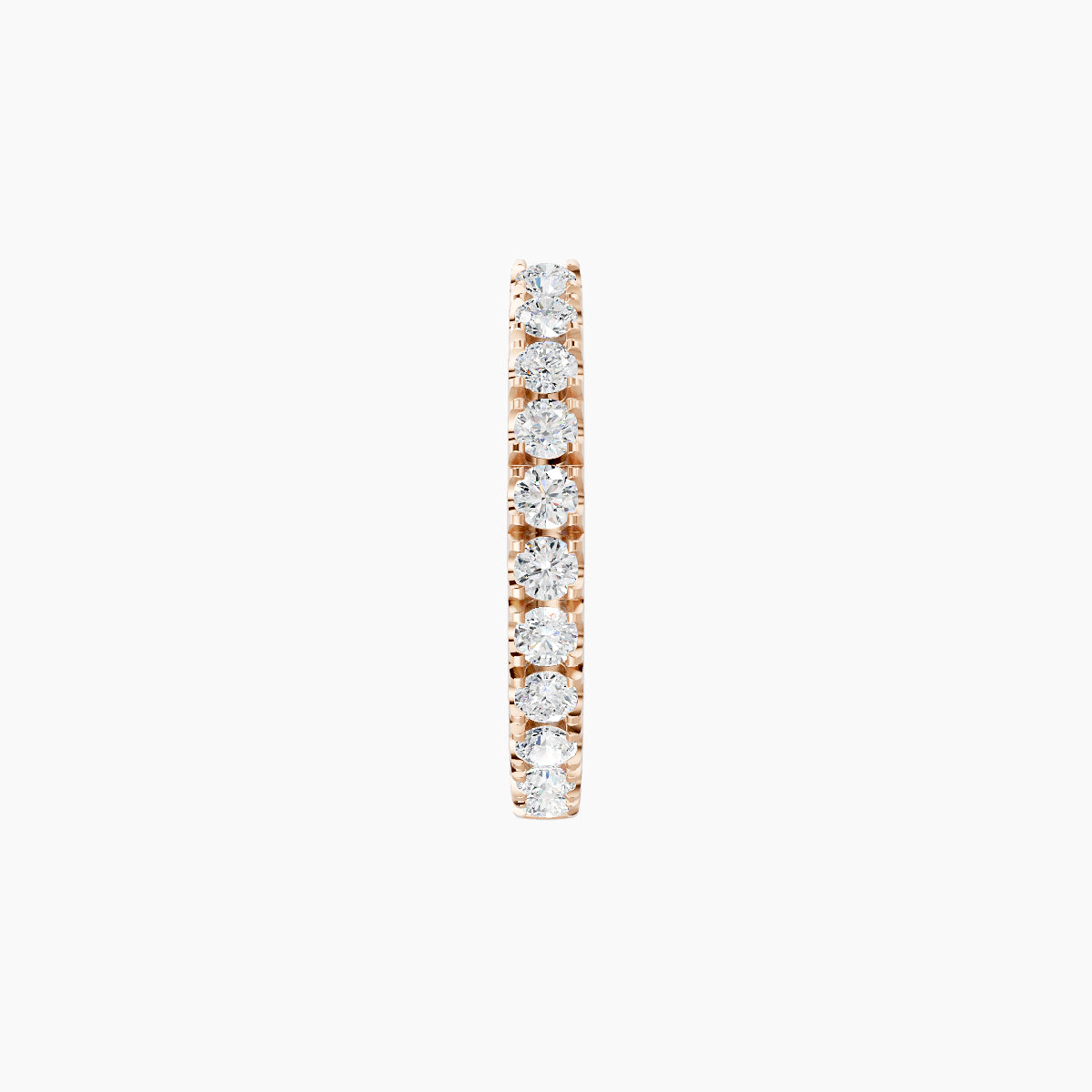
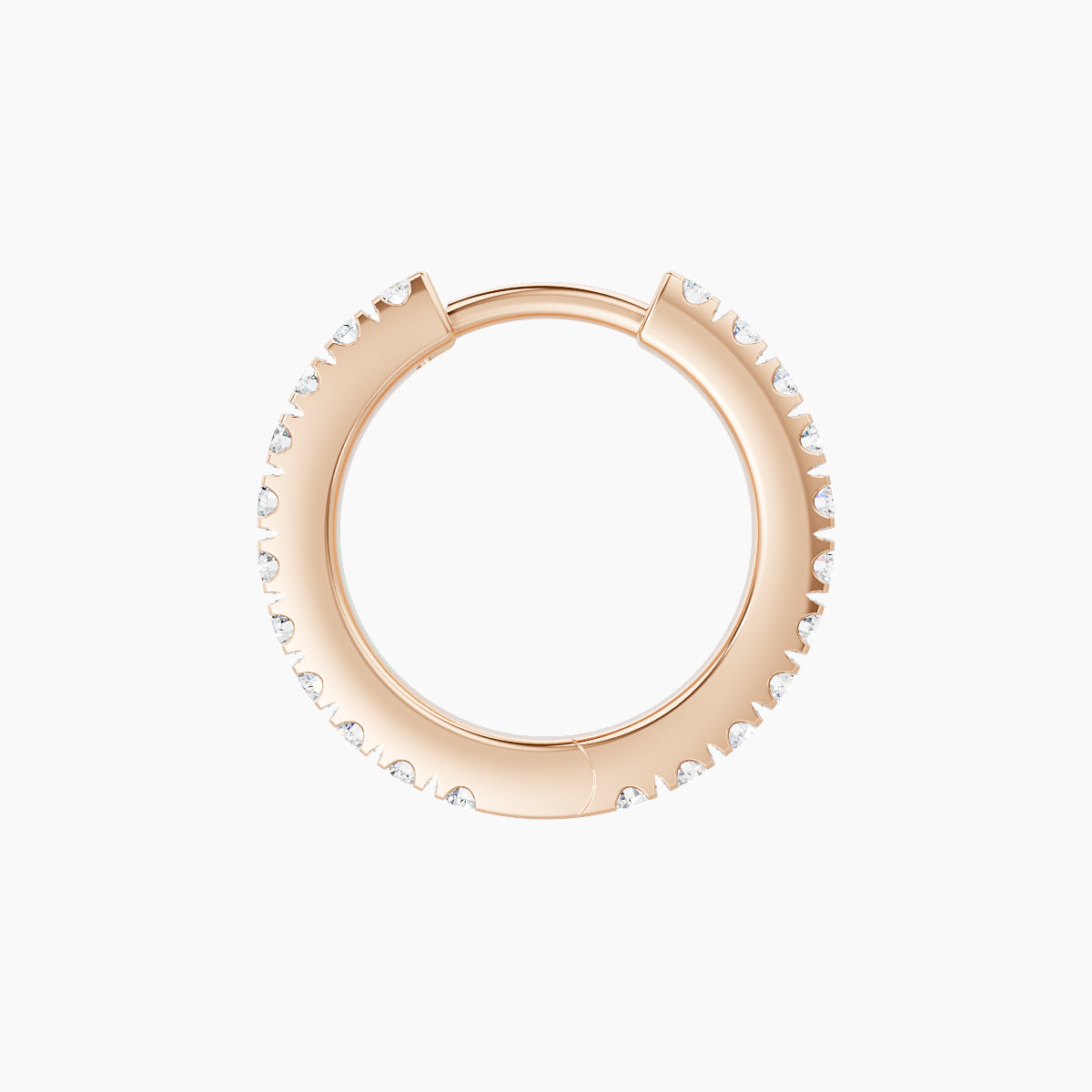
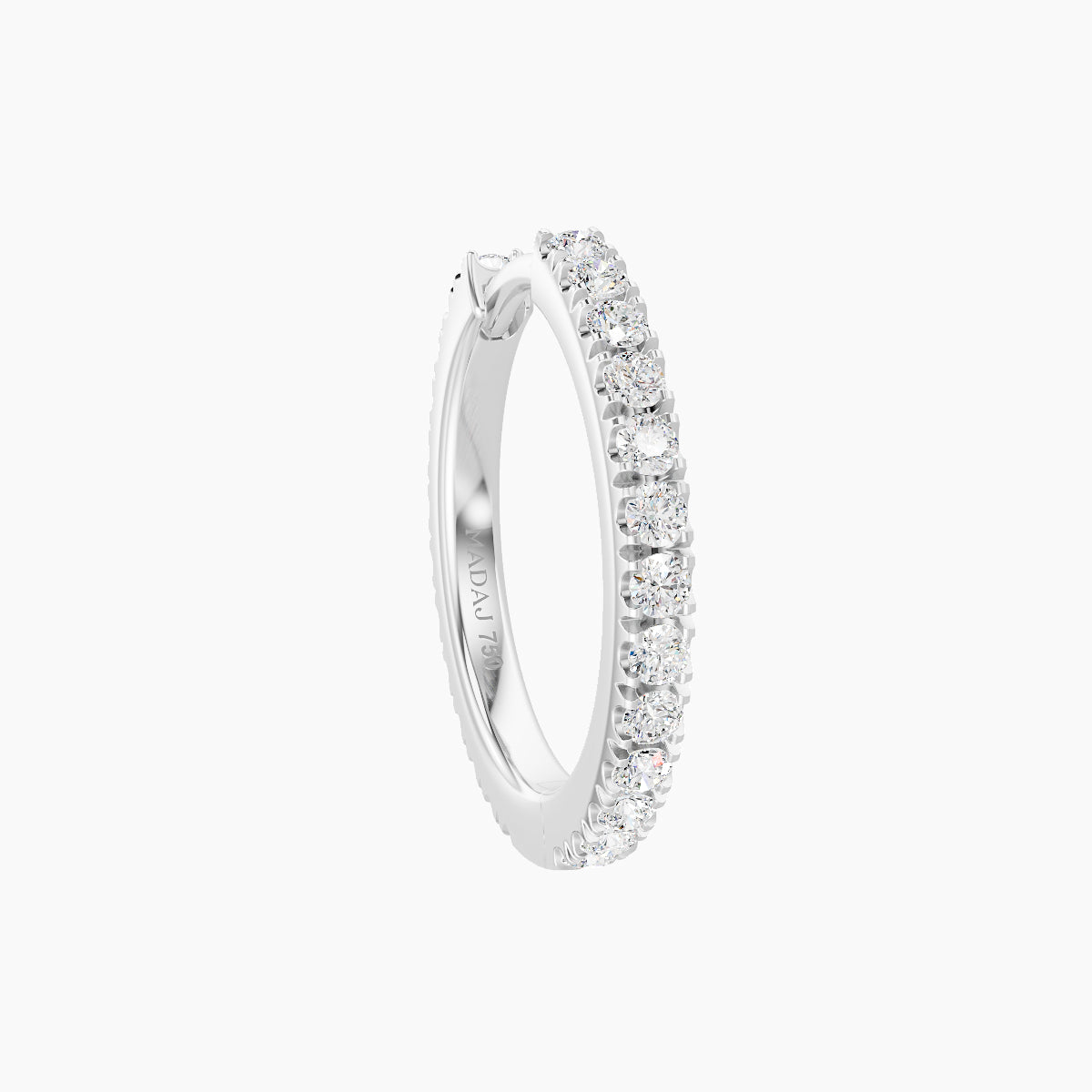
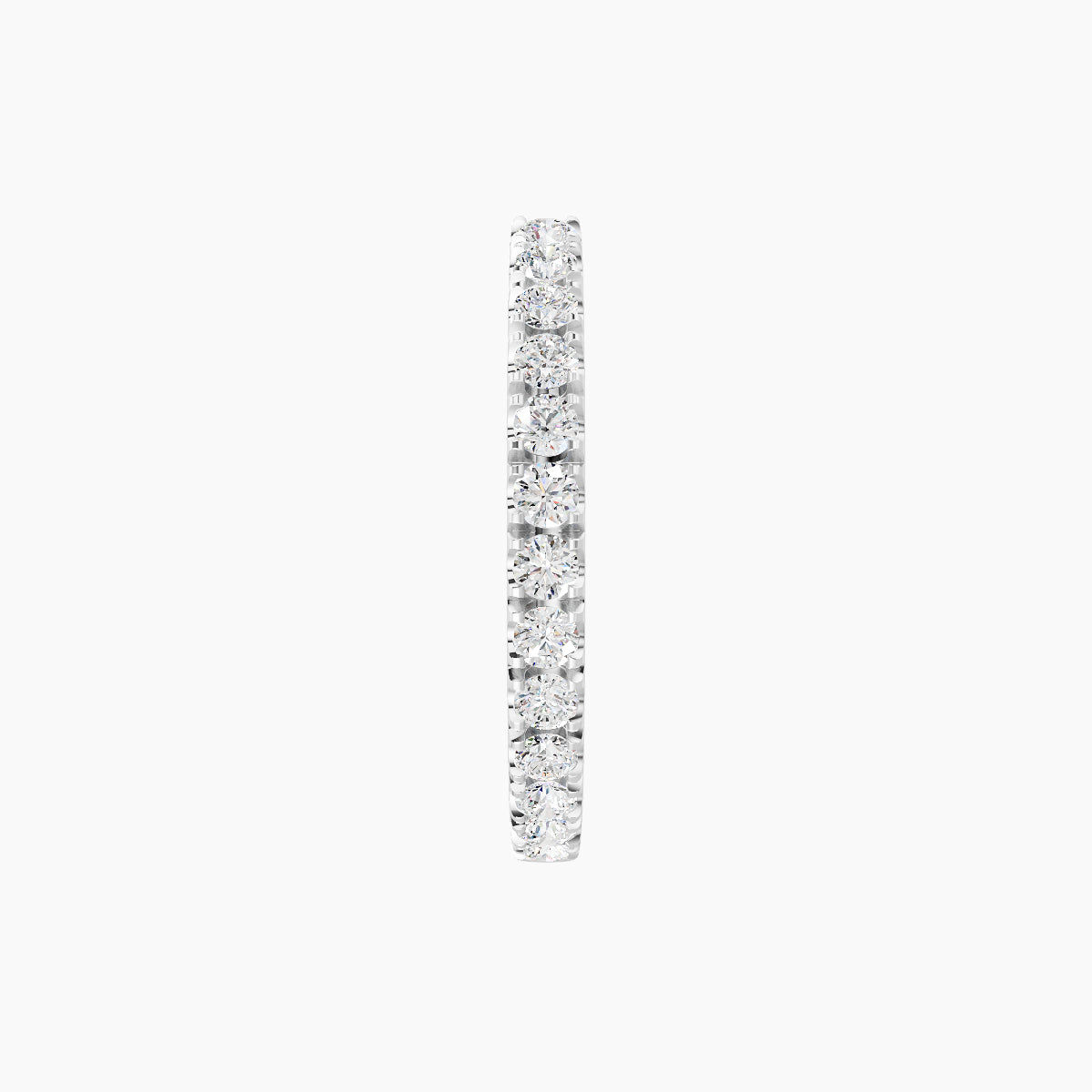
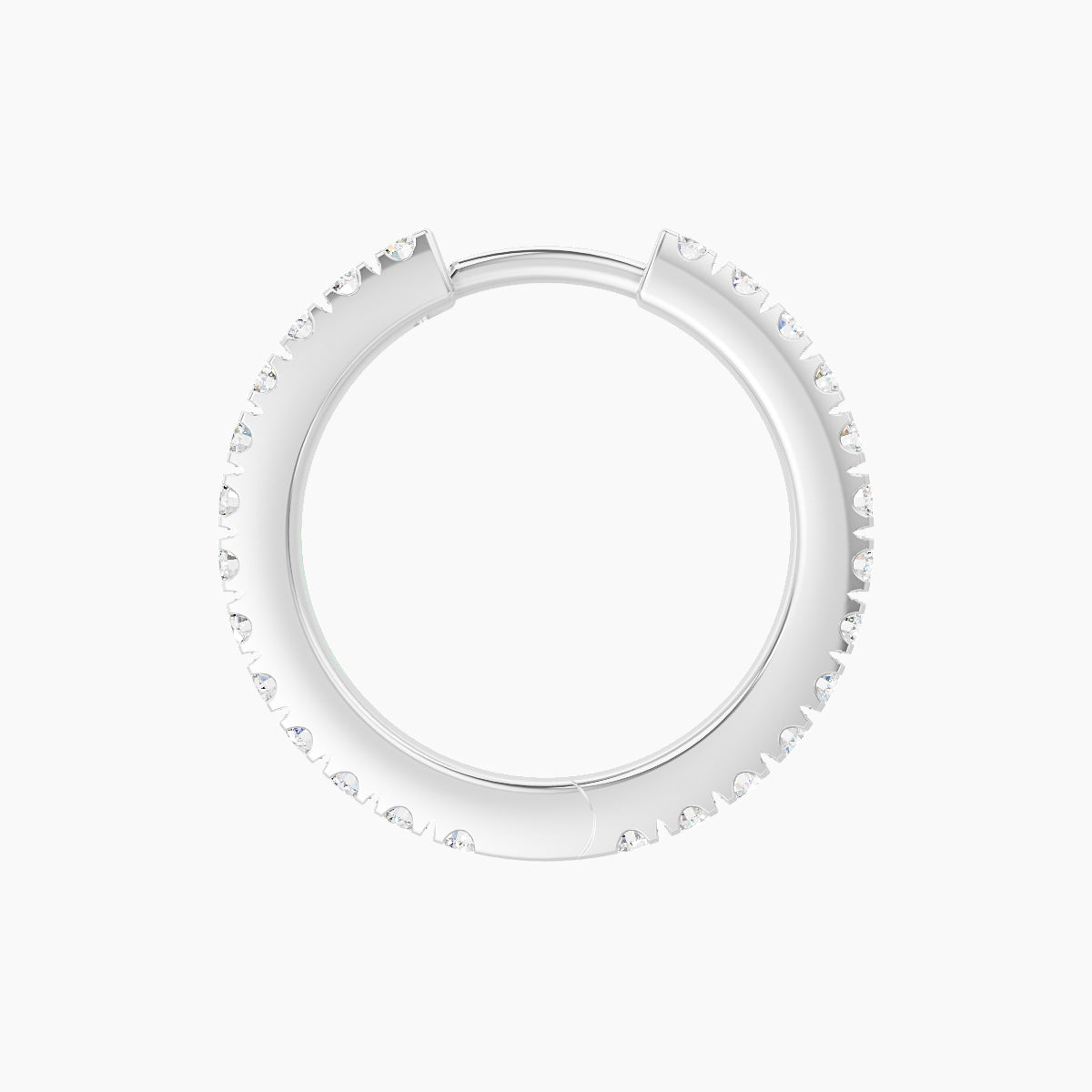
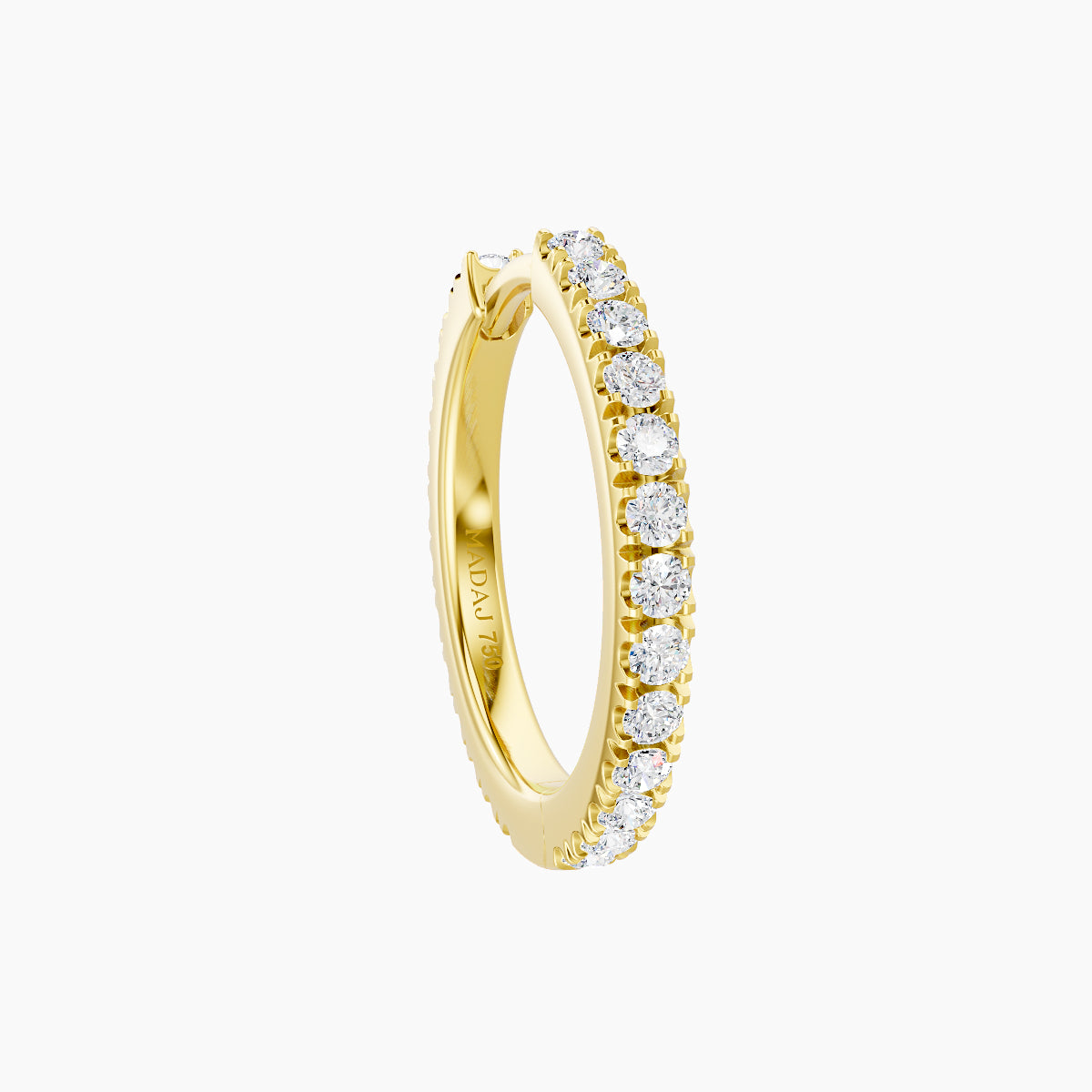
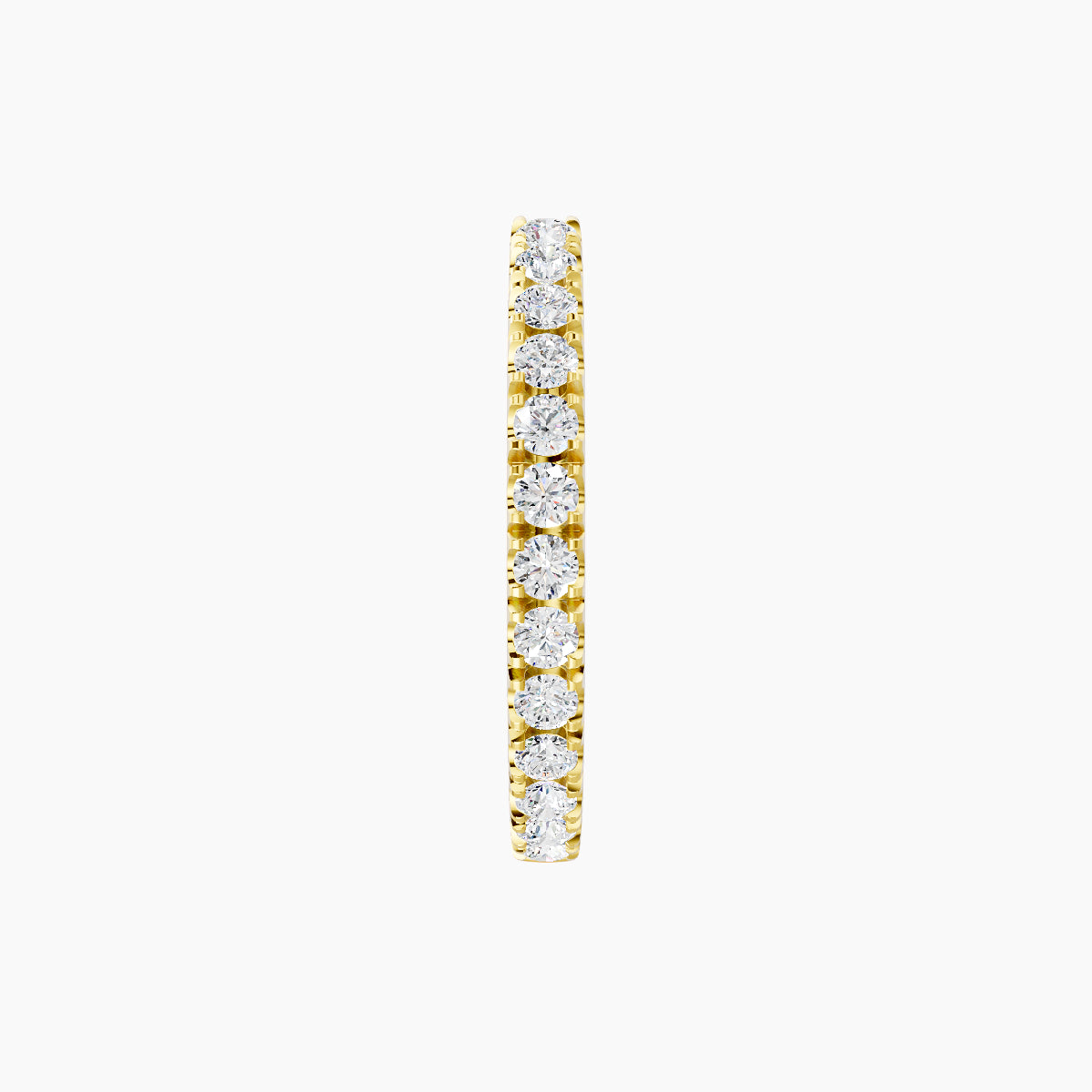
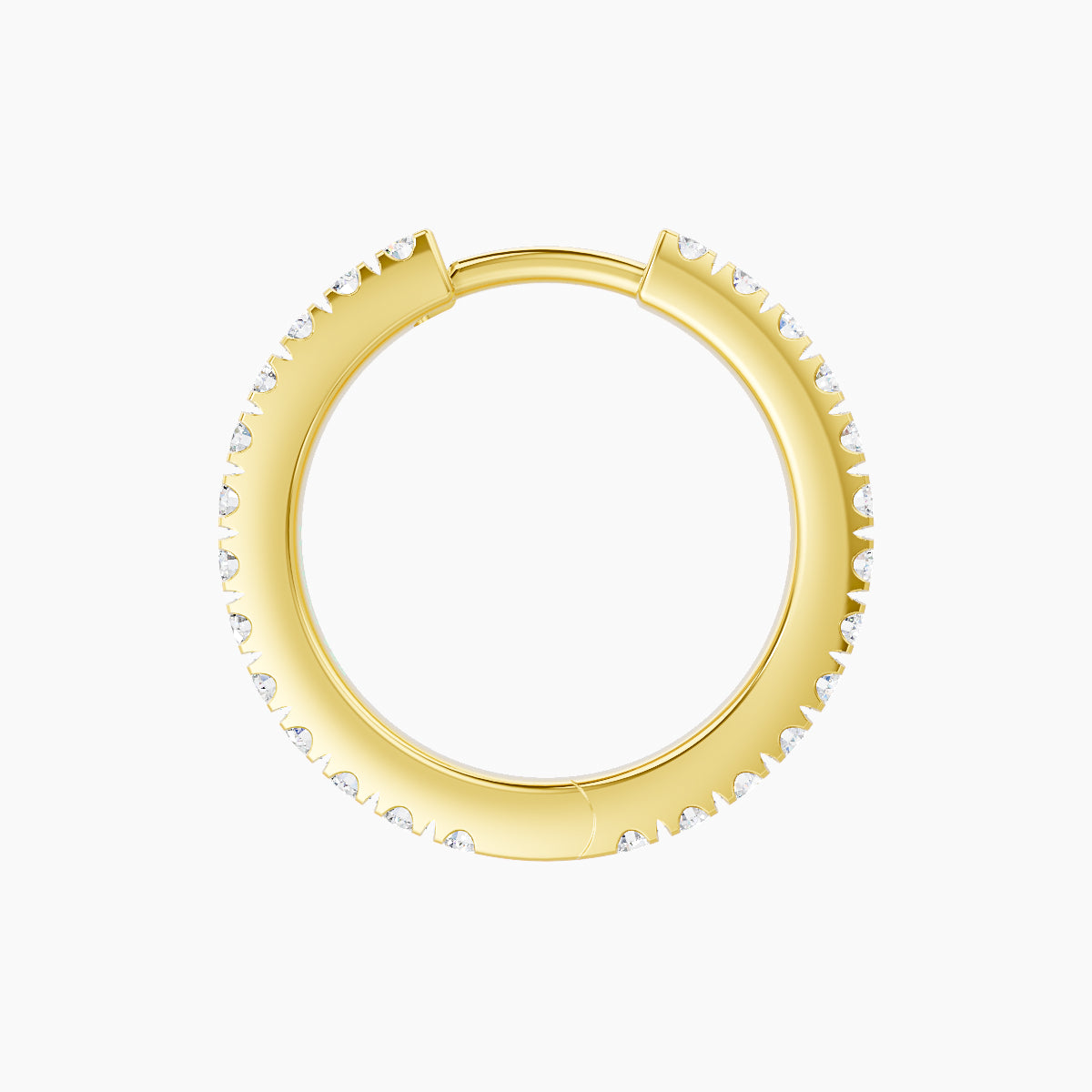
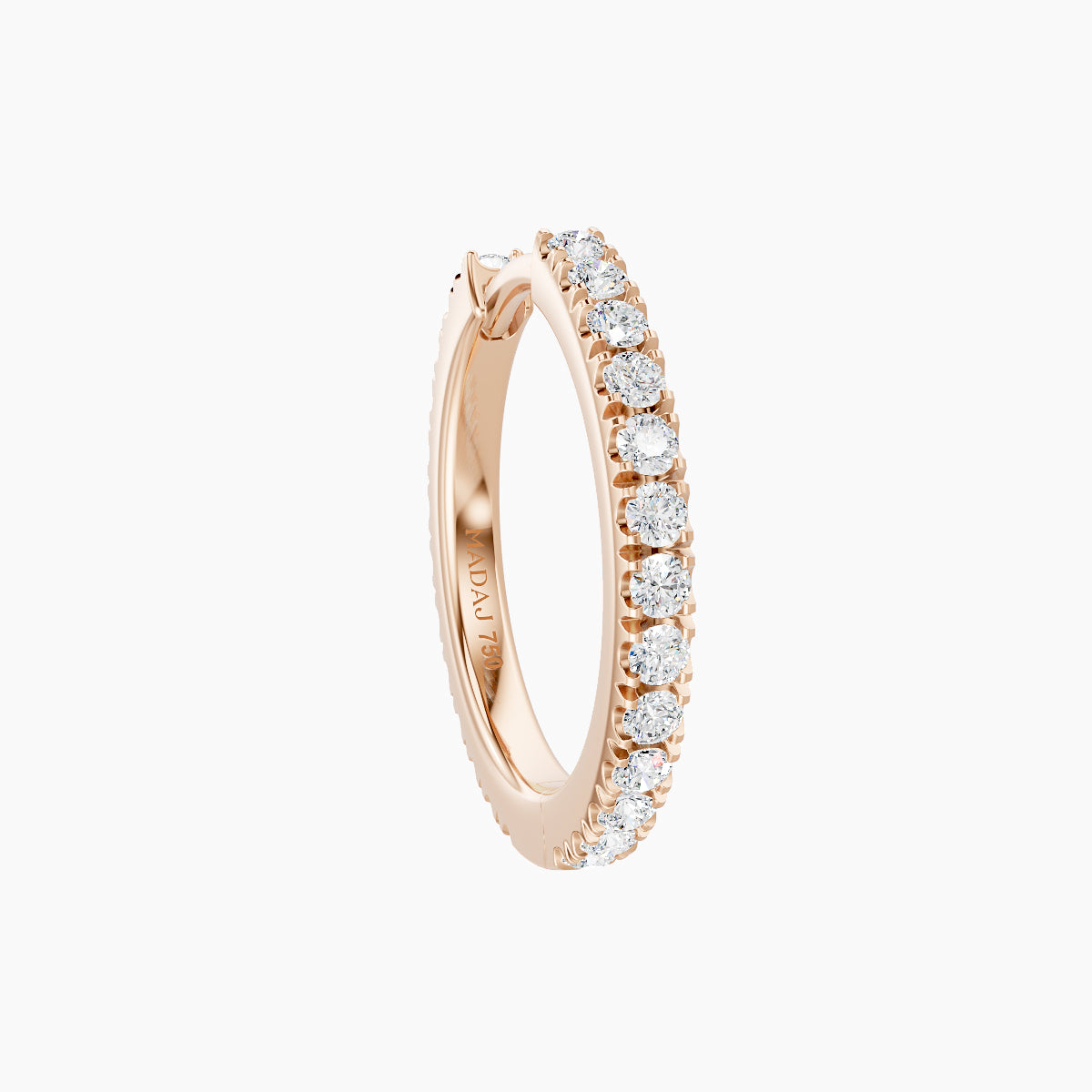
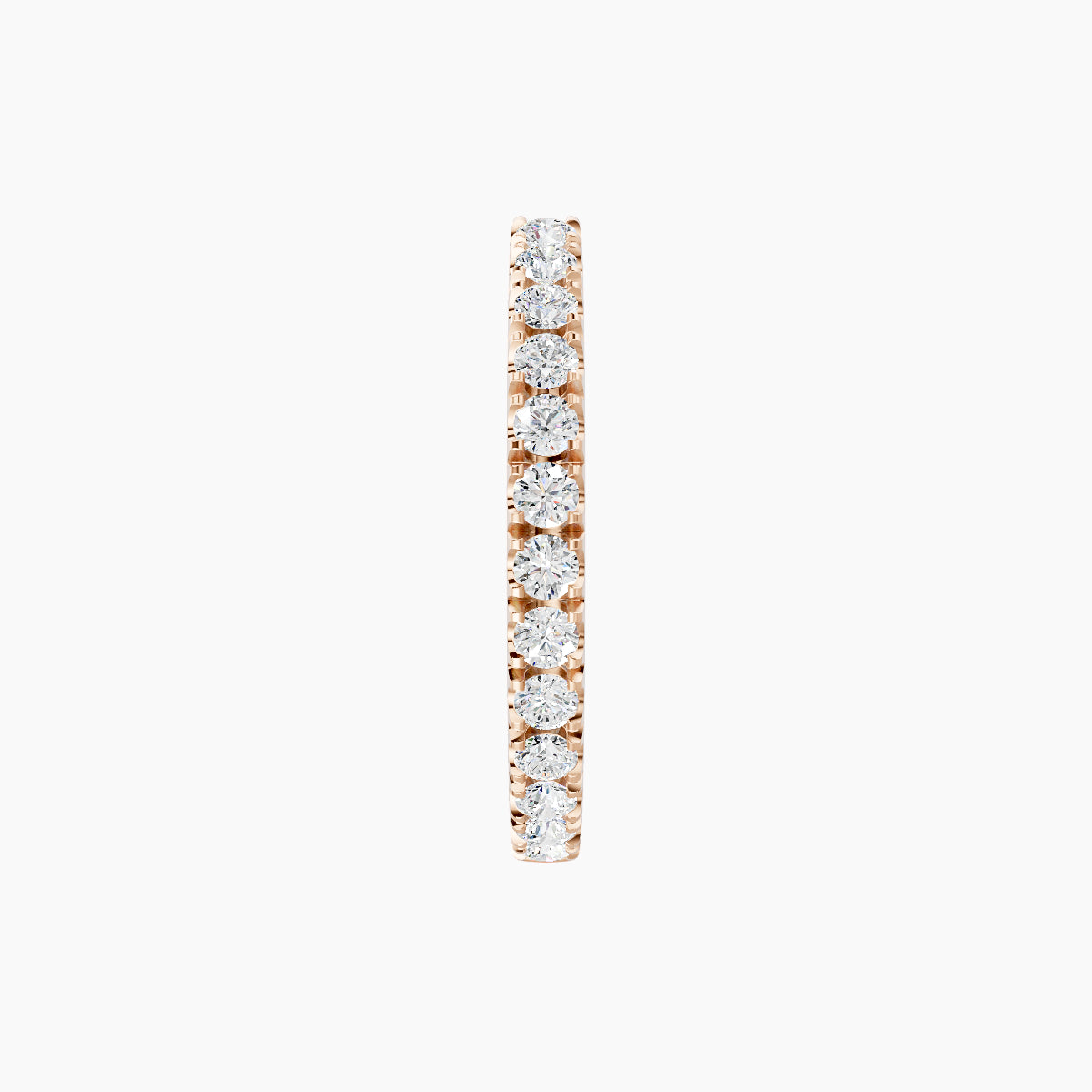
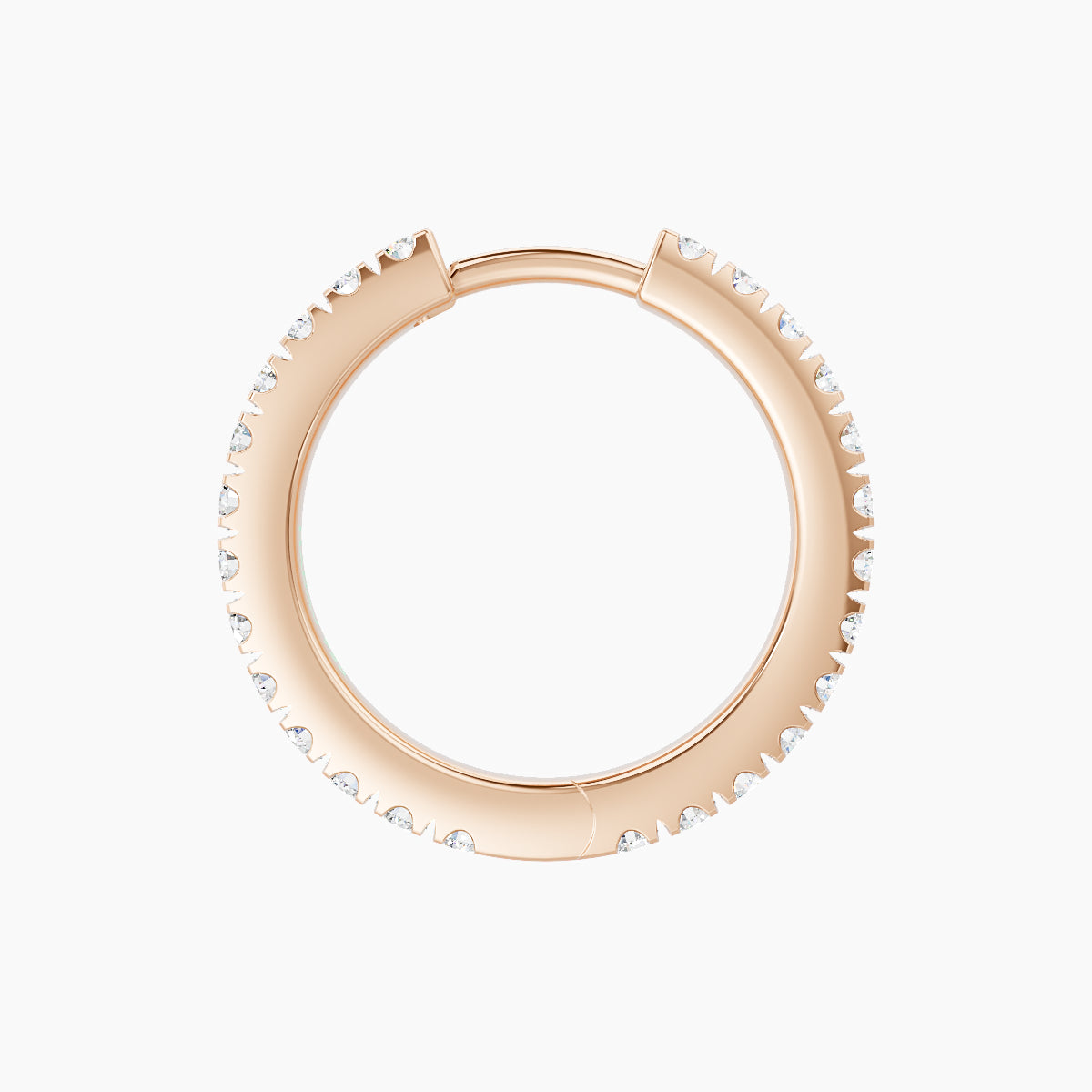
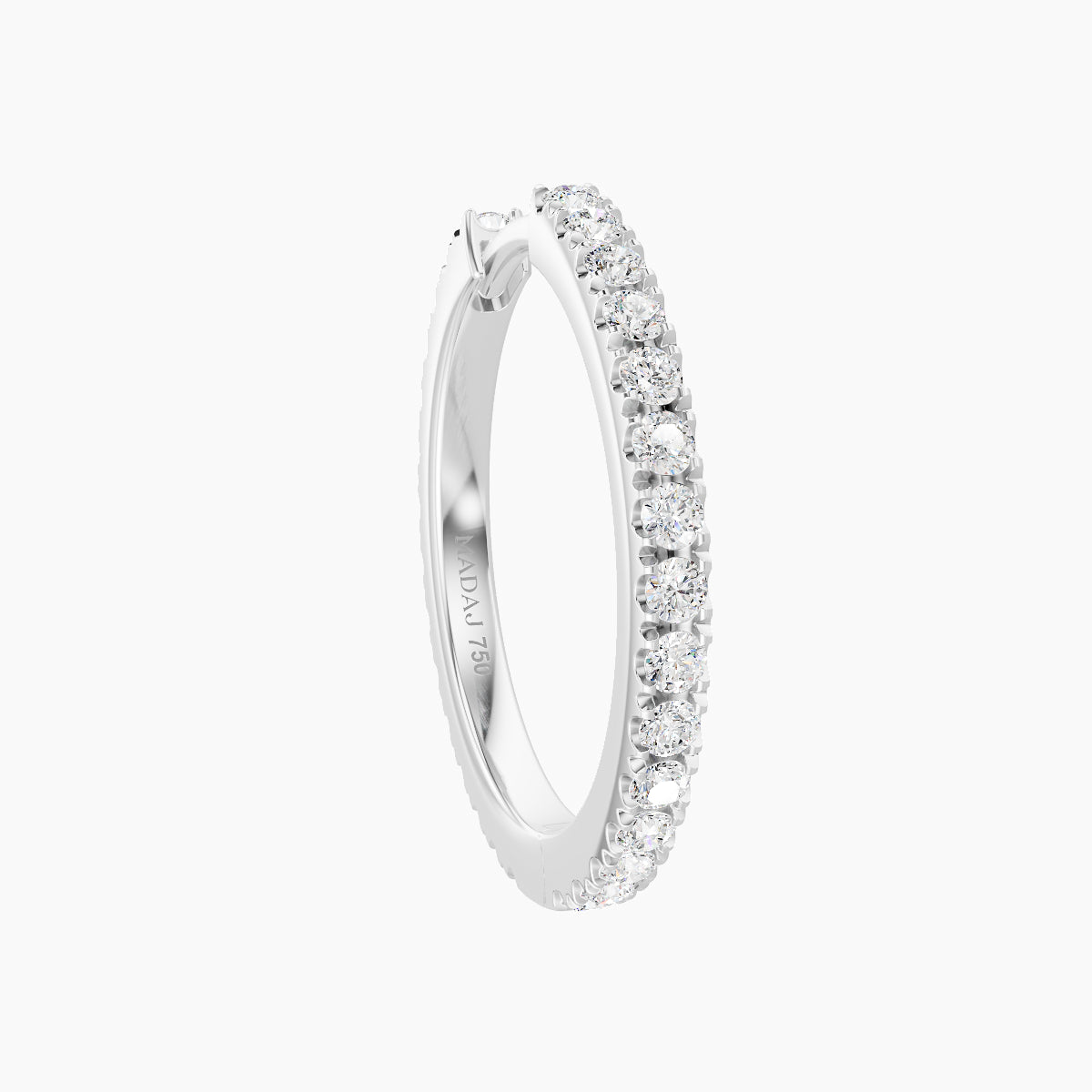
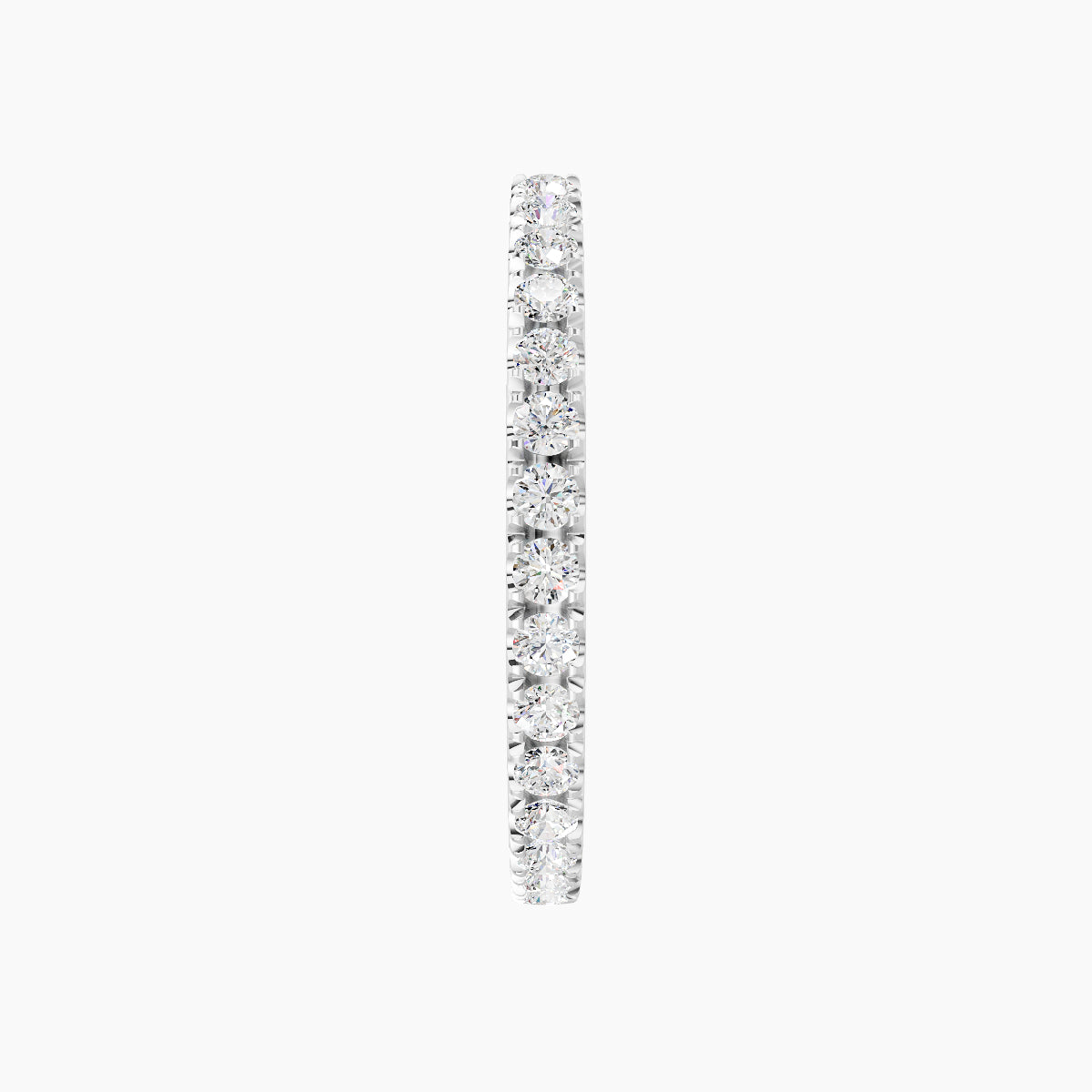
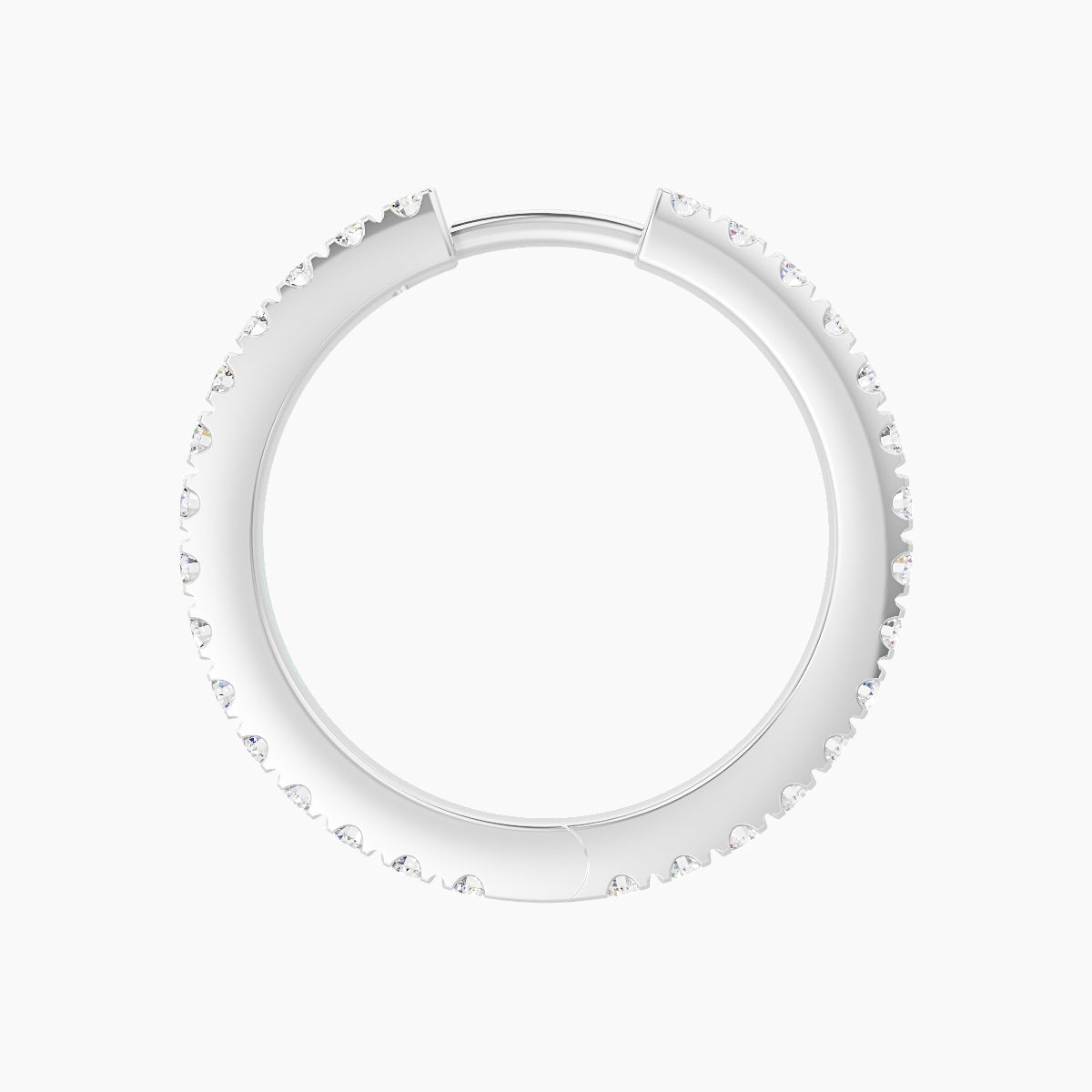
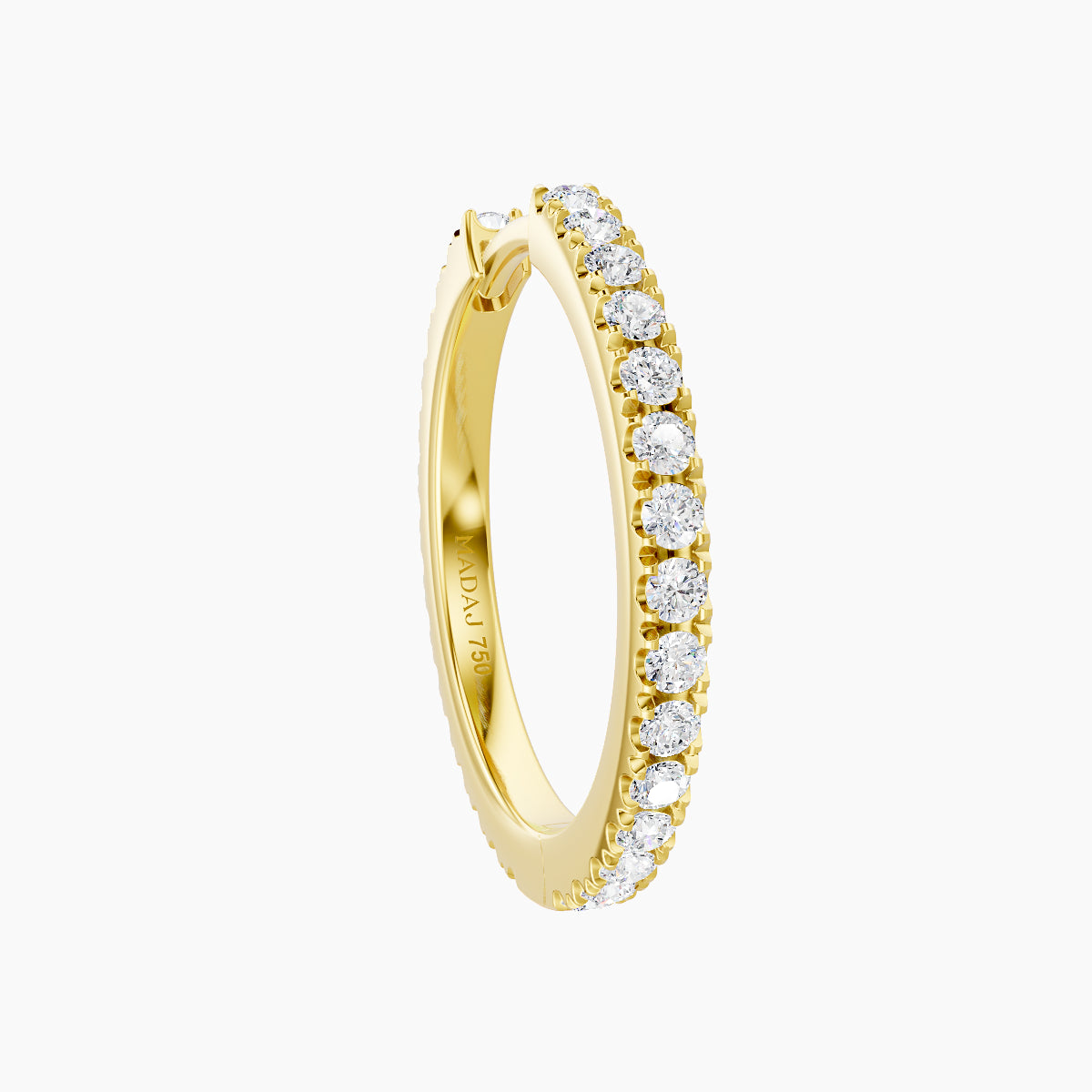
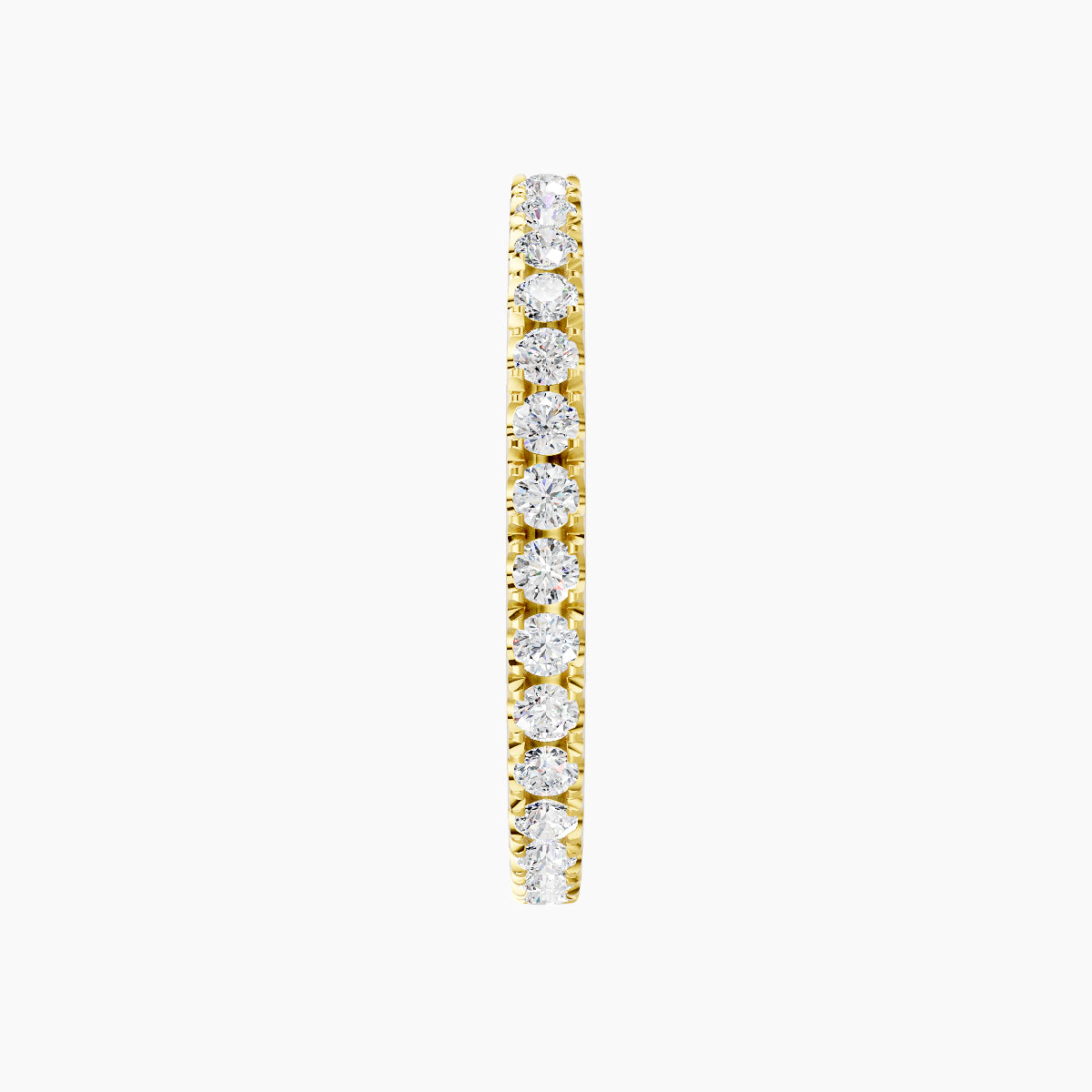
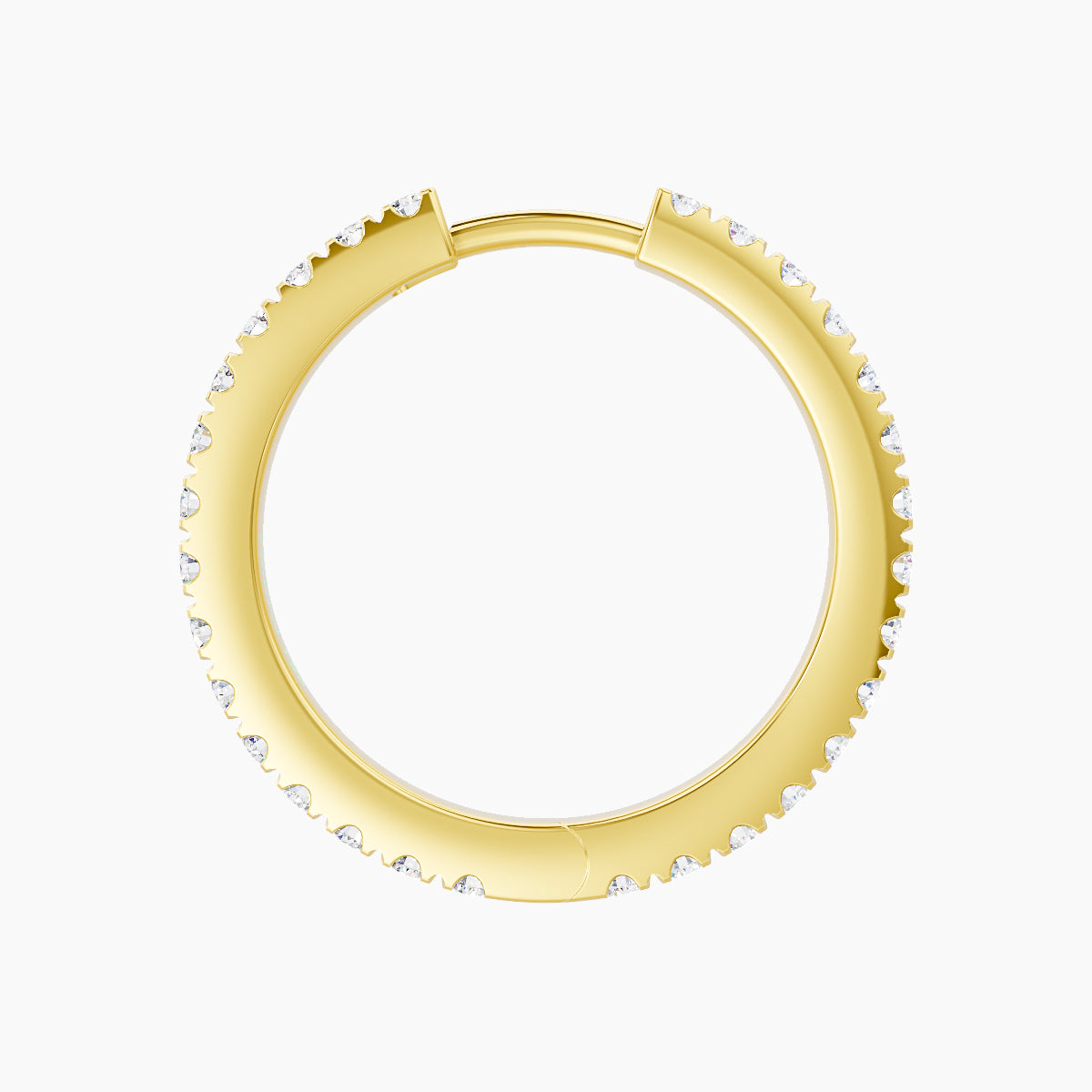
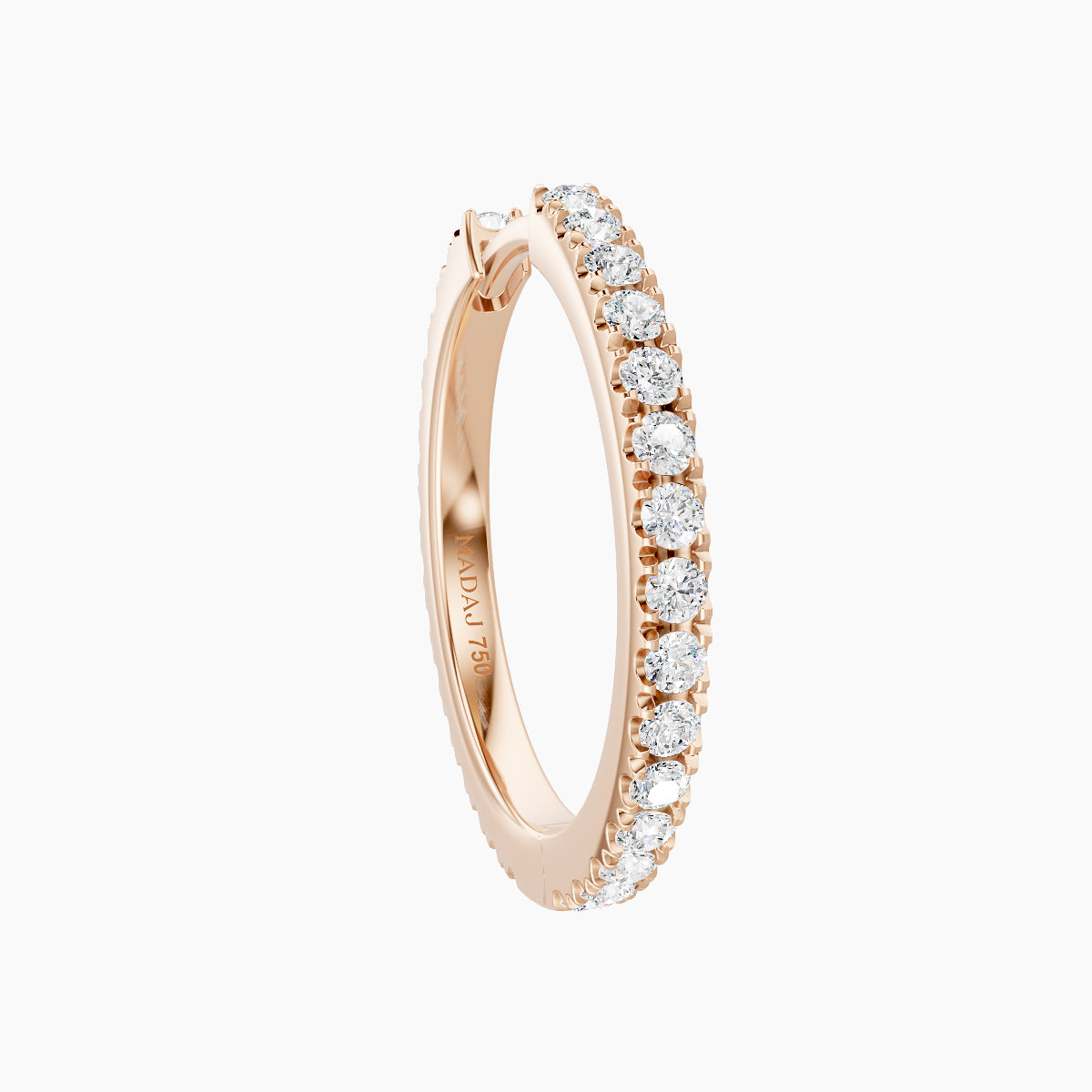
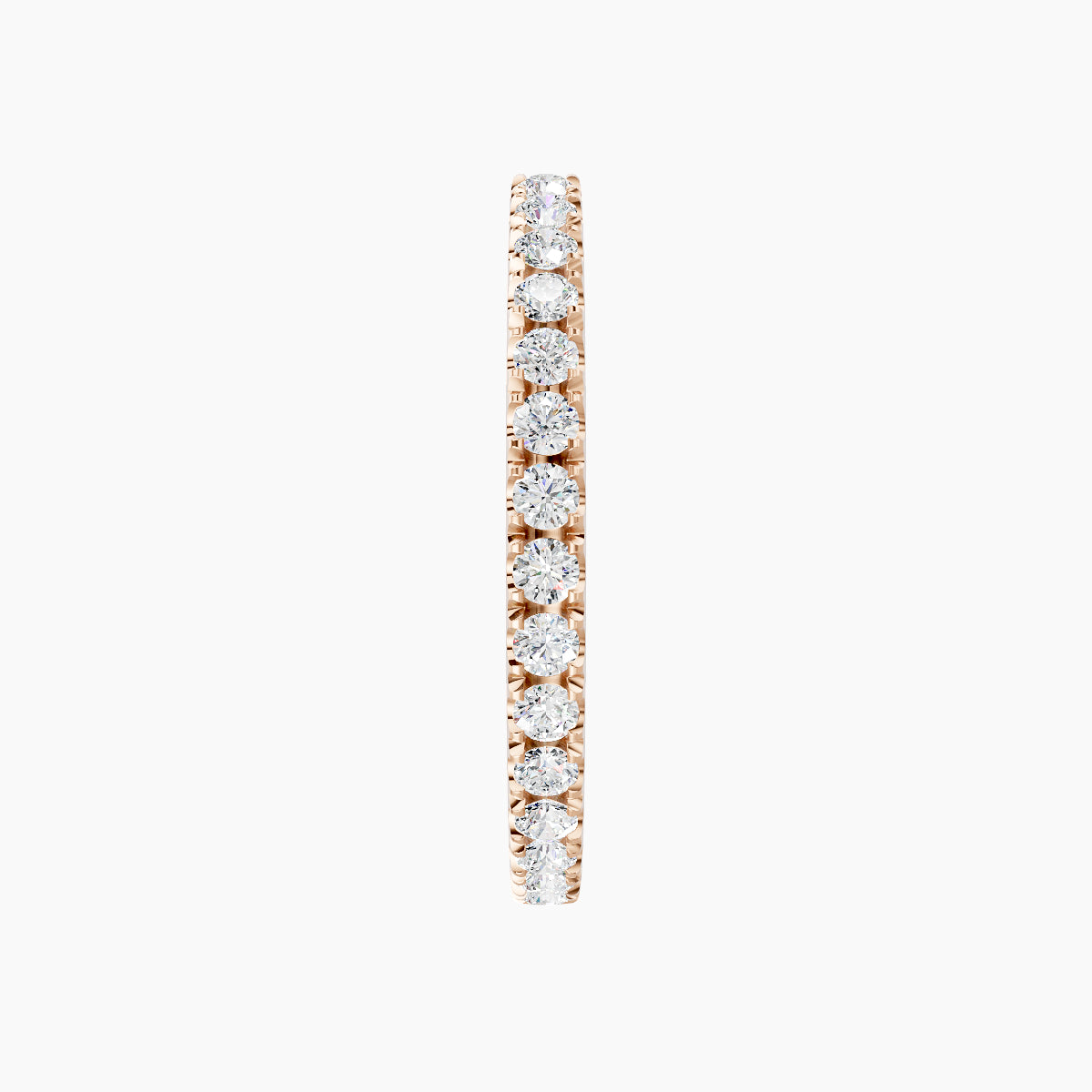
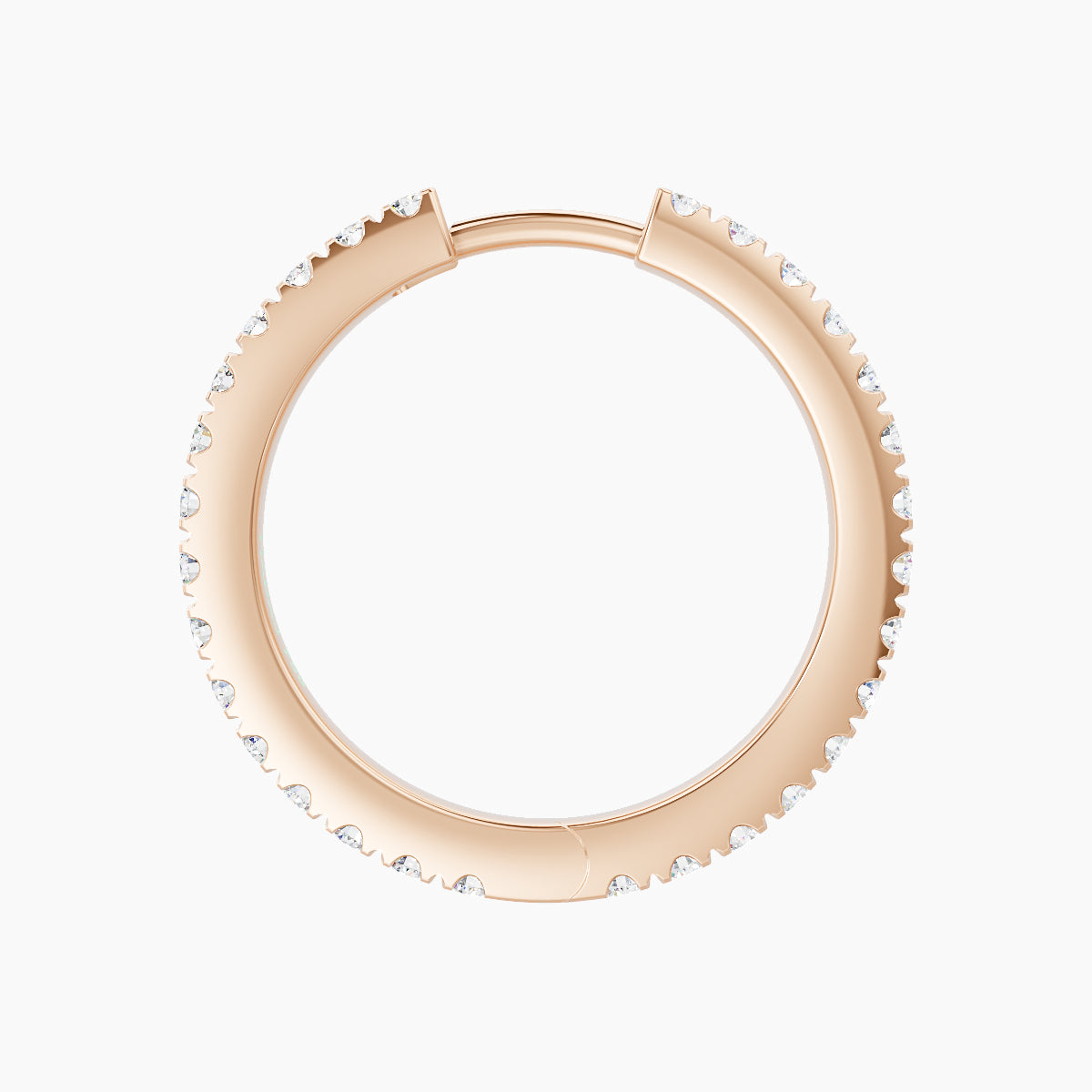
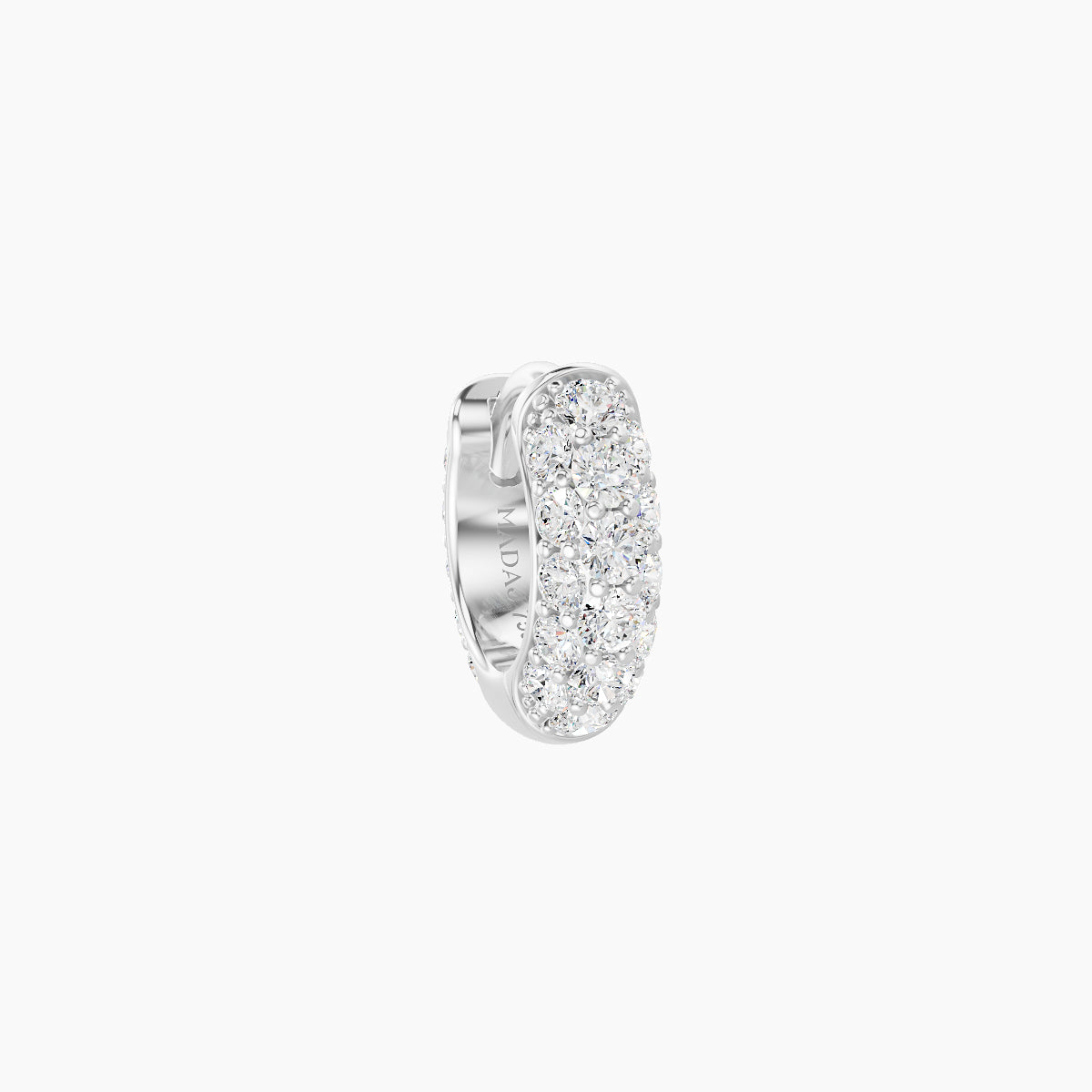
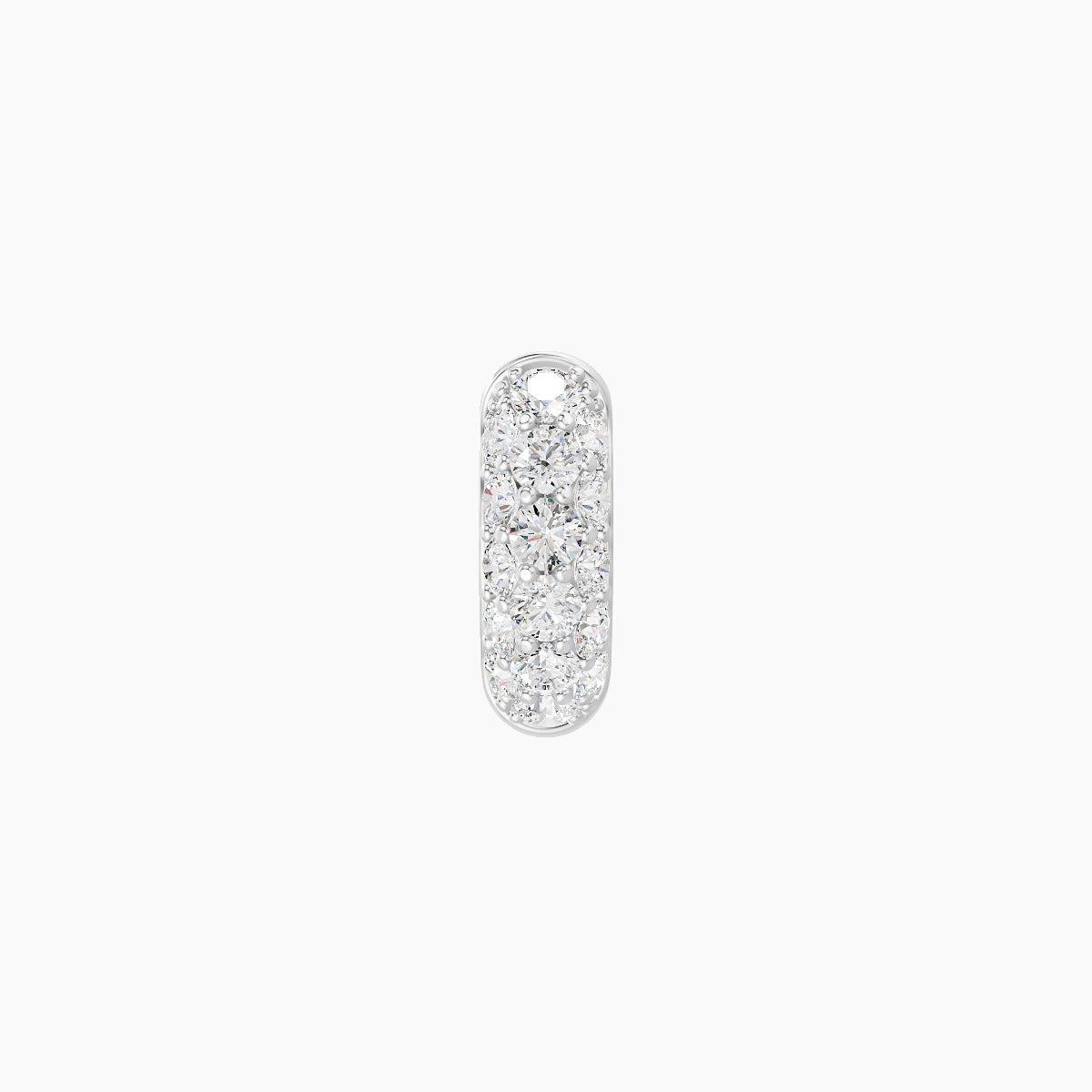
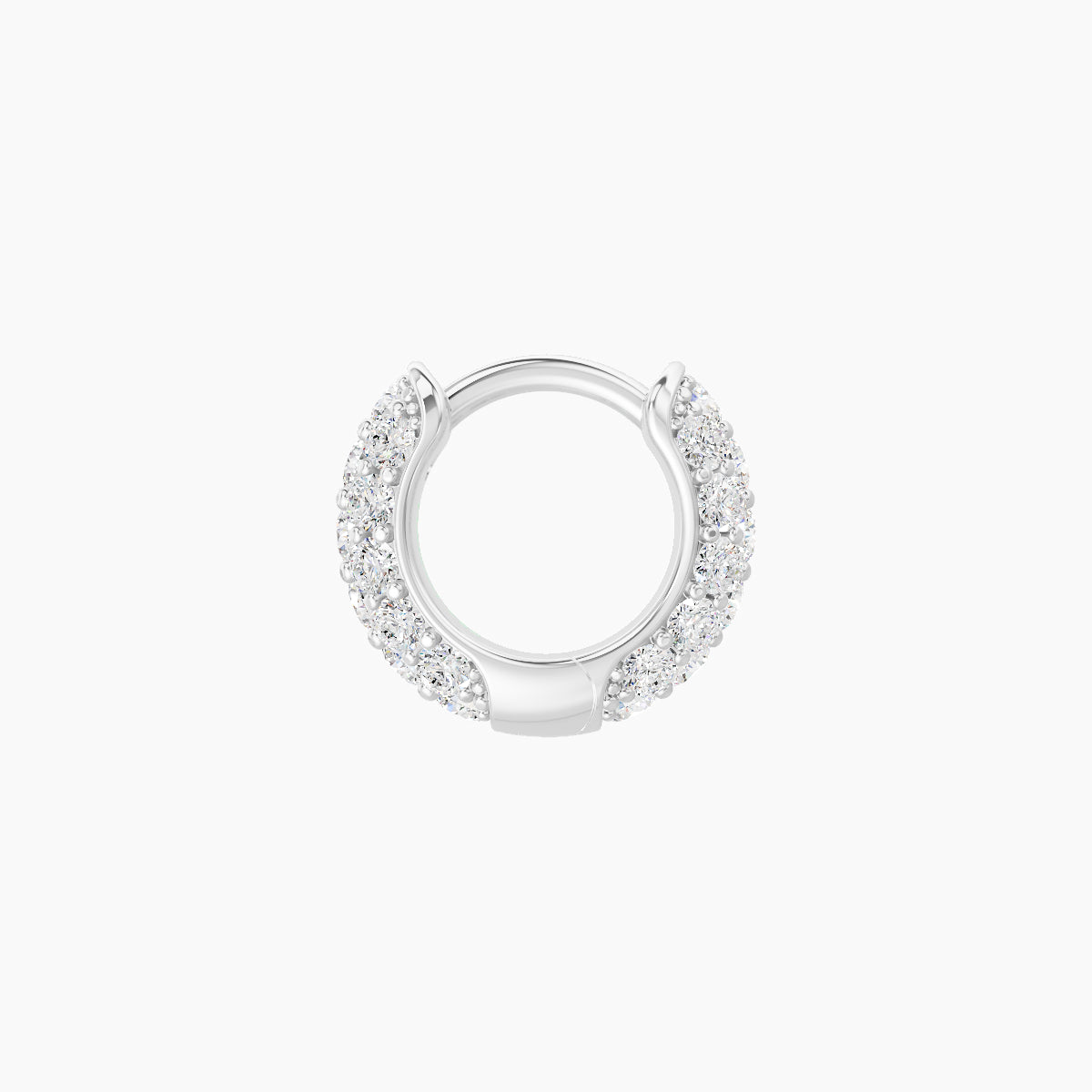
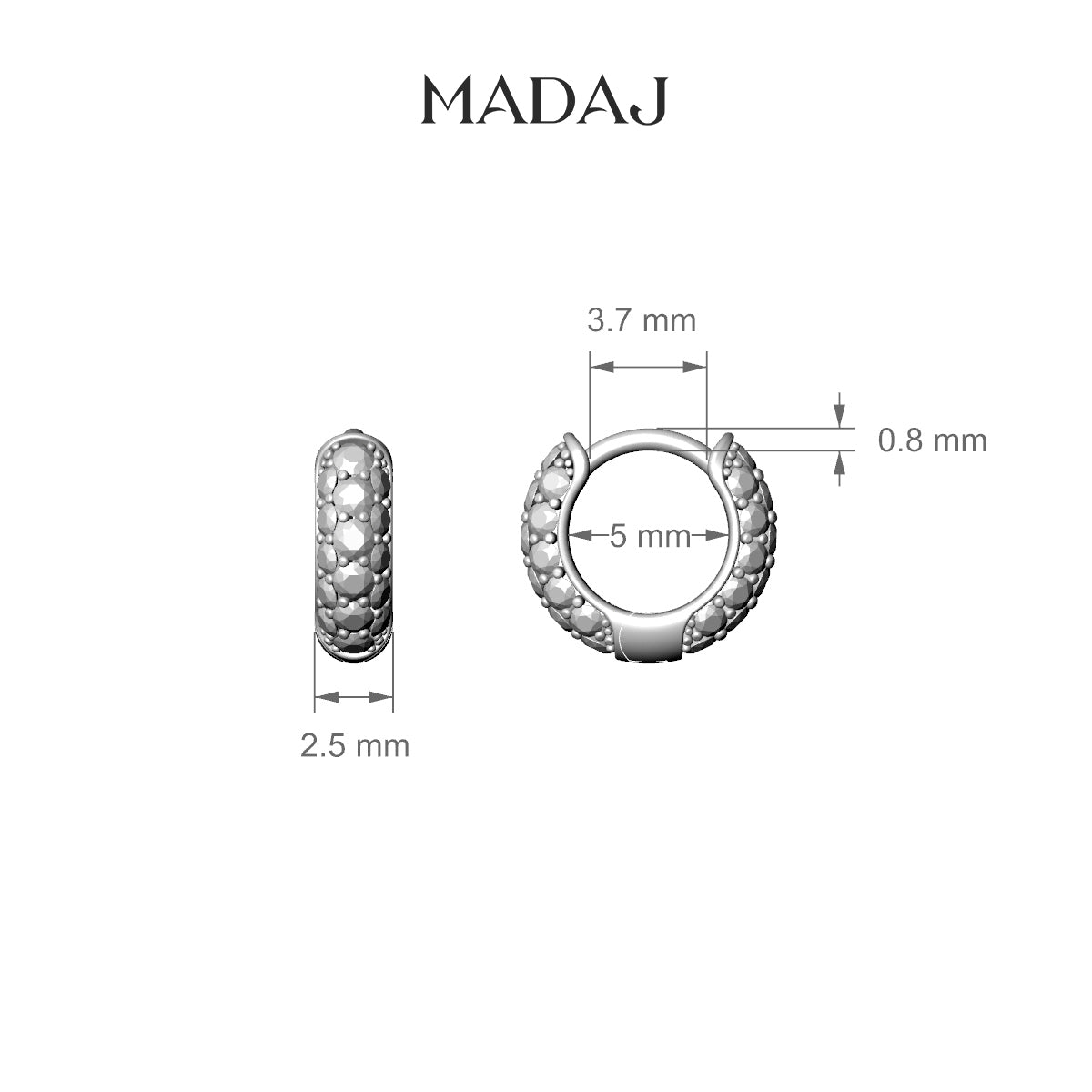
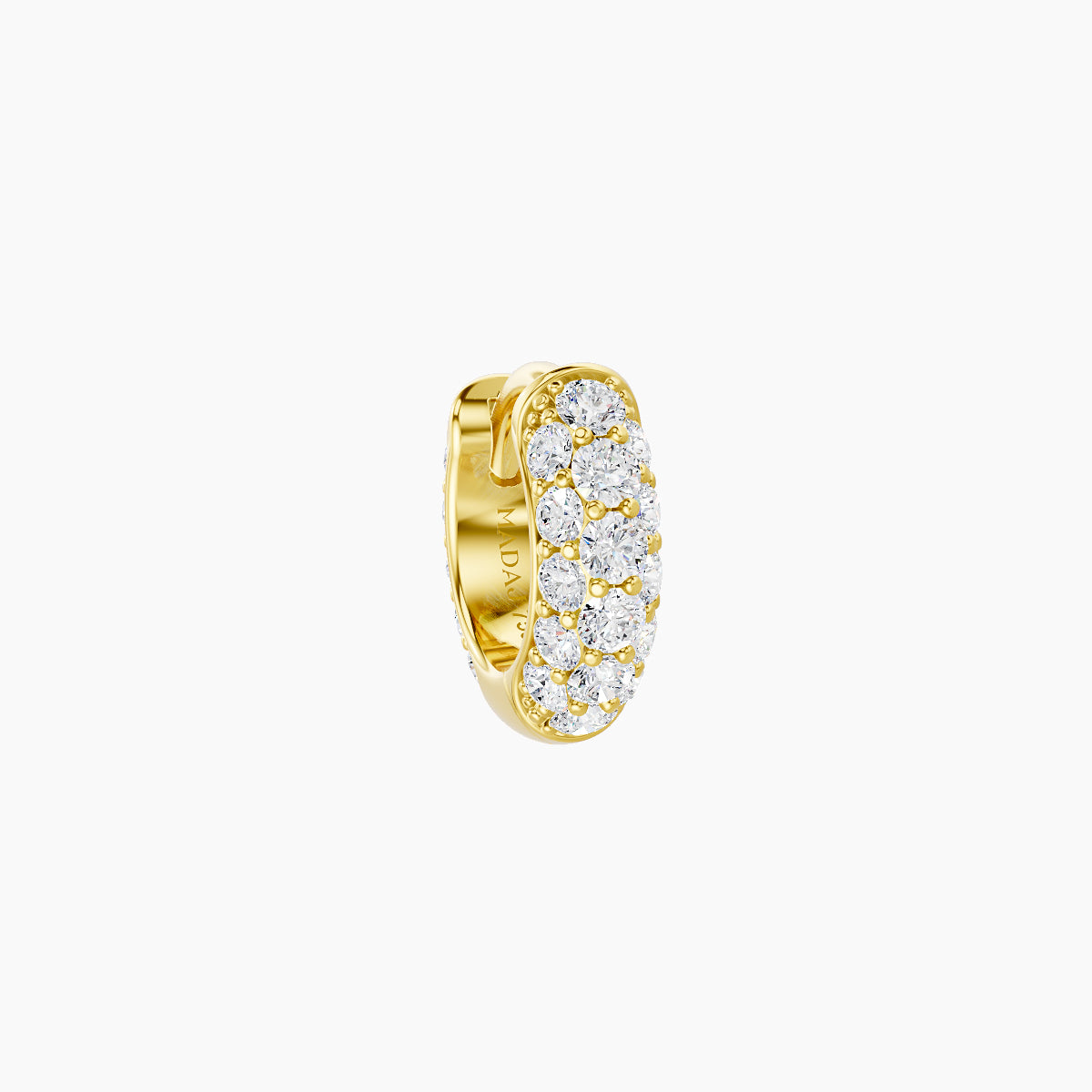
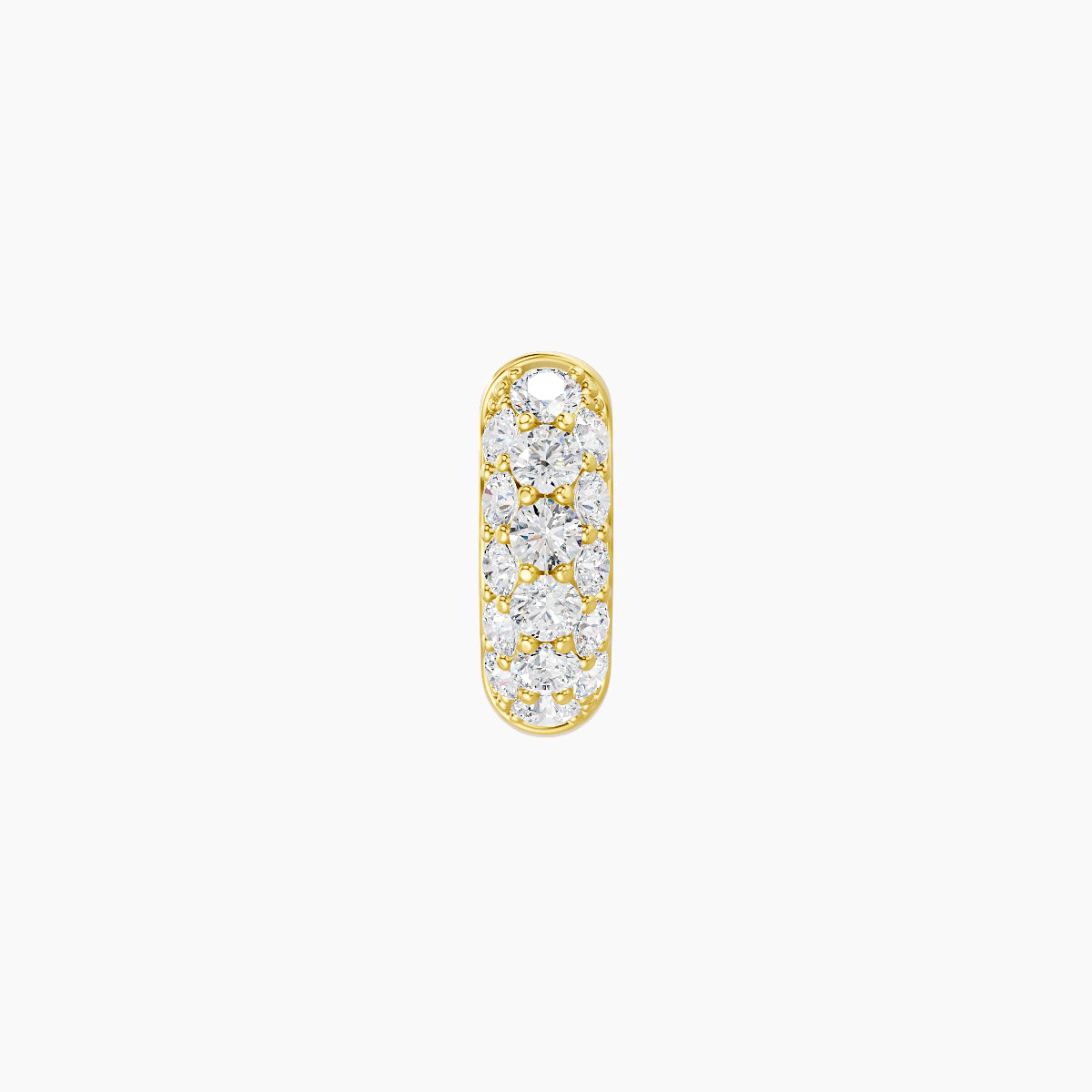
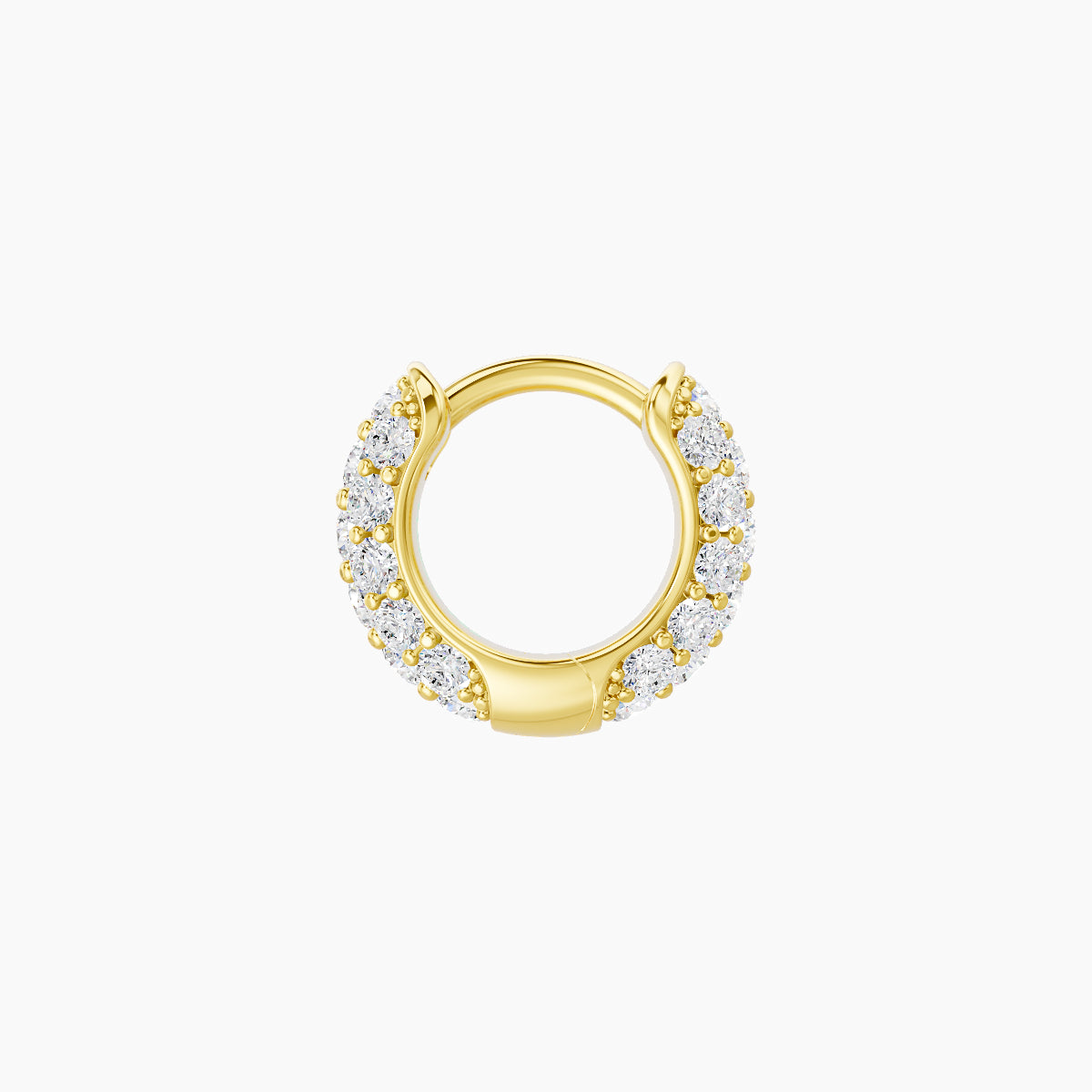
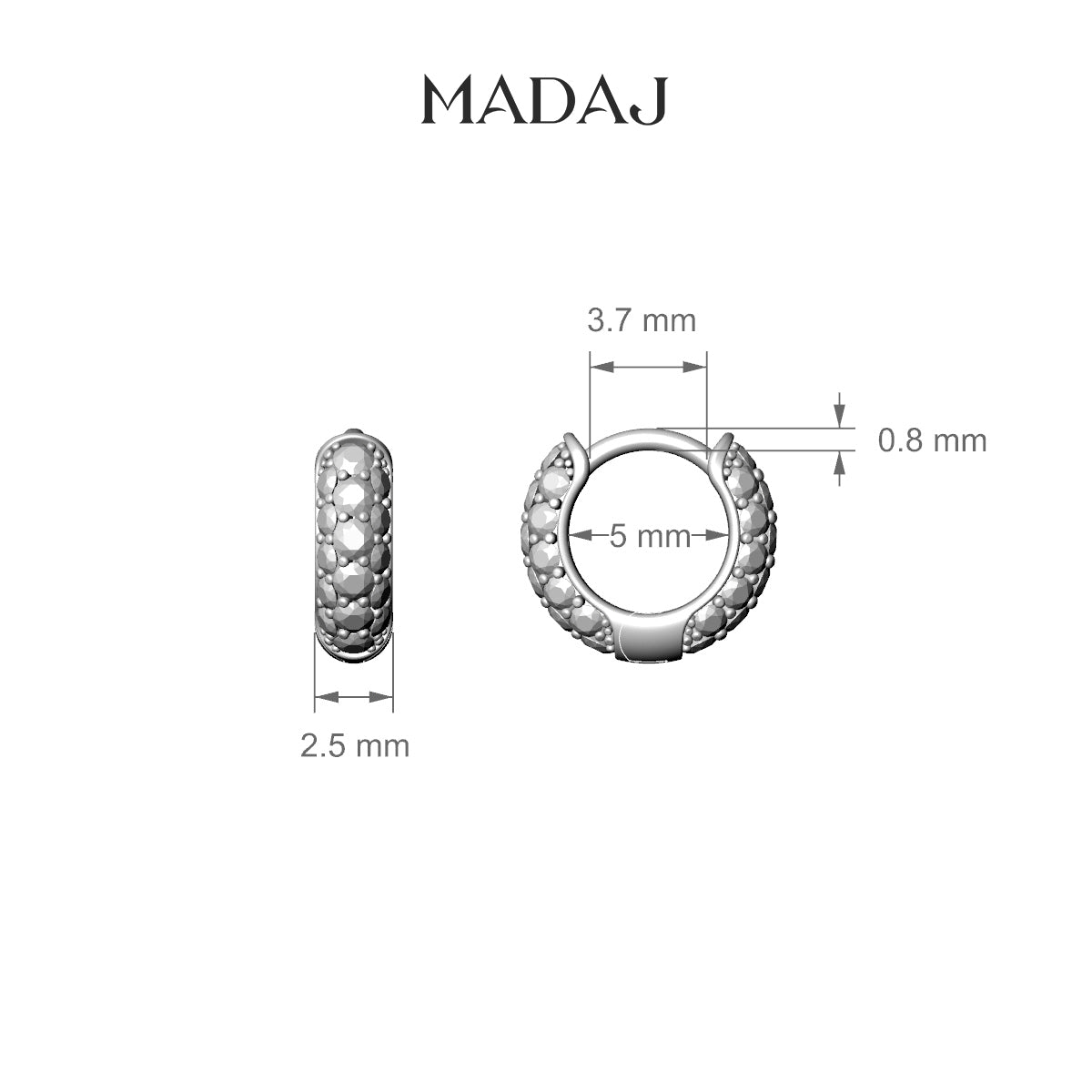
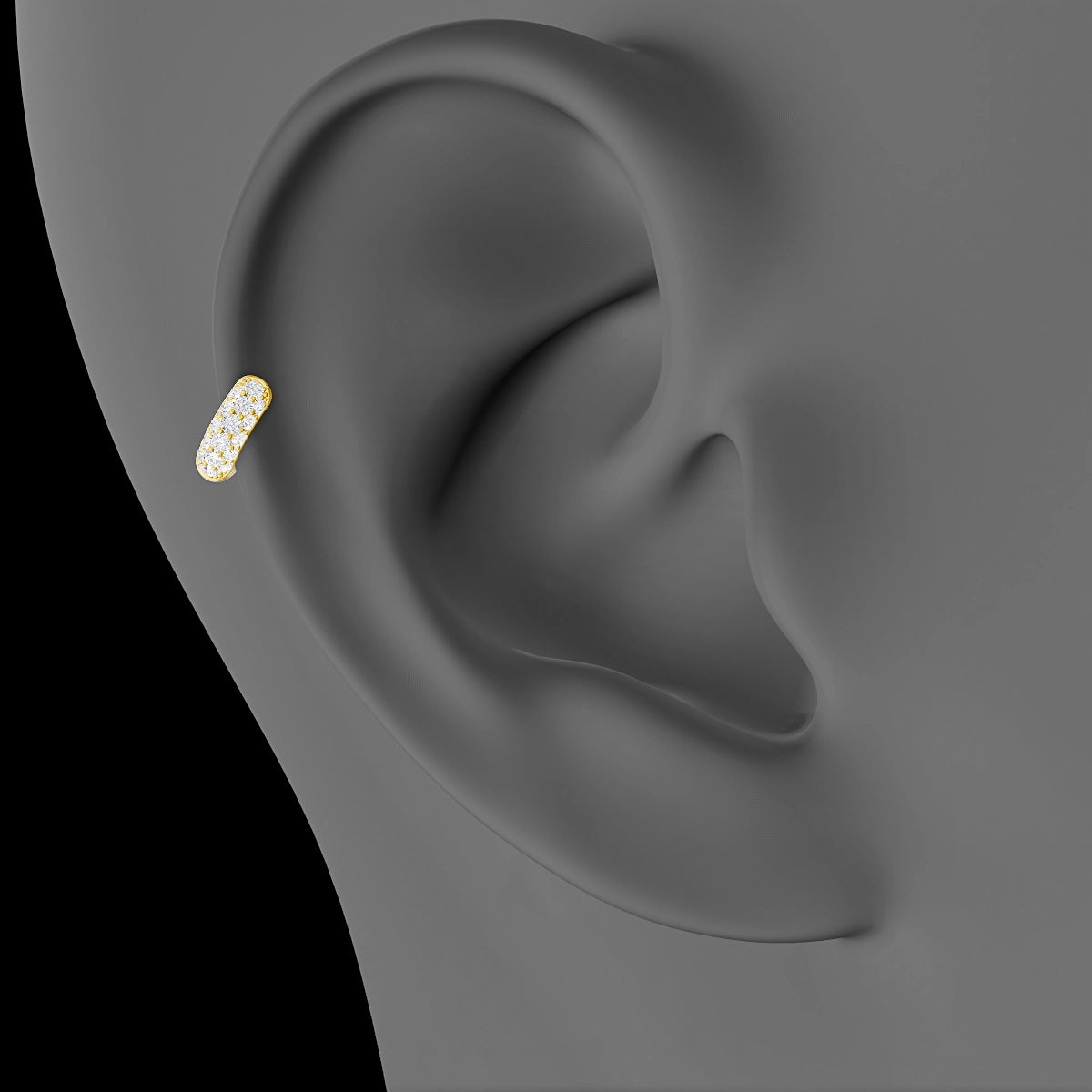
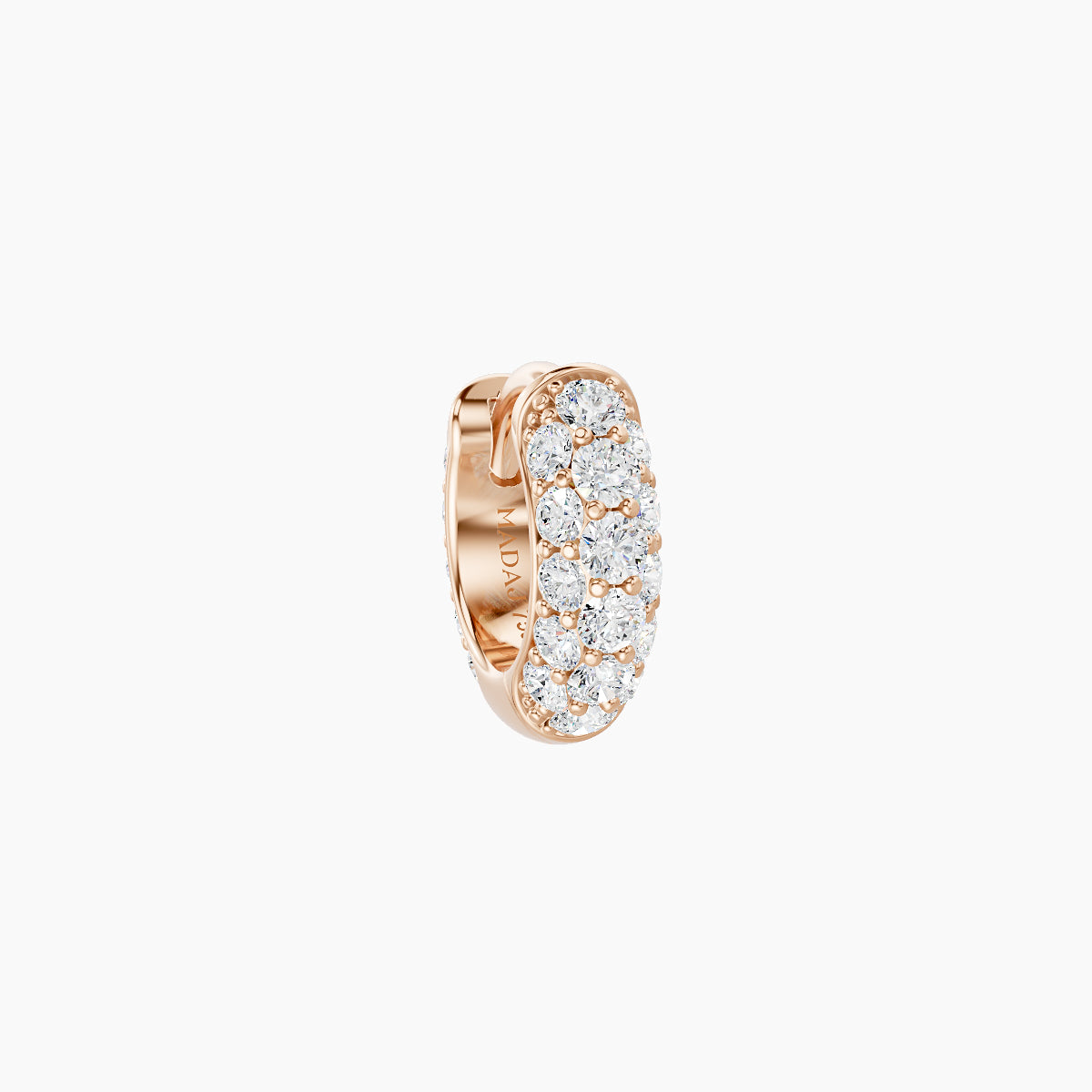
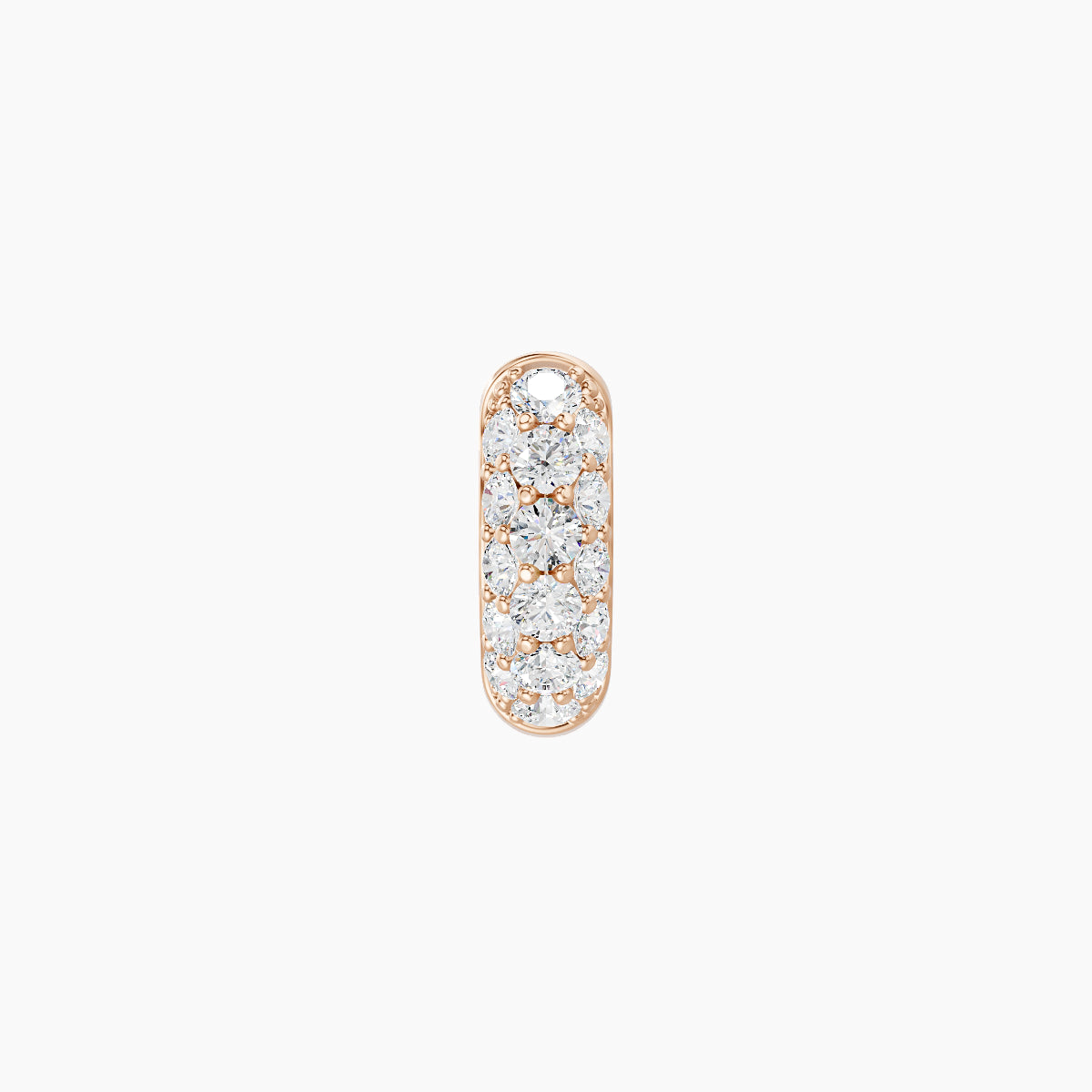
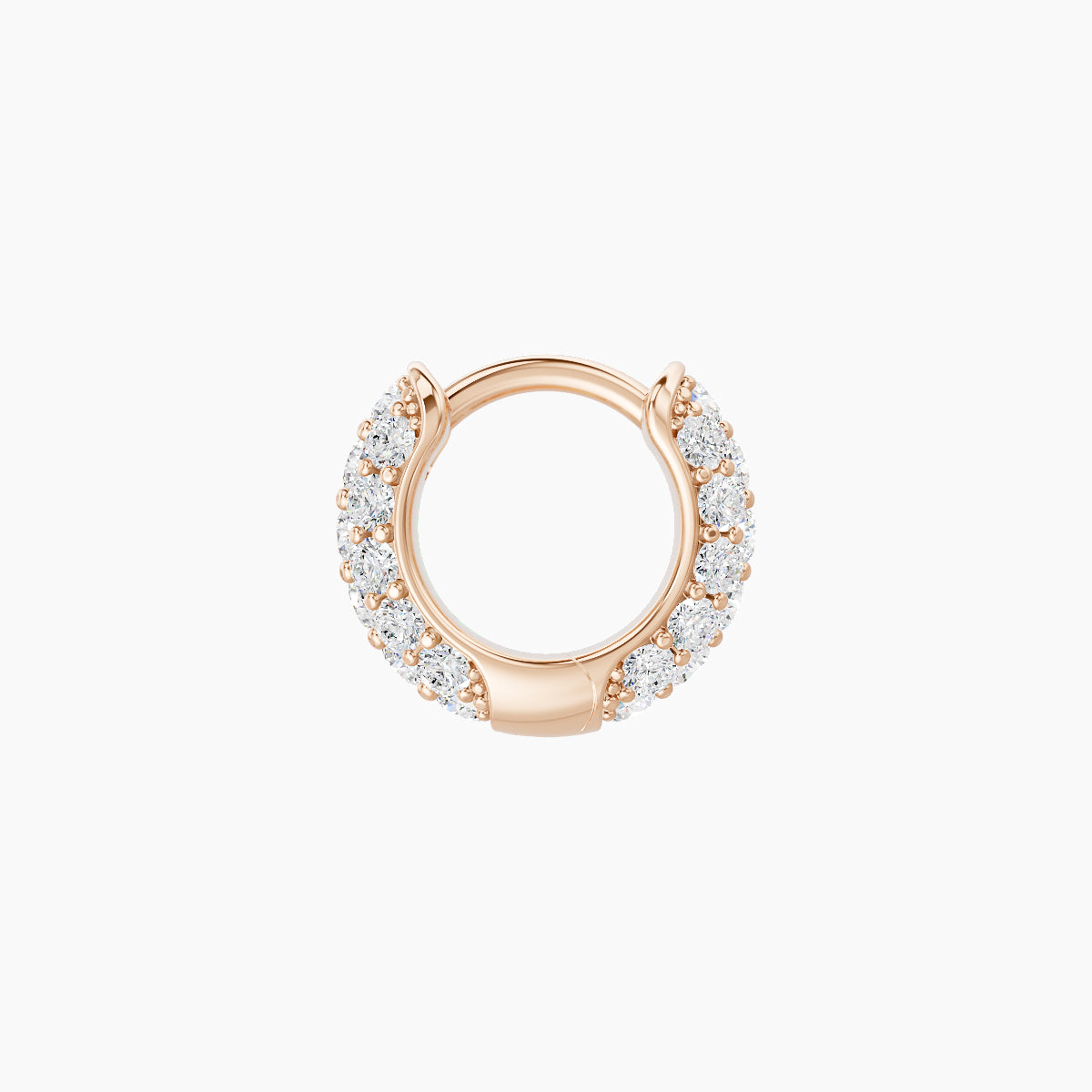
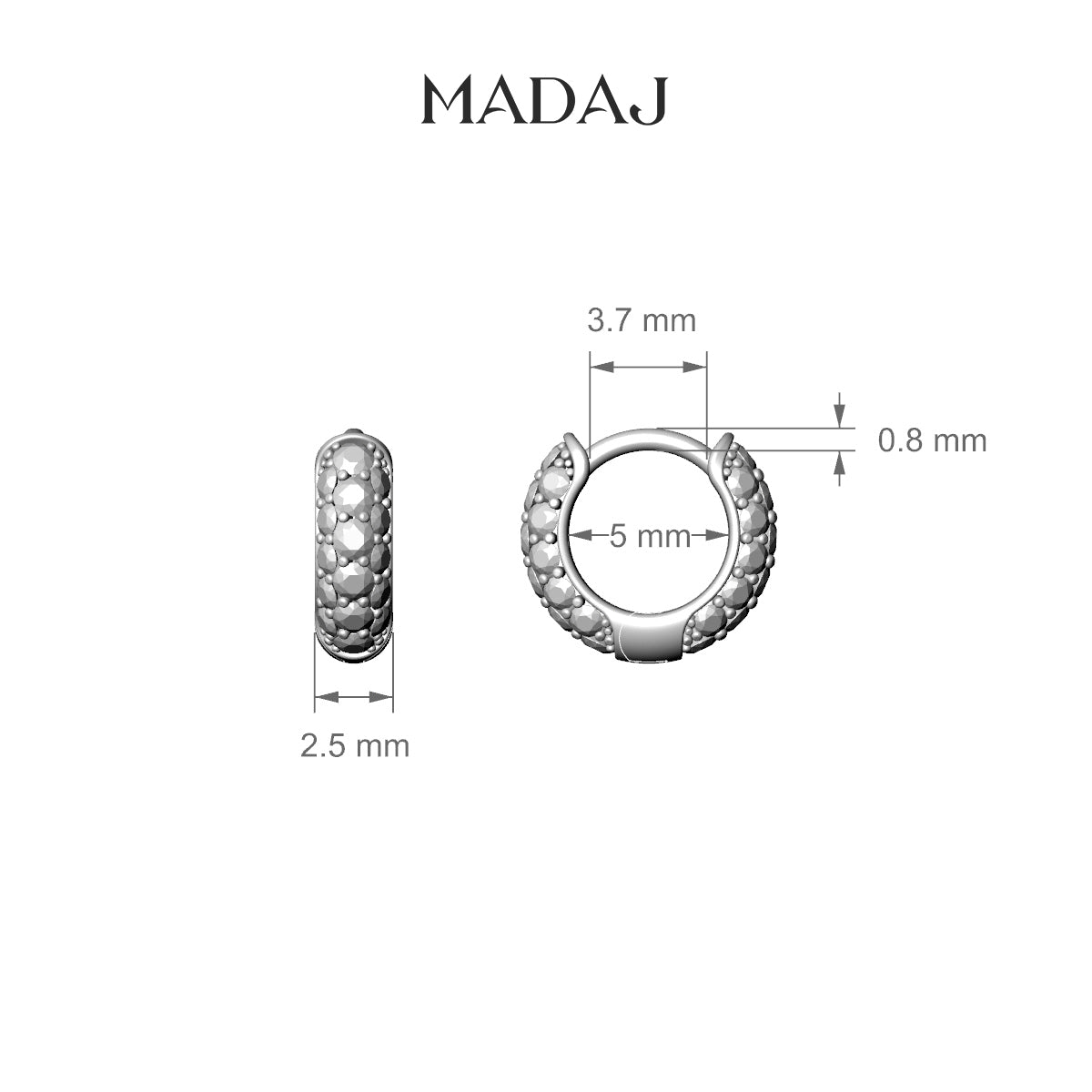
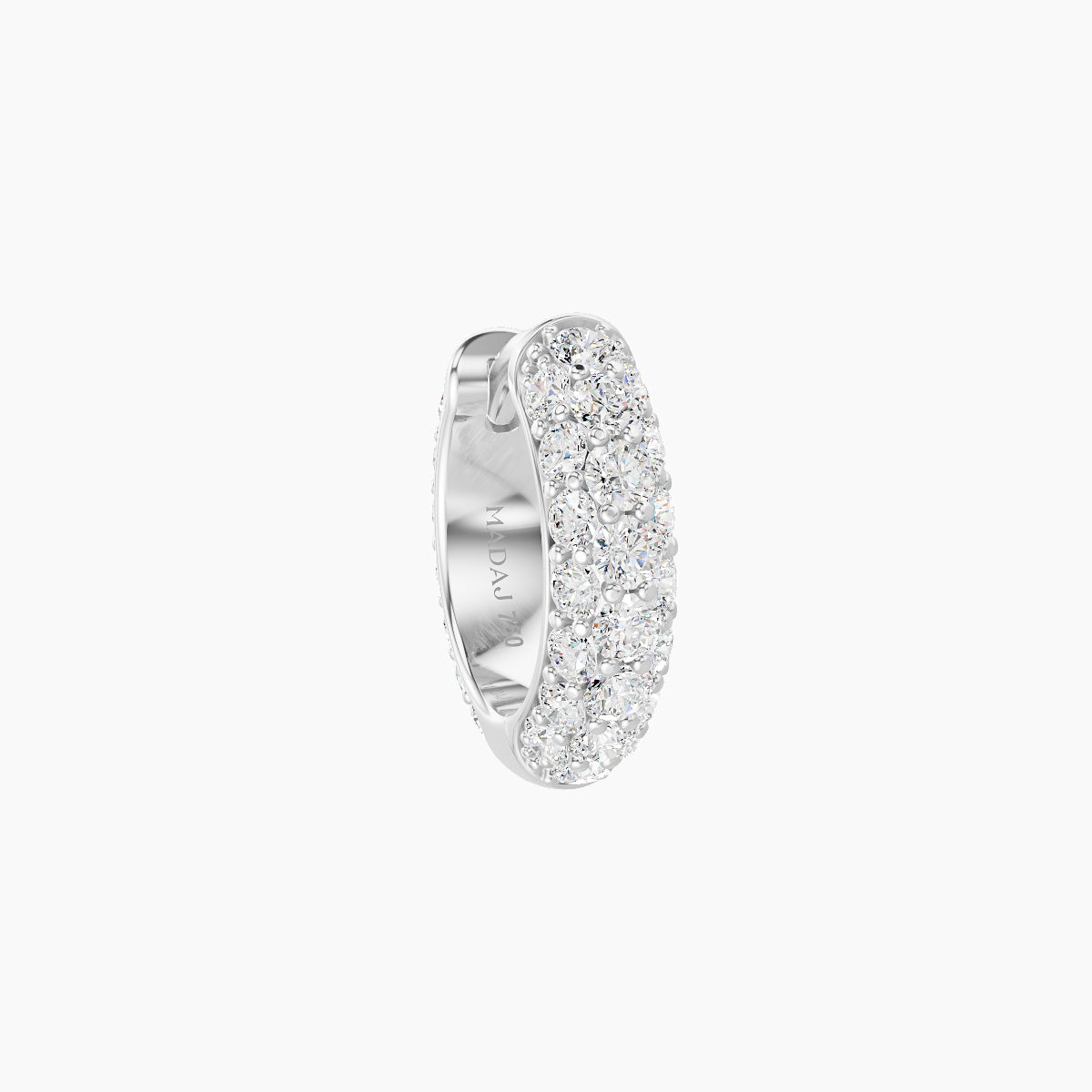
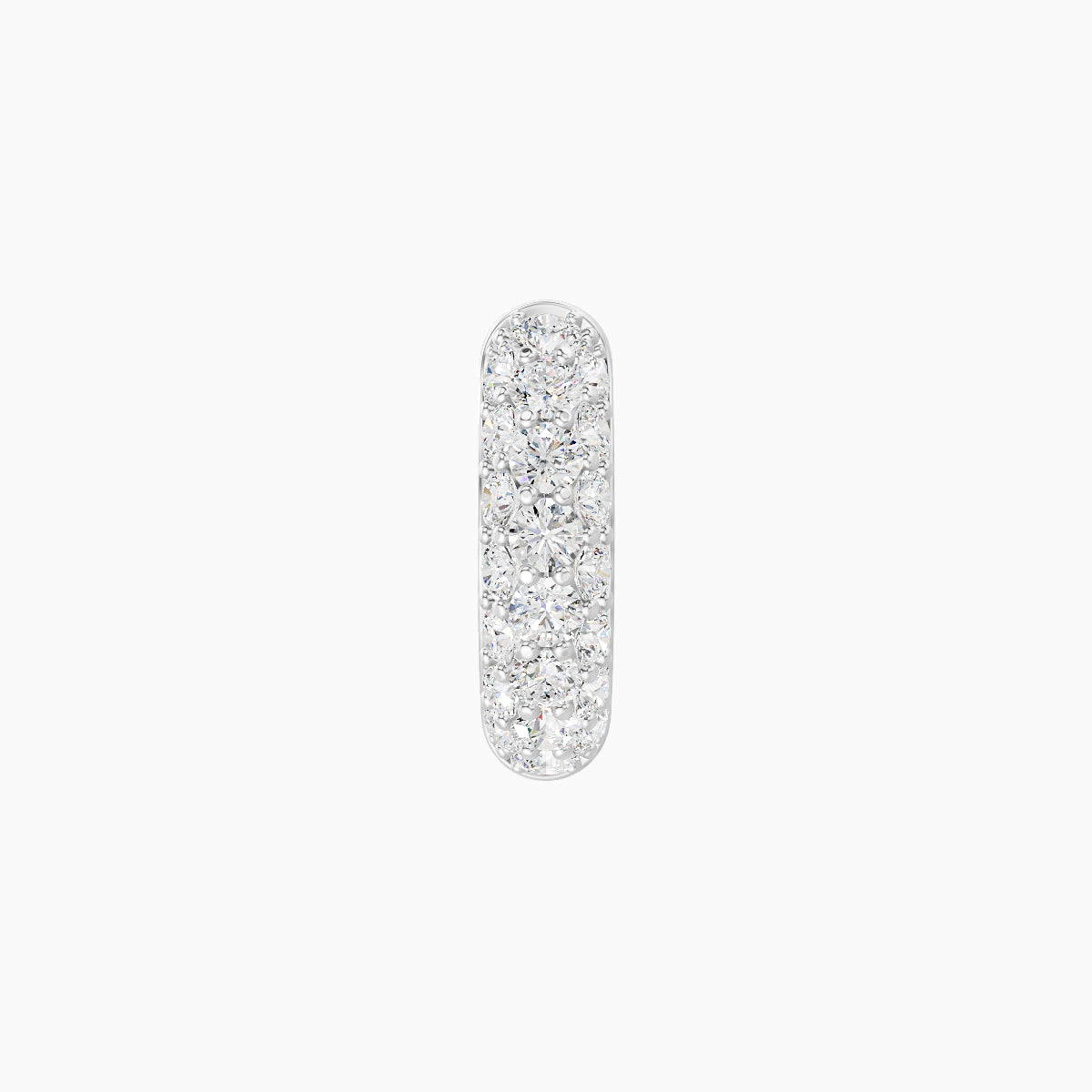
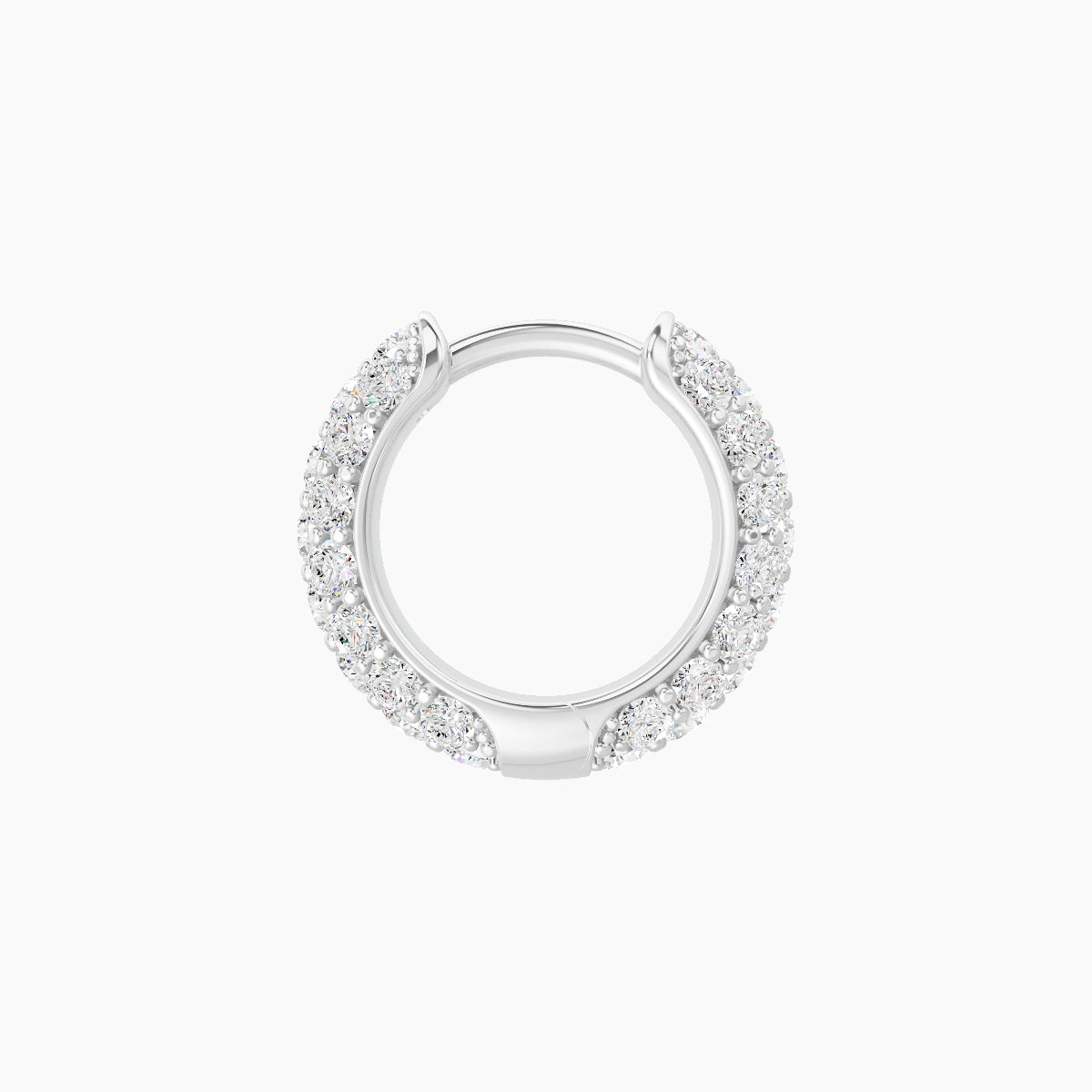
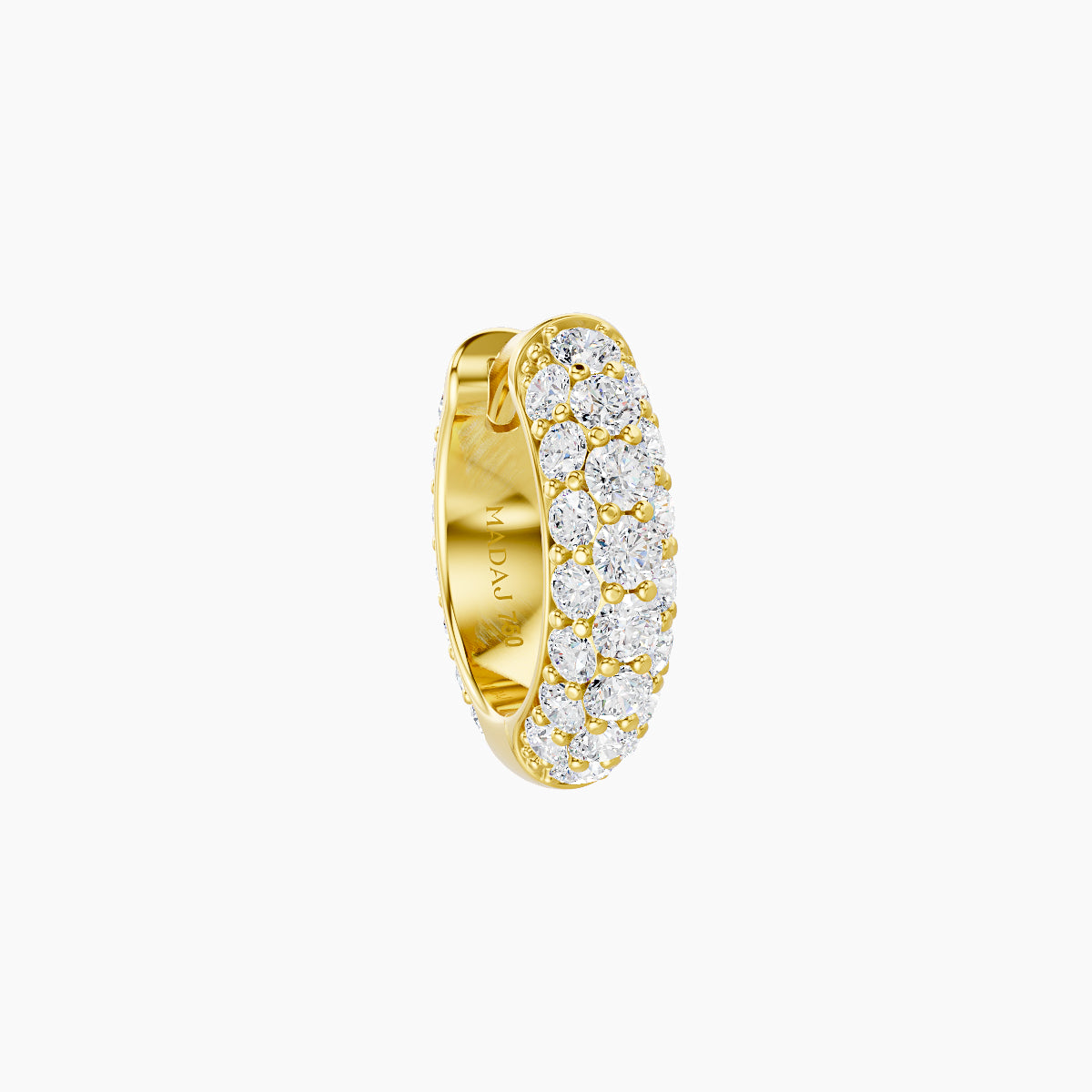
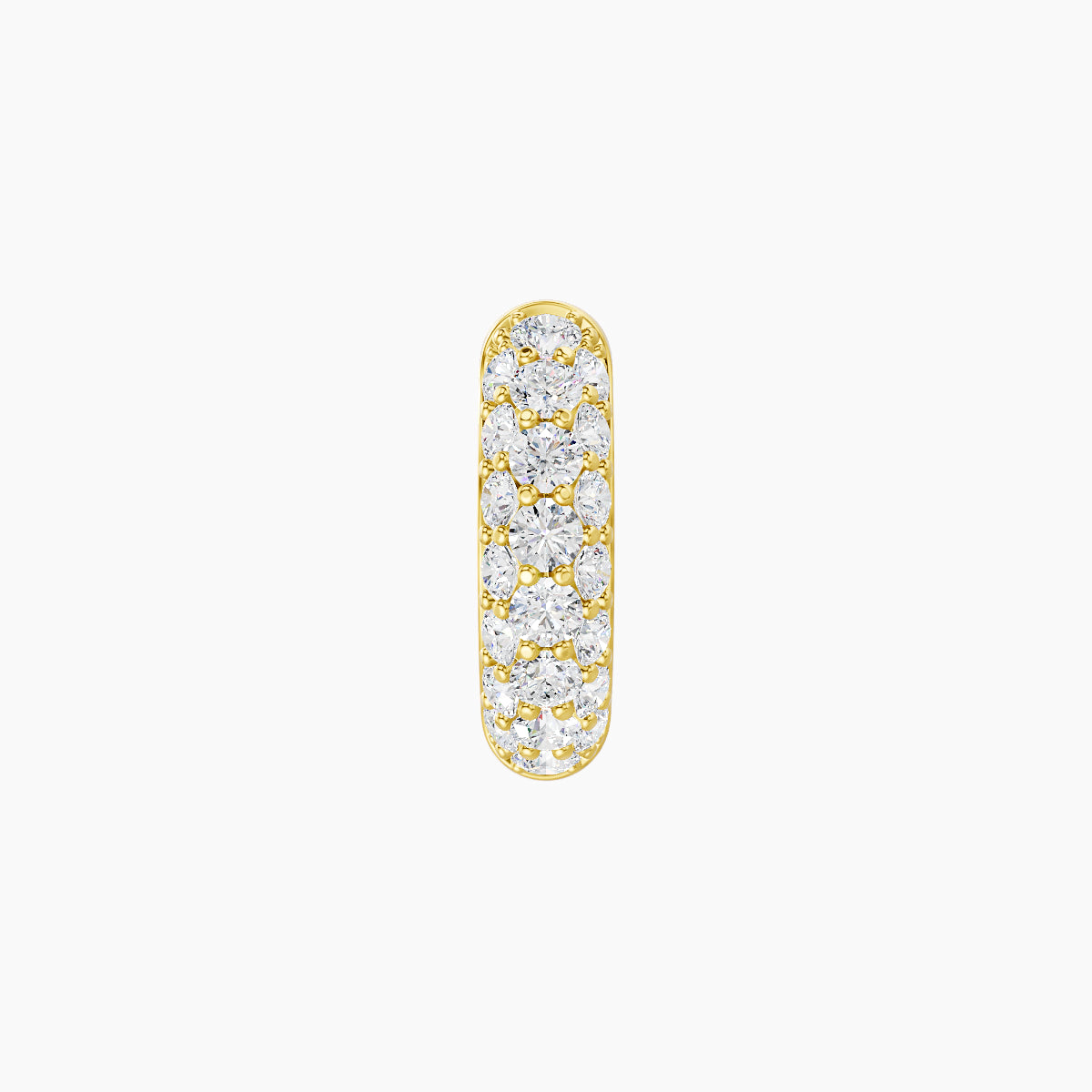
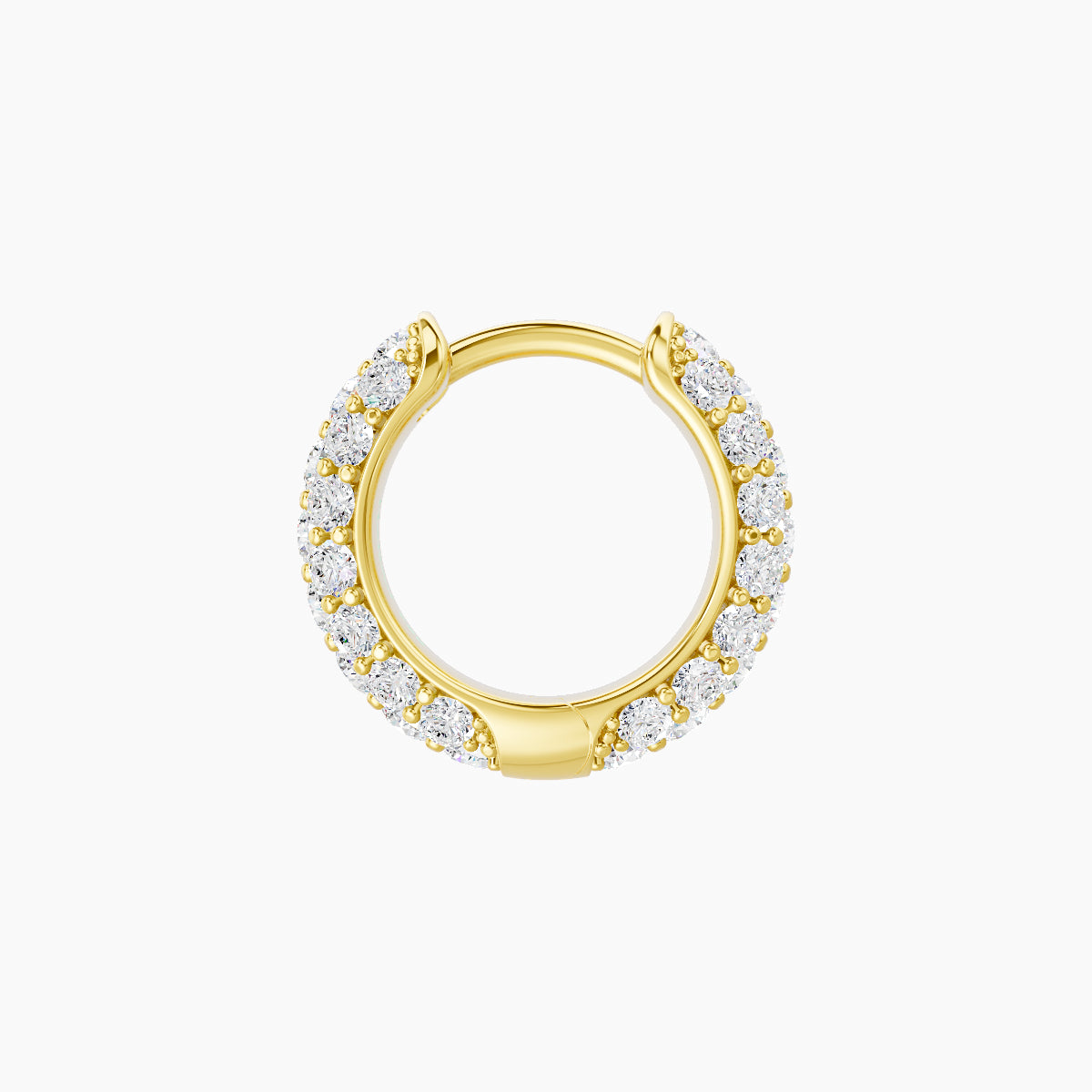
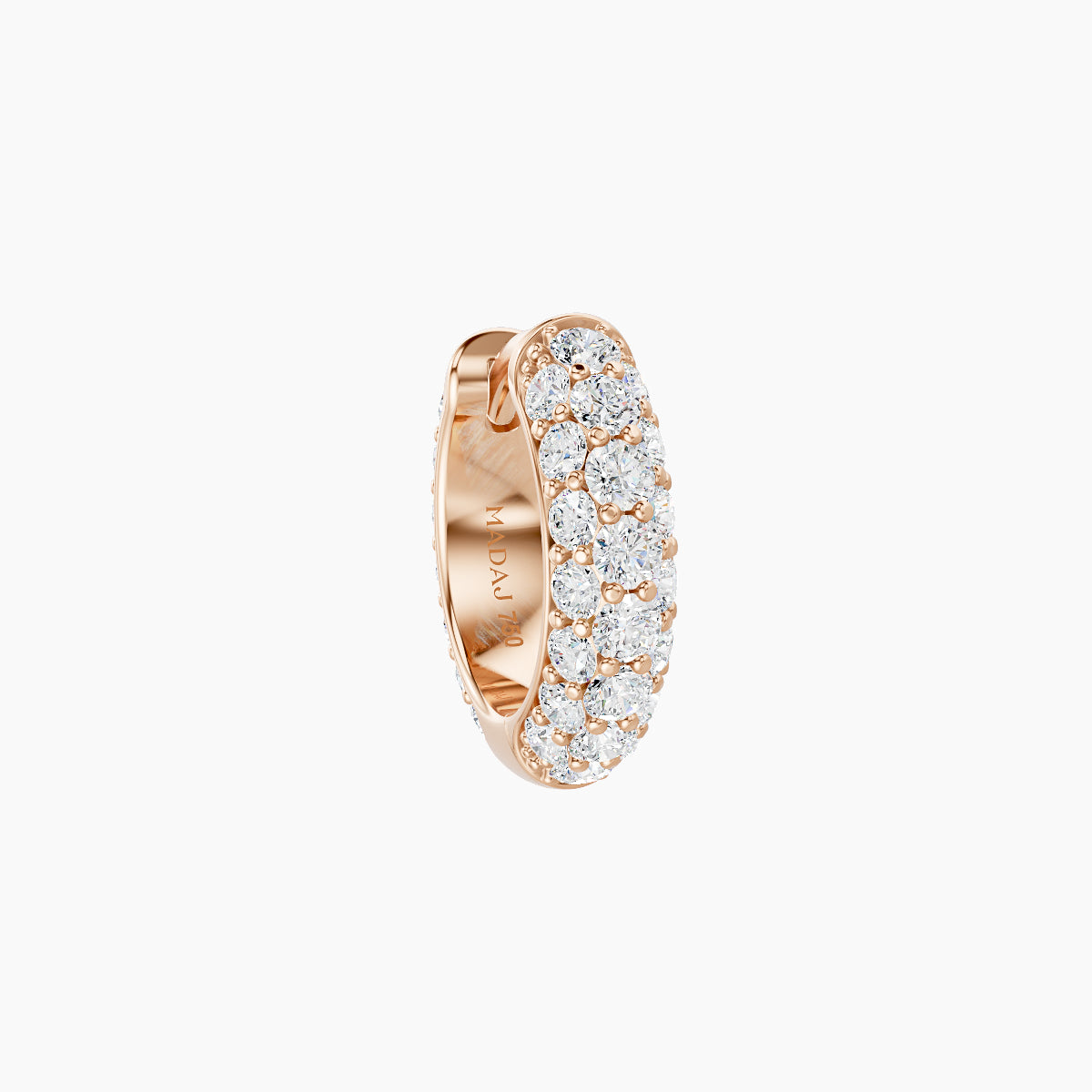
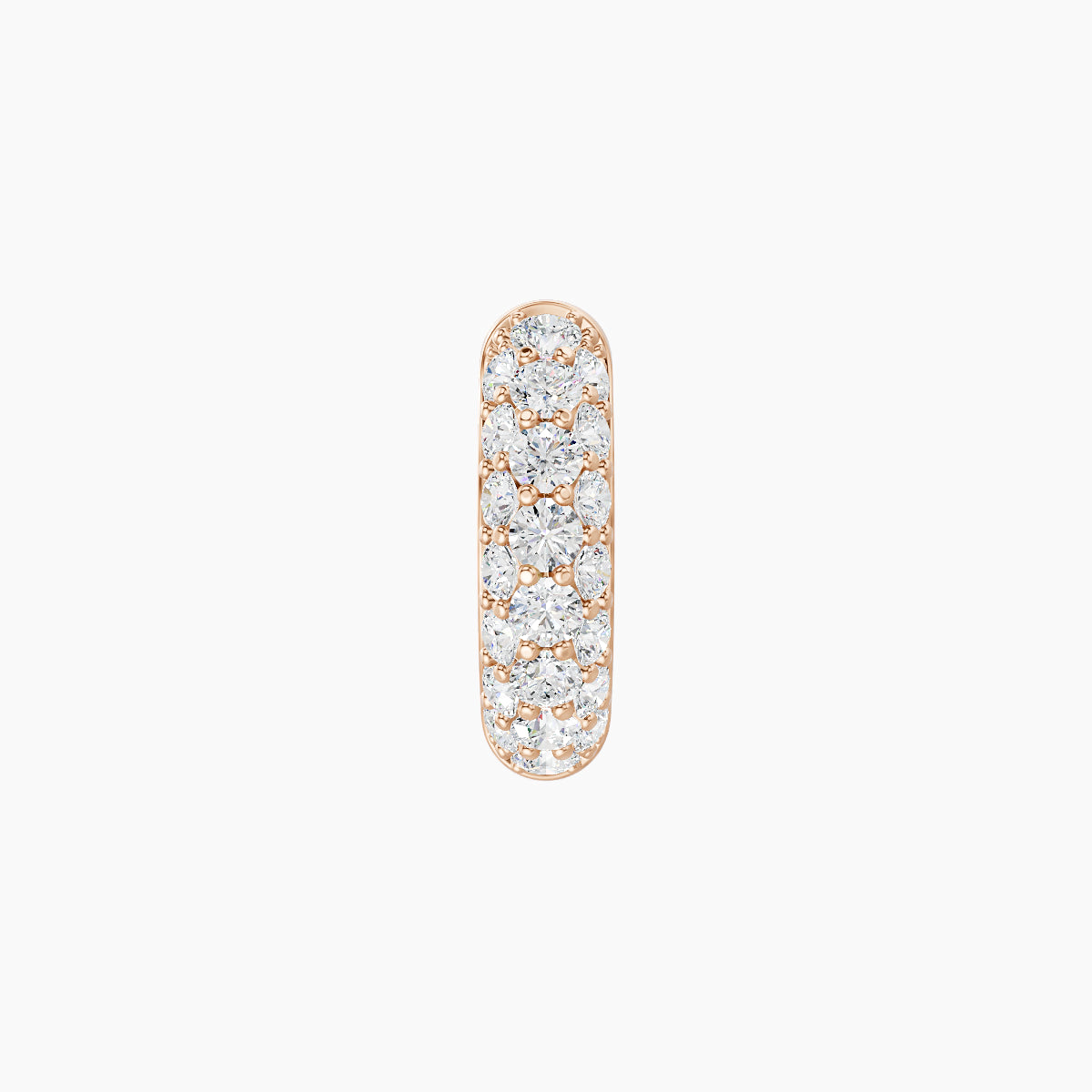
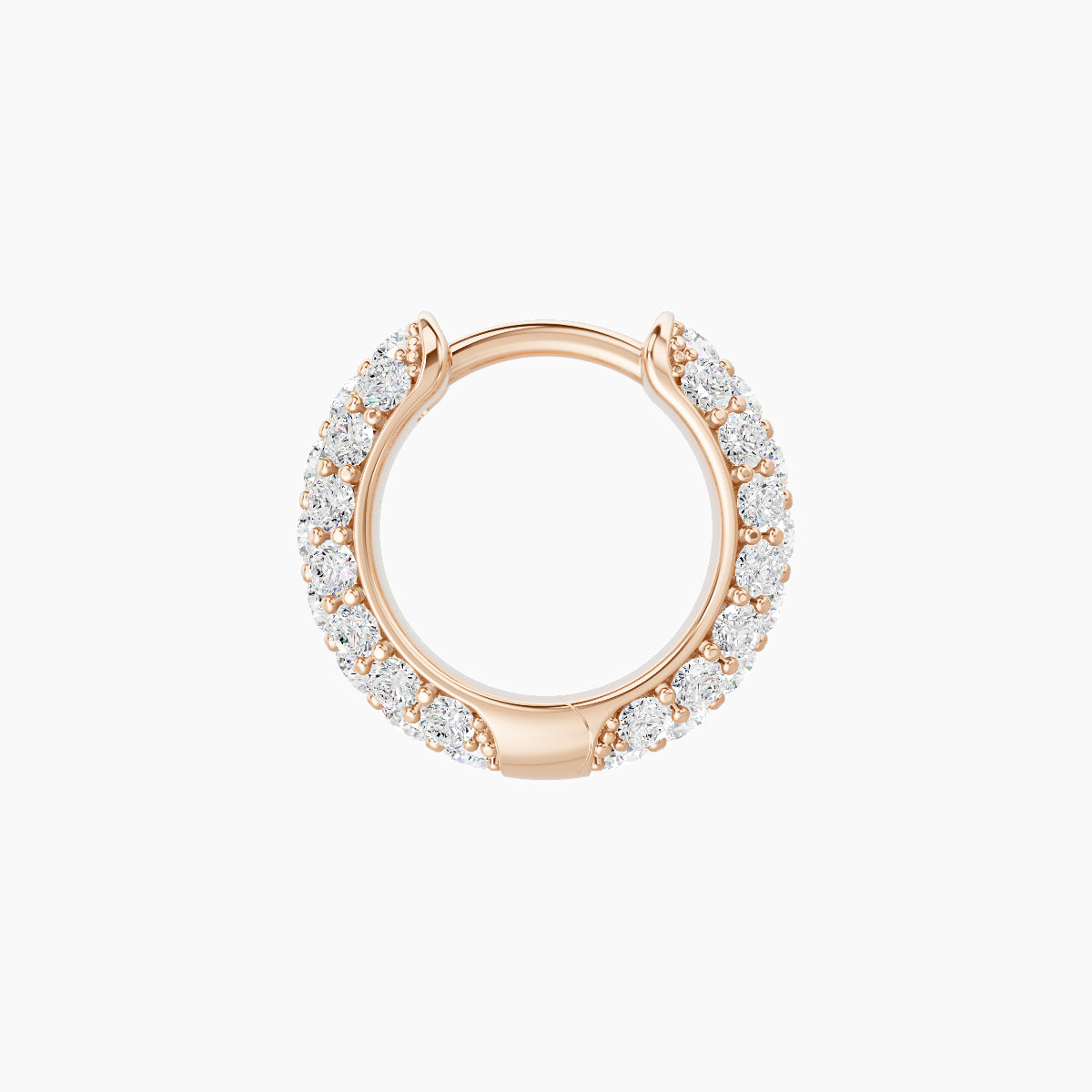
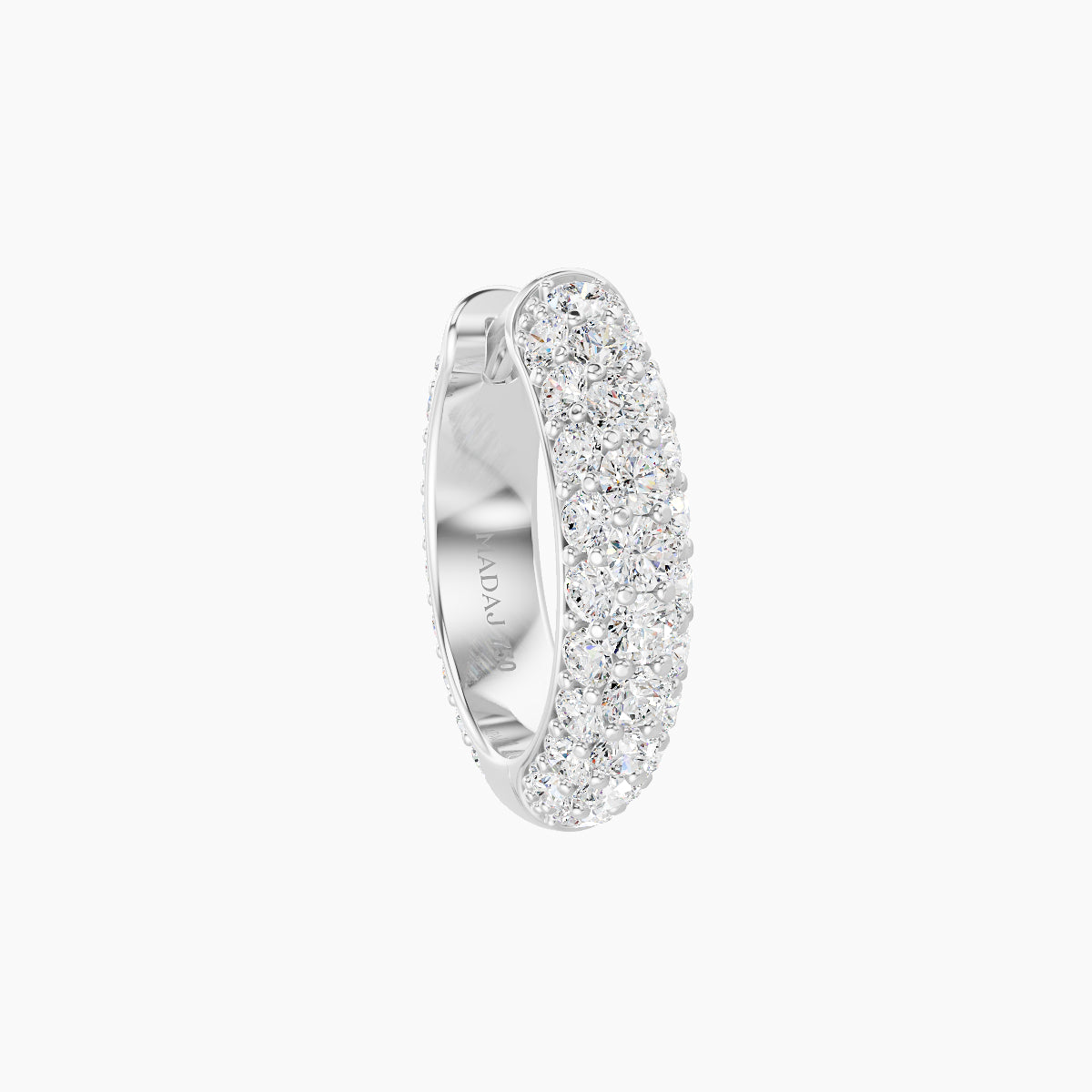
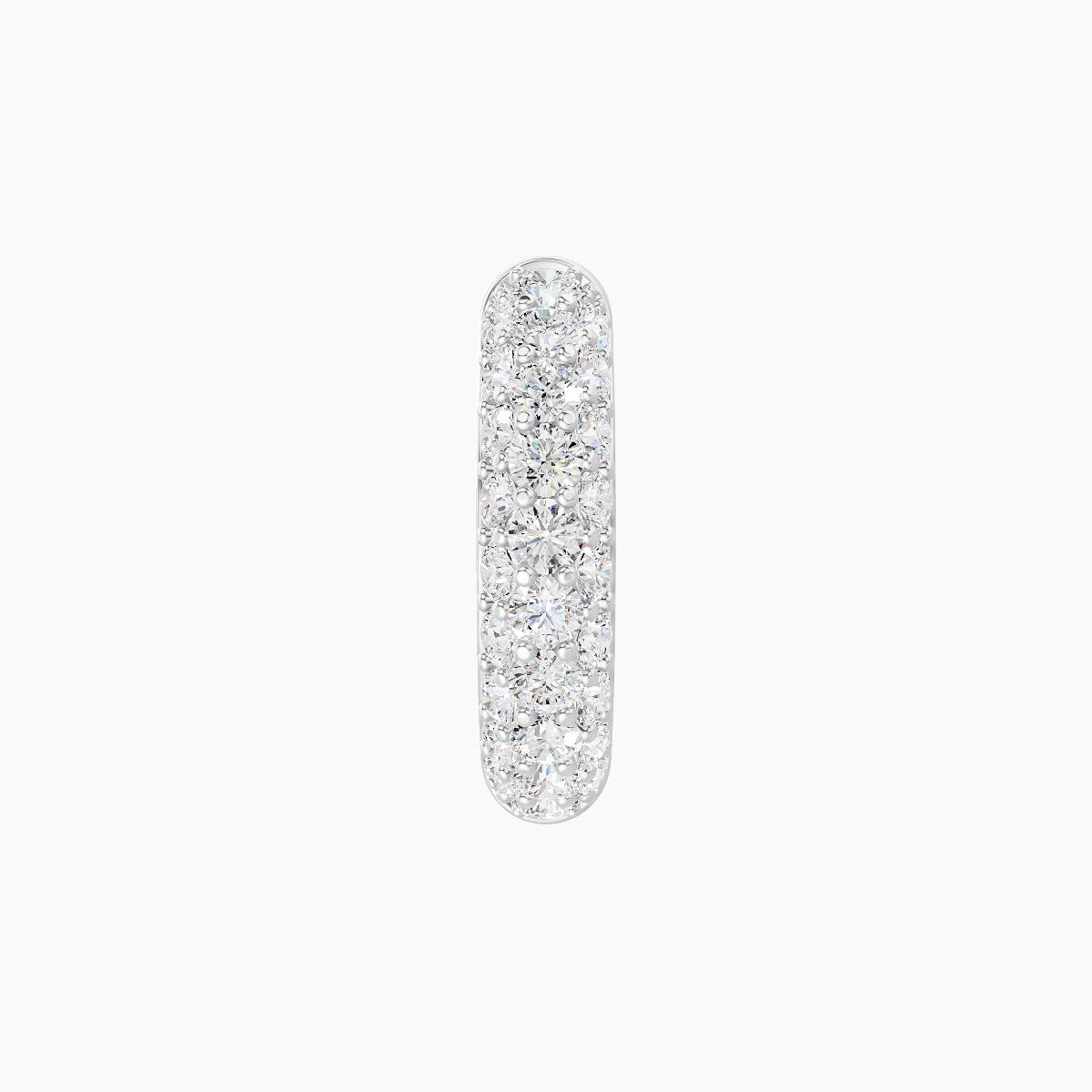
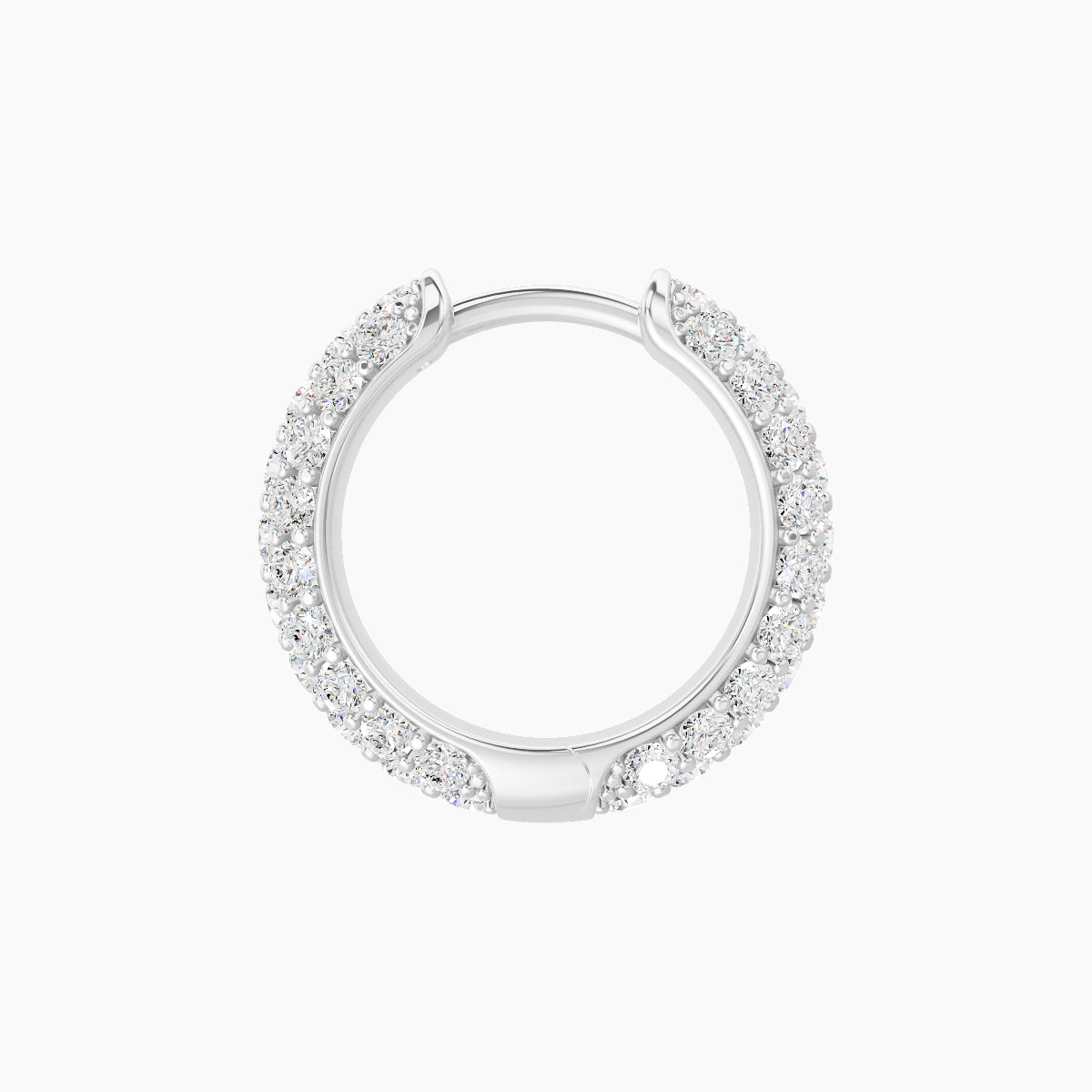
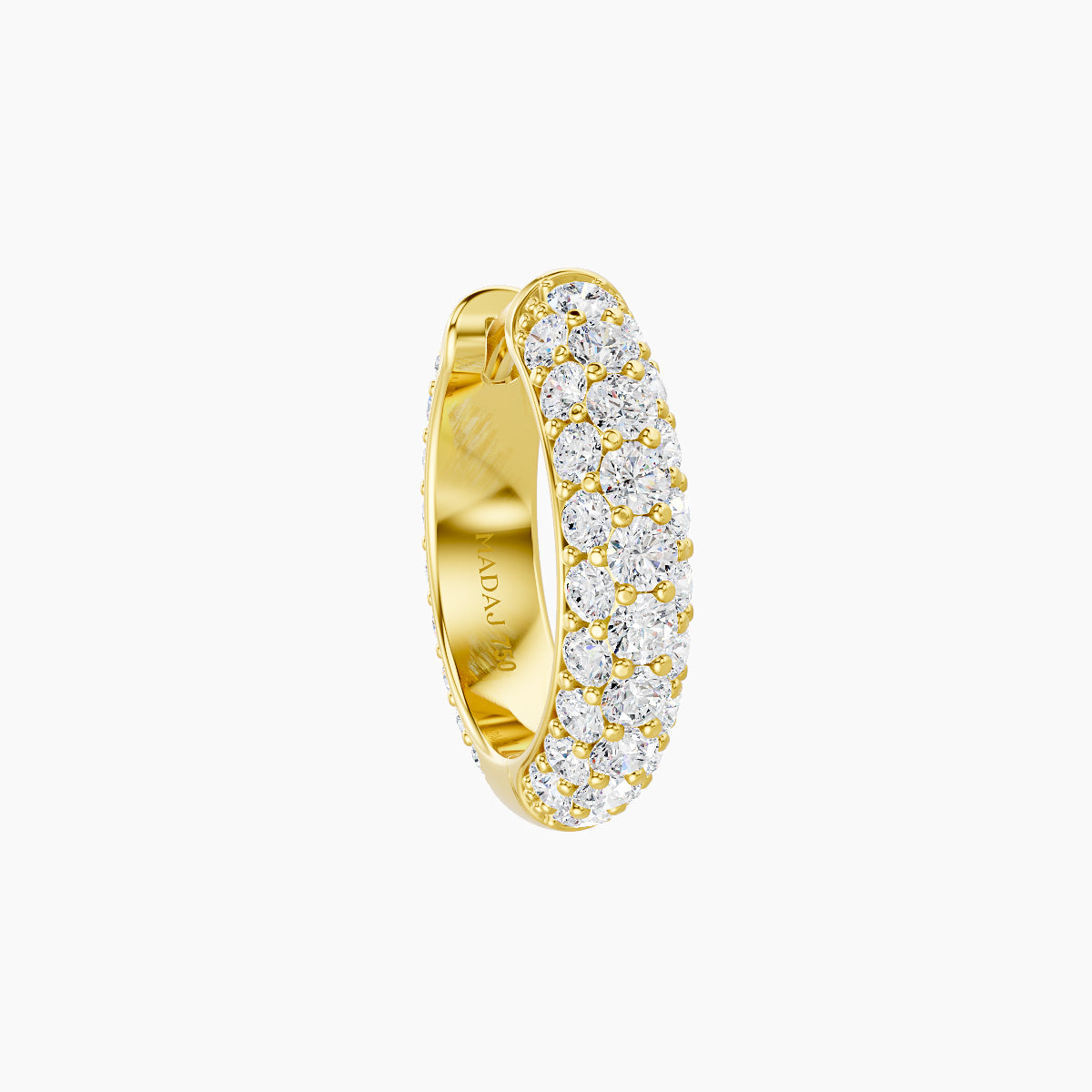
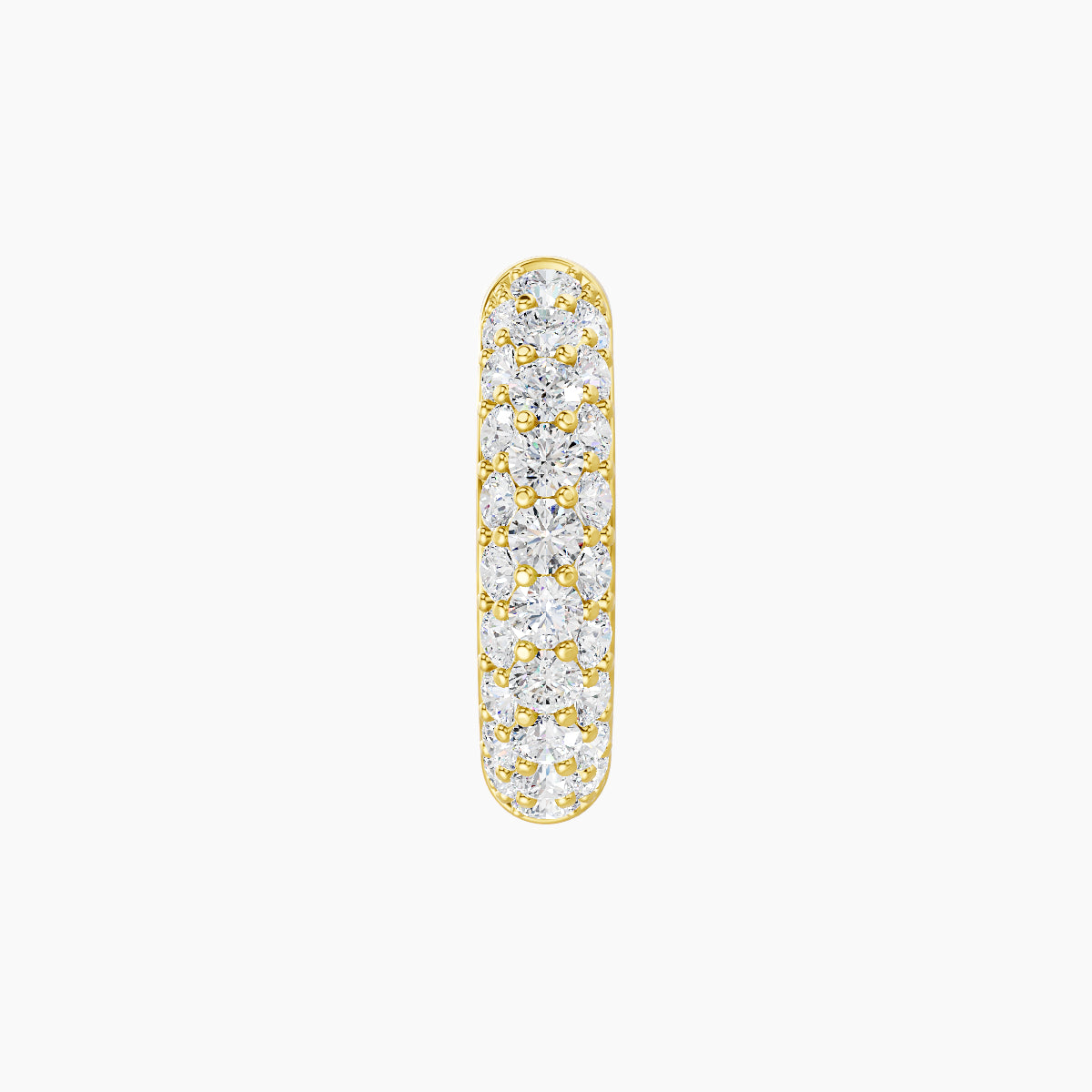
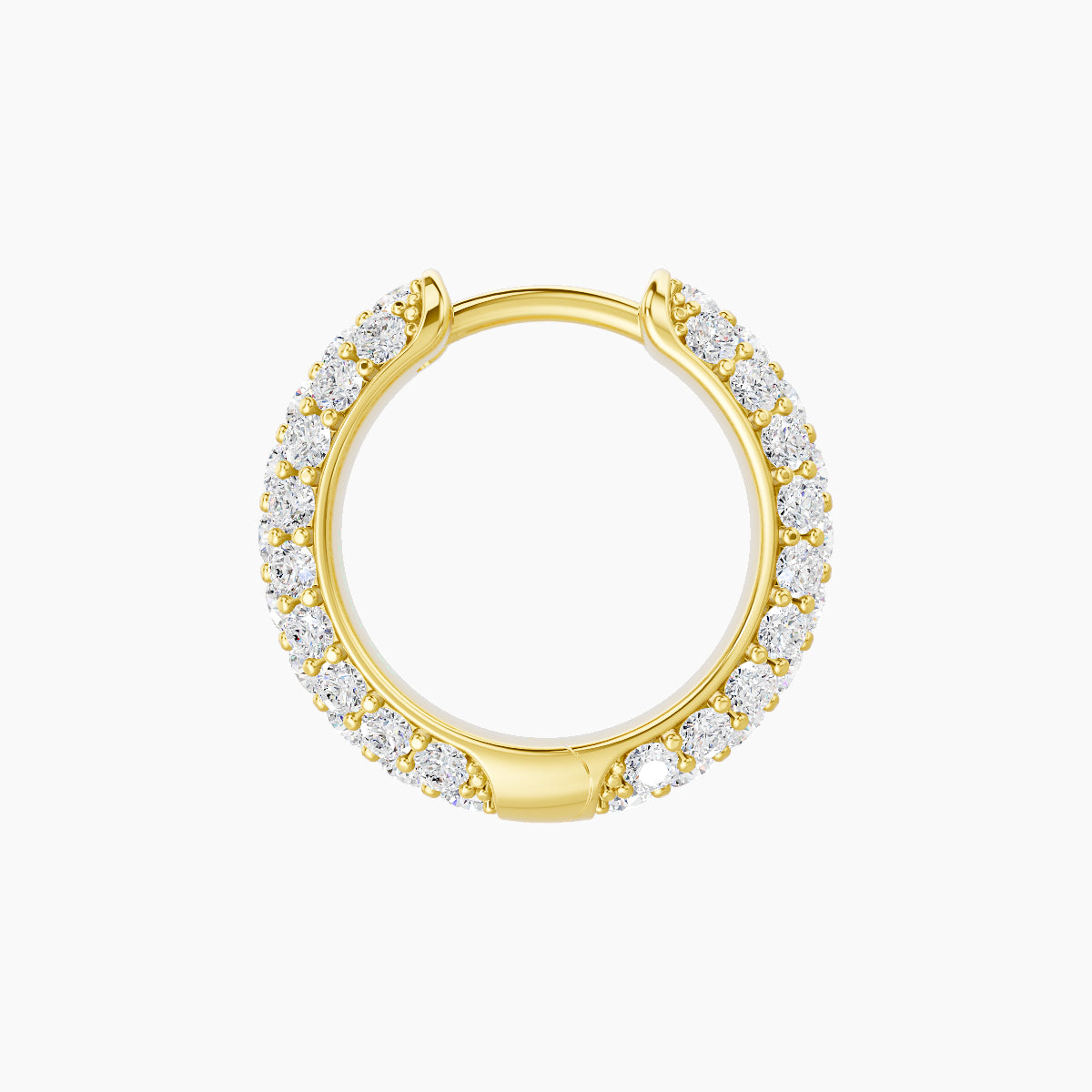
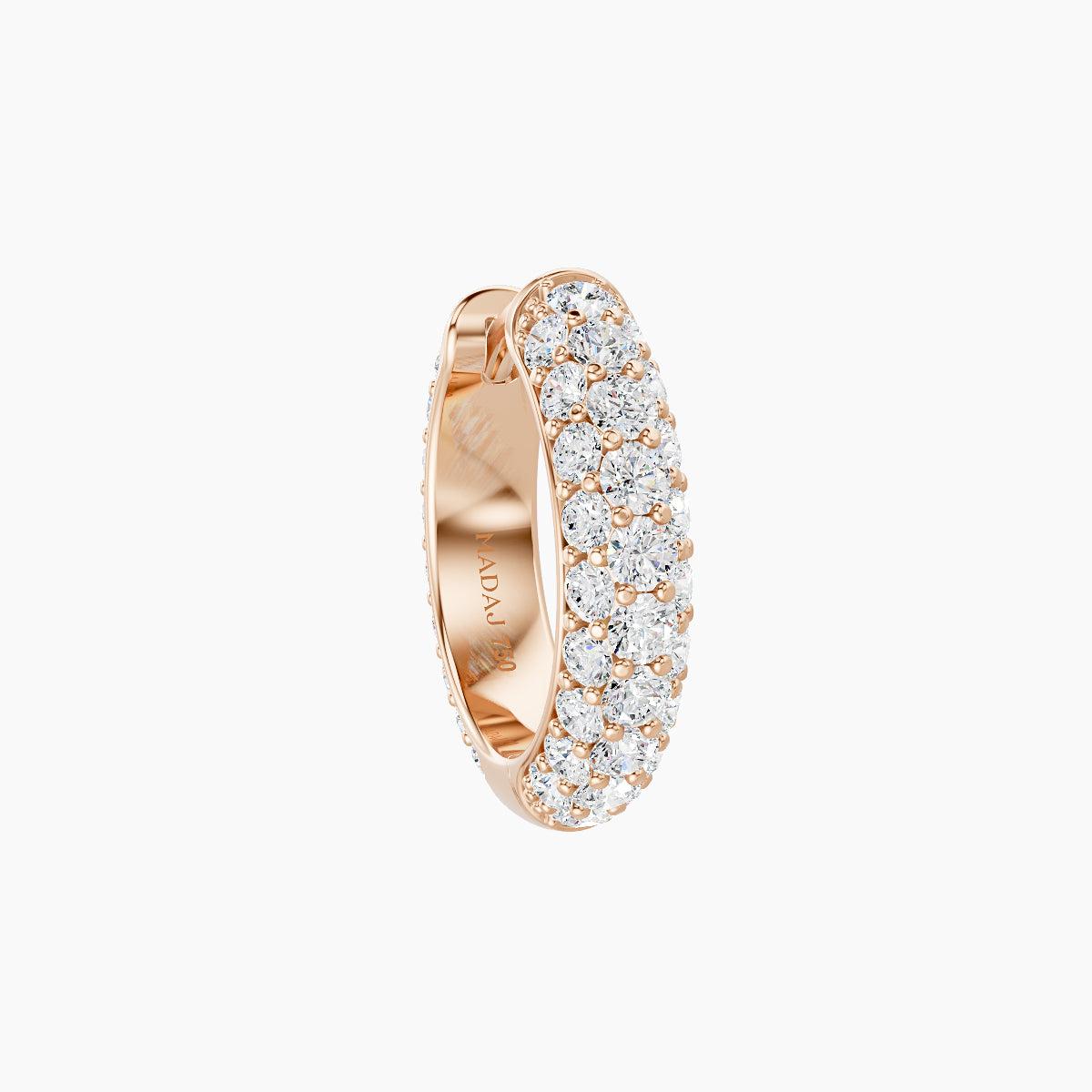
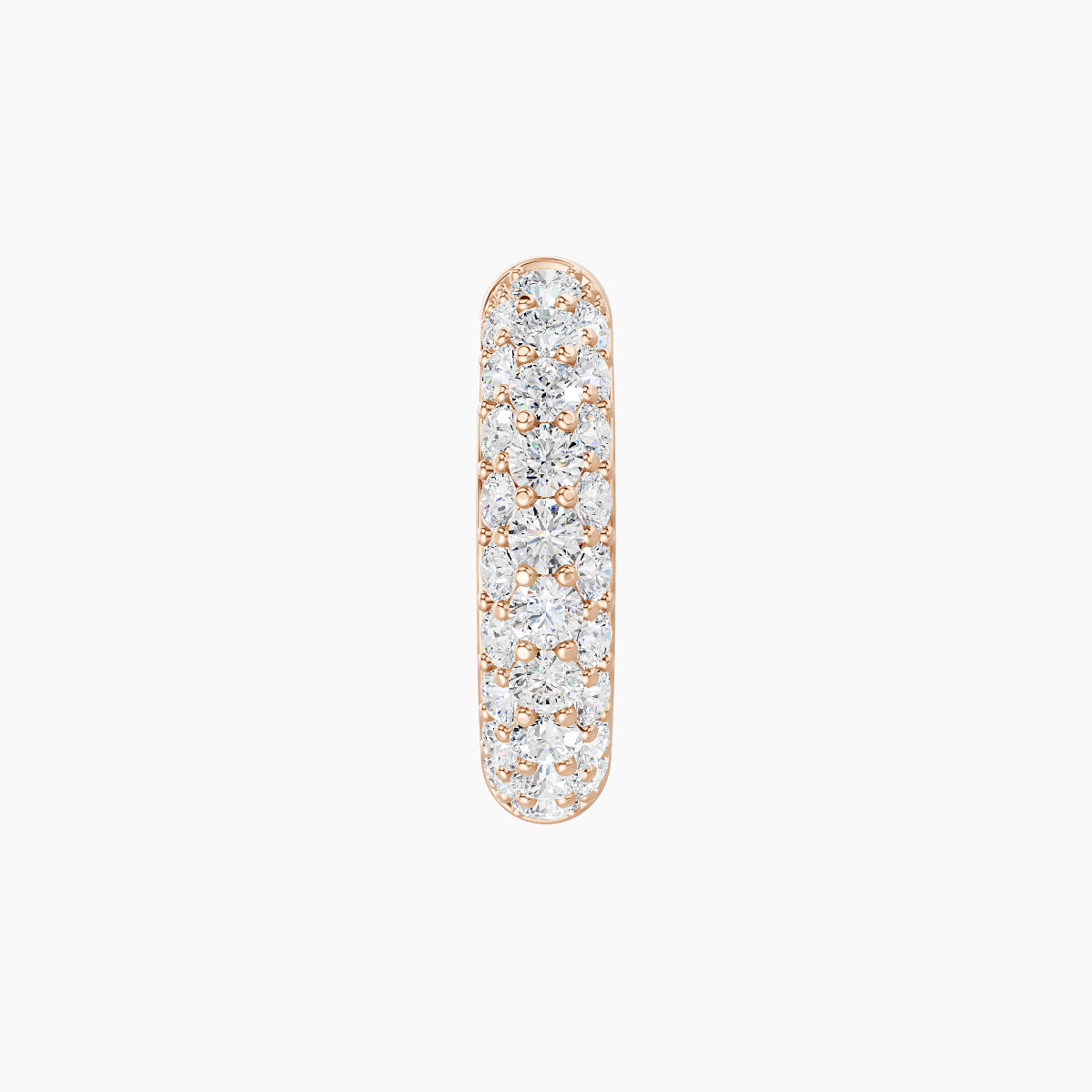
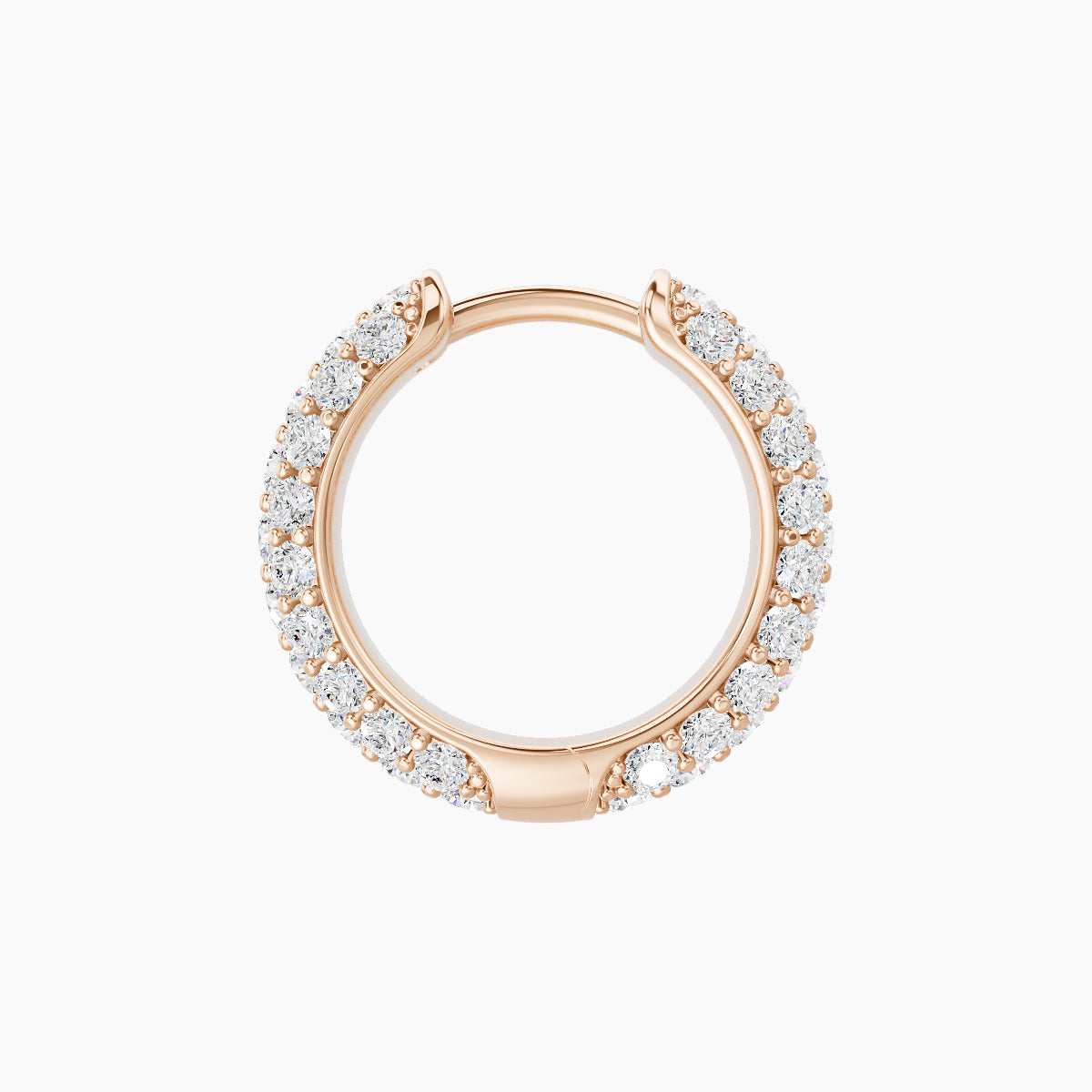
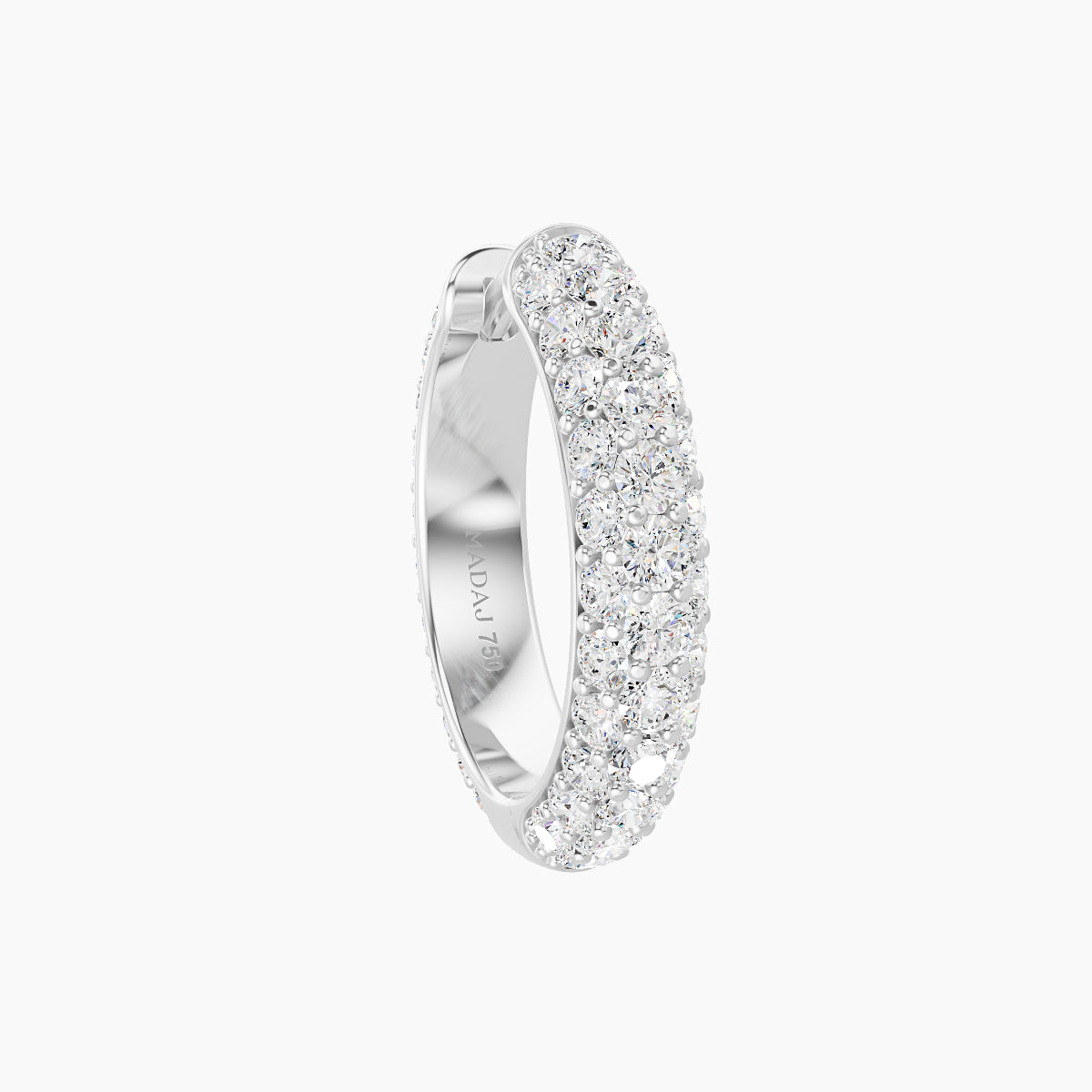
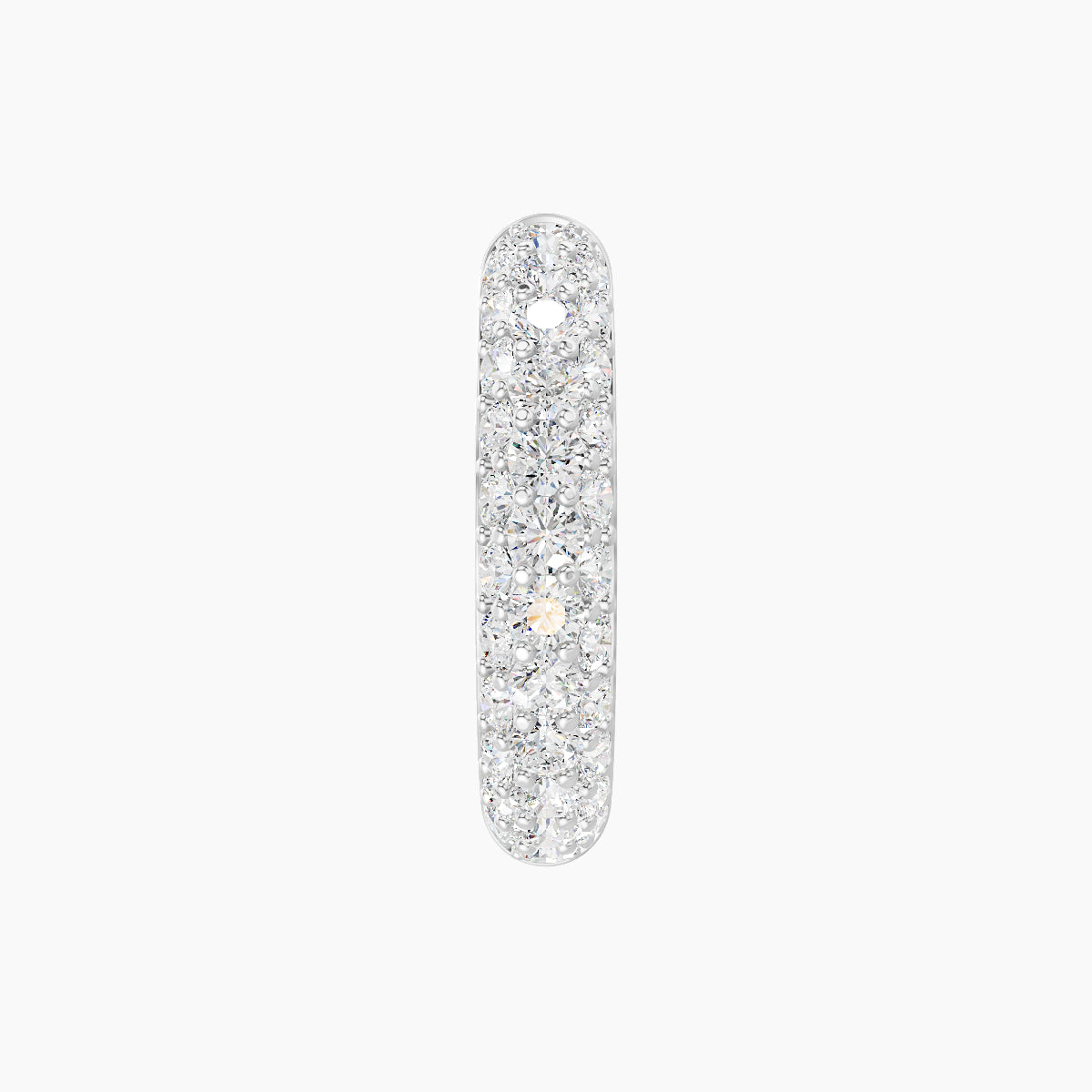
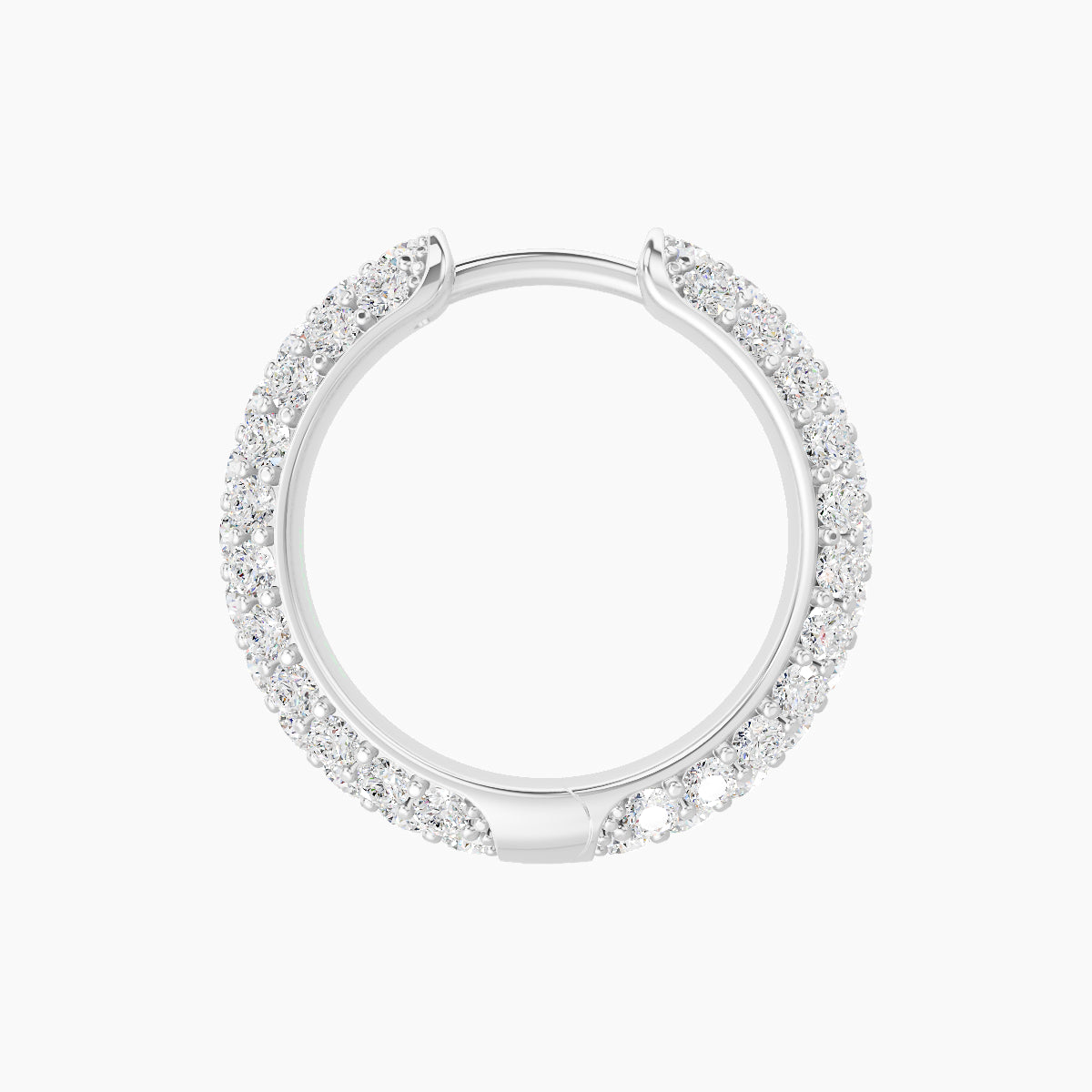
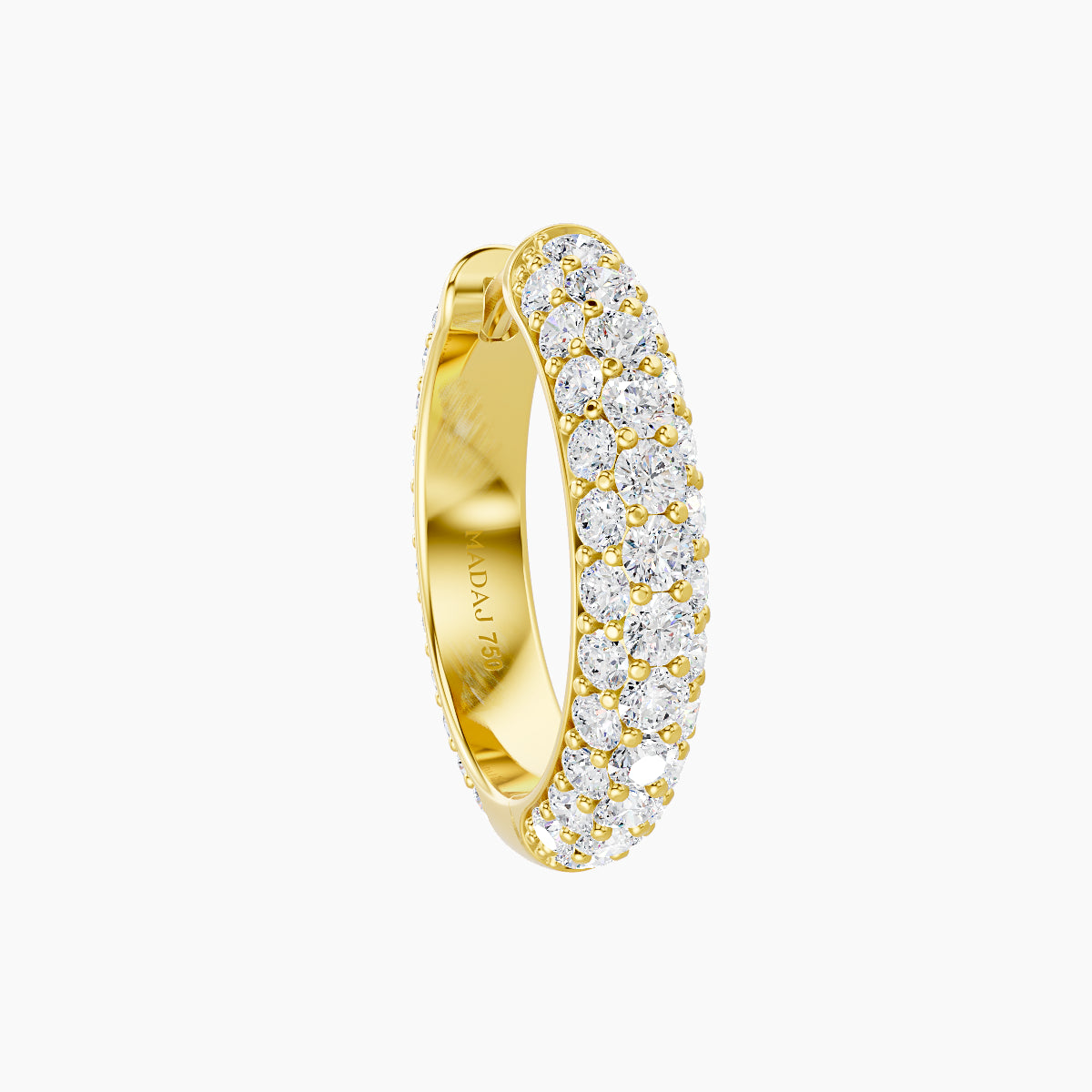
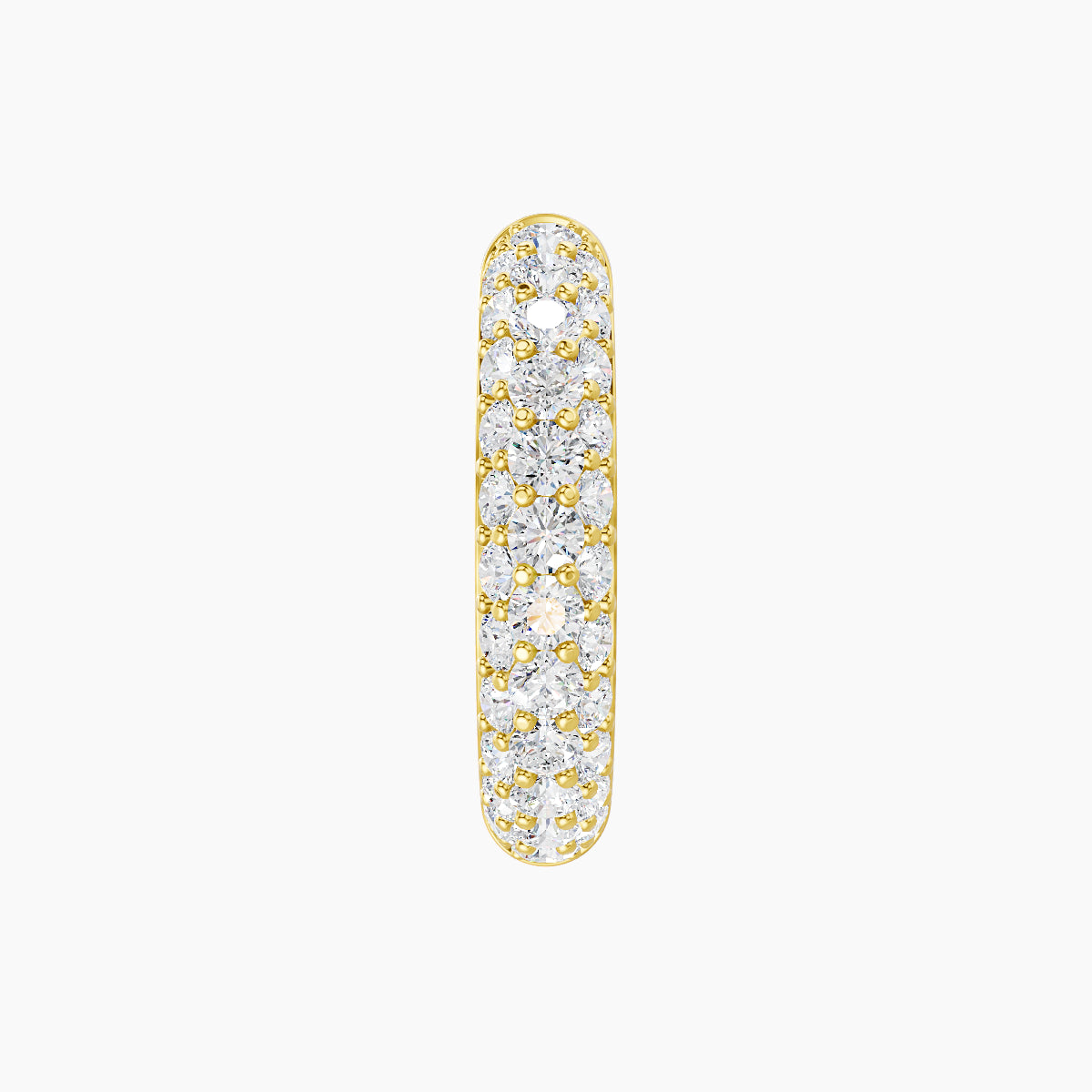
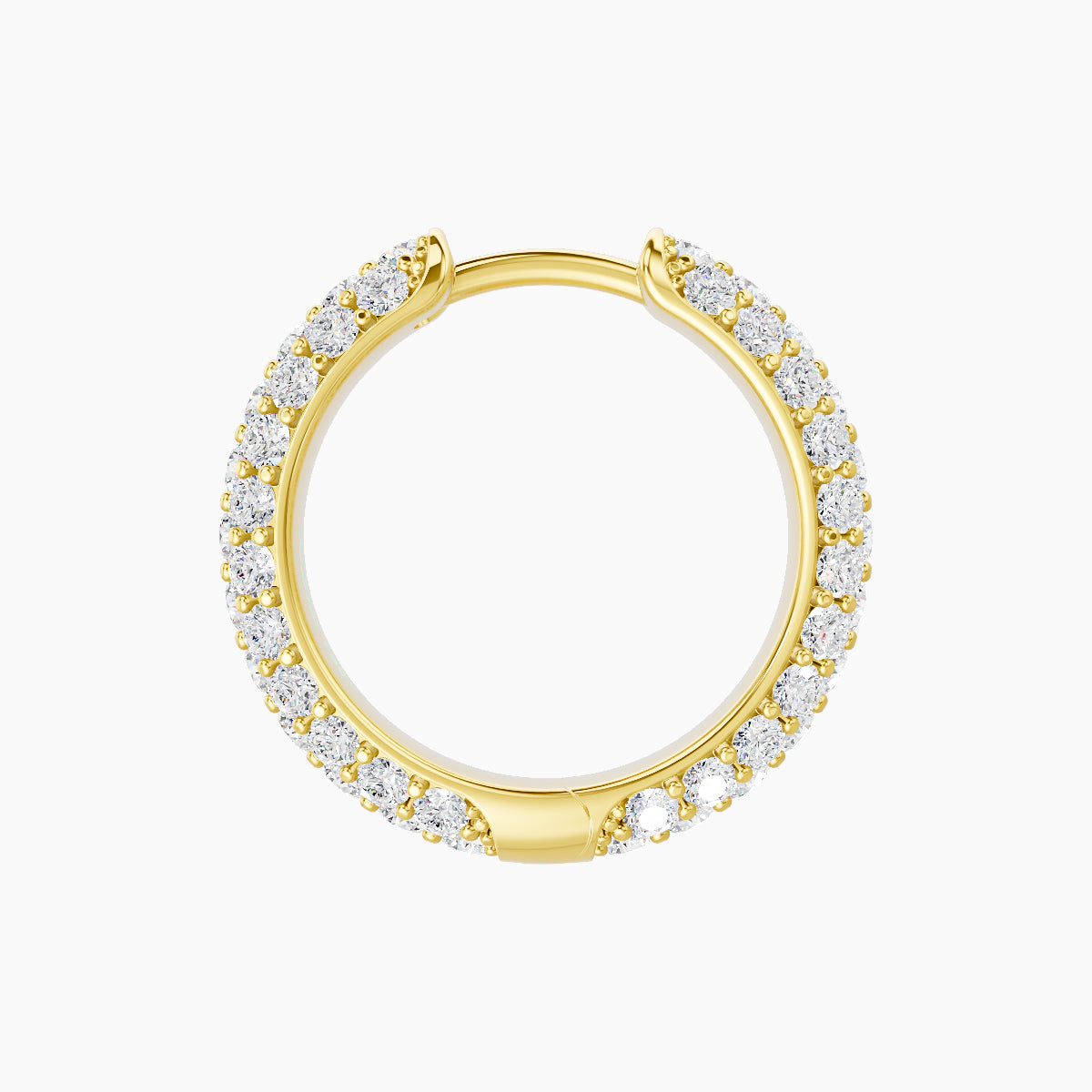
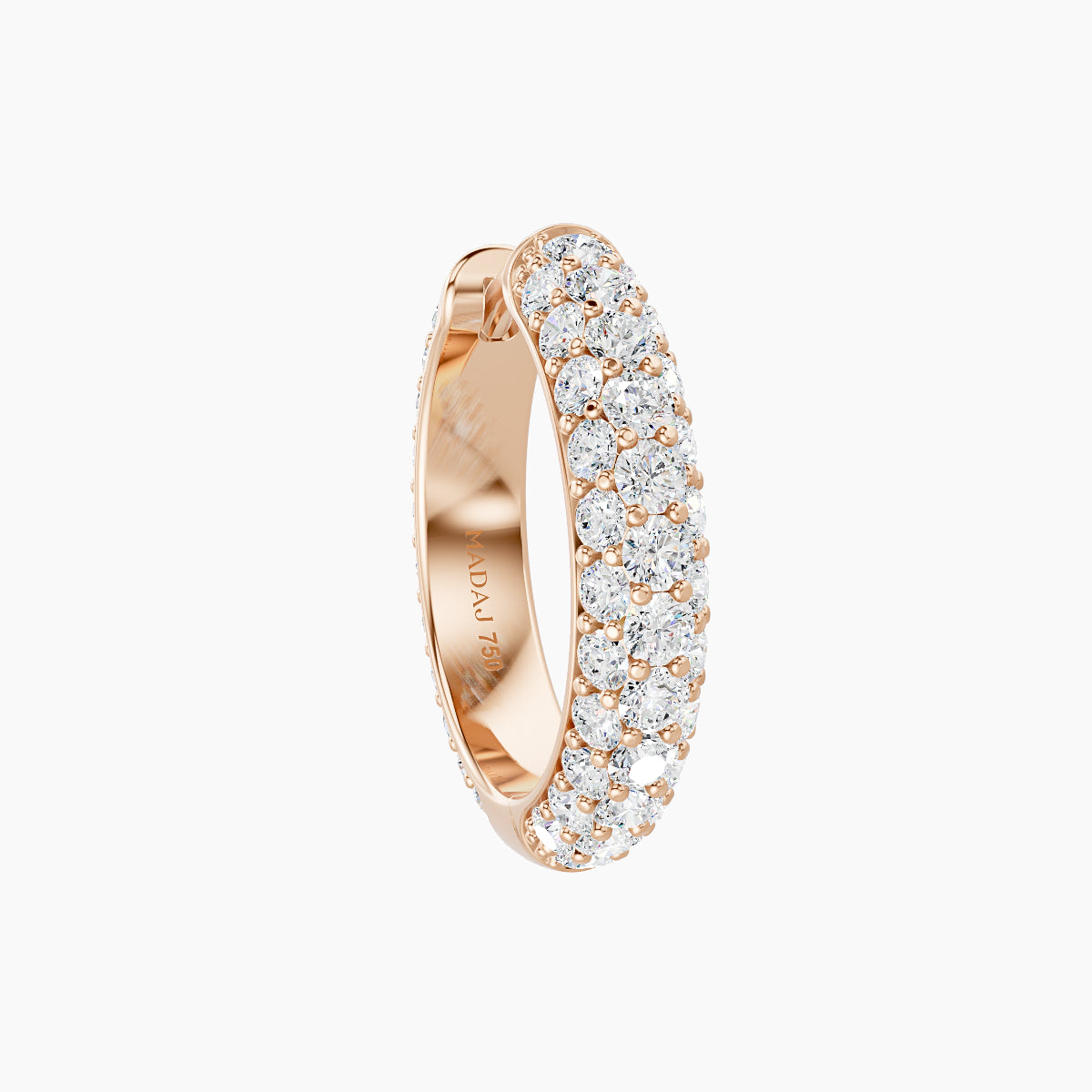
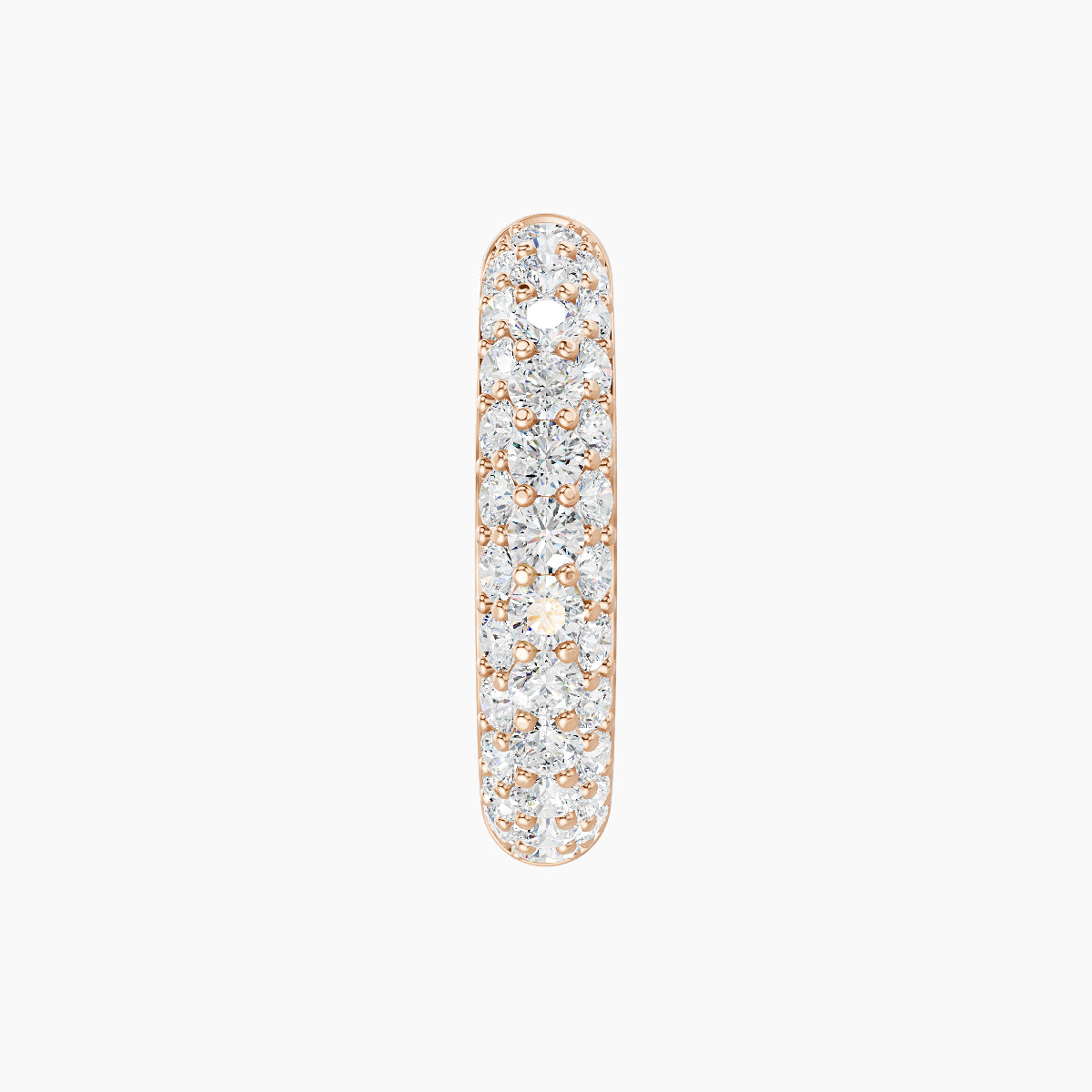
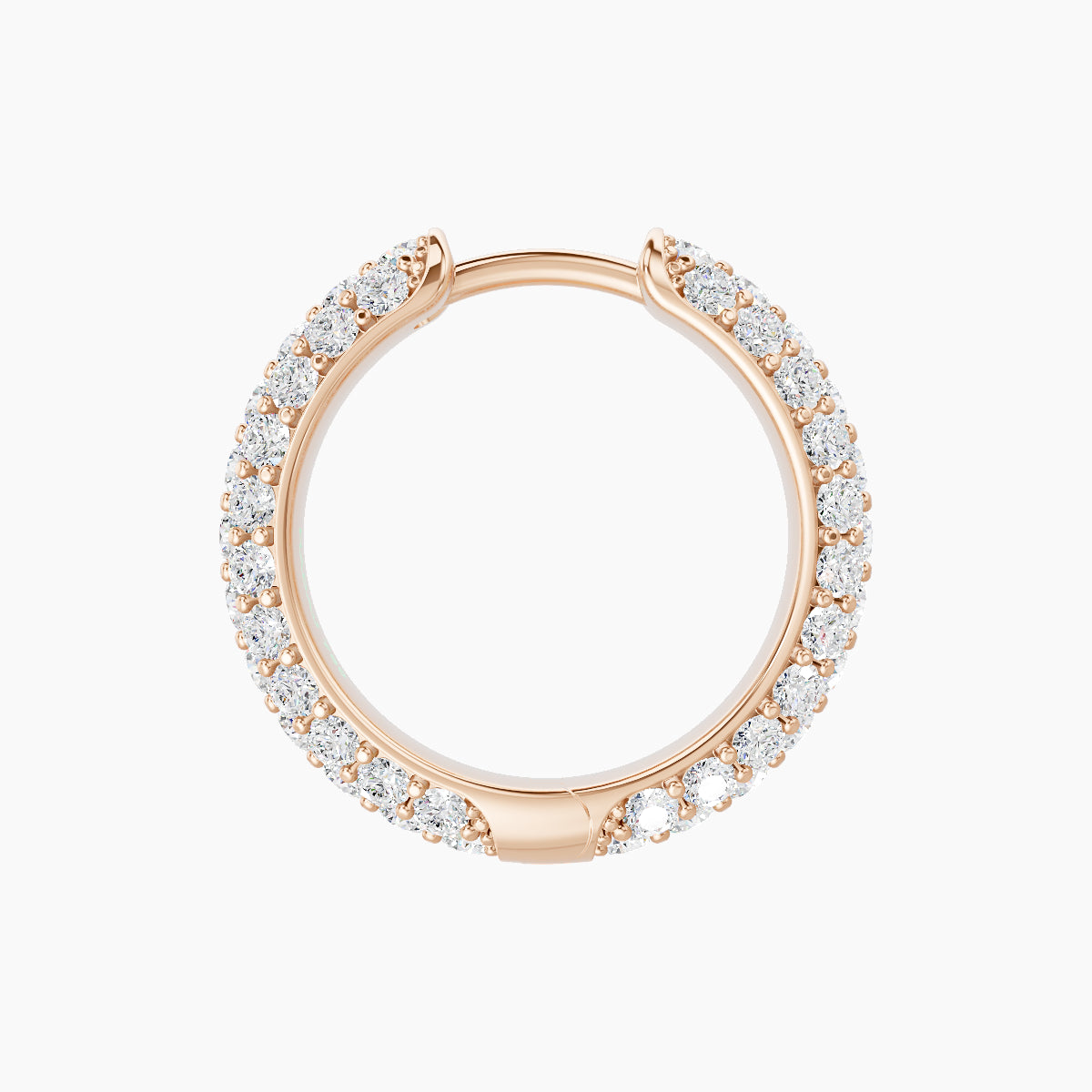
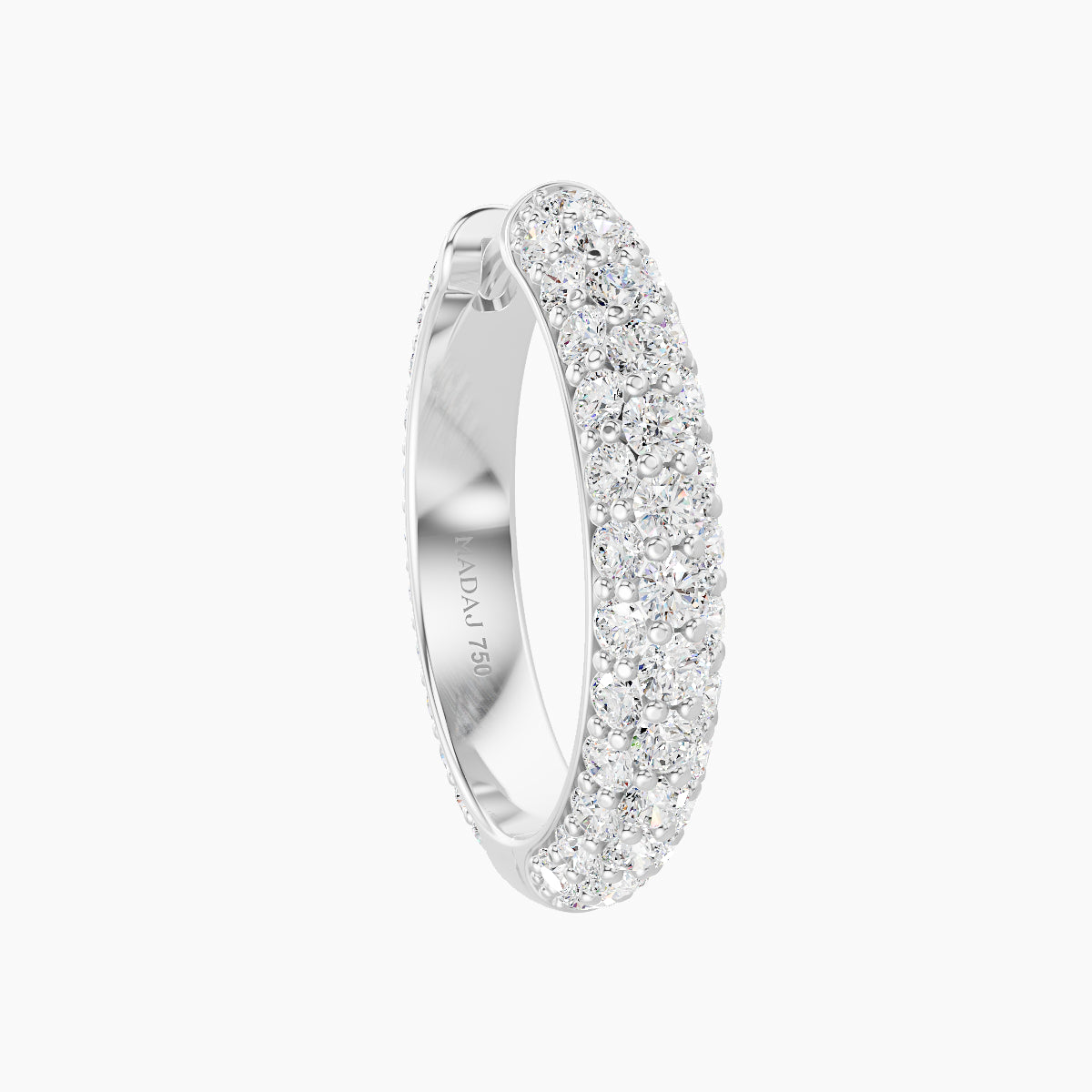
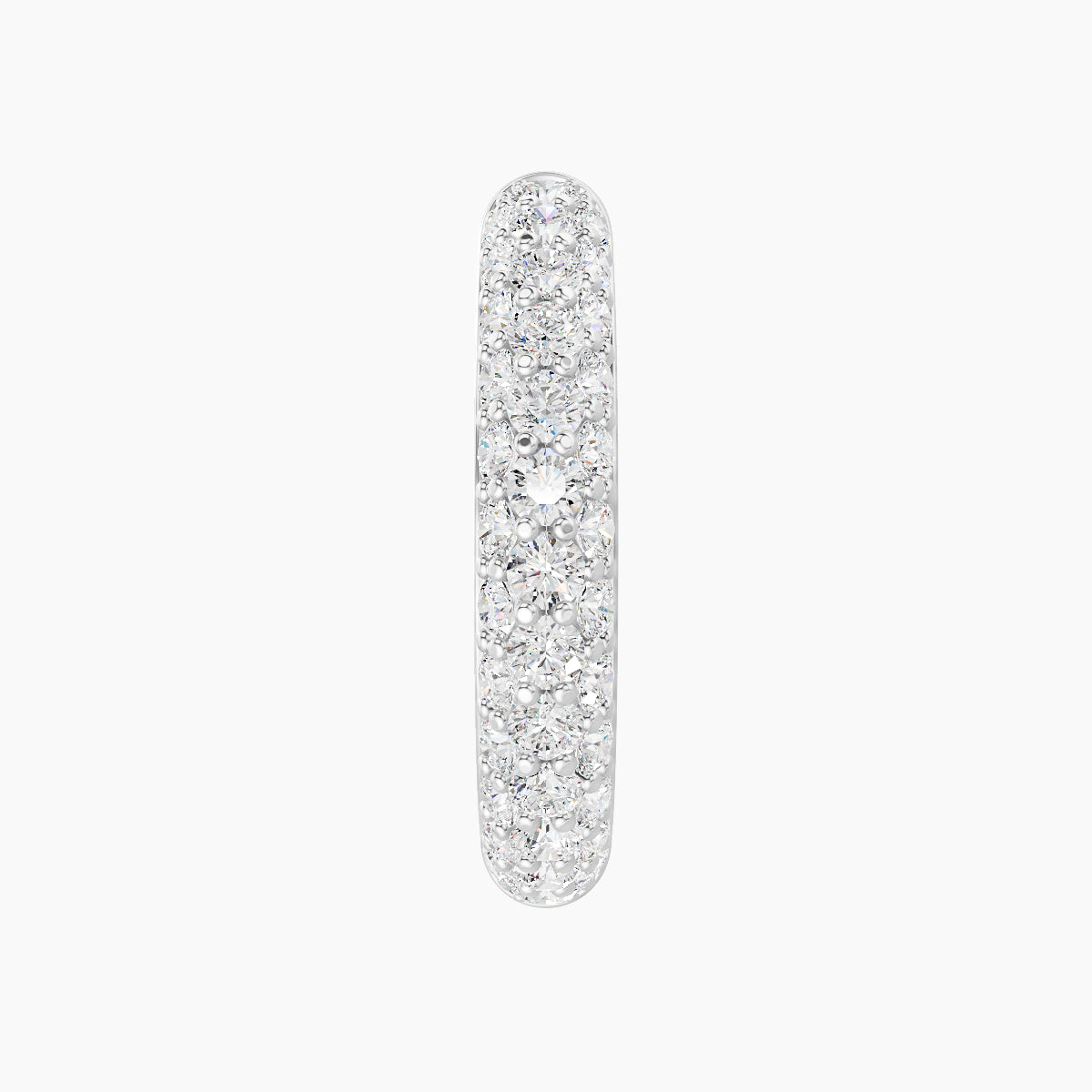
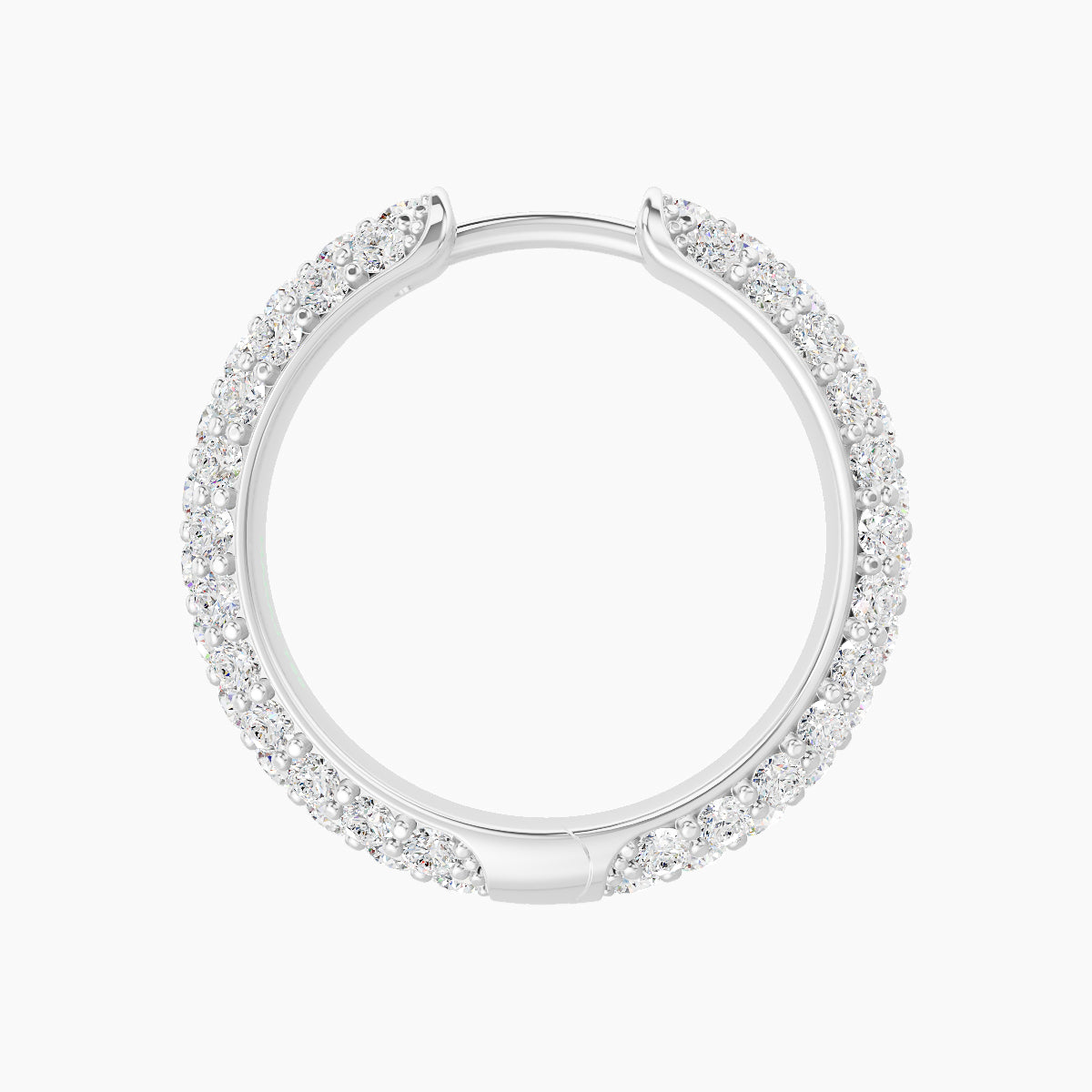
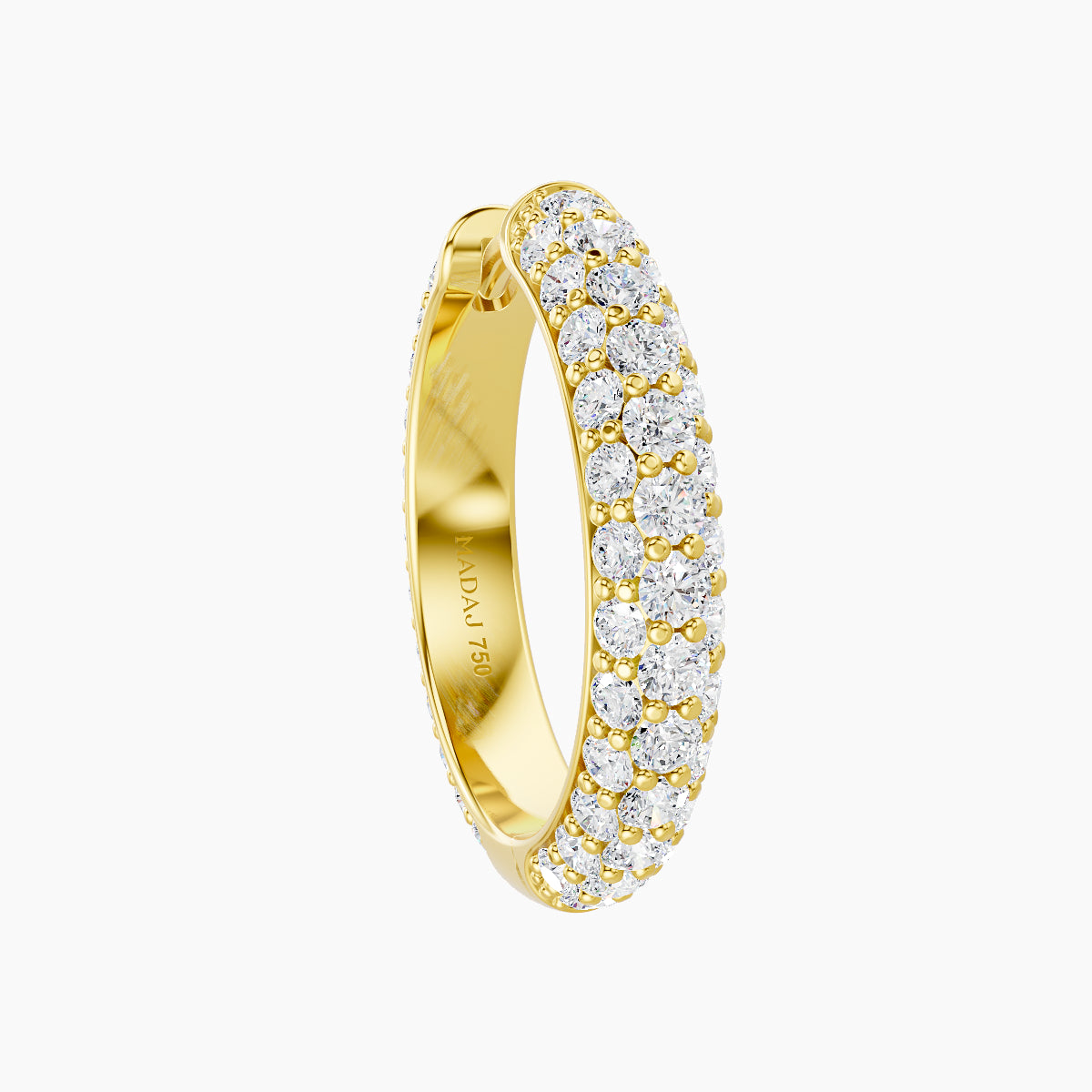
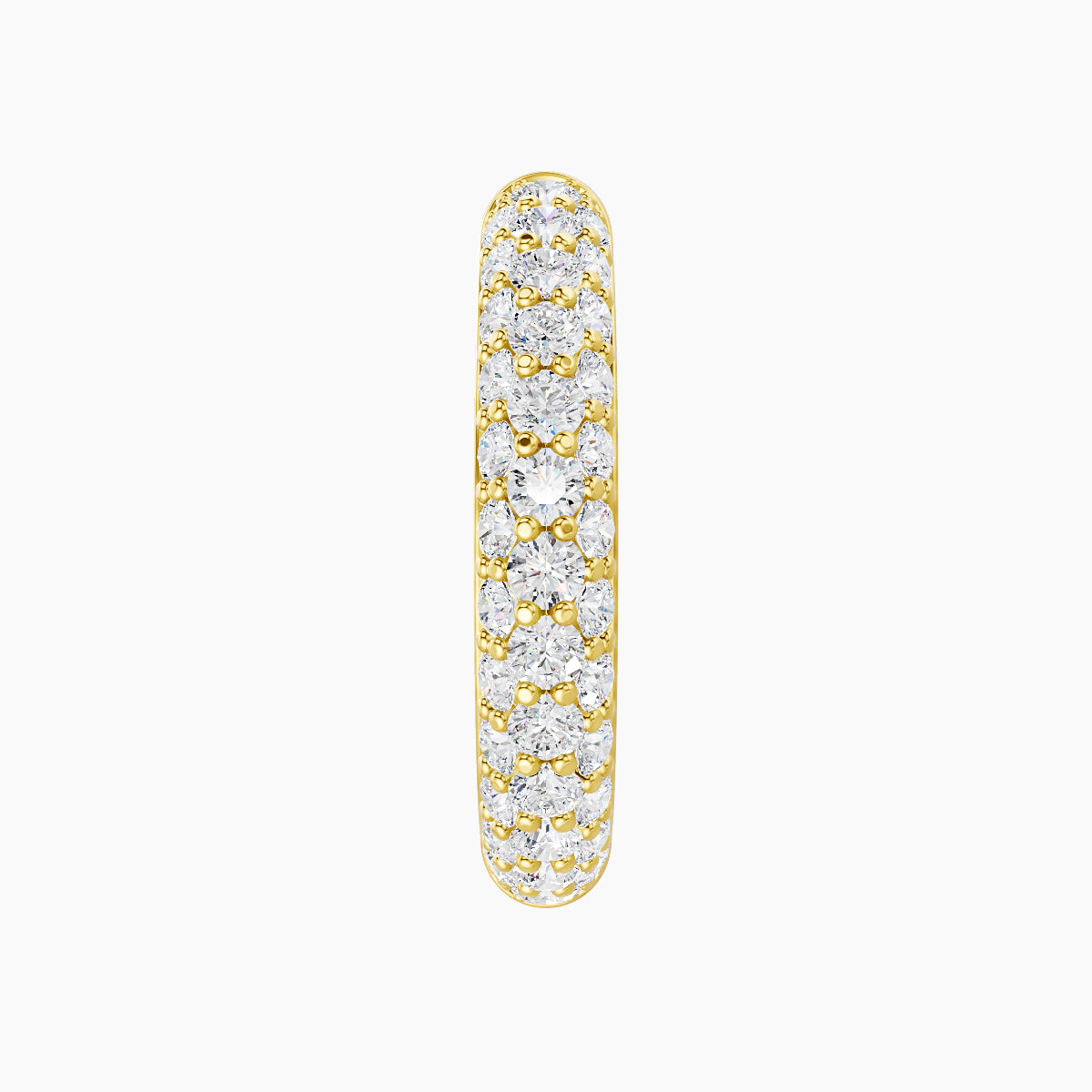
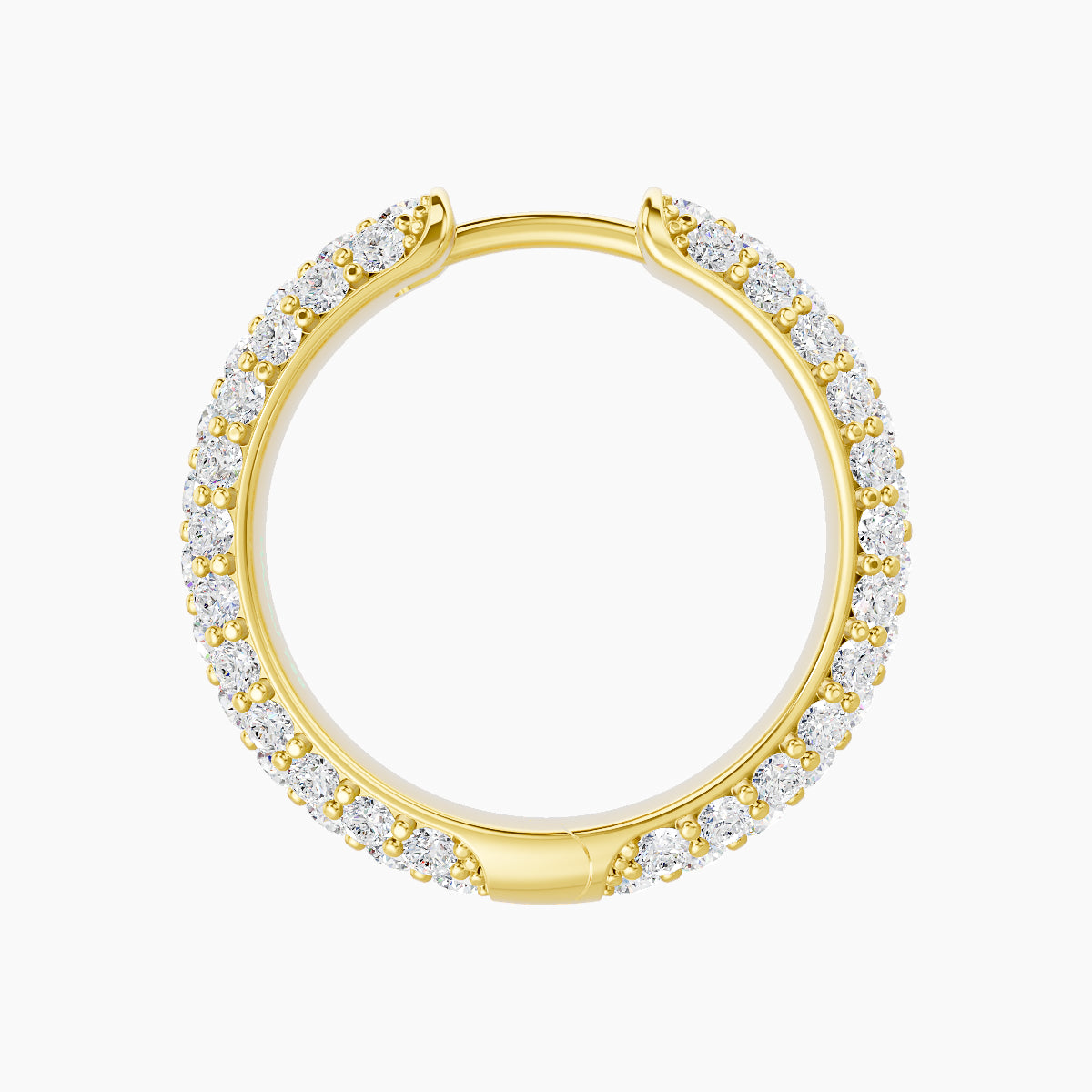
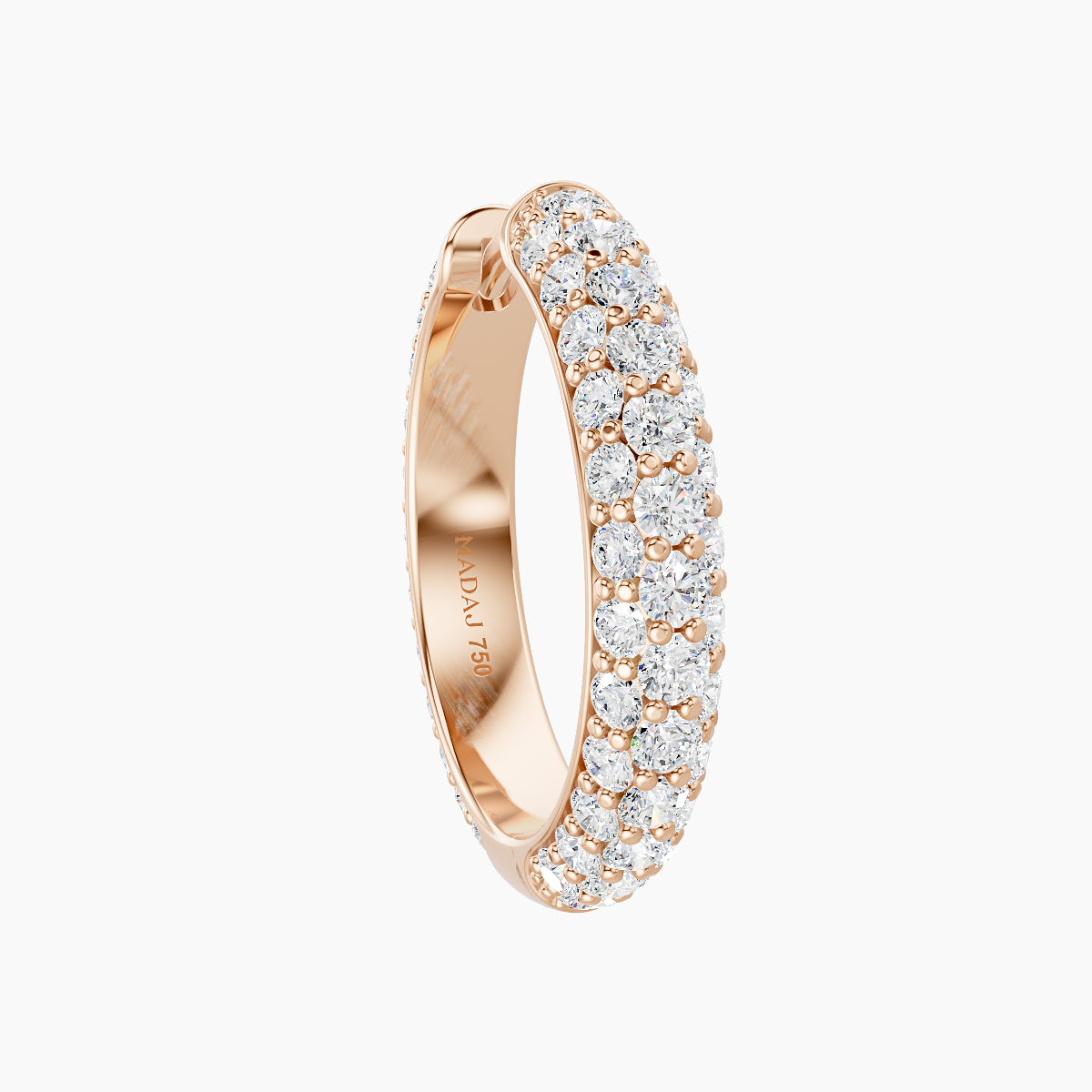
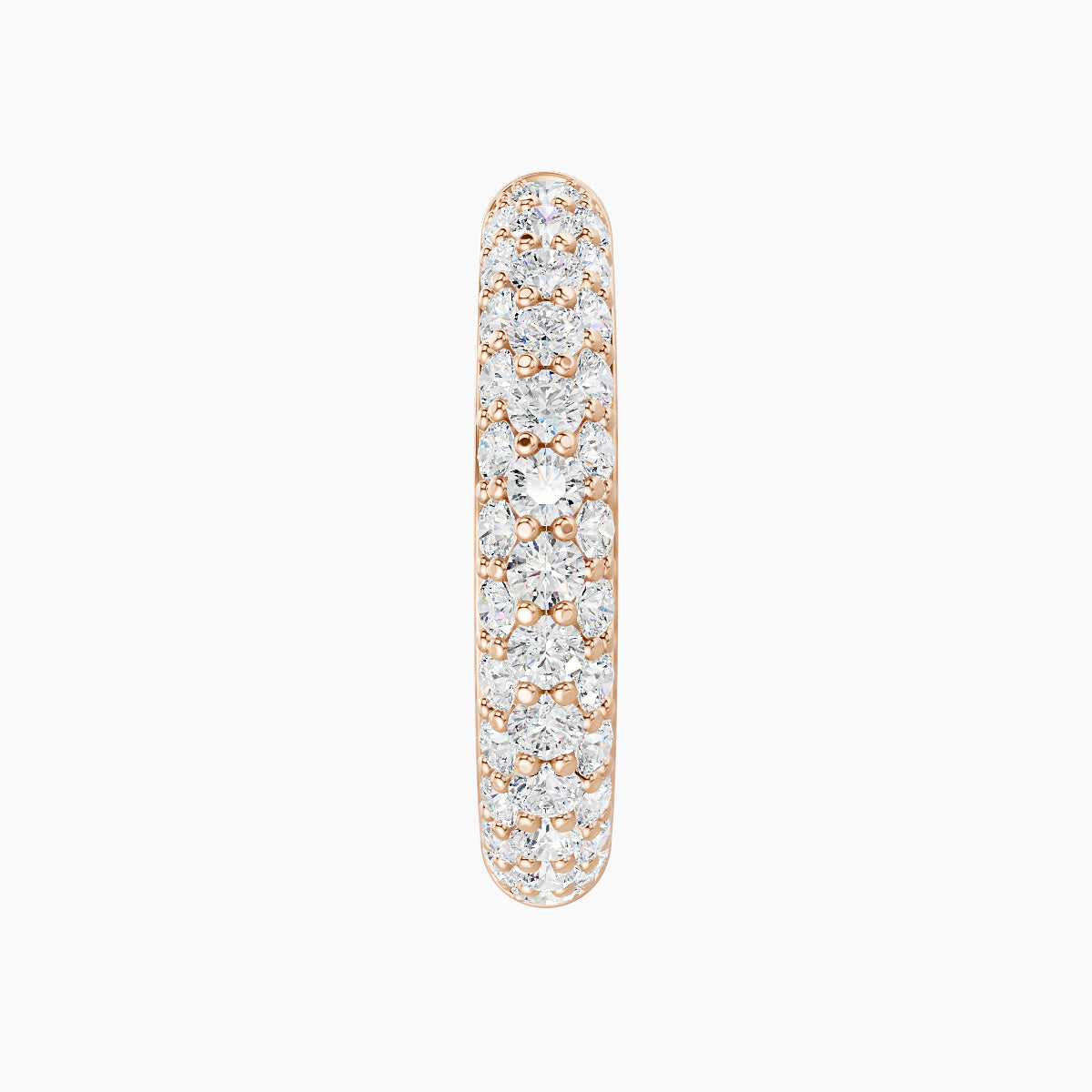
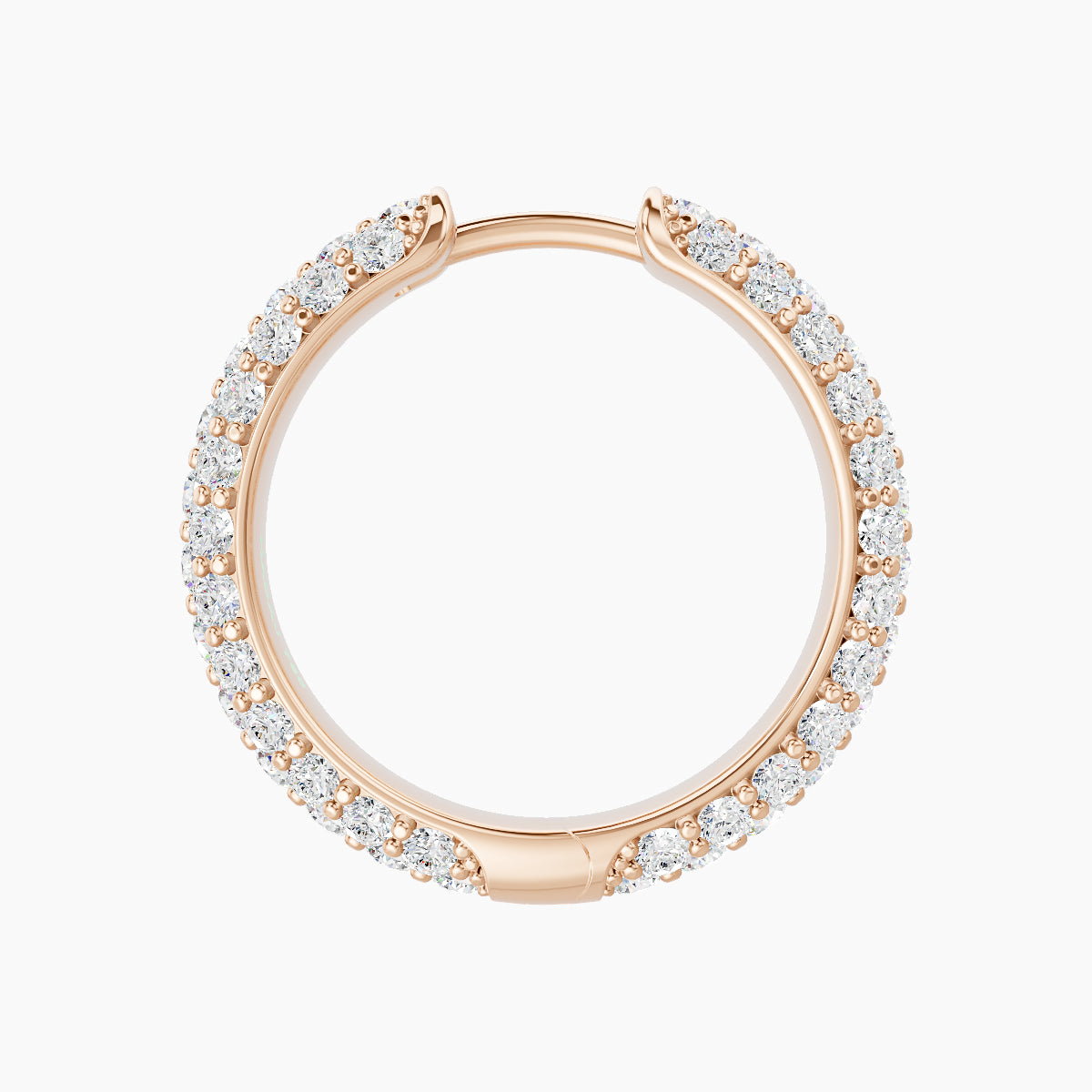
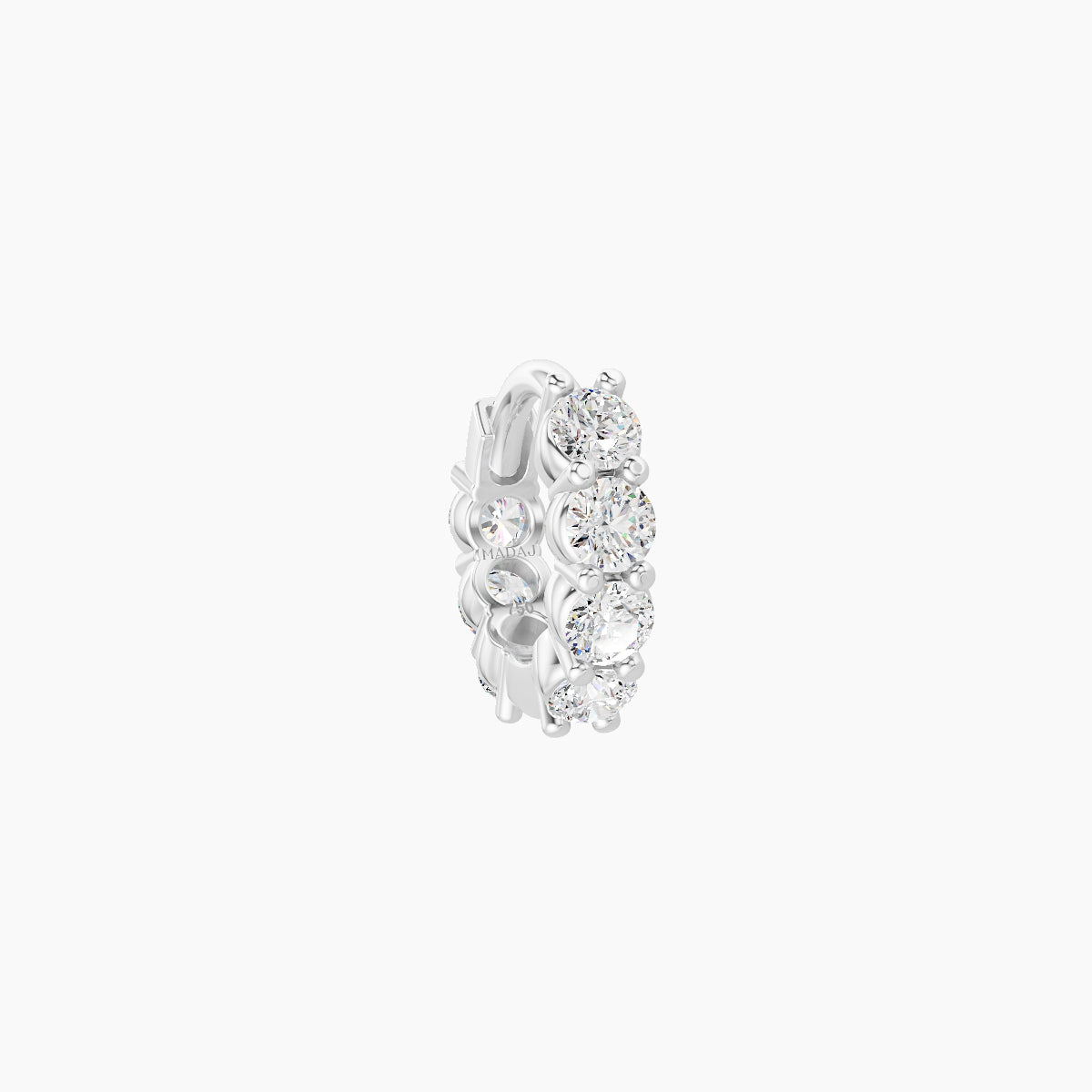
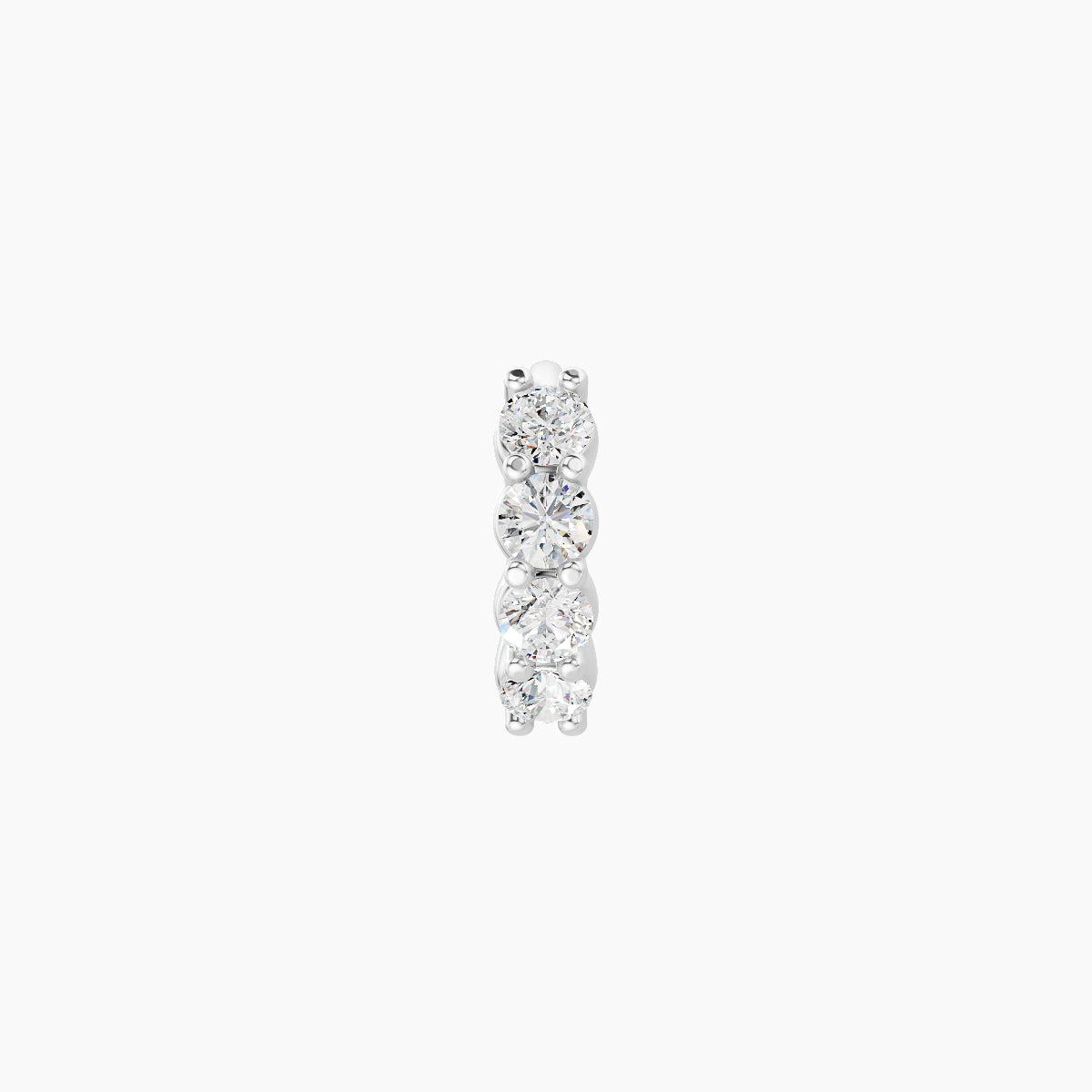
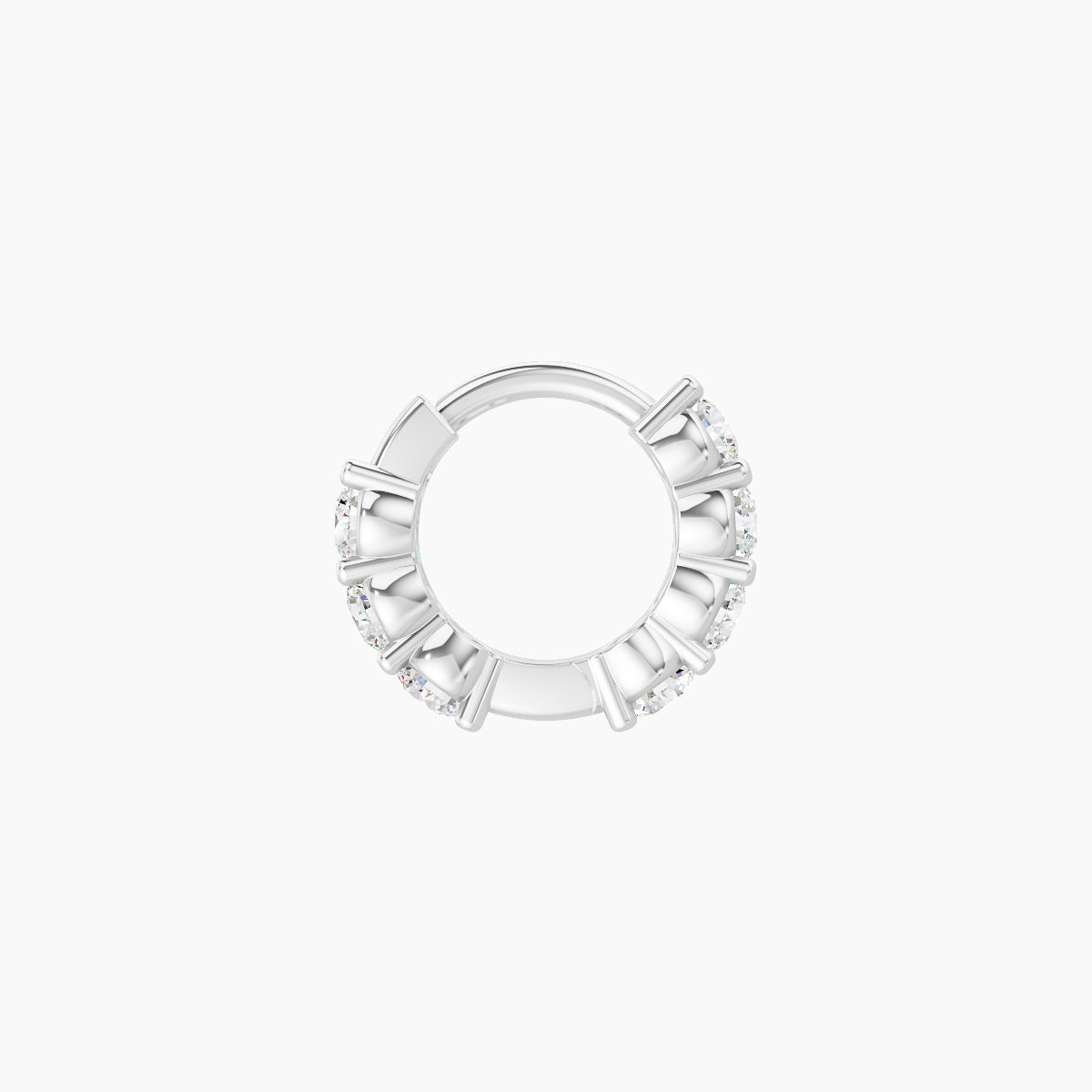
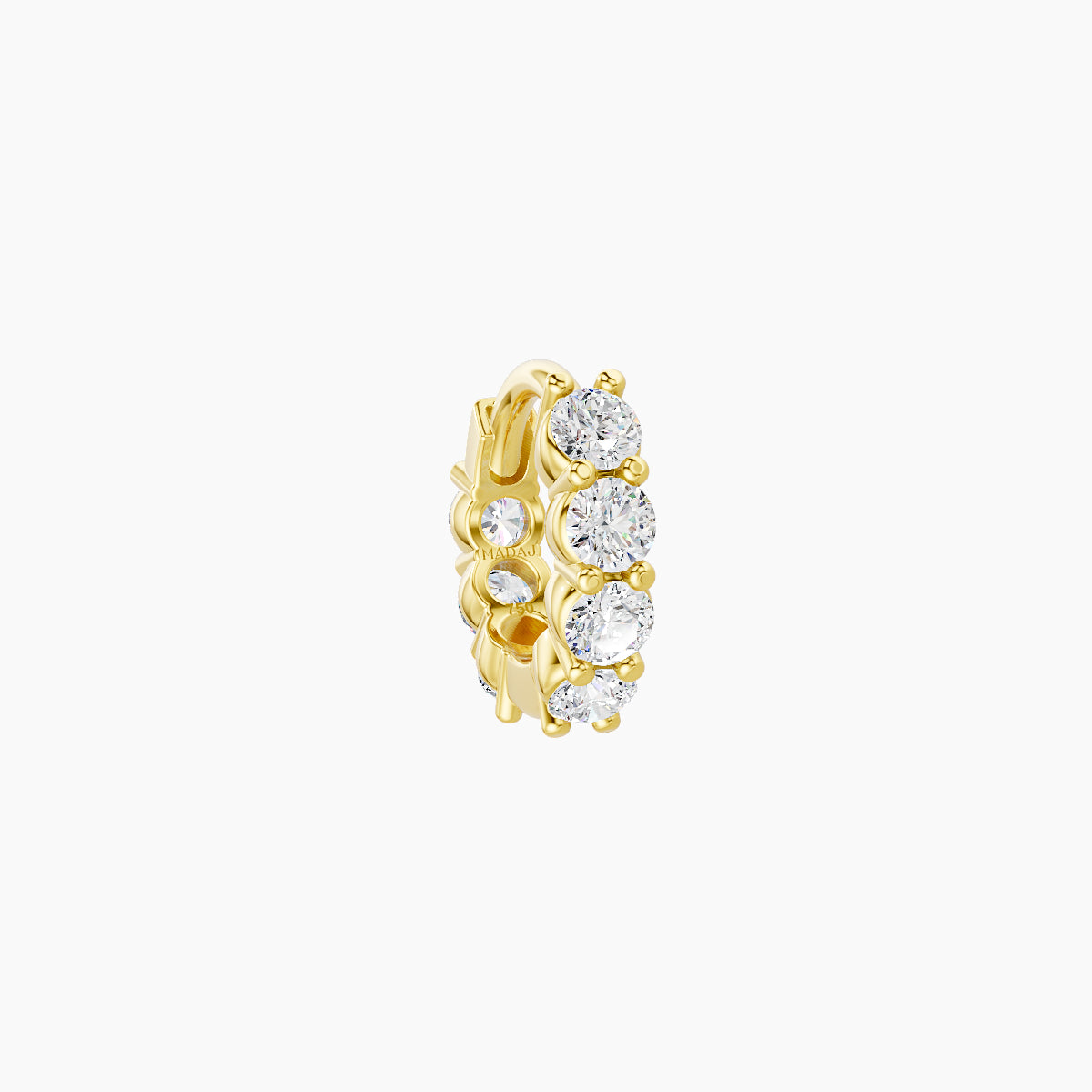
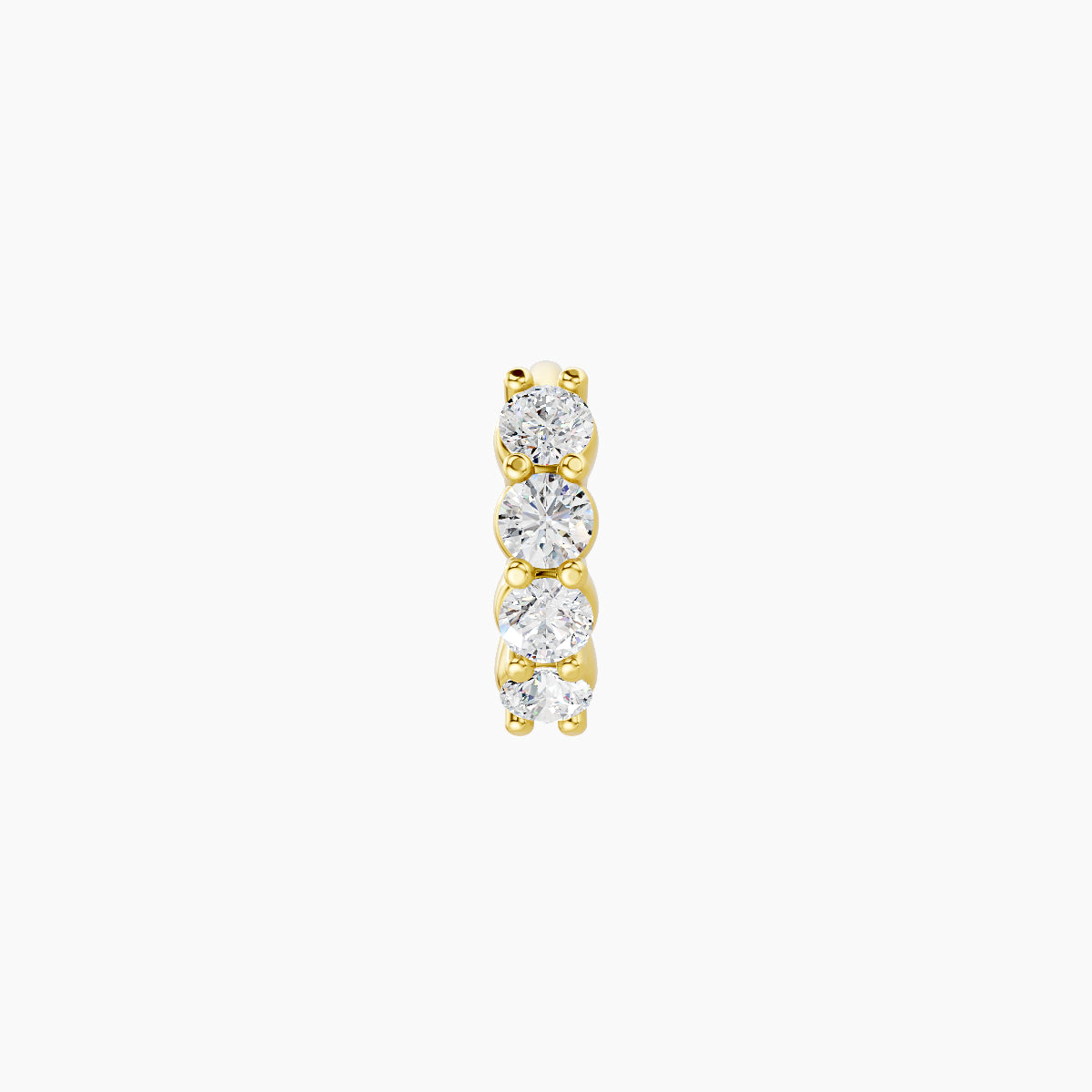
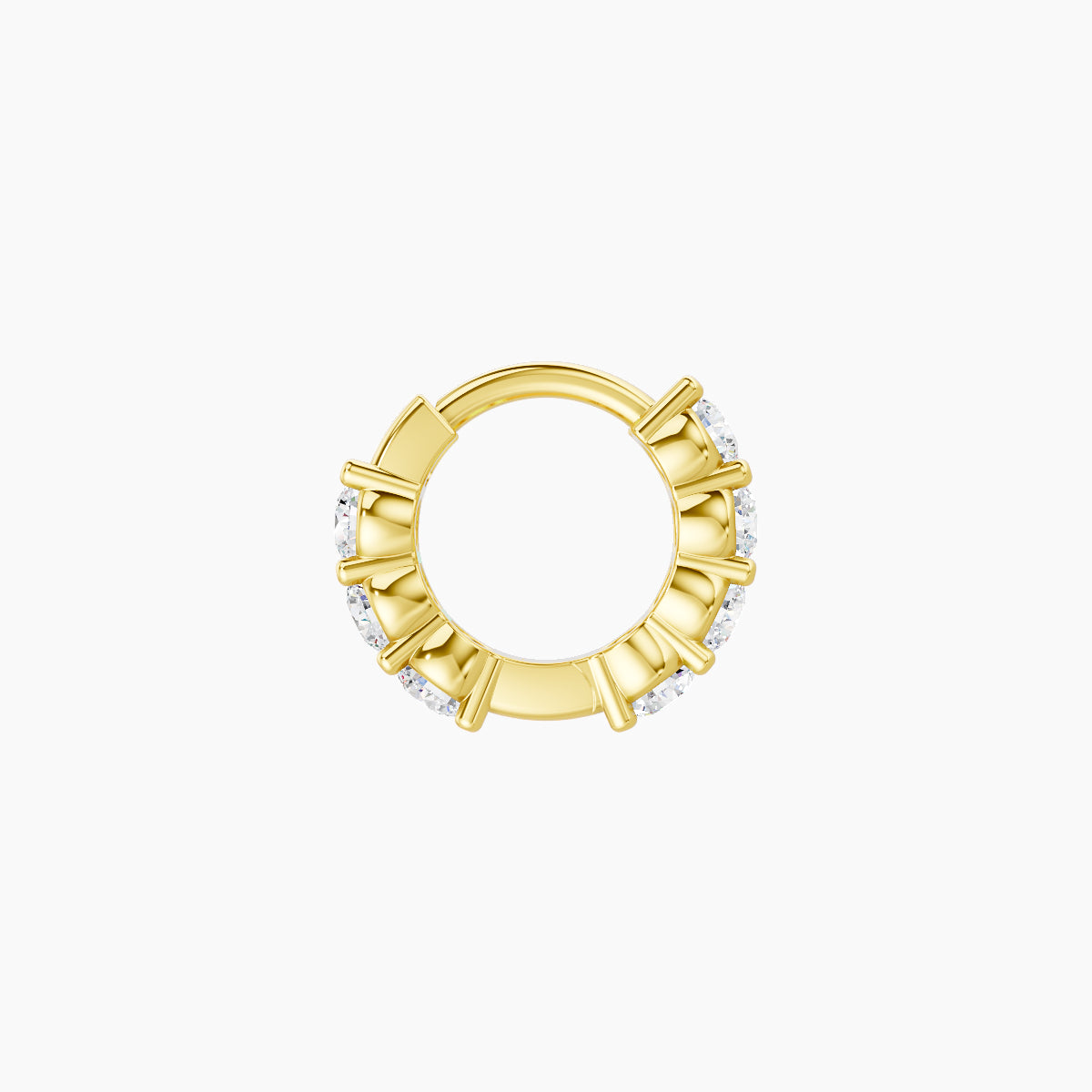
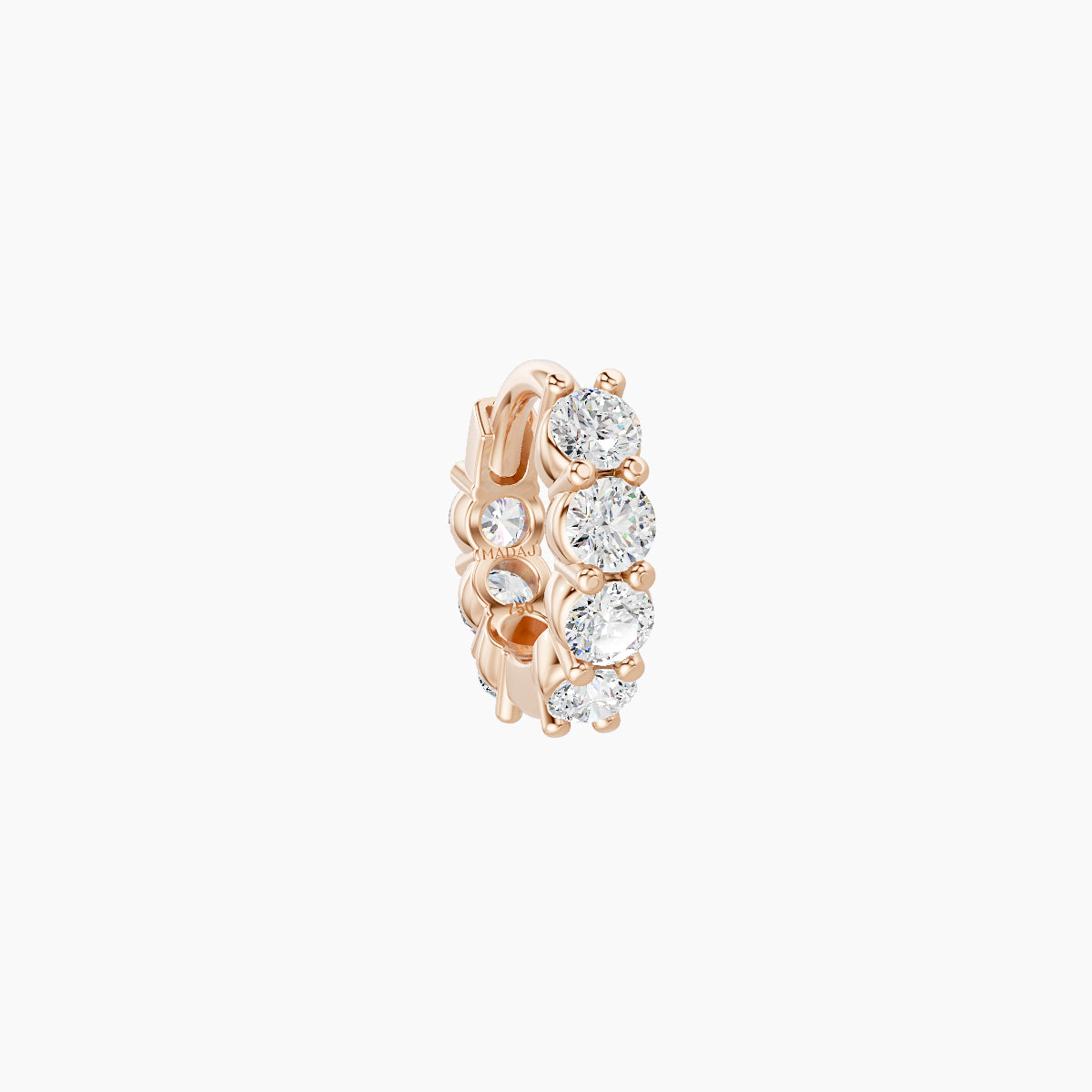
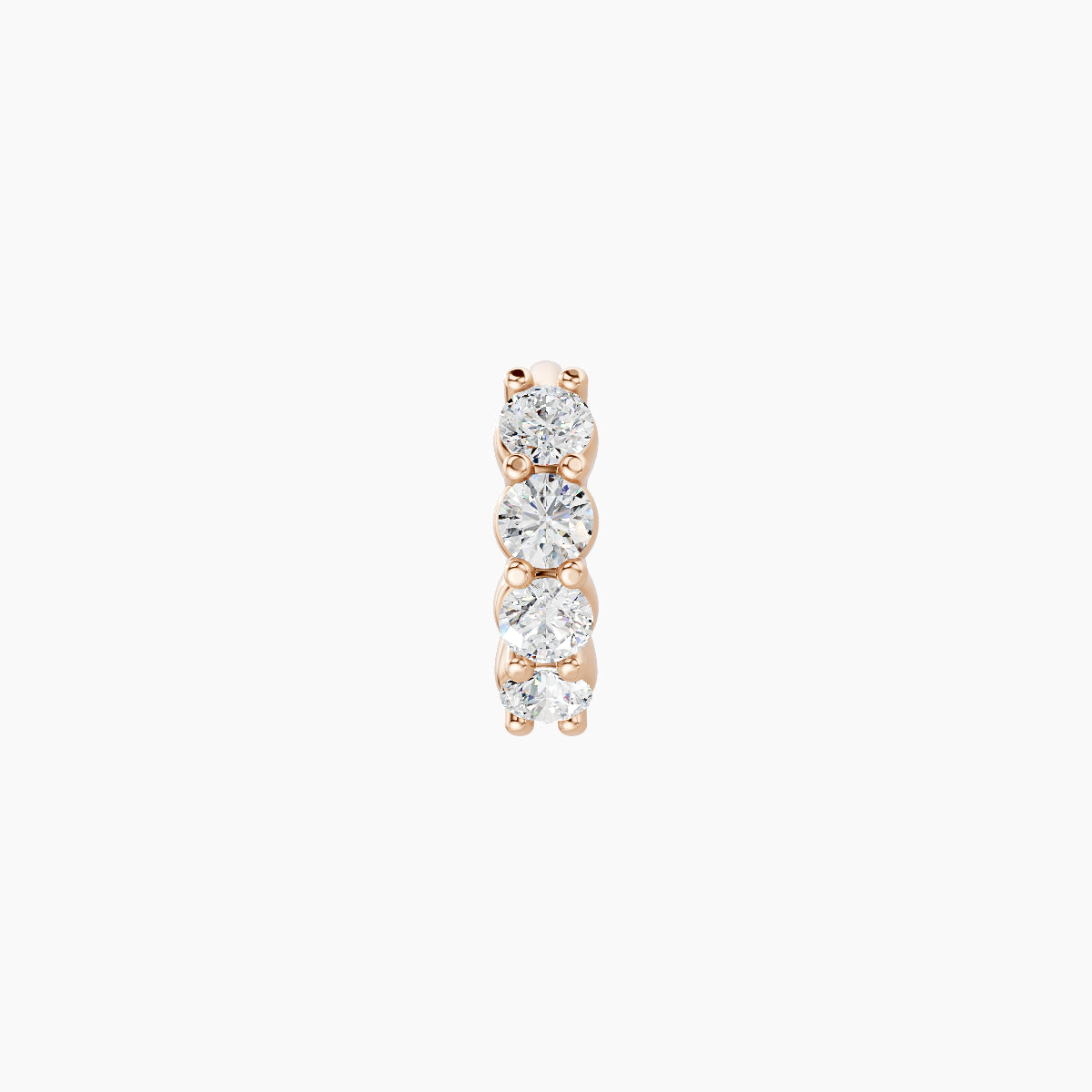
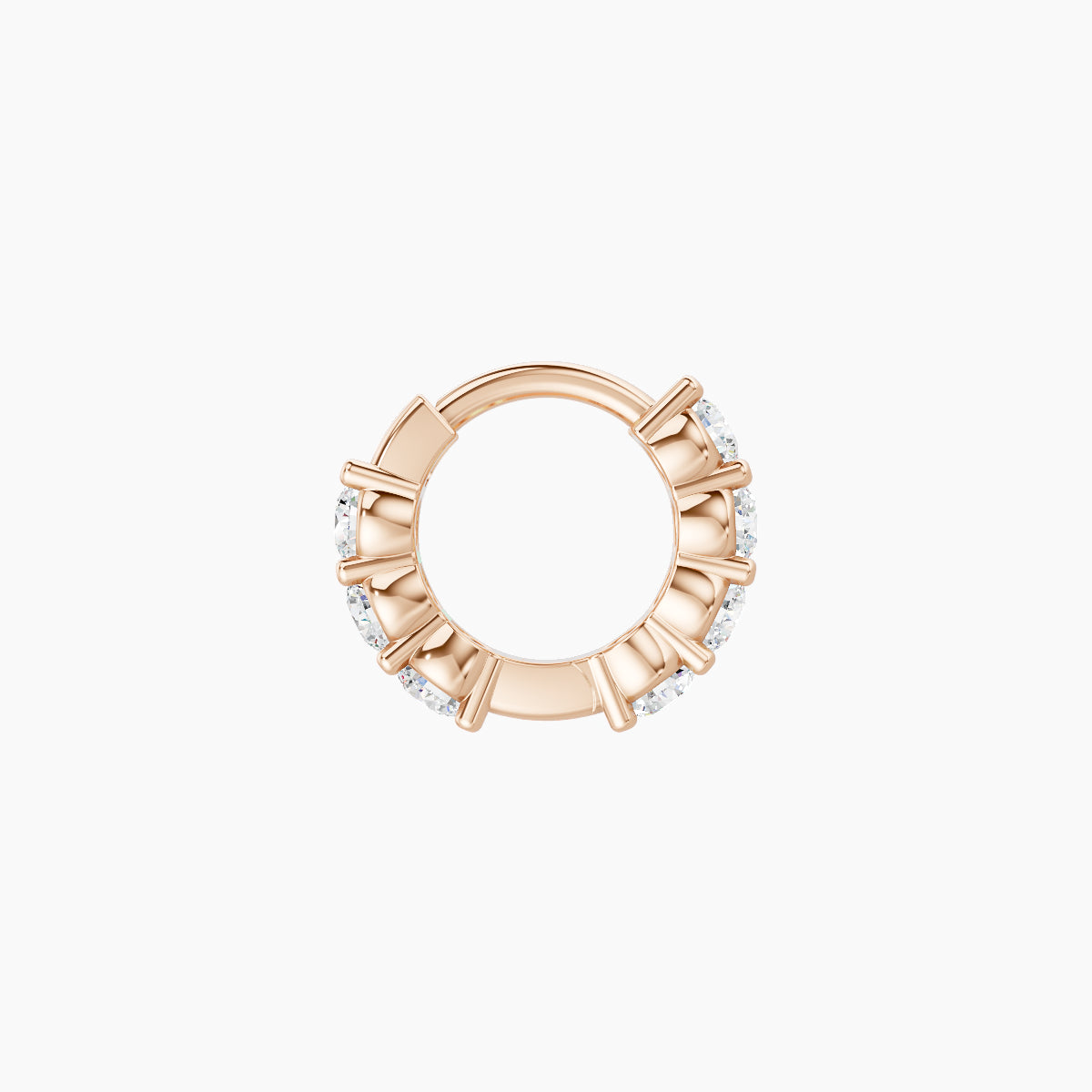
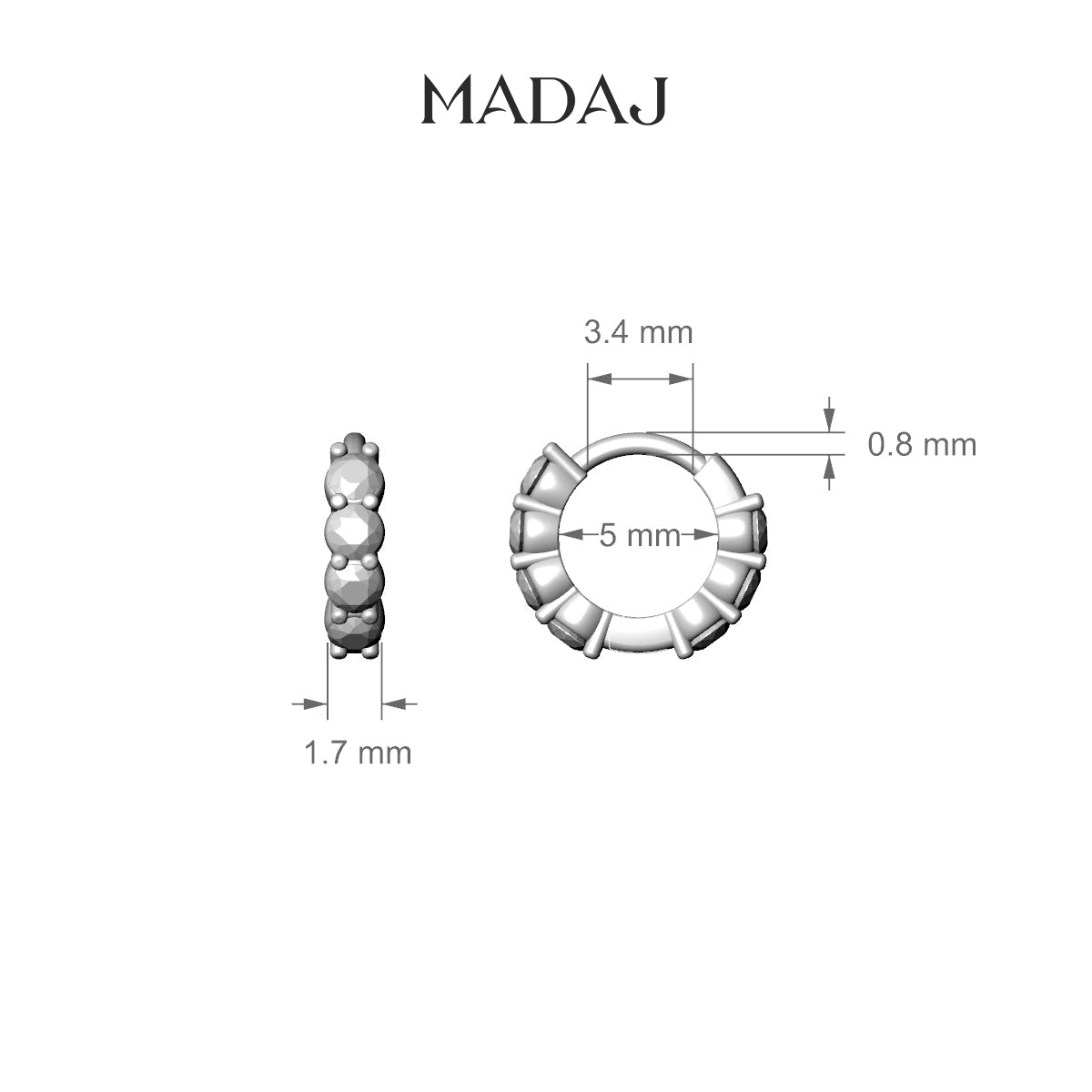
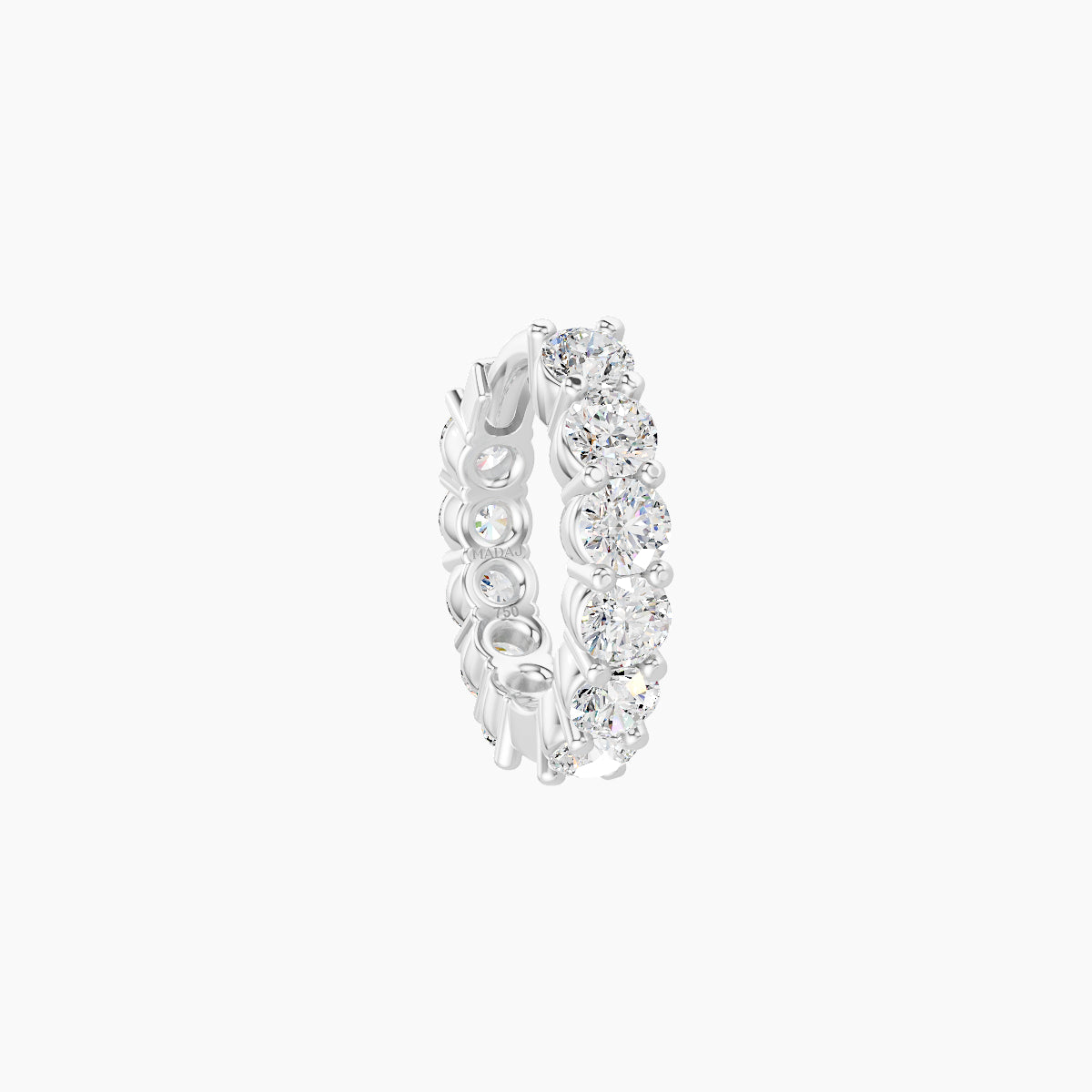
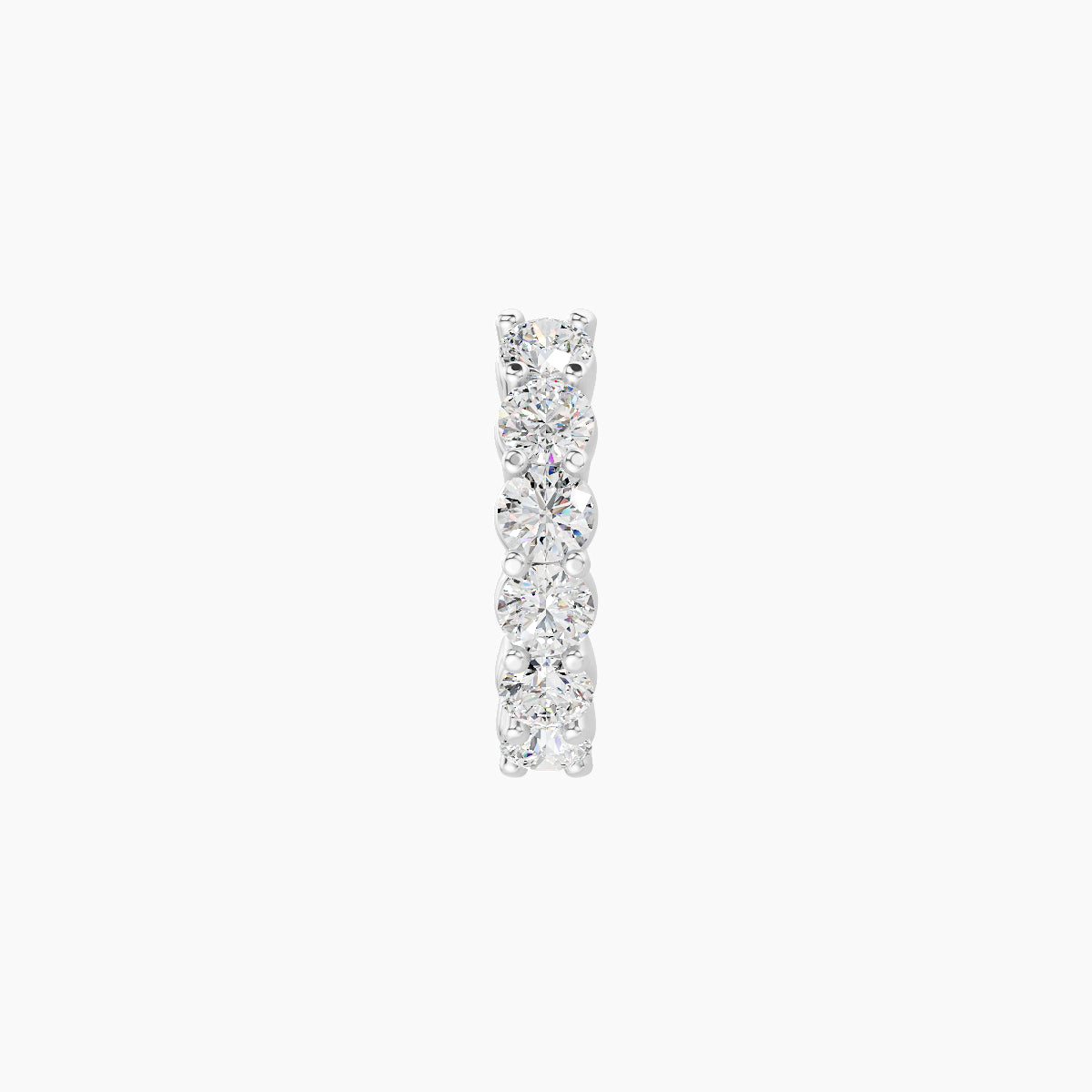
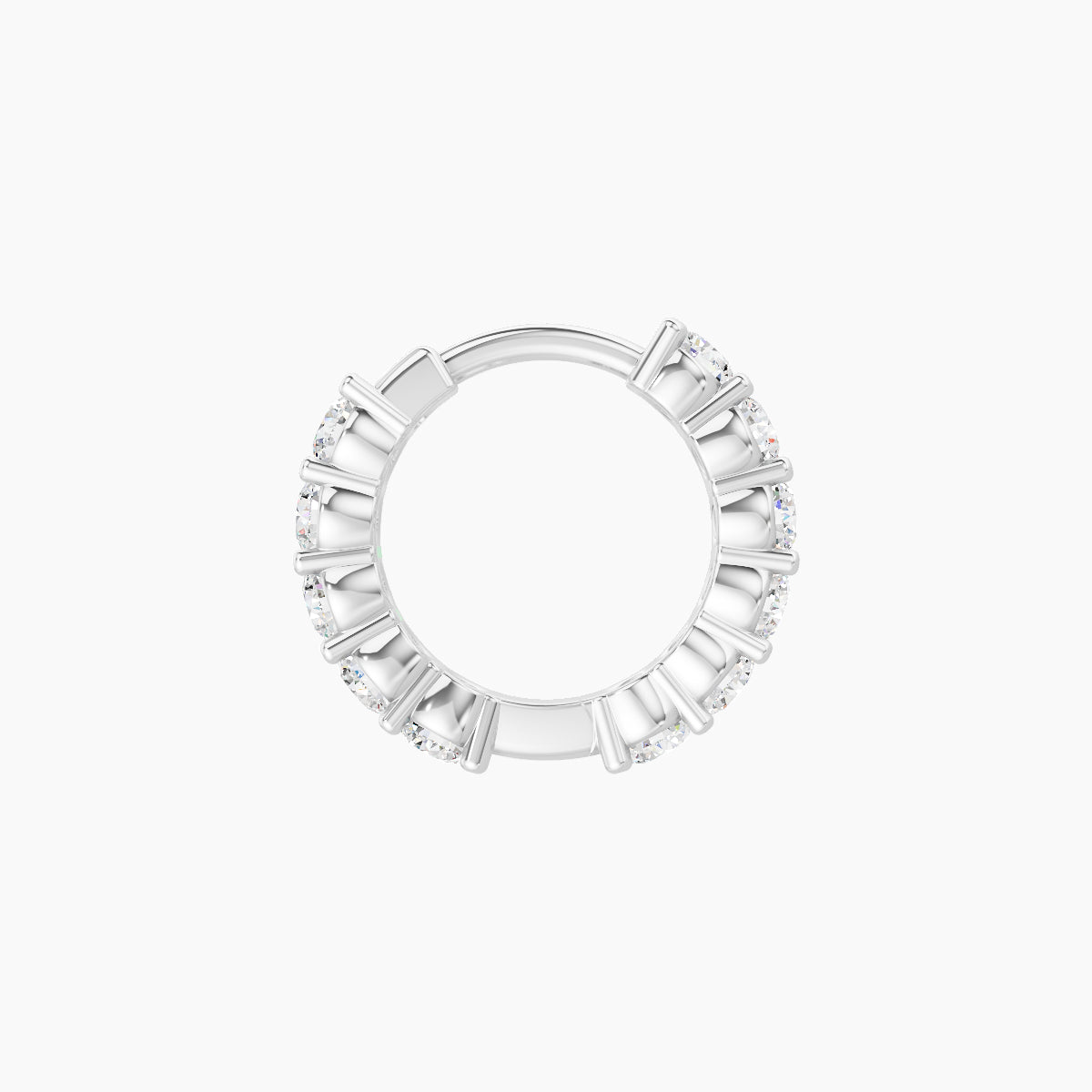
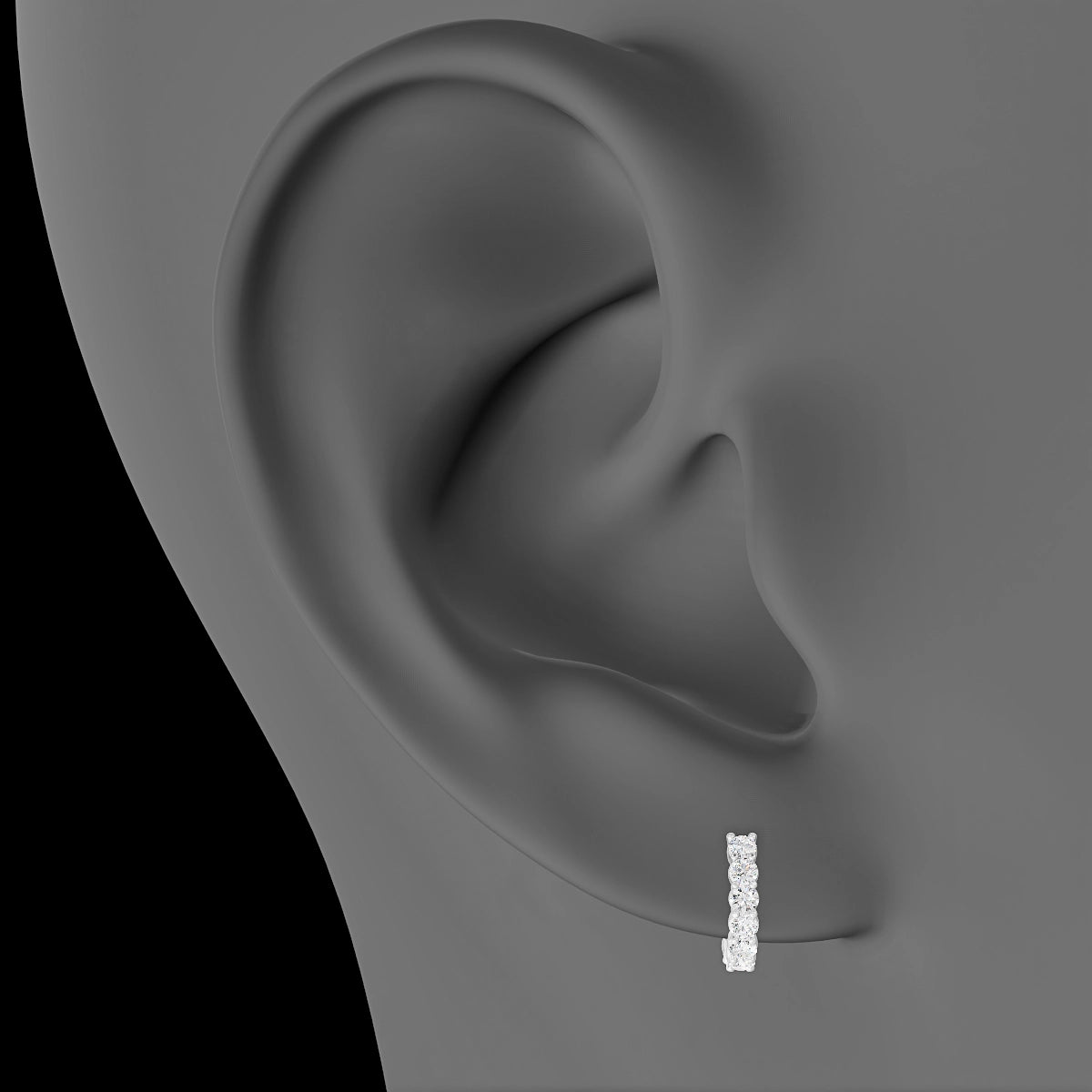
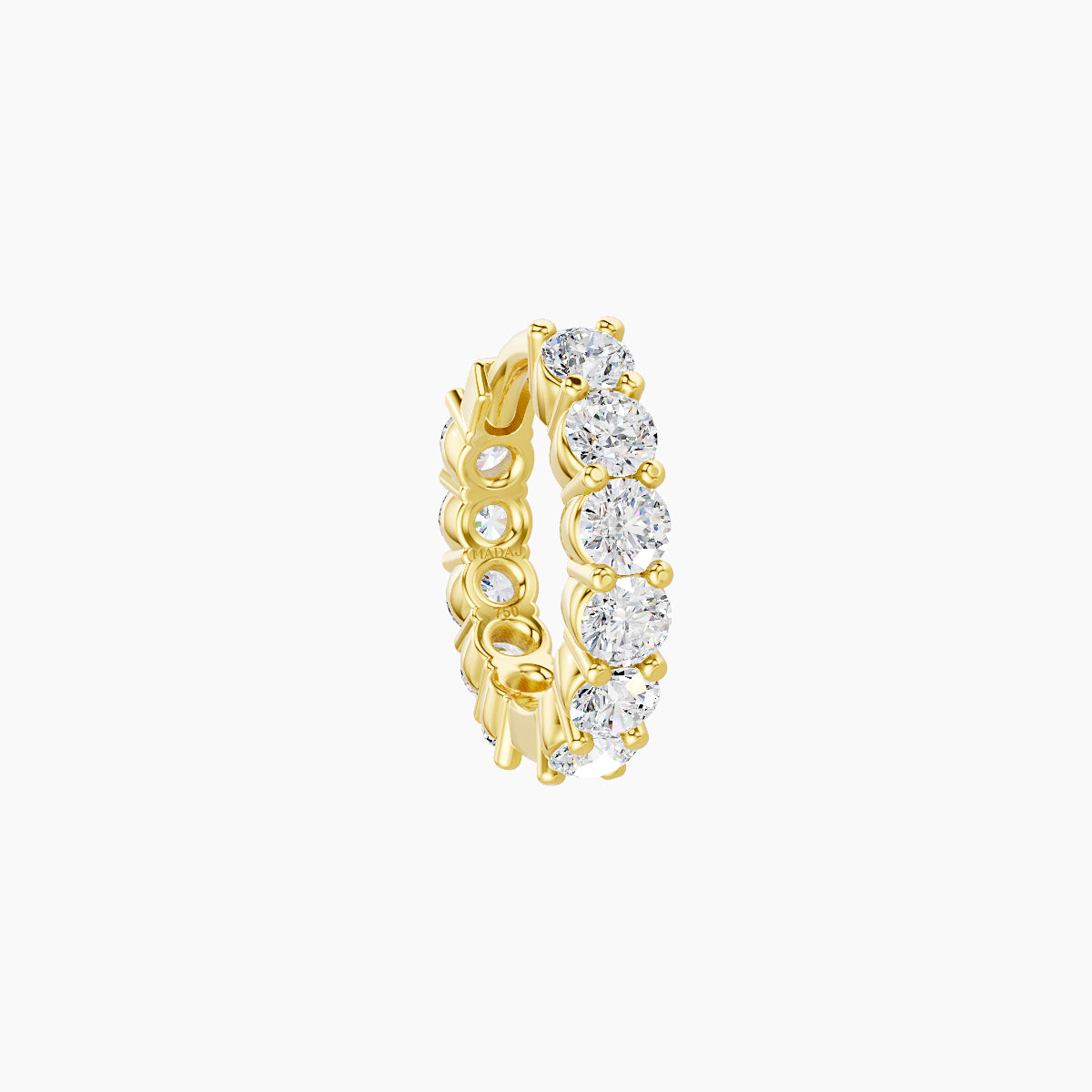
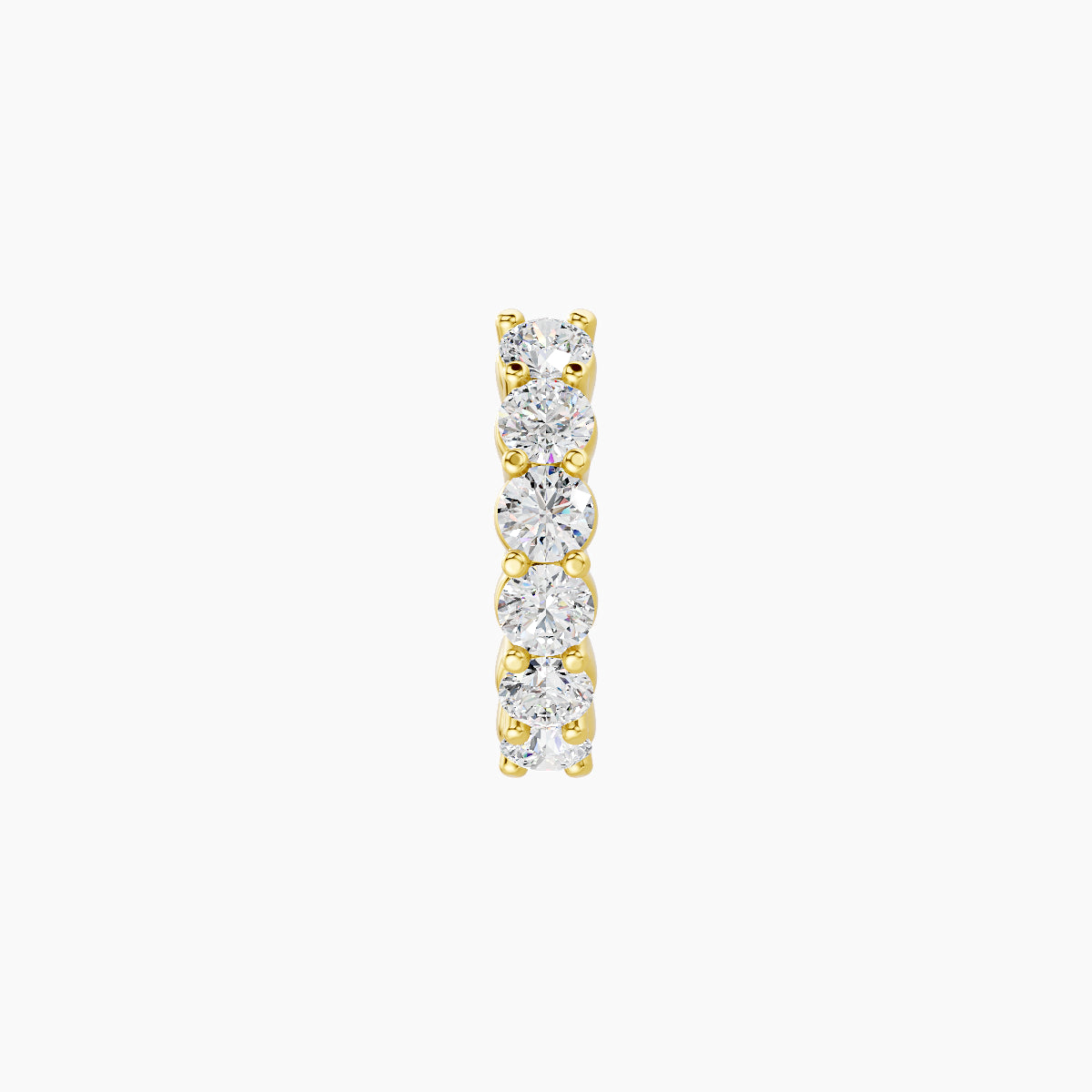
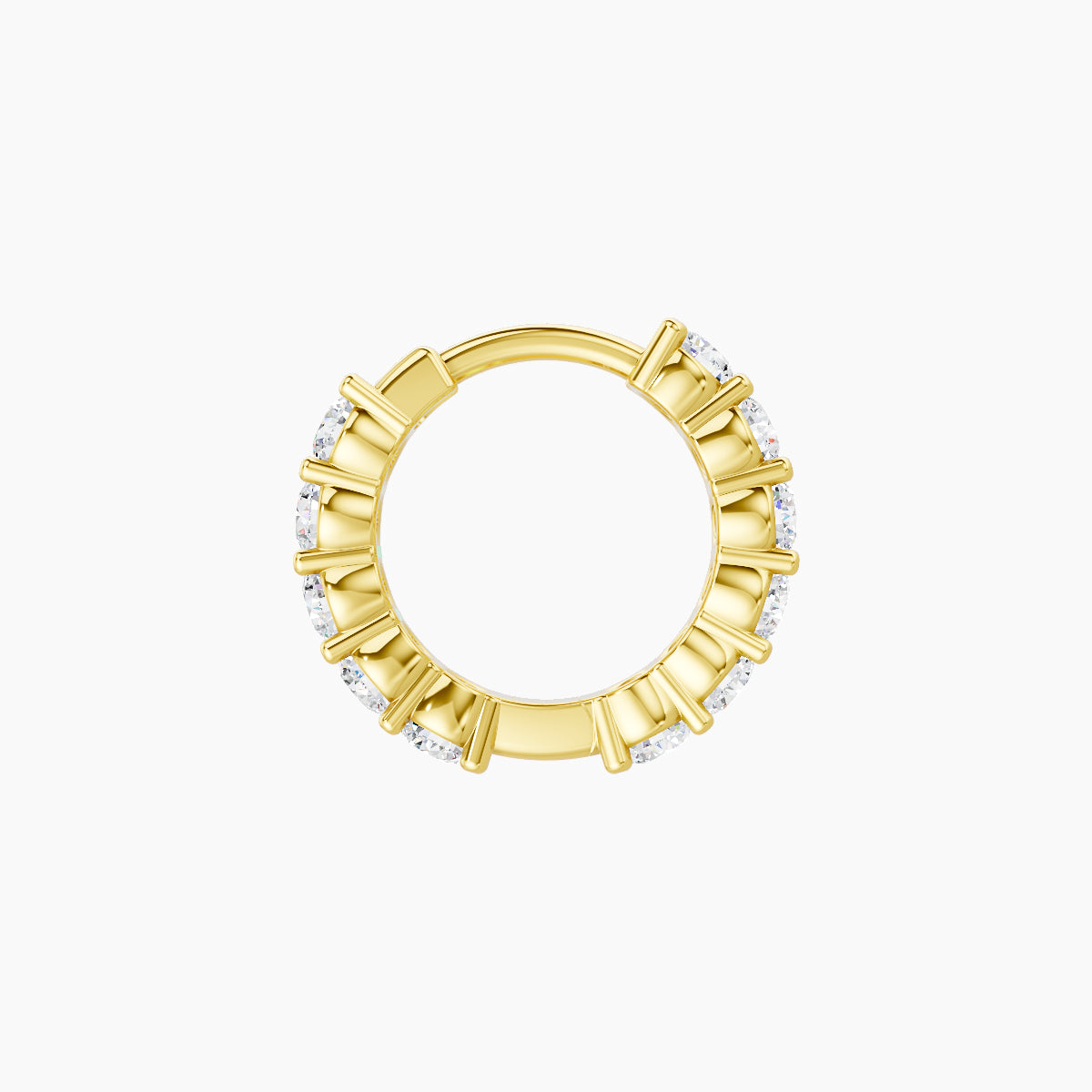
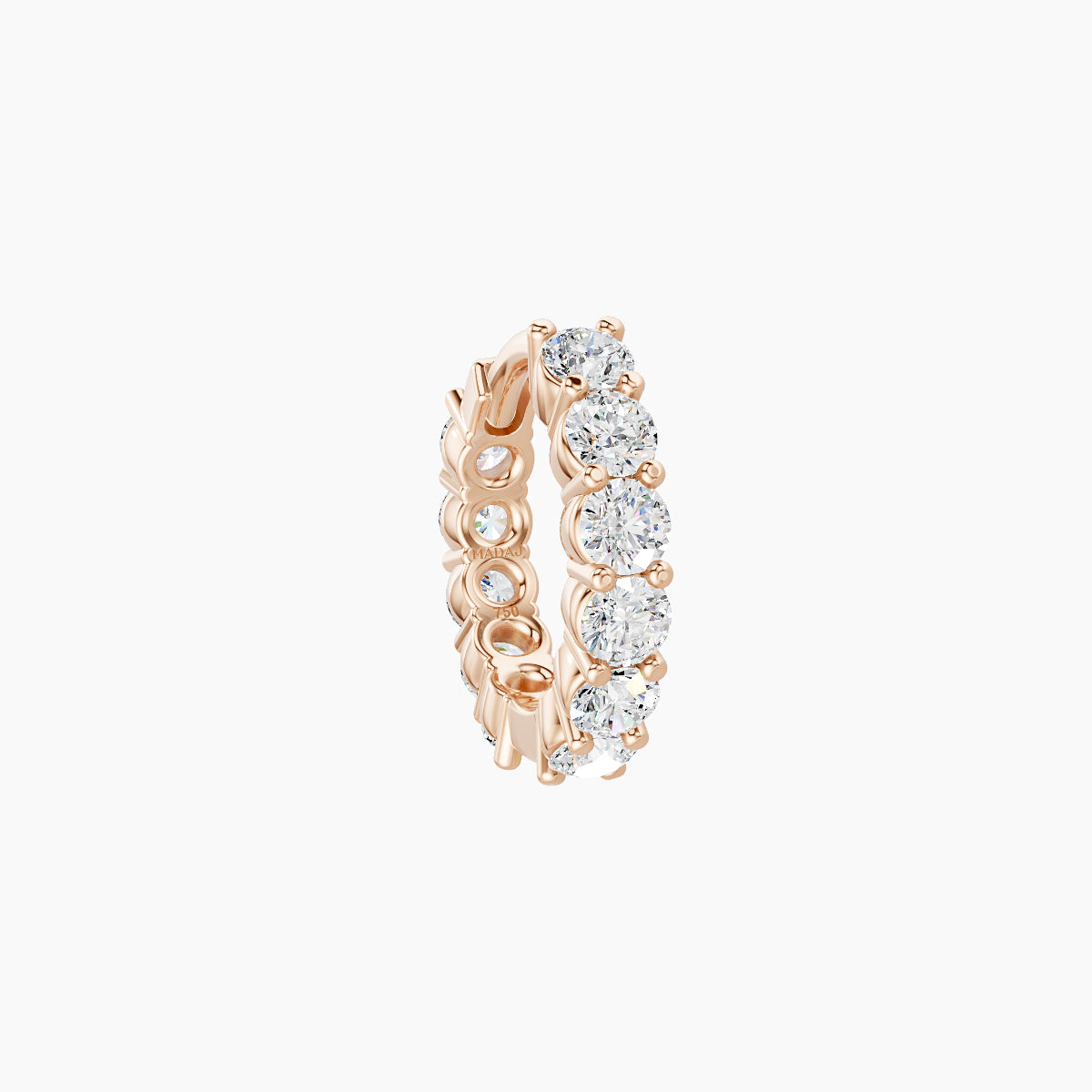
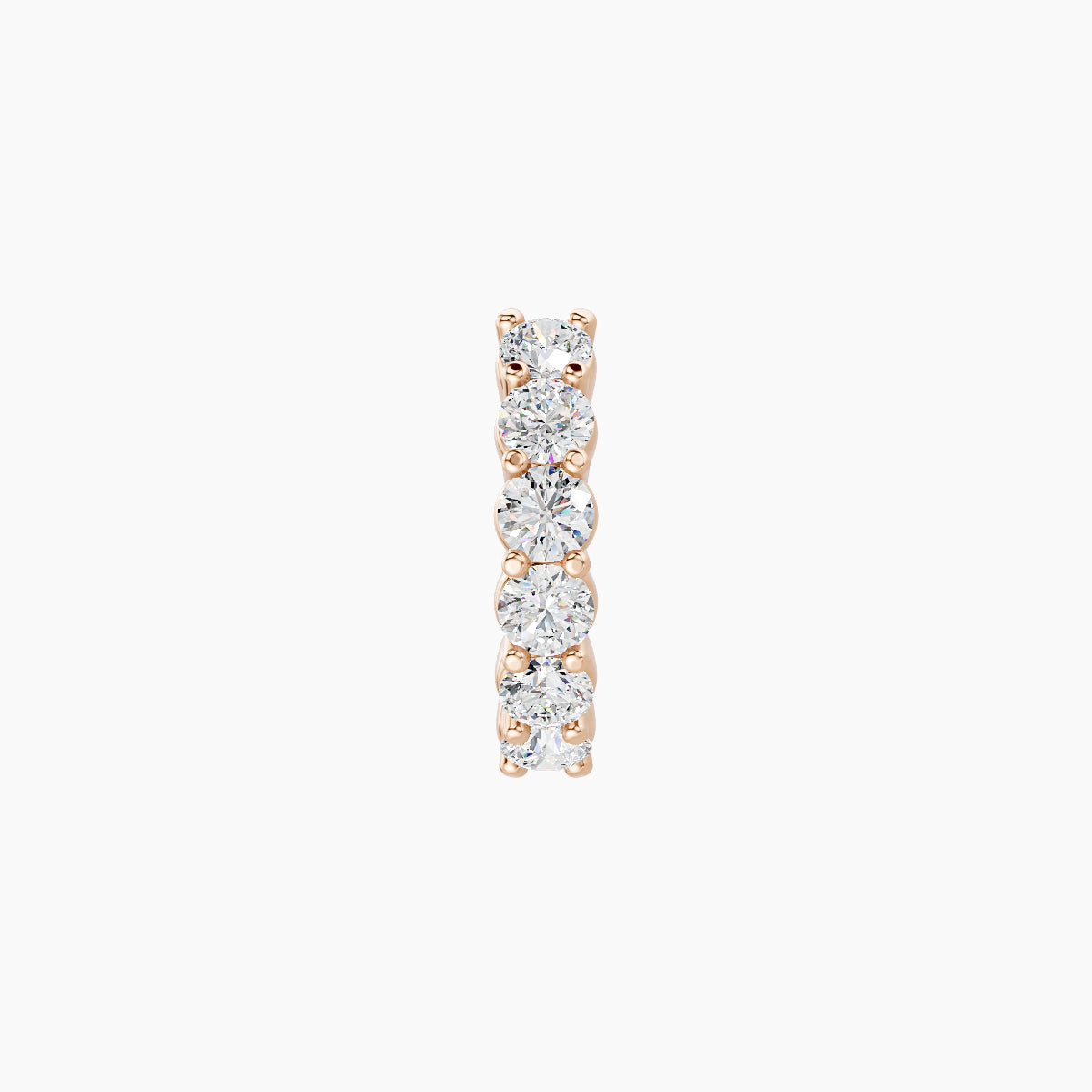
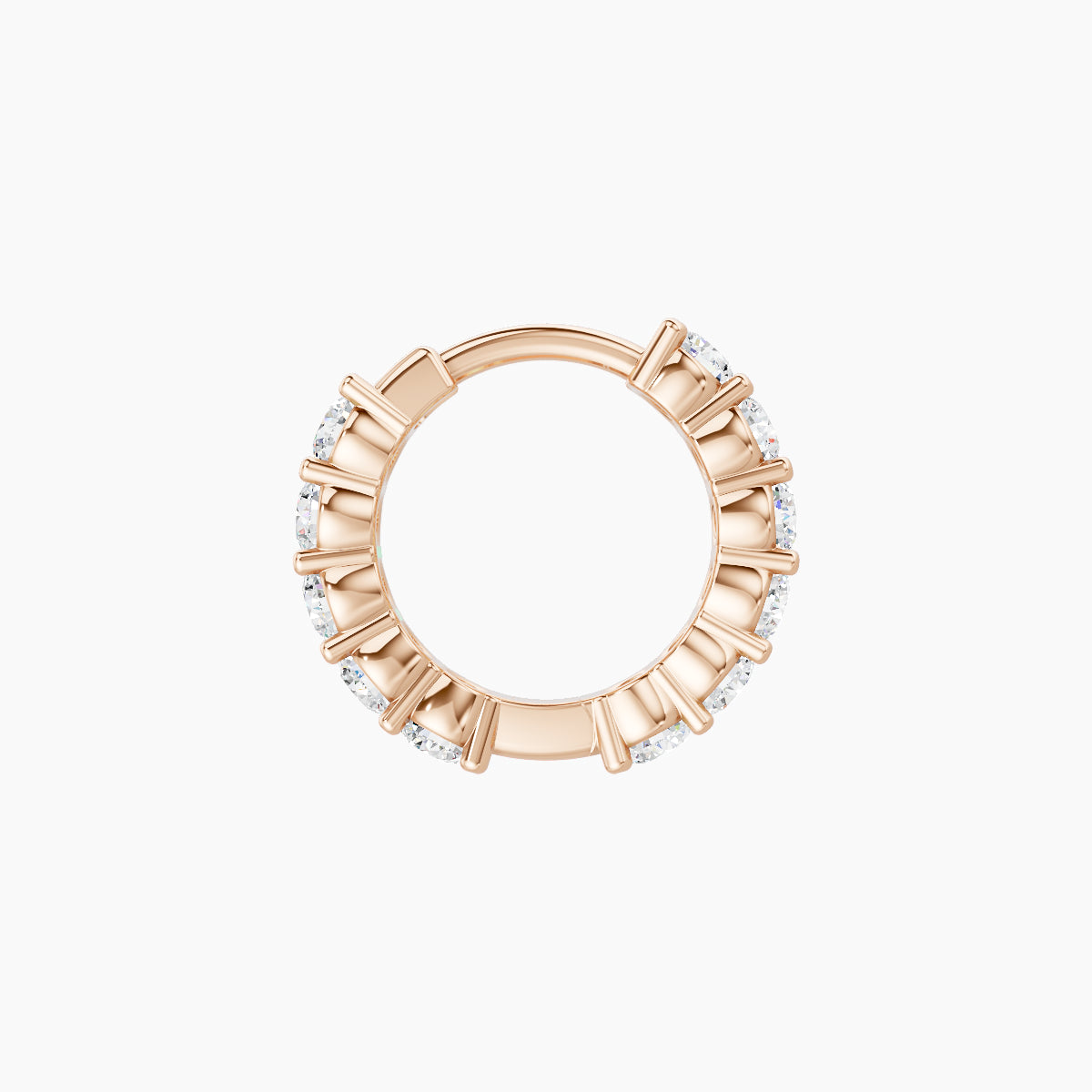
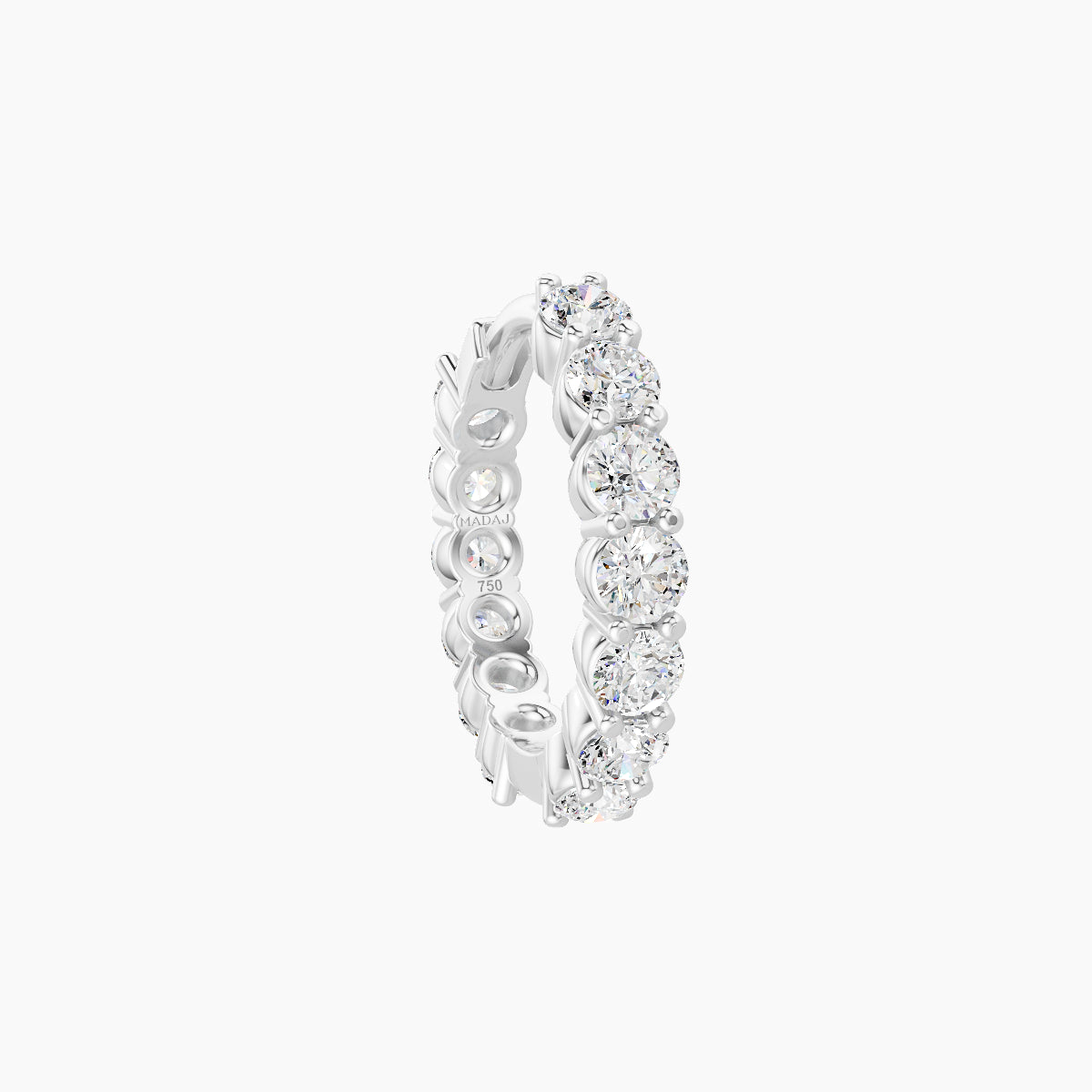
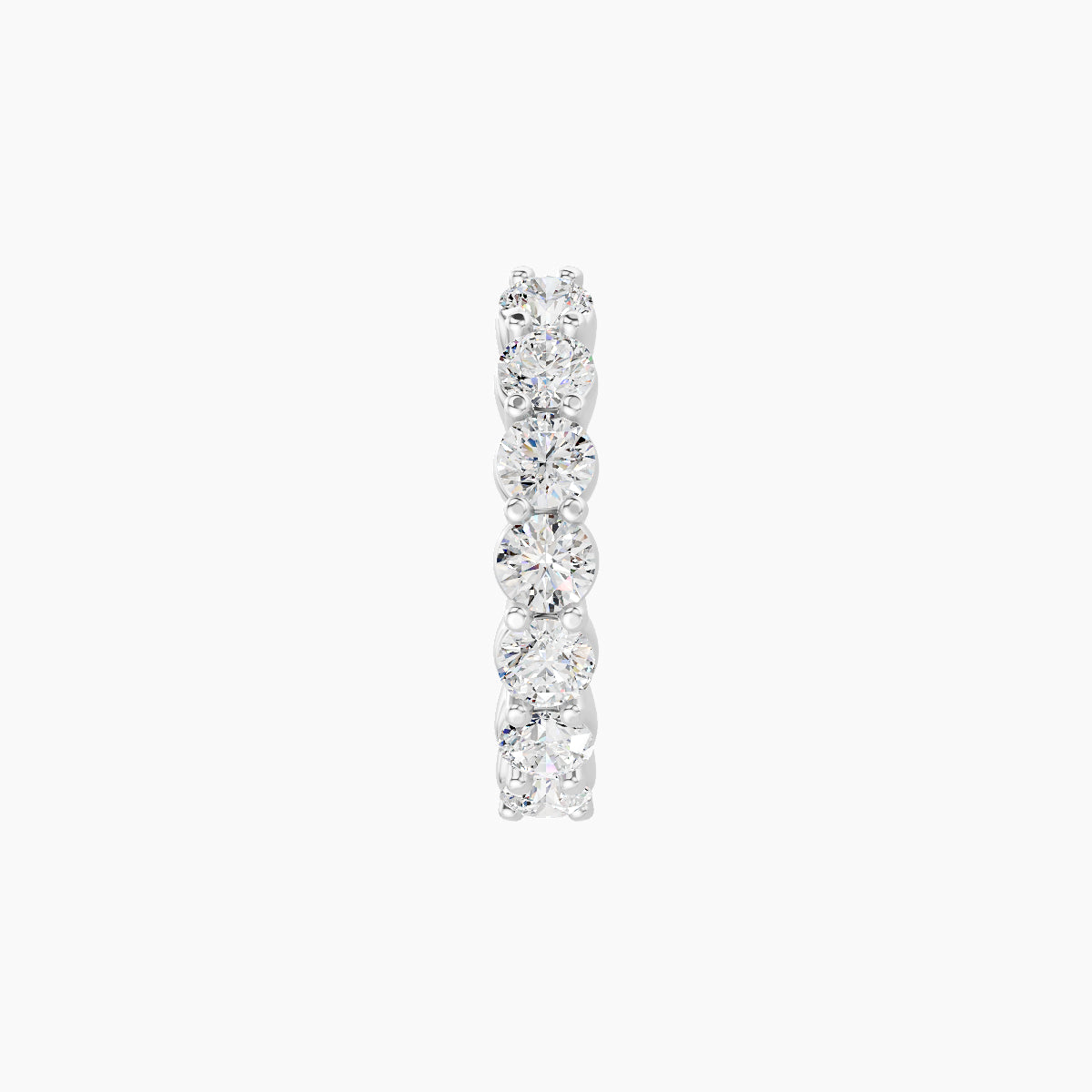
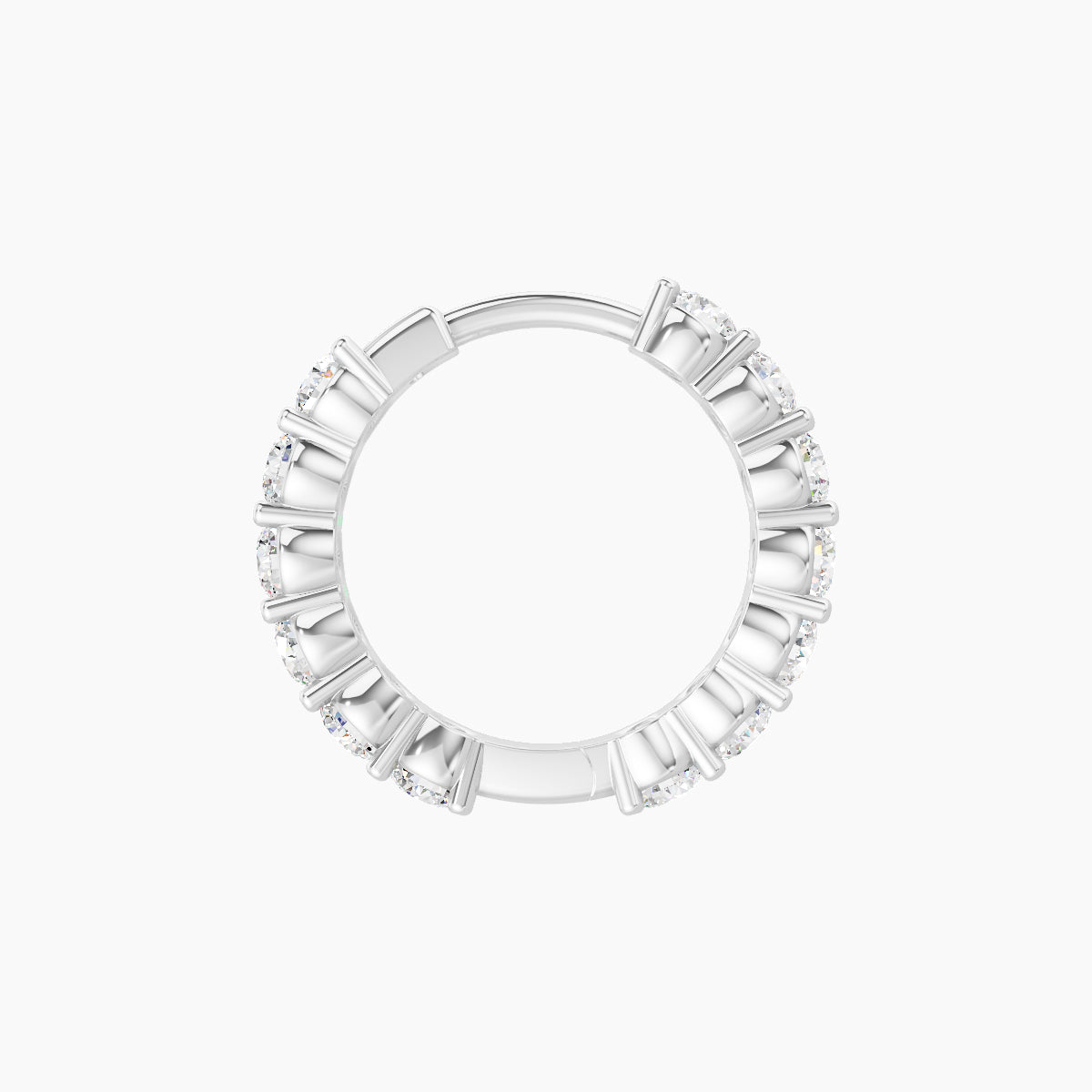
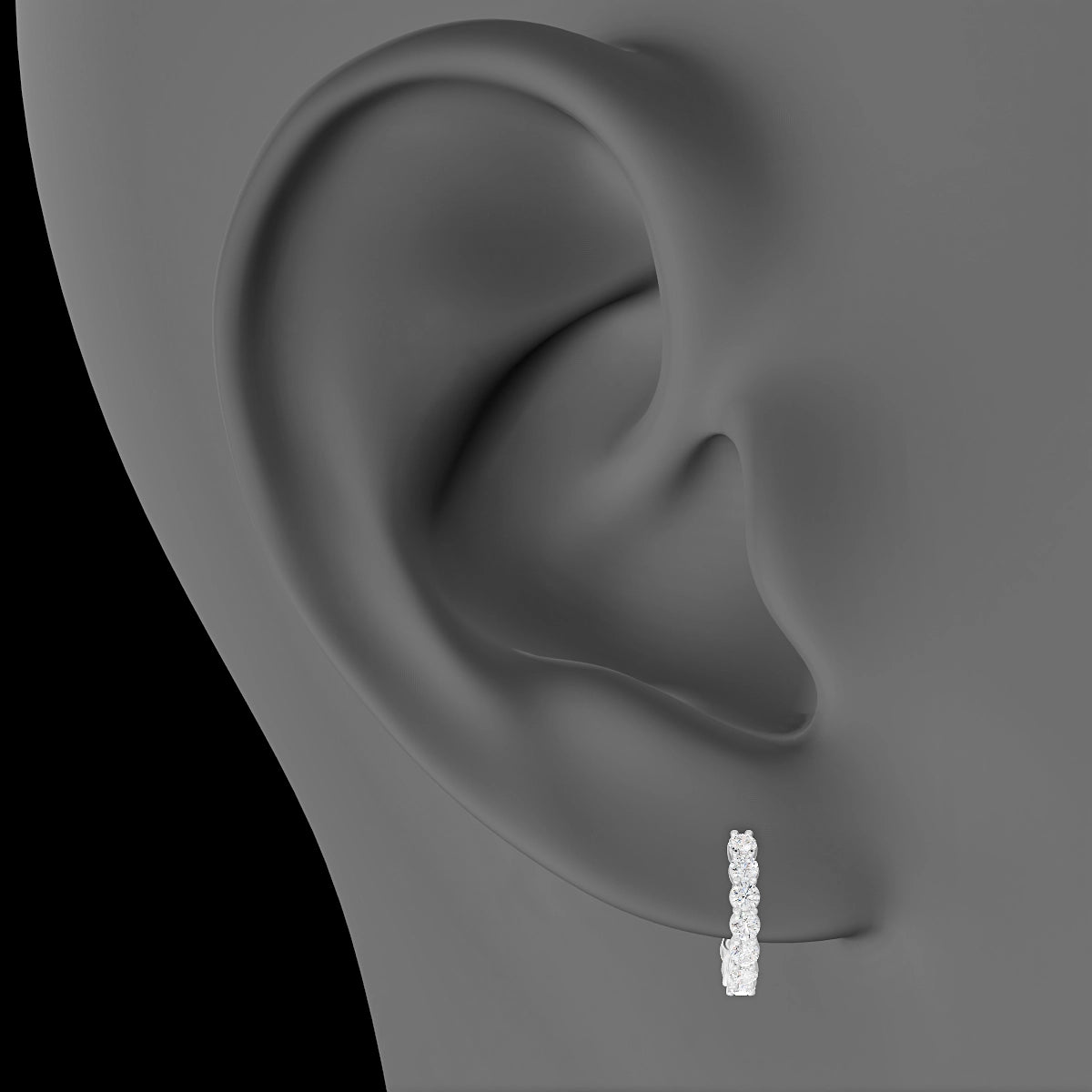
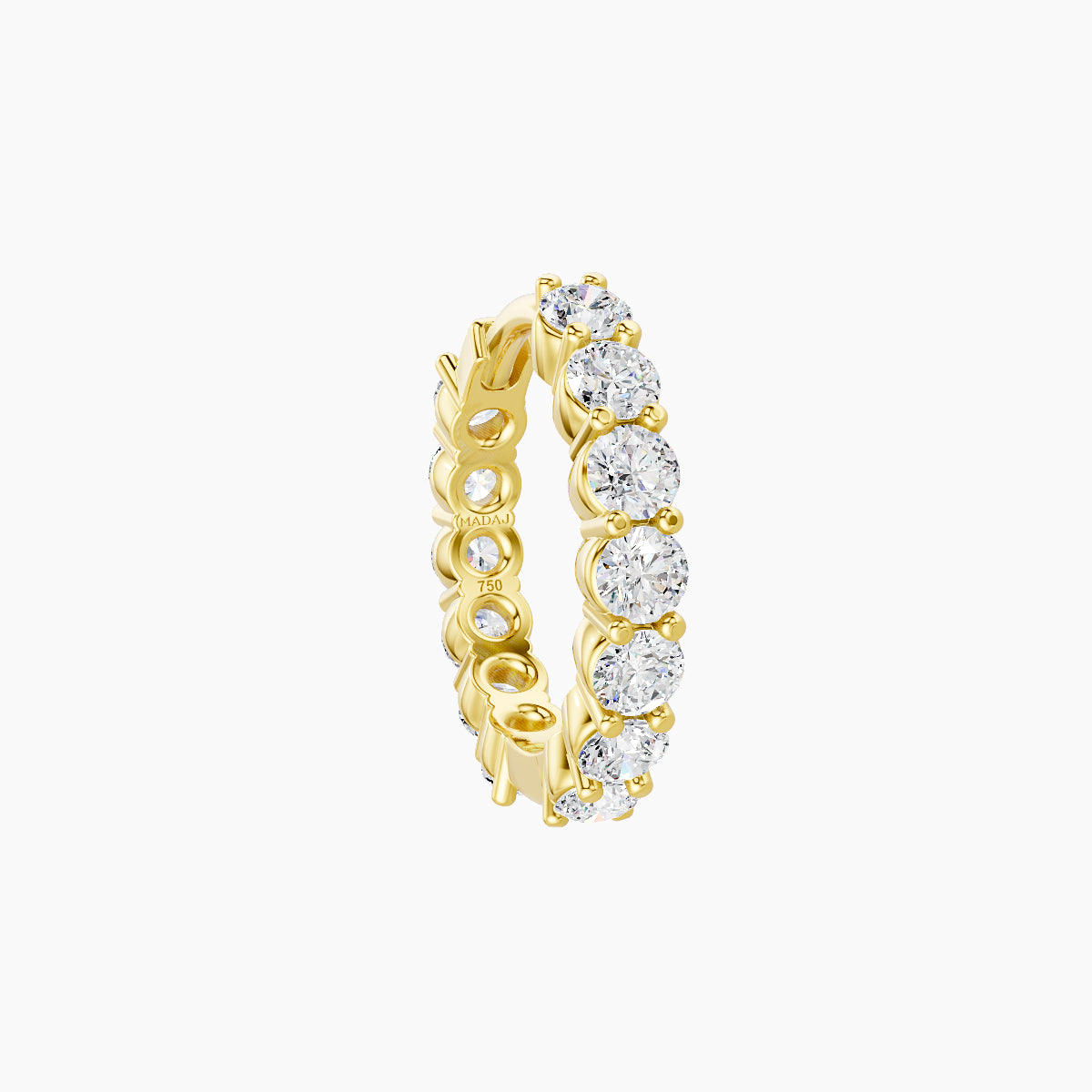
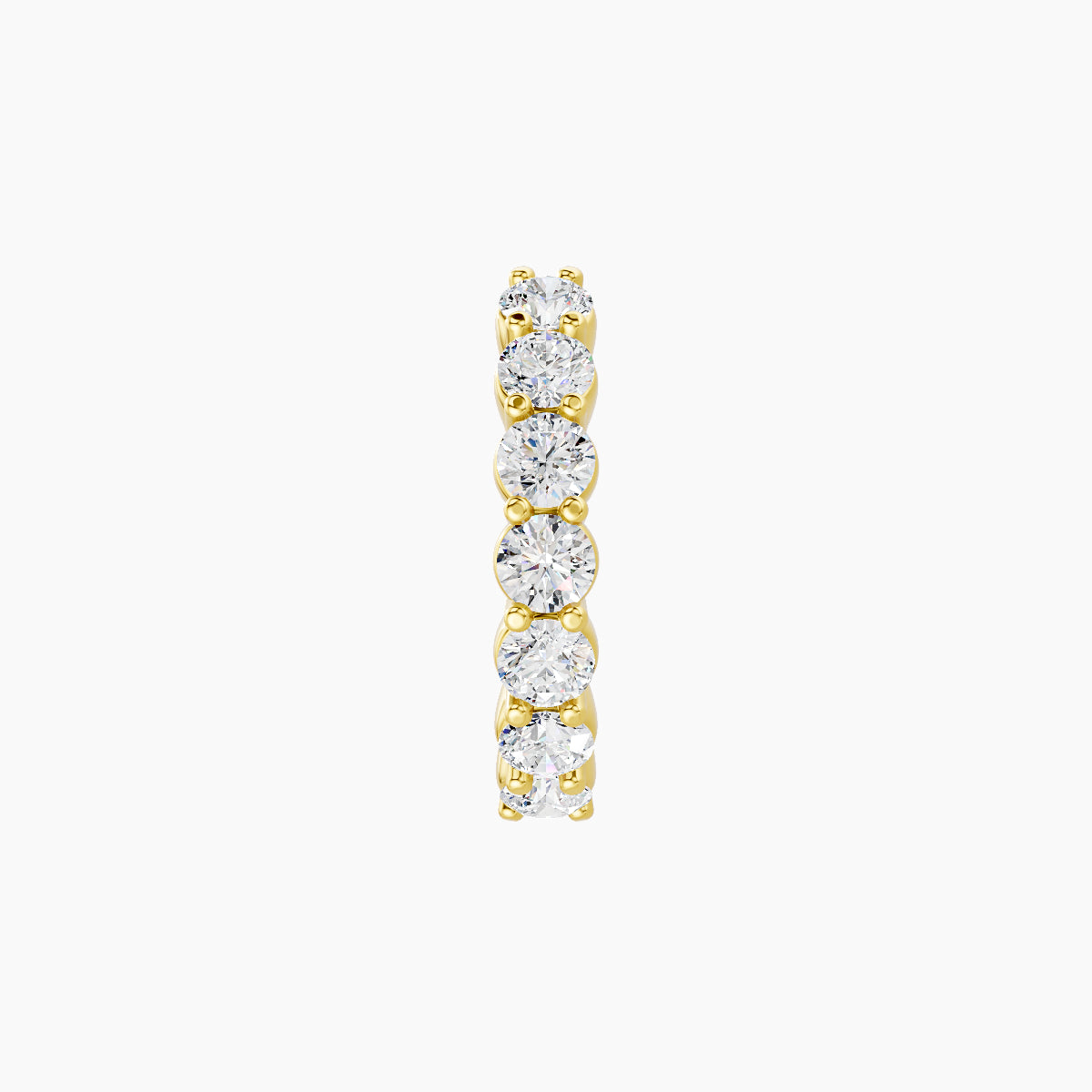
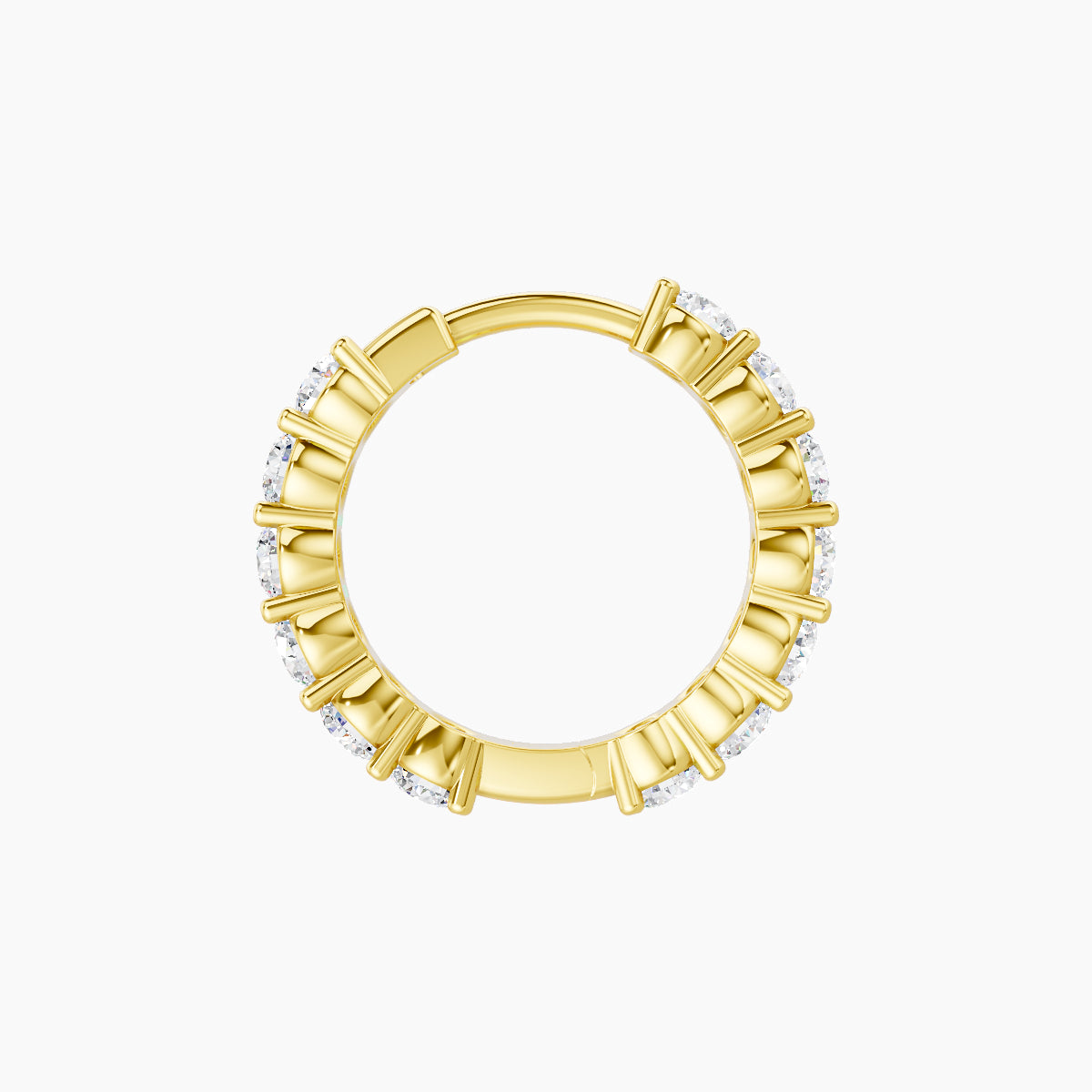
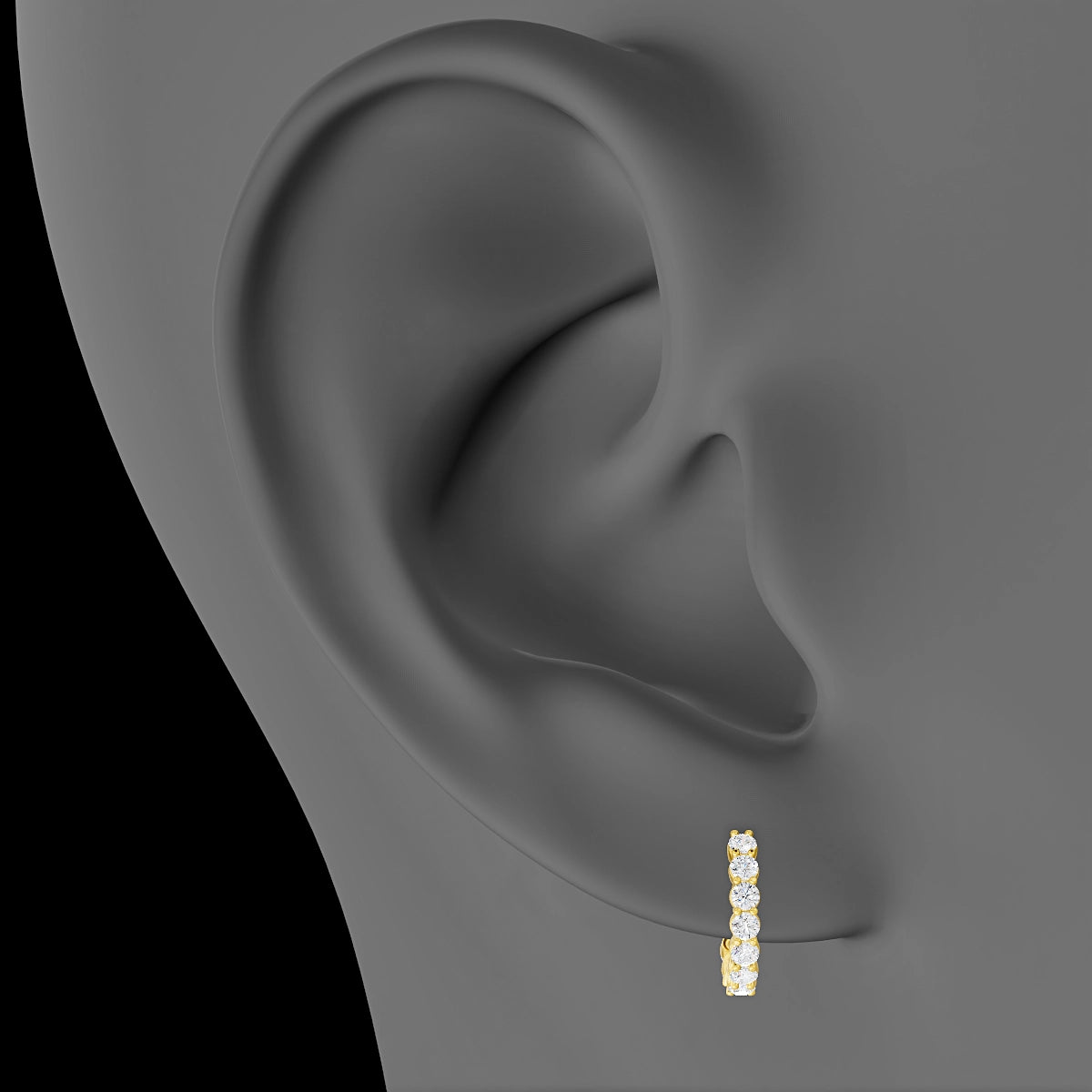
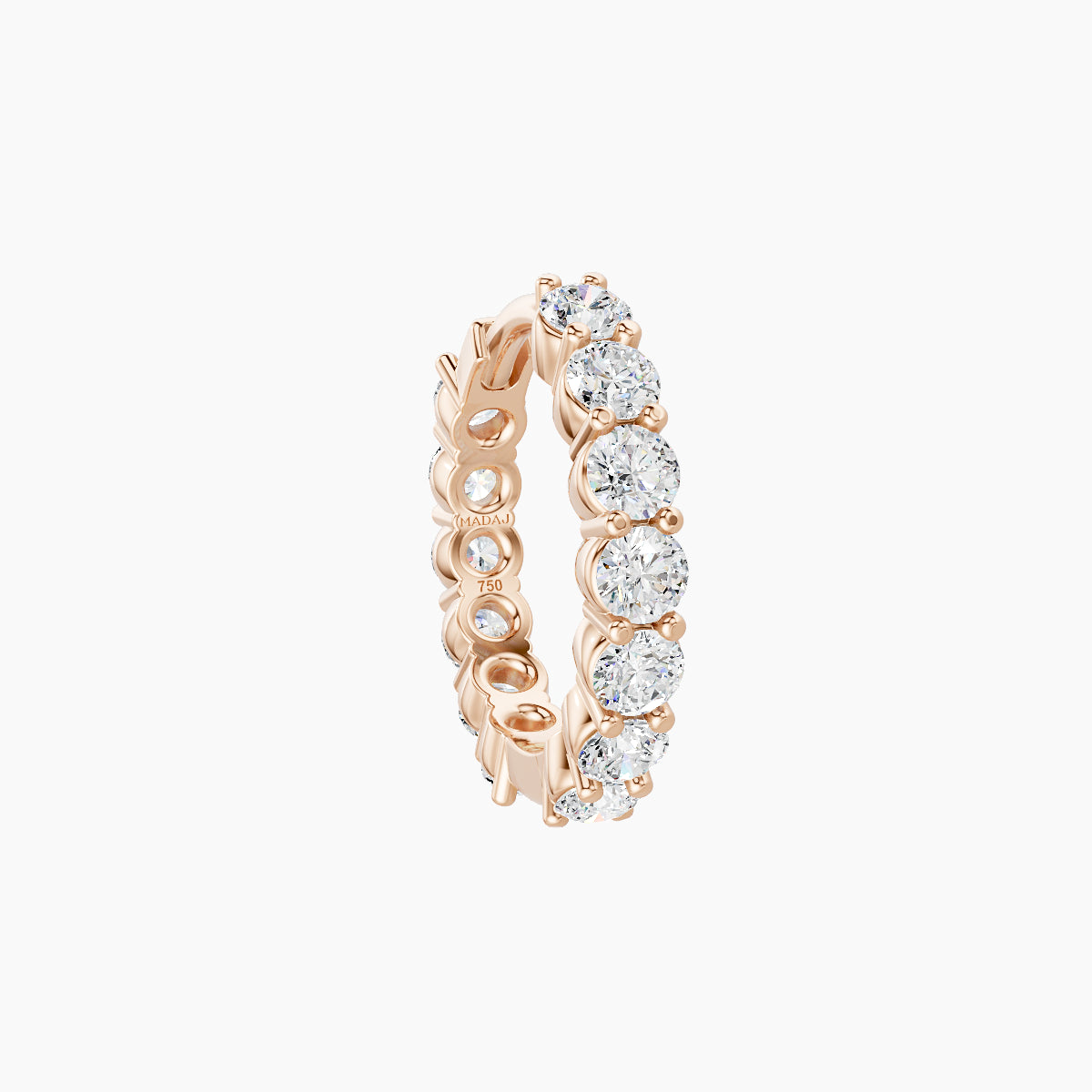
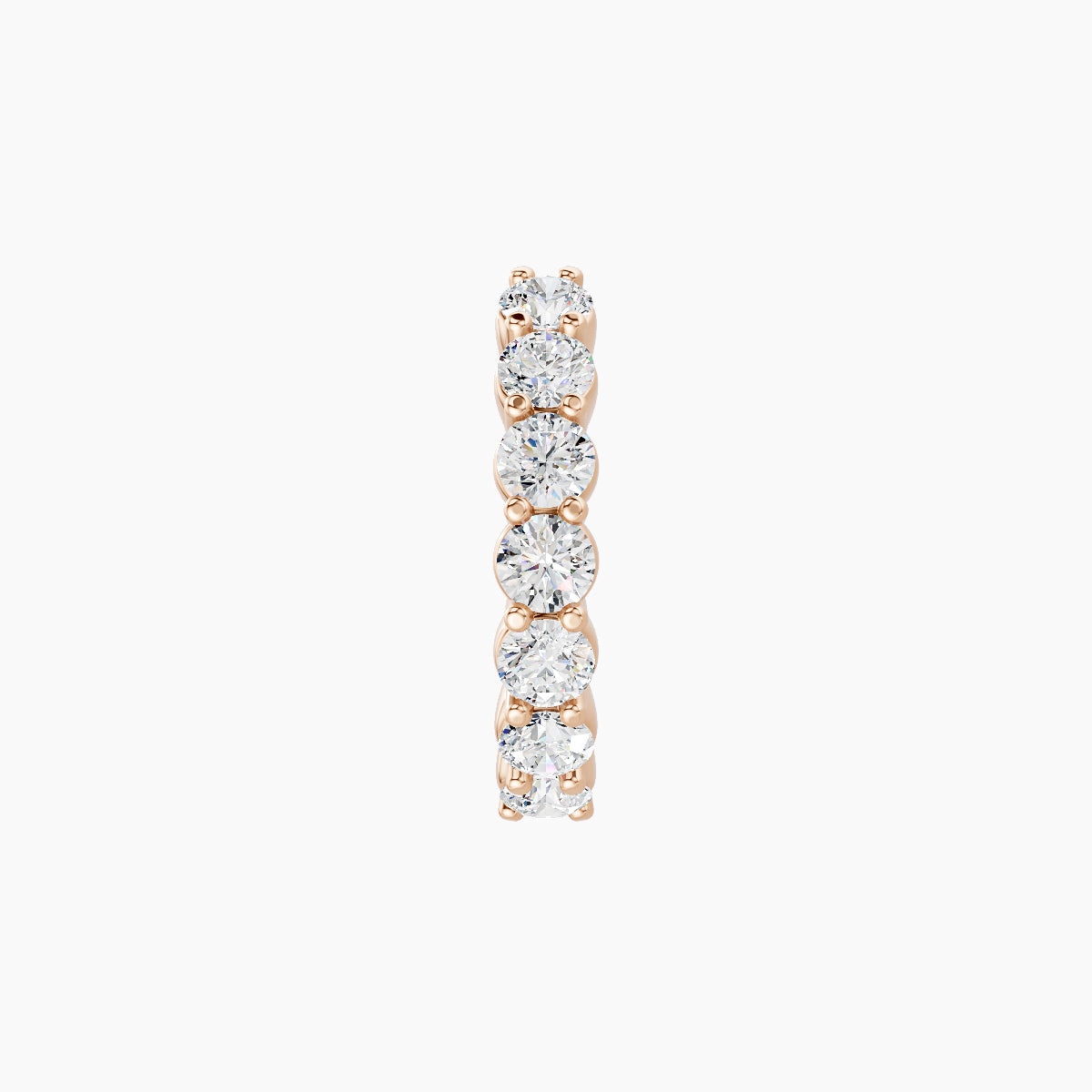
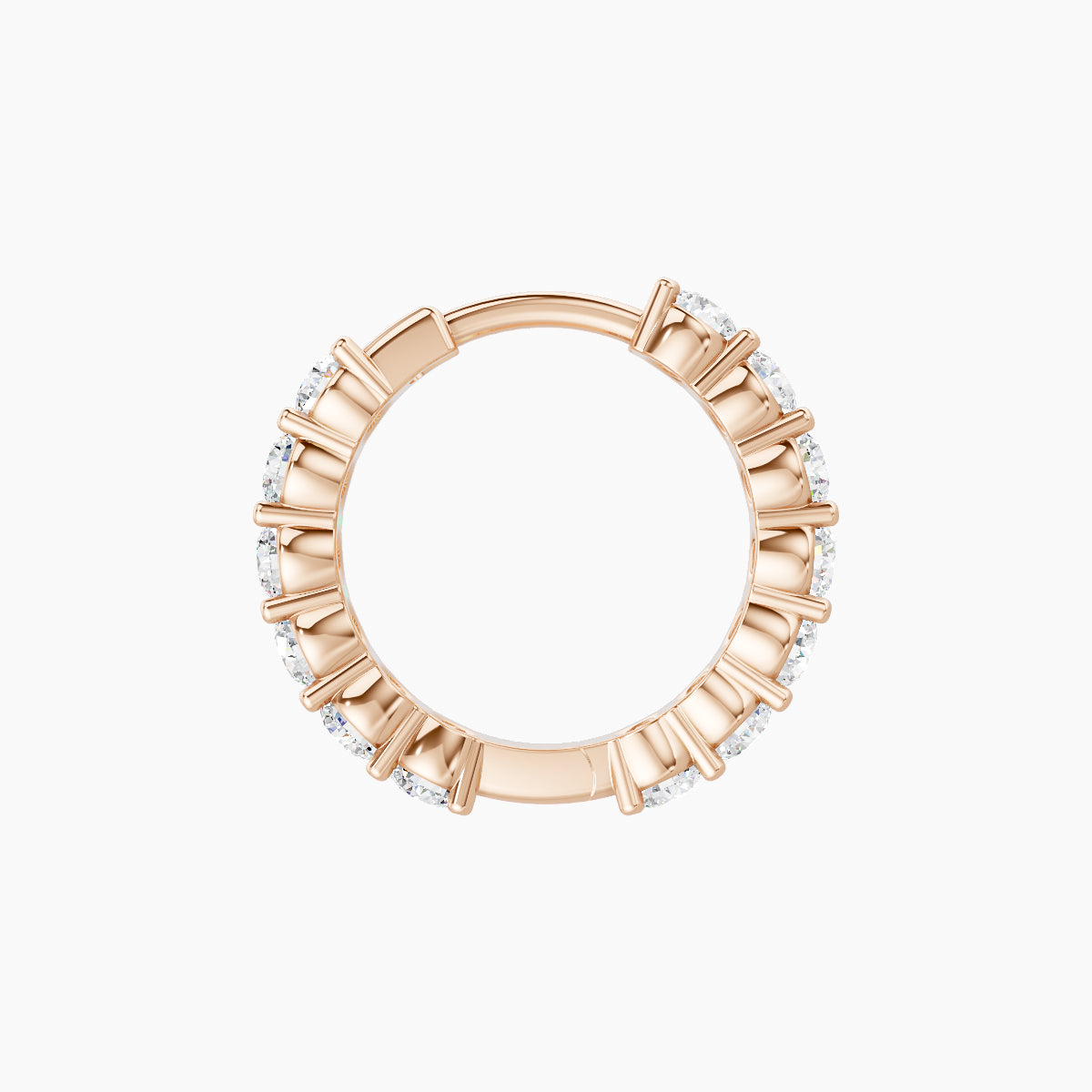
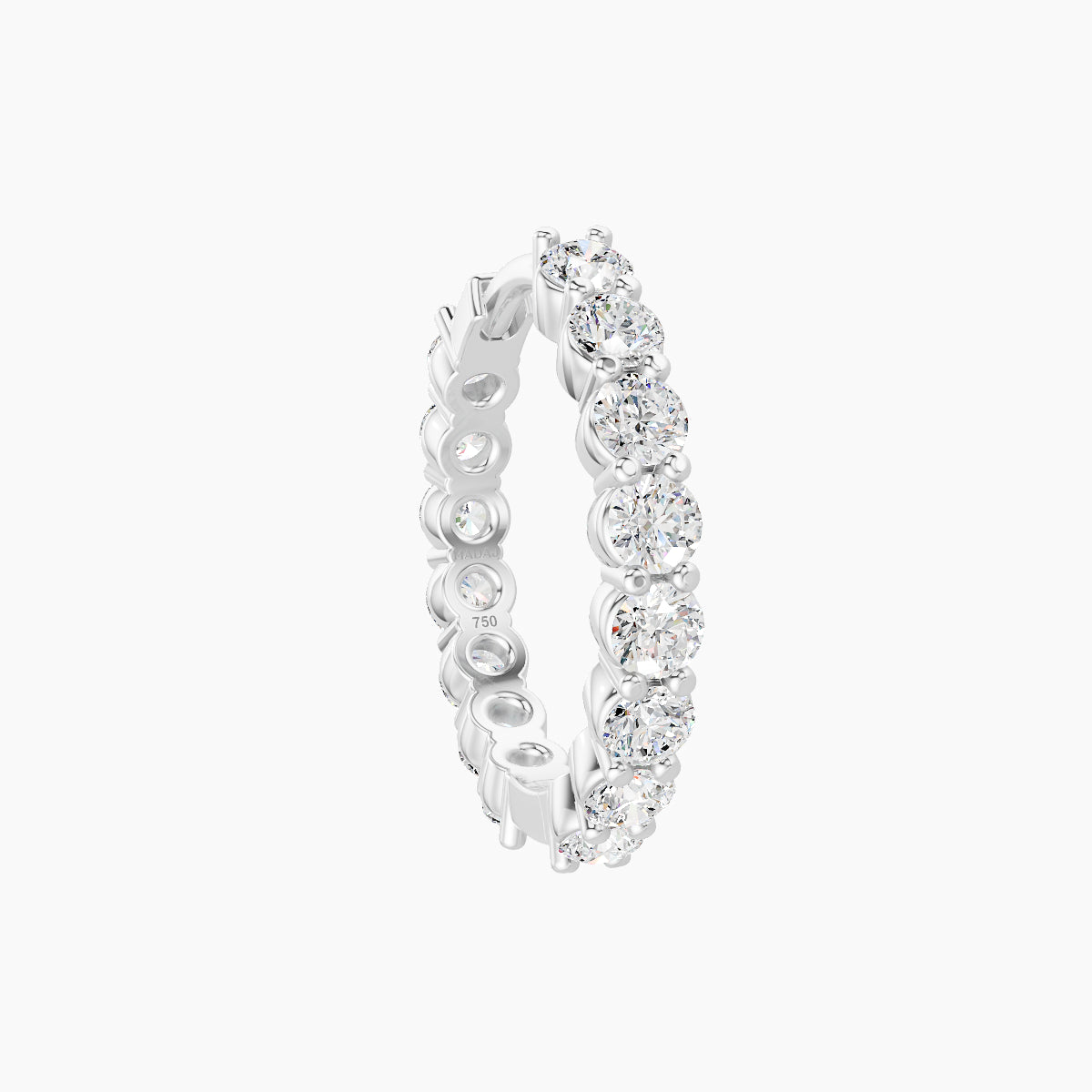
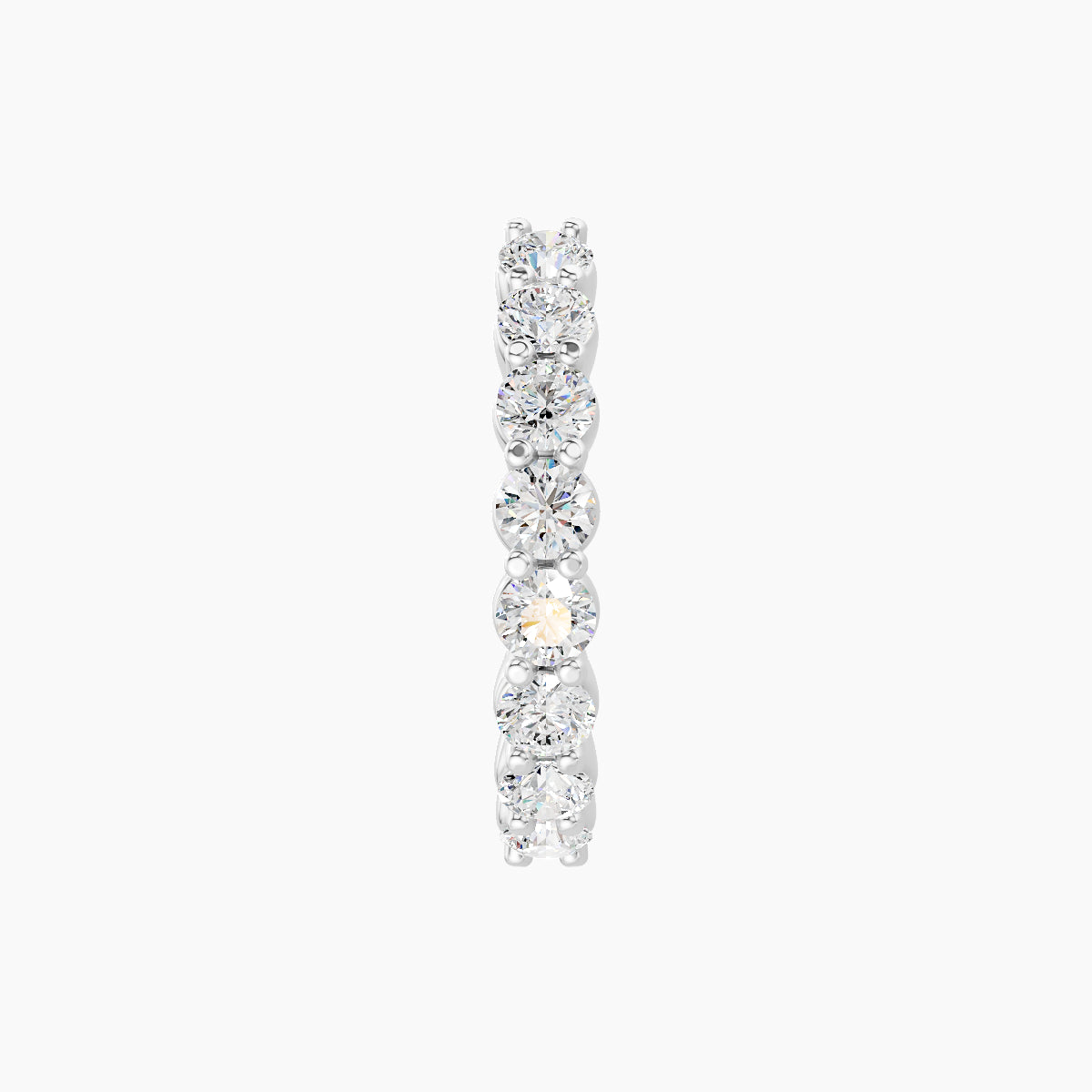
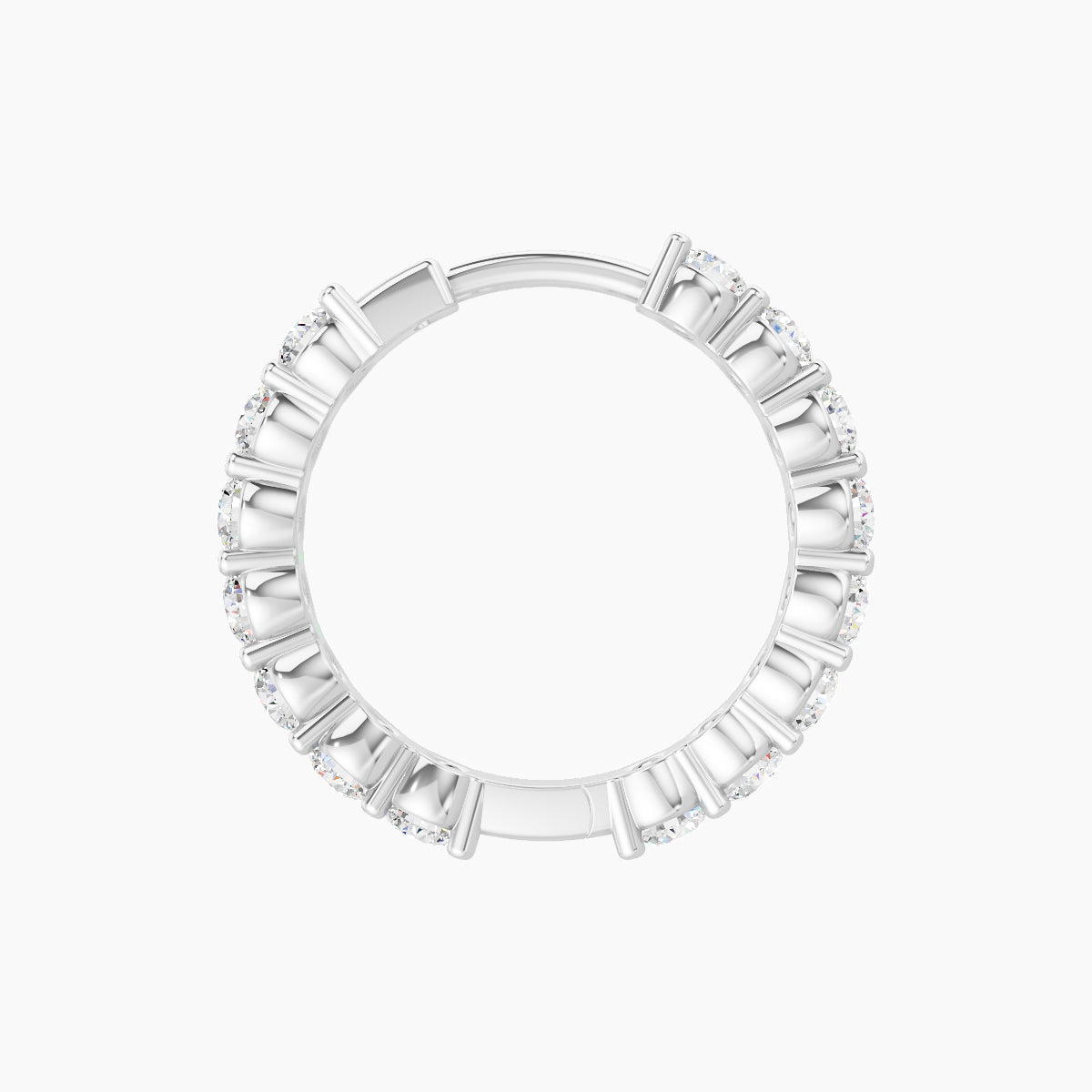
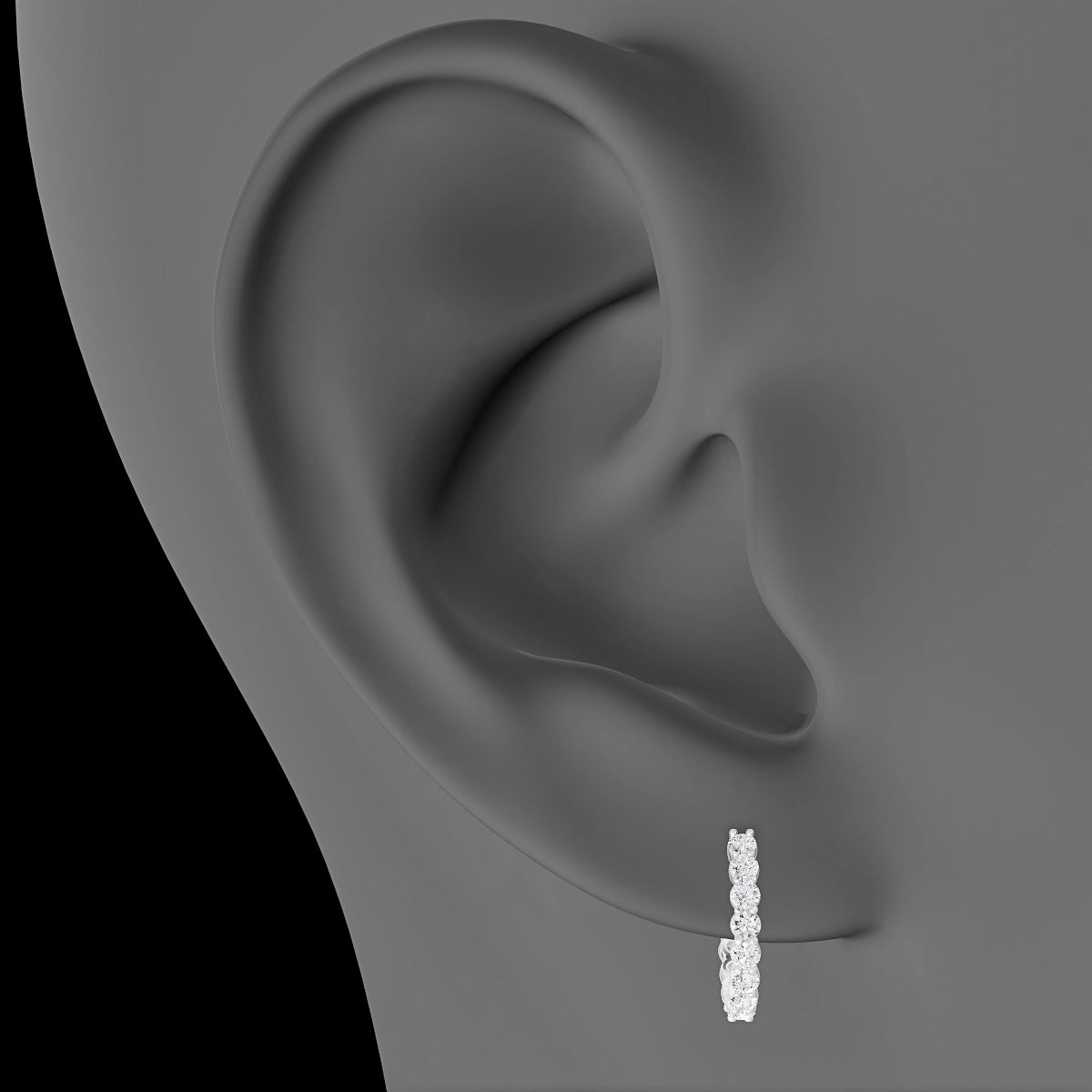
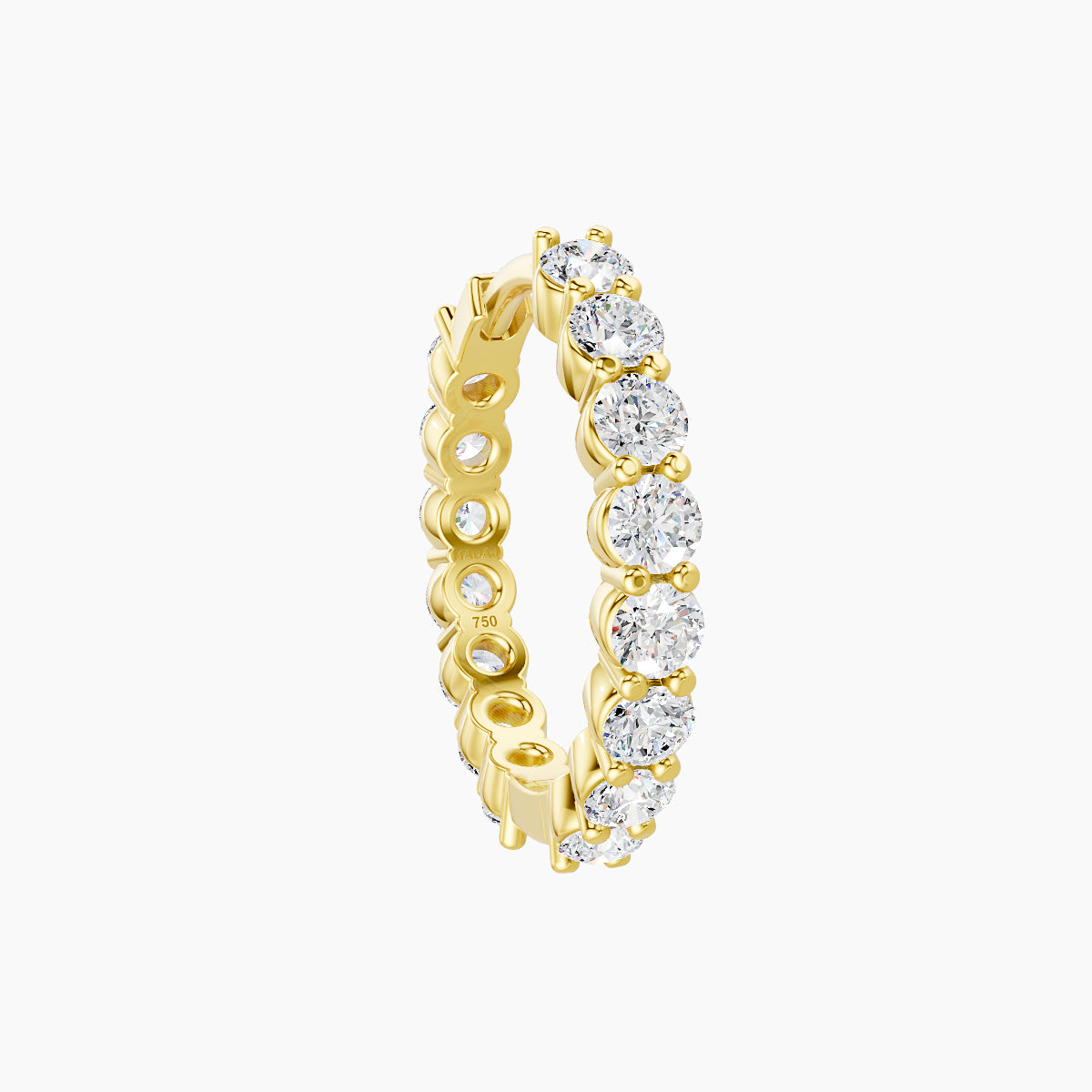
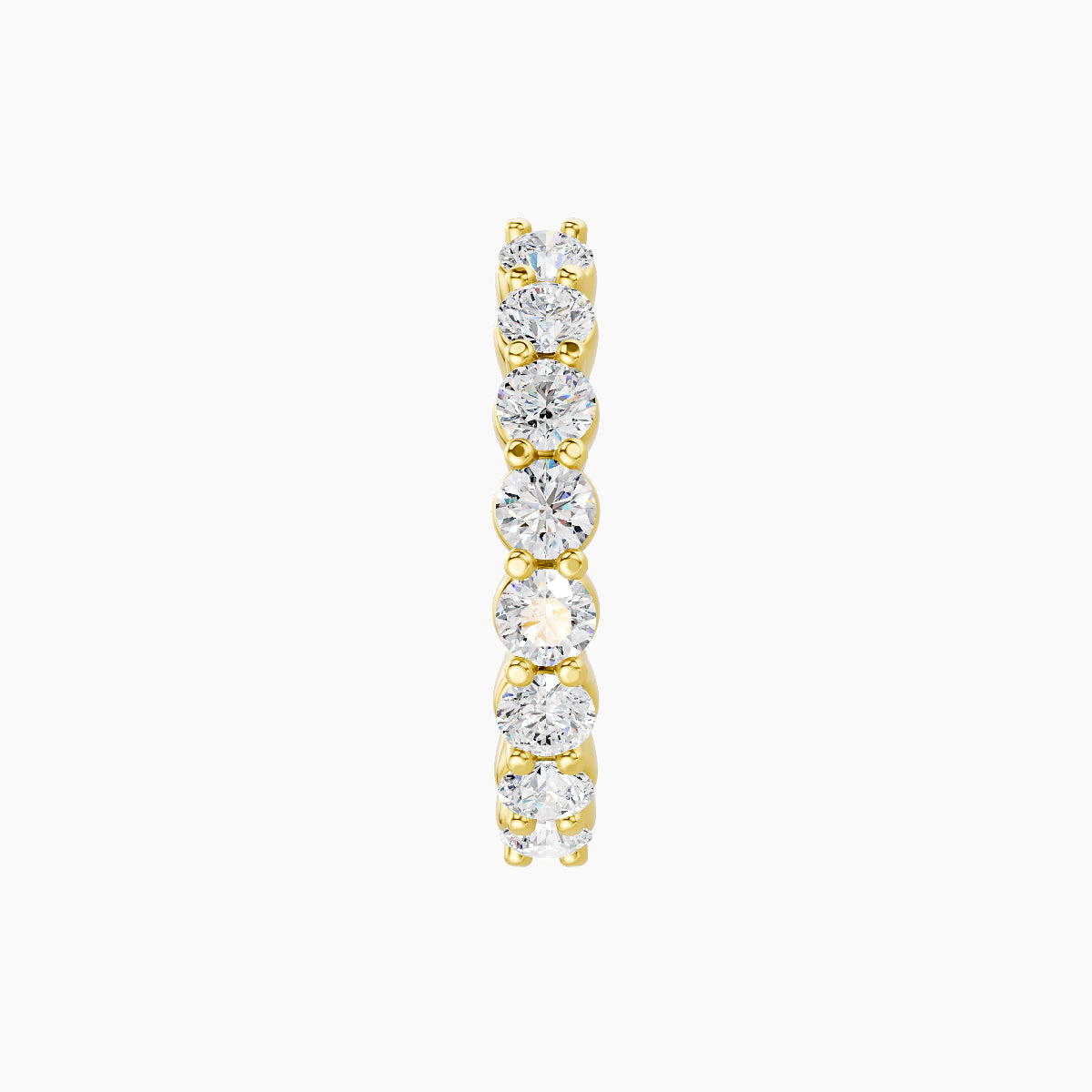
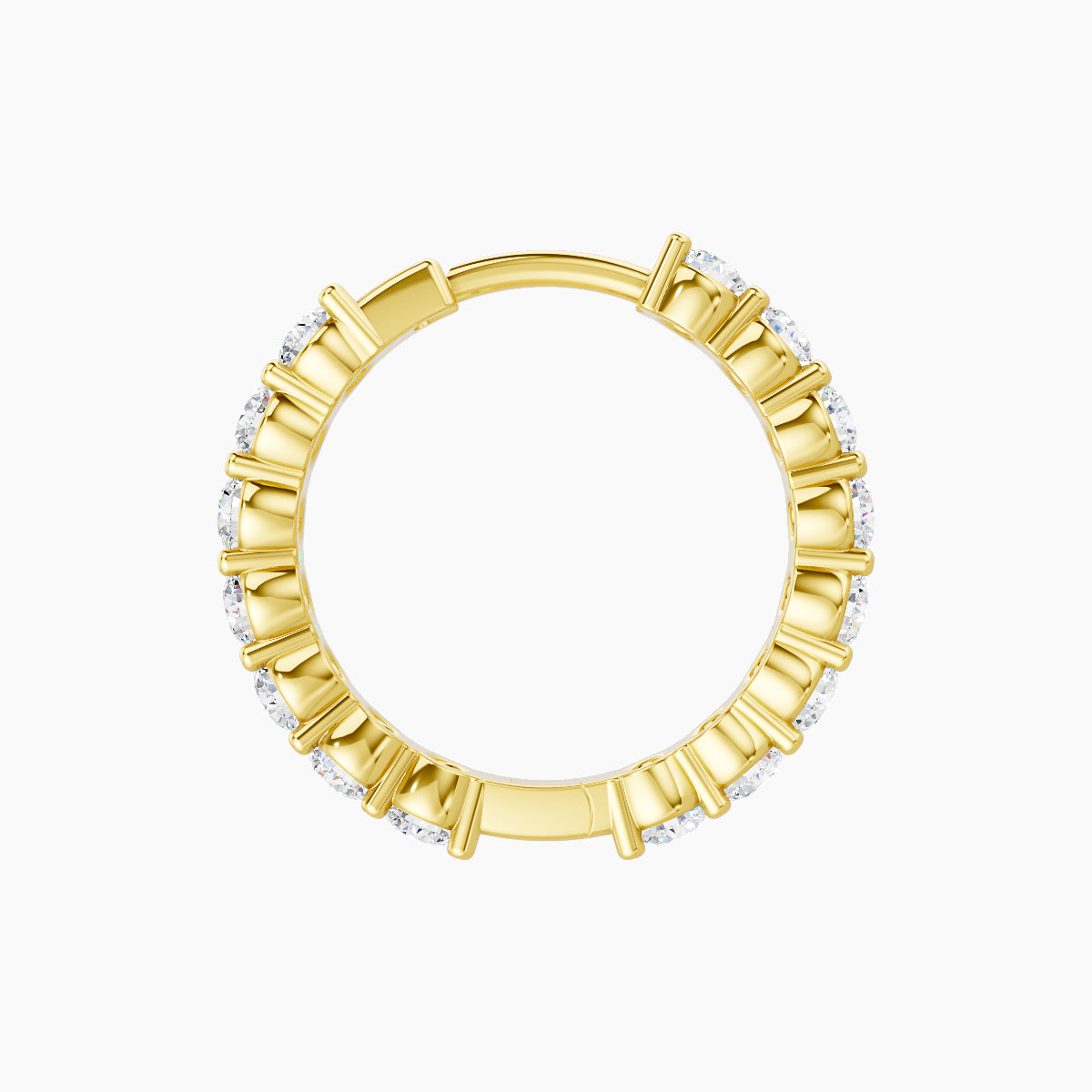
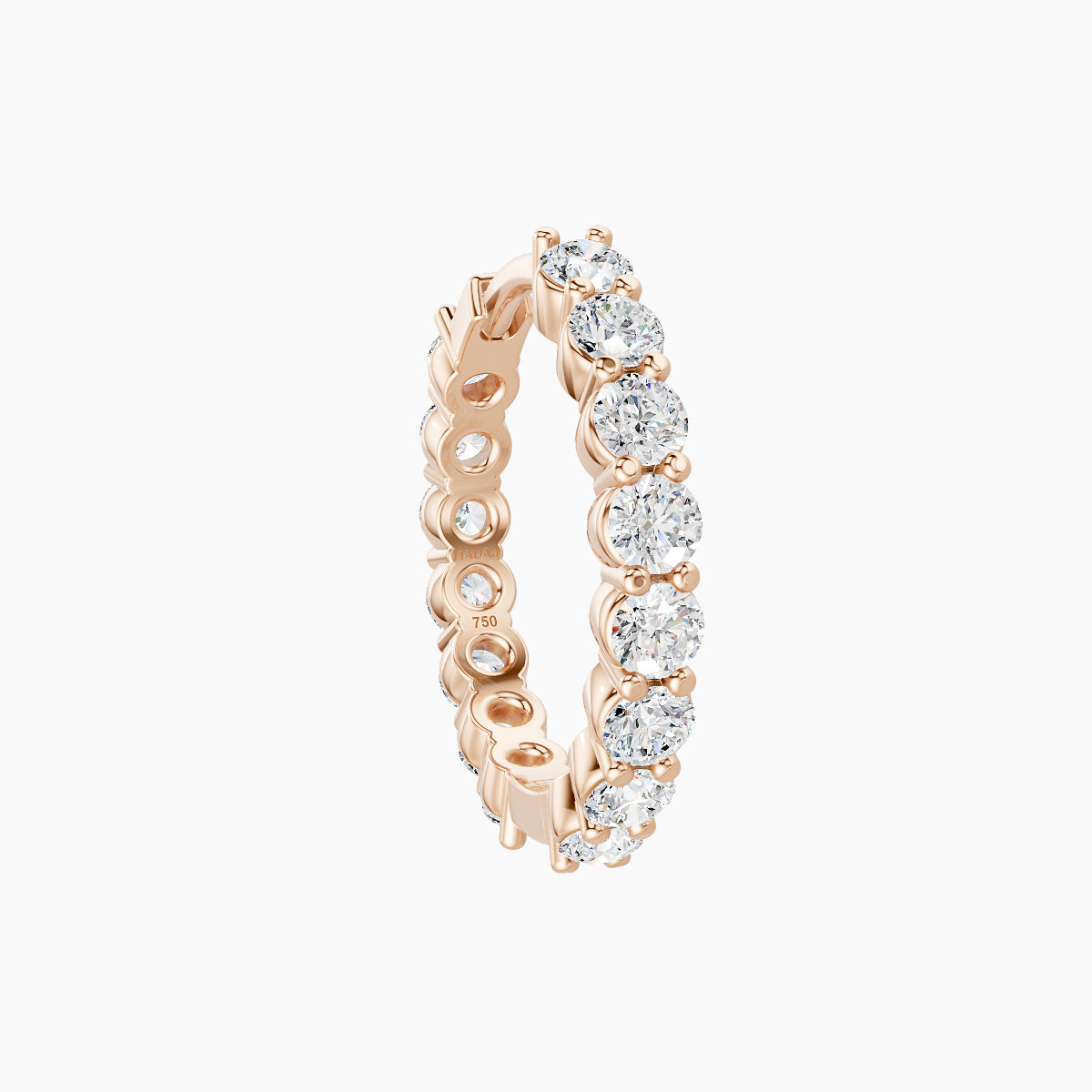
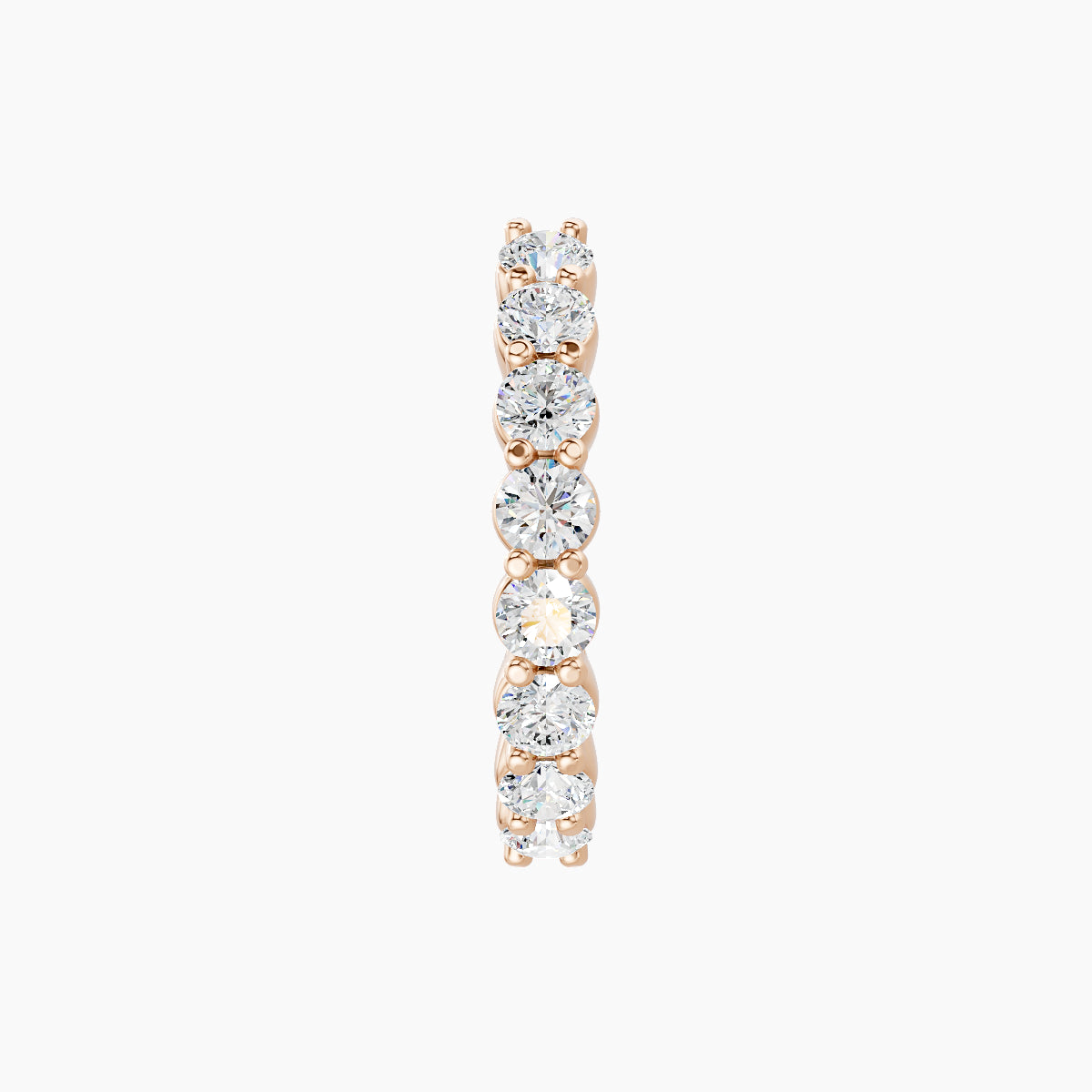
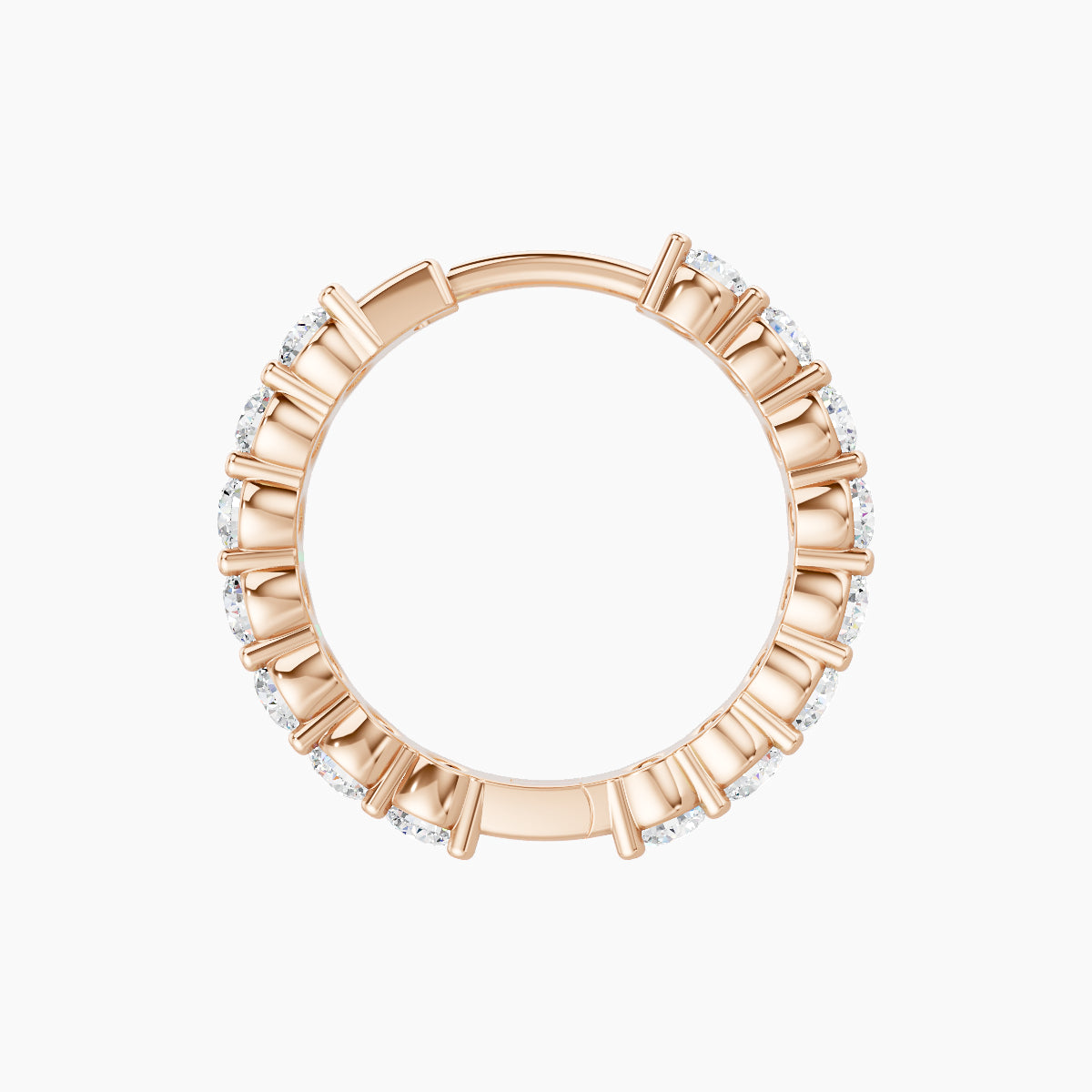
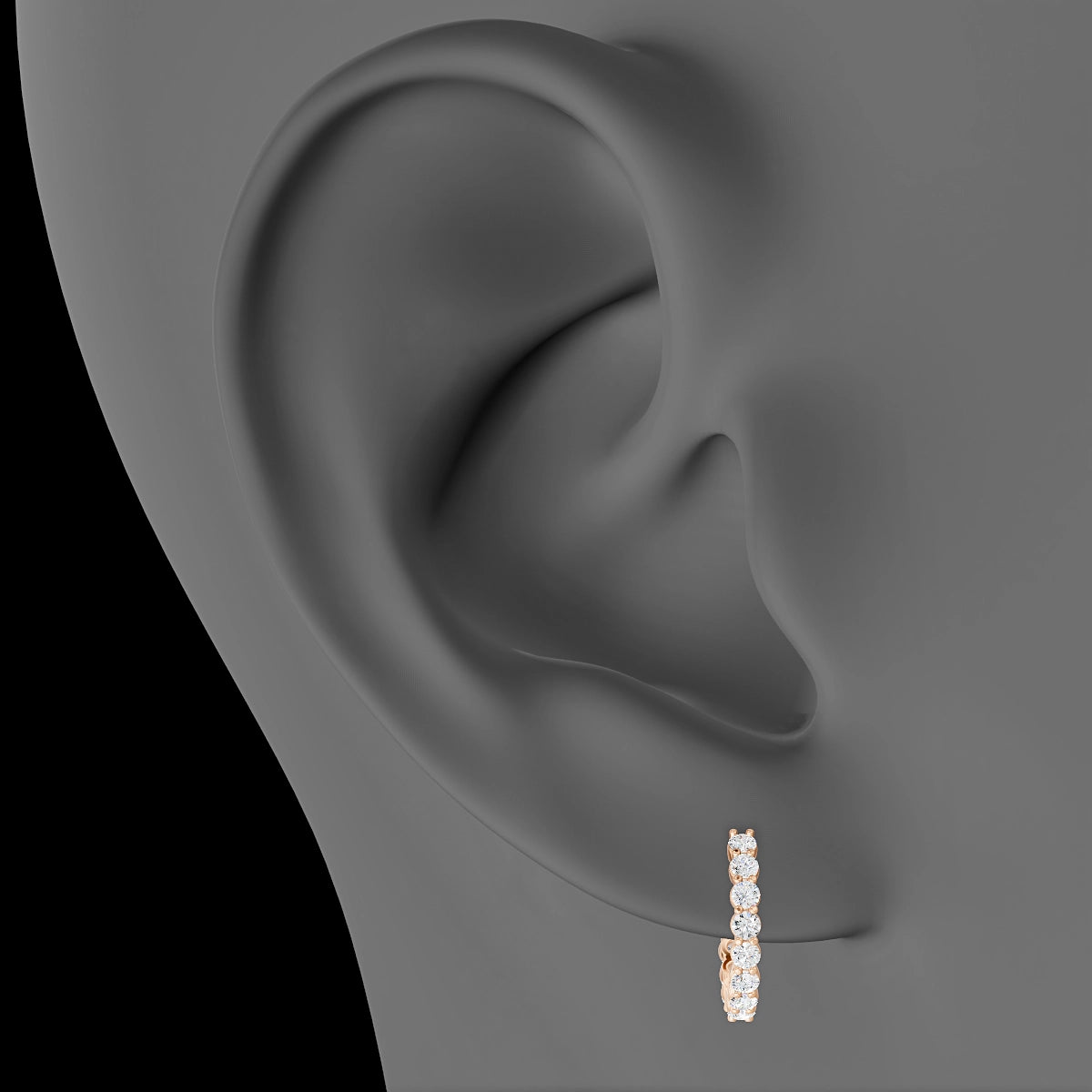
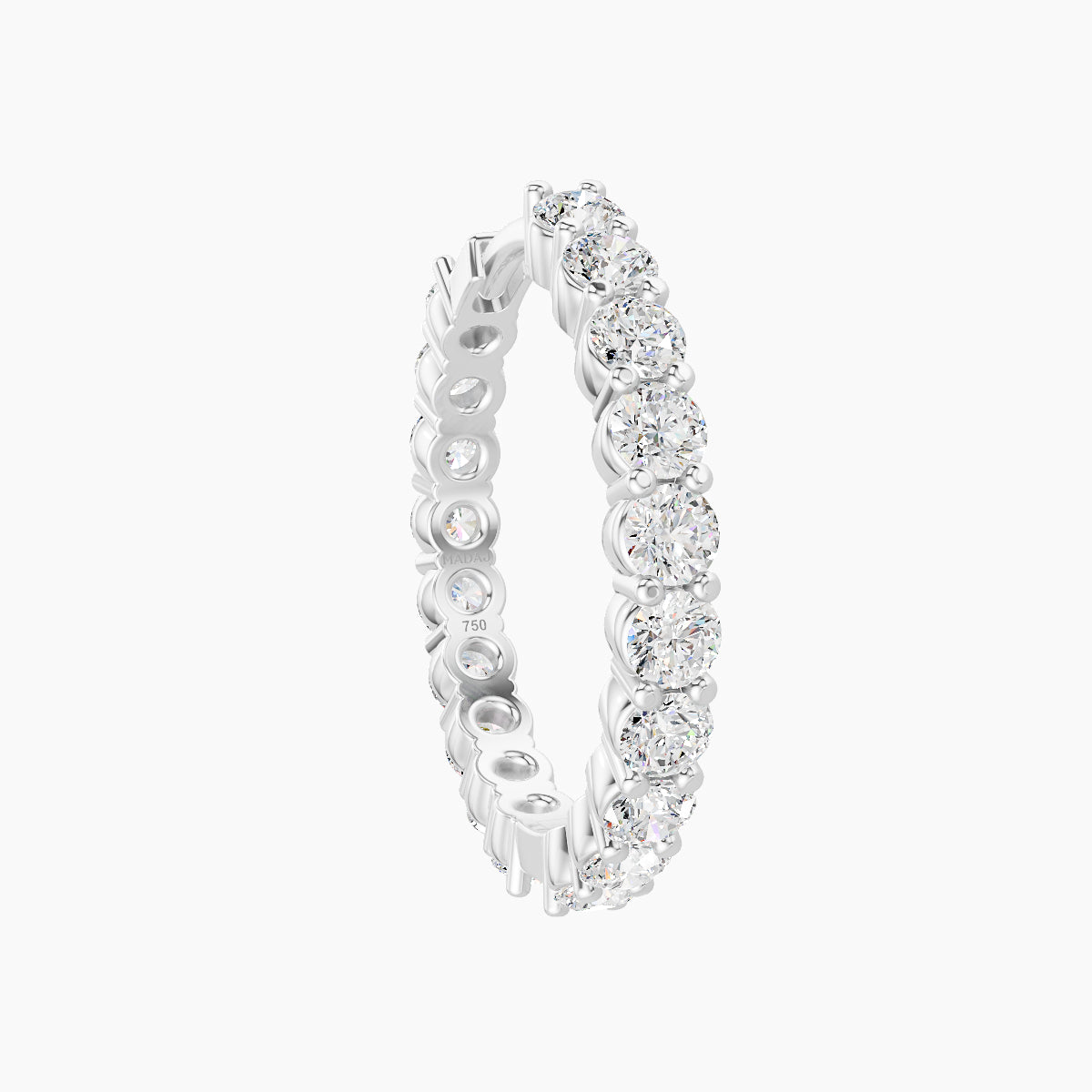
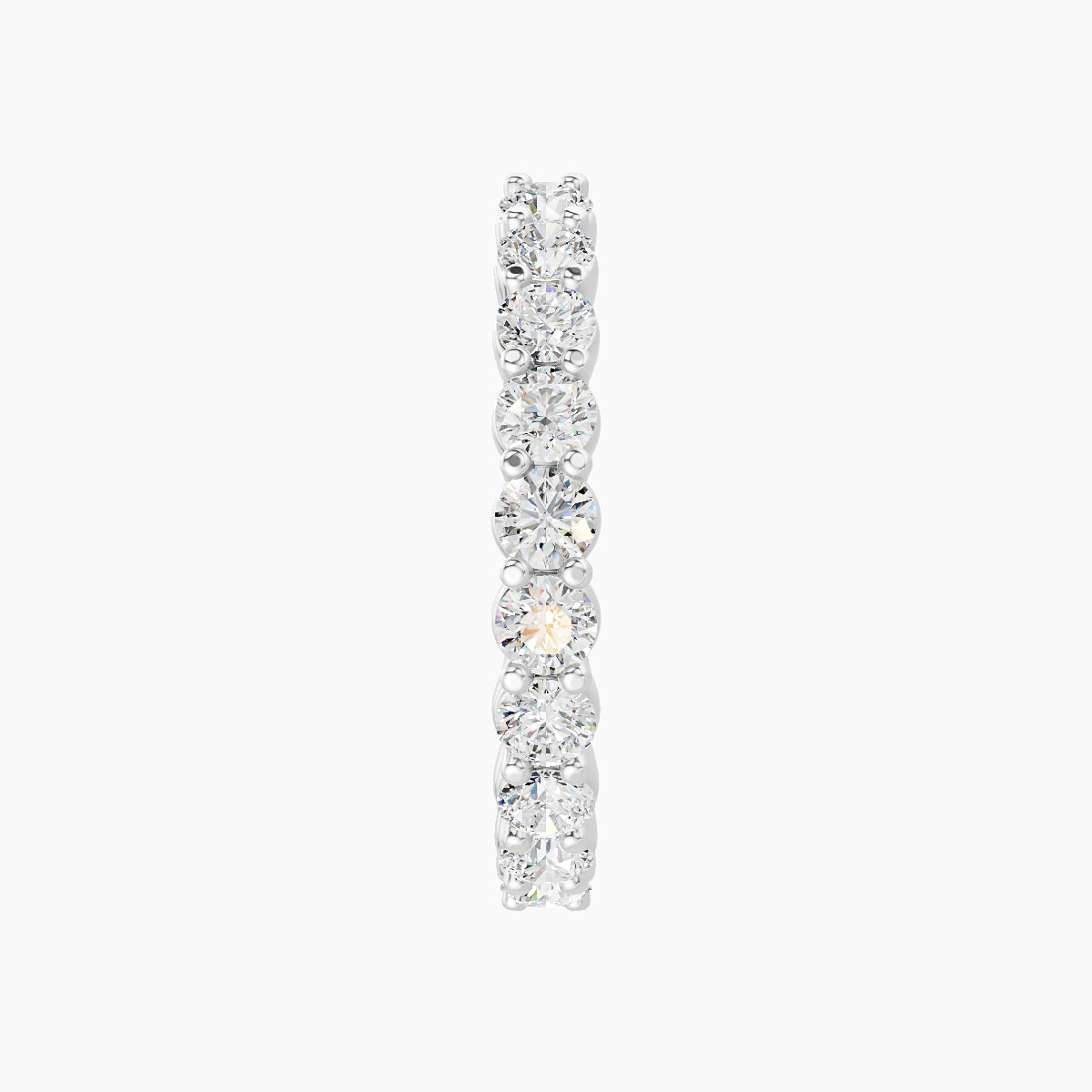
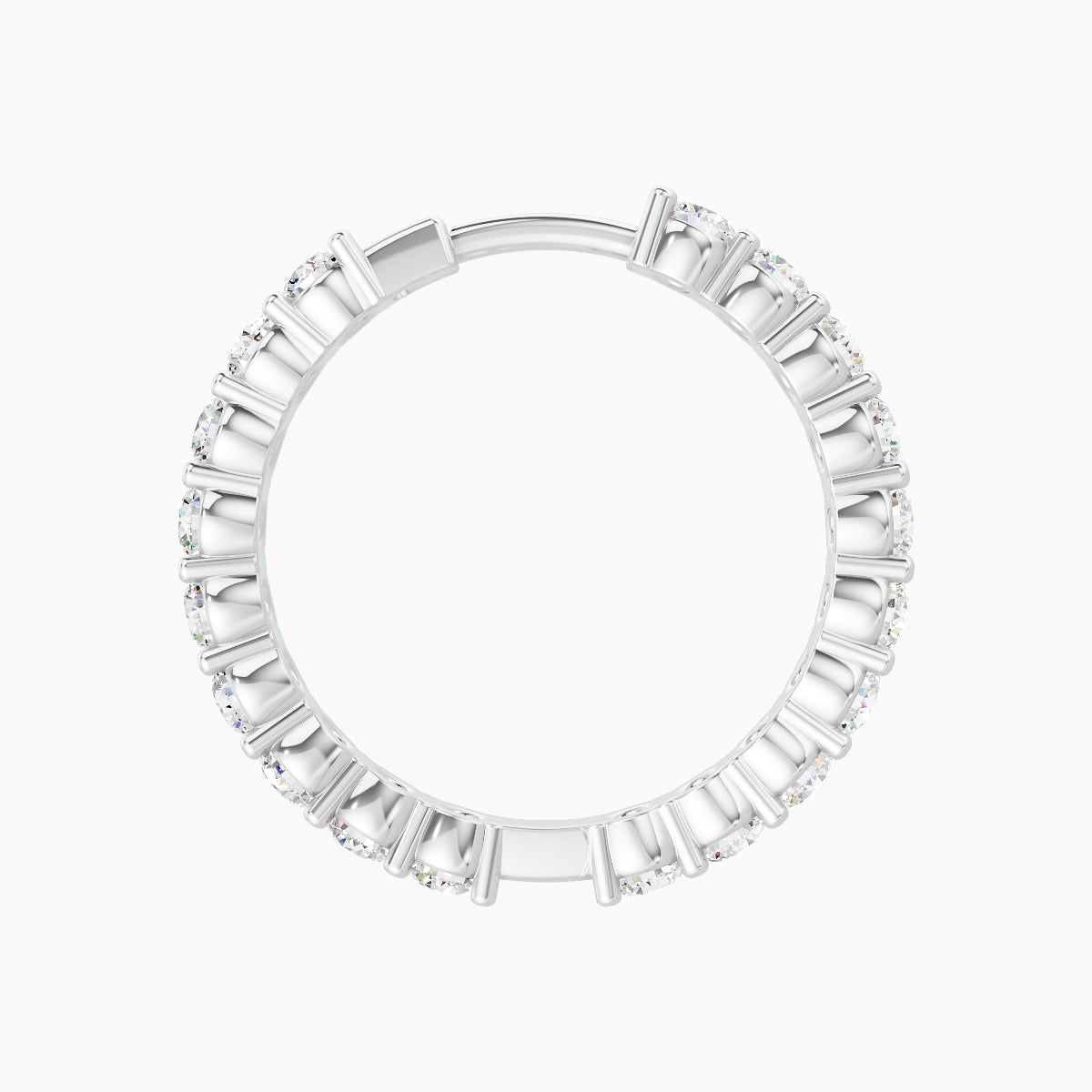
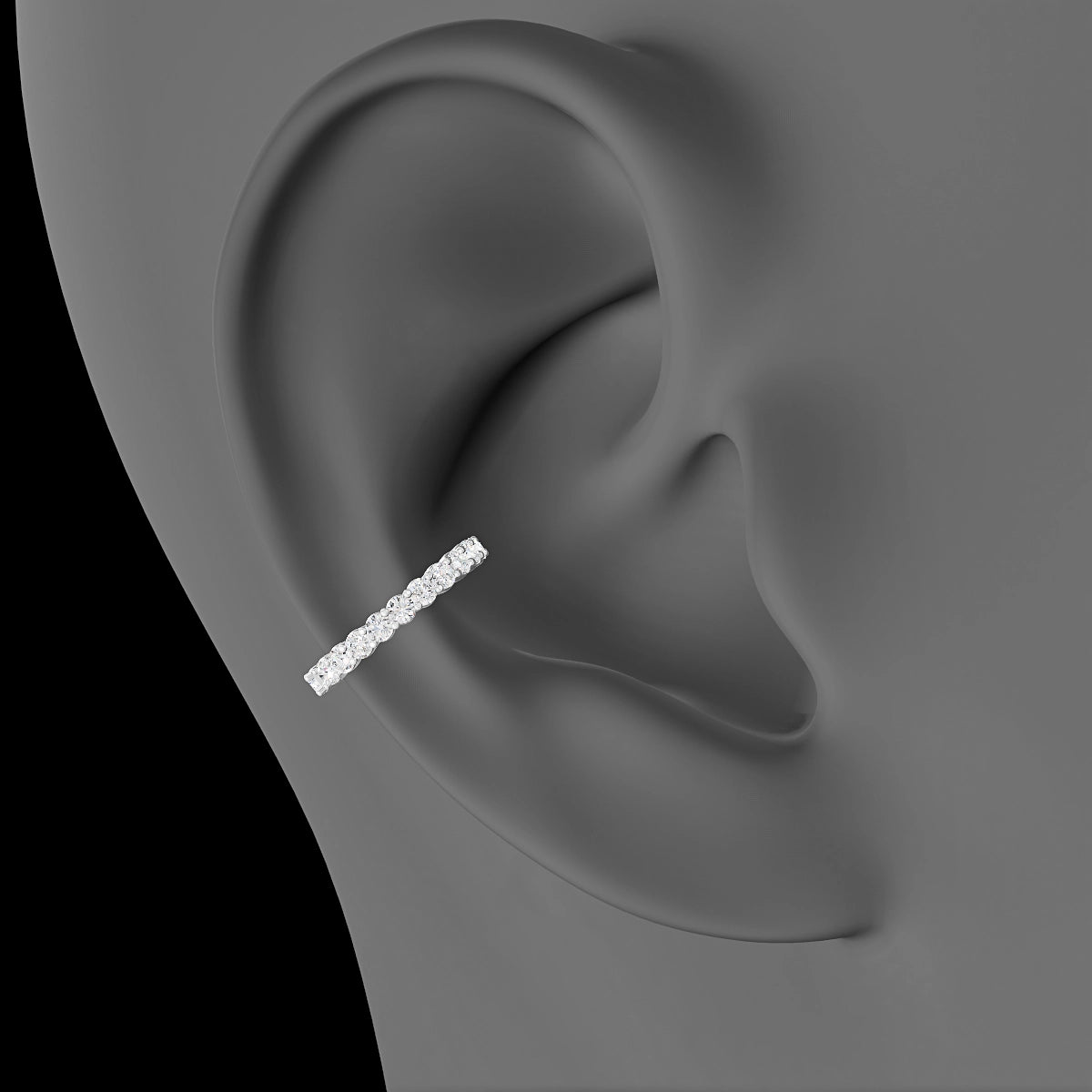
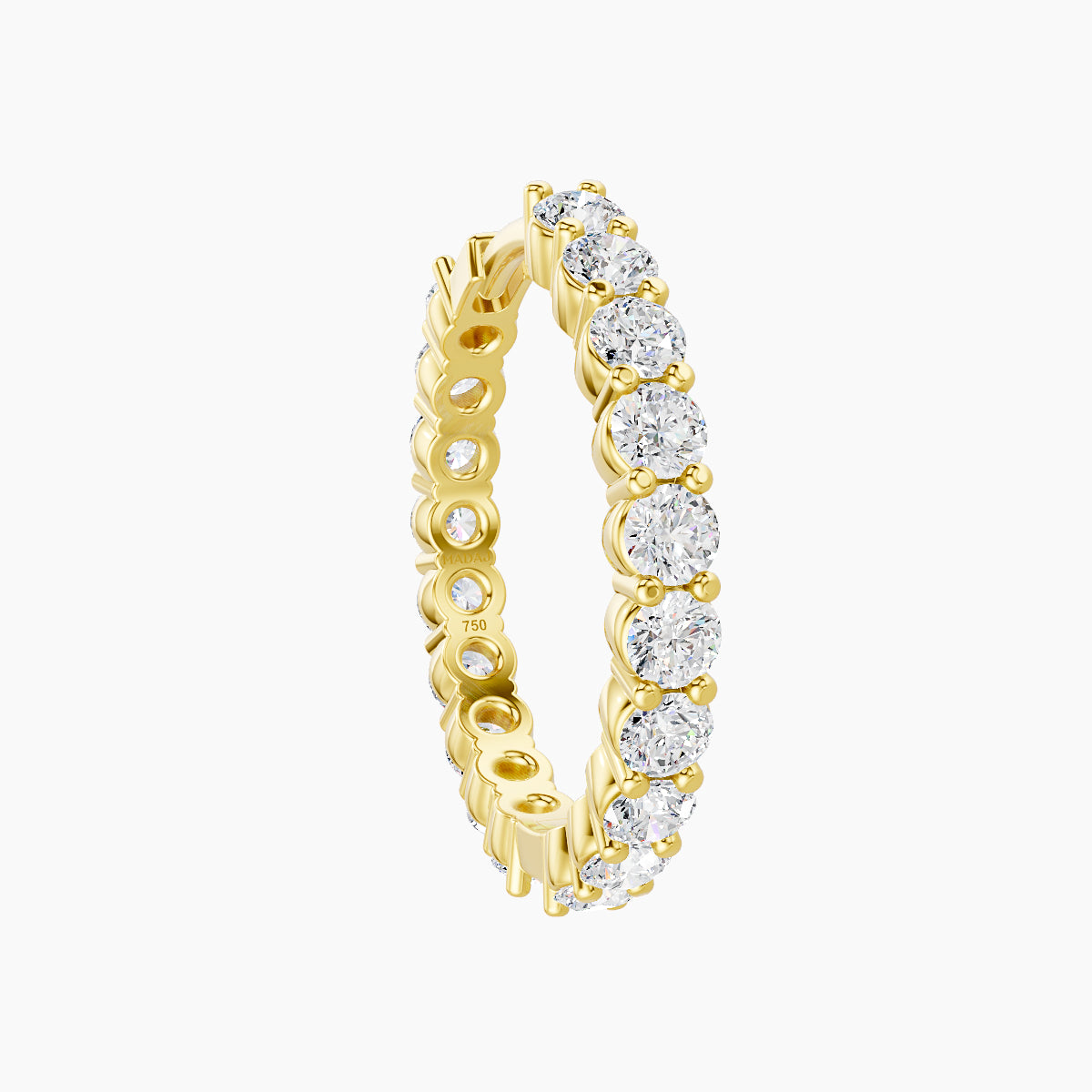
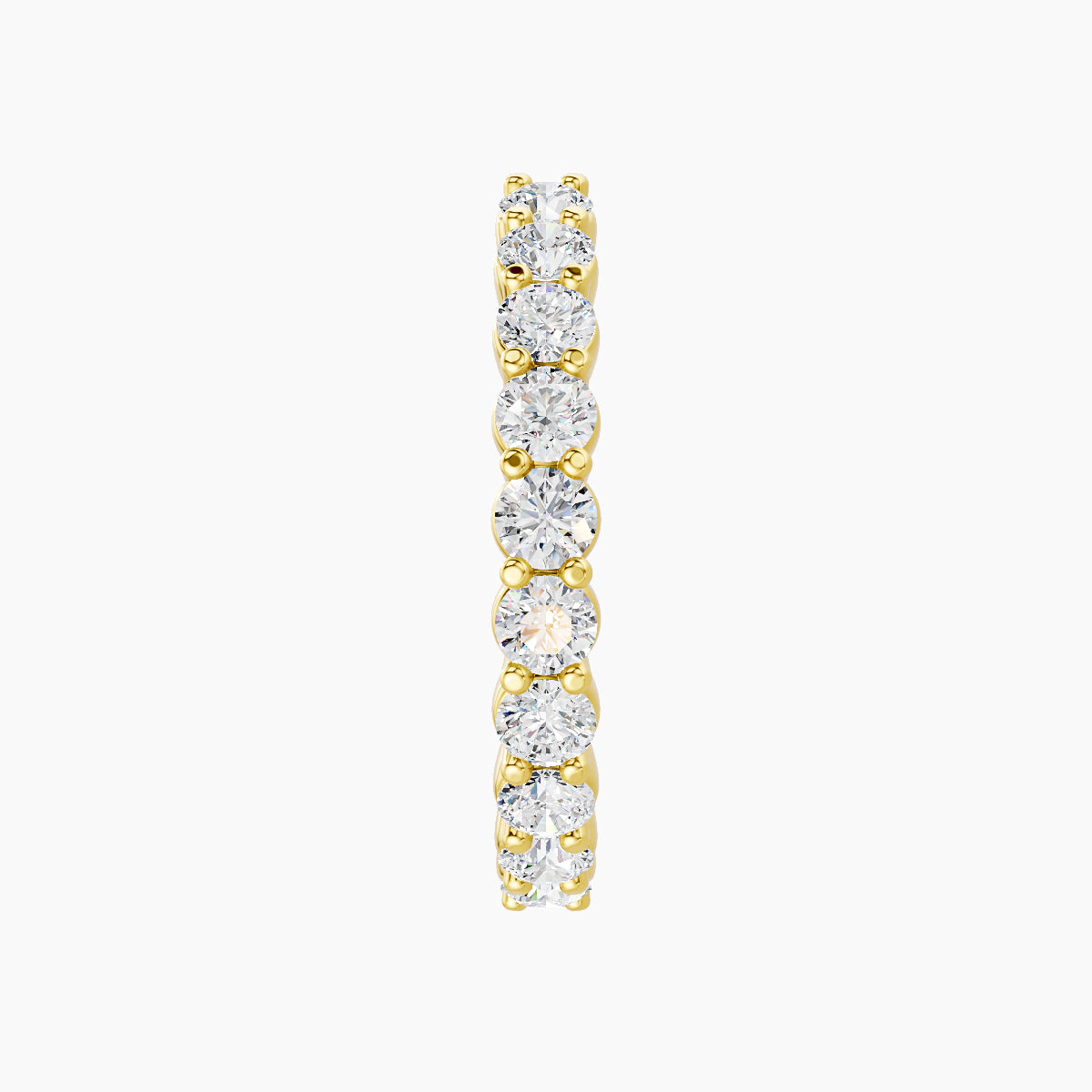
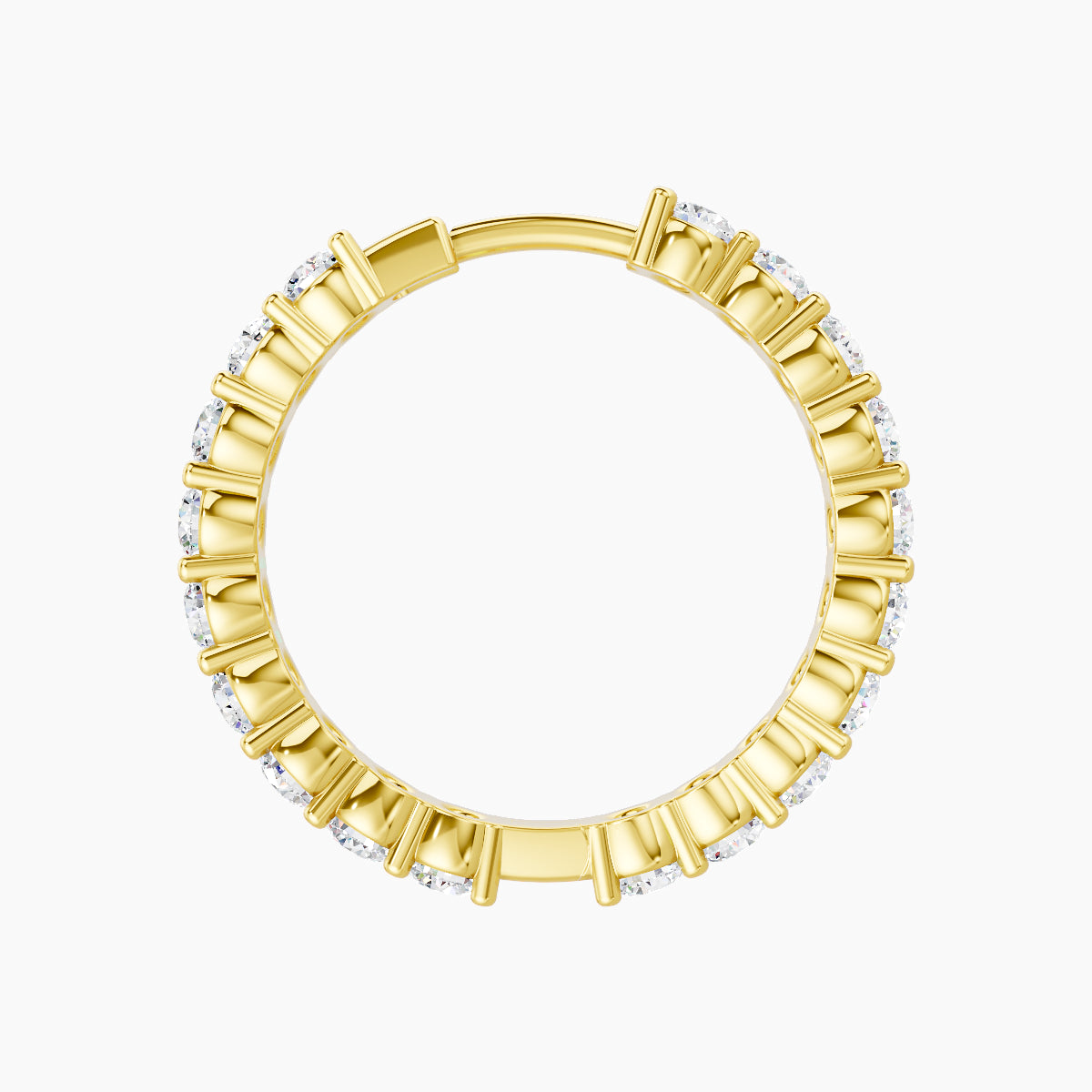
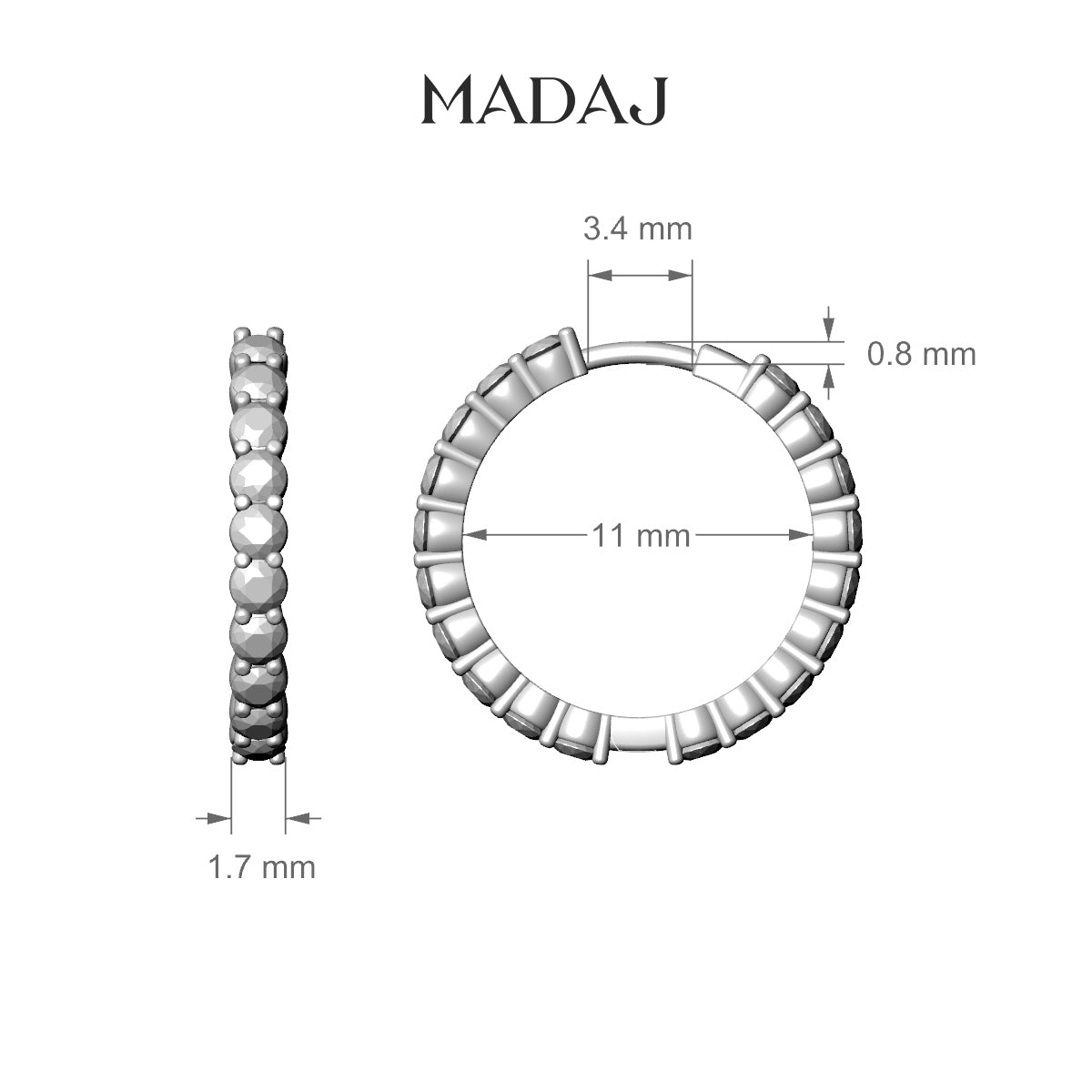
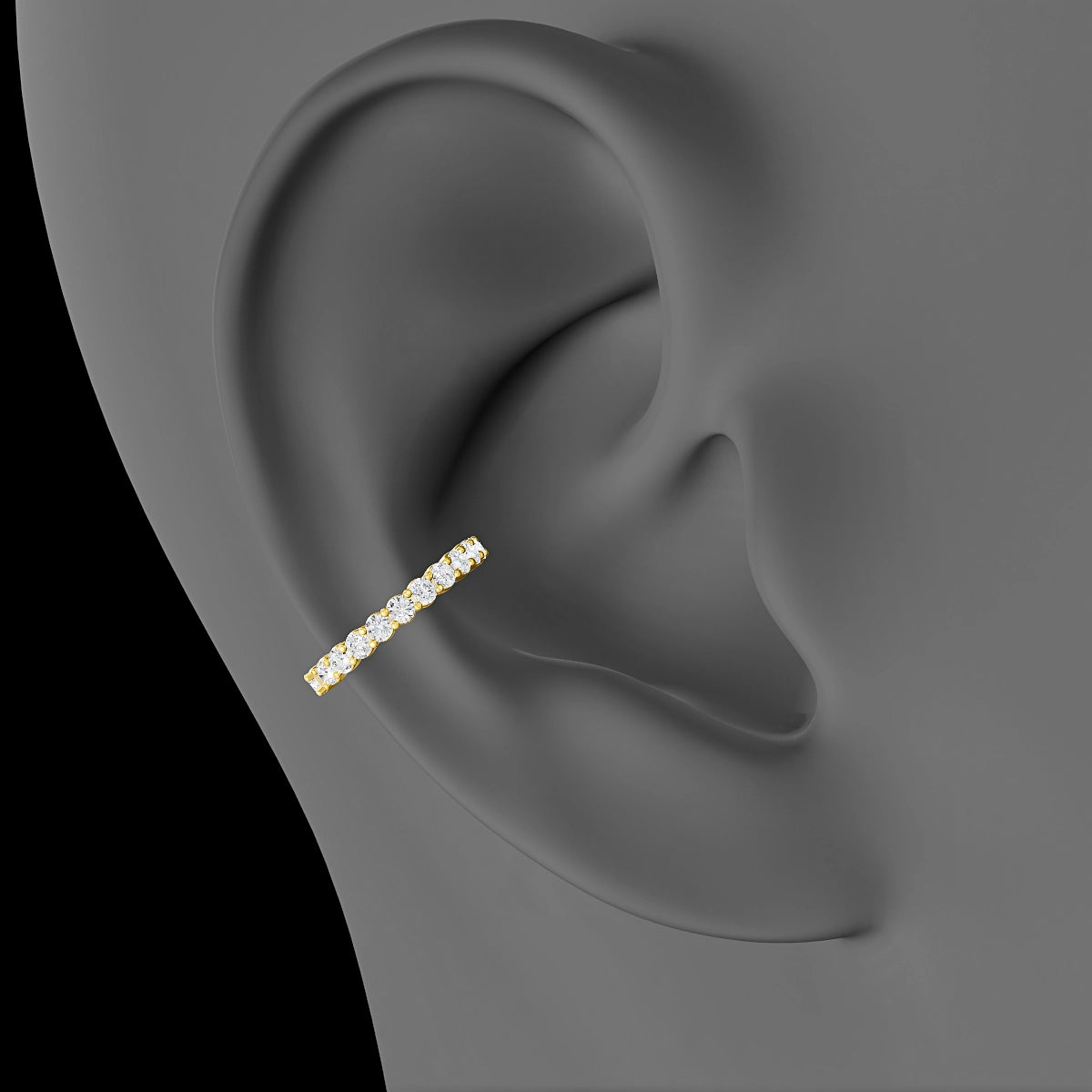
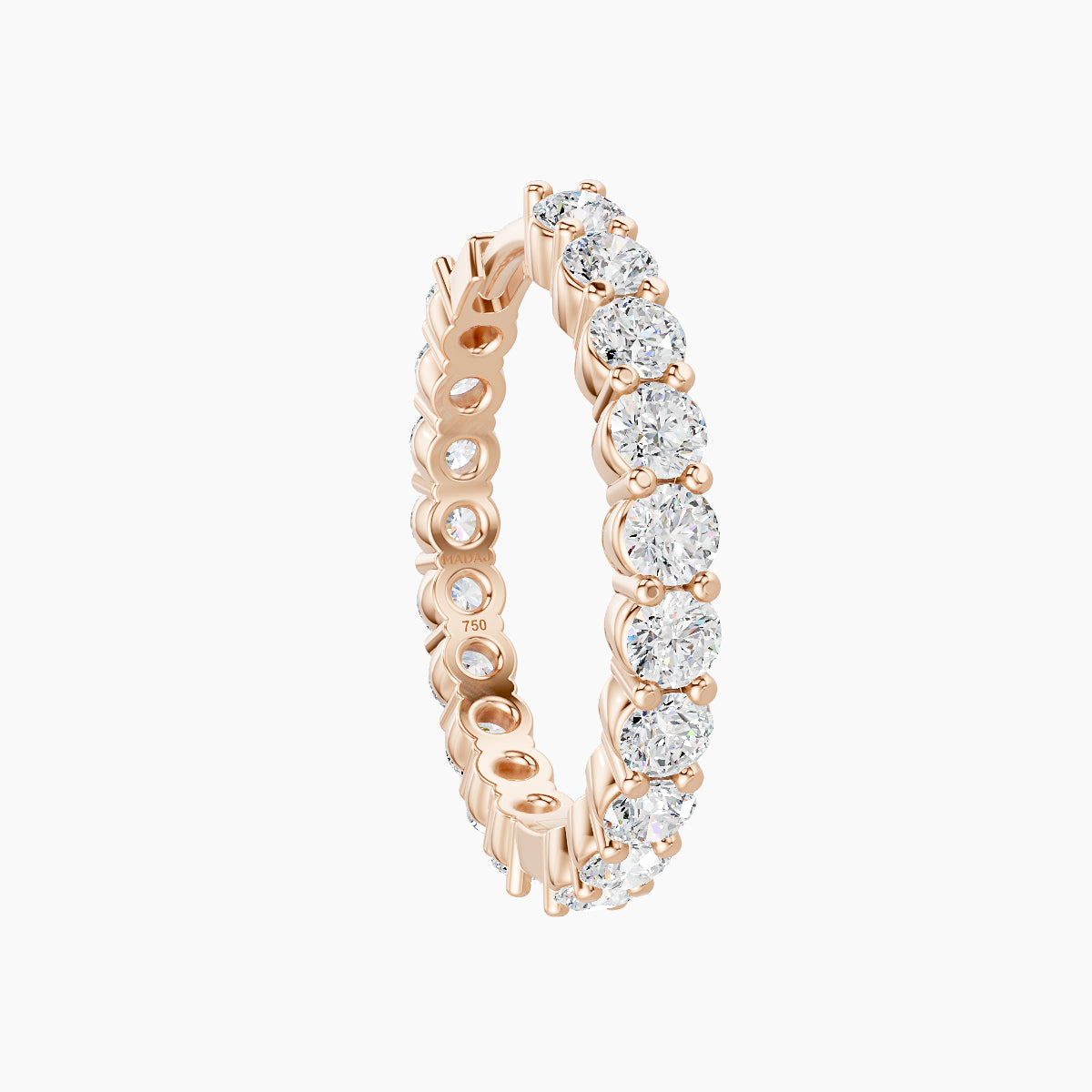
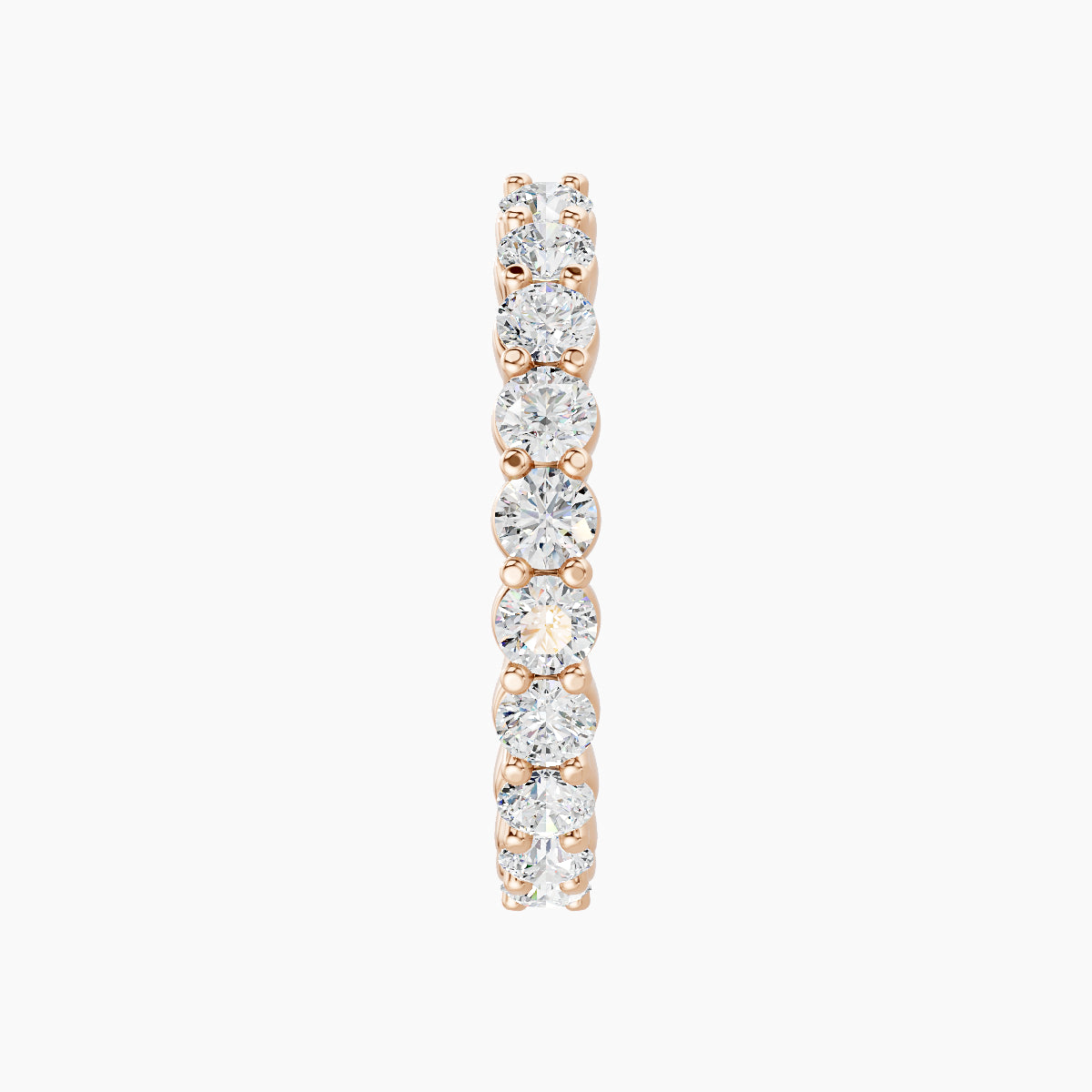
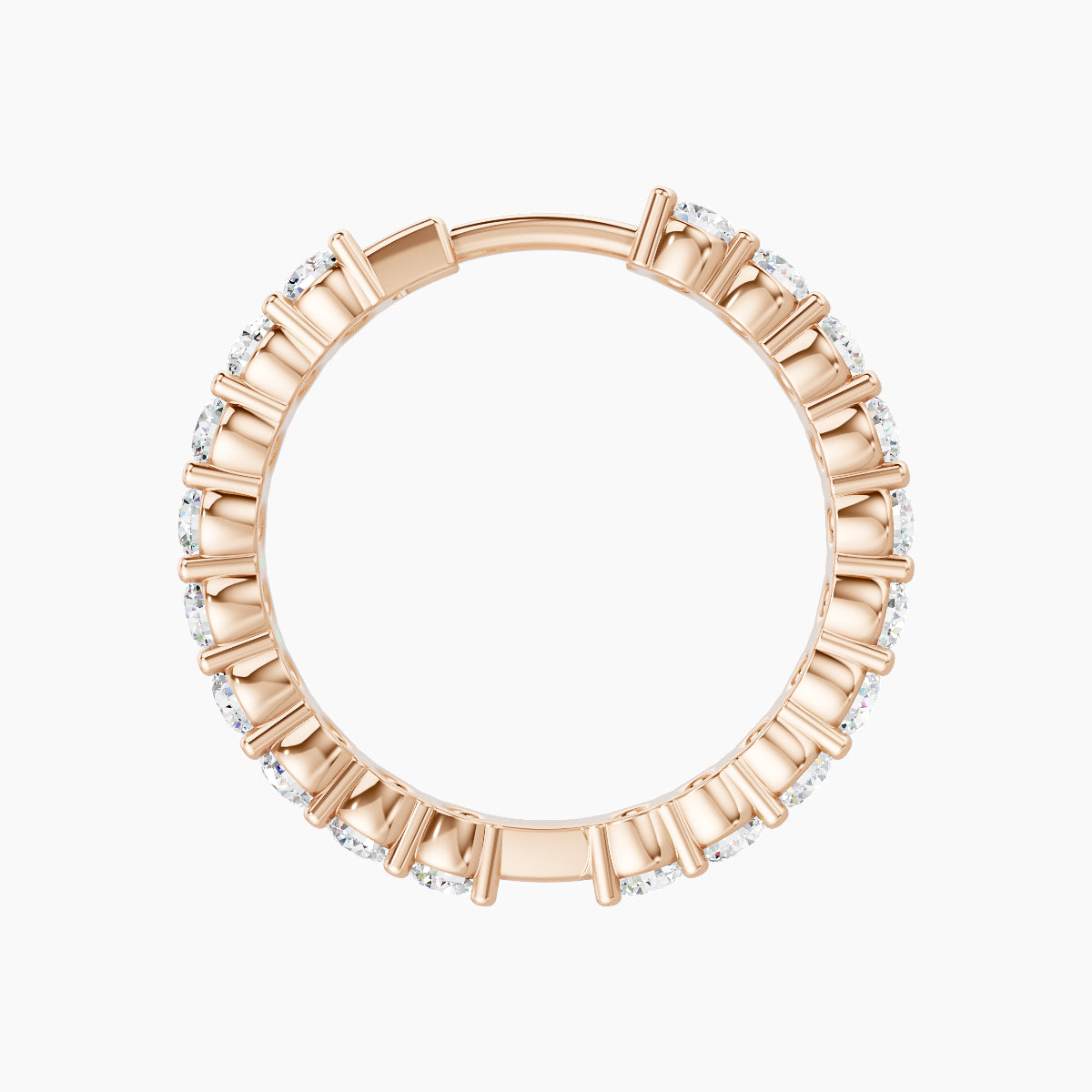
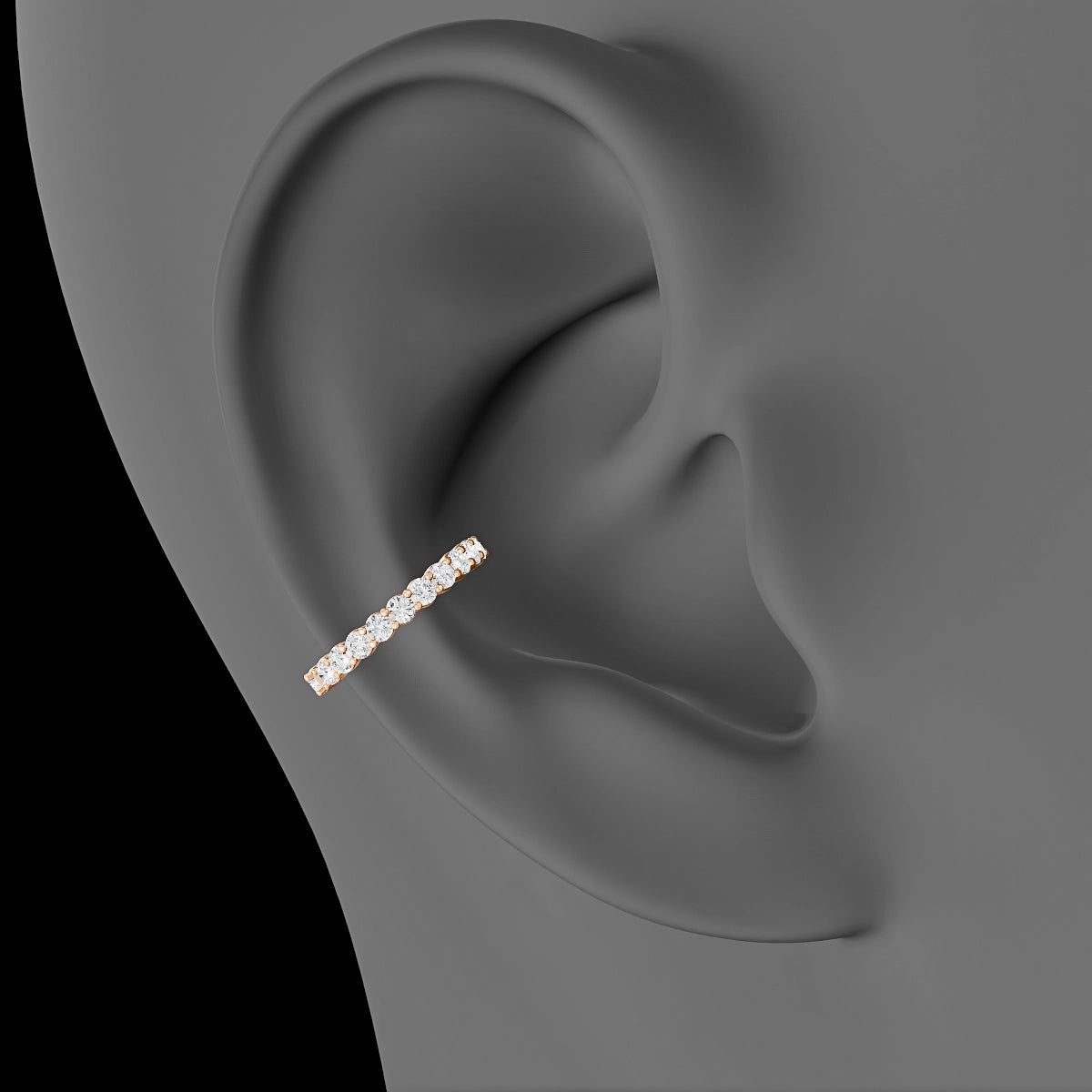
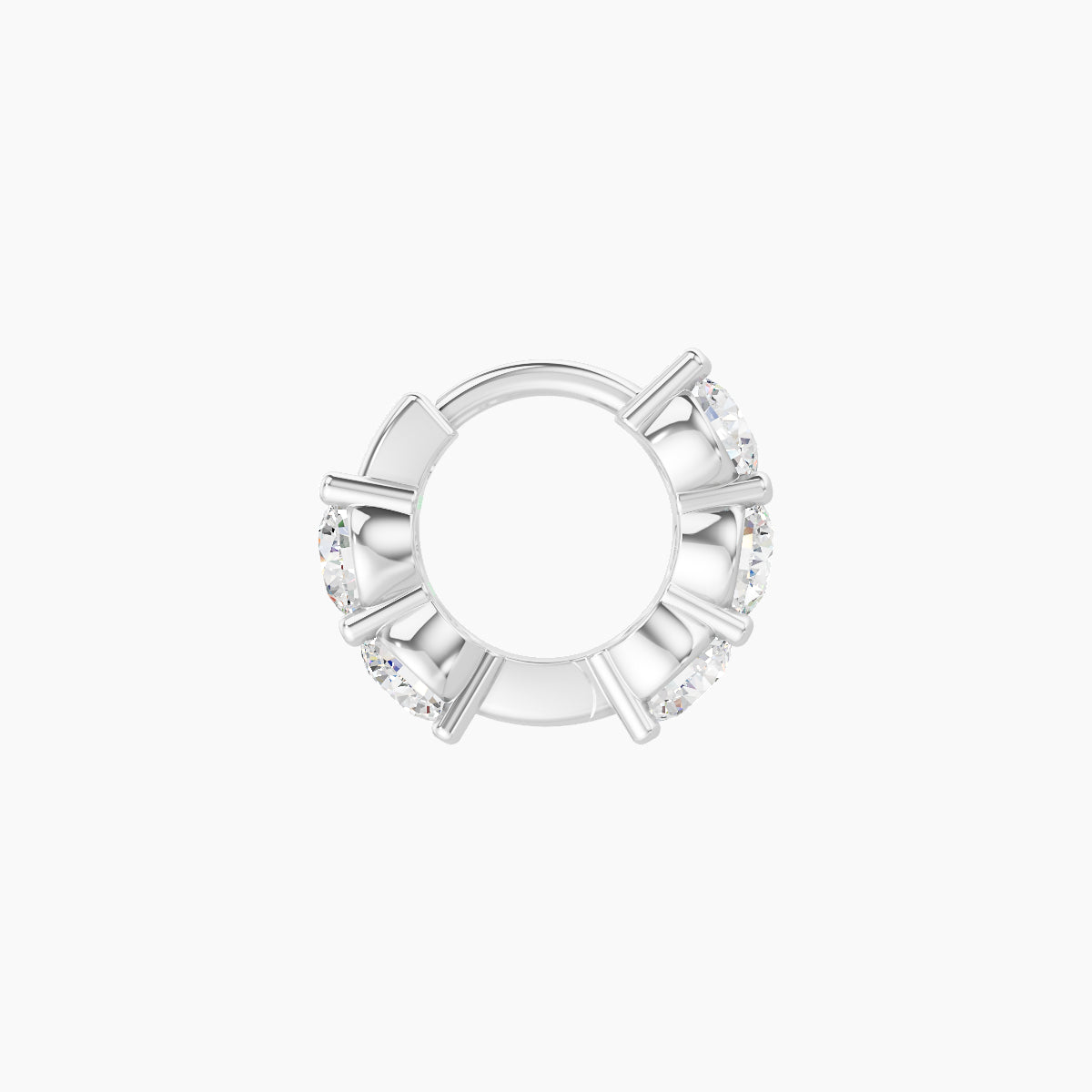
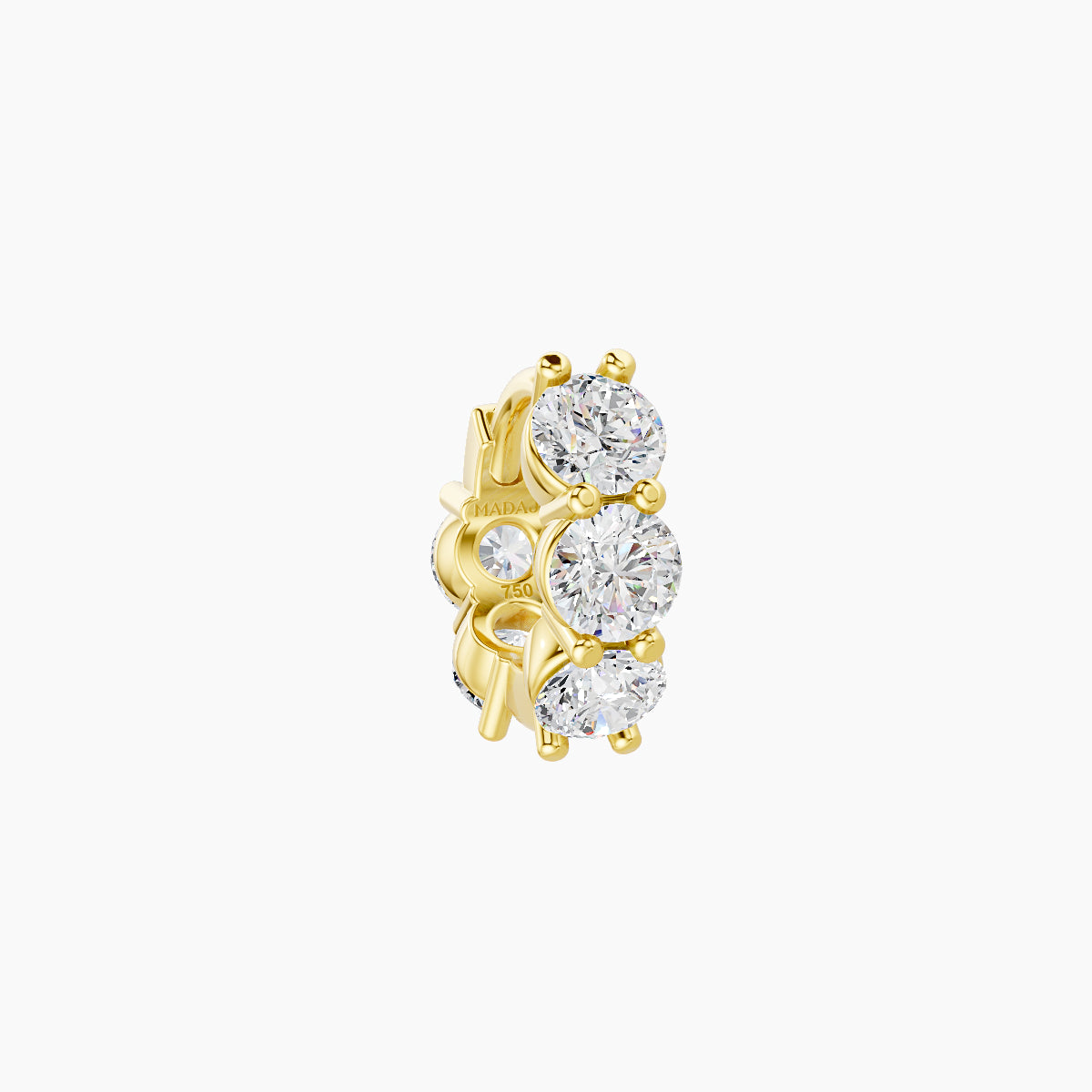
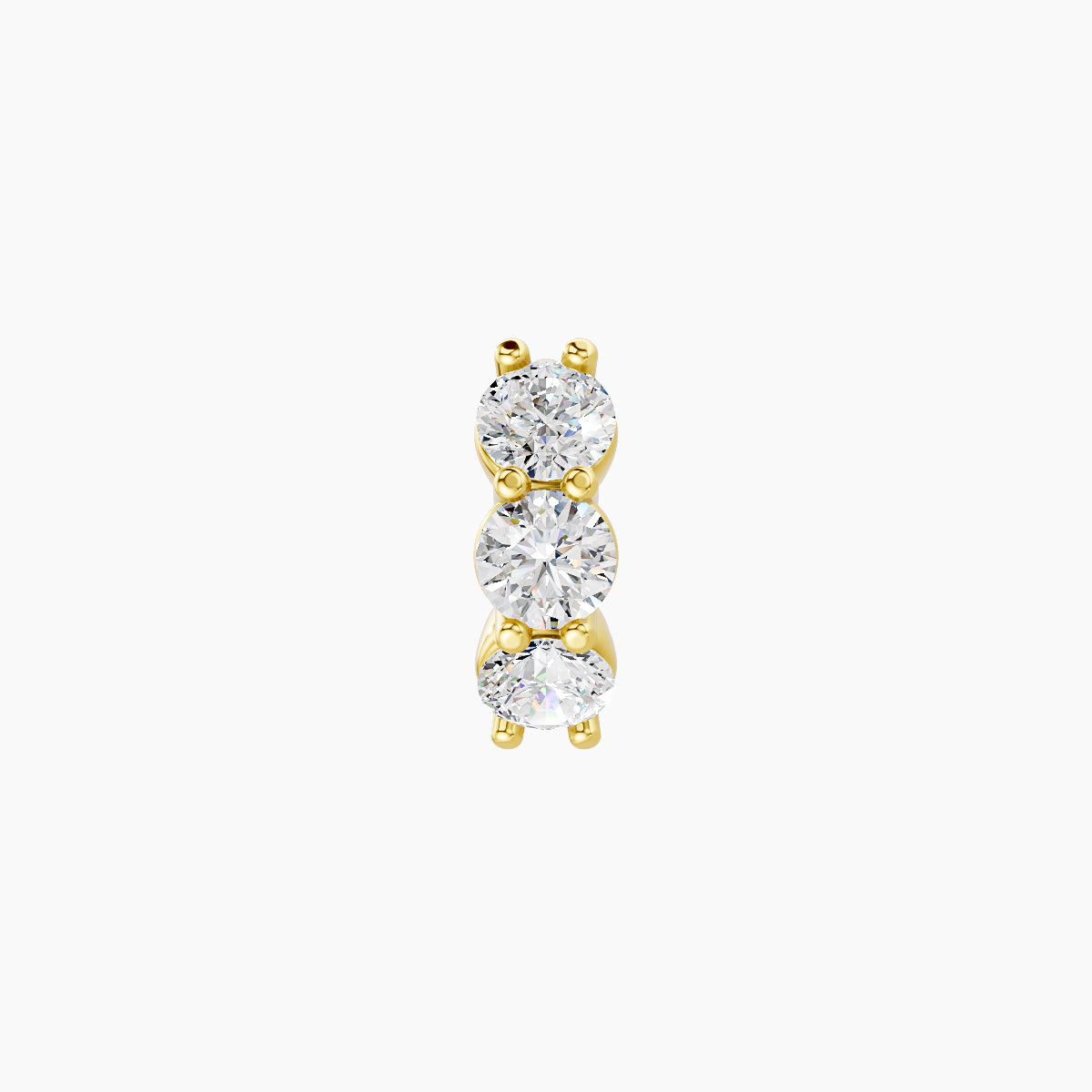
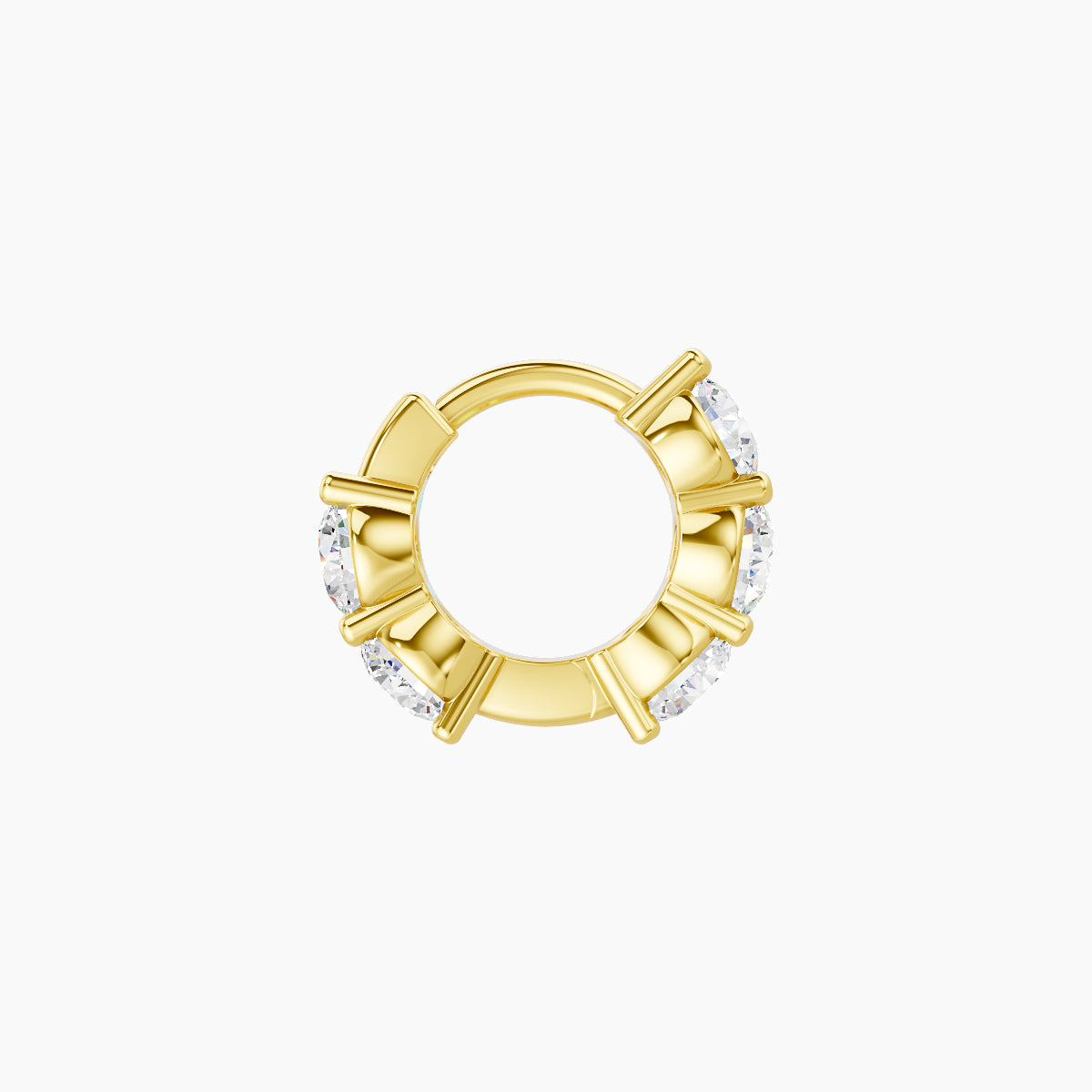
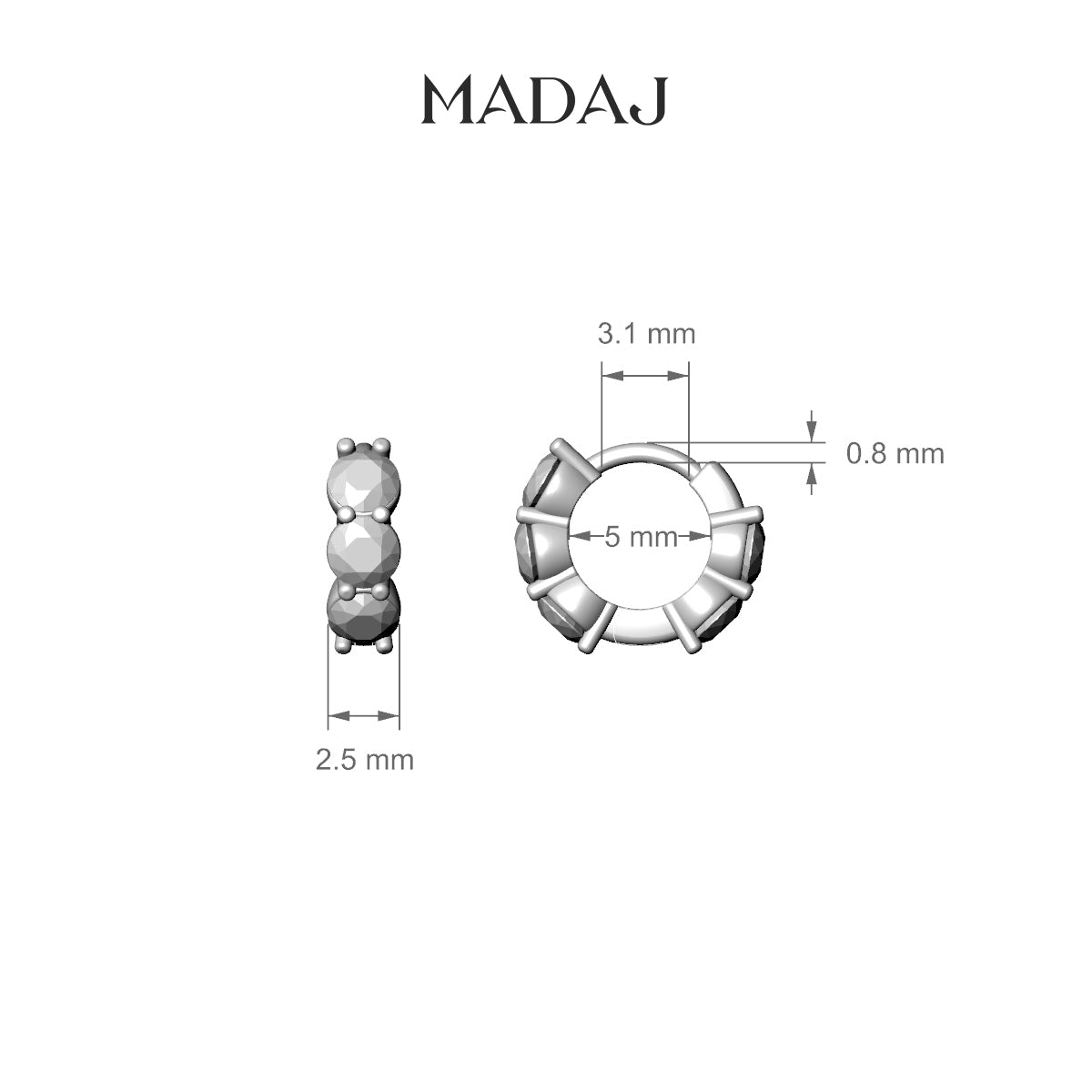
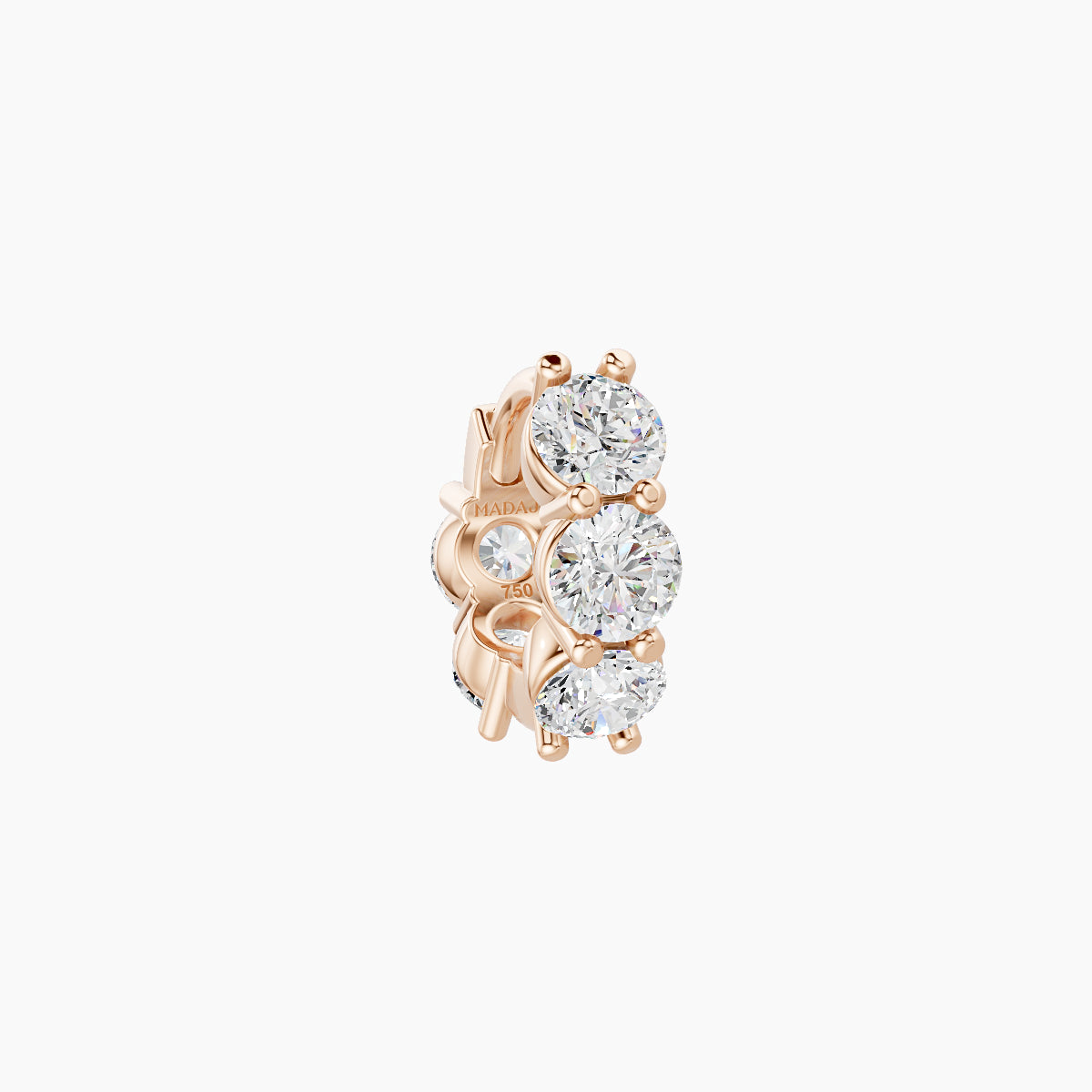
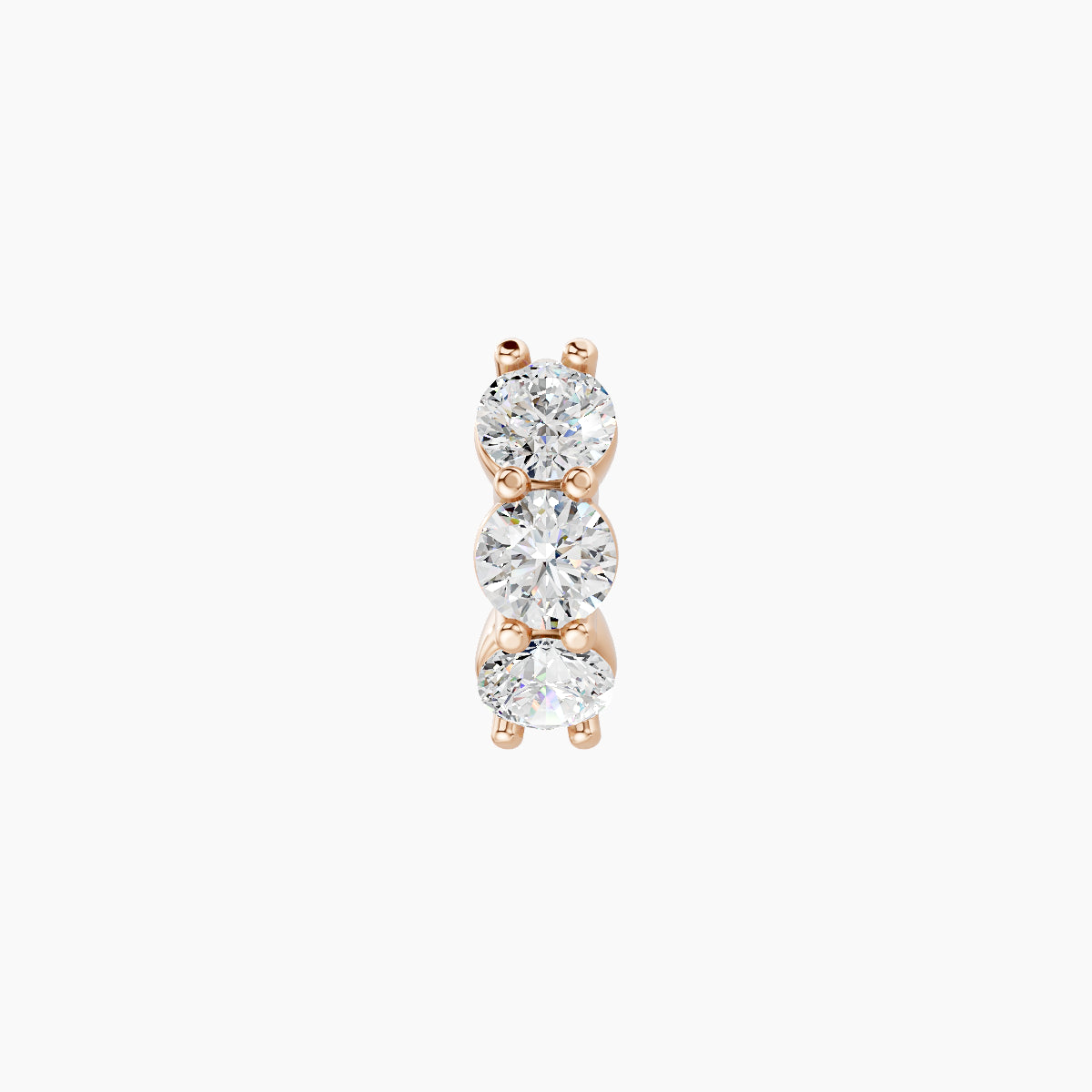
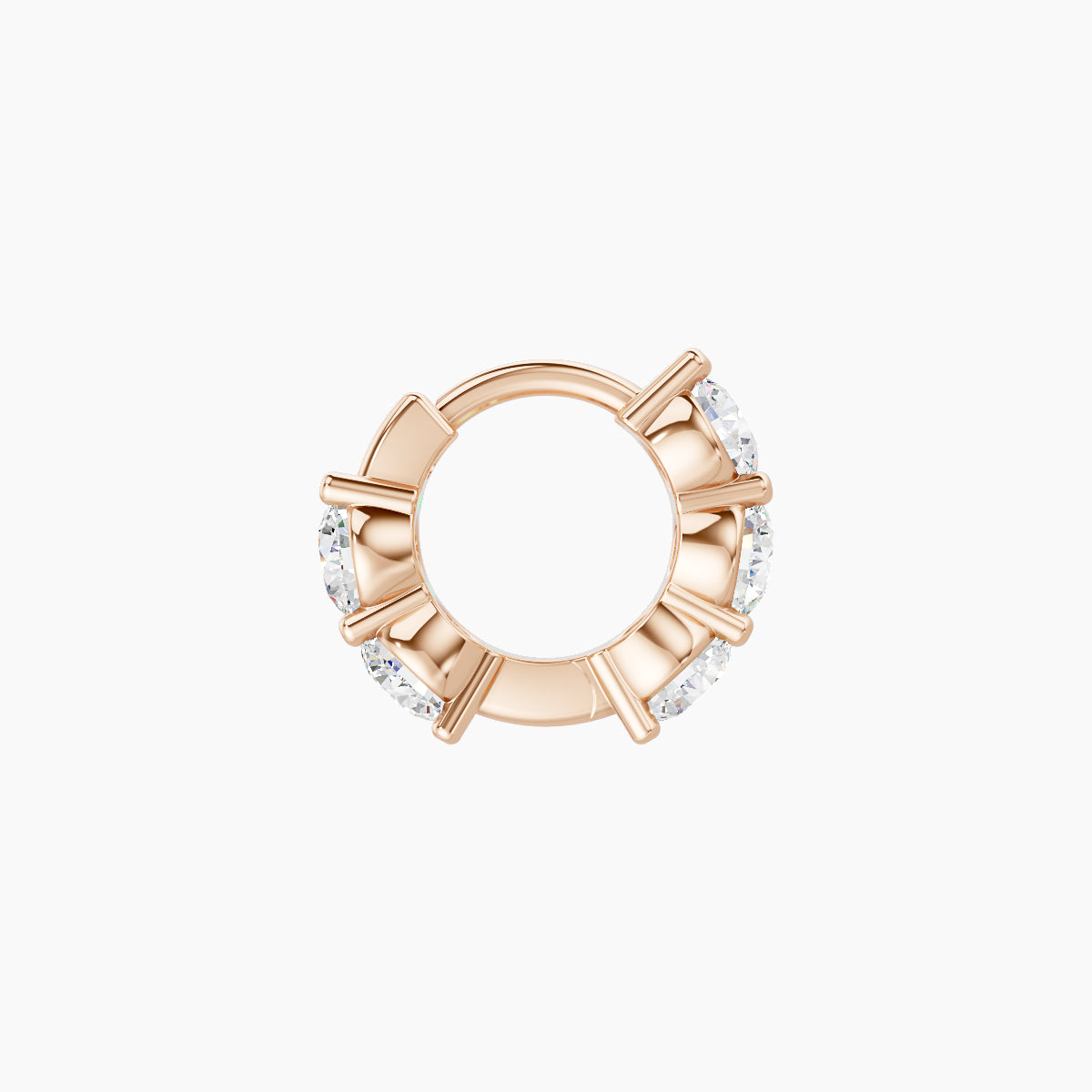
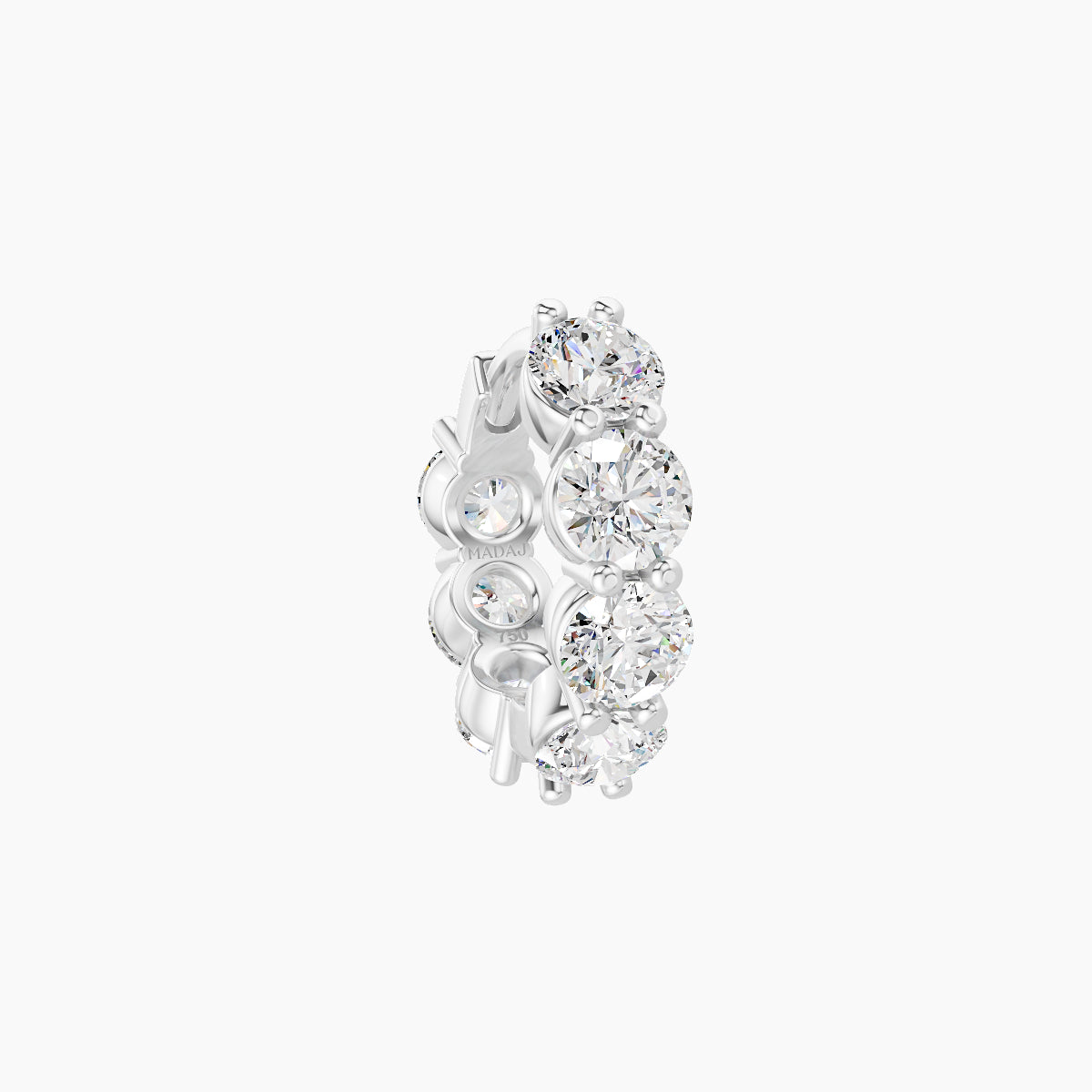
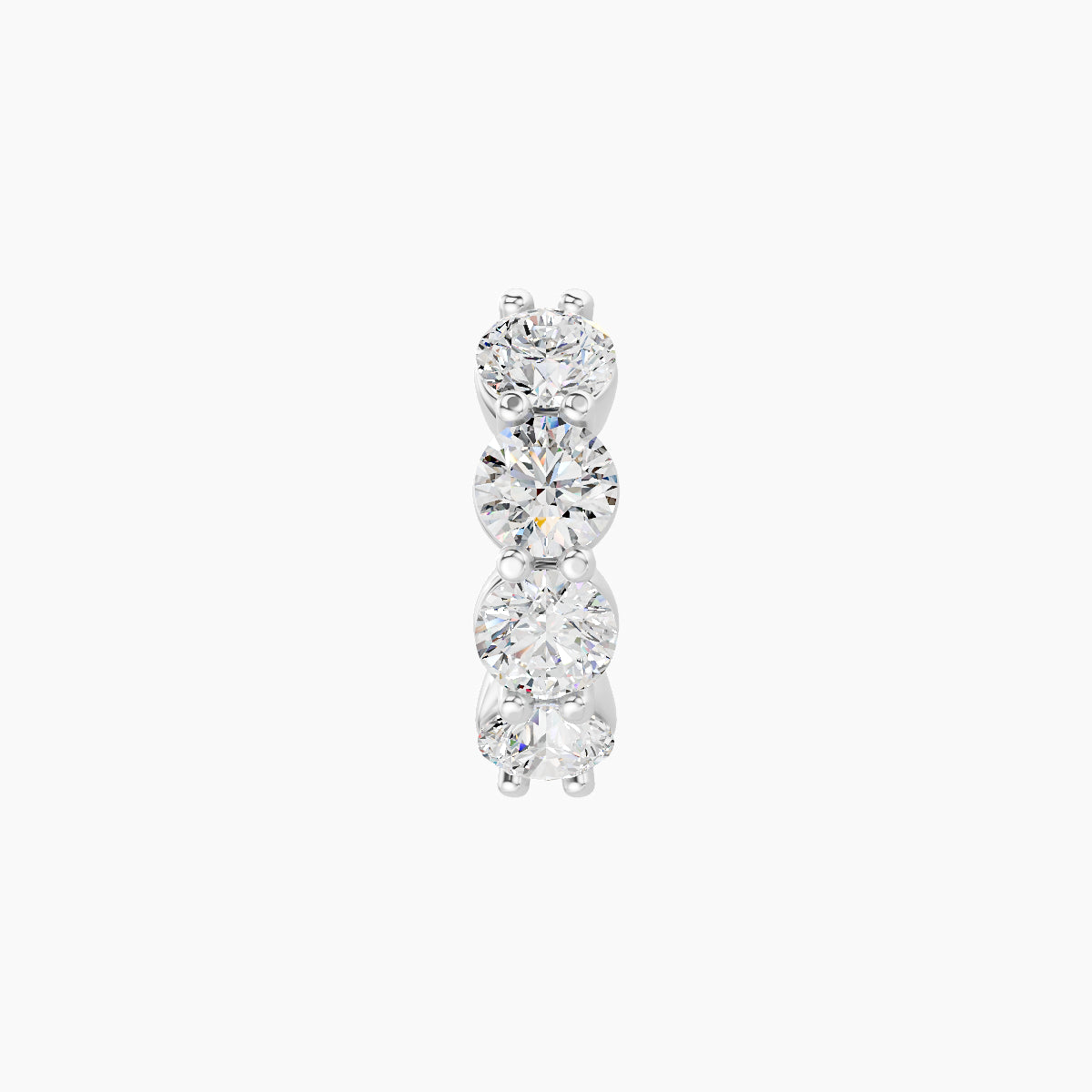
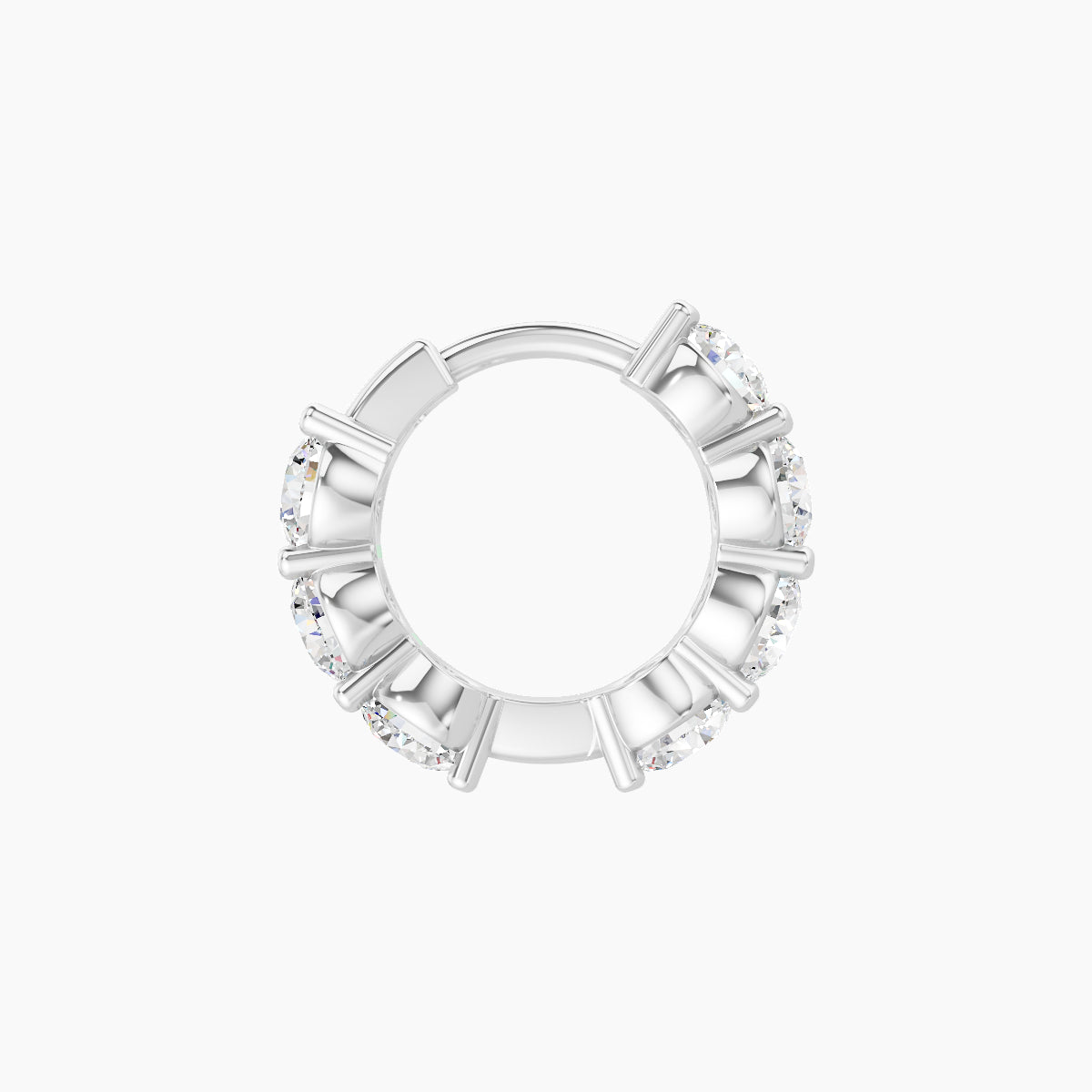
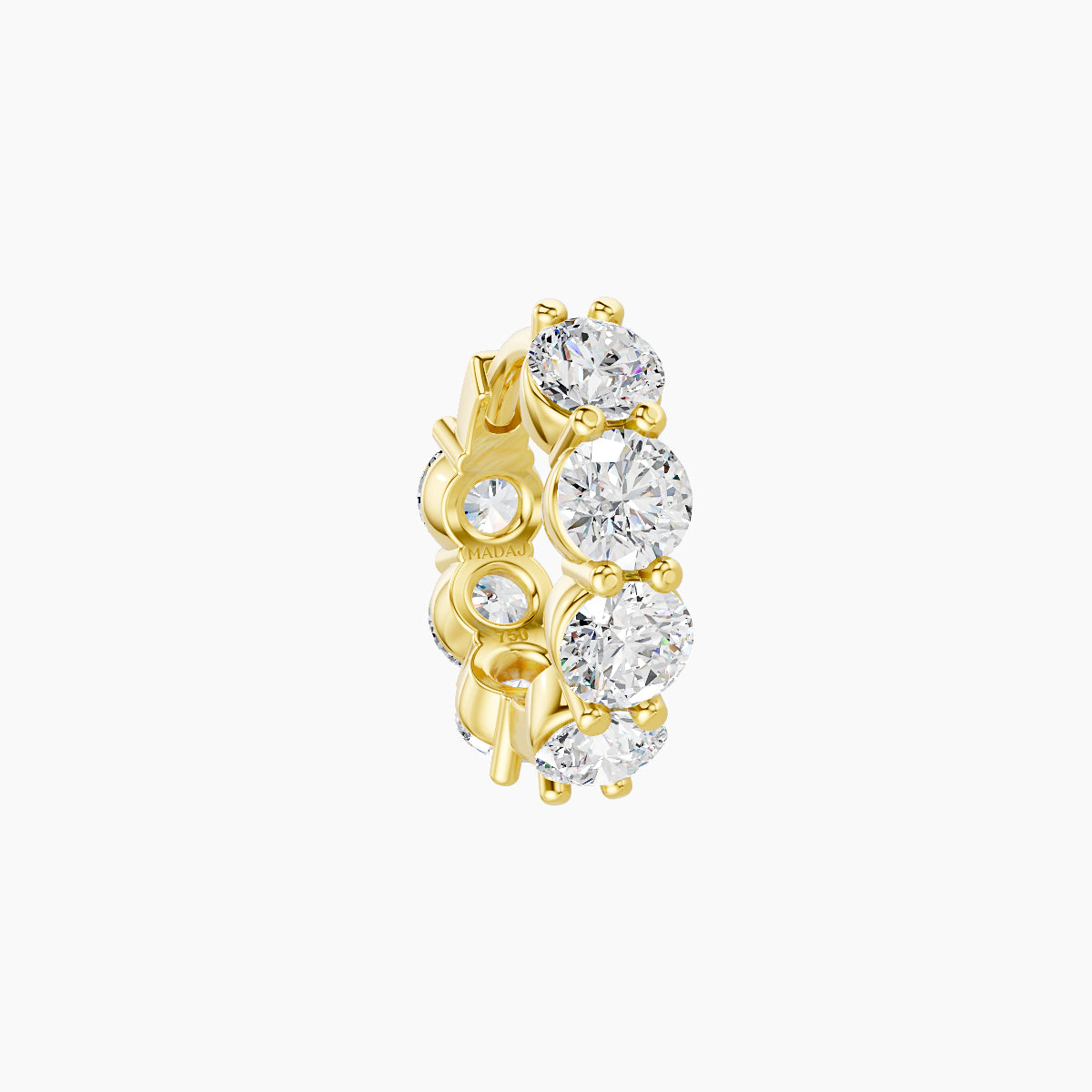
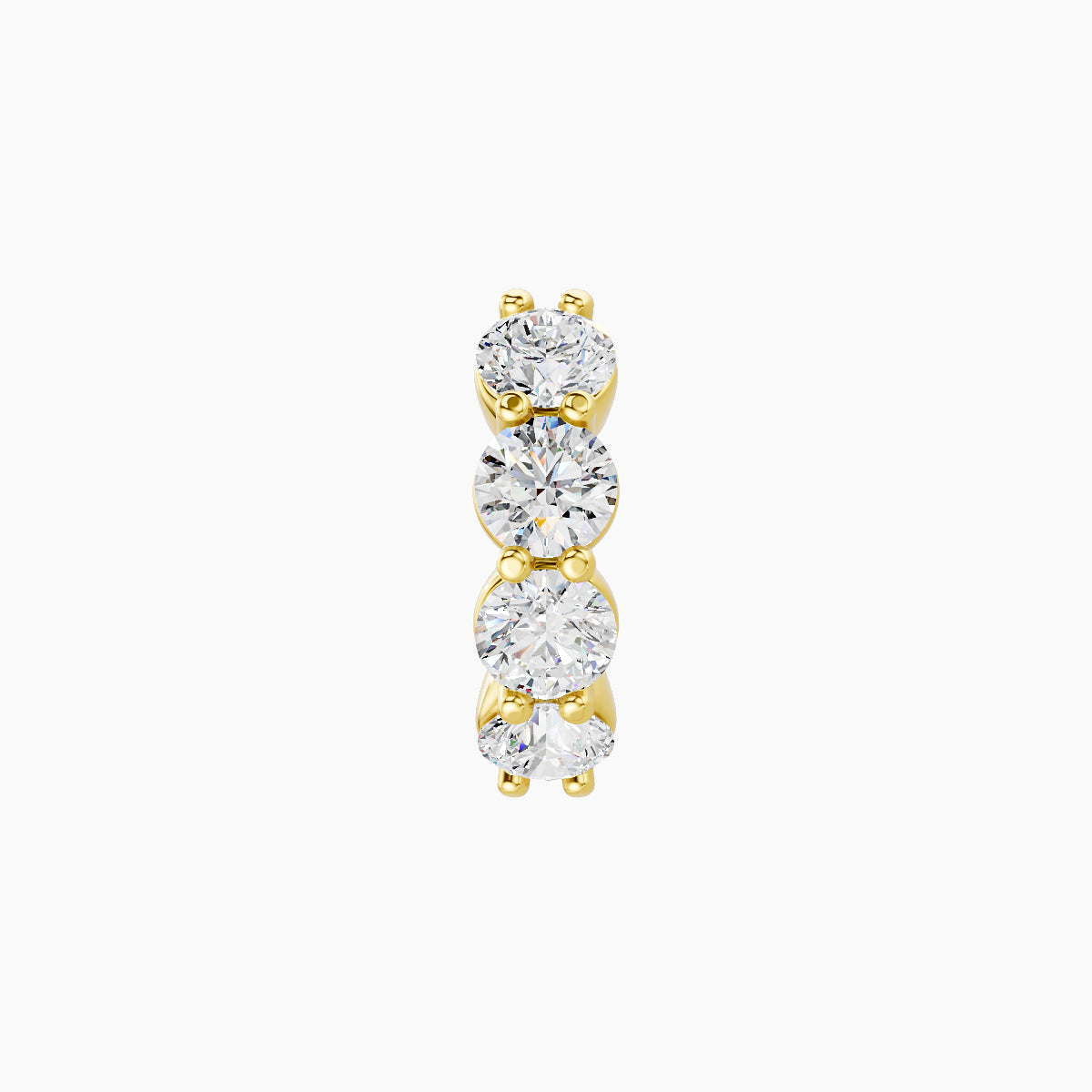
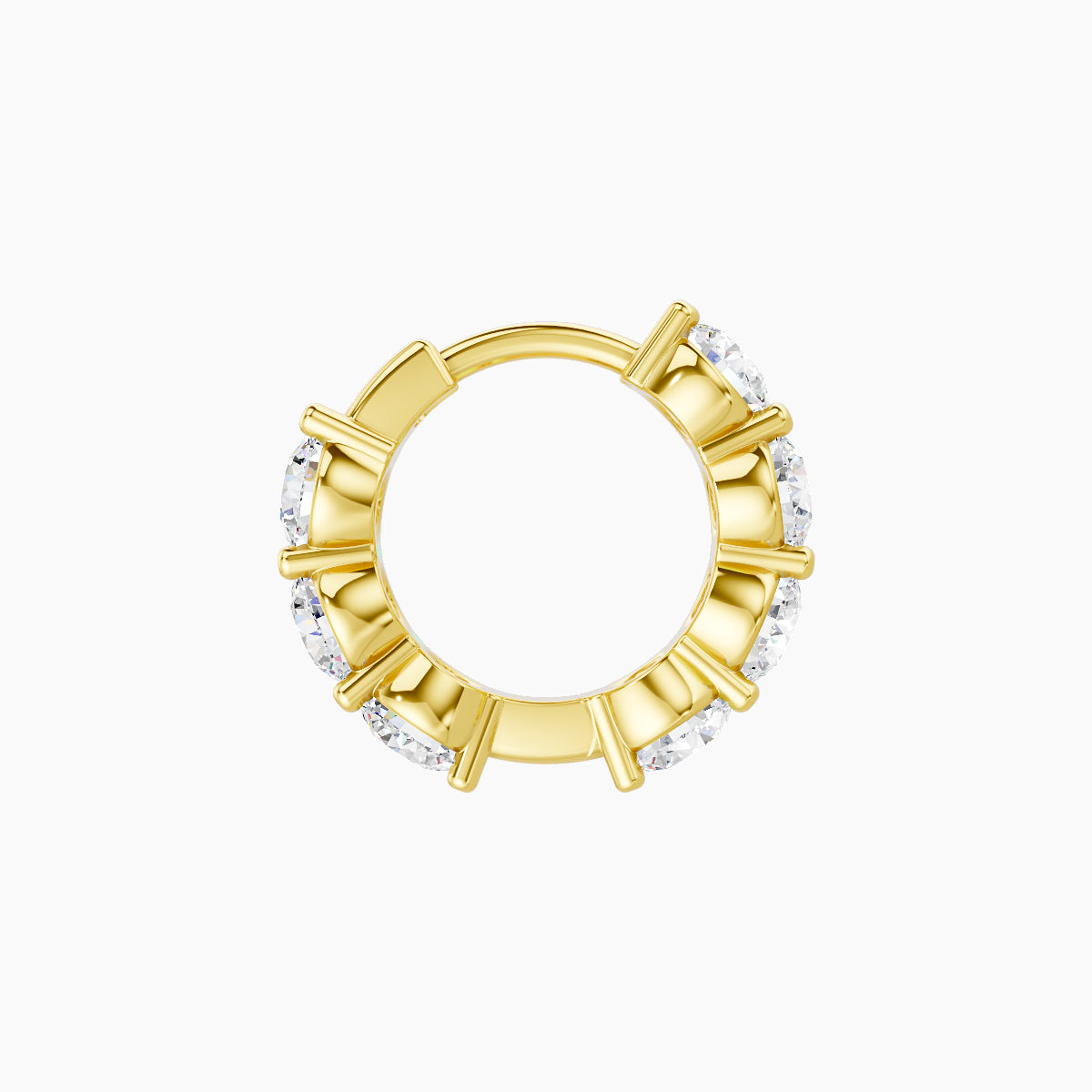
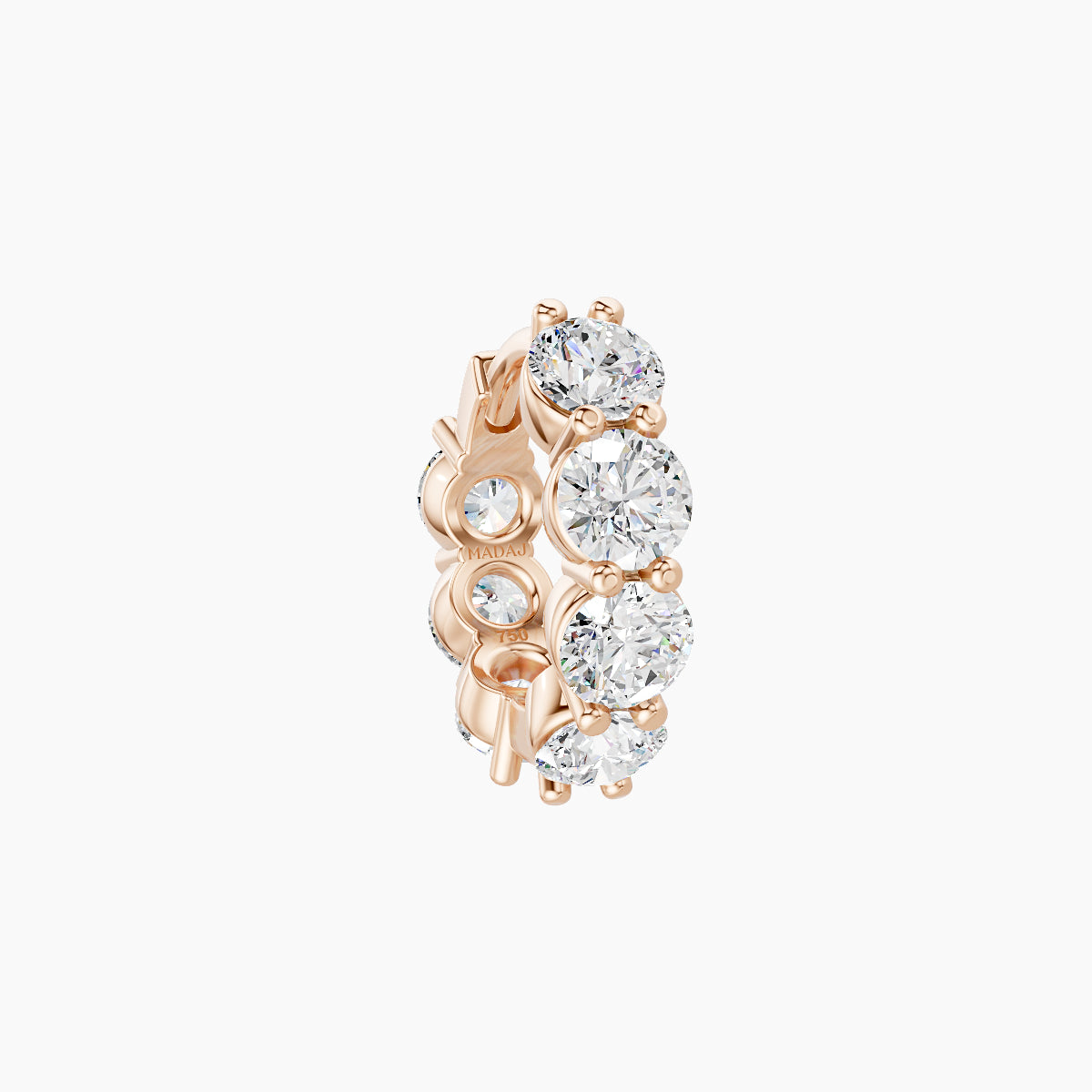
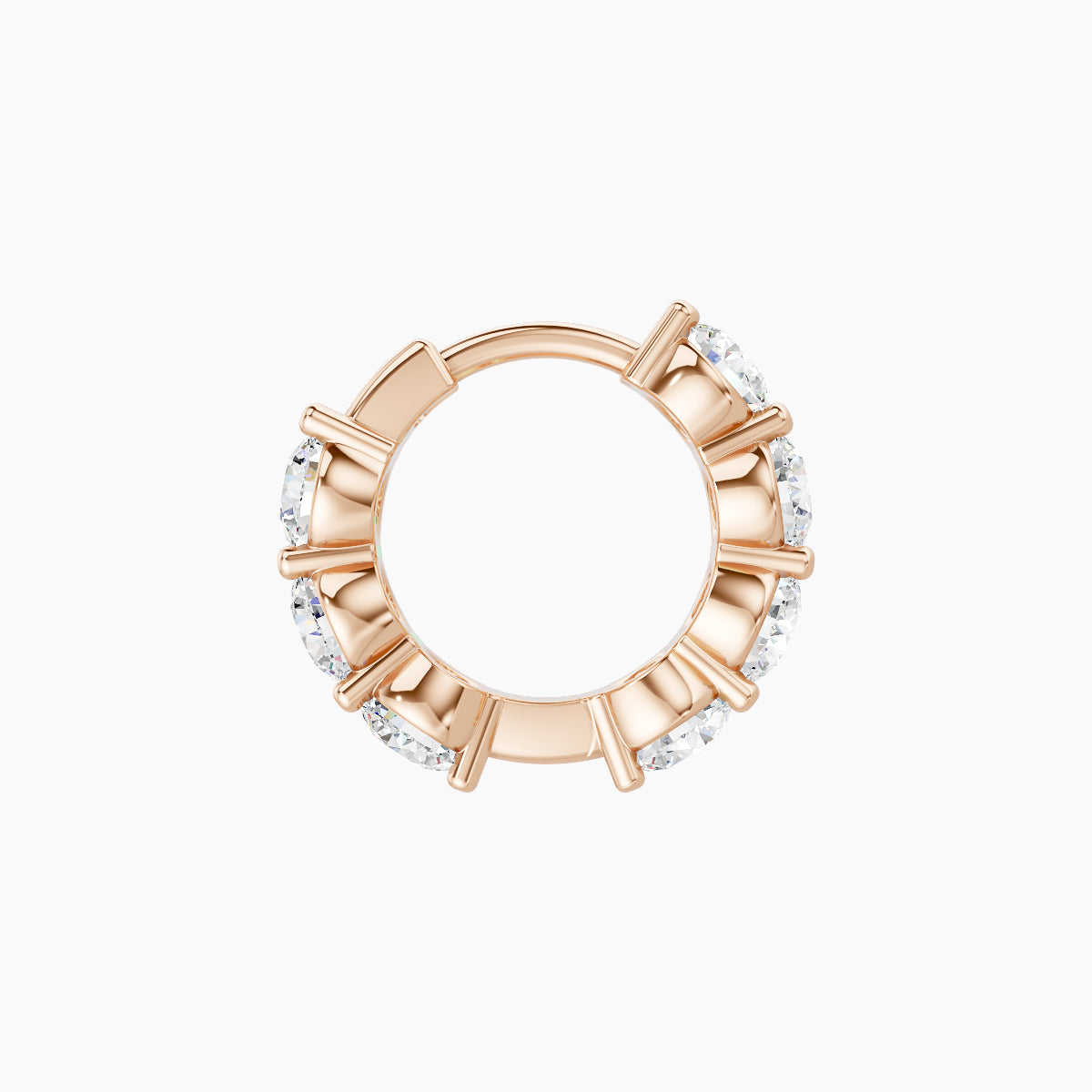
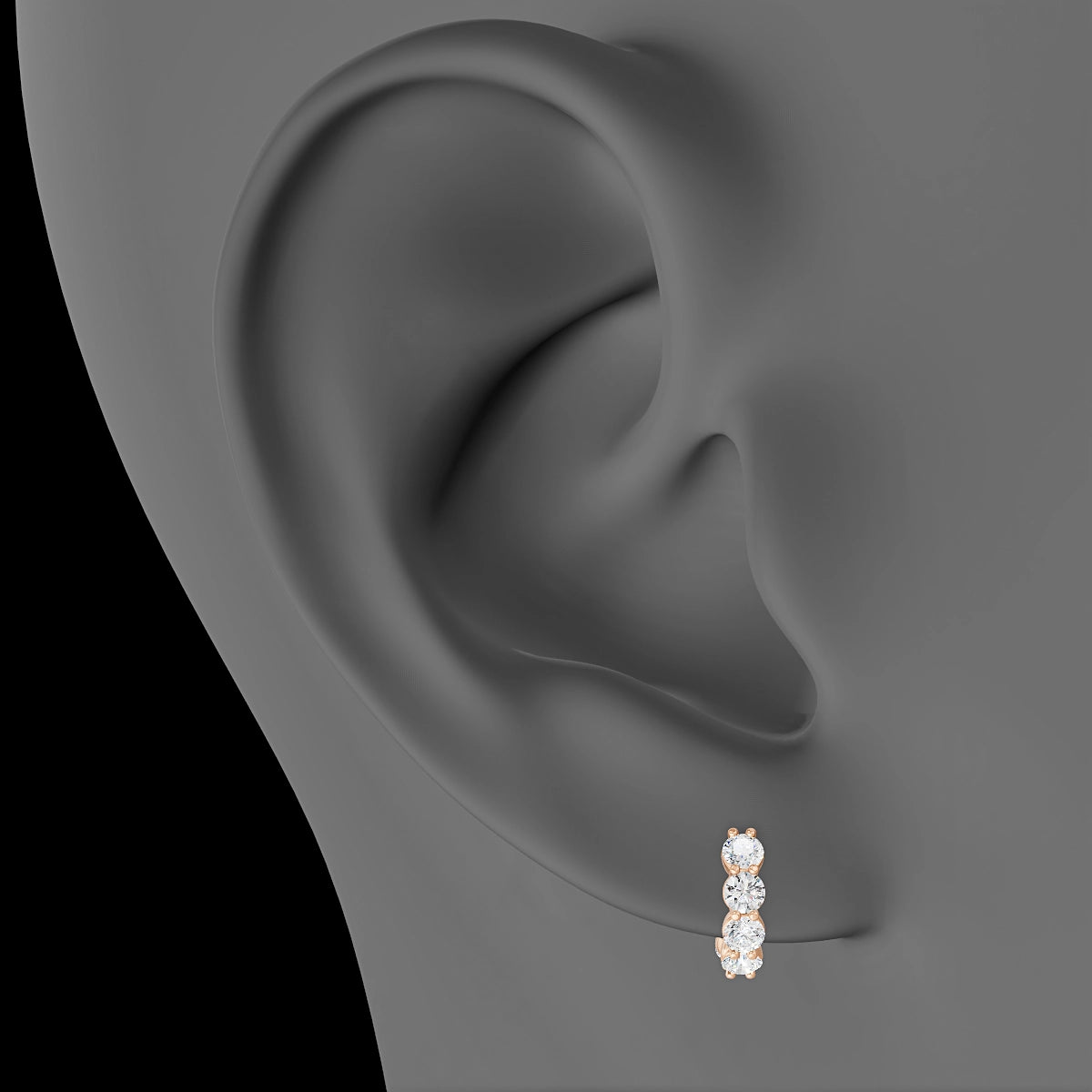
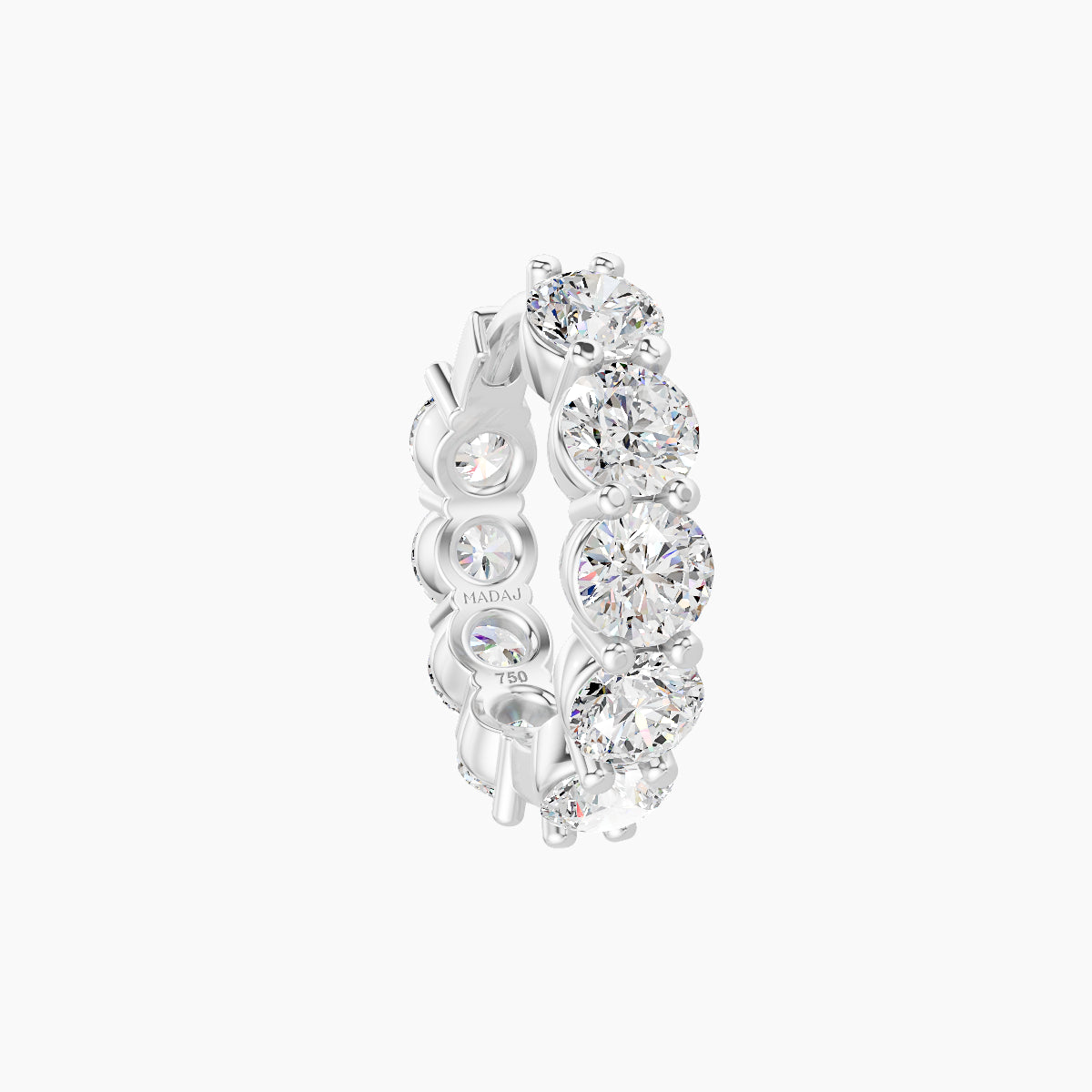
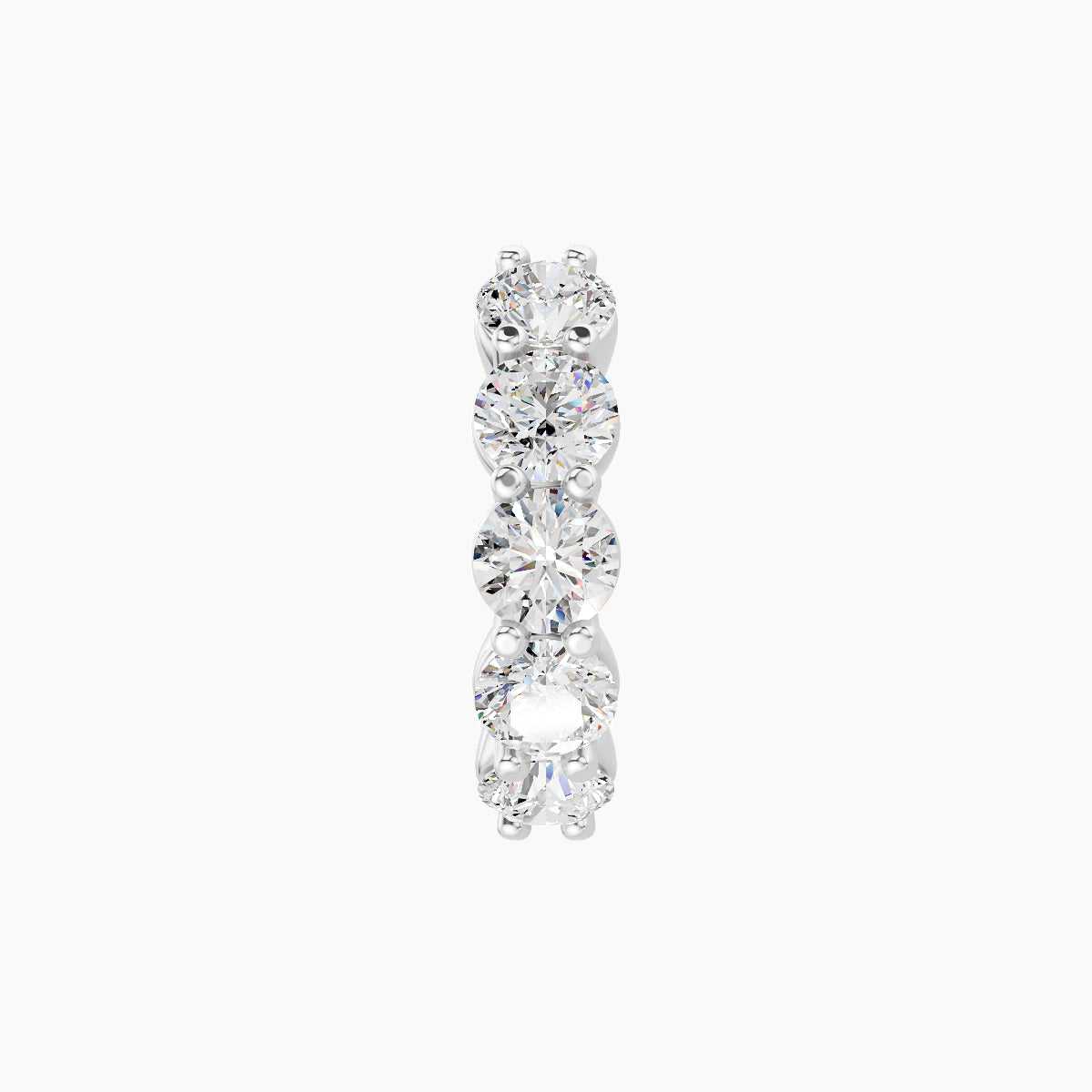
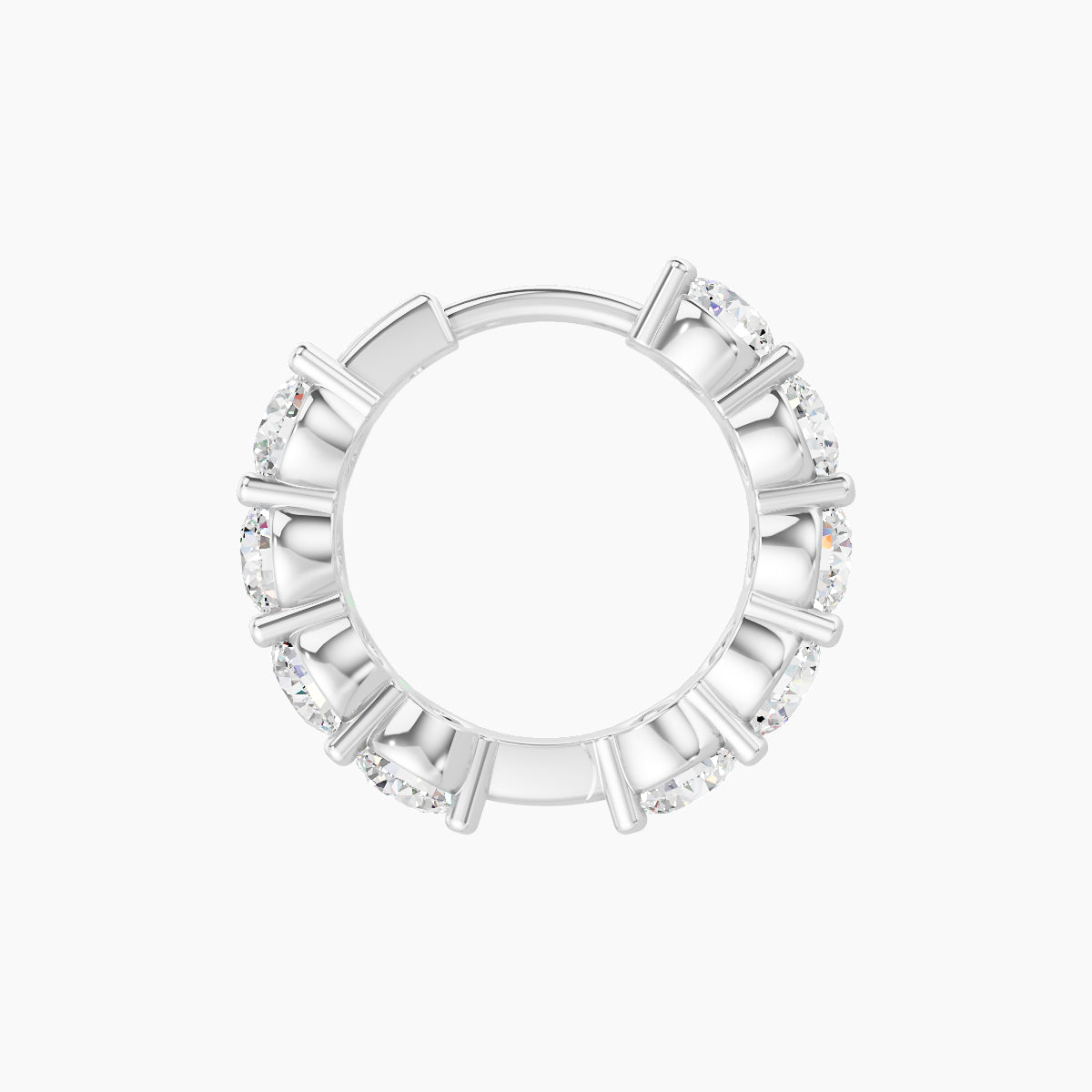
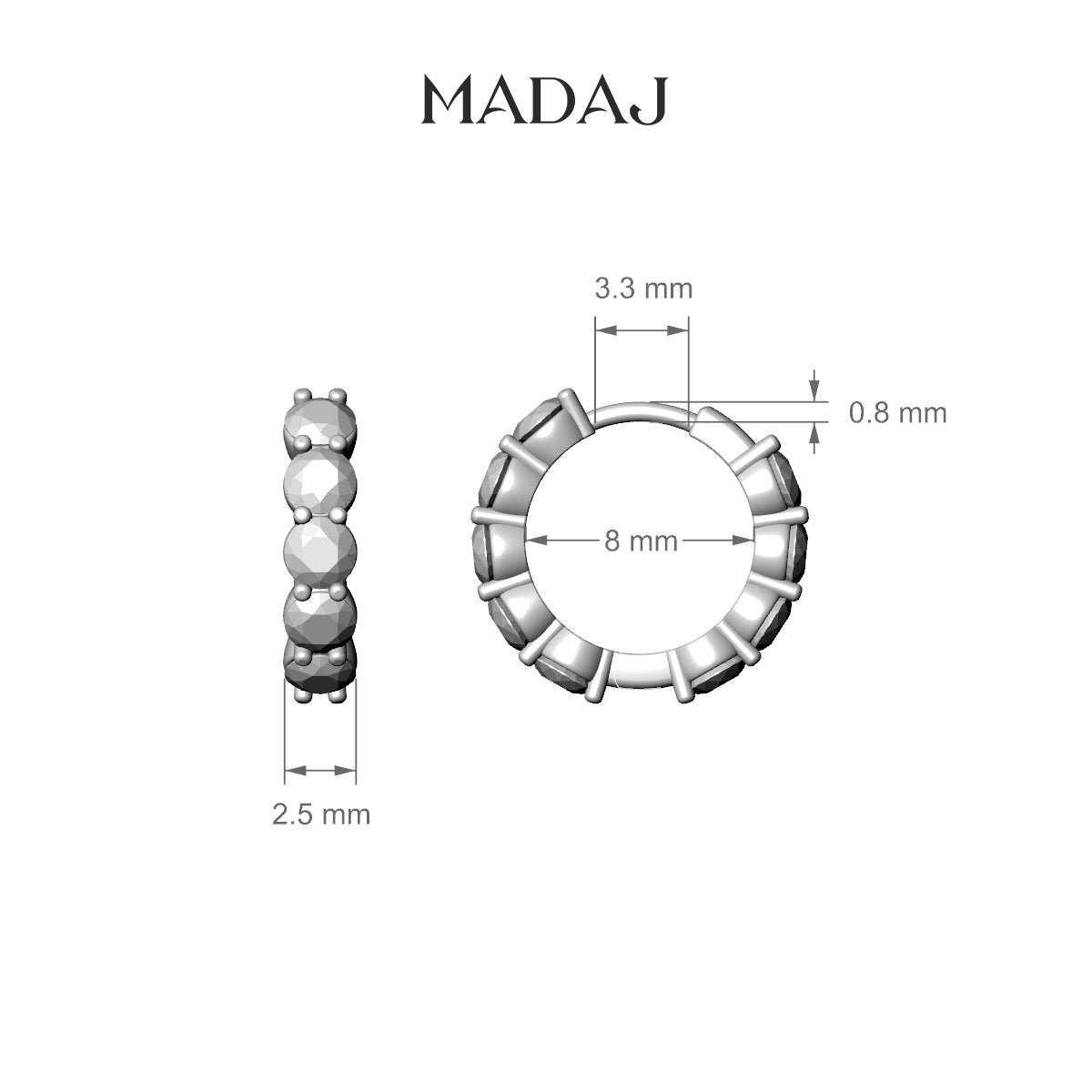
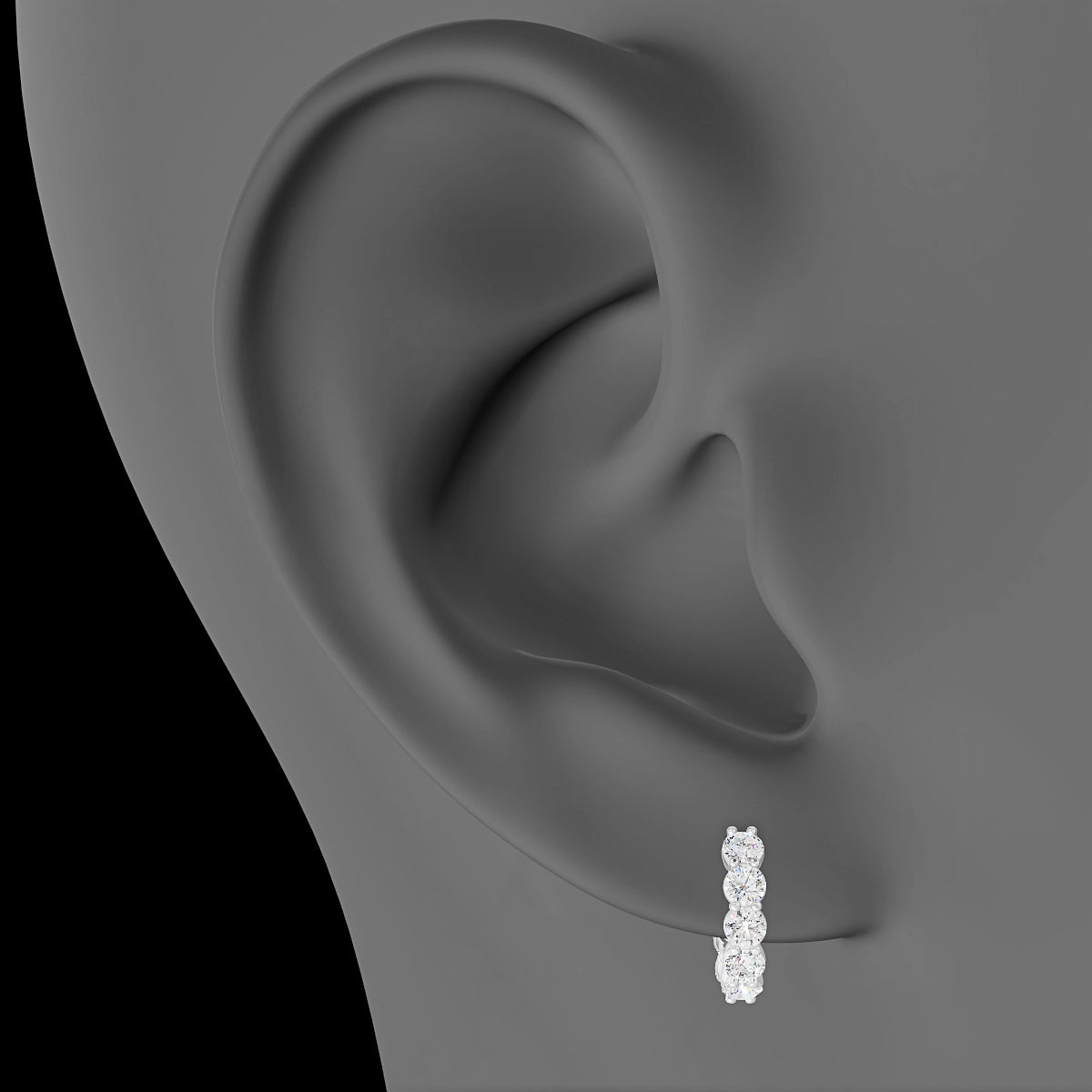
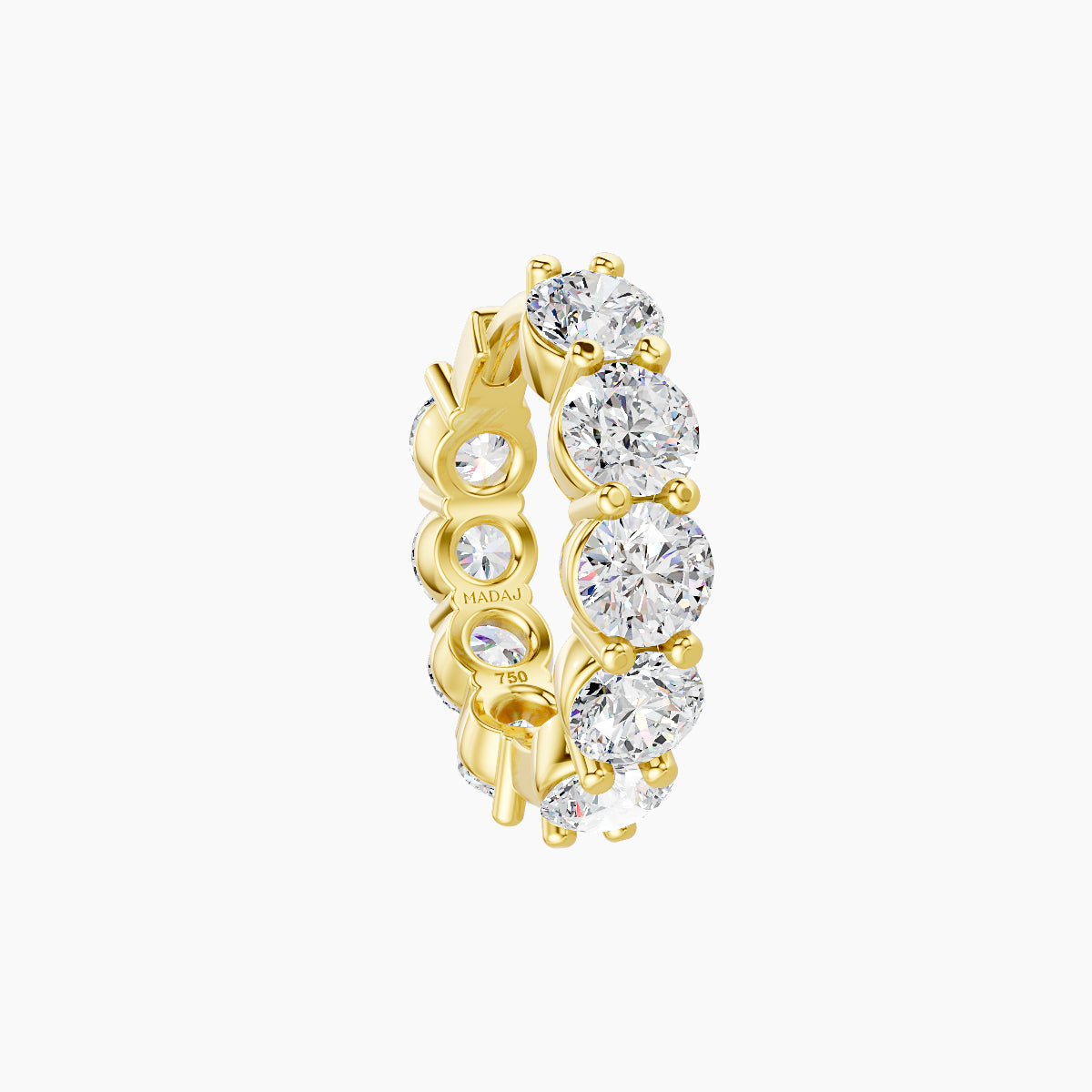
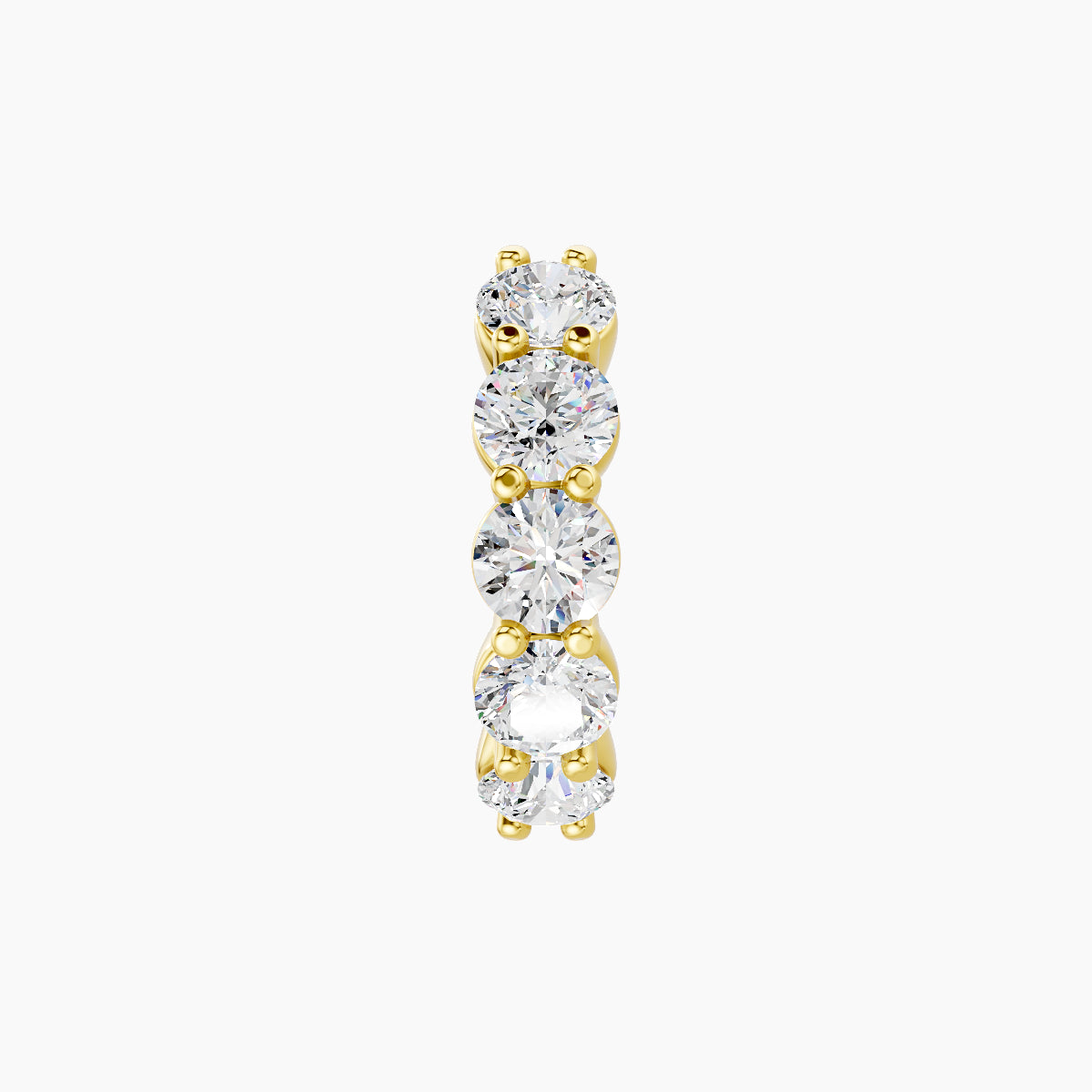
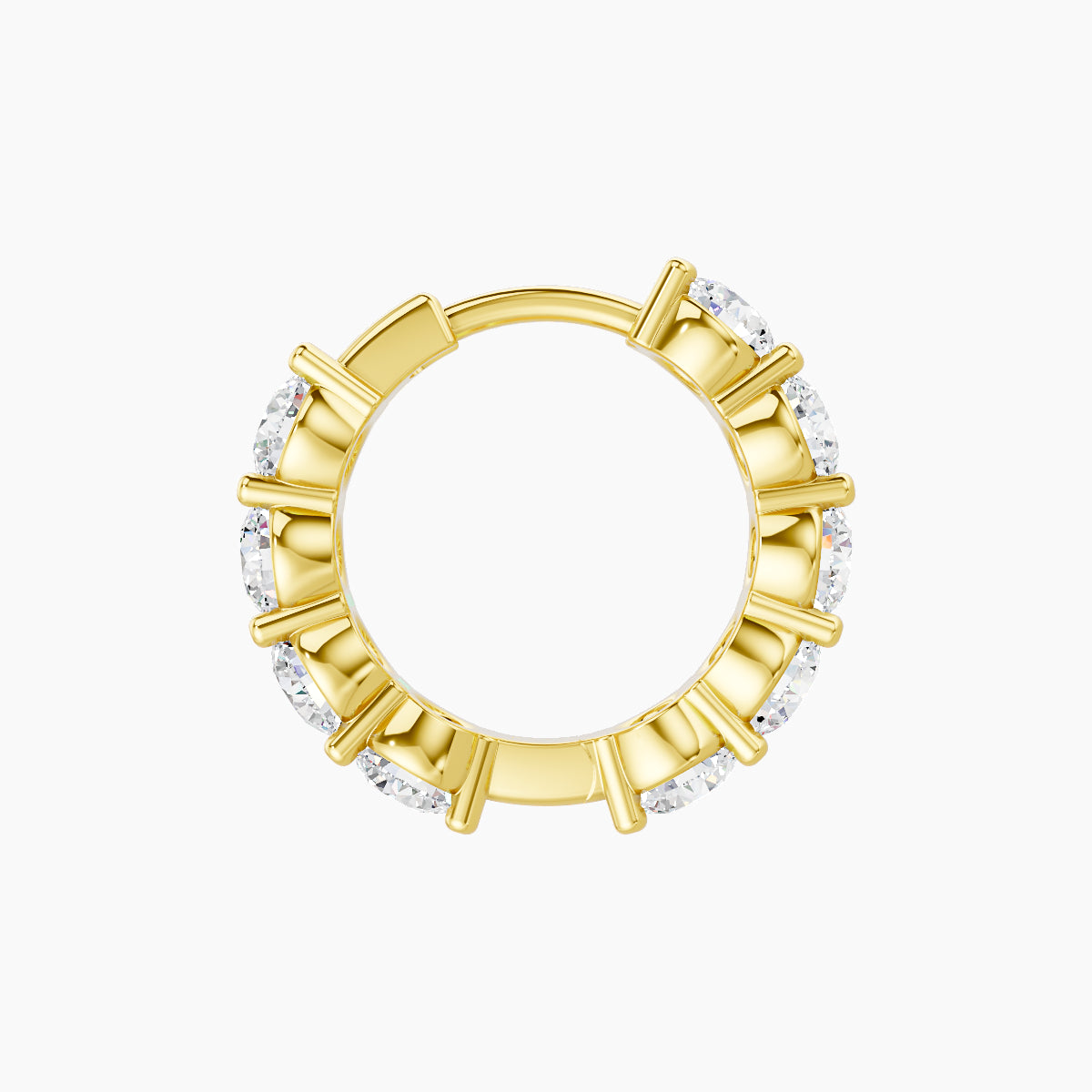
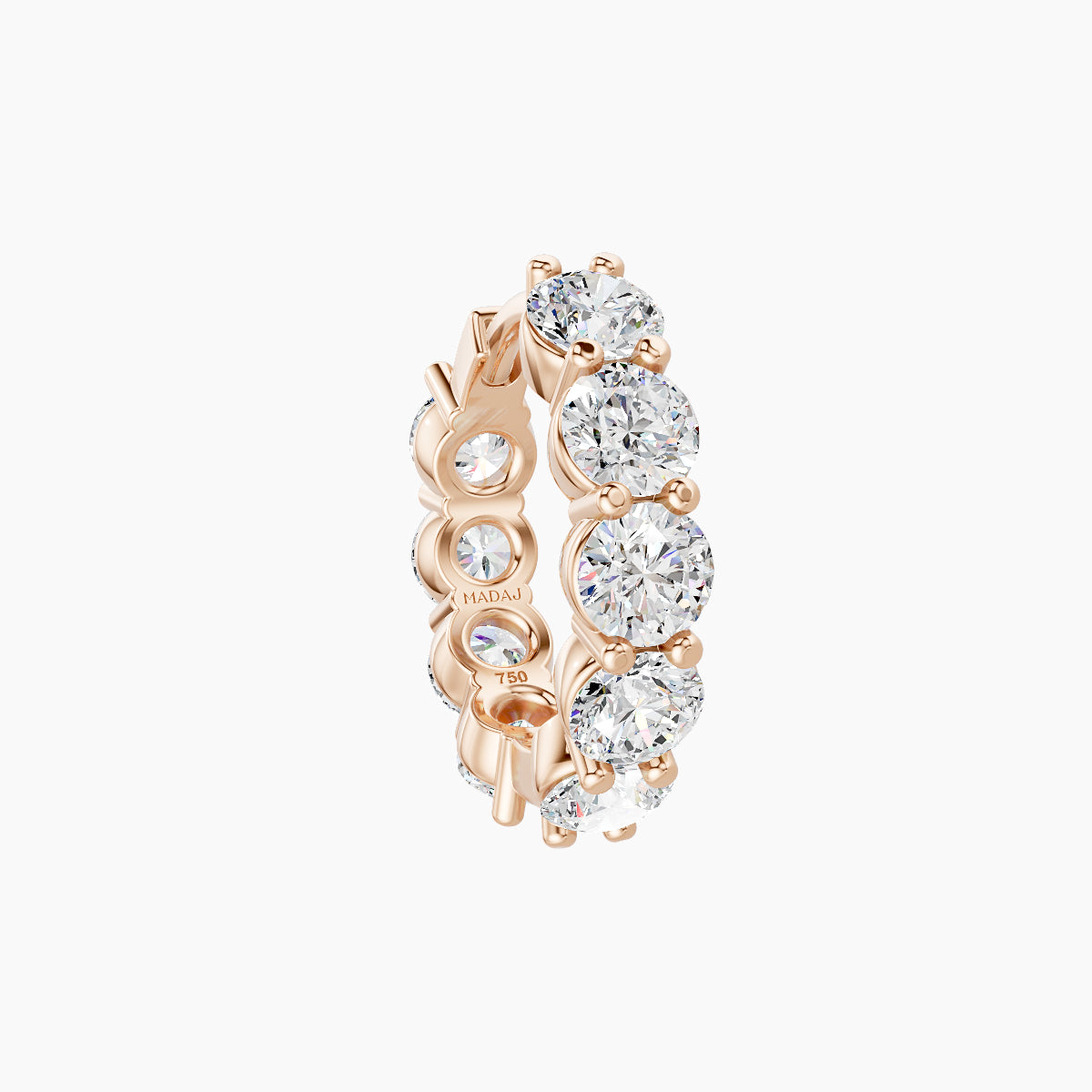
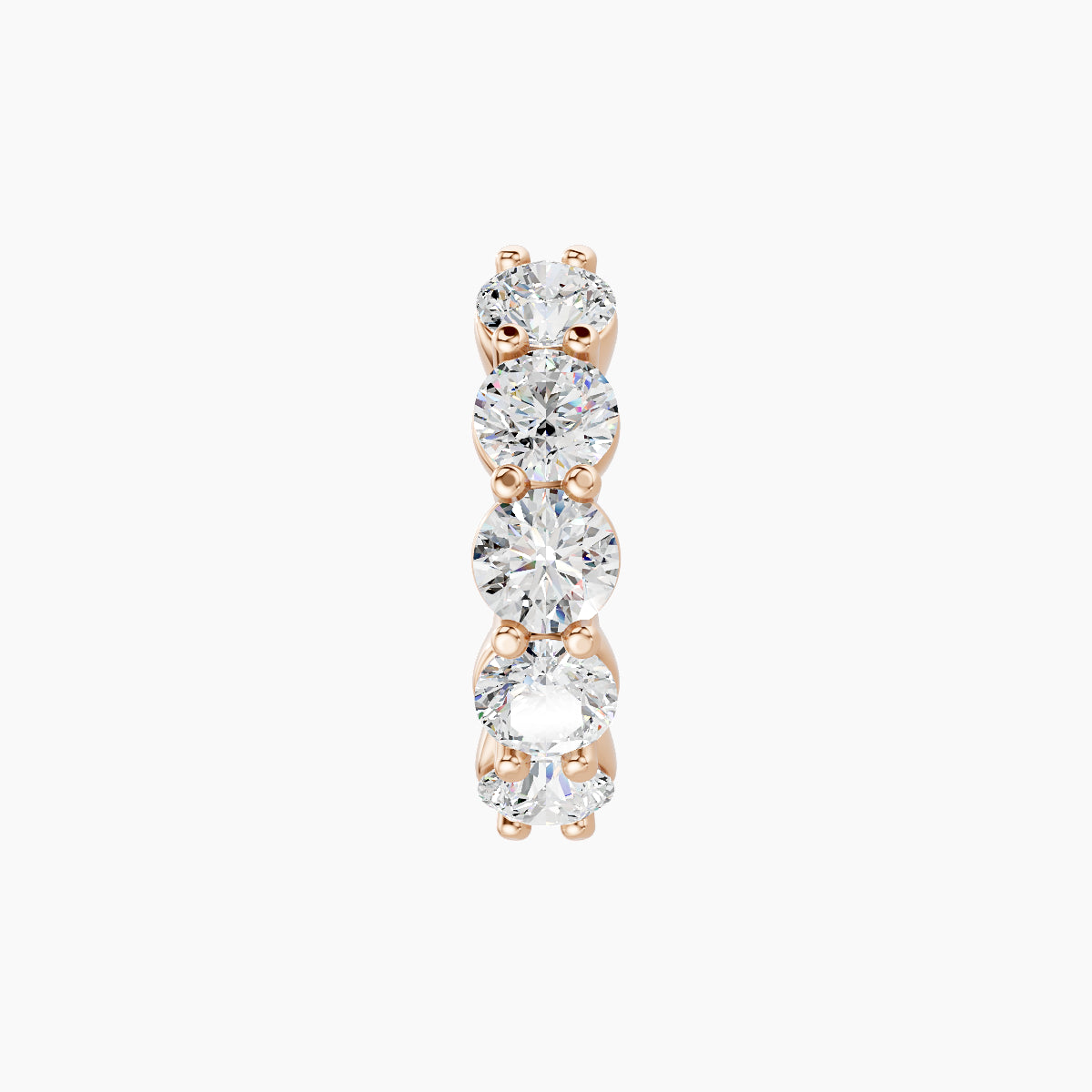
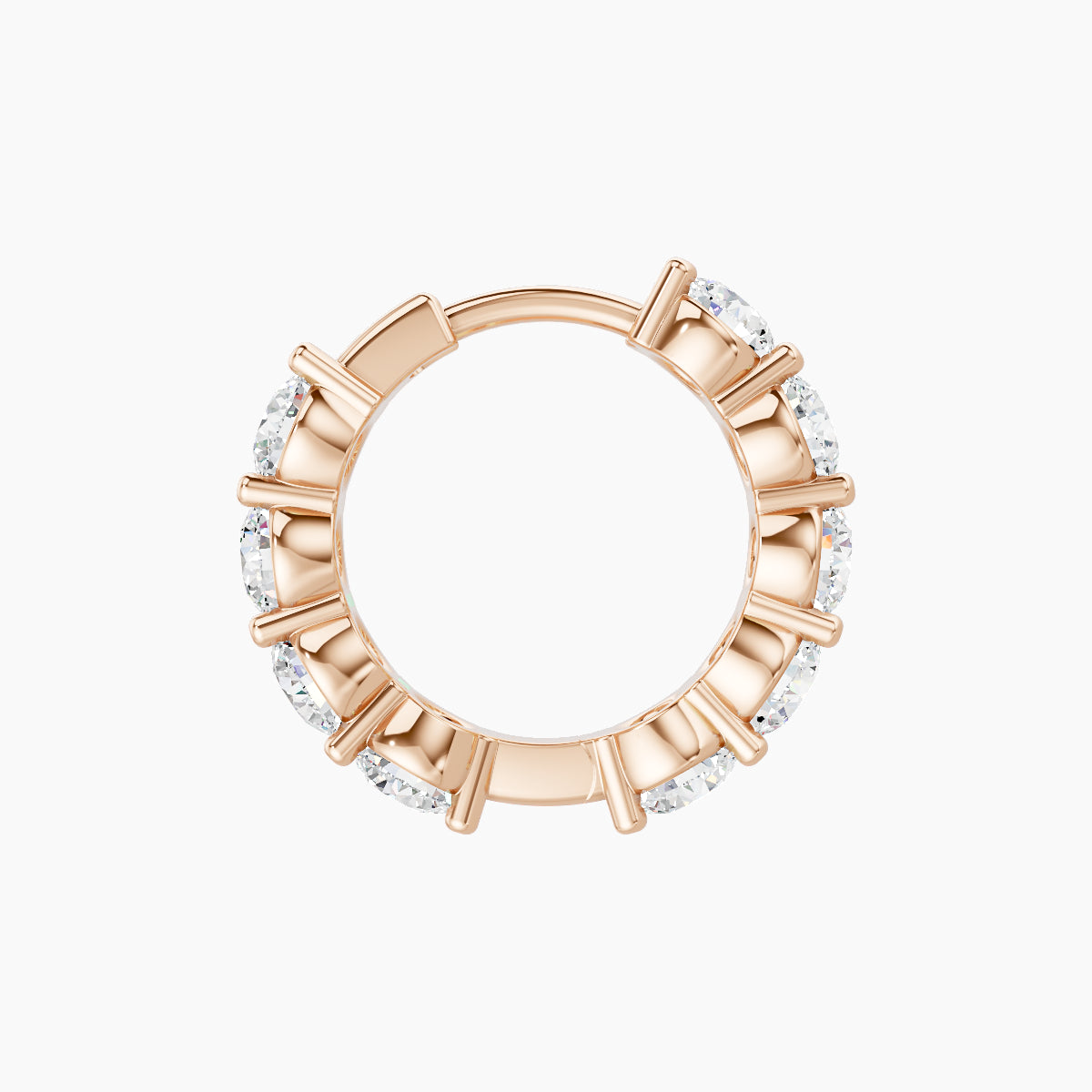
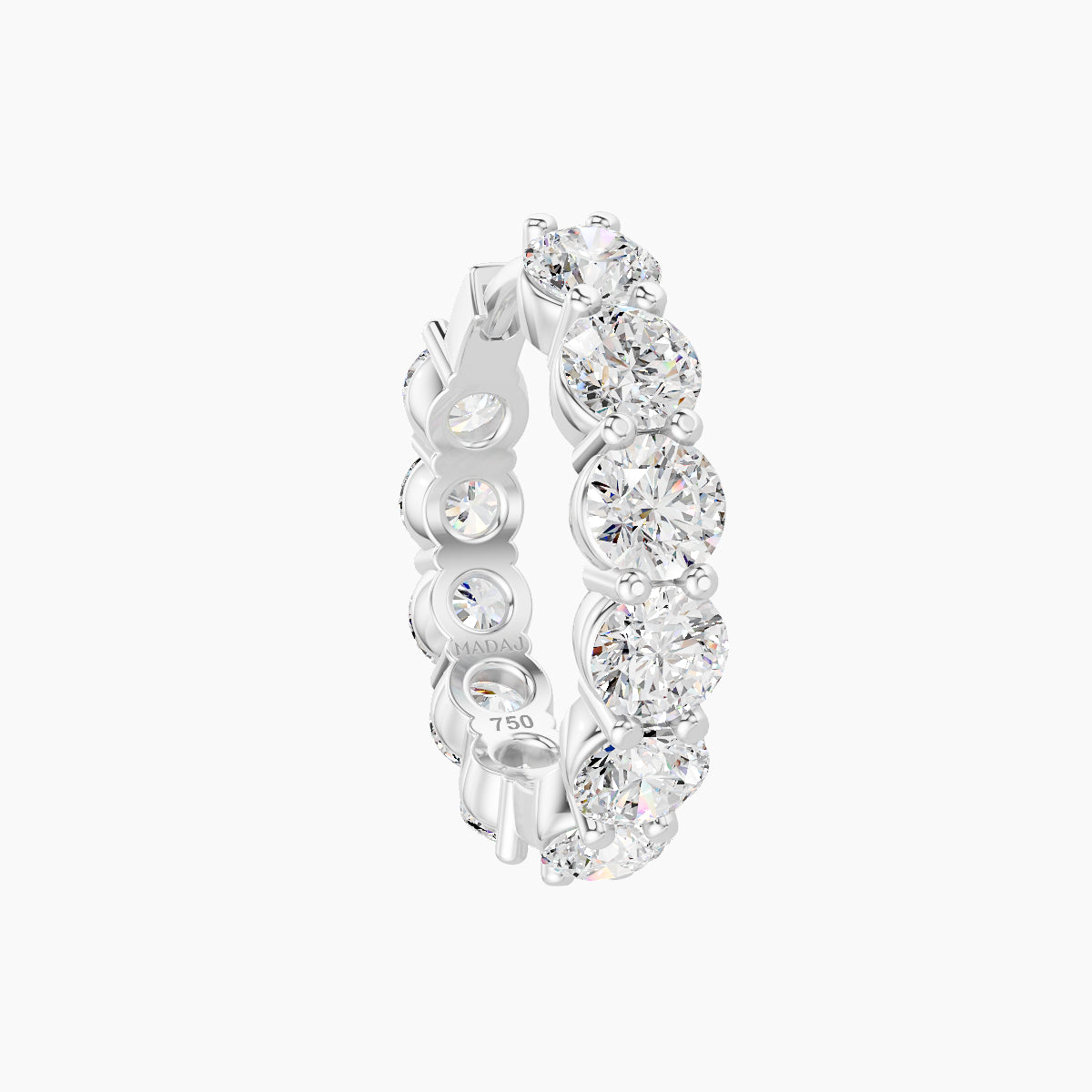
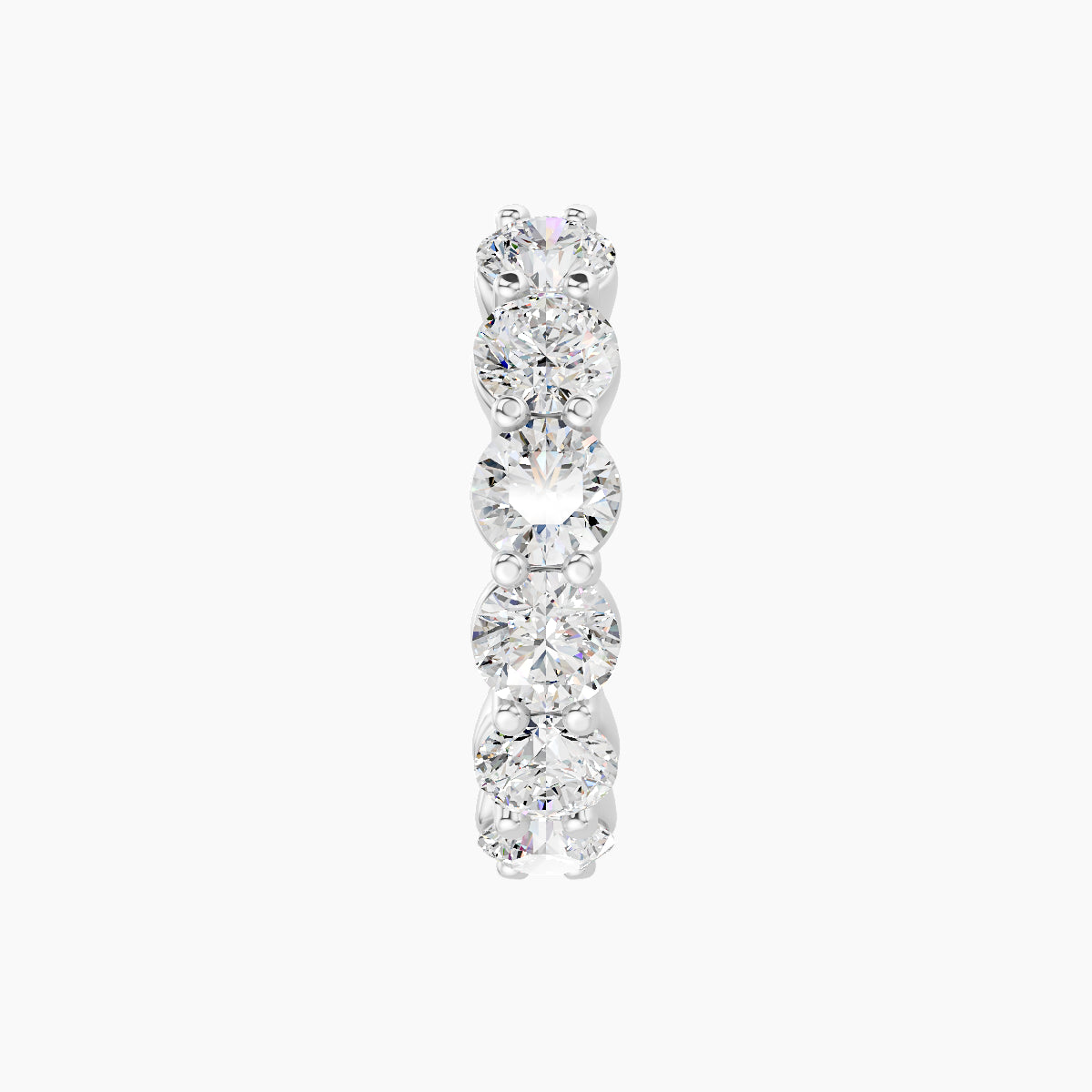
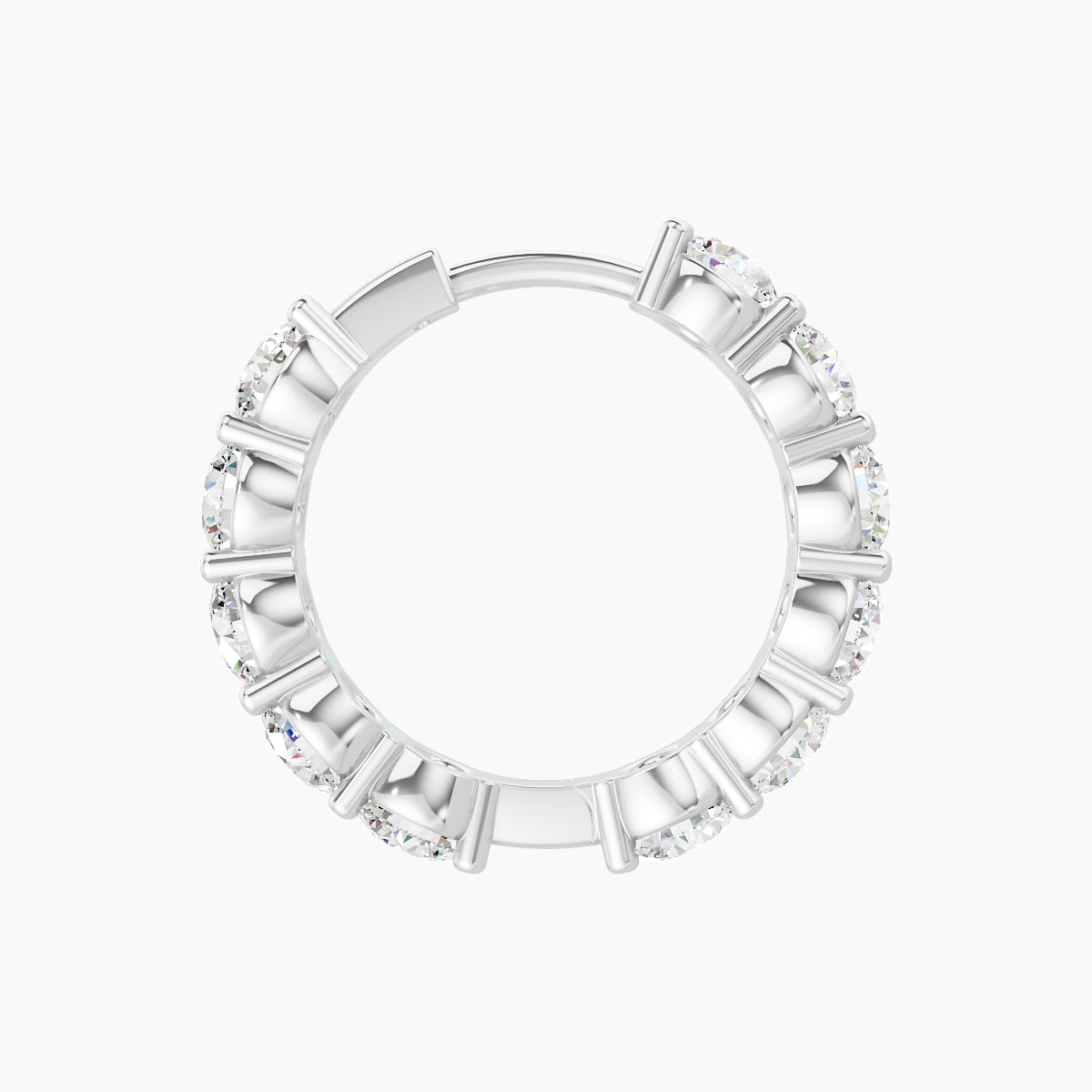
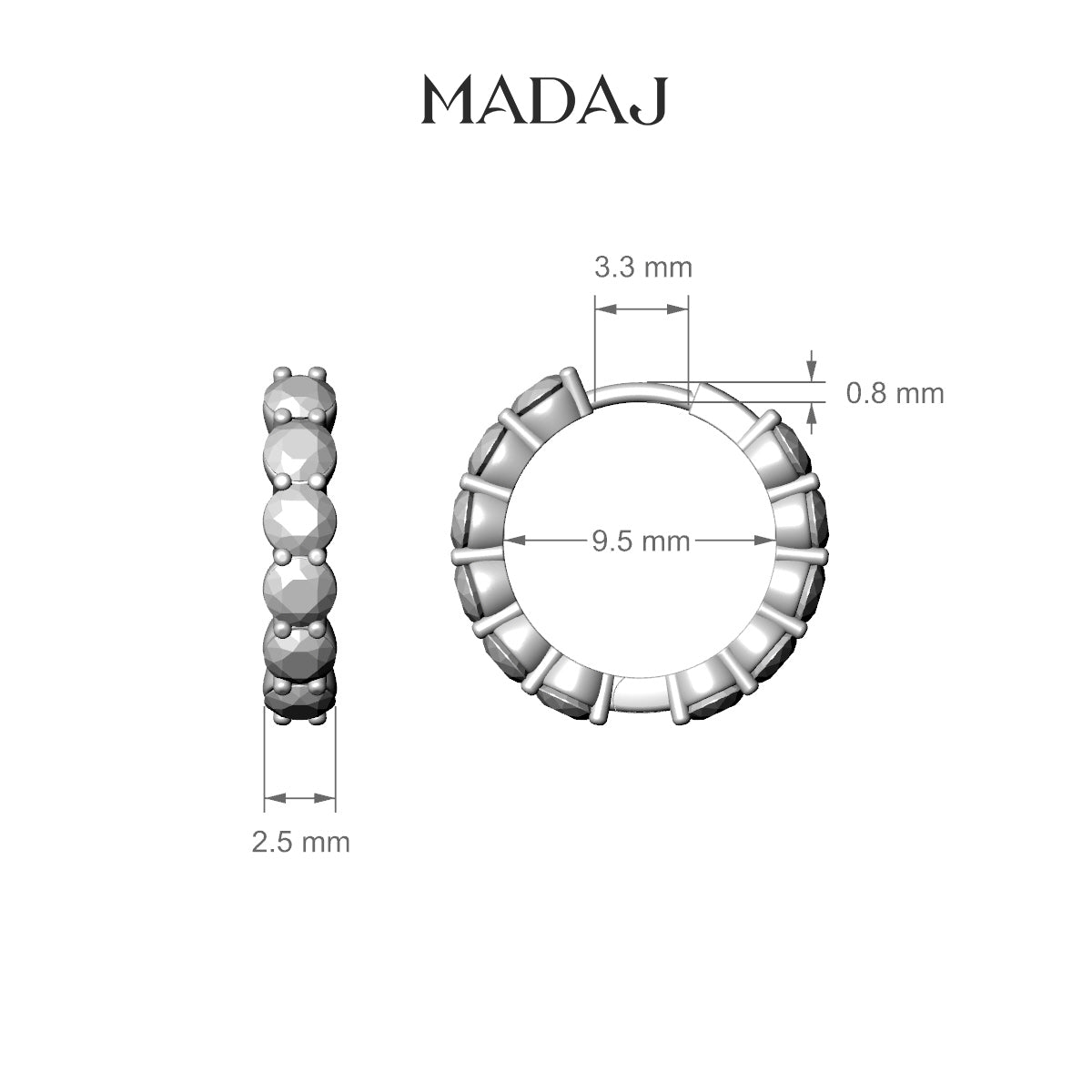
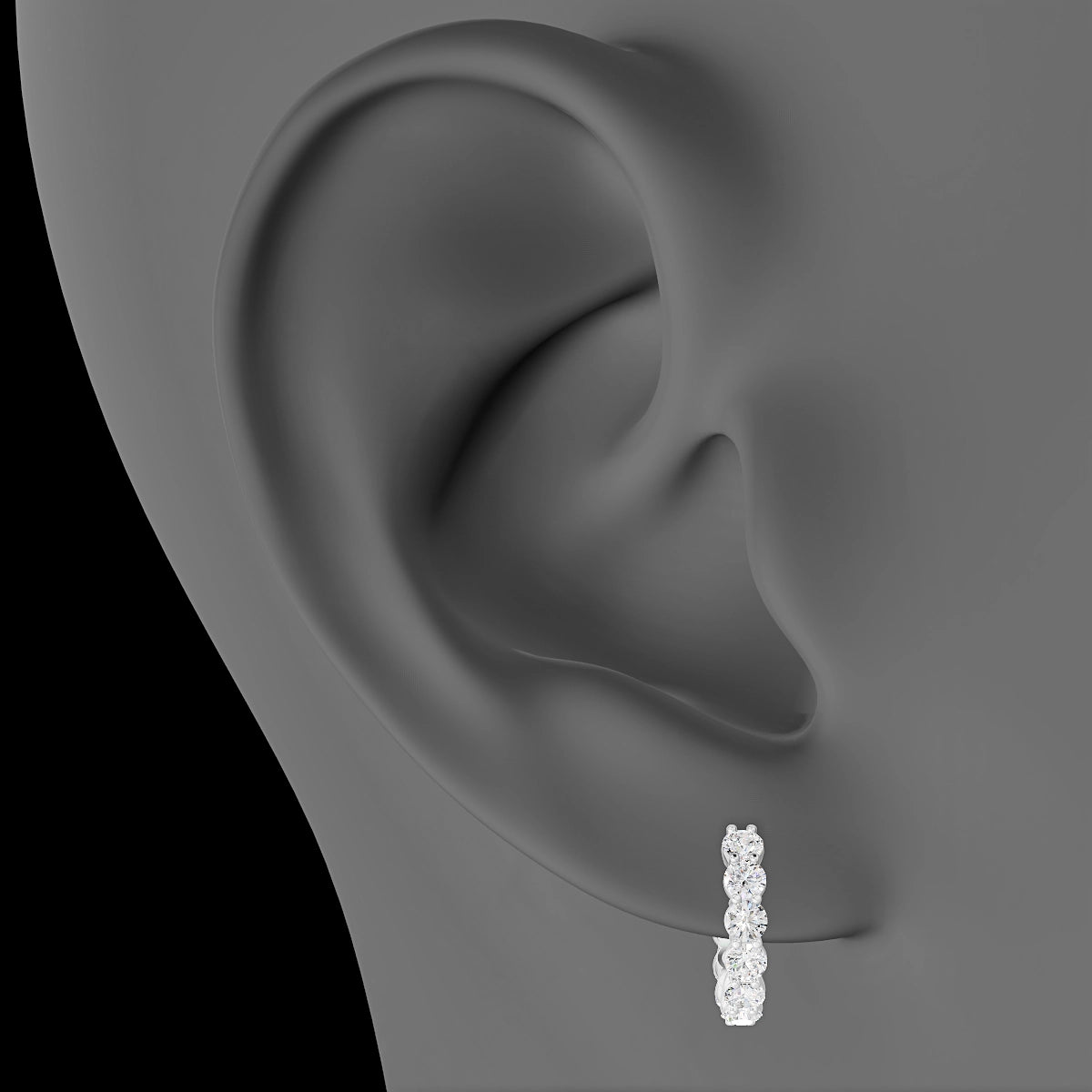
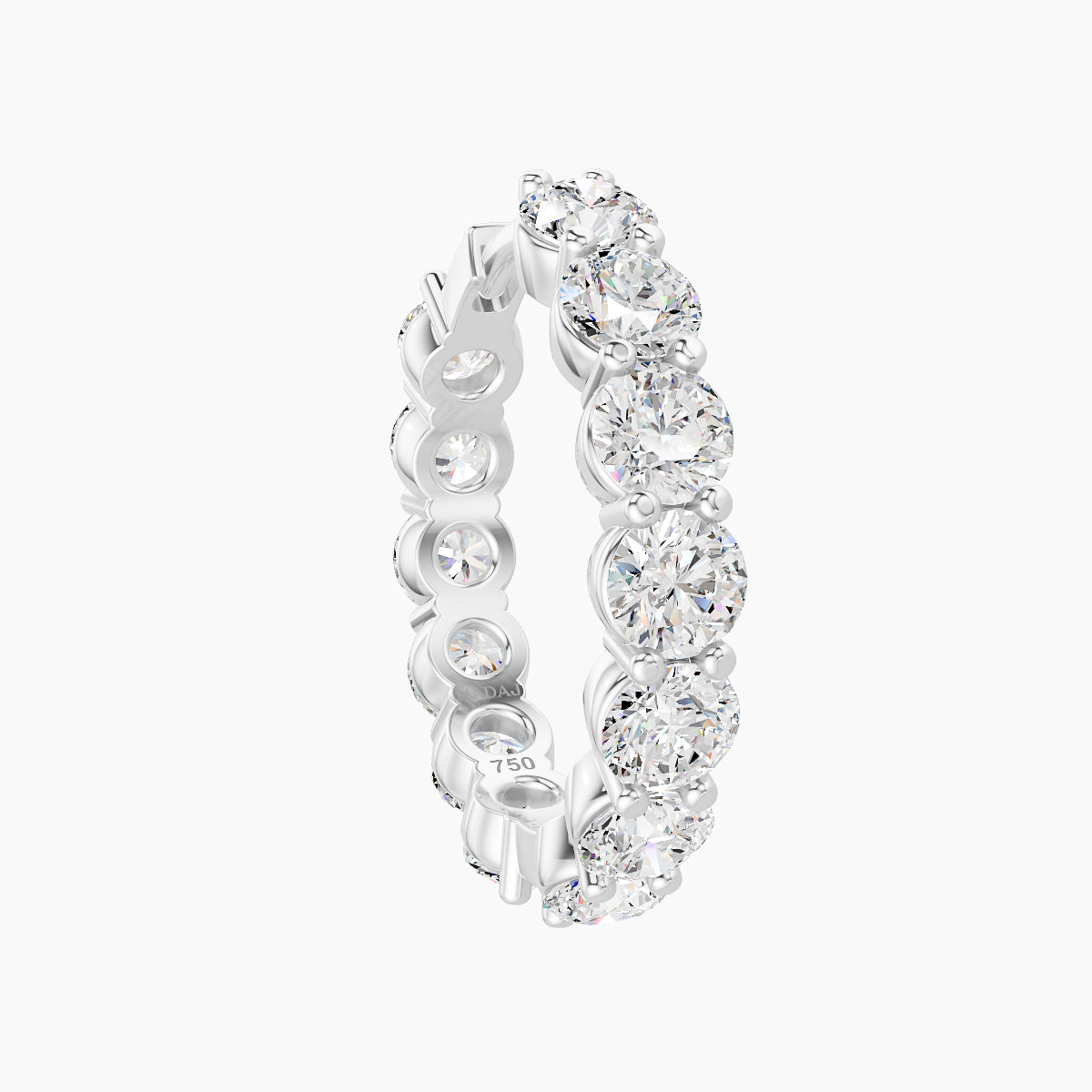
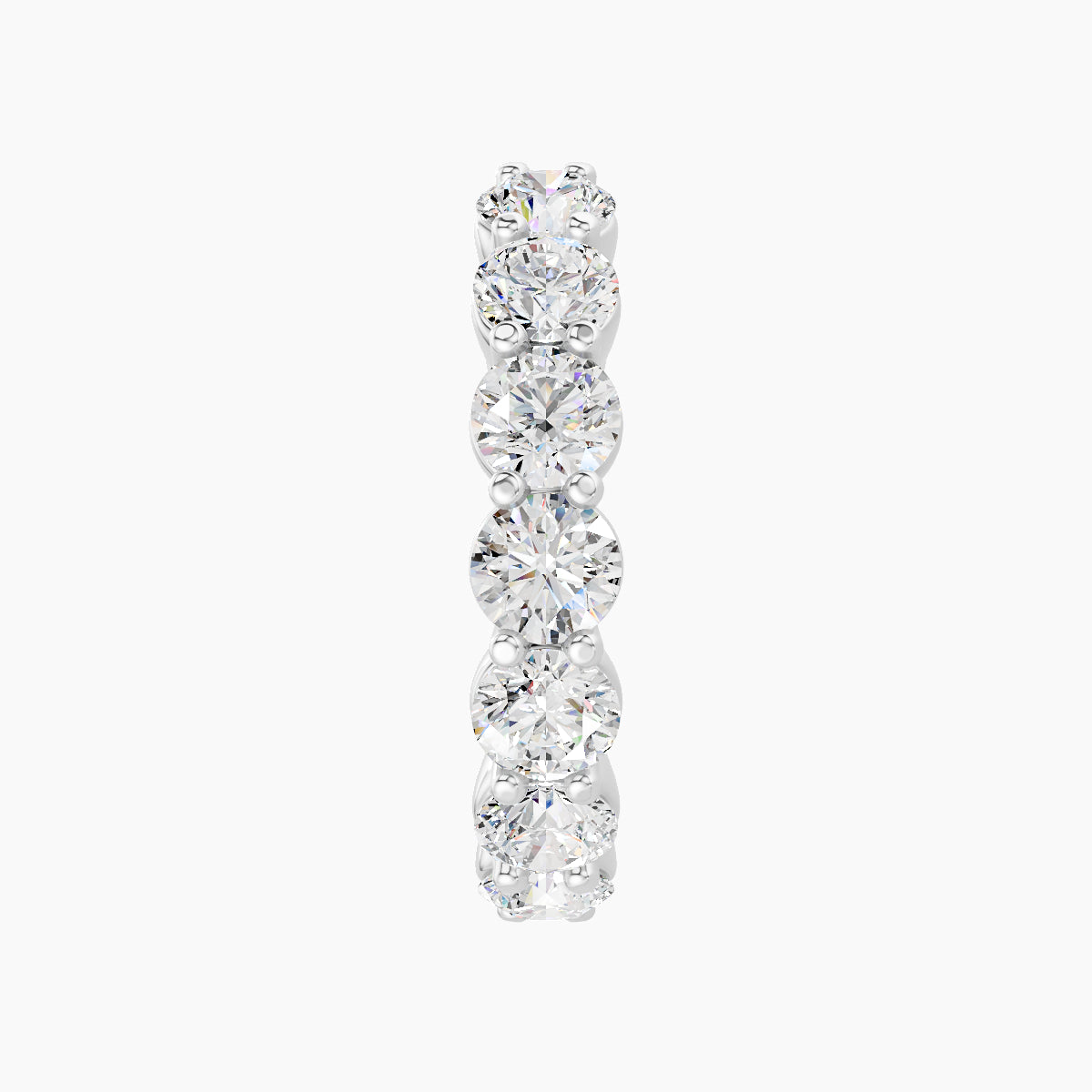
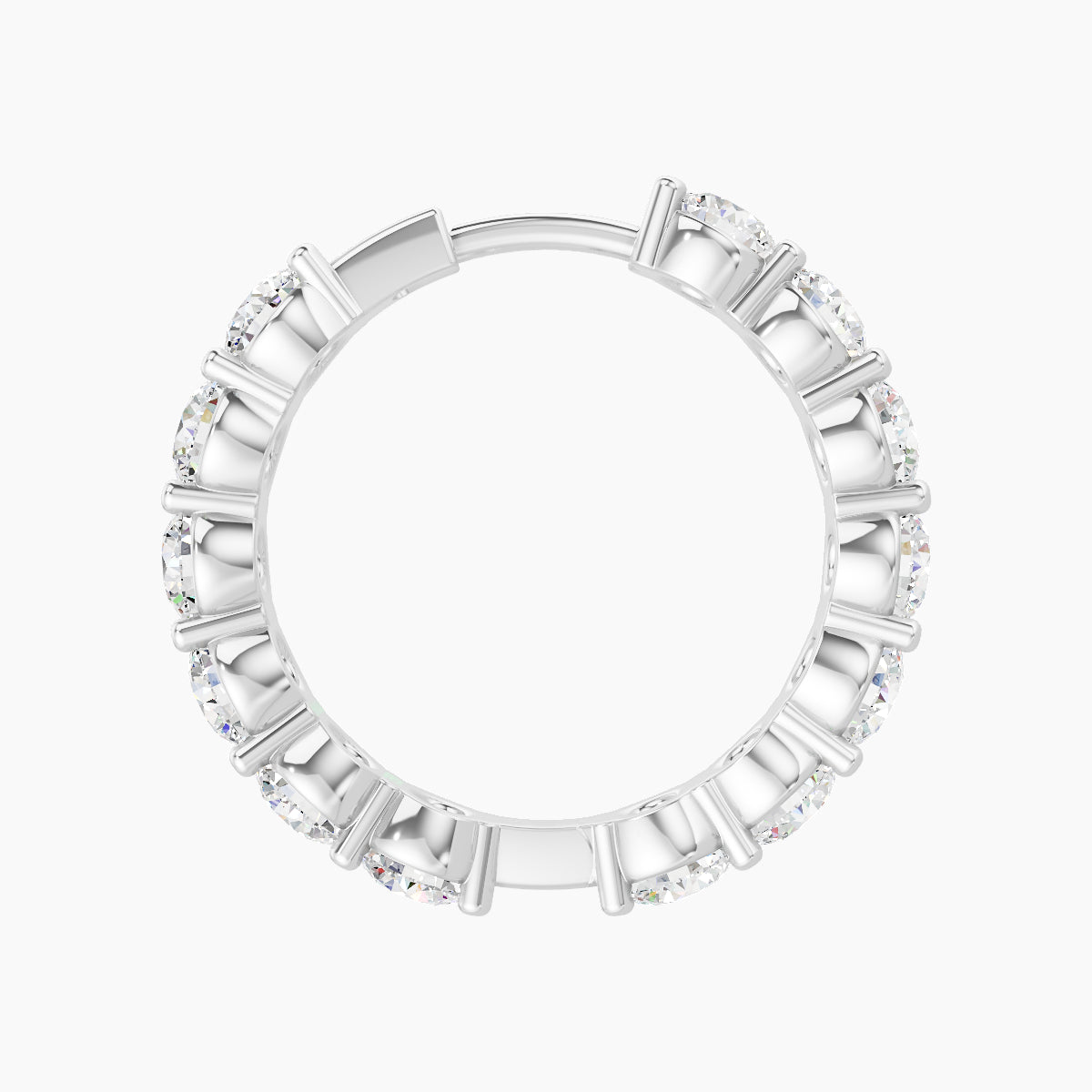
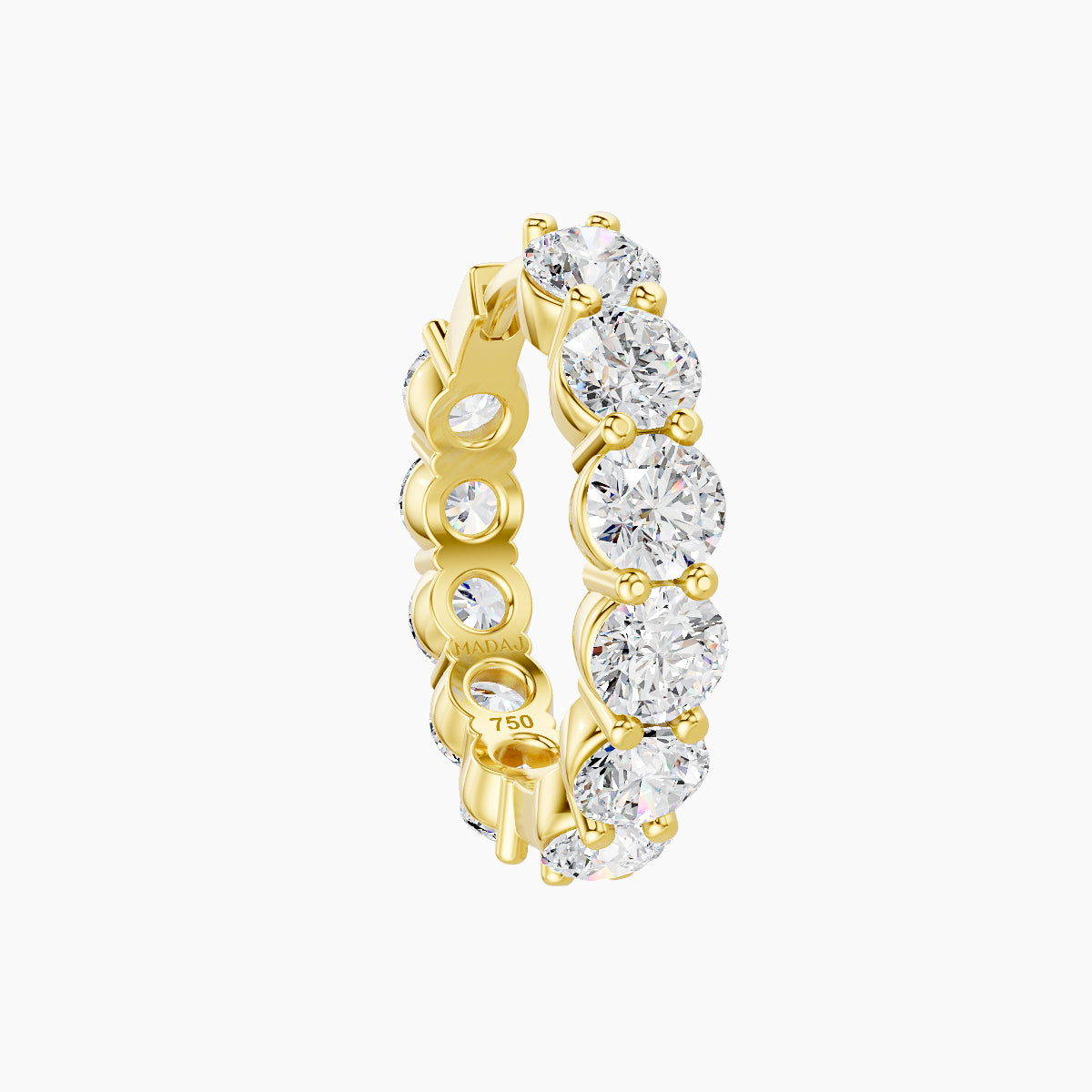
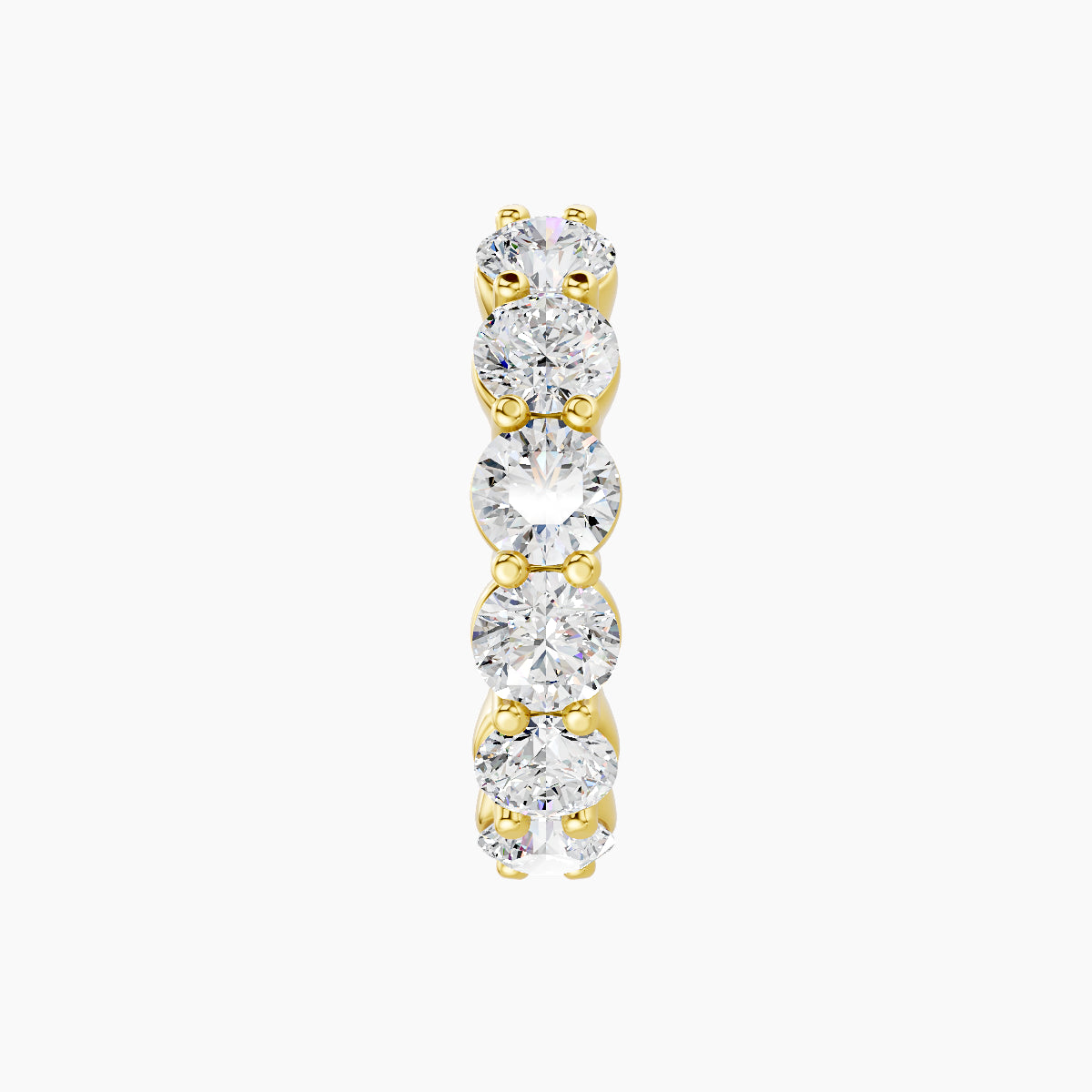
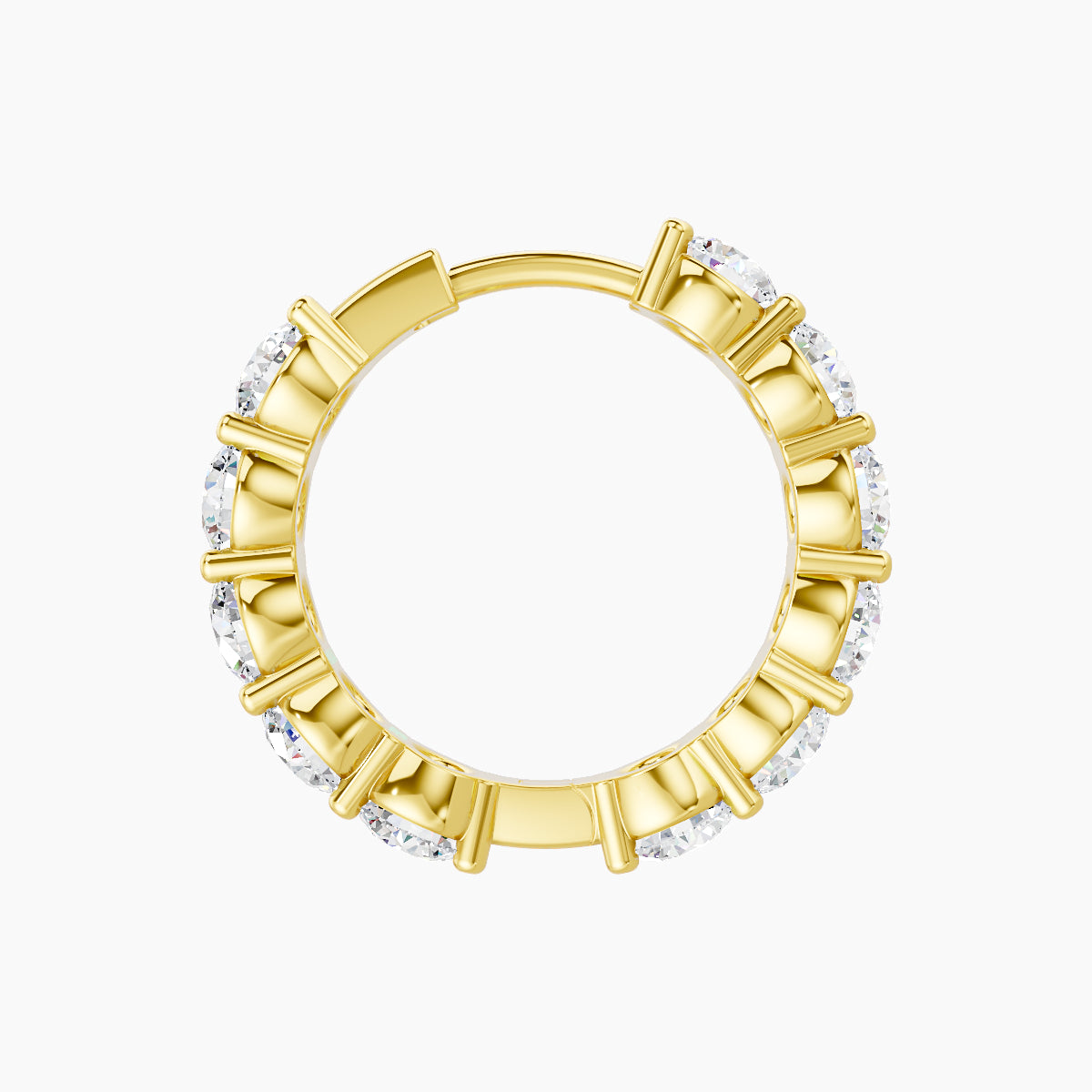
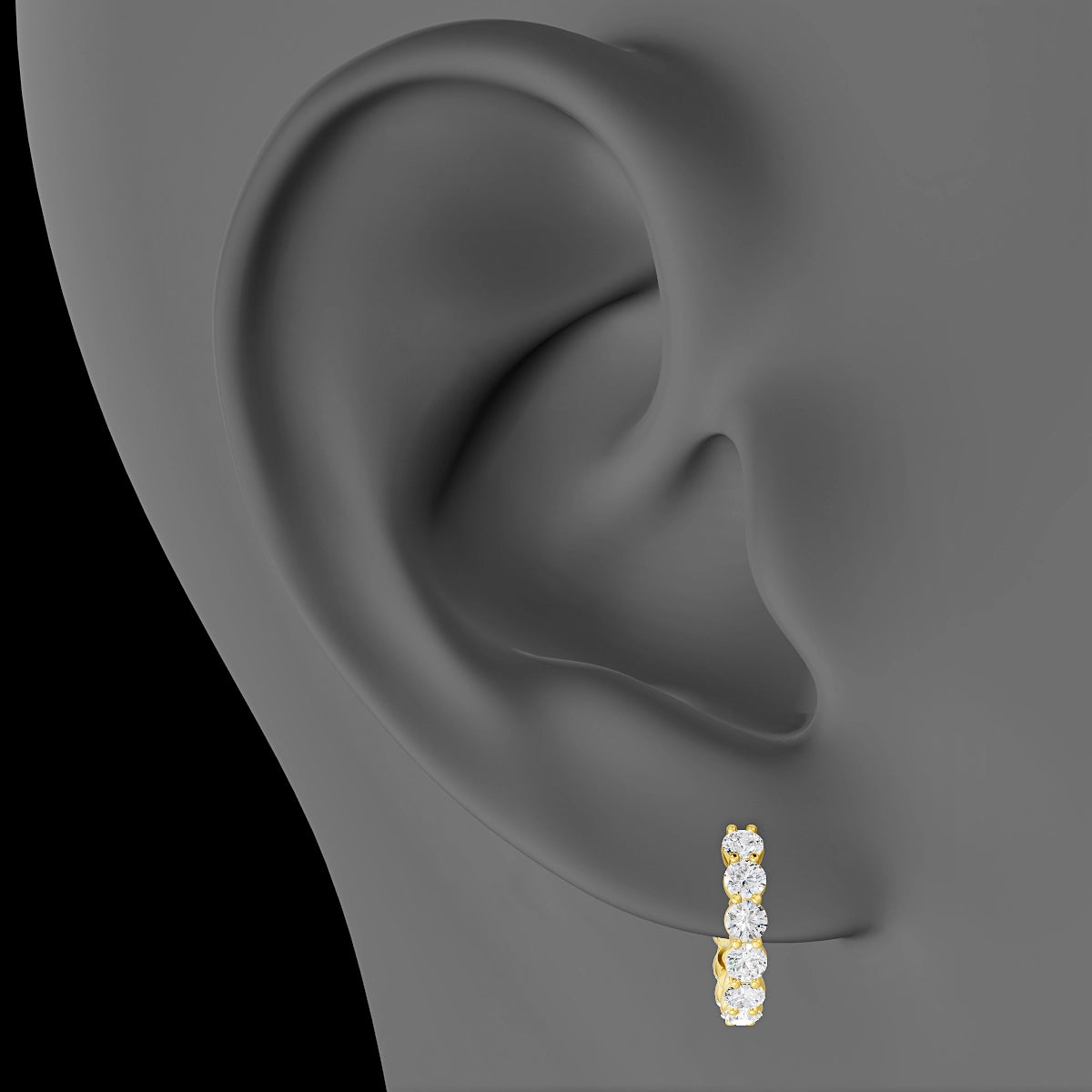
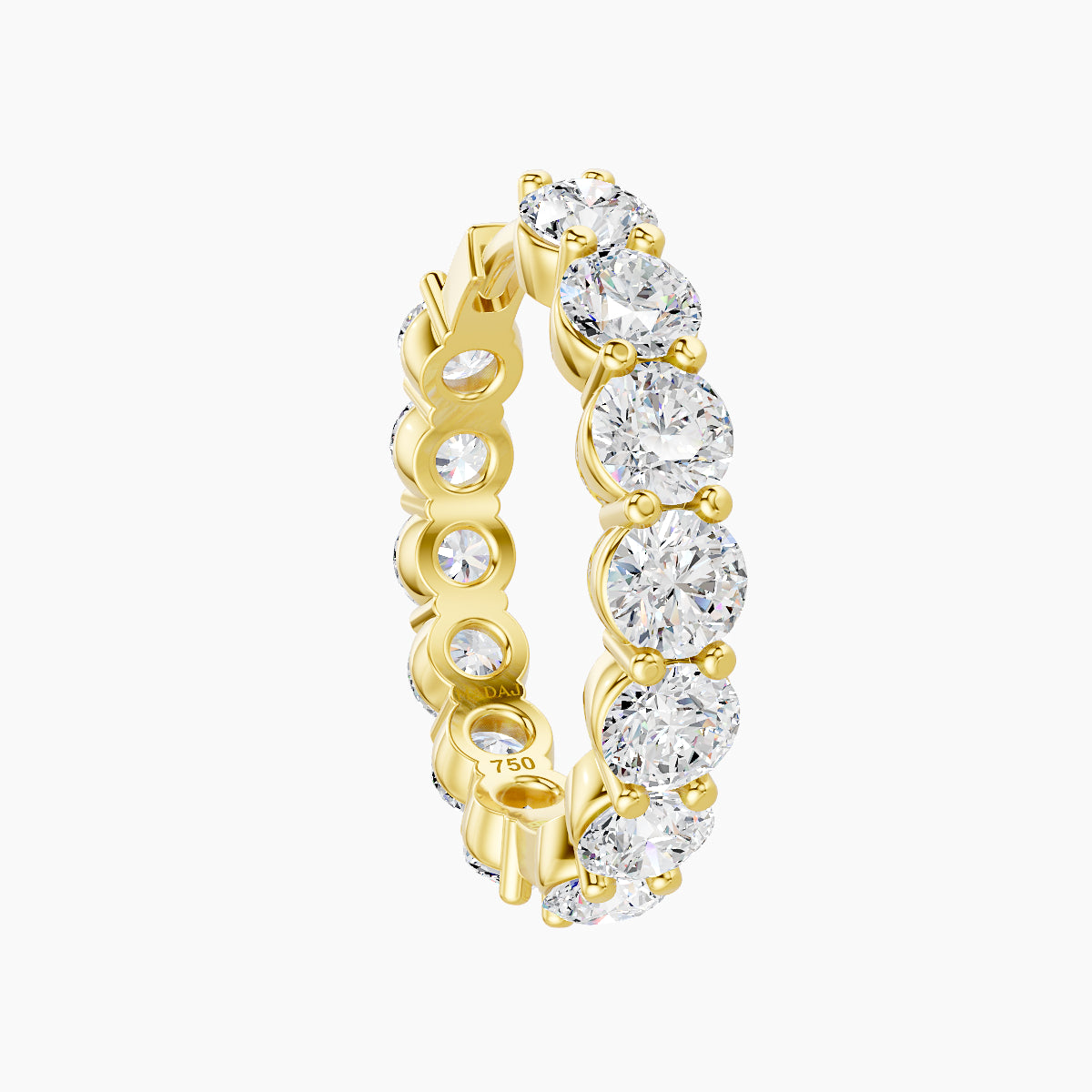
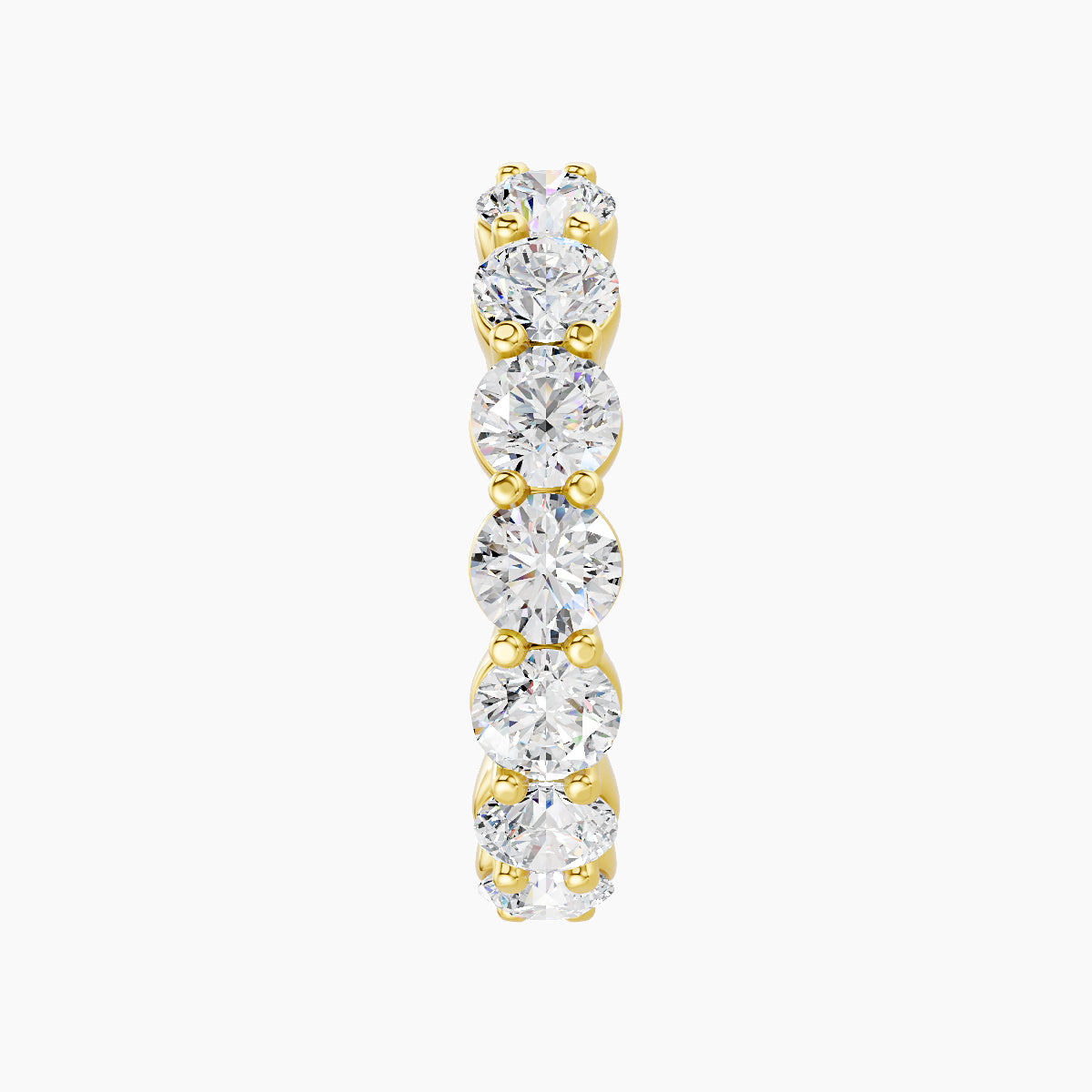
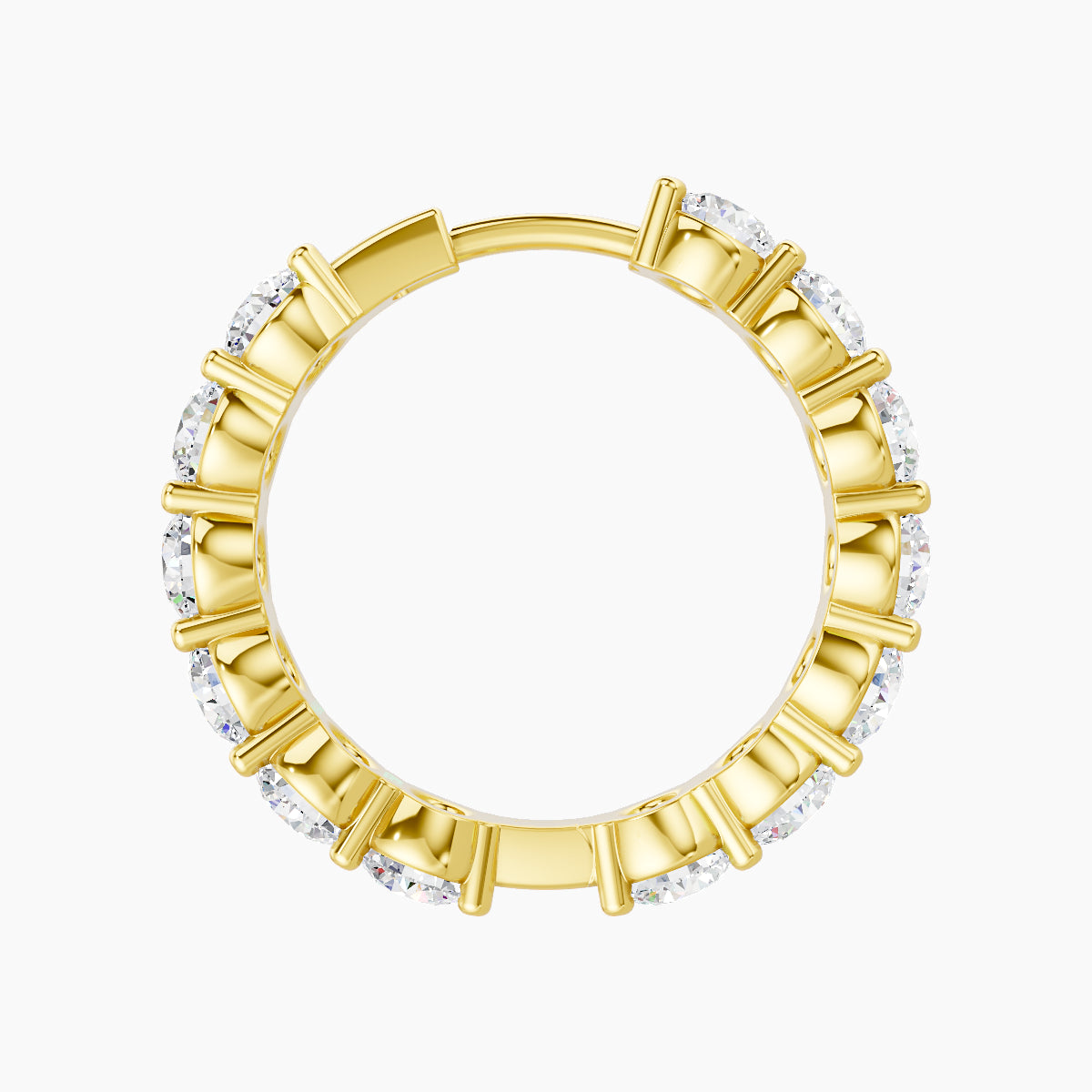
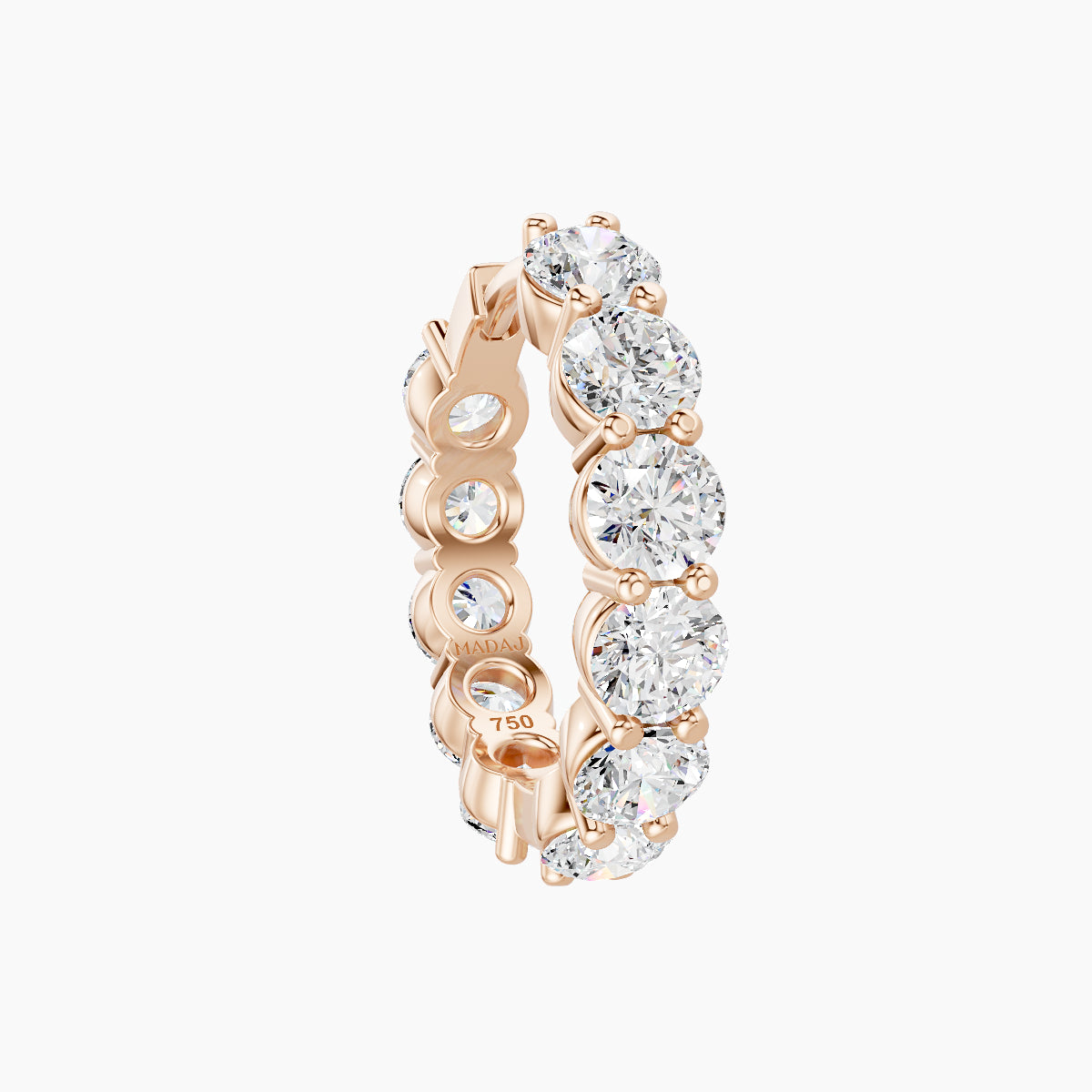
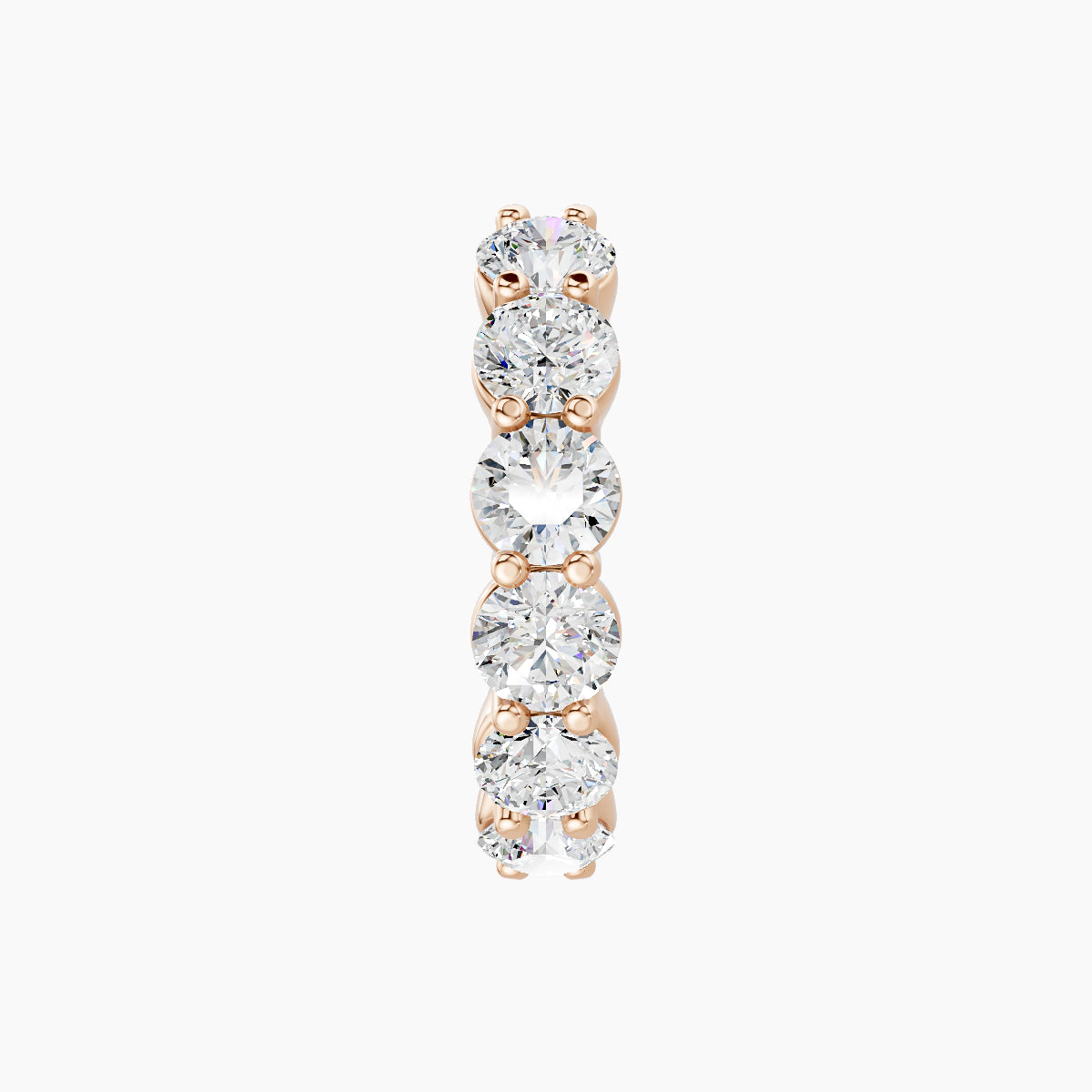
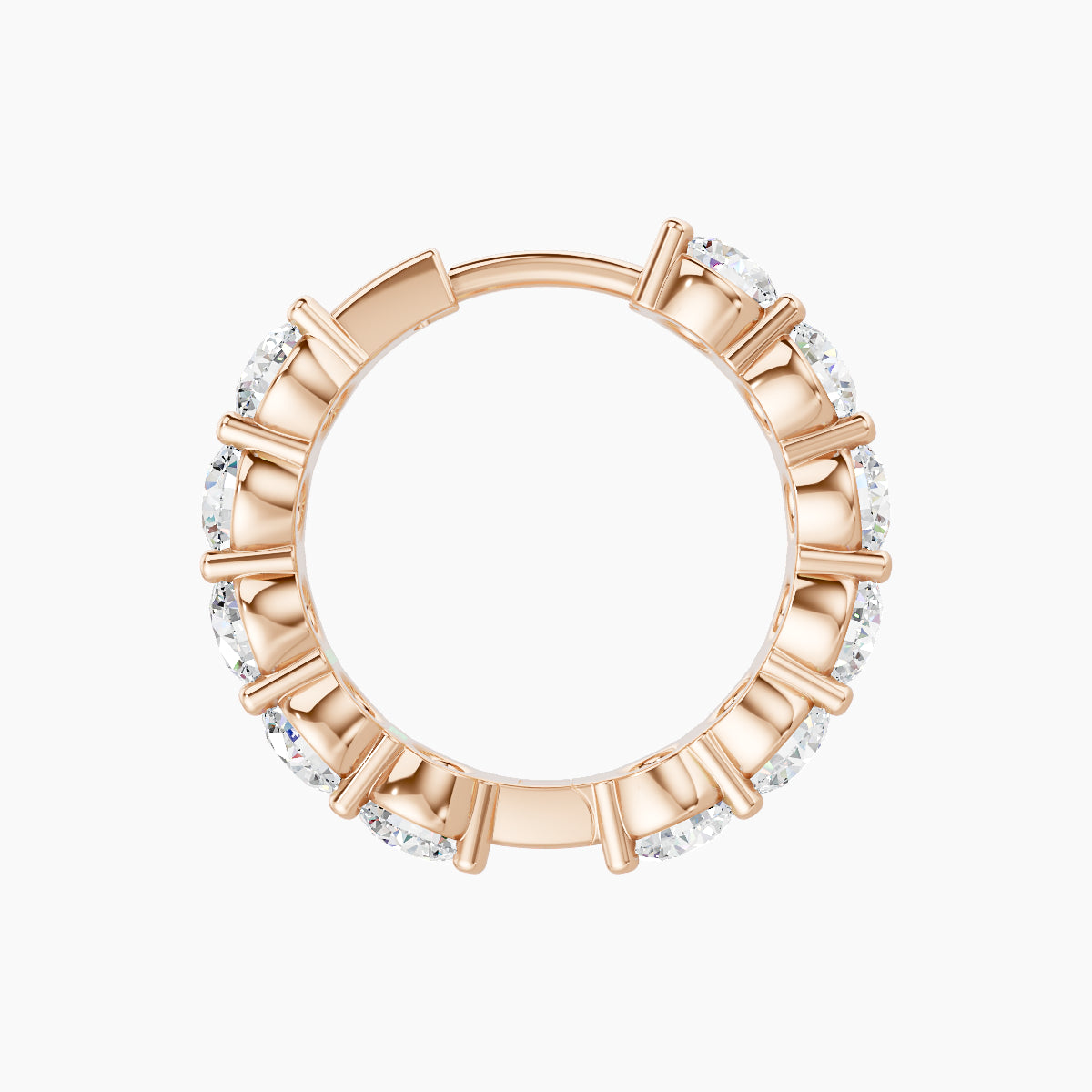
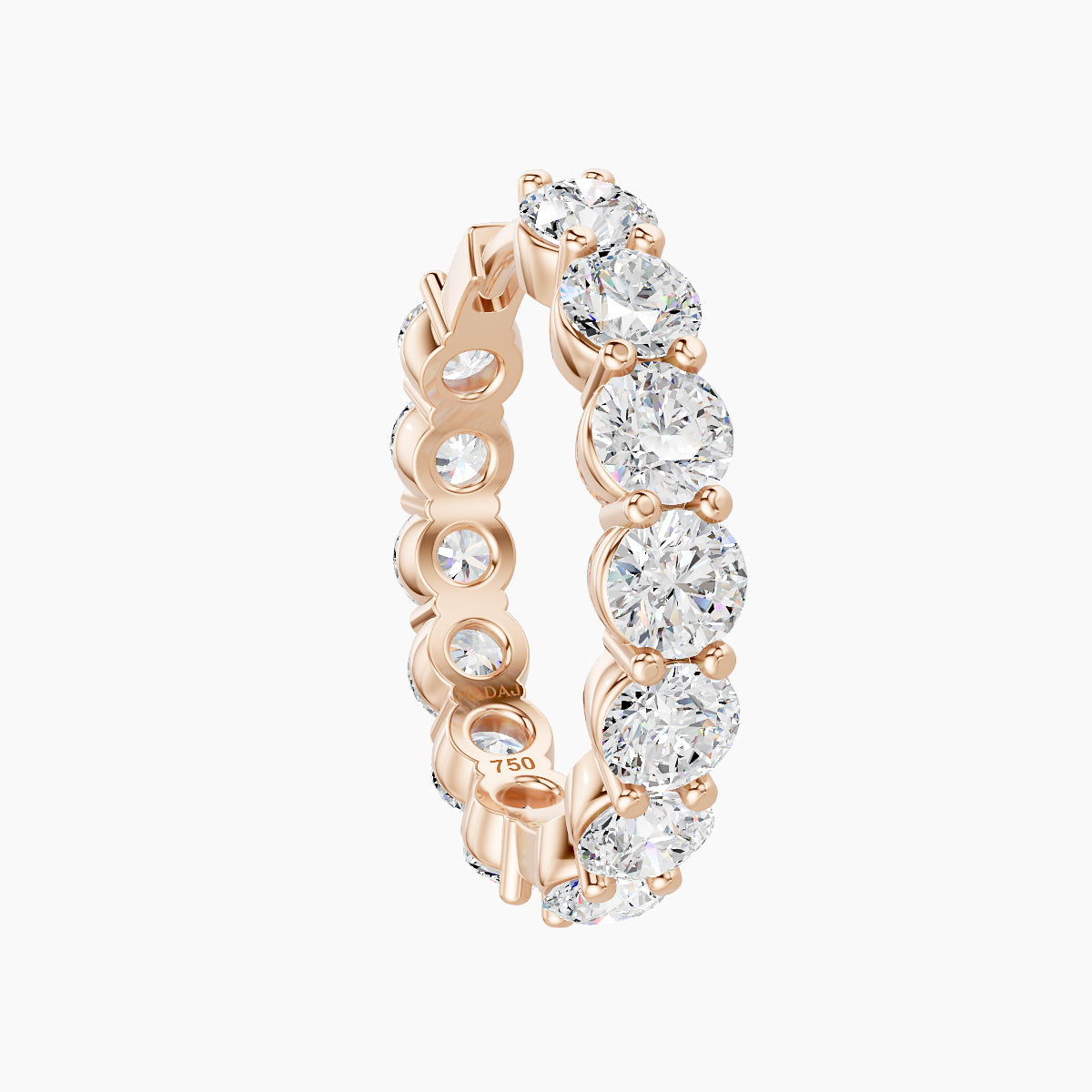
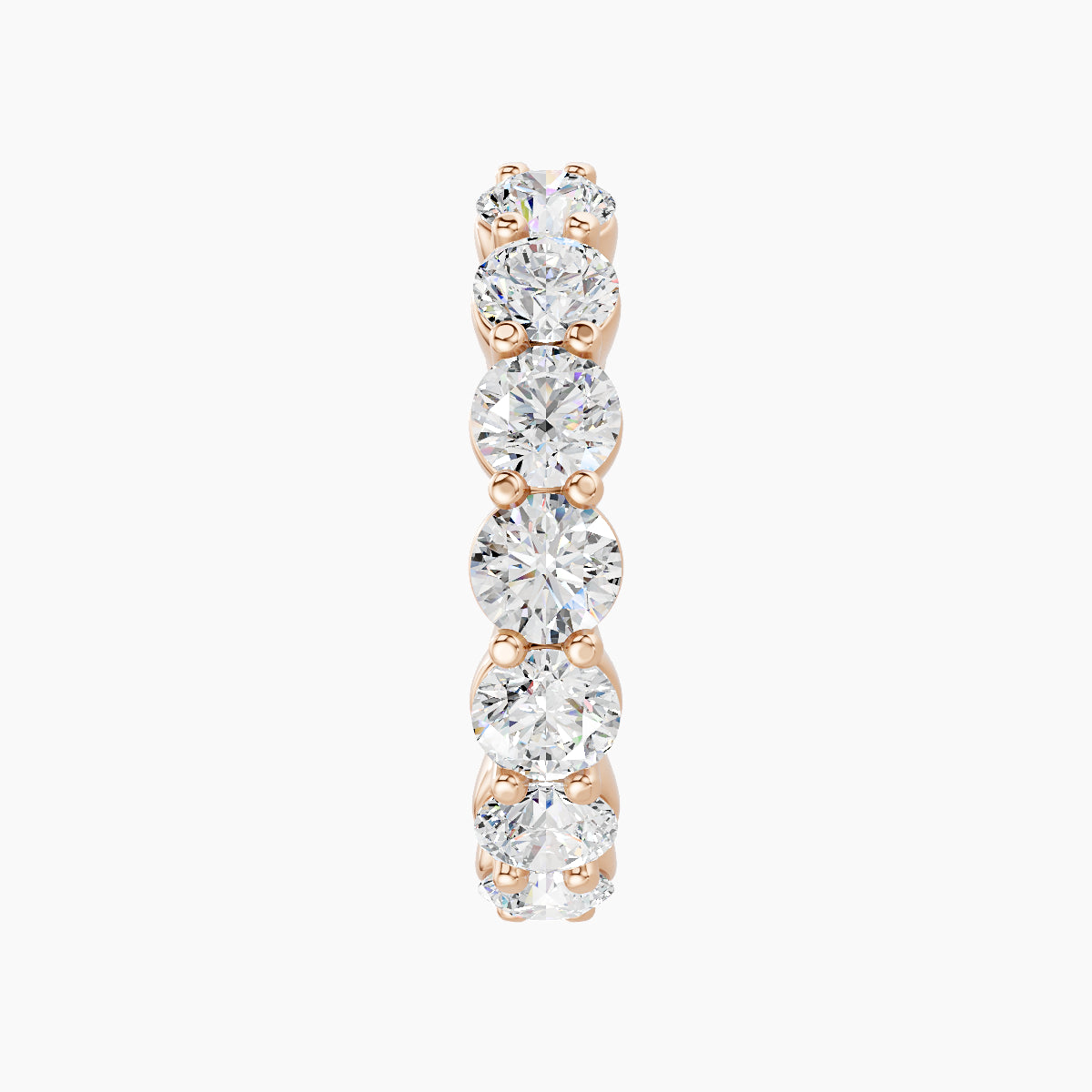
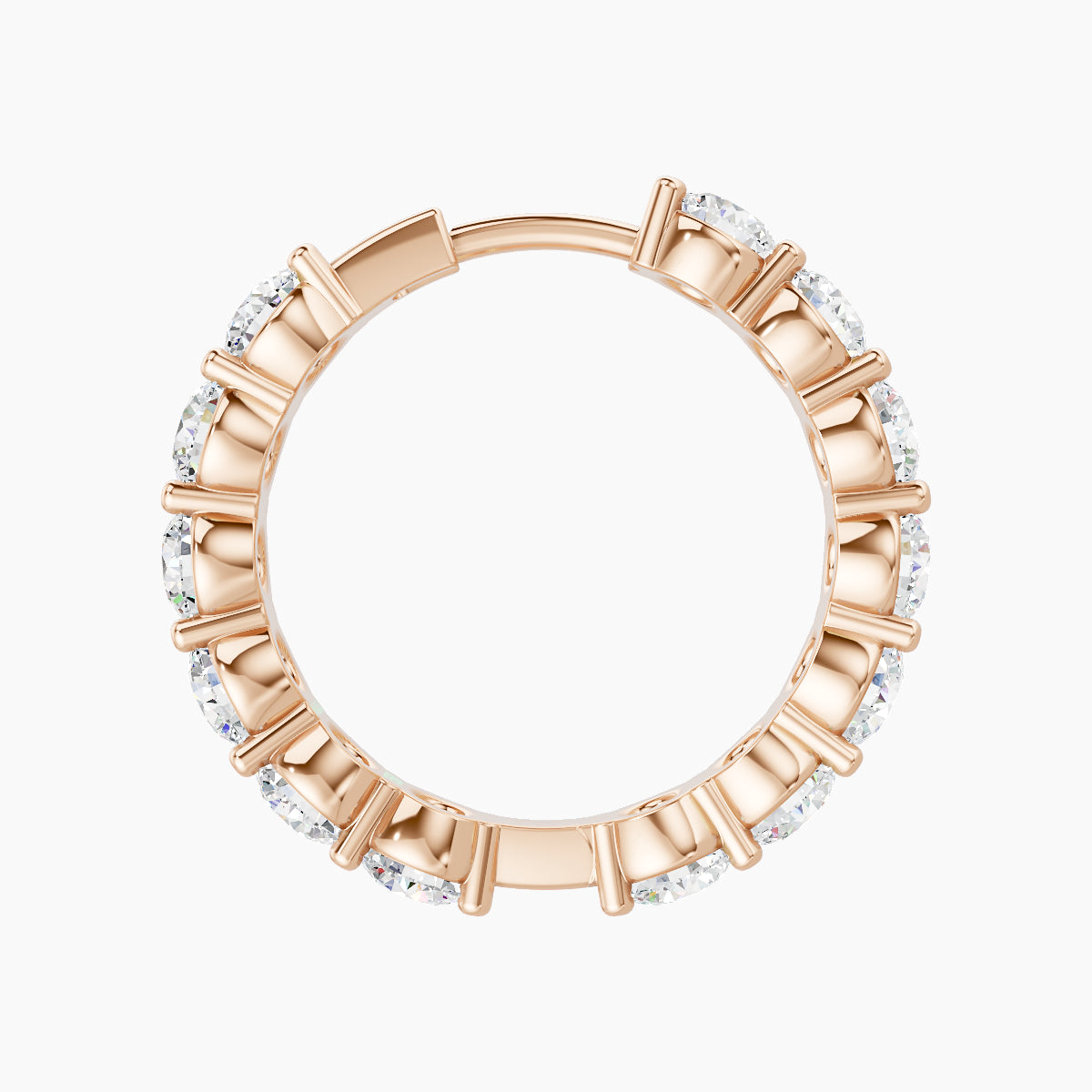
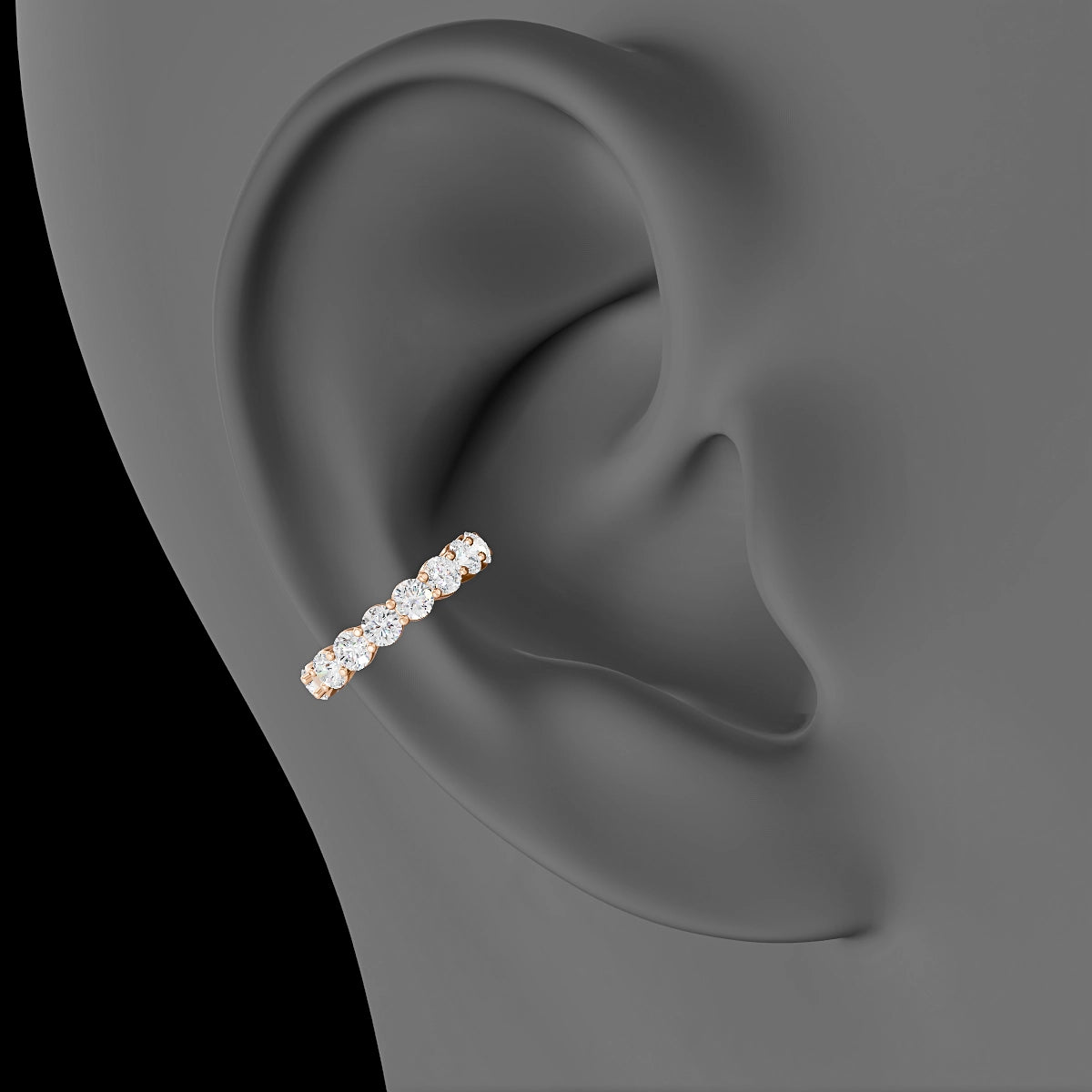
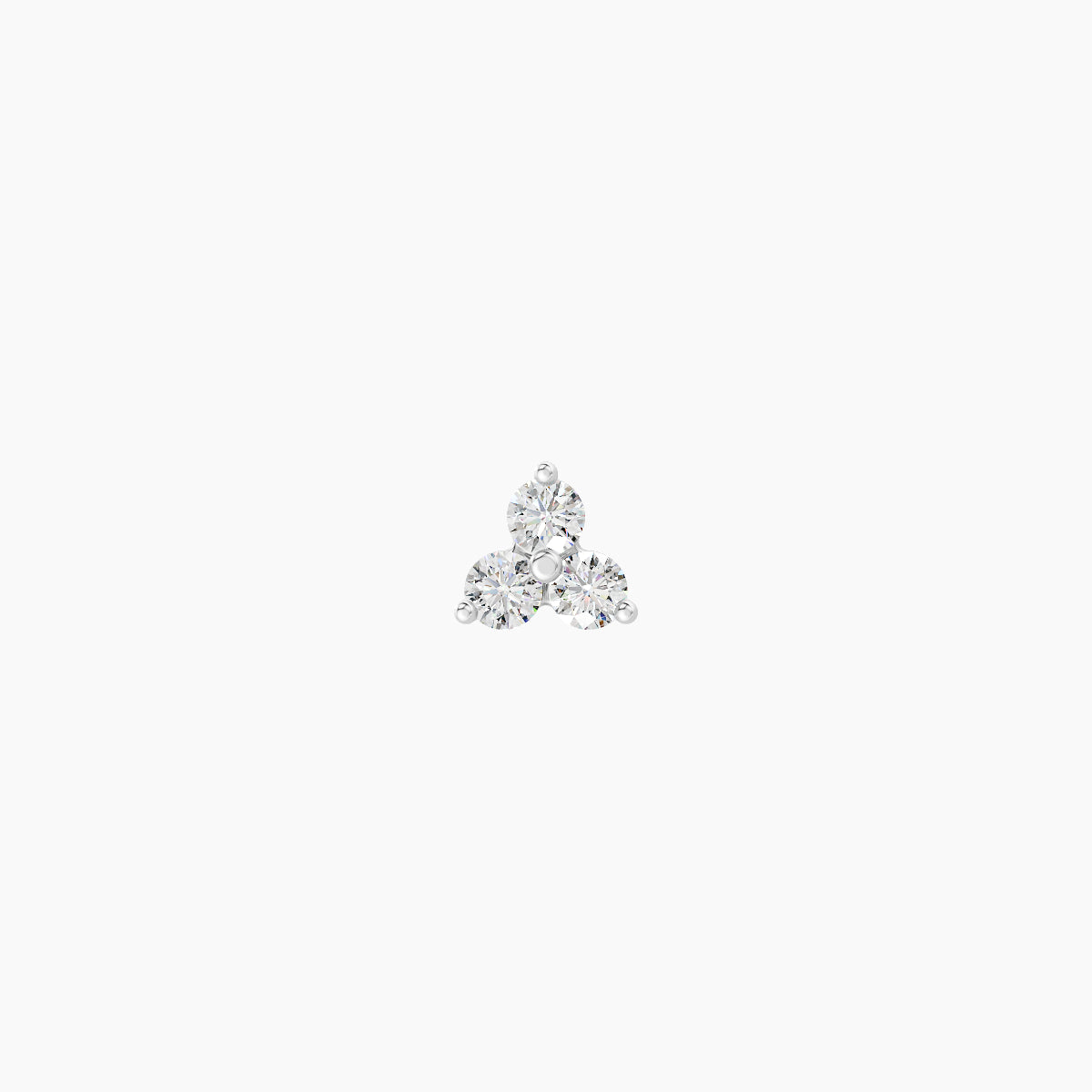
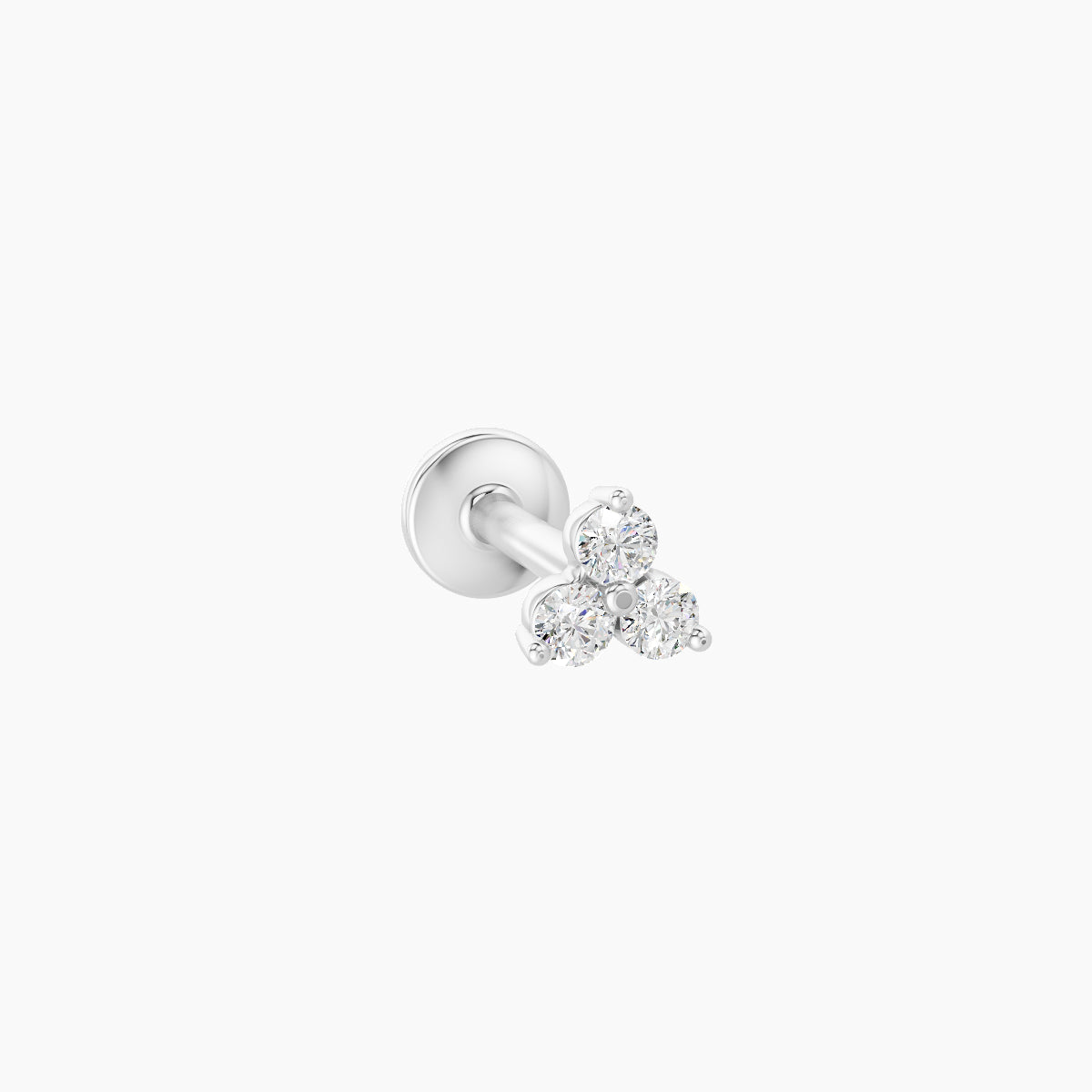
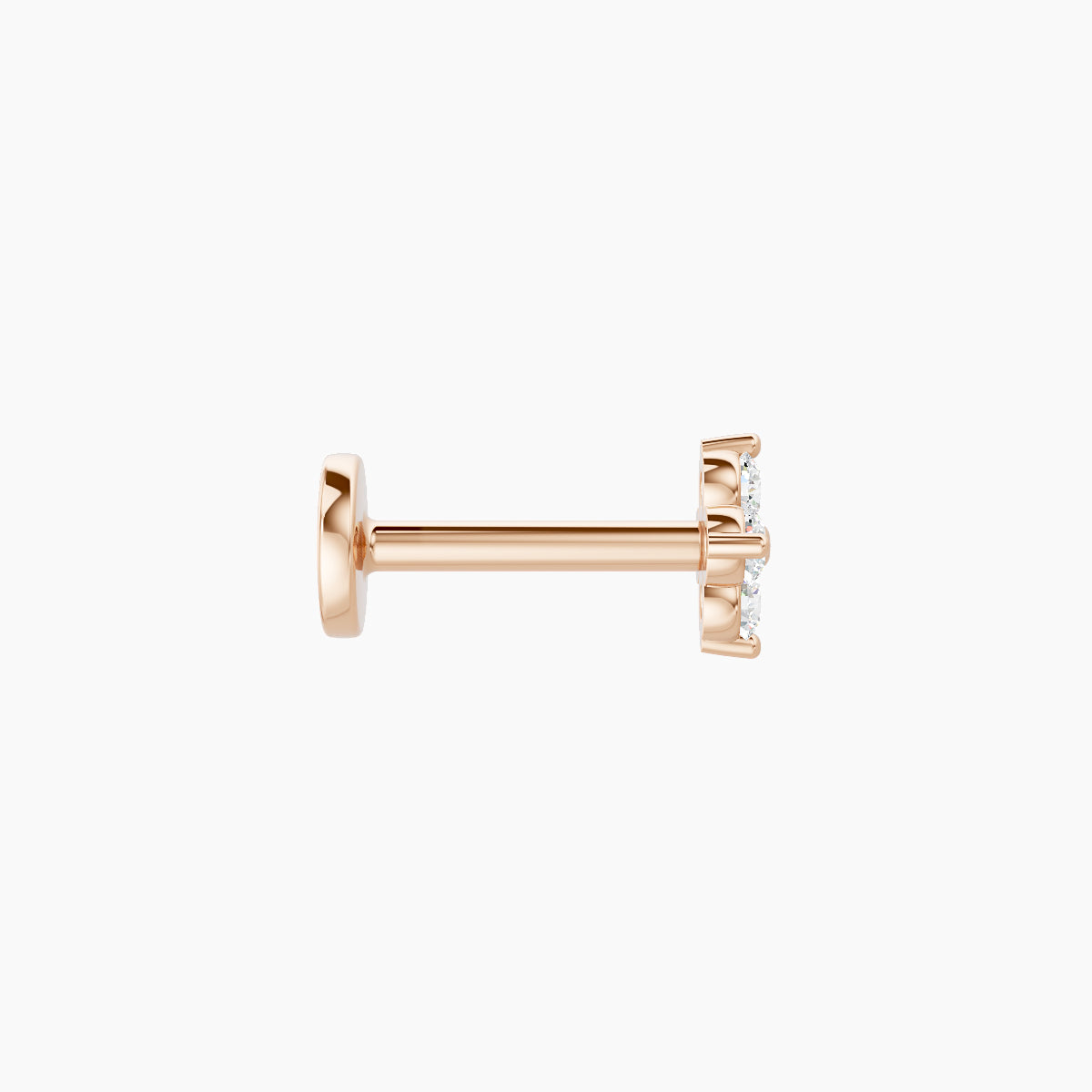
The MADAJ Theia Pave Diamon Hoop Piercing
TYPES
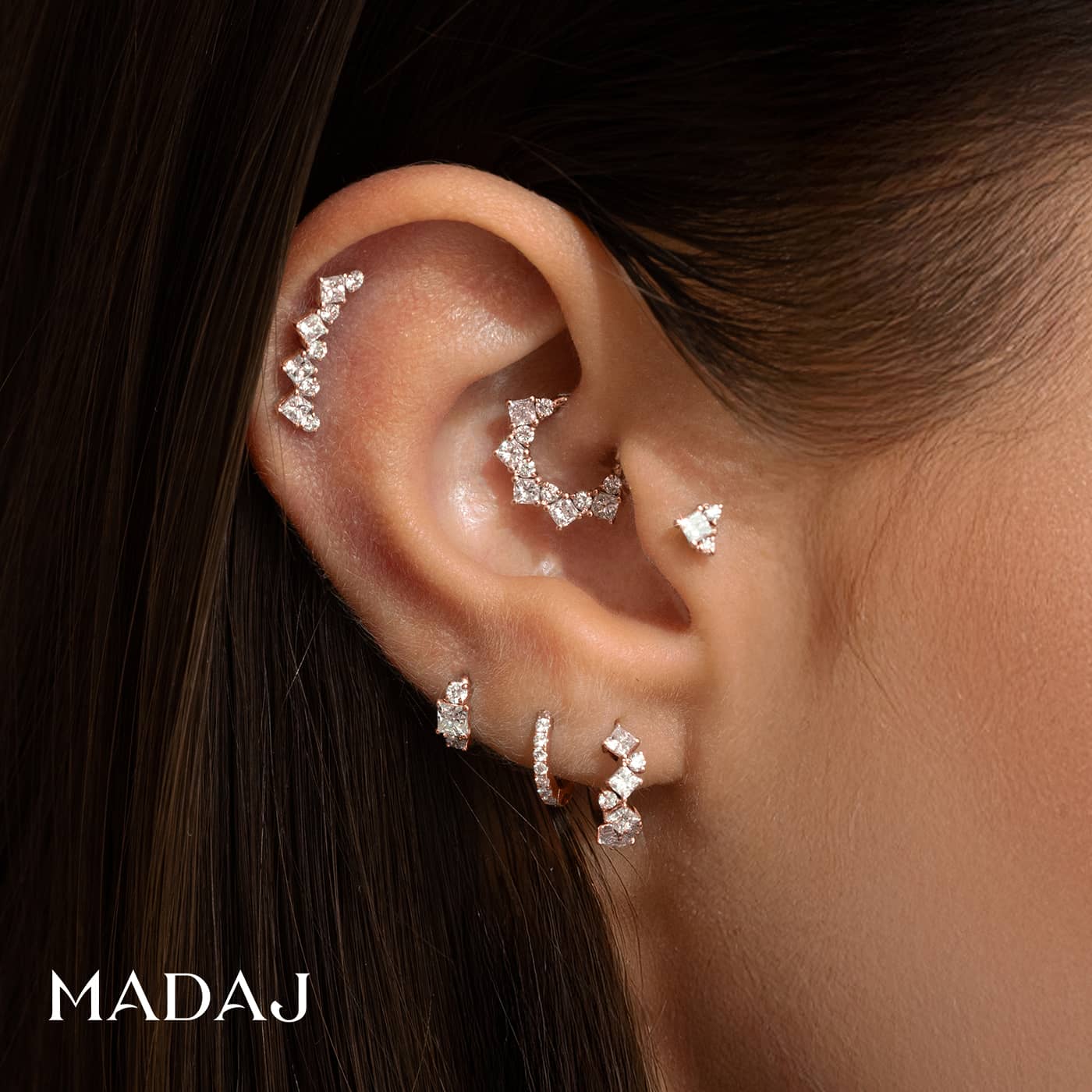
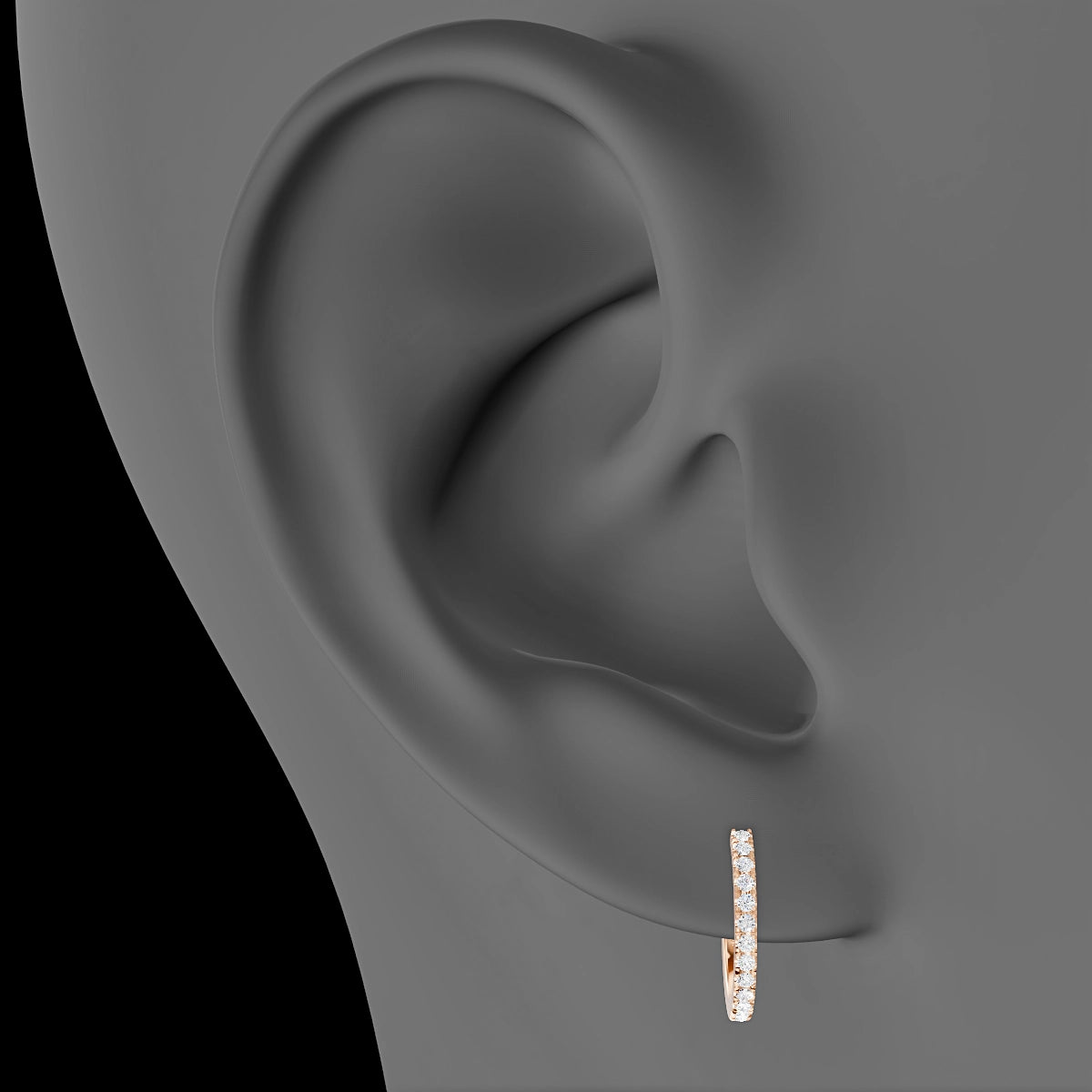
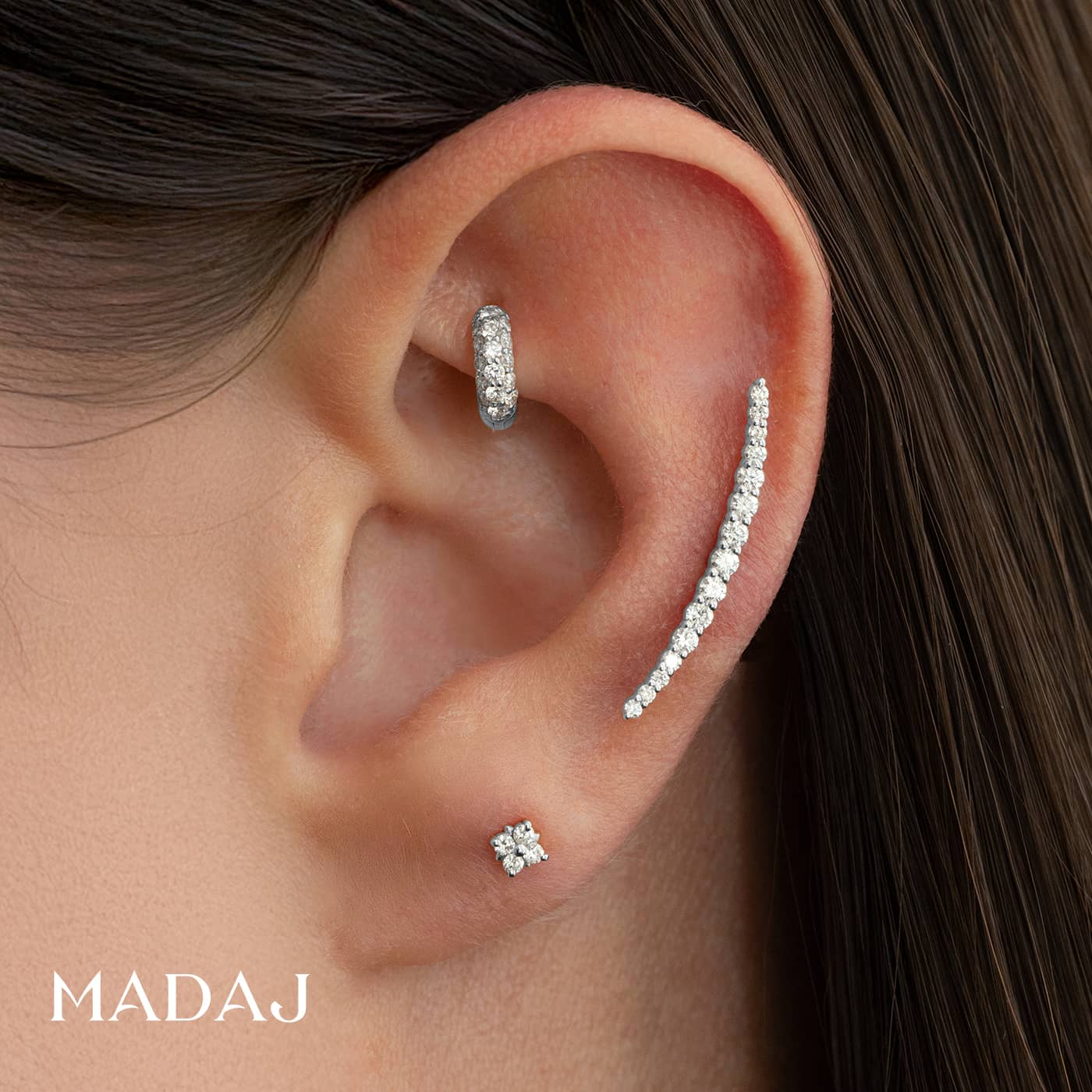
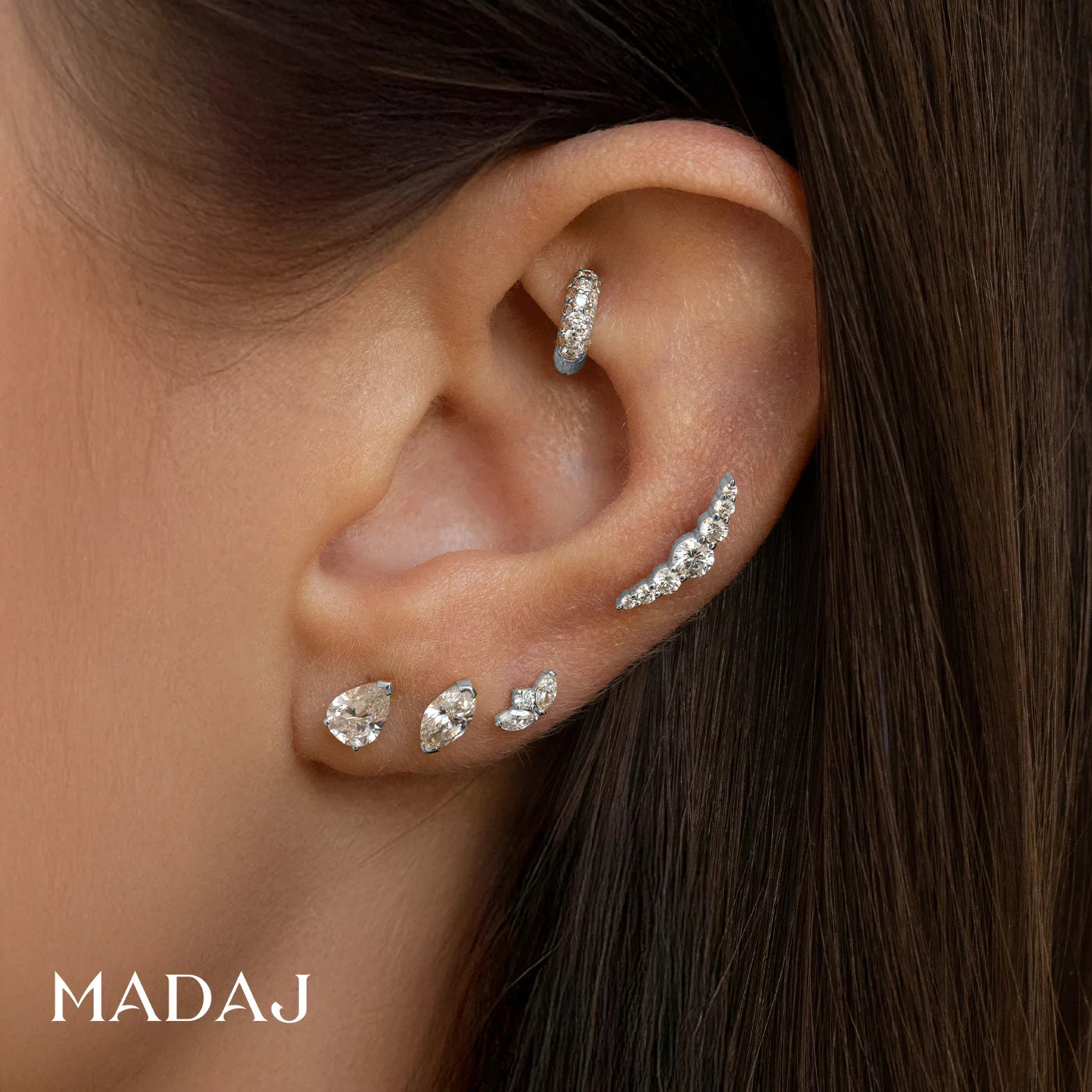
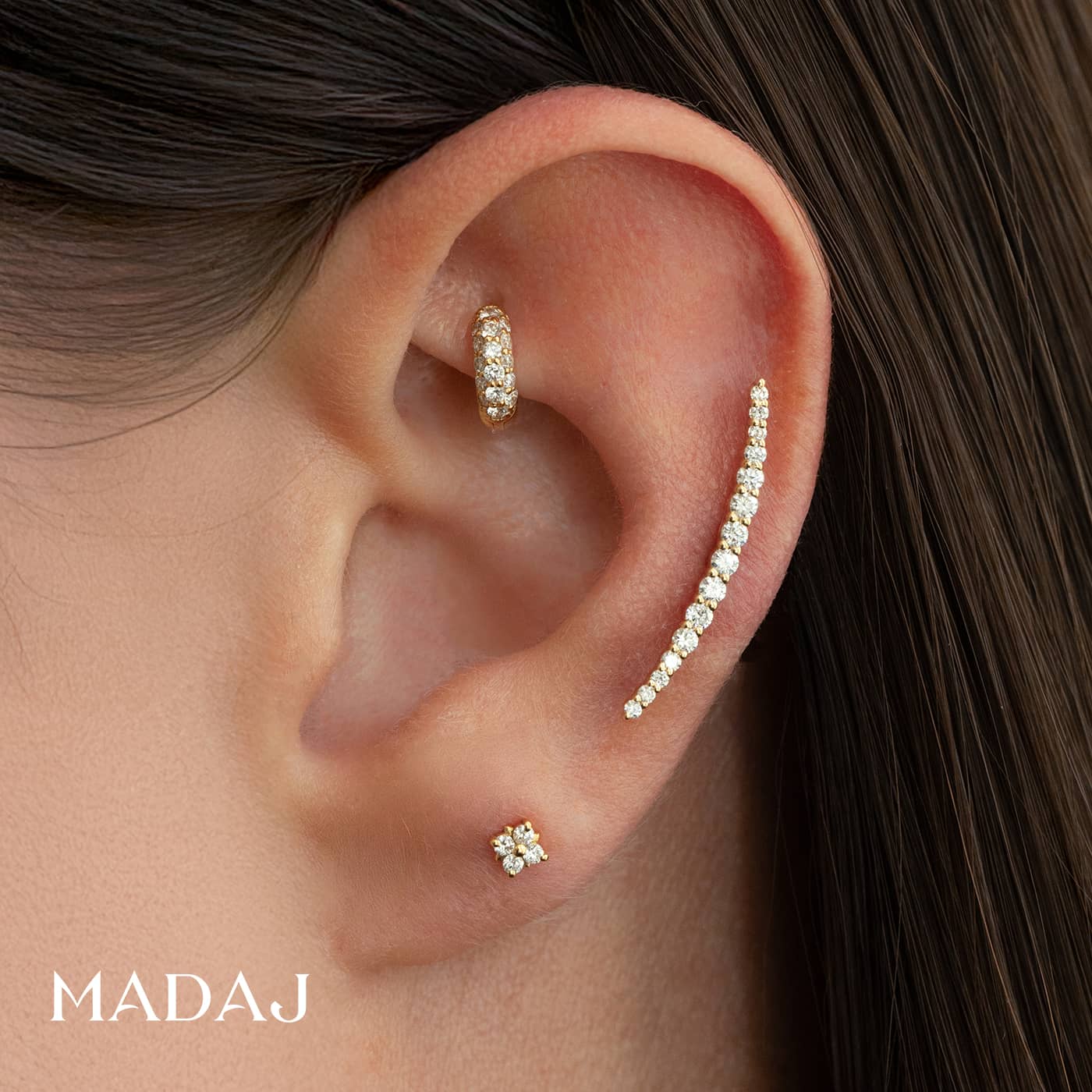
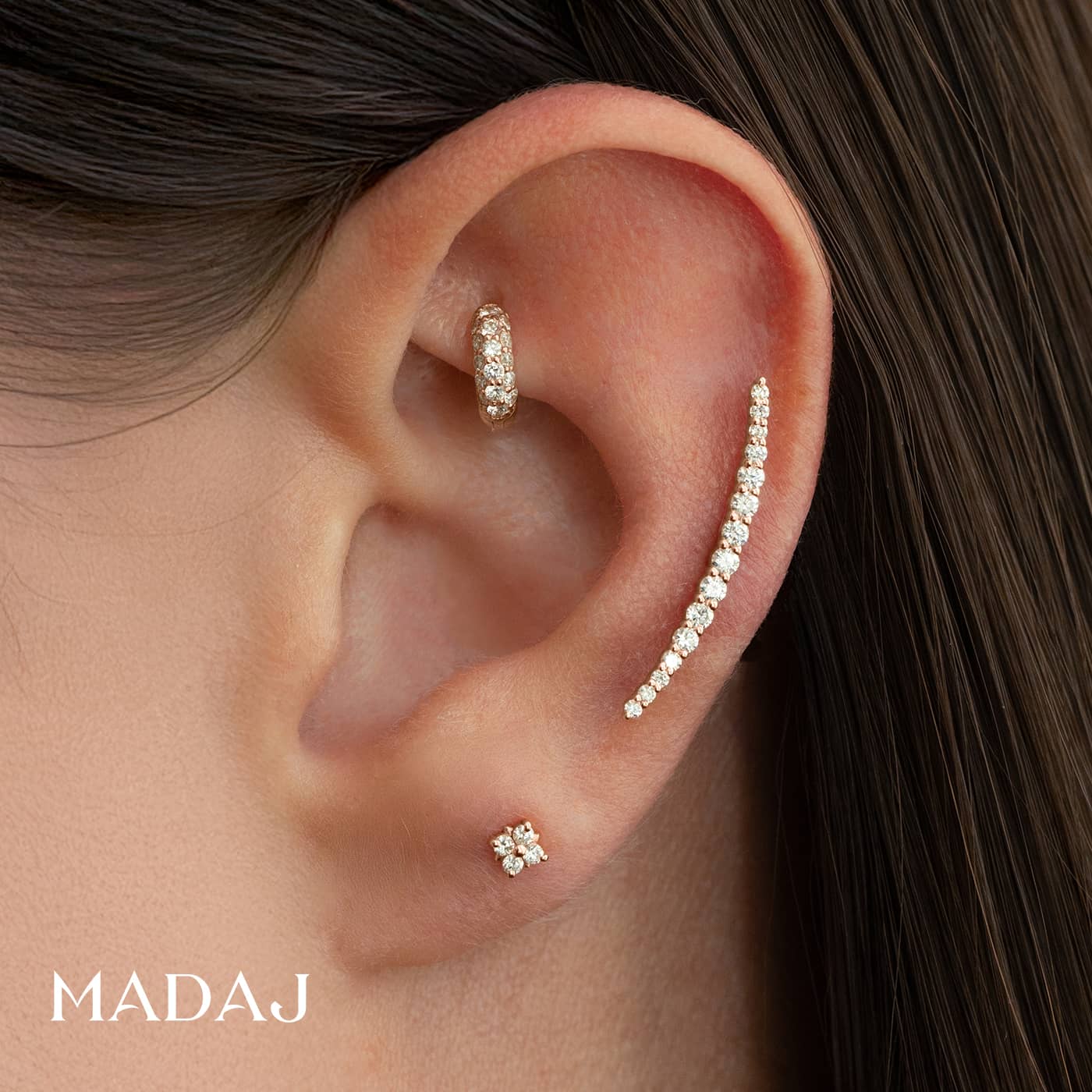
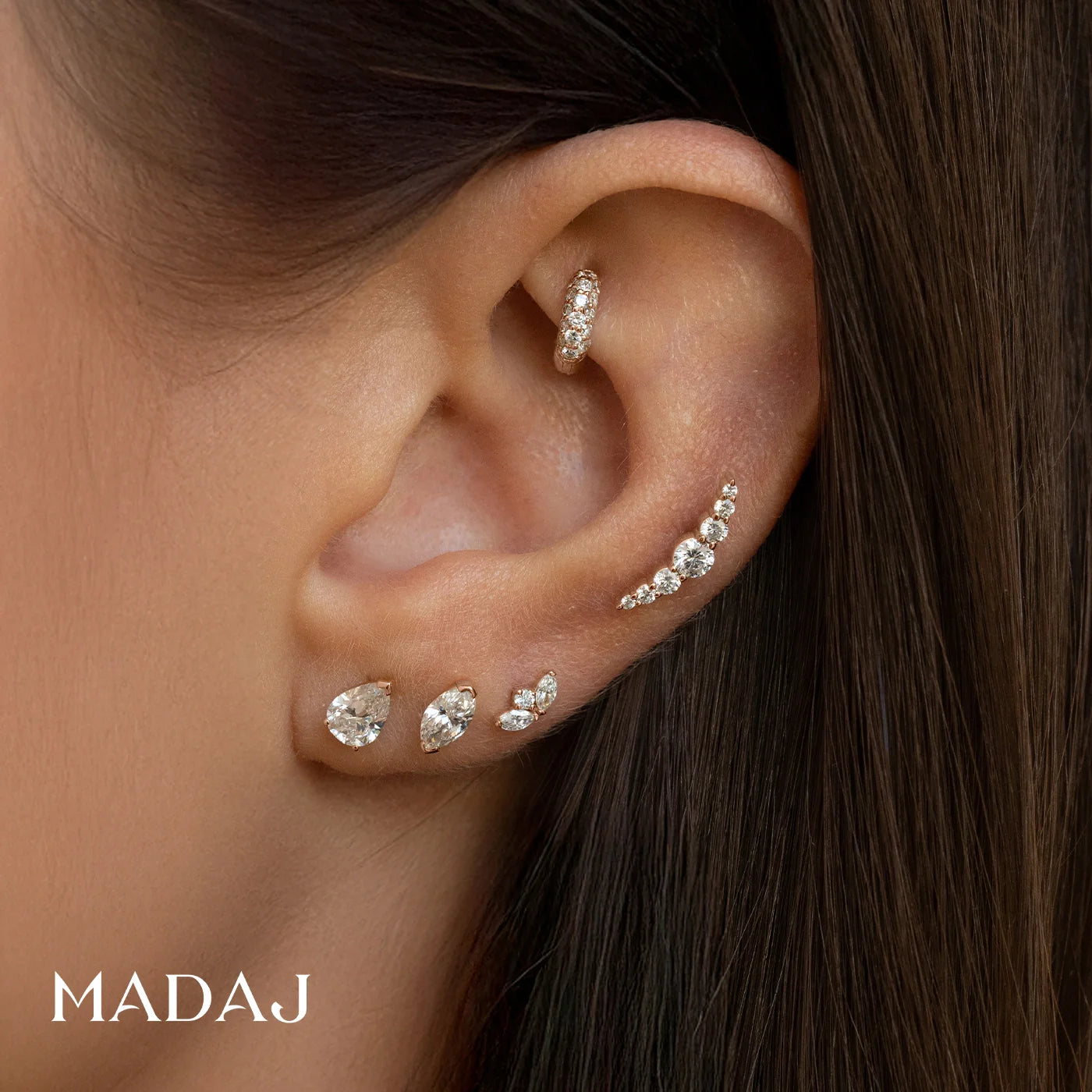
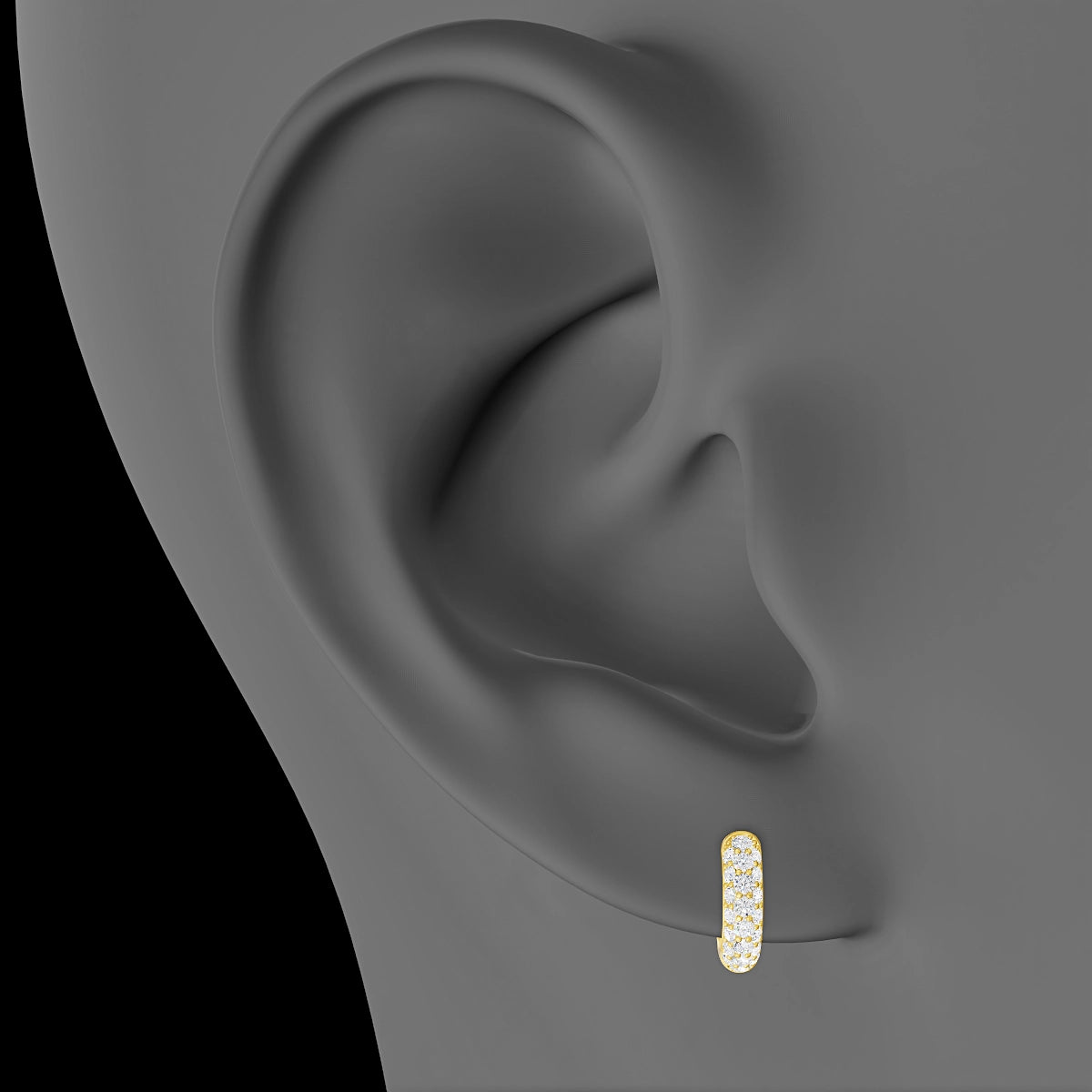
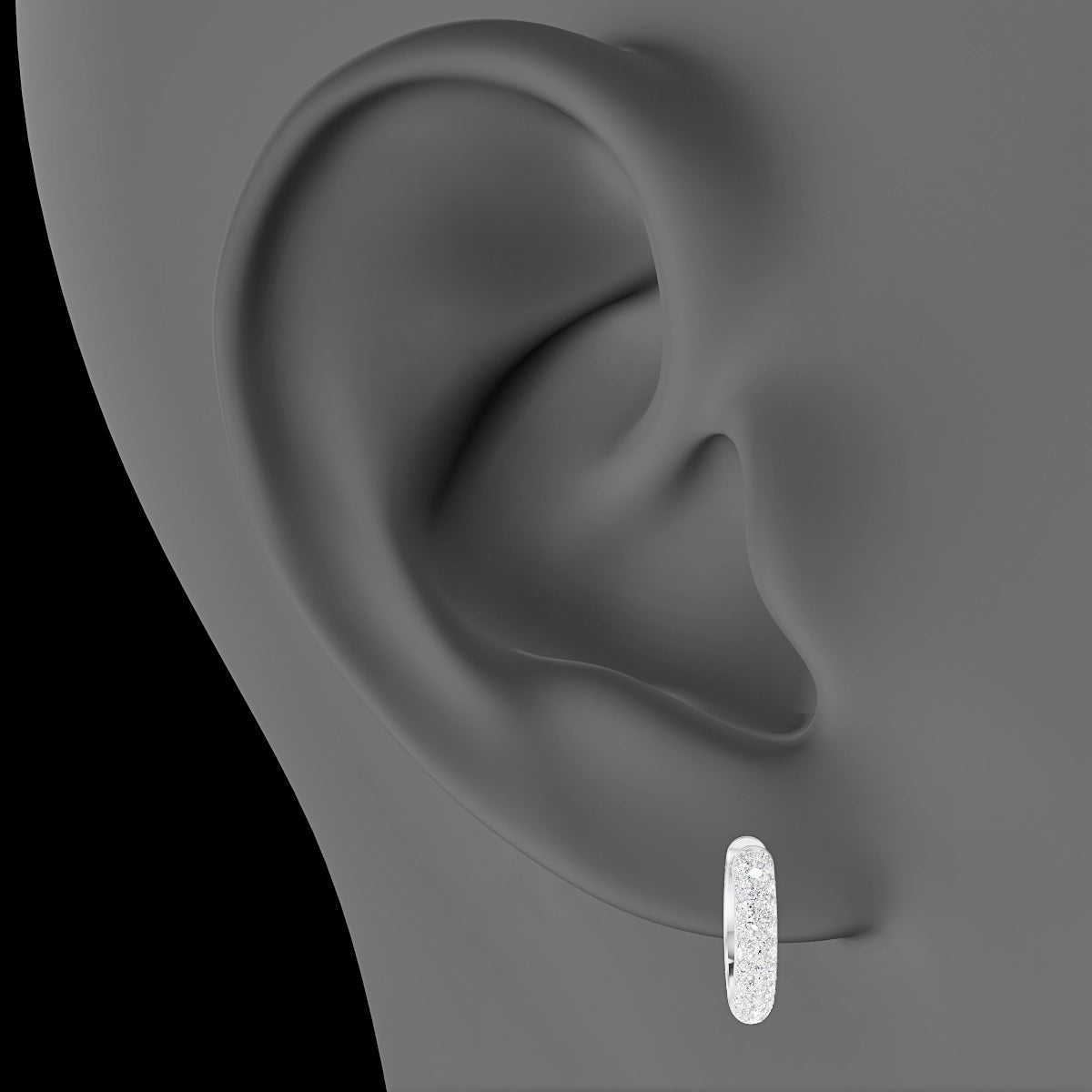
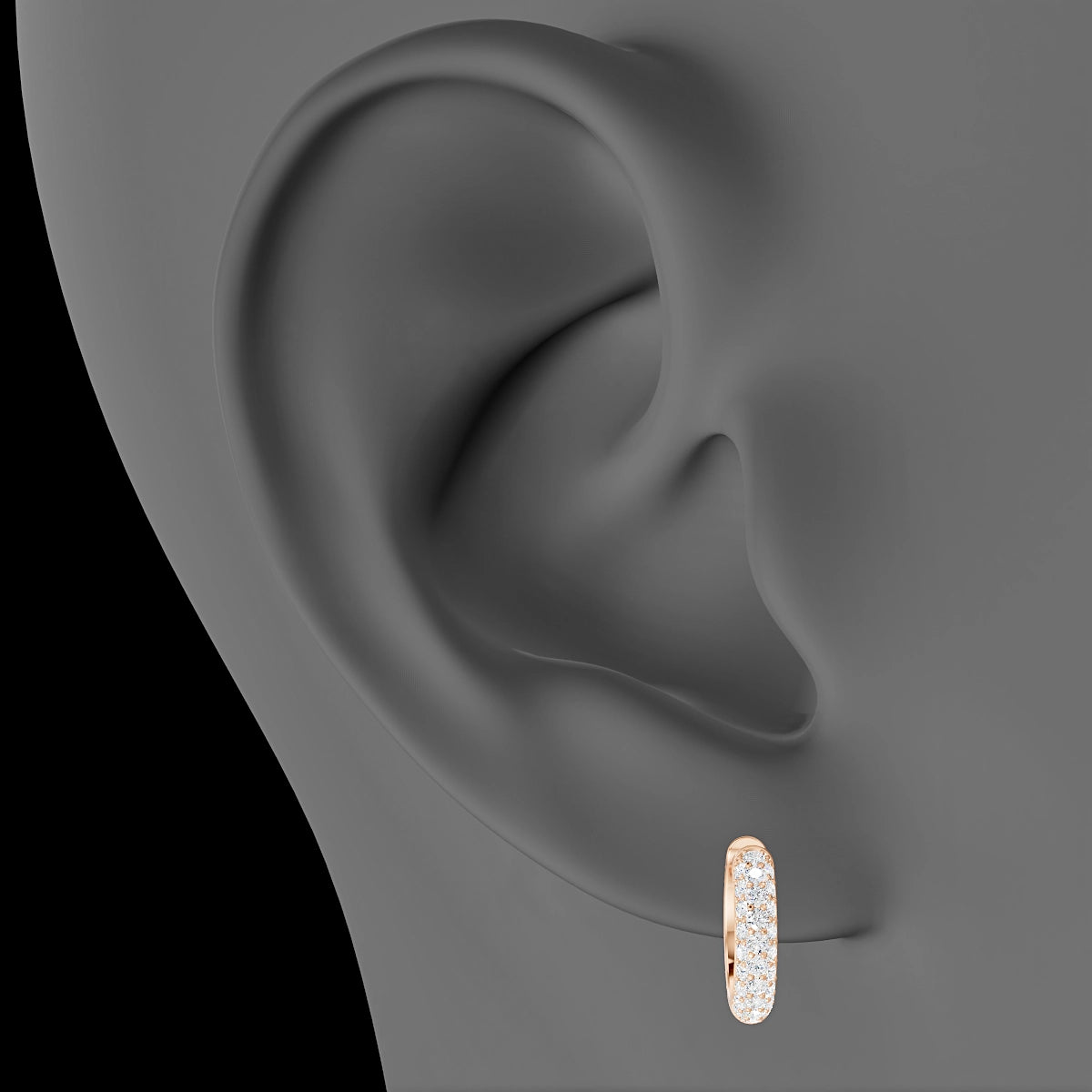
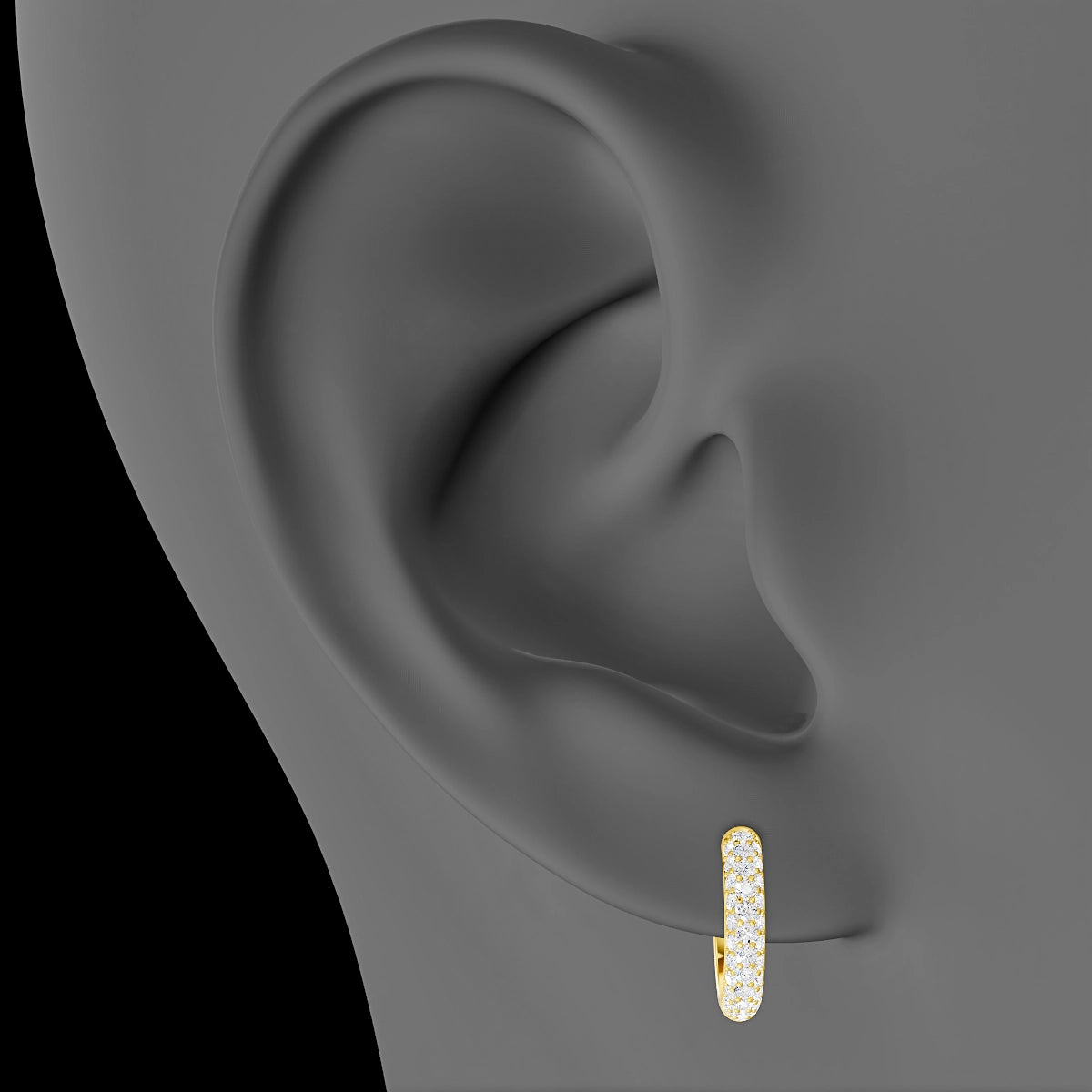
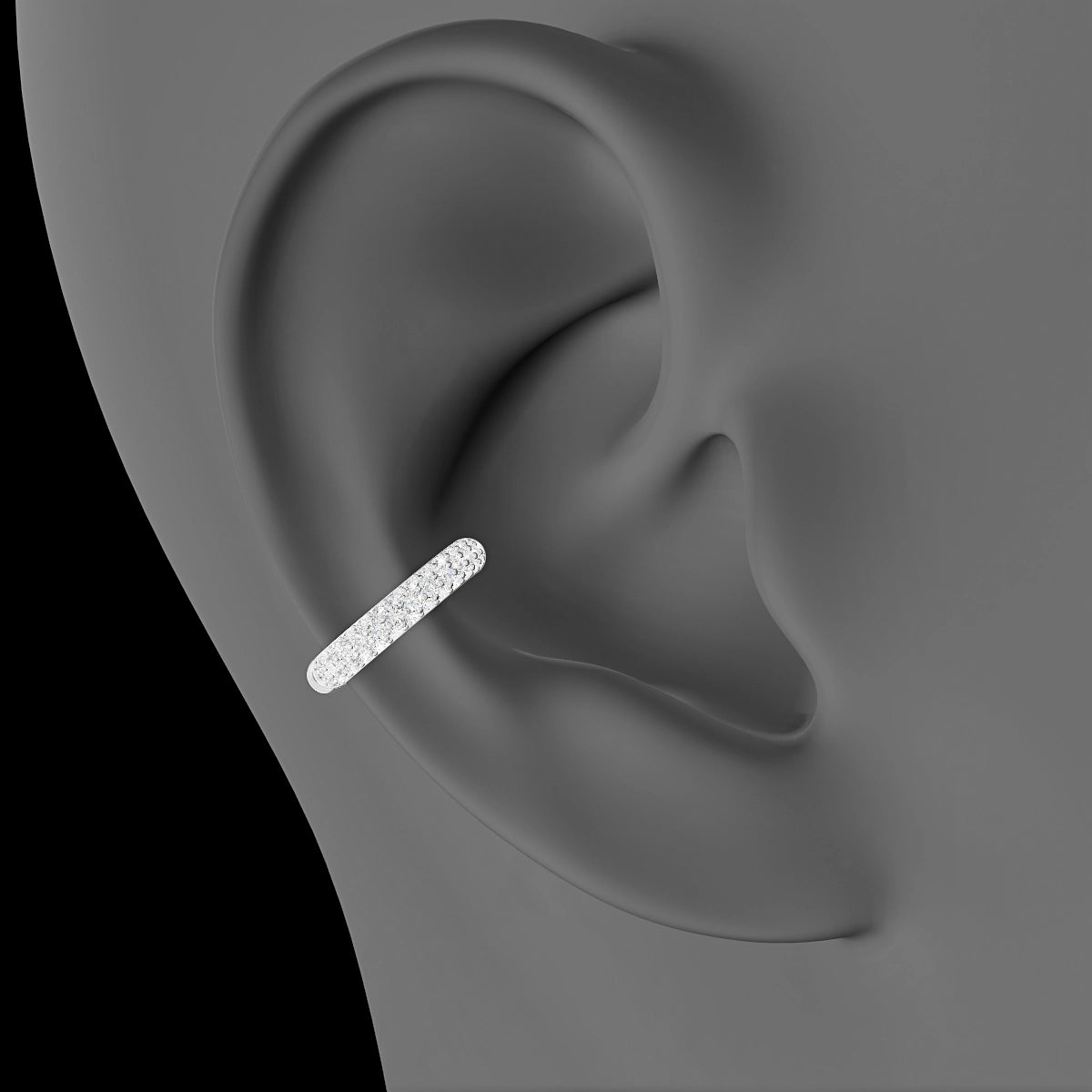
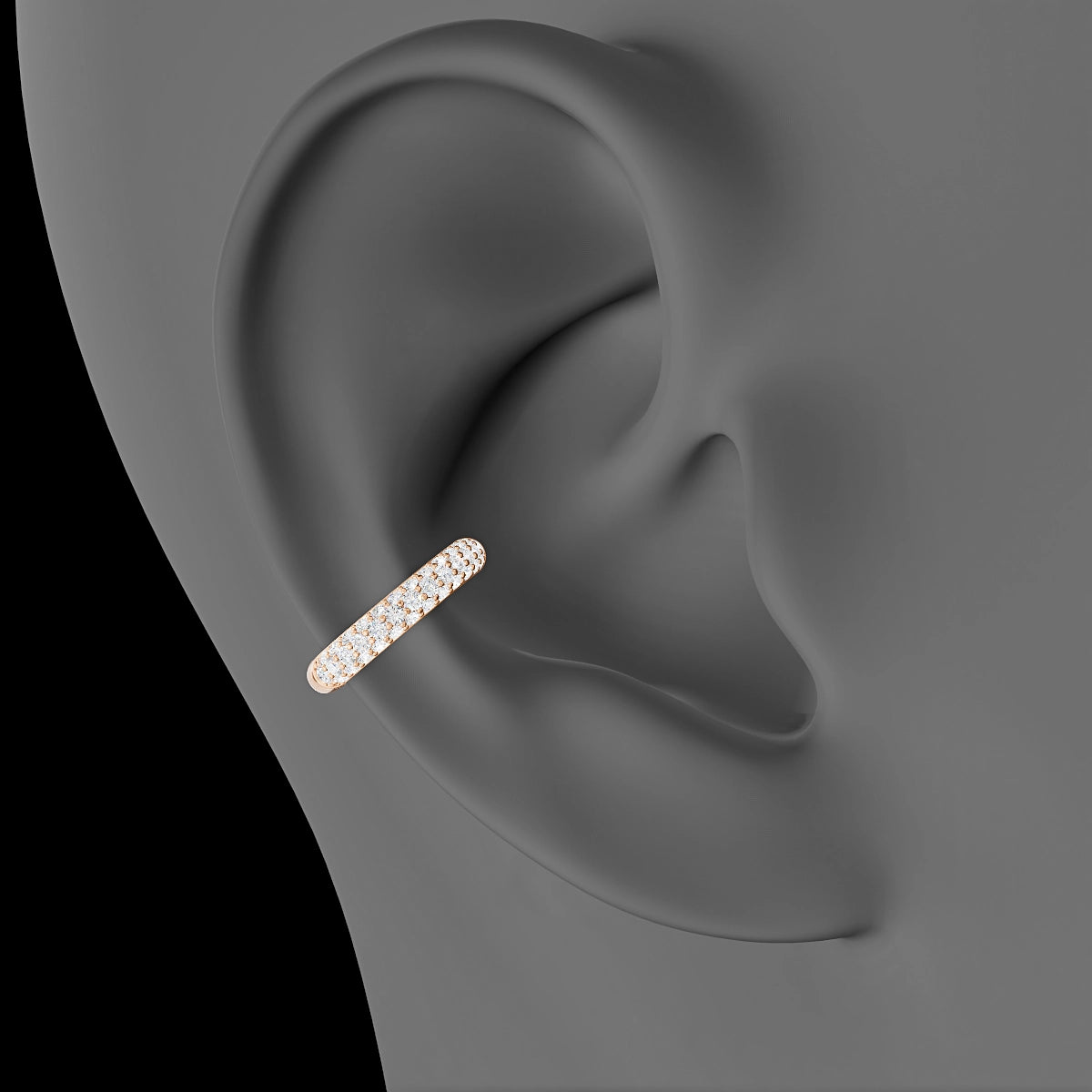
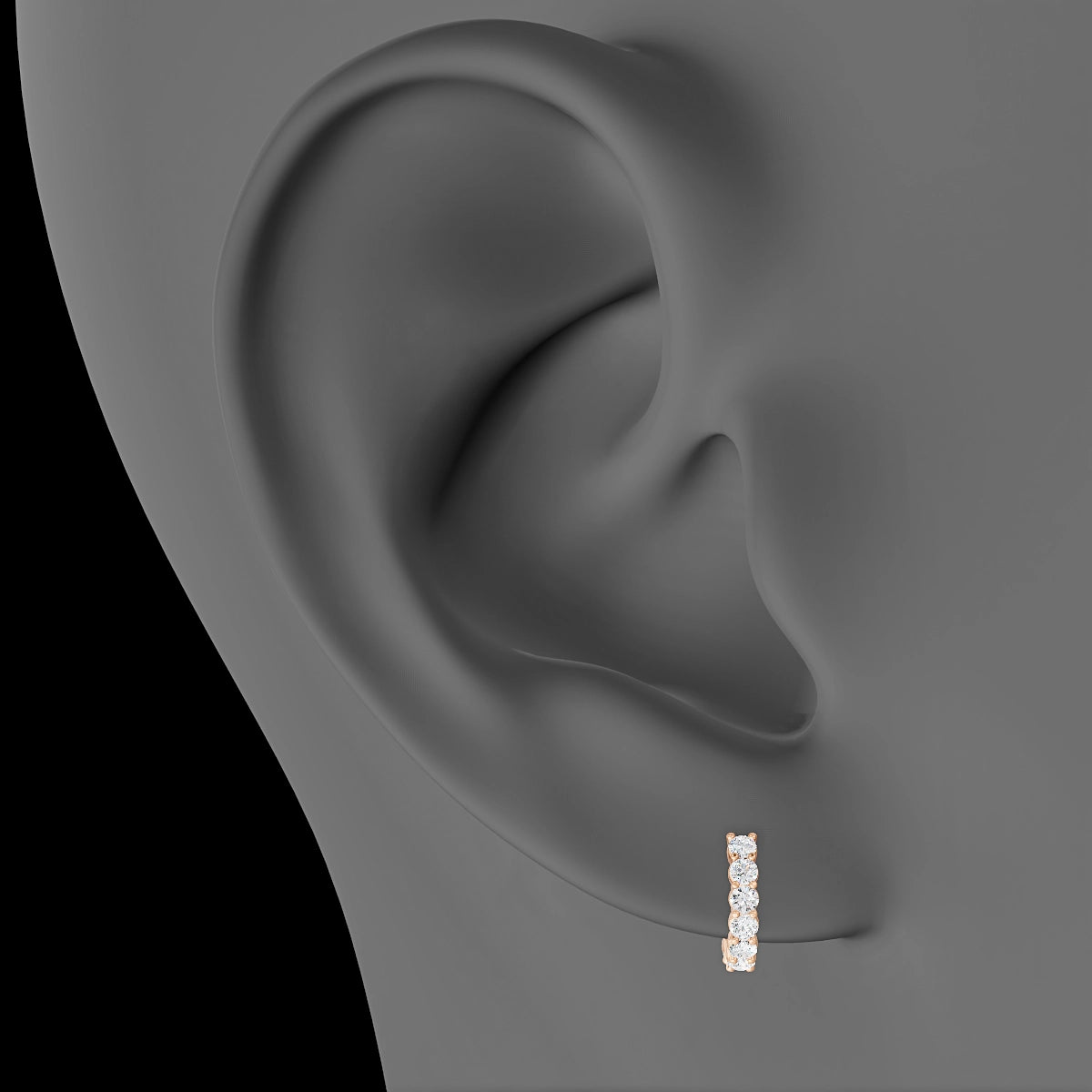
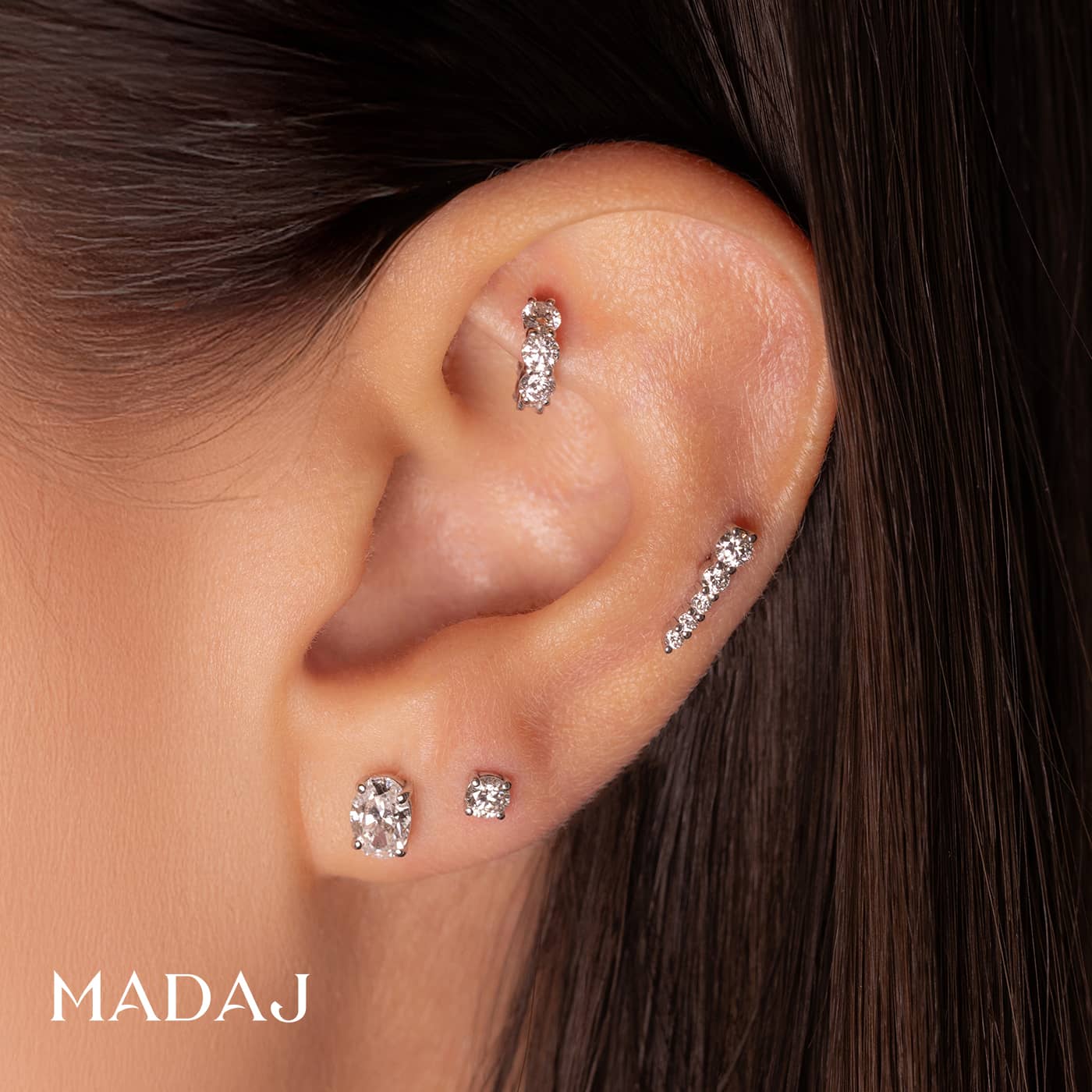
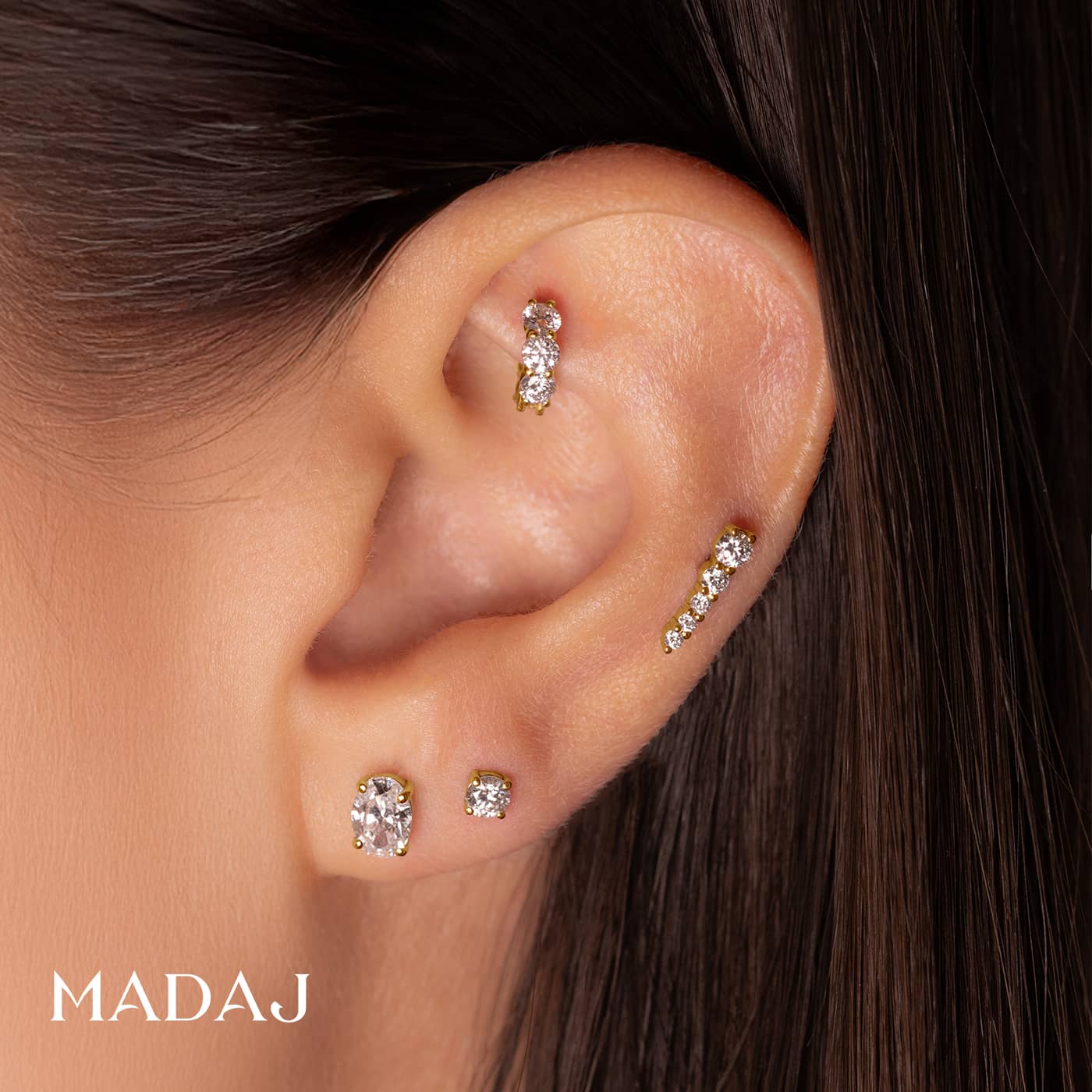
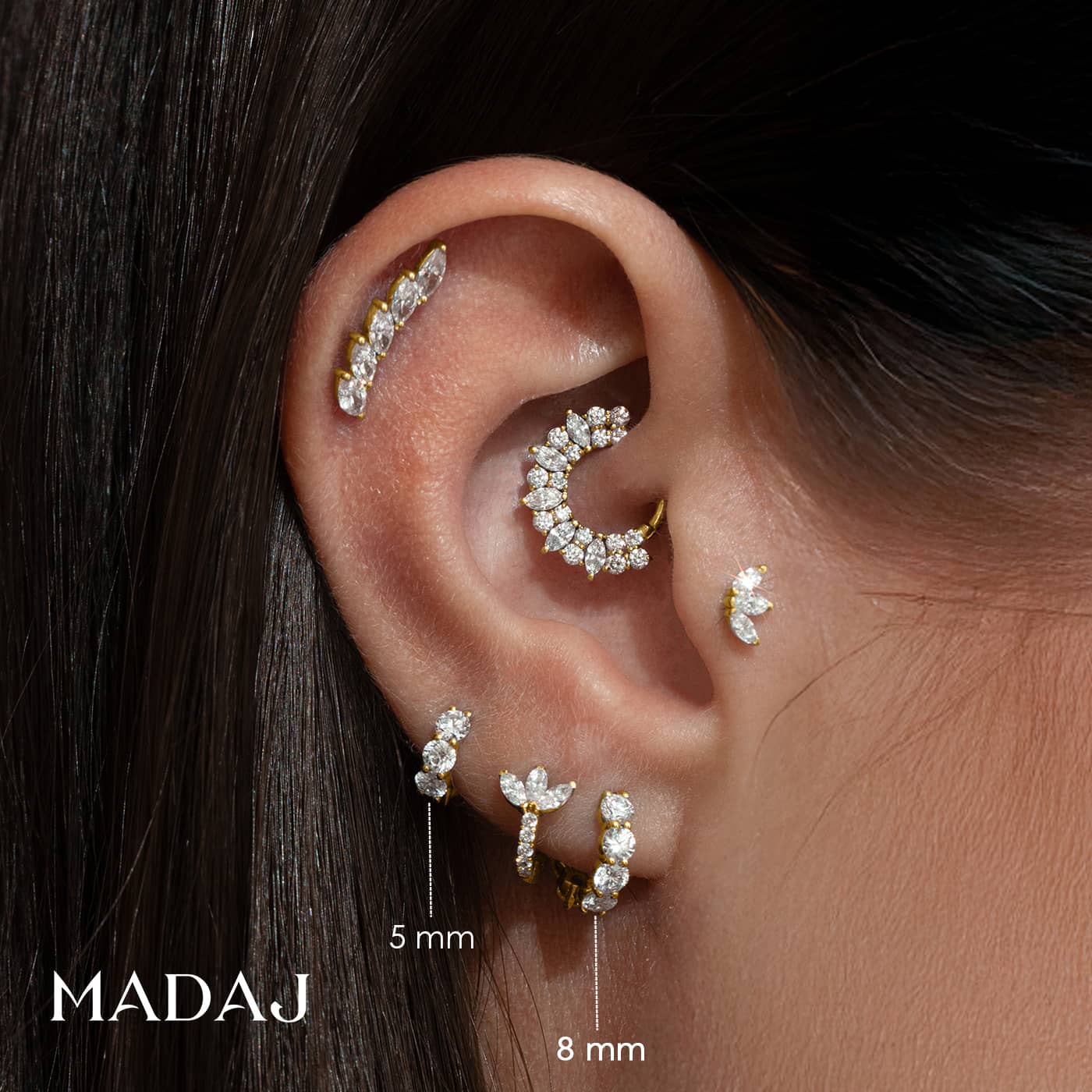
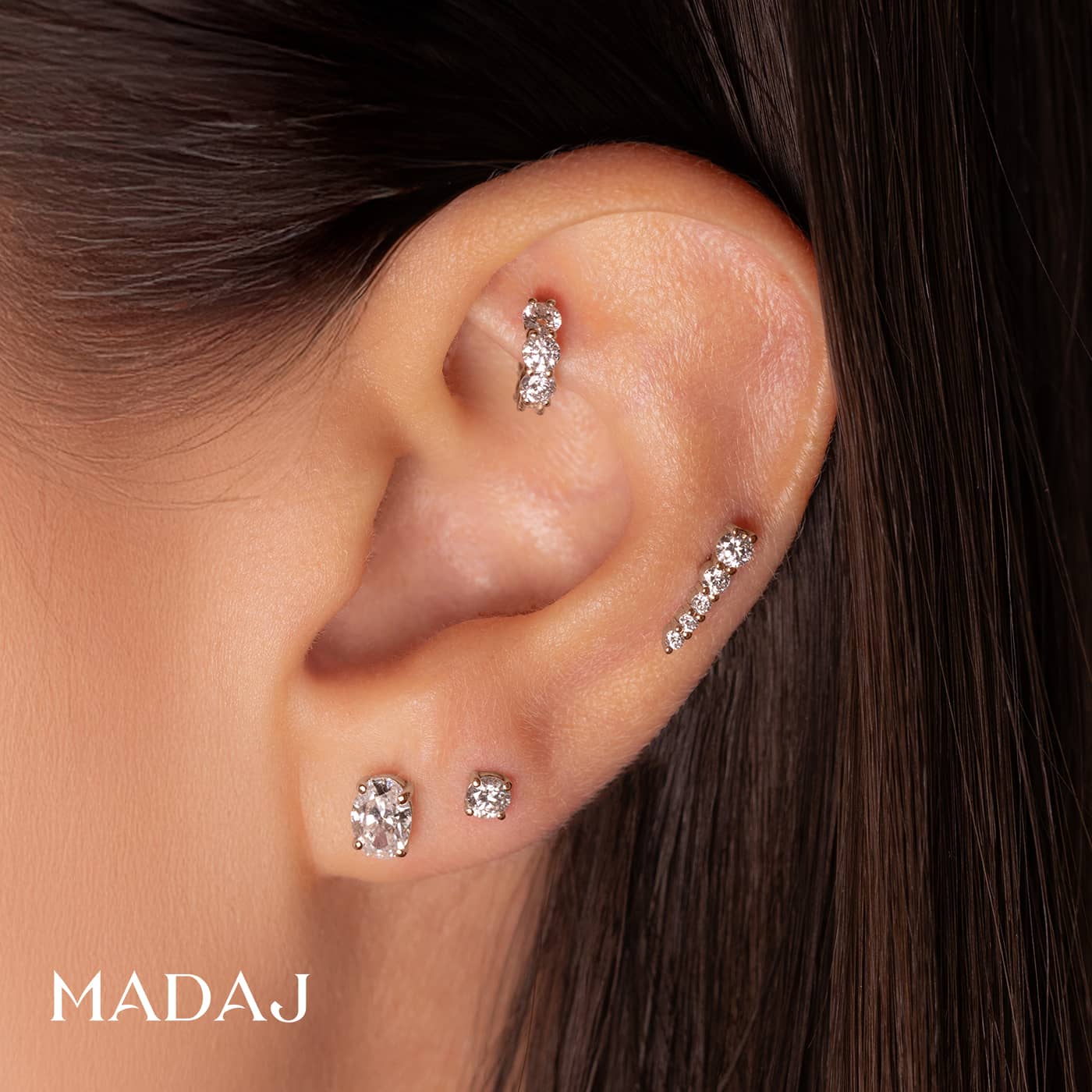
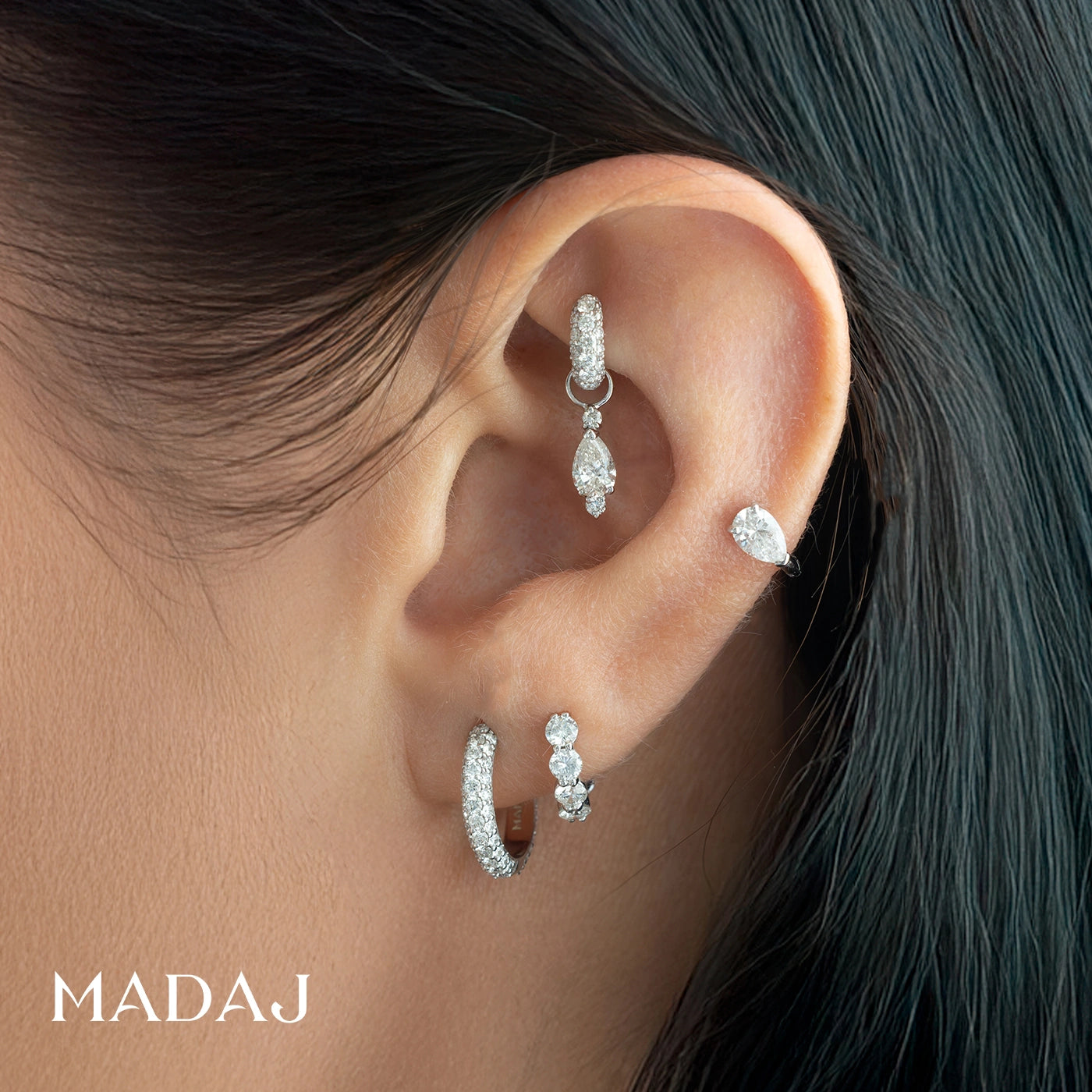
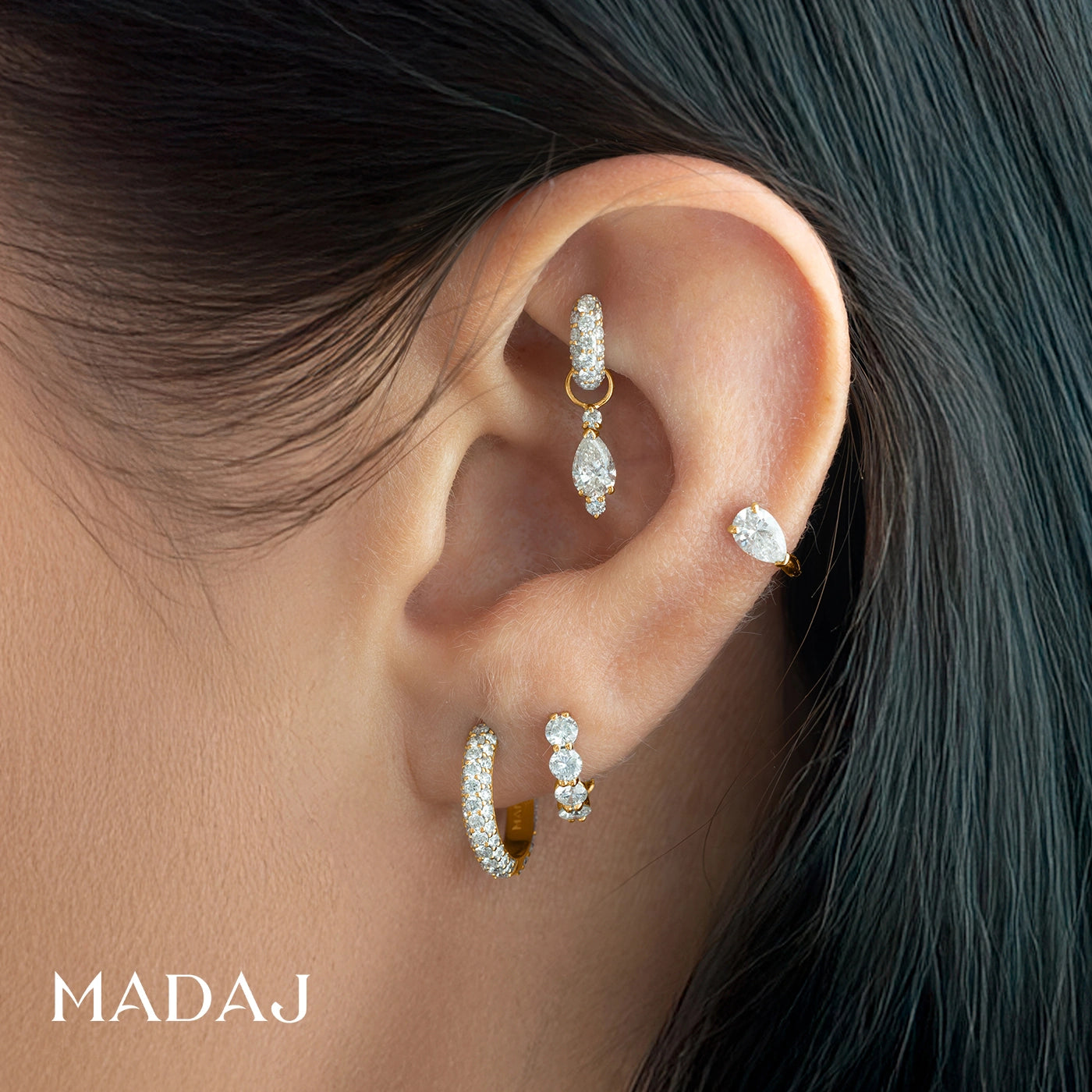
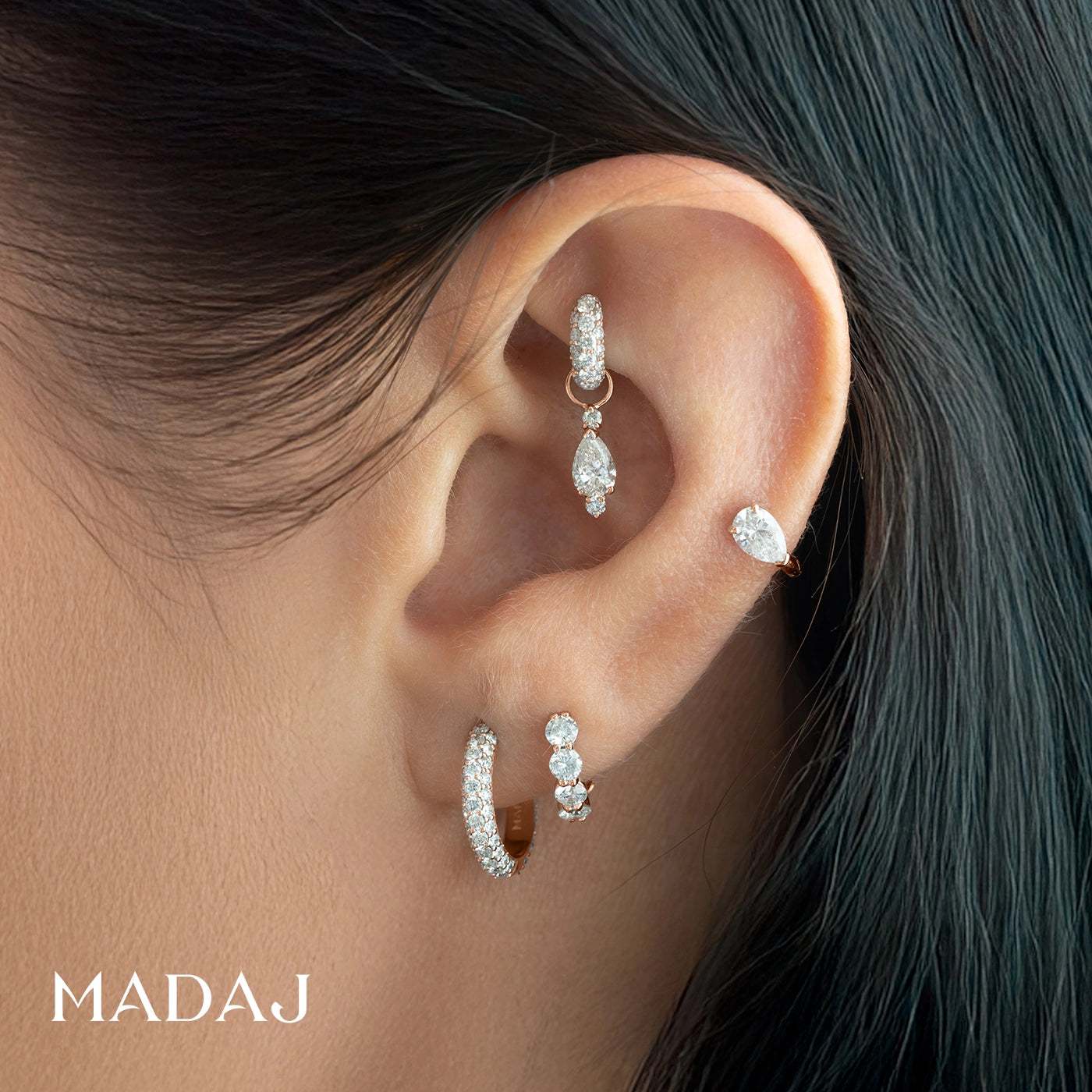
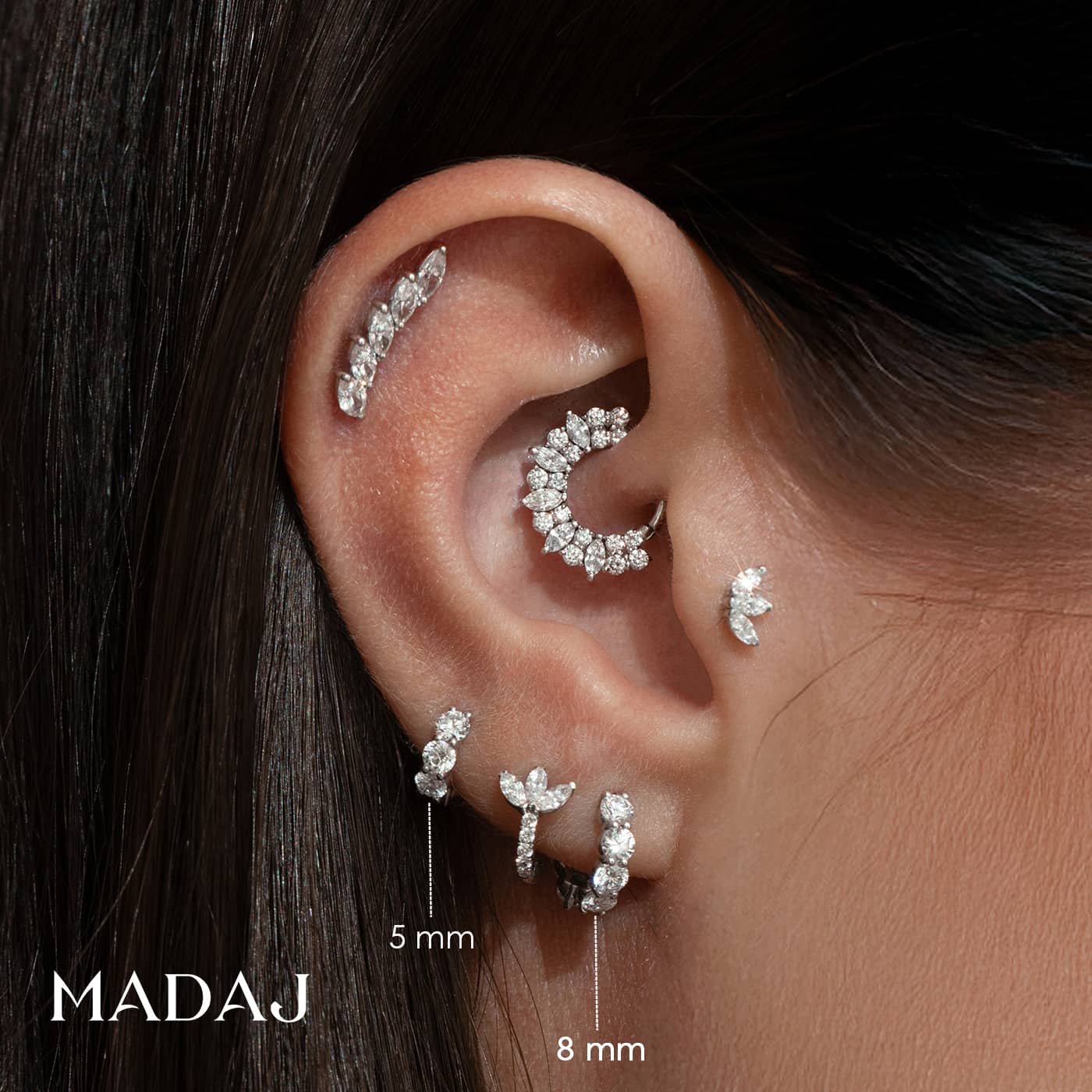
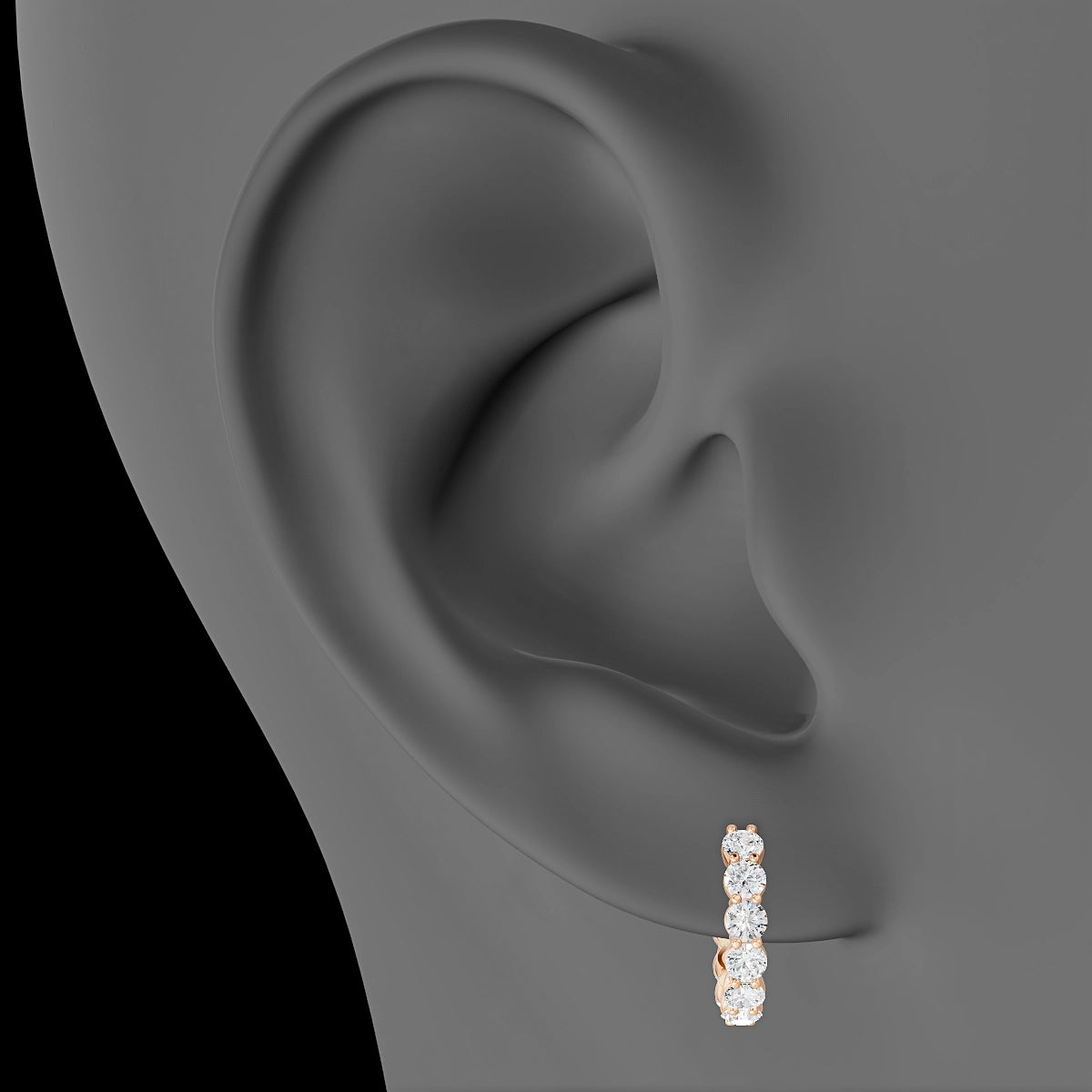
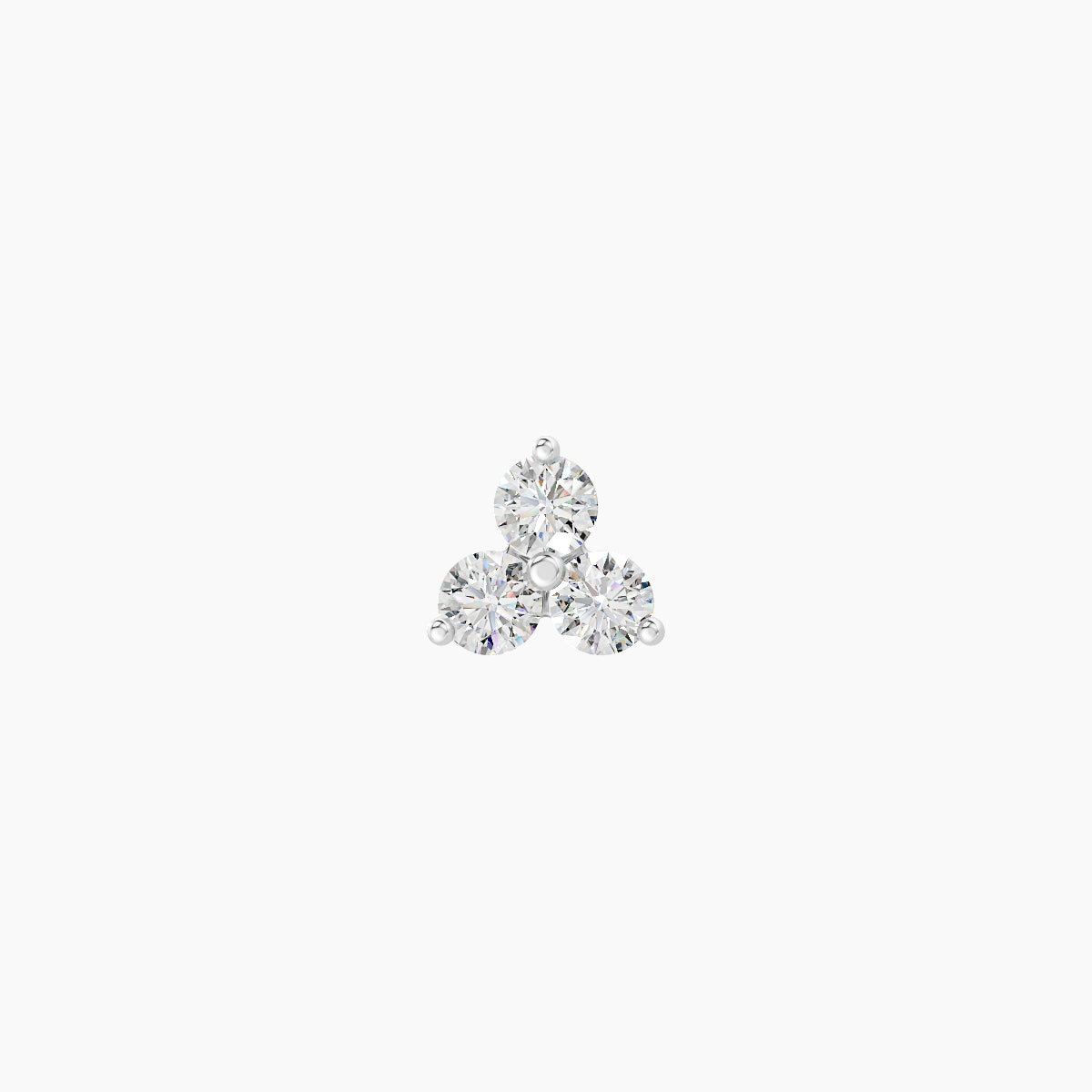
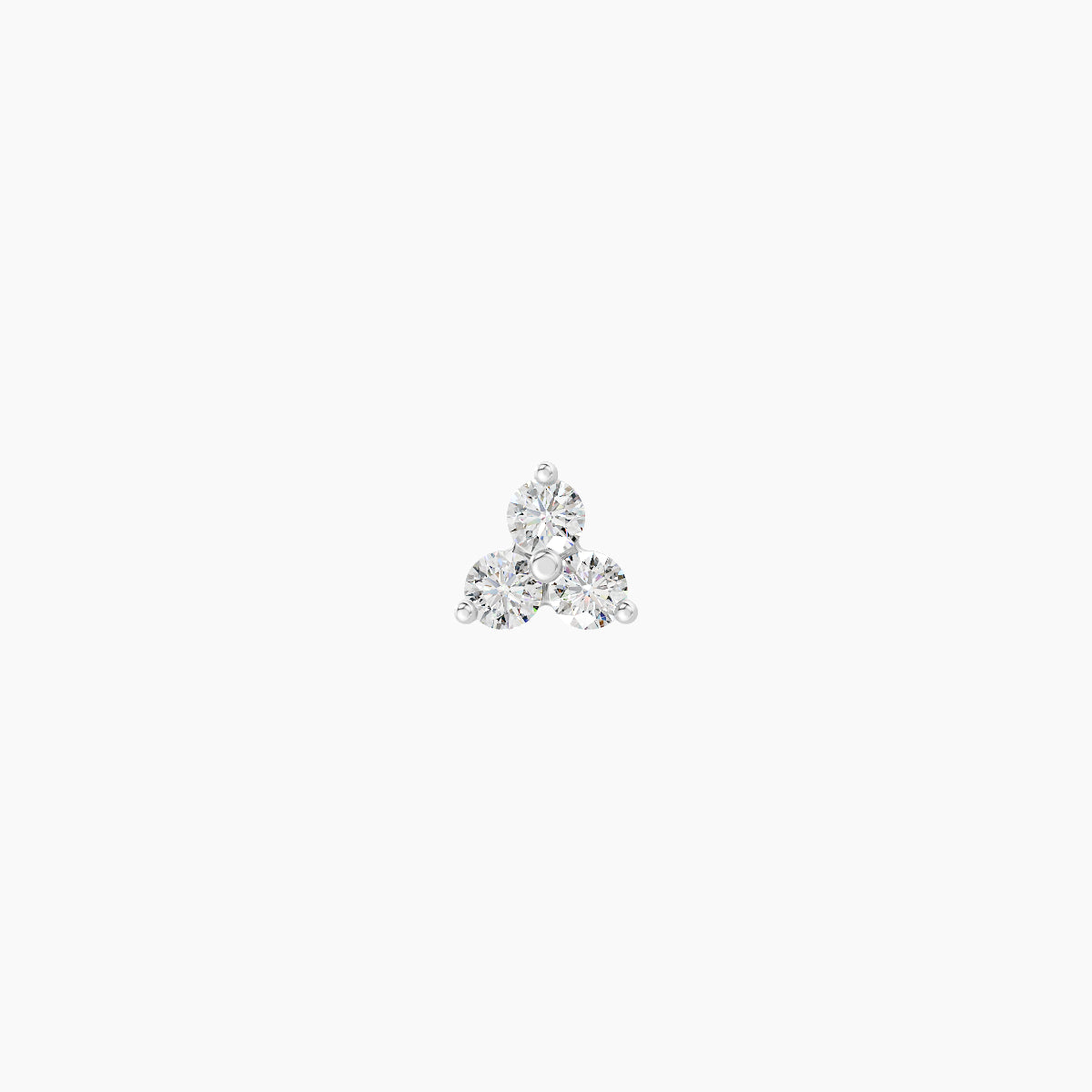
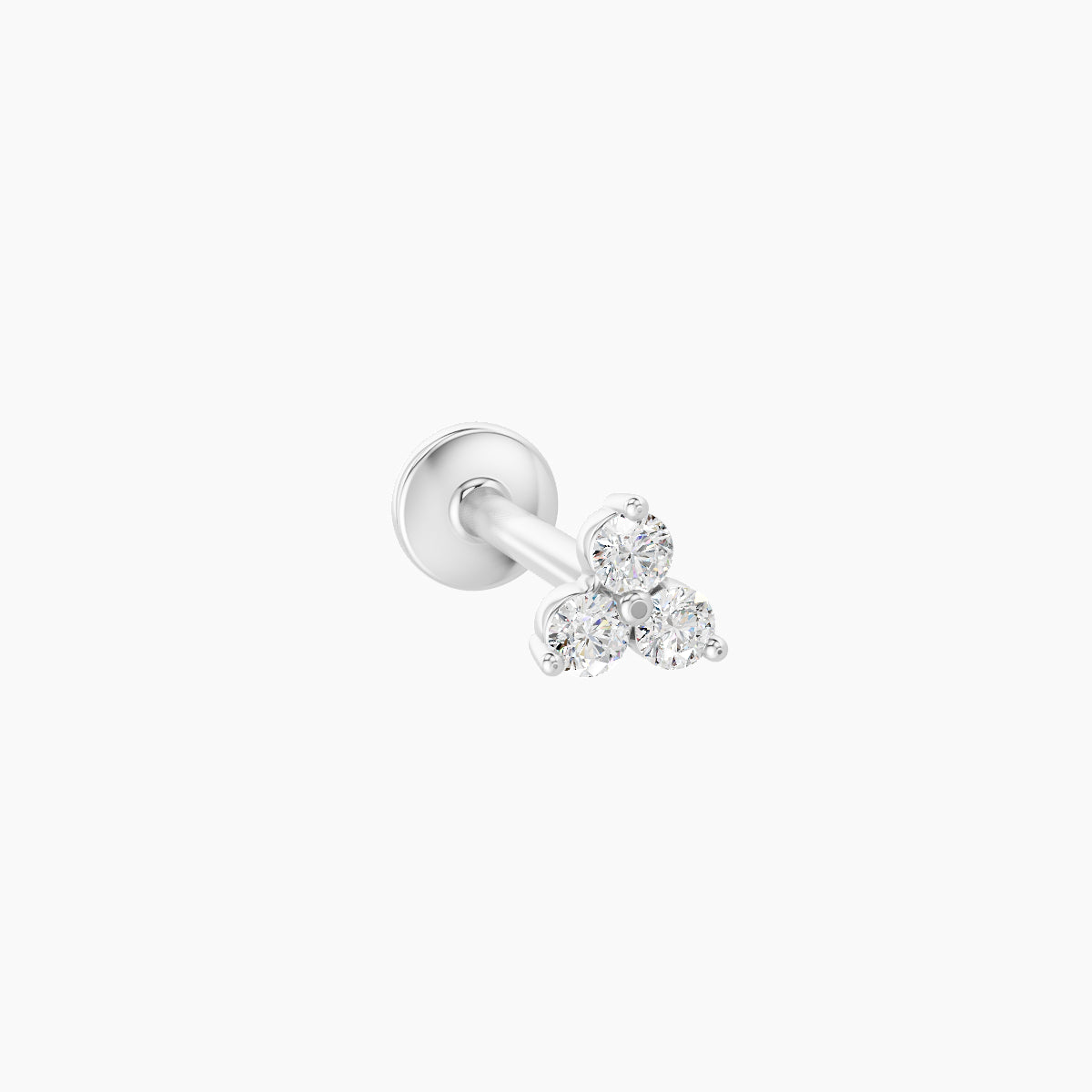
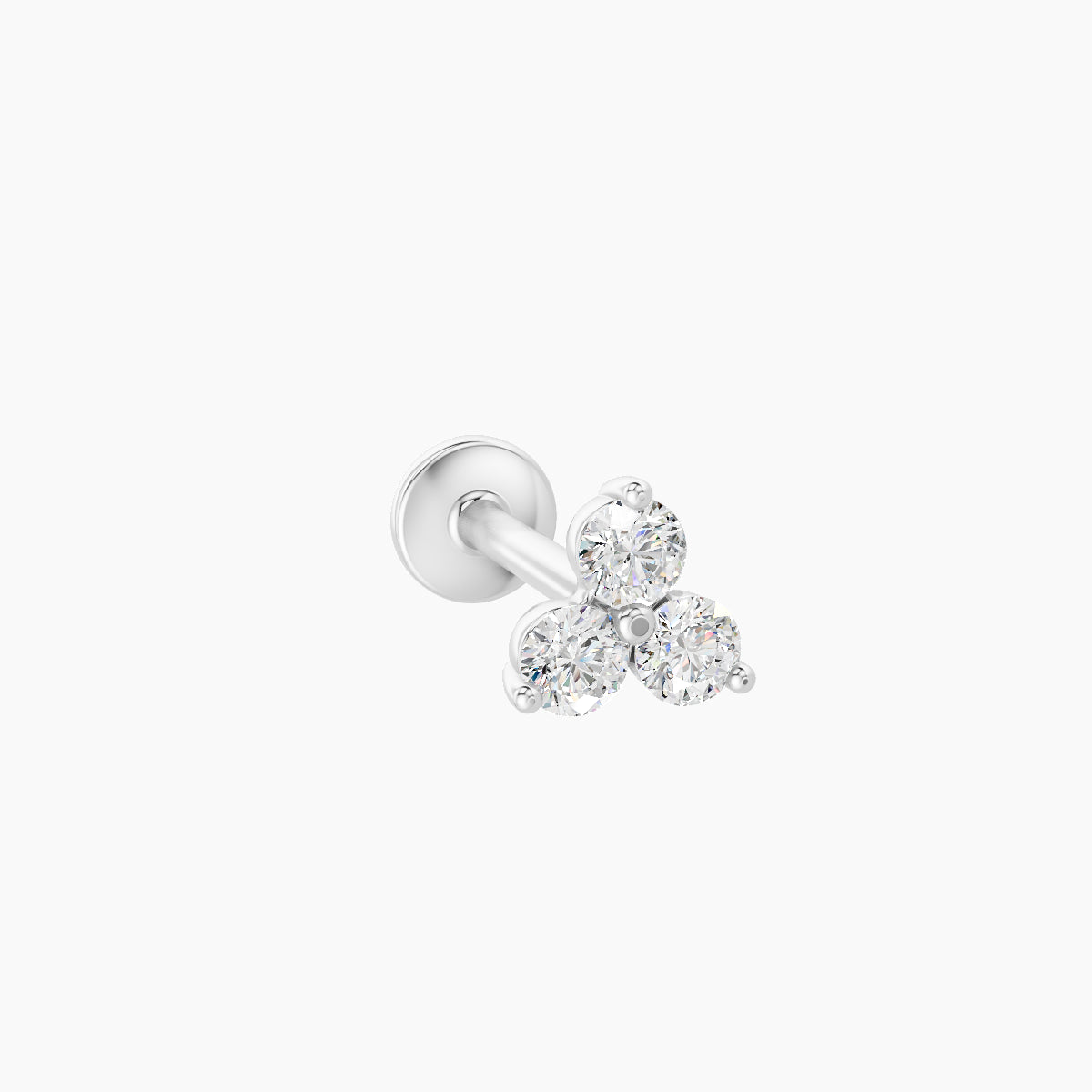
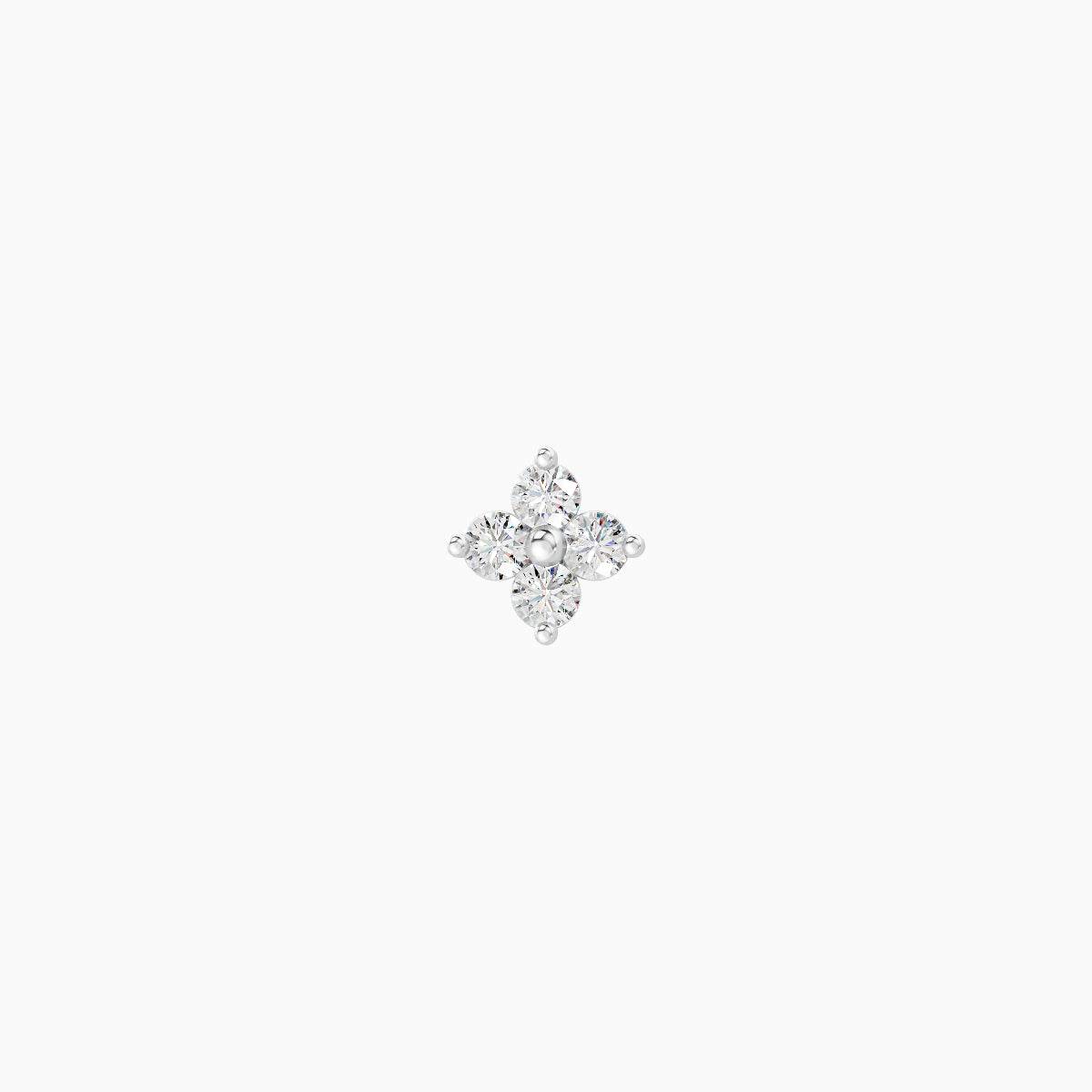
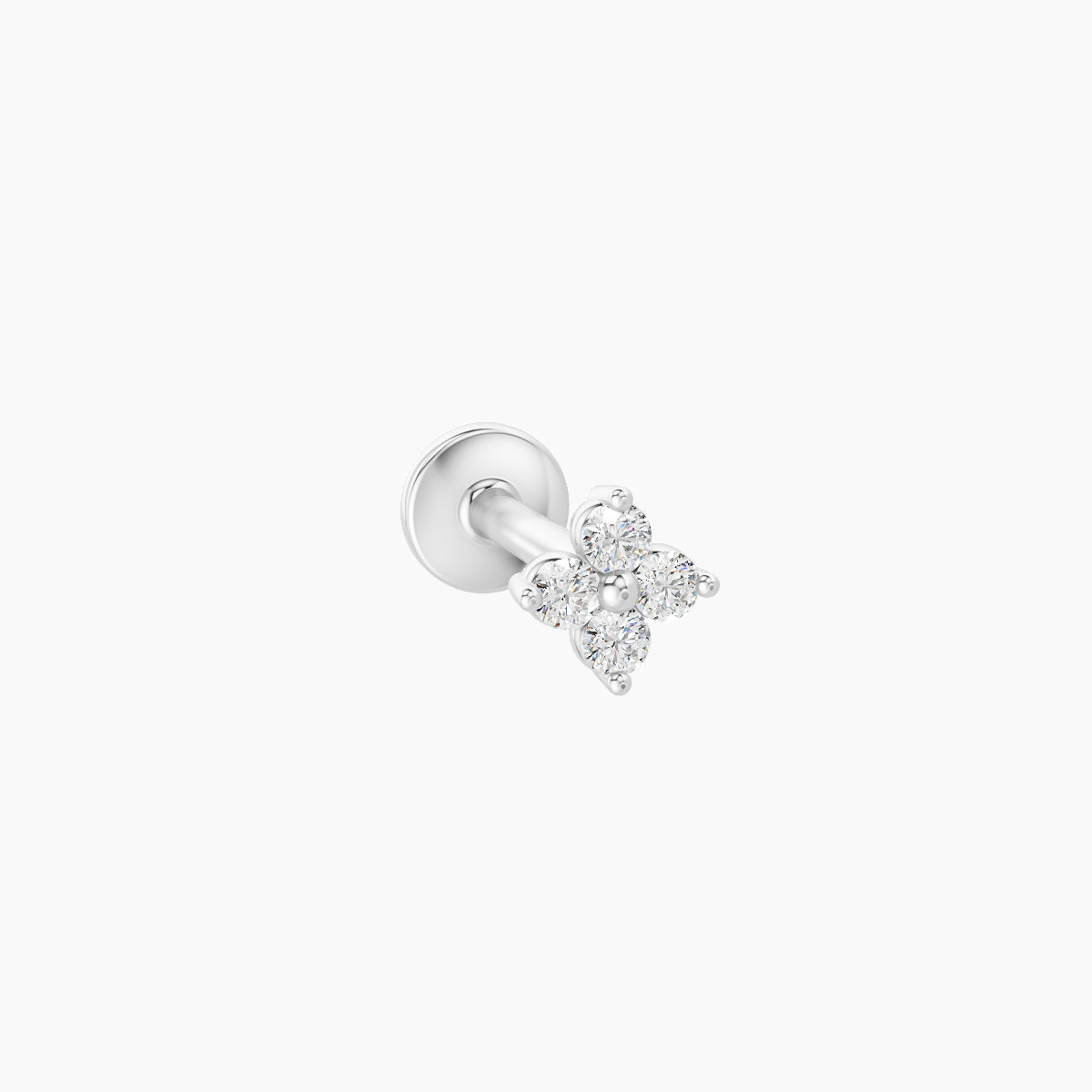
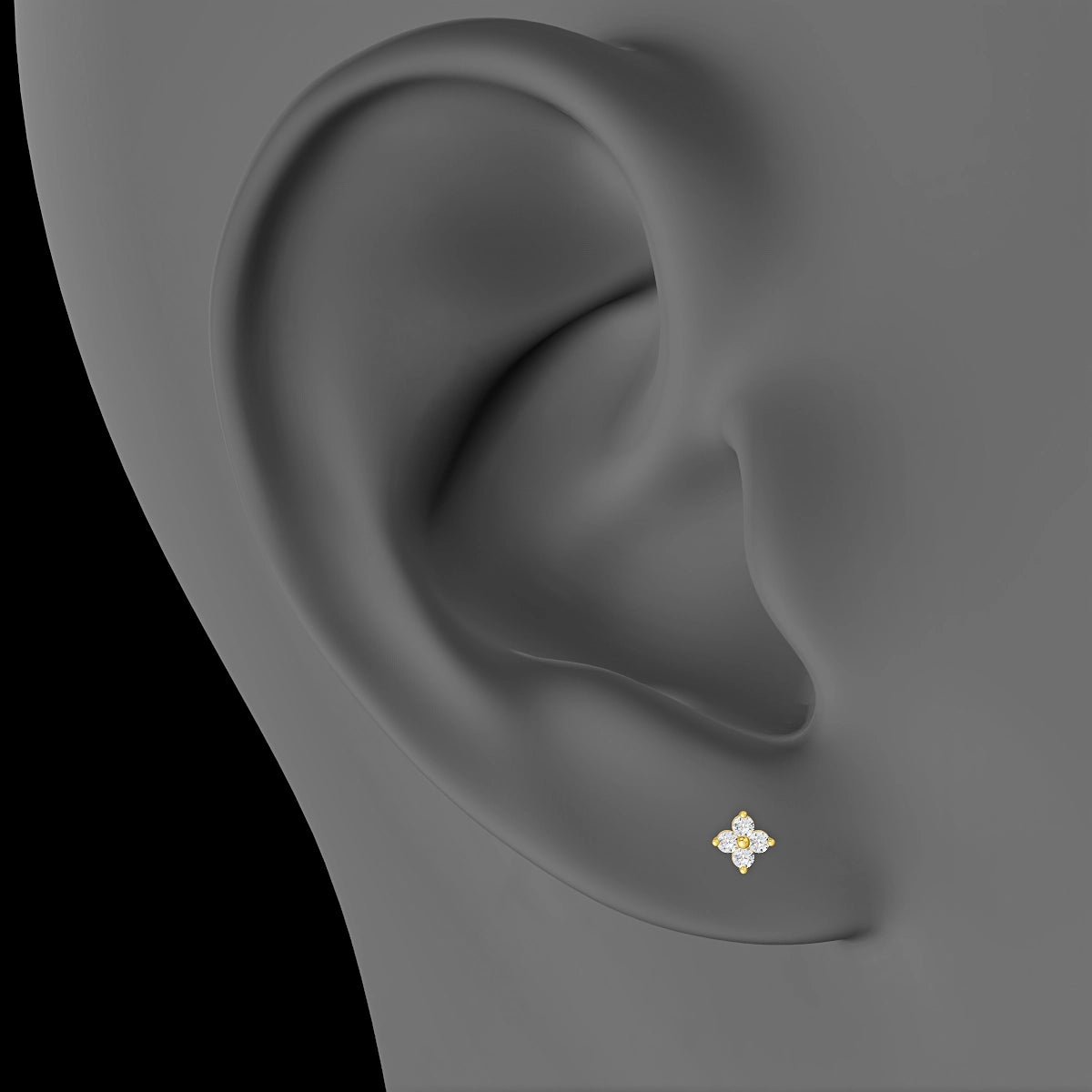
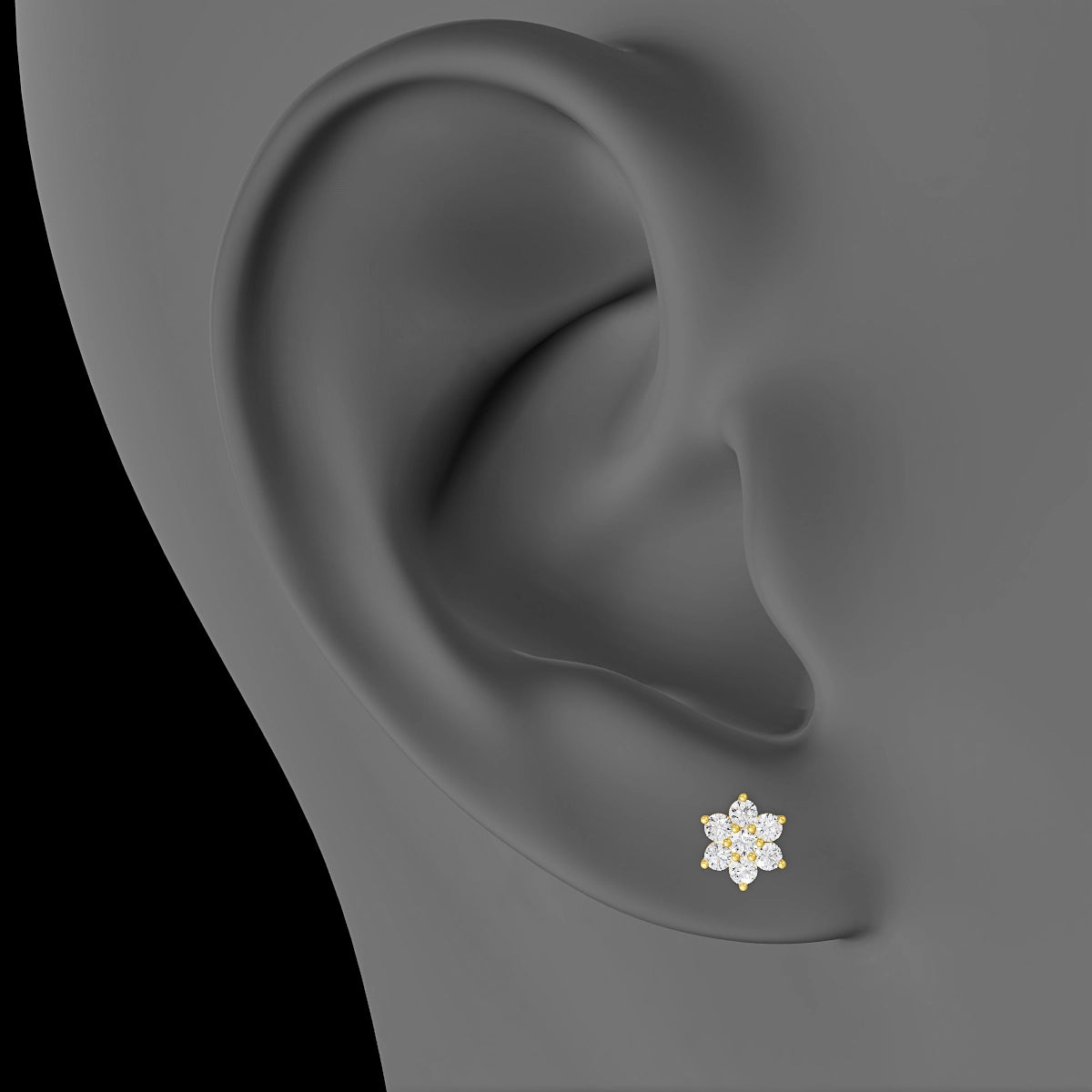
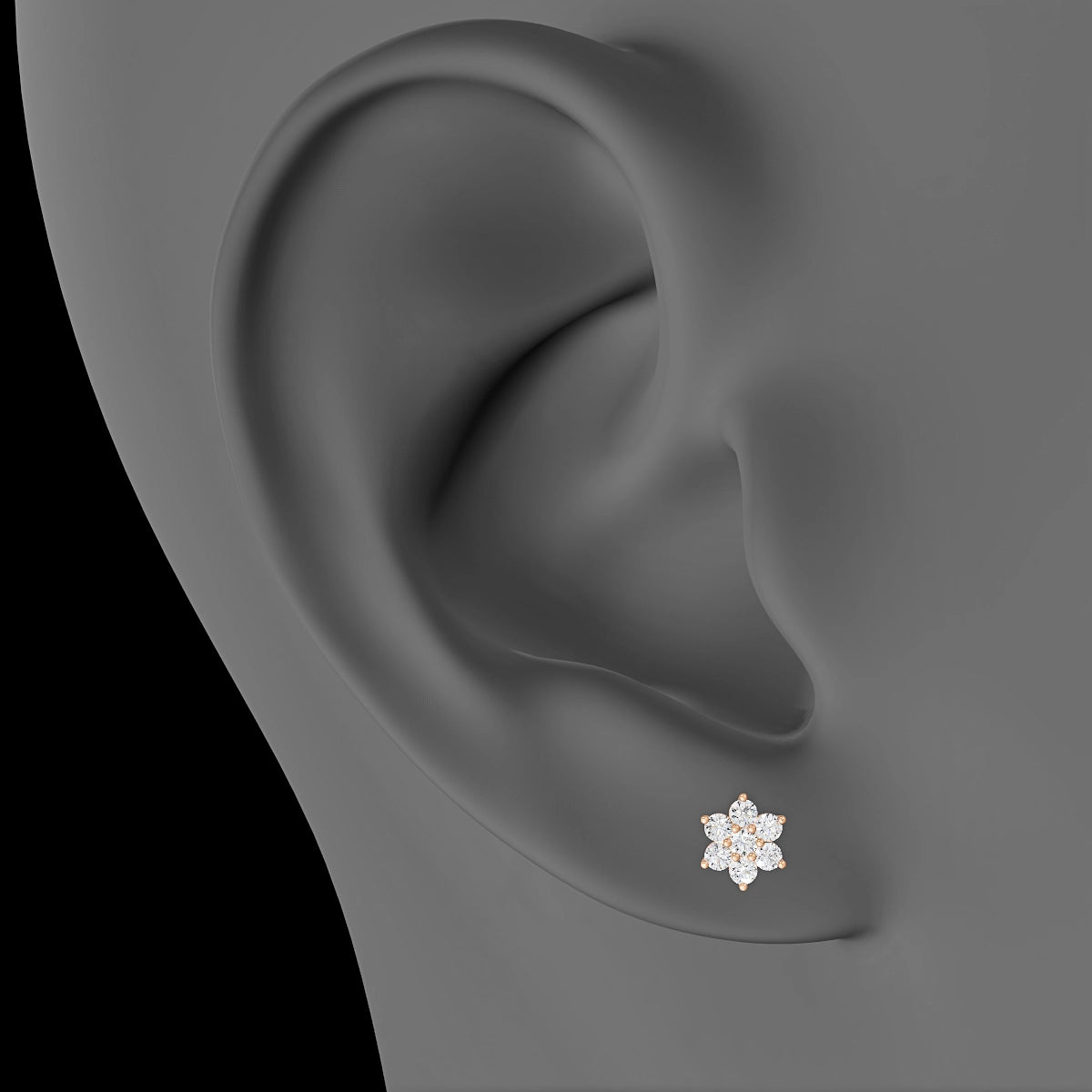
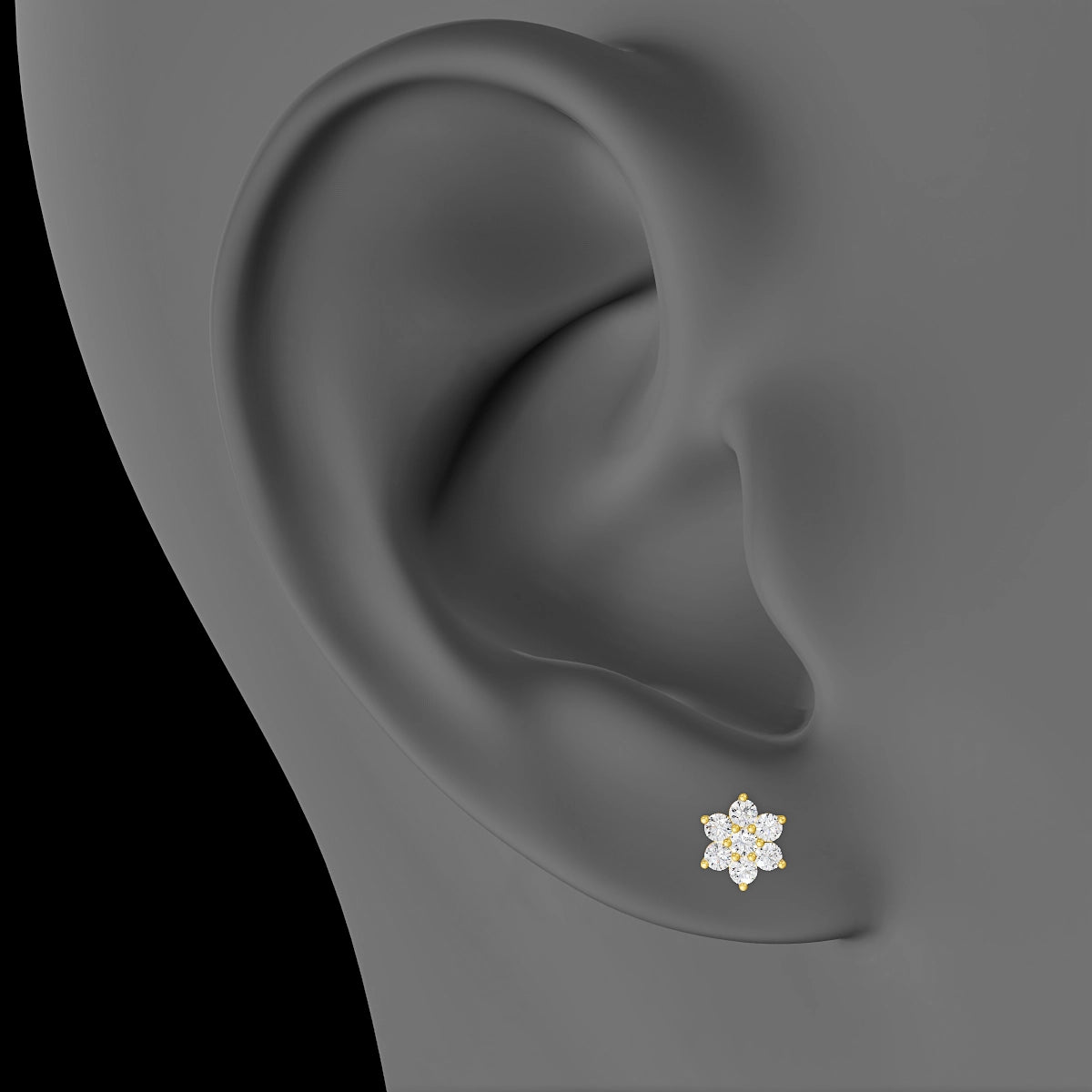
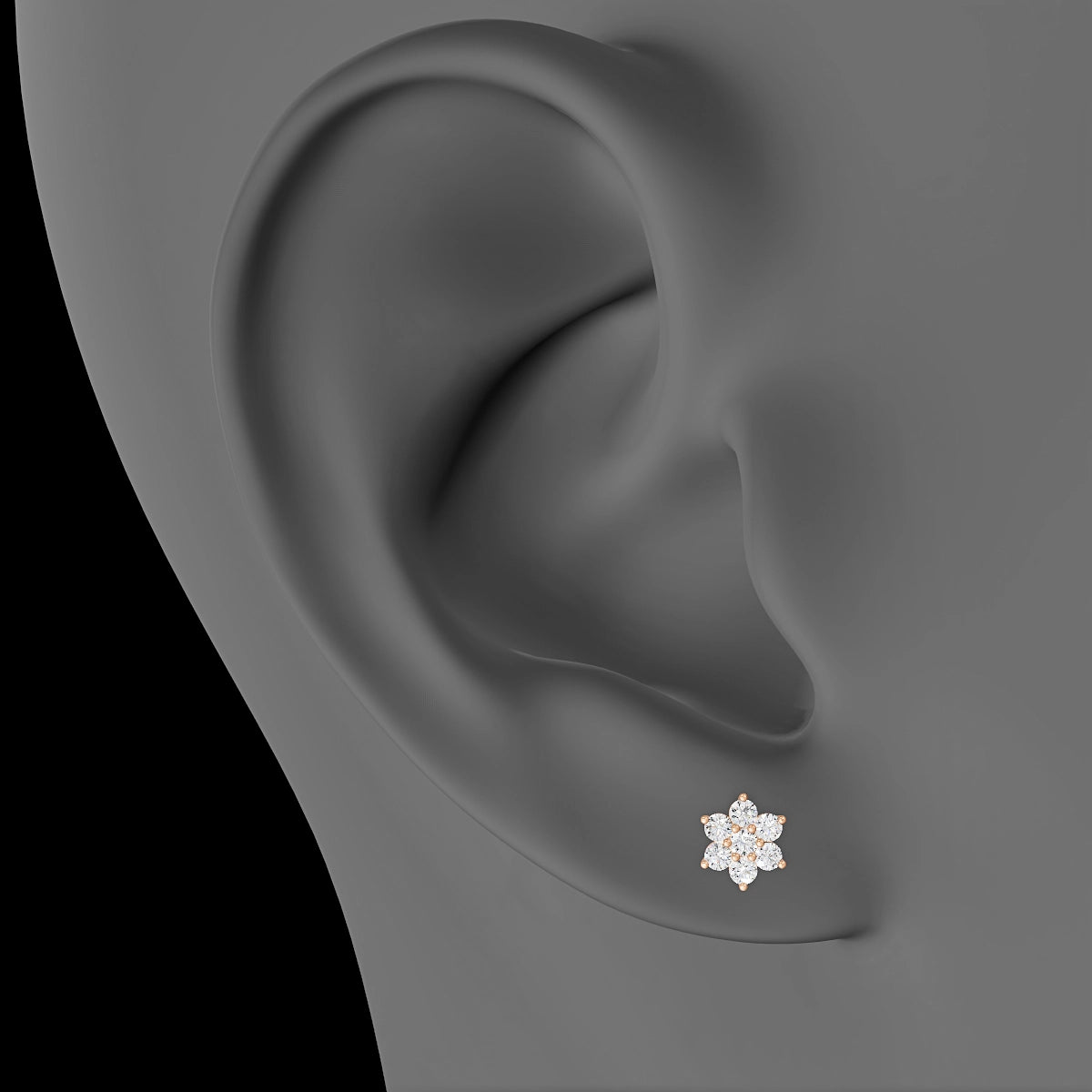
The antitragus is a small, angled placement well suited to studs and hoops. It sits close to the ear canal opening, so it pairs well with other cartilage piercings for a layered ear composition.
SIZING
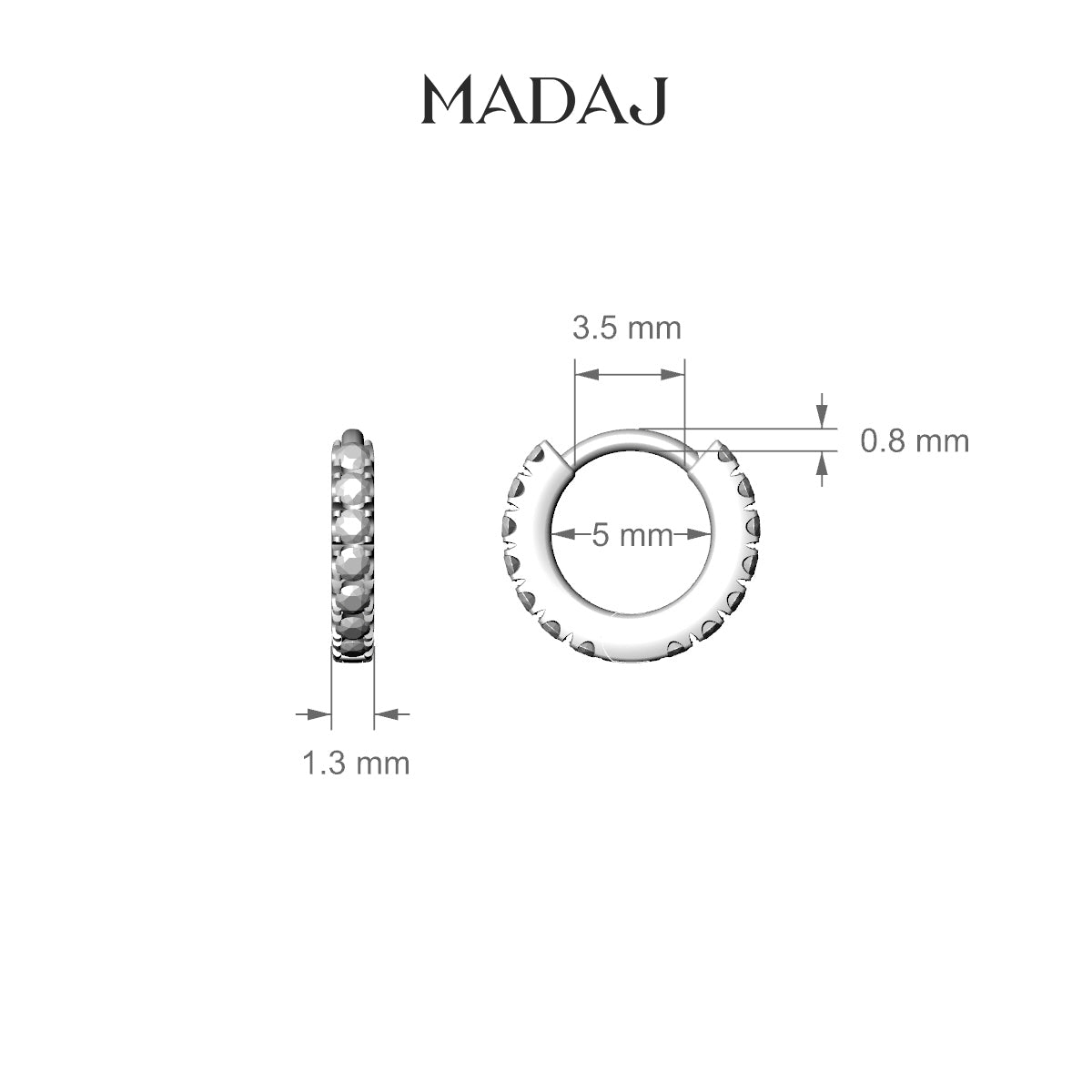
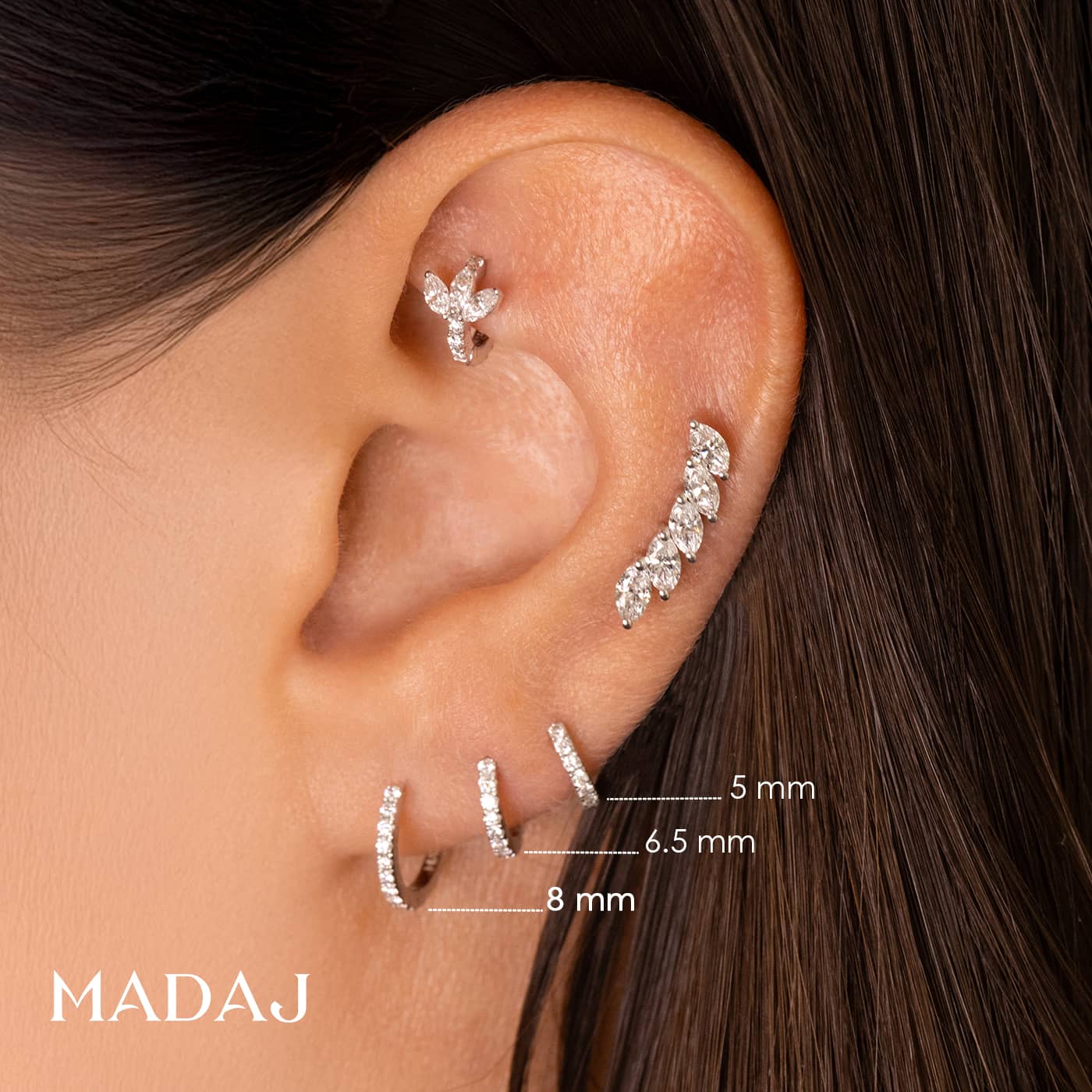
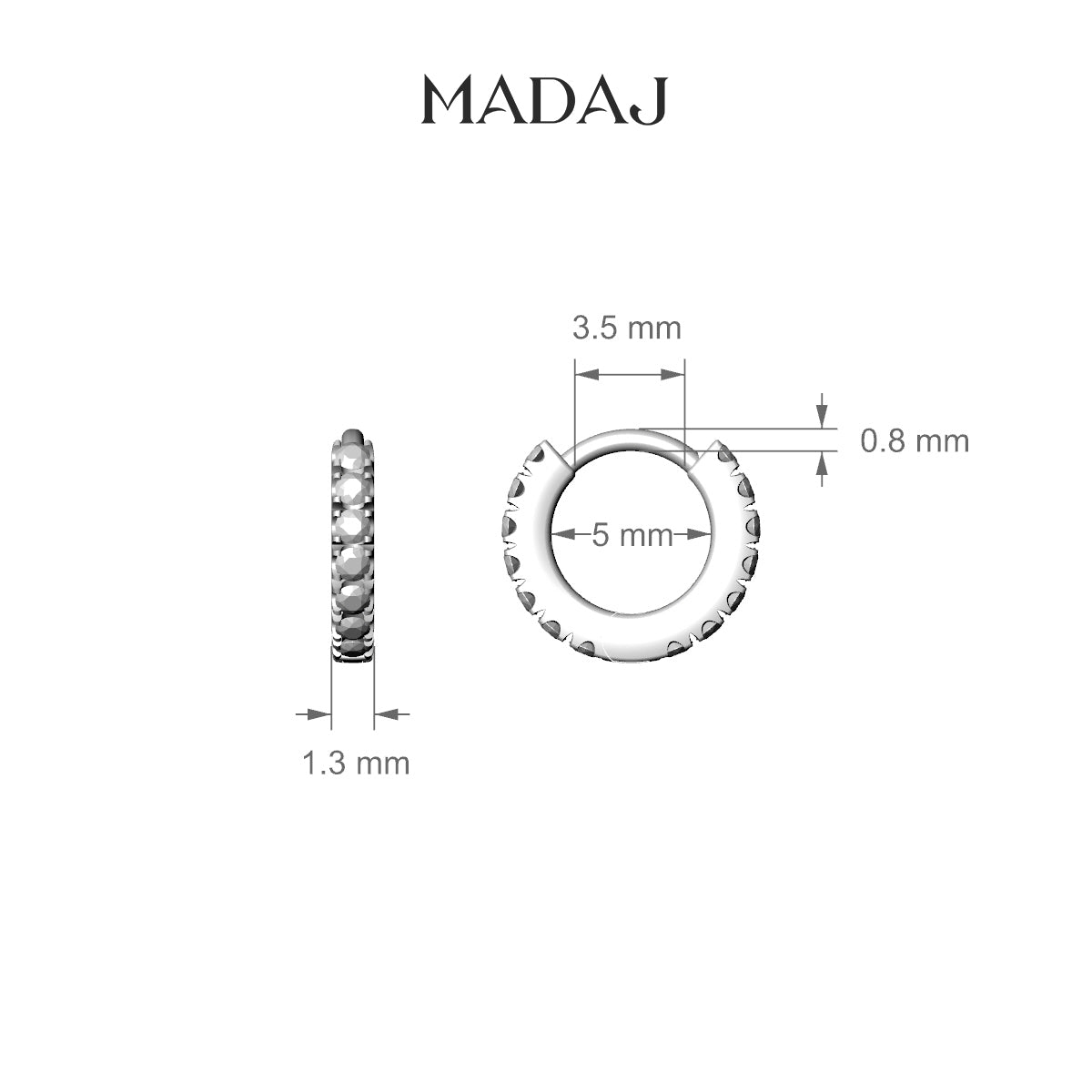
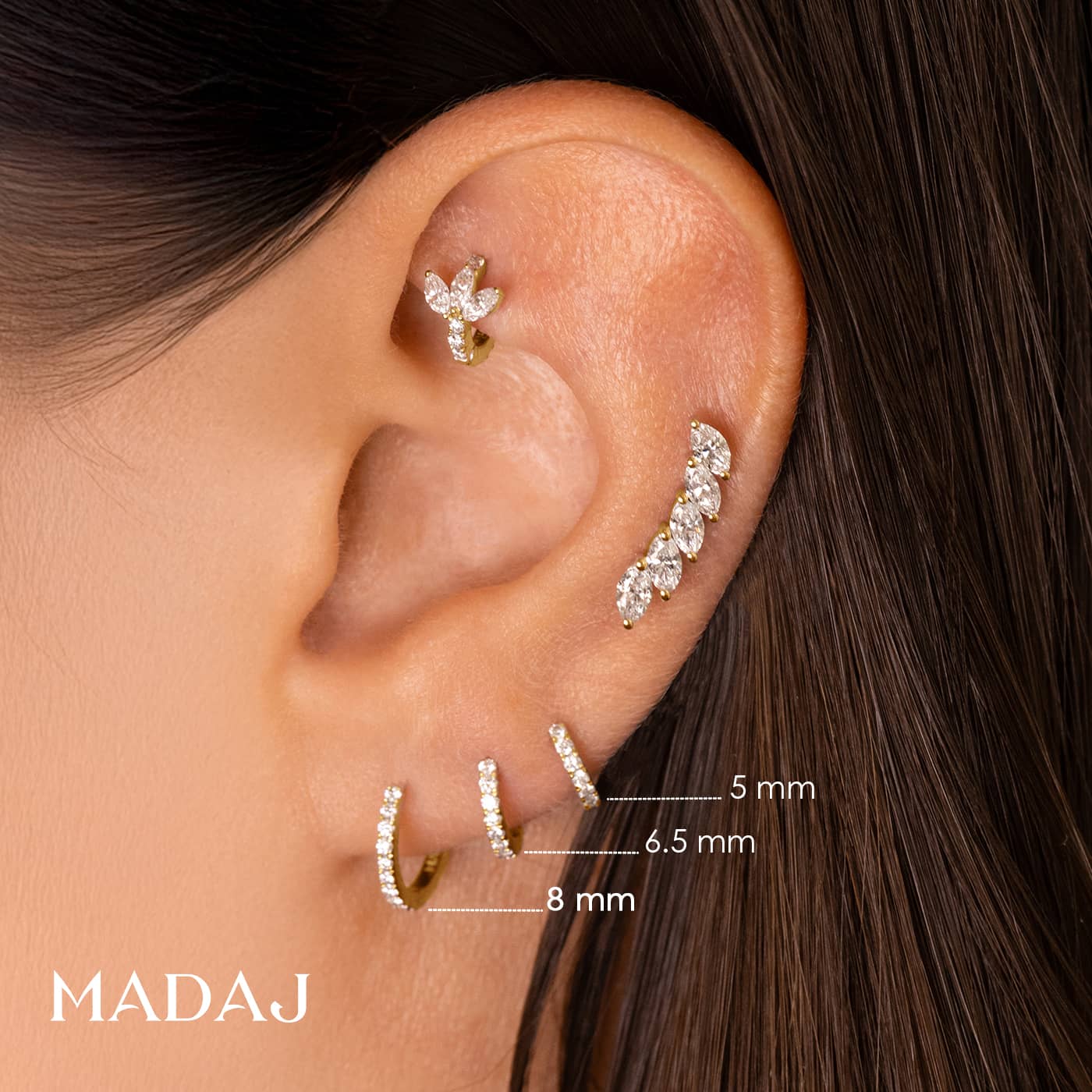
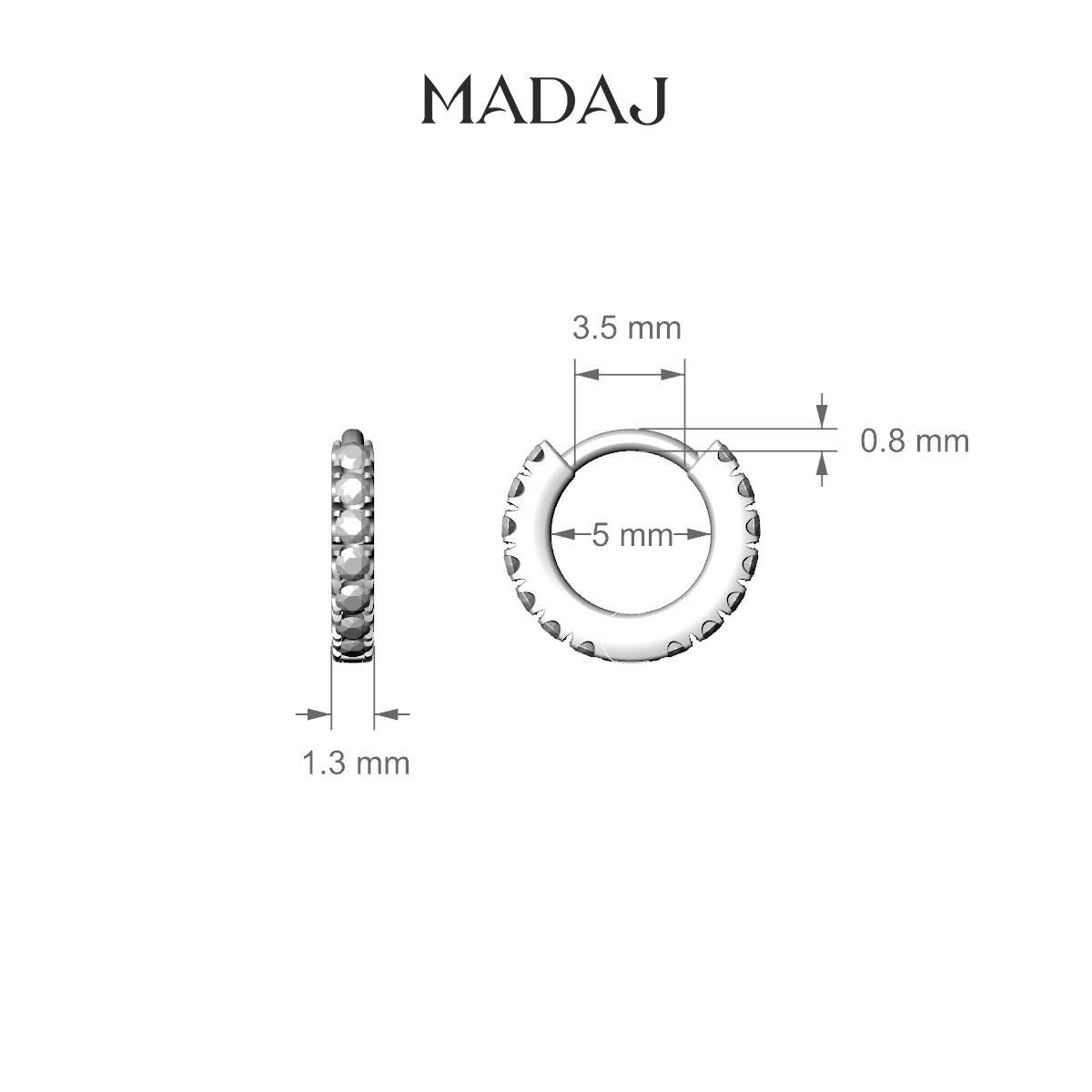
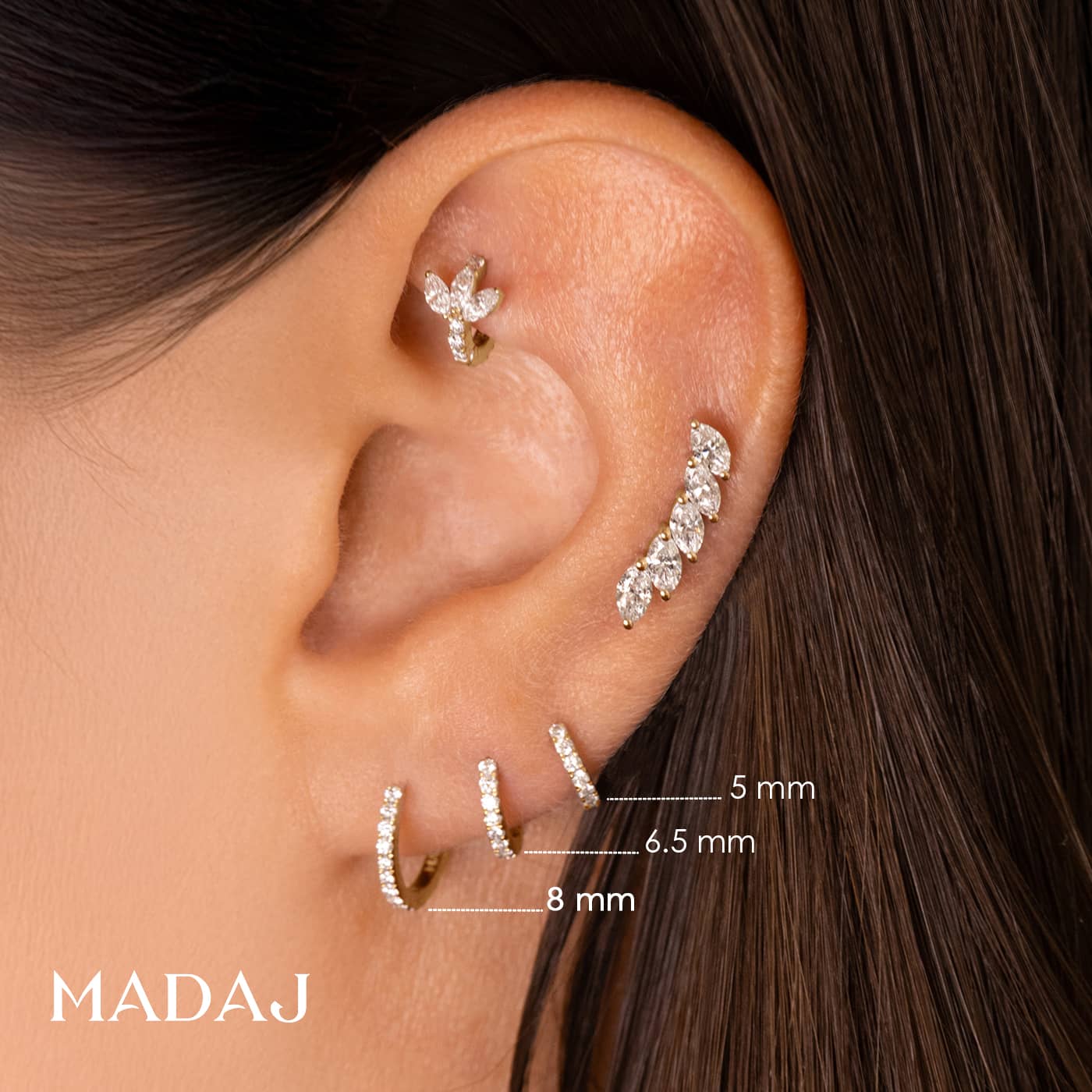
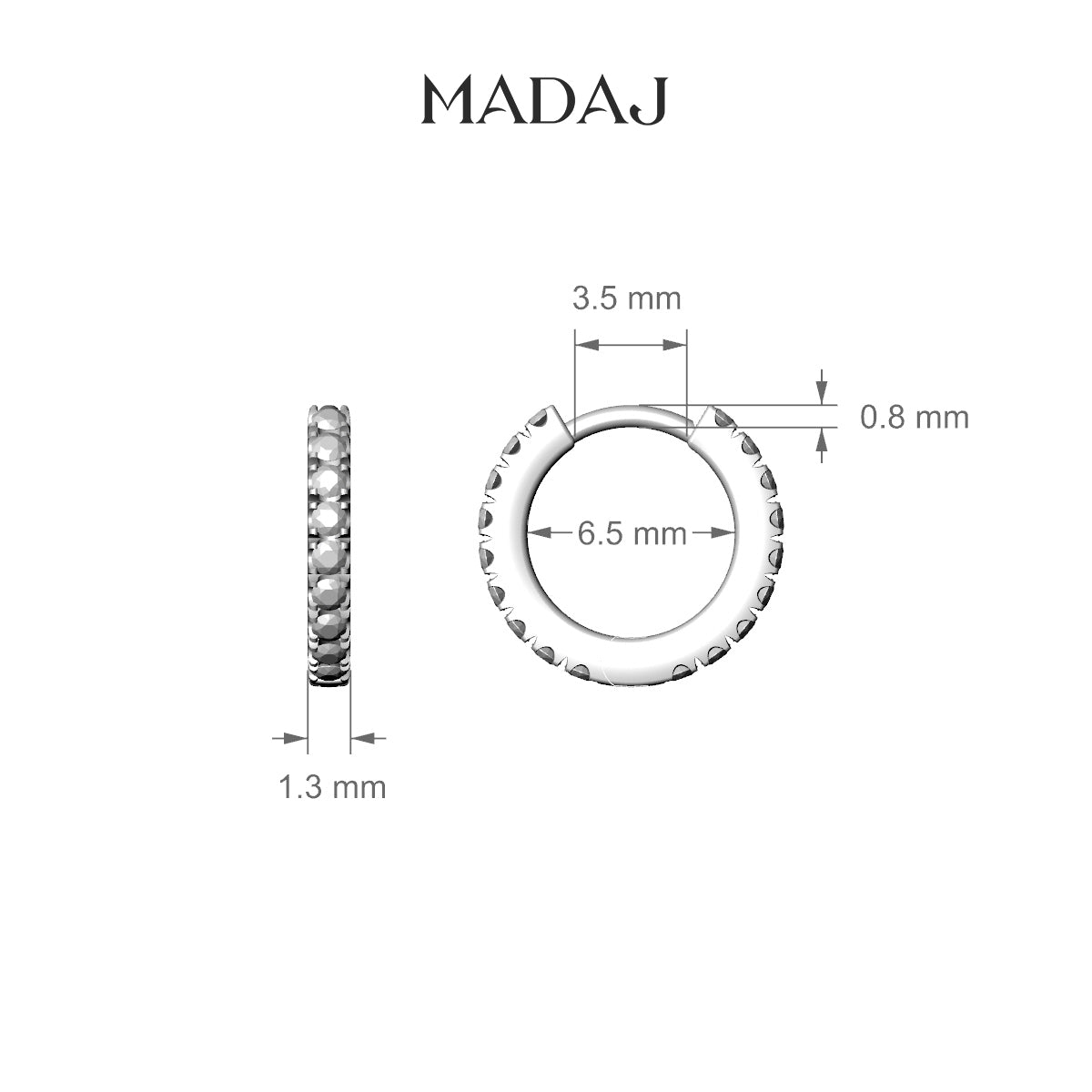
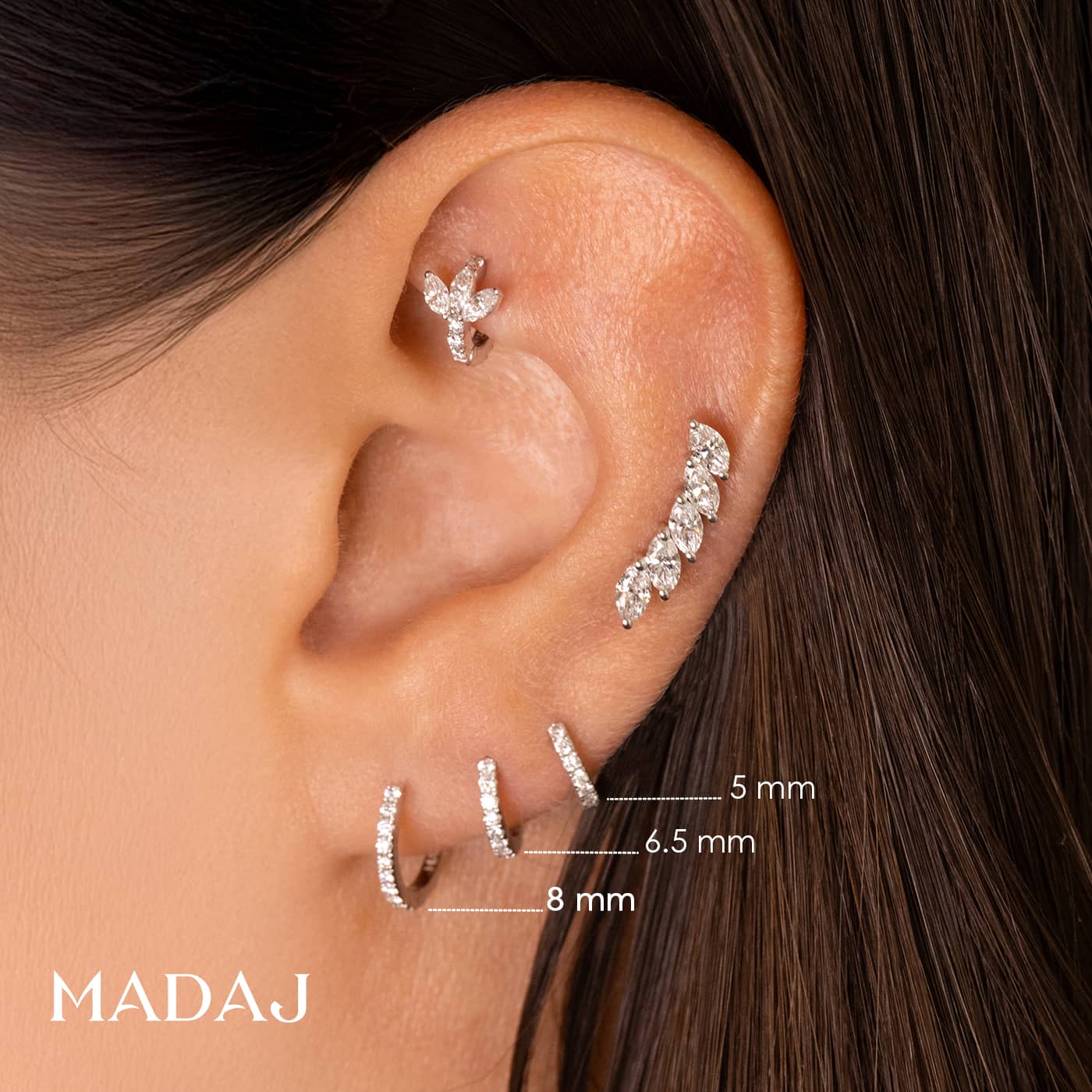
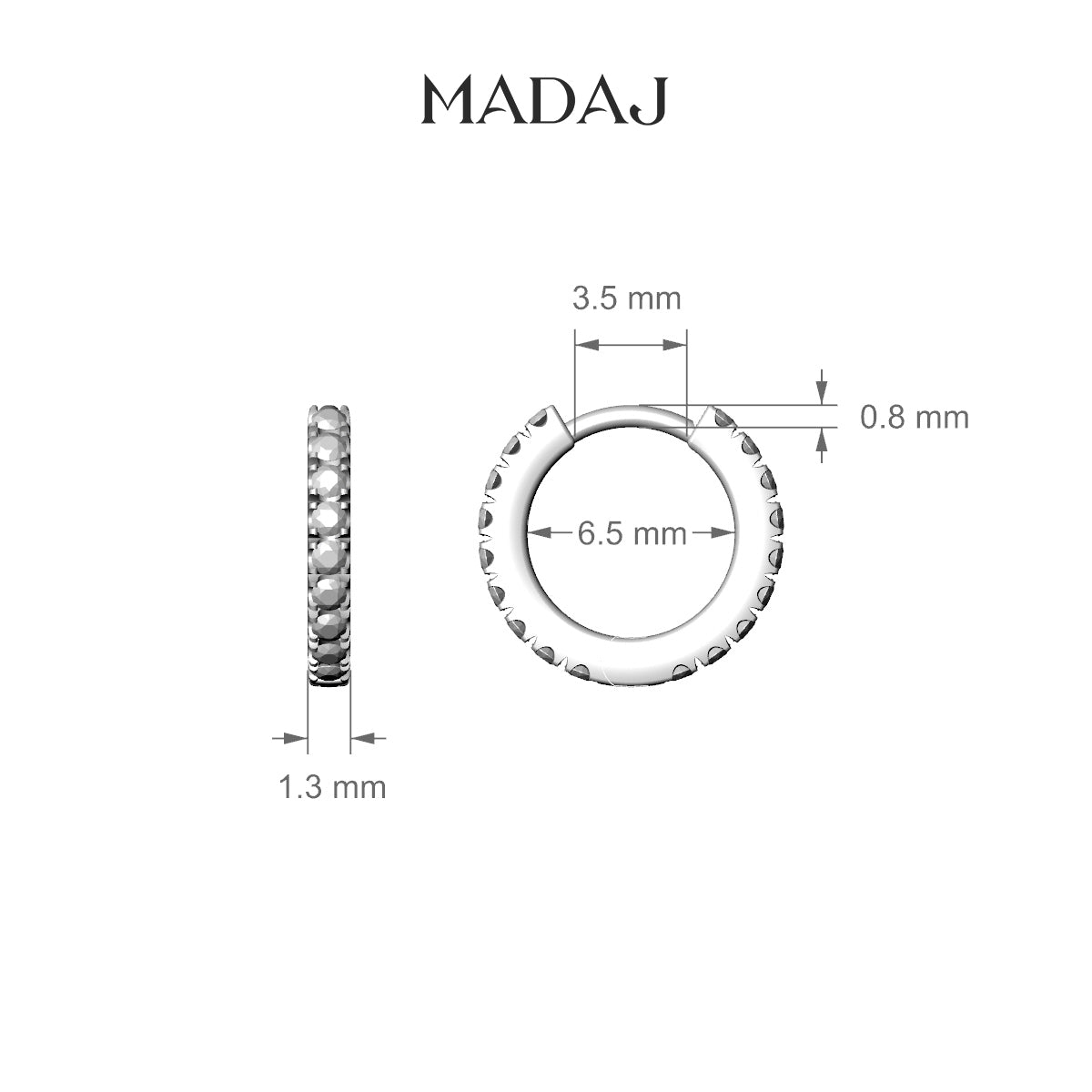
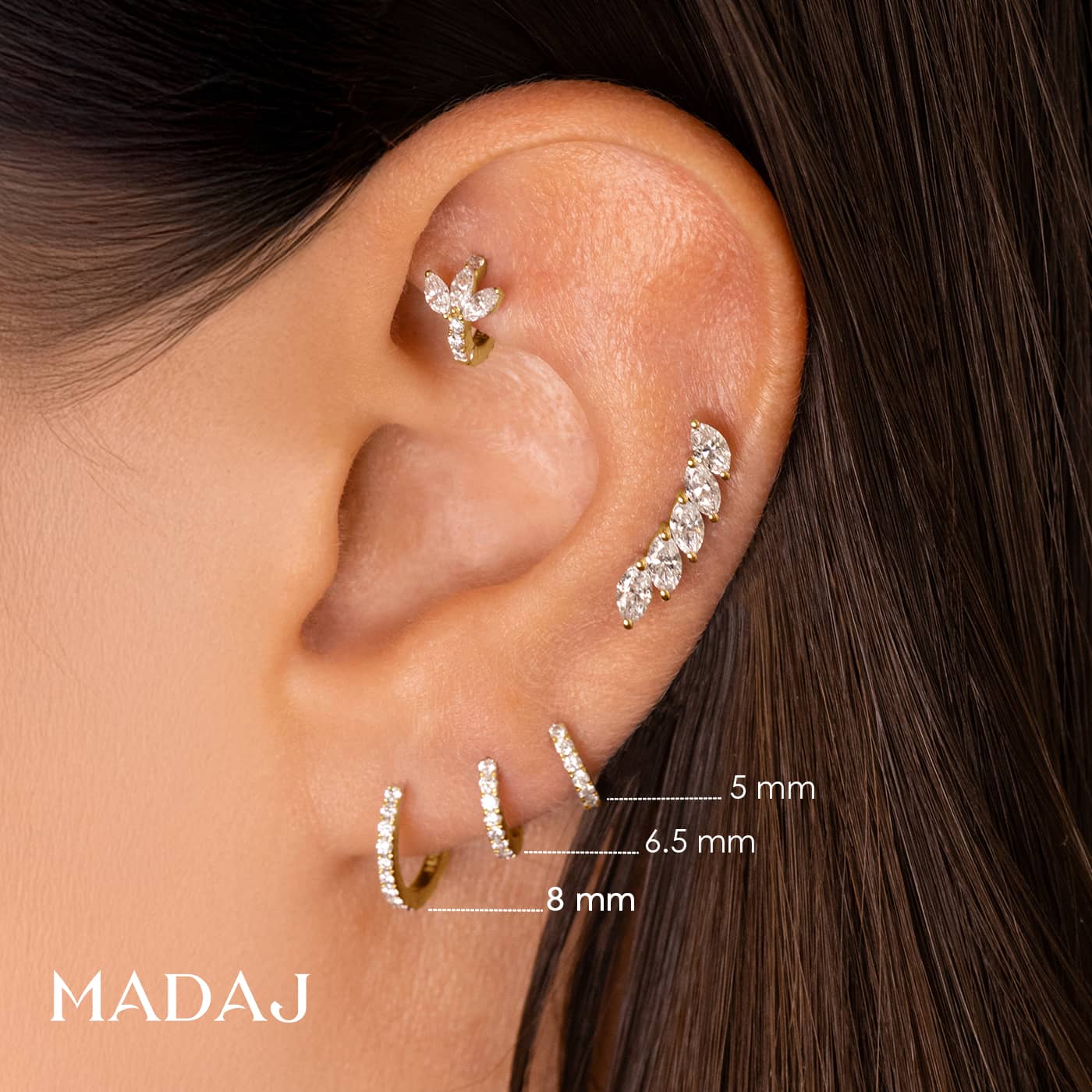
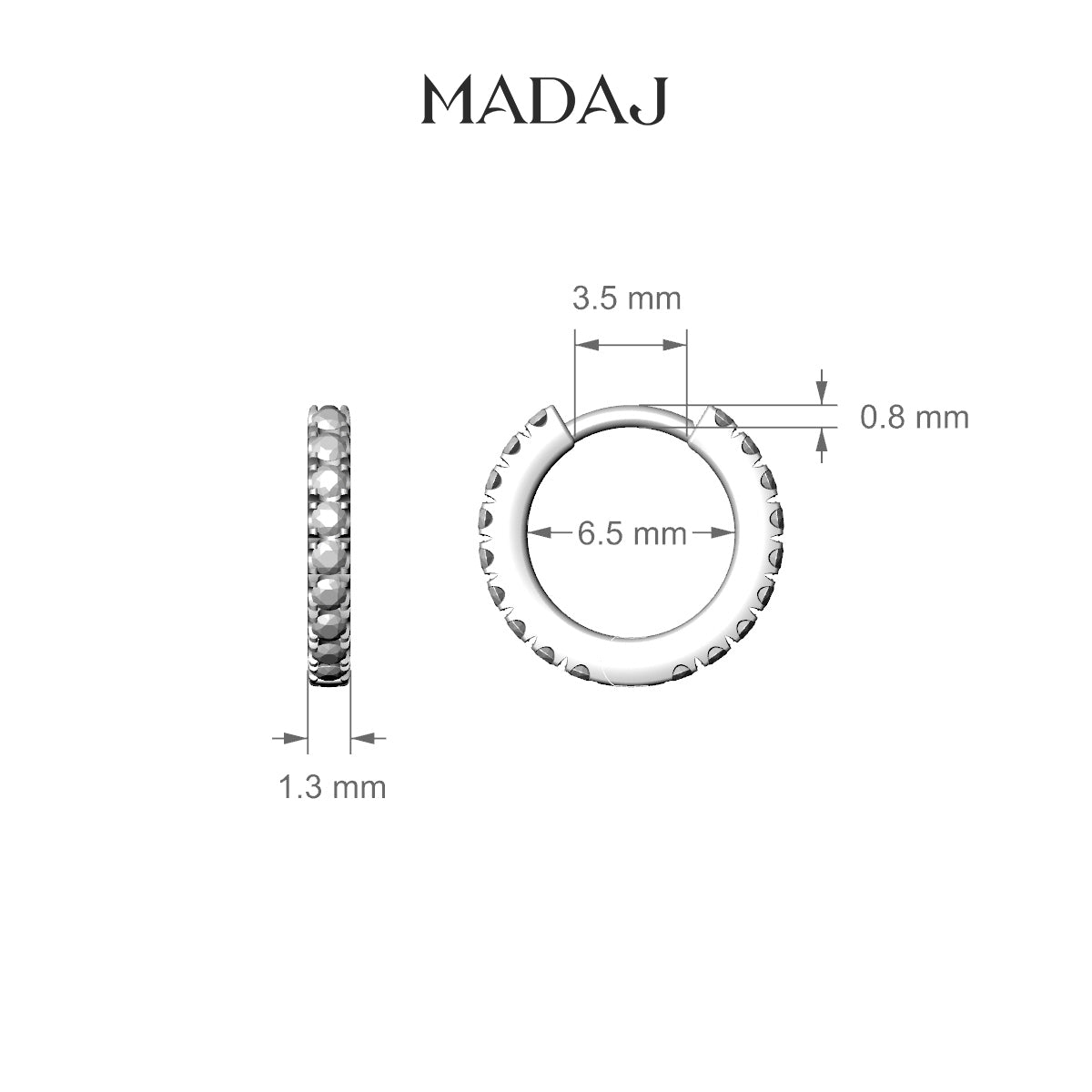
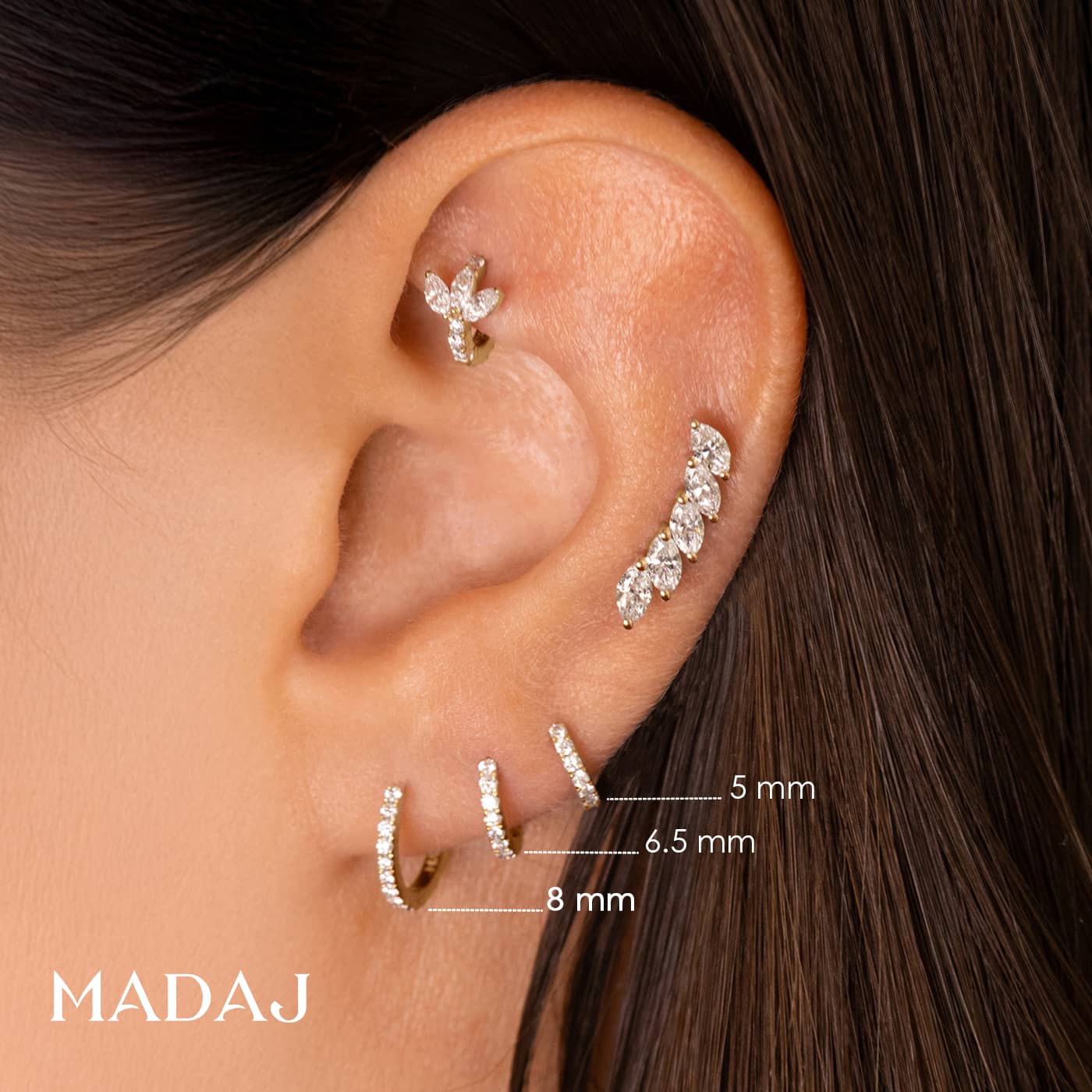
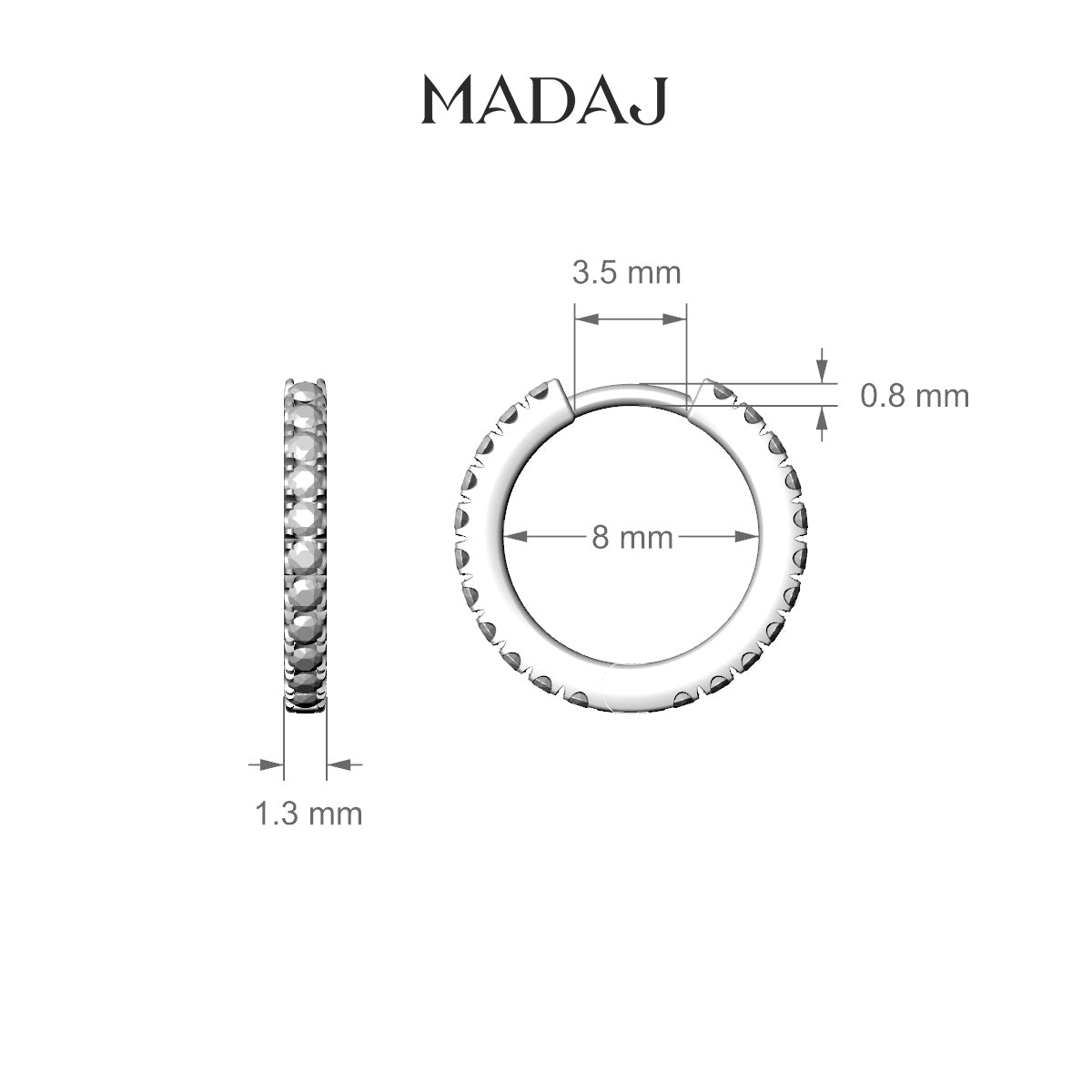
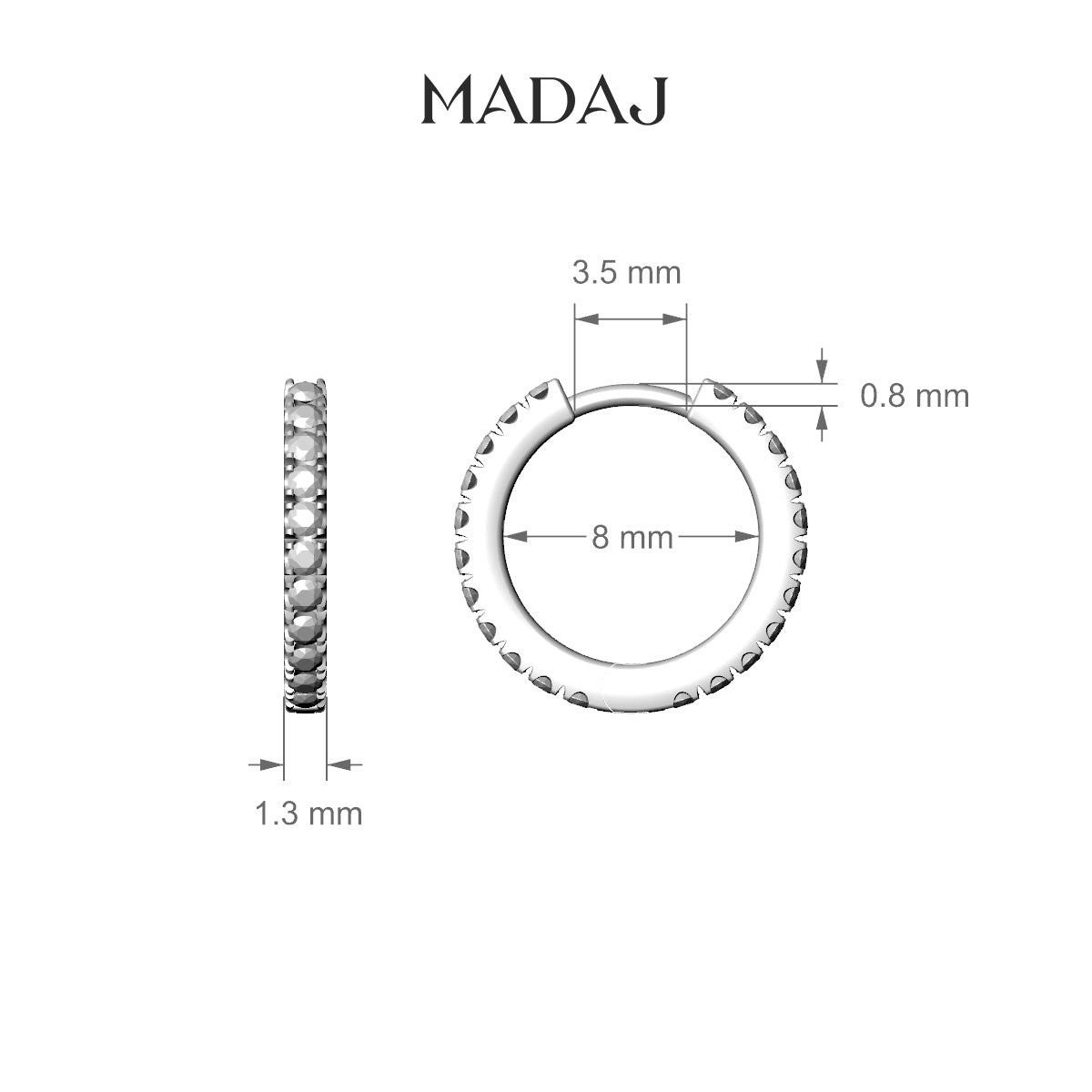
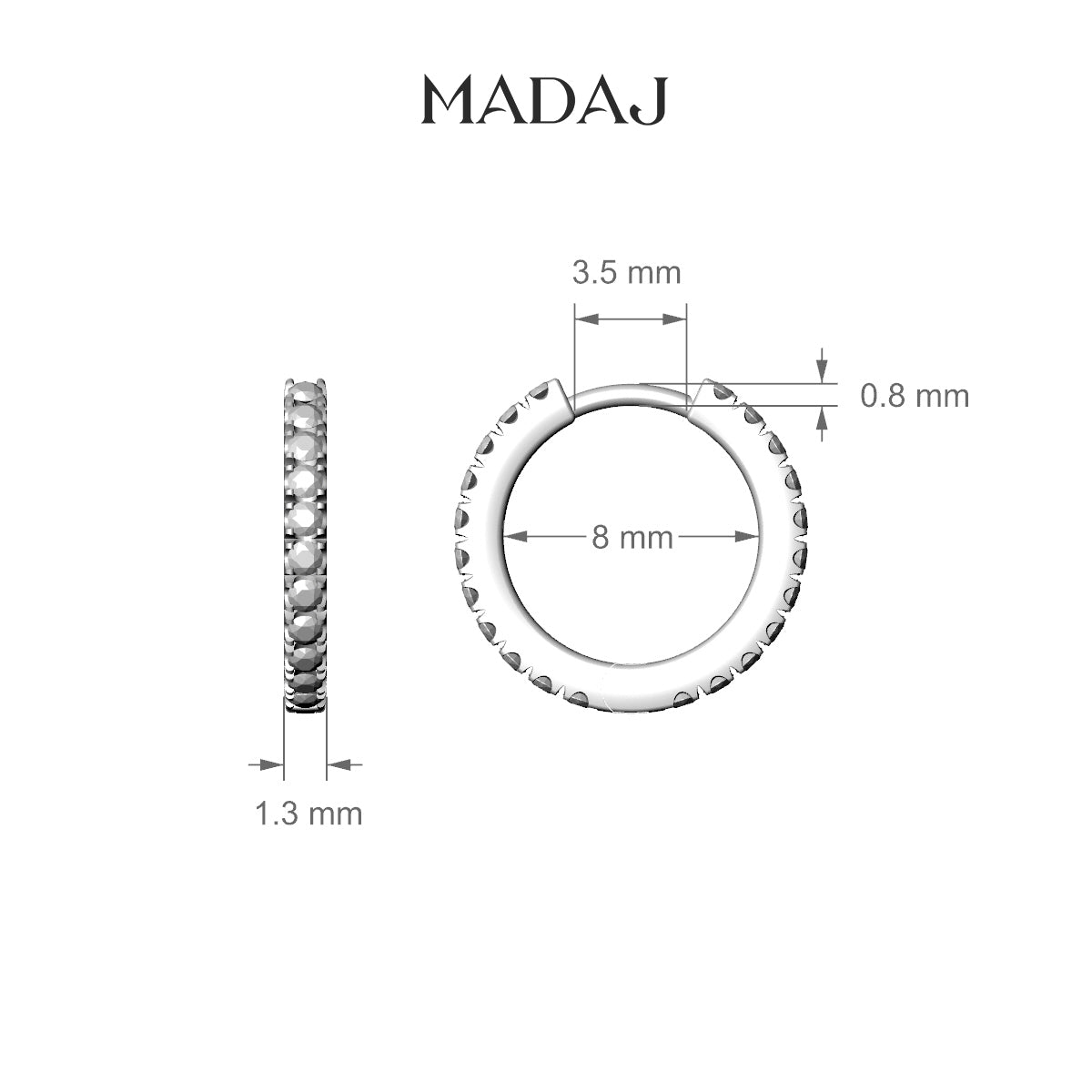
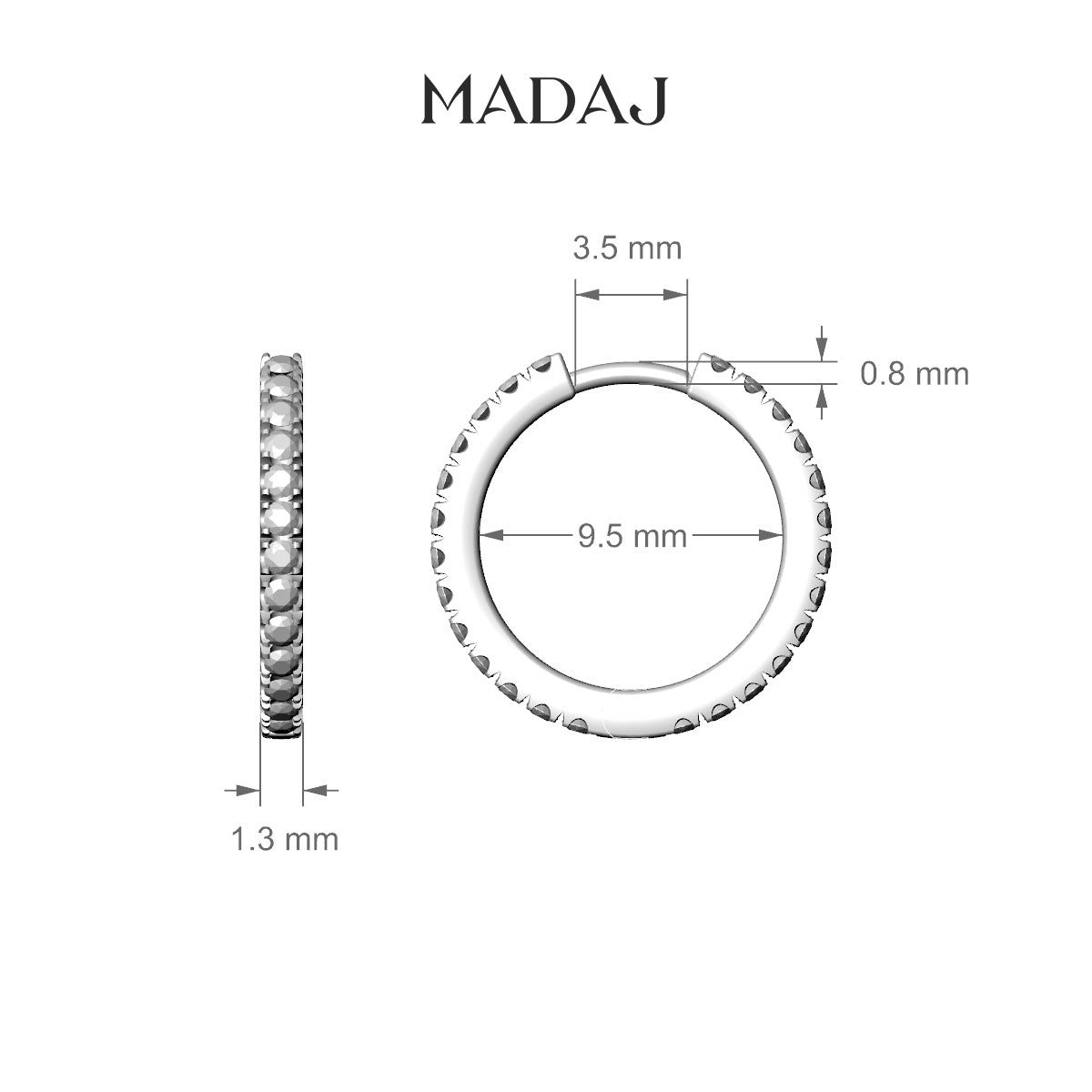
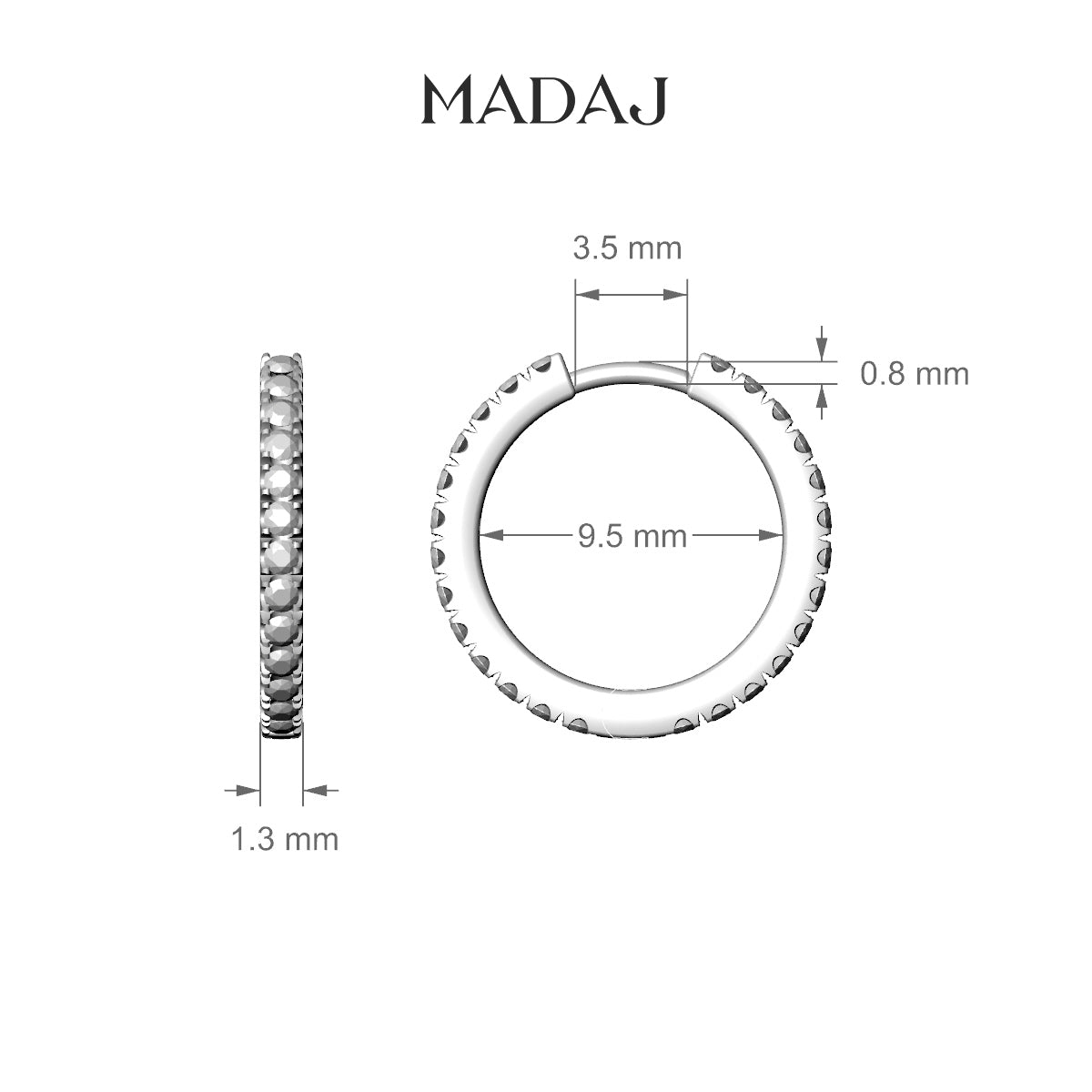
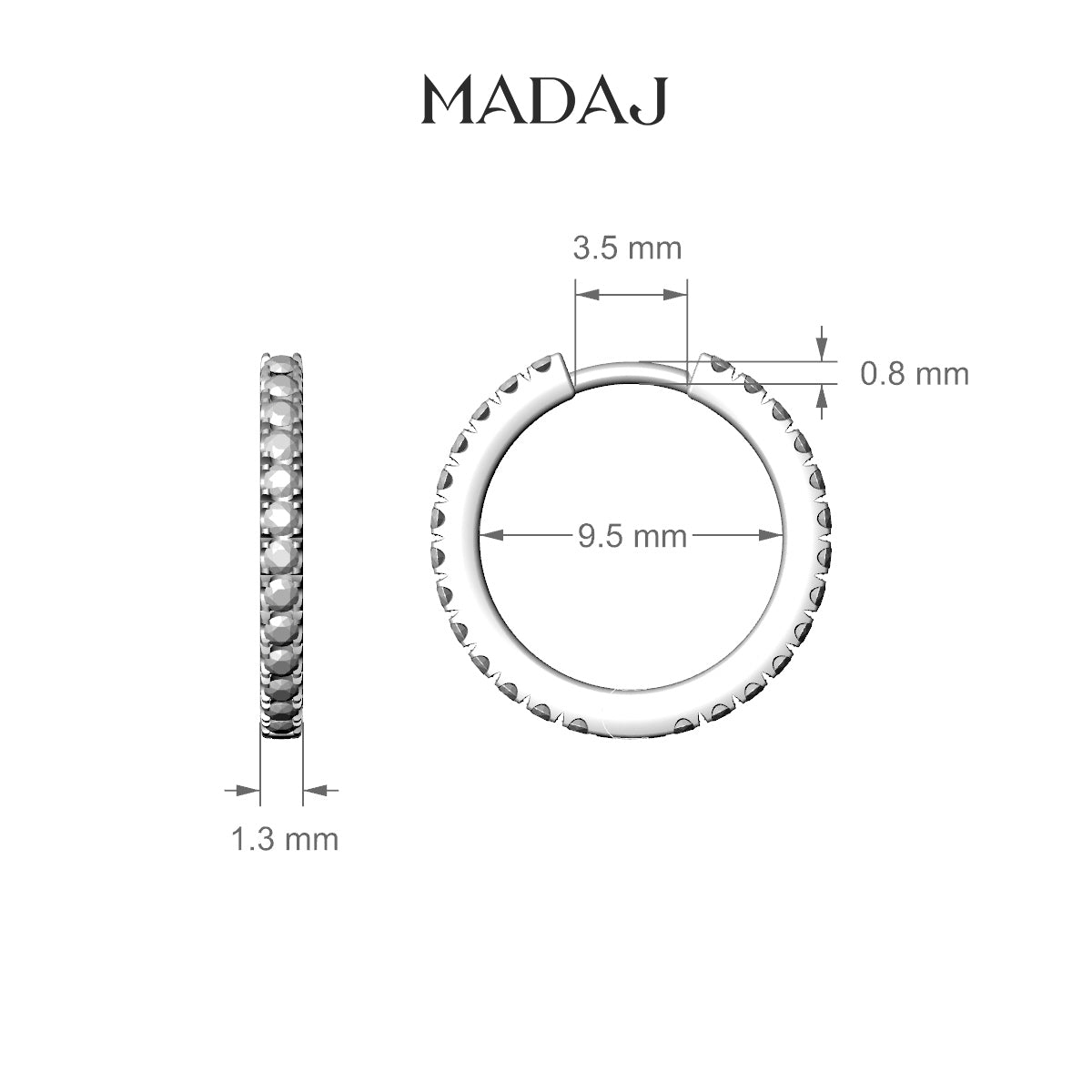
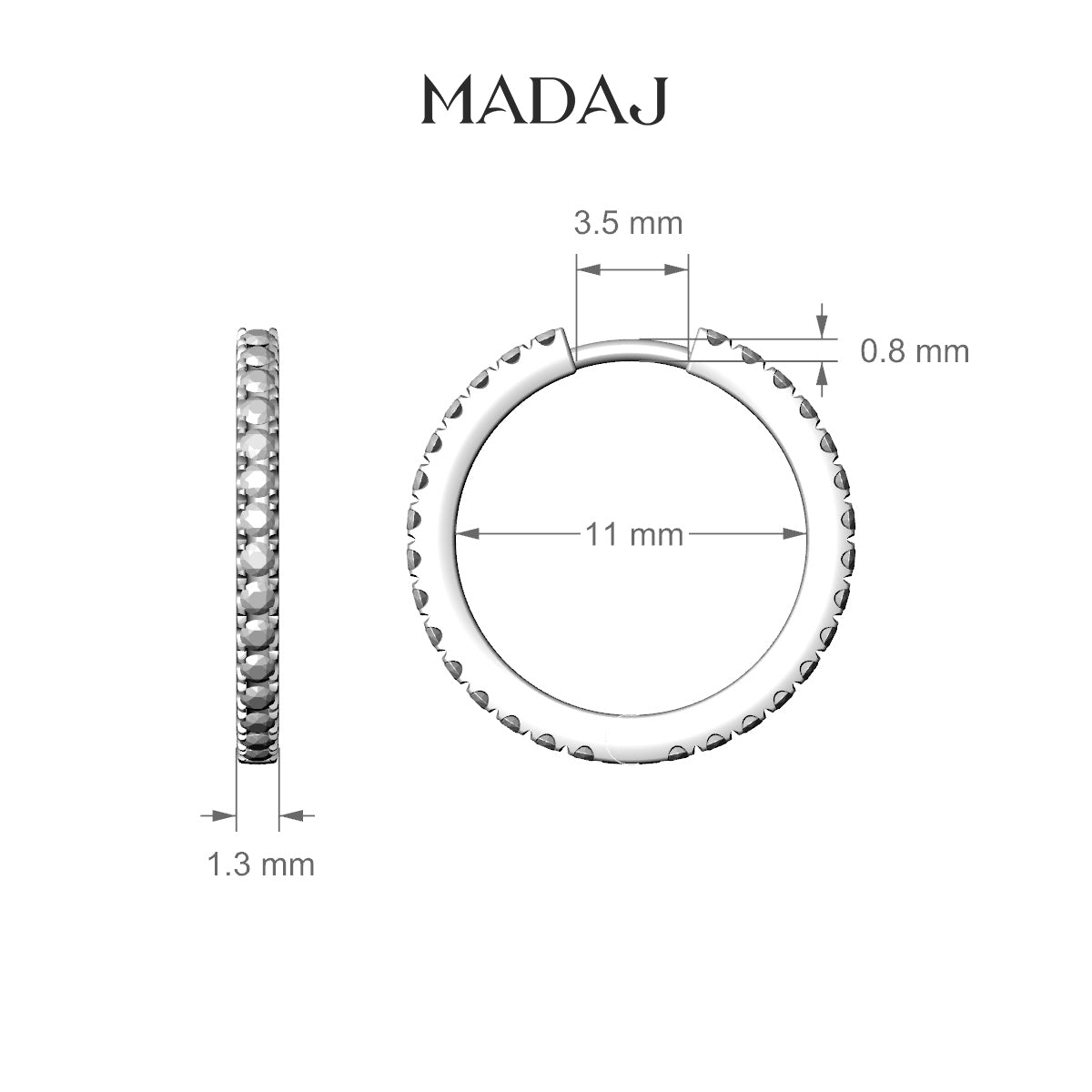
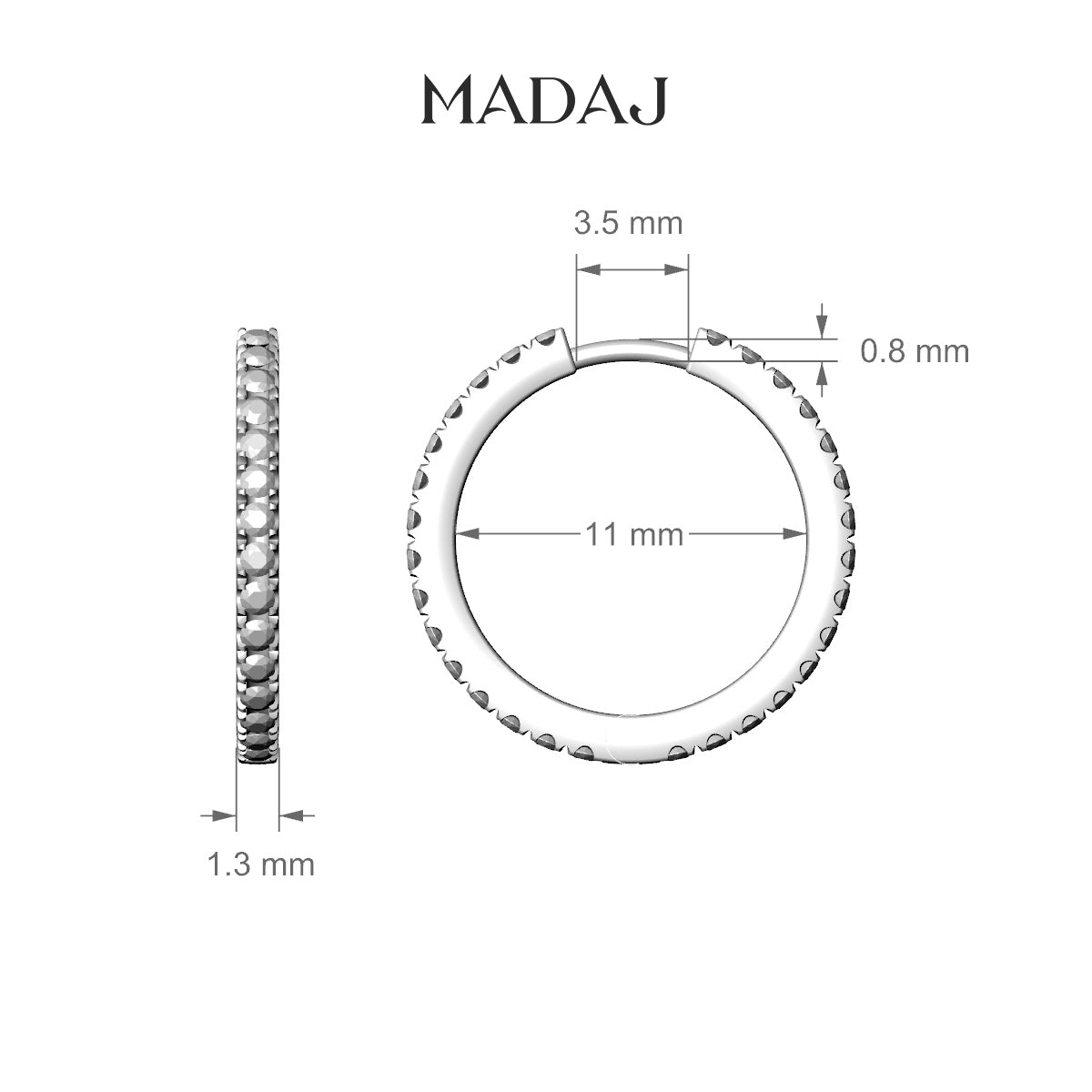
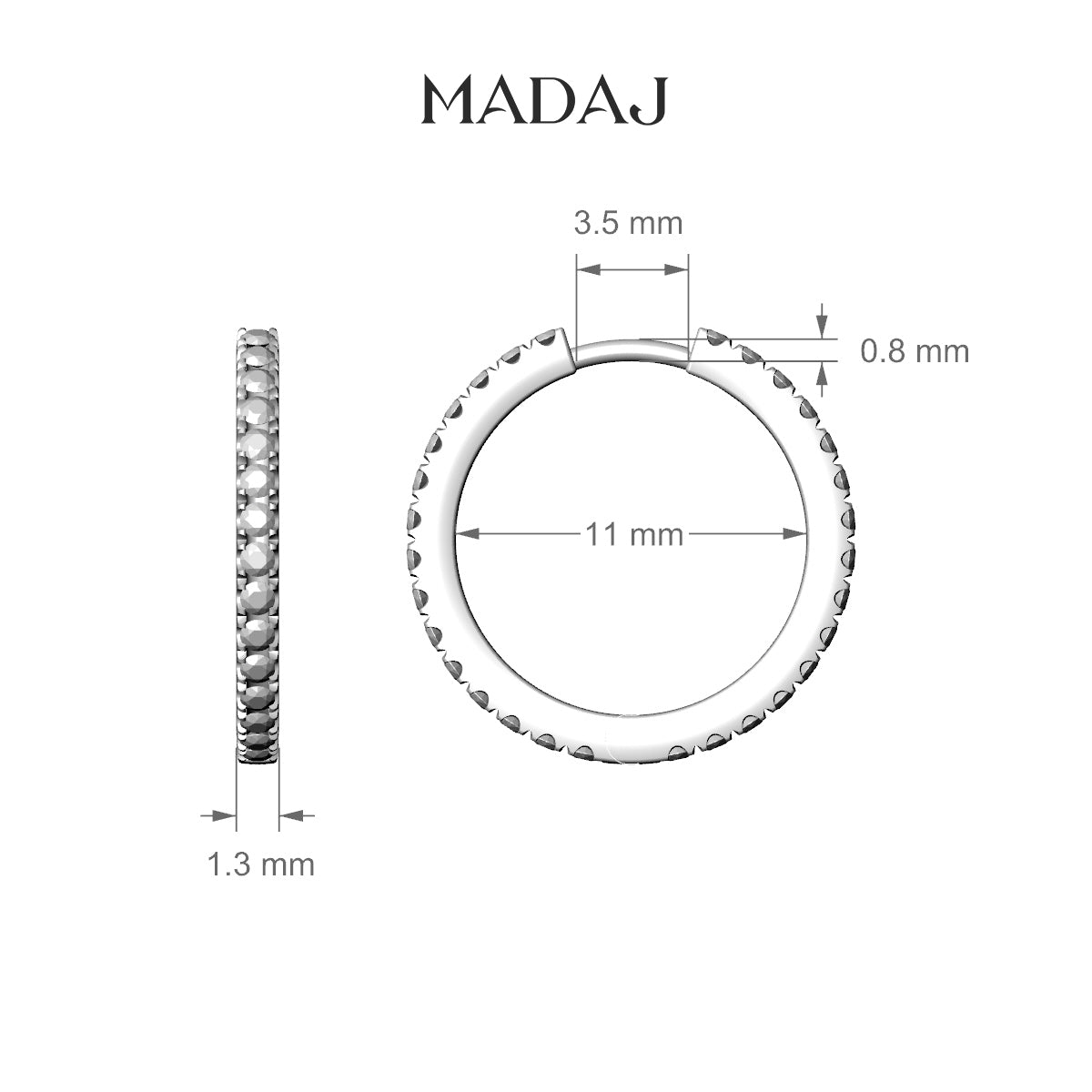
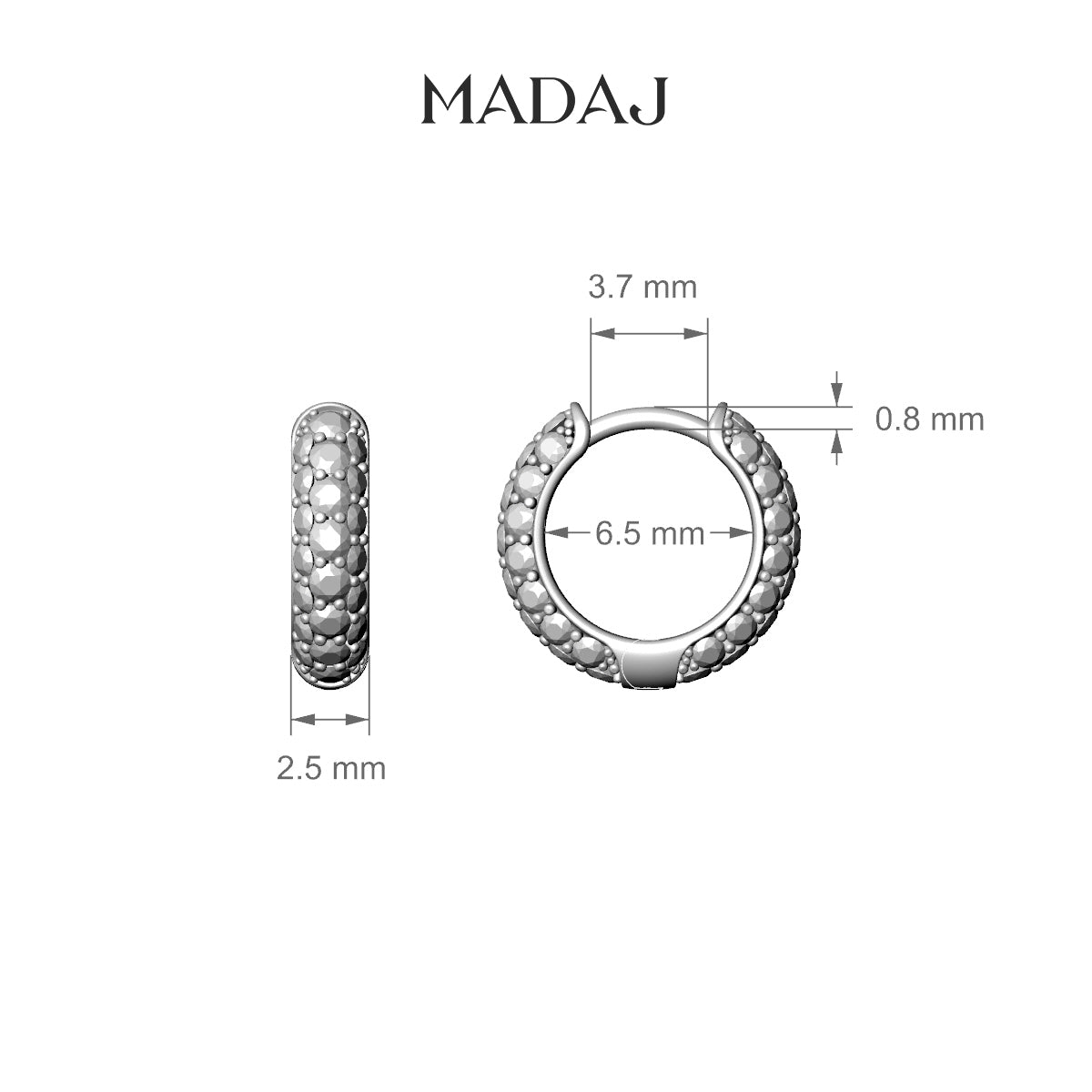
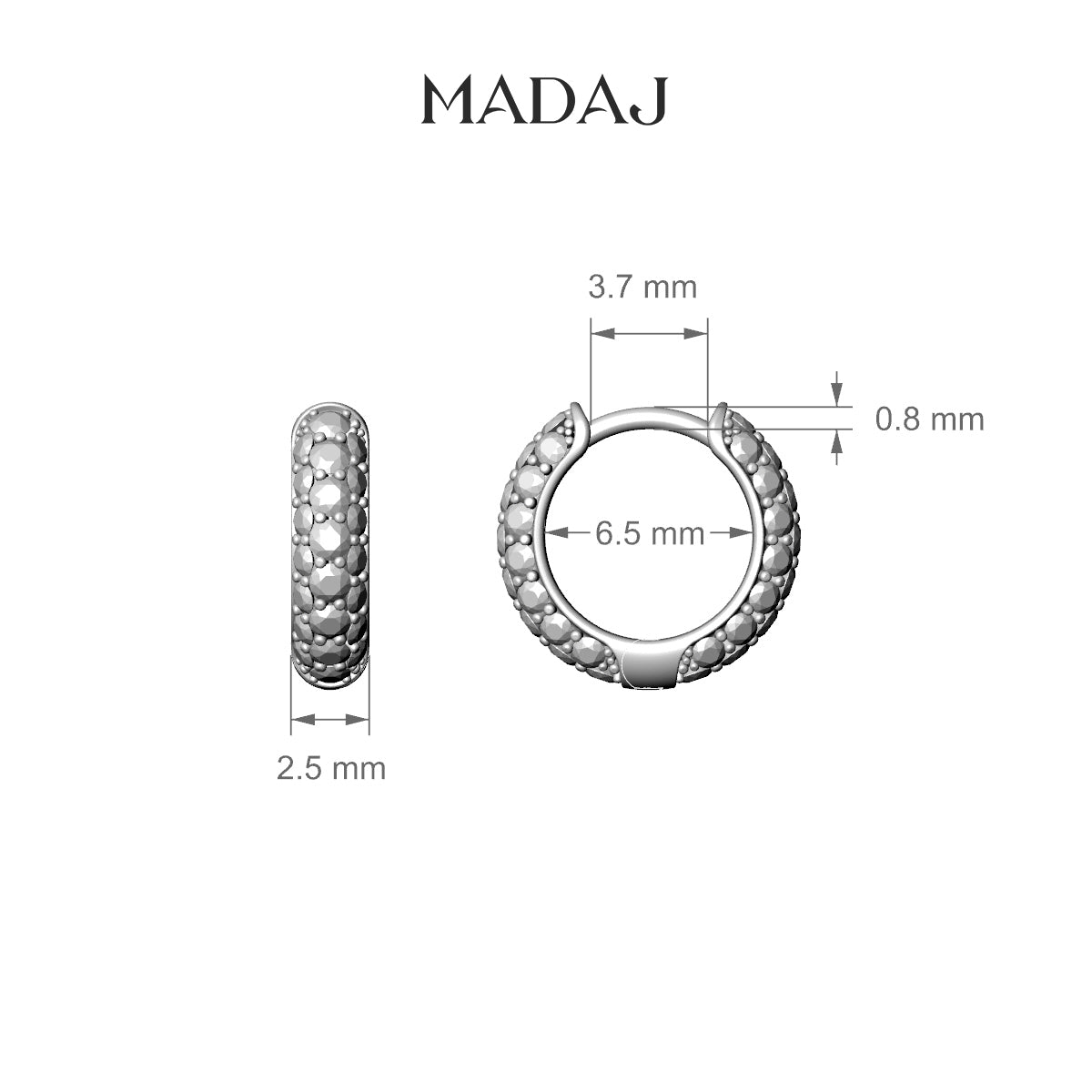
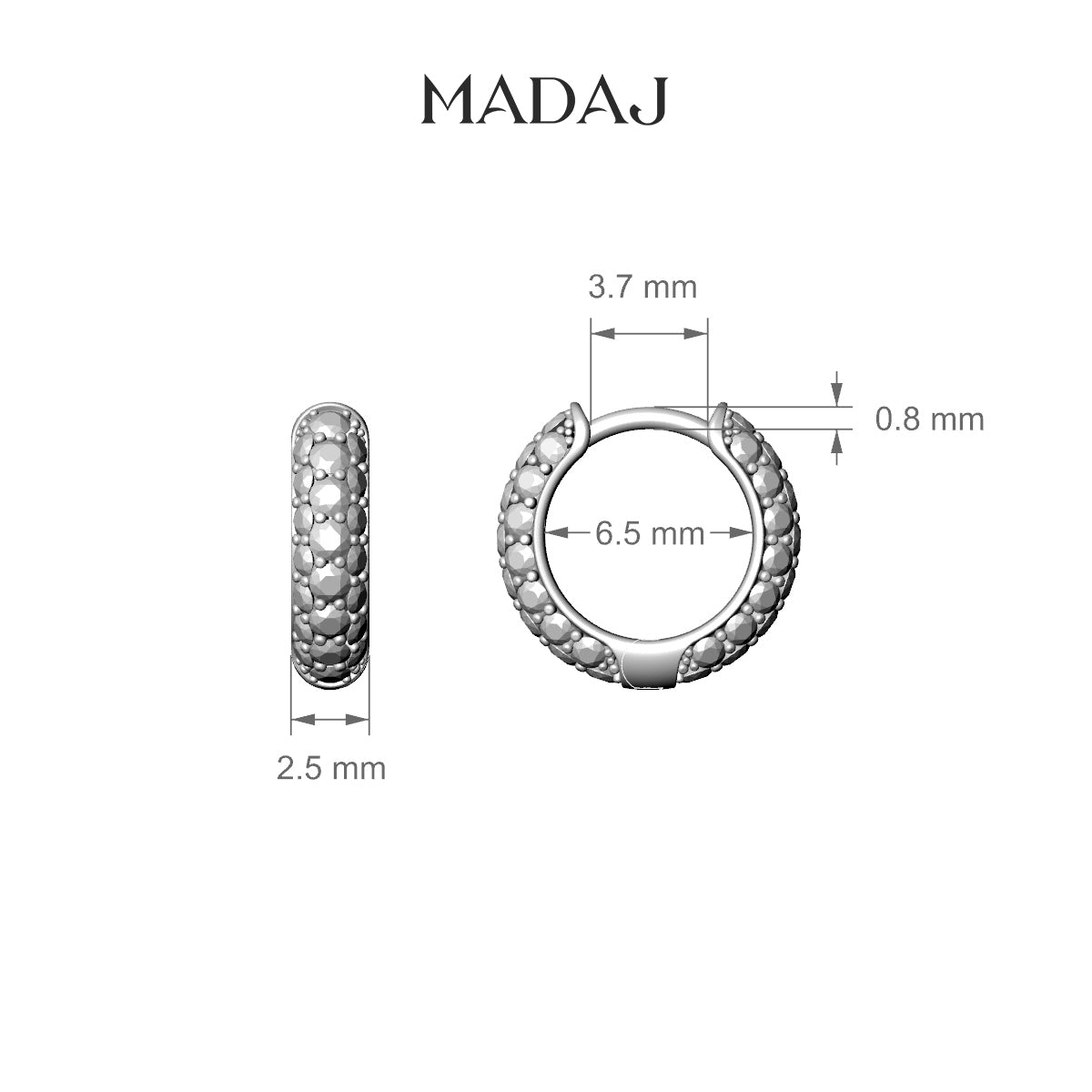
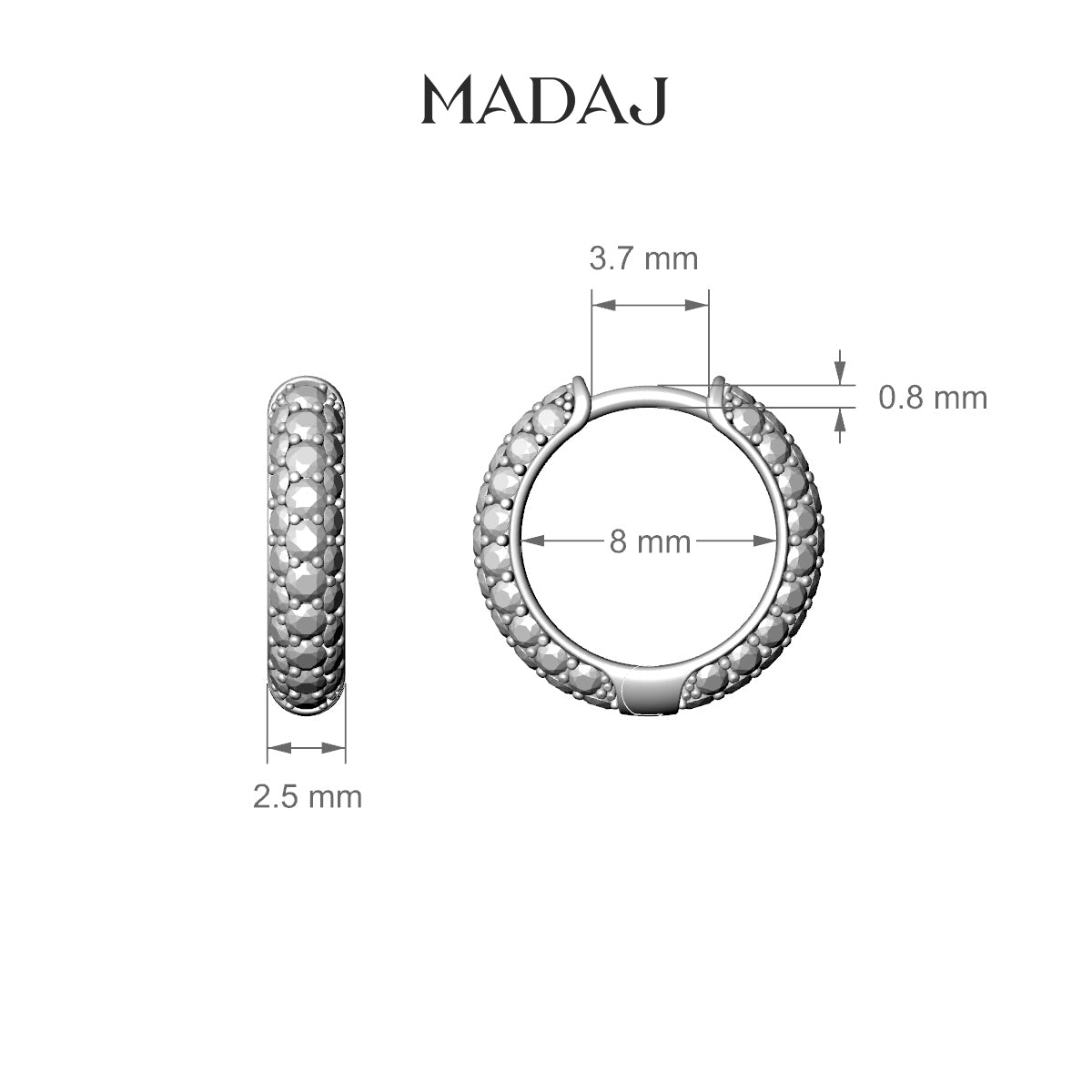
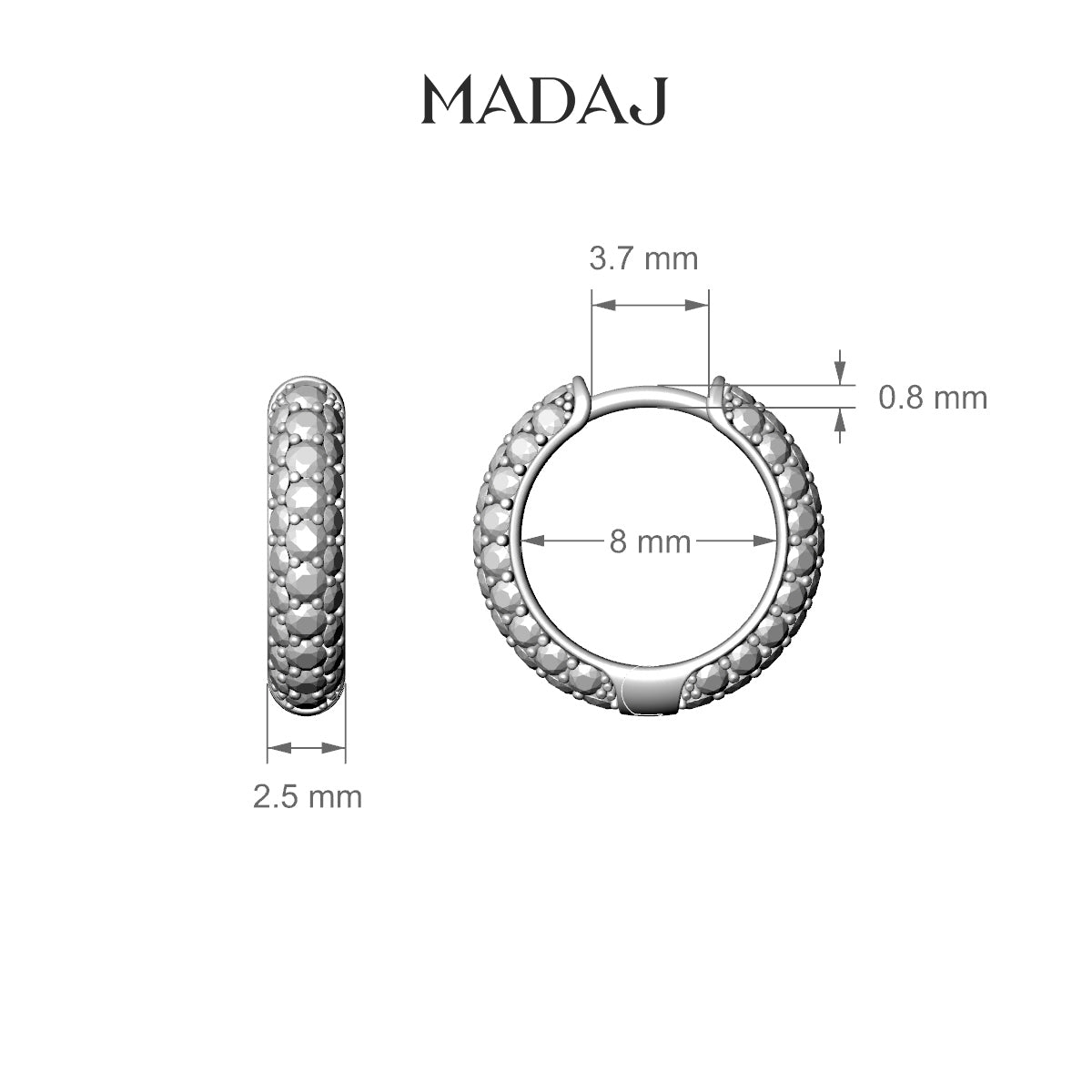
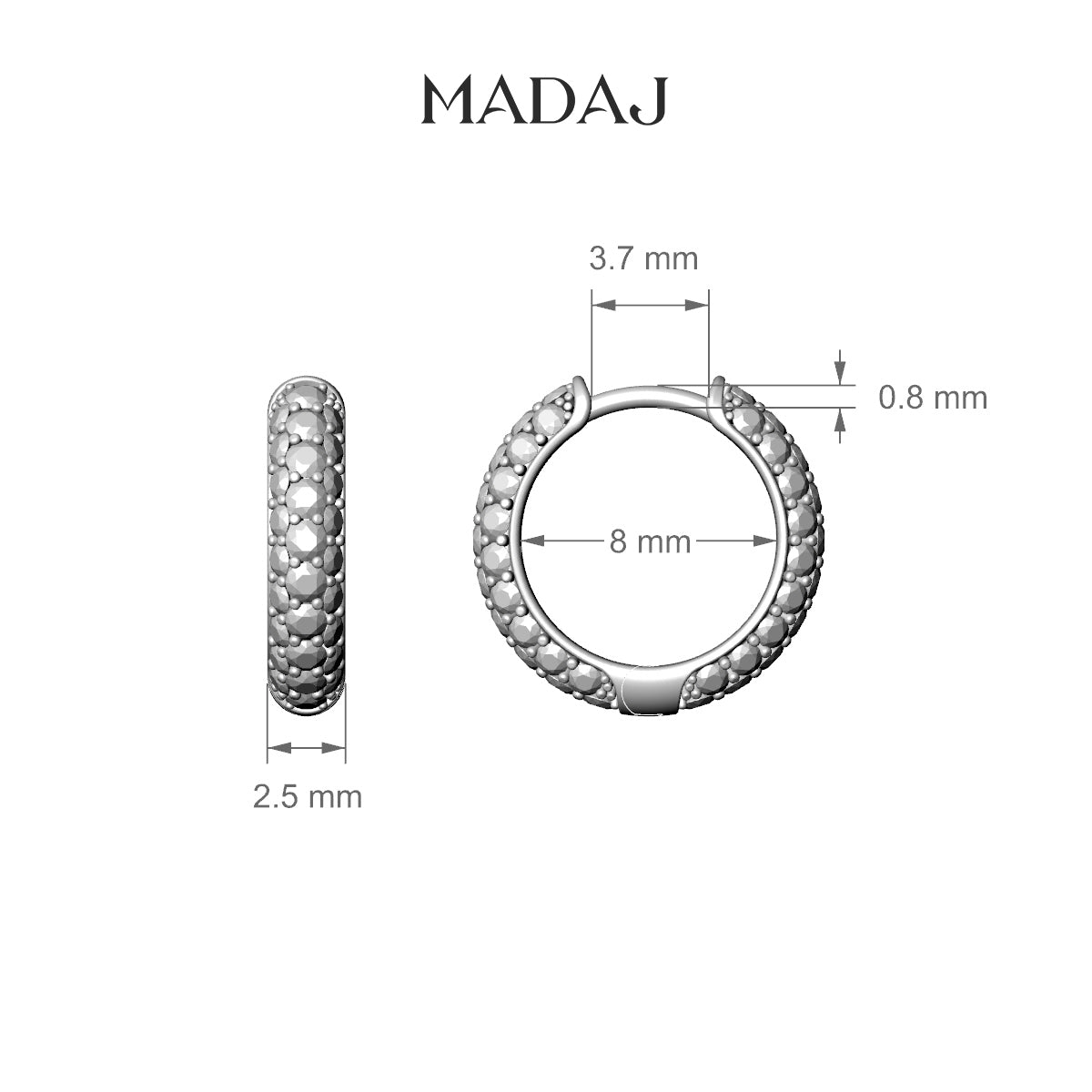
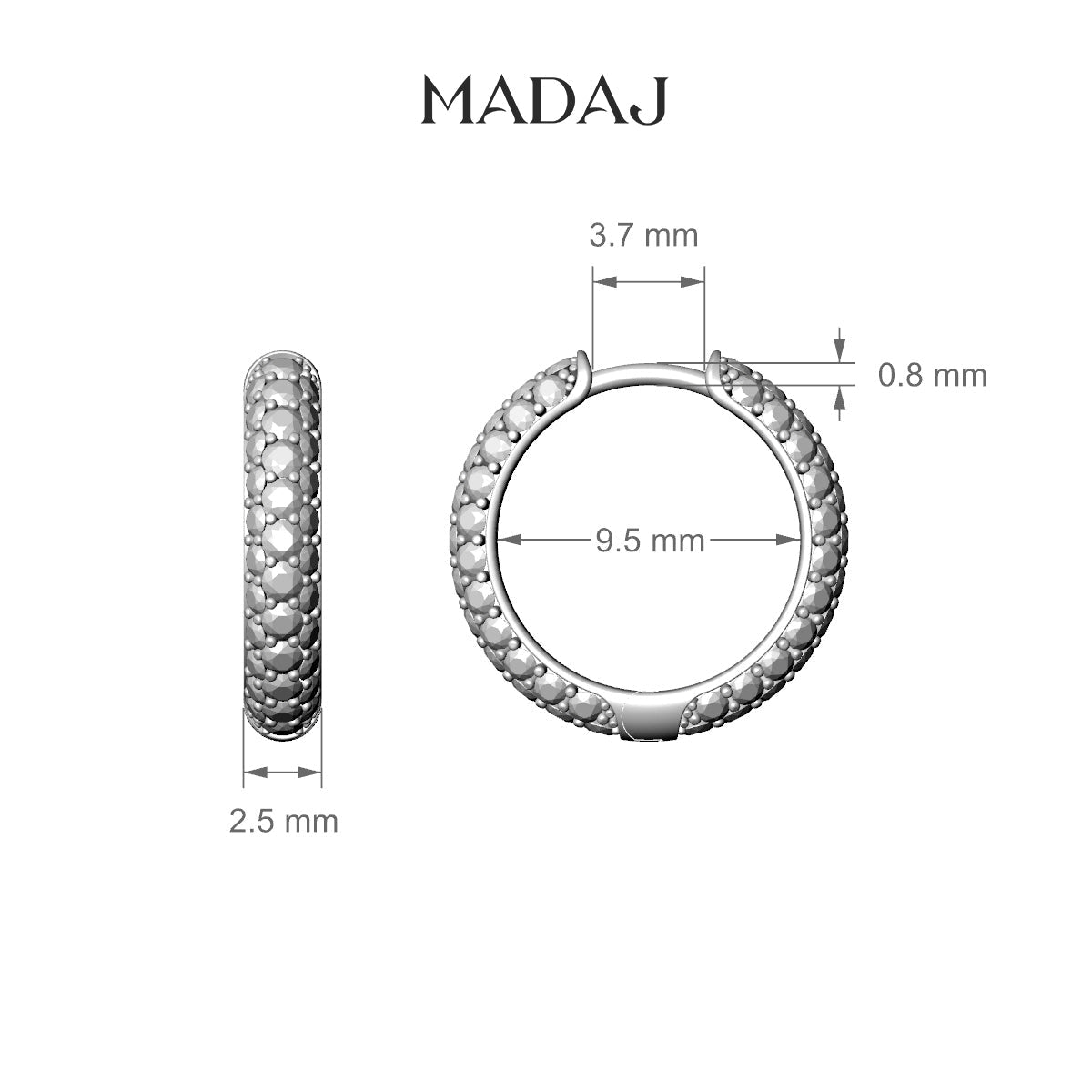
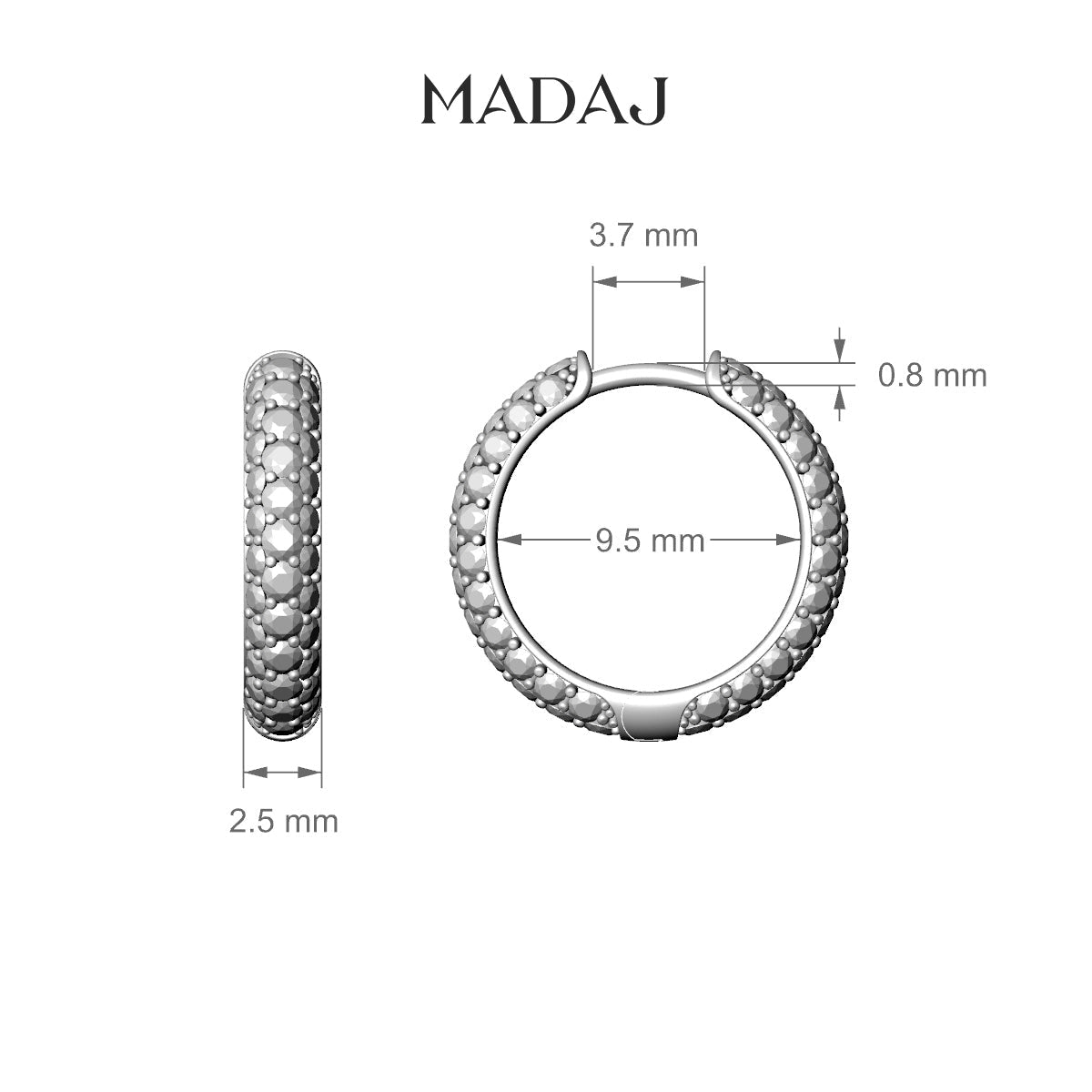
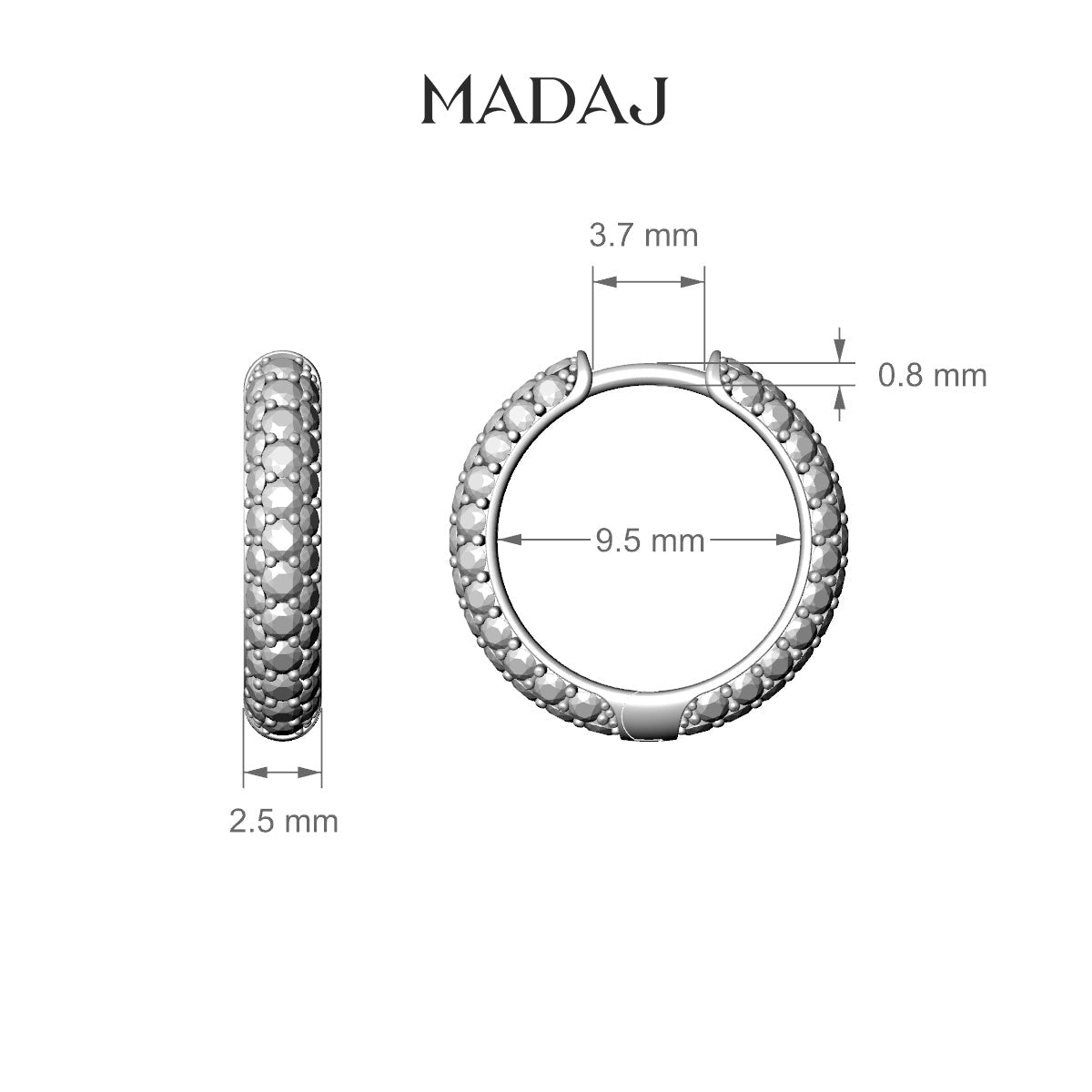
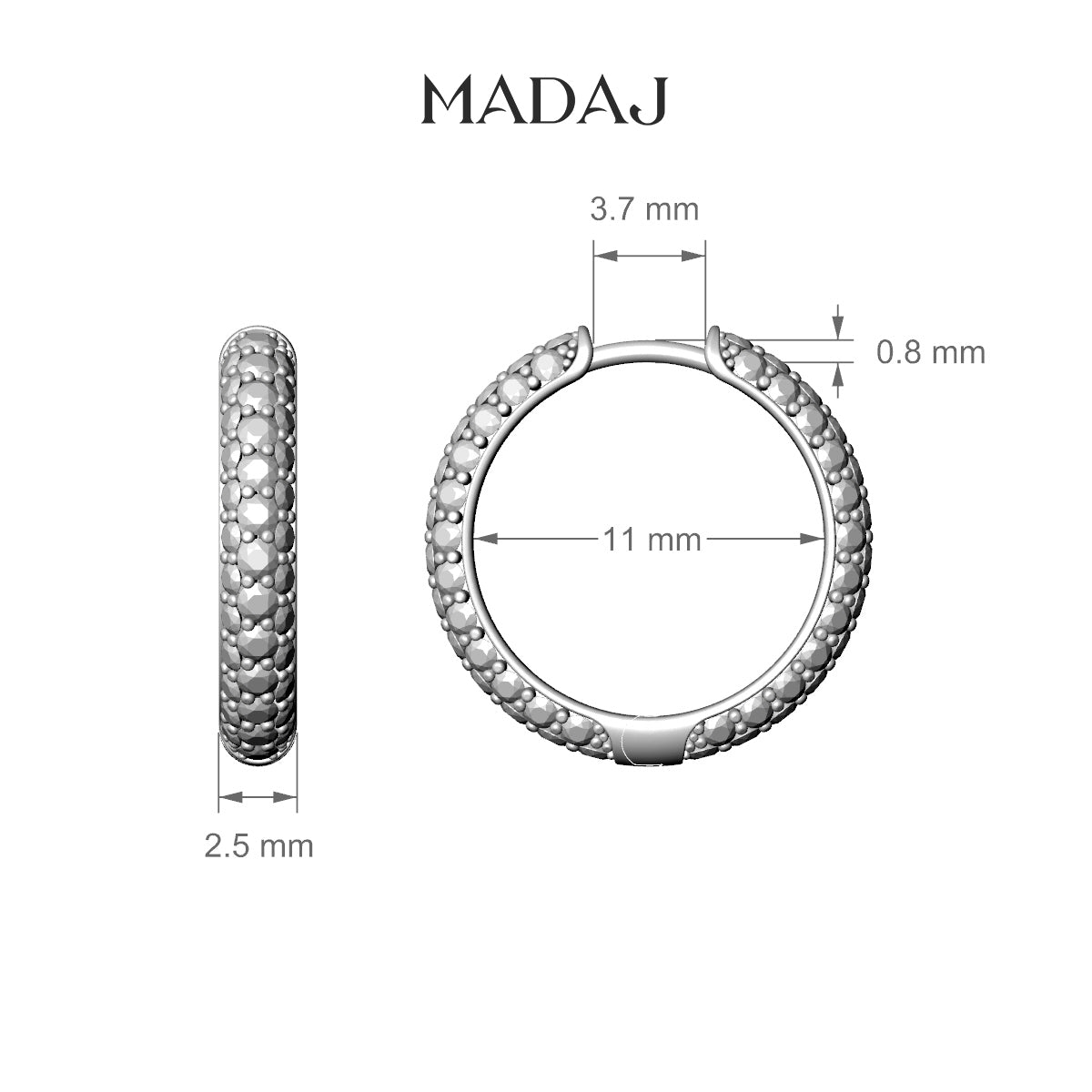
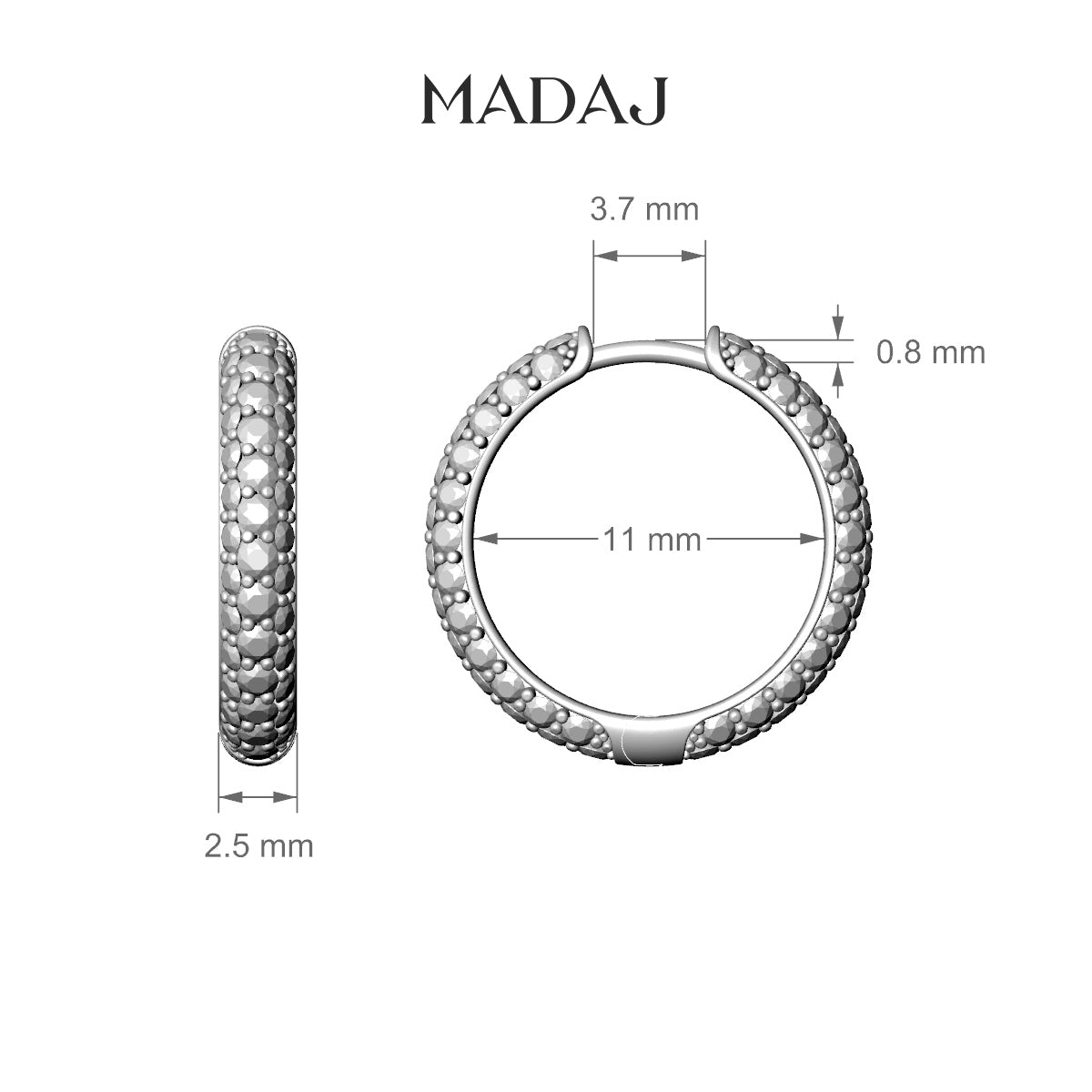
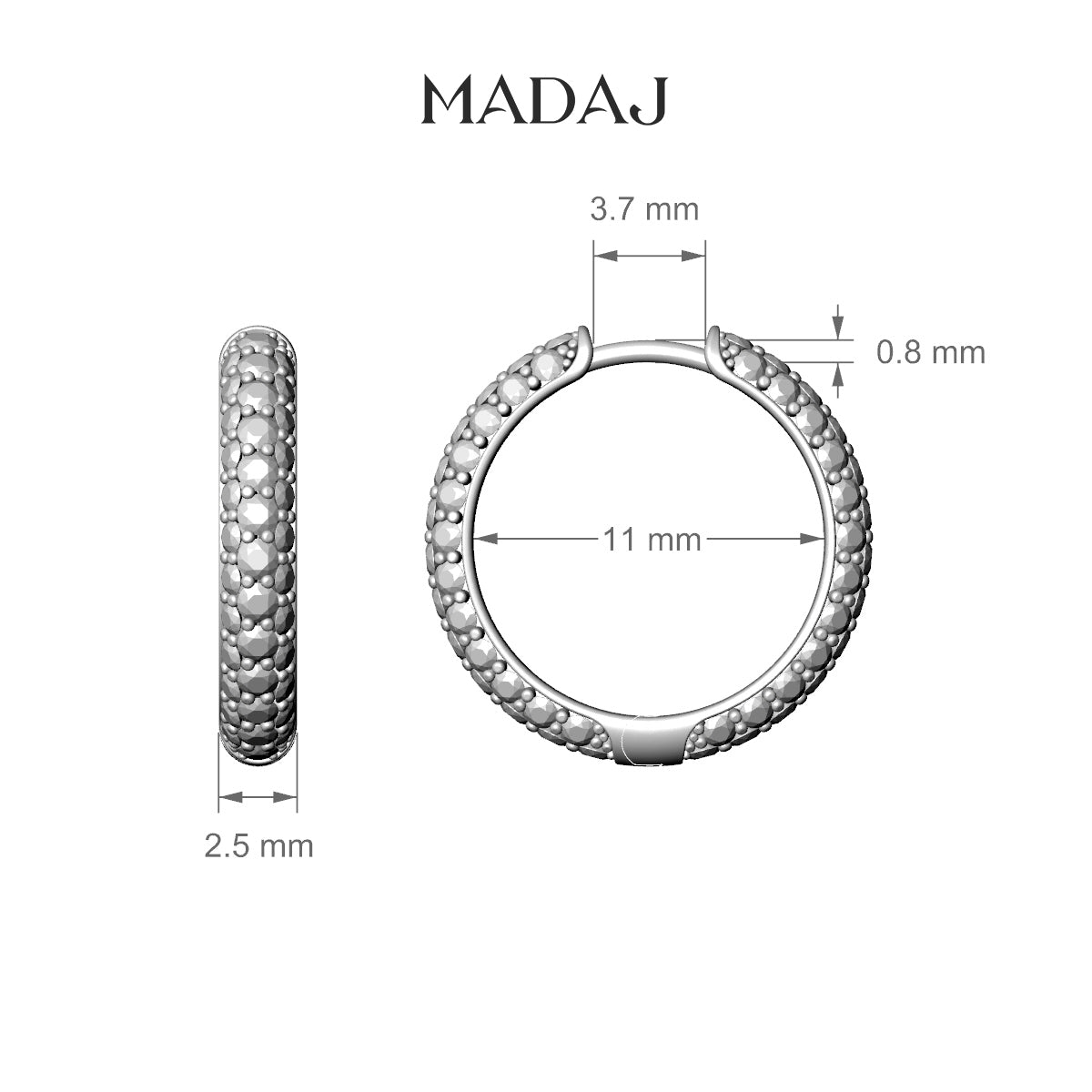
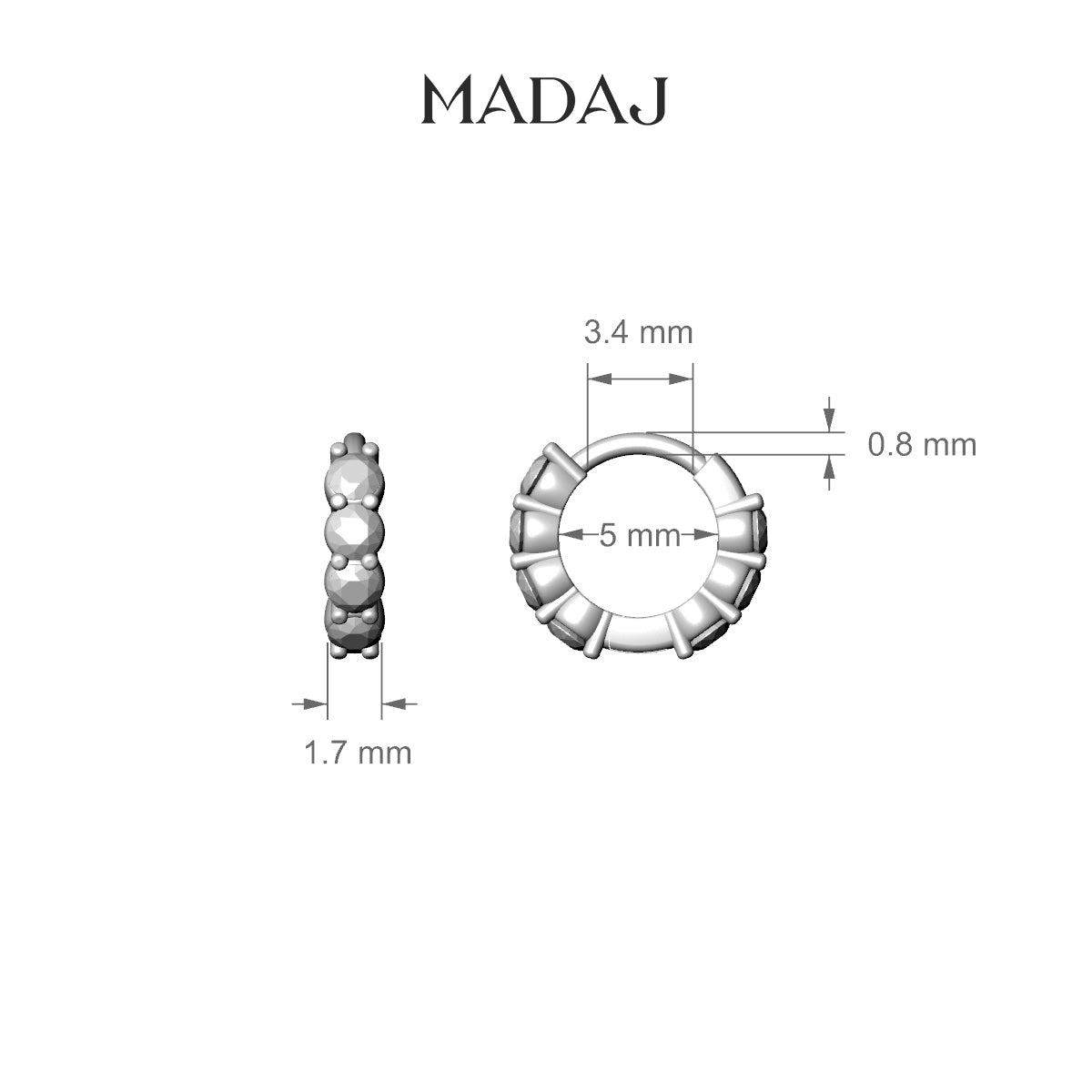
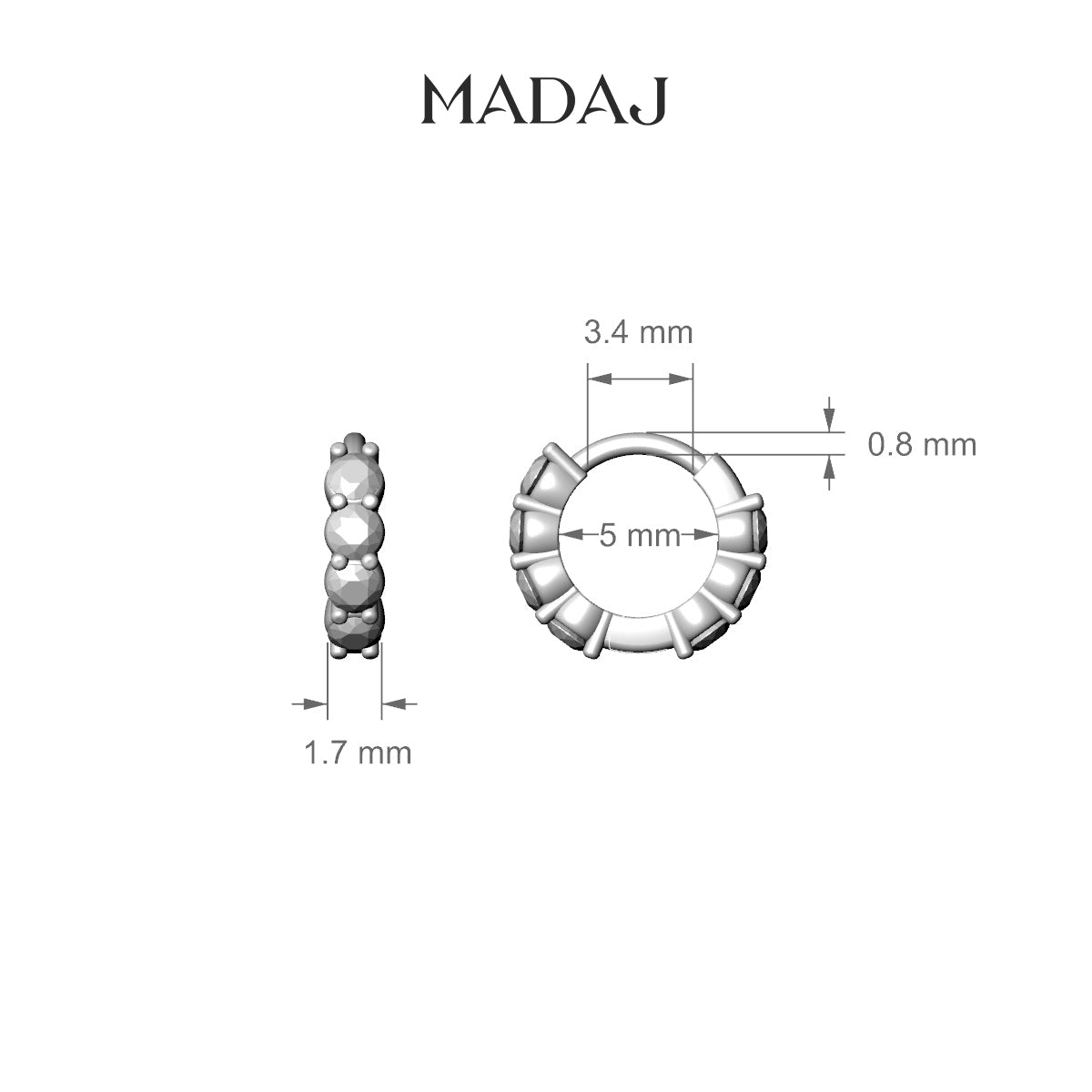
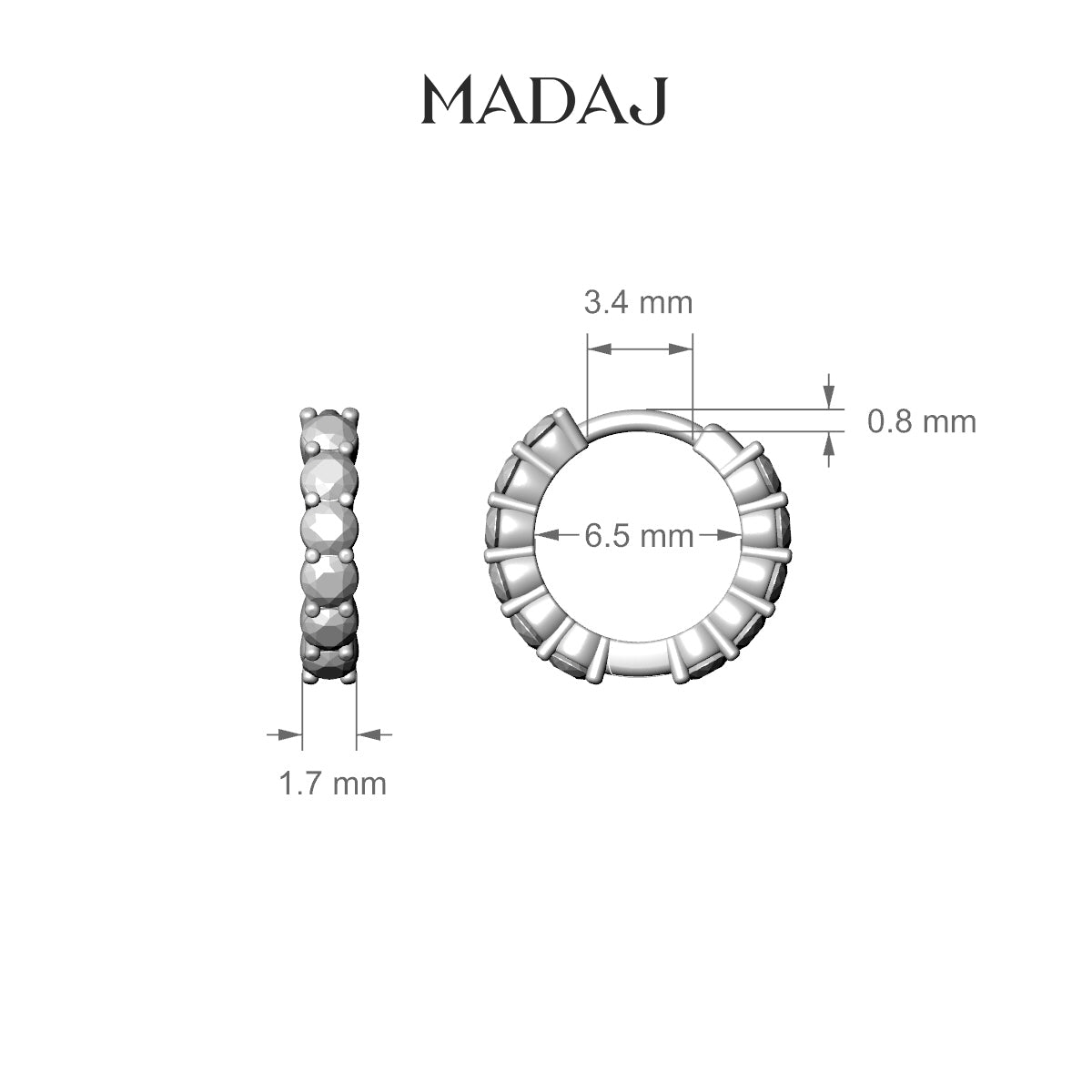
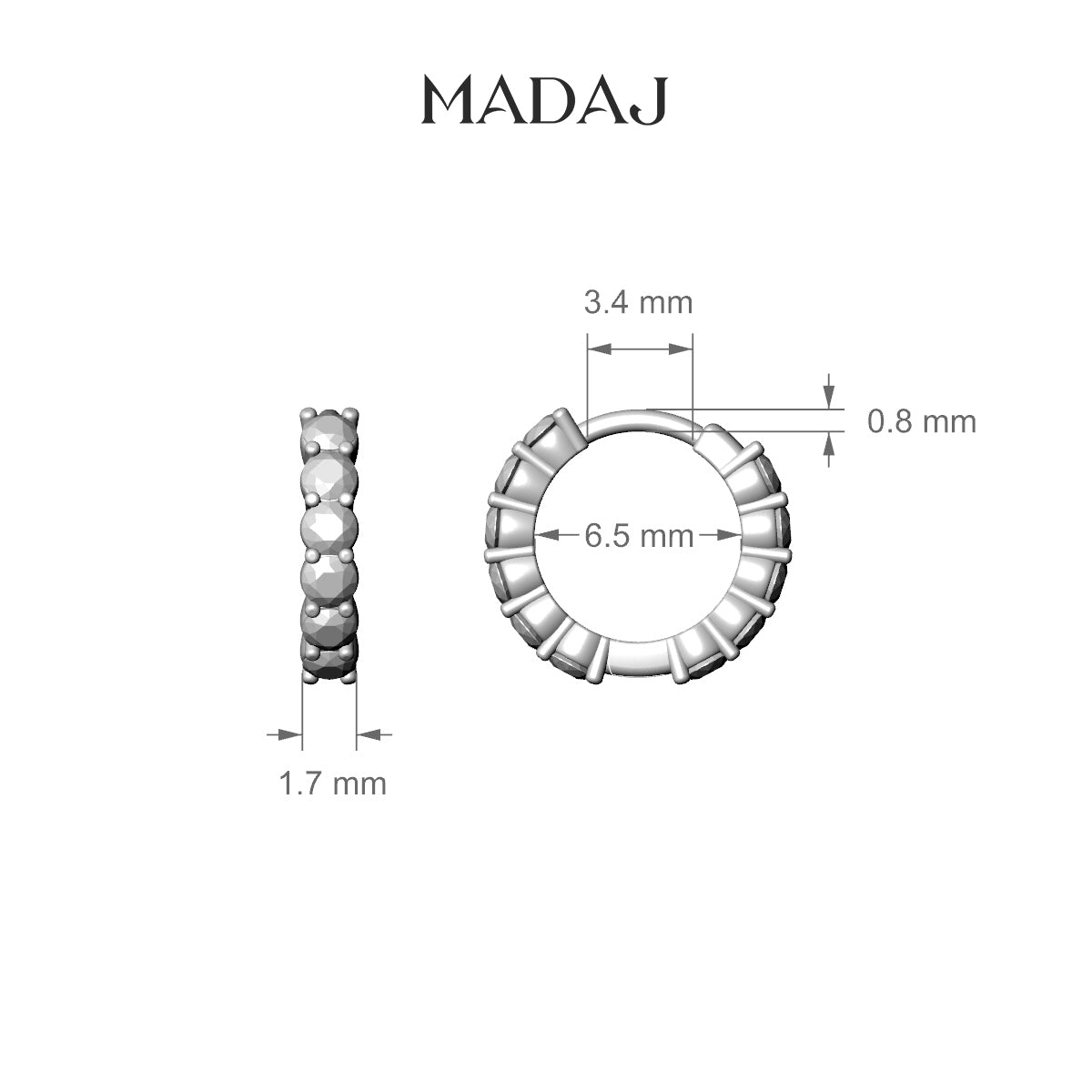
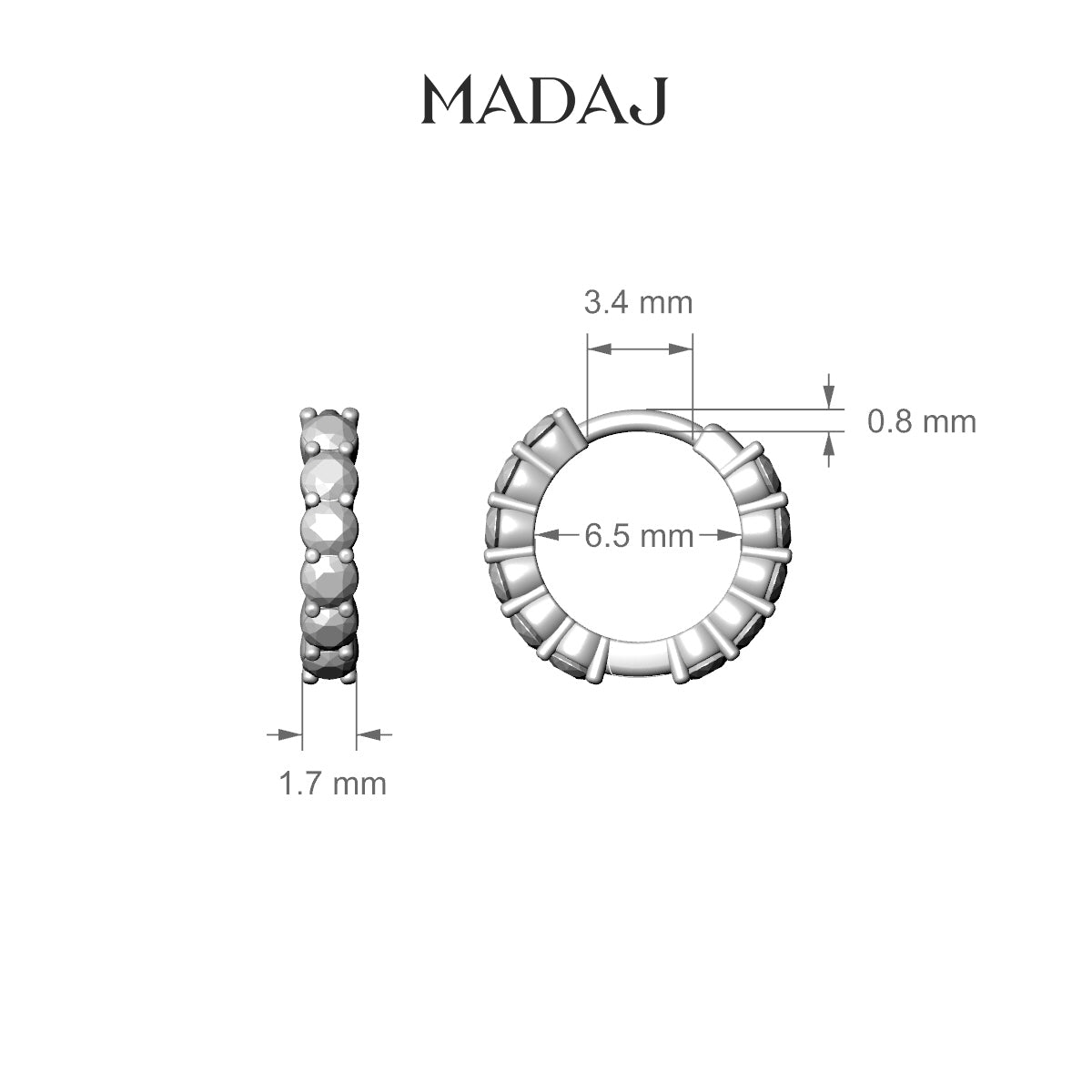
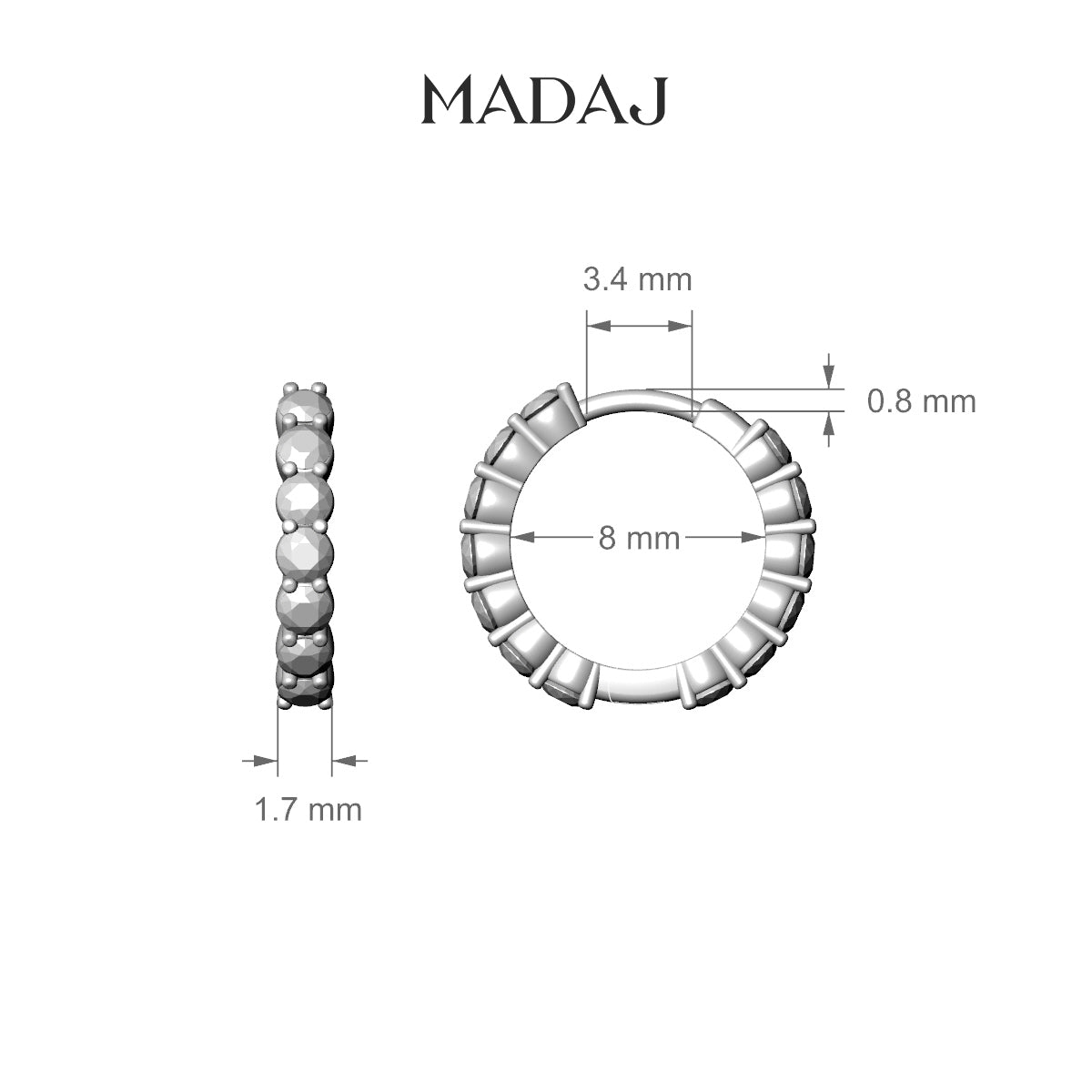
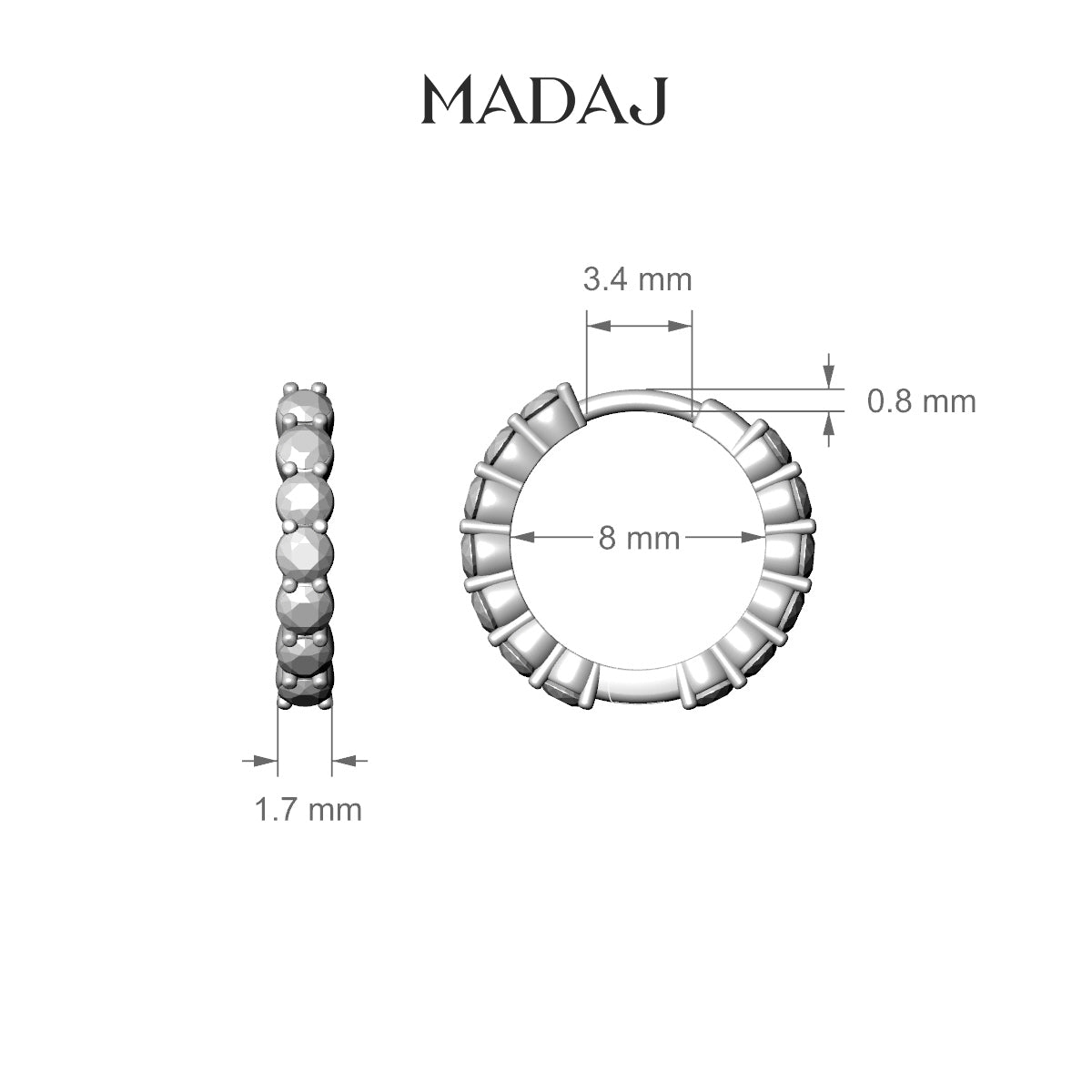
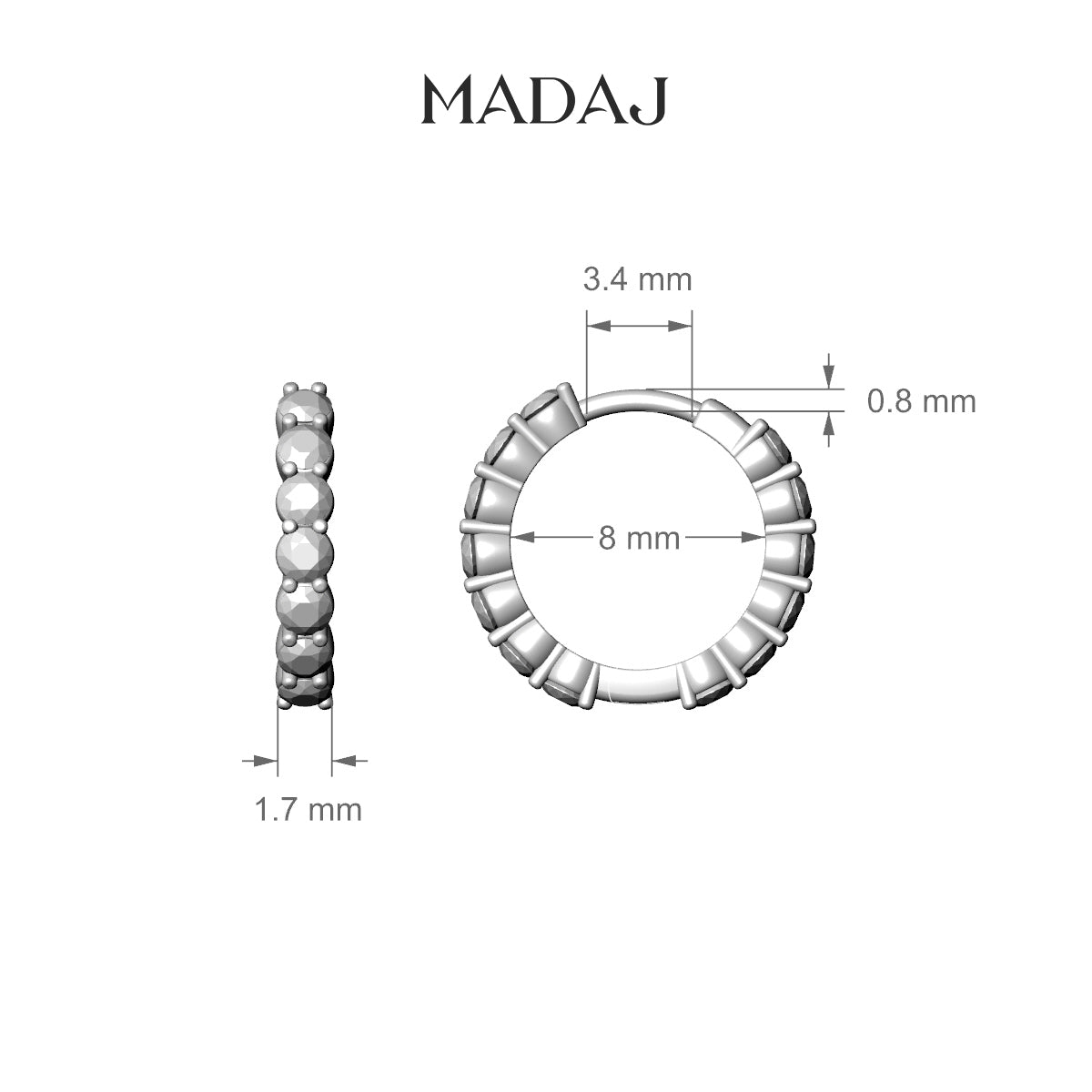
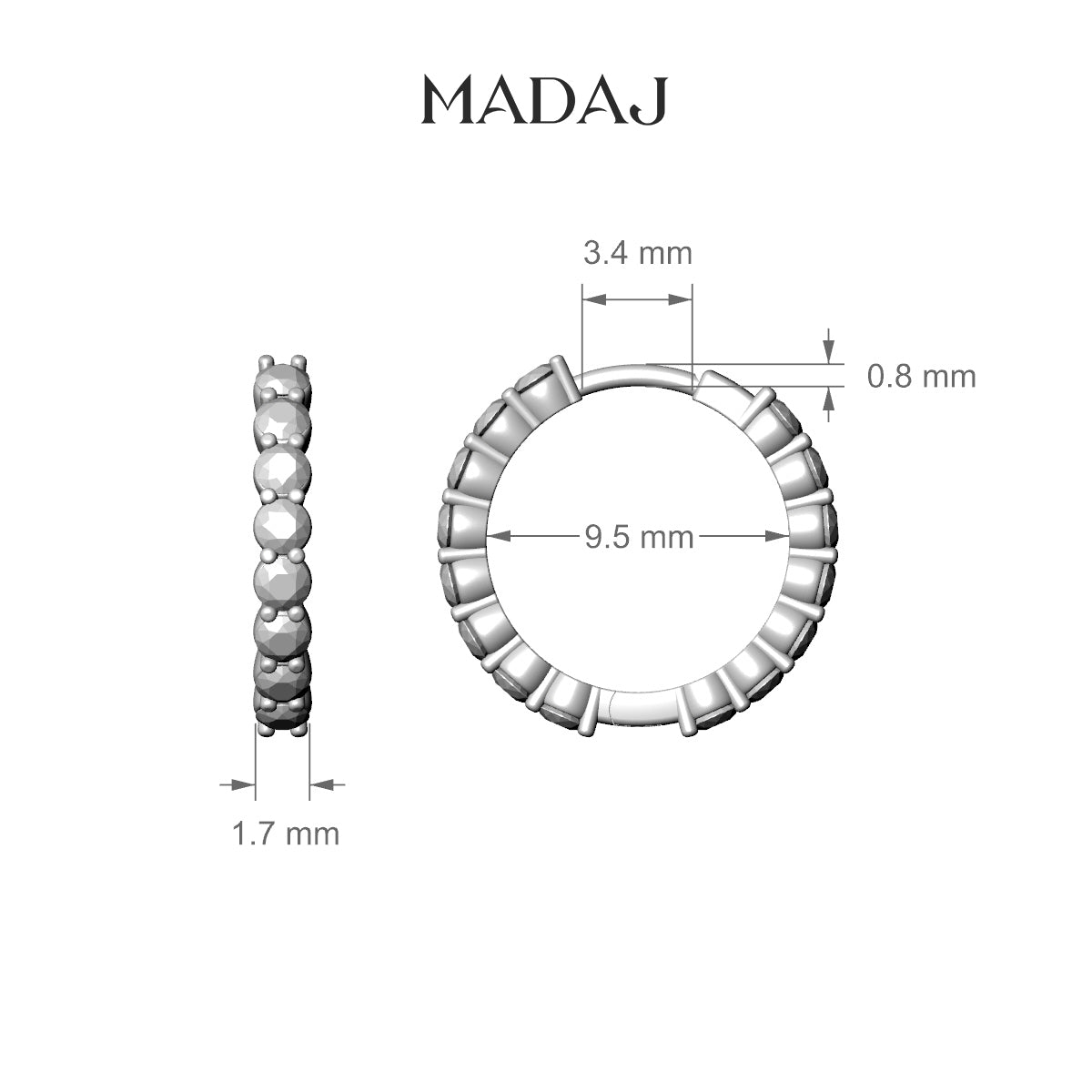
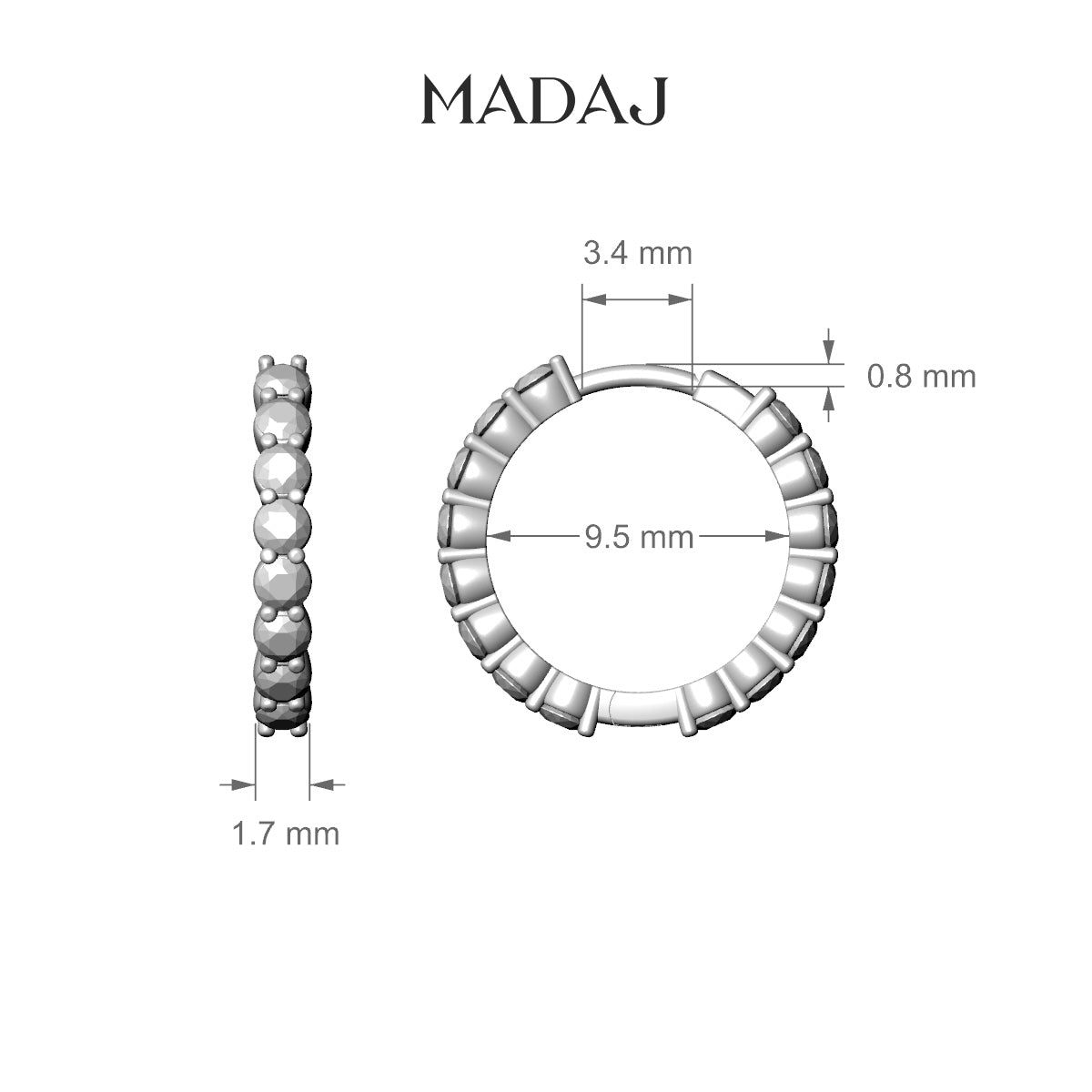
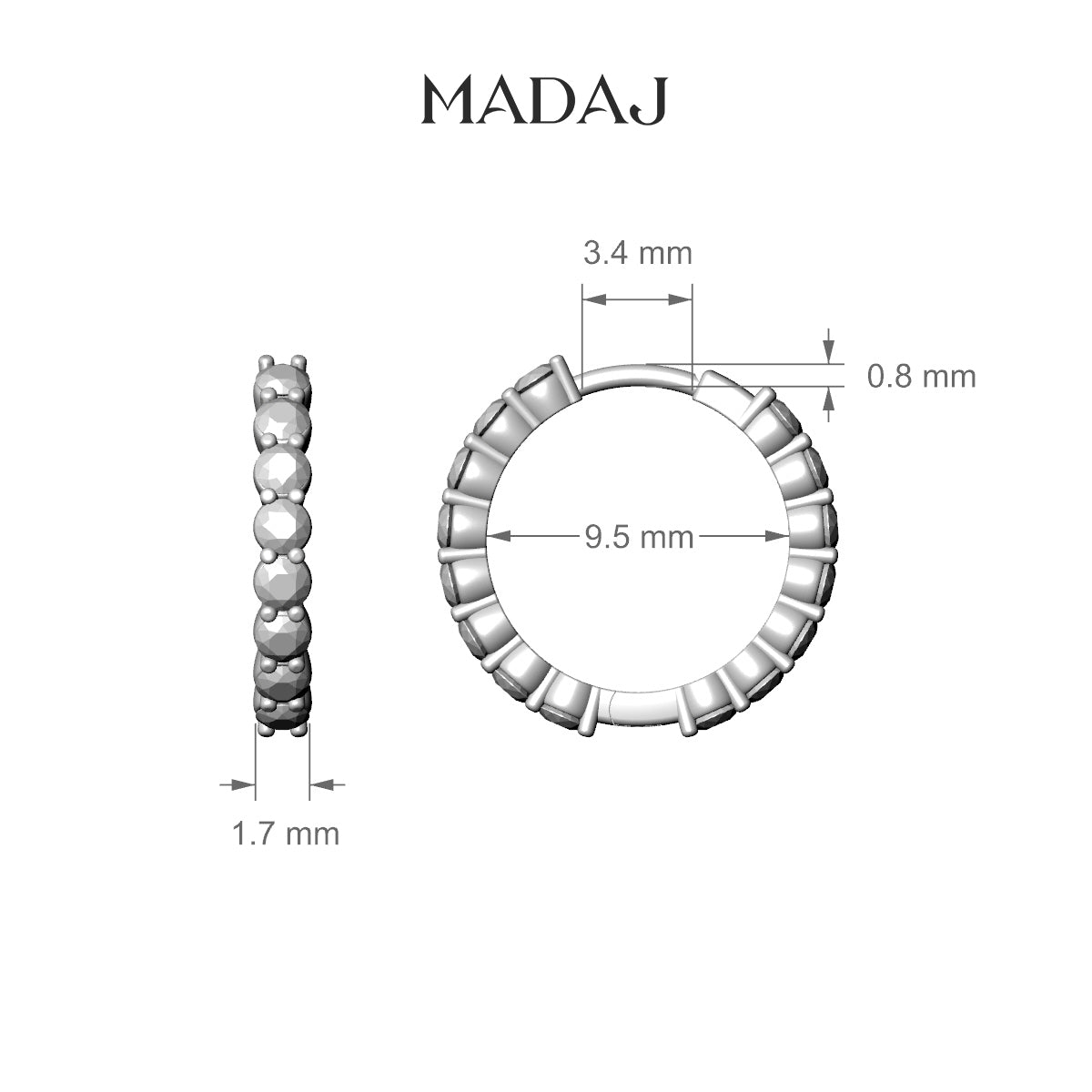
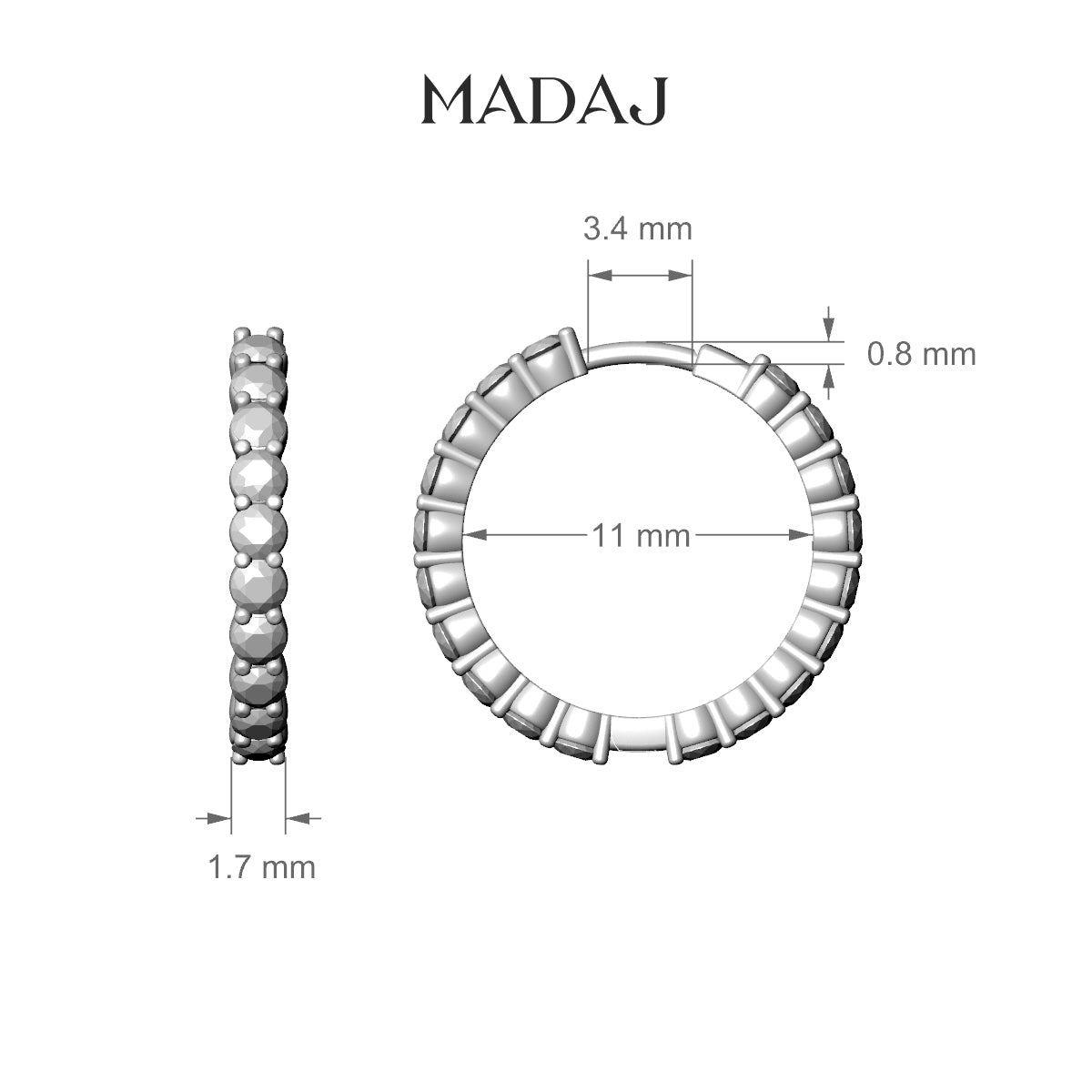
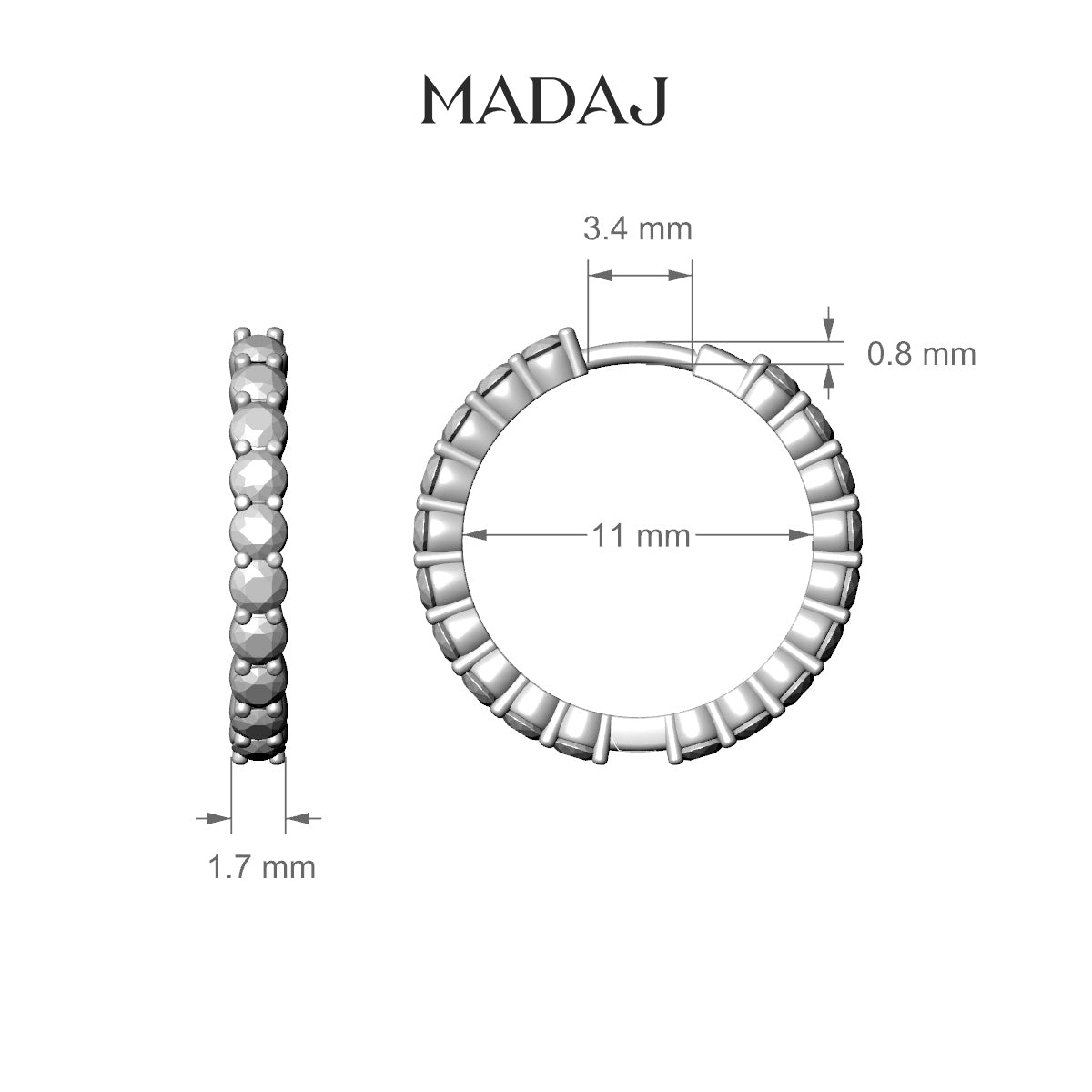
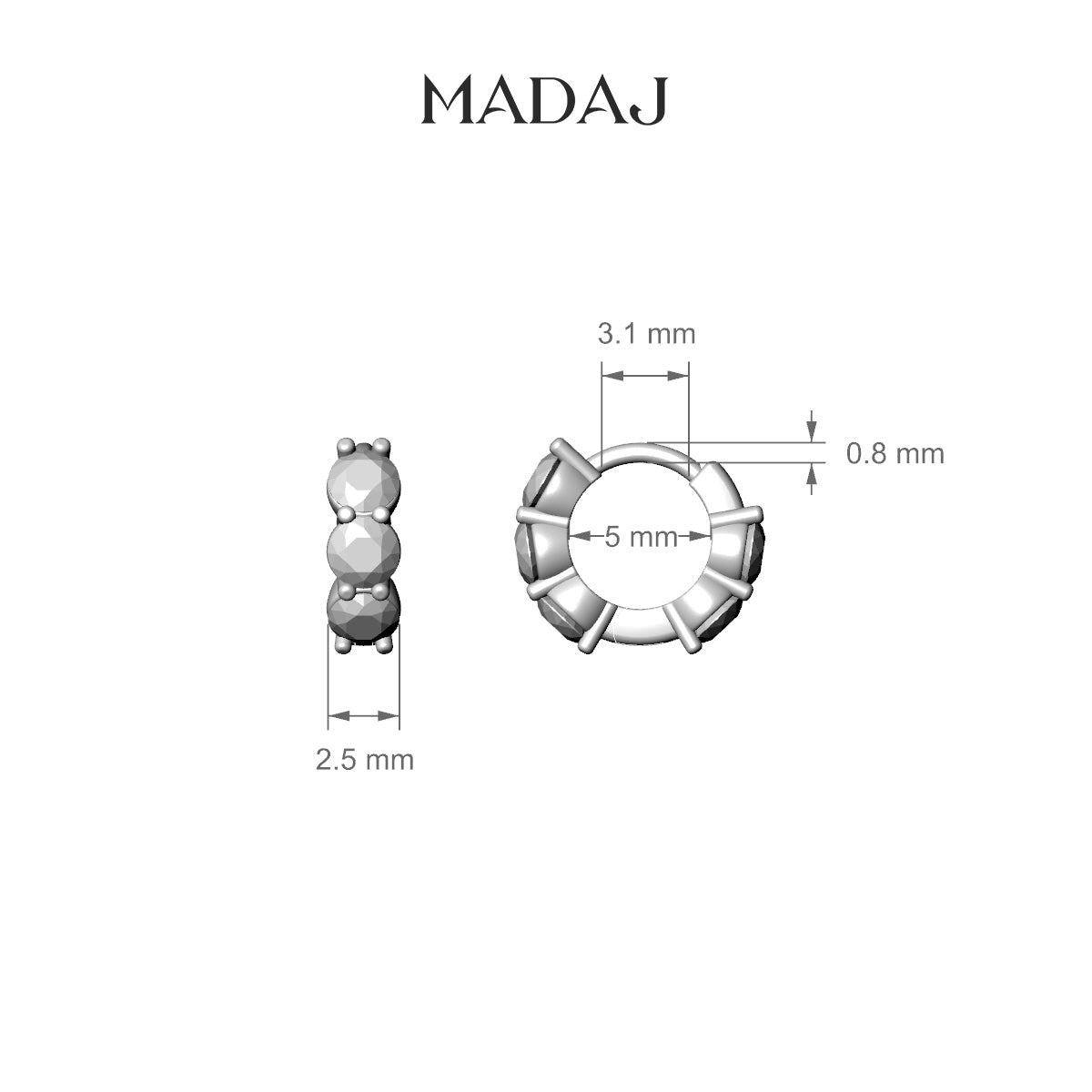
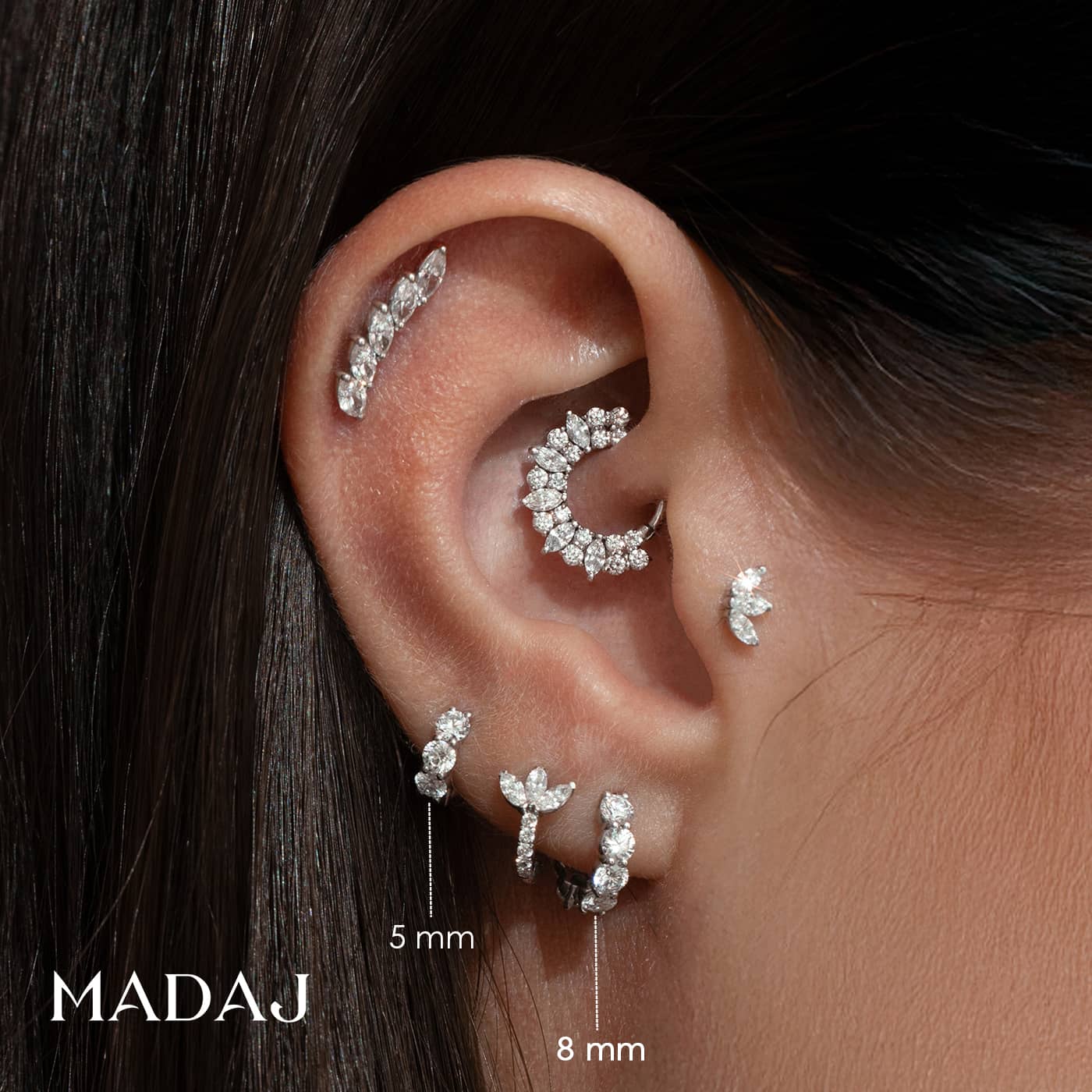
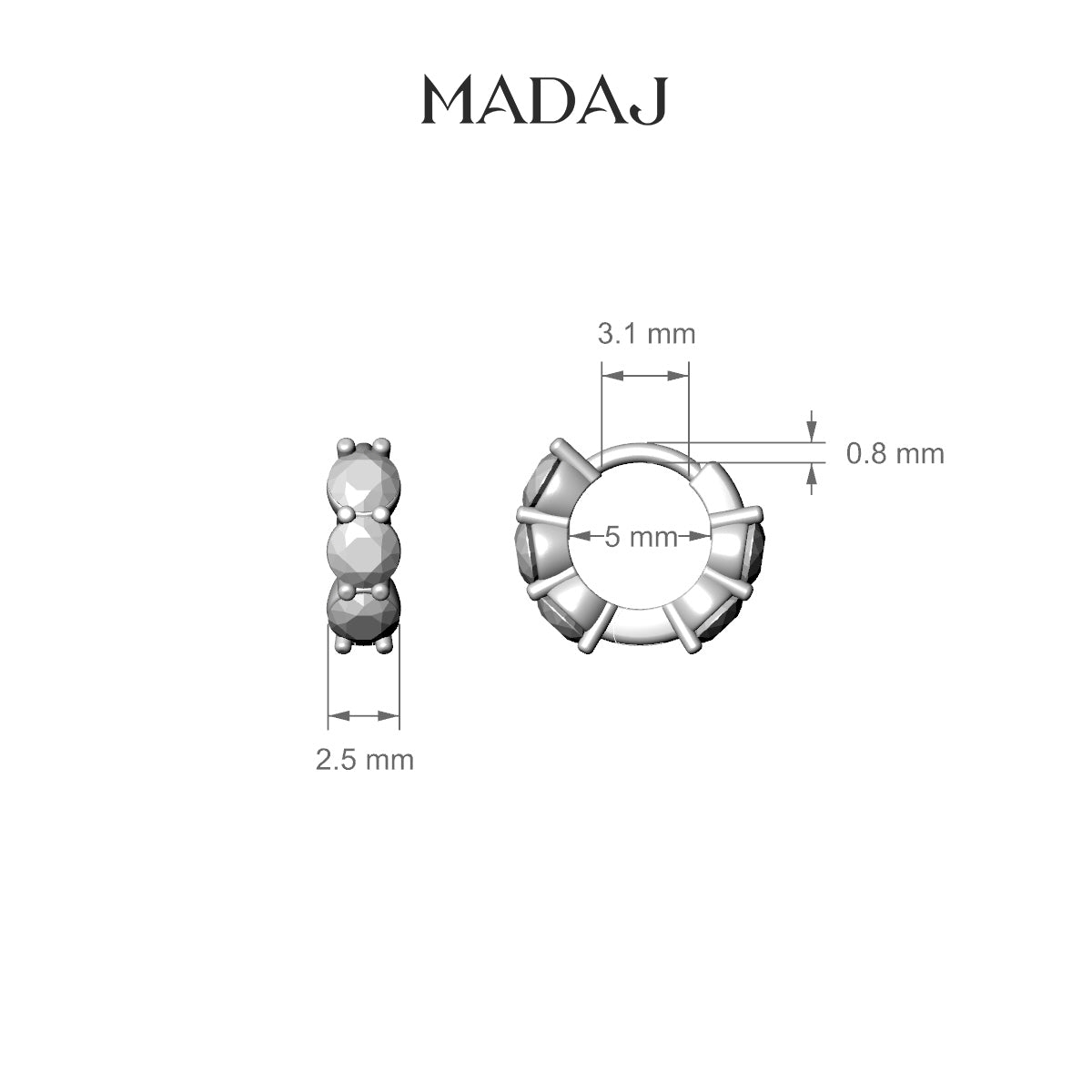
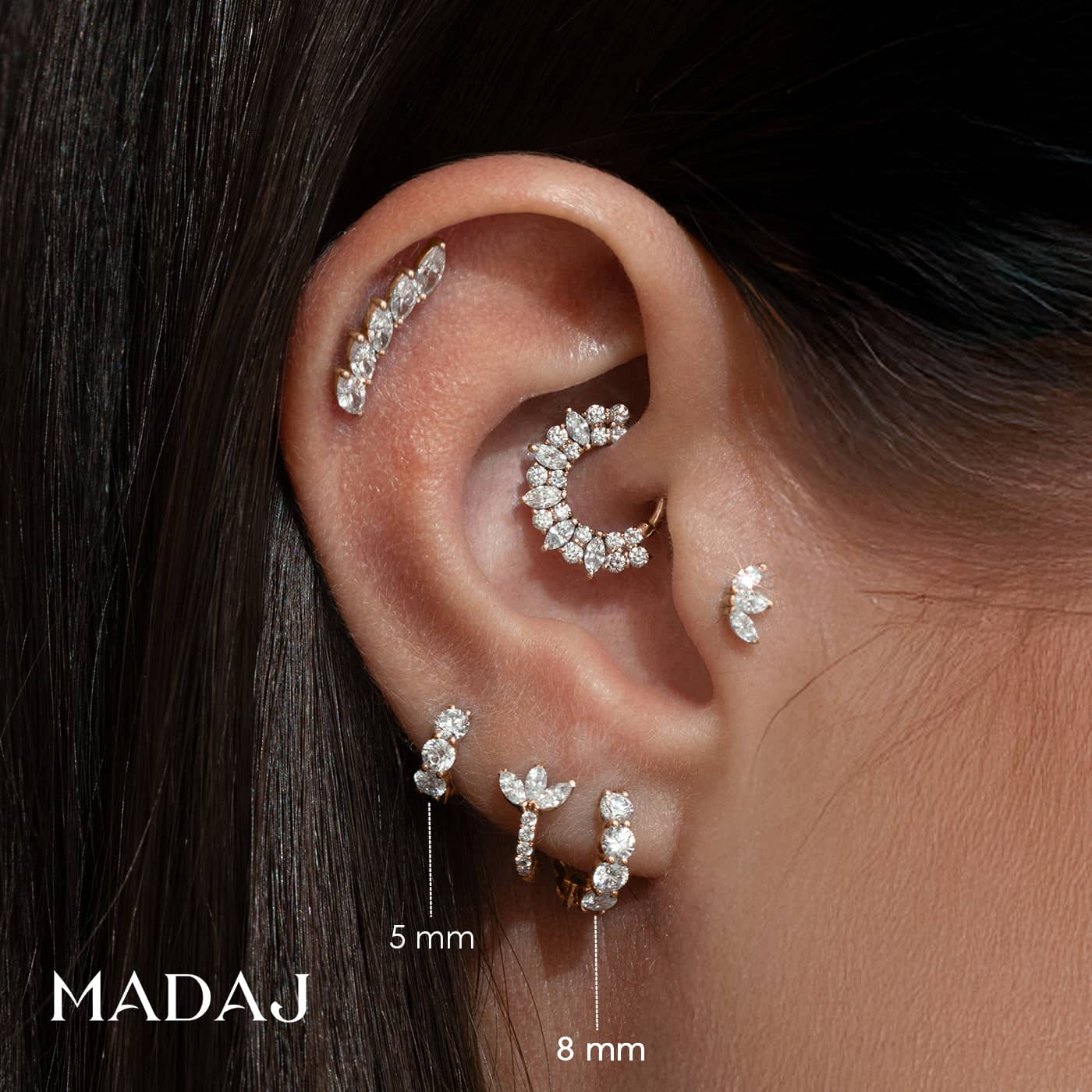
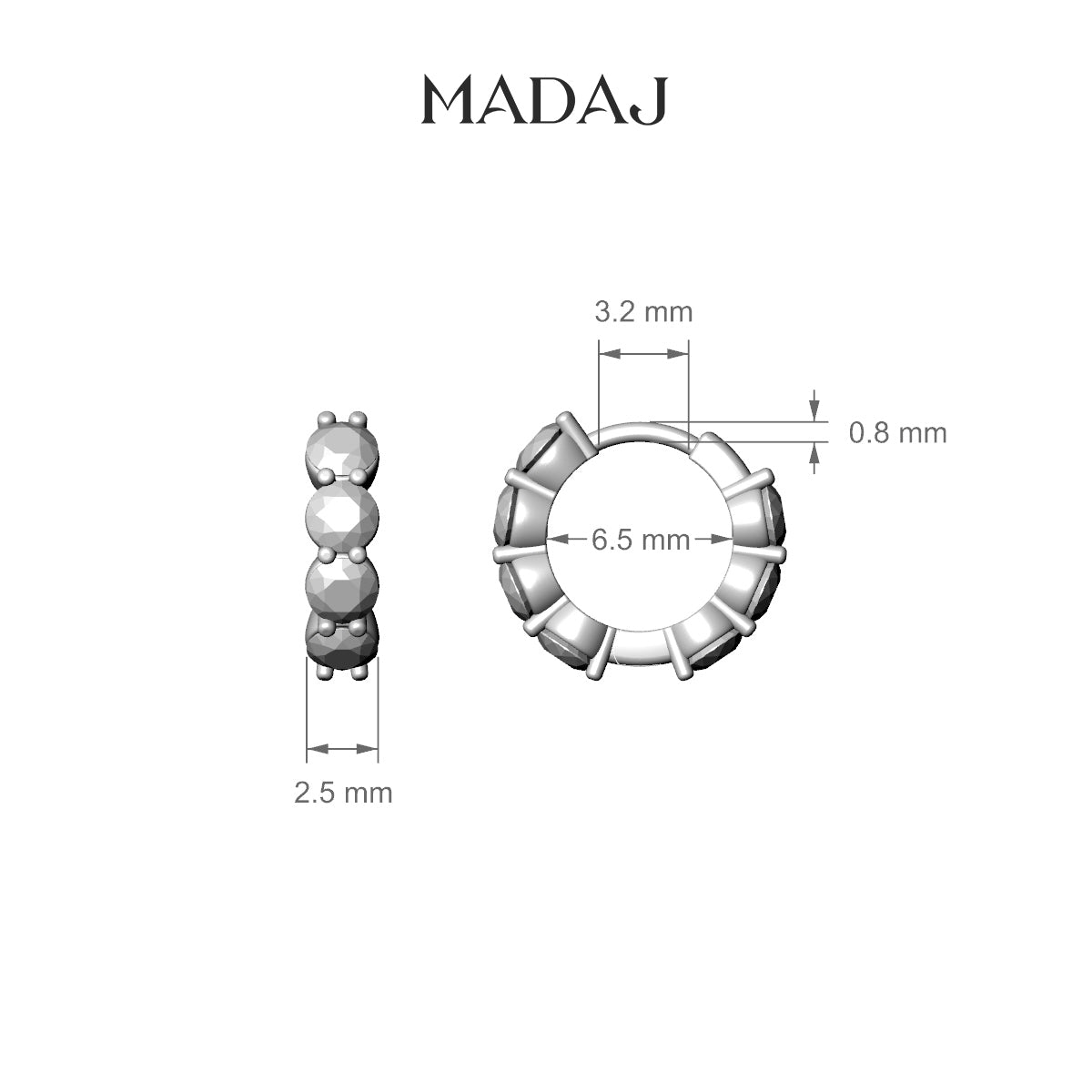
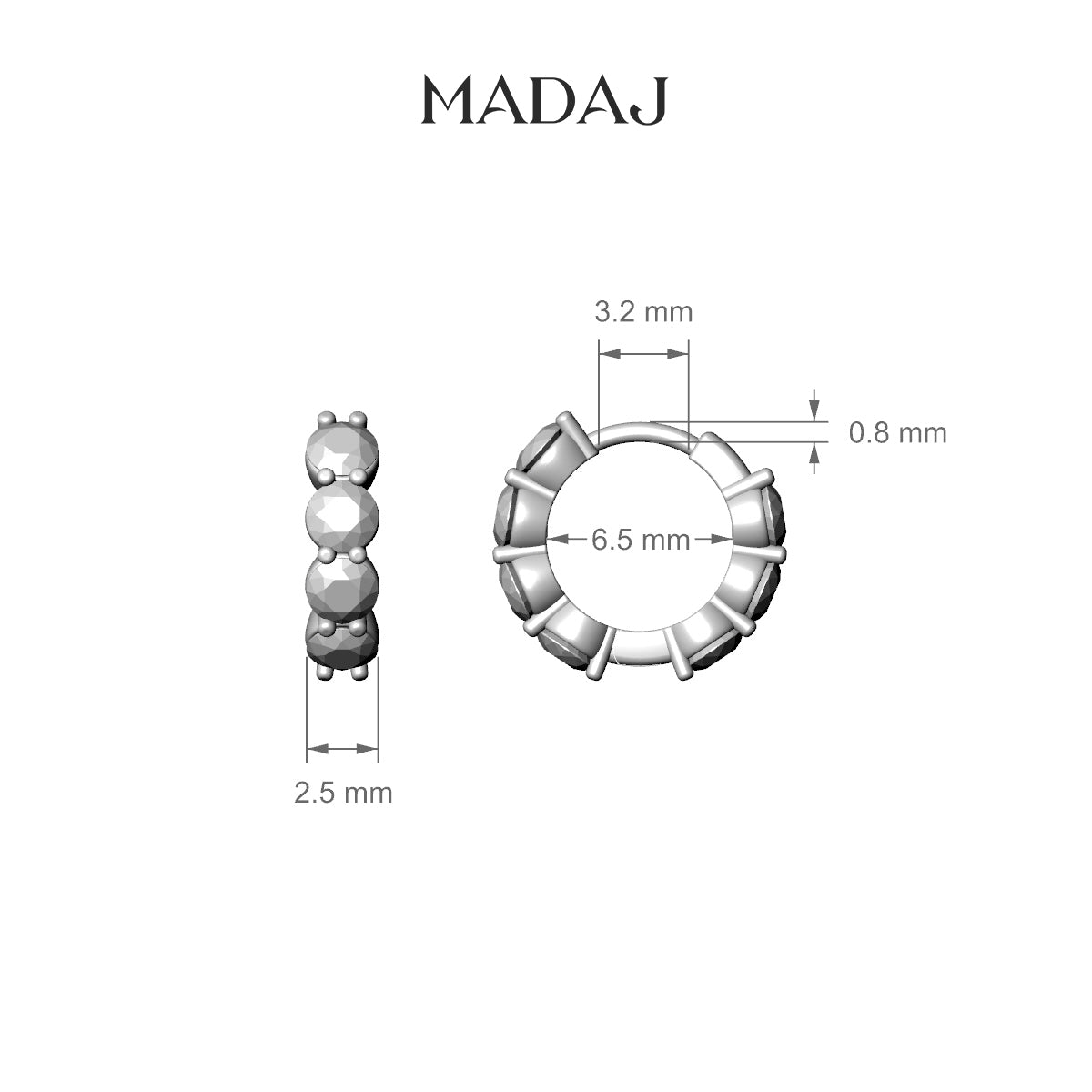
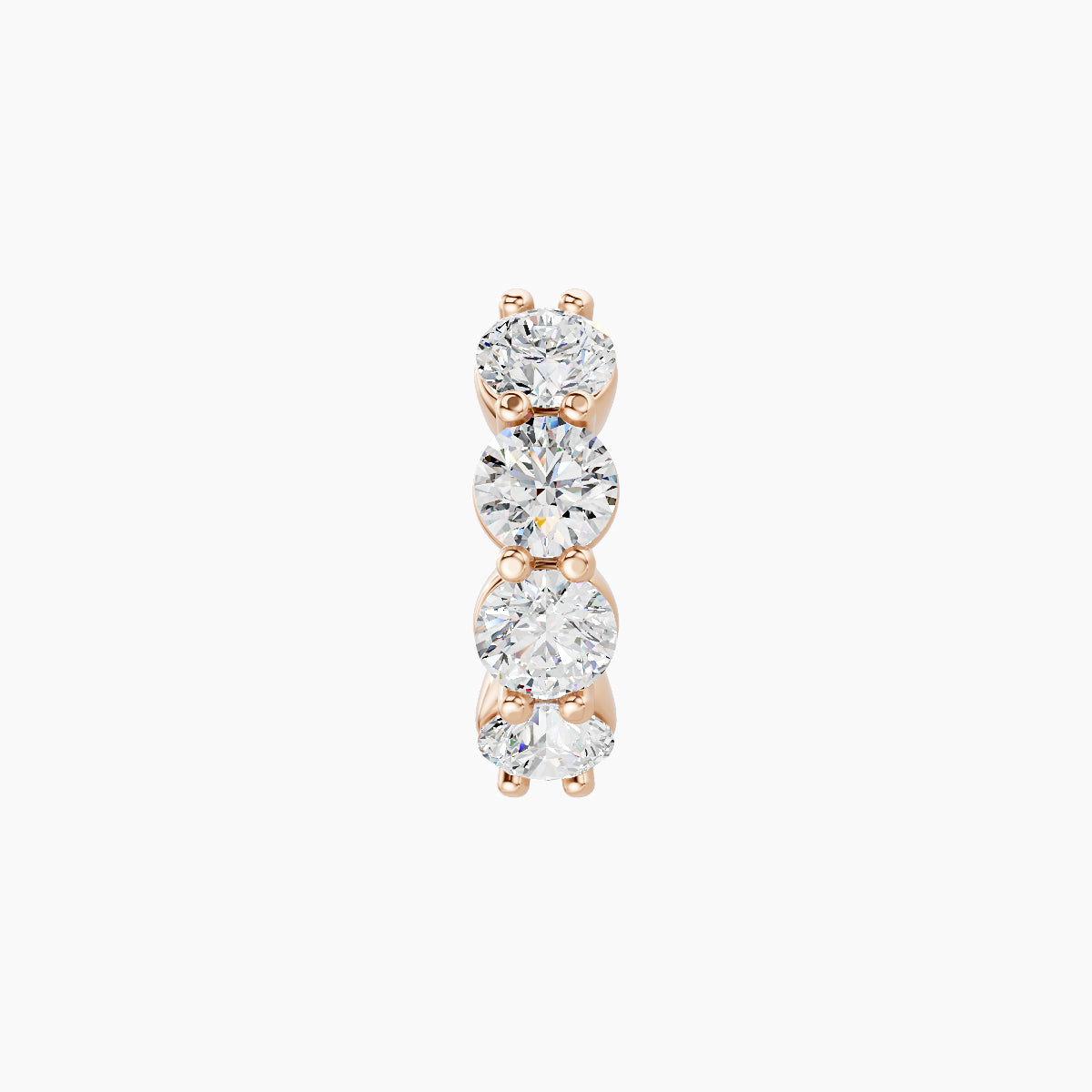
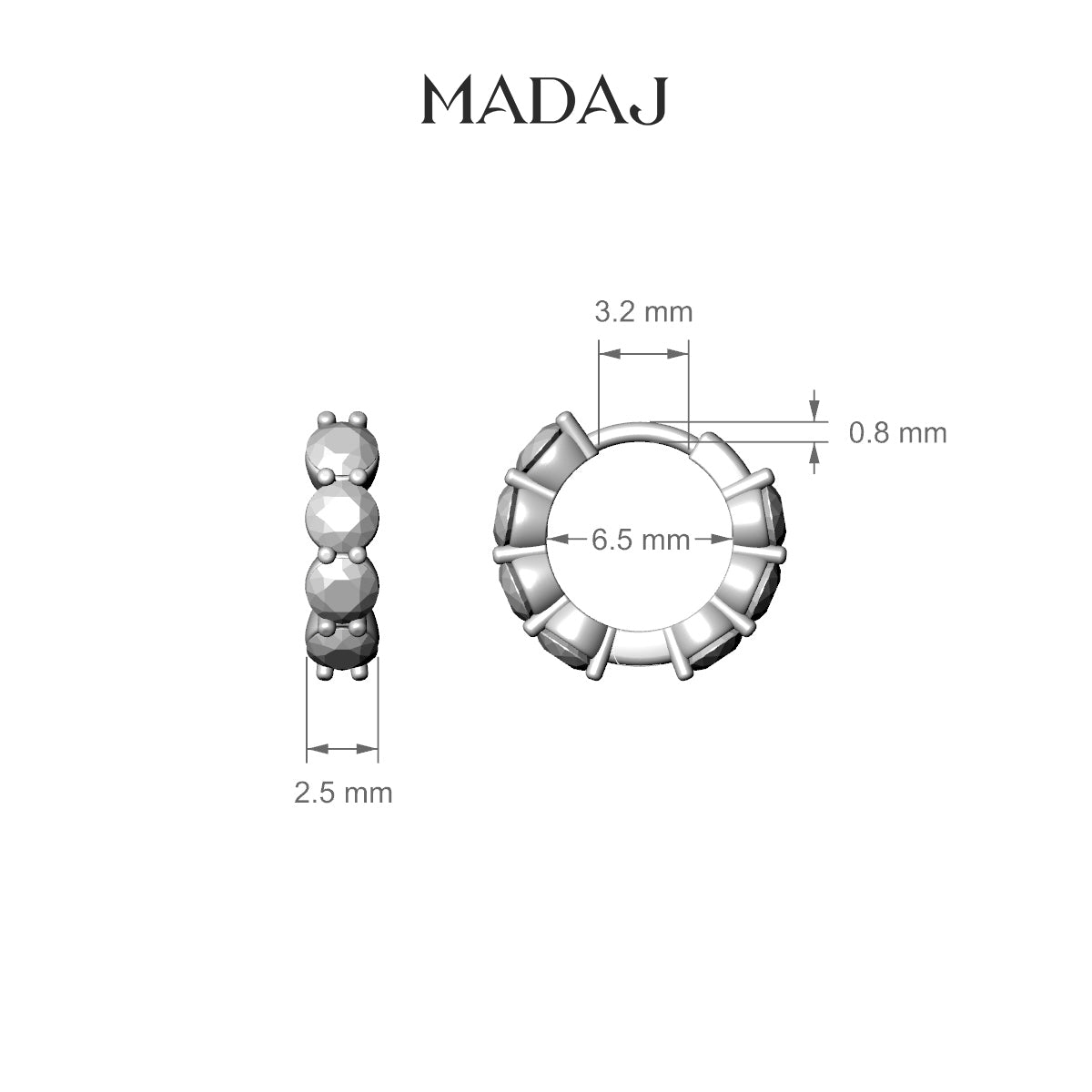
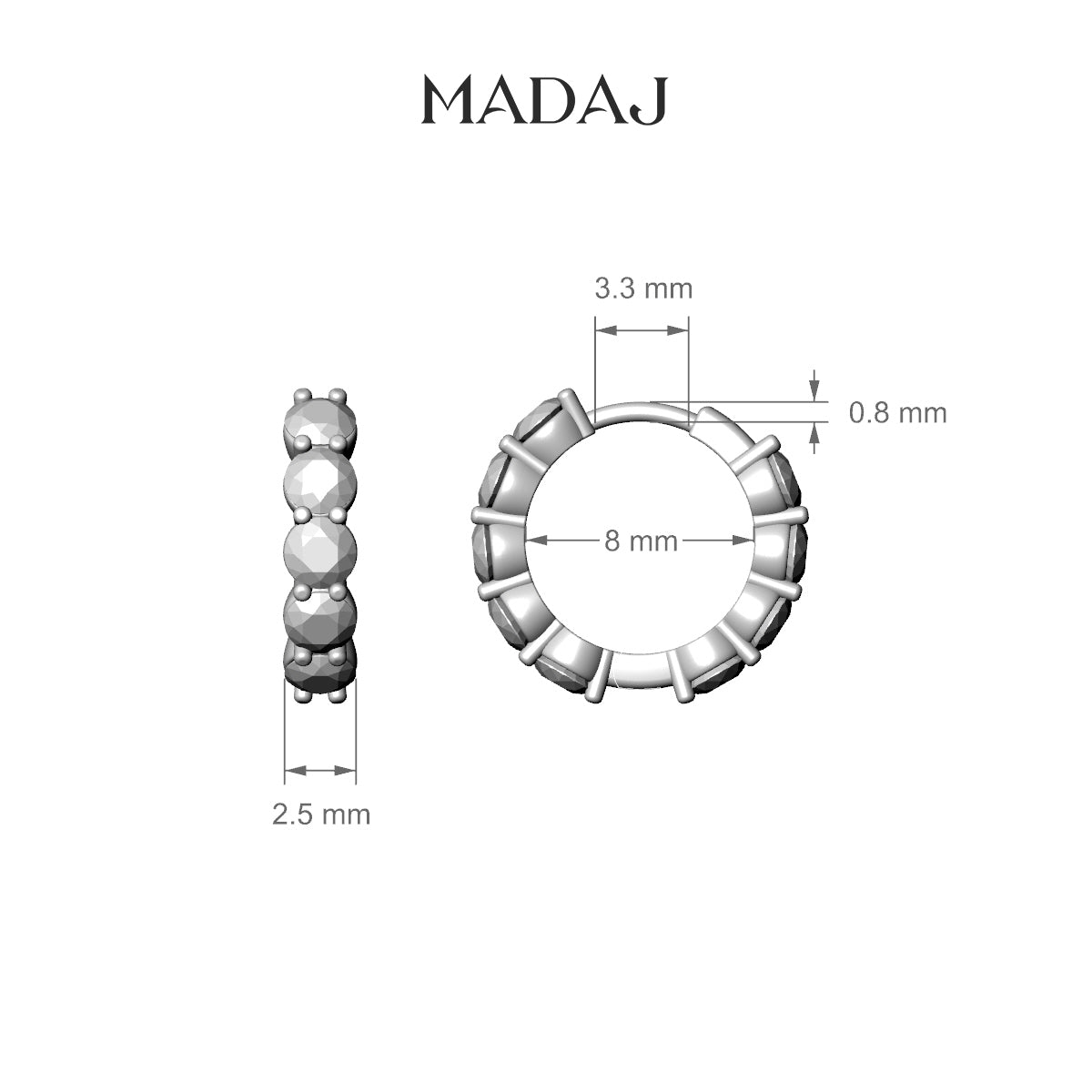
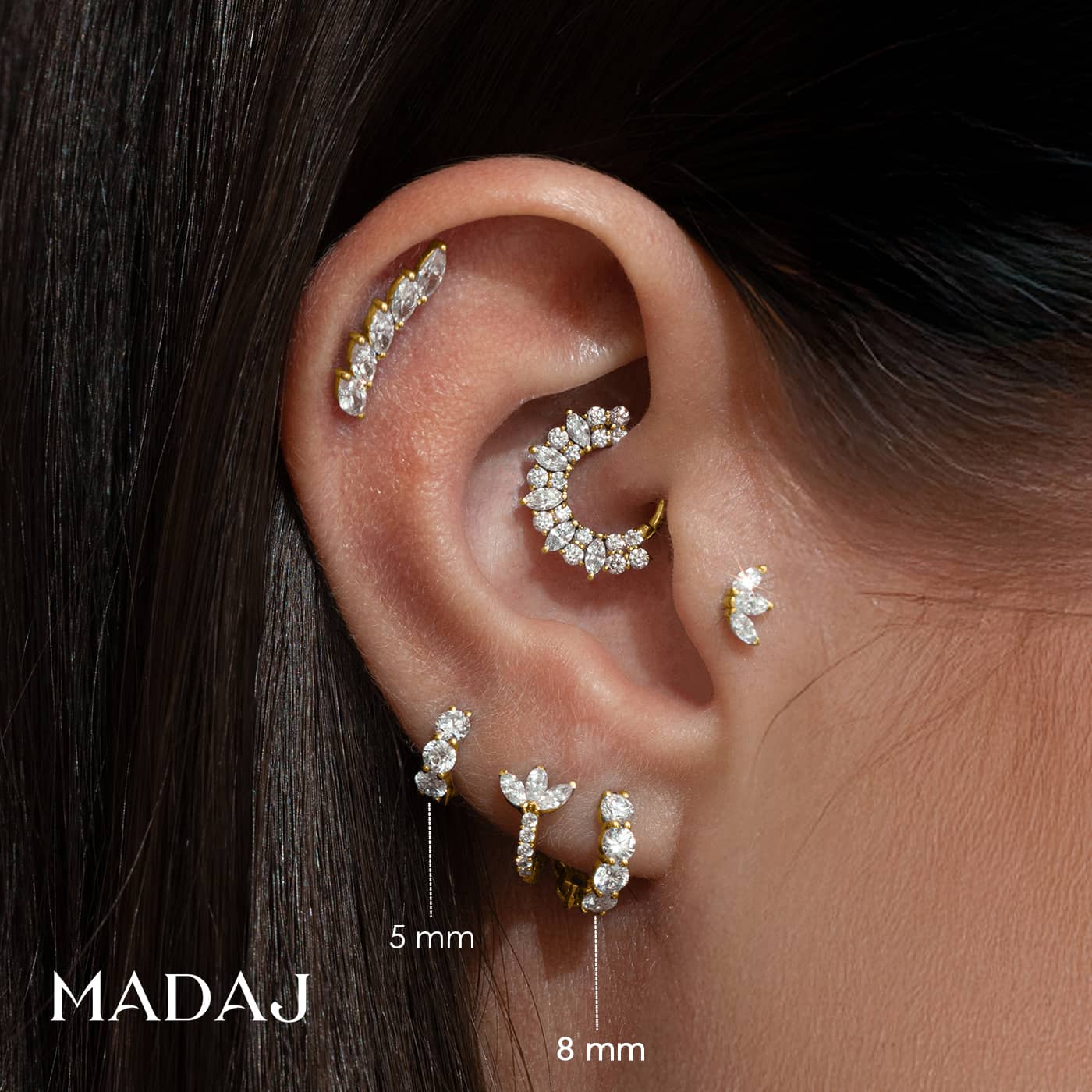
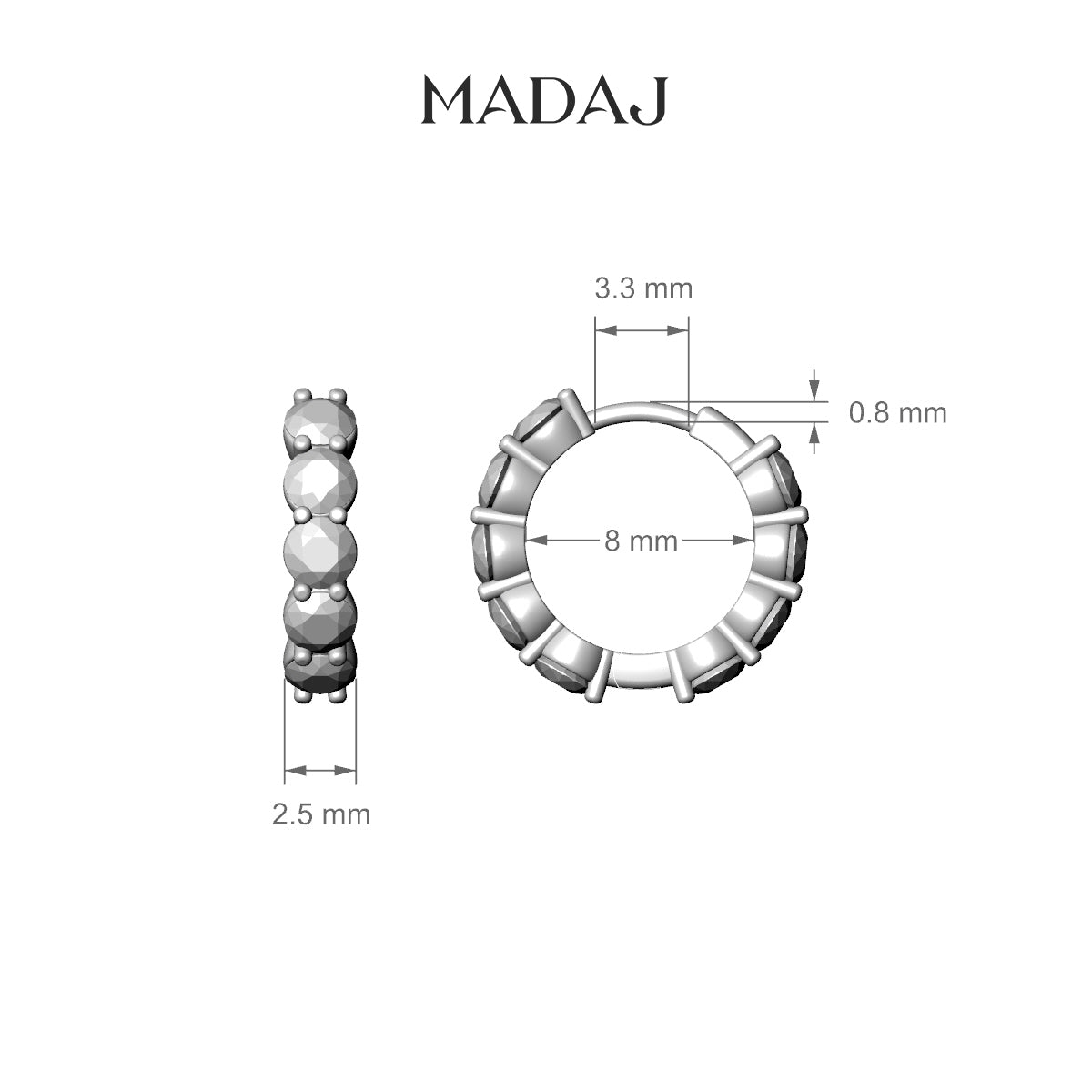
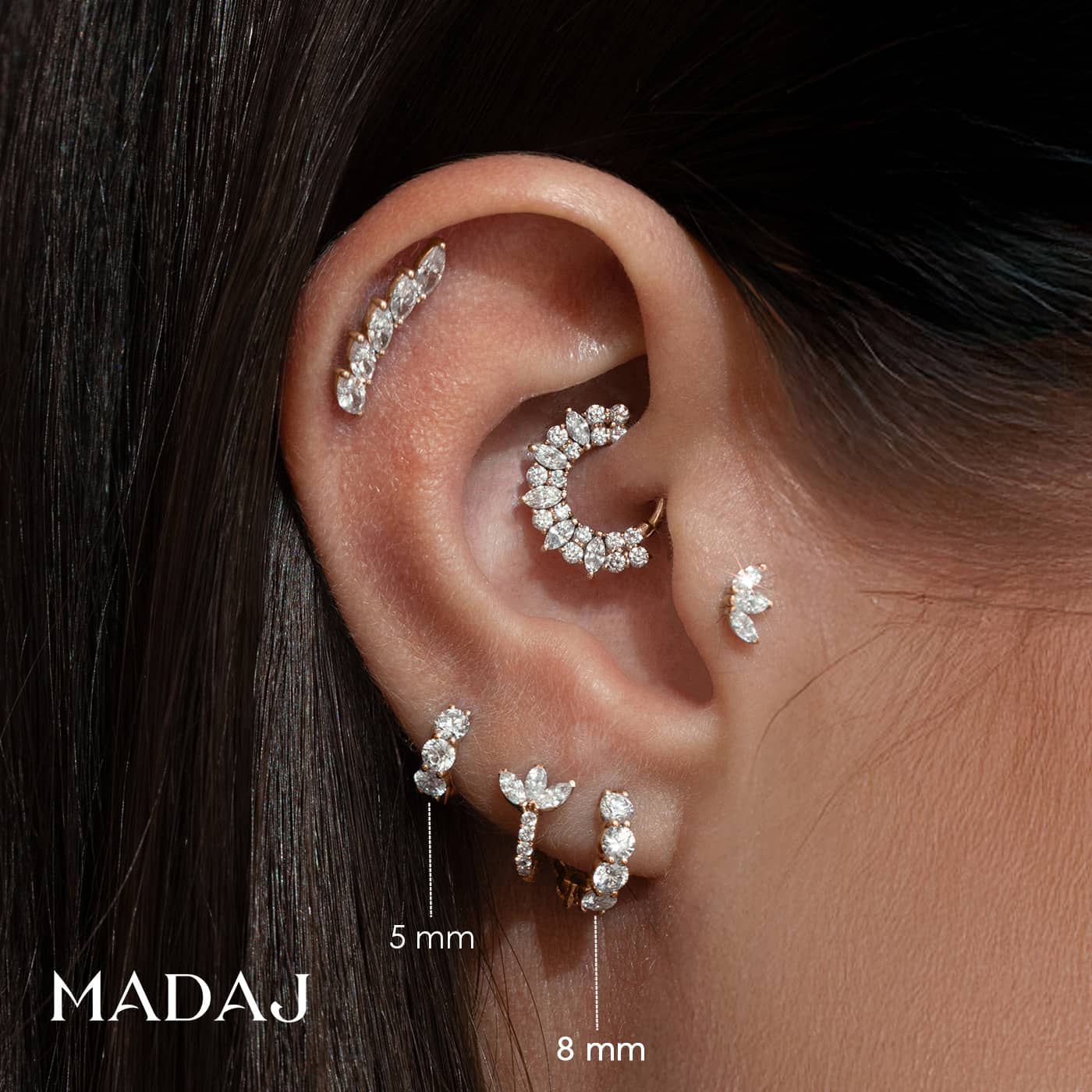
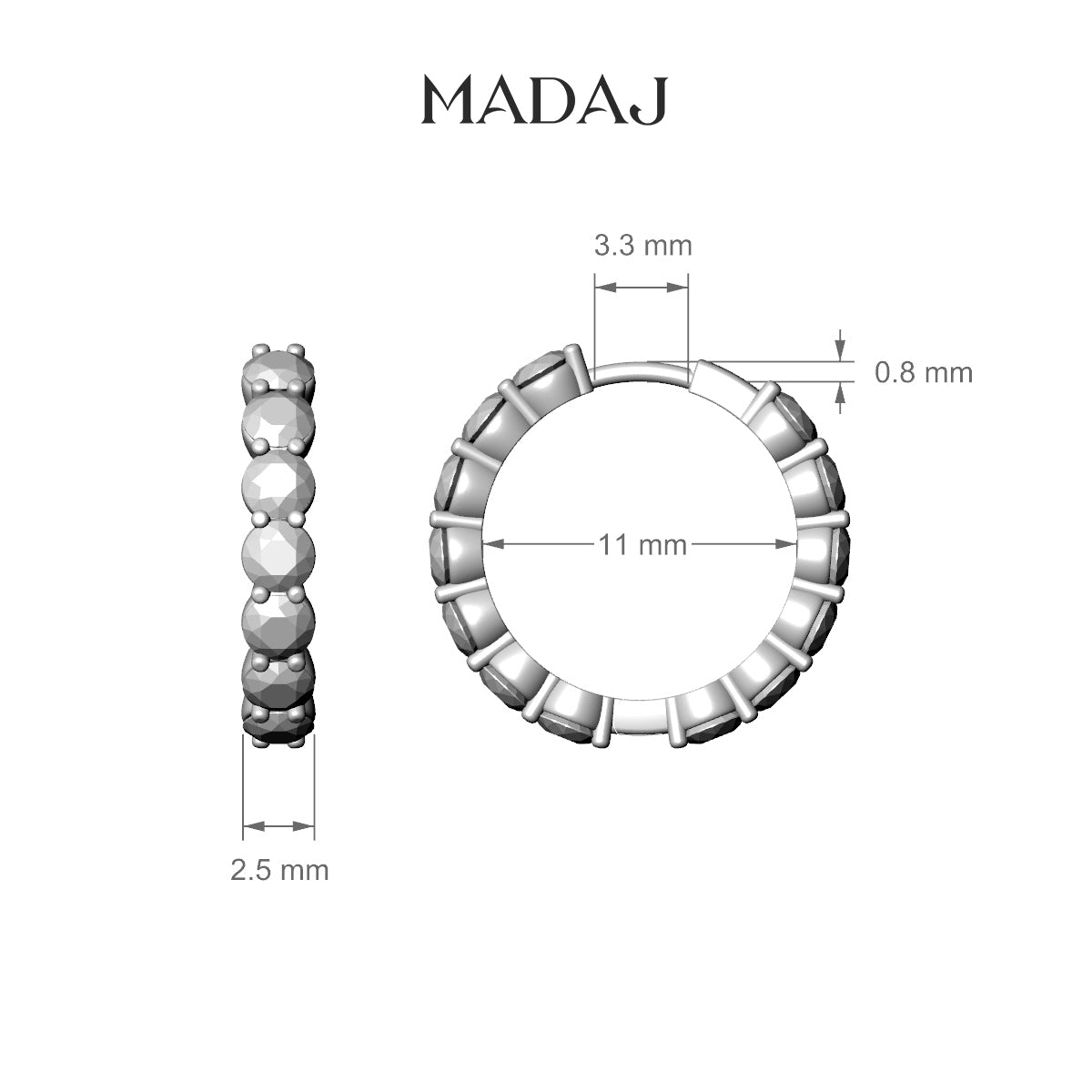
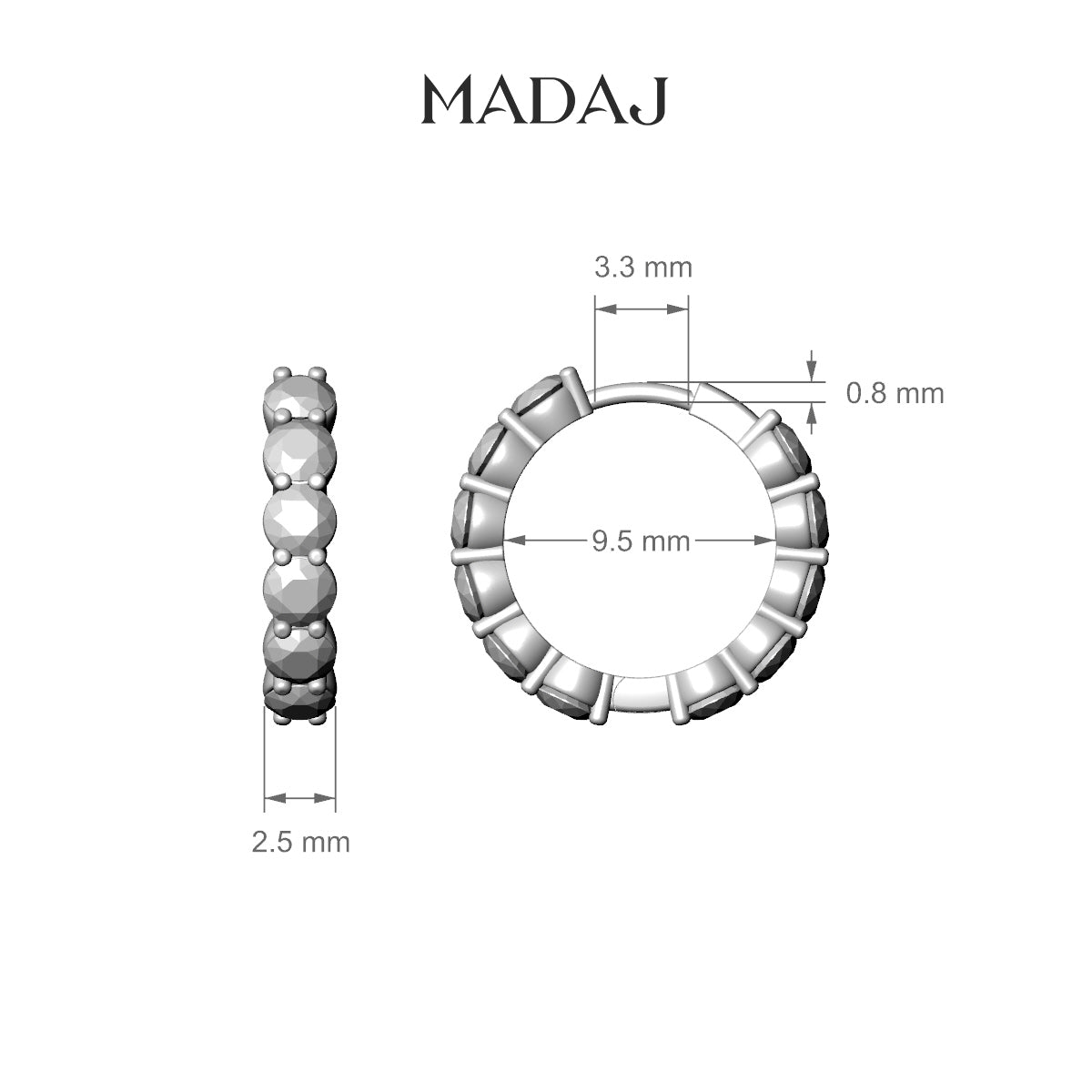
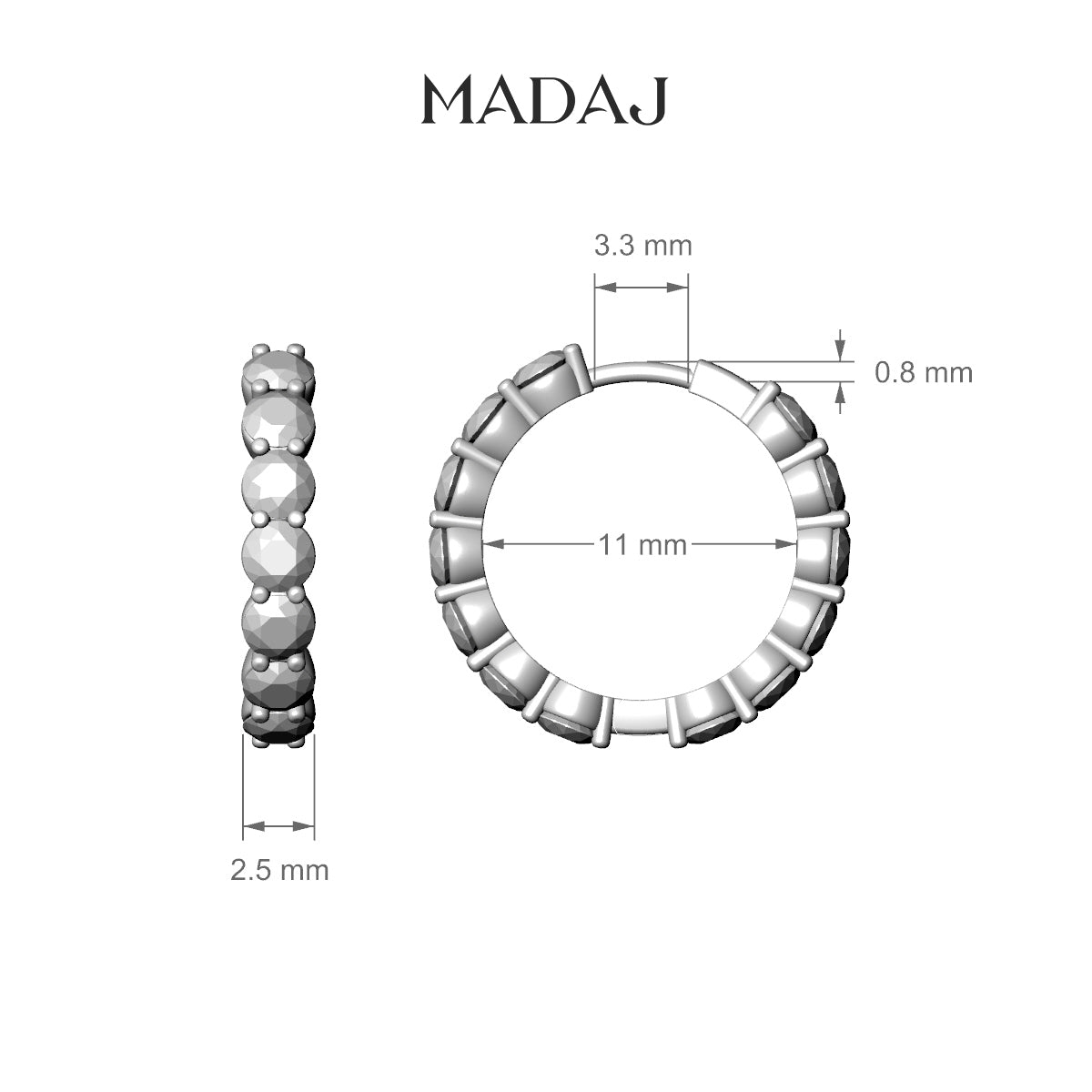
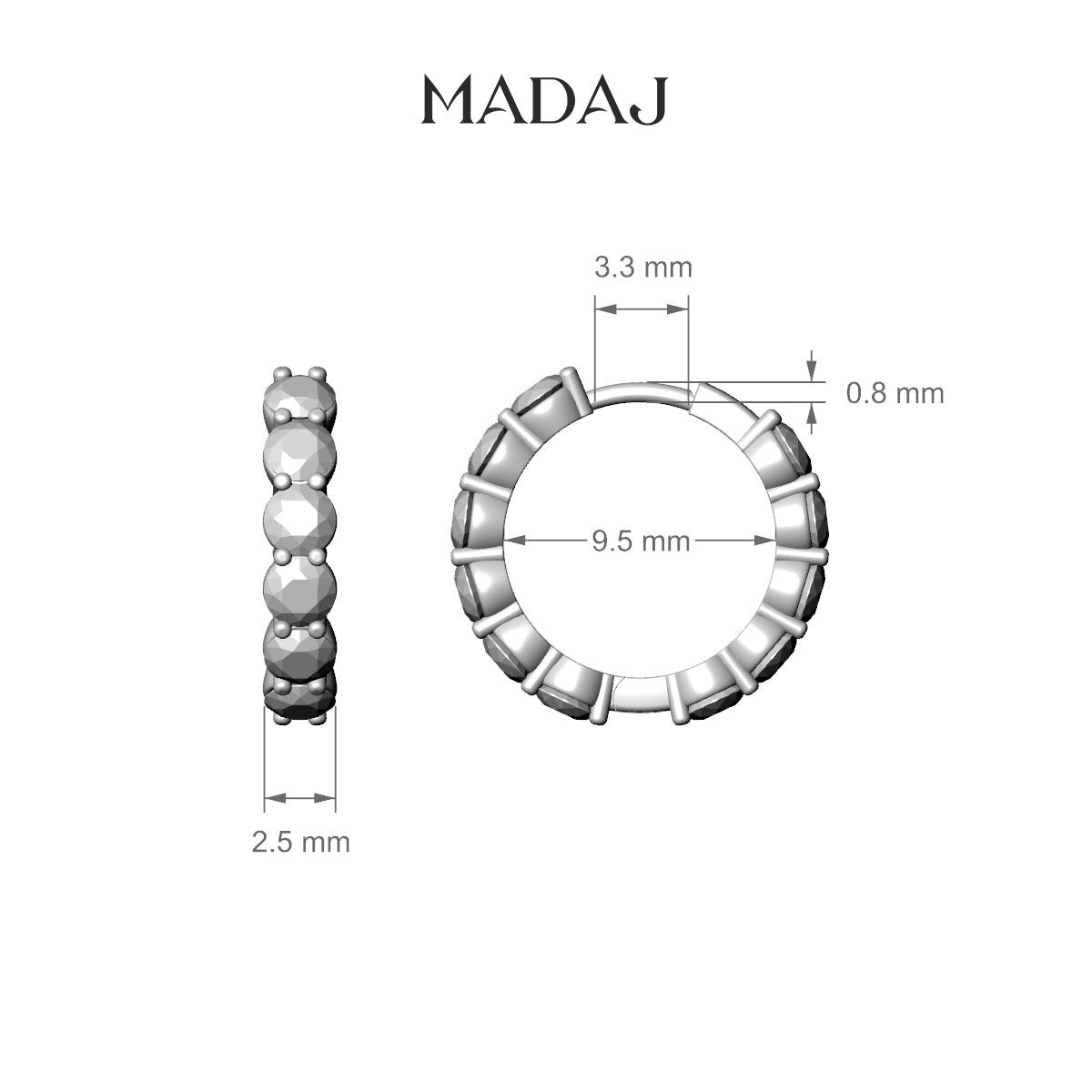
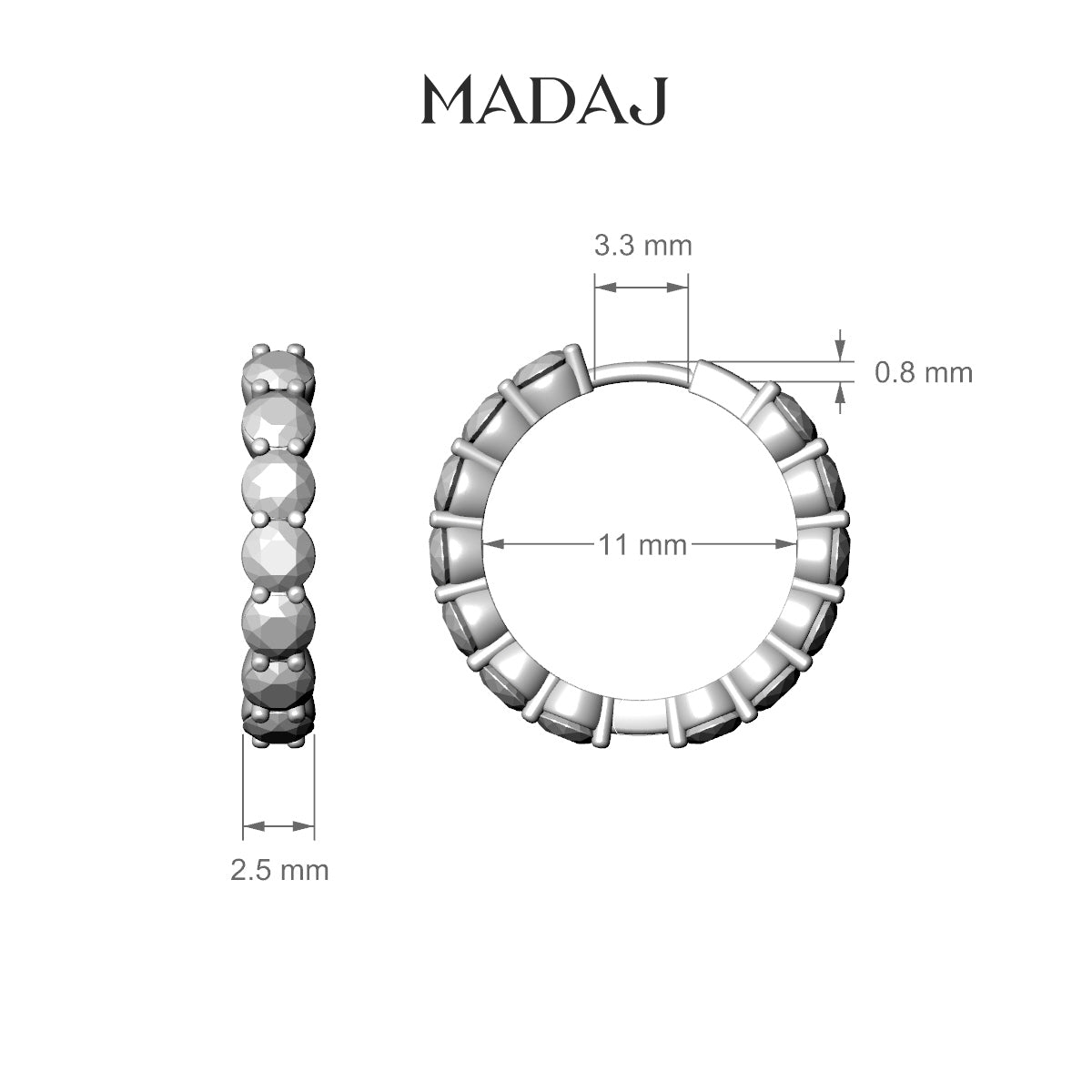
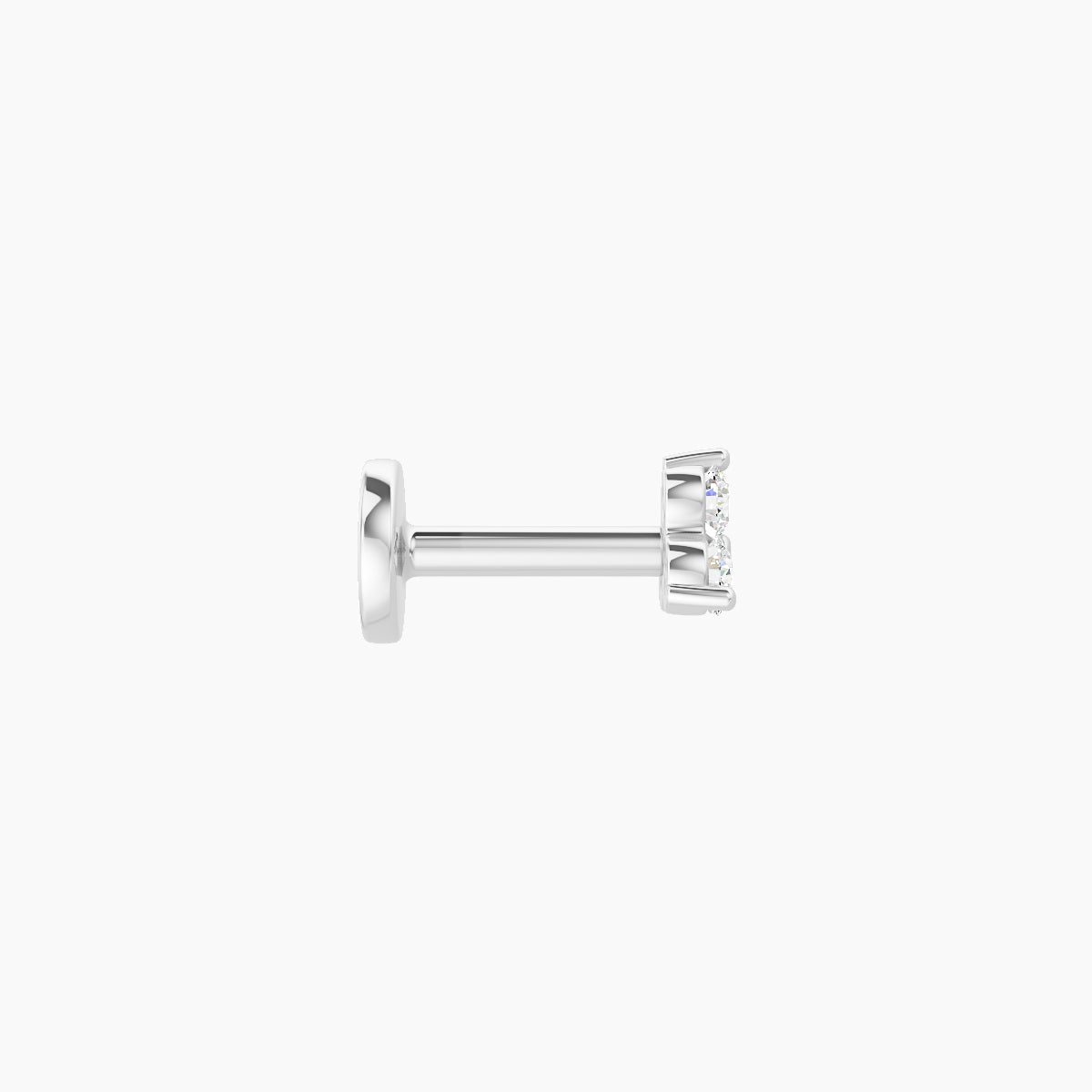
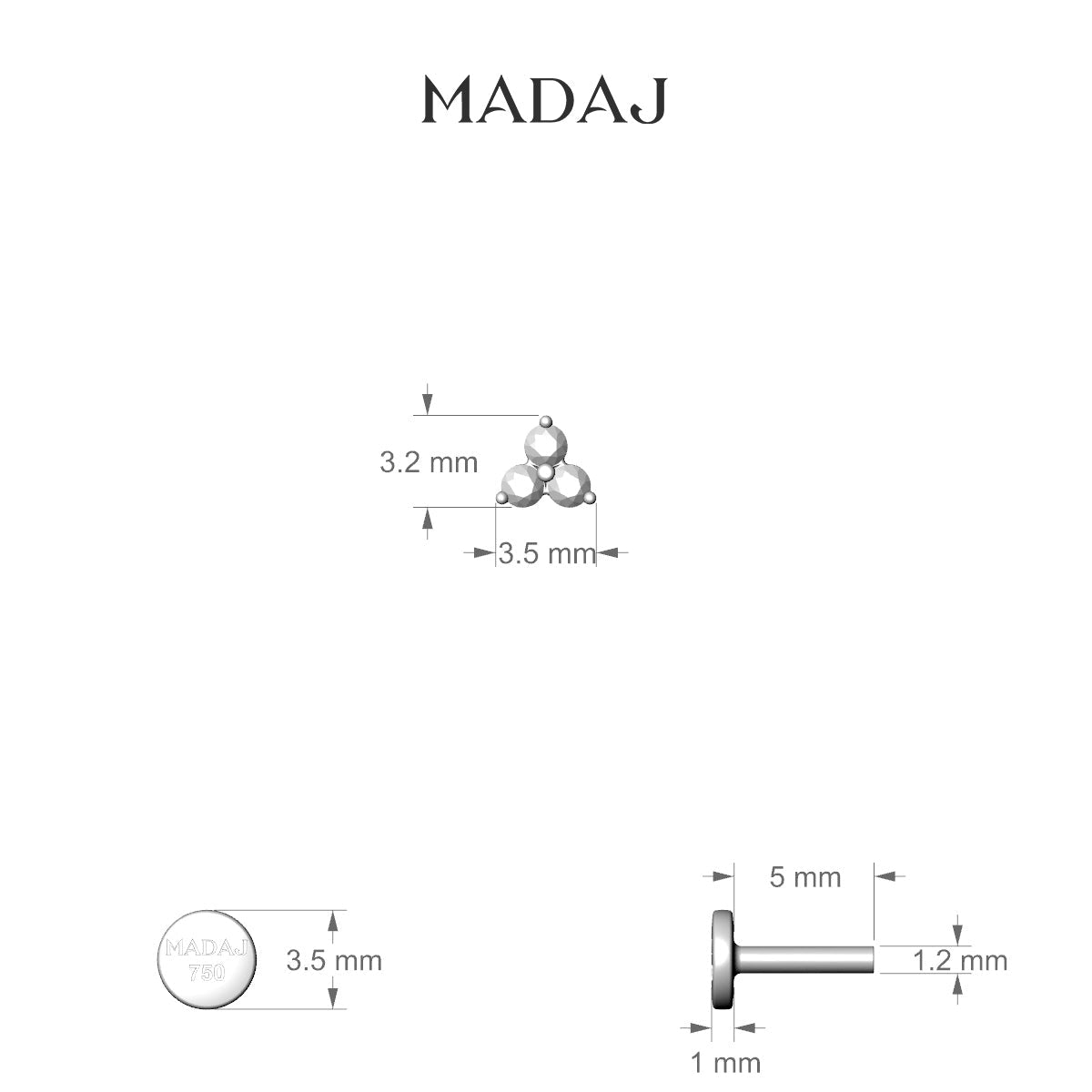
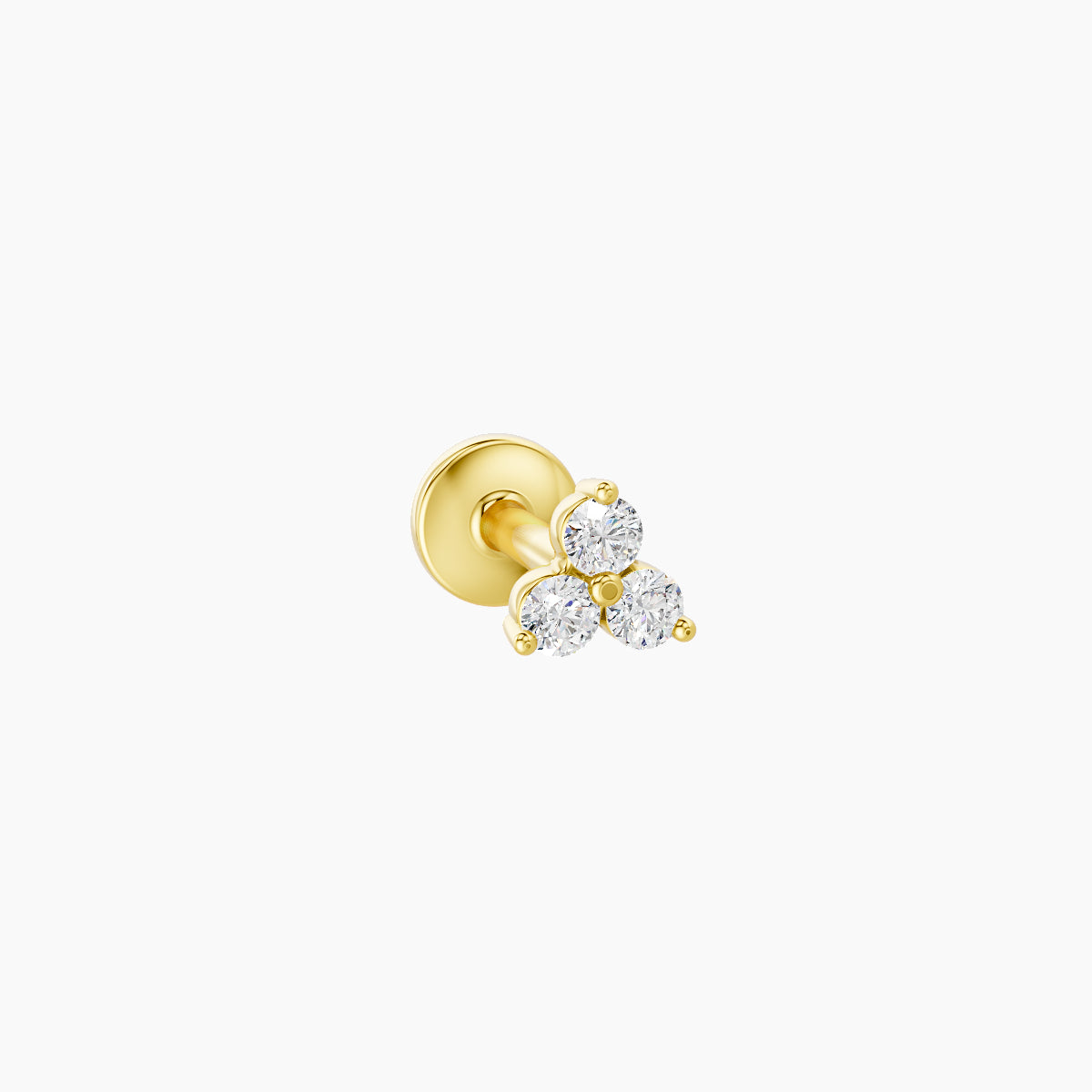
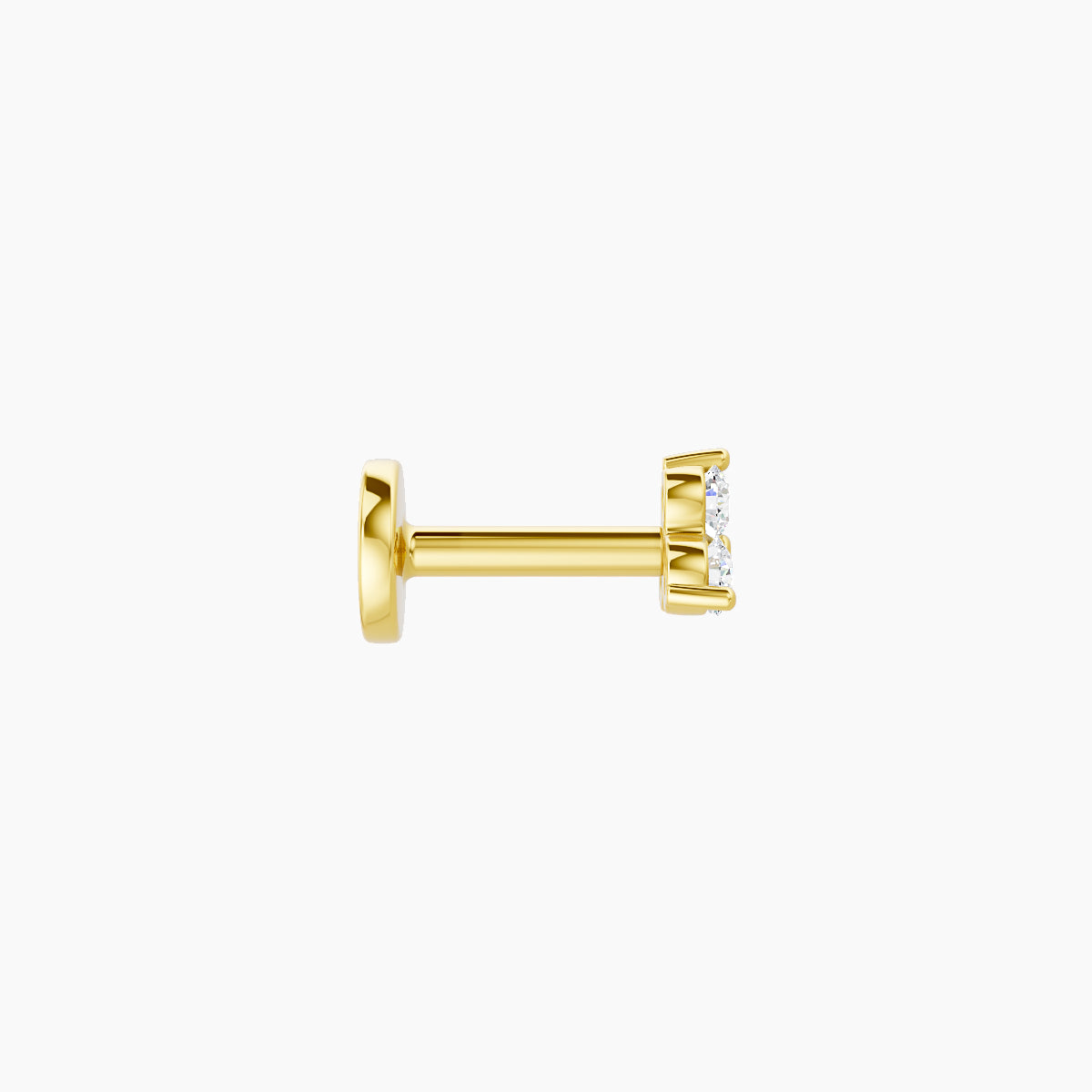
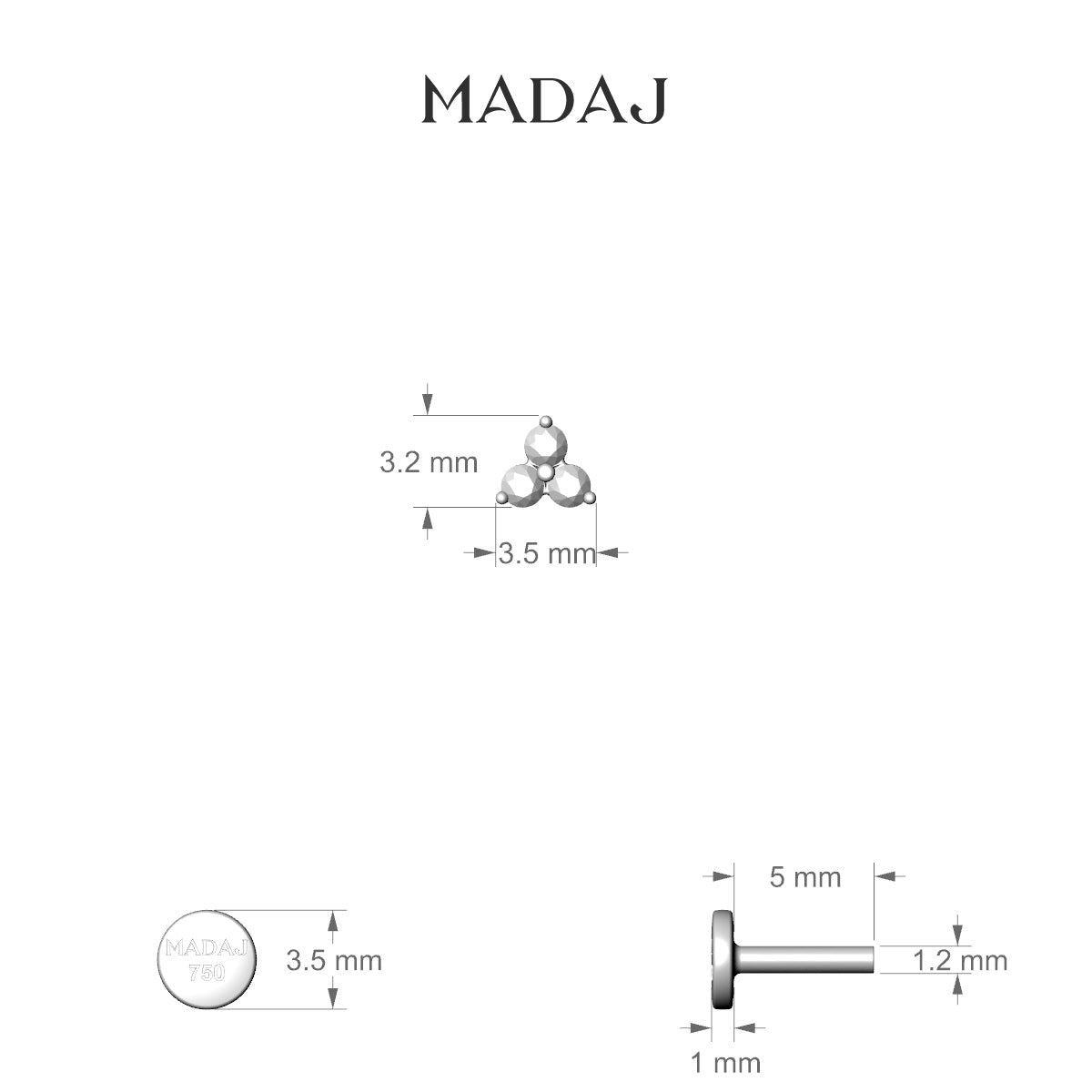
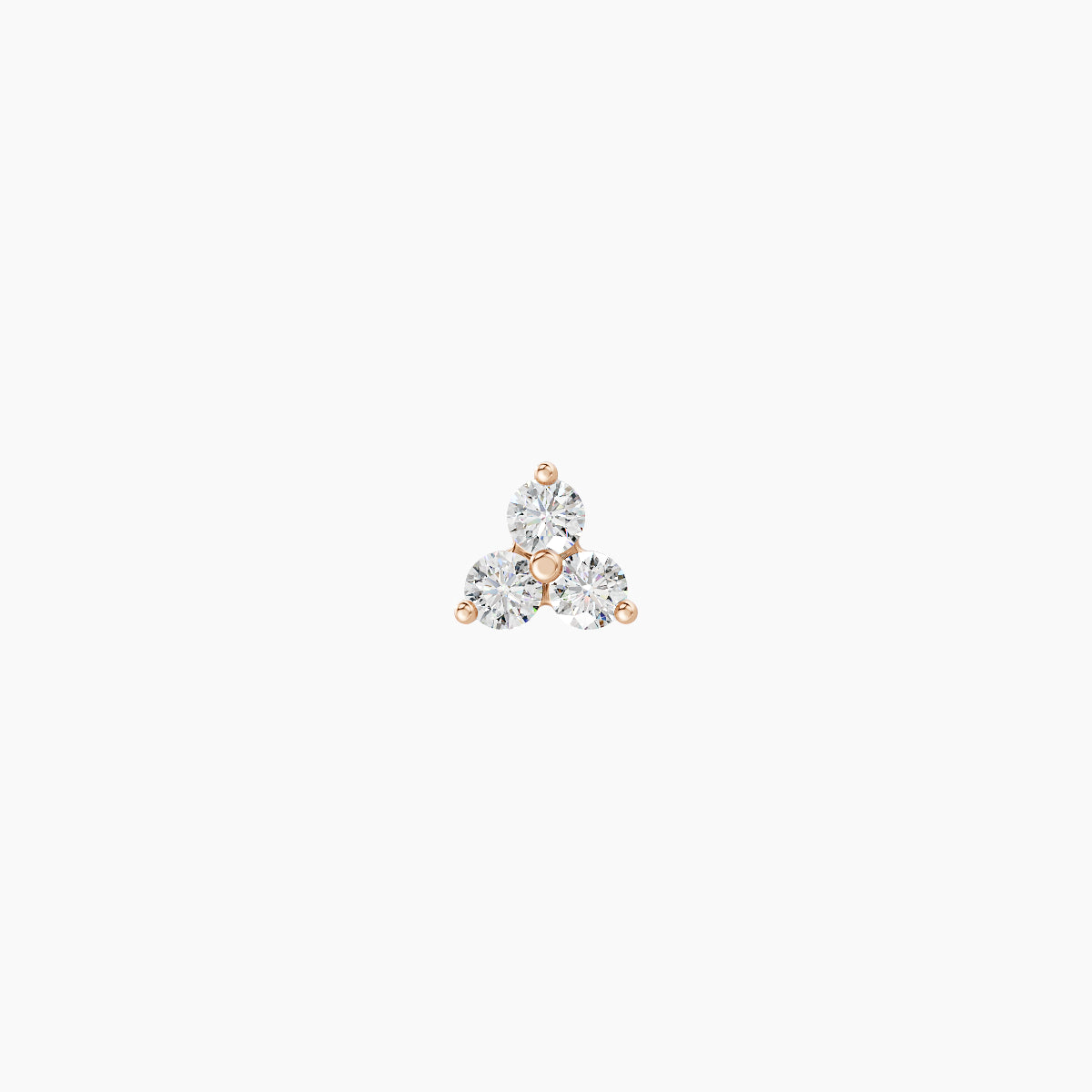
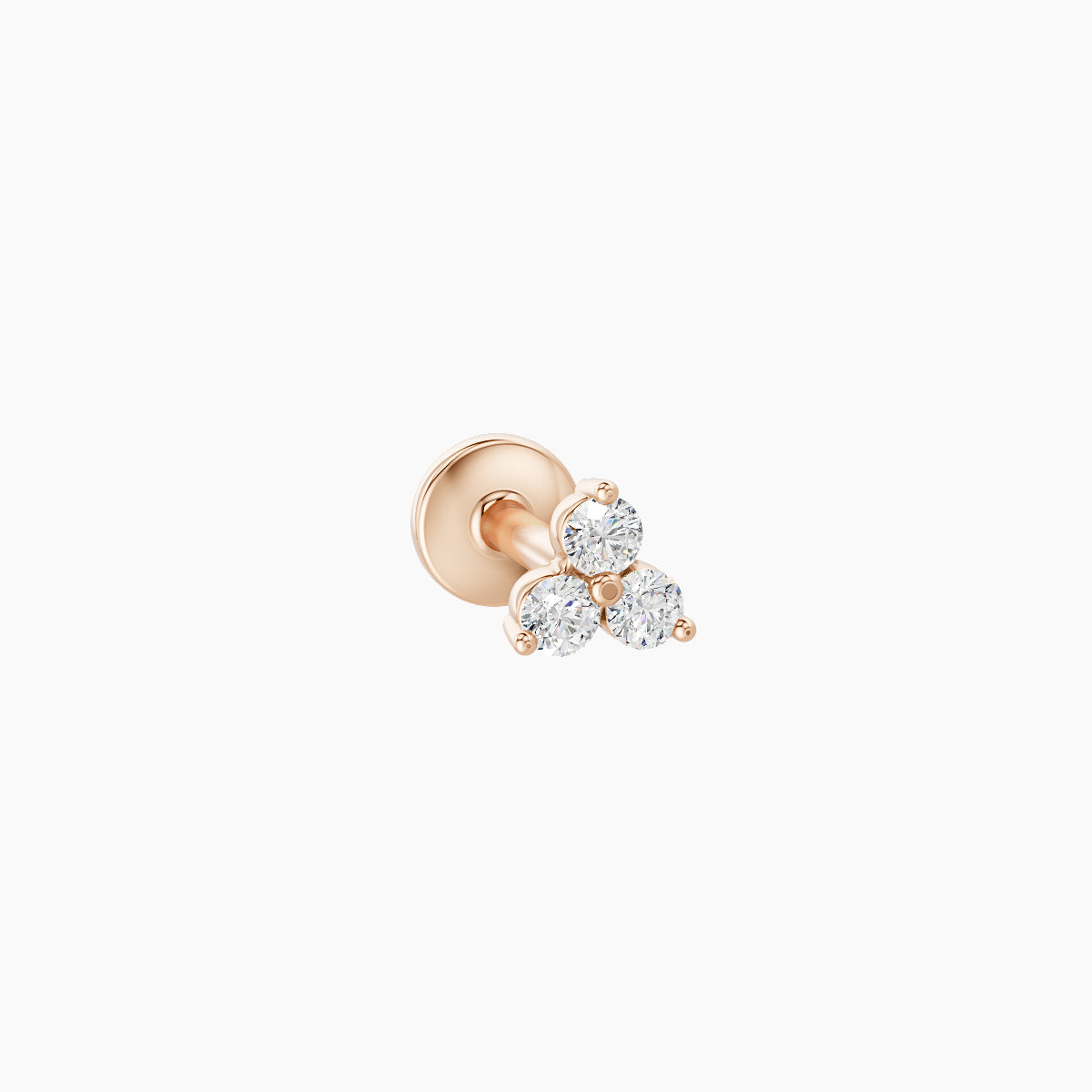
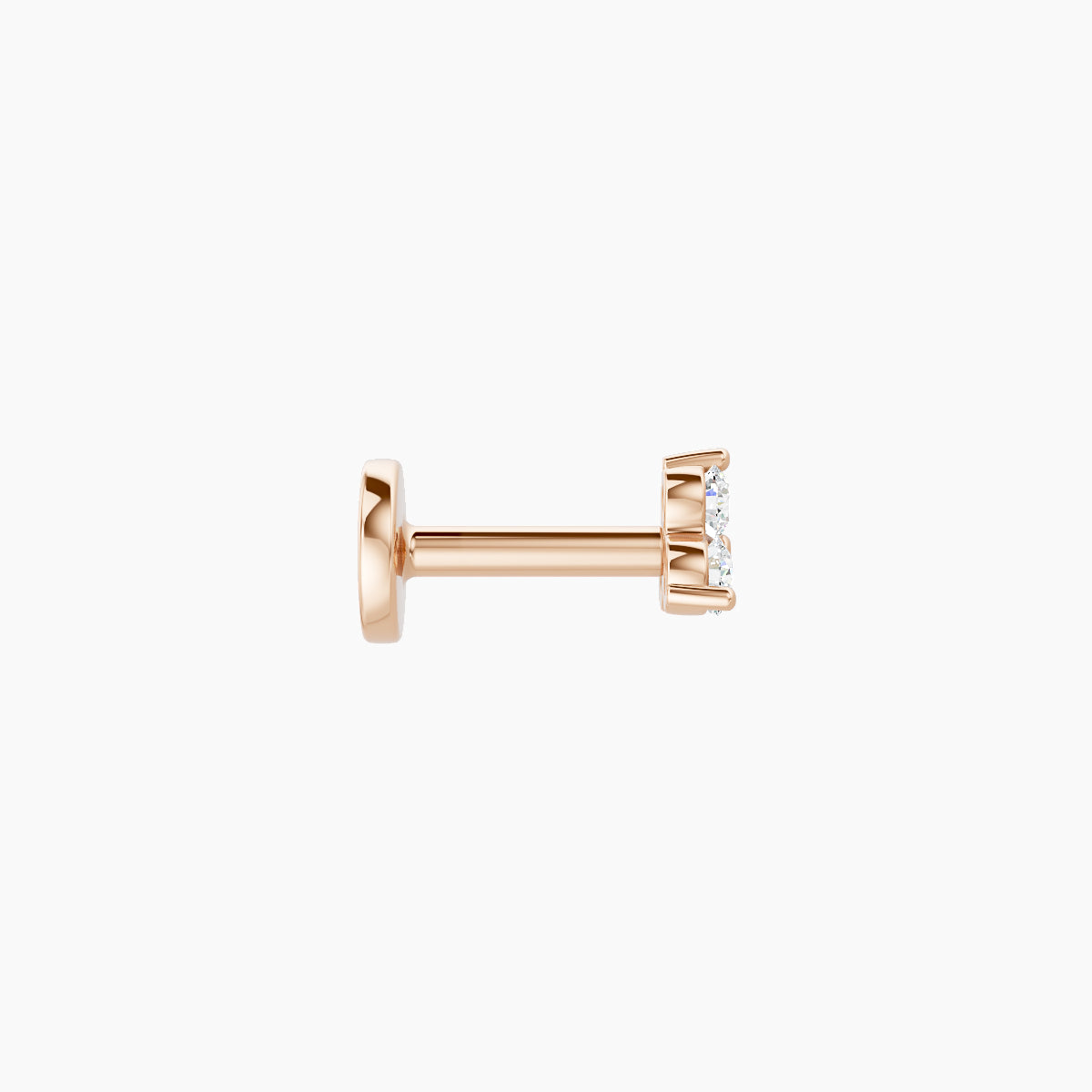
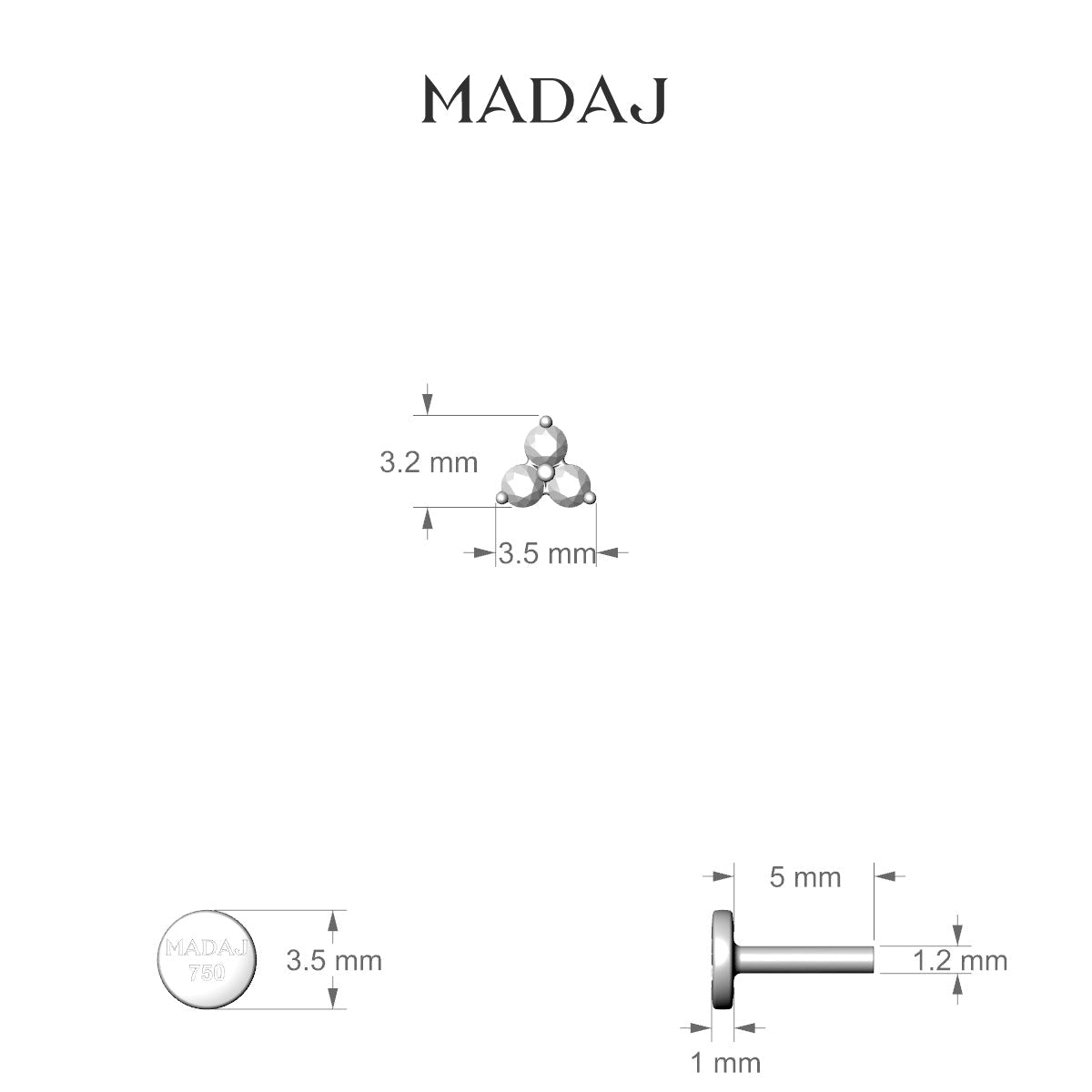
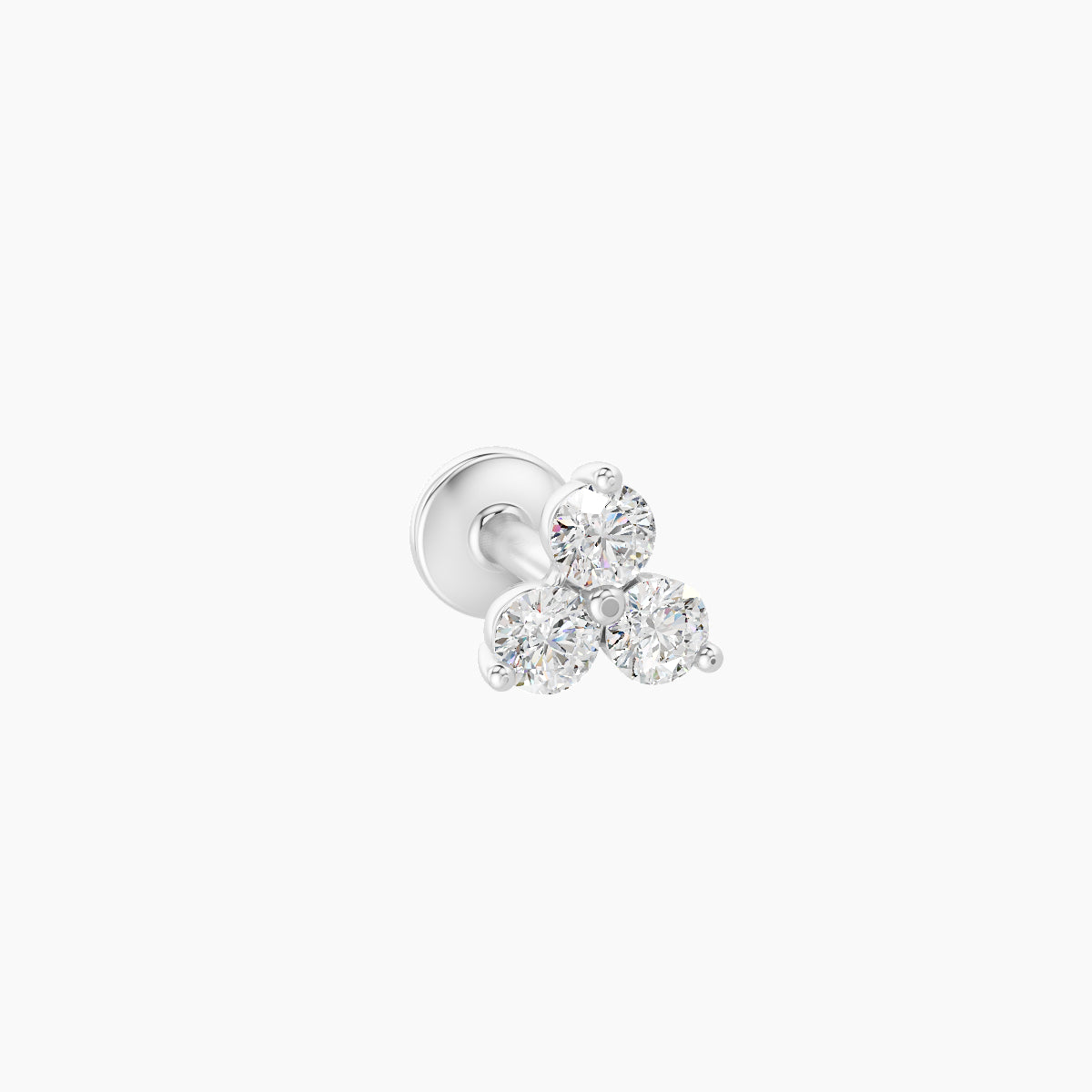
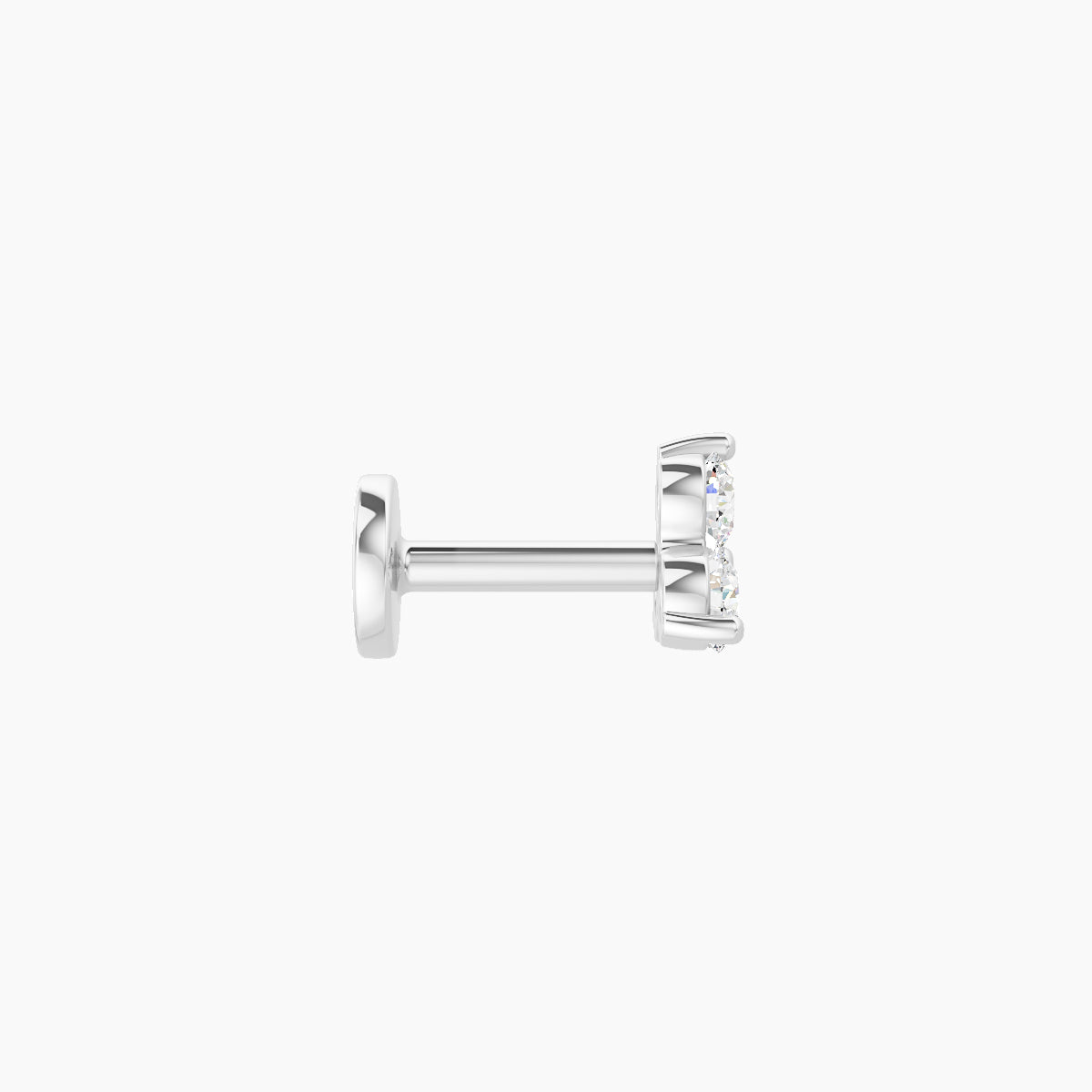
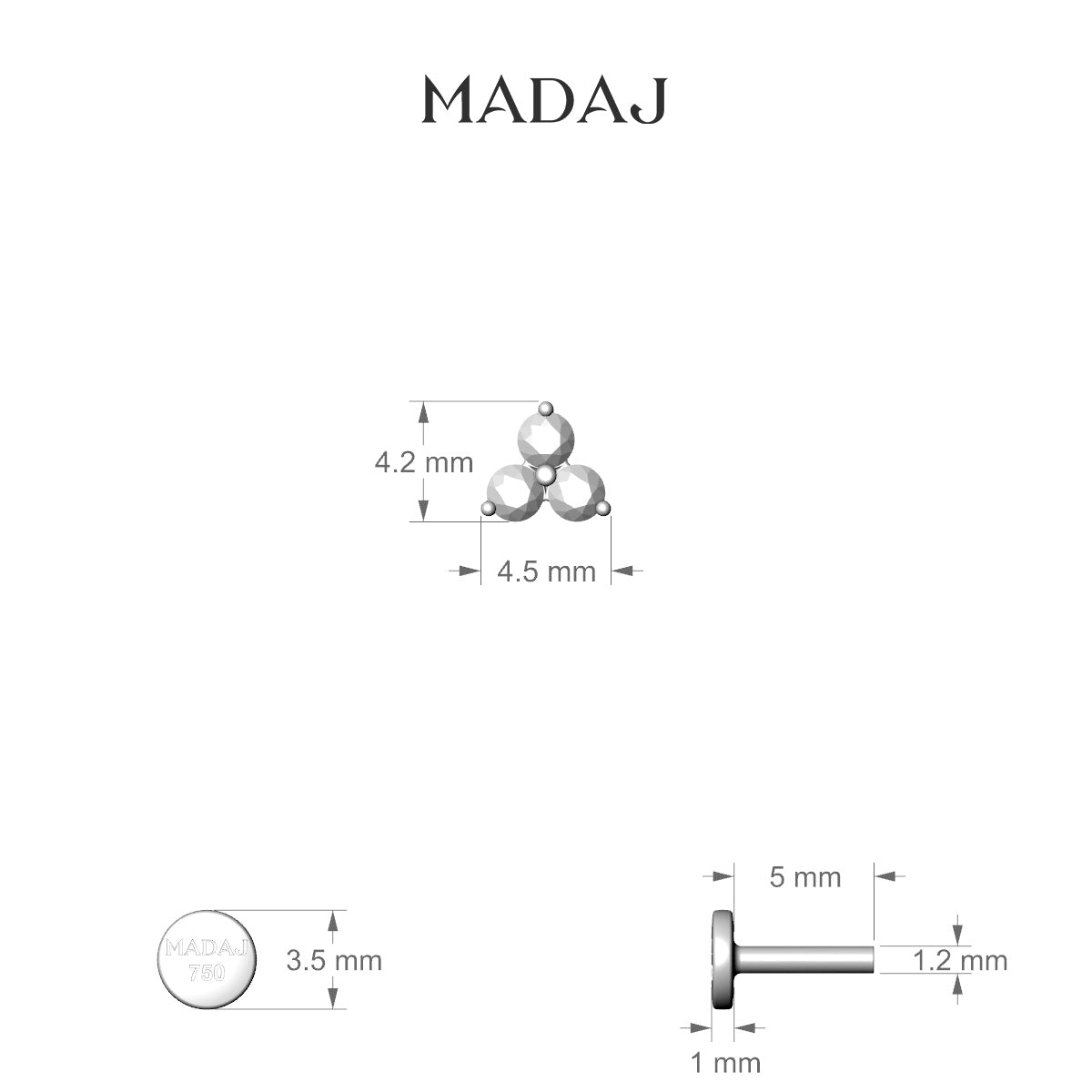
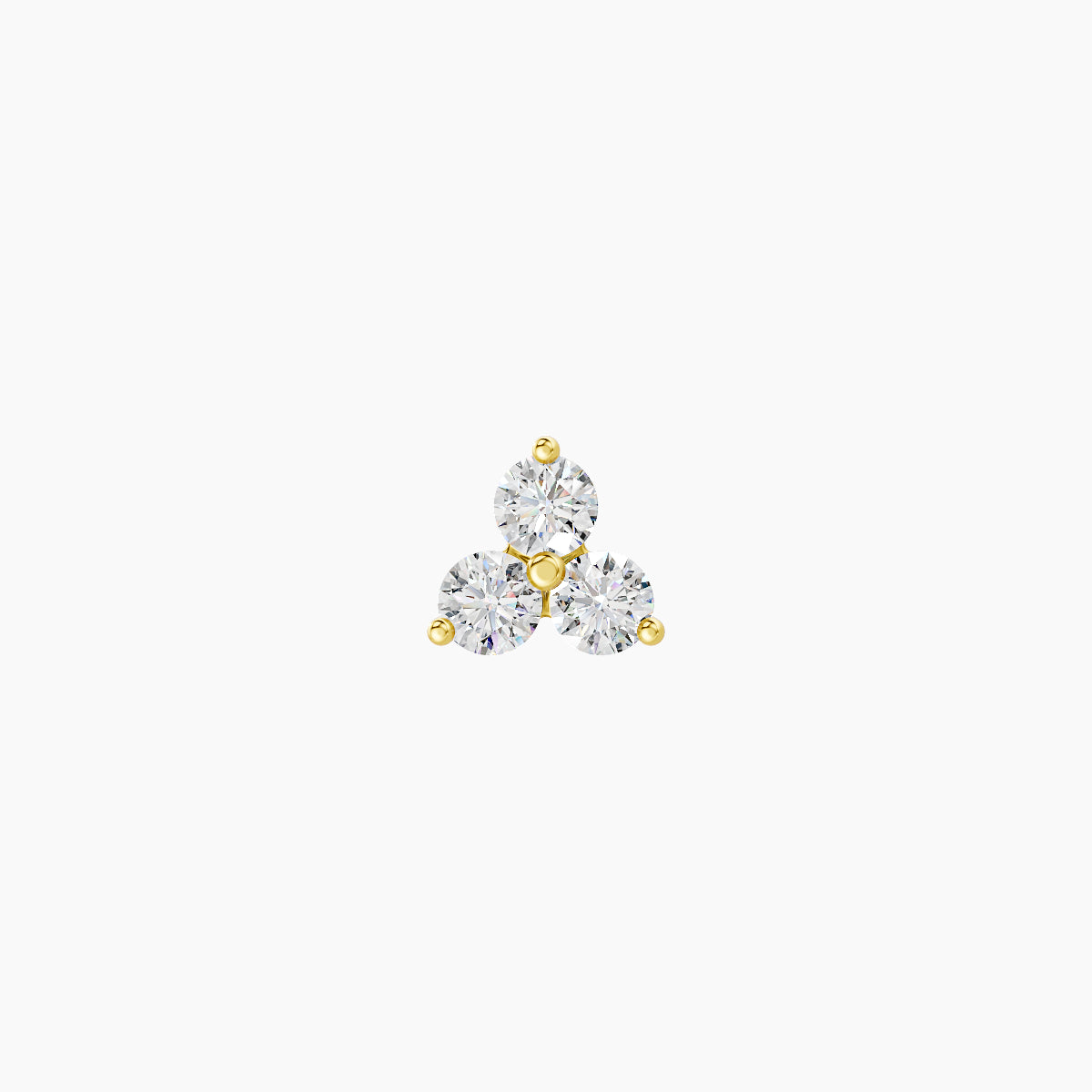
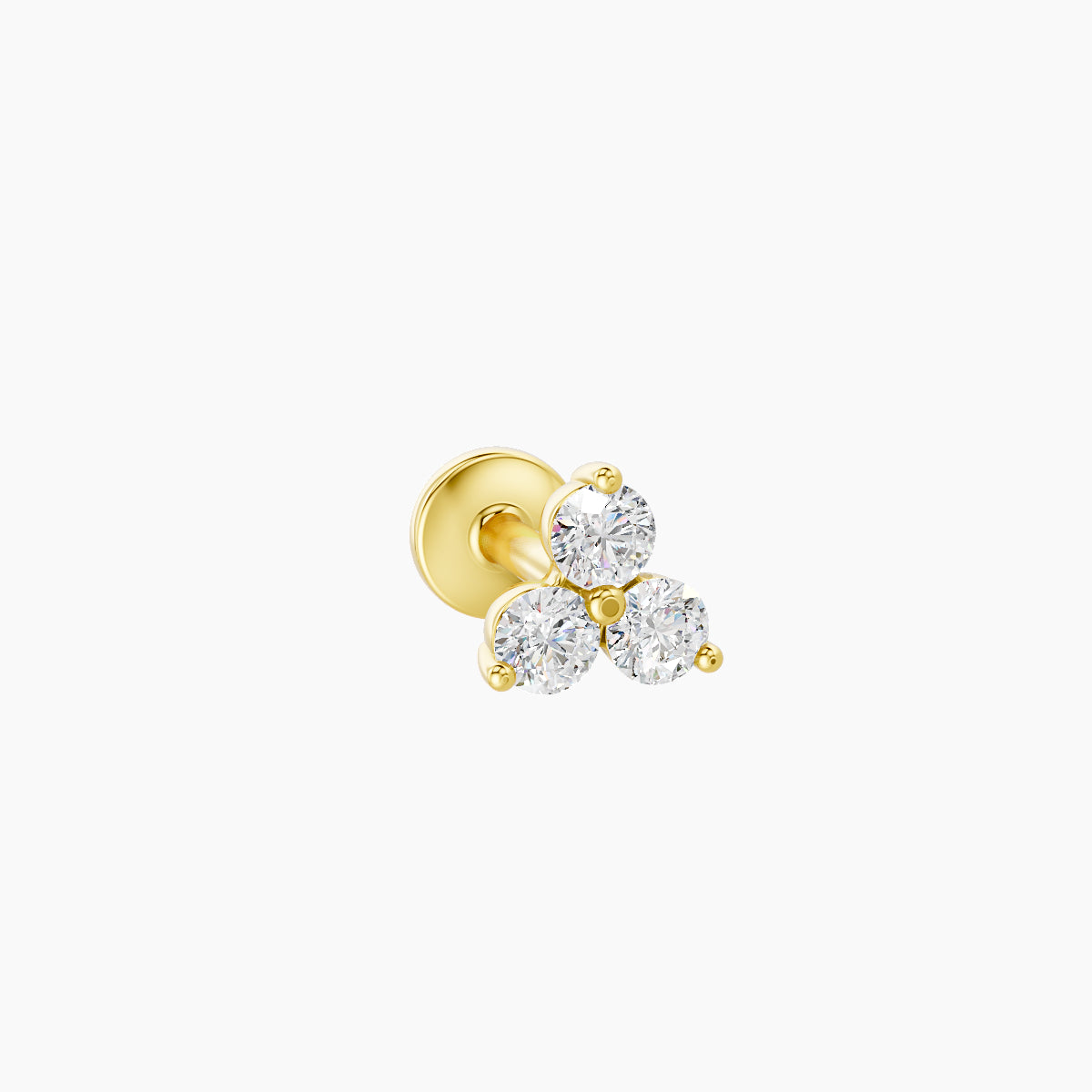
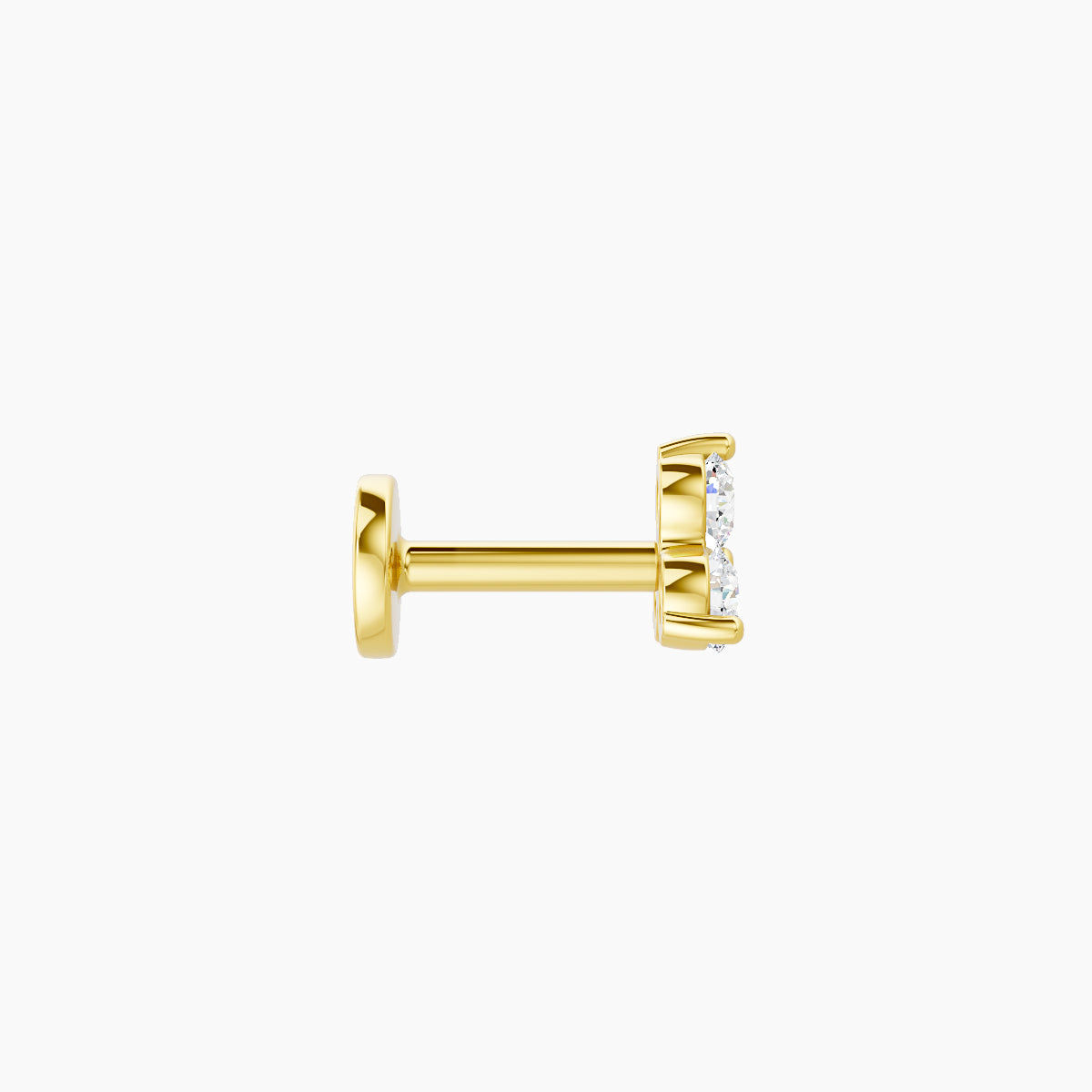
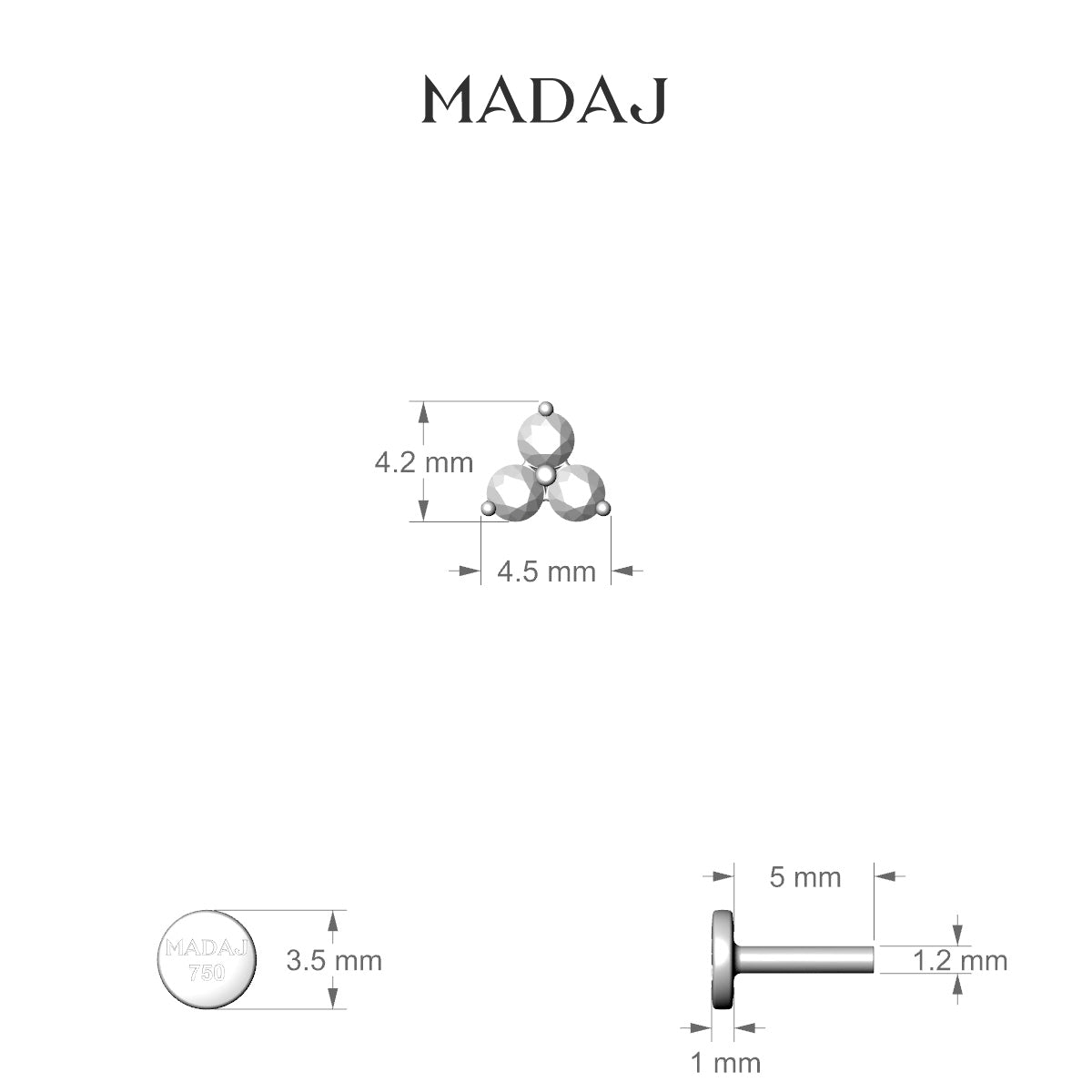
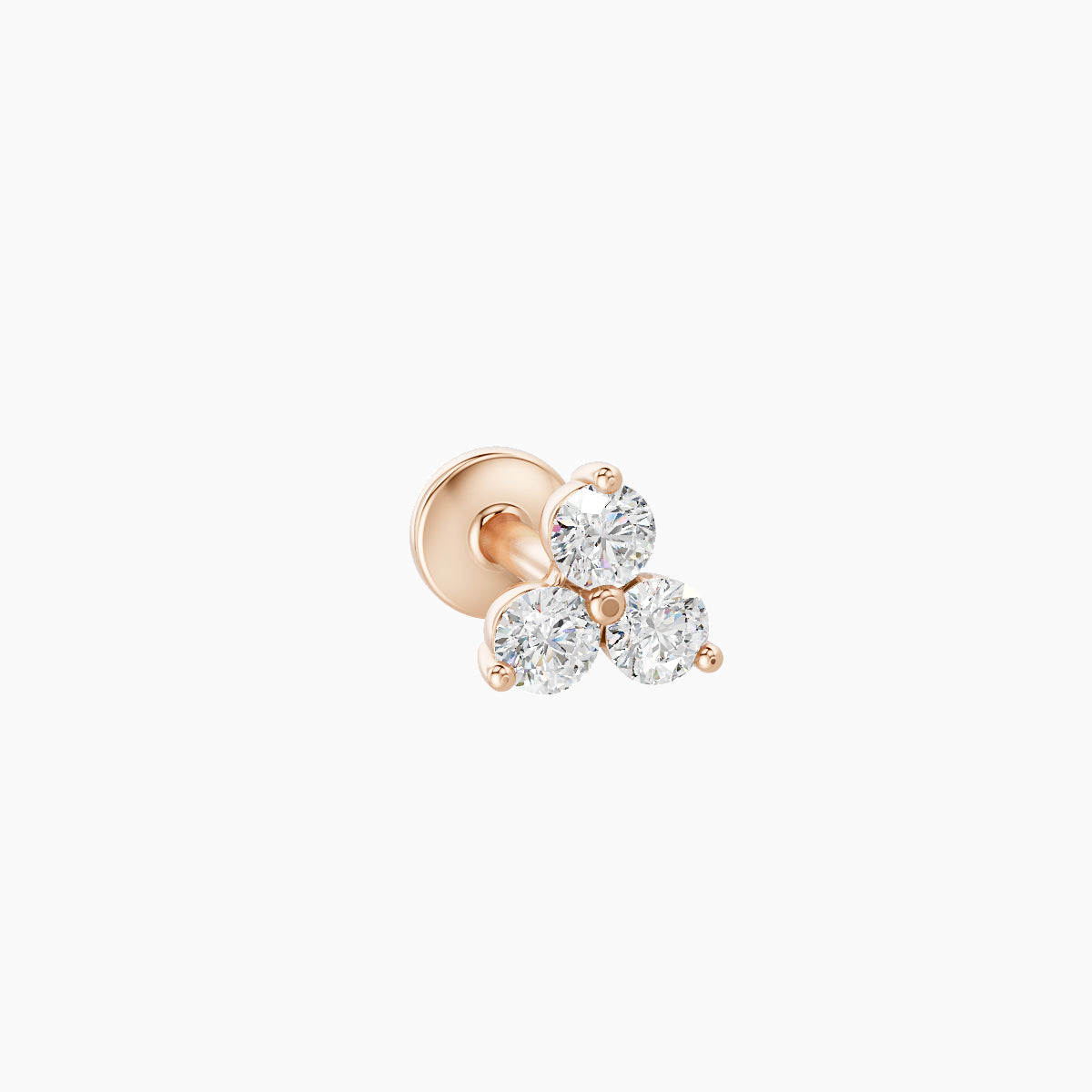
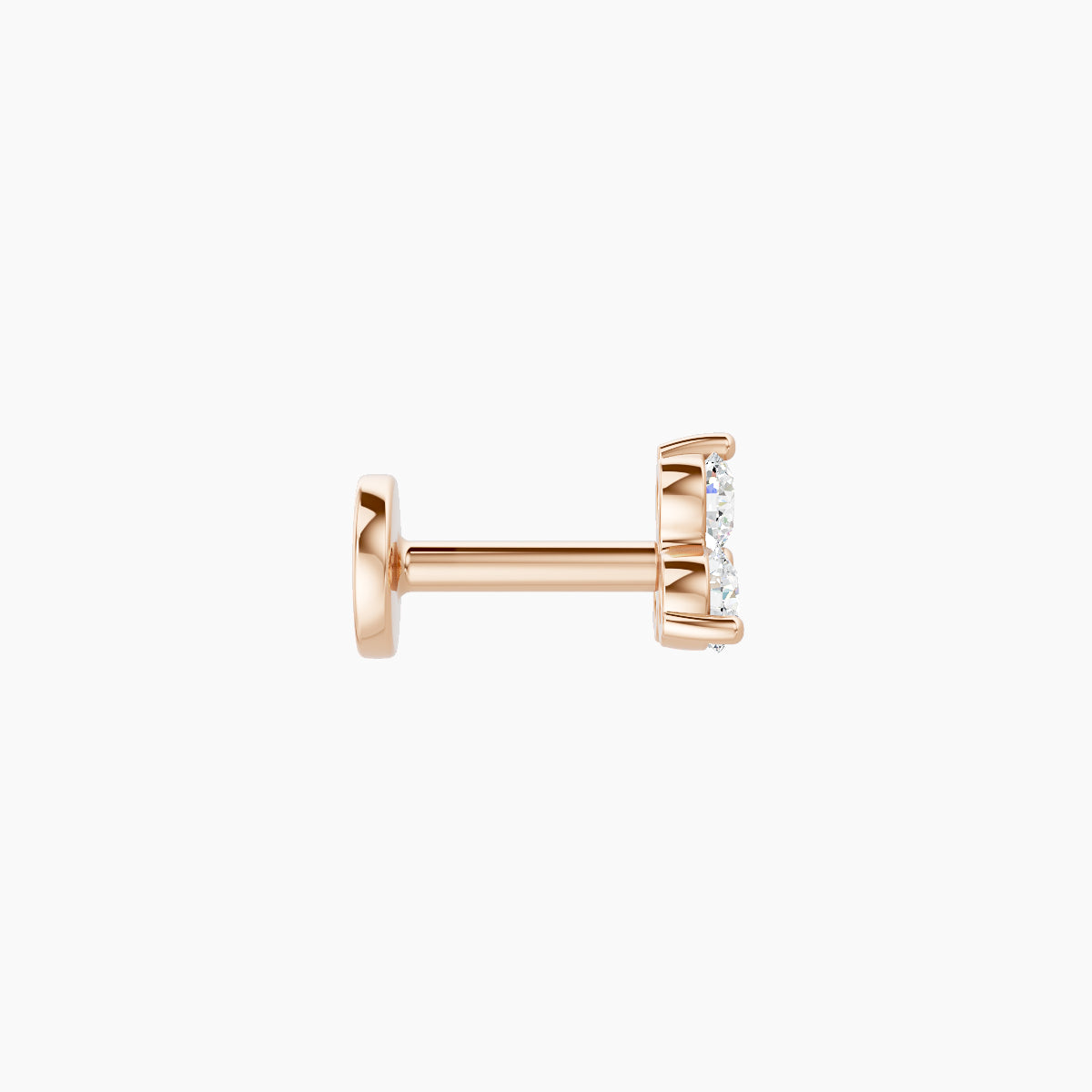
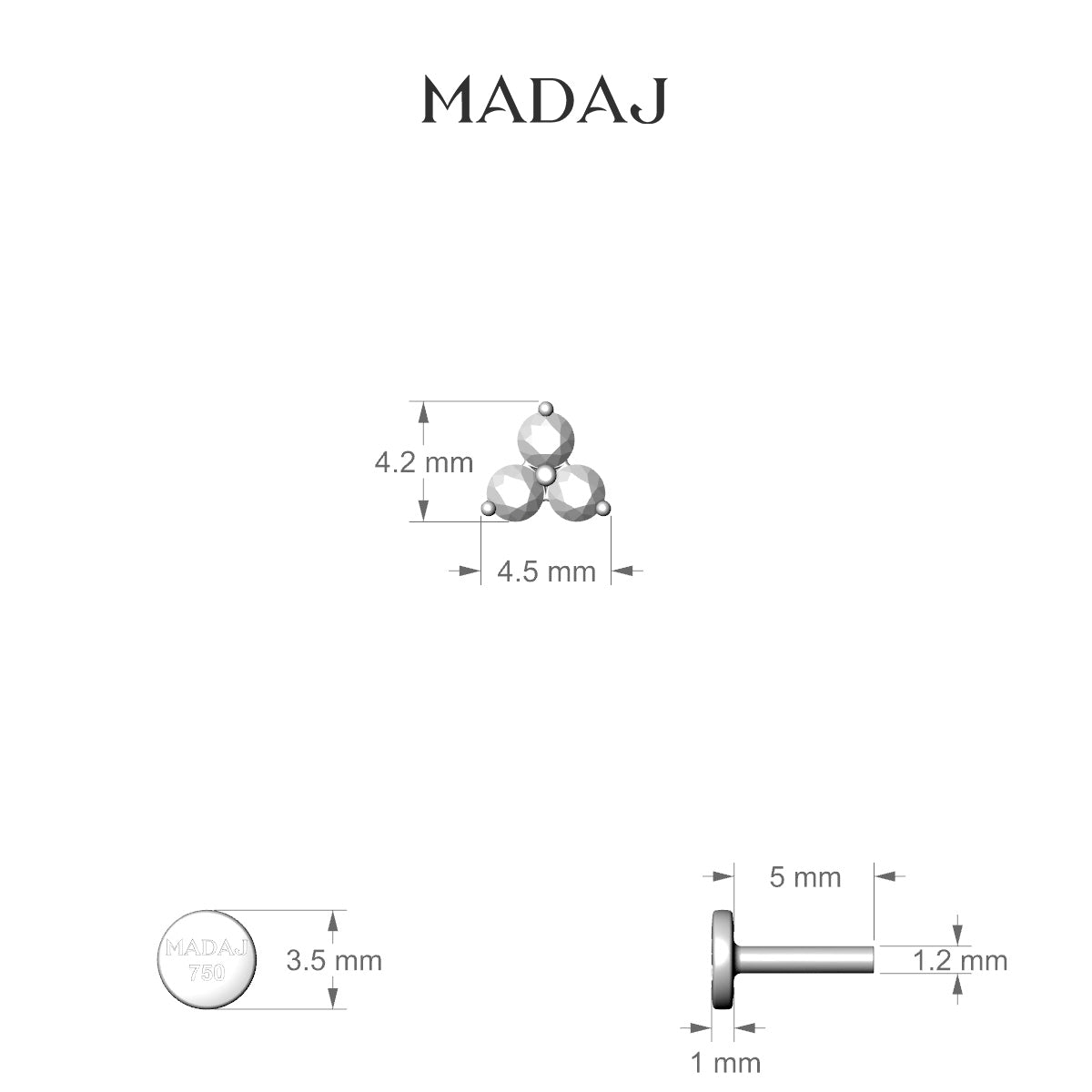
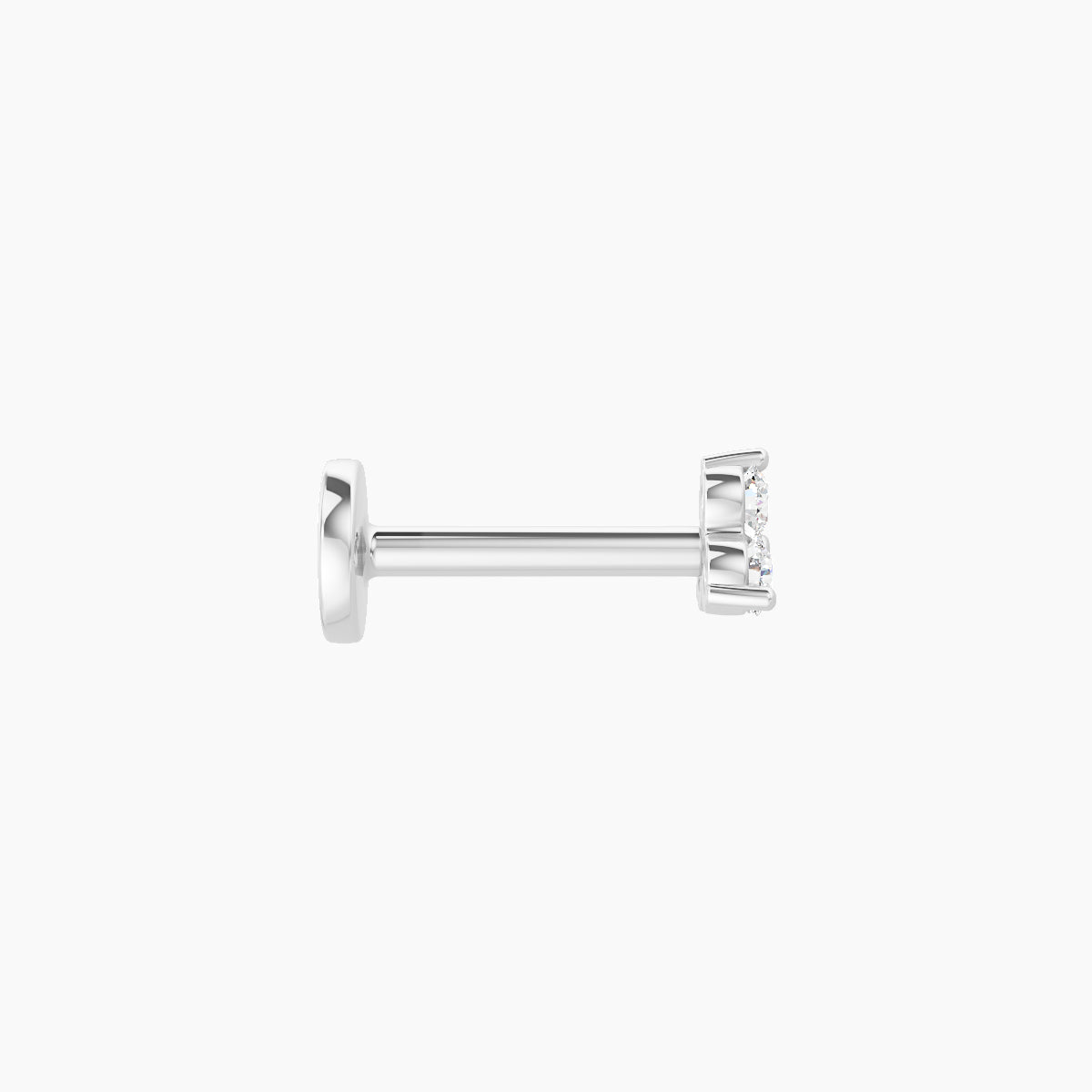
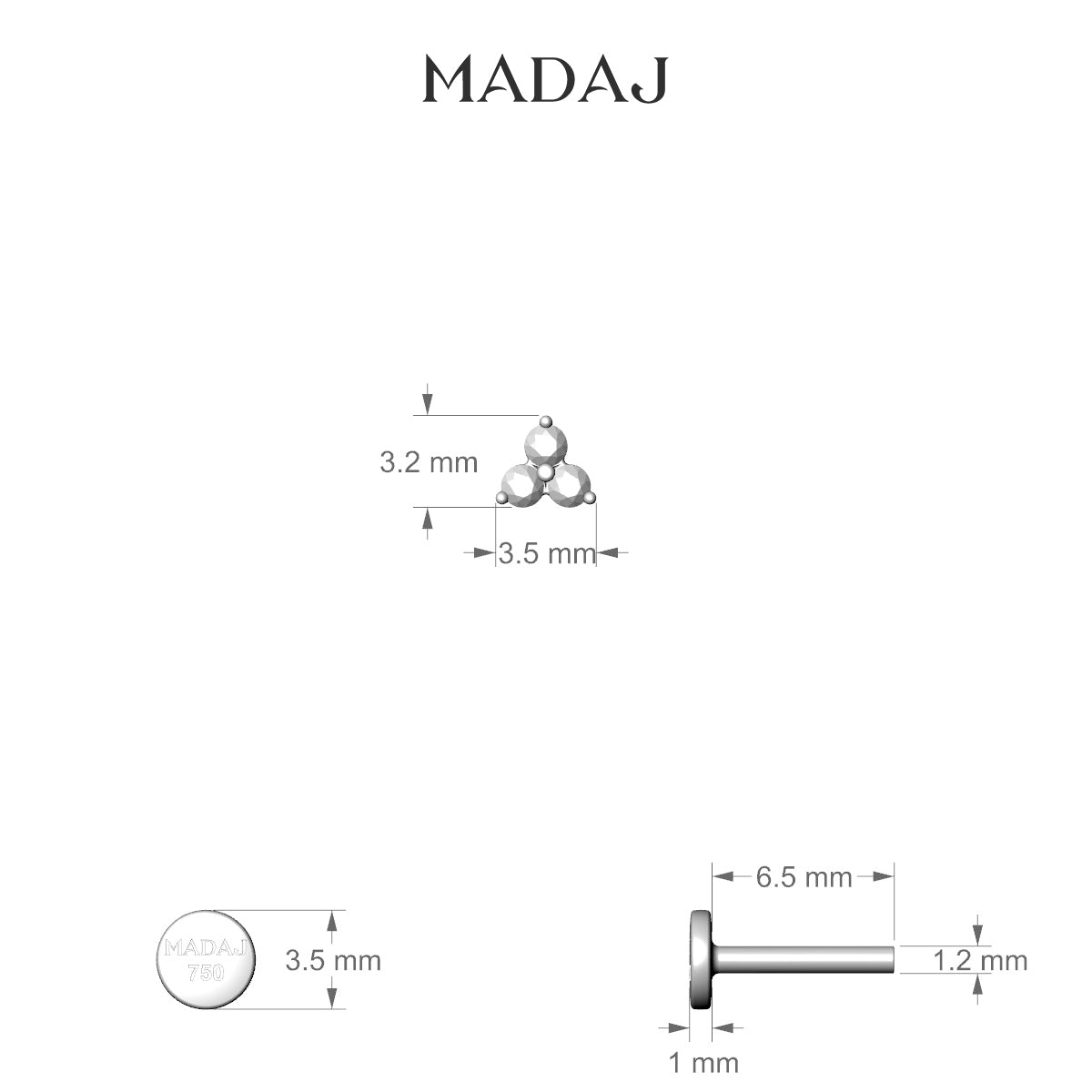
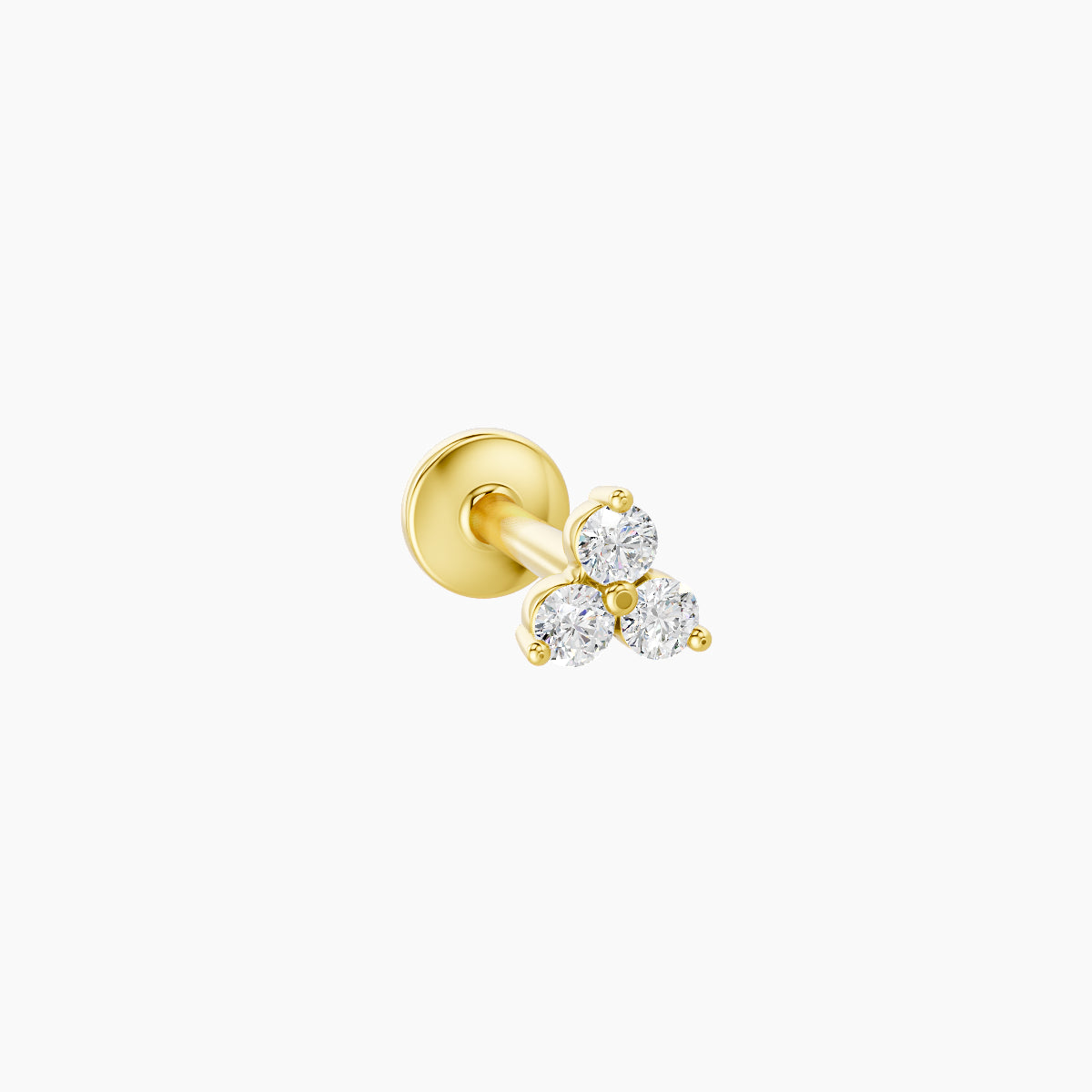
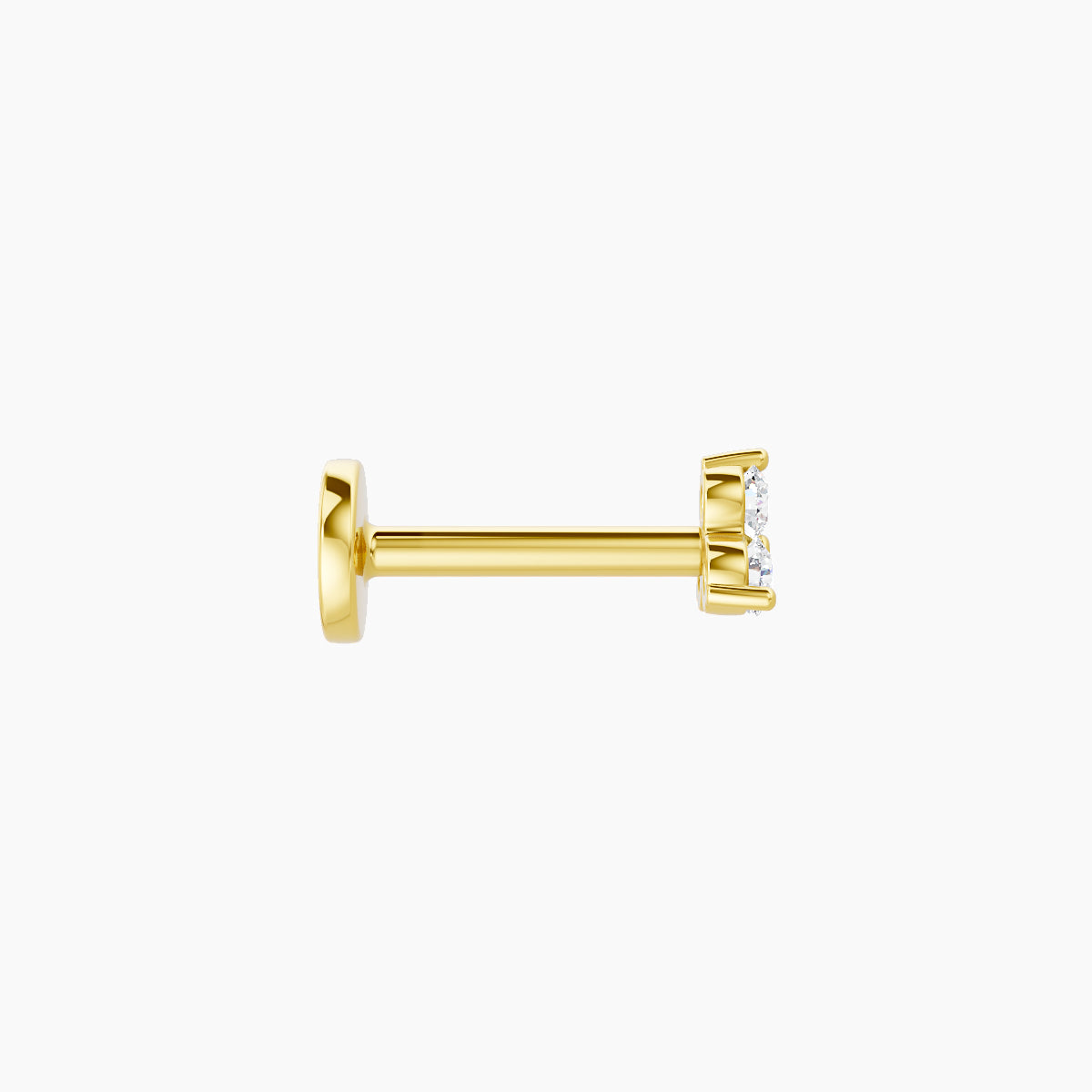
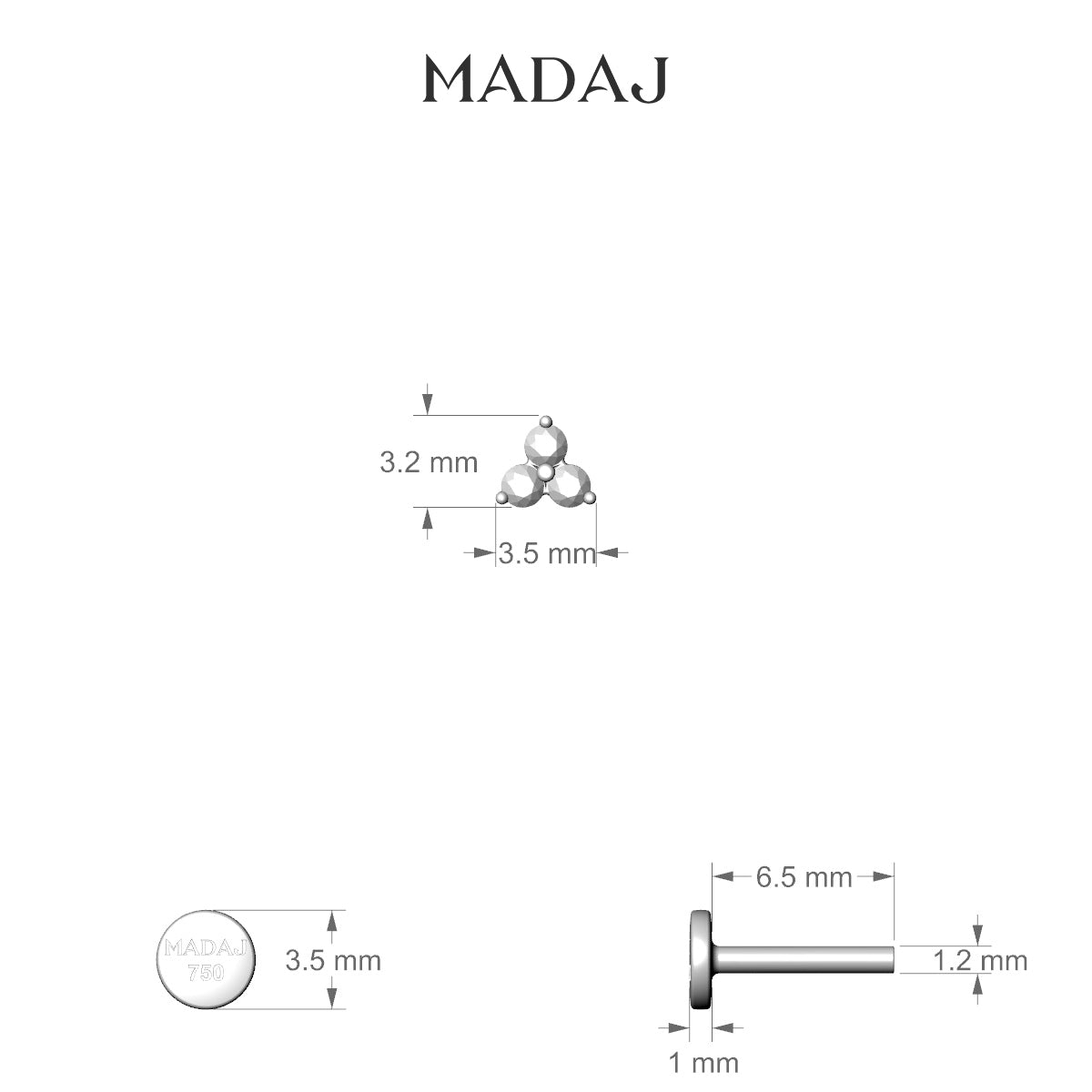
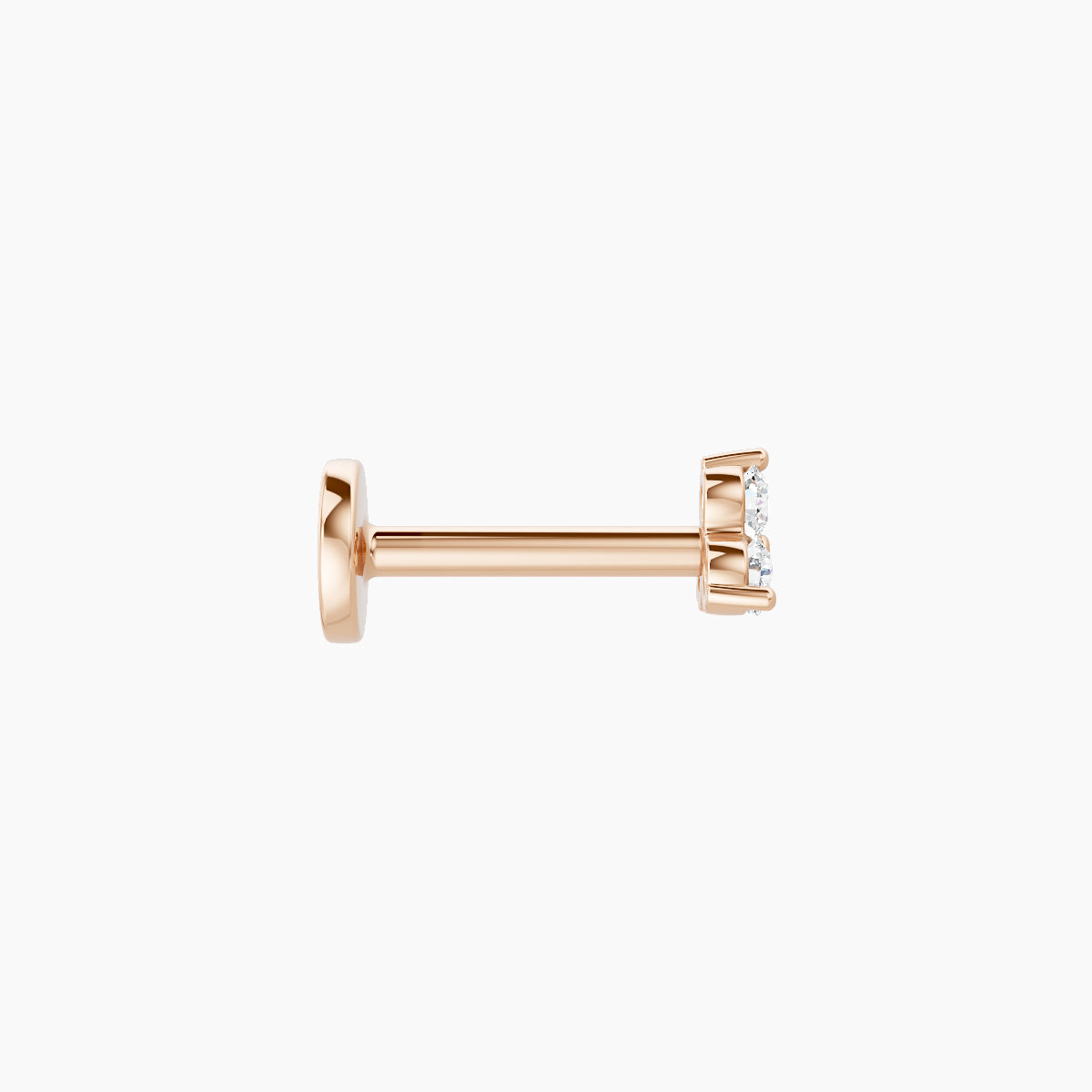
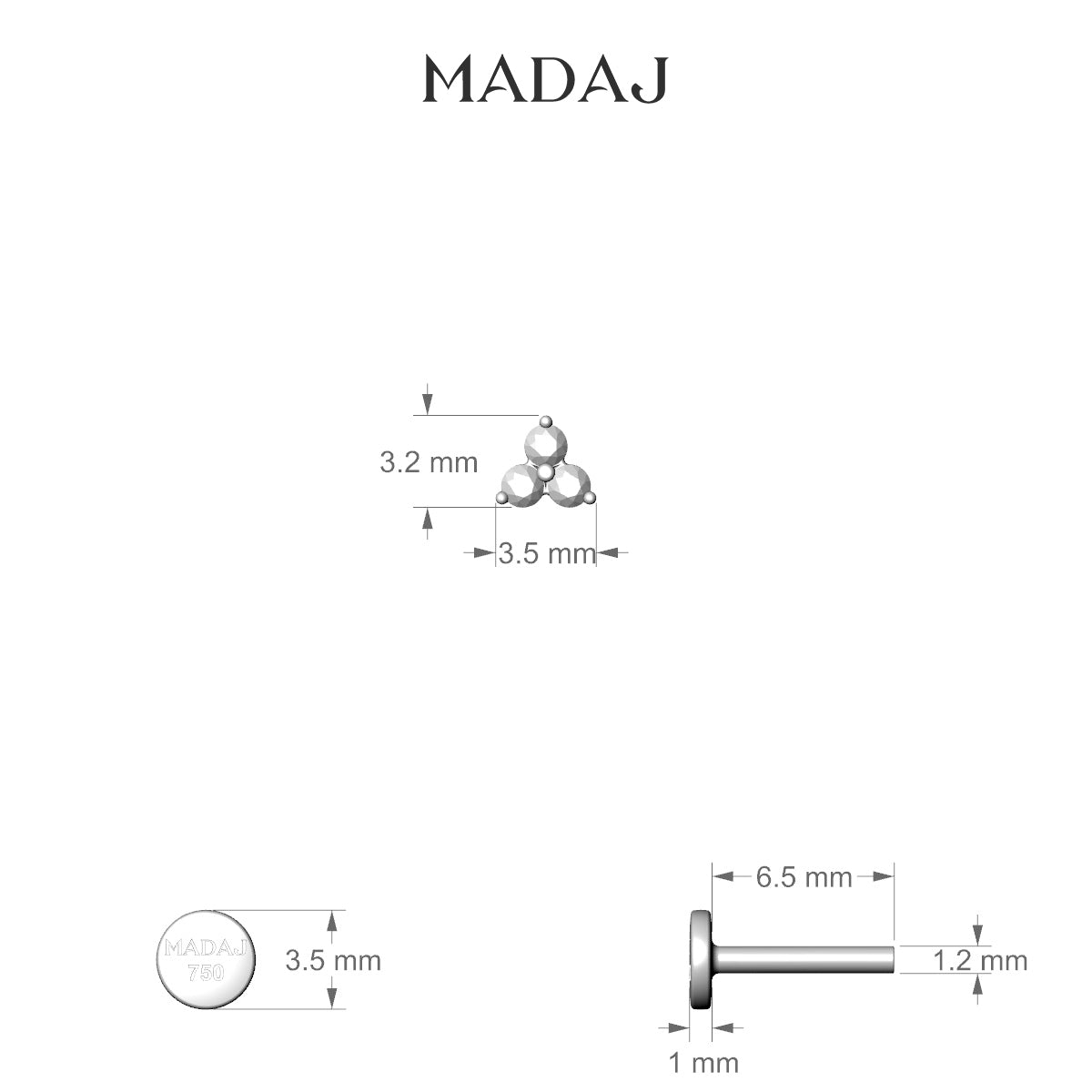
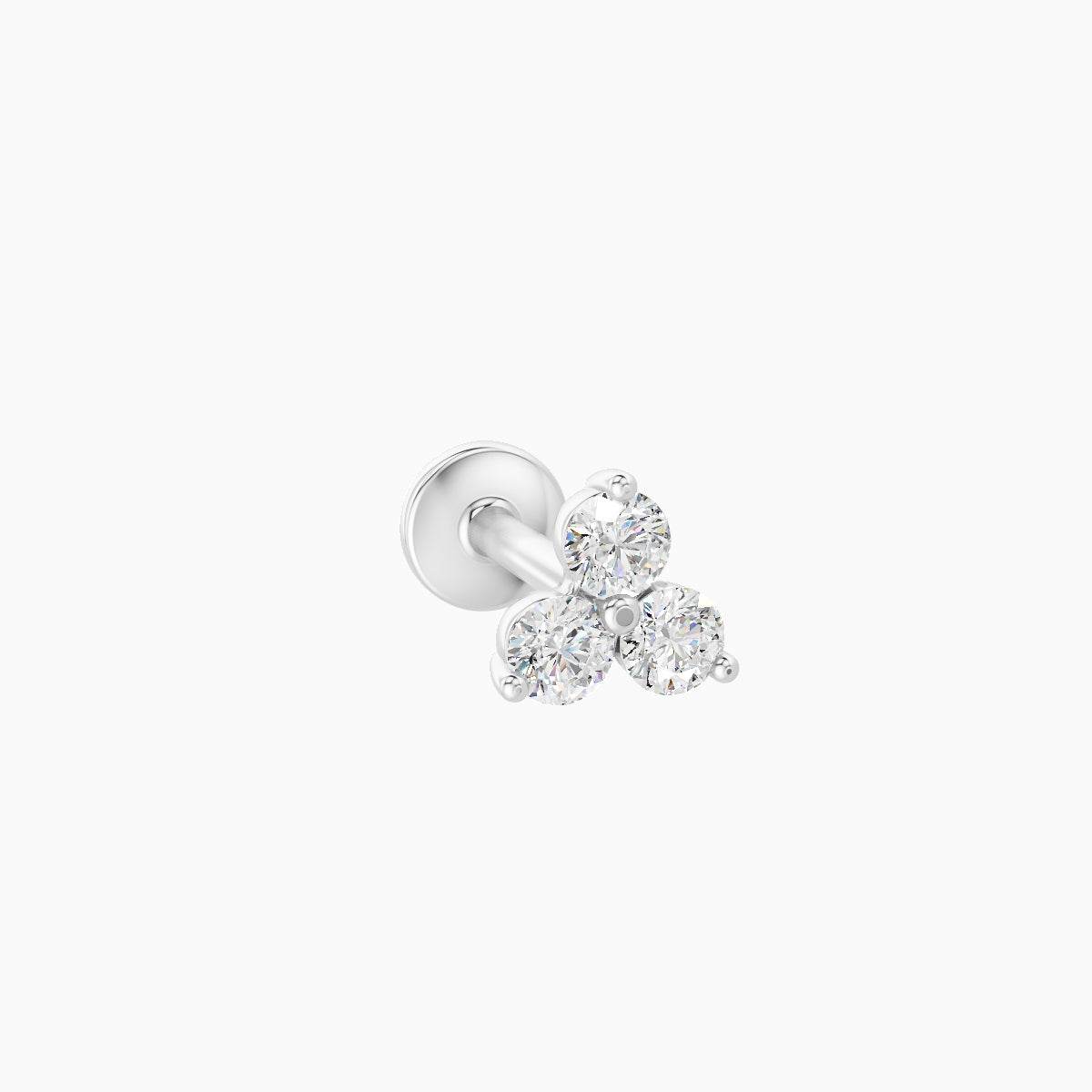
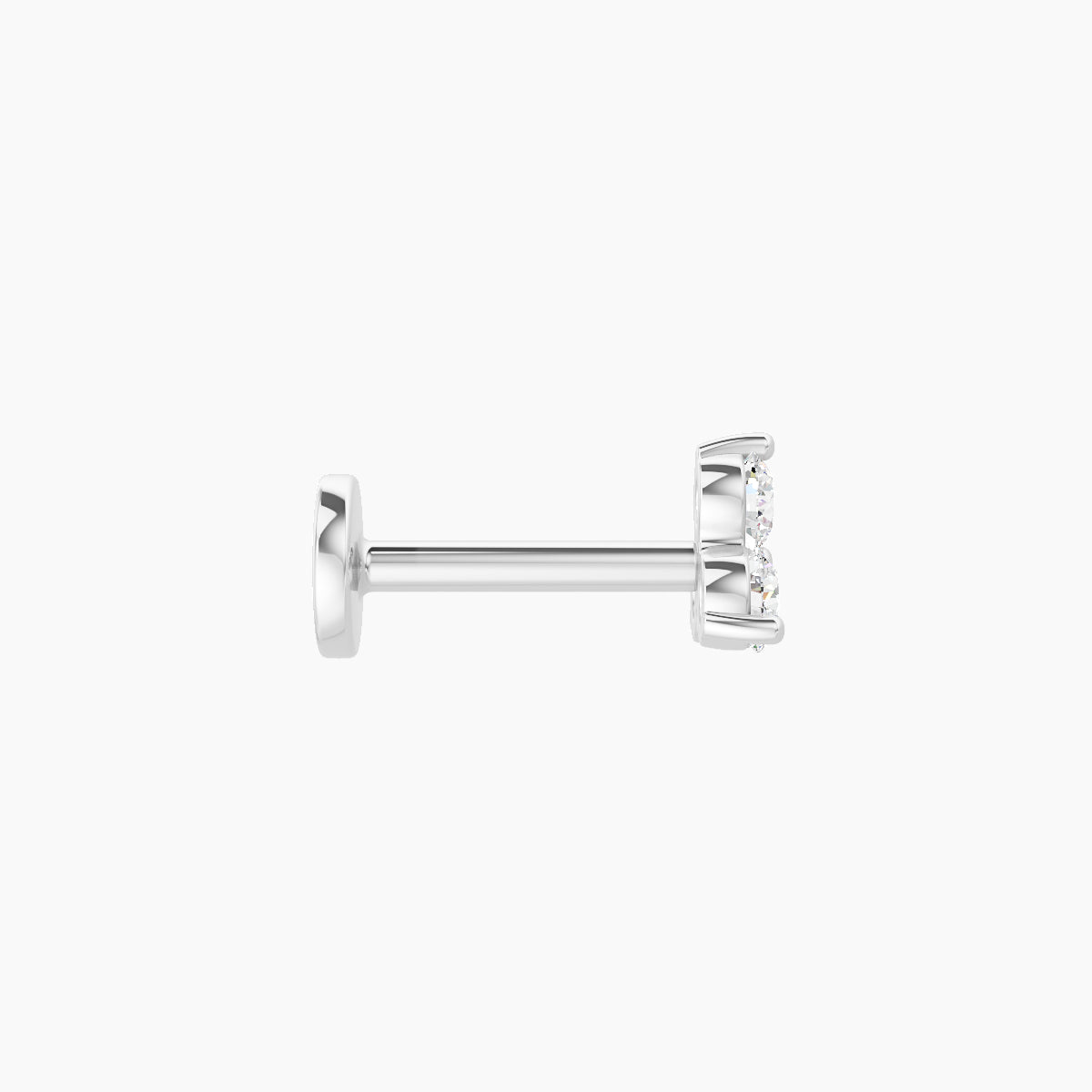
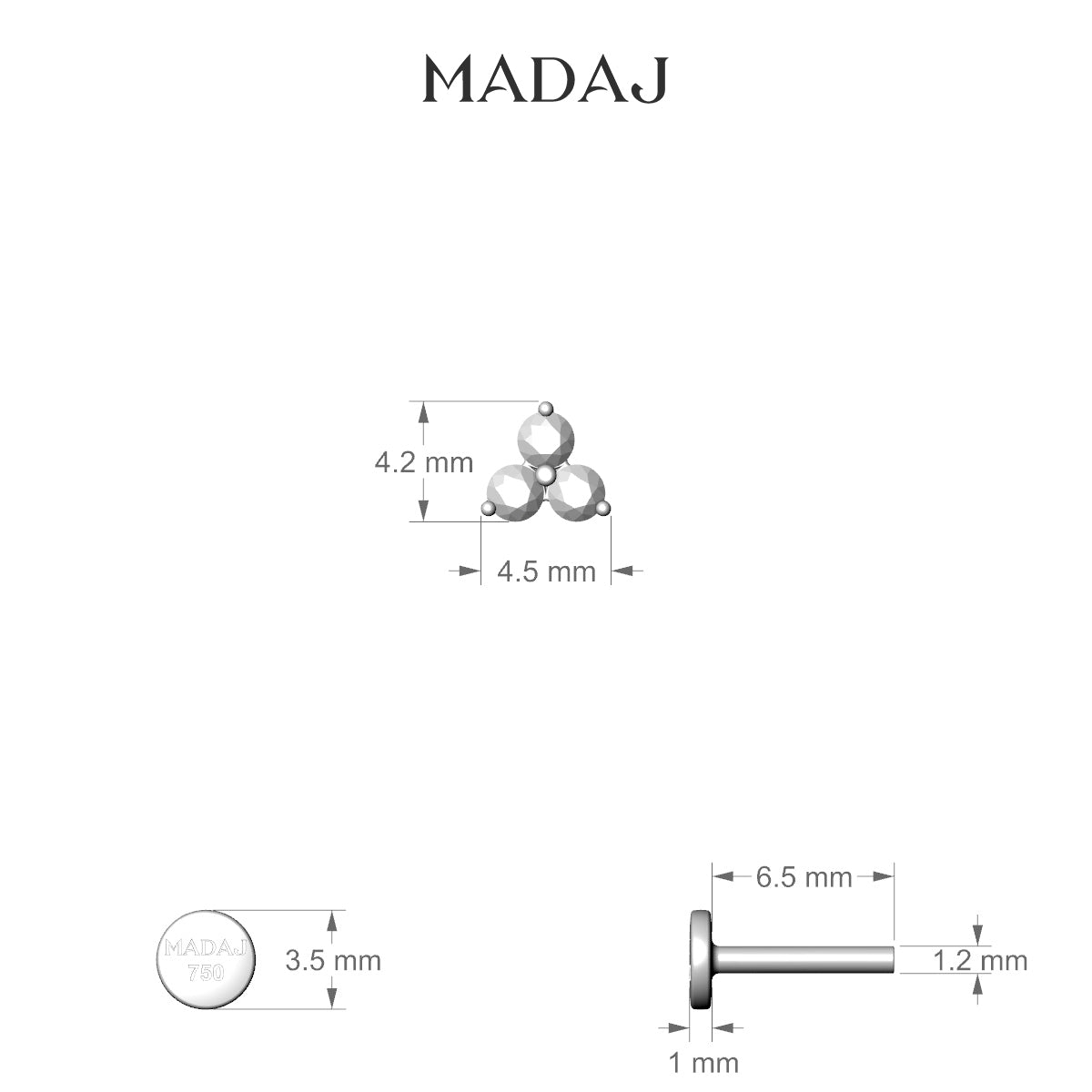
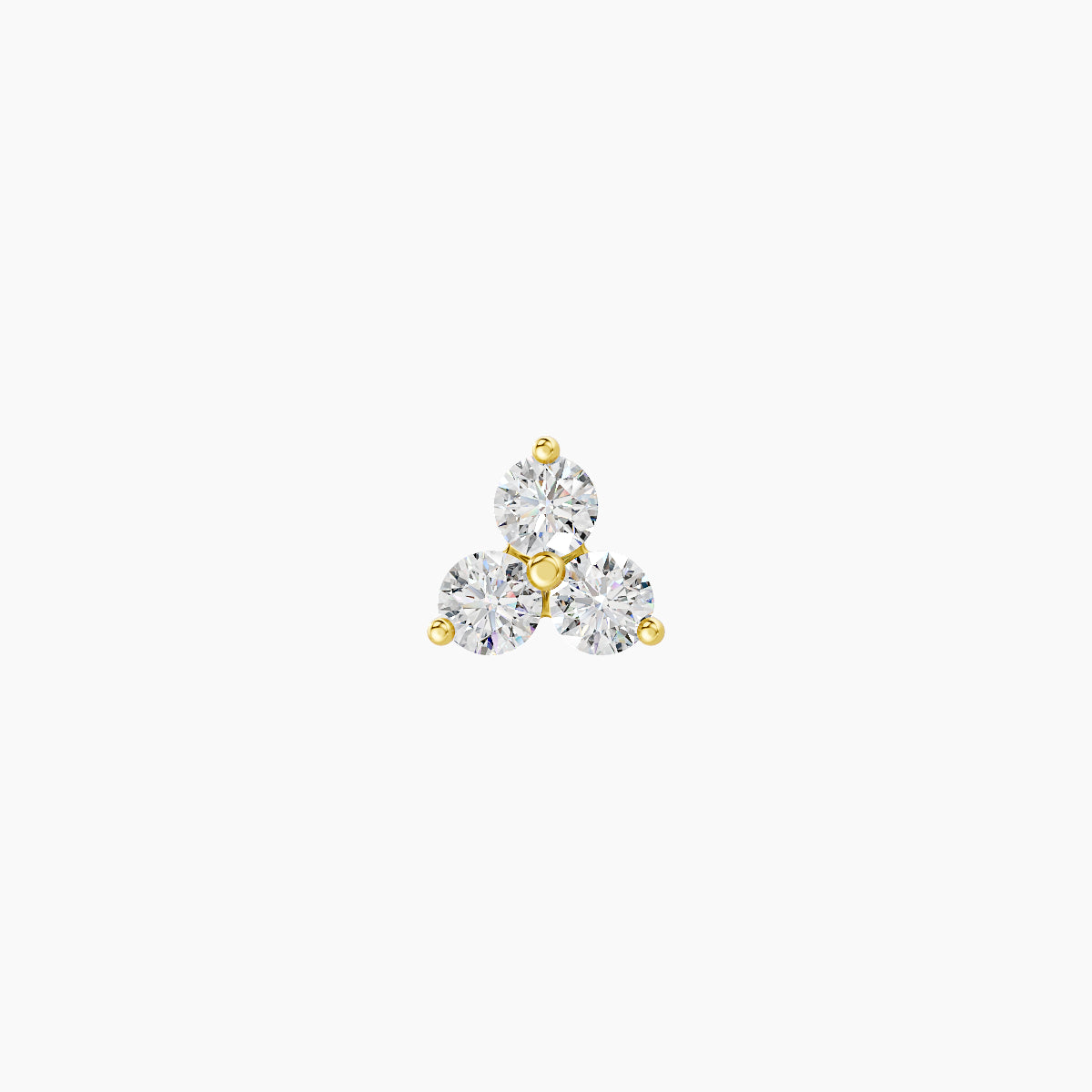
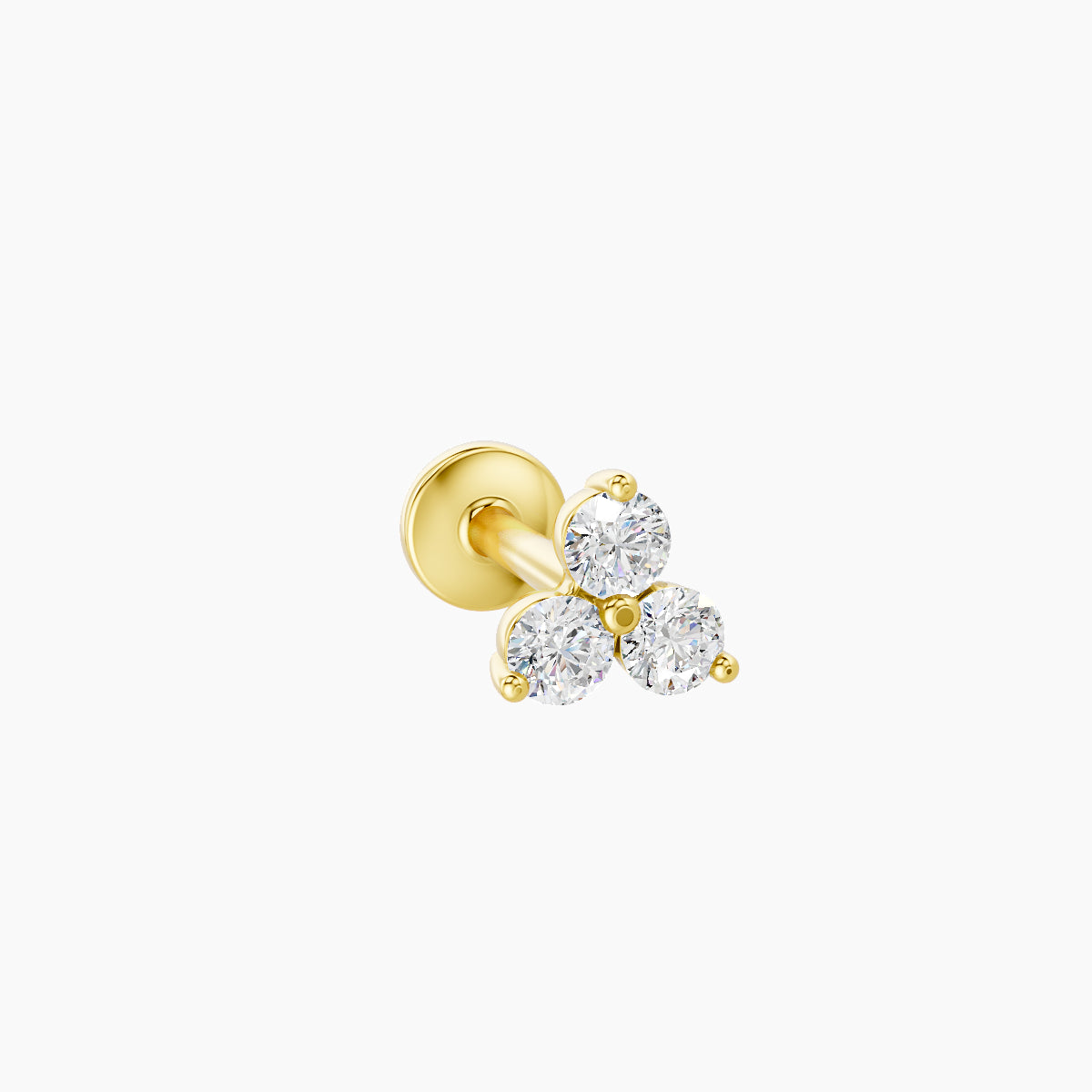
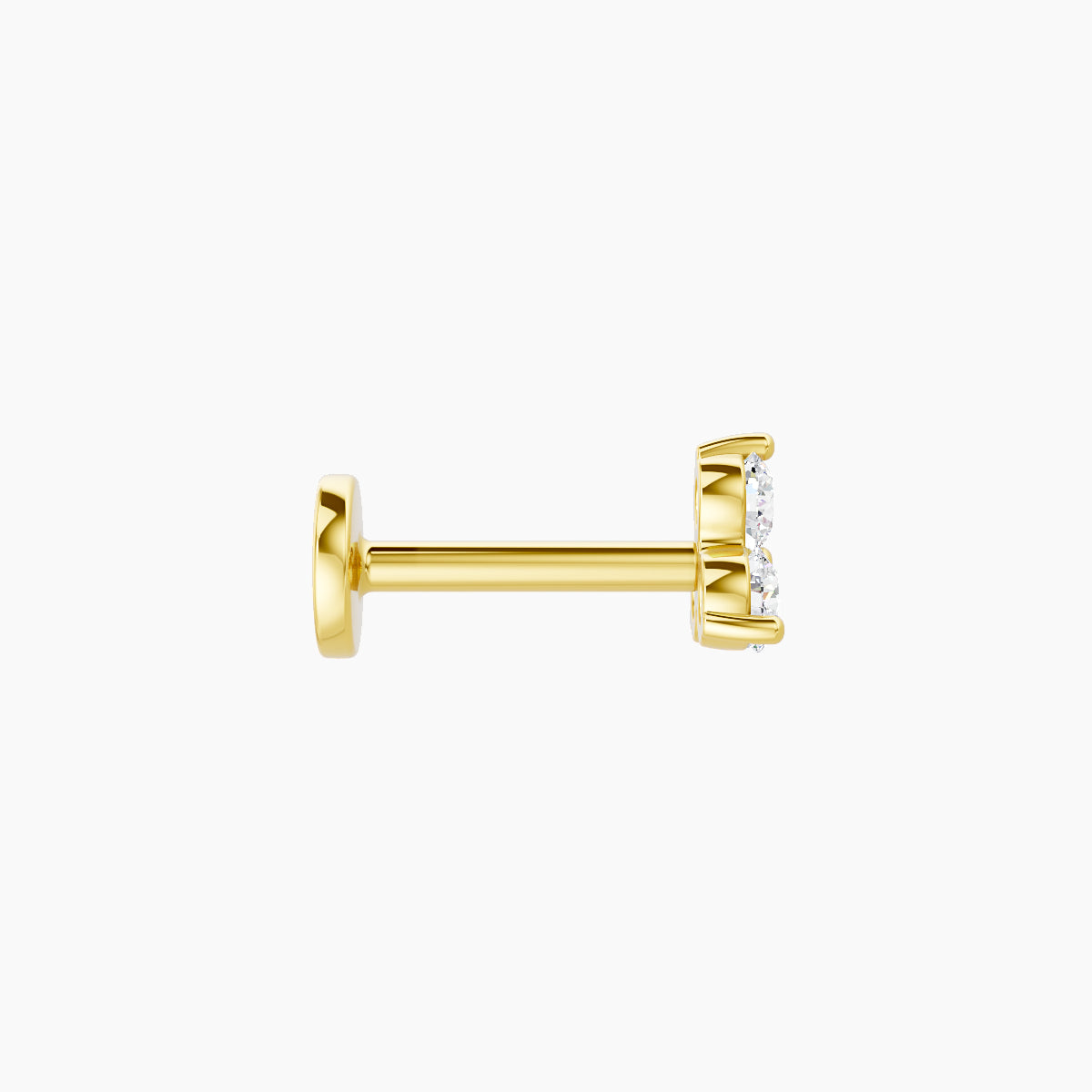
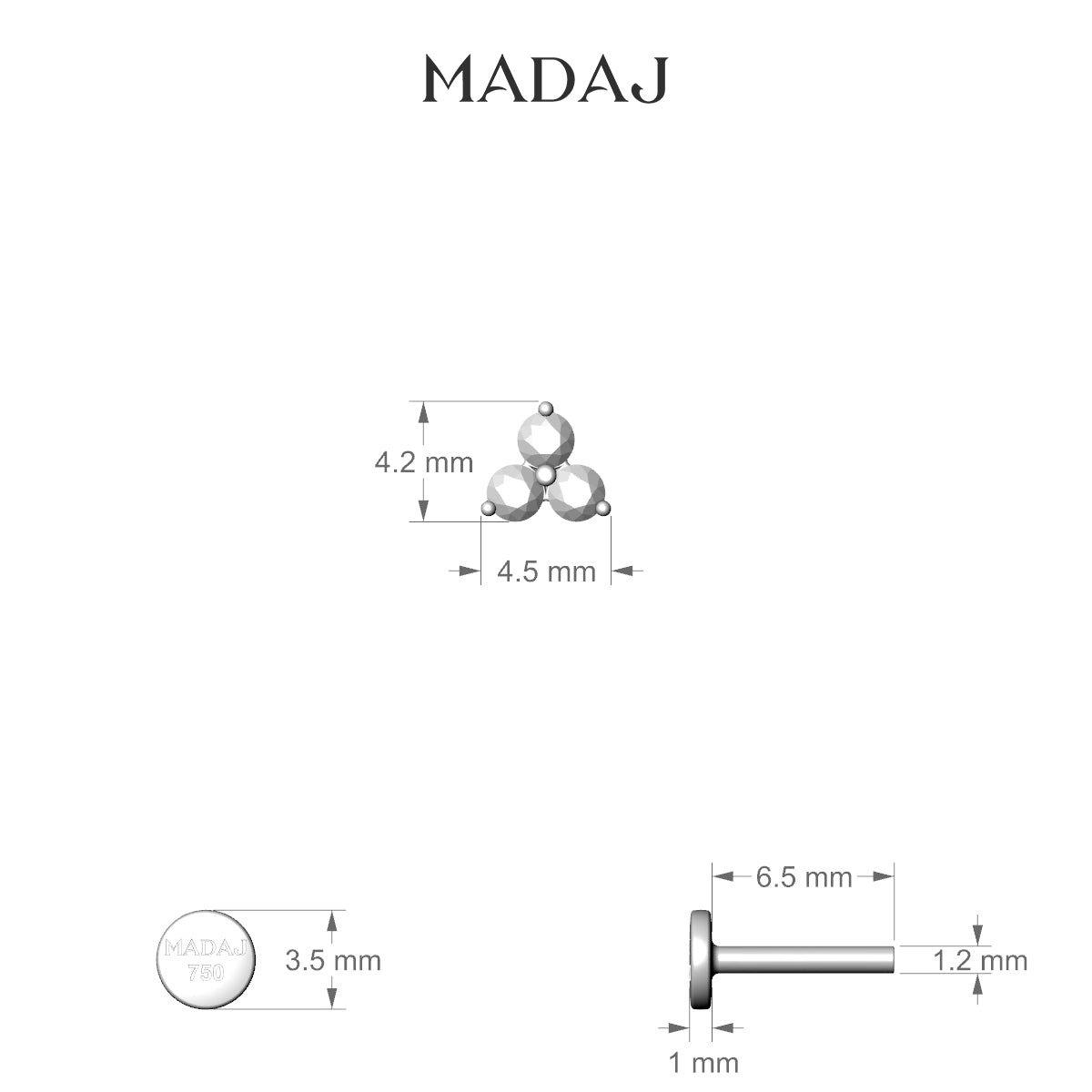
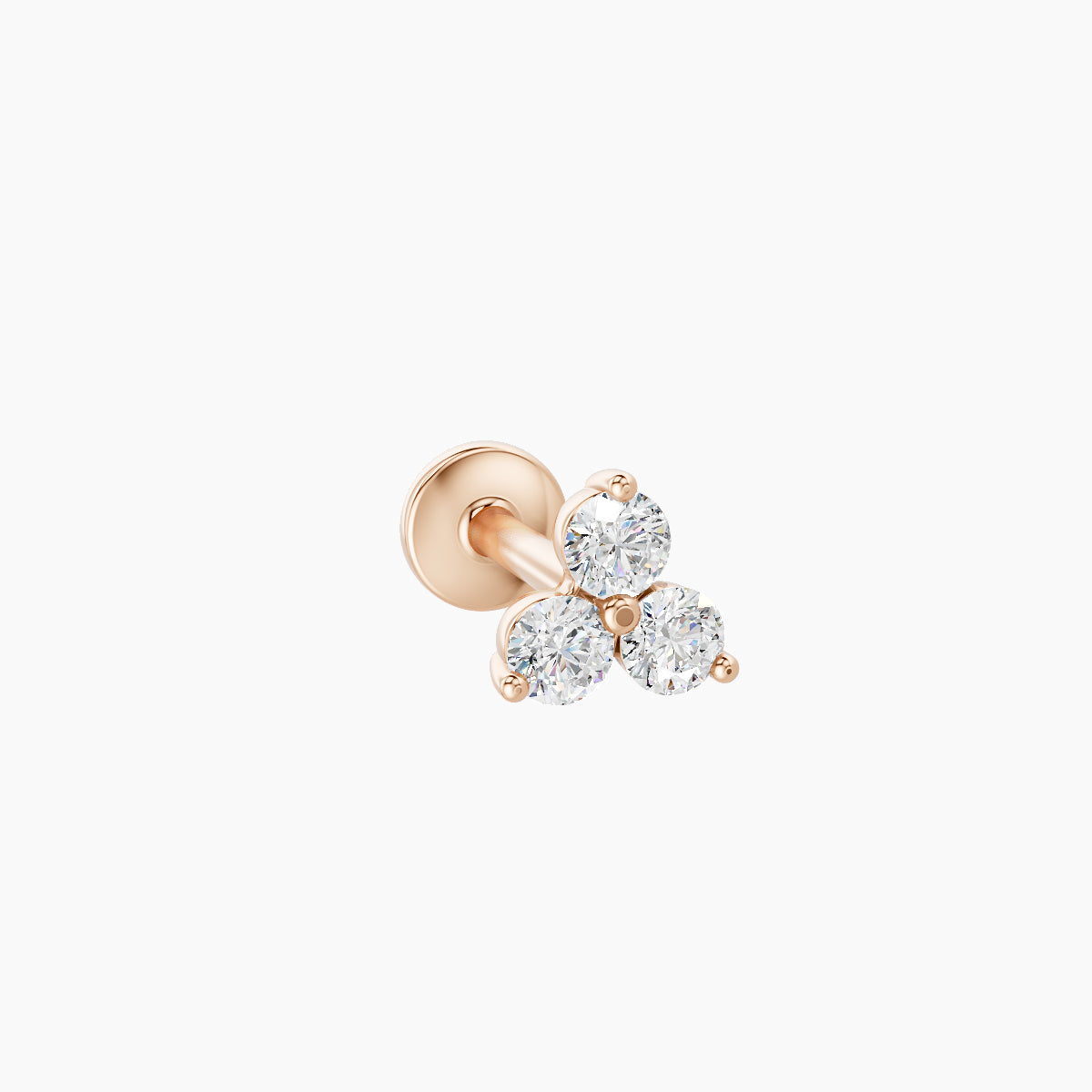
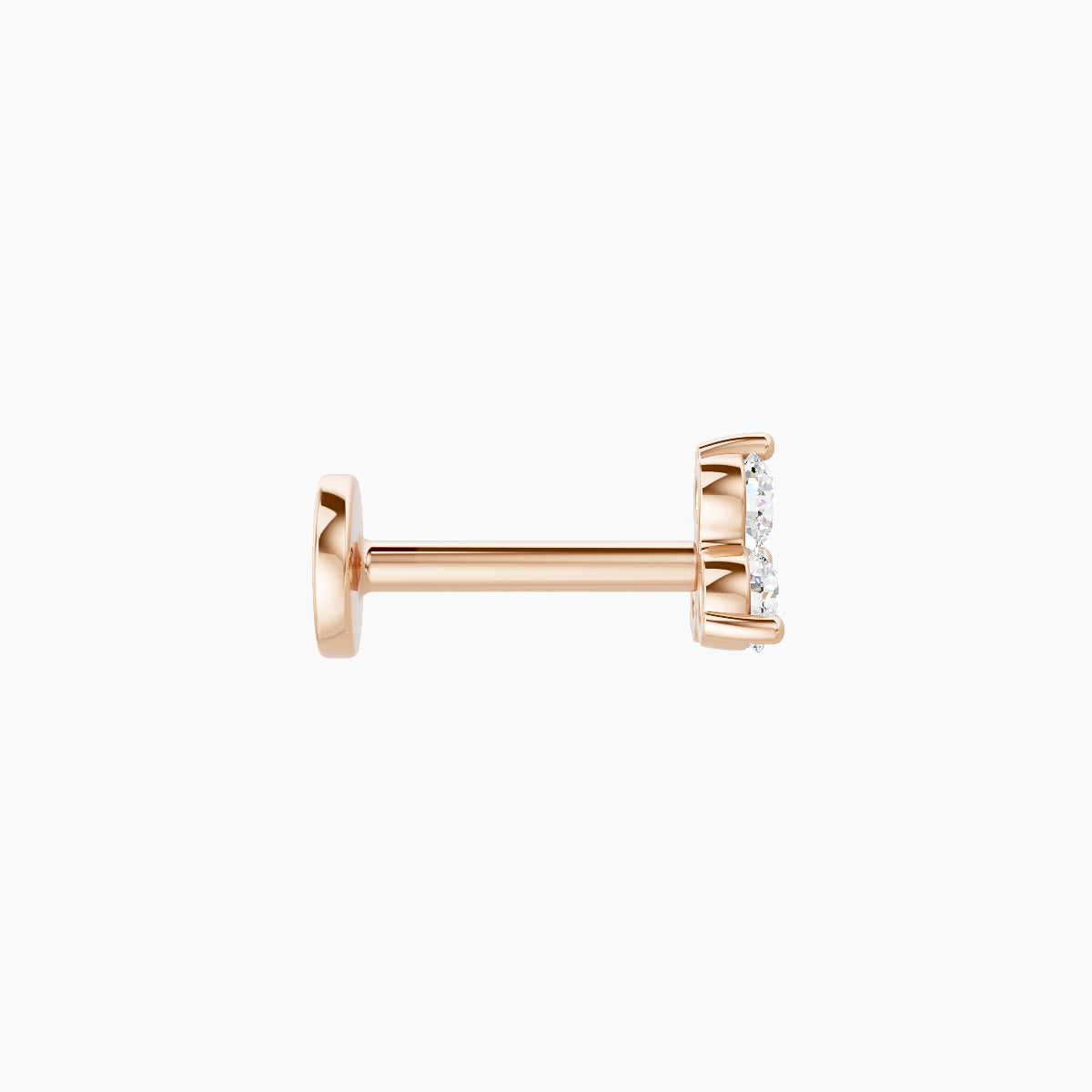
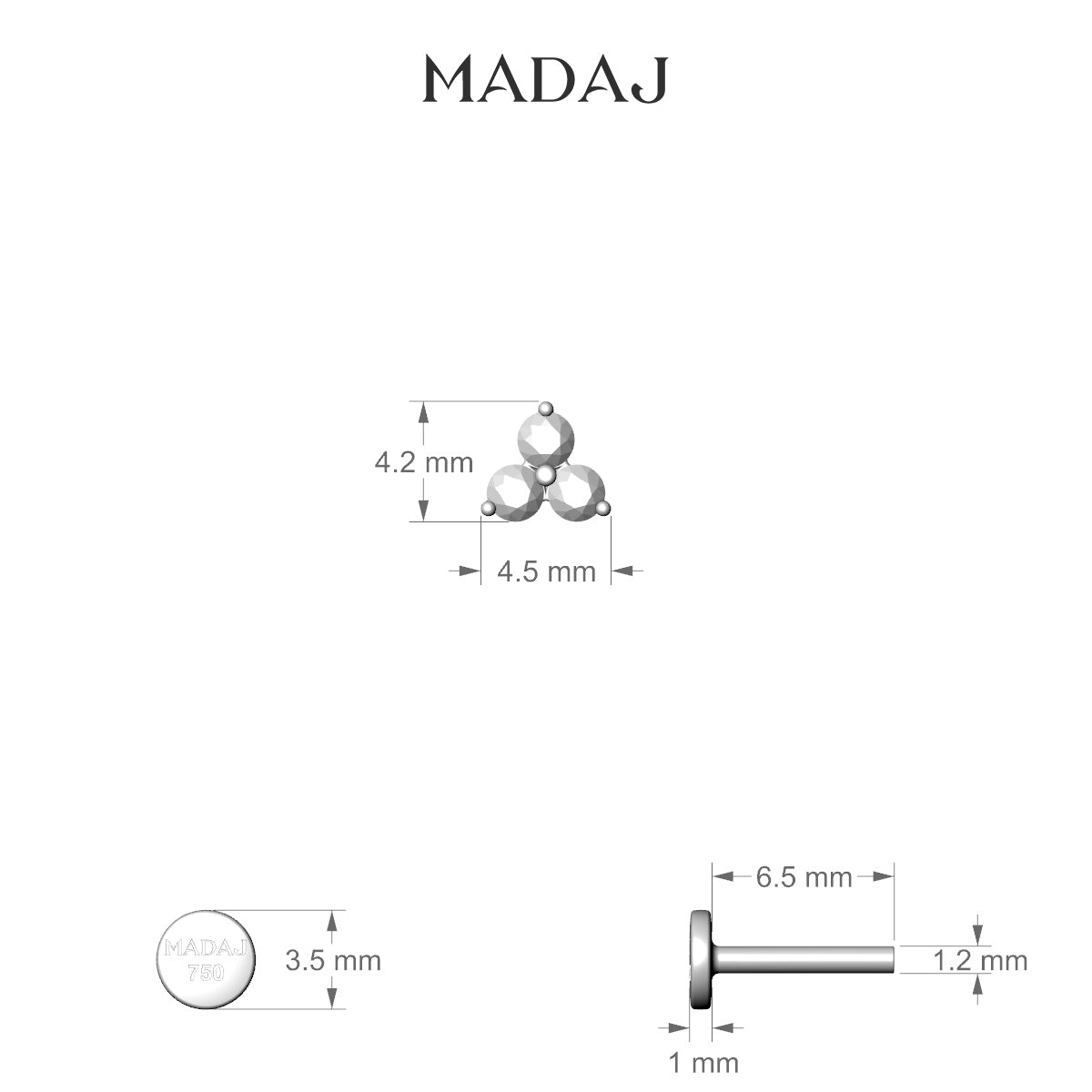
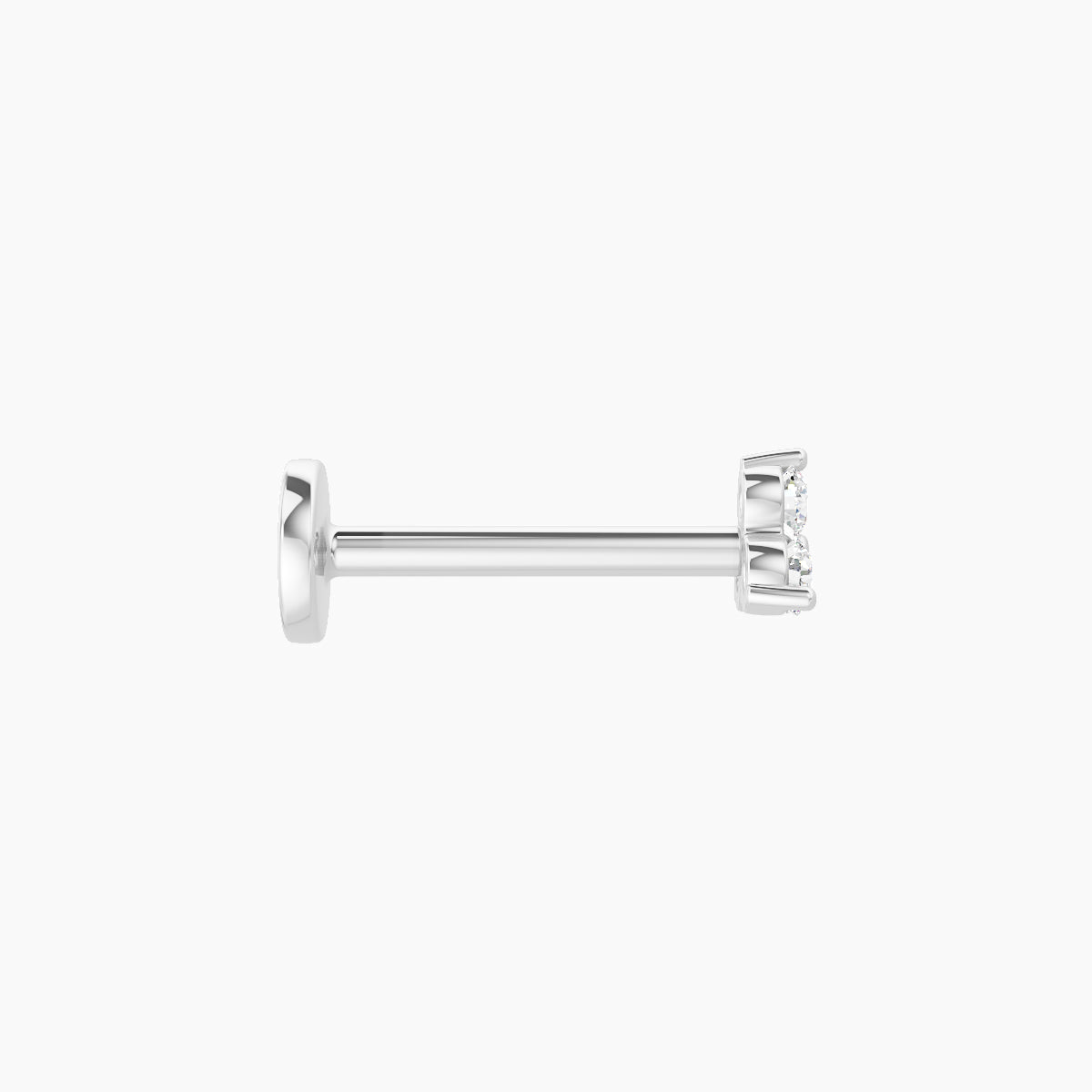
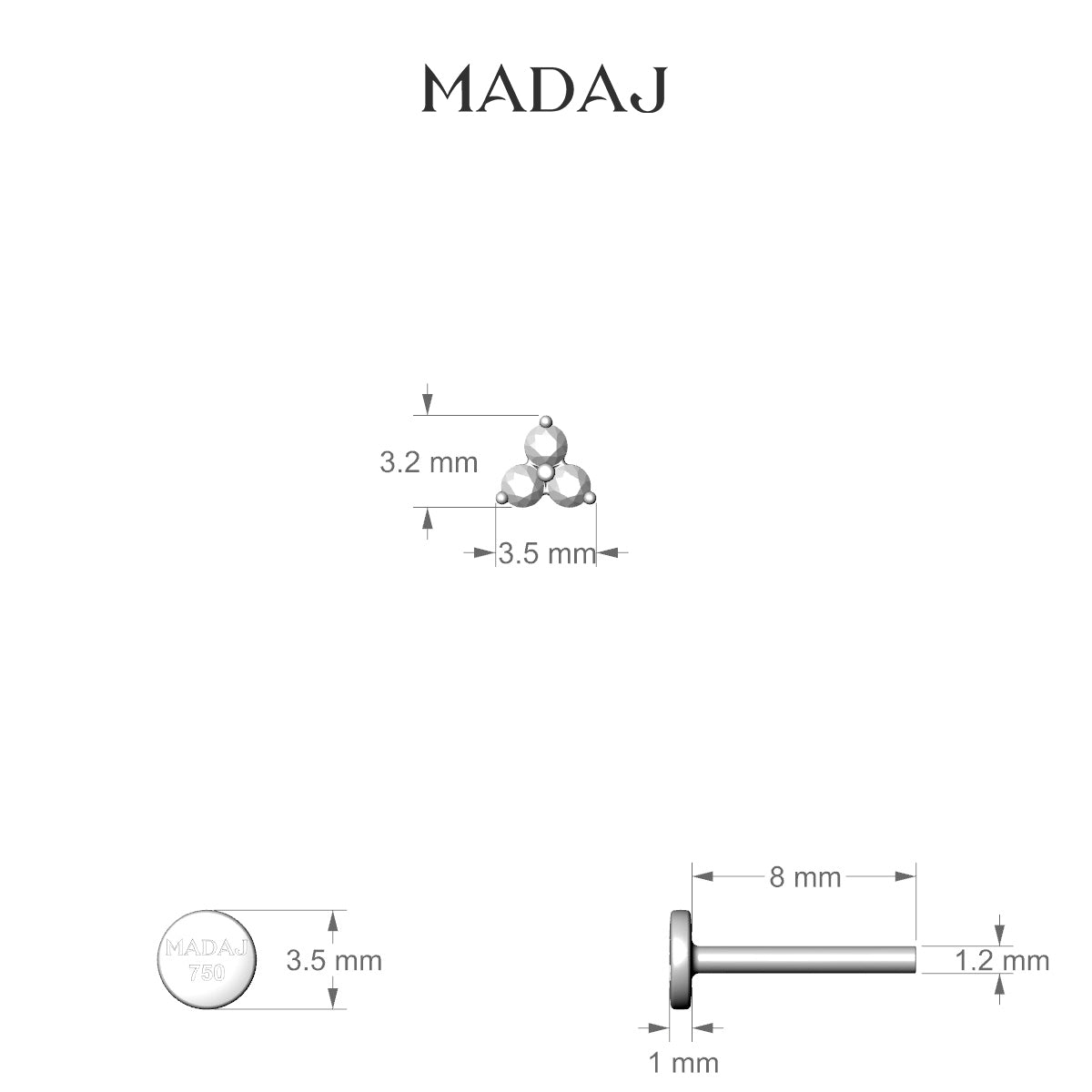
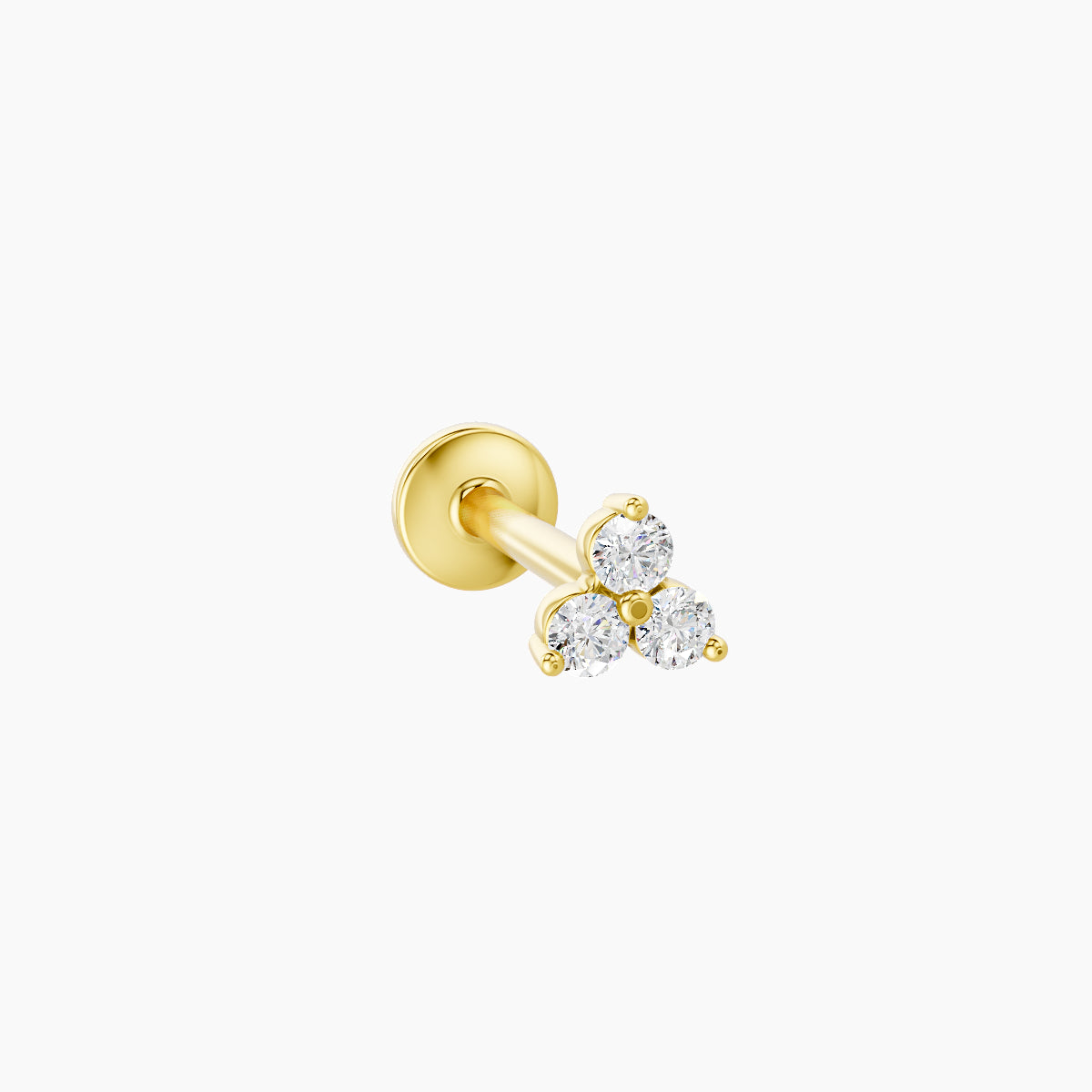
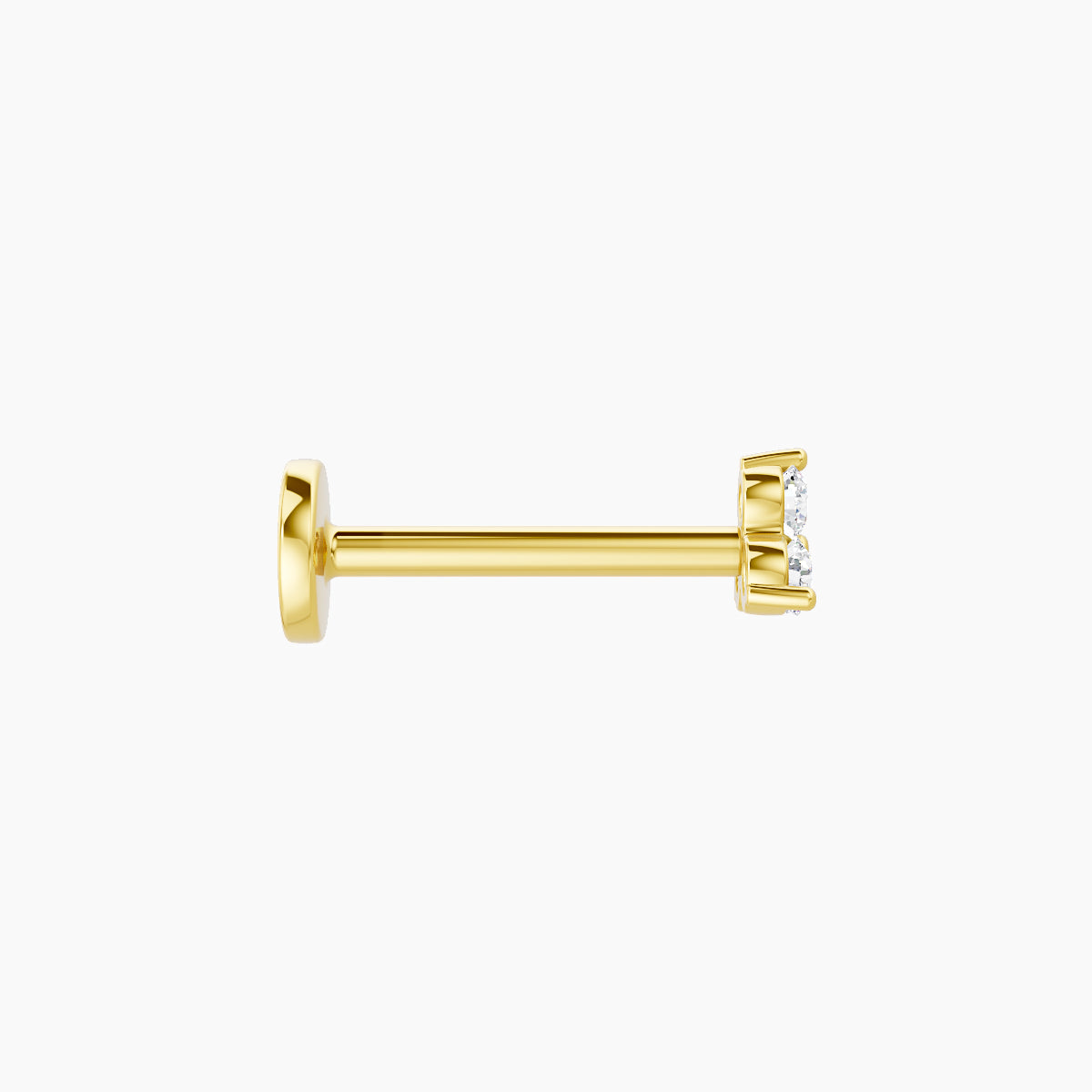
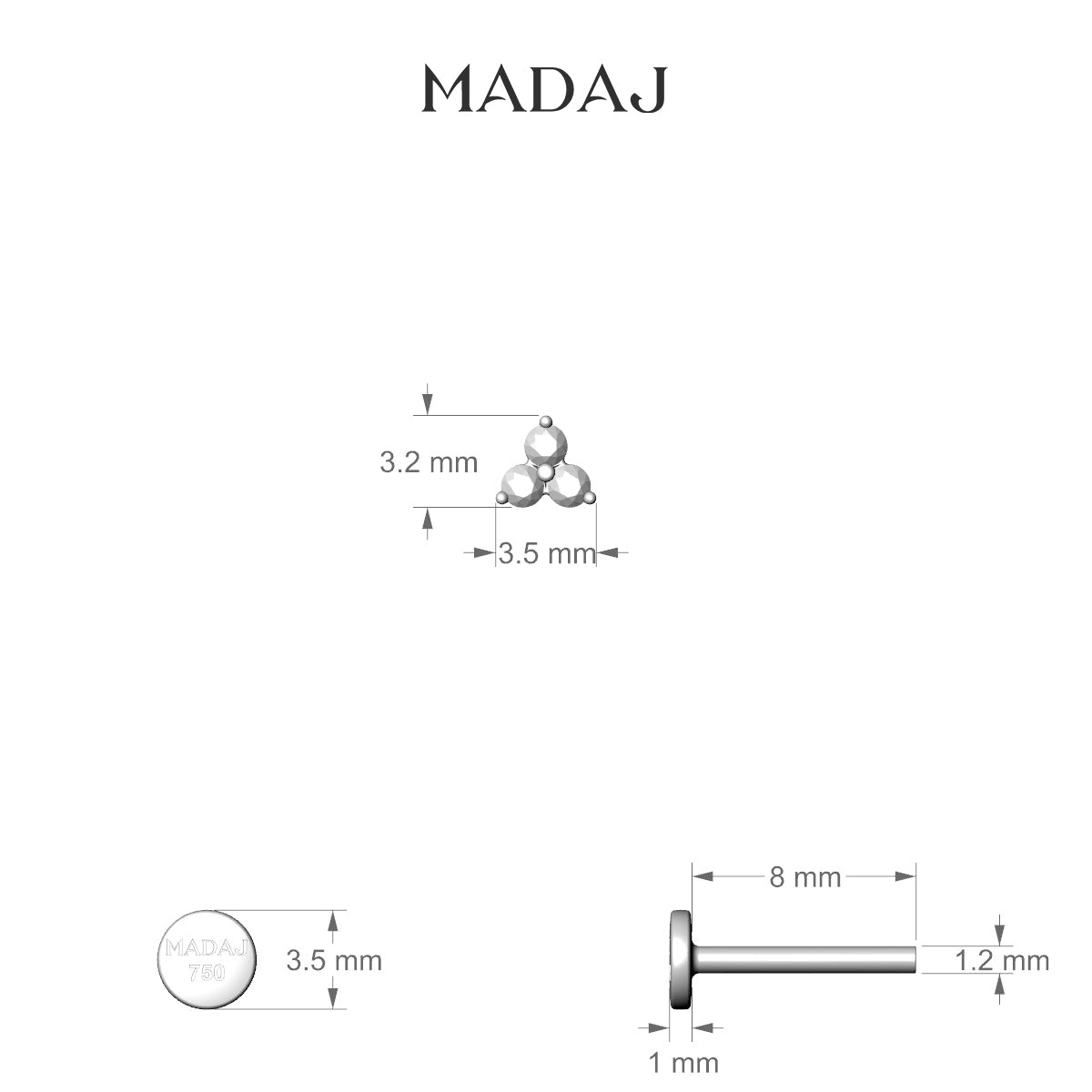
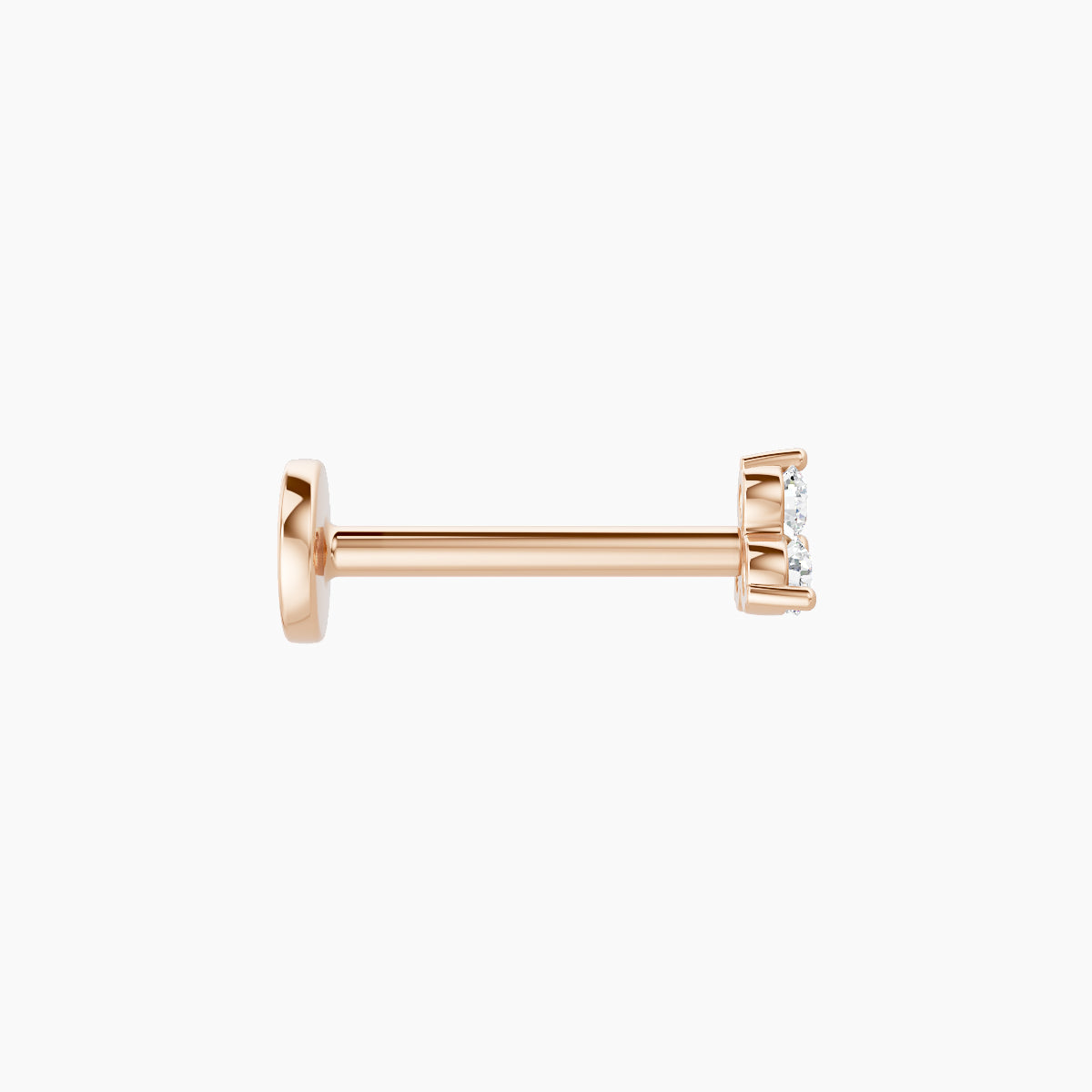
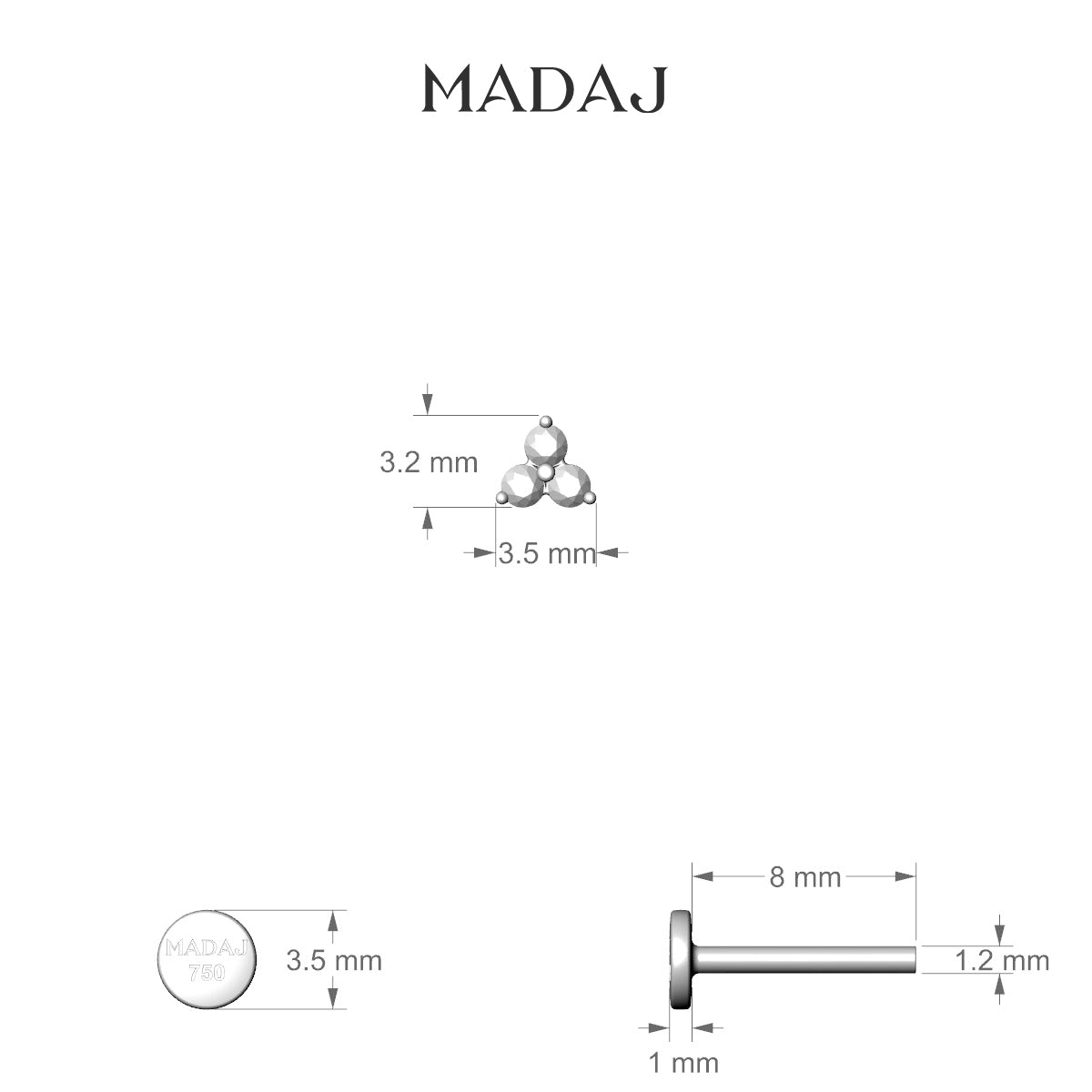
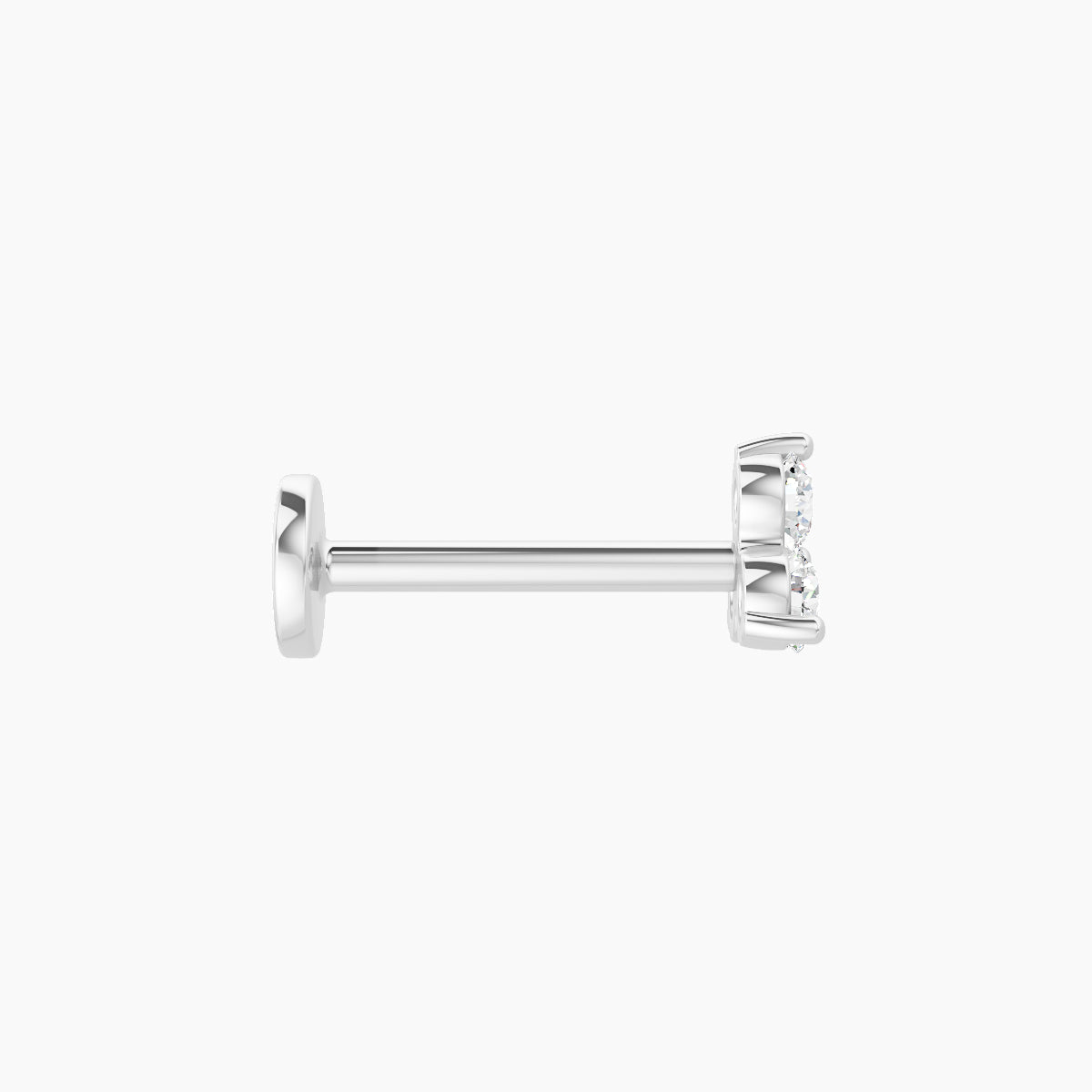
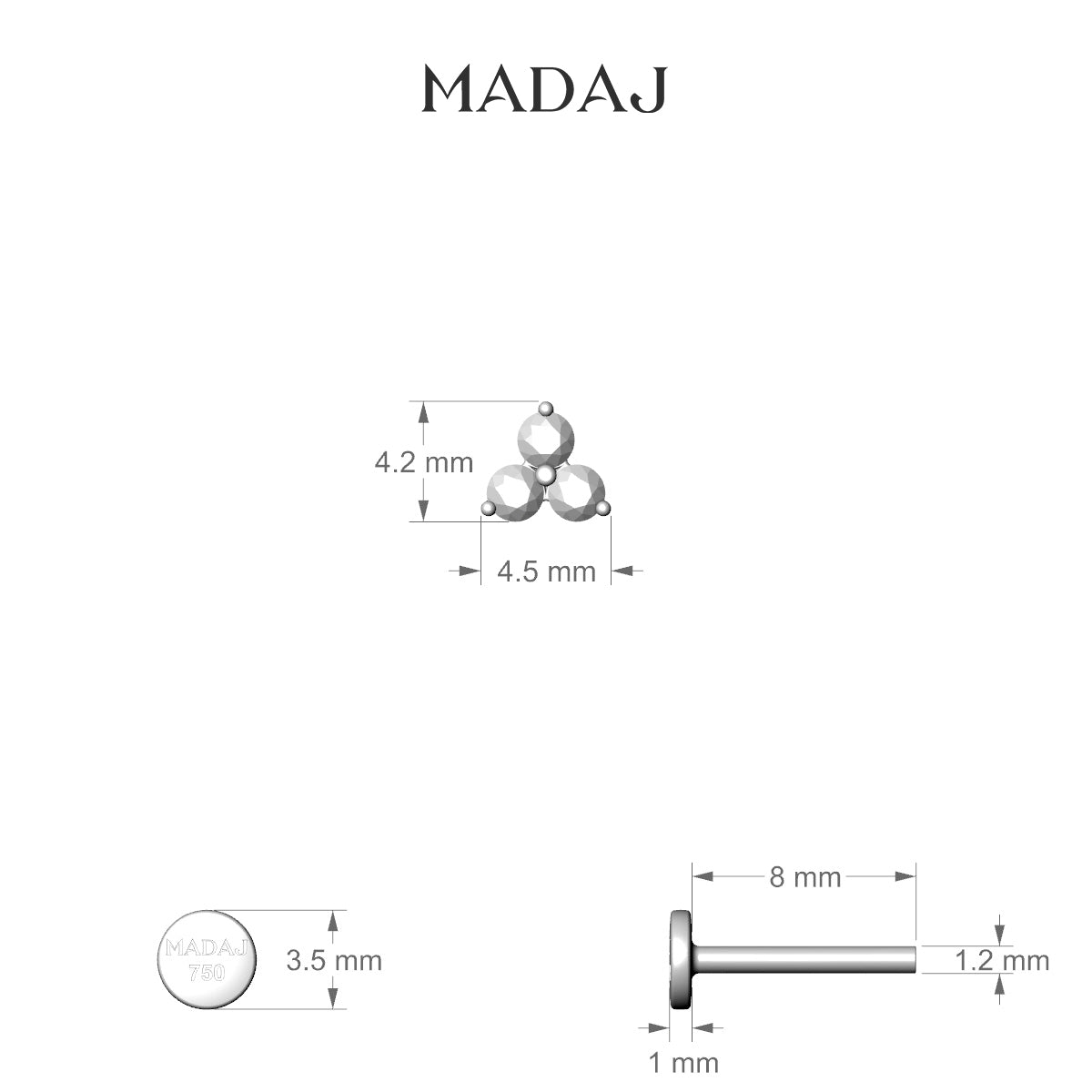
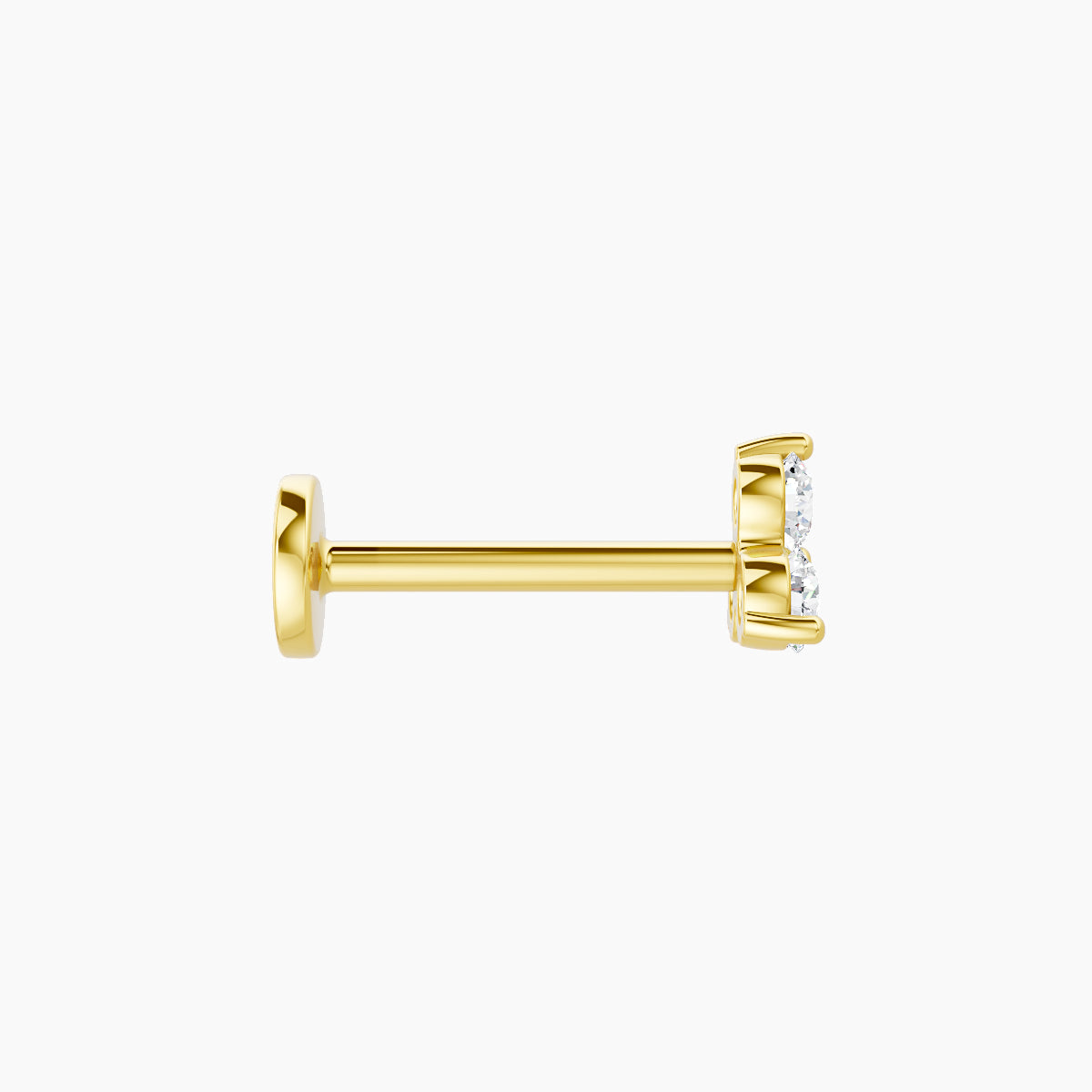
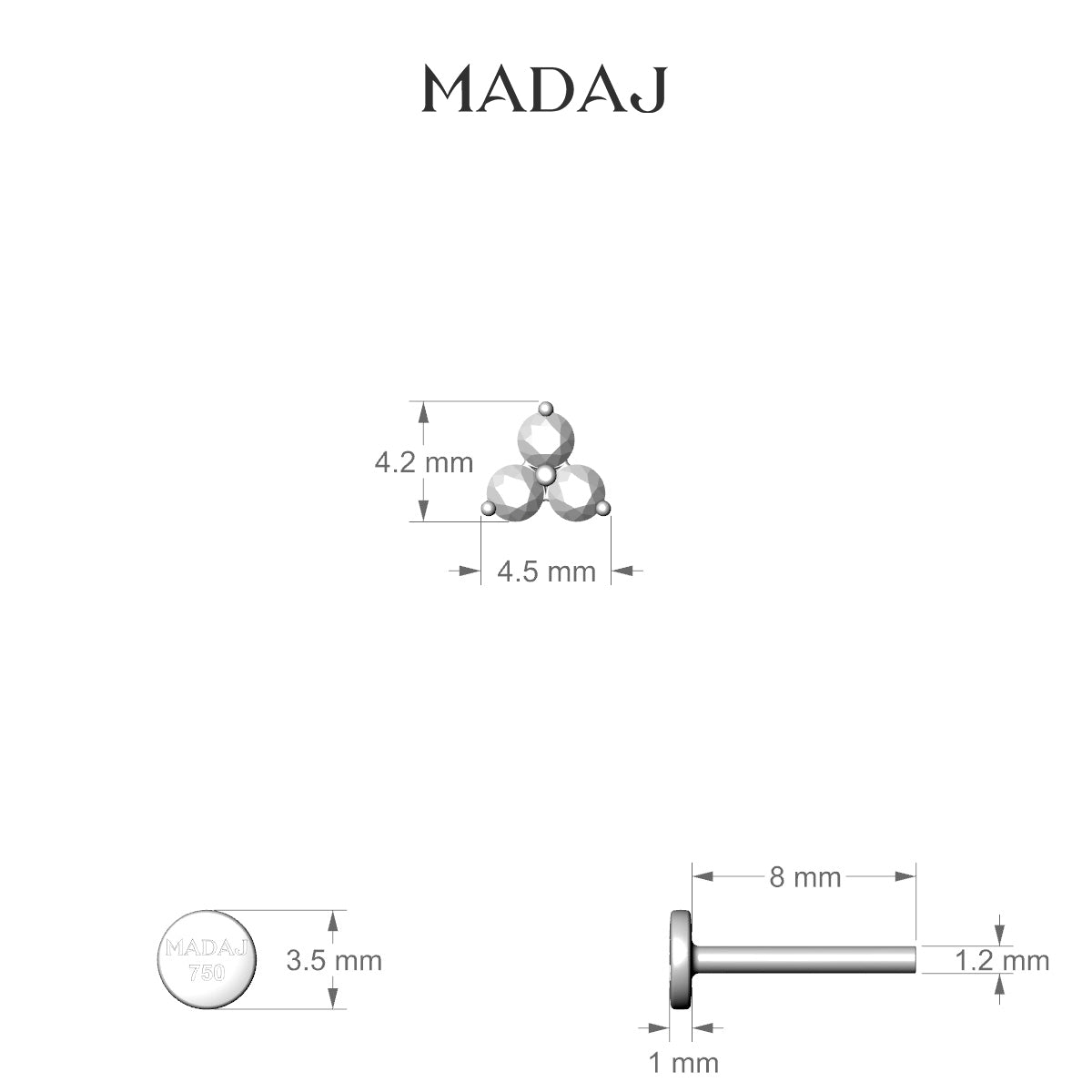
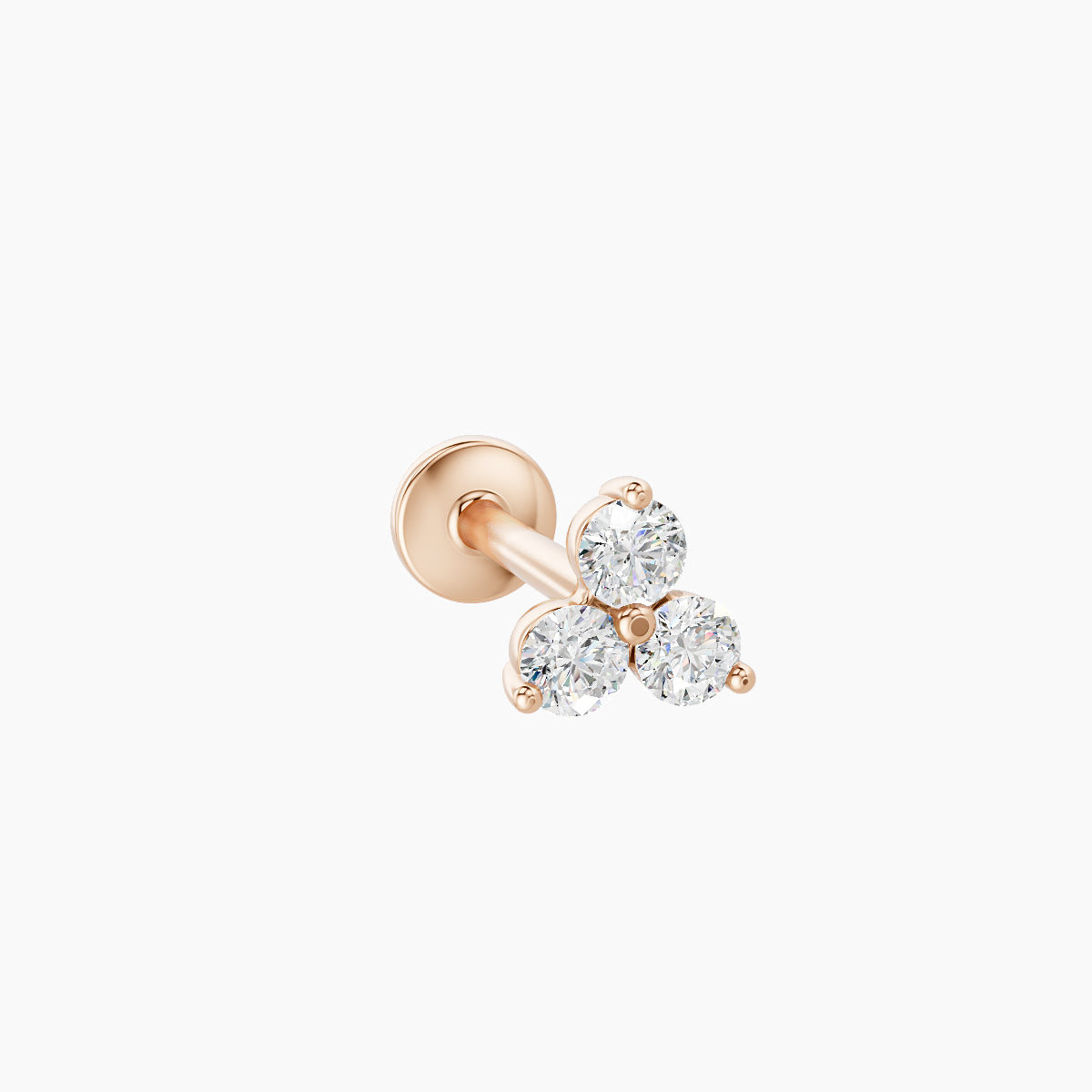
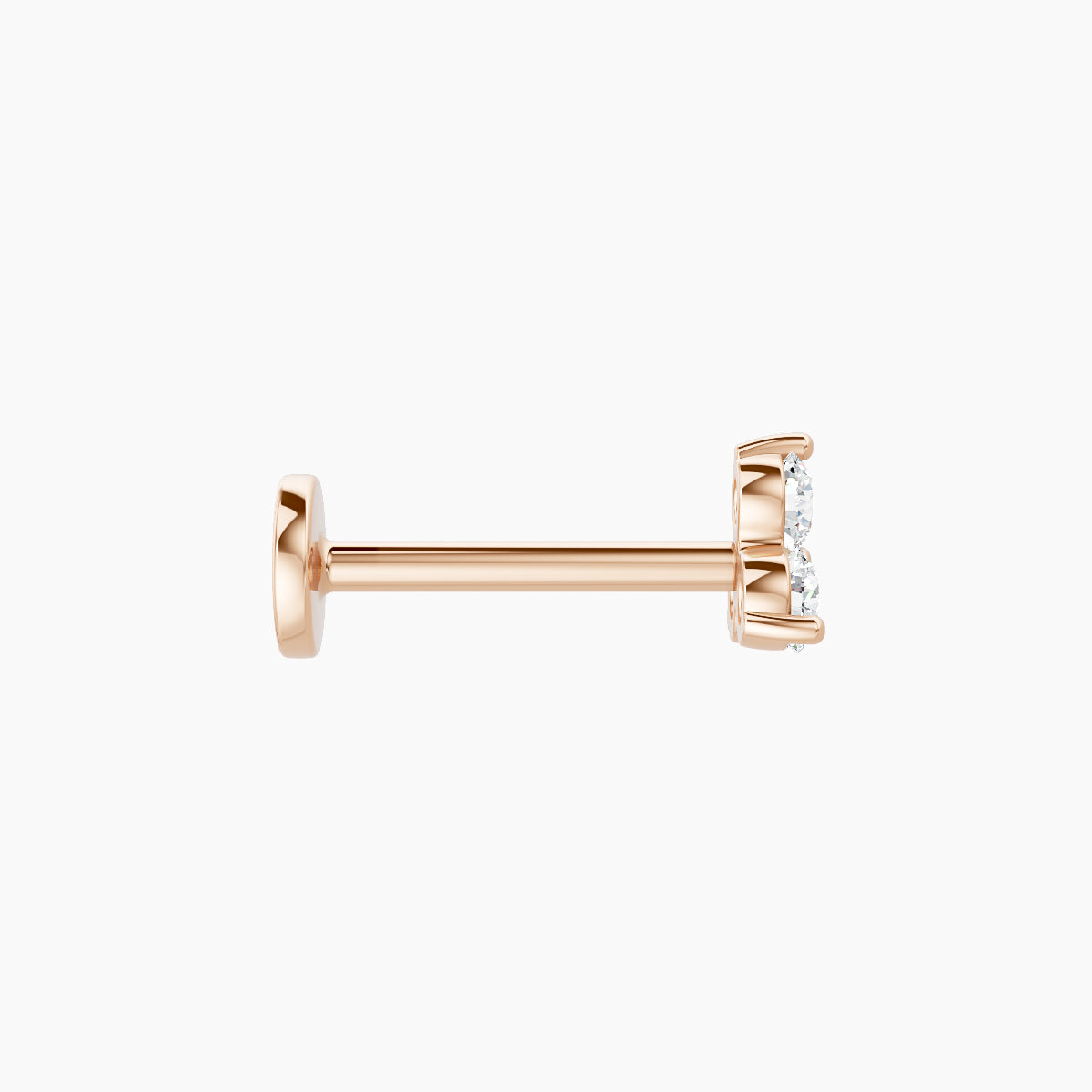
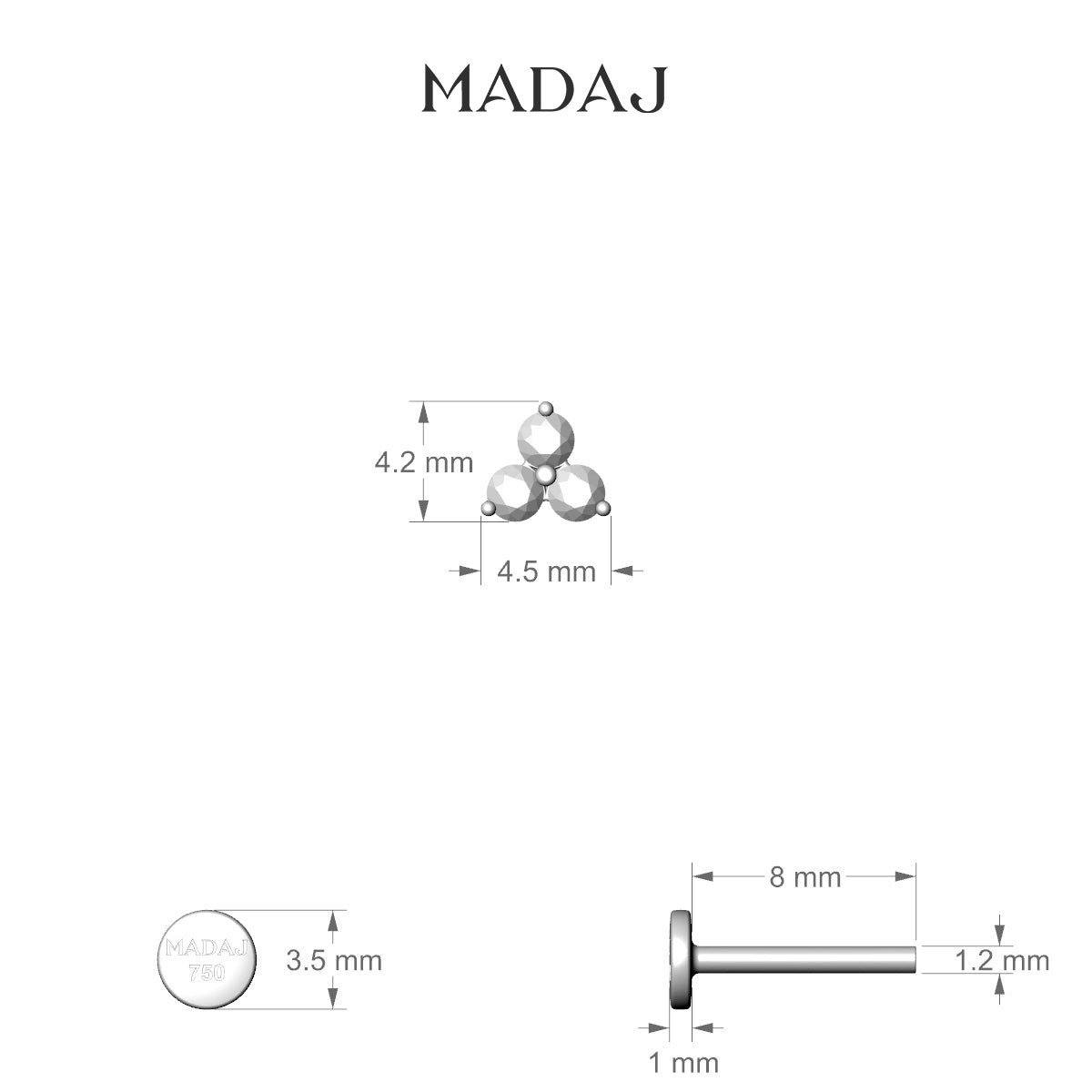
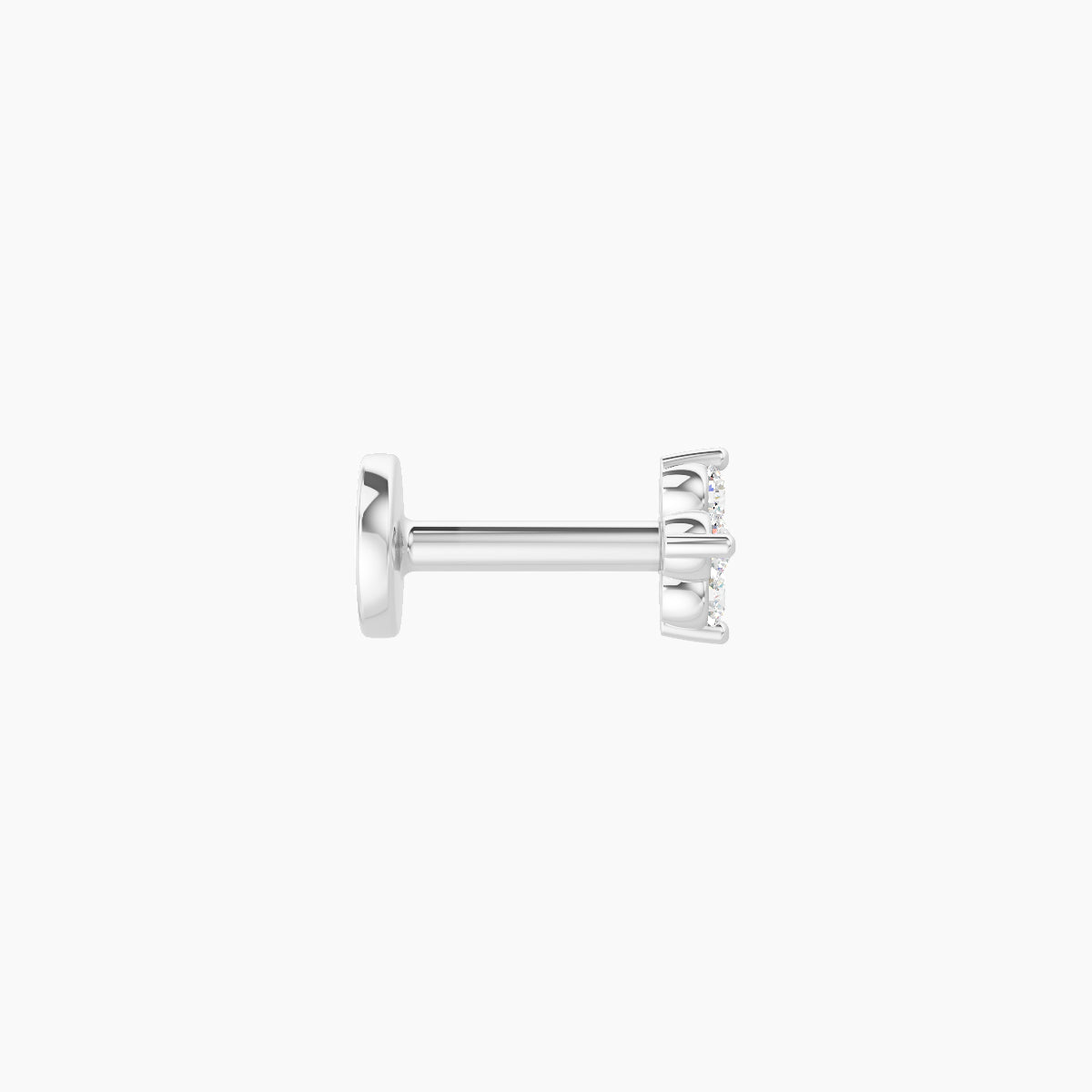
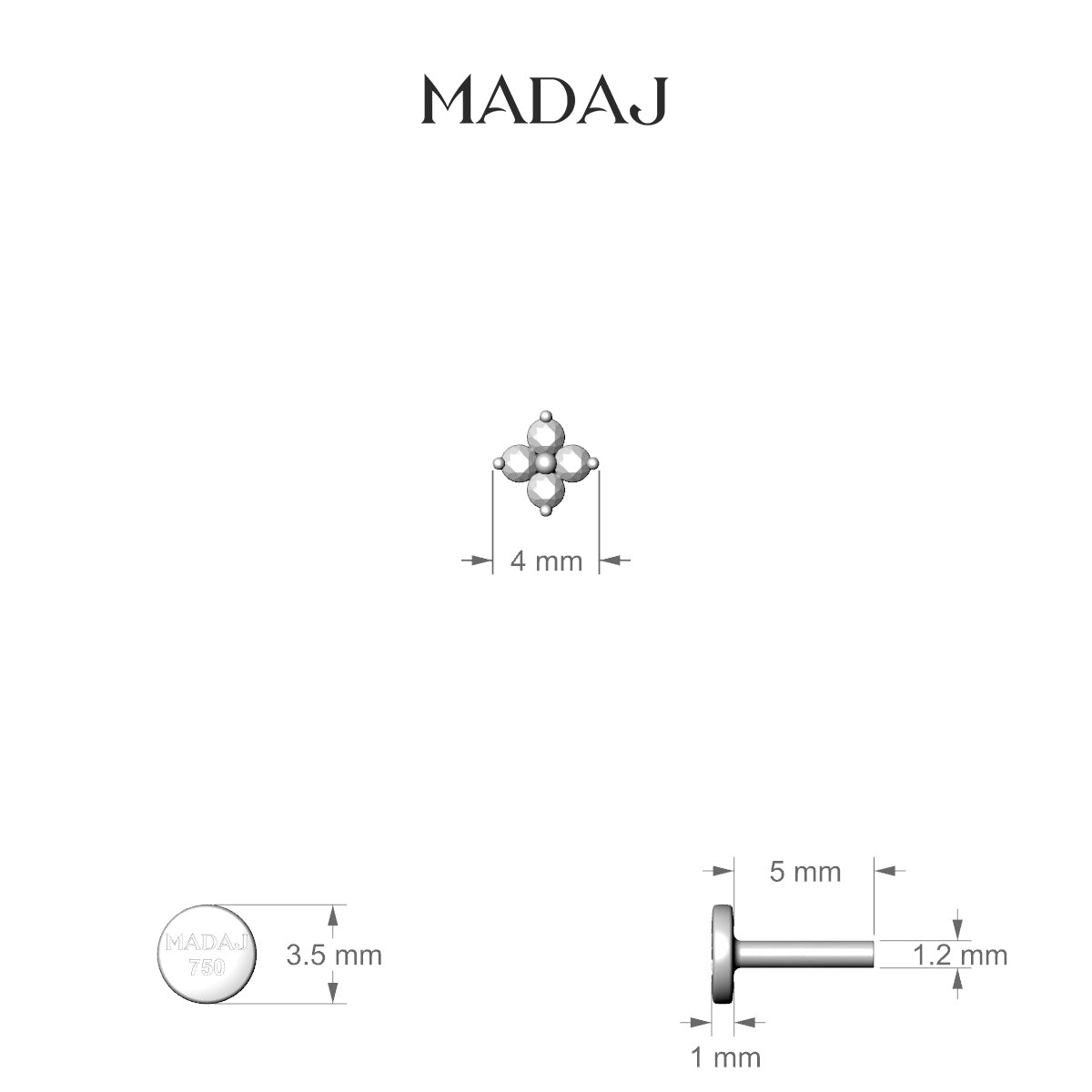
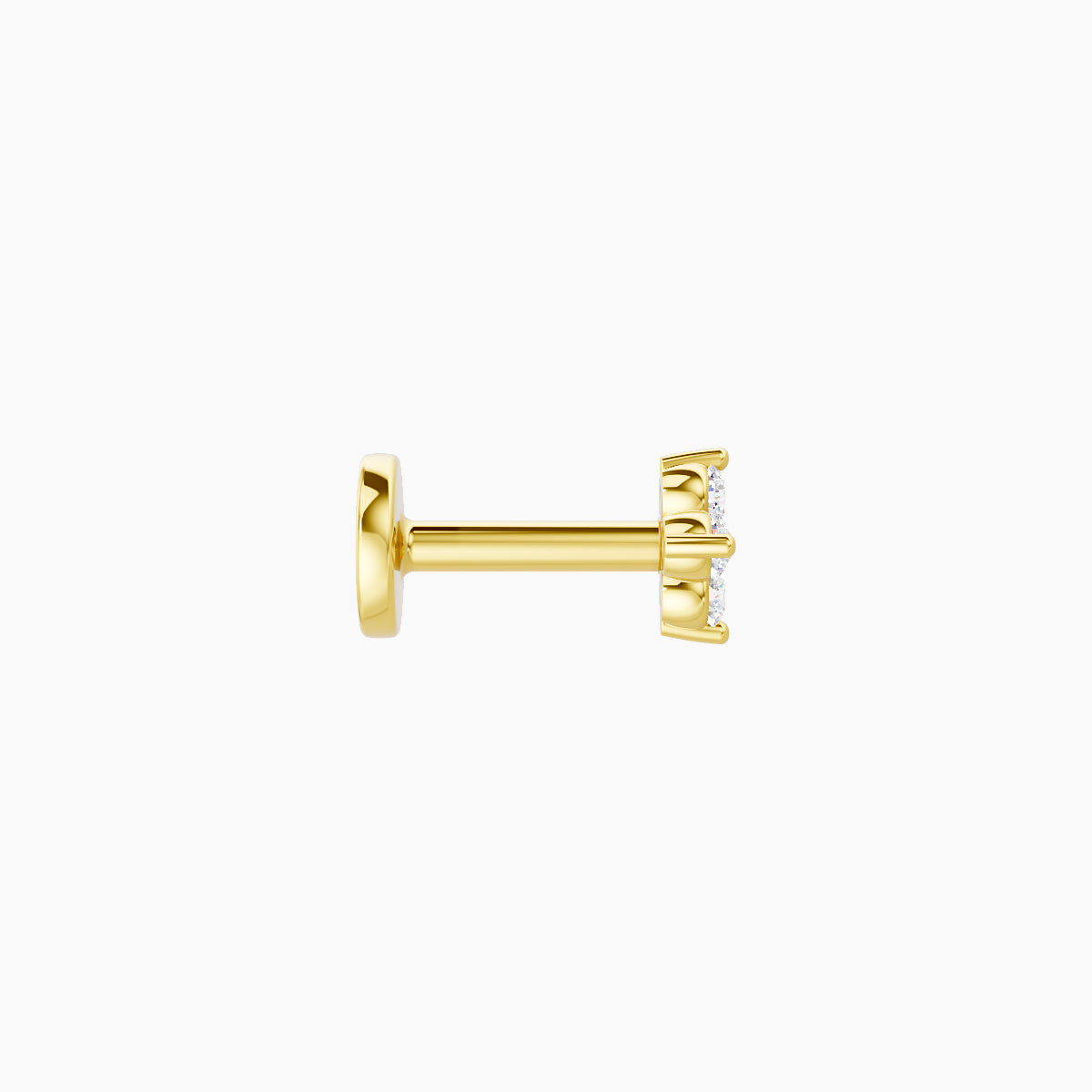
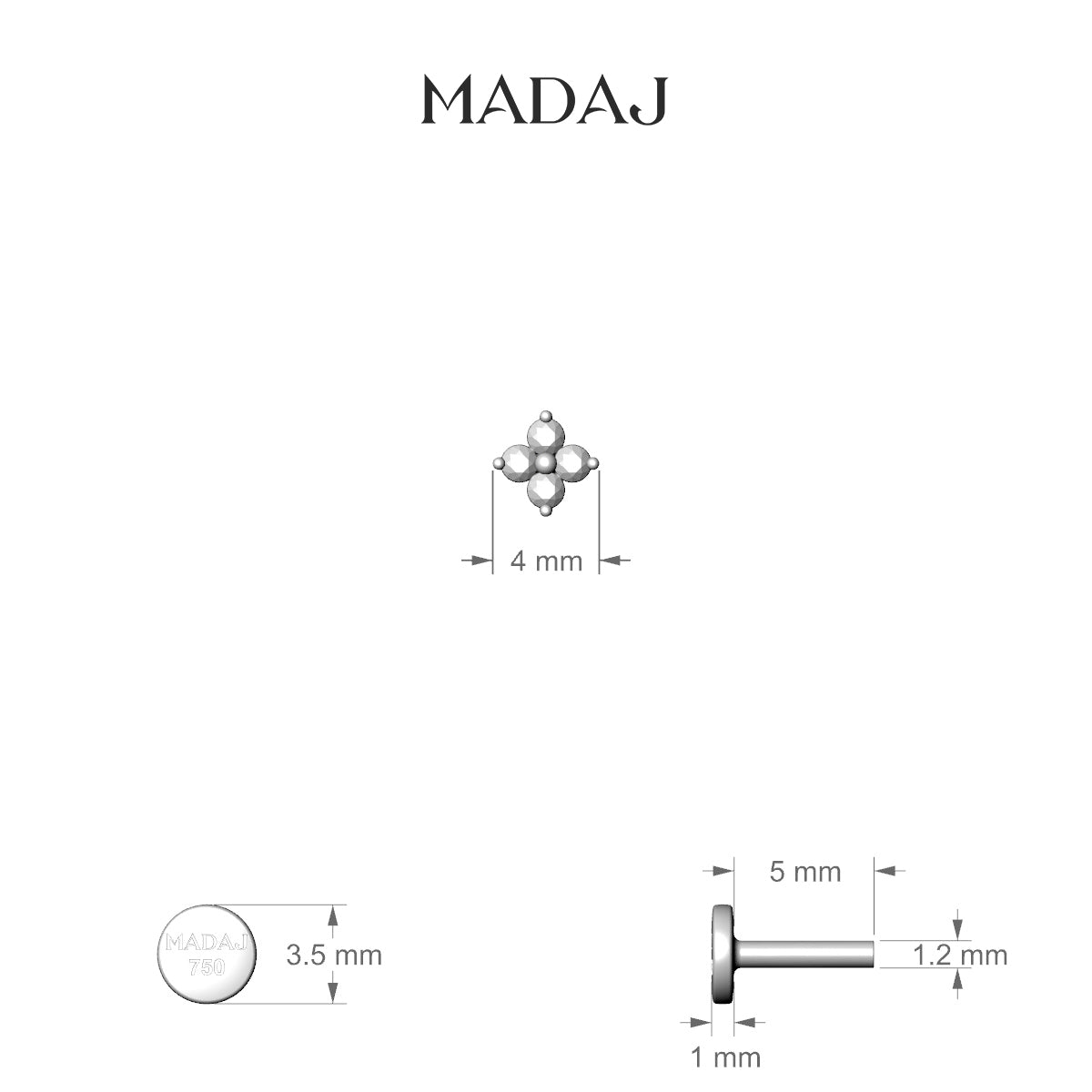
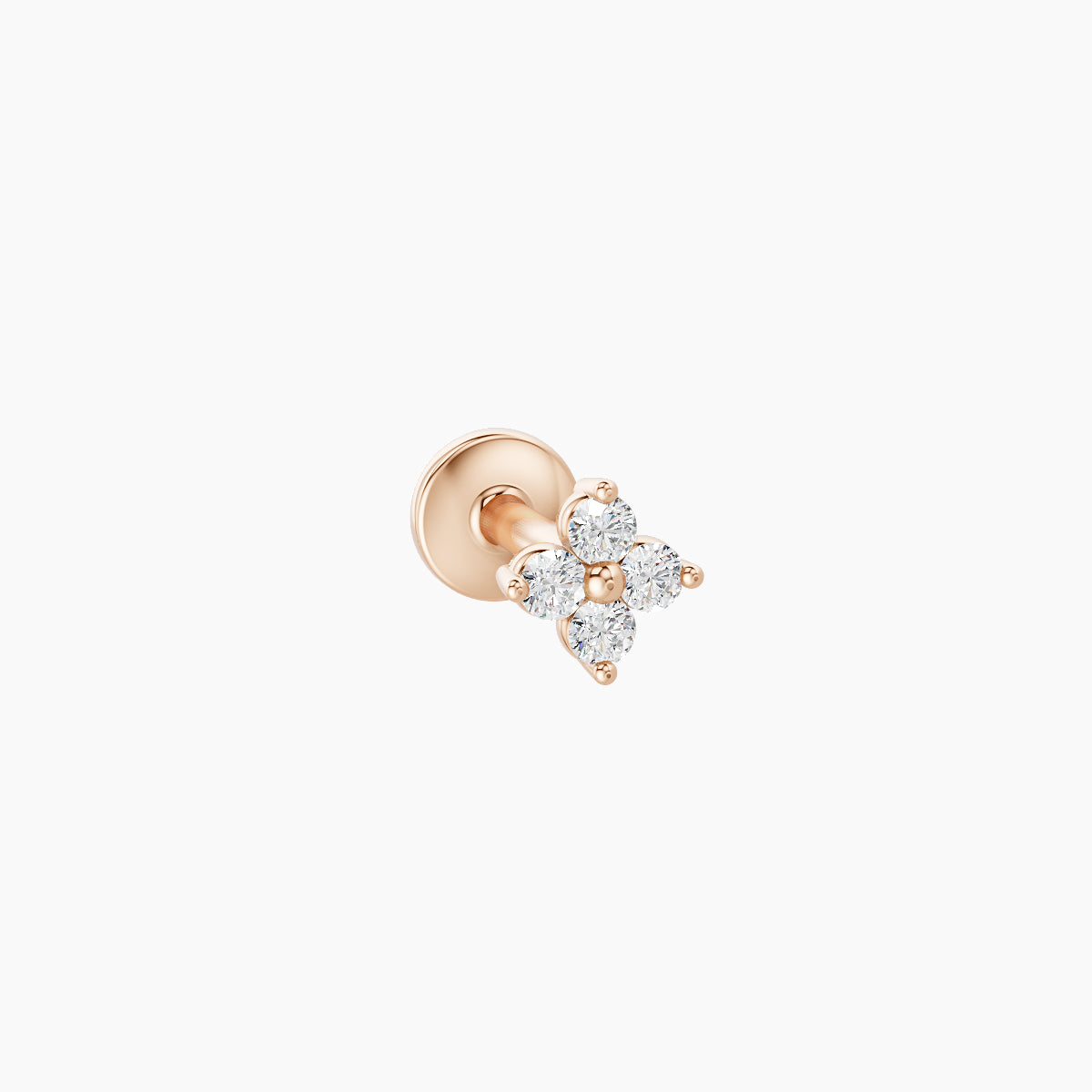
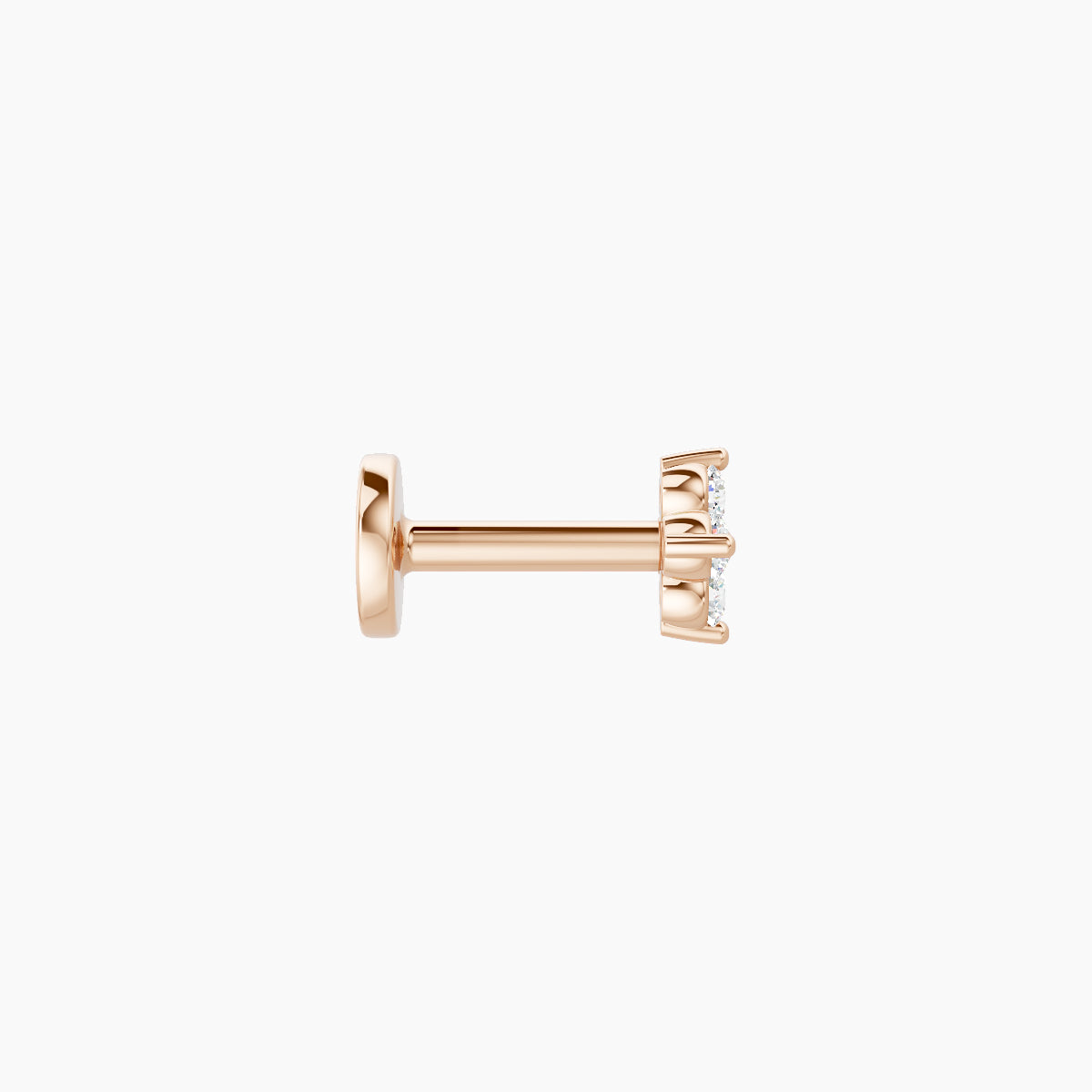
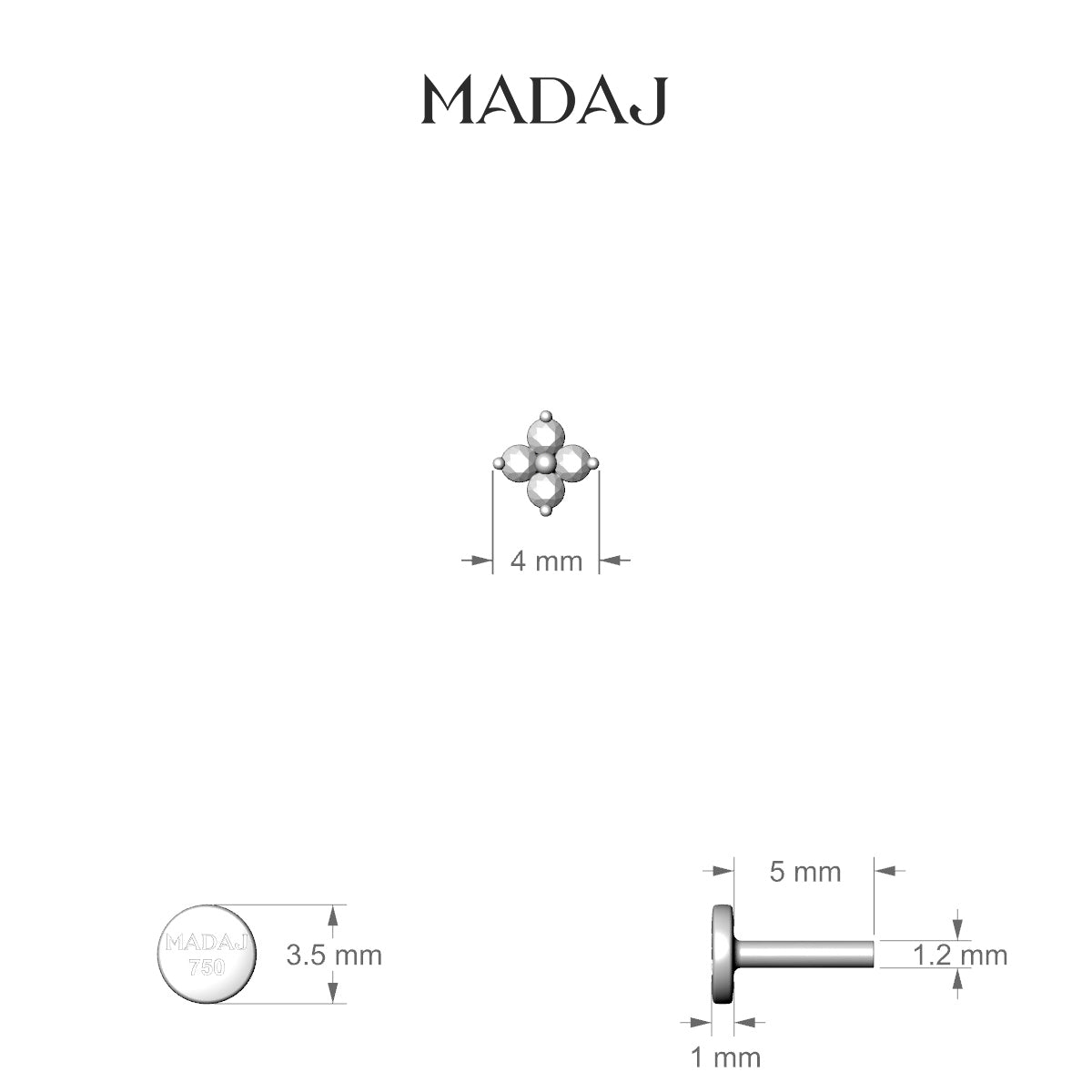
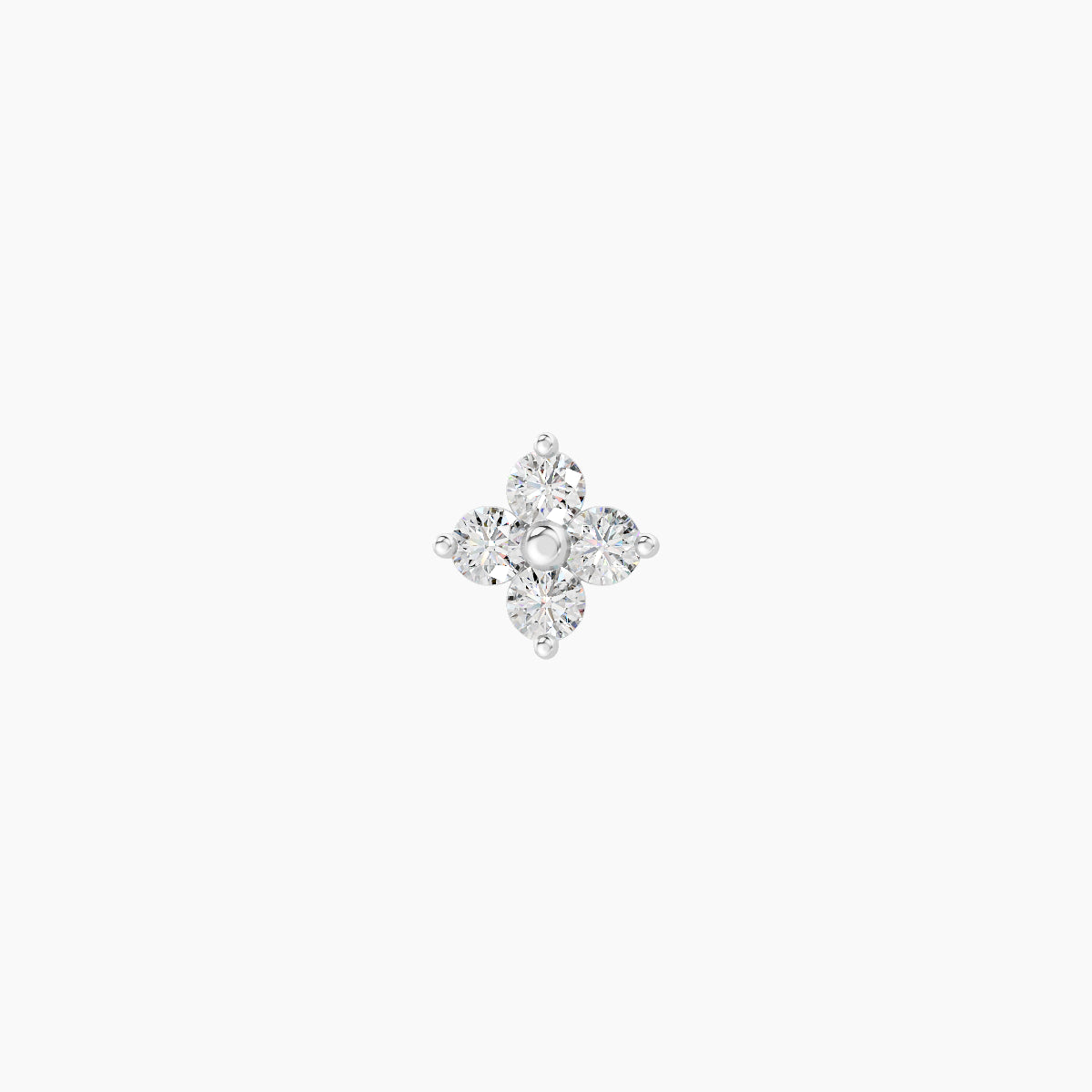
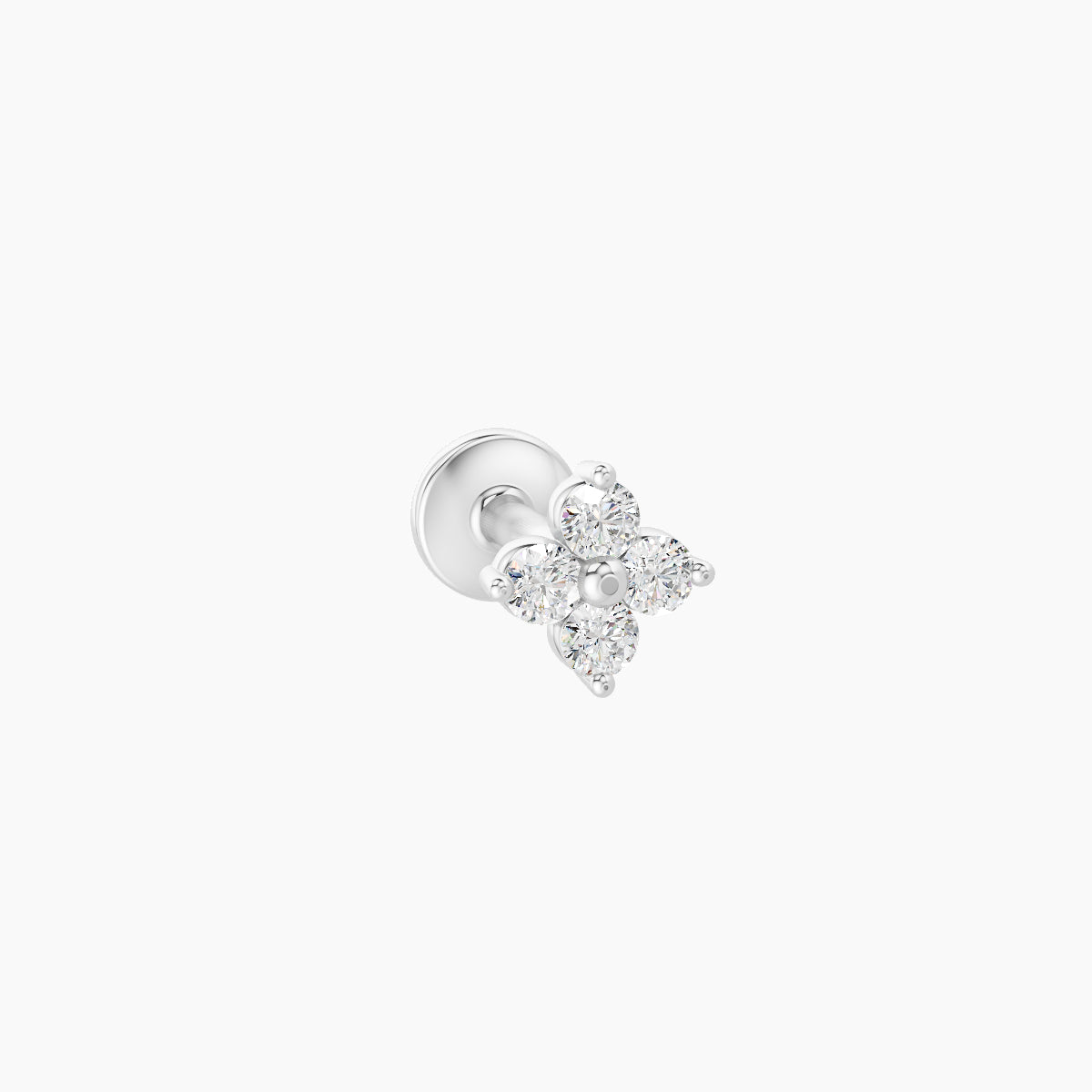
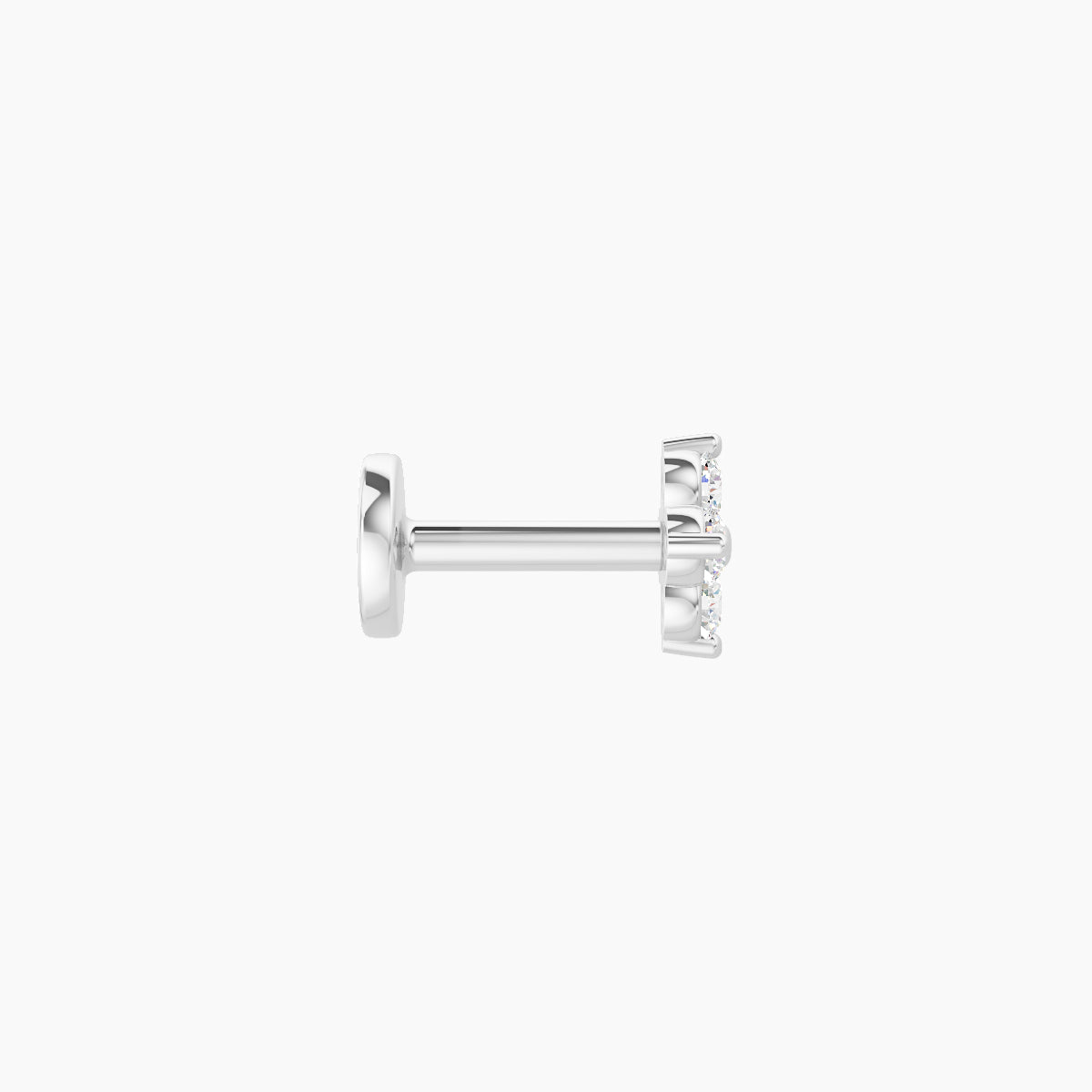
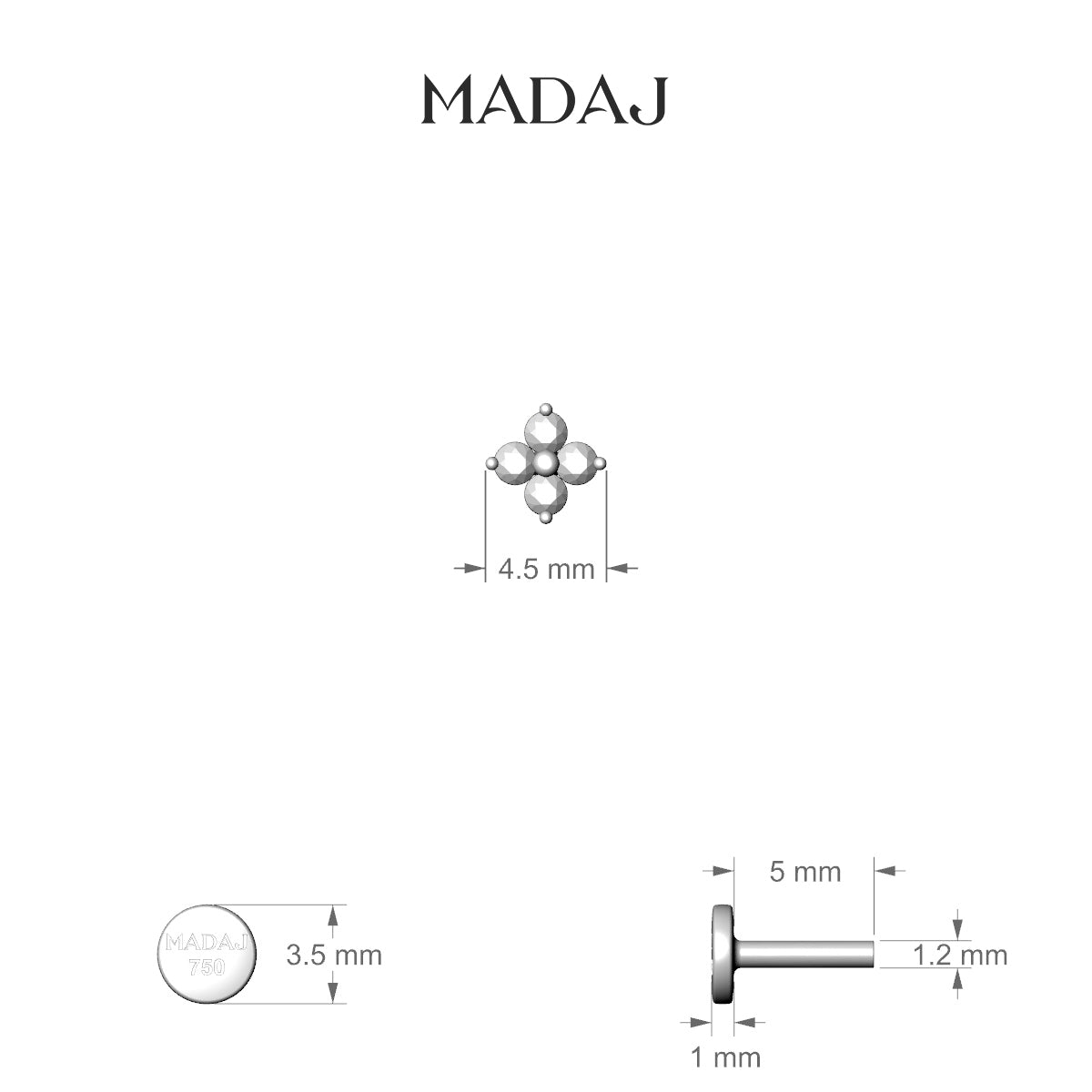
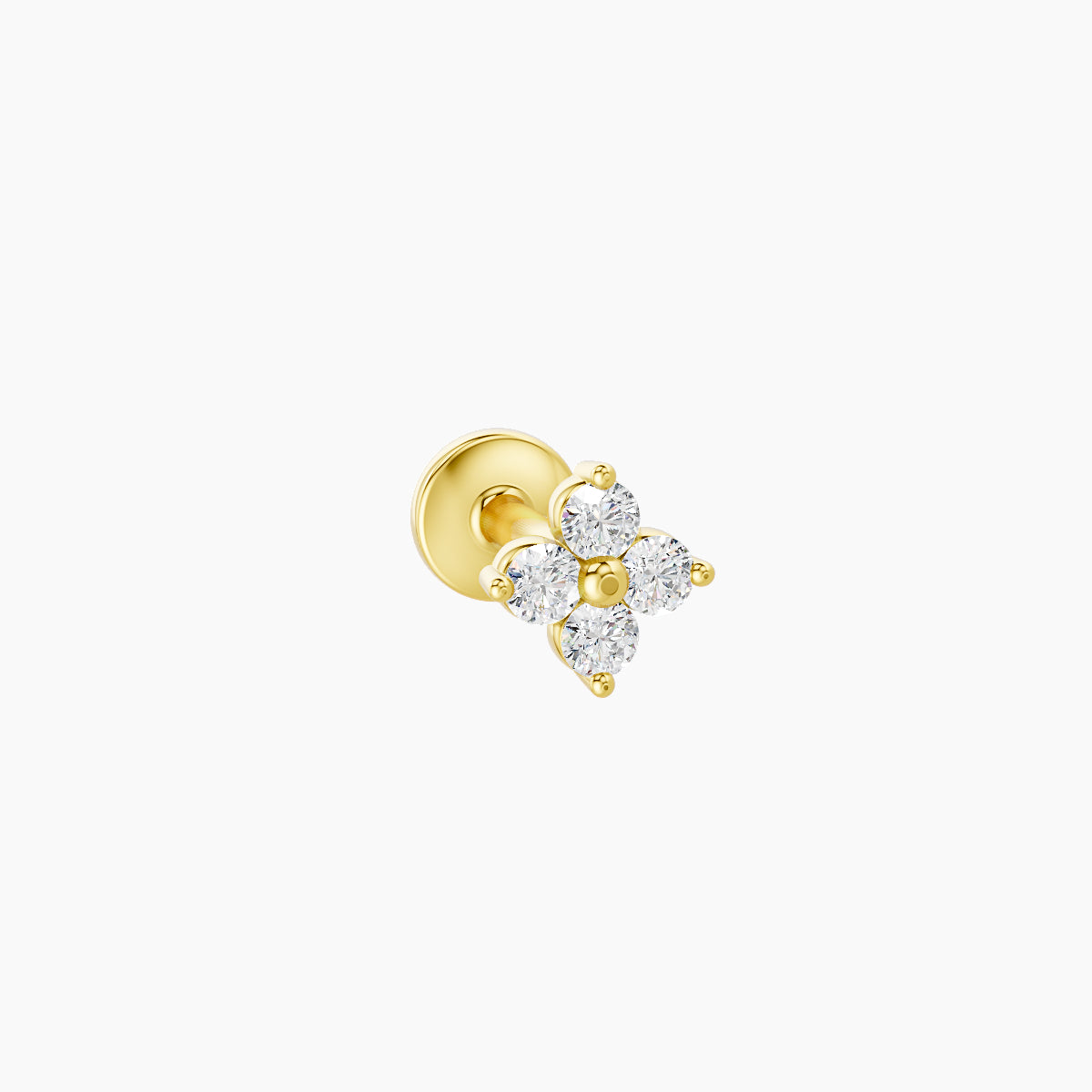
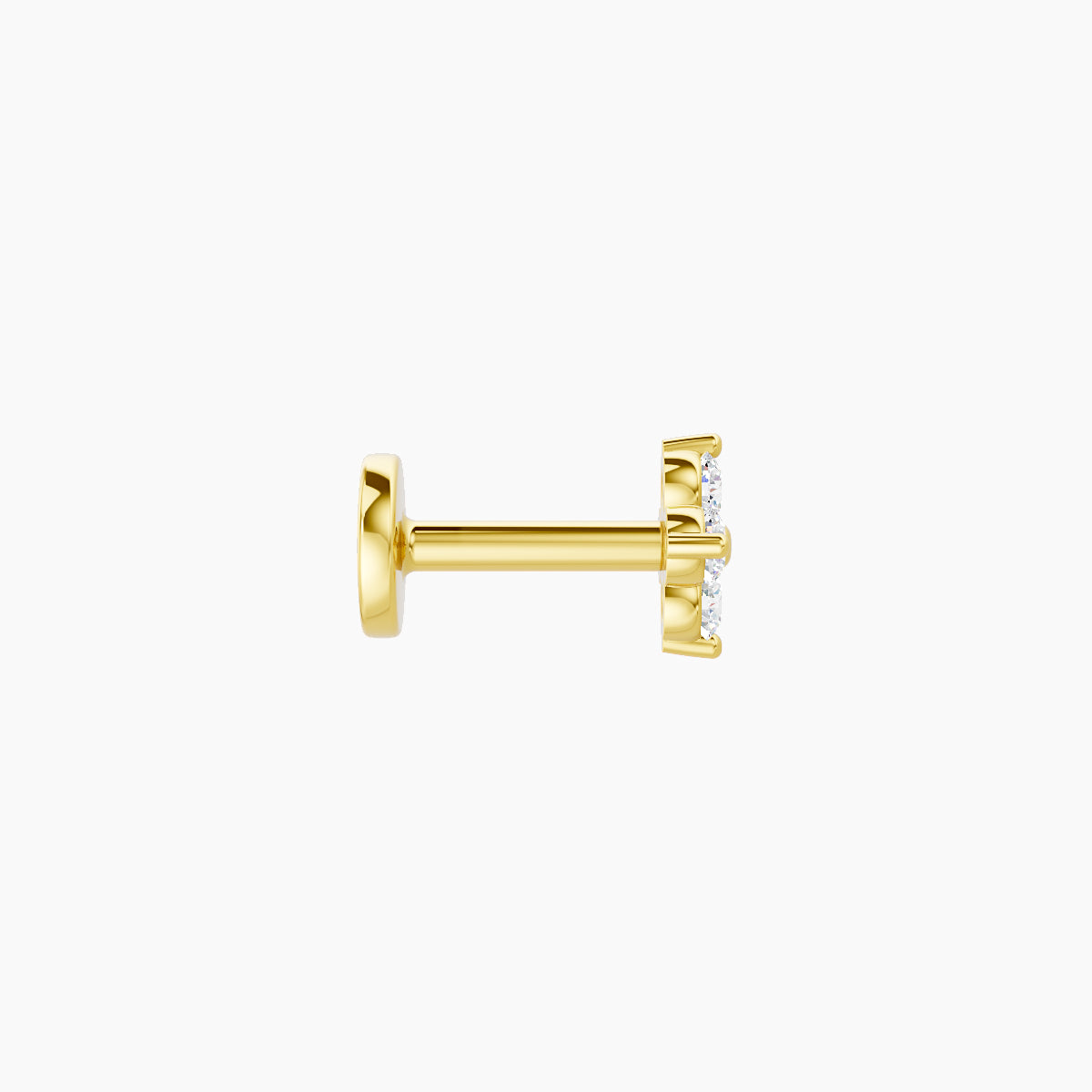
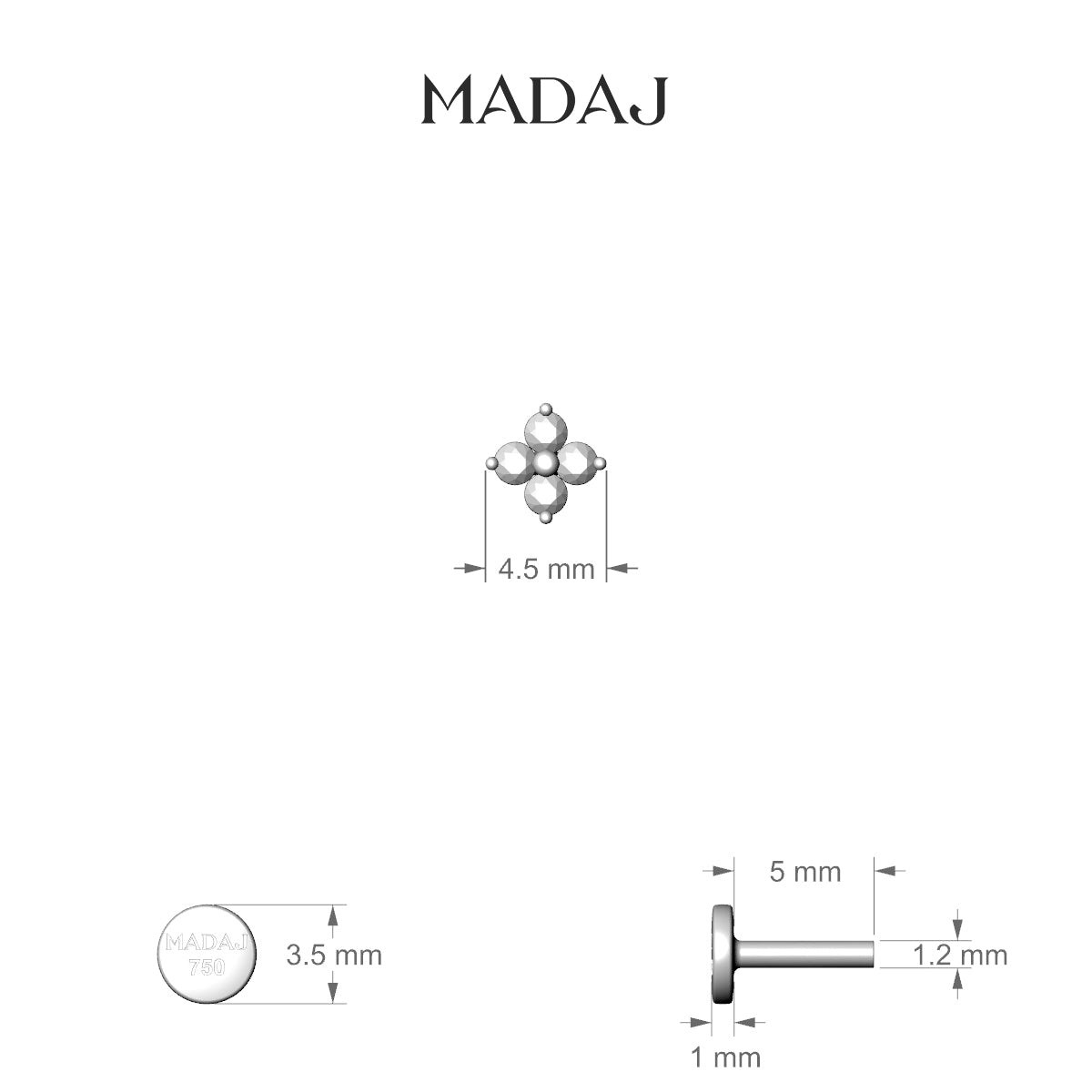
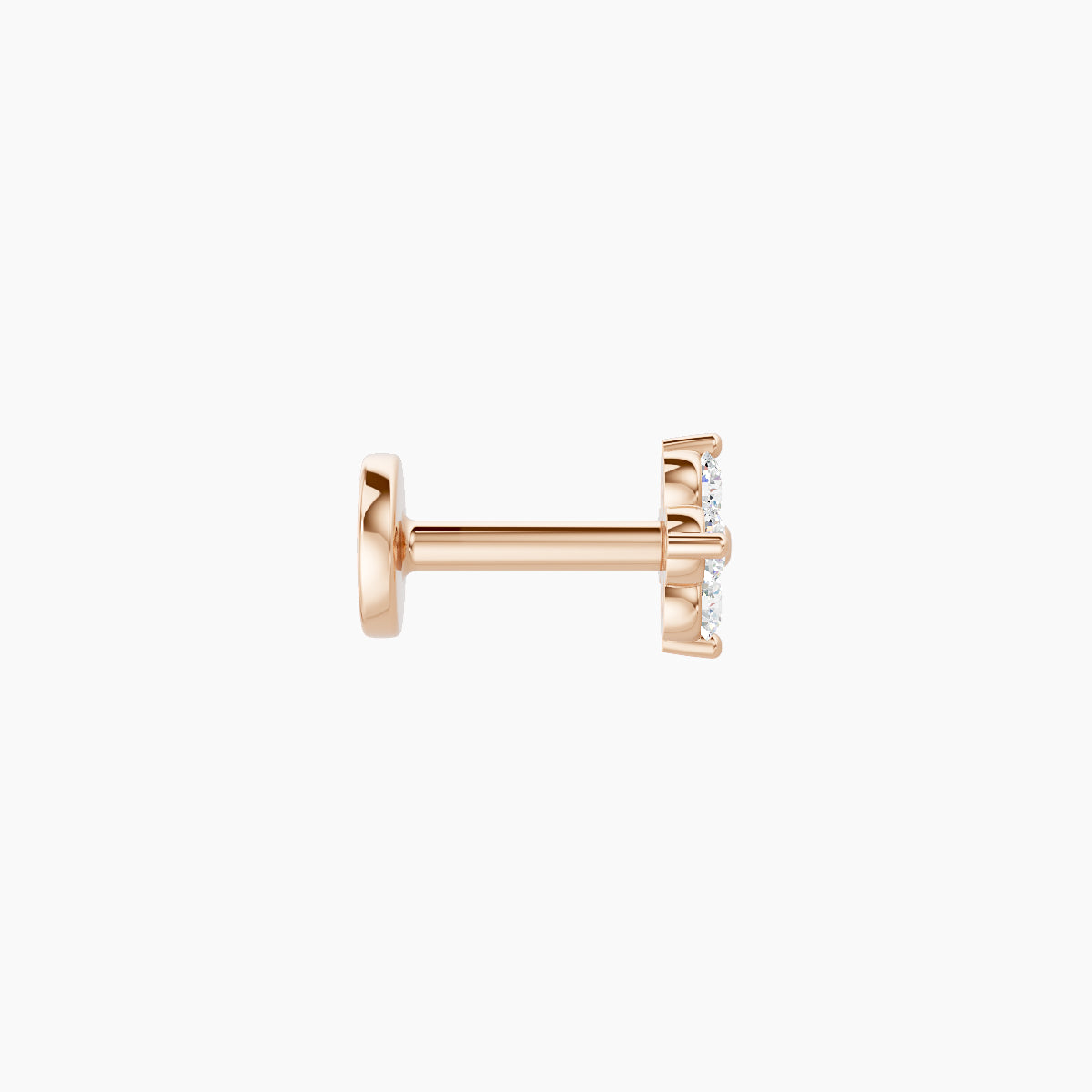
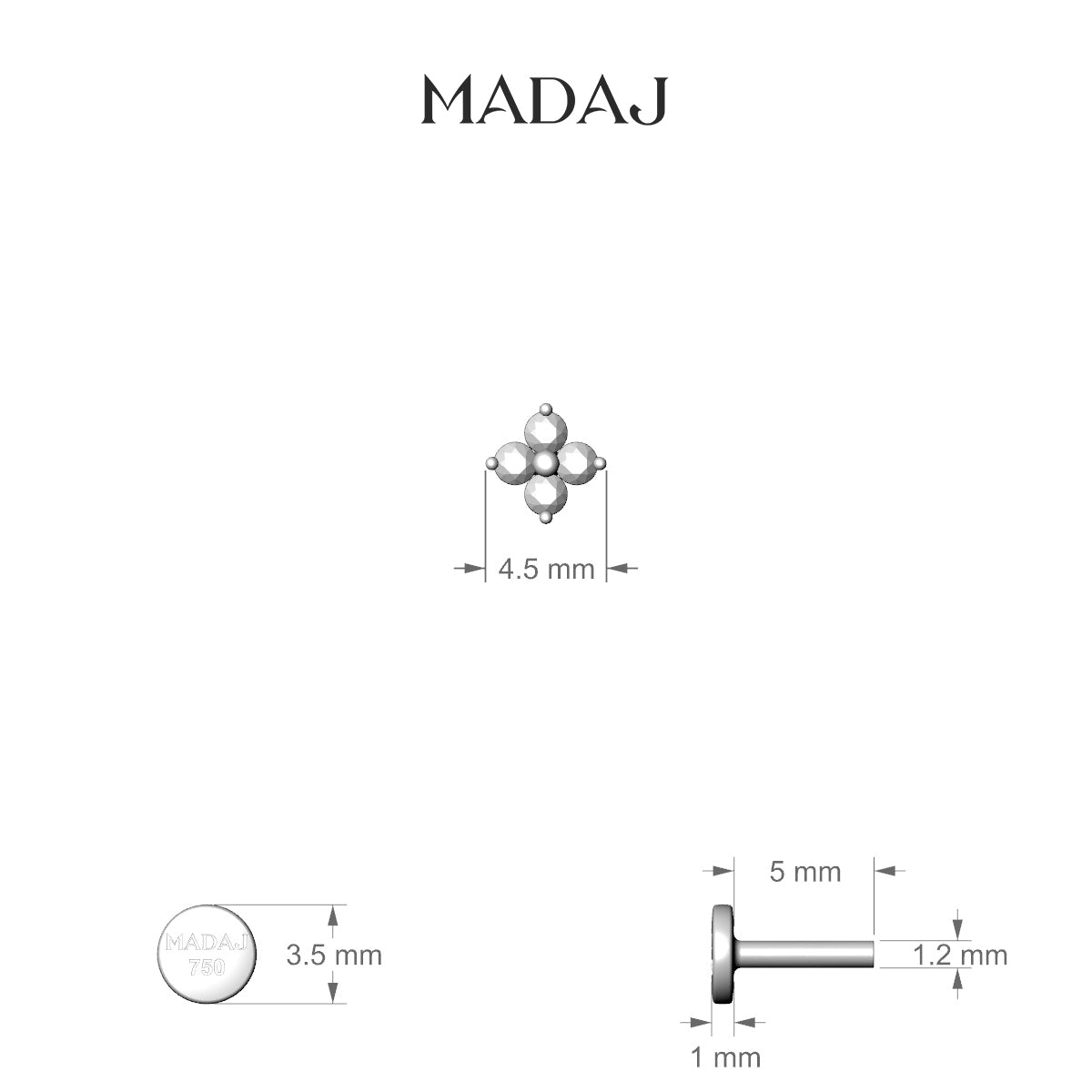
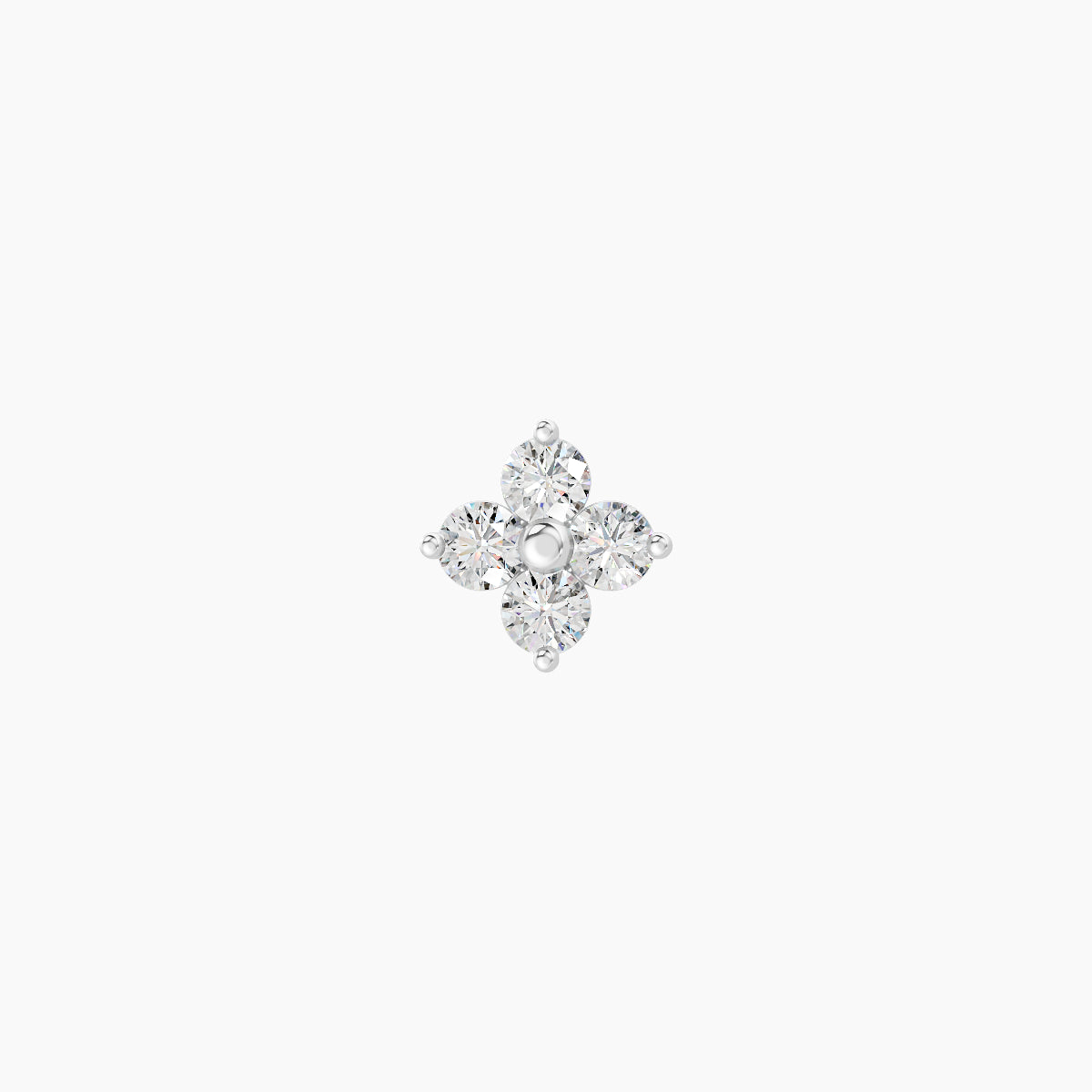
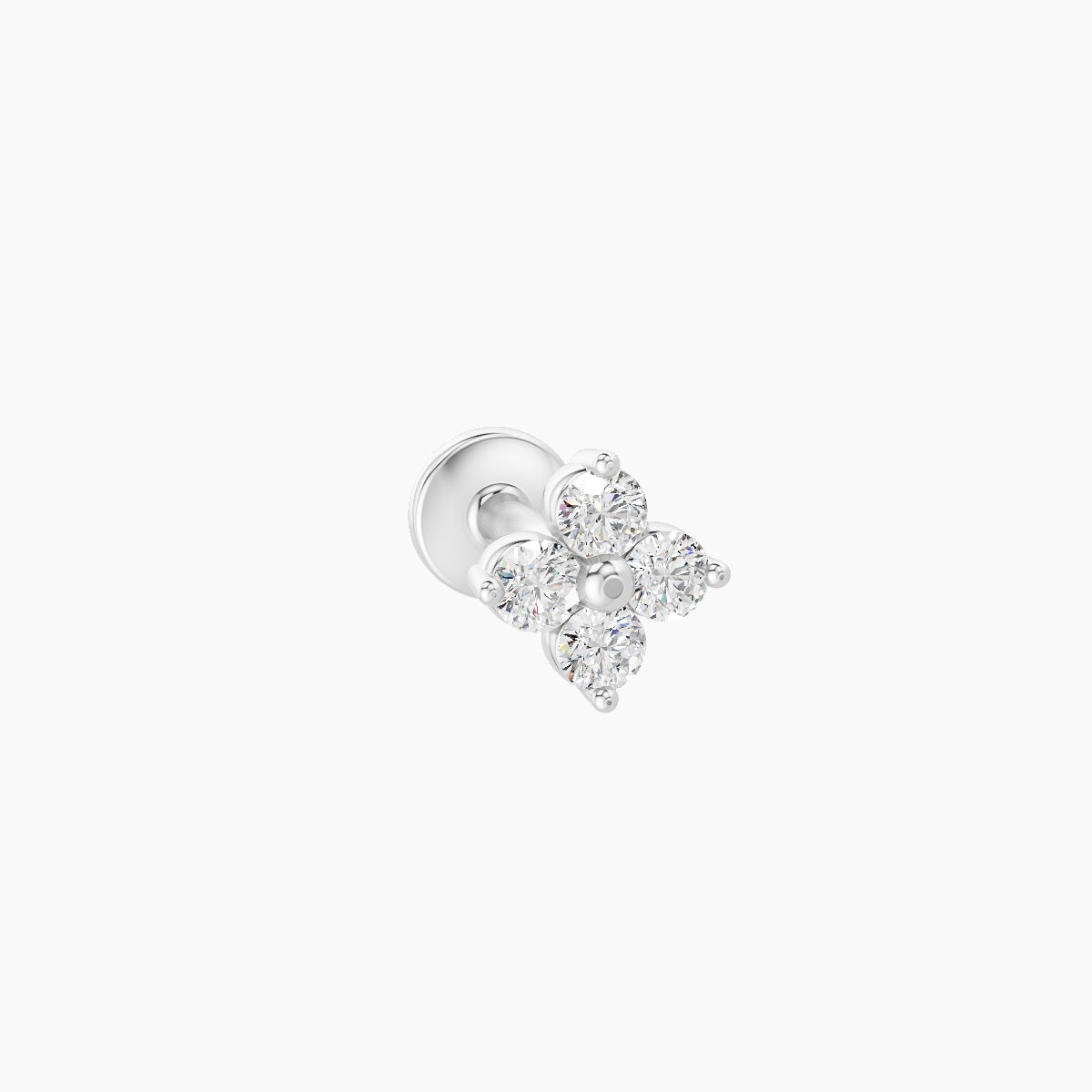
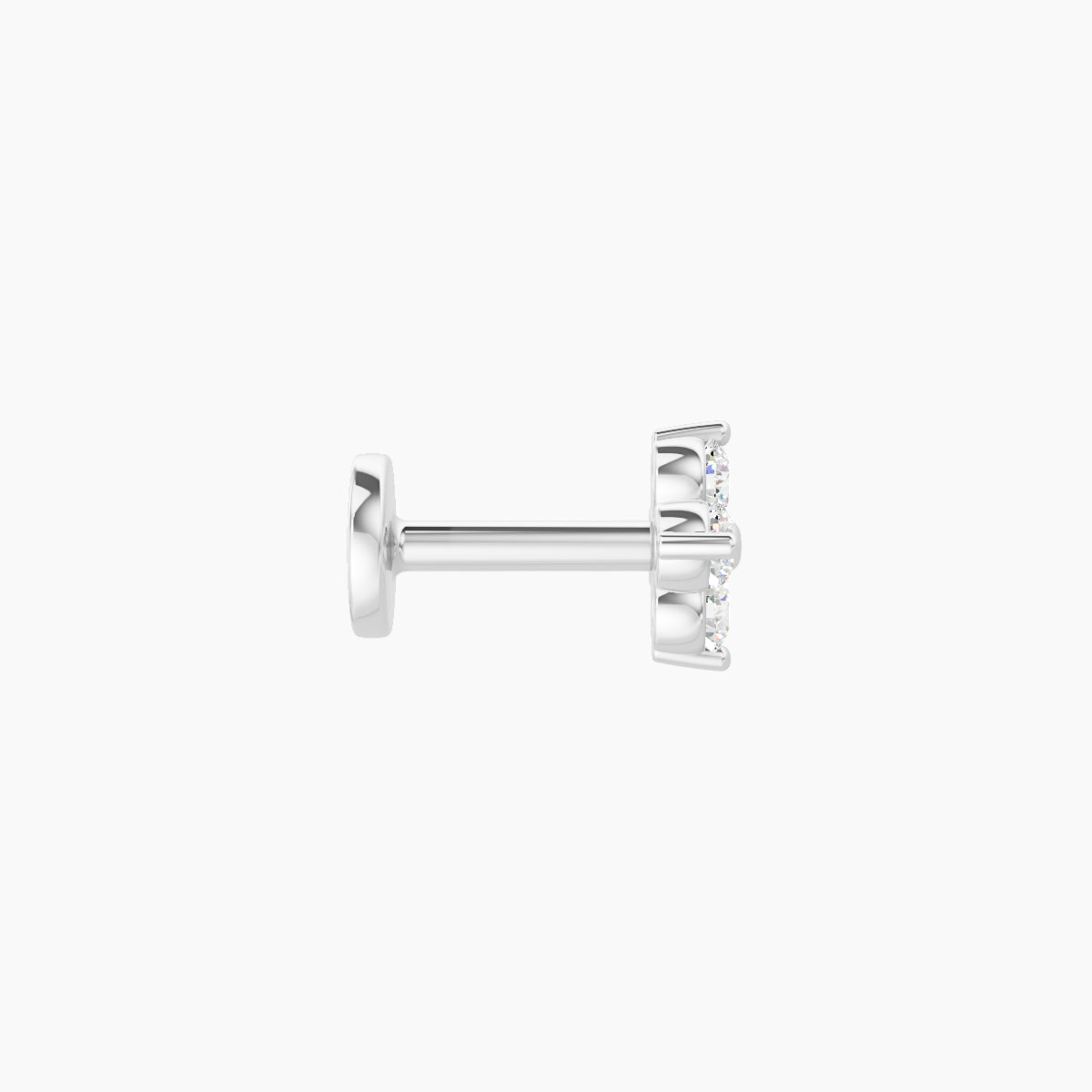
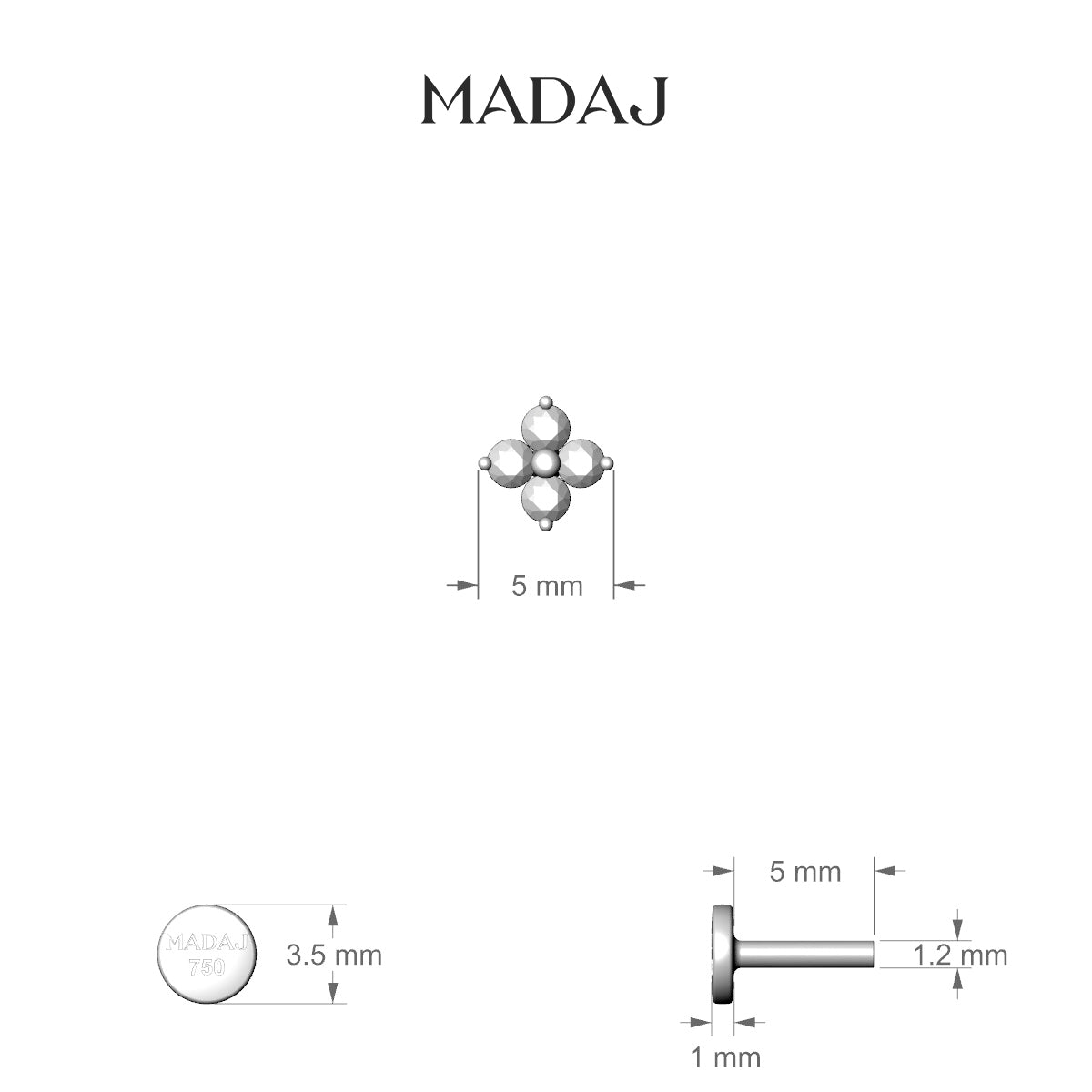
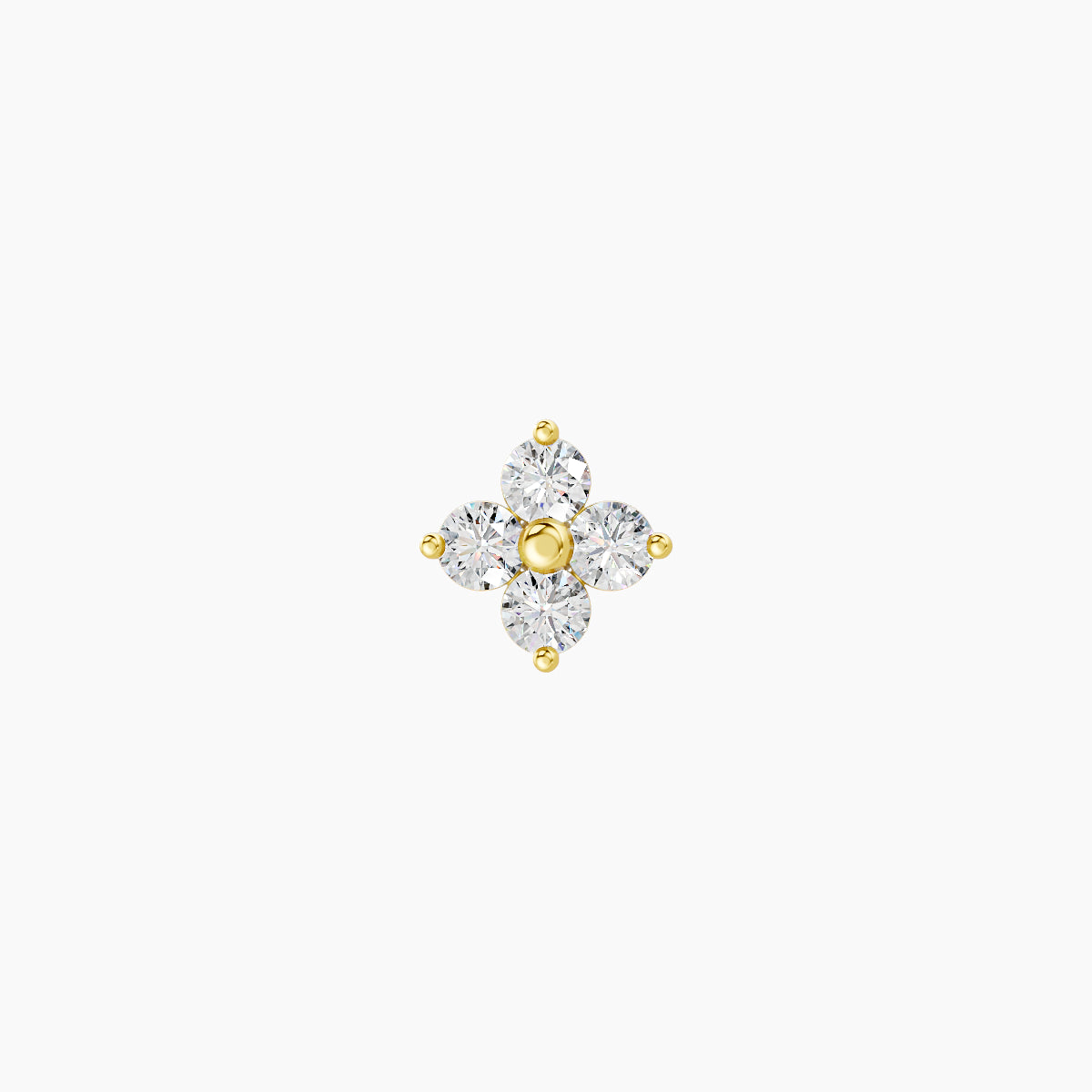
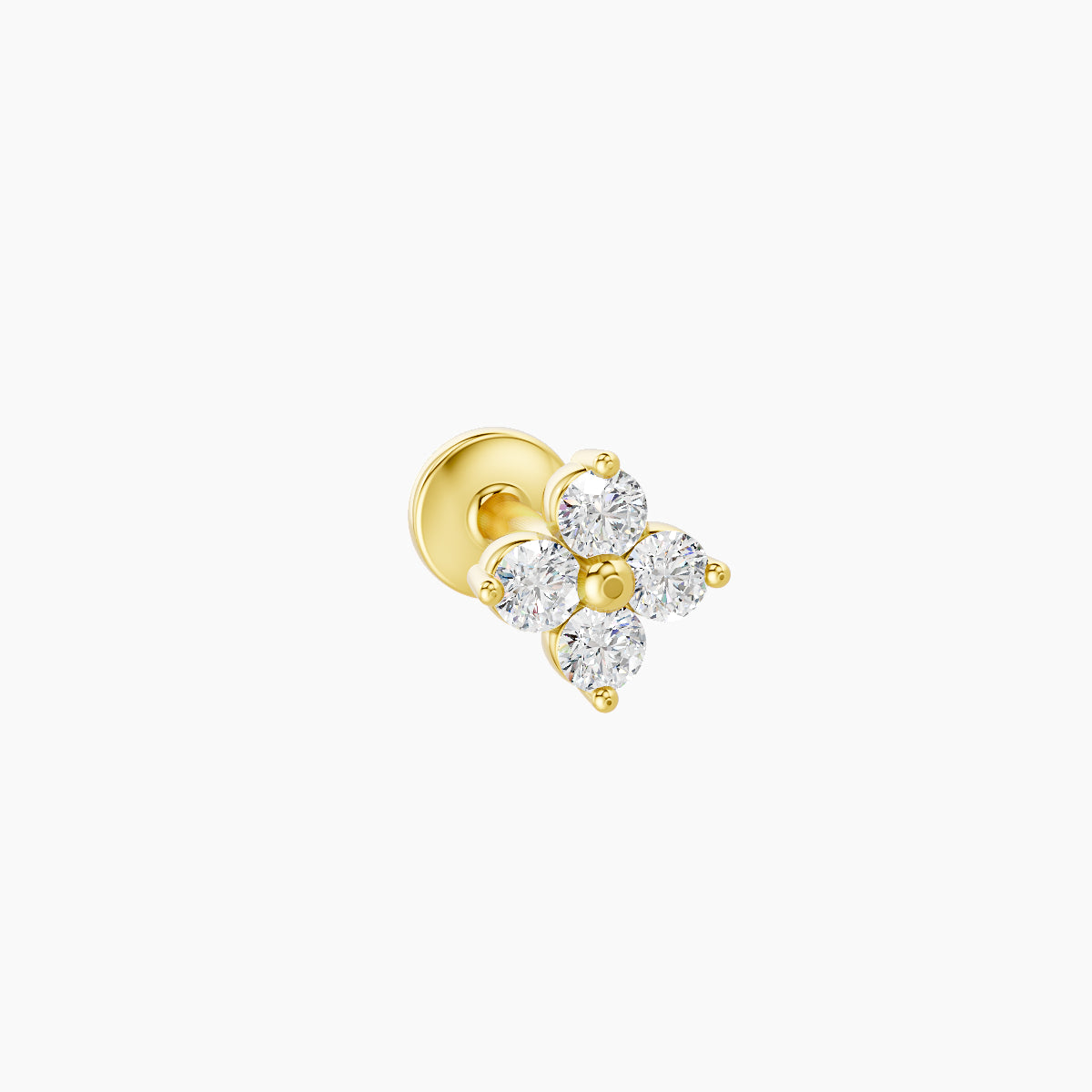
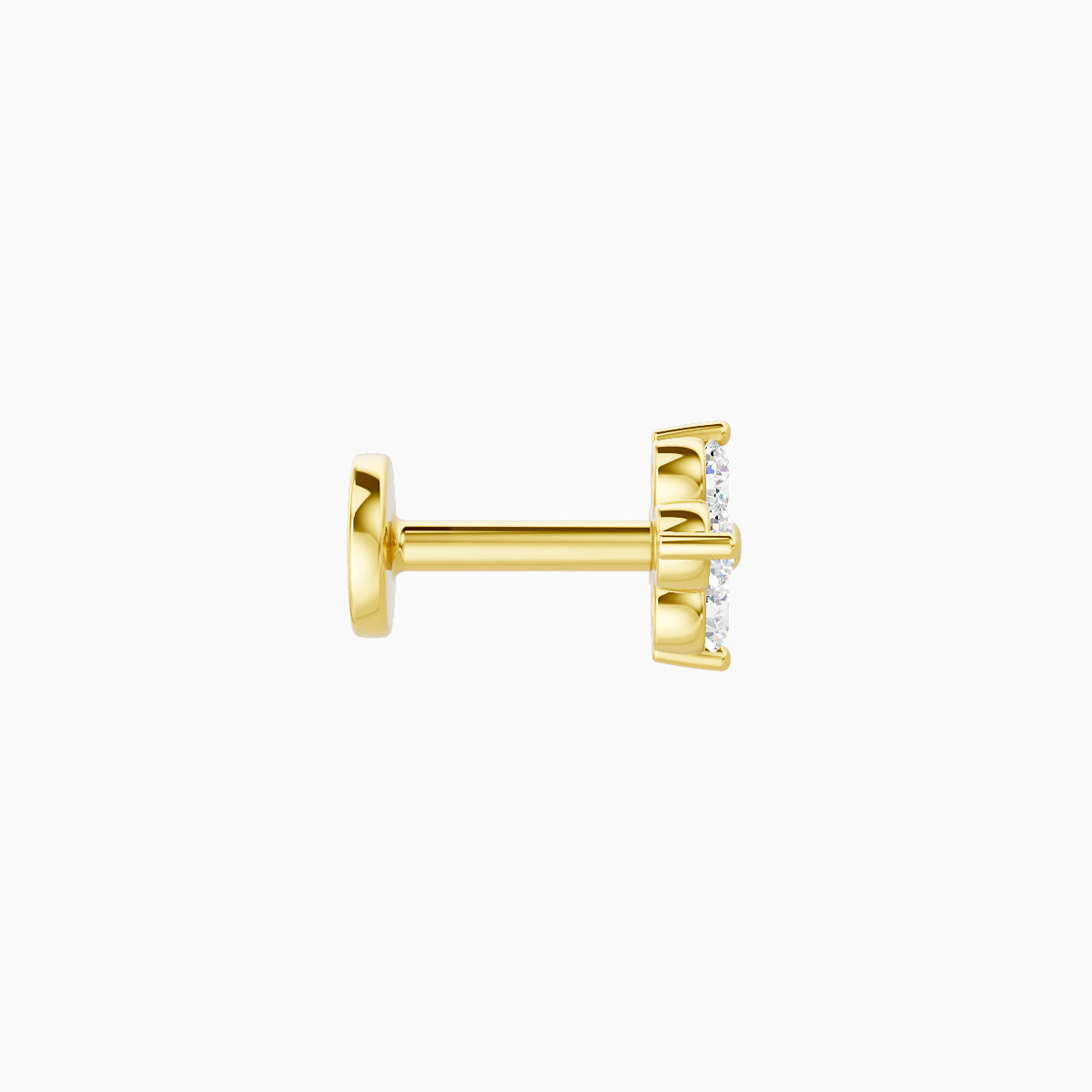
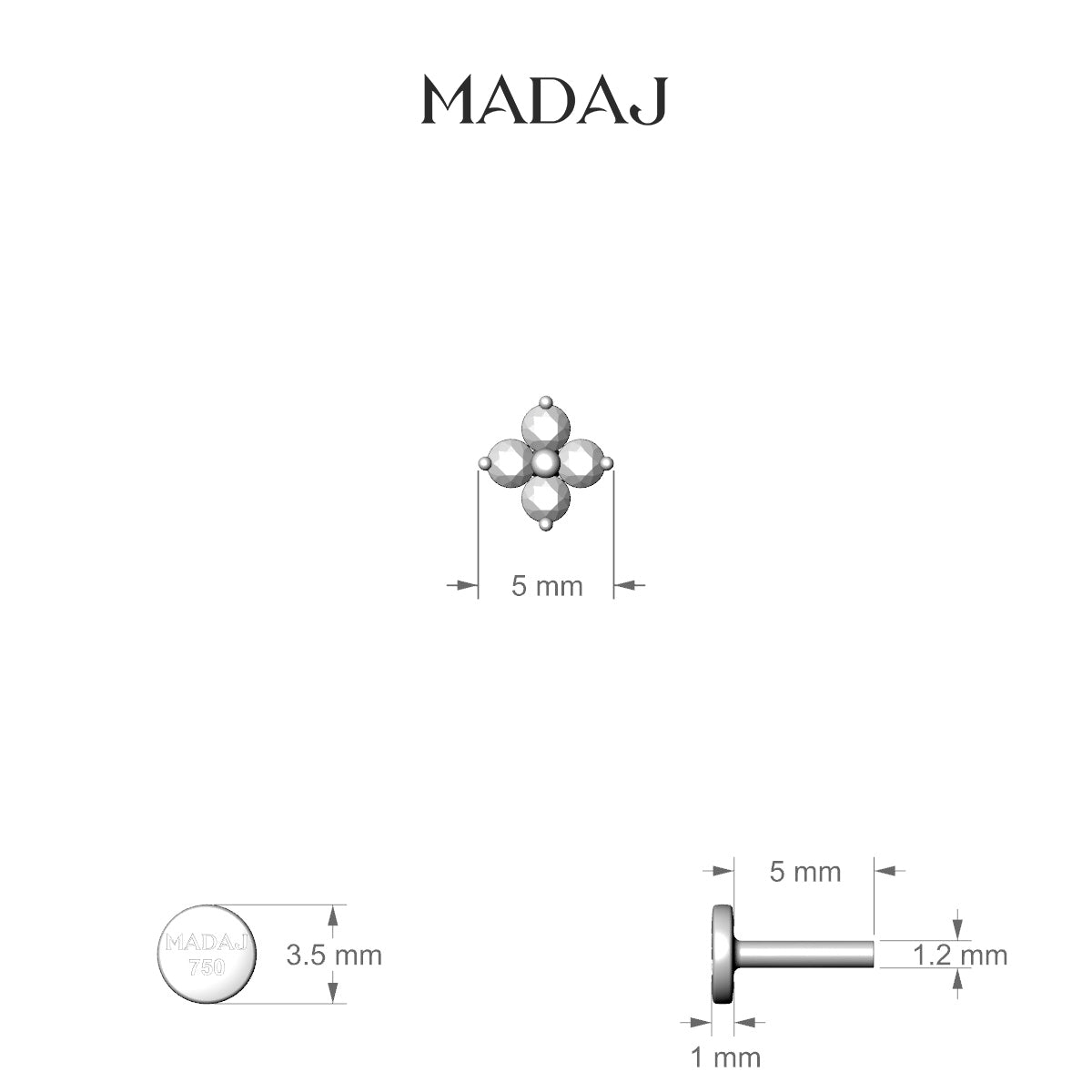
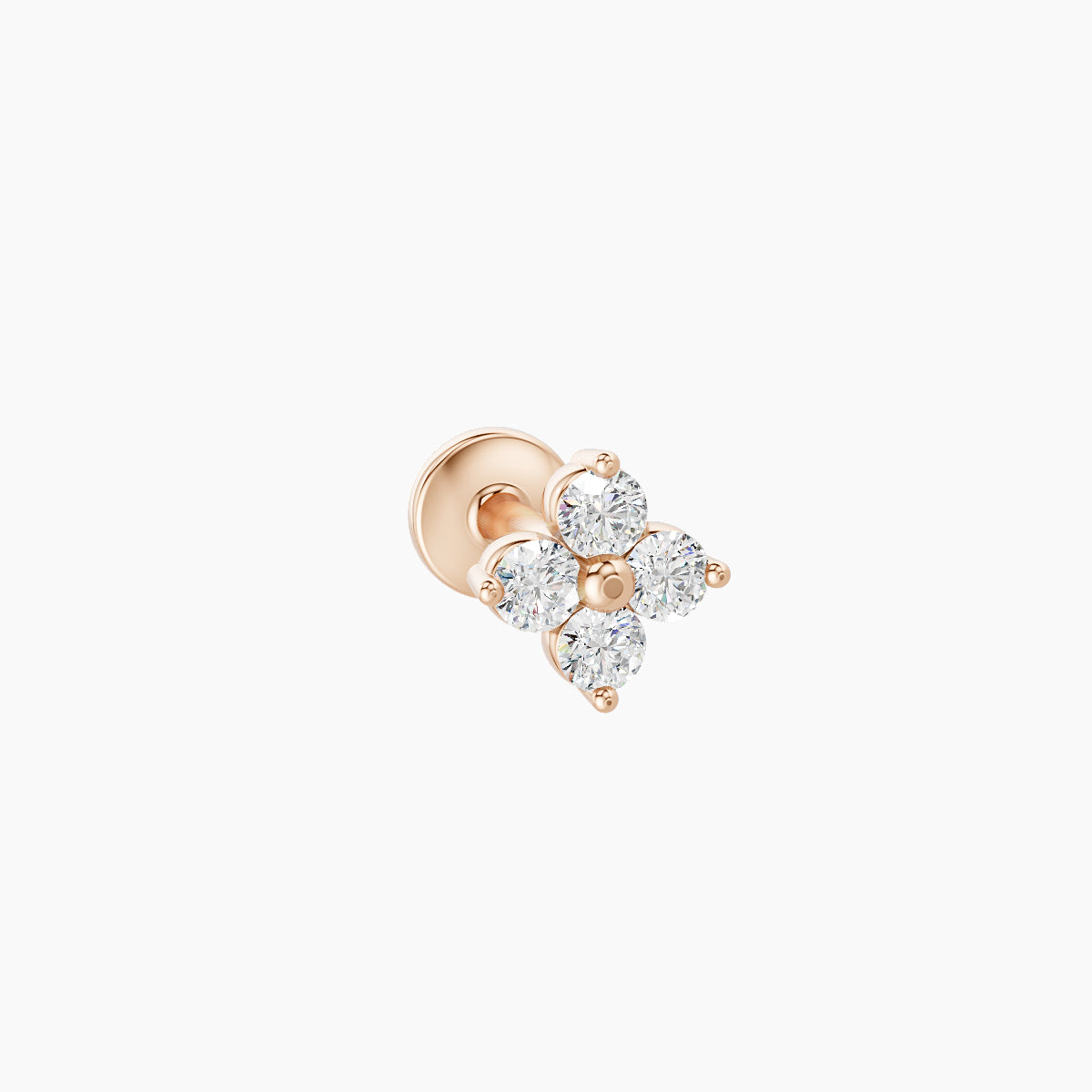
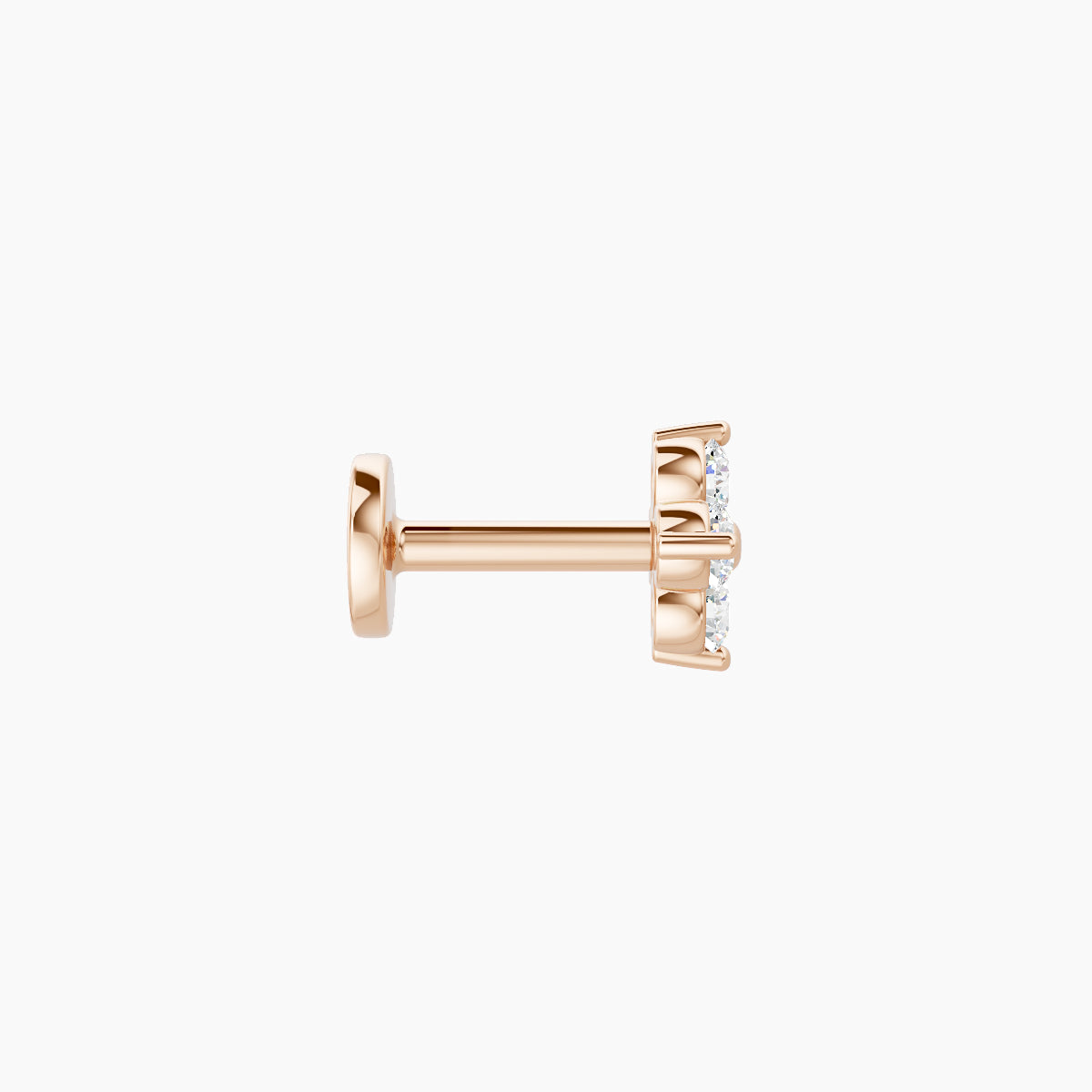
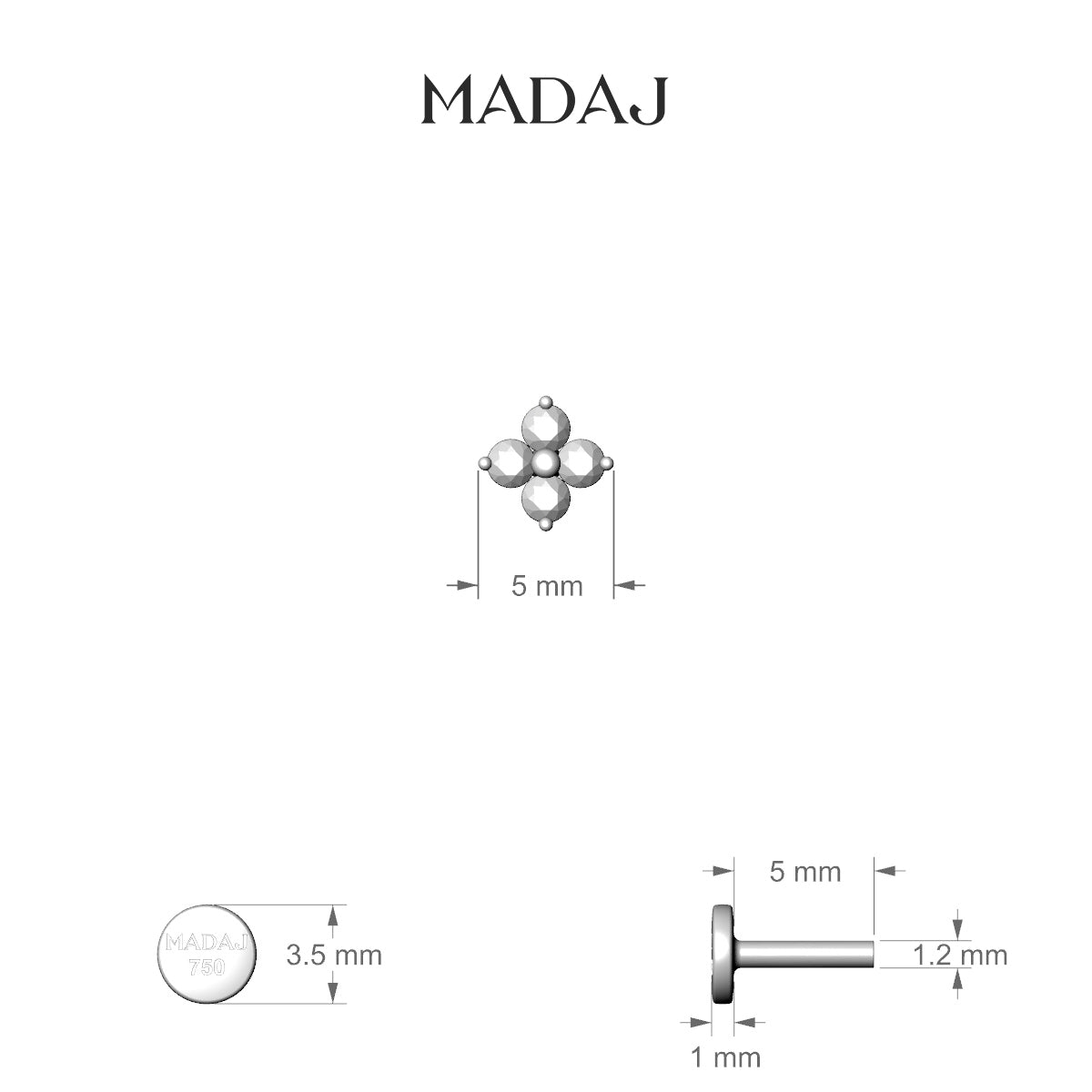
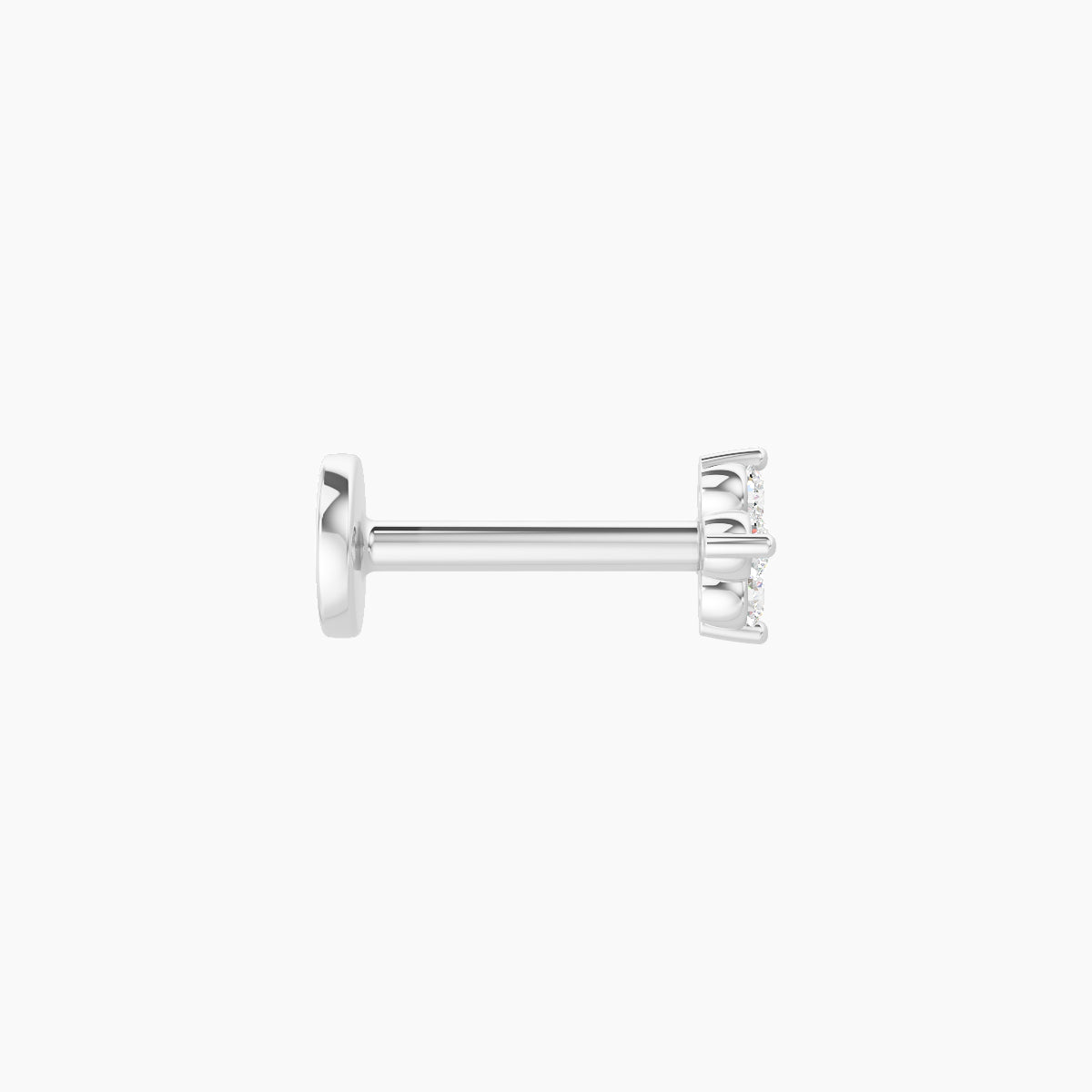
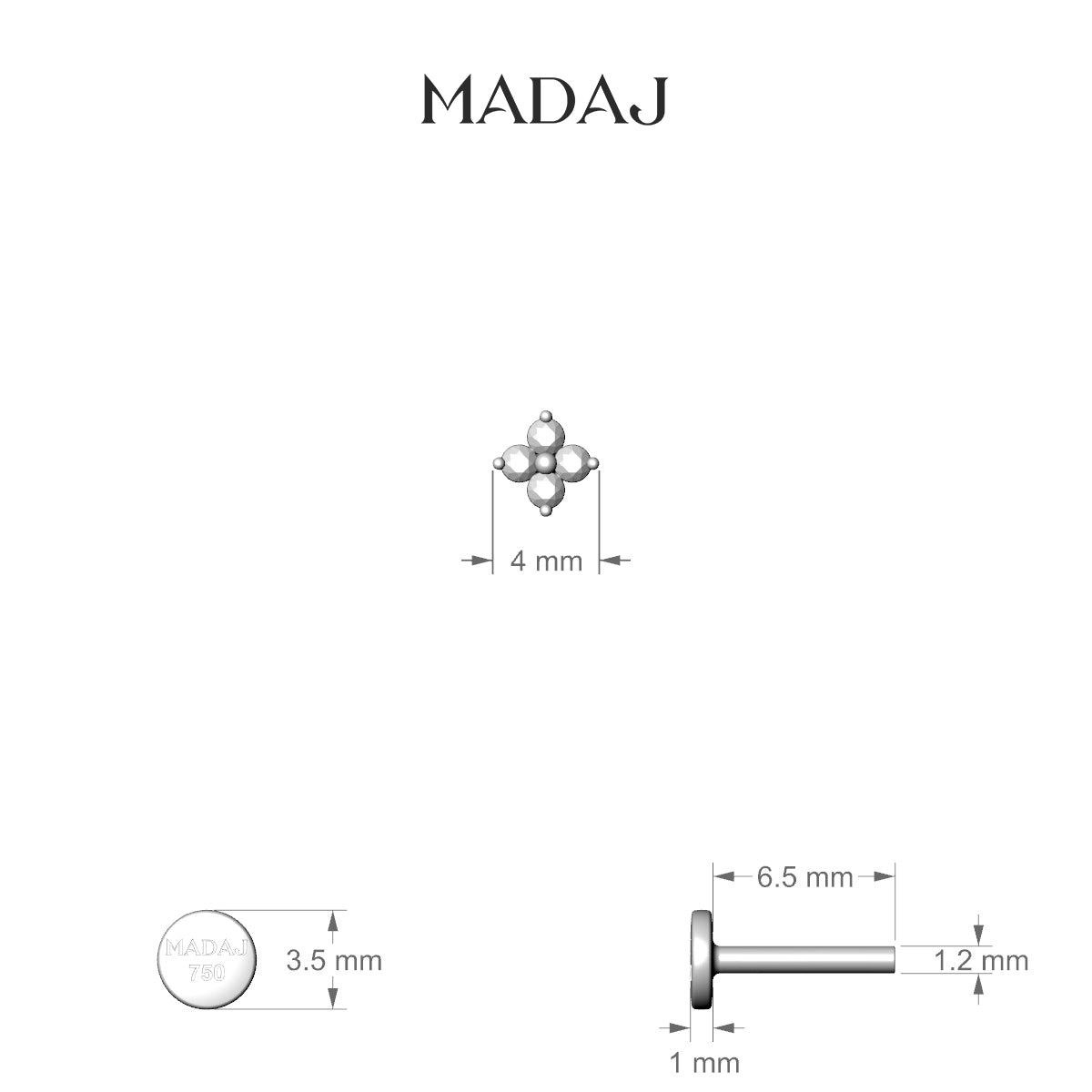
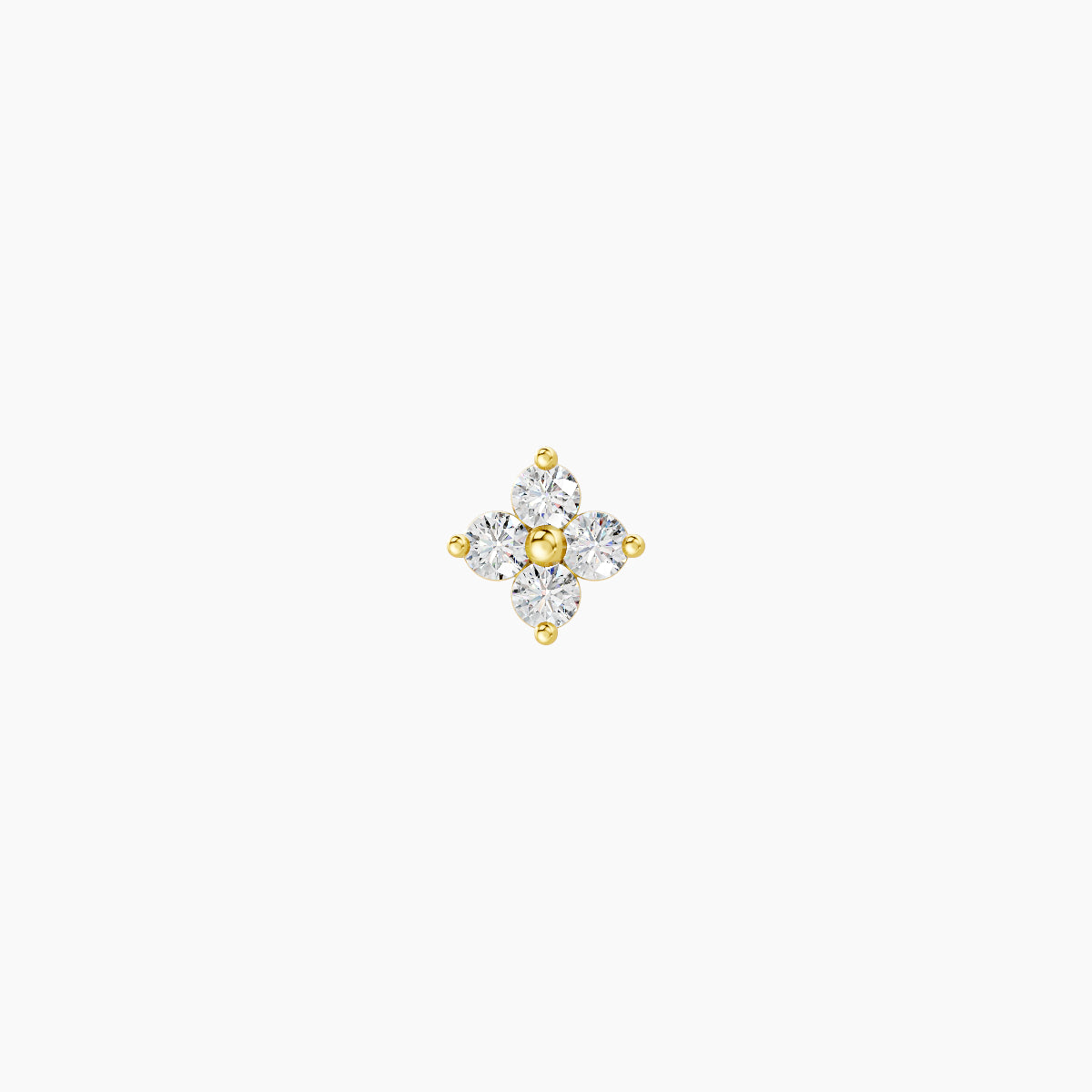
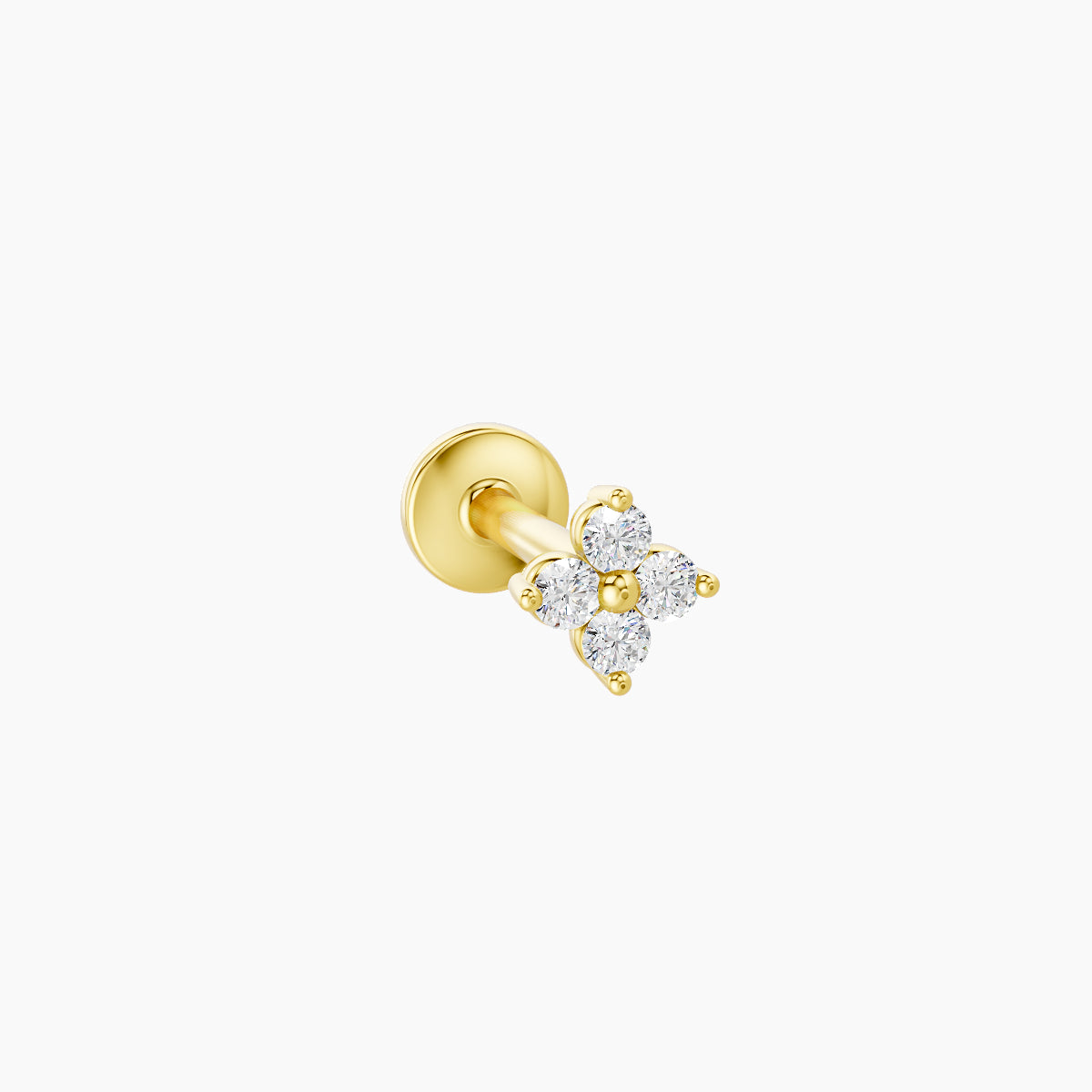
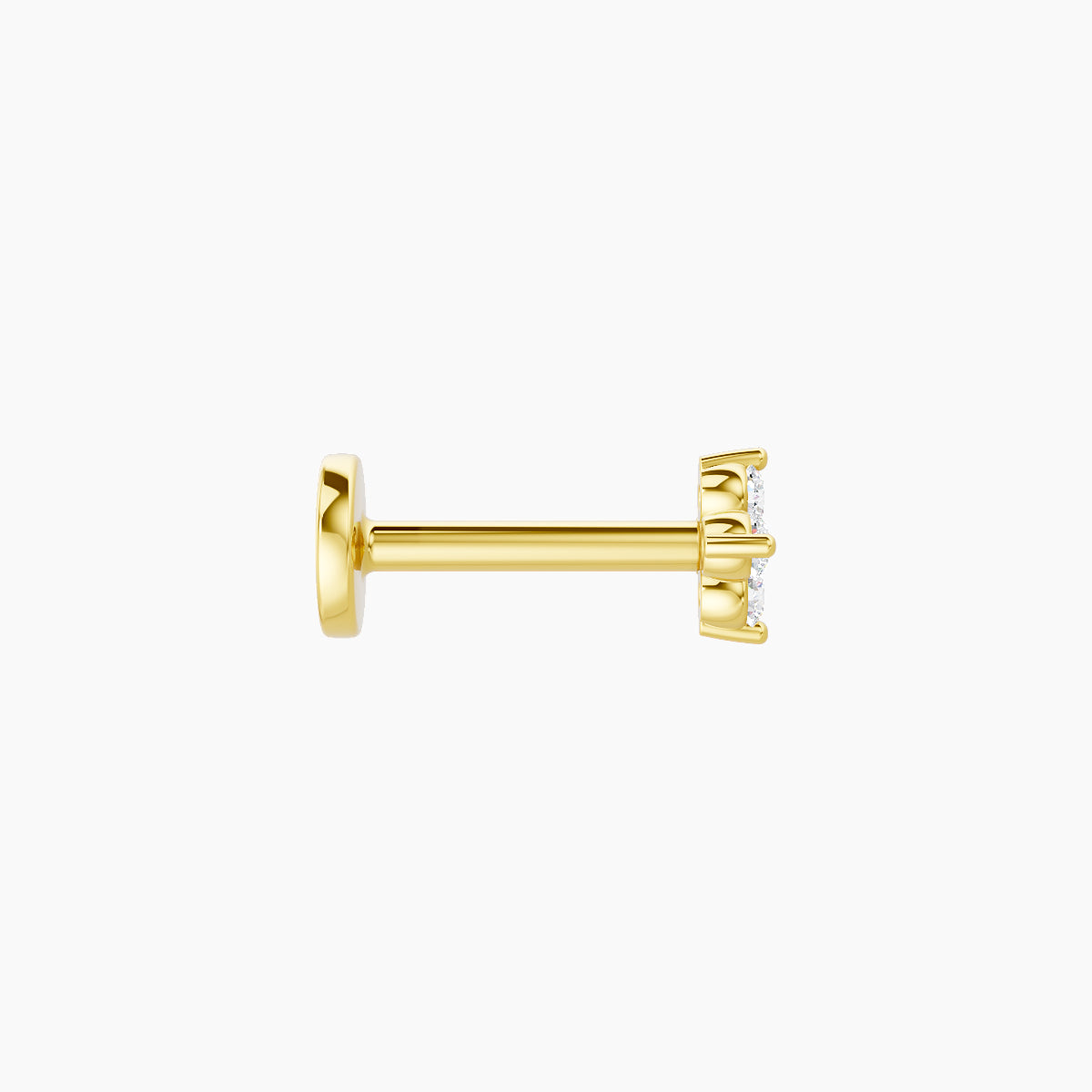
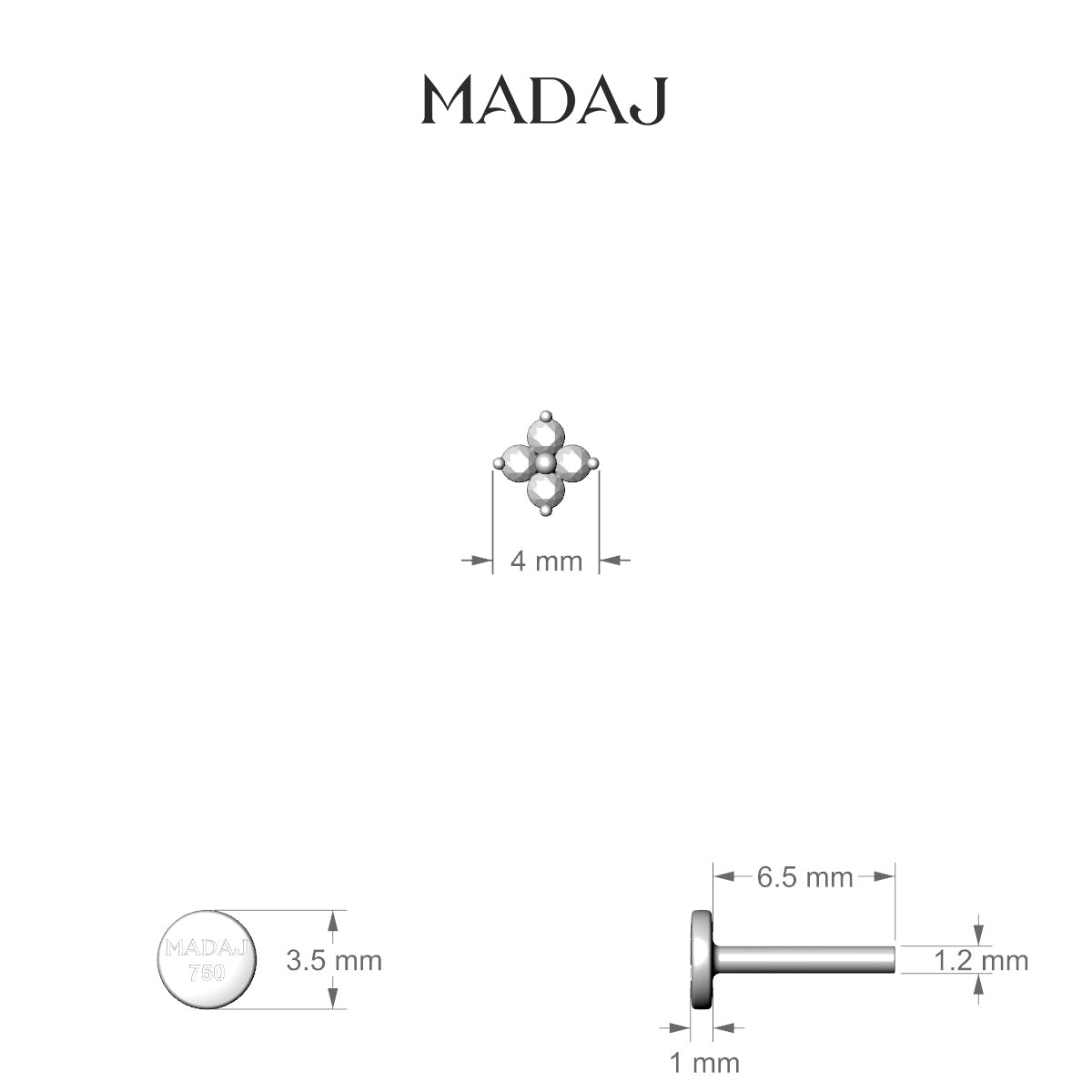
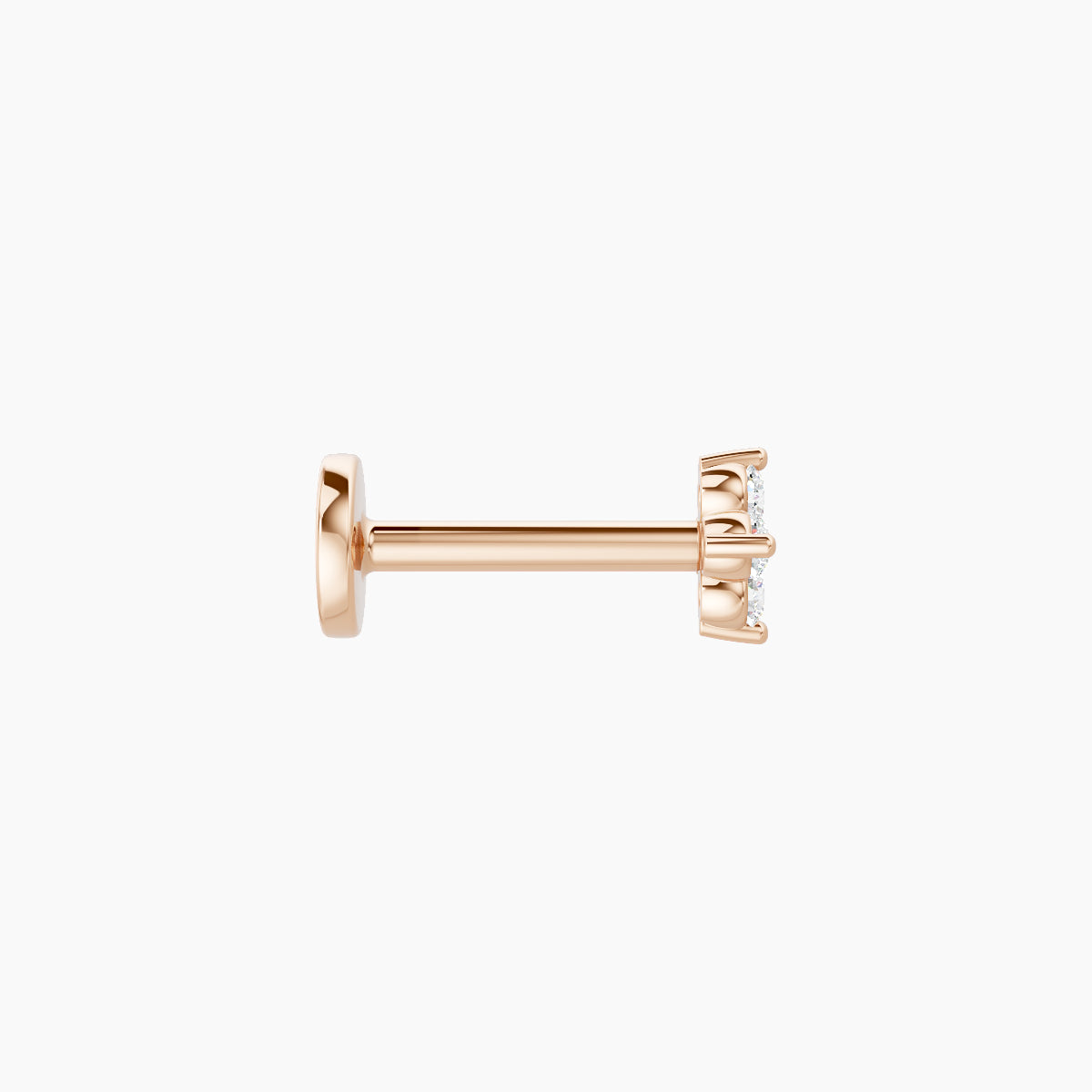
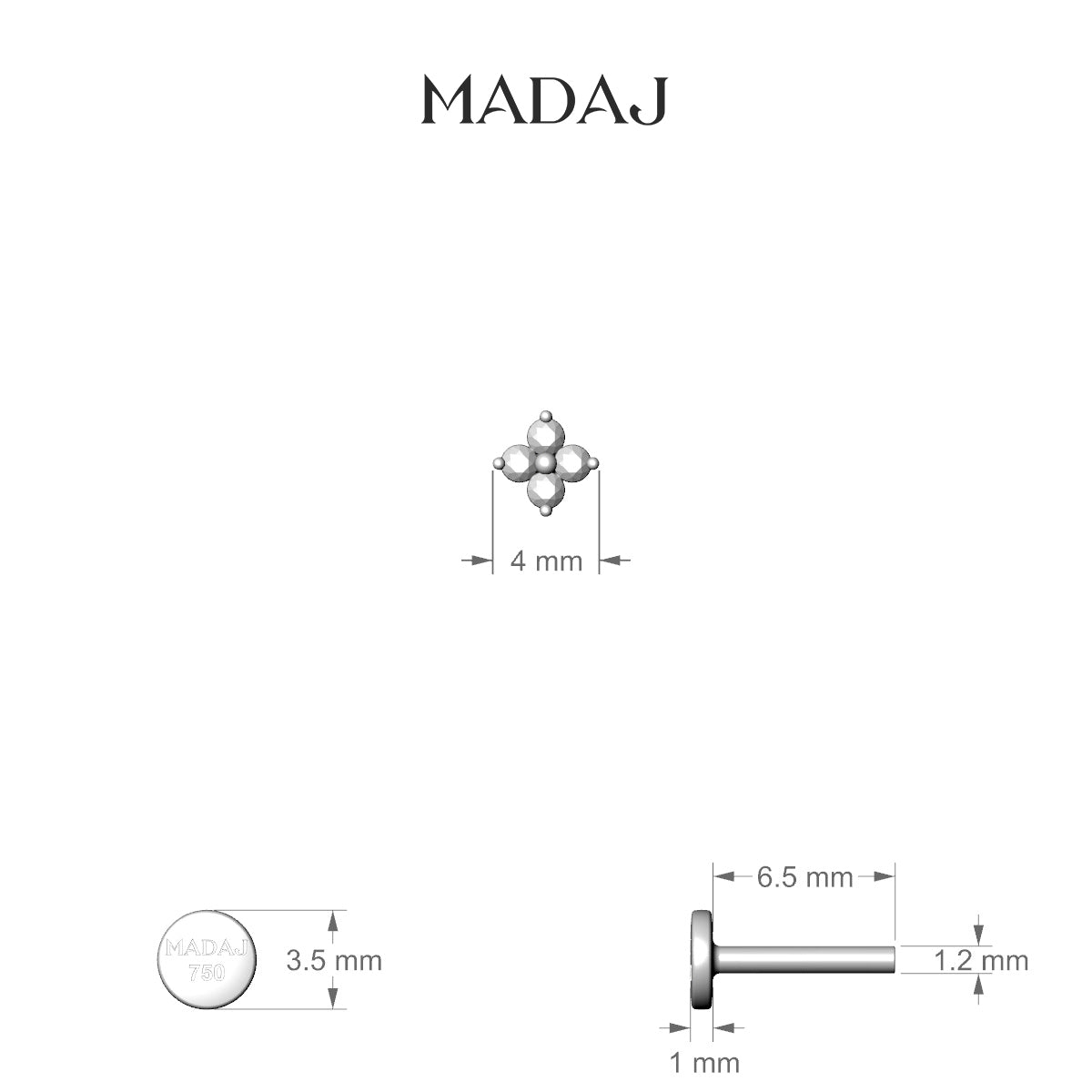
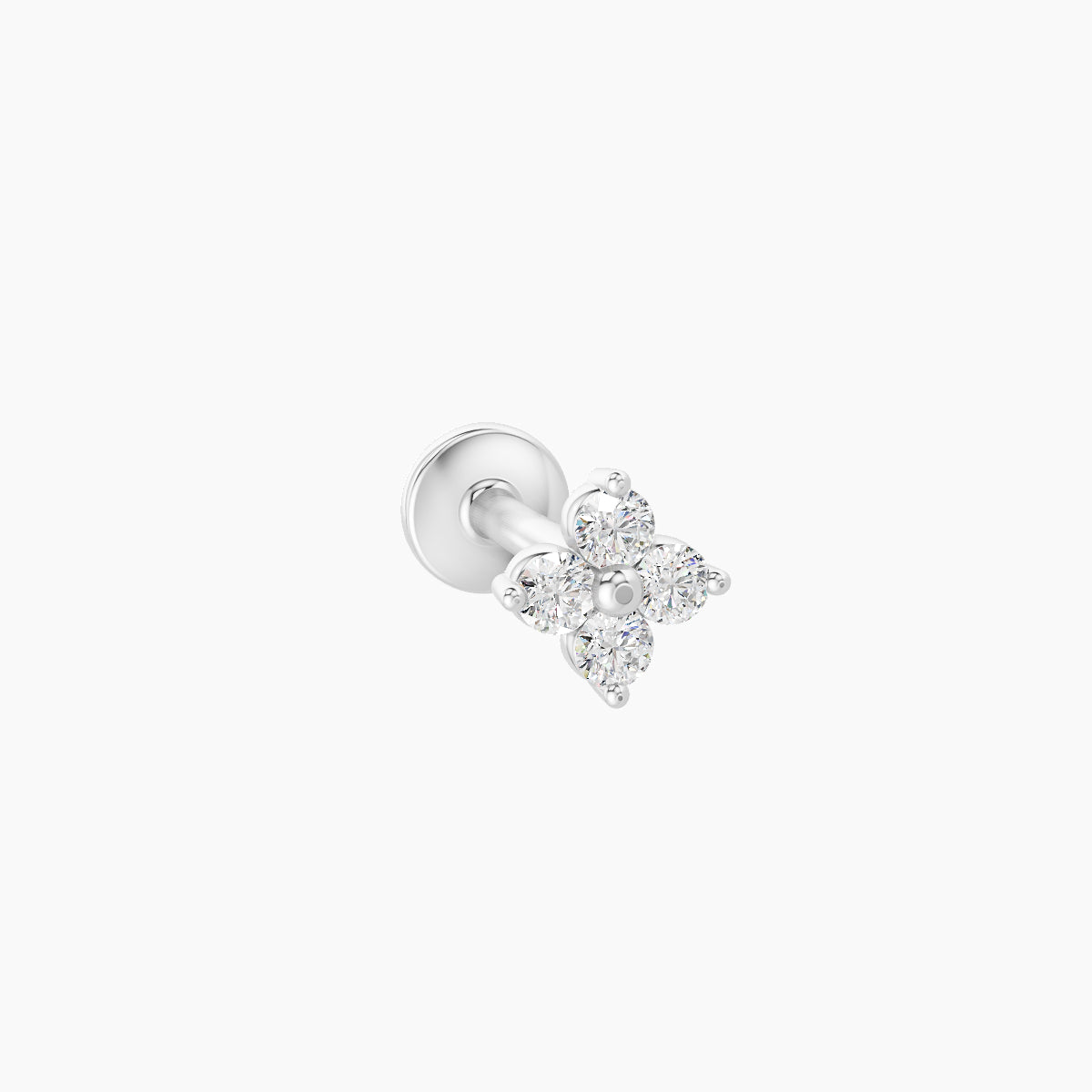
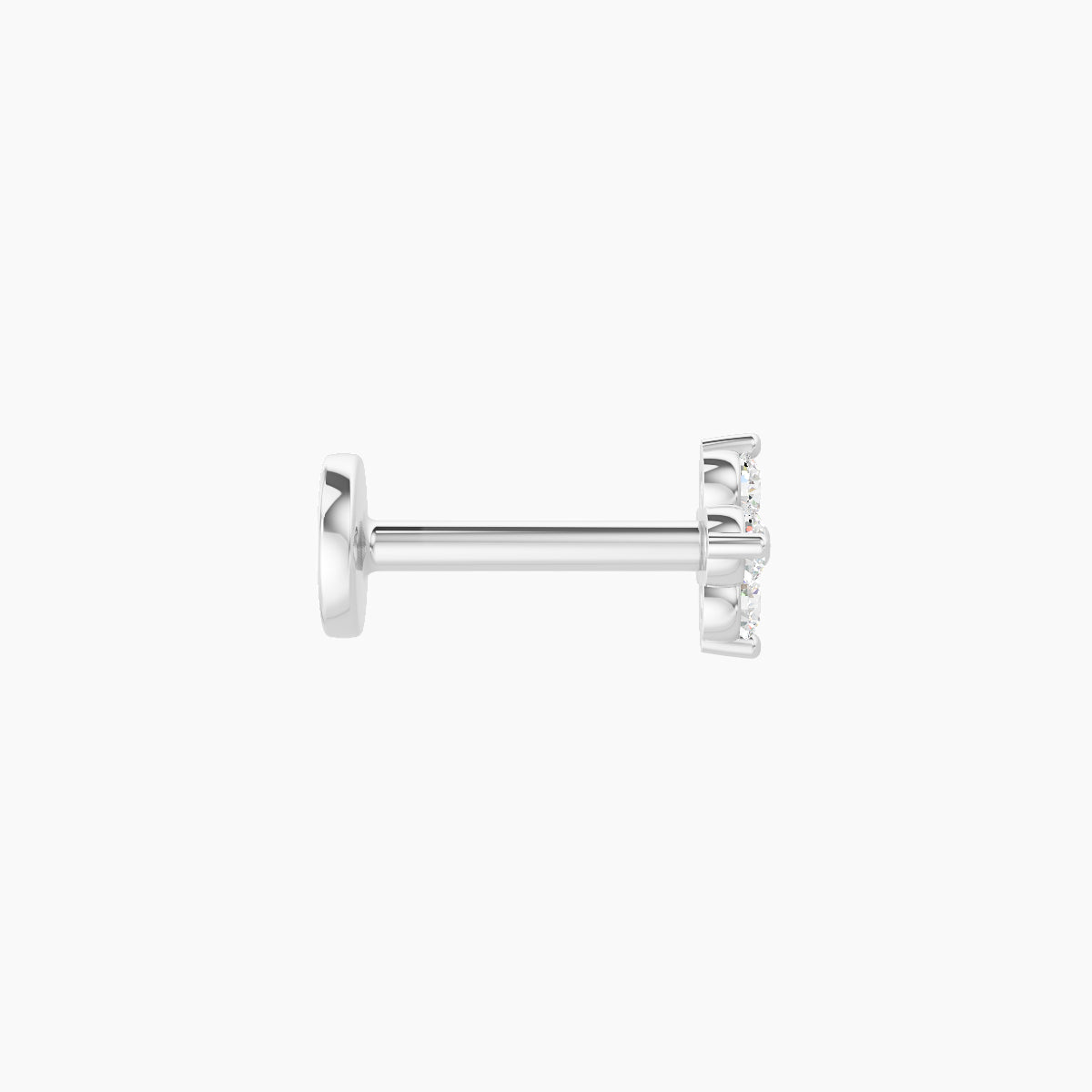
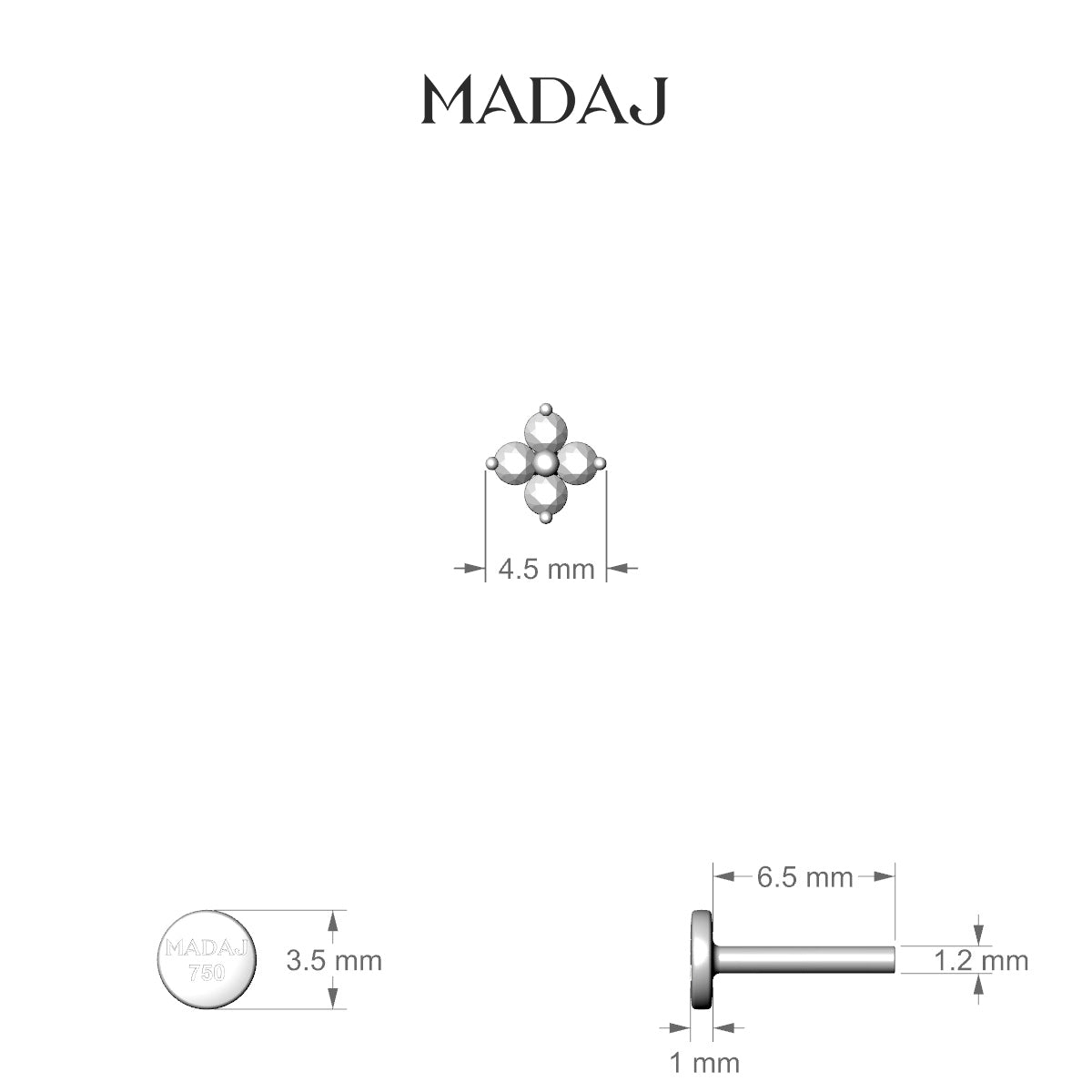
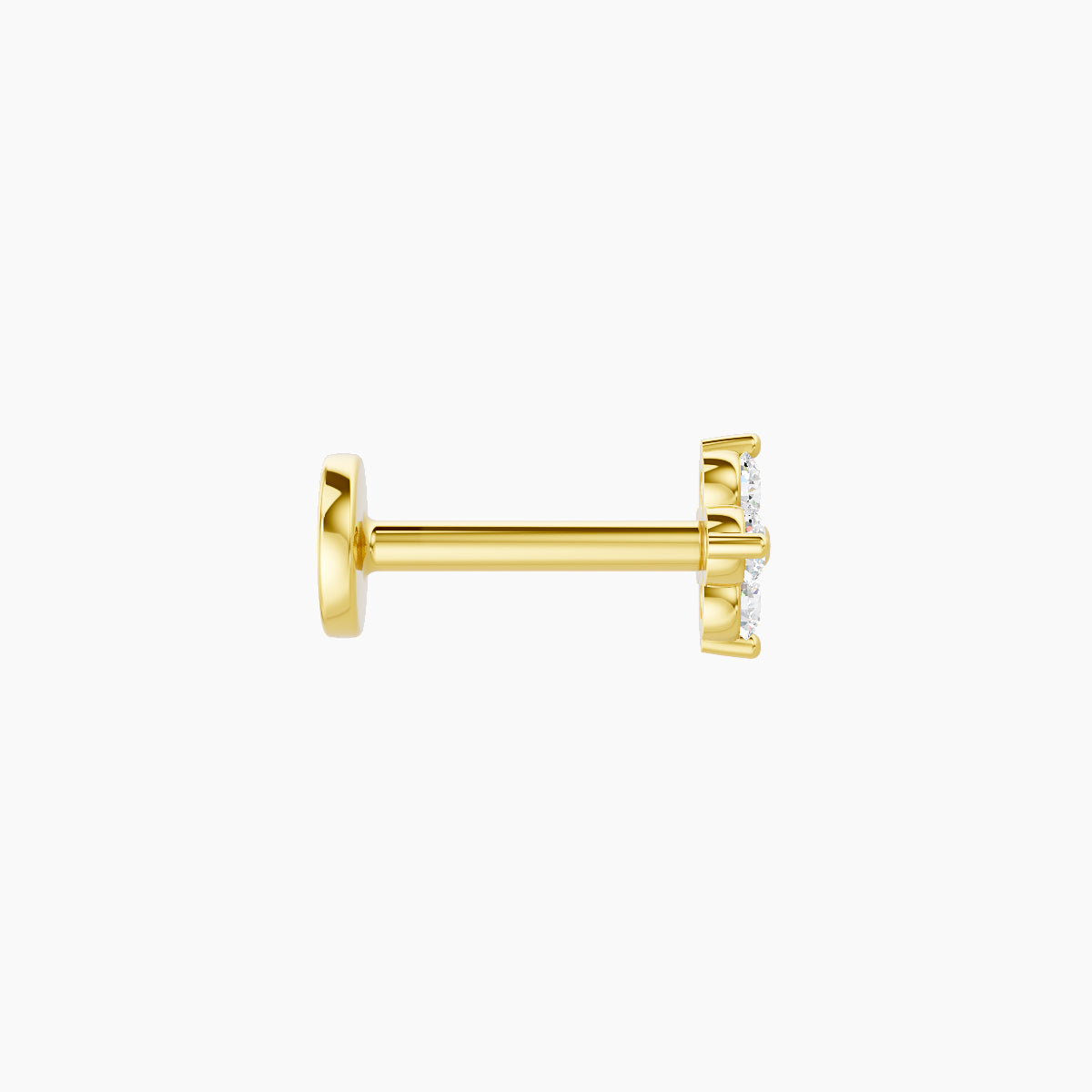
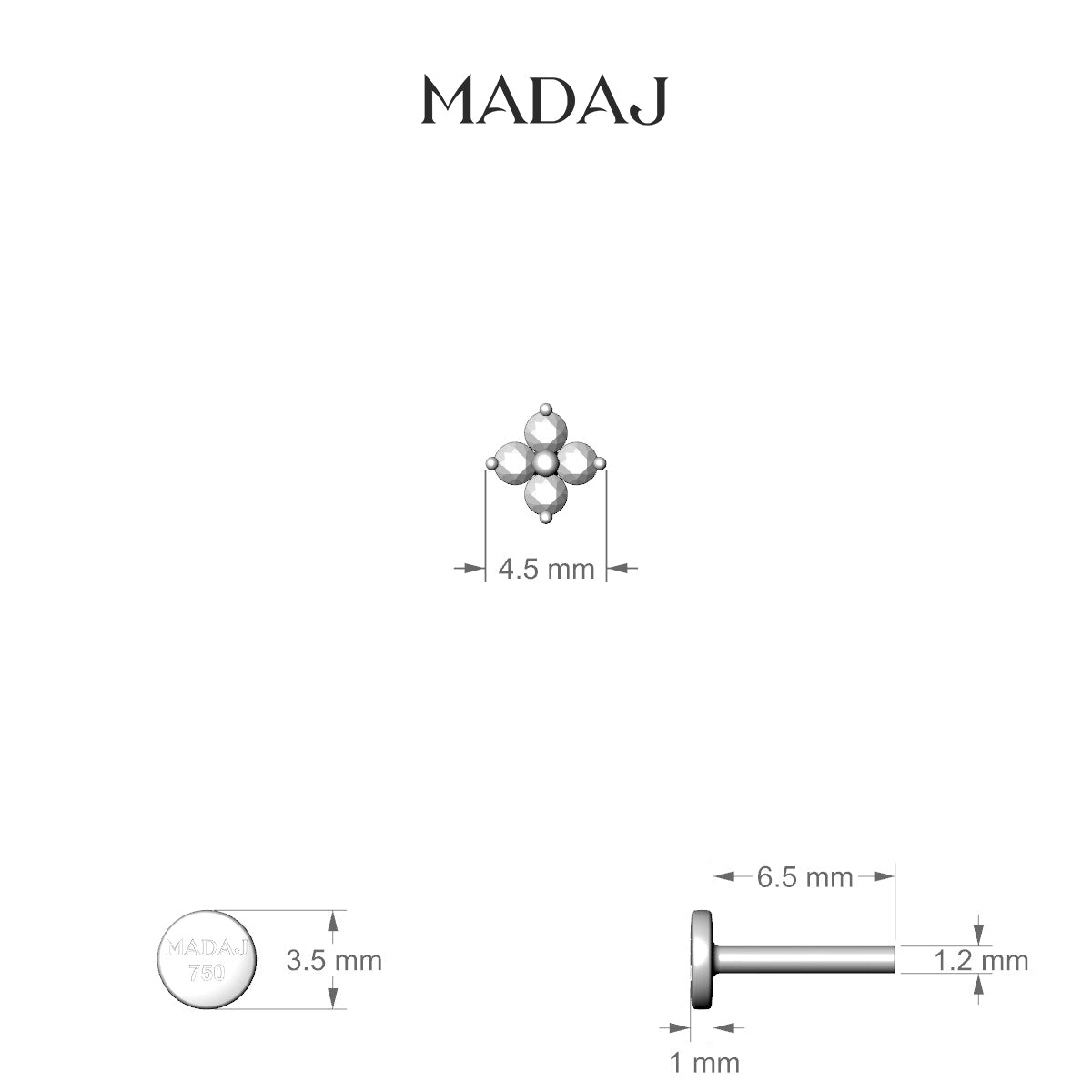
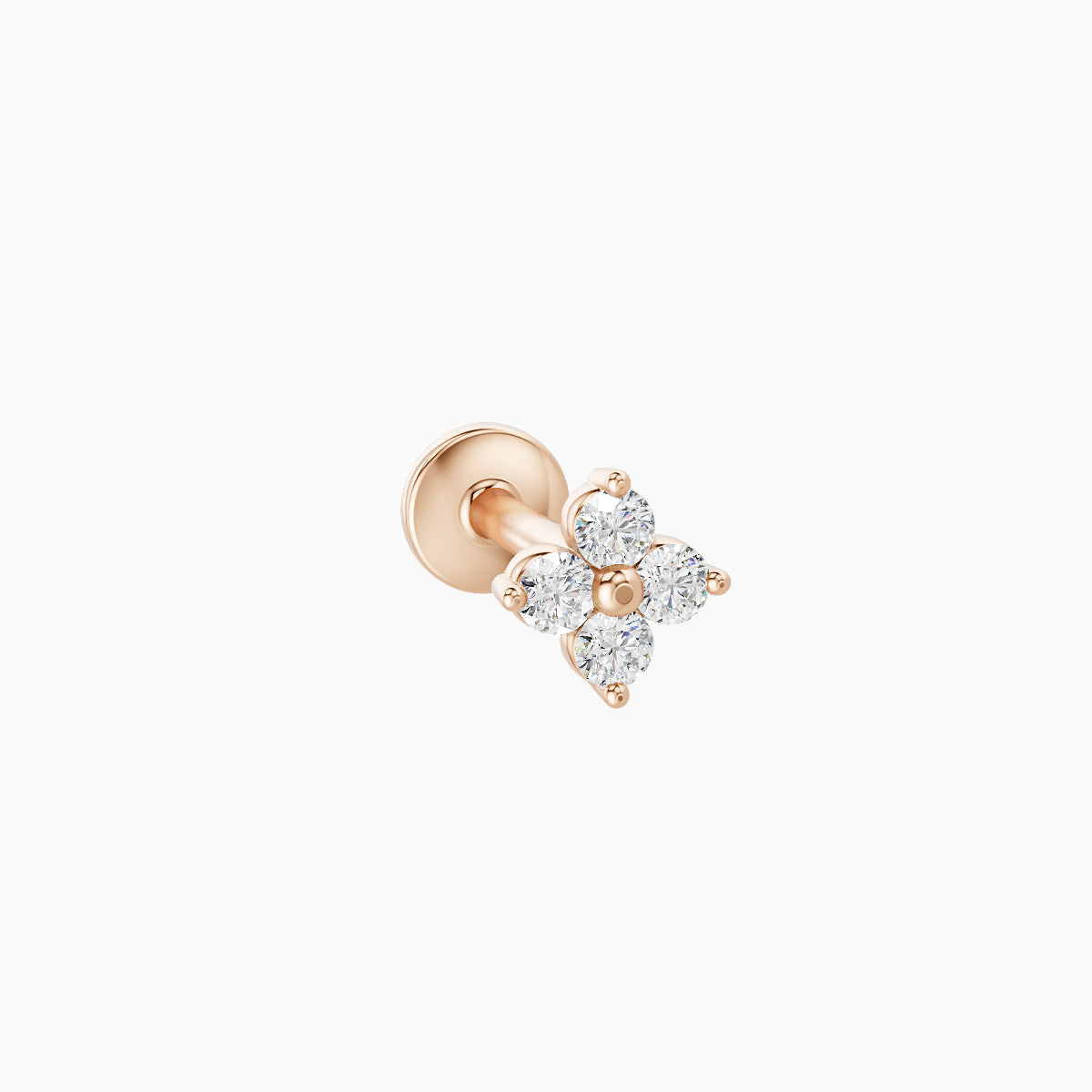
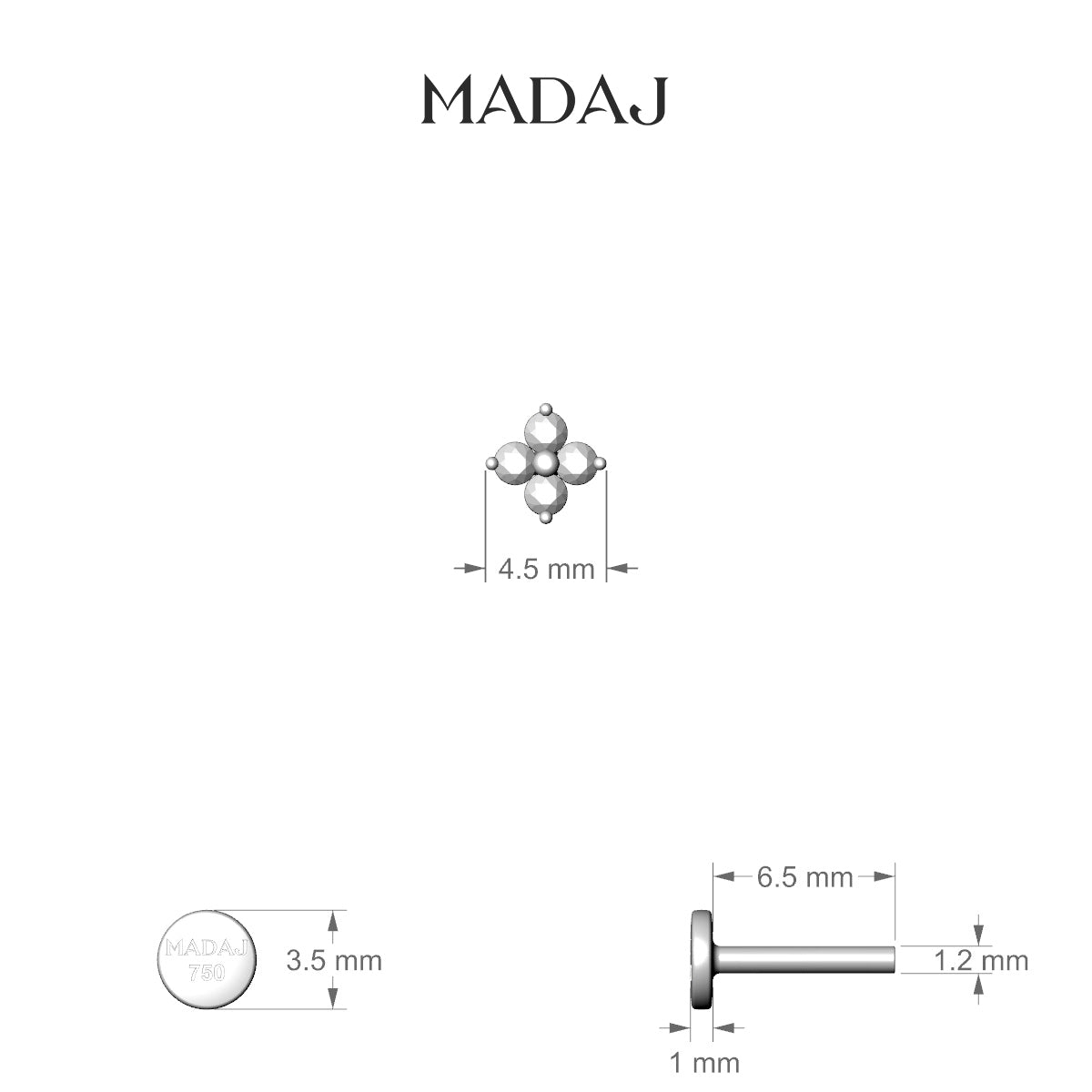
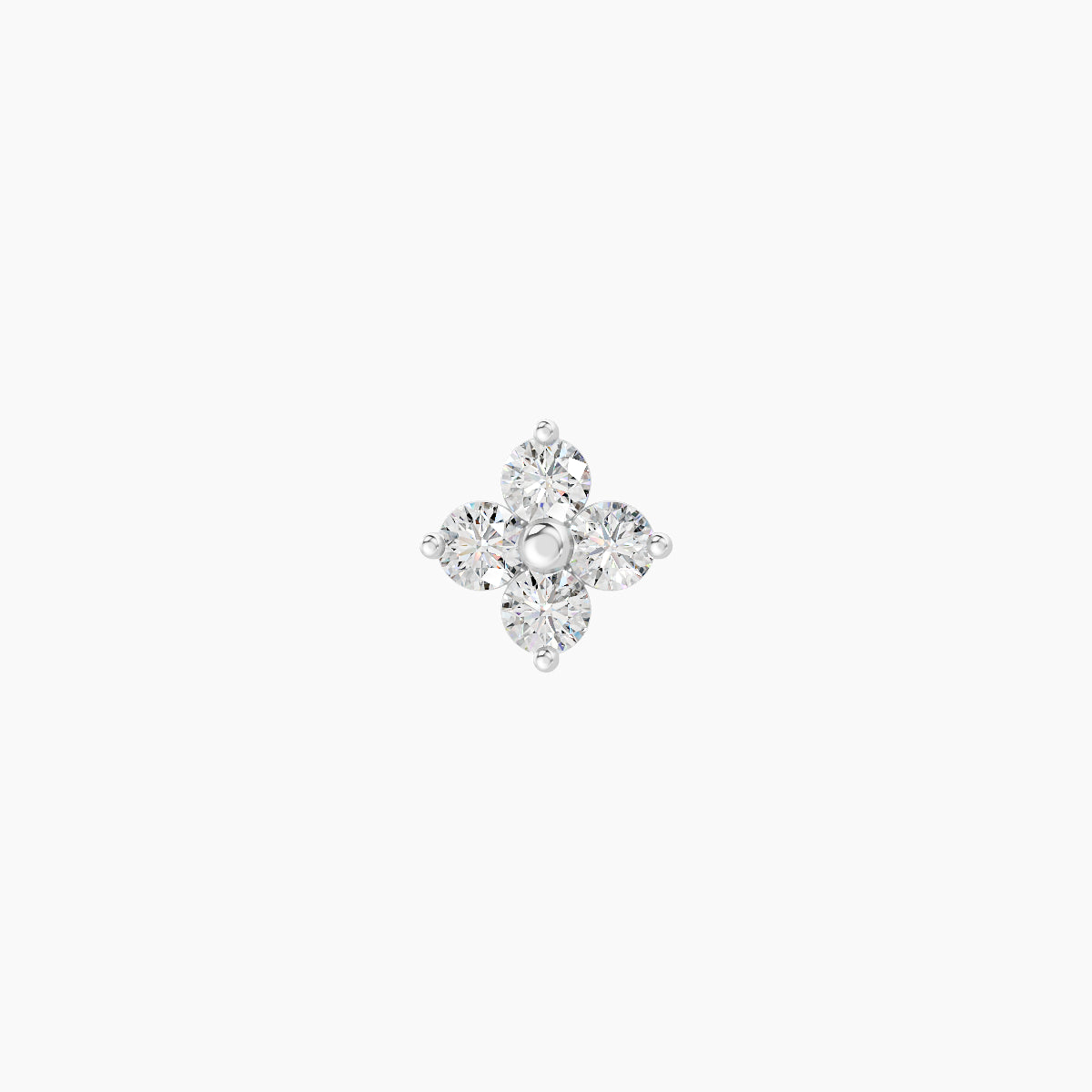
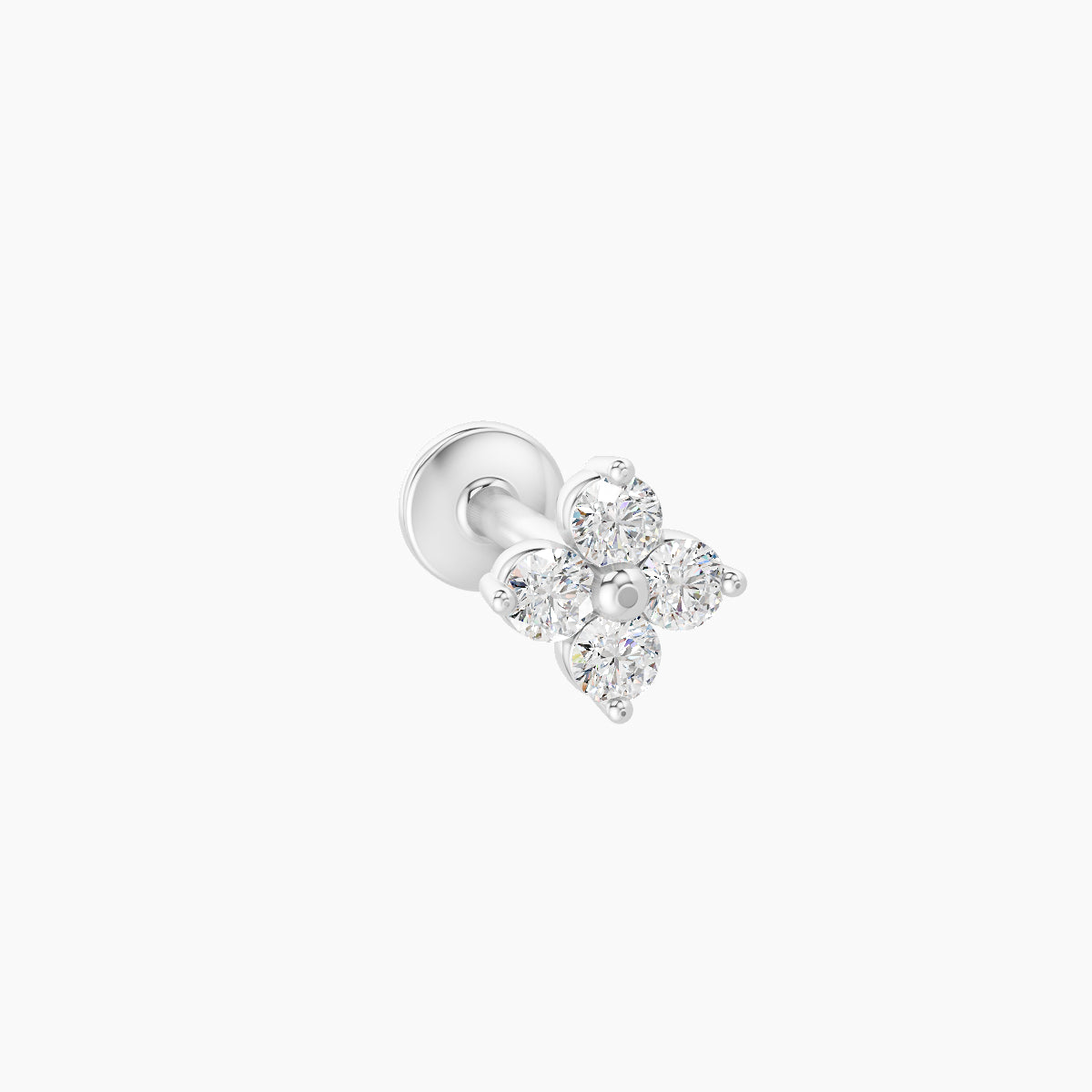
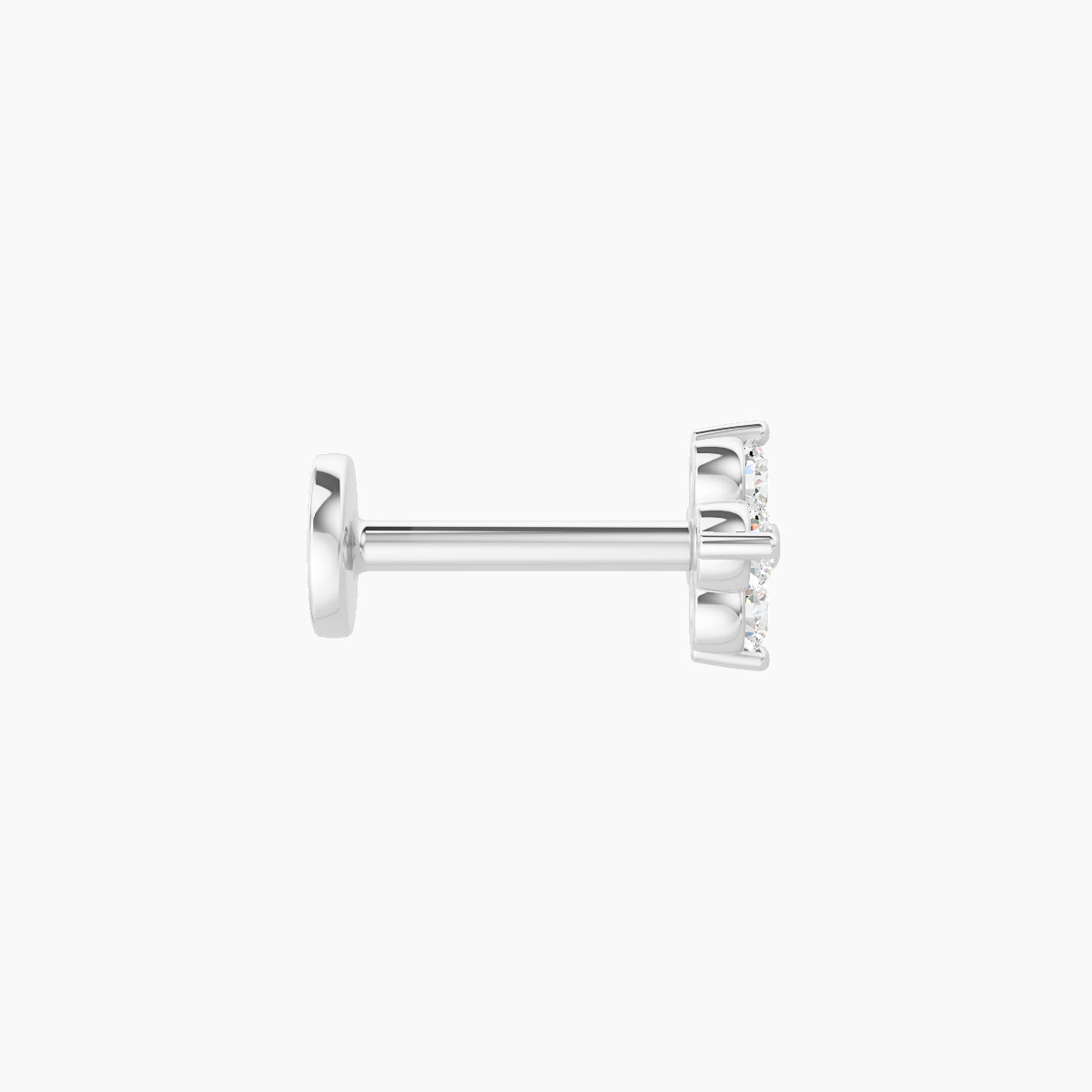
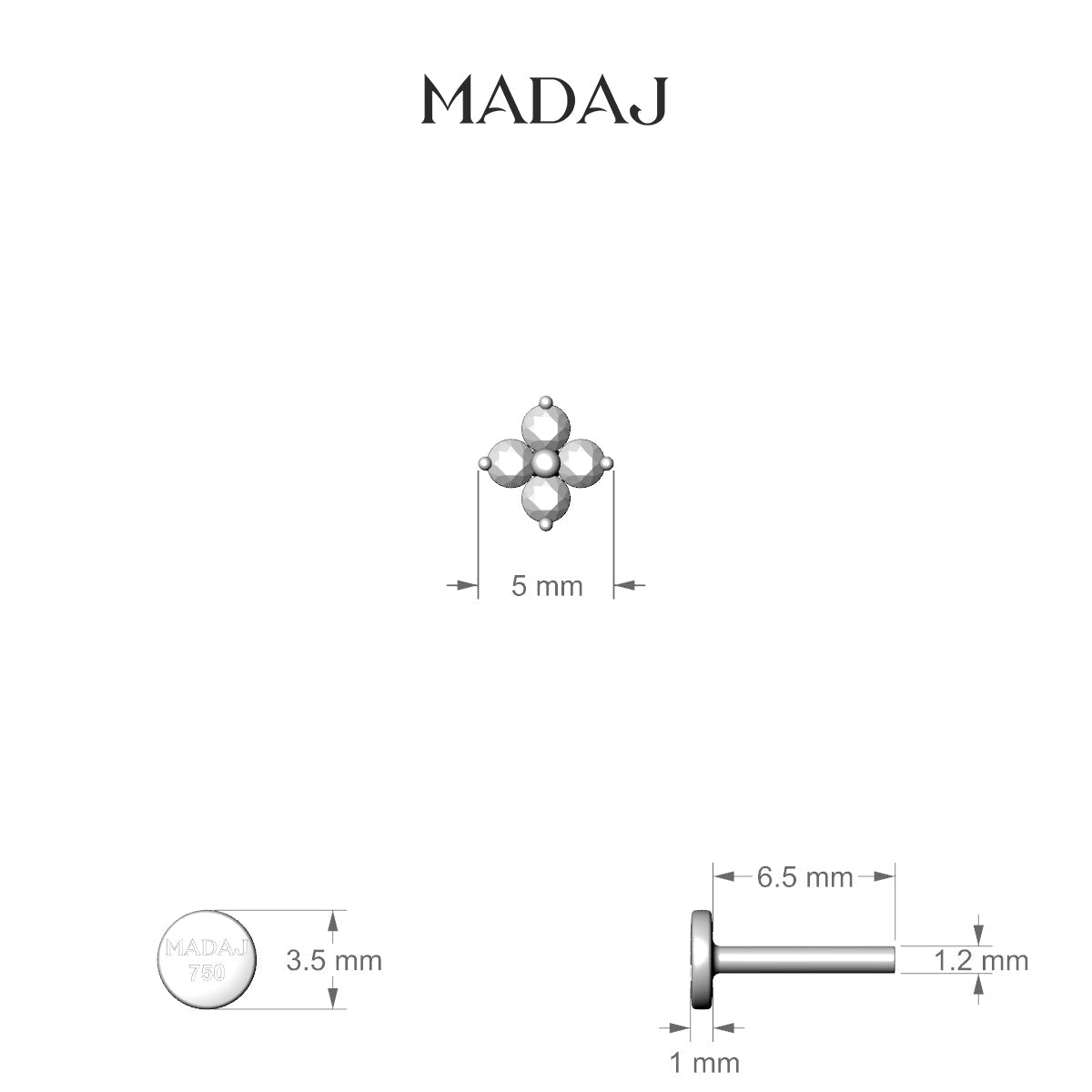
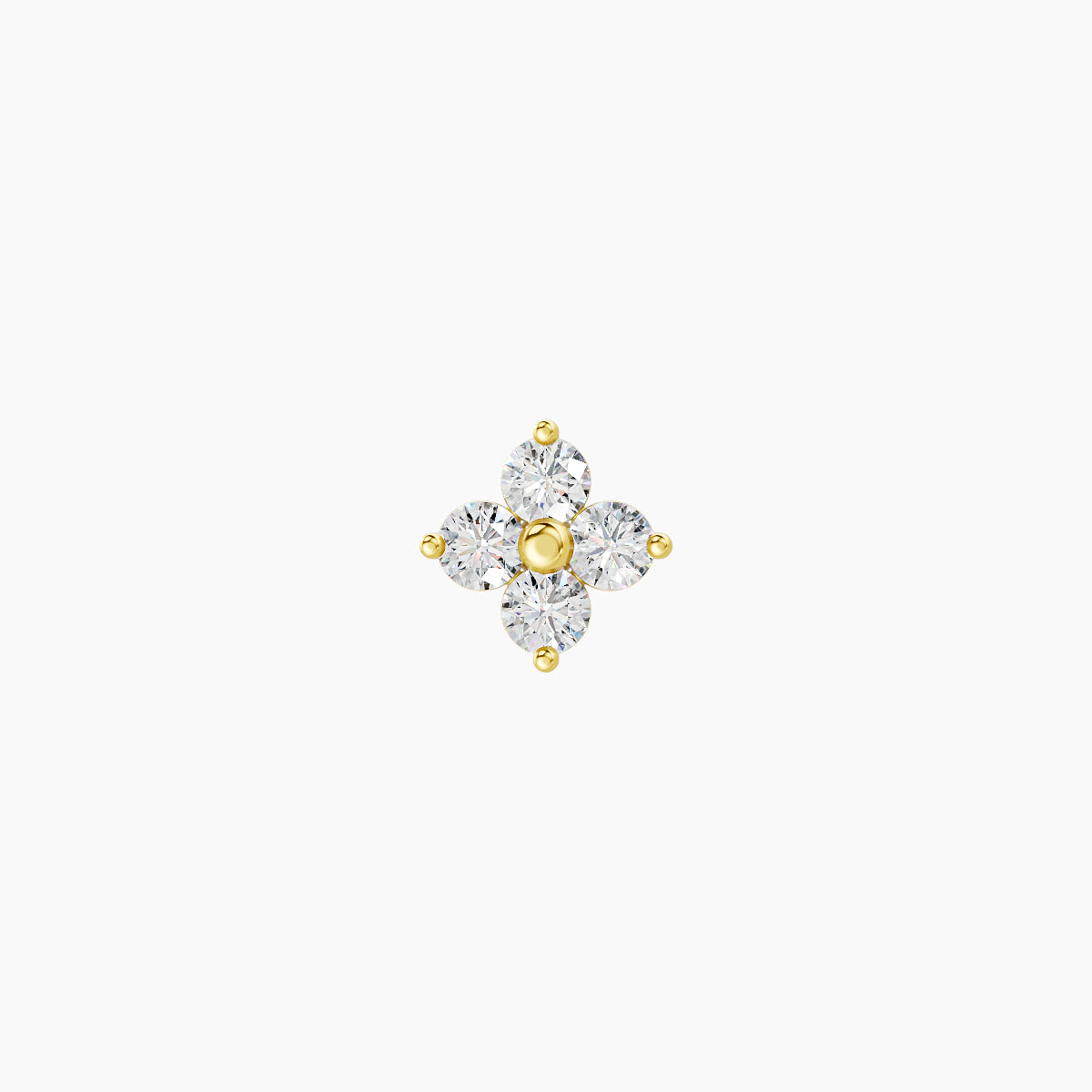
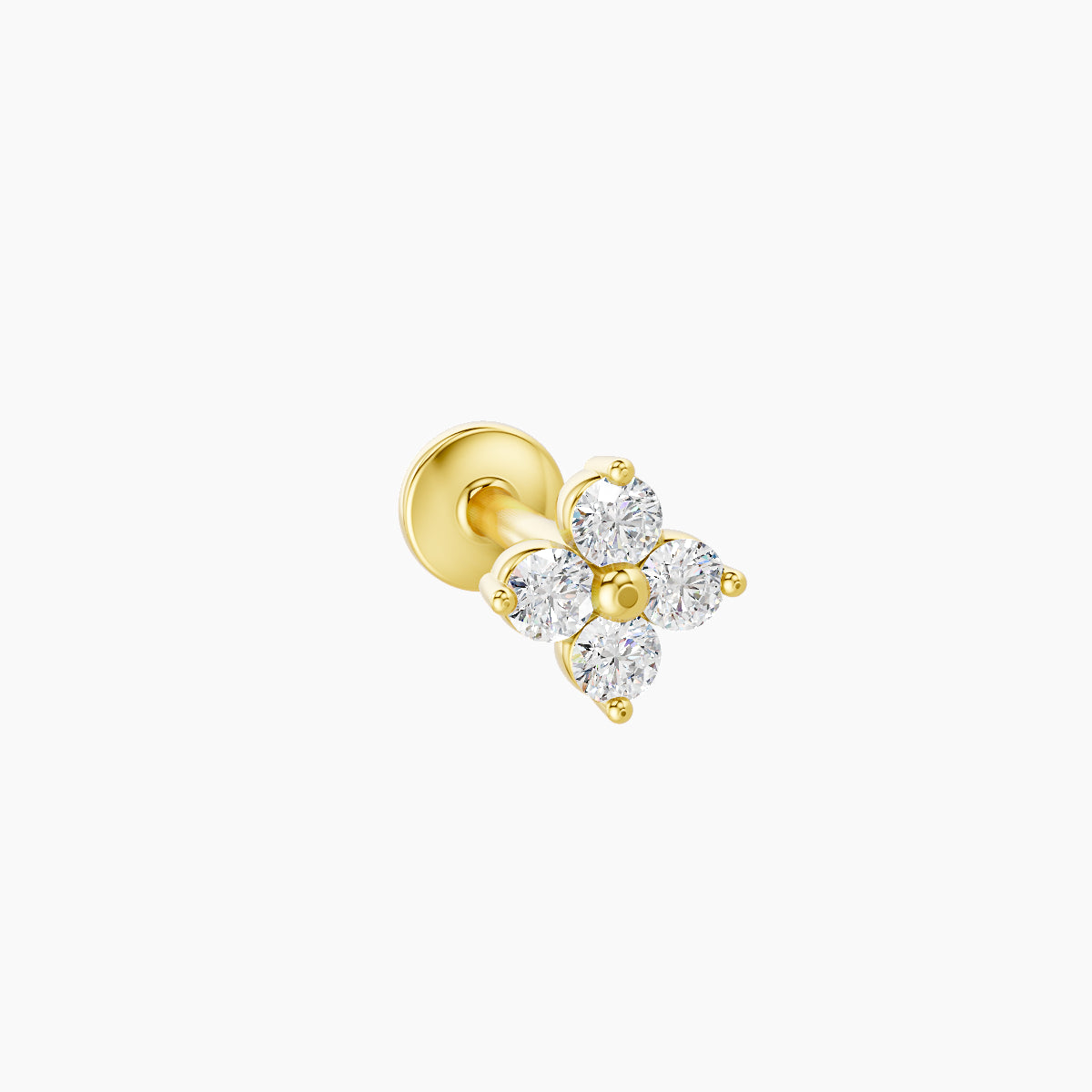
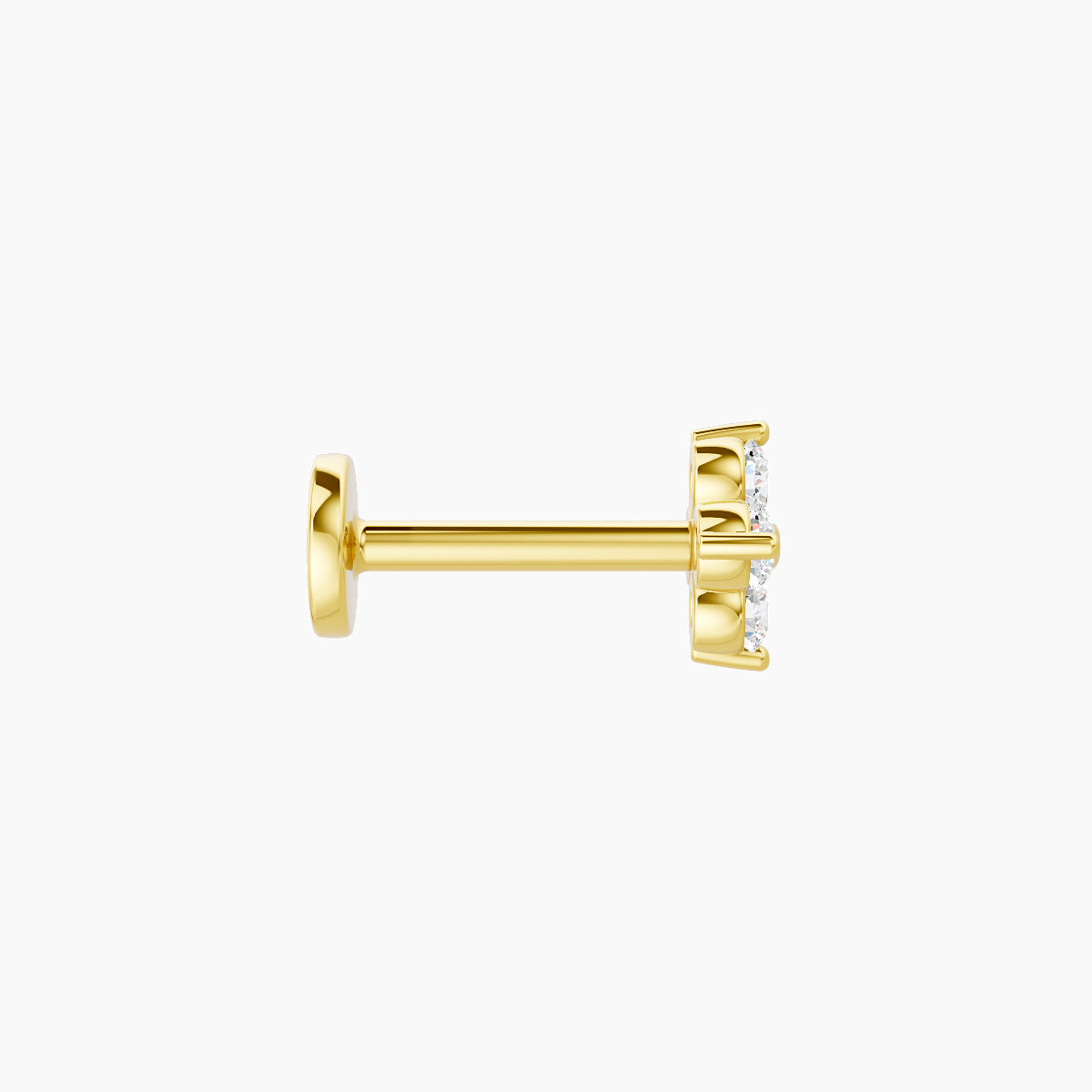
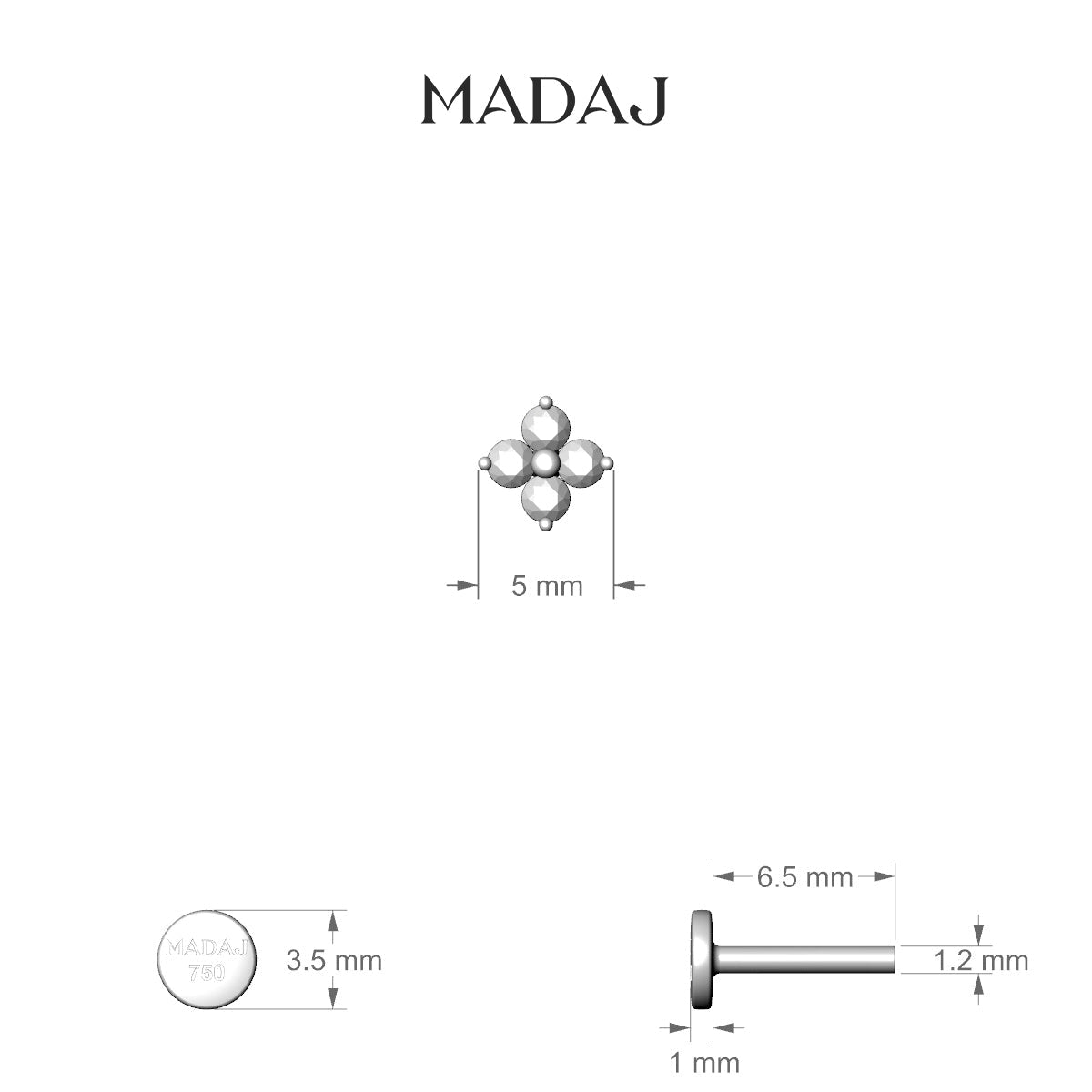
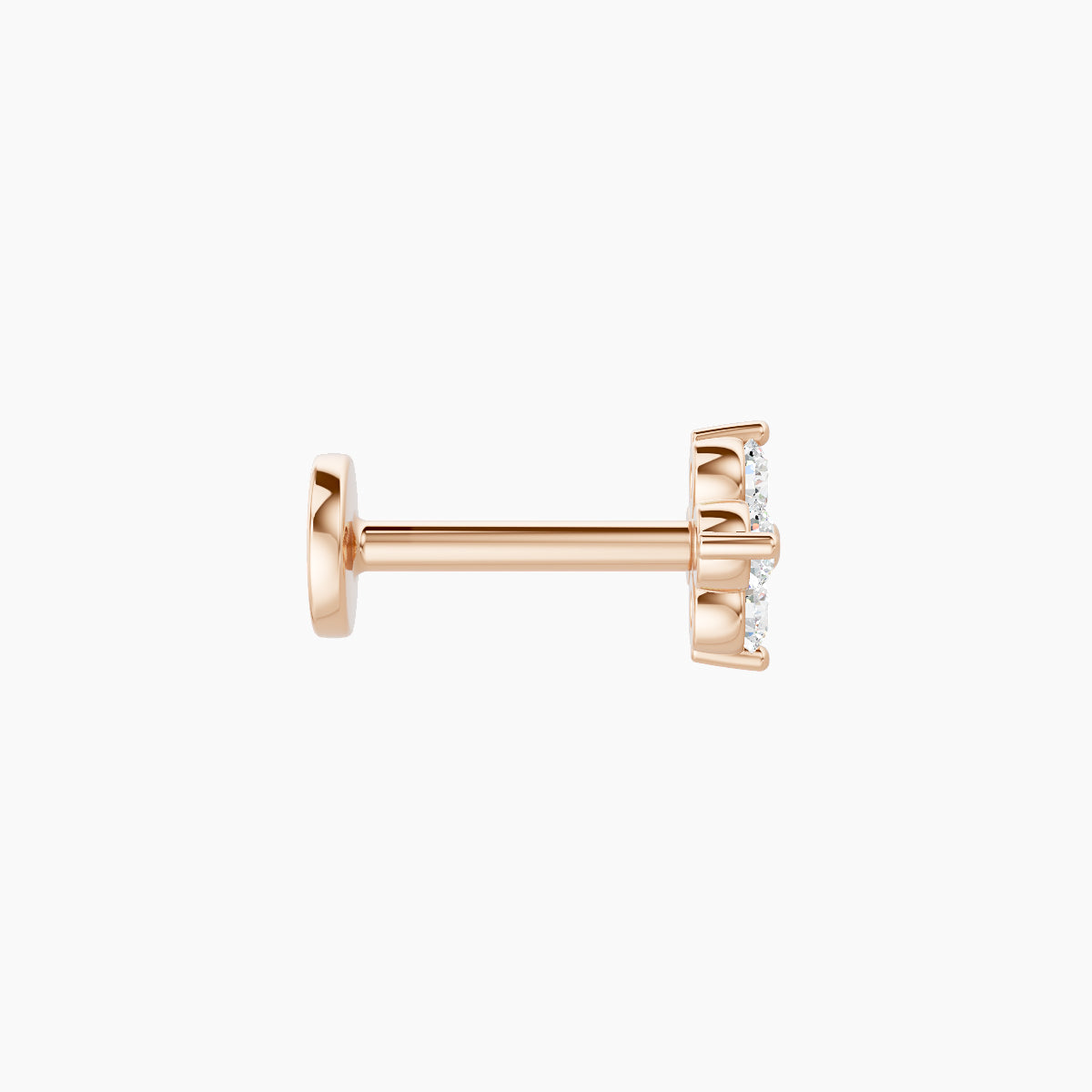
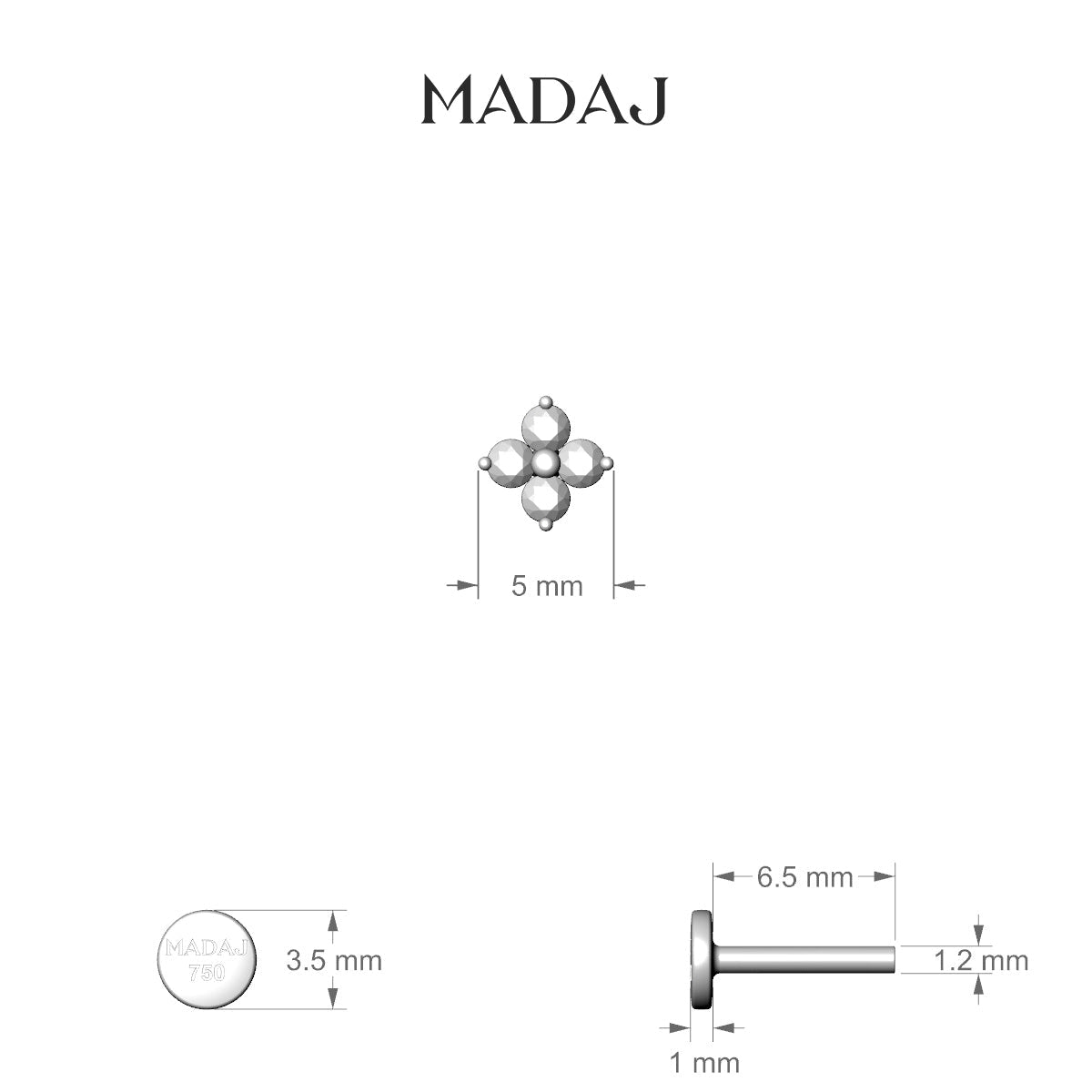
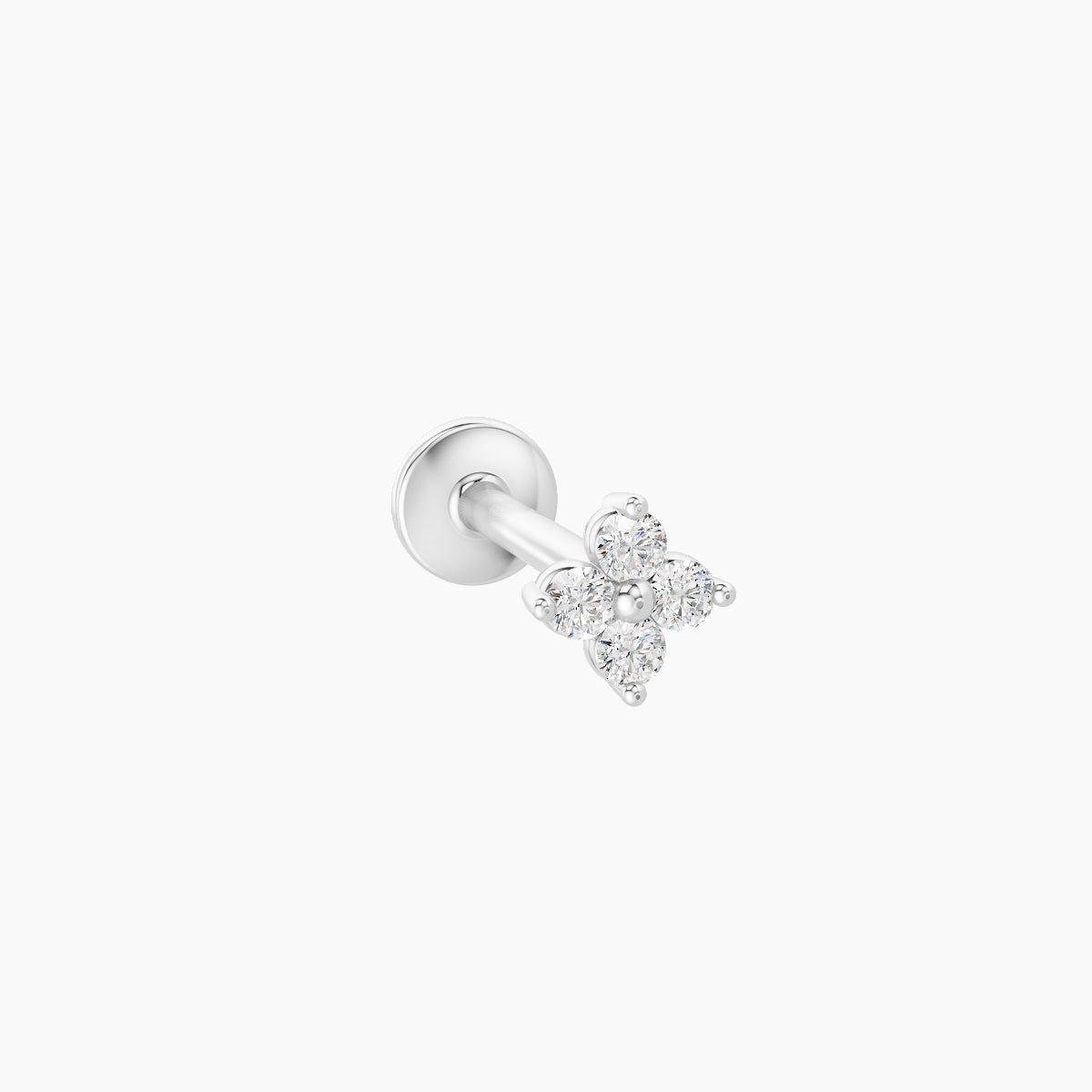
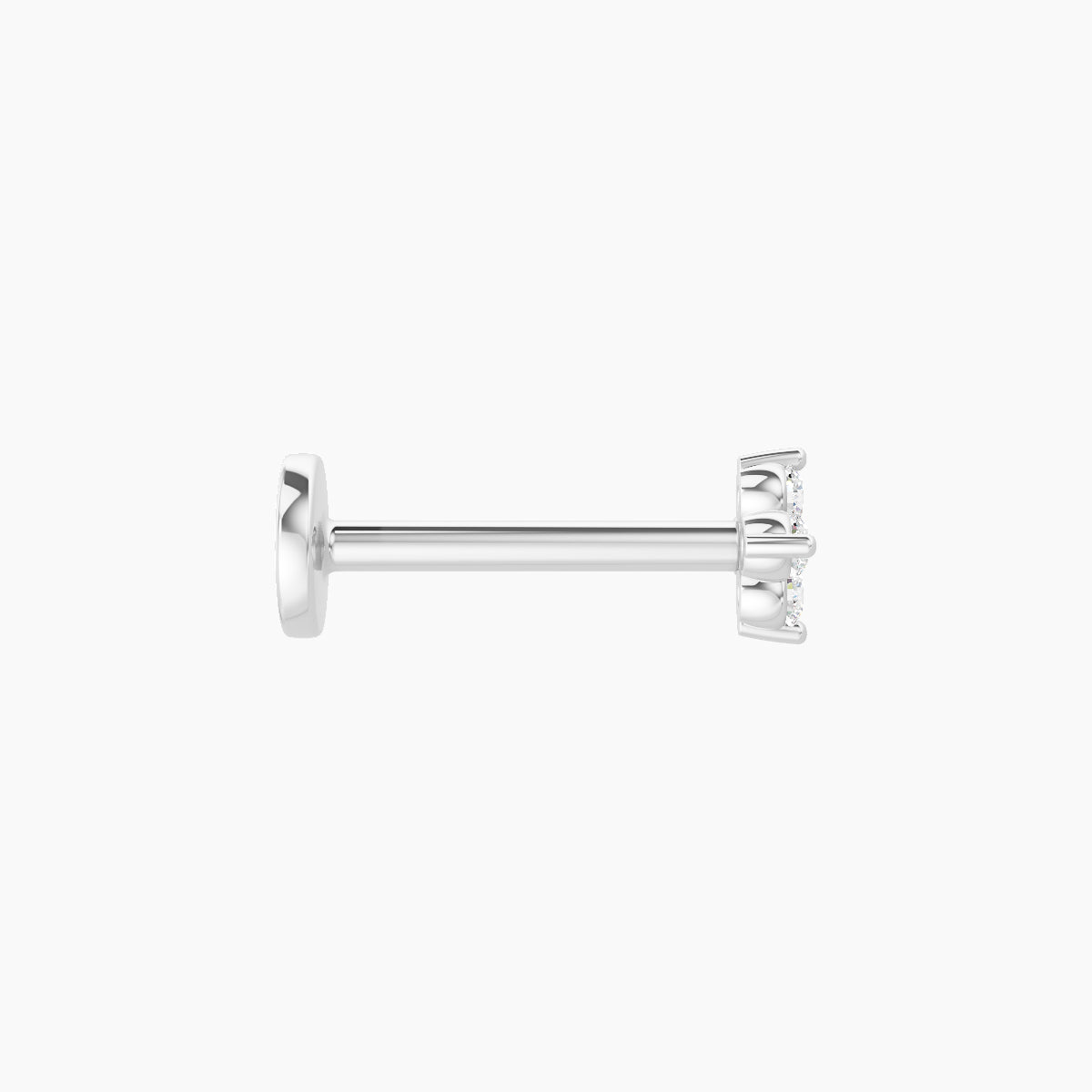
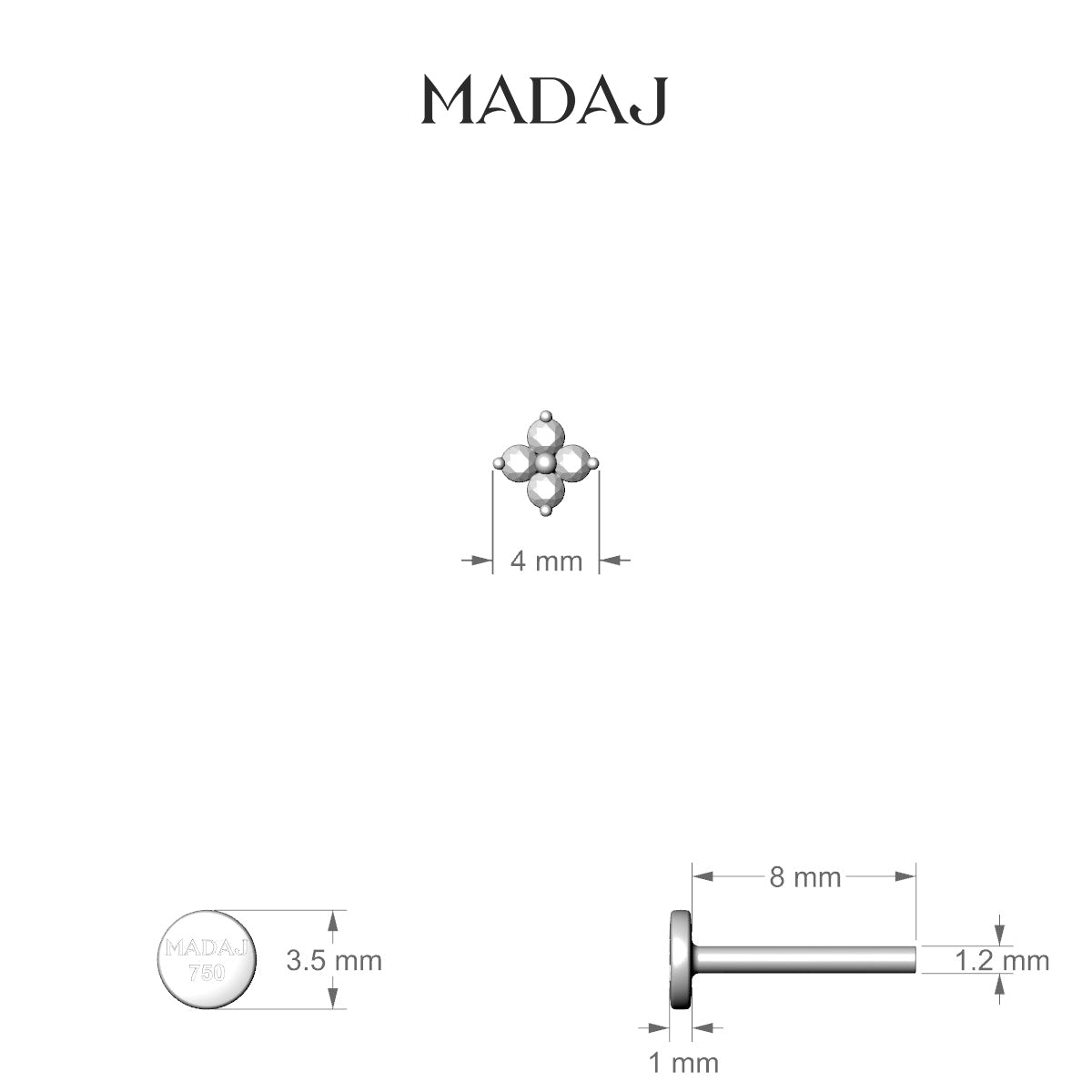
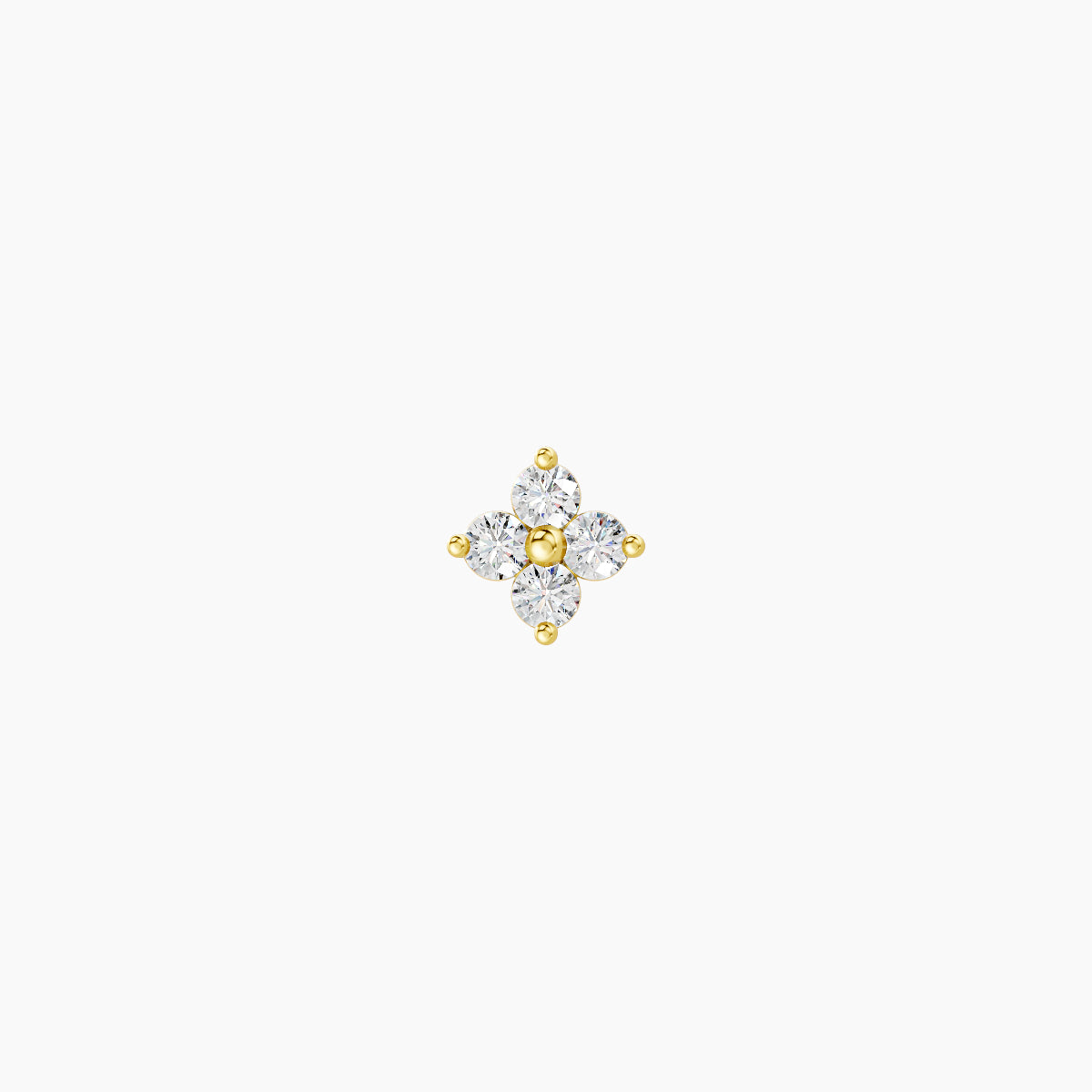
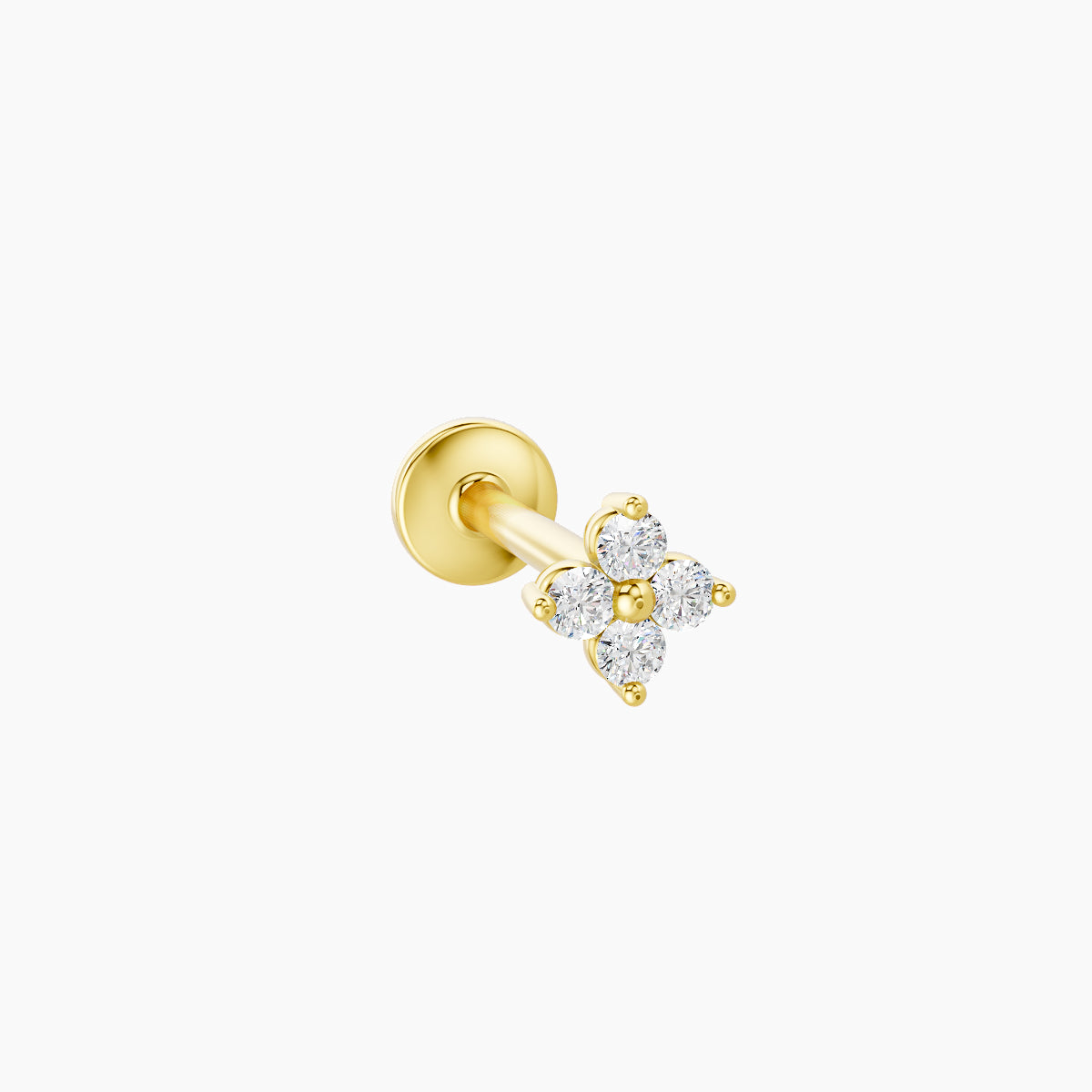
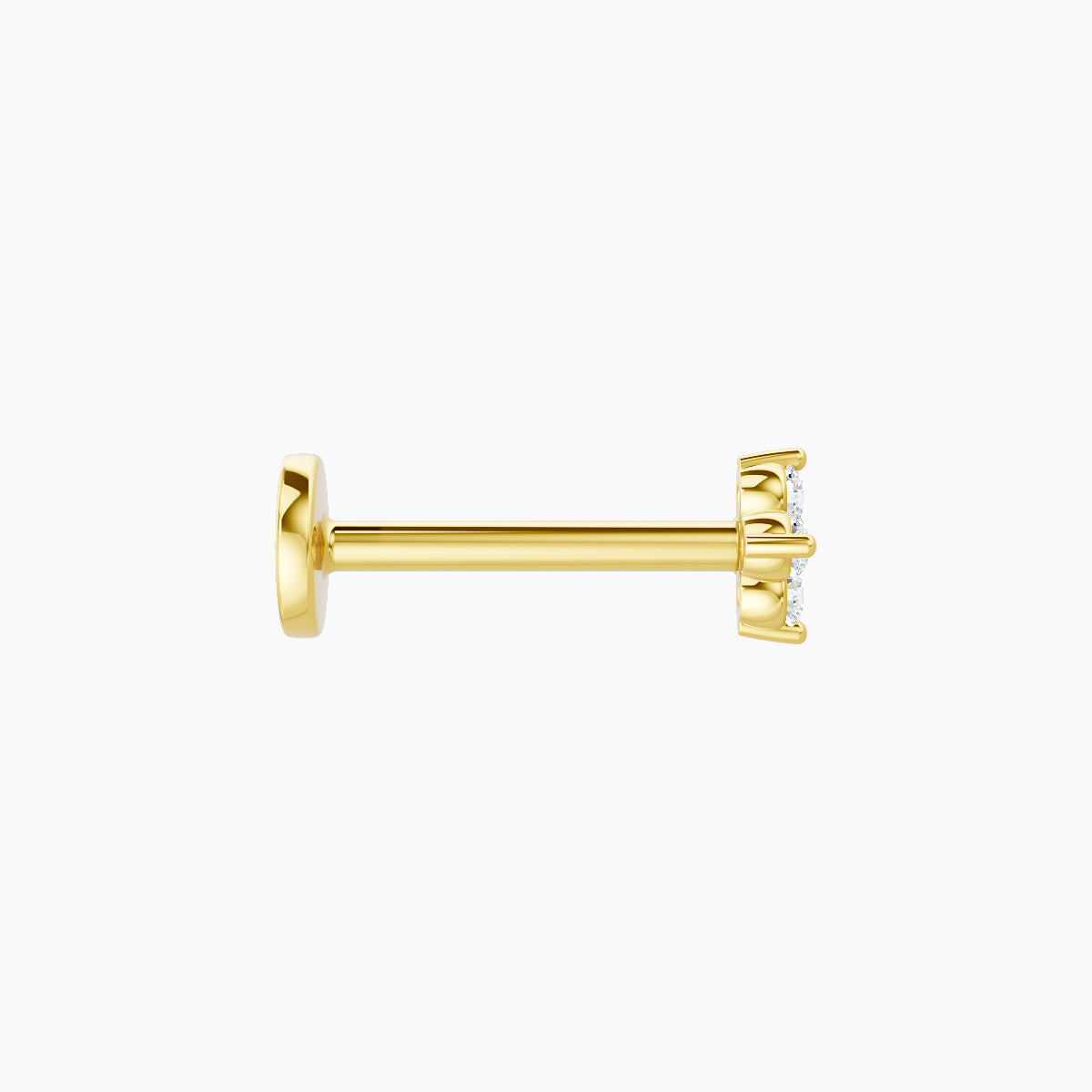
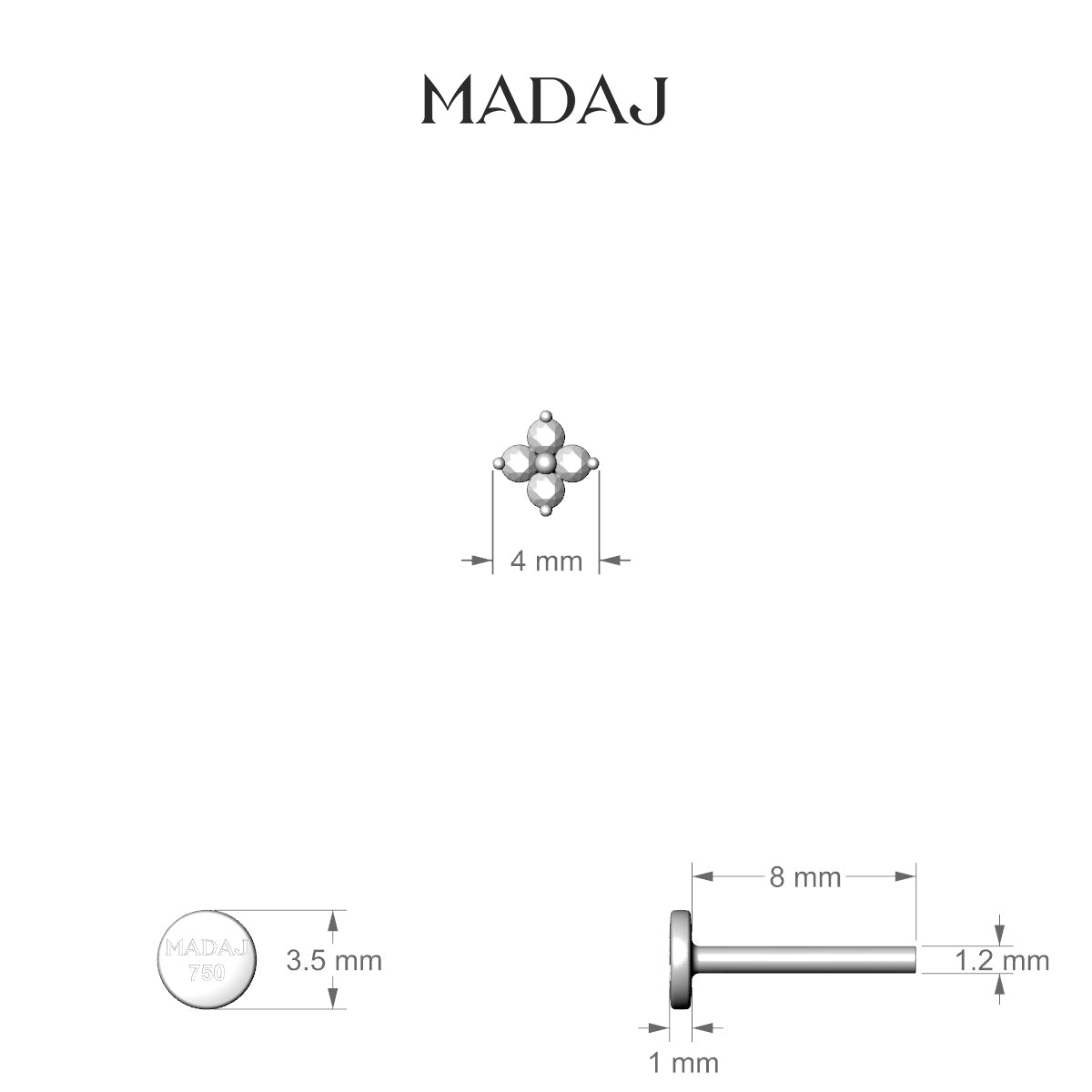
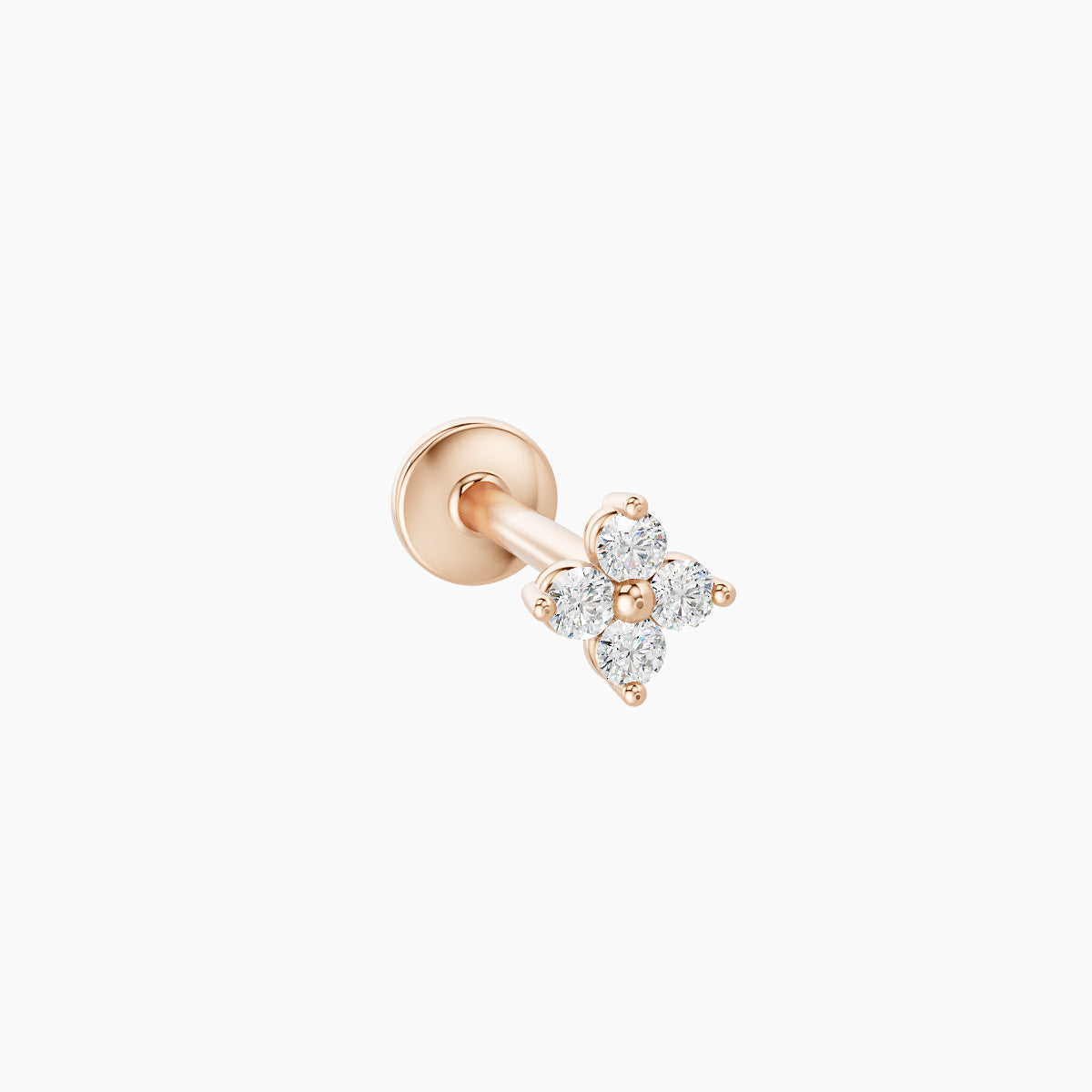
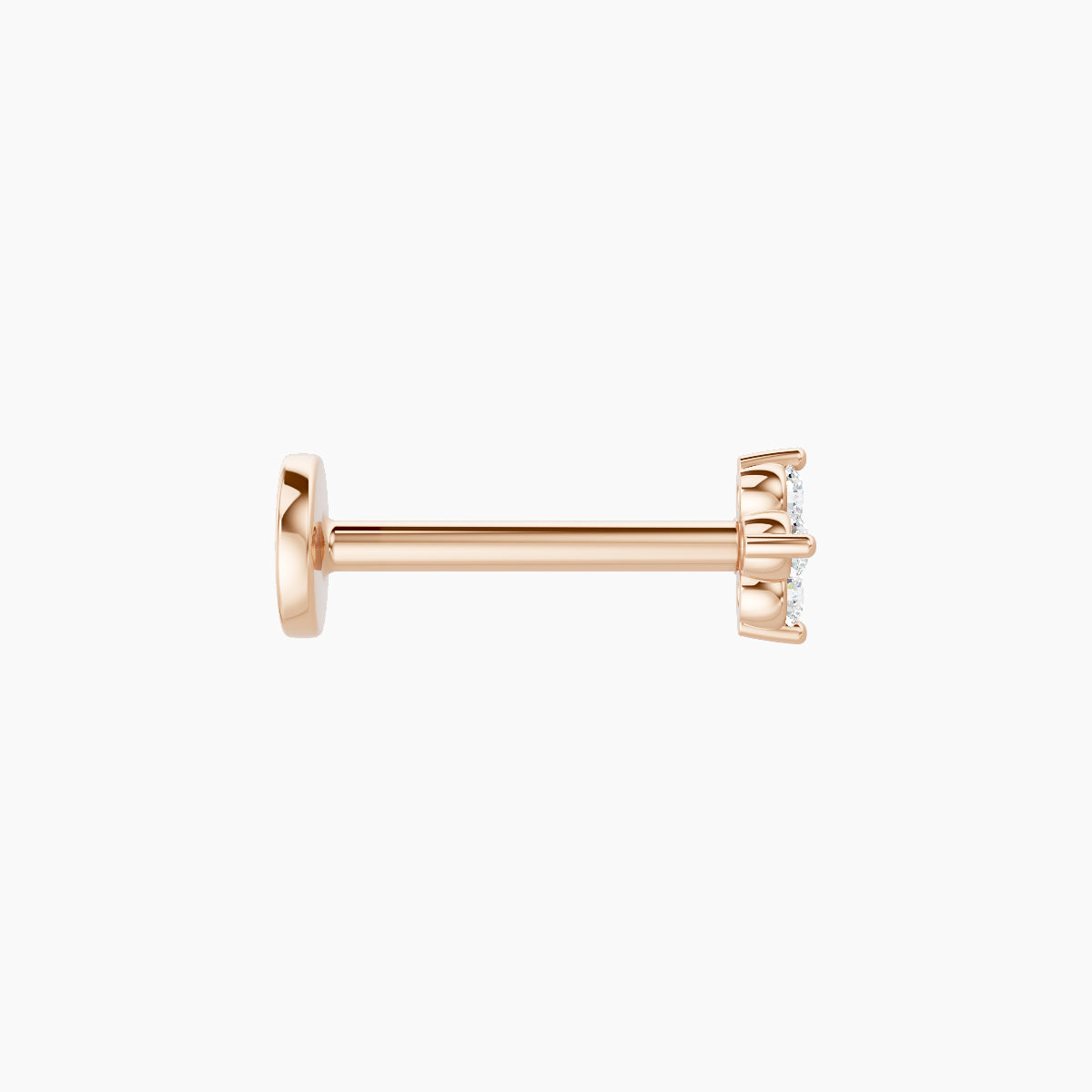
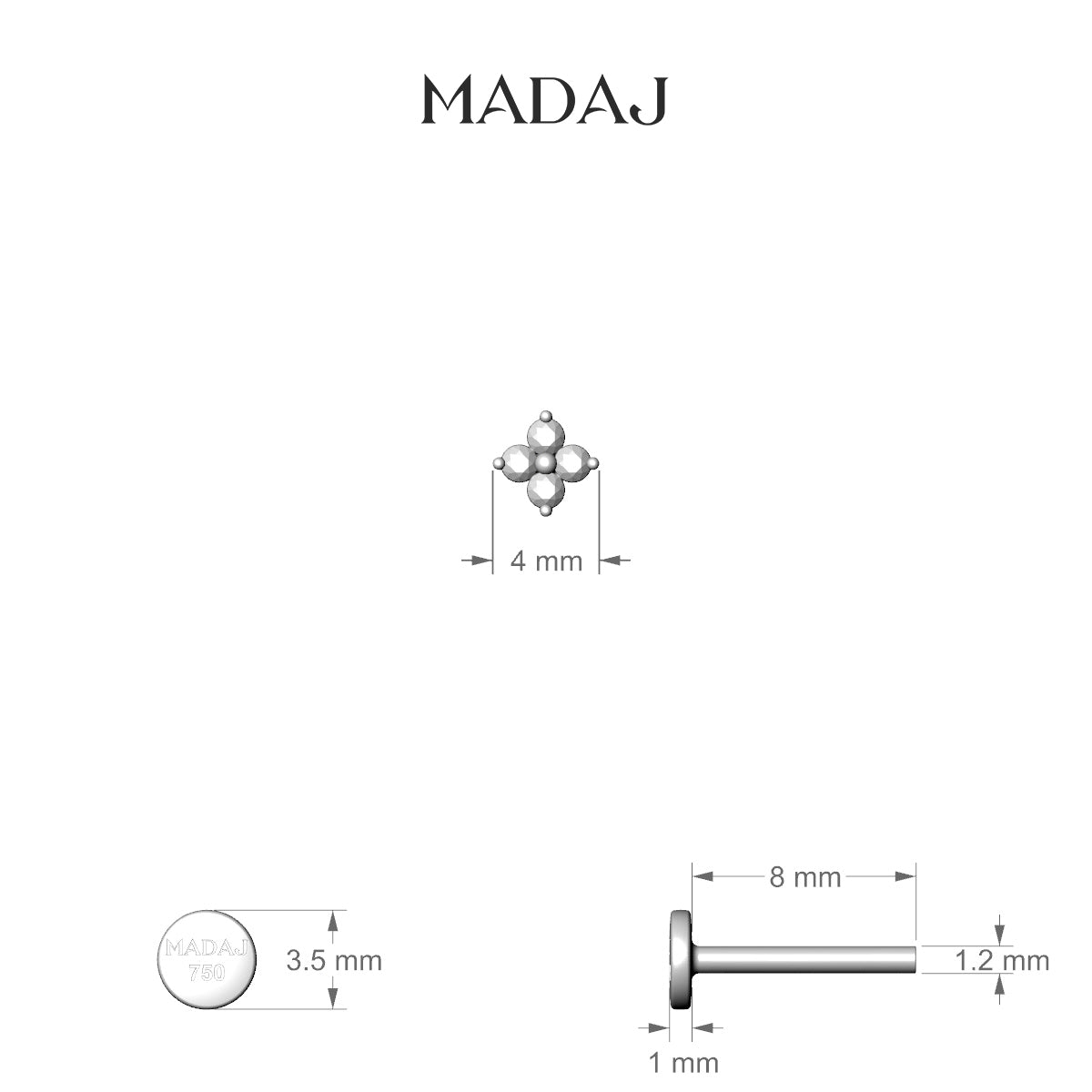
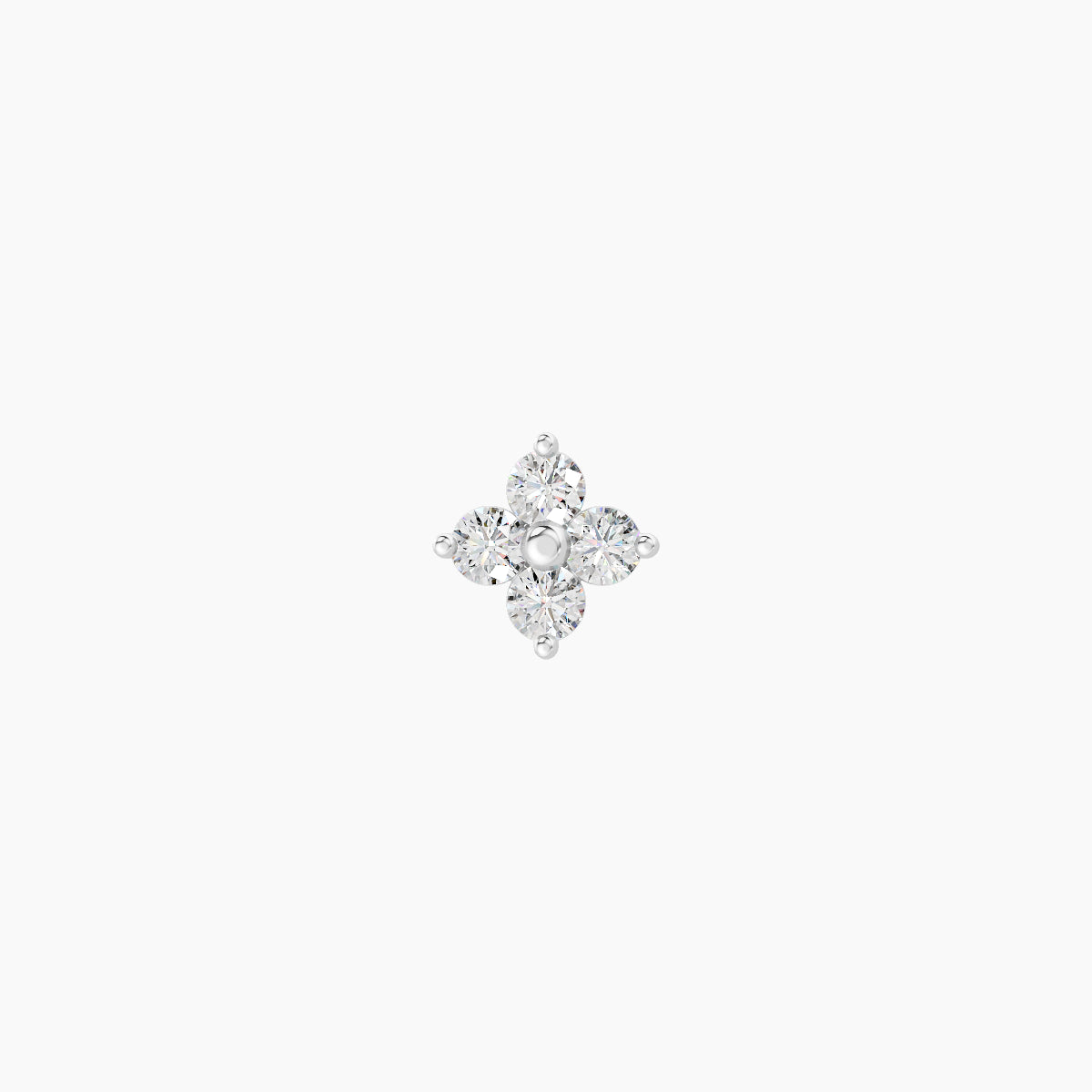
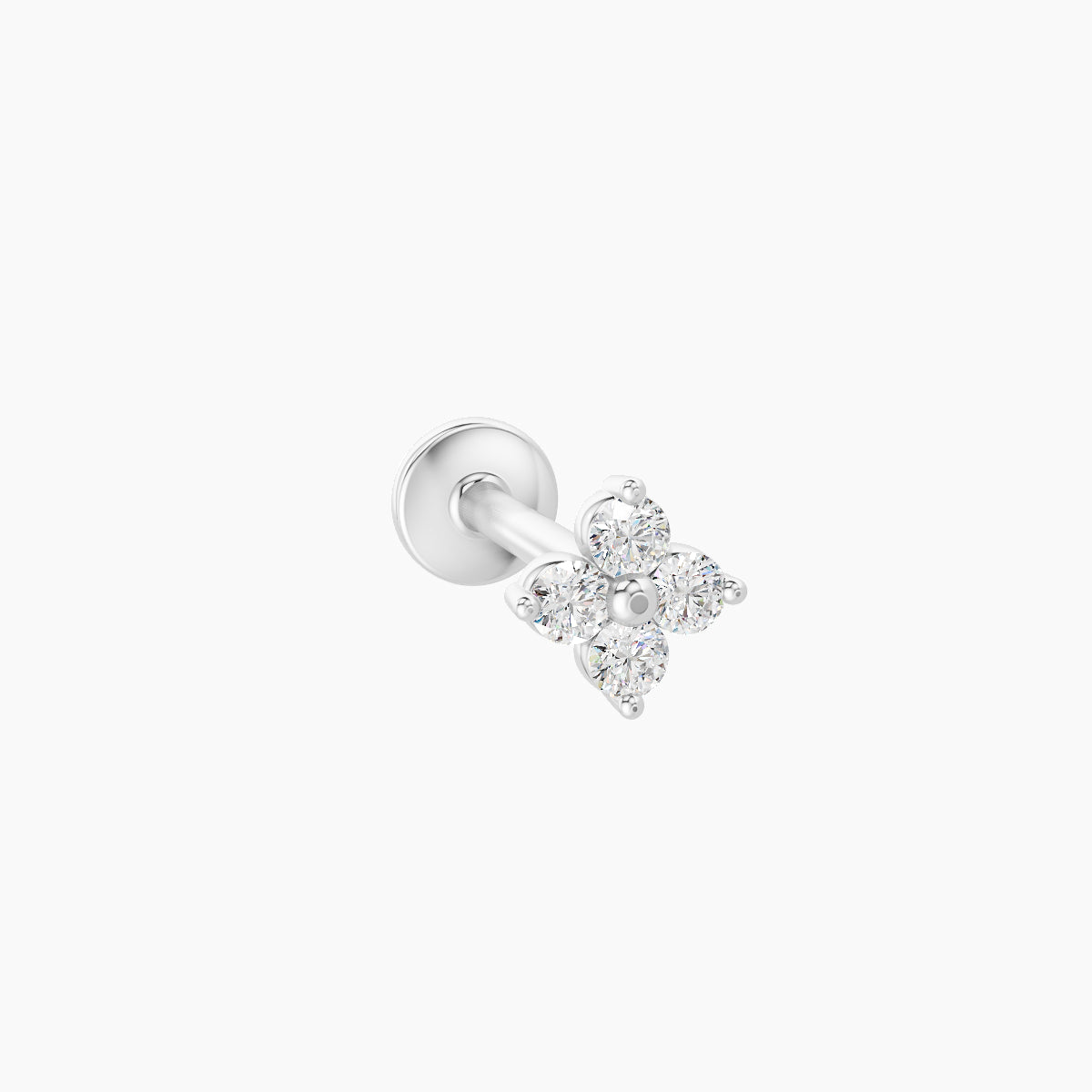
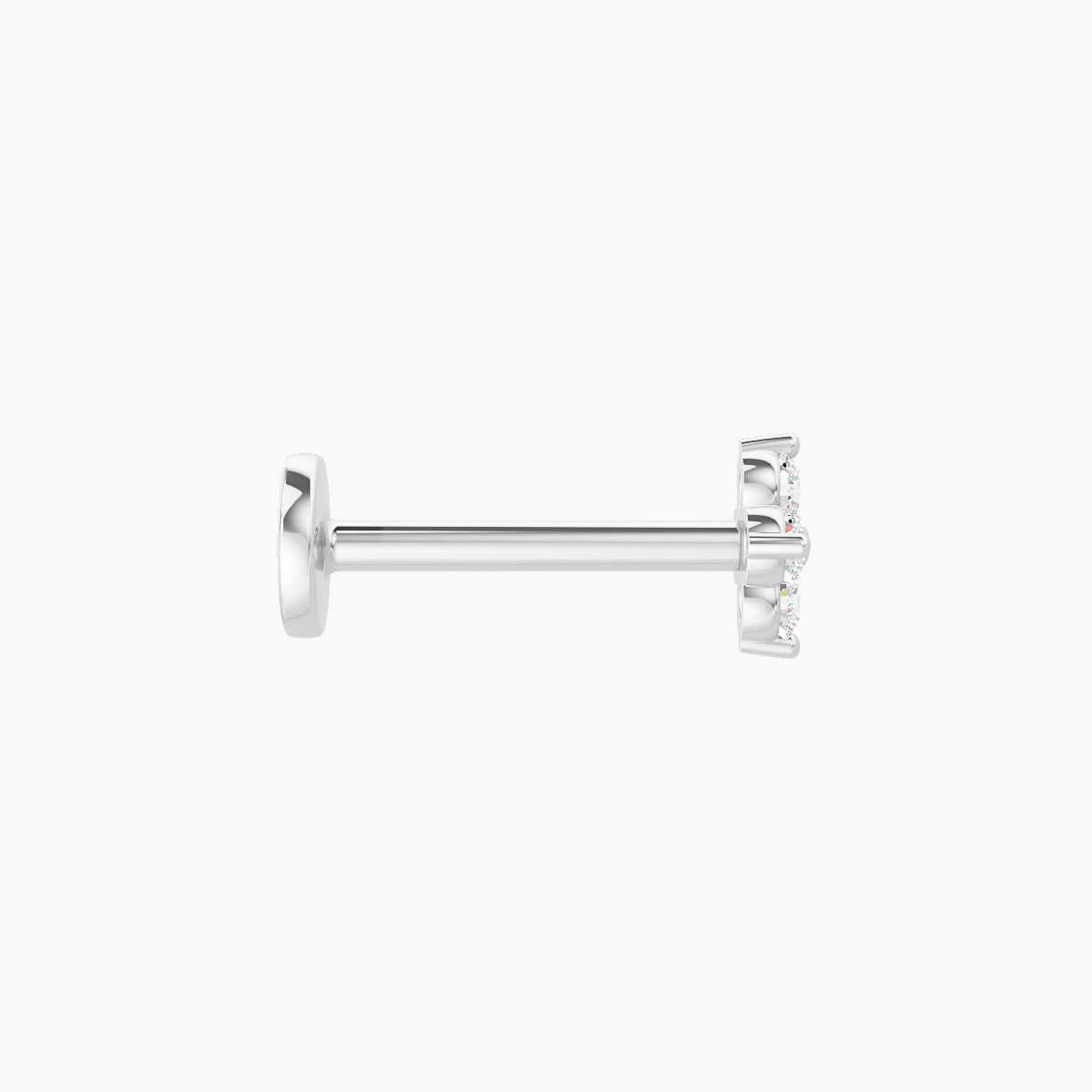
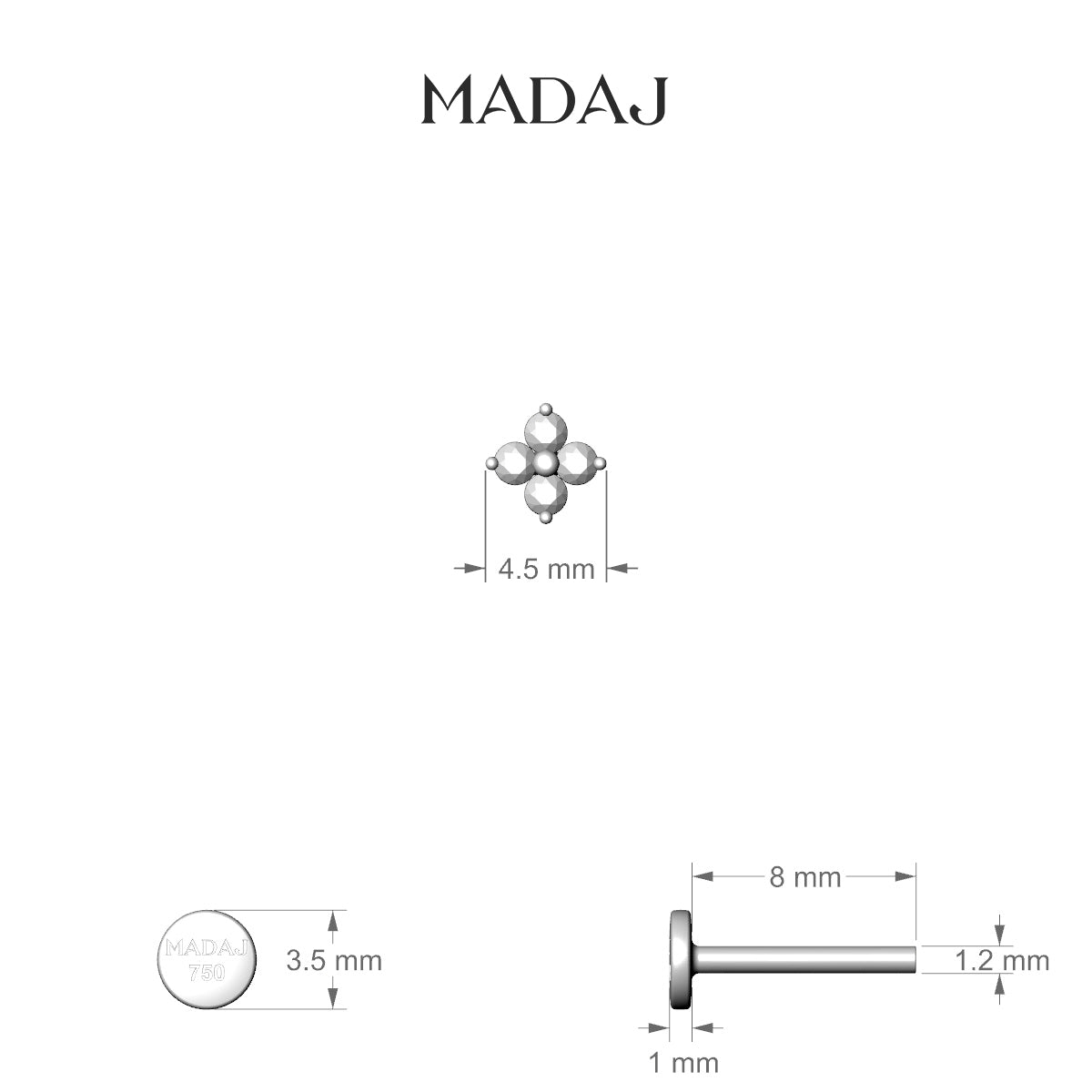
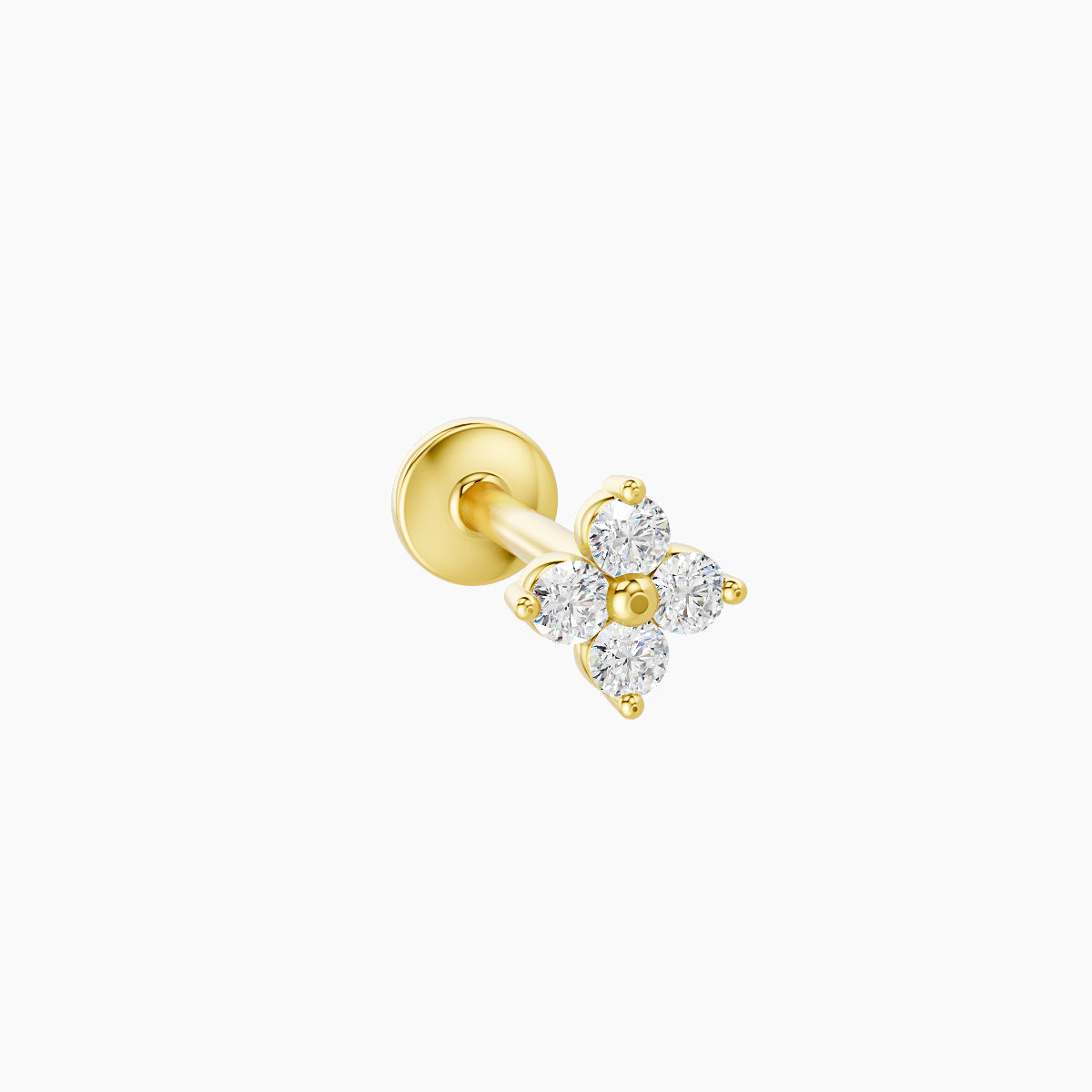
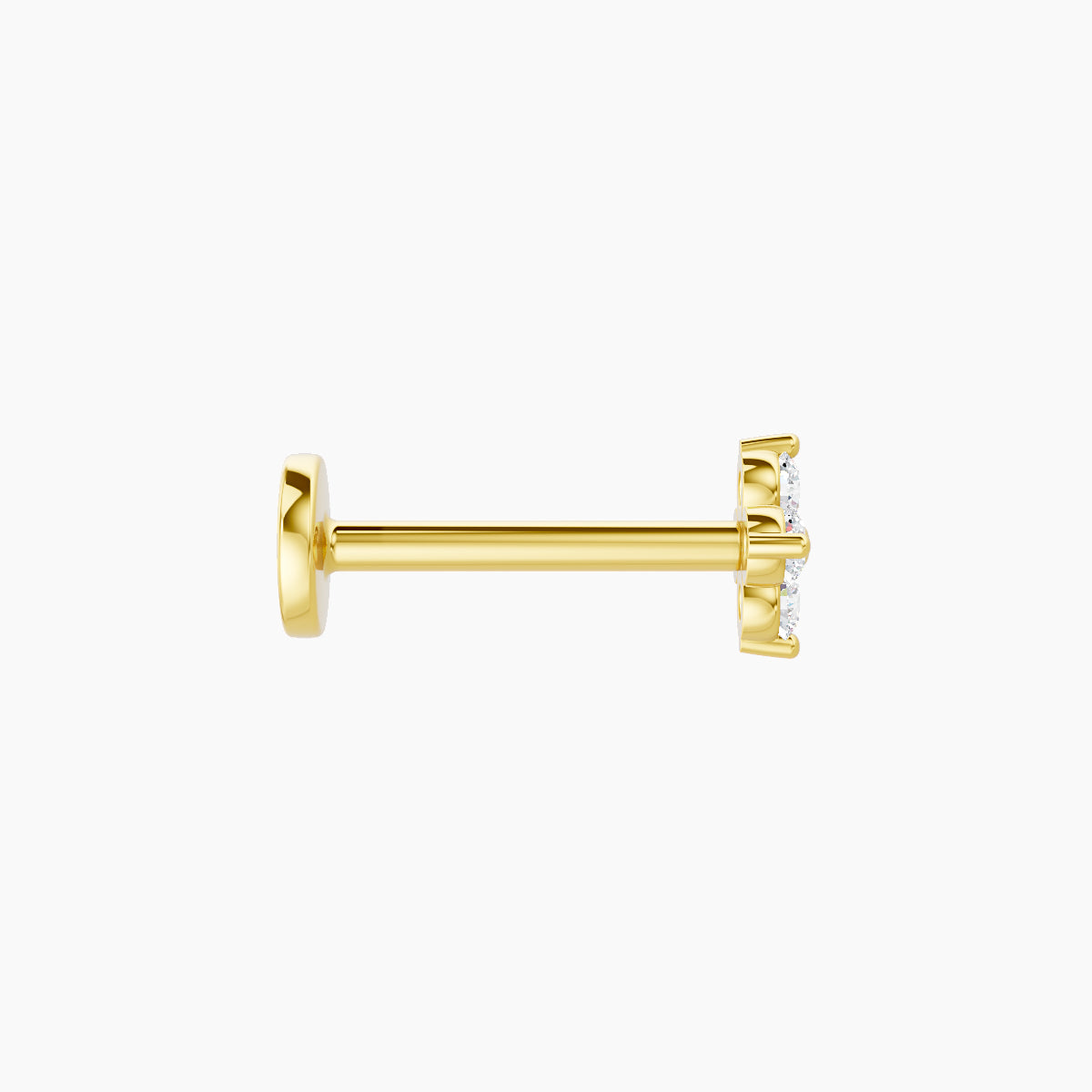
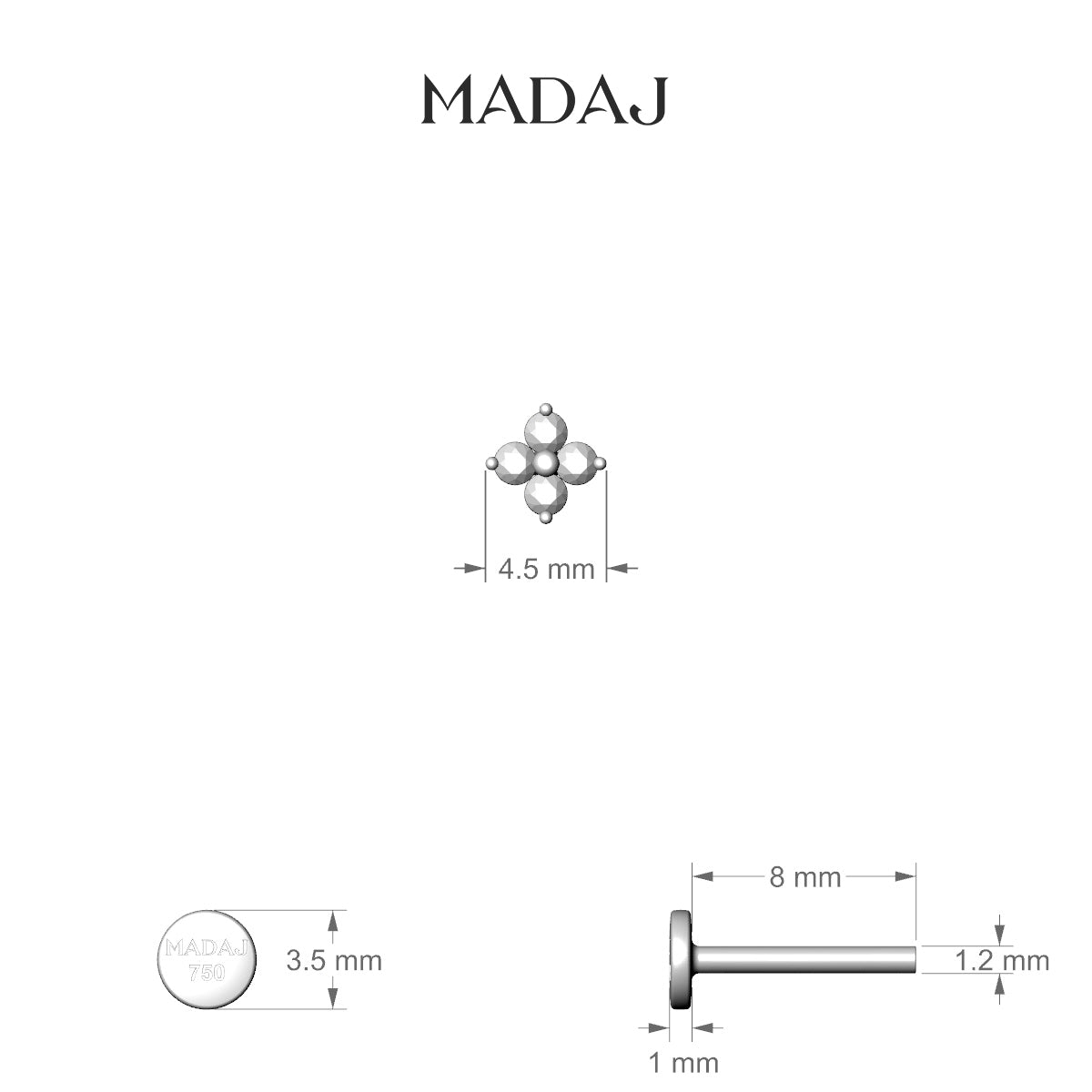
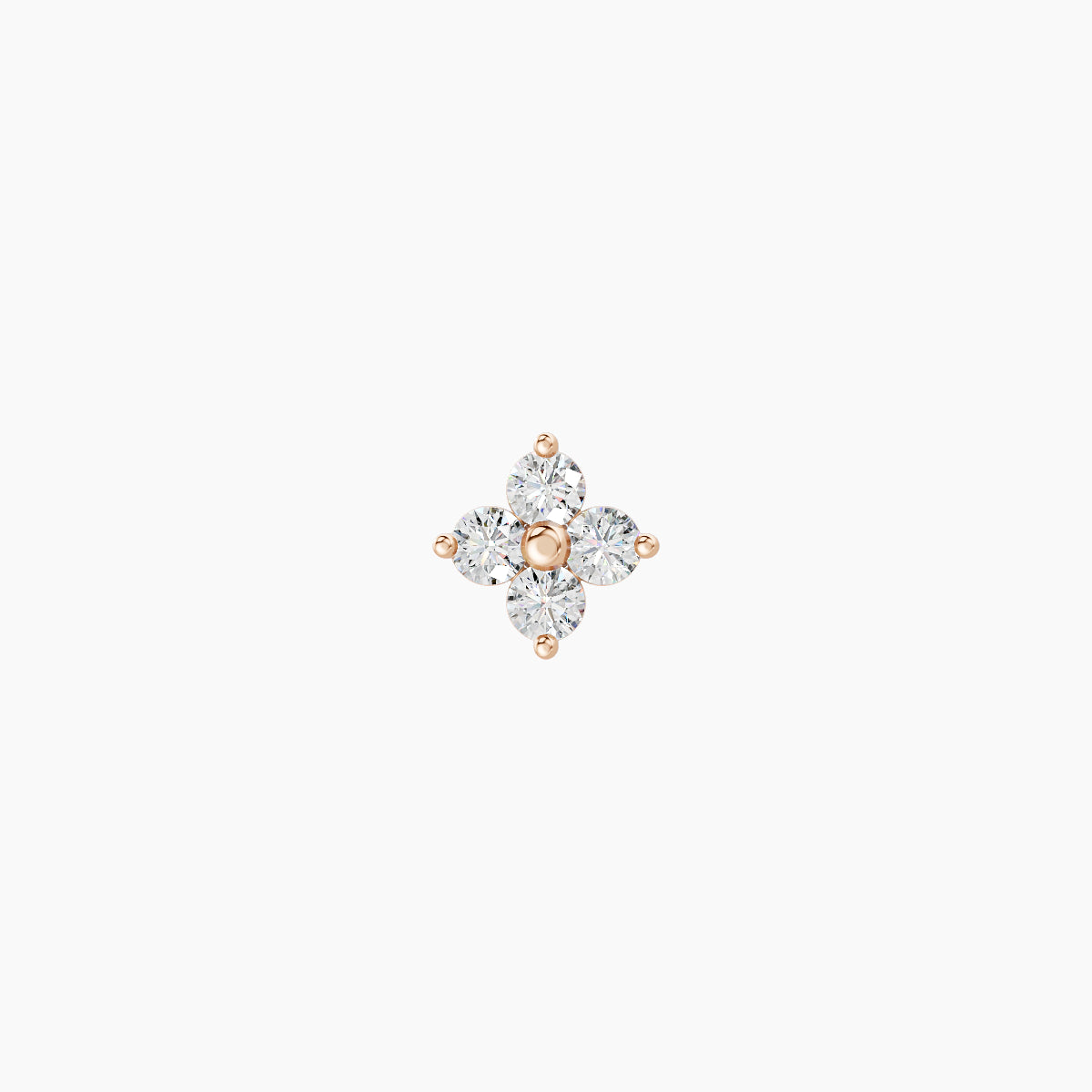
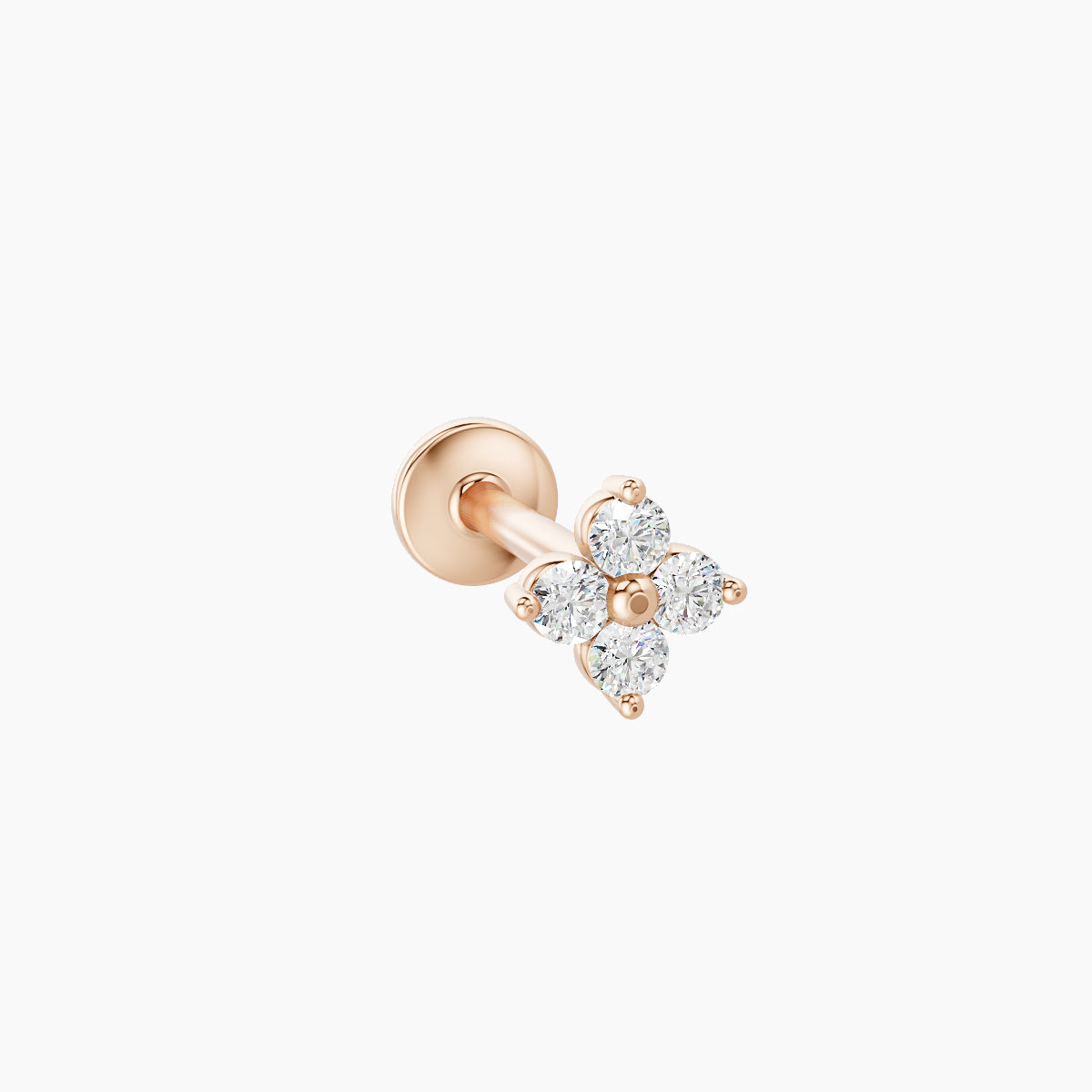
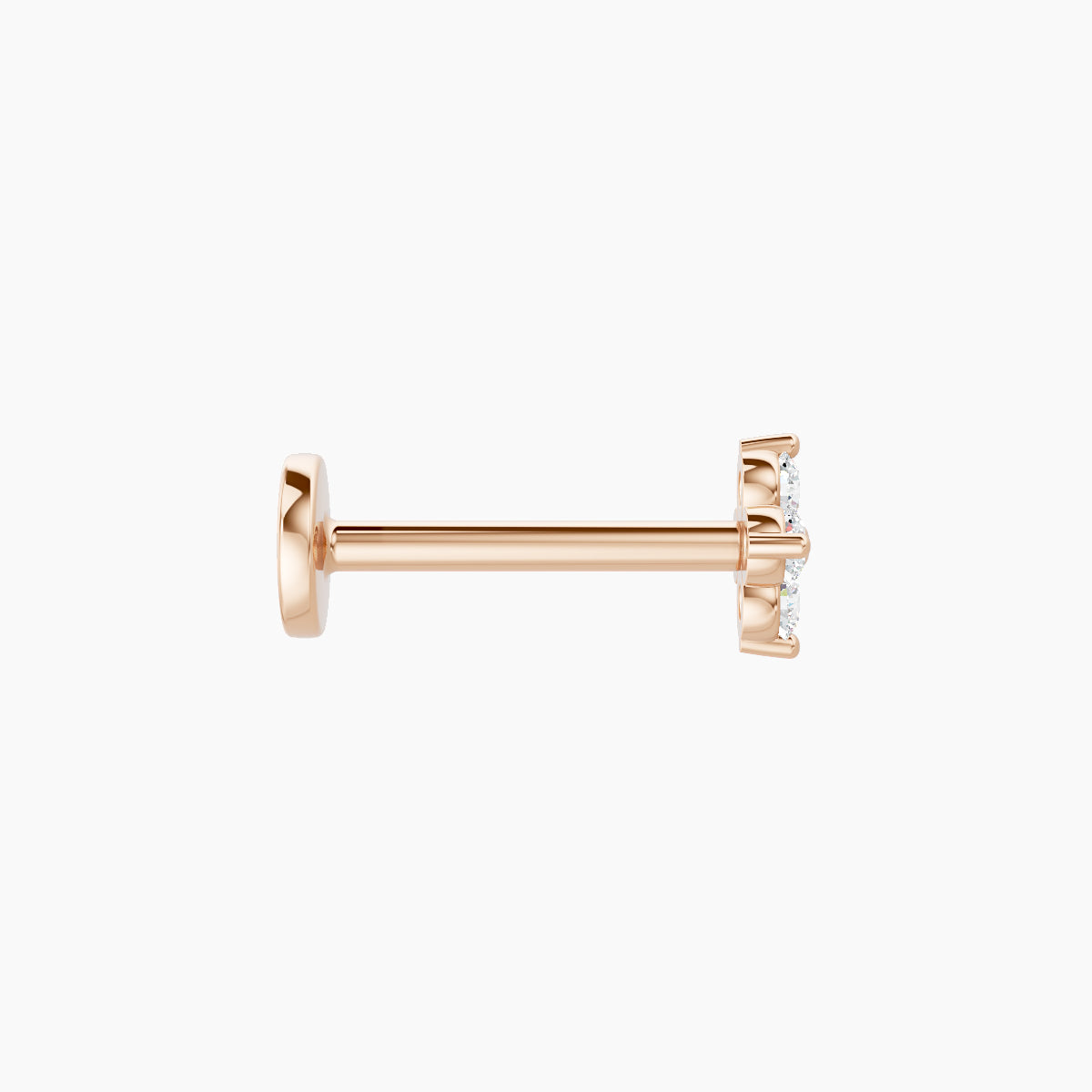
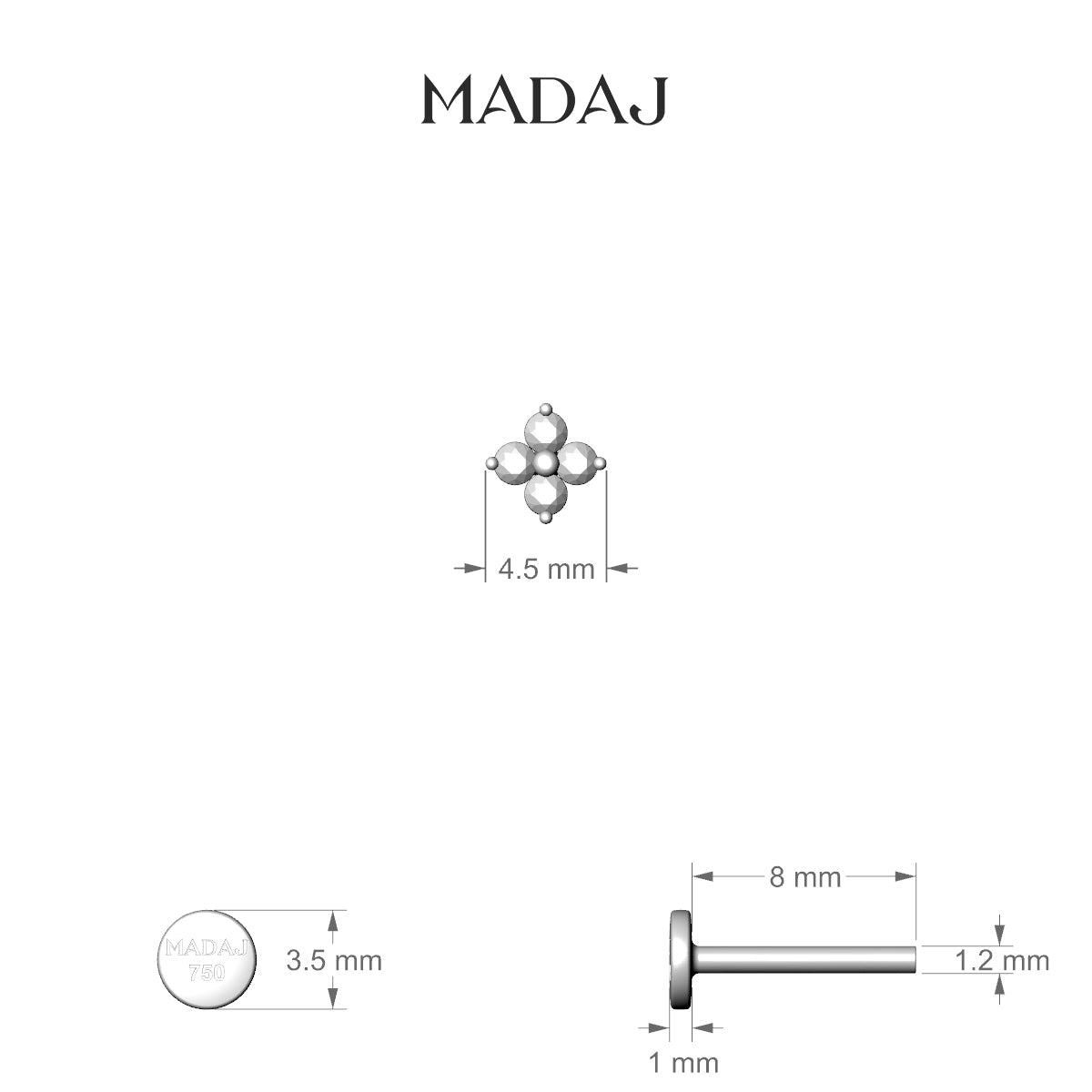
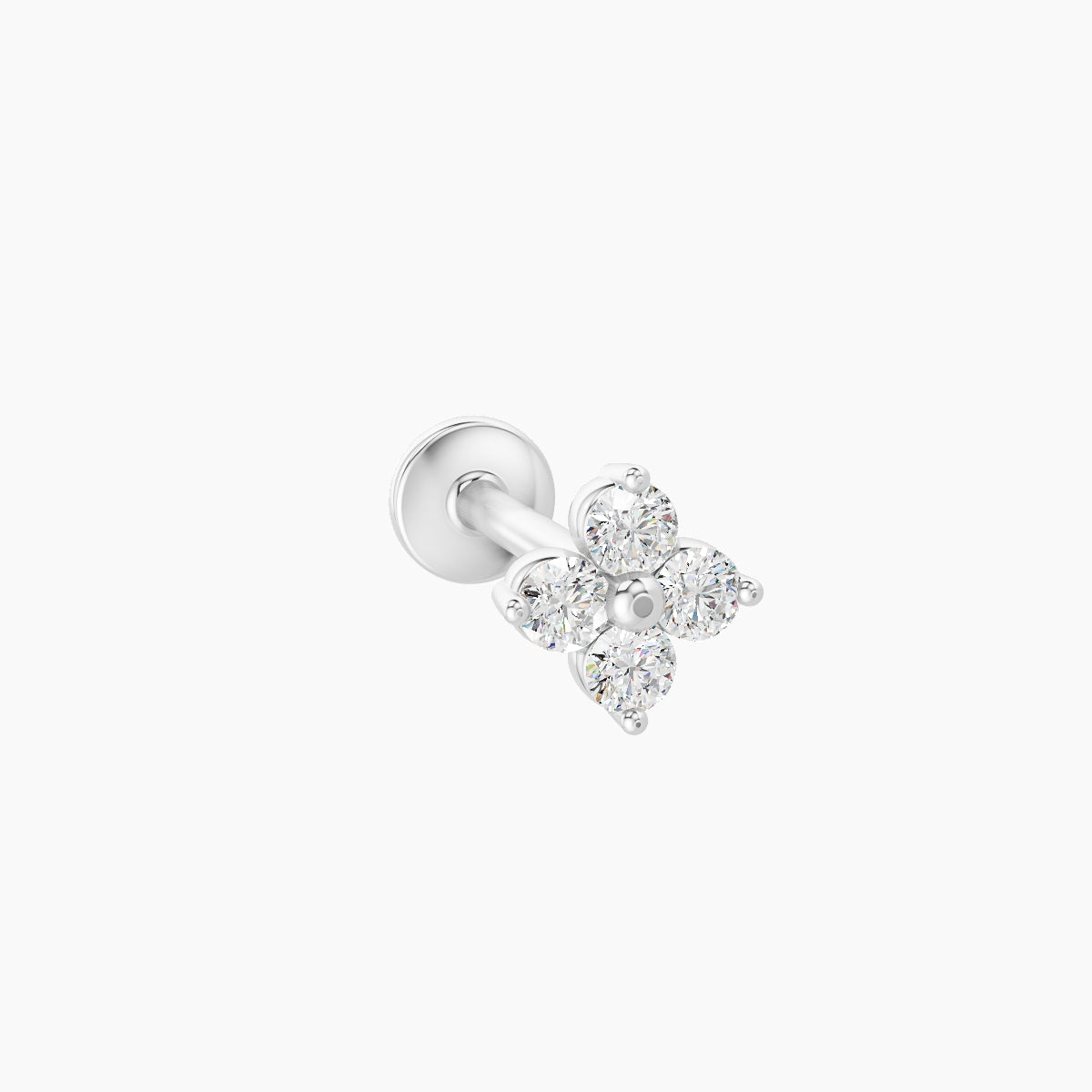
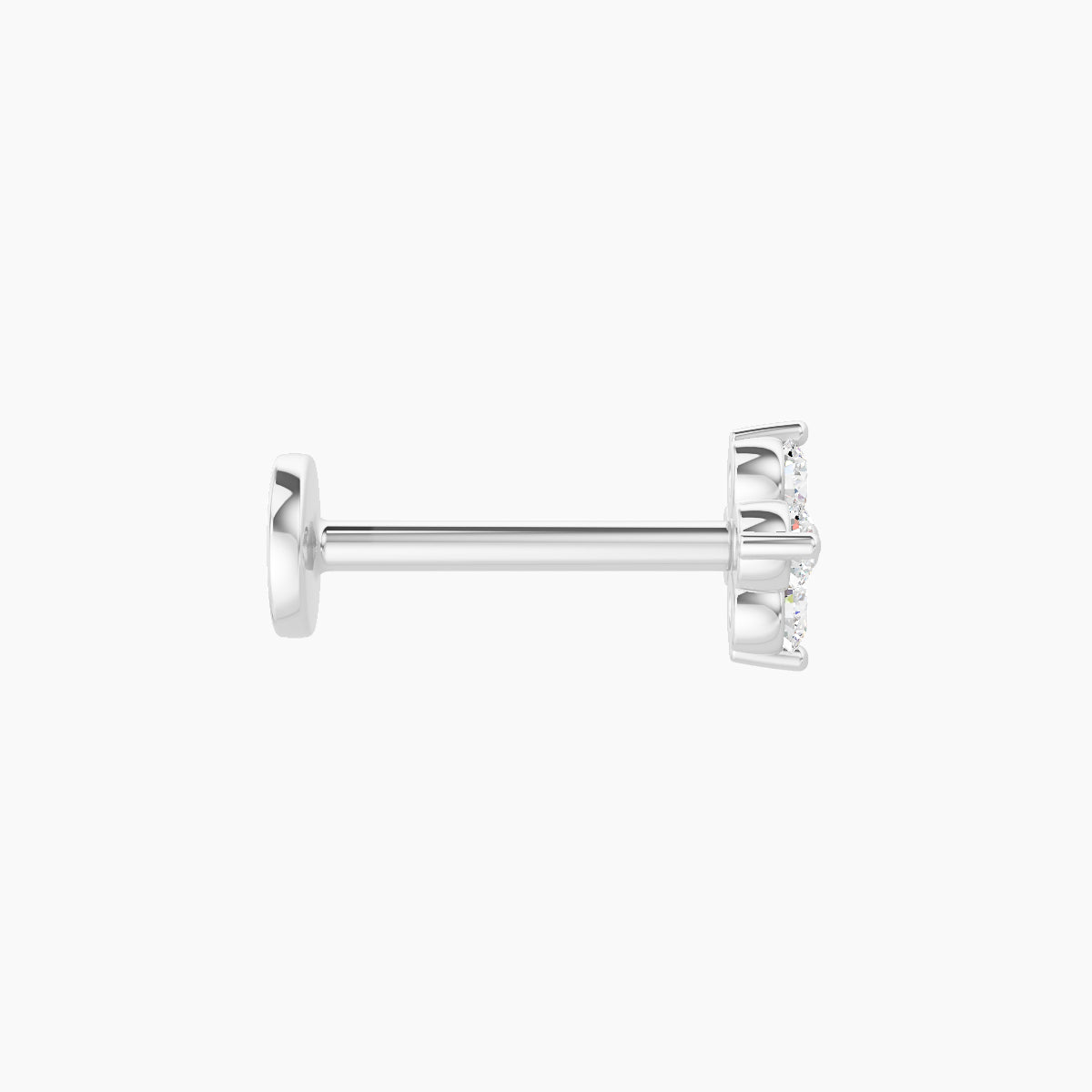
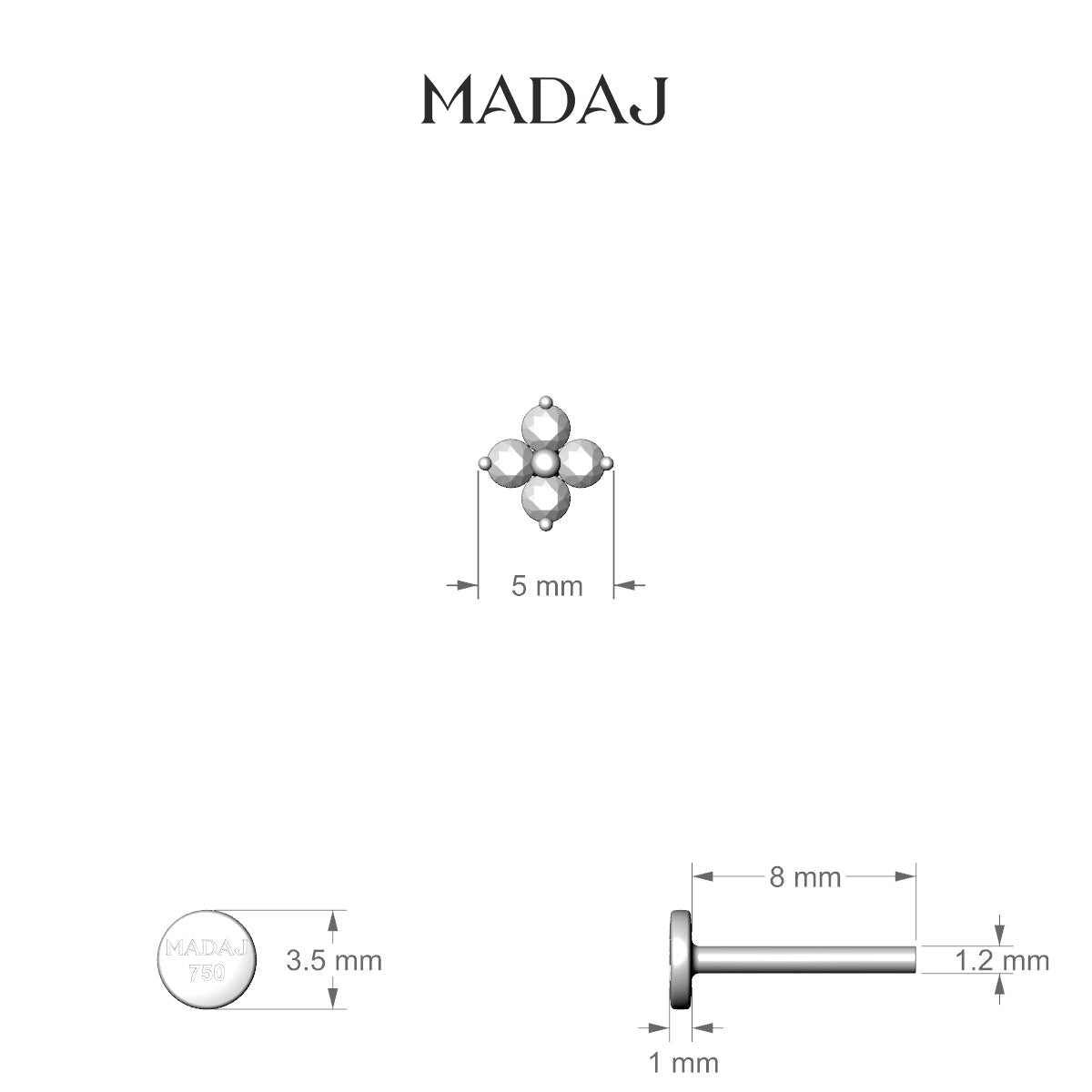
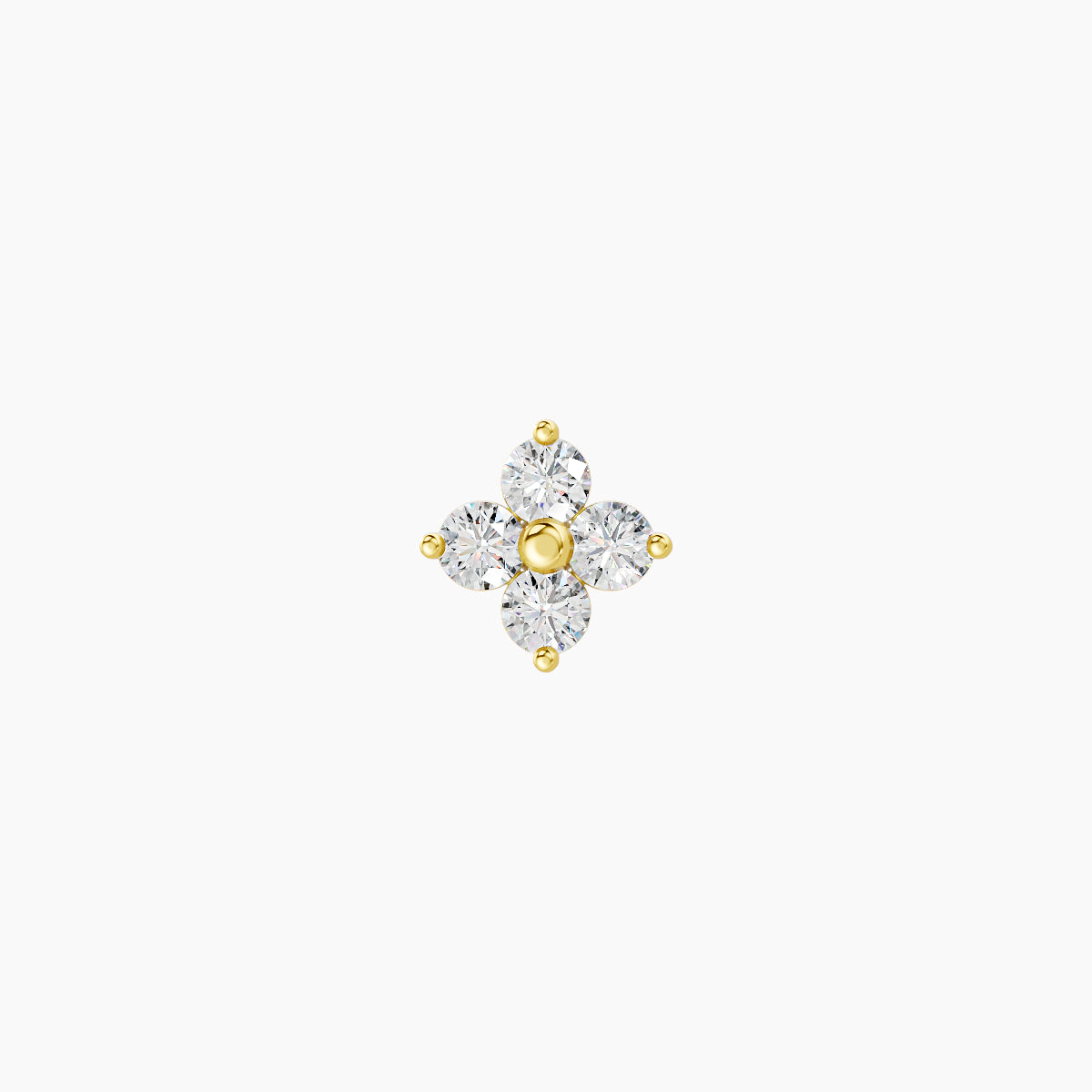
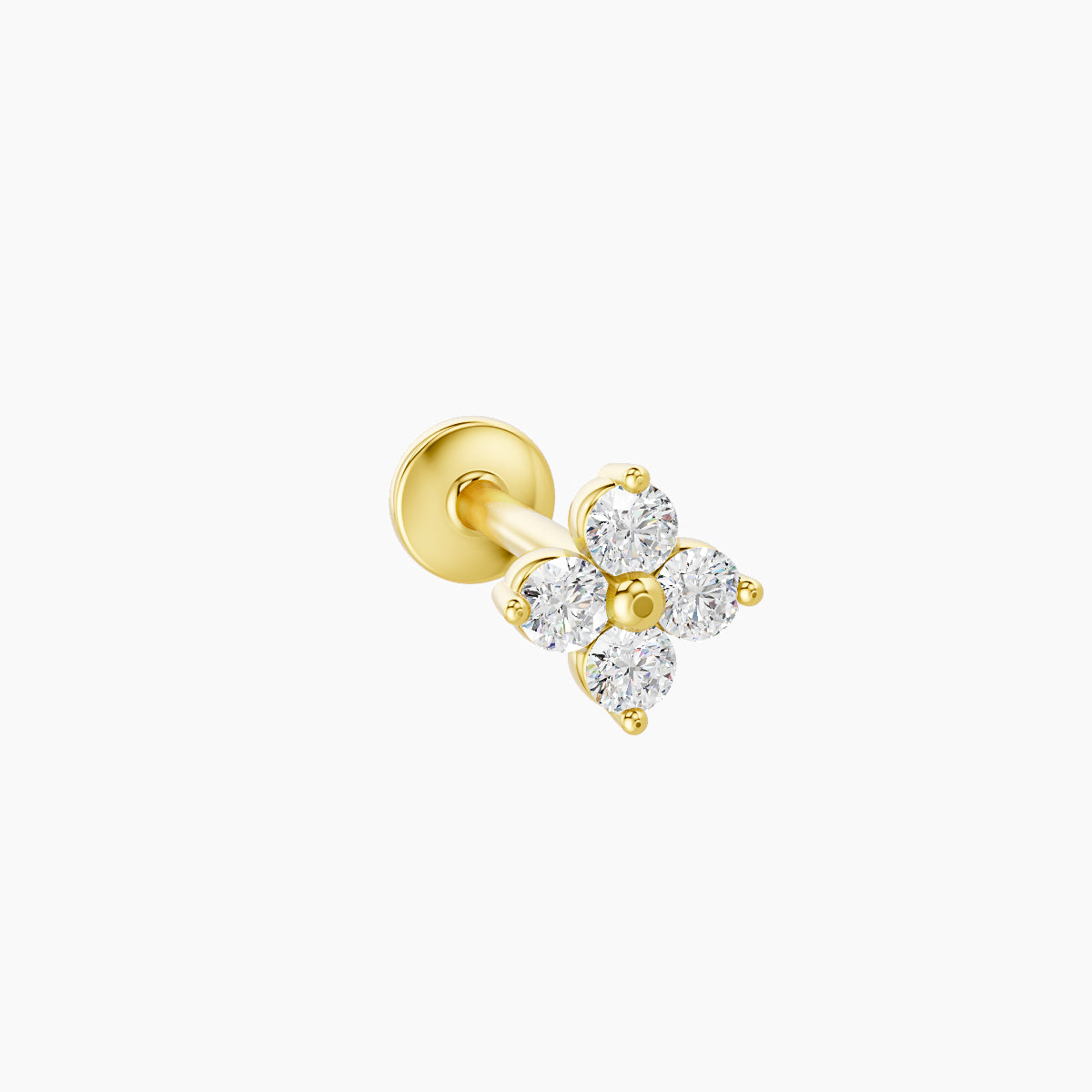
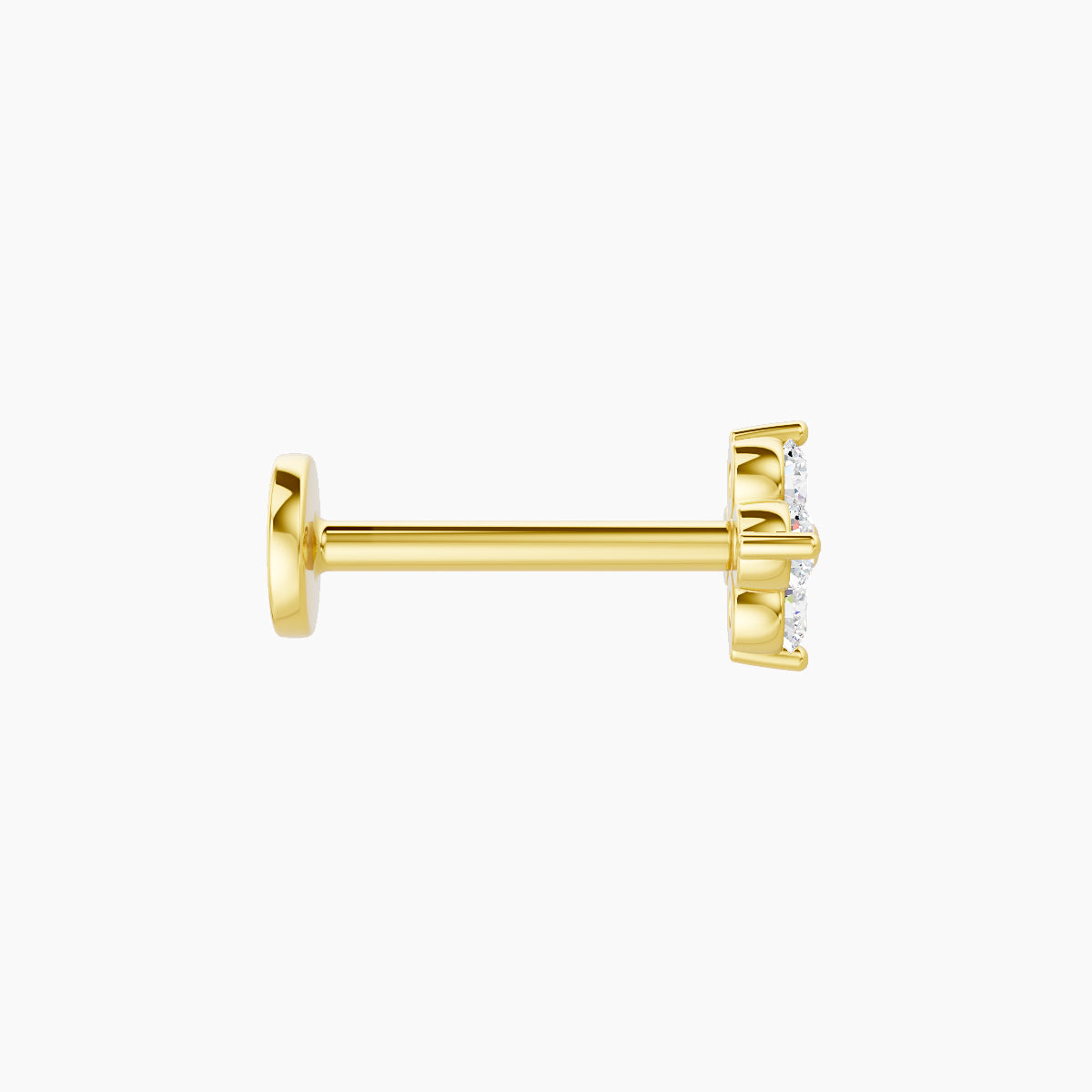
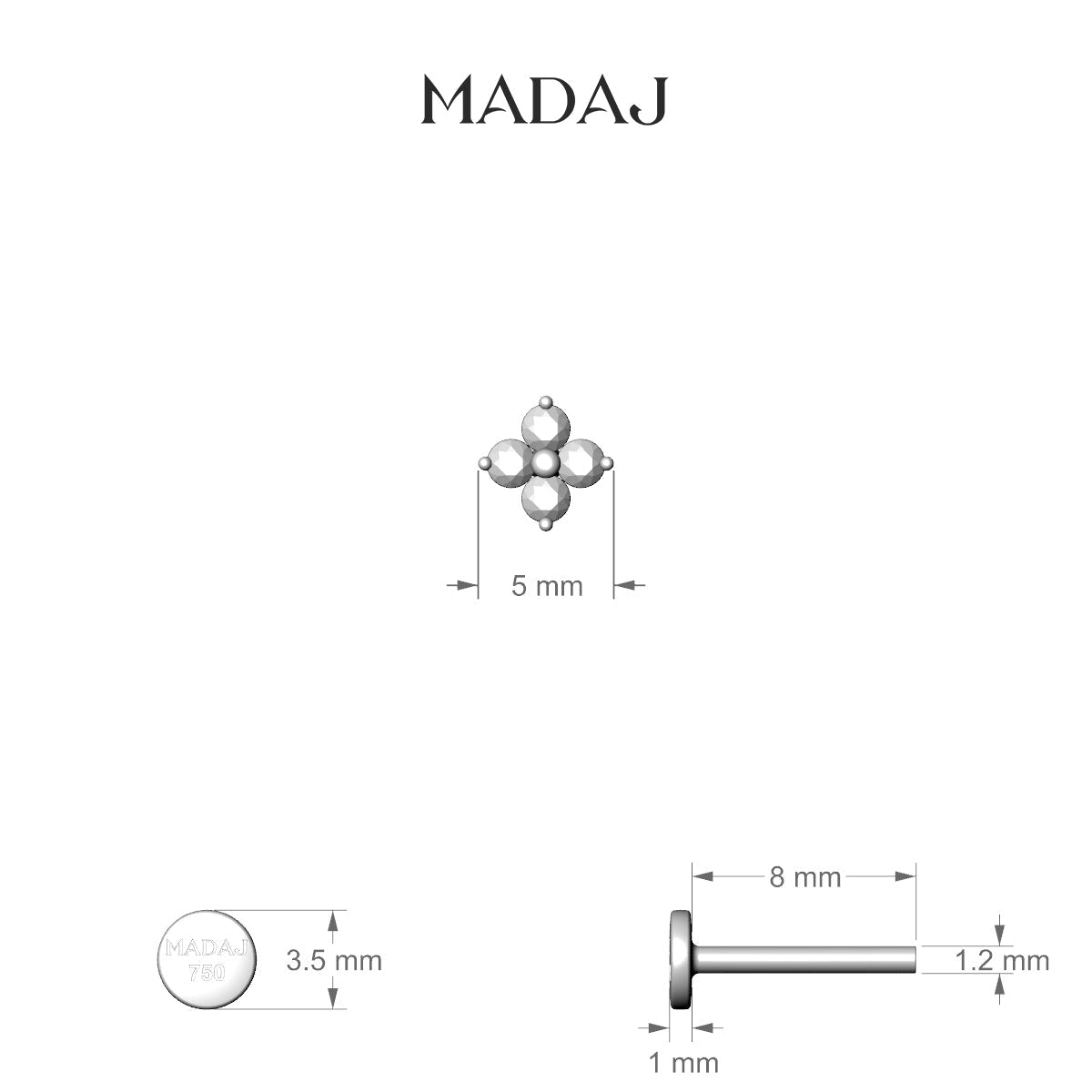
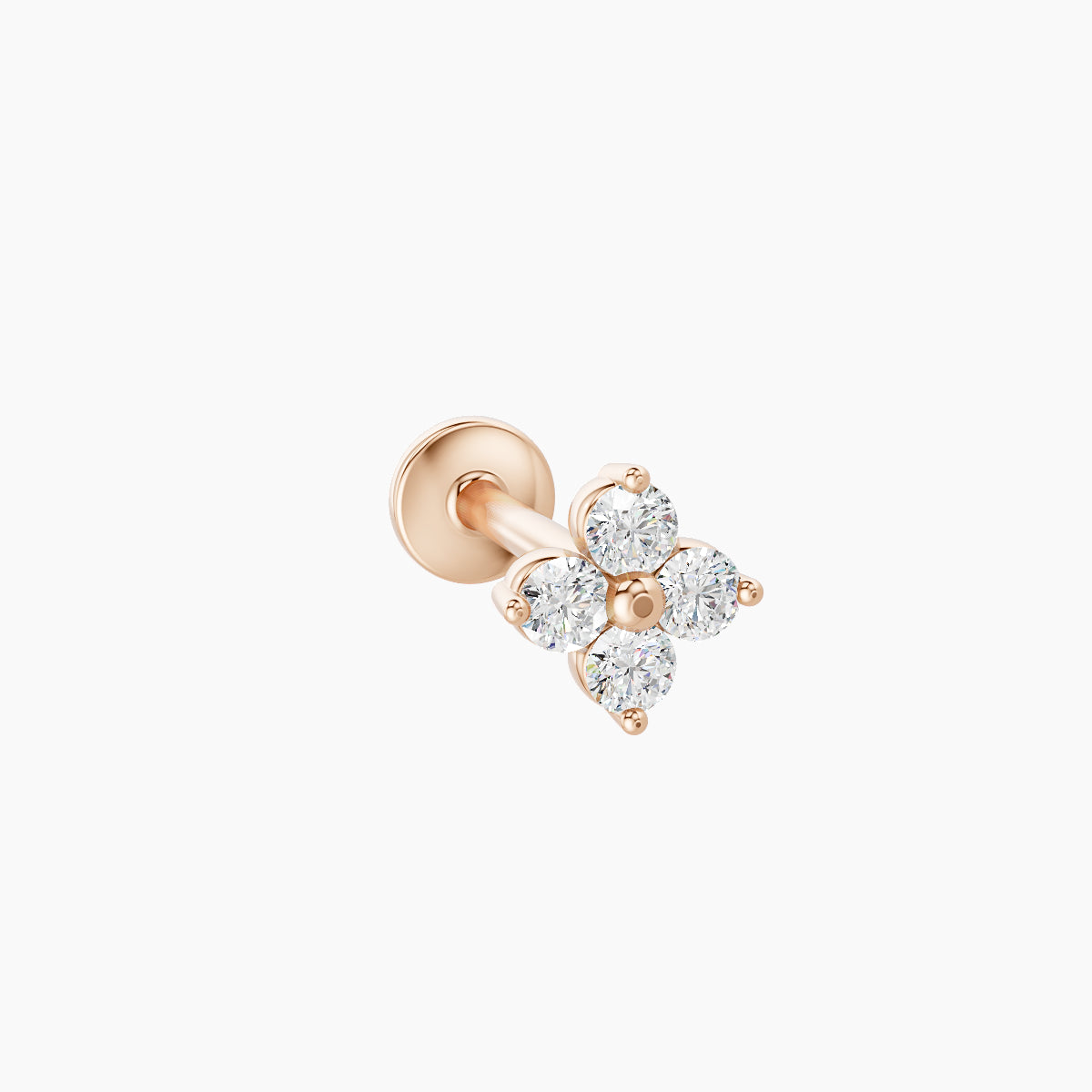
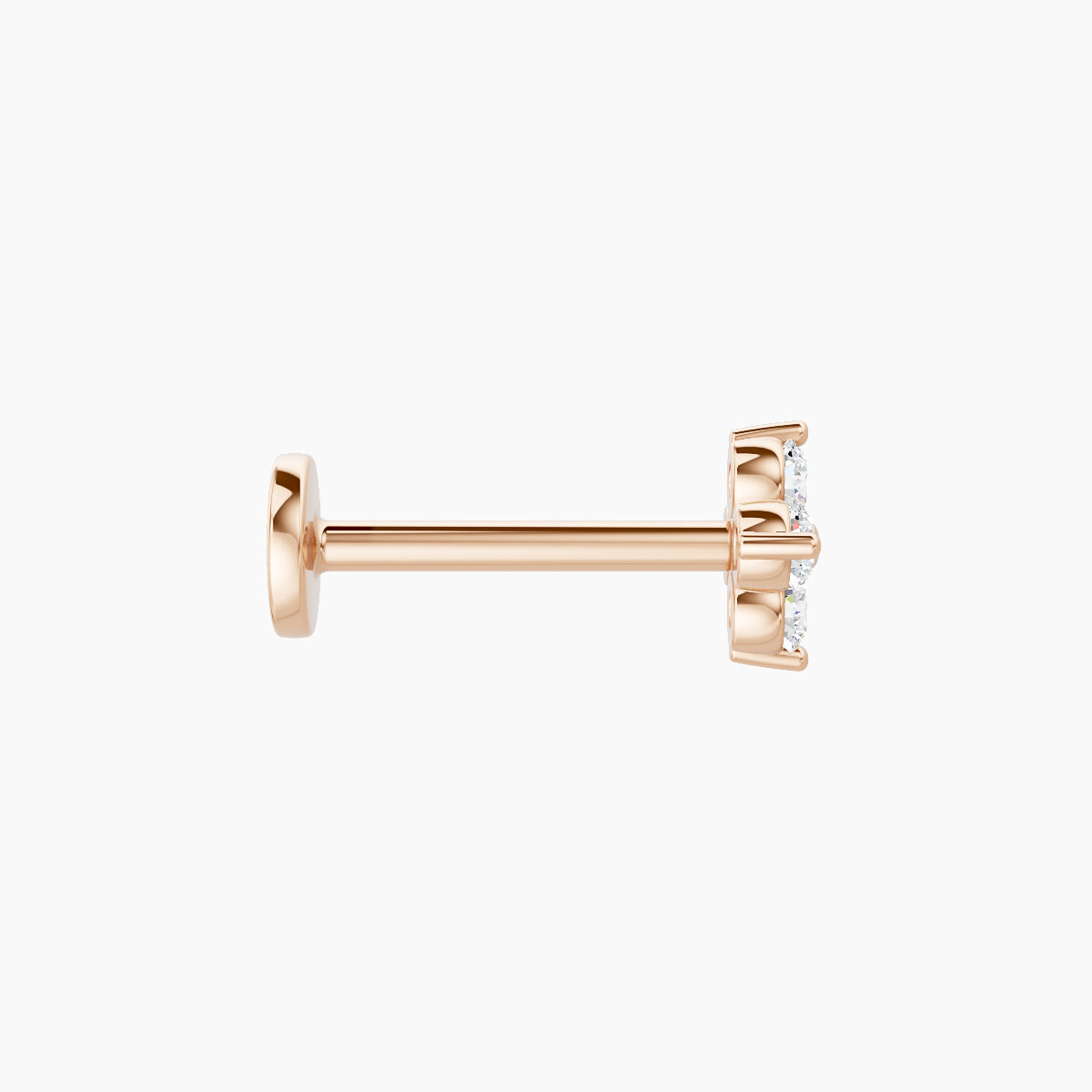
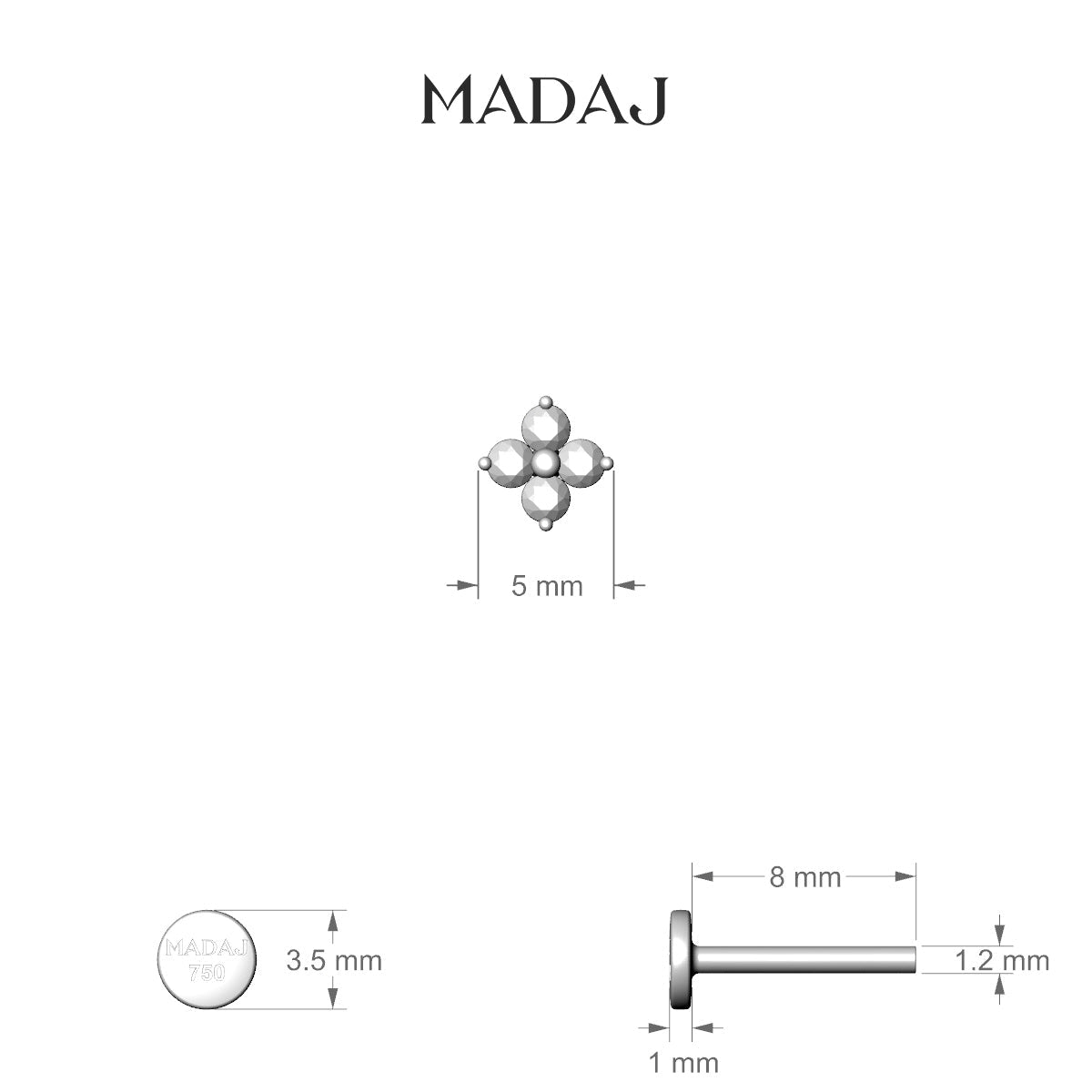
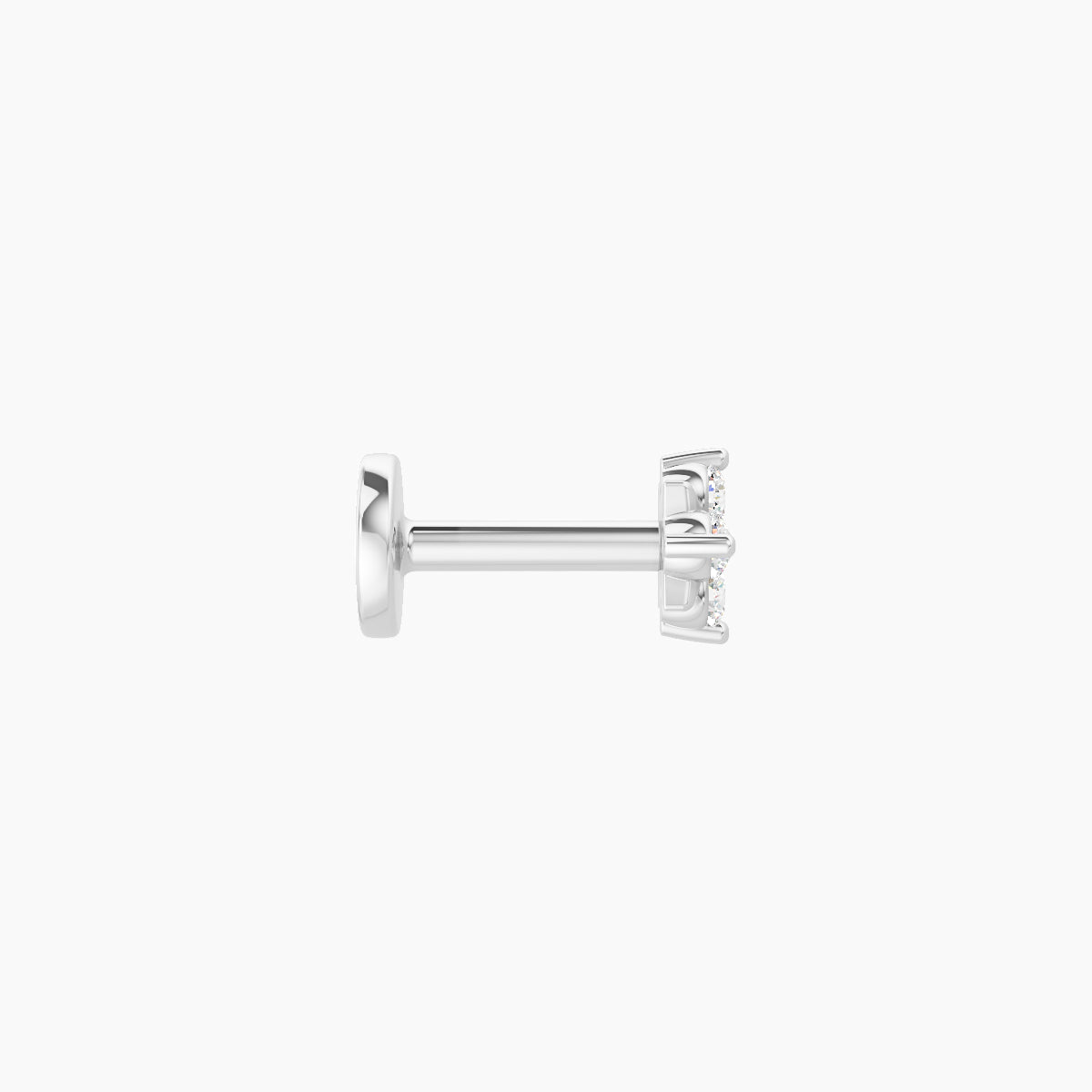
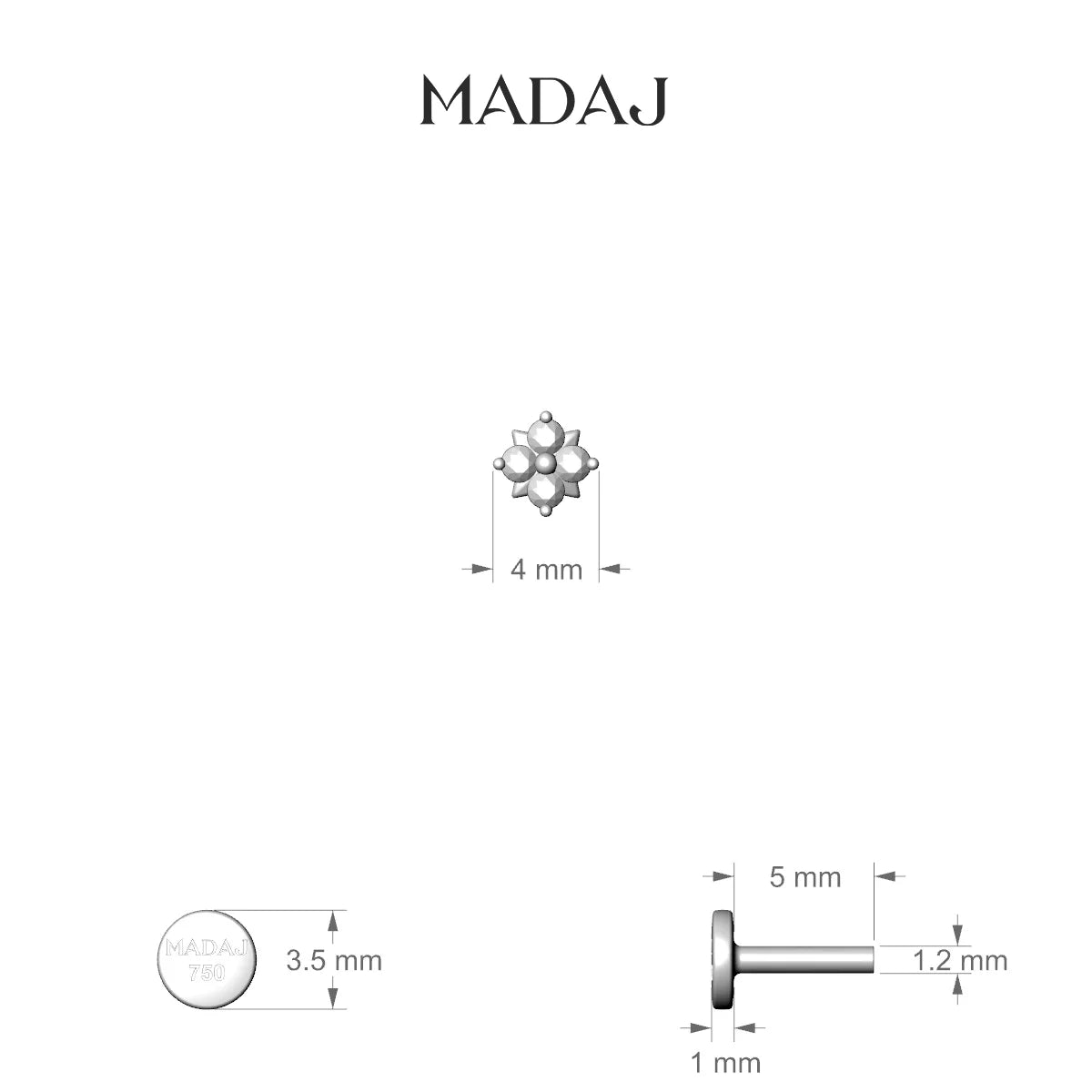
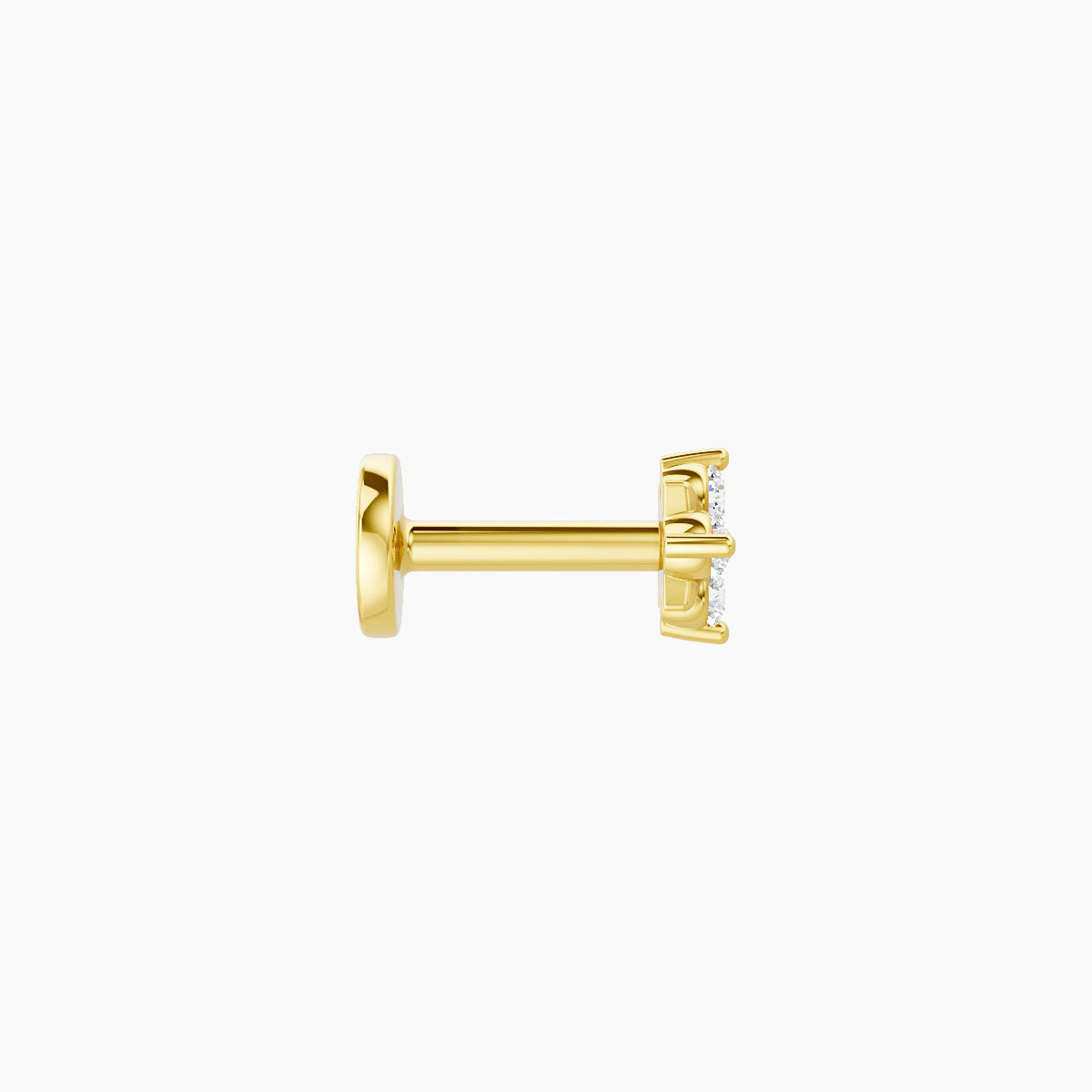
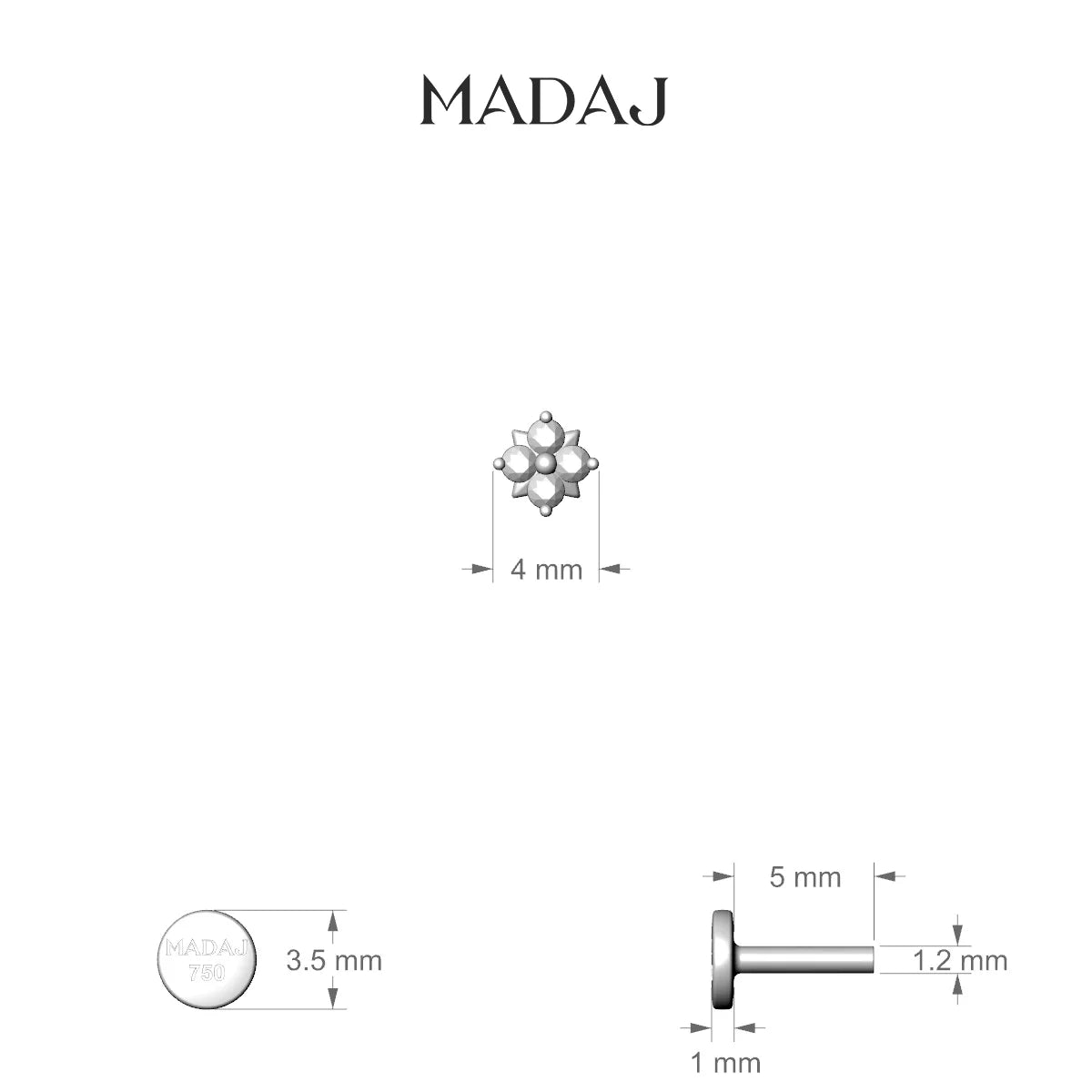
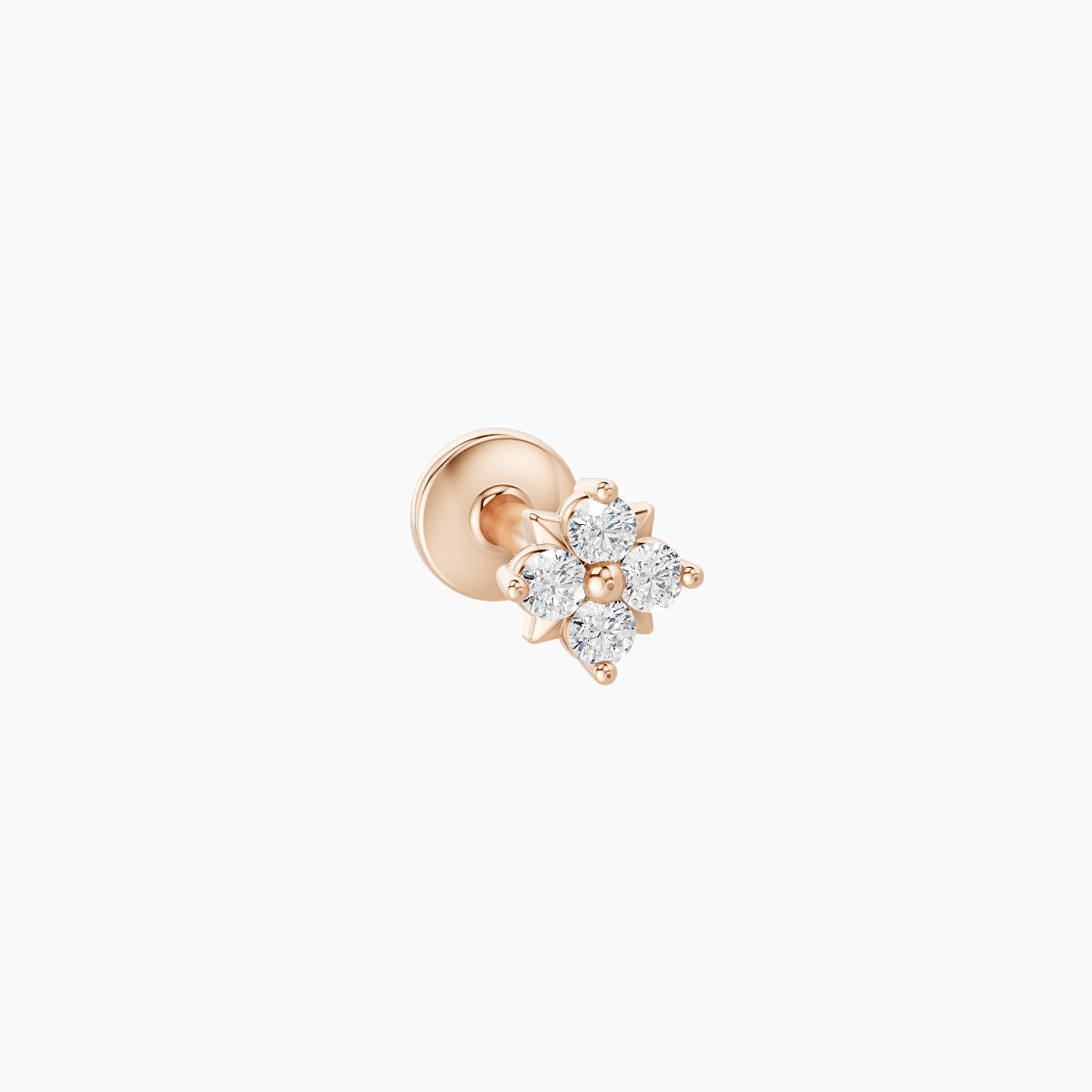
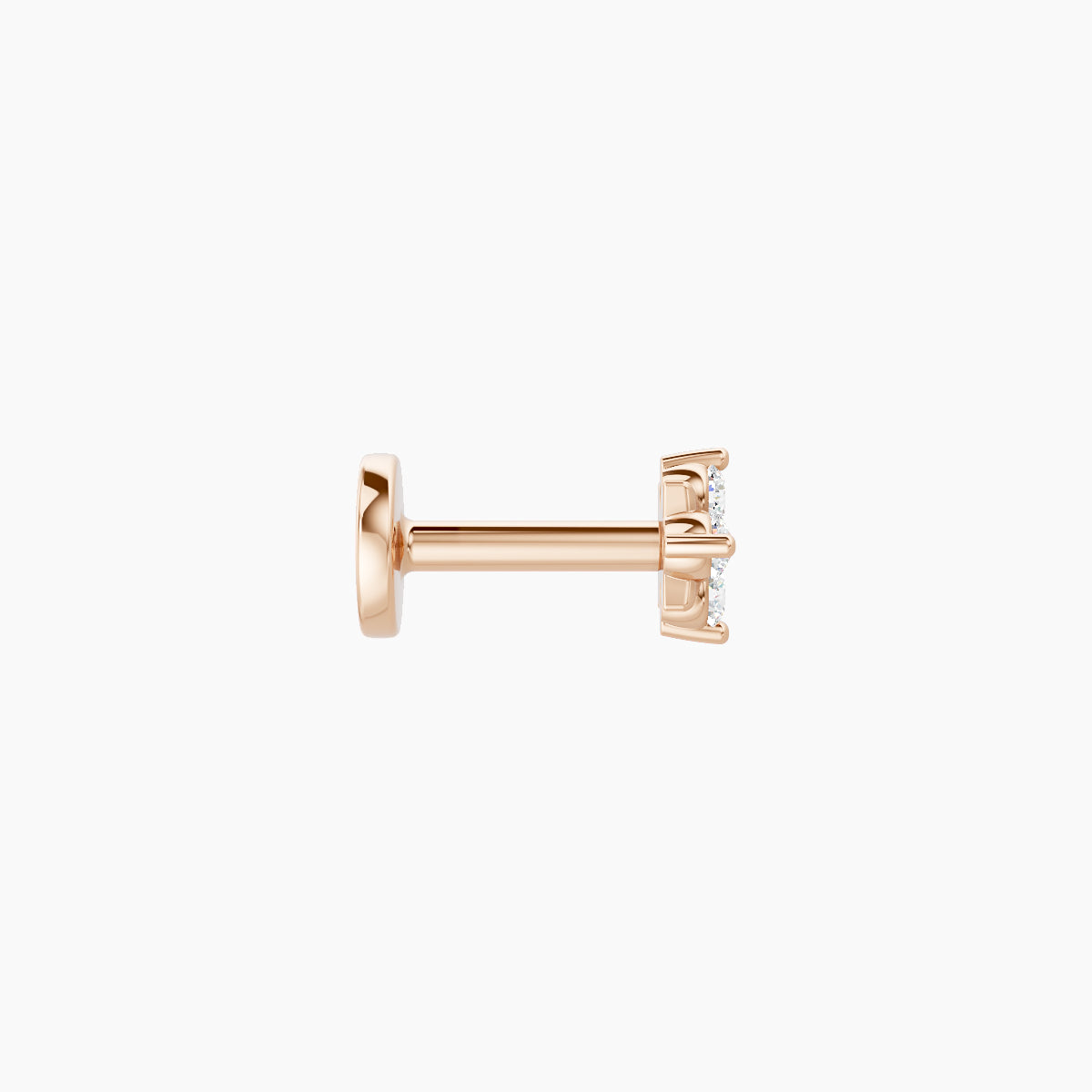
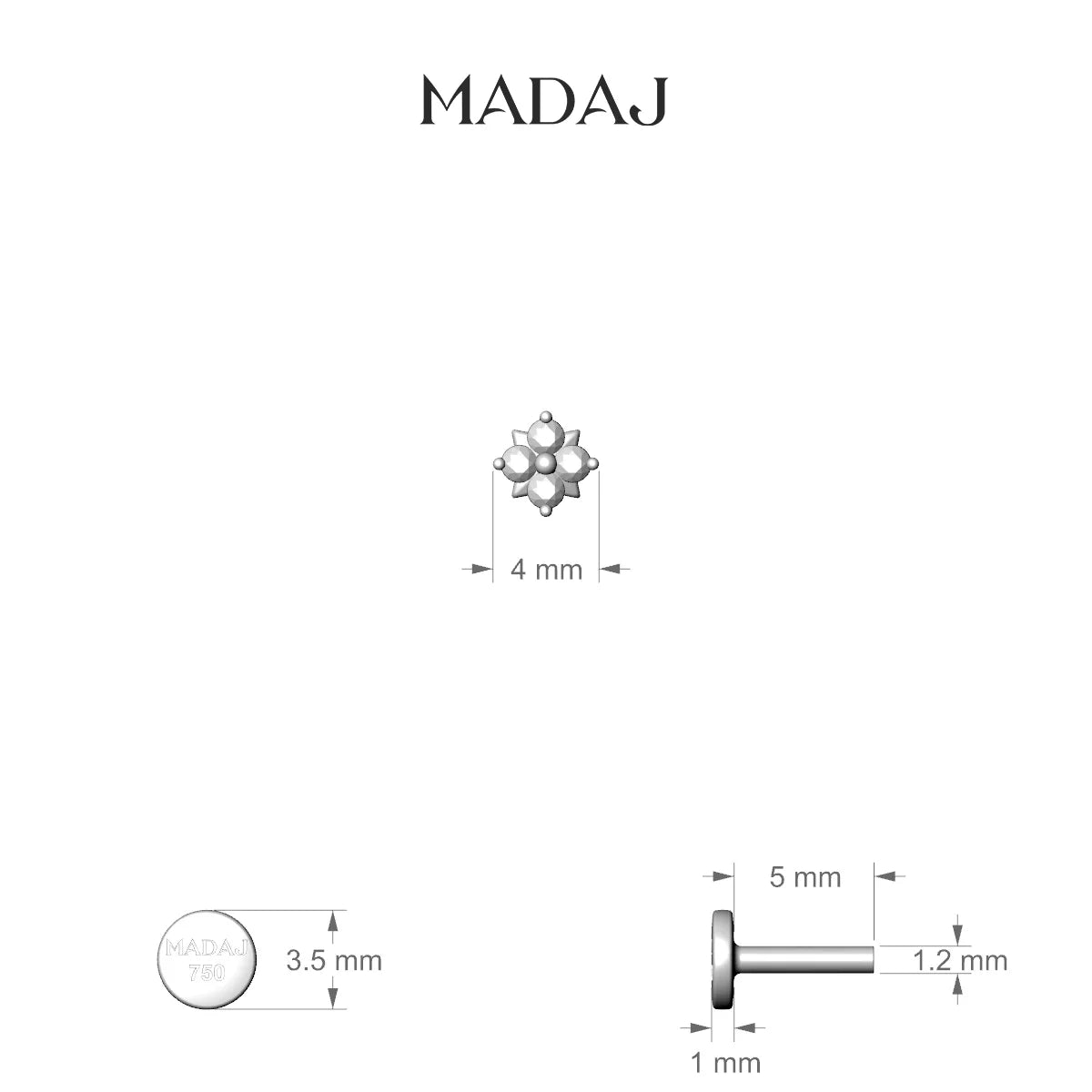
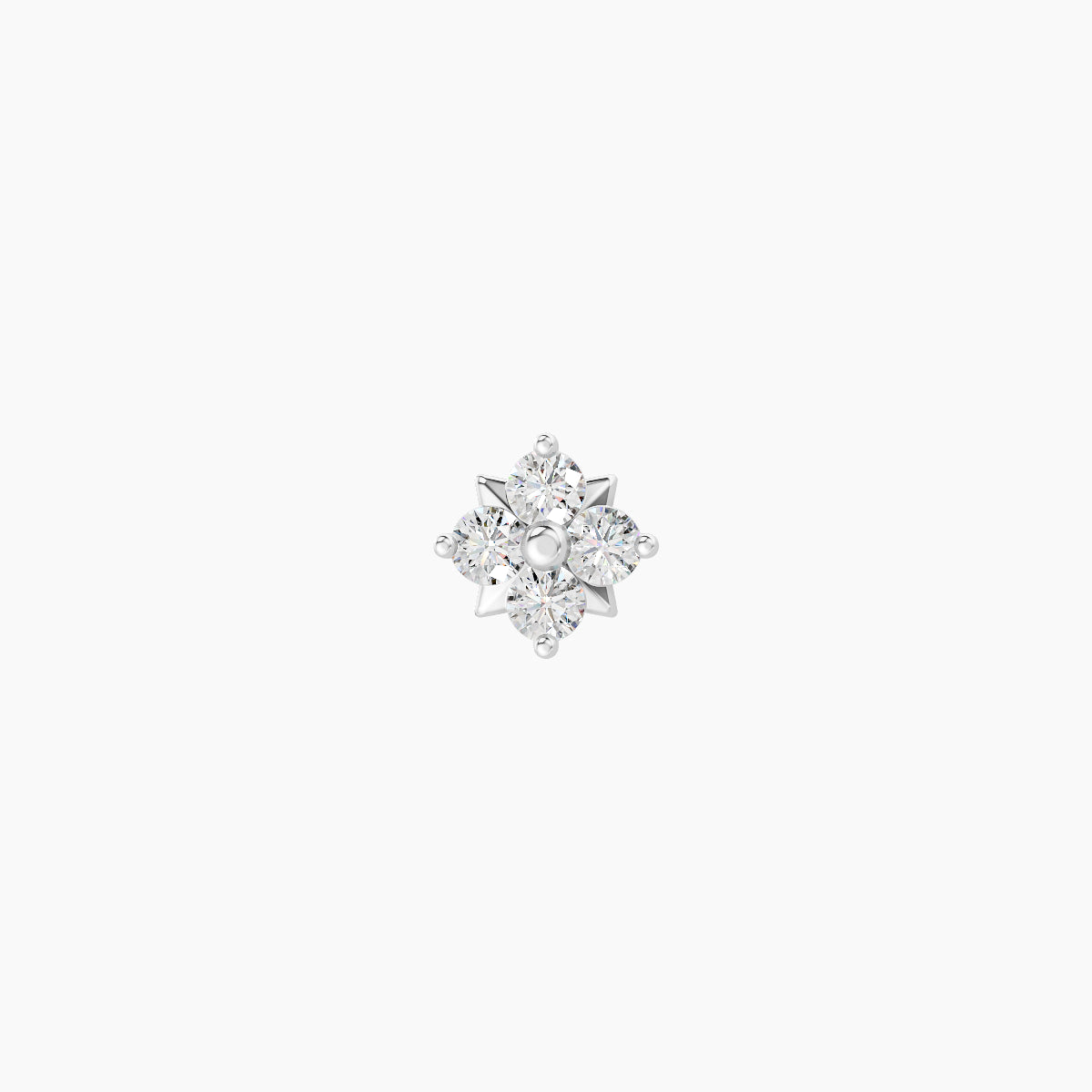
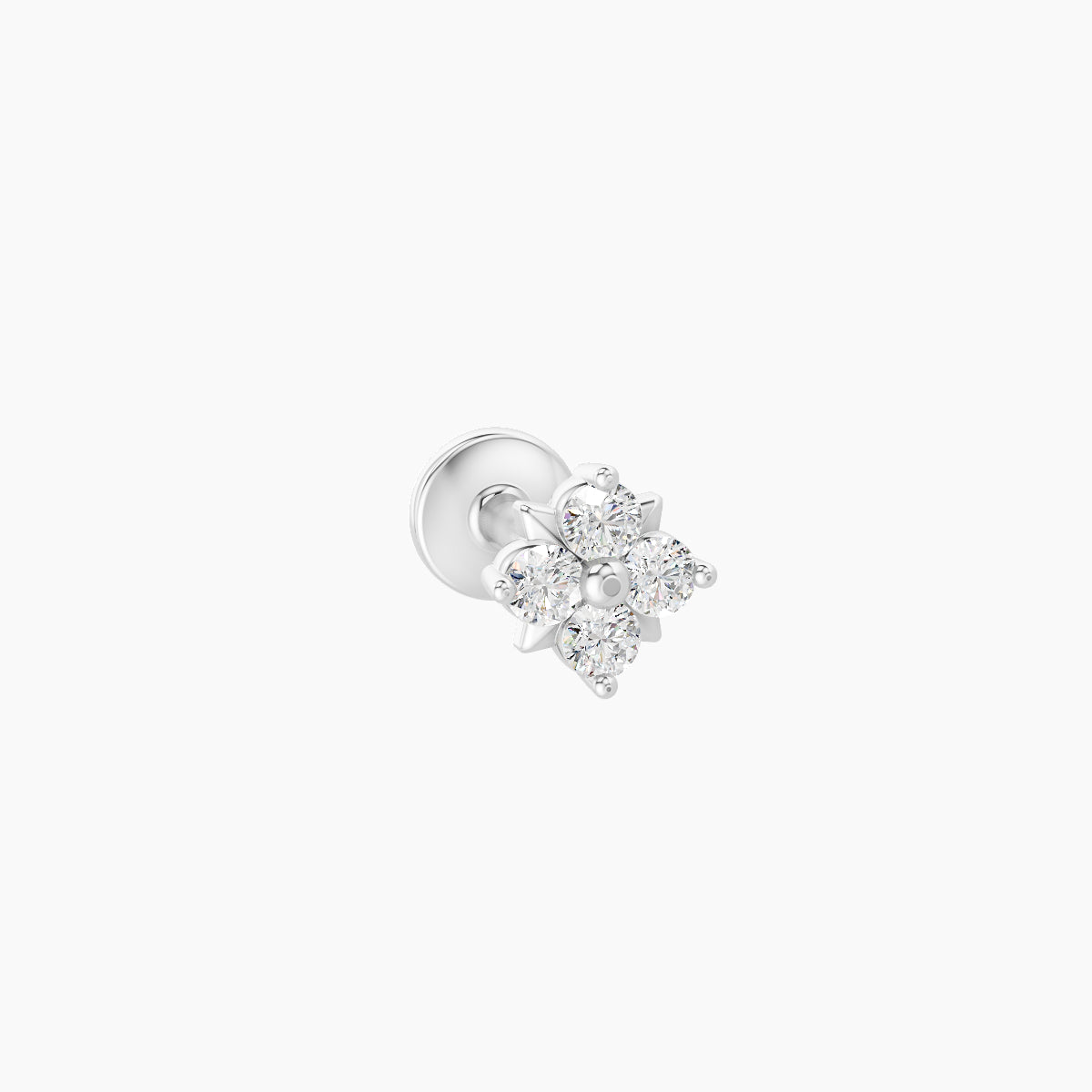
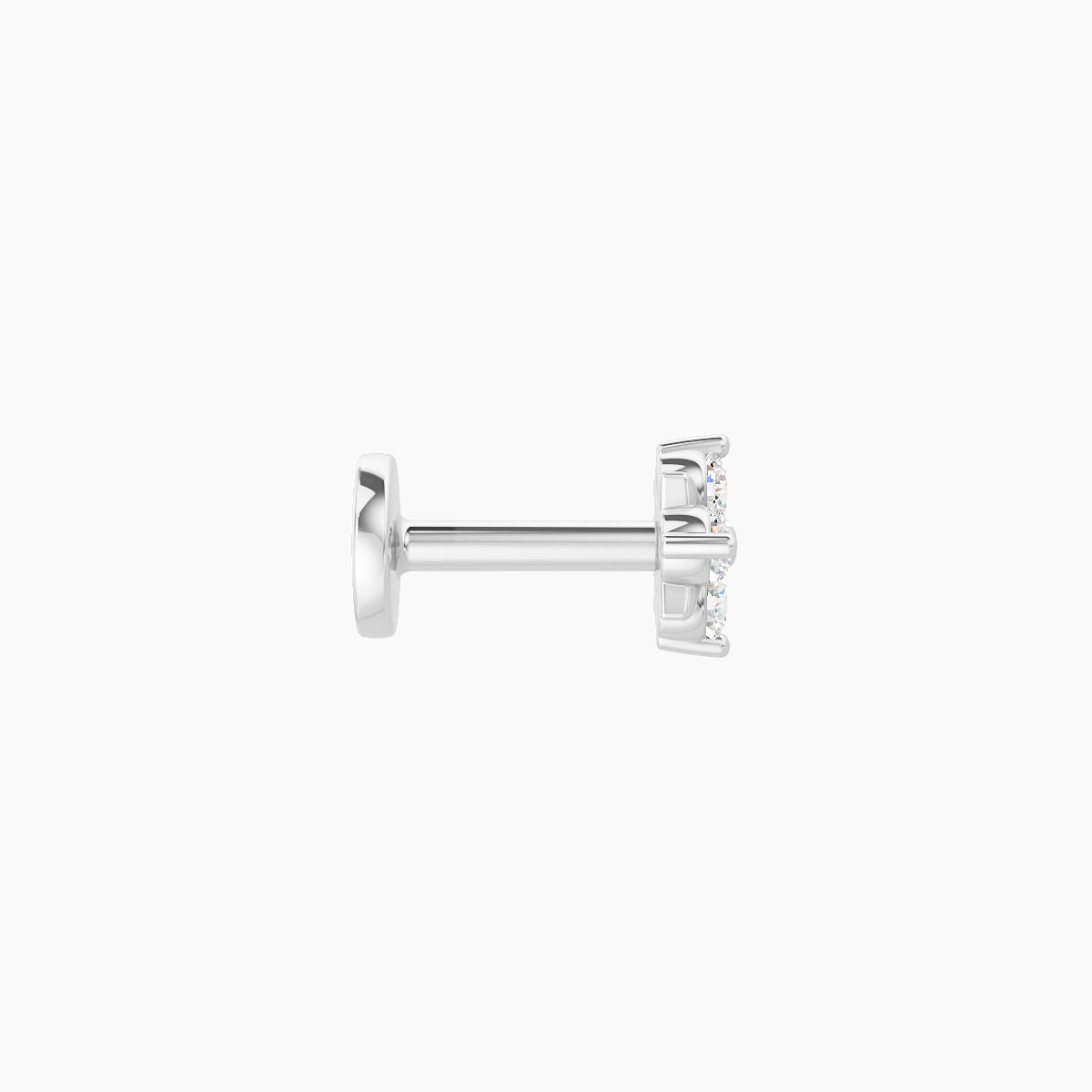
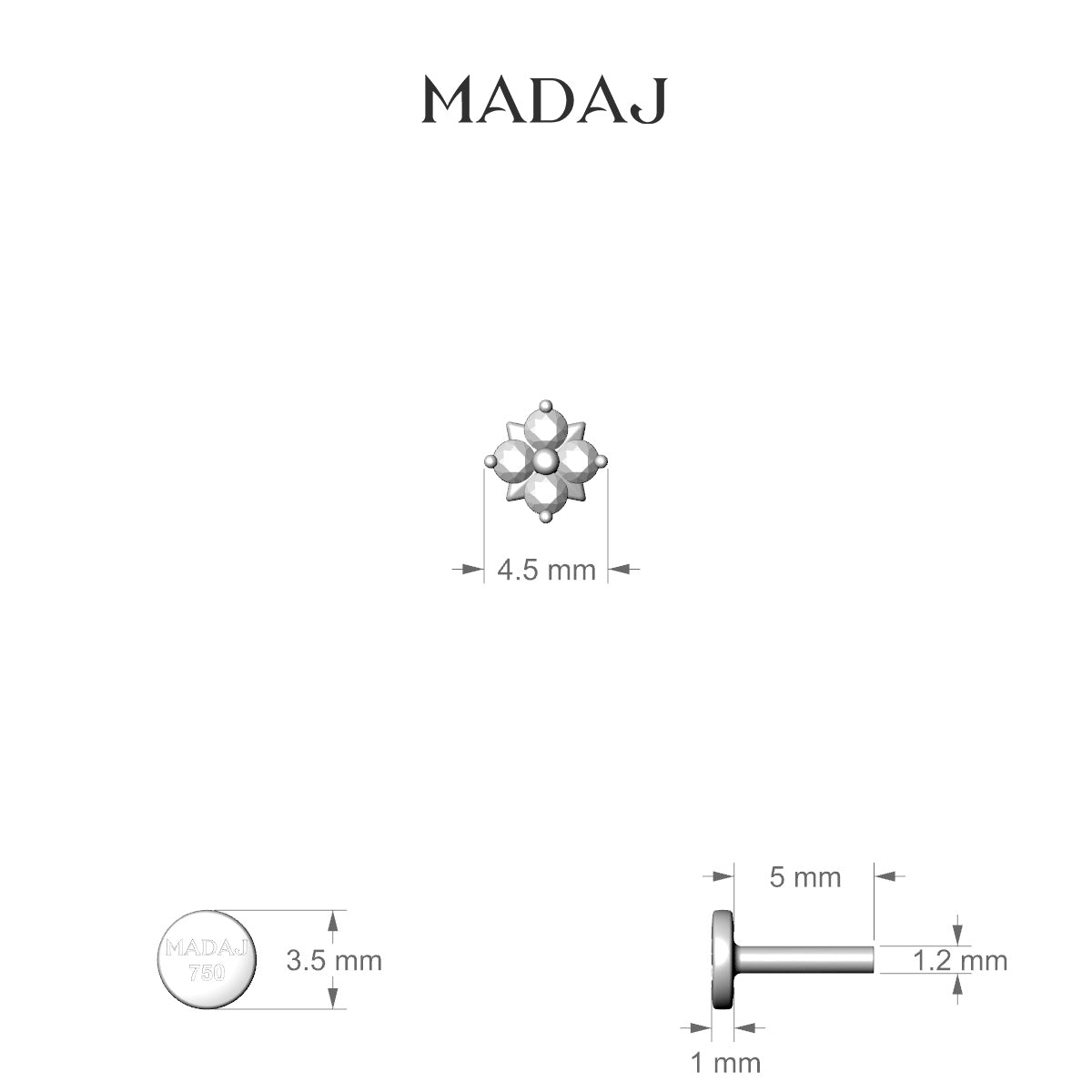
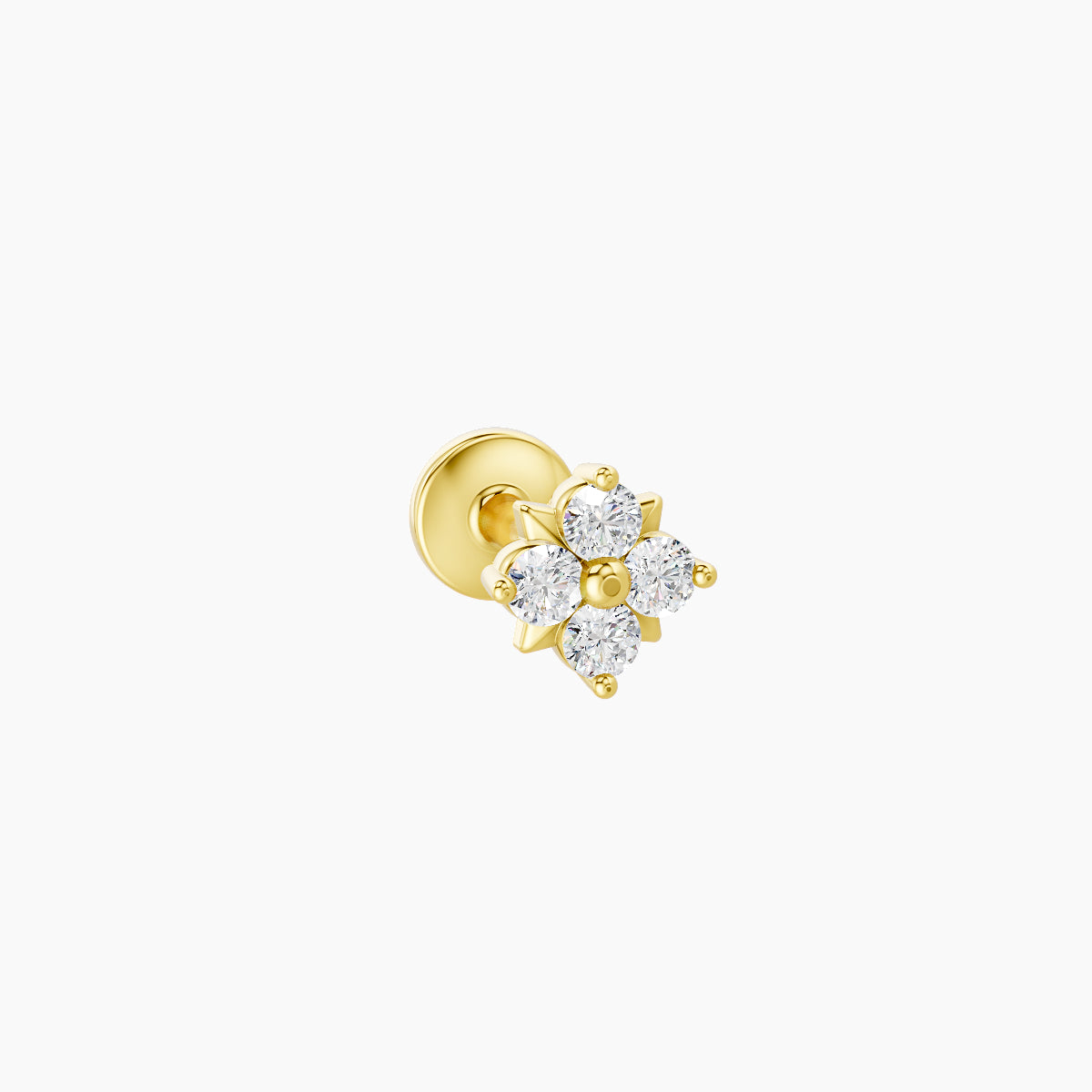
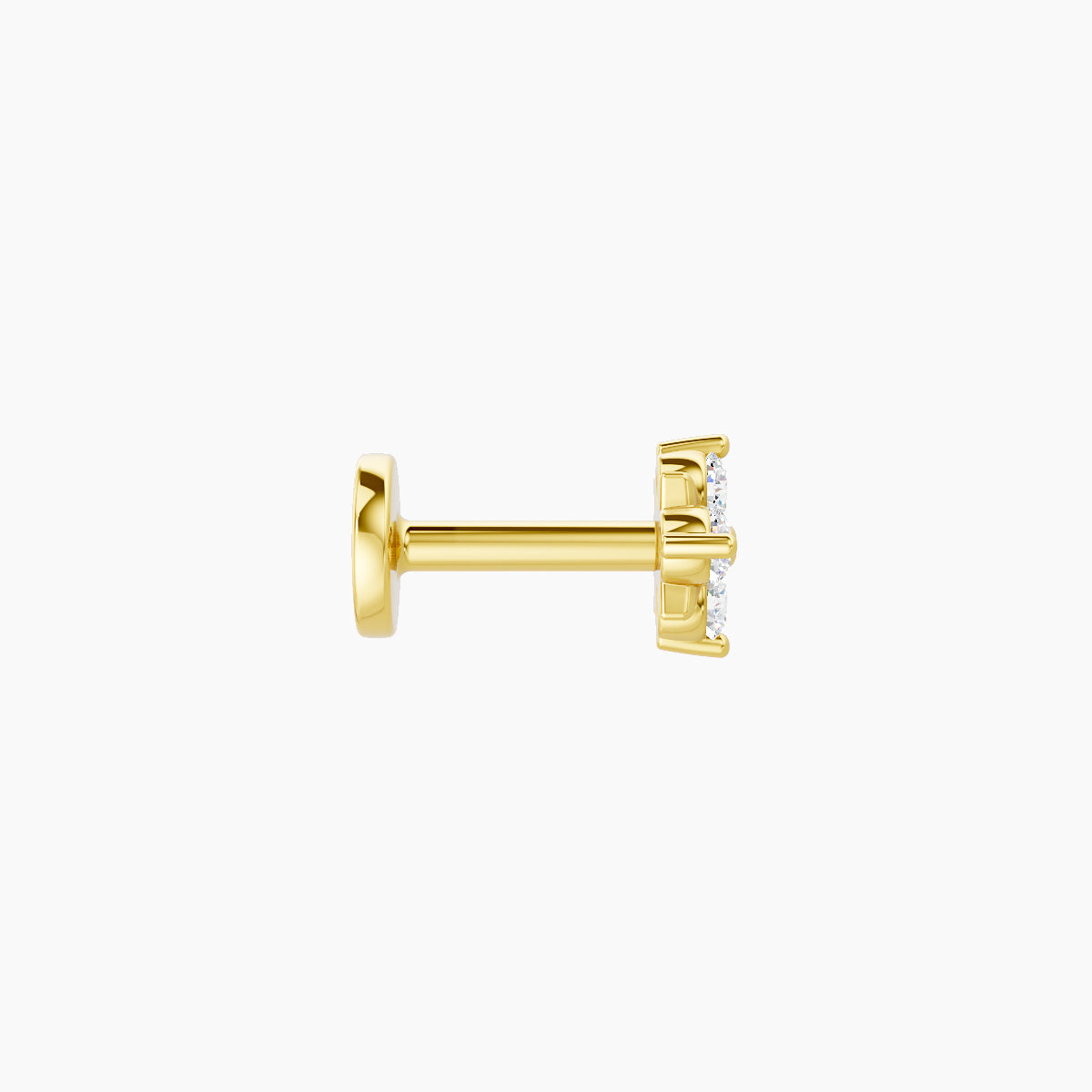
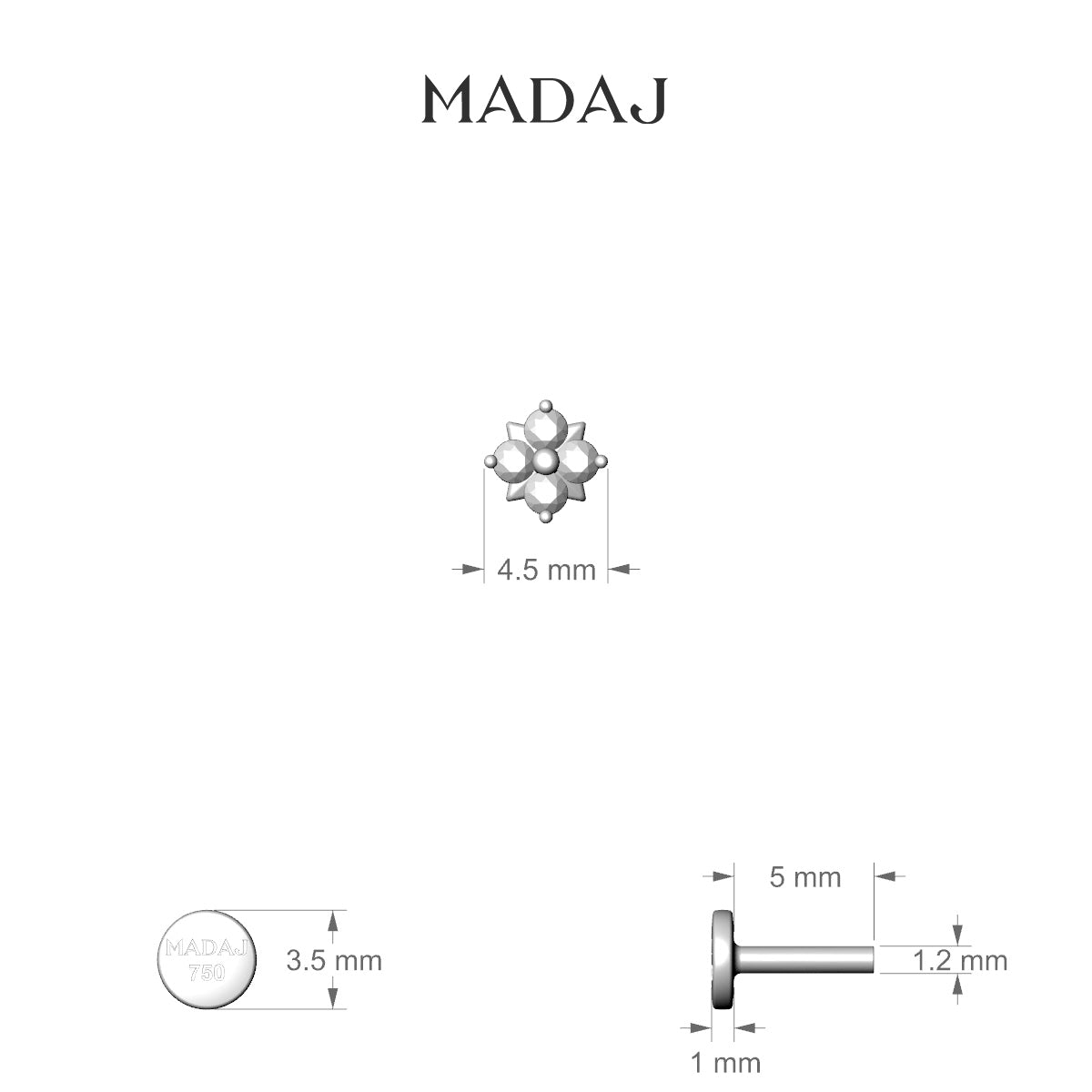
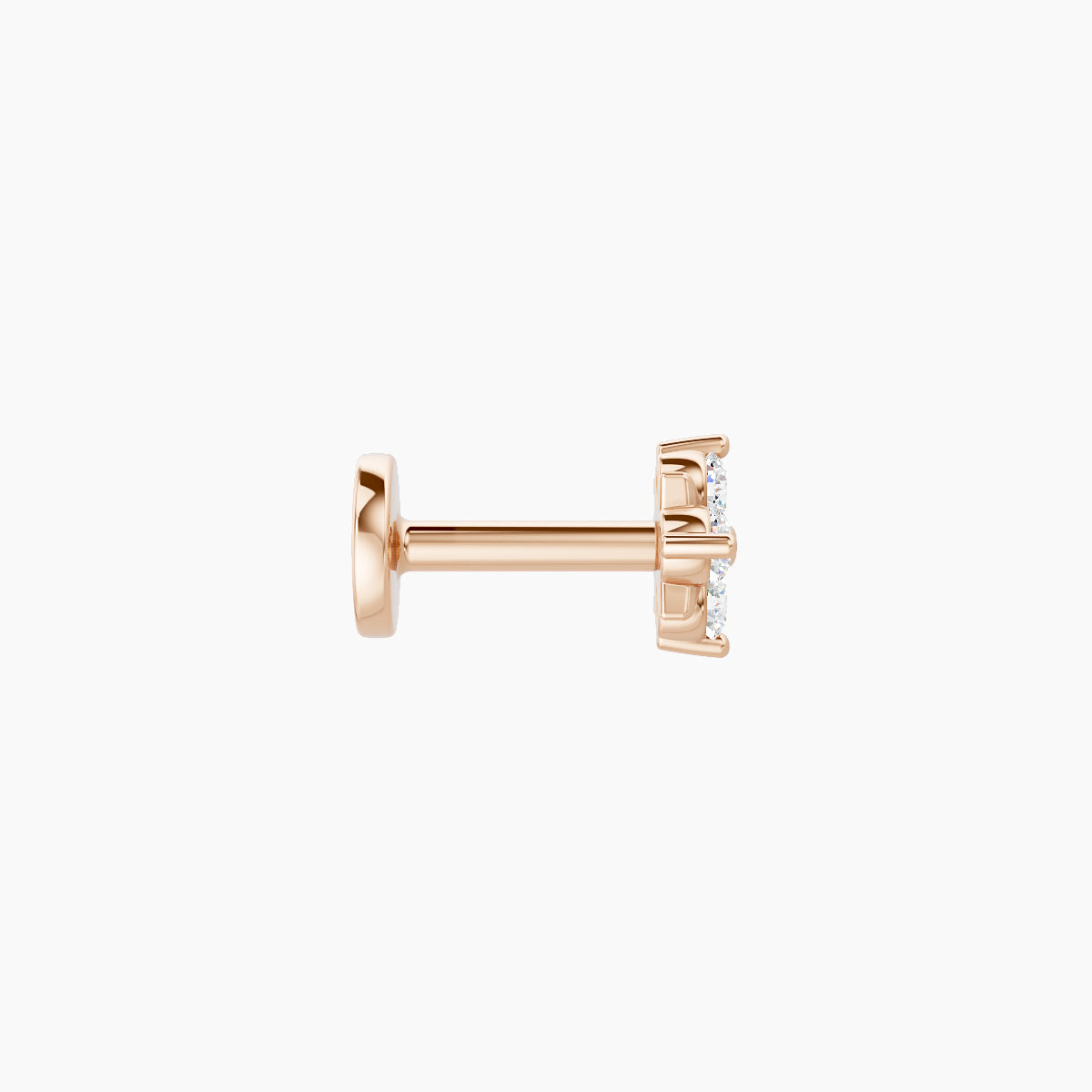
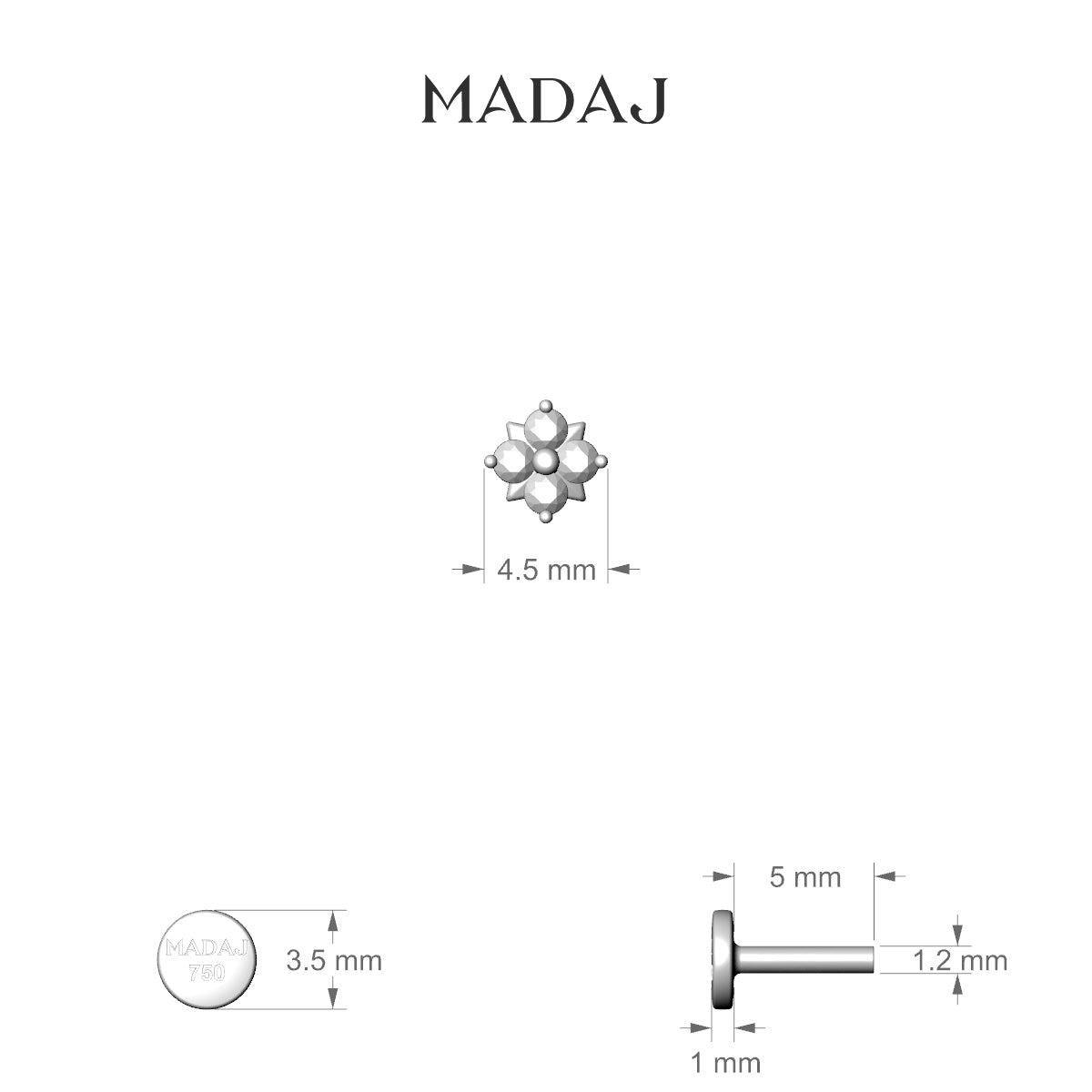
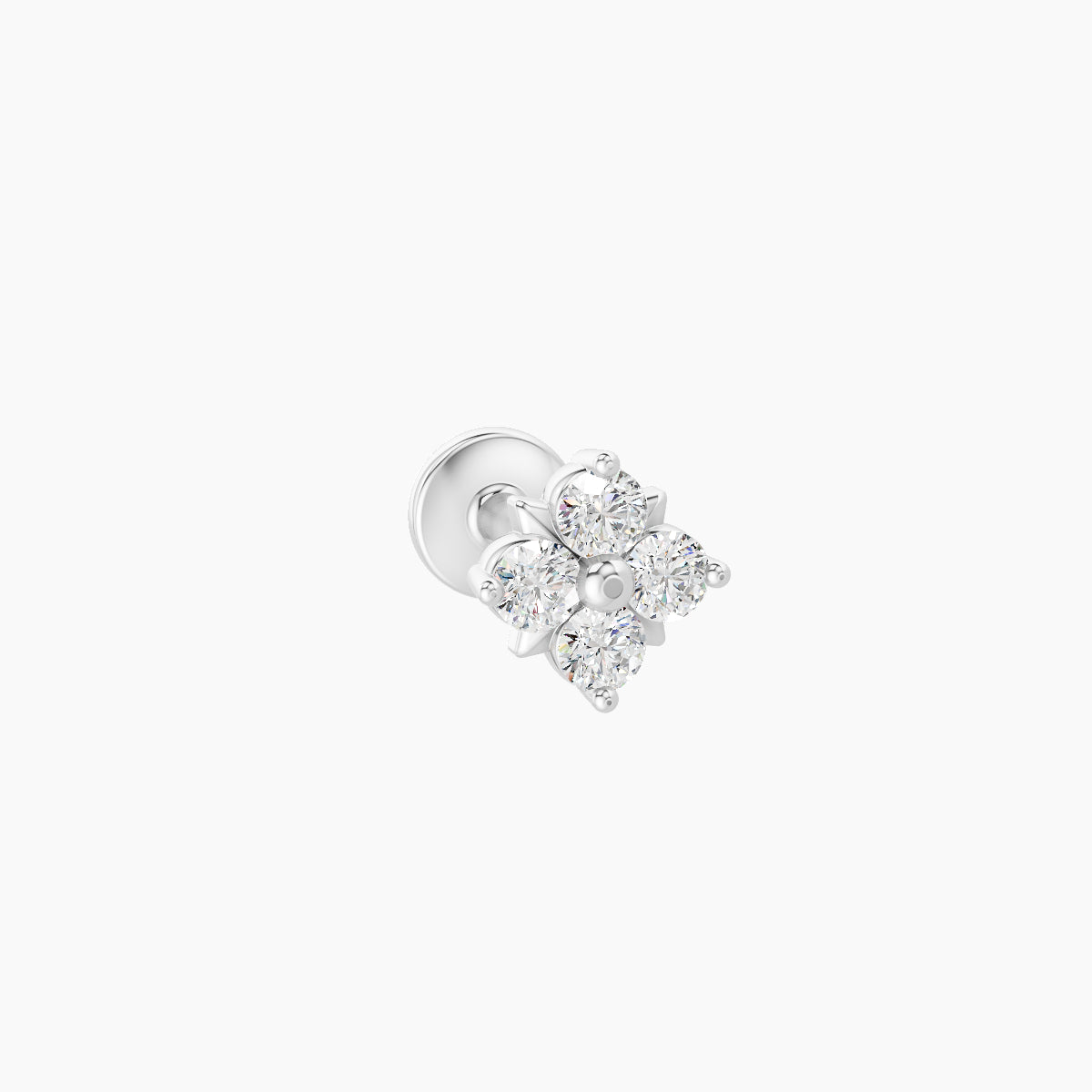
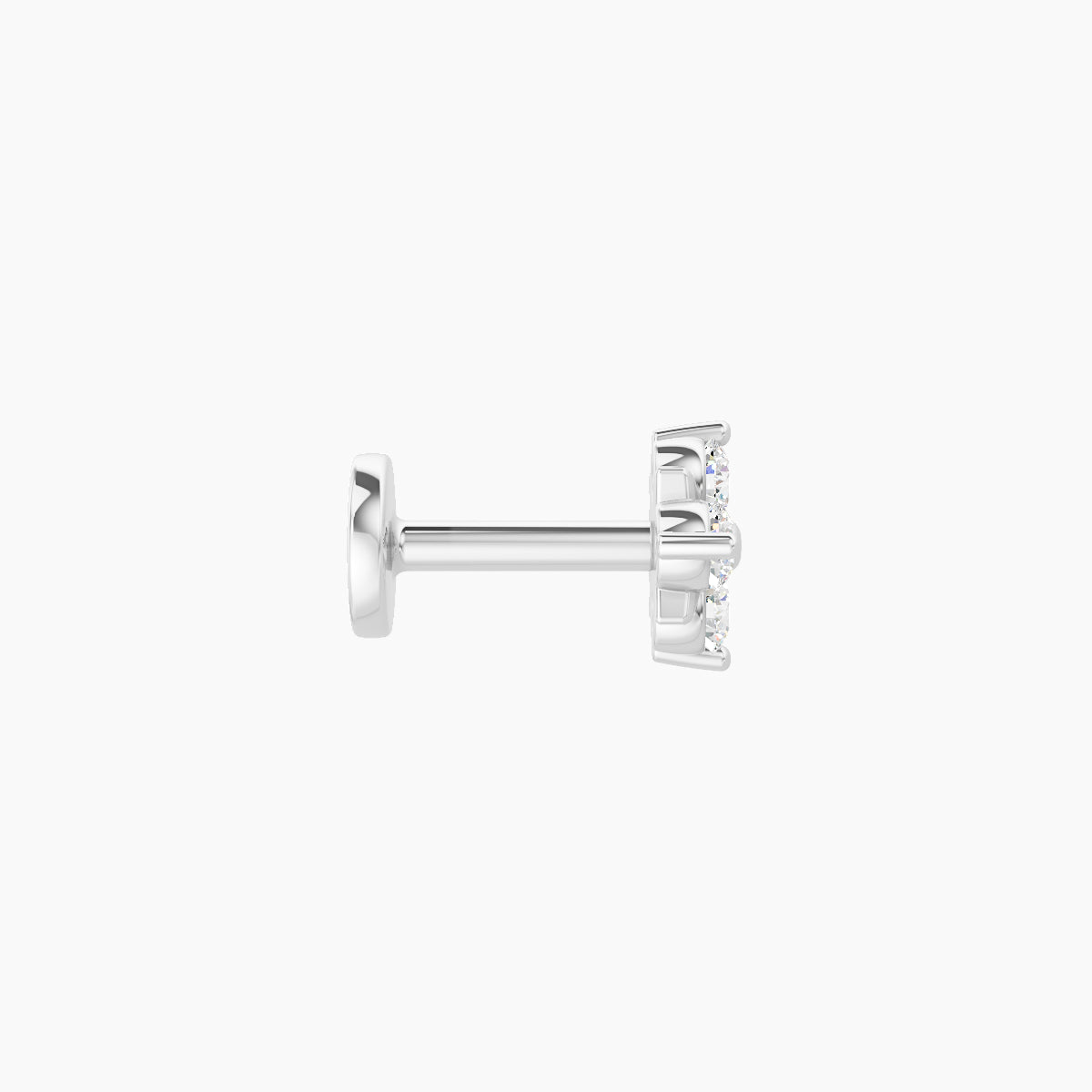
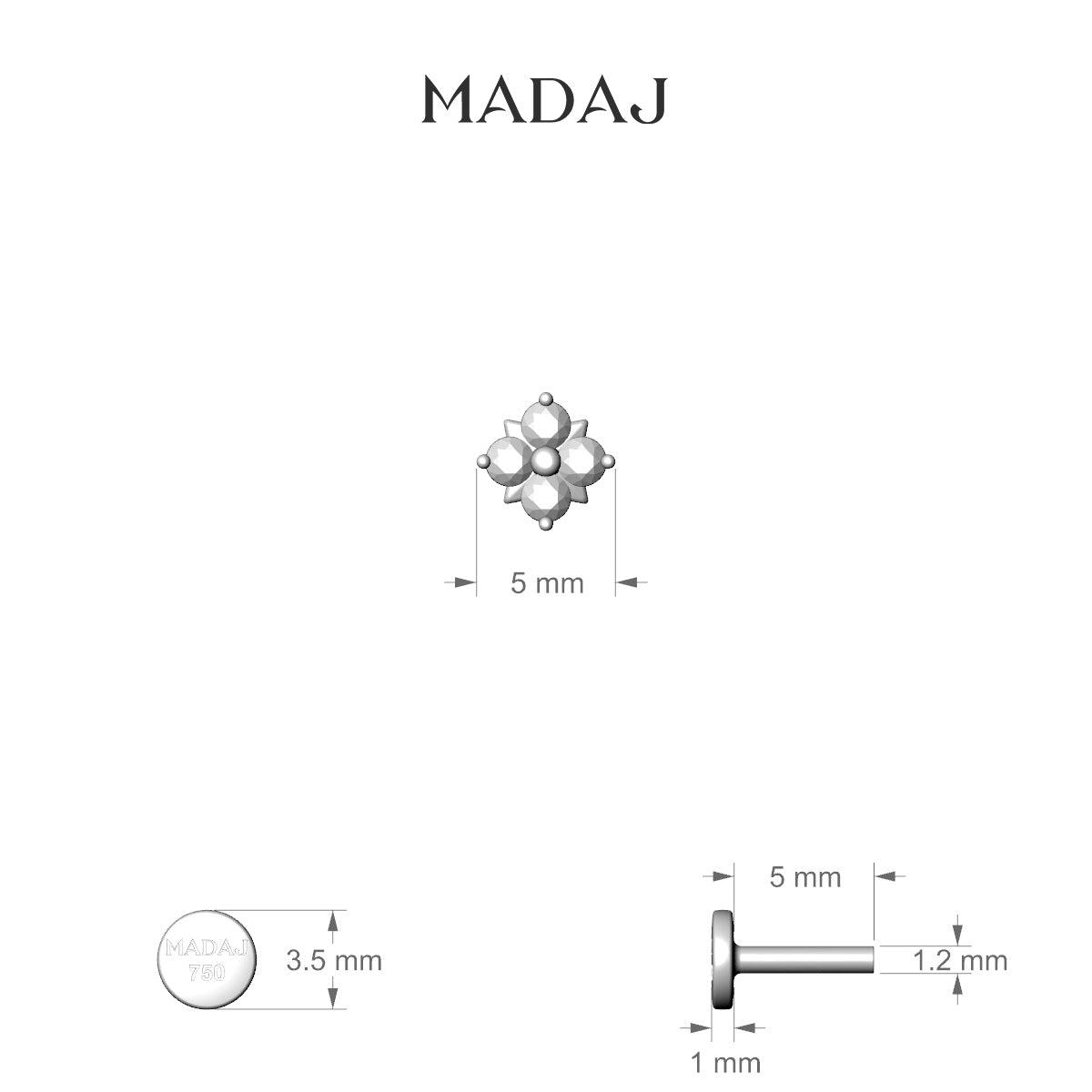
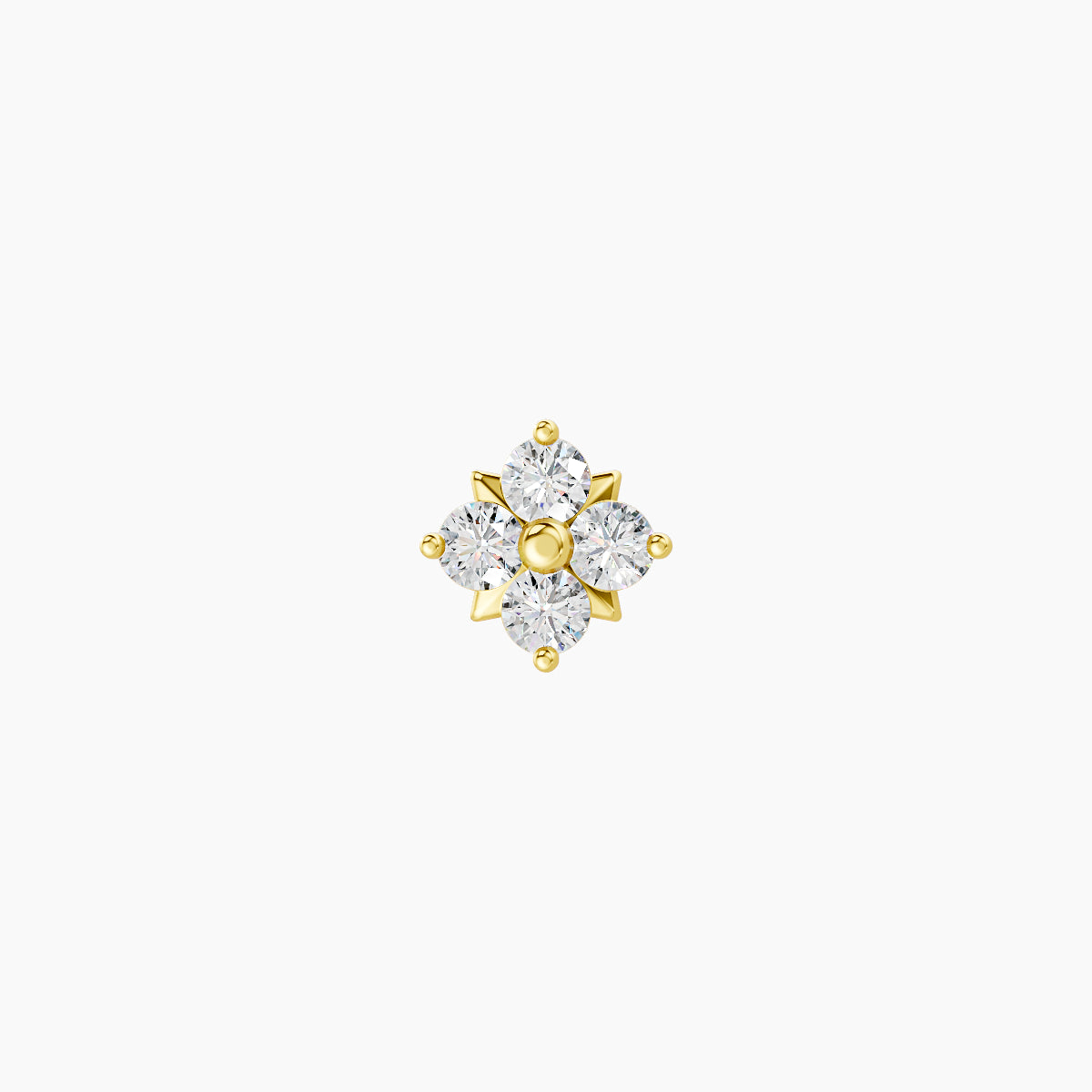
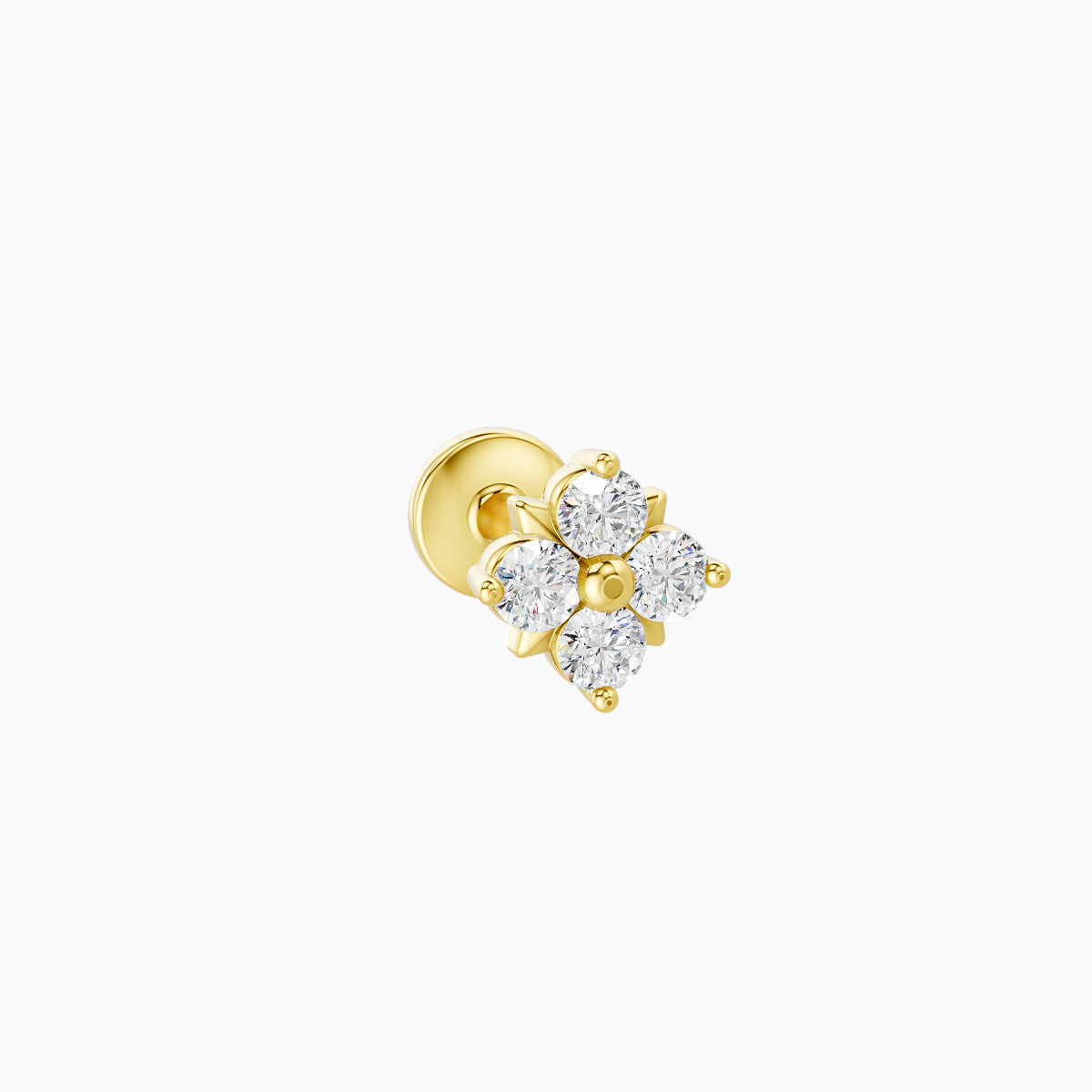
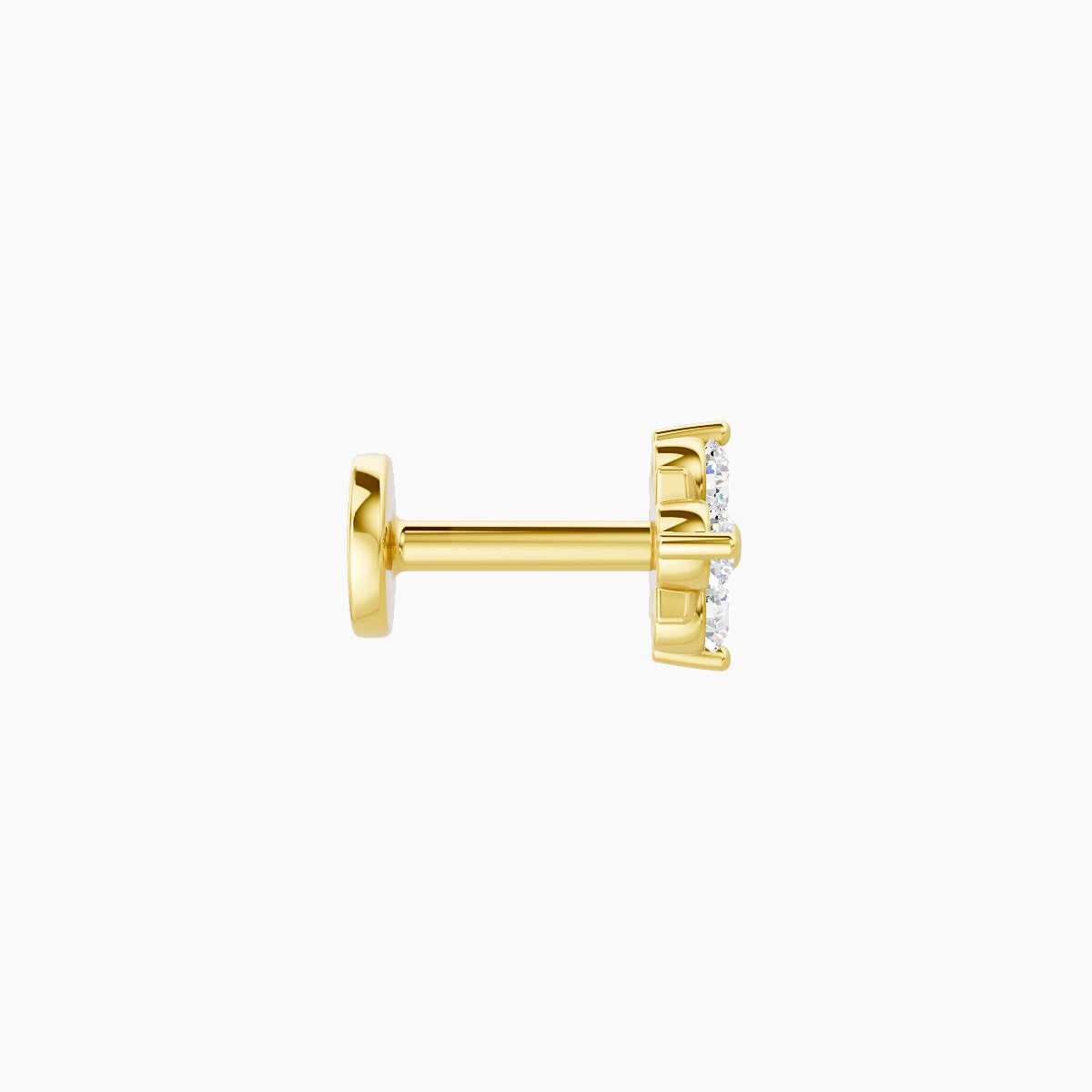
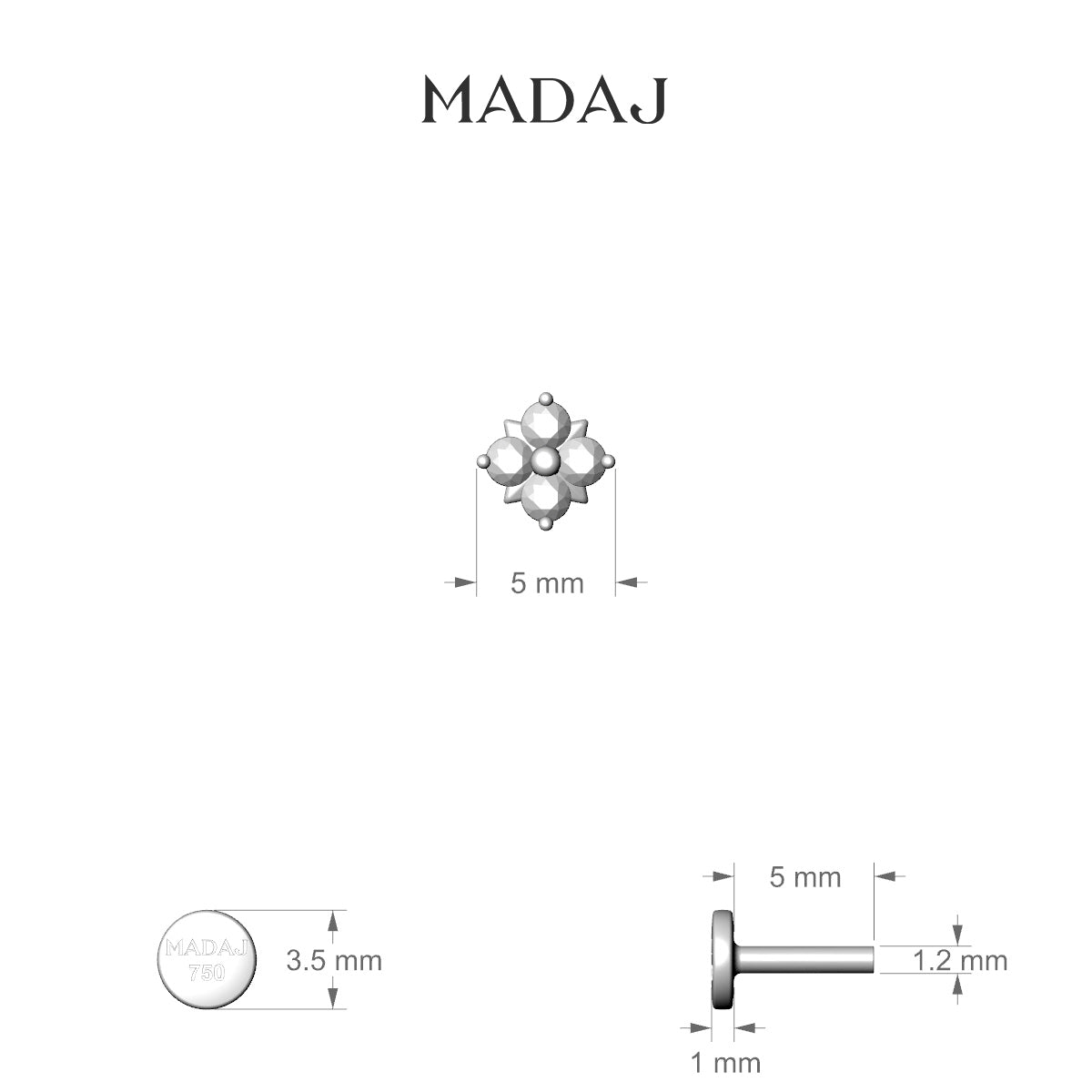
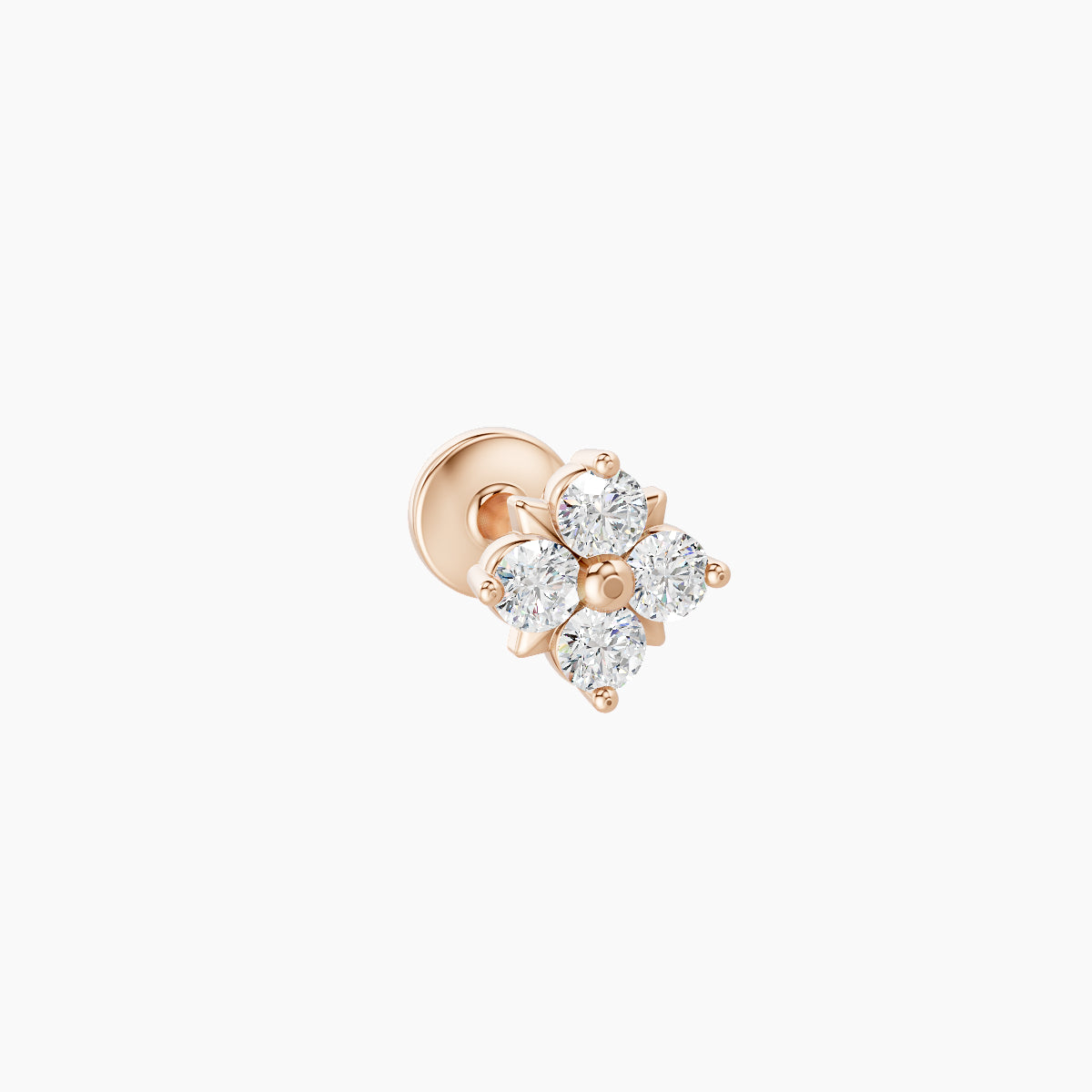
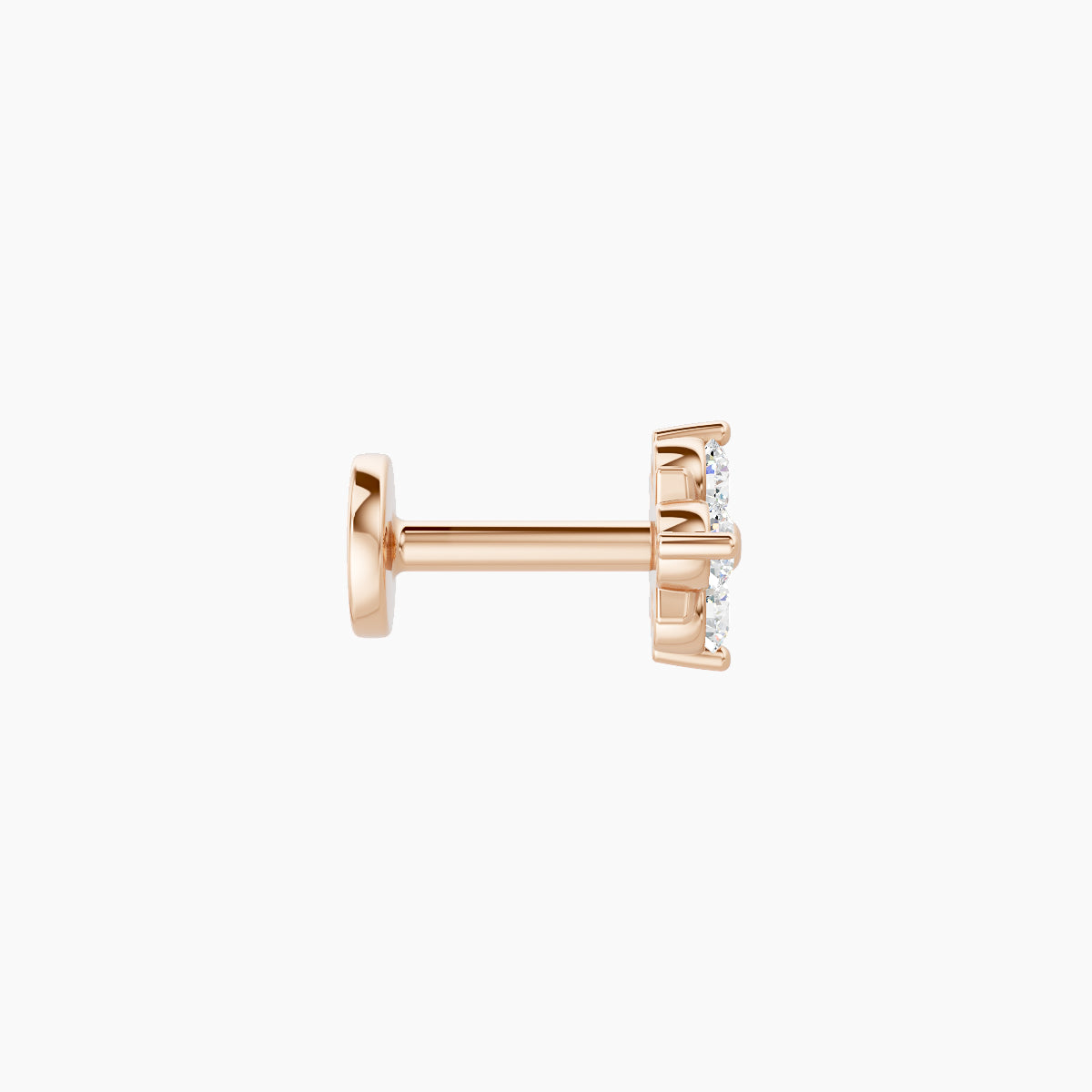
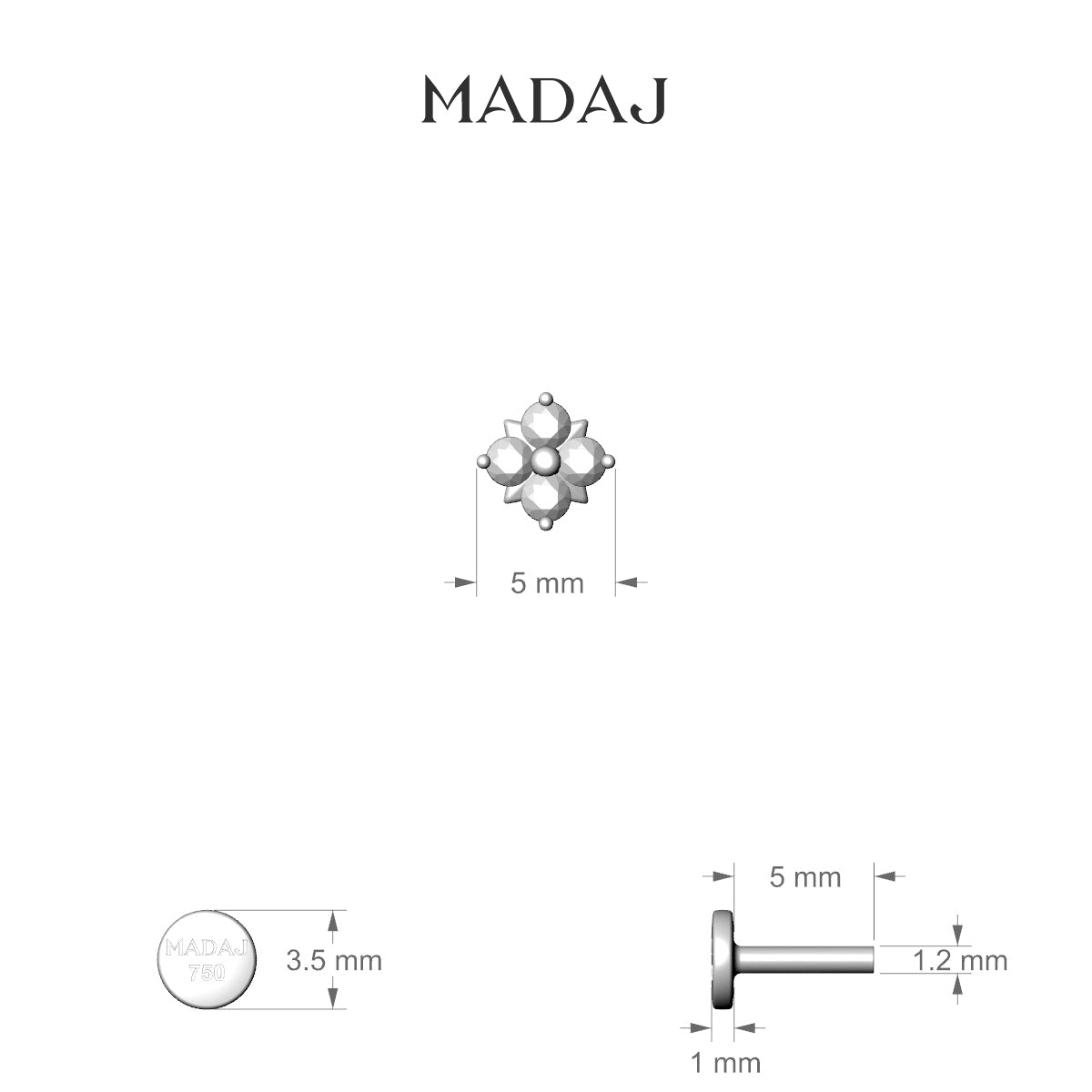
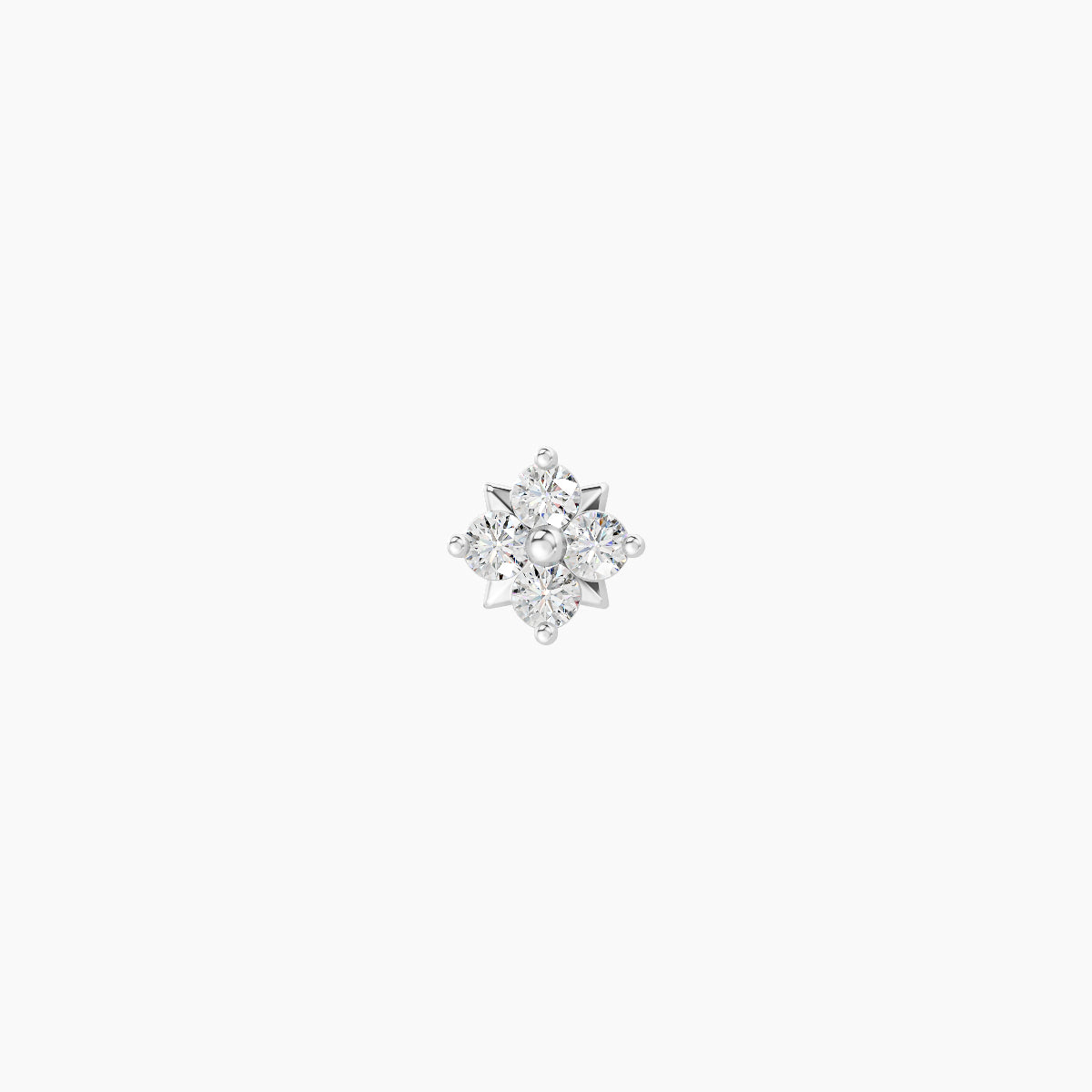
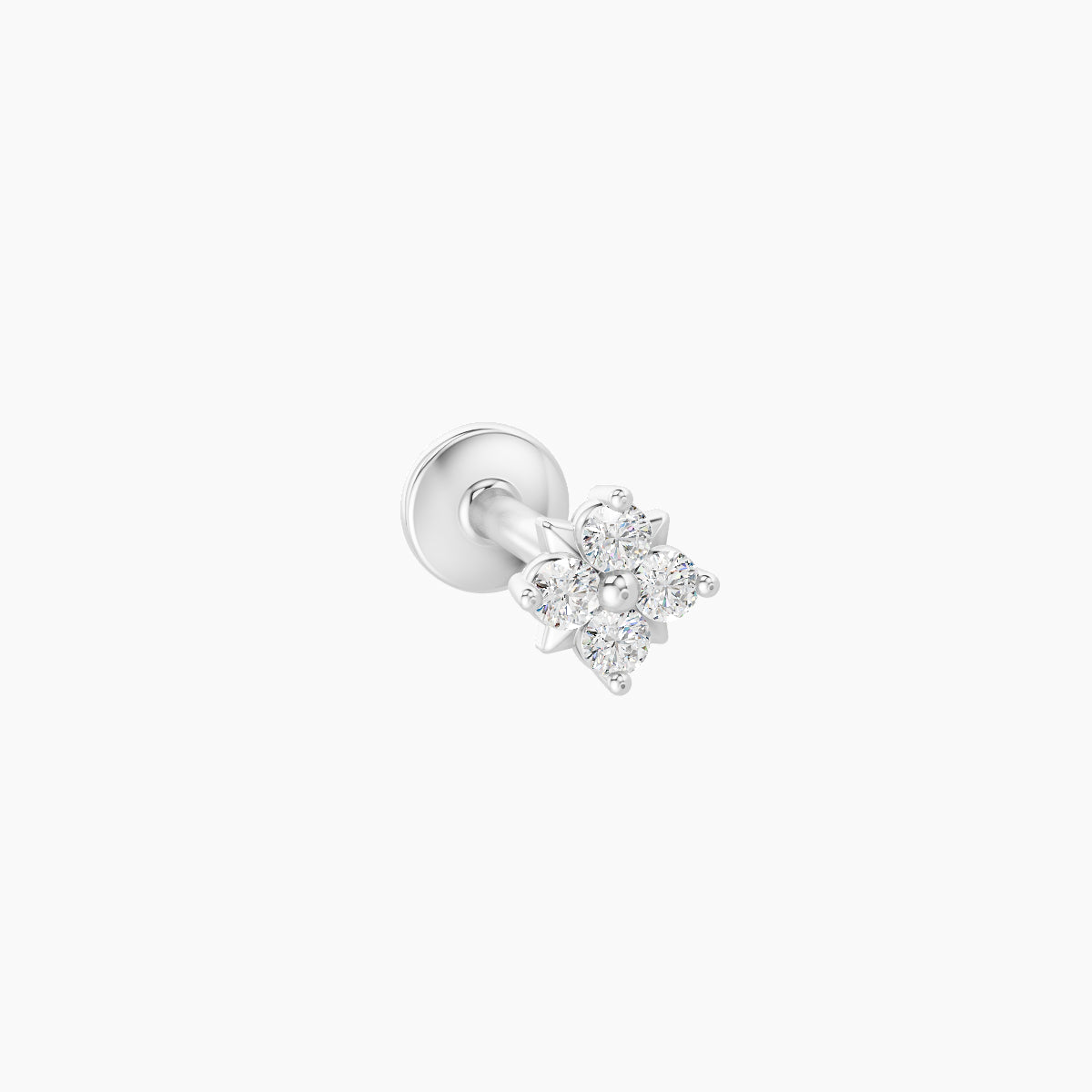
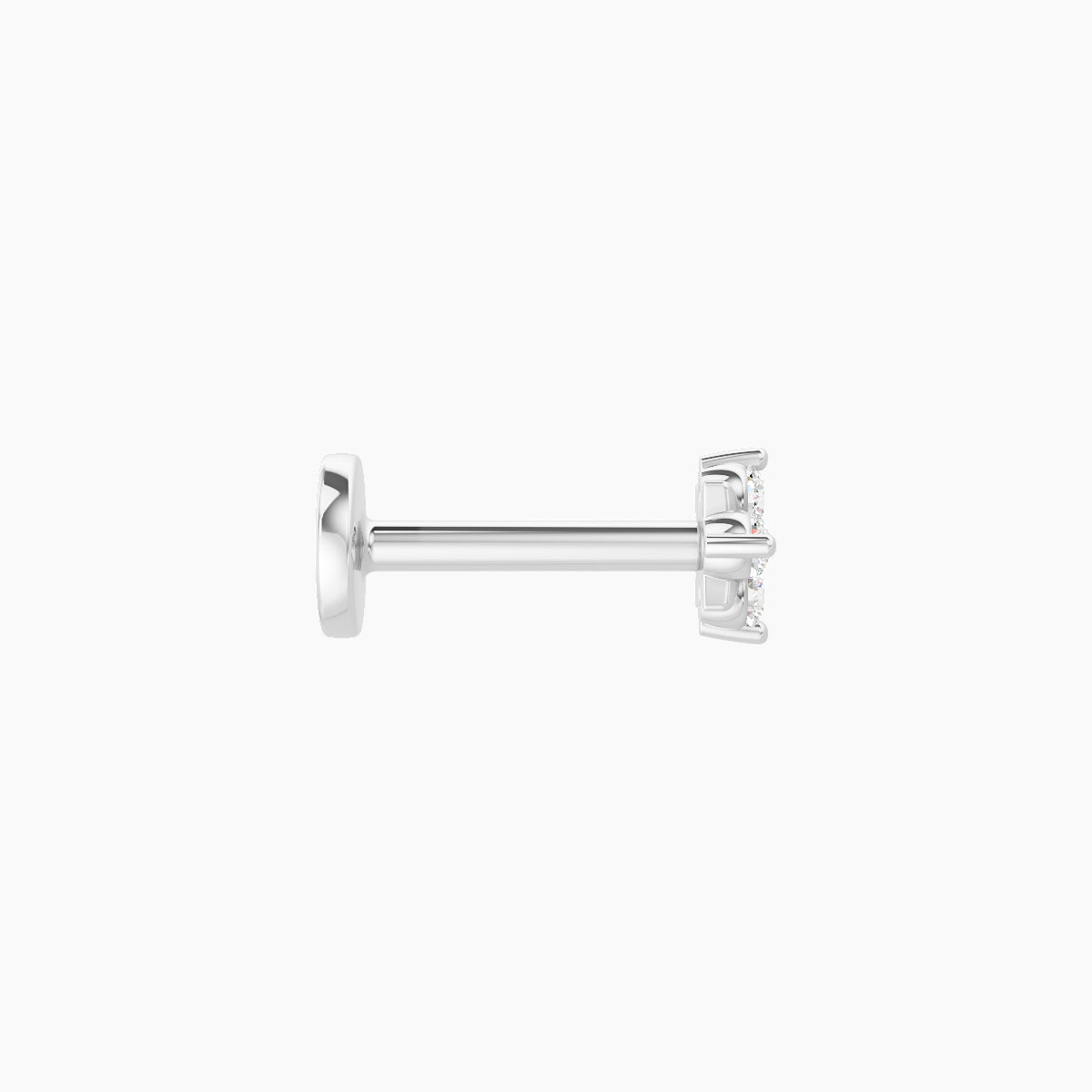
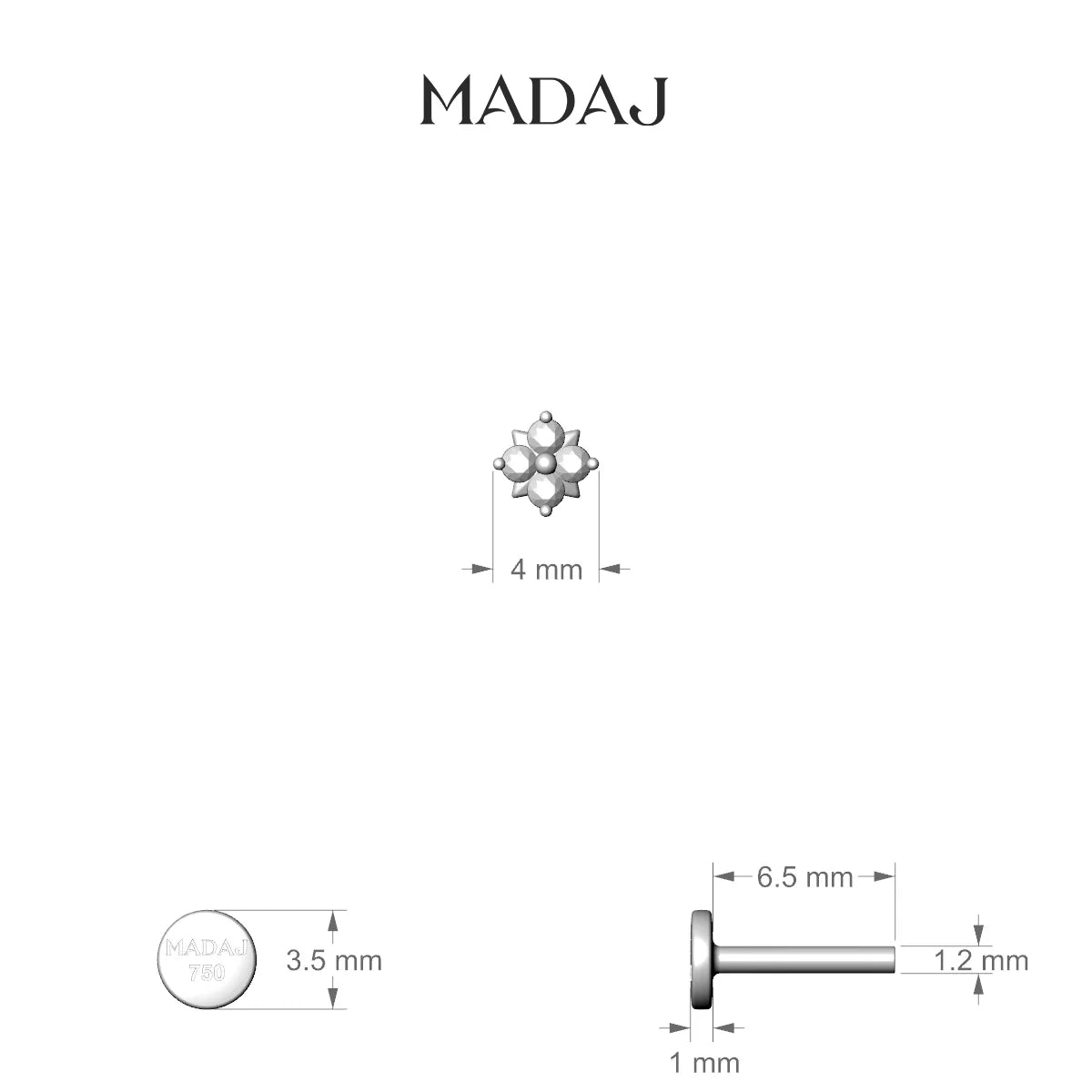
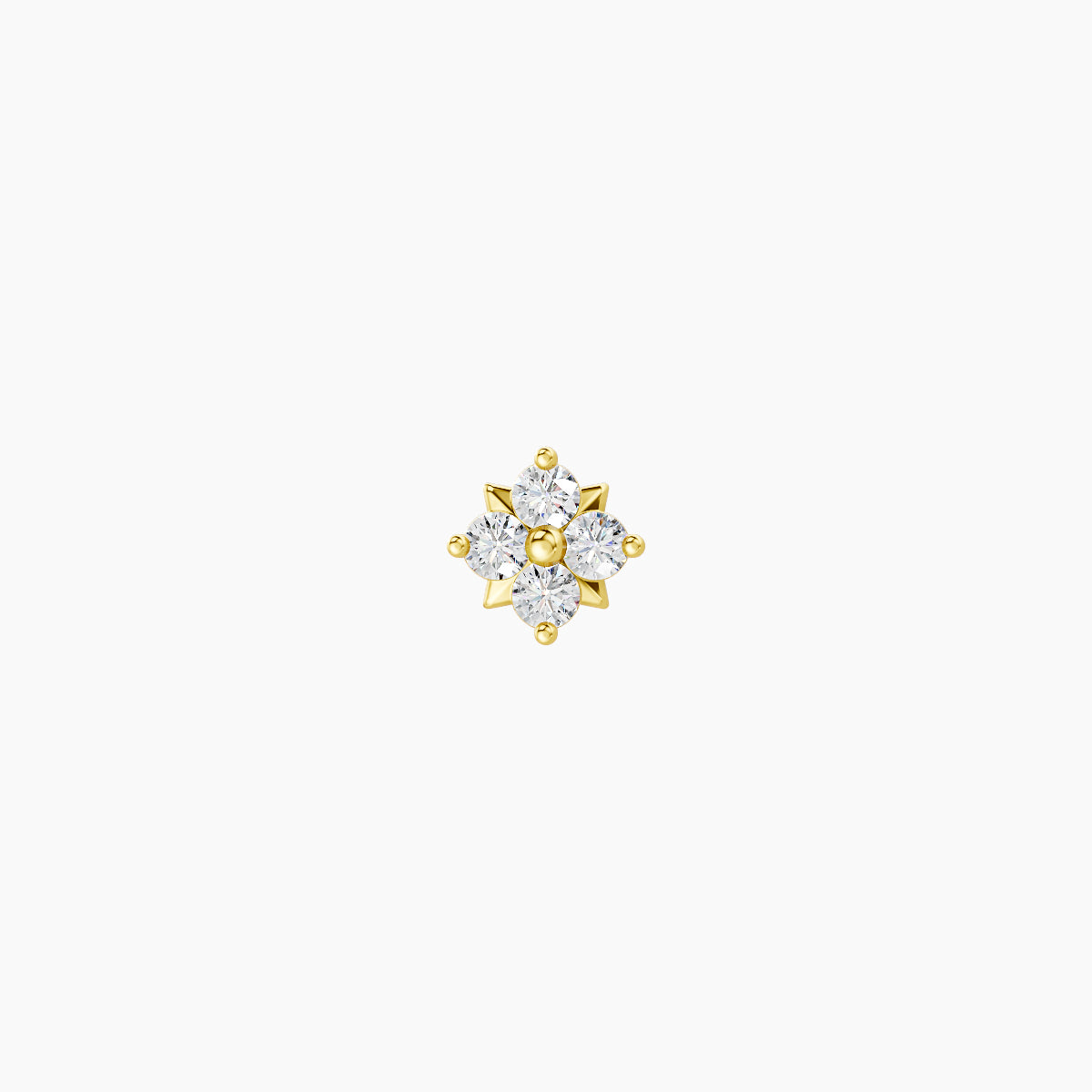
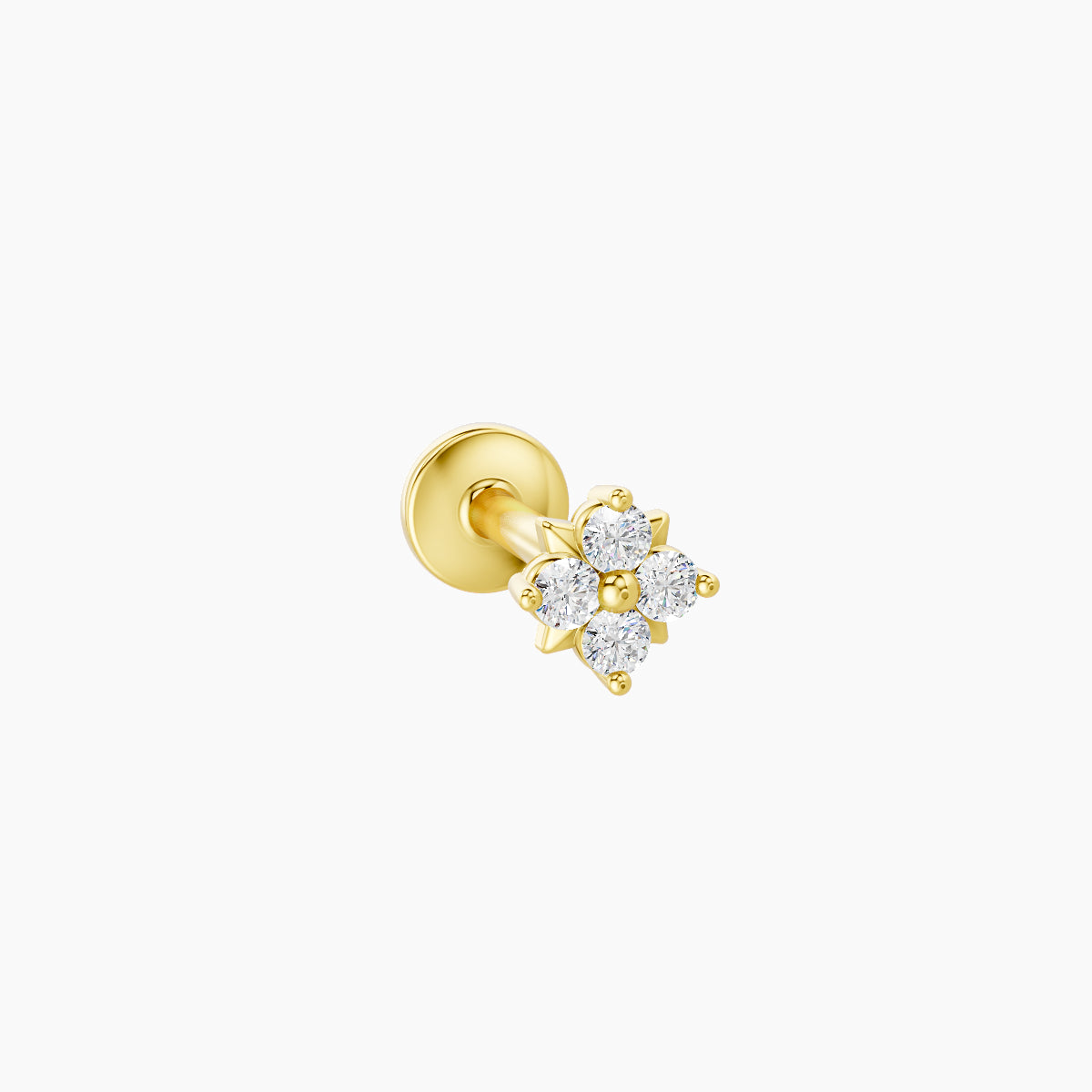
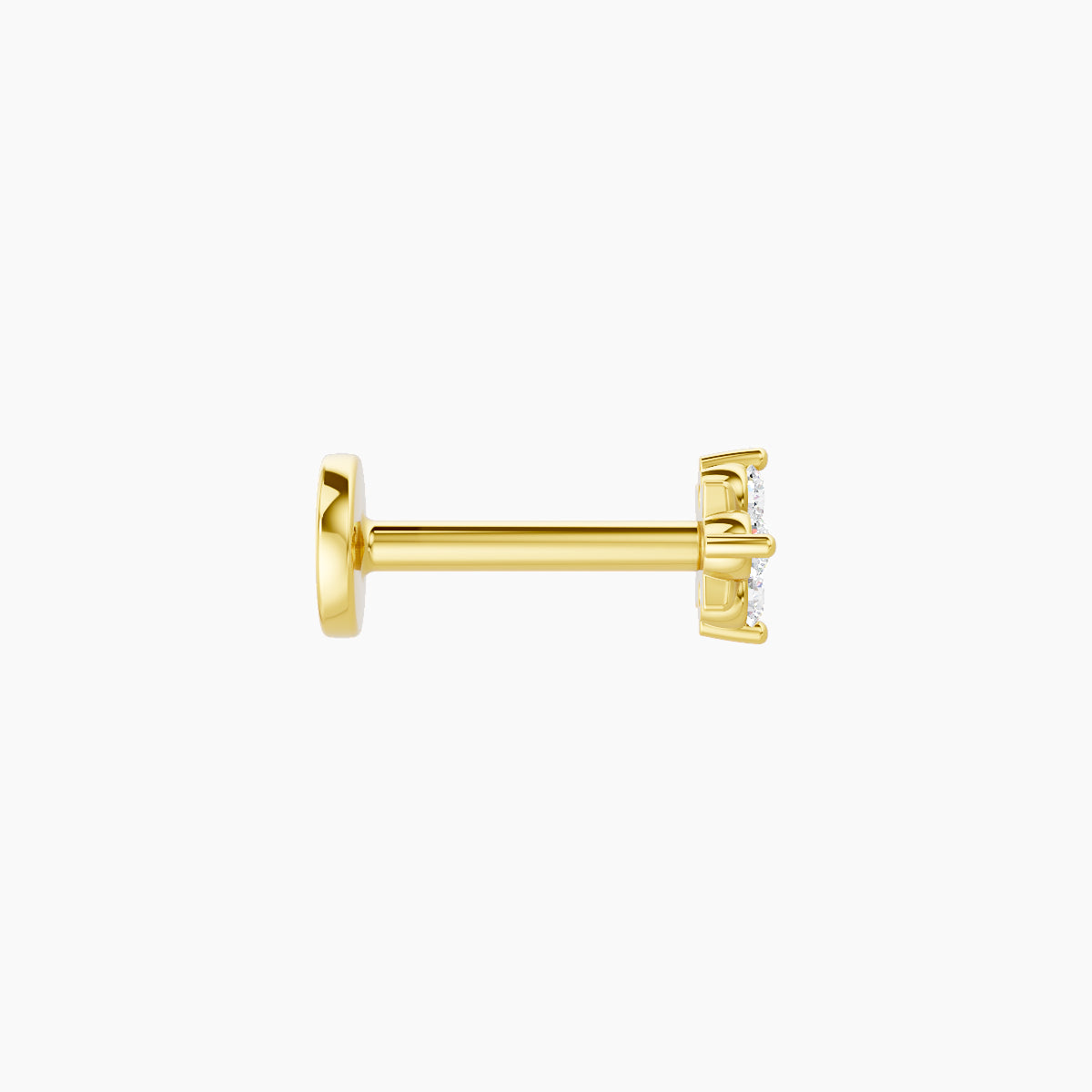
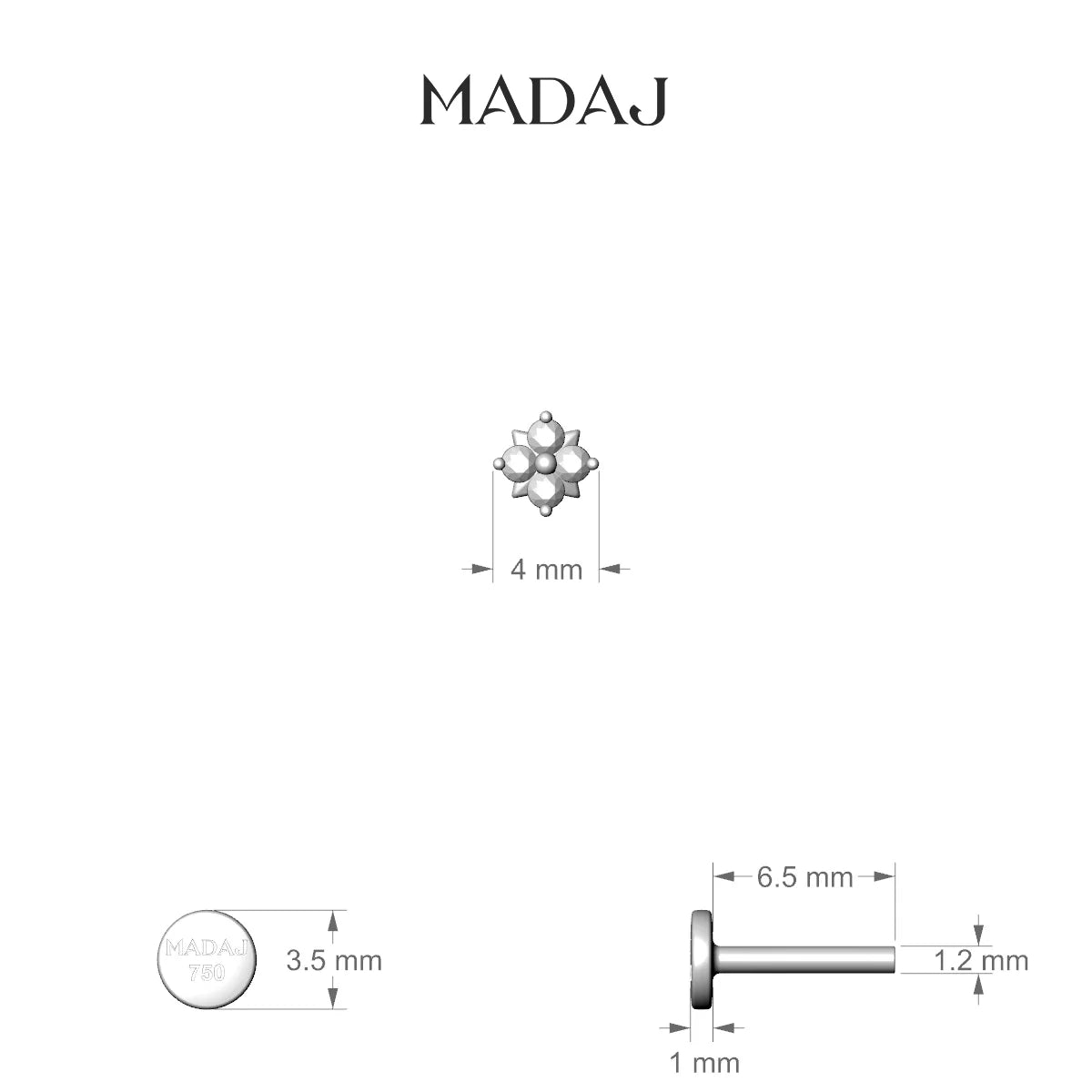
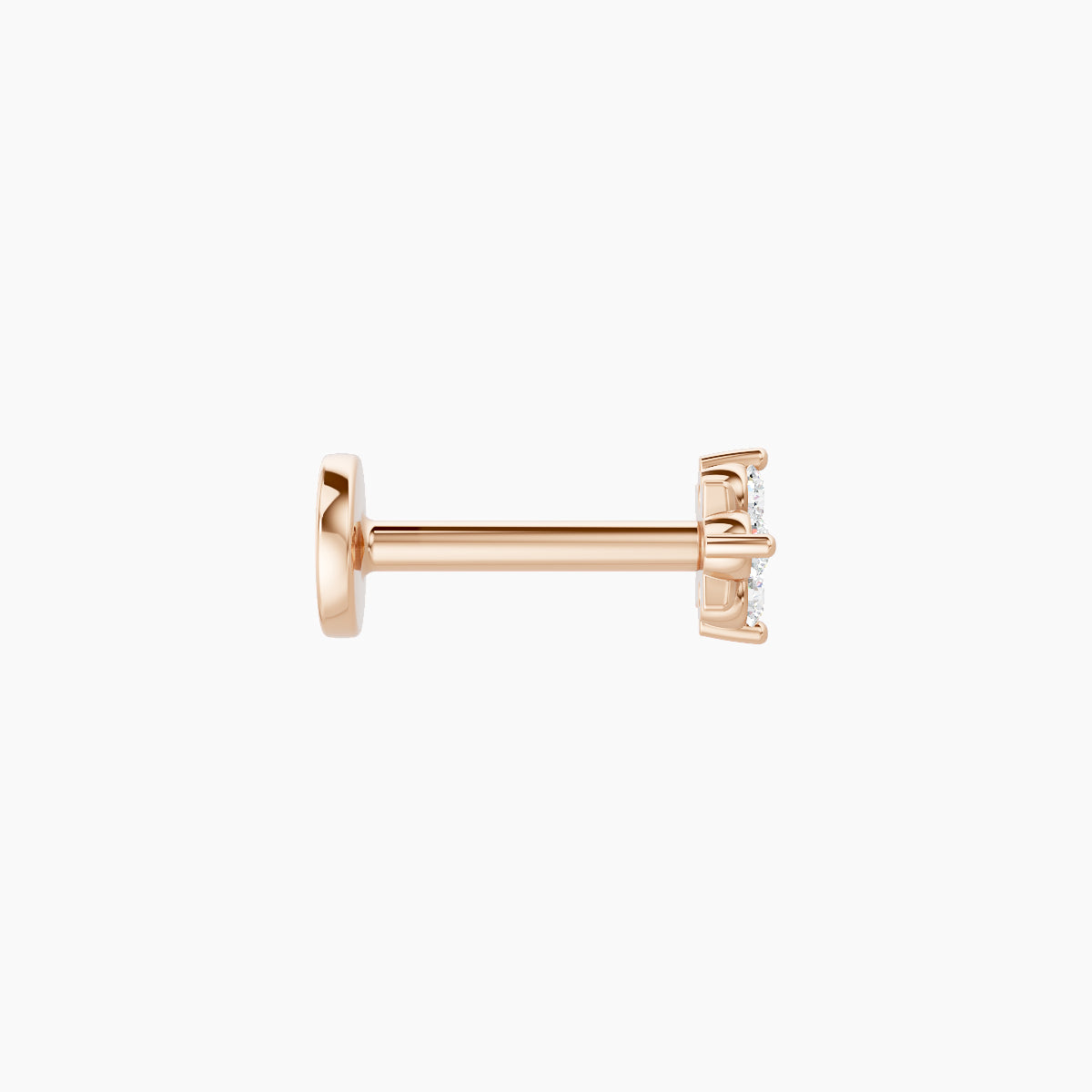
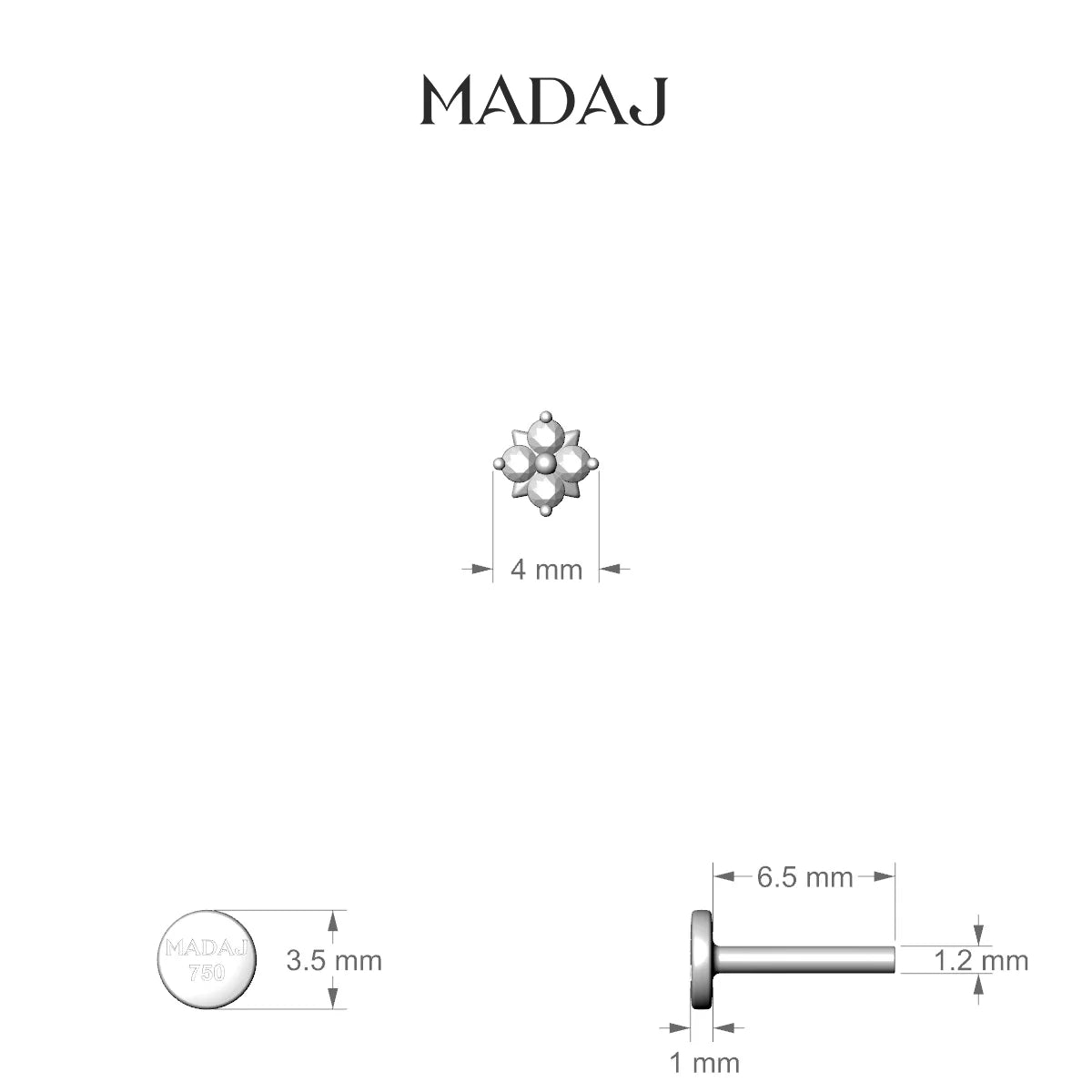
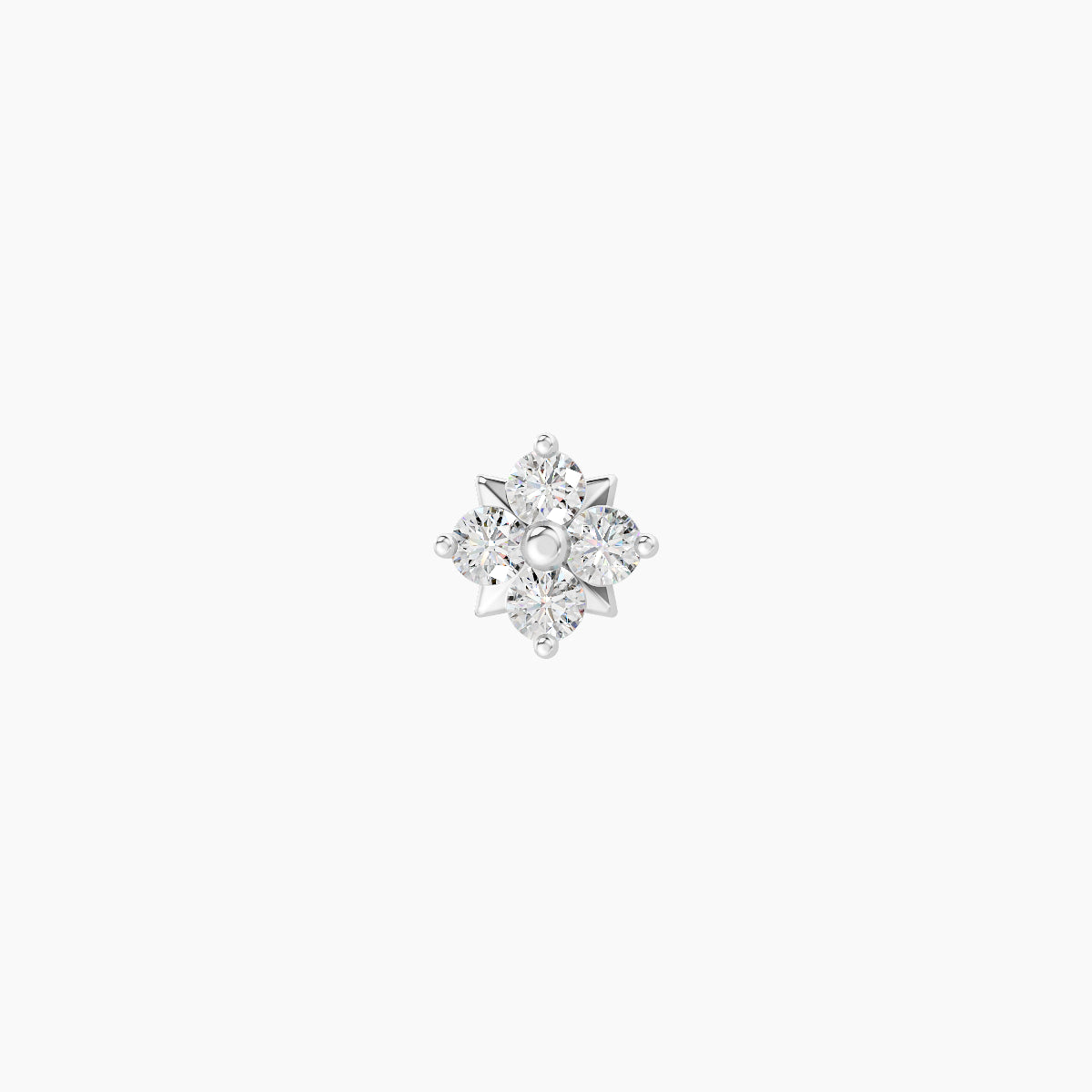
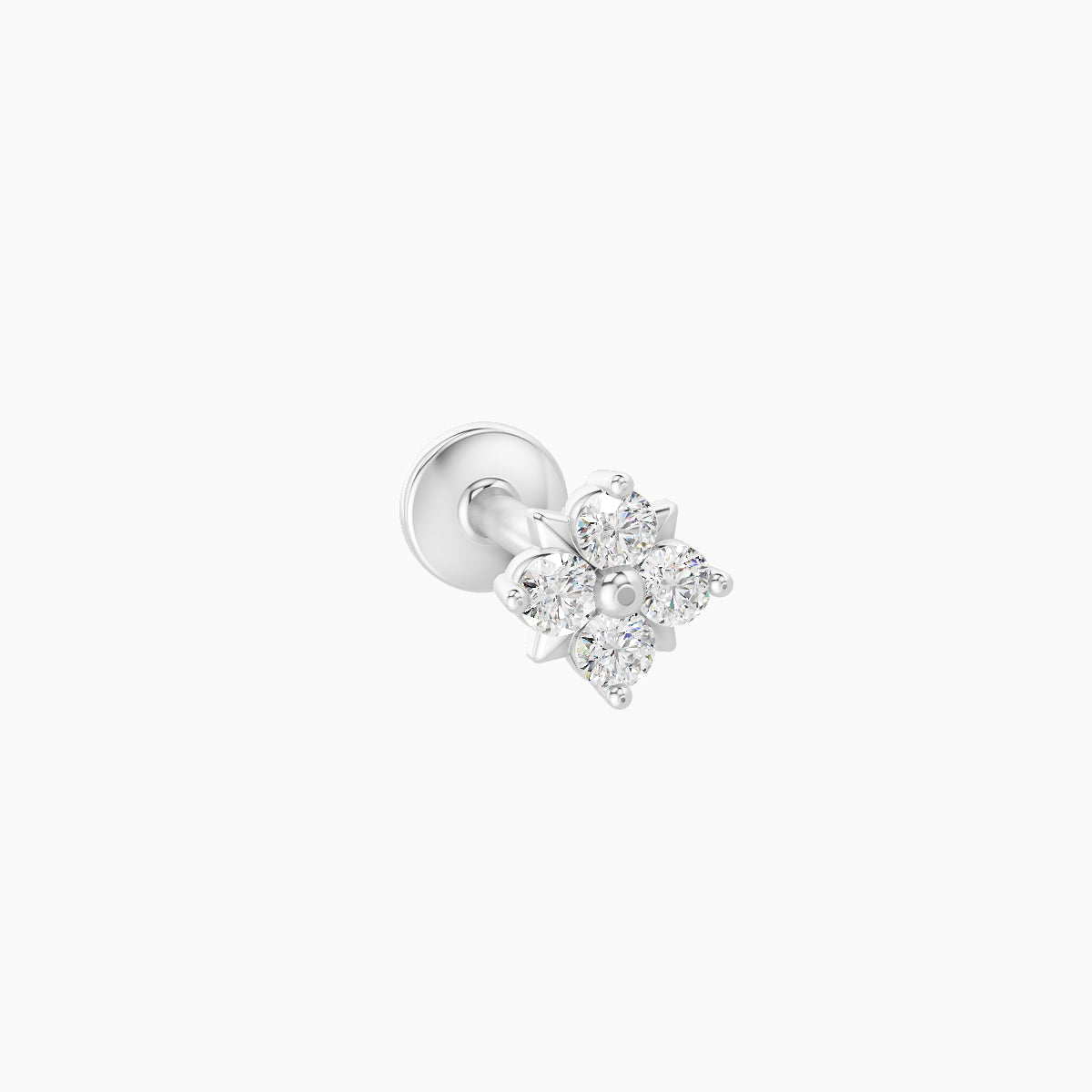
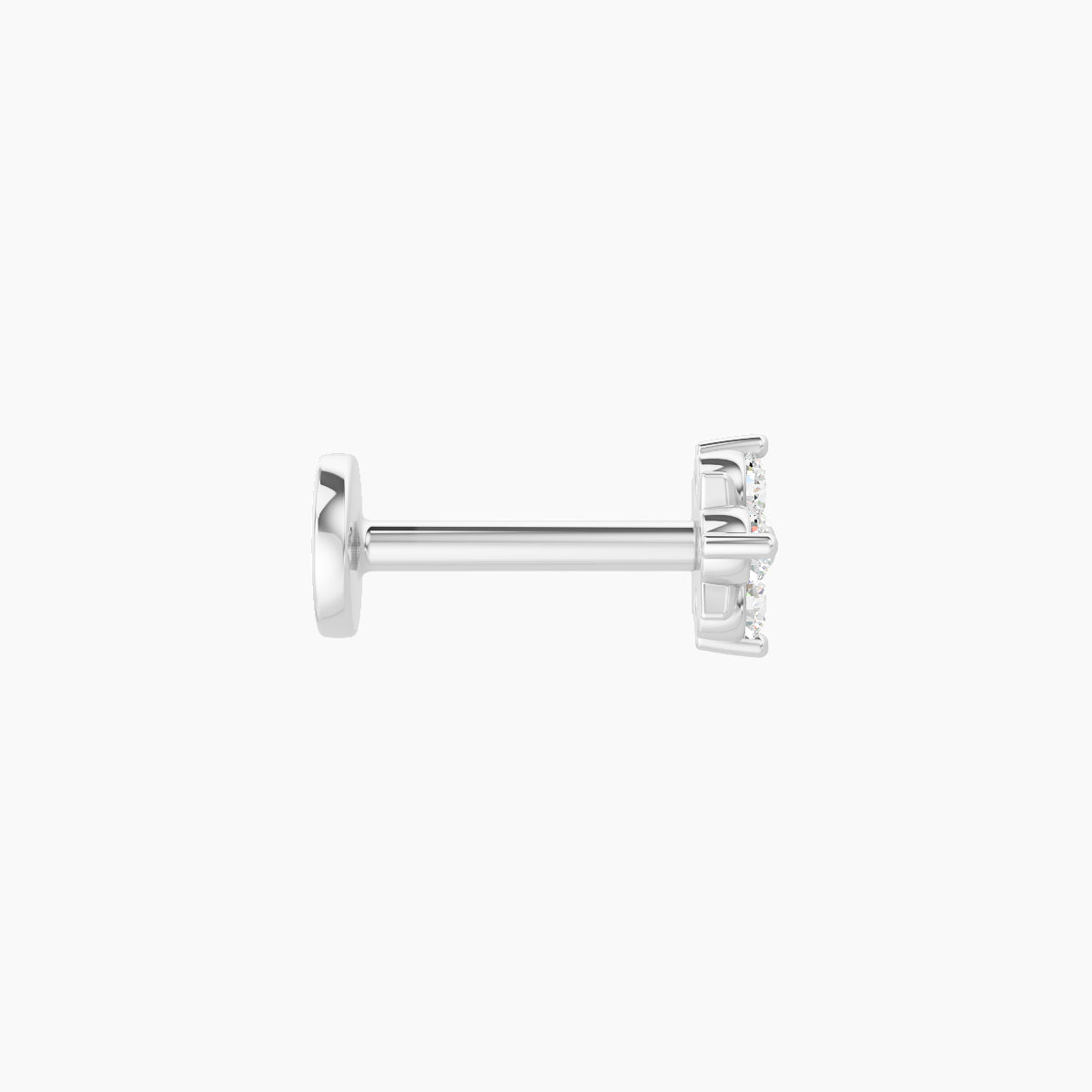
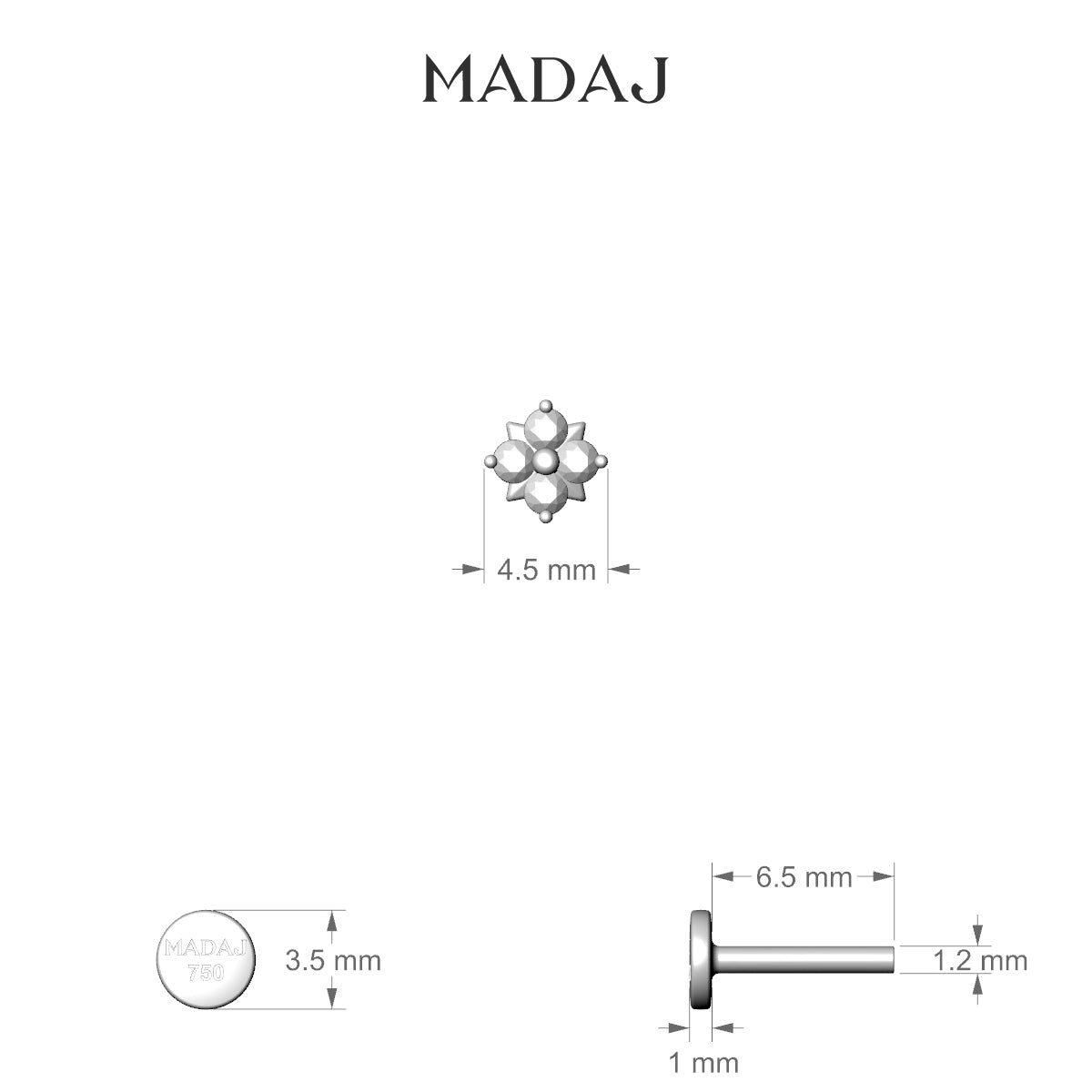
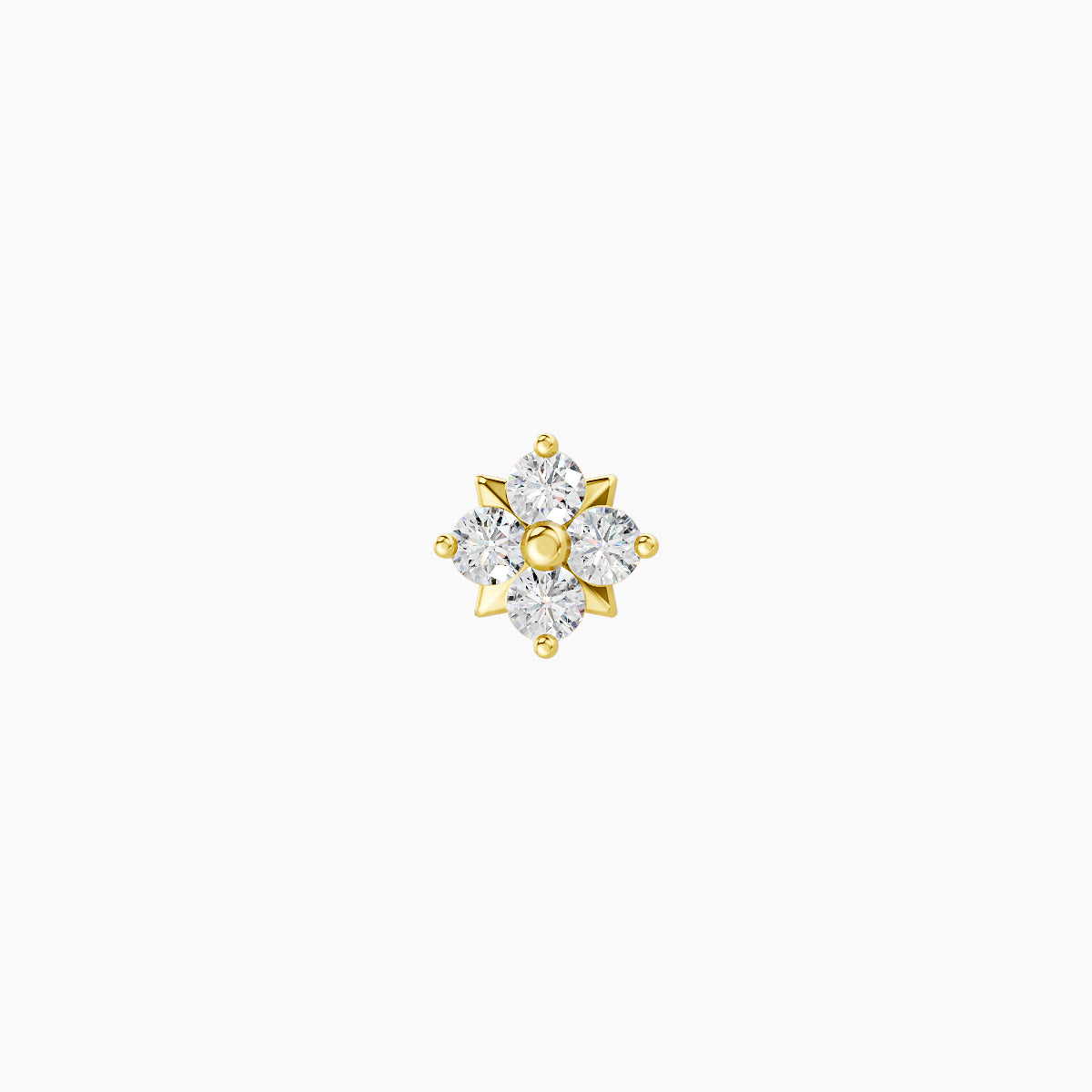
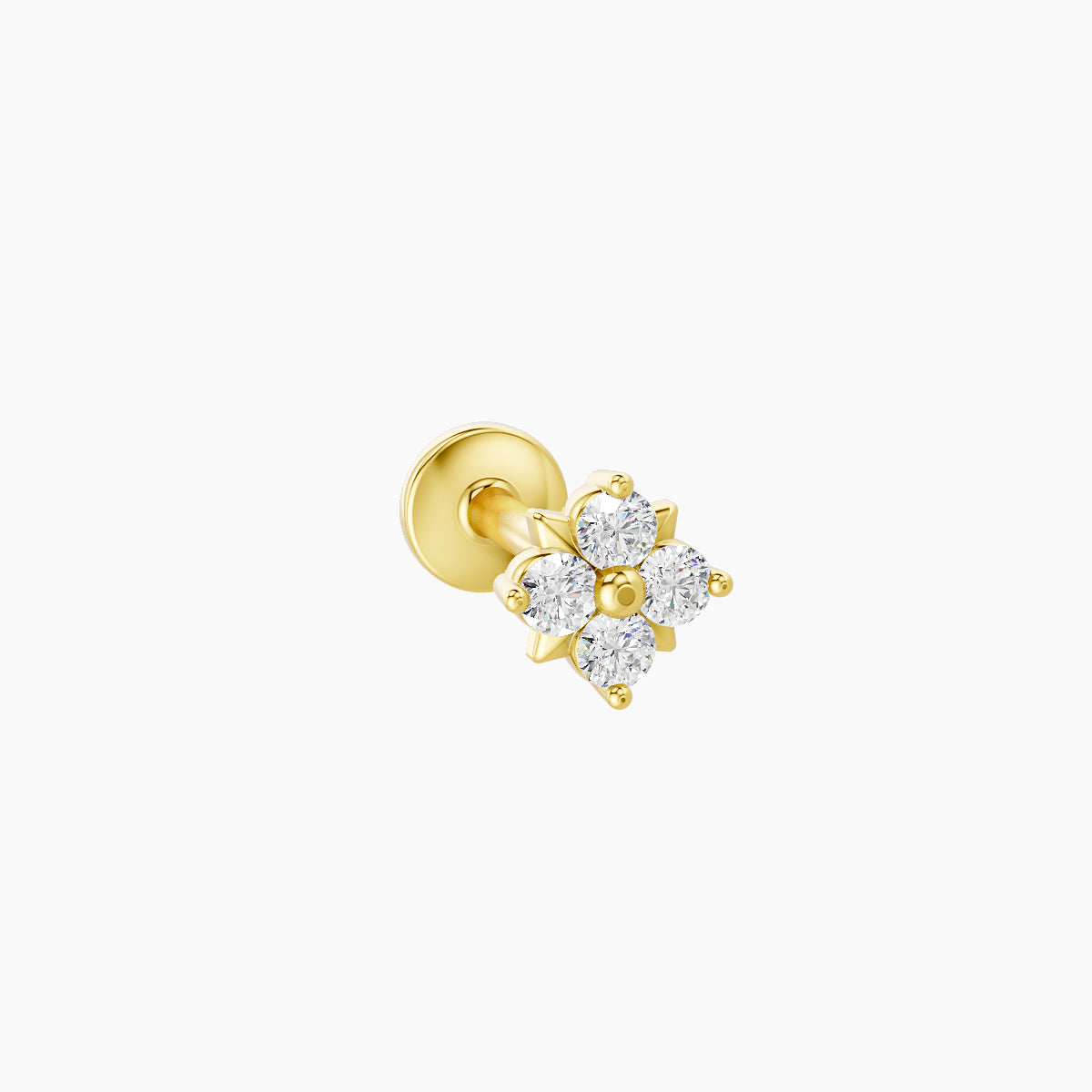
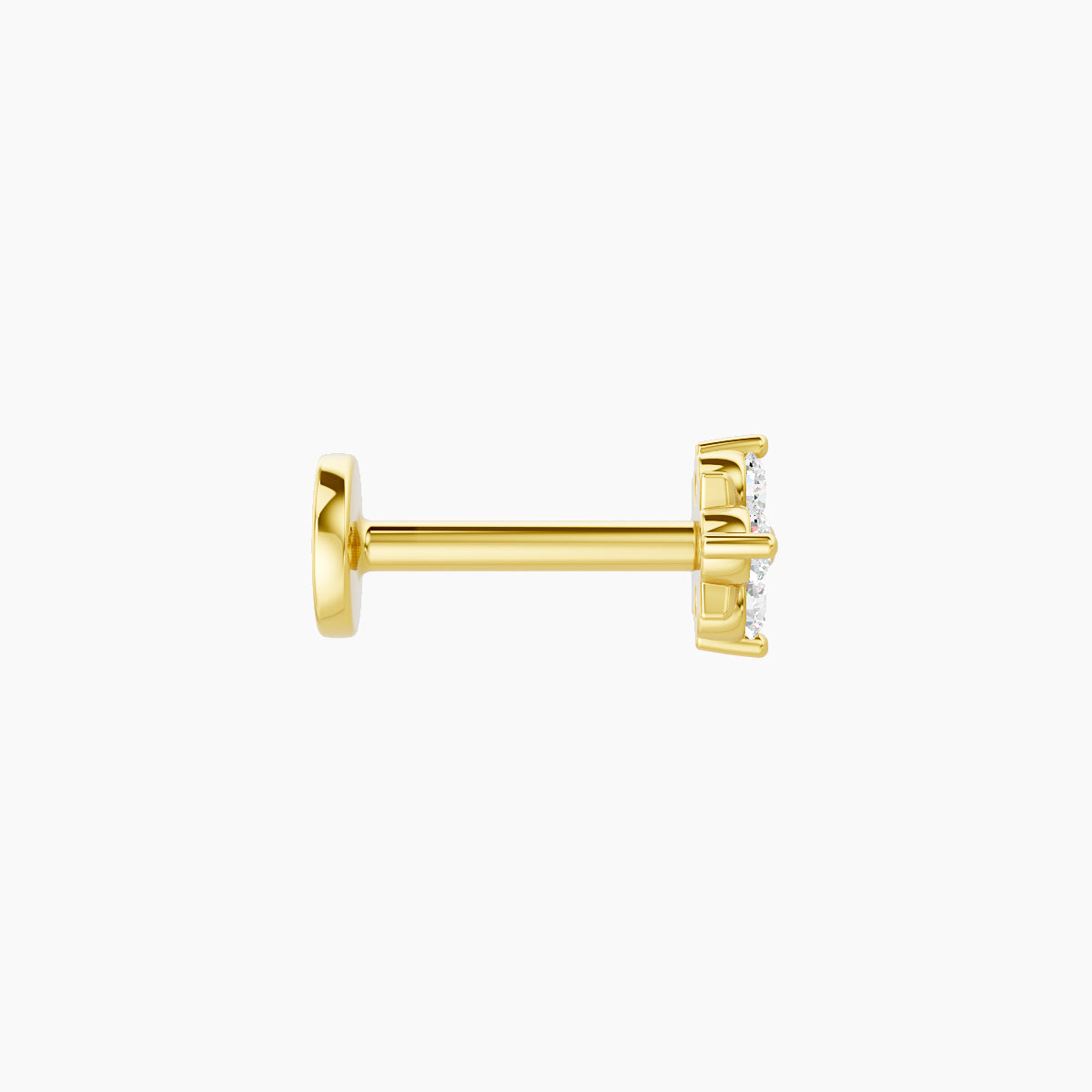
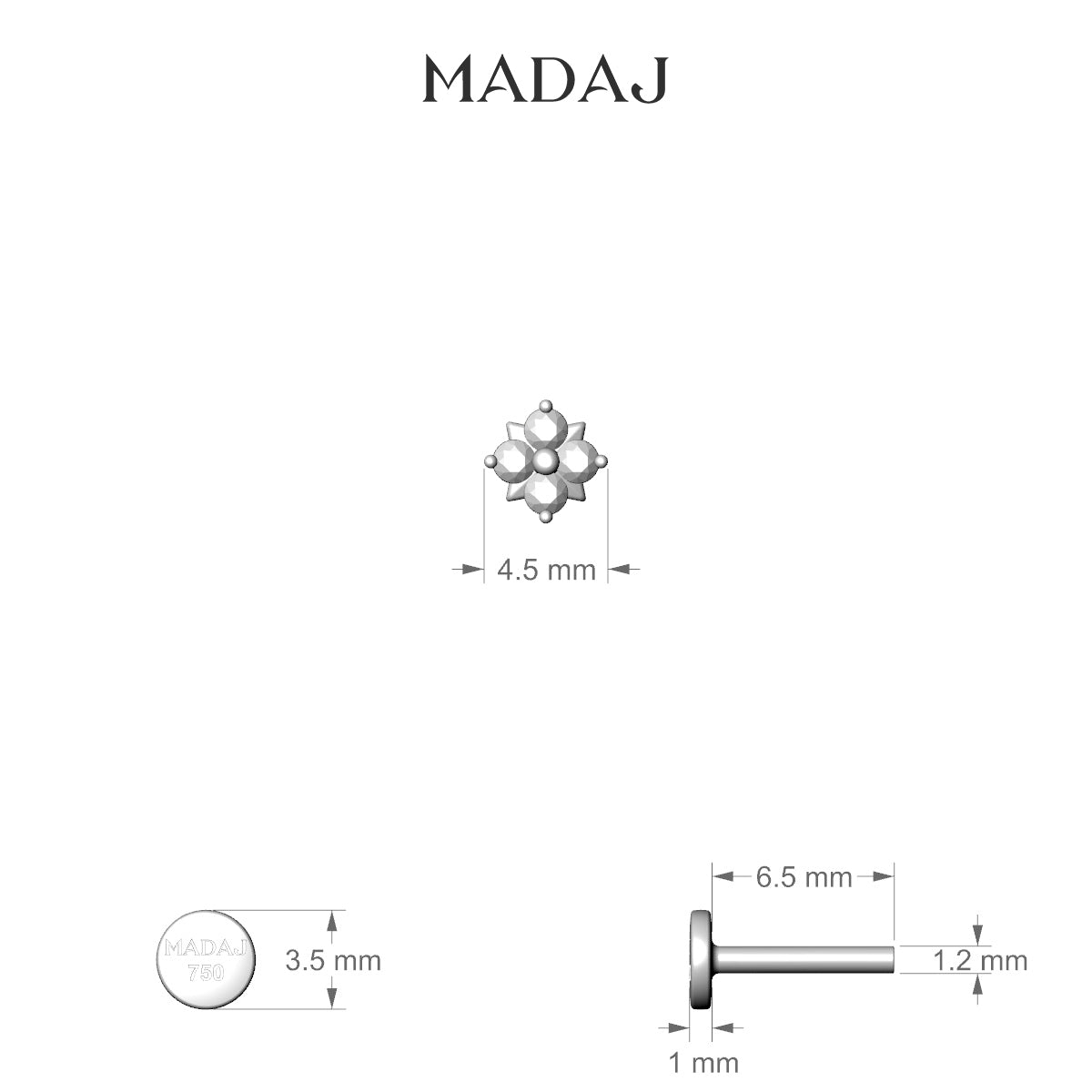
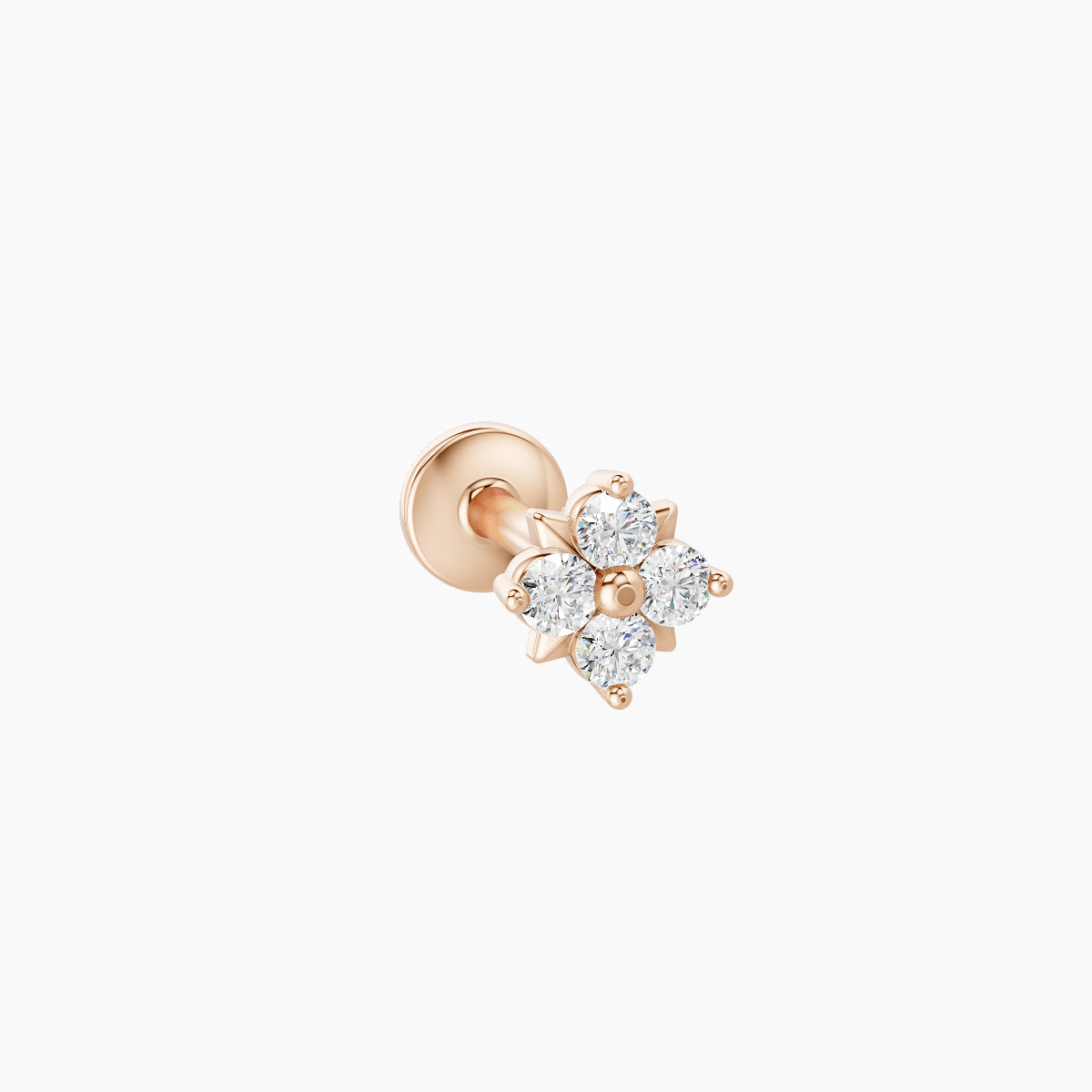
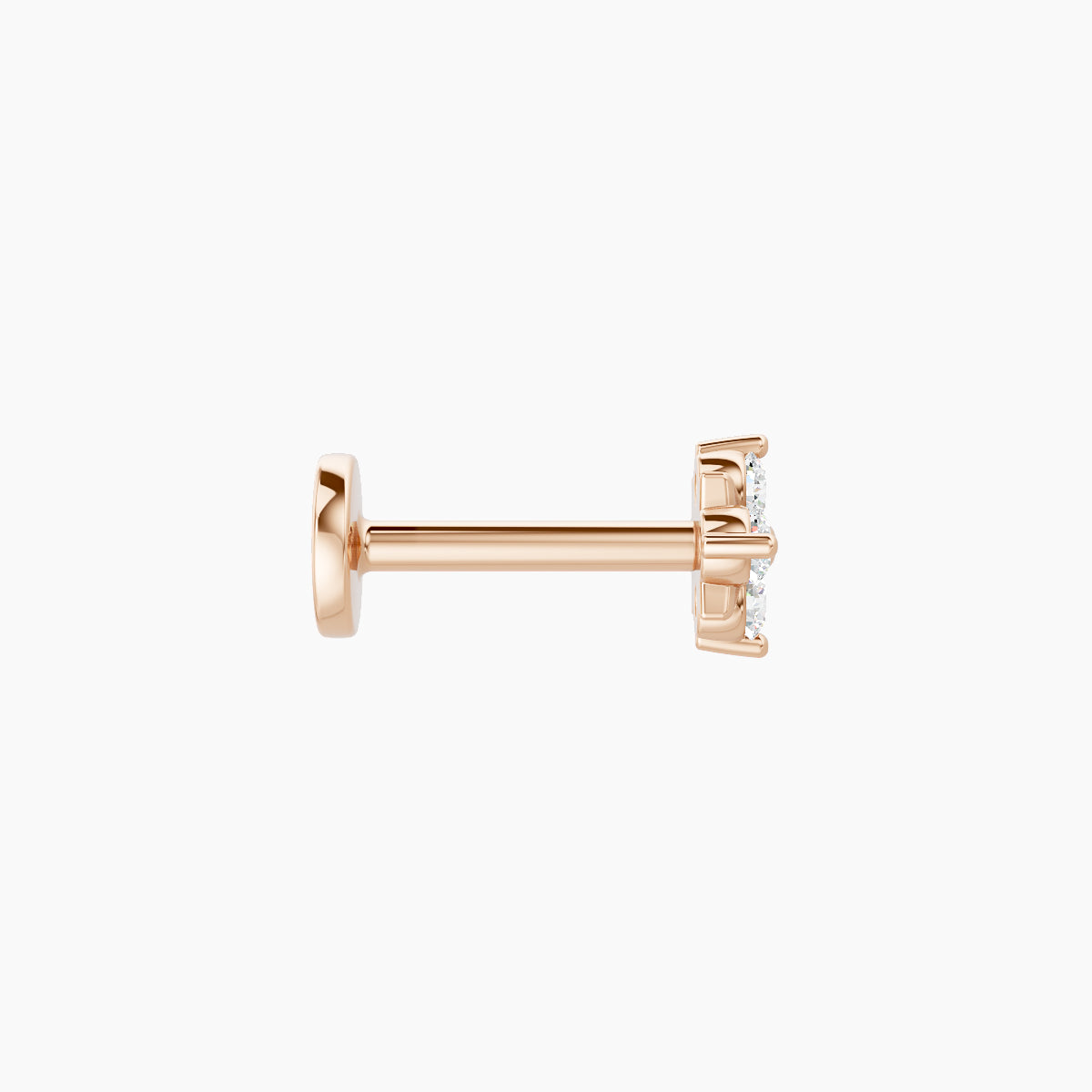
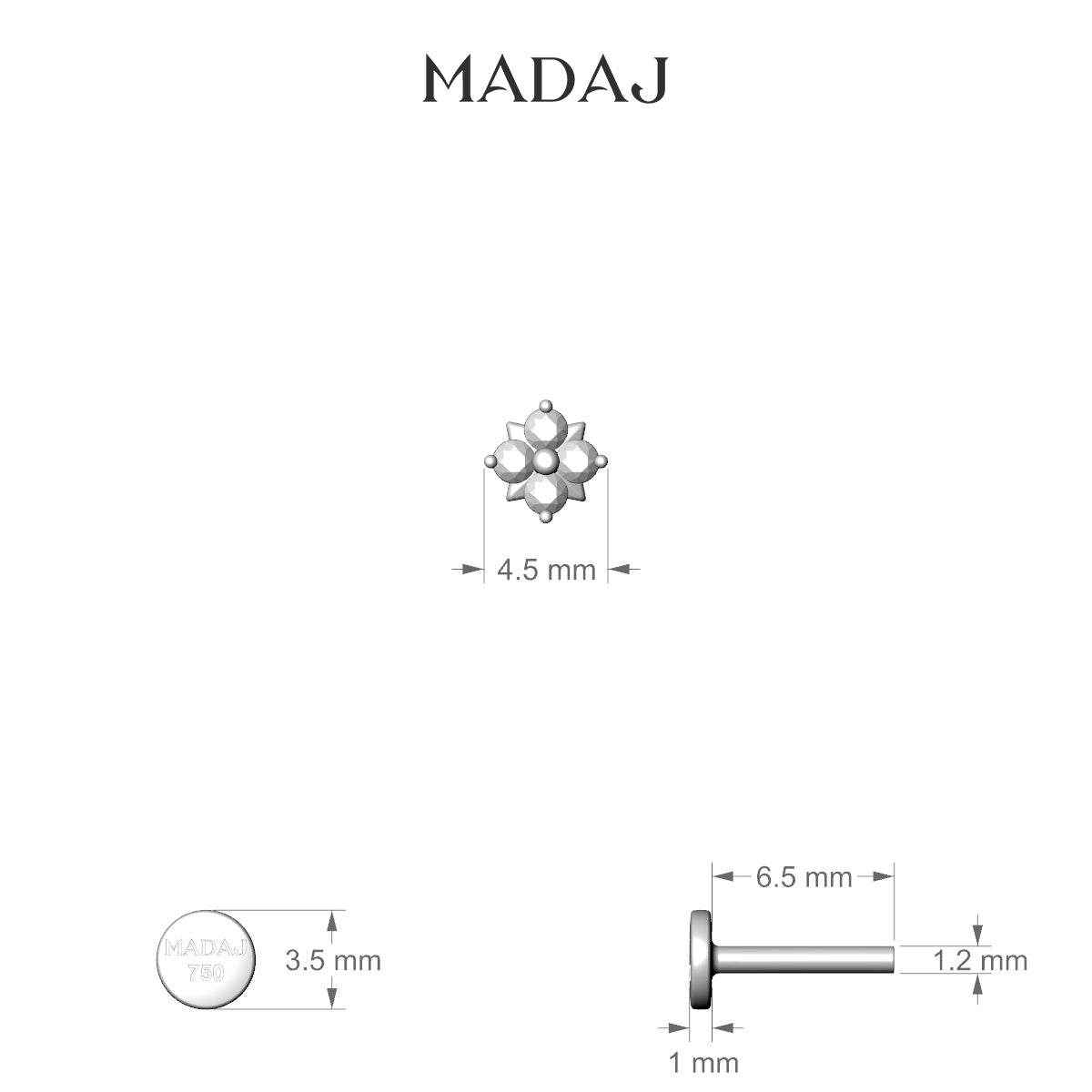
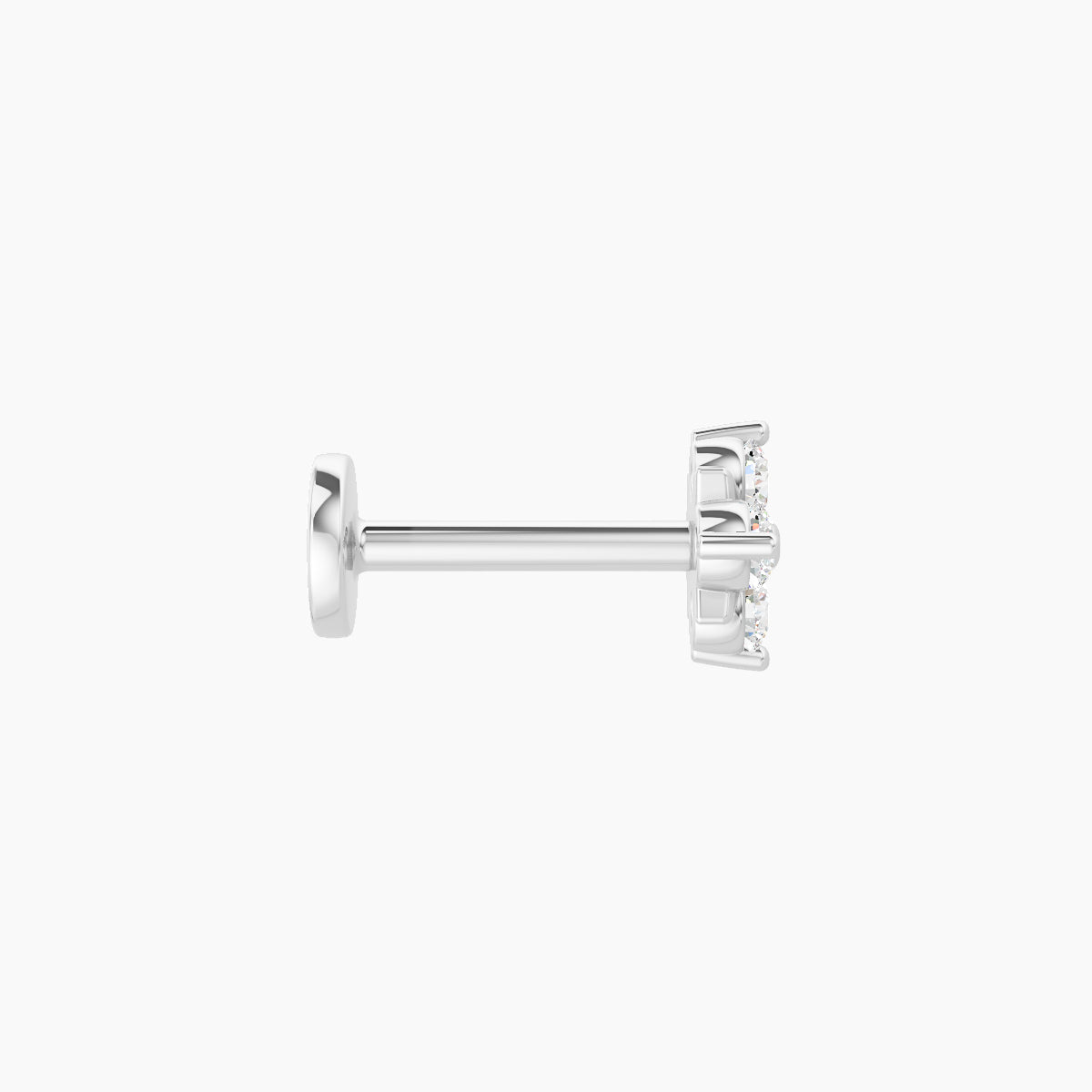
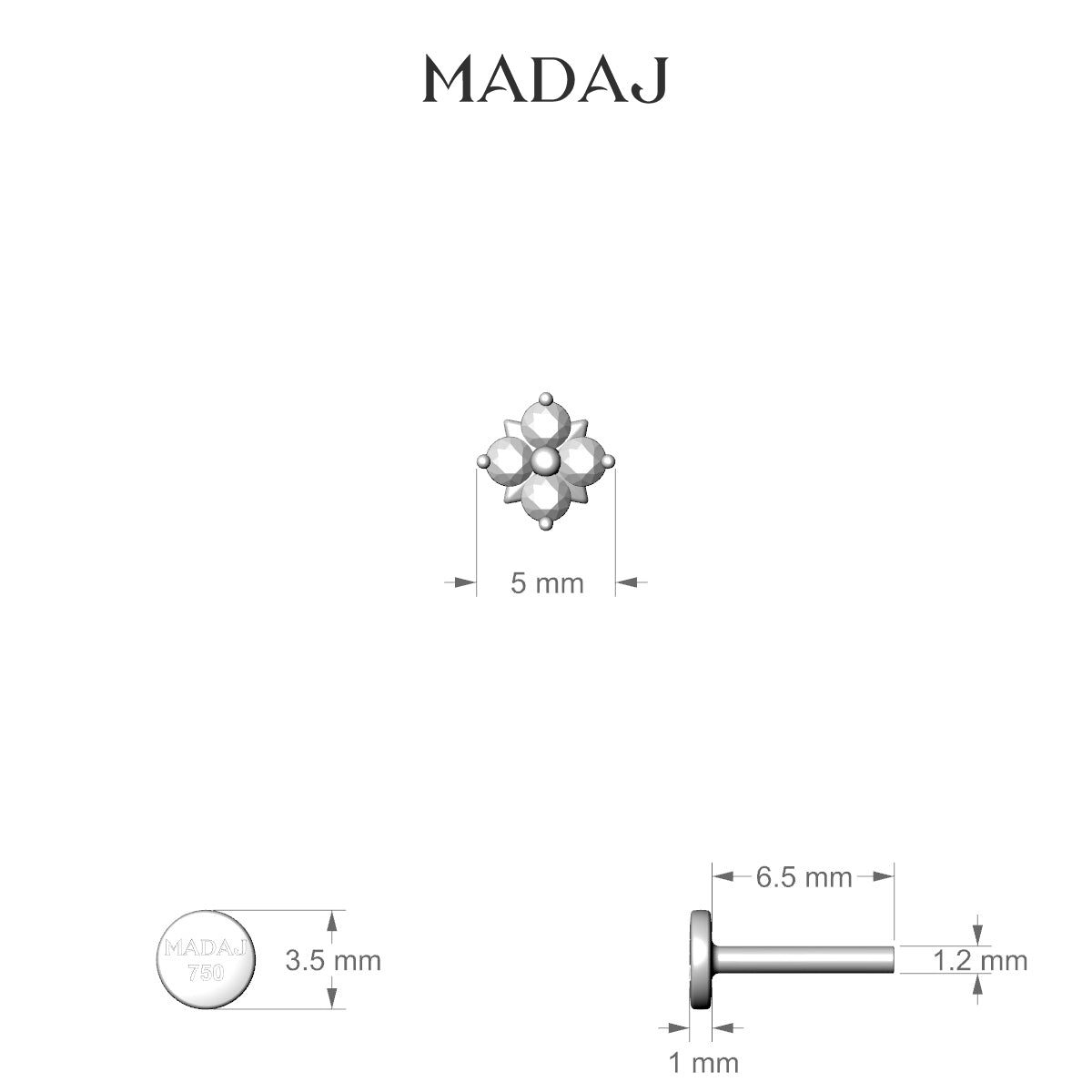
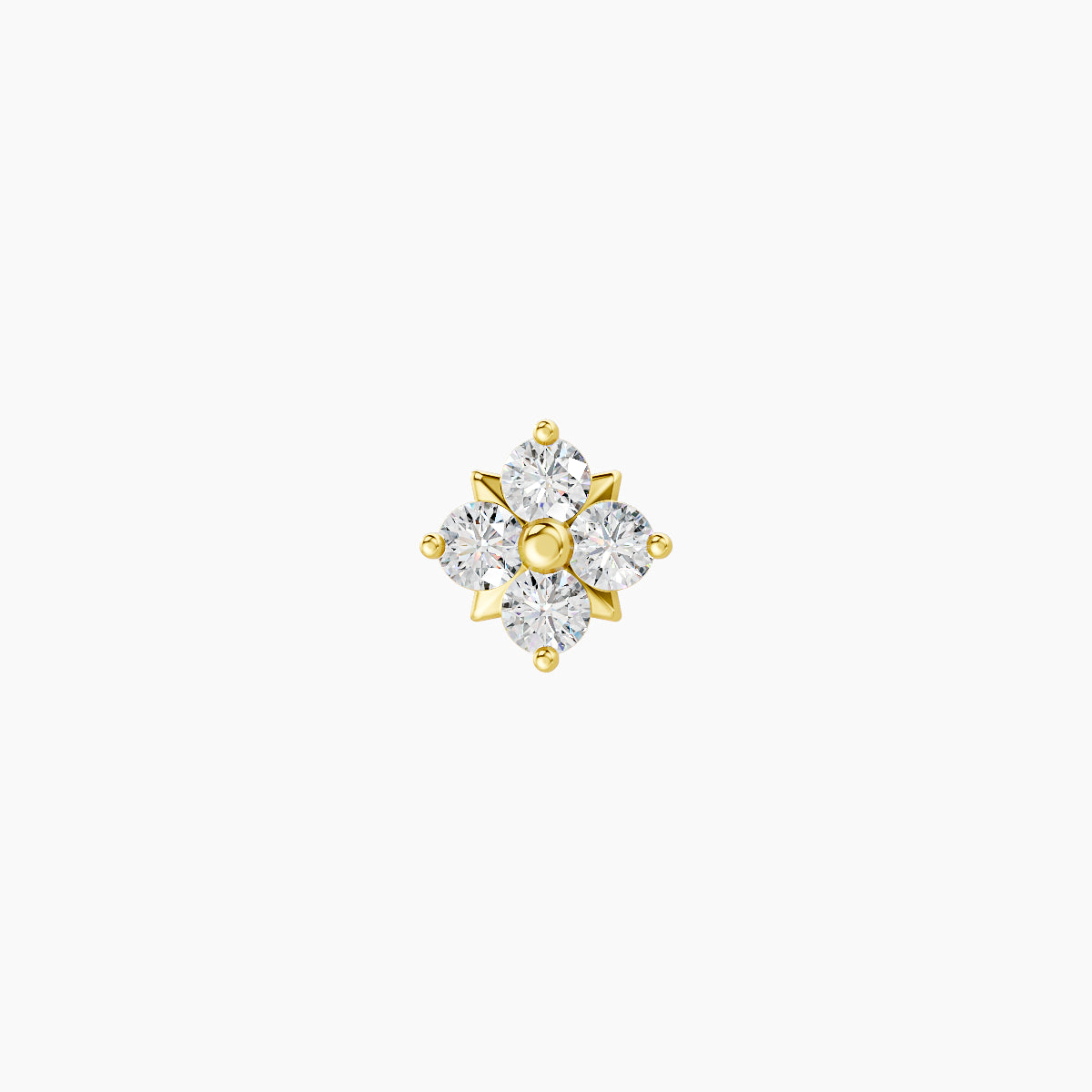
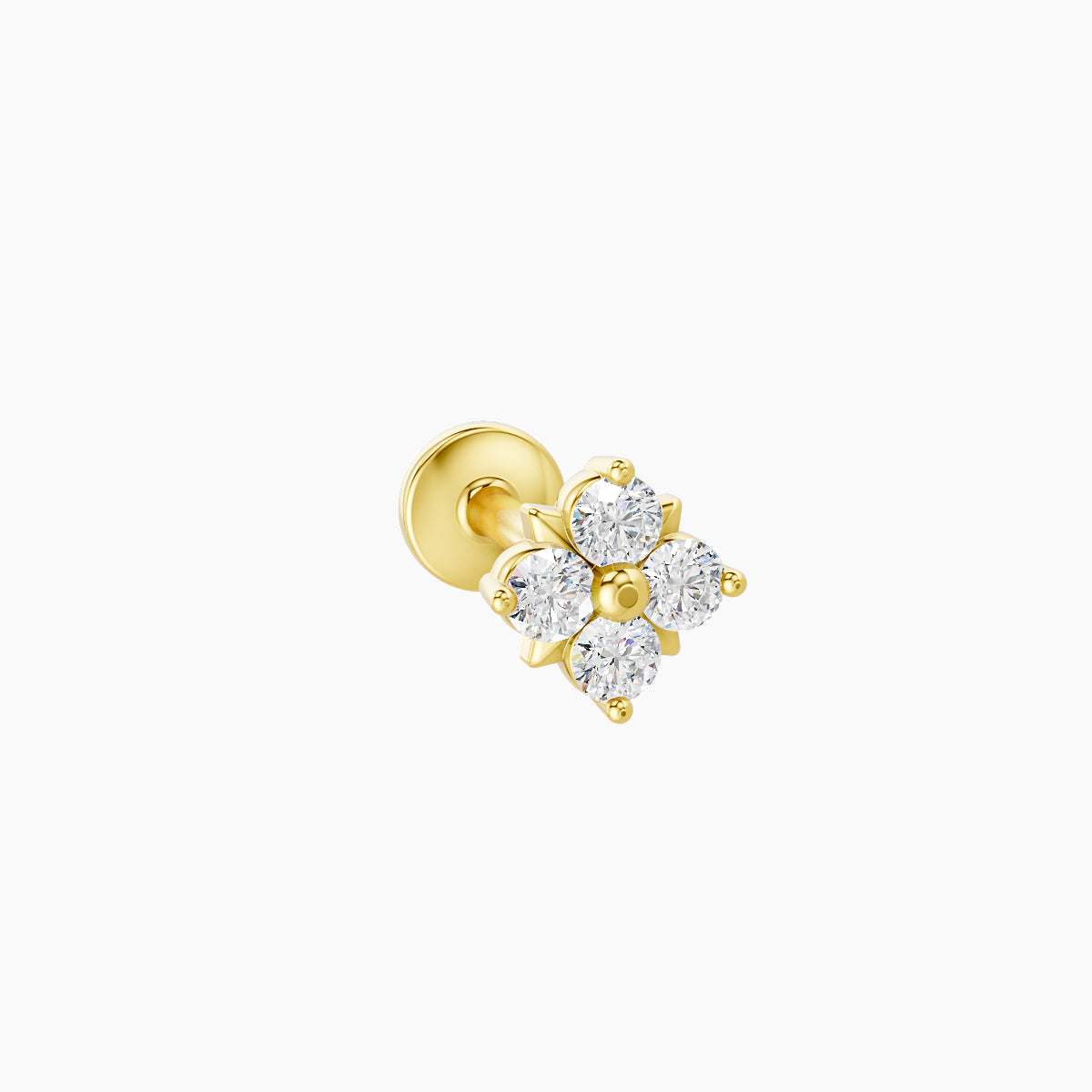
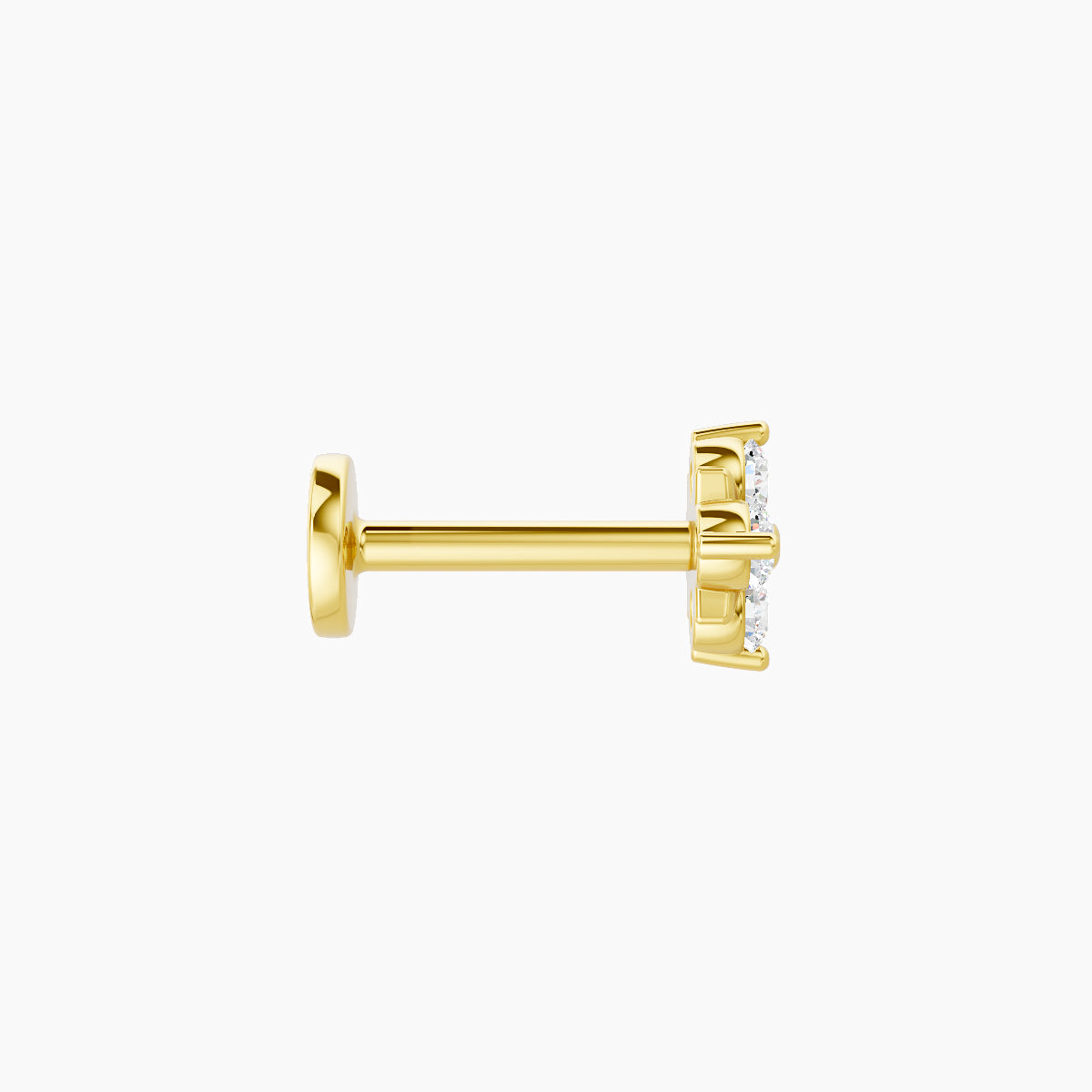
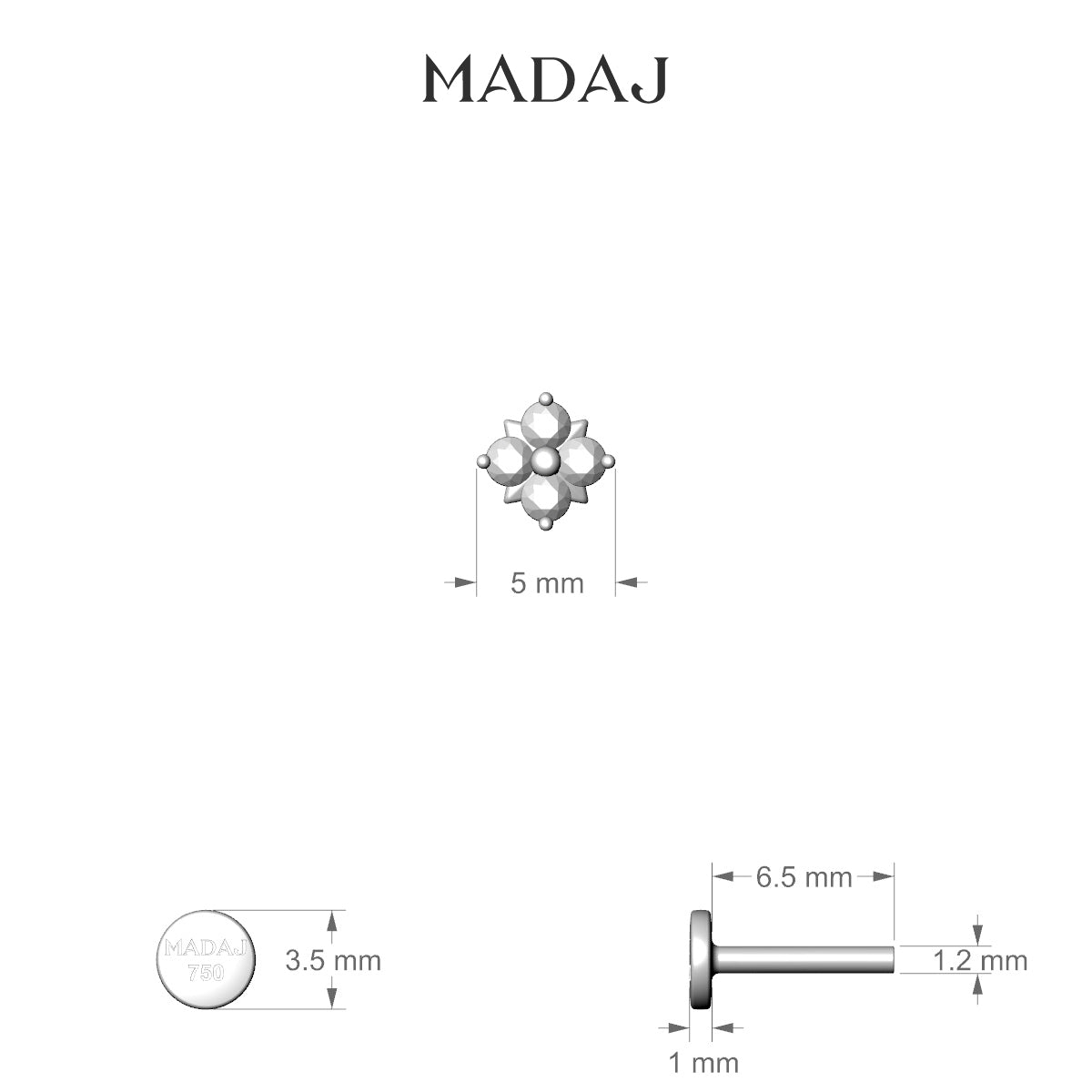
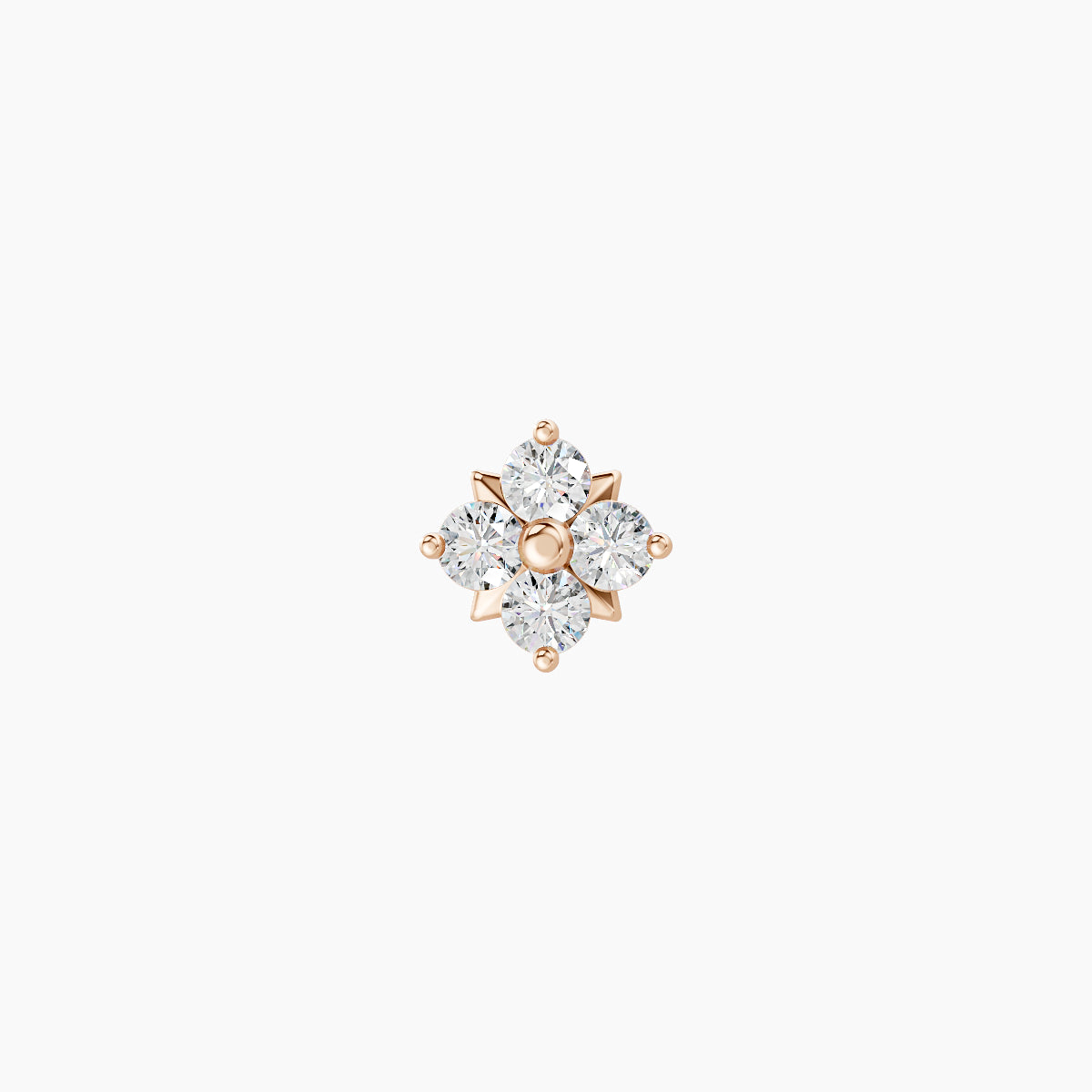
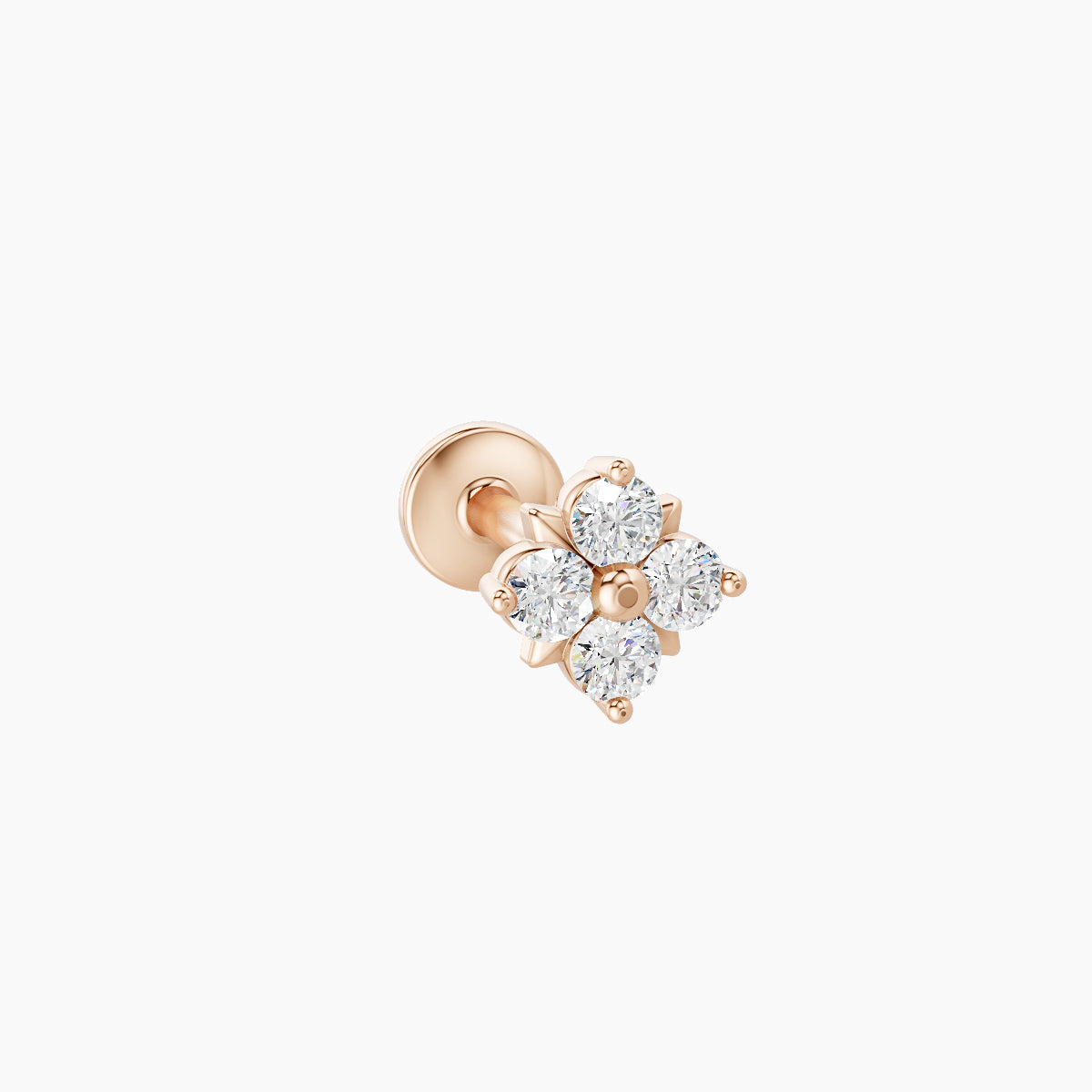
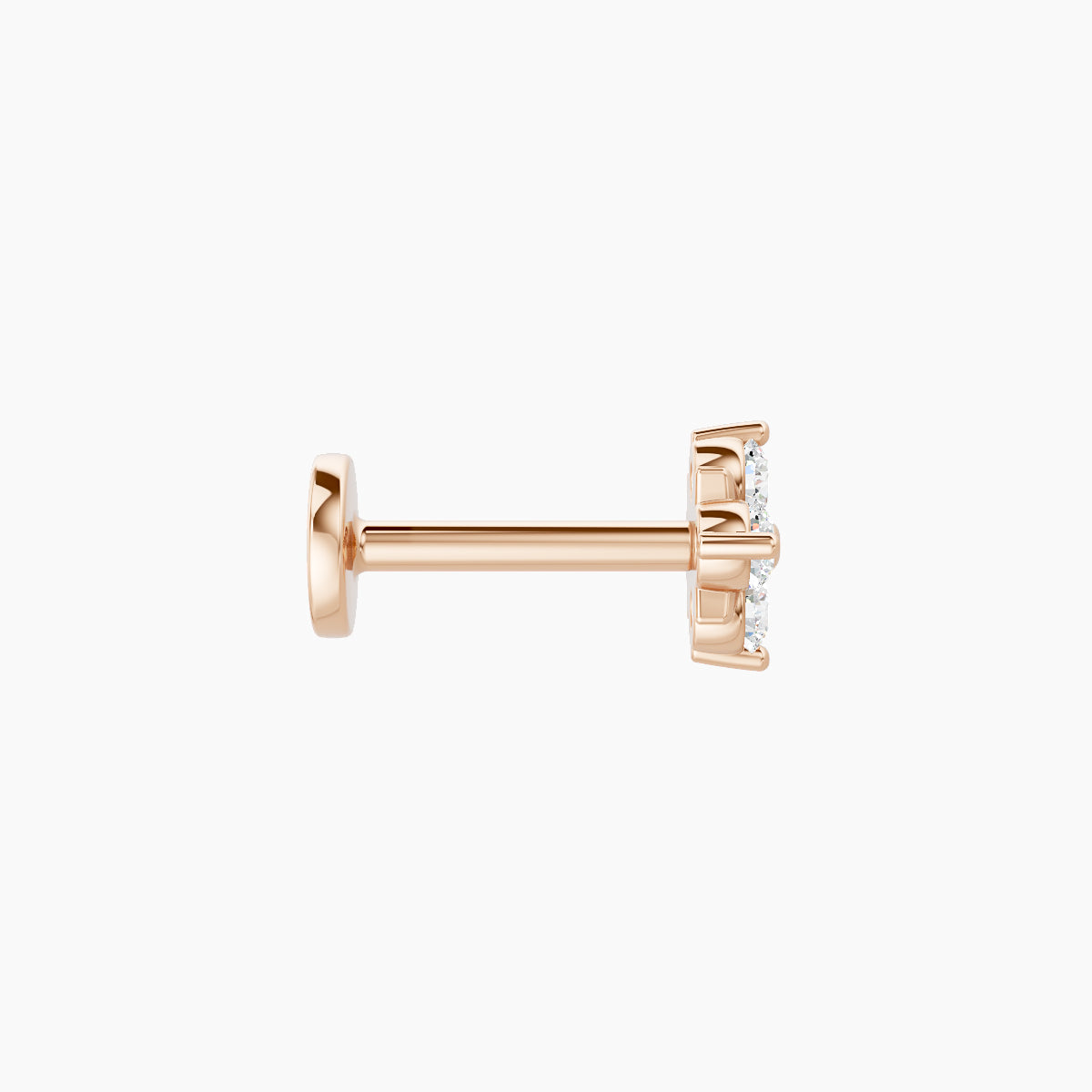
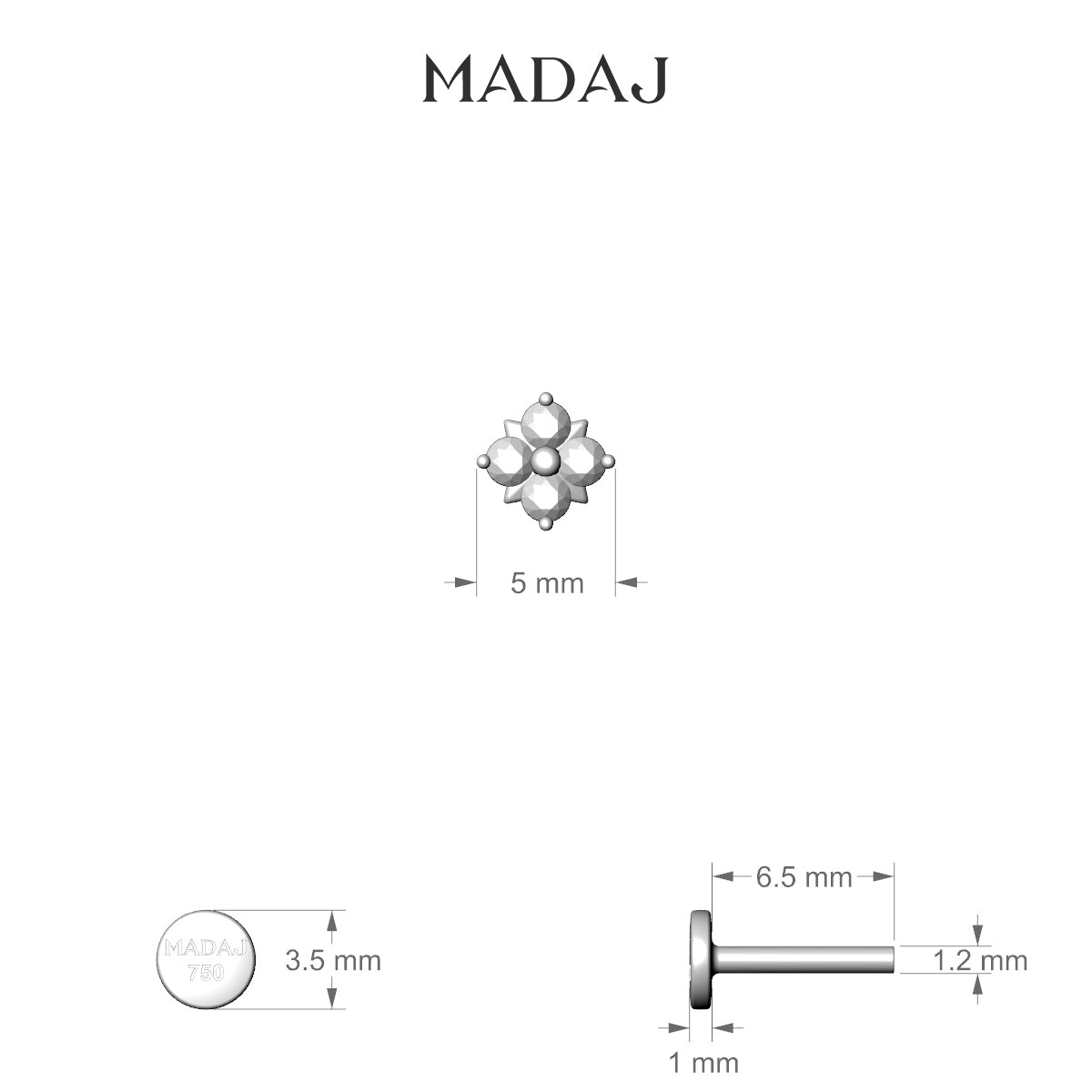
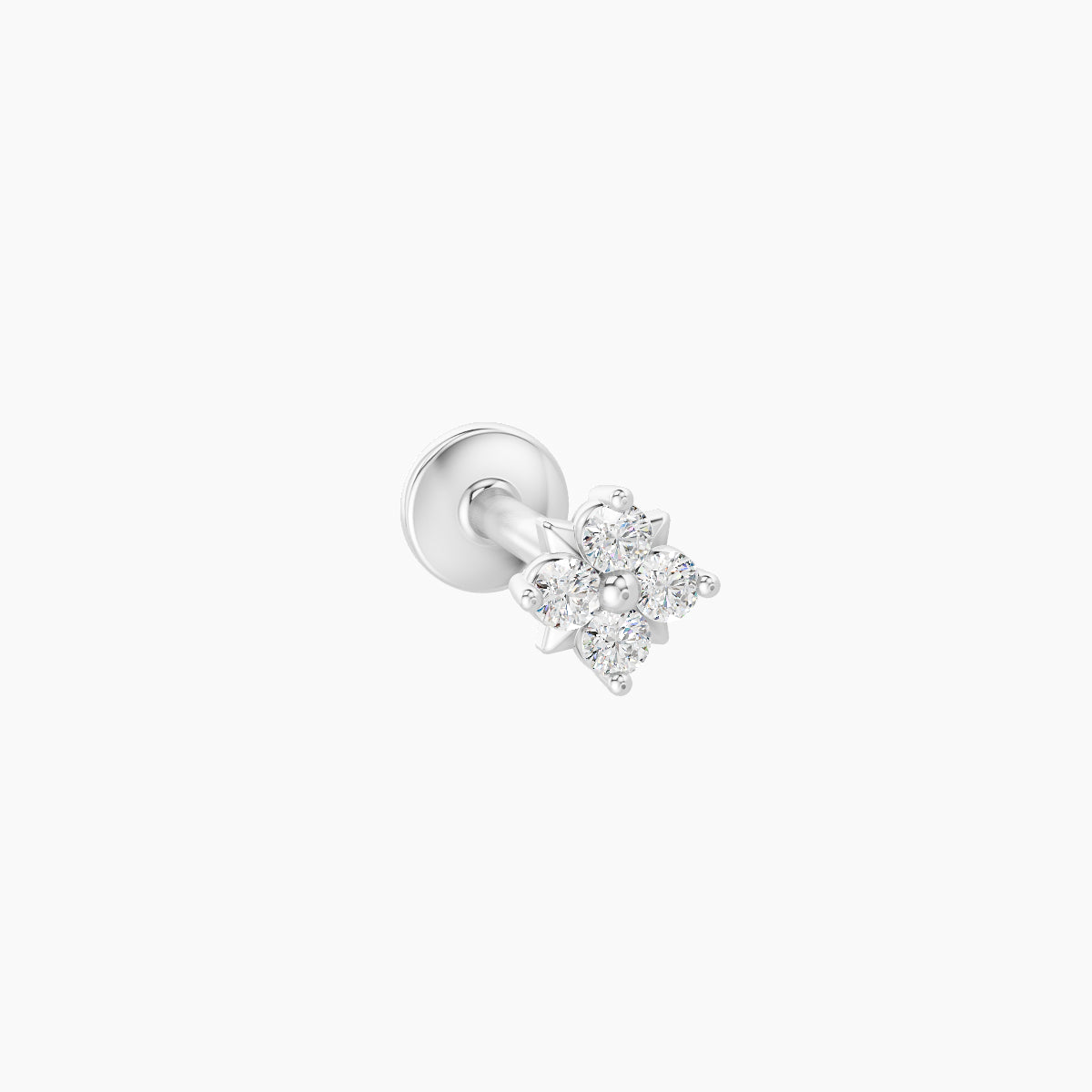
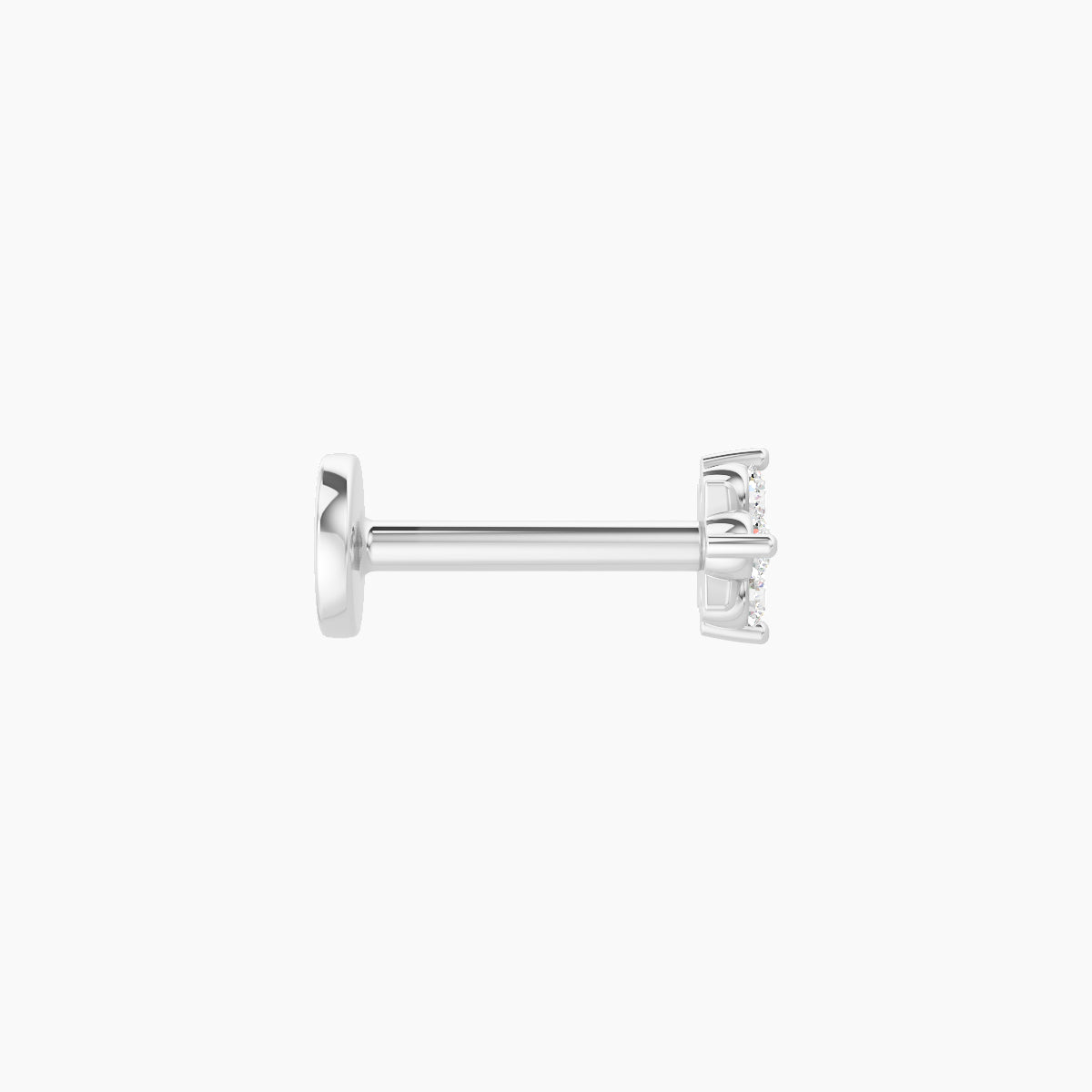
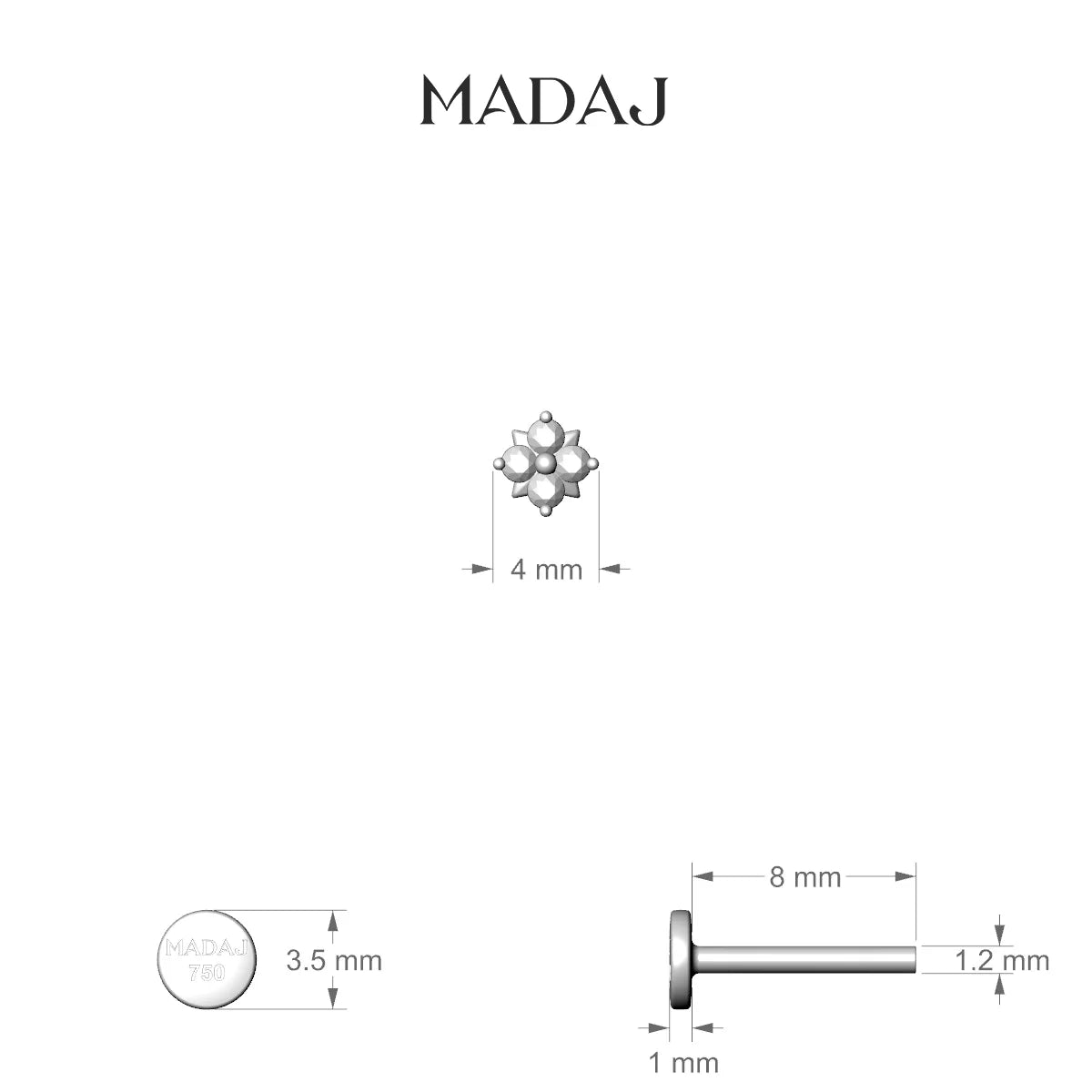
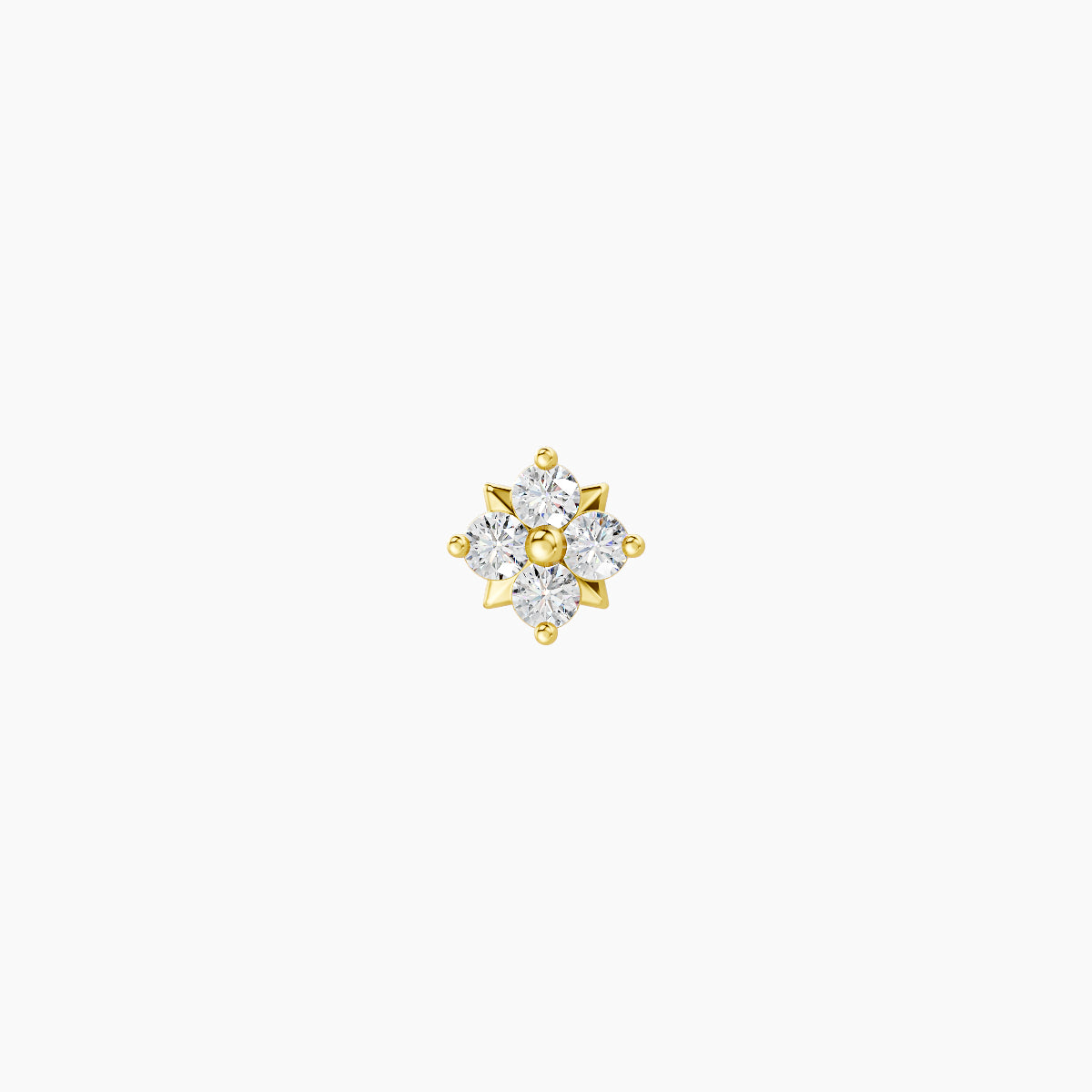
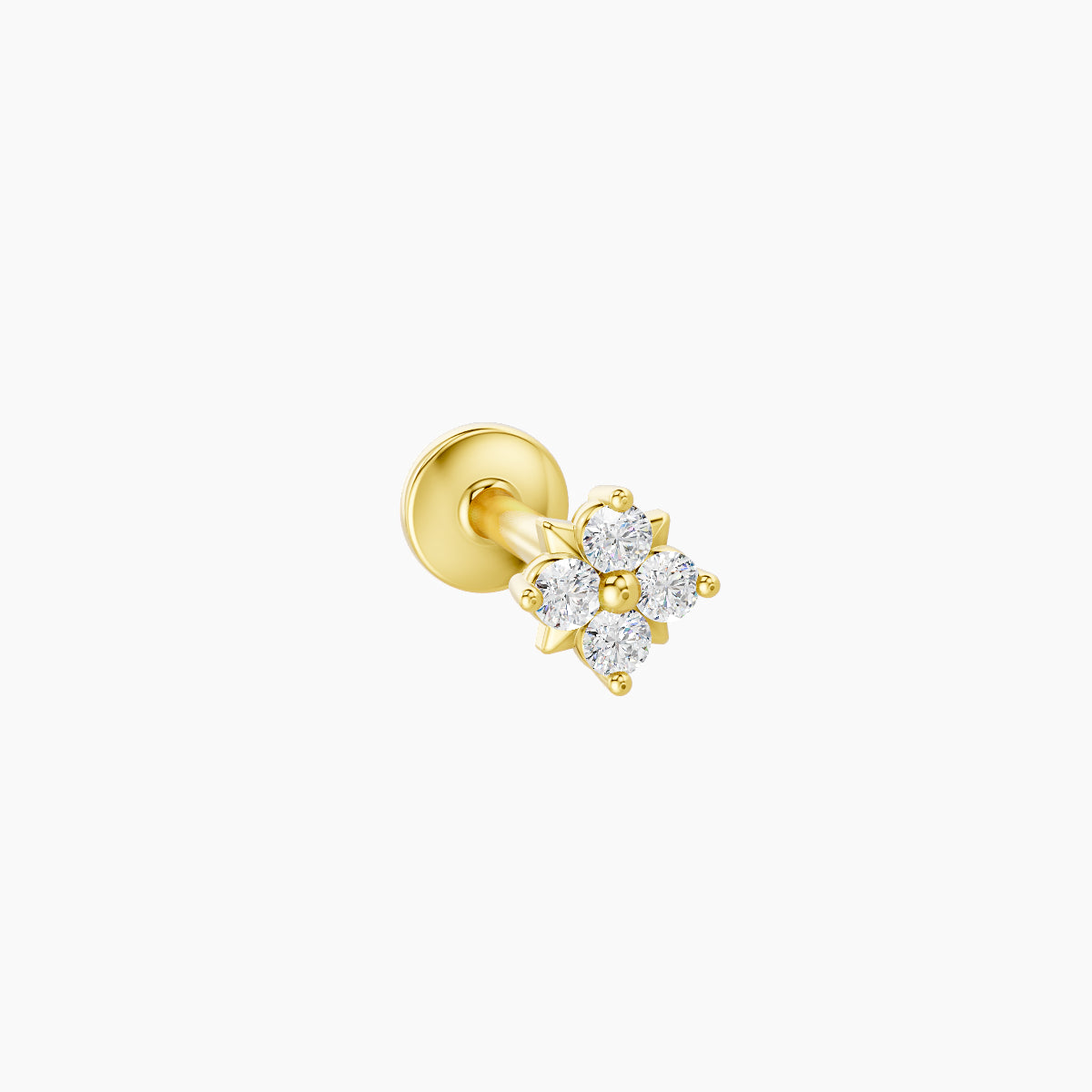
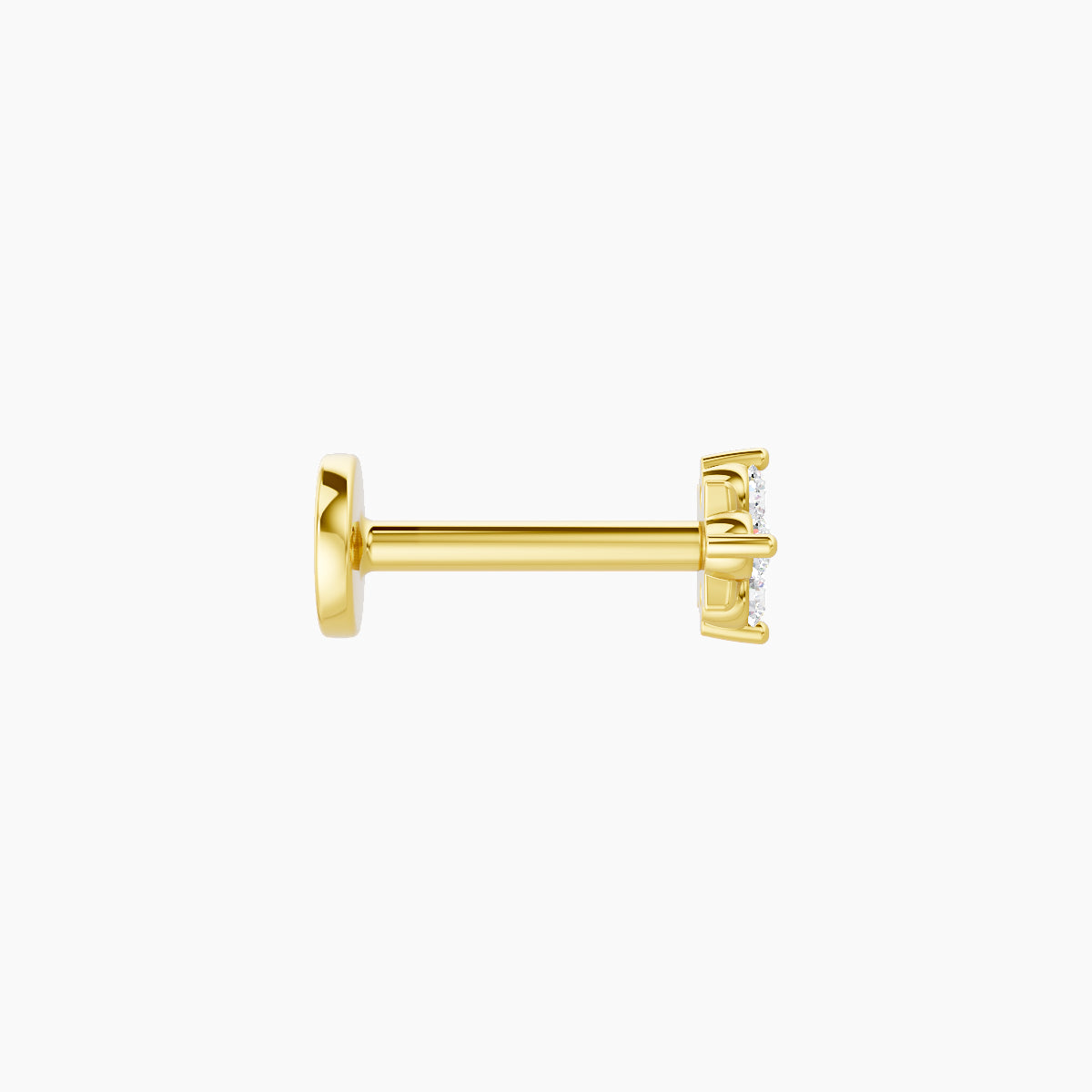
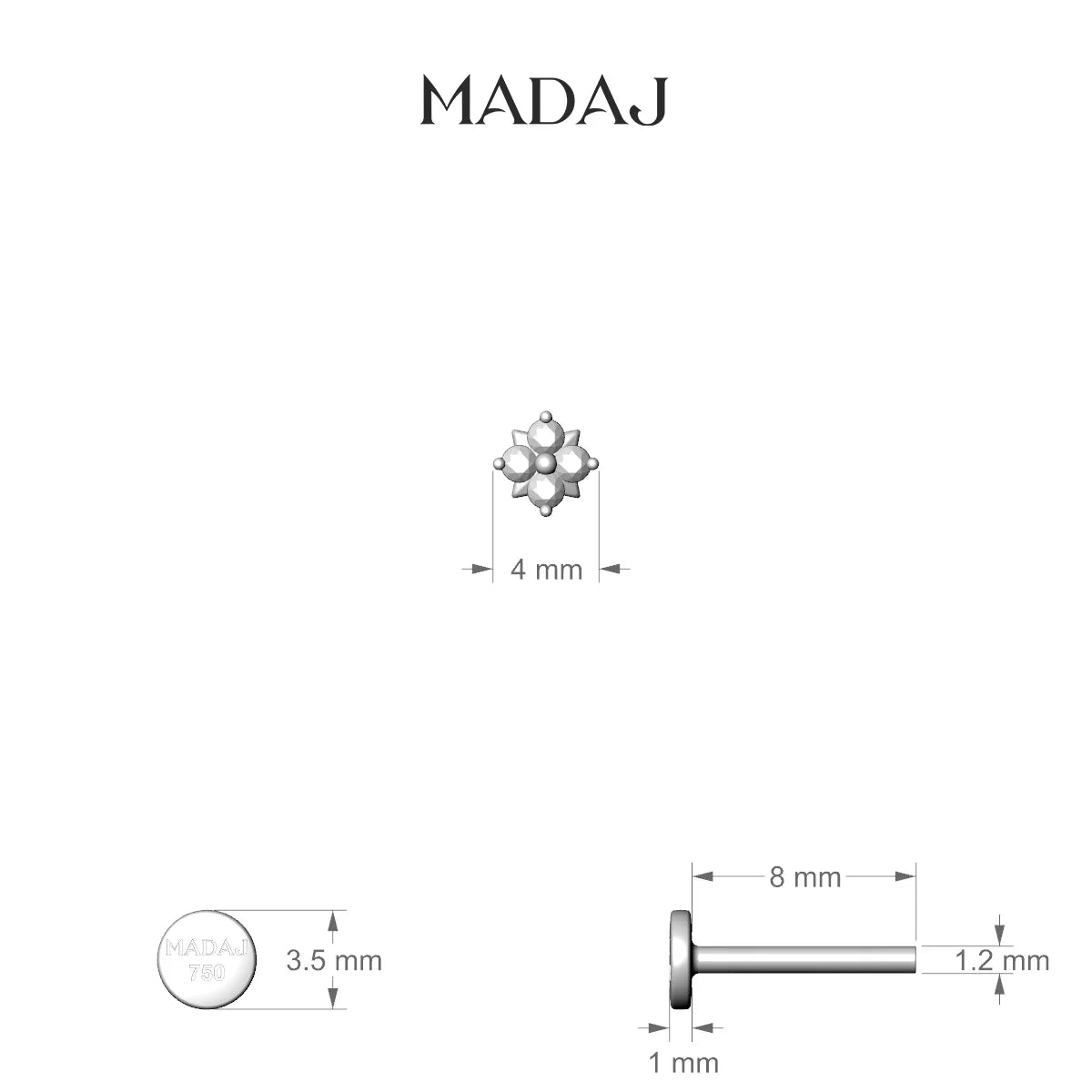
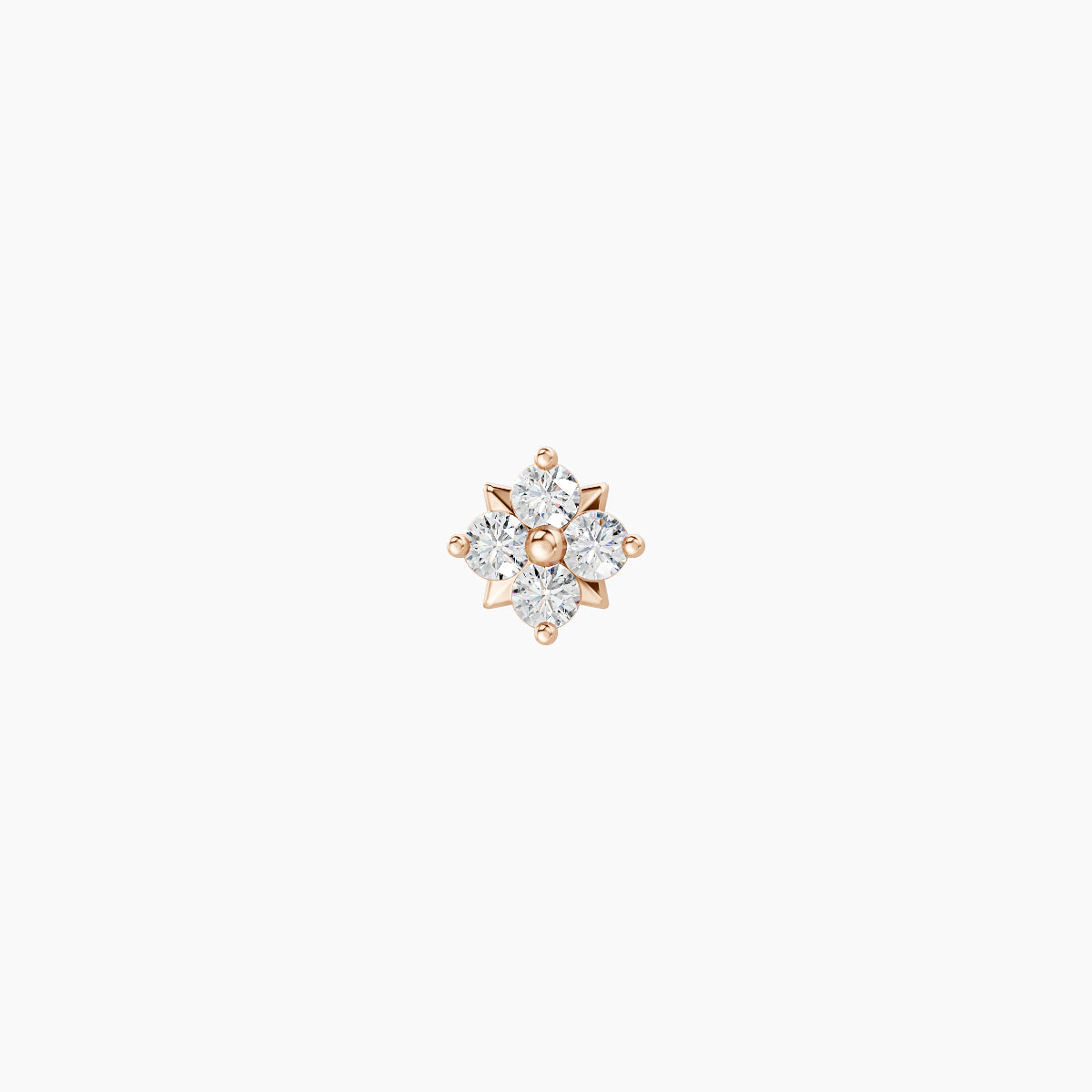
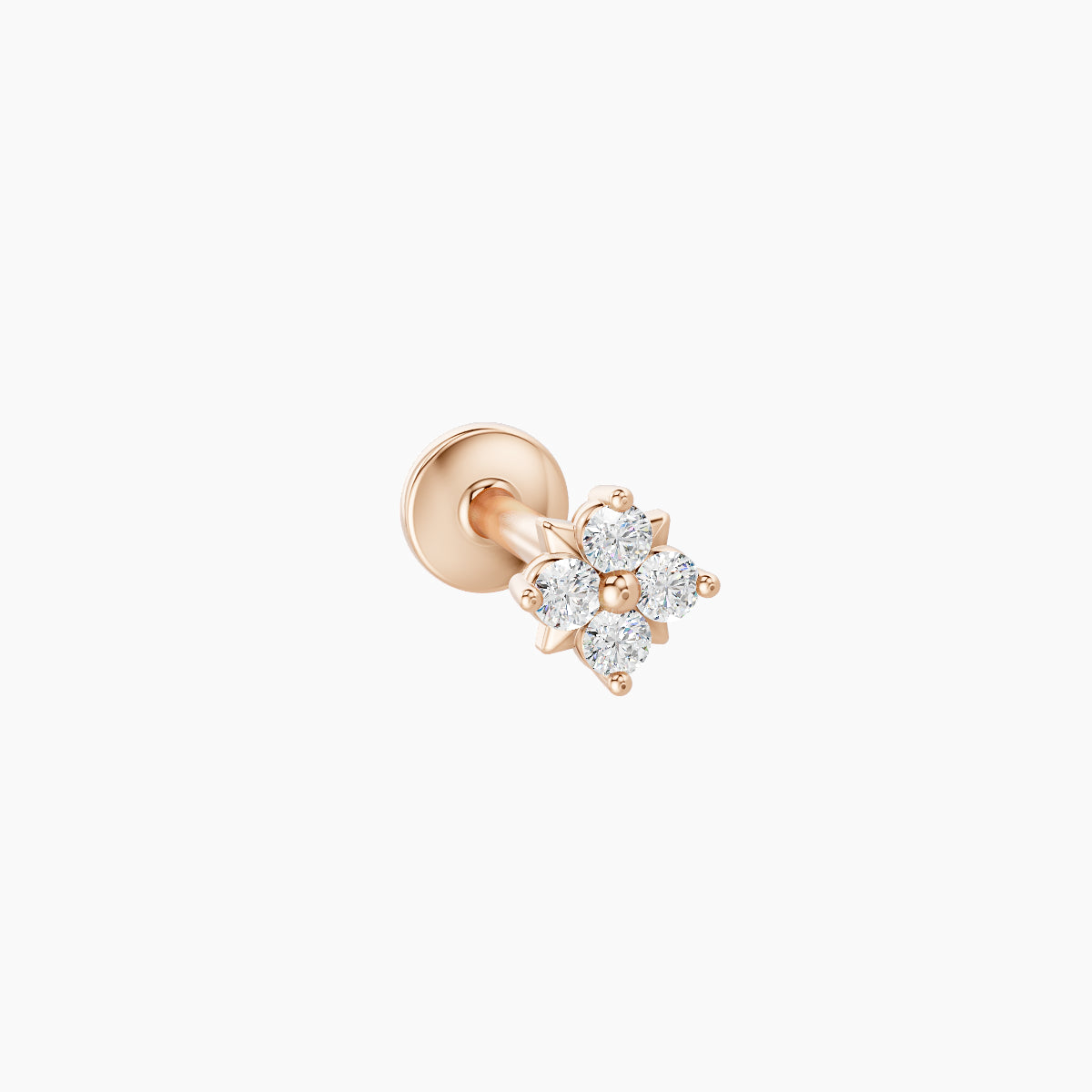
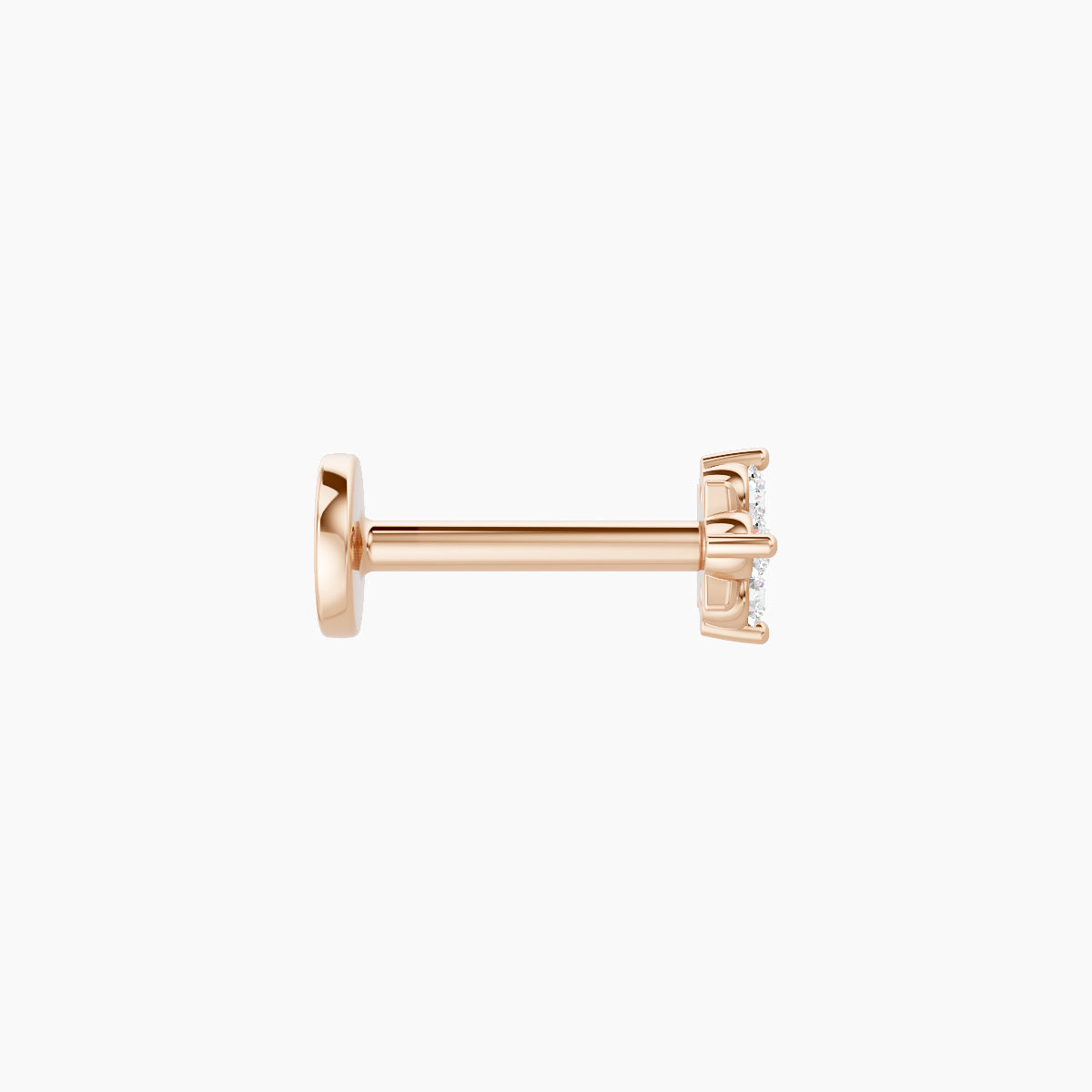
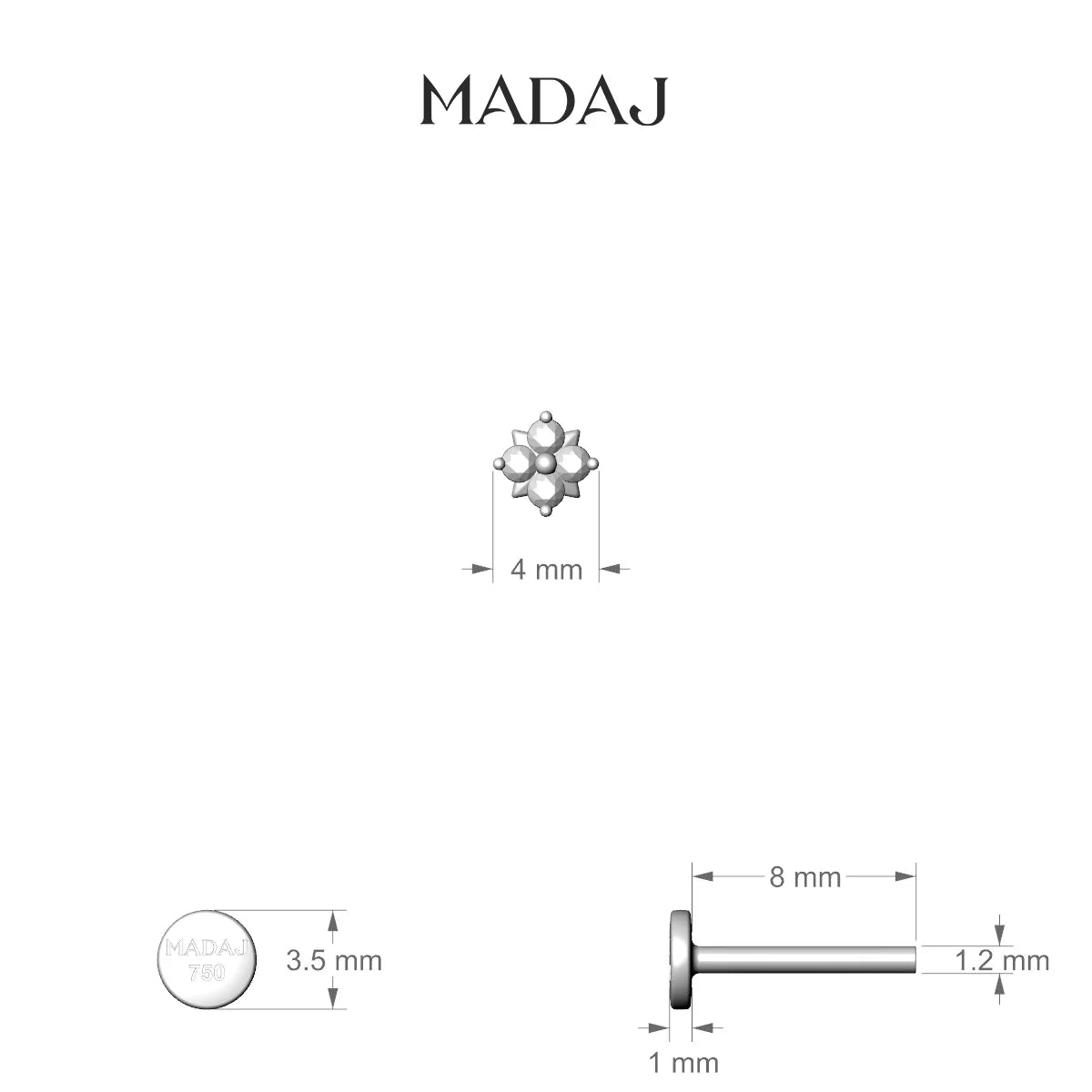
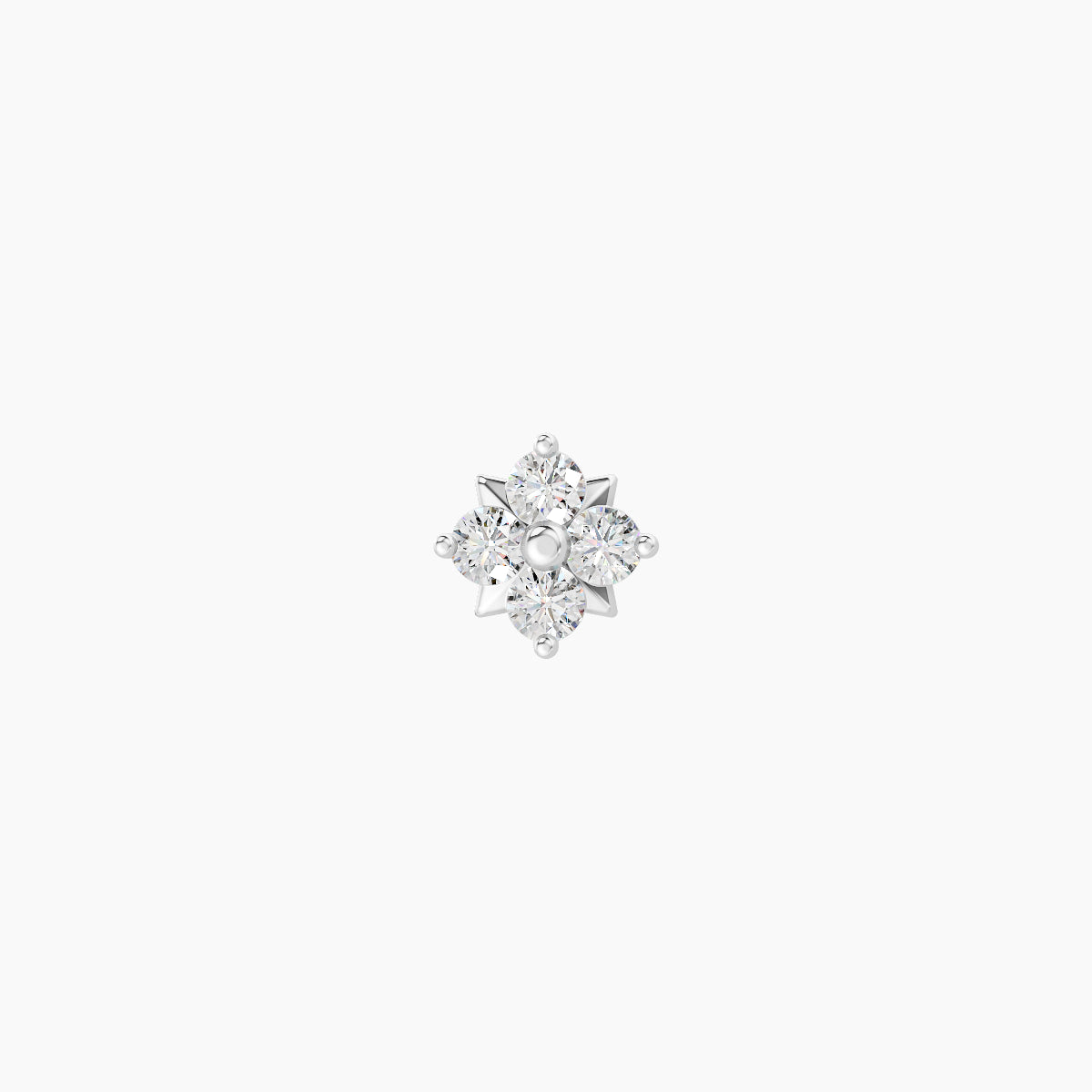
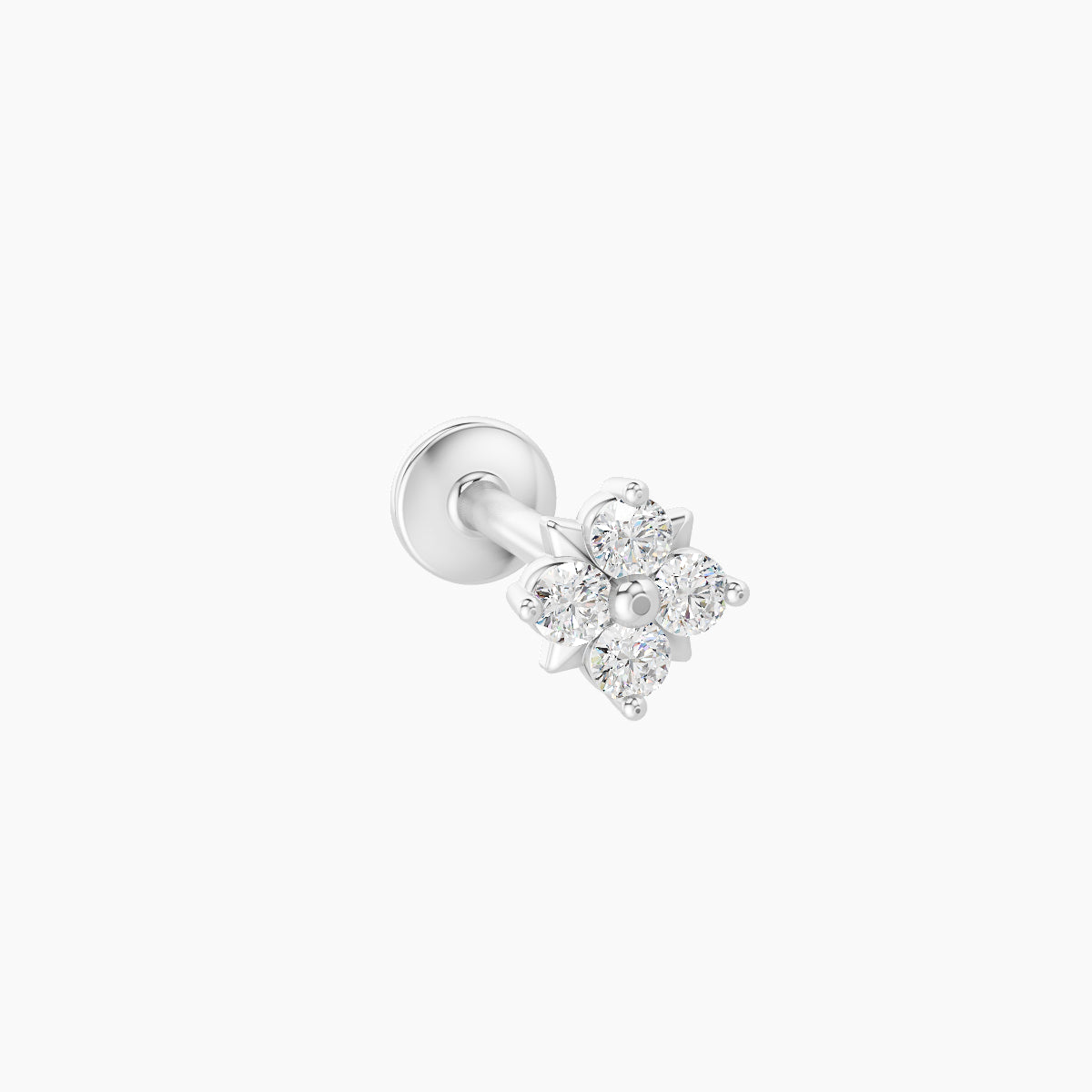
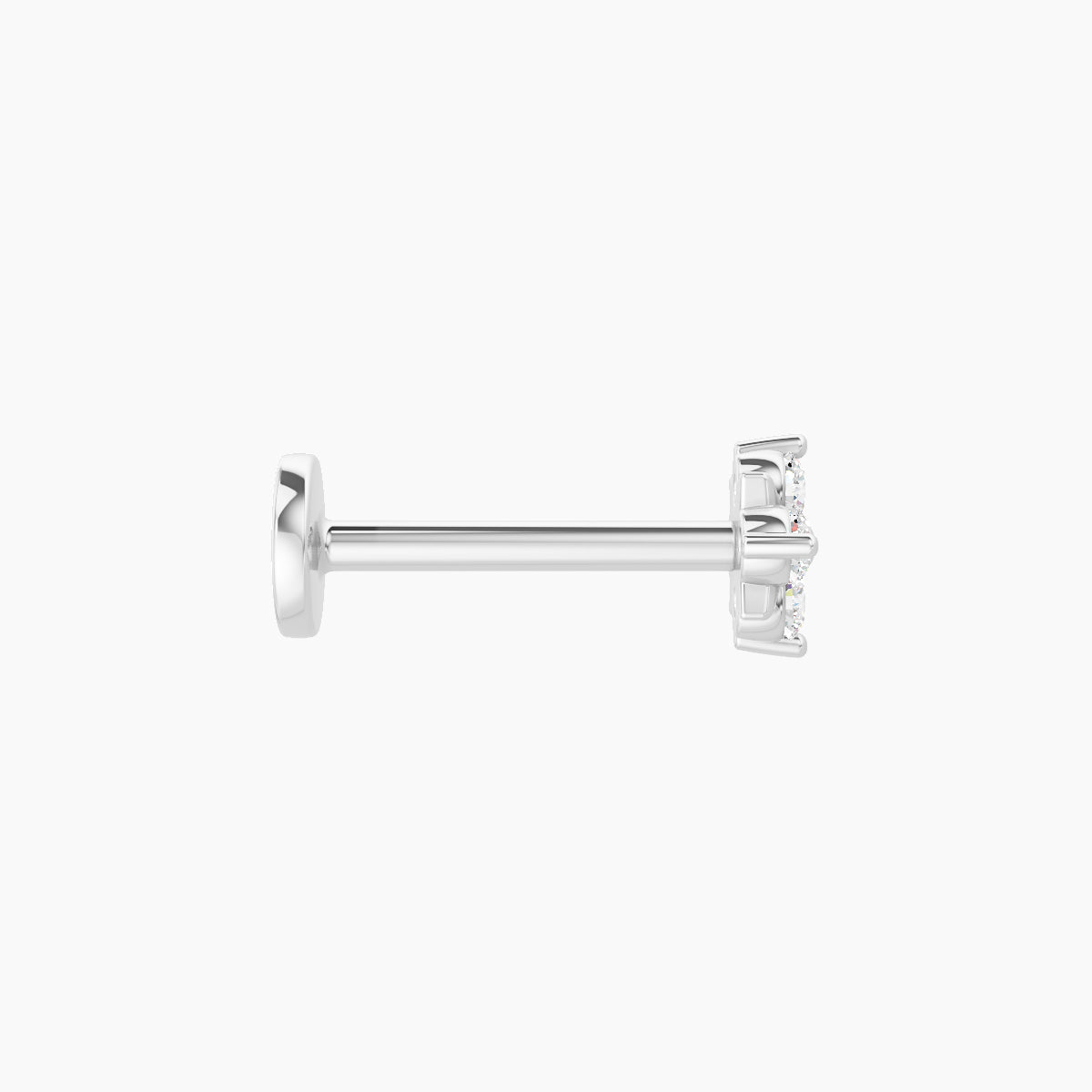
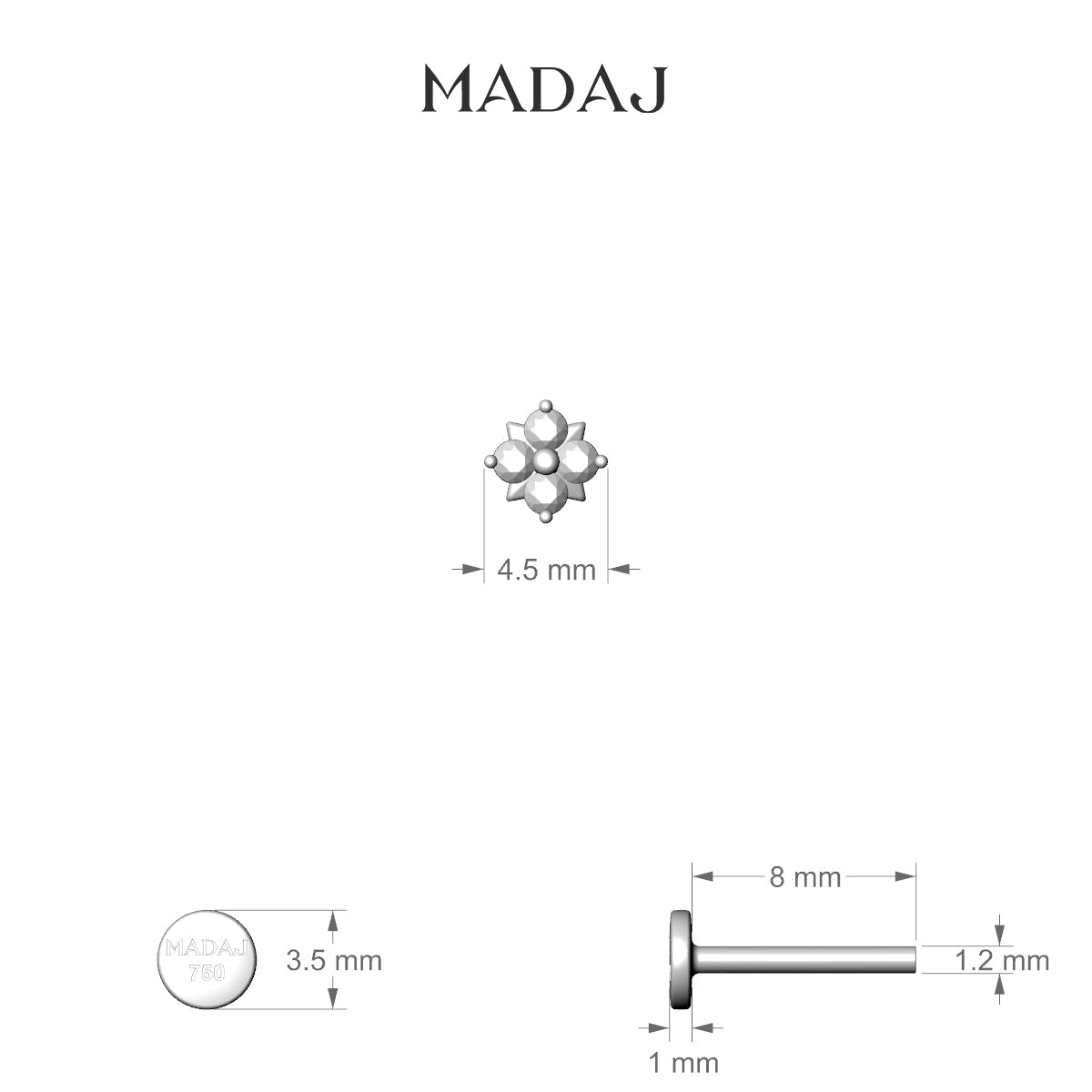
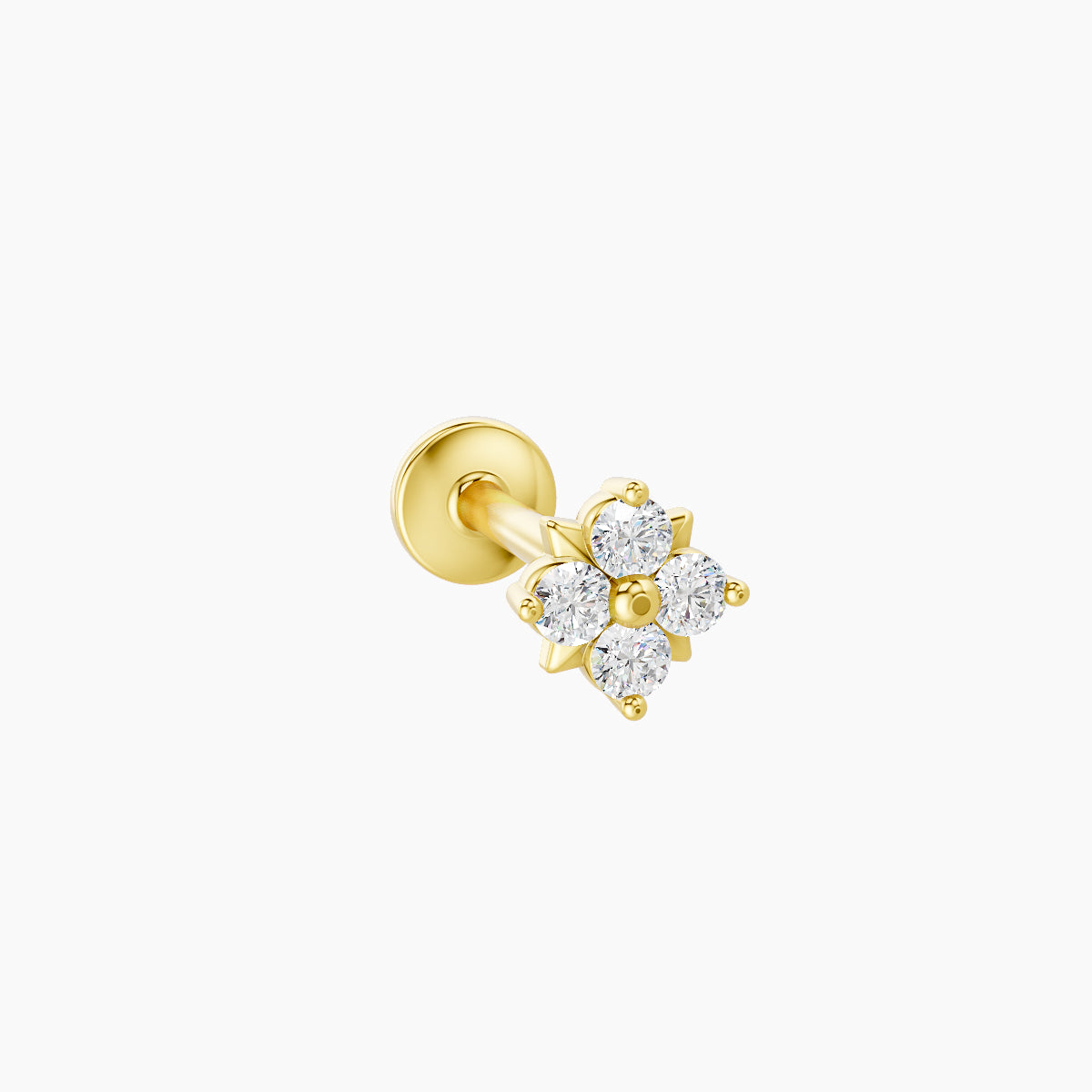
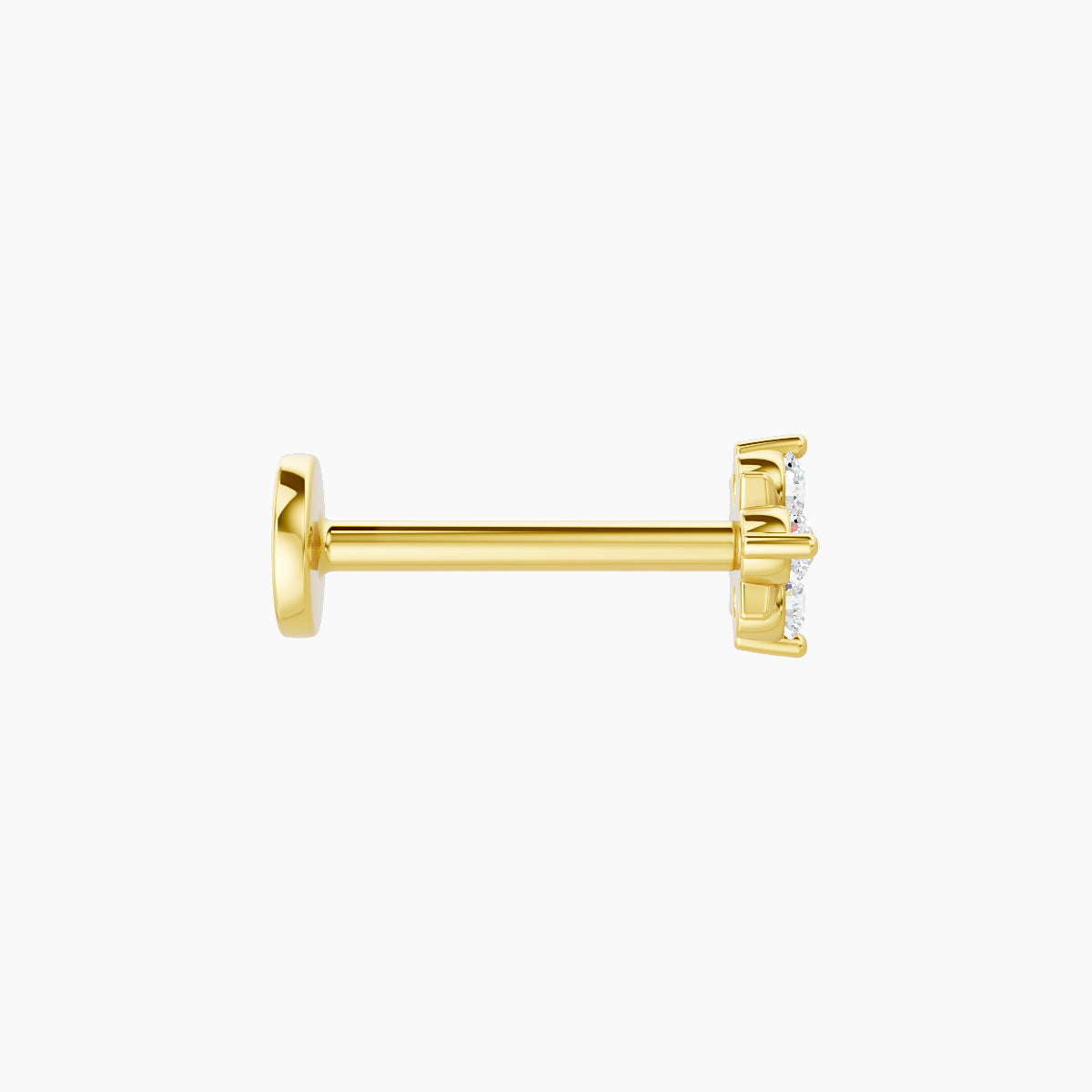
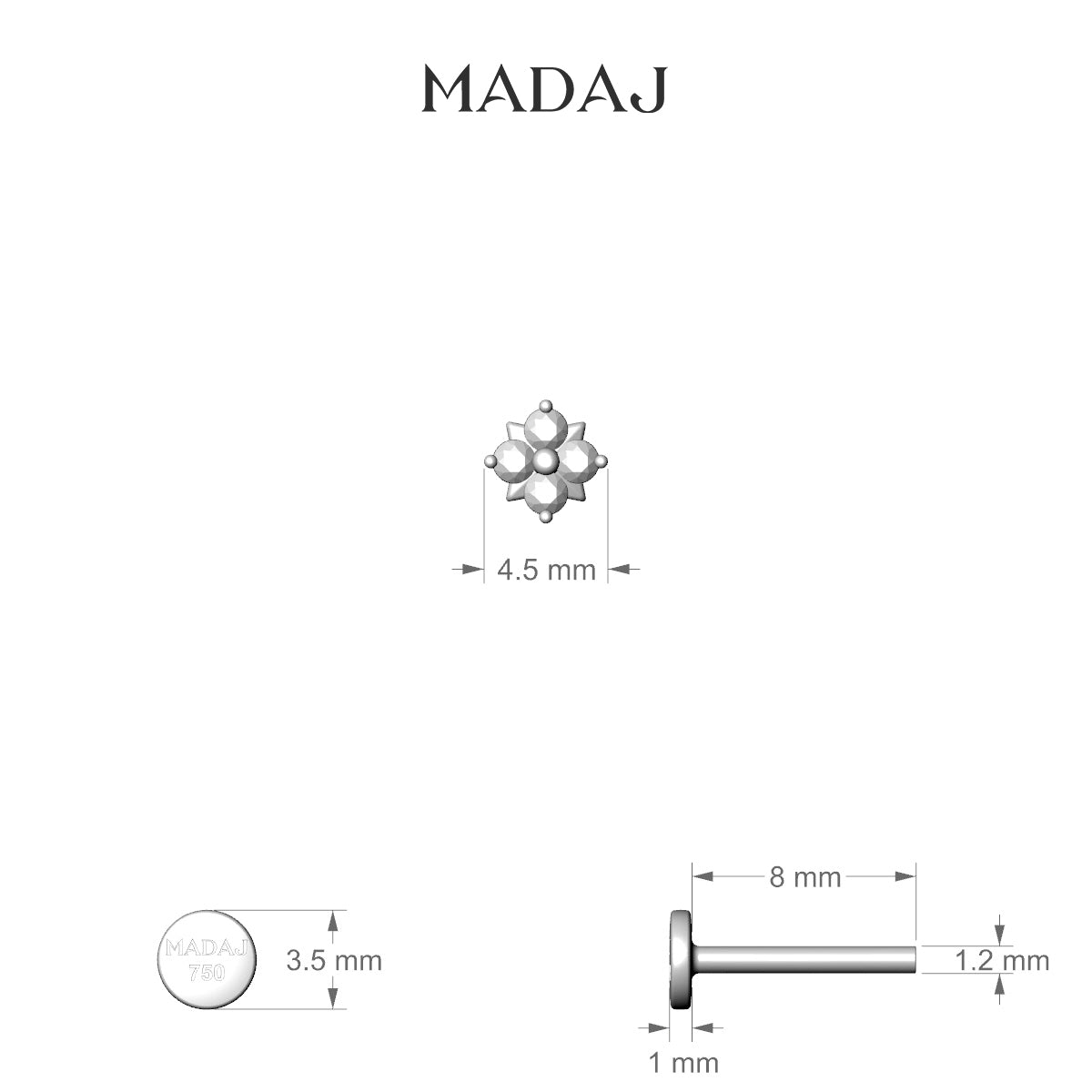
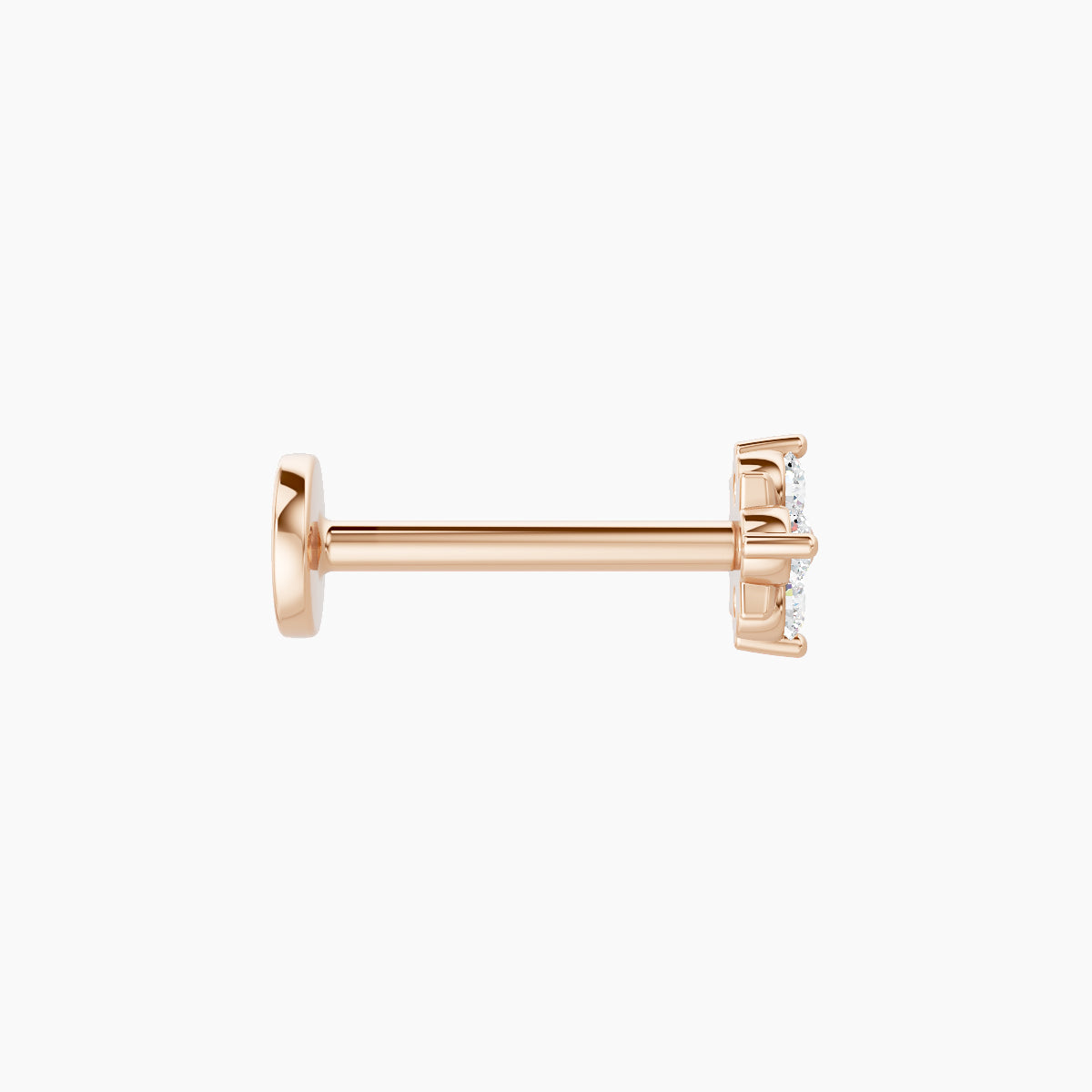
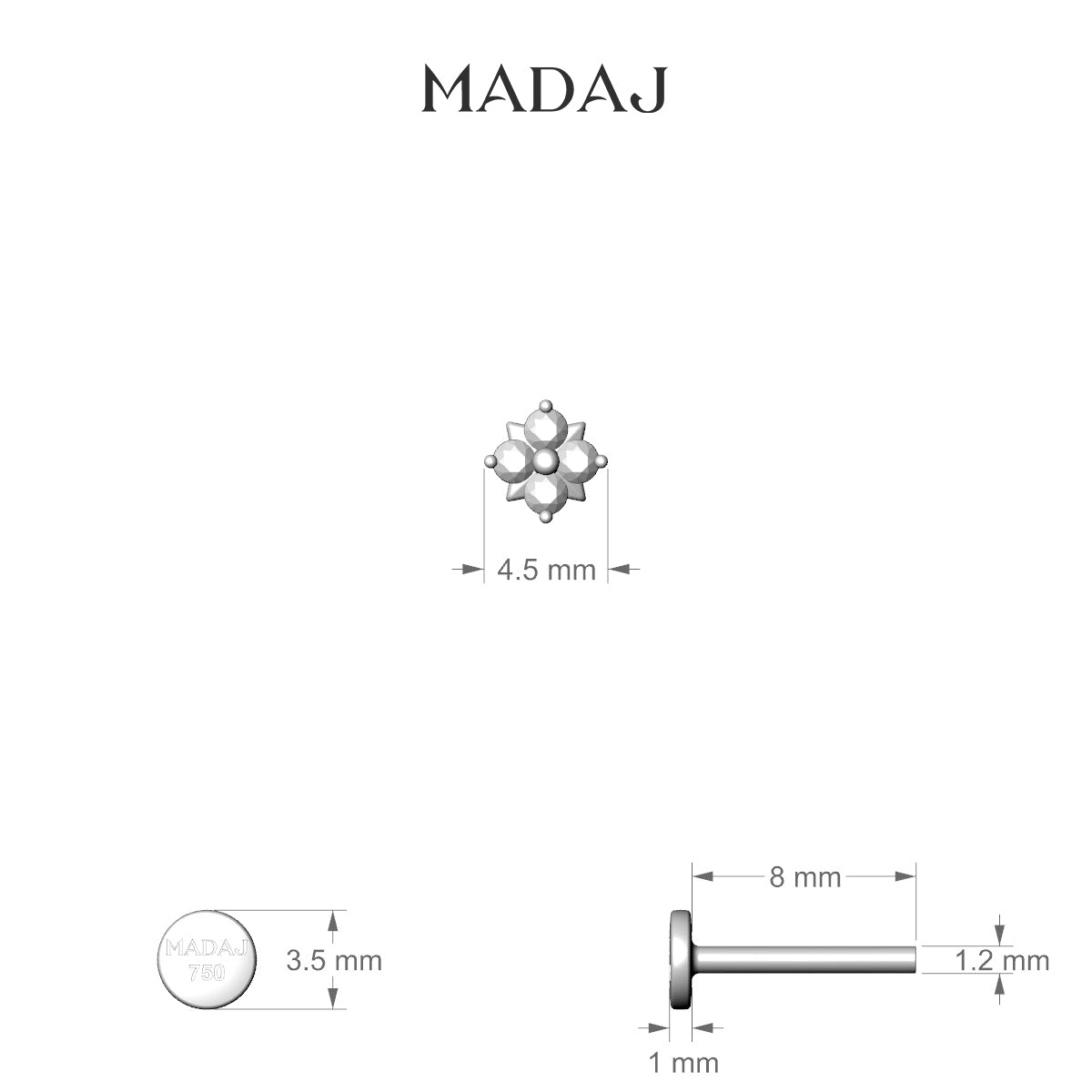
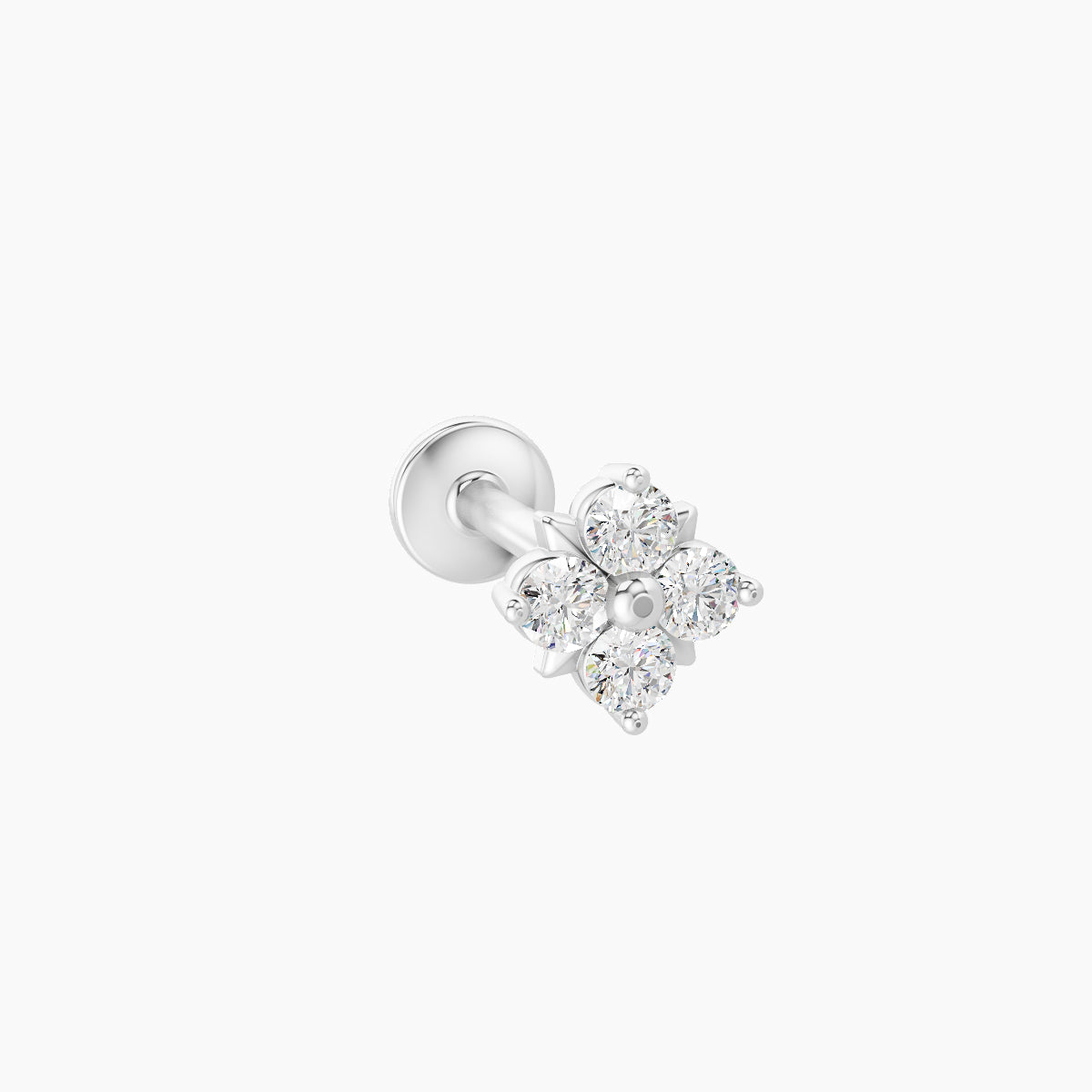
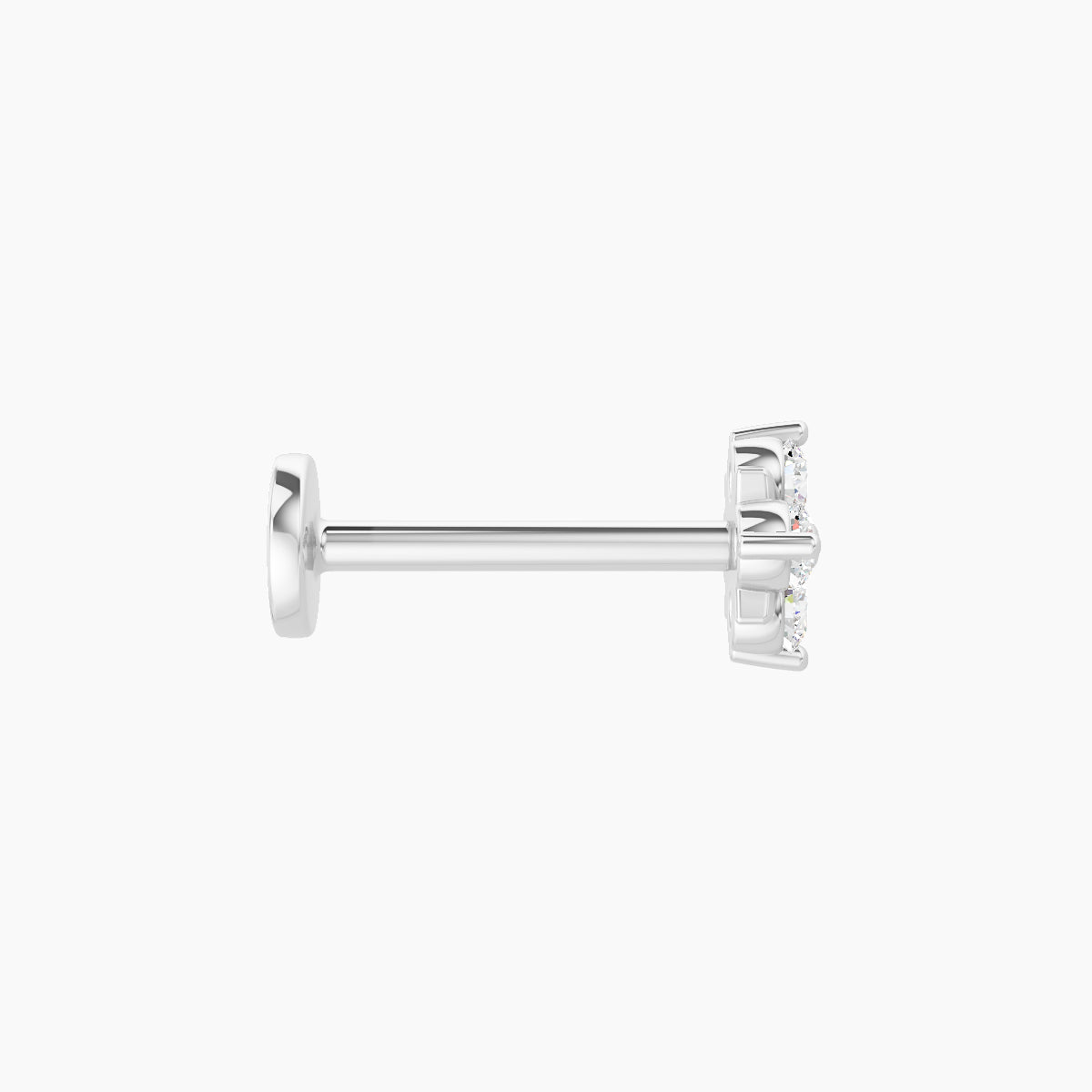
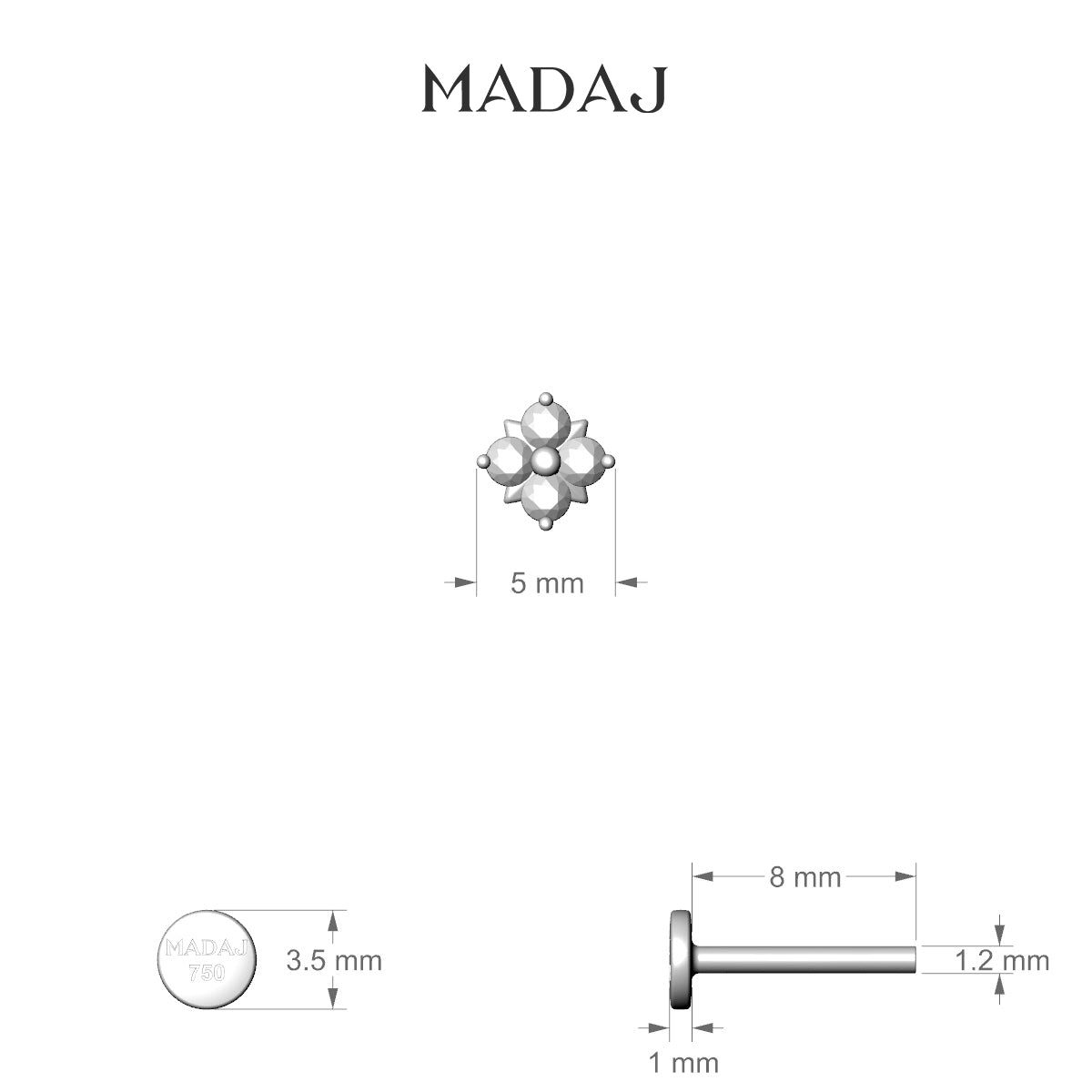
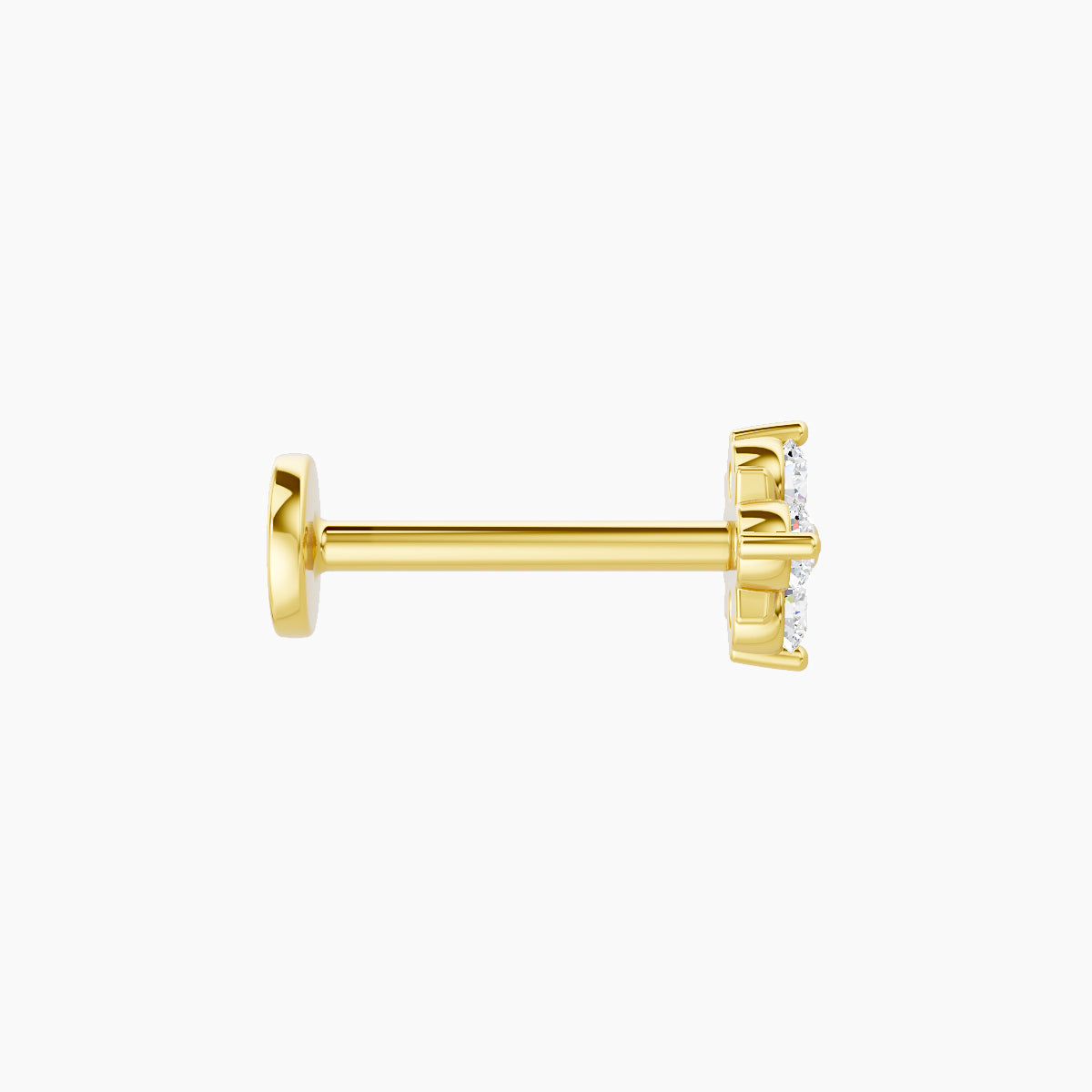
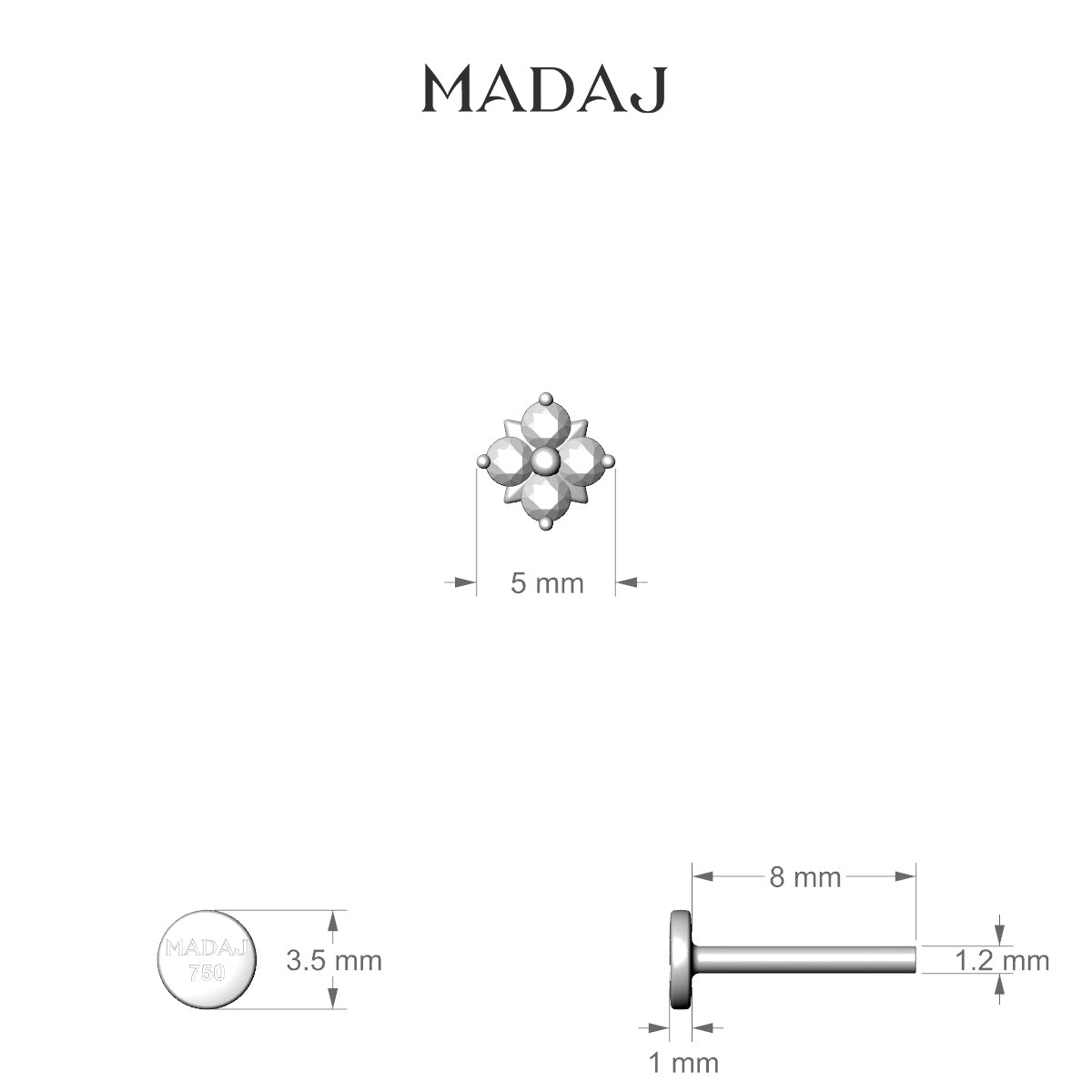
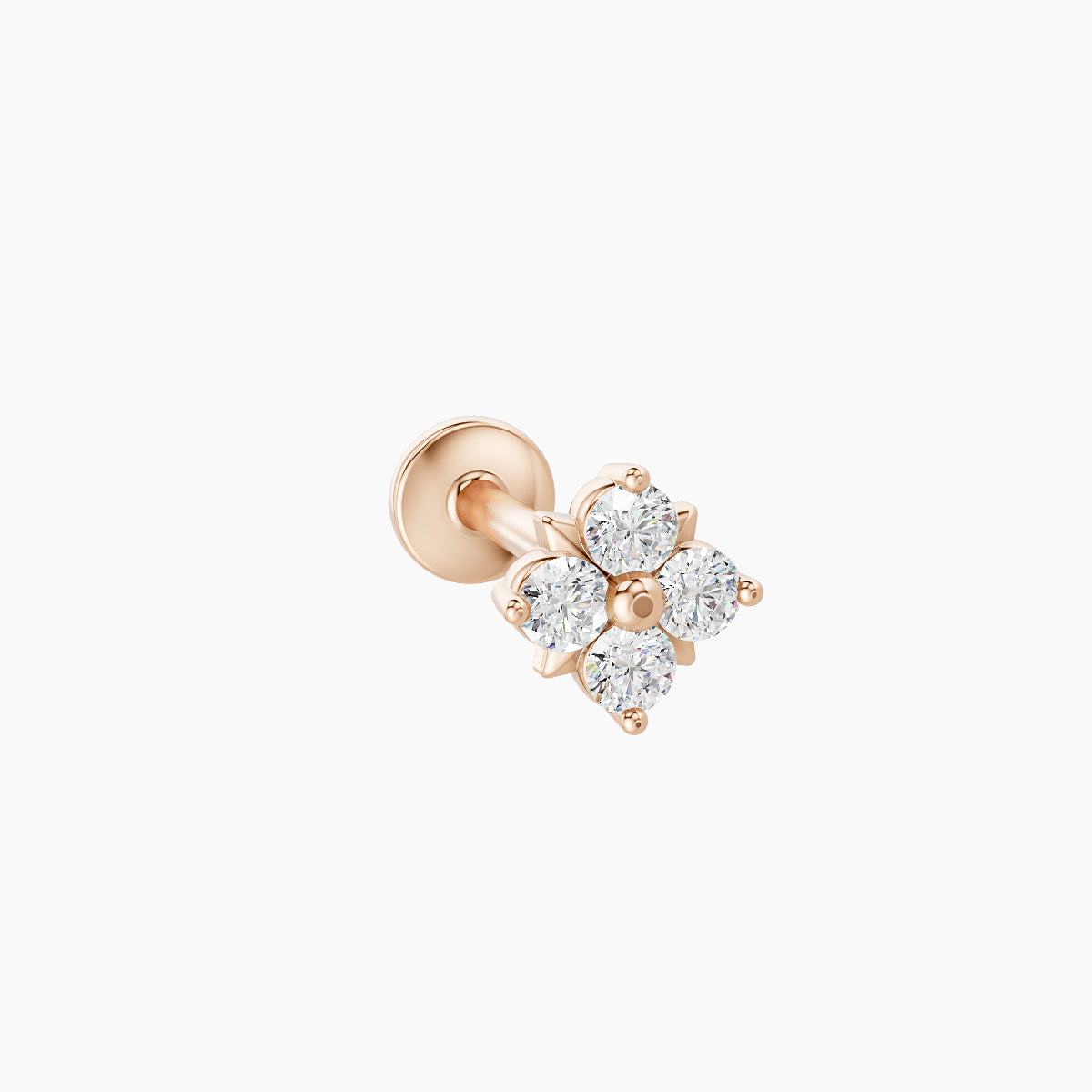
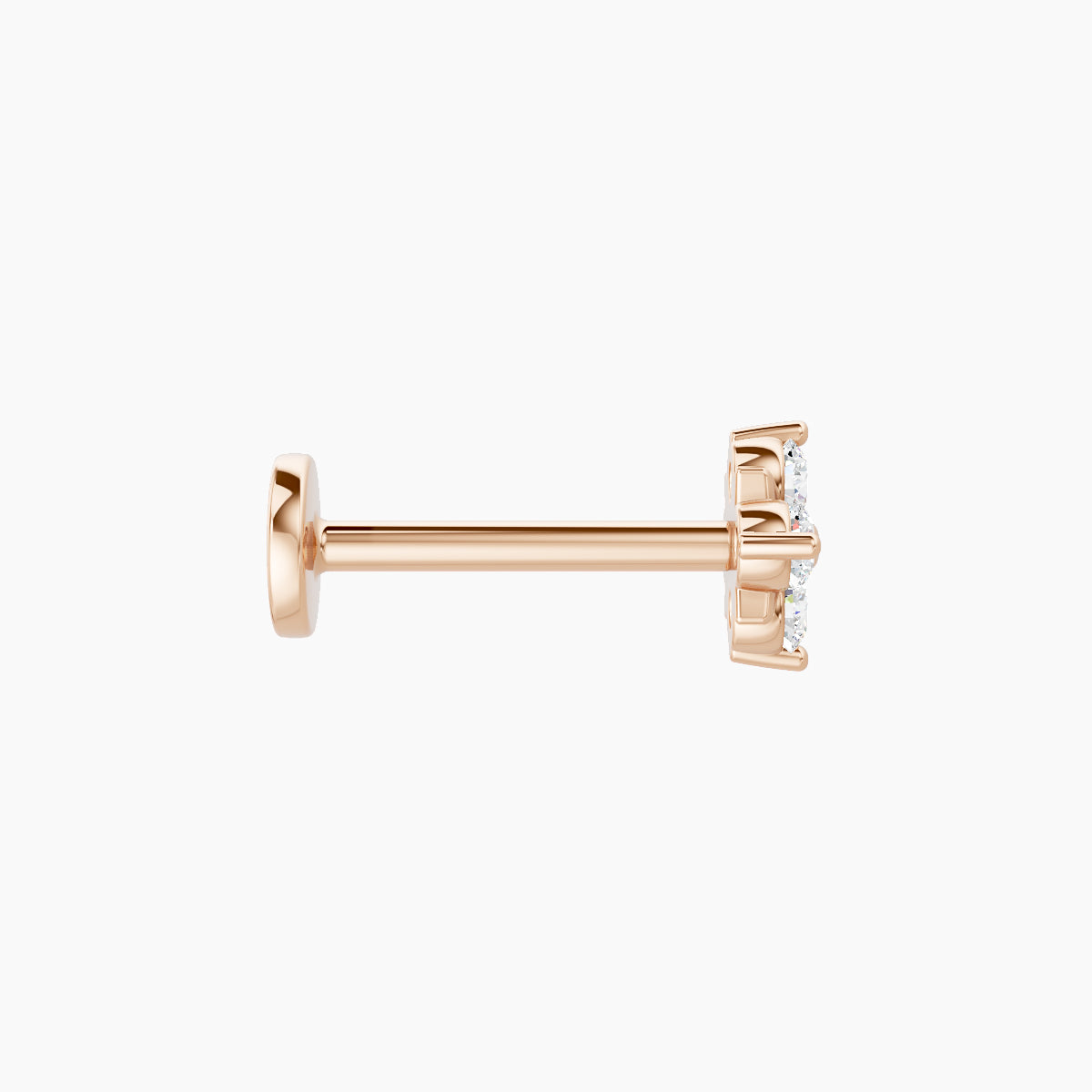
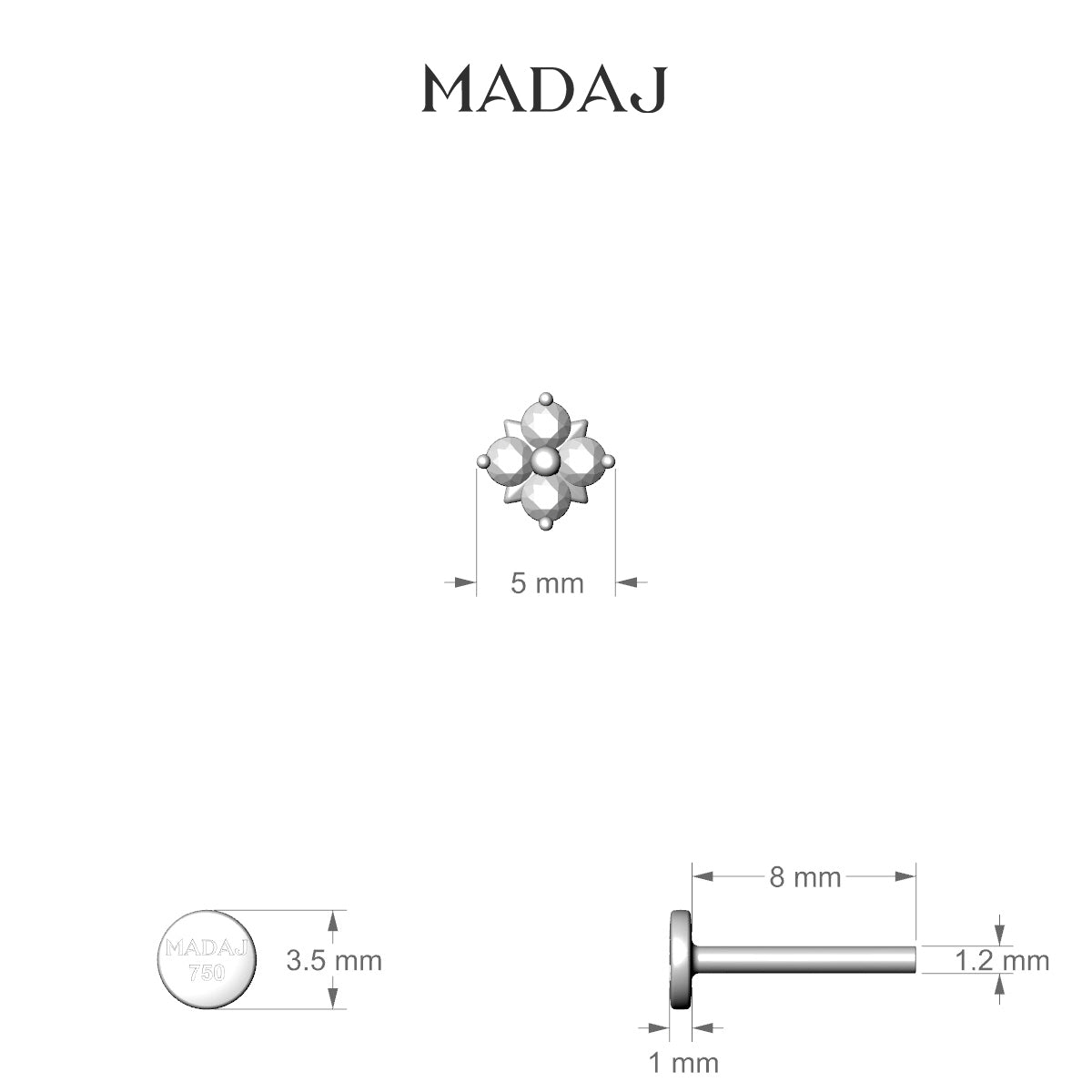
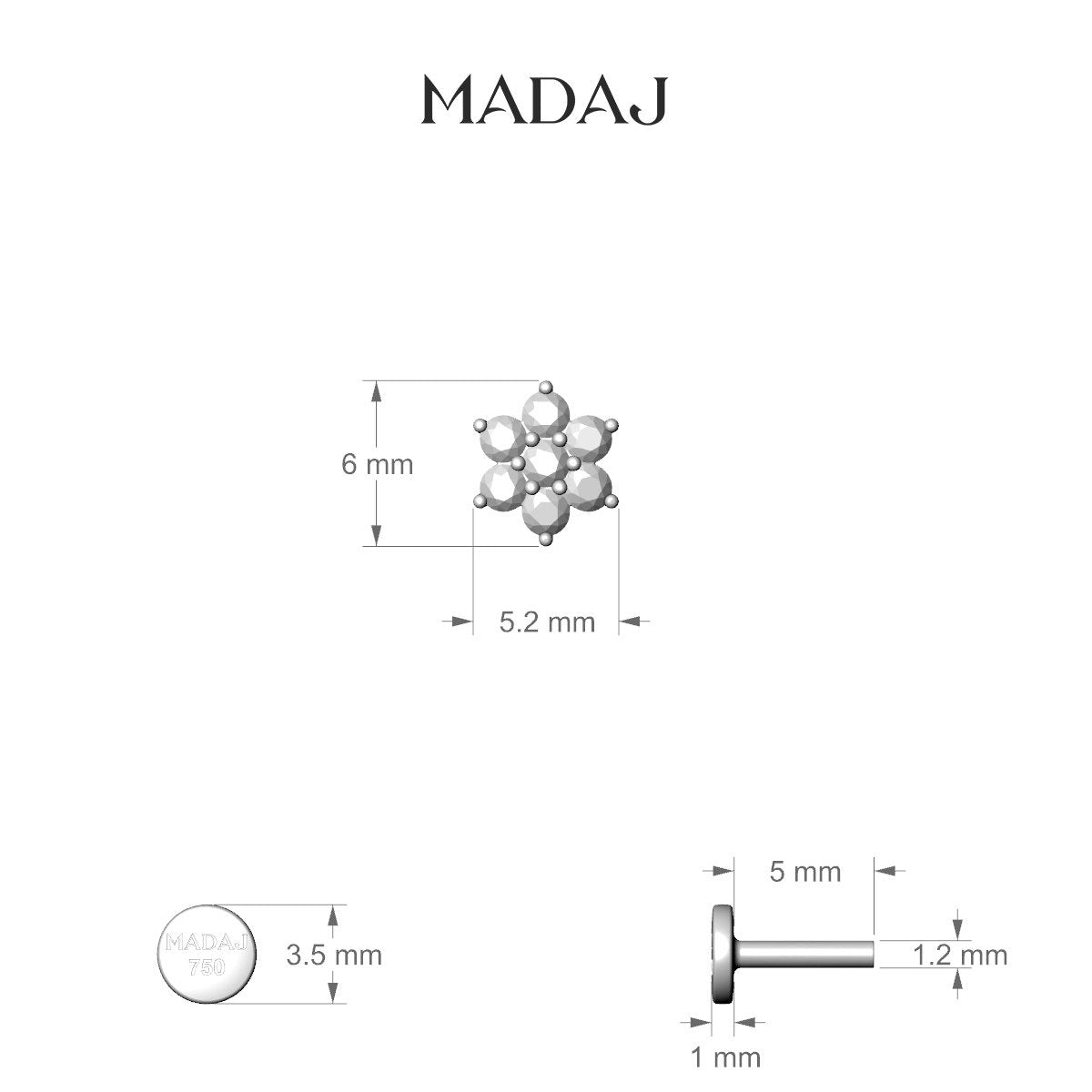
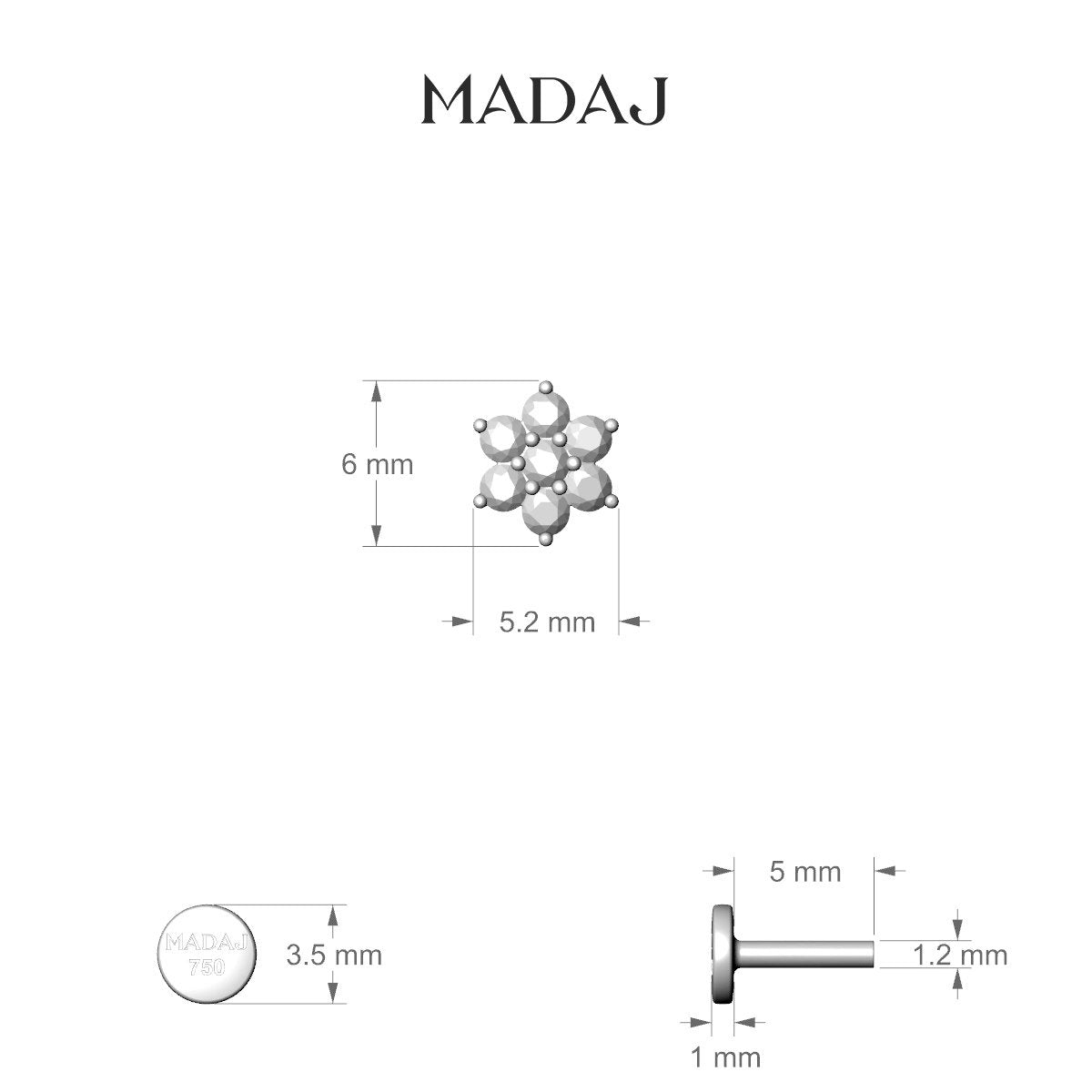
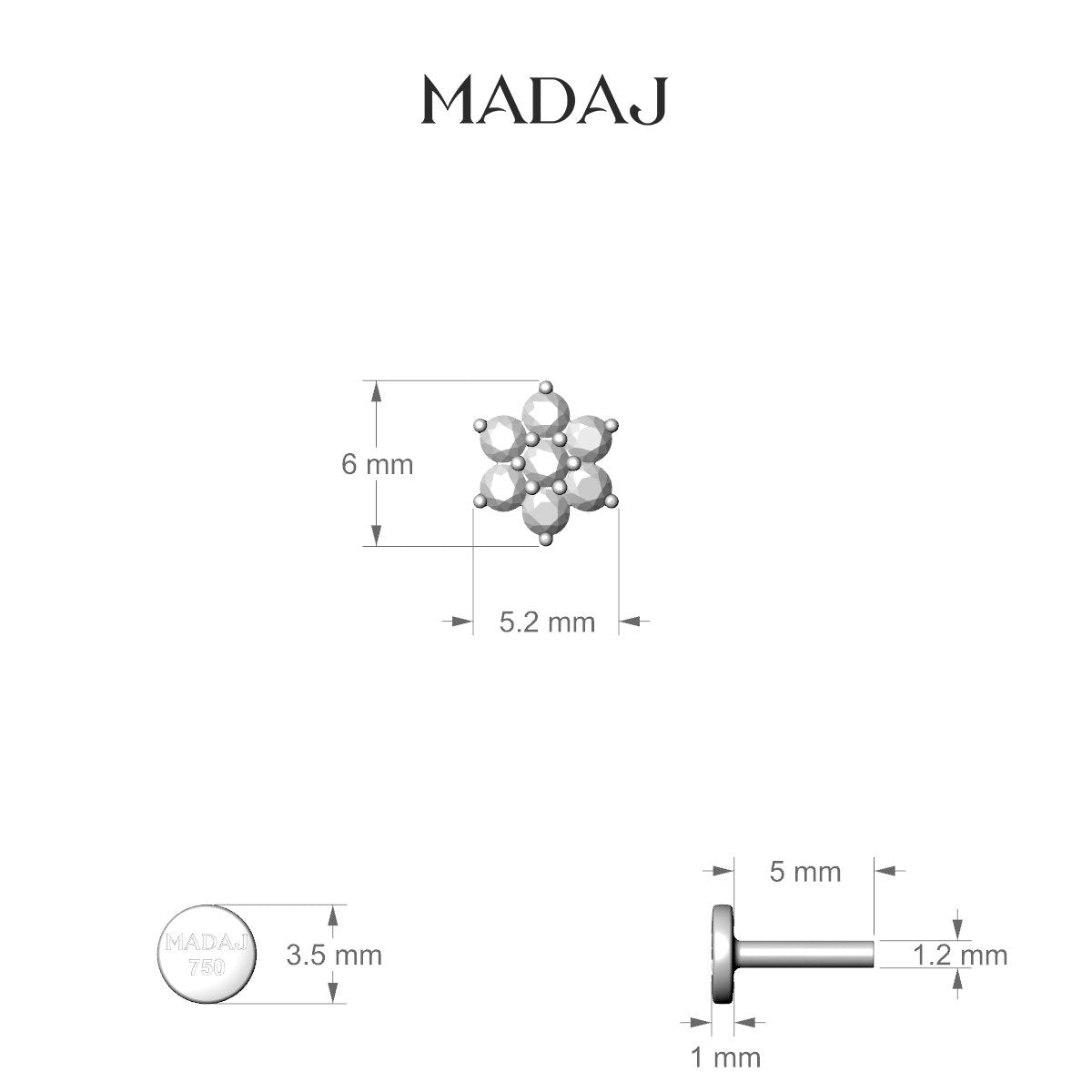
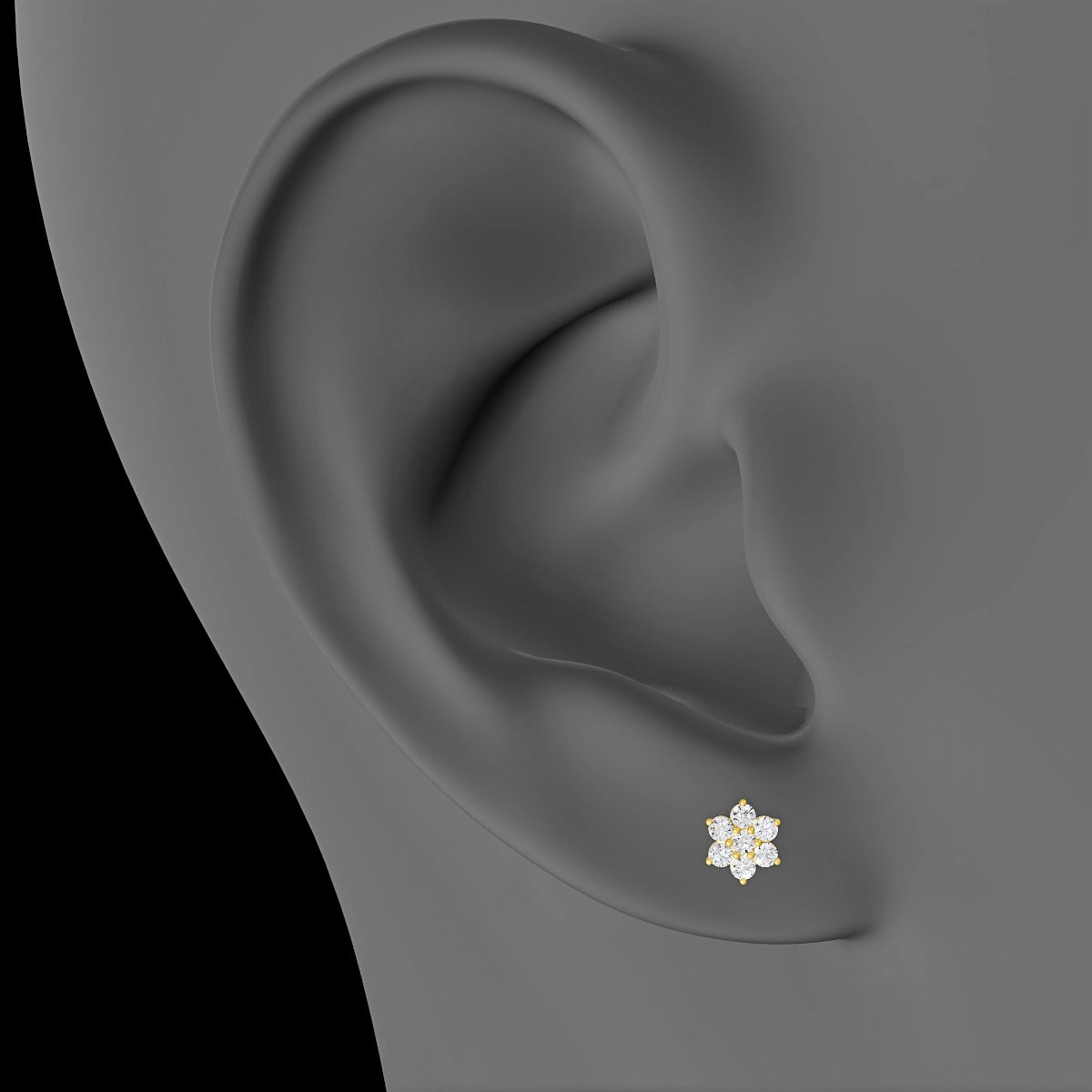
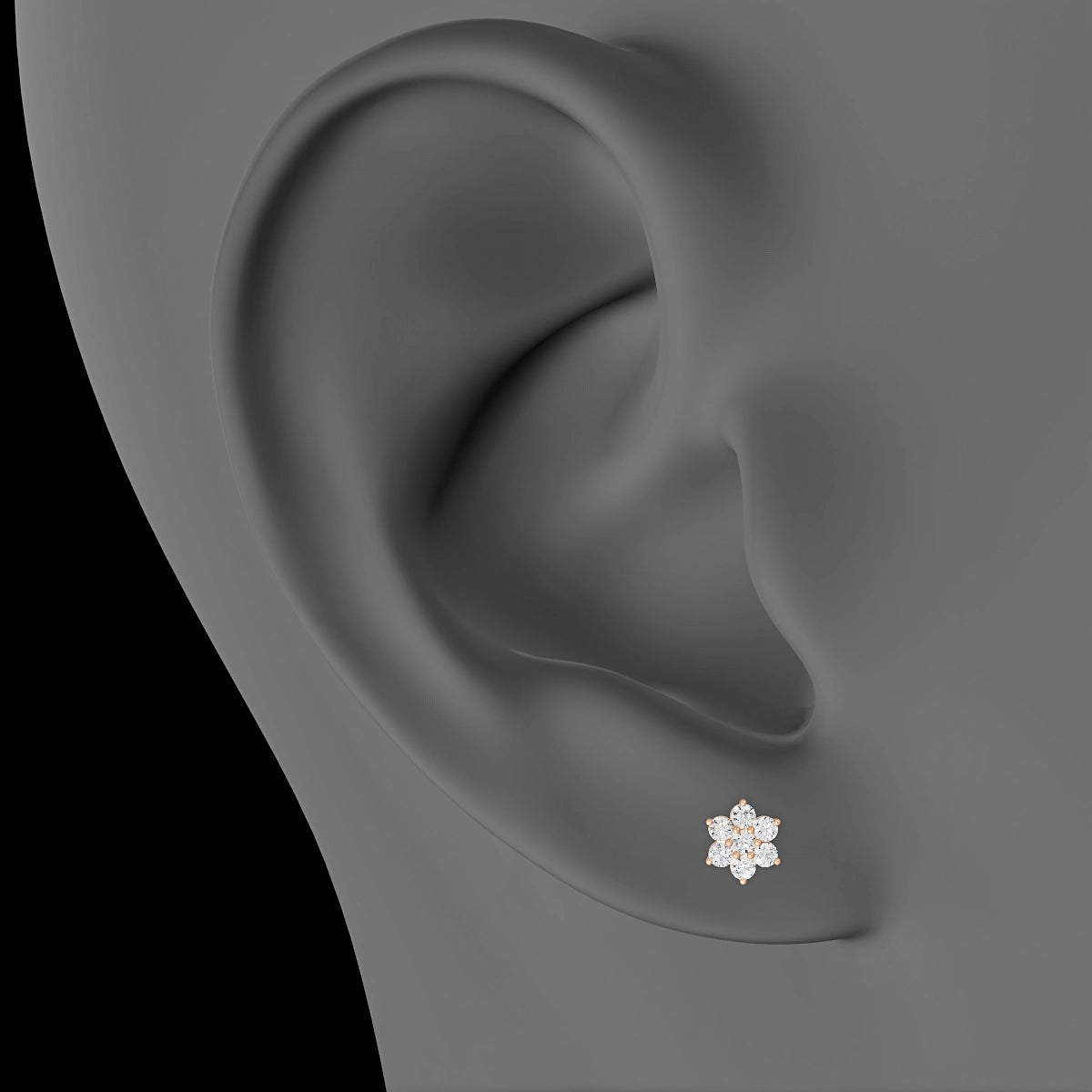
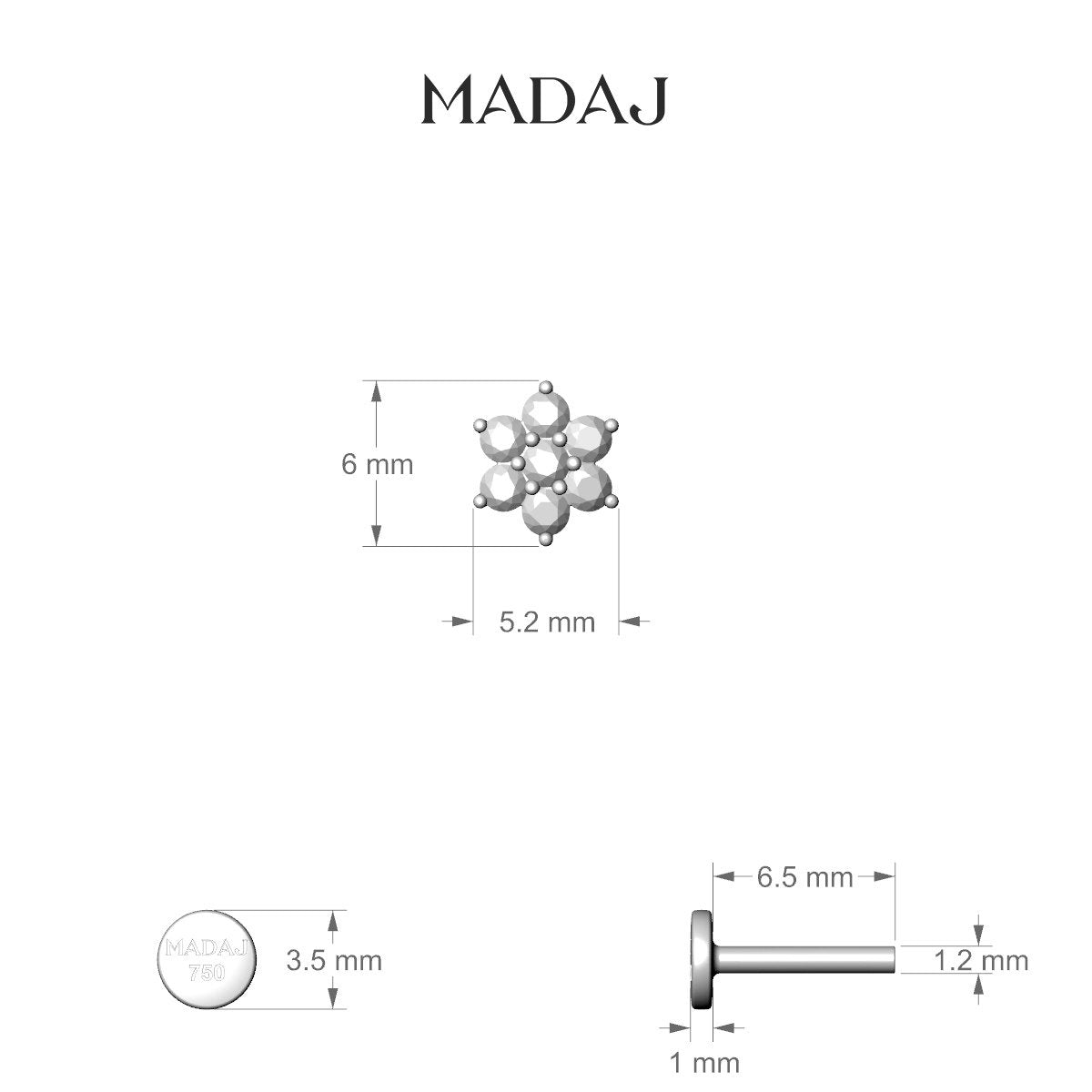
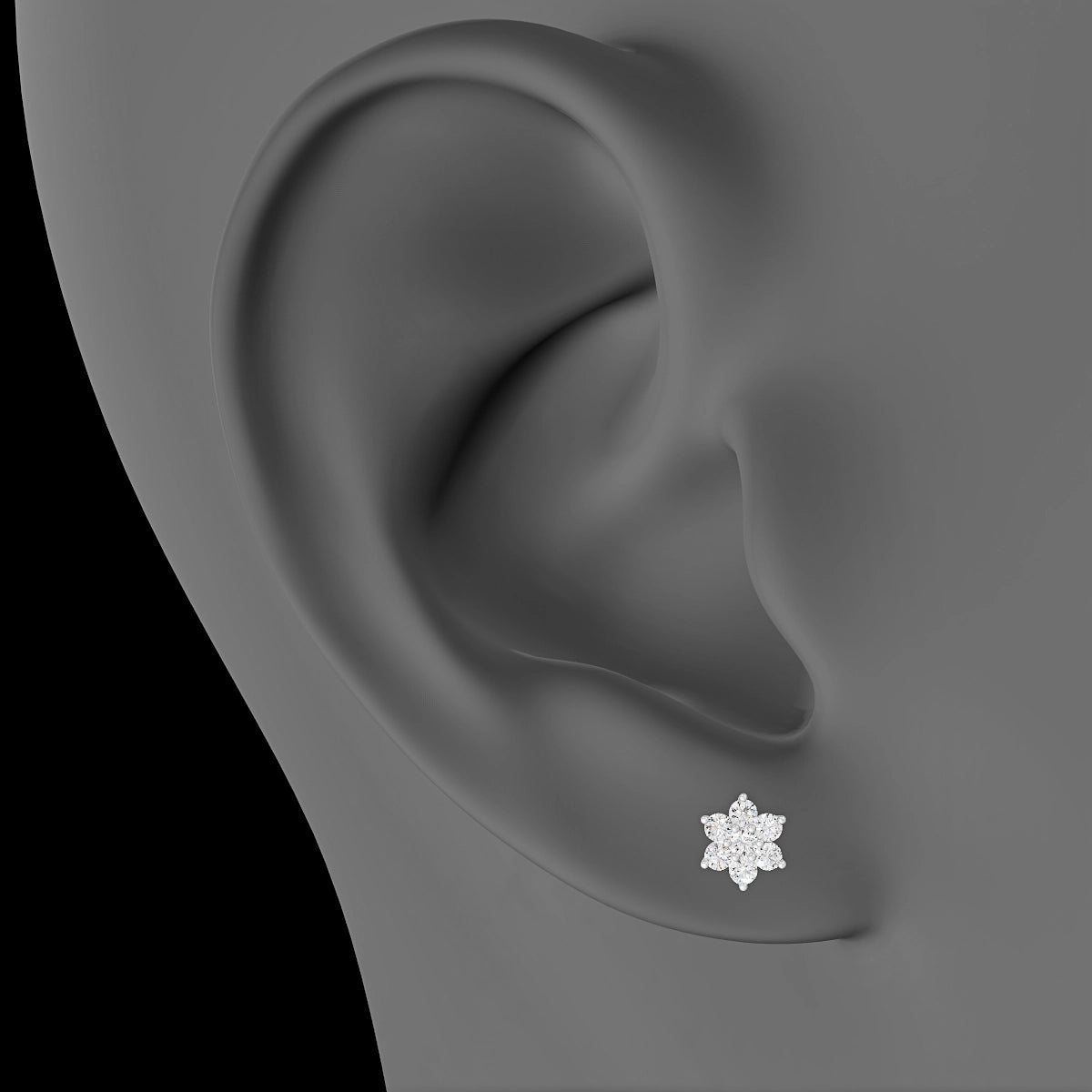
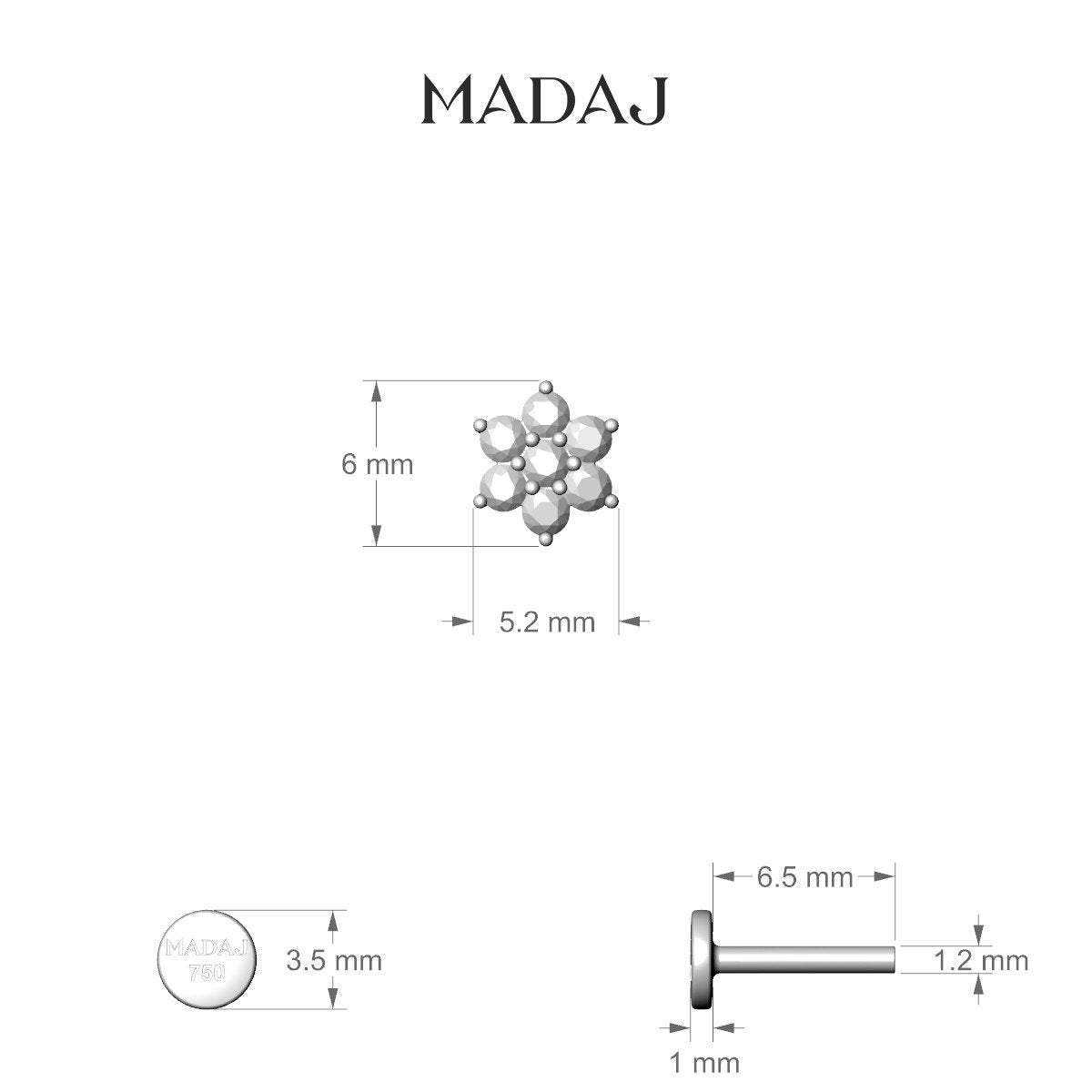
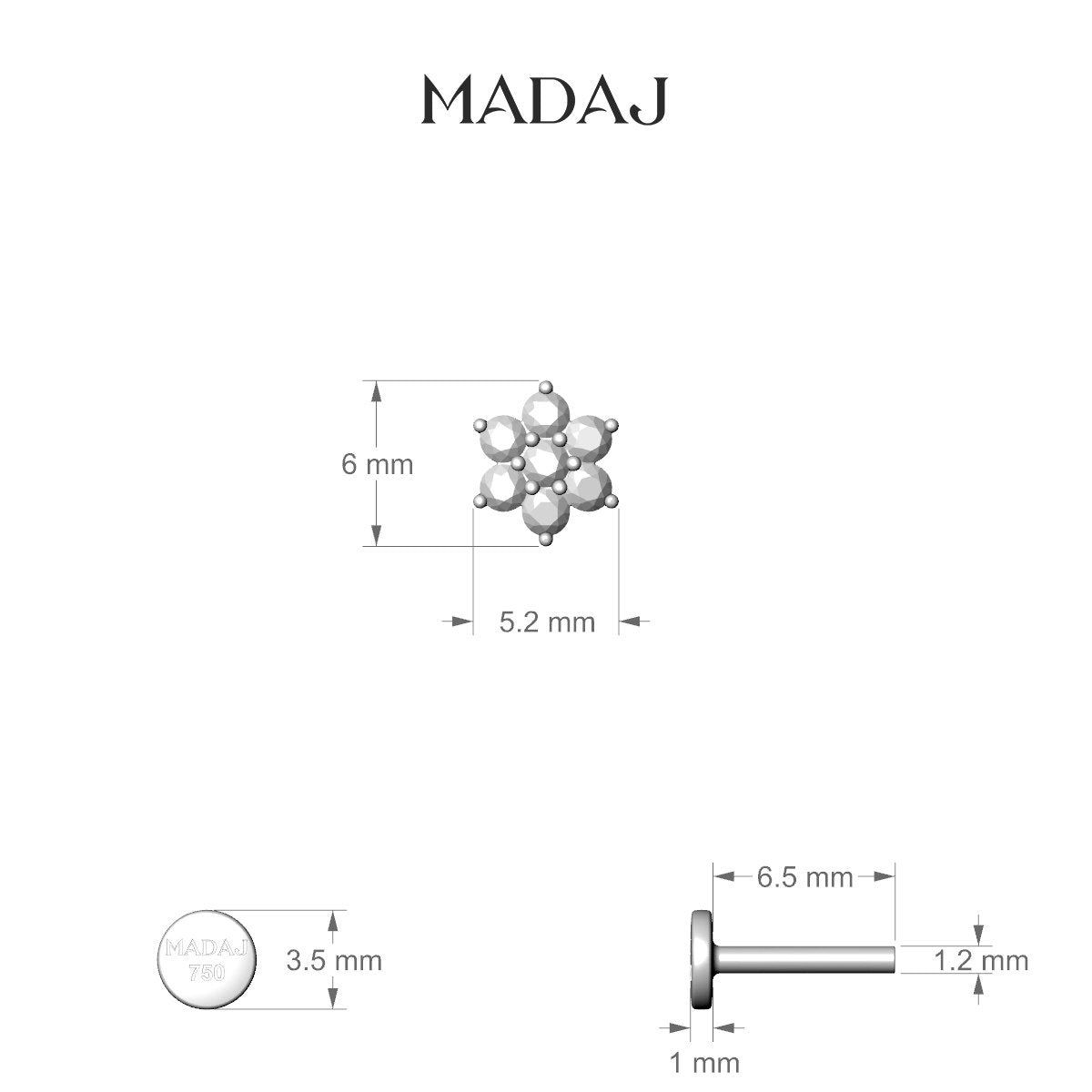
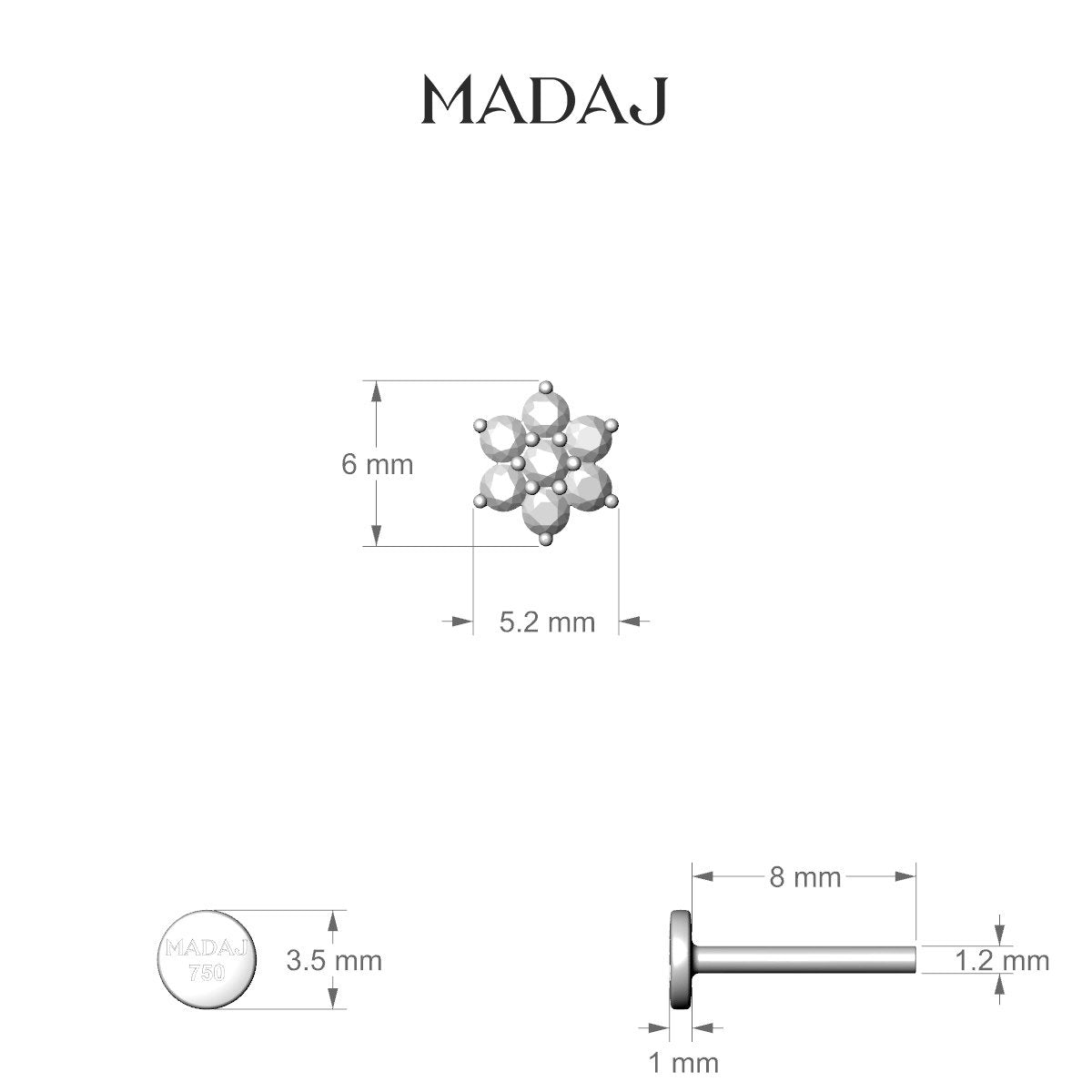
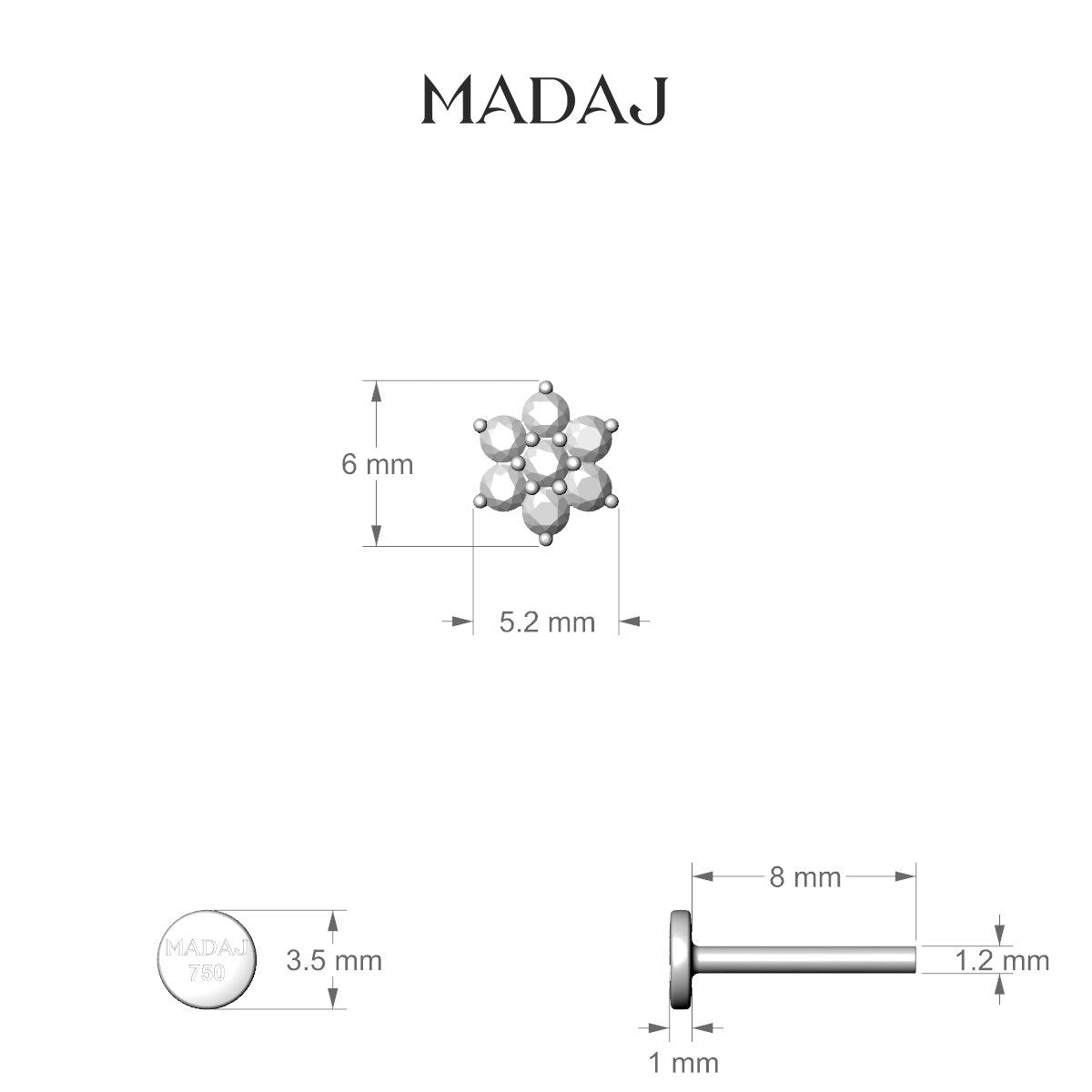
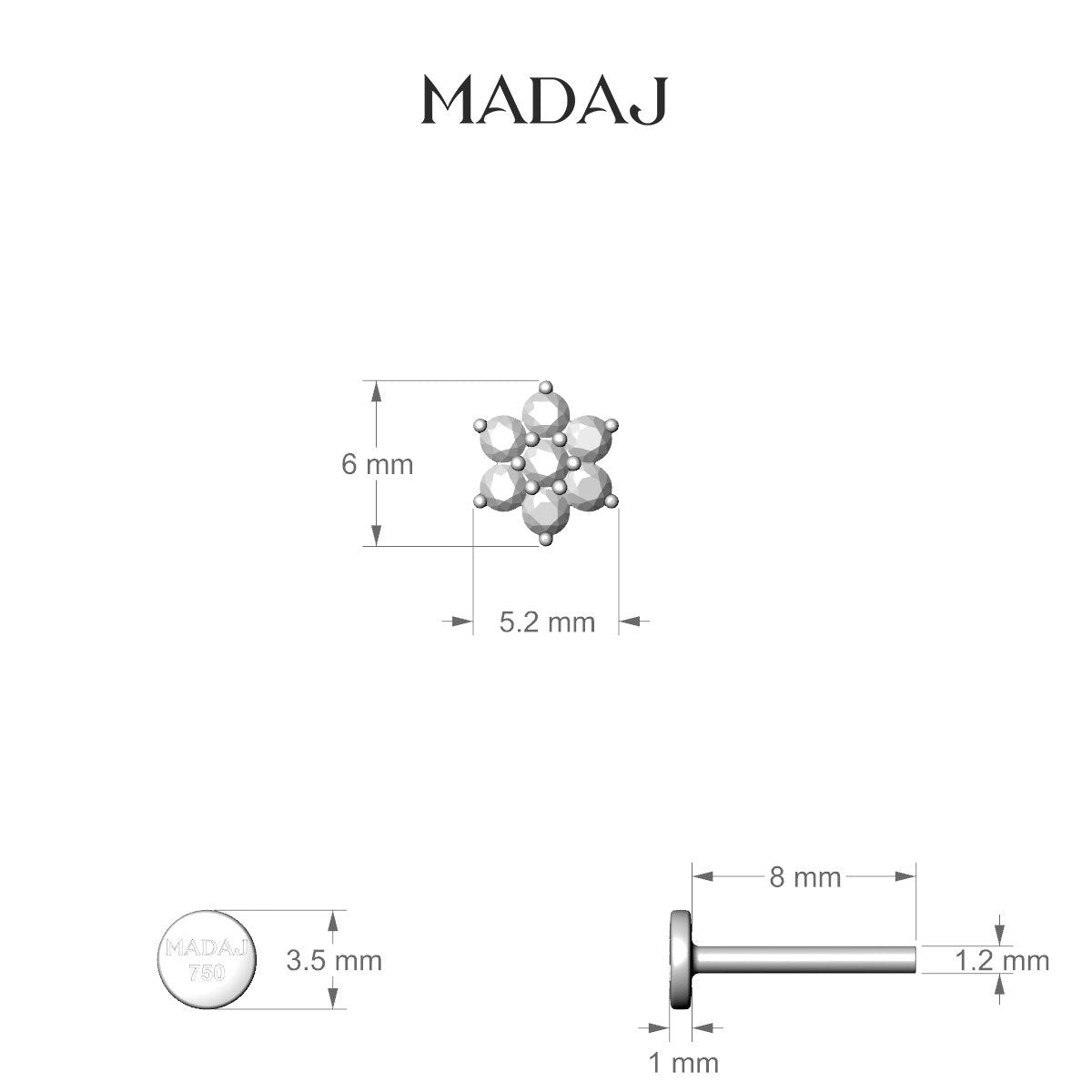
The antitragus takes a 1.2 mm (16 gauge) post for studs, sized at 5 mm, 6.5 mm, or 8 mm, with an internally threaded screw-back flat disc holding it in place. Hoops run on a lighter 0.8 mm (20 gauge) post, sized at 5 mm, 6.5 mm, 8 mm, 9.5 mm, or 11 mm, closed with a clicker.
Fresh piercings need space before they need style. That's why 8 mm leads for a new antitragus, it gives the area room to swell without the jewelry pressing in. As healing finishes, most people size down to 6.5 mm, whether they're keeping the stud or moving to a hoop of the same measurement, since by then the swelling's gone and a closer fit reads better against the ear. Anatomy has the final word here more than any general guide can, so a quick check with your piercer settles it.
MATERIALS
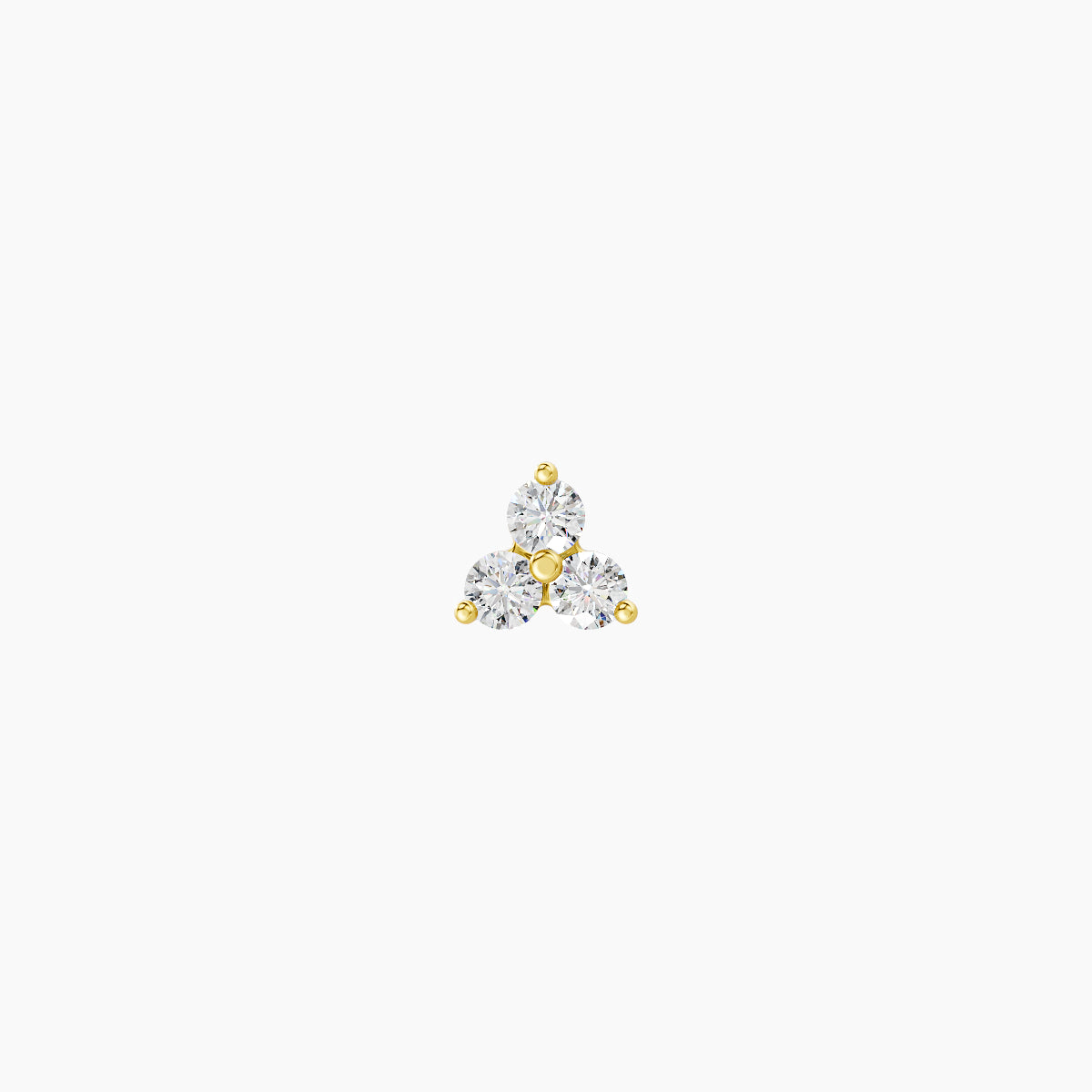
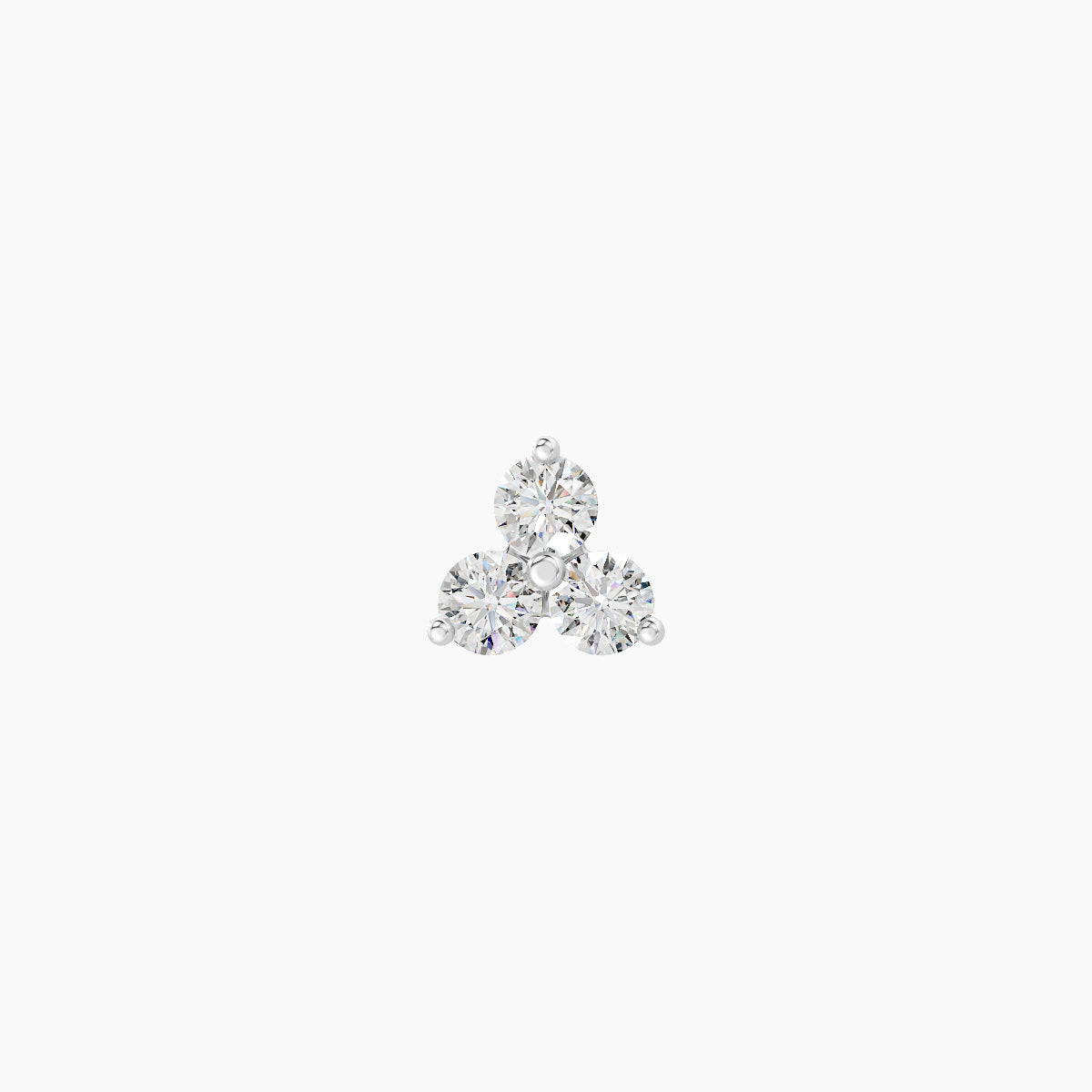
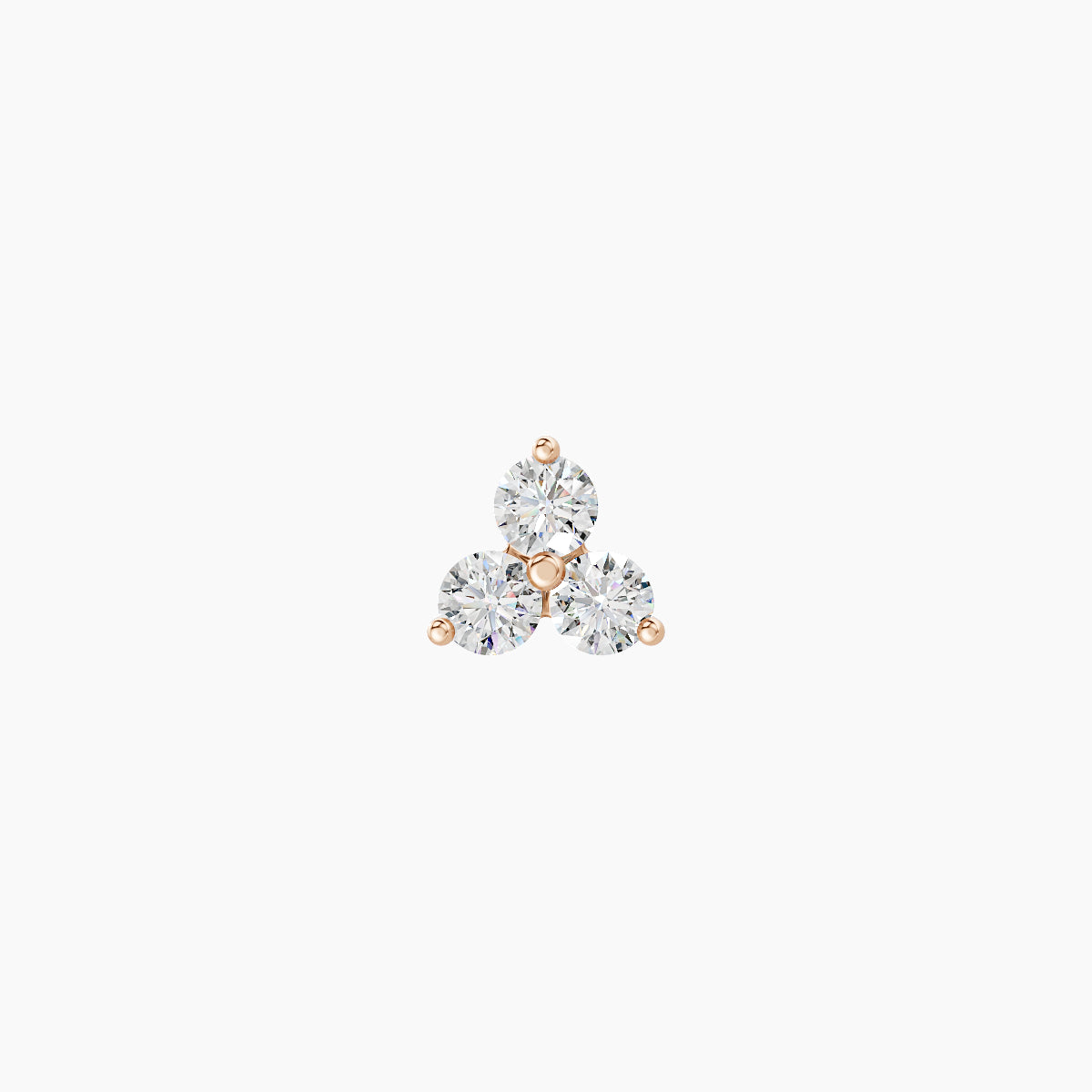
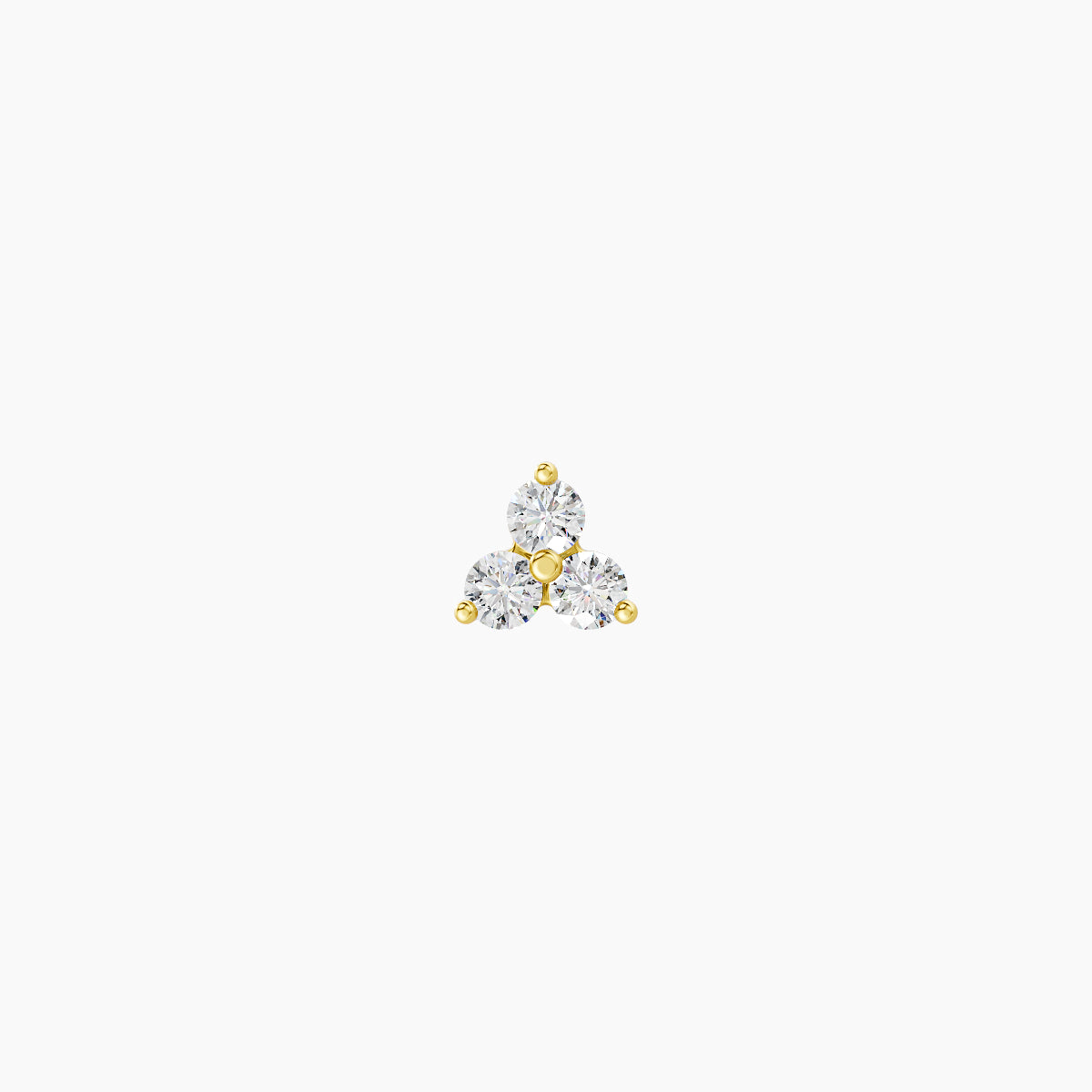
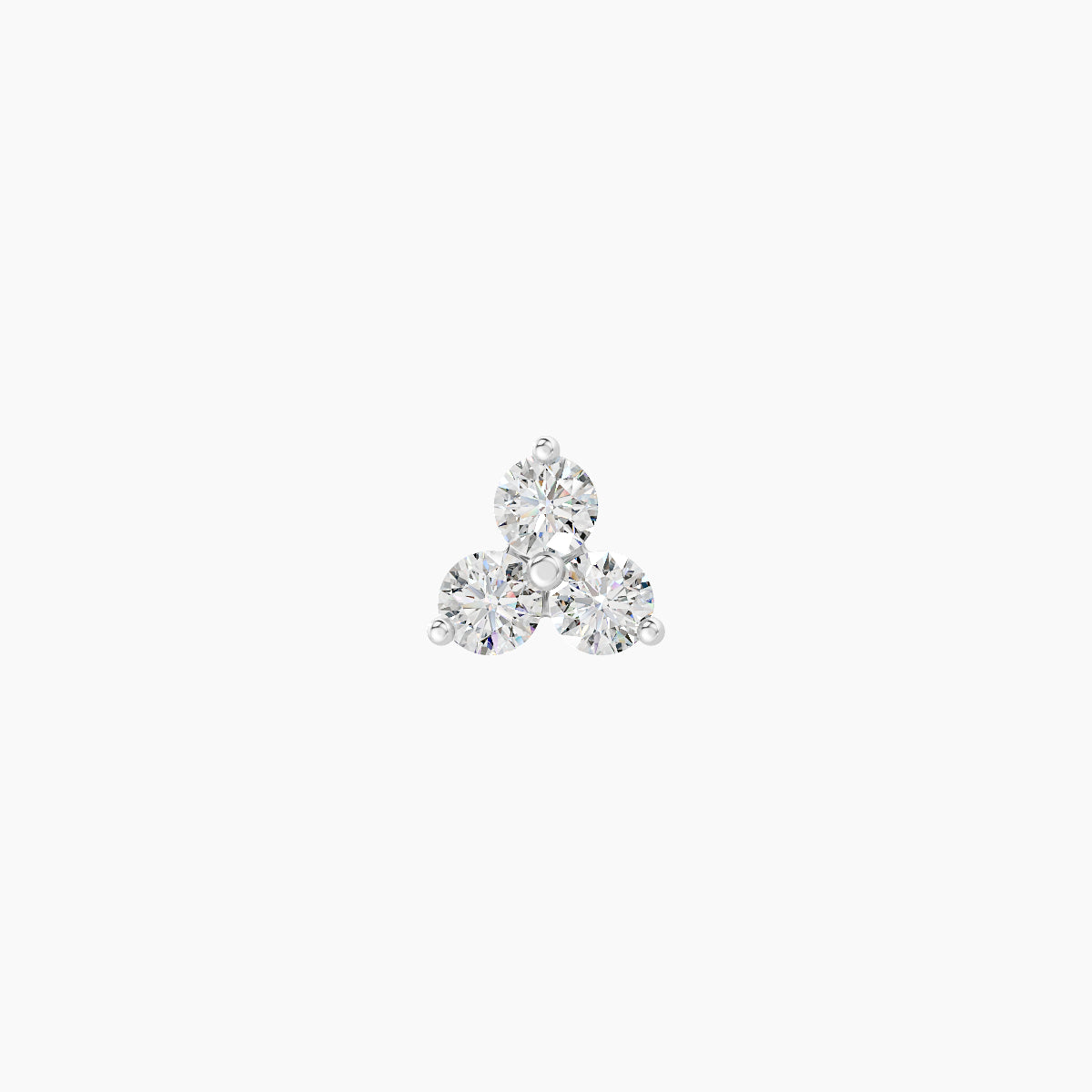
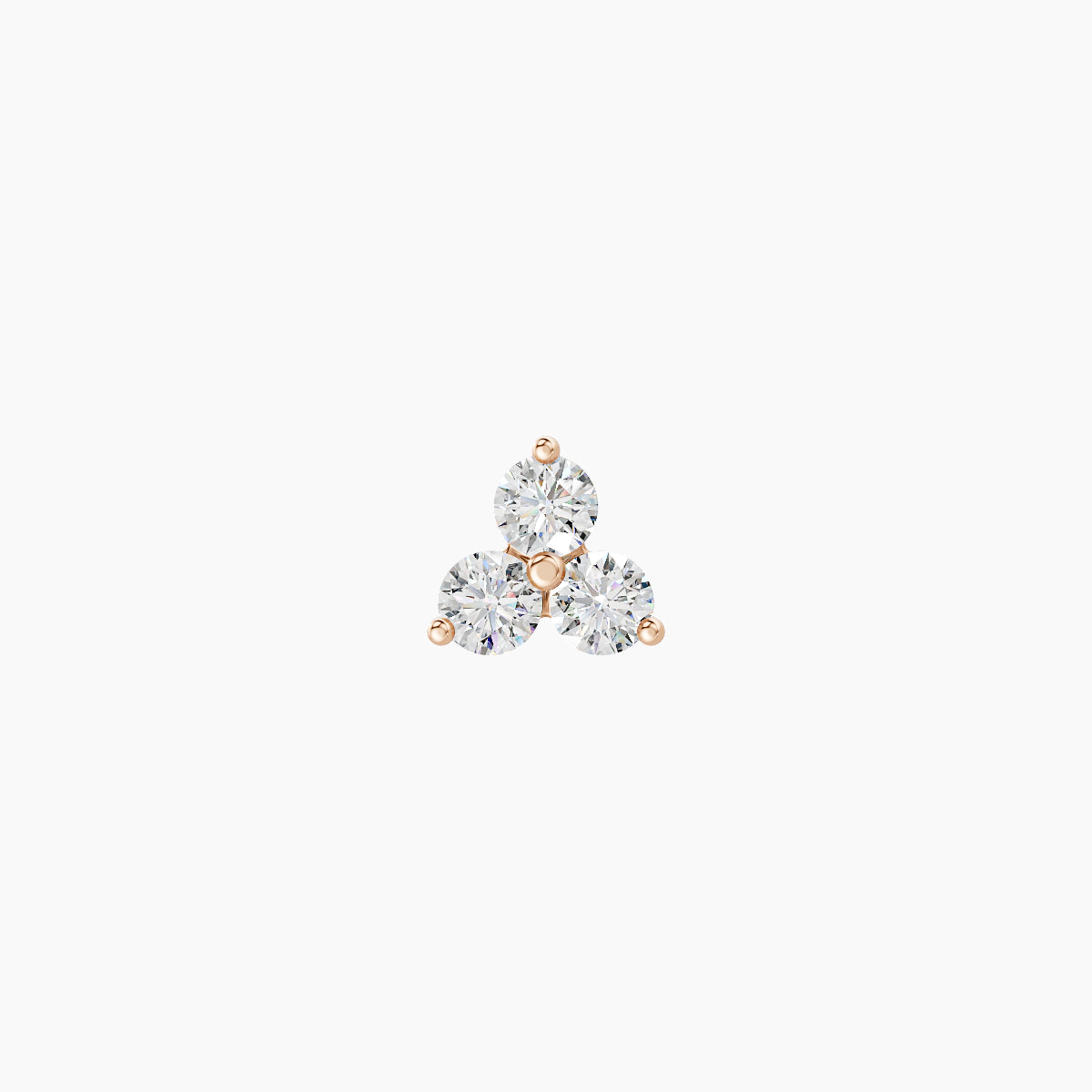
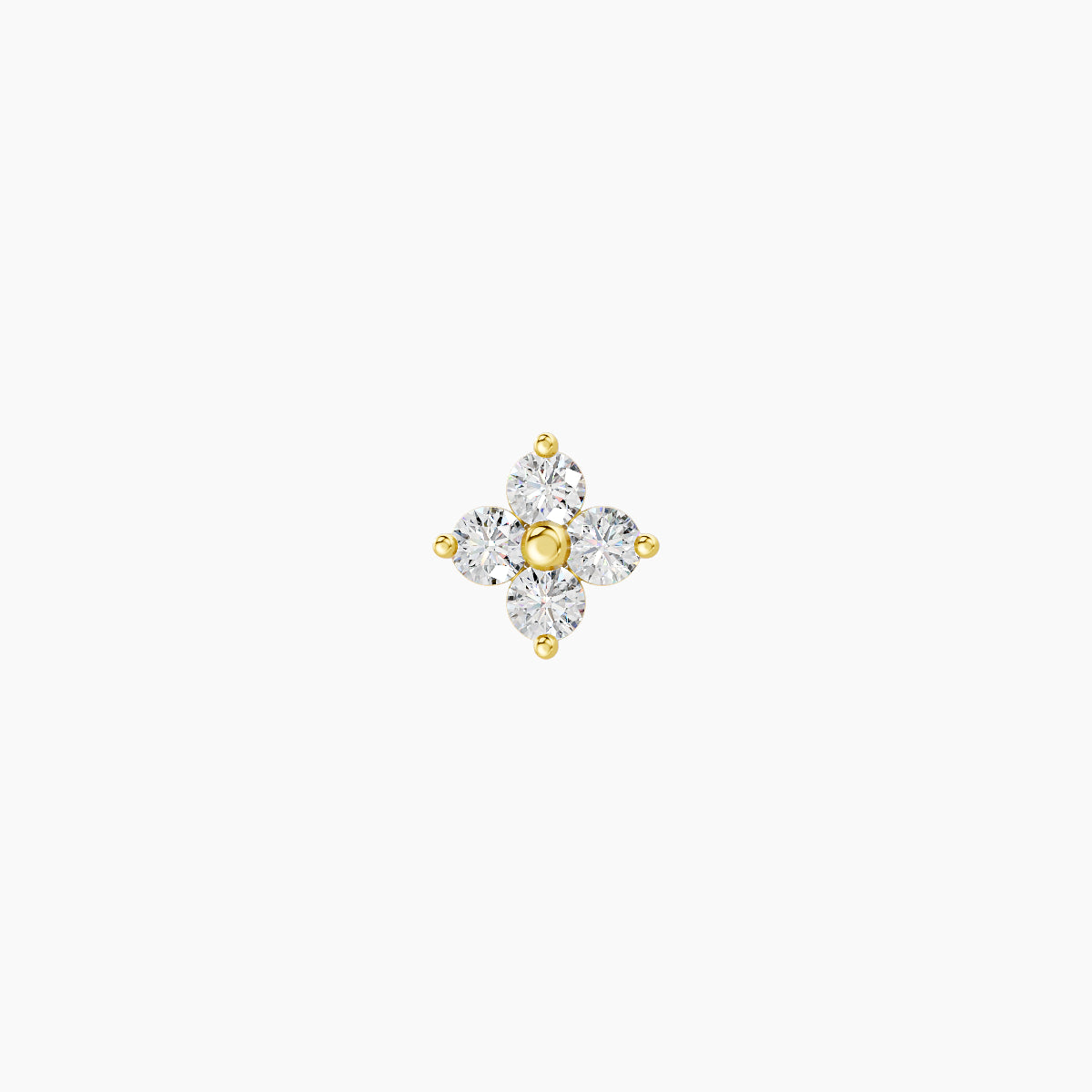
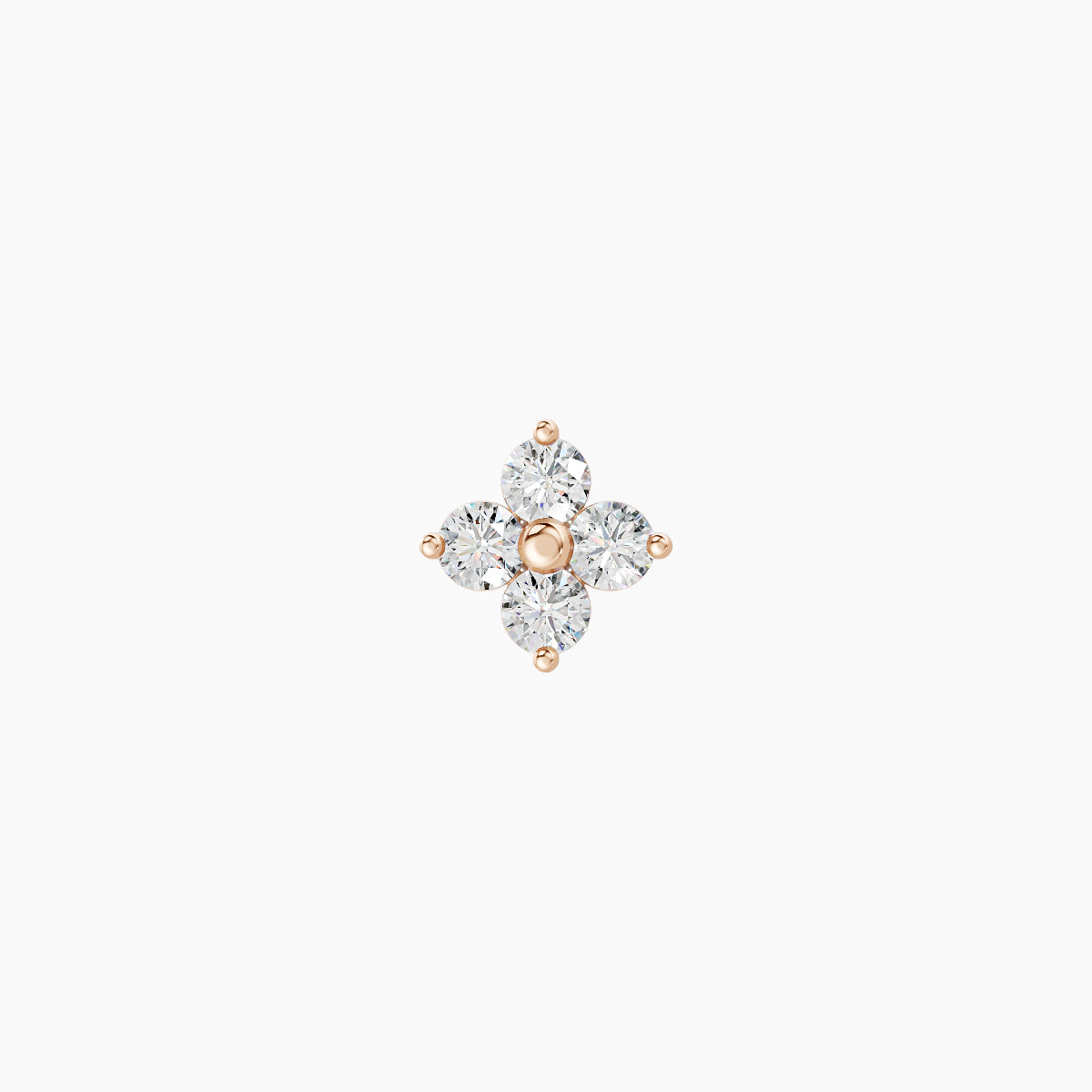
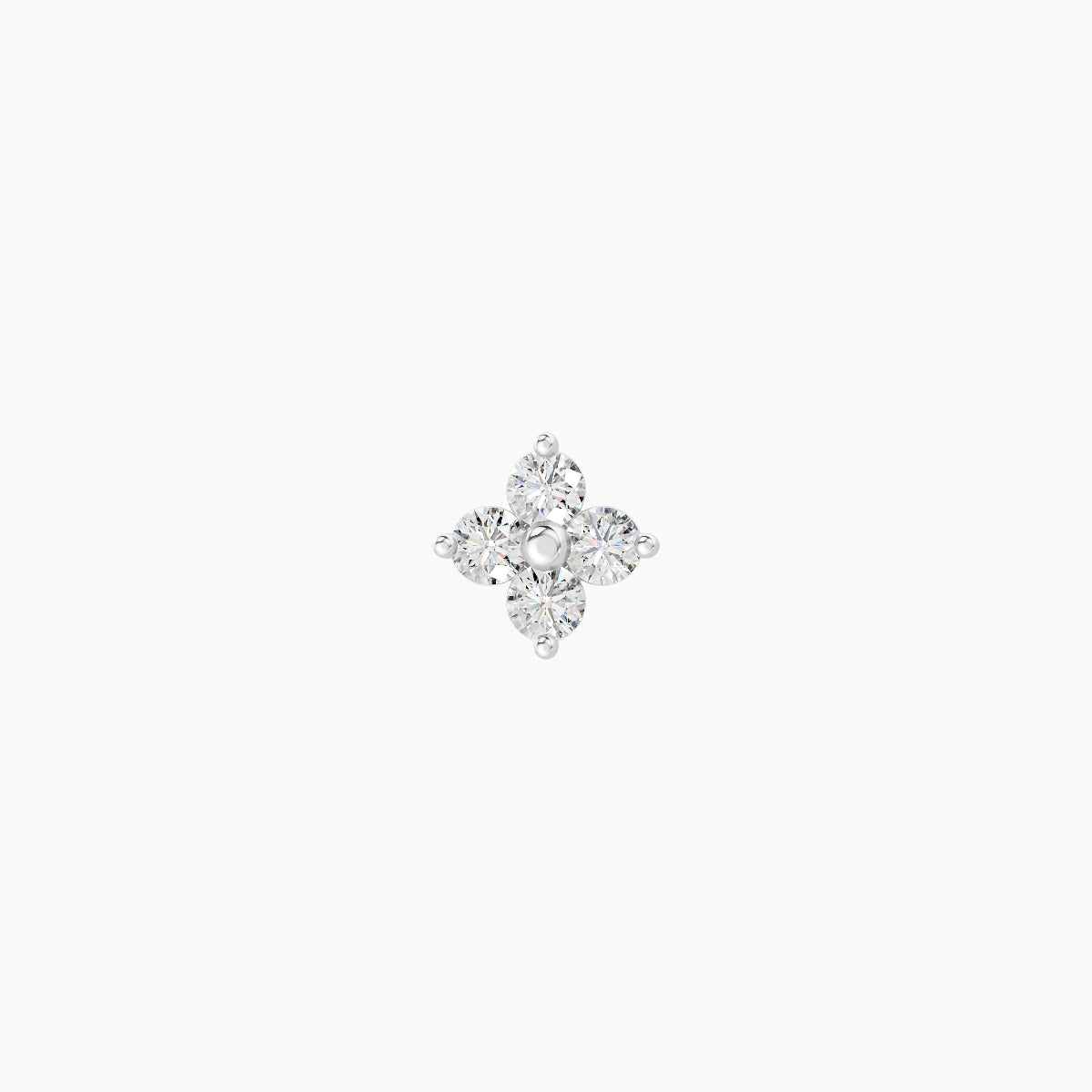
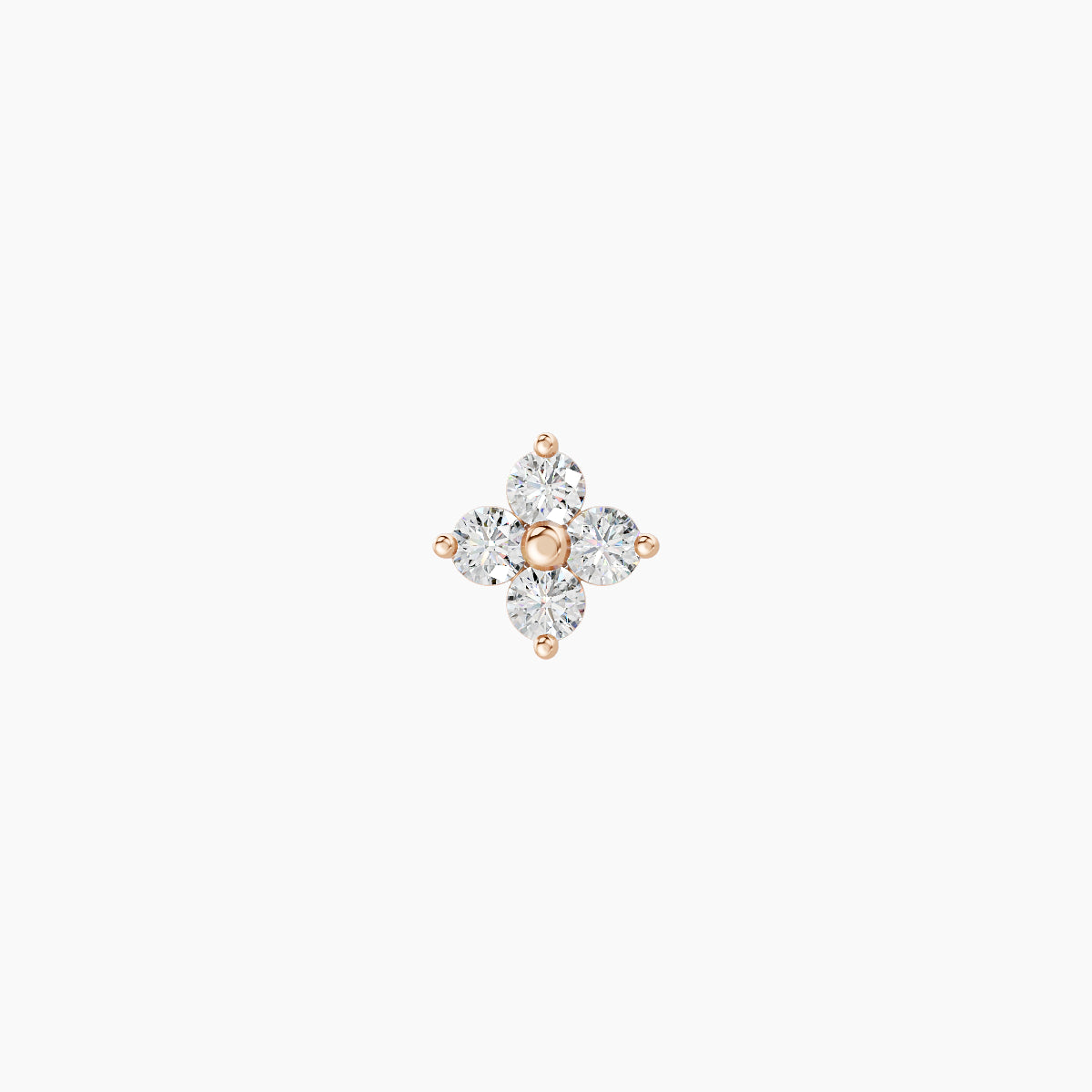
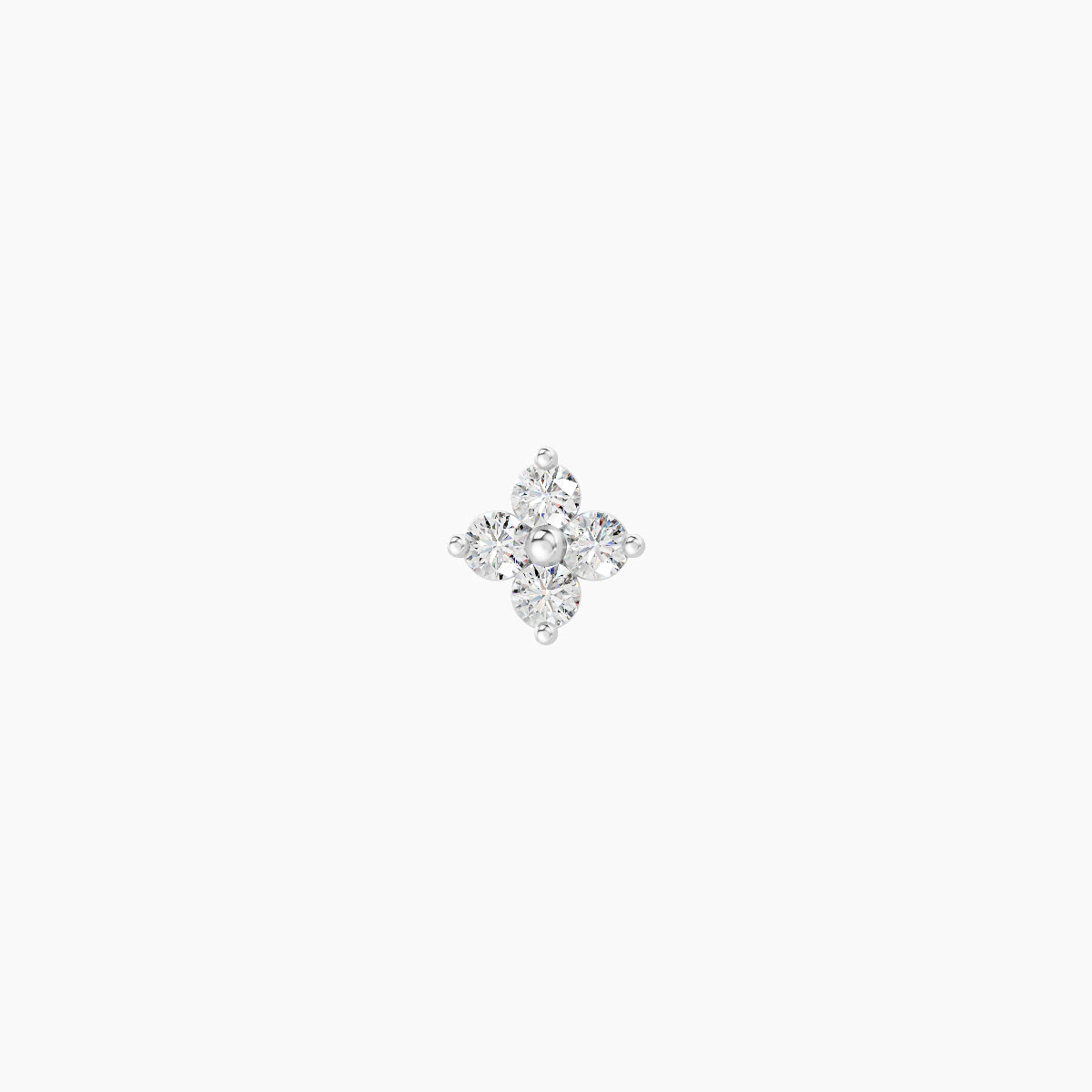
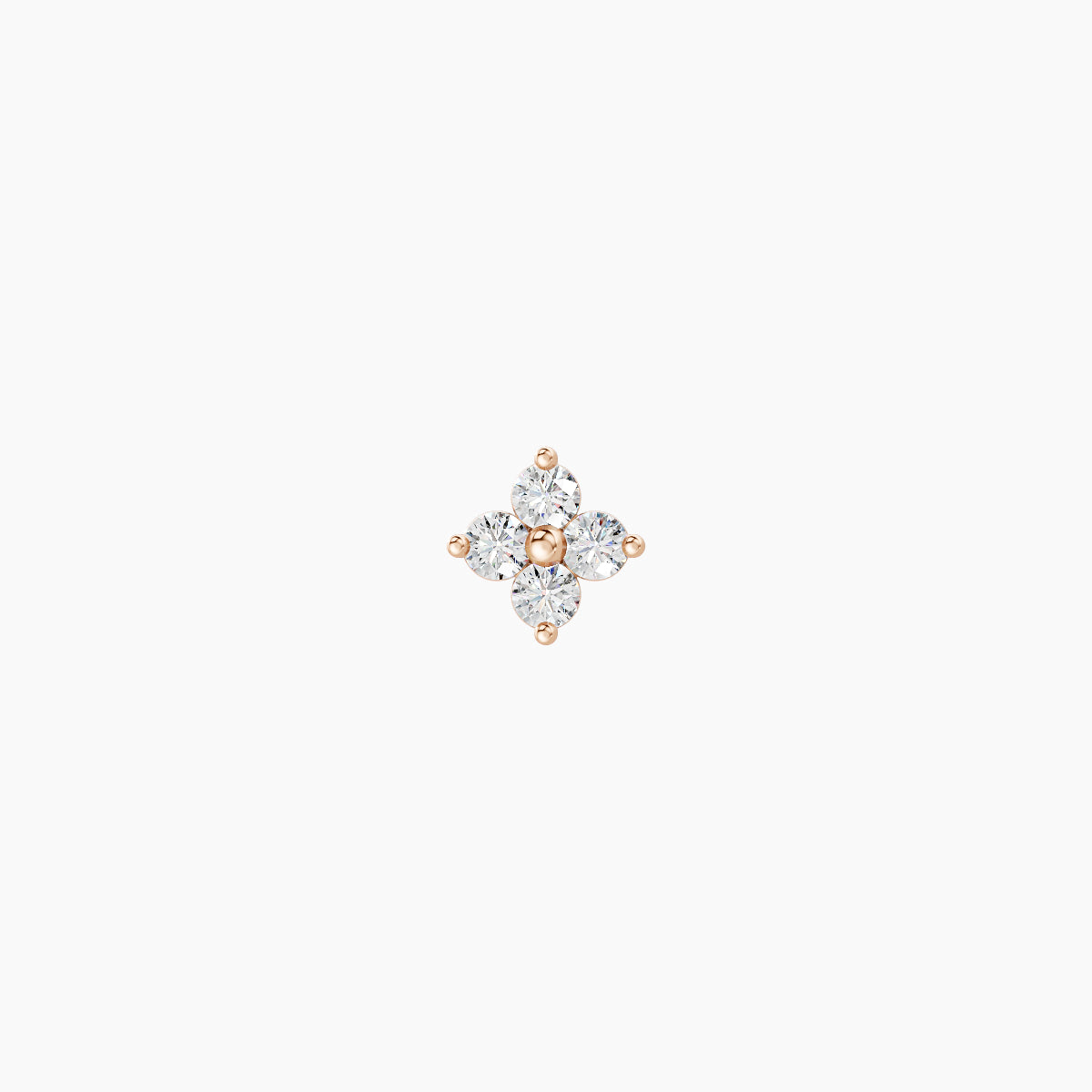
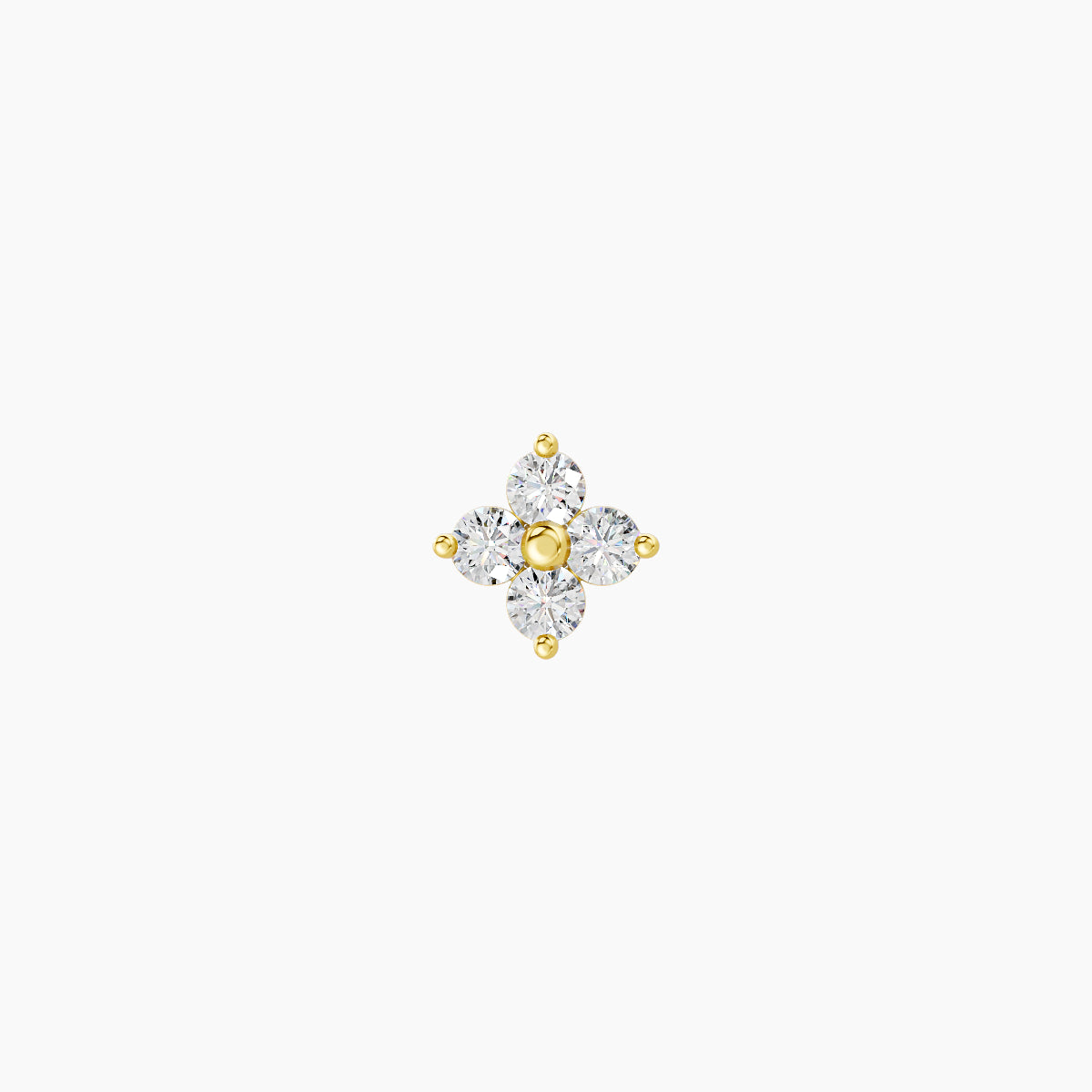
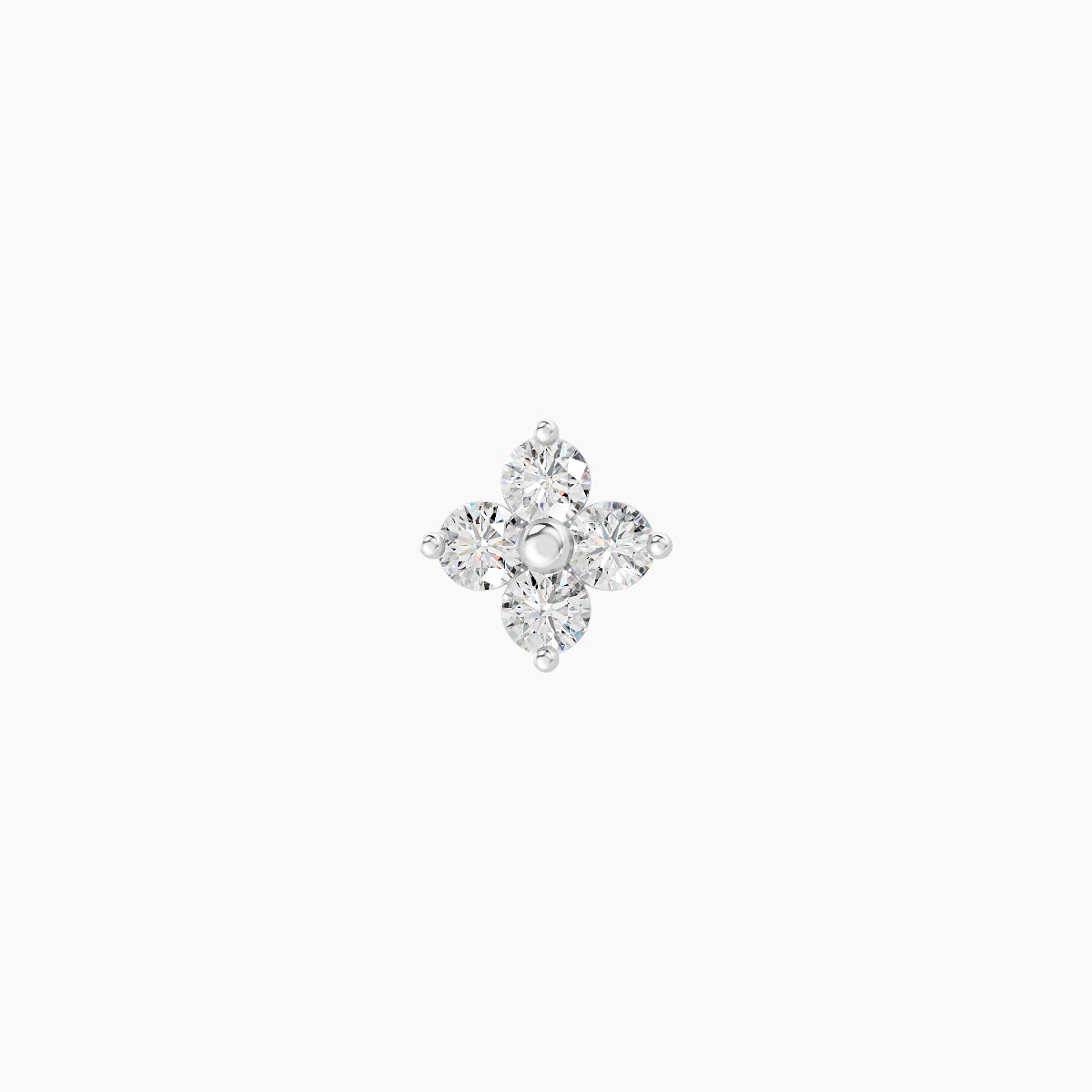
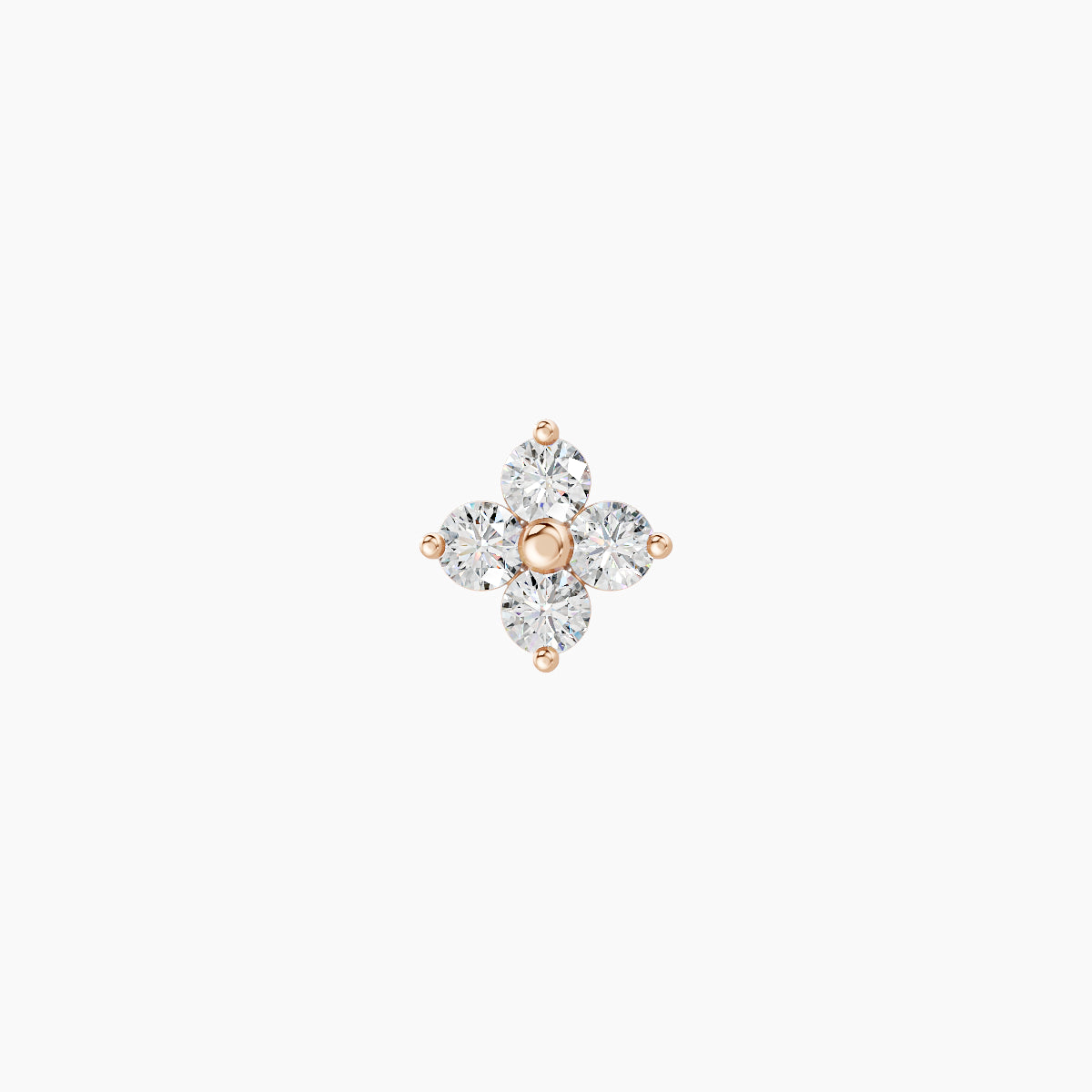
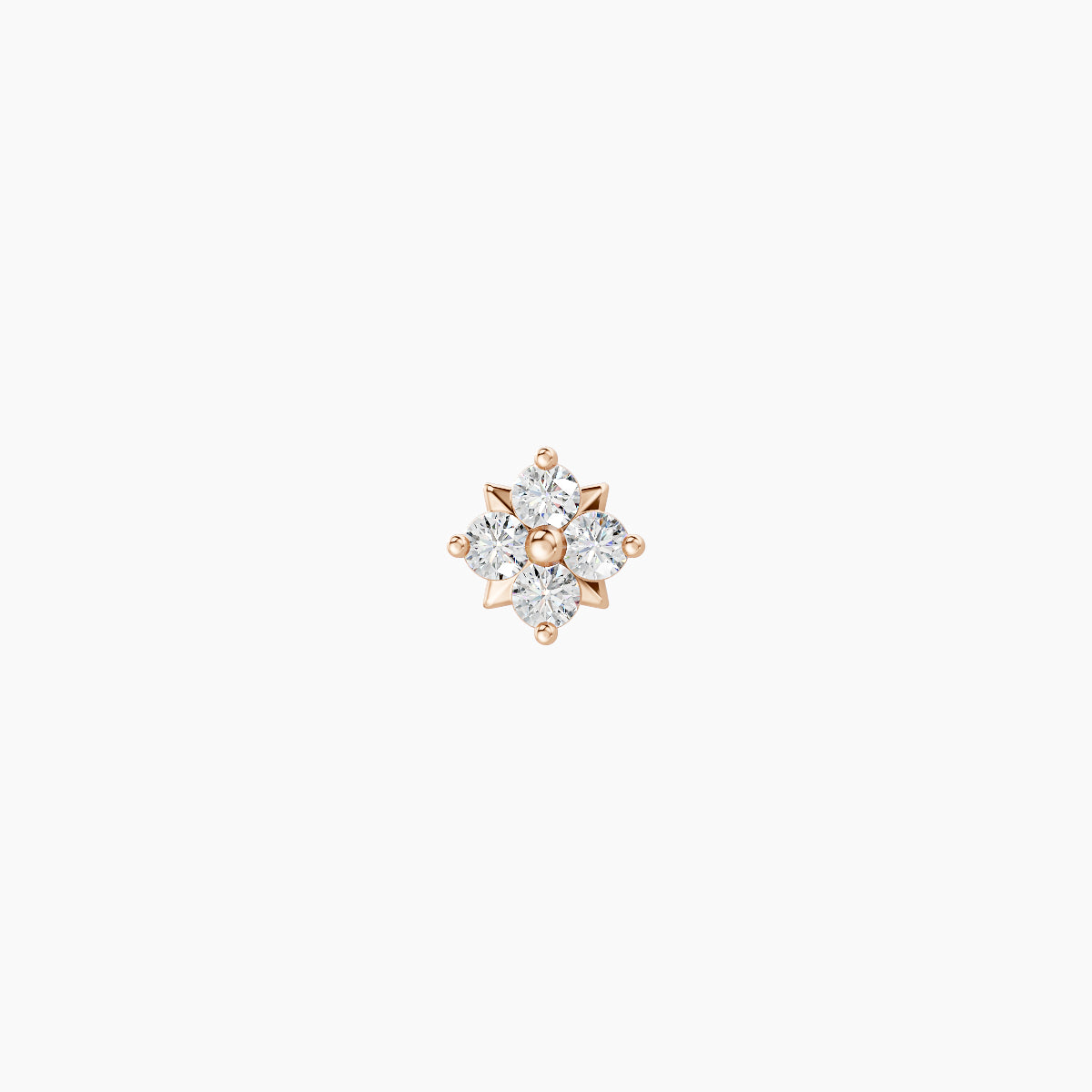
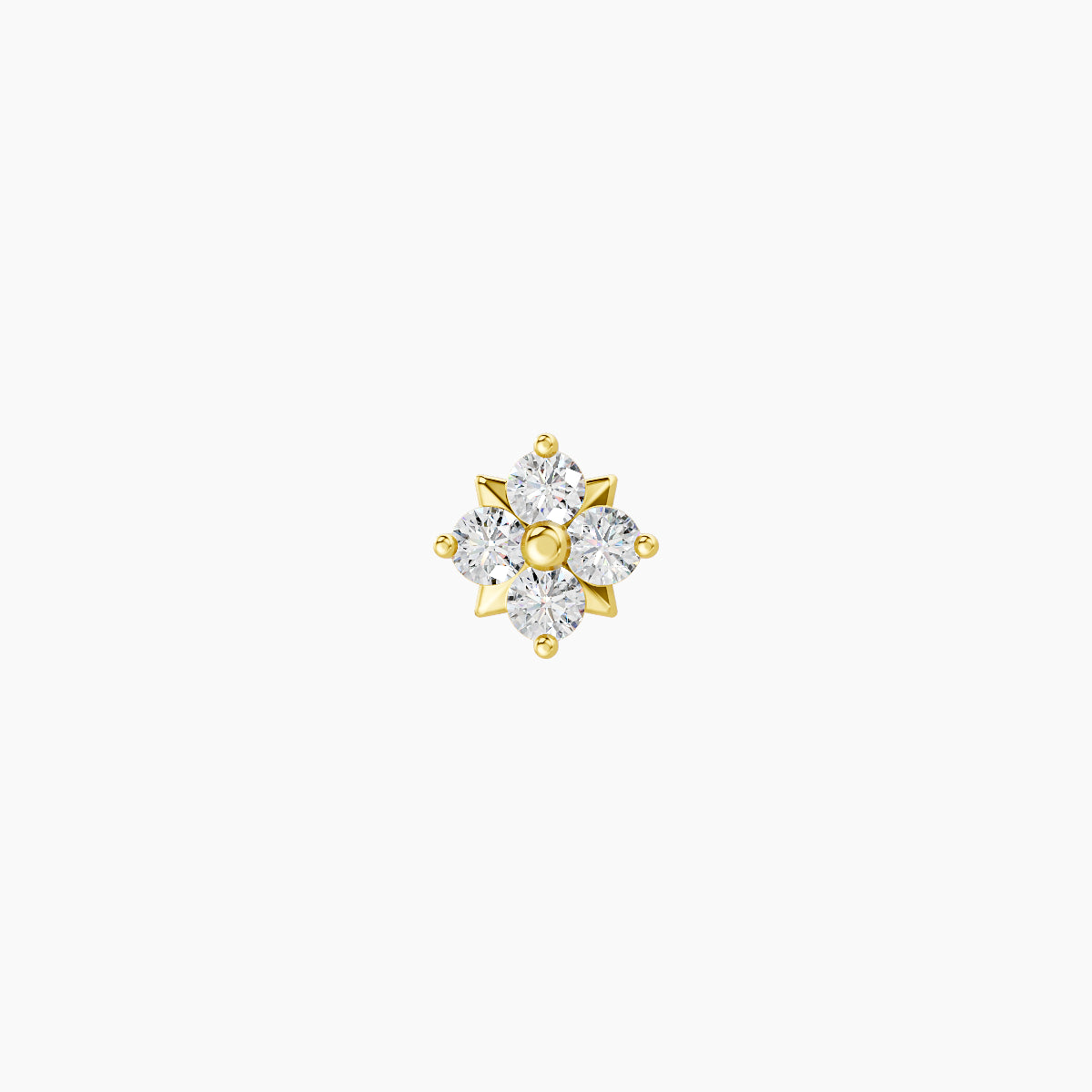
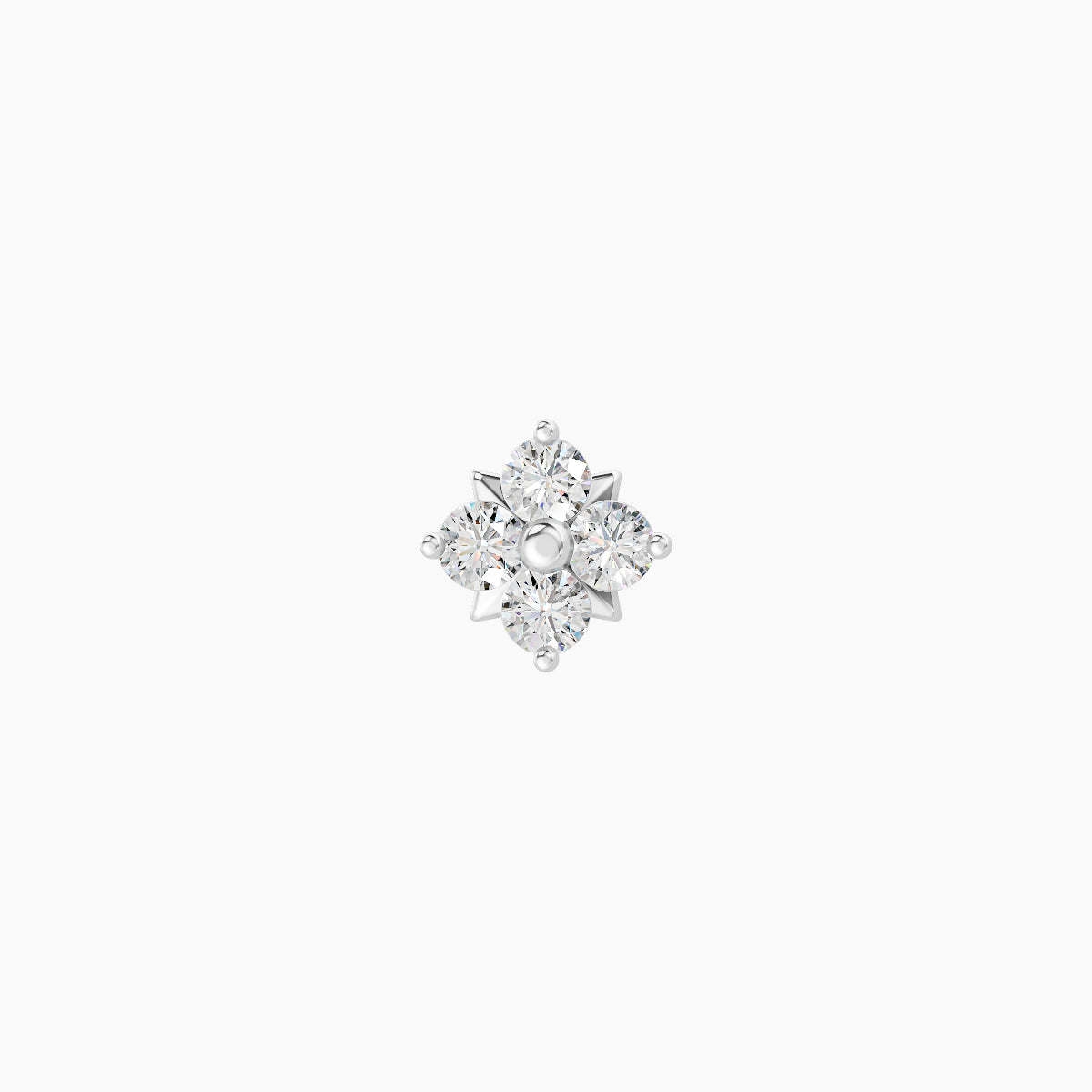
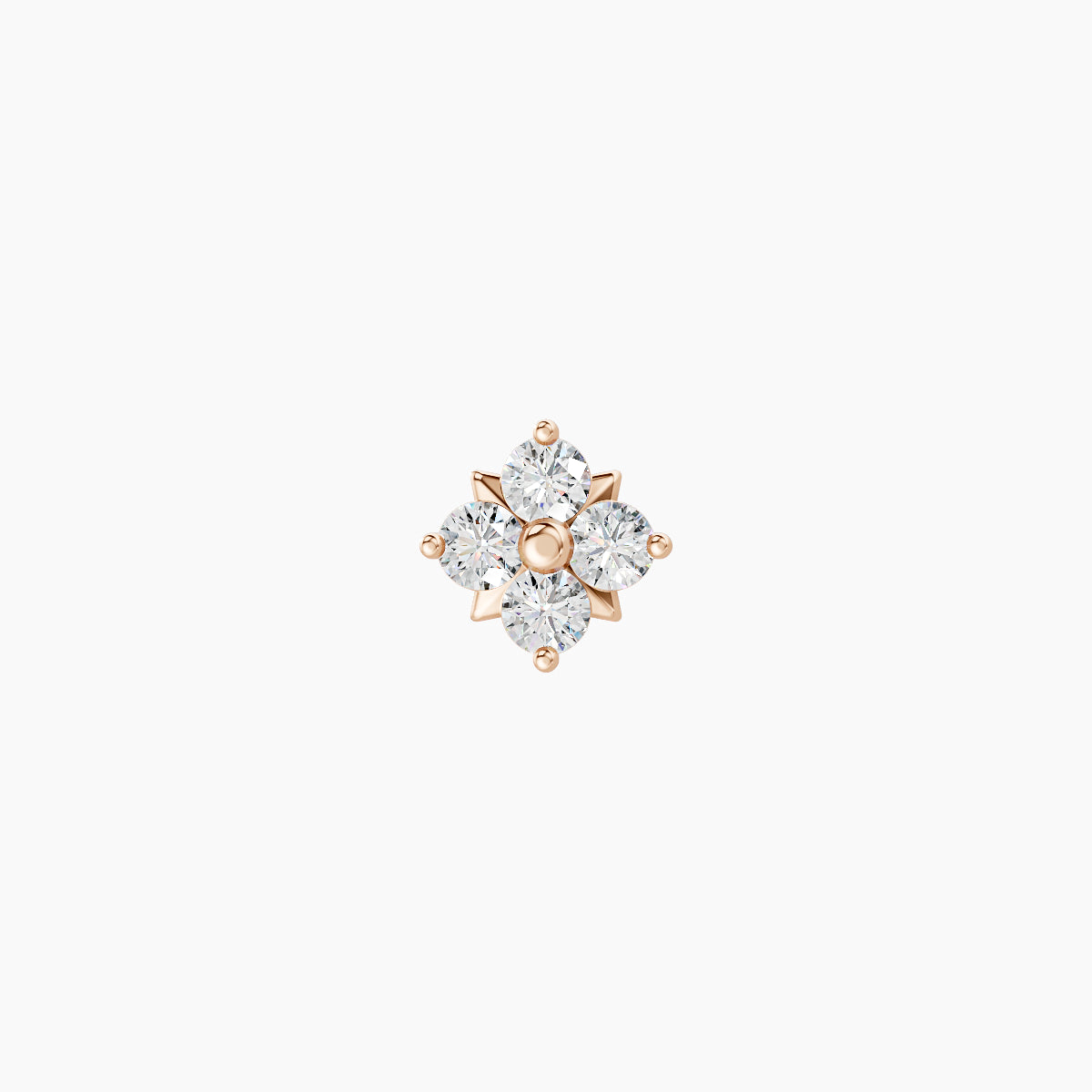
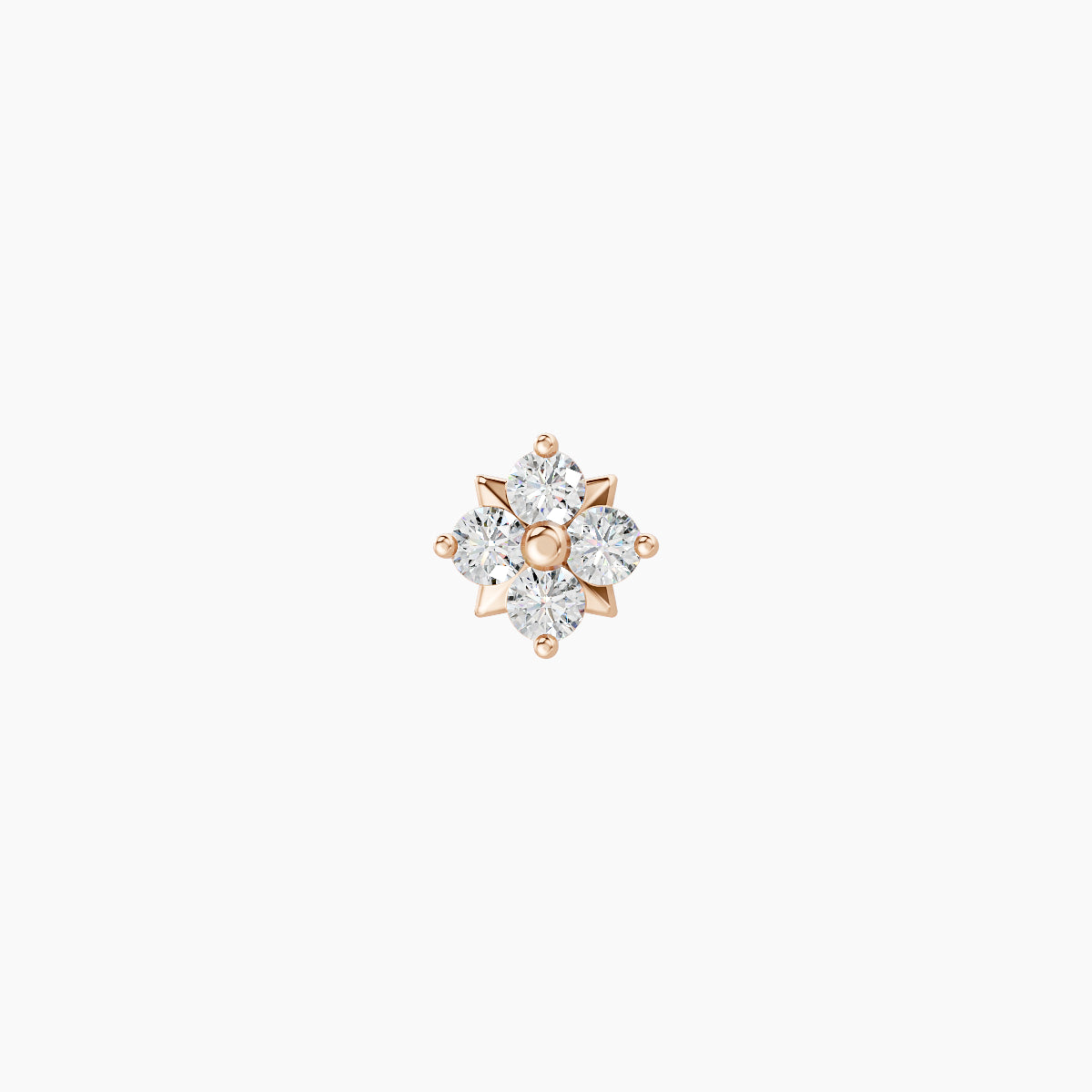
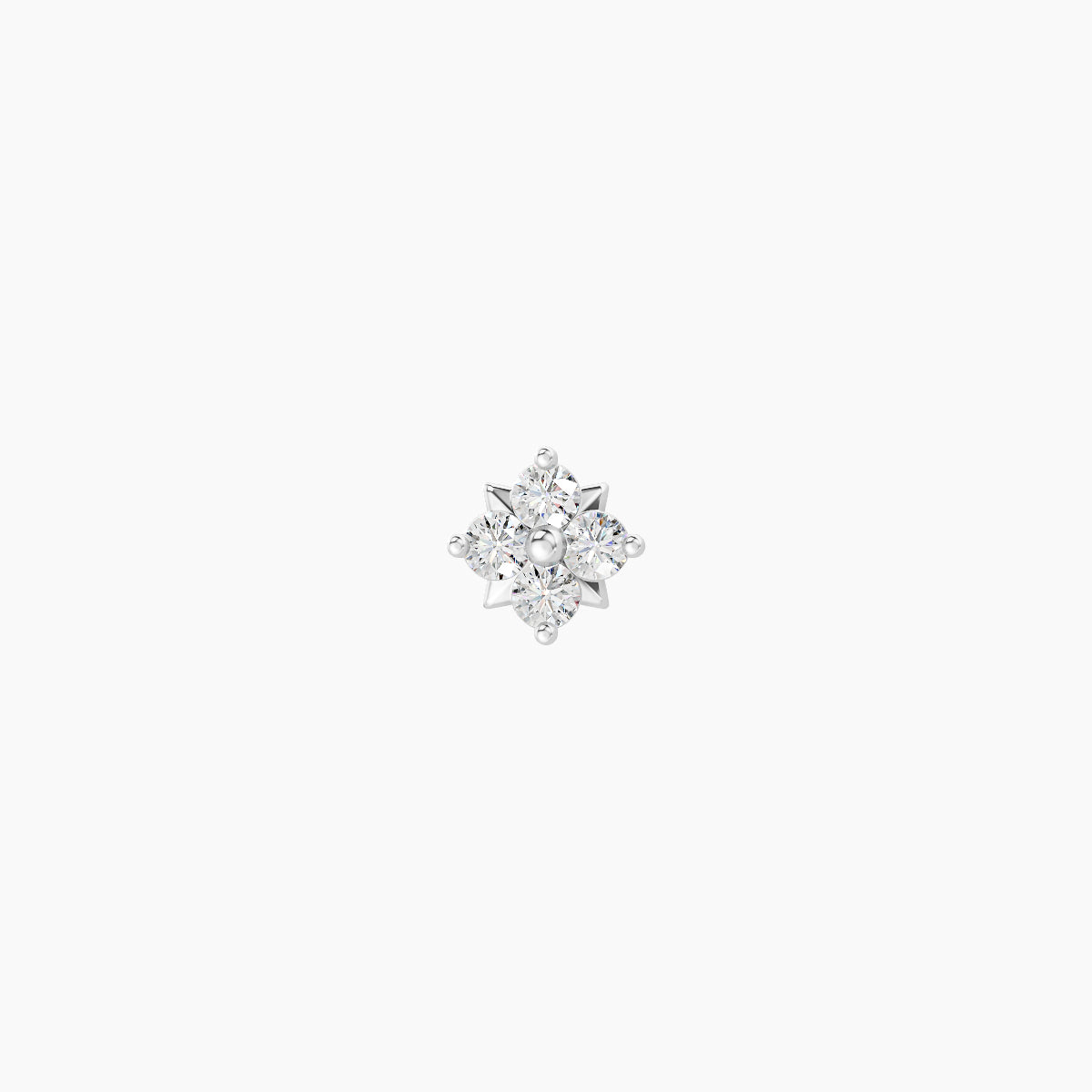
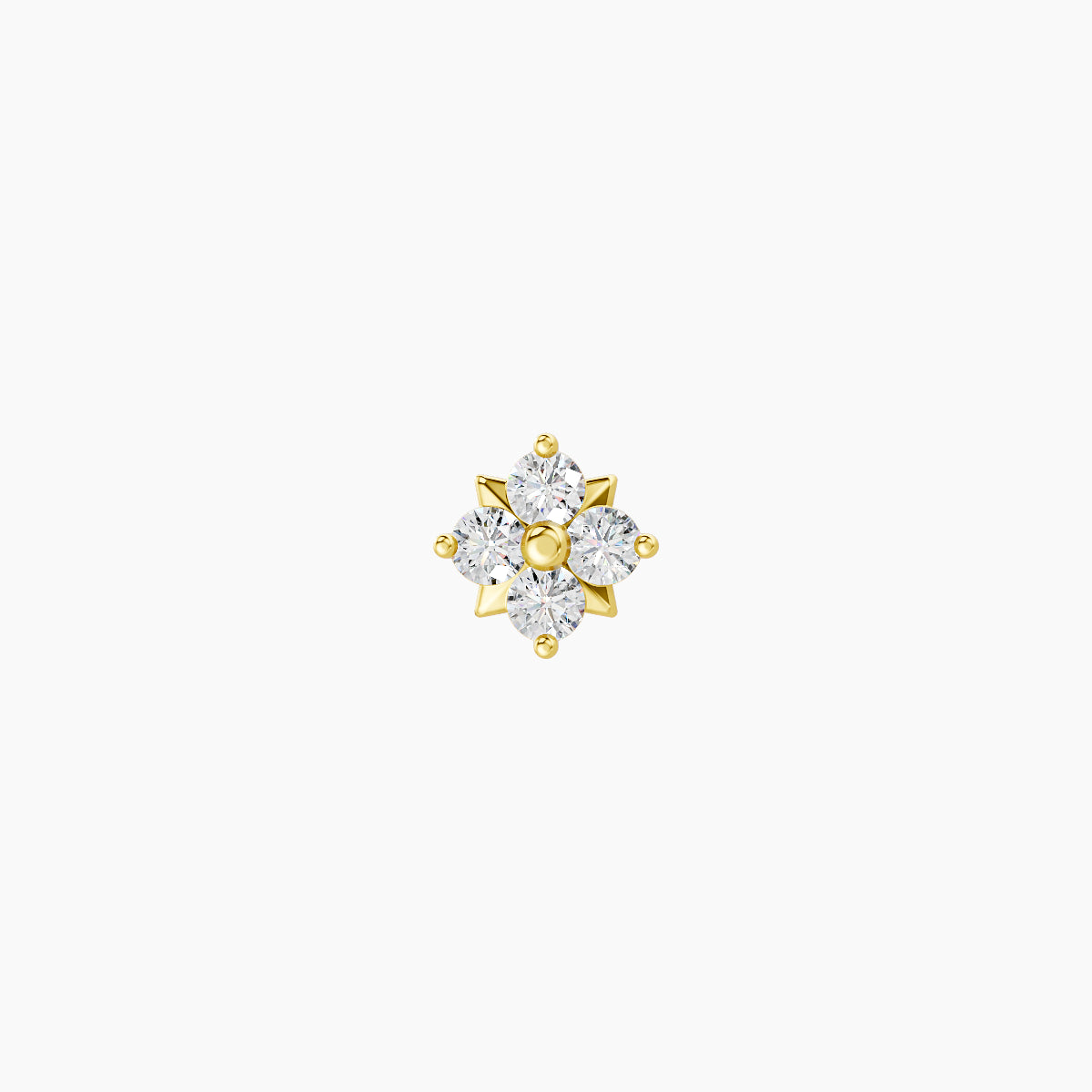
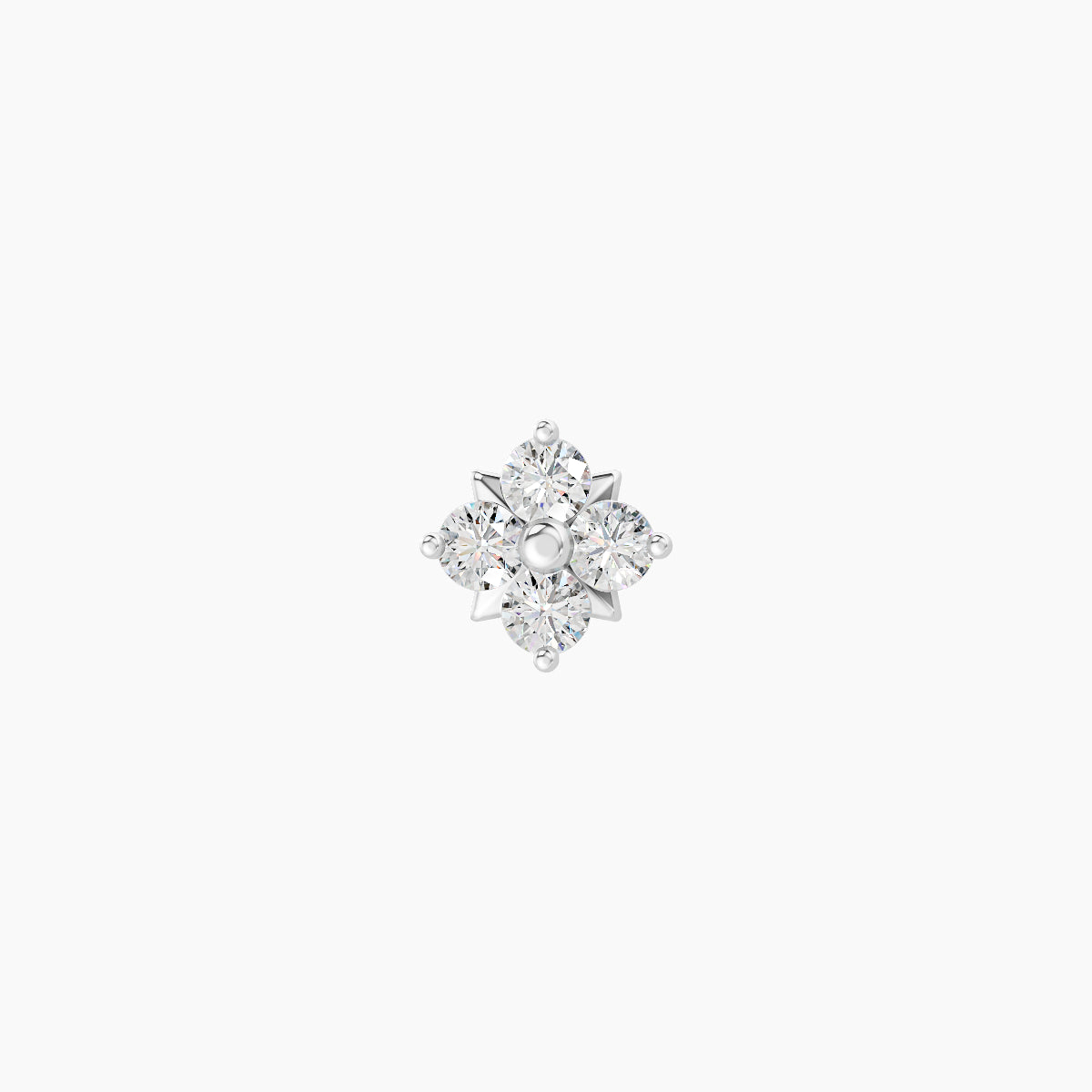
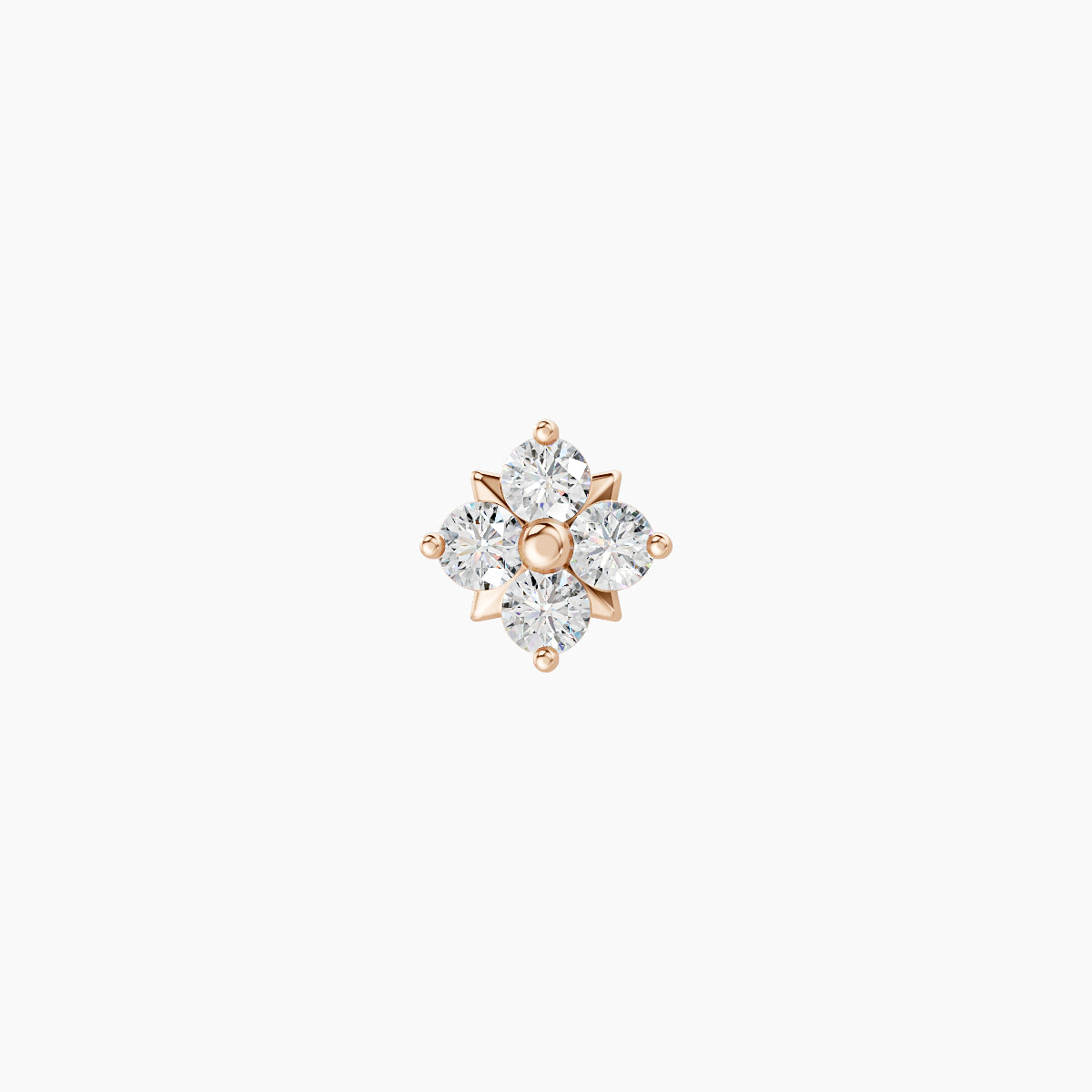
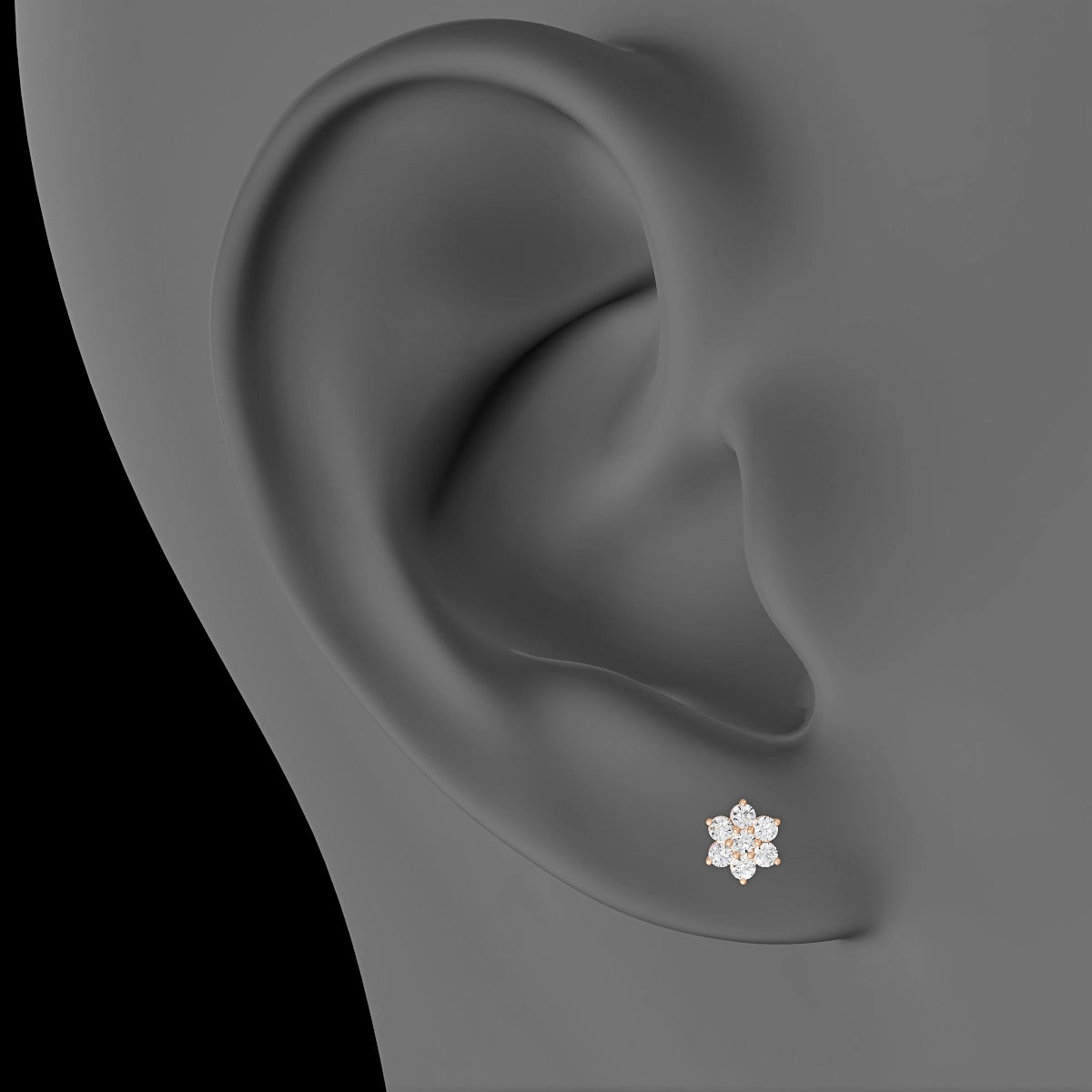
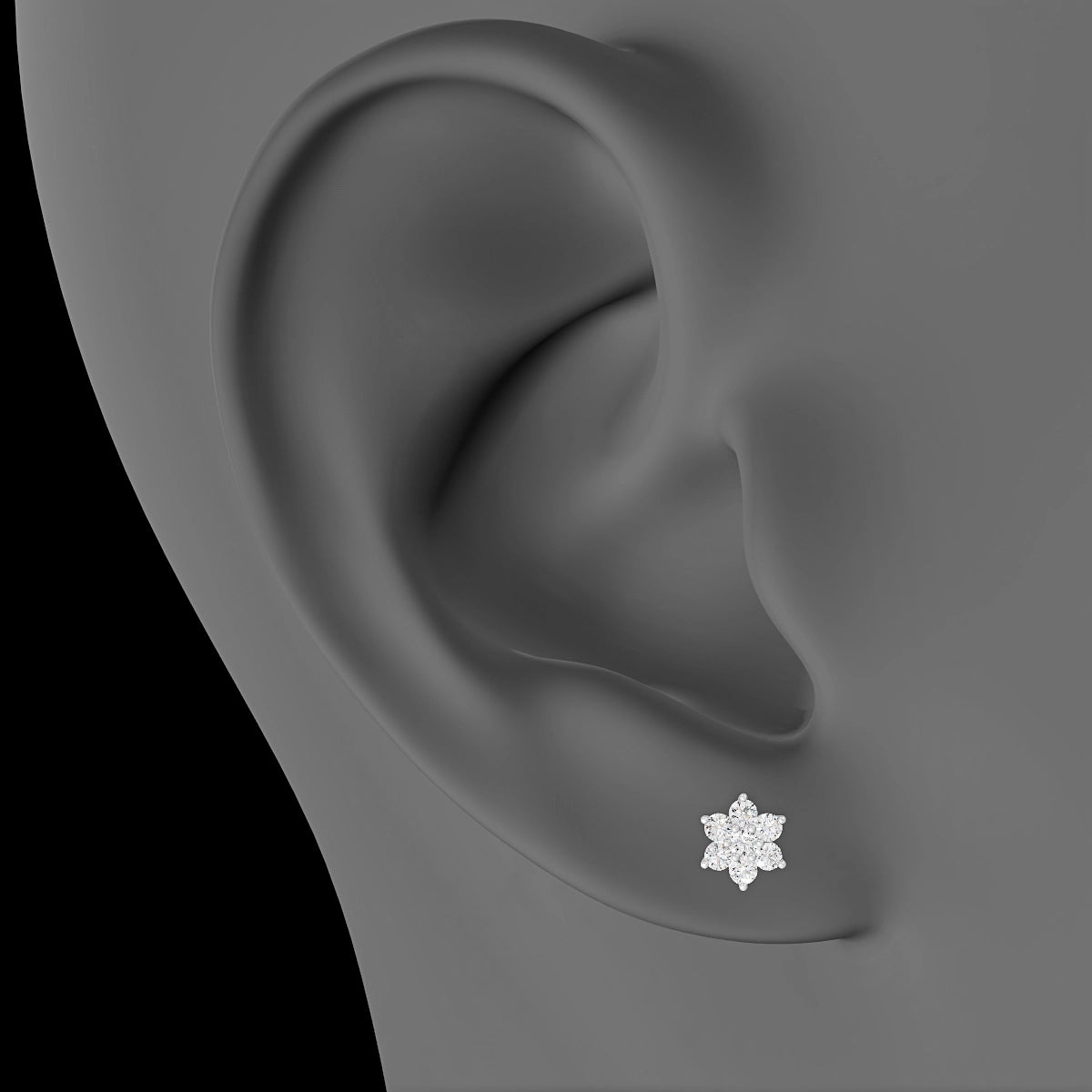
At MADAJ, all antitragus jewelry is crafted in nickel-free, hypoallergenic solid 18k gold (yellow, white, or rose gold) and can be set with real diamonds, rubies, sapphires, pink sapphires, emeralds, or black diamonds. It's the only material we use across every MADAJ piece, and for good reason: solid 18k gold is gentle enough for a first piercing, since it won't irritate the skin during healing, and durable enough for everyday wear once healed, resisting tarnish without ever needing replacement.
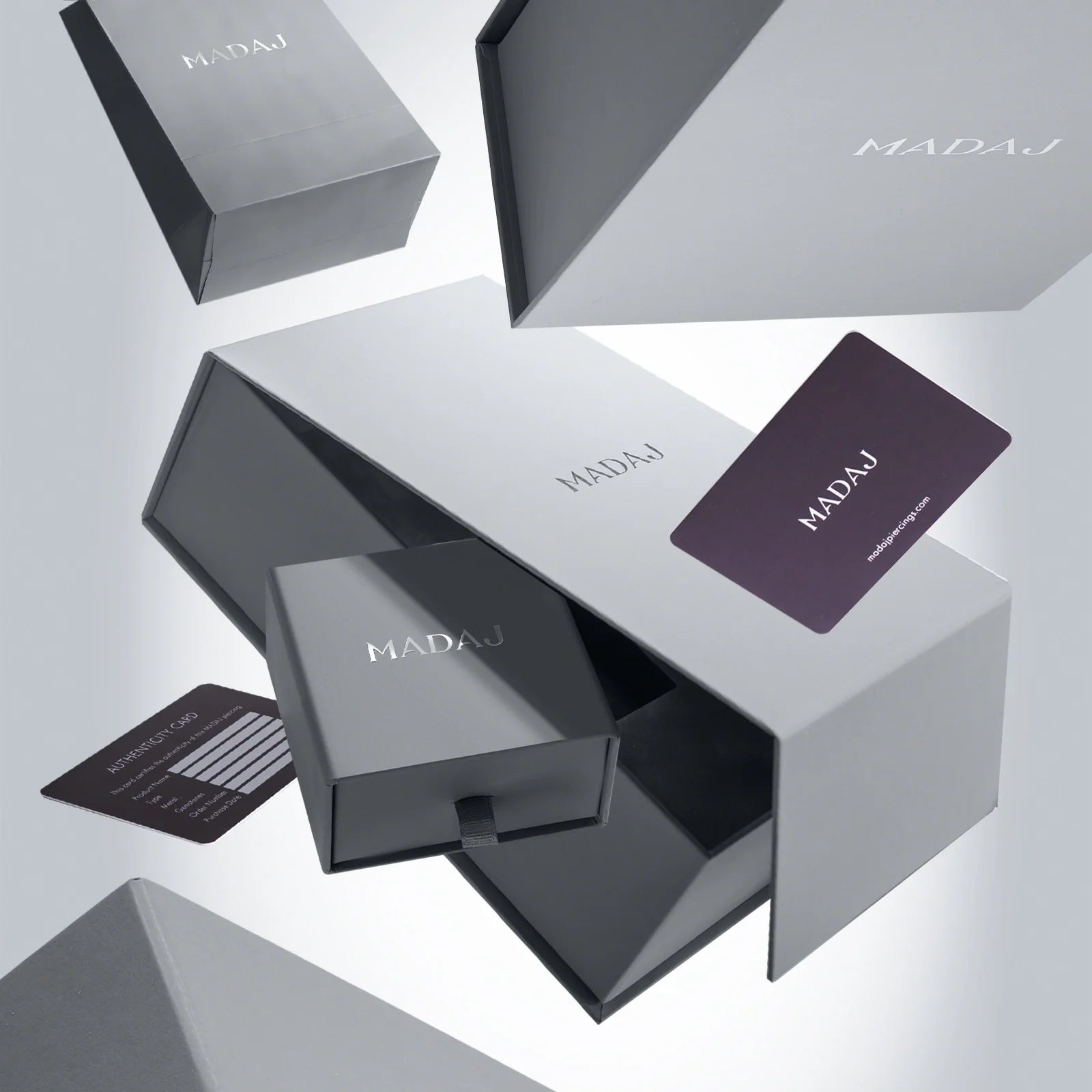
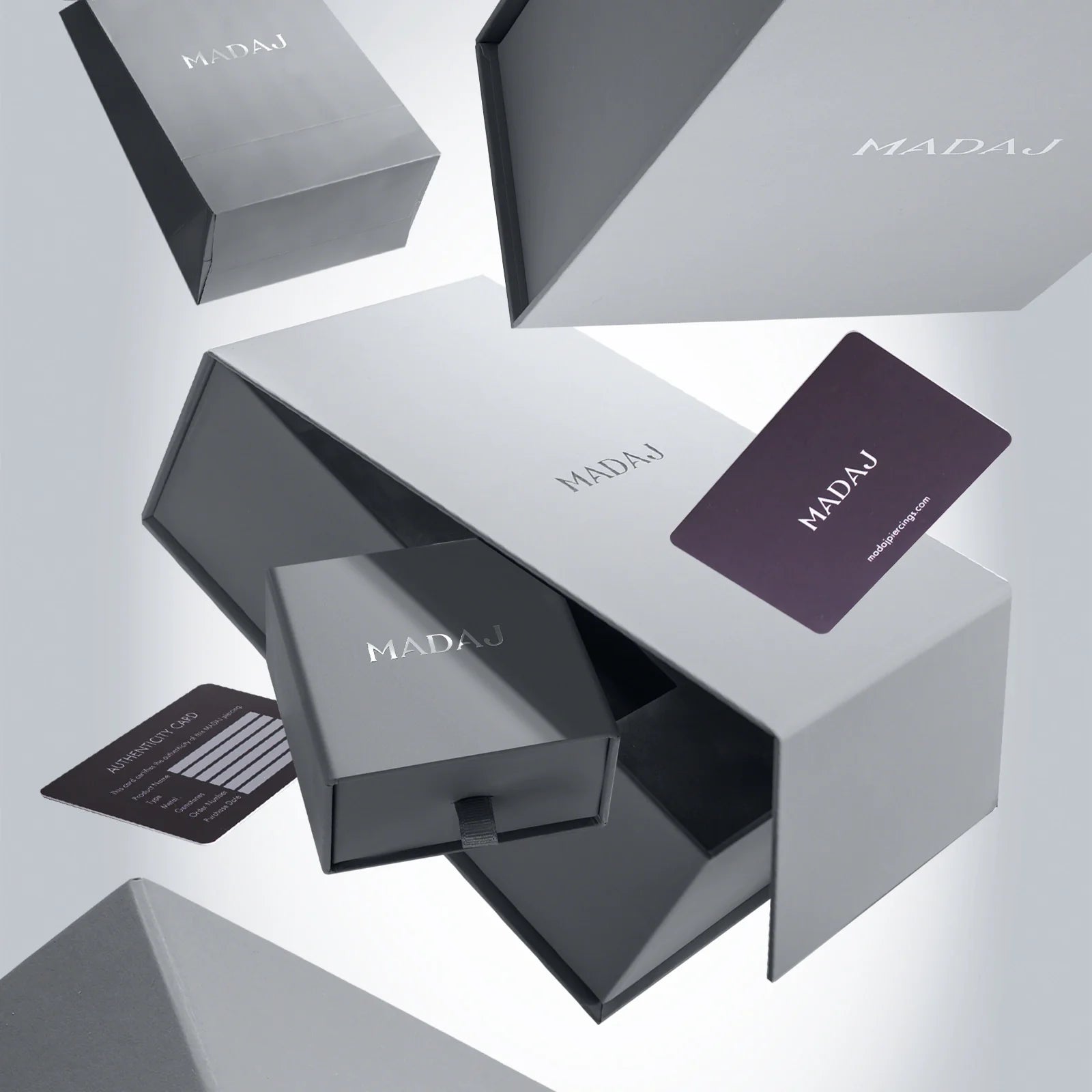
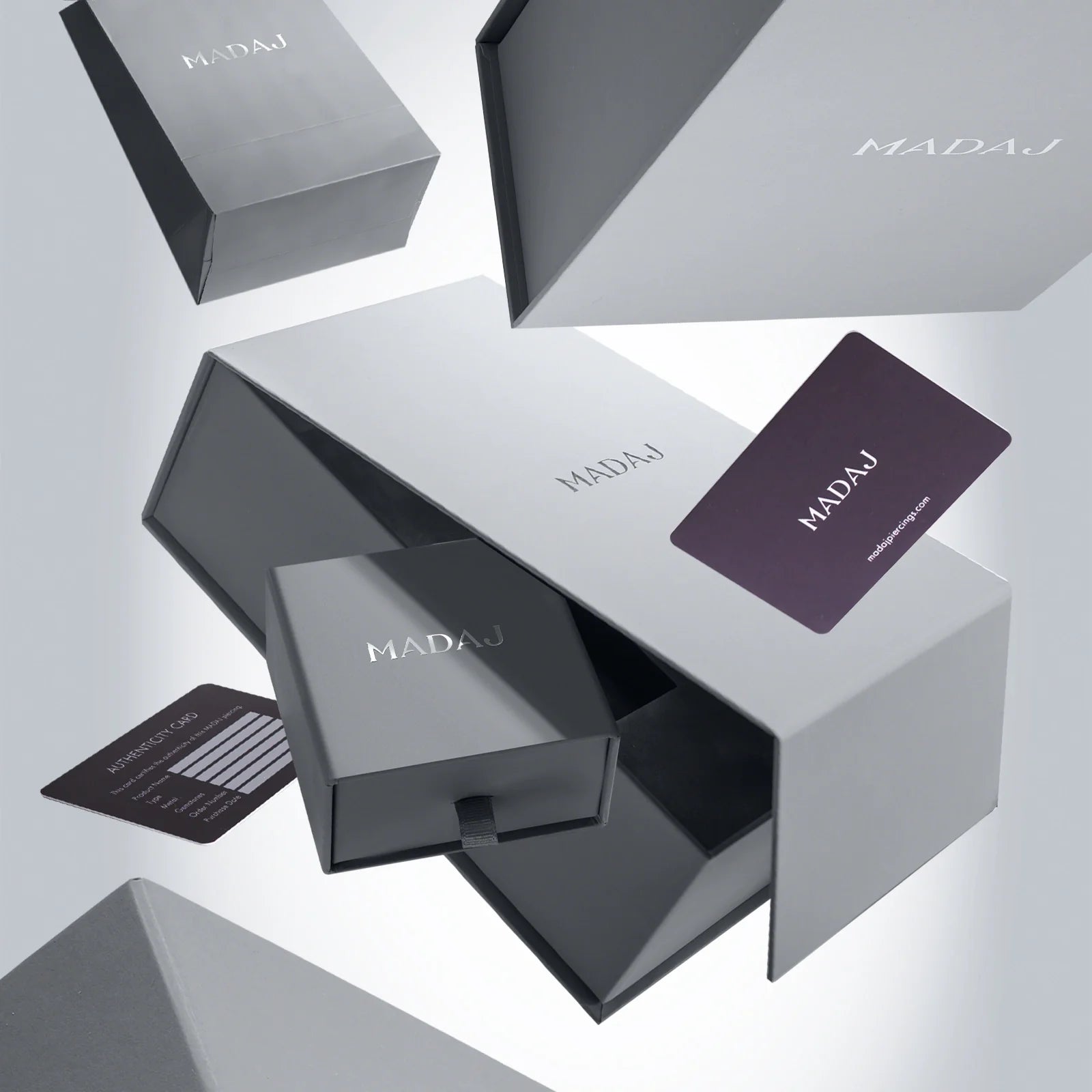
Every stone we set is G–VS grade natural diamond or AAA grade precious stone, and each piece ships with a Certificate of Authenticity detailing its exact characteristics, so you know precisely what you're wearing.
Is All Anatomy Suitable for an Antitragus Piercing?
Not every ear is suited to an antitragus piercing. The antitragus is a small protrusion of cartilage, and its size and shape vary significantly from person to person. Some people have a pronounced, easily pierceable antitragus, while others have very little cartilage projection in that area, which can make the piercing difficult or unsuitable.
Before booking your appointment, a professional piercer should assess your ear anatomy in person to confirm whether an antitragus piercing is possible and to advise on appropriate jewelry placement and size.
Frequently Asked Questions
The piercing service itself typically costs $30 to $50, paid to your piercer.
Antitragus piercing sits at around 6/10 on the pain scale. The sharpest pain lasts only a few seconds during the procedure itself.
Not necessarily. The antitragus is a small cartilage bump, and its size varies from person to person. Some ears do not have enough projection to support the piercing safely. A professional piercer should assess your anatomy before booking.
A flat-back stud is generally recommended for the healing period, since its flat backing reduces pressure and irritation. Once the piercing is fully healed, usually after 9 to 12 months, you can explore other styles such as small hoops.
Full healing typically takes 9 to 12 months. Redness, swelling, and light discharge are common in the first few weeks and should gradually fade, though the piercing remains sensitive to pressure for several months.
The tragus is the small cartilage flap in front of the ear canal, while the antitragus is a small bump located opposite it, near the outer edge of the ear.
Discover Our
ANTITRAGUS PIERCING COLLECTION