education
Your Complete Guide to Daith Piercing
Last Updated 21/07/2026 | Written by Maëlys Chamard, Co-Founder of MADAJ
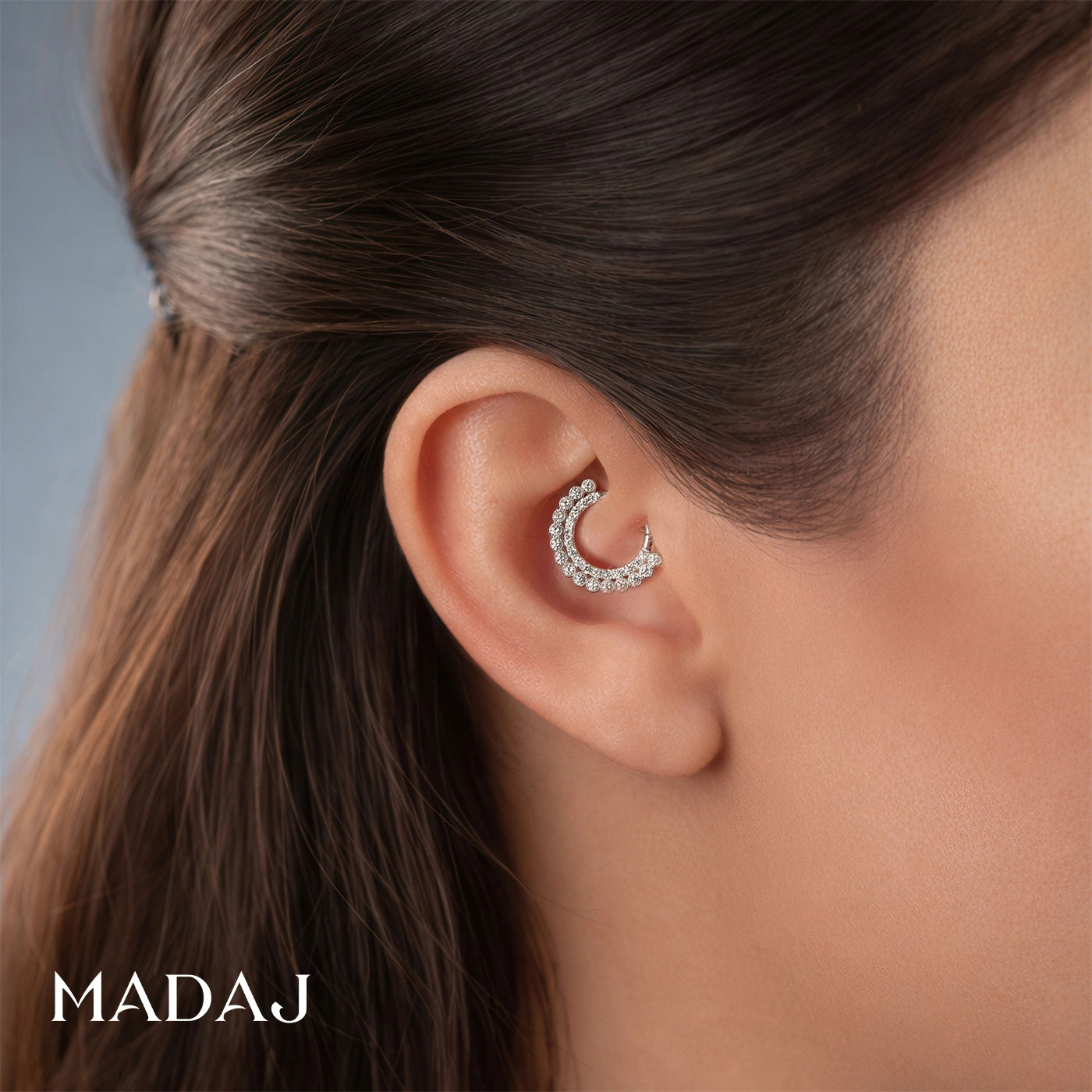
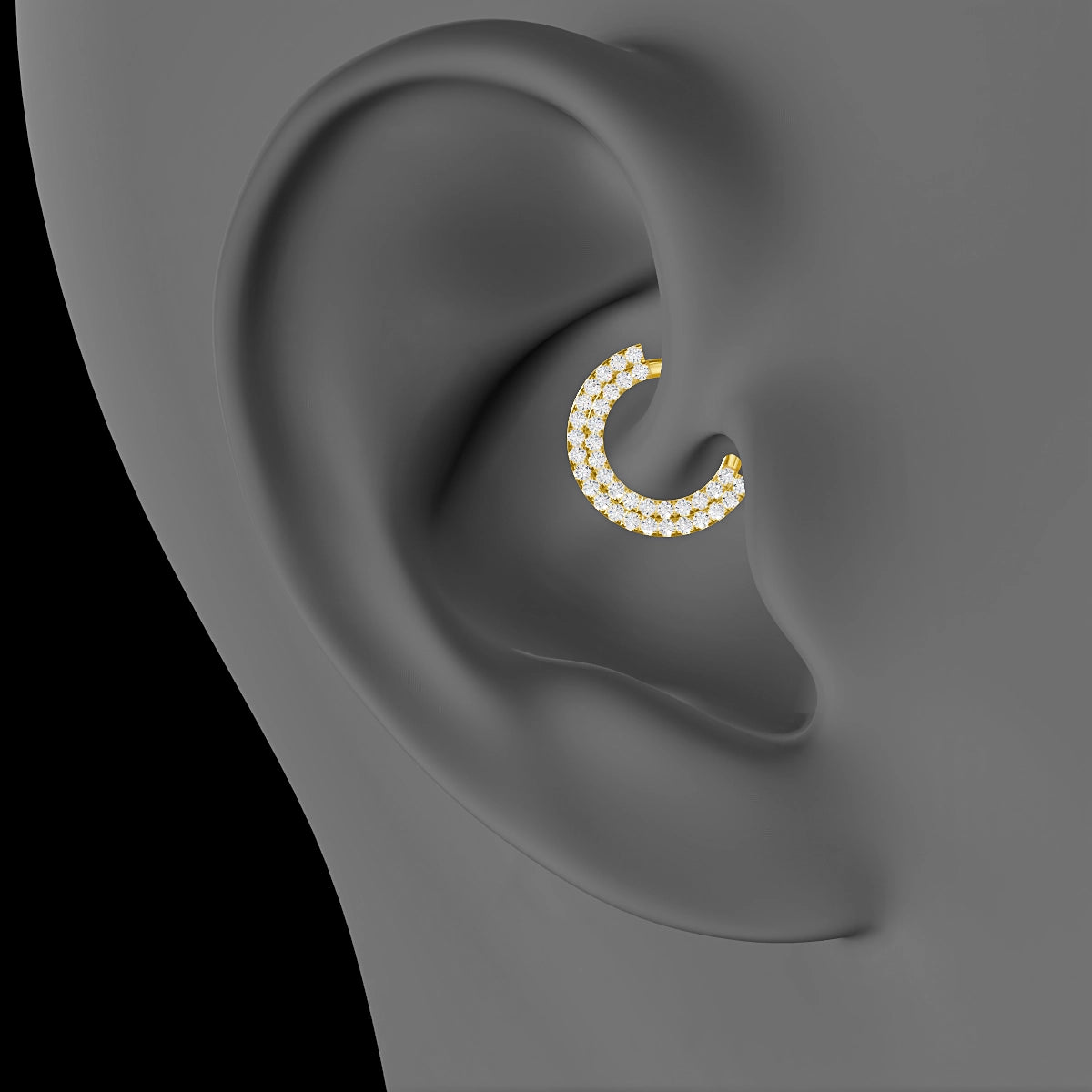
The daith piercing sits in the inner fold of the ear's cartilage. Discreet yet distinctive, it brings subtle character to a well-curated ear. Admired for its unique placement, it is also widely discussed for its supposed link to migraine relief.
Overview of the Daith Piercing
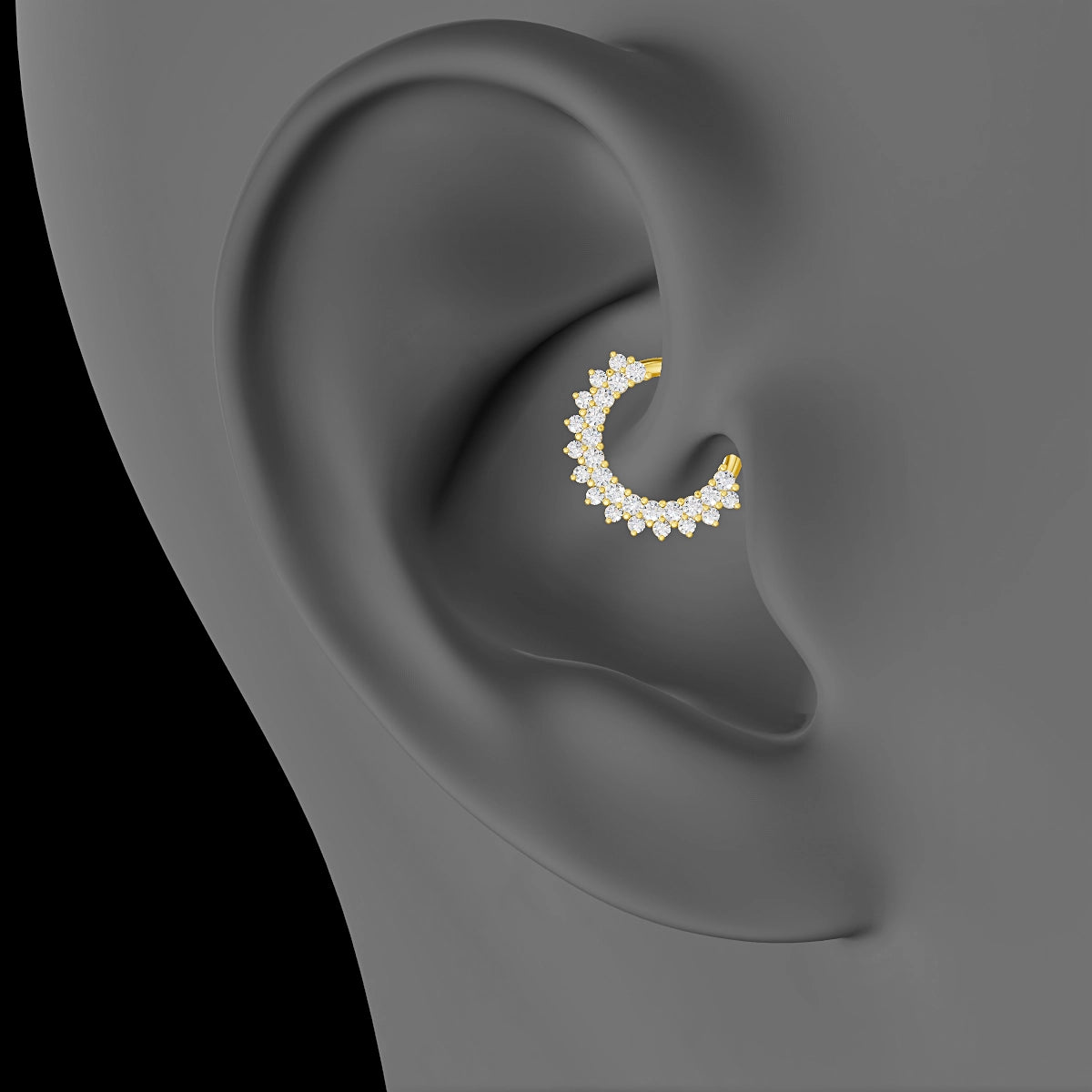
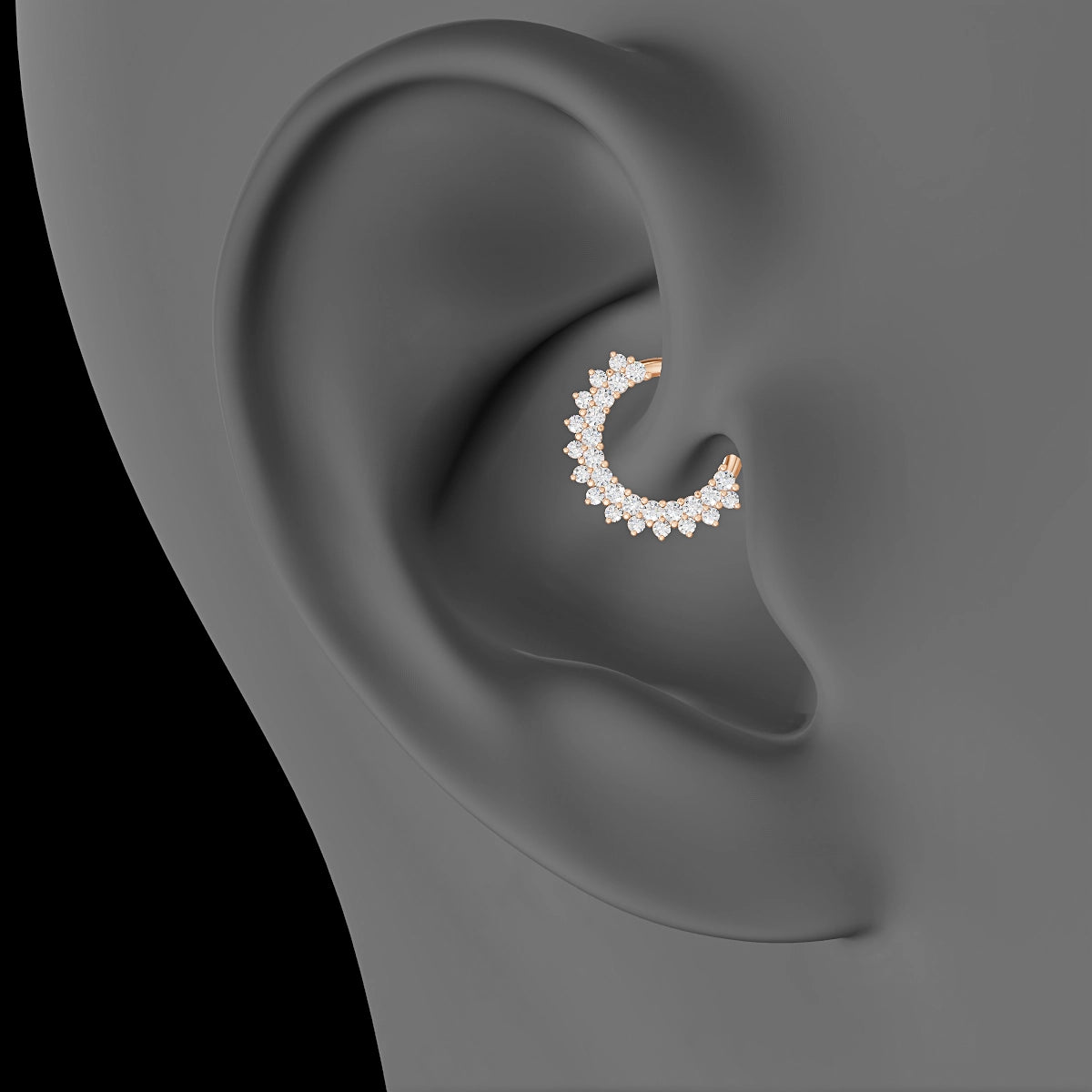
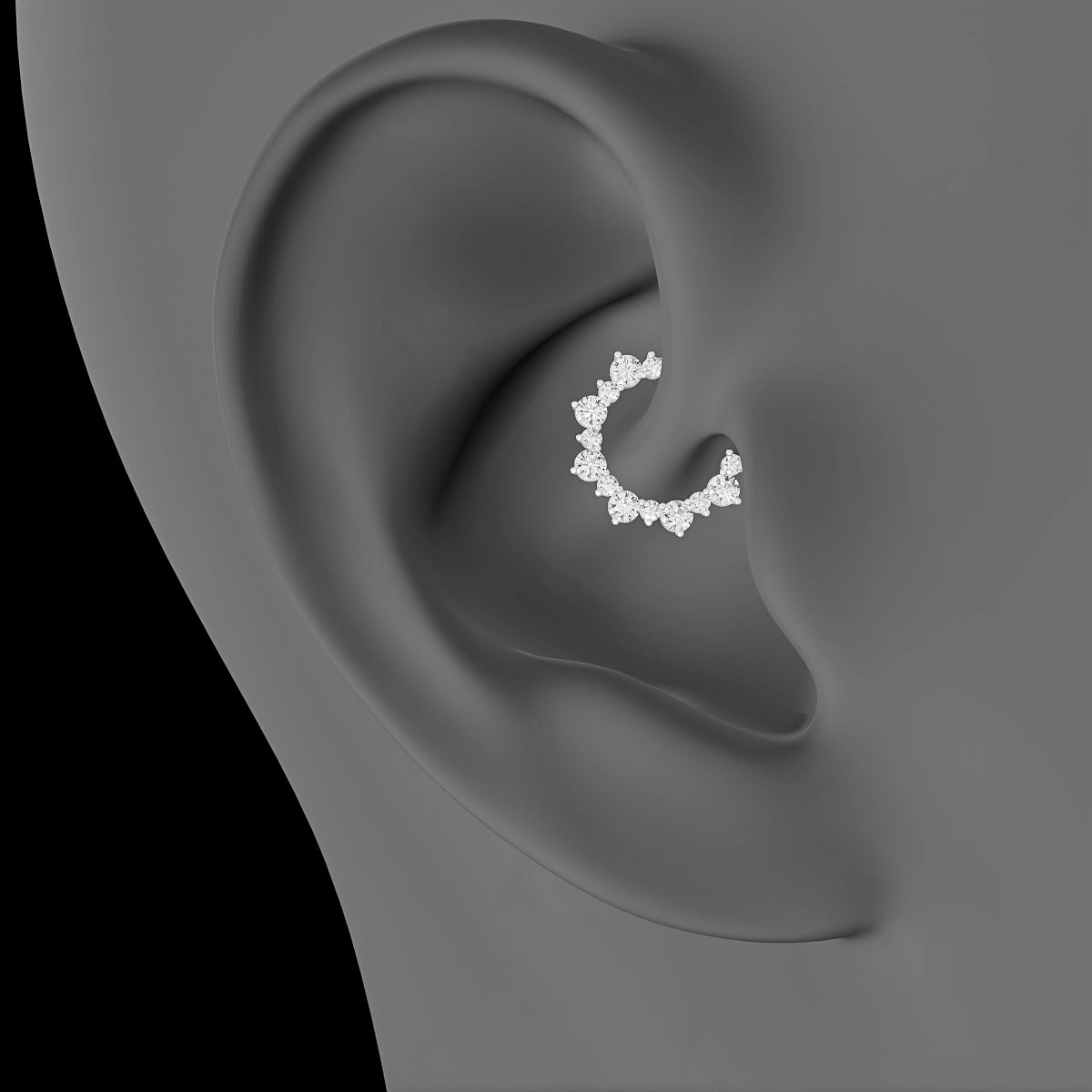
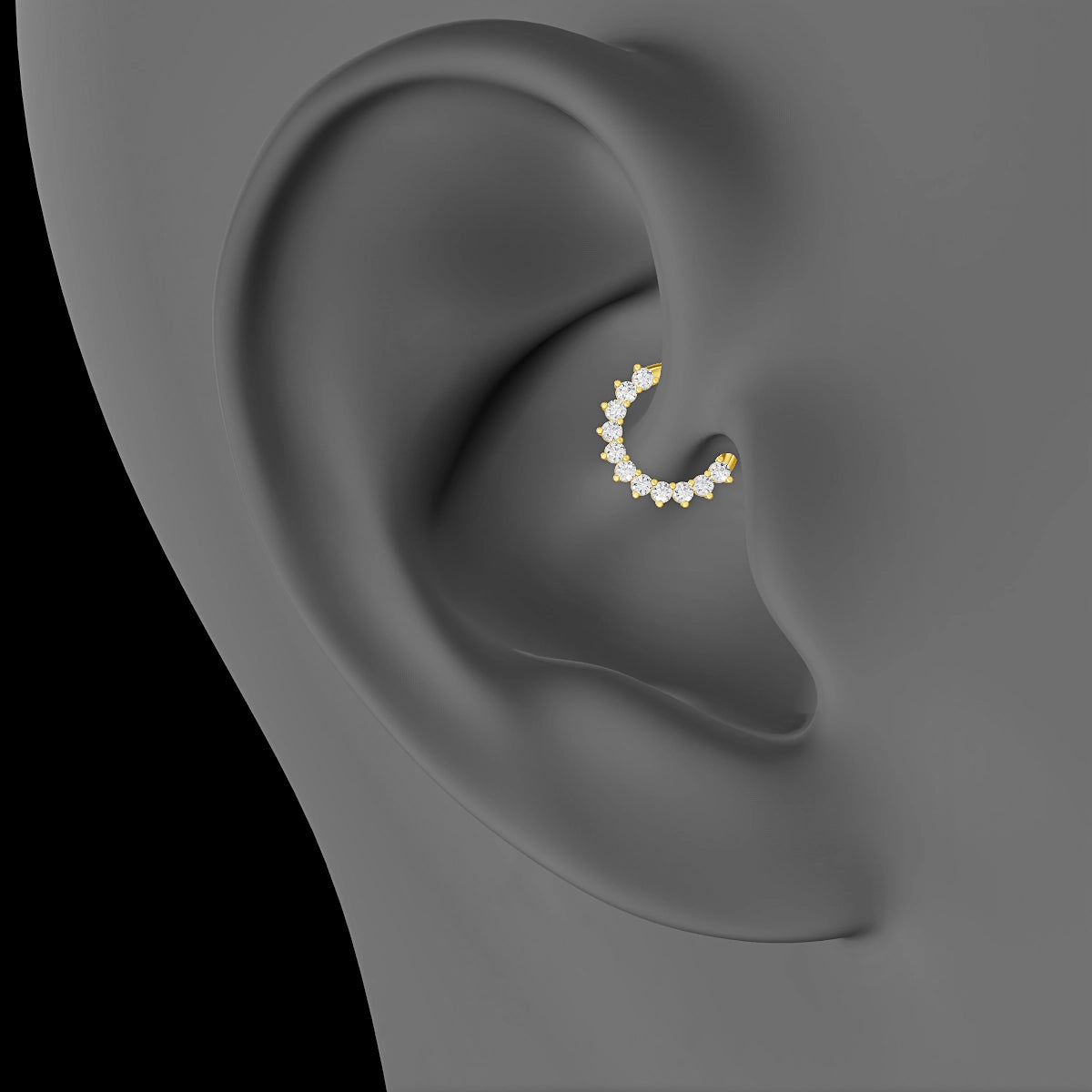
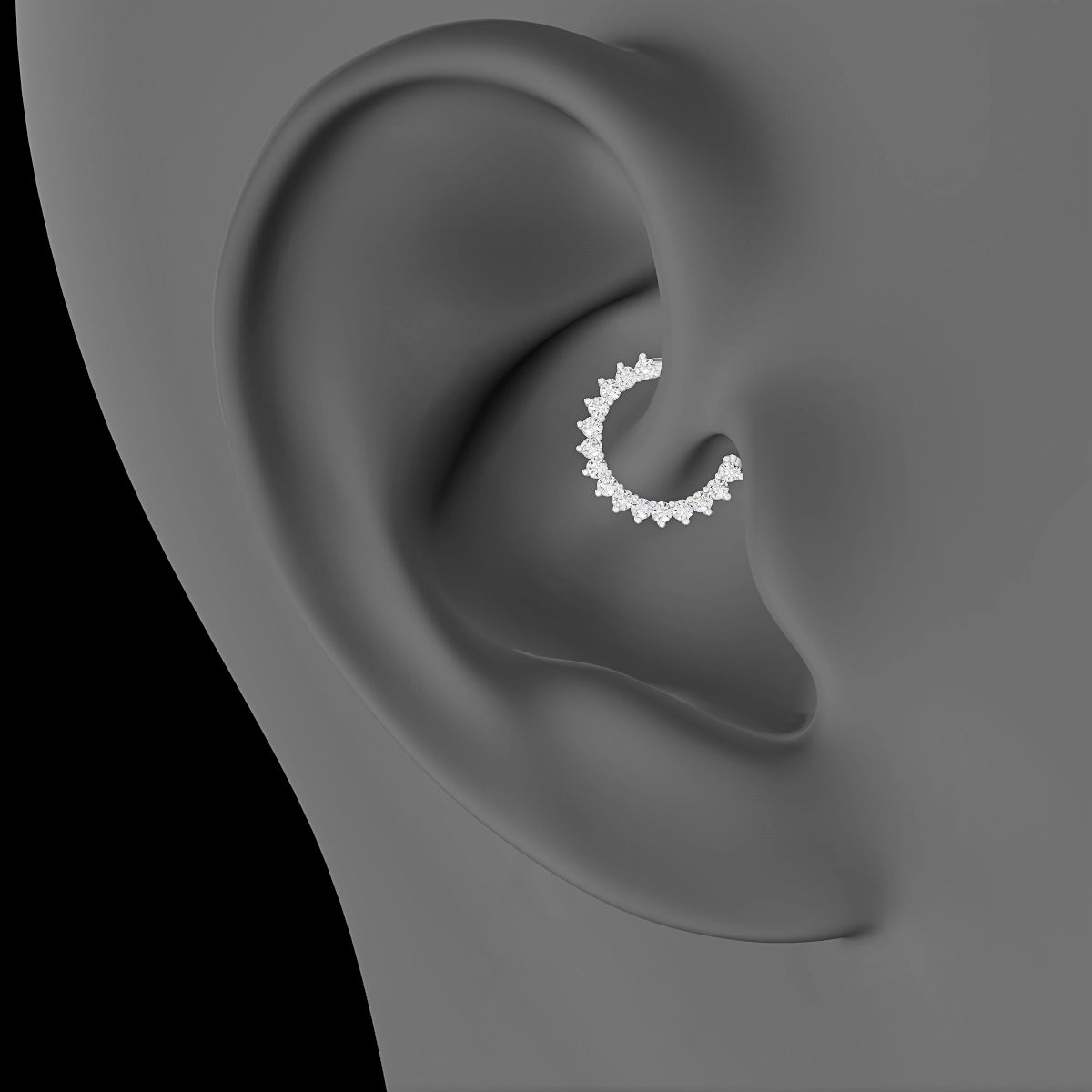
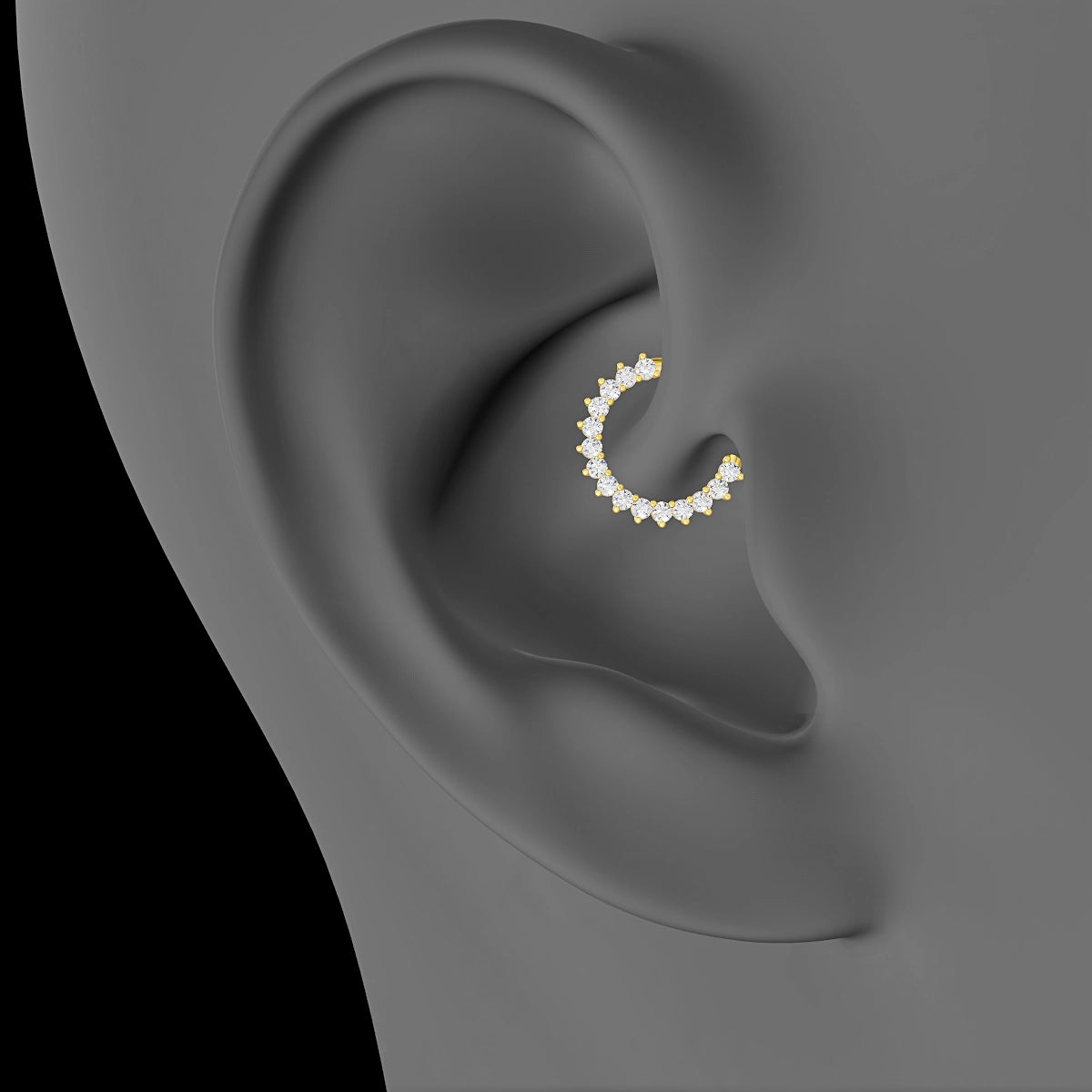
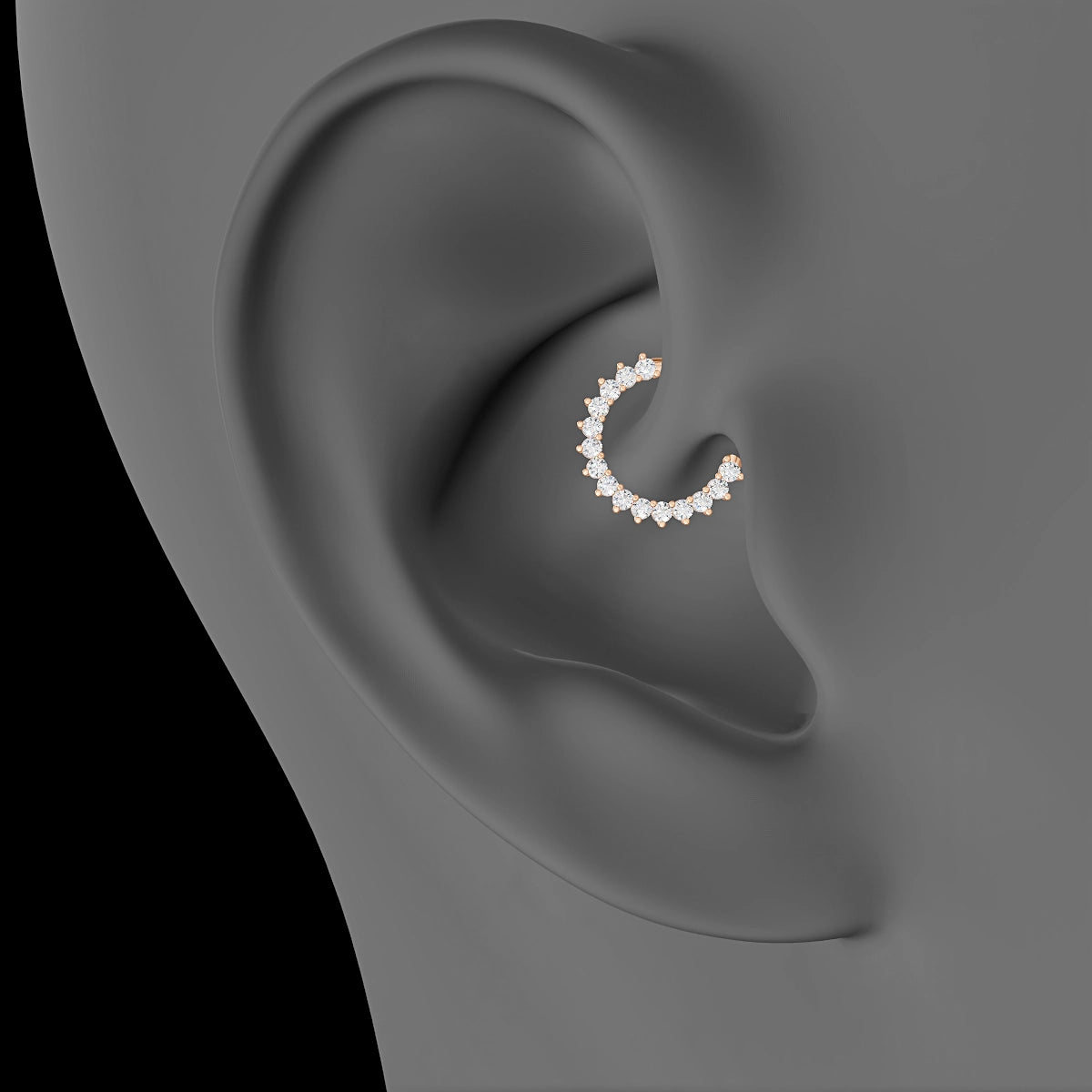
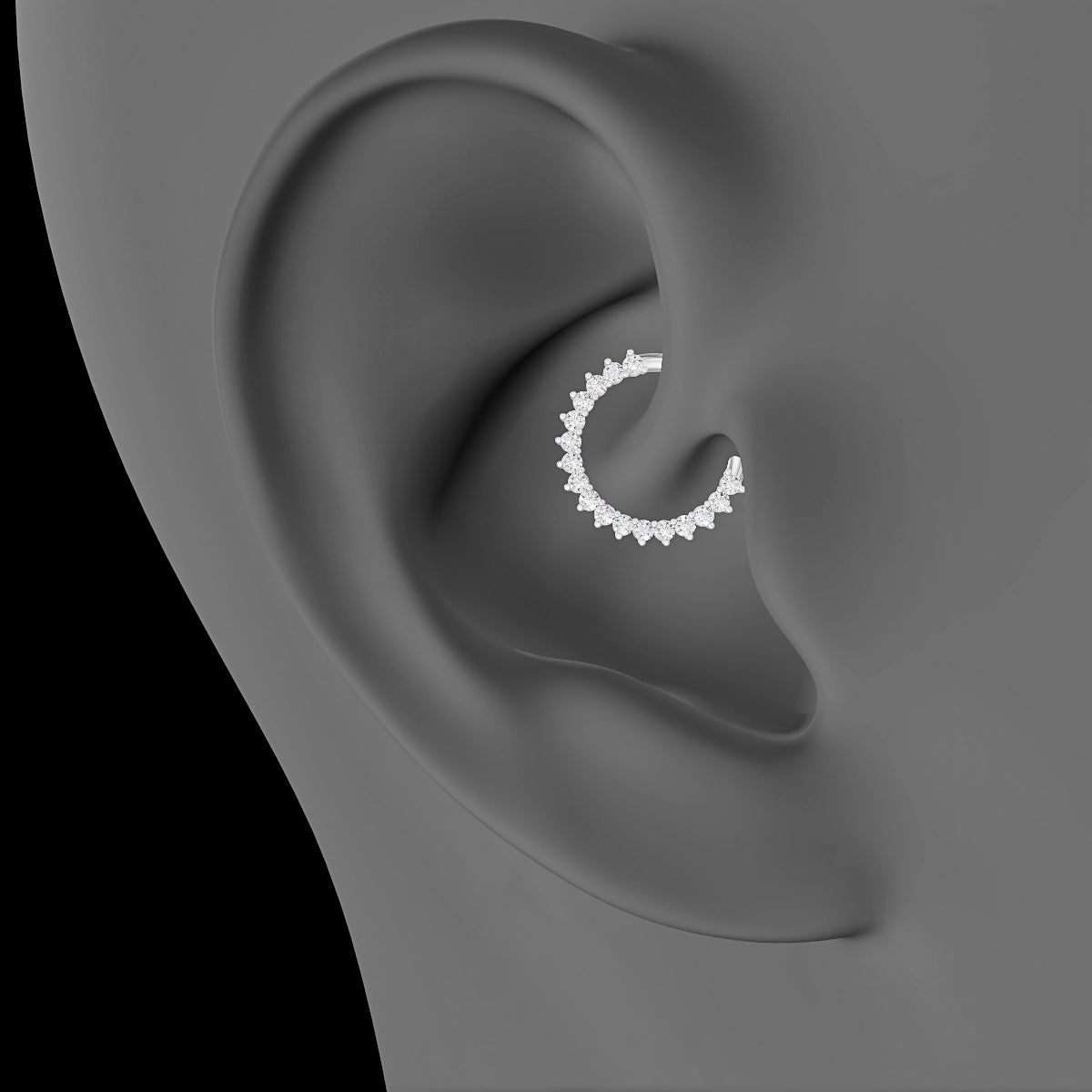
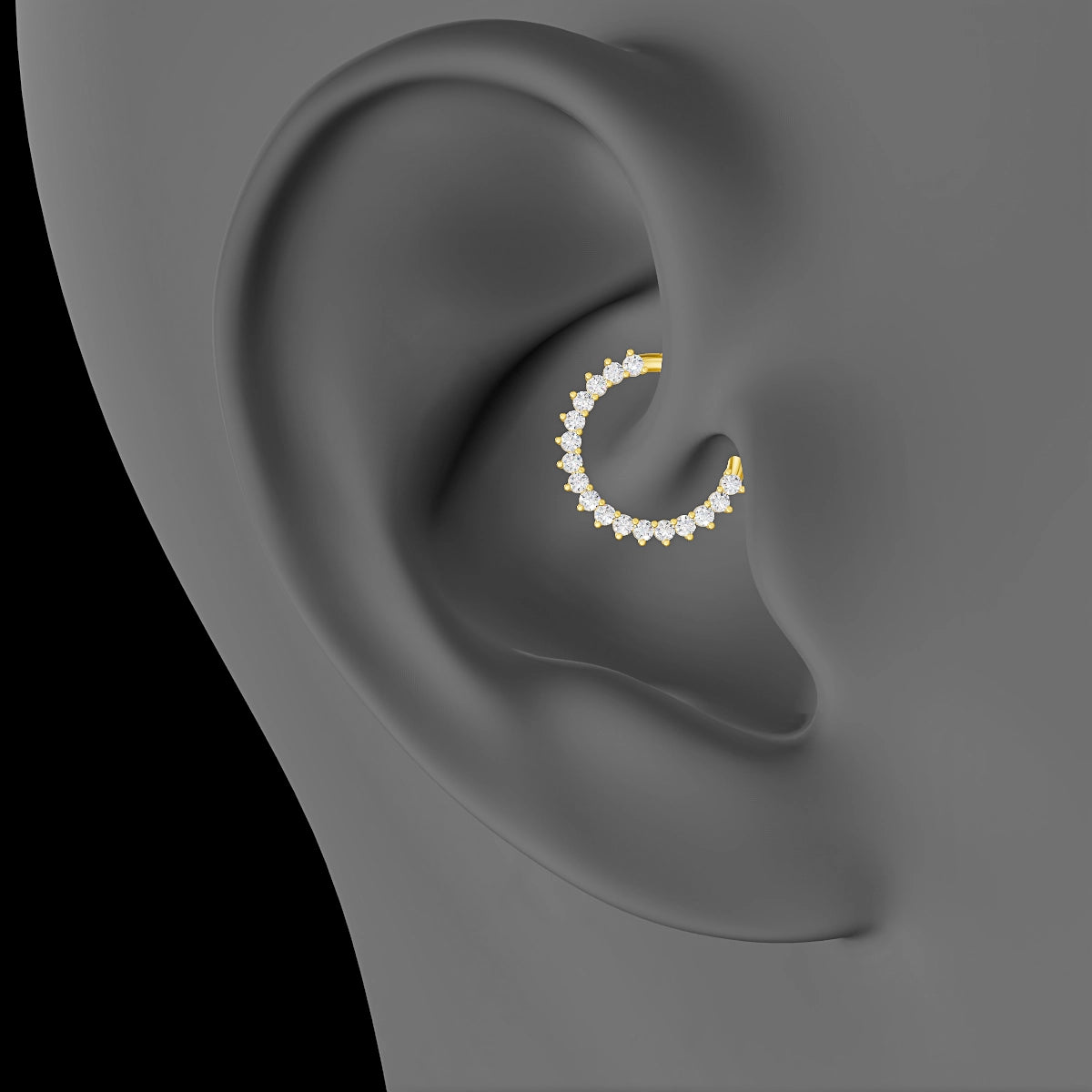
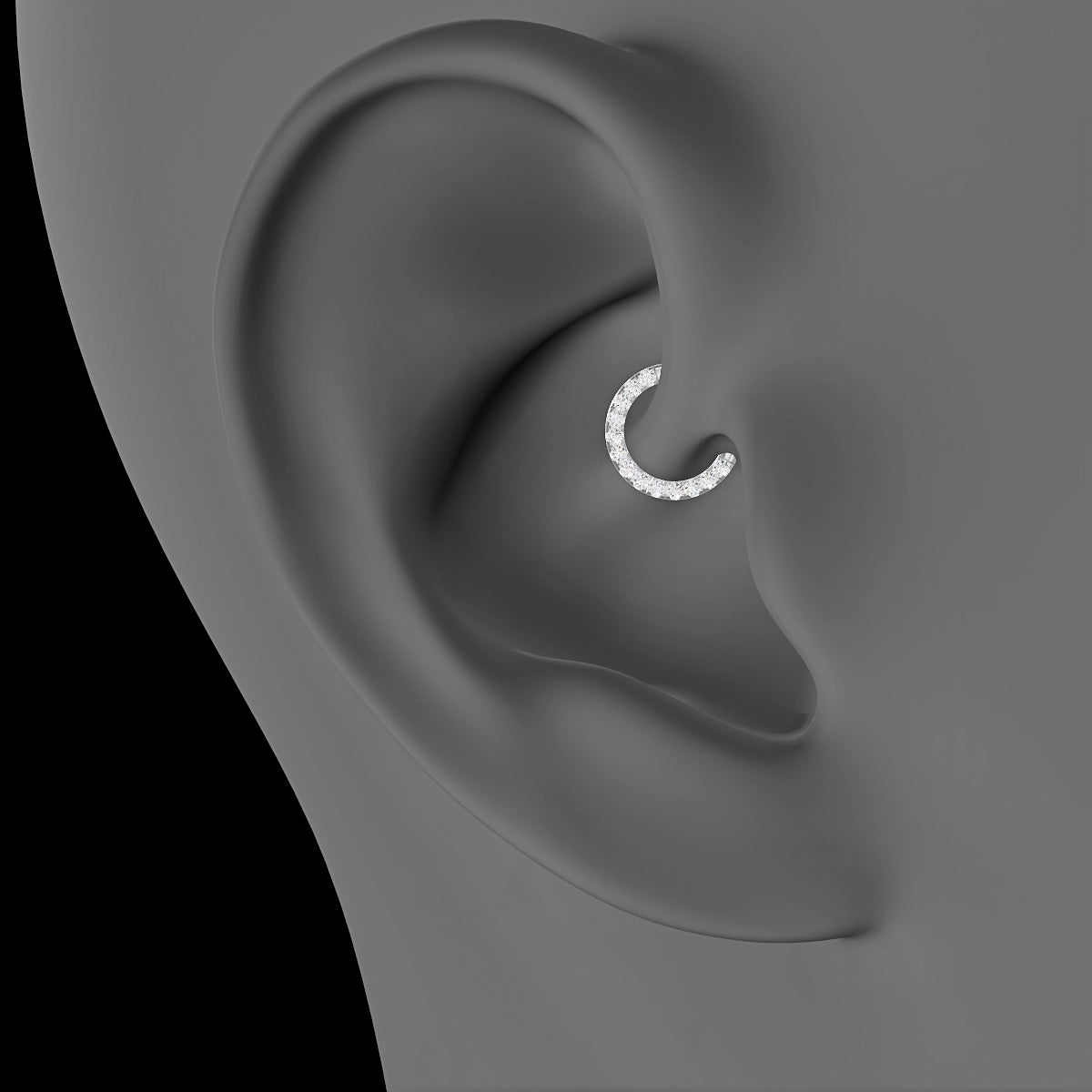
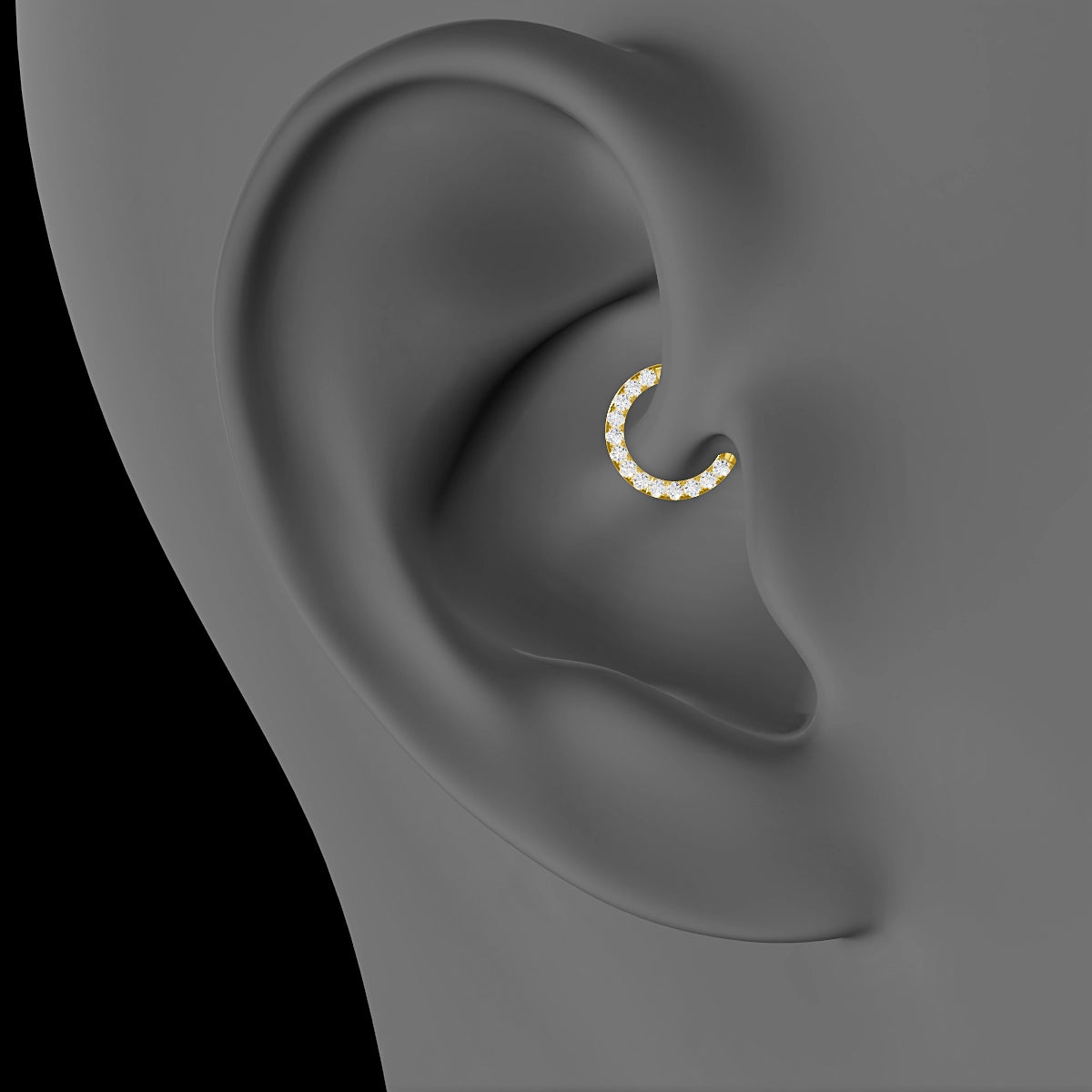
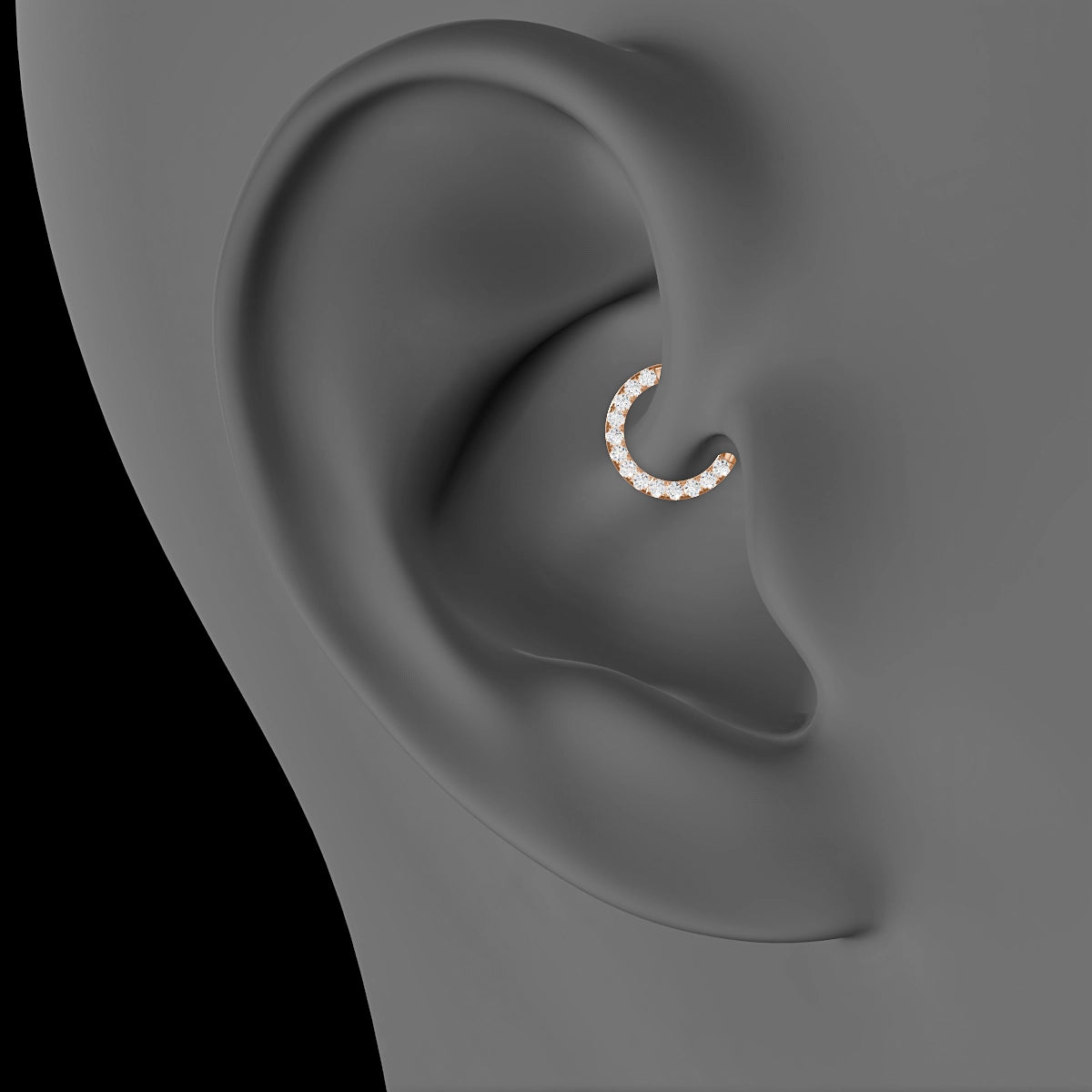
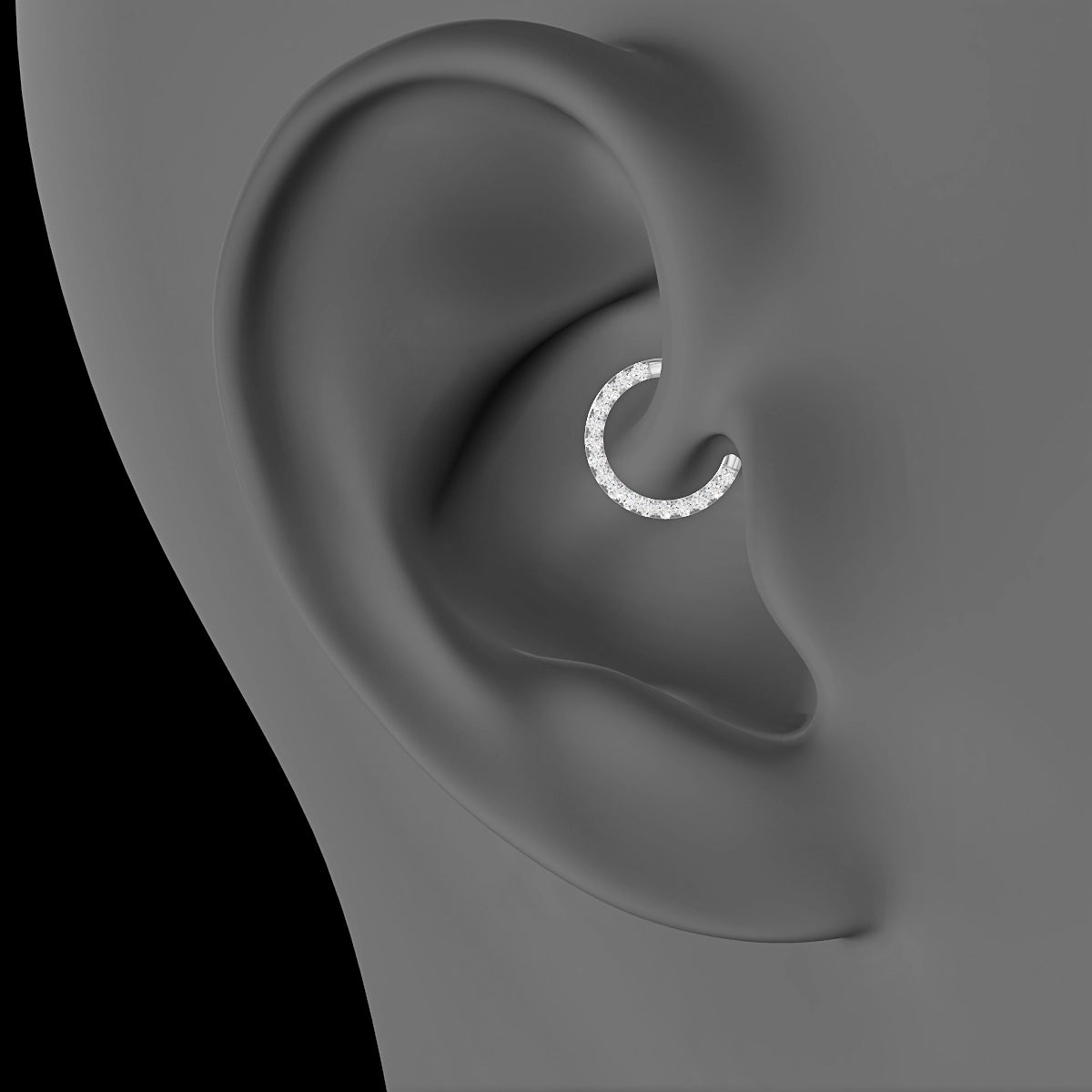
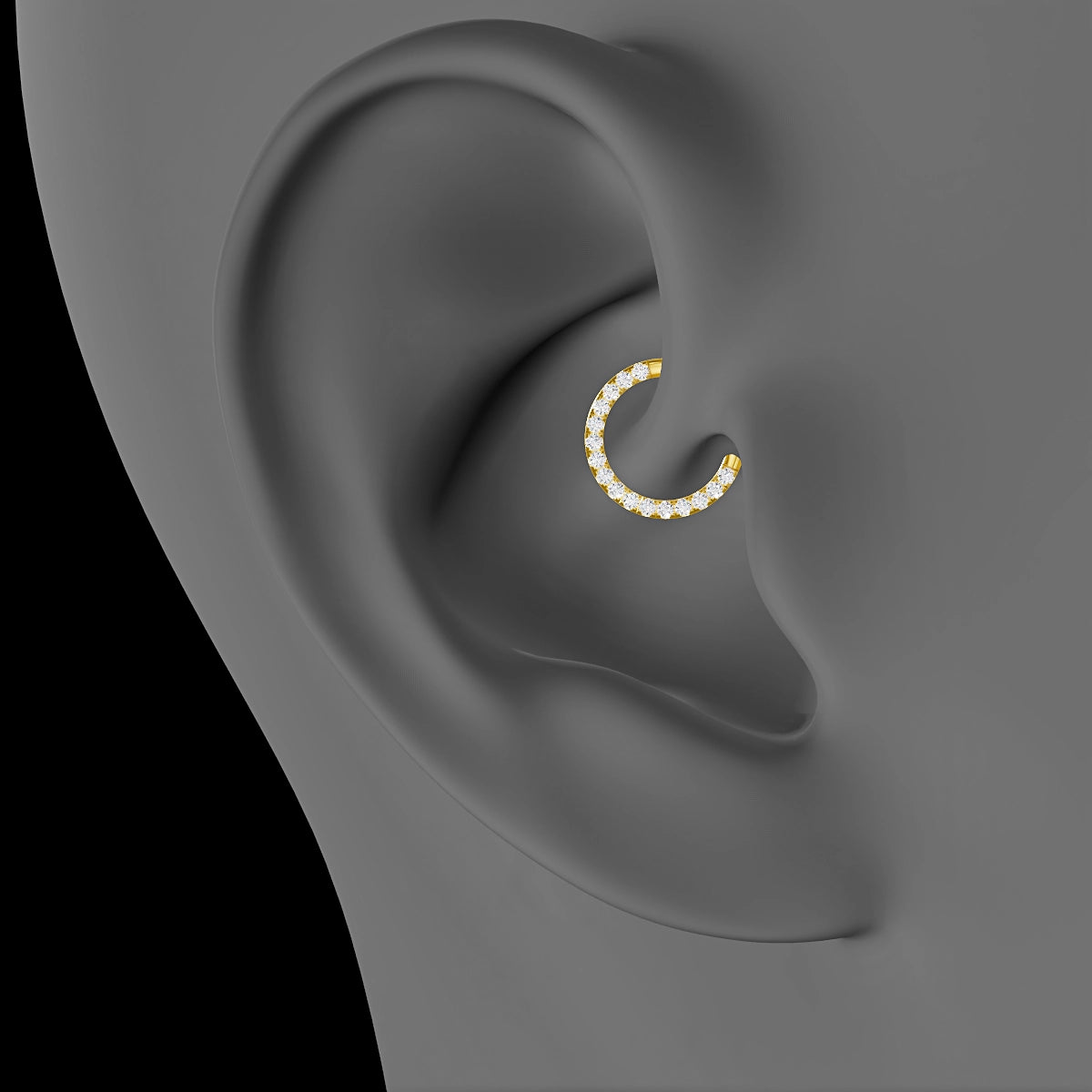
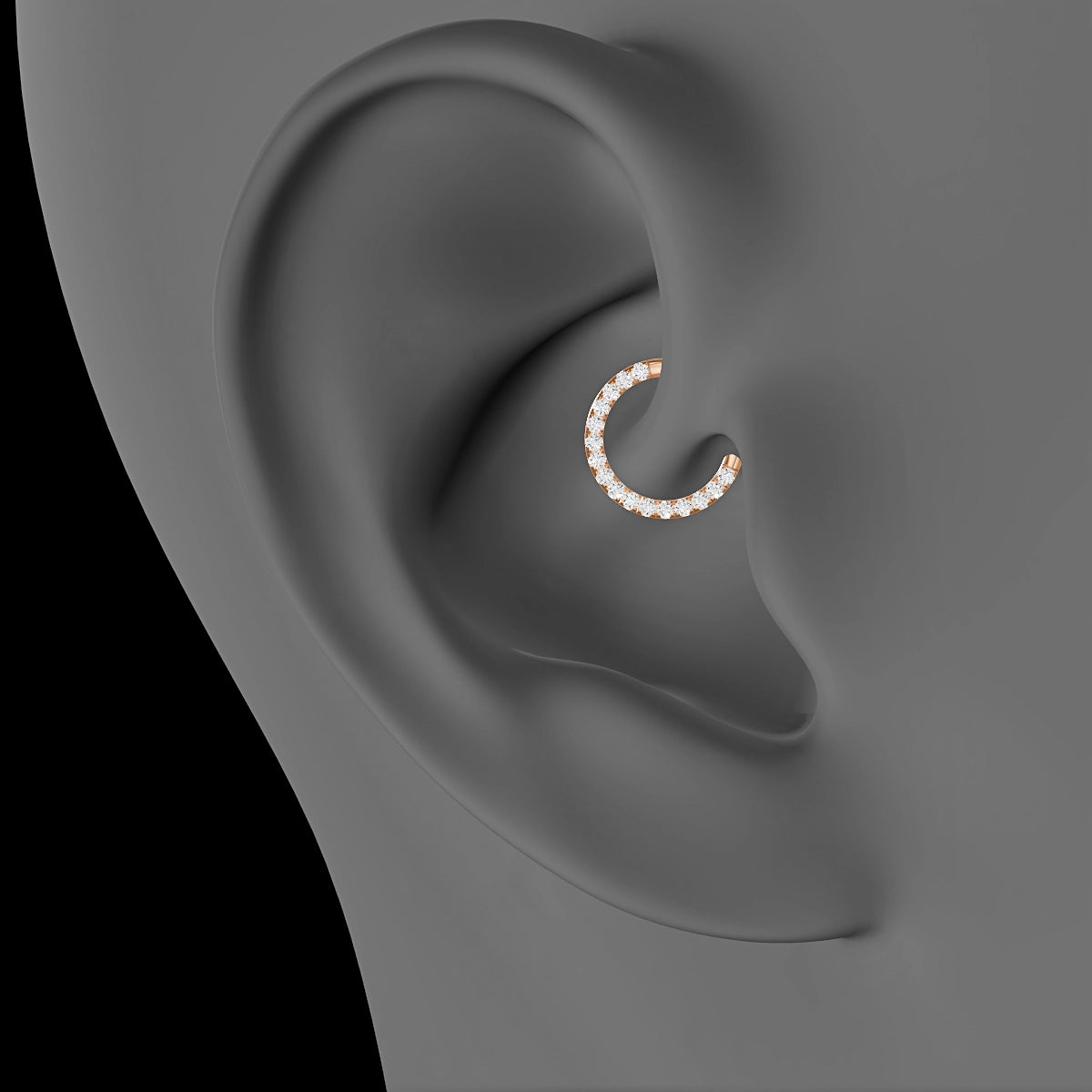
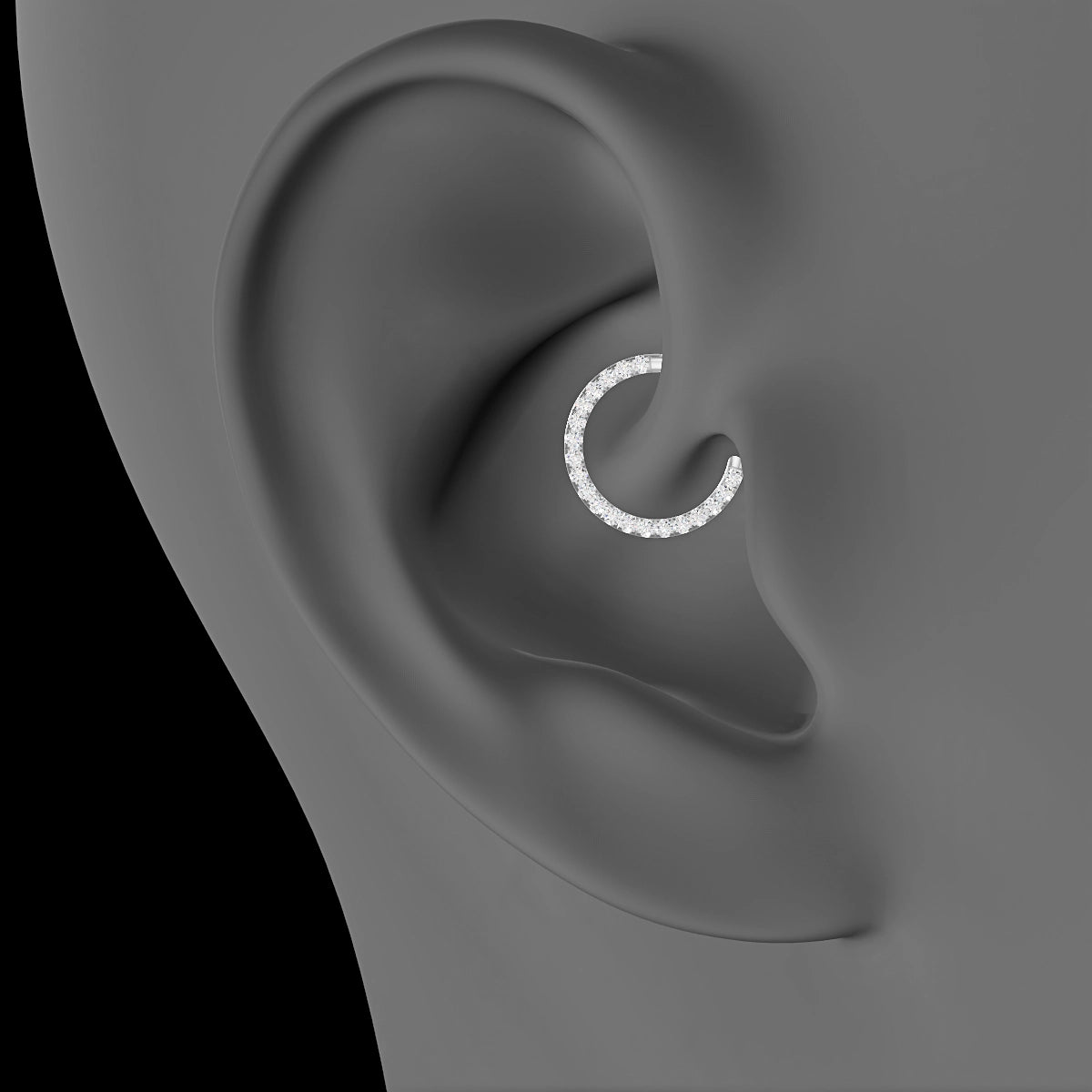
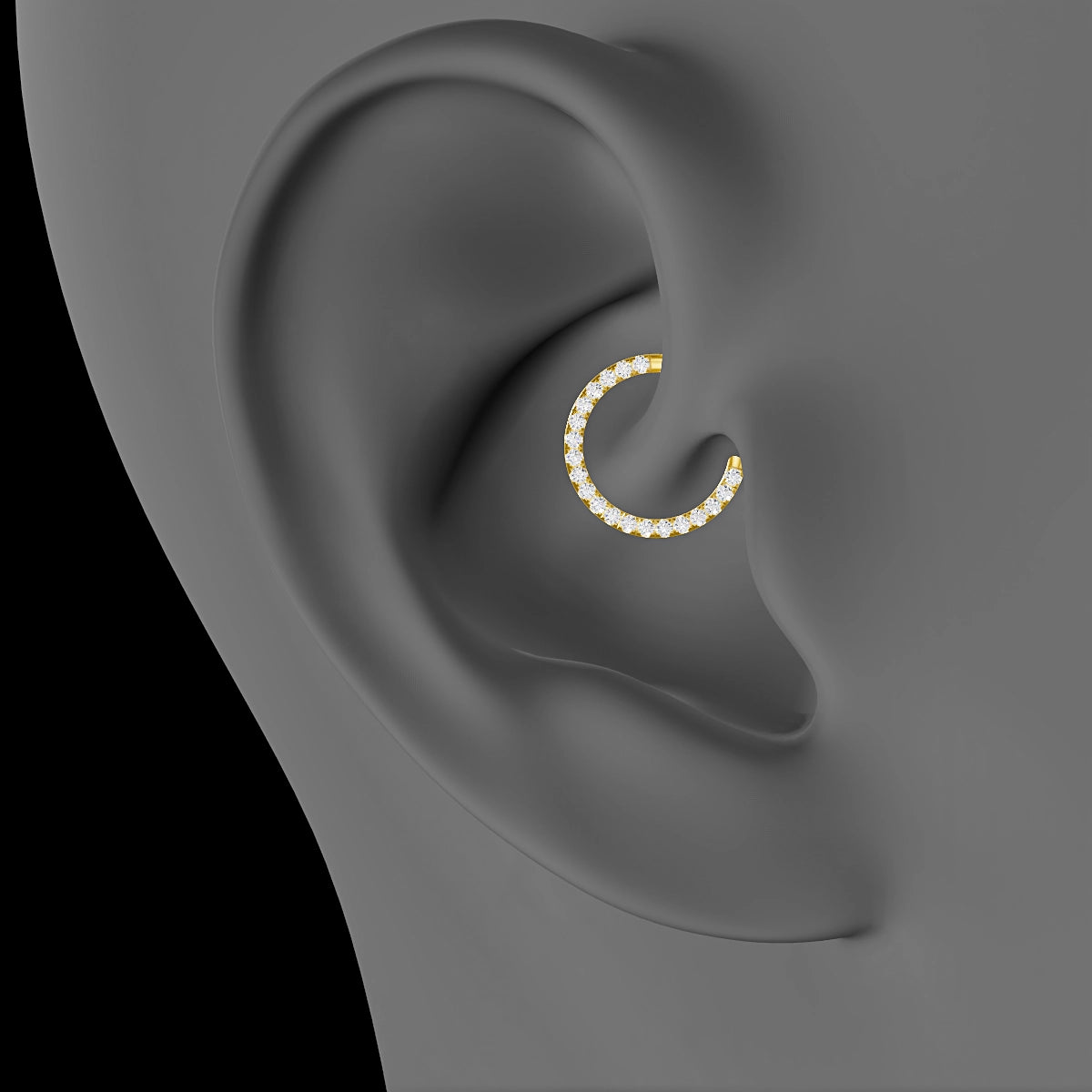
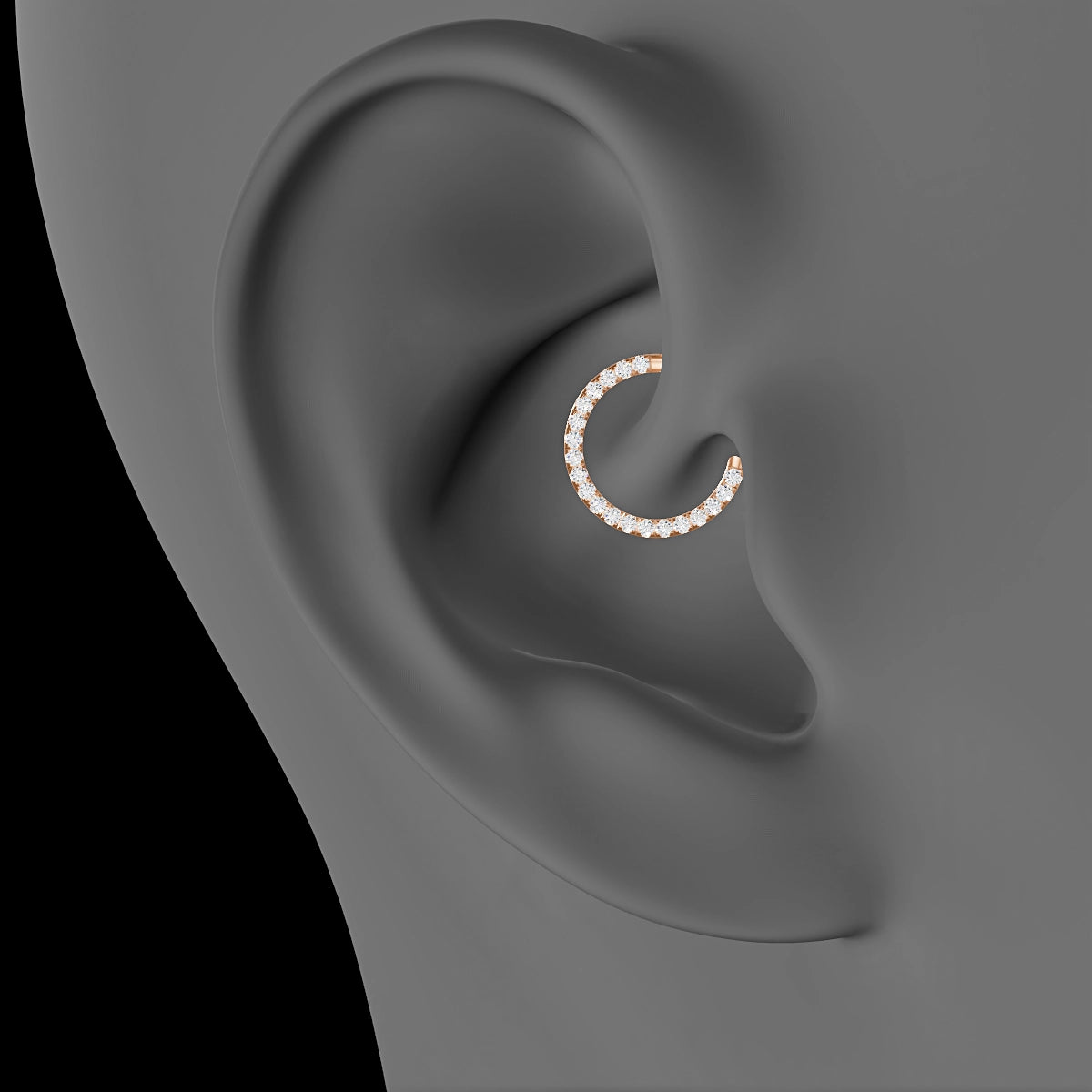
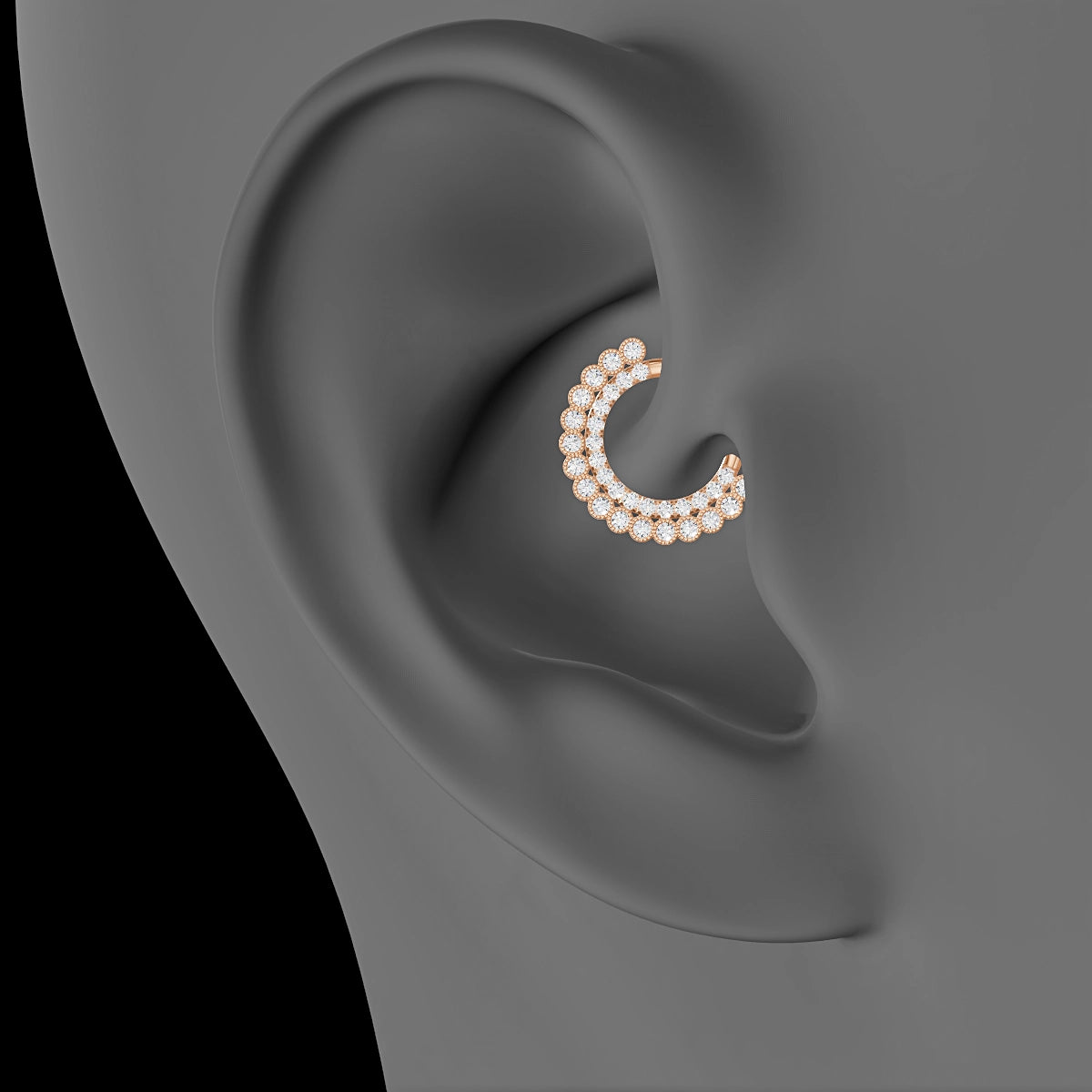
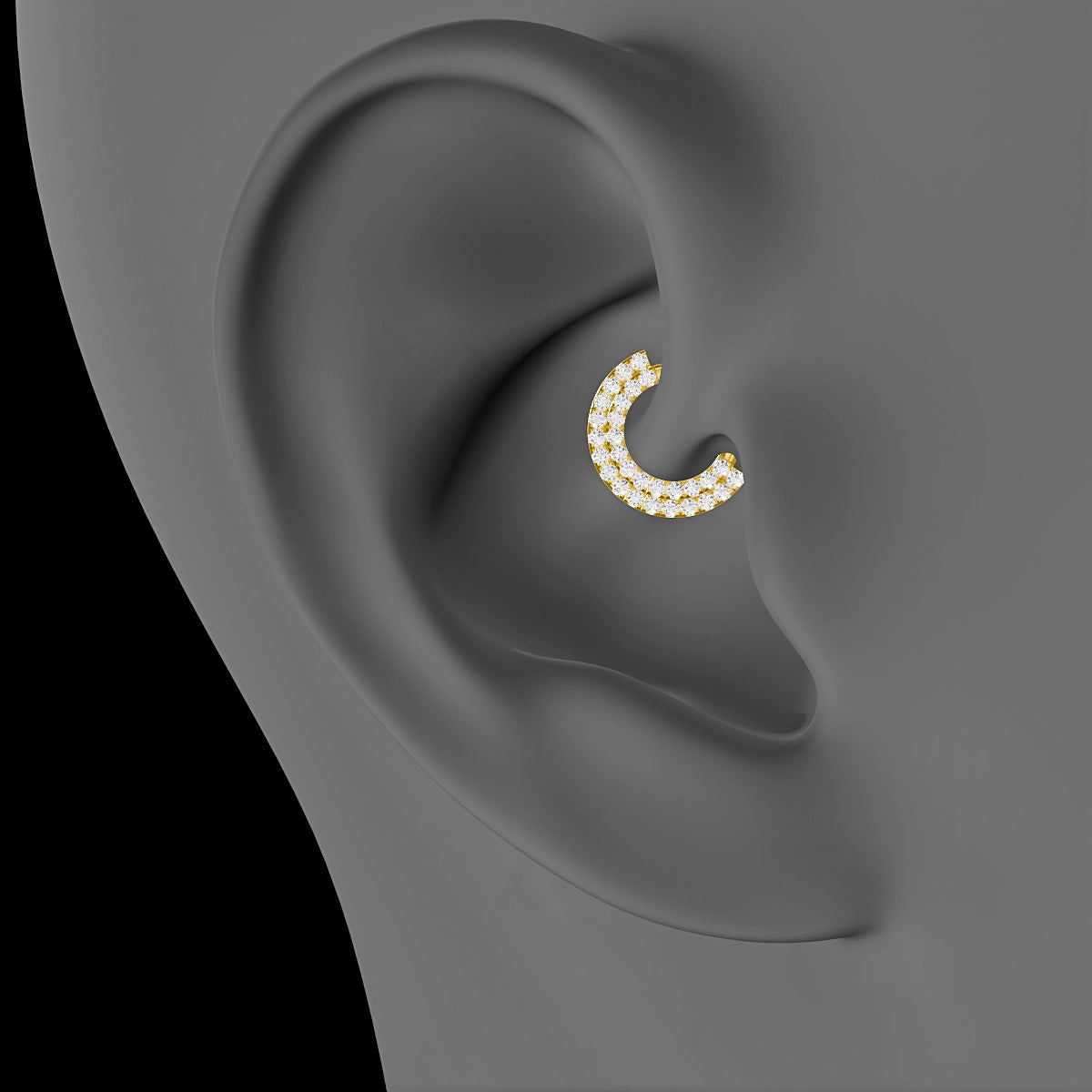
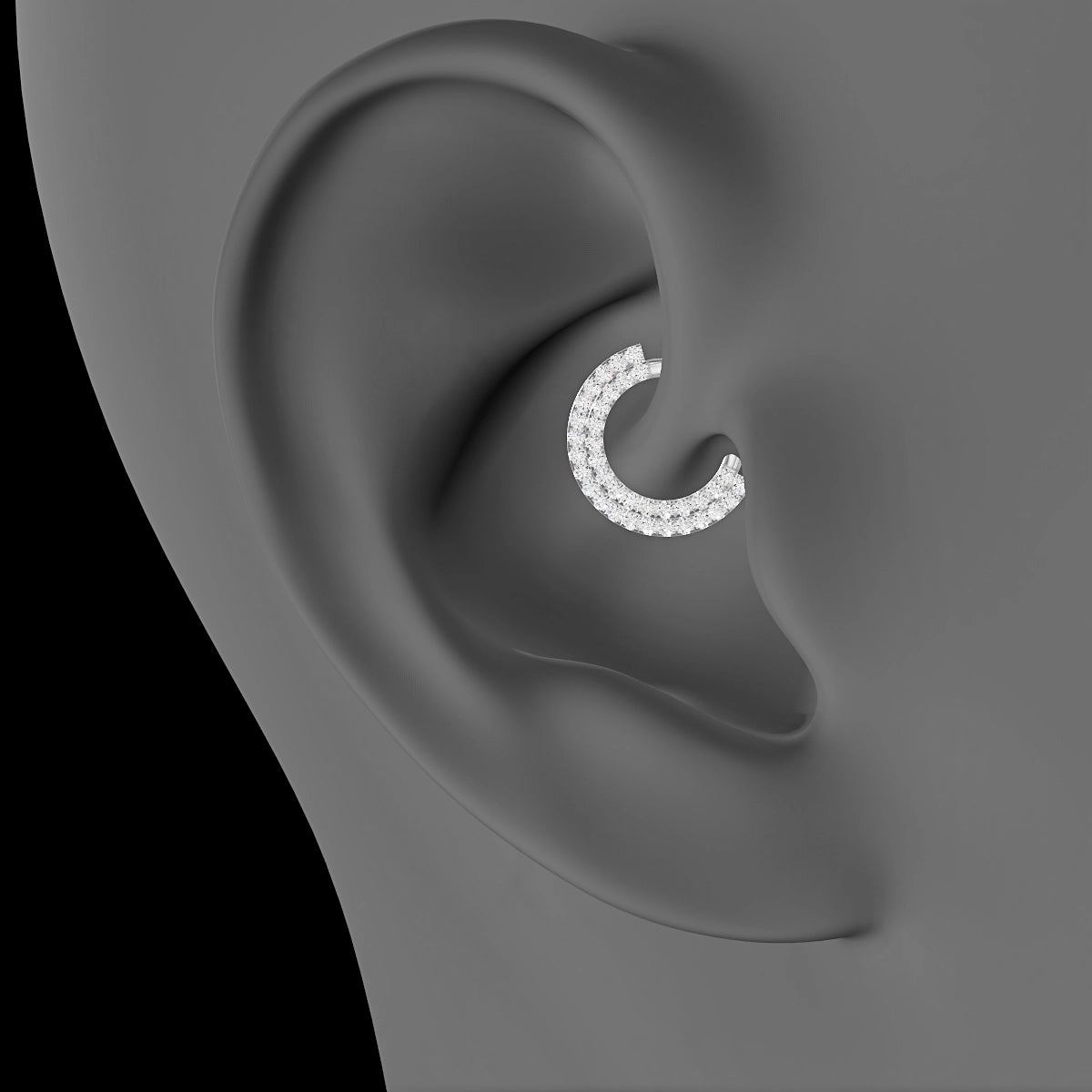
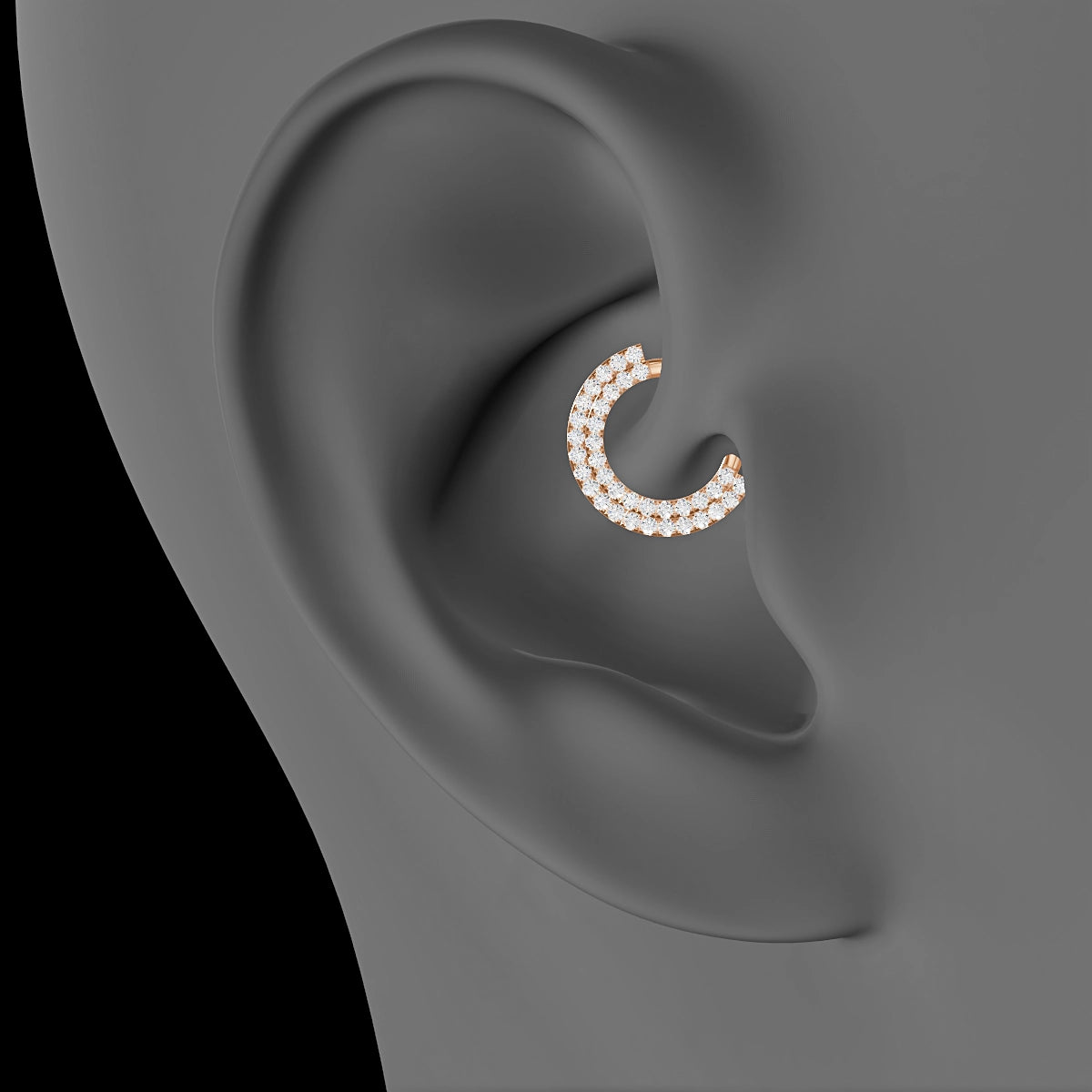
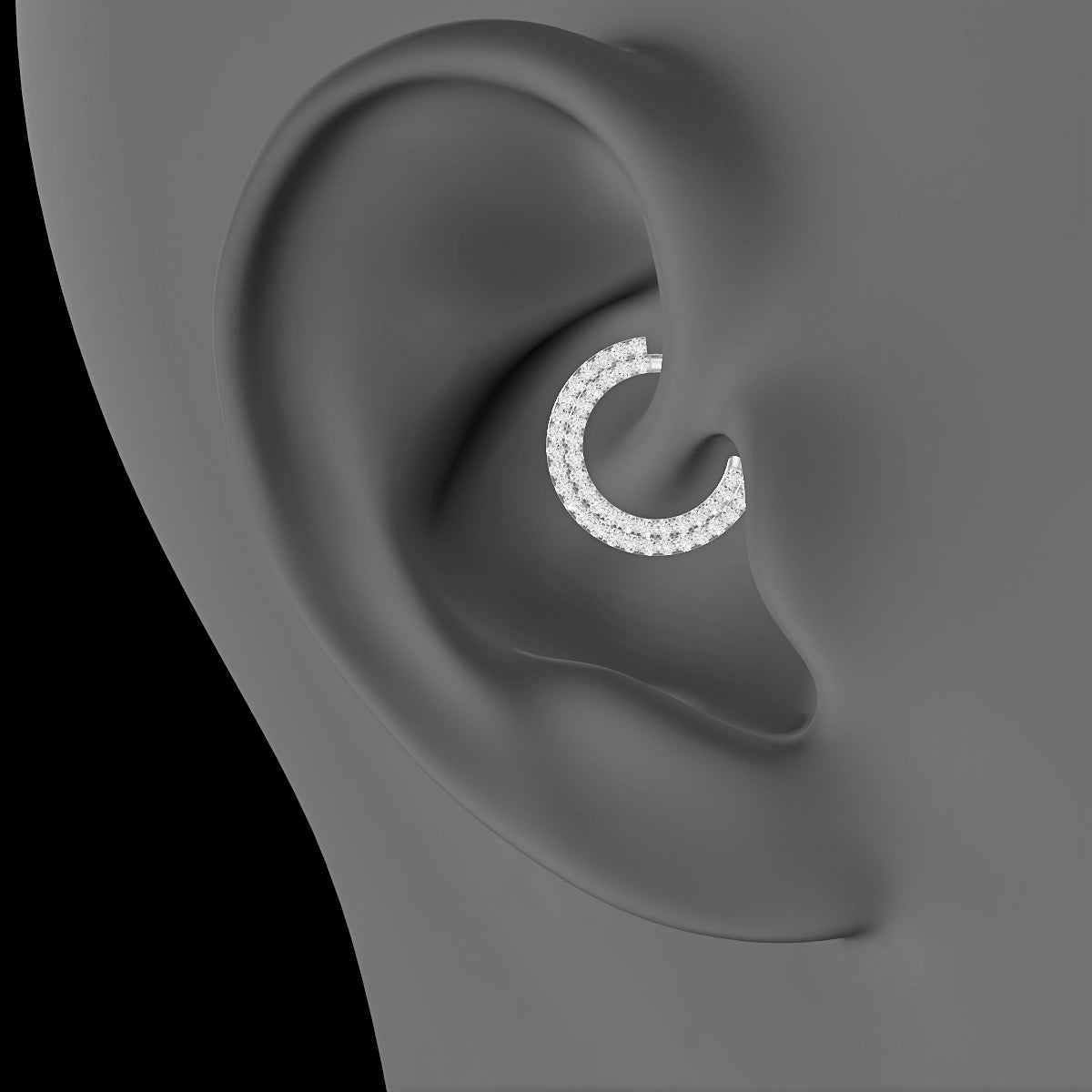
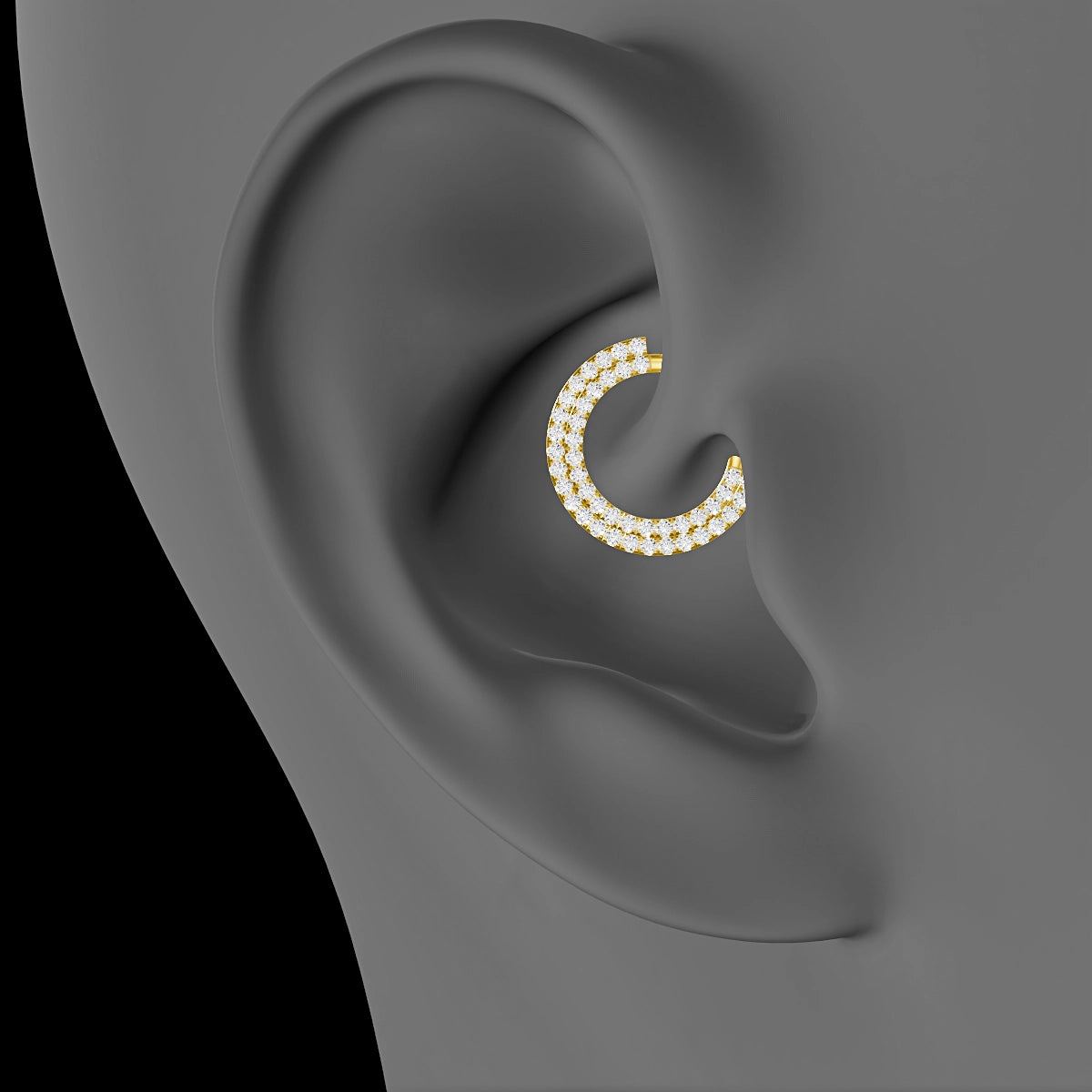
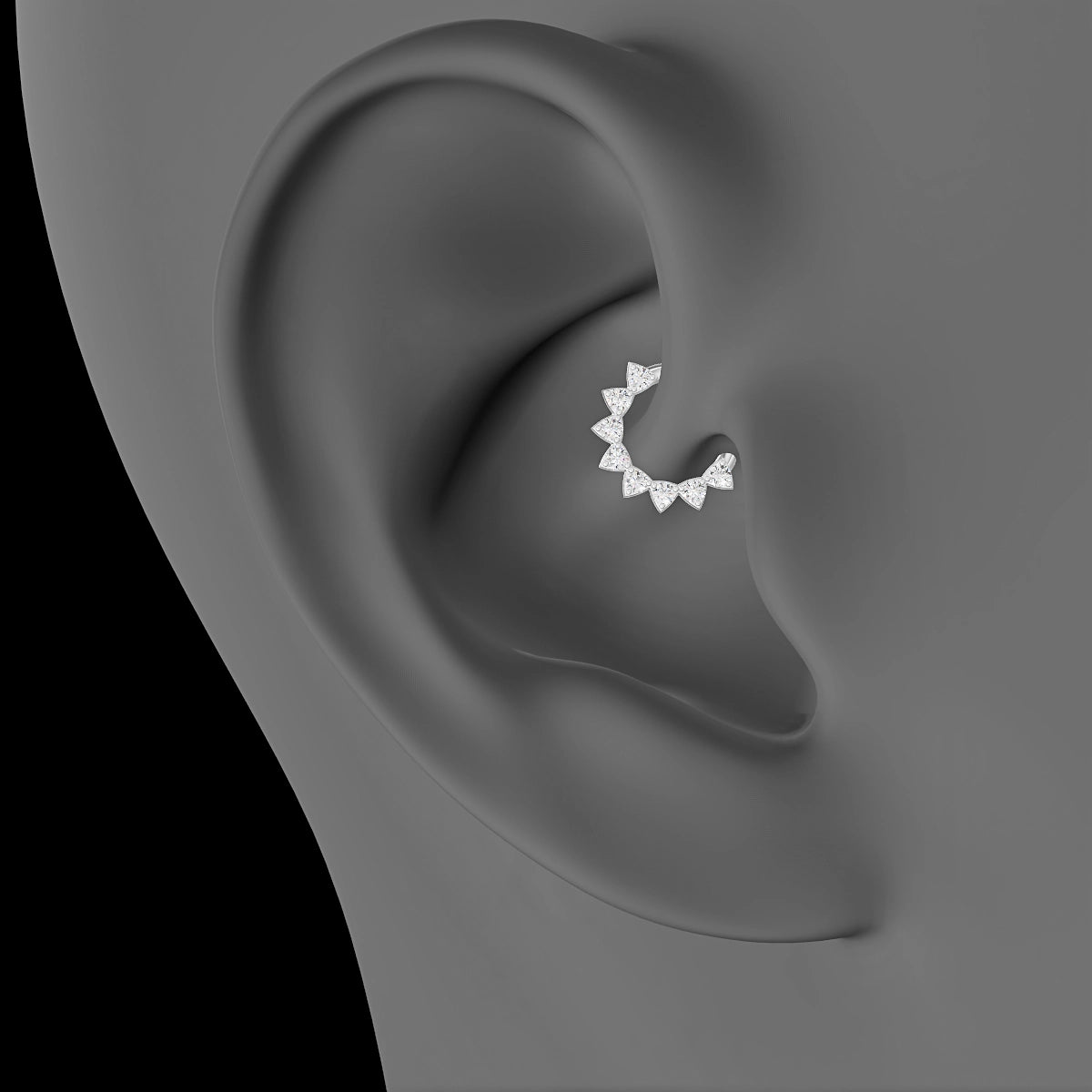
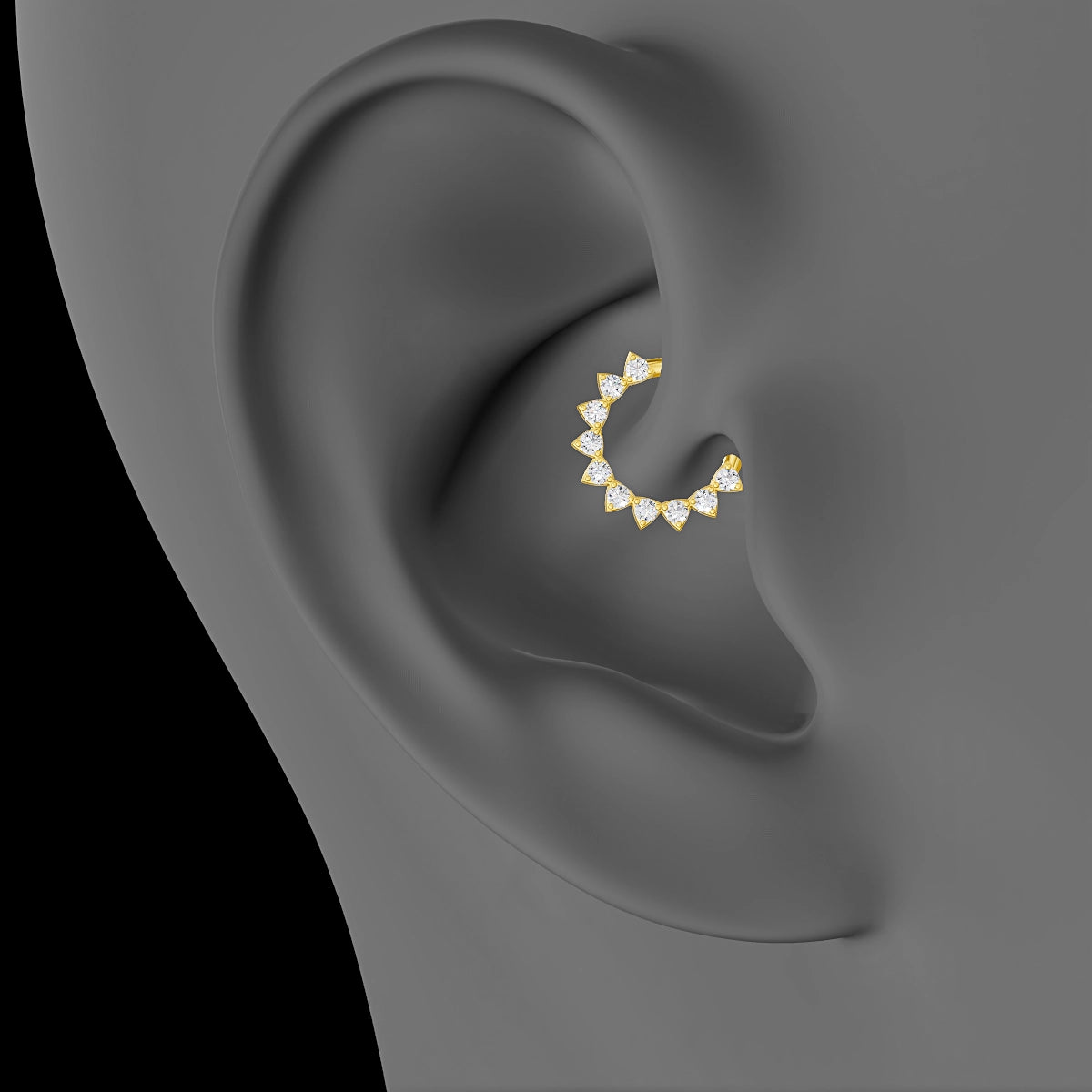
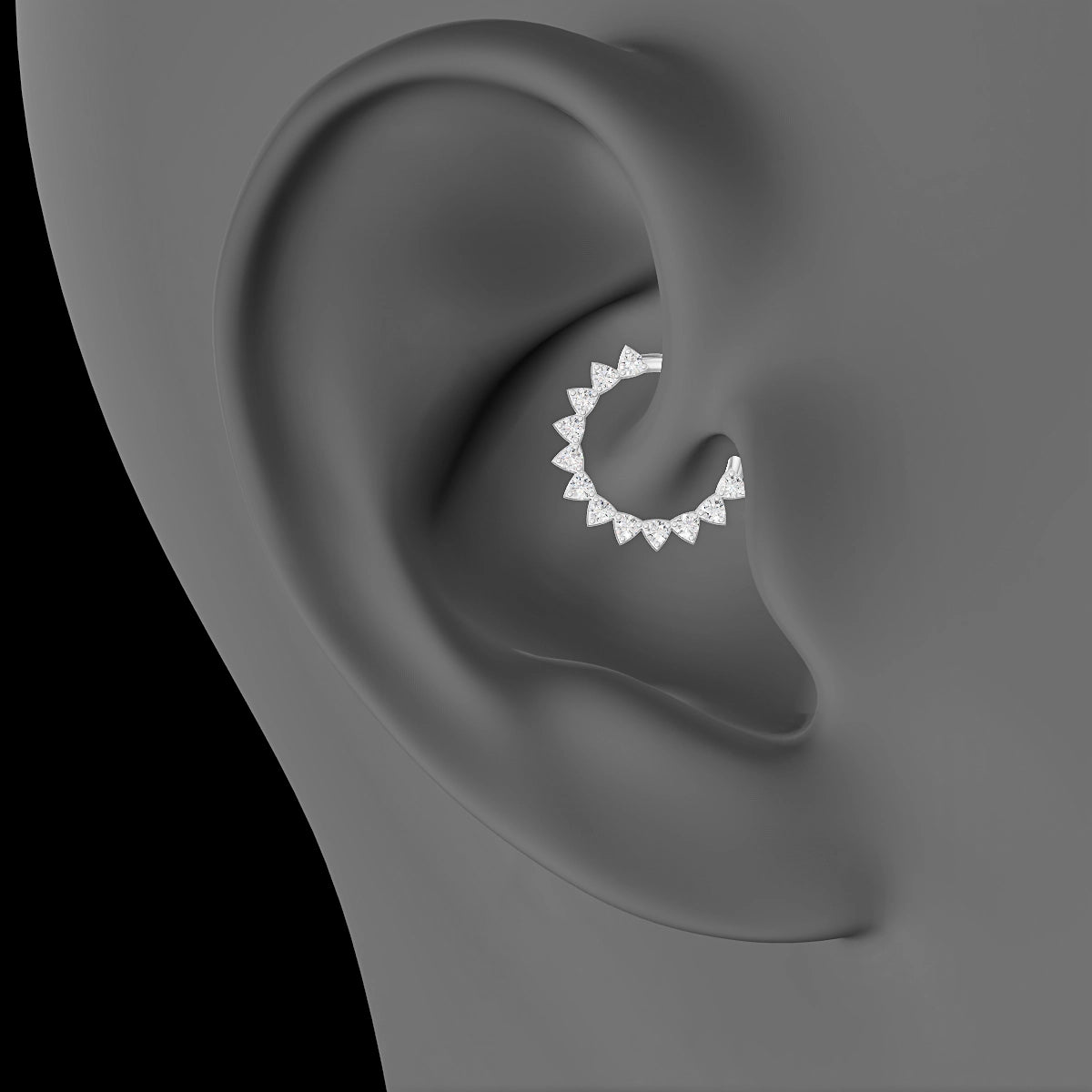
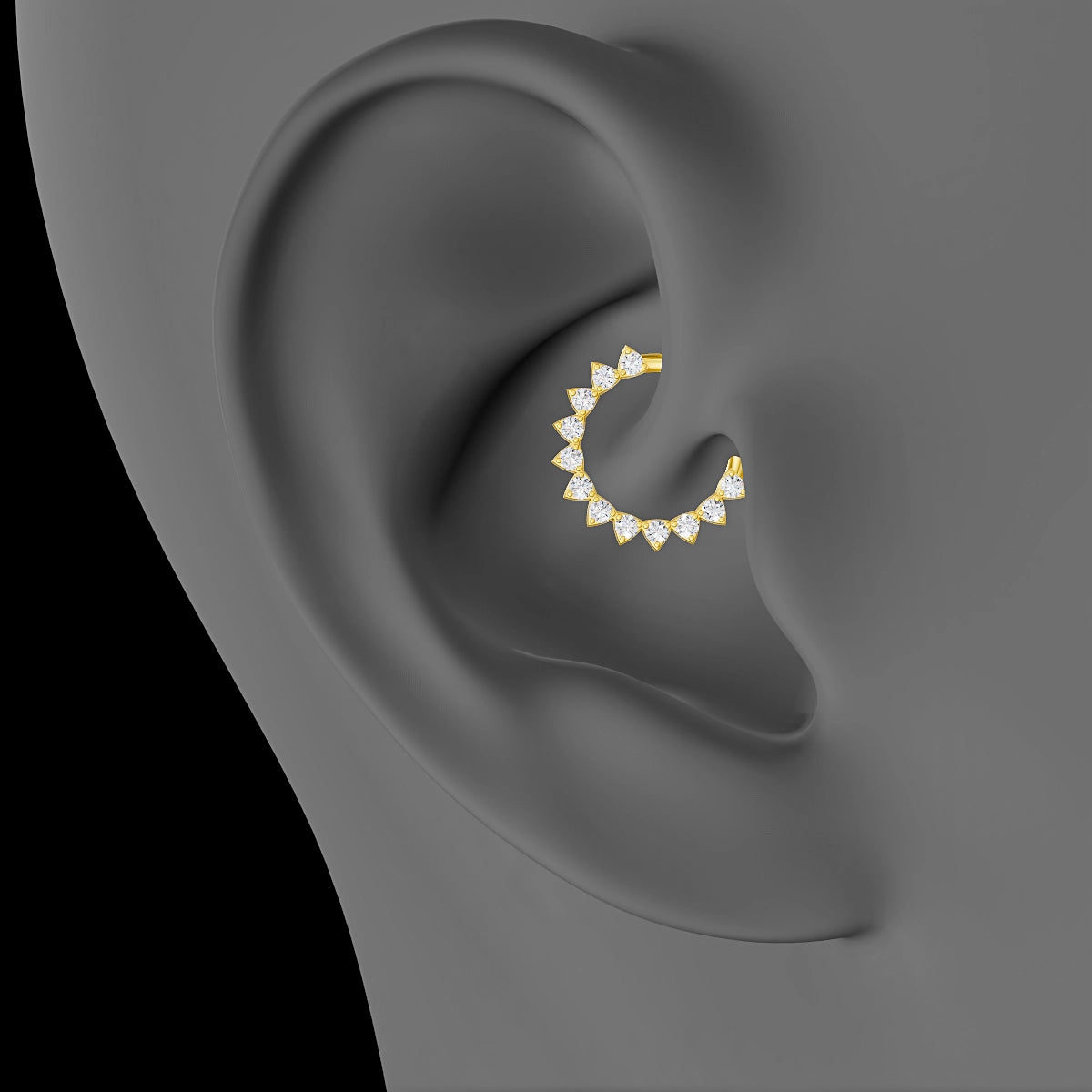
- Placement: Innermost fold of cartilage in the ear, located above the ear canal
- Pricing: $30 to $50, plus the cost of the jewelry
- Pain Level: 5/10
- Healing Time: 9 to 12 months
- Aftercare: Clean your daith piercing twice a day. Soak a sterile gauze pad with saline solution and gently press it against the piercing
Quick links:
Anatomy | Pain | Cost | Preparation | Procedure | Aftercare | Healing Time | Jewelry Guide | Size Guide | Myths vs Facts | FAQs
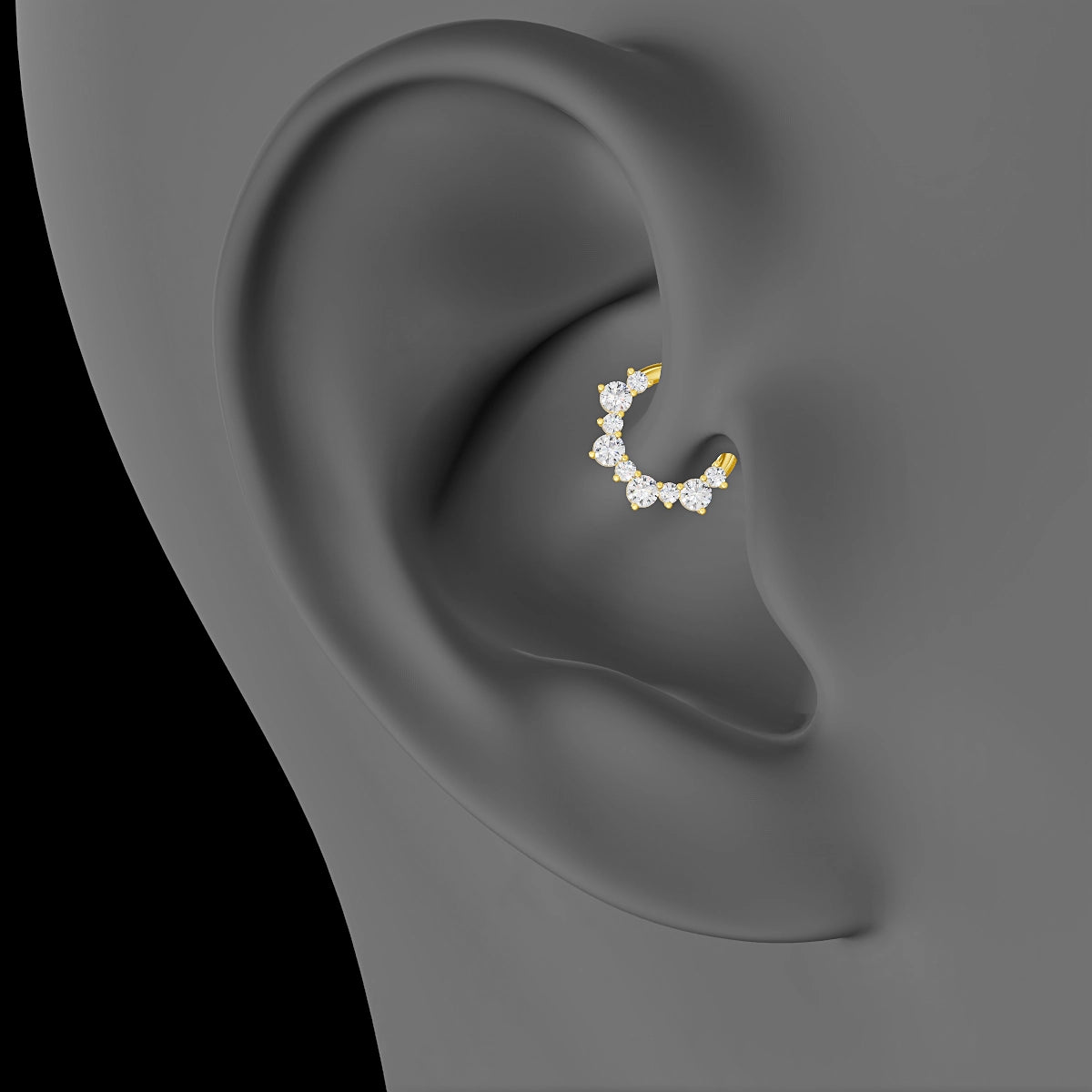
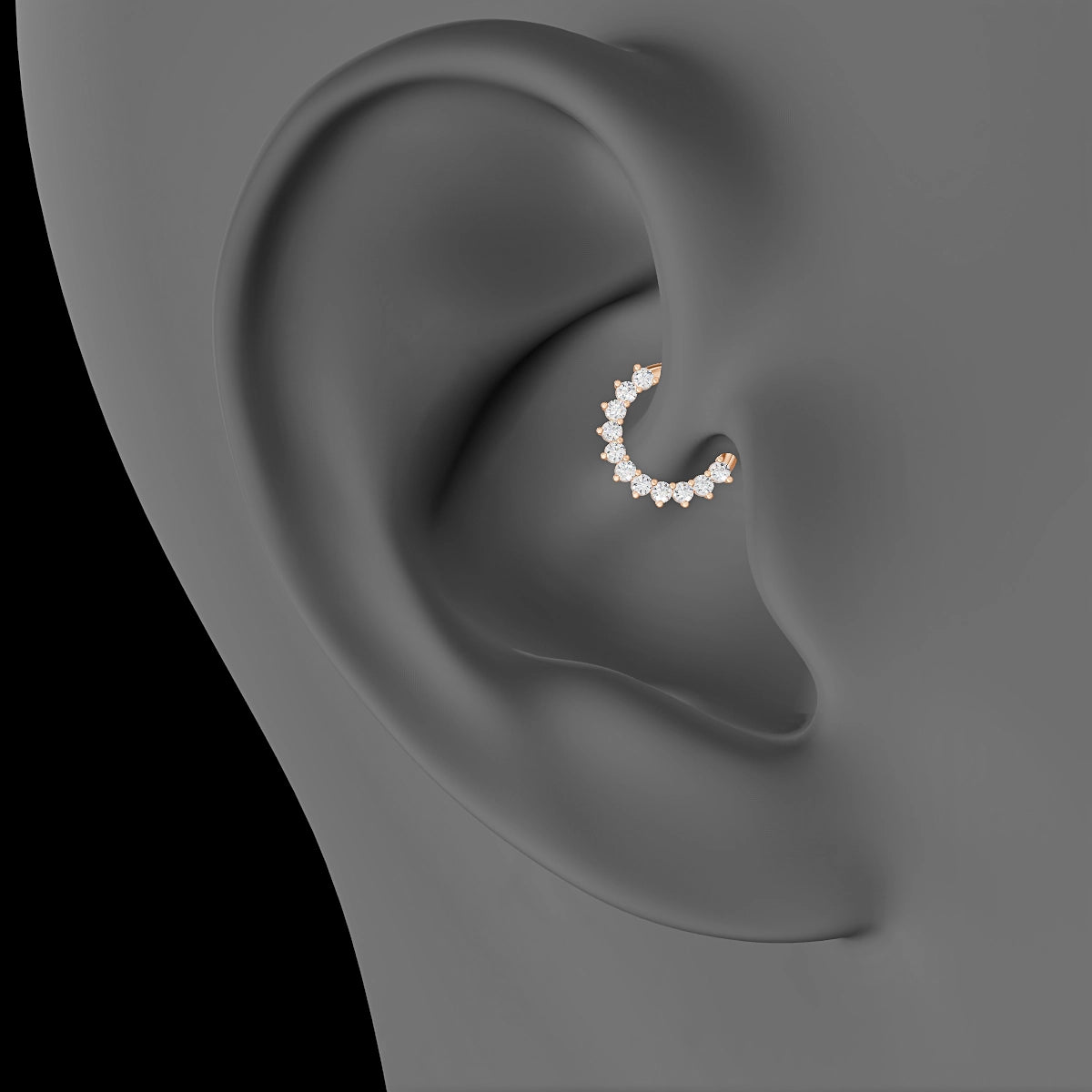
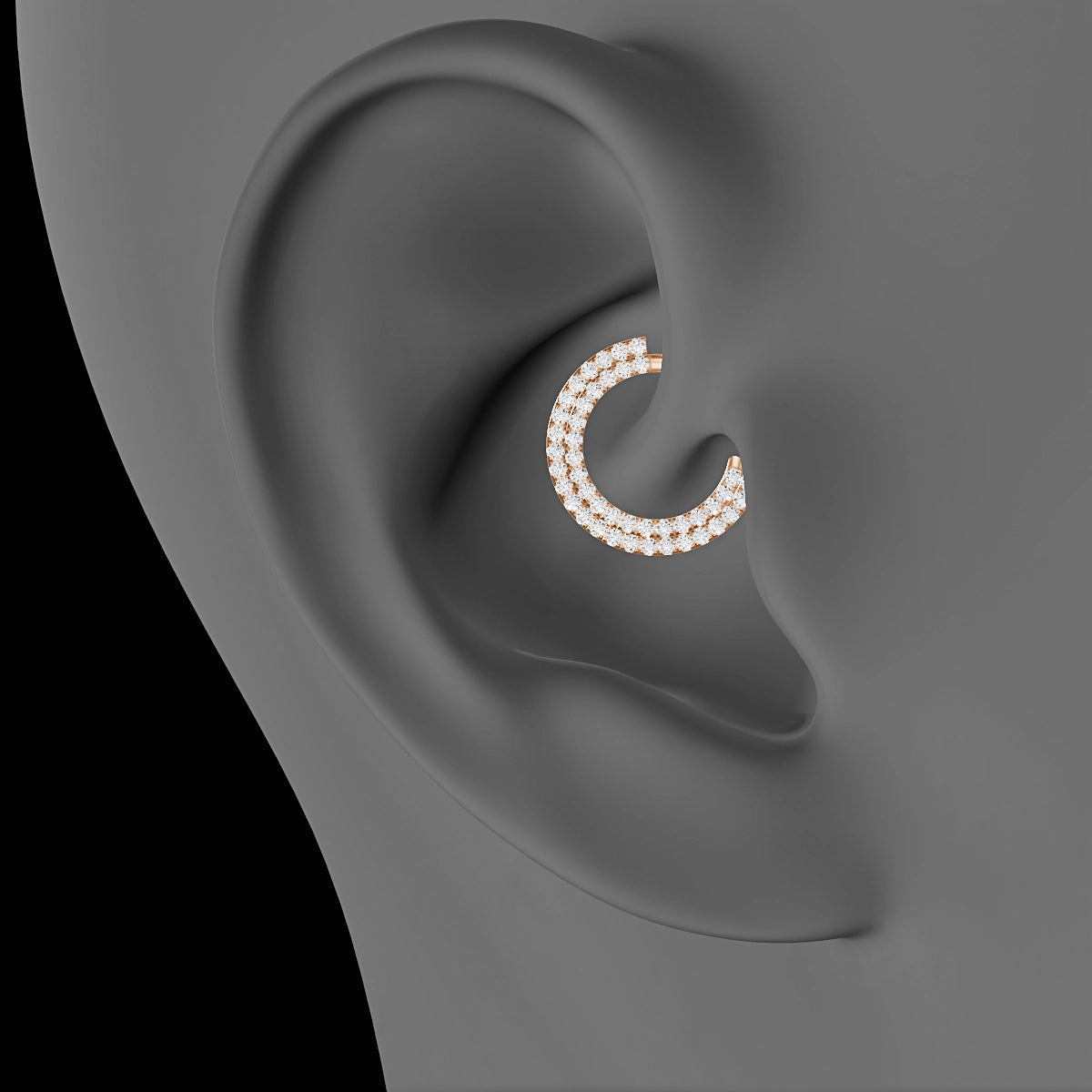
Daith Piercing Placement & Anatomy

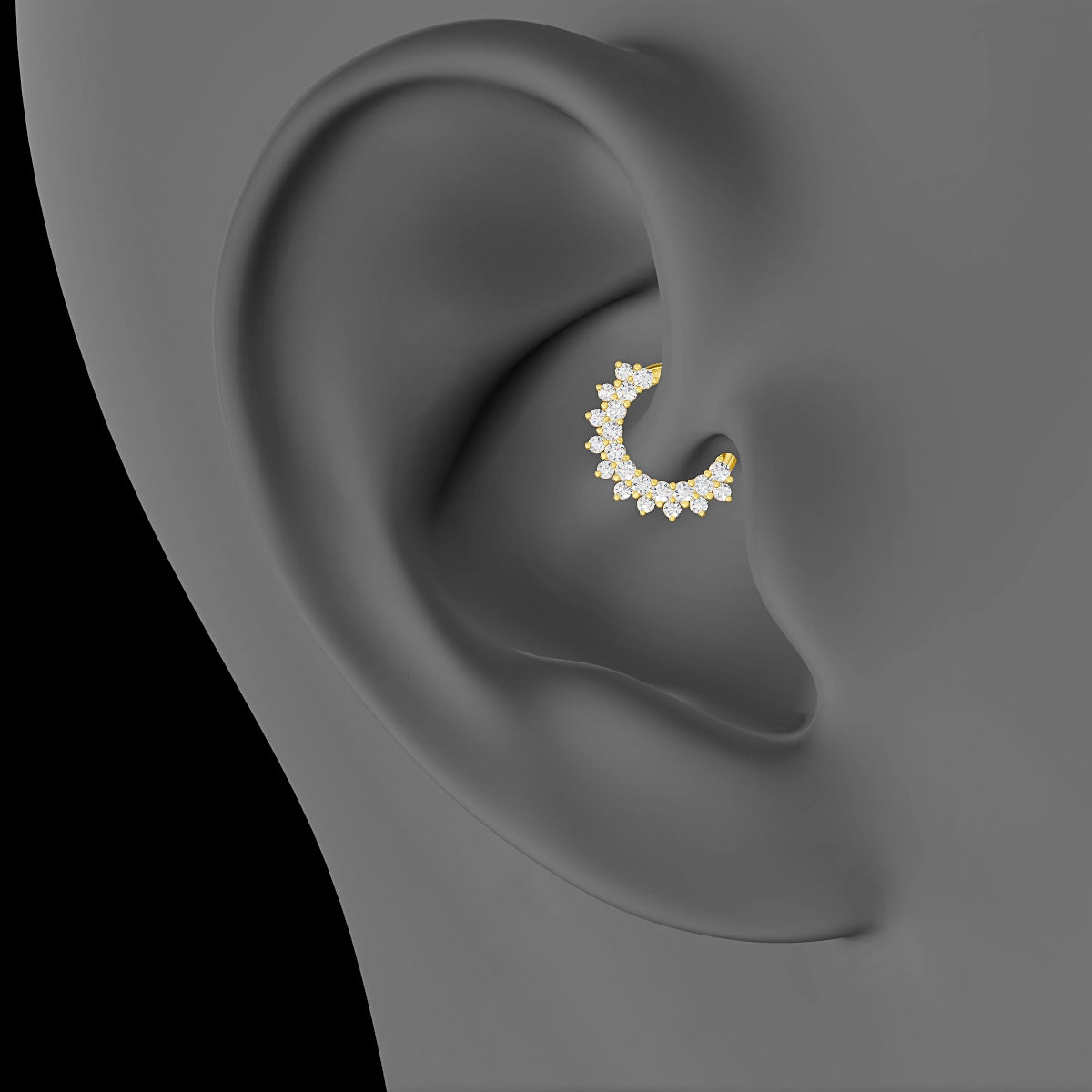
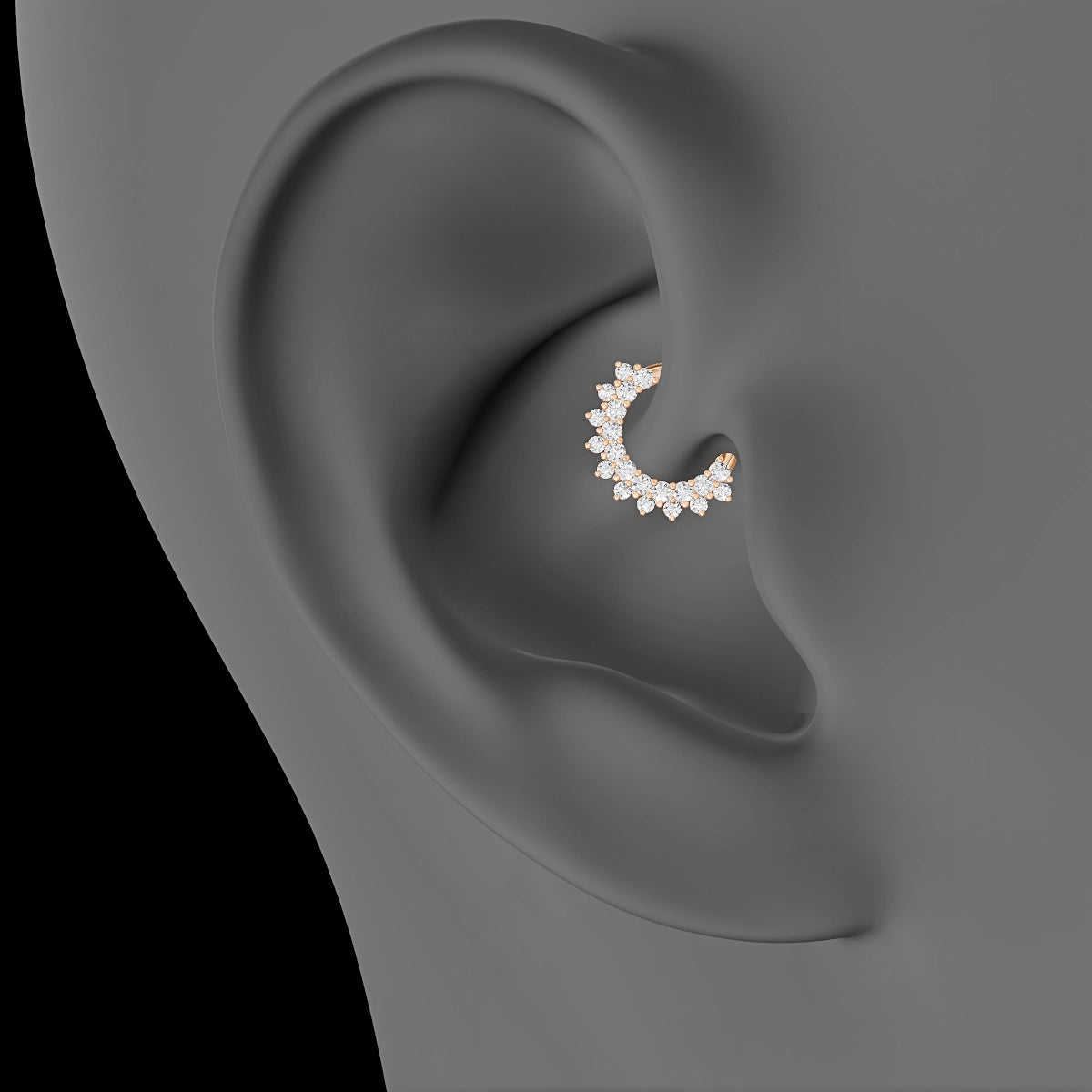
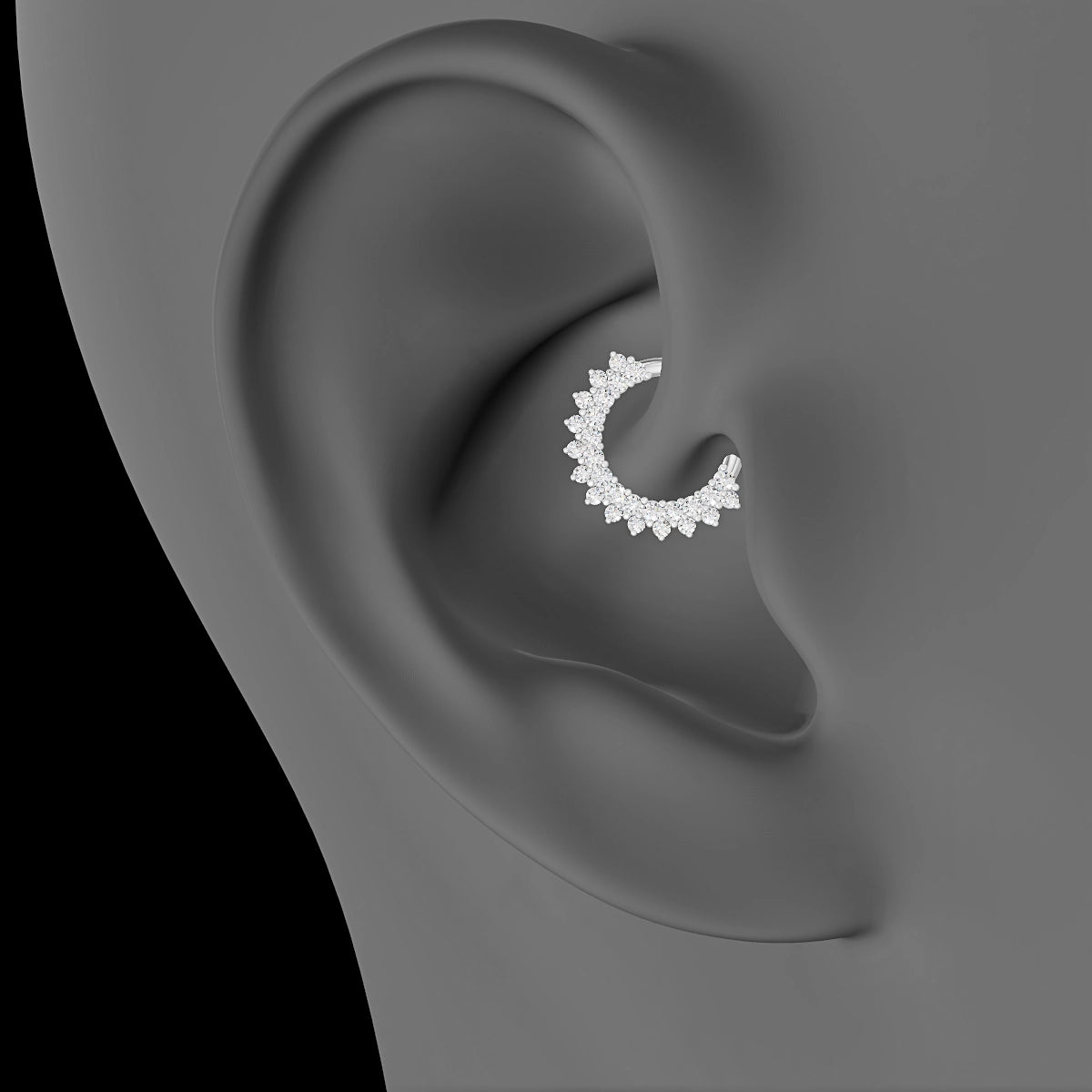
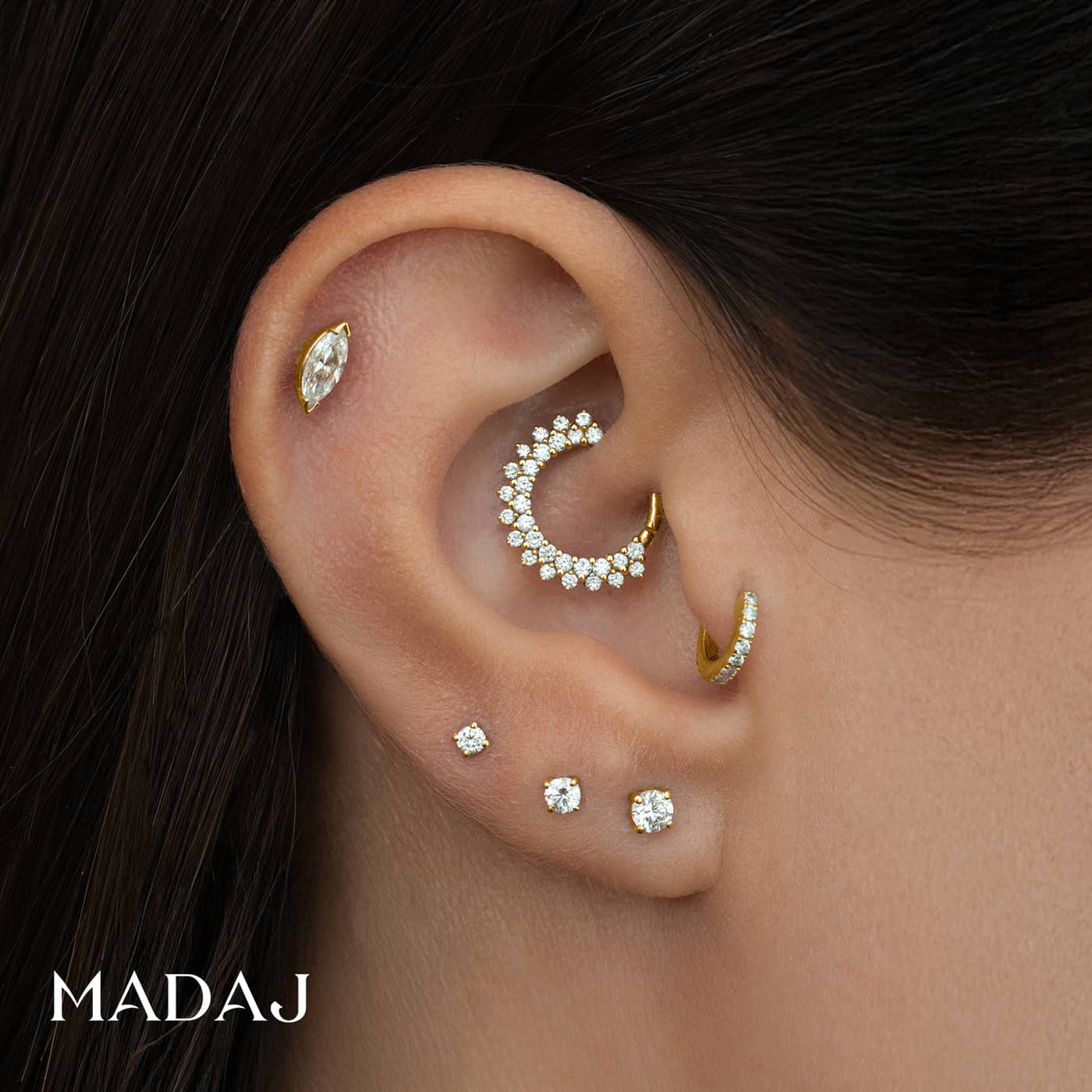
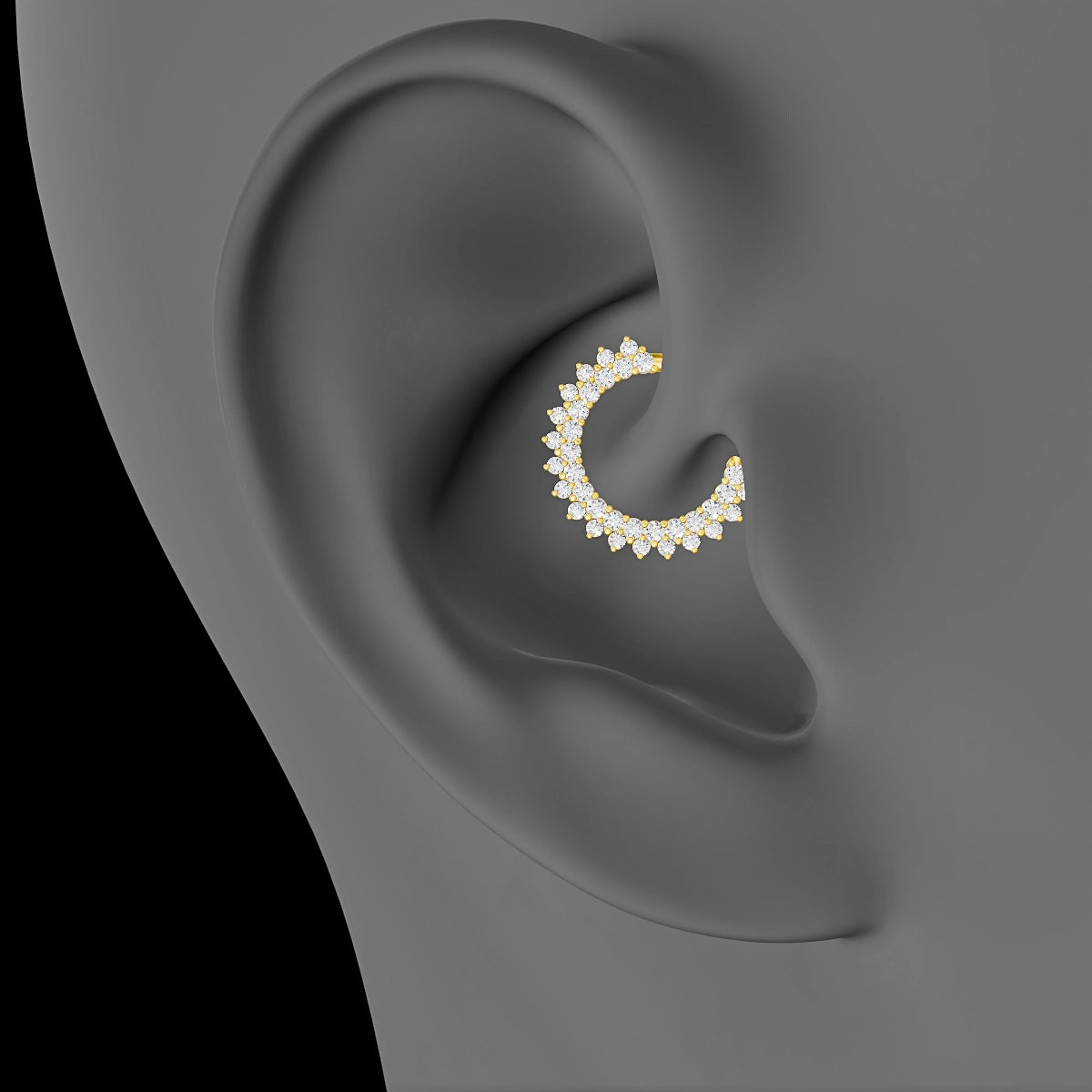
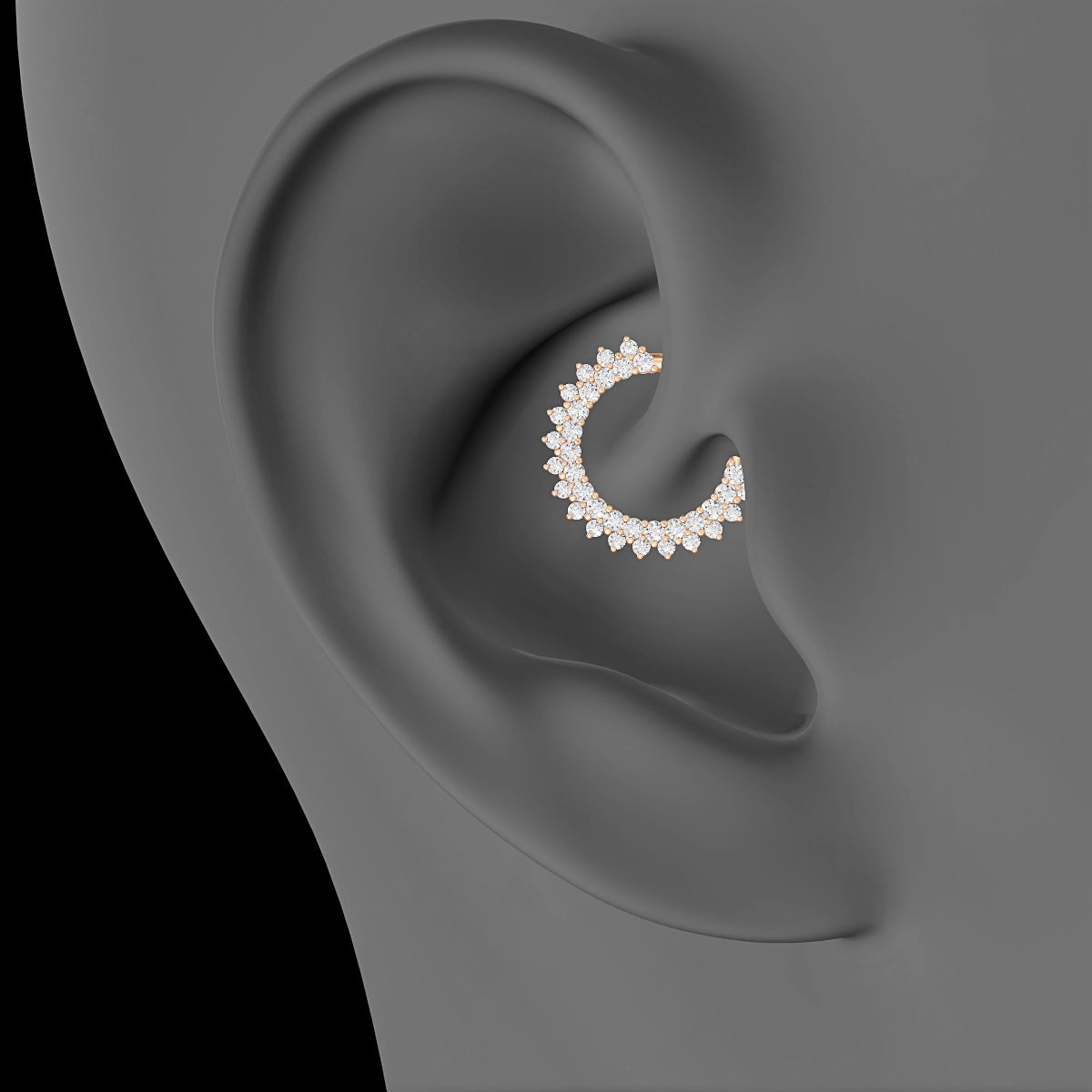
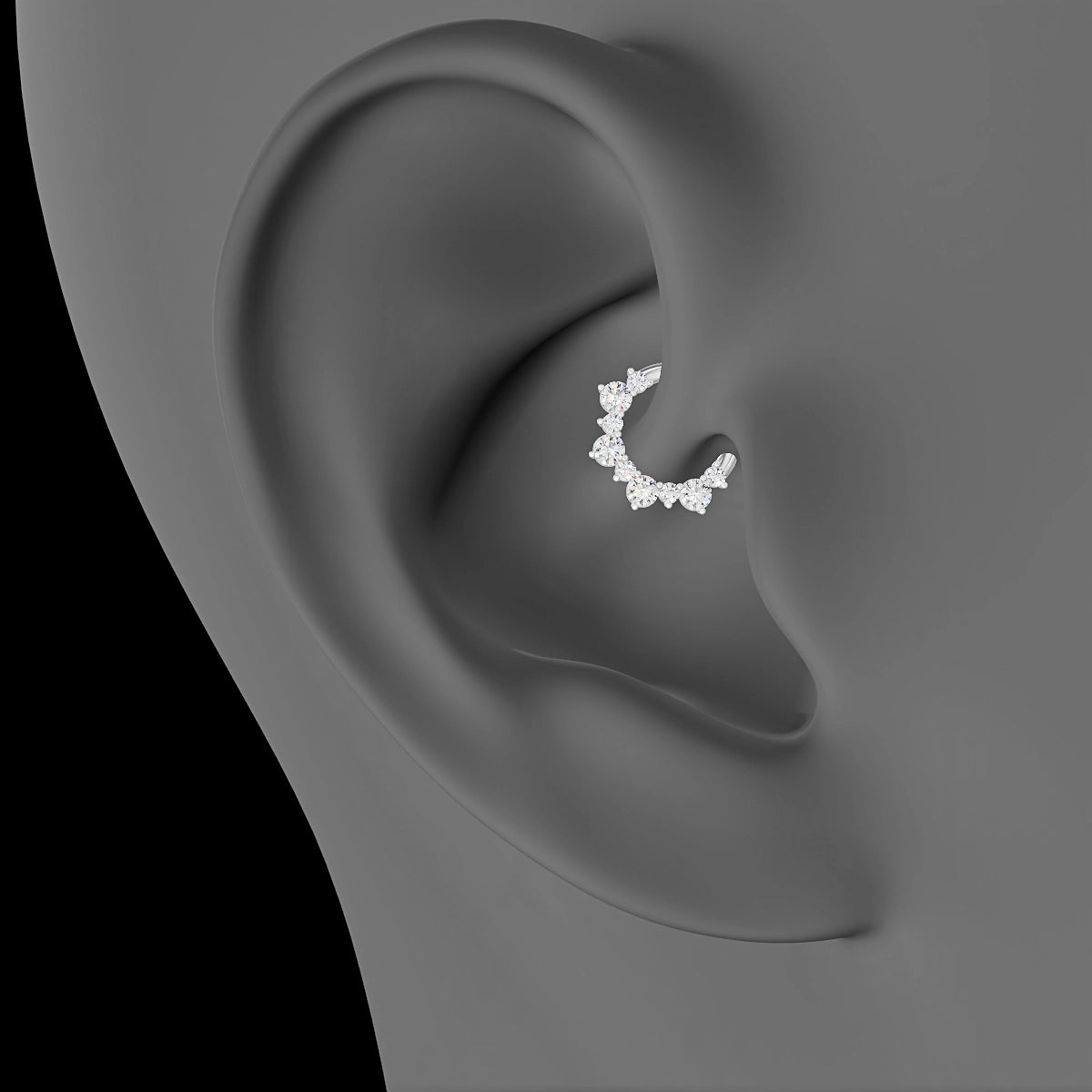
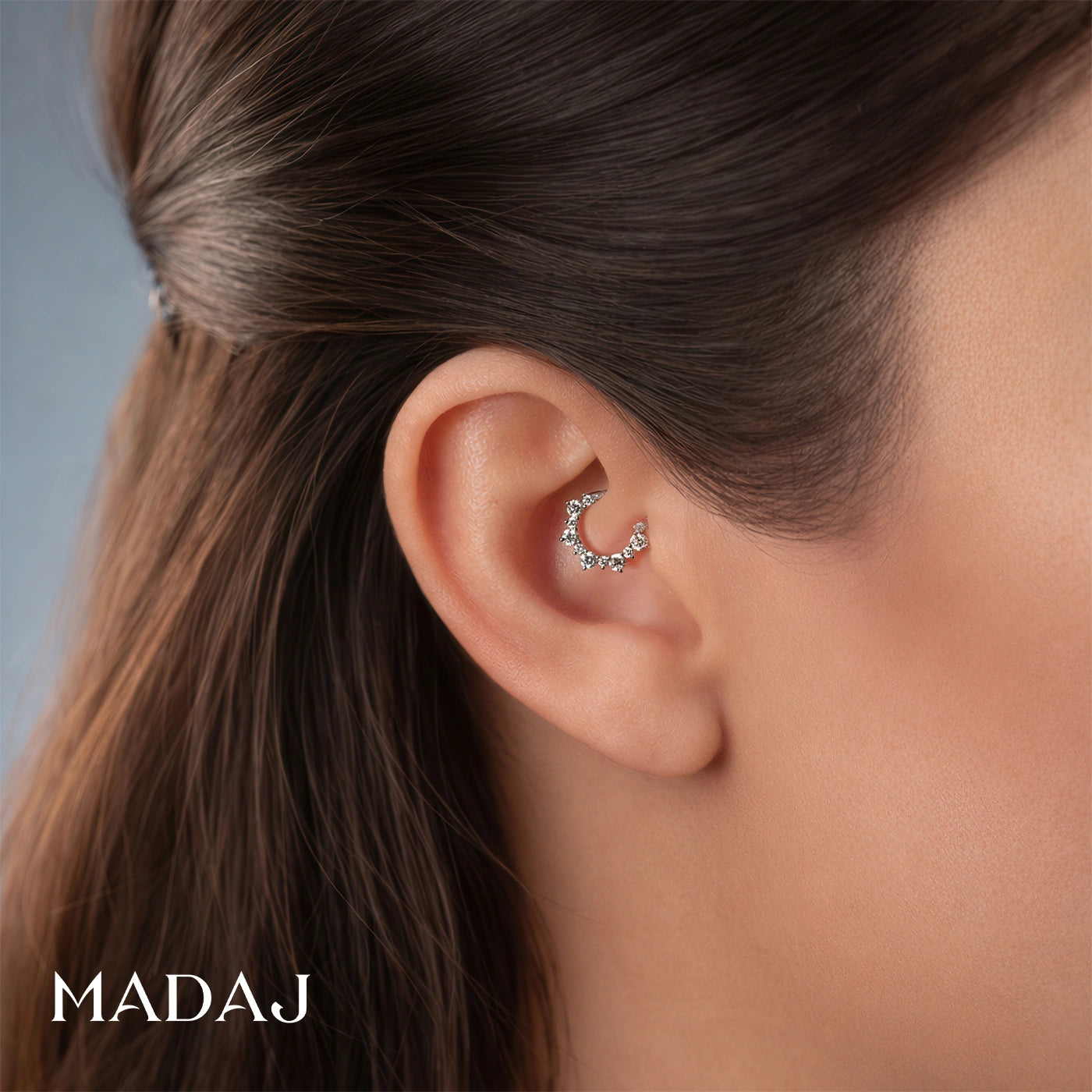
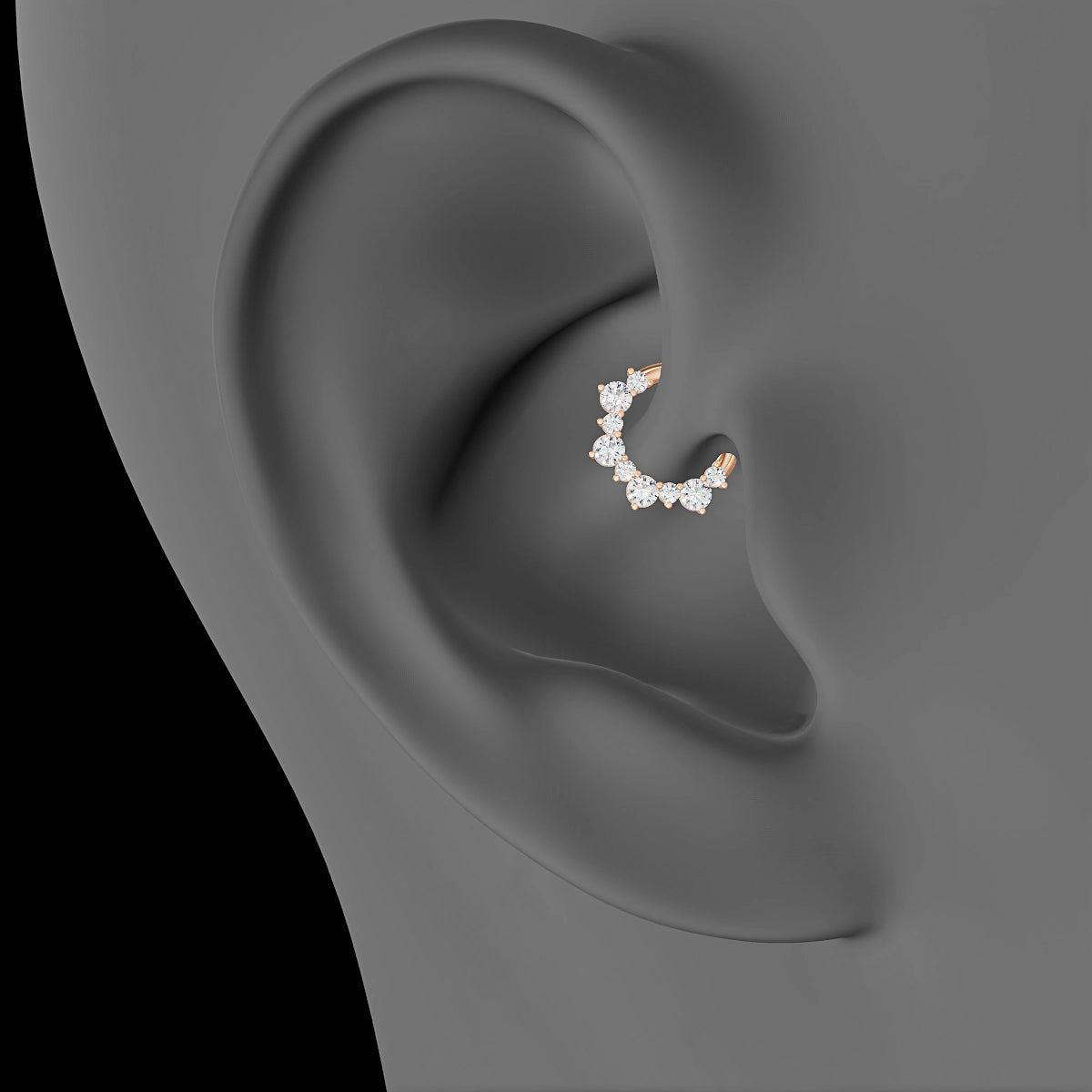
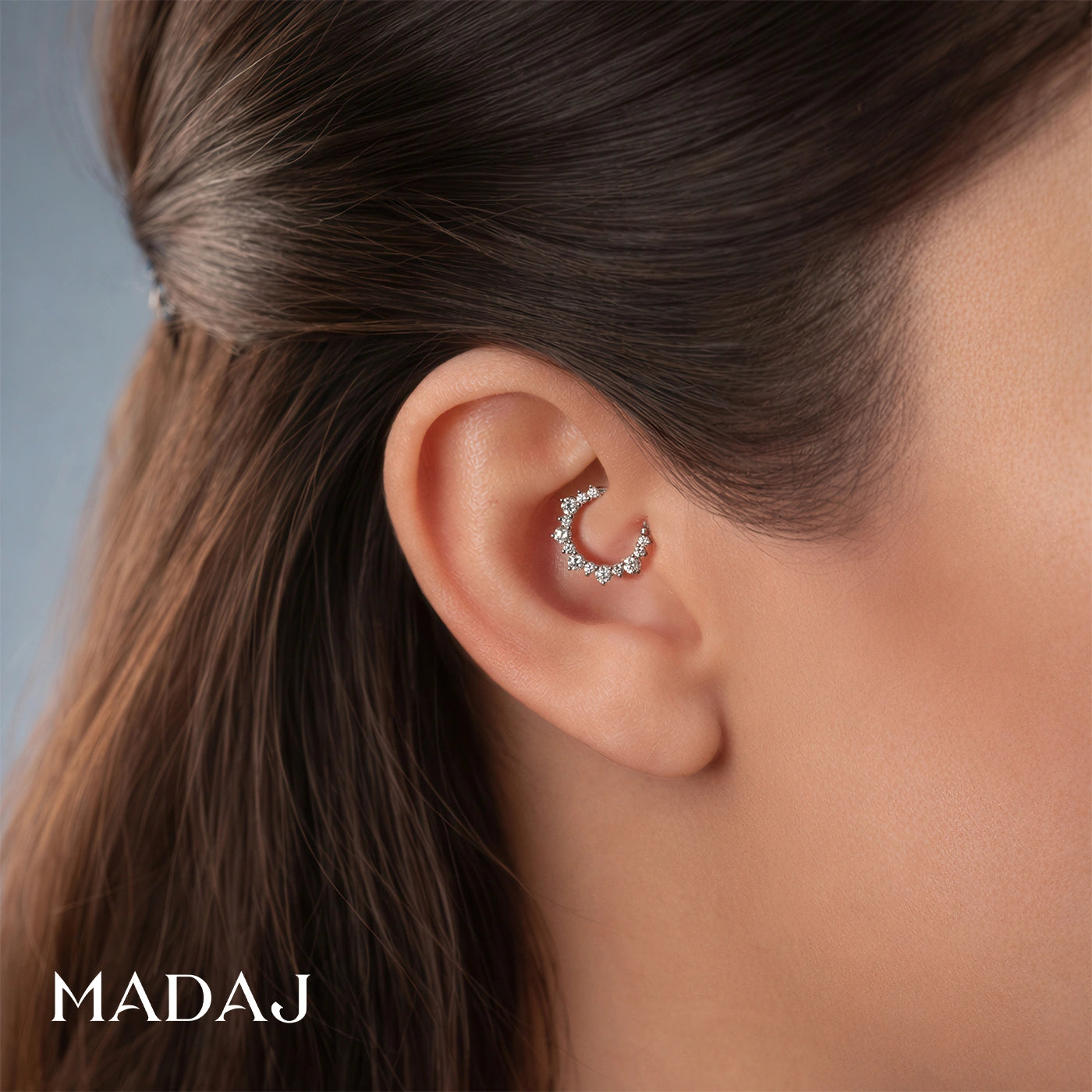
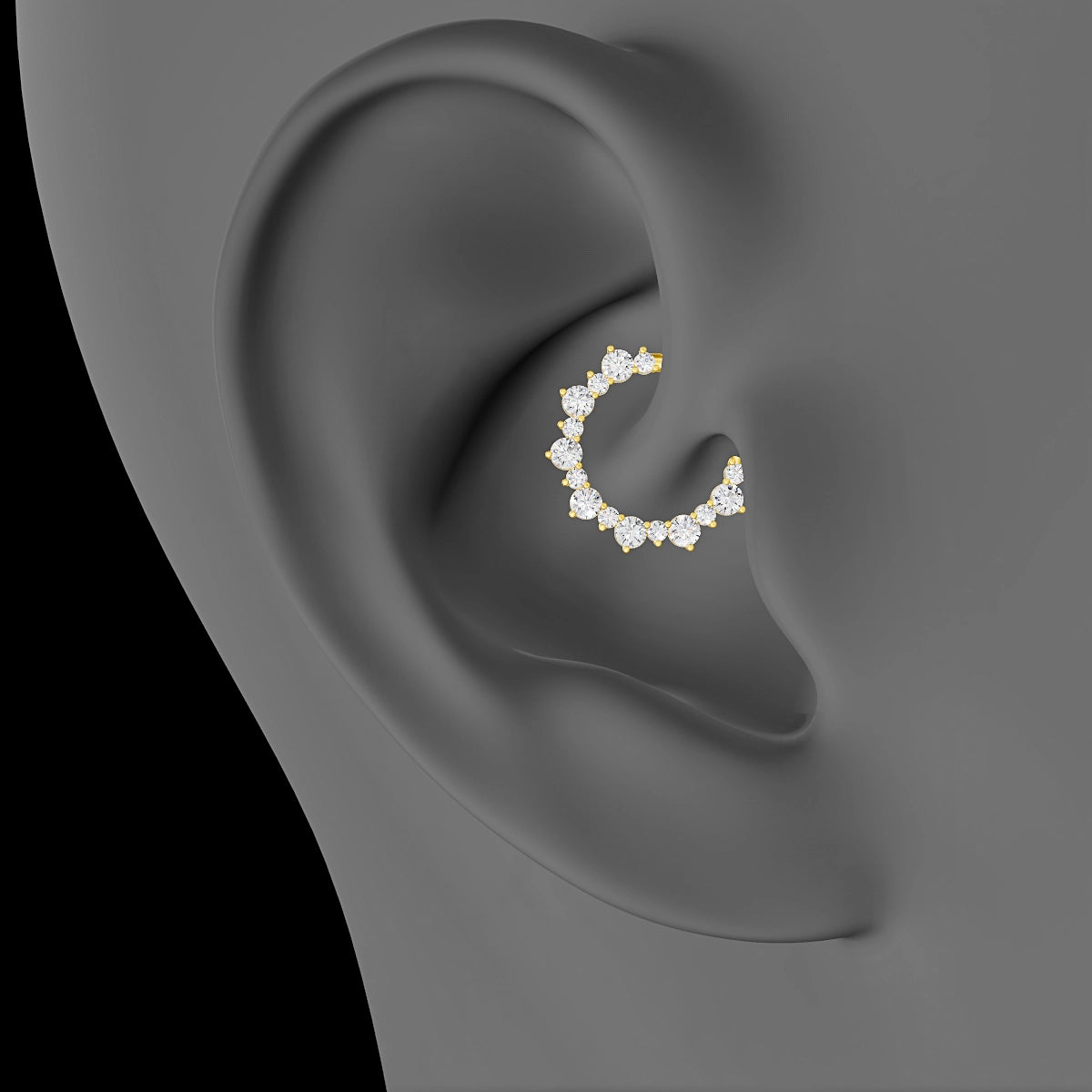
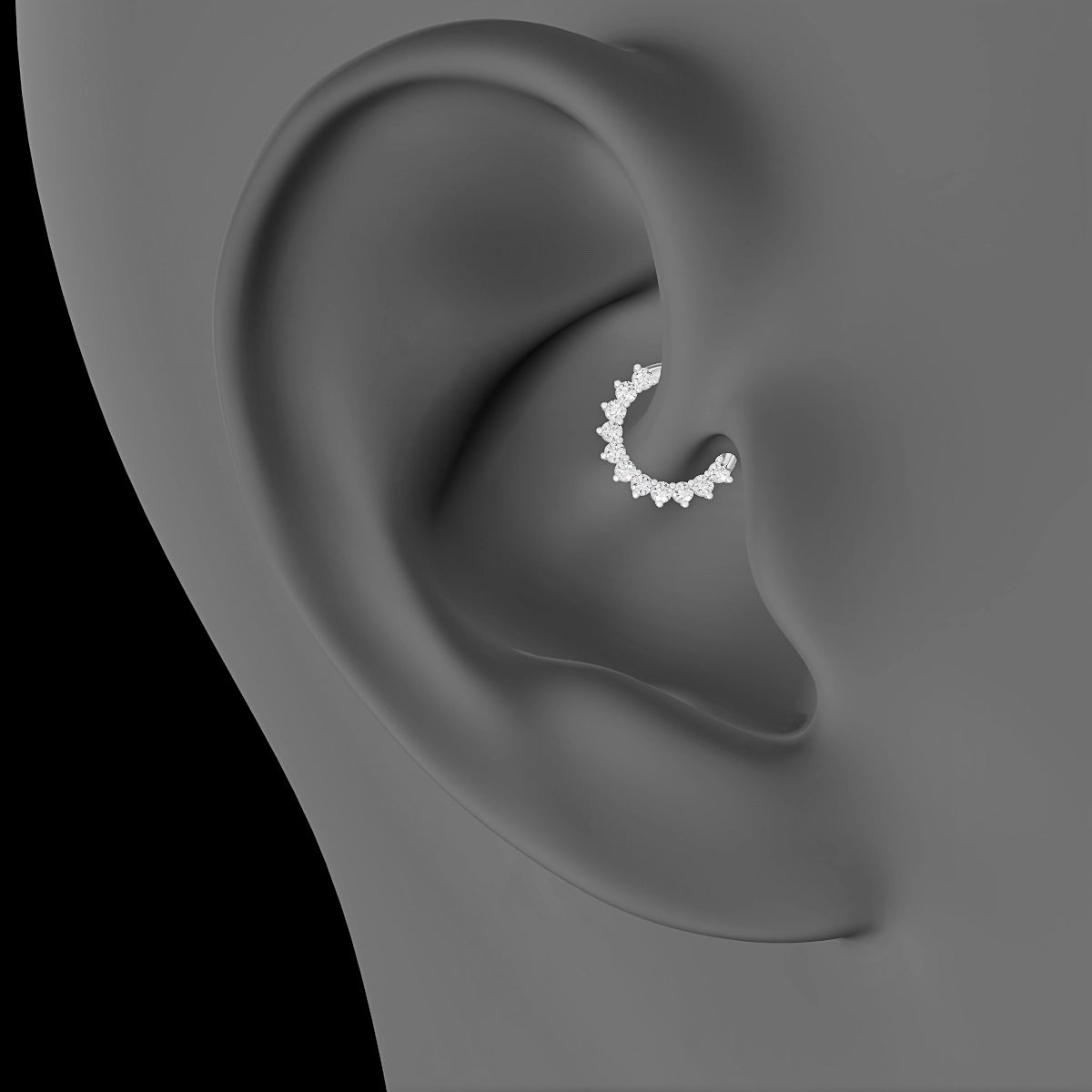
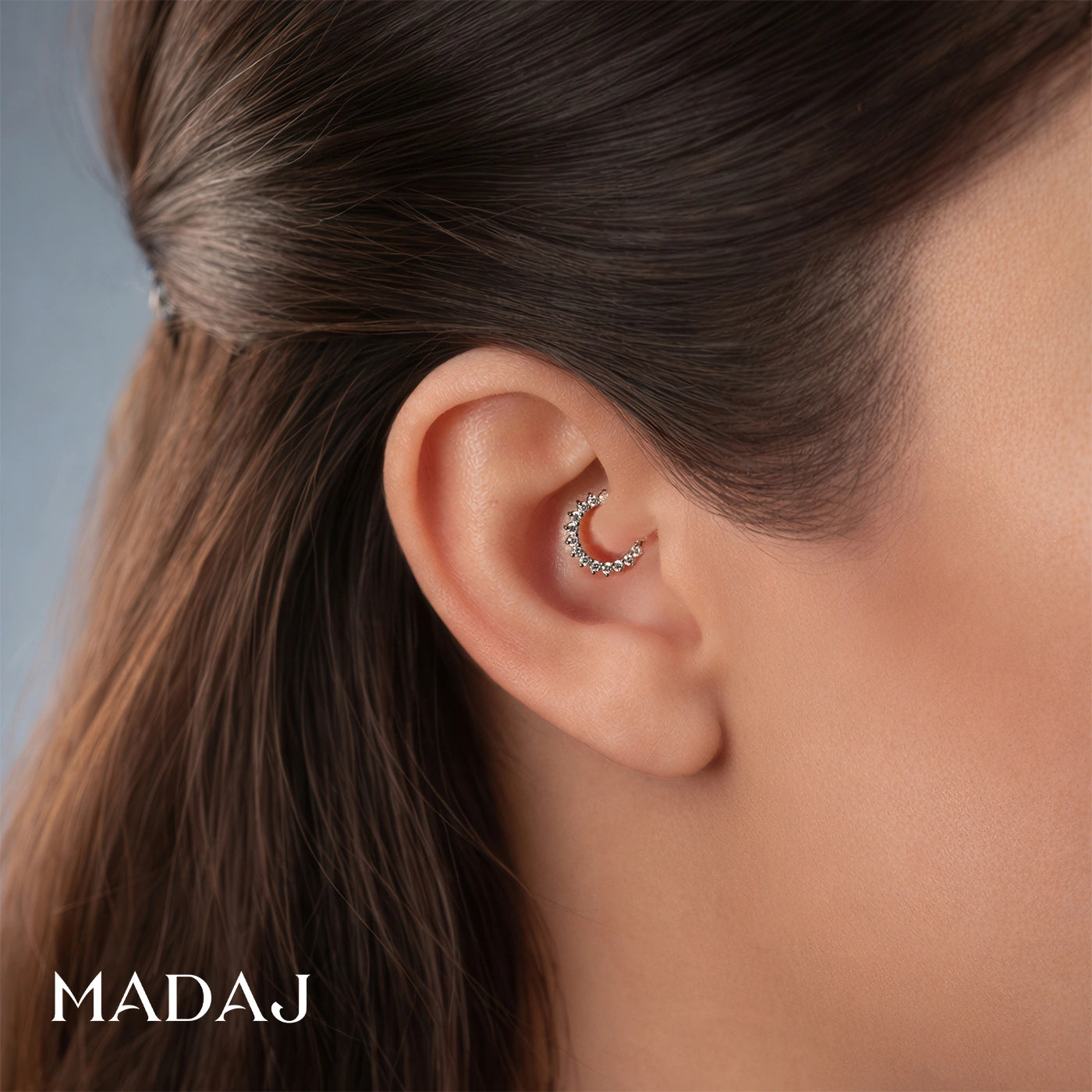
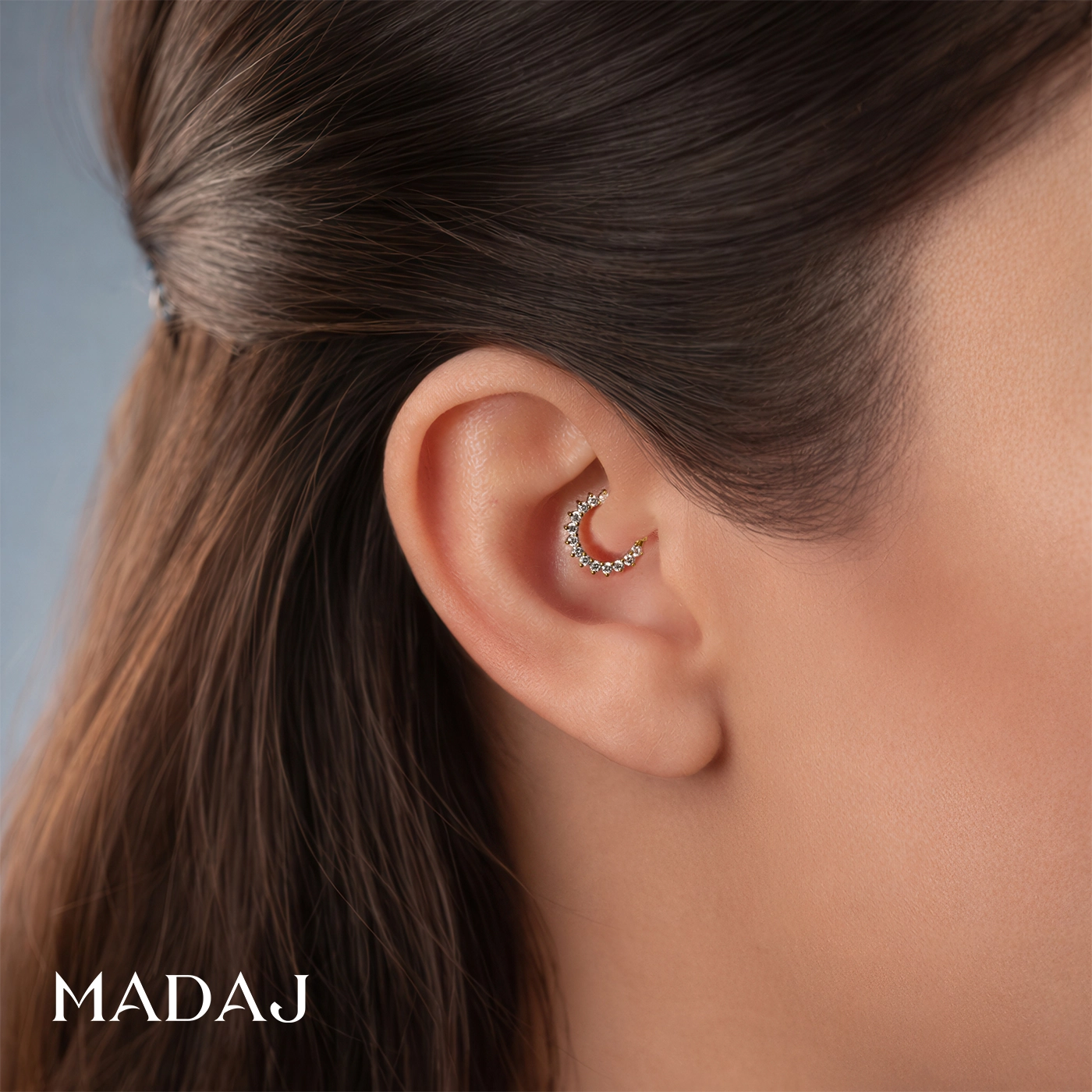
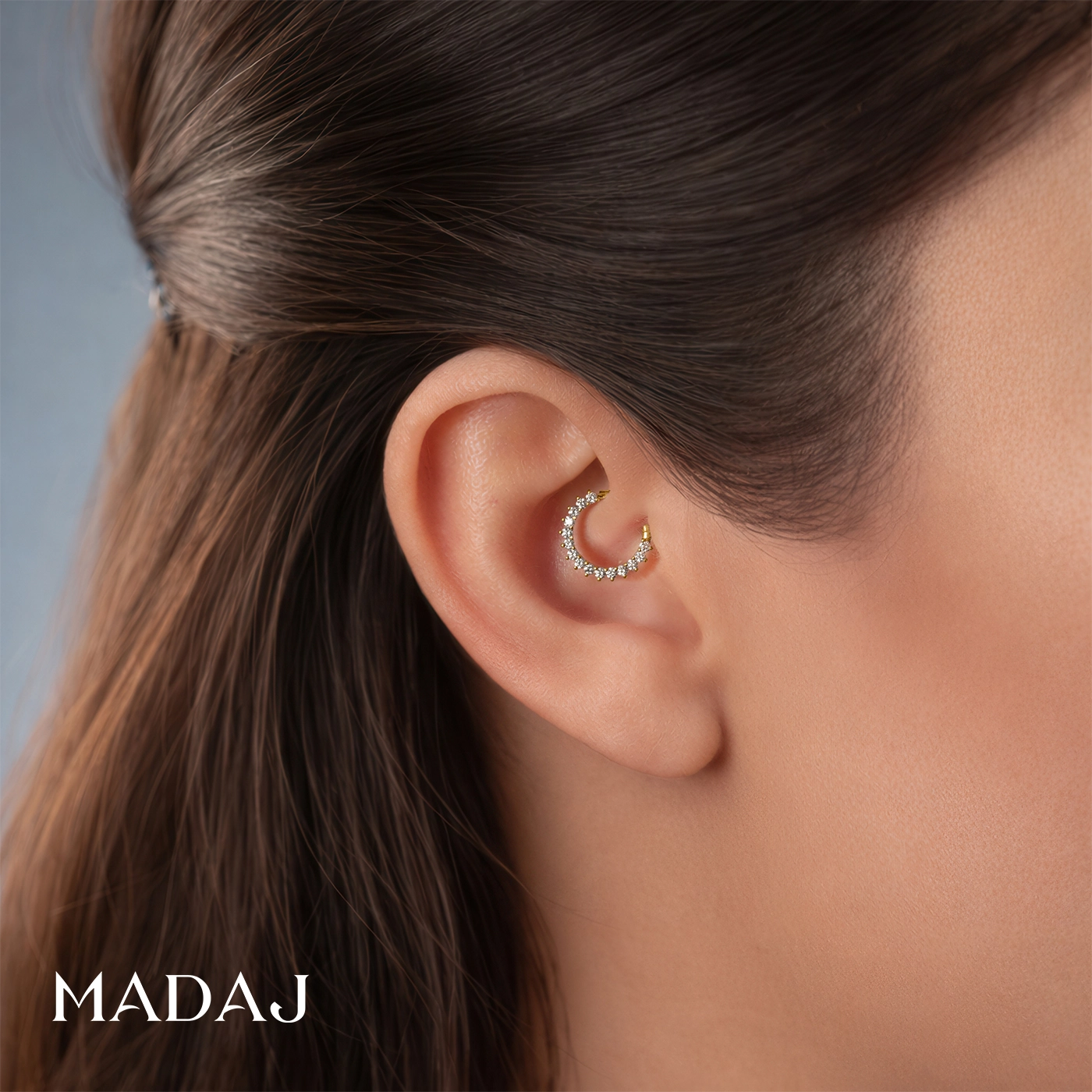
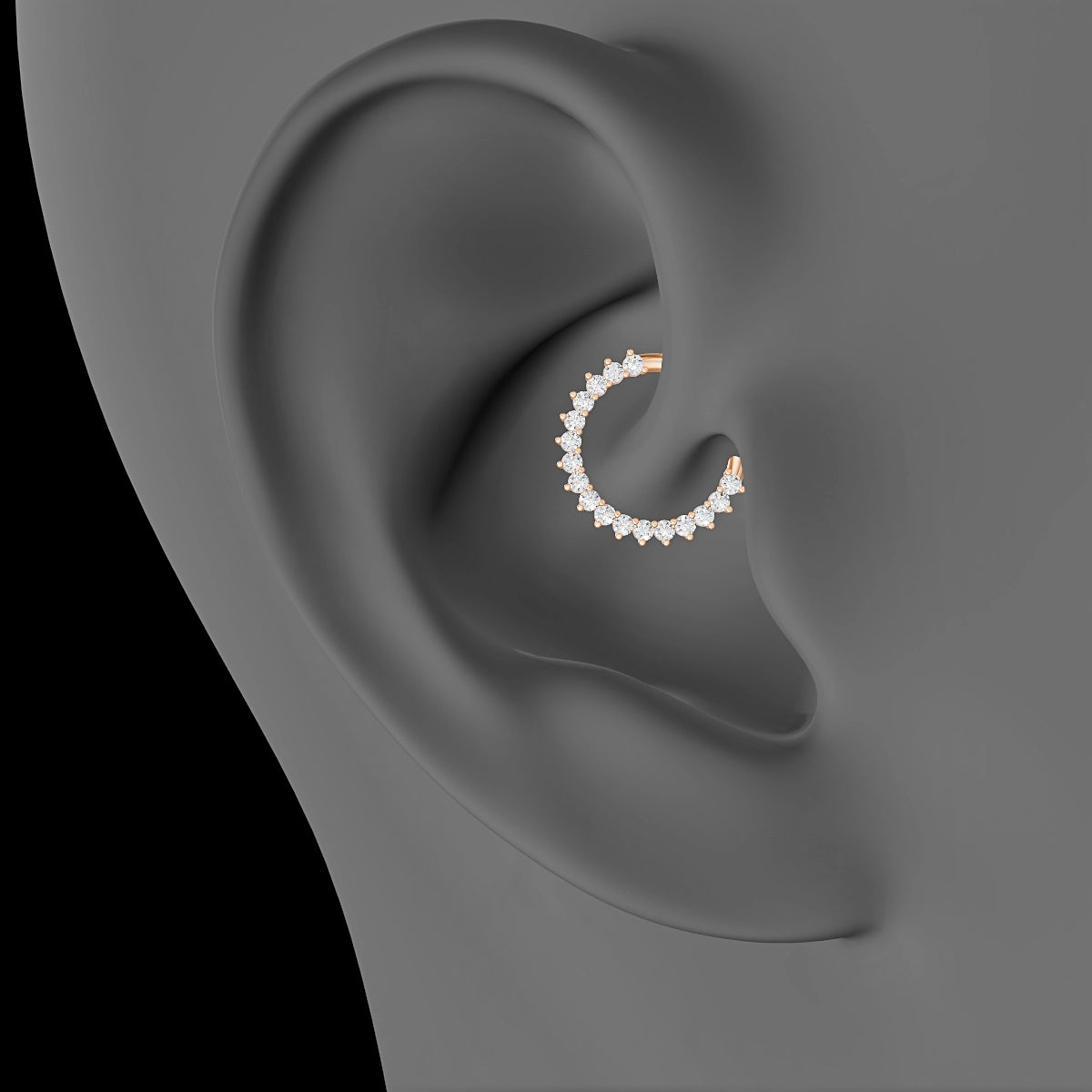
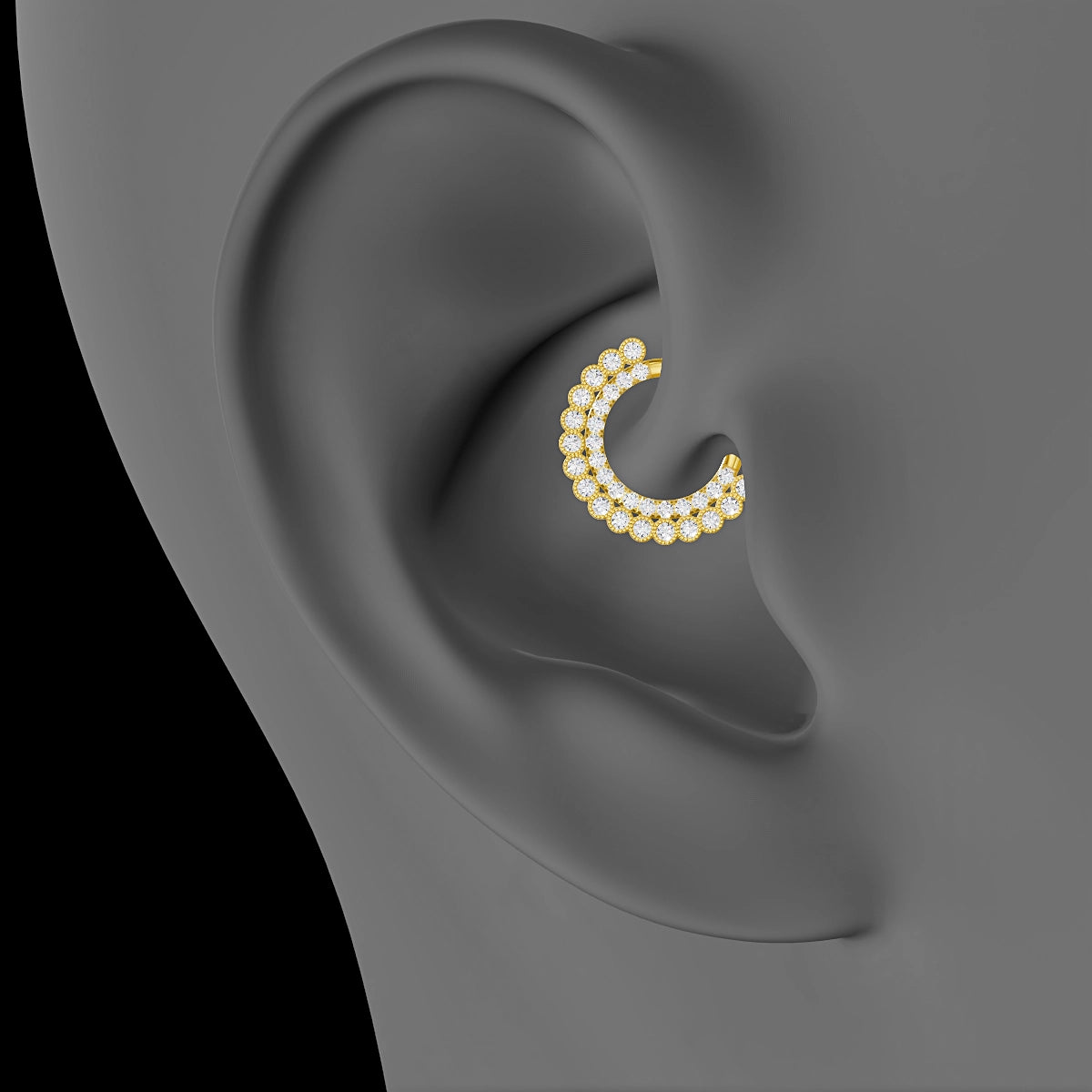
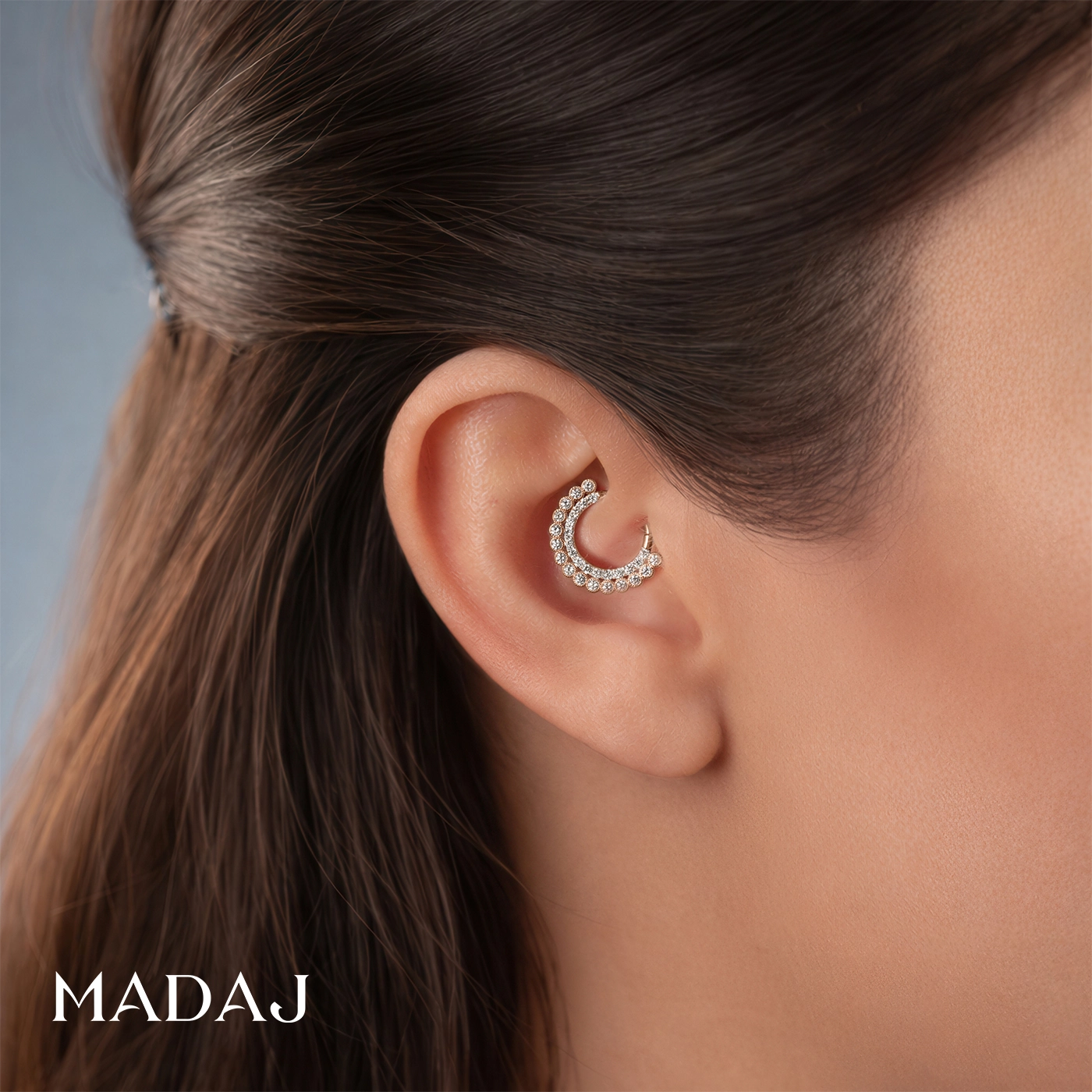
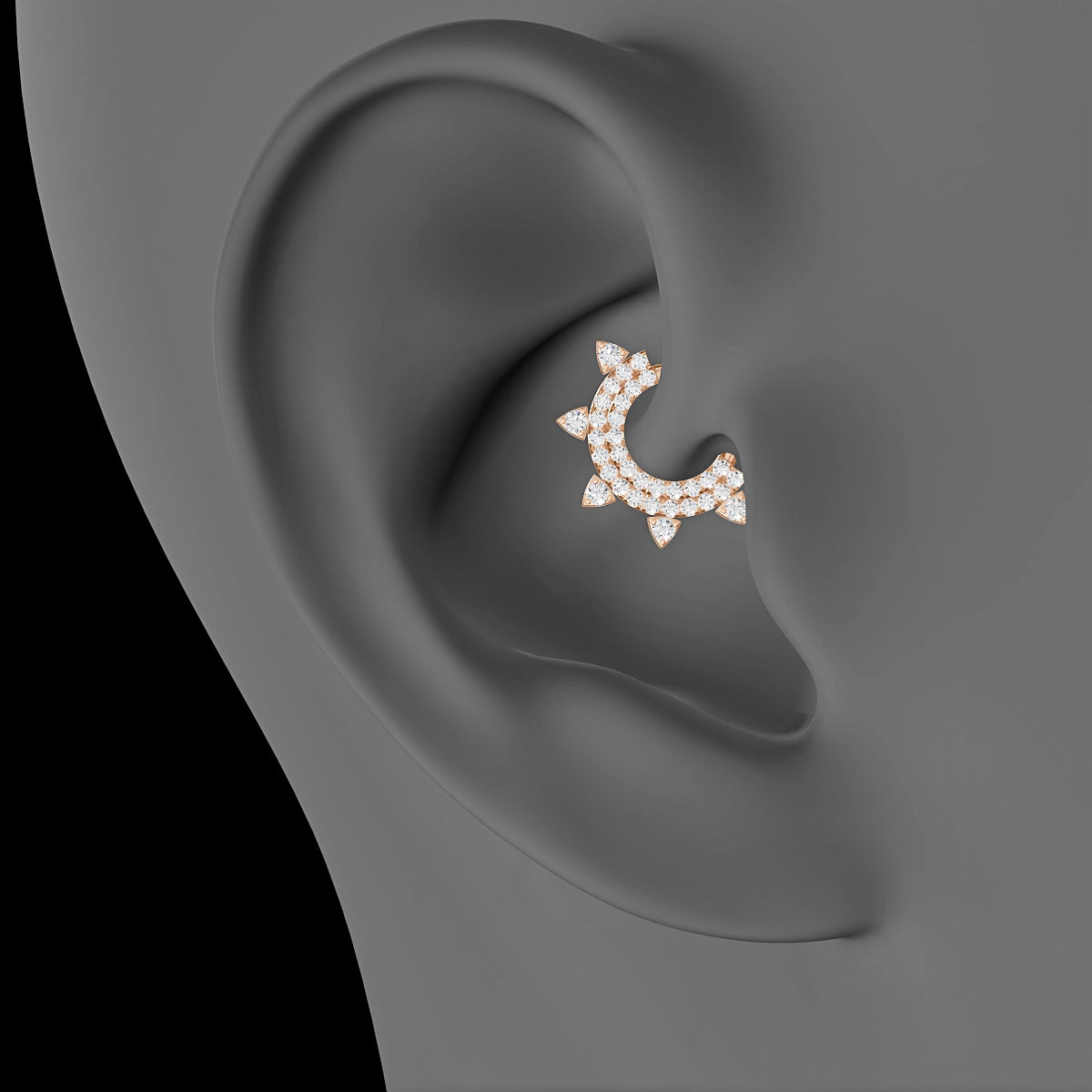
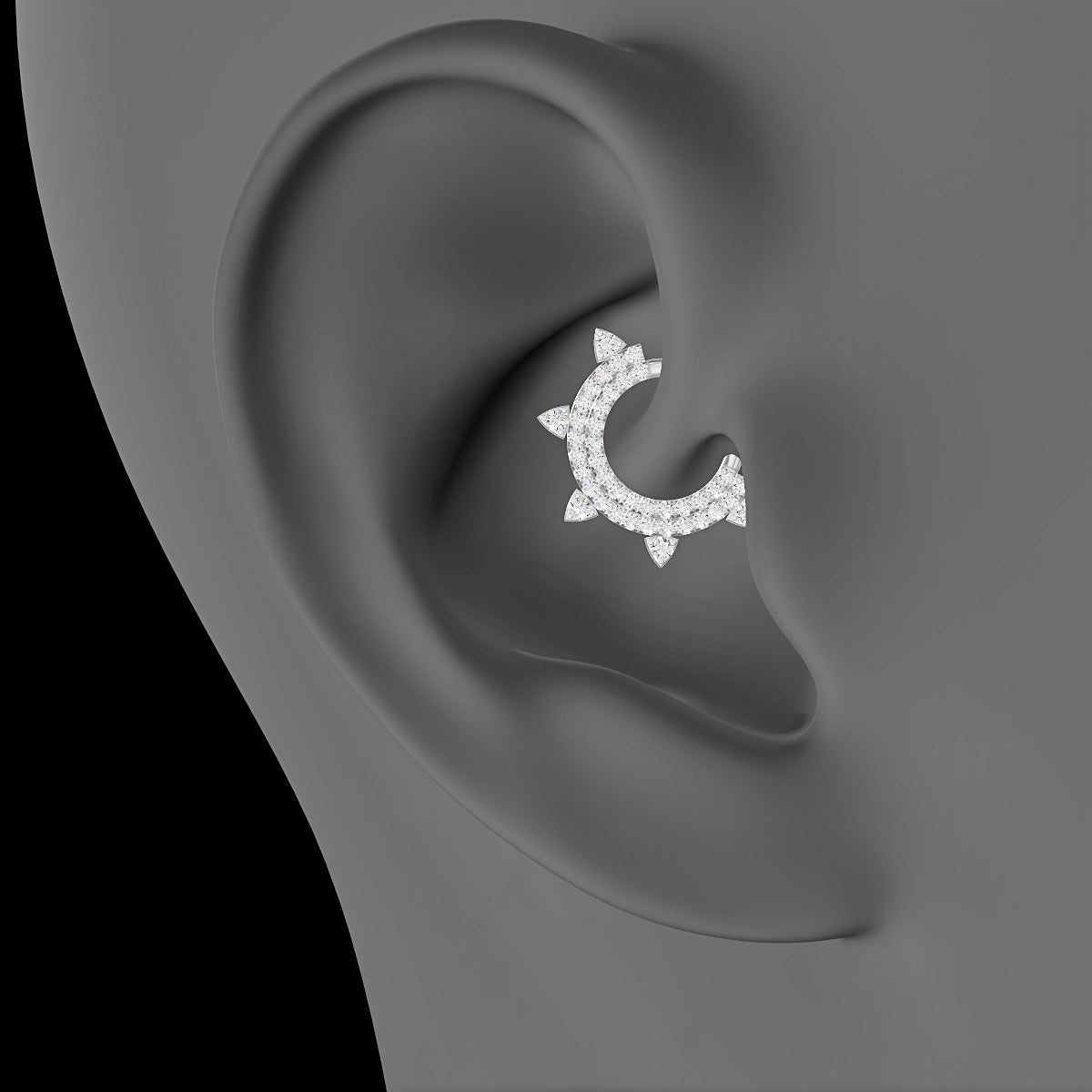
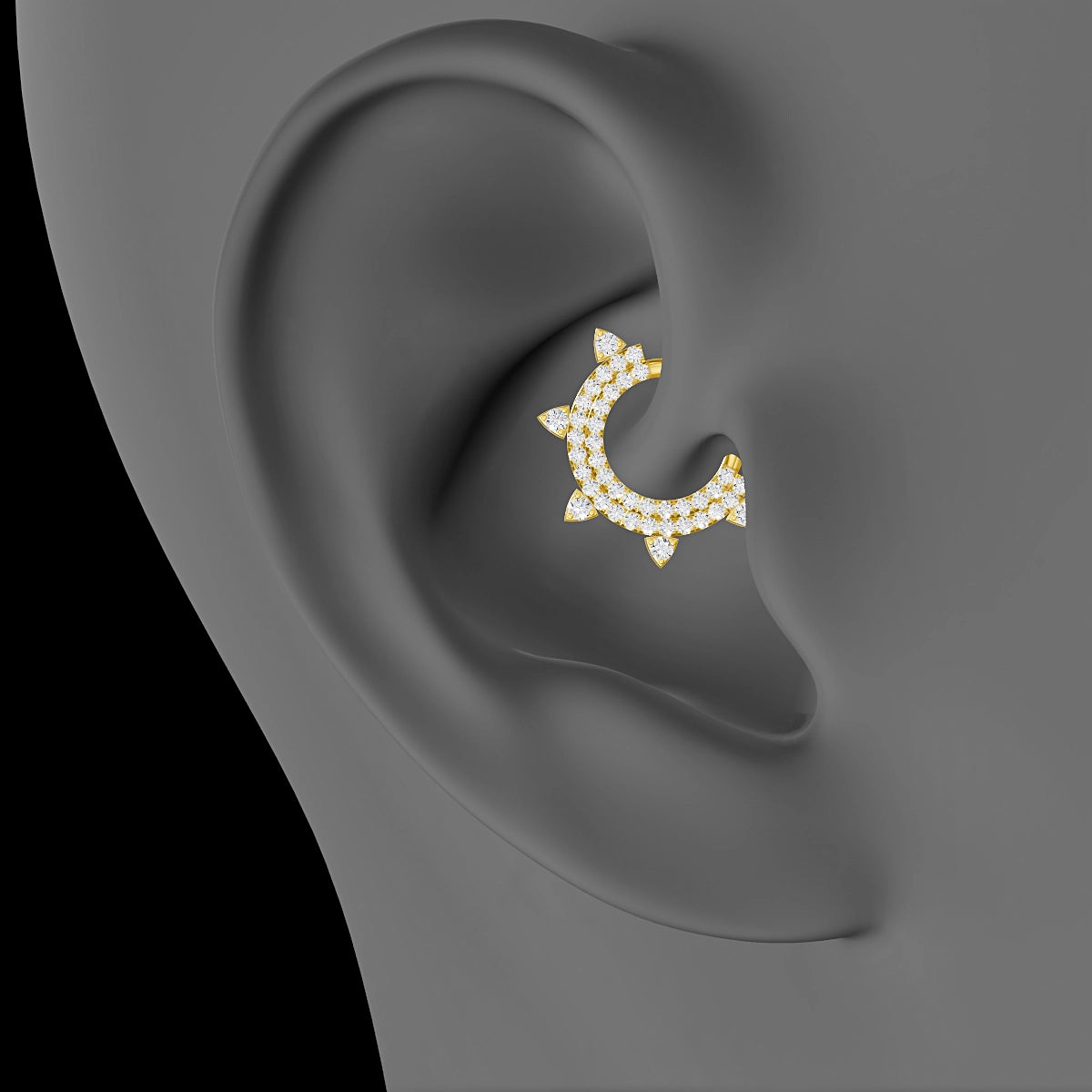
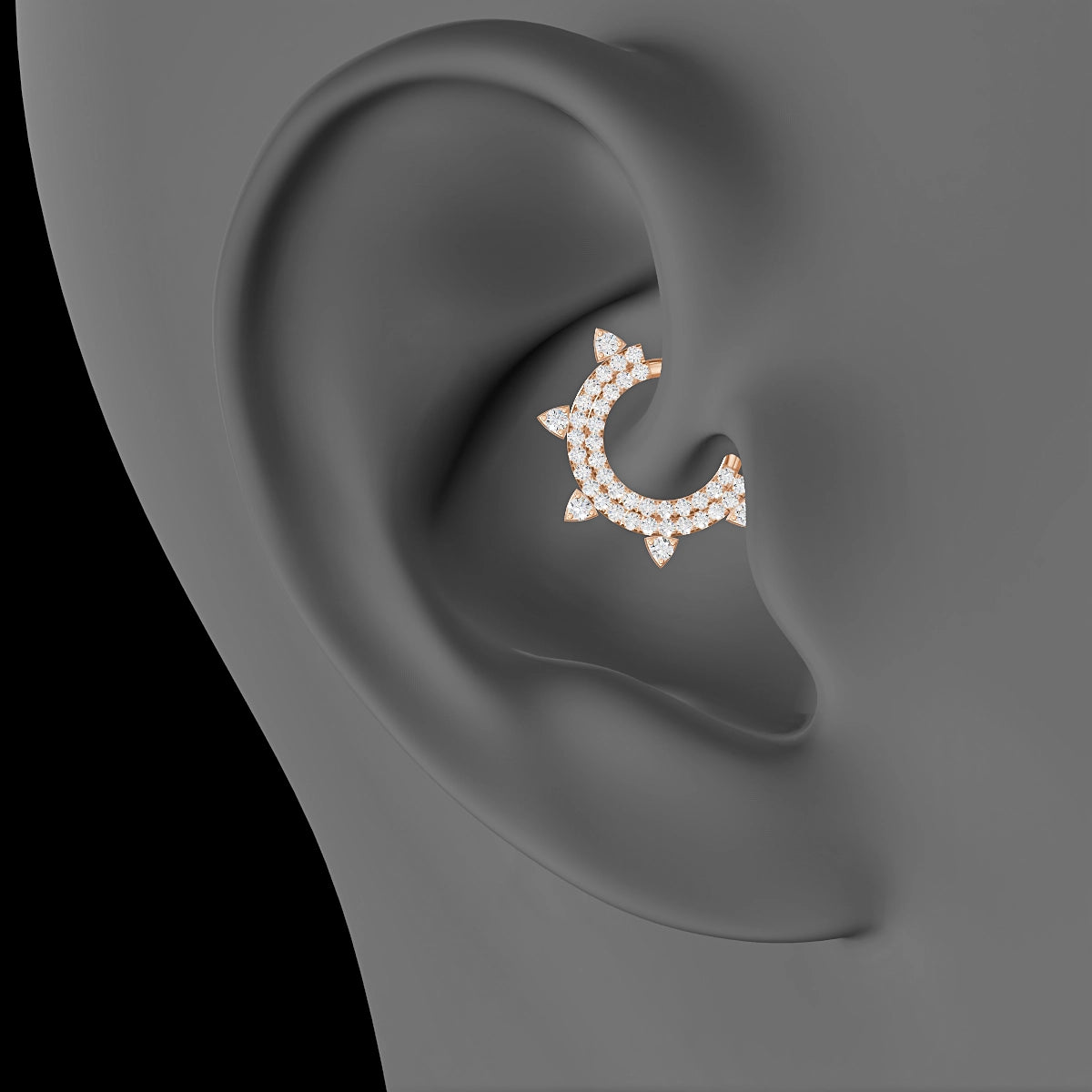
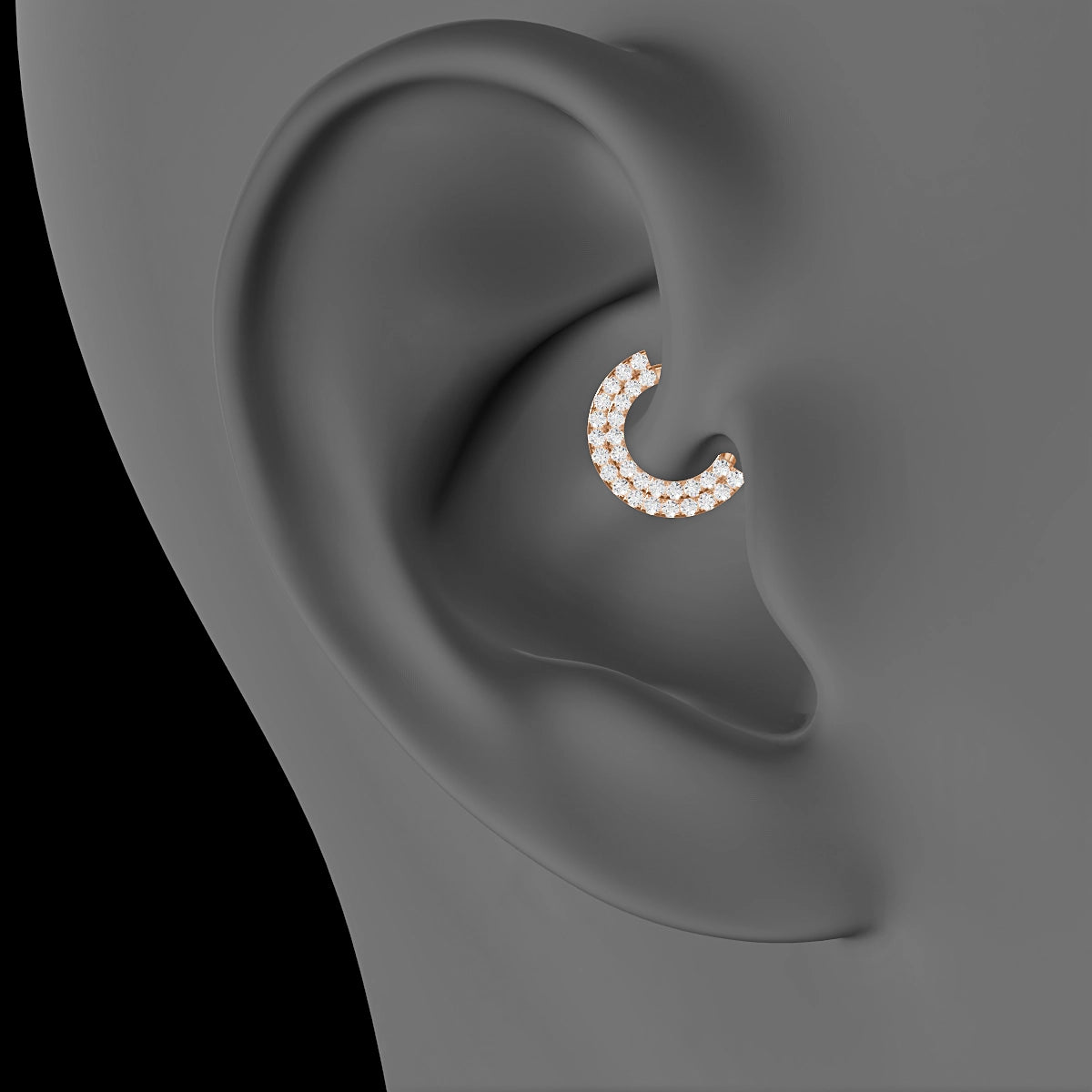
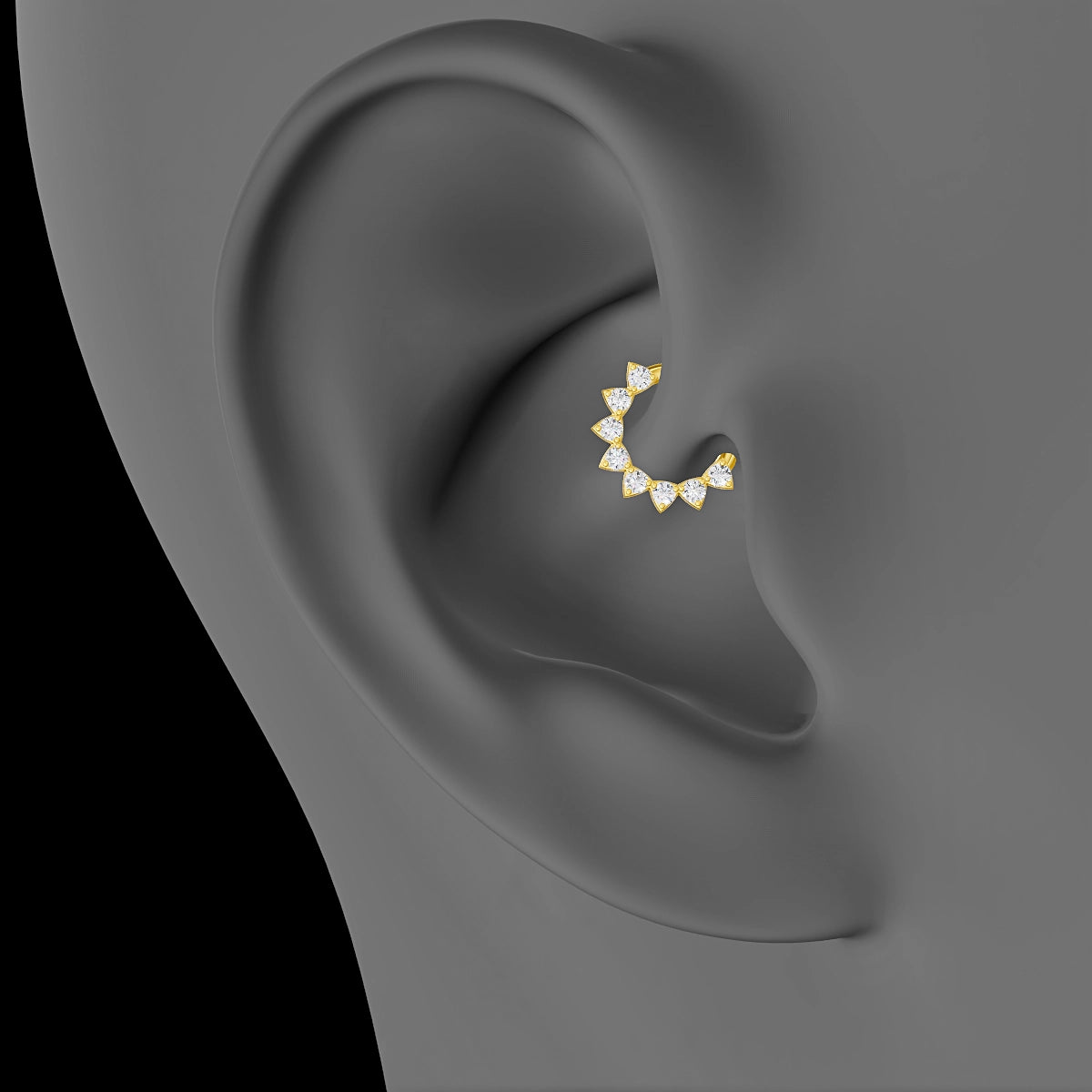
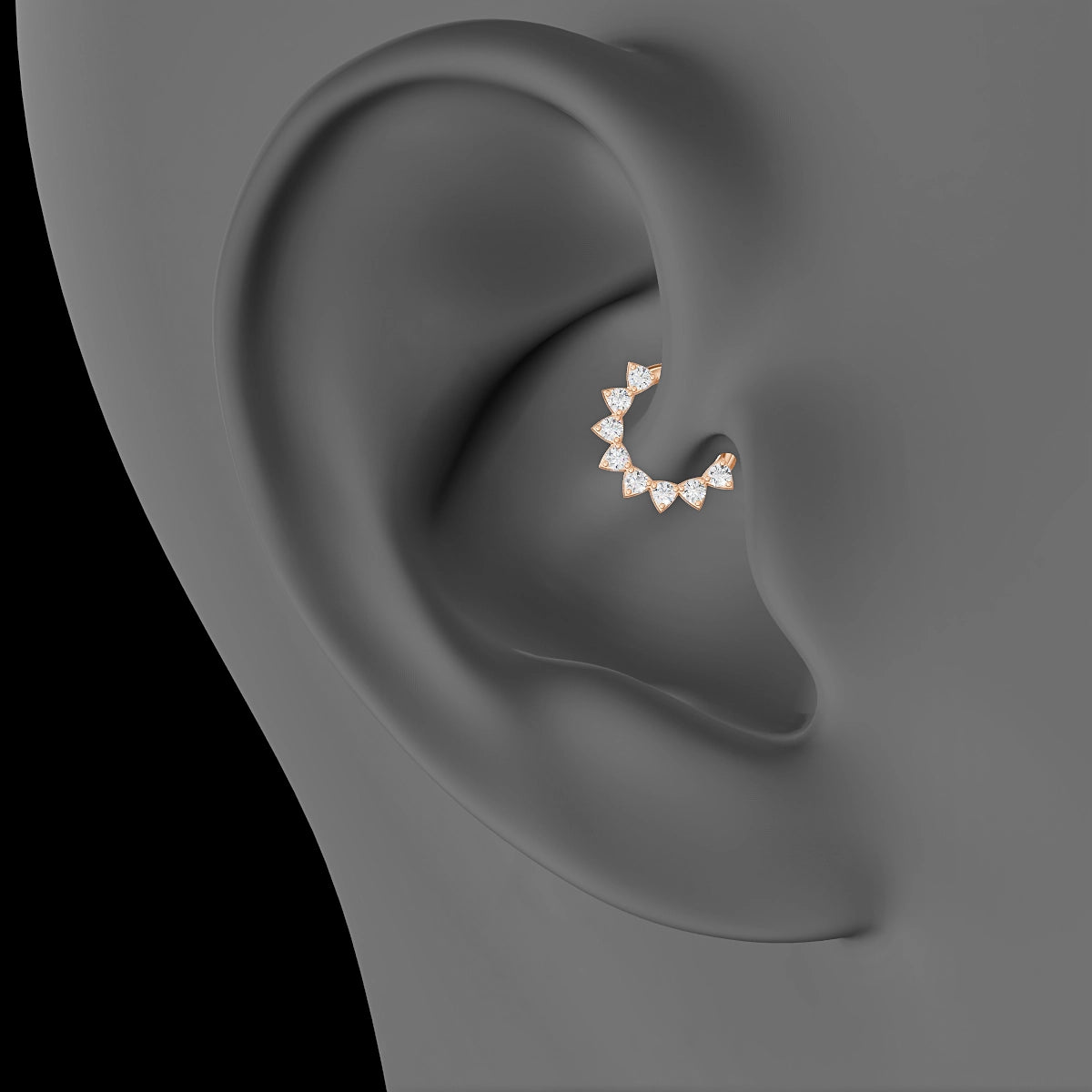
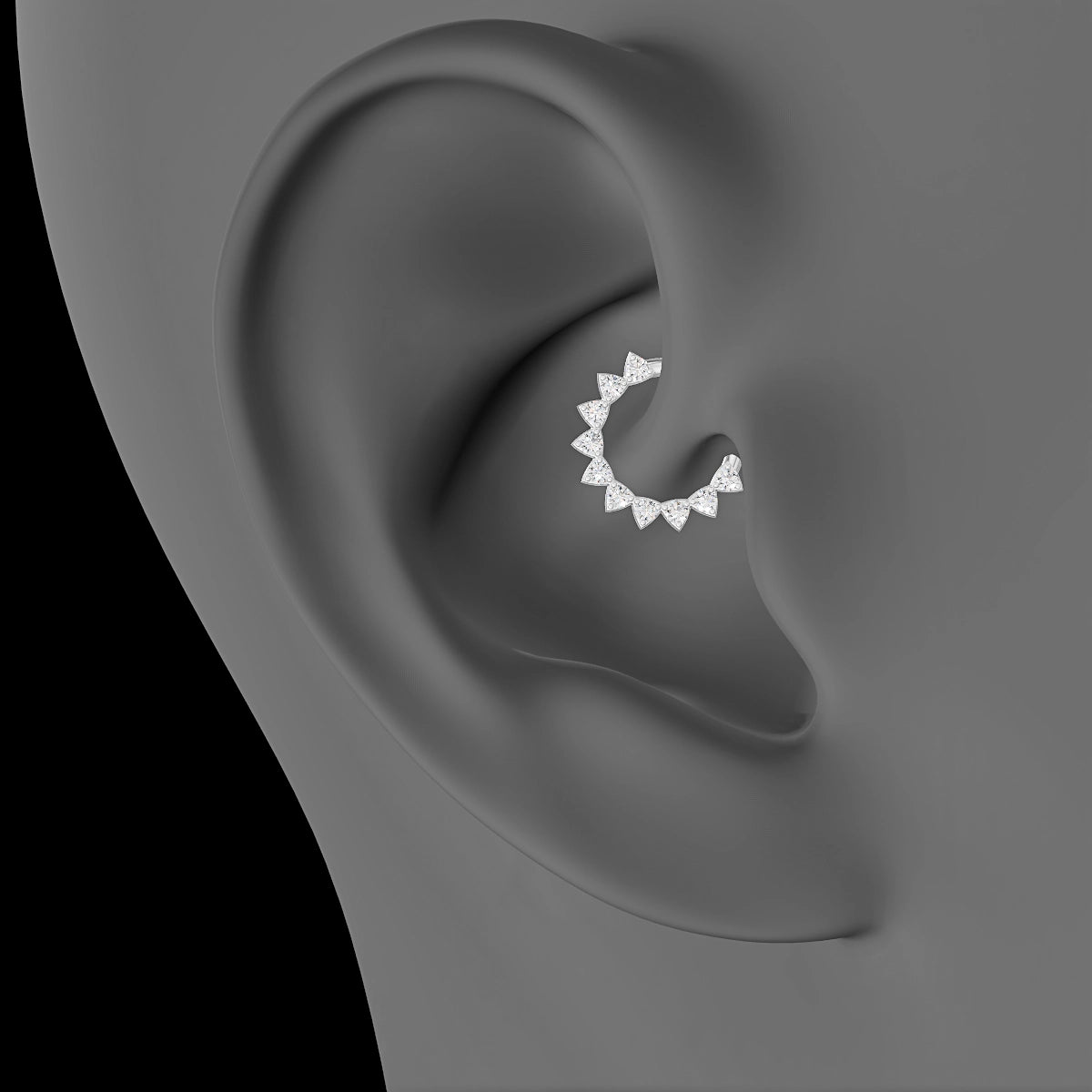
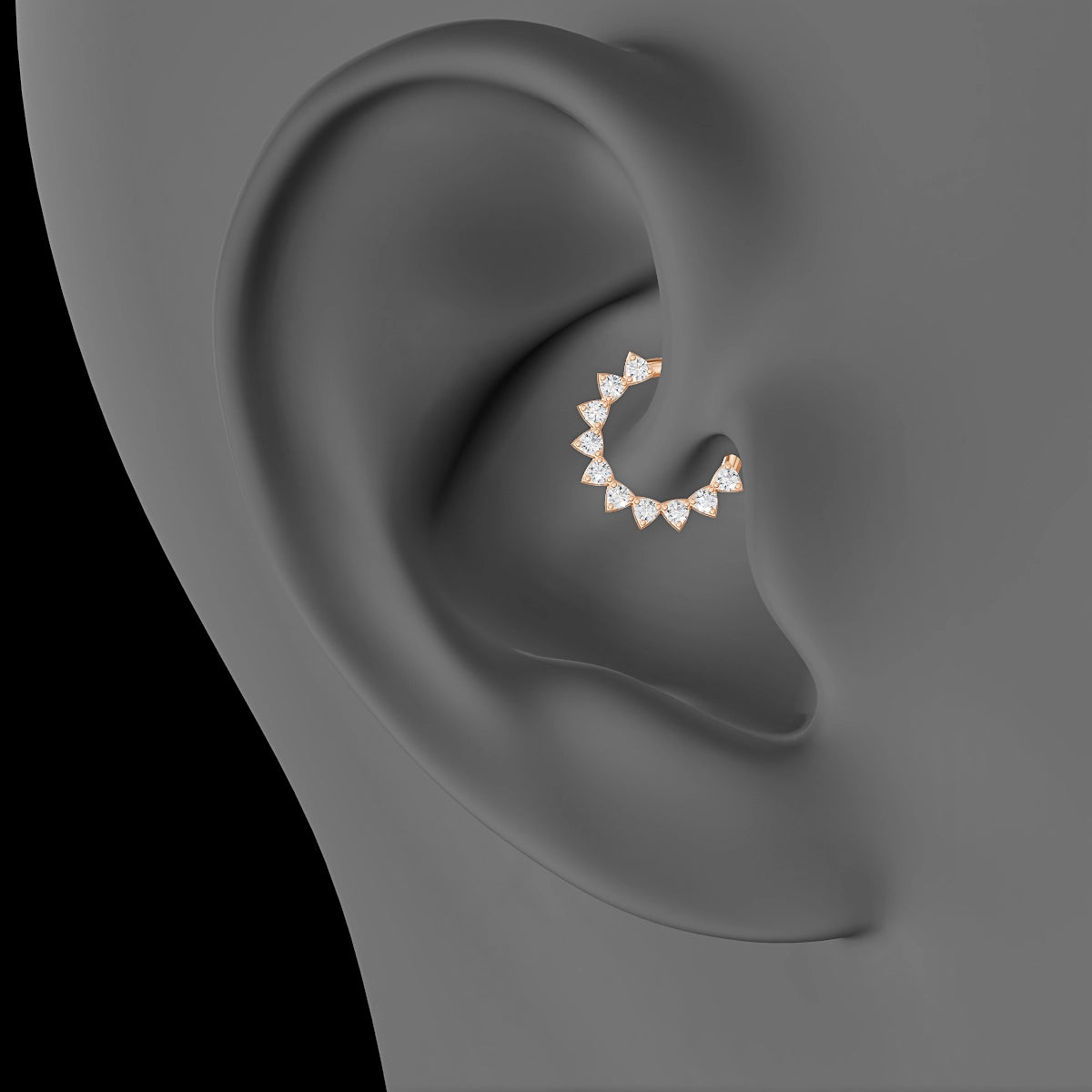
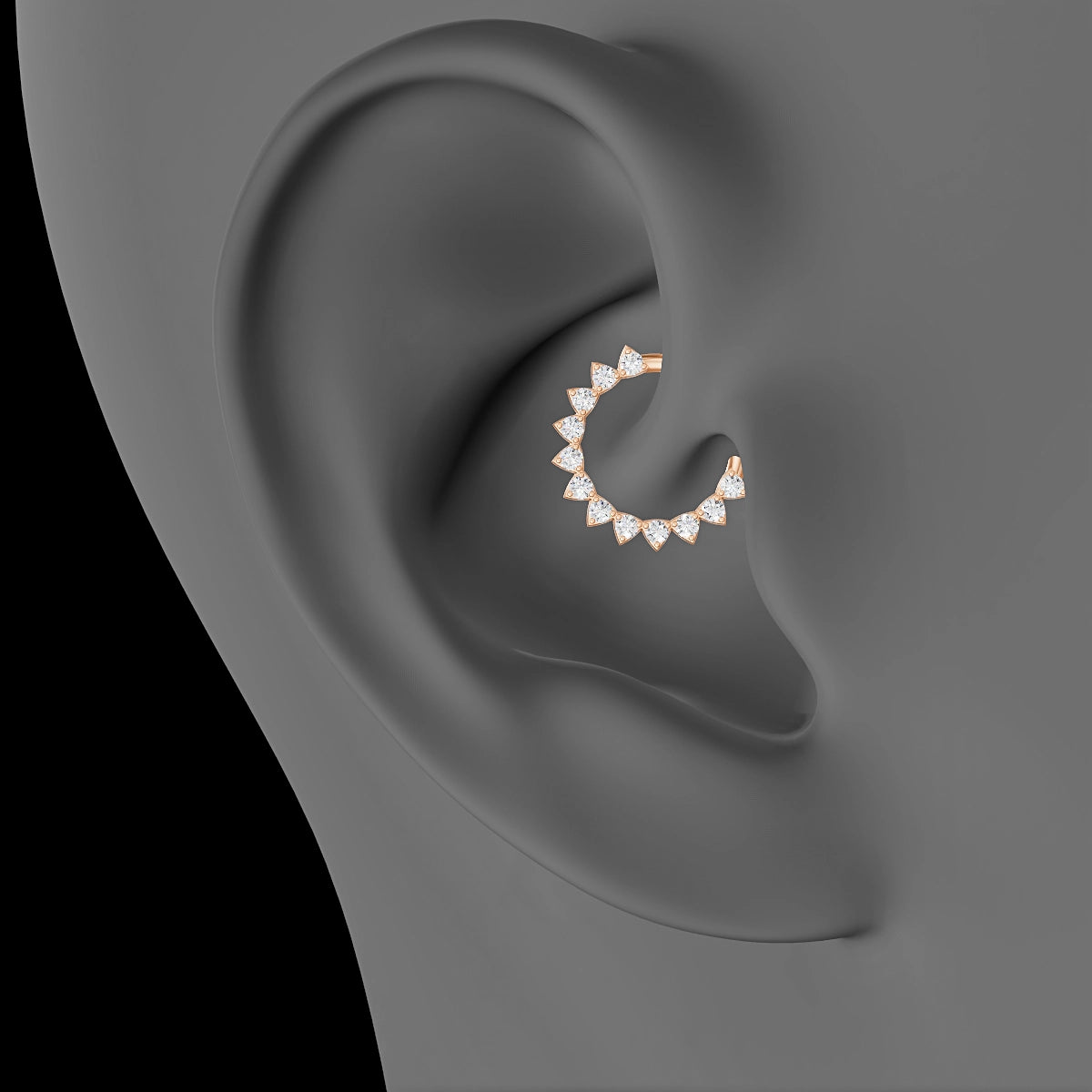
The daith piercing is a type of ear piercing that involves the placement of jewelry through the innermost fold of cartilage in the ear, specifically the small ridge located above the ear canal. This type of piercing has gained popularity for its unique placement and aesthetic appeal, allowing individuals to showcase their personal style and add an eye-catching element to their ear.
Not every ear can accommodate a daith piercing. Because the fold of cartilage in this area varies in size and shape from person to person, it's important that your piercer confirms your anatomy is suitable before booking.
How Much Does a Daith Piercing Hurt?
Daith Piercing Pain Level: 5/10

Due to the thickness and density of this cartilage area, the Daith piercing process causes a moderate painful. The peak of pain experienced lasts only a few seconds during the piercing.
How to reduce the pain during daith piercing procedure?
There are solutions to minimize pain during daith piercing, such as the use of lidocaine-based numbing cream (EMLA or generics). This cream is available in pharmacies by prescription. It is recommended to apply it between 30 minutes to 1 hour before to pierce your daith.
To learn more about reducing the pain of an Daith piercing, discover our Guide on Ear Piercing Pain Levels.
Daith Piercing Cost: how much does it cost?
Plan for two separate costs: the piercing service fee, typically $30 to $50, and the jewelry itself. Jewelry price comes down to three things: material, gemstone, and craftsmanship. Here's what daith piercing jewelry typically costs across the market:
- ASTM F136 titanium hoops and clickers begin around $15 and can exceed $120 for more detailed work.
- 14k/18k gold pieces set with precious stones run roughly $100 to $2,500+, based on gold purity and stone carat.
- Every MADAJ daith piece, starting from $460, is crafted to order in nickel-free, hypoallergenic solid 18k gold and available with diamonds, rubies, sapphires, pink sapphires, emeralds, or black diamonds, using G–VS grade natural diamonds and AAA grade stones, with a Certificate of Authenticity accompanying each order.
How to Prepare for Your Daith Piercing
A little preparation goes a long way toward a smoother appointment and easier healing.
- Choose your jewelry in advance. Since the daith takes a curved clicker ring, decide on your gold color, gemstone, and size before your appointment rather than at the studio.
- Research your piercer. Look for a studio with a licensed, experienced piercer, visible sterilization practices, and good reviews specifically for cartilage or daith piercings.
- Eat beforehand. Having food in your system helps reduce the chance of feeling lightheaded during the piercing.
- Avoid alcohol and blood thinners. Skipping alcohol and medications like aspirin in the 24 hours before your appointment can help reduce bleeding and swelling. Check with your doctor before stopping any prescribed medication.
- Get a good night's sleep. Being well rested can make the experience more comfortable and support your body's healing response afterward.
- Plan your aftercare supplies. Have sterile saline solution and gauze ready at home so you can start your cleaning routine right away.
- Wear your hair back. Tying your hair away from your ears makes it easier for the piercer to access the area and keeps hair from catching on new jewelry afterward.
Daith Piercing Procedure

- It's crucial to confirm that your ear structure is suitable for a daith piercing, as not everyone's ear can accommodate this type of piercing.
- The piercer will clean your ear thoroughly and mark the exact spot where the piercing will be made.
- A sterilized, sharp, hollow needle is used for the piercing. This is a more precise and less traumatic method than using a piercing gun, especially for the thick cartilage of the daith. Pain levels can vary significantly from one person to another.
- Once the needle has gone through, the chosen jewelry is inserted into the hole.
Daith Piercing Aftercare

- Clean your Daith Piercing twice a day – once in the morning and once in the evening. Consistency is key to prevent infection and promote healing.
- Soak a sterile gauze pad with the saline solution & gently press it against your daith piercing and hold it there for a few minutes. - Be sure to follow these instructions until your daith piercing is completely healed.
- Keep the daith pierced area dry to prevent any infections.
Healing Time & Stages for Daith Piercing
The healing time for a daith piercing can vary significantly from person to person. Generally, it takes anywhere from 9 months to a year, and sometimes longer, for complete healing.

- First few weeks: Swelling, redness, tenderness, and some discharge of lymphatic fluid (clear or slightly yellowish). Discomfort when the area is touched or moved by accident is normal.
- Following weeks to months: Initial symptoms gradually diminish. The piercing remains sensitive to pressure.
- 9 to 12 months: The piercing is typically considered fully healed.
If pain, swelling, or discharge increase at any stage instead of easing, consult your piercer or a doctor.
Daith Piercing Jewelry: Types, Materials and Sizing
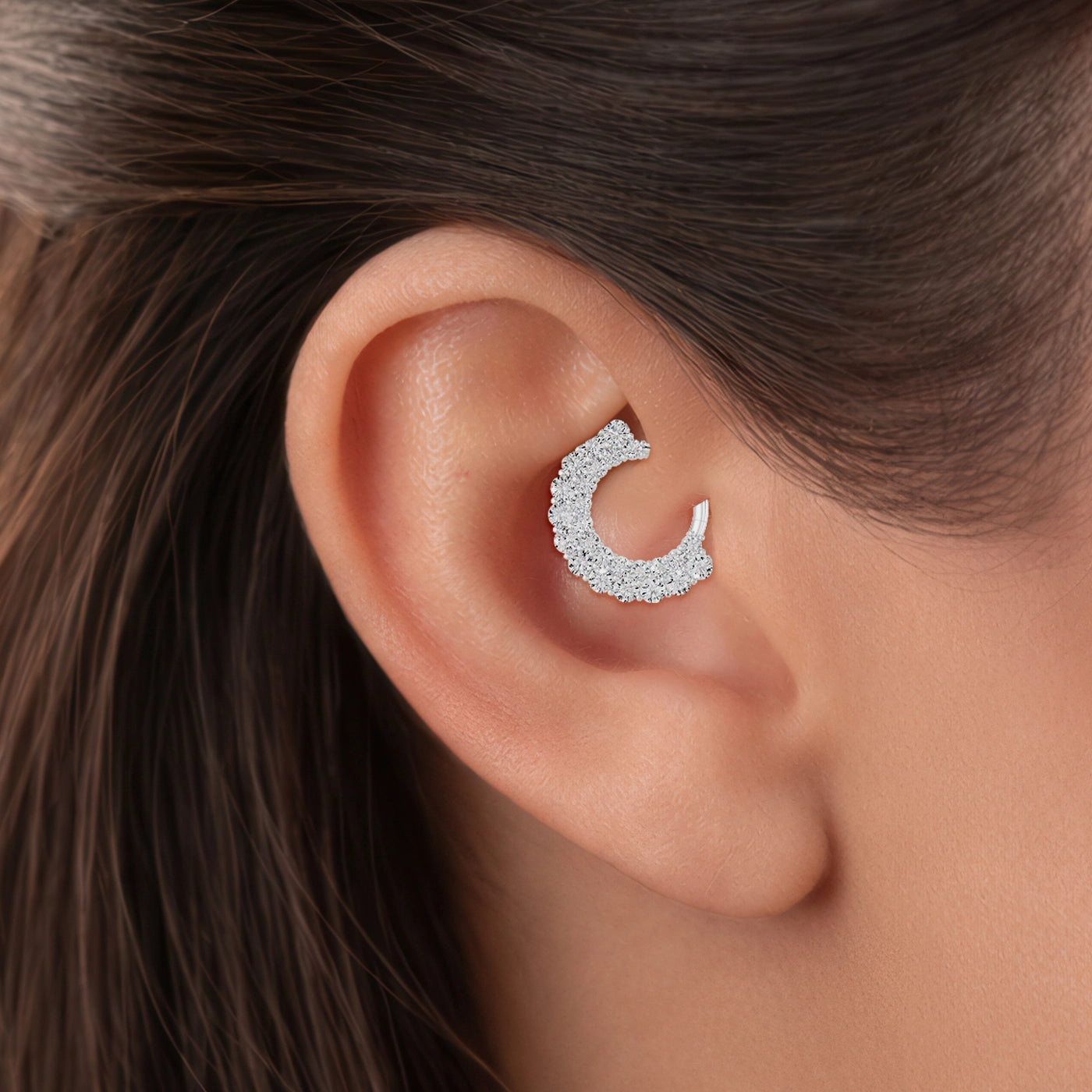
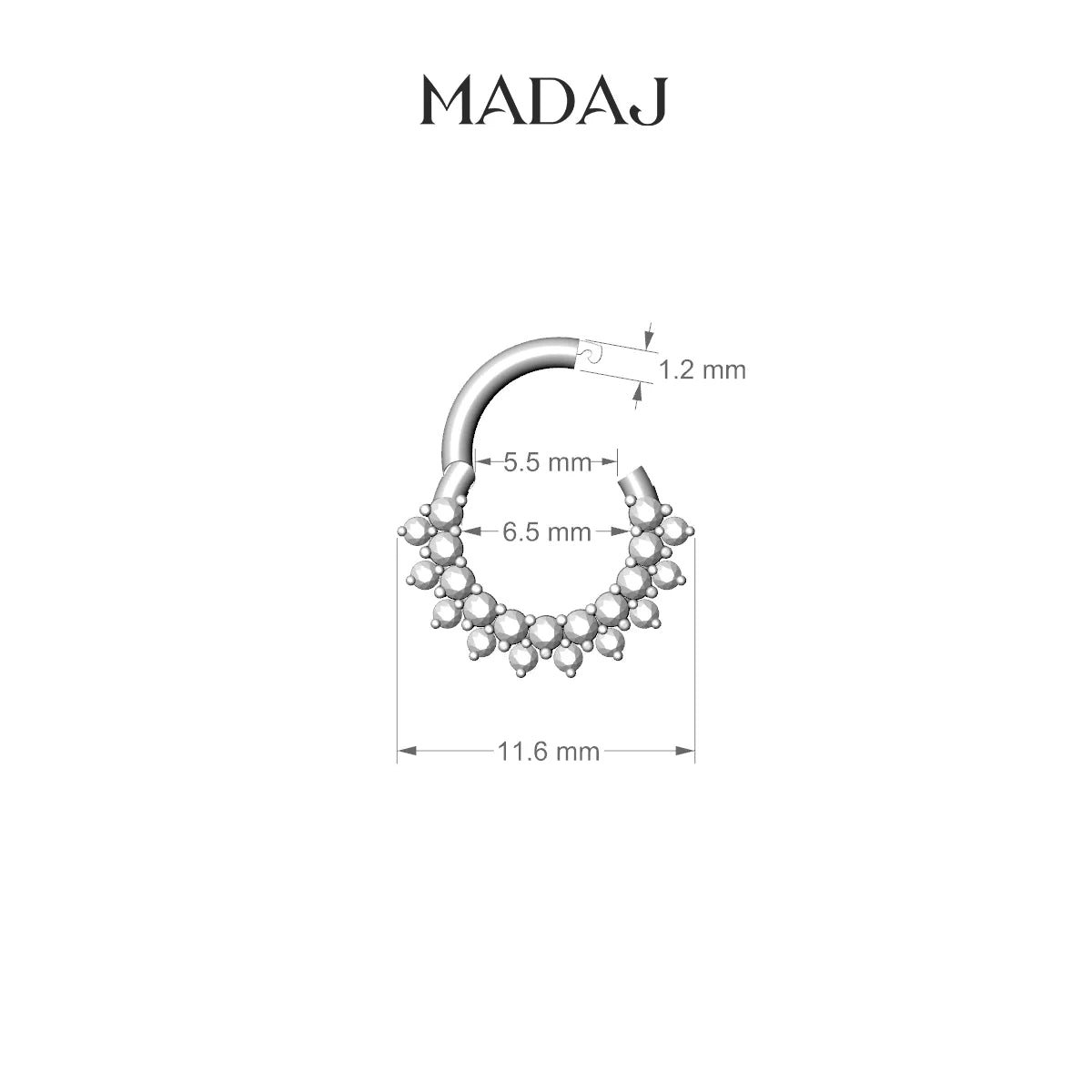
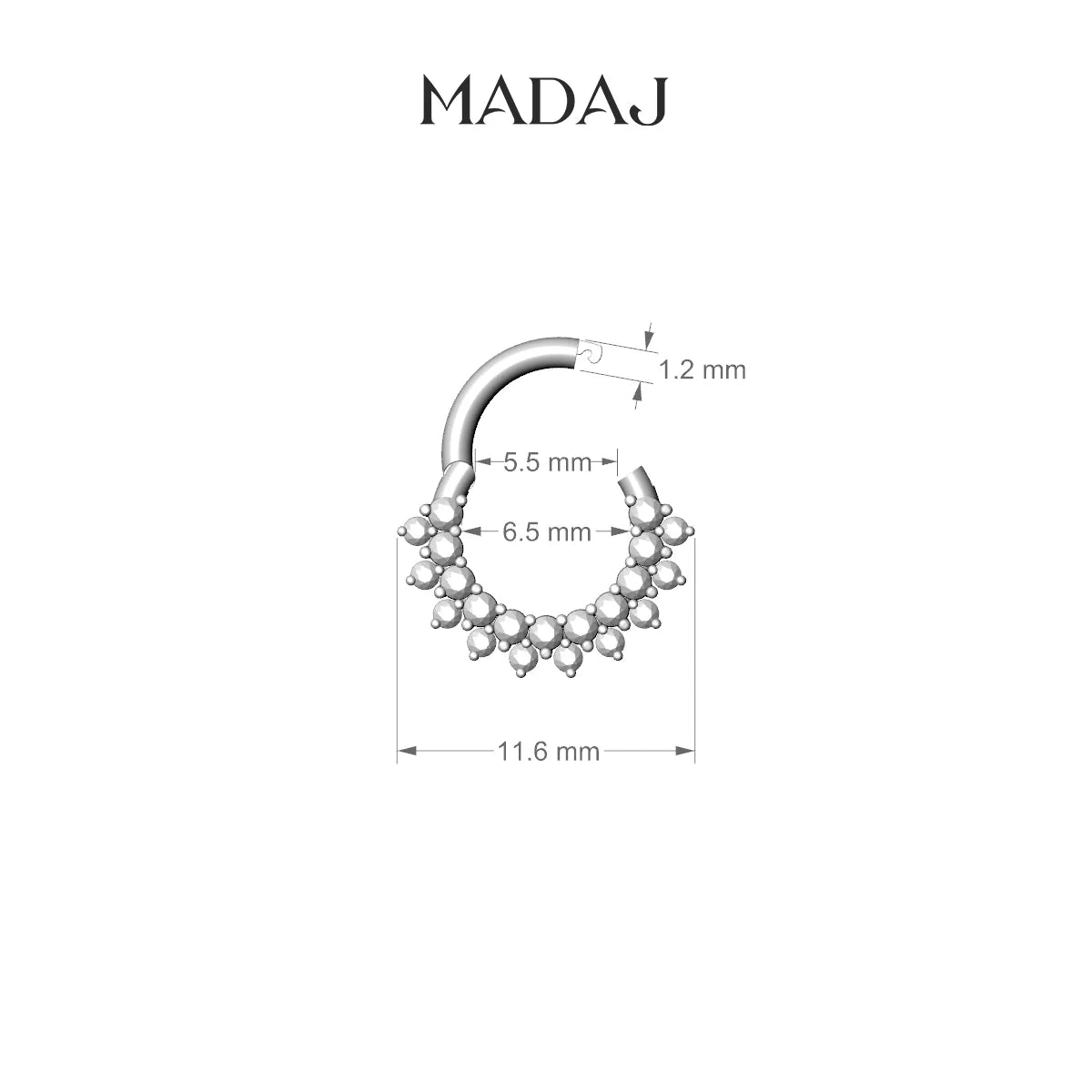
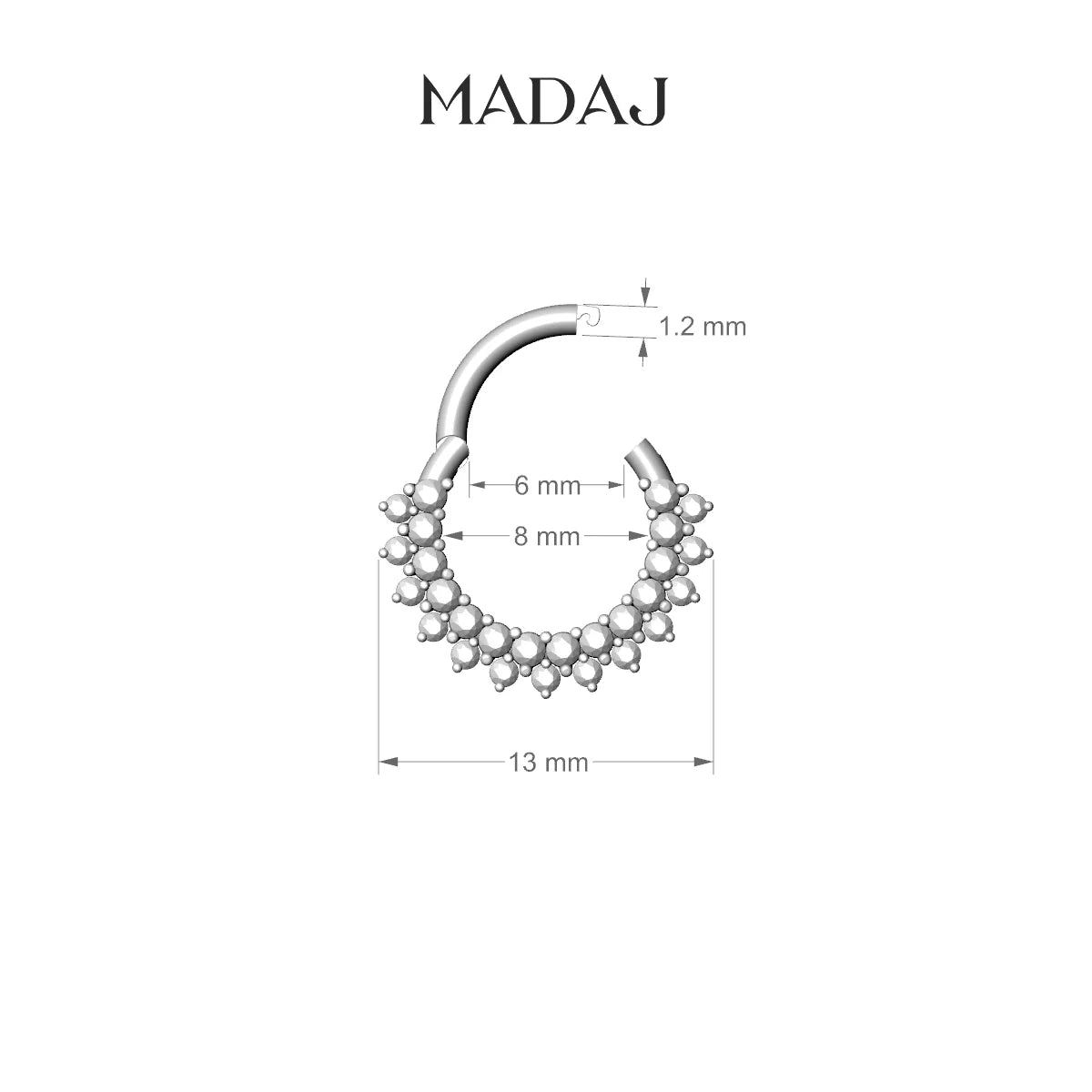
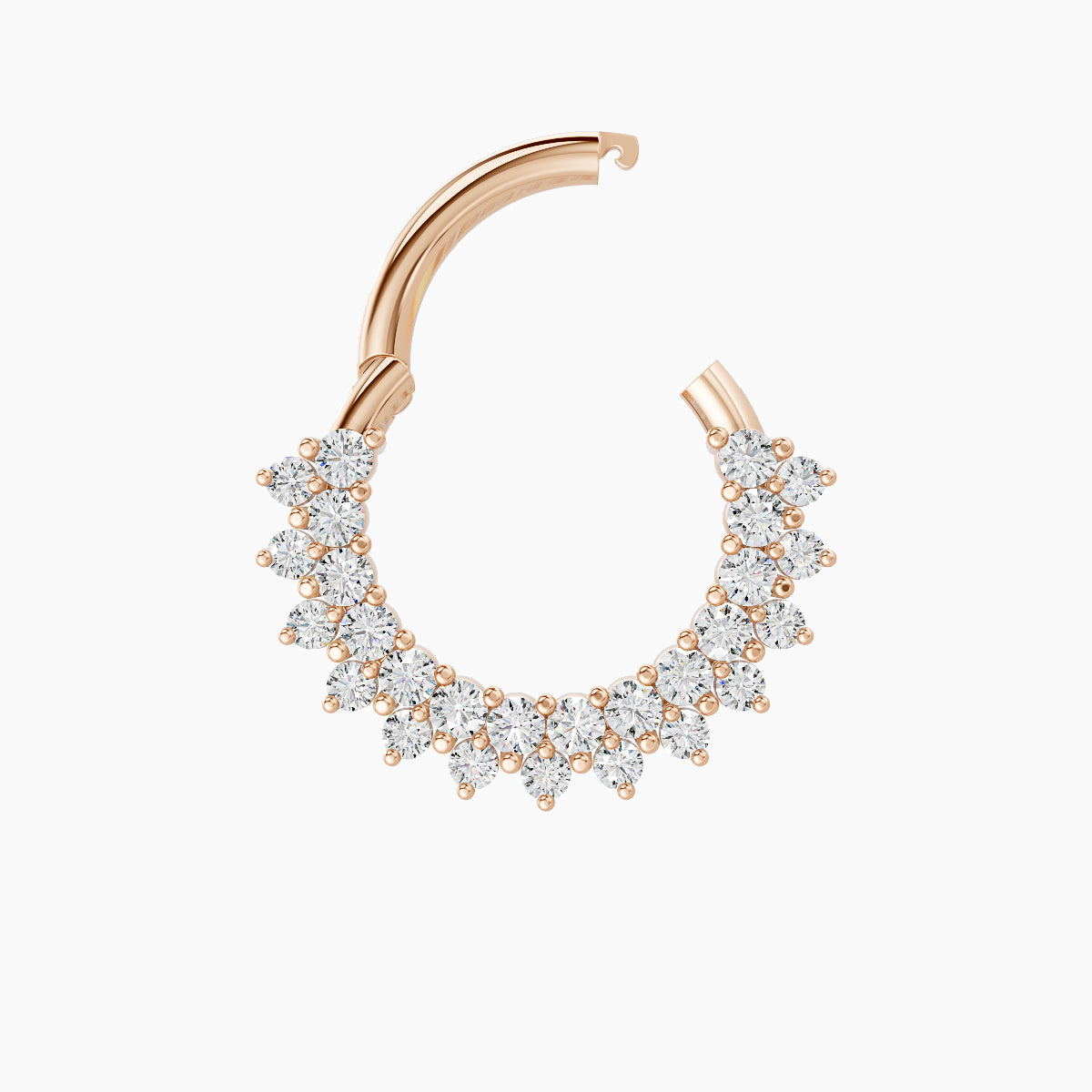
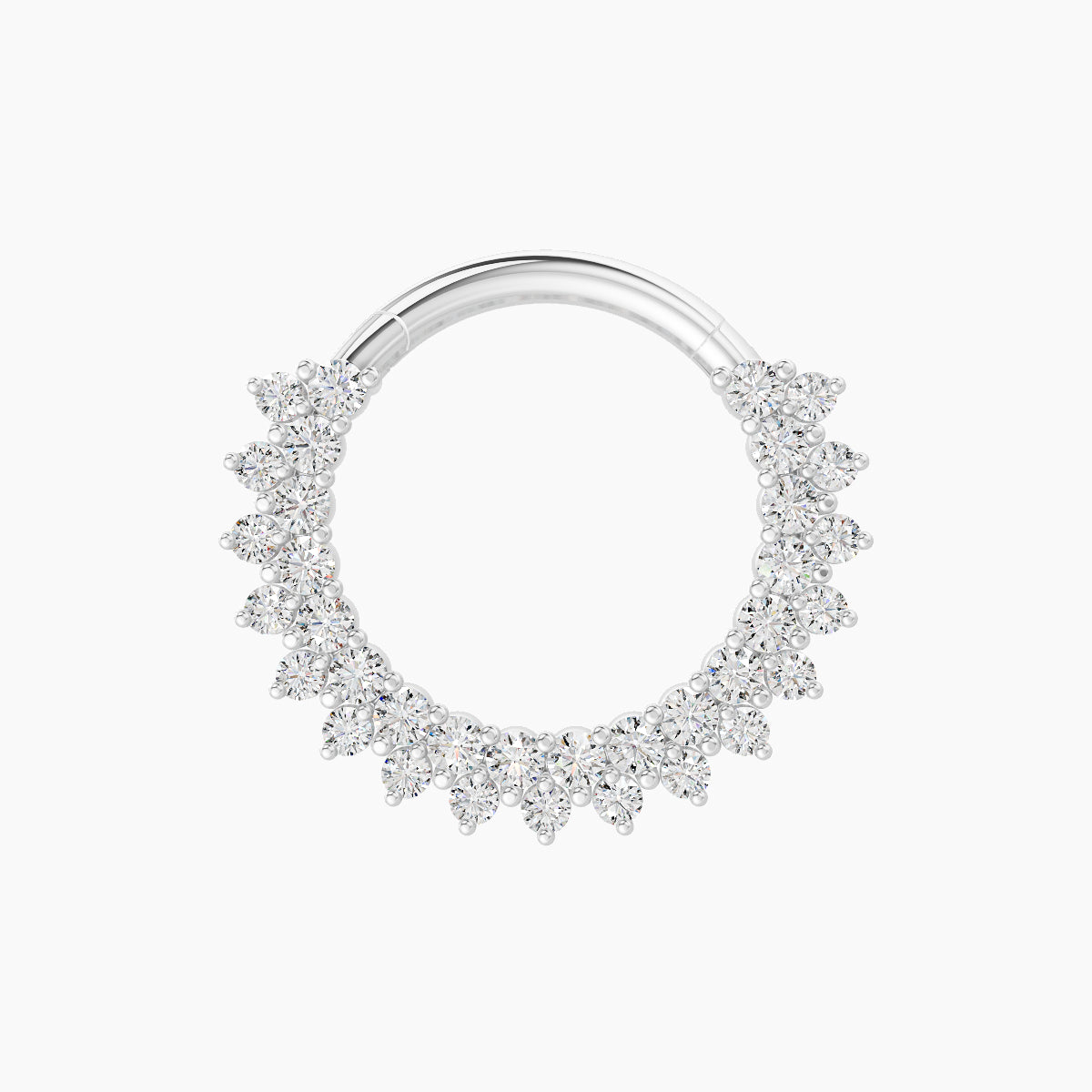
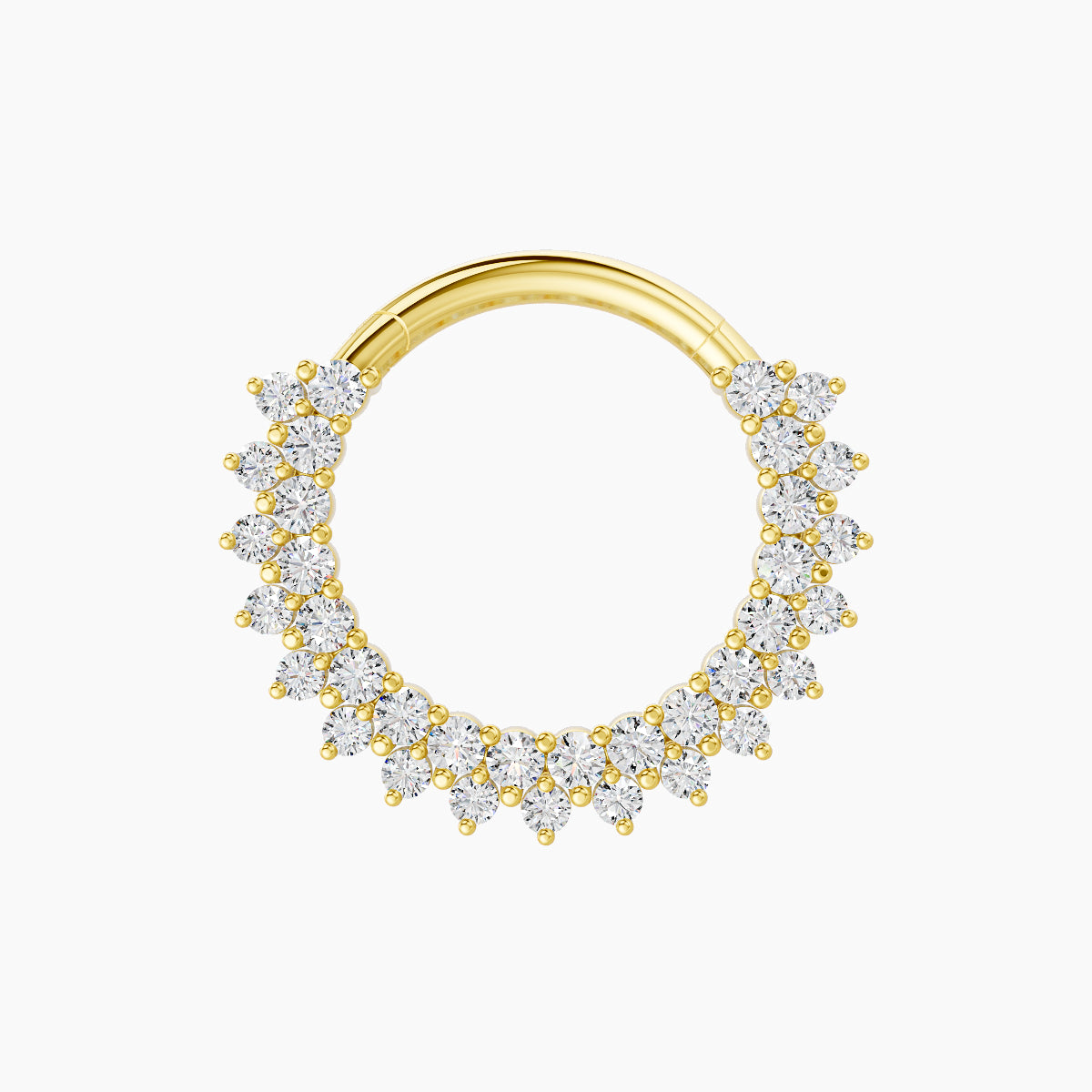
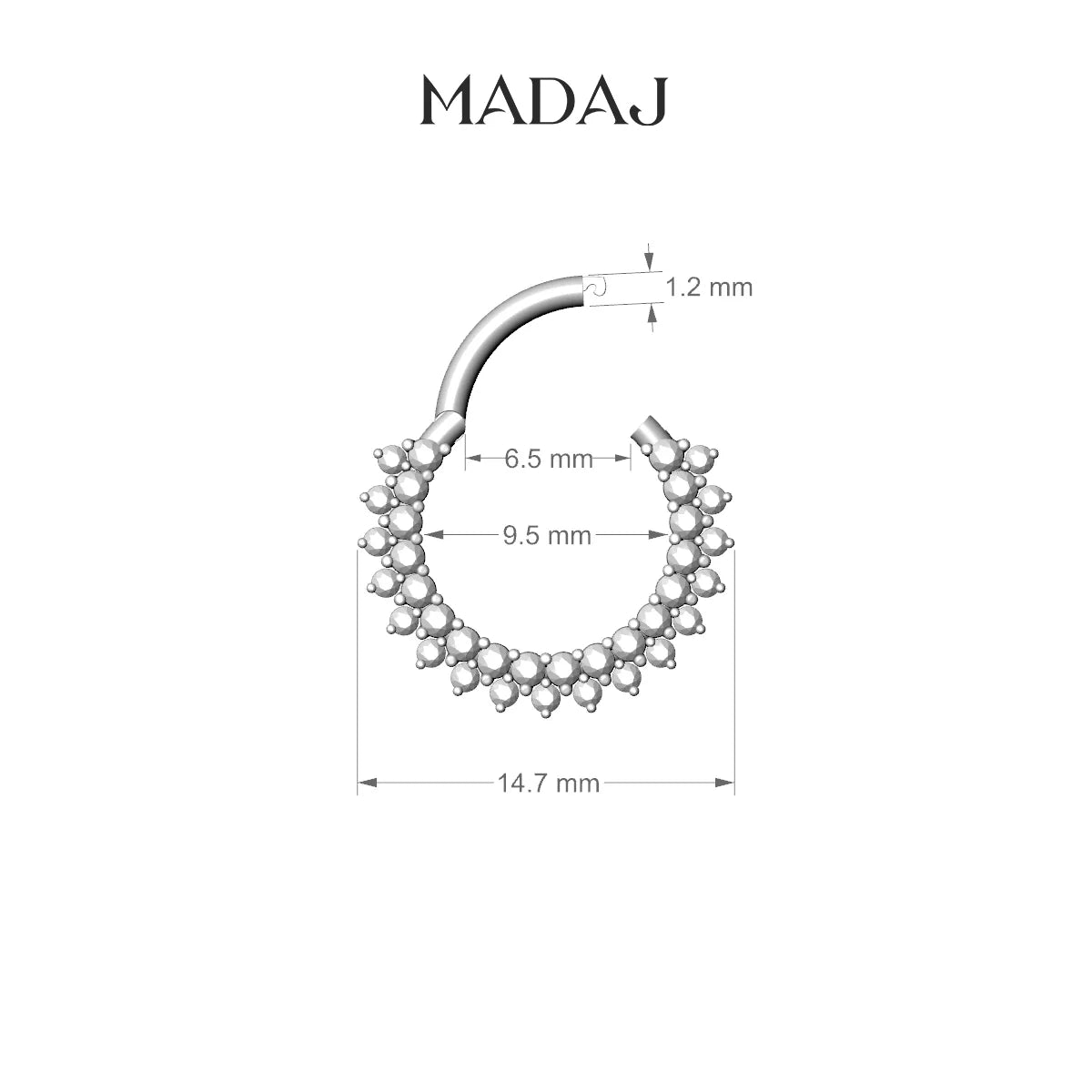
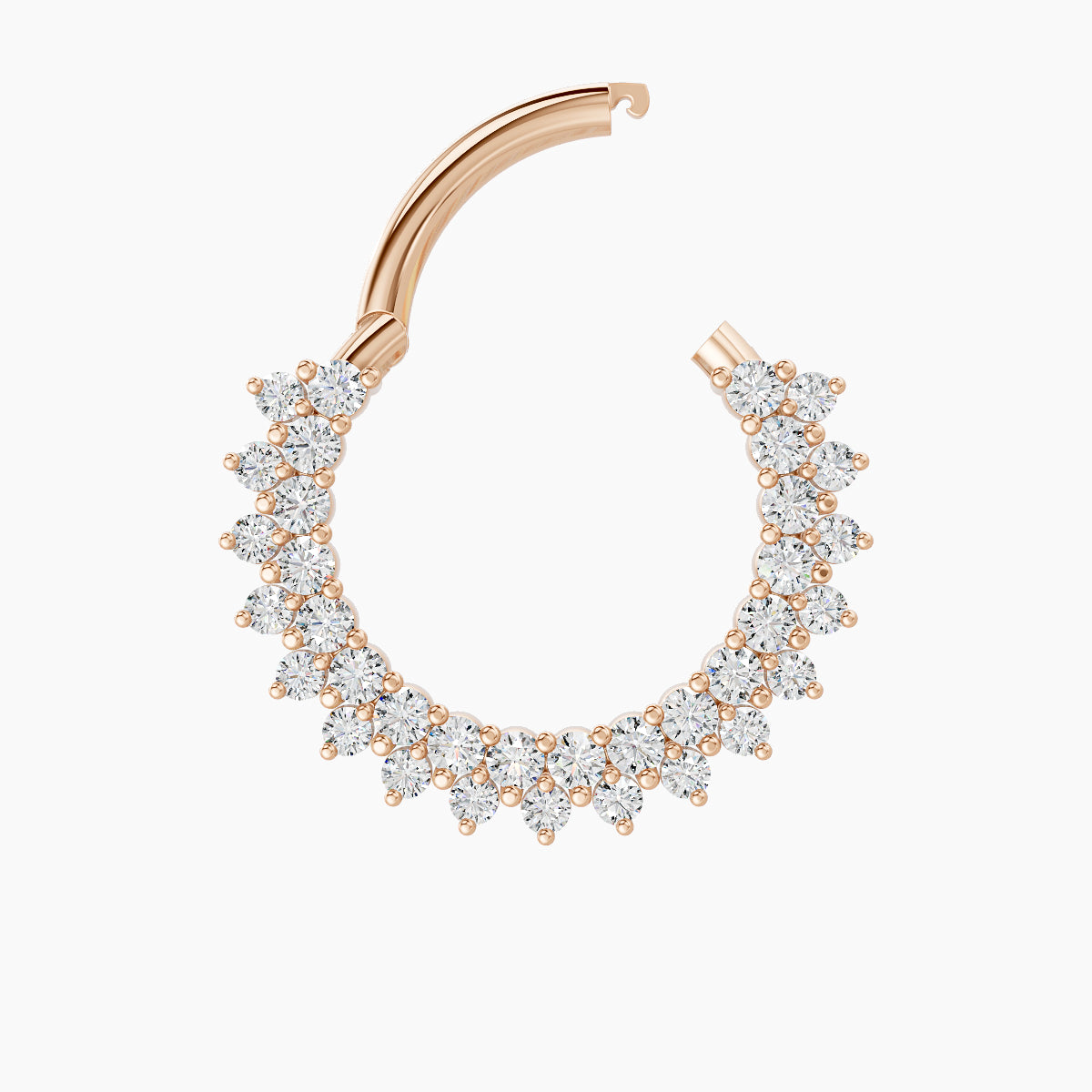
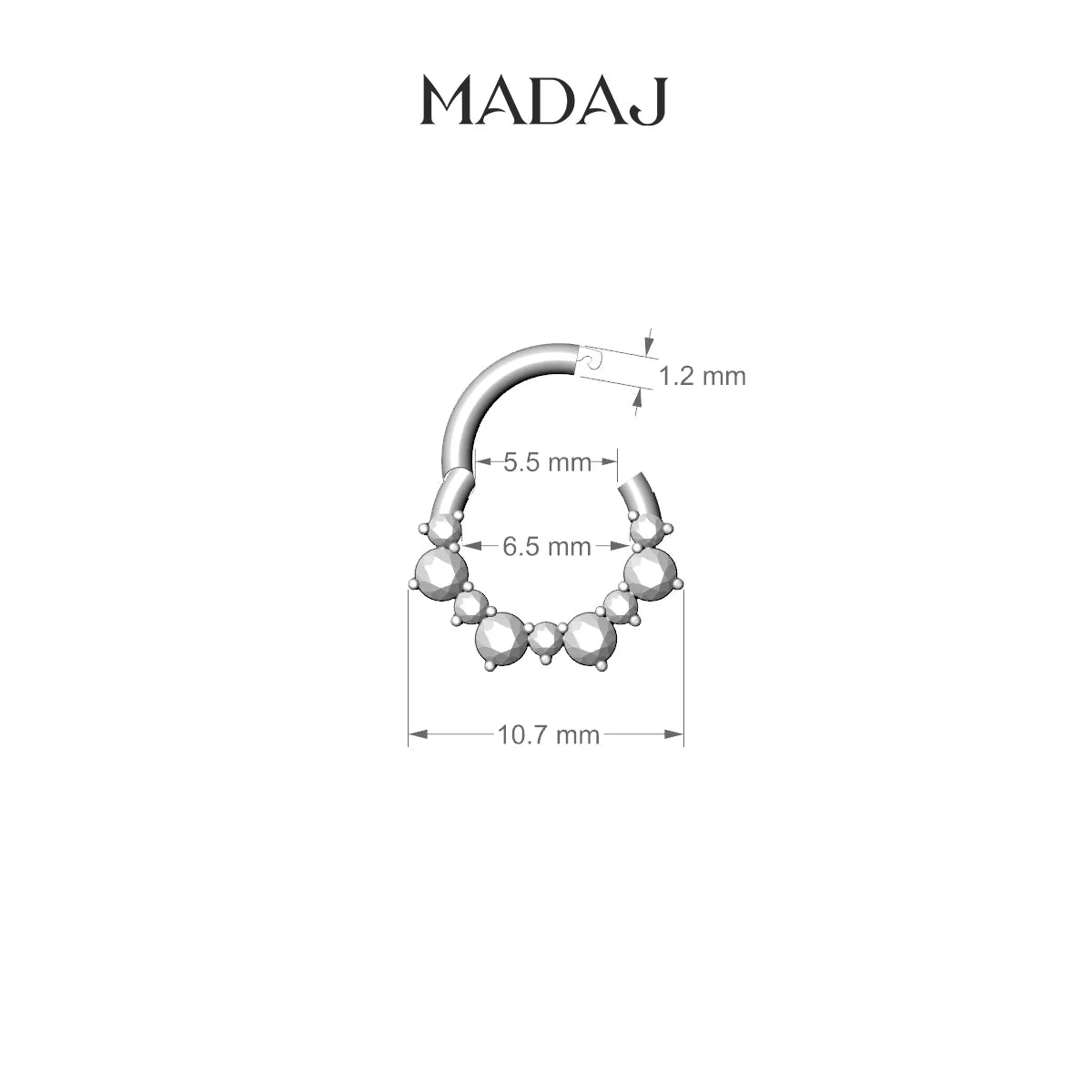
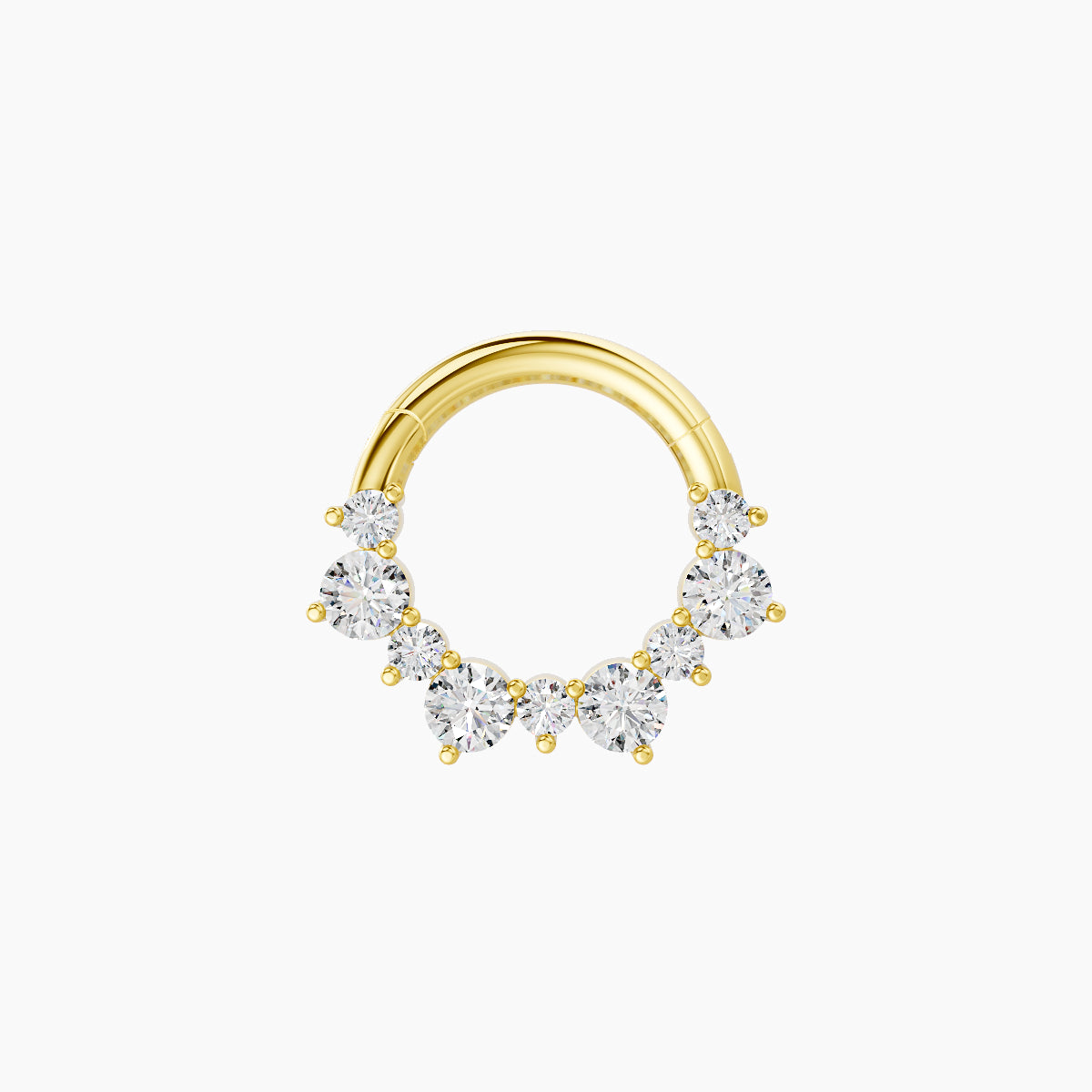
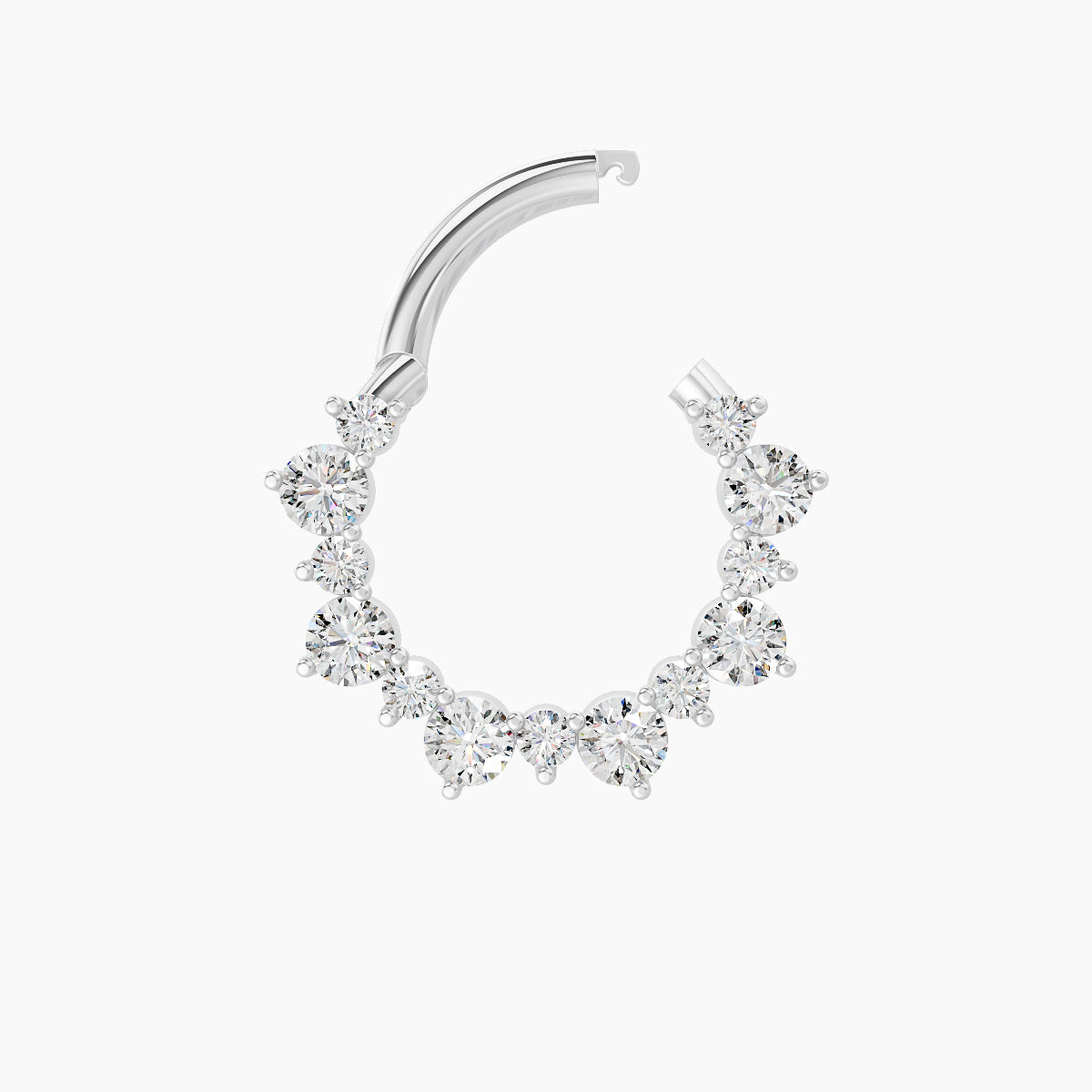
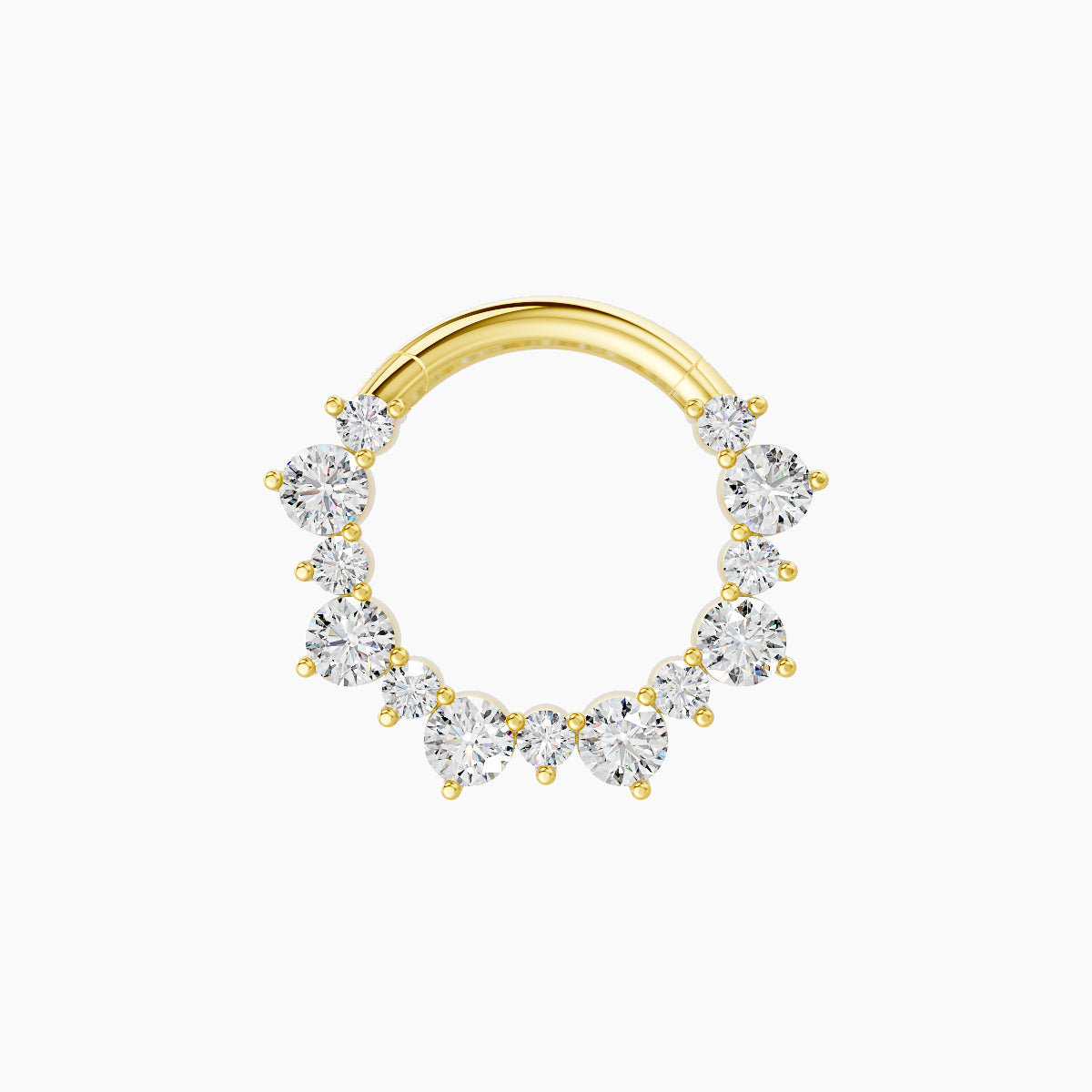
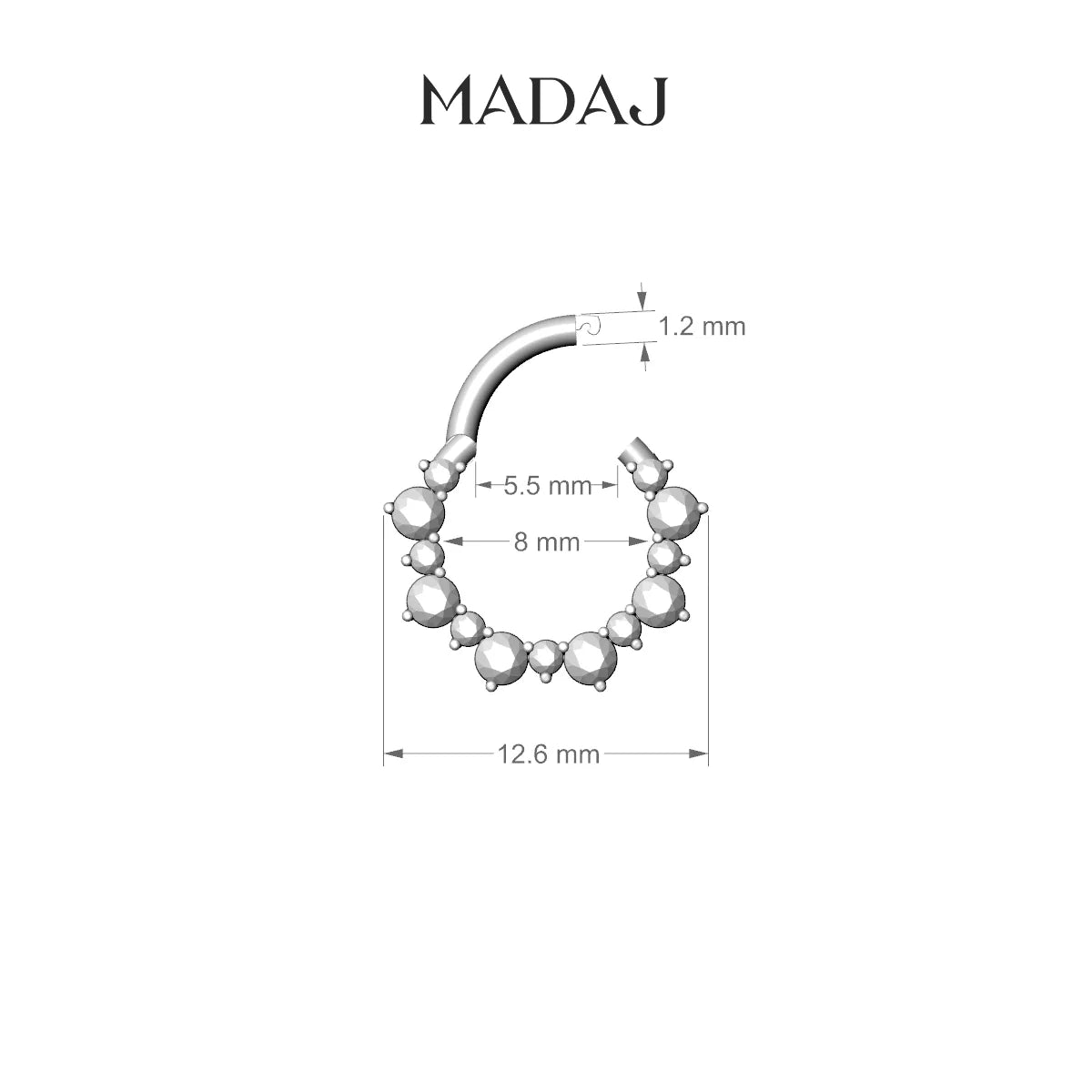
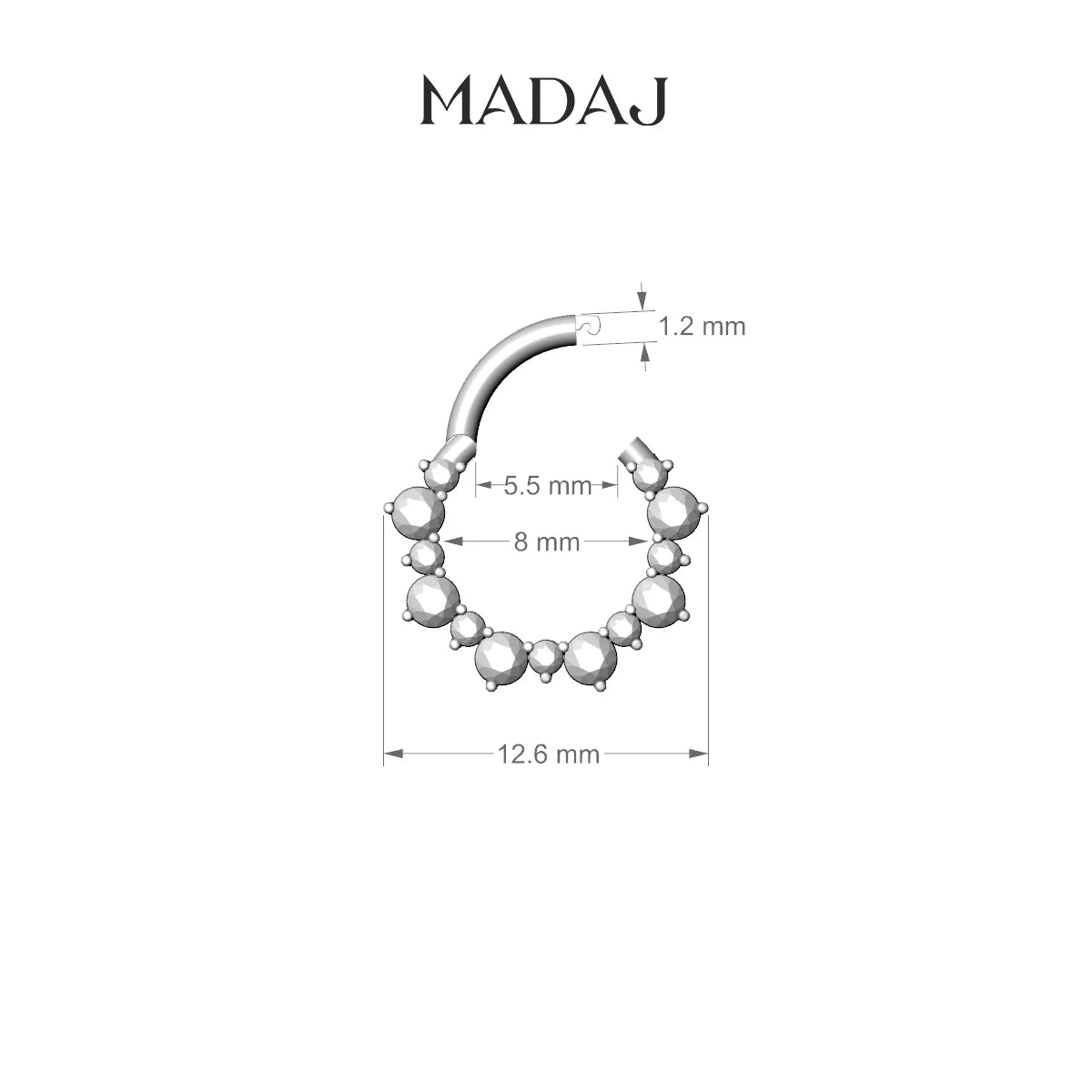
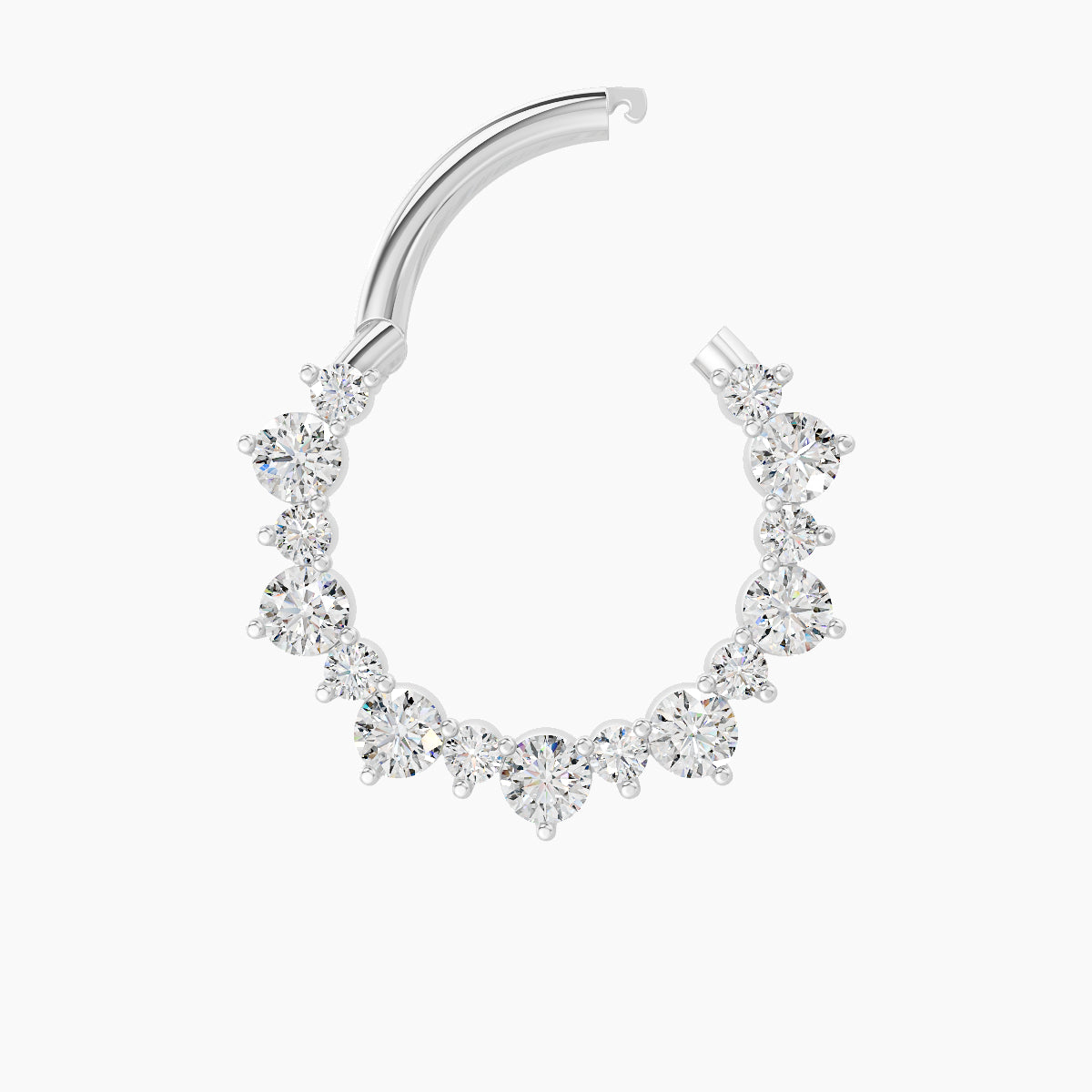
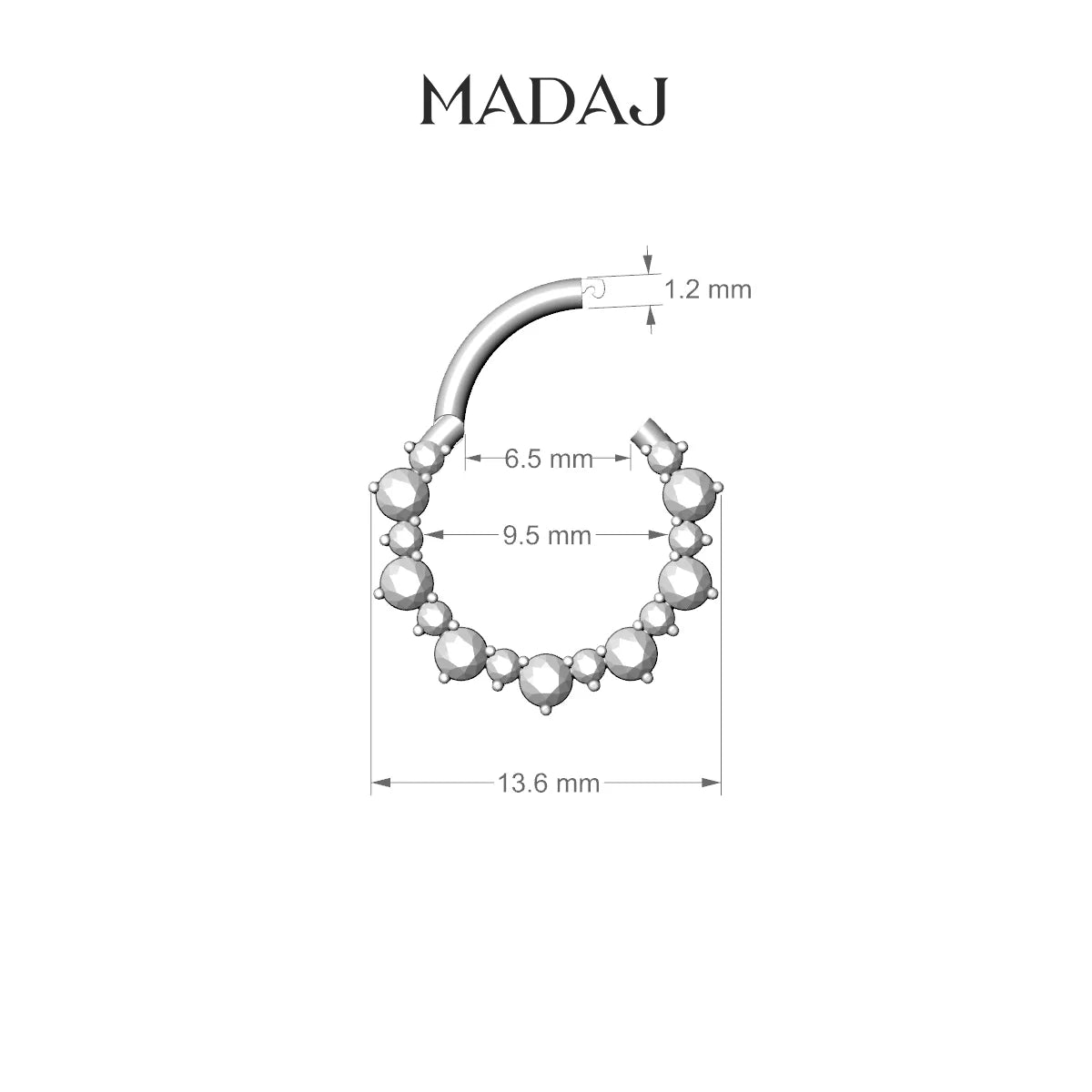
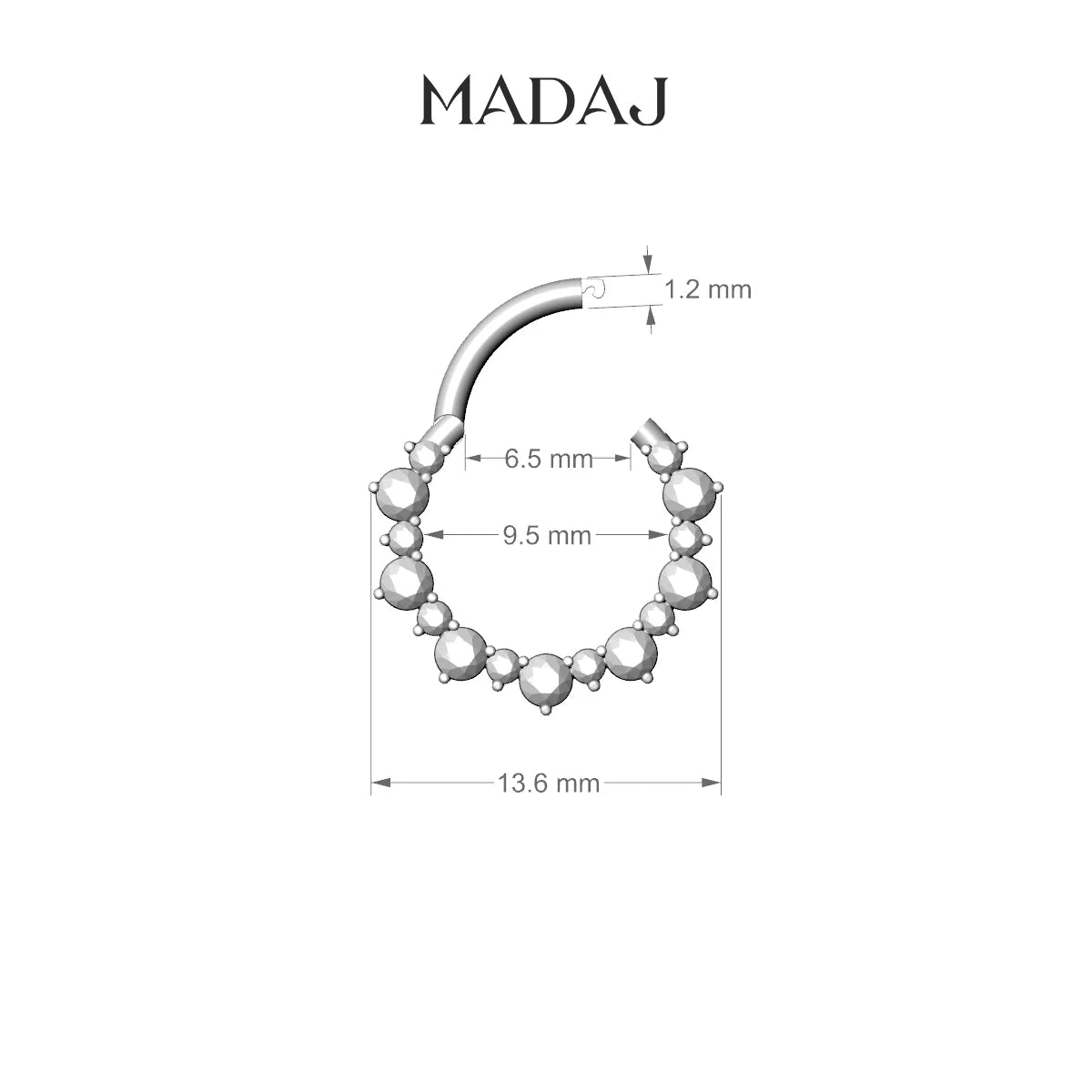
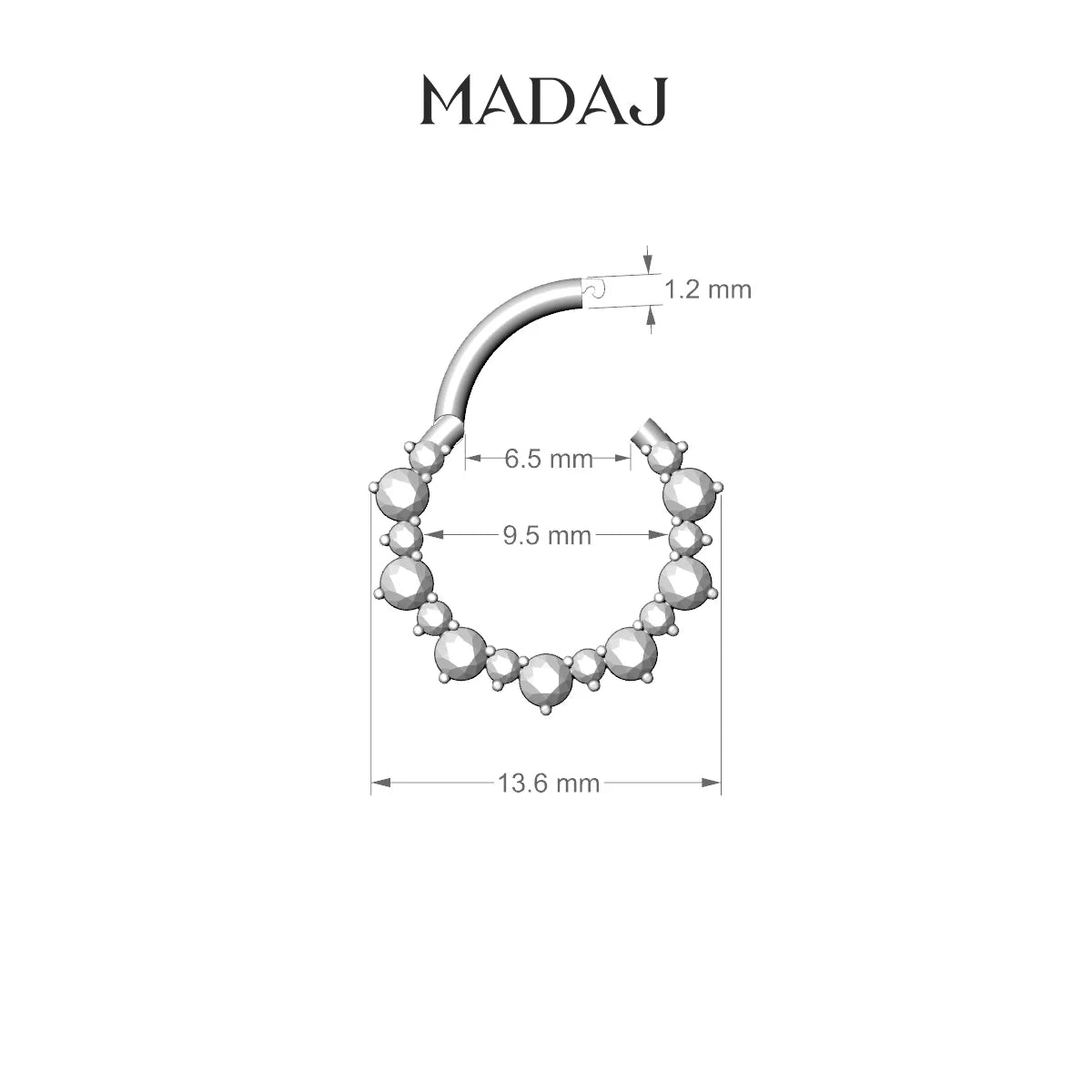
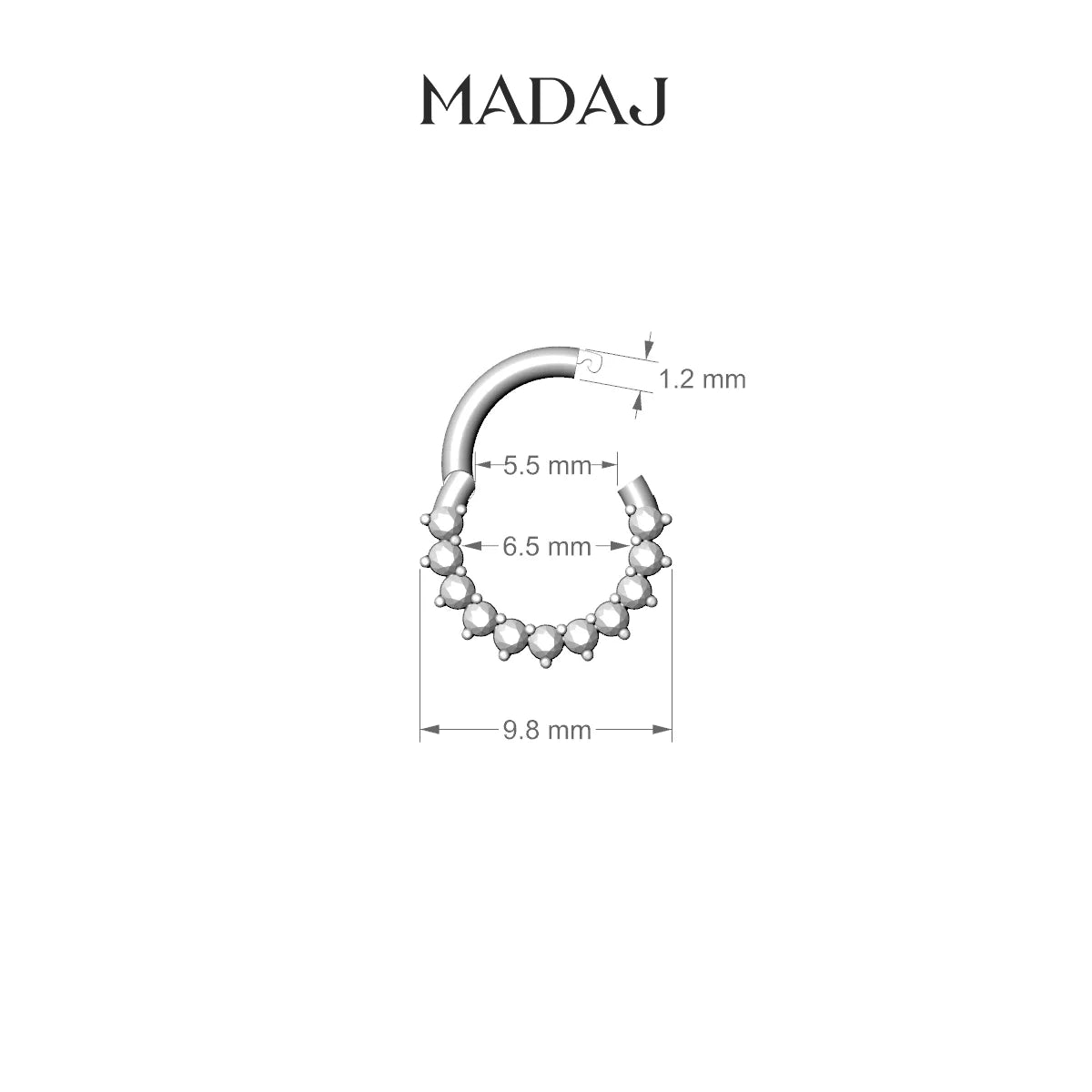
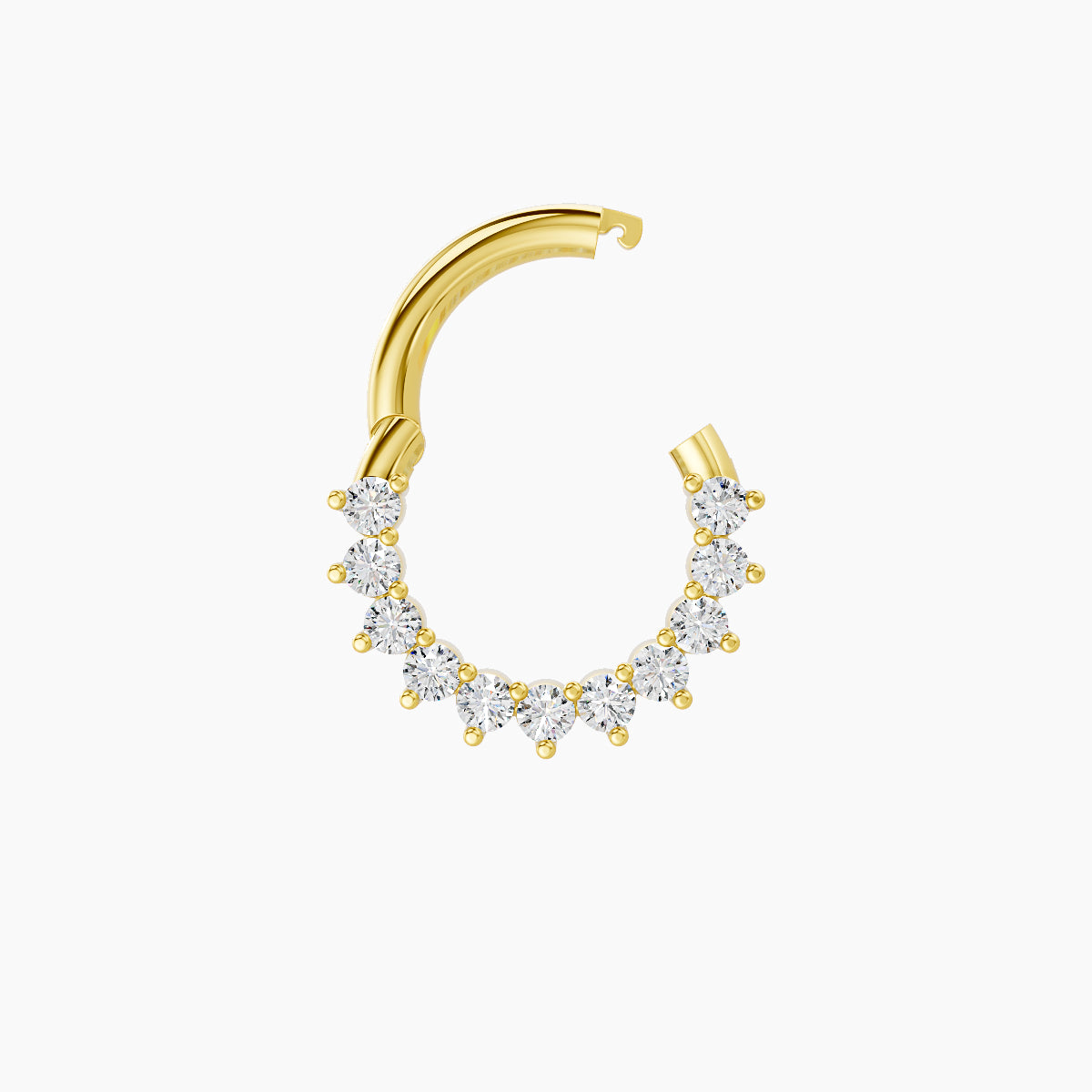
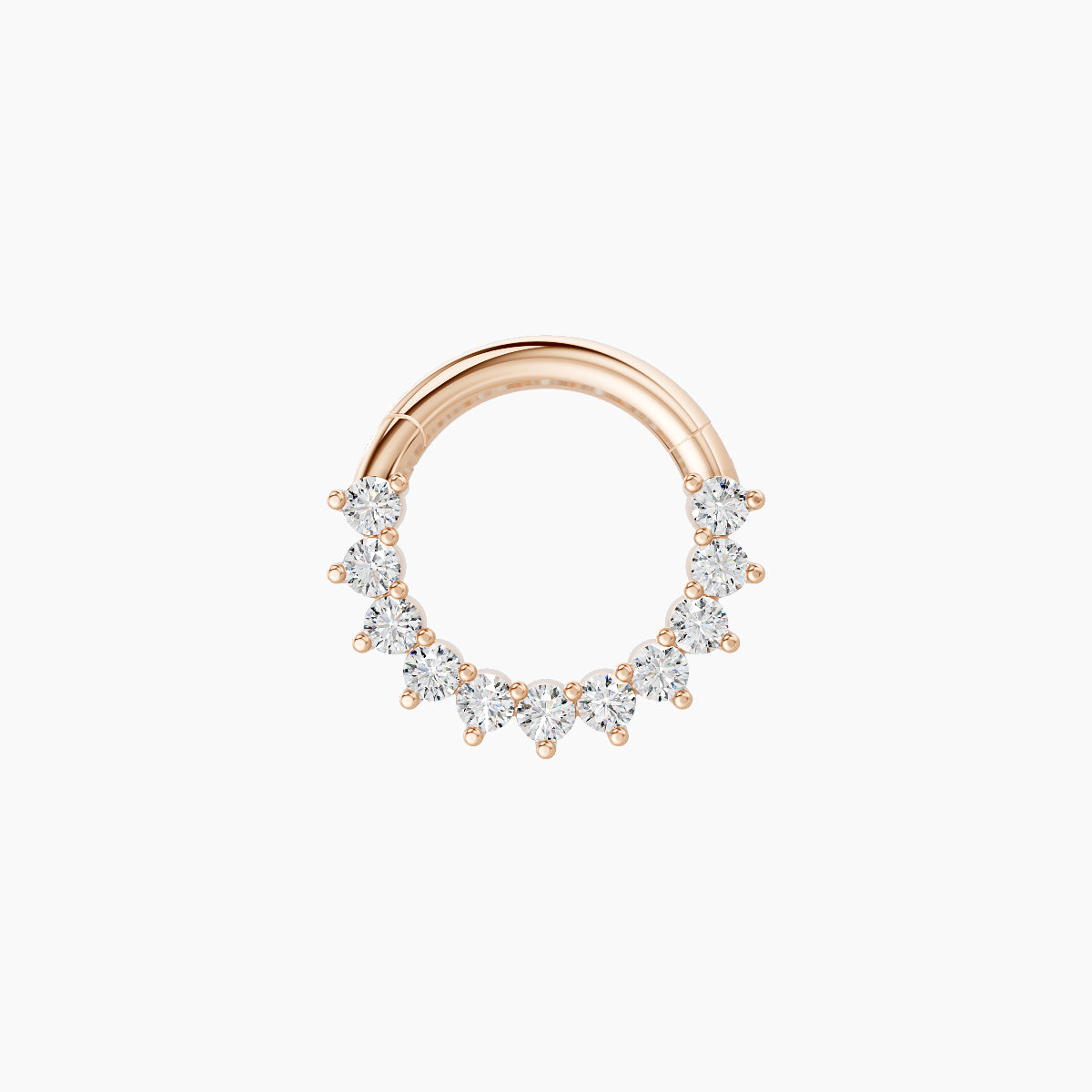
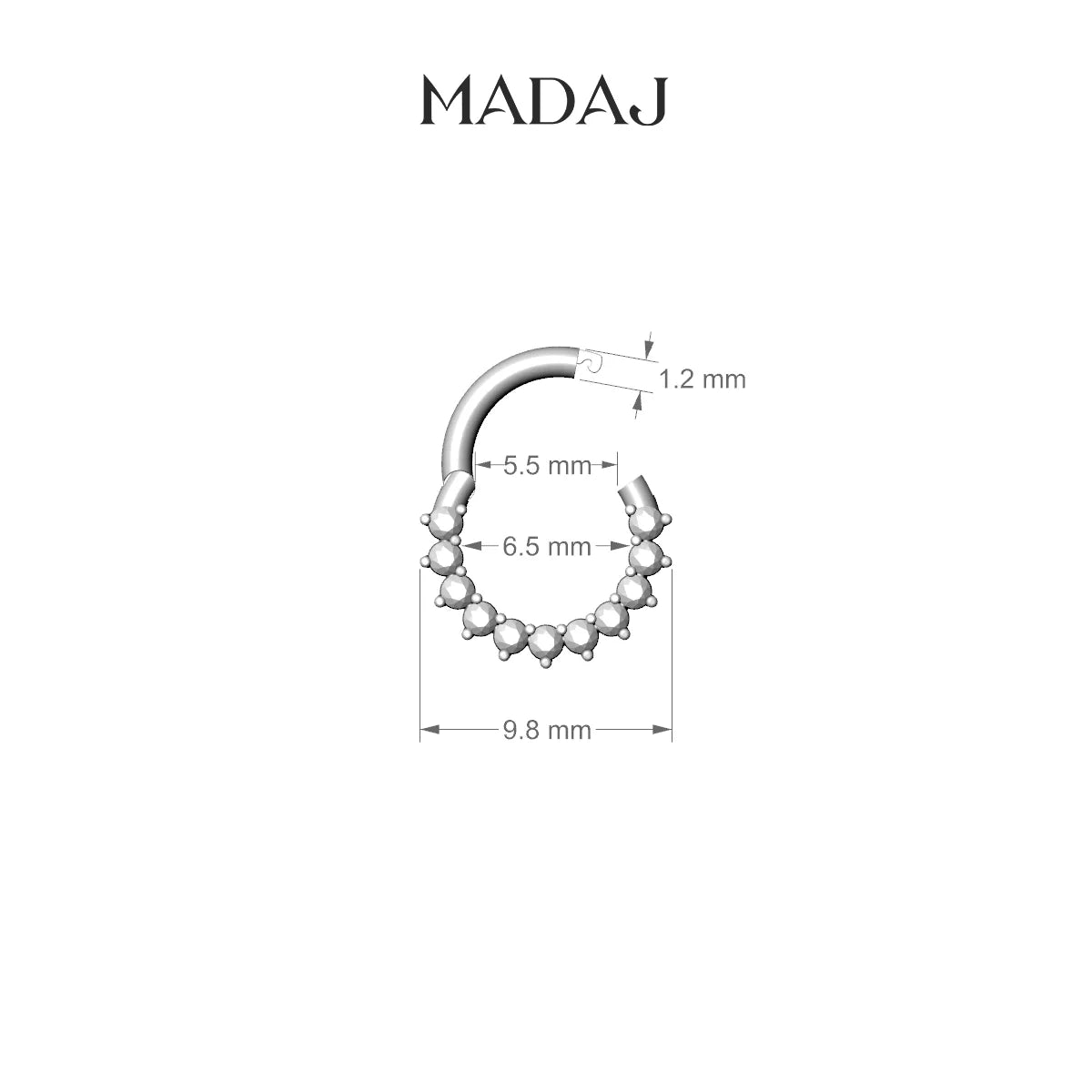
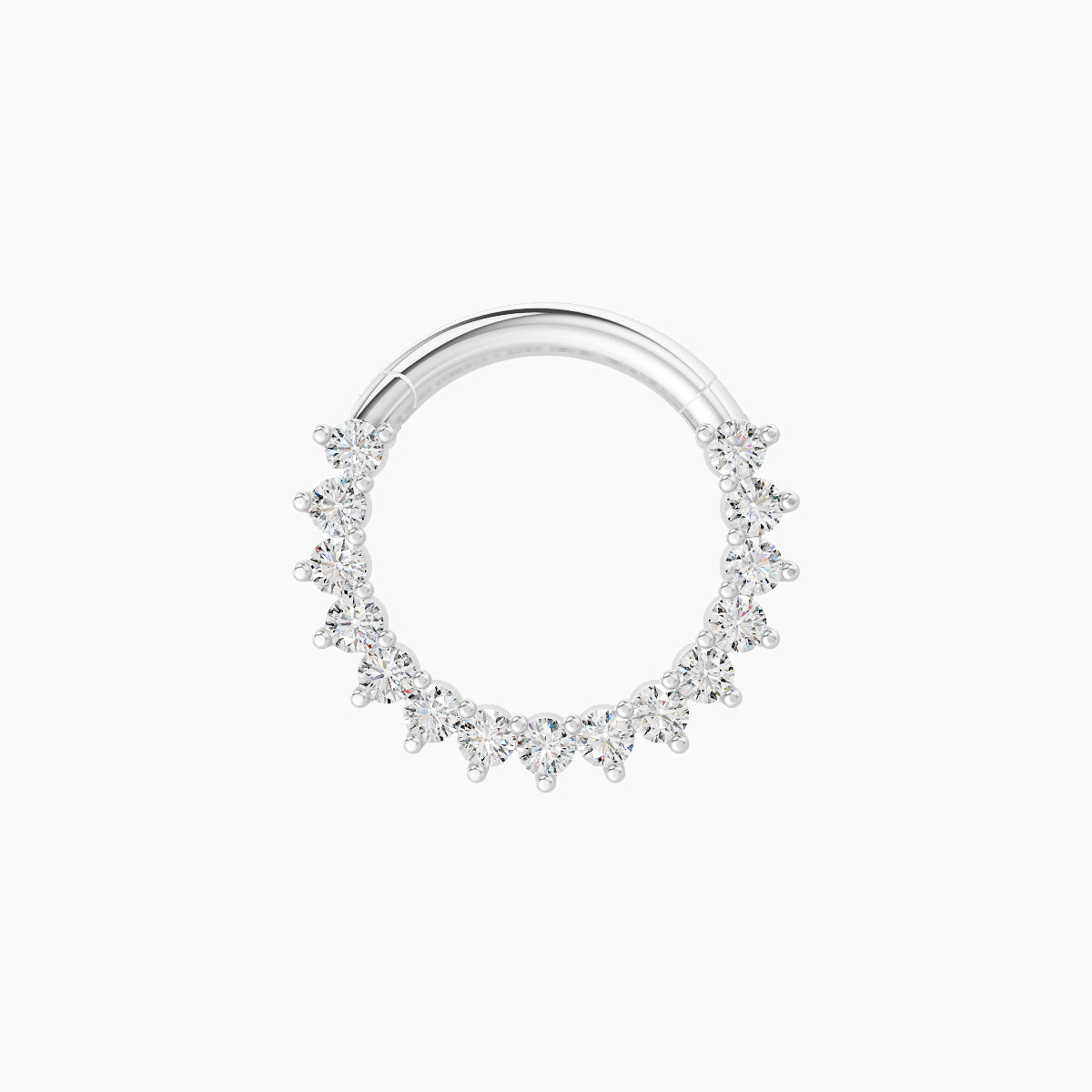
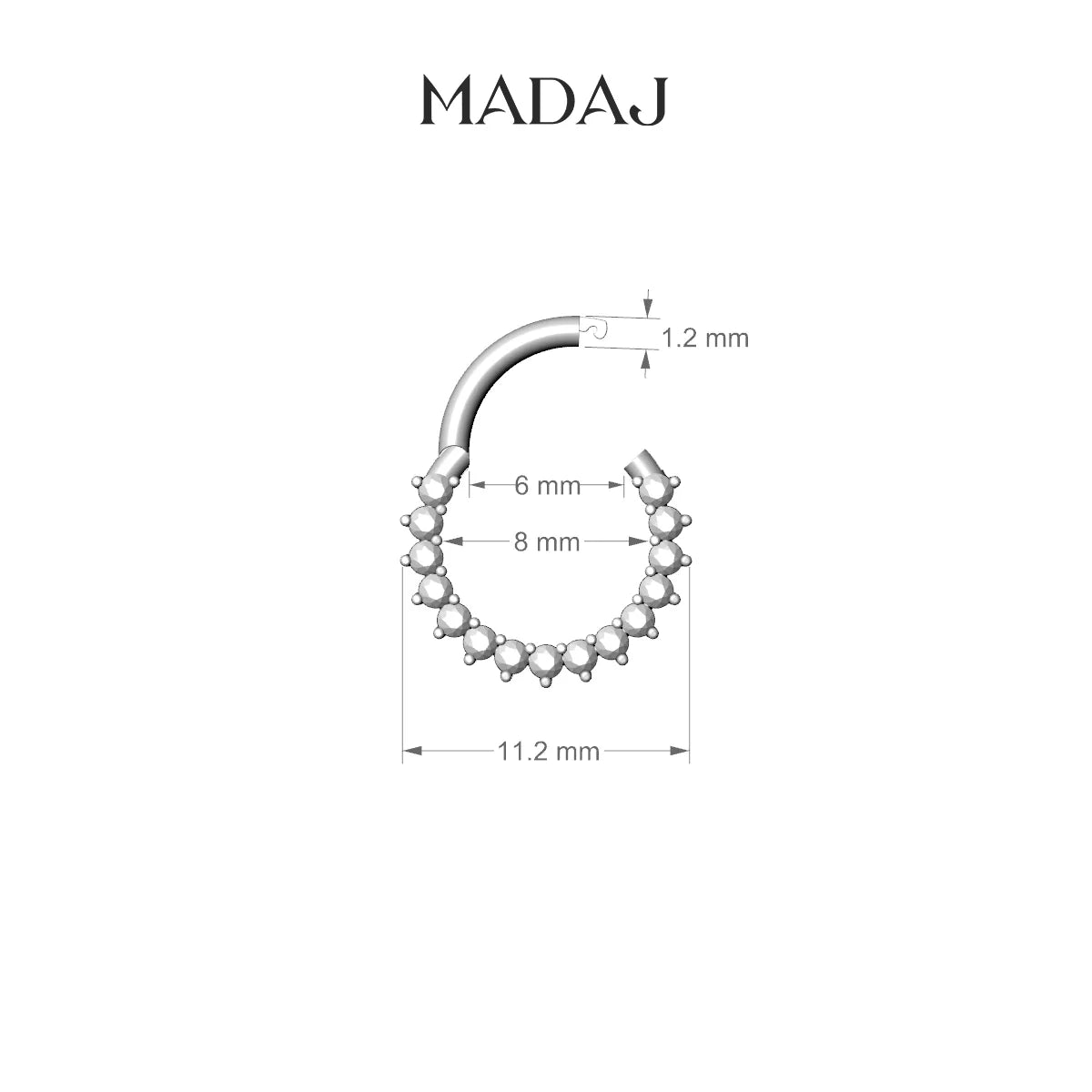
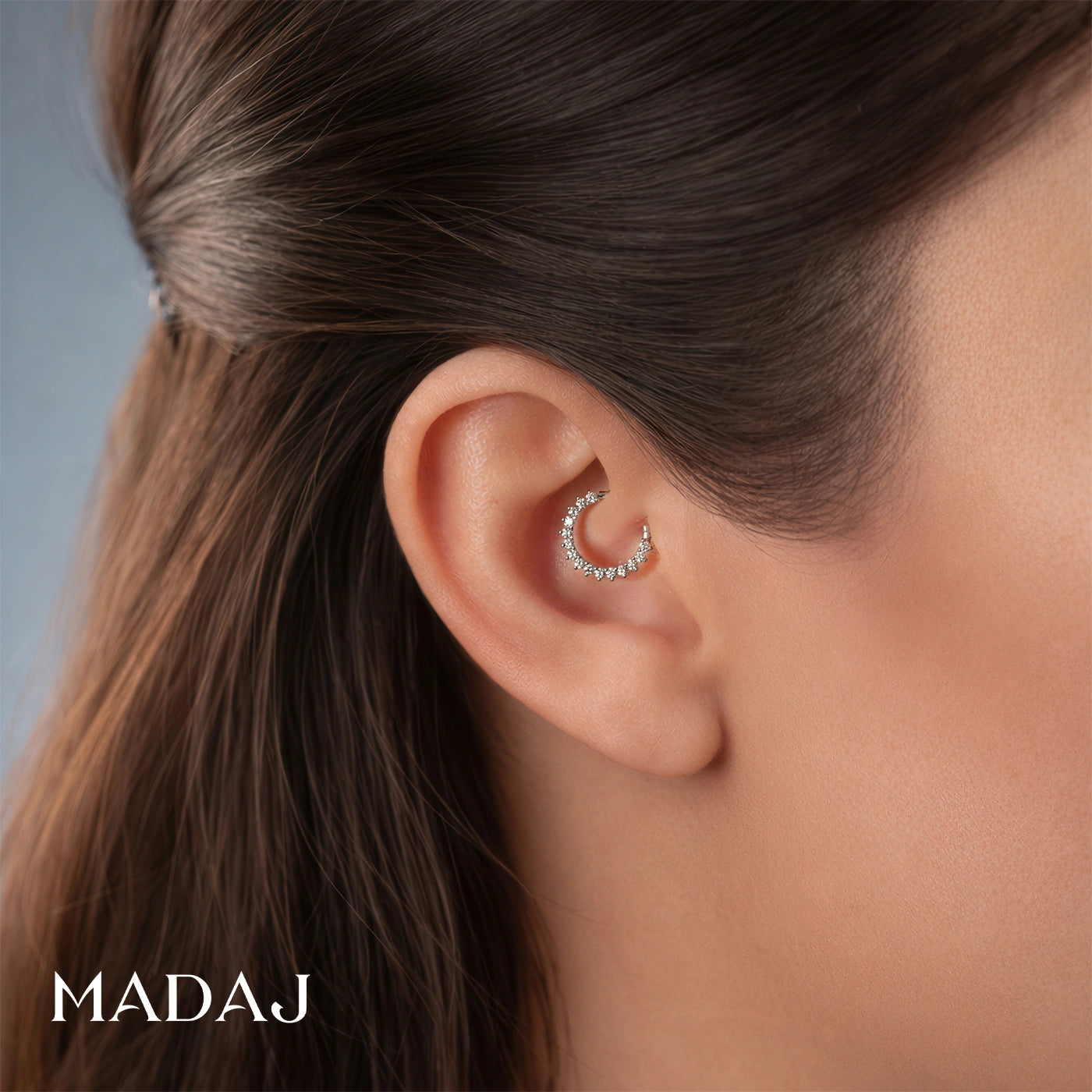
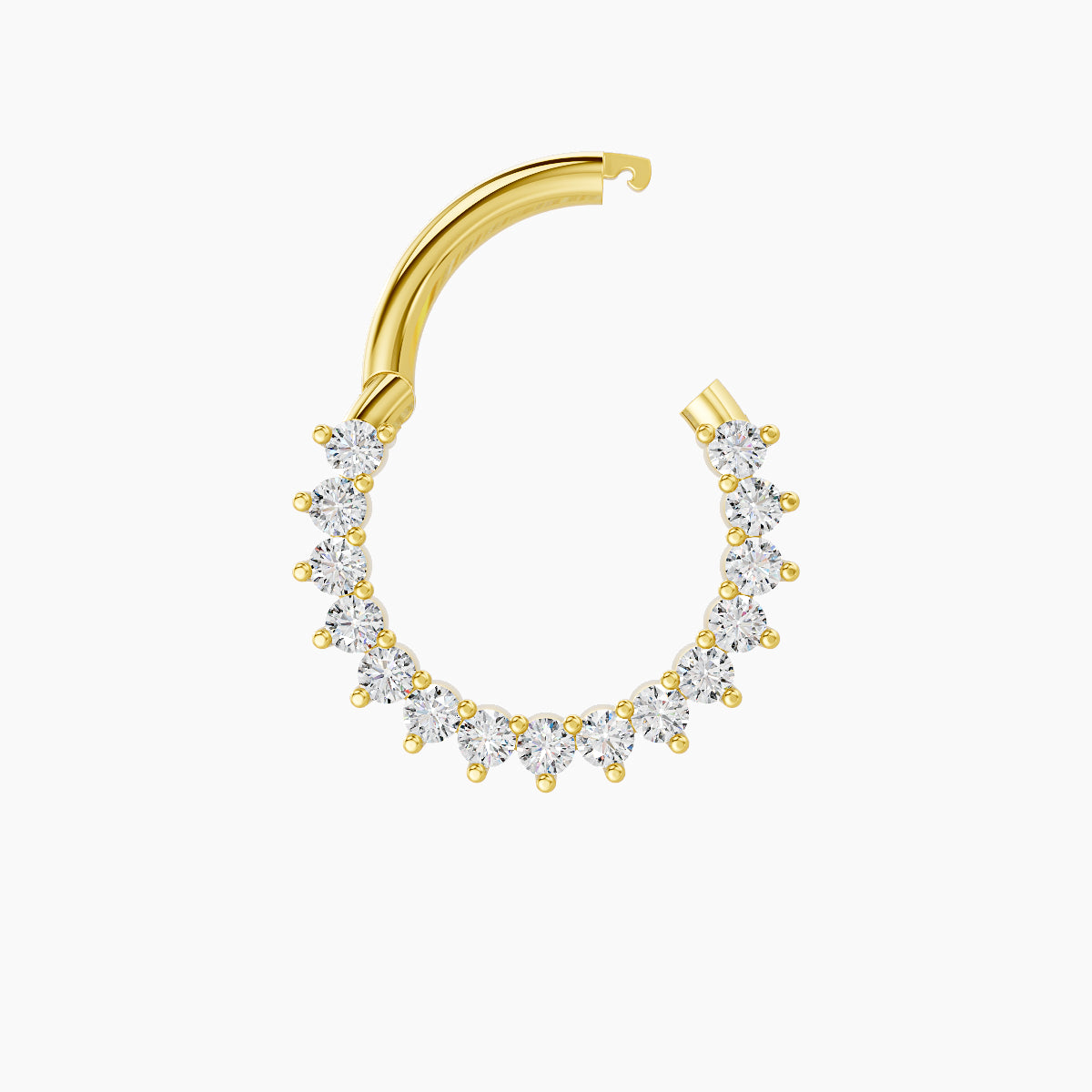
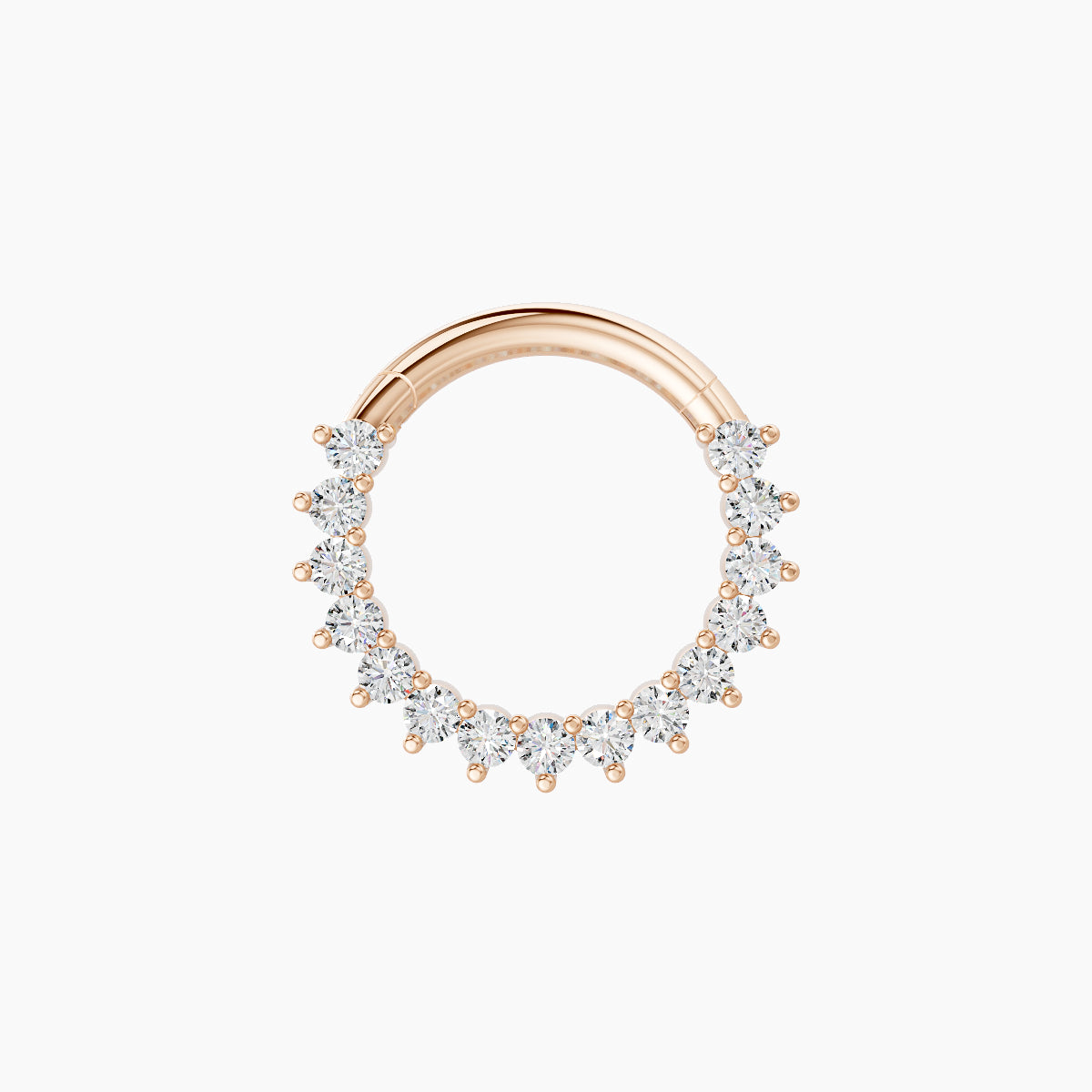
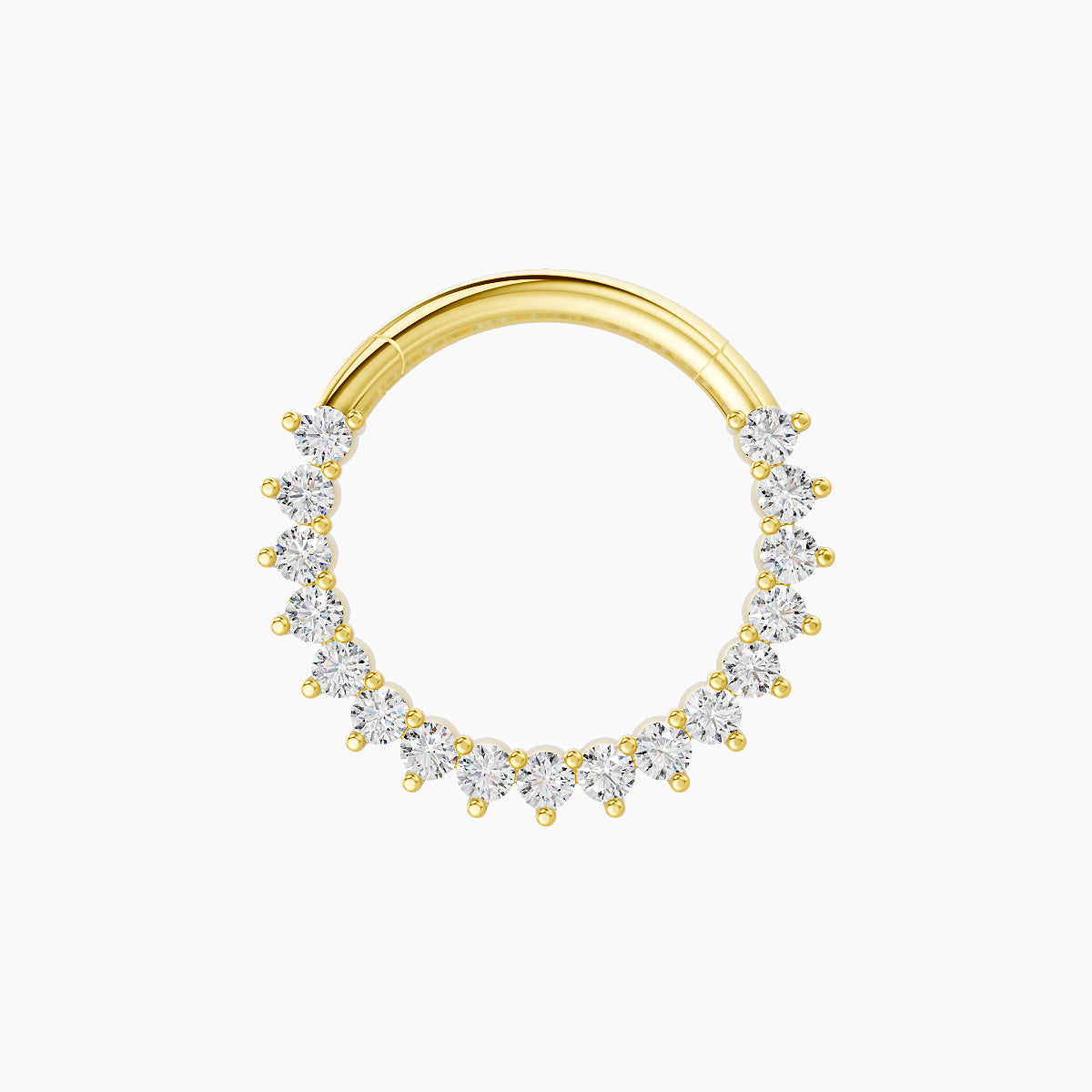
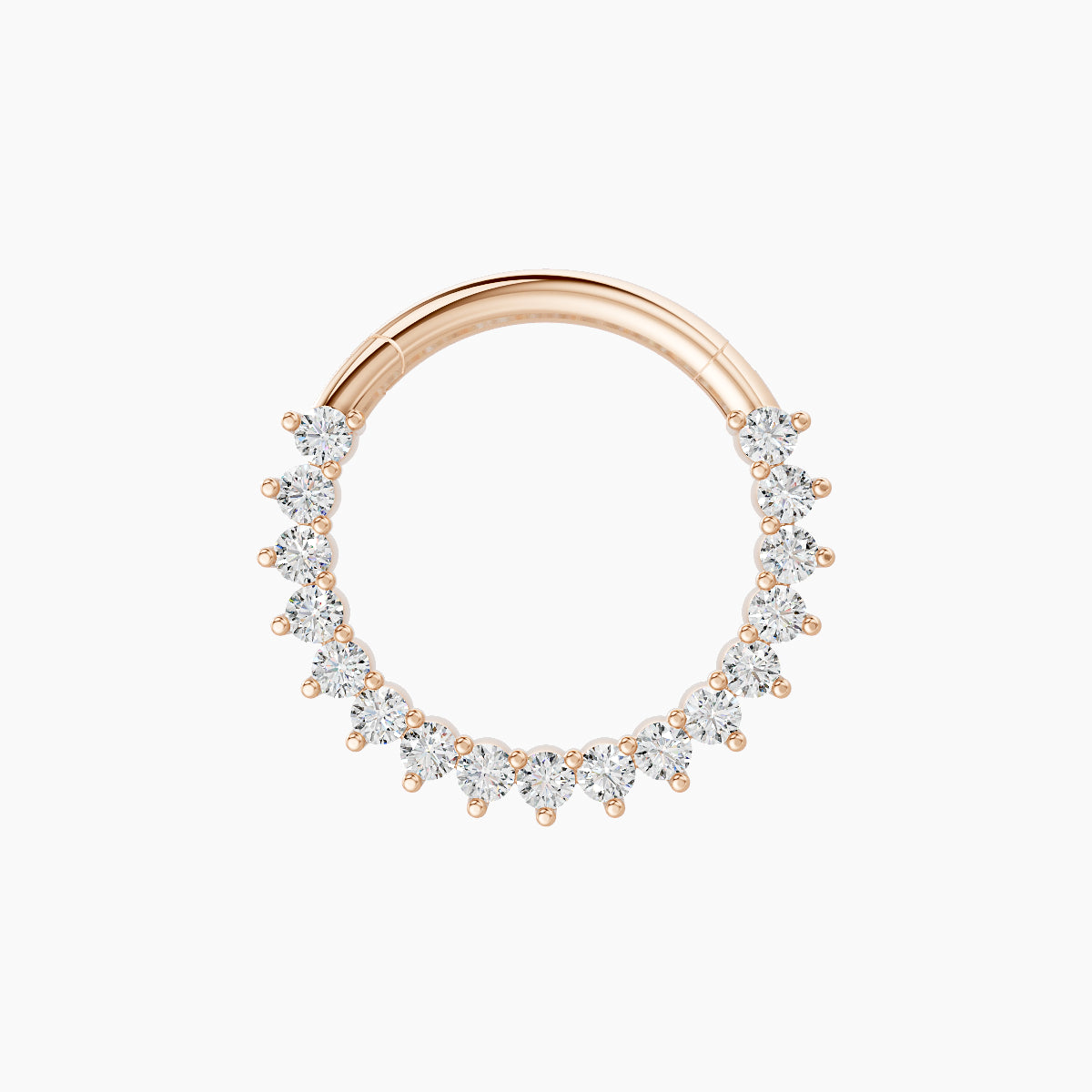
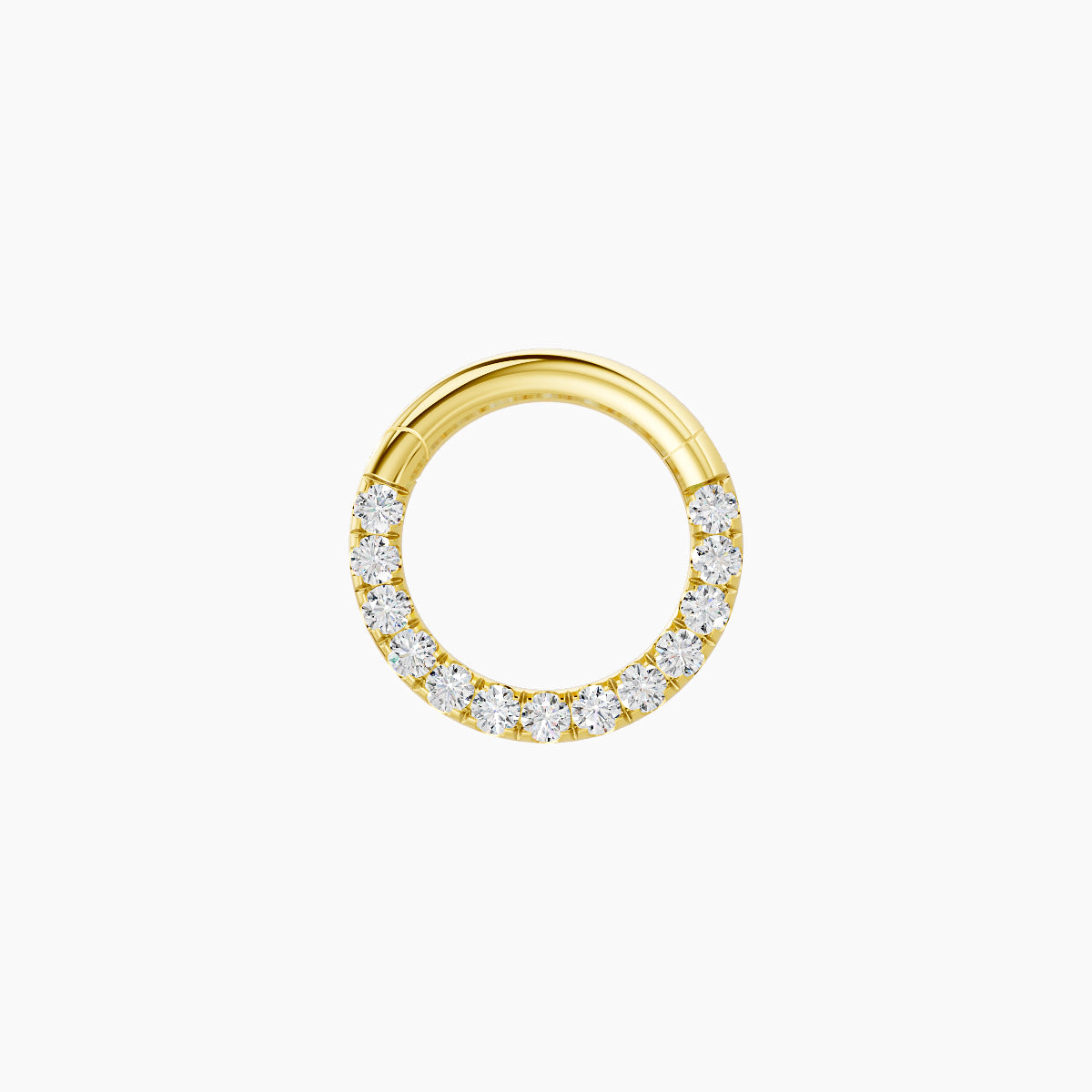
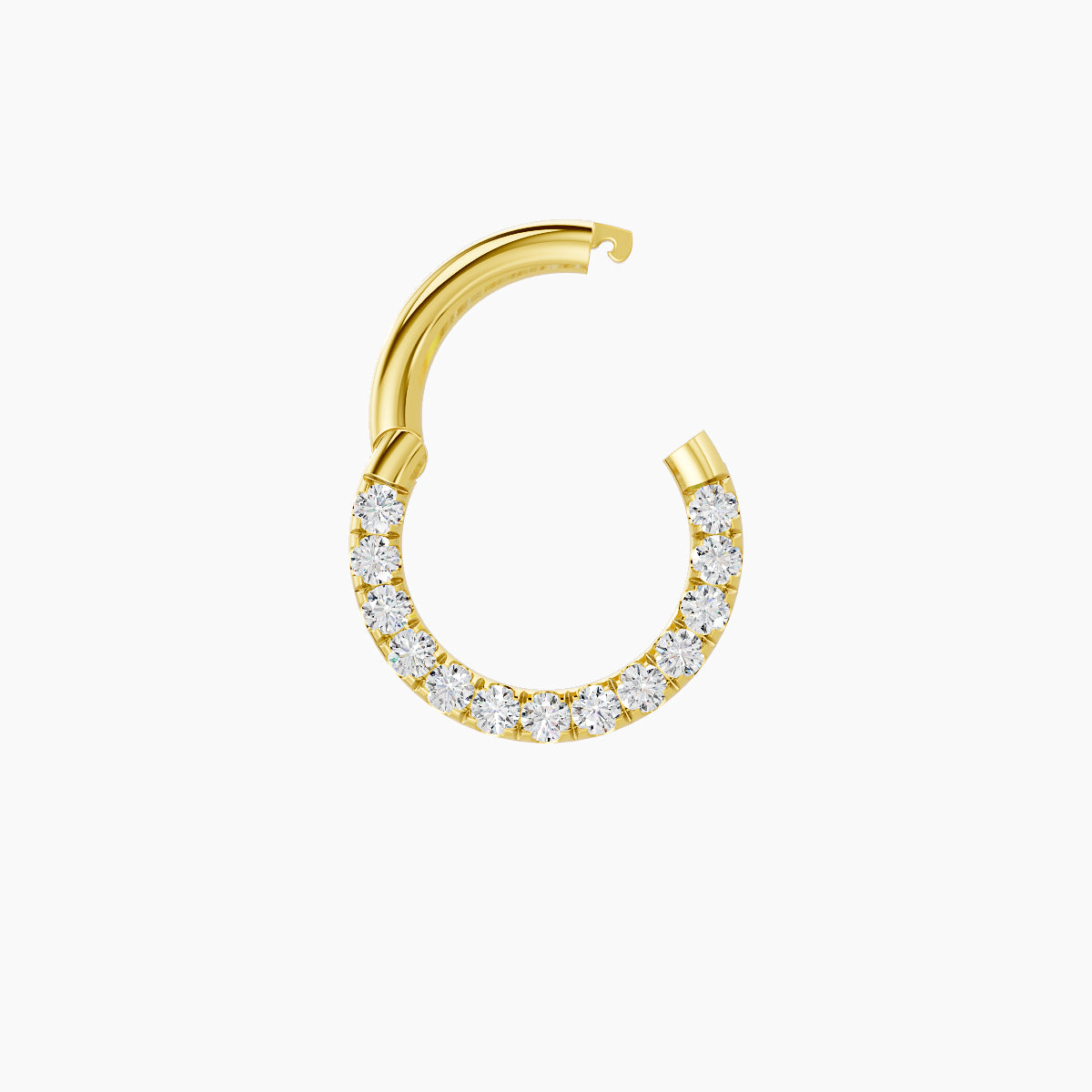
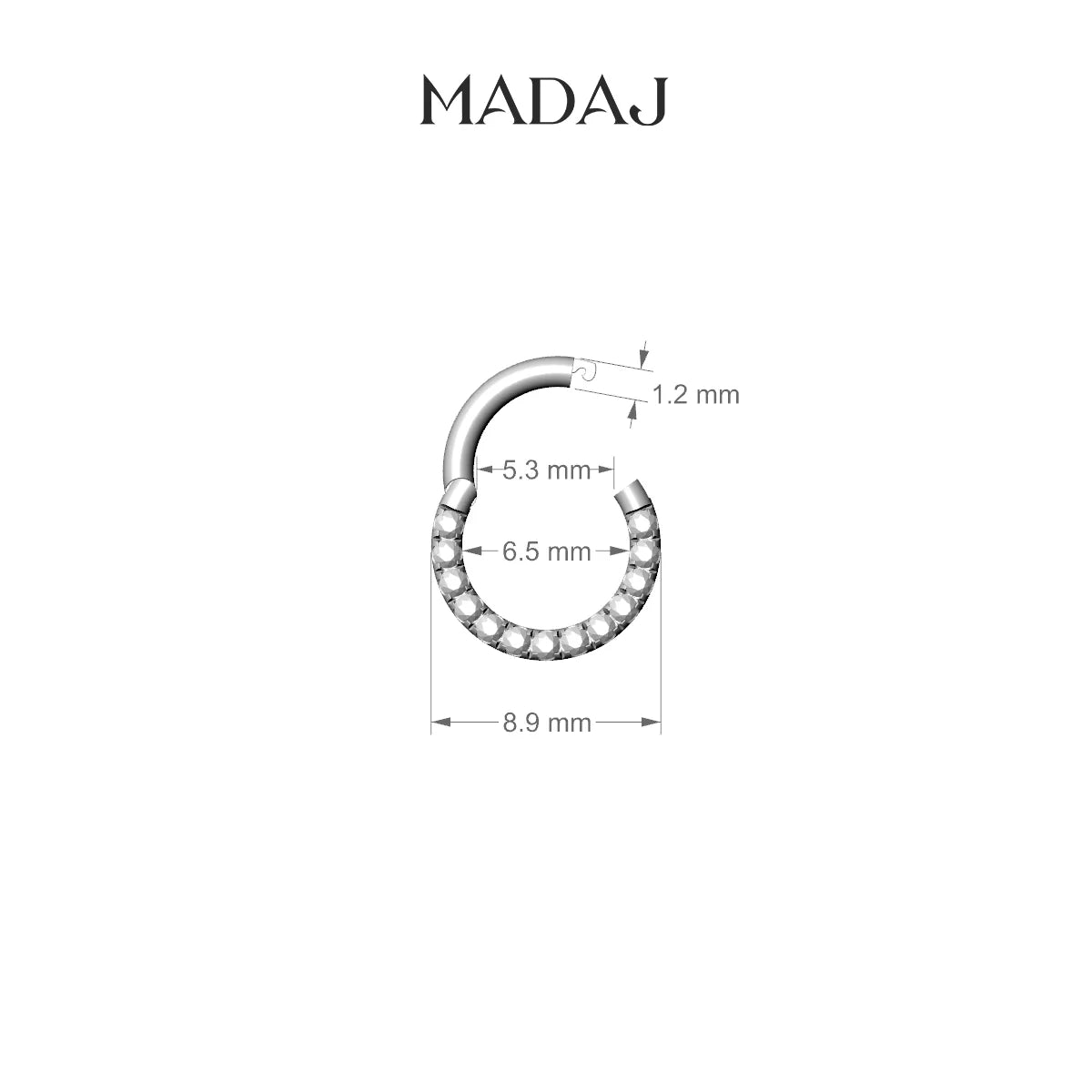
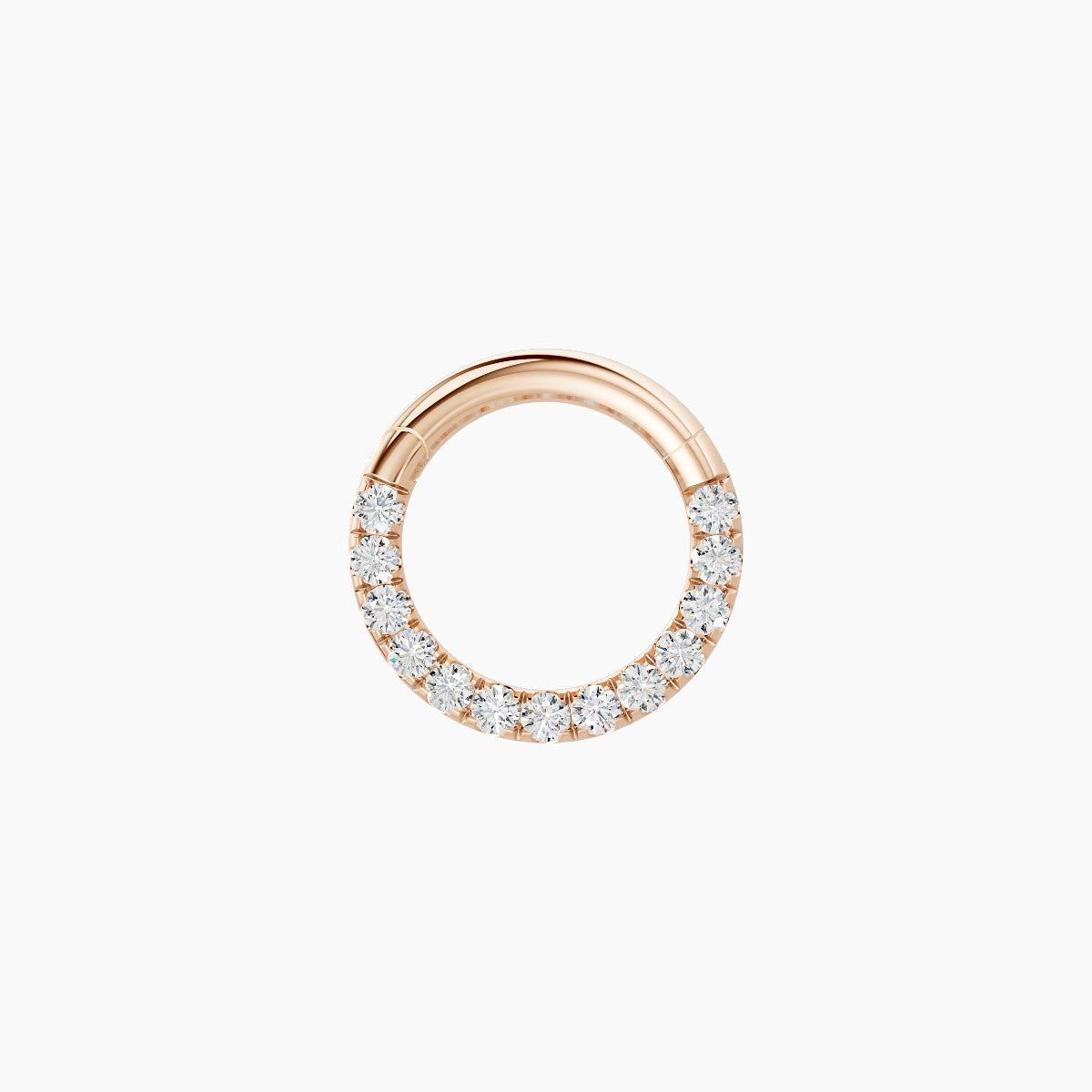
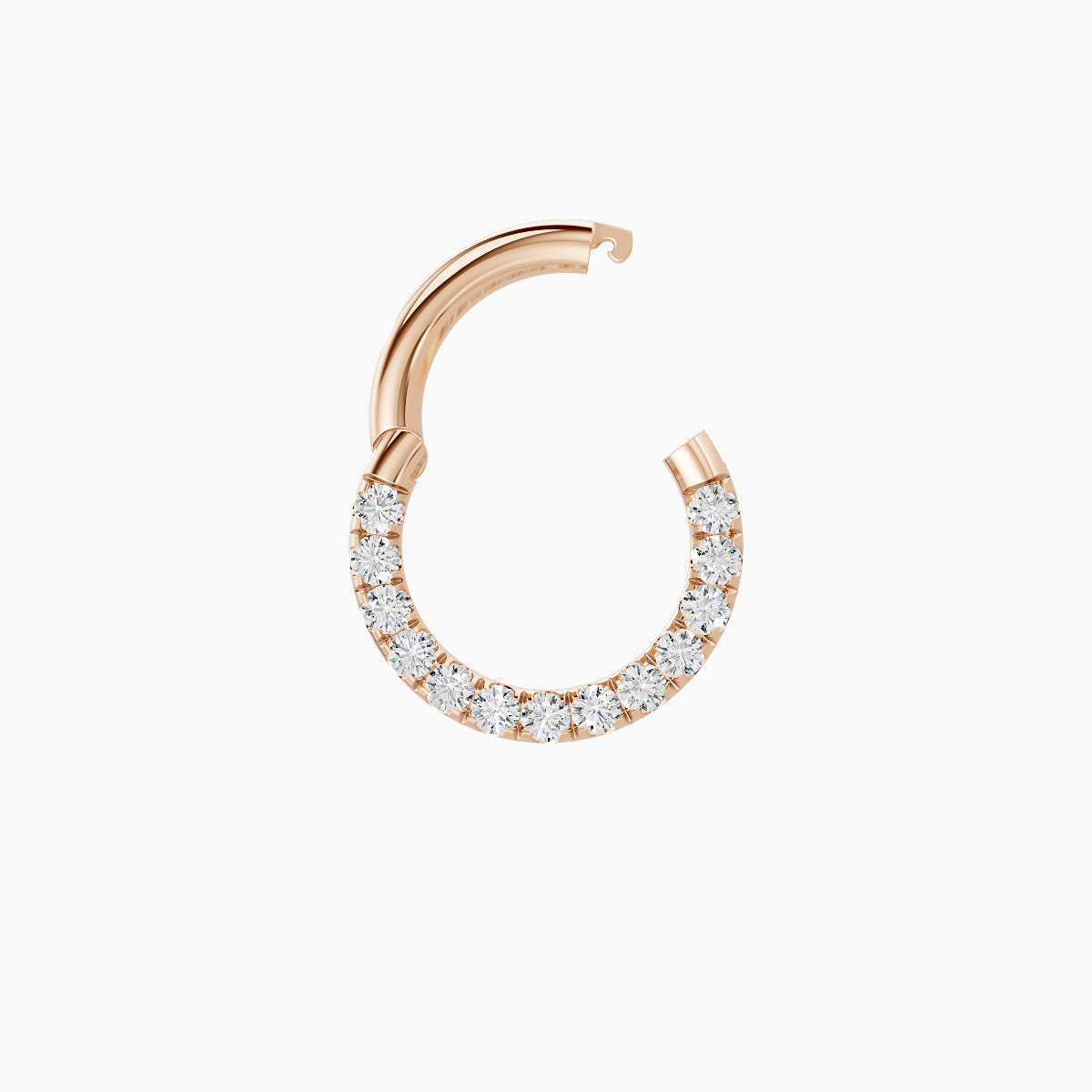
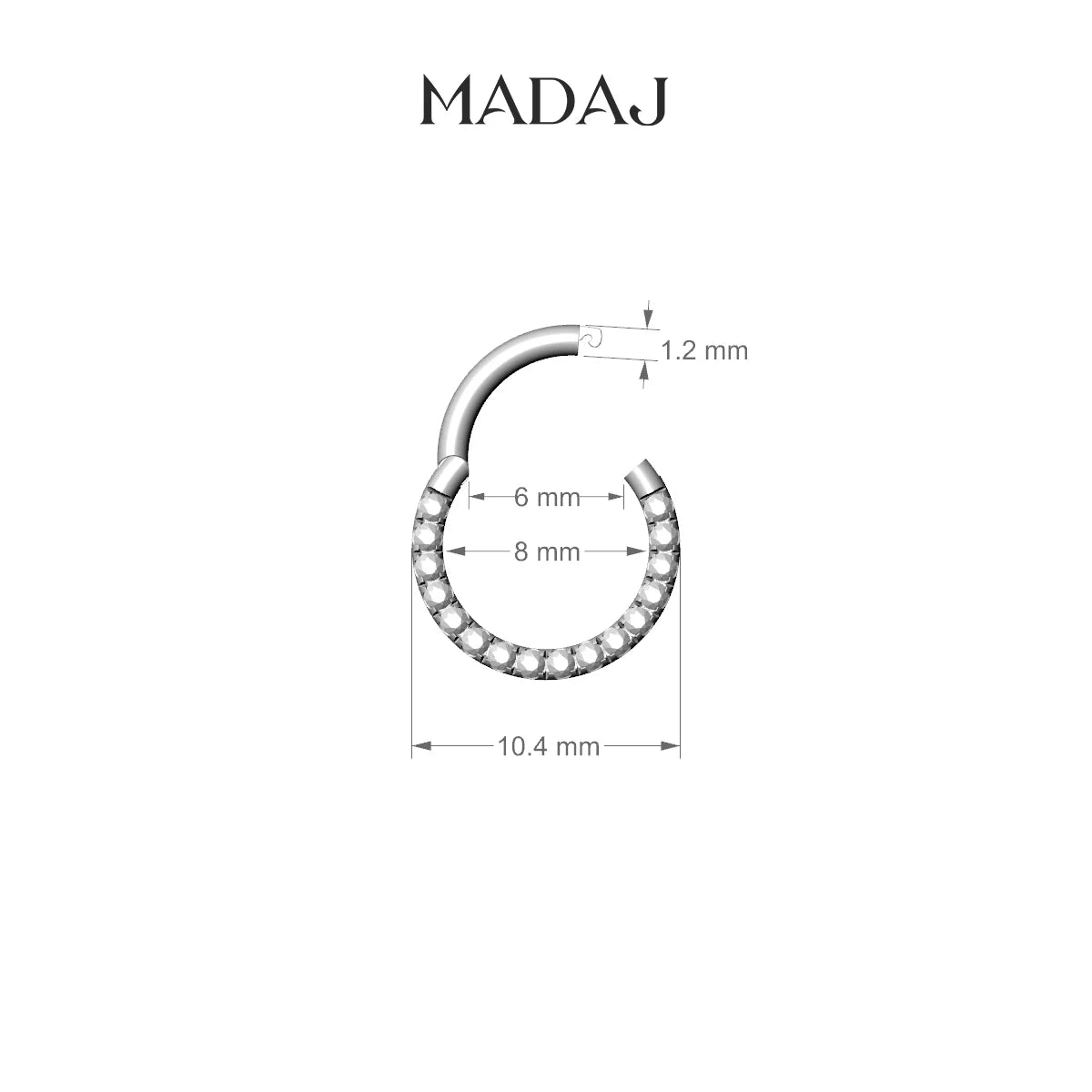
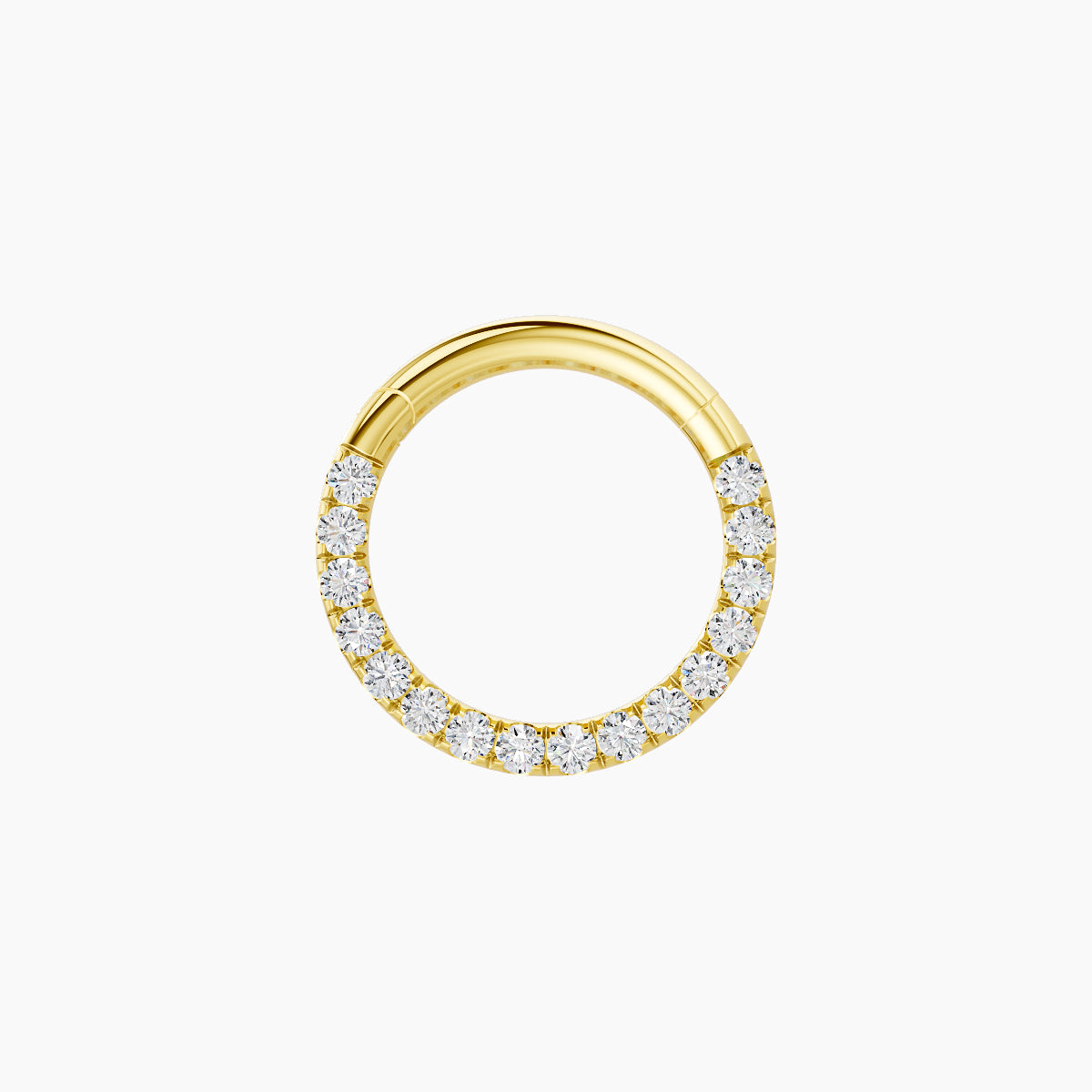
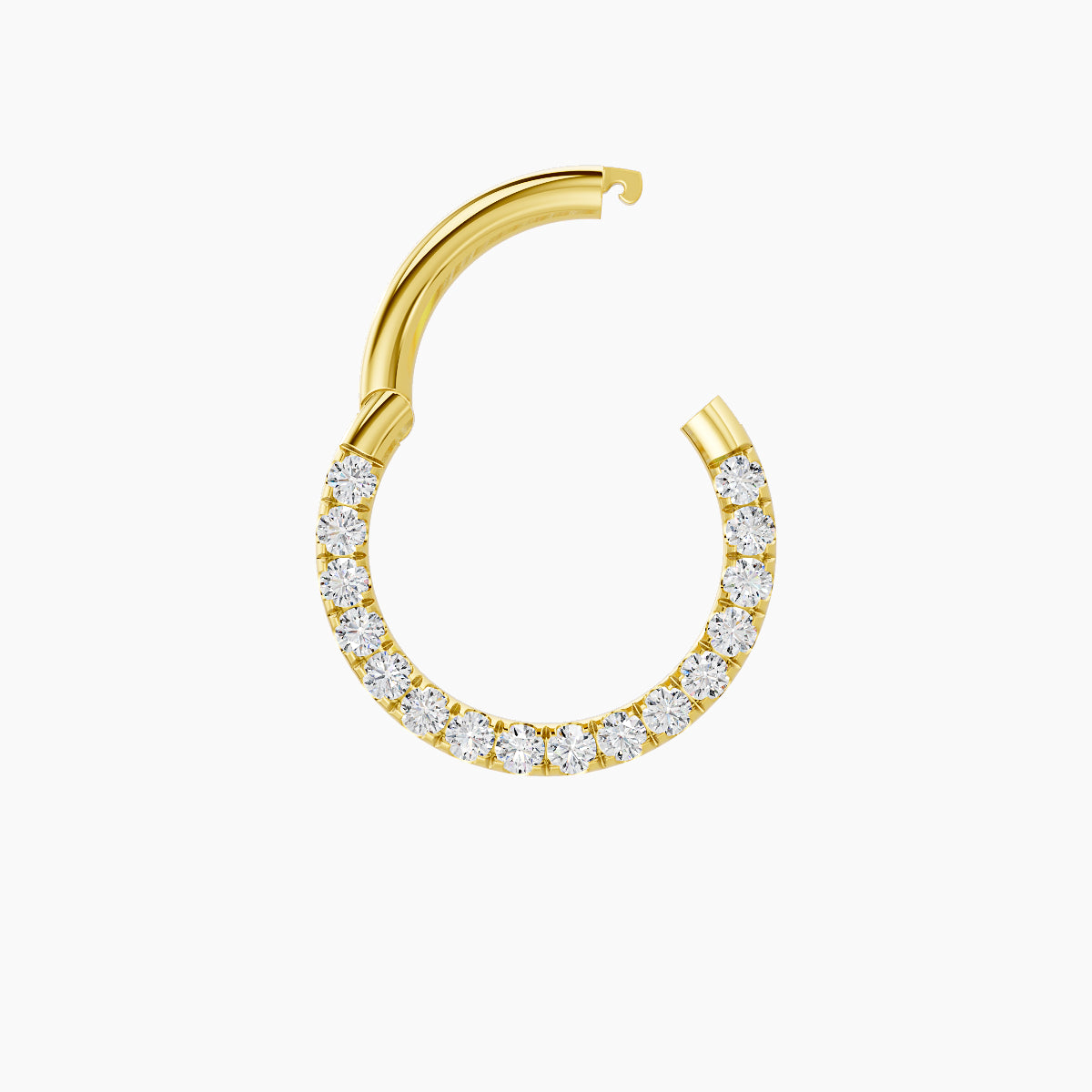
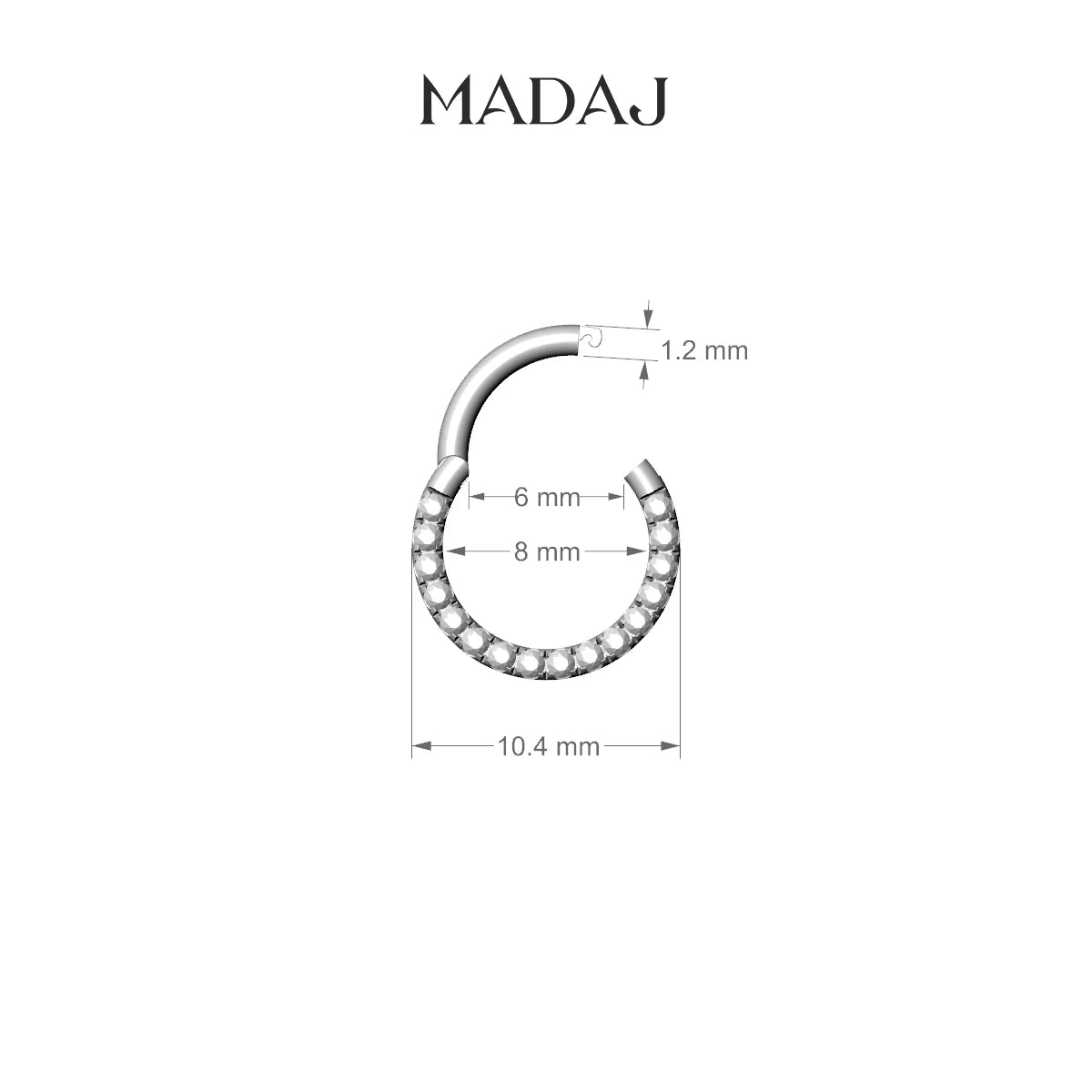
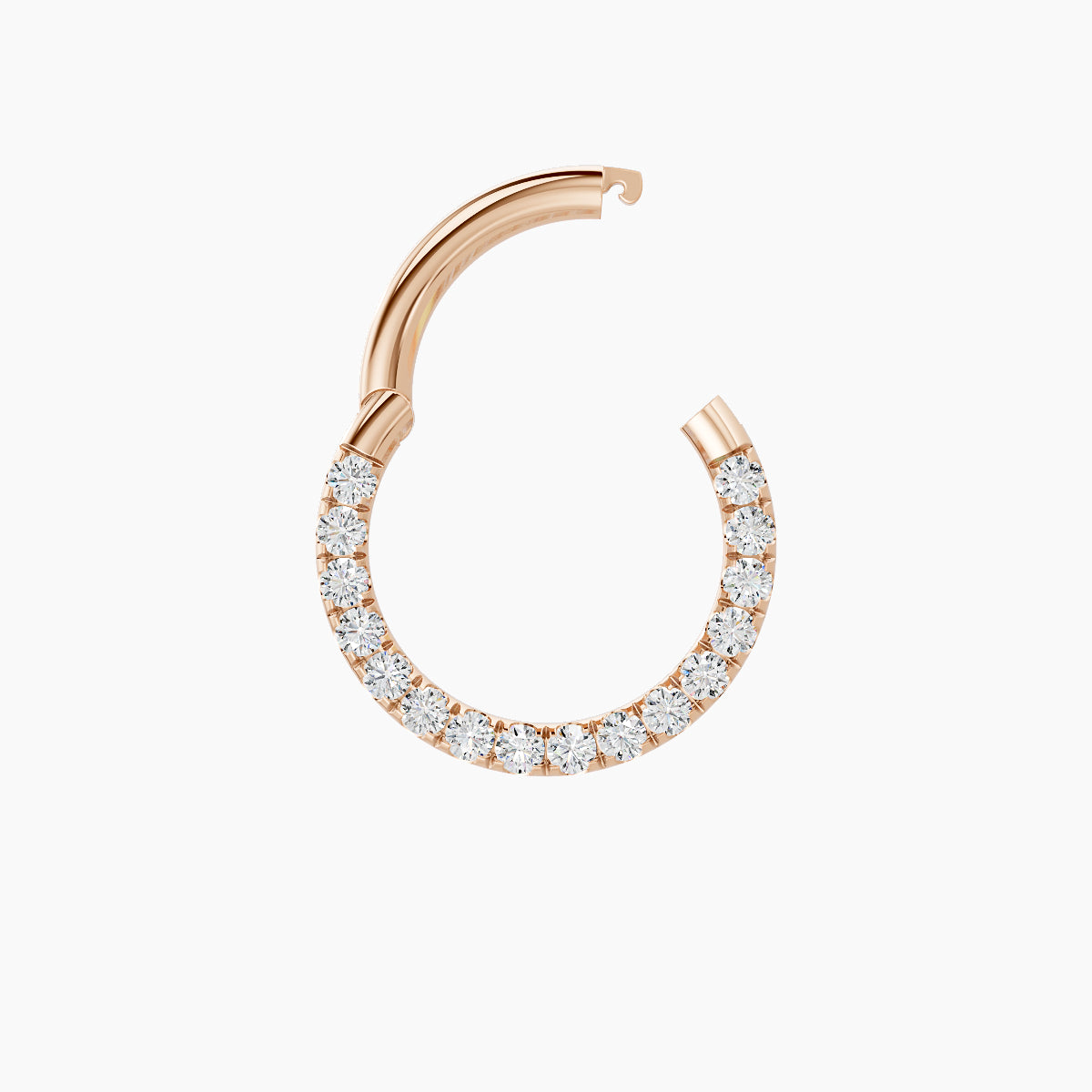
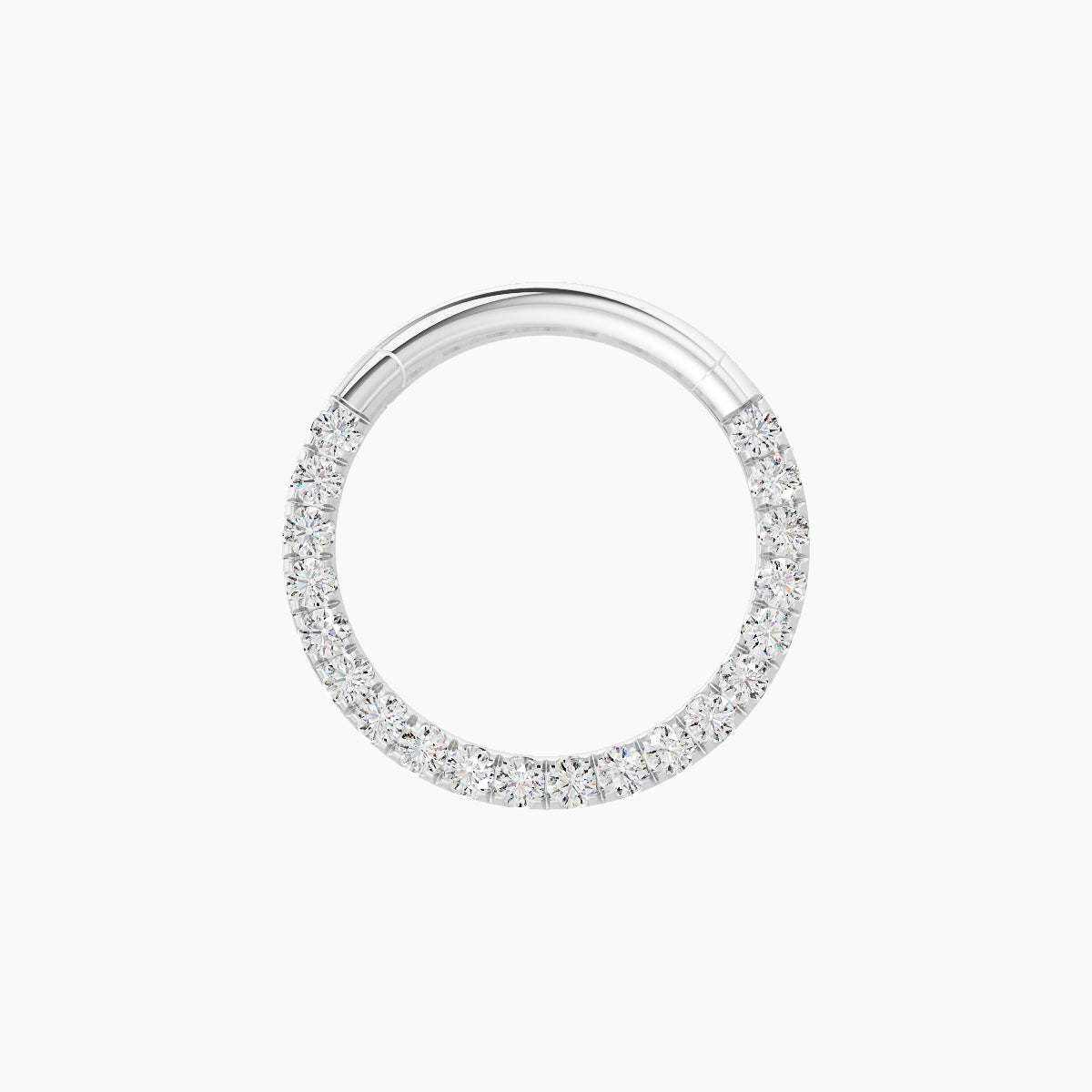
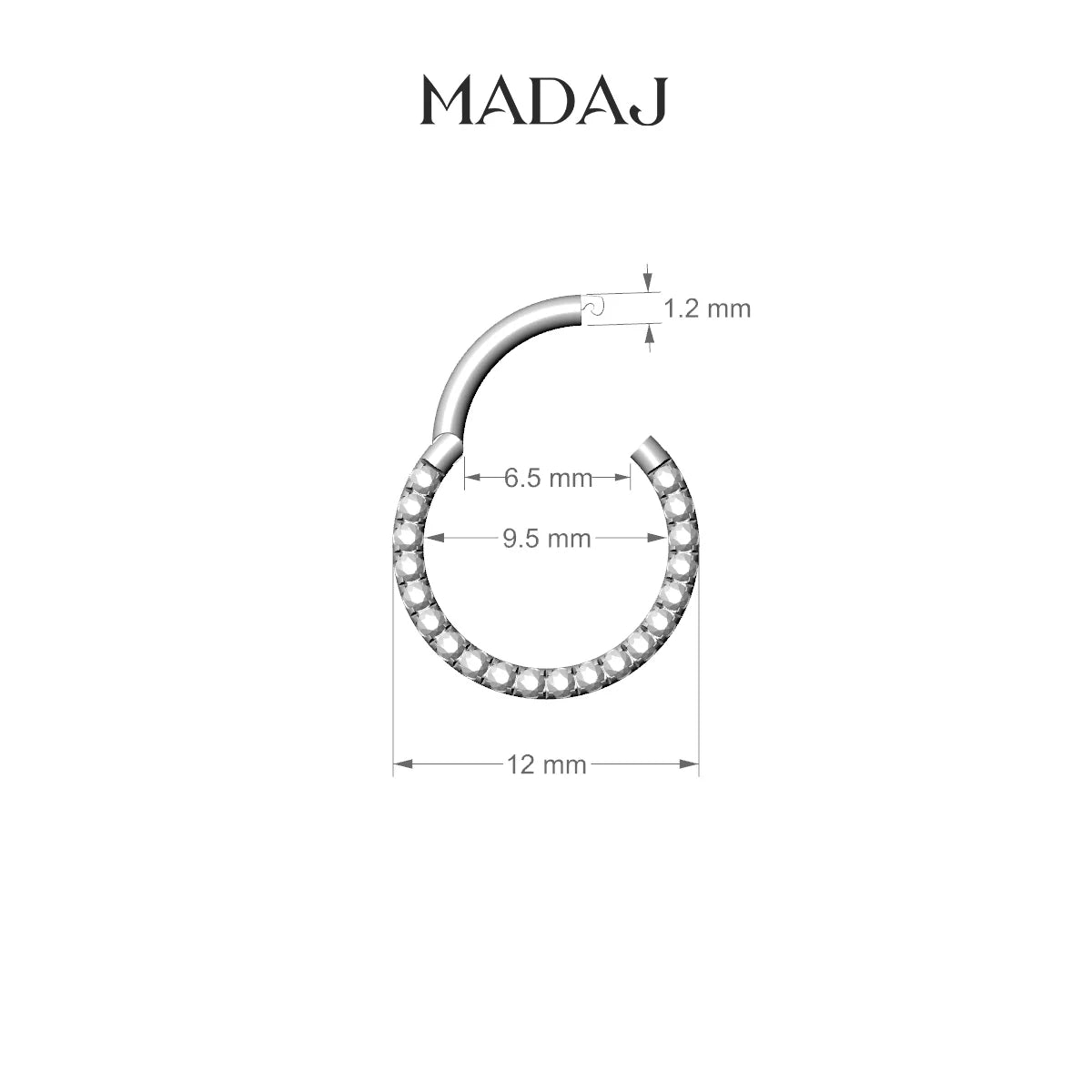
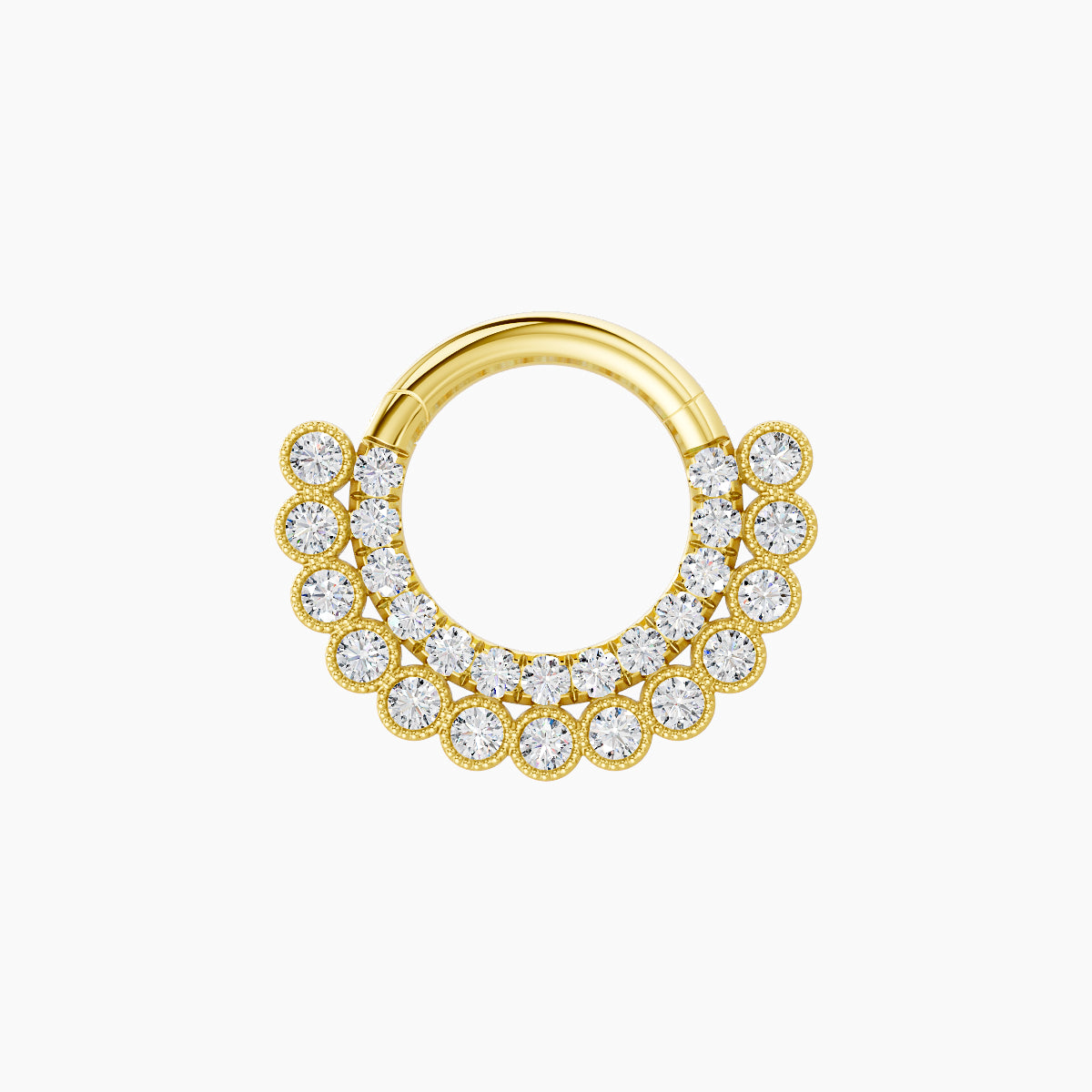
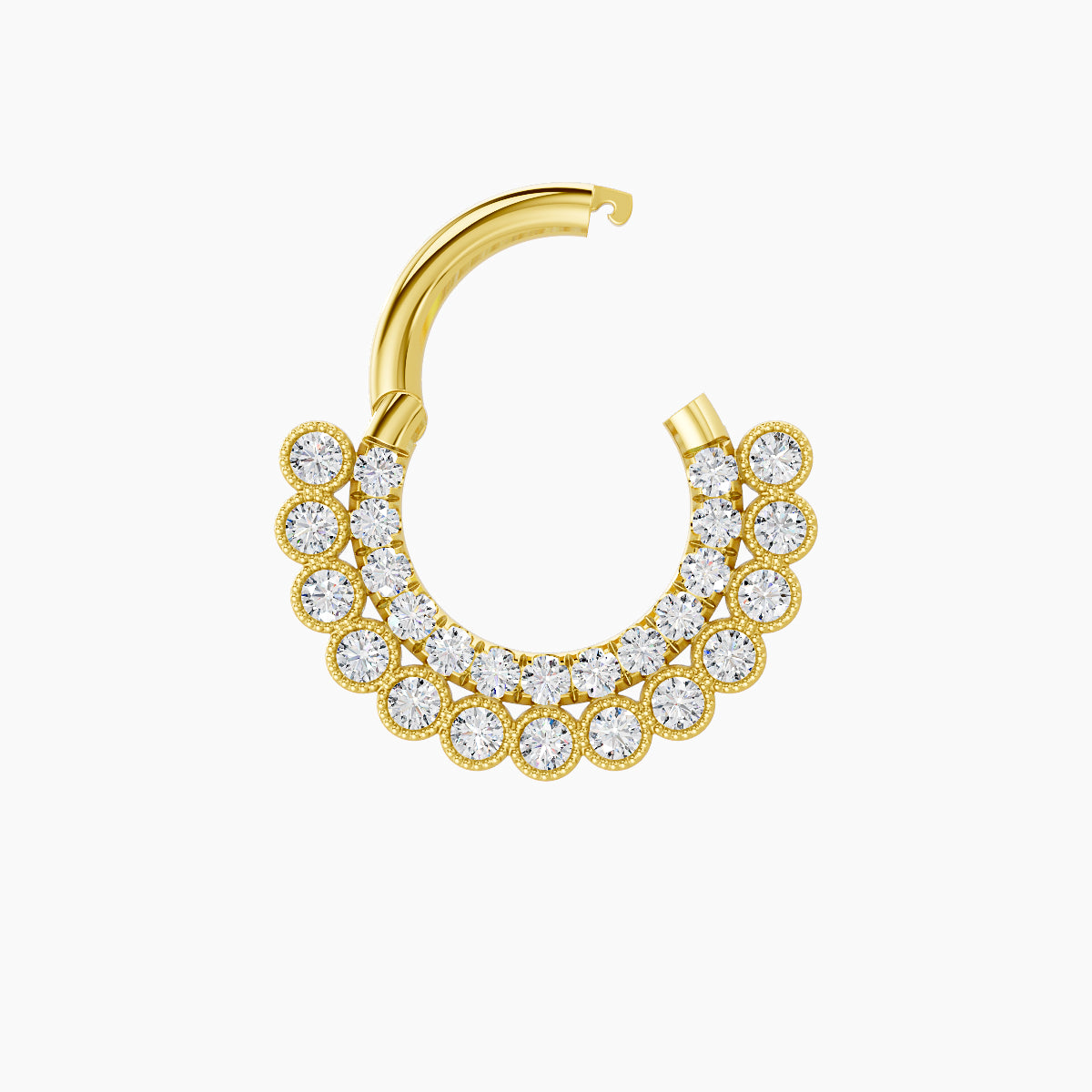
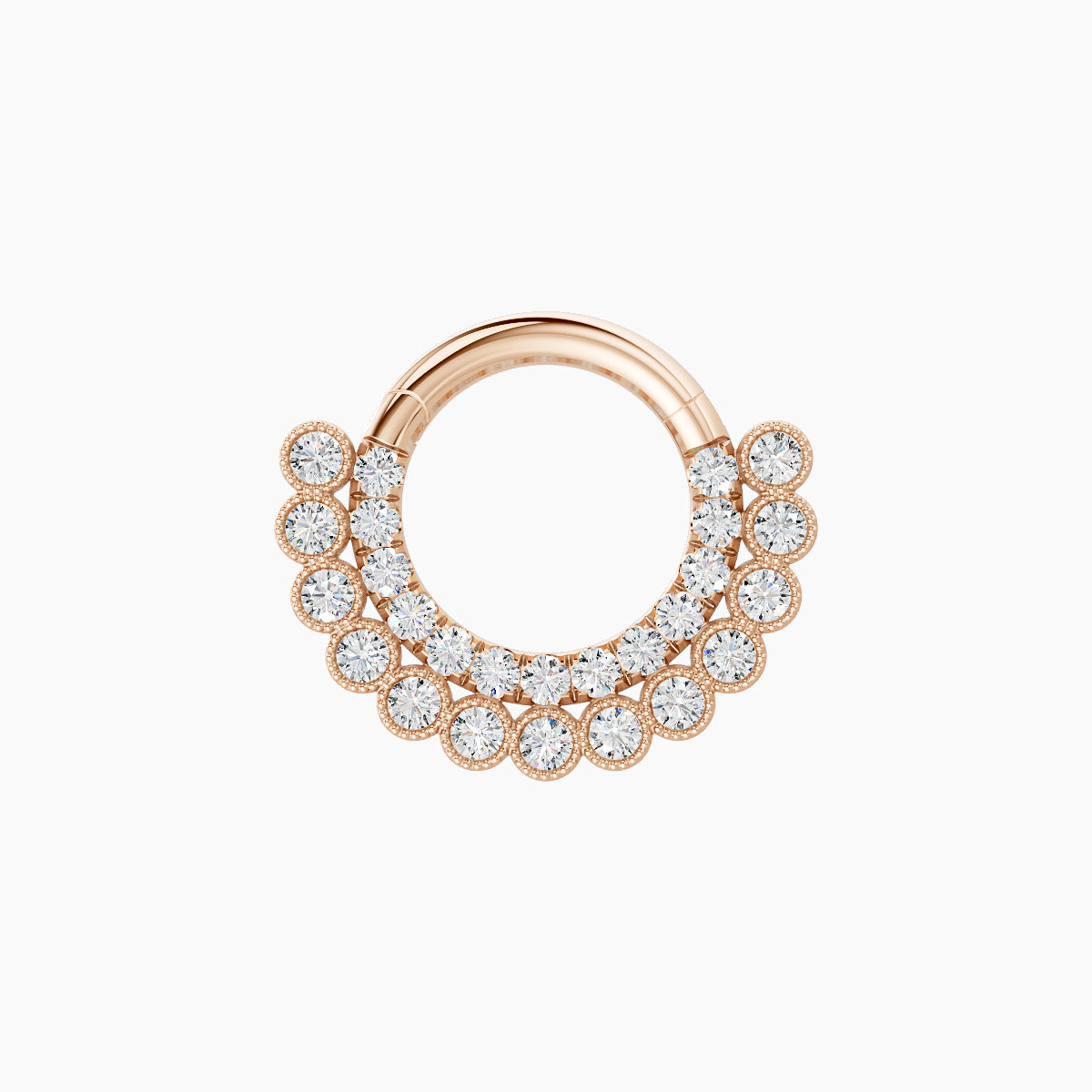
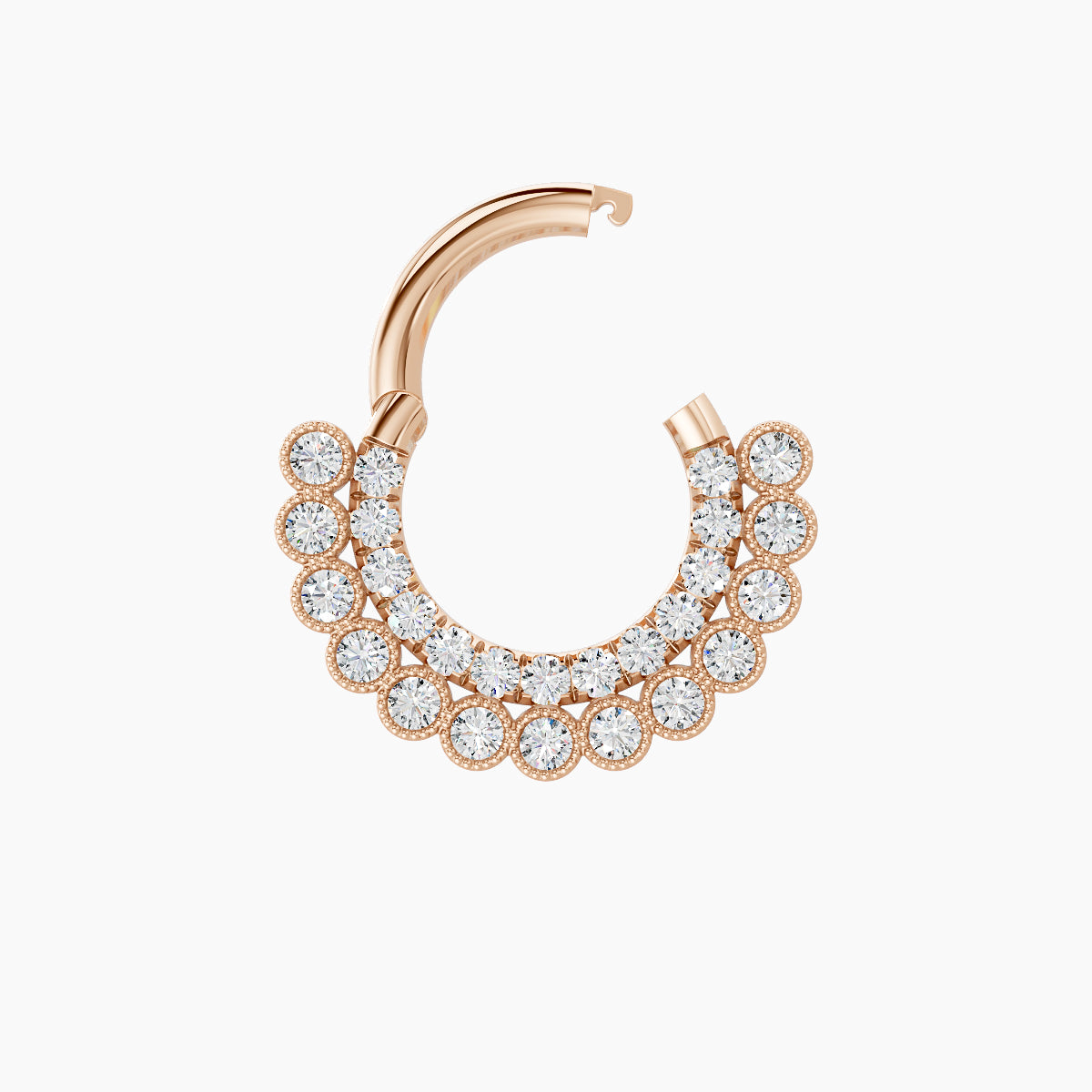
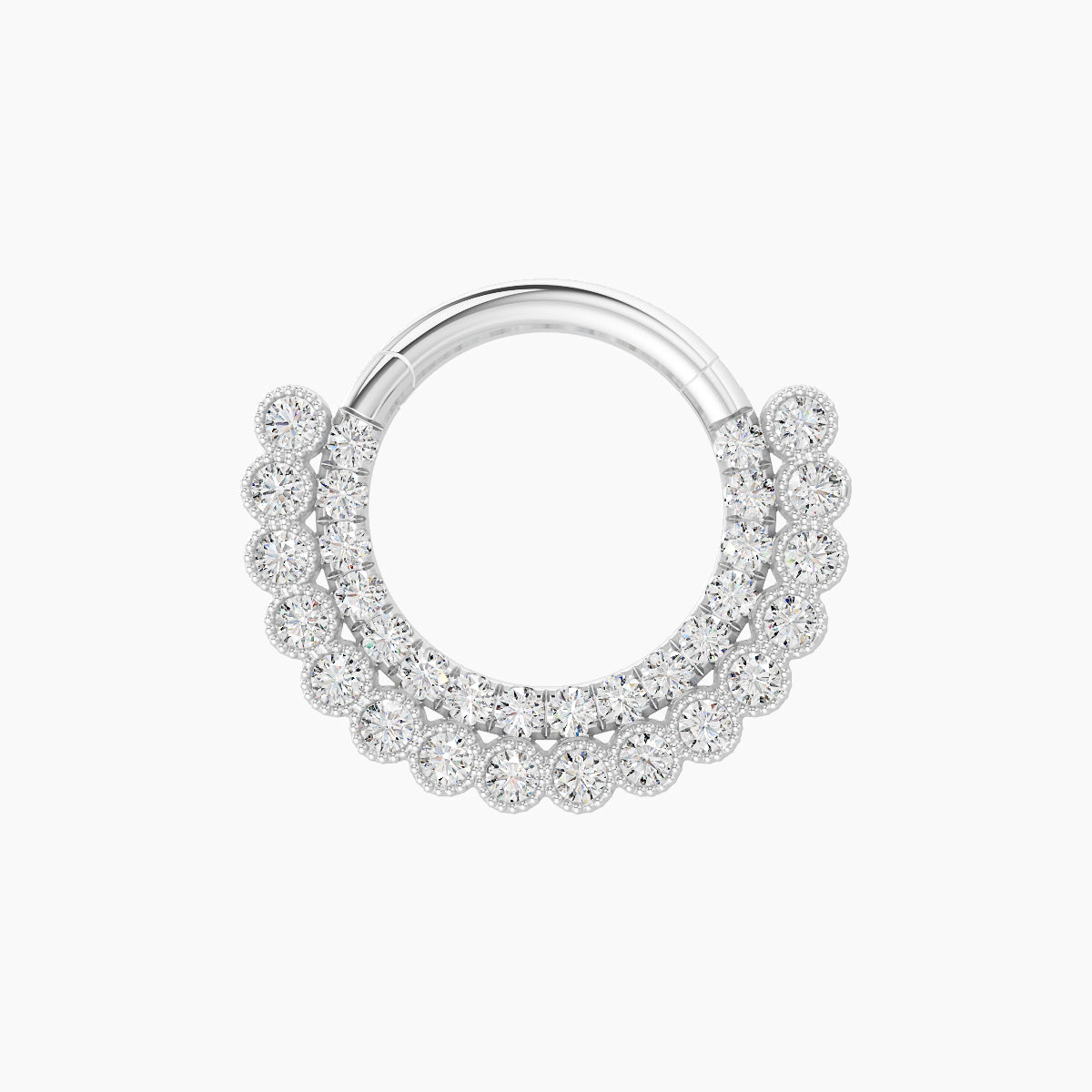
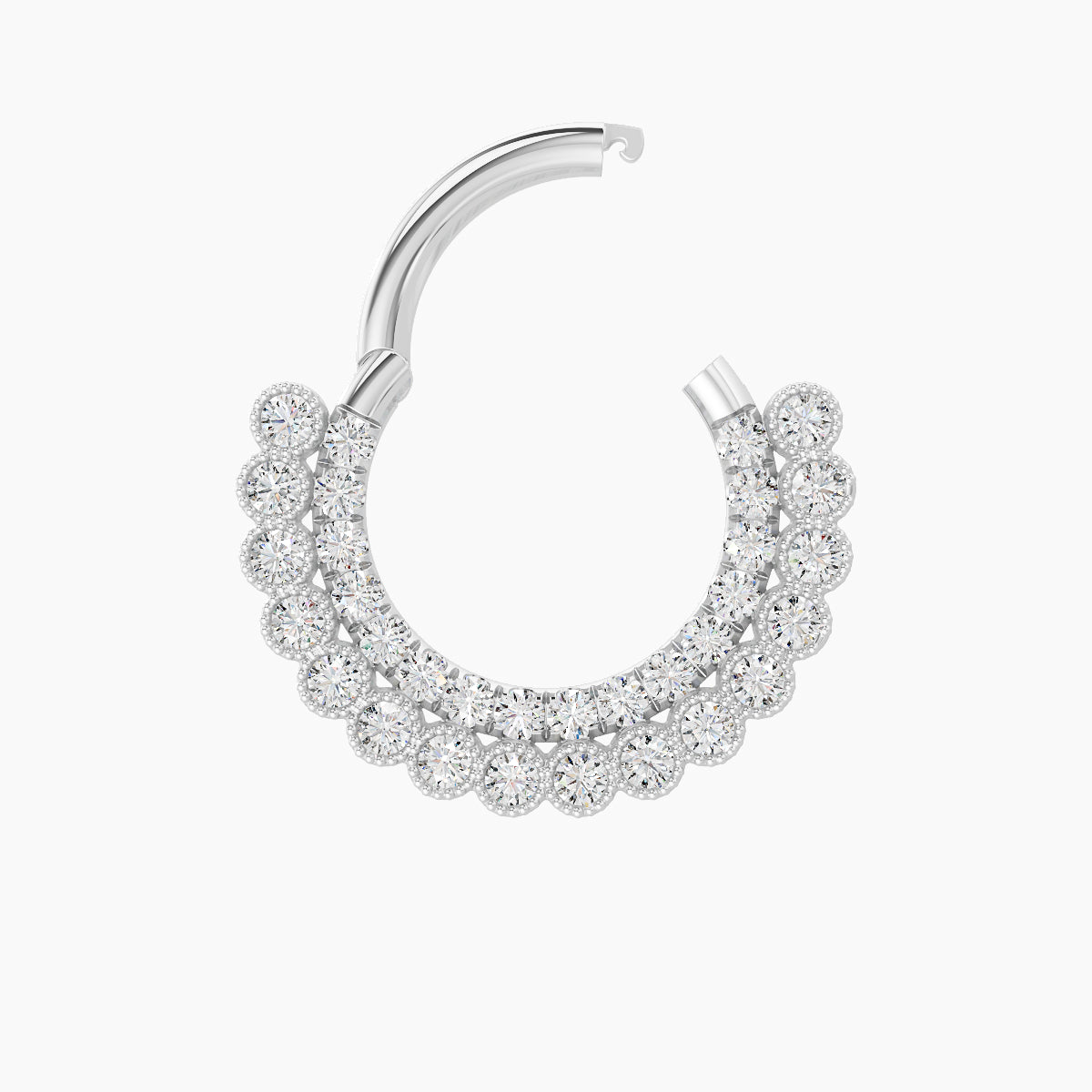
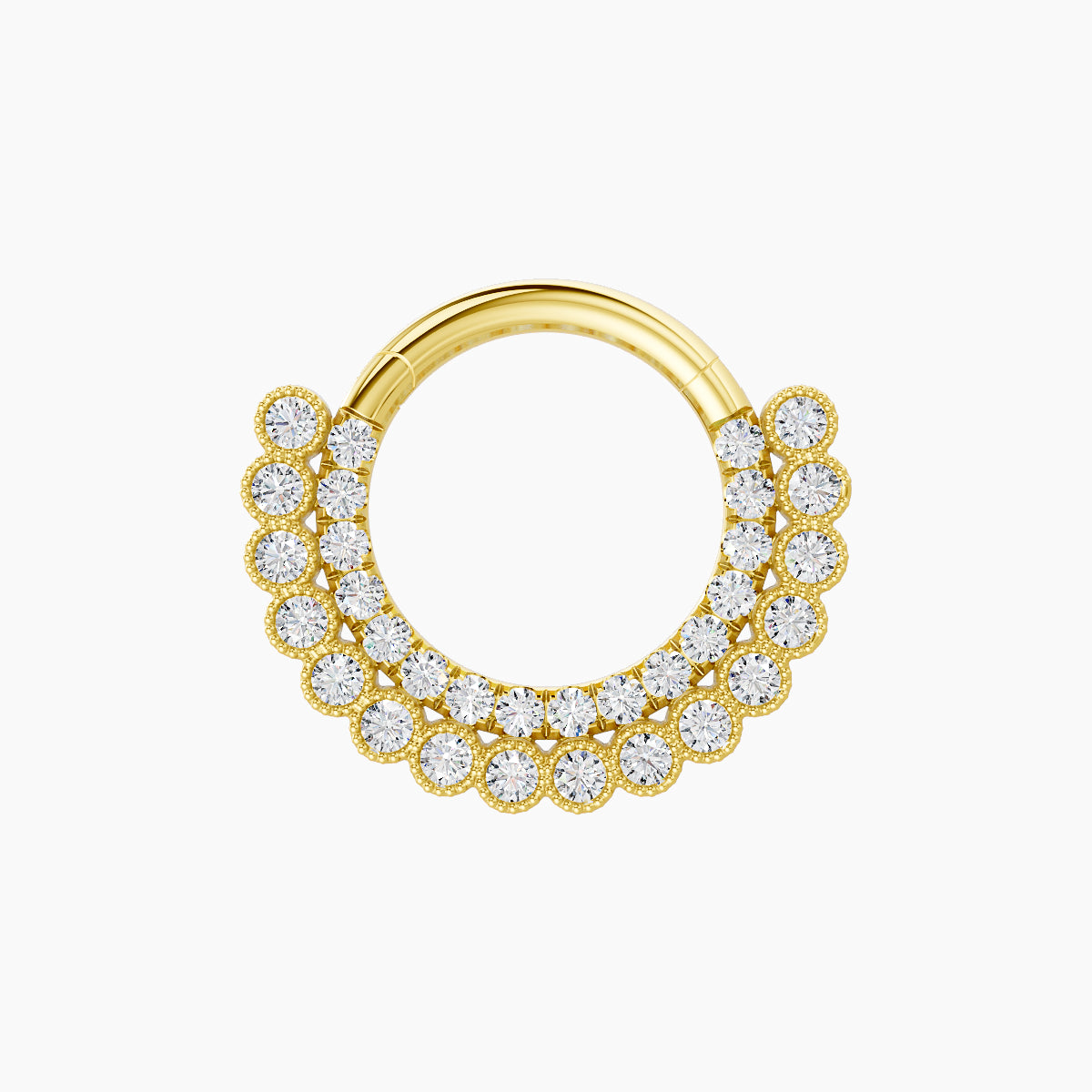
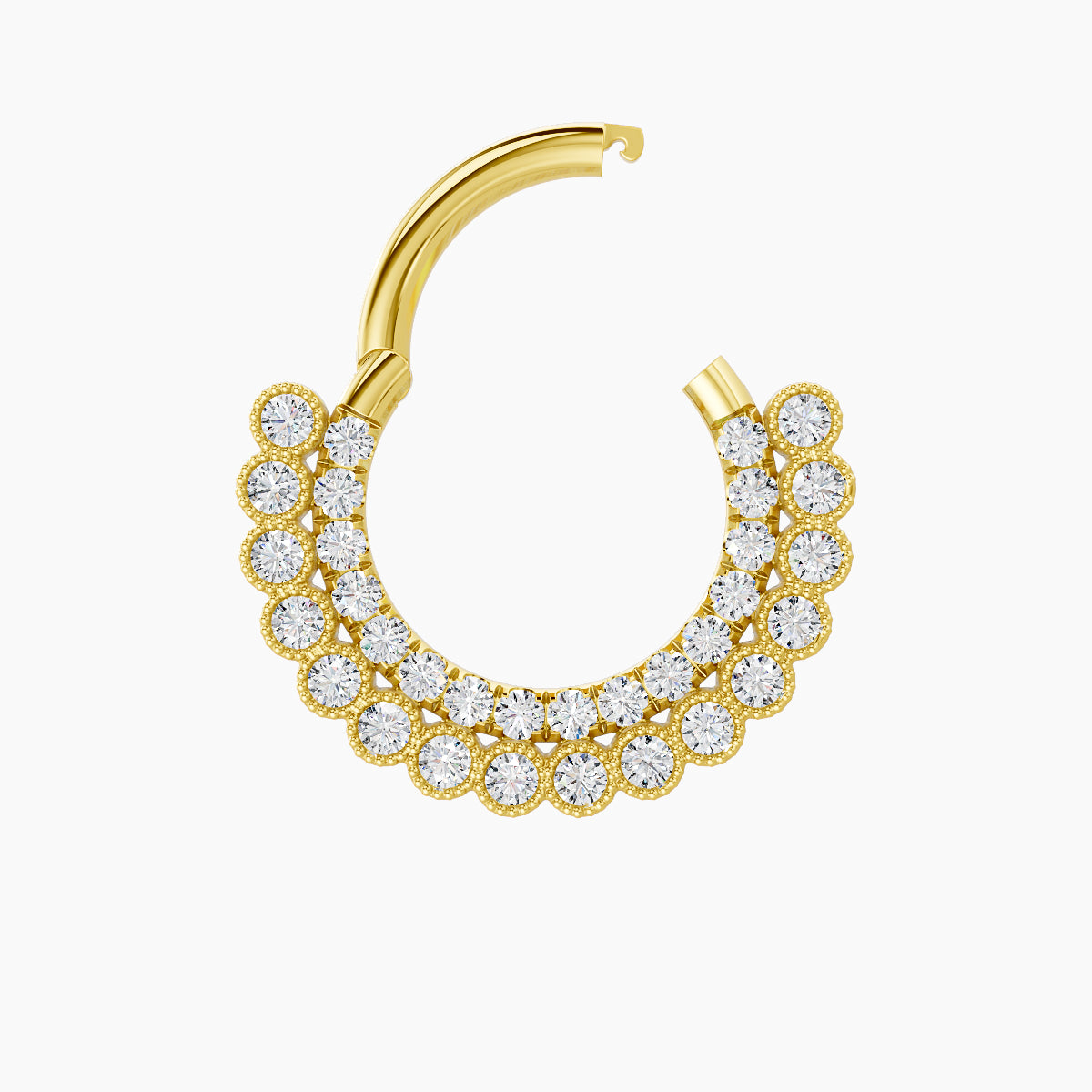
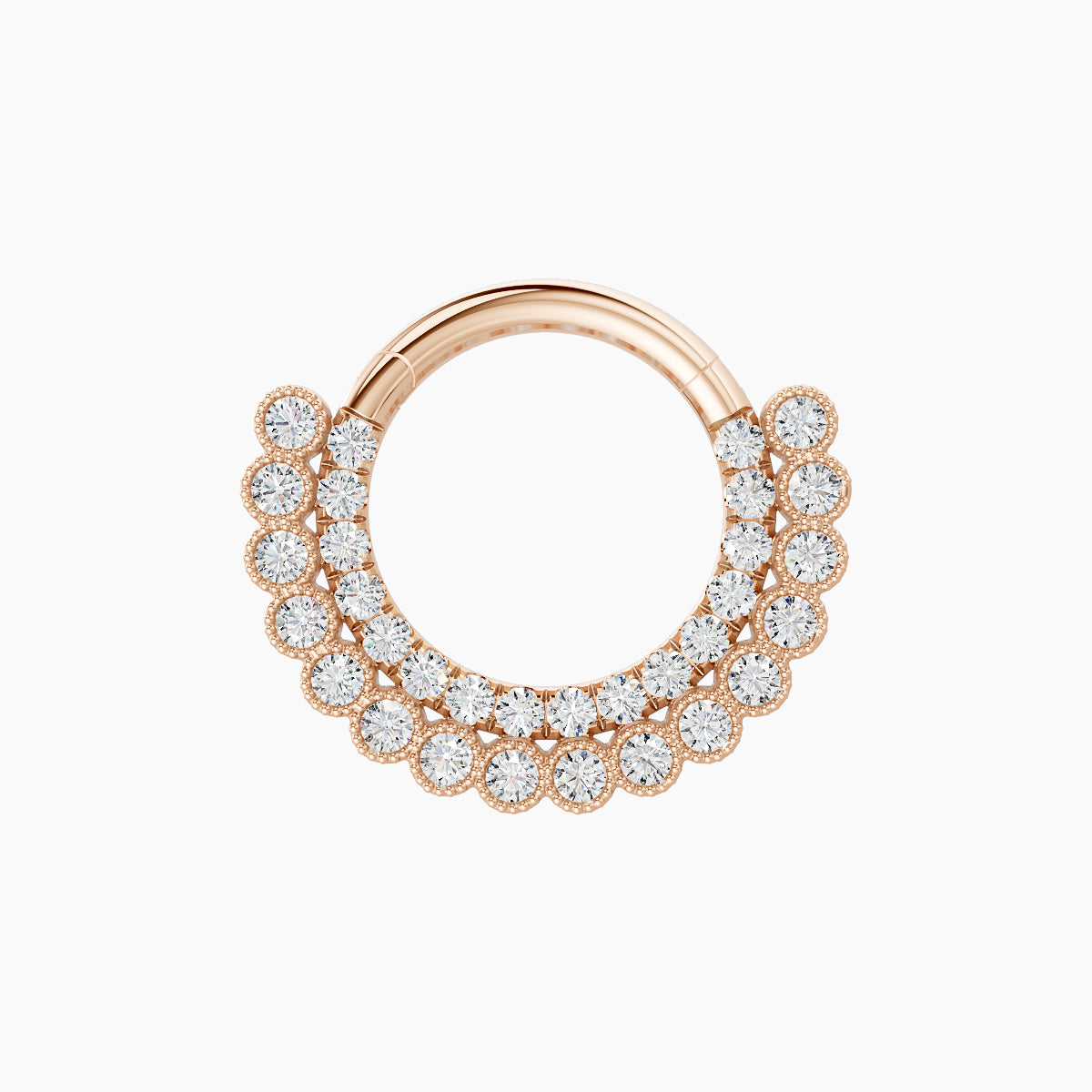
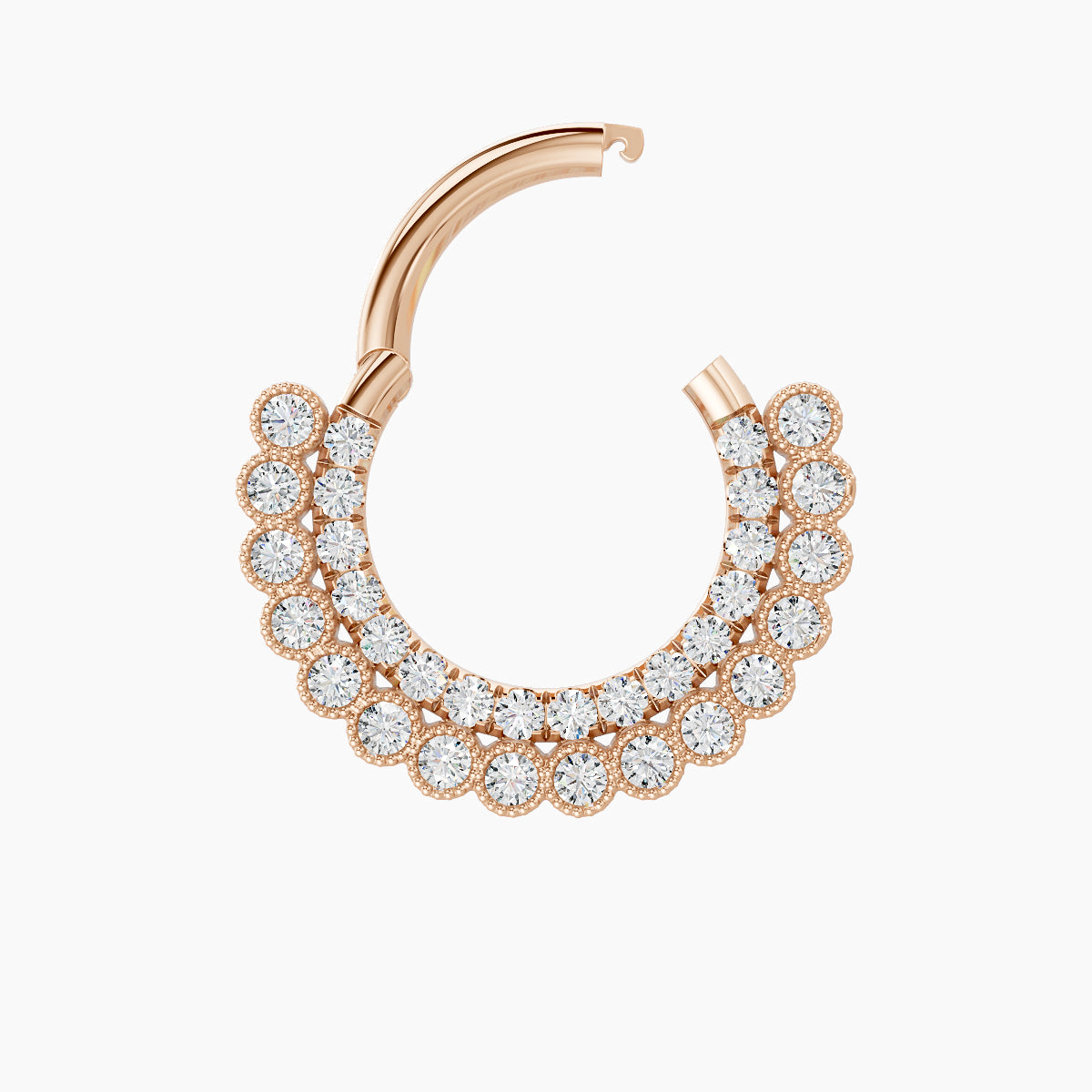
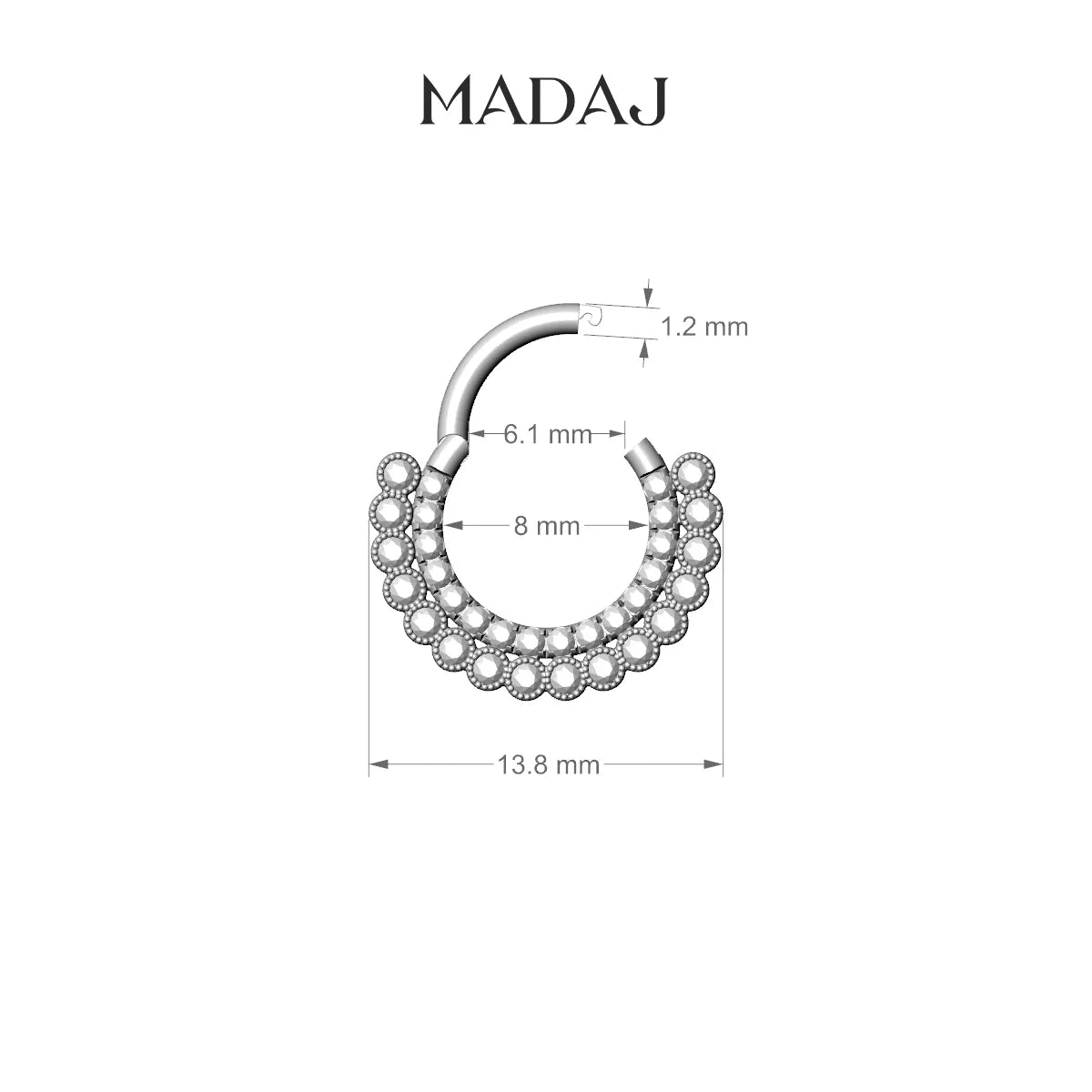
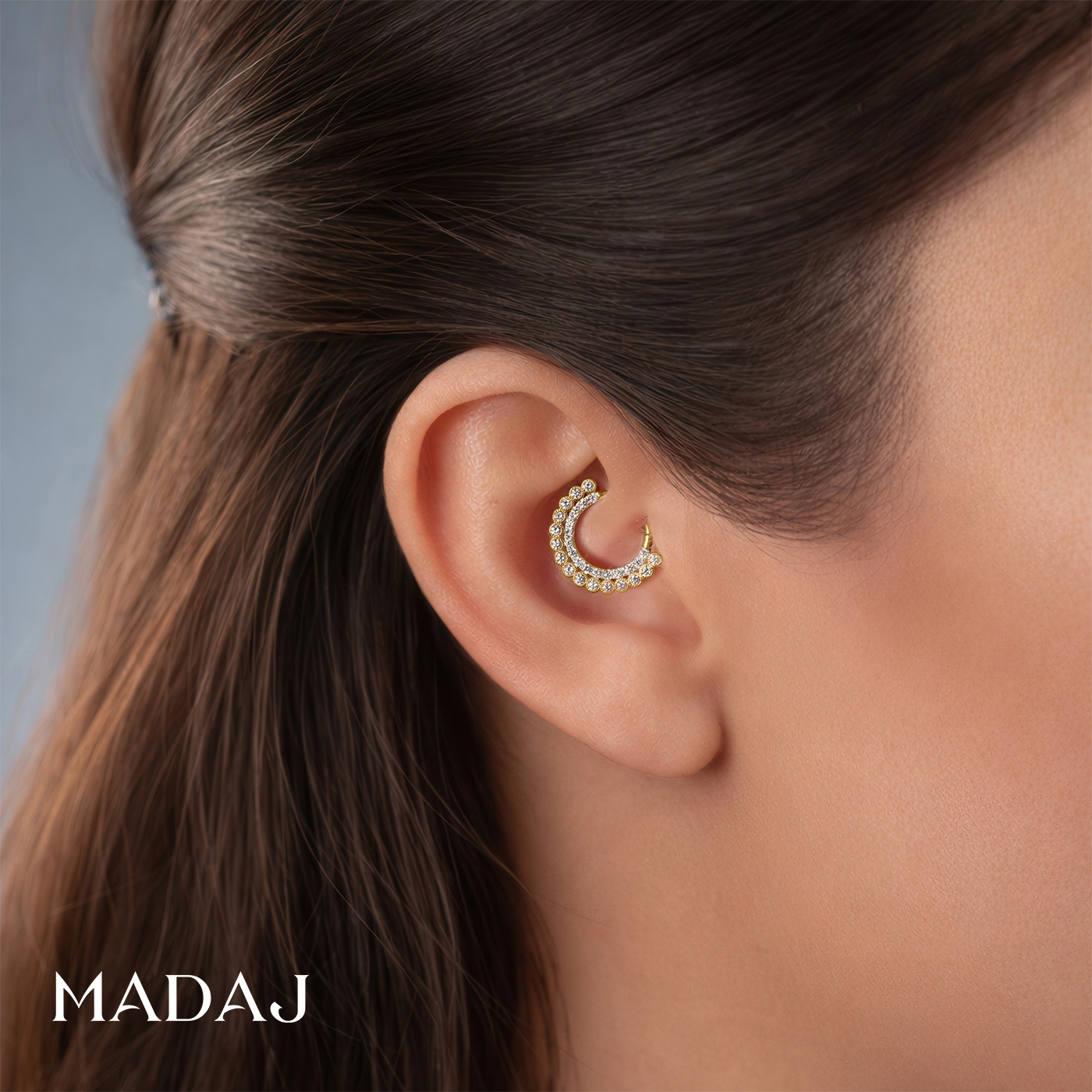
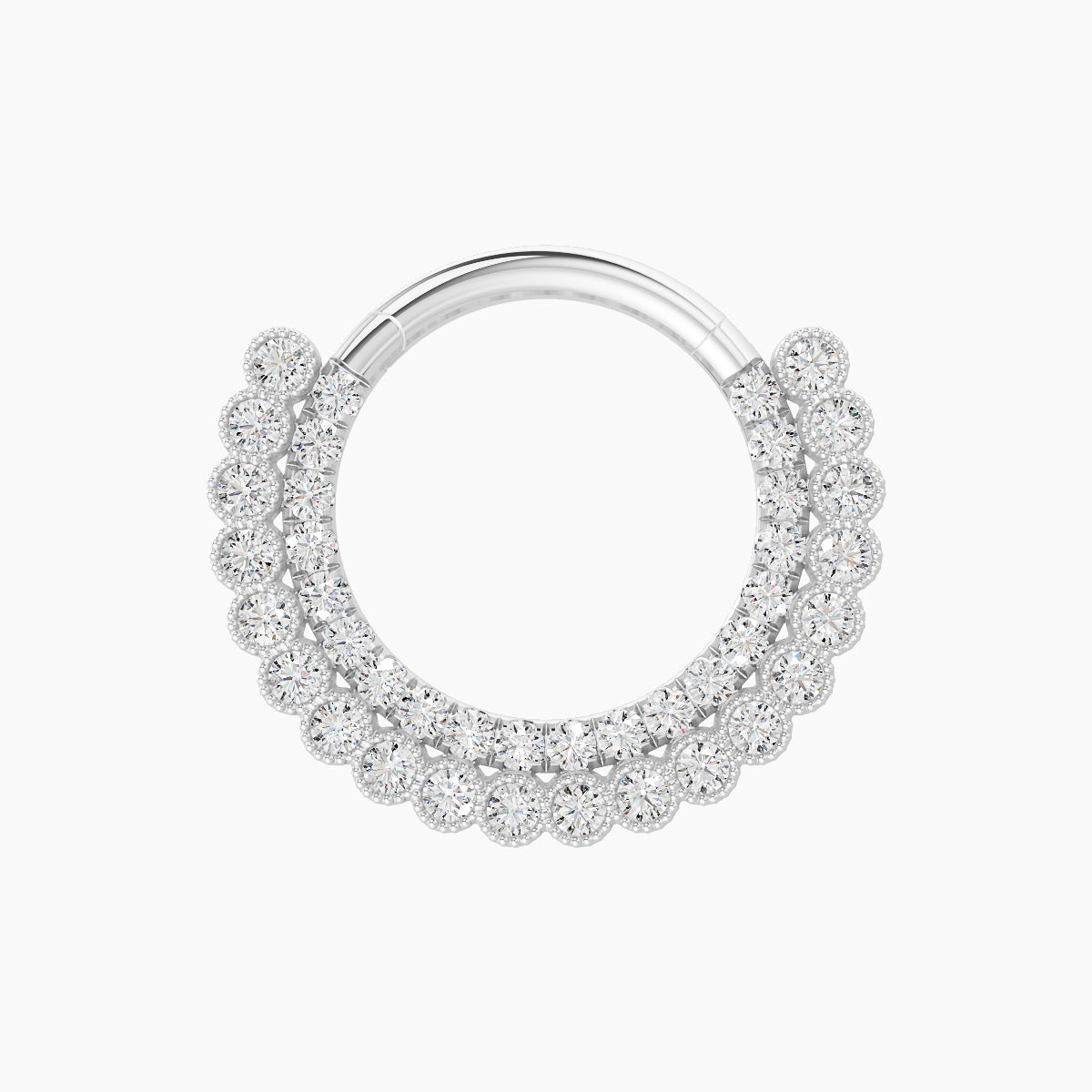
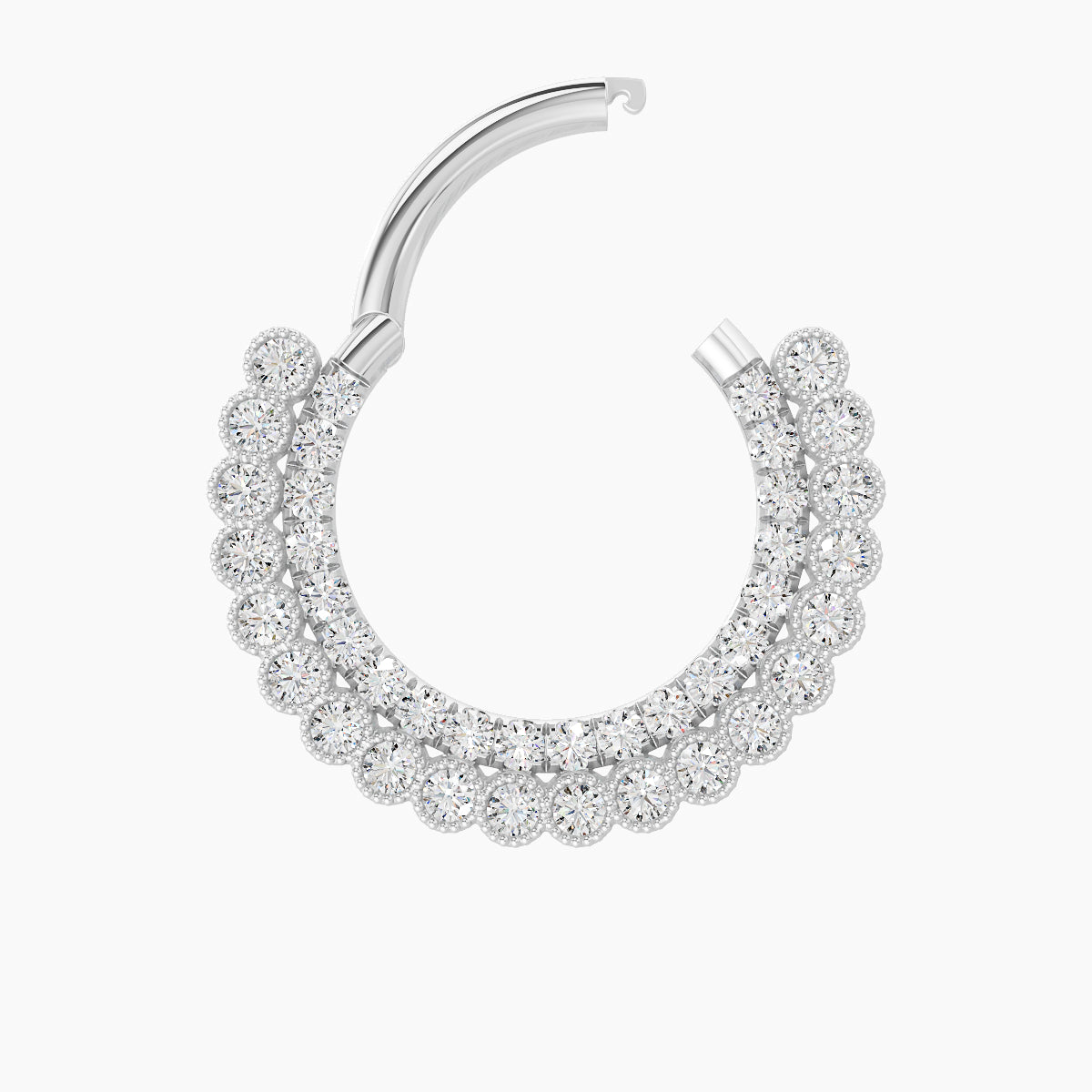
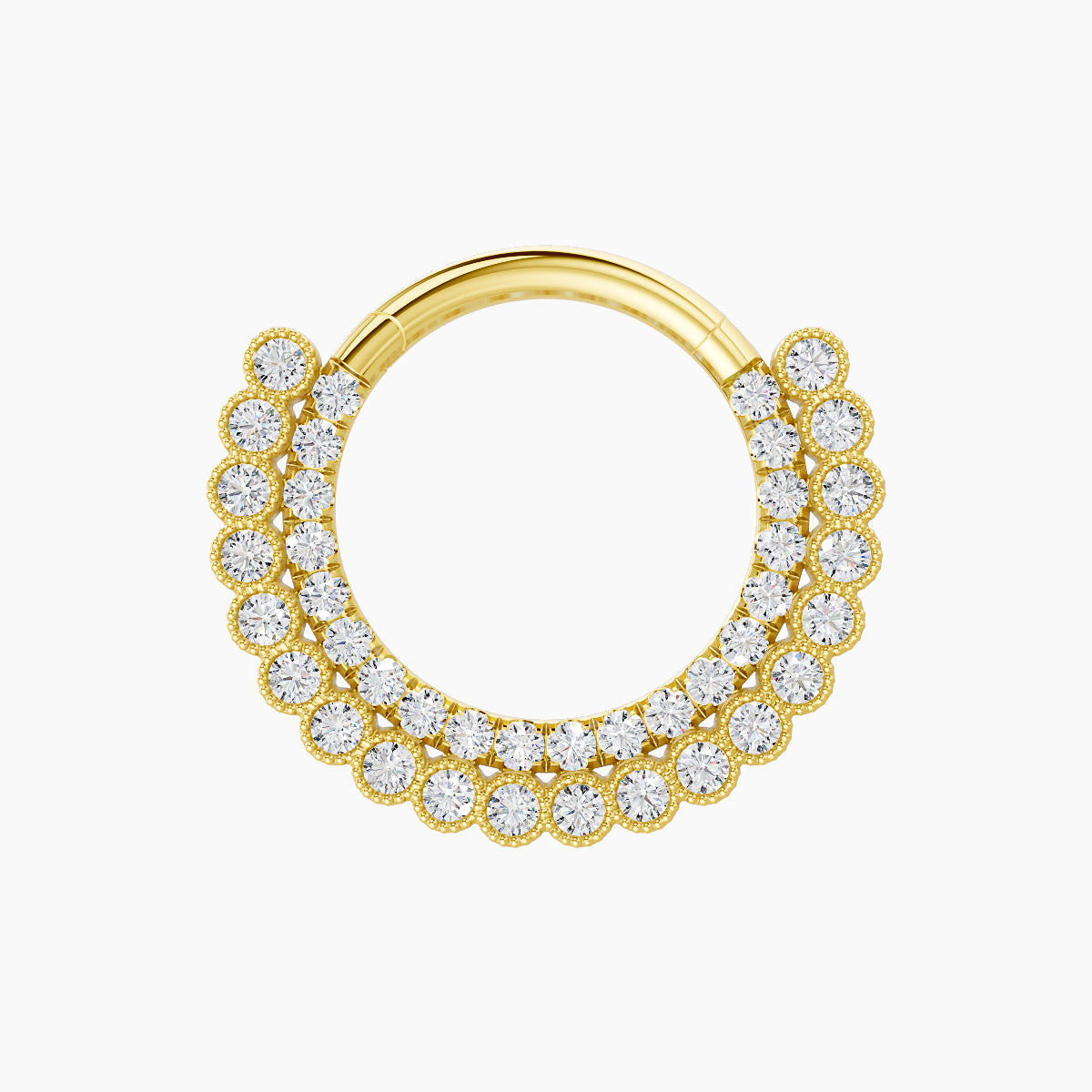
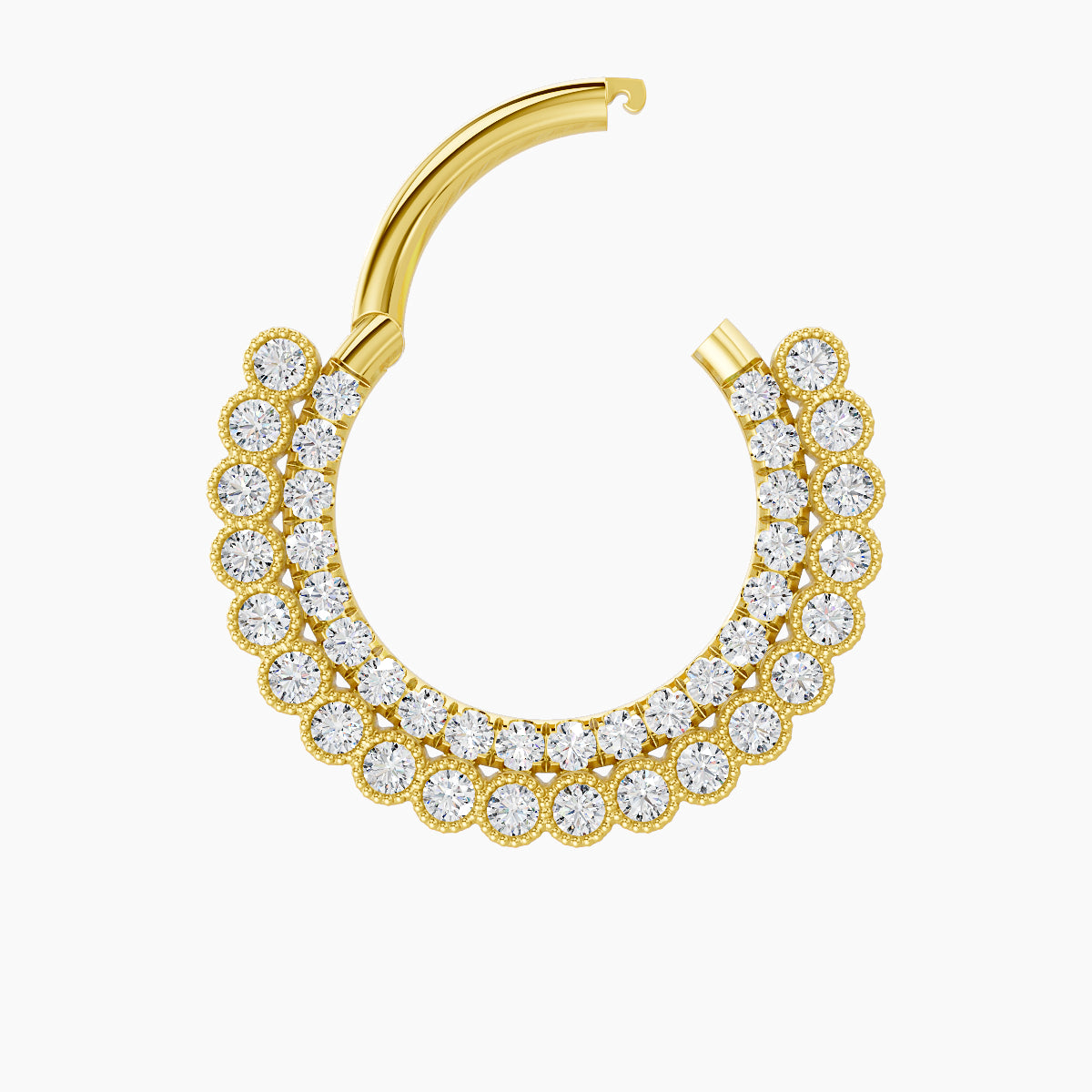
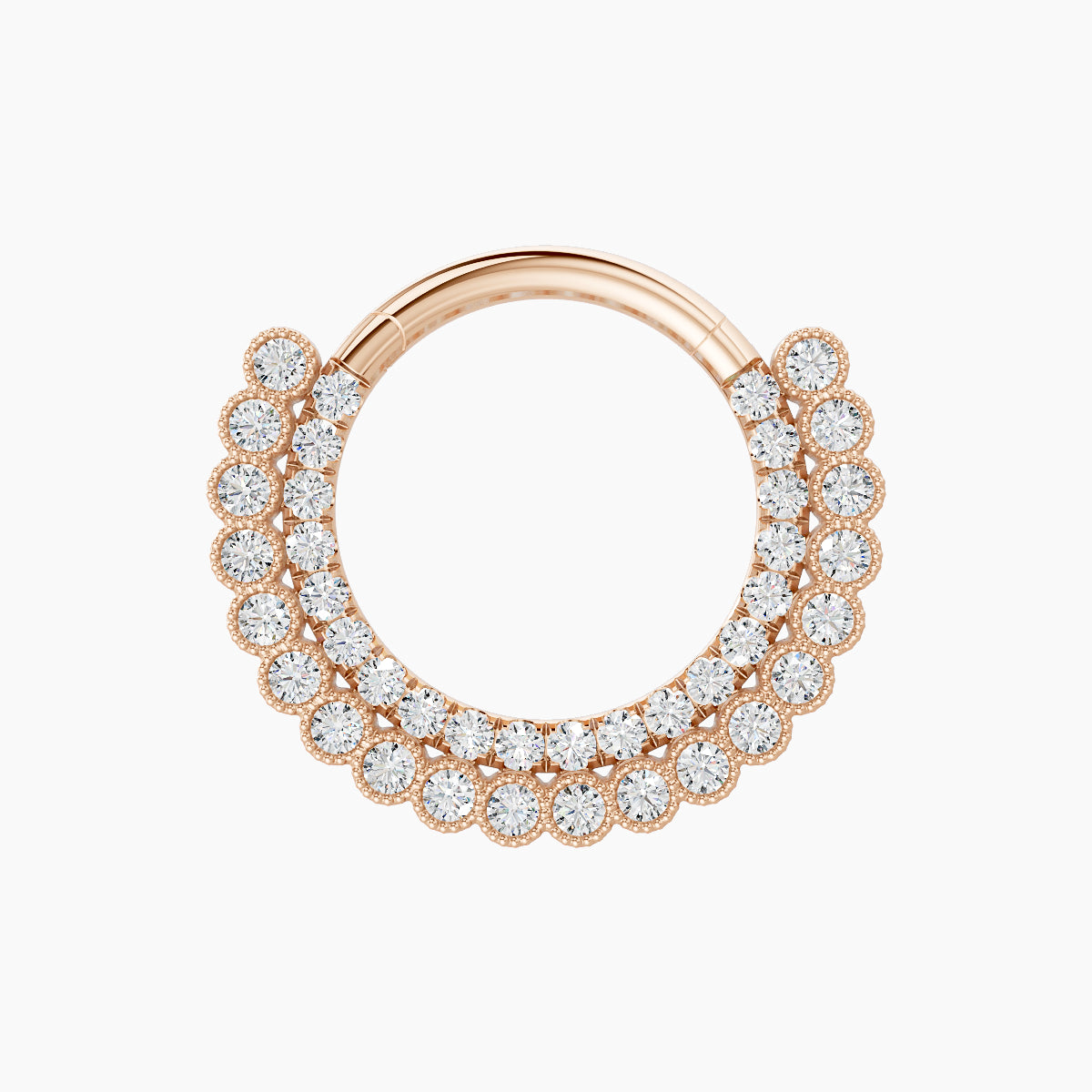
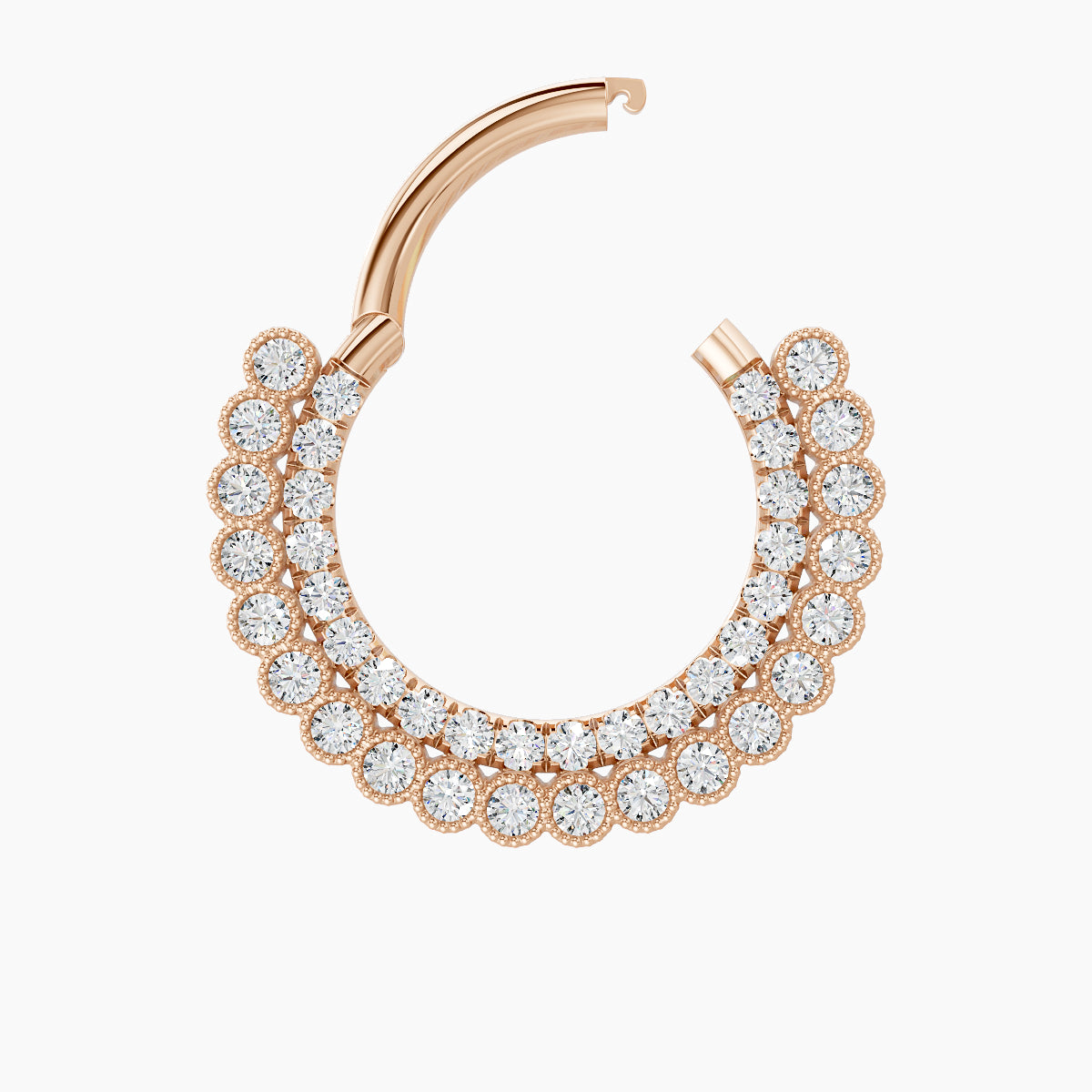
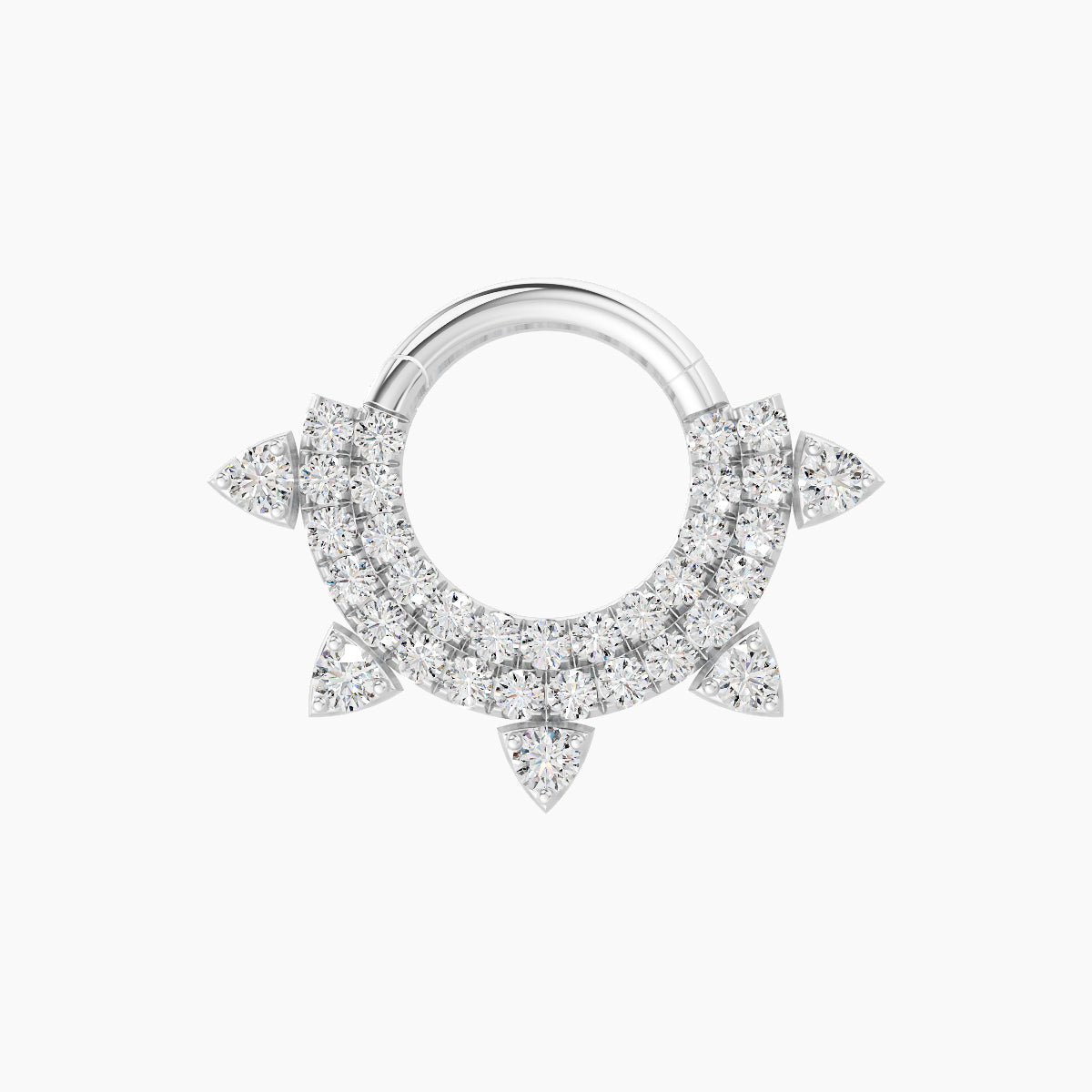
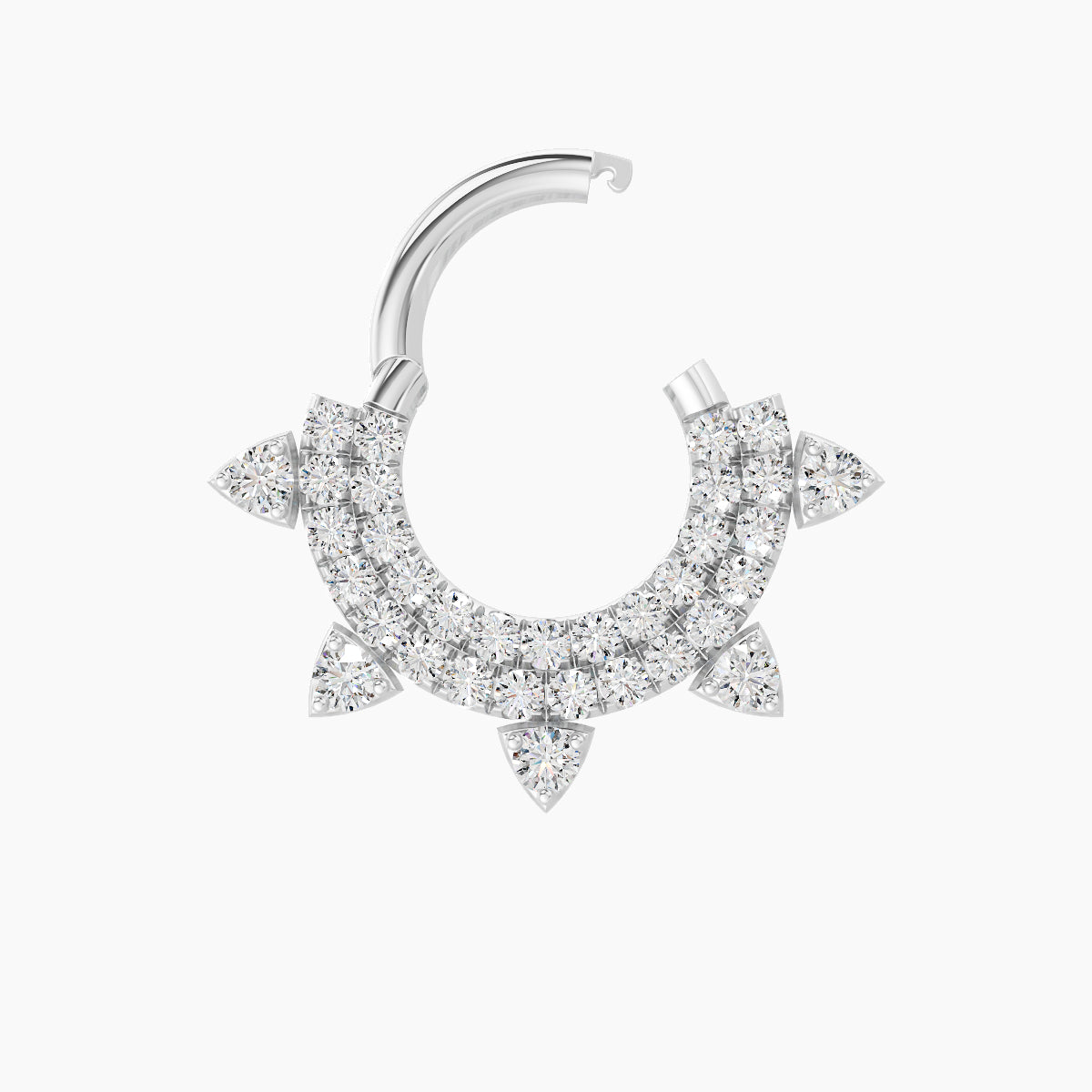
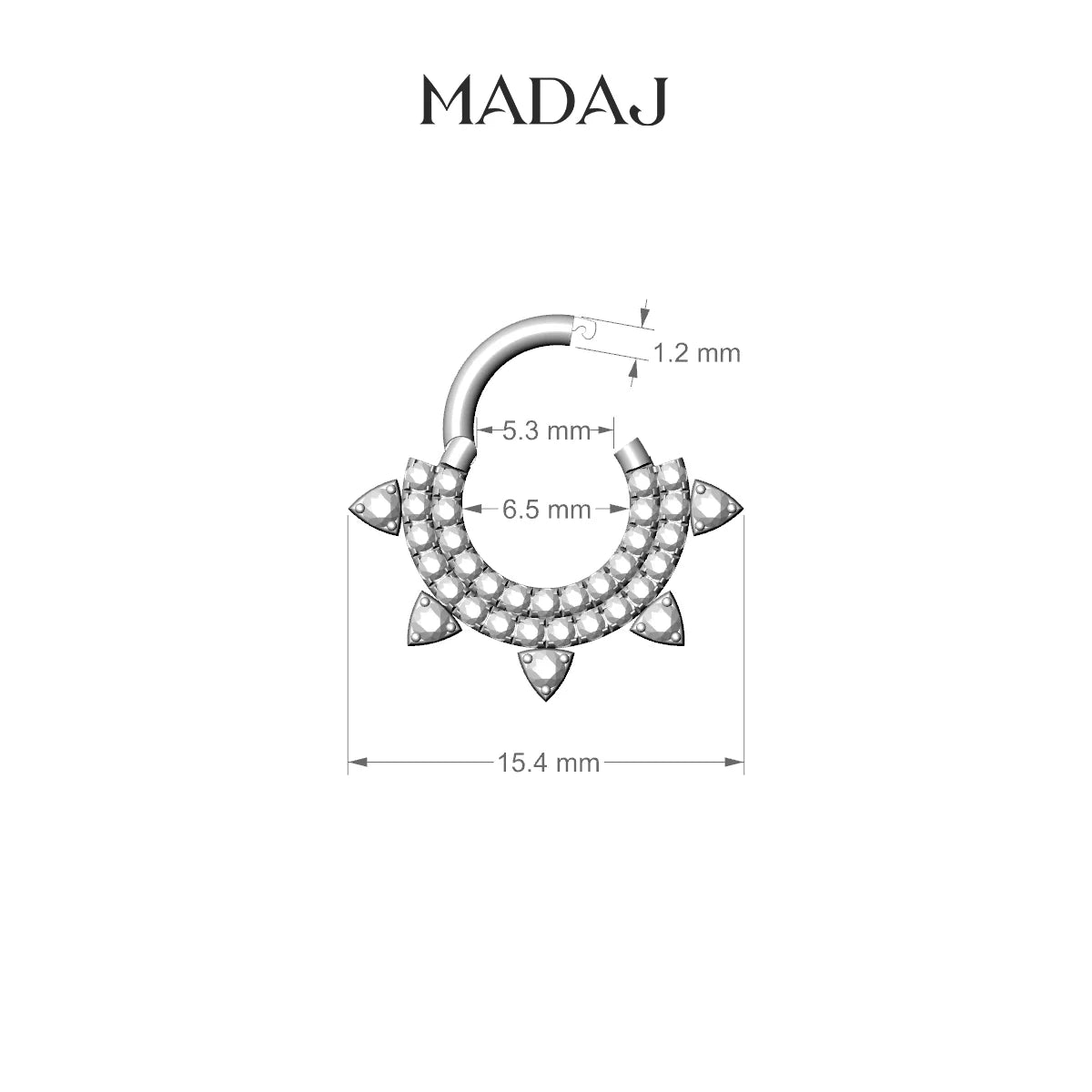
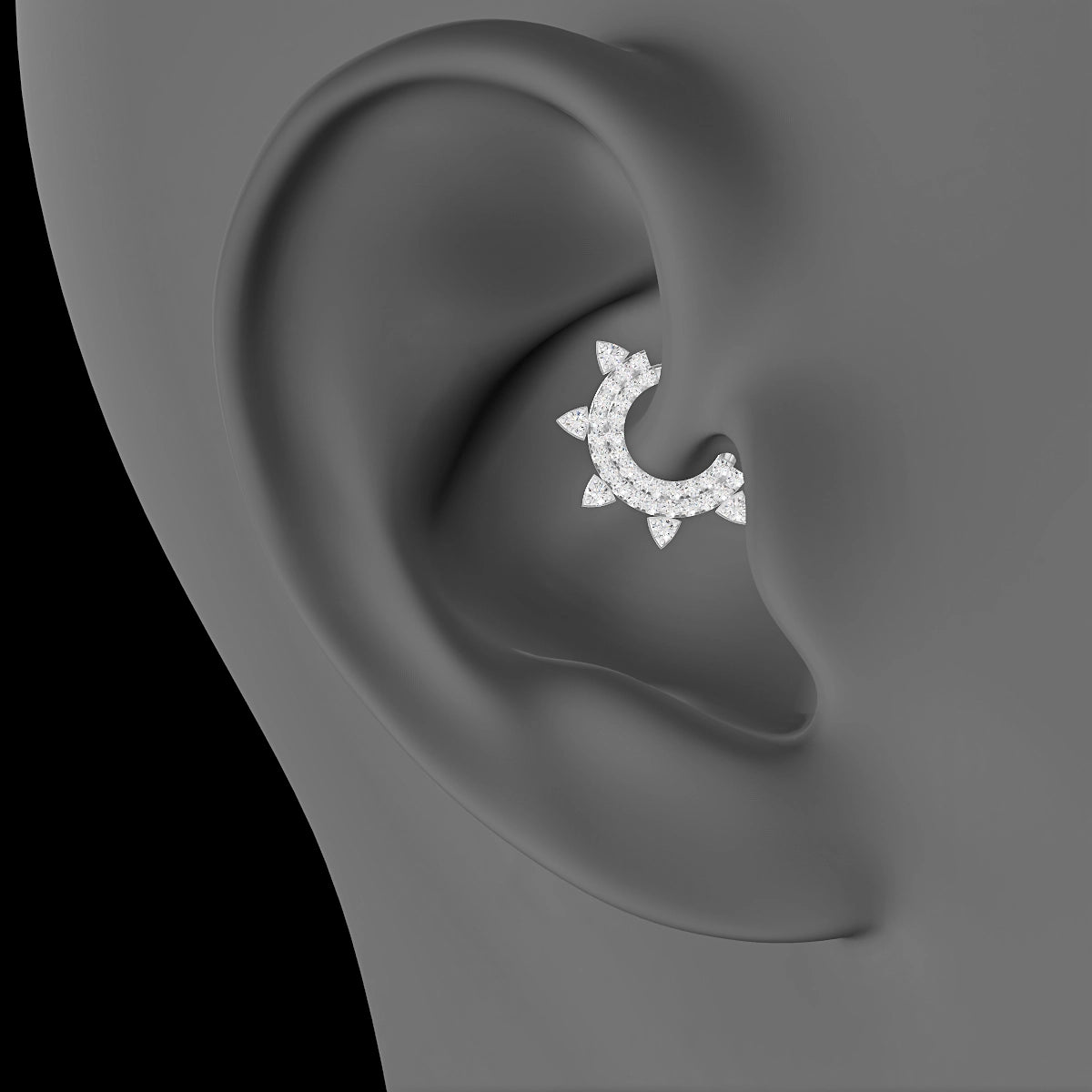
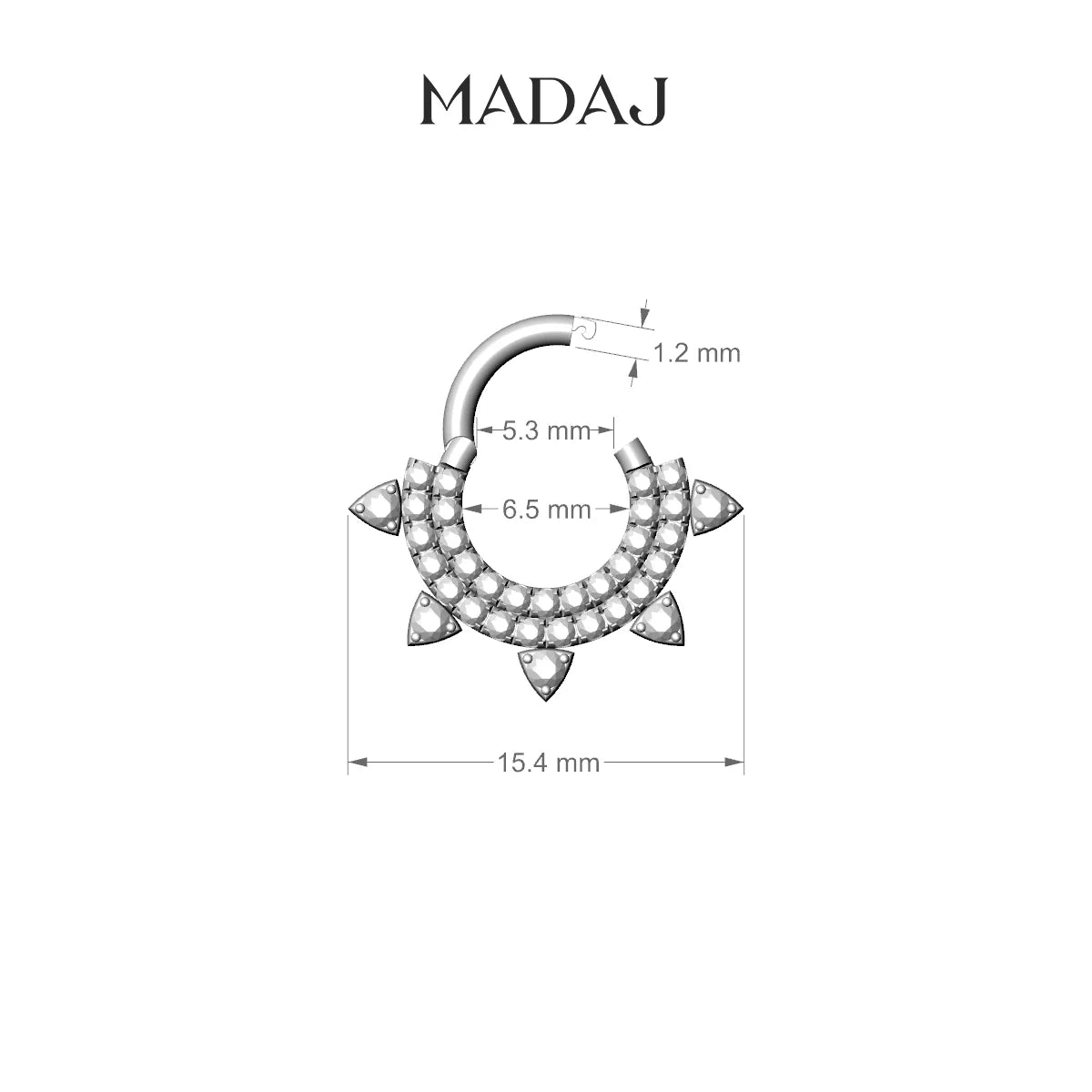
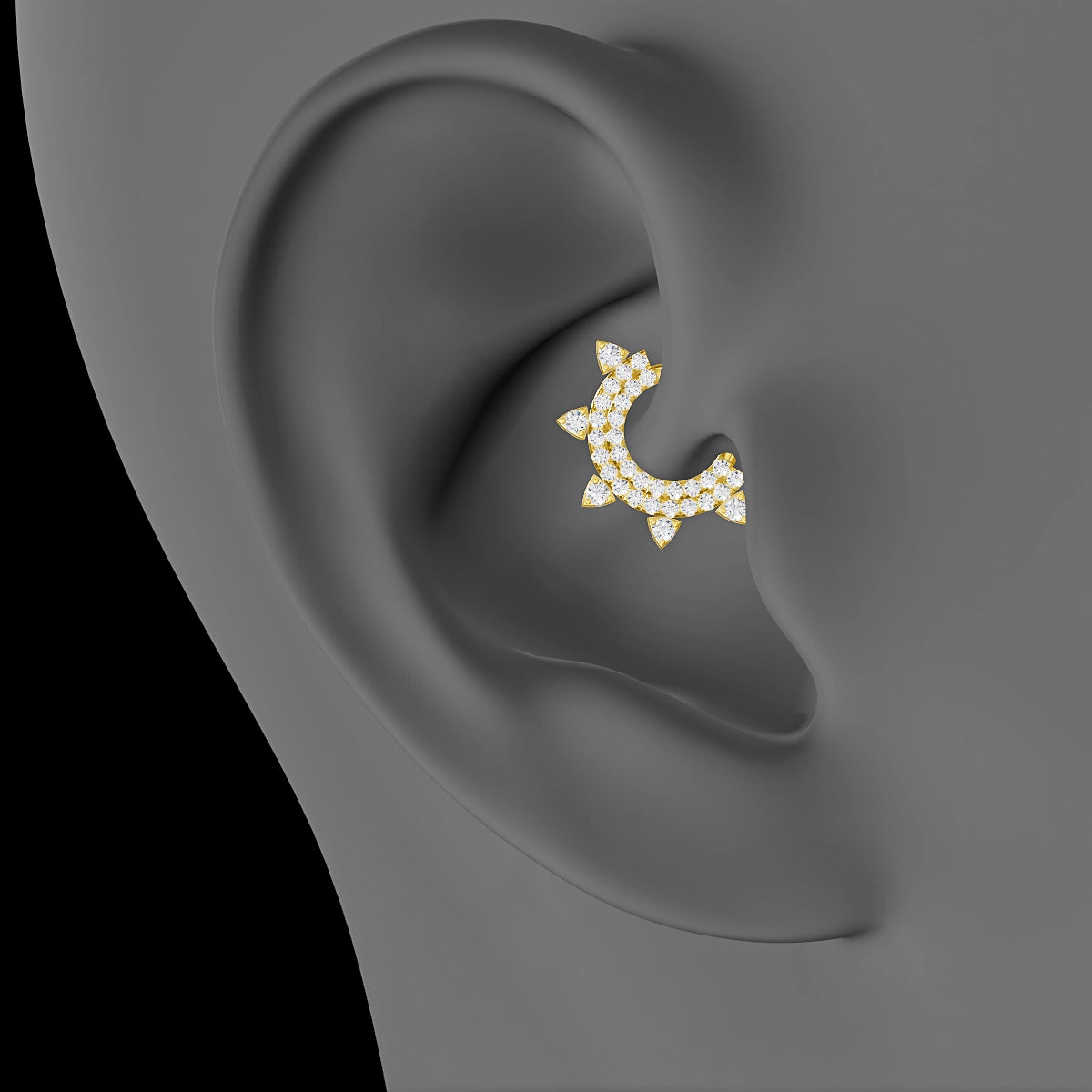
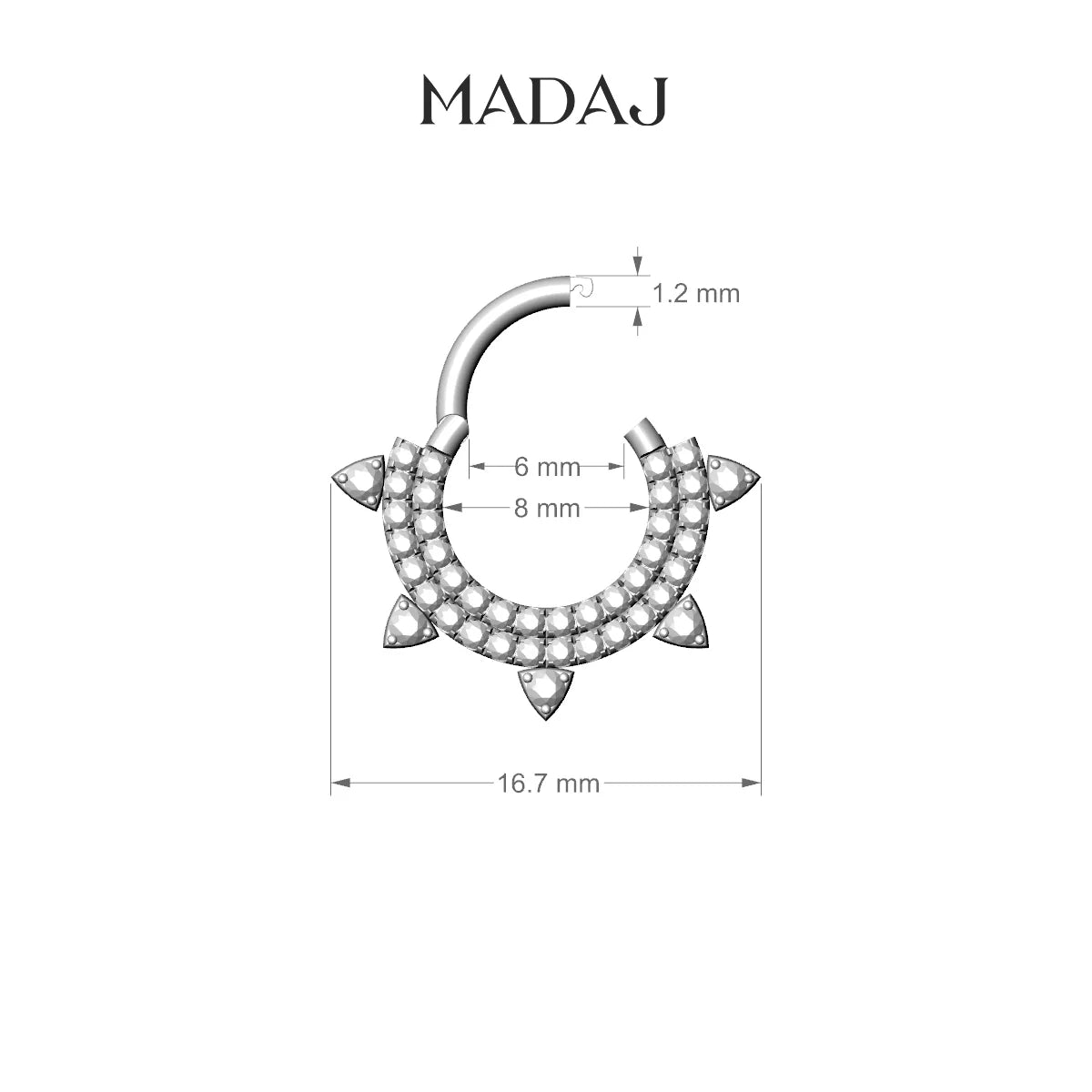
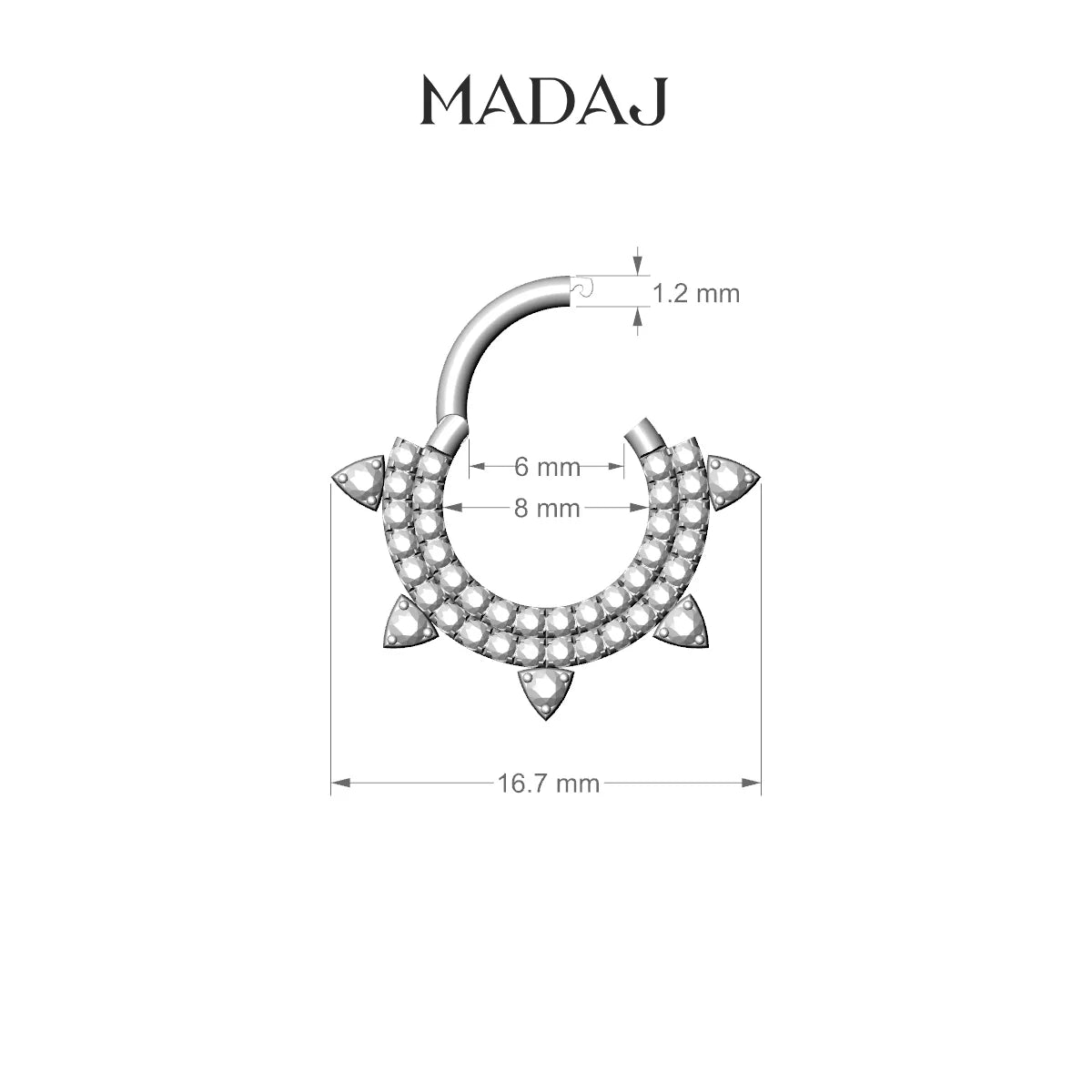
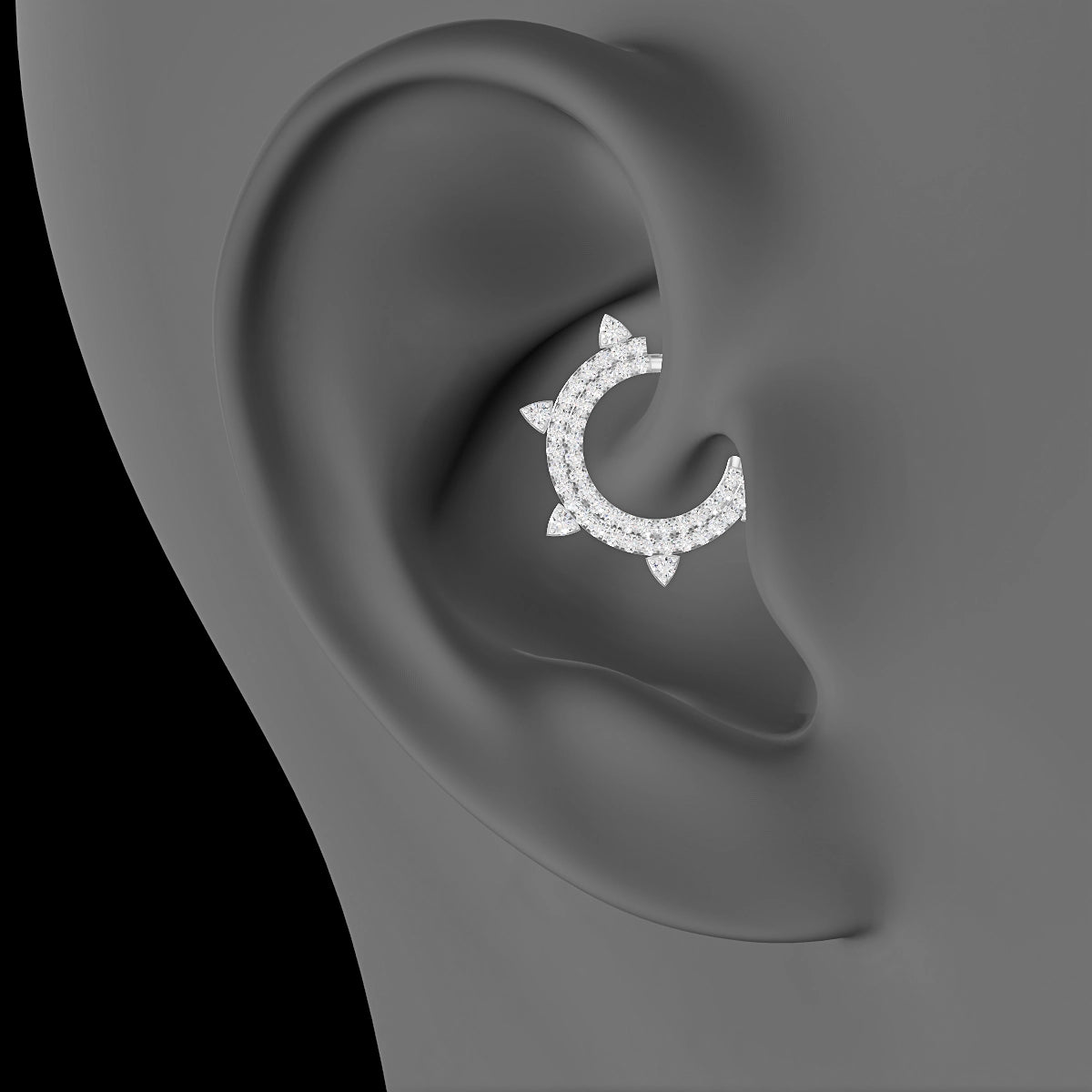
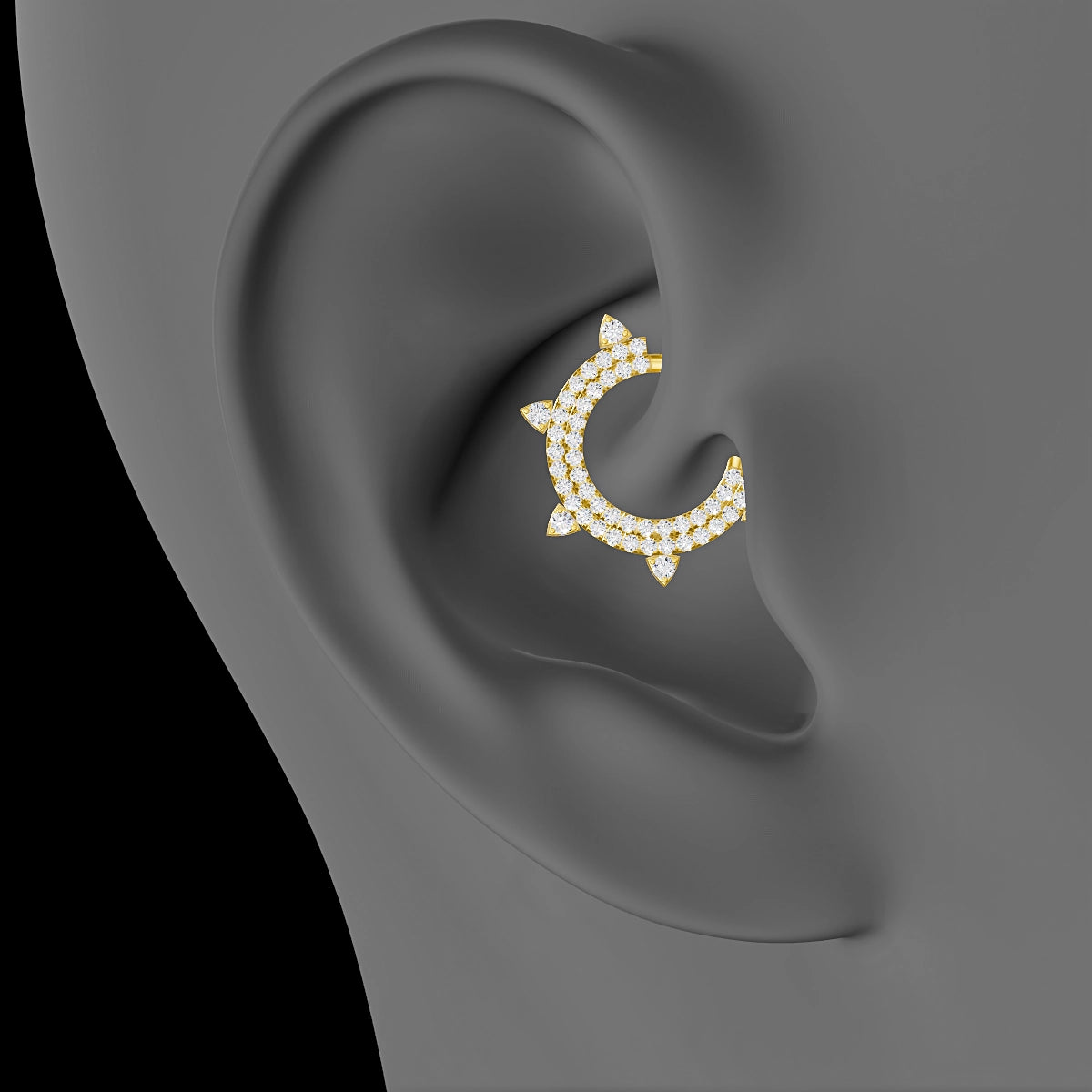
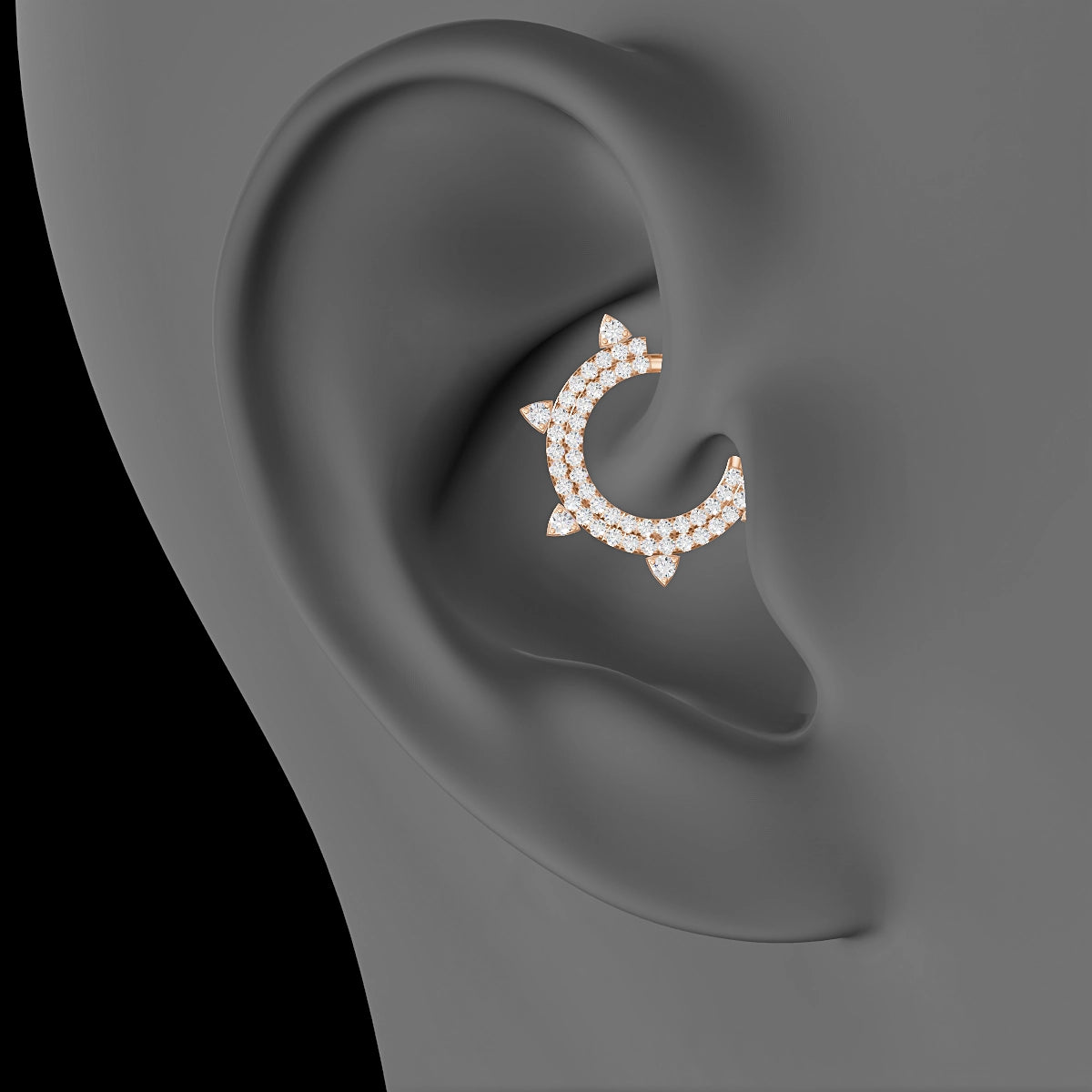
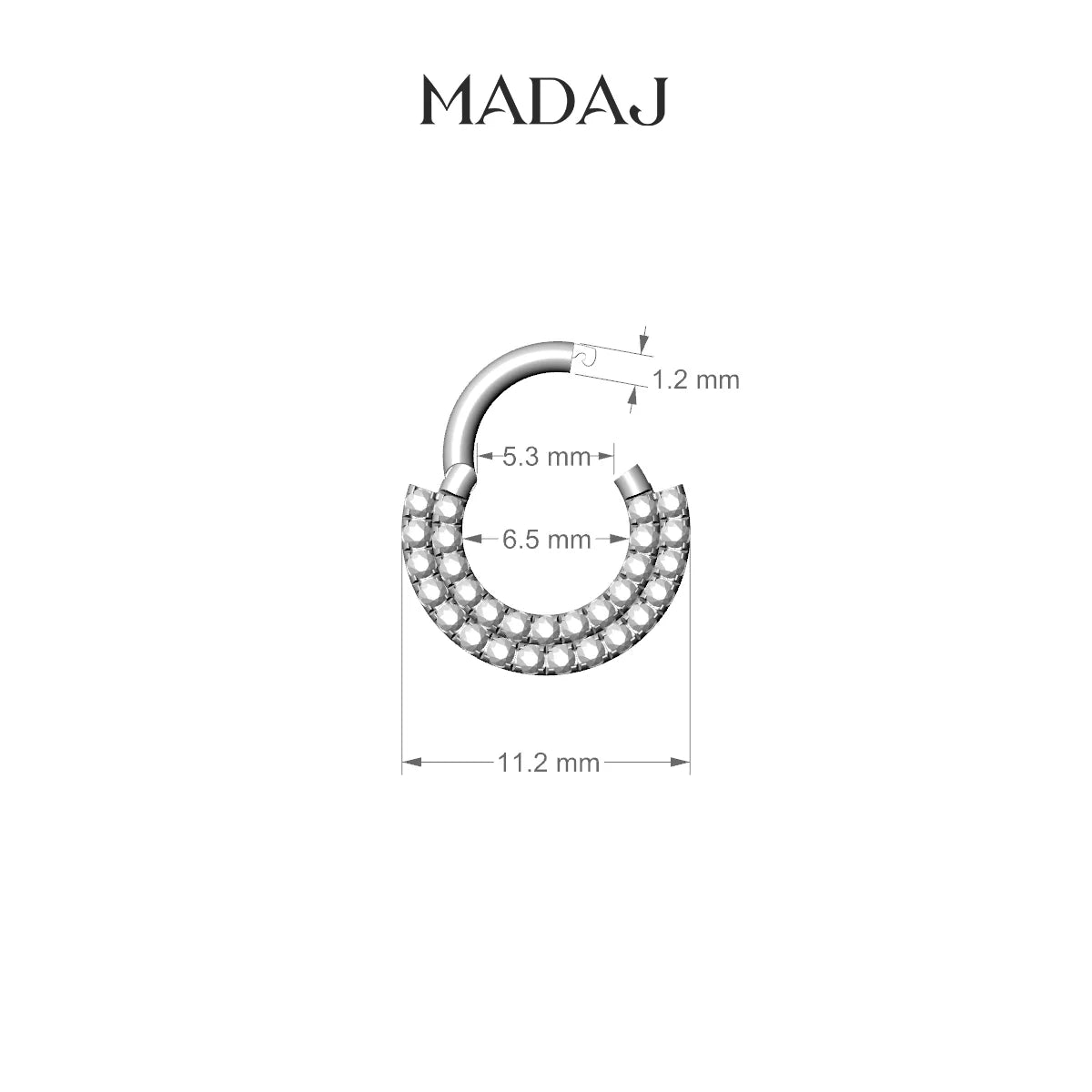
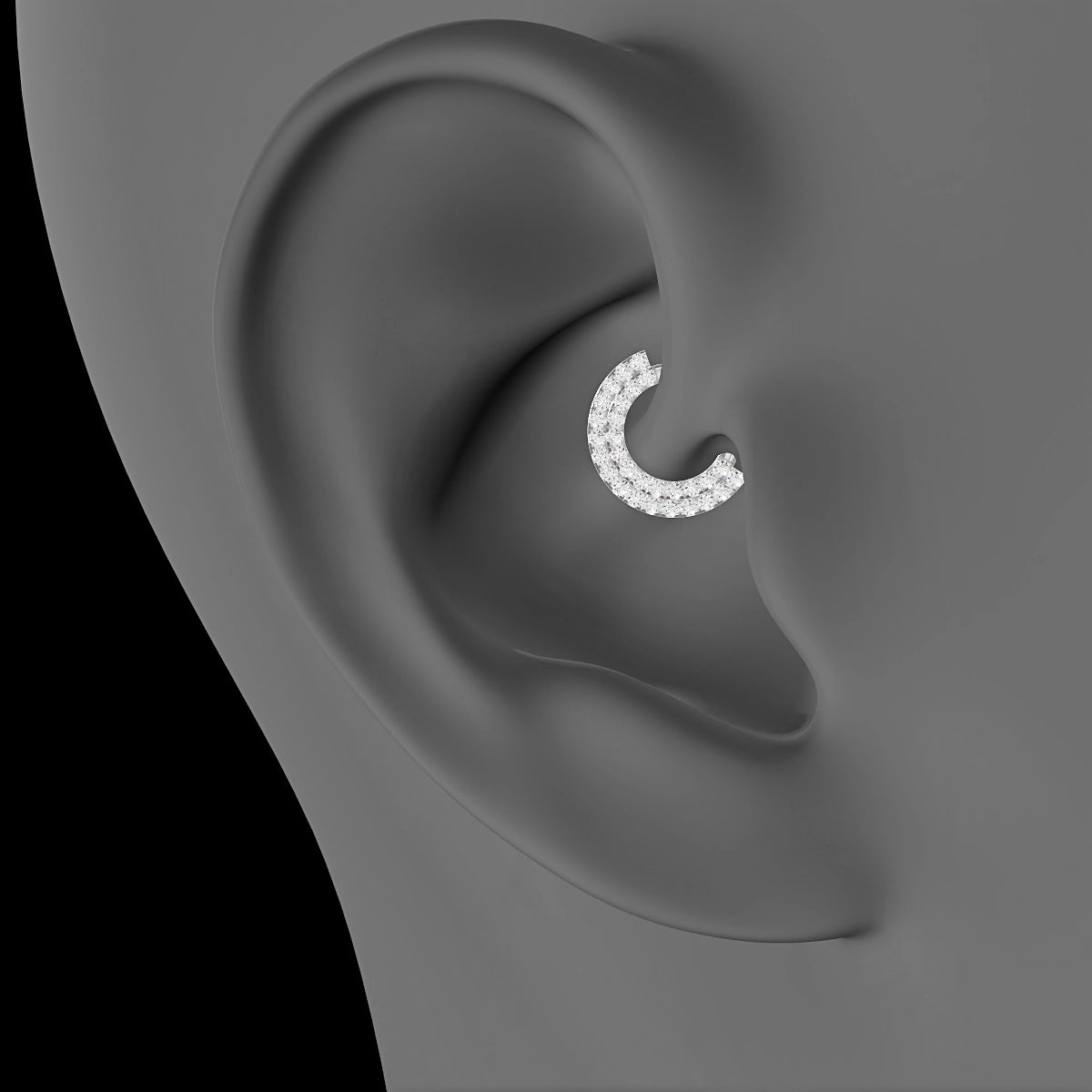
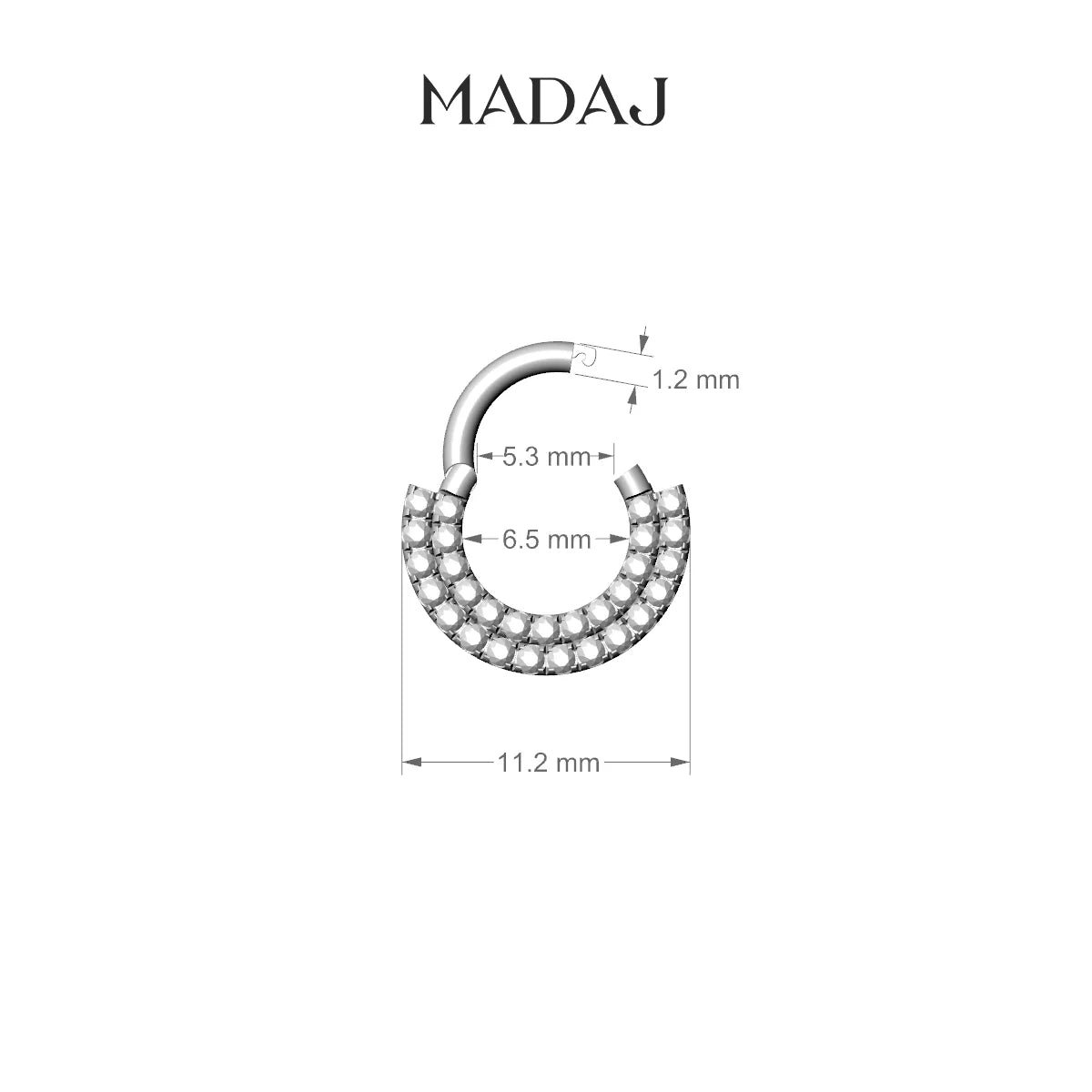
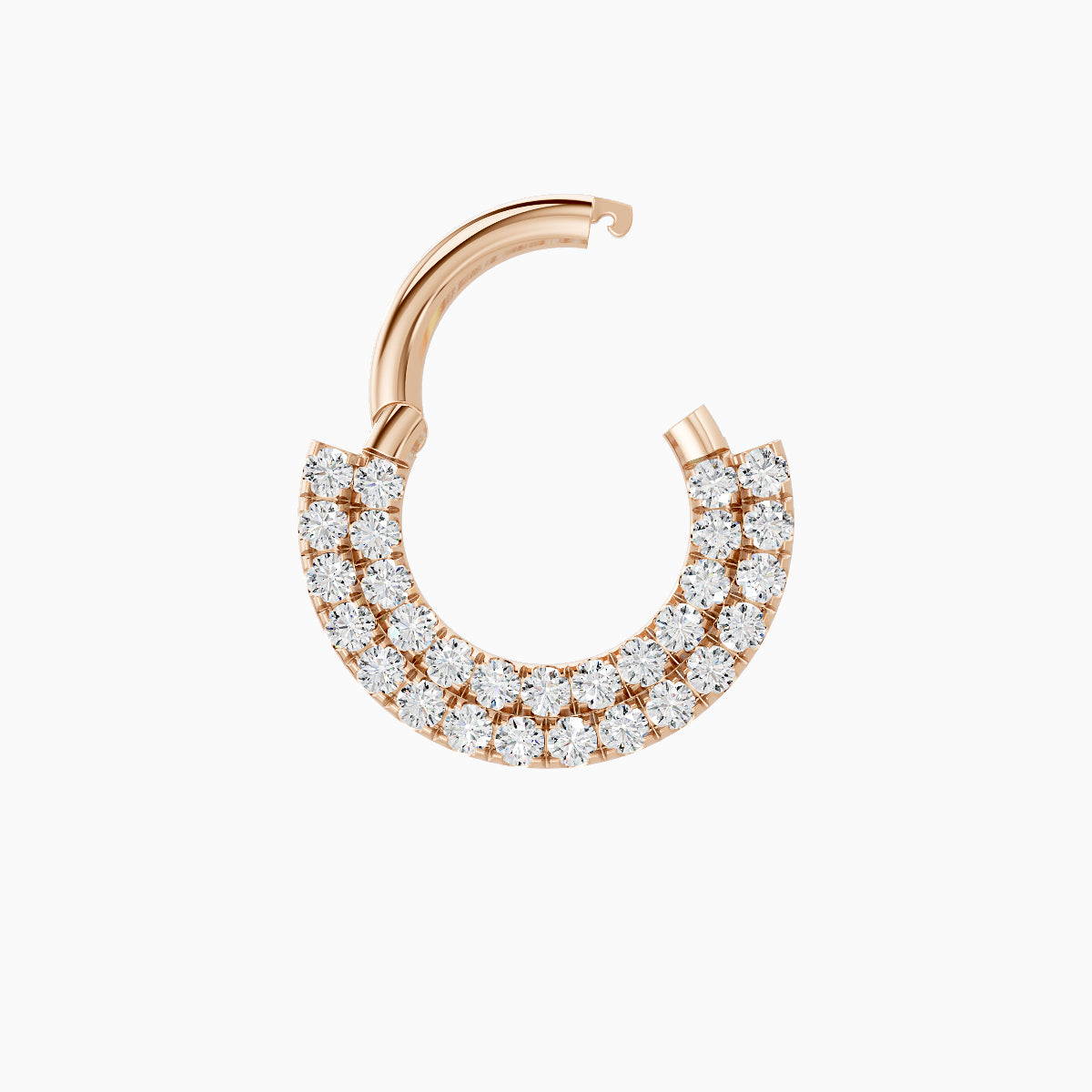
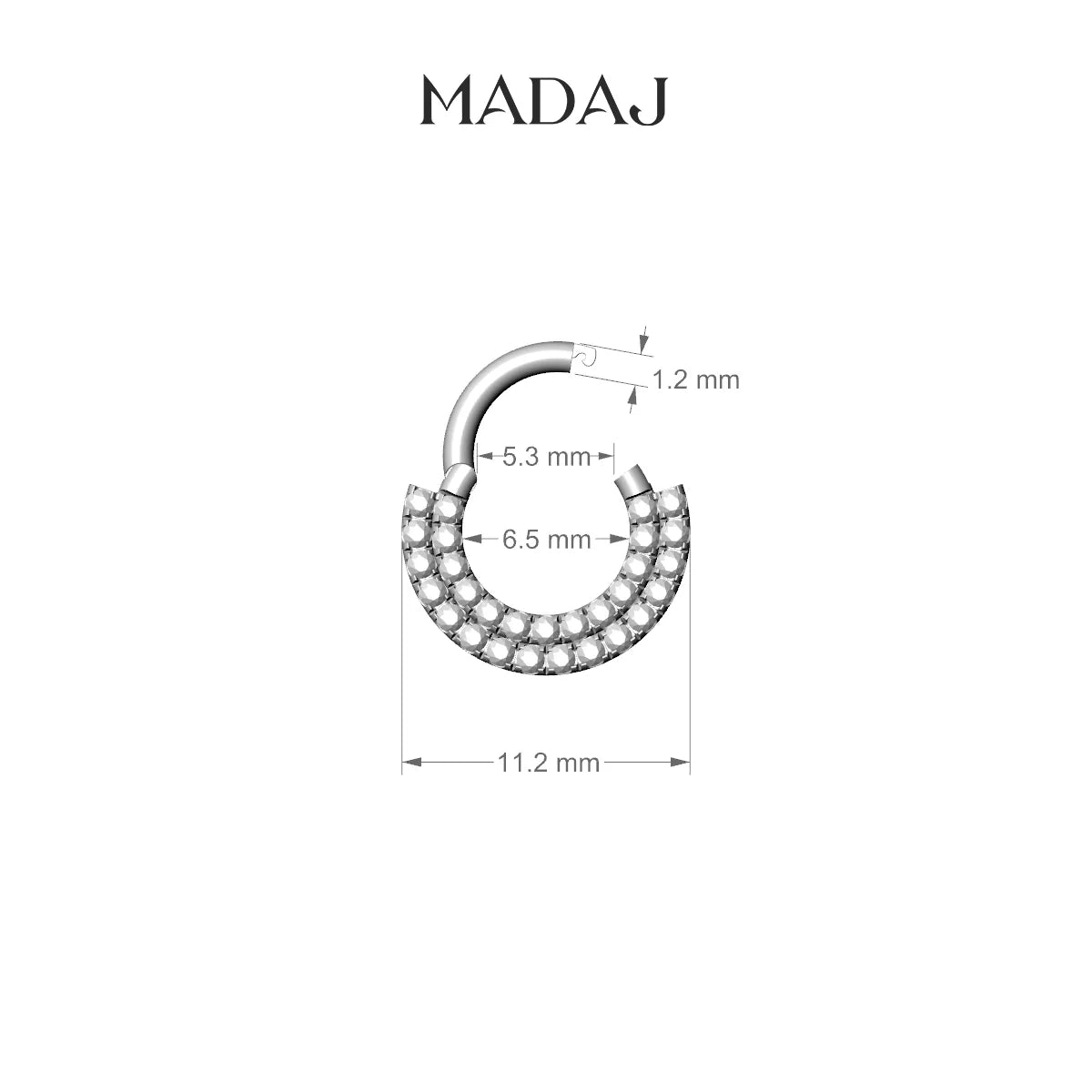
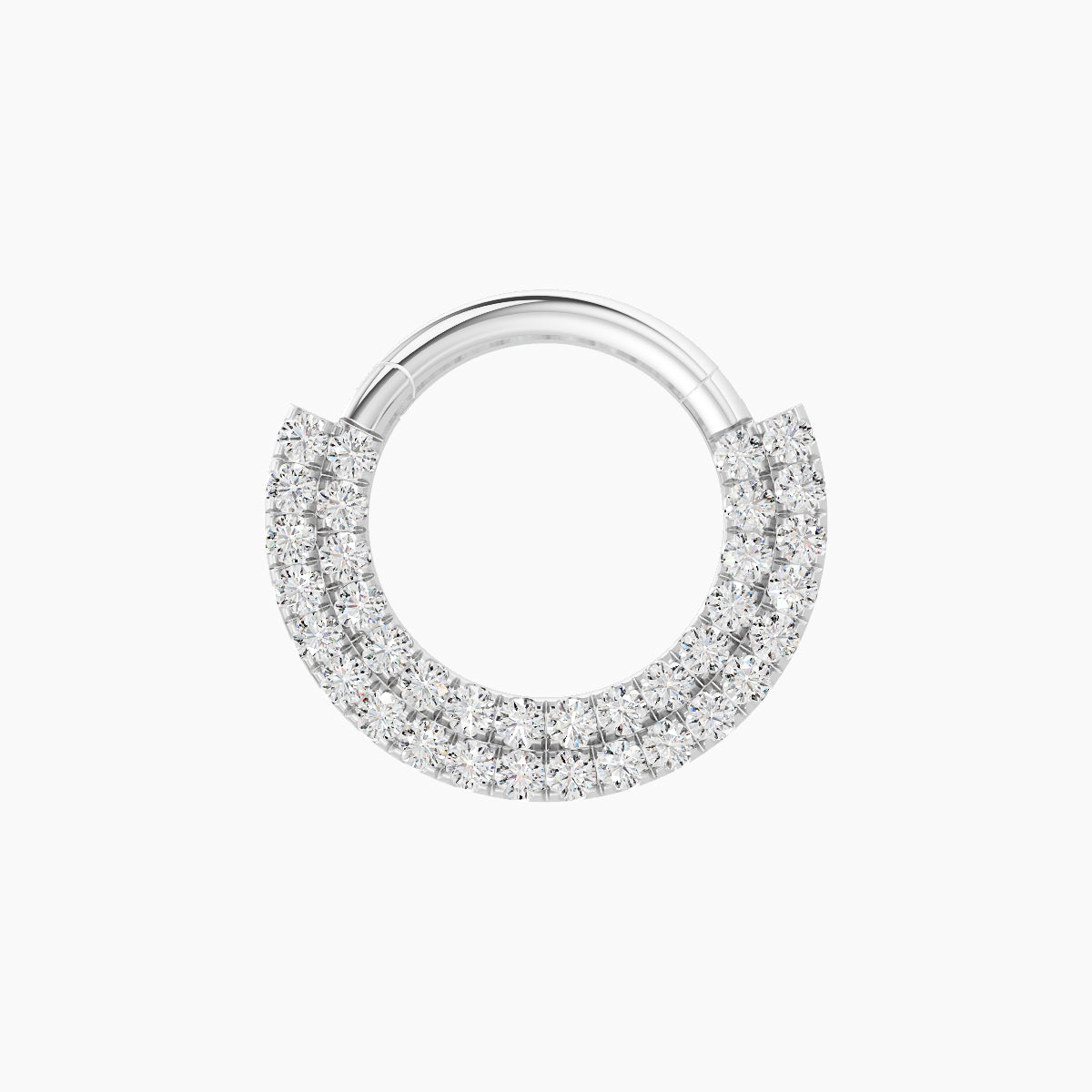
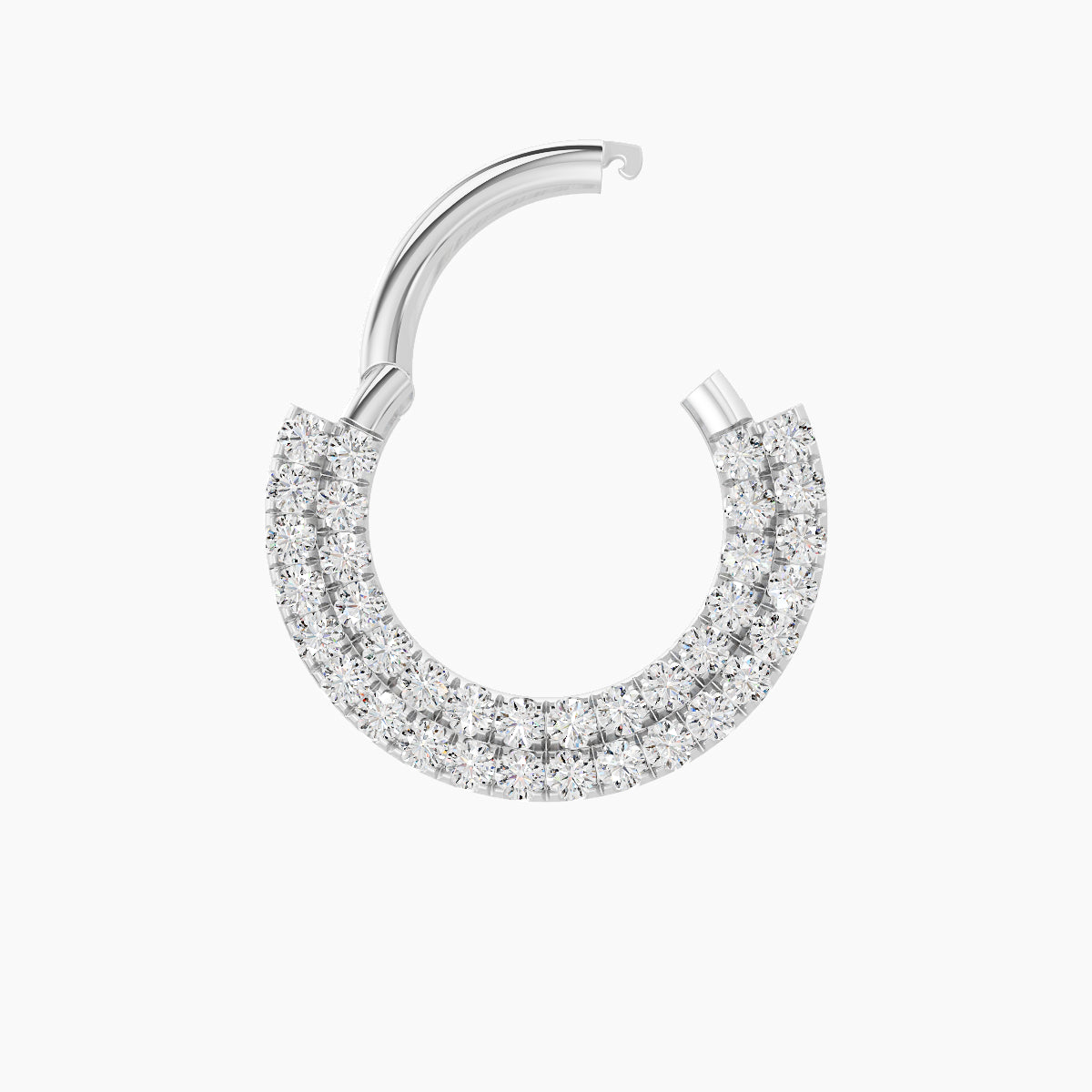
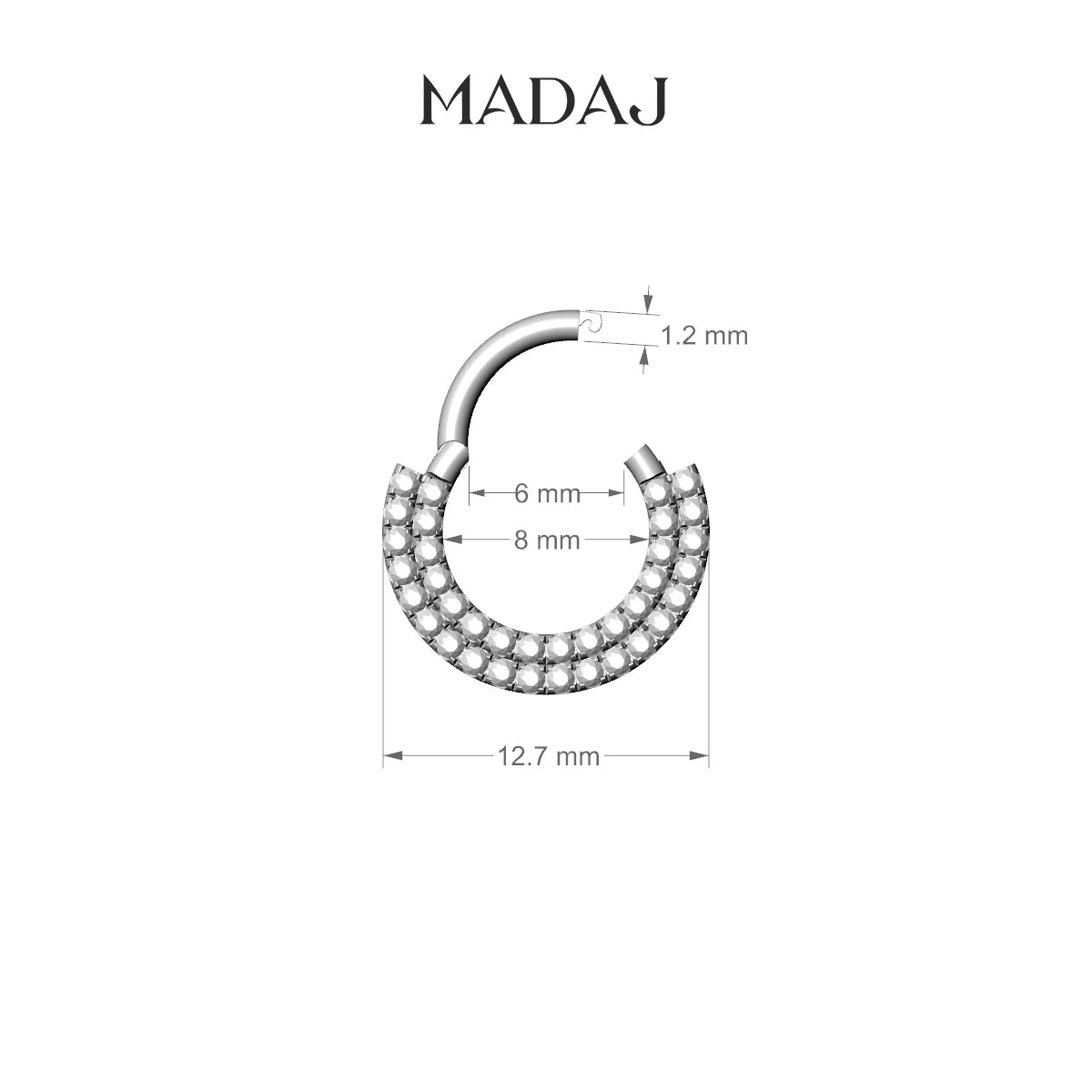
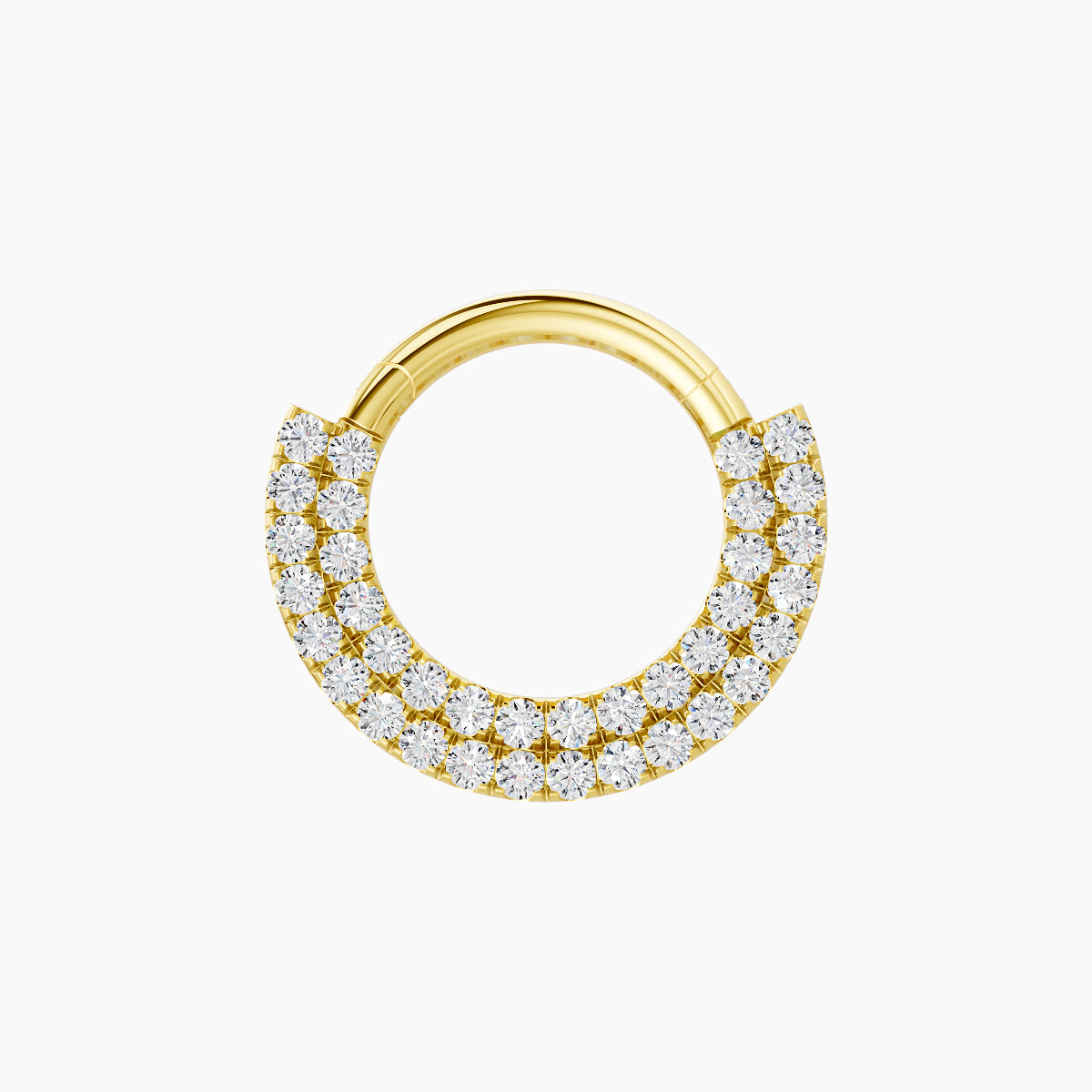
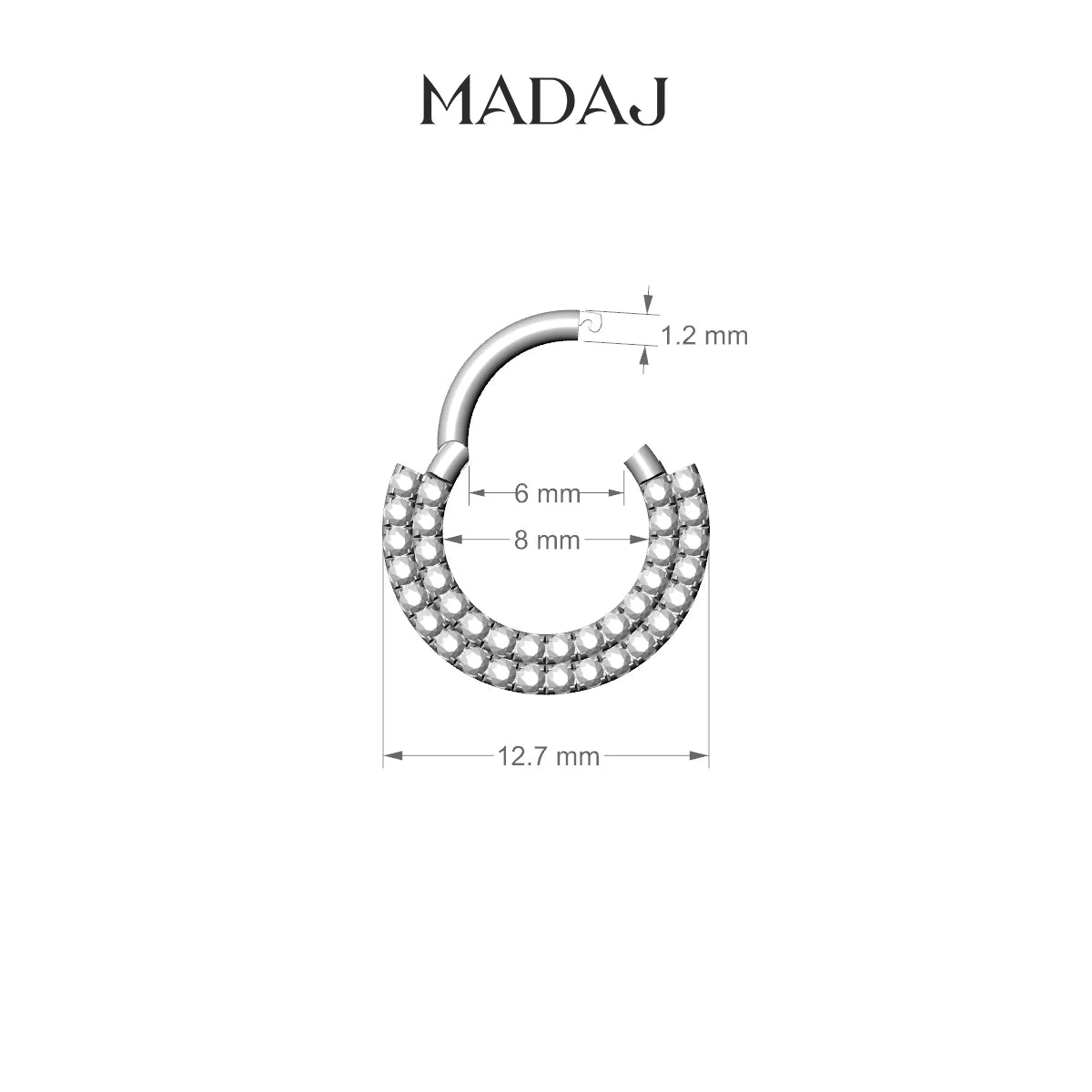
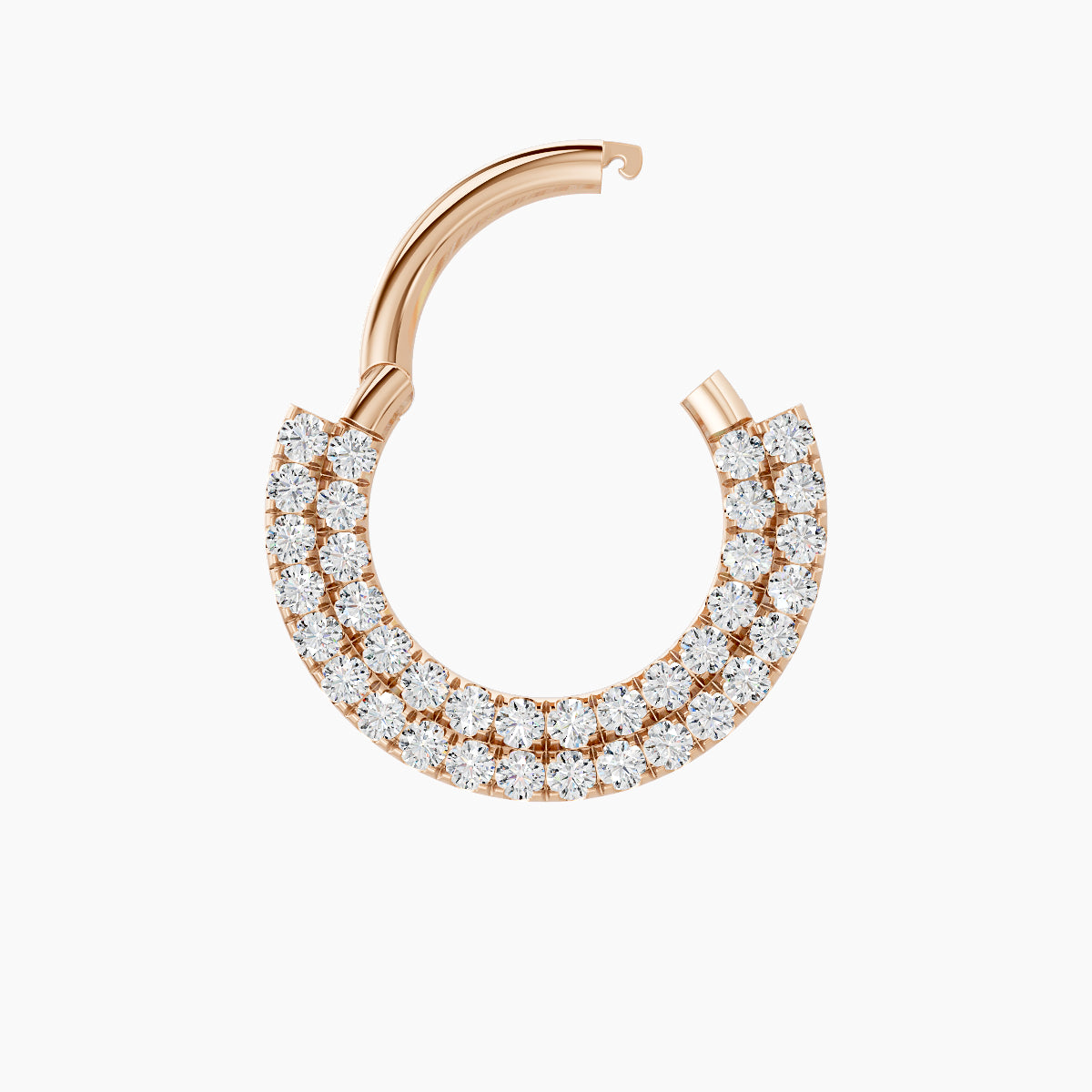
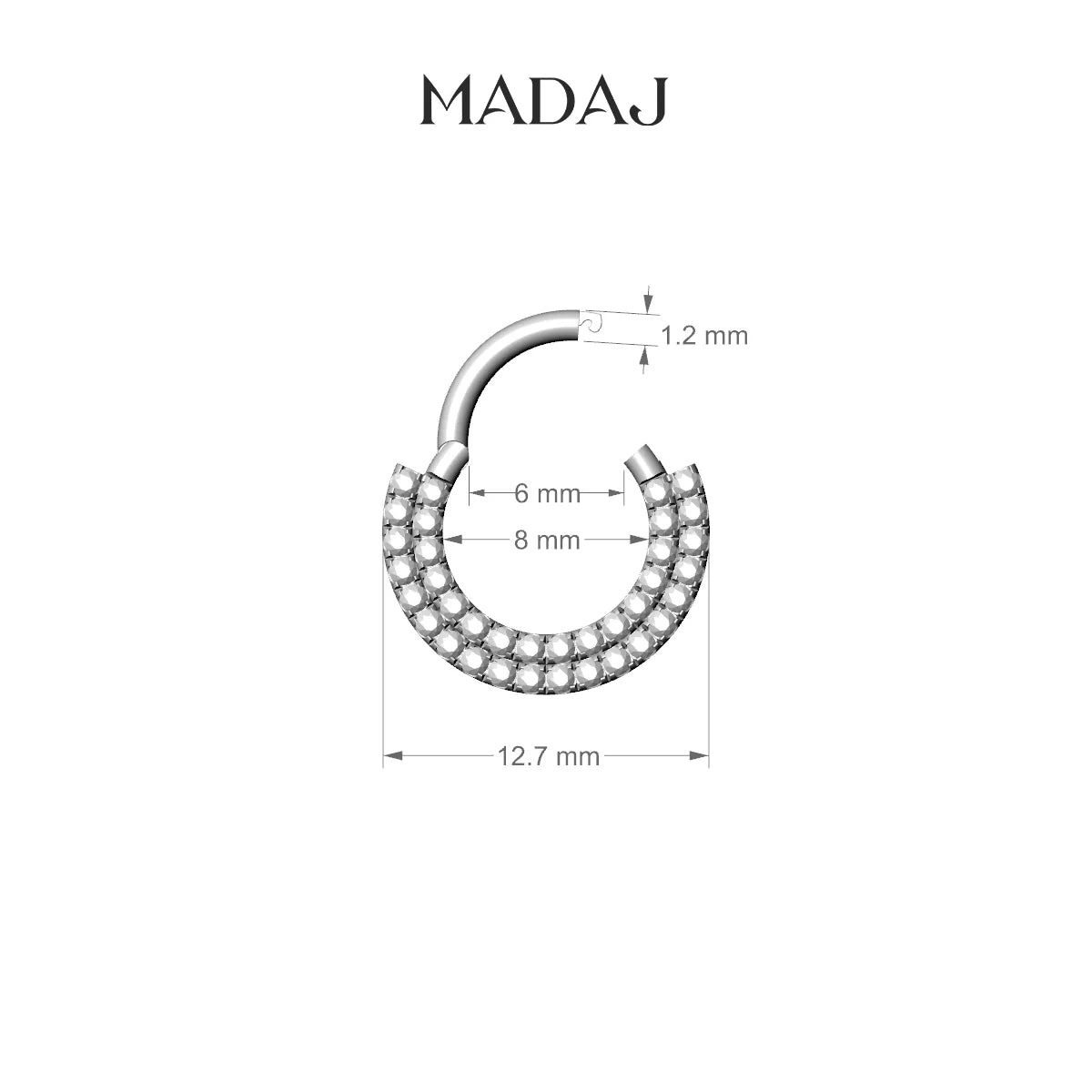
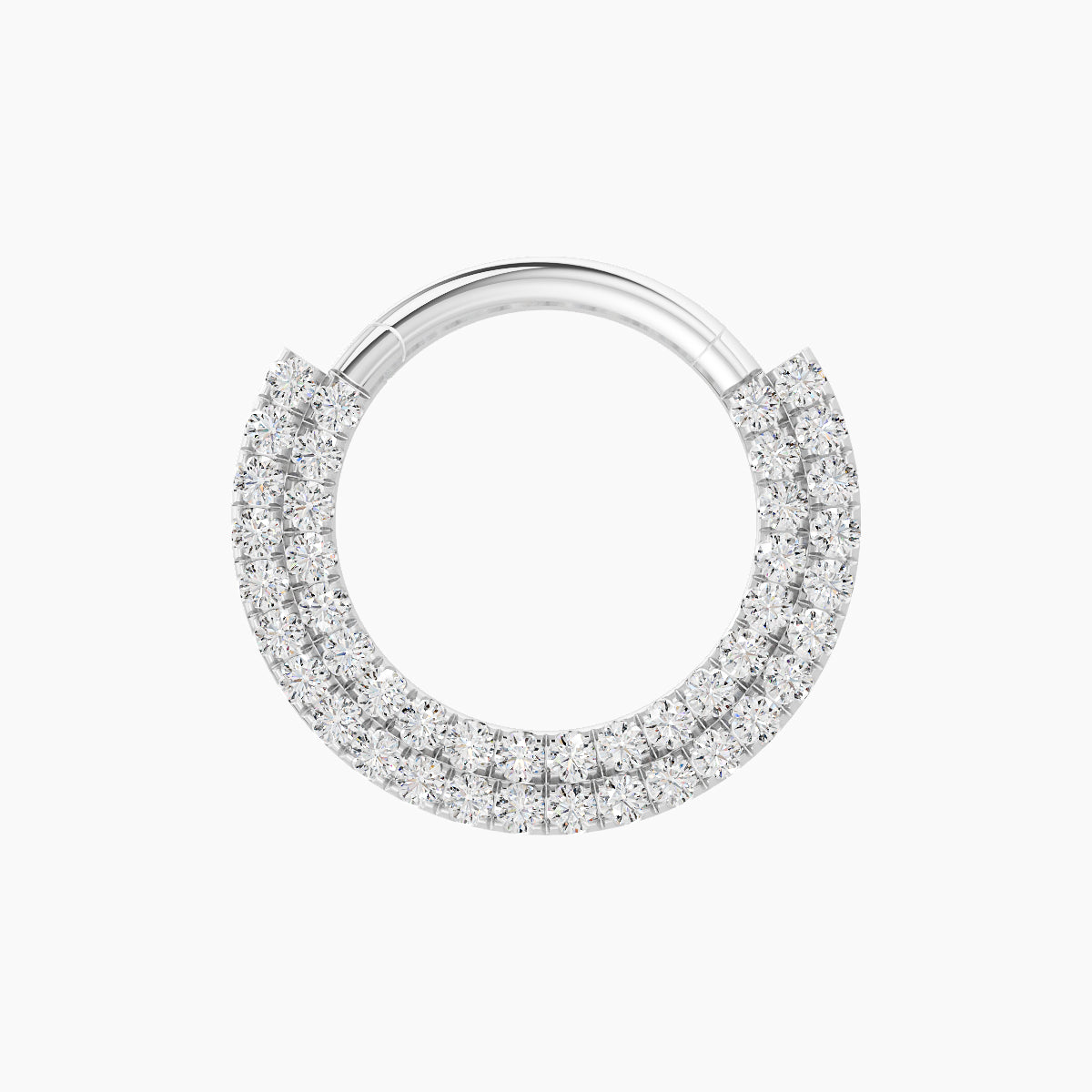
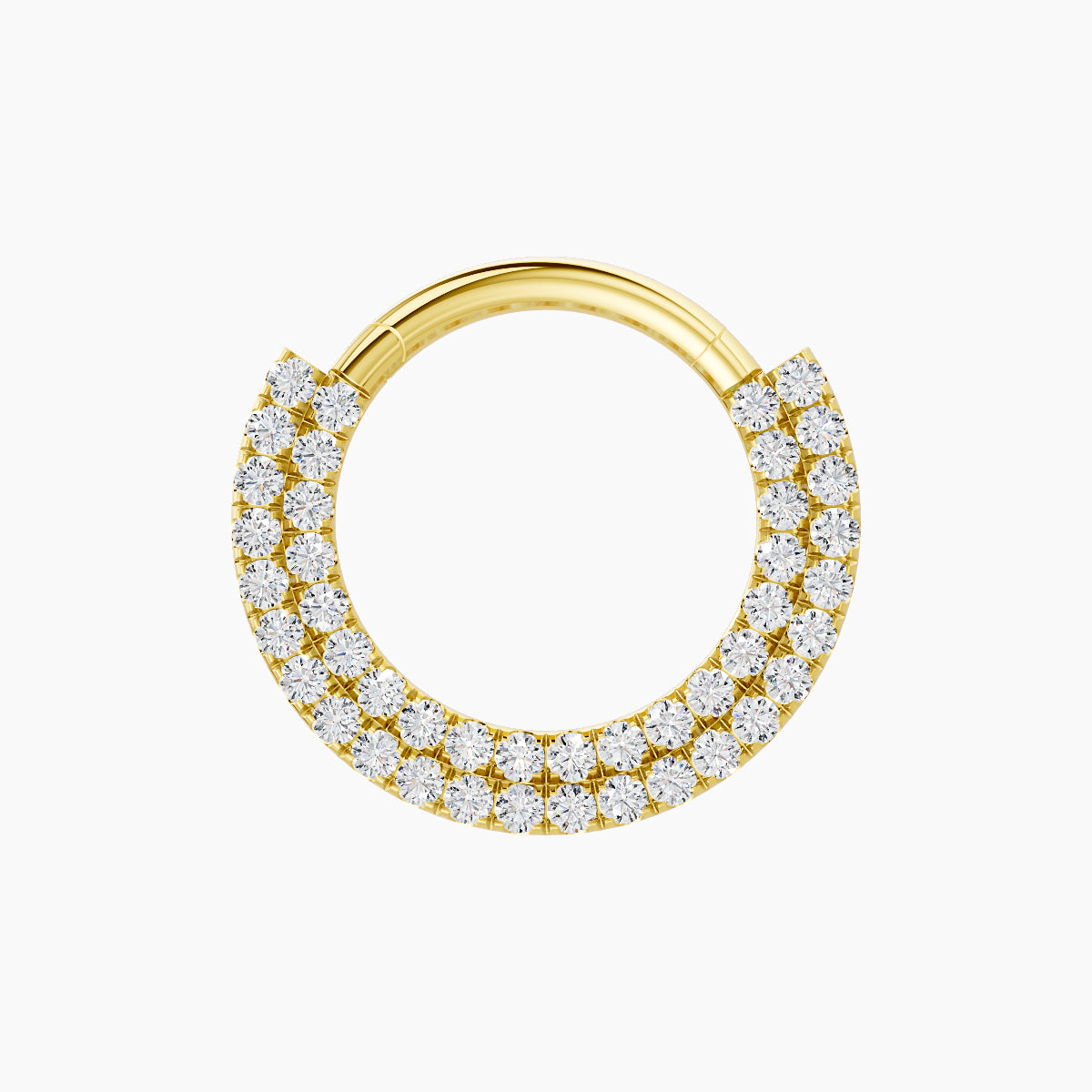
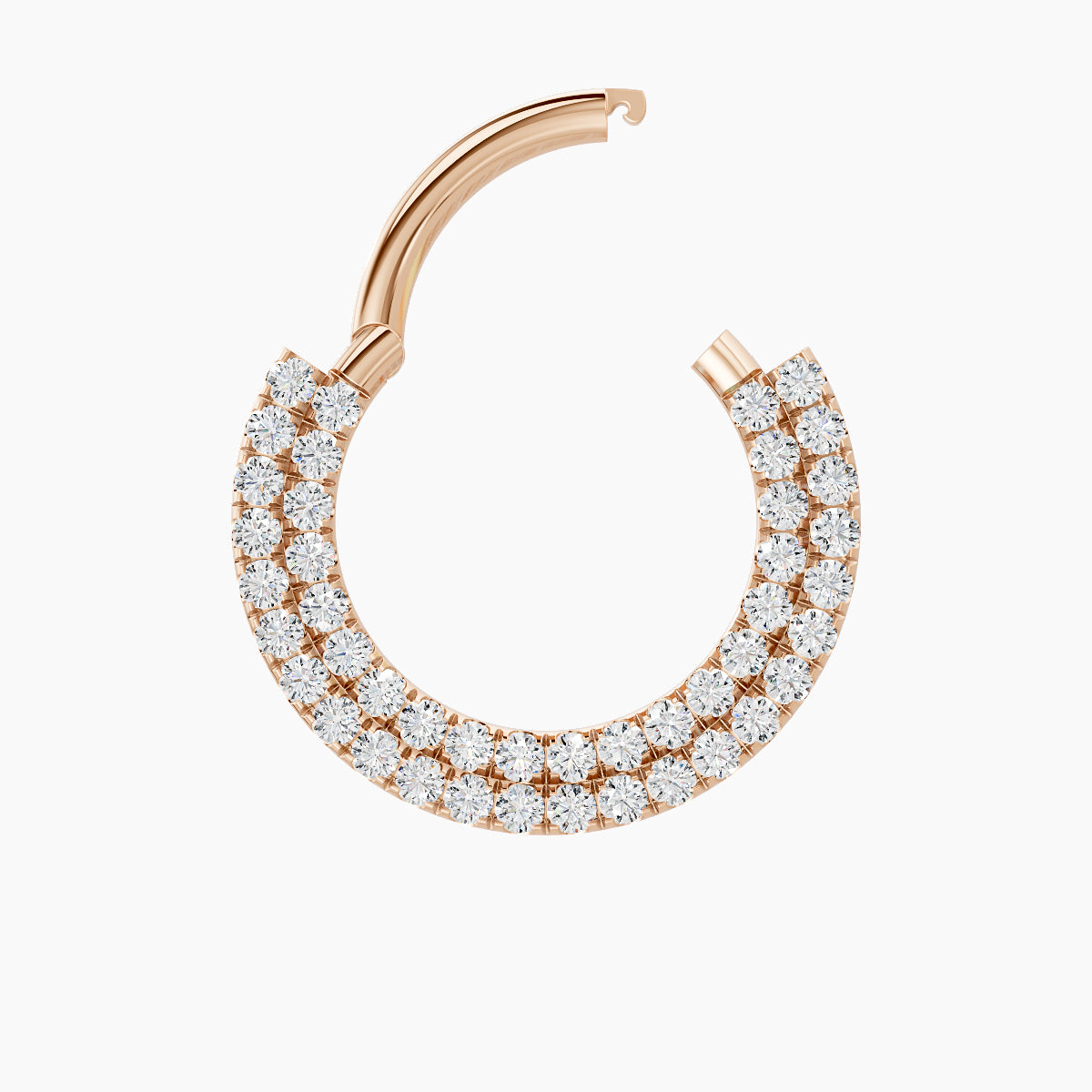
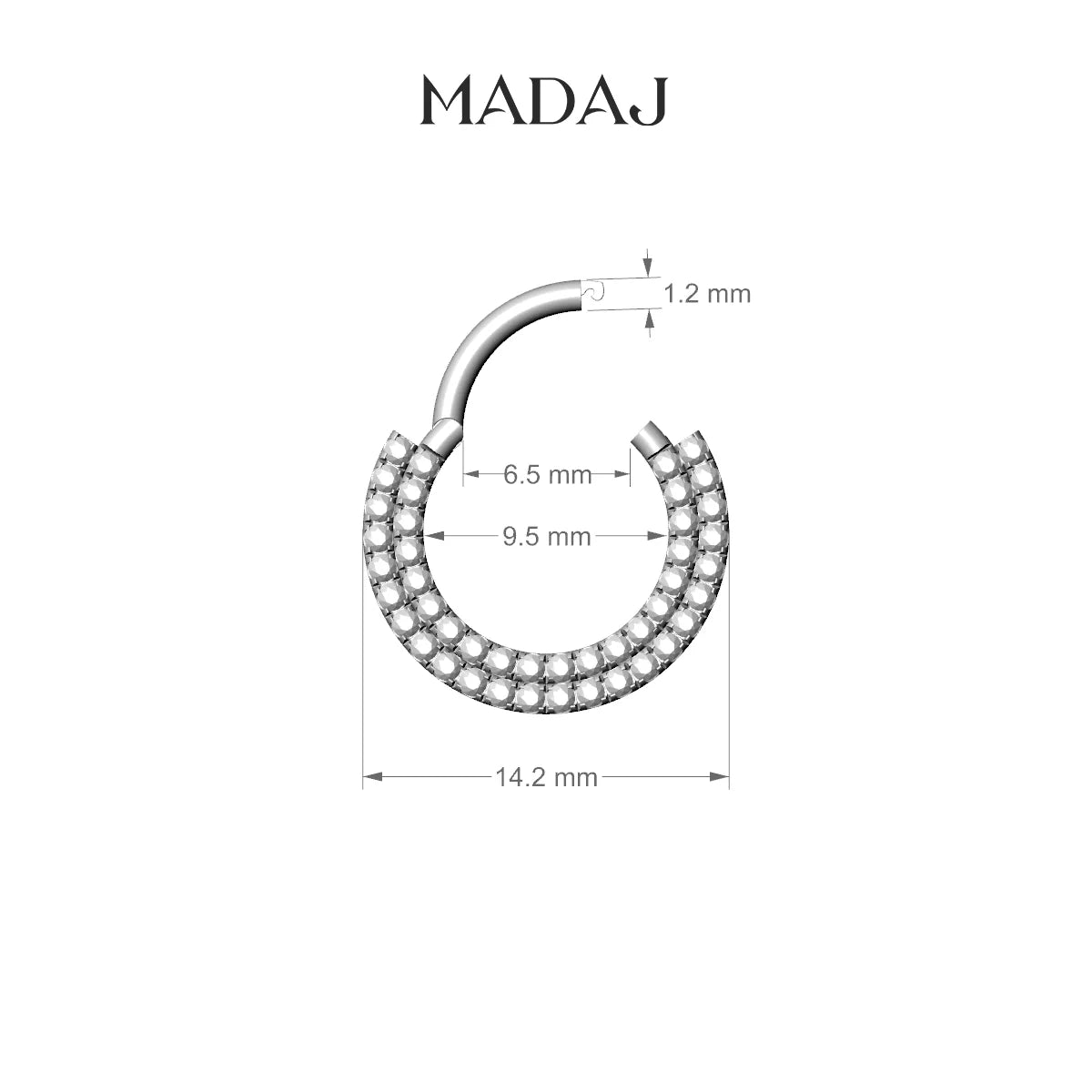
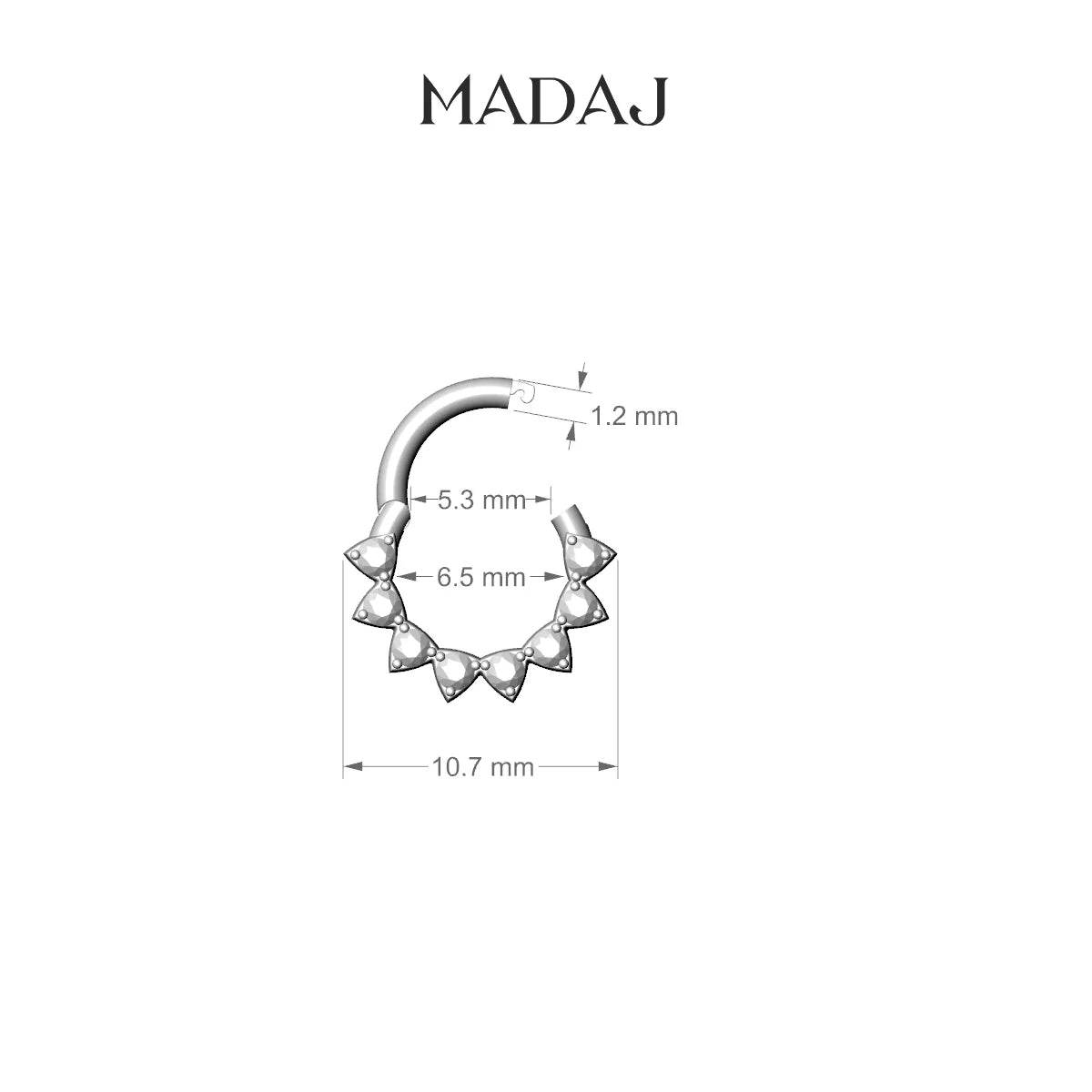
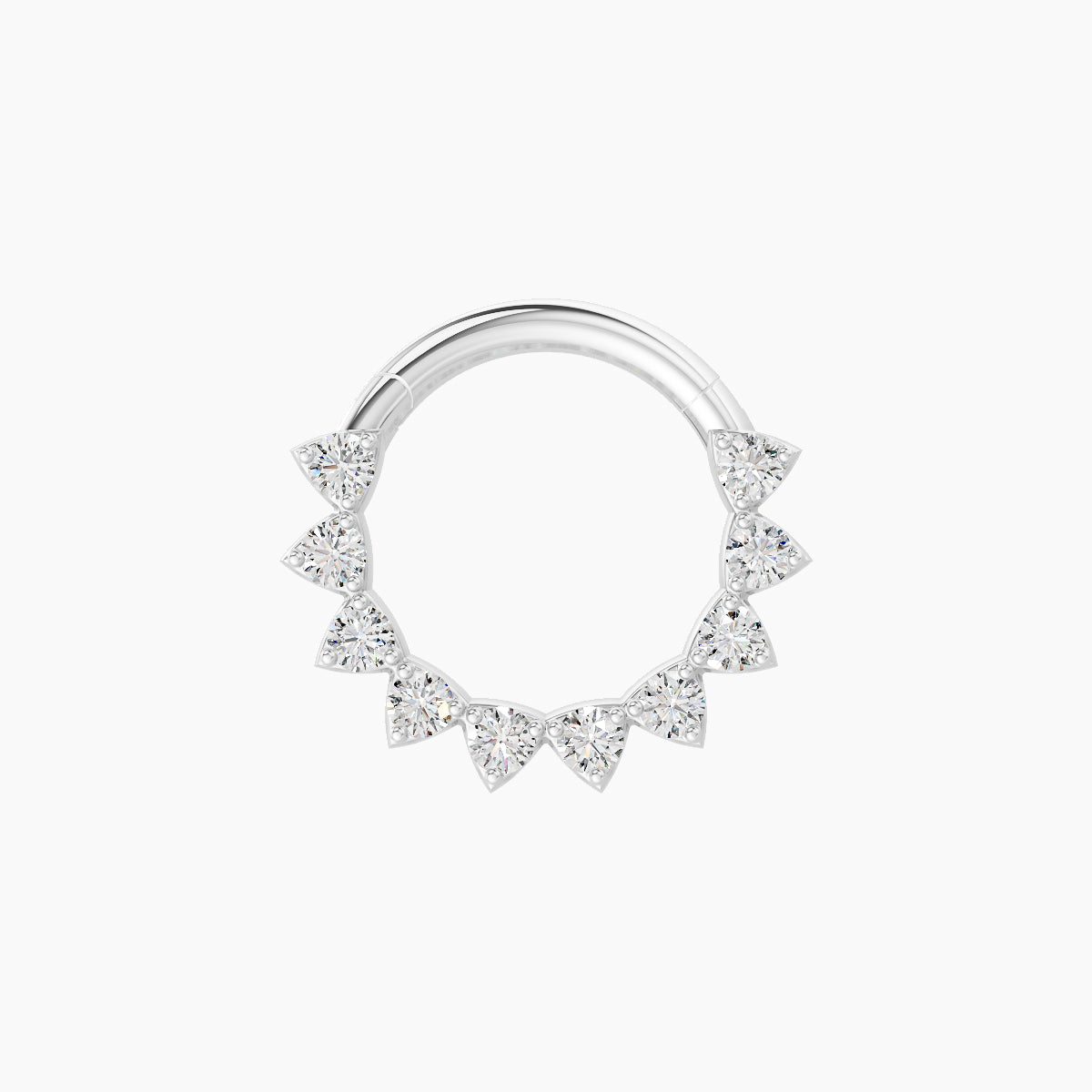
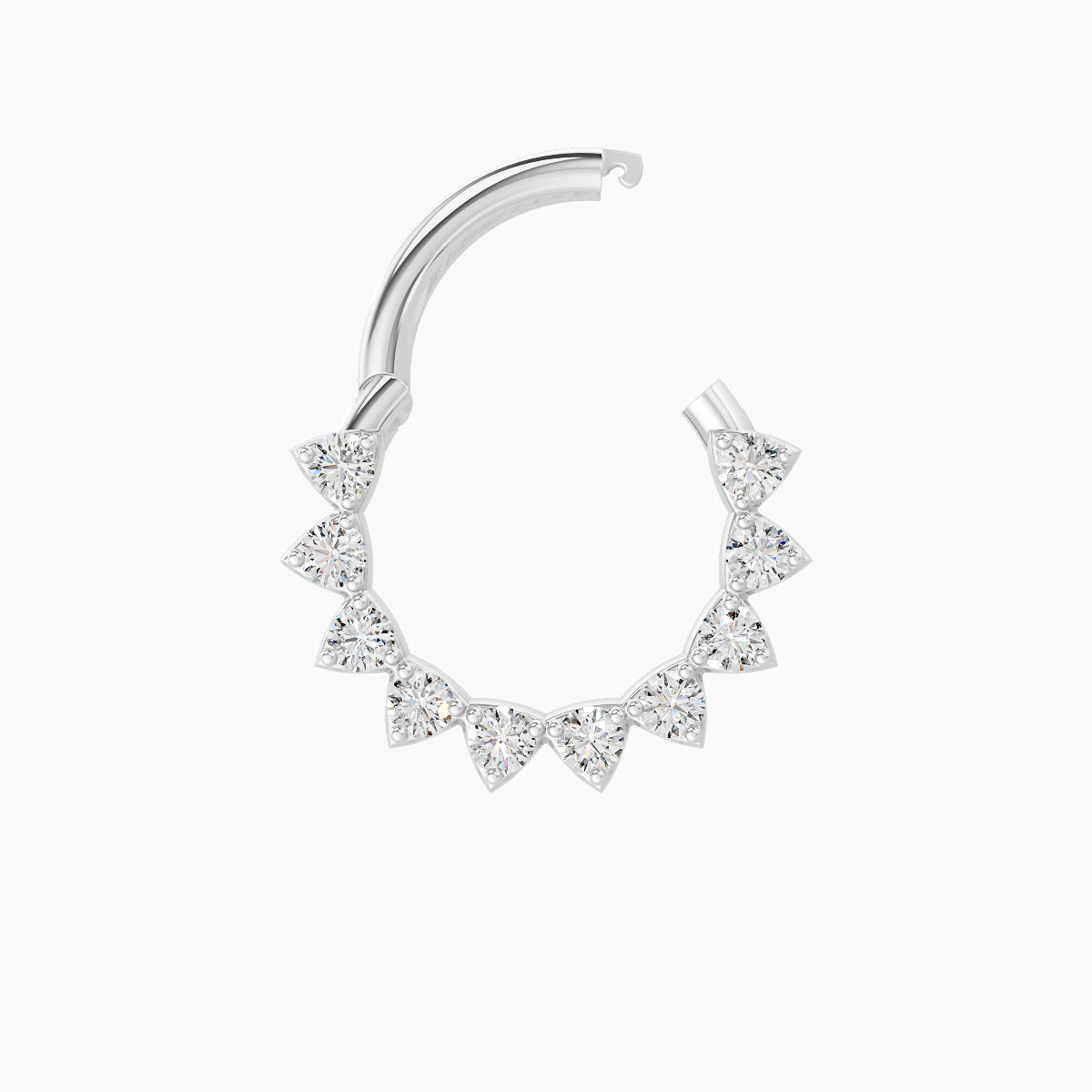
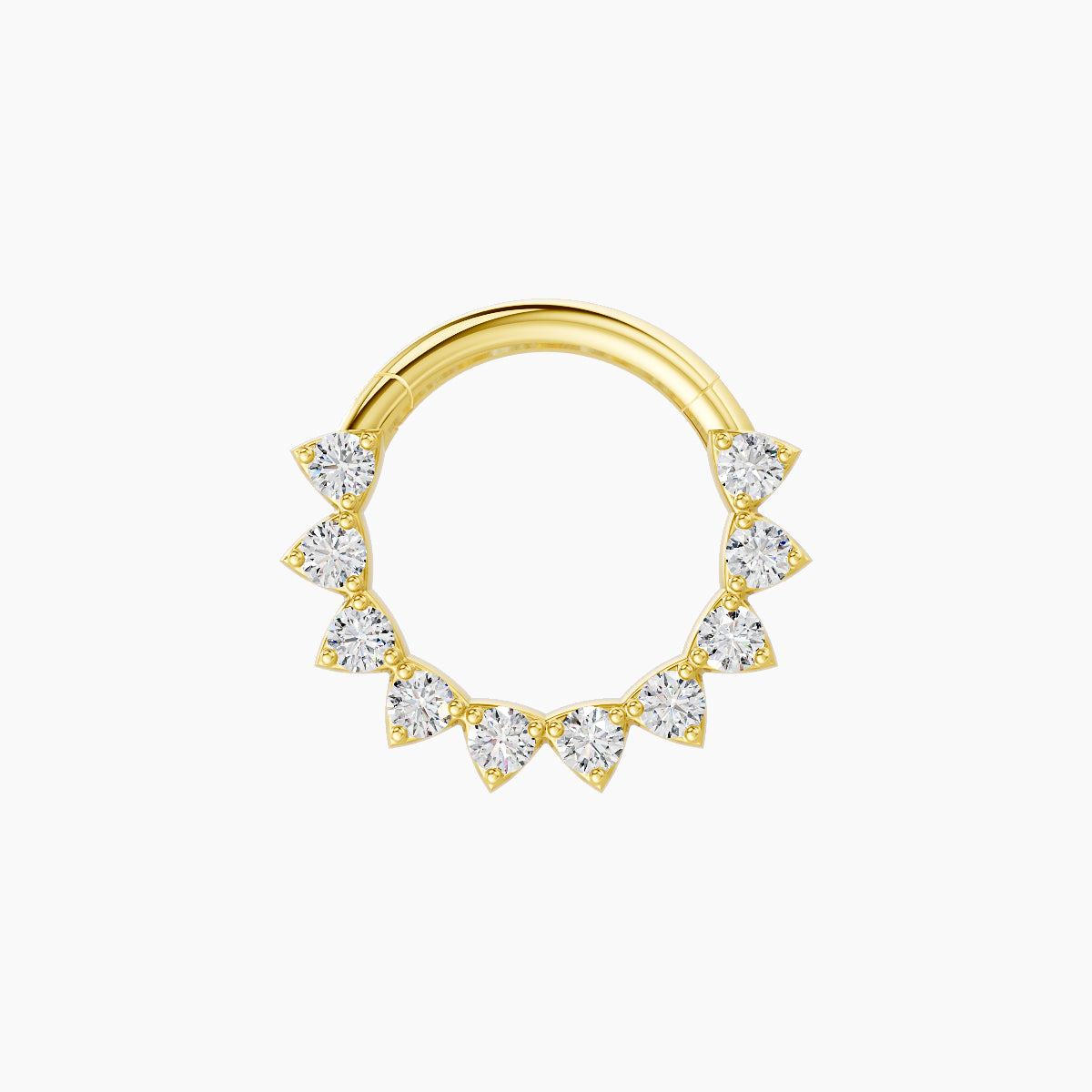
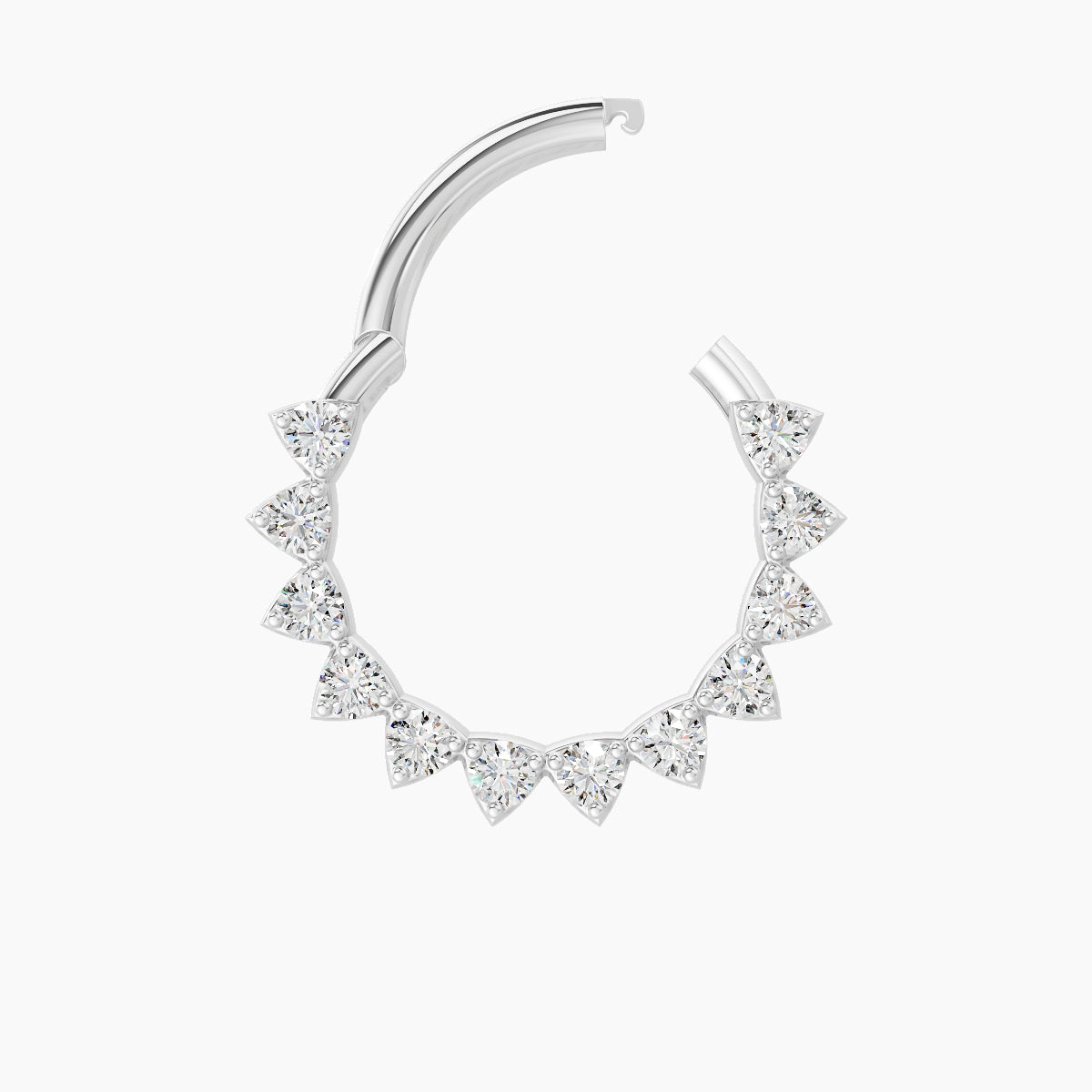
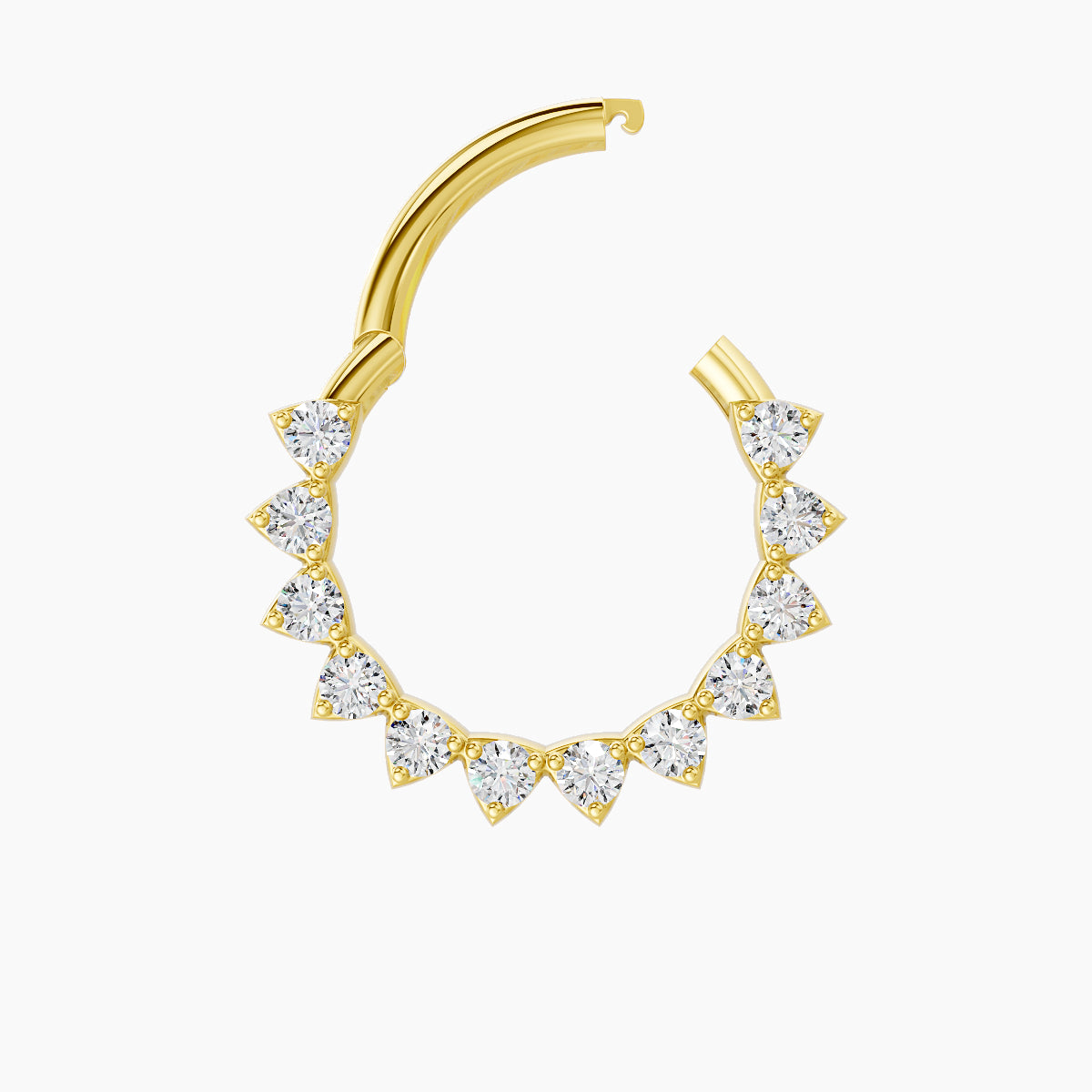
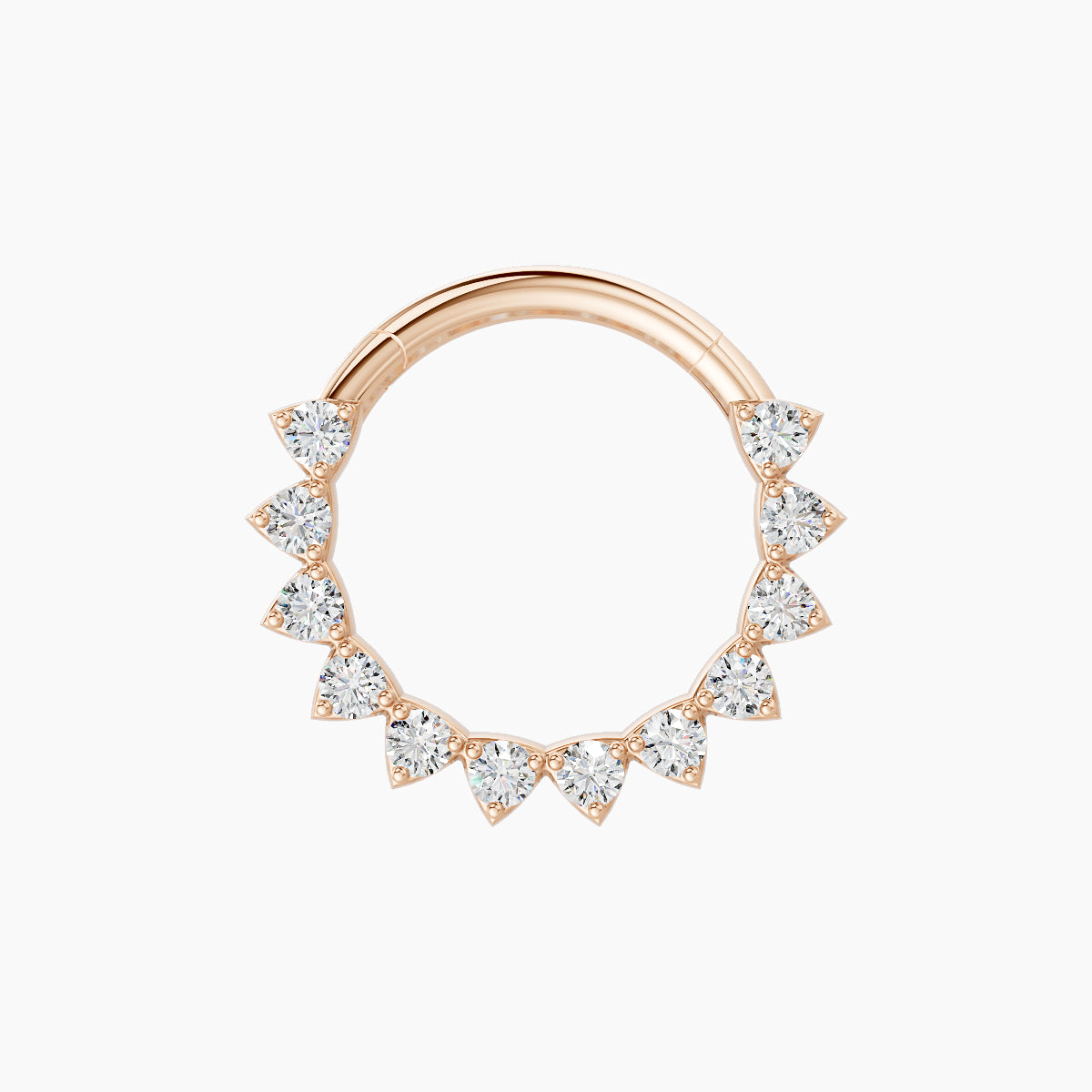
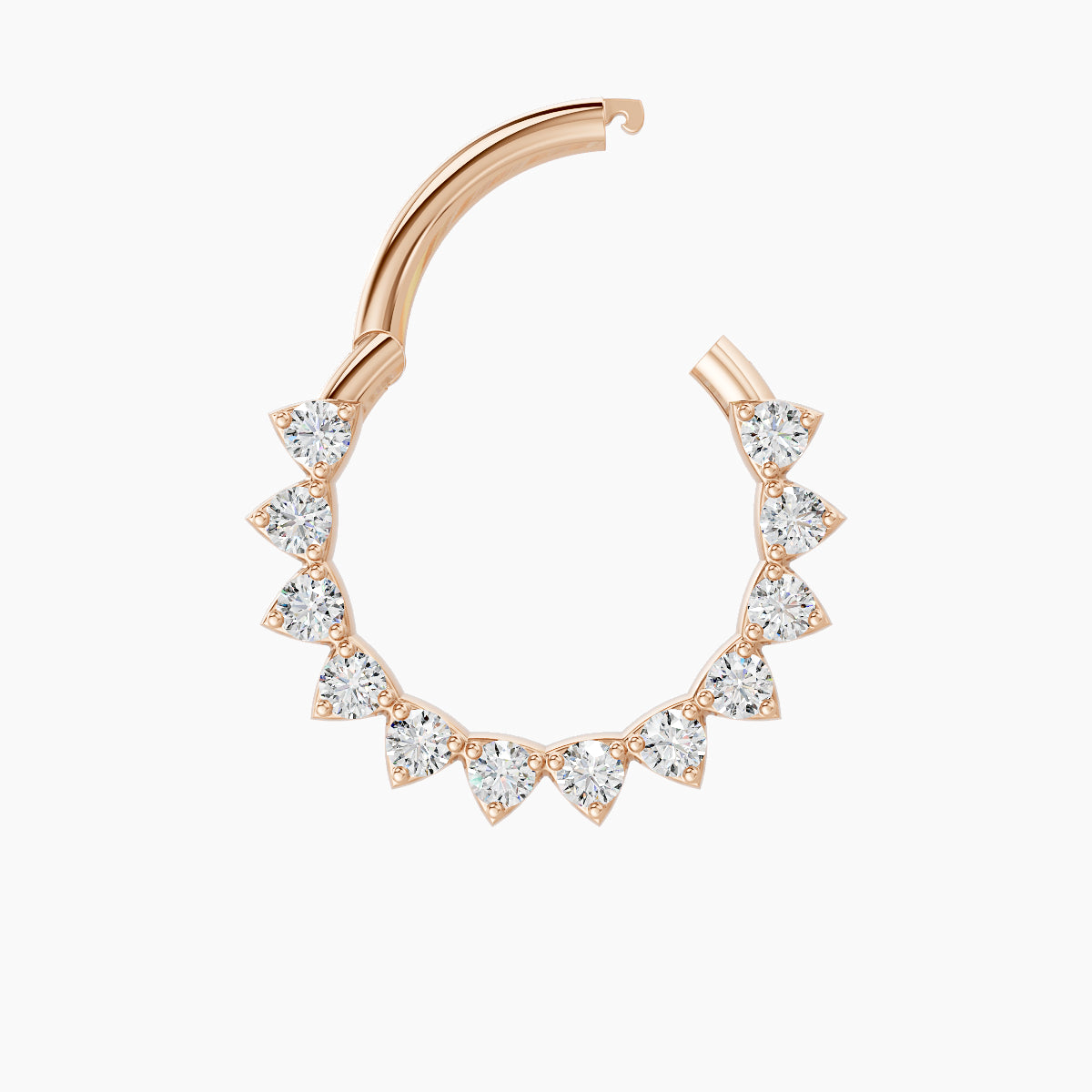
The MADAJ Galia Diamond Daith Piercing
TYPES
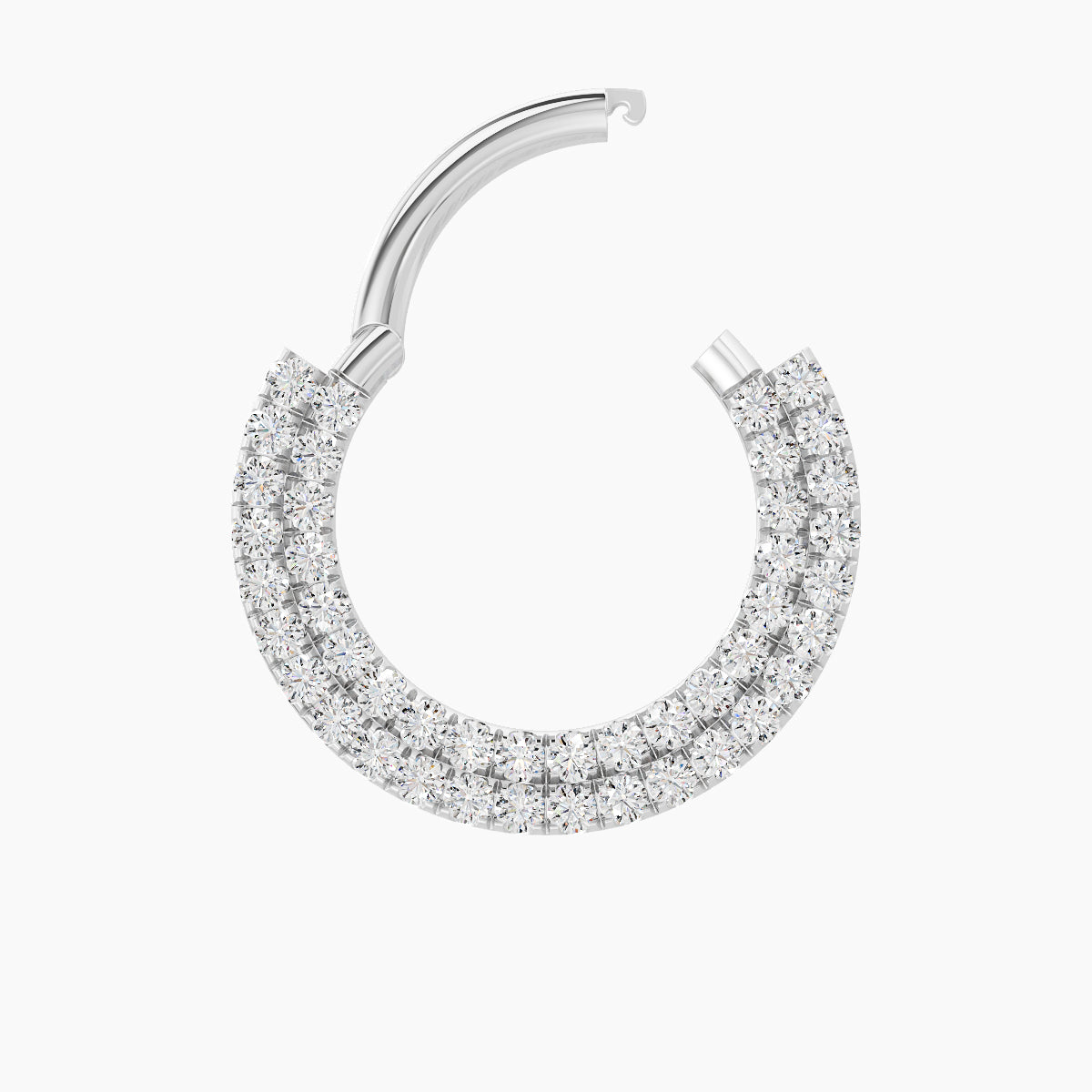
Tucked into the innermost fold of cartilage near the ear canal, the daith is one of the more structurally unique placements on the ear. At MADAJ, we make daith jewelry exclusively as a clicker hoop, since the shape of this fold isn't suited to a flat-back stud. Many clients pair a daith with a nearby rook or tragus piece to build out that inner section of the ear.
MATERIALS
MADAJ crafts every daith piece in nickel-free, hypoallergenic solid 18k gold, offered in yellow, white, or rose tones, with the option to set real diamonds, rubies, sapphires, pink sapphires, emeralds, or black diamonds. We work exclusively with this metal across our entire collection: it's soft enough not to irritate skin during the healing process, yet resilient enough to hold up to daily wear for years afterward without tarnishing or needing replacement.
Each stone is certified G–VS grade for natural diamonds or AAA grade for precious stones, and your piece arrives with a Certificate of Authenticity confirming its exact specifications.
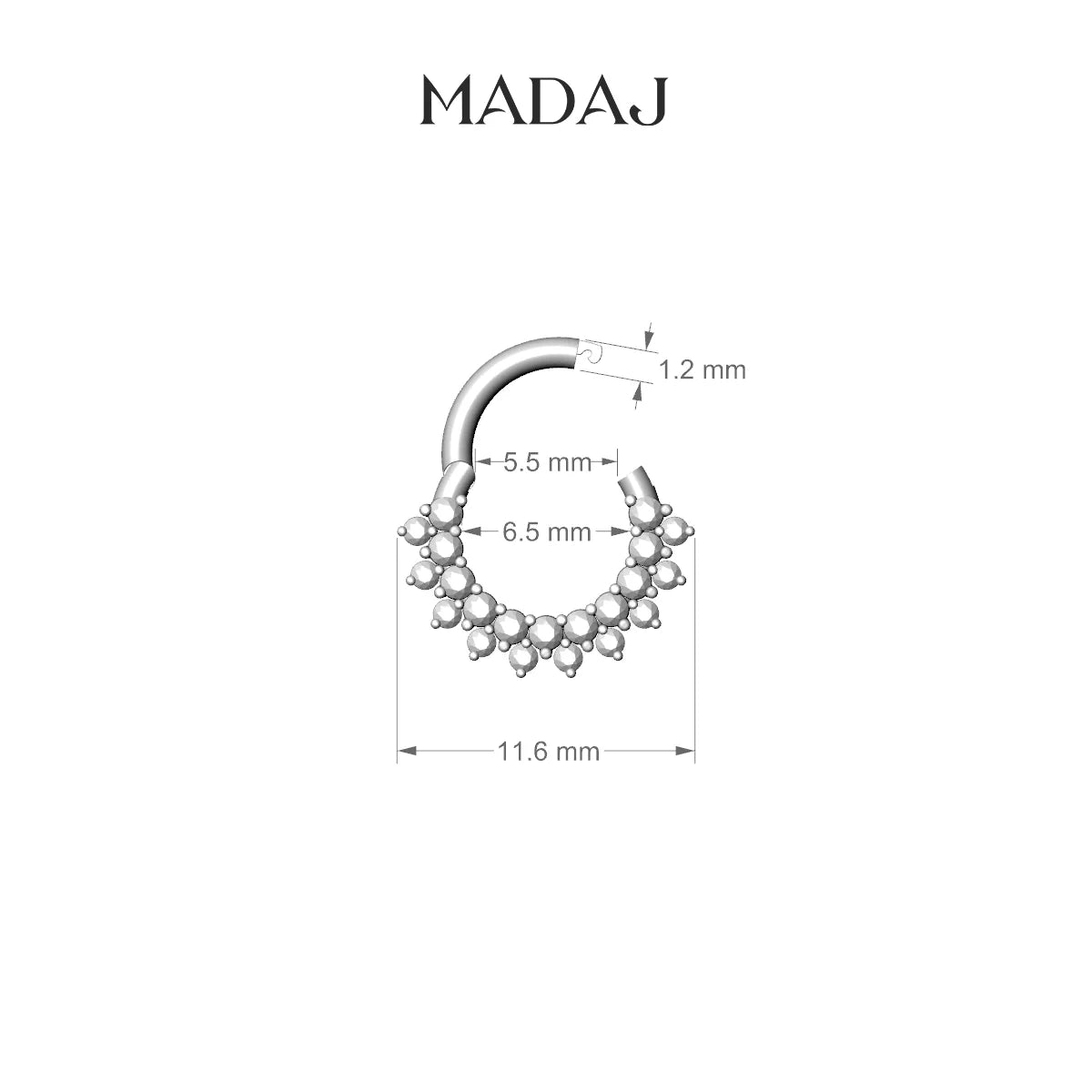
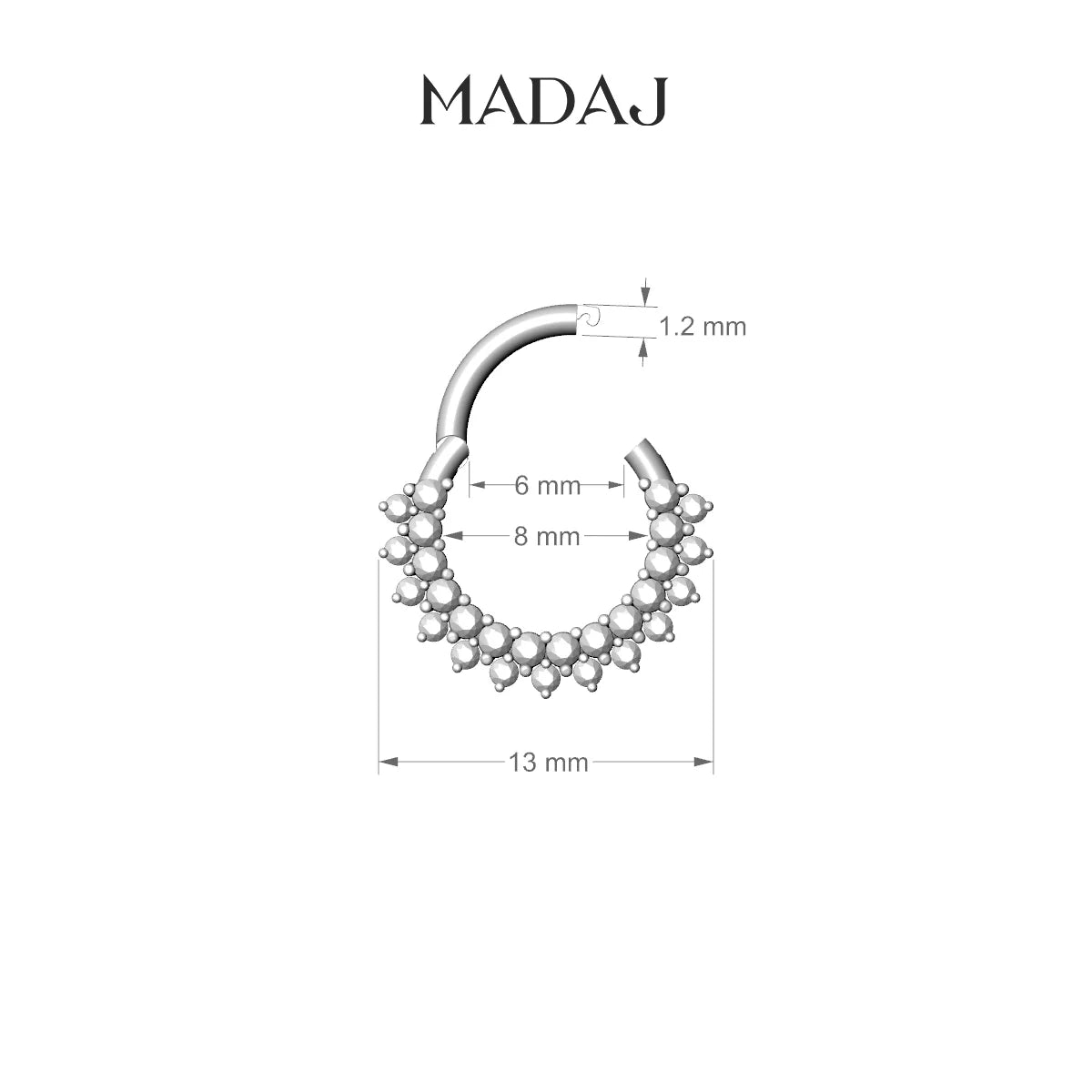
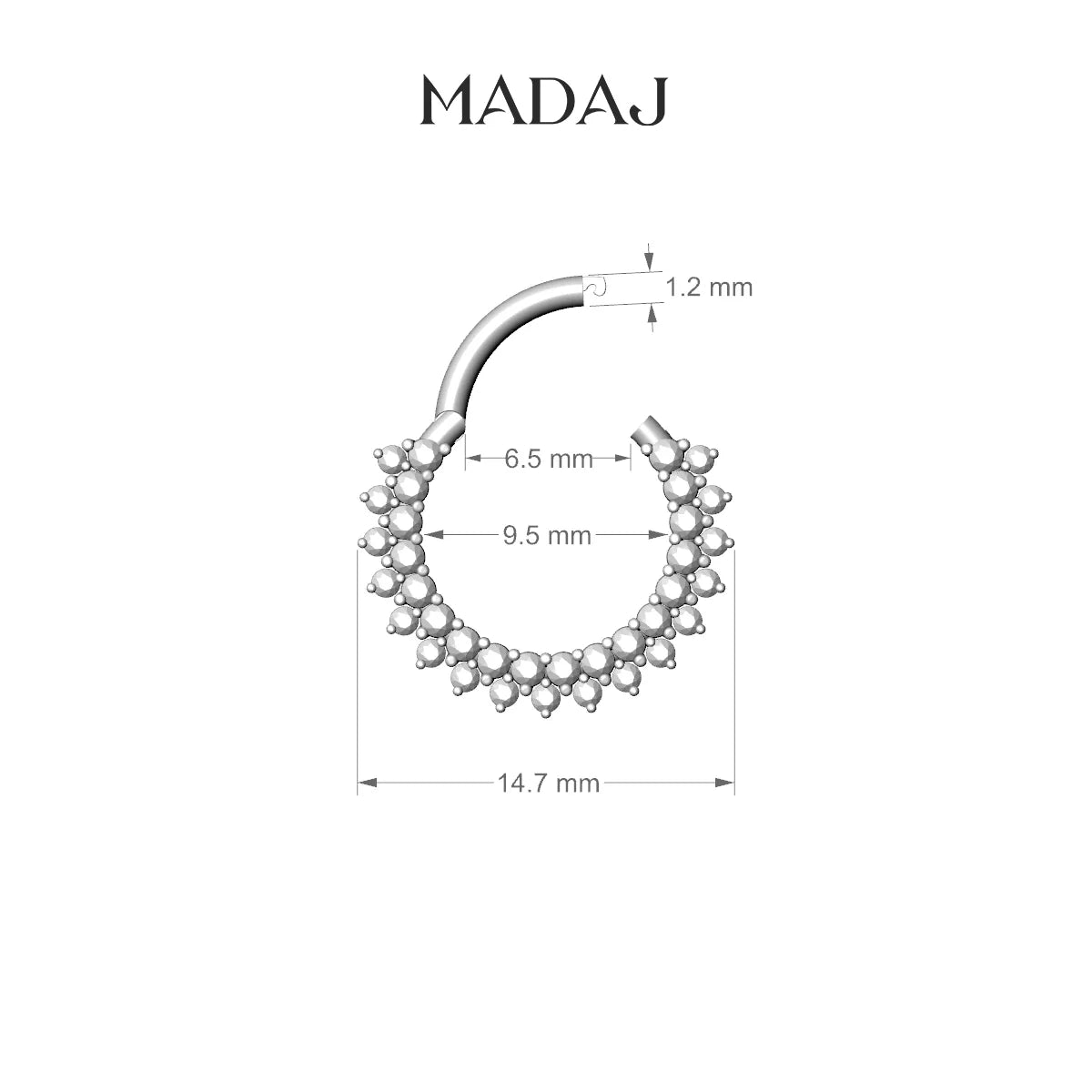
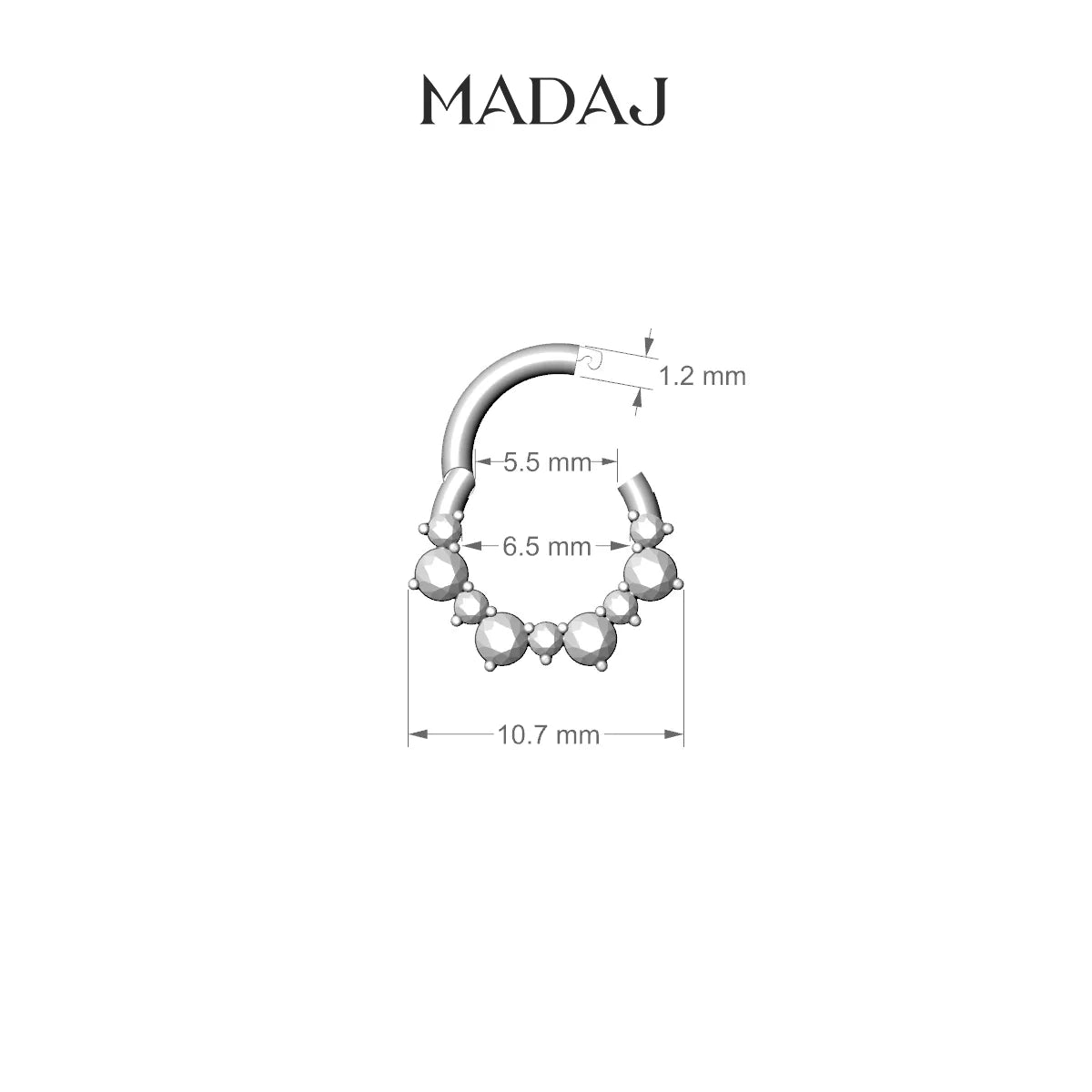
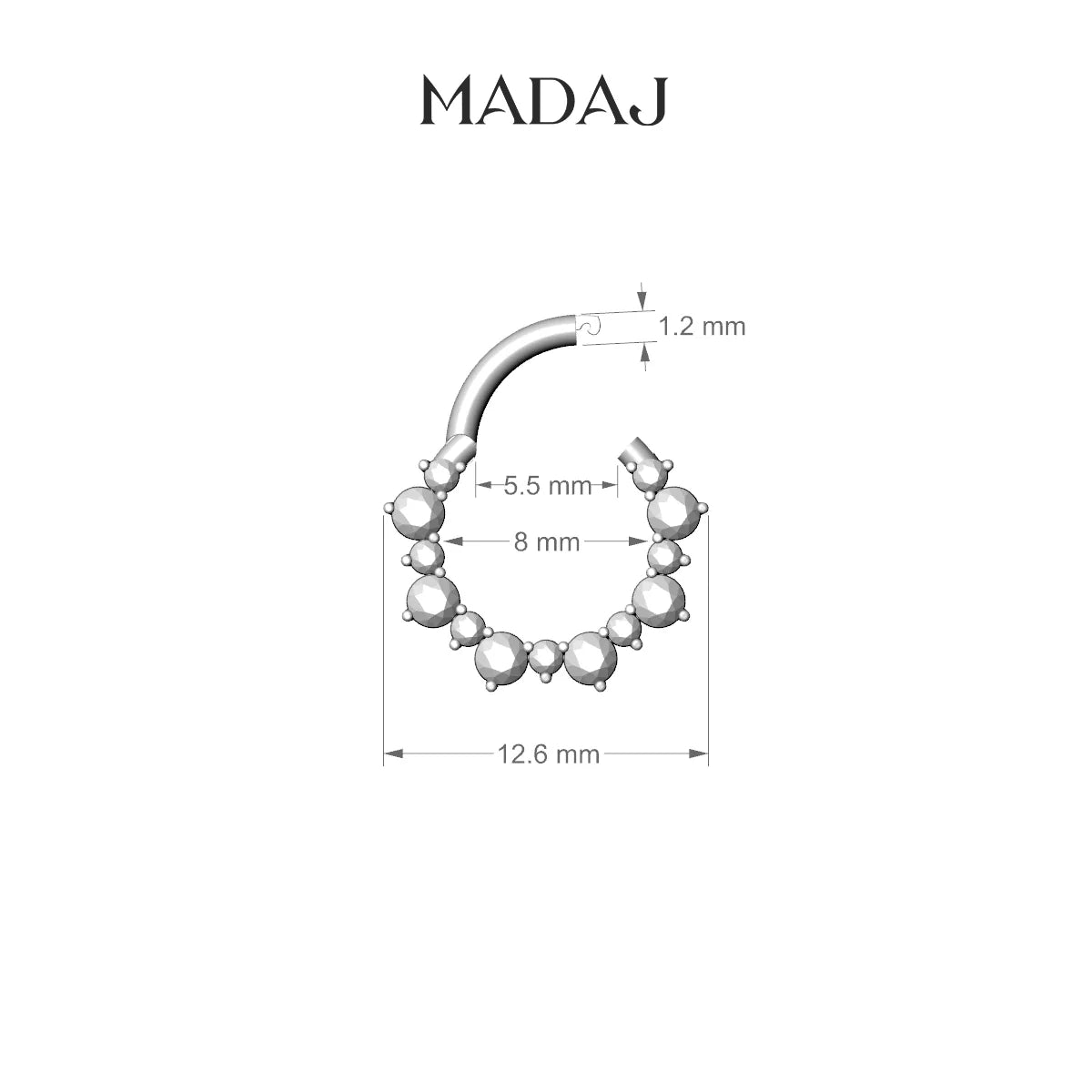
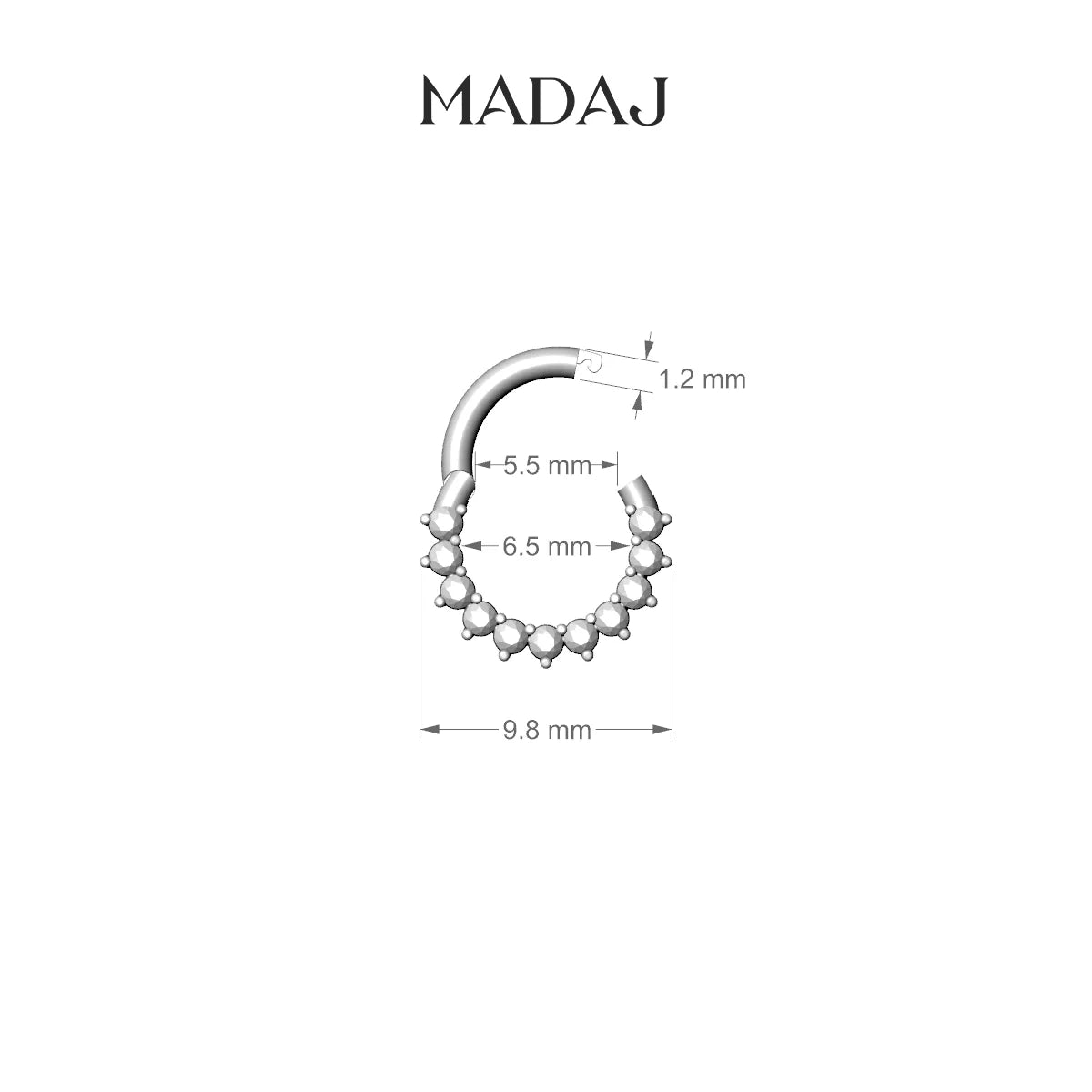
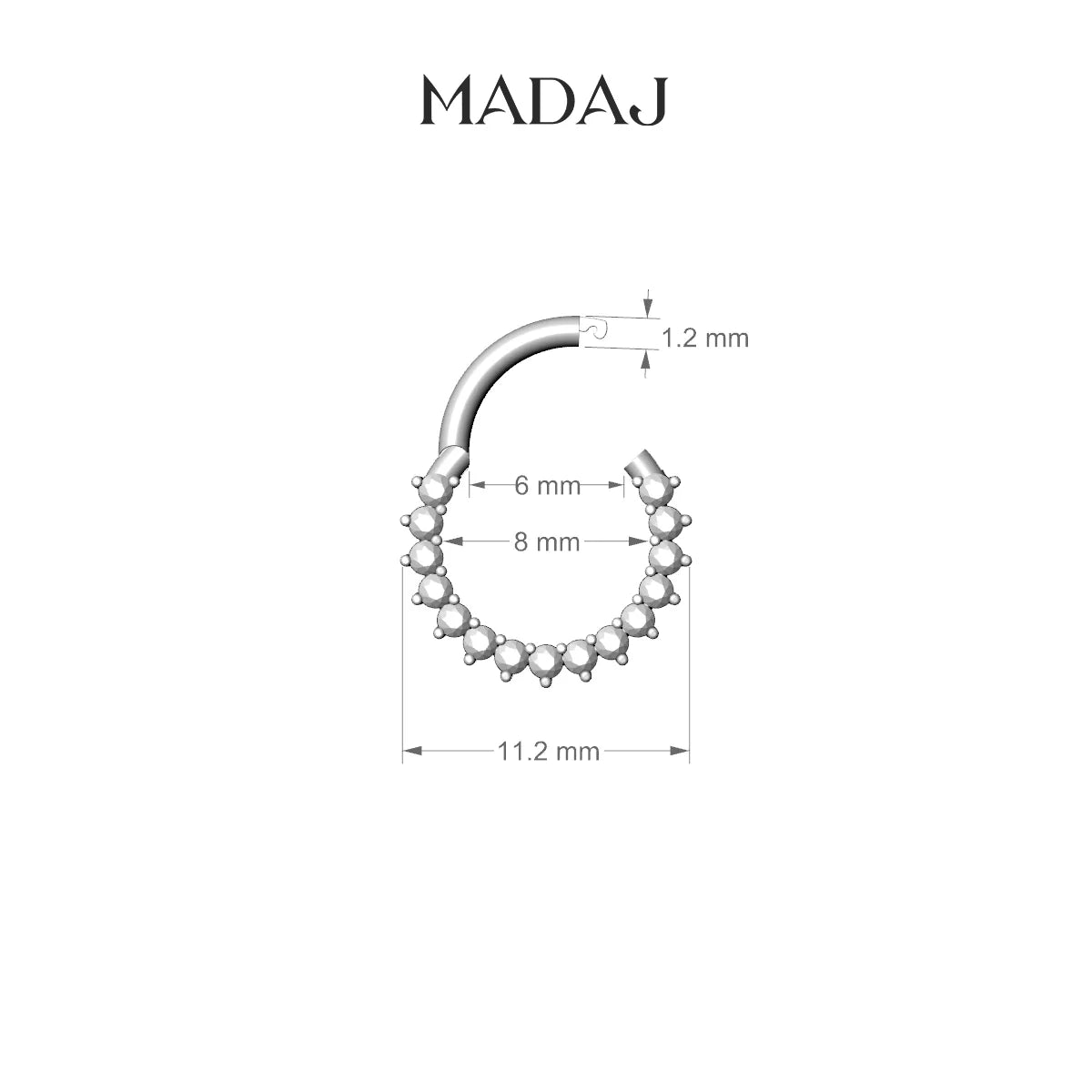
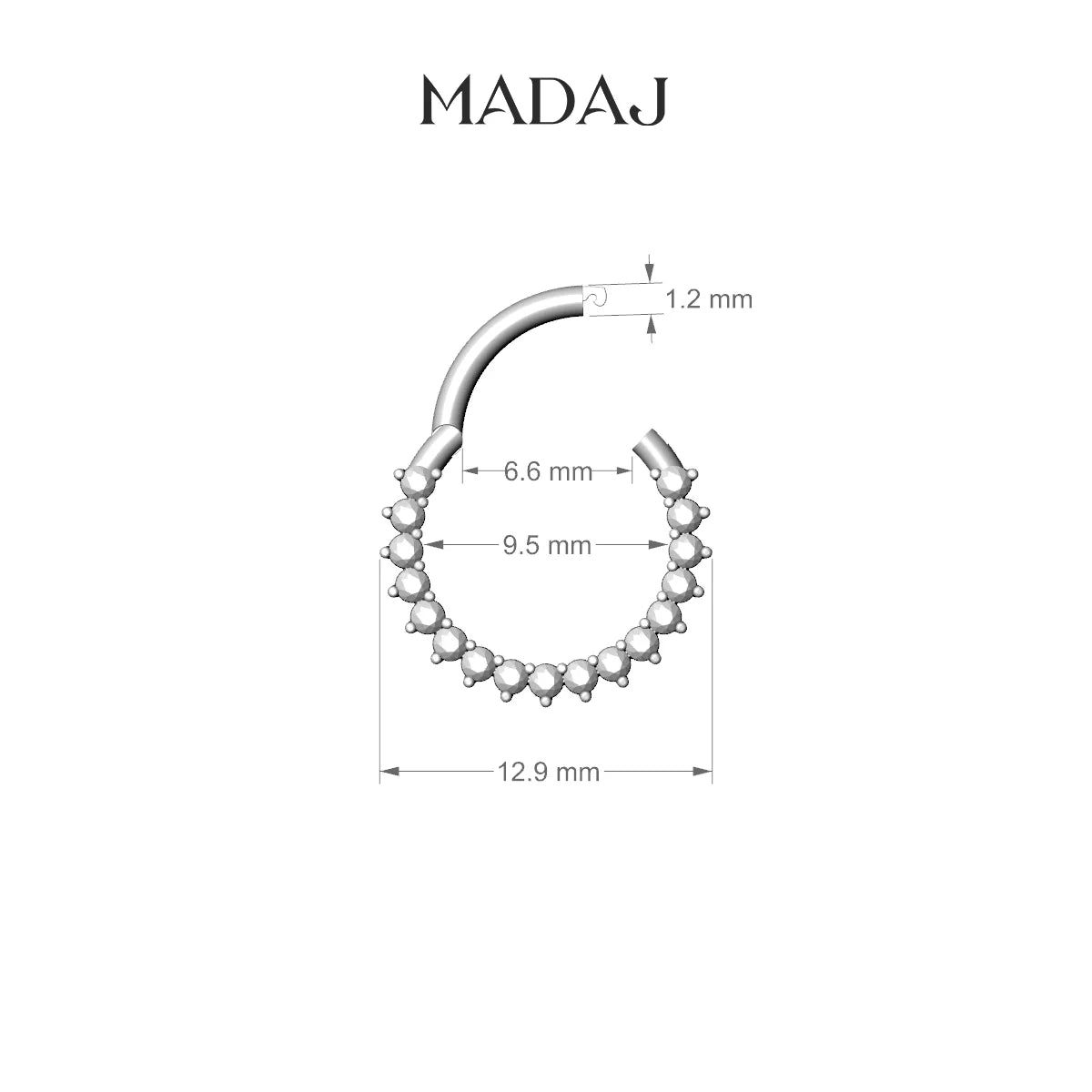
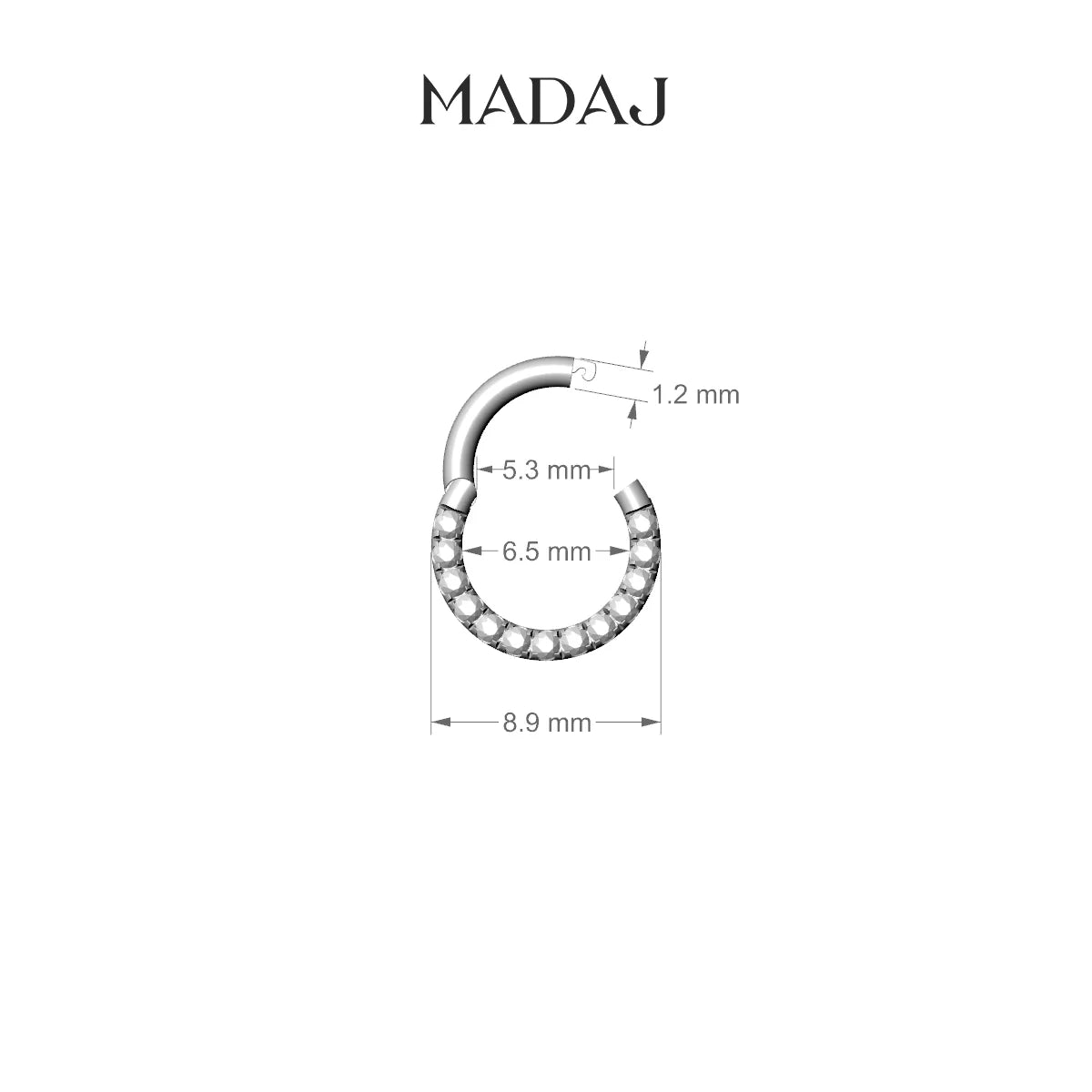
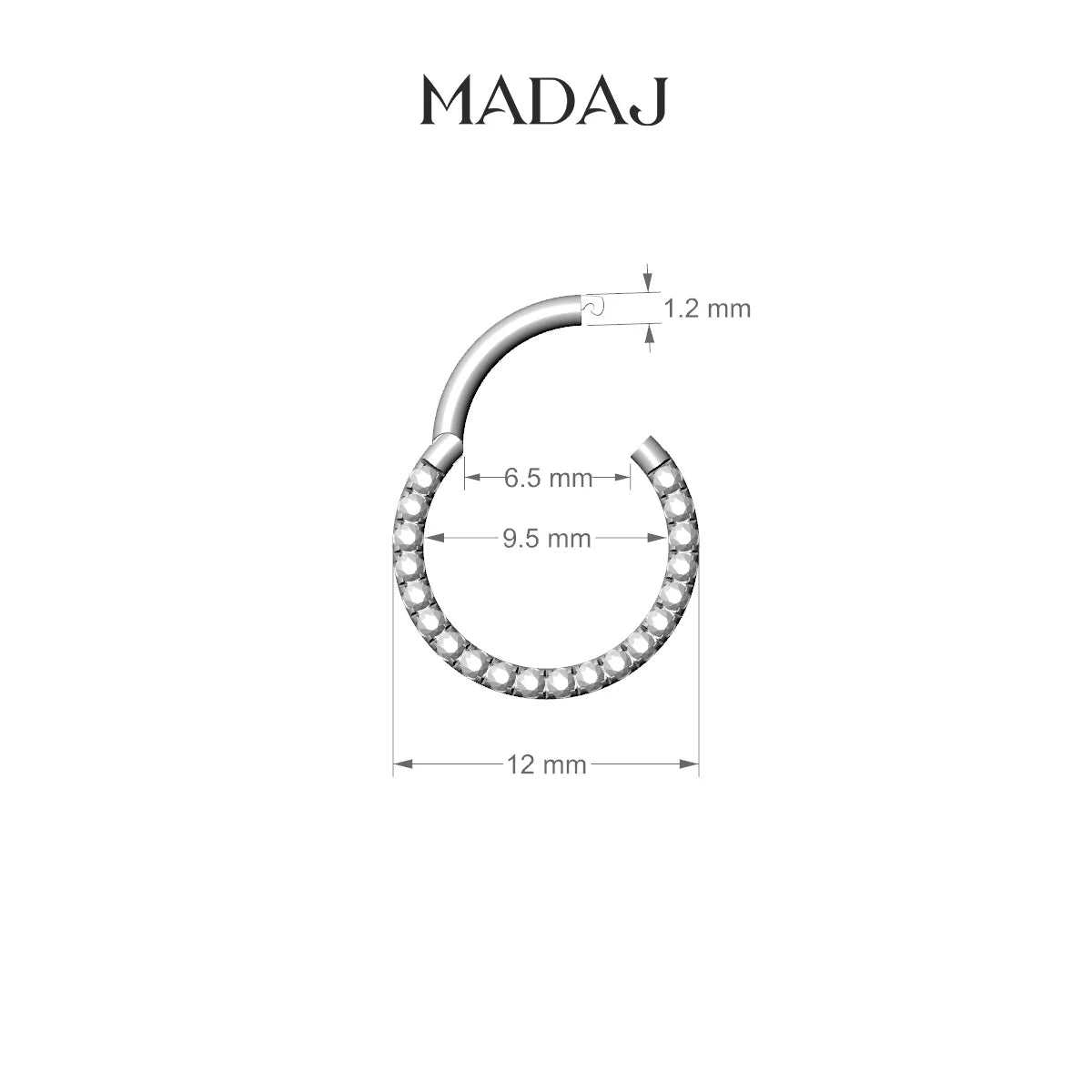
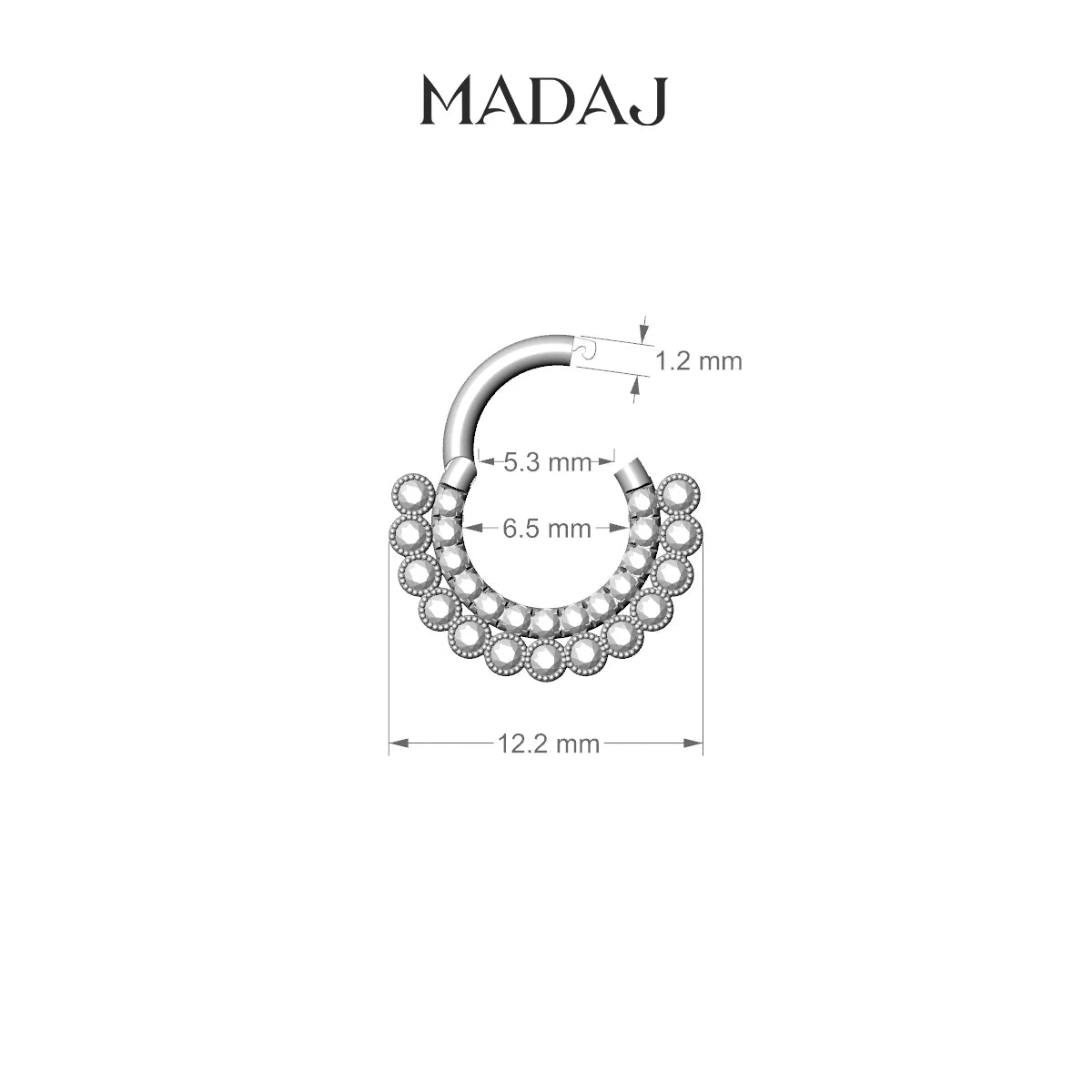
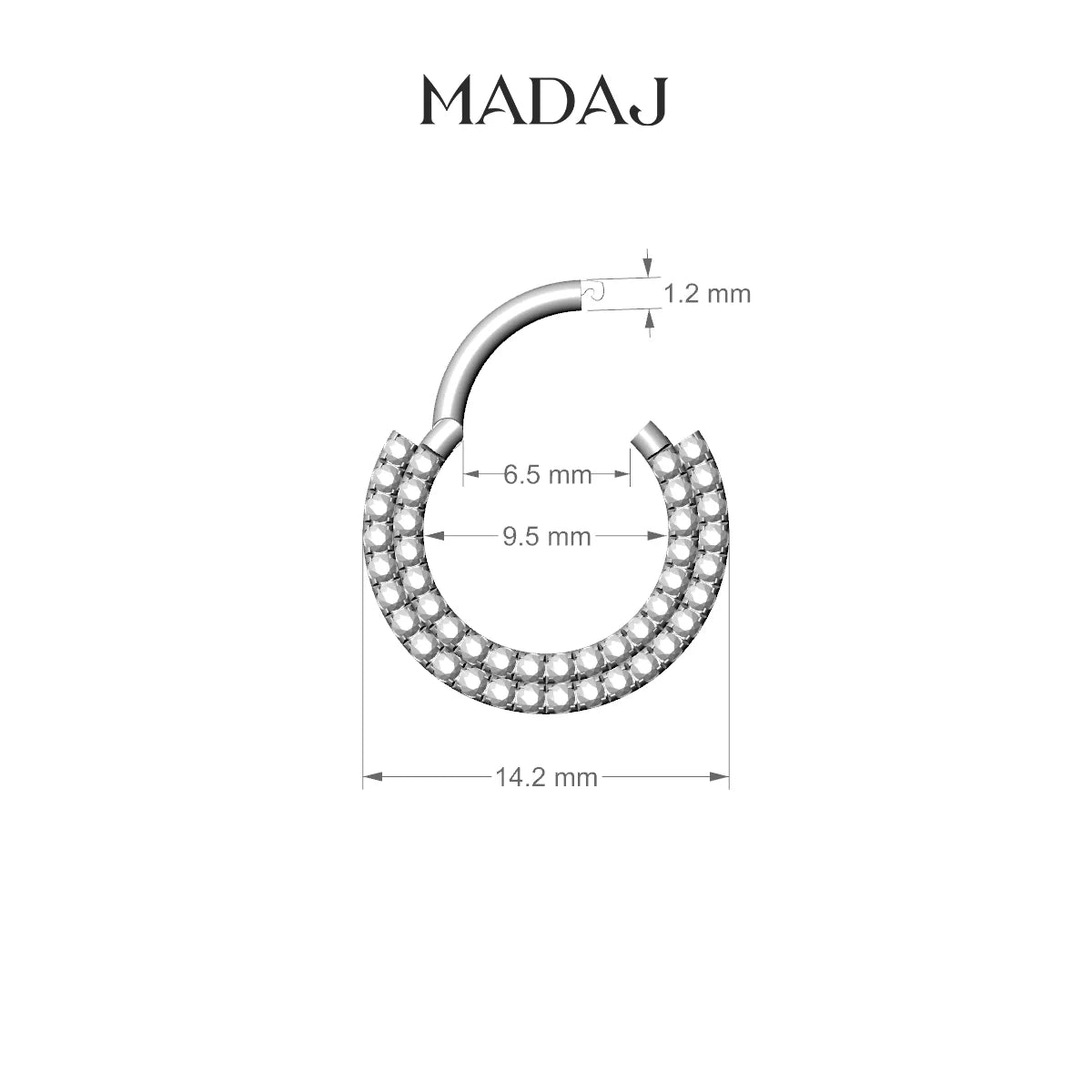
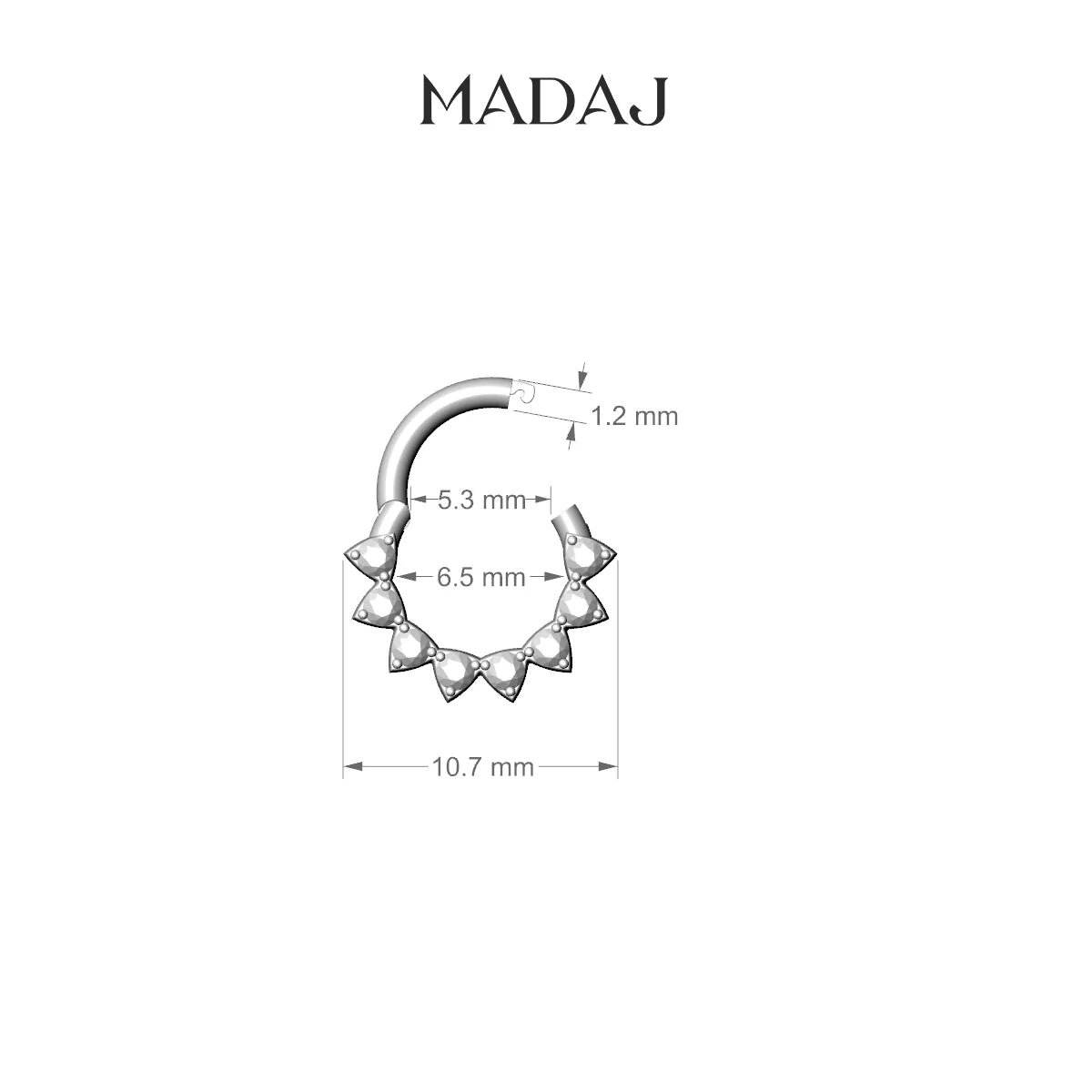
What Ring Size Should You Choose for a Daith Piercing?
Choosing the right ring size is essential for comfort, proper healing, and a stylish result.
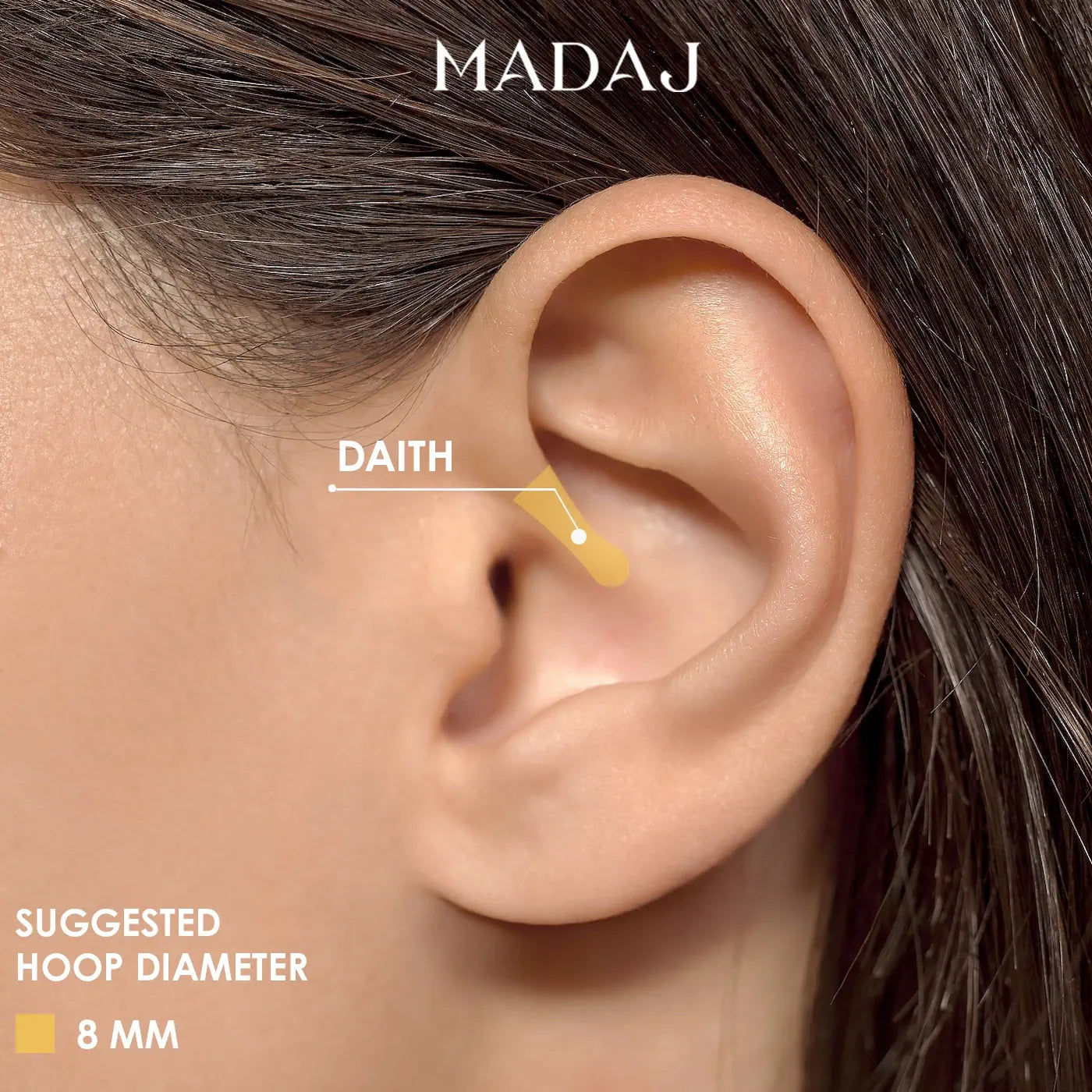
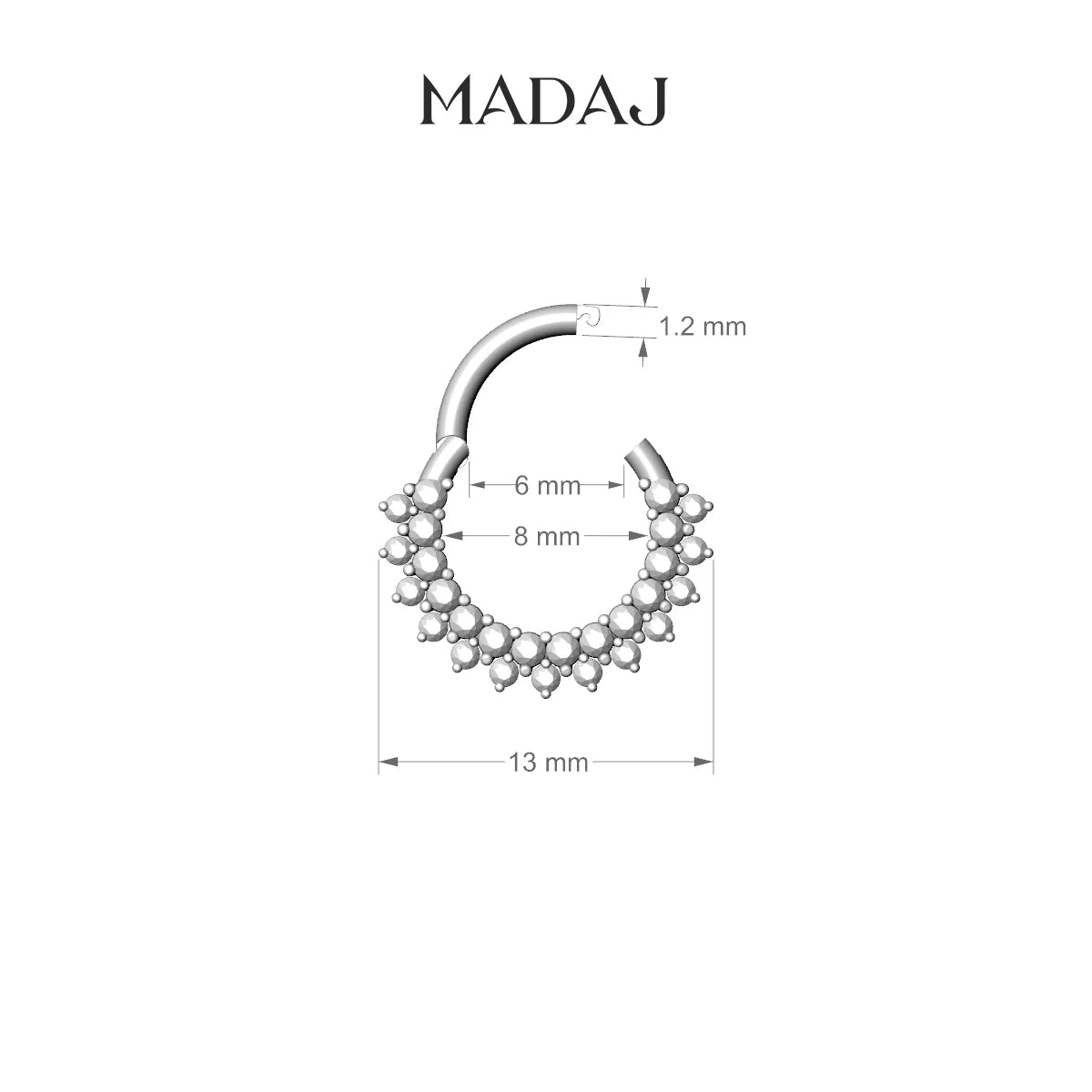
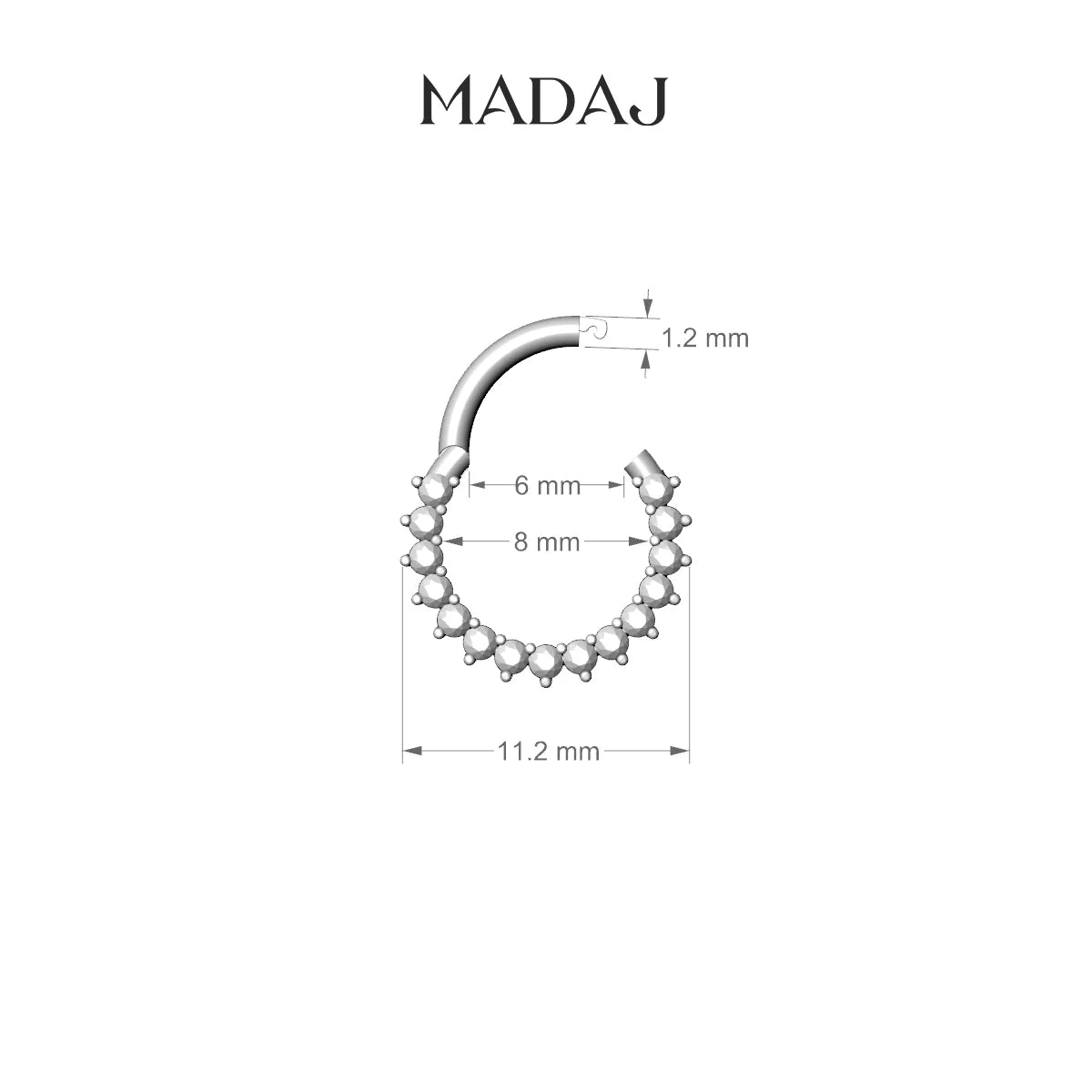
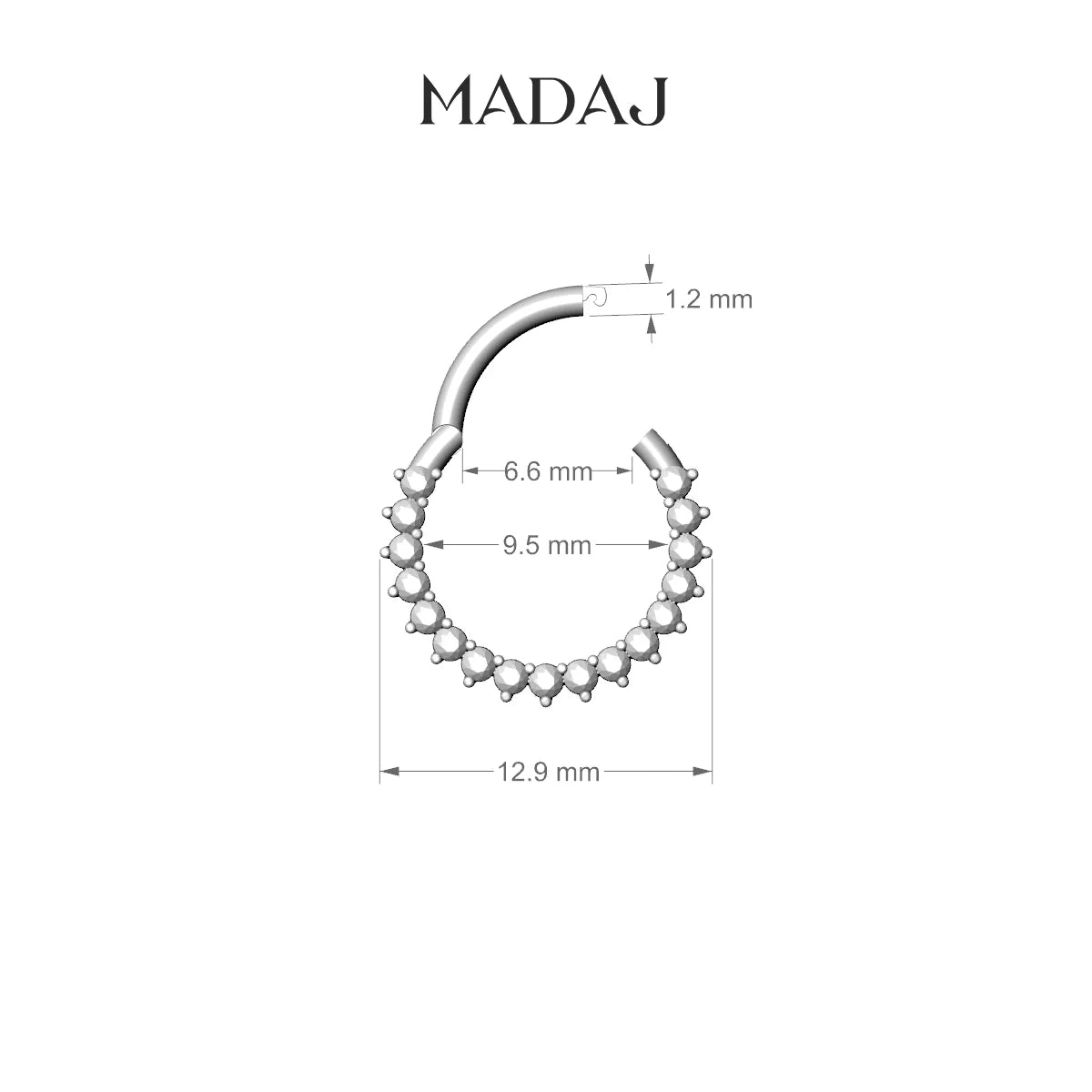
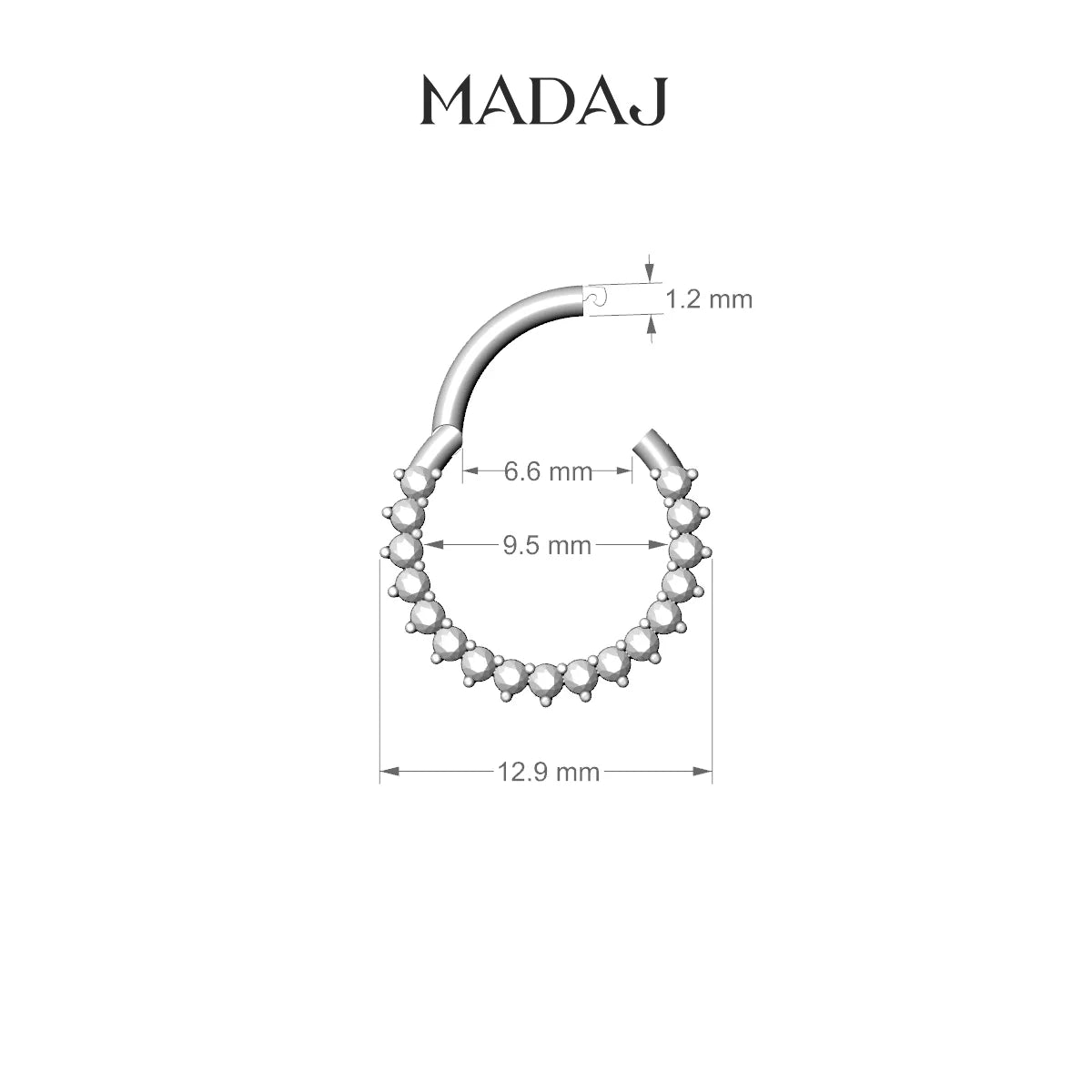
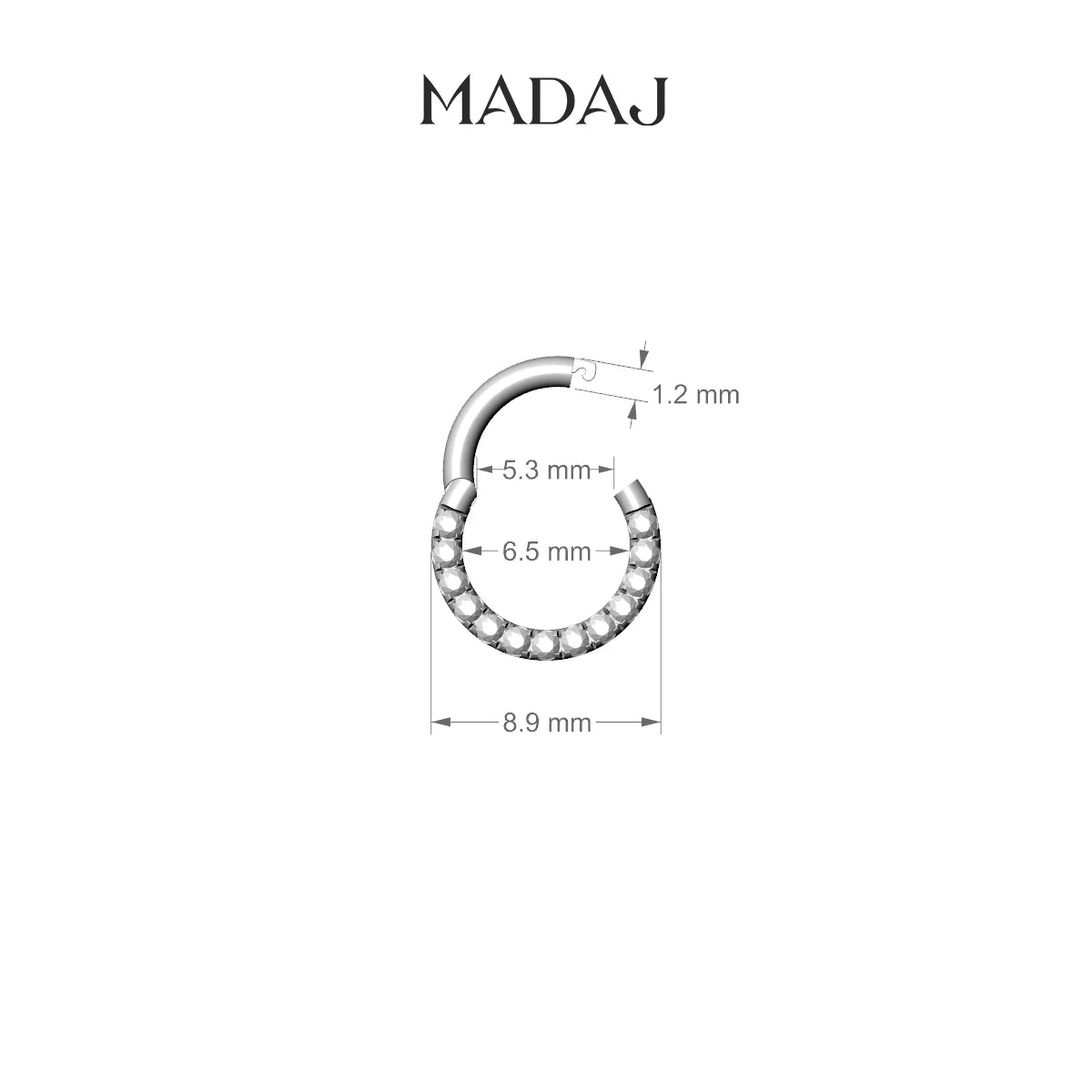
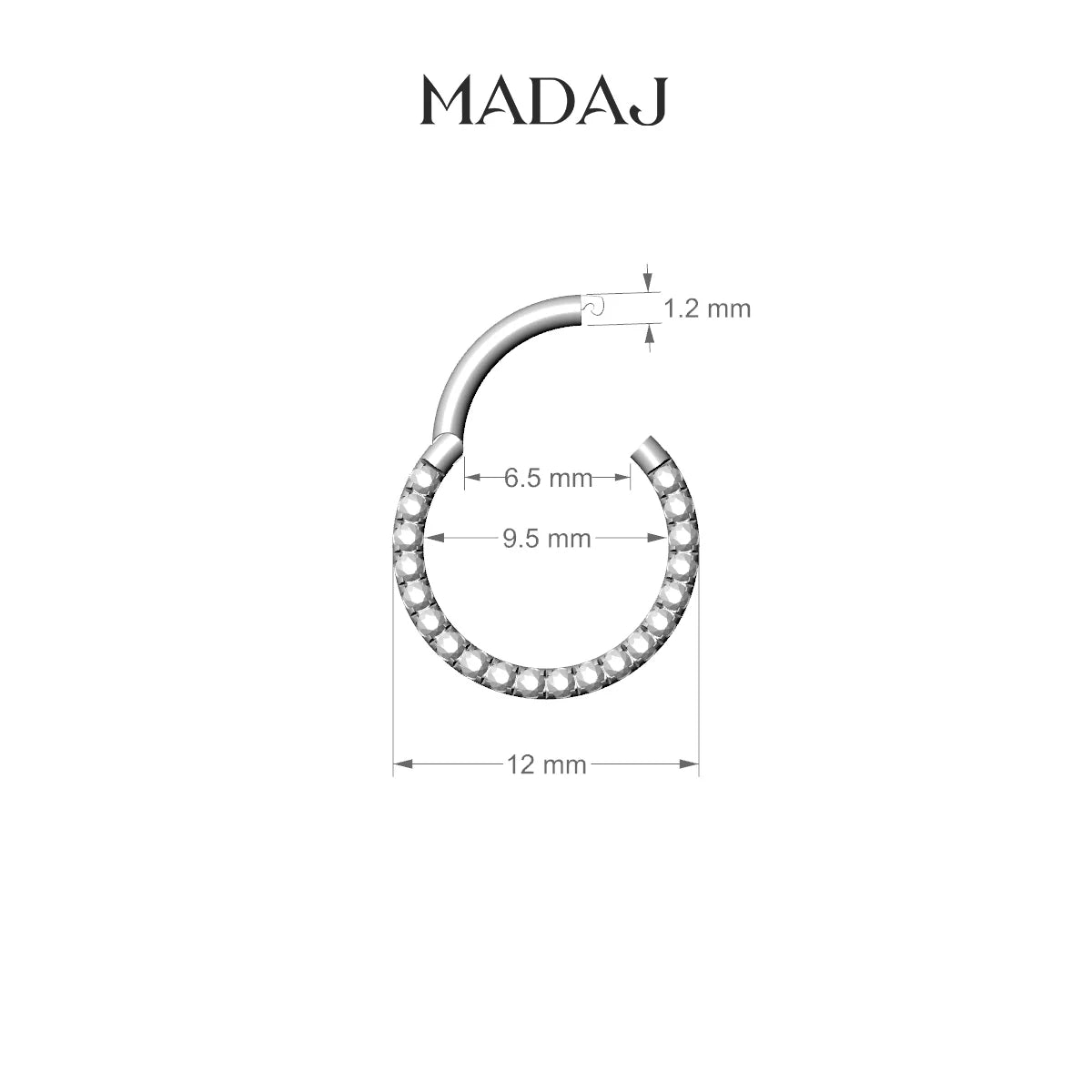
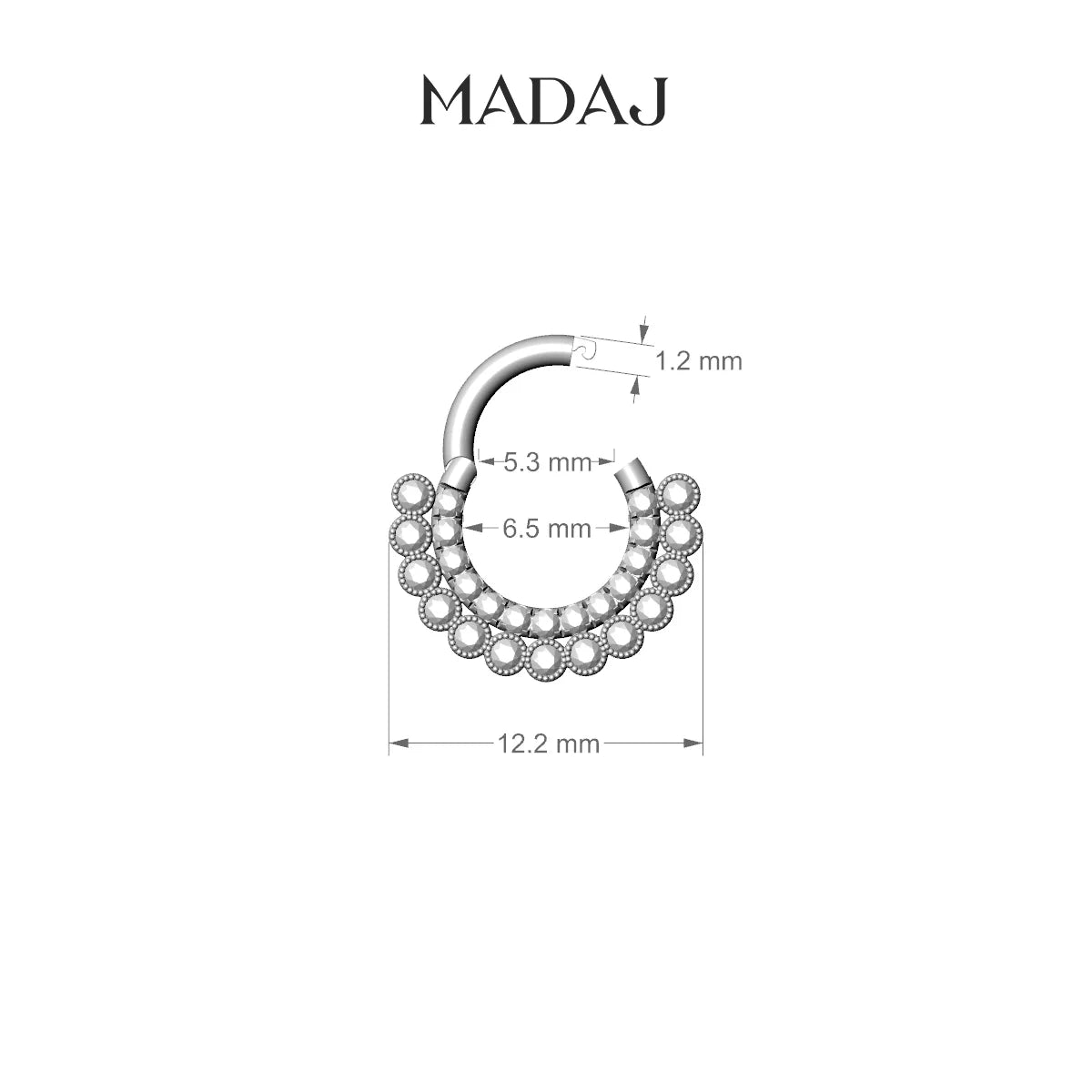
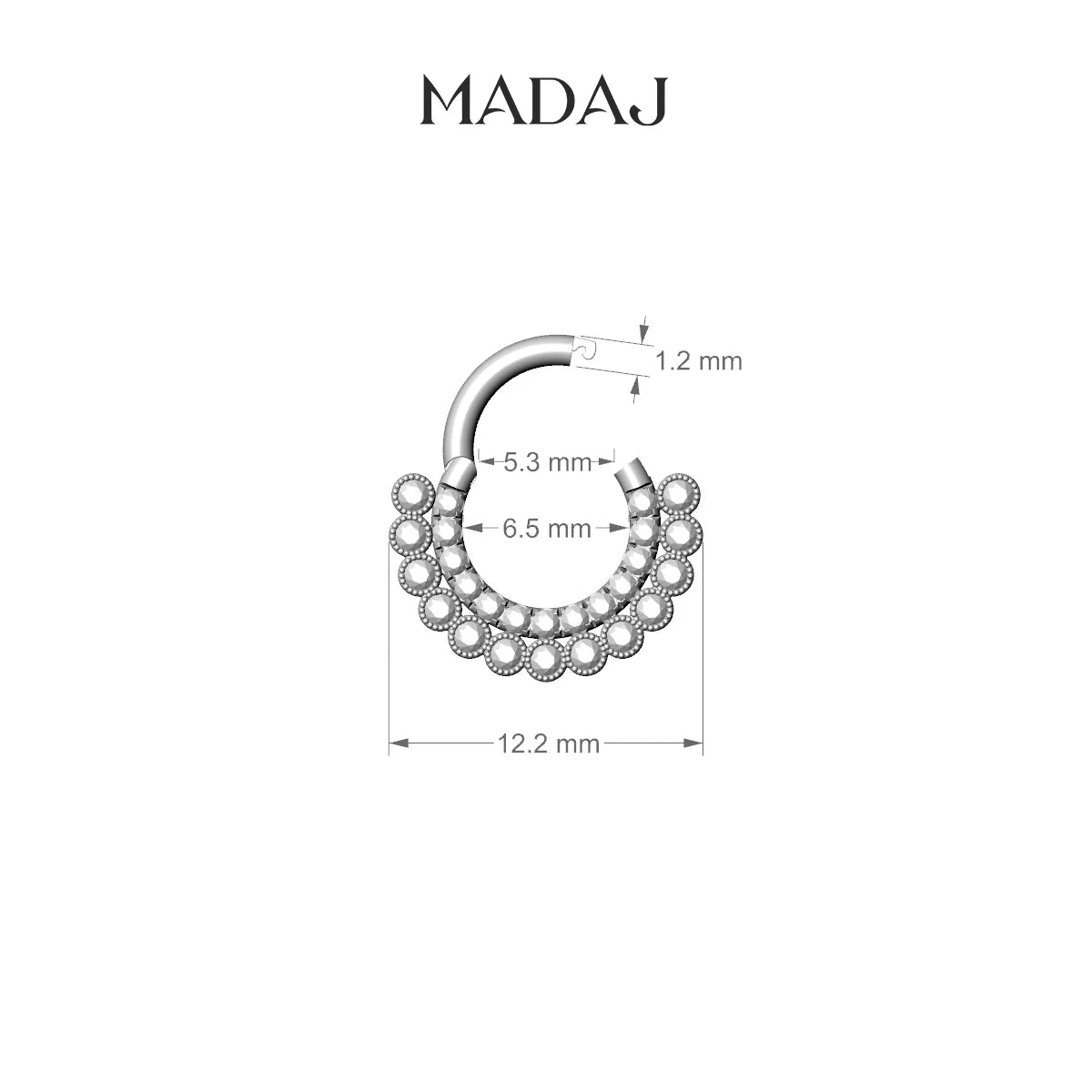
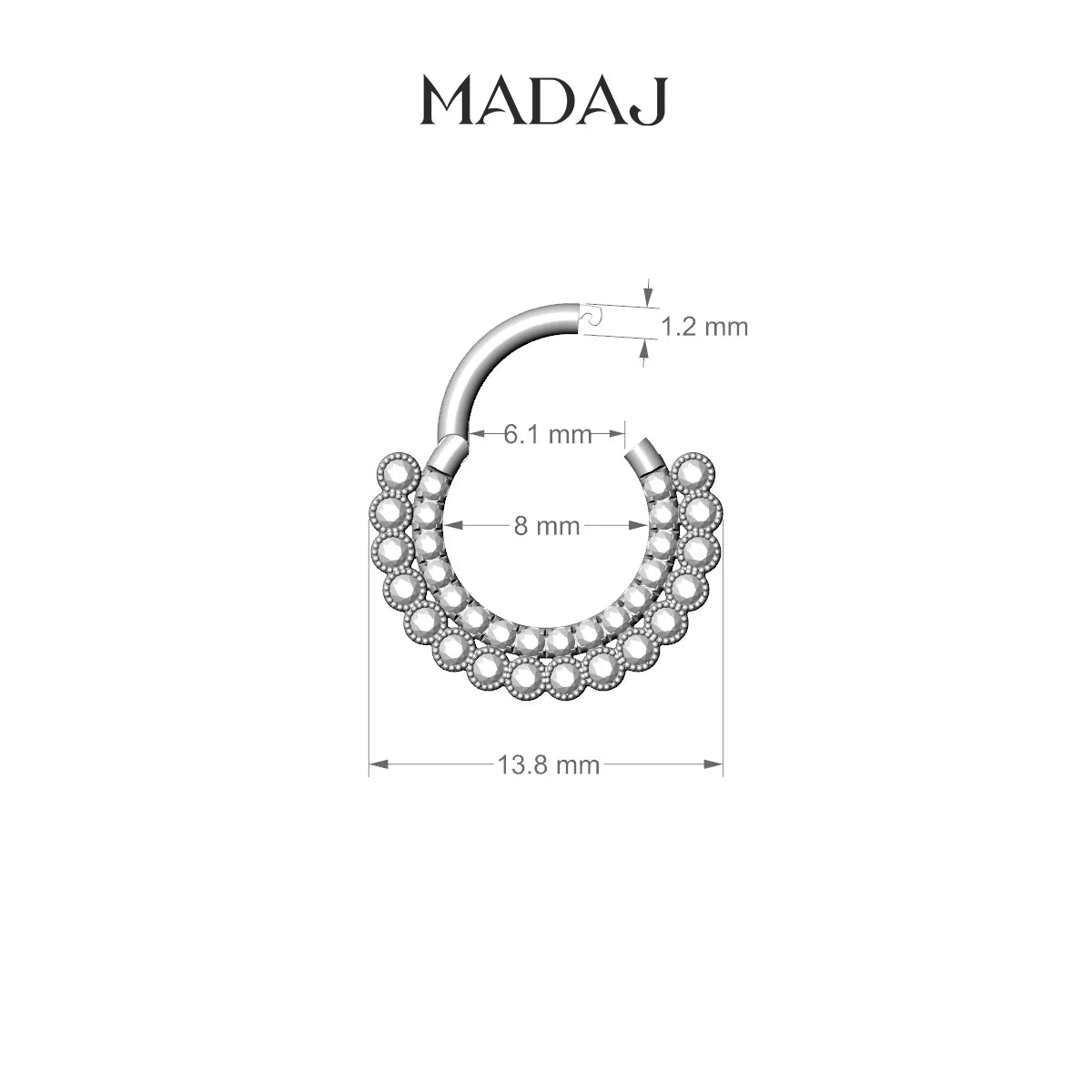
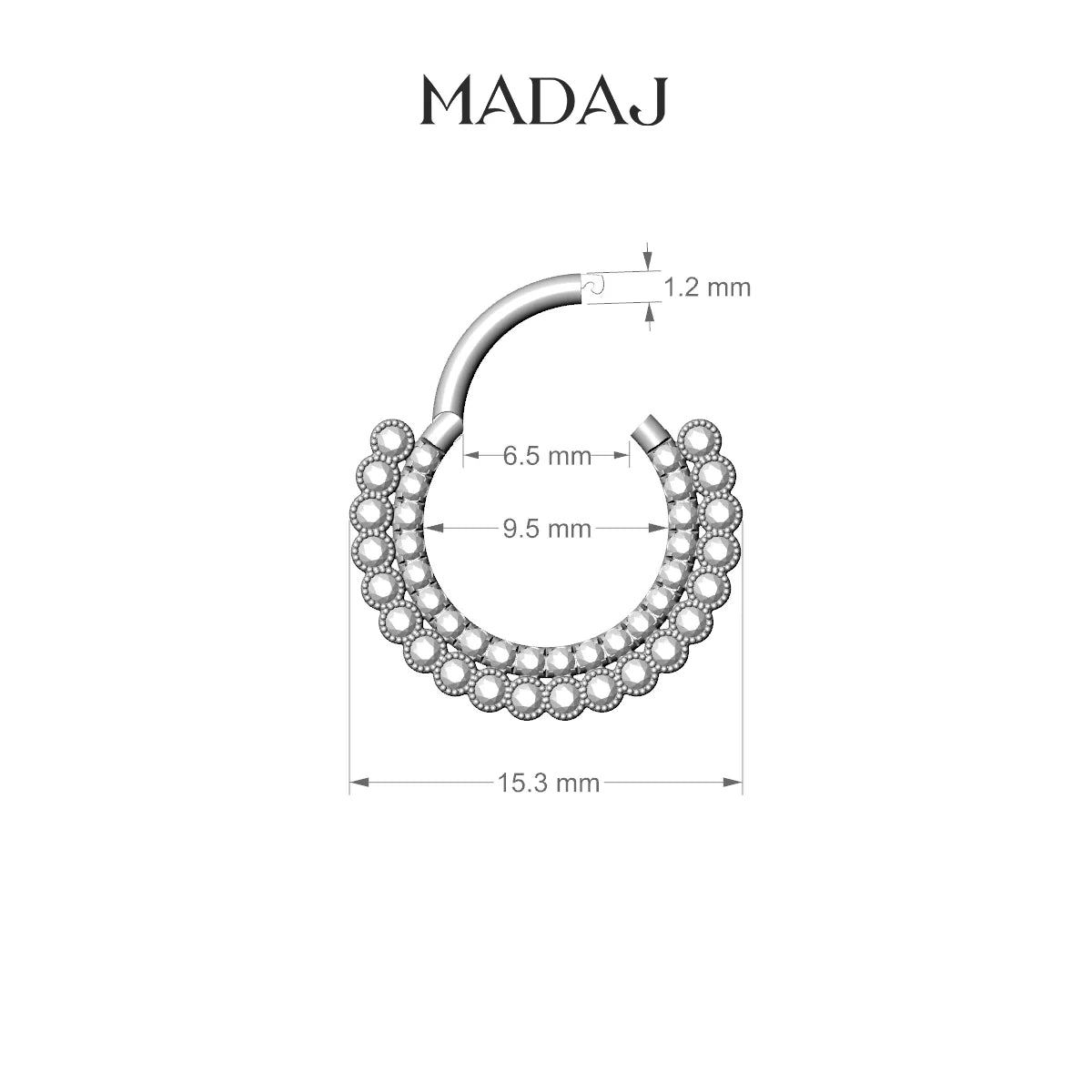
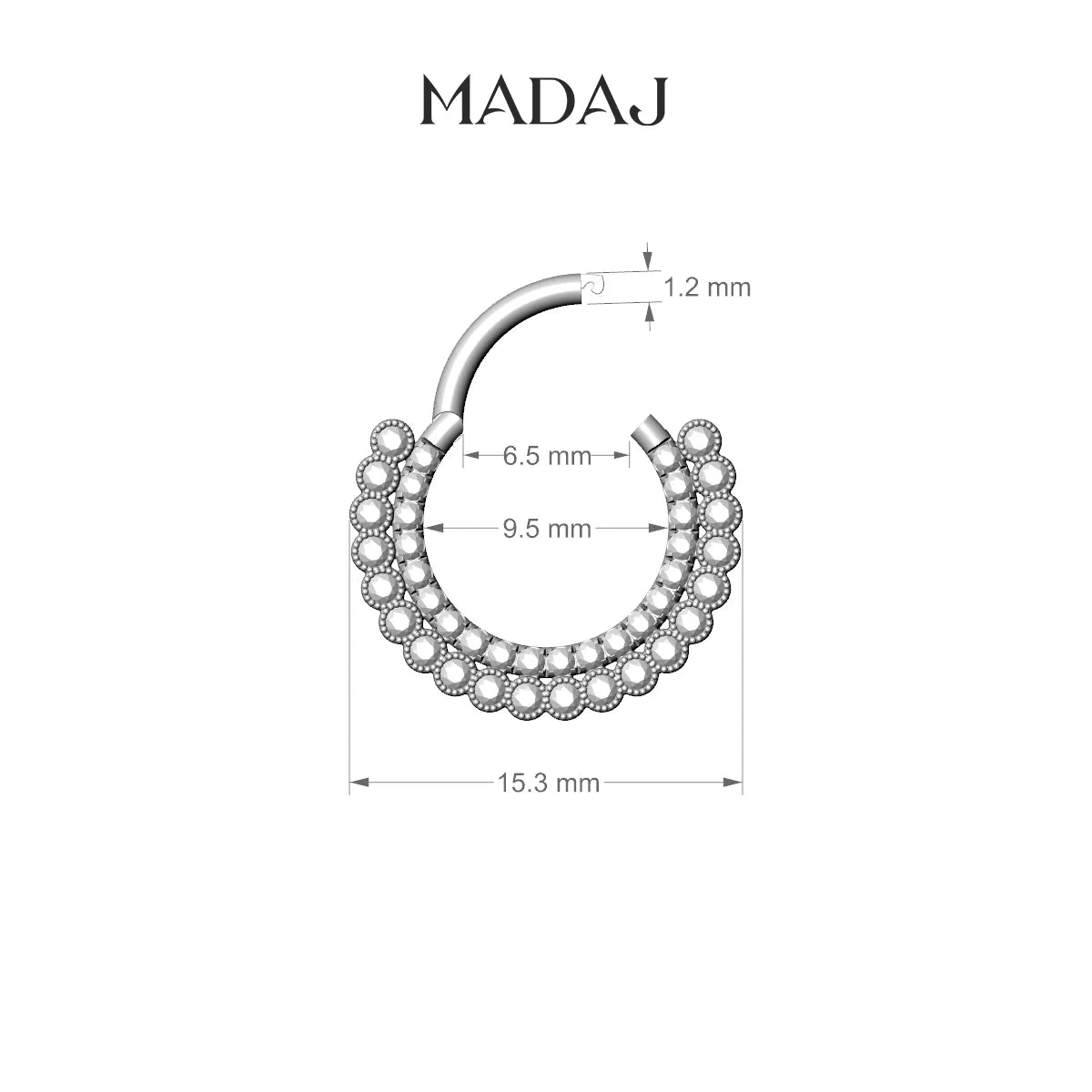
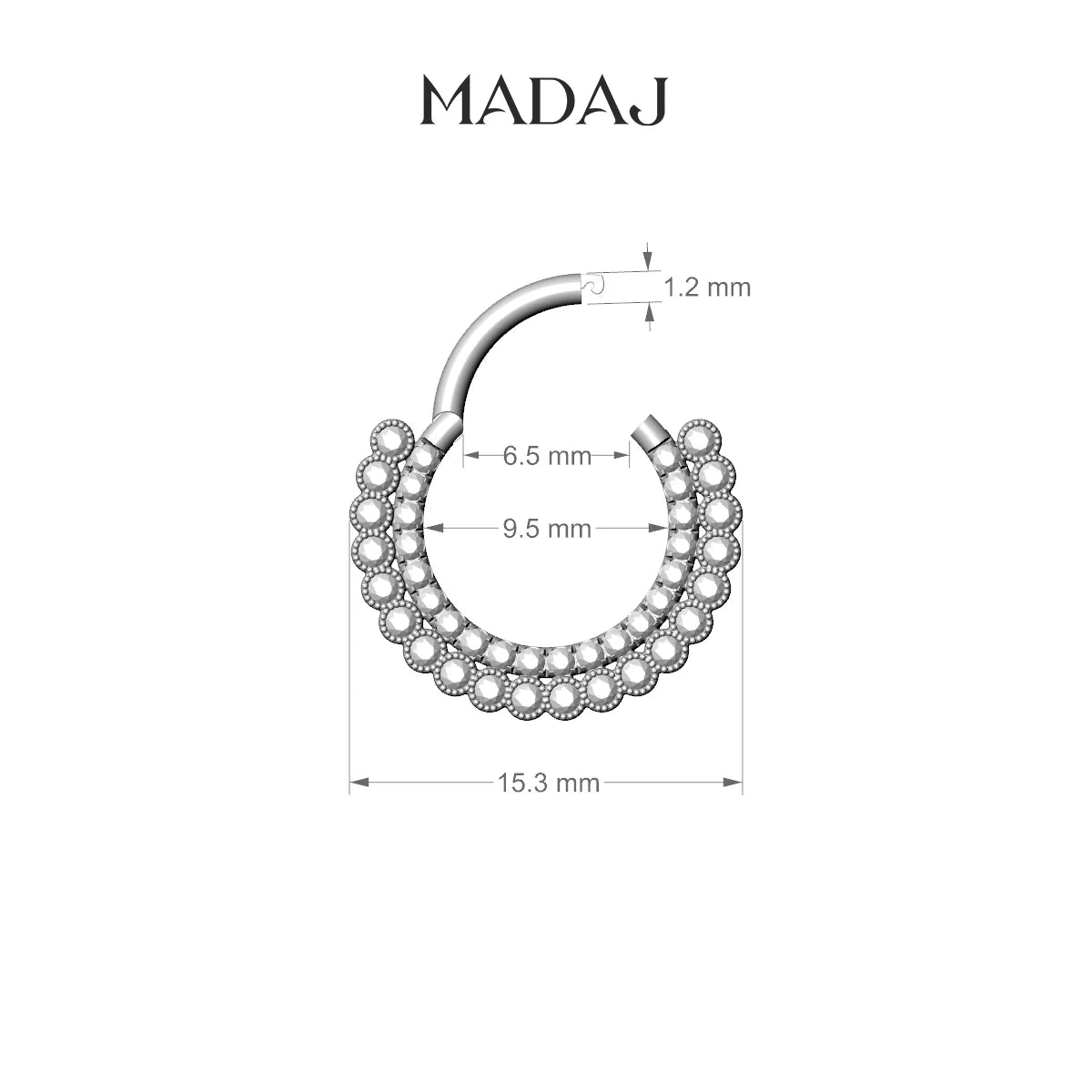
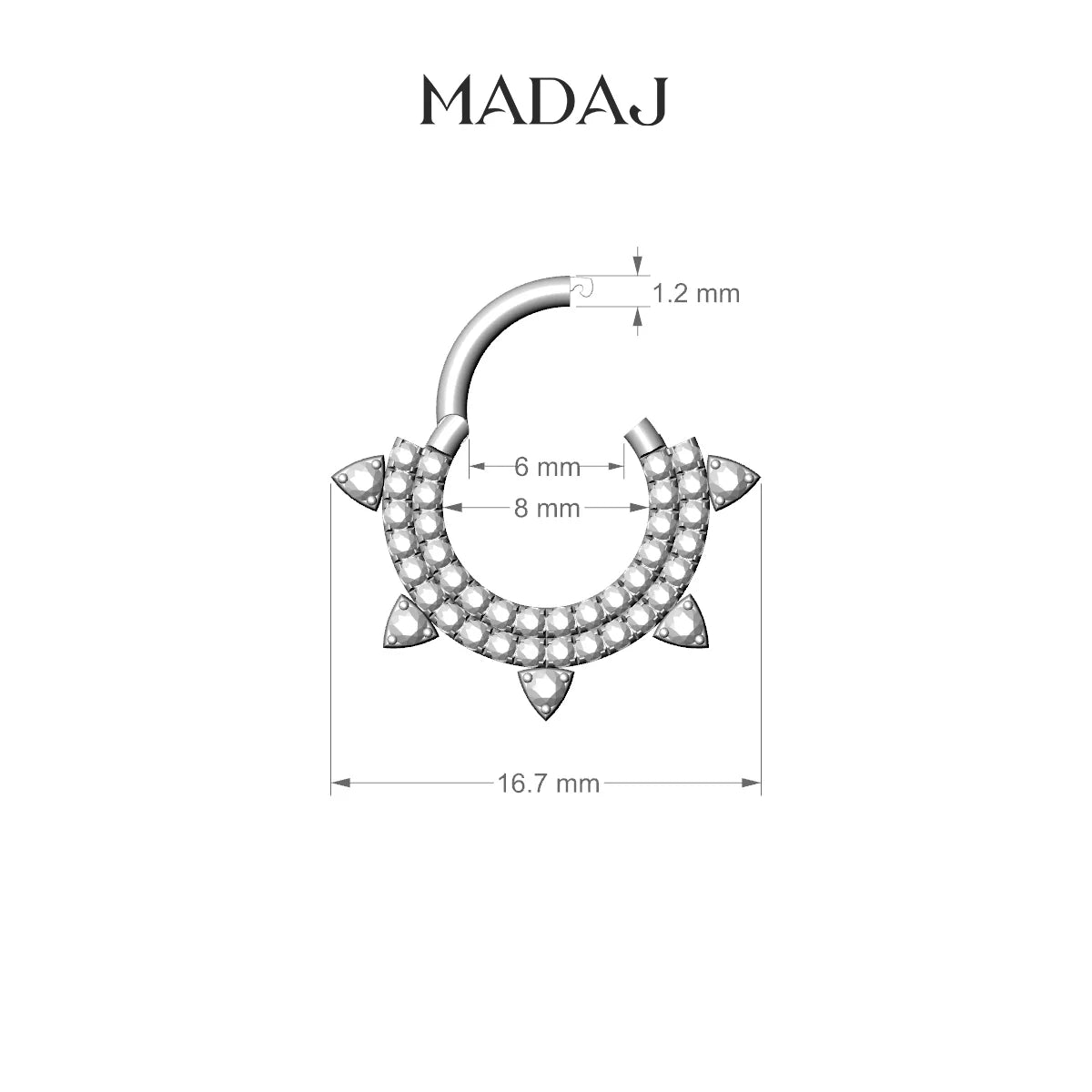
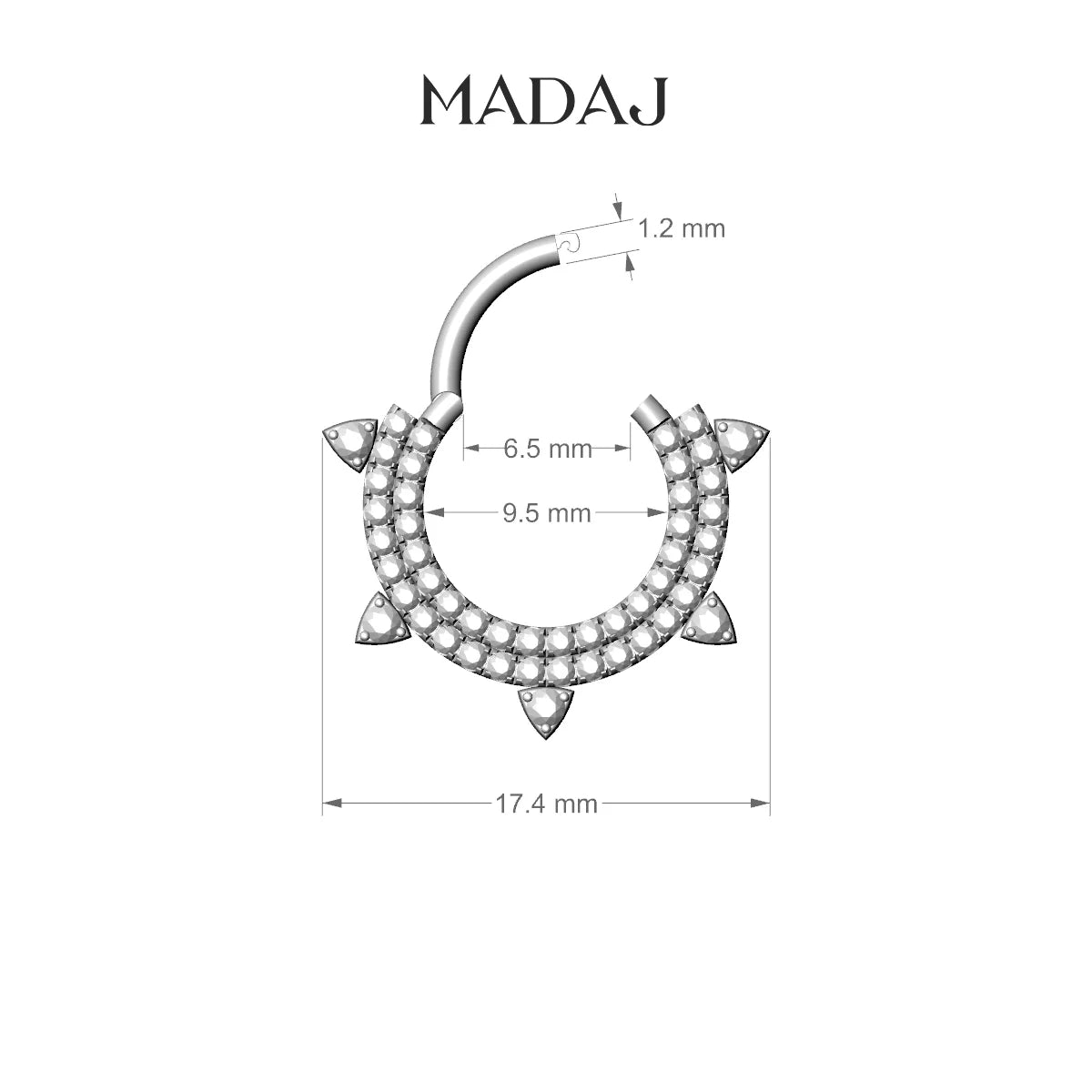
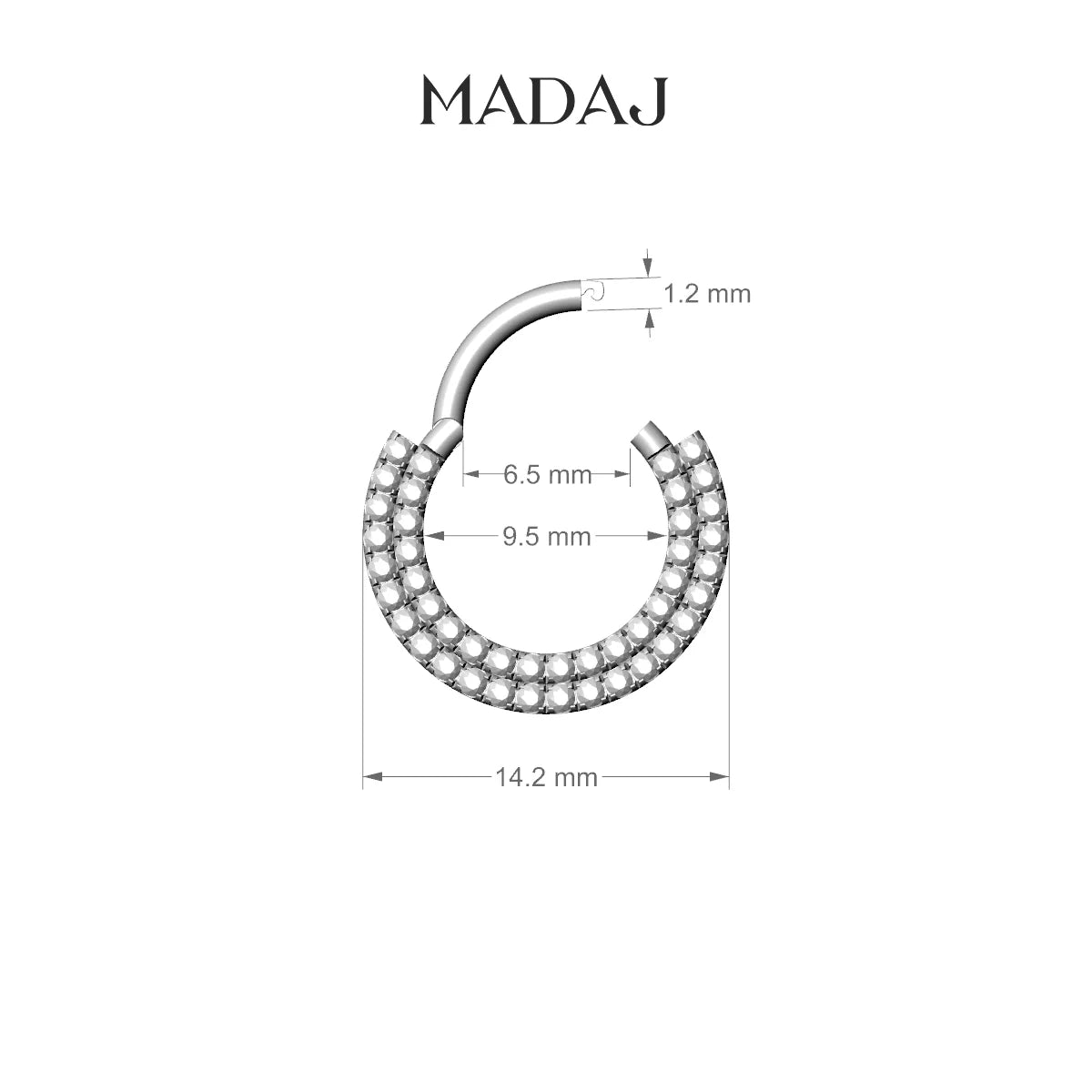
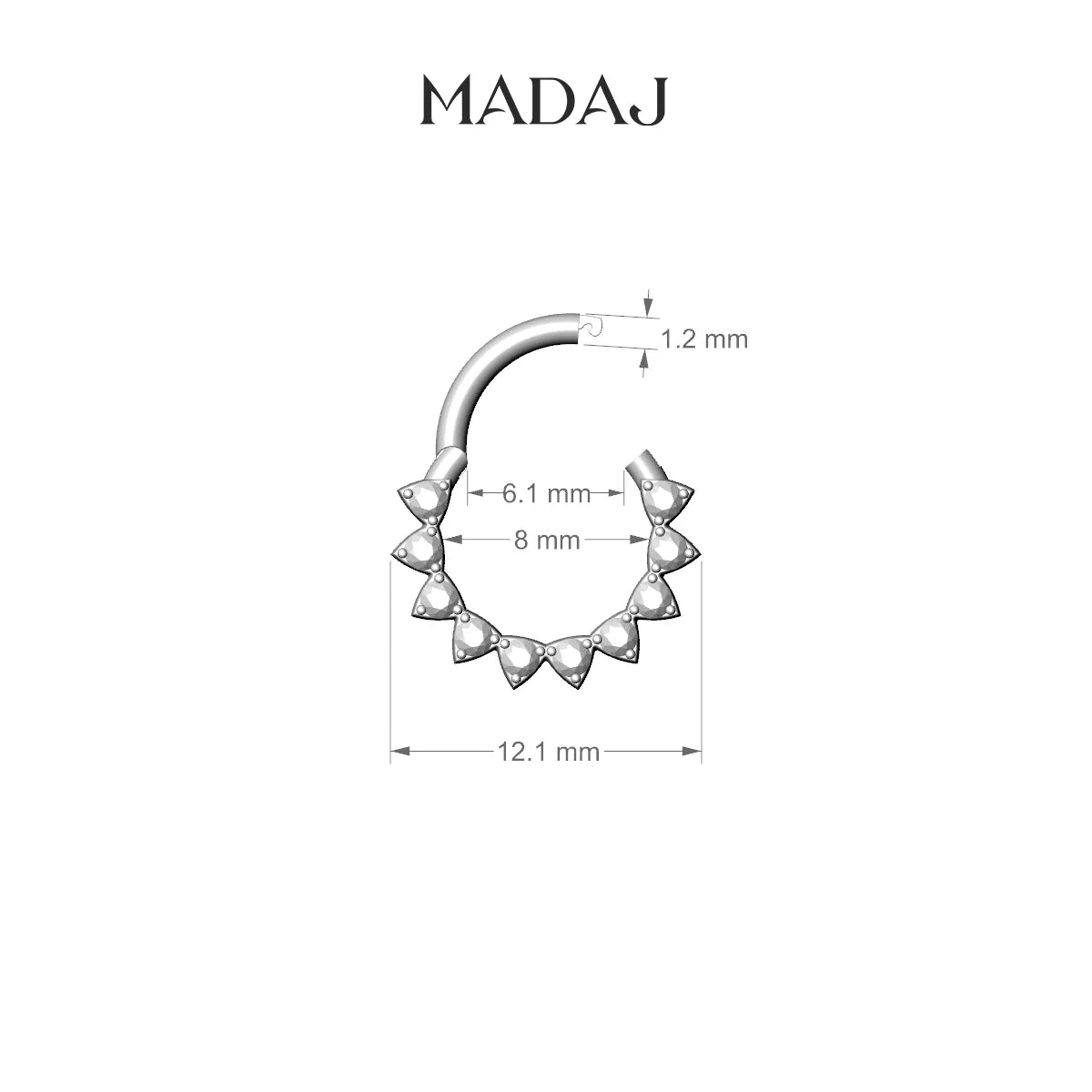
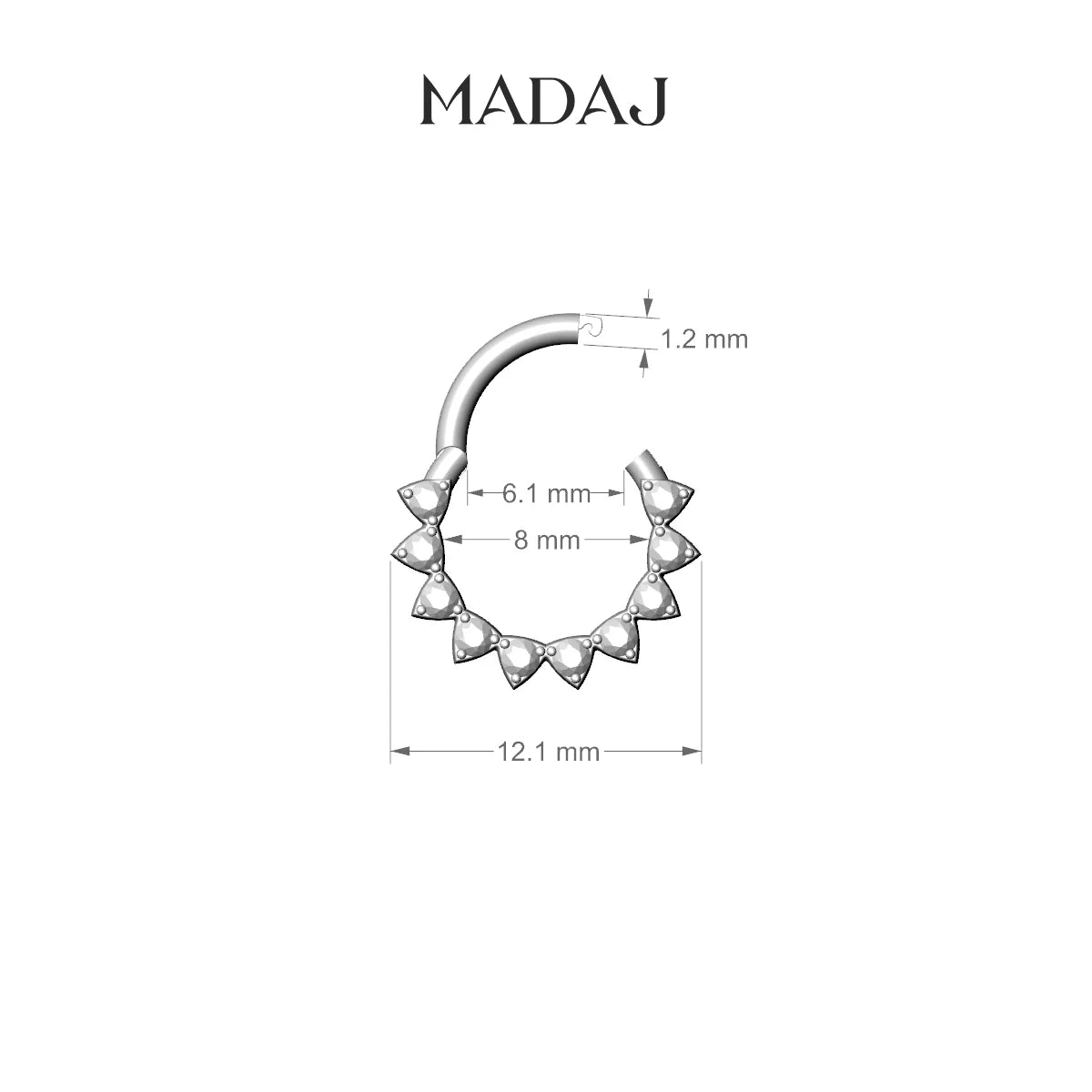
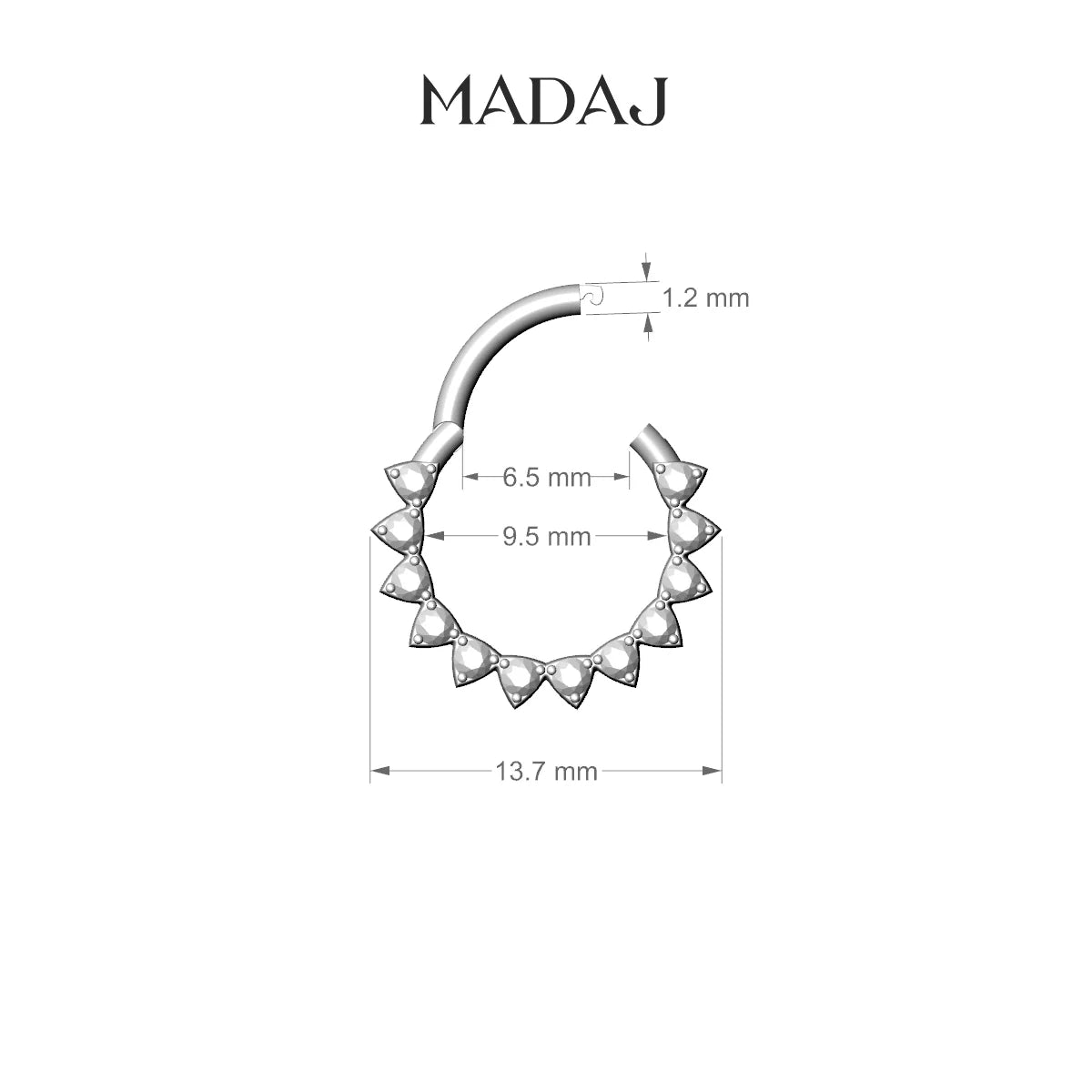
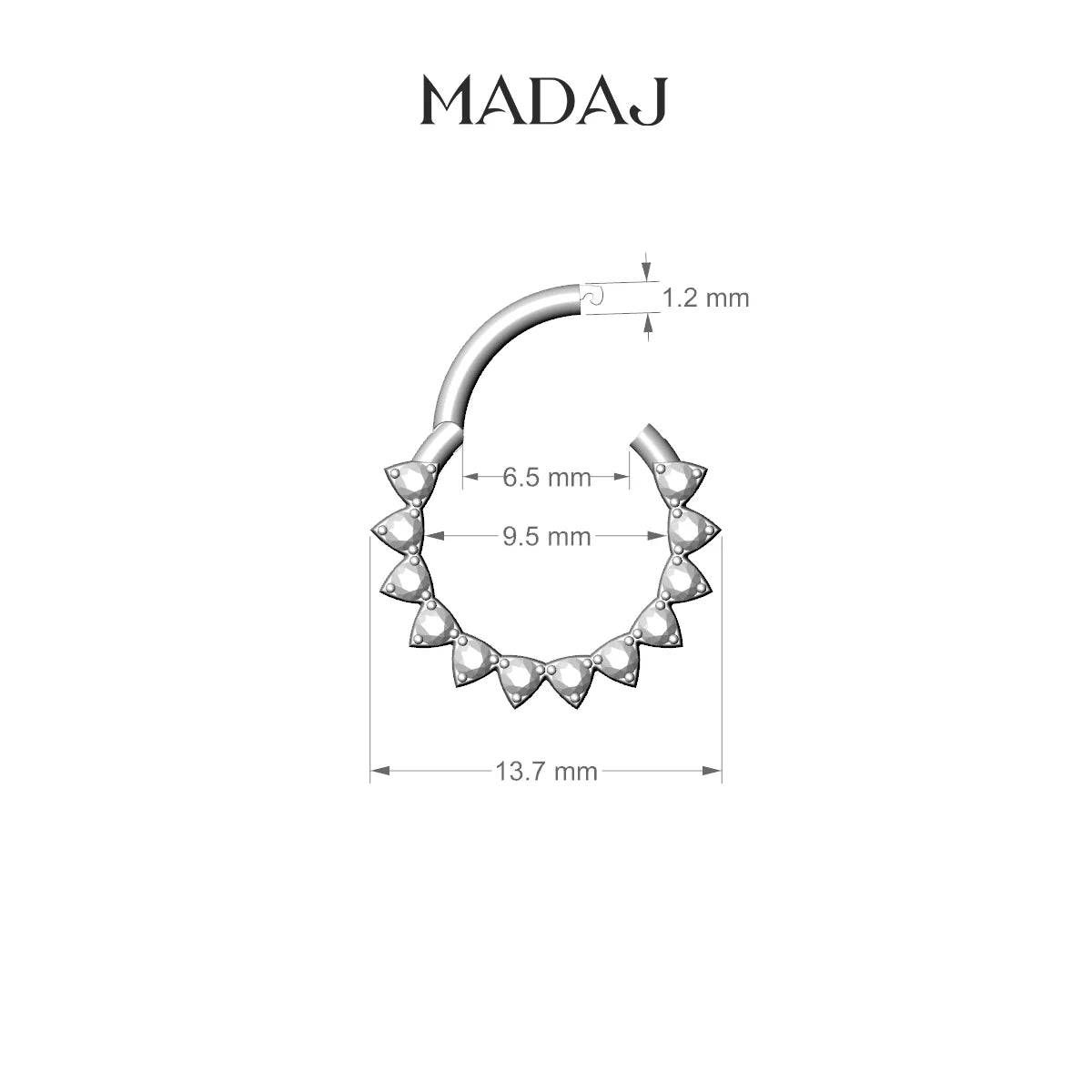
Here are the sizes we offer on our site, along with our recommendations:
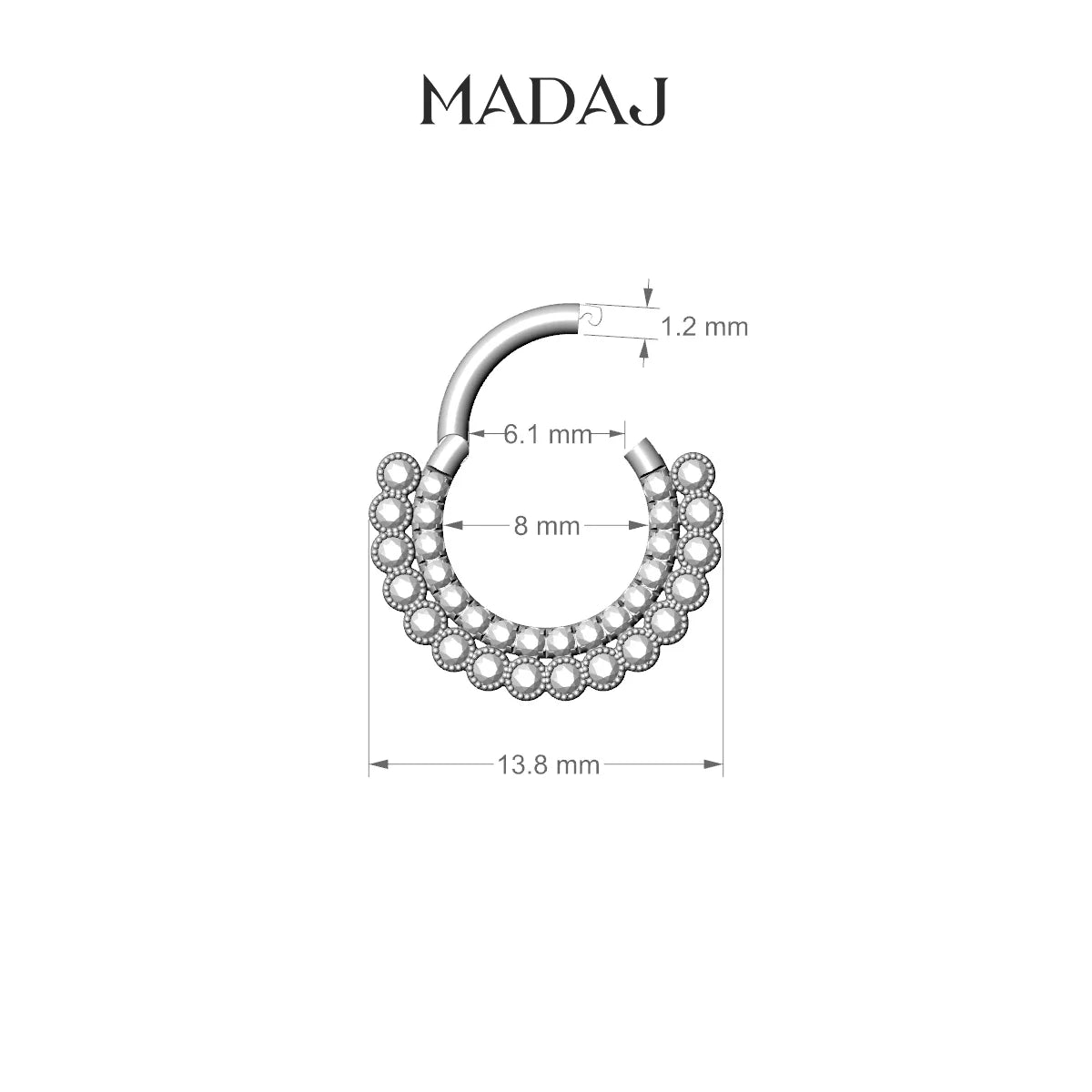
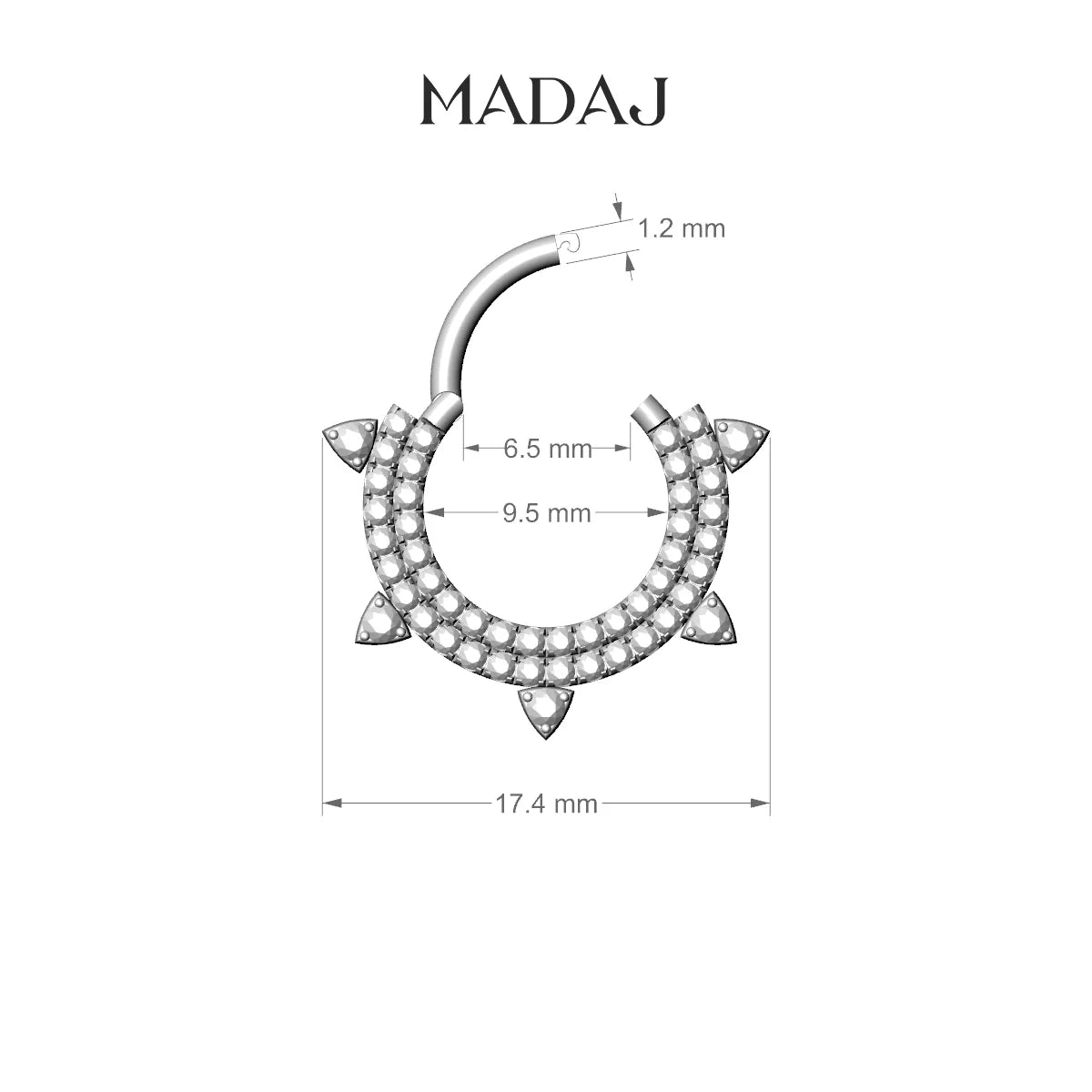
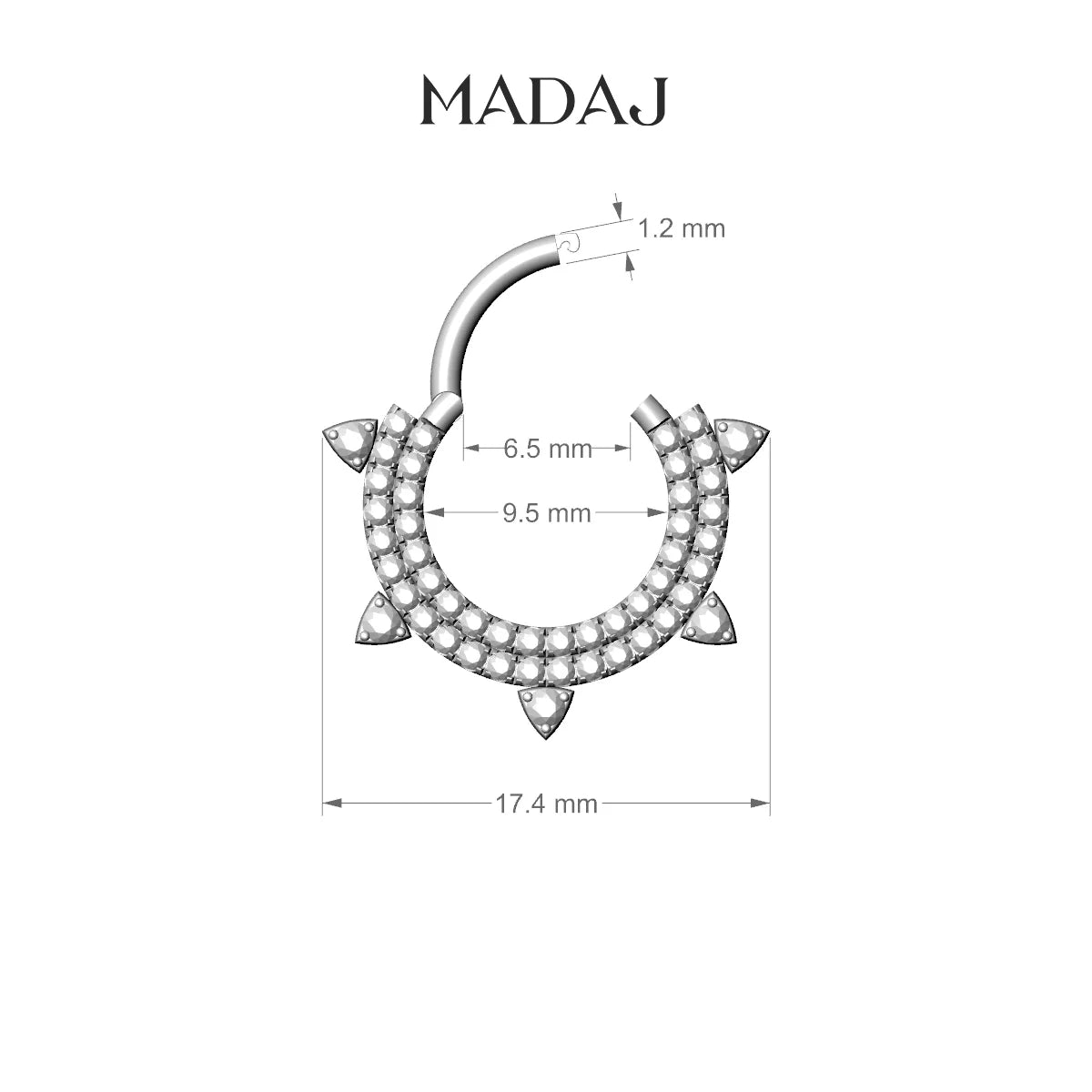
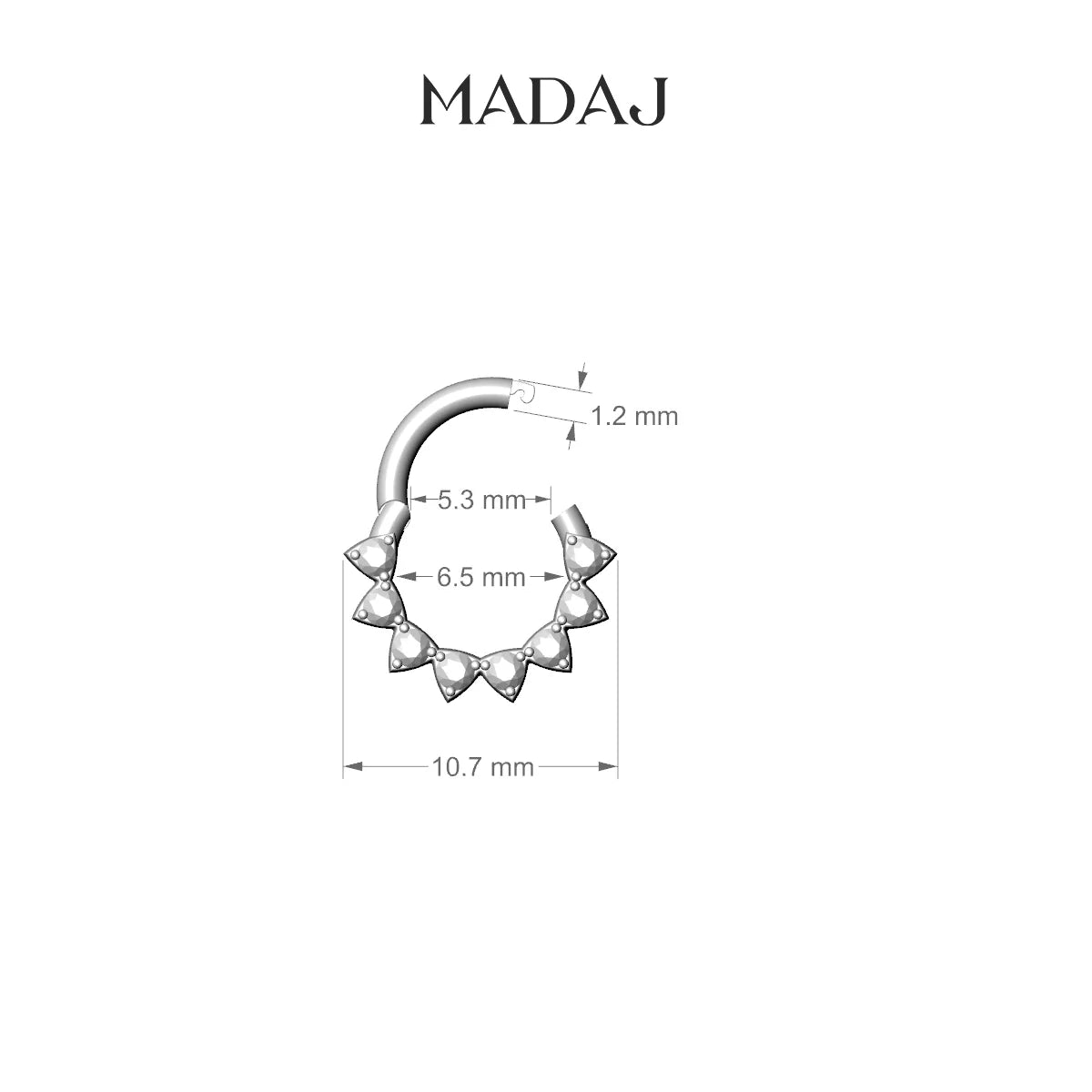
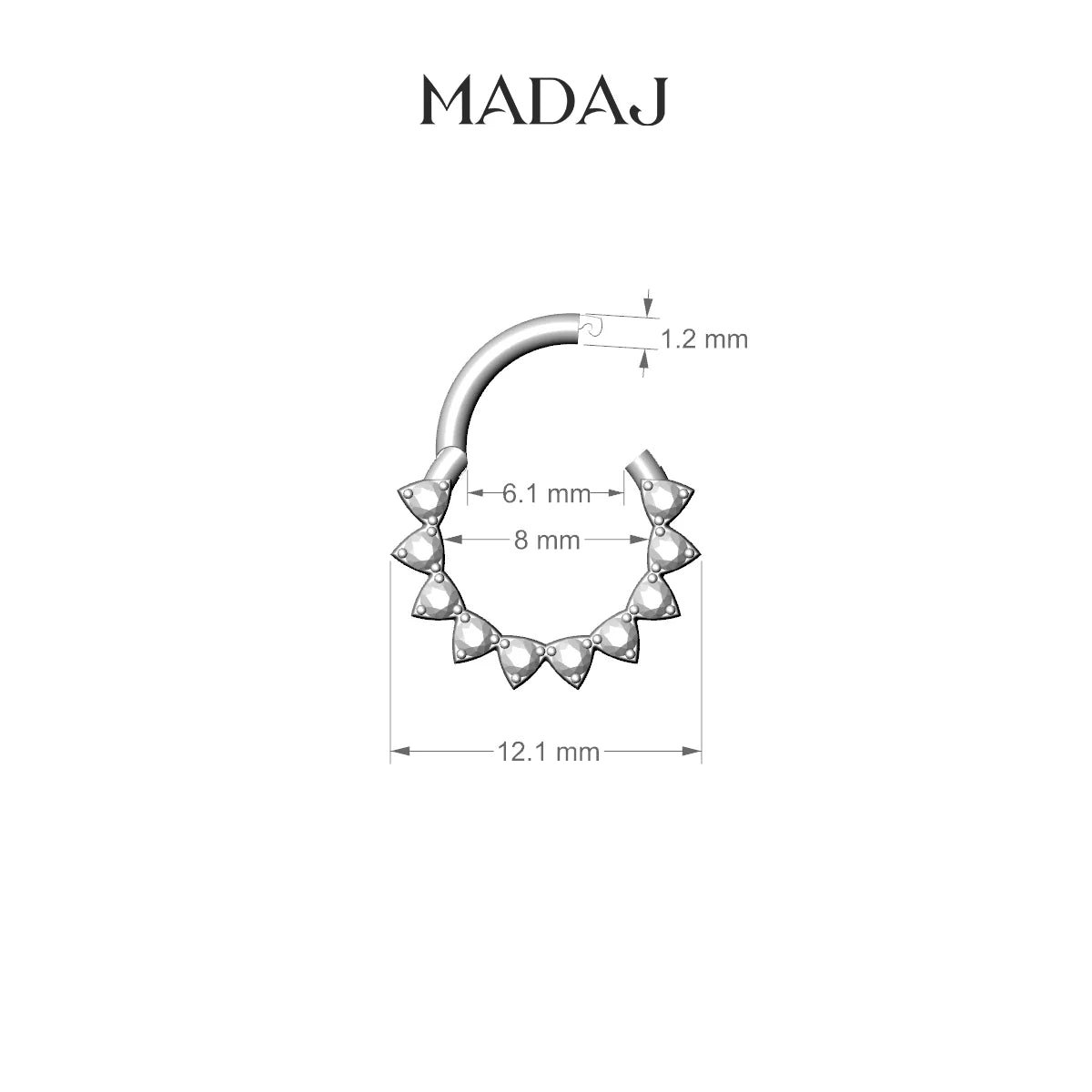
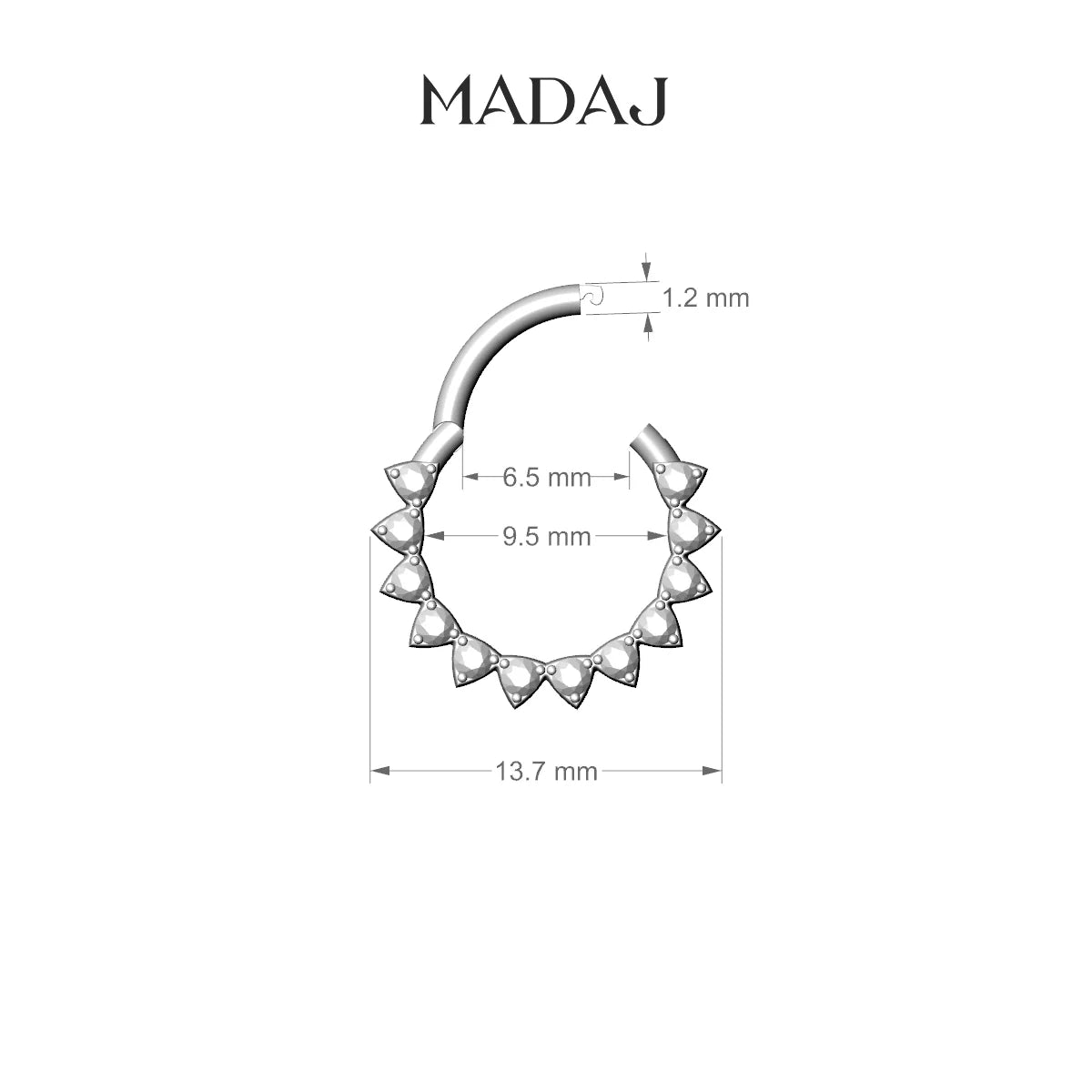
9.5 mm: Initial piercing
- Provides enough space to accommodate swelling during the healing phase
8 mm: Most anatomies once healed
- Standard size offering a comfortable, balanced fit
6.5 mm: Healed piercings, thinner cartilage
- Ideal for a snug, minimalist look
Tip: Every ear is unique! If you're between sizes, it's best to start with the larger size during healing and switch to a smaller one later if desired.
Daith Piercing and Migraines: Myths vs Facts
The daith piercing is often marketed online as a natural remedy for migraines. Because this touches on a health topic, here is what current research and medical organizations actually say, rather than what circulates on social media.
- Where the theory comes from: The idea is based on ear acupuncture, also called auriculotherapy, where practitioners believe specific points on the ear relate to different parts of the body, including one thought to relate to pain relief near the daith area.
- Acupuncture vs. piercing: In an acupuncture session, thin needles briefly stimulate a point and are then removed. A daith piercing works differently: it places a fixed piece of jewelry through the cartilage permanently, which is a completely different kind of stimulation.
- No guaranteed point placement: Piercers aren't trained in acupuncture point mapping, so there's no guarantee a piercing needle lands on the exact spot an acupuncturist would target.
- No clinical proof: No randomized controlled clinical trials have shown that daith piercings reduce or prevent migraines.
- What medical organizations say: Groups such as the American Migraine Foundation and the Cleveland Clinic state there is no scientific evidence supporting this use and do not recommend it.
- Why some people report relief: These improvements are anecdotal, and medical experts largely attribute them to the placebo effect rather than a proven physical mechanism. In some documented cases, symptoms that initially improved returned within weeks or months.
Frequently Asked Questions
The piercing service typically costs $30 to $50, plus the jewelry. Prices vary depending on the piercing studio that you will have the service with.
Choose your jewelry size and style in advance, eat beforehand, avoid alcohol and blood thinners for 24 hours, get a good night's sleep, and have your aftercare supplies ready at home.
Daith piercing sits around 5/10 on the pain scale, causing moderate pain due to the thickness of the cartilage. The sharpest pain lasts only a few seconds during the procedure.
There is no clinical evidence that daith piercings treat or prevent migraines. Medical organizations like the American Migraine Foundation attribute reported improvements to the placebo effect rather than a proven physical mechanism. If you suffer from migraines, consult a doctor or headache specialist.
Full healing typically takes 9 months to a year, sometimes longer. Redness, swelling, and light discharge are common in the first few weeks and should gradually fade with consistent aftercare.
MADAJ offers daith jewelry as a clicker ring only, in nickel-free 18k gold with a range of gemstones. The hinged clicker design makes it easier to insert and remove given the daith's curved placement.
Most people start with a 9.5 mm ring to allow room for swelling during healing, then move to 8 mm once healed. A 6.5 mm size suits thinner cartilage or a more minimalist look once fully healed.
Discover Our
DAITH PIERCING COLLECTION