Education
Your Complete Guide to Contraconch Piercing
Last Updated 07/07/2026 | Written by Maëlys Chamard, Co-Founder of MADAJ
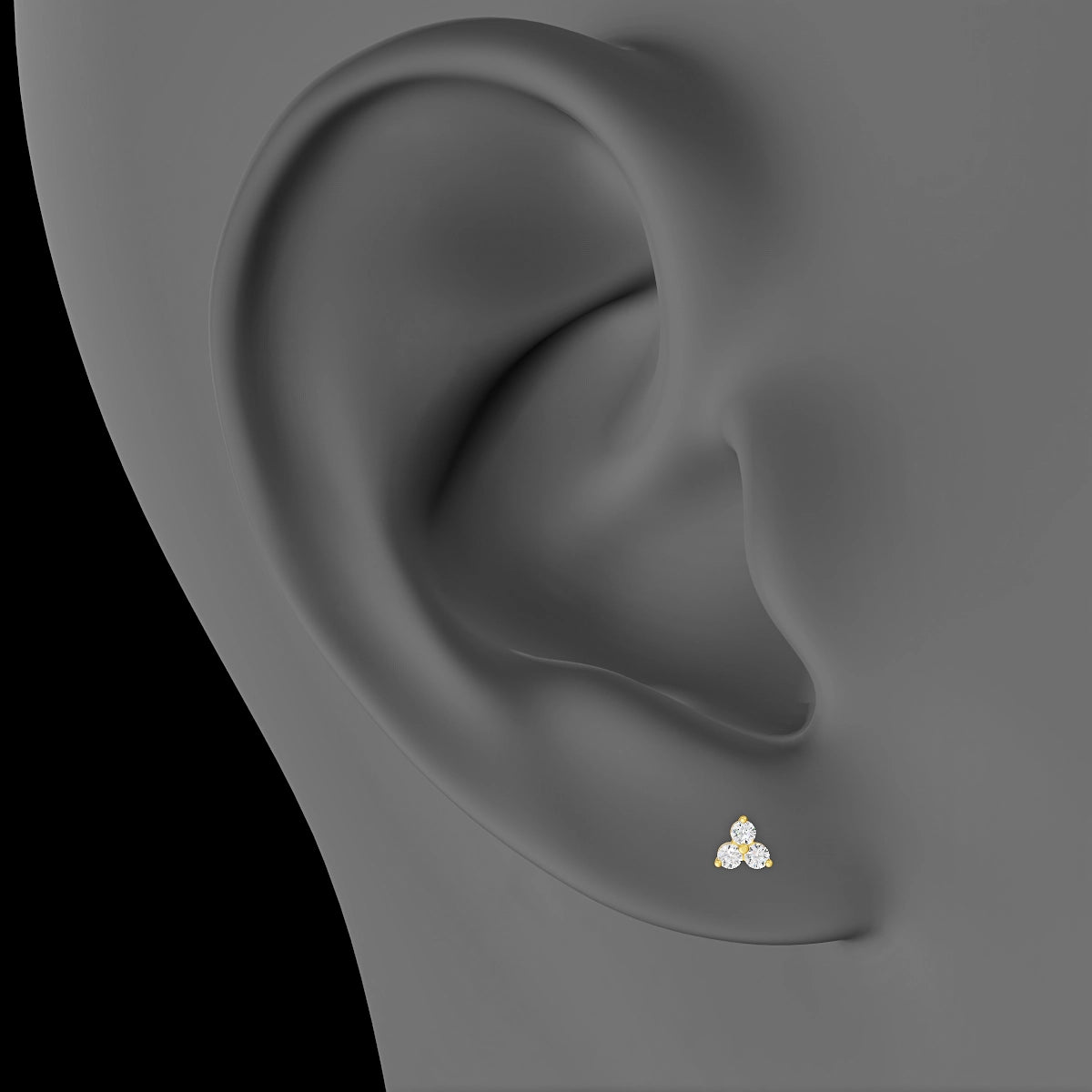
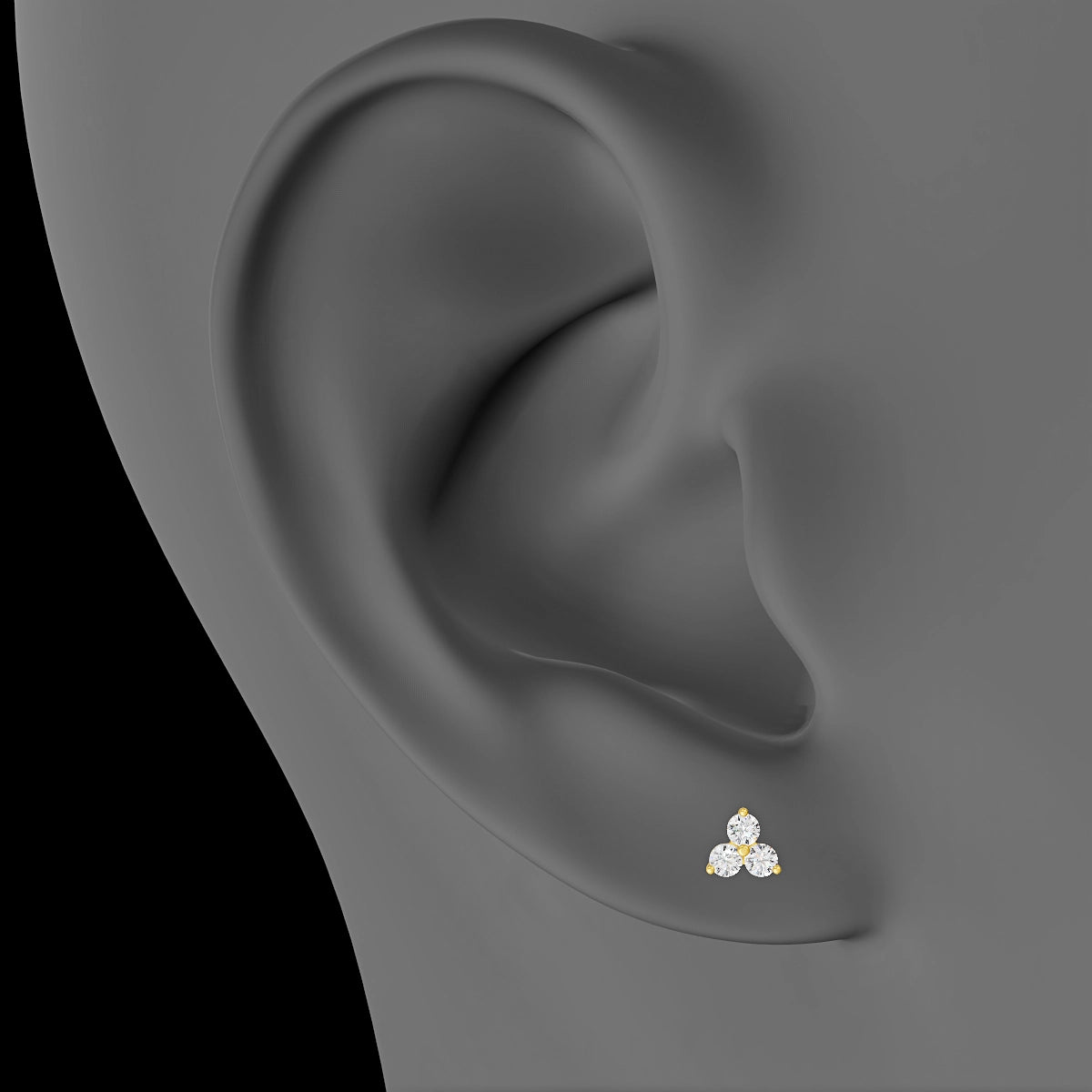
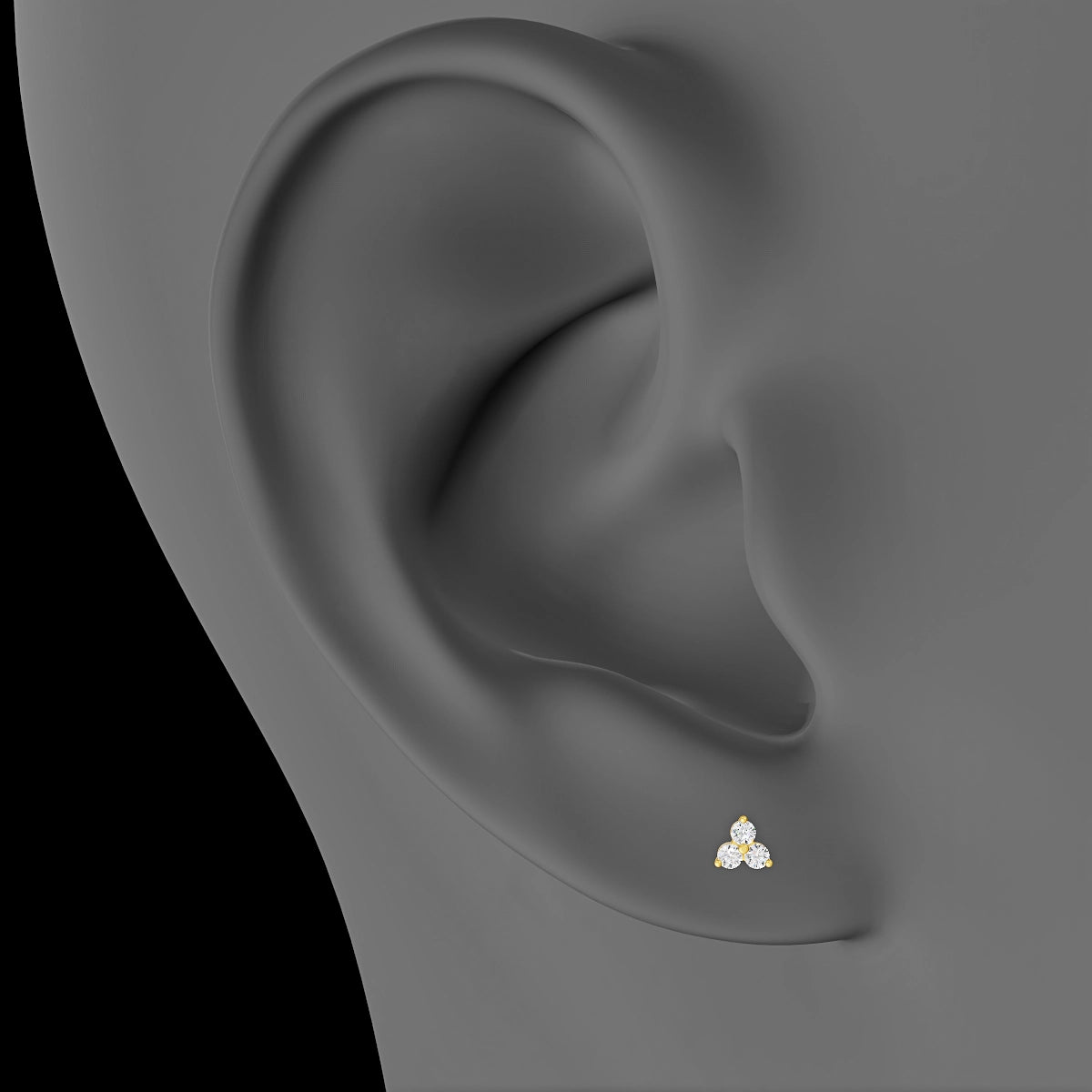
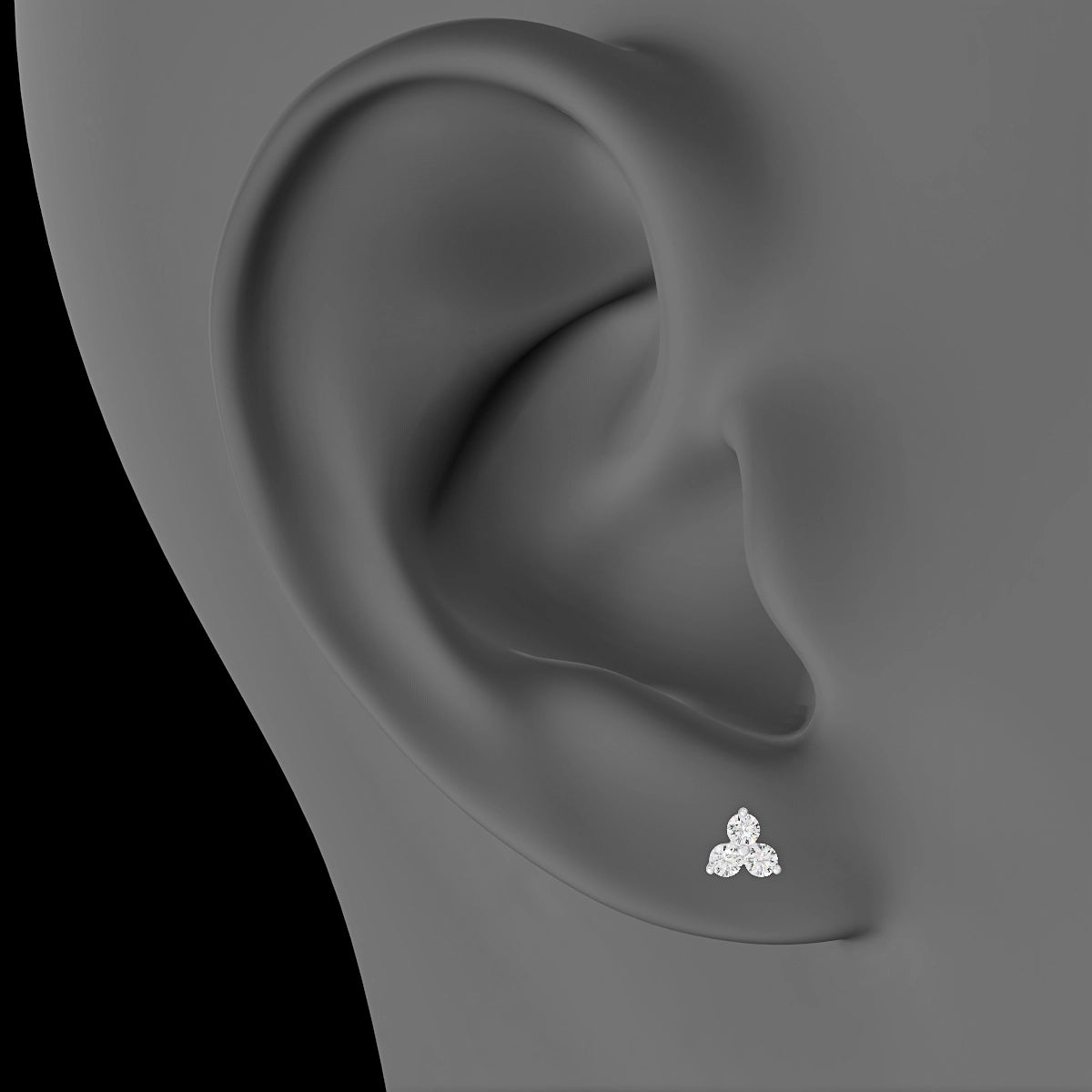
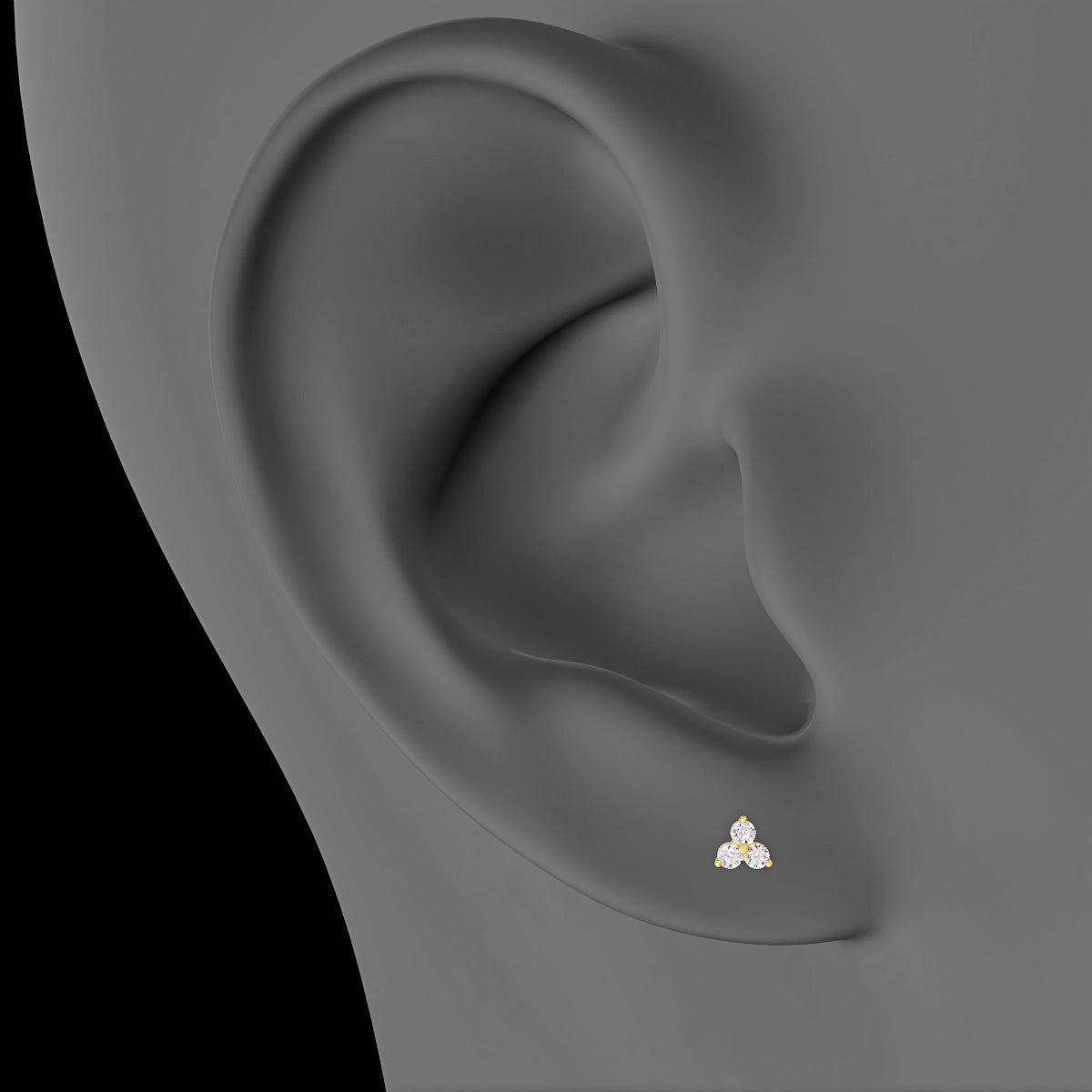
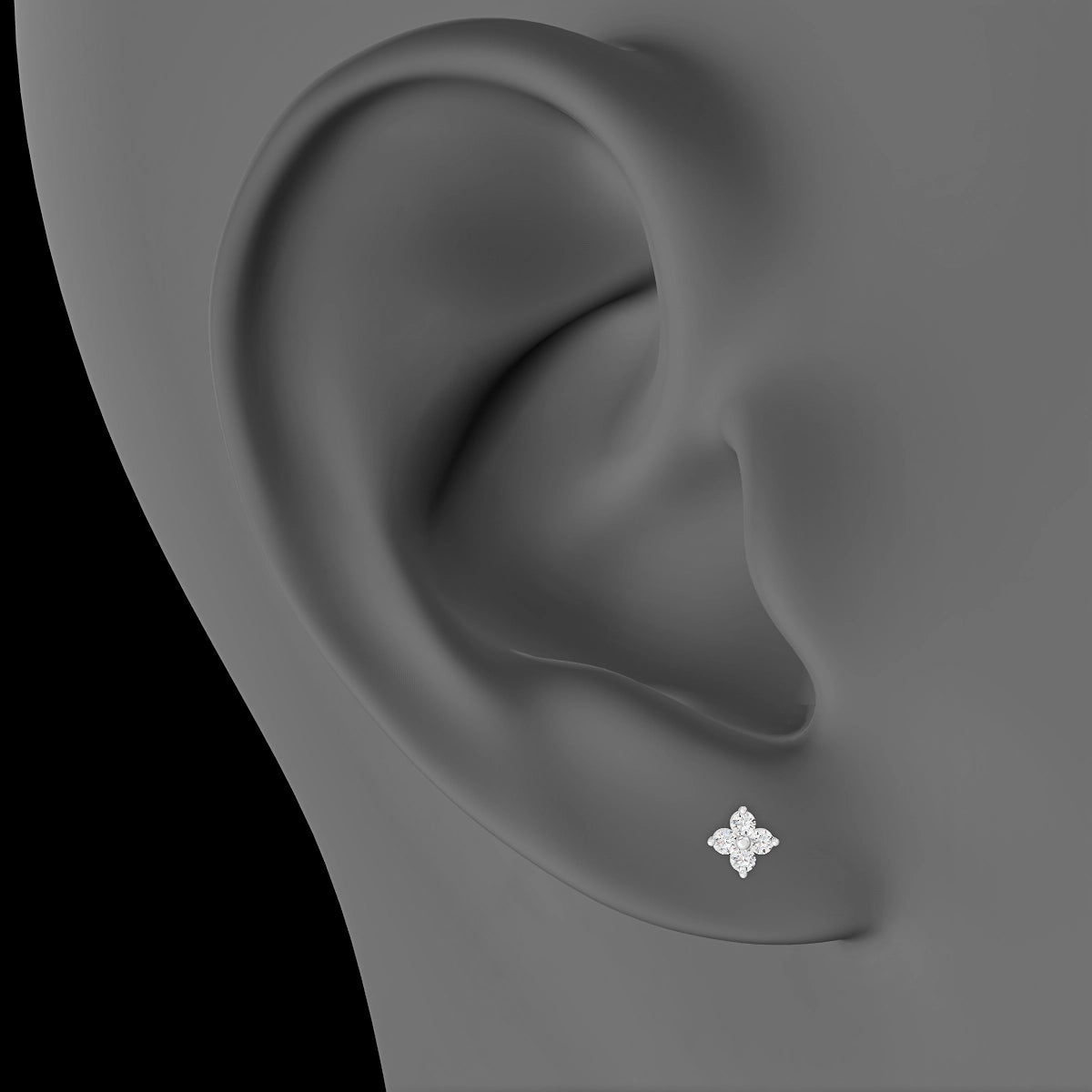
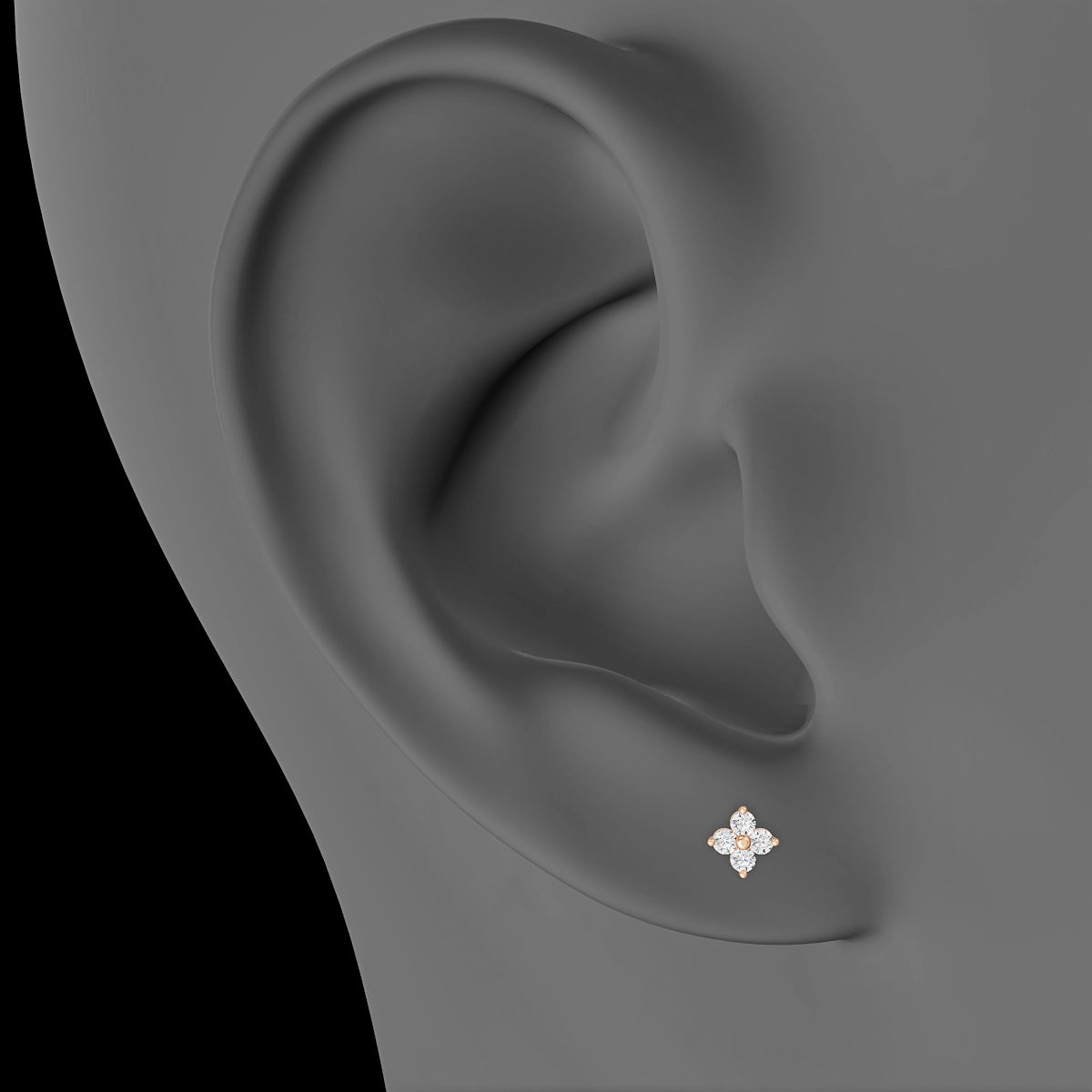
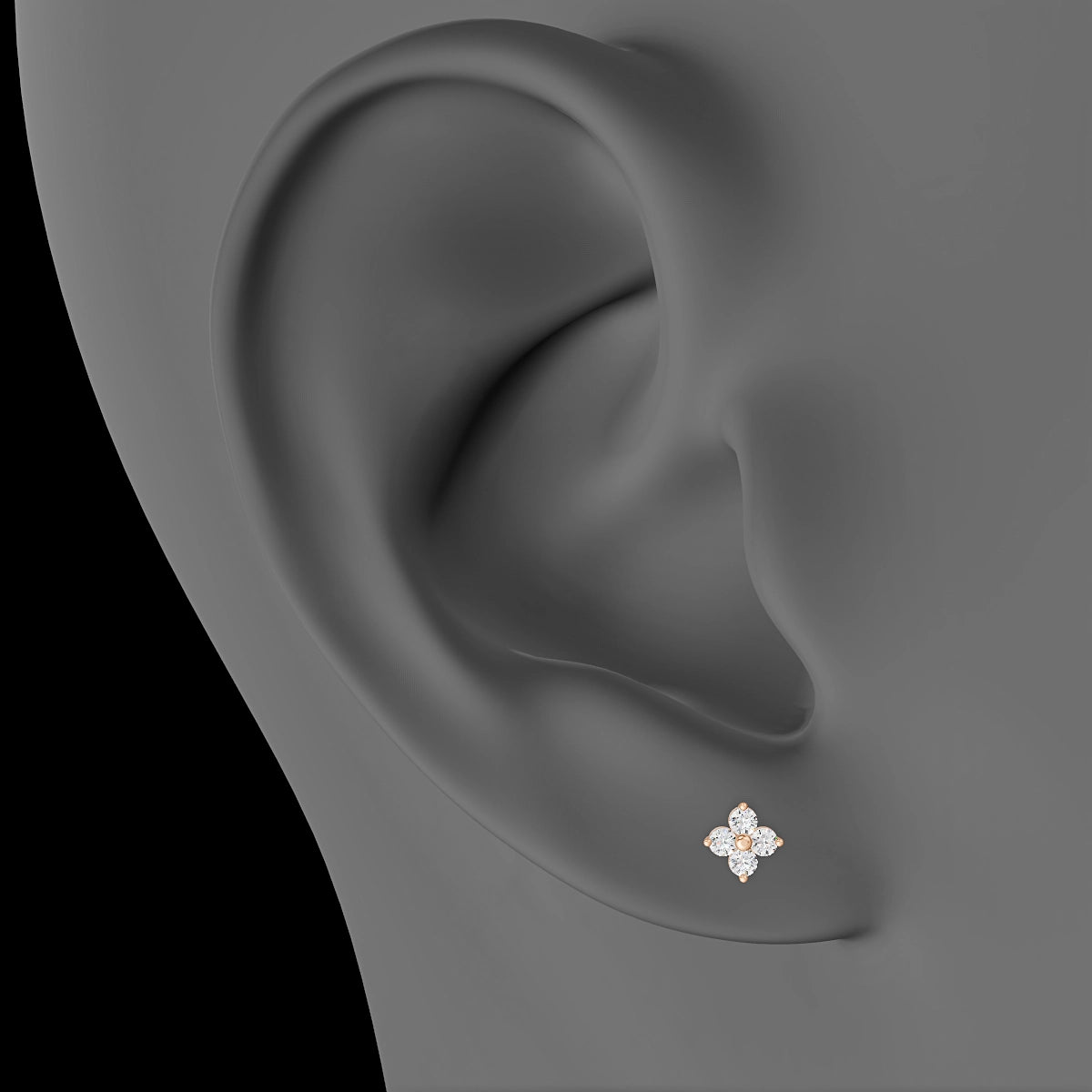
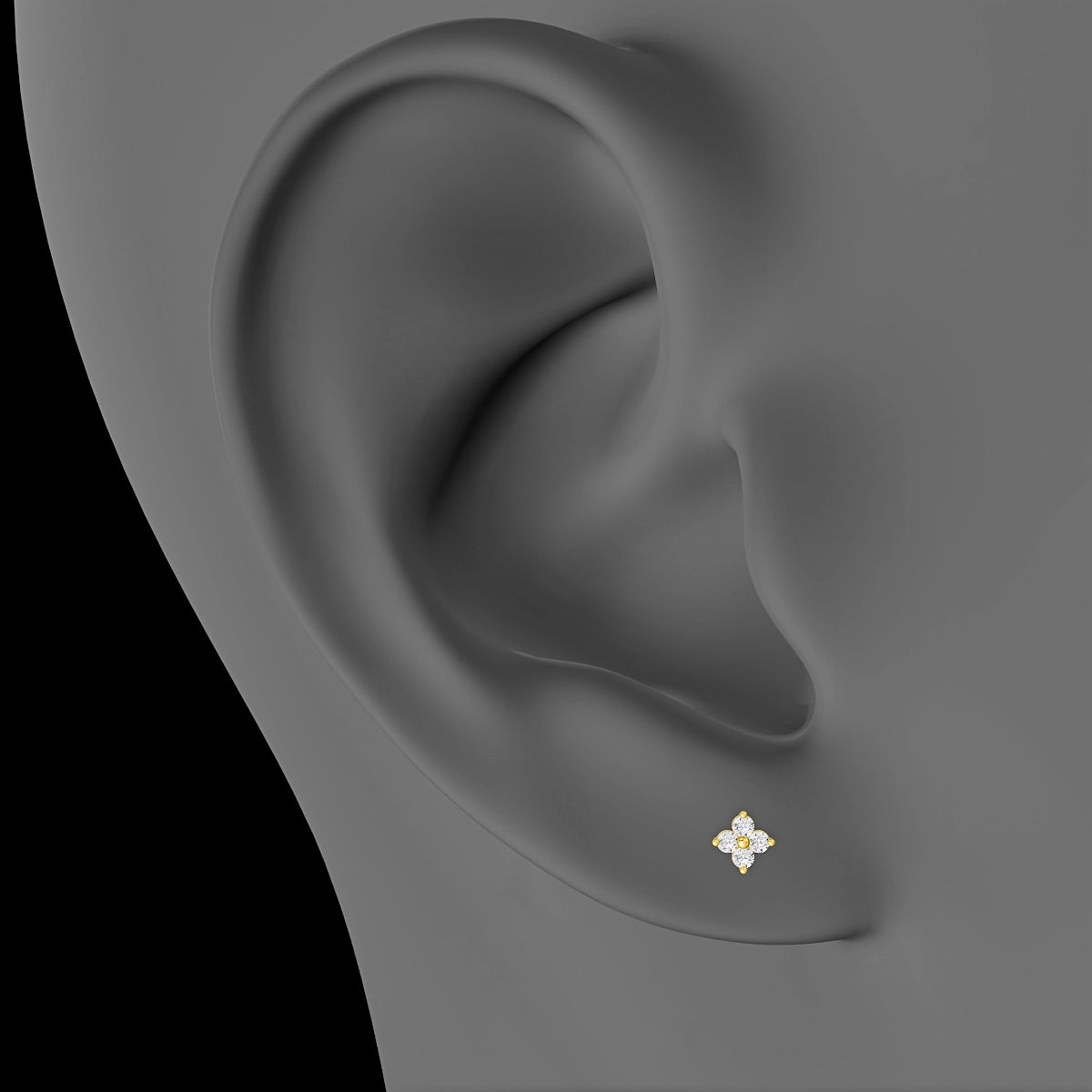
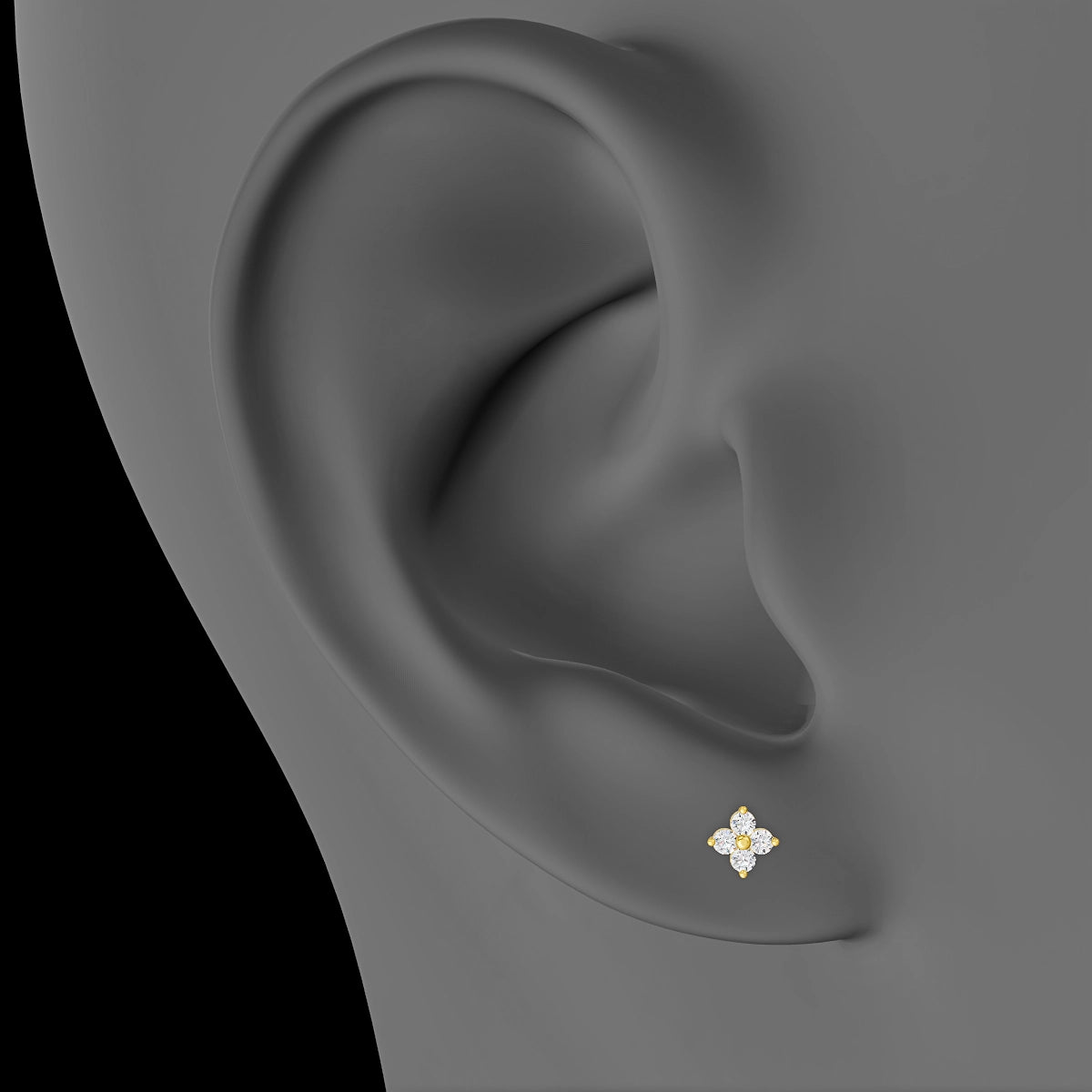
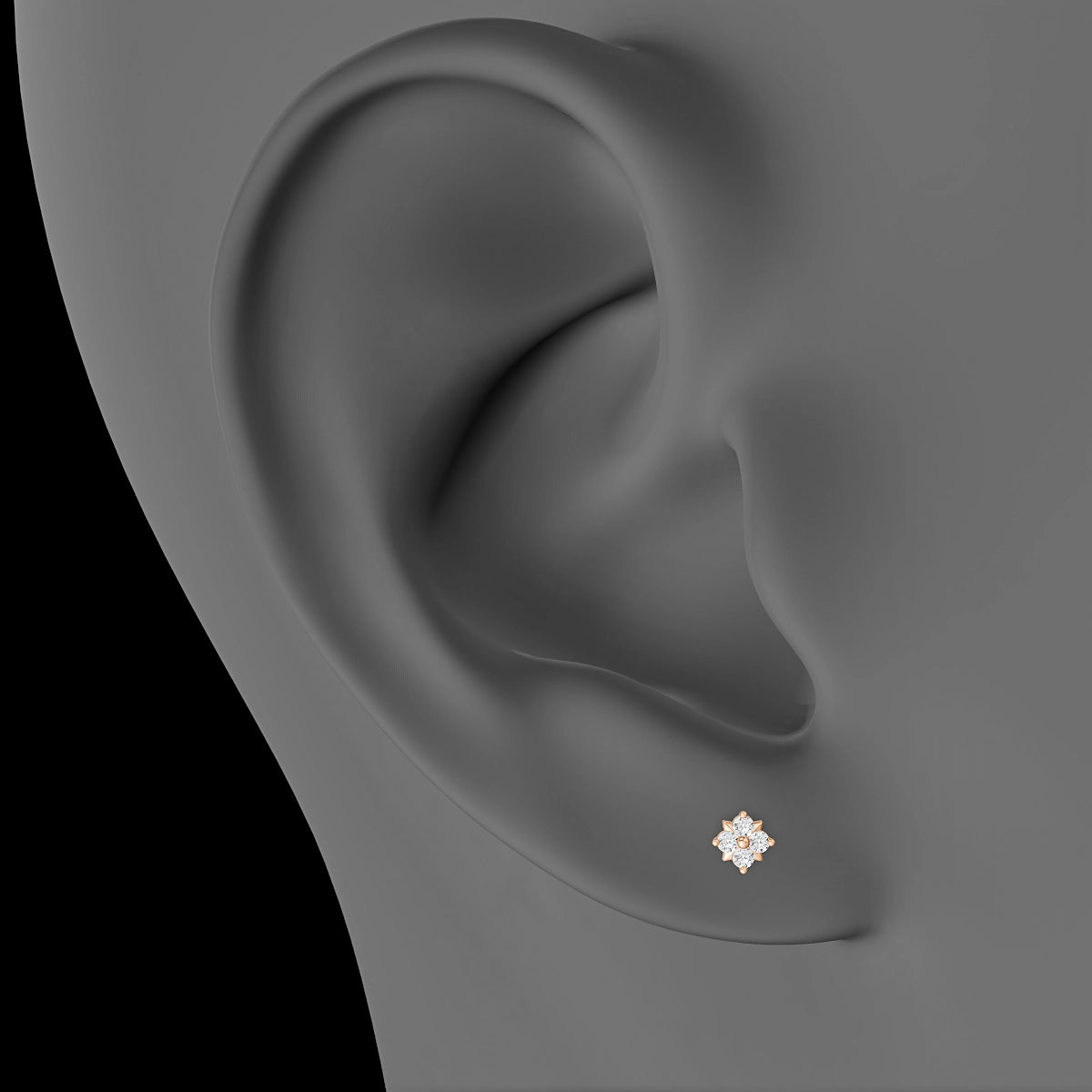
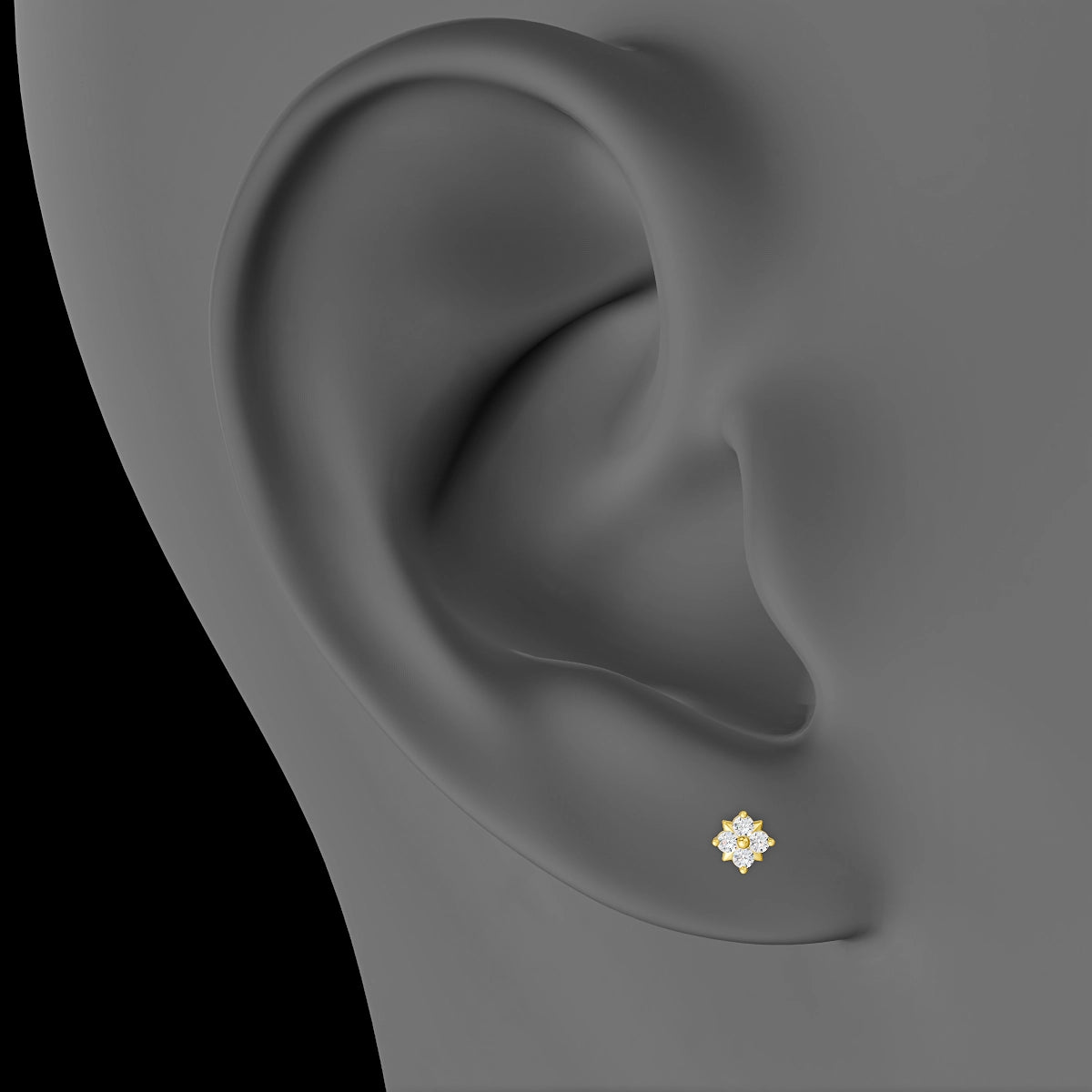
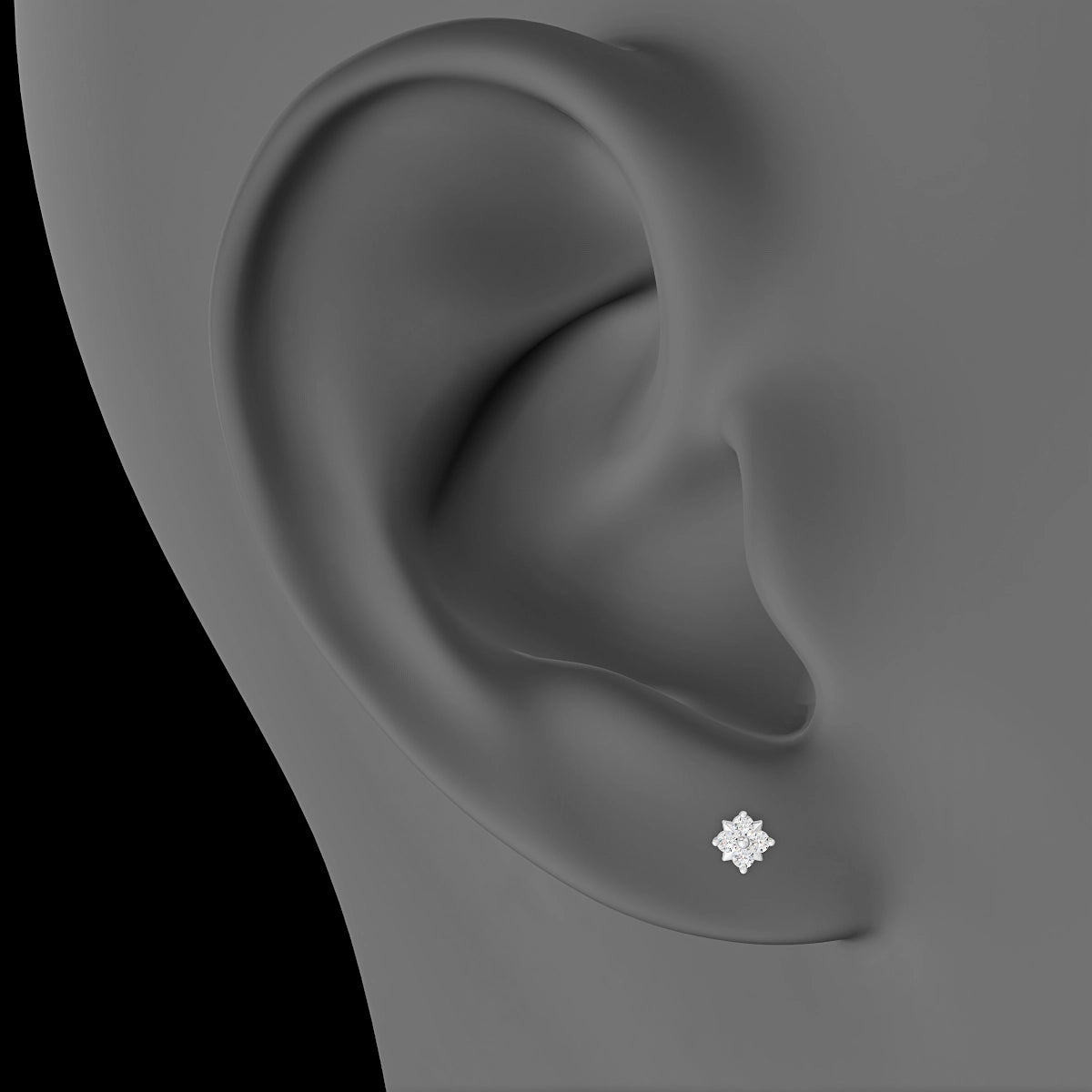
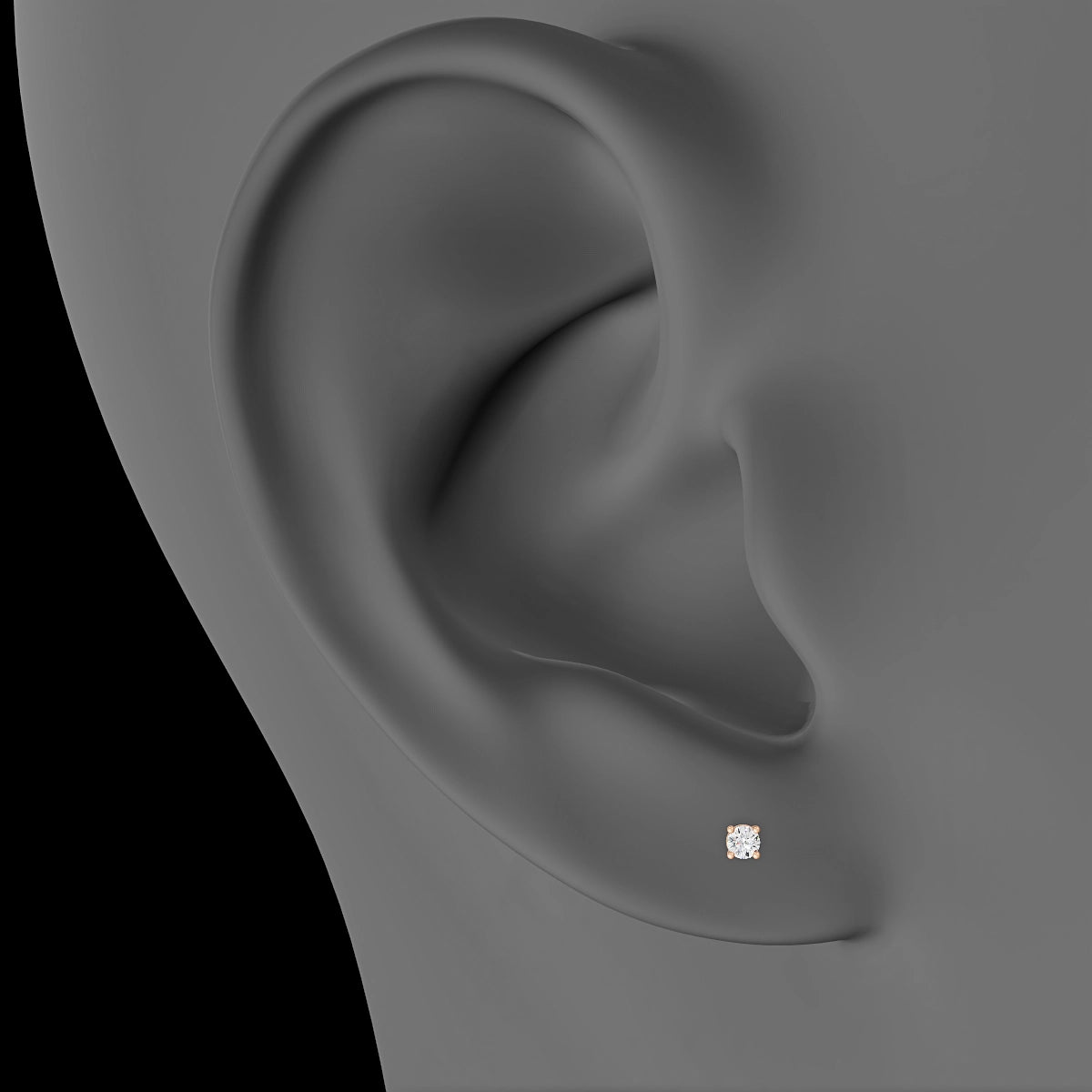
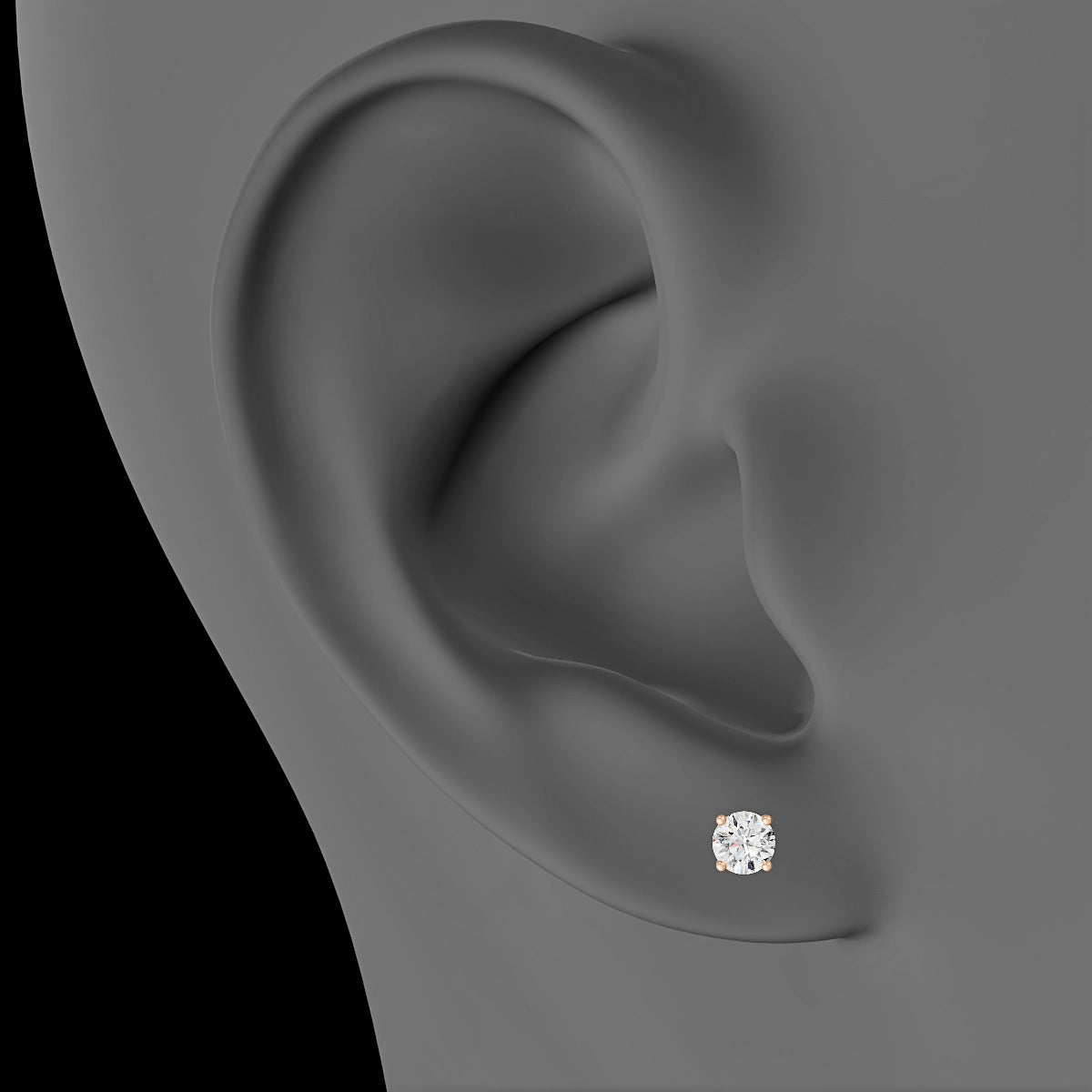
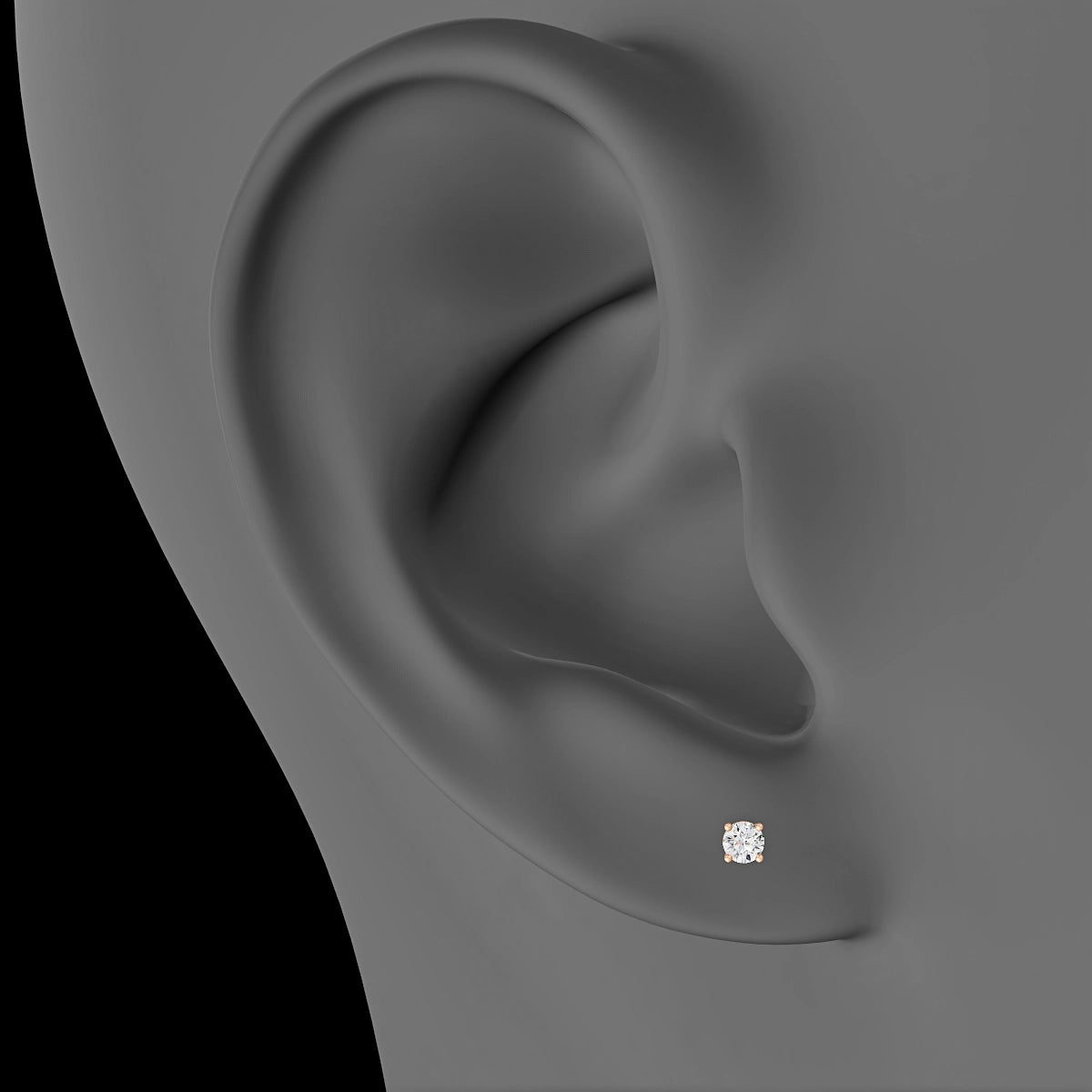
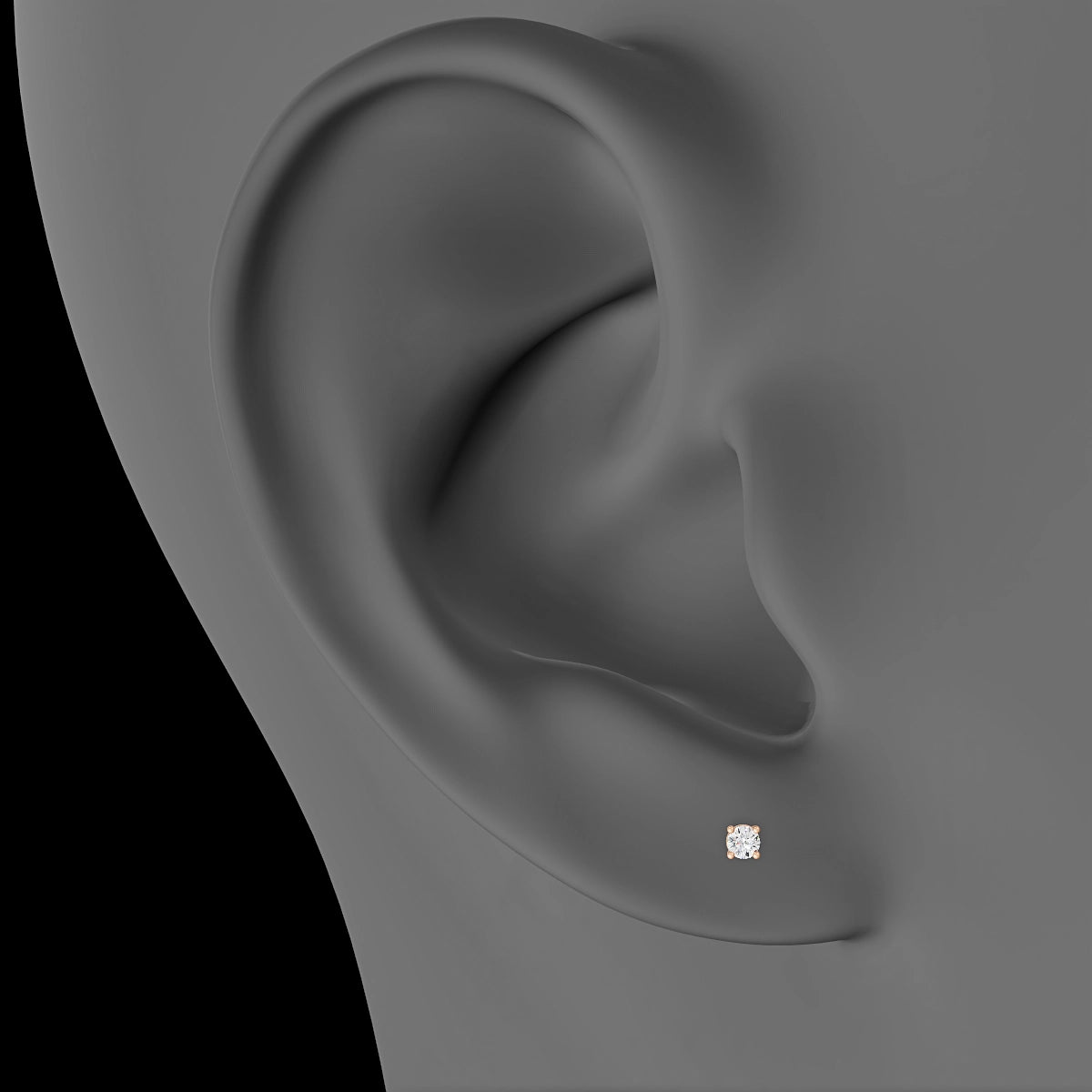
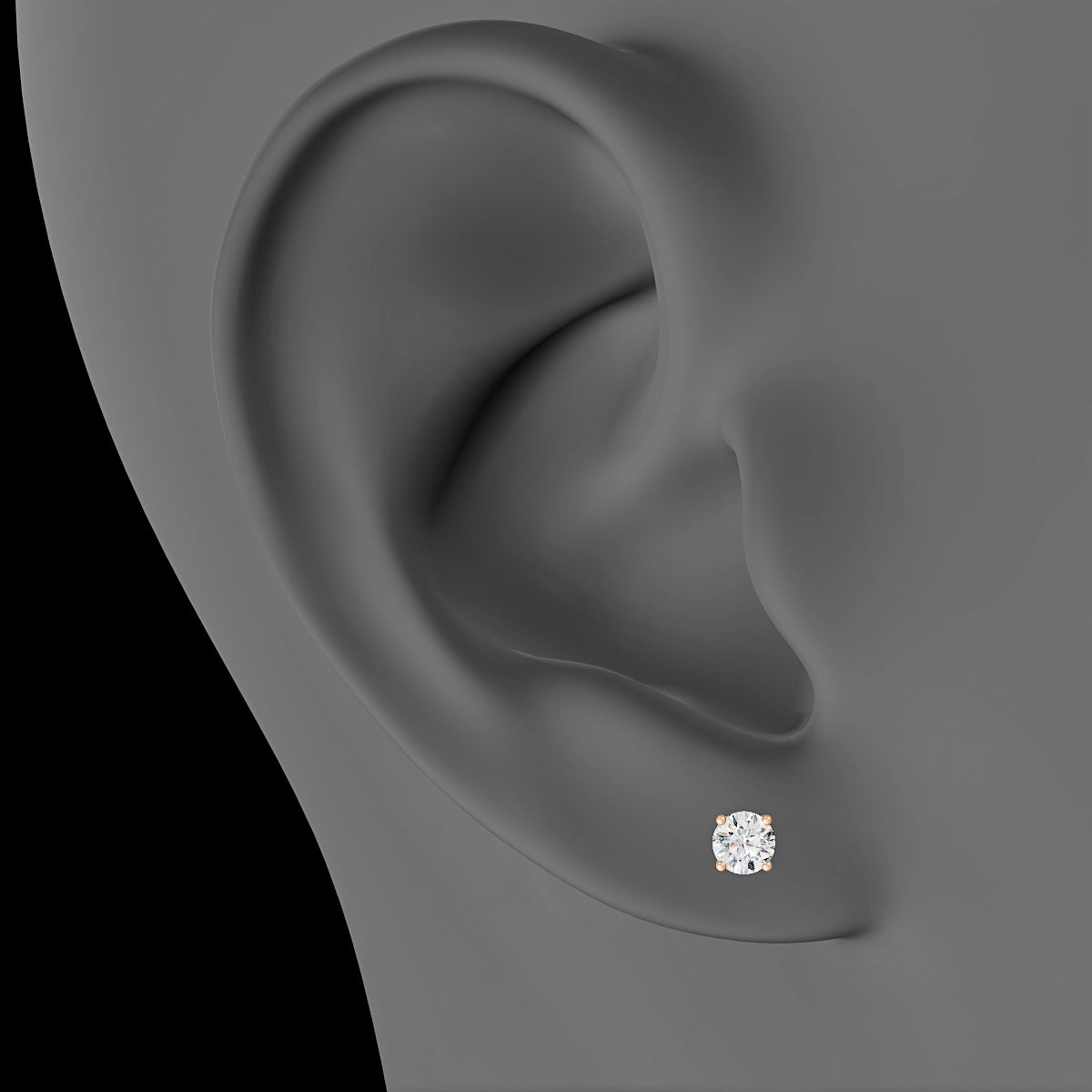
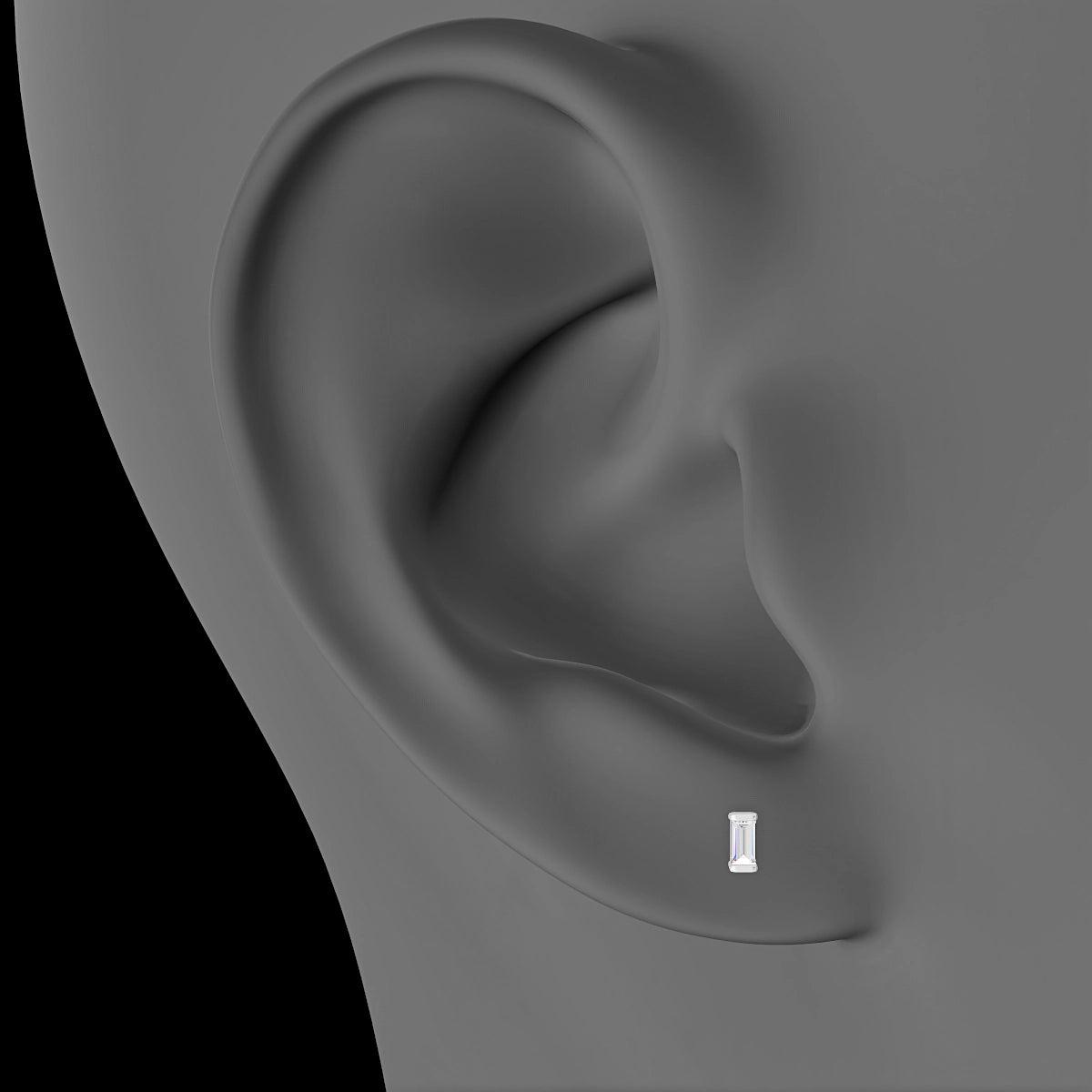
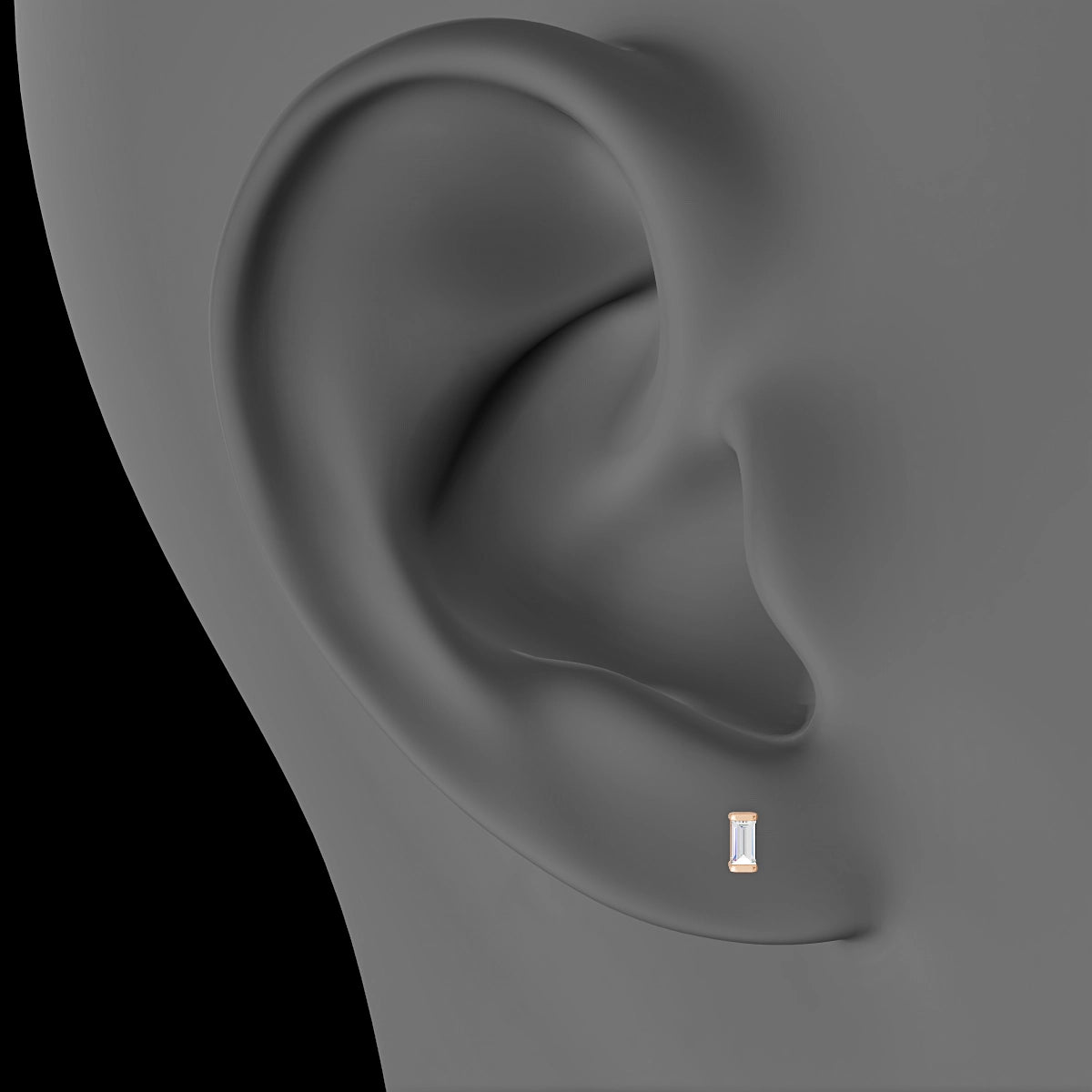
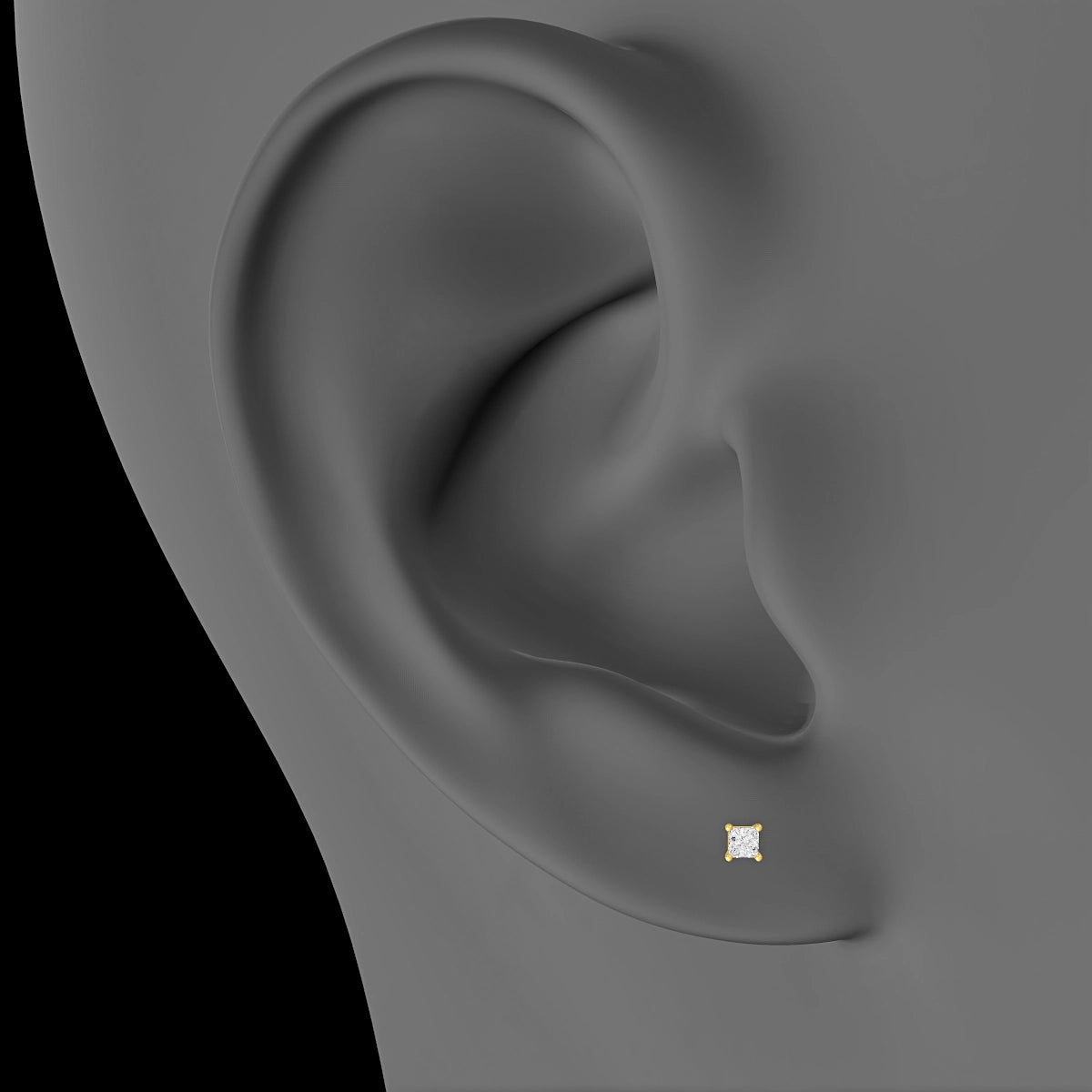
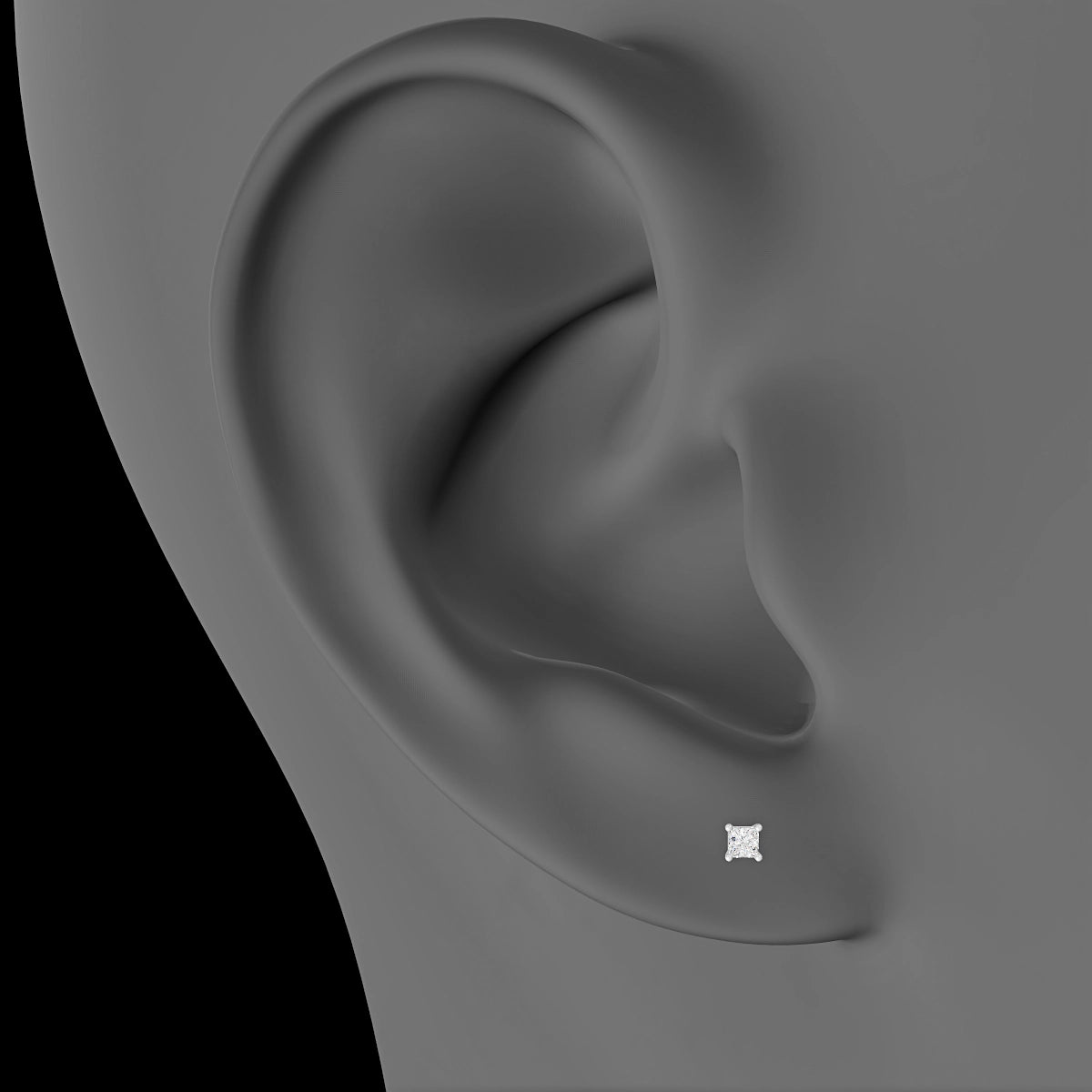
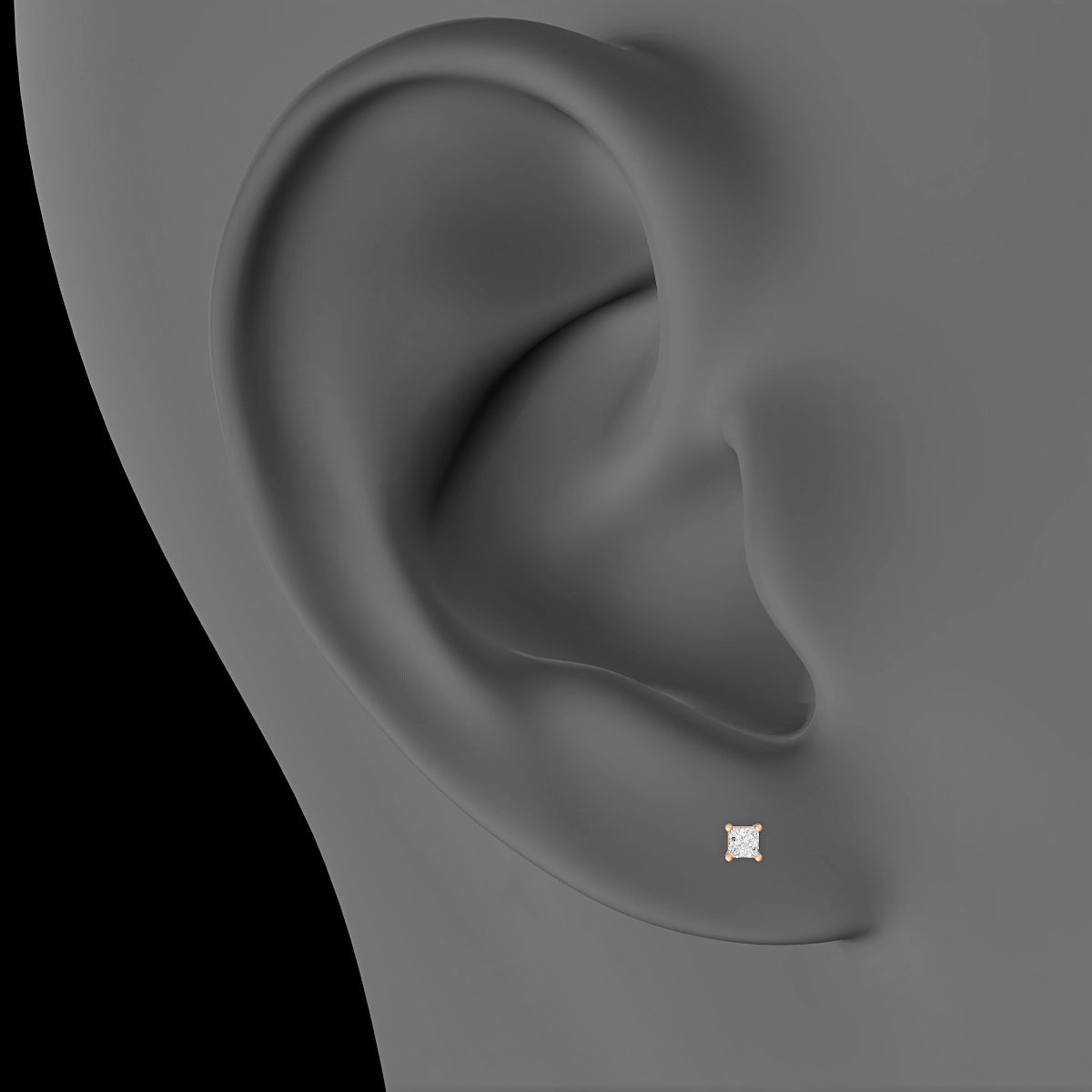
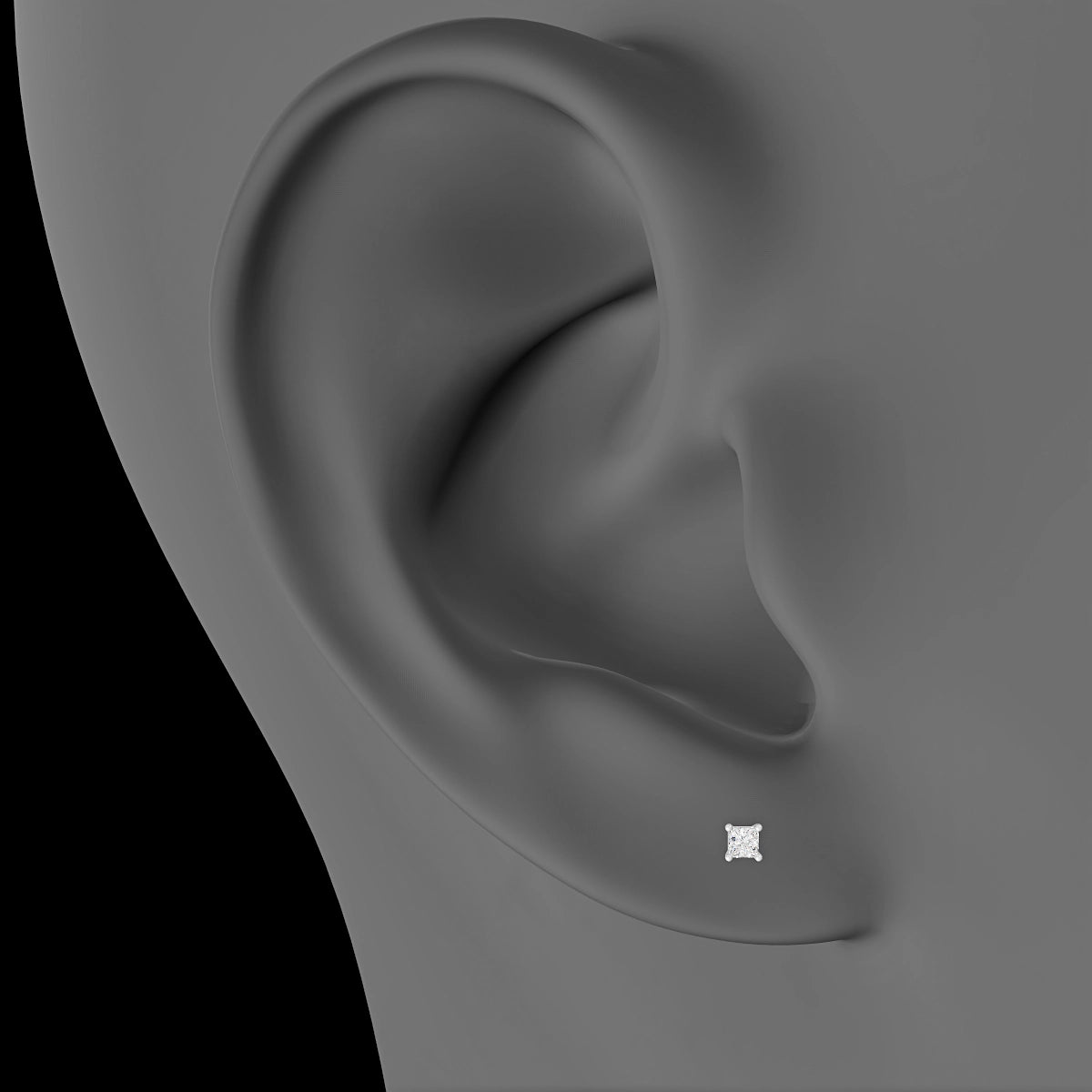
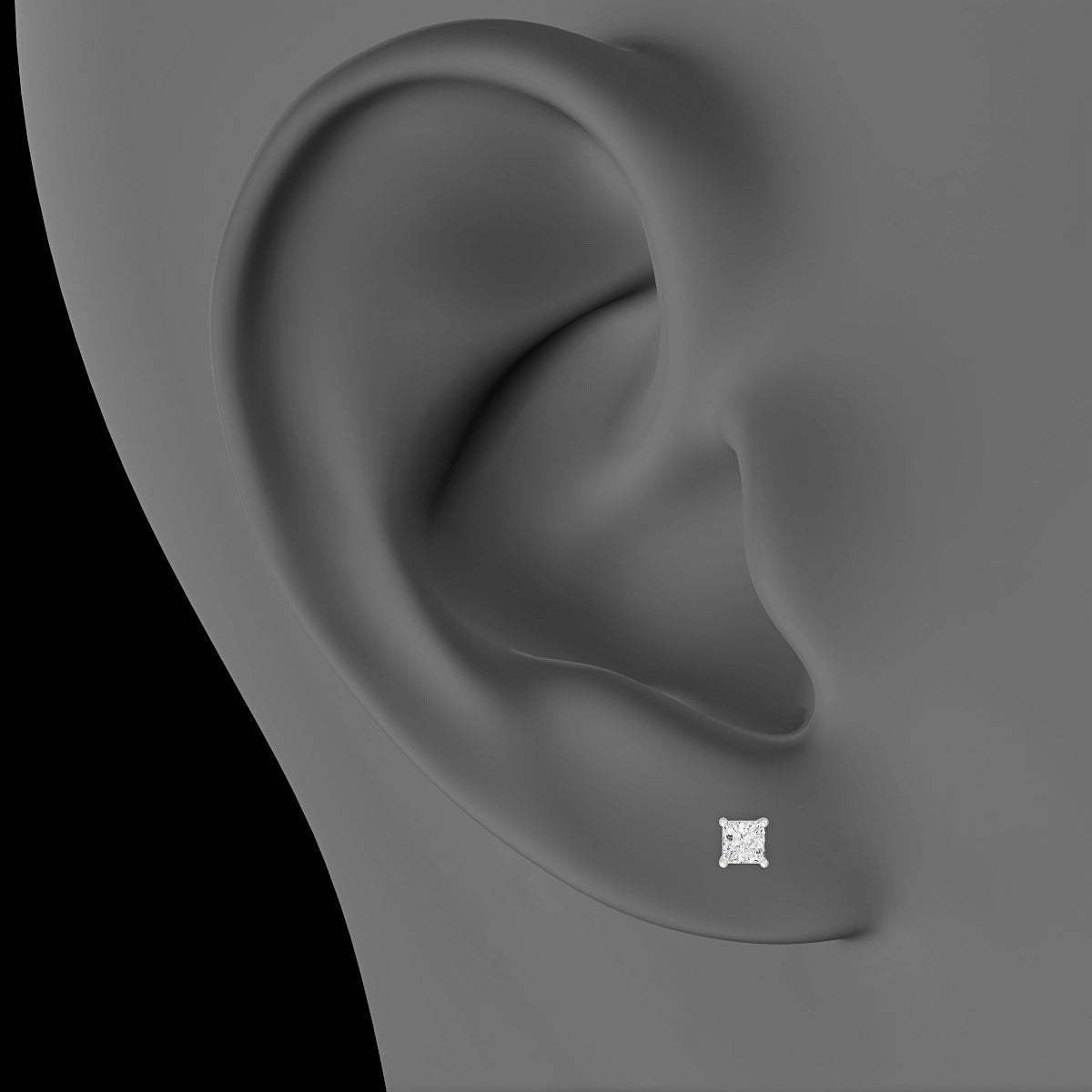
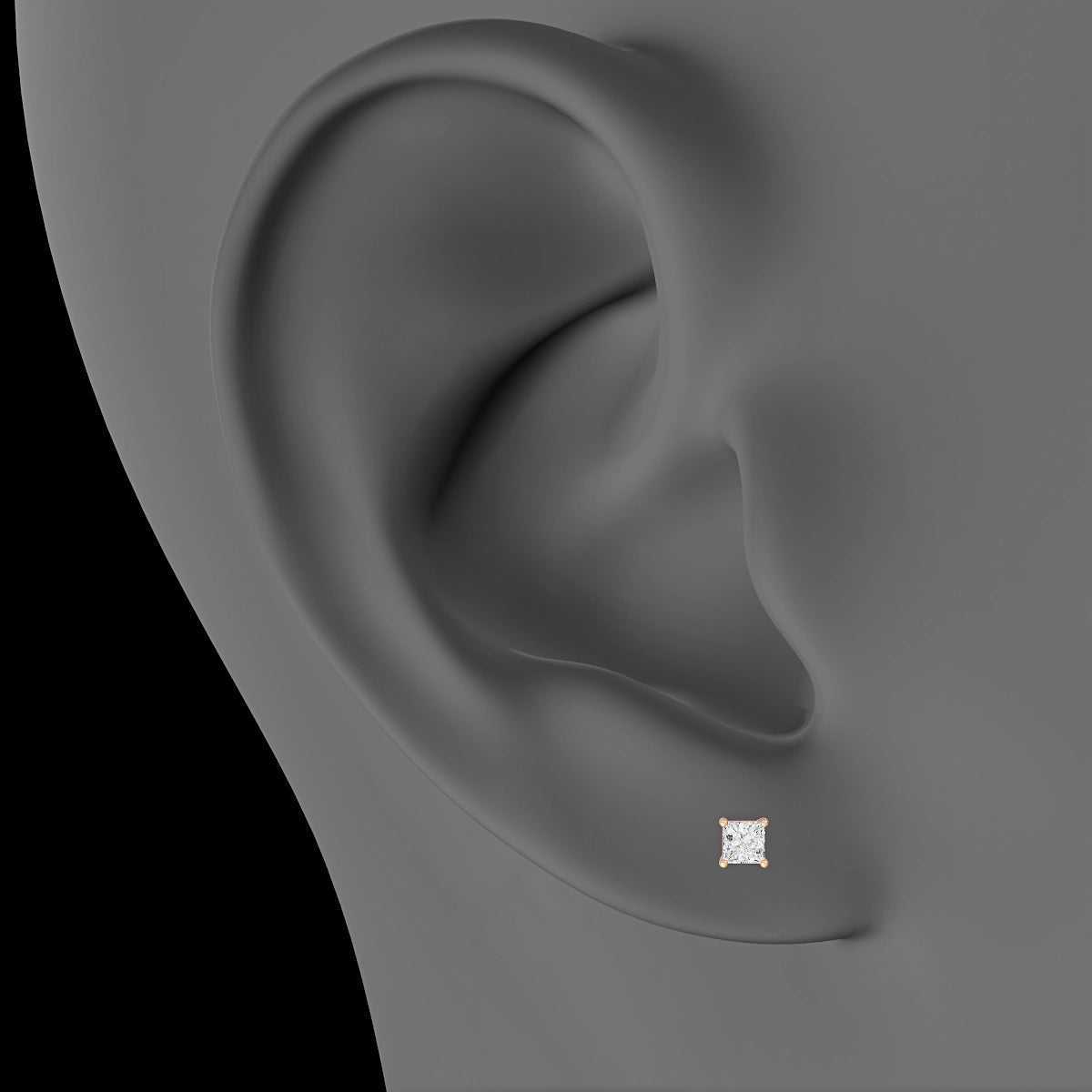
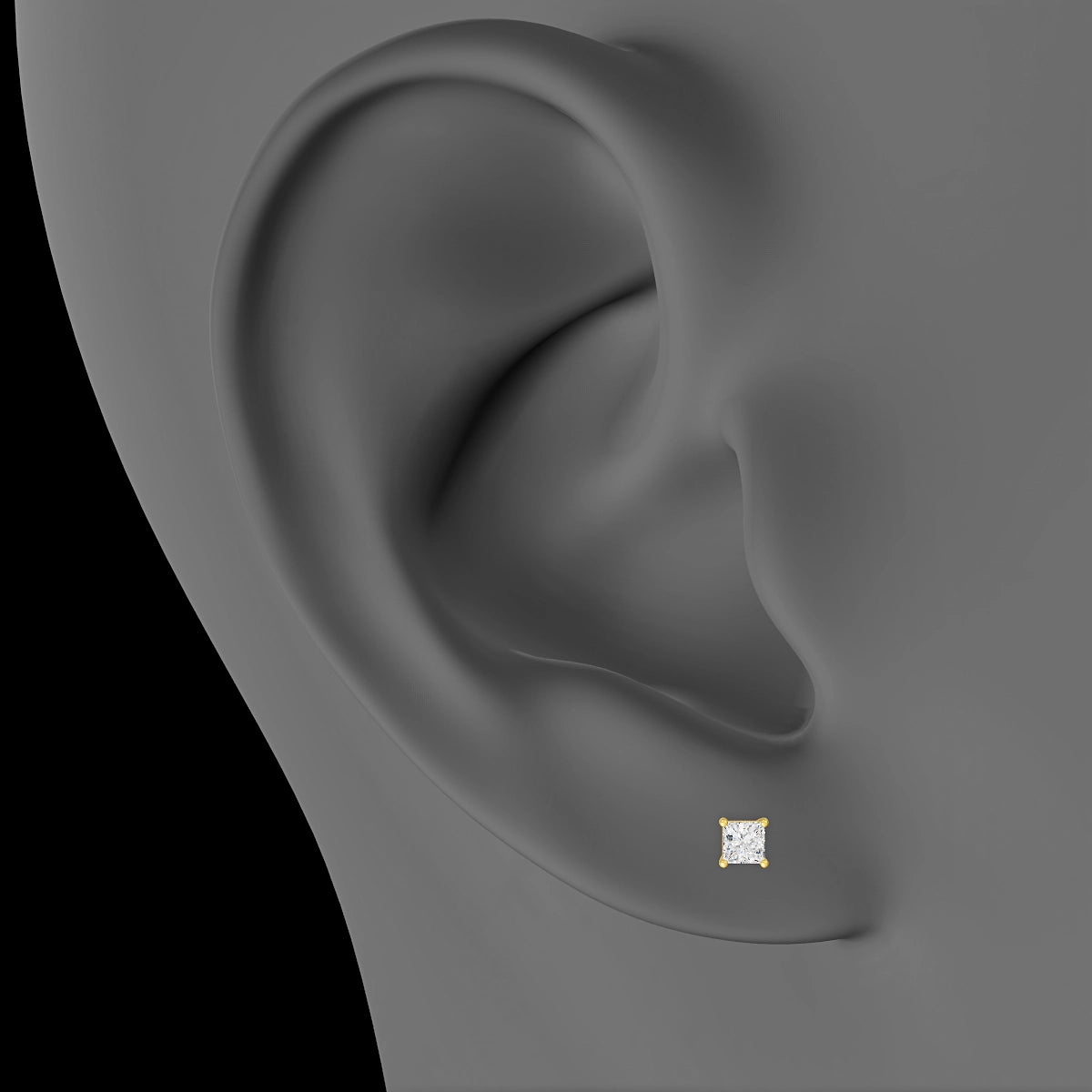
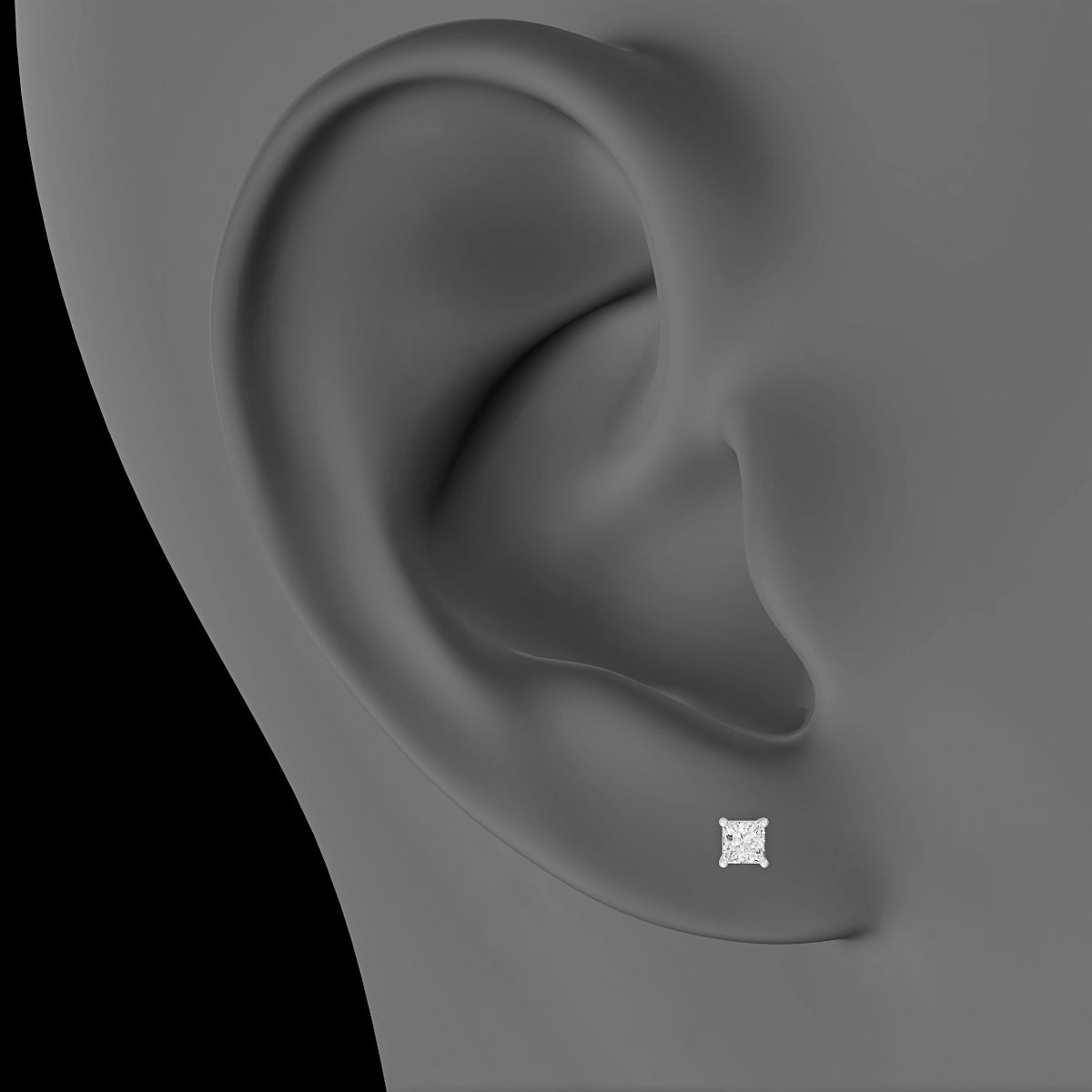
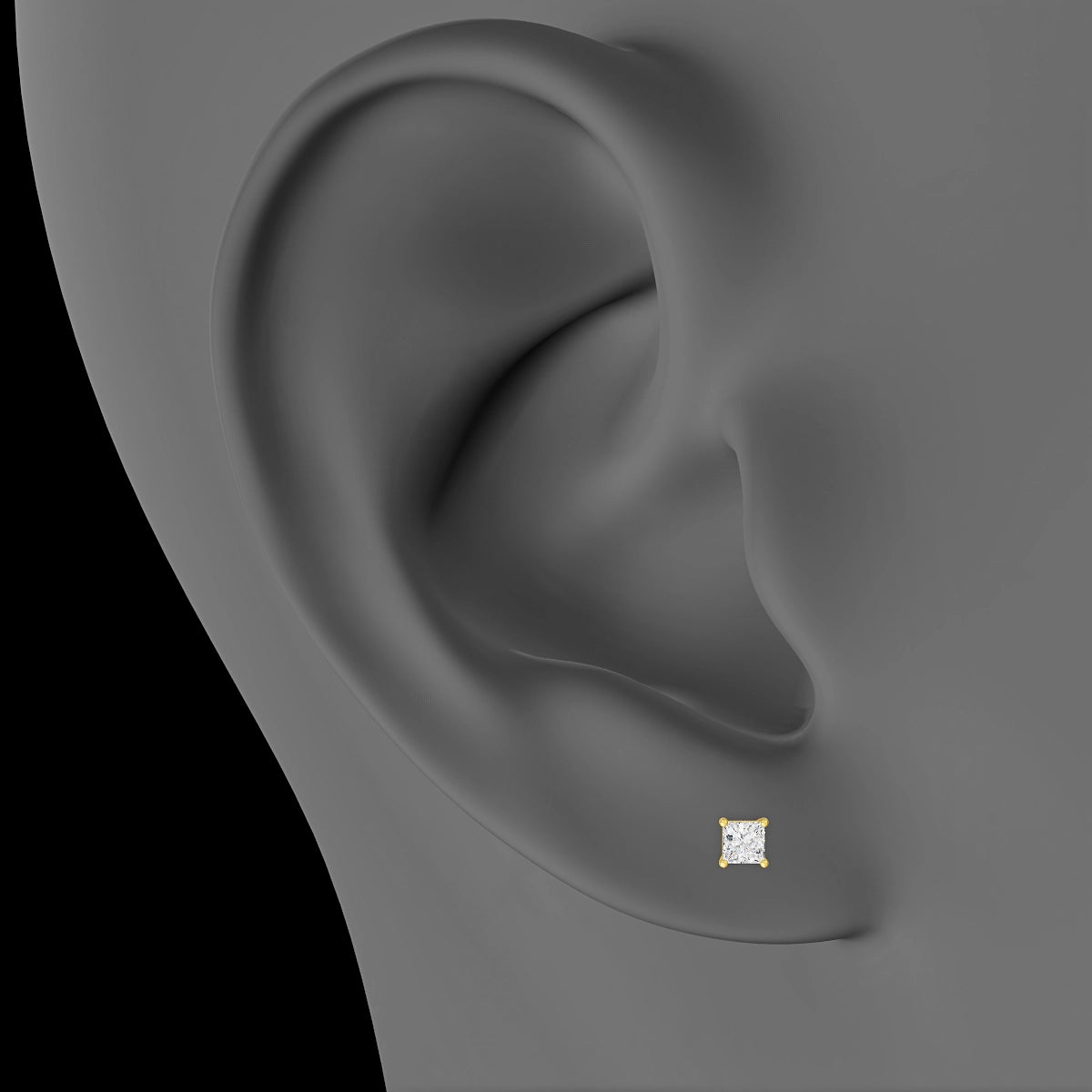
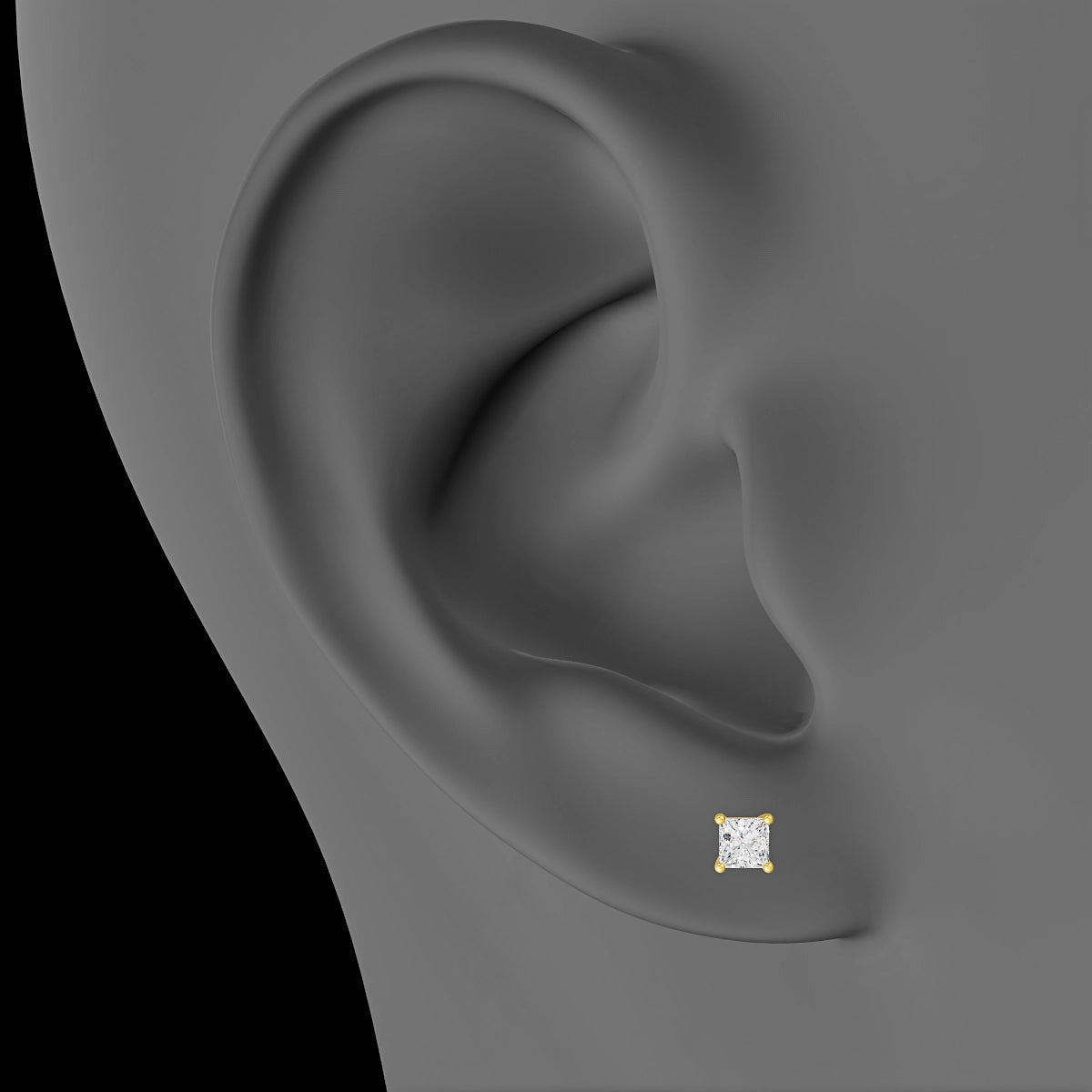
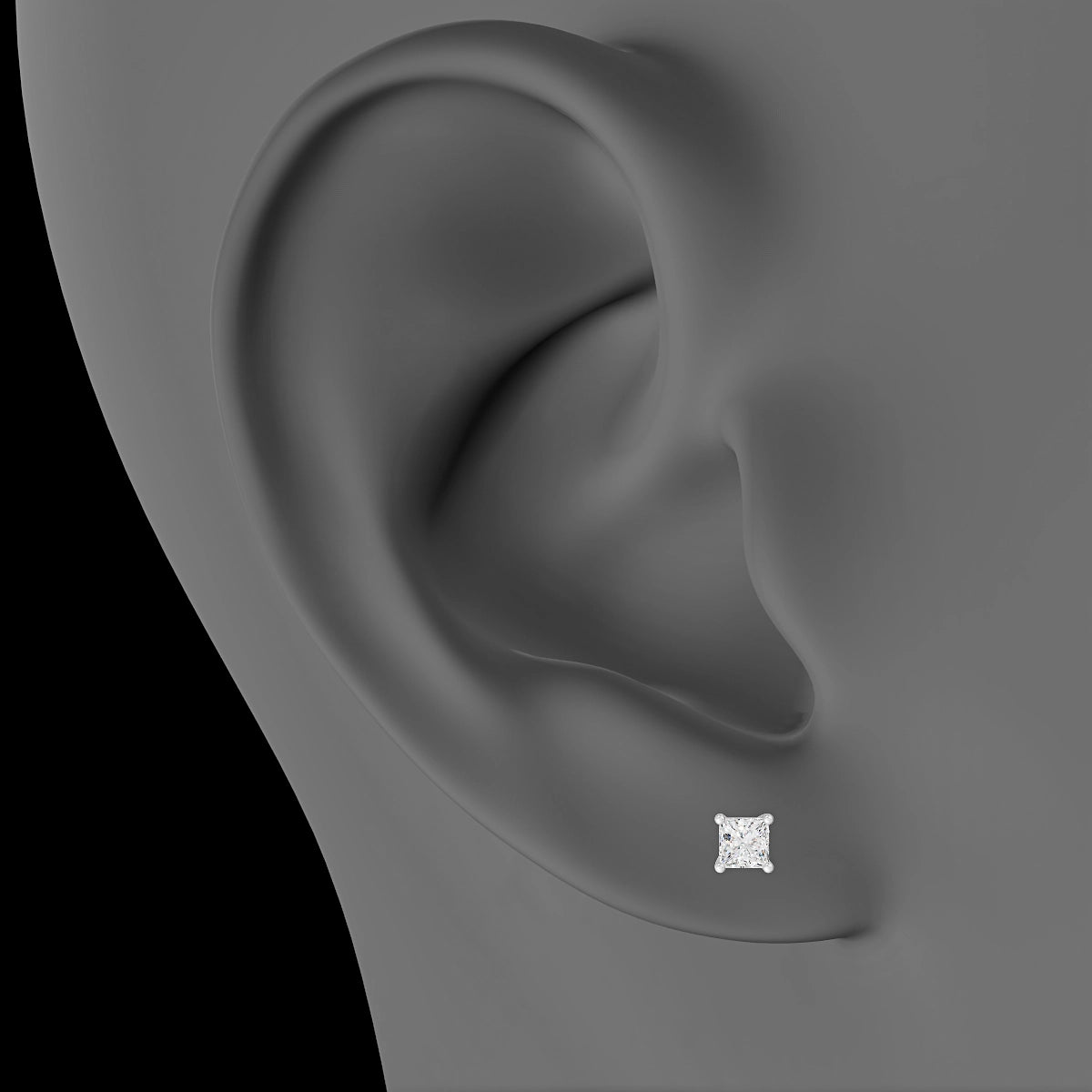
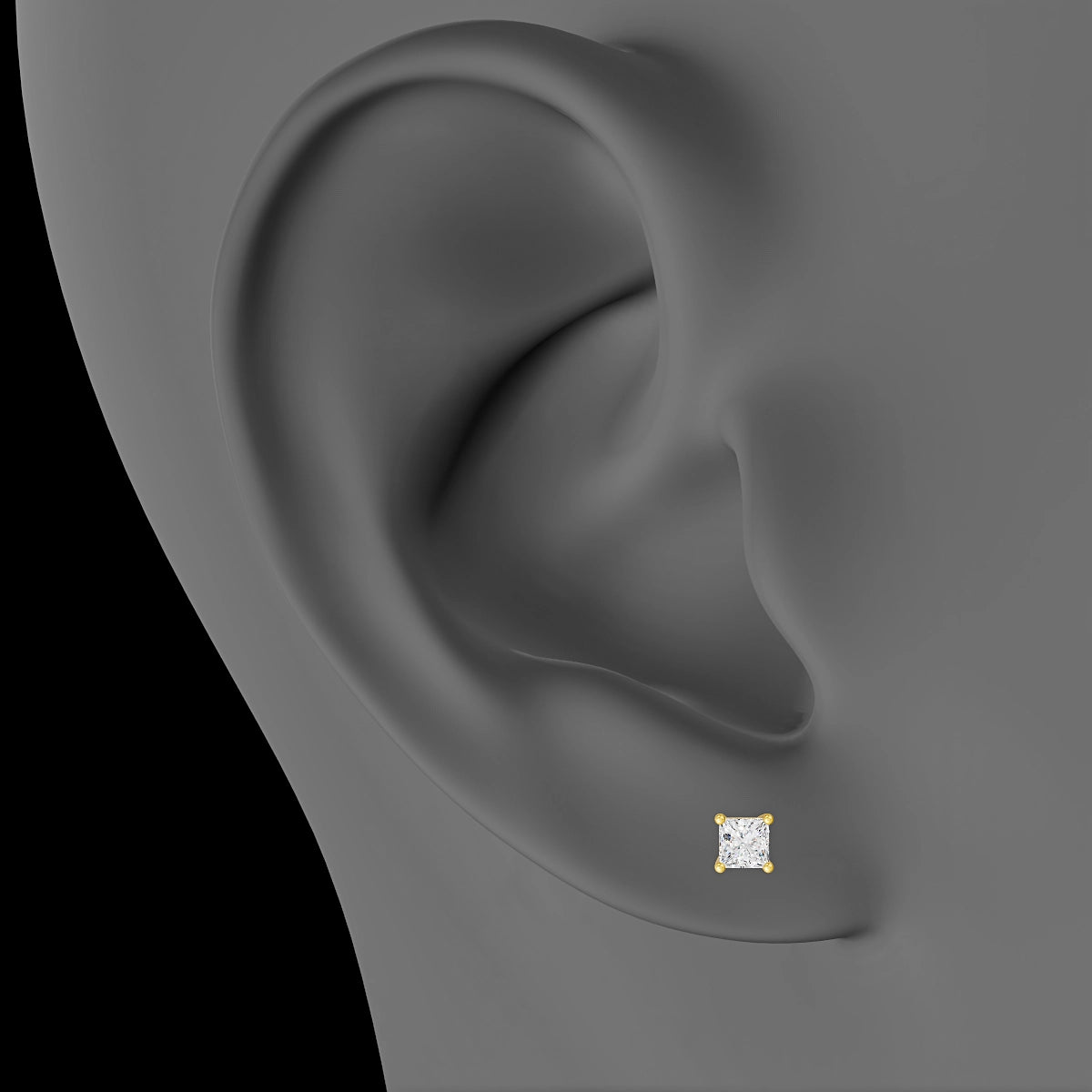
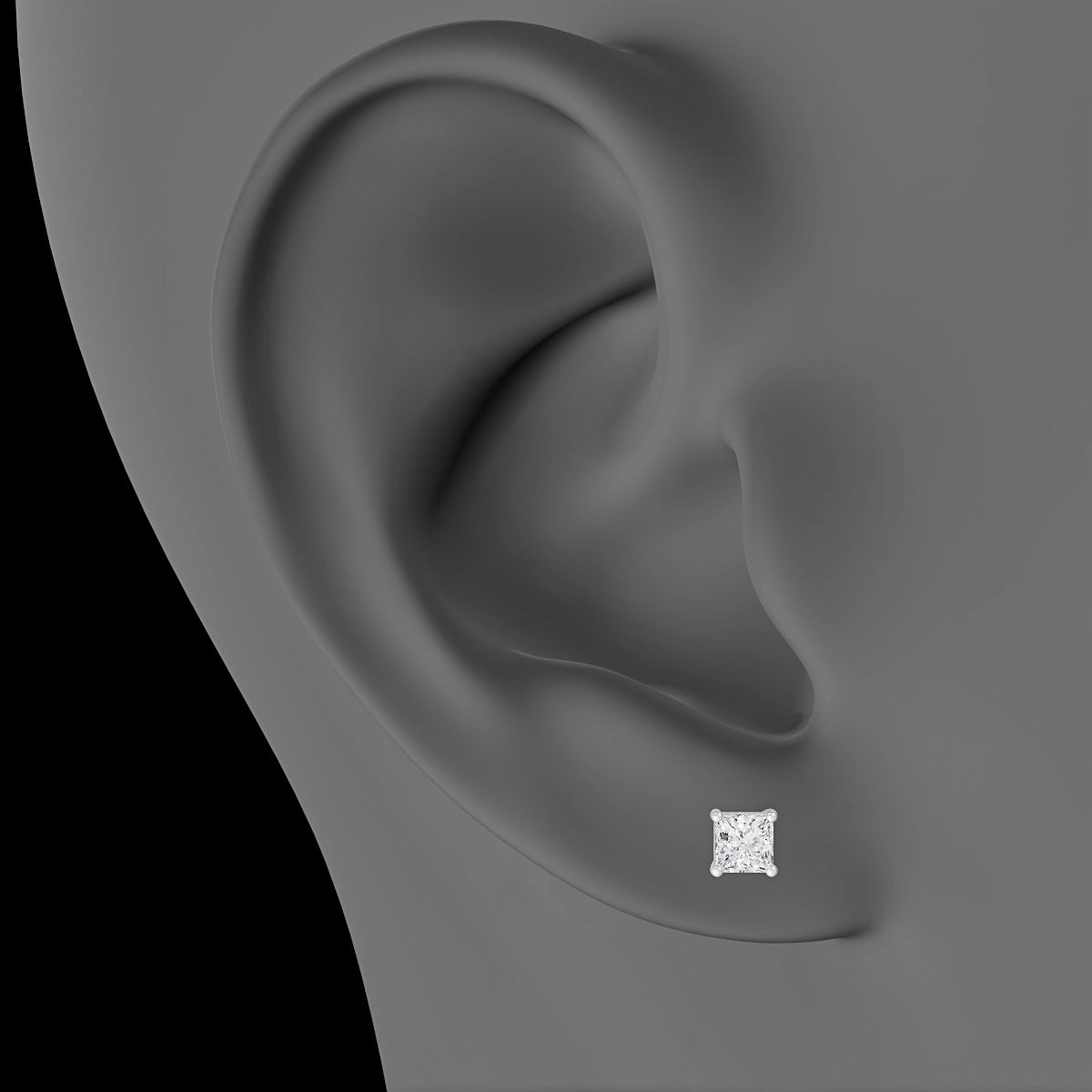
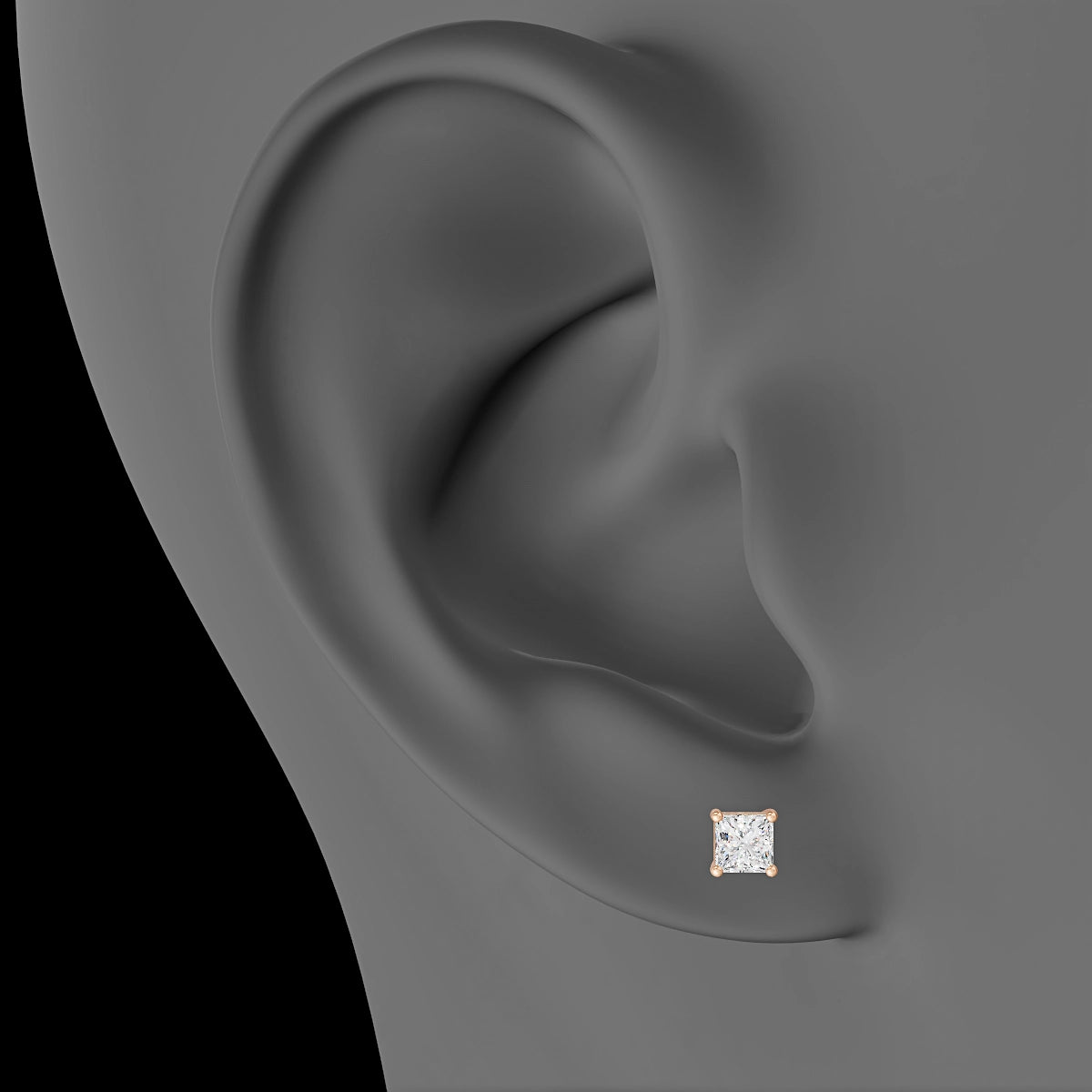
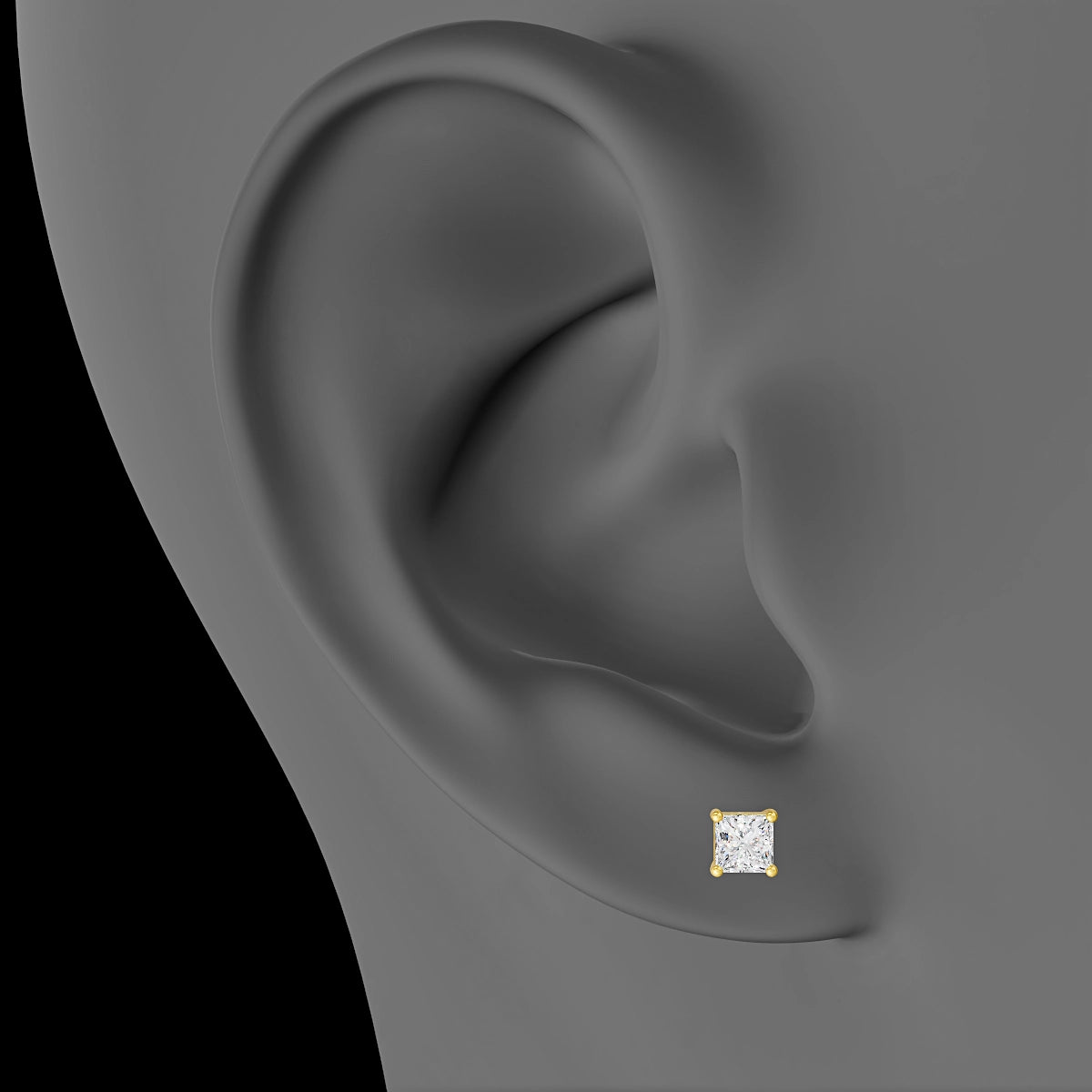
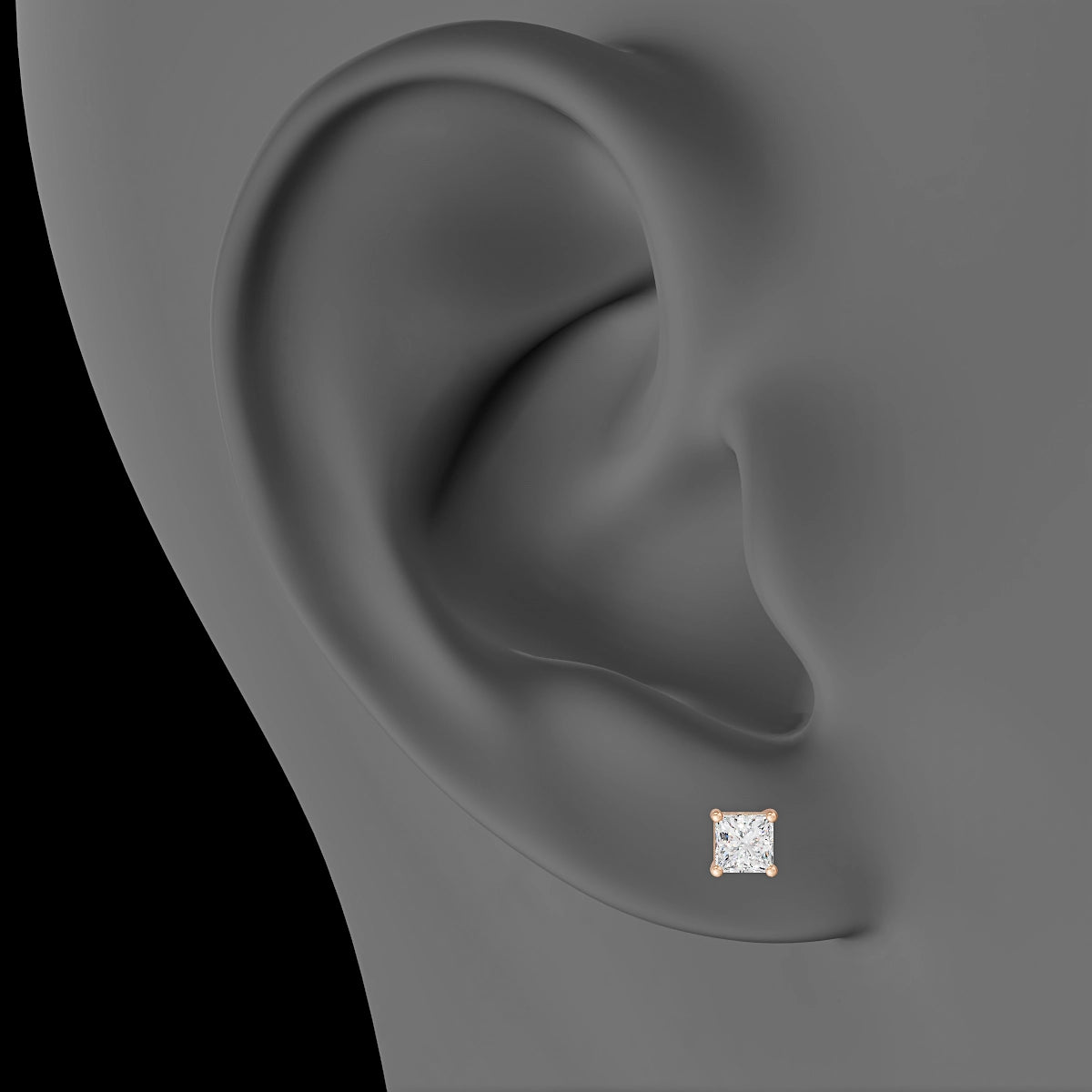
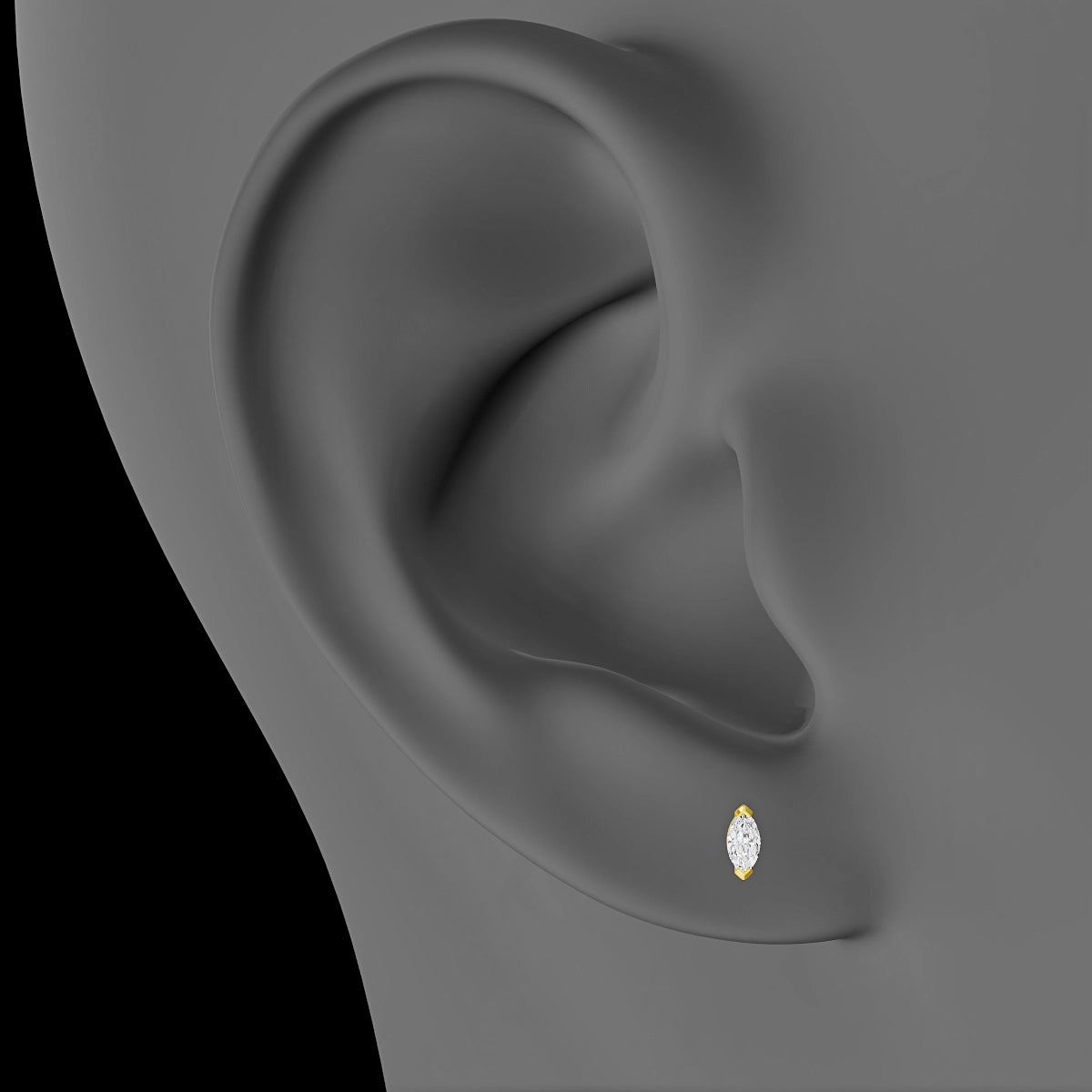
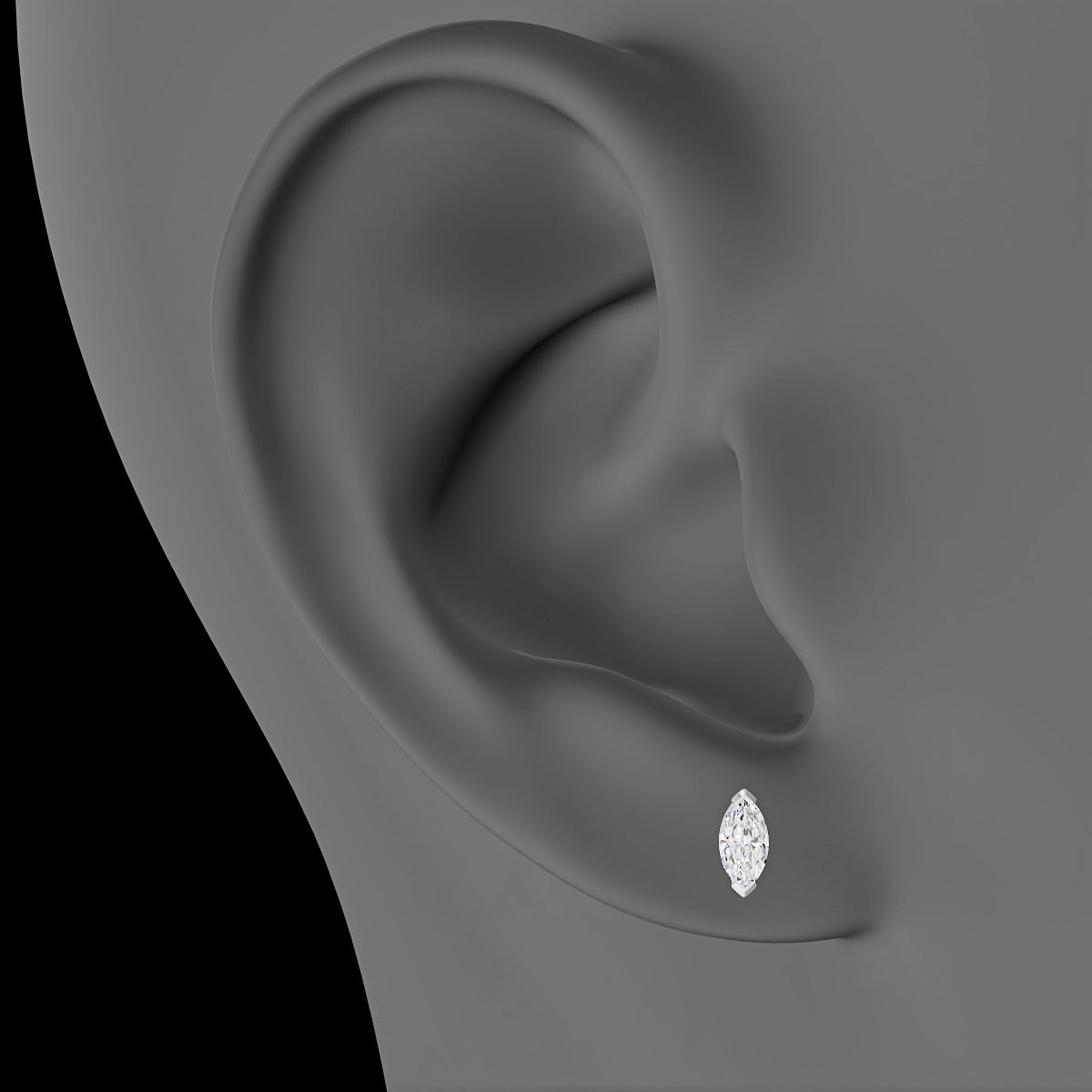
Contraconch piercing is a type of ear piercing that involves the insertion of jewelry through the contraconch, a raised ridge of cartilage just above the earlobe and below the helix.
This piercing is one of the rarer ear placements, which makes it a great option for a distinctive, eye-catching accent point.
Overview of the Contraconch Piercing
- Placement: A raised ridge of cartilage just above the earlobe and below the helix
- Piercing service fee: $30–$50, jewelry cost is separate
- Pain Level: 7/10
- Healing Time: 6 to 12 months
- Aftercare: Clean your piercing twice a day with a sterile saline solution on sterile gauze. Keep the pierced area clean and dry.
Contraconch Piercing Placement & Anatomy
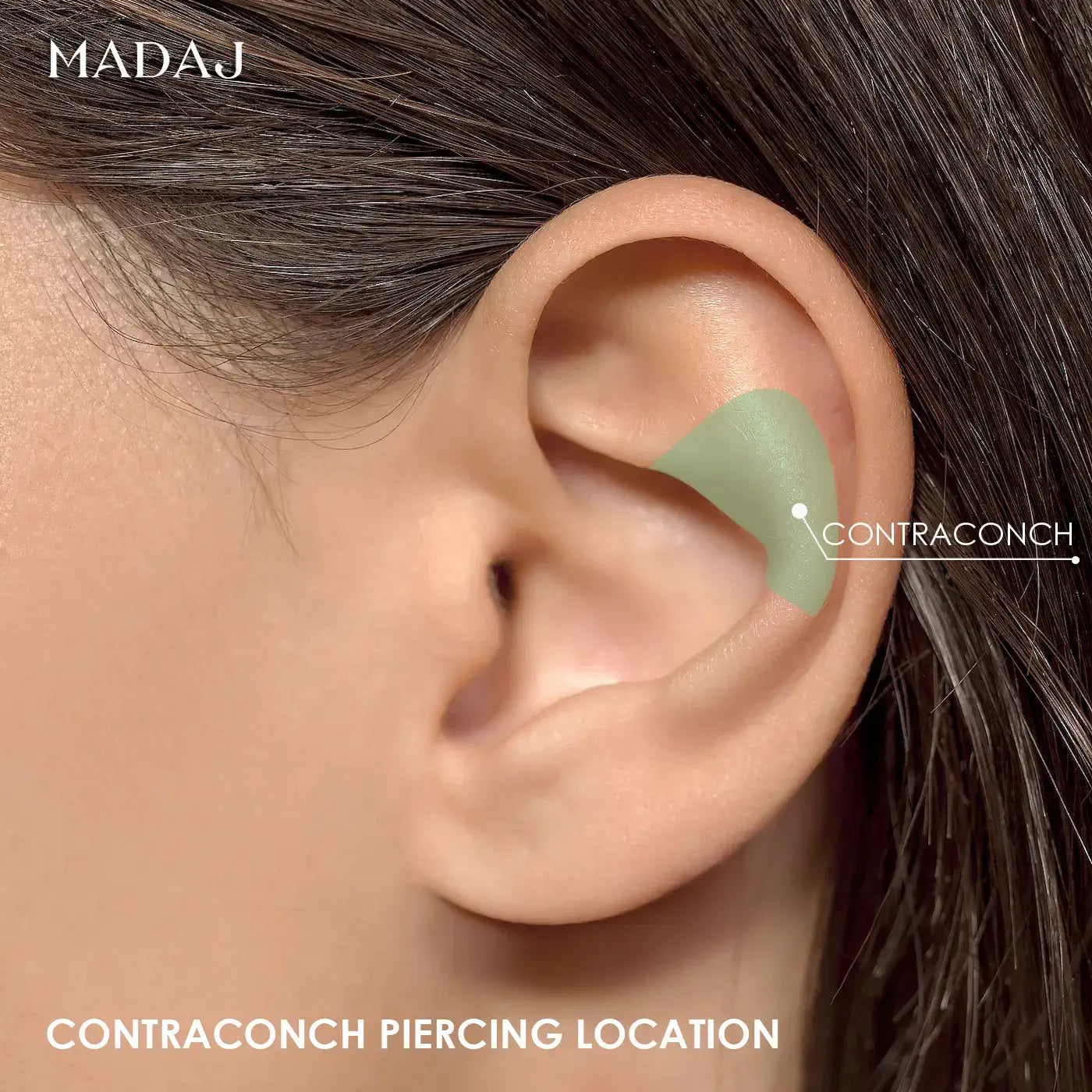
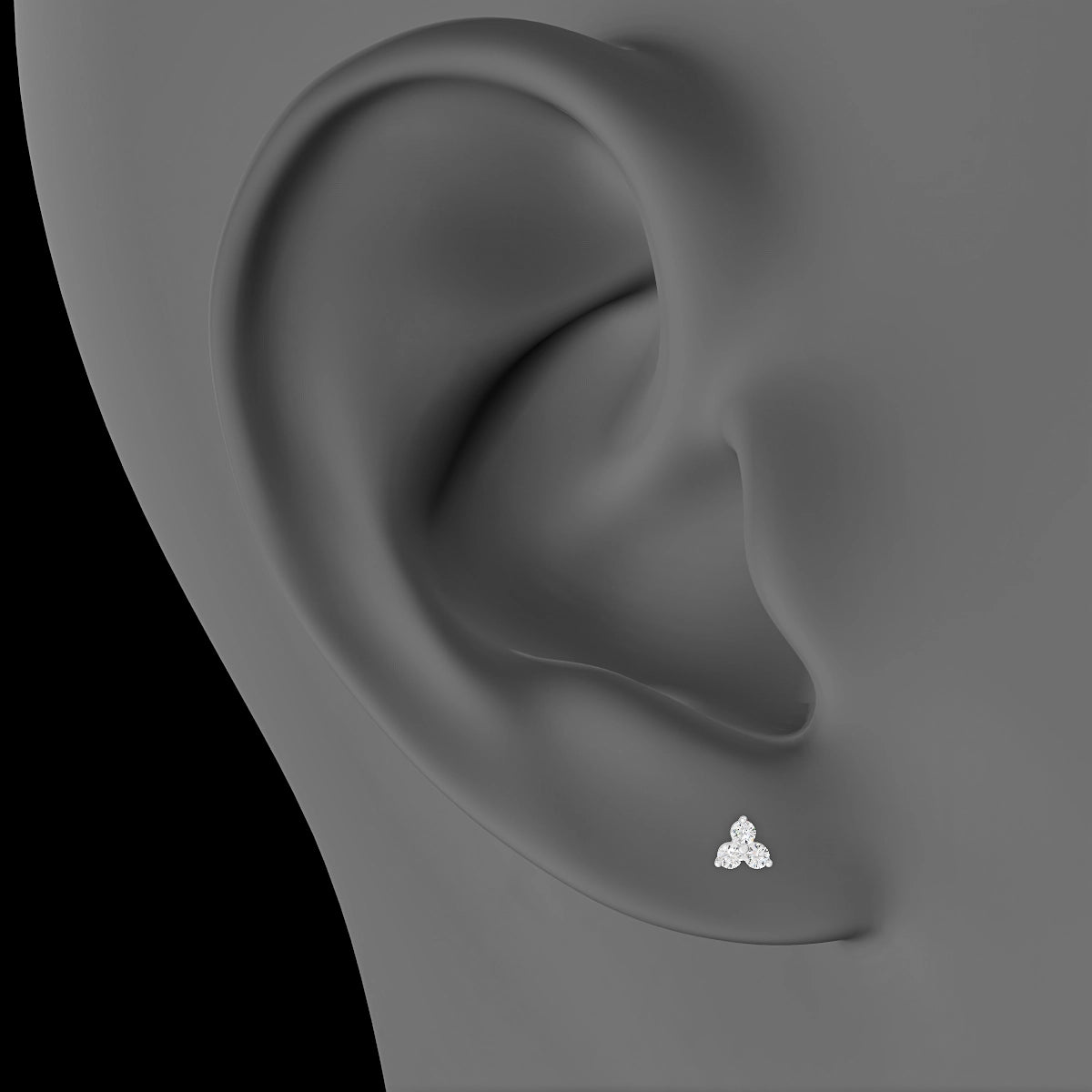
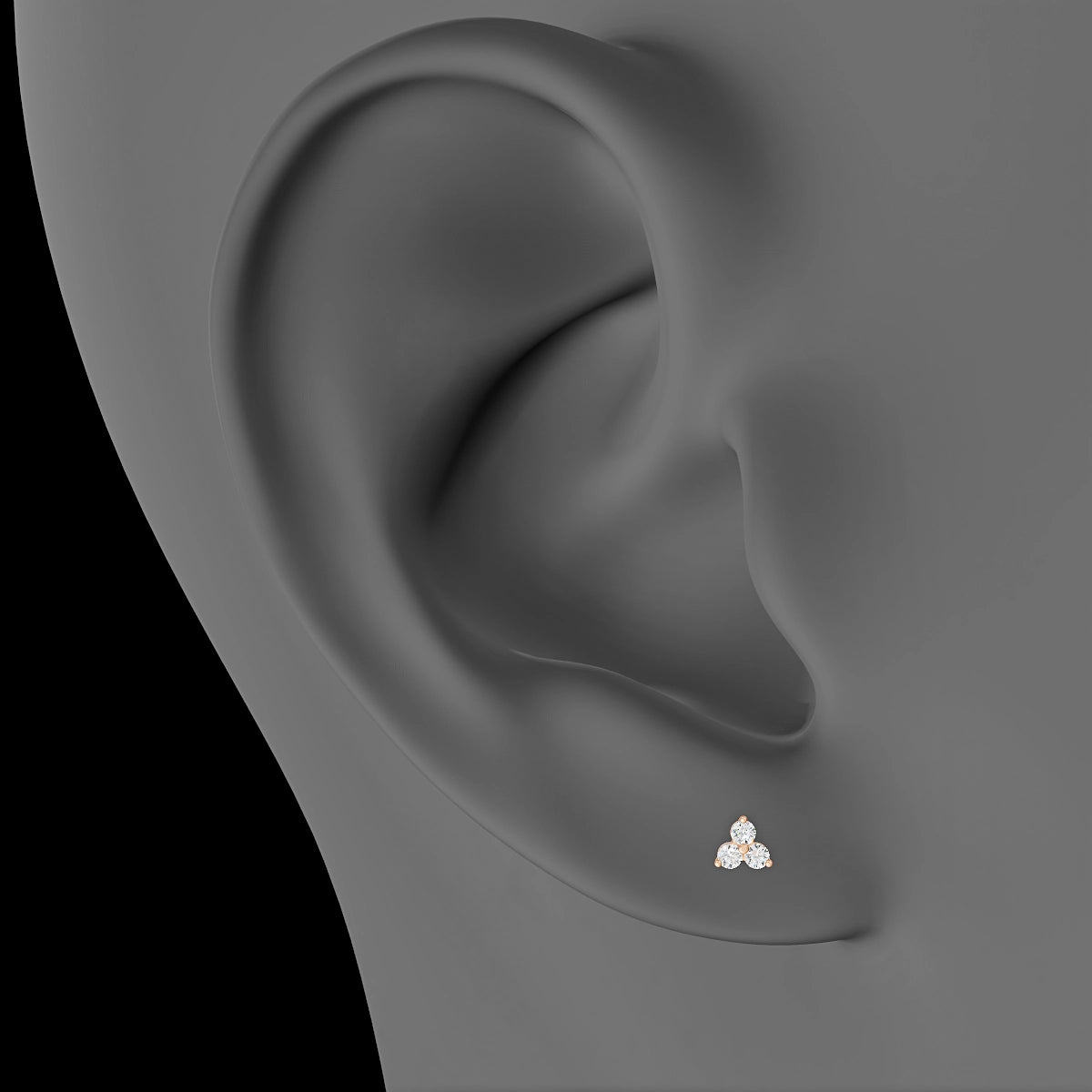
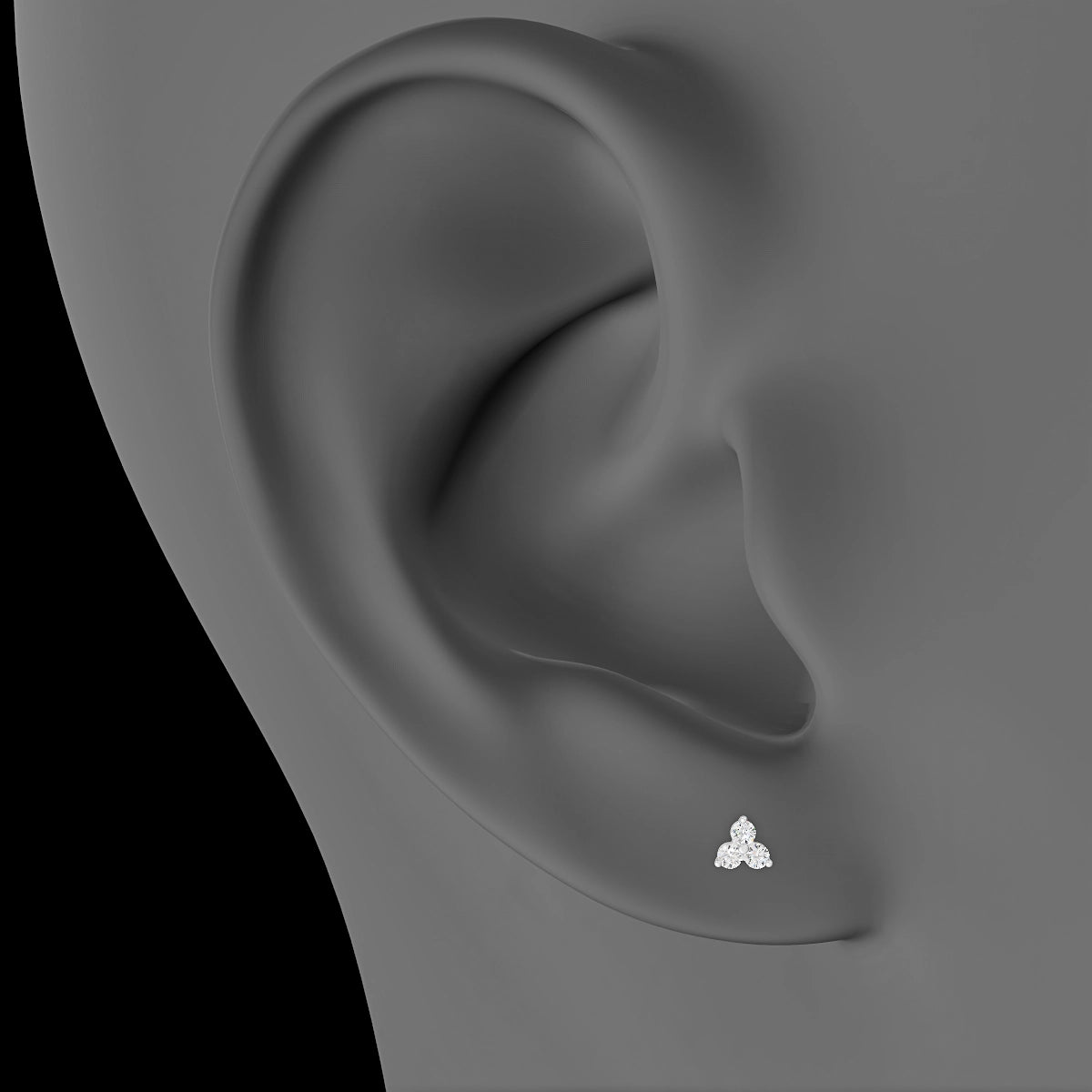
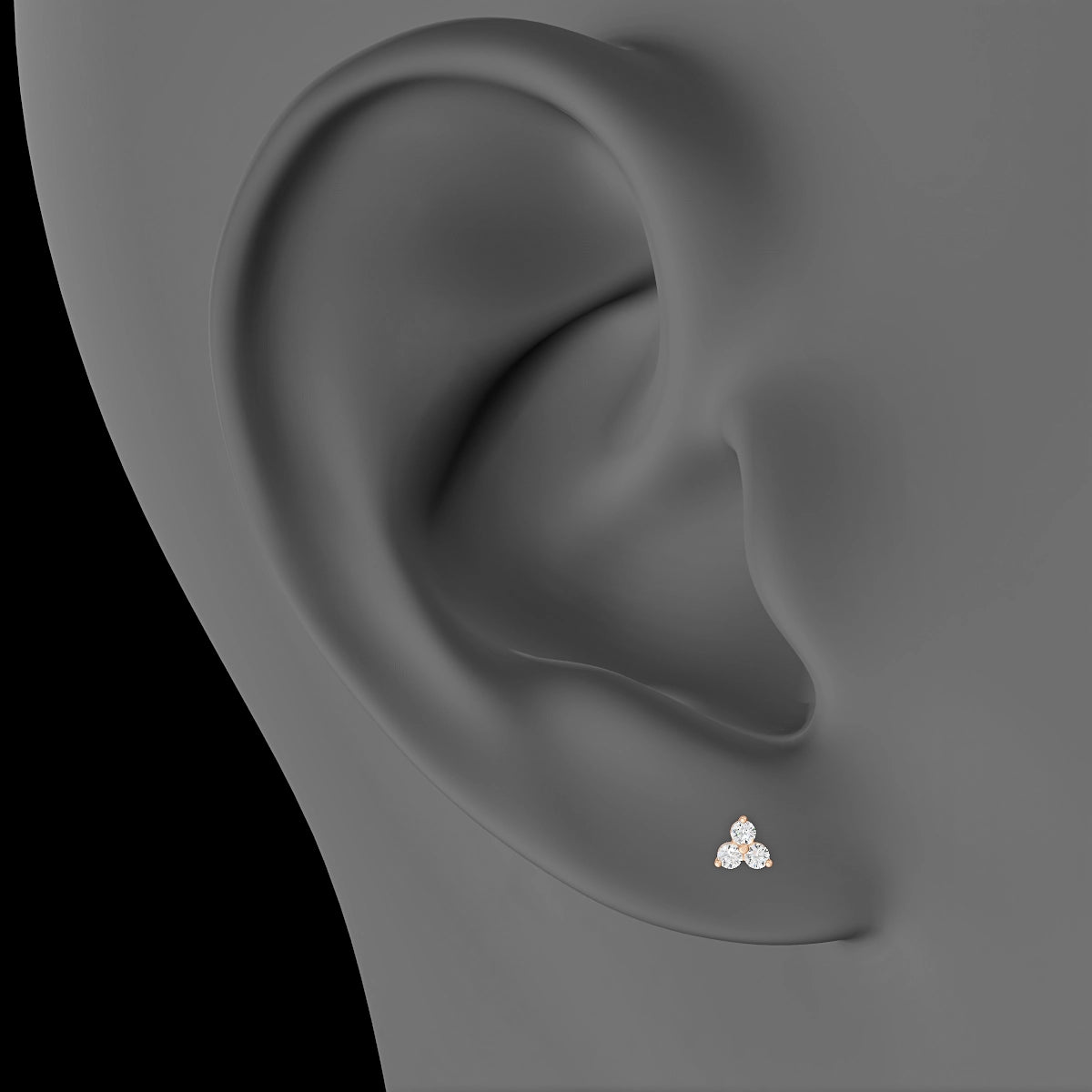
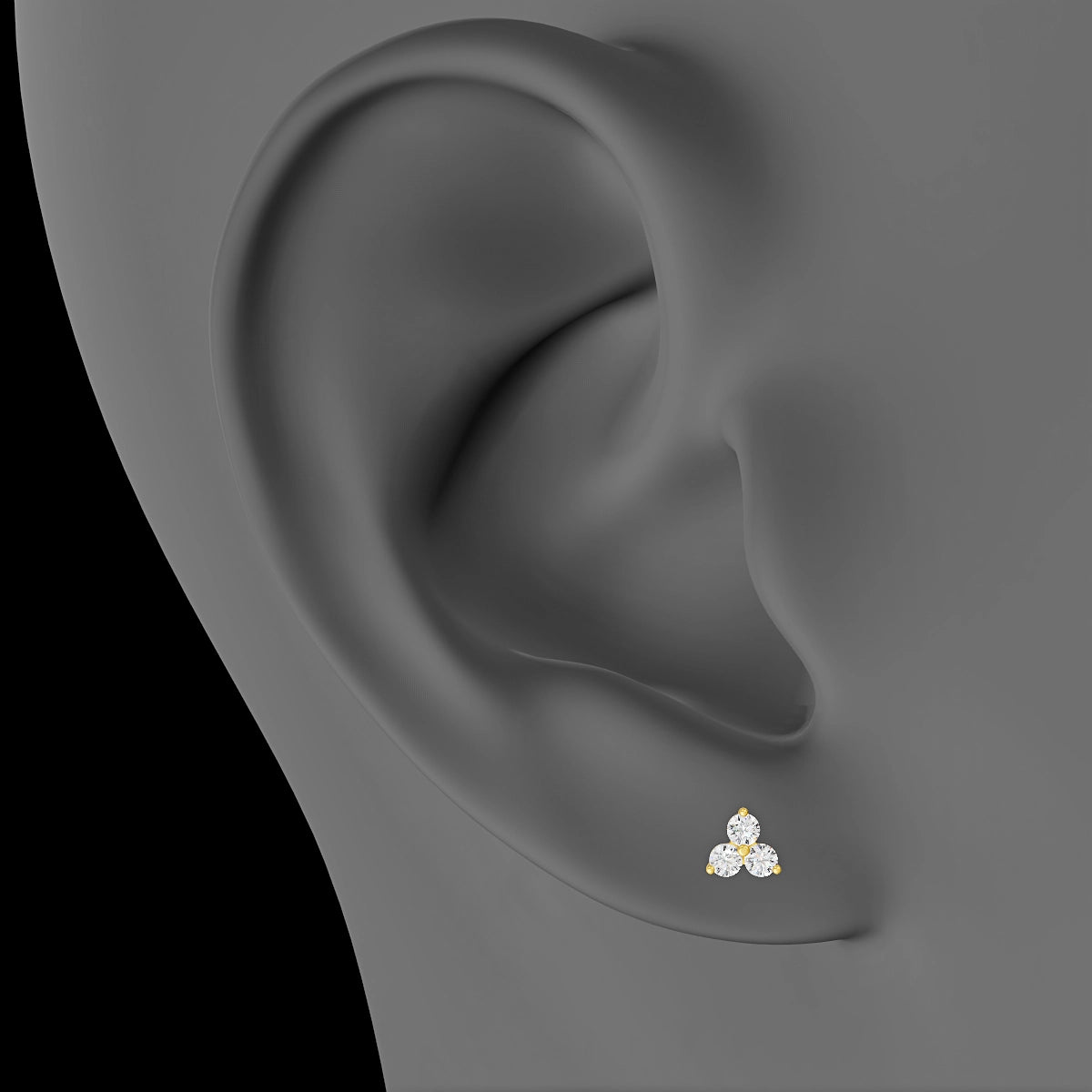
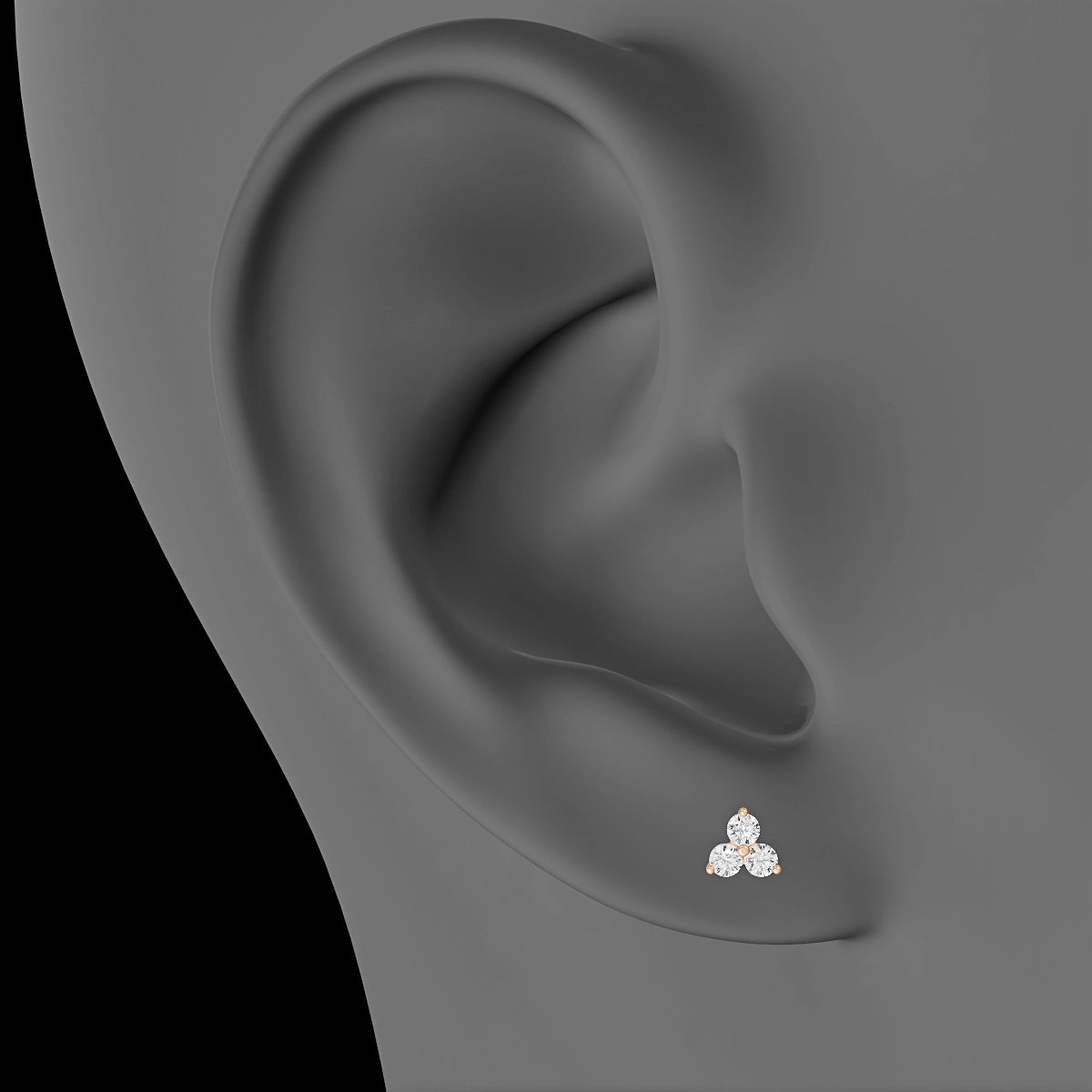
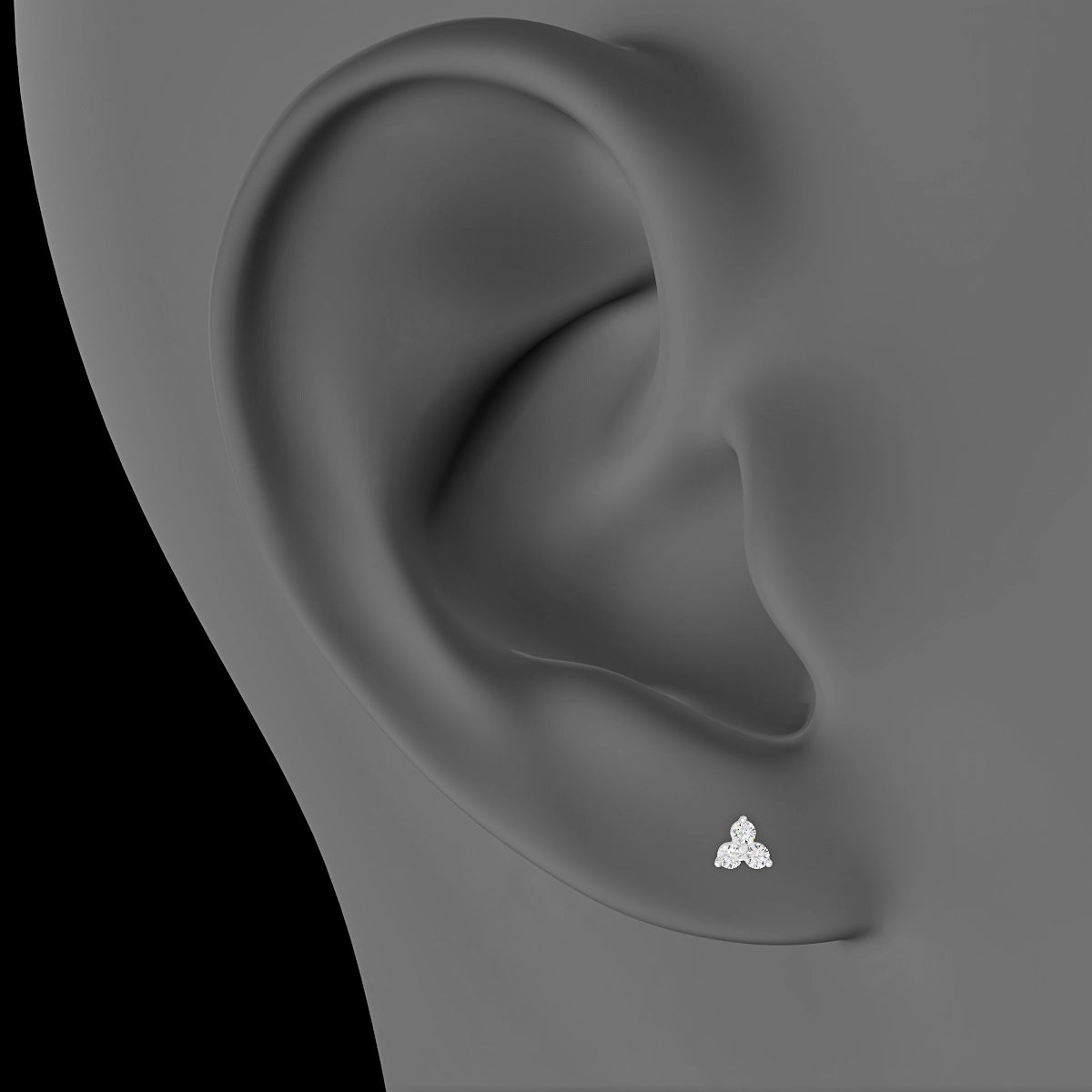
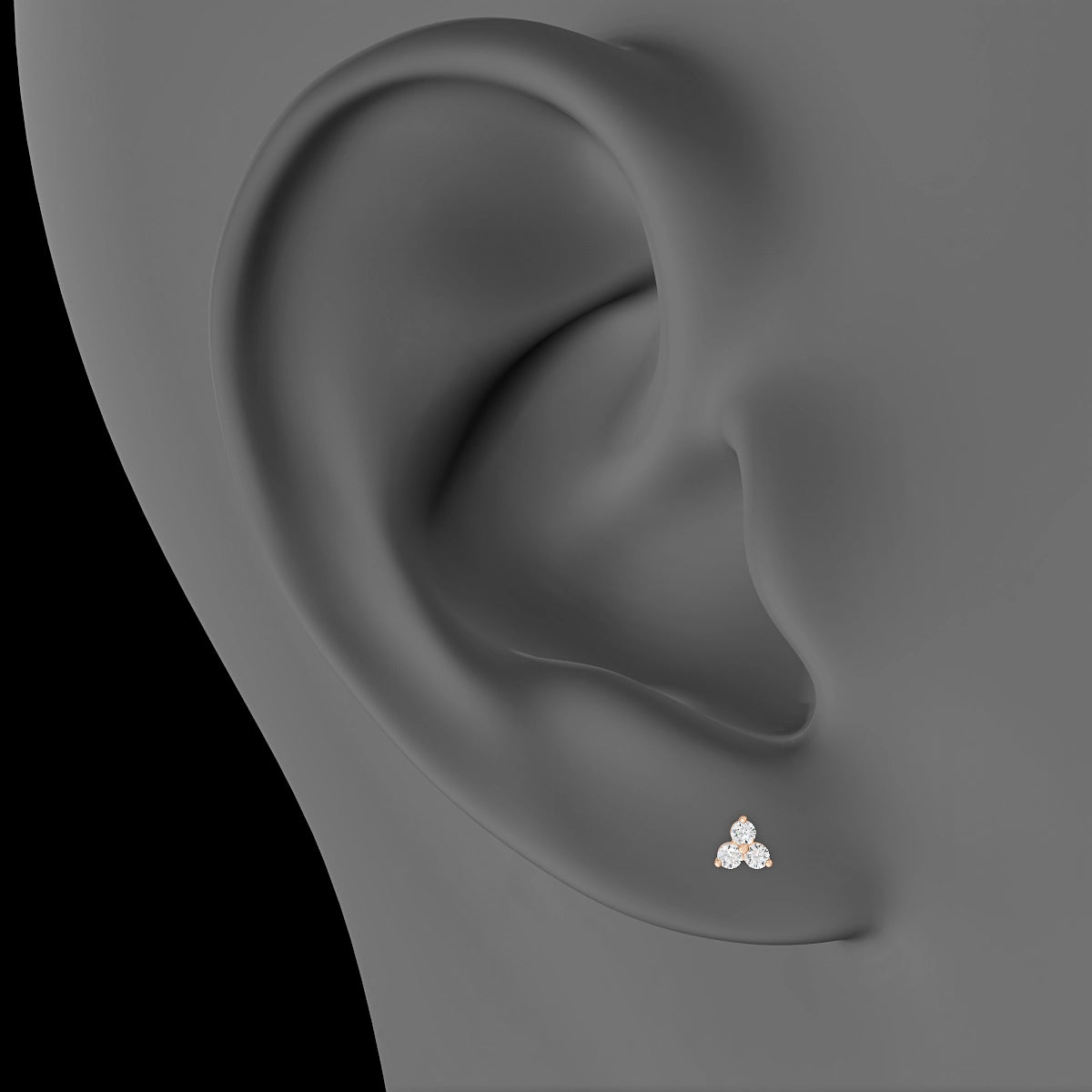
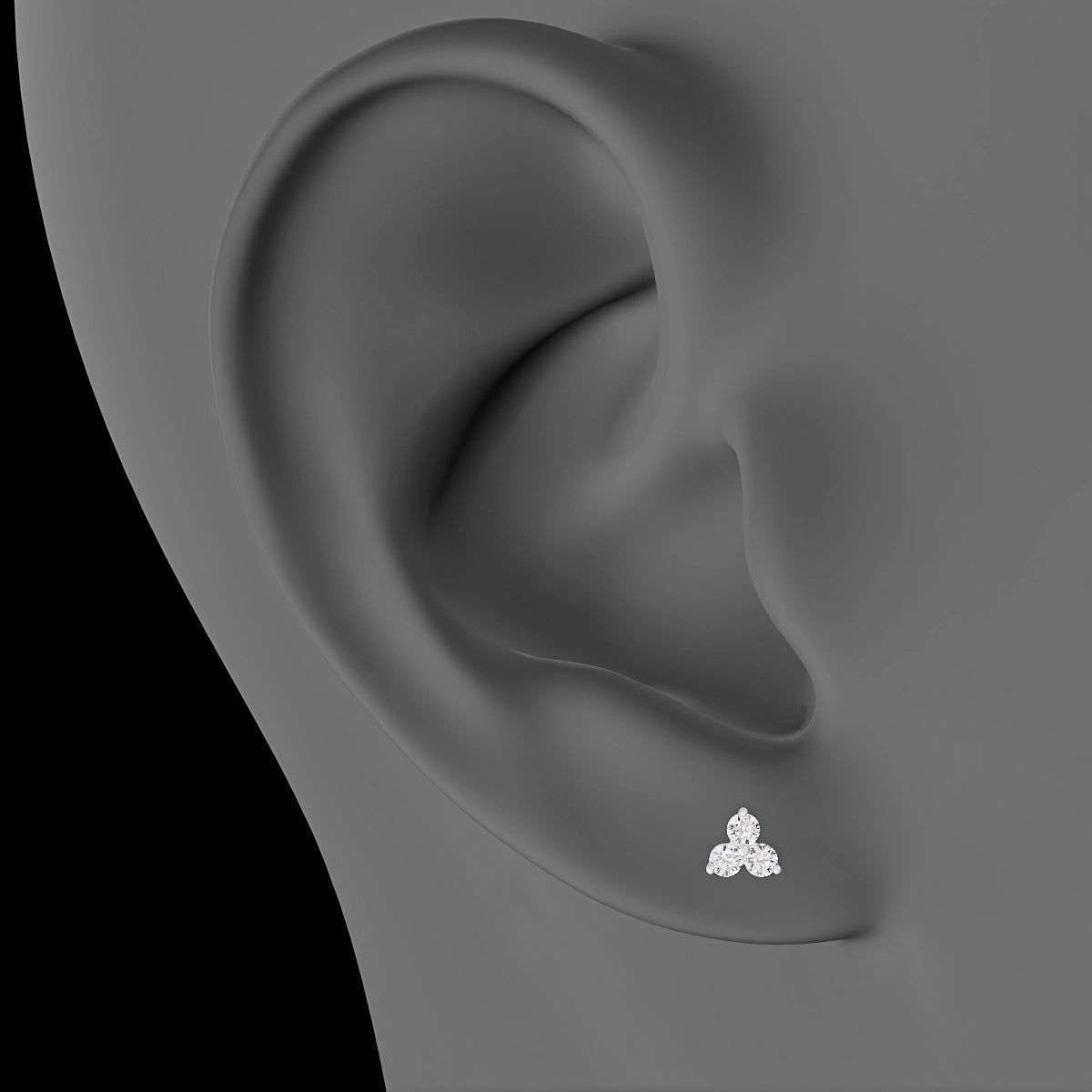
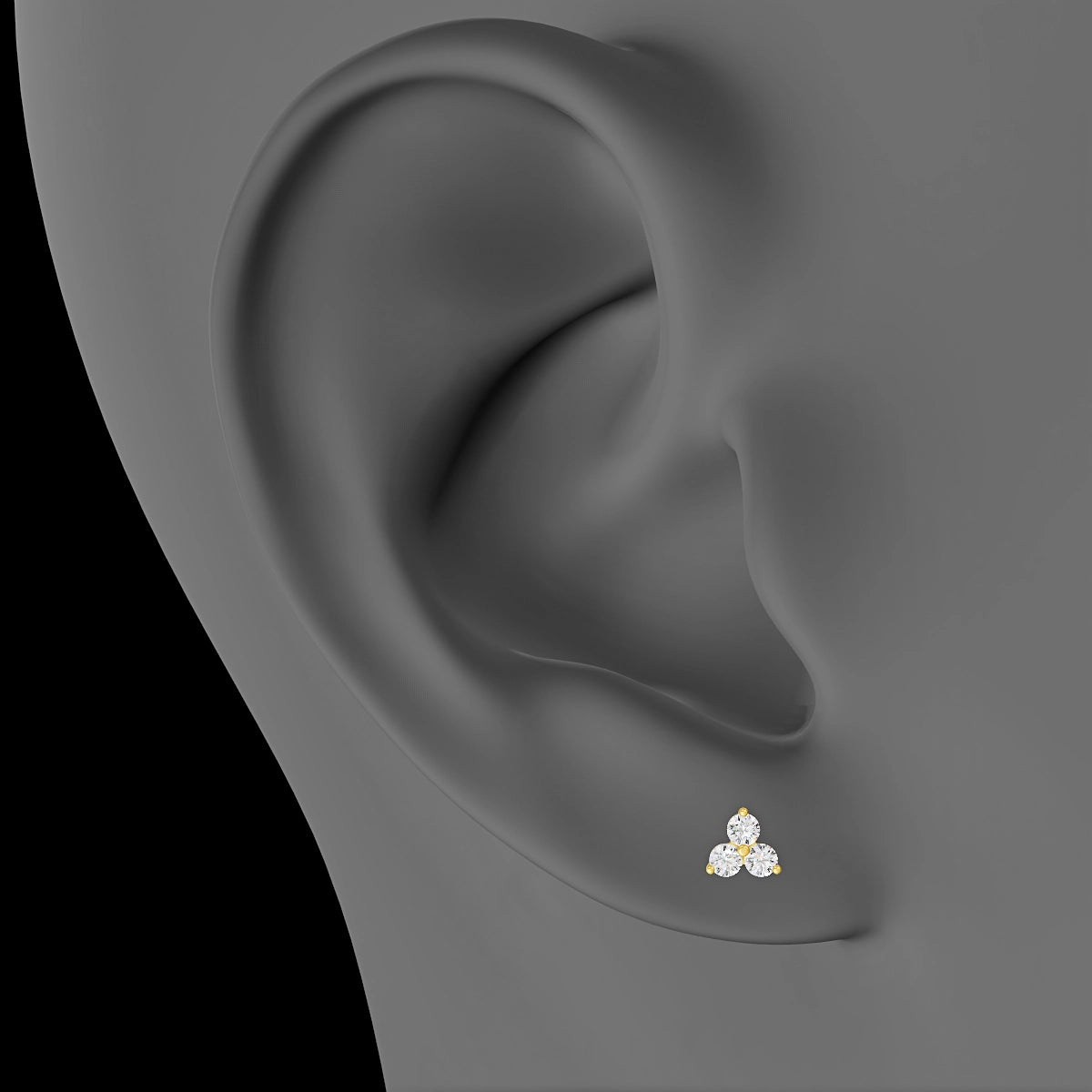
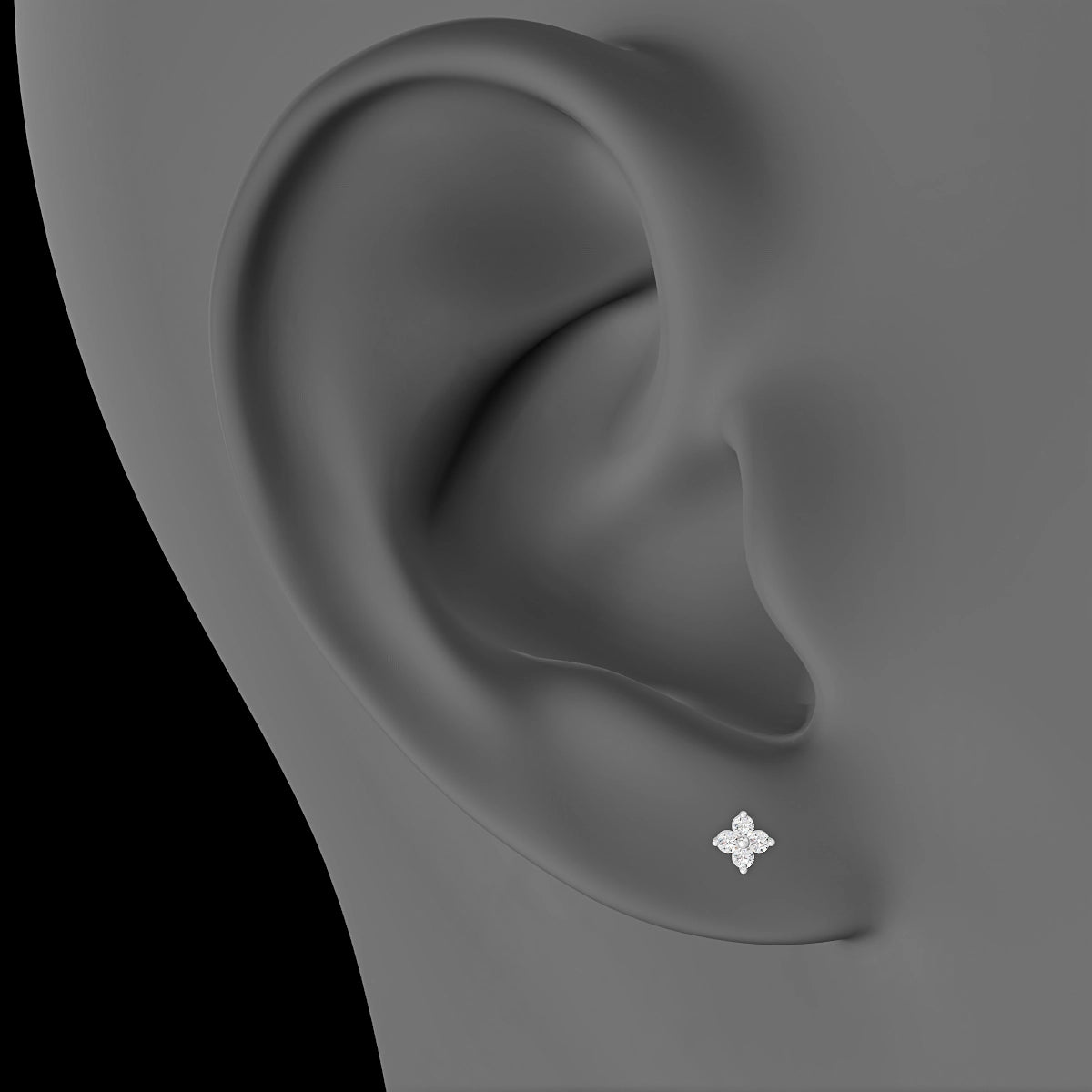
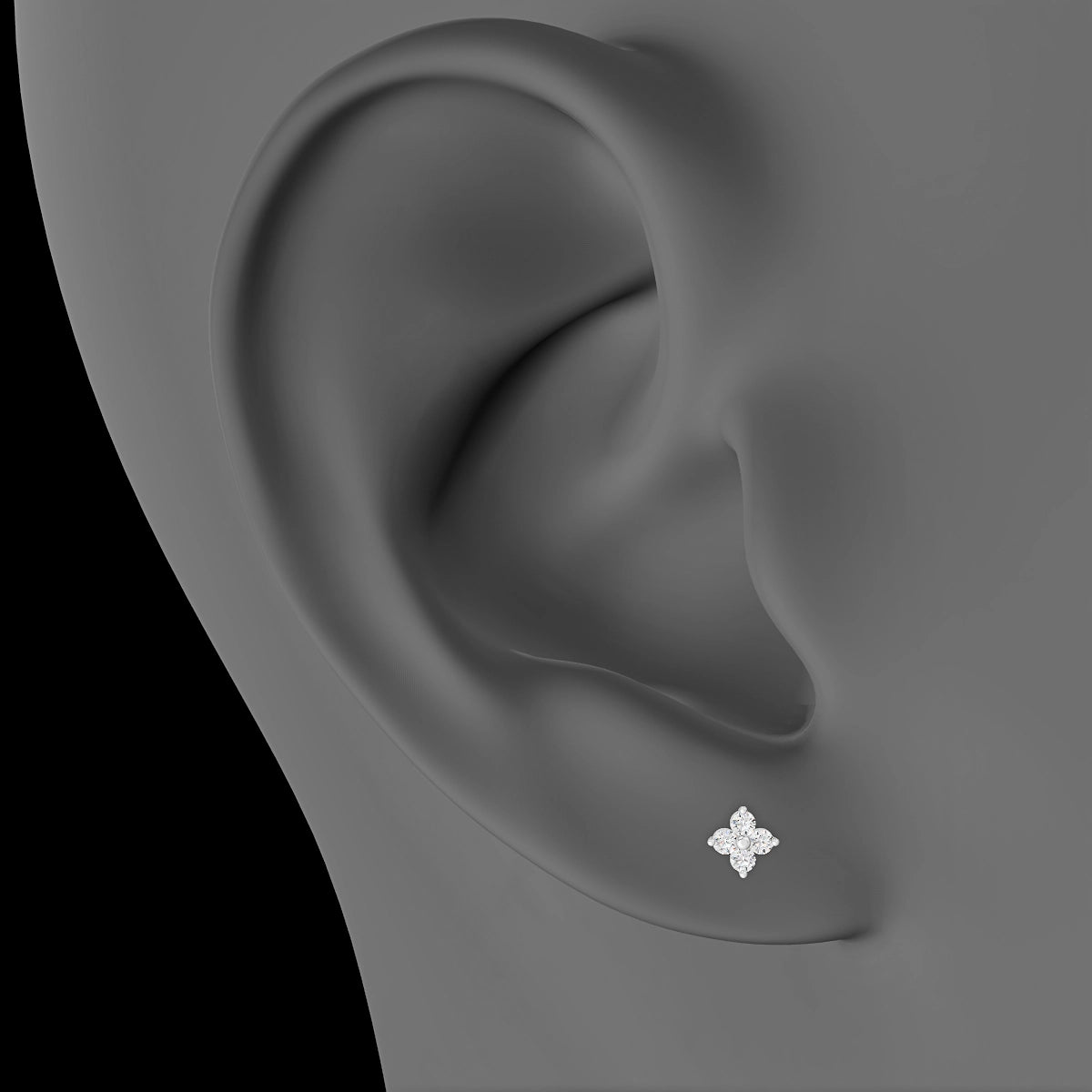
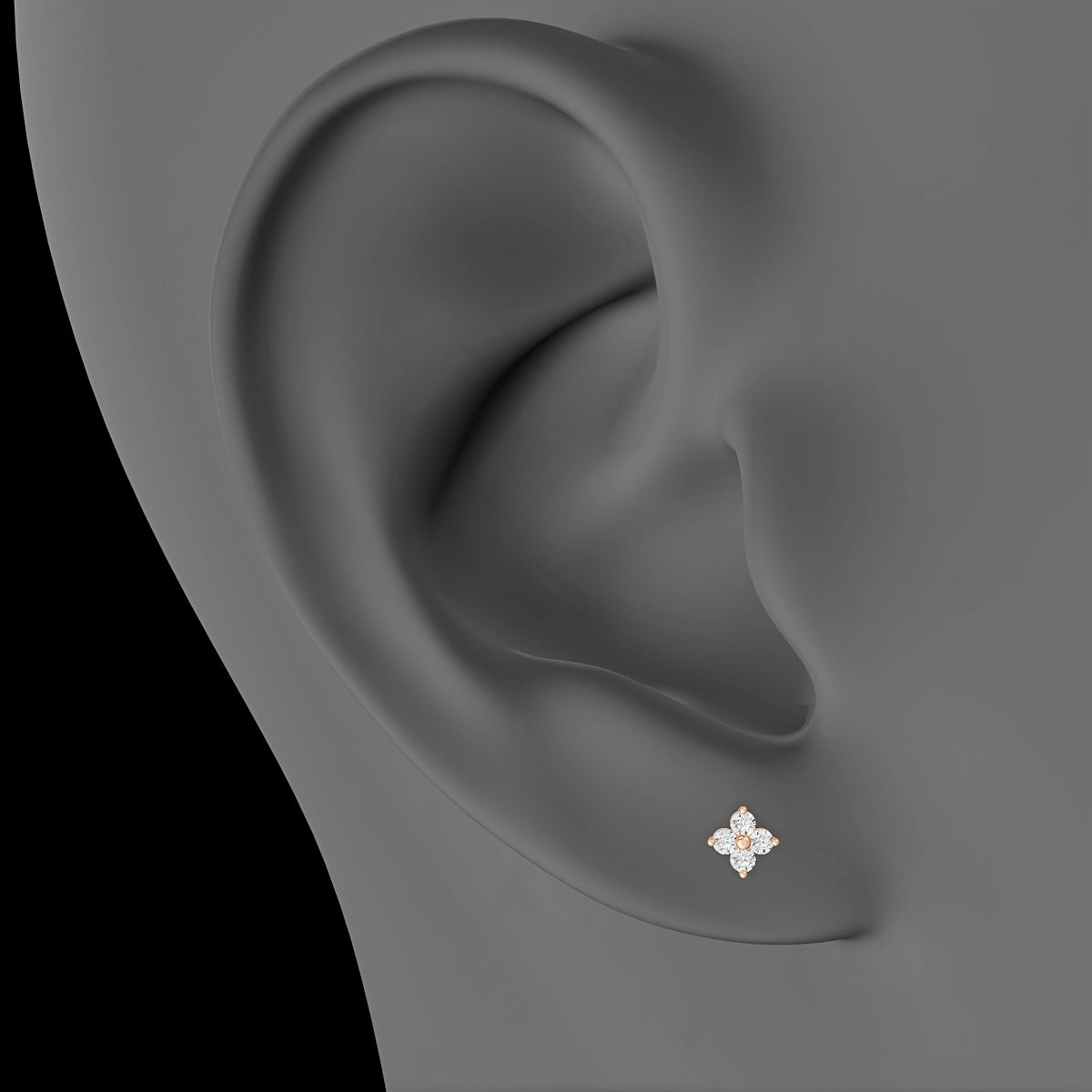
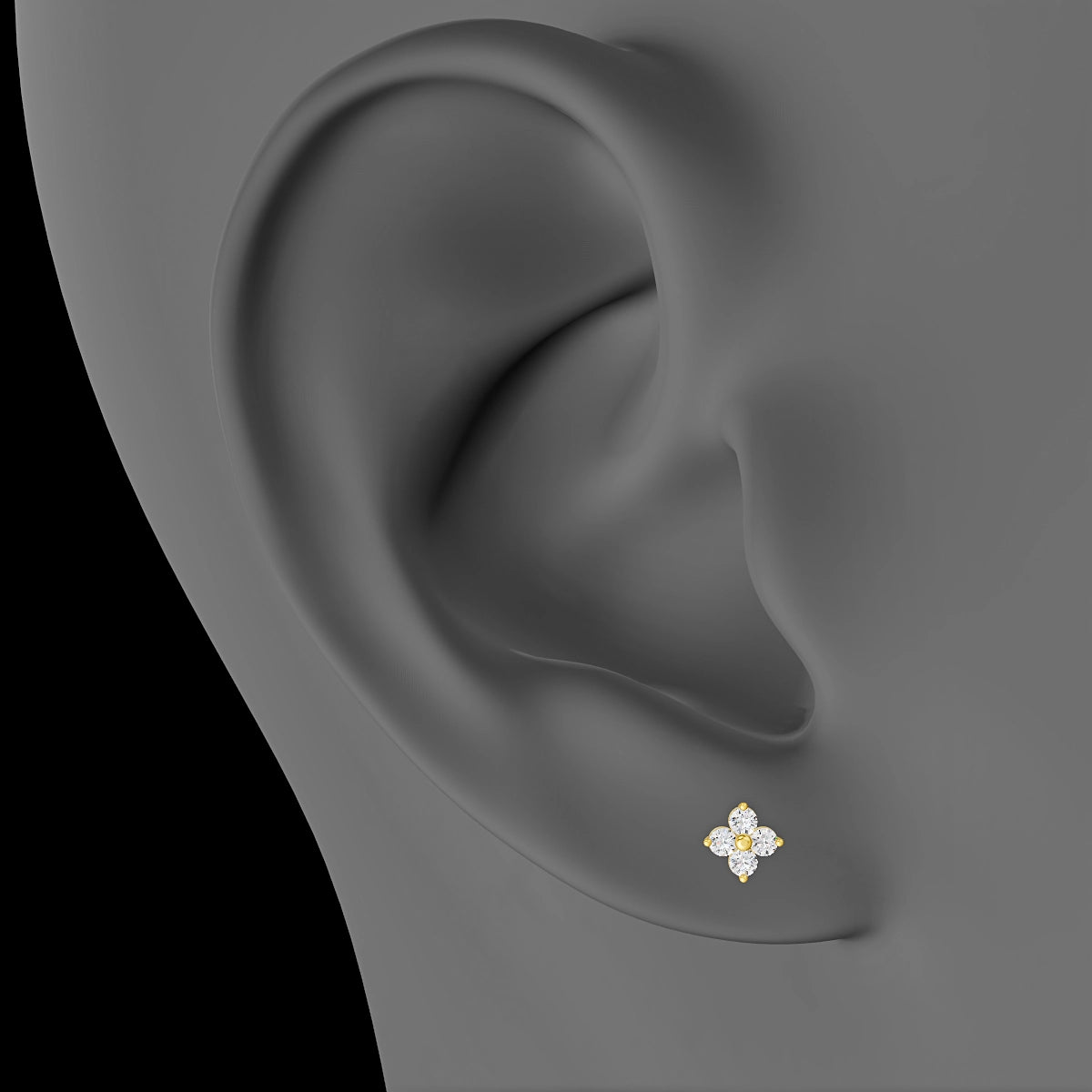
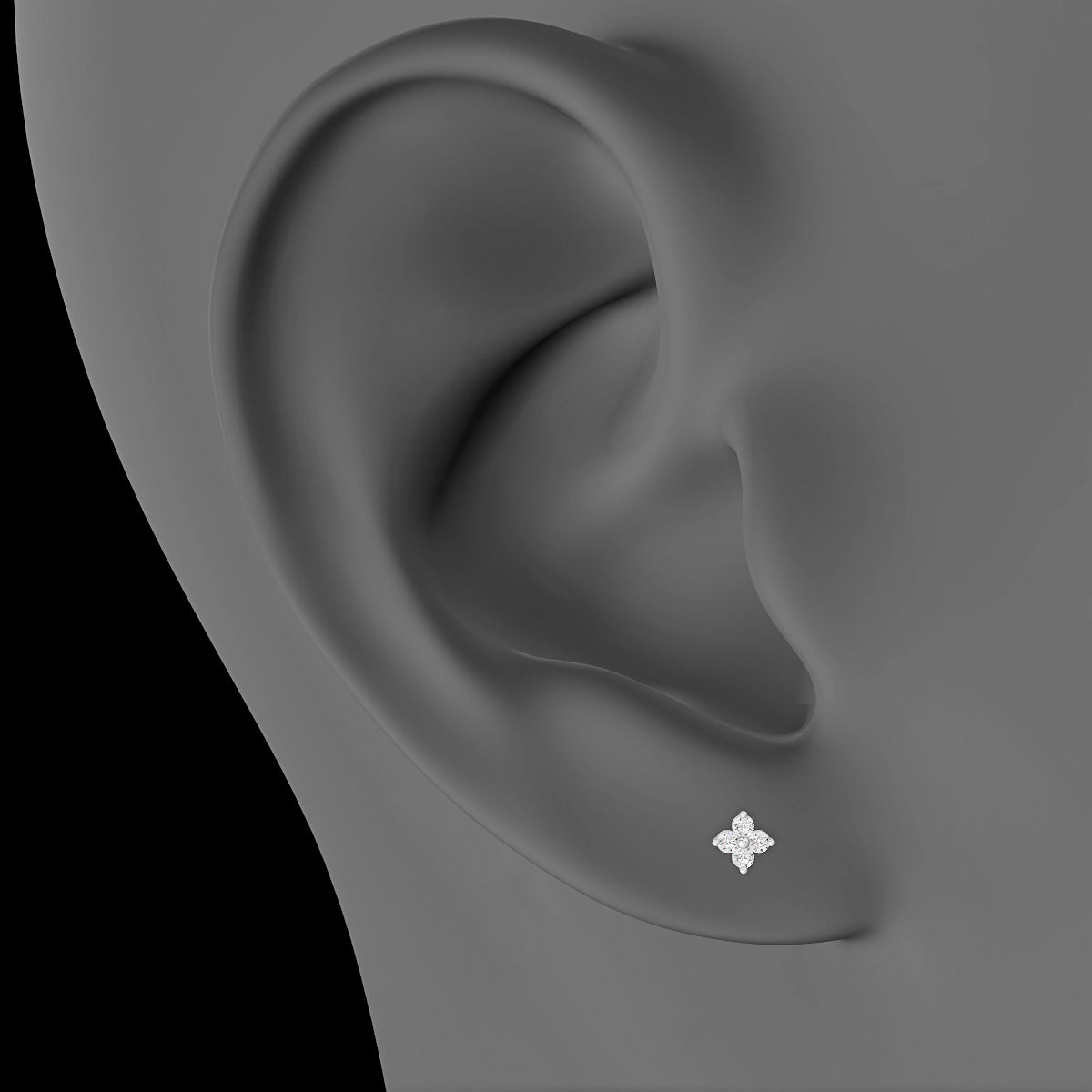
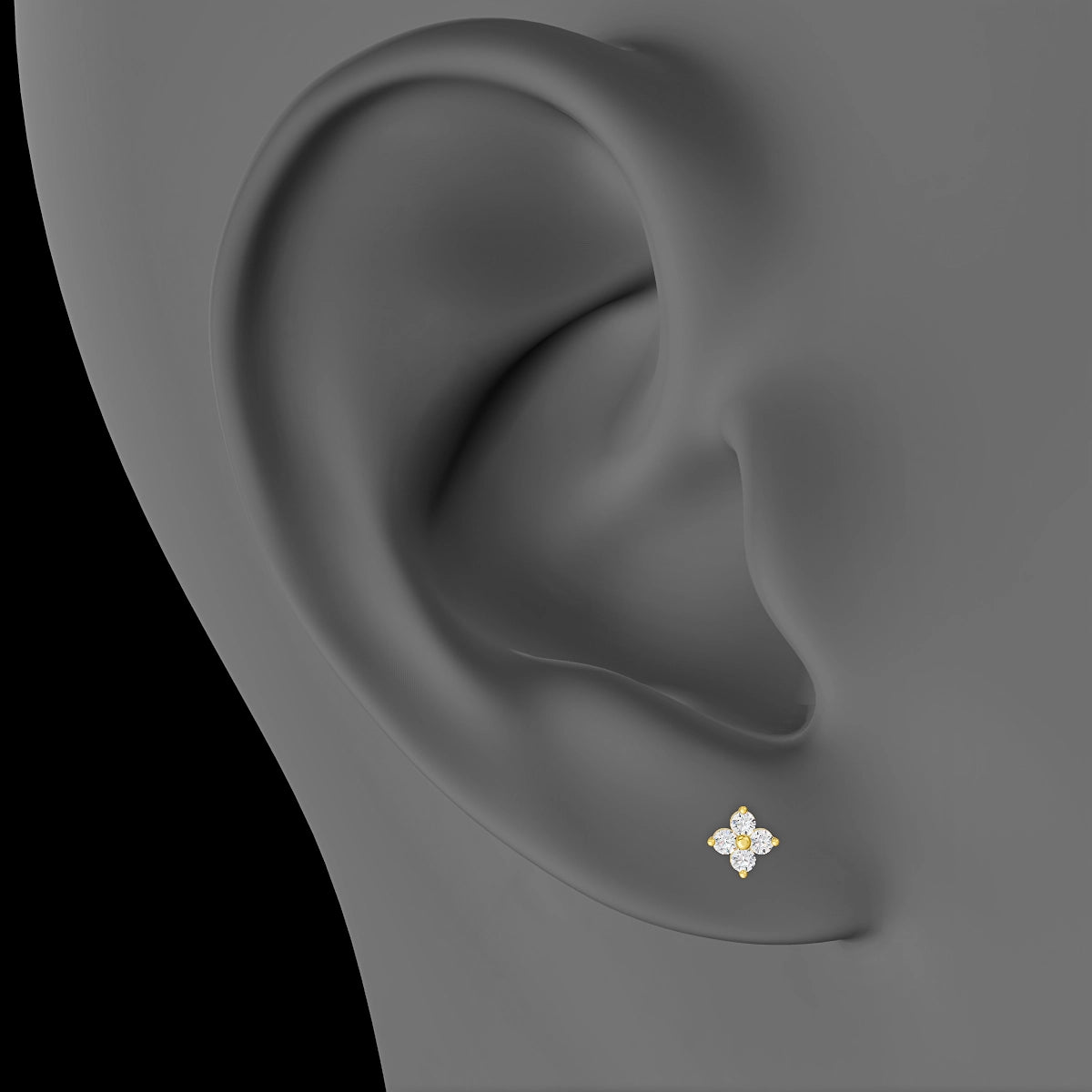
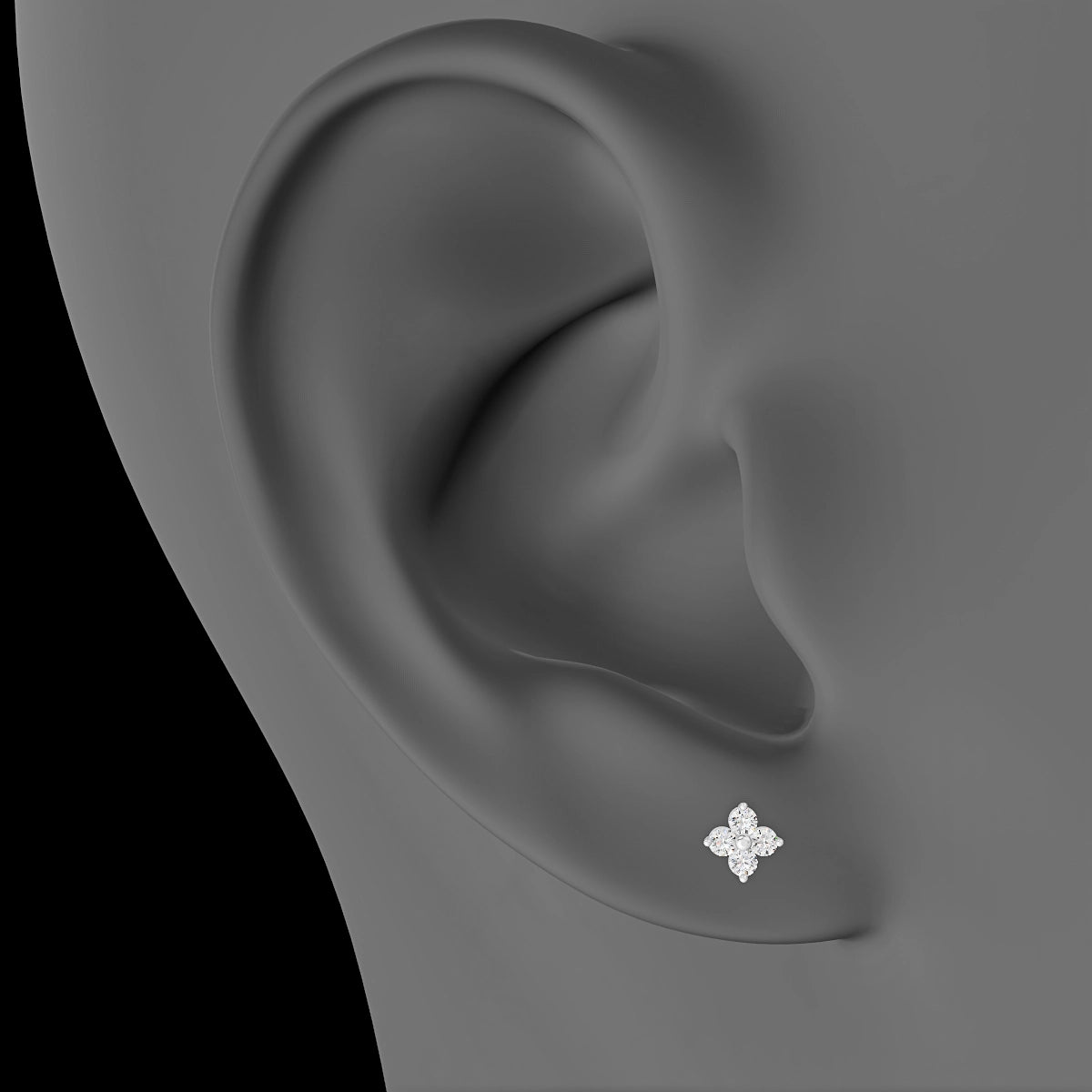
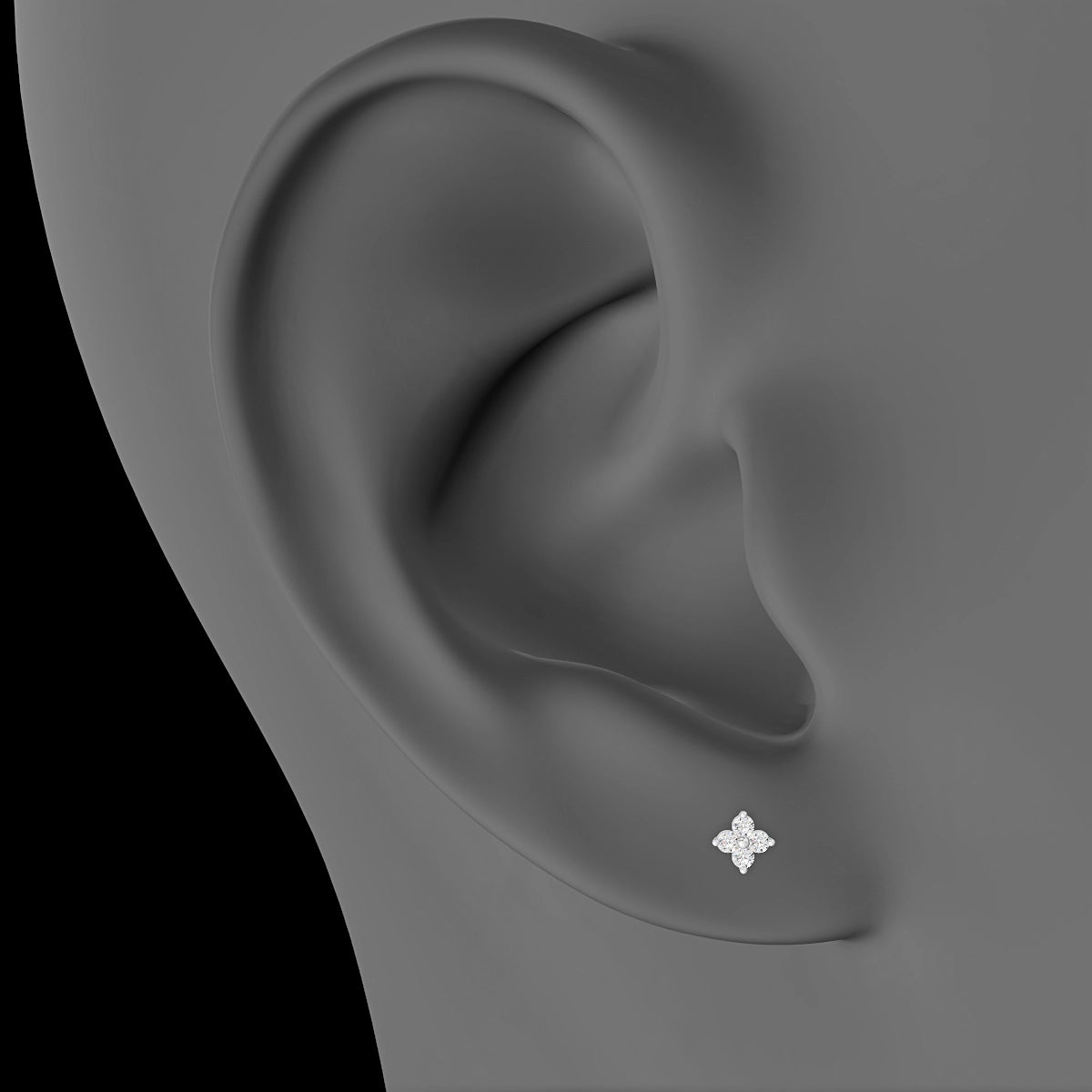
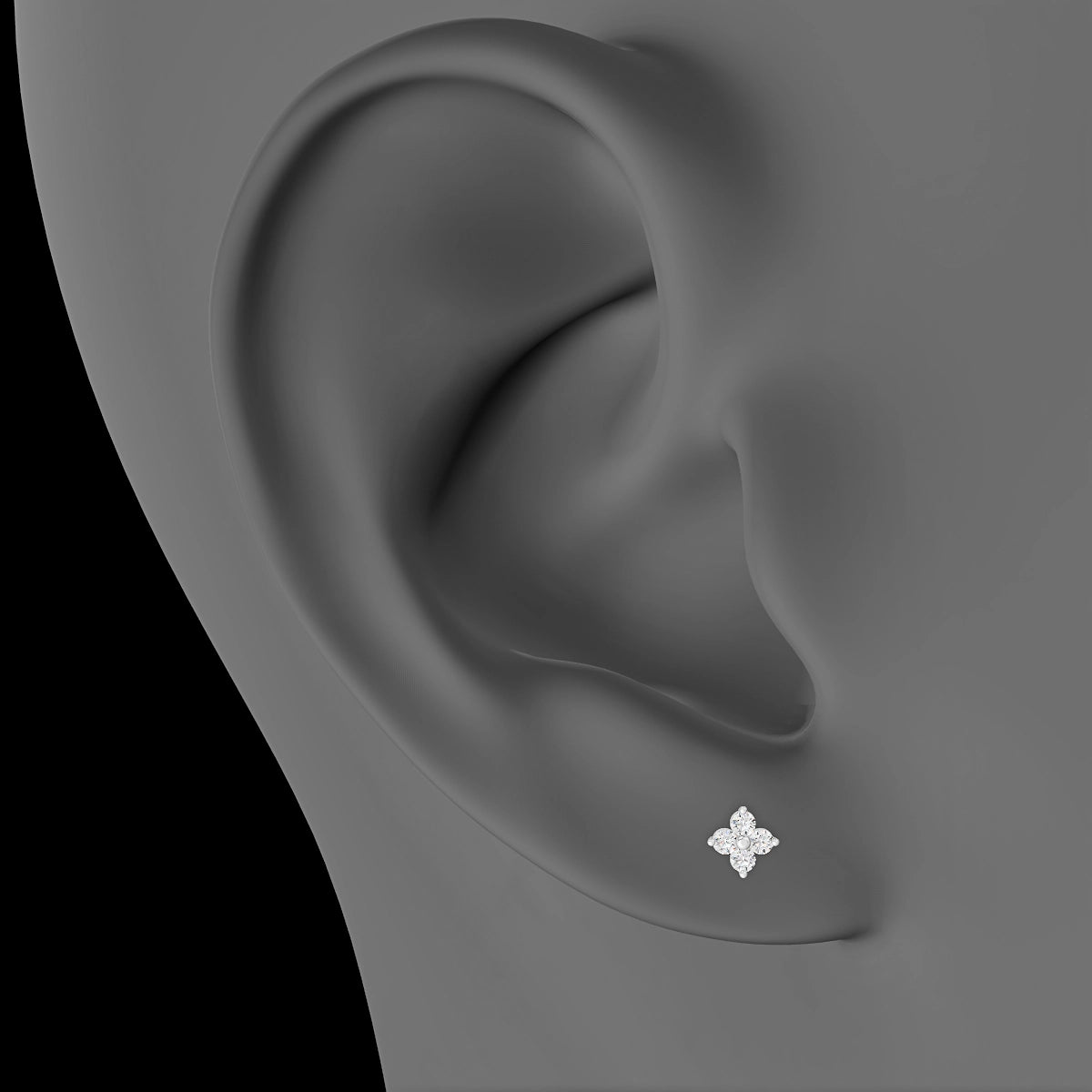
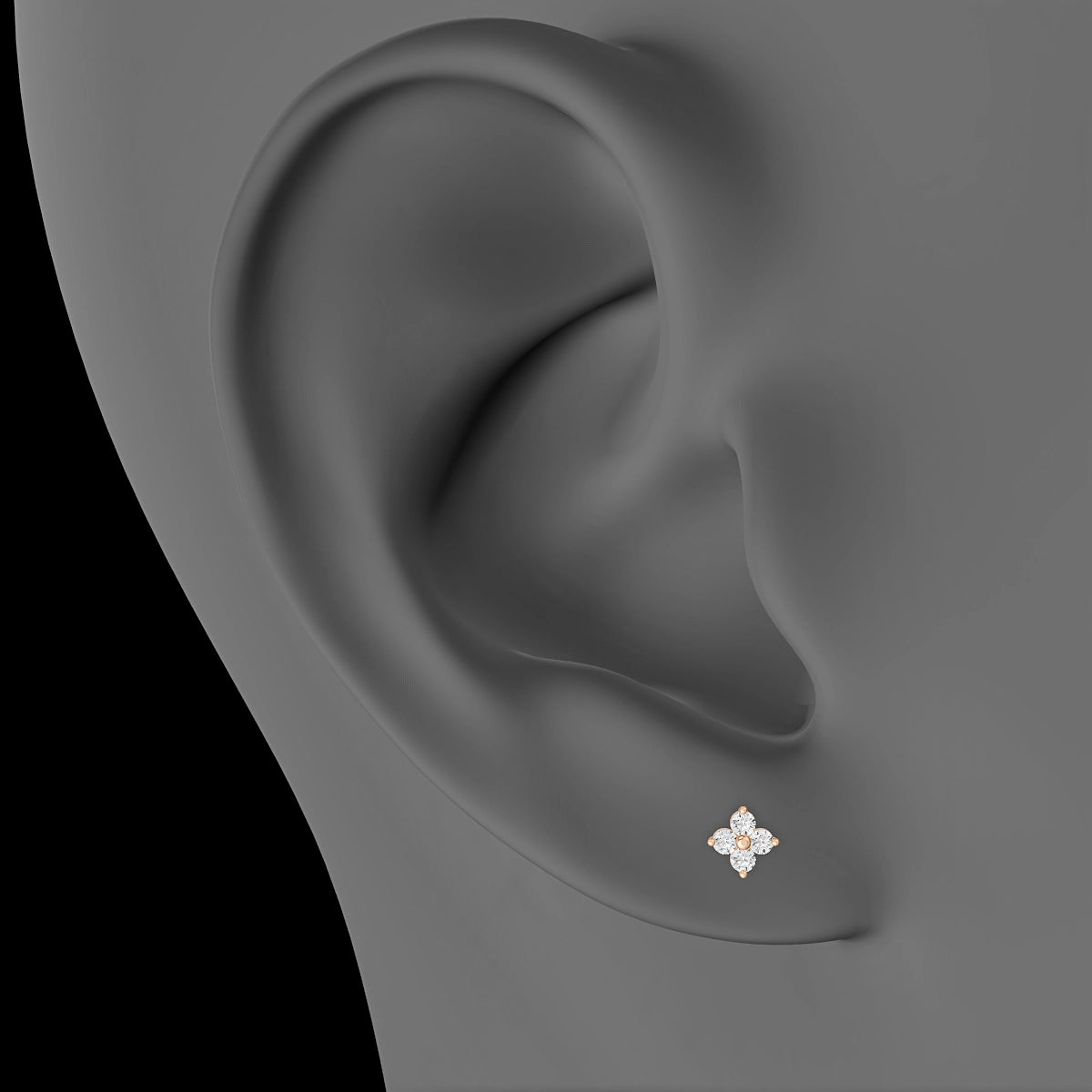
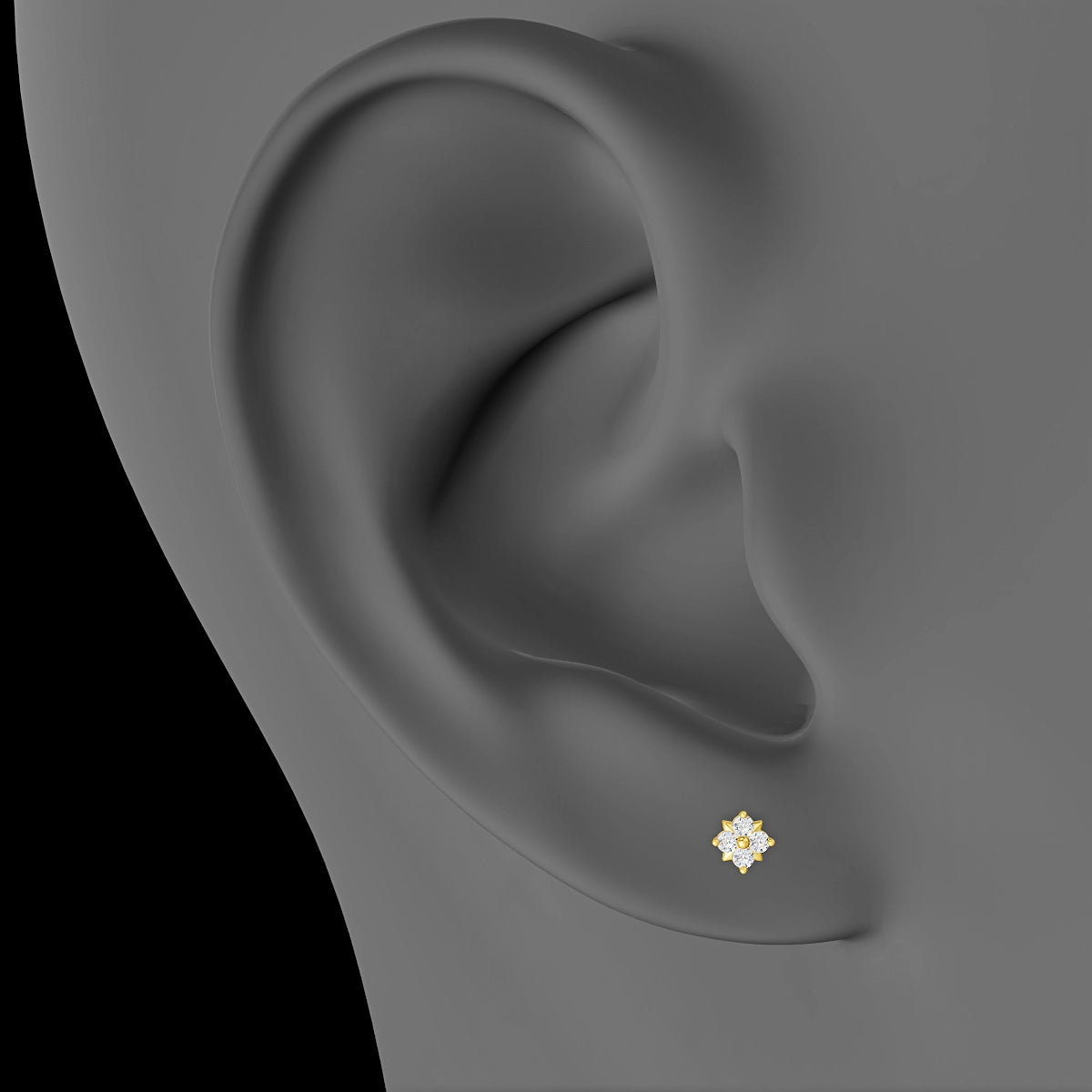
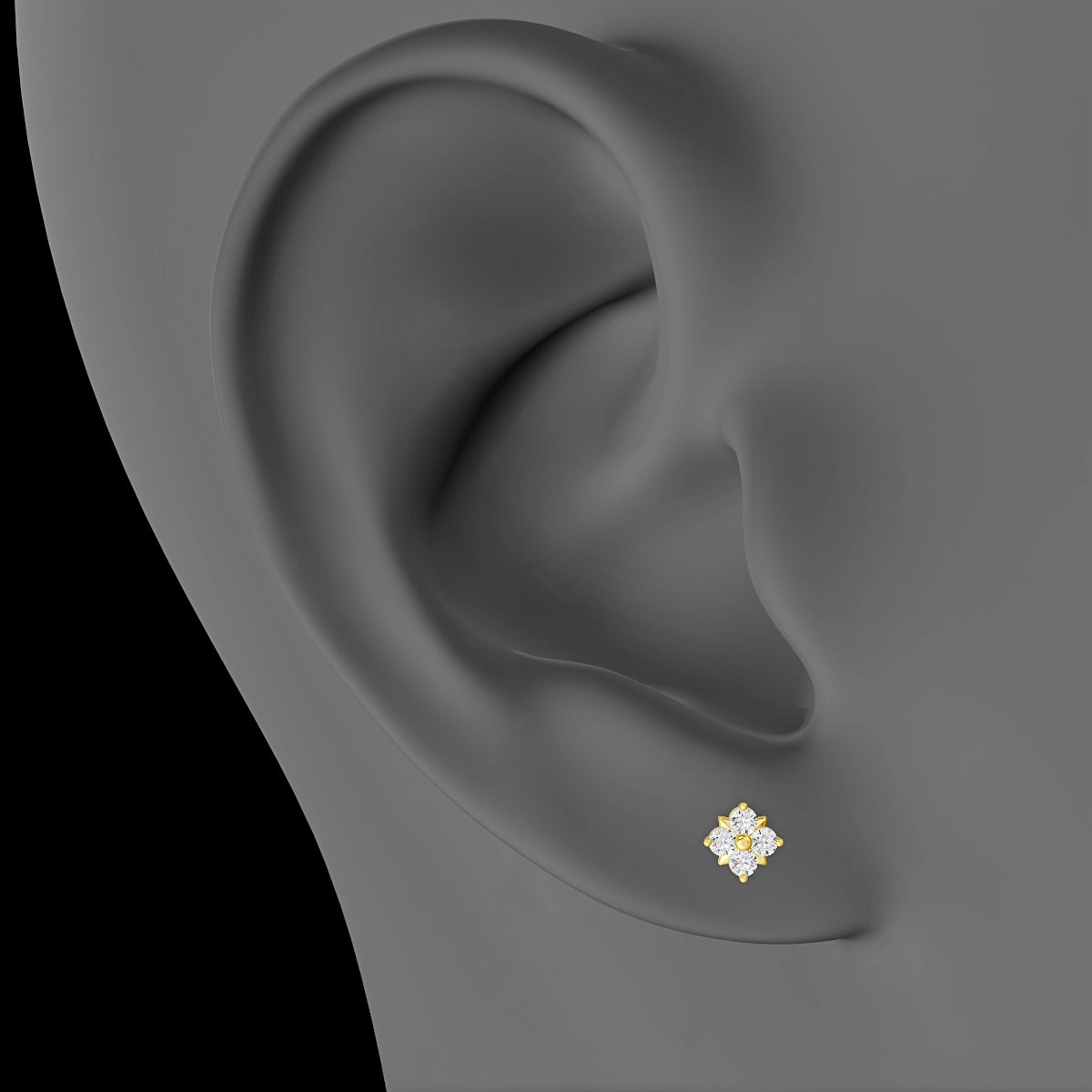
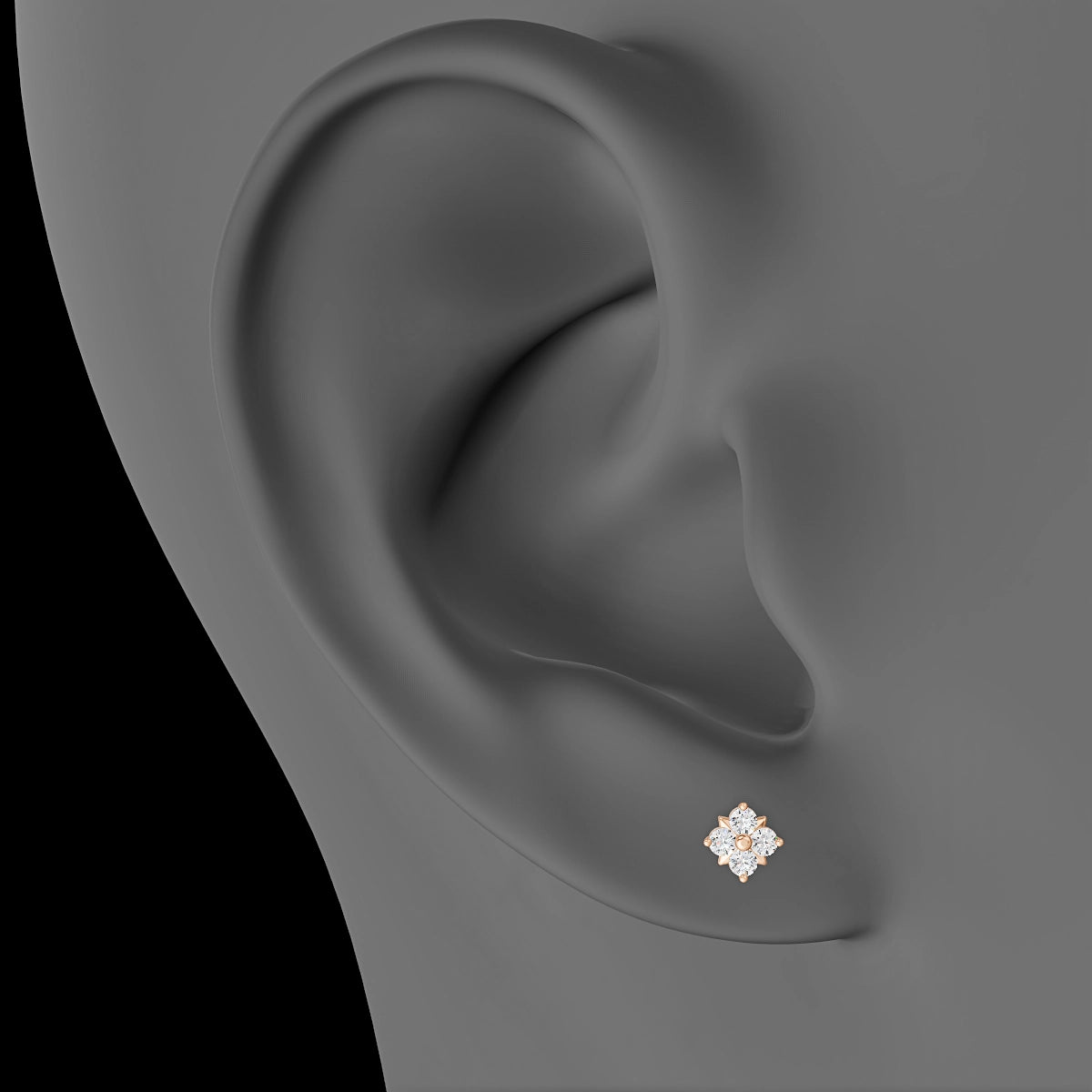
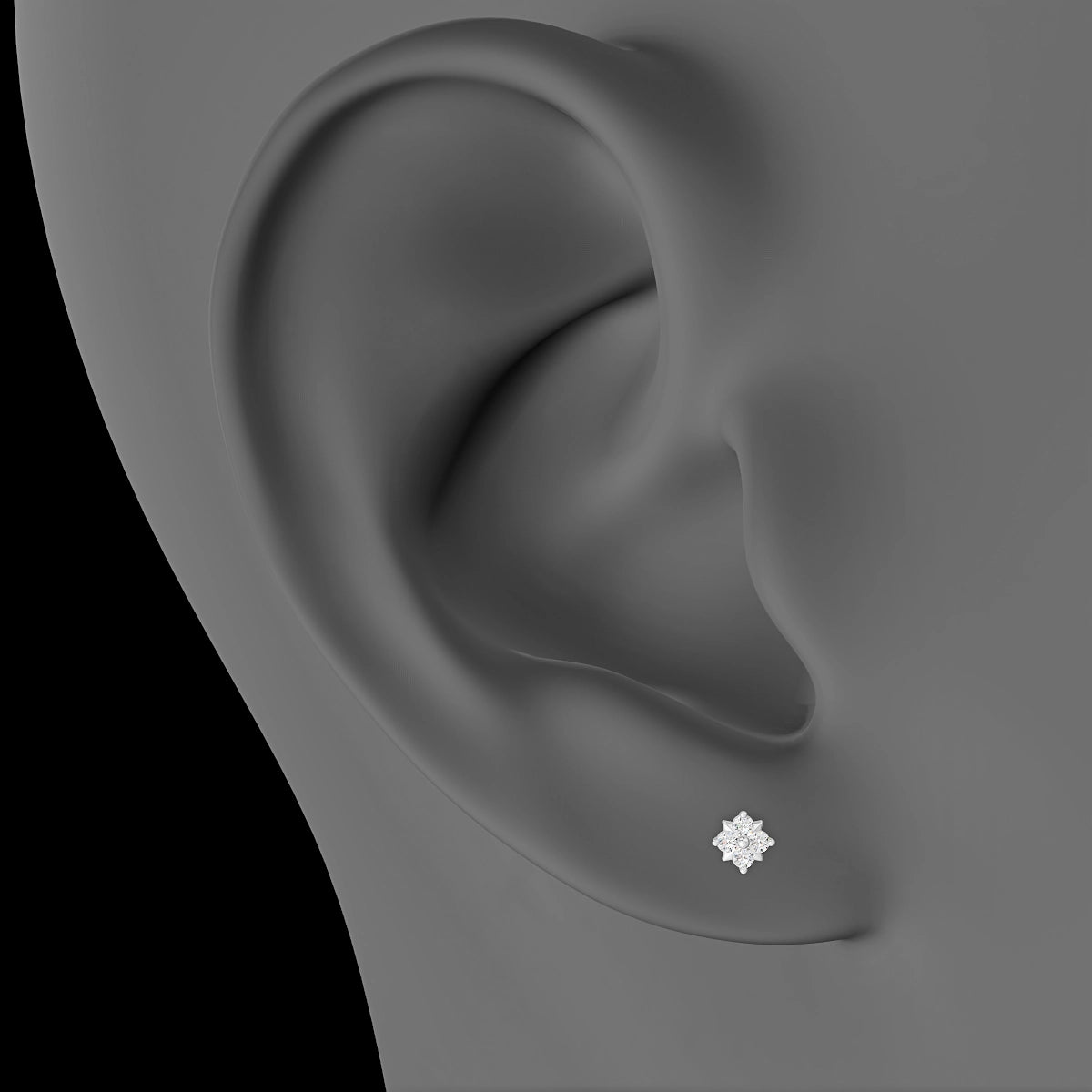
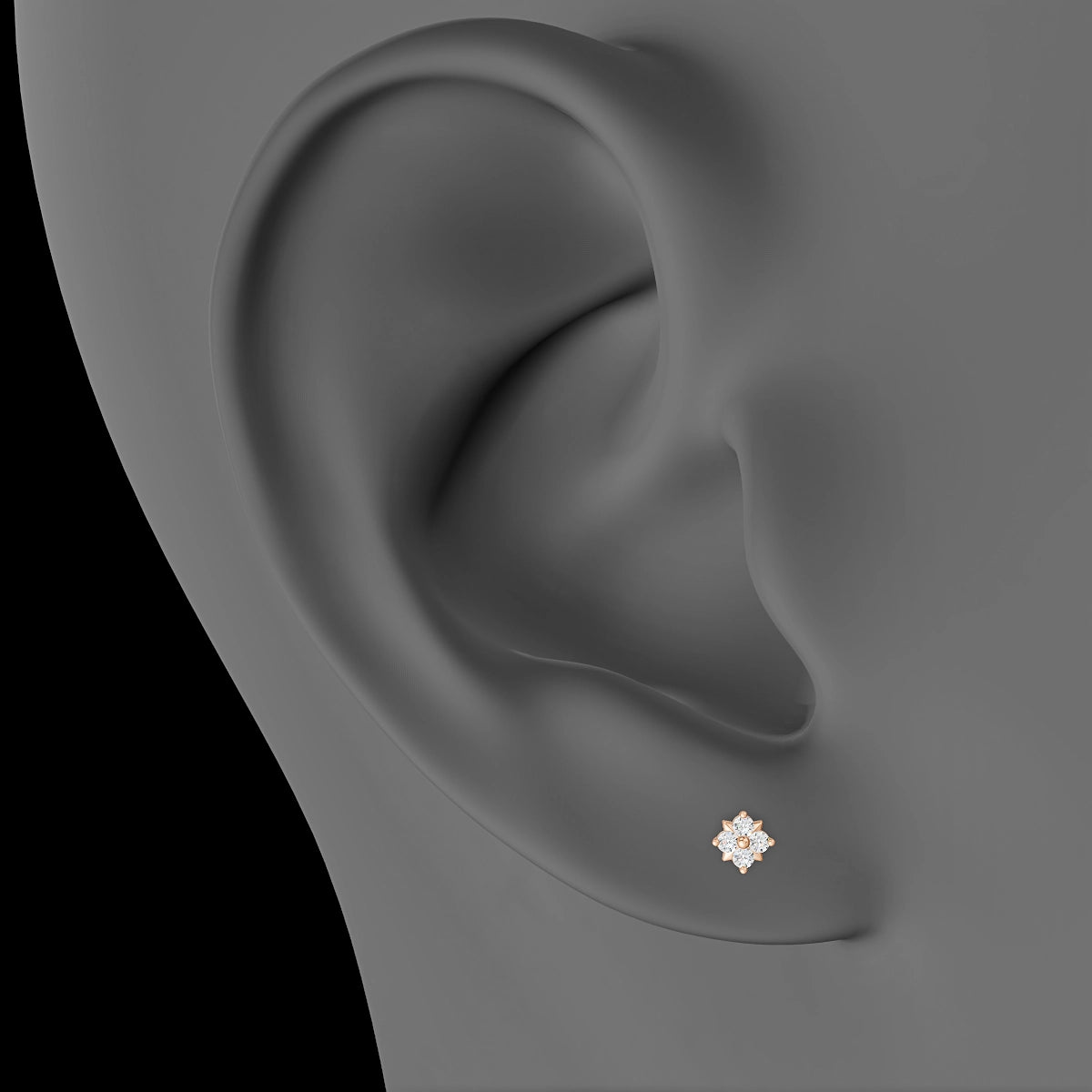
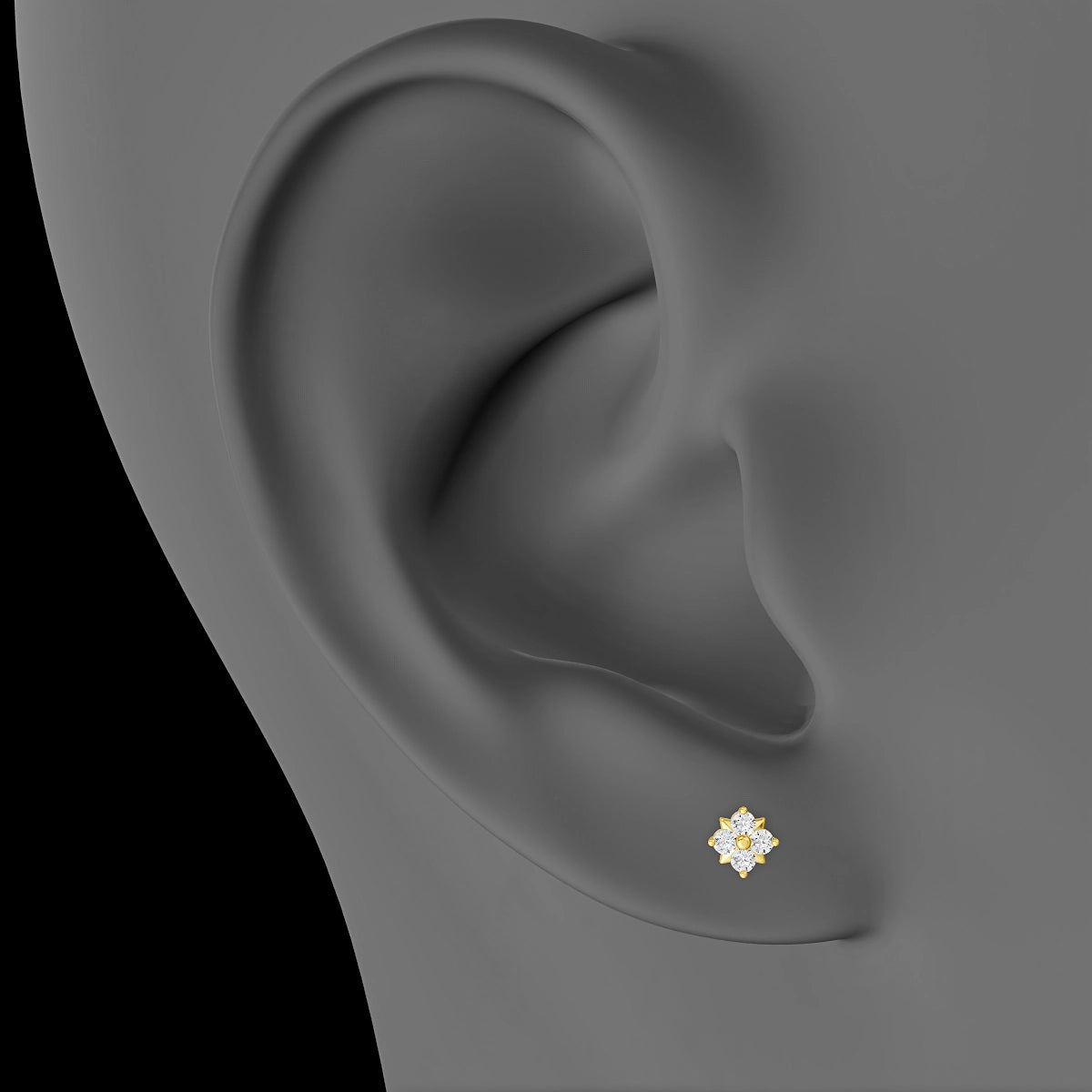
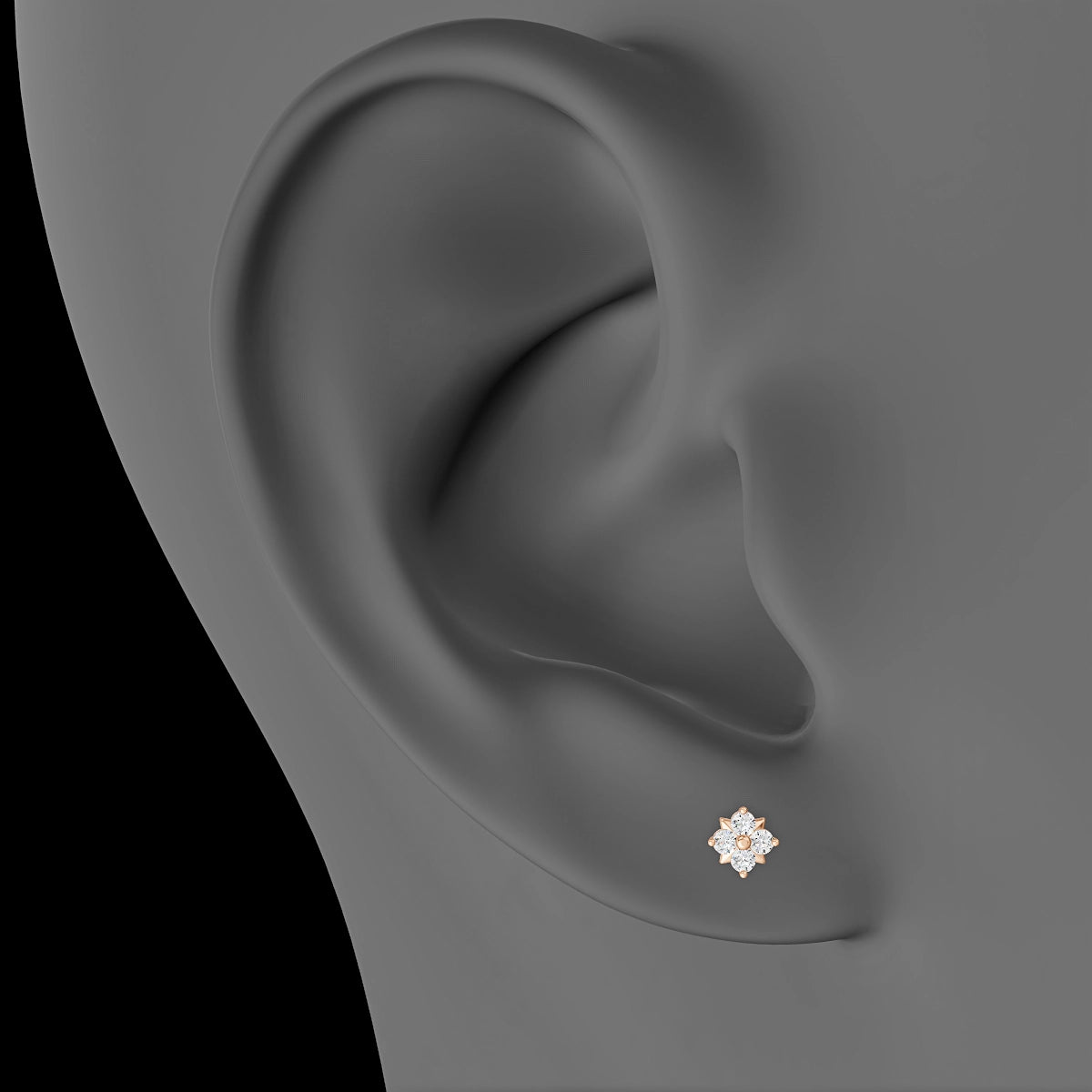
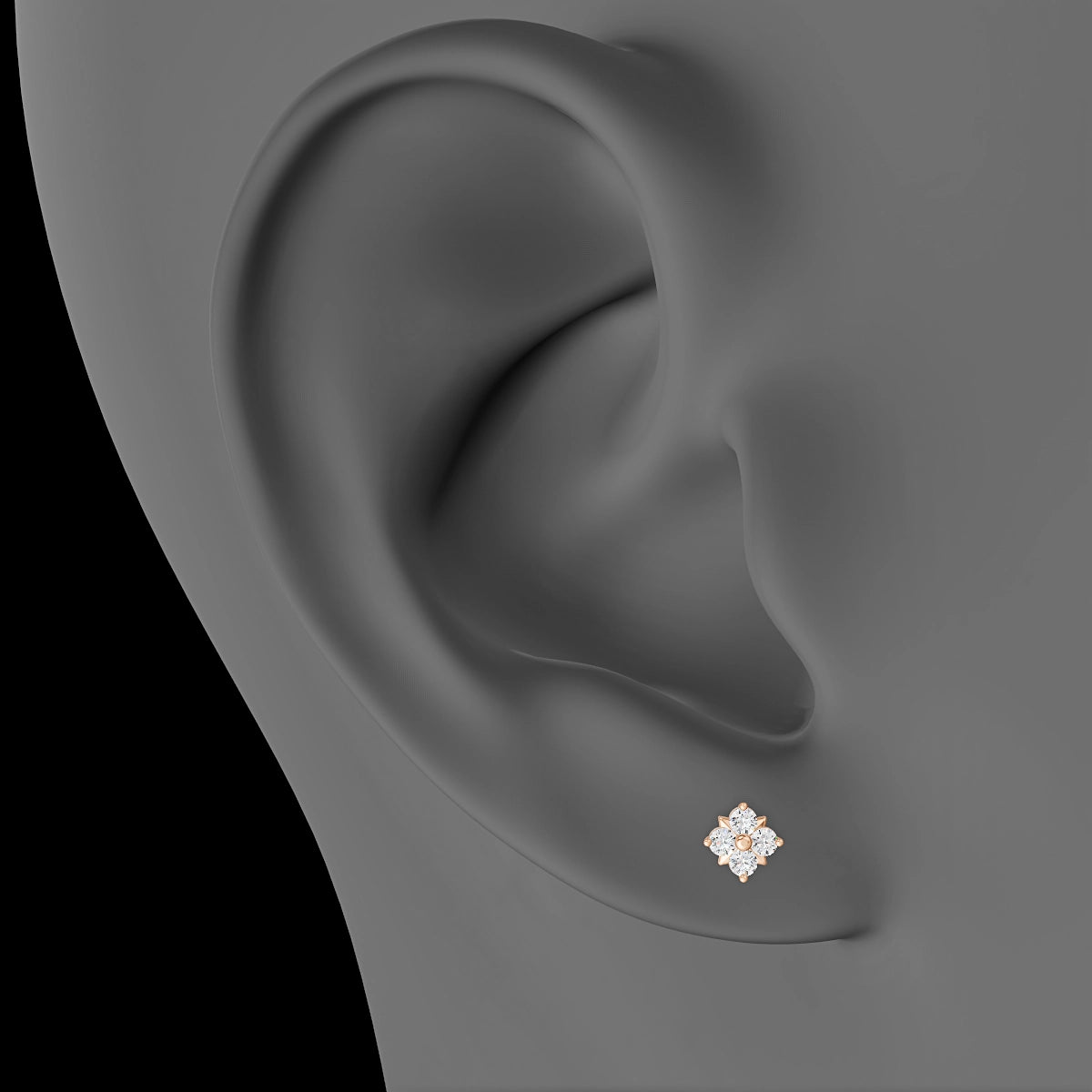
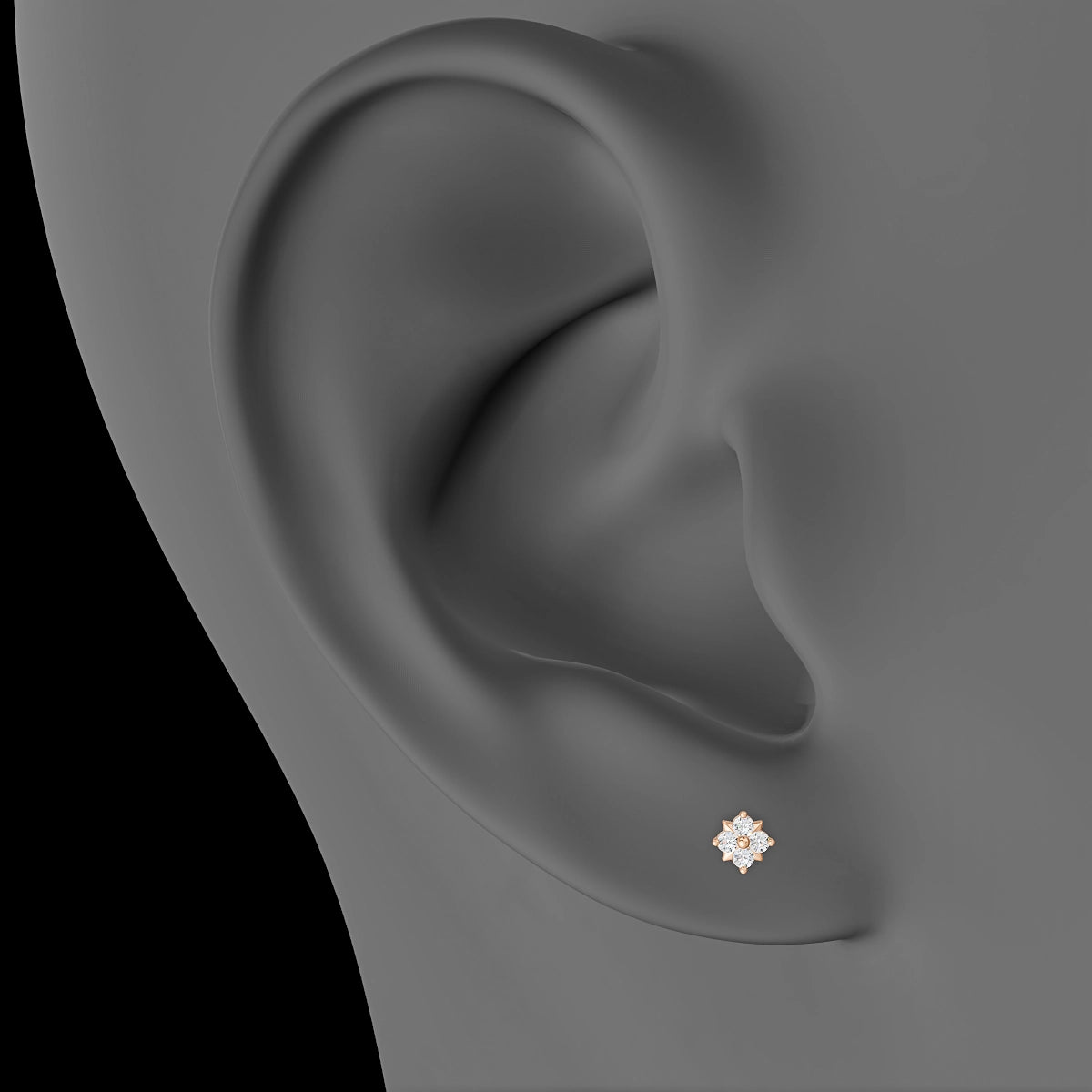
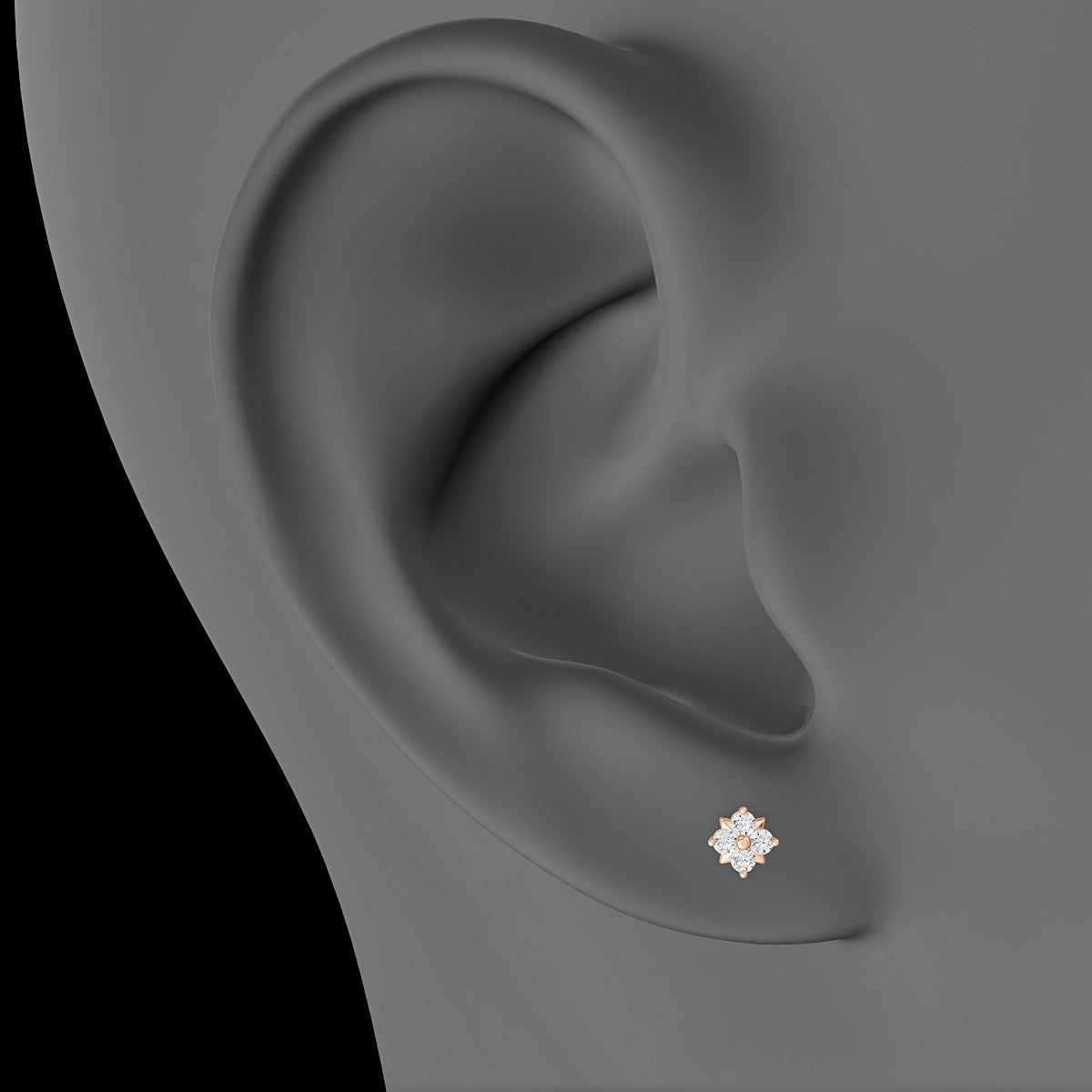
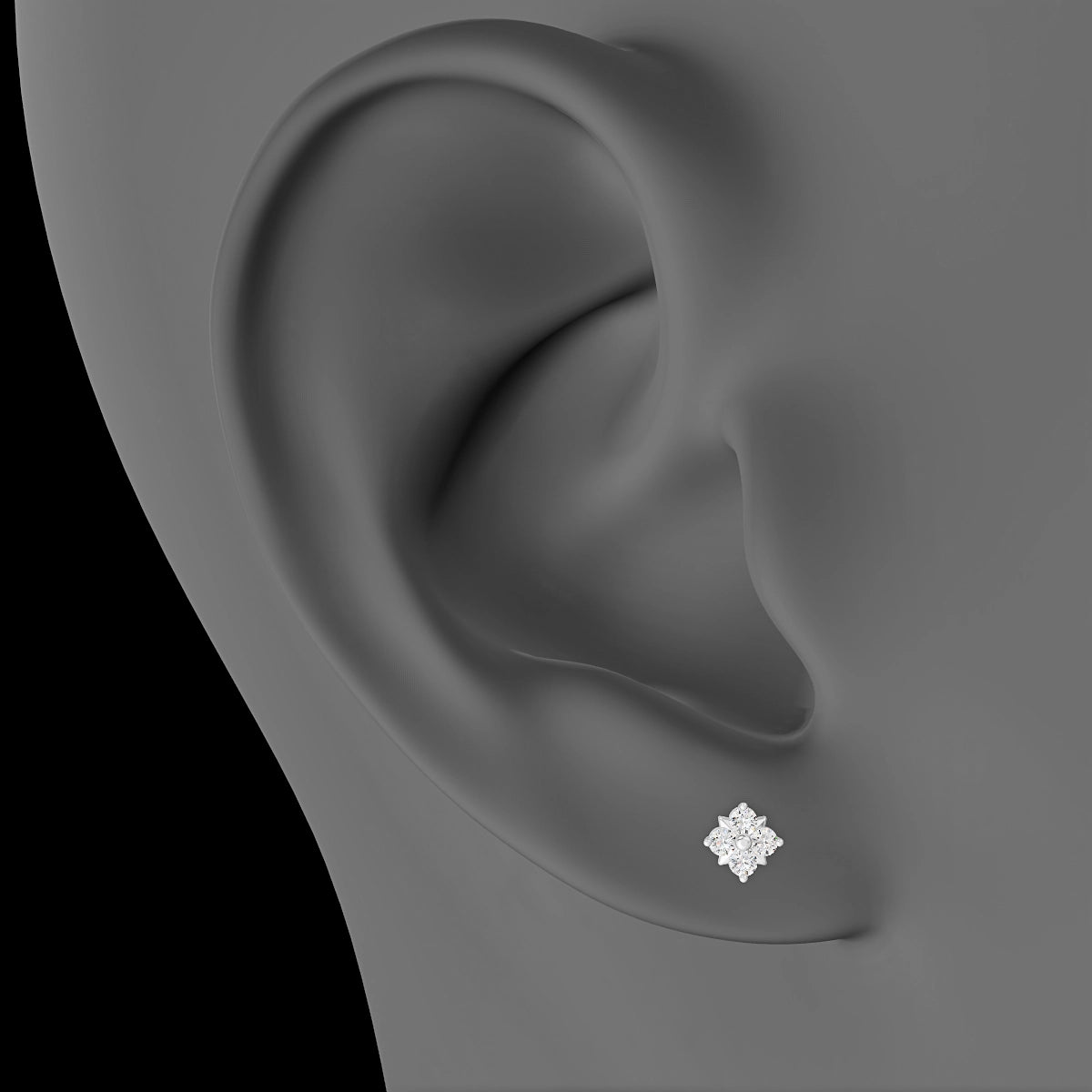
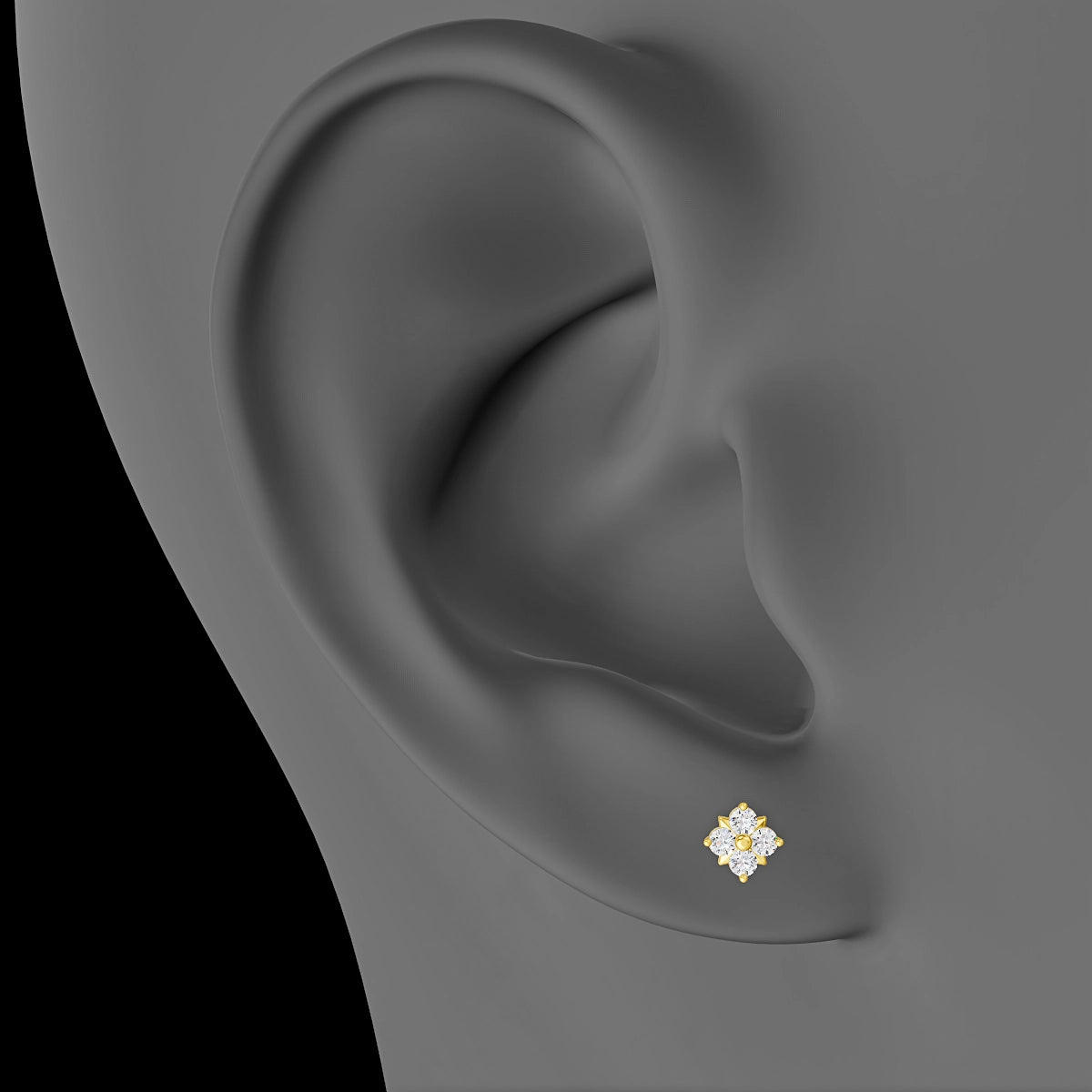
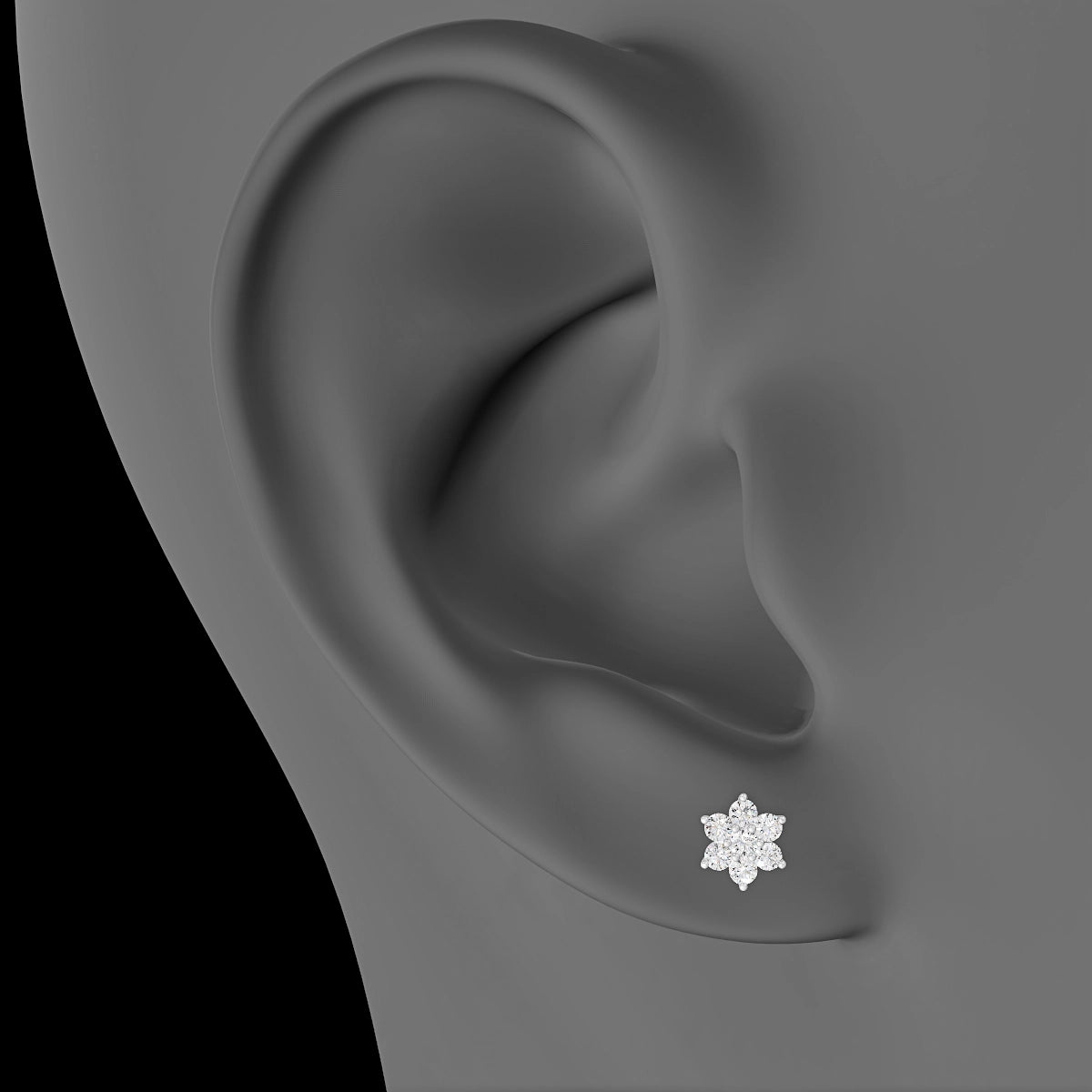
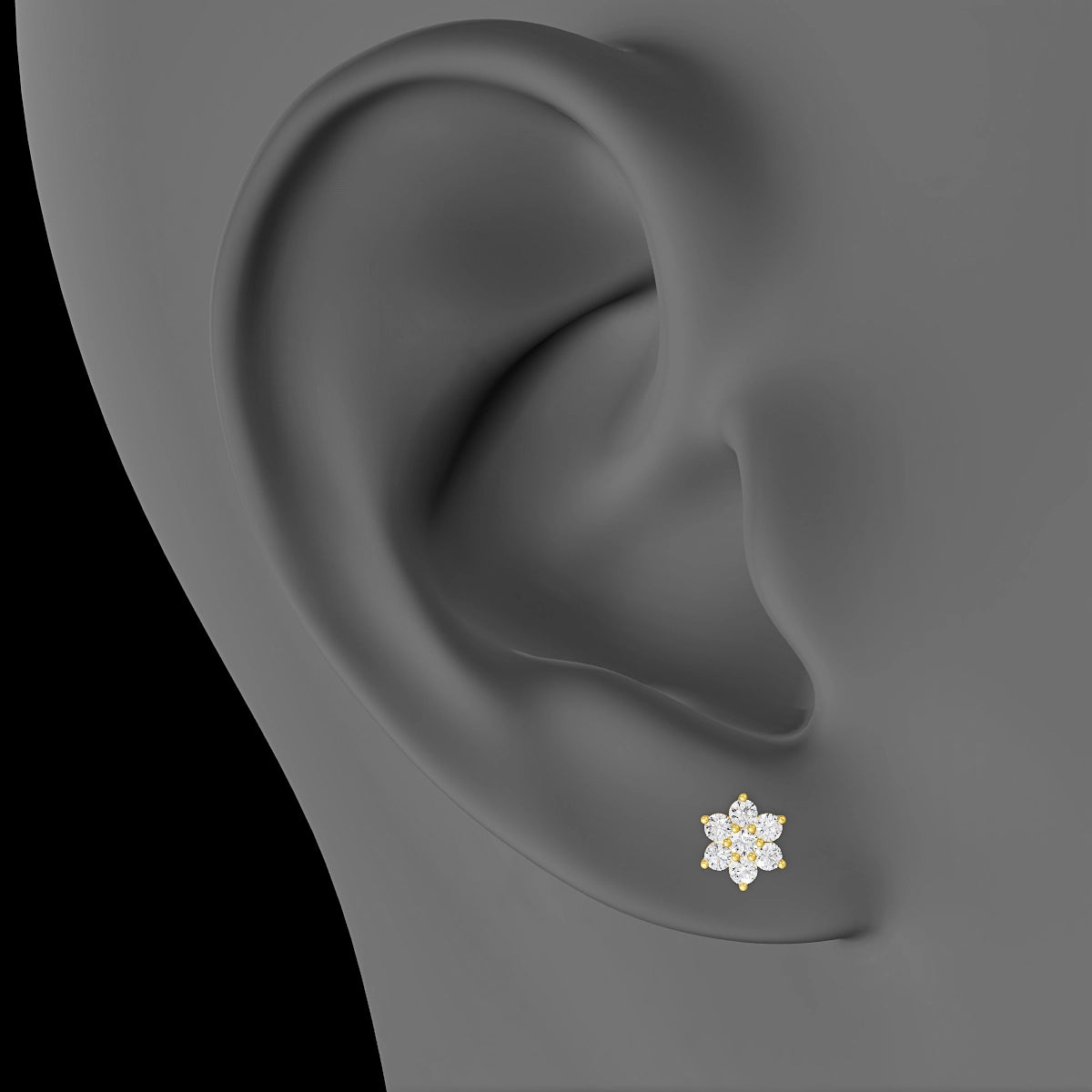
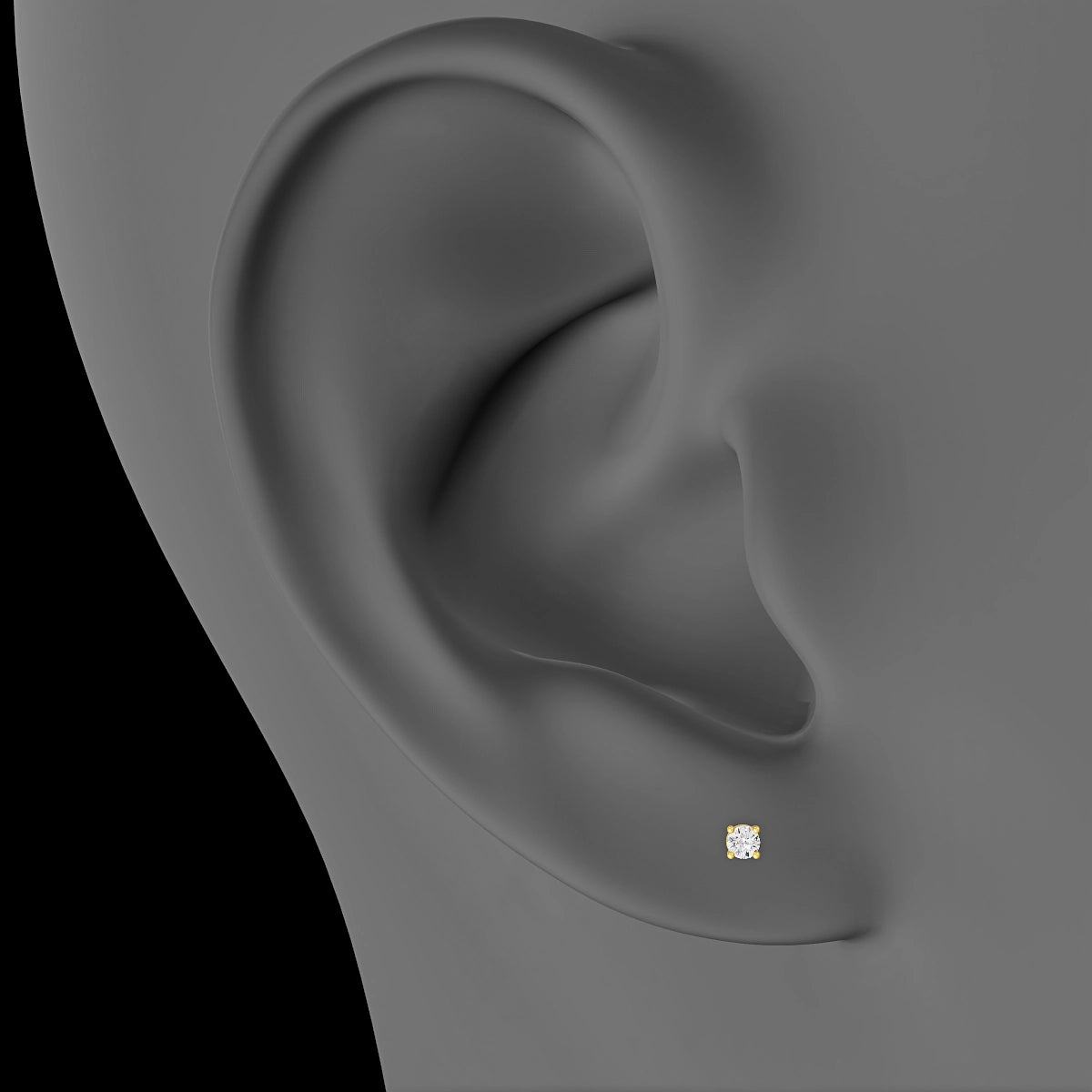
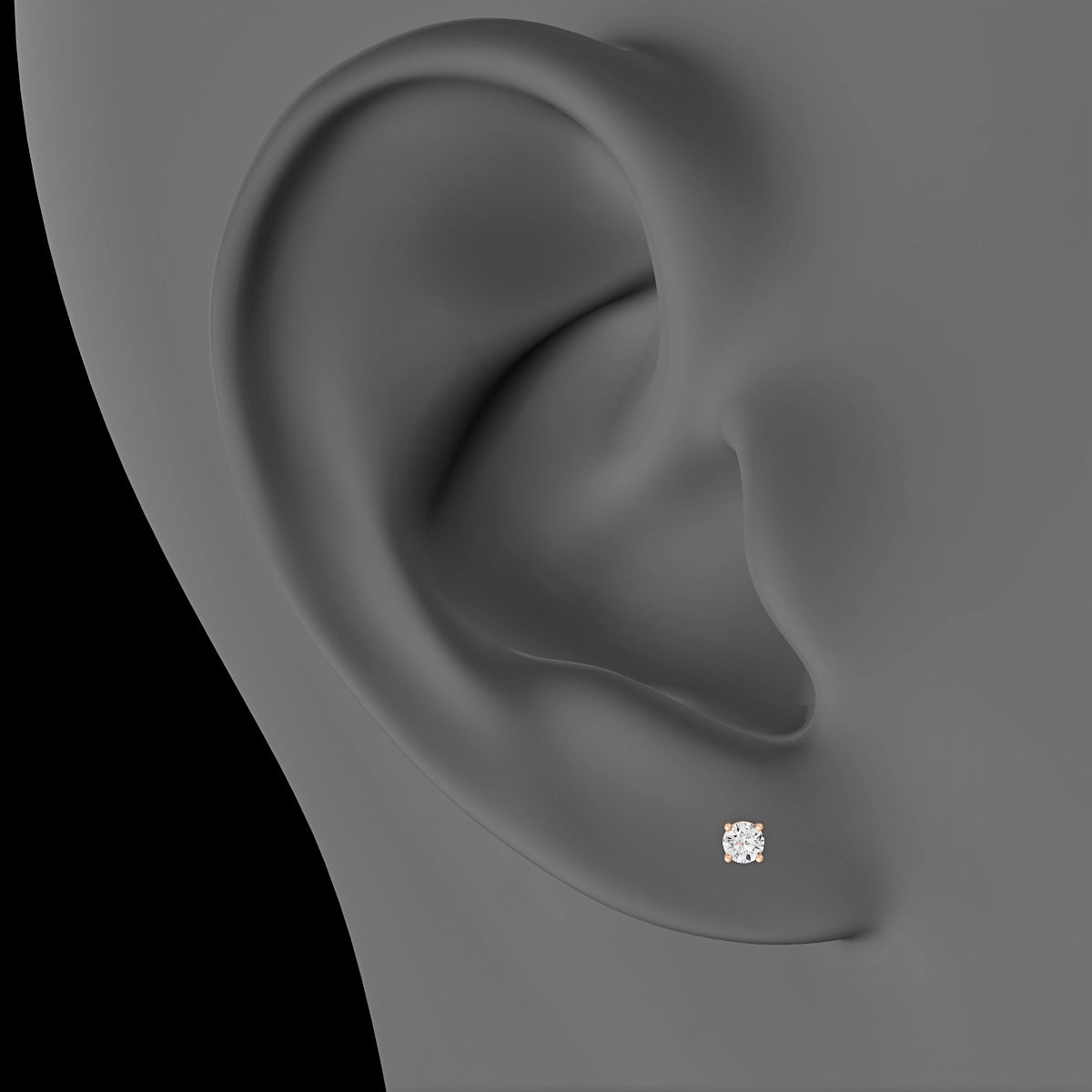
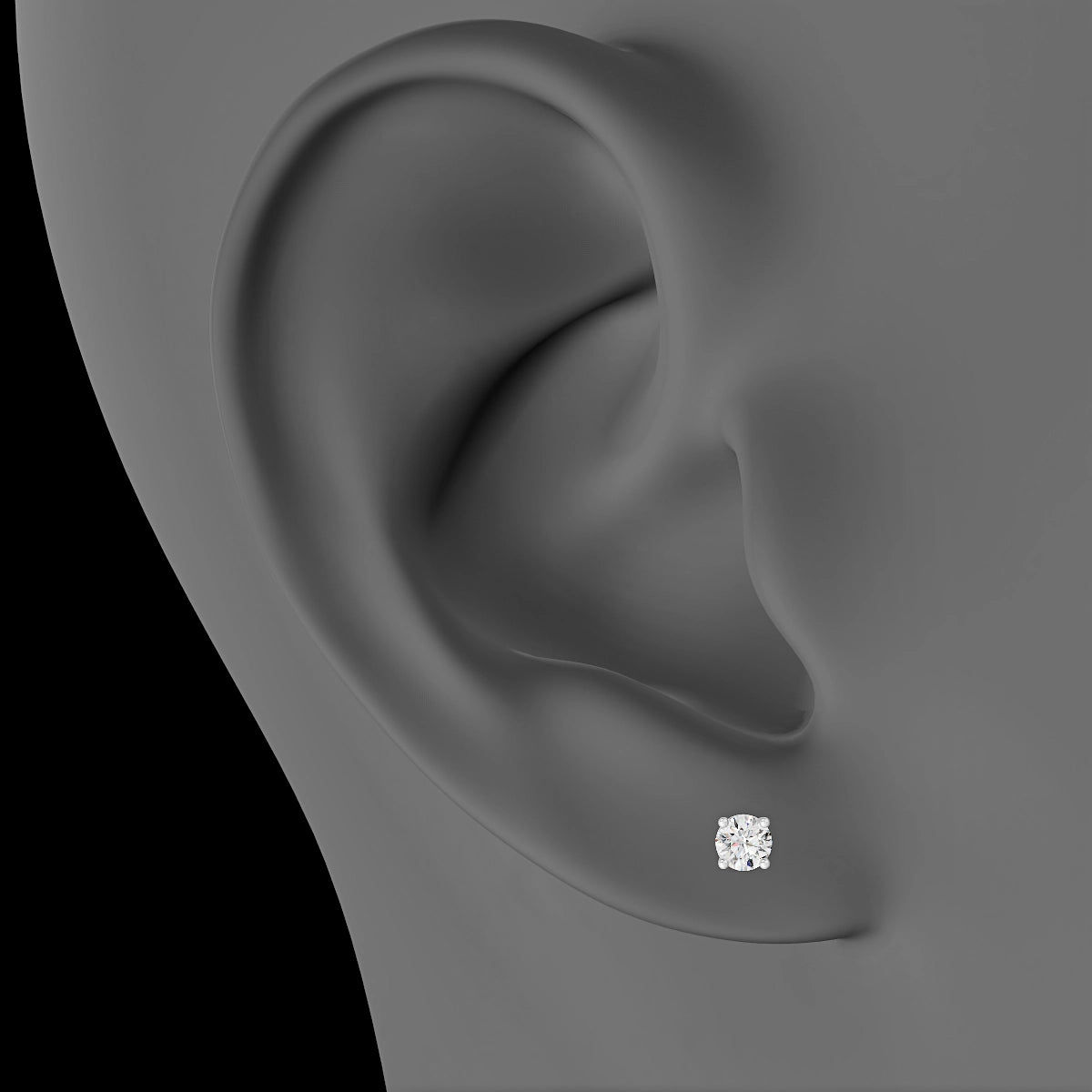
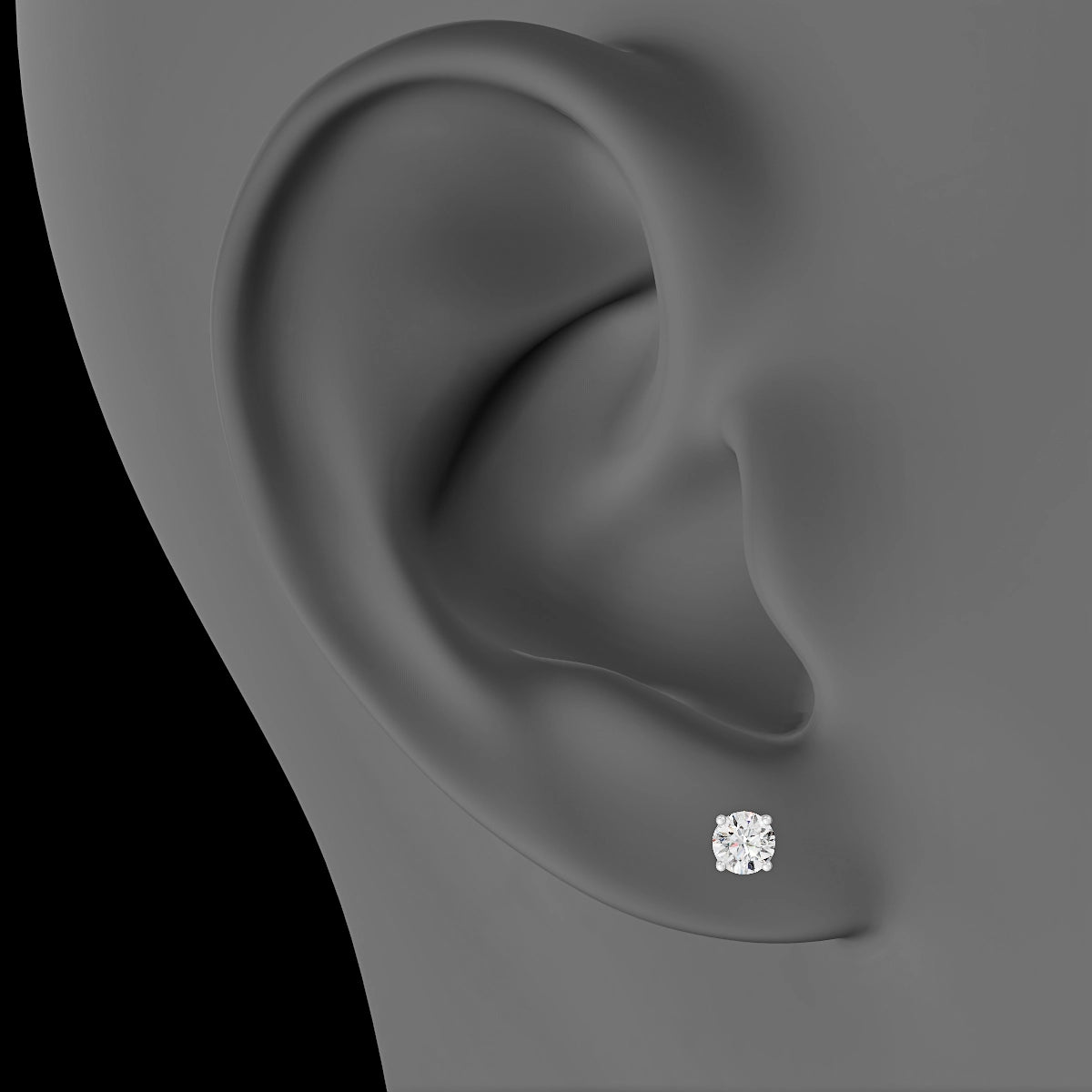
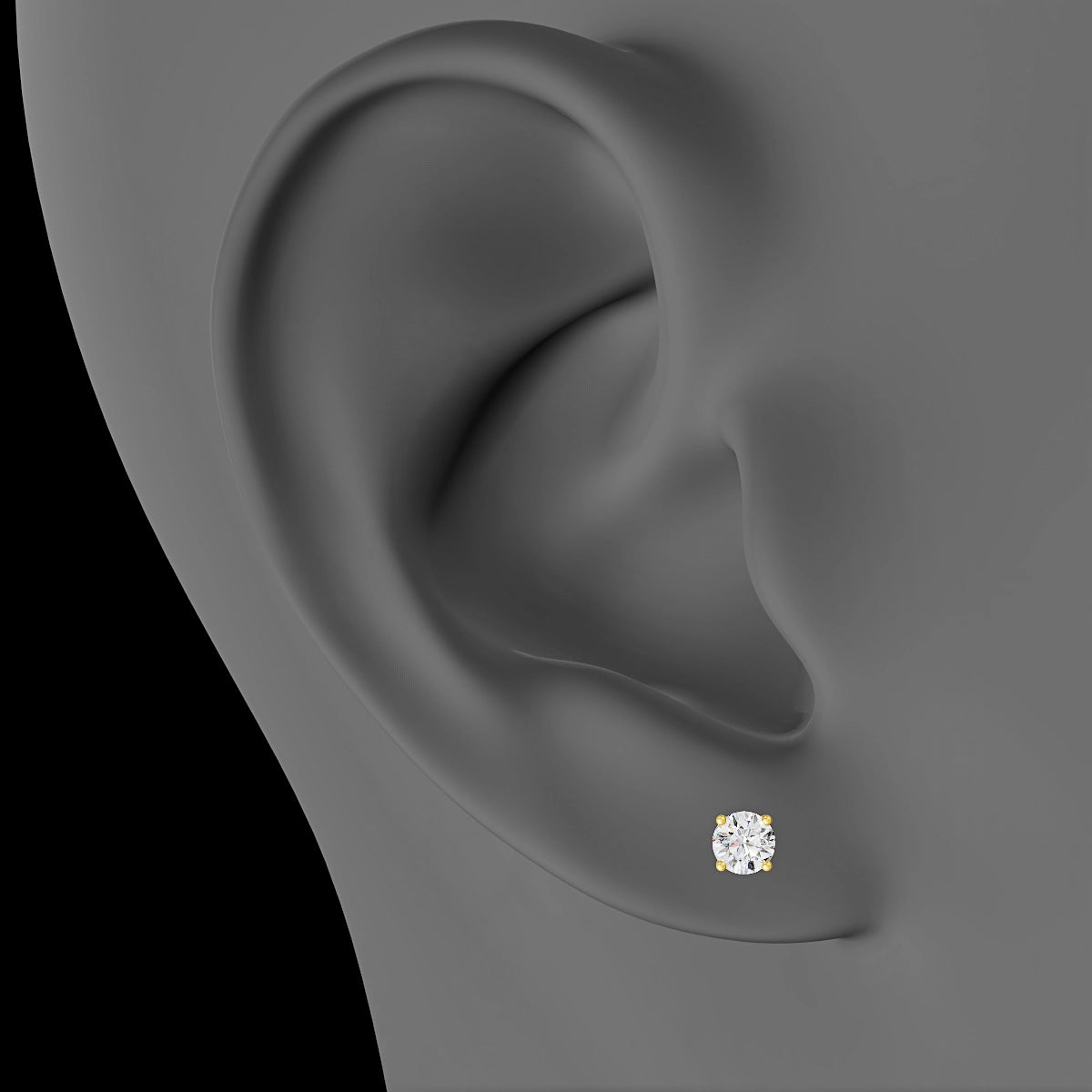
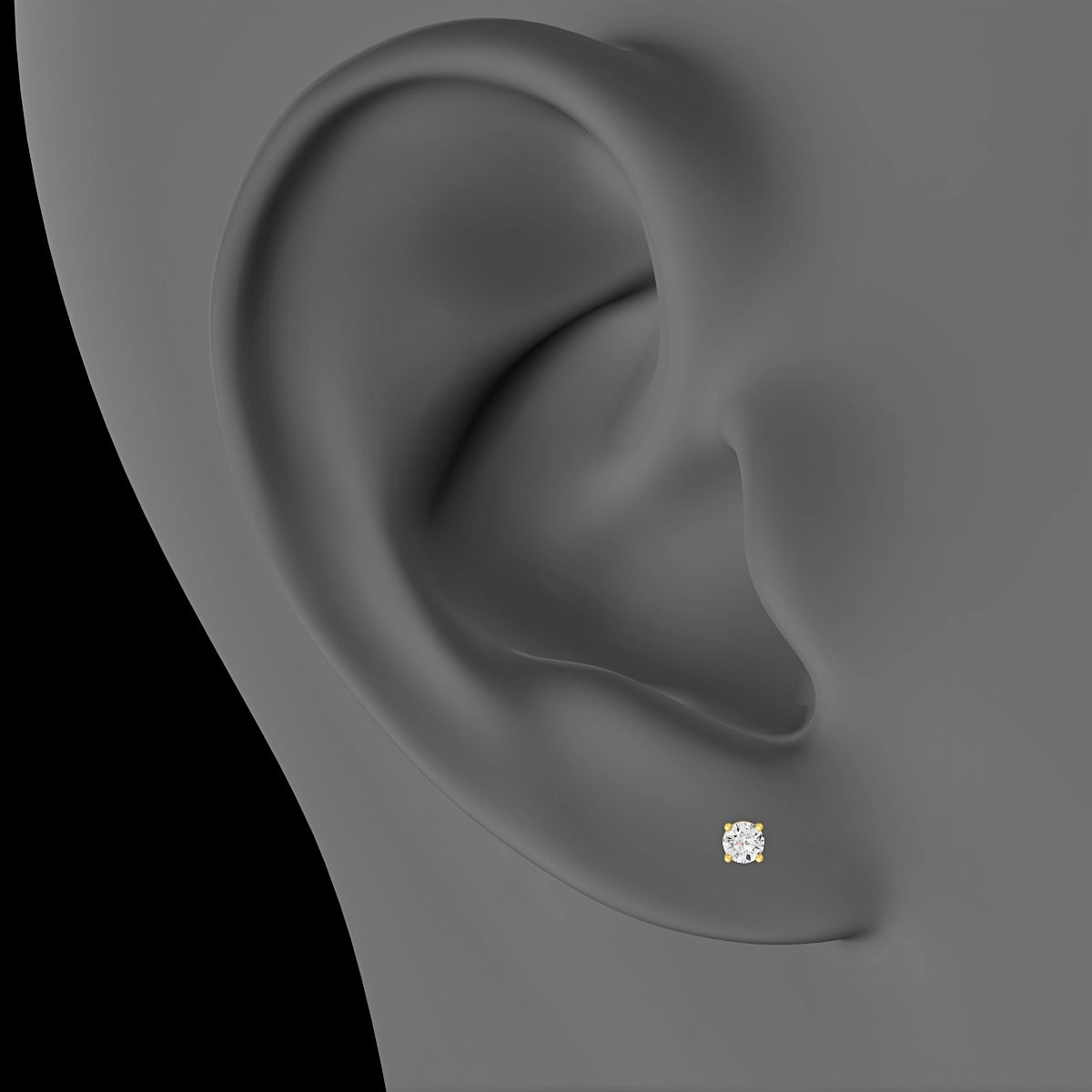
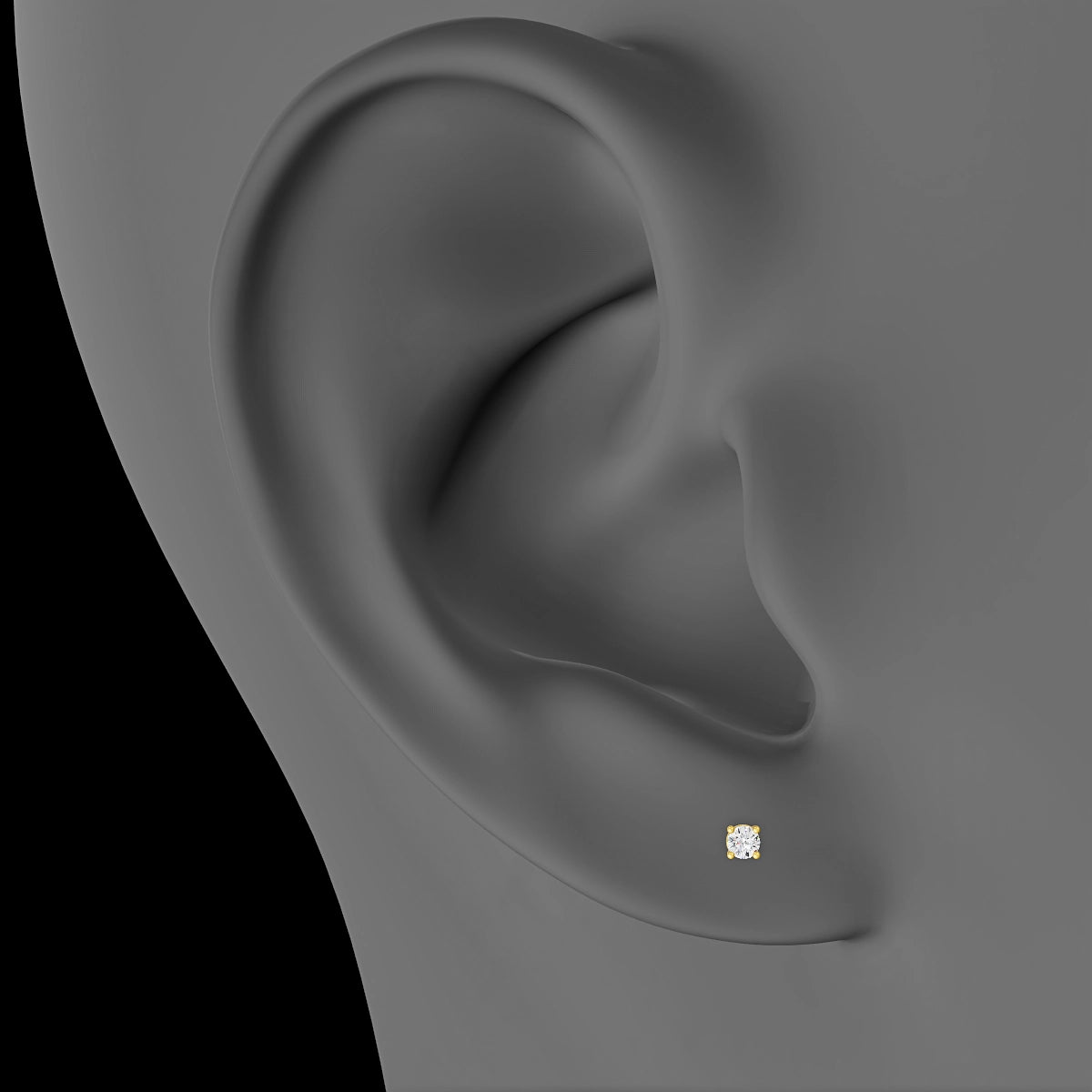
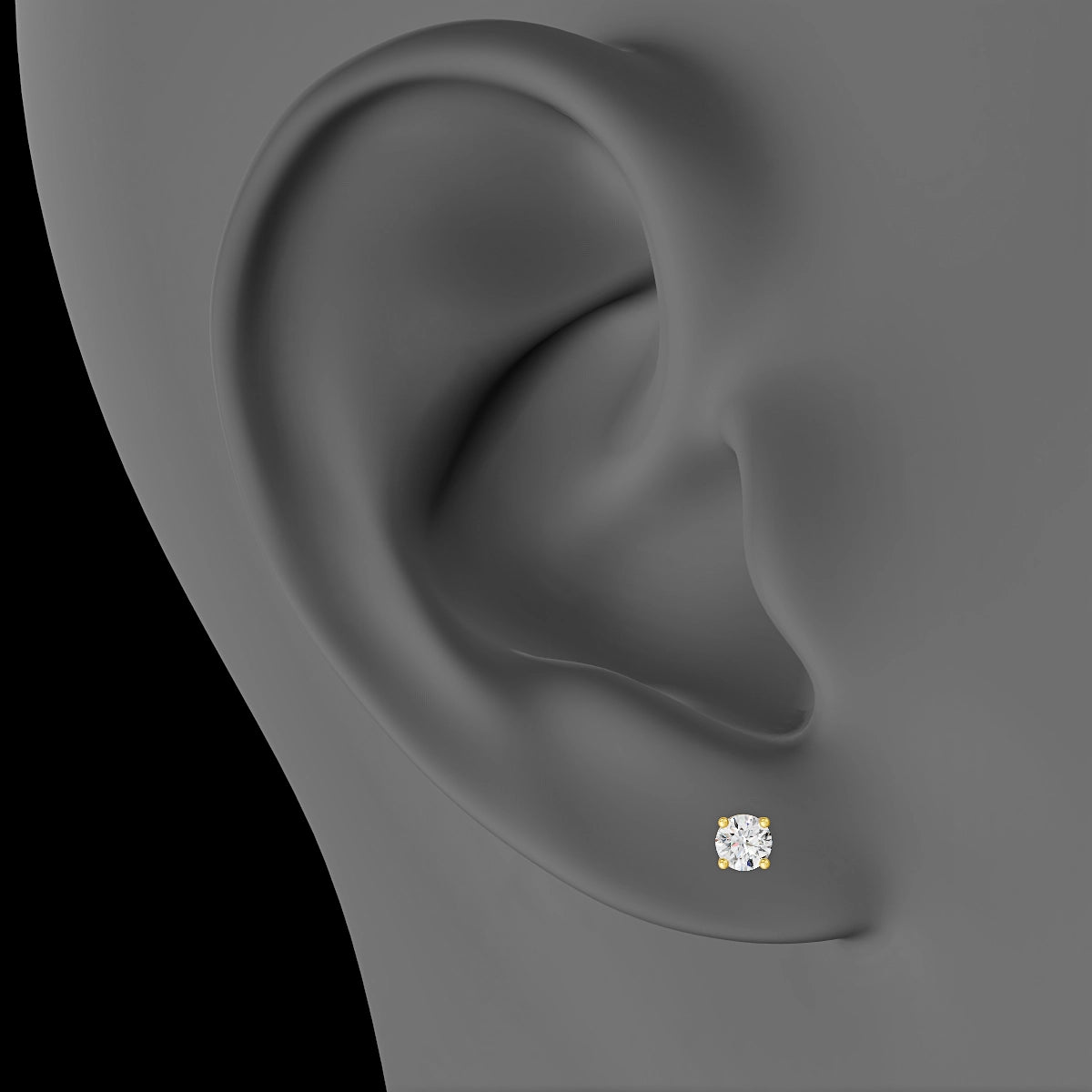
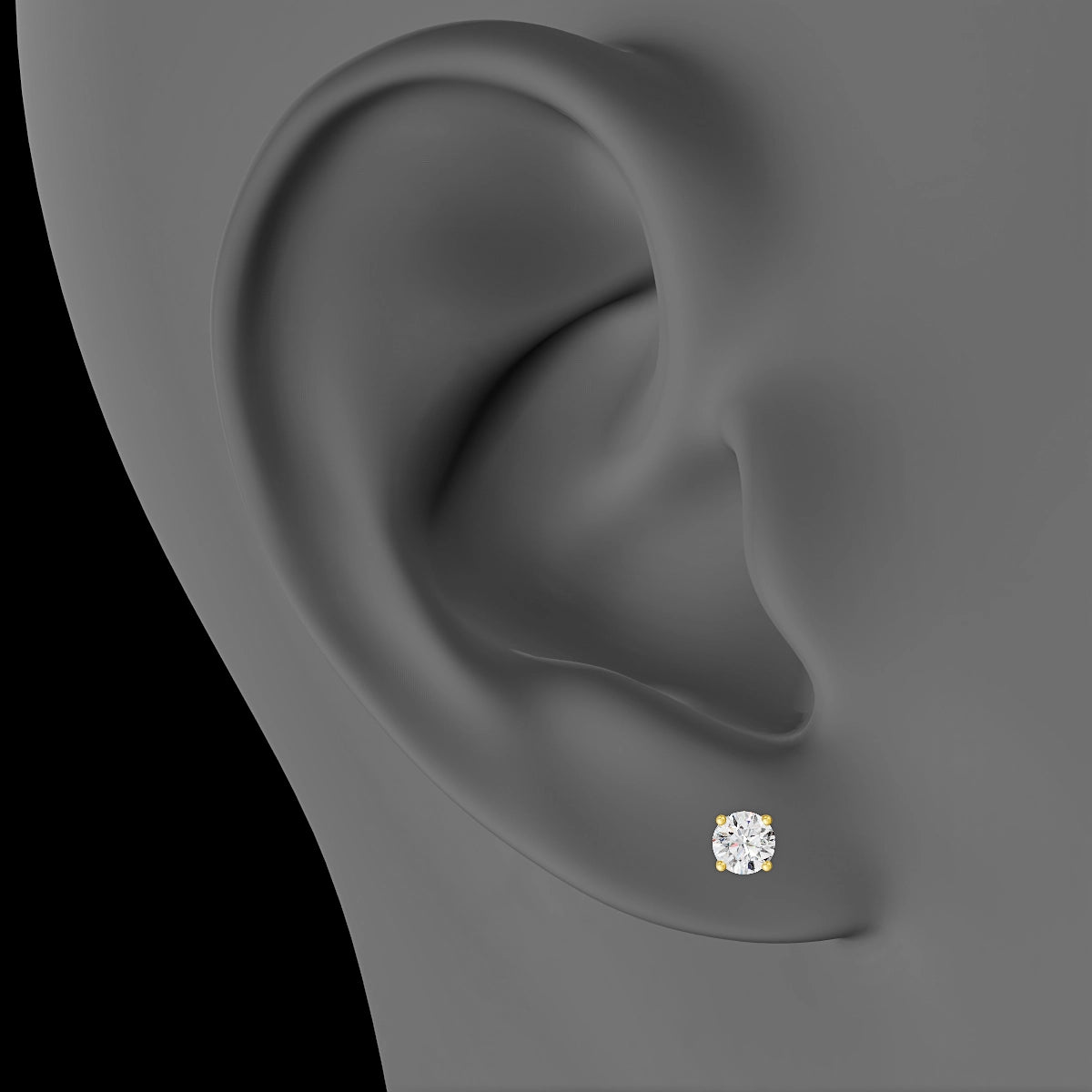
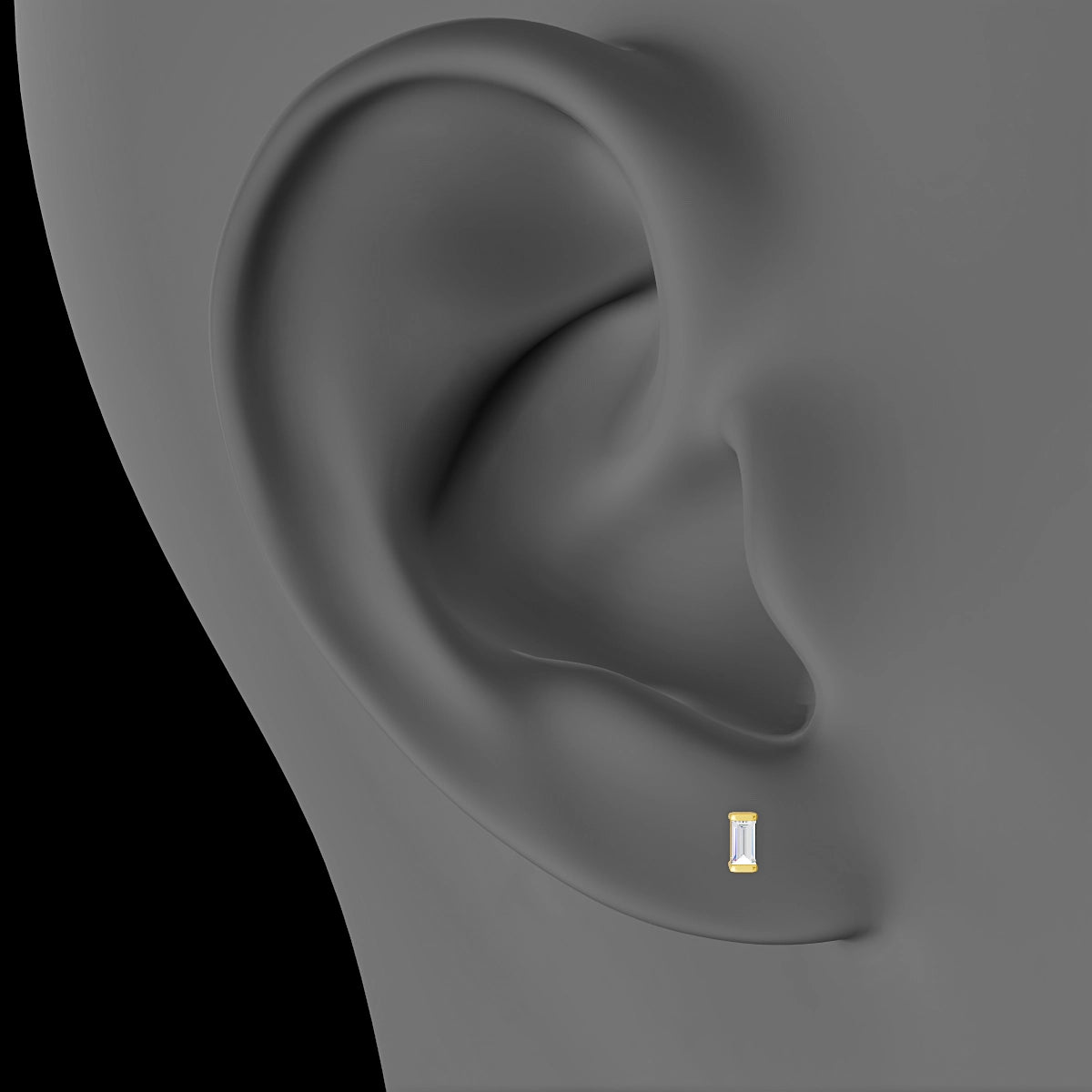
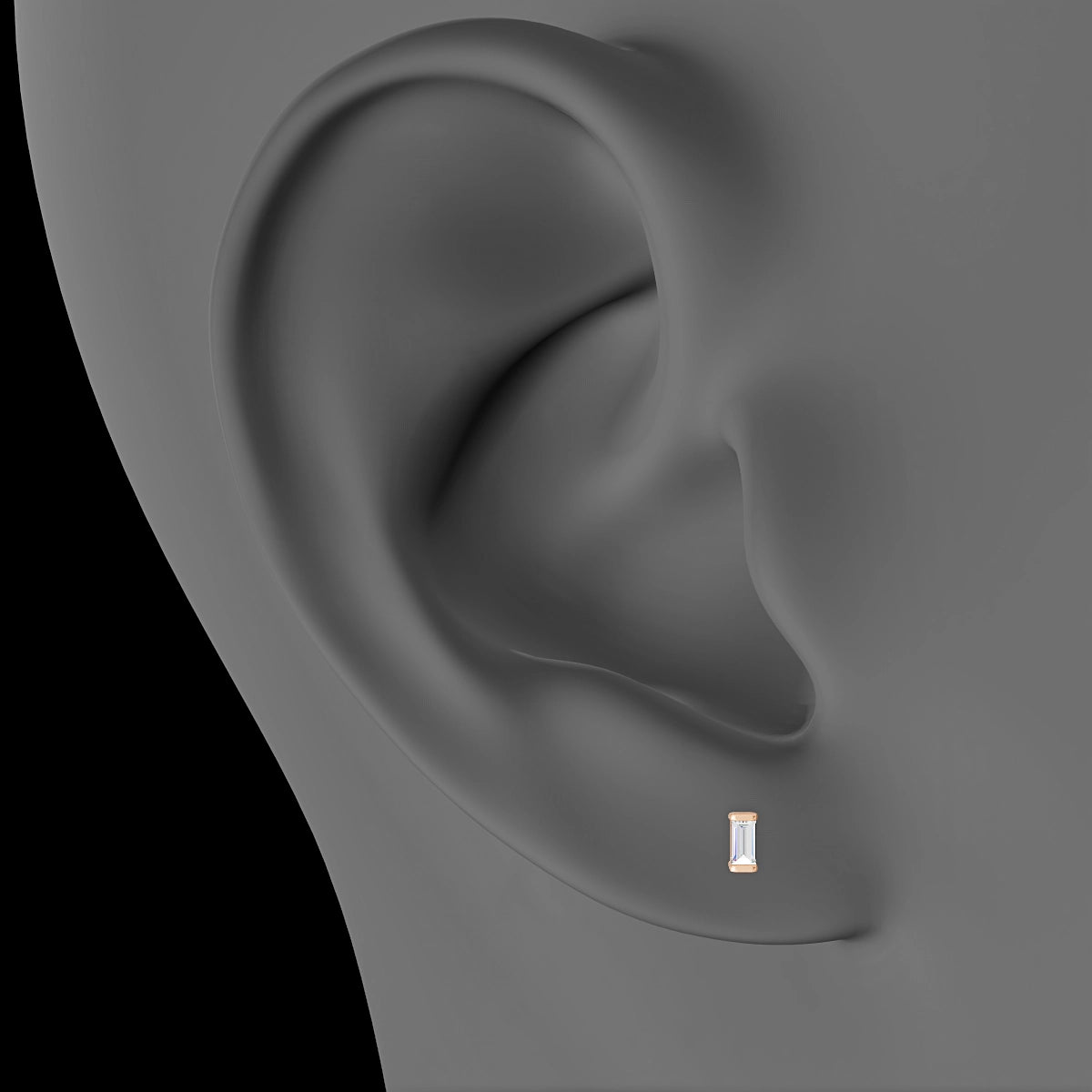
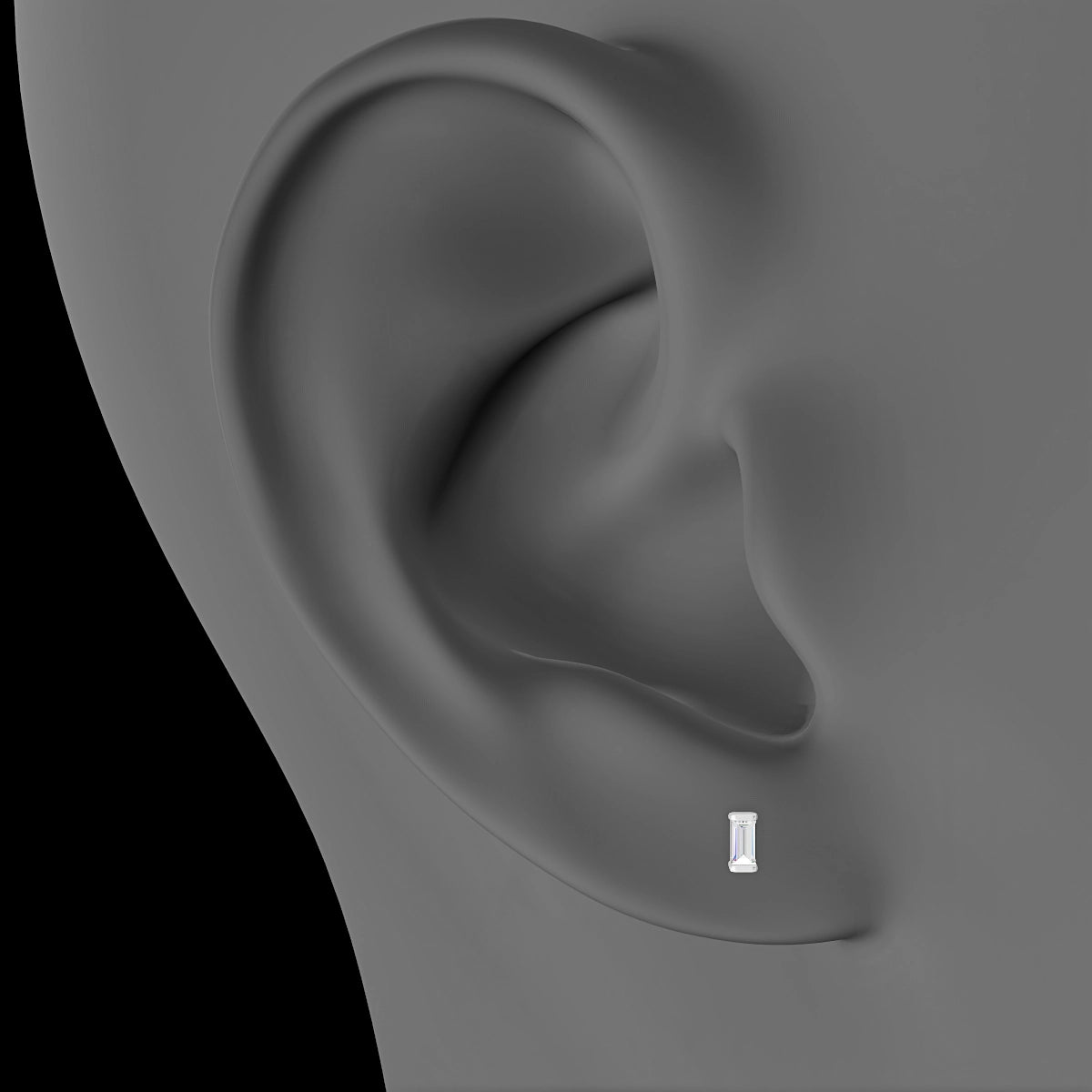
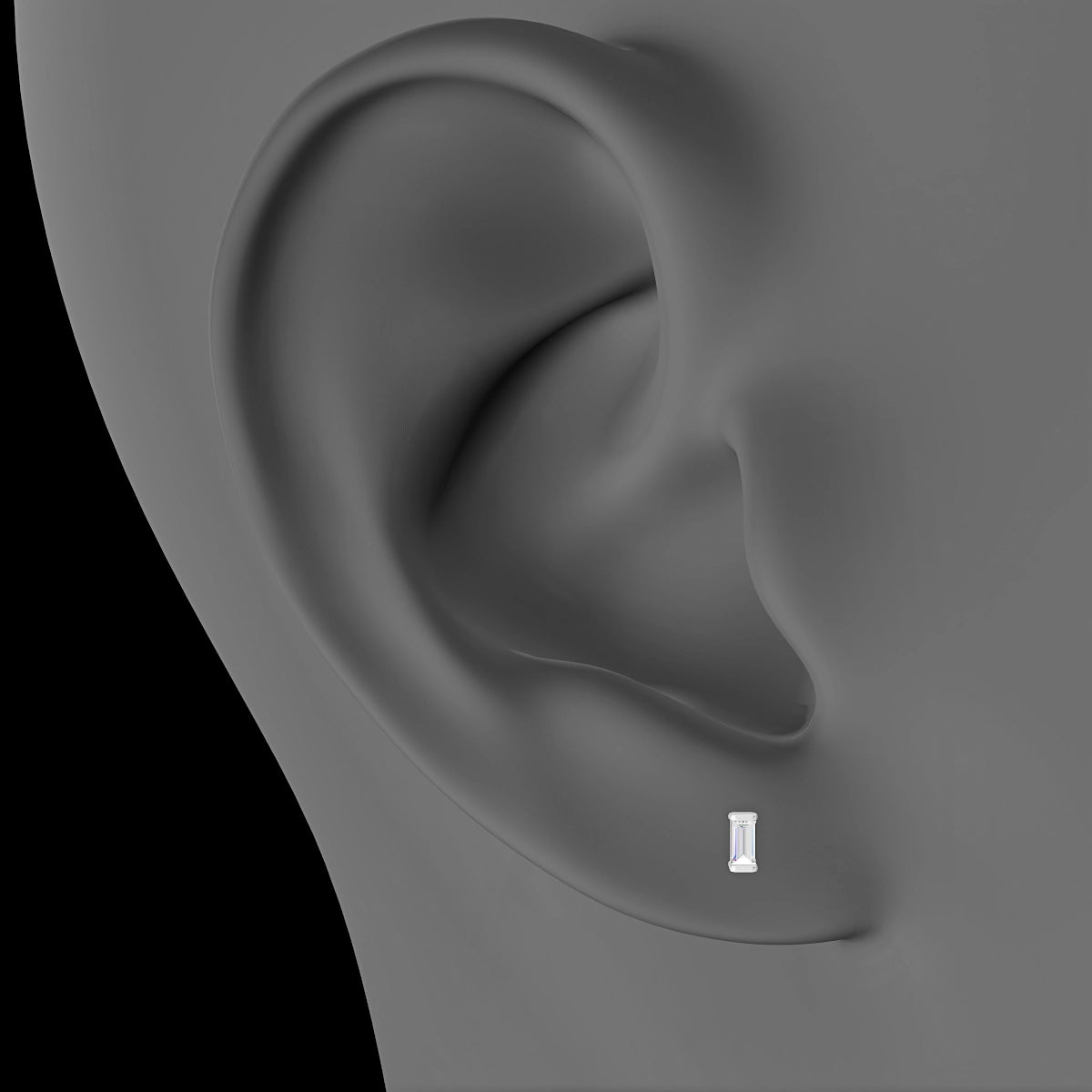
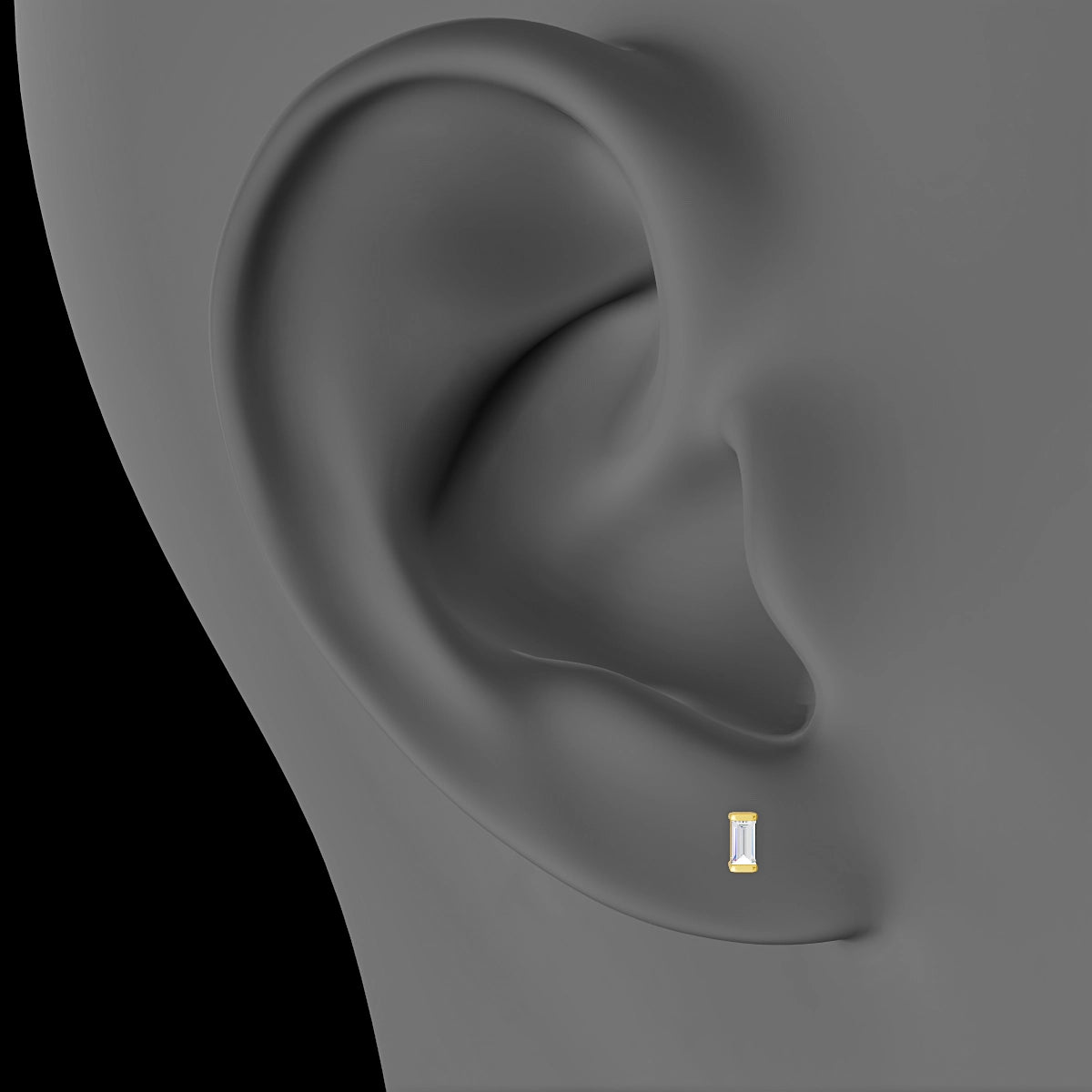
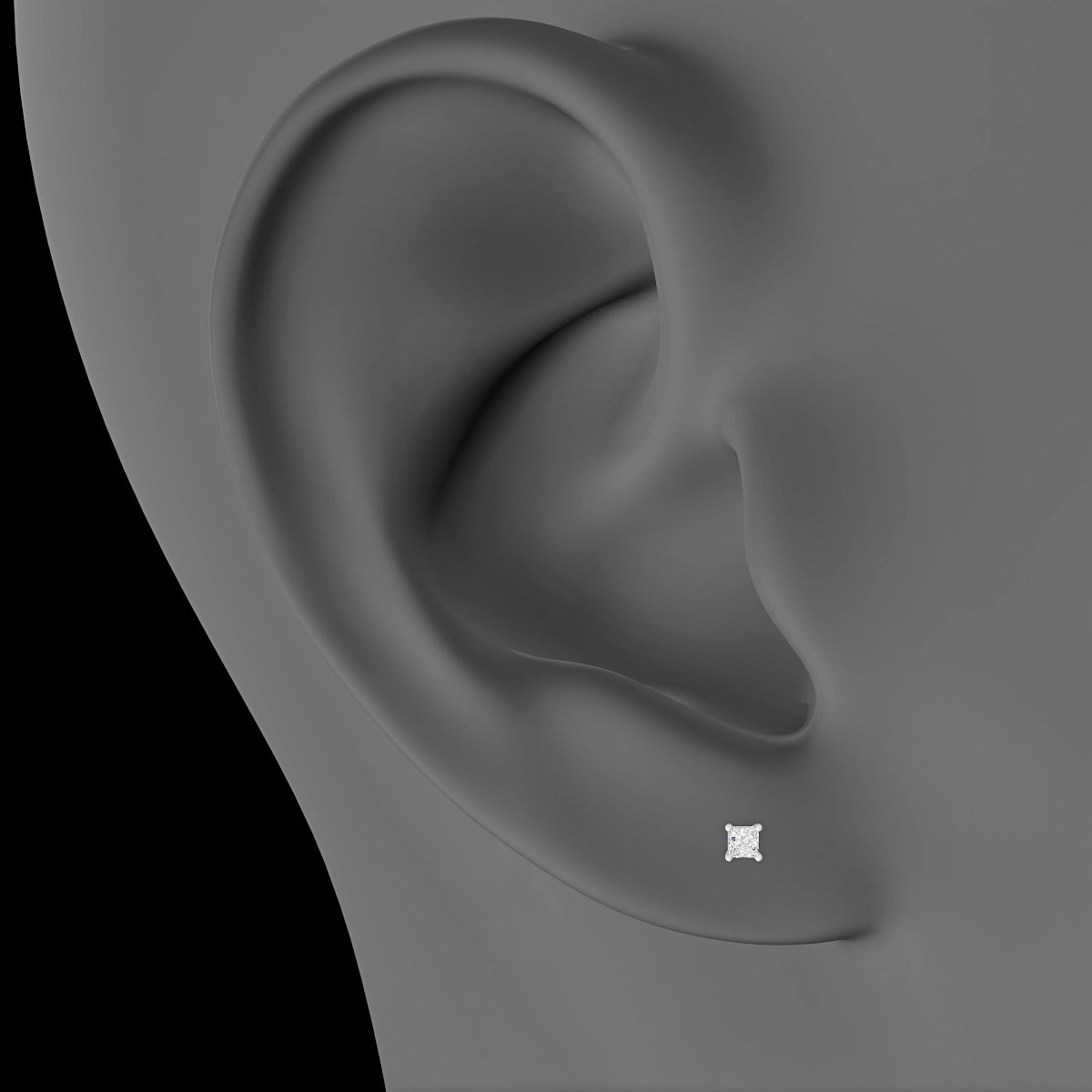
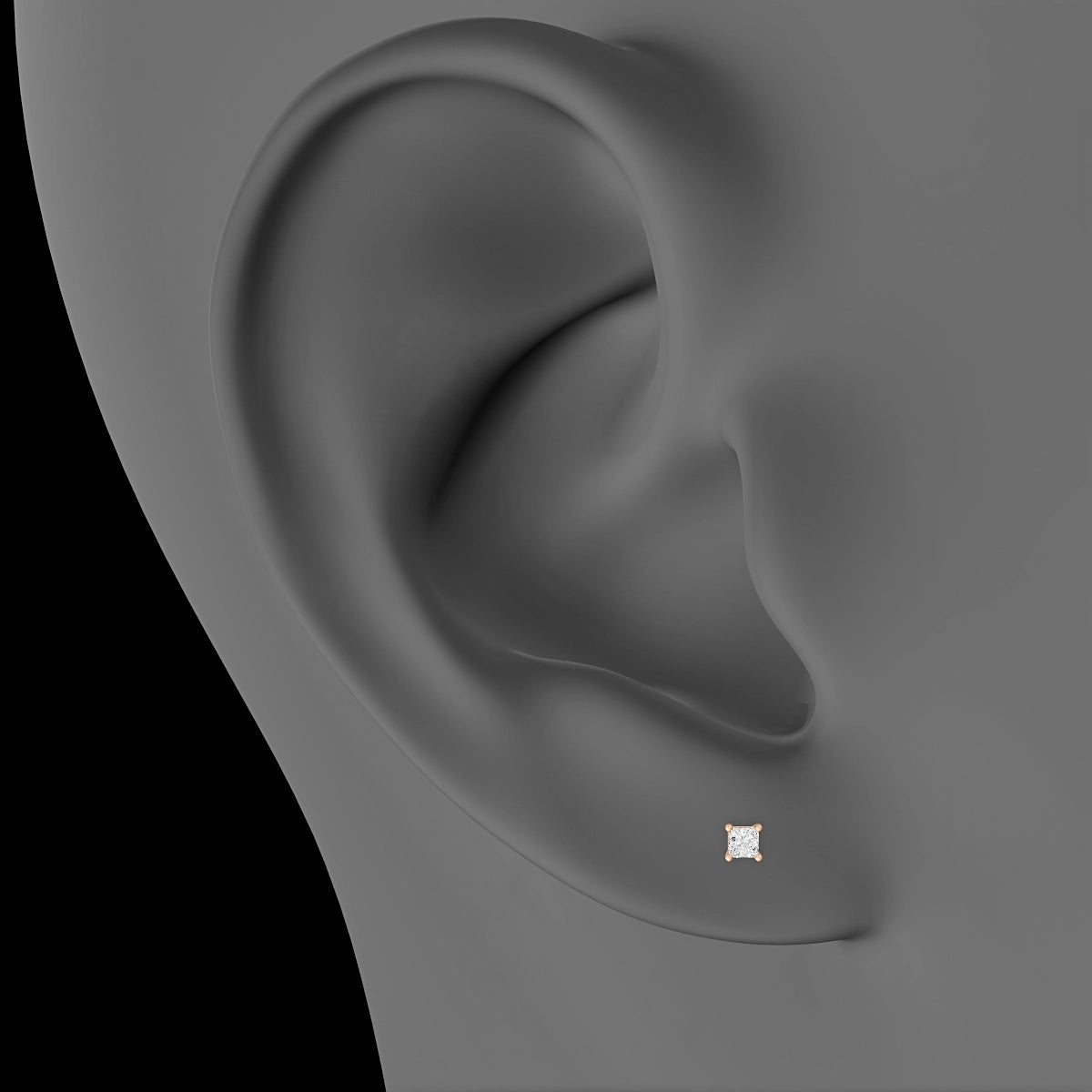
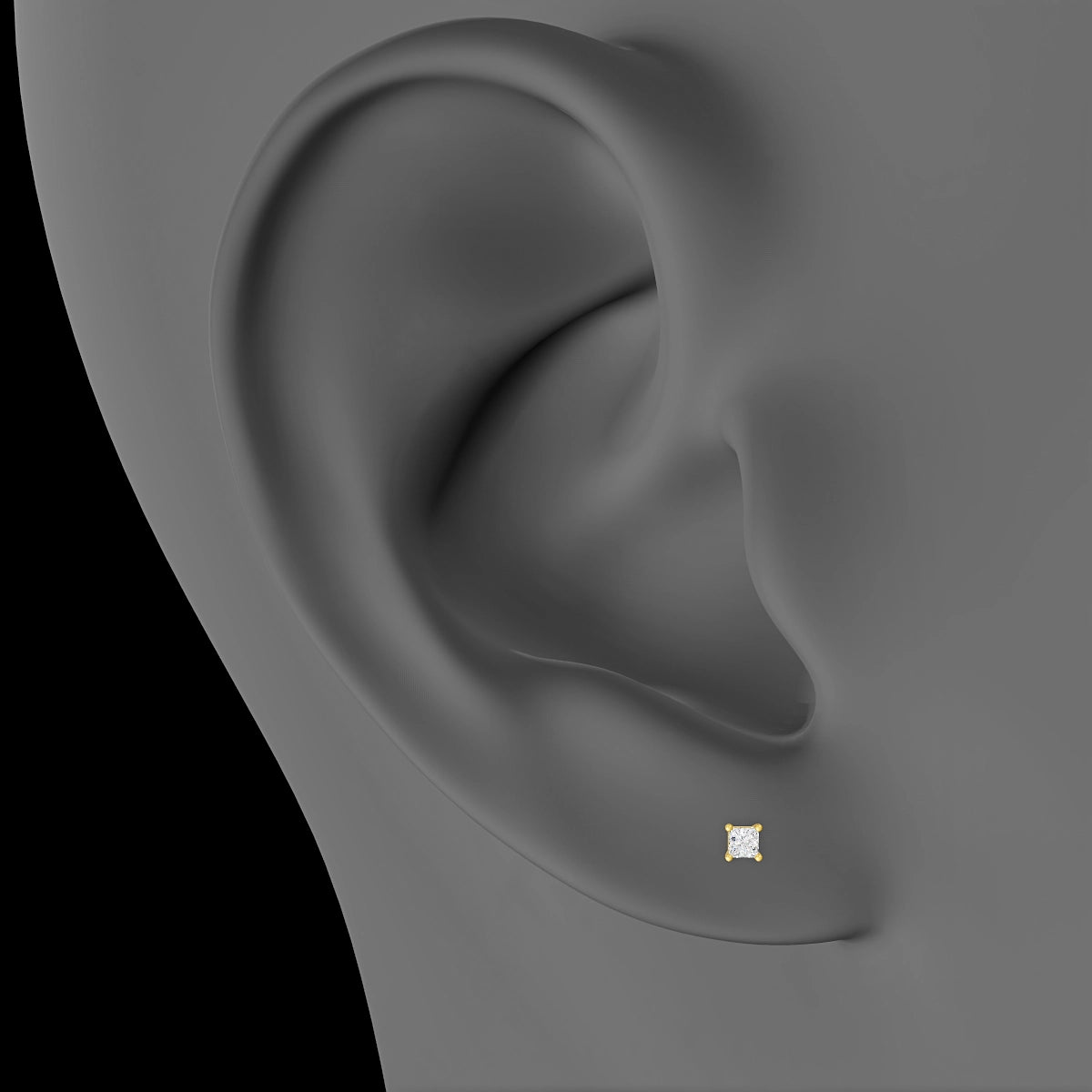
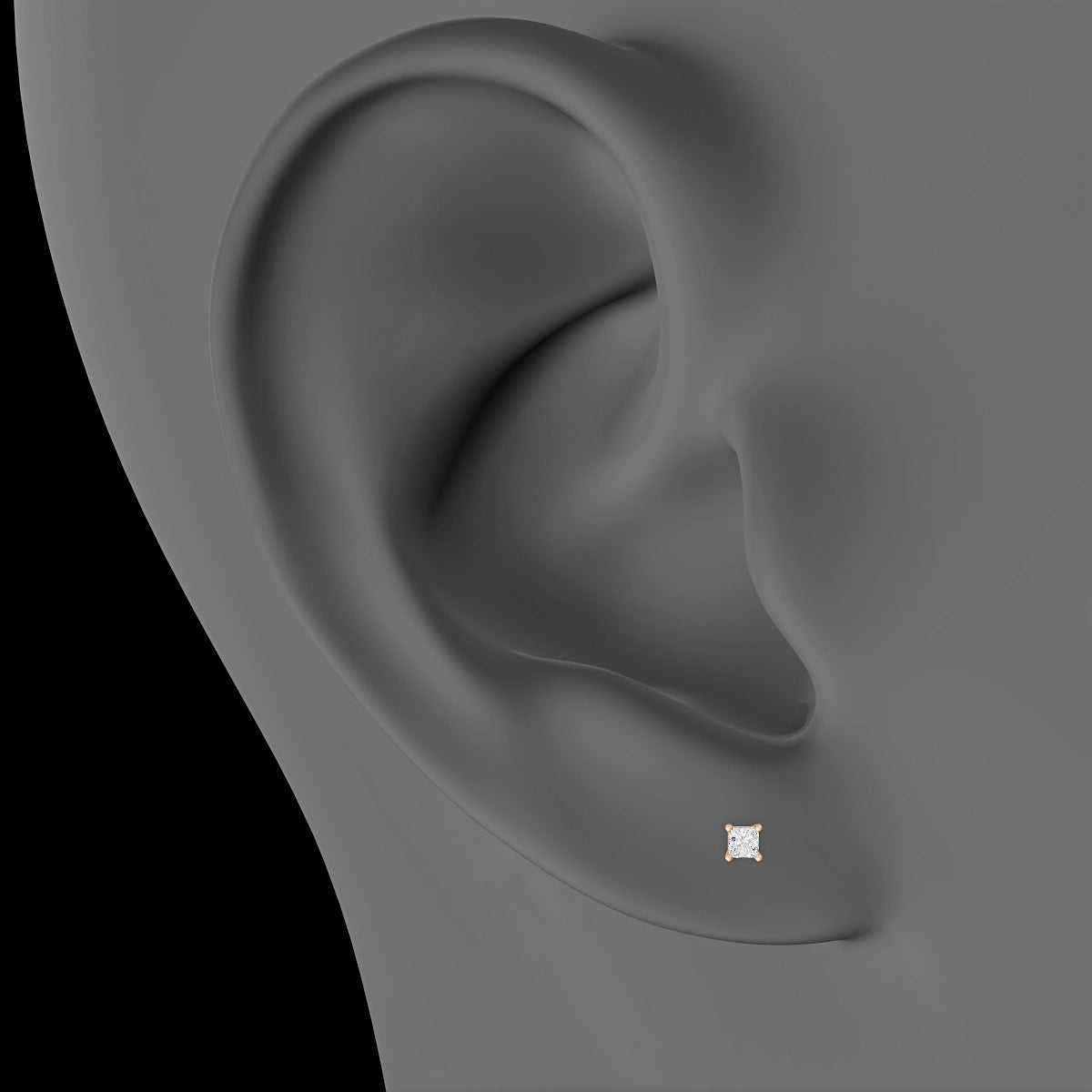
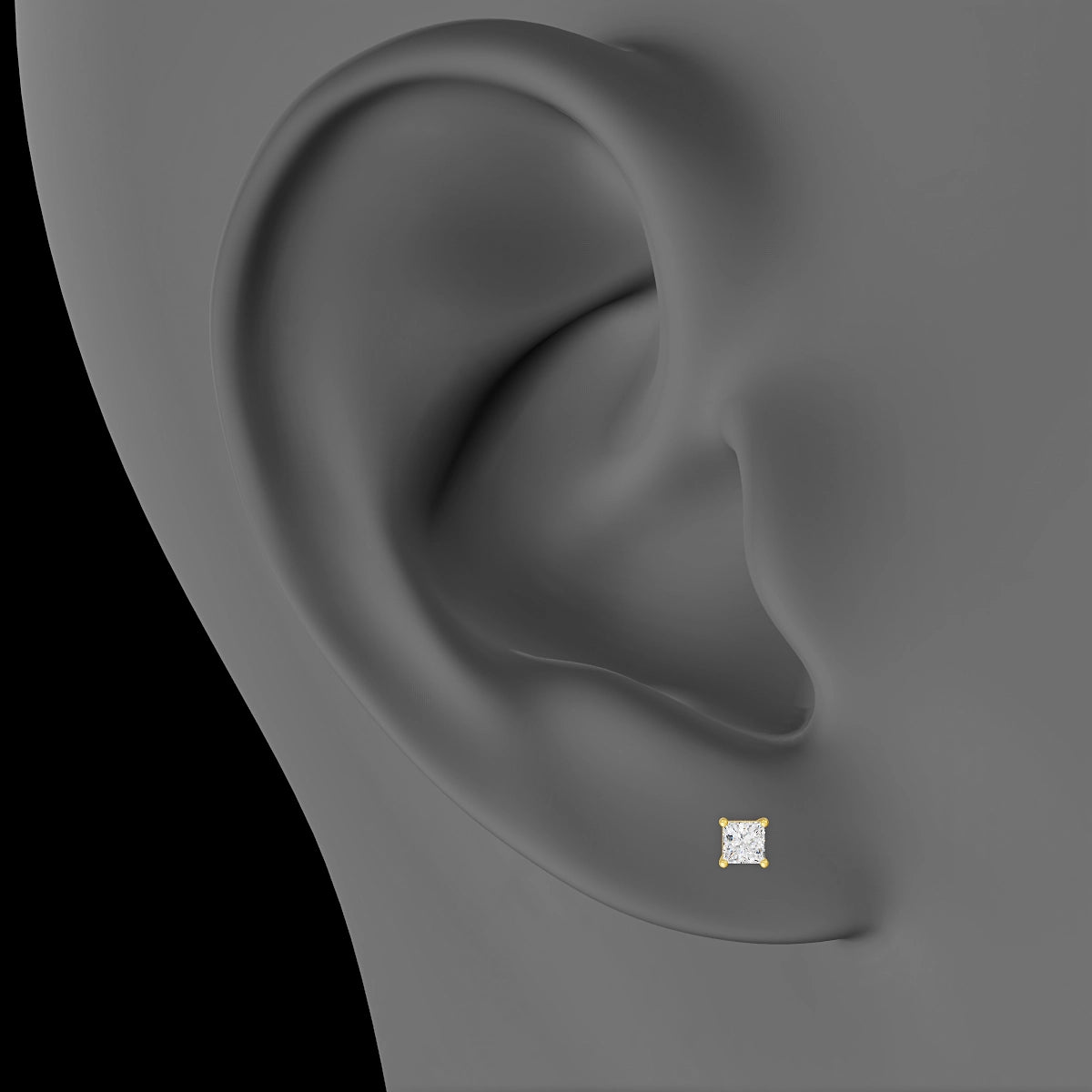
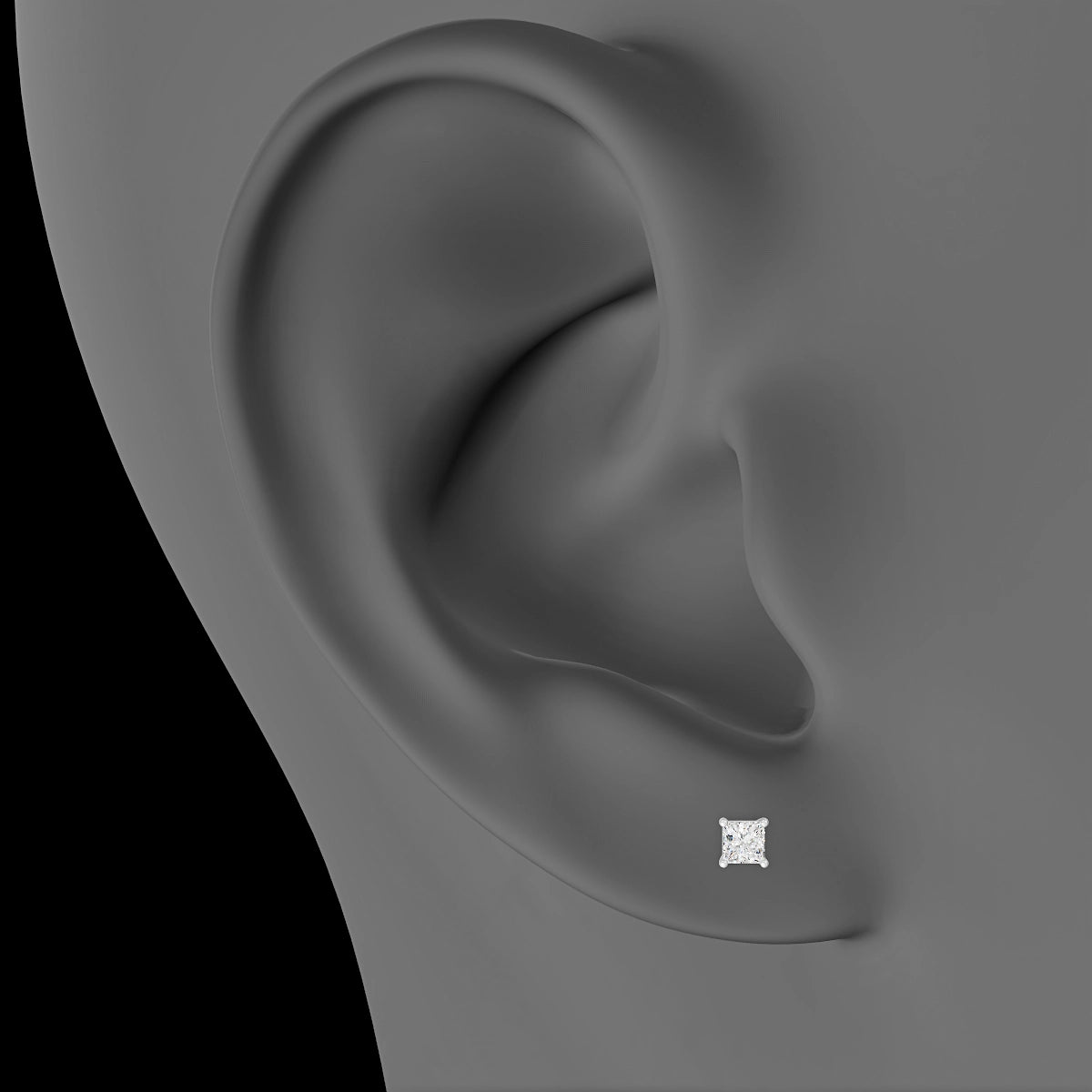
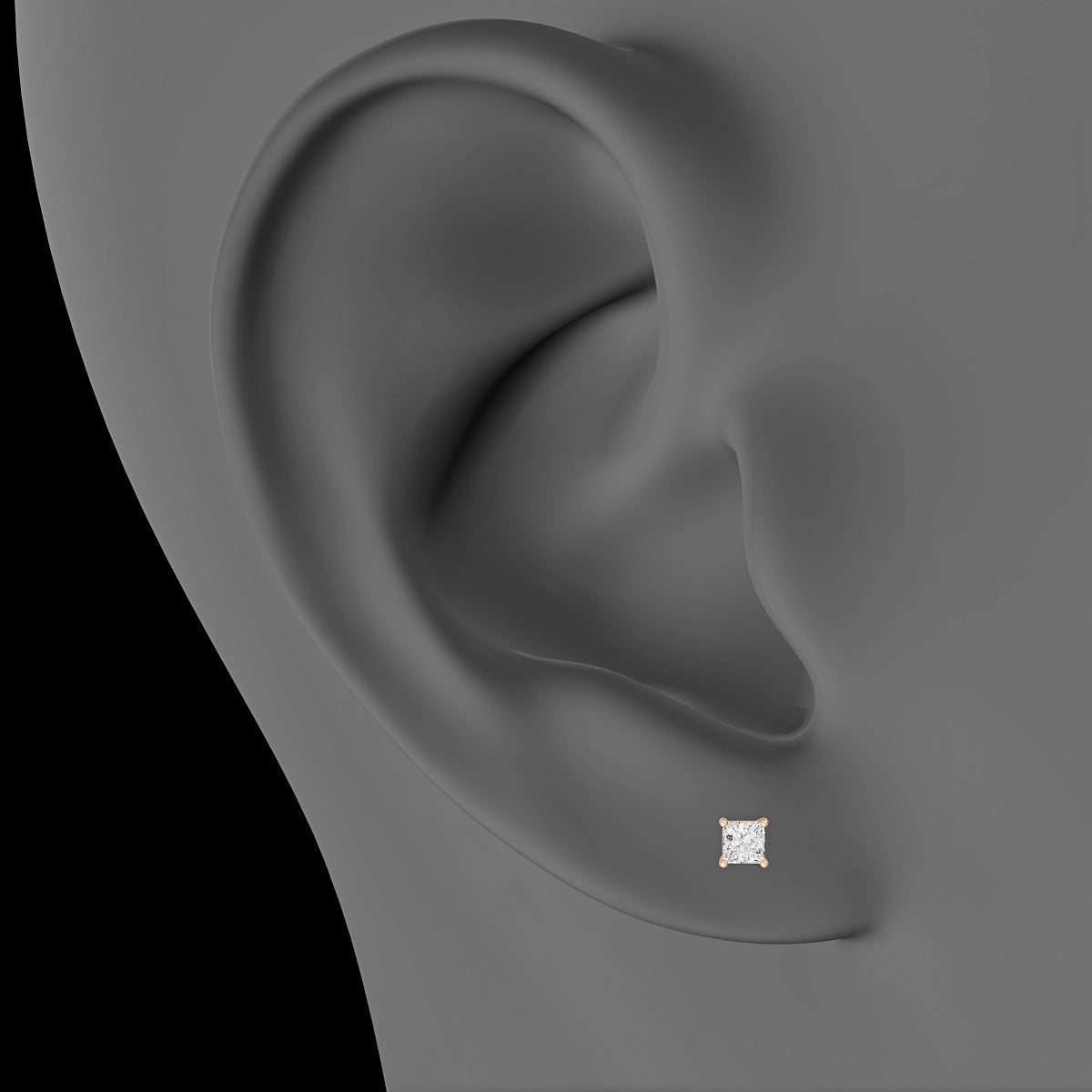
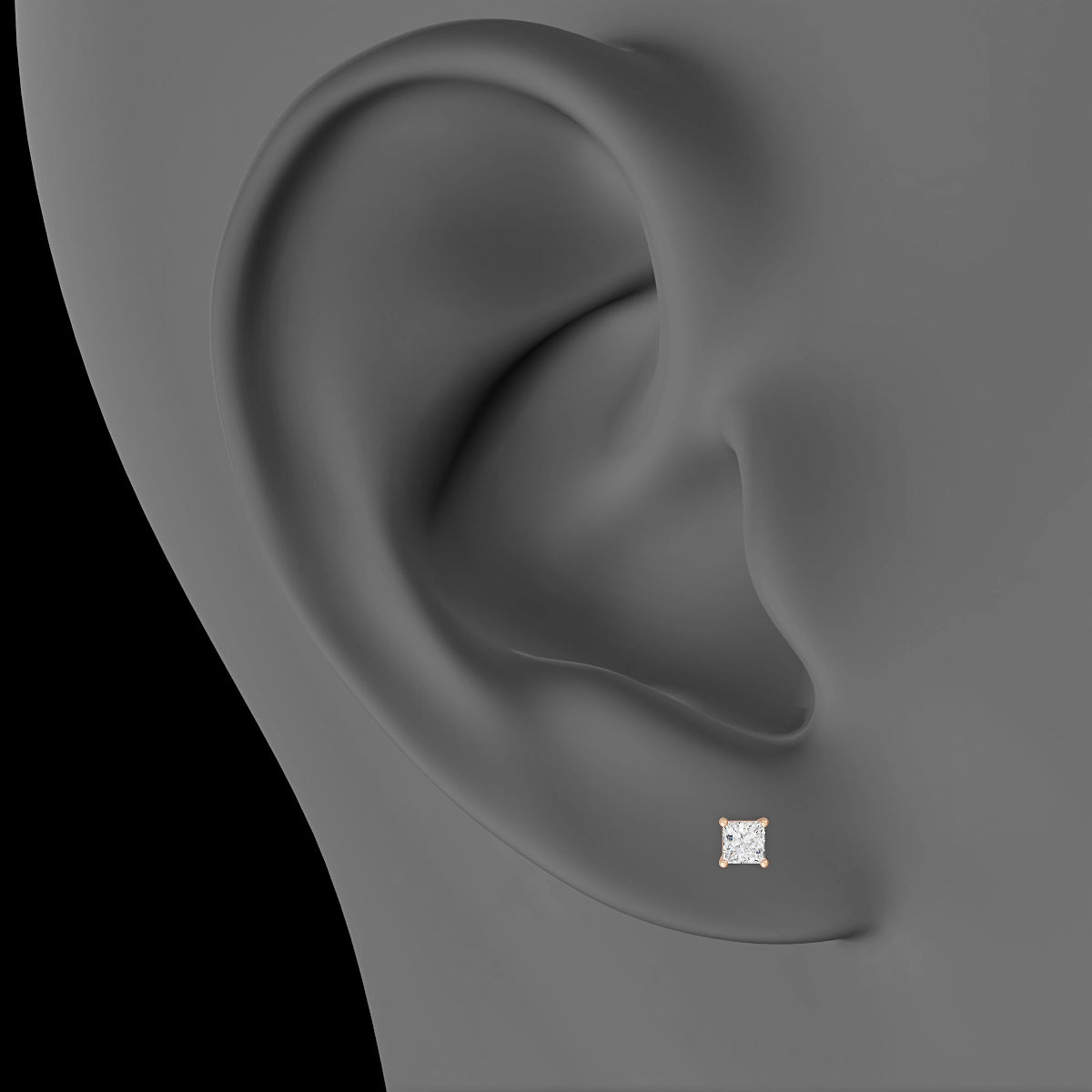
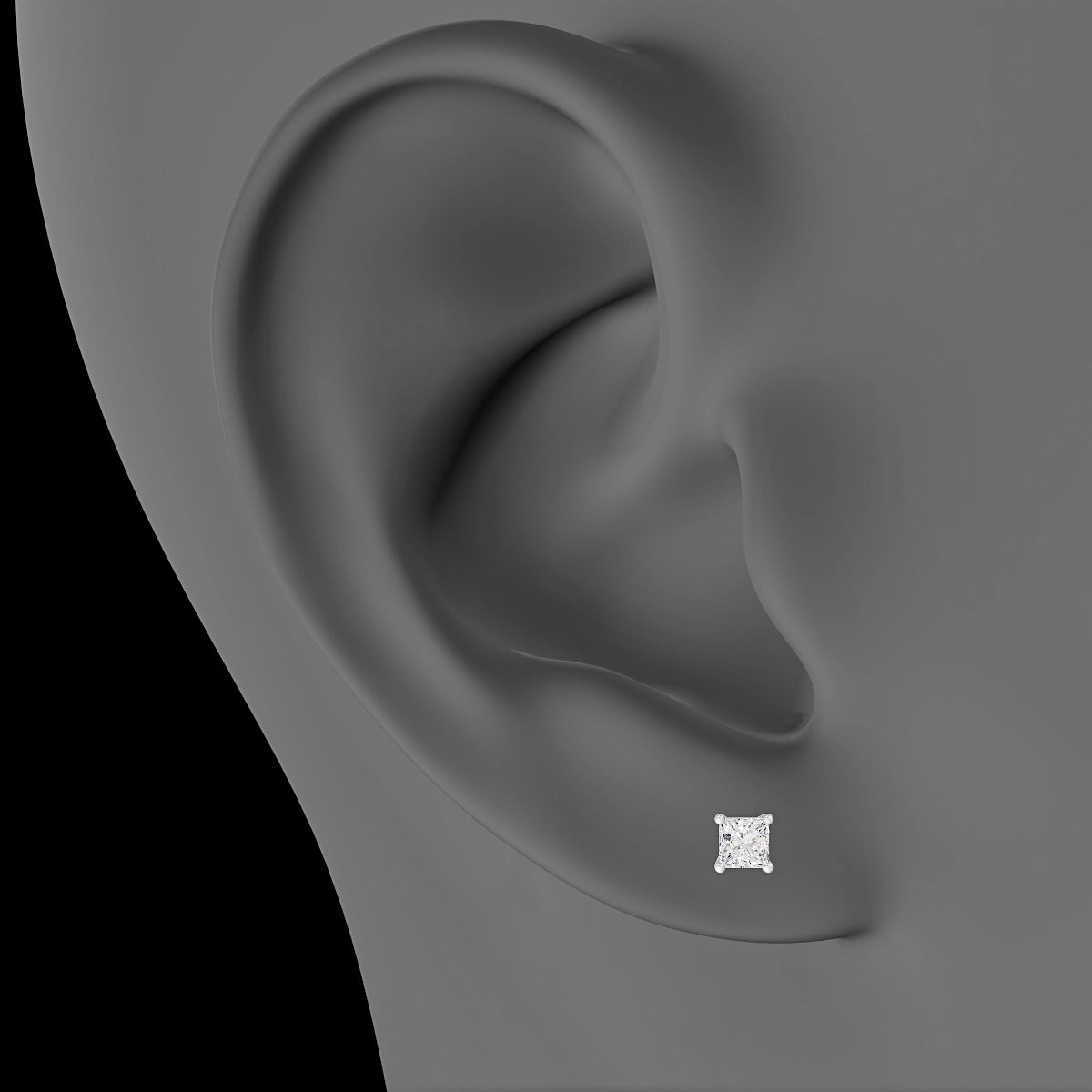
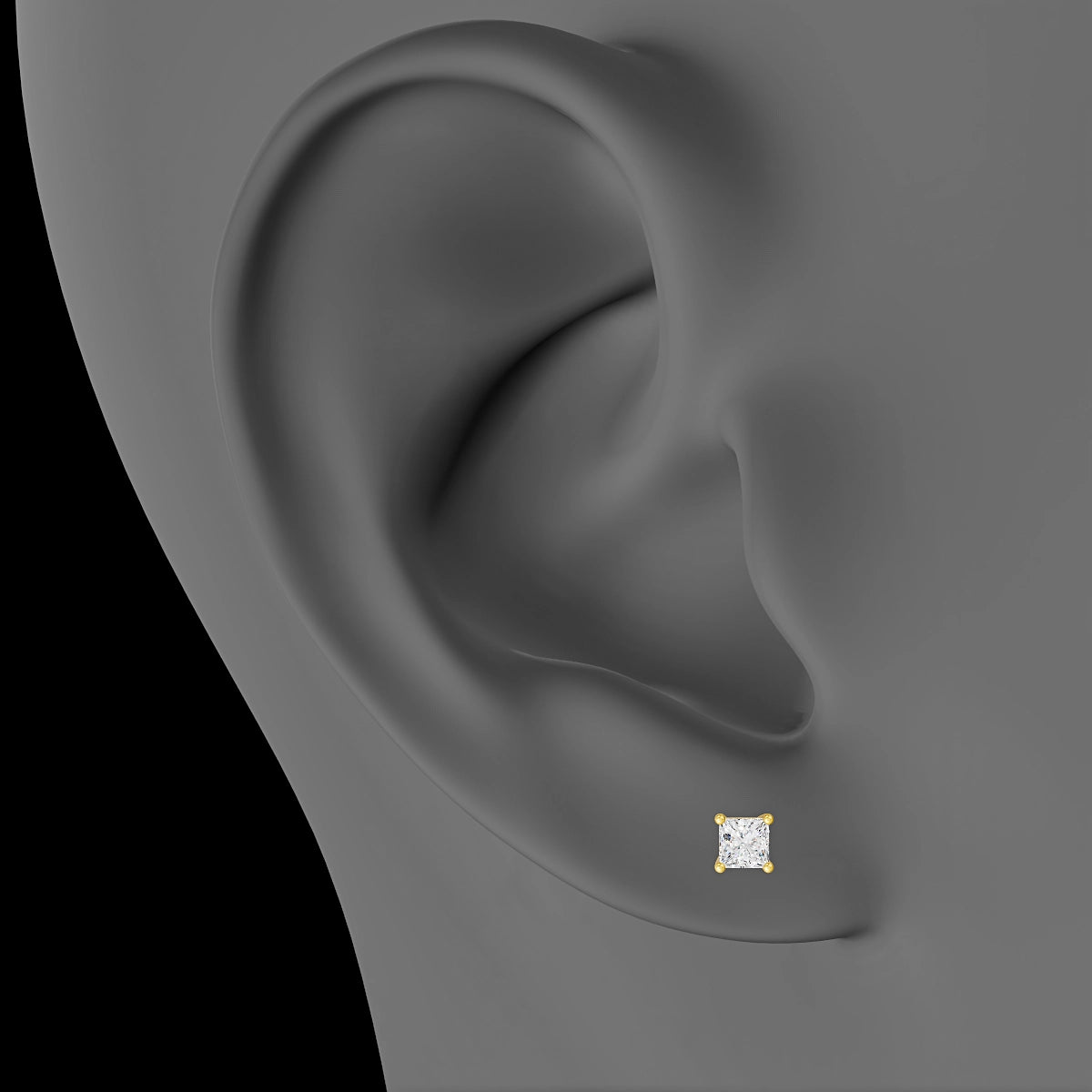
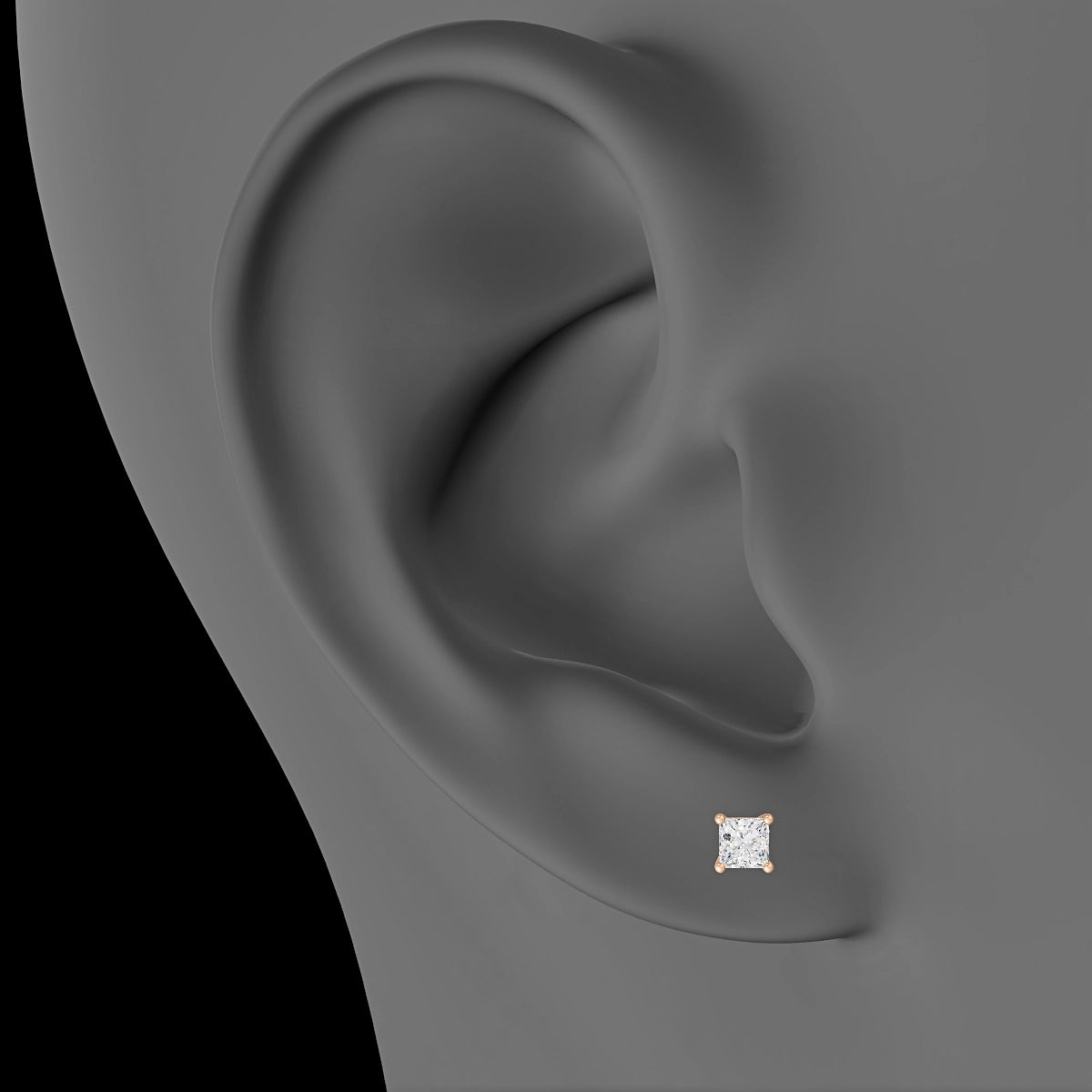
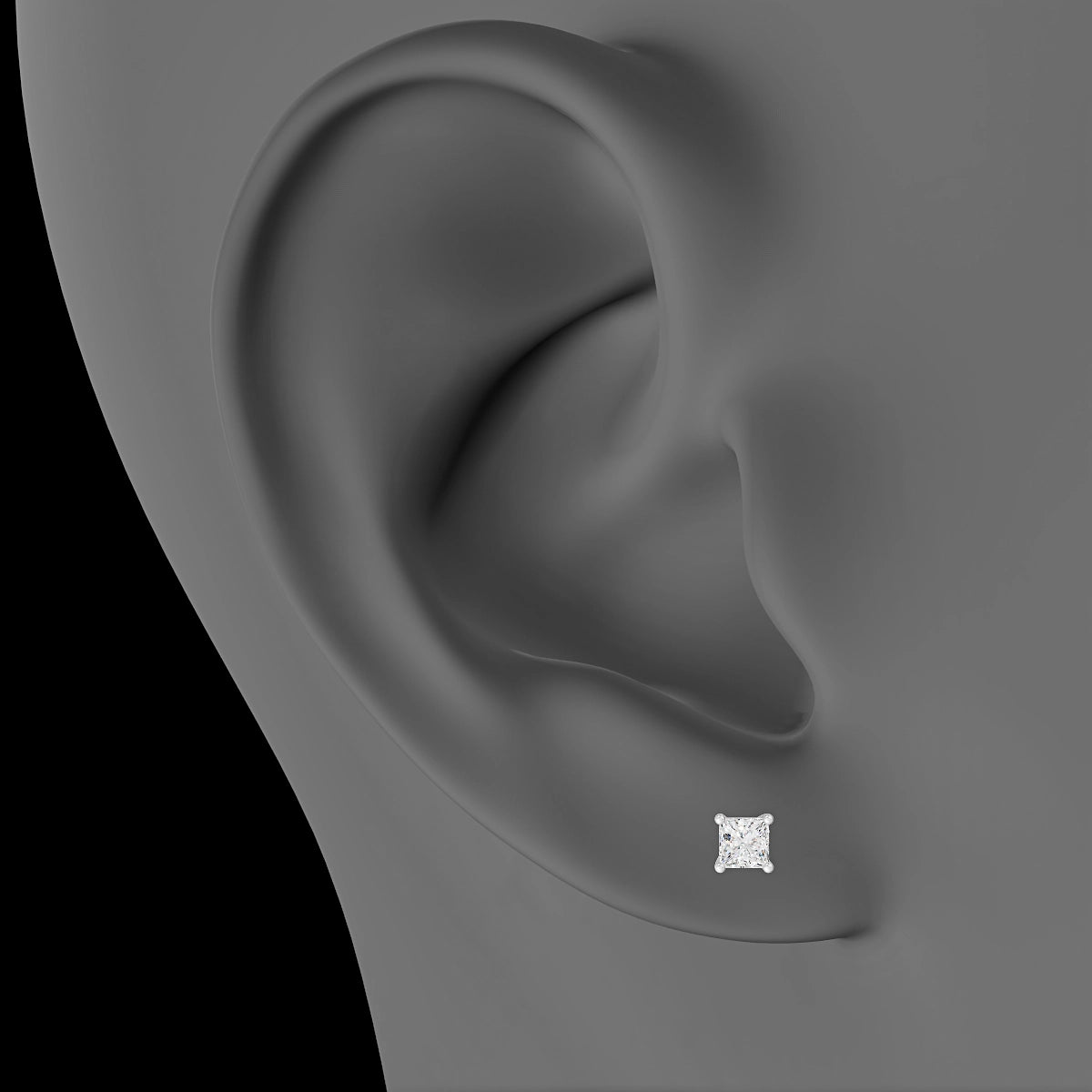
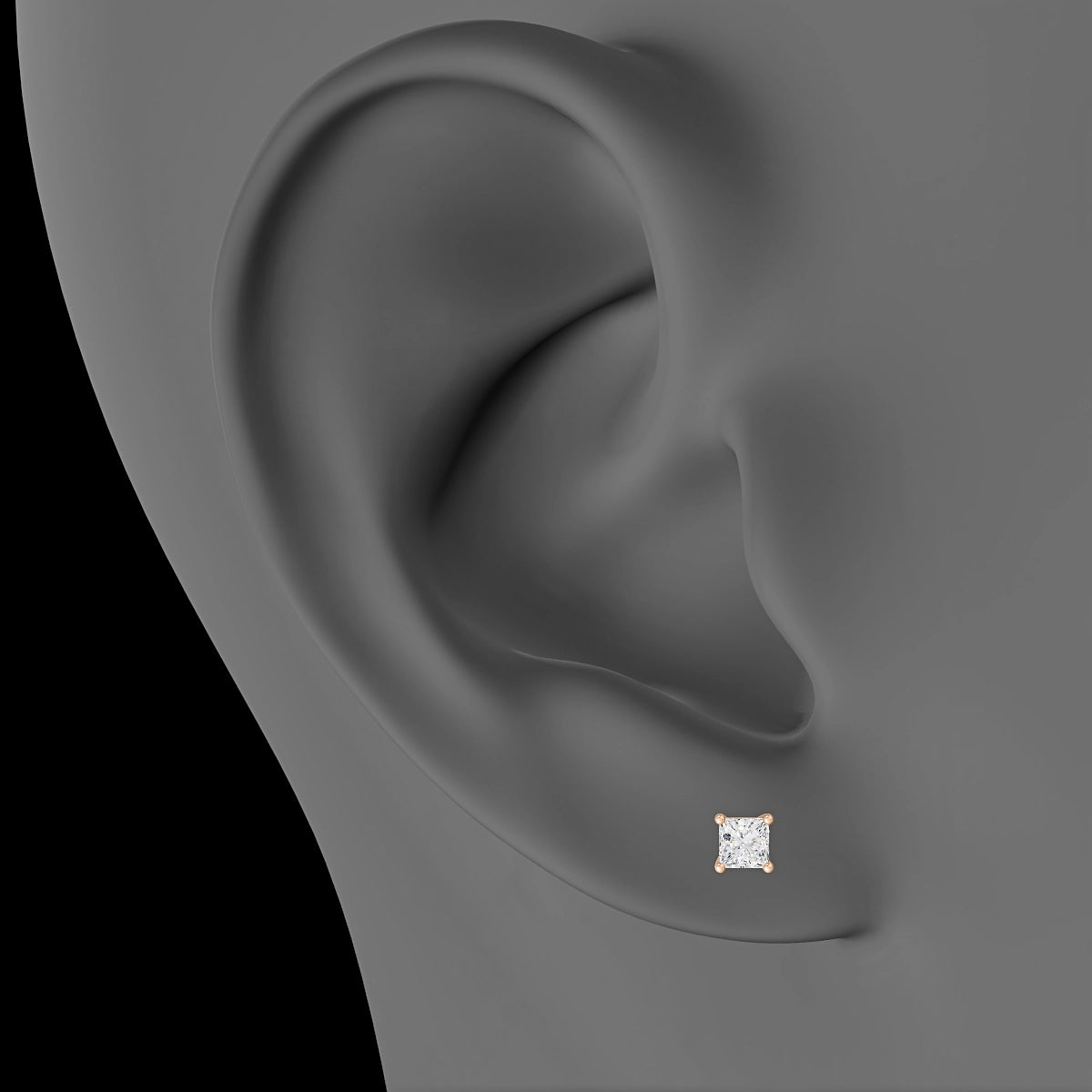
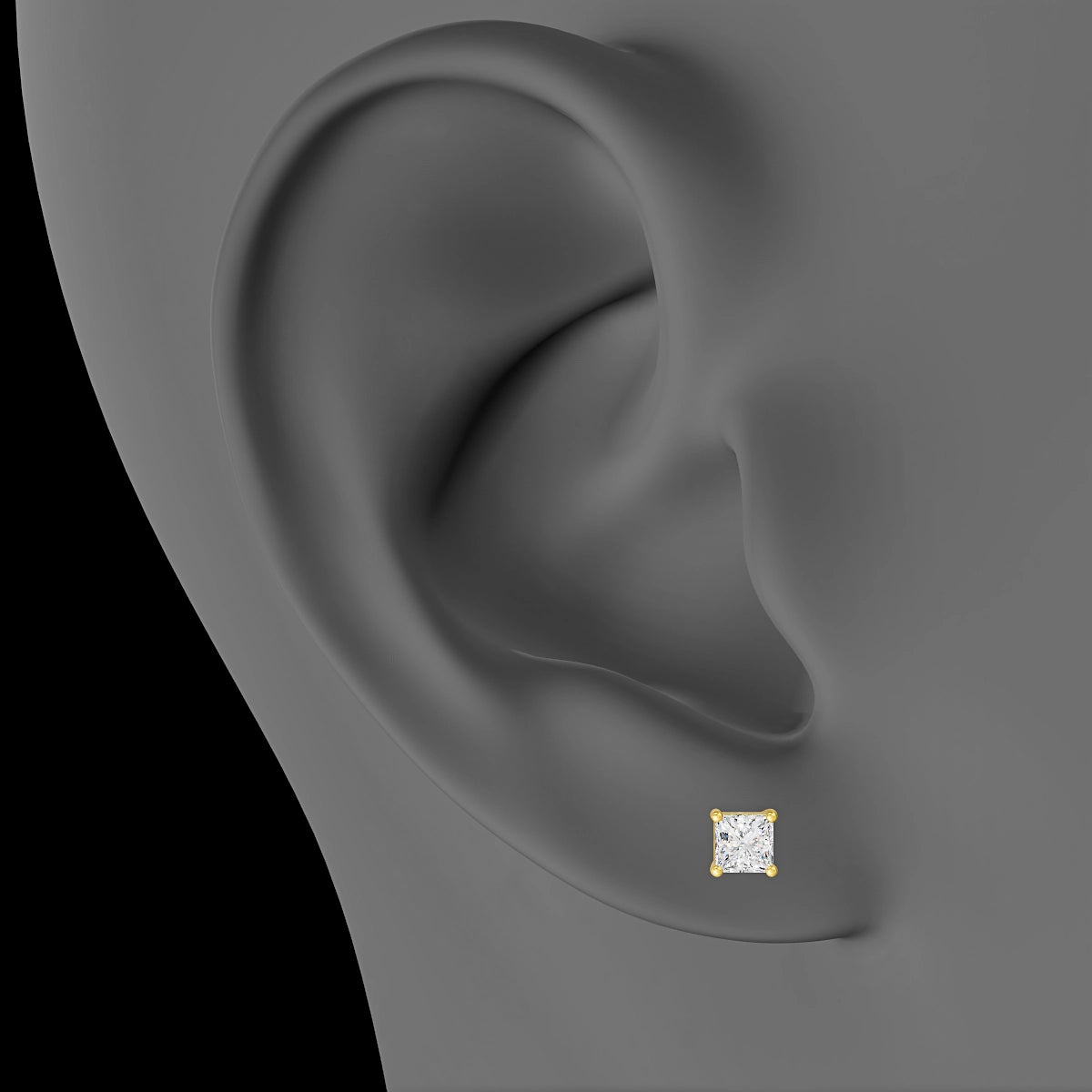
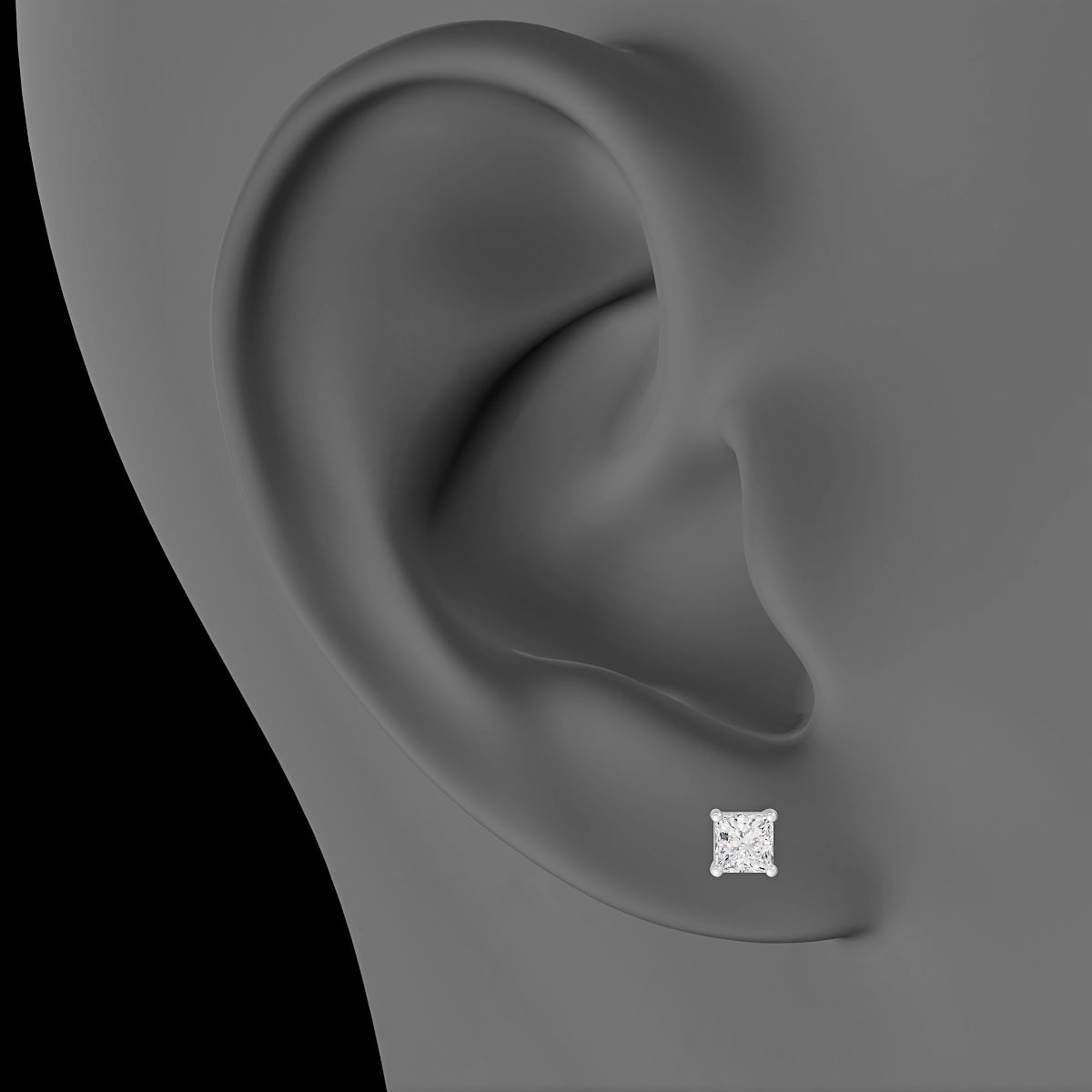
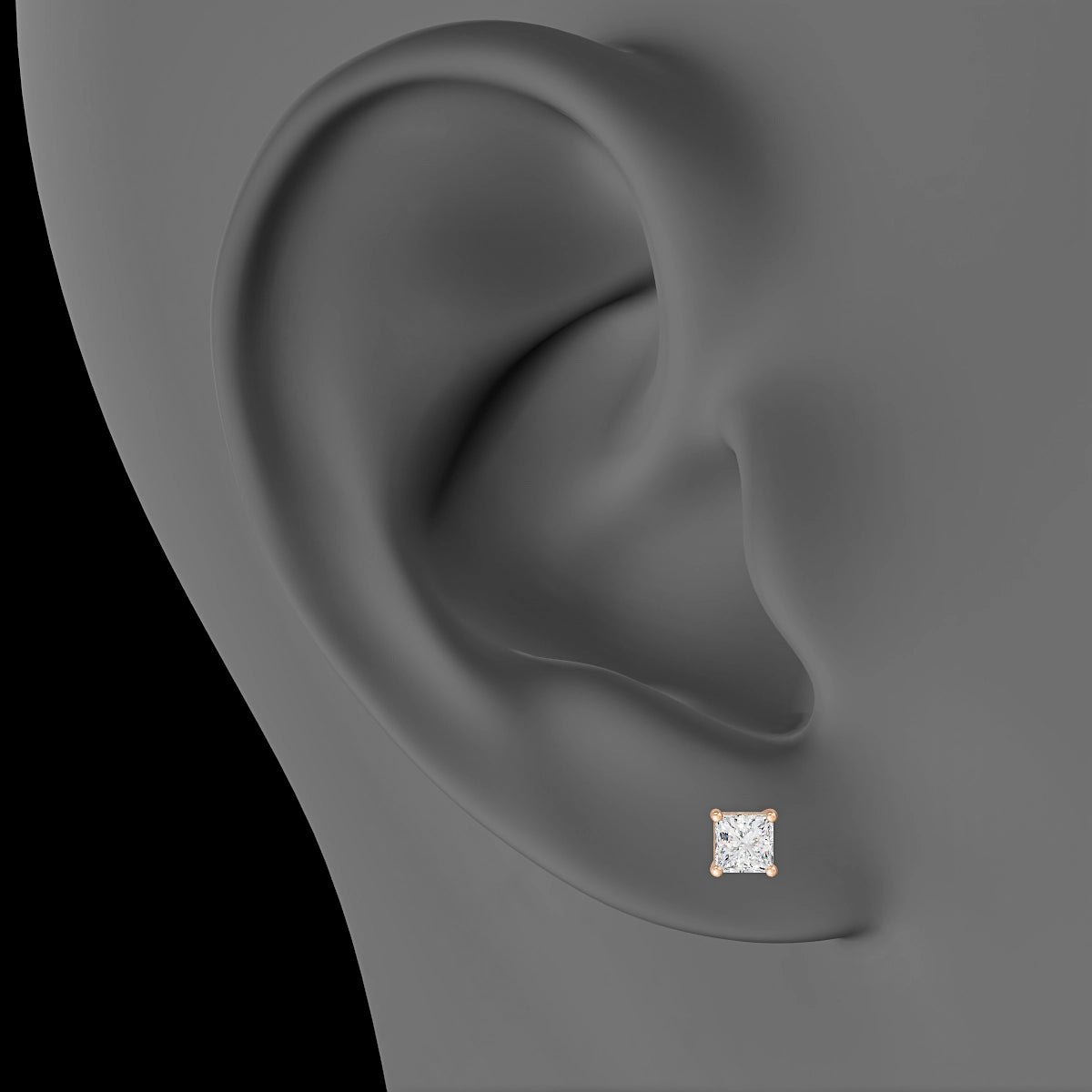
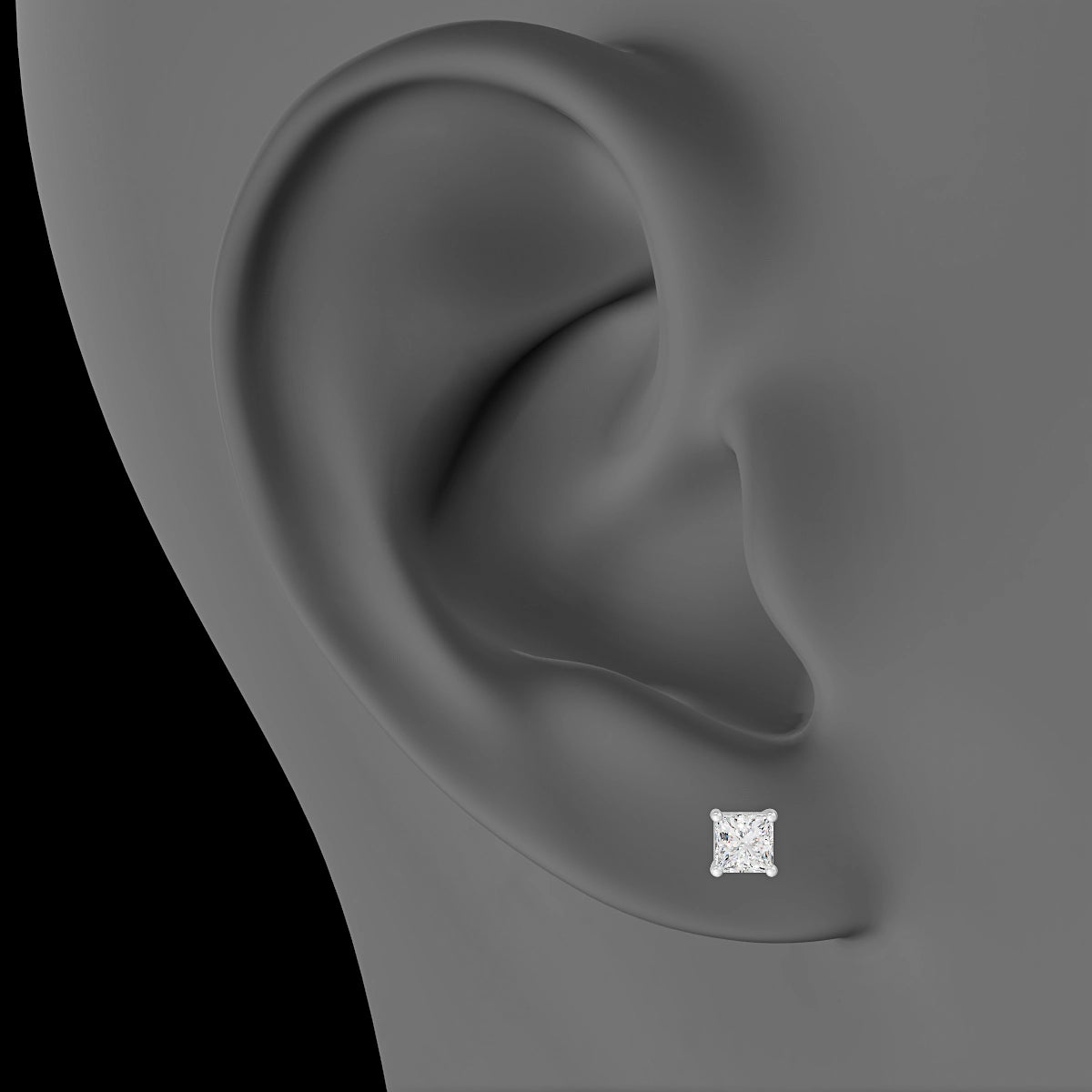
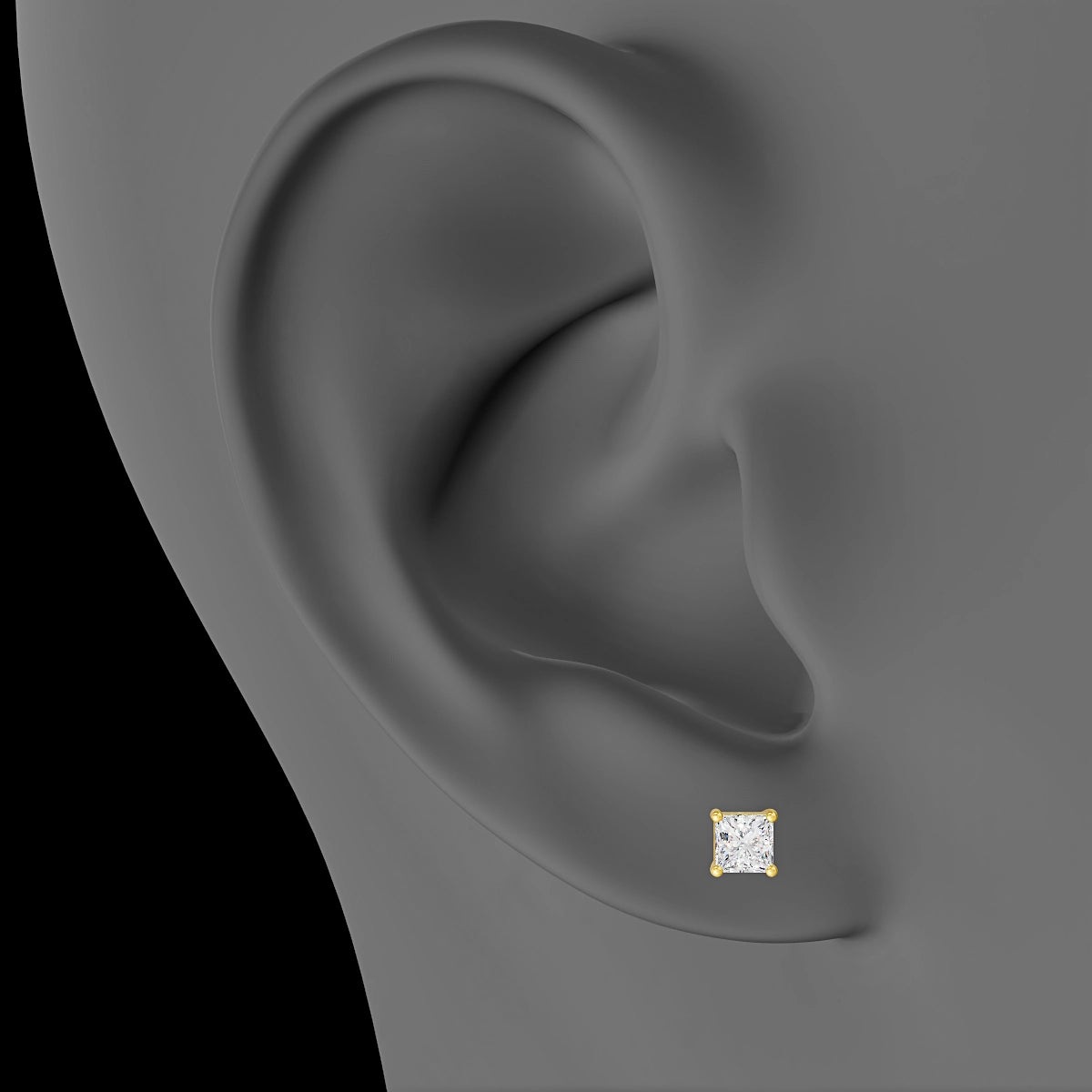
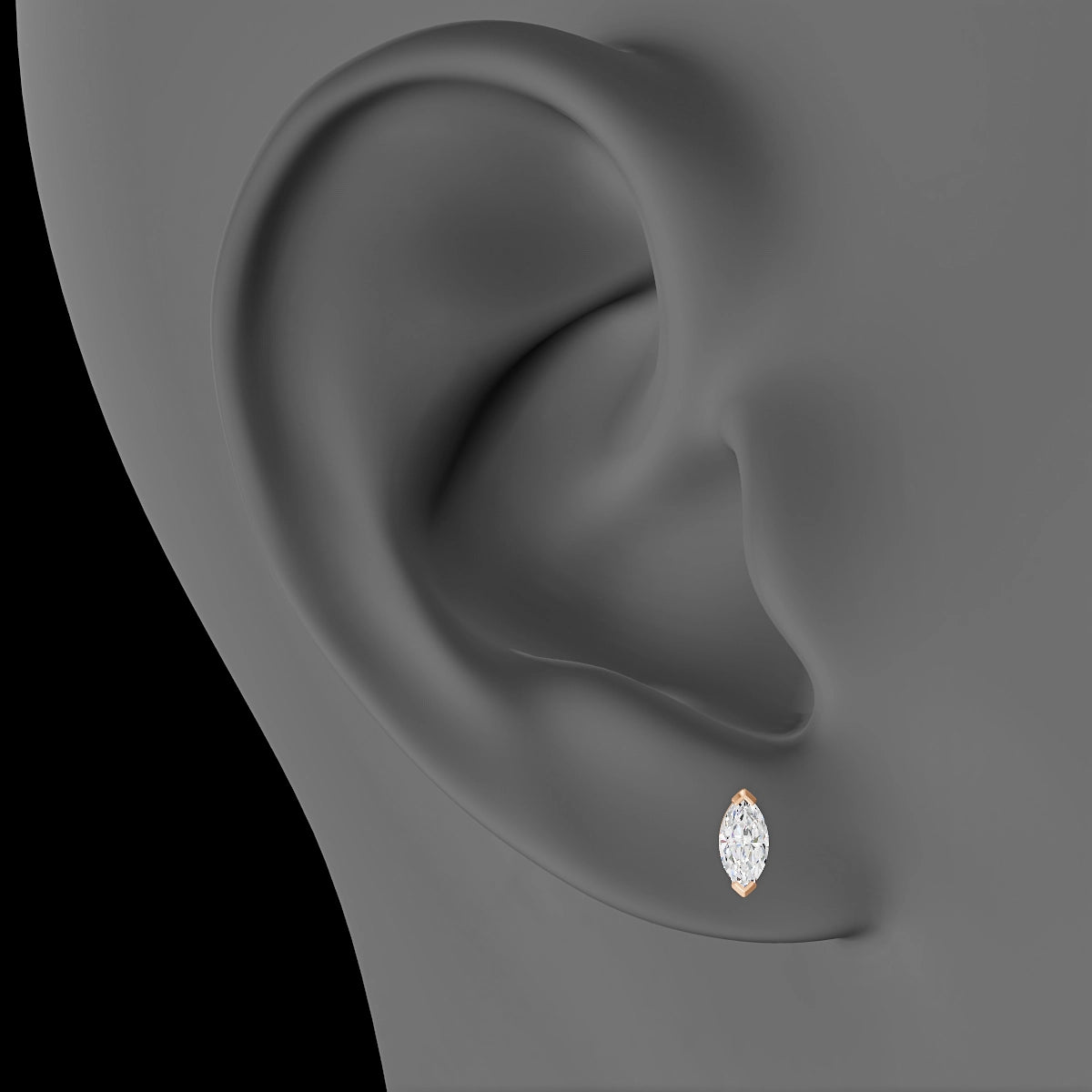
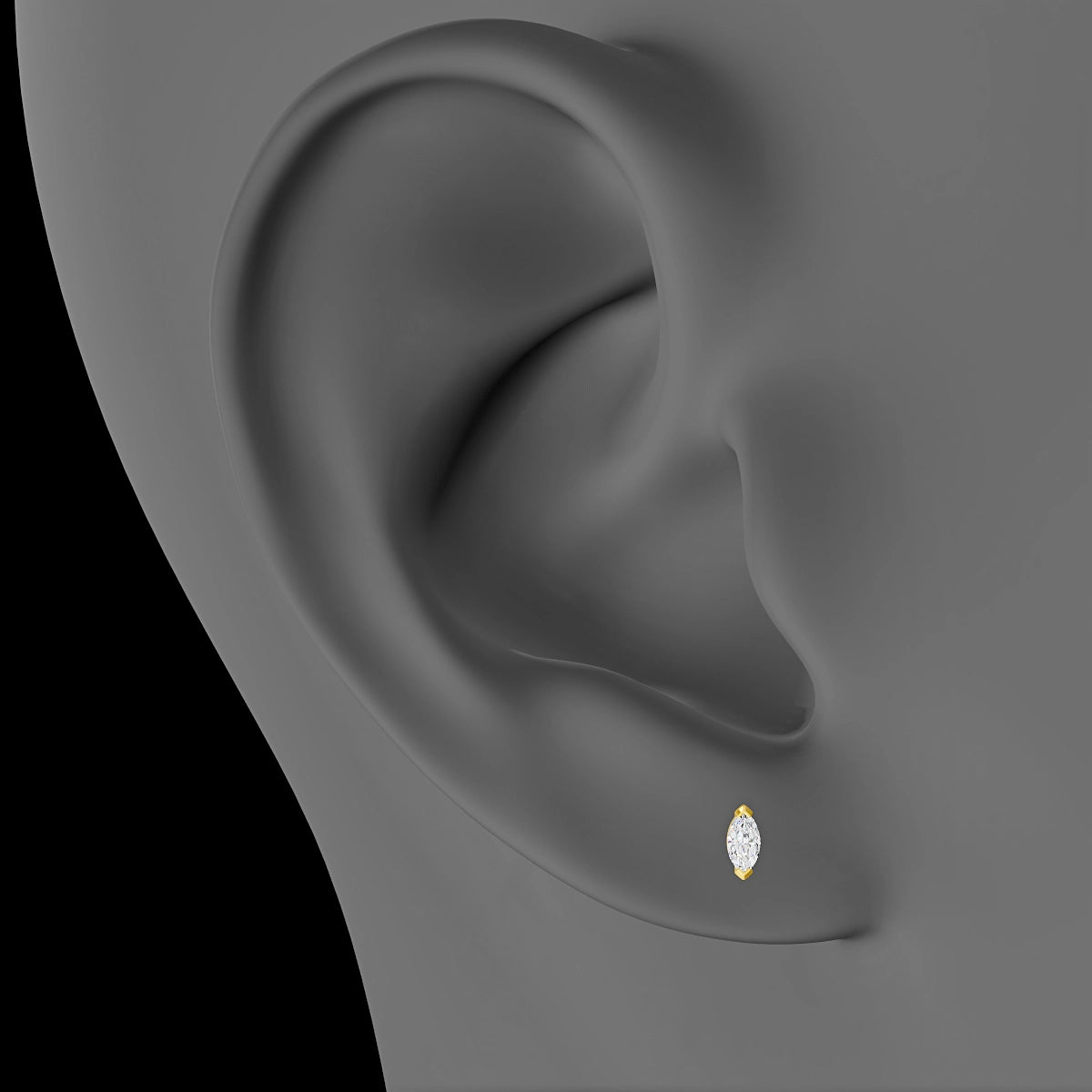
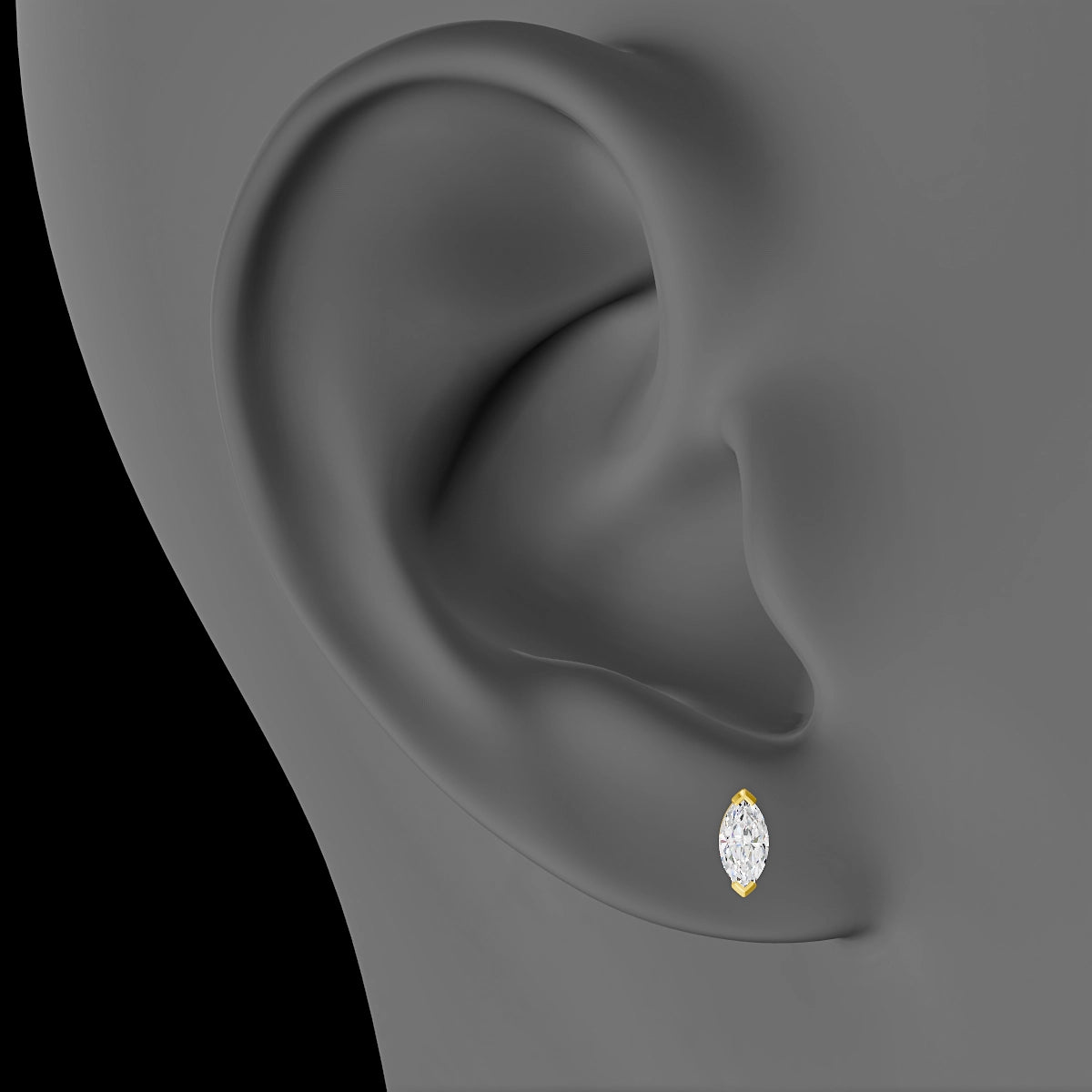
The Contraconch piercing is positioned in the conchal area of the ear, which refers to the concave hollow located just above the earlobe and below the helix. This area of the ear features a thick cartilage structure, providing a suitable canvas for piercing. It is important to note that pain levels can vary significantly from one person to another.
Due to its specific placement, the contraconch piercing location offers a distinctive and noticeable aesthetic.
Contraconch vs Conch: What's the Difference?
The contraconch and conch both sit in the outer ear's cartilage, and are often confused with one another.

Contraconch
Placement: Raised ridge just above the earlobe, below the helix
Pain Level: Generally similar, around 7/10
Healing Time: 6 to 12 months
Jewelry Fit: Requires anatomy with a visible, workable contraconch ridge
Common Jewelry: Studs only
Conch
Placement: Central, concave bowl of cartilage adjacent to the ear canal
Pain Level: 7/10
Healing Time: 6 to 12 months
Jewelry Fit: Suits most ear anatomies, as nearly everyone has a workable conch
Common Jewelry: Studs or hoops
Both are cartilage piercings and share similar aftercare needs, but the contraconch is less universally suited to every ear shape and is limited to studs, while the conch offers more jewelry flexibility, including hoops.
Contraconch Piercing Cost: How much does it cost?
A contraconch piercing involves two separate costs:
- Piercing service fee: typically $30–$50, charged by the piercing studio that performs the procedure.
- Jewelry cost: varies depending on the material and the design you choose. For reference, here's what's typically available on the wider market:
- A basic ASTM F136 titanium stud is the most budget-friendly starting point for a contraconch piece, from around $10, though fancier styles run well past $100.
- Gold pieces (14k/18k) set with precious stones sit in a different bracket entirely, typically $100 to $2,500+, shaped by gold grade and stone quality.
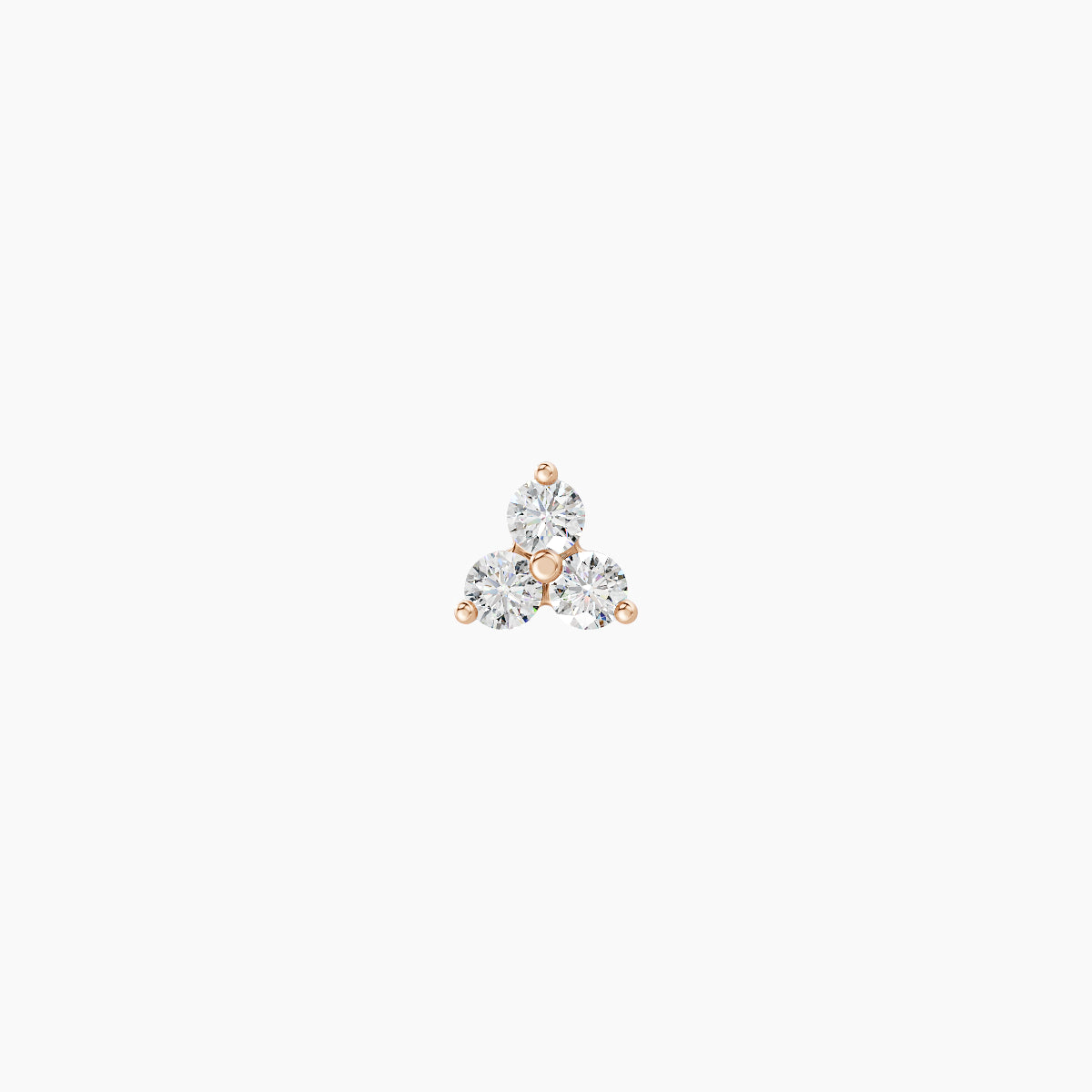
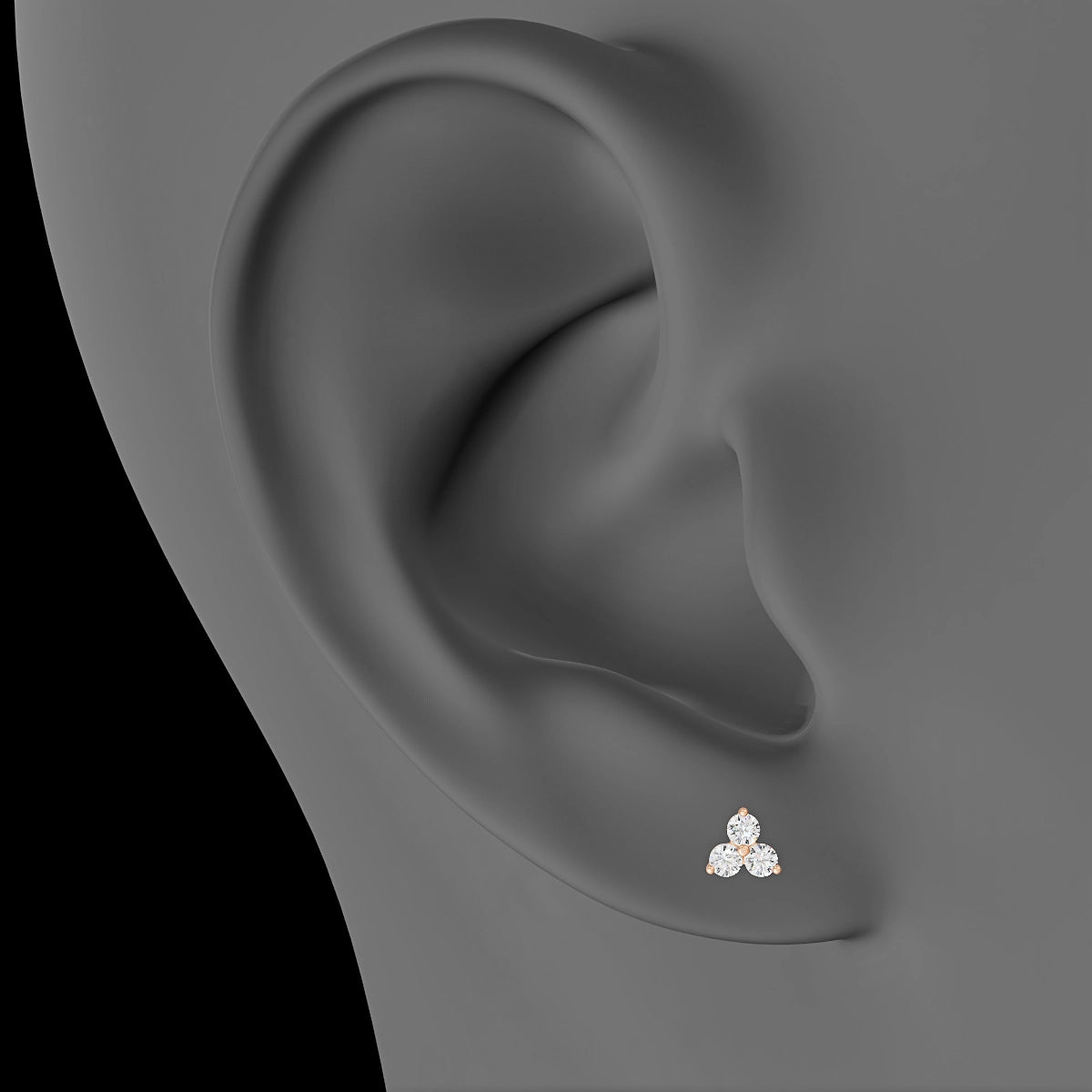
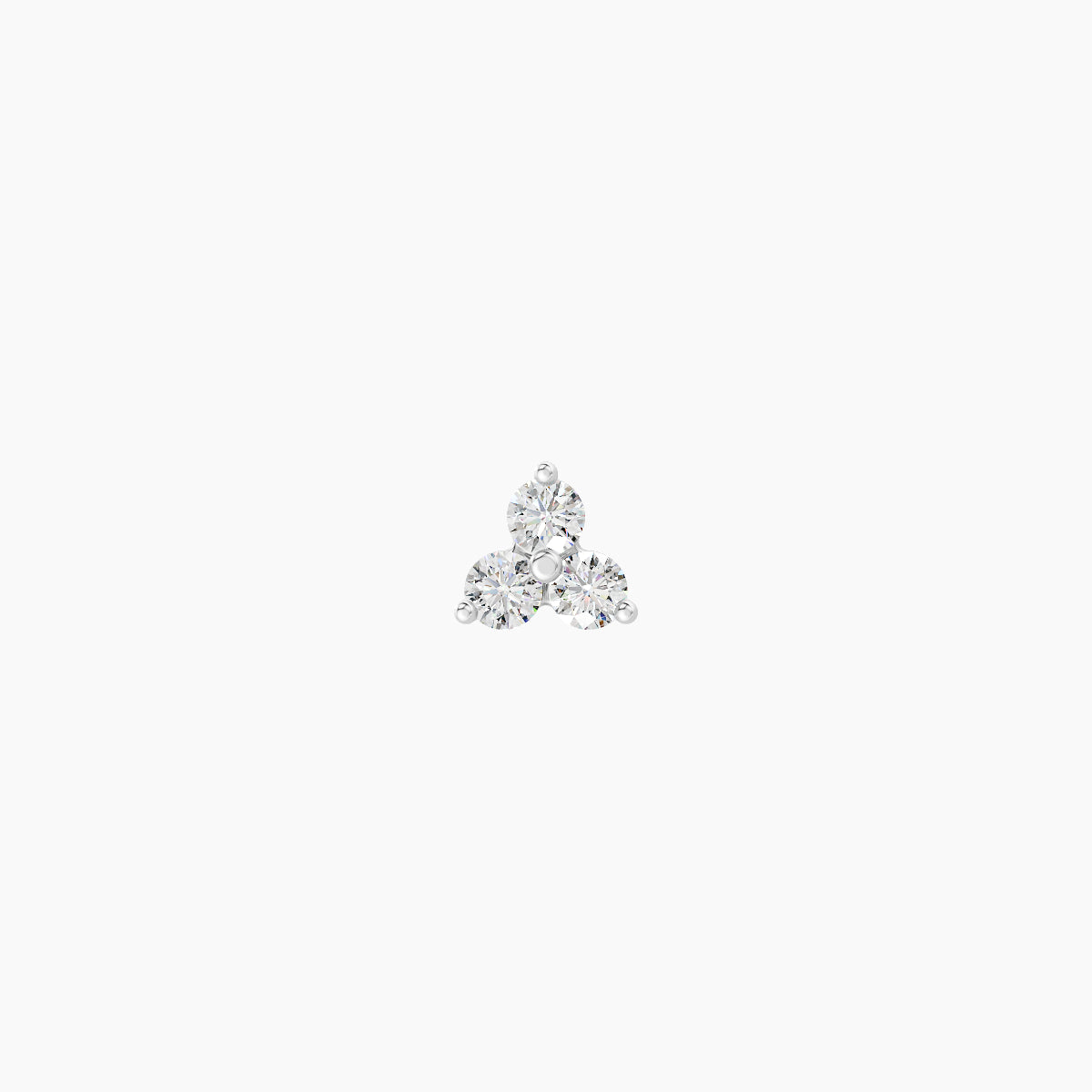
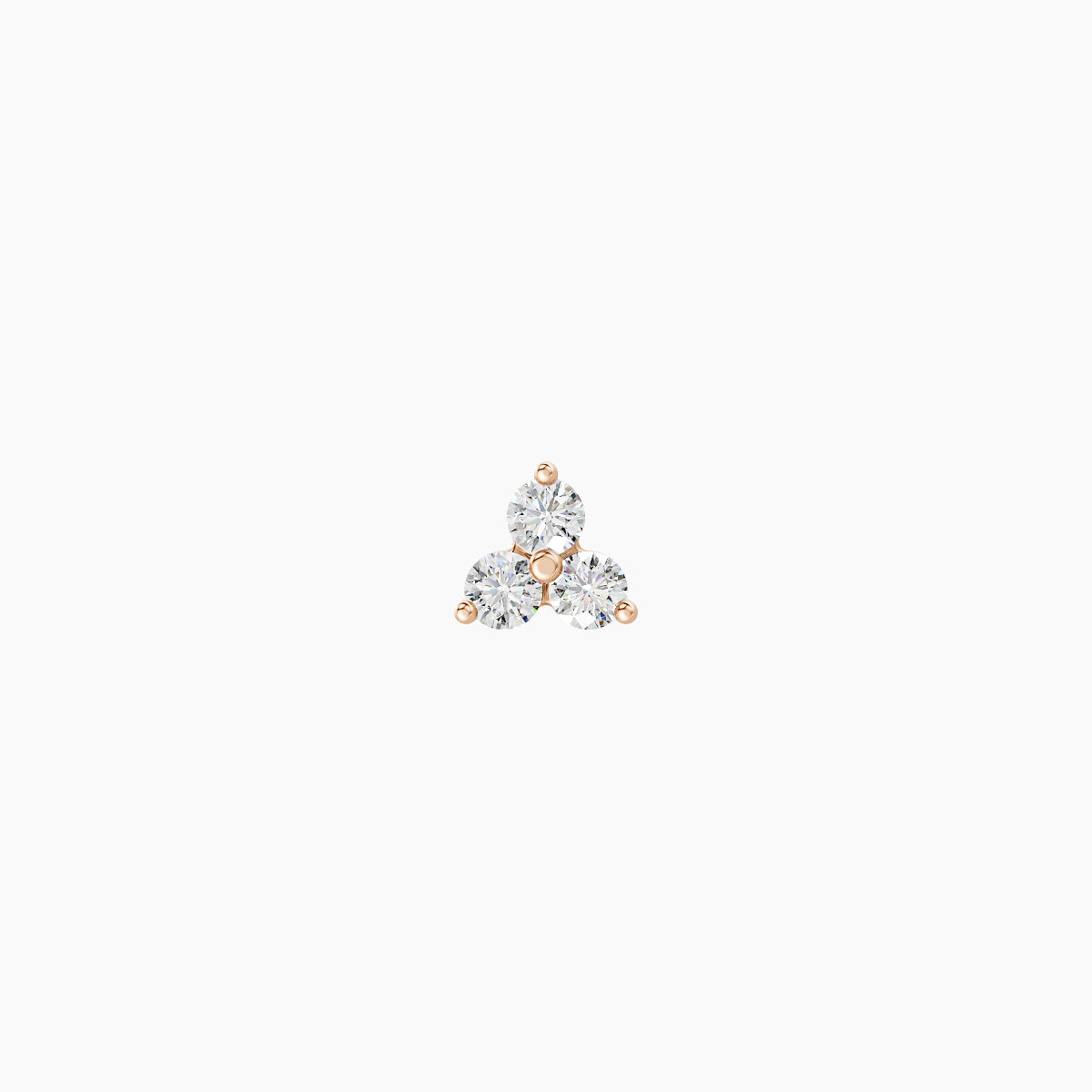
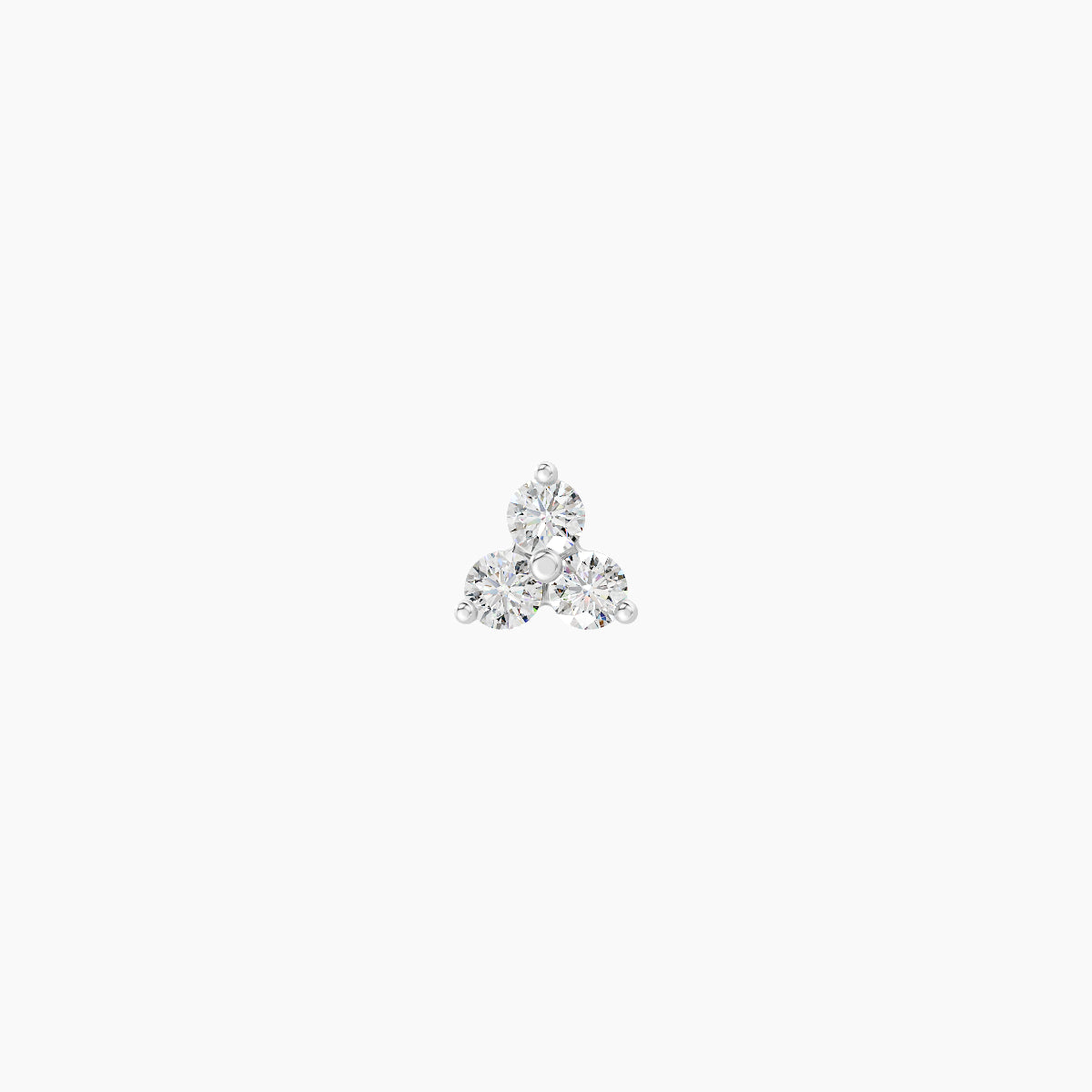
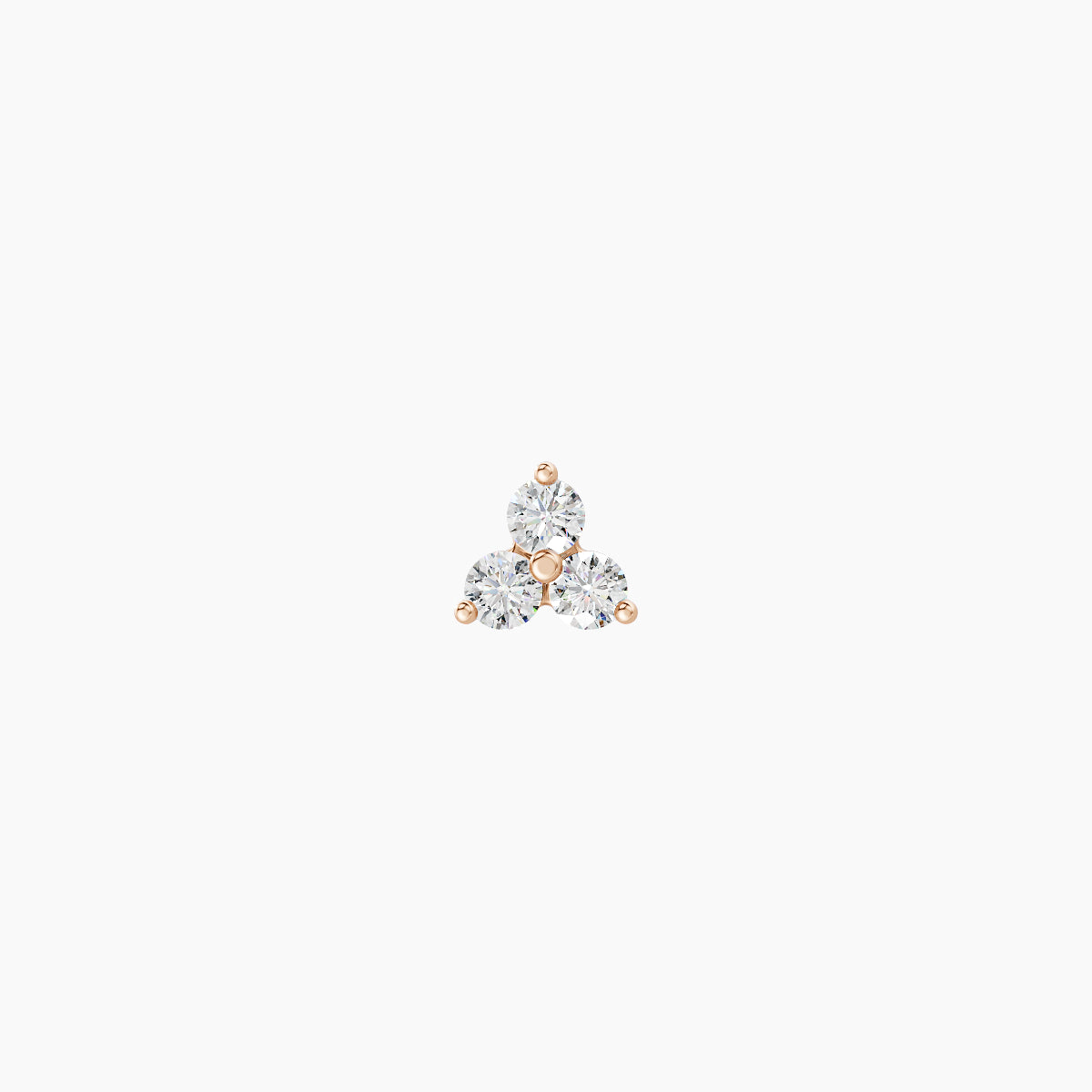
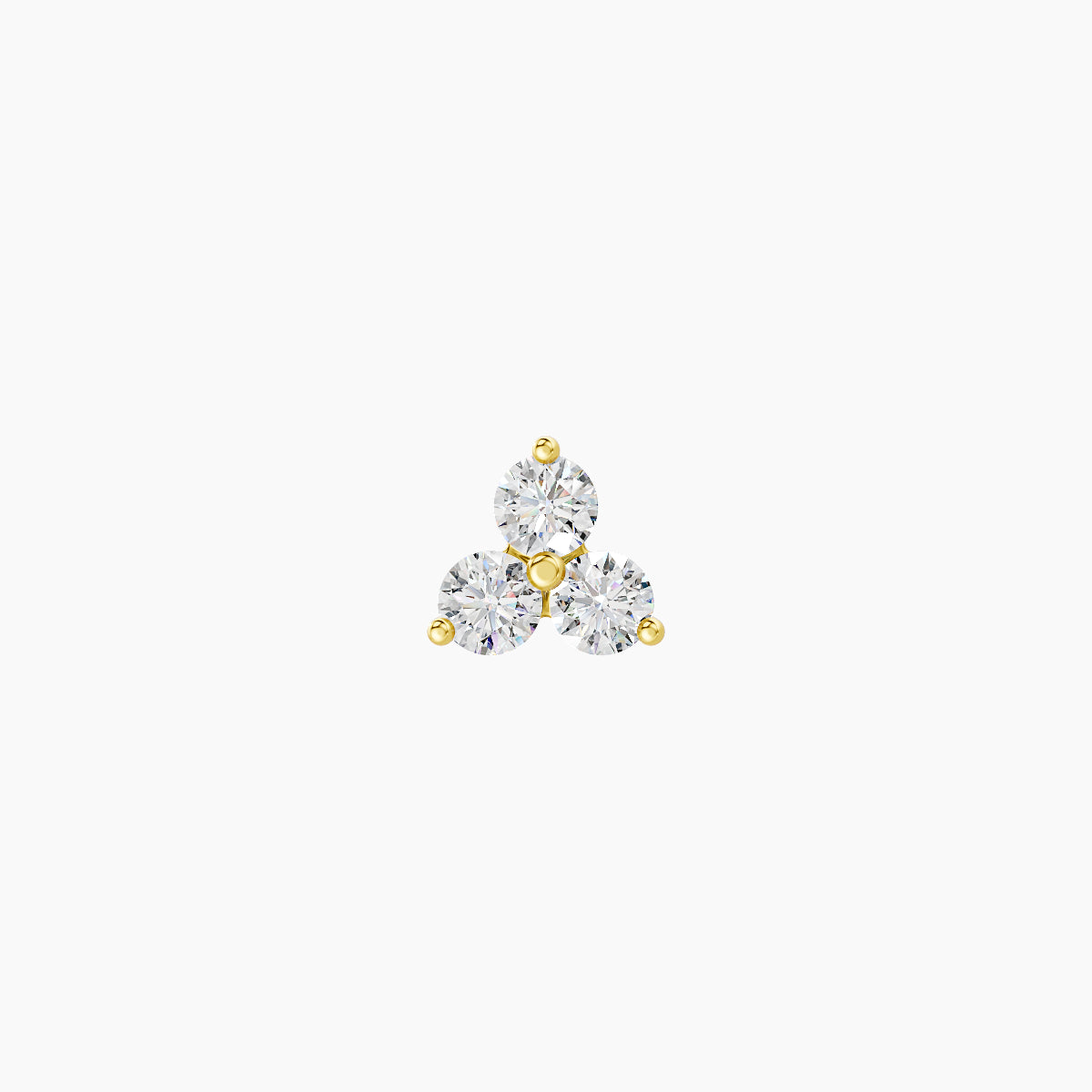
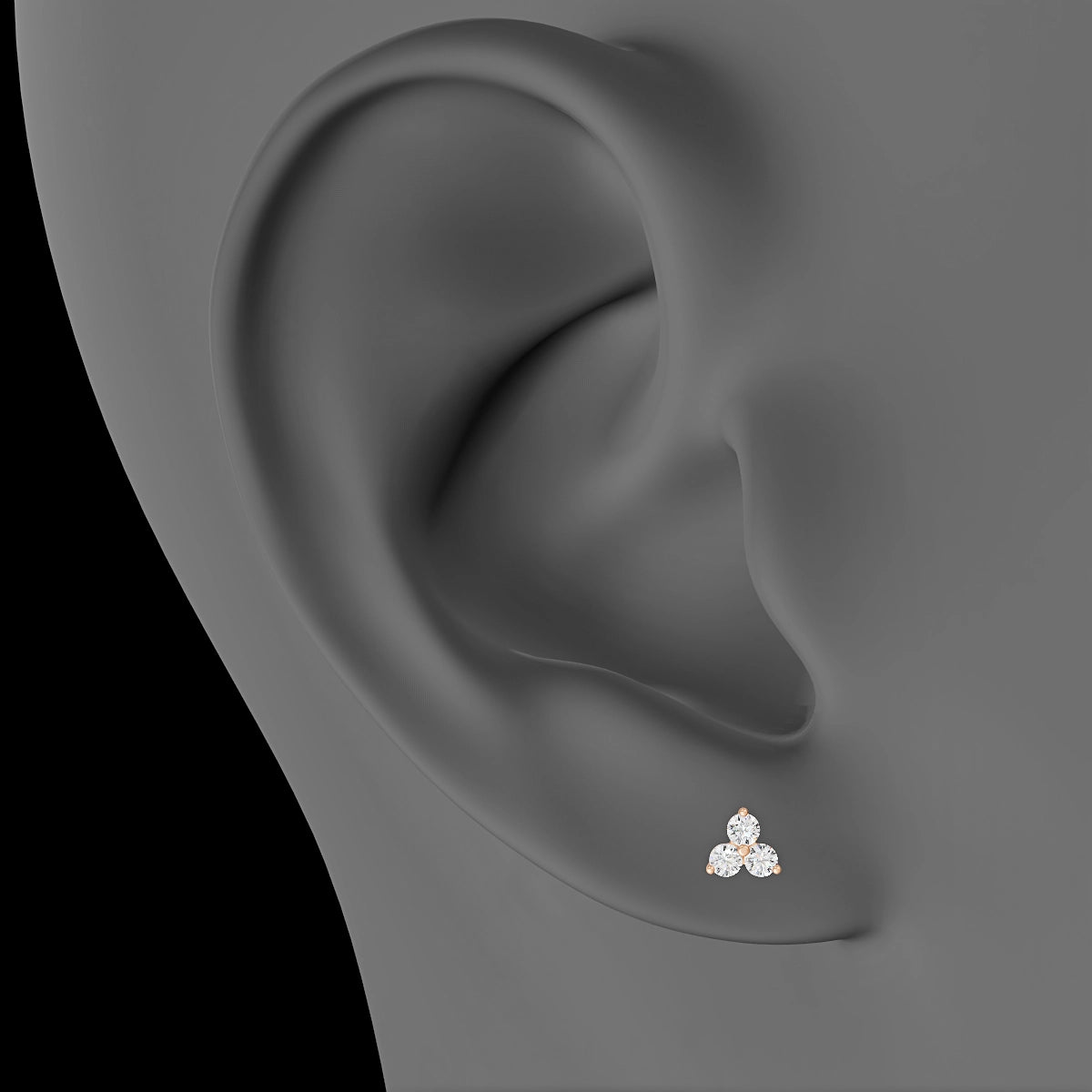
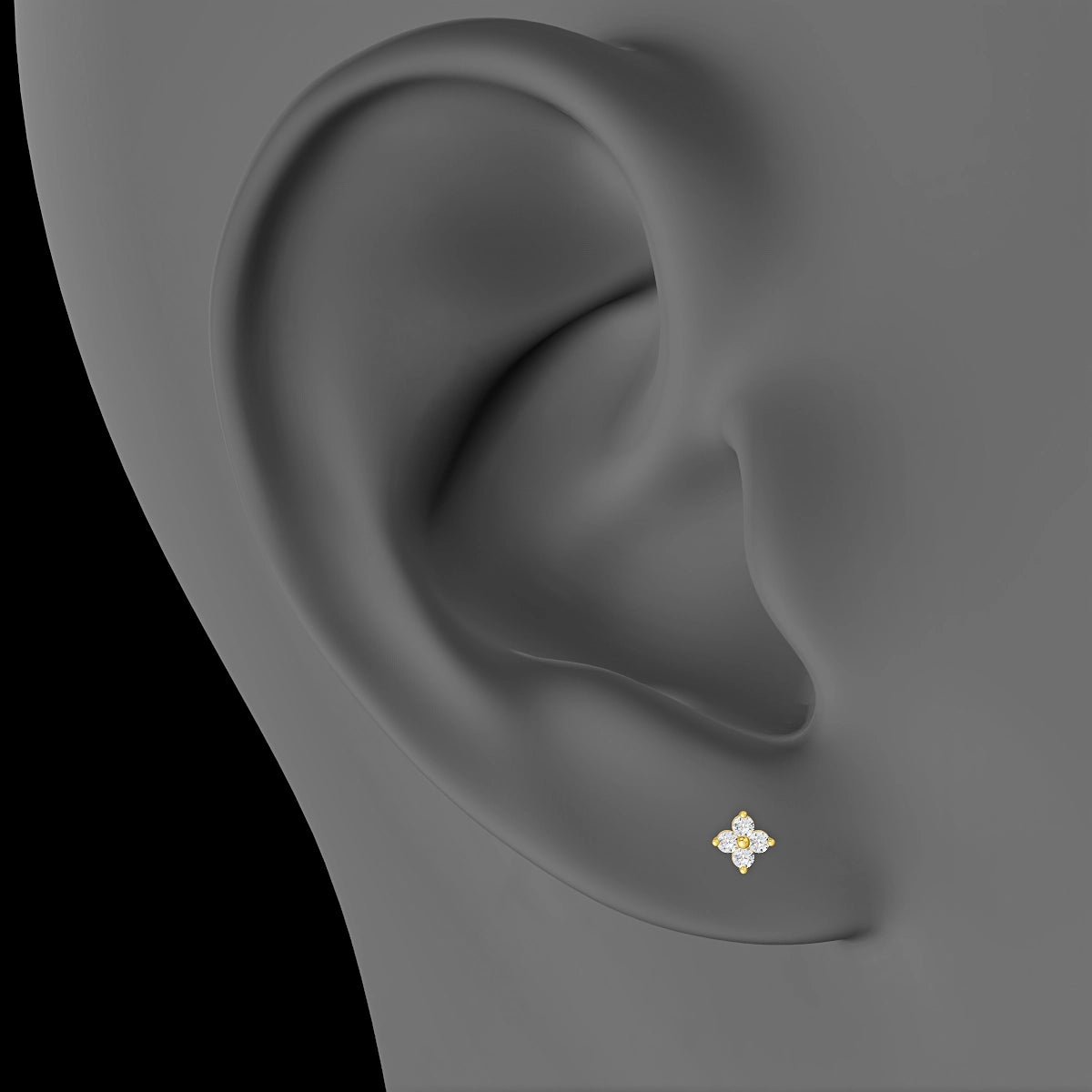
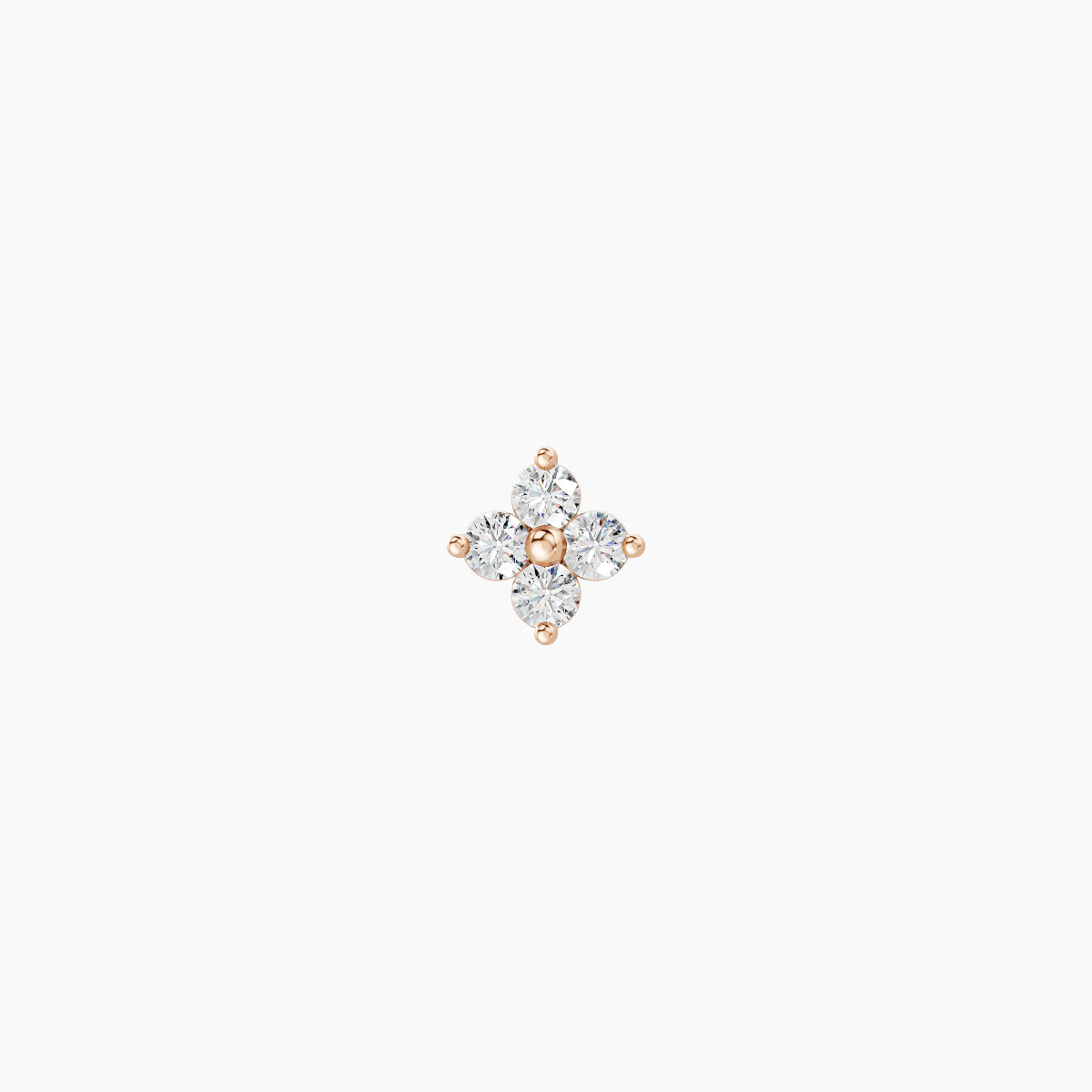
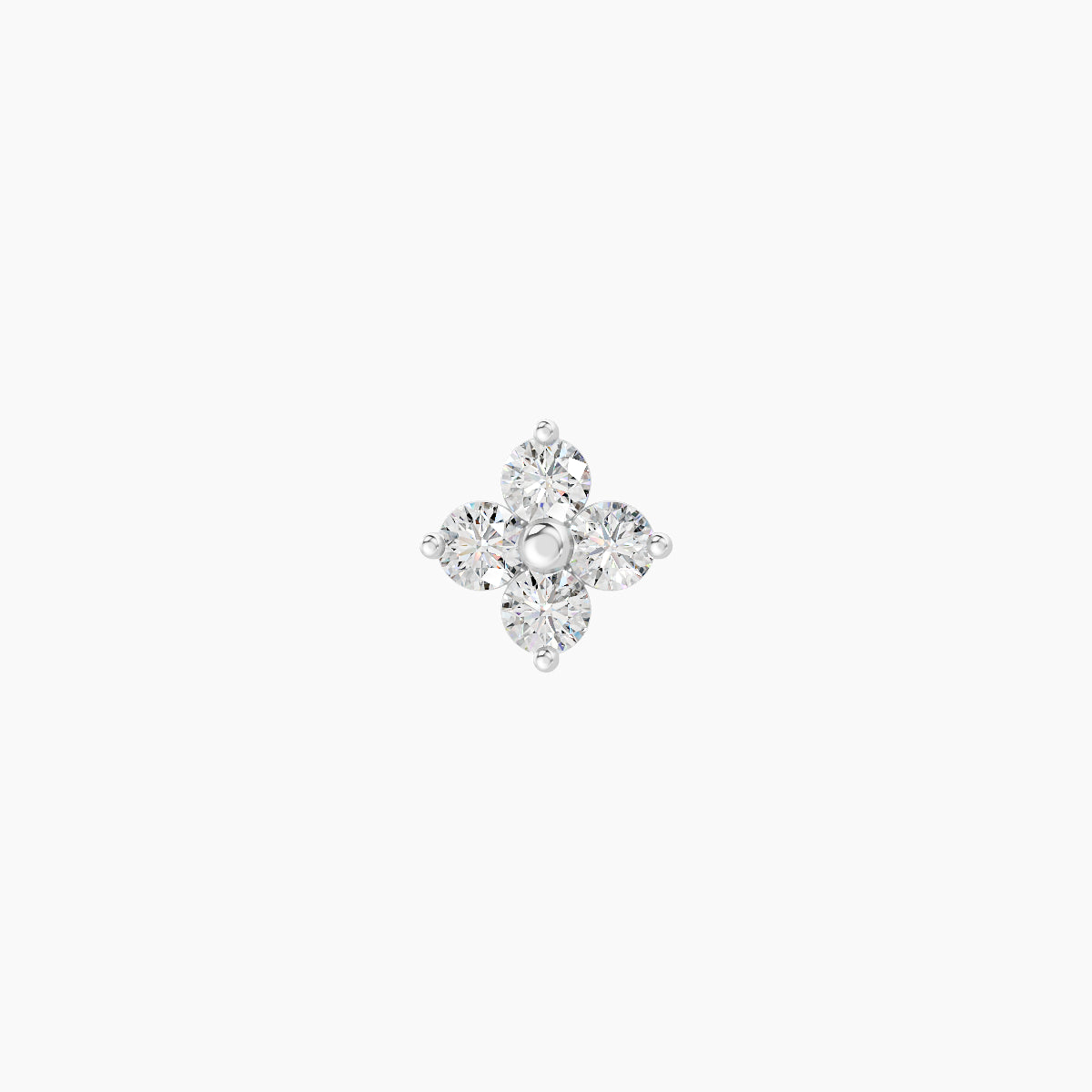
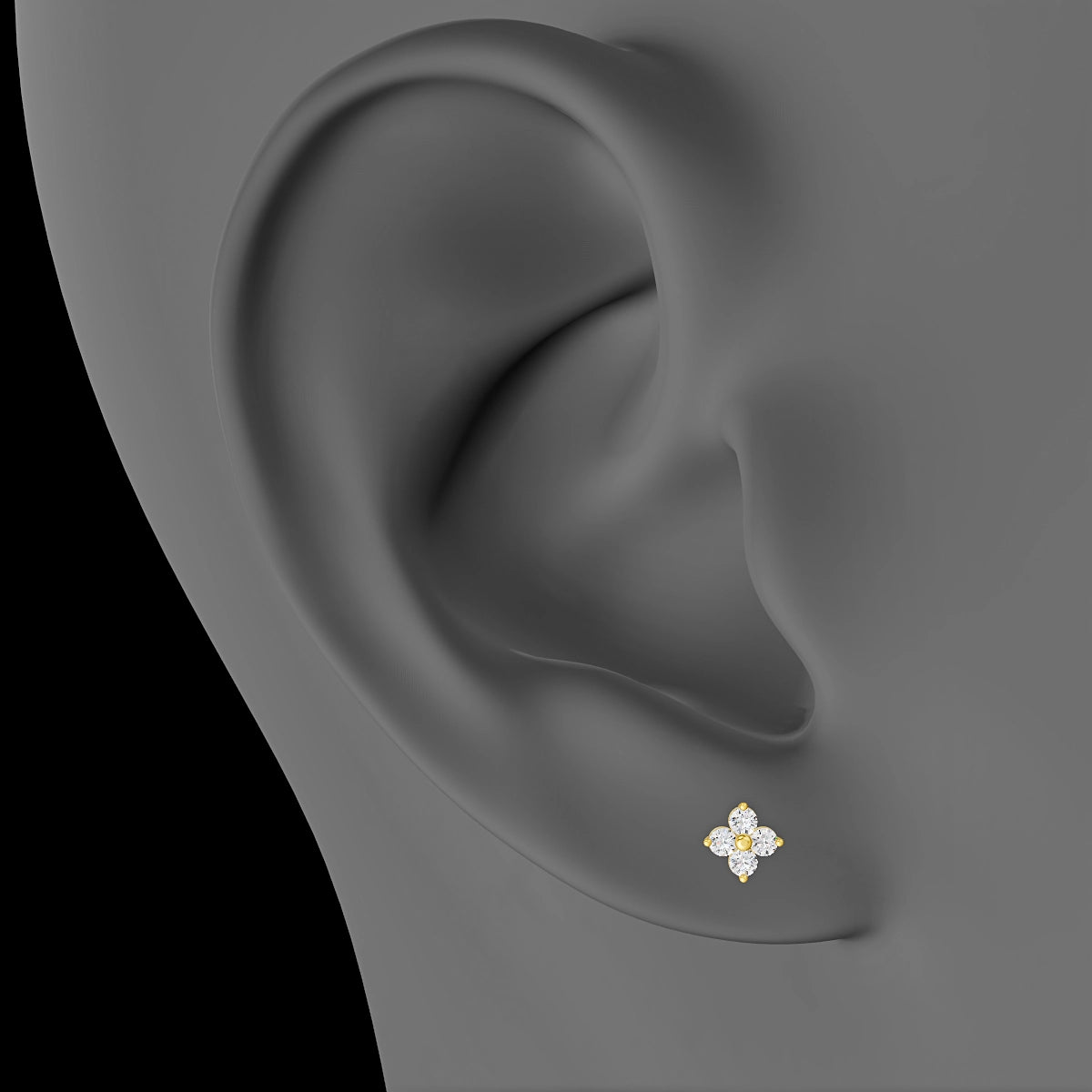
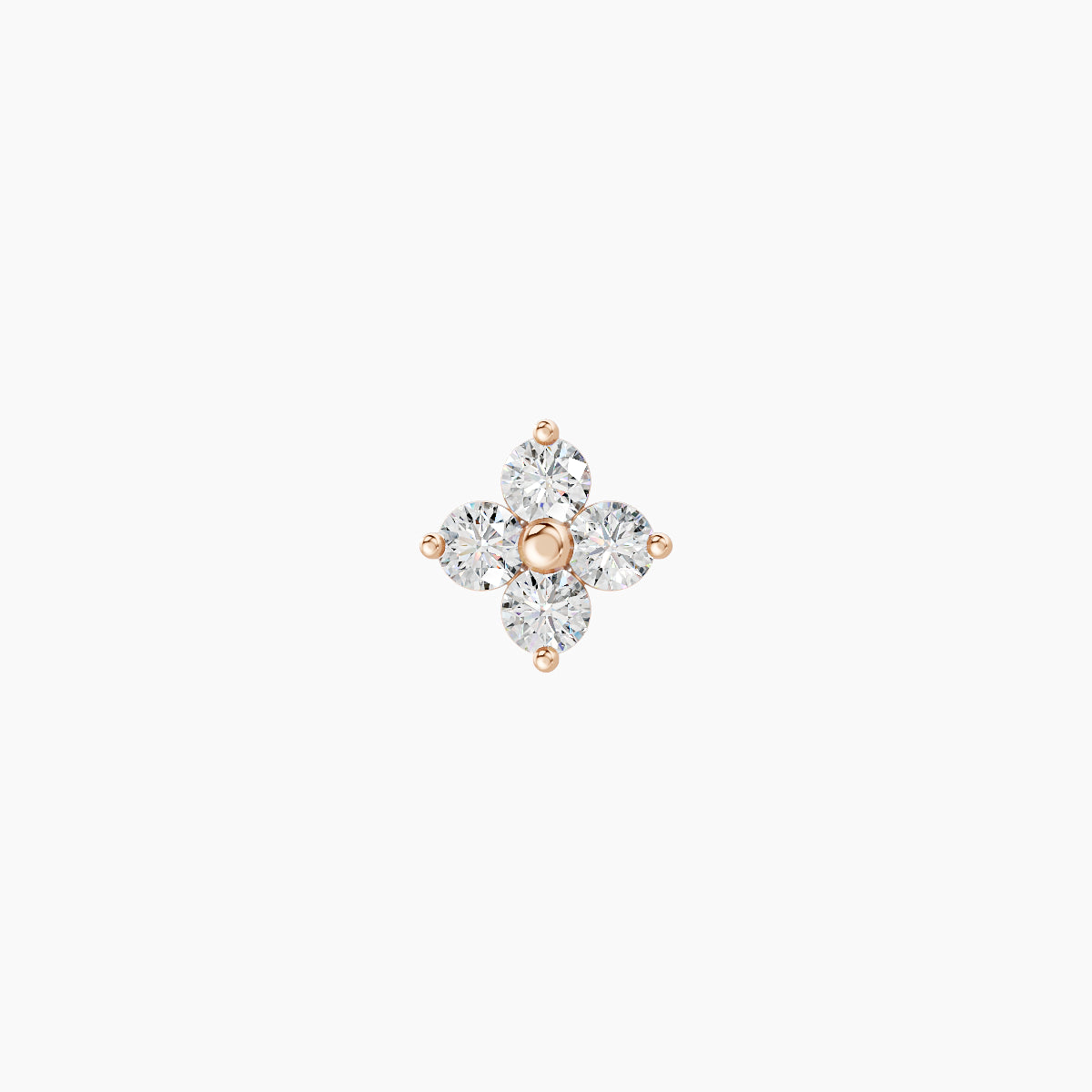
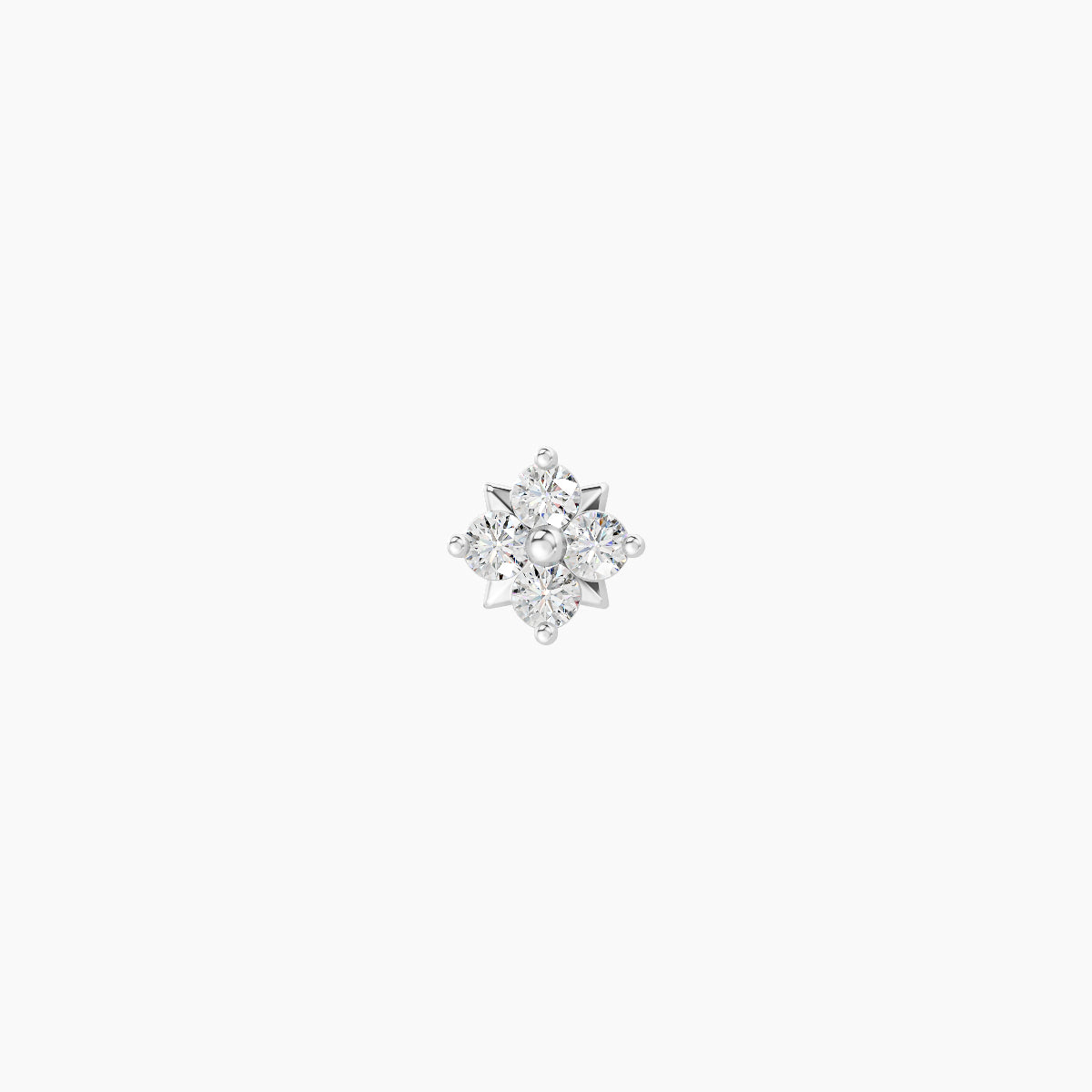
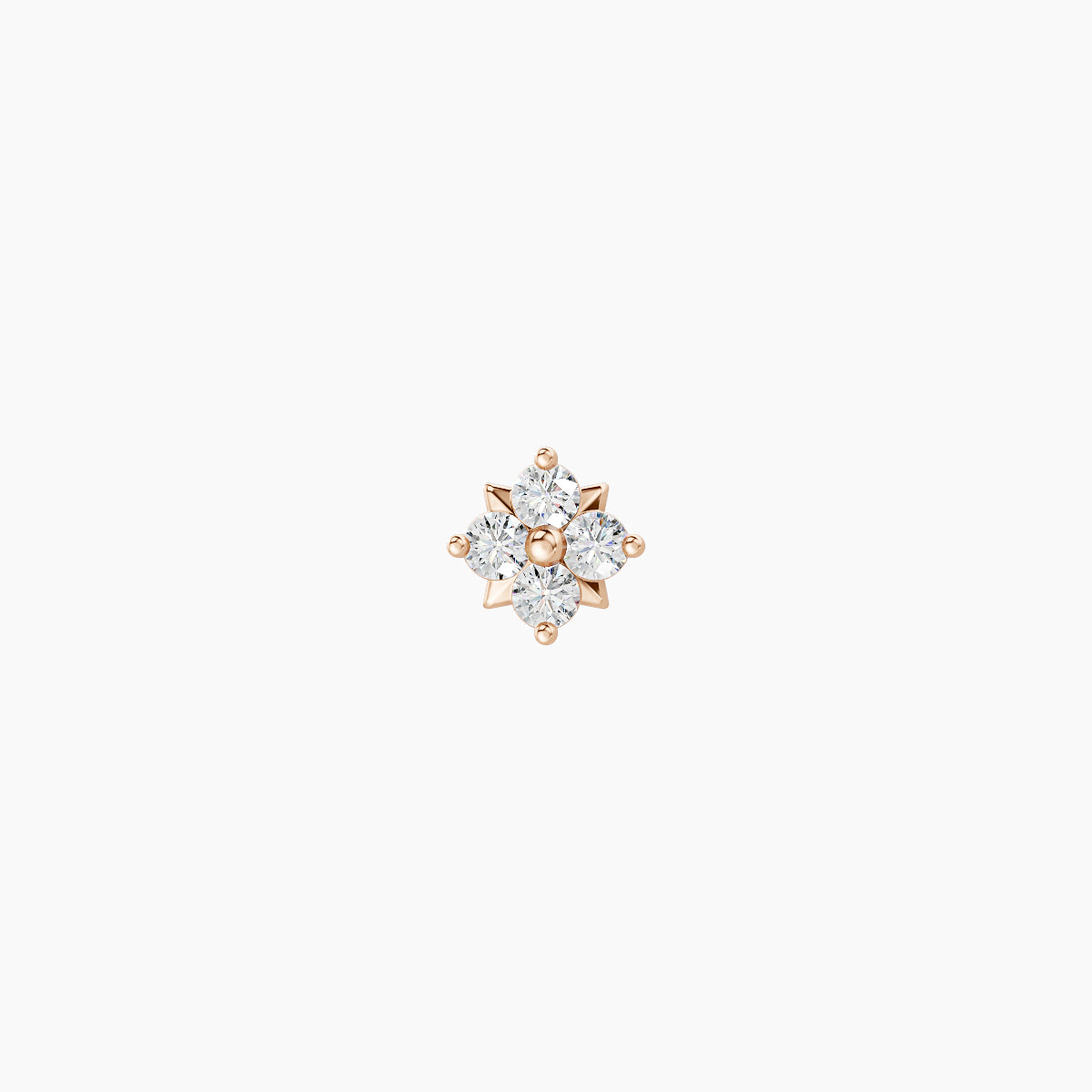
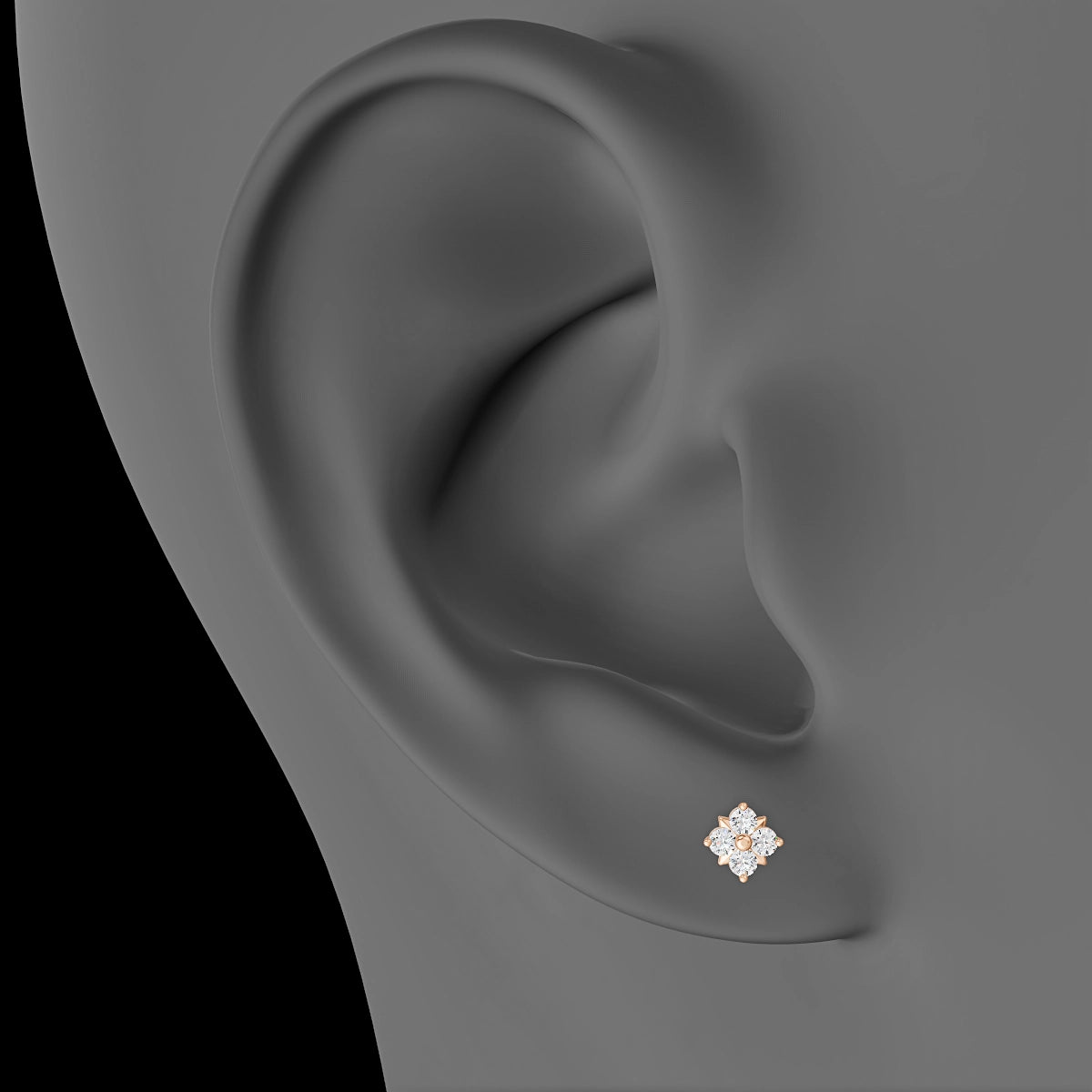
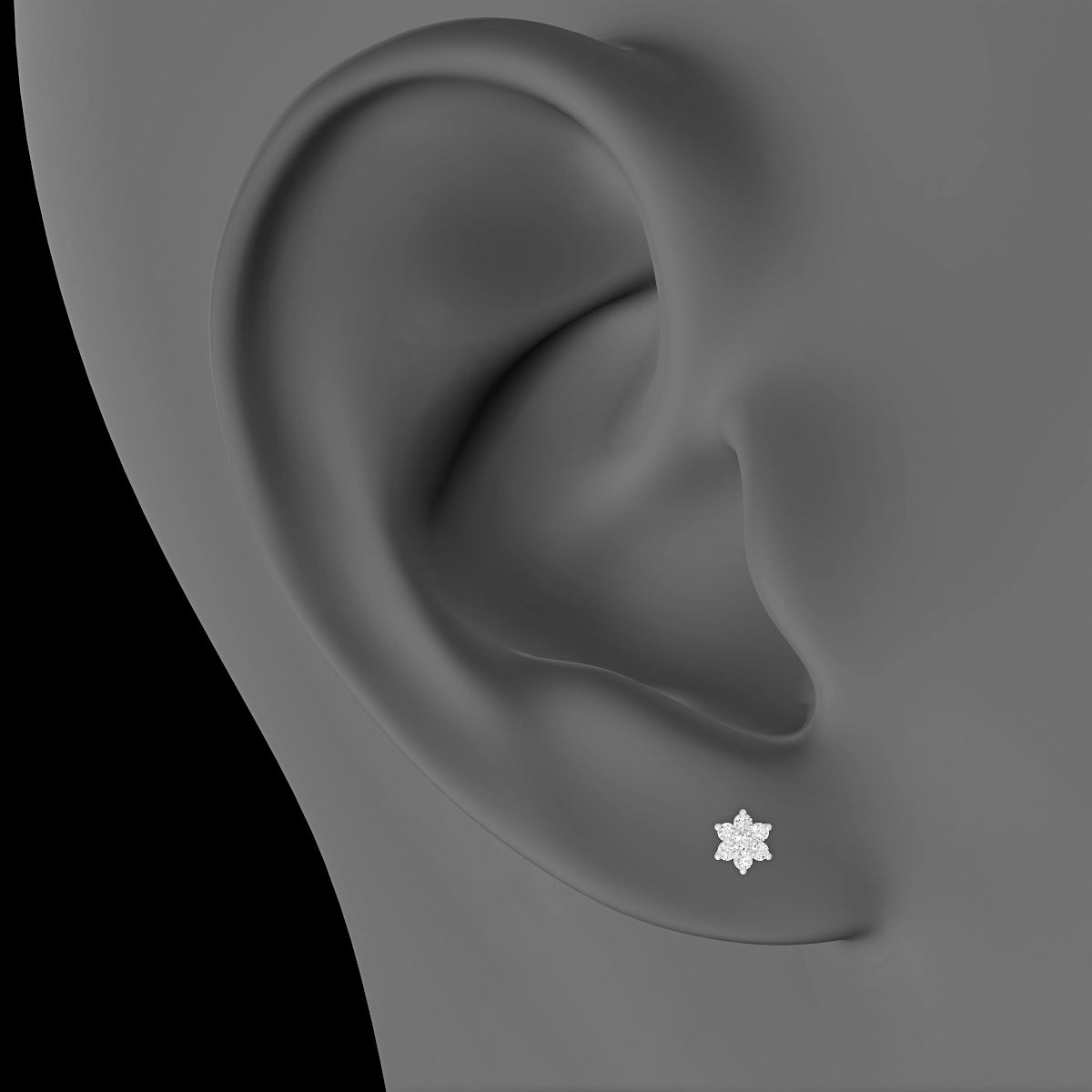
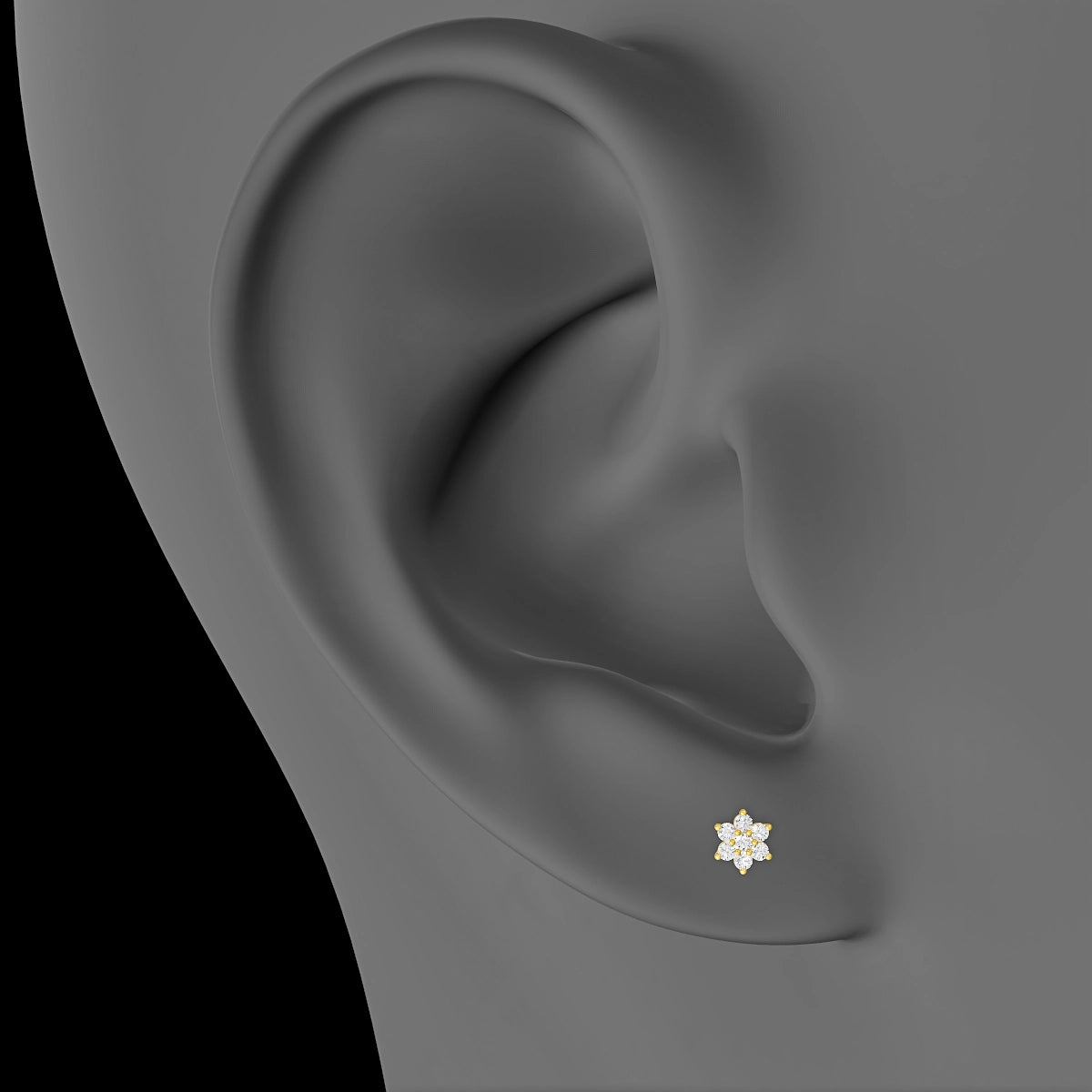
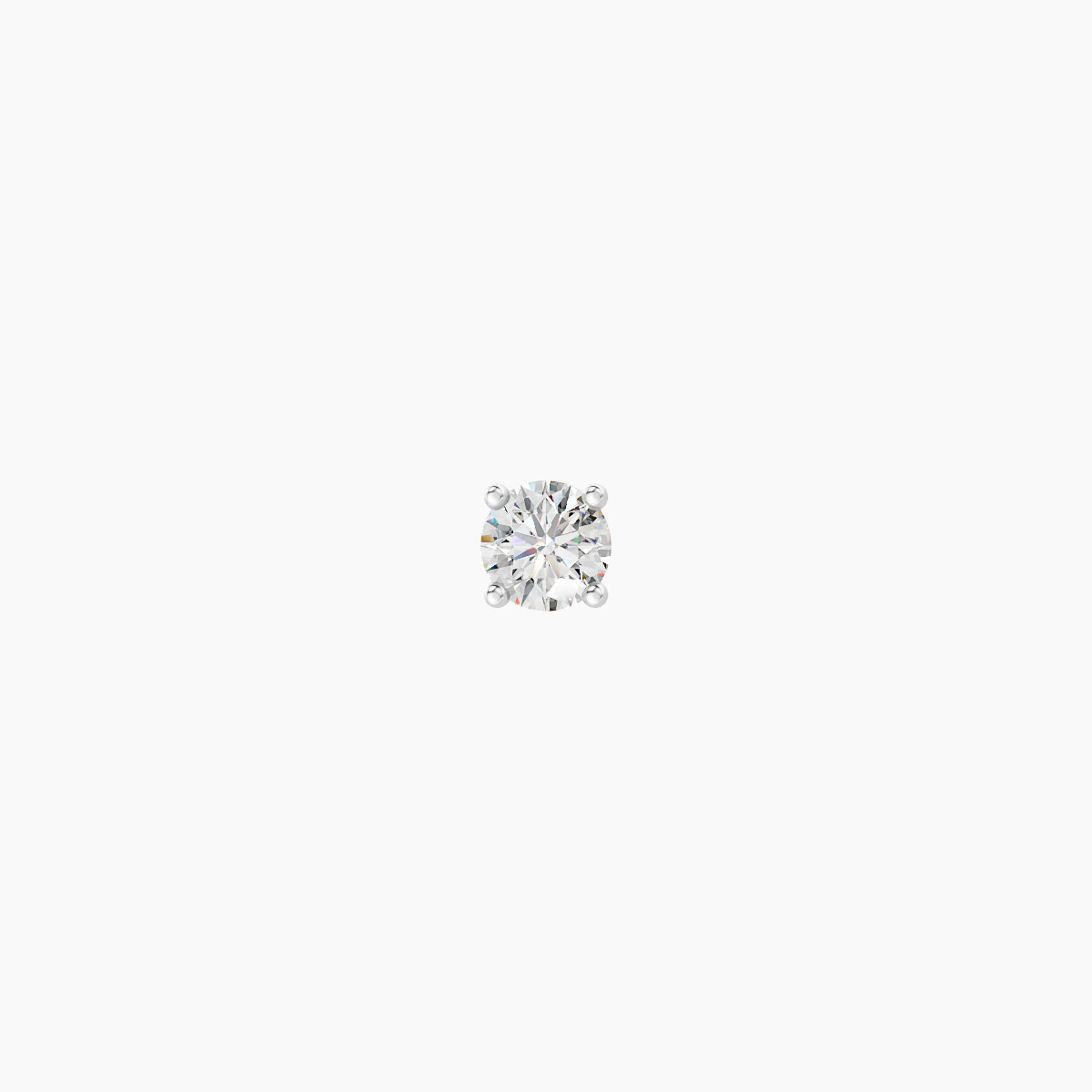
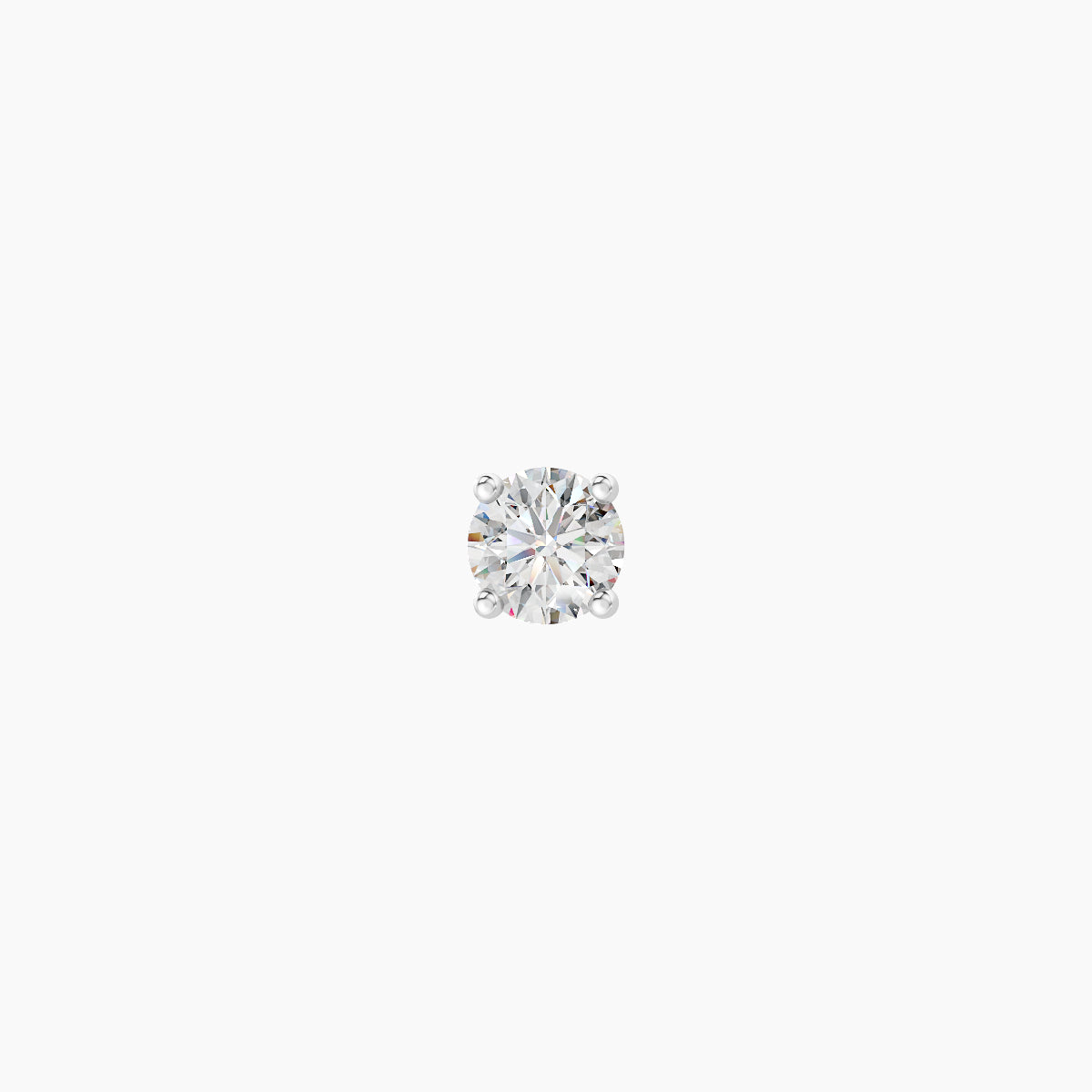
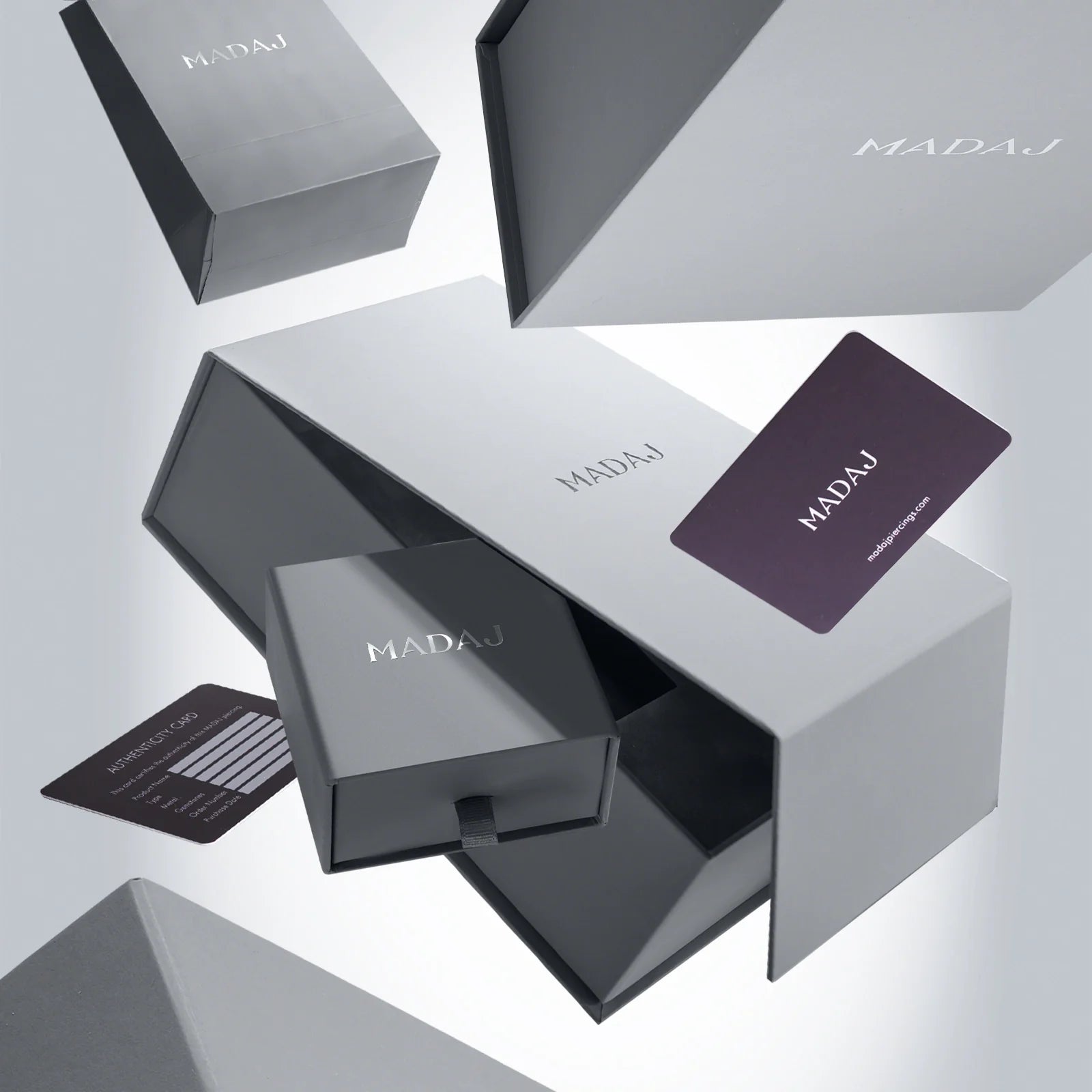
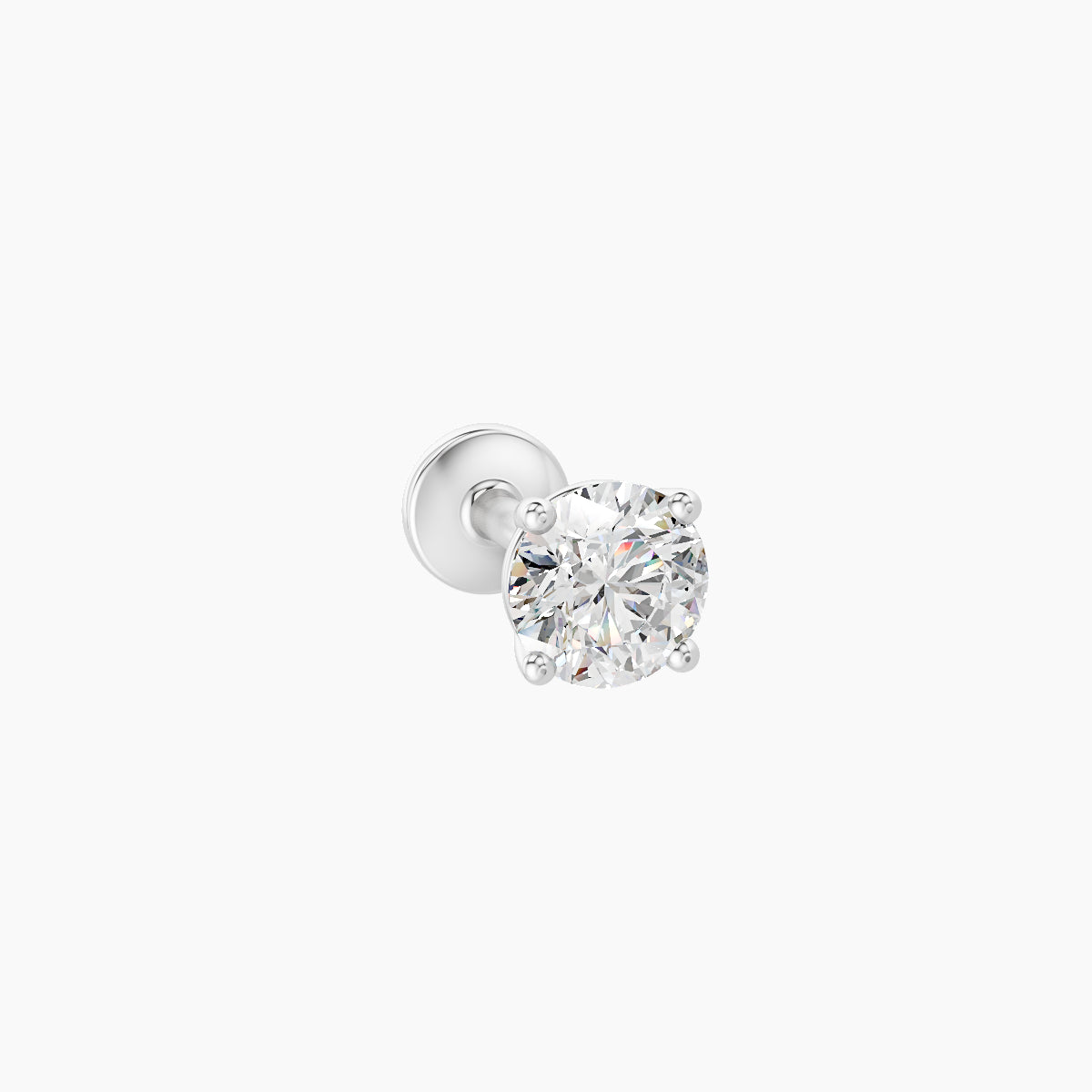
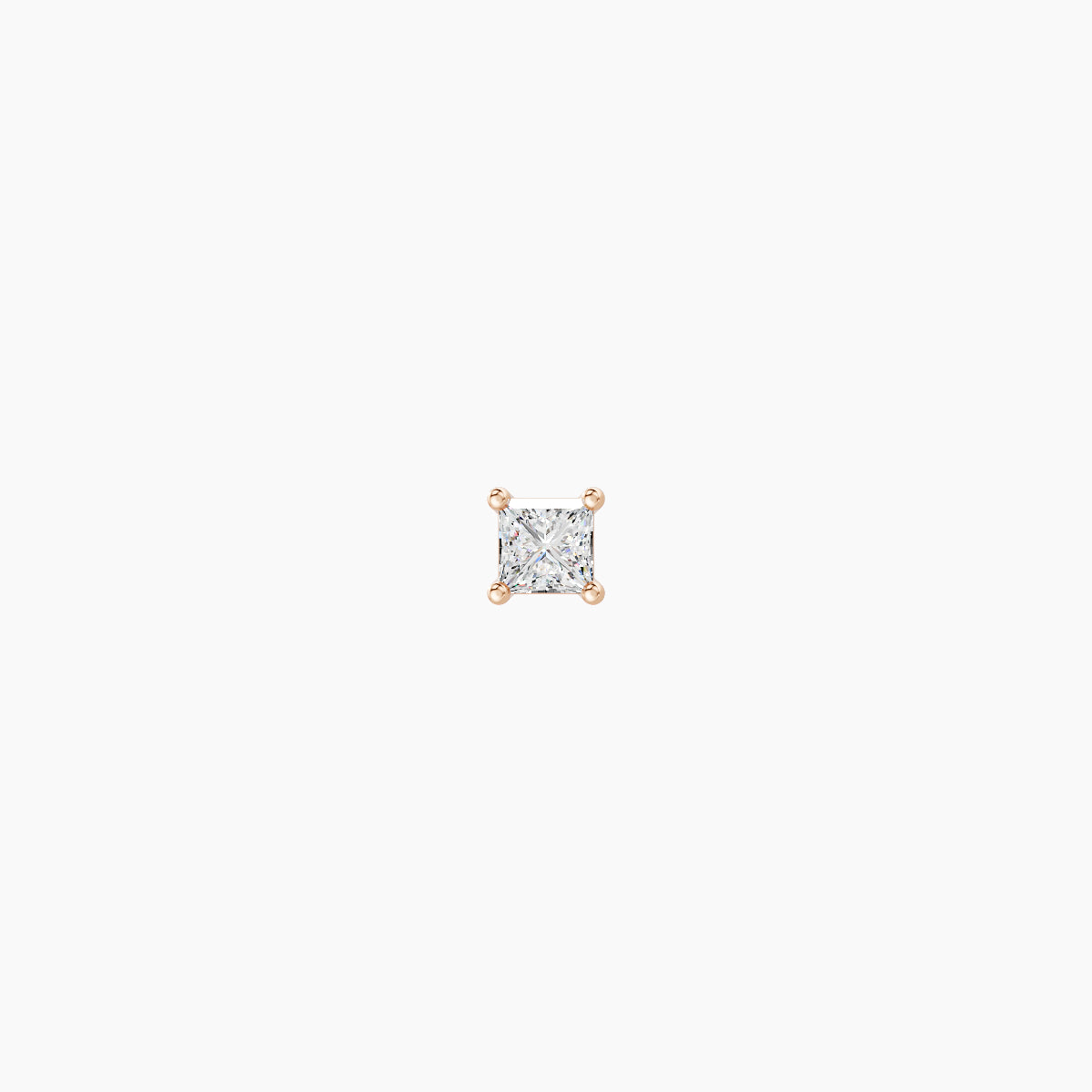
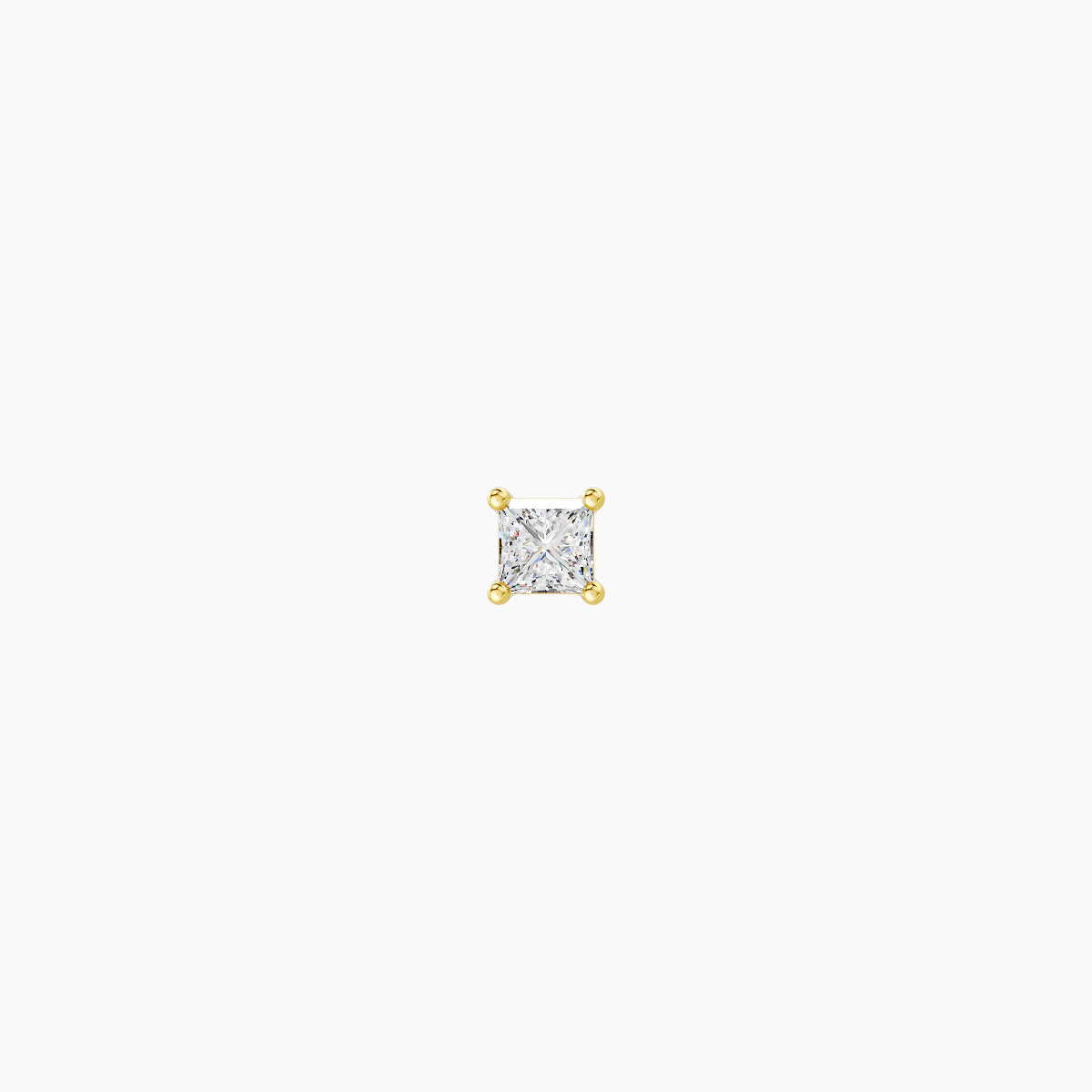
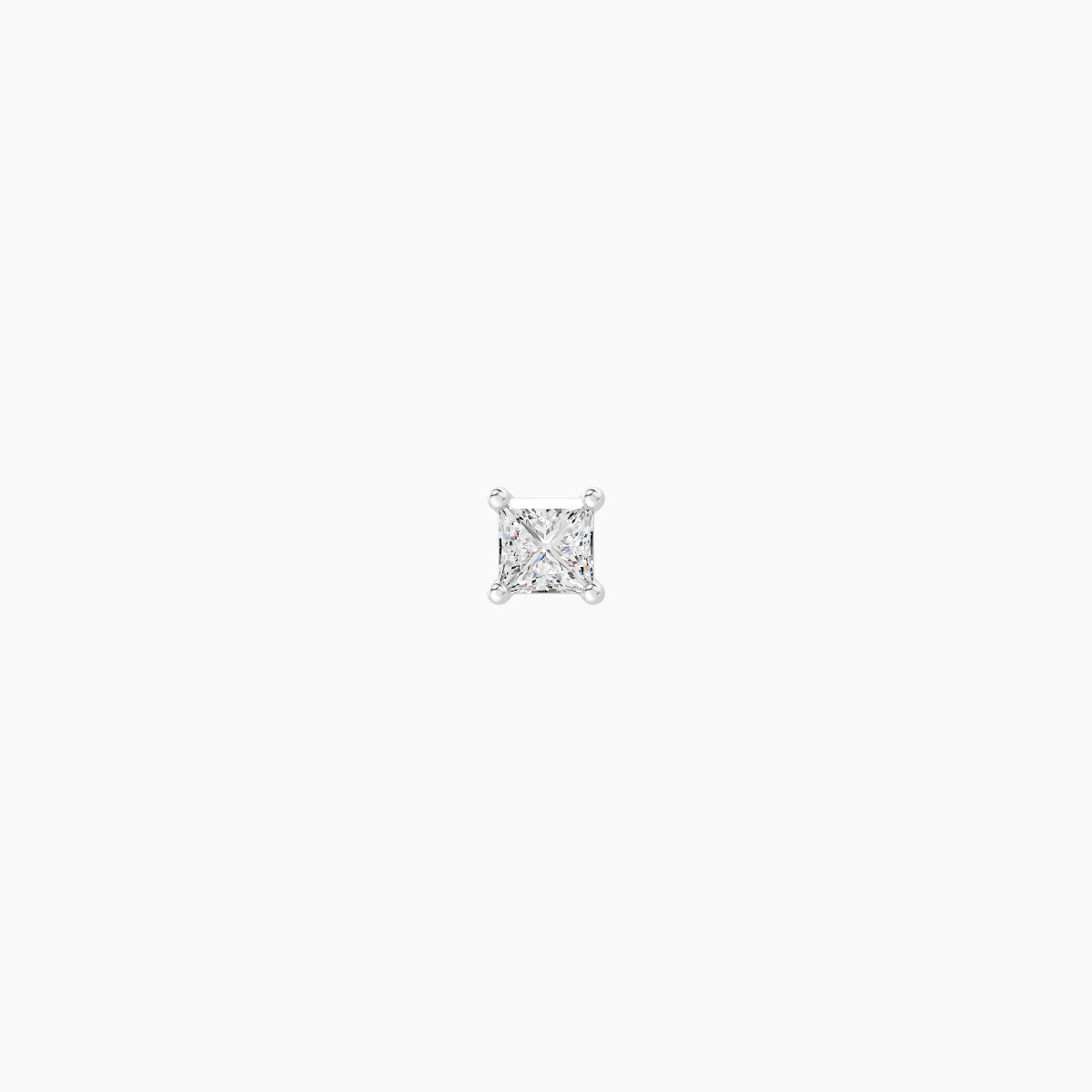
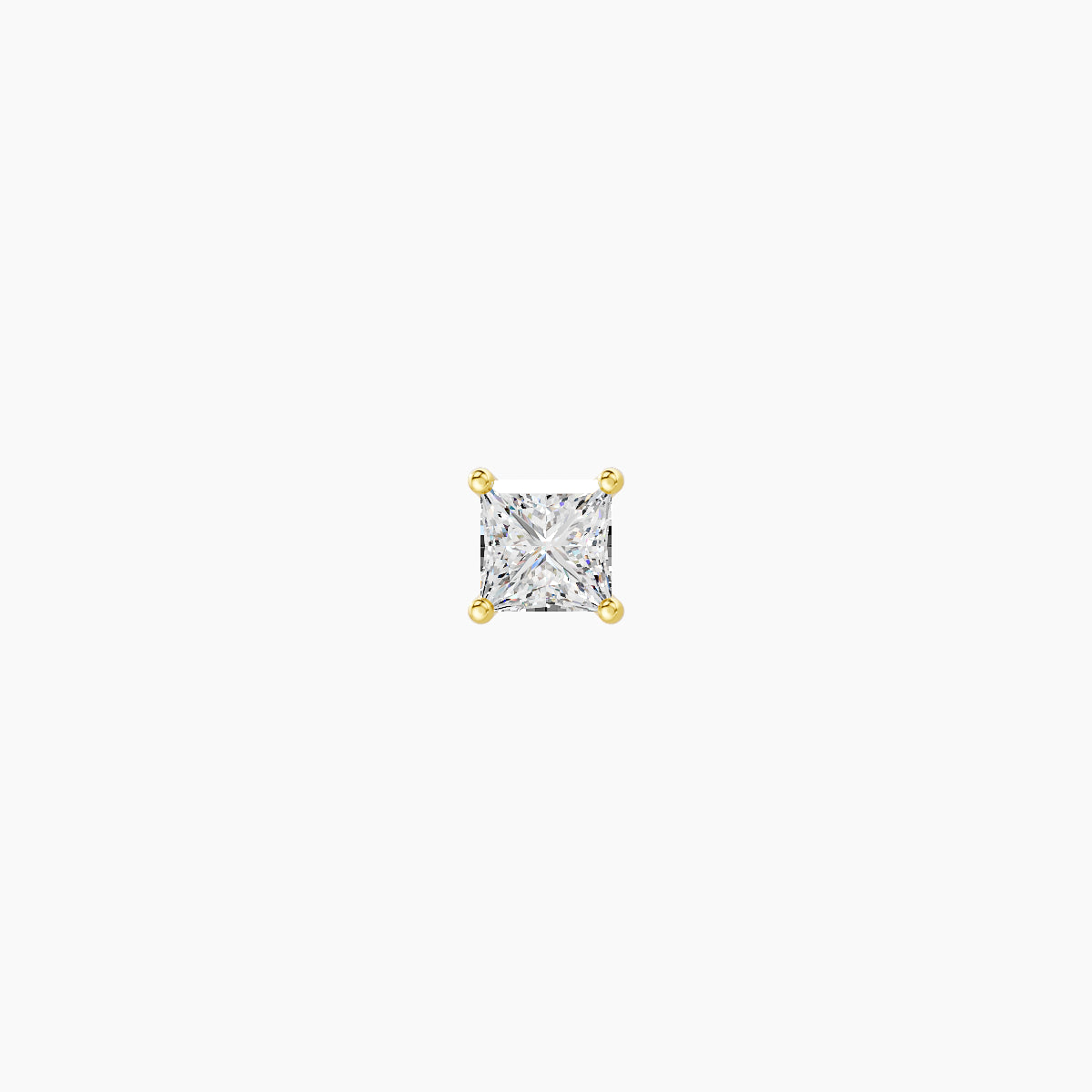
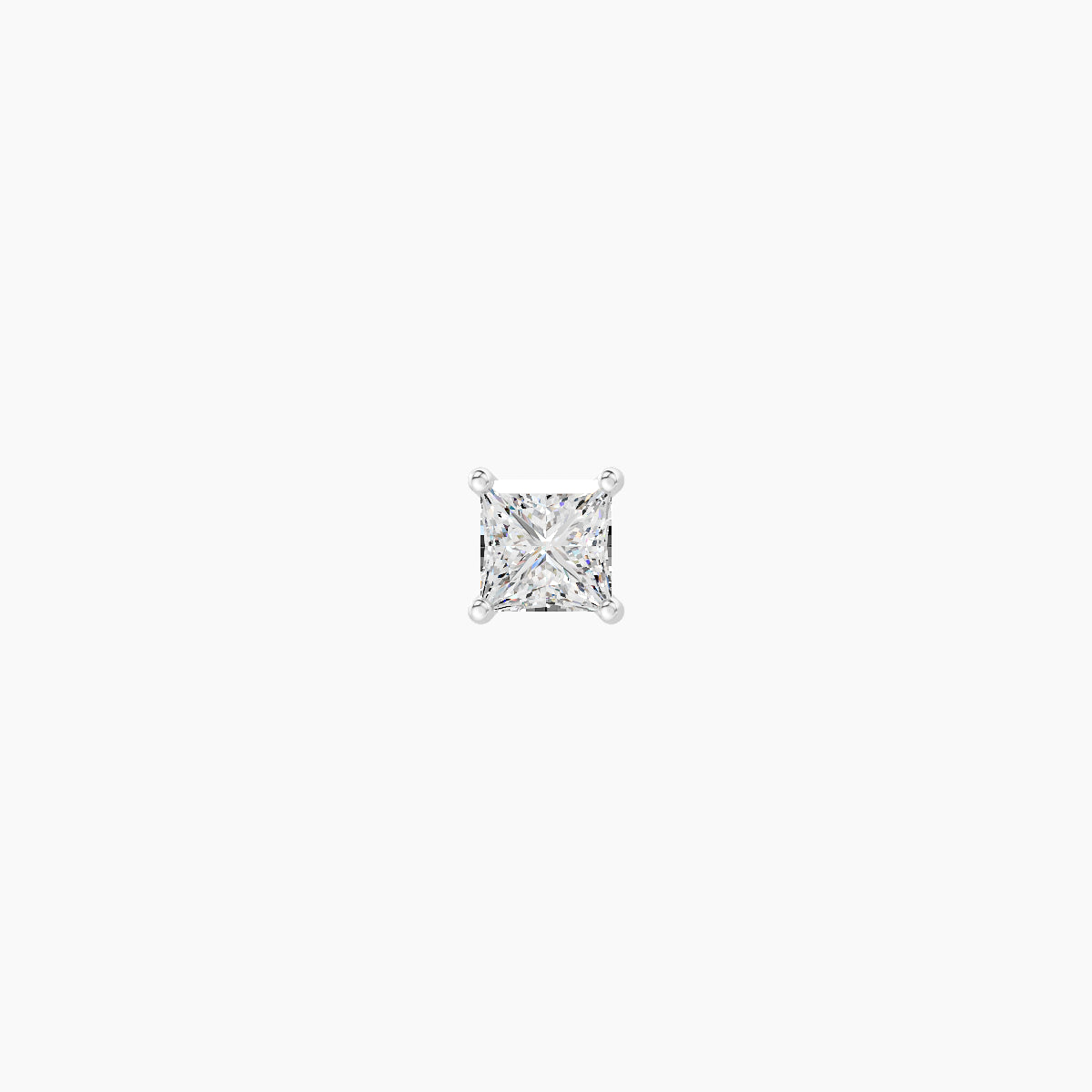
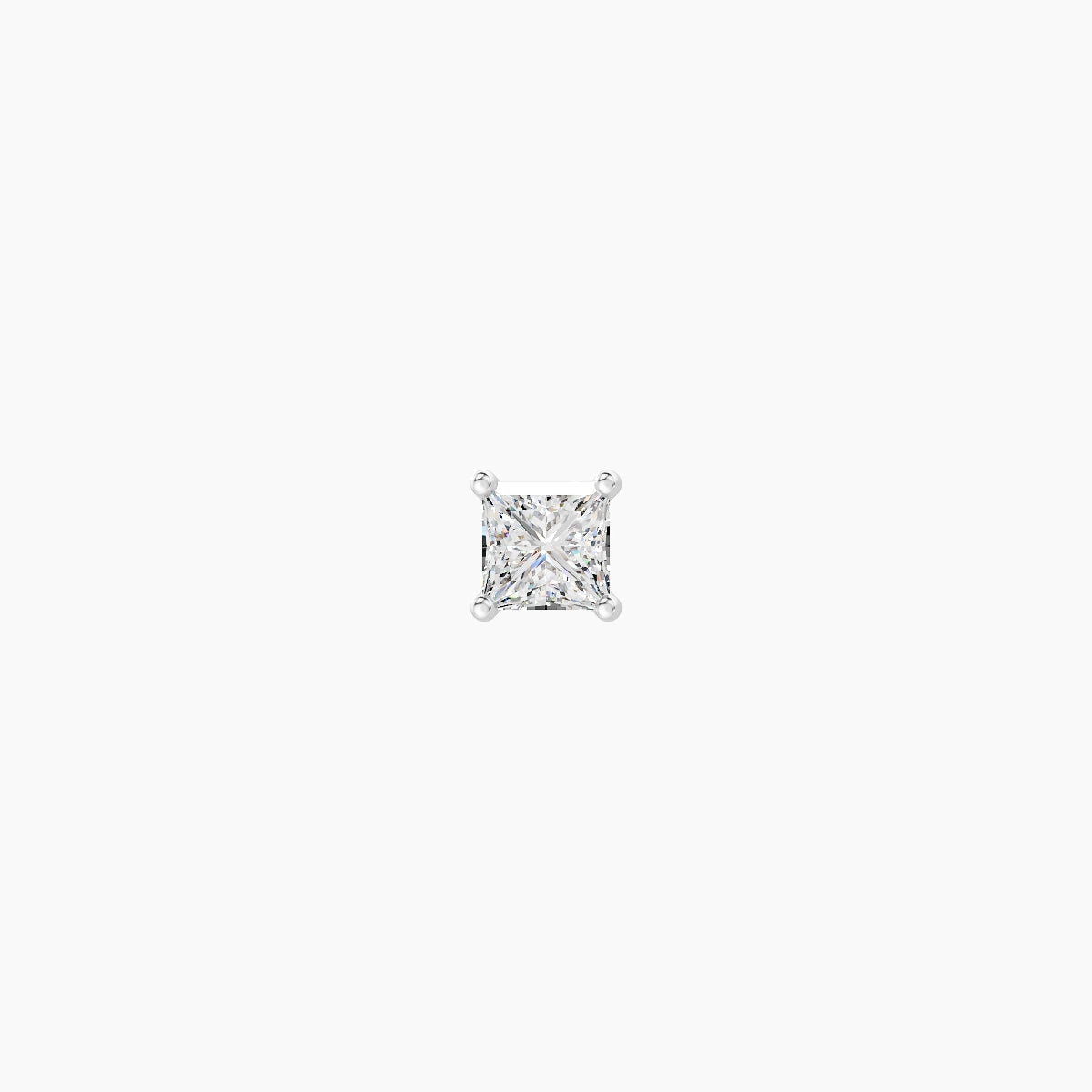
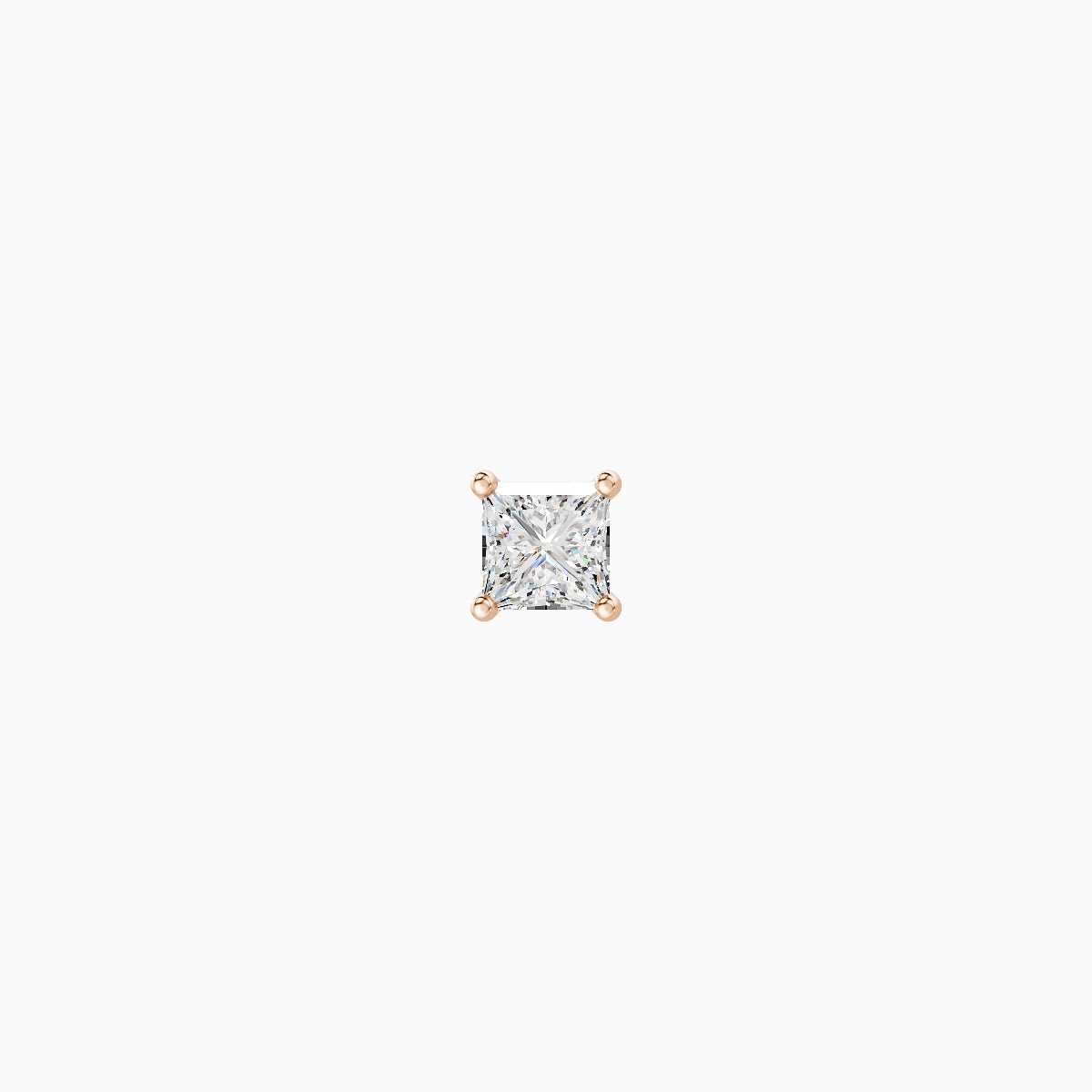
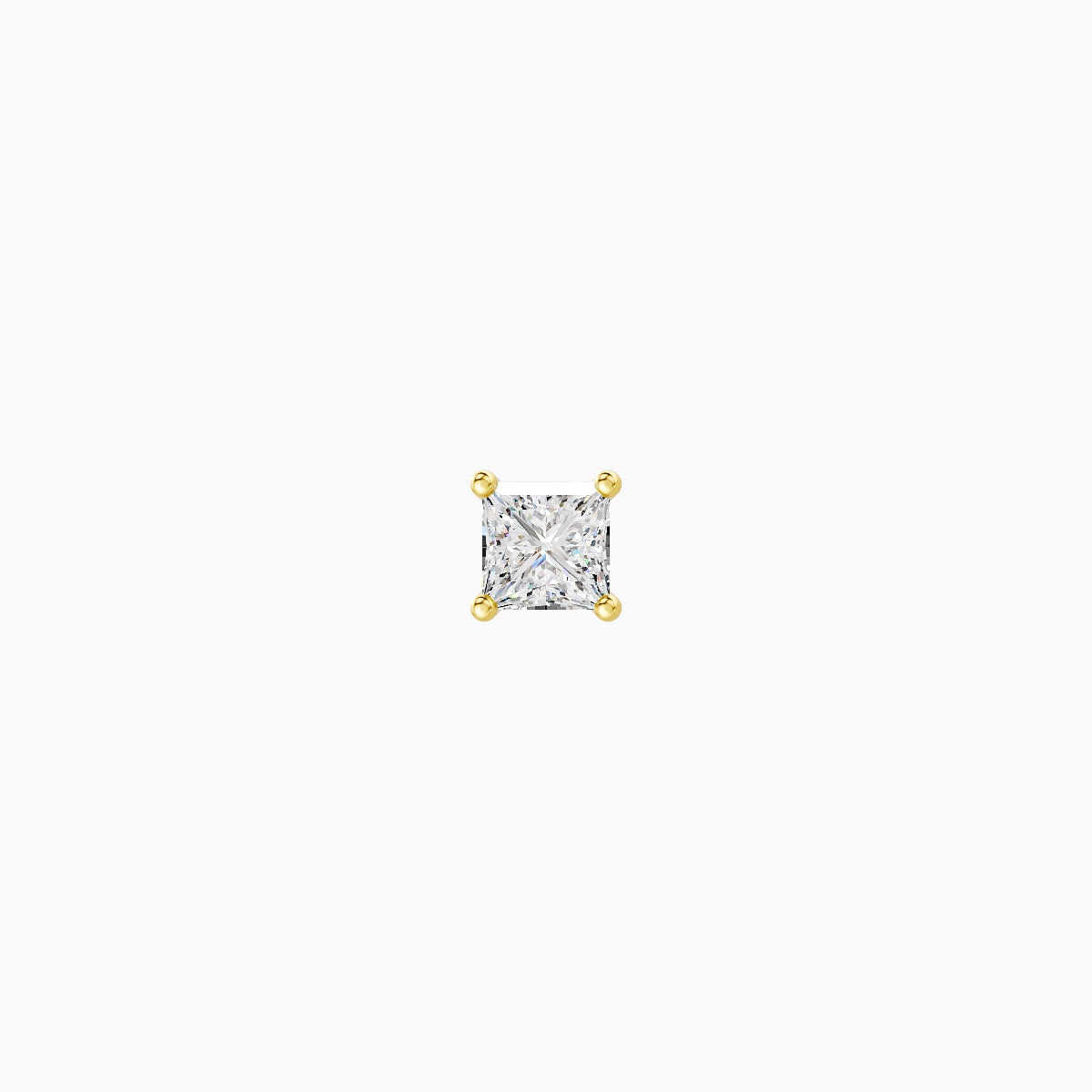
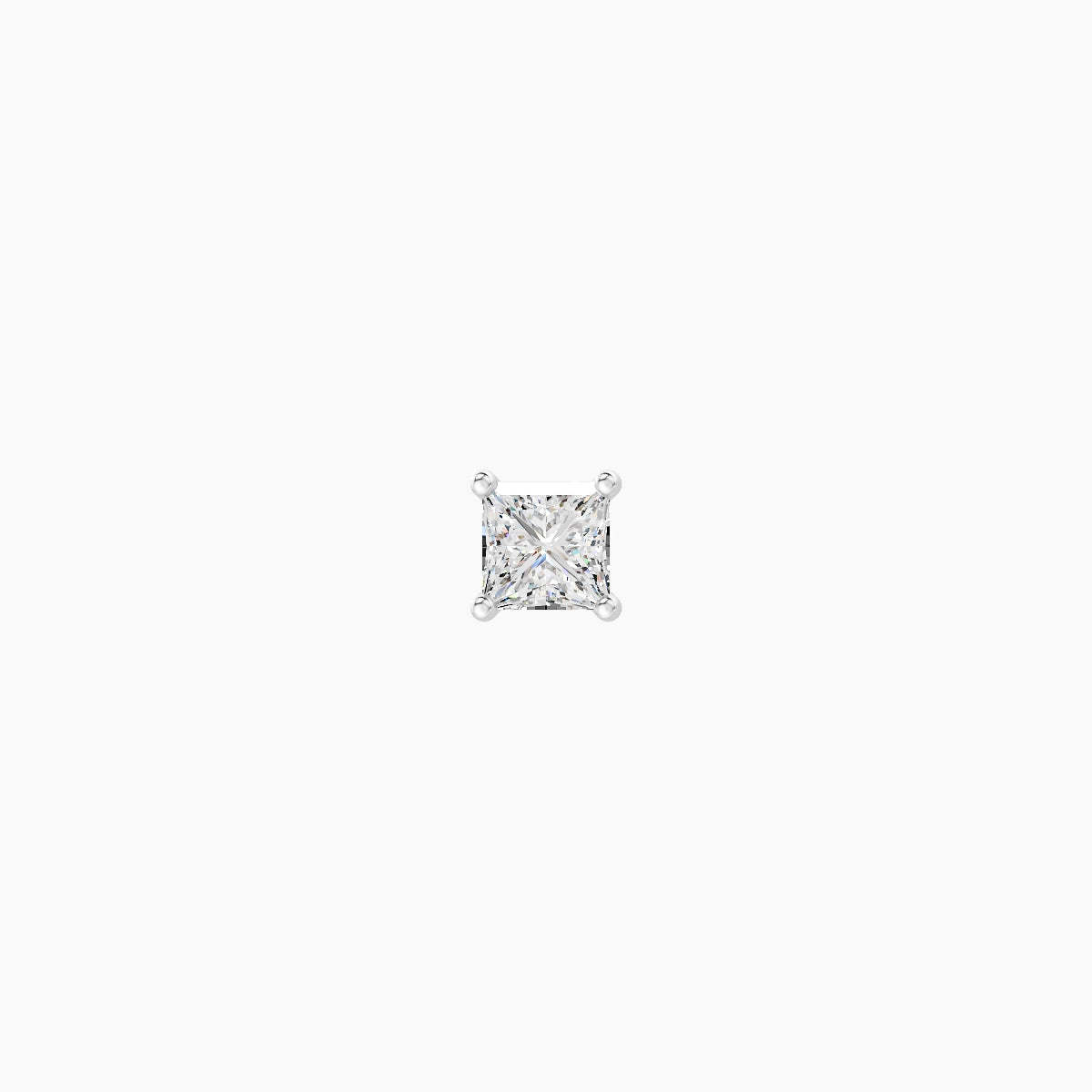
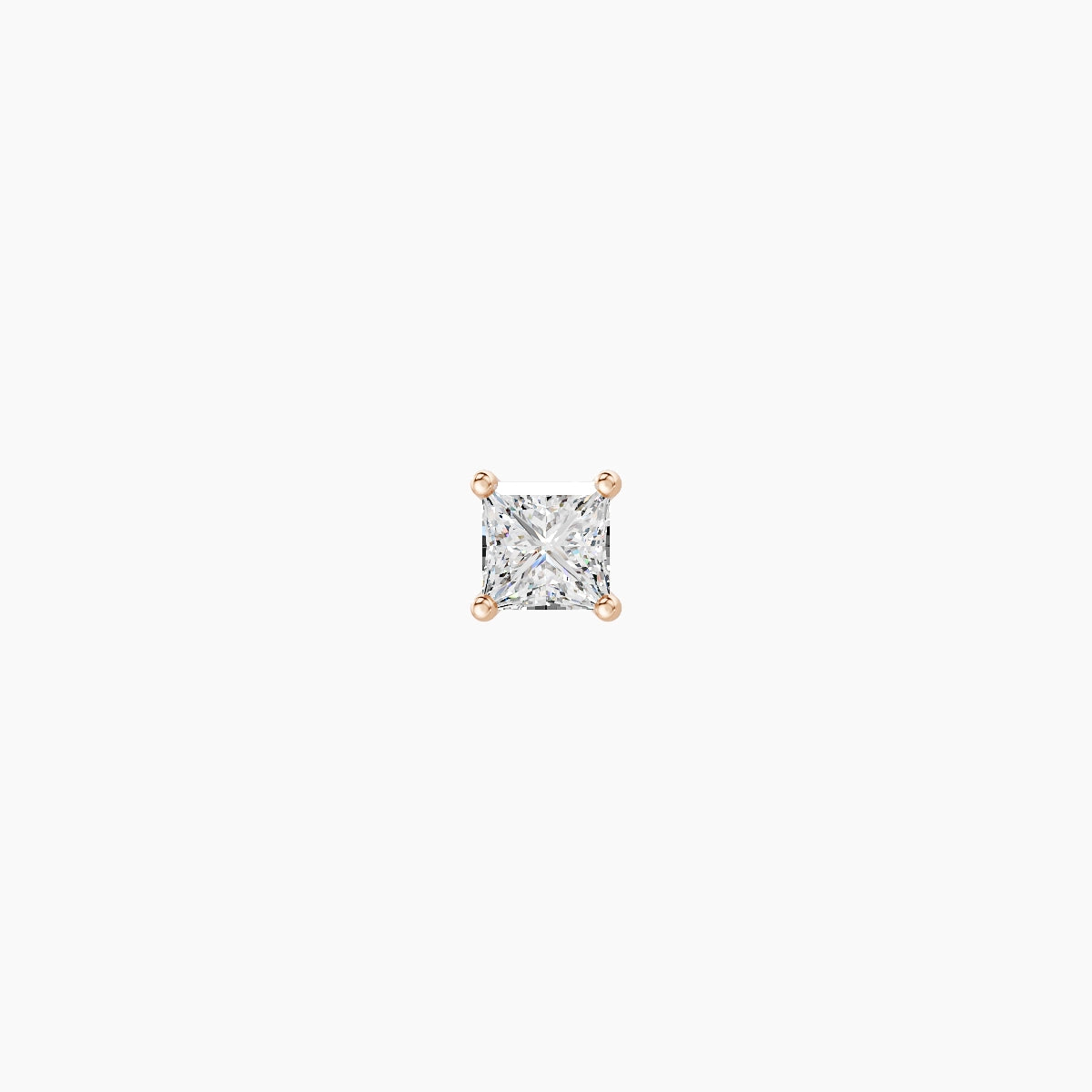
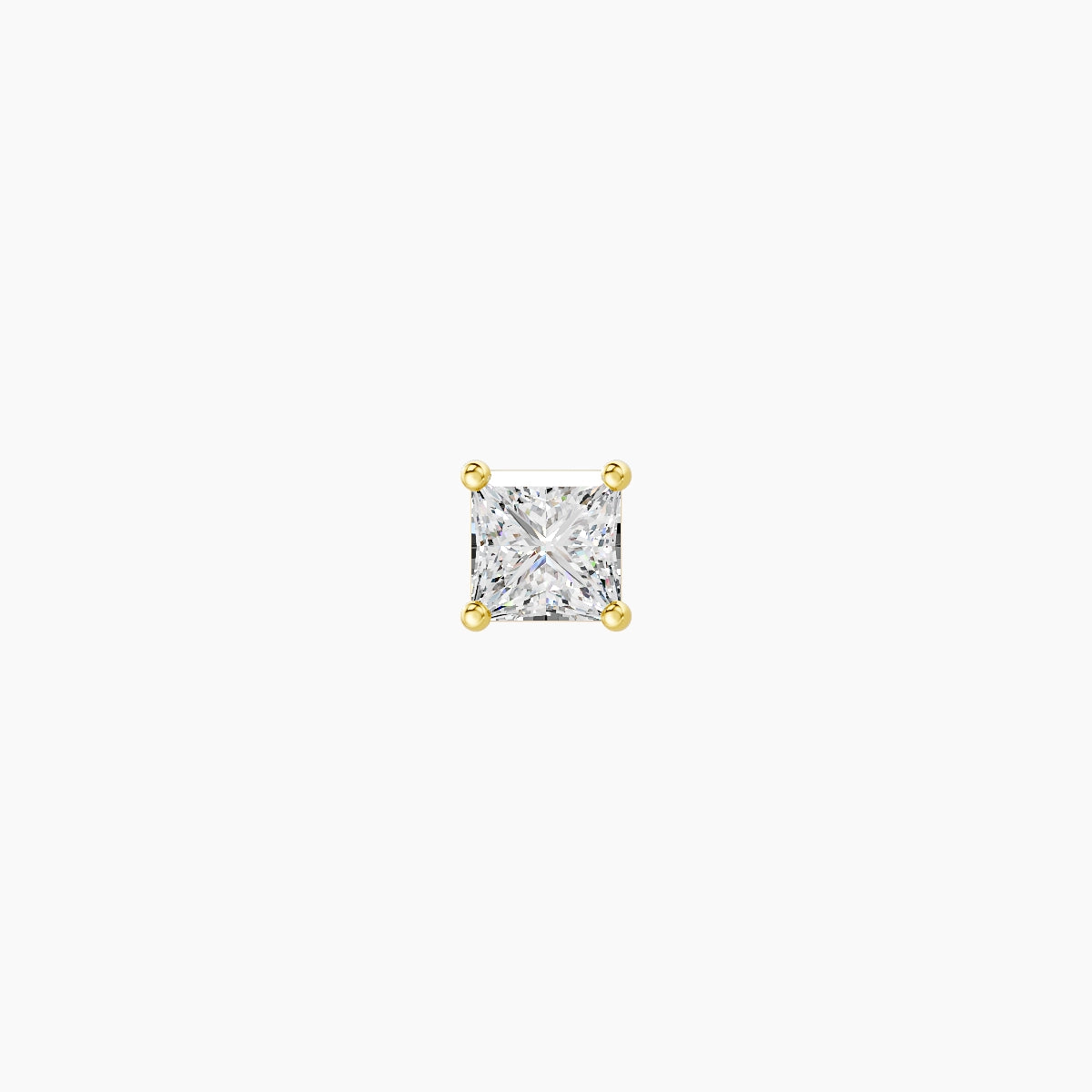
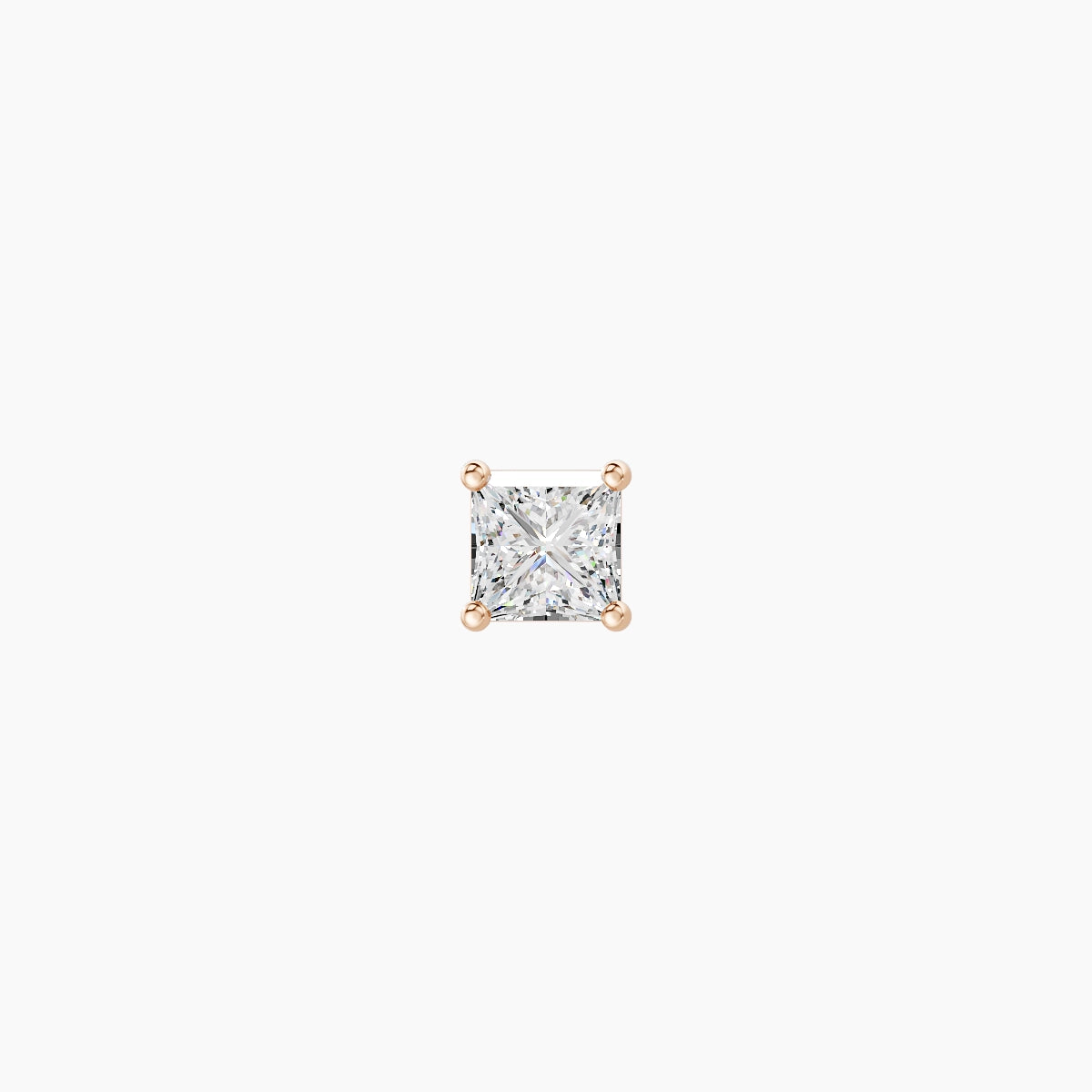
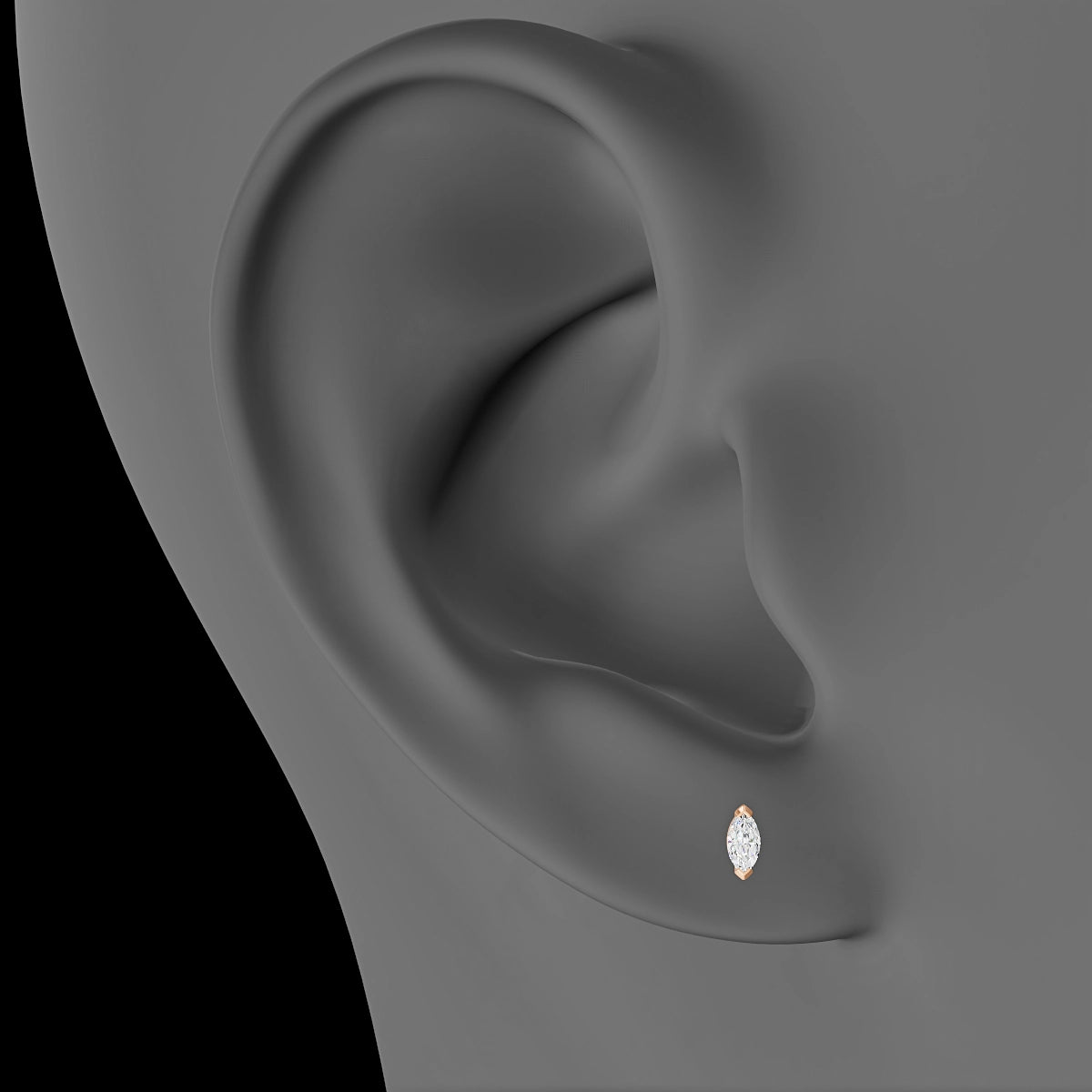
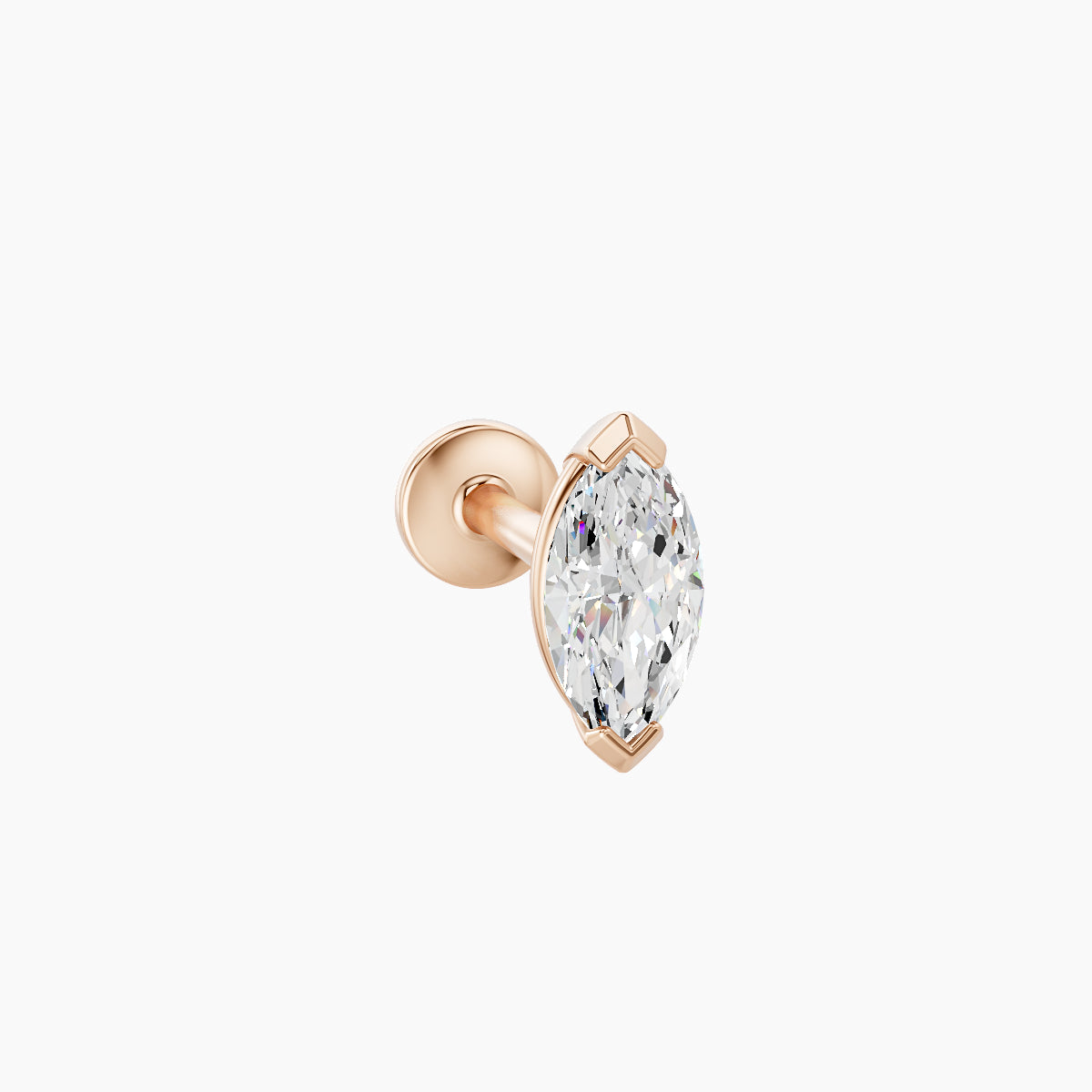
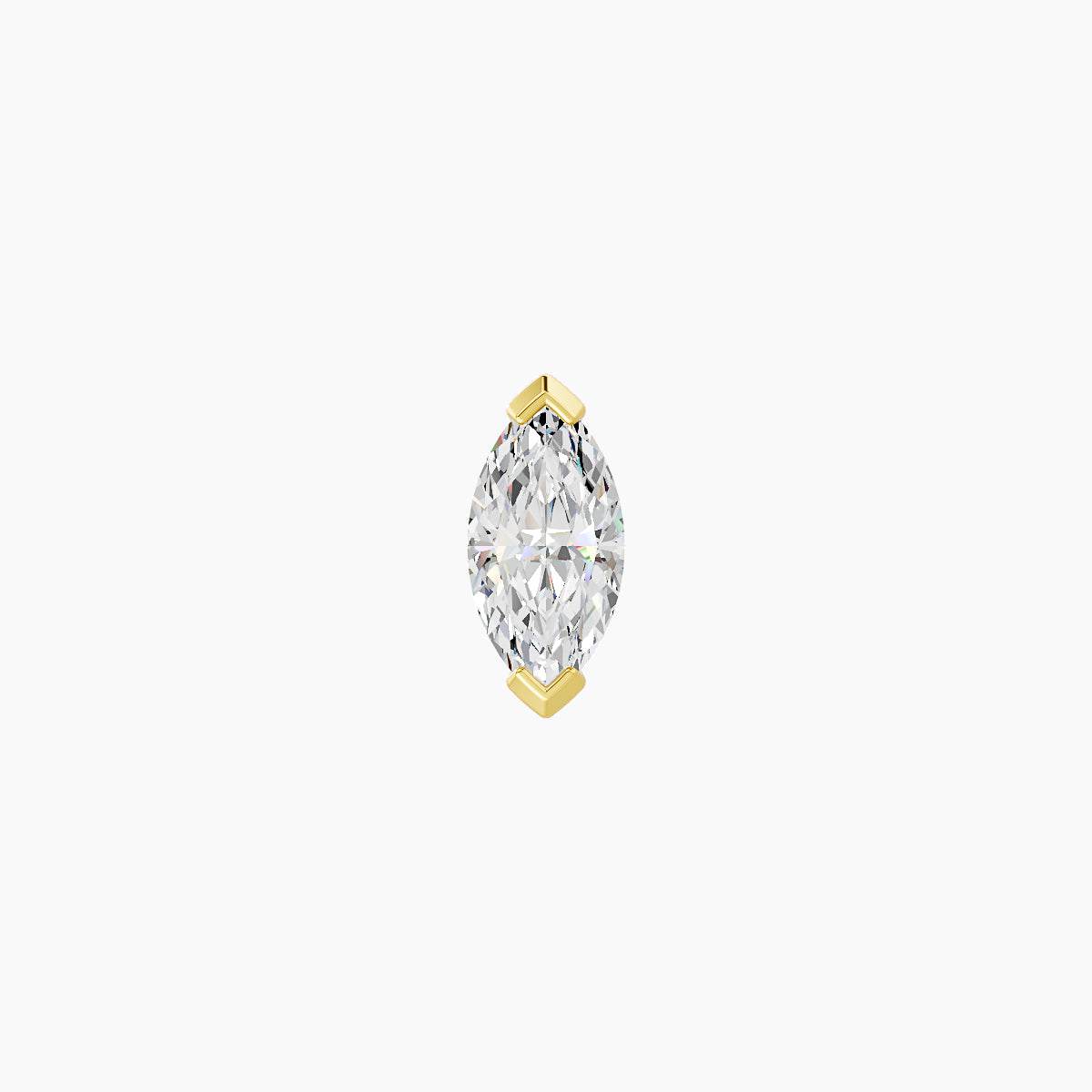
- MADAJ's contraconch jewelry starts from $330, handcrafted to order in nickel-free, hypoallergenic 18k gold with your choice of diamonds, rubies, sapphires, pink sapphires, emeralds, or black diamonds; stones are G–VS grade natural diamonds and AAA grade gems, and each piece ships with its own Certificate of Authenticity.
How Painful is Contraconch Piercing?
Pain Level of Contraconch Piercing: (7/10)

Just like the conch piercing located below, the contraconch piercing is also associated with significant pain during the piercing process. Indeed, due to the thickness of the cartilage, it is among the most painful ear piercings. However, the peak of pain experienced lasts only a few seconds.
How can I reduce the pain experienced during my contraconch piercing?
There are solutions to minimize pain during contraconch piercing, such as the use of lidocaine-based numbing cream (EMLA or generics). This cream is available in pharmacies by prescription. It is recommended to apply it between 30 minutes to 1 hour before piercing.
To learn more about reducing the pain of a contraconch piercing, discover our Guide on Ear Piercing Pain Levels.
How to Prepare for Your Contraconch Piercing
A little preparation goes a long way toward a smoother appointment and easier healing.
- Choose your stud in advance. Since the contraconch is stud-only, settle on your gold color, gemstone, and length before your appointment rather than at the studio.
- Research your piercer. Look for a licensed, experienced piercer with visible sterilization practices and solid reviews specifically for contraconch or cartilage piercings.
- Have a meal beforehand. Piercing on an empty stomach increases the chance of feeling lightheaded.
- Skip alcohol and blood thinners. Avoiding alcohol and medications like aspirin in the 24 hours before your appointment can reduce bleeding and swelling. Check with your doctor before pausing any prescribed medication.
- Sleep well the night before. Being well rested makes the appointment more comfortable and supports healing afterward.
- Stock up on aftercare supplies. Have sterile saline solution and gauze ready at home so you can start cleaning right away.
- Tie your hair back. This gives your piercer clear access to the contraconch and keeps hair from catching on the jewelry afterward.
Contraconch Piercing Procedure

- The piercer begins by sterilizing the area around your contraconch with a medical-grade antiseptic. This crucial step helps to significantly reduce the risk of any infection.
- Then carefully marks the exact spot for your contraconch piercing.
- The piercer uses a sterilized, single-use needle to create your contraconch piercing.
- After the piercing is made, the piercer meticulously inserts the jewelry you have selected.
Contraconch Piercing Aftercare

- Clean your contraconch piercing twice daily woth sterile saline solution and gauze pads – once in the morning and once before bed.
- Maintaining a diligent cleaning schedule until the end of the healing period is not just beneficial, it's essential for the well-being of your new contraconch piercing.
- Keep the pierced area dry to prevent any infections.
Healing Time & Stages for Contraconch Piercing

The healing time for a contraconch piercing typically ranges from 6 to 12 months. Healing is gradual, so here is a general timeline of what to expect. Everyone heals differently, so treat this as a guide, not a guarantee.
Week 1–2: Redness, mild swelling, tenderness, and warmth are normal. You may notice a small amount of clear or pale yellow fluid that dries into light crusts, this is lymph, not pus.
Week 3–8: Swelling should gradually reduce, and pain should ease into occasional tenderness. Check in with your piercer around this point about downsizing, if needed.
Month 3–6: The piercing may look healed on the outside, but the inner tissue is often still recovering. Keep up daily cleaning, and don't change the jewelry yourself until your piercer confirms it's ready.
Month 6–12: Some piercings take up to a year to fully heal. If it's still sore or red after sleeping on it or bumping it, it isn't fully healed yet. Be patient and avoid unnecessary jewelry changes.
If you notice increasing pain, swelling, or discharge at any stage, consult your piercer or a doctor rather than waiting it out.
Contraconch Piercing Jewelry: Sizing, Types and Materials
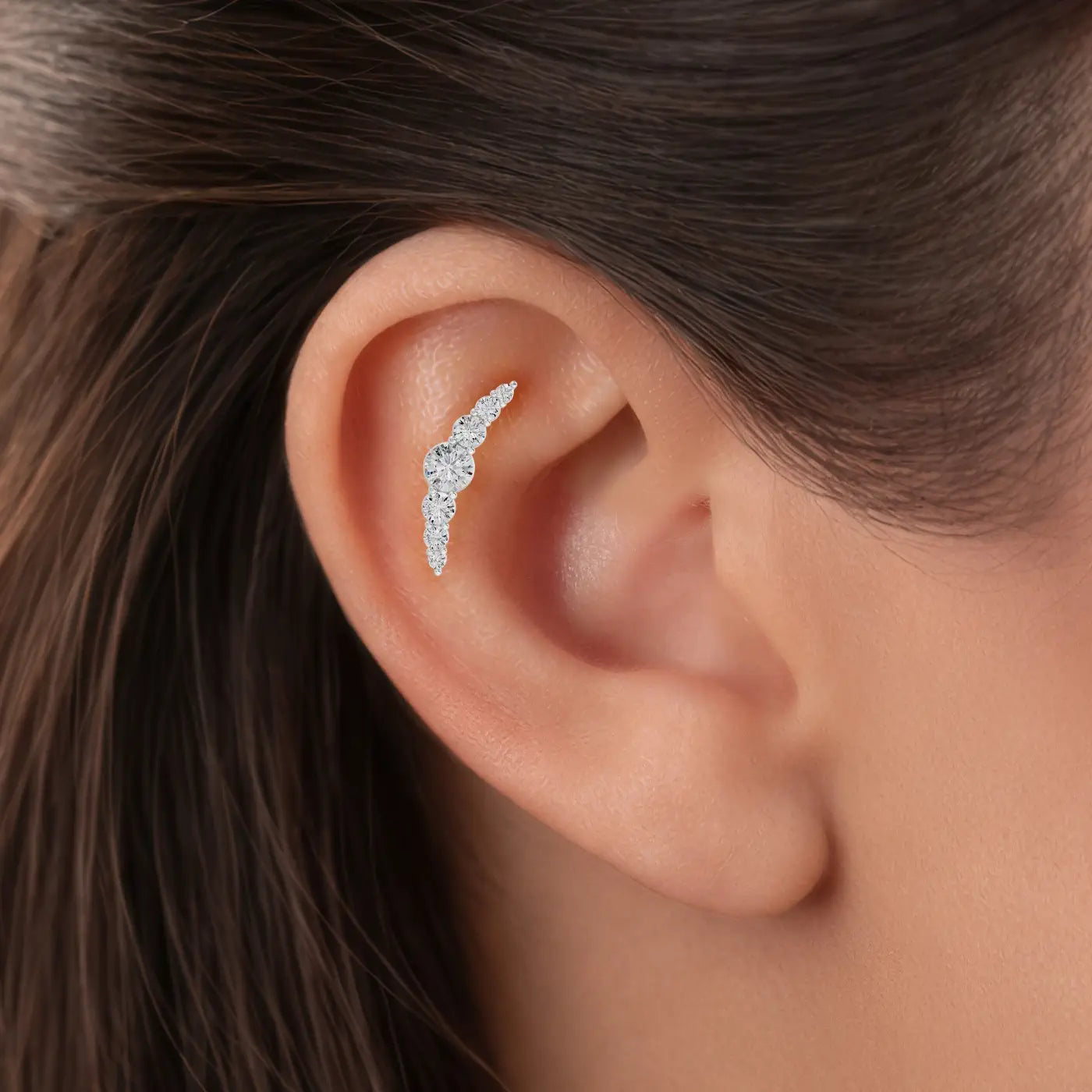
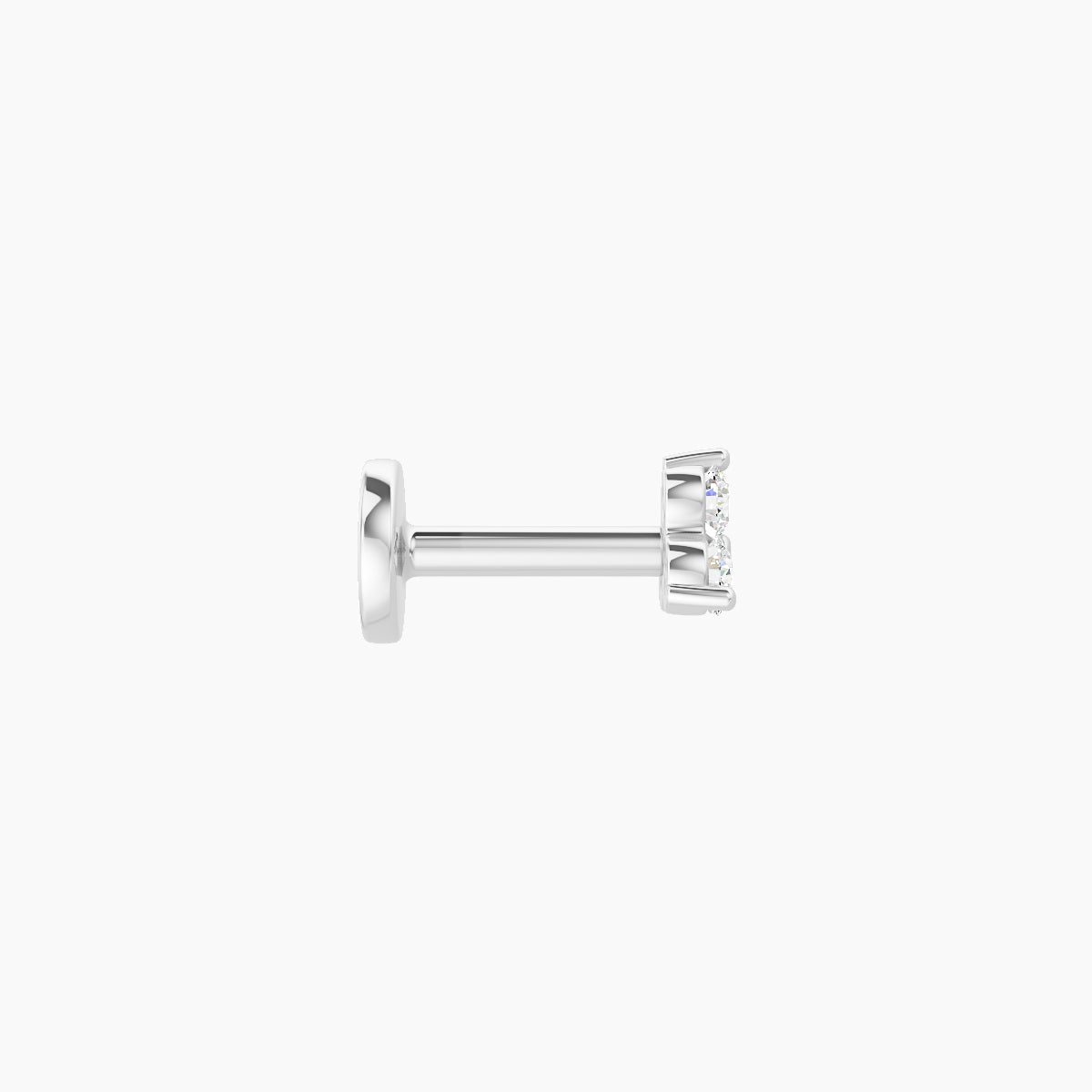
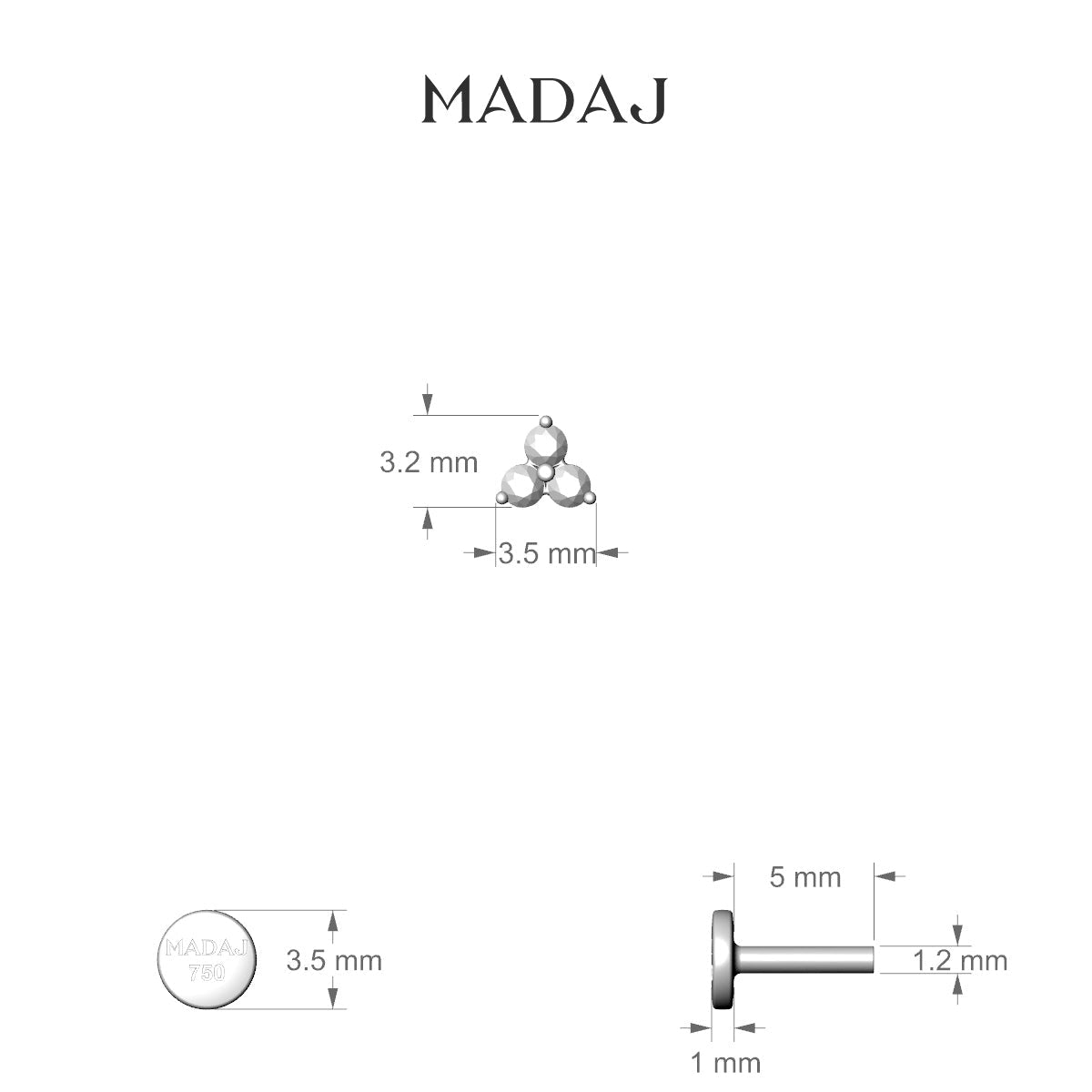
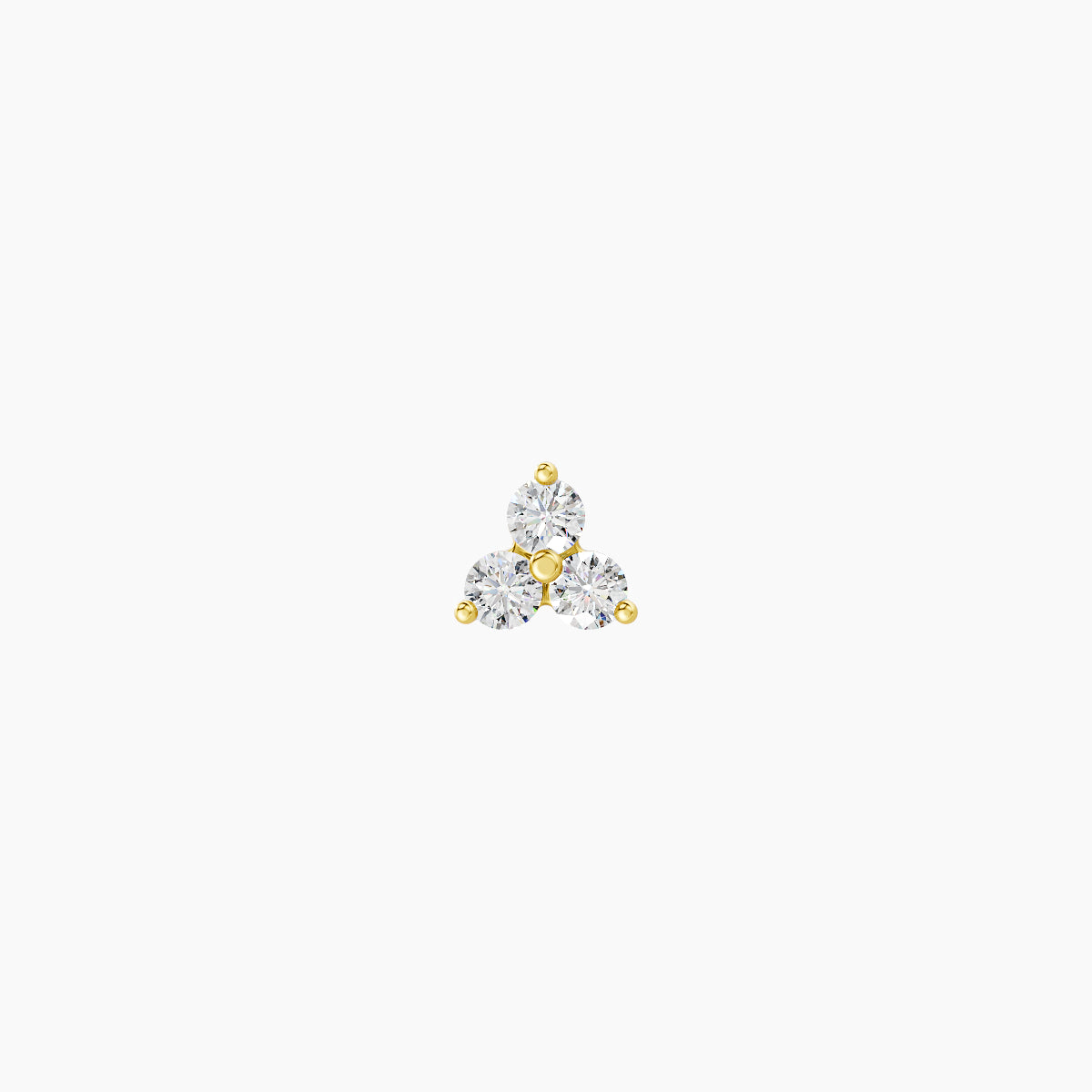
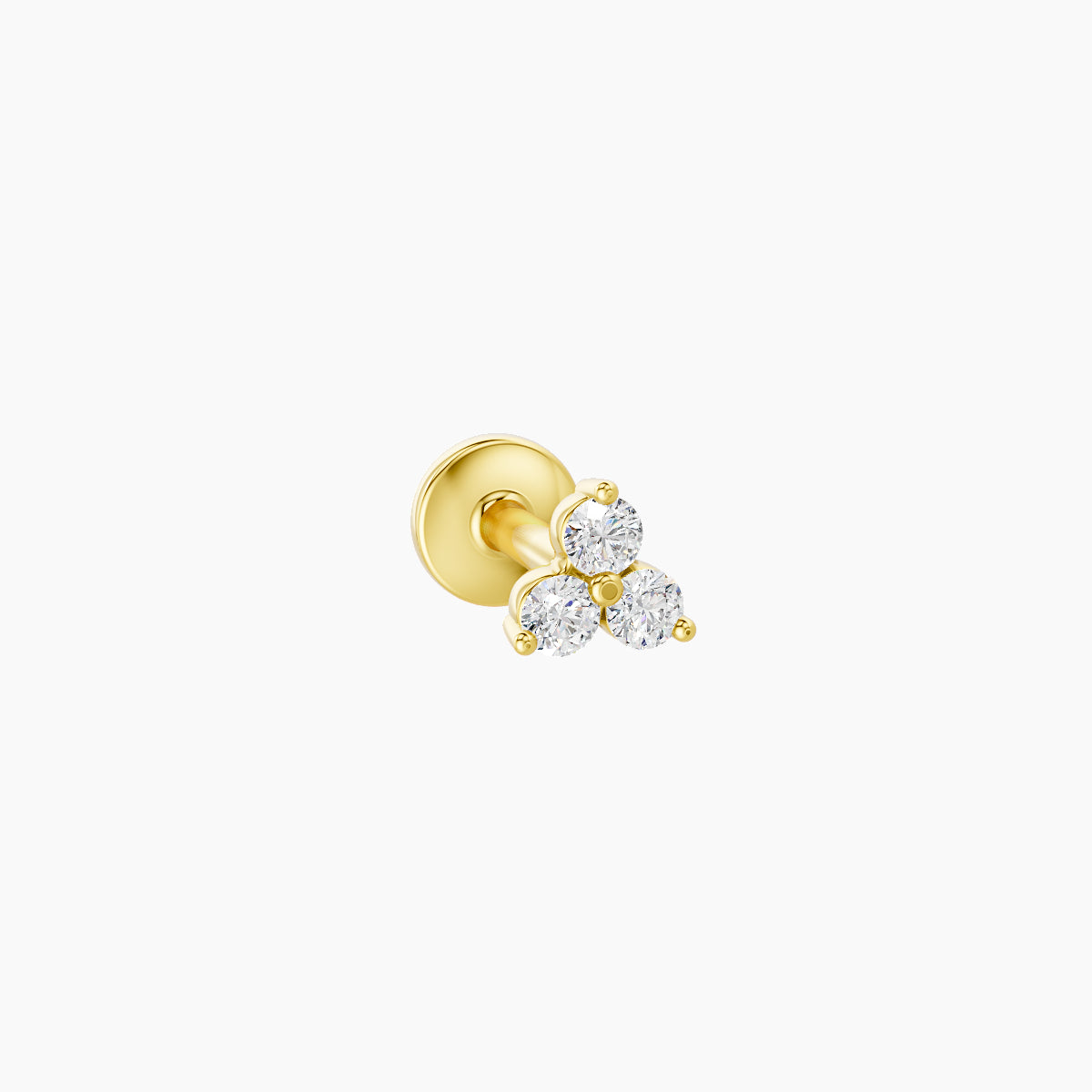
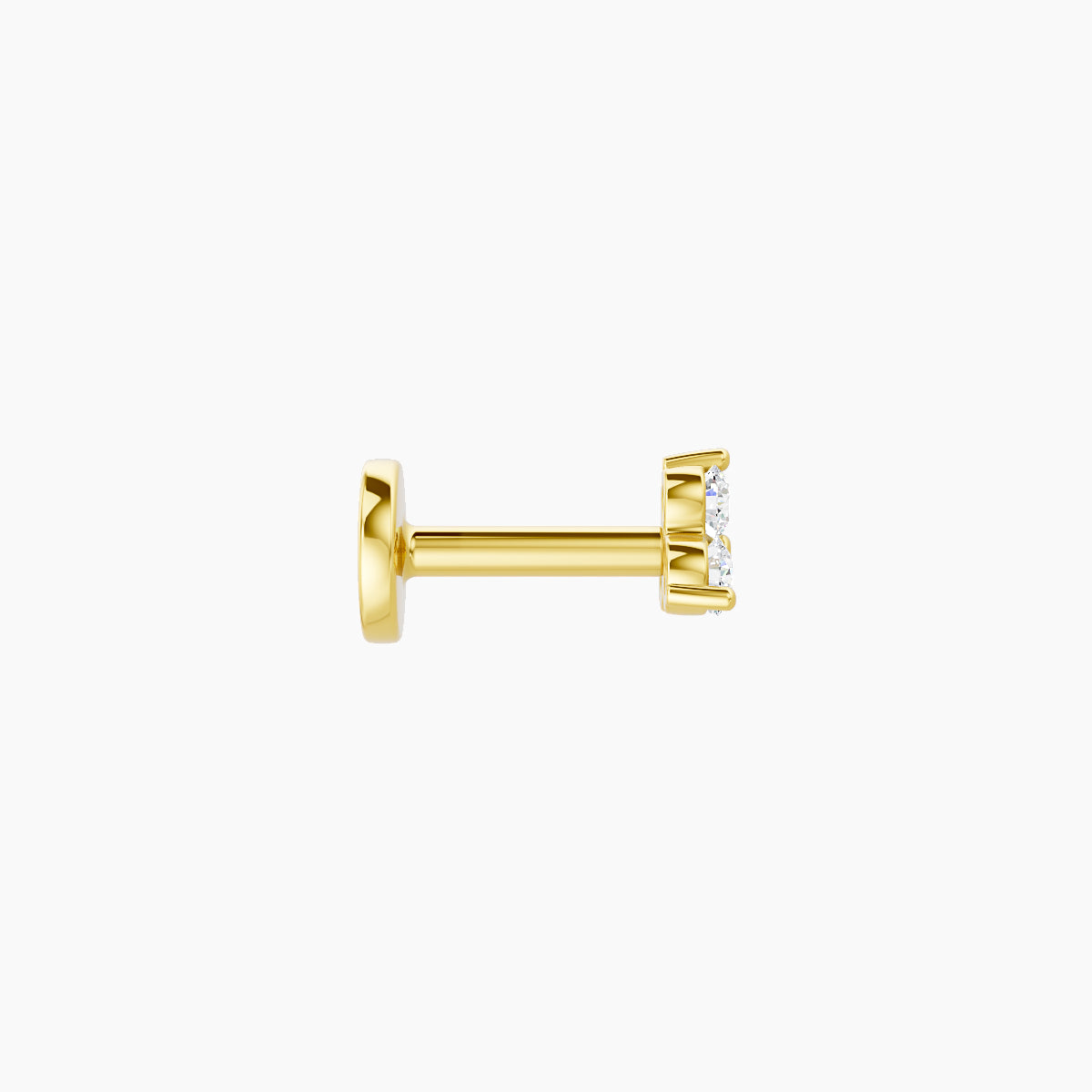
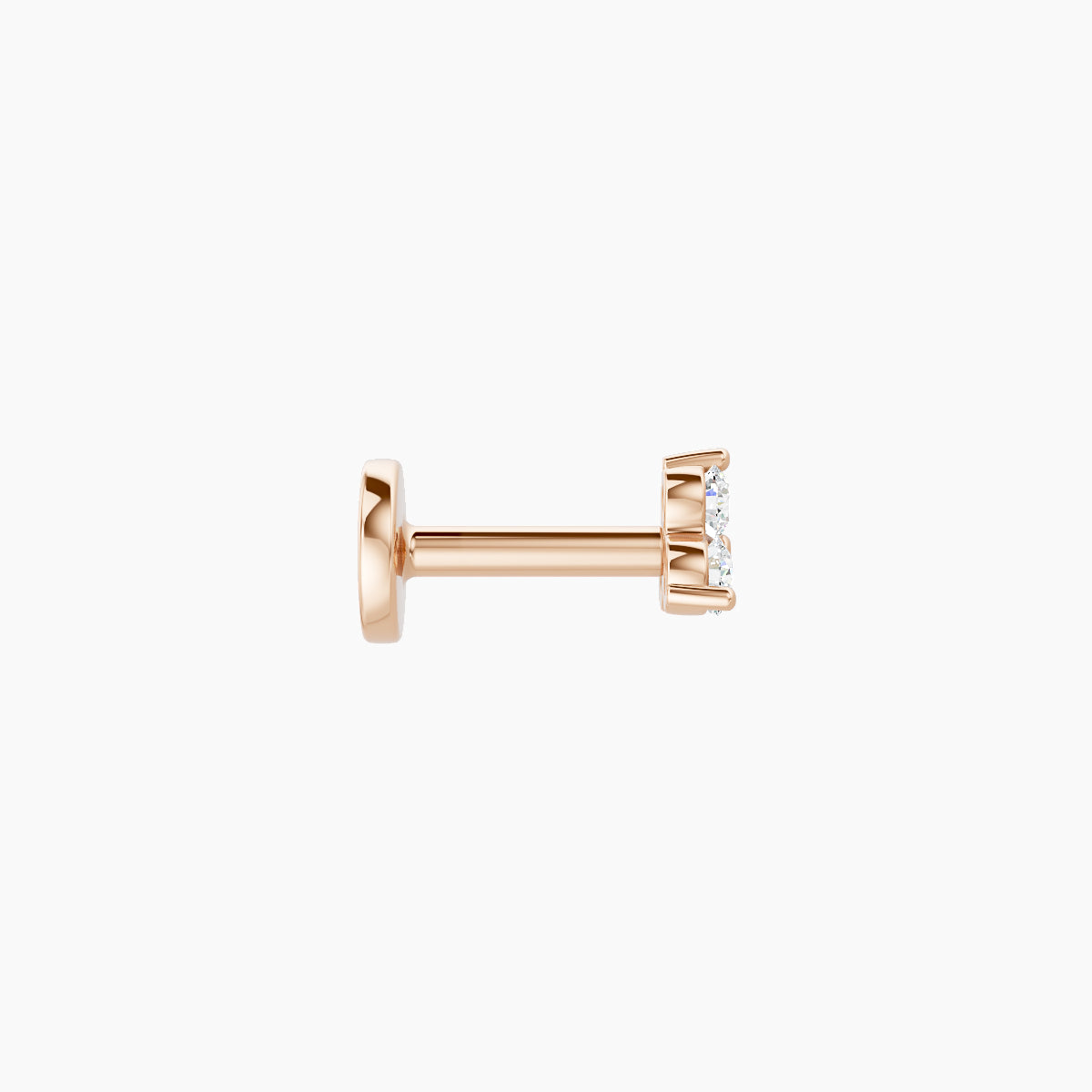
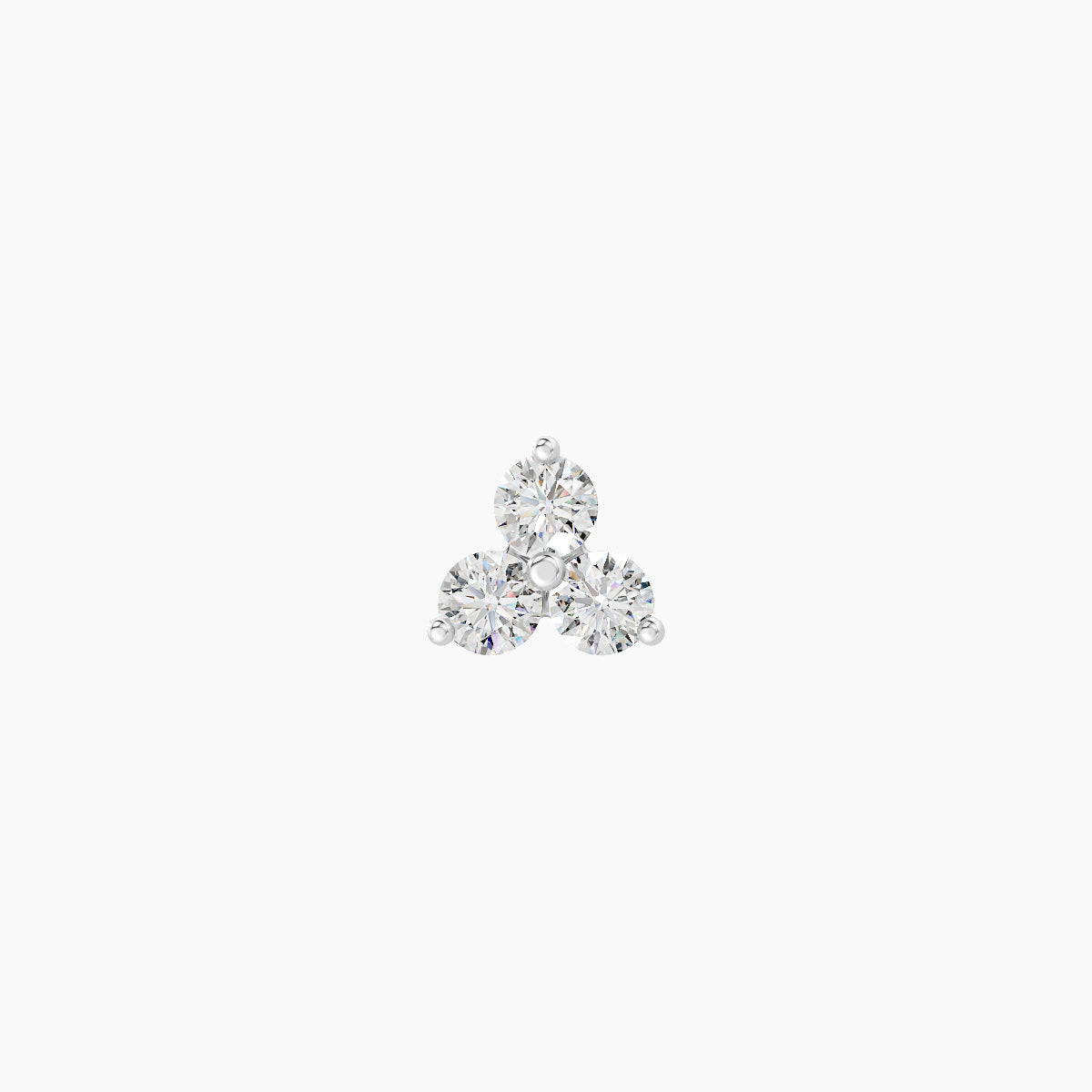
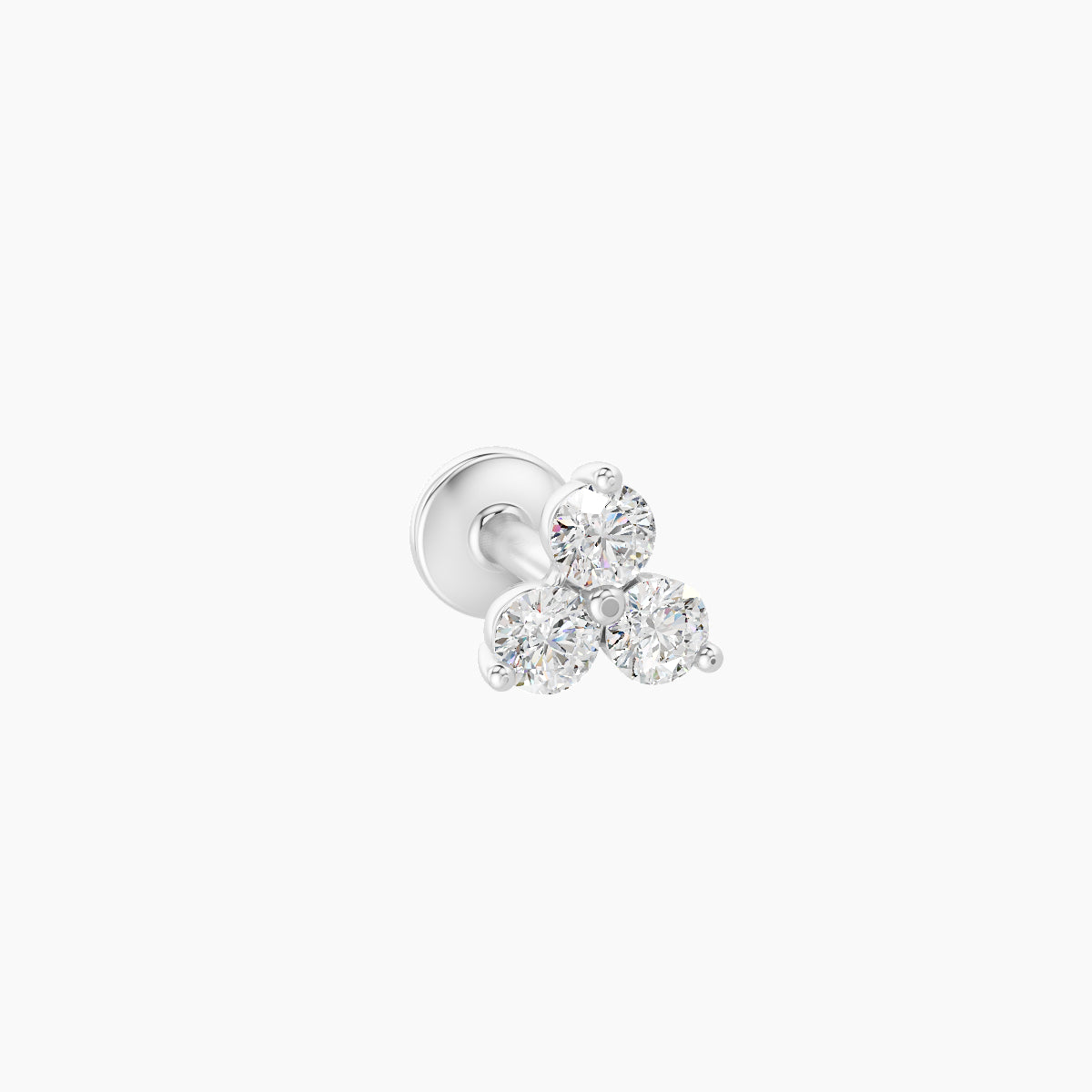
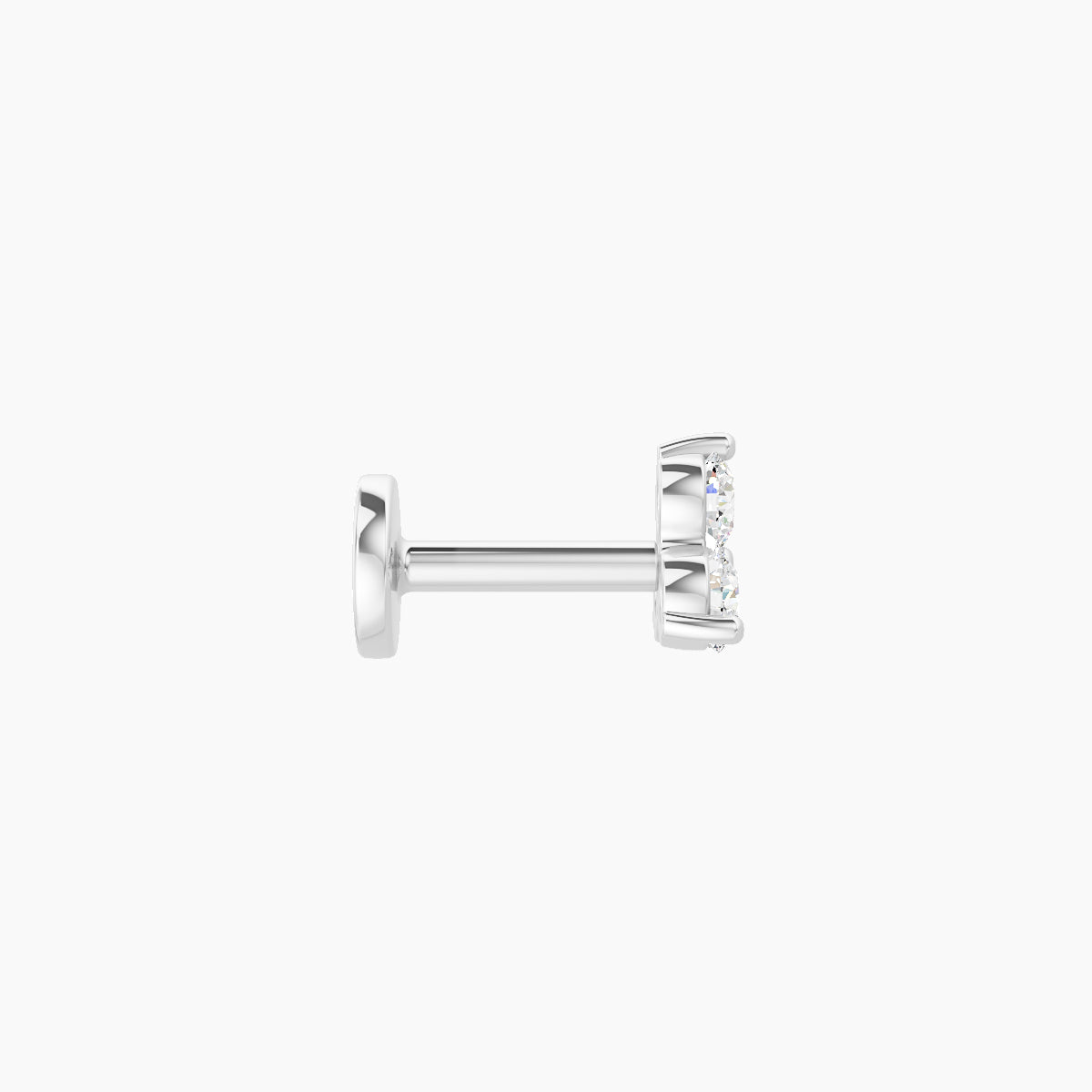
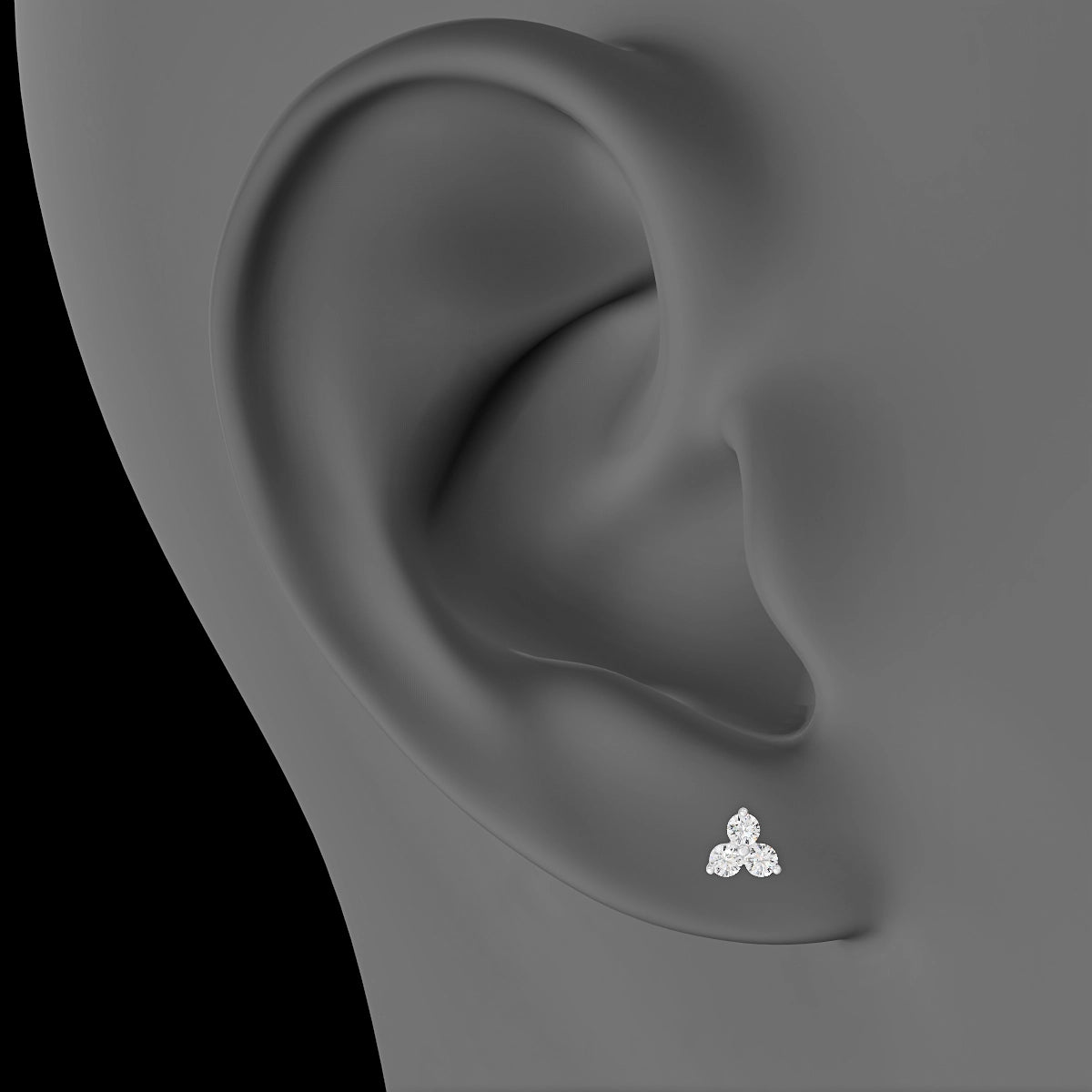
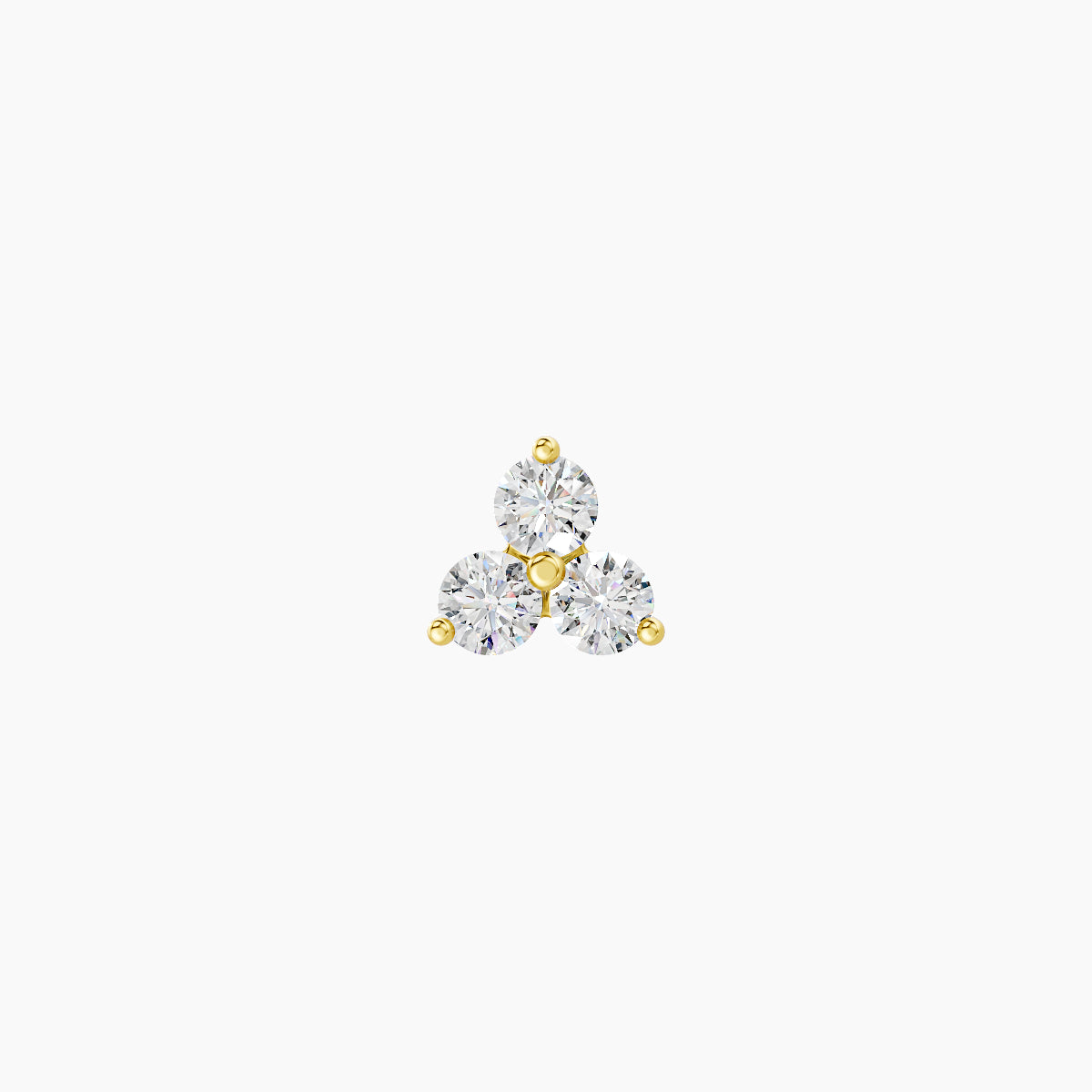
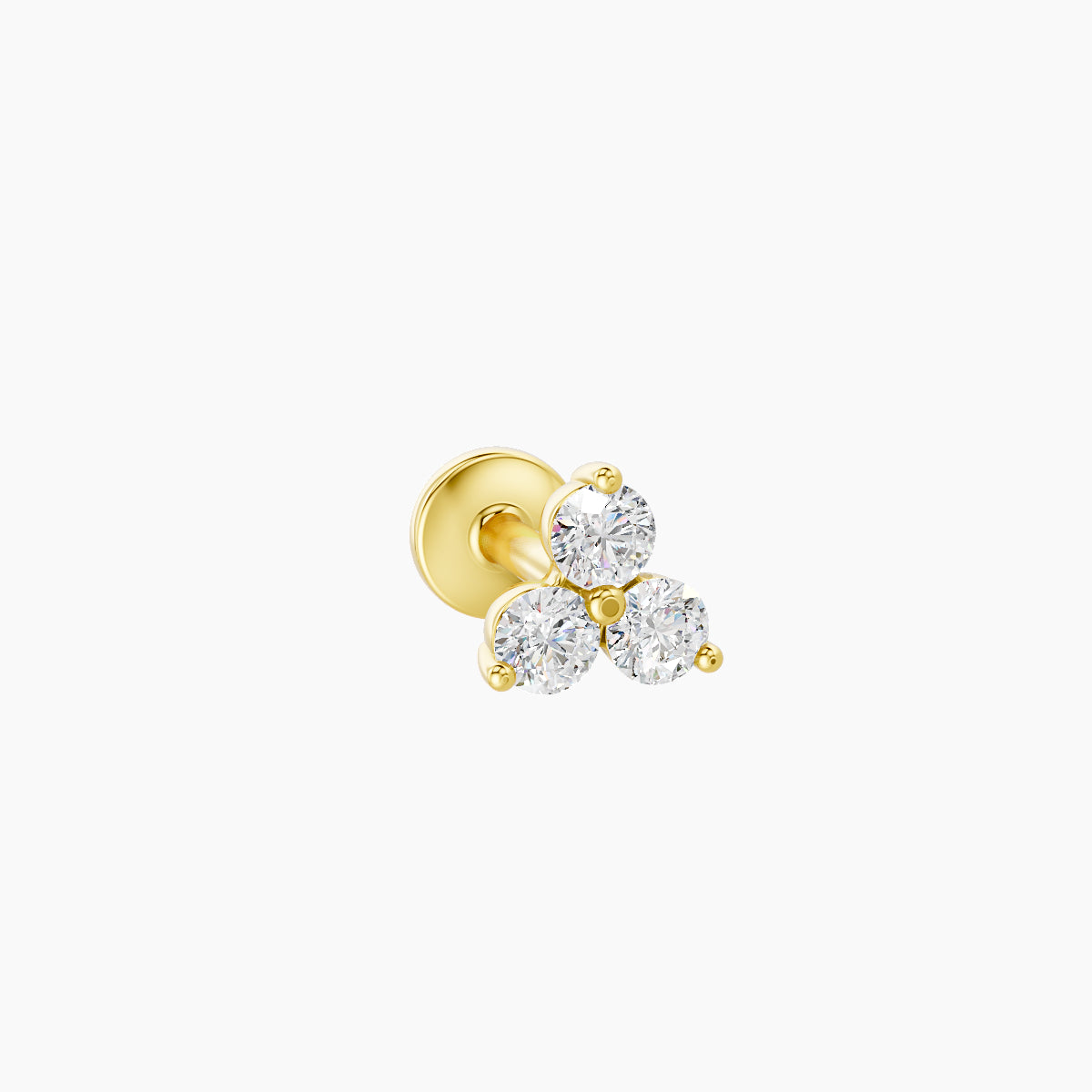
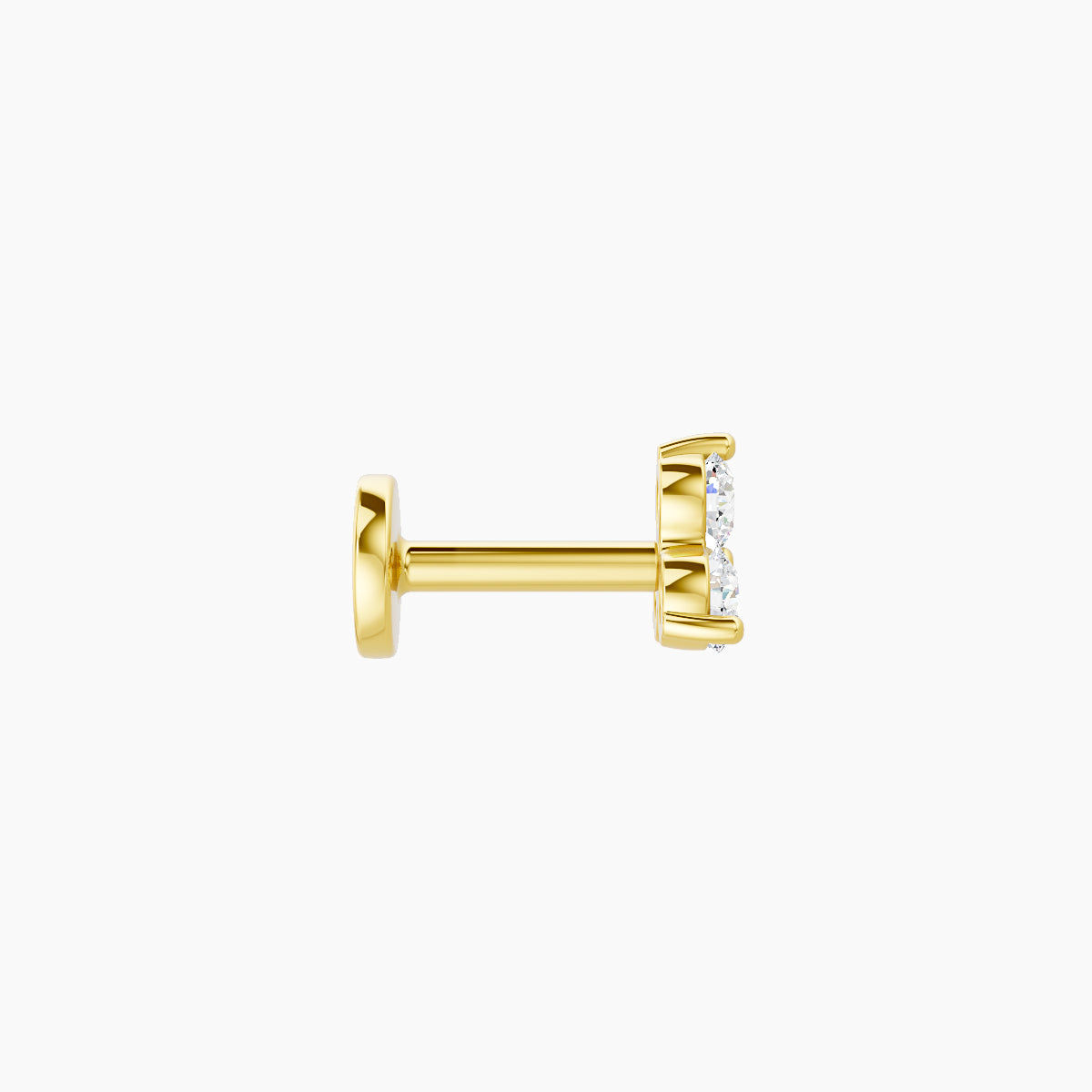
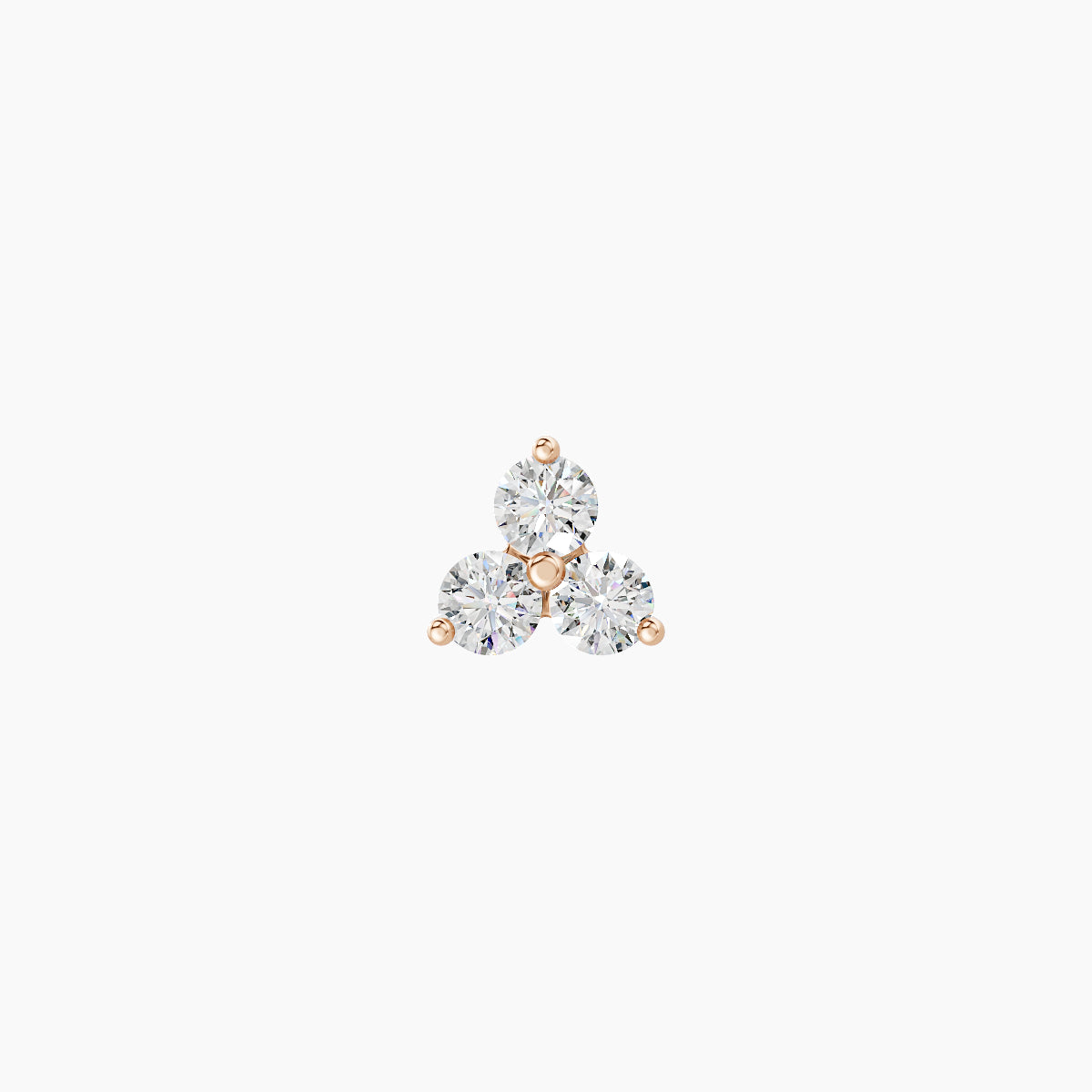
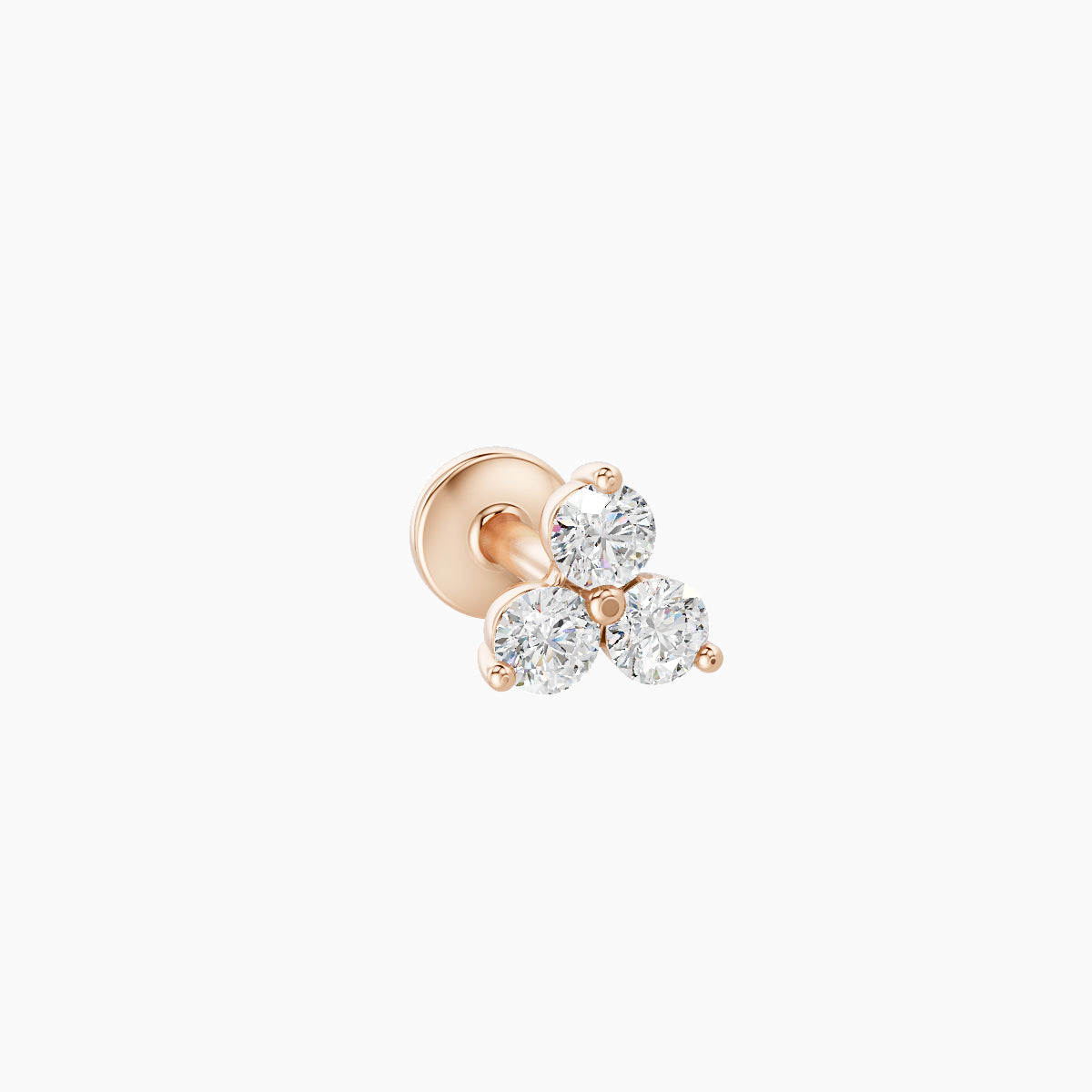
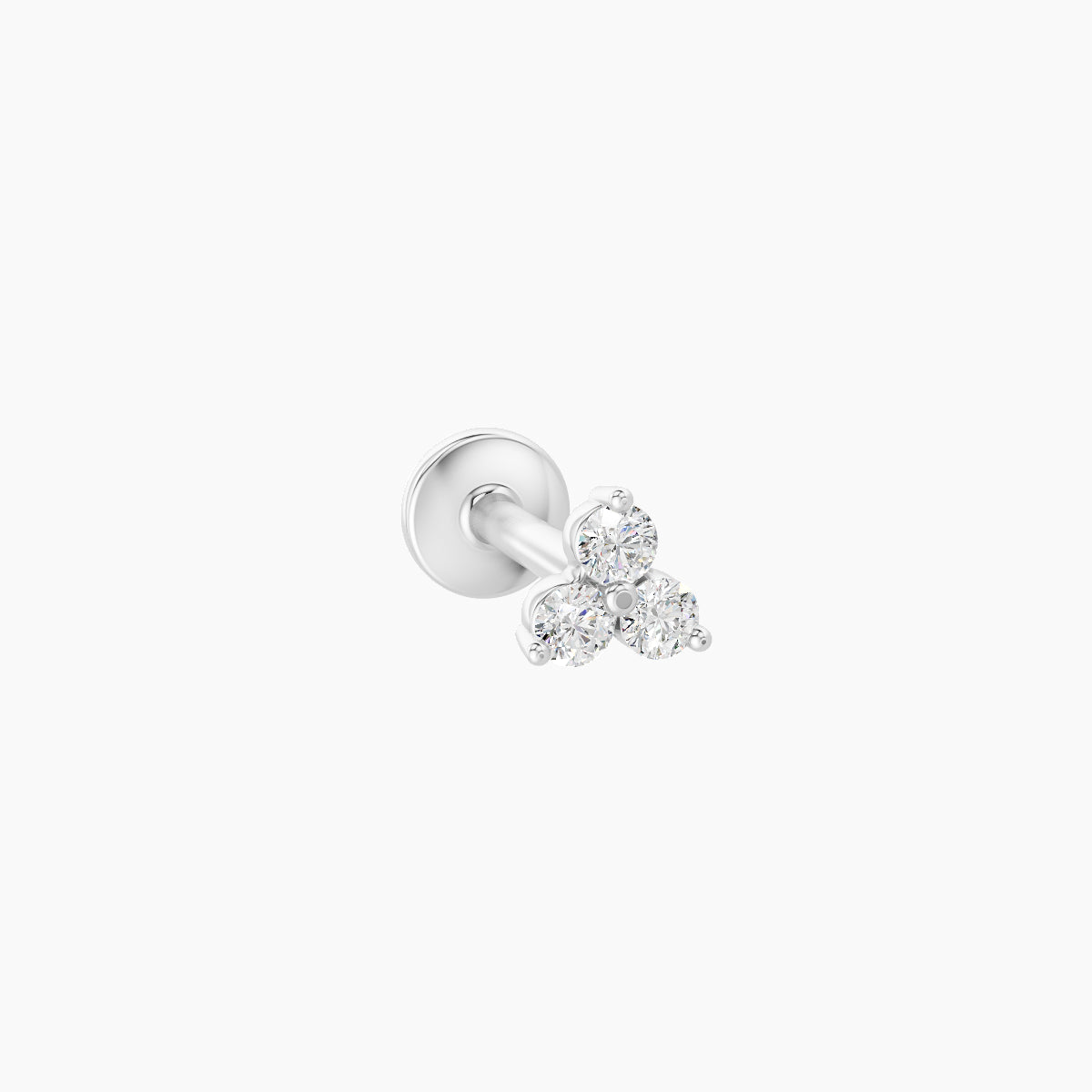
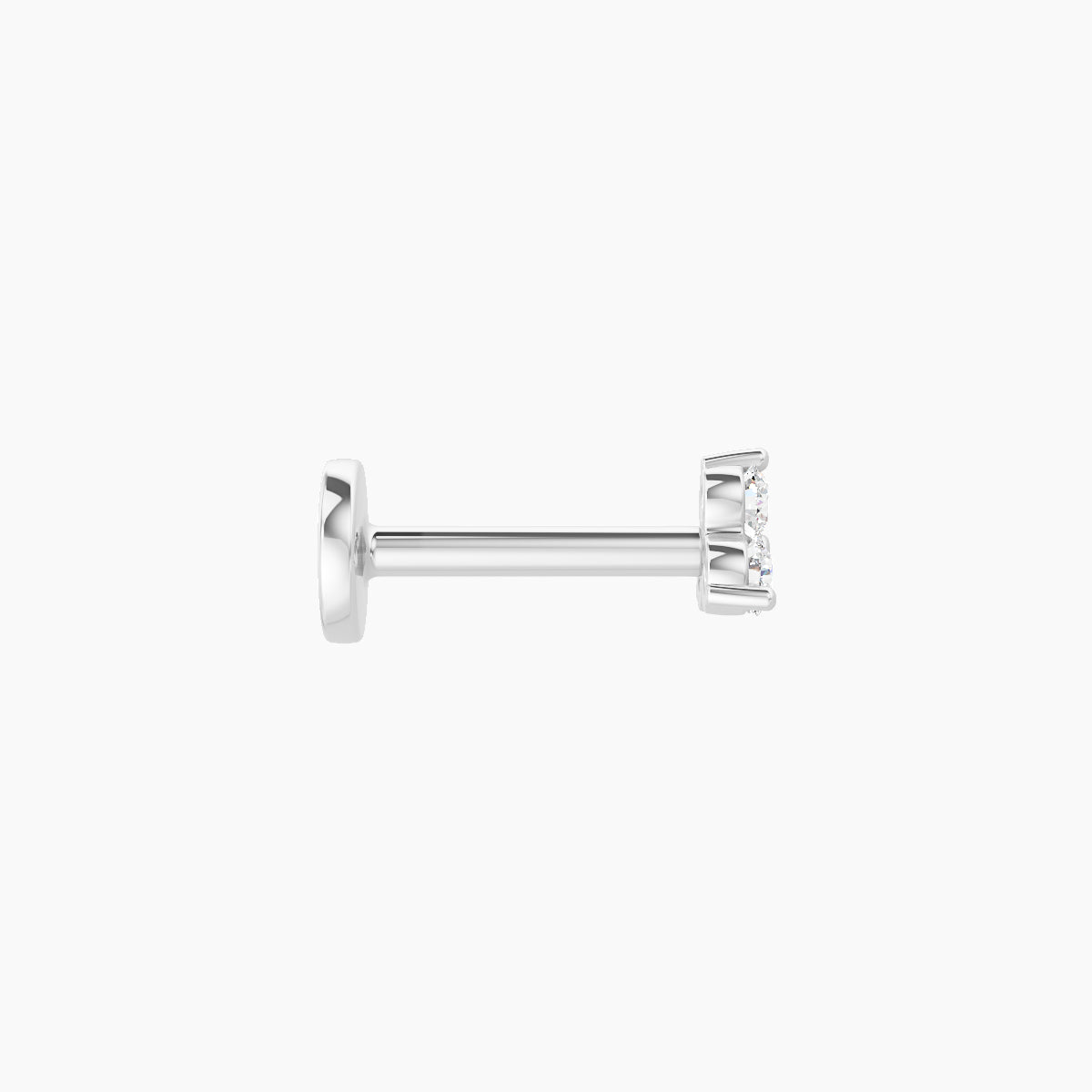
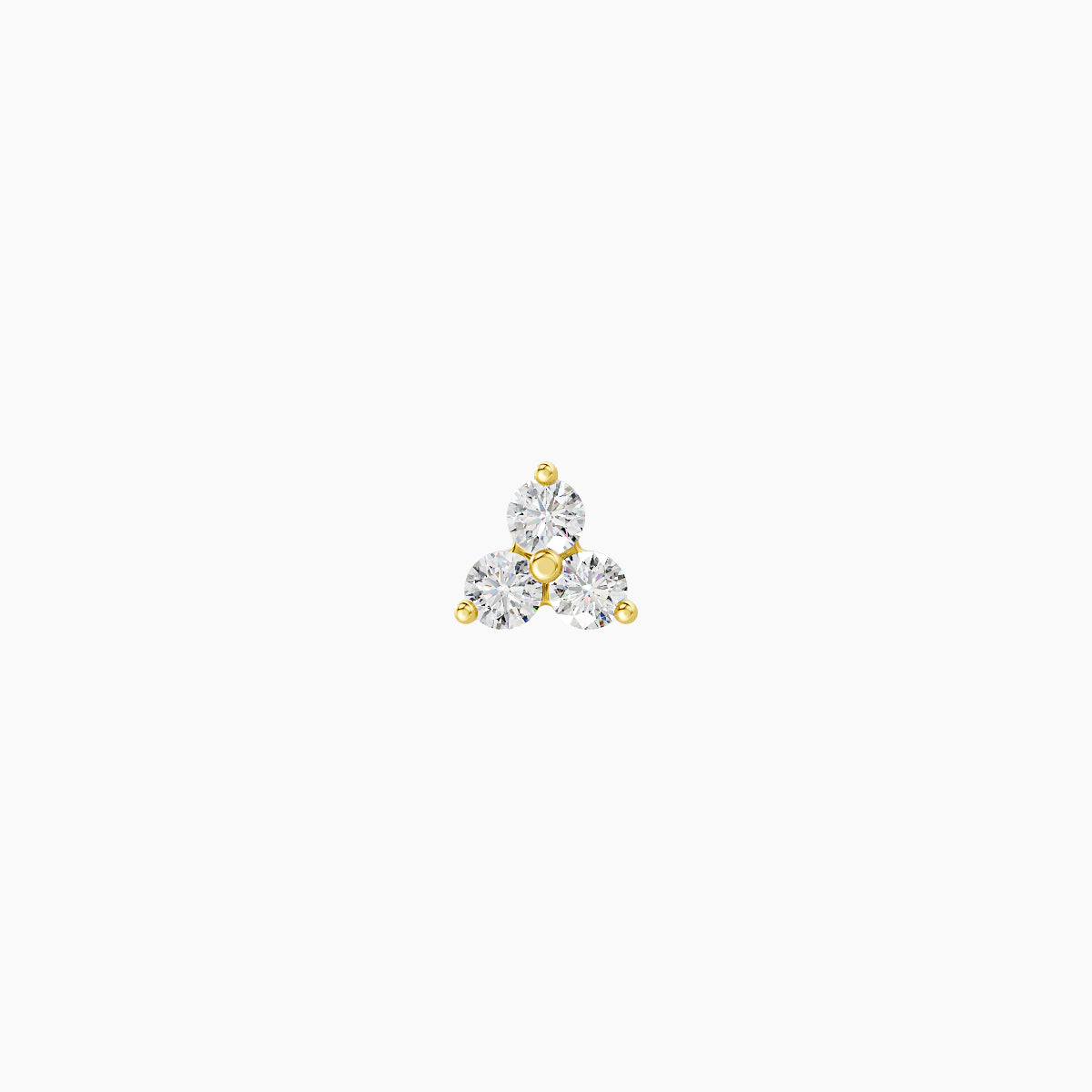
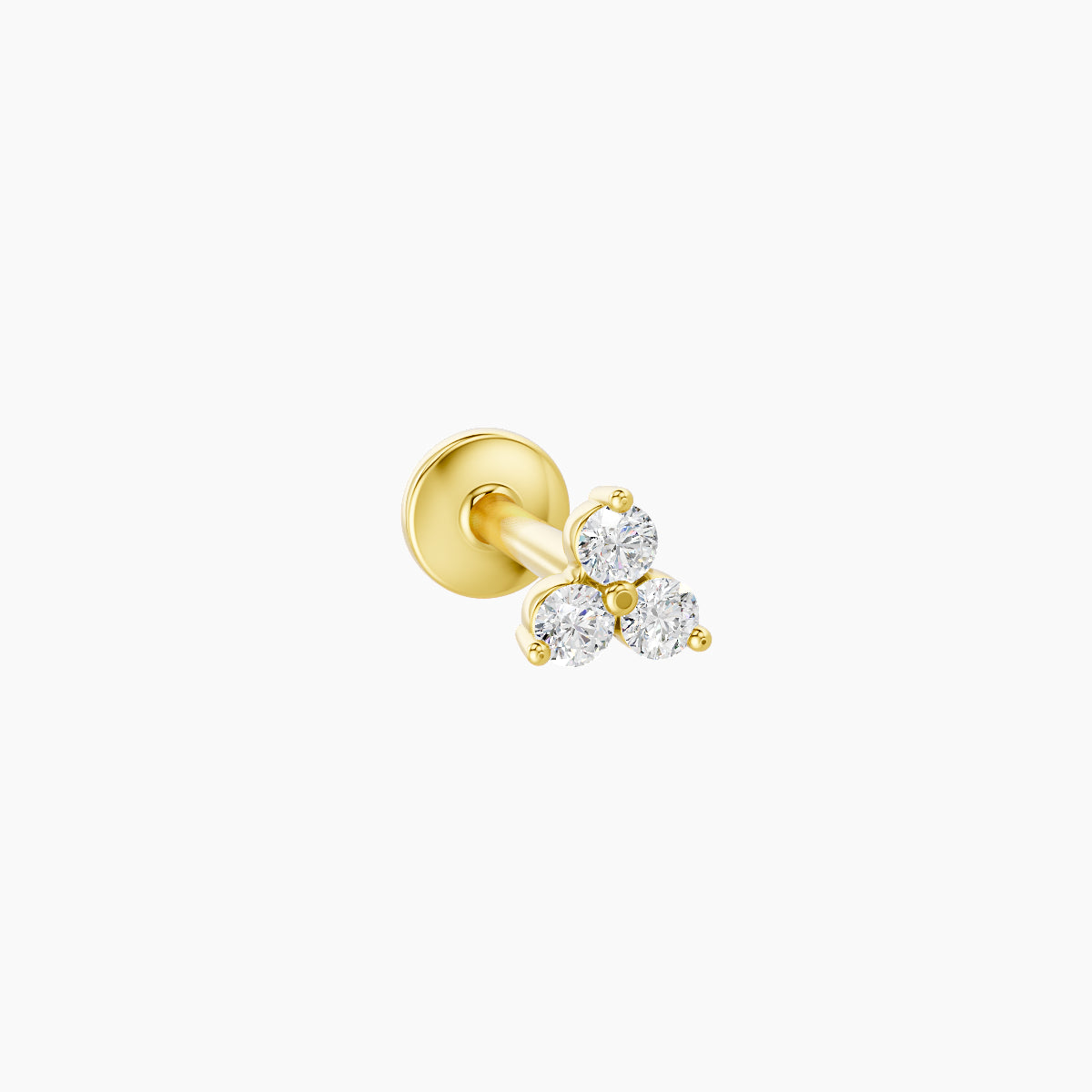
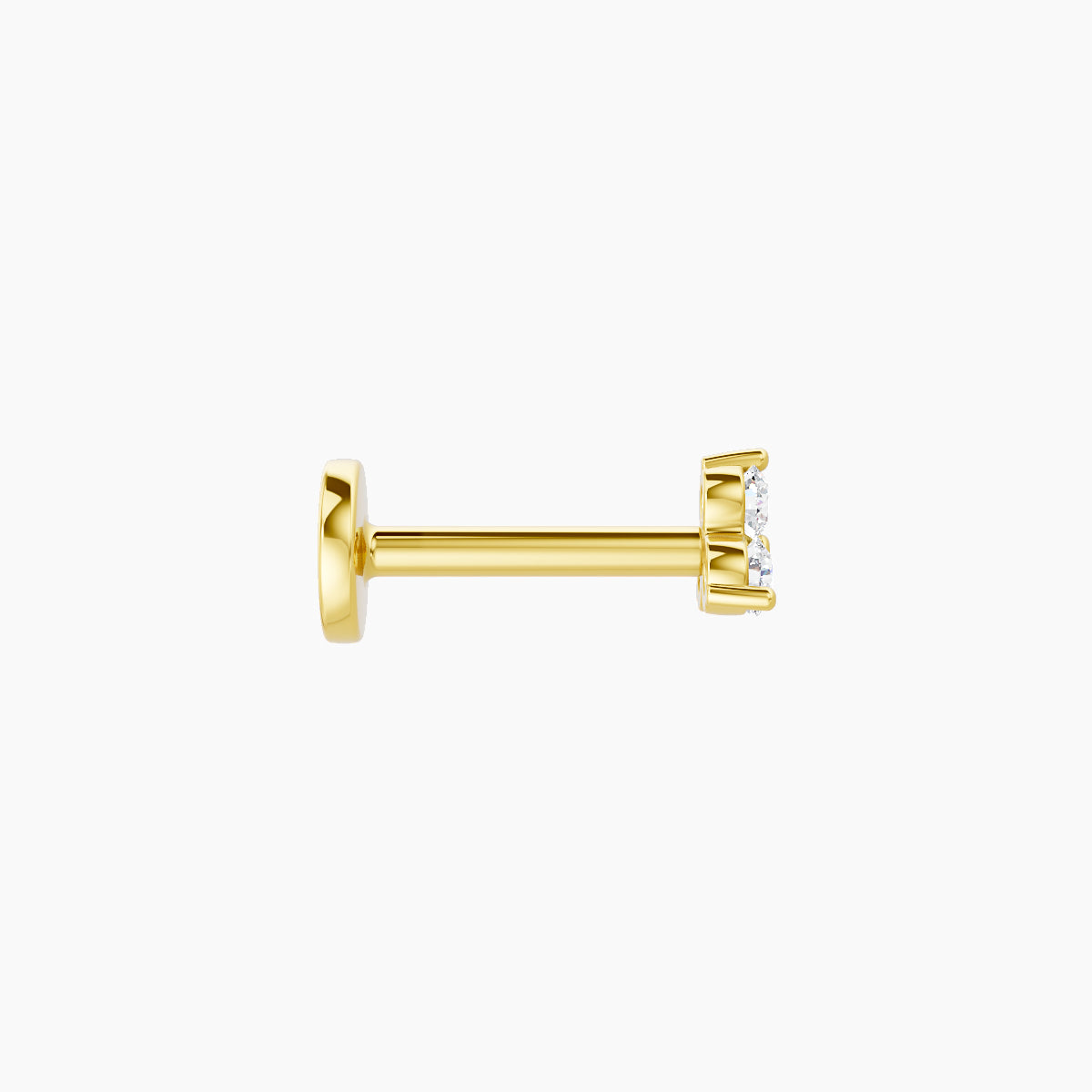
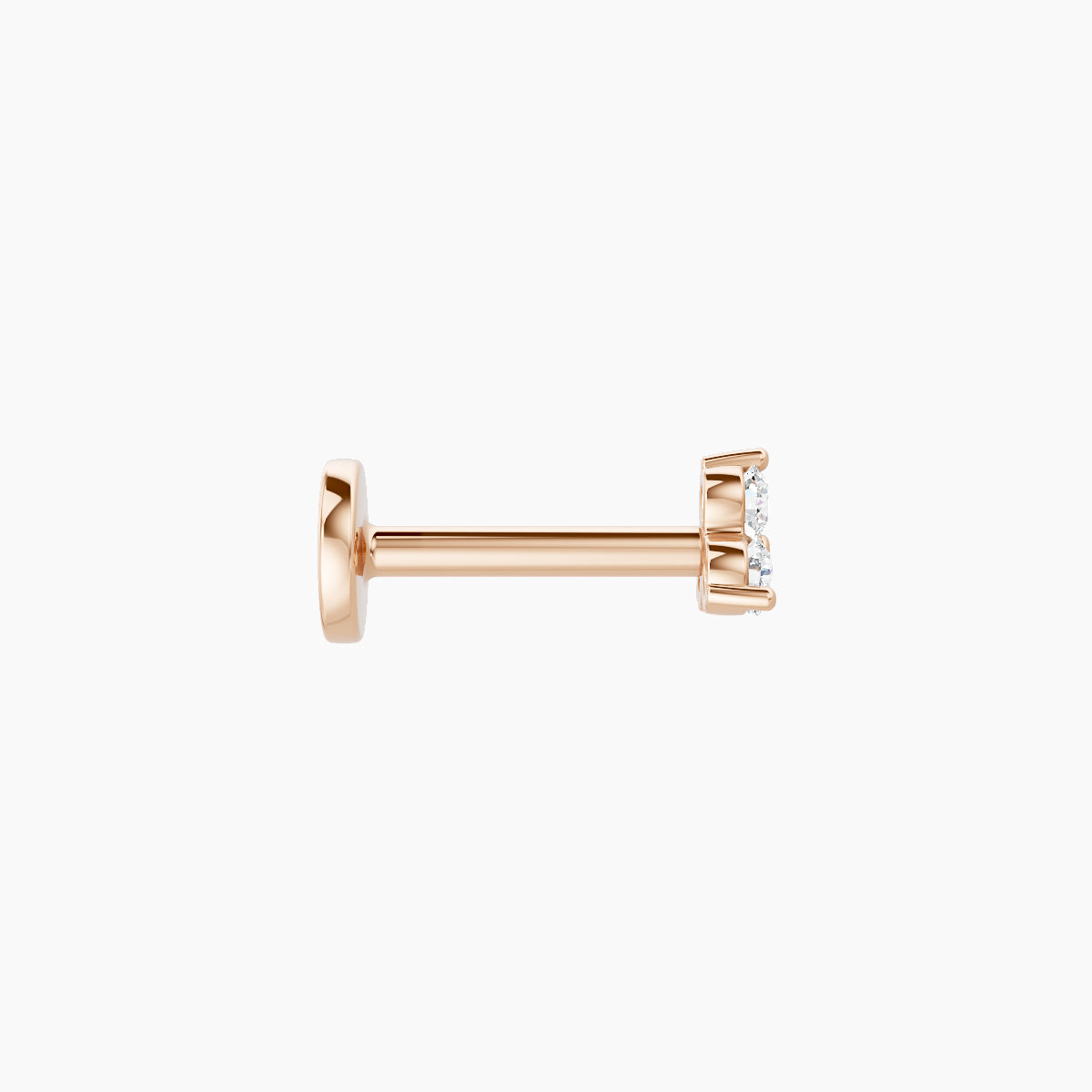
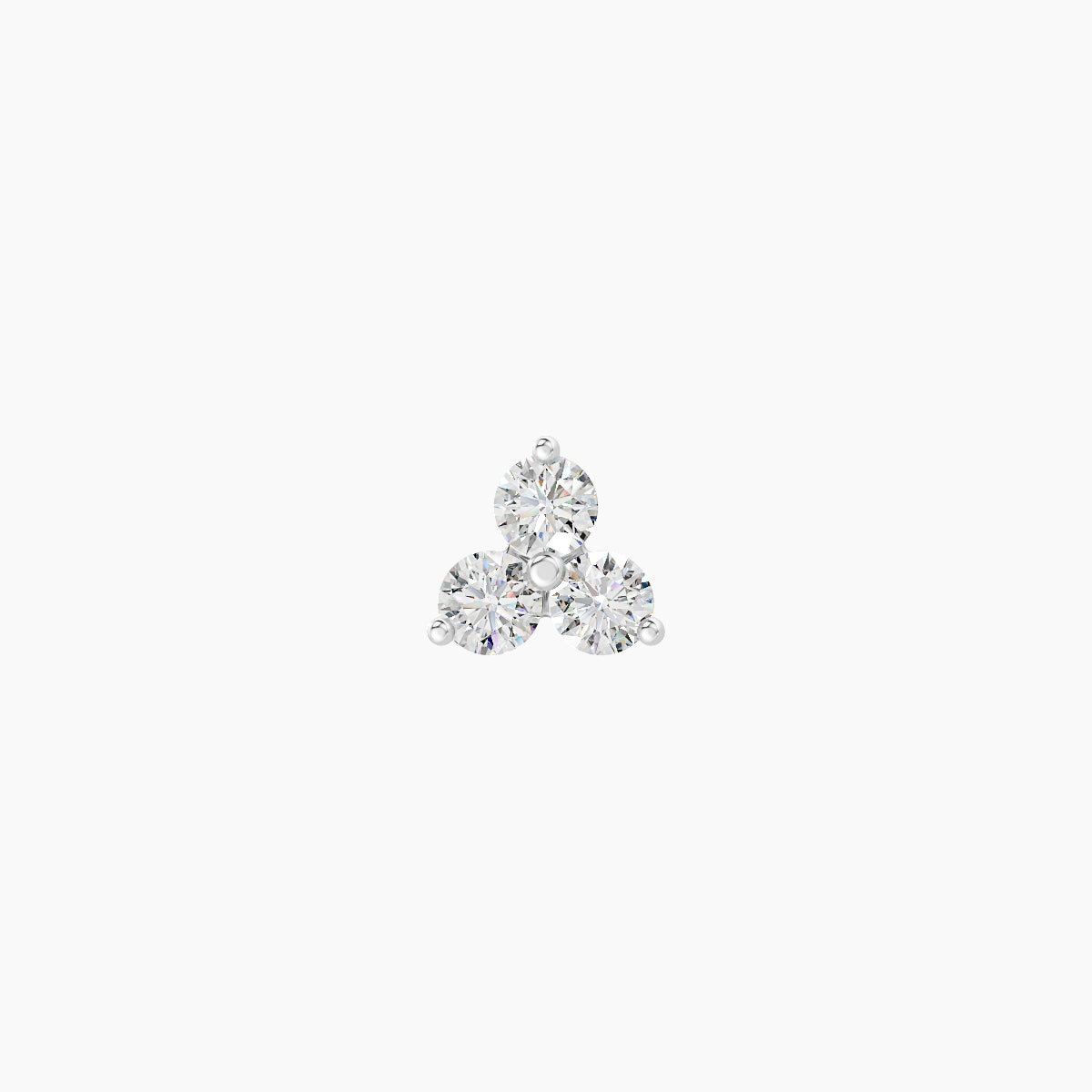
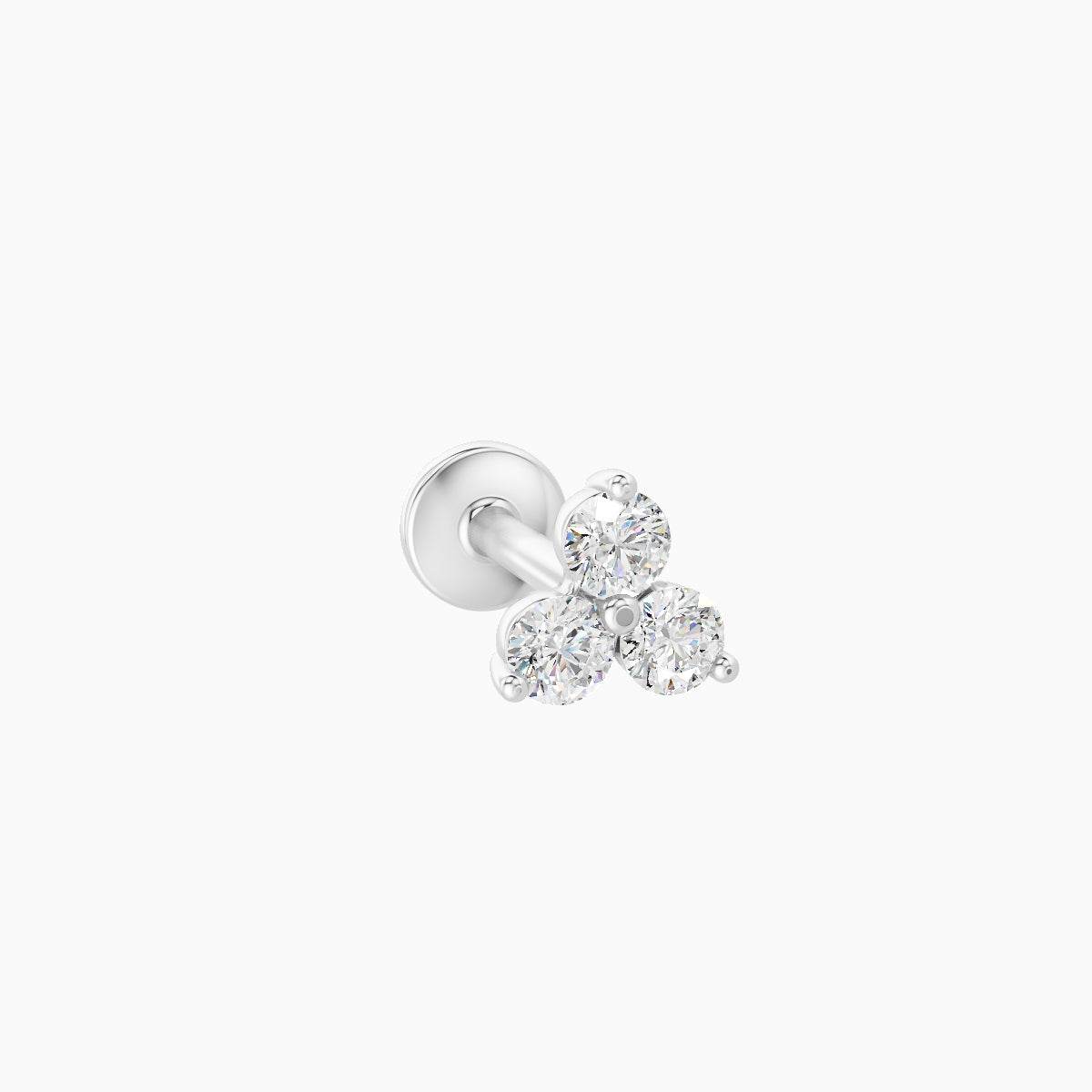
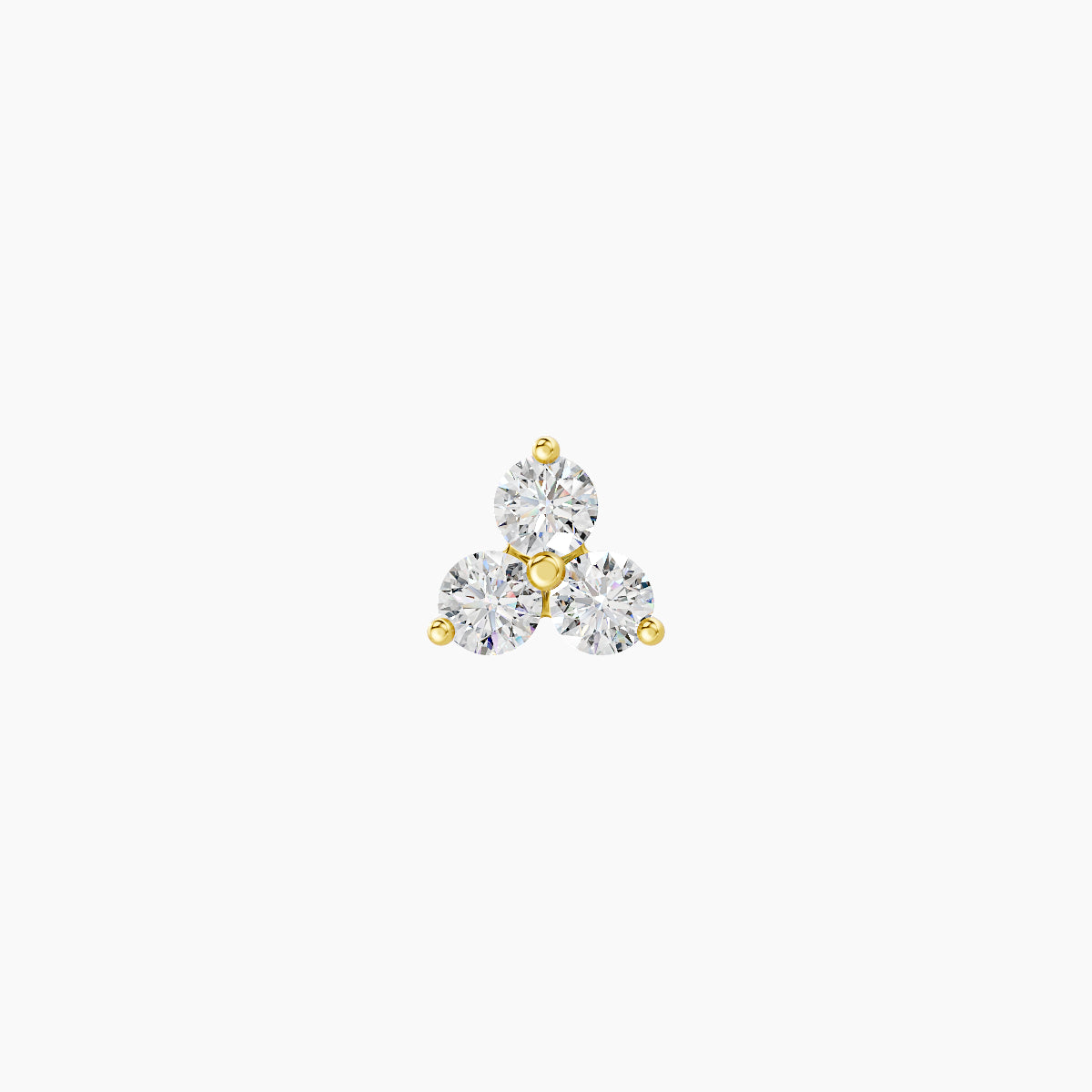
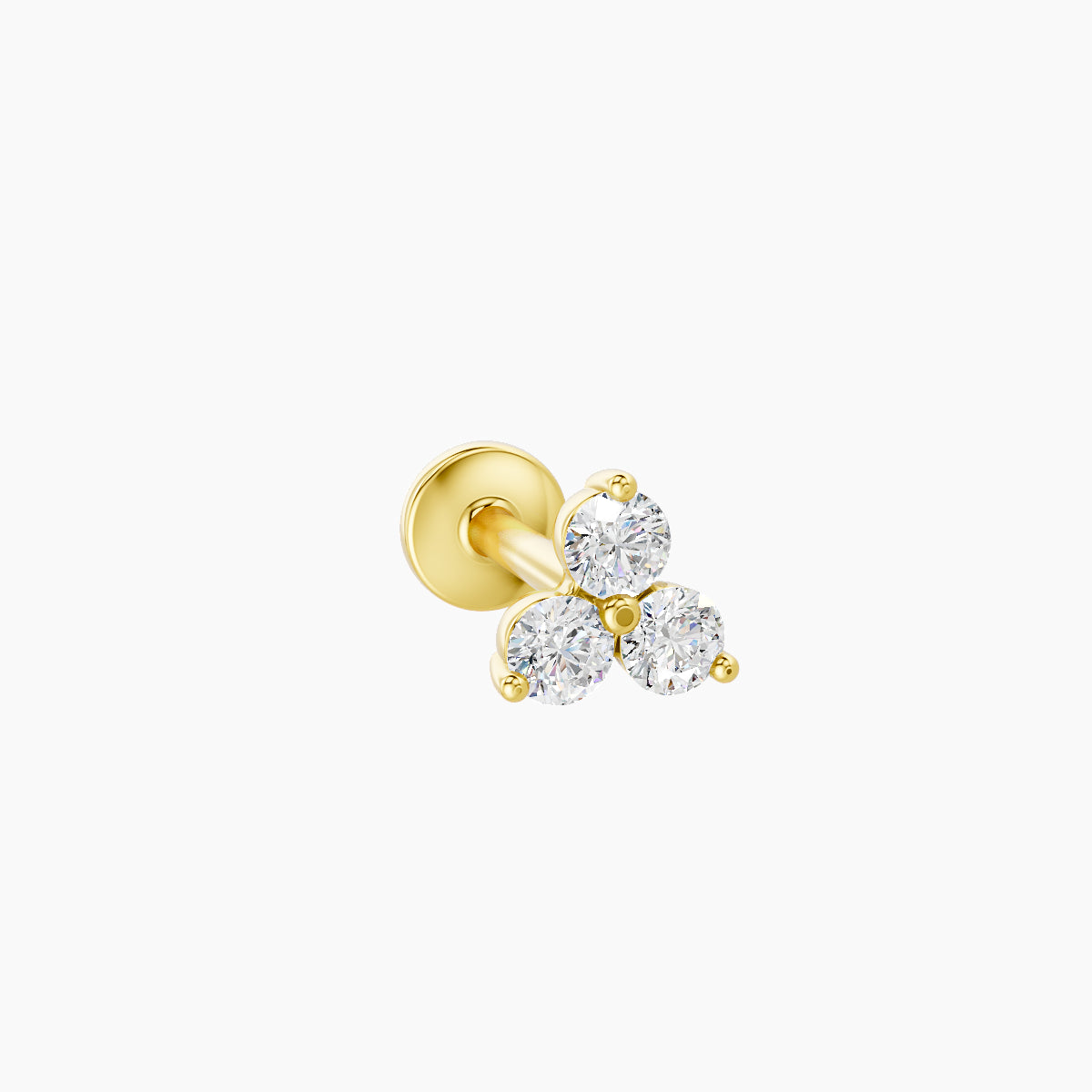
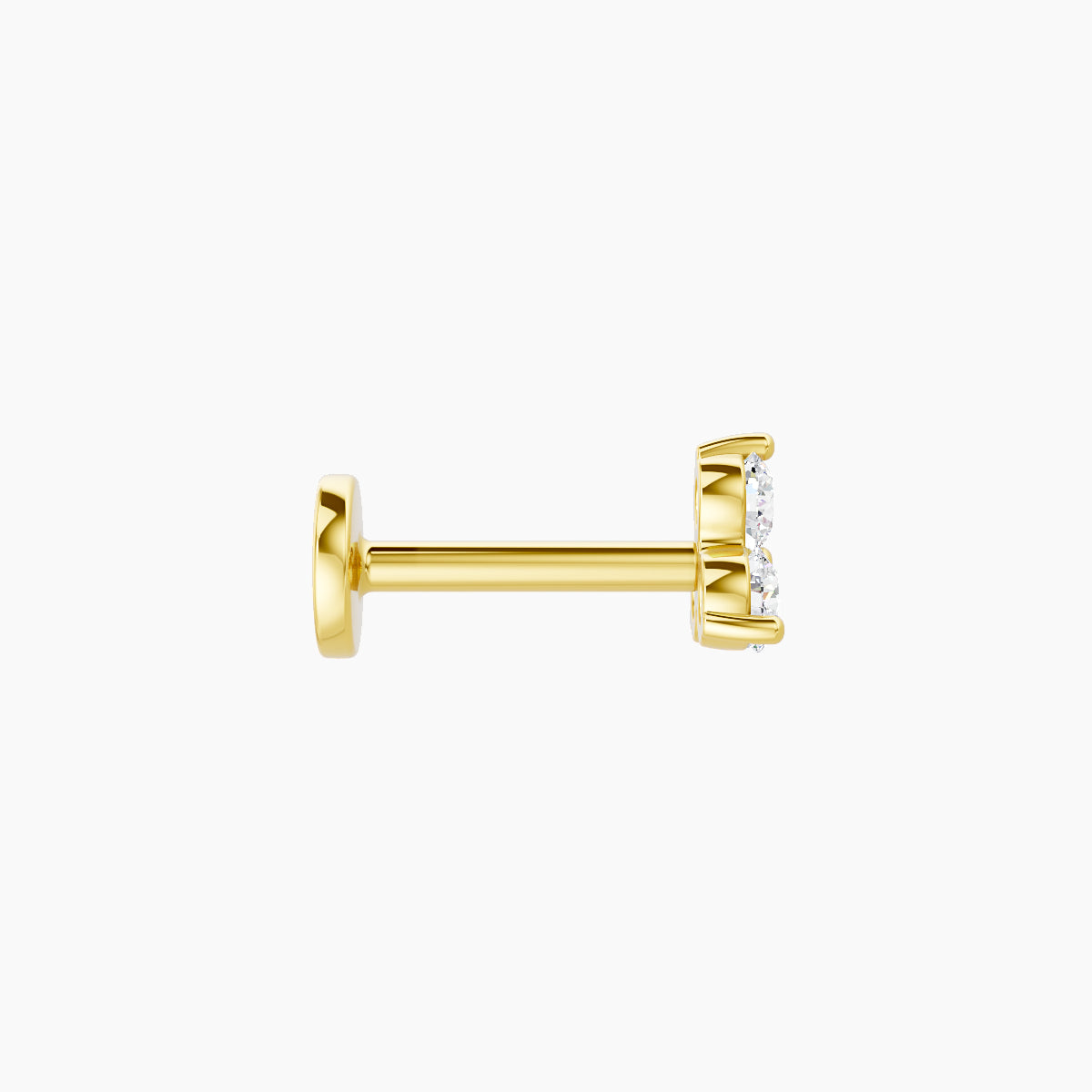
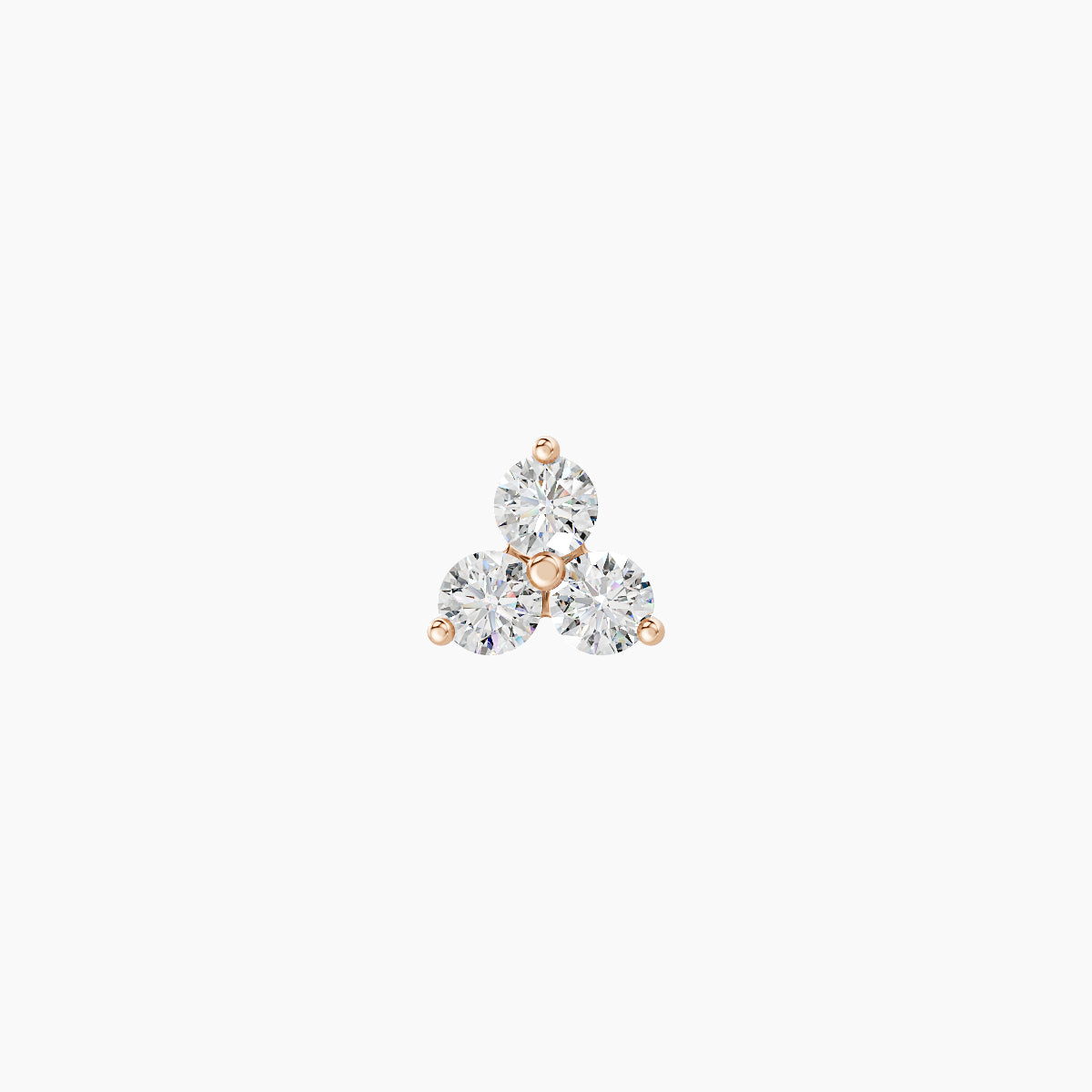
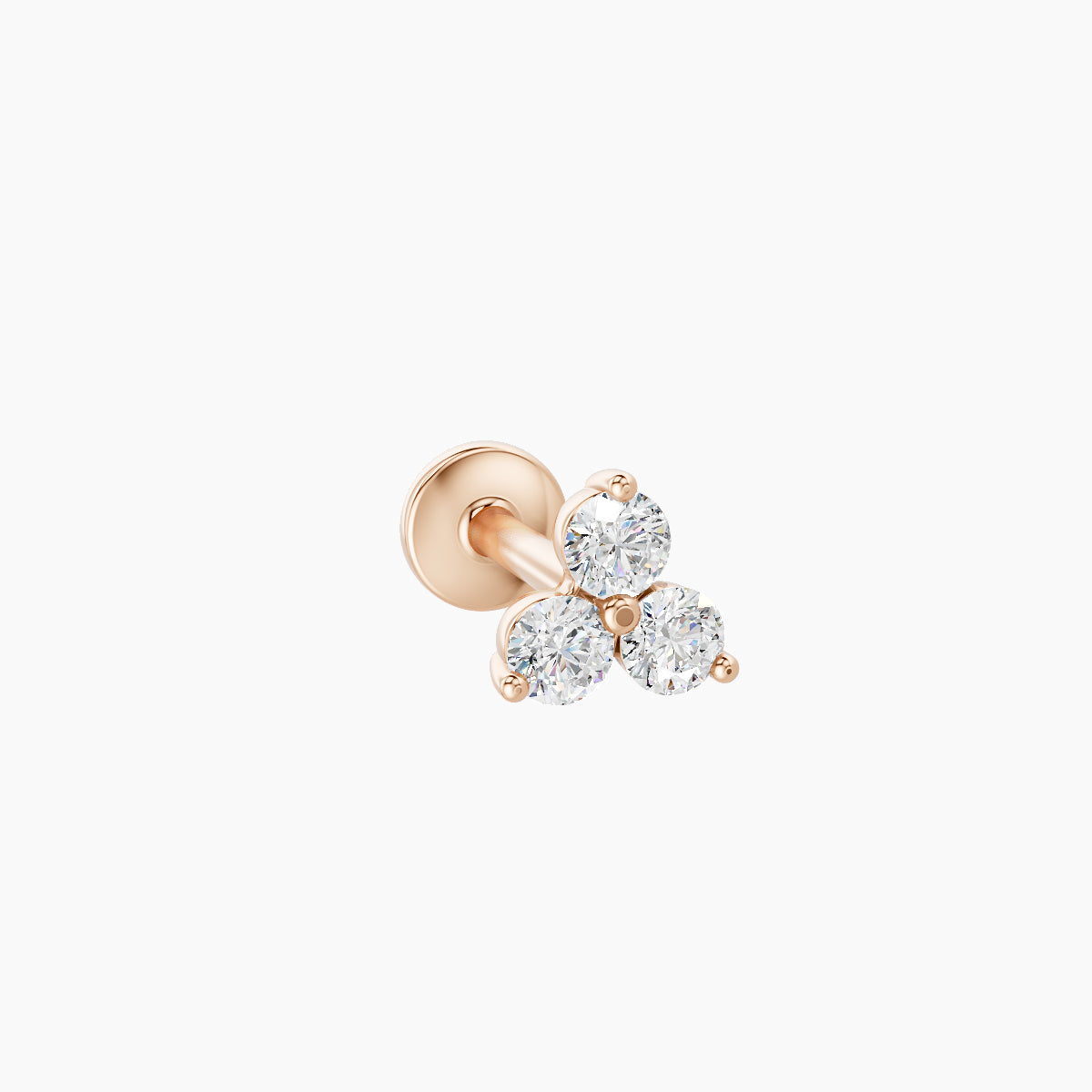
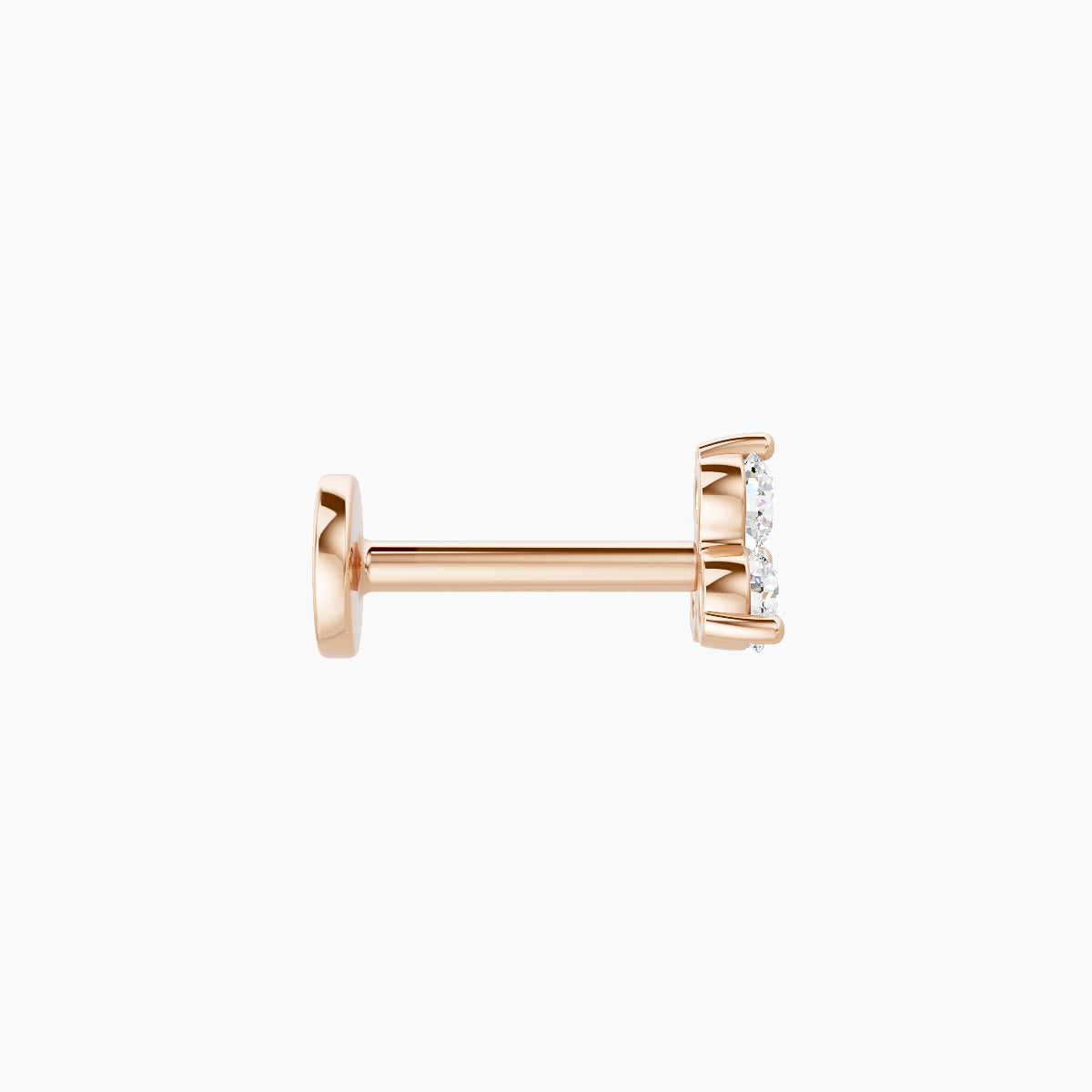
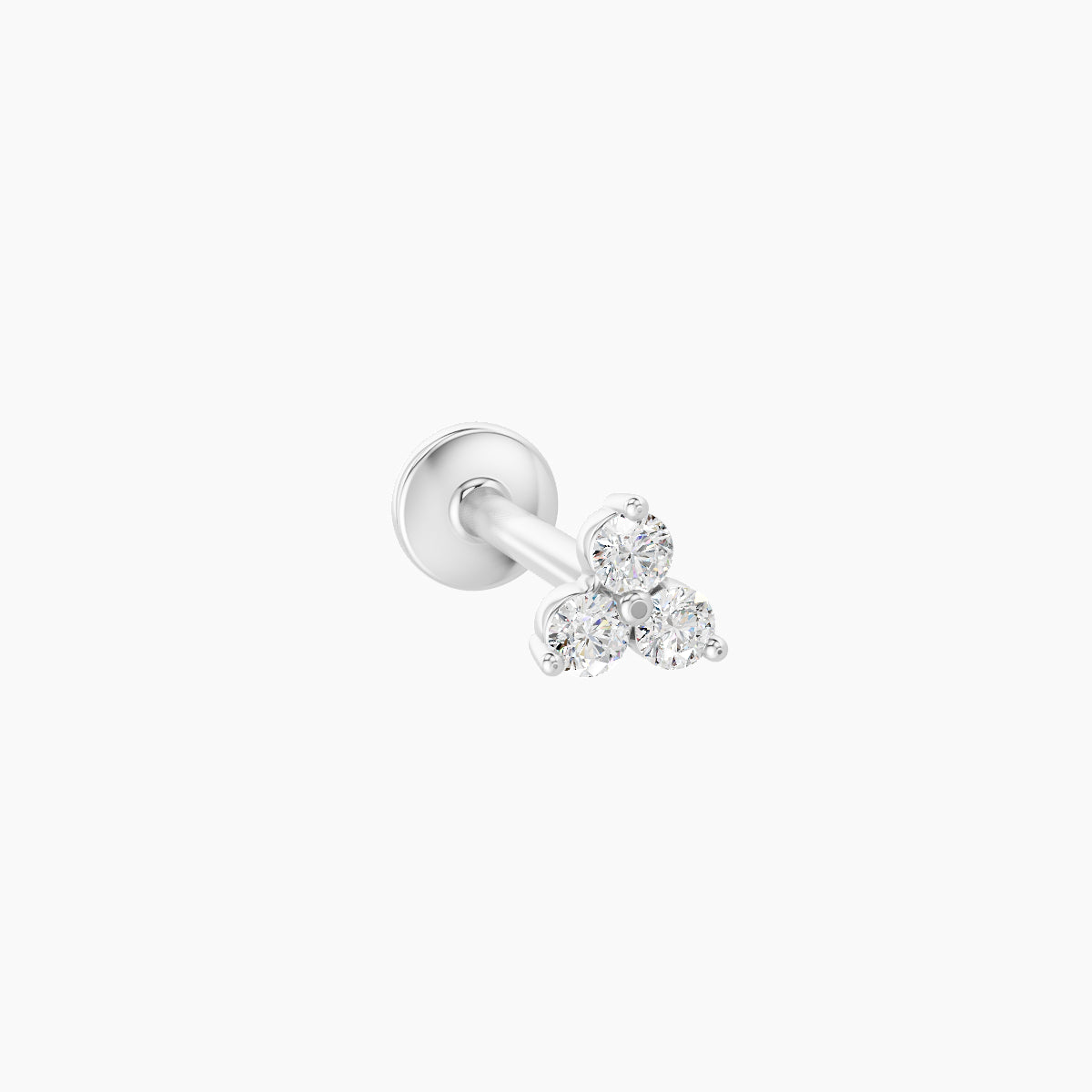
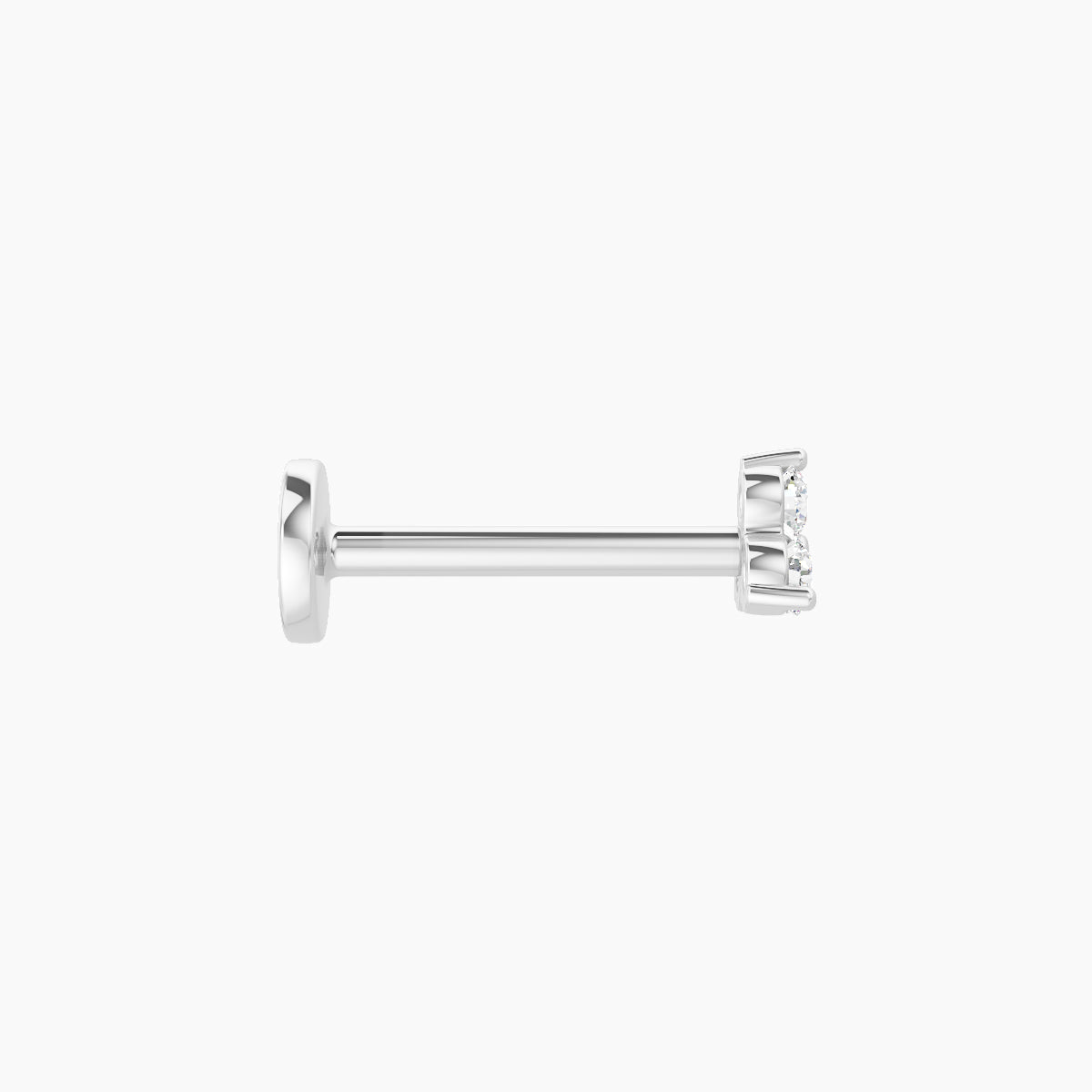
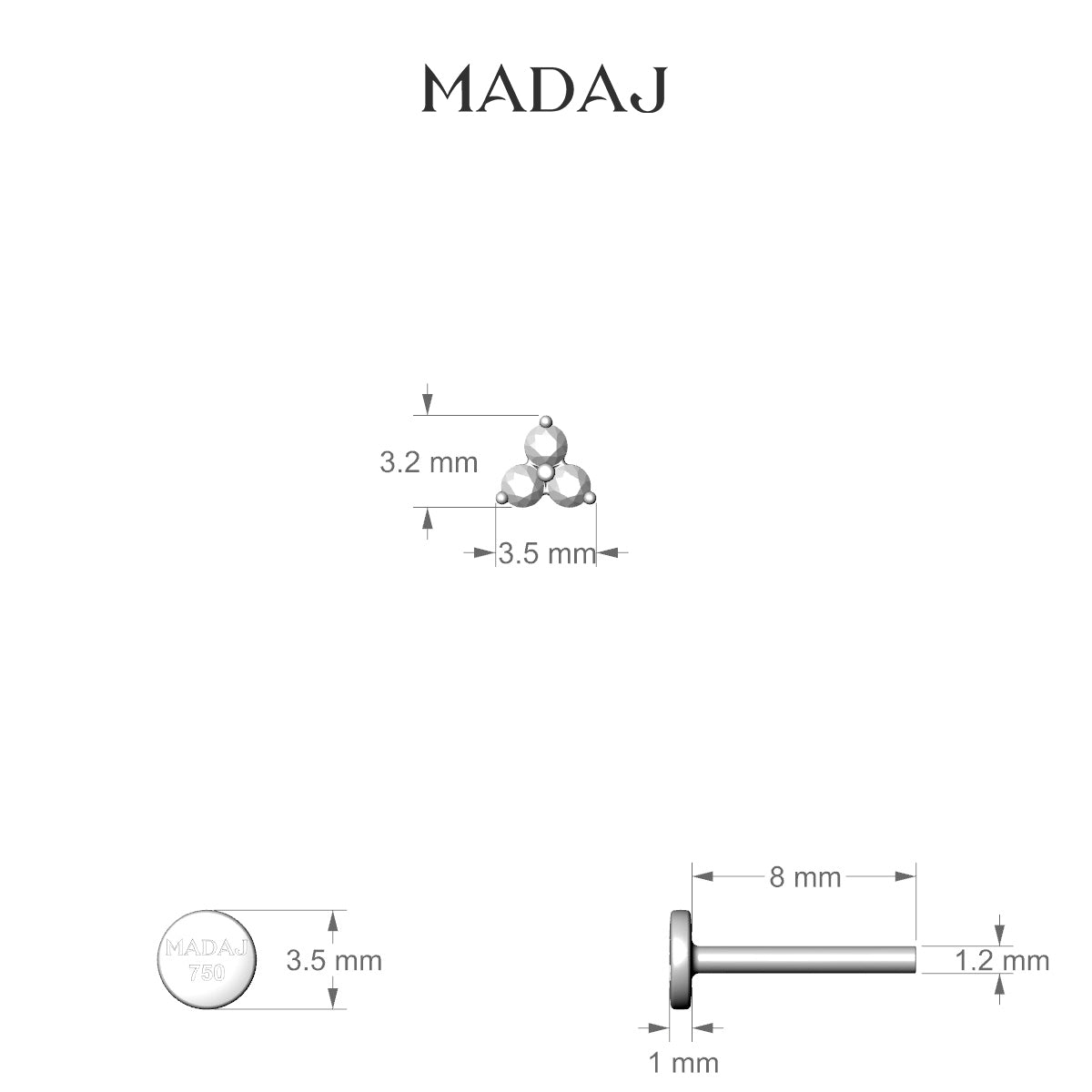
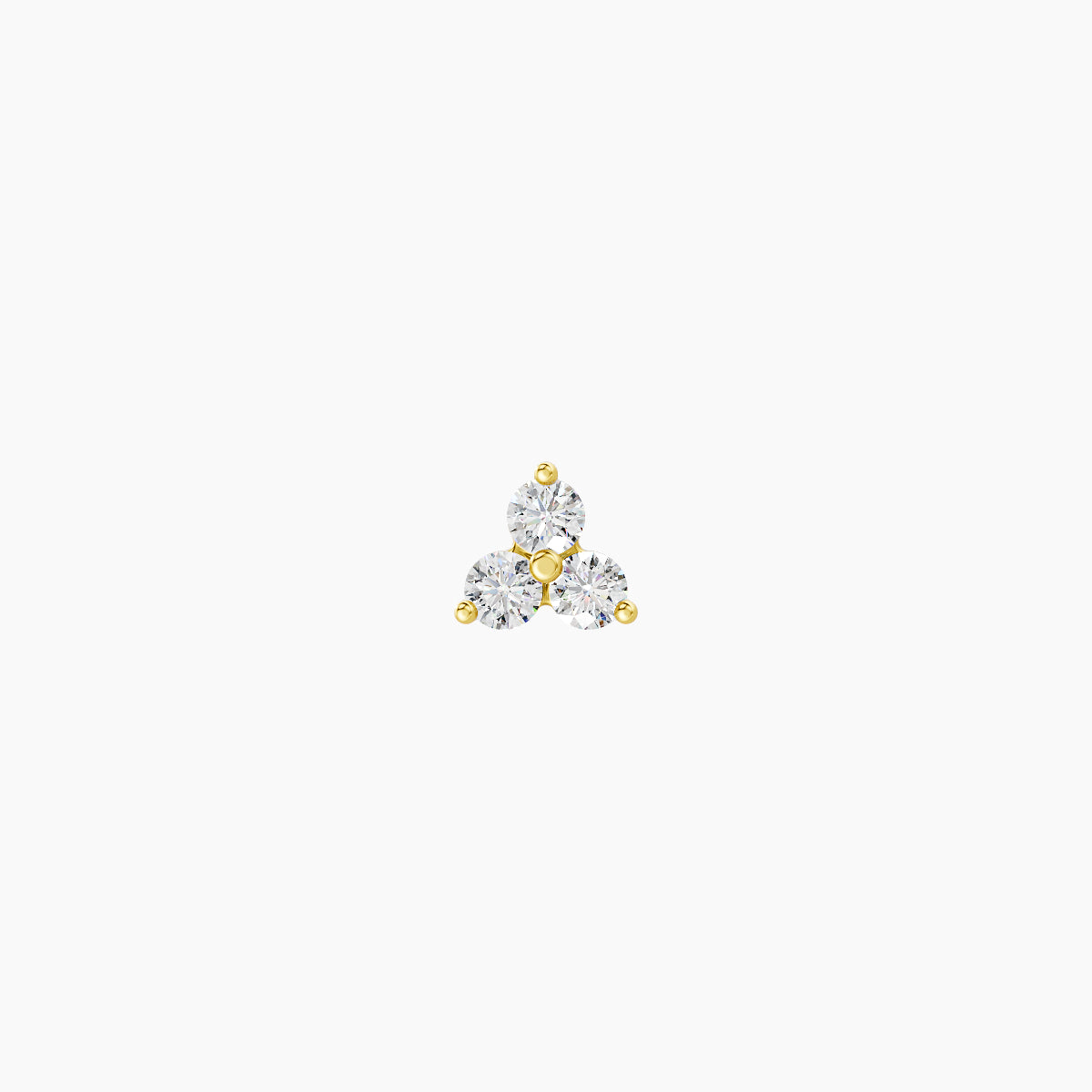
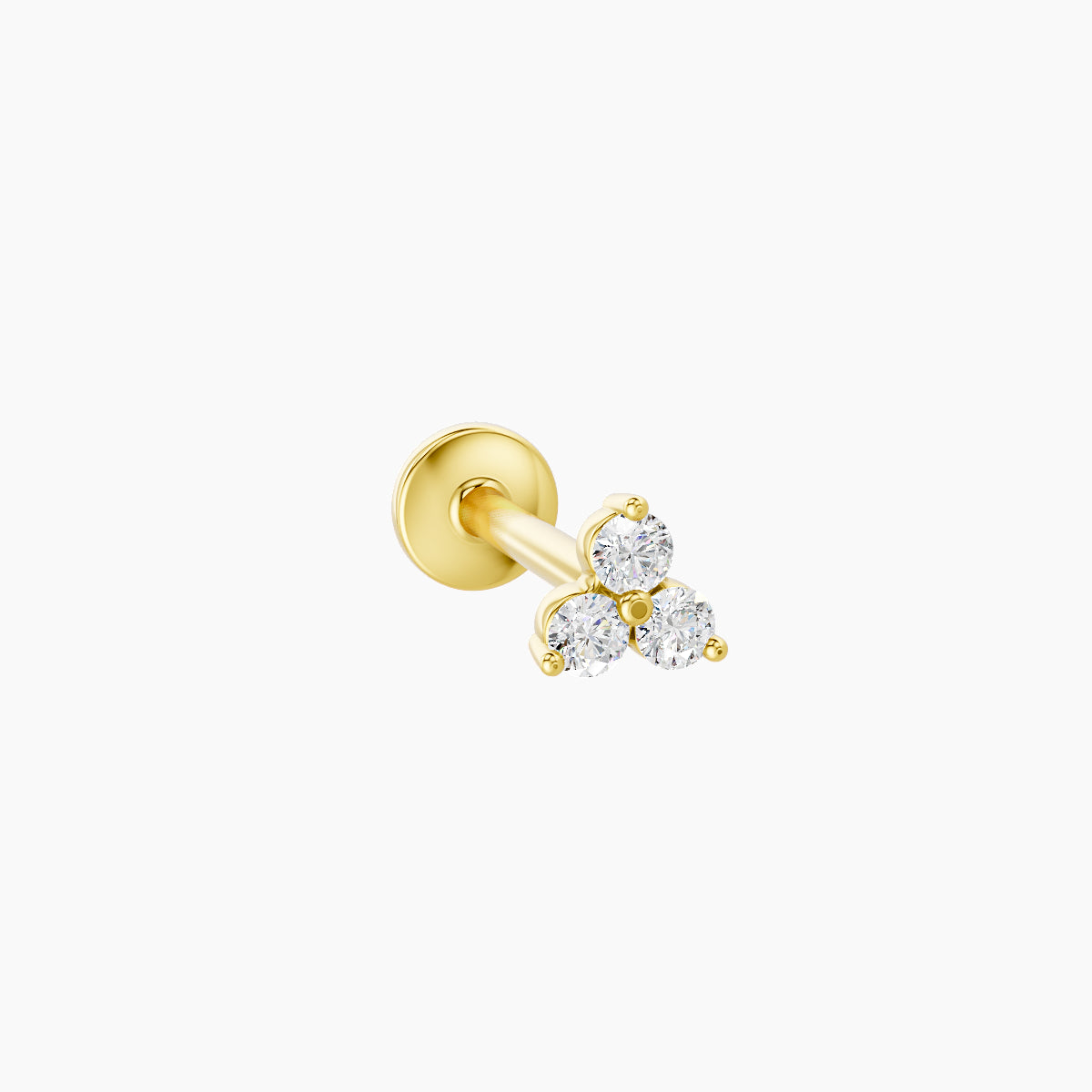
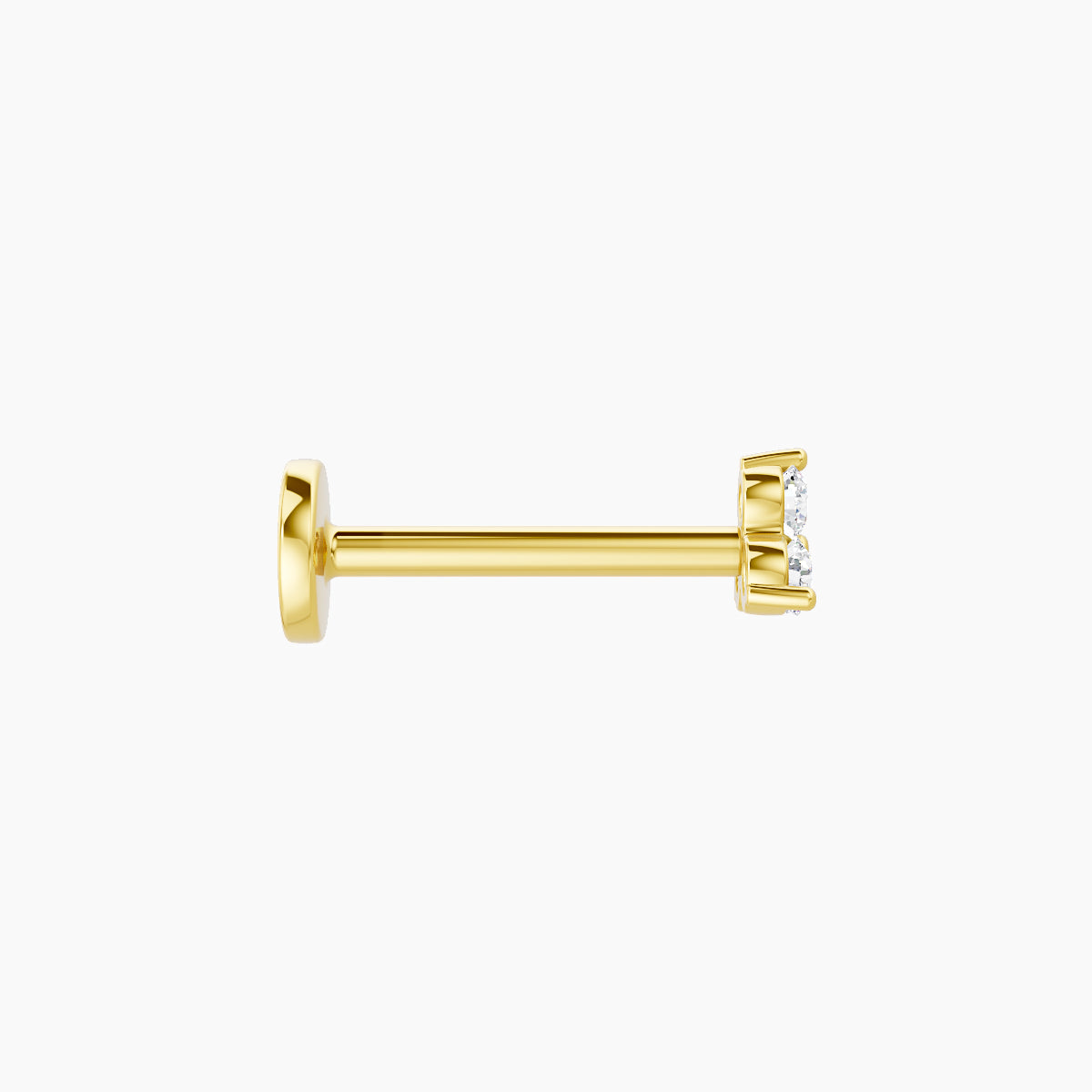
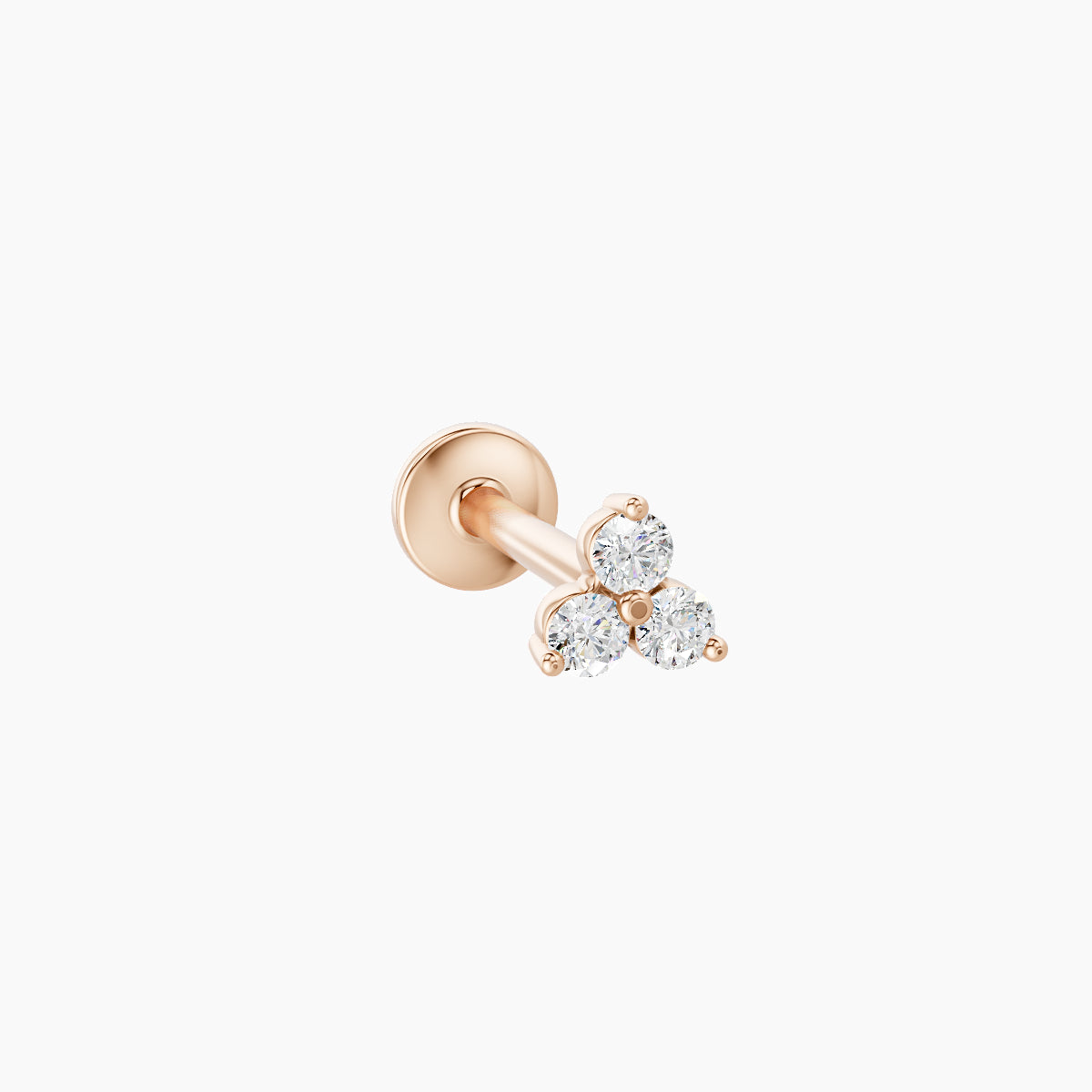
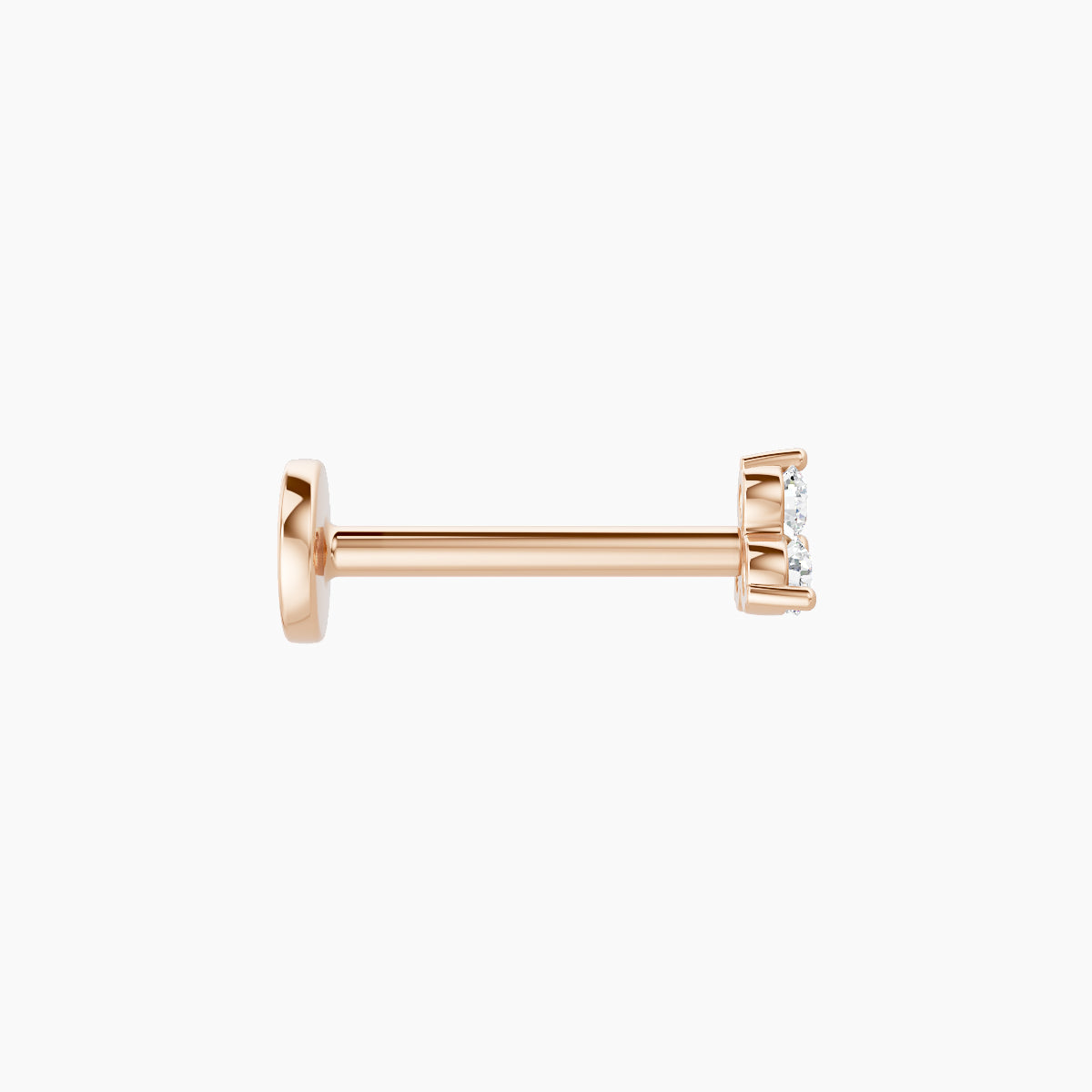
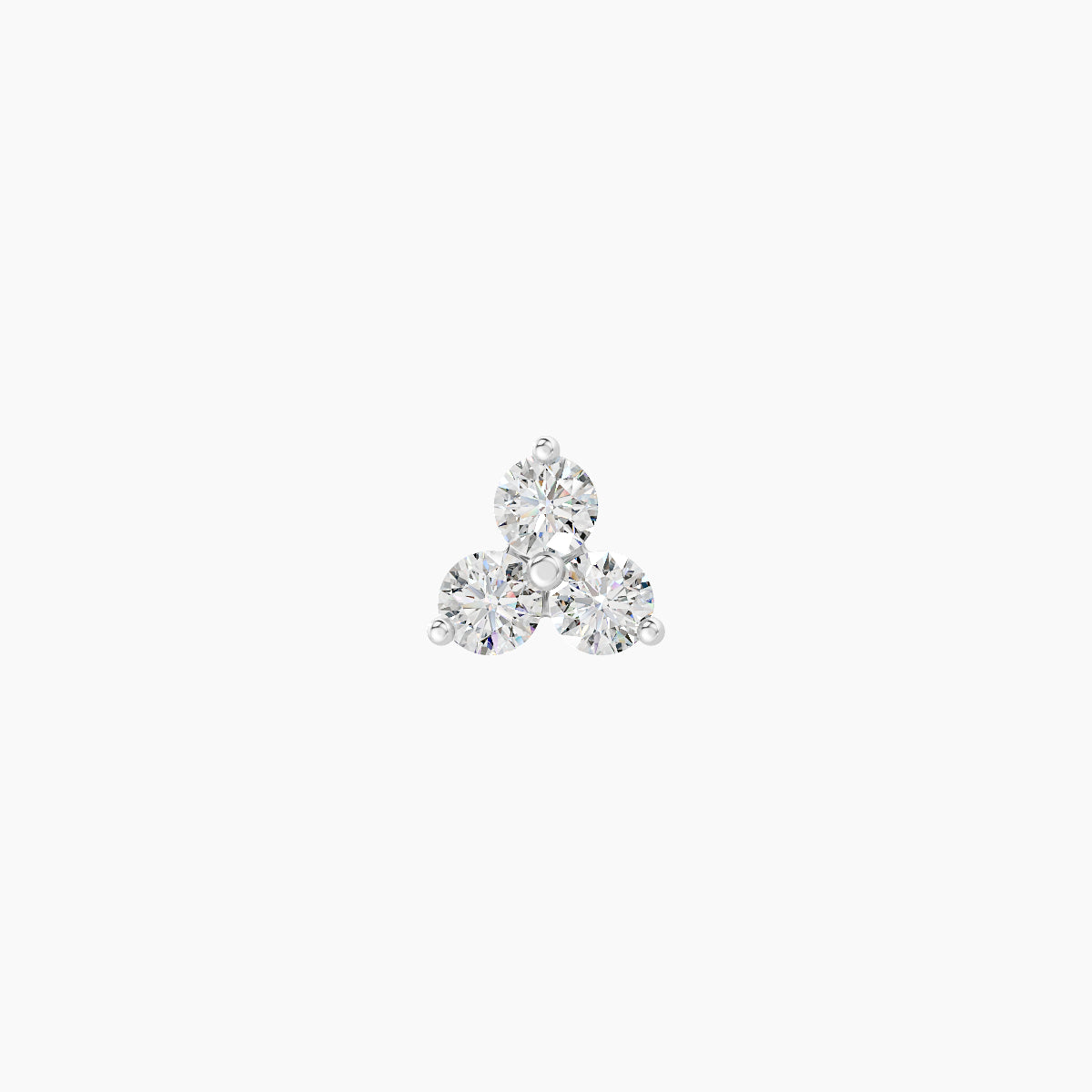
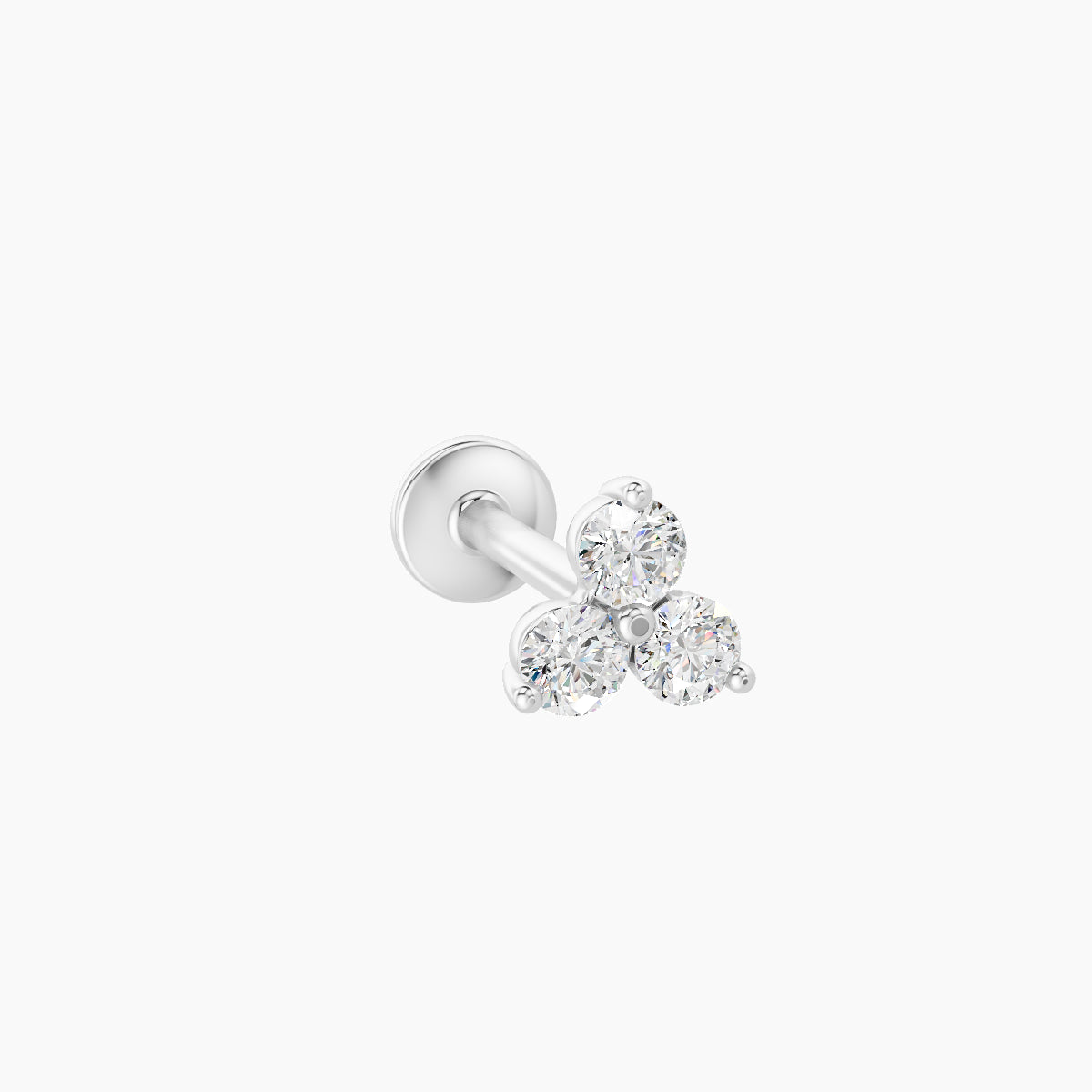
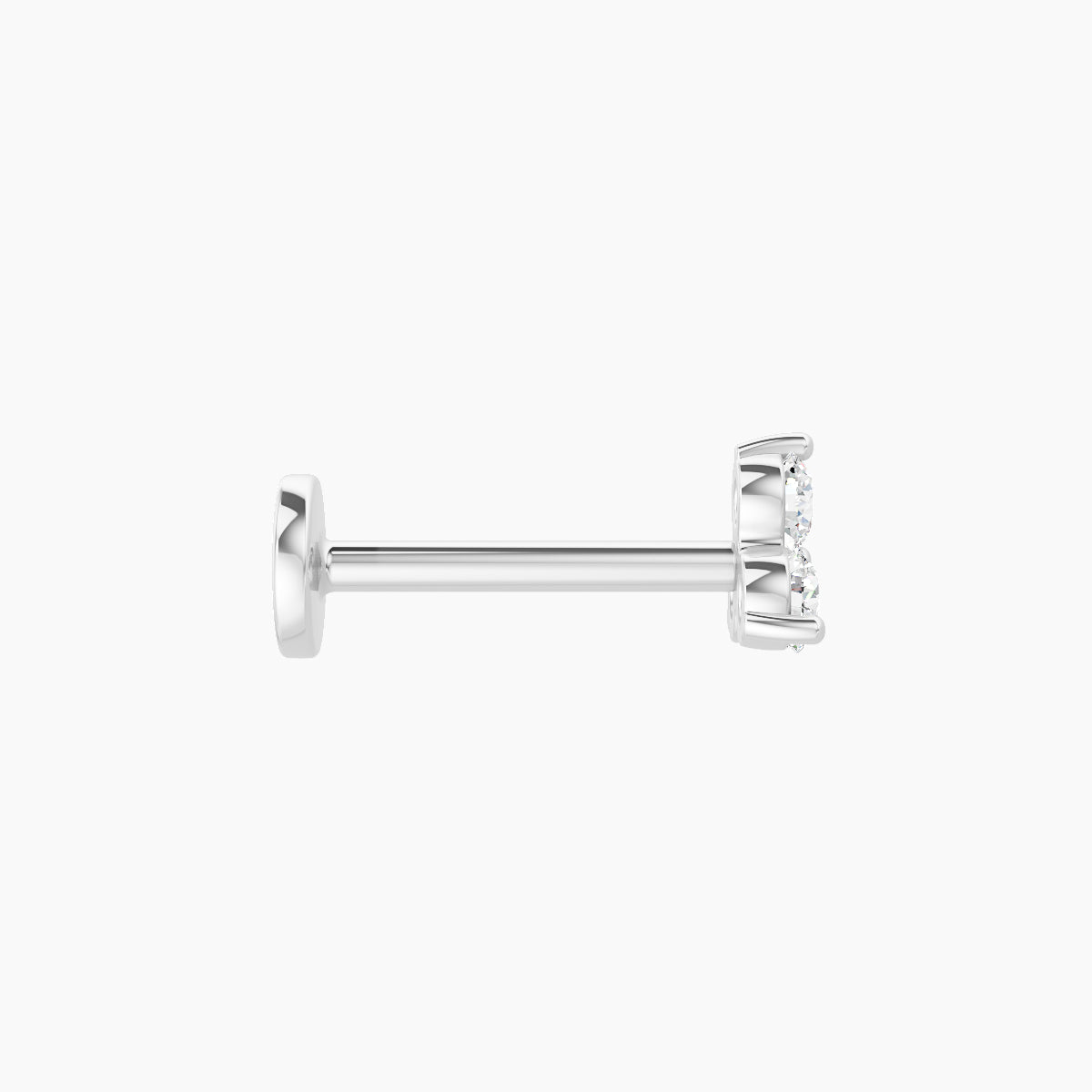
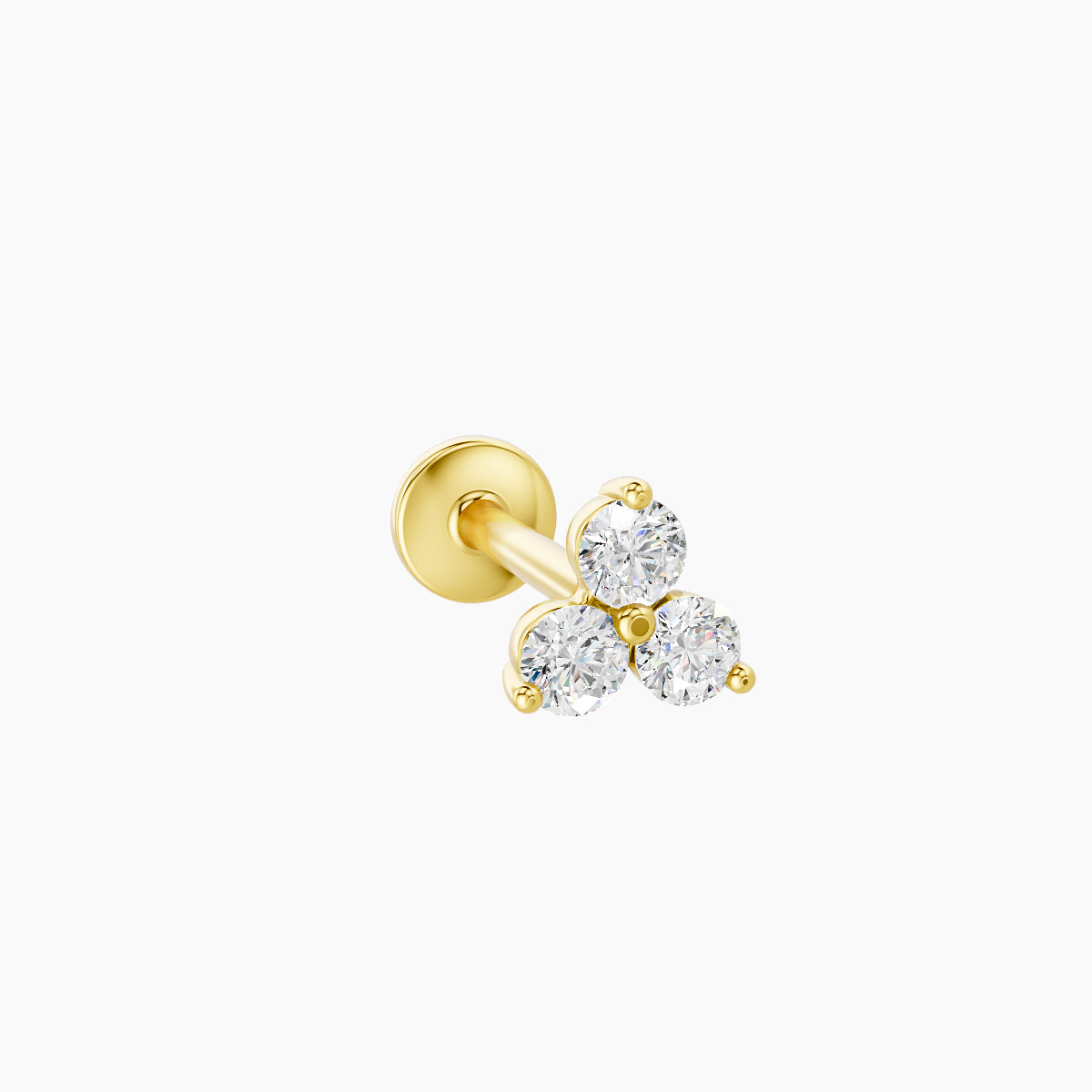
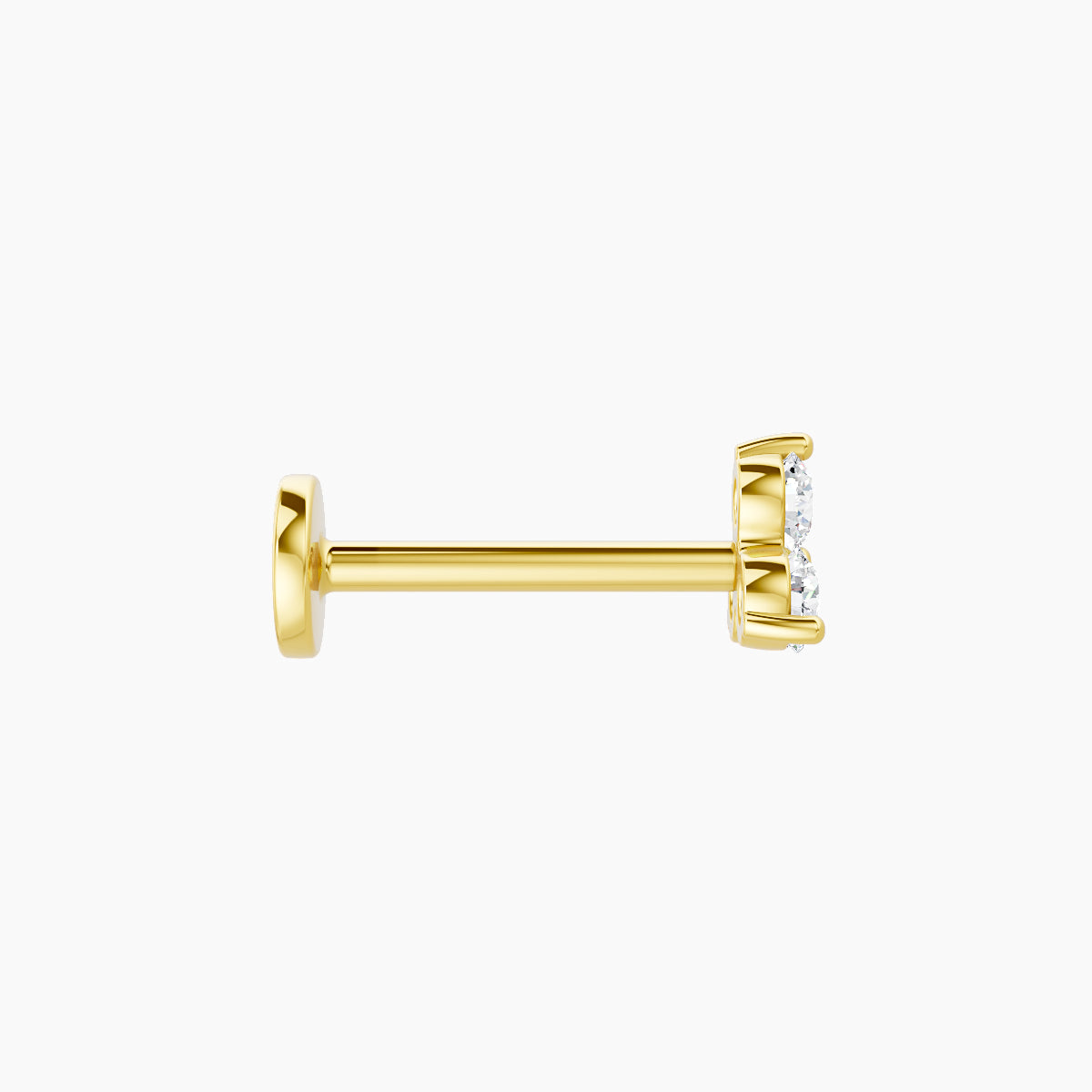
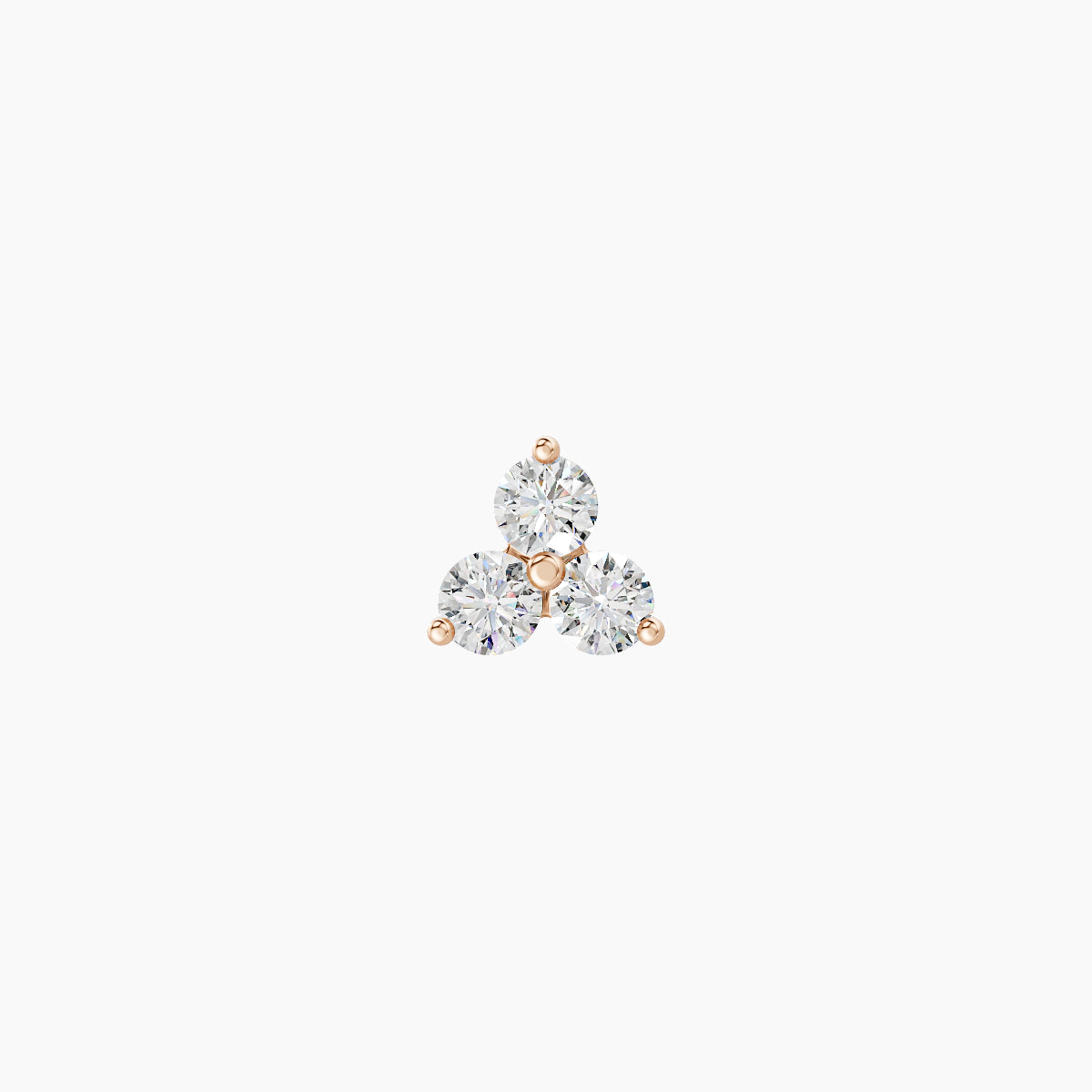
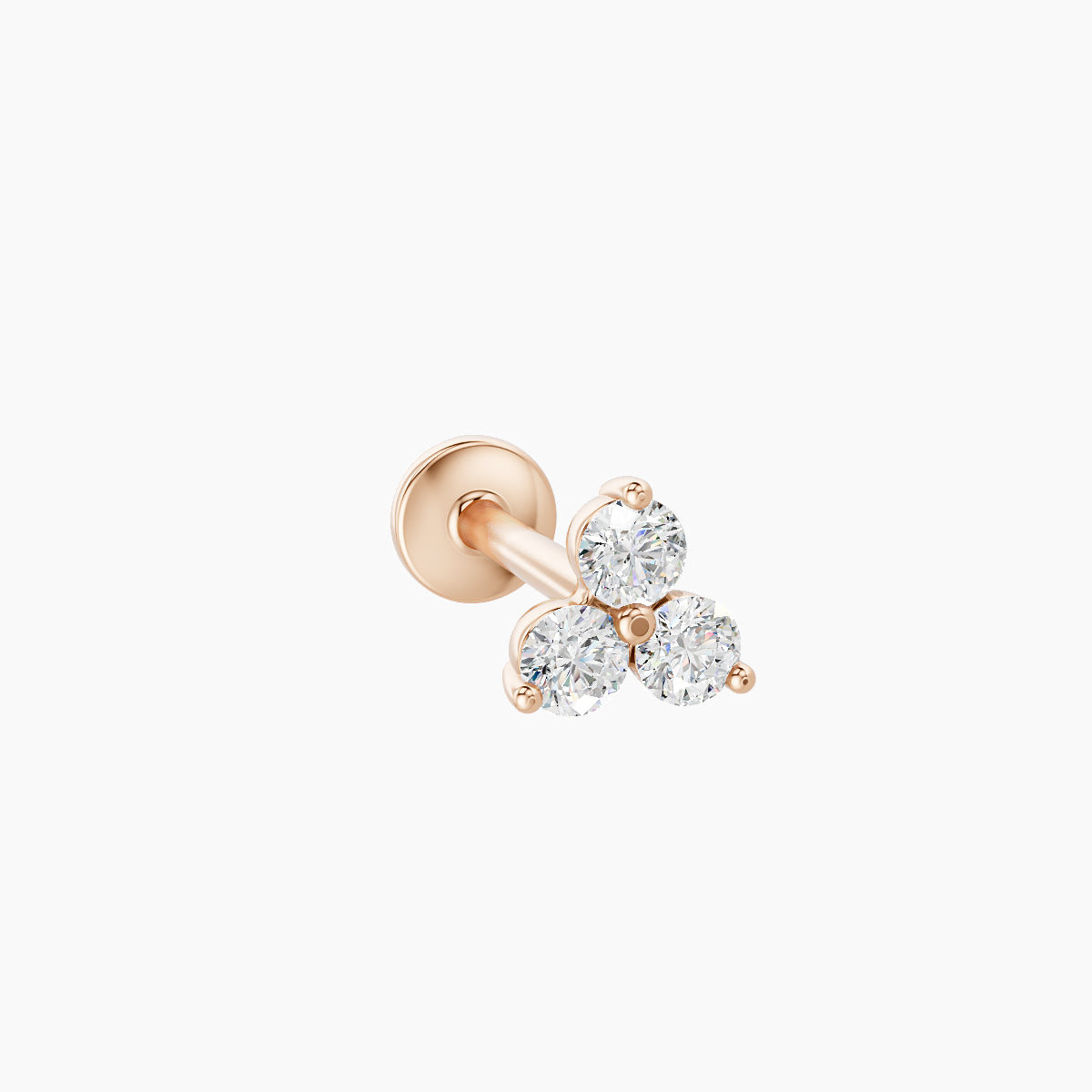
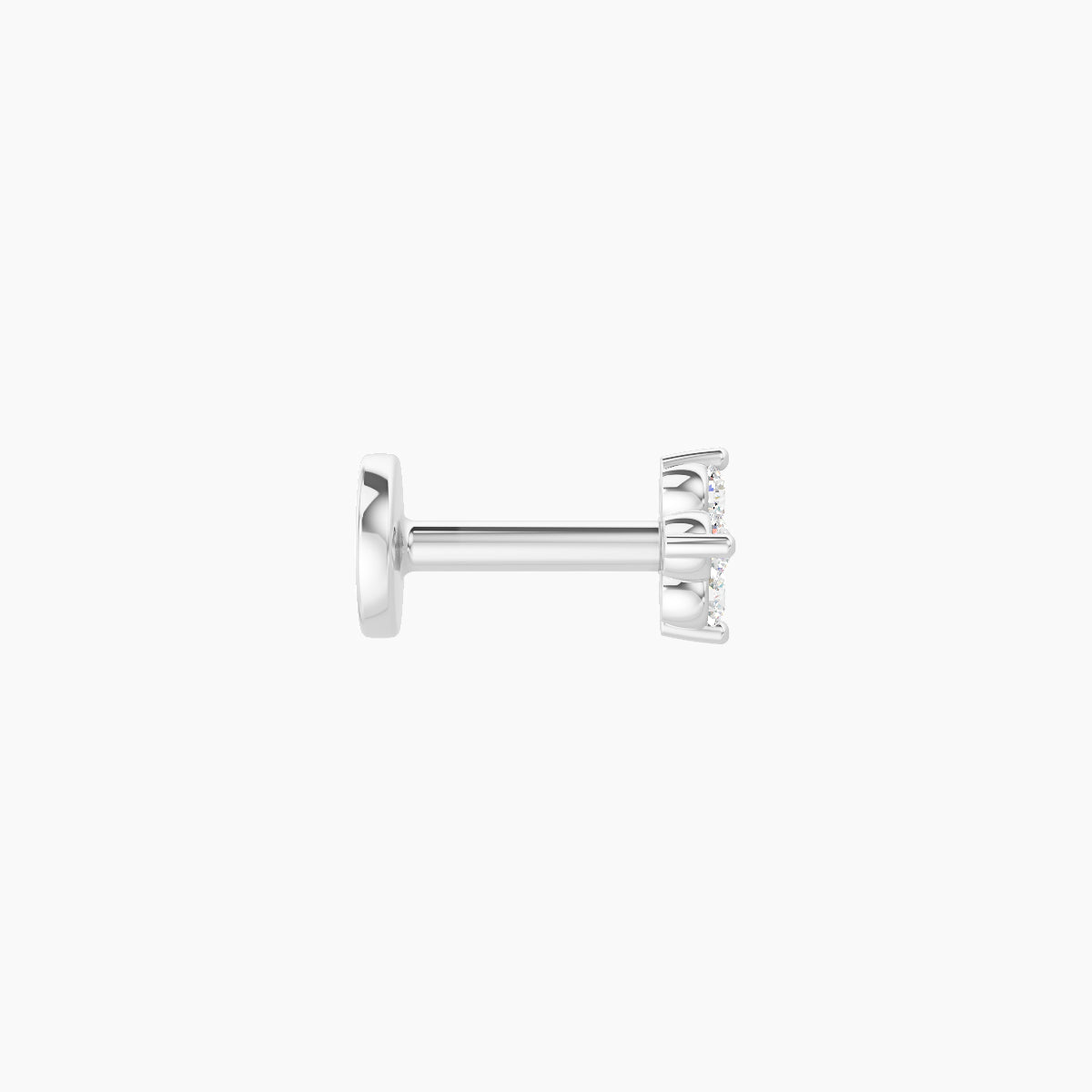
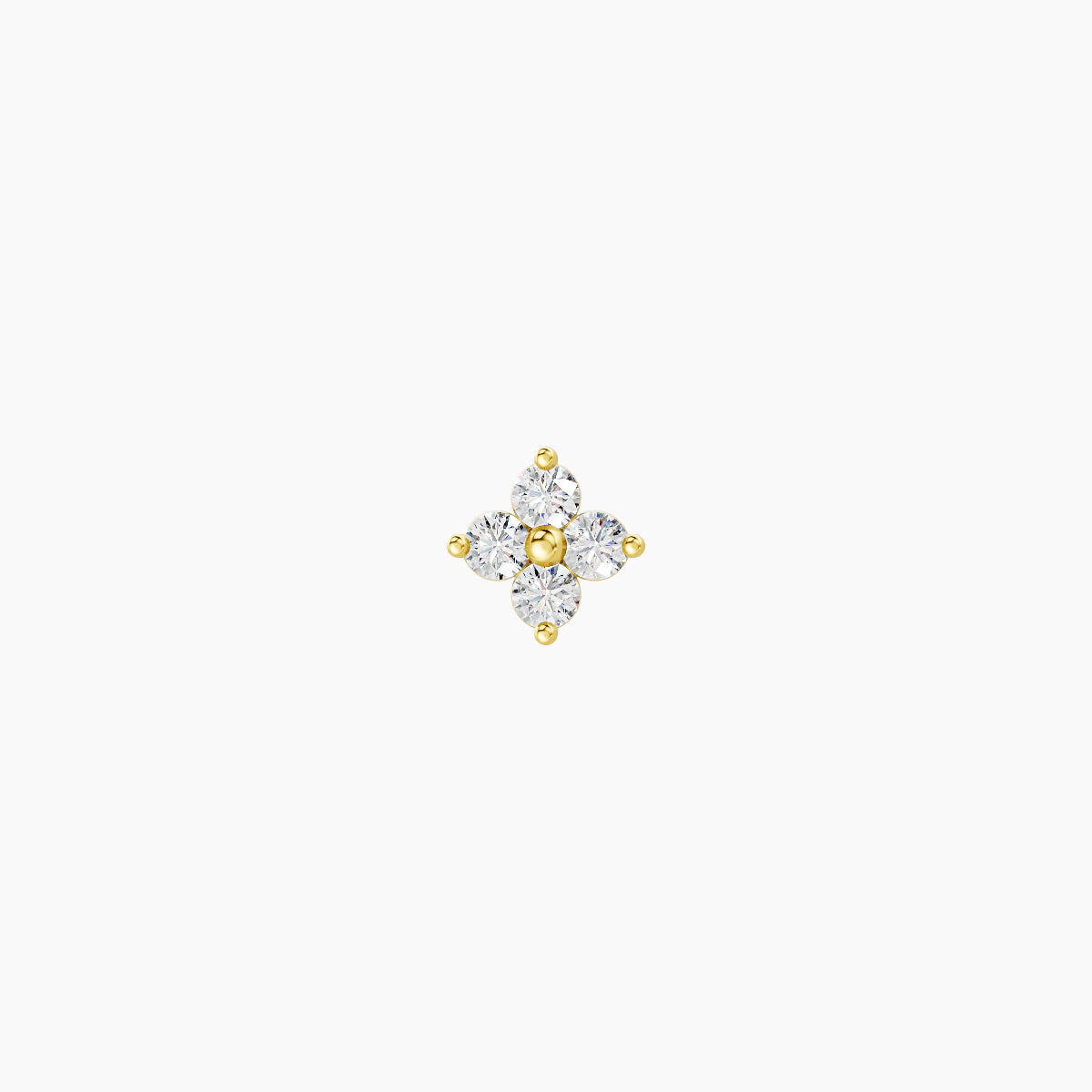
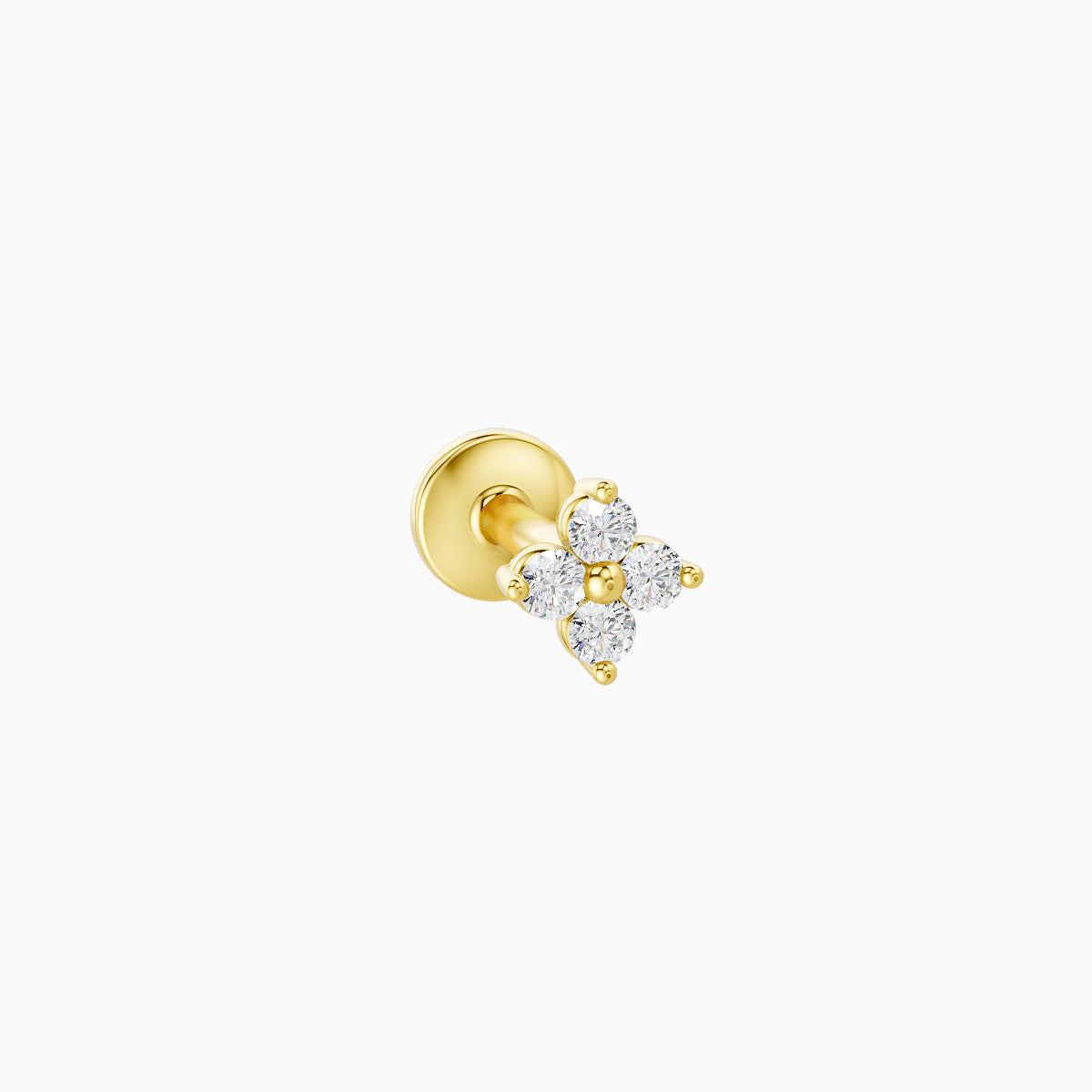
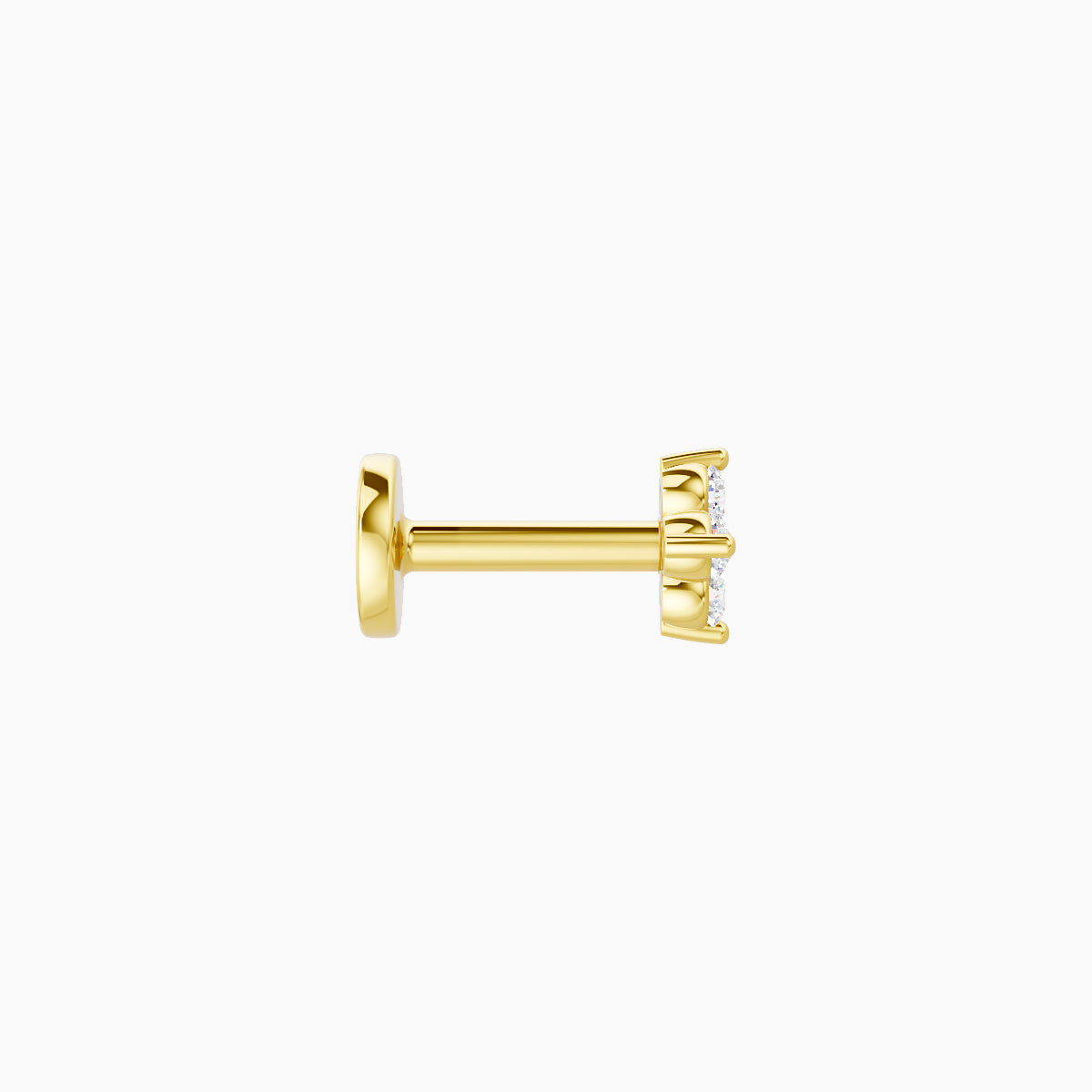
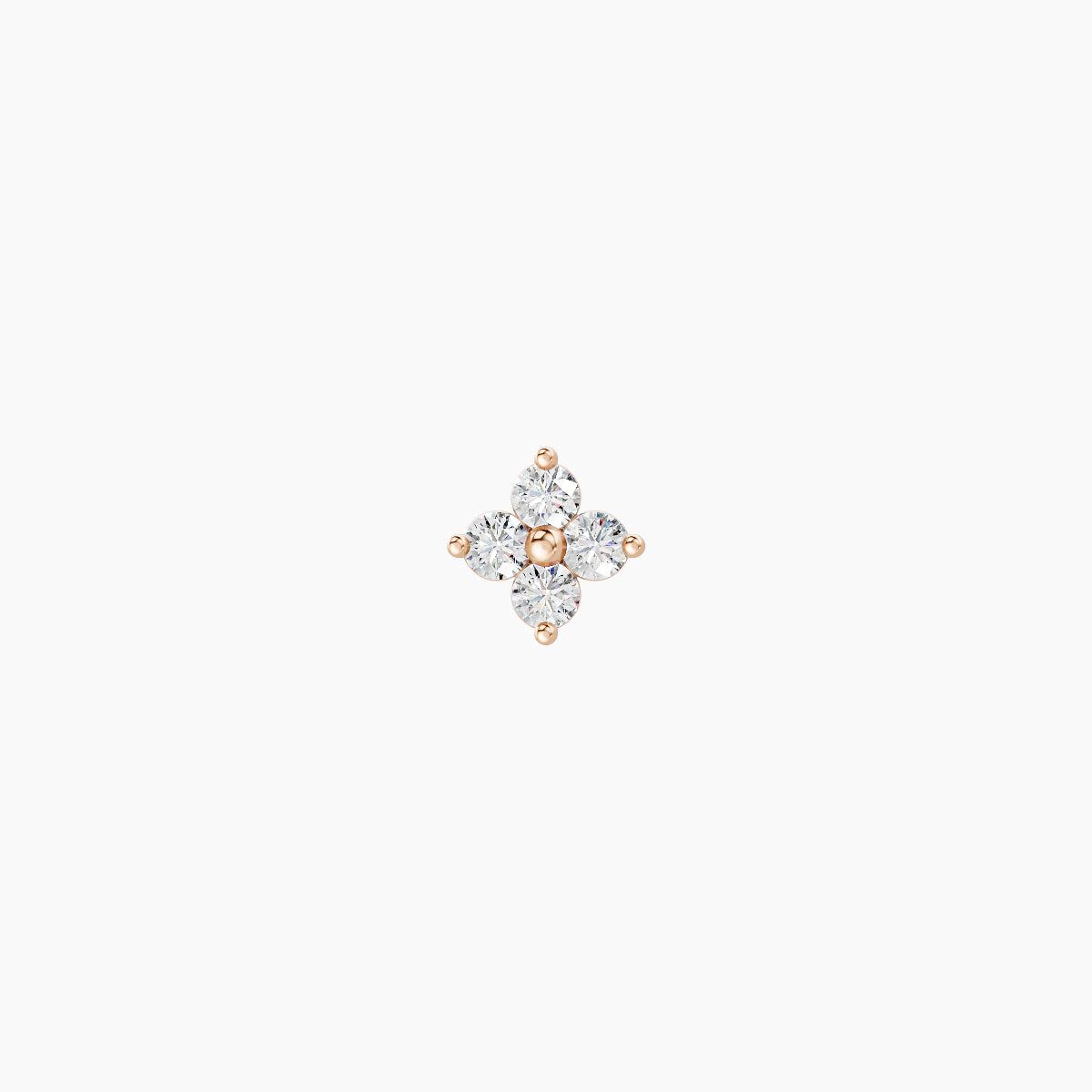
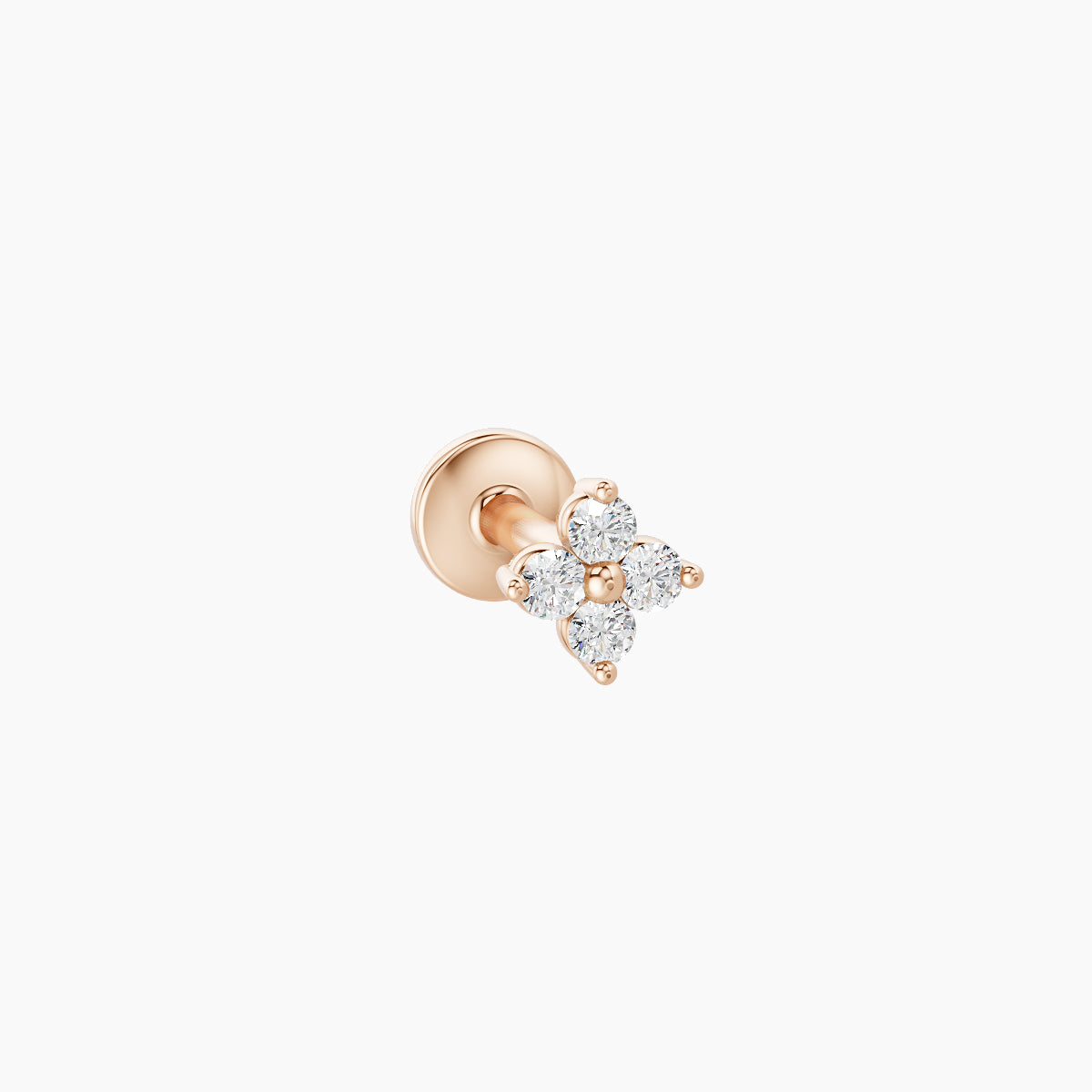
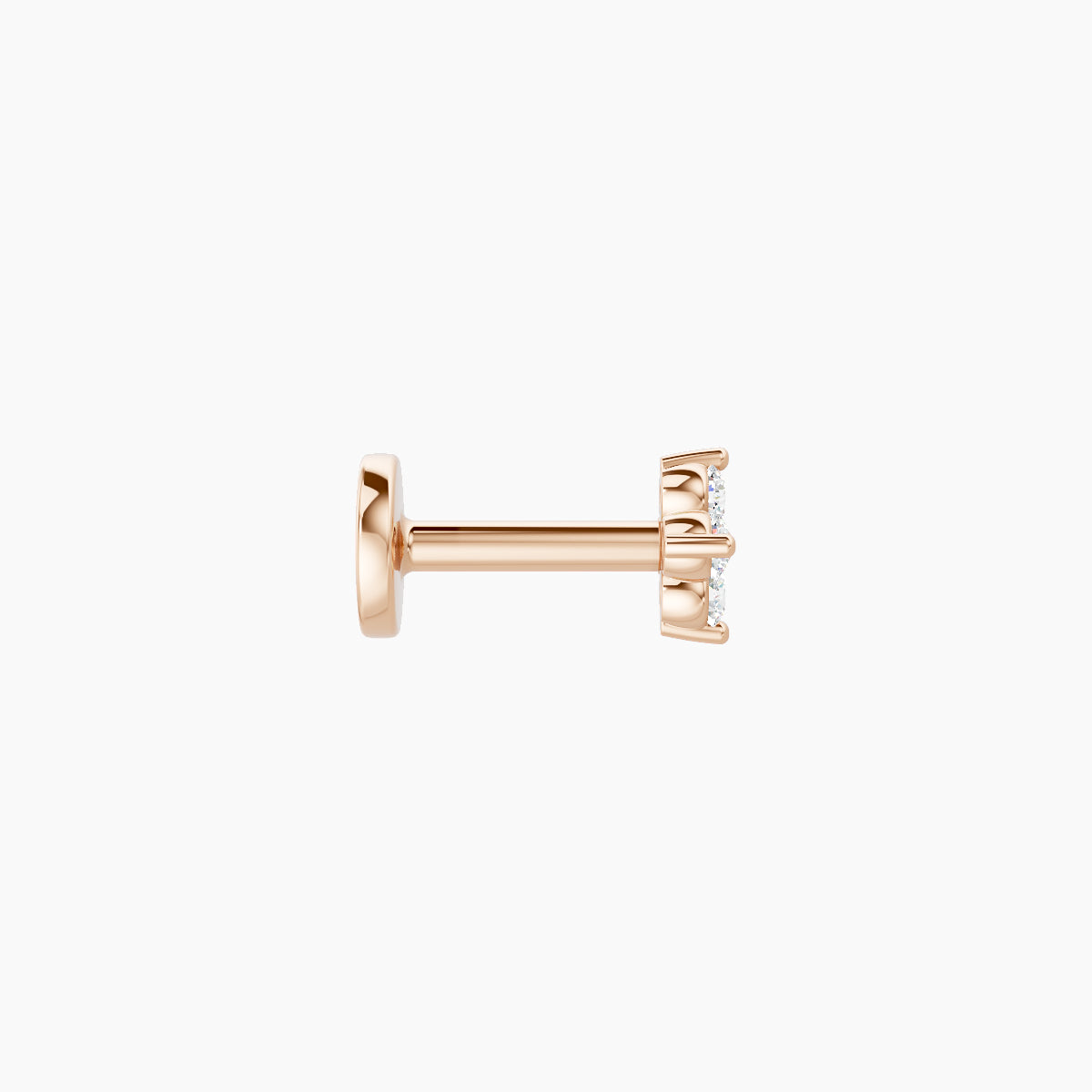
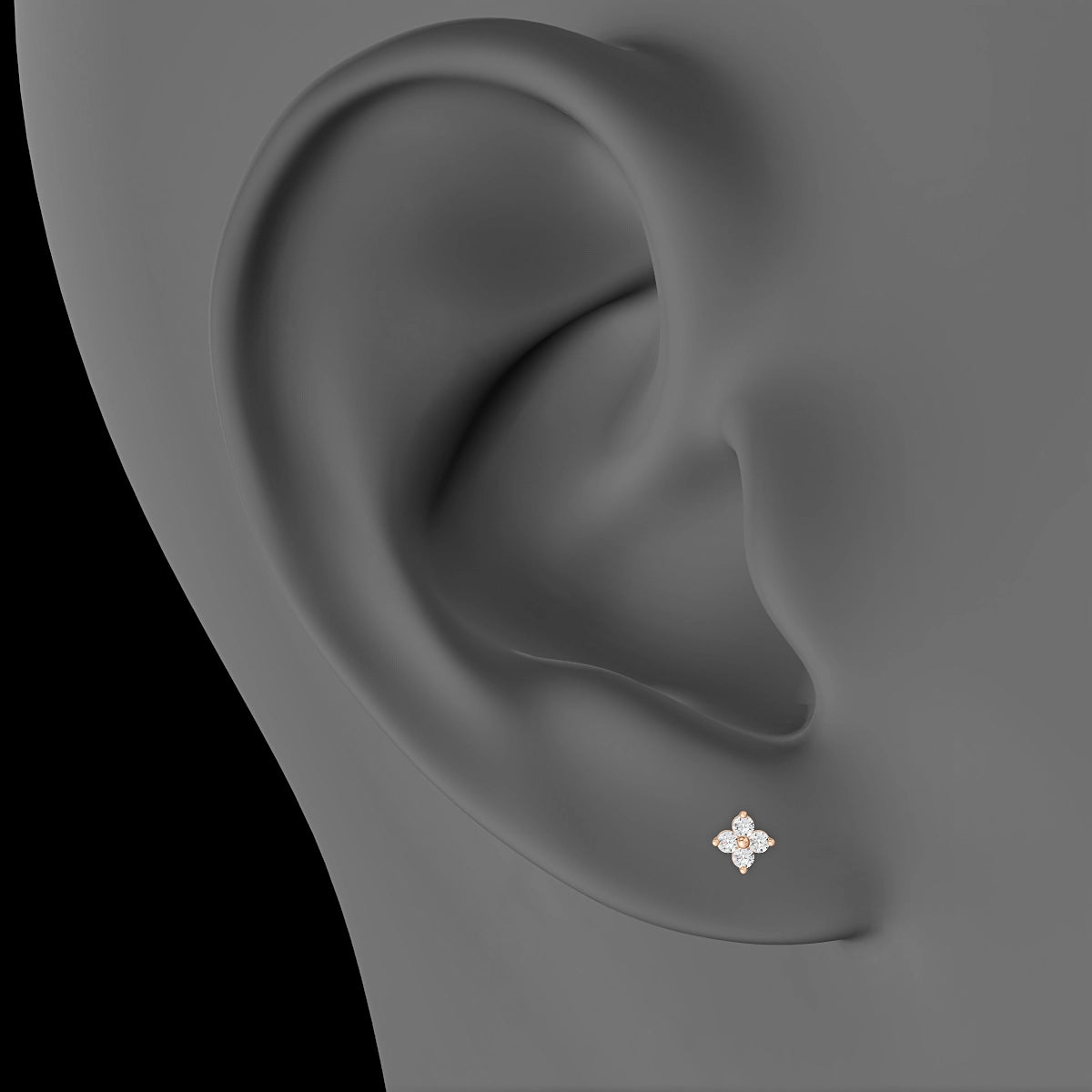
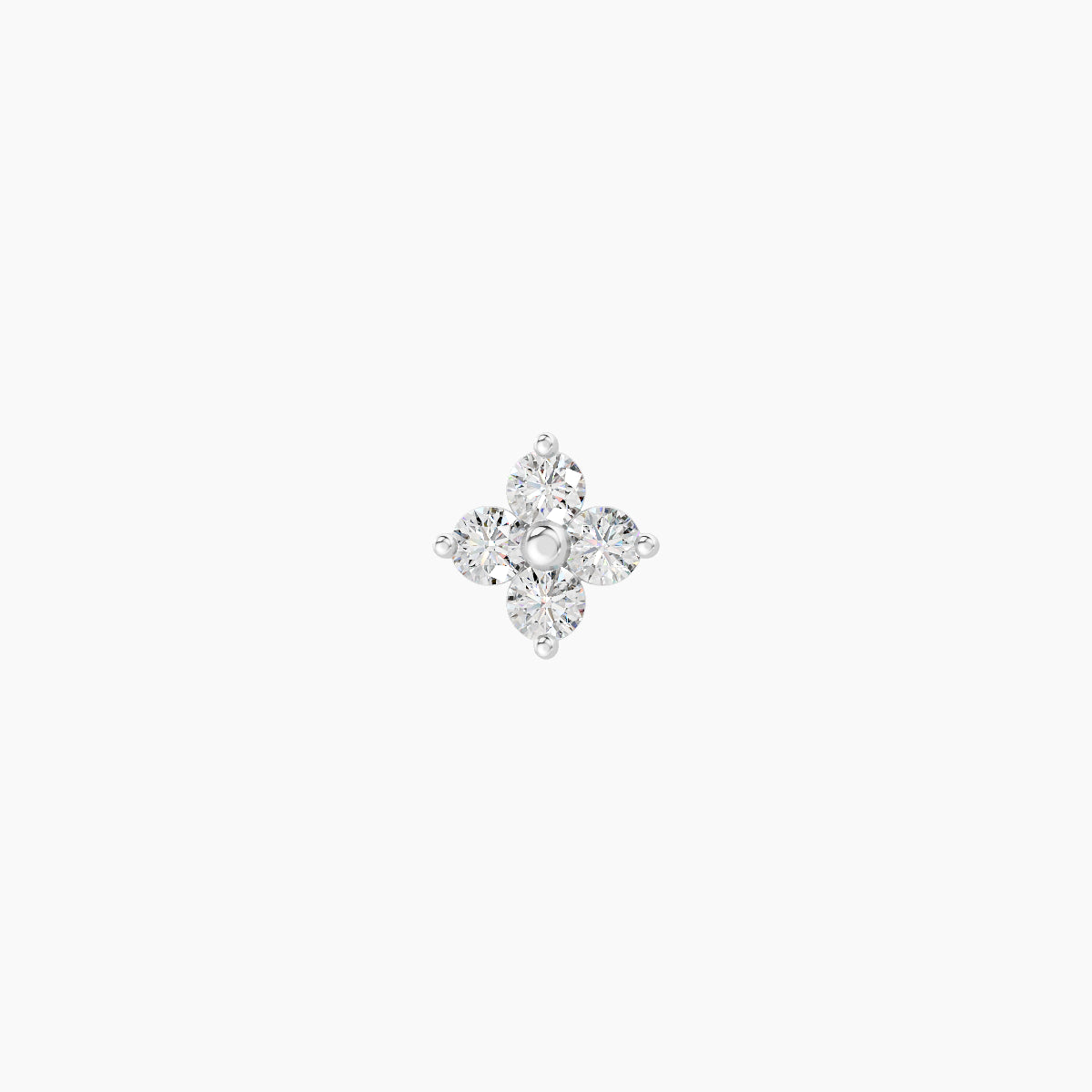
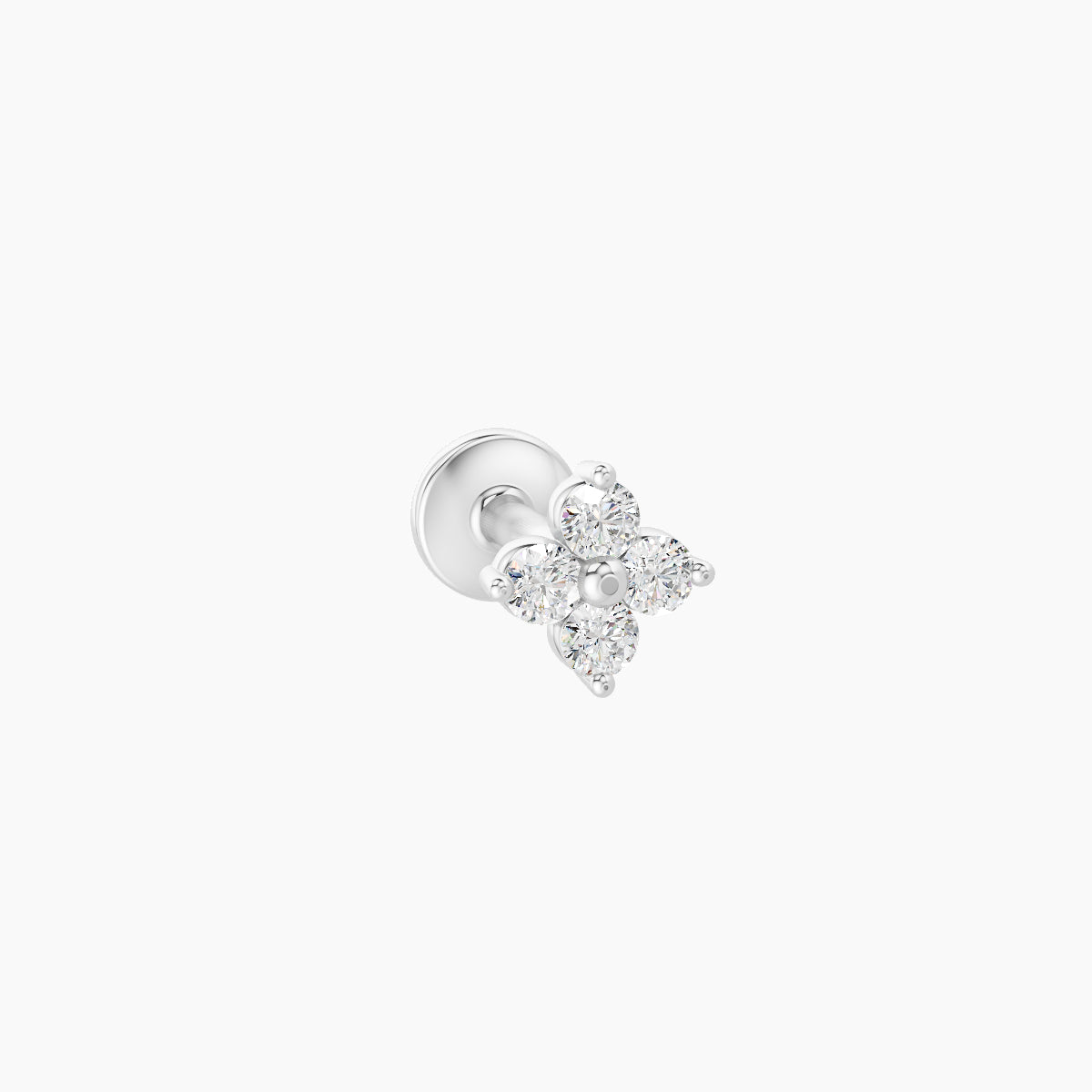
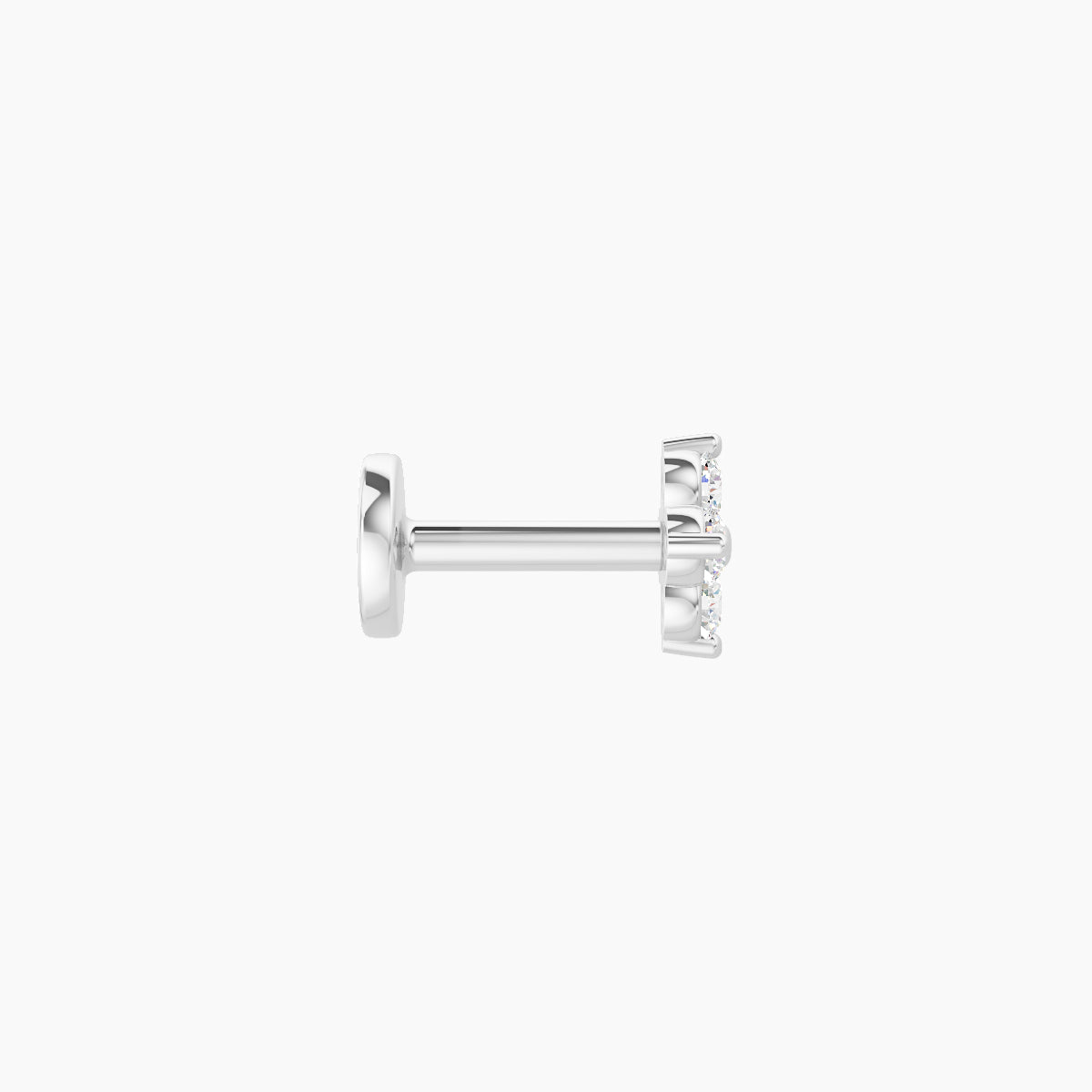
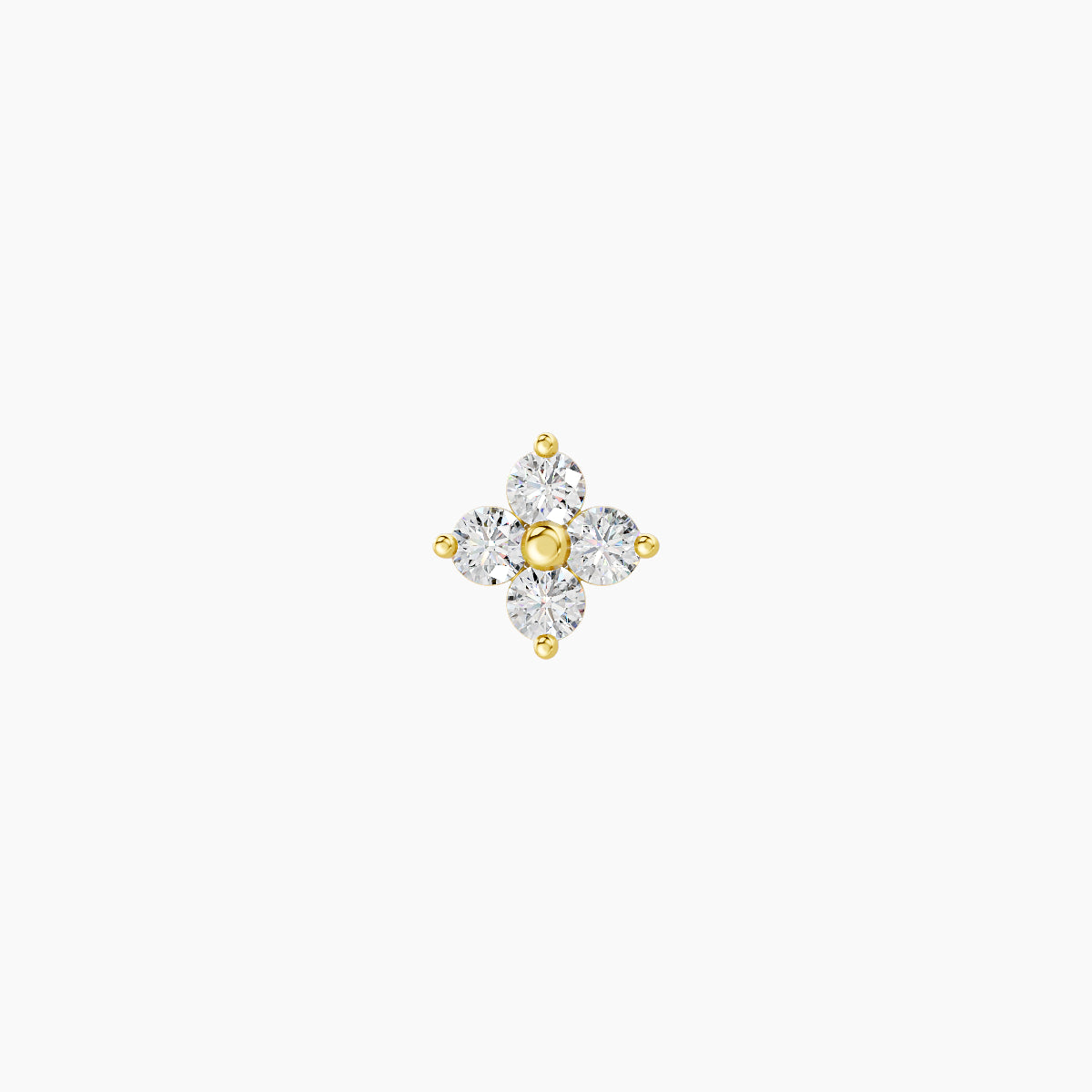
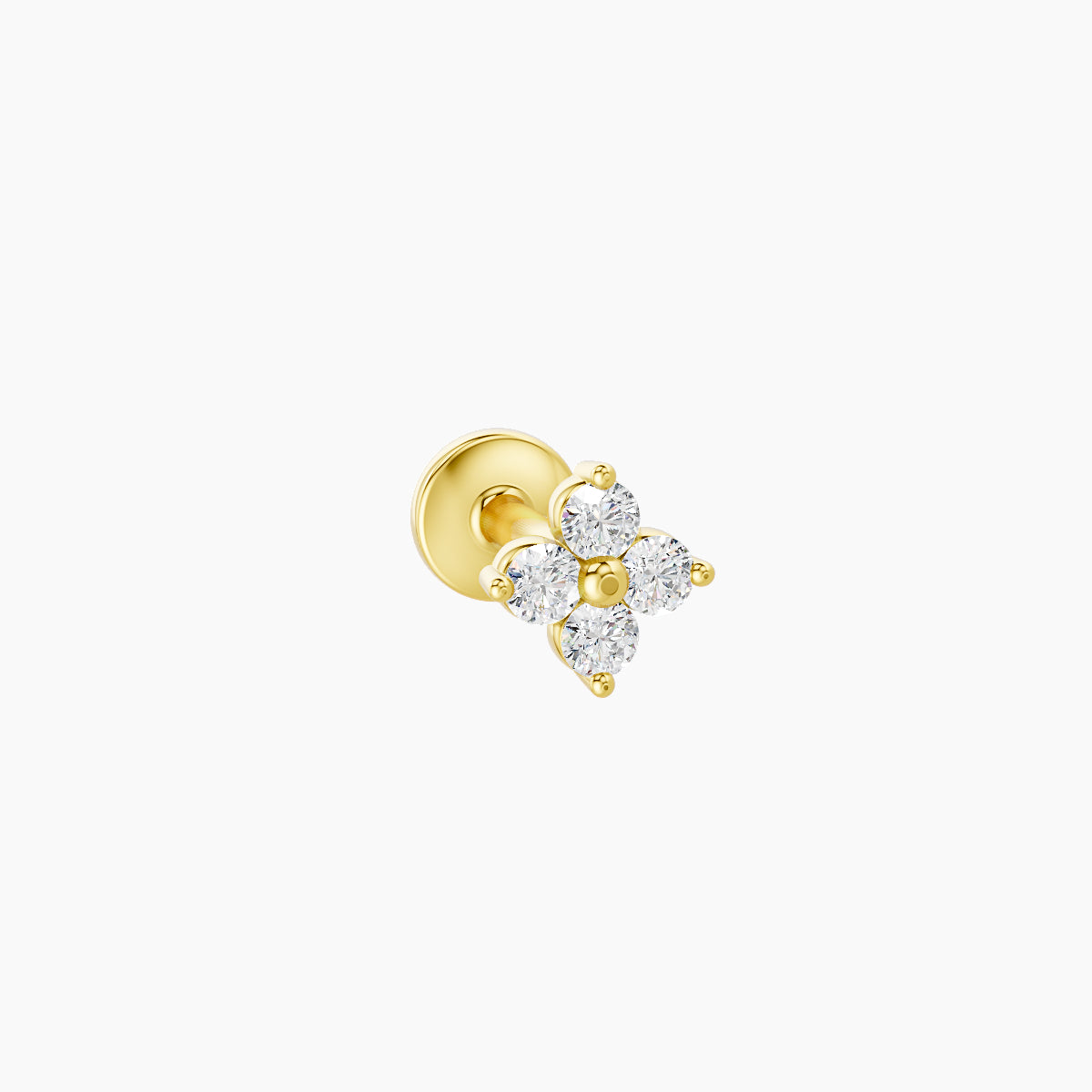
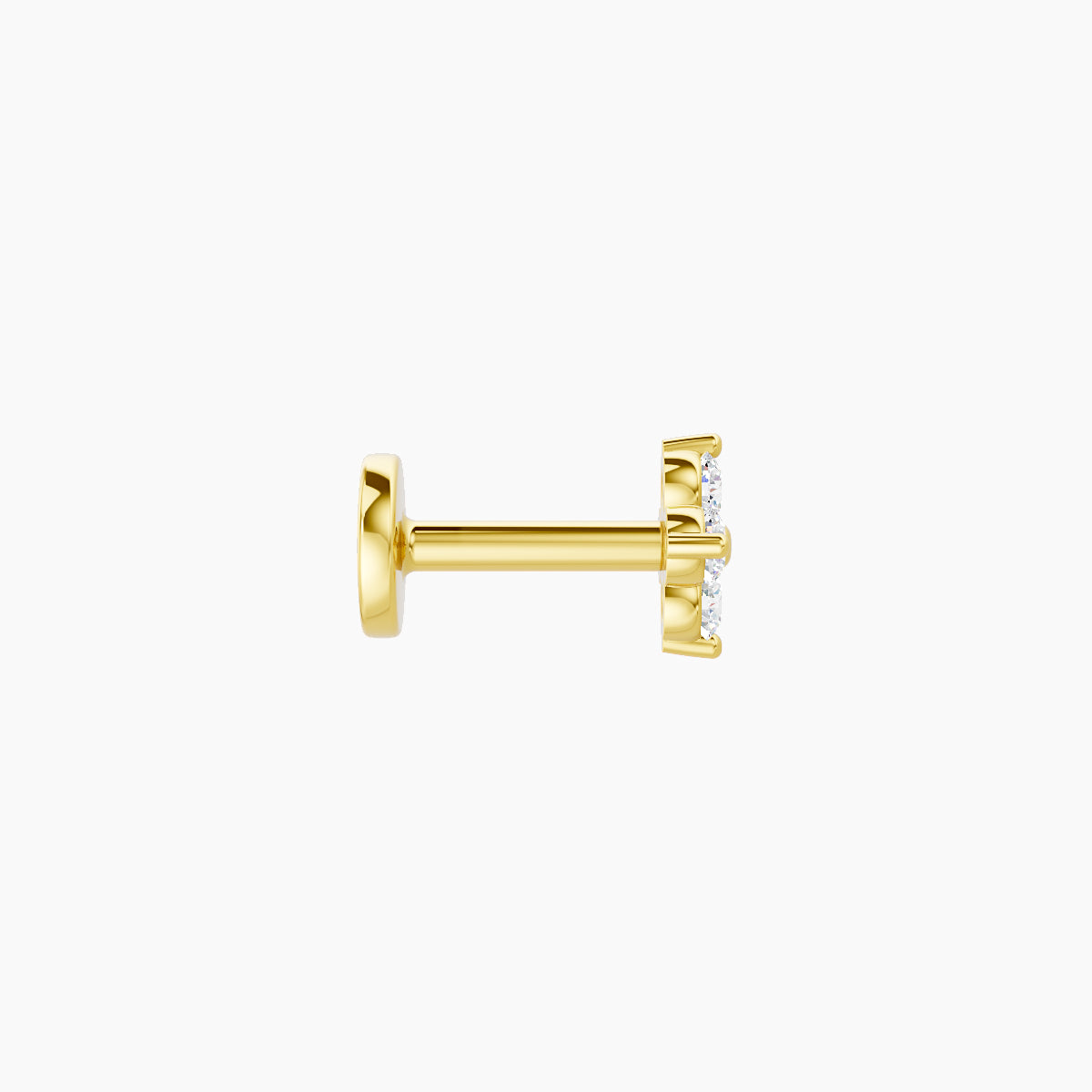
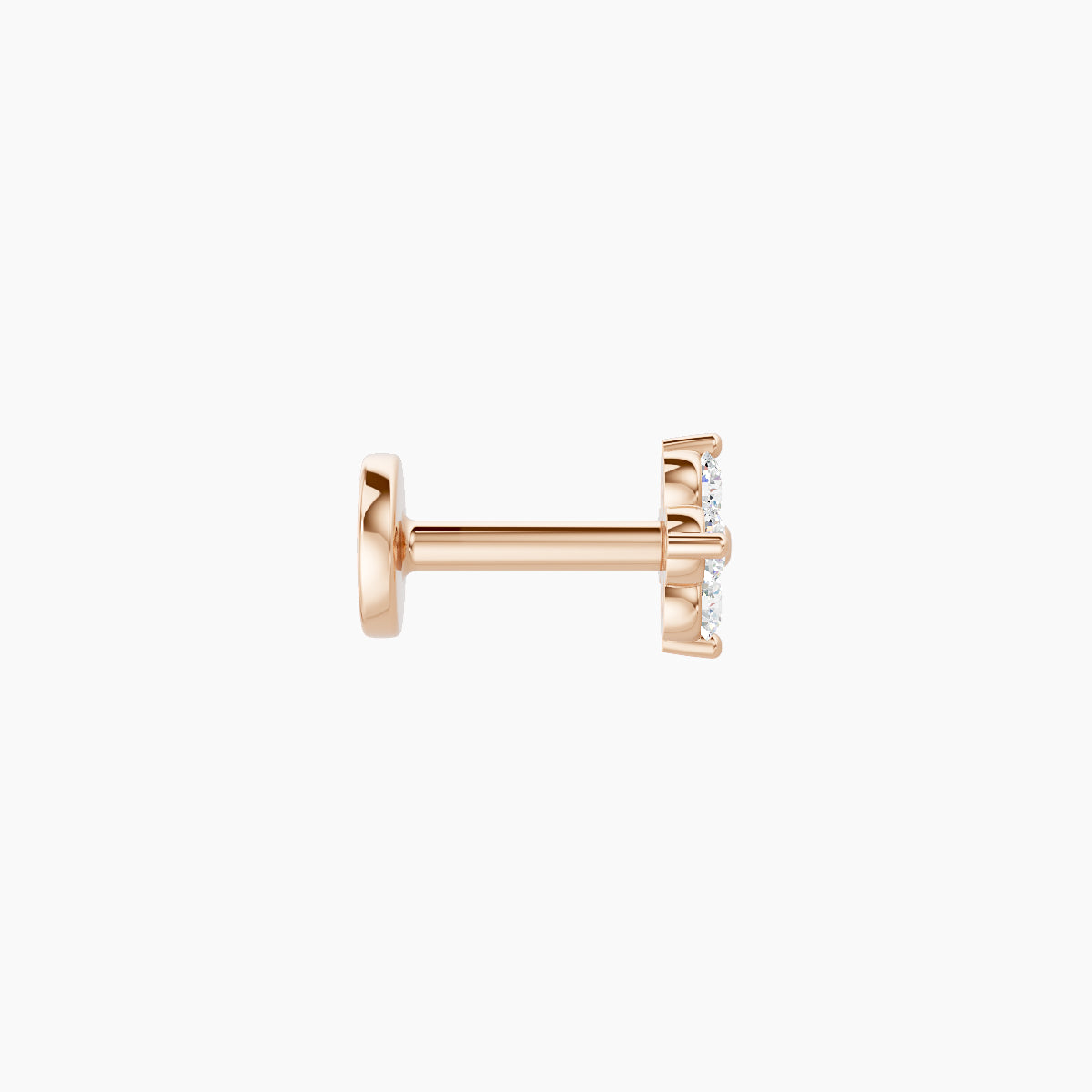
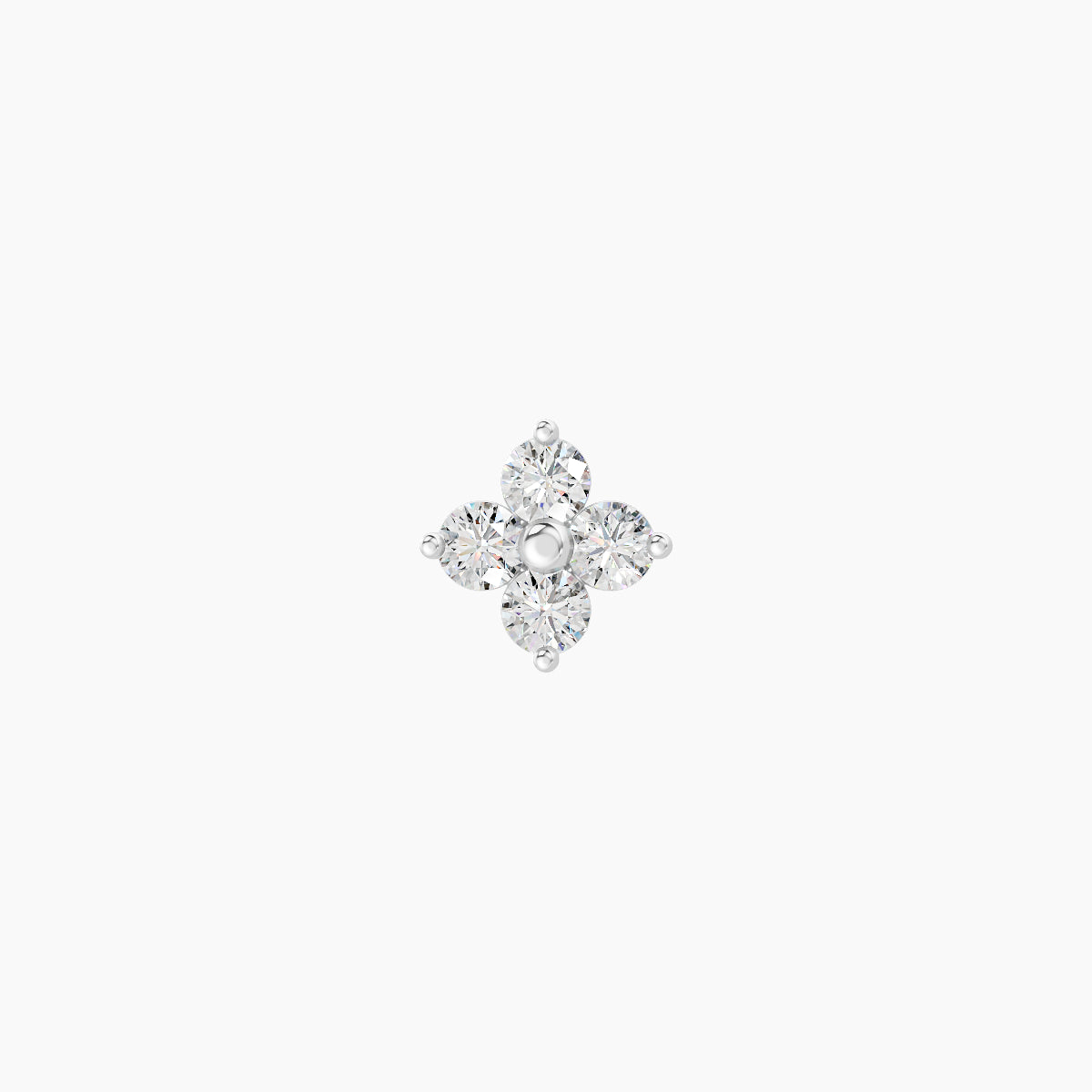
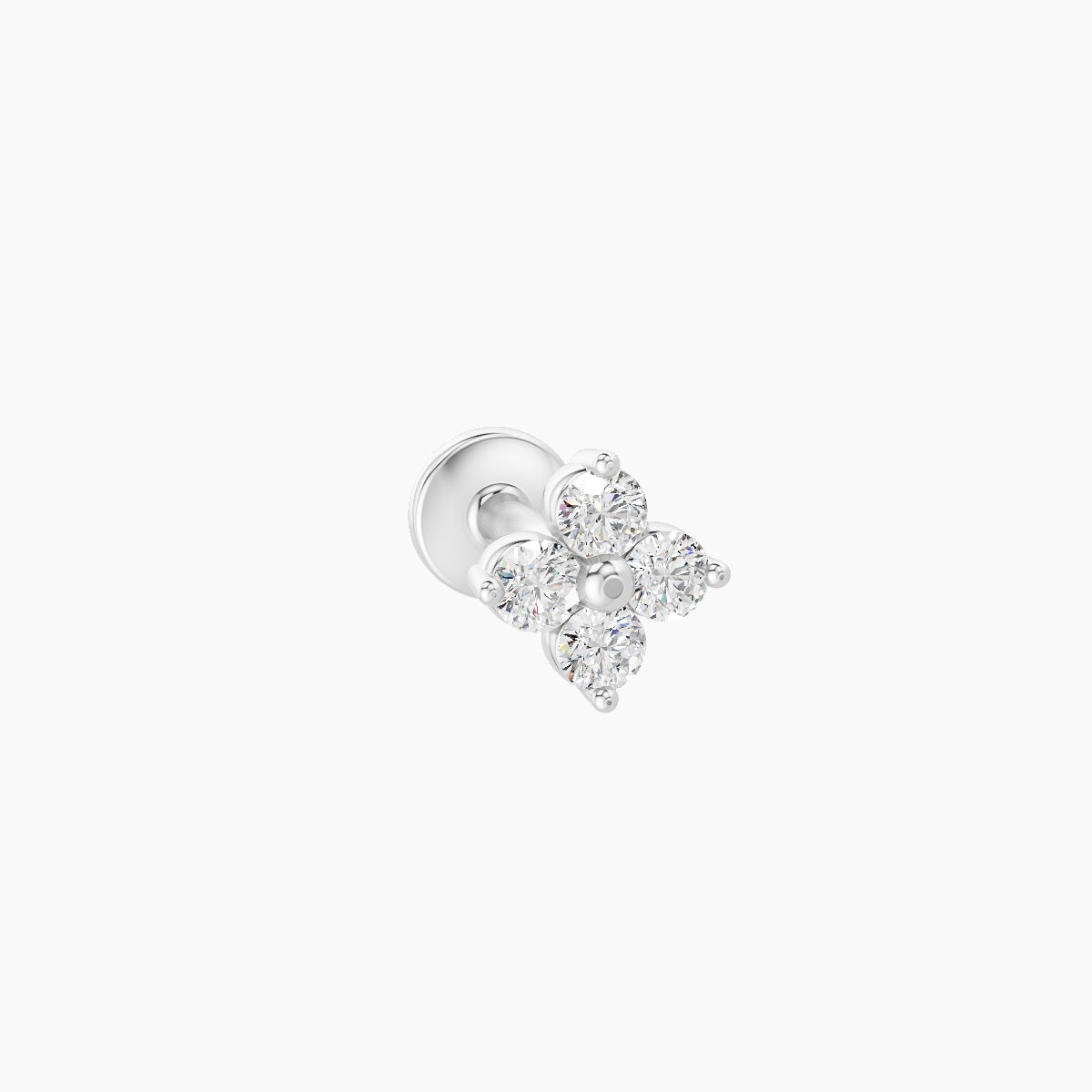
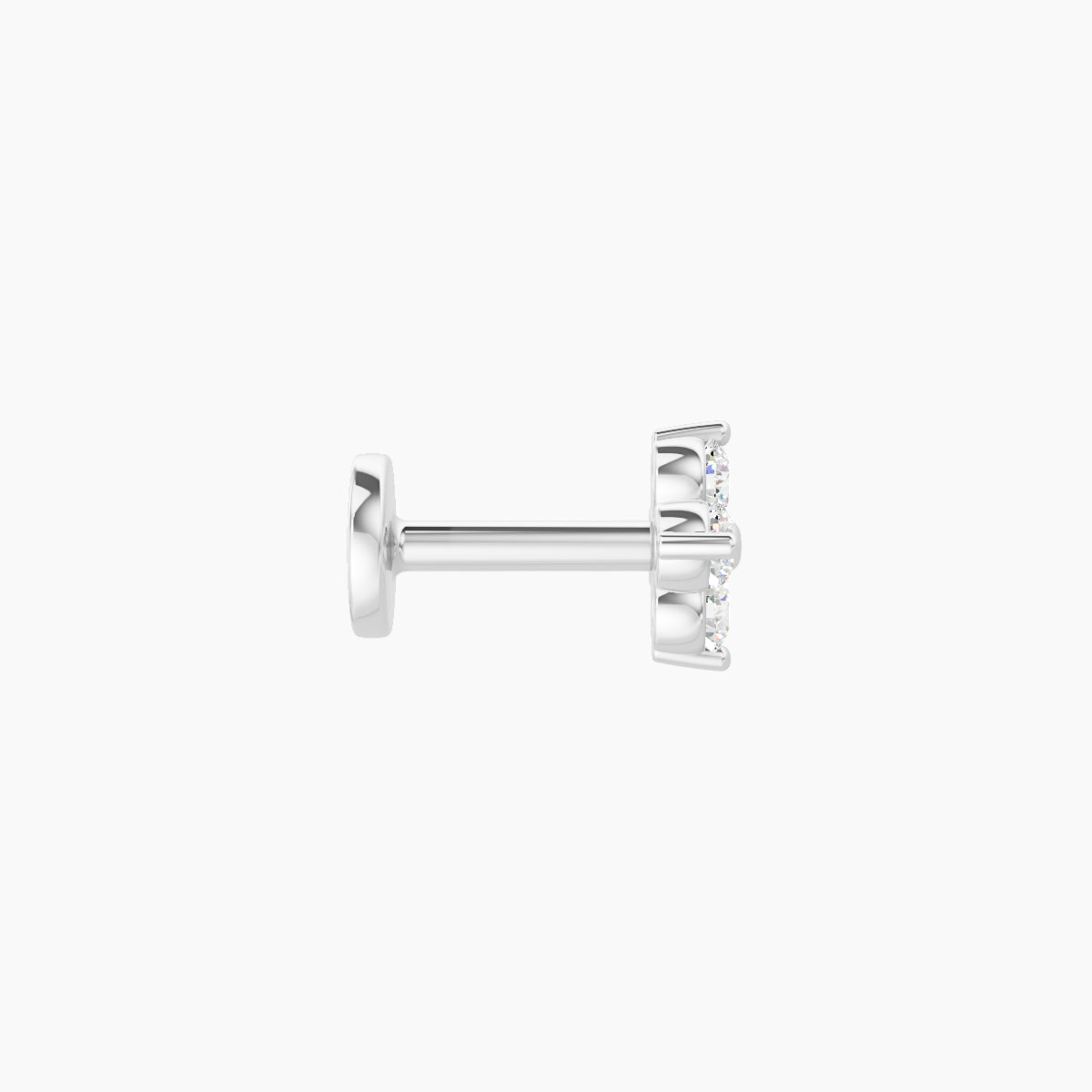
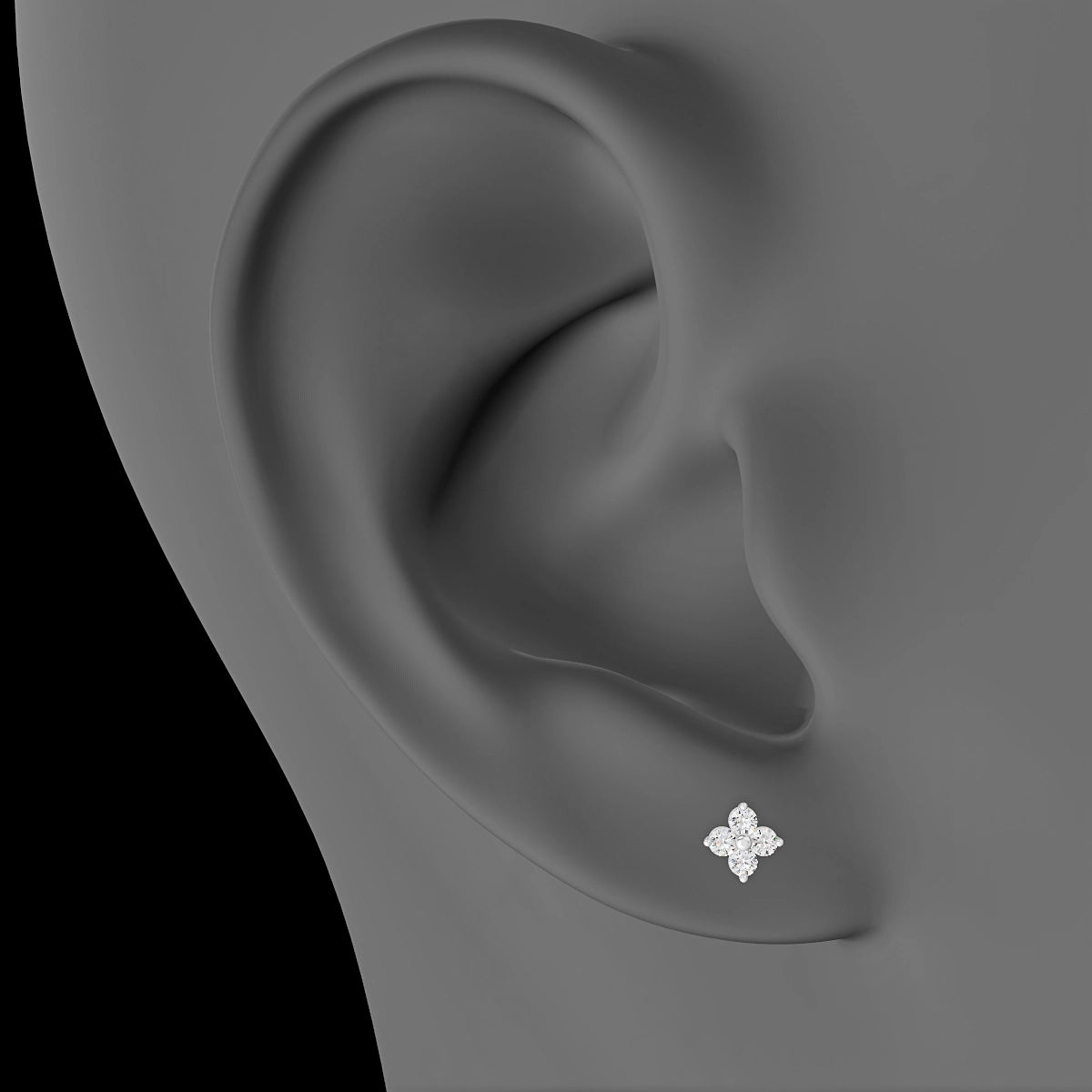
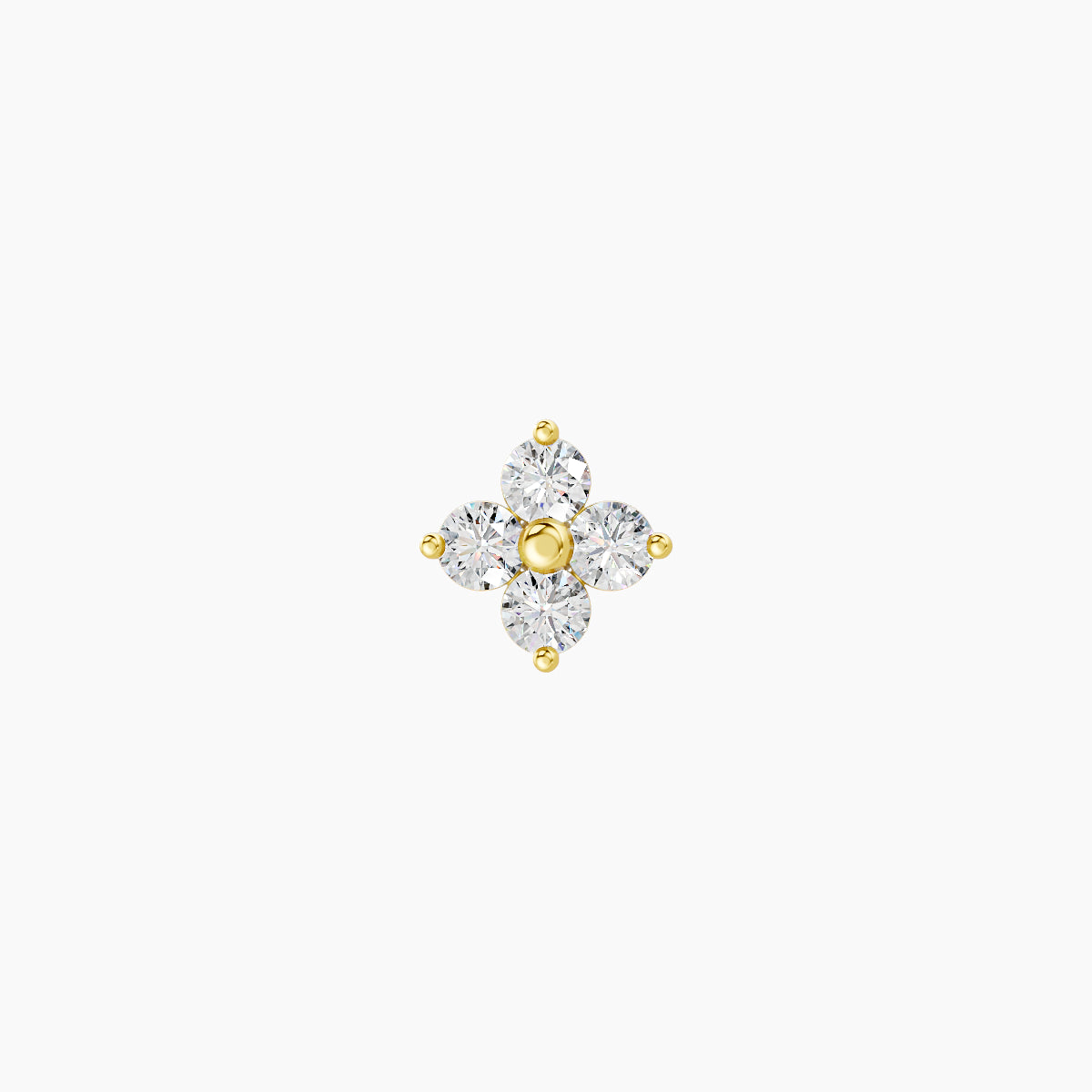
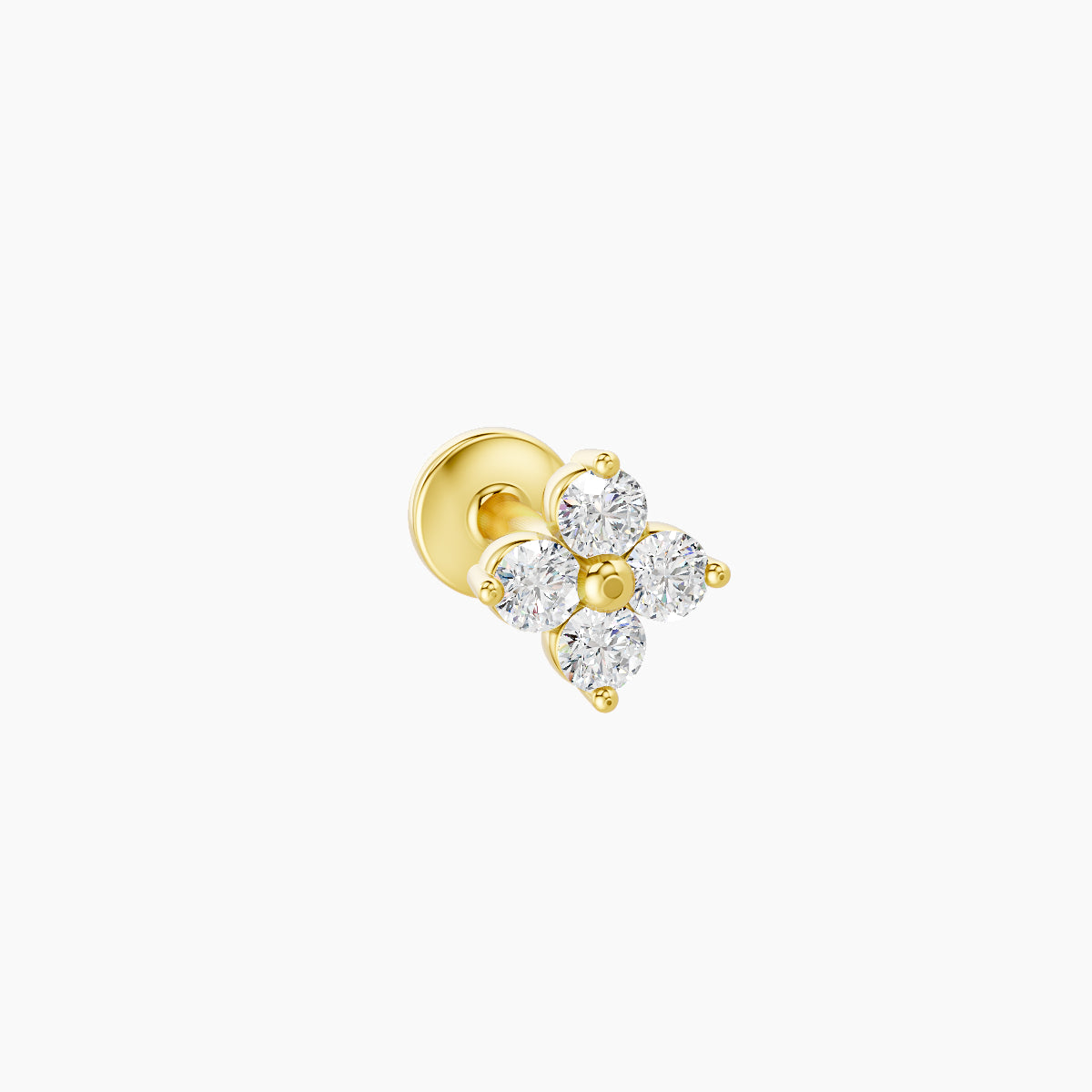
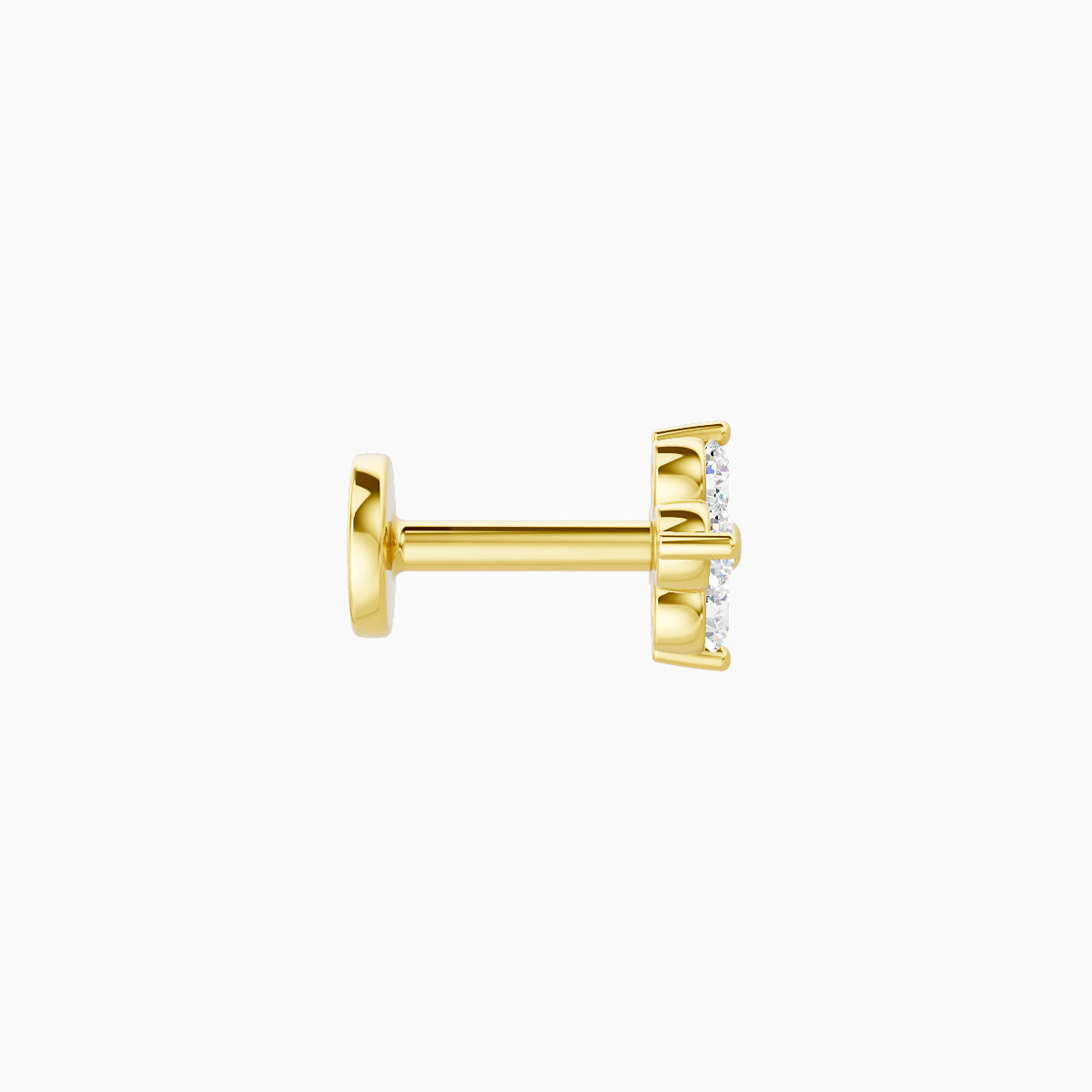
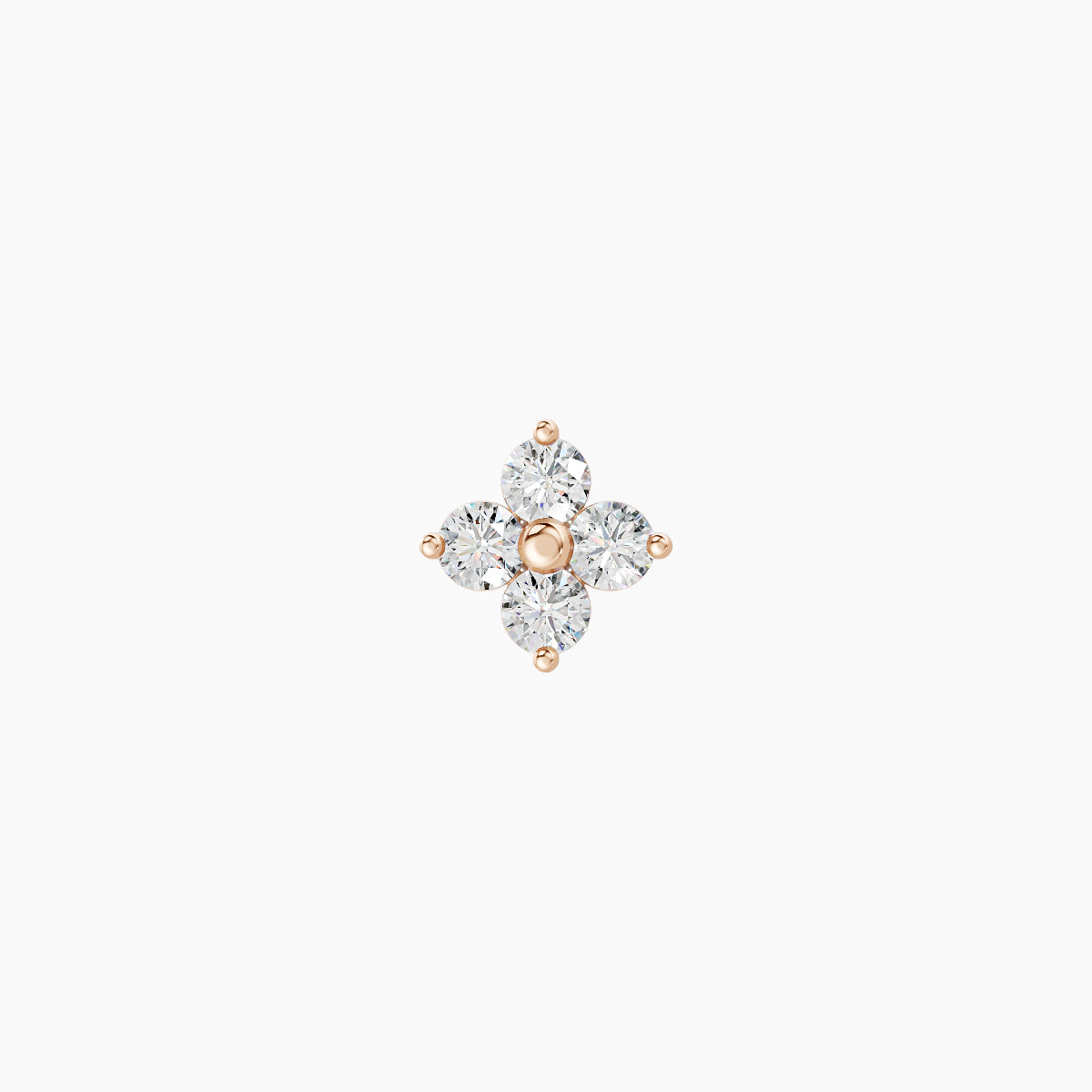
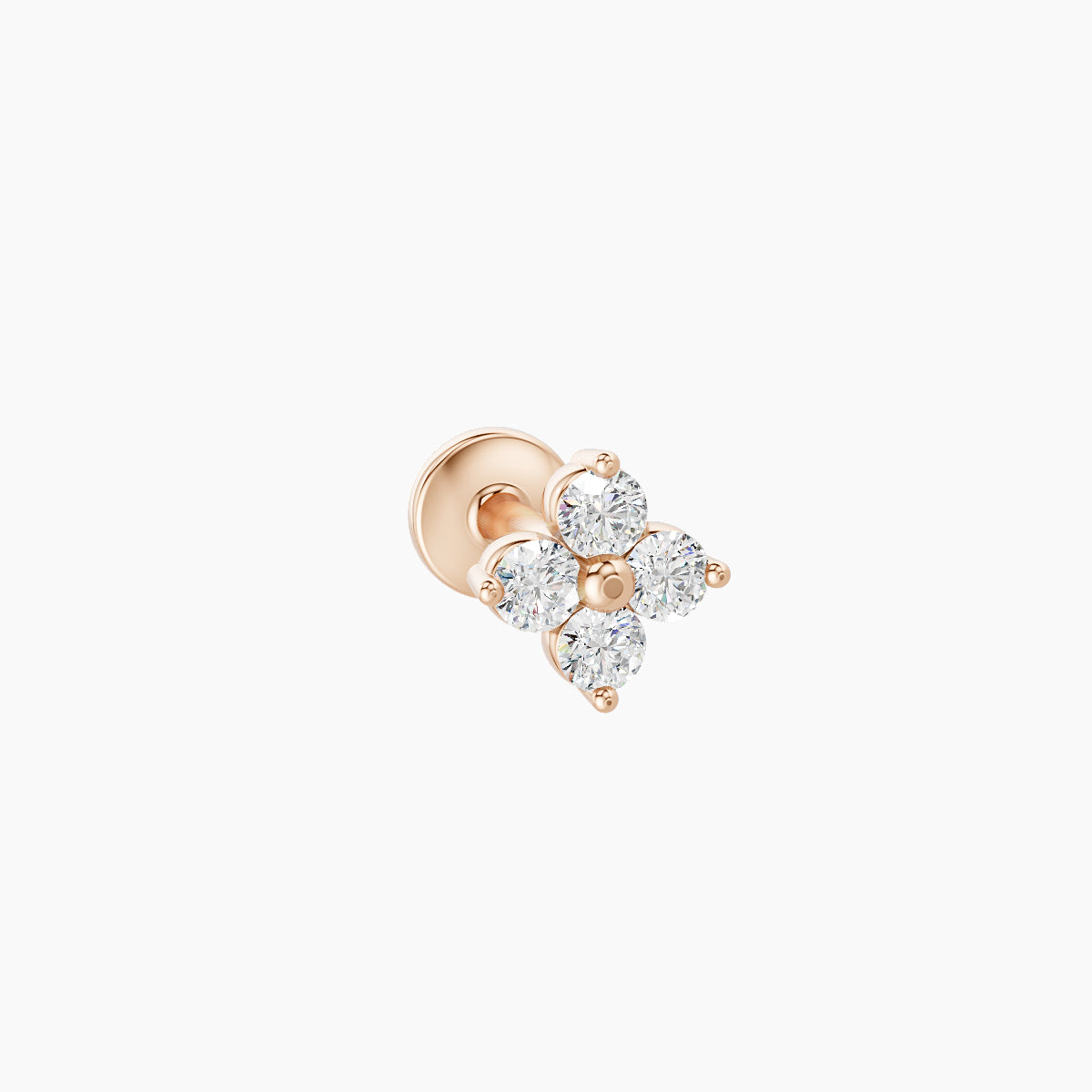
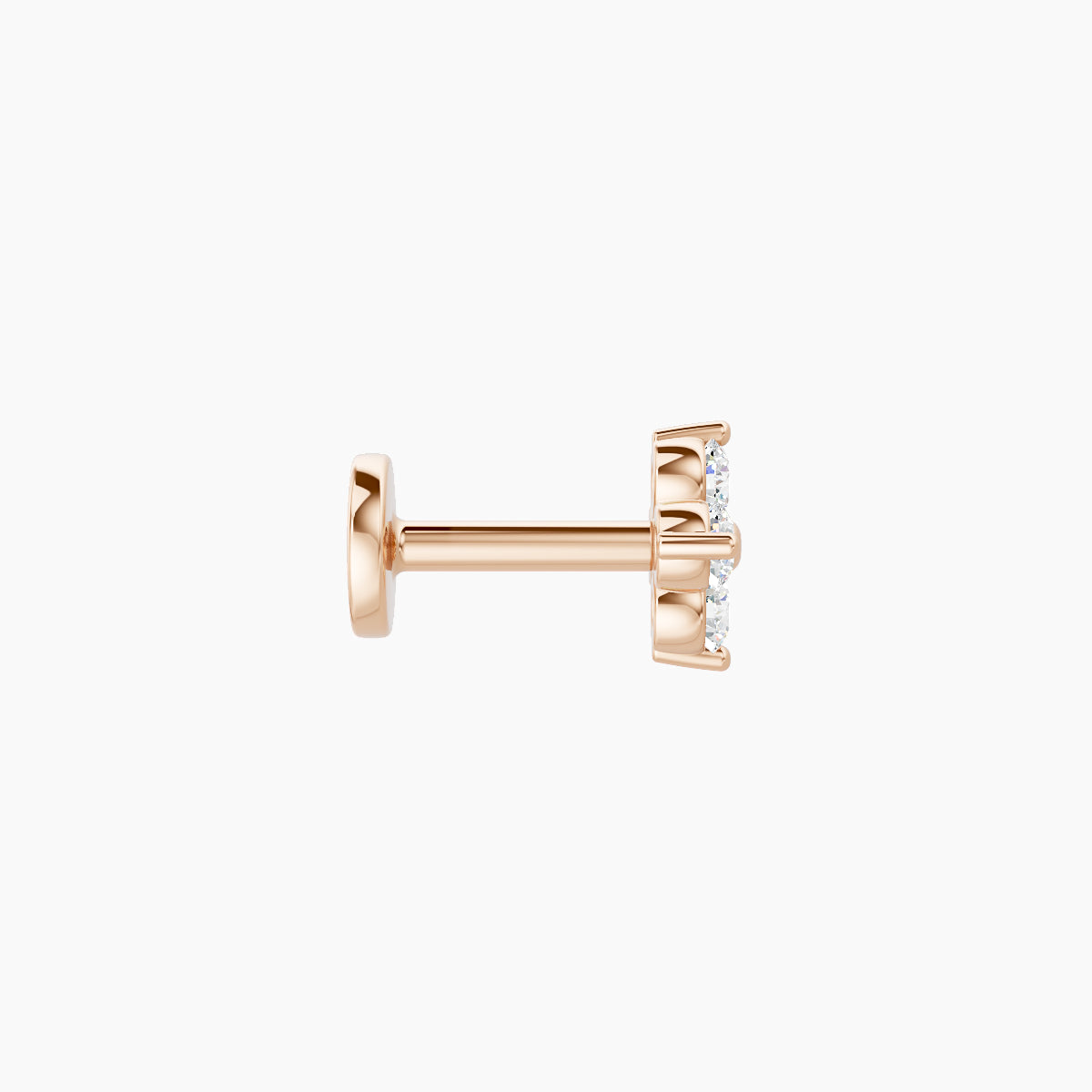
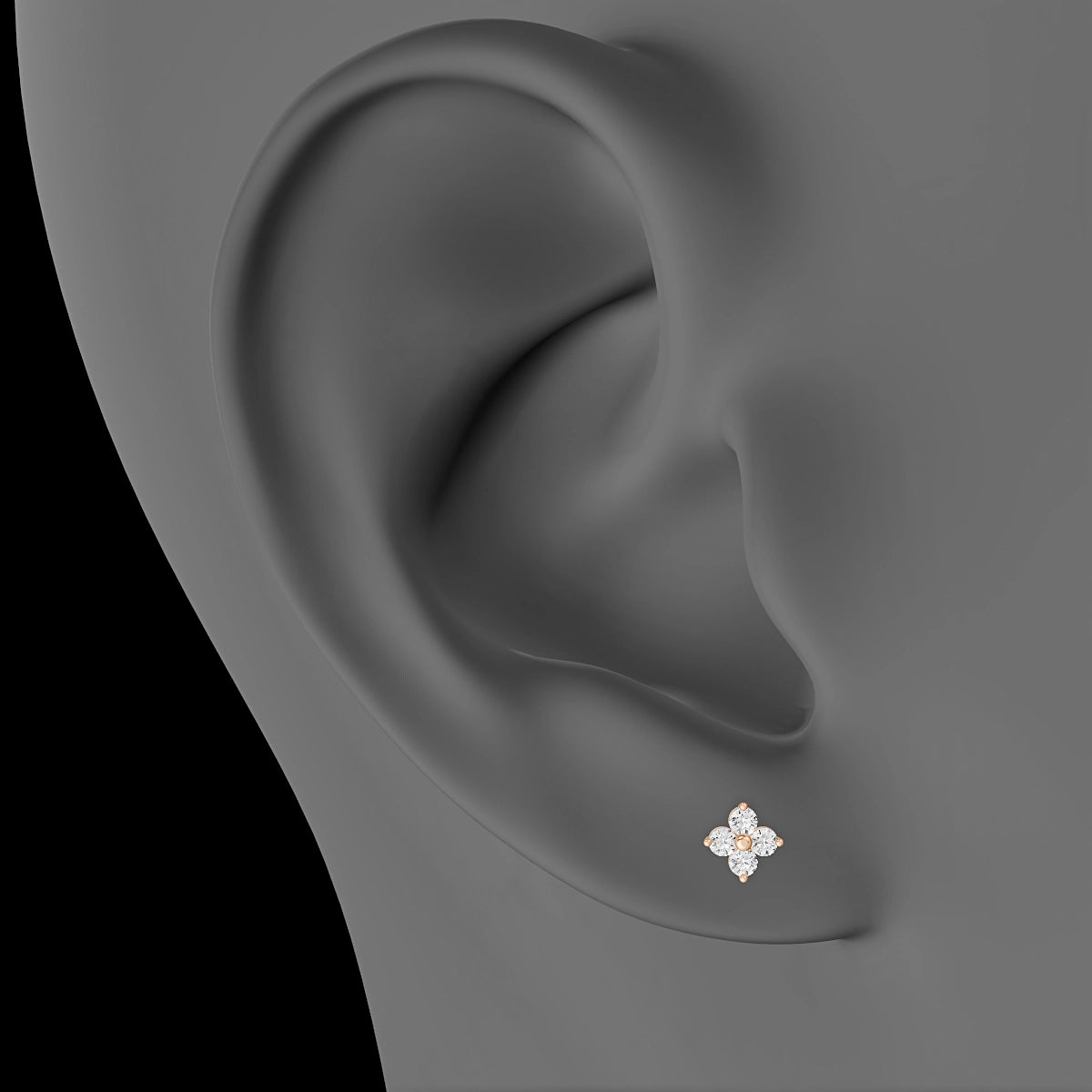
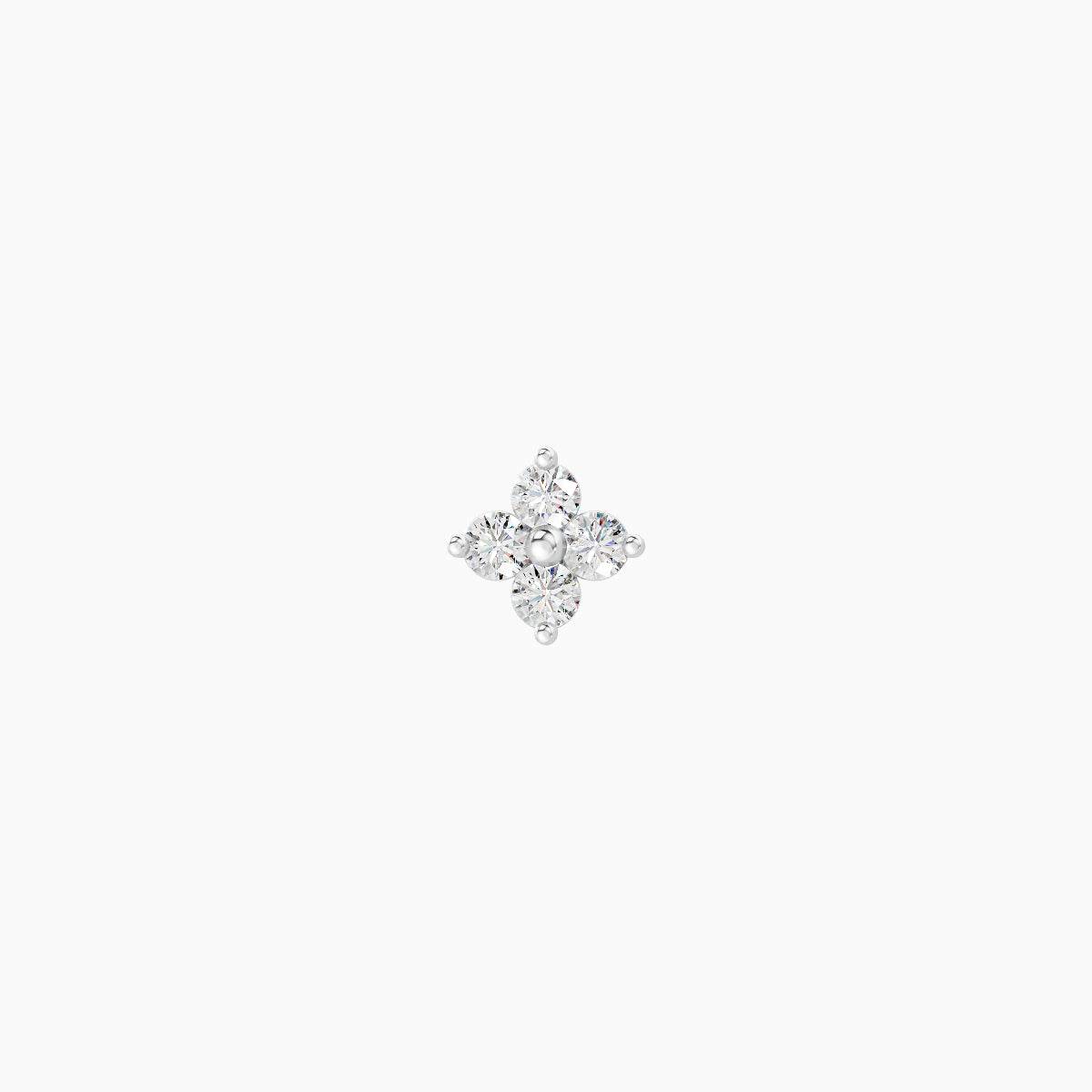
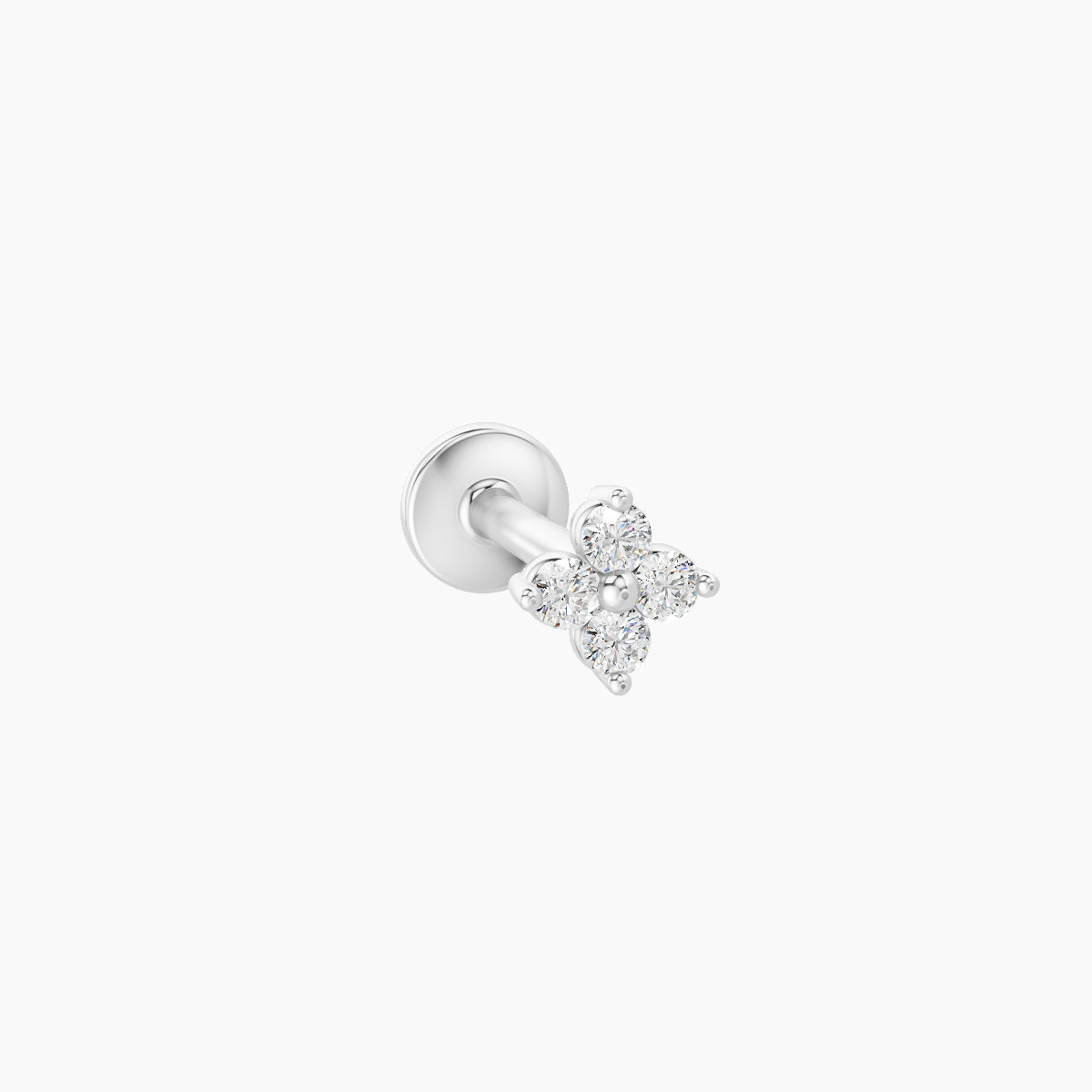
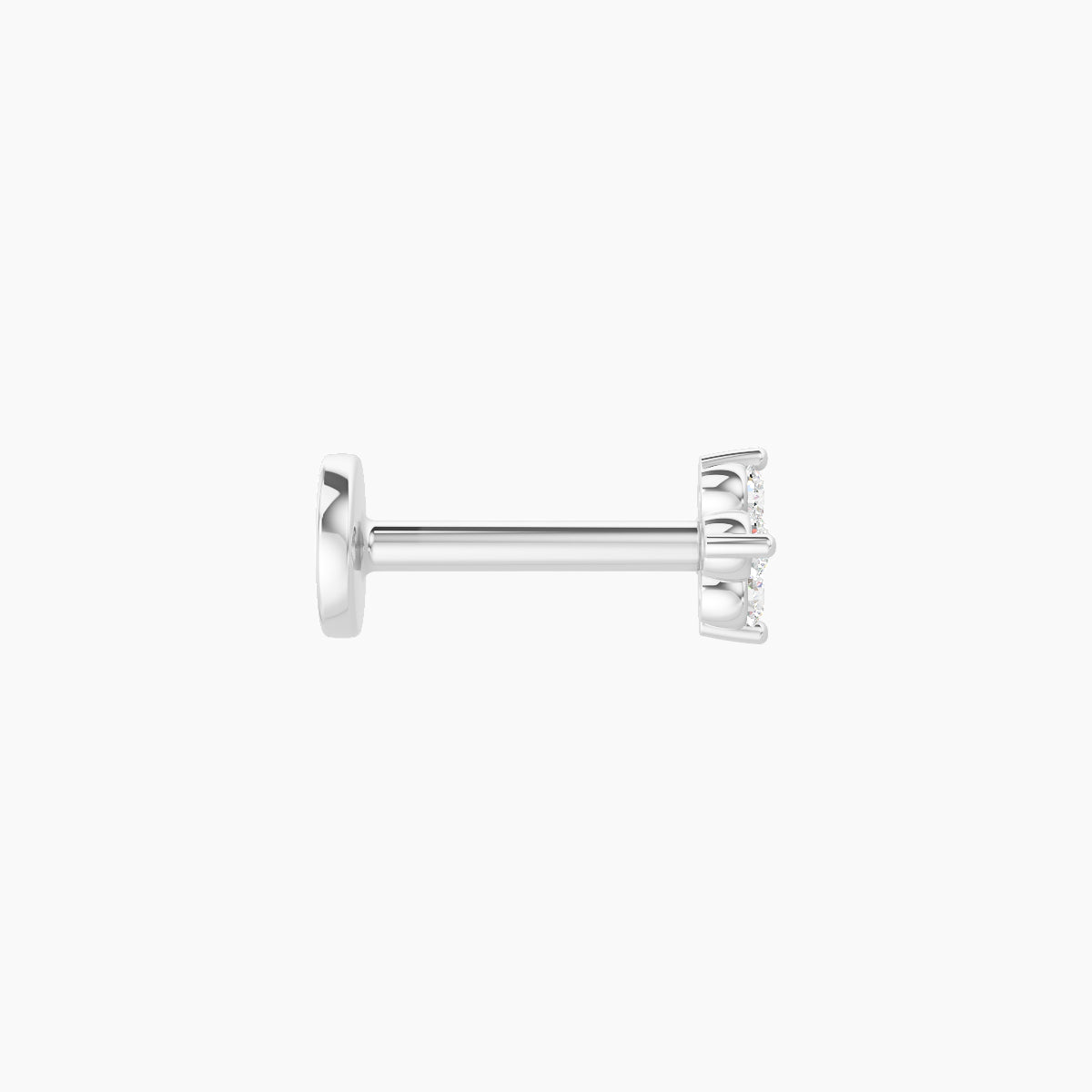
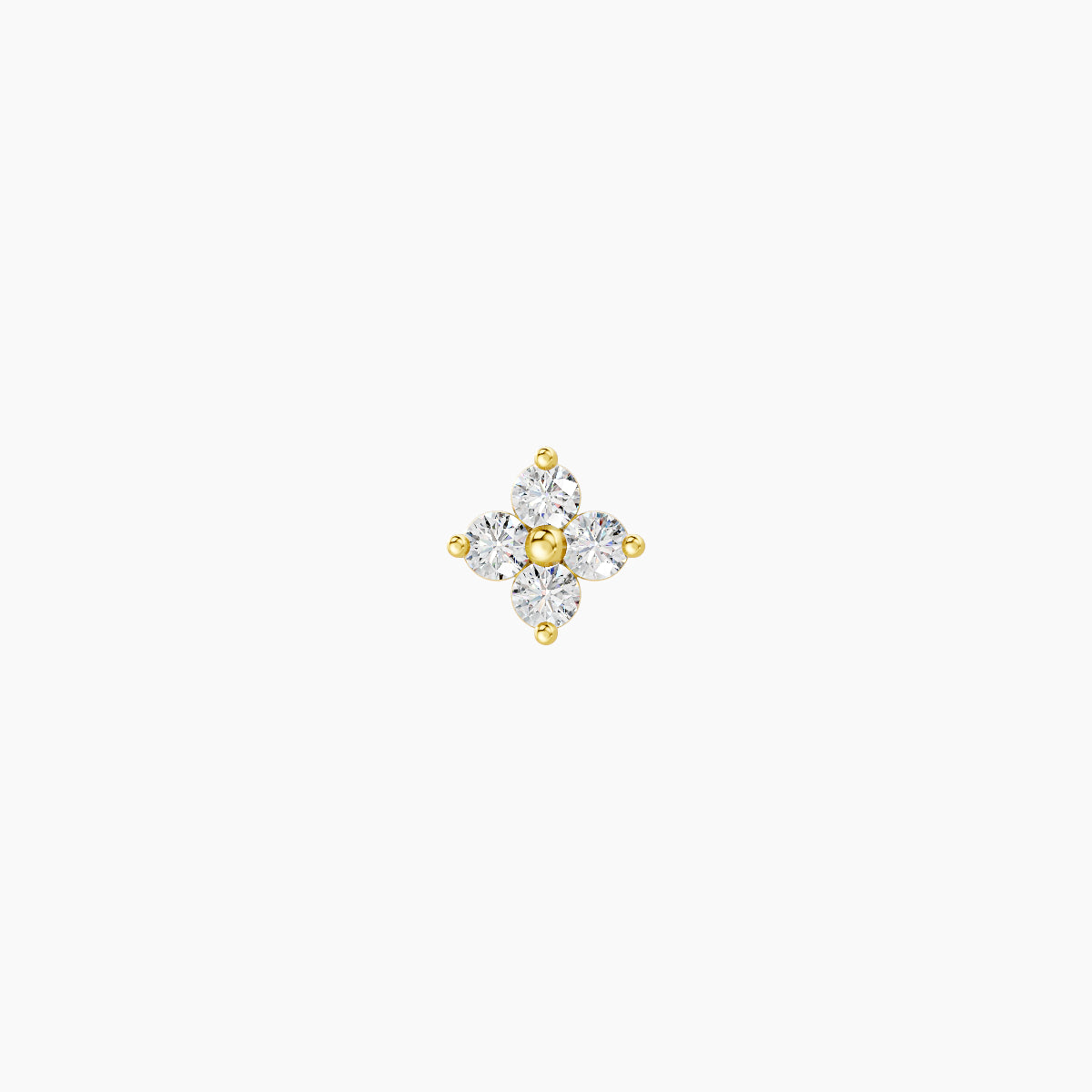
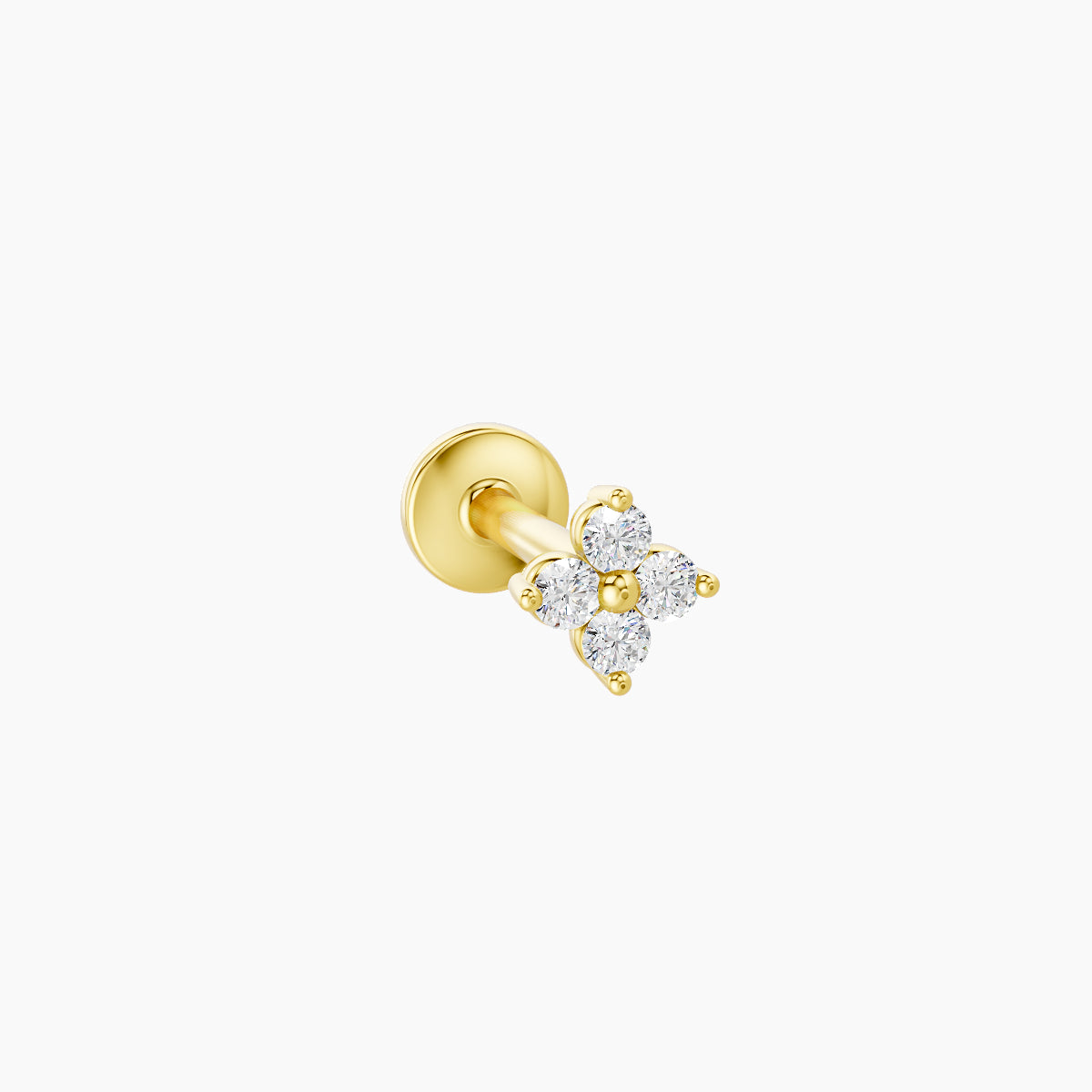
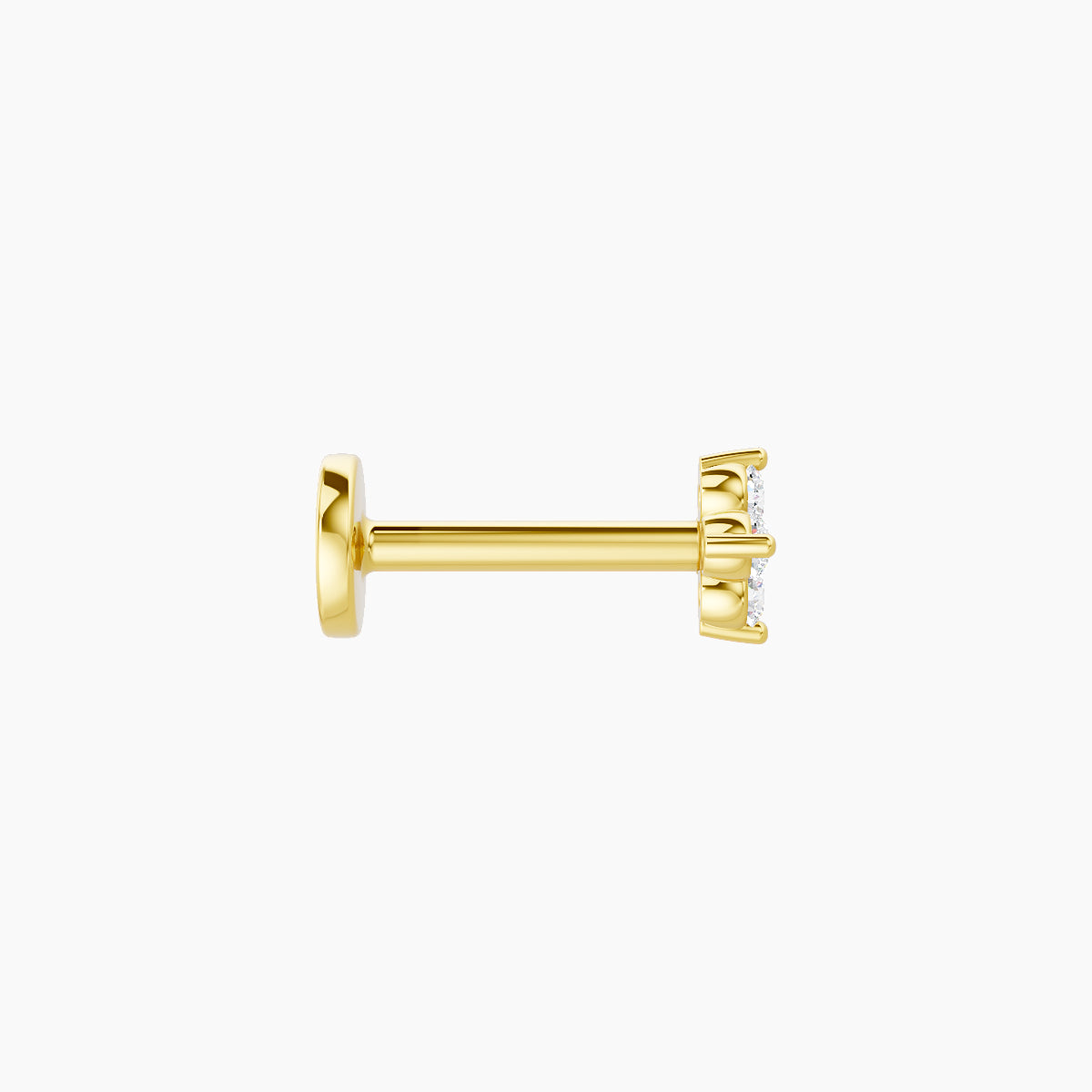
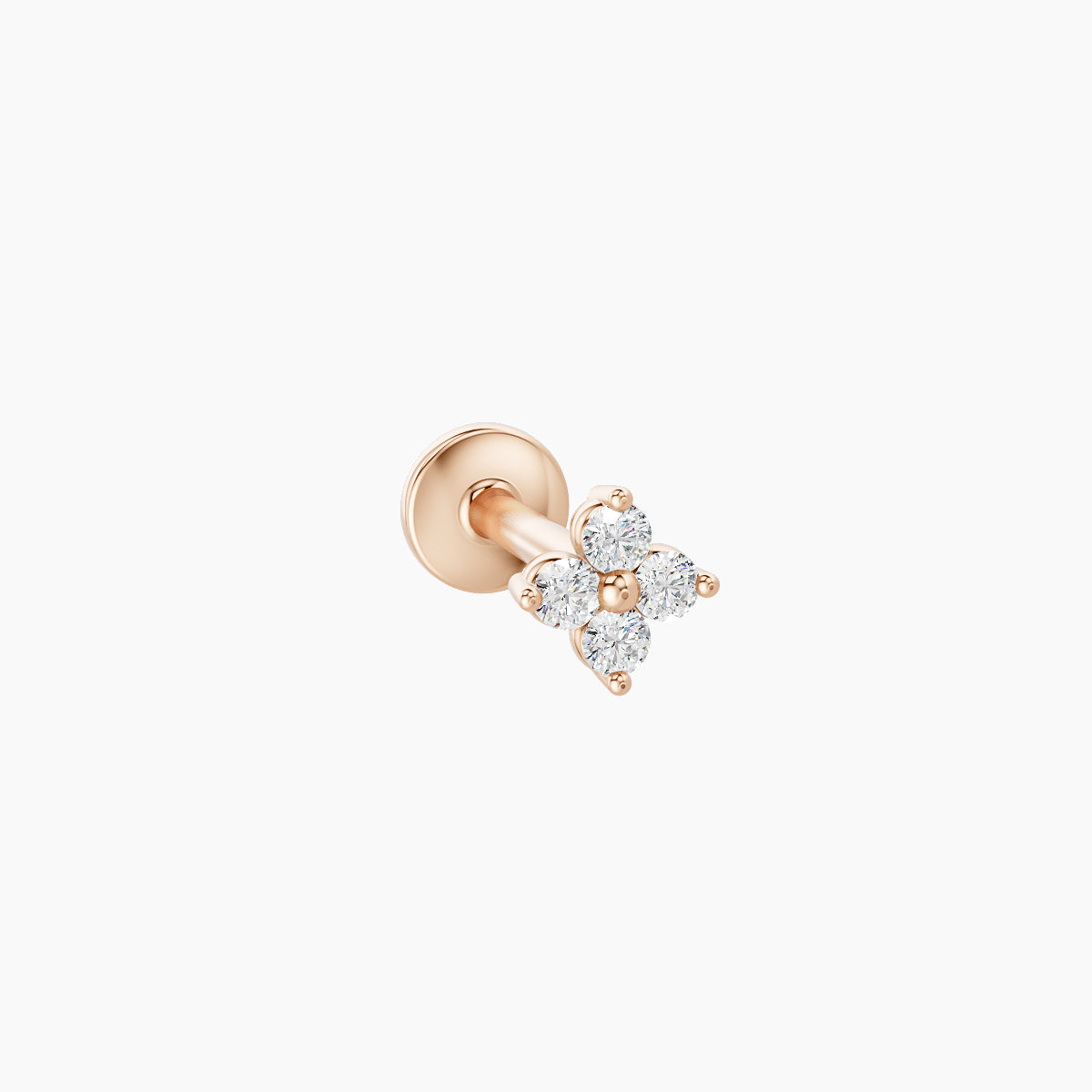
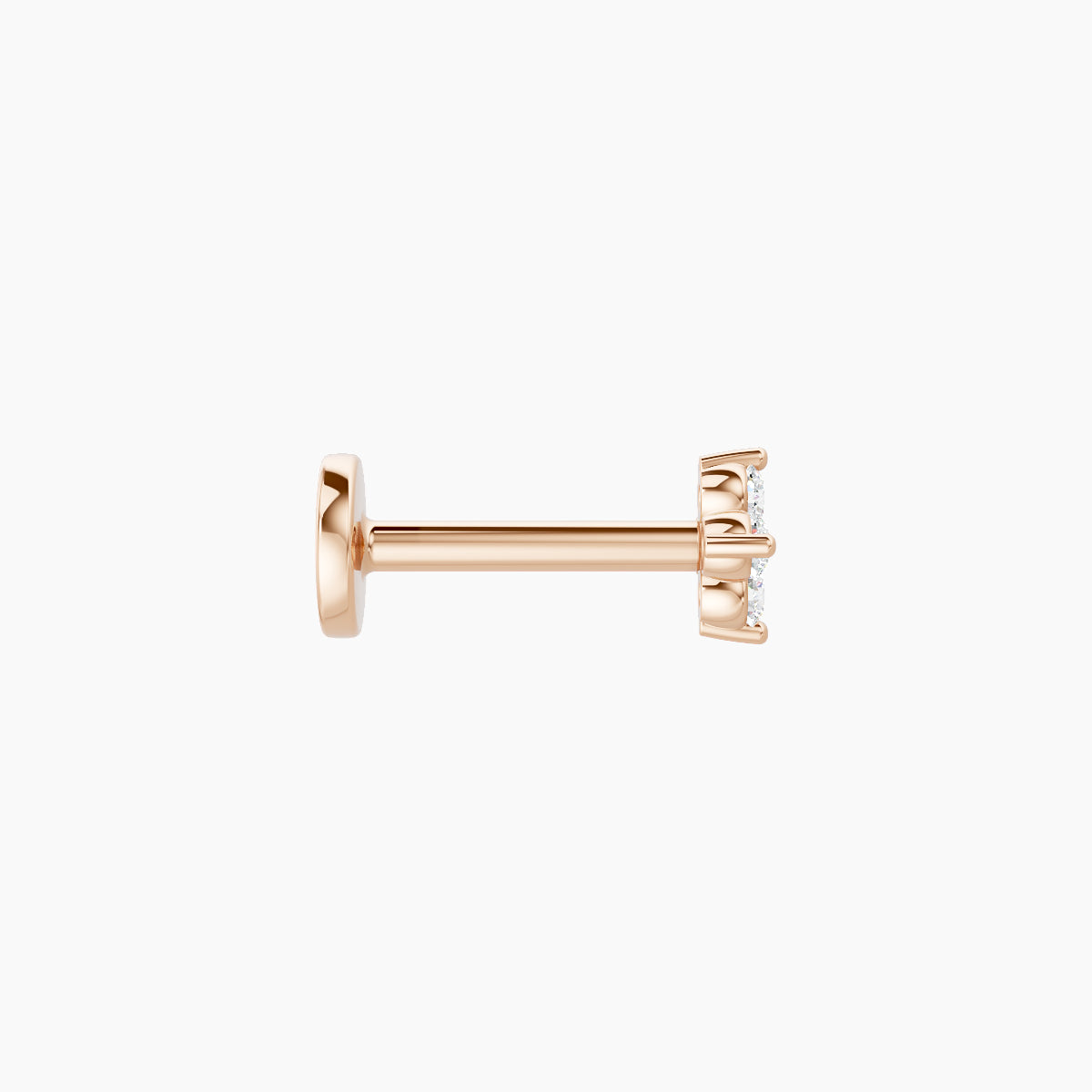
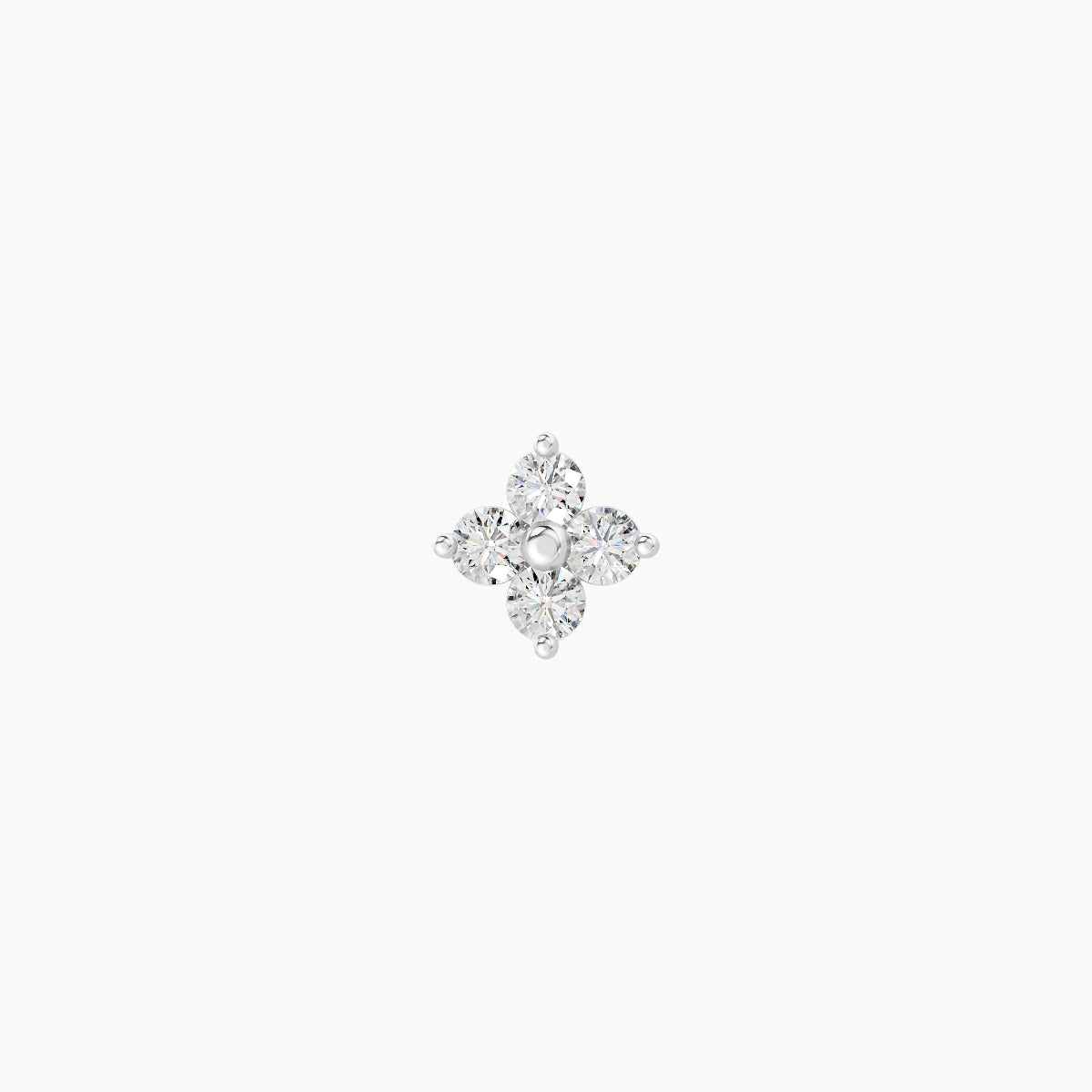
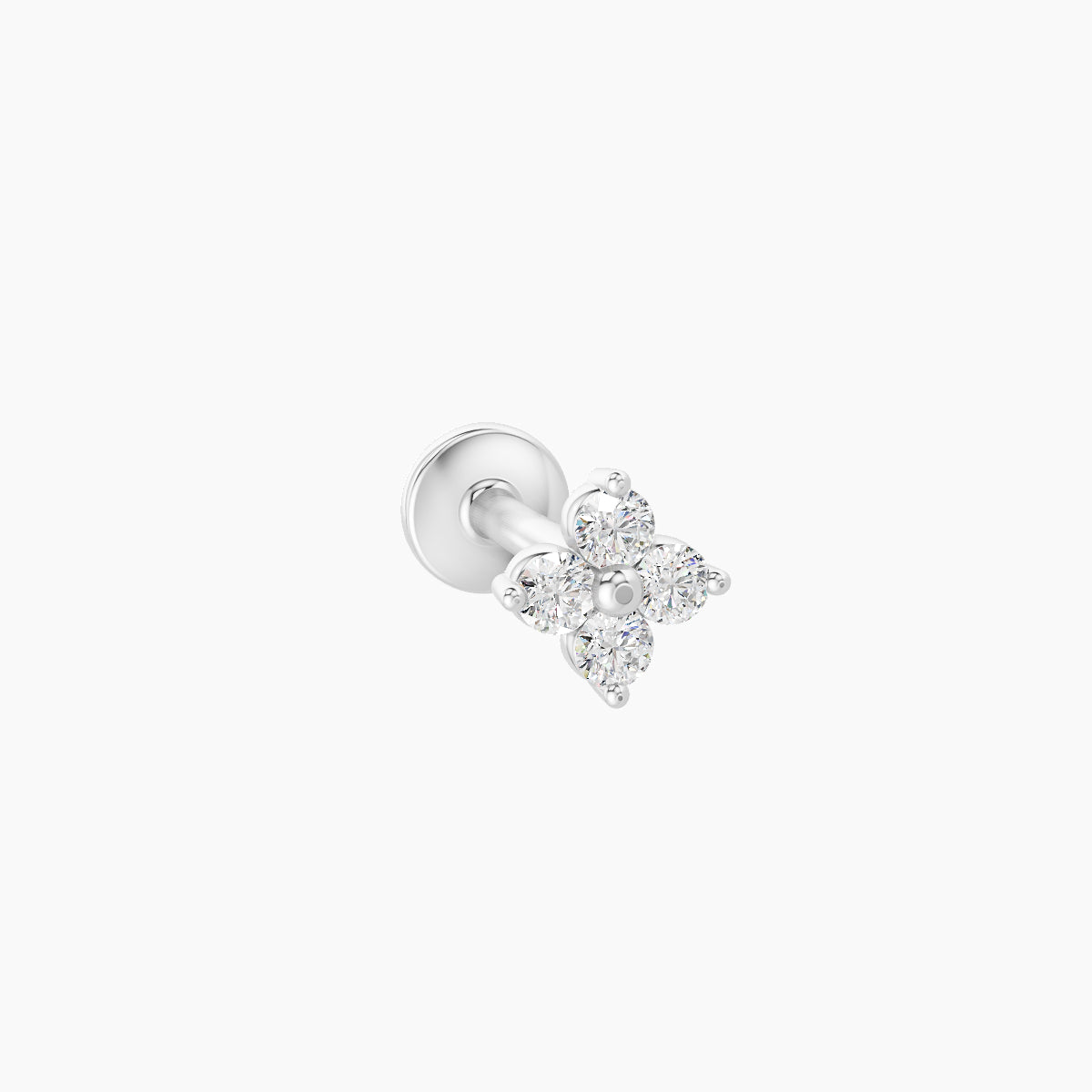
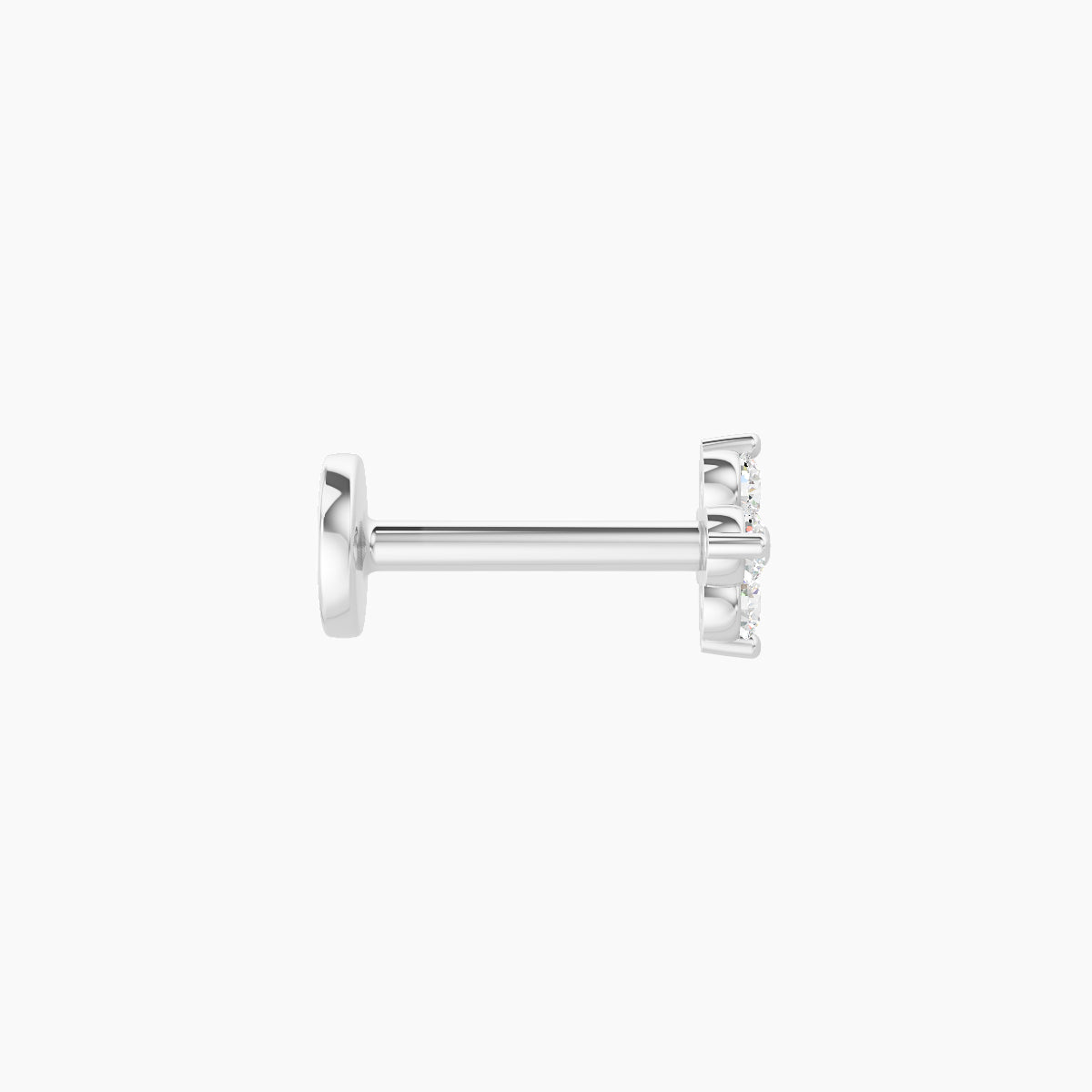
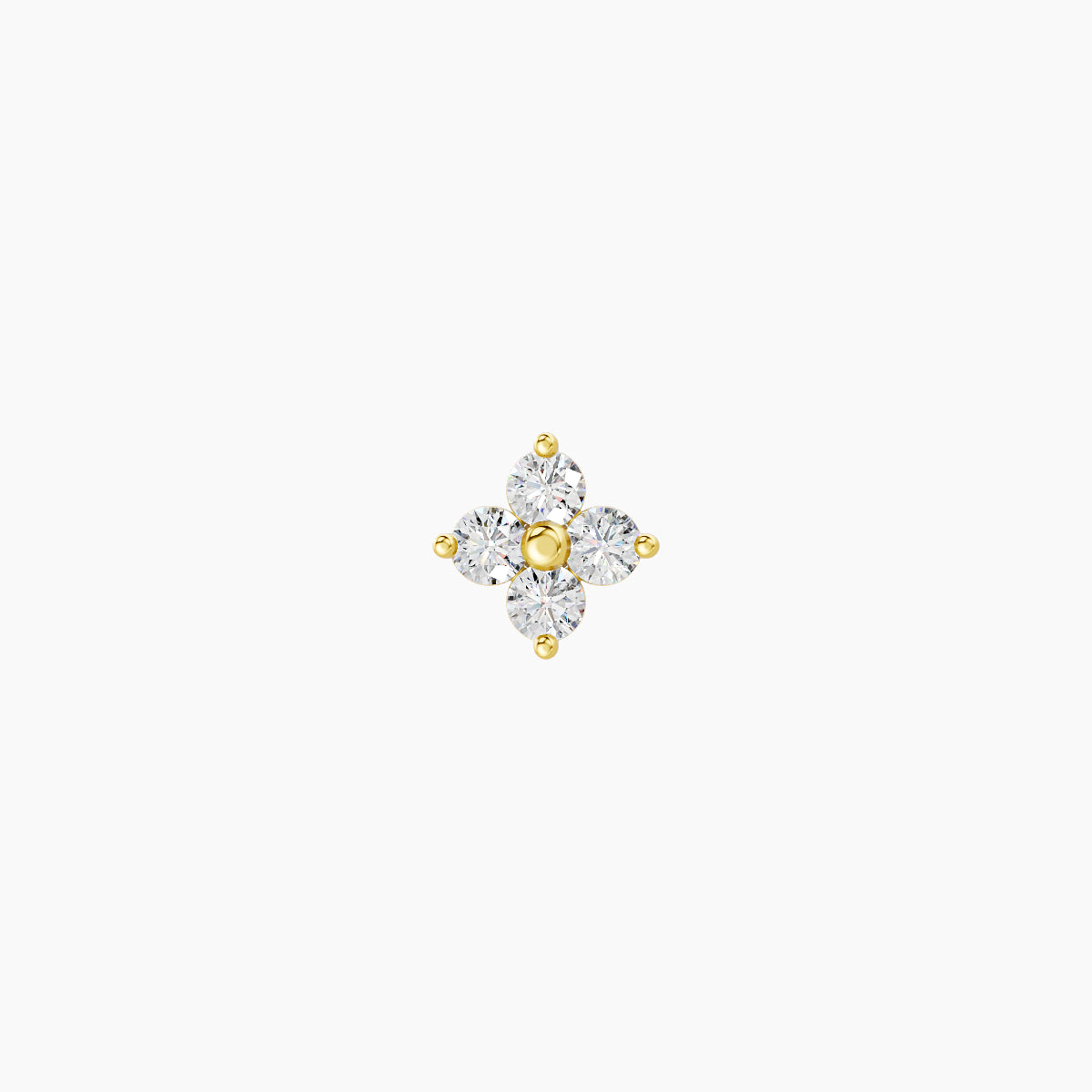
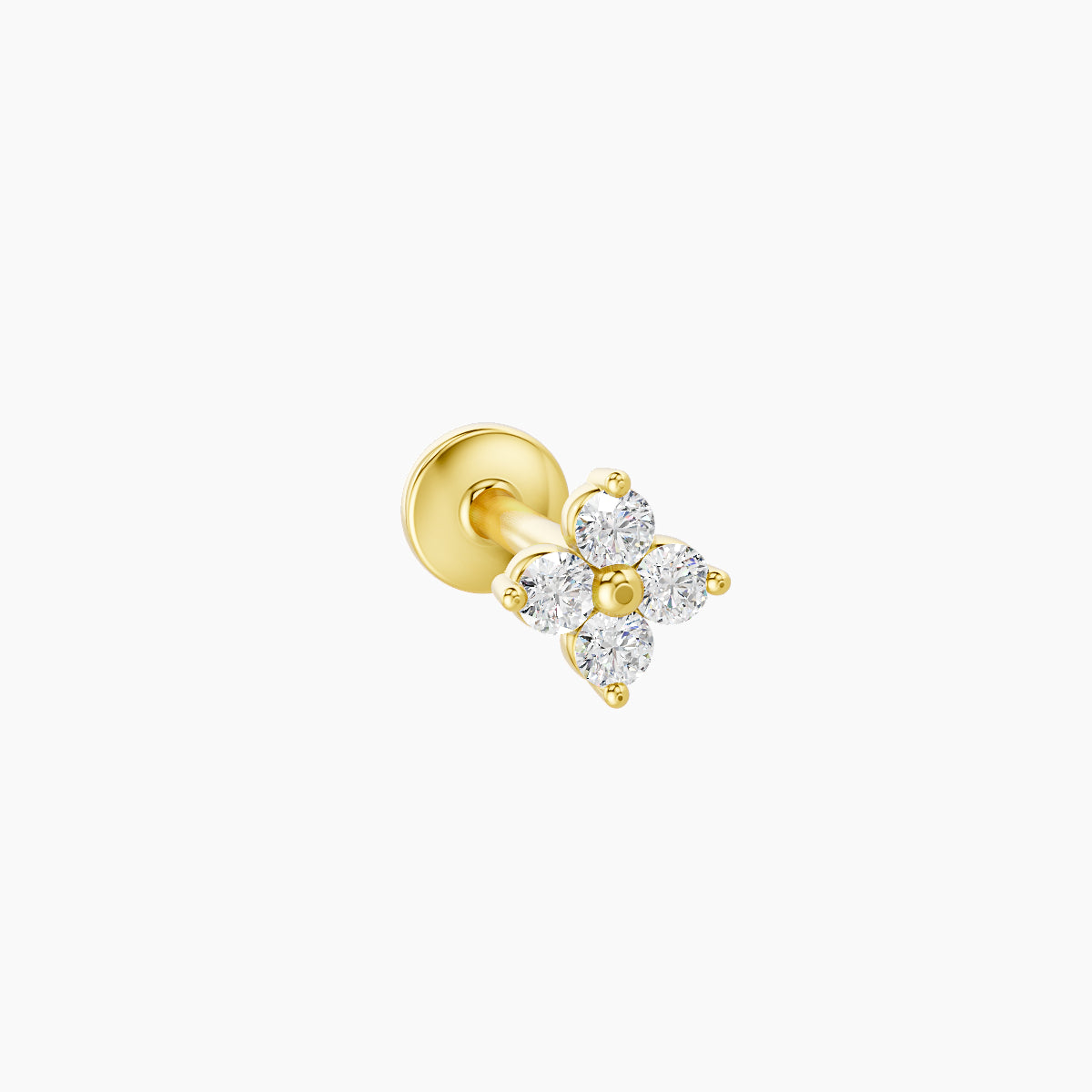
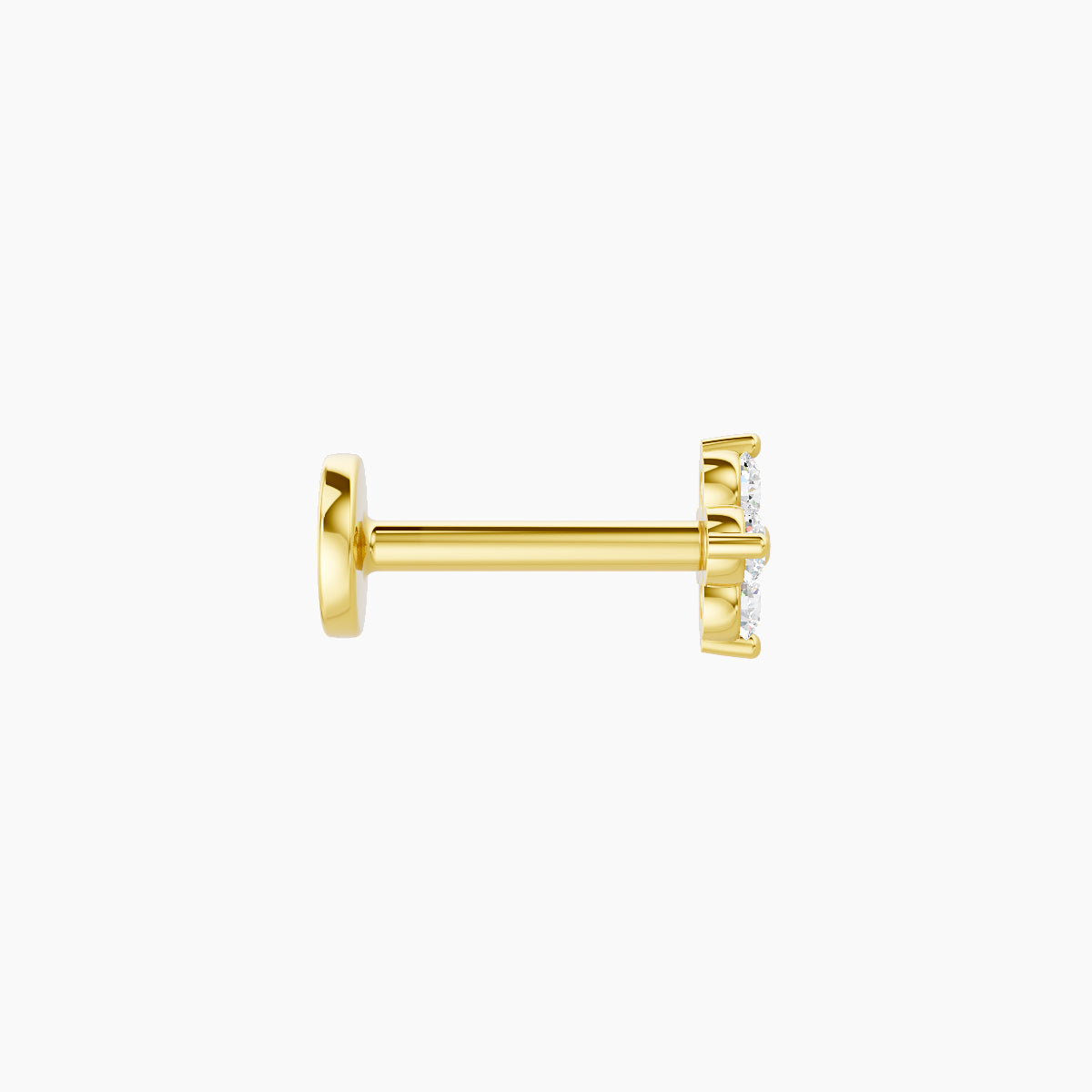
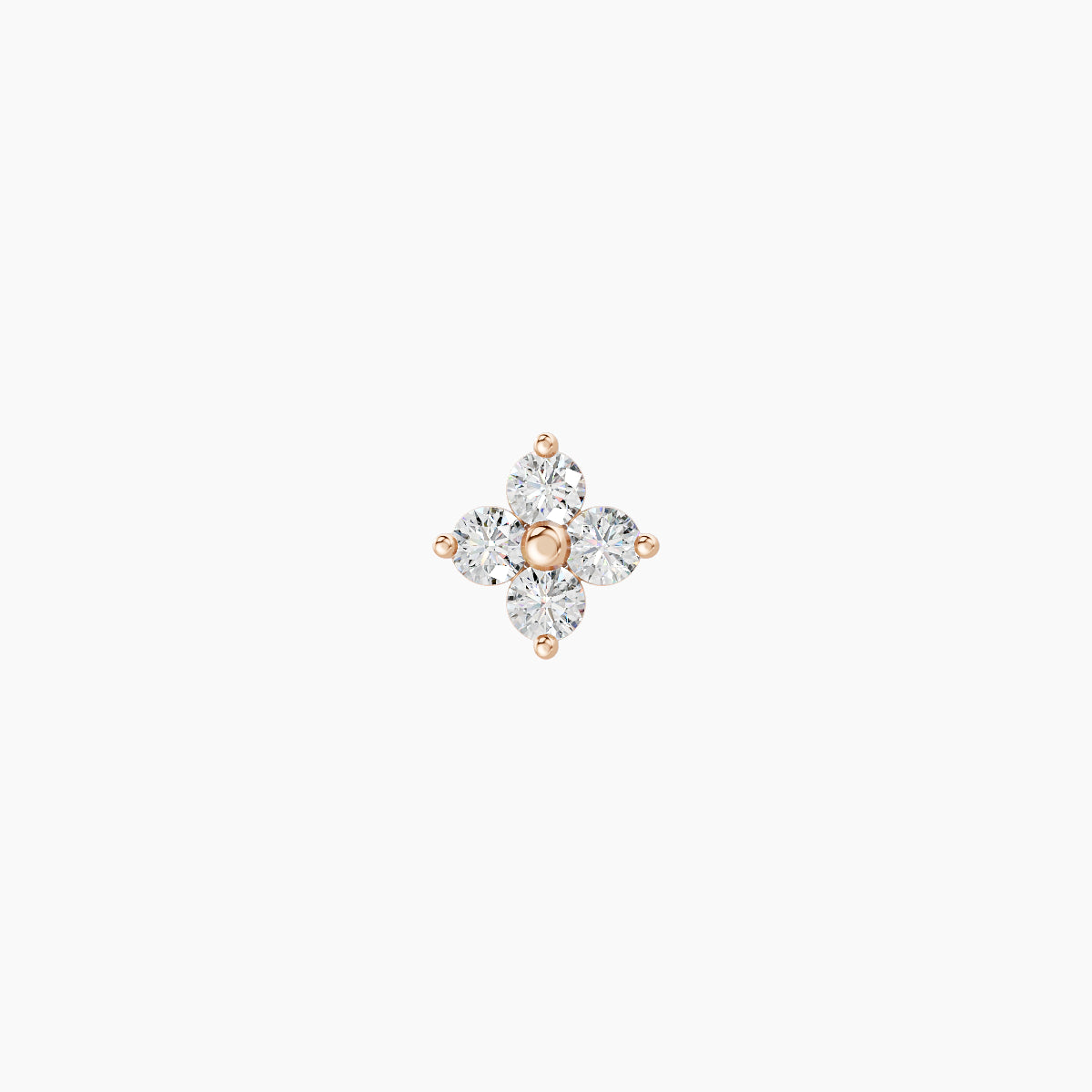
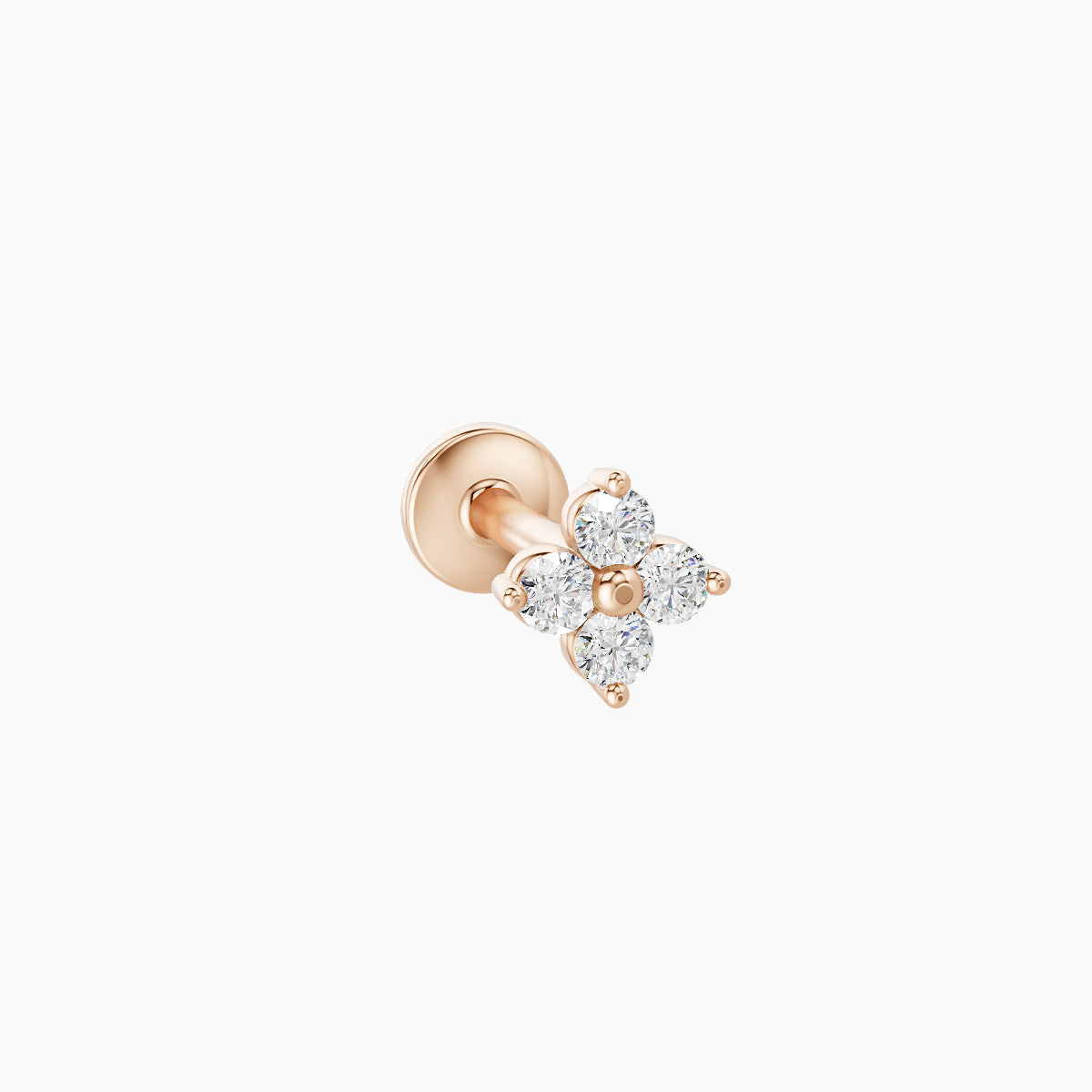
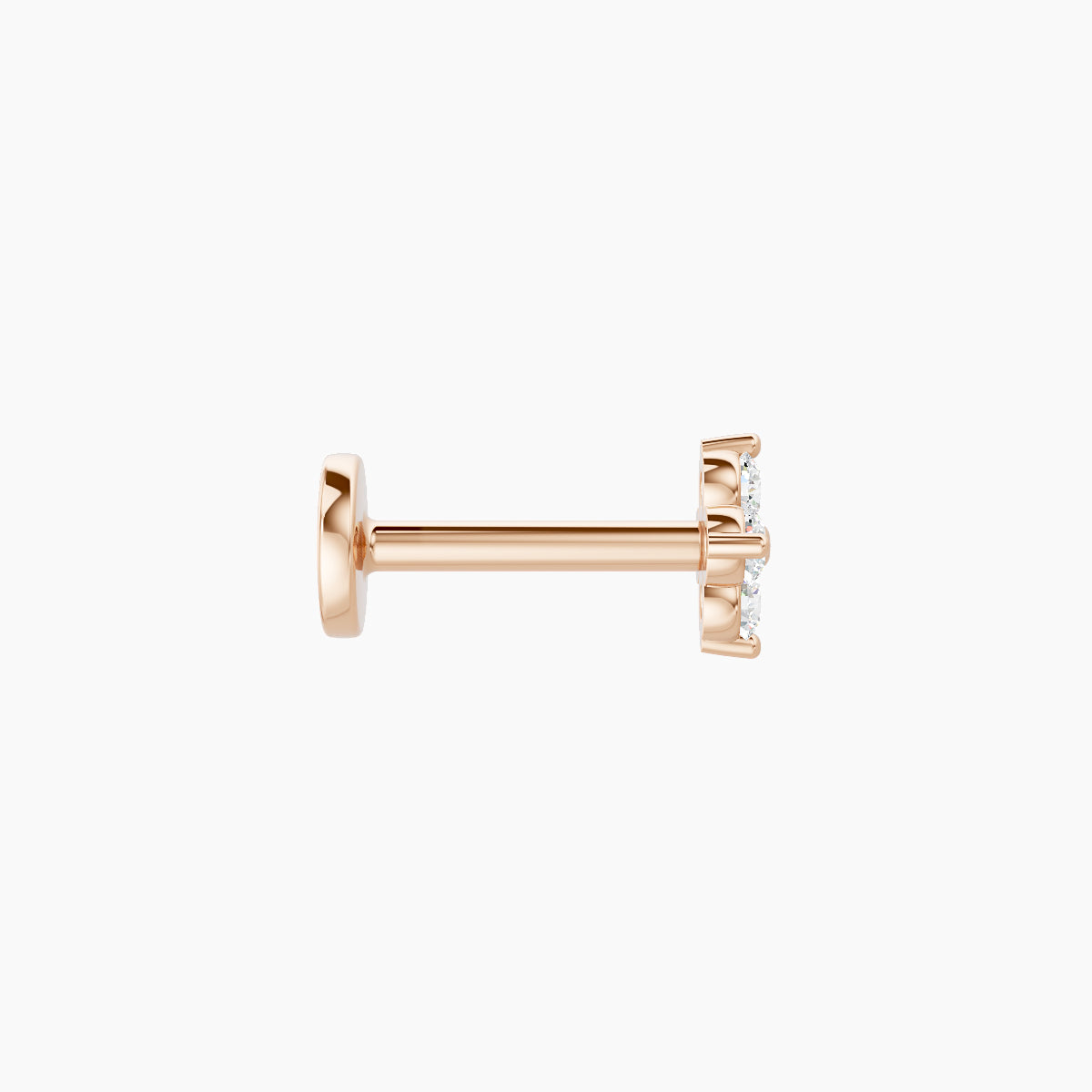
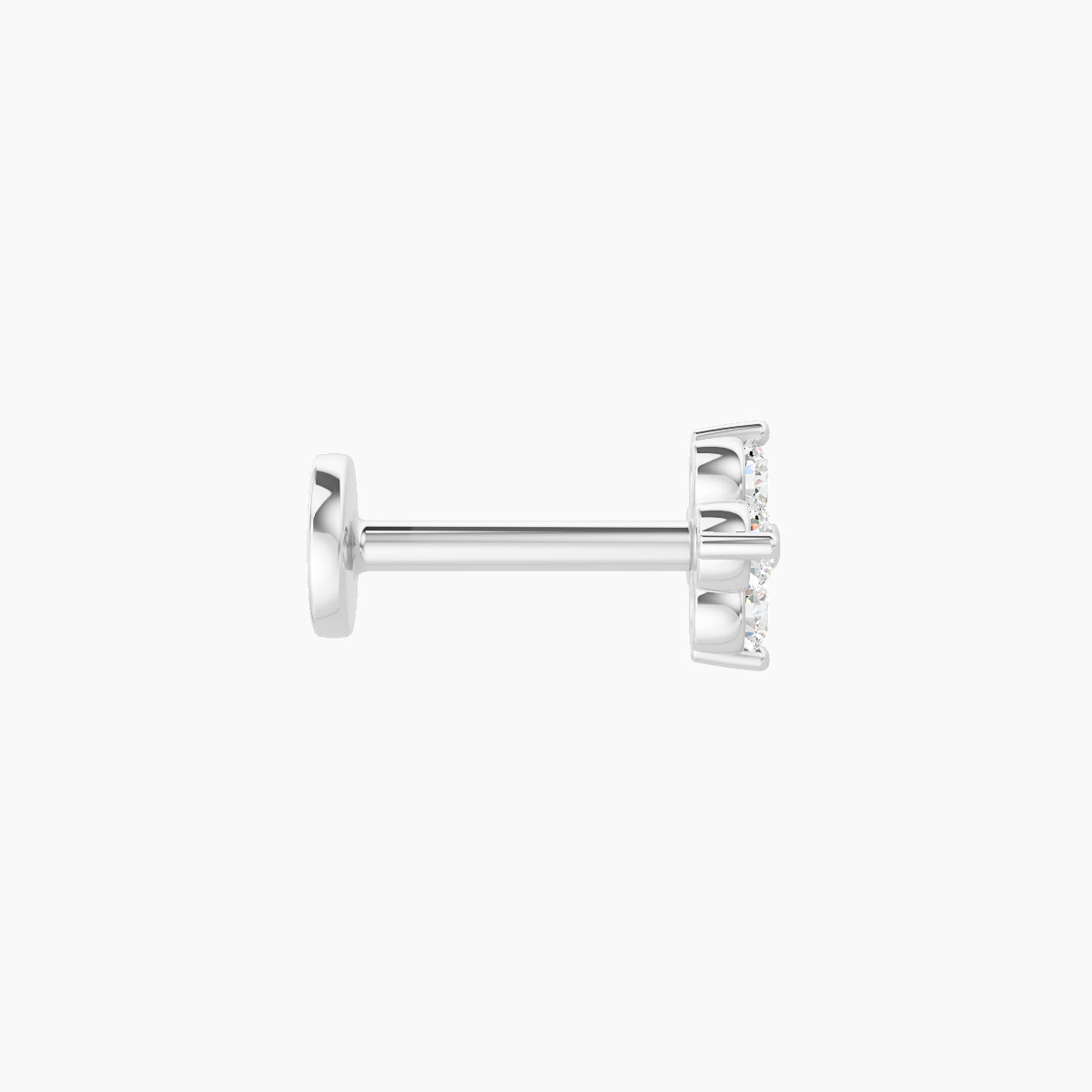
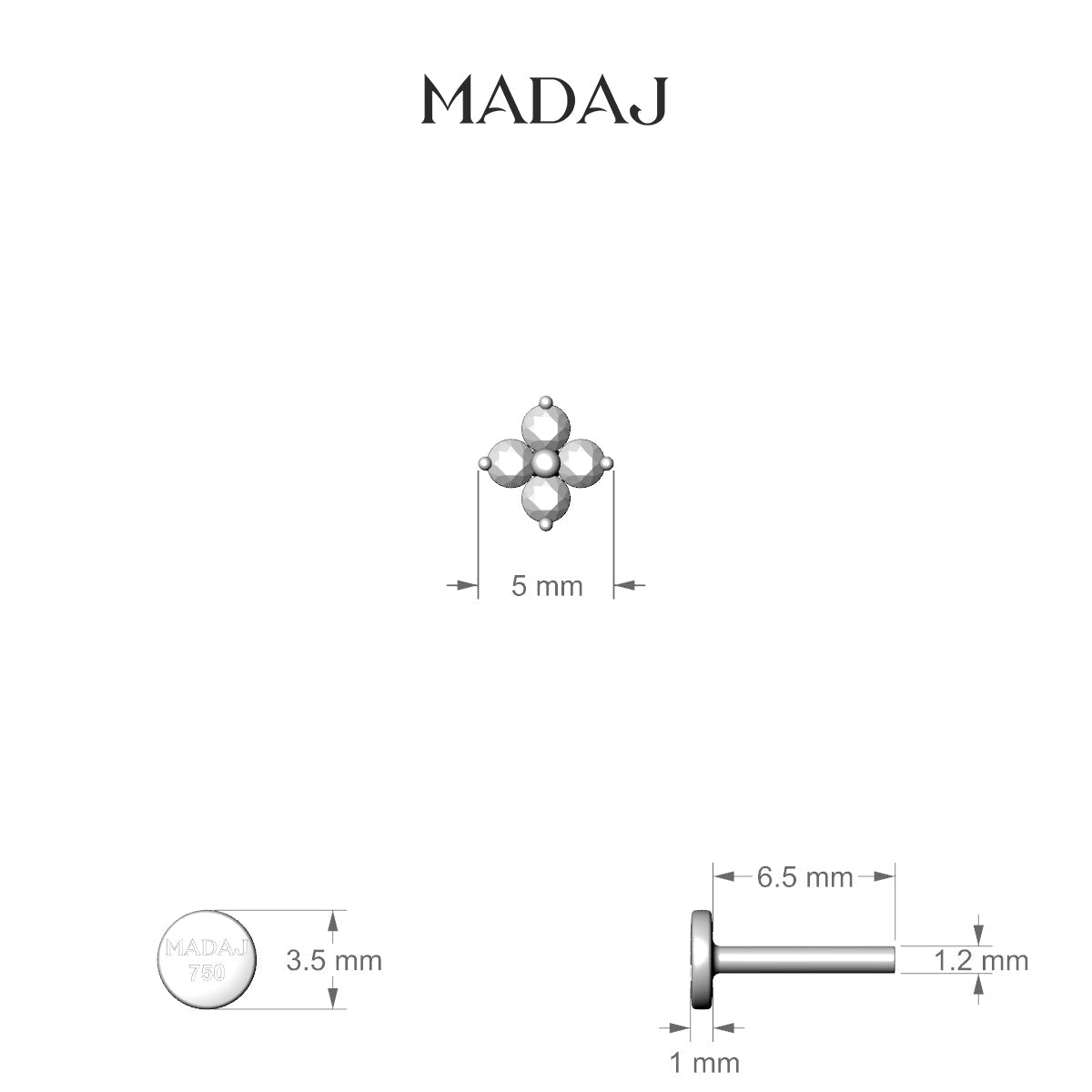
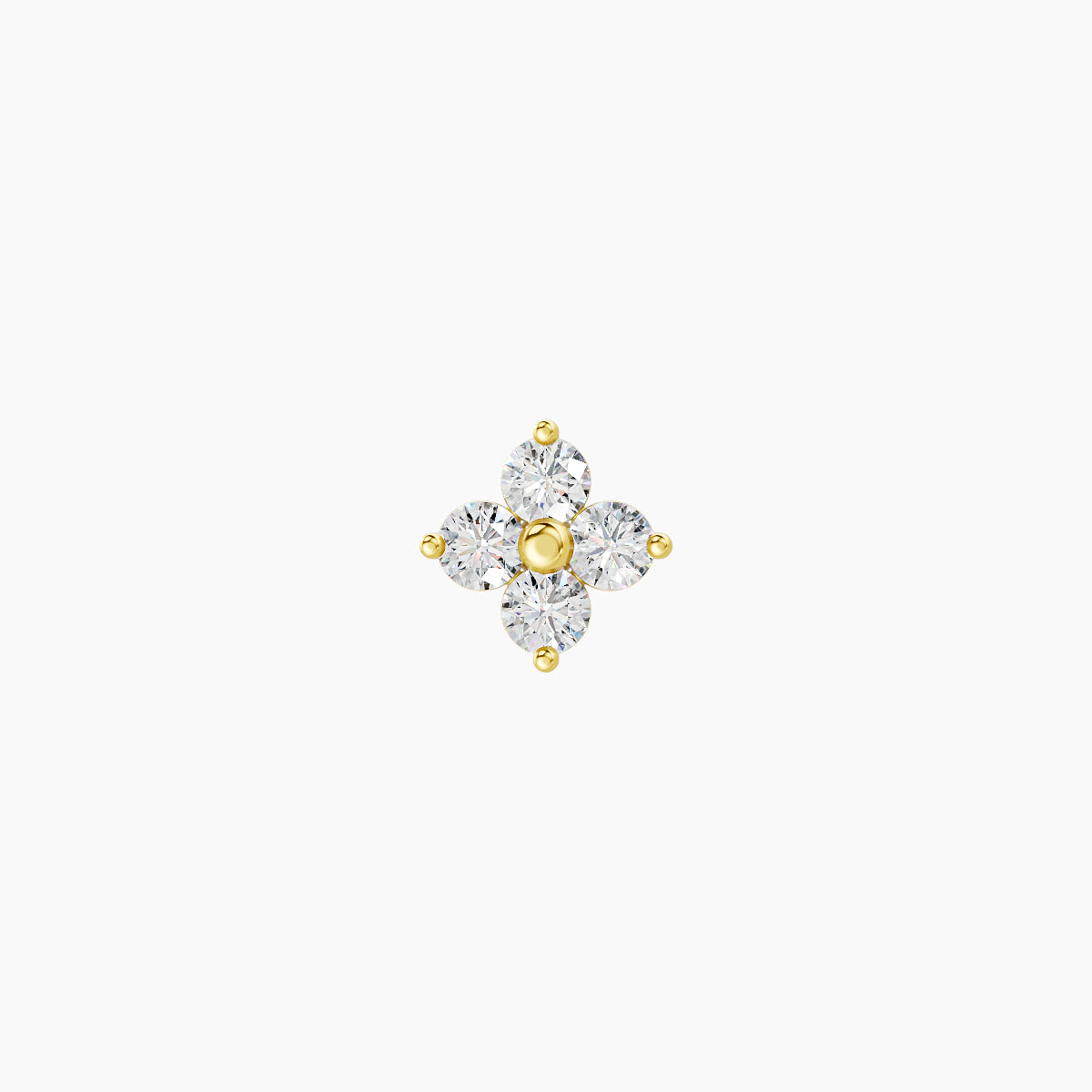
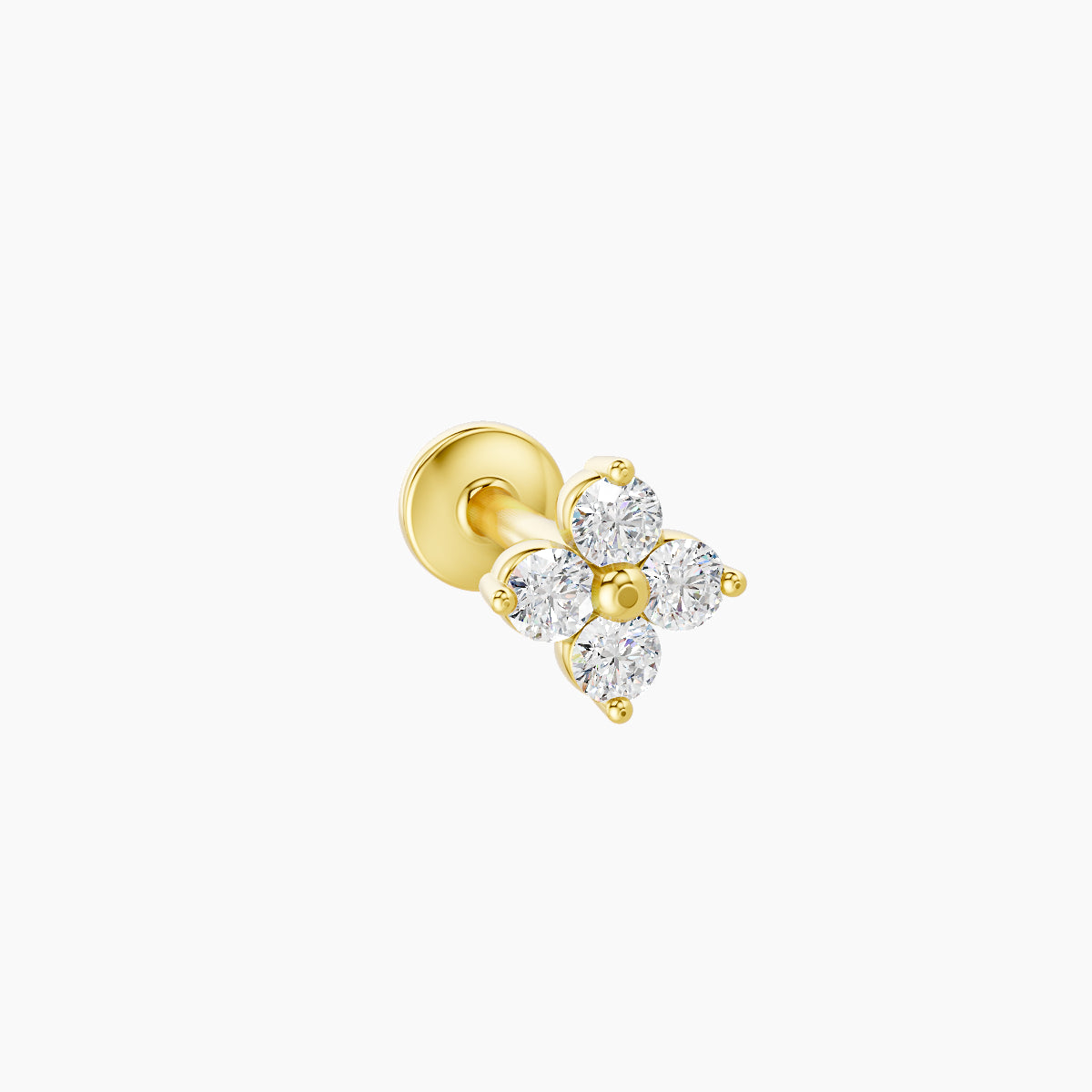
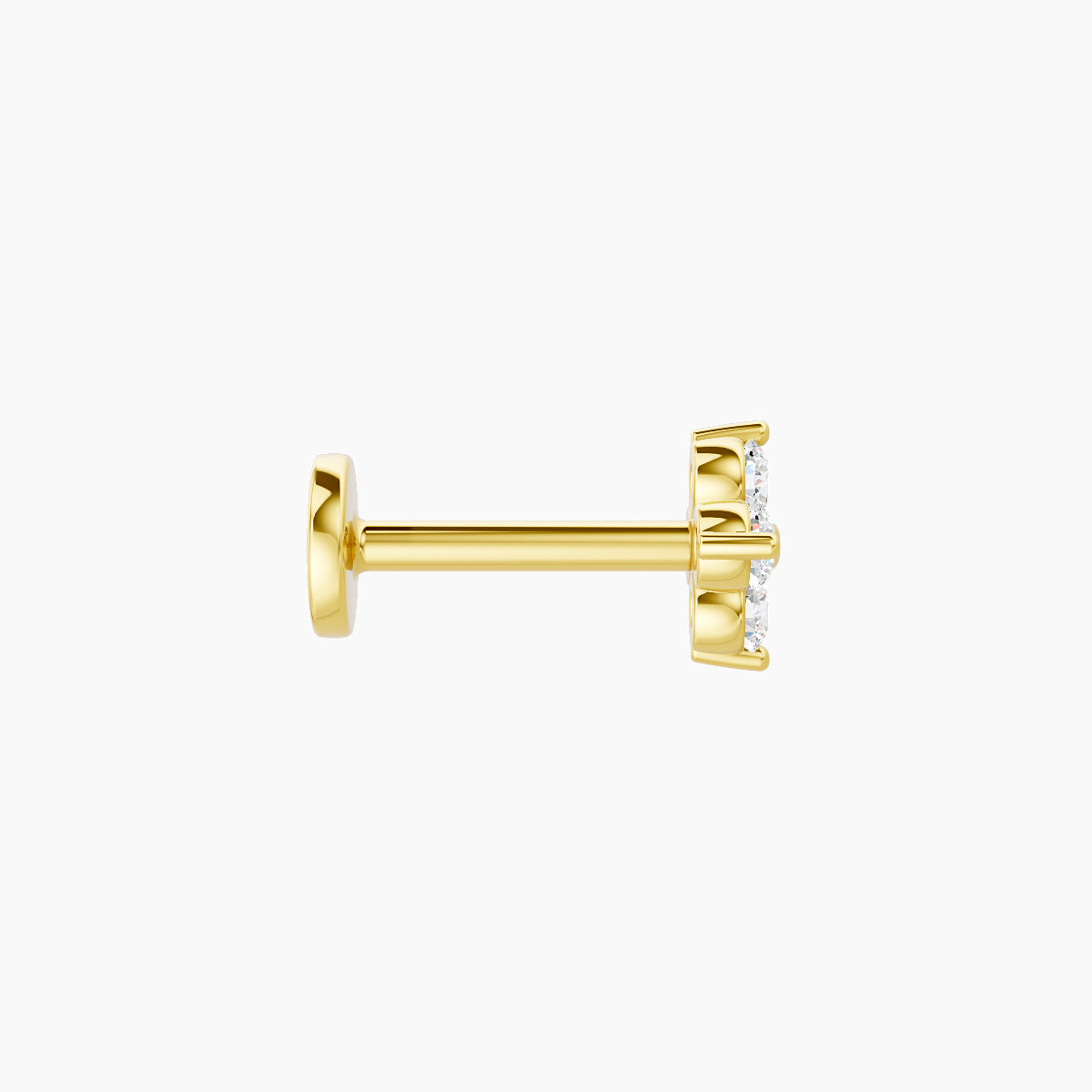
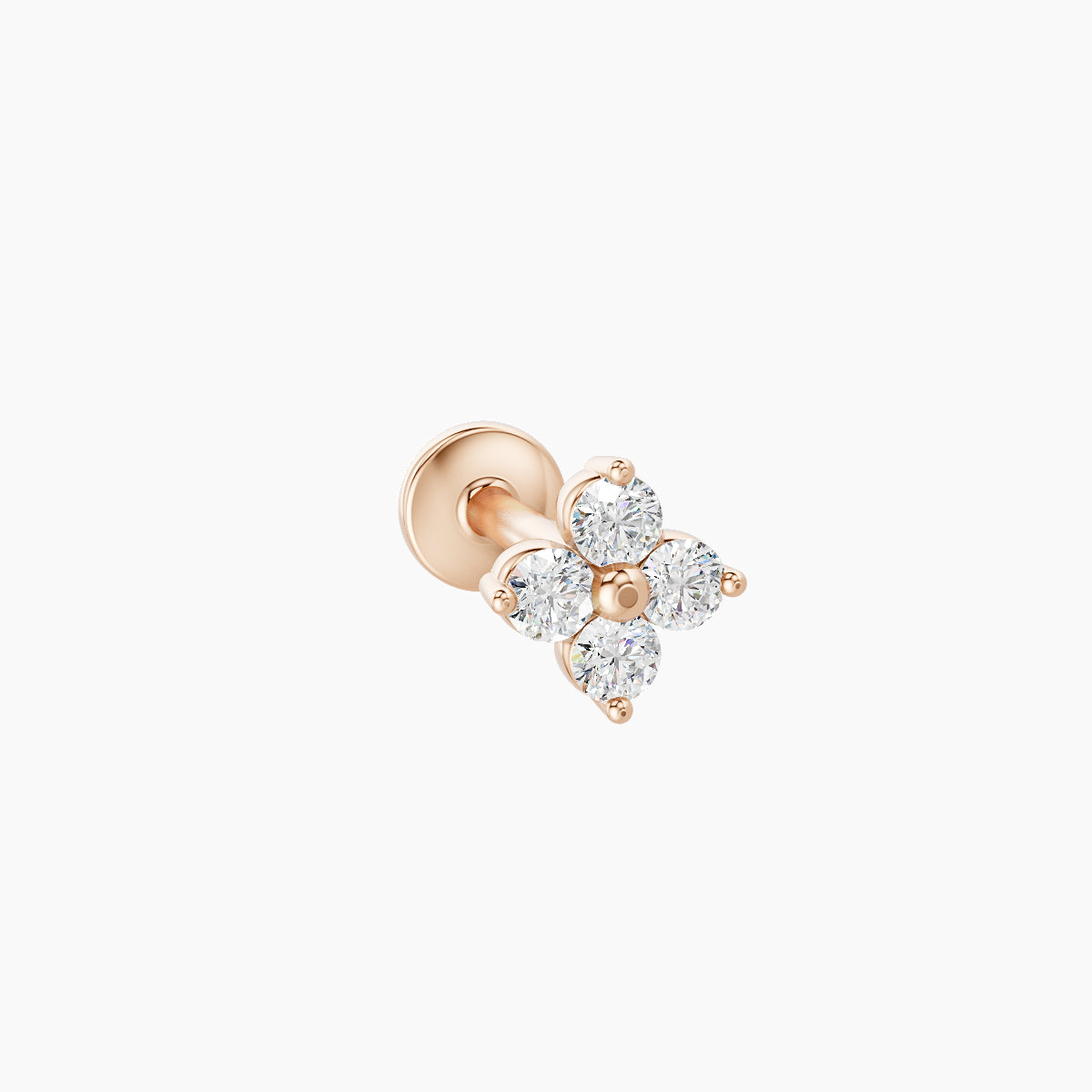
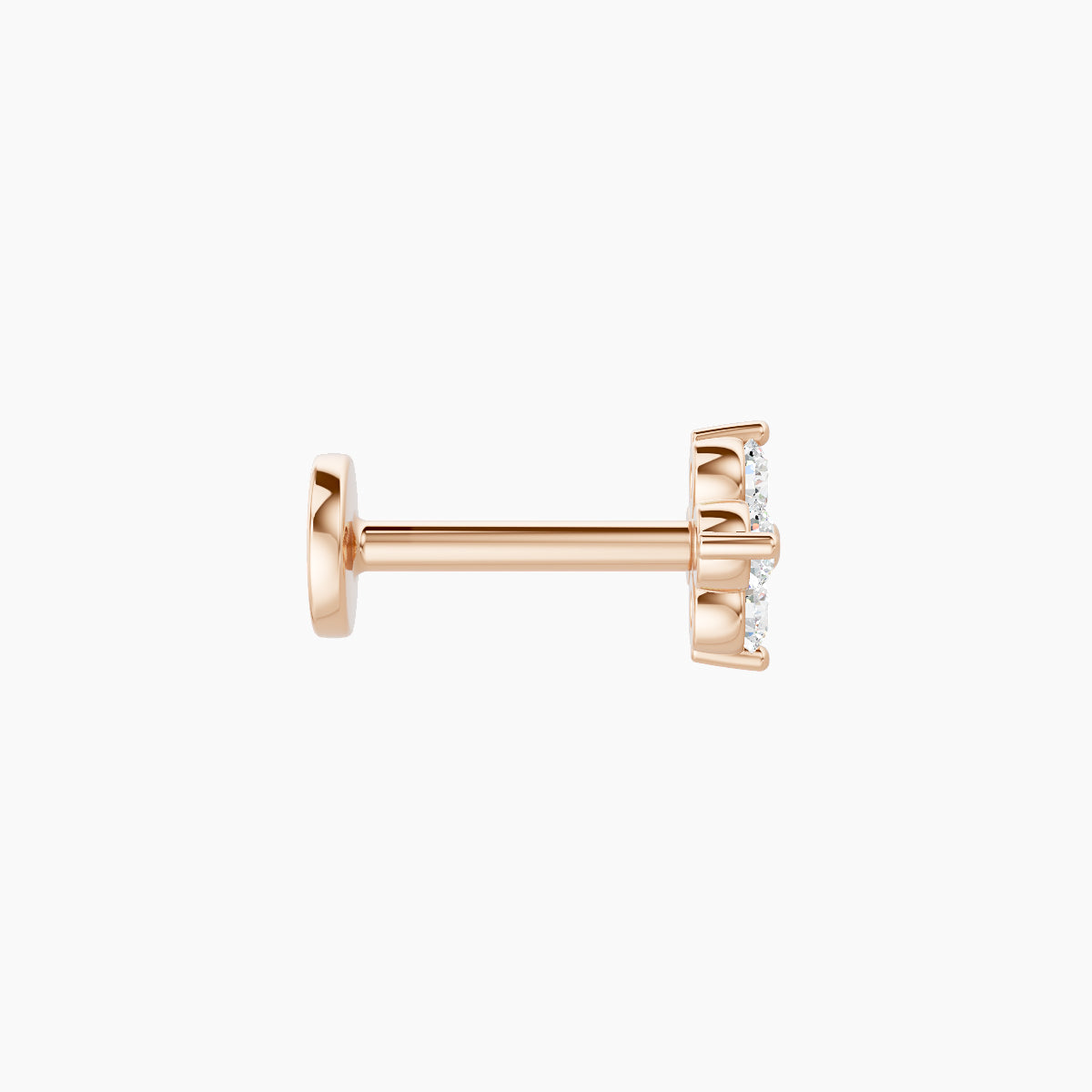
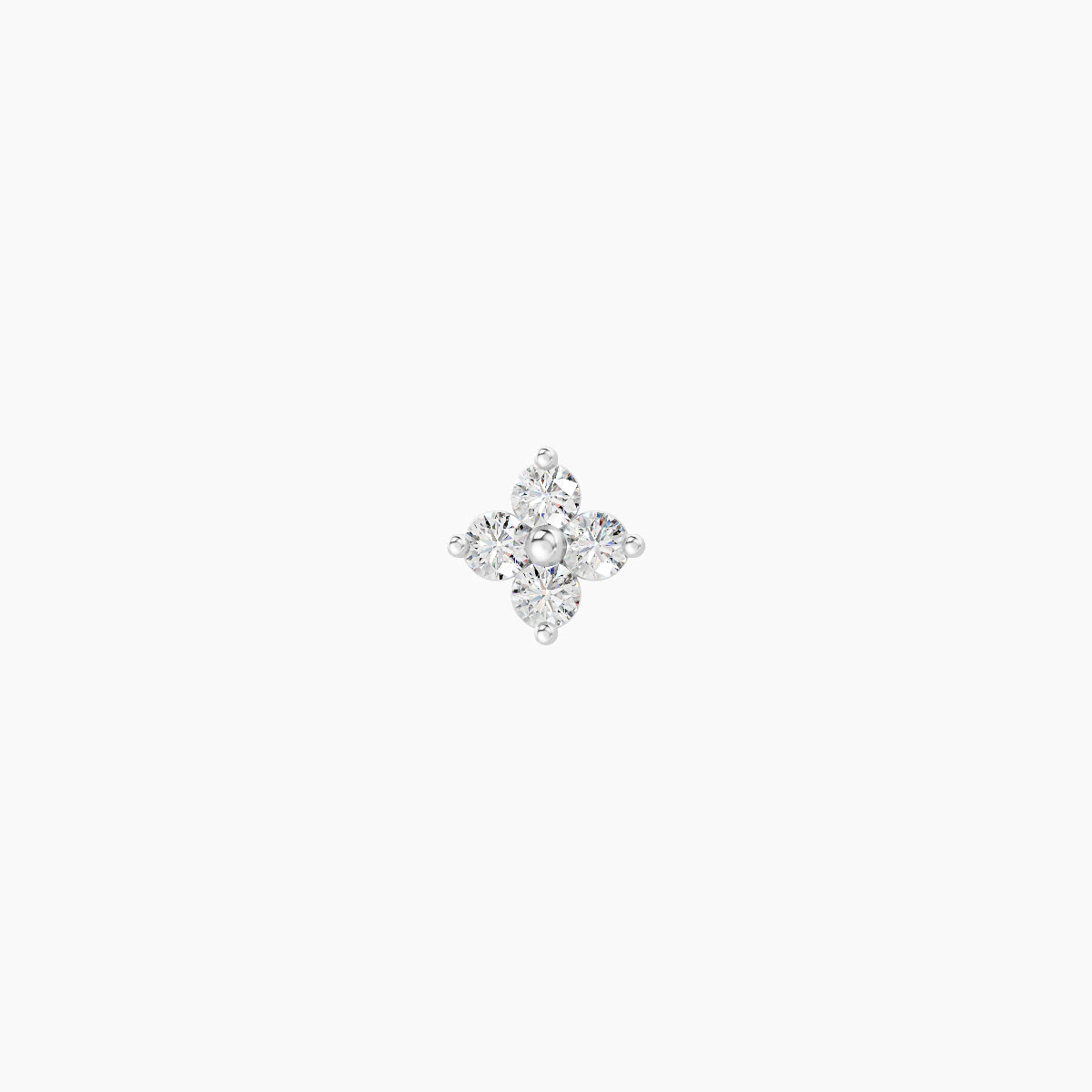
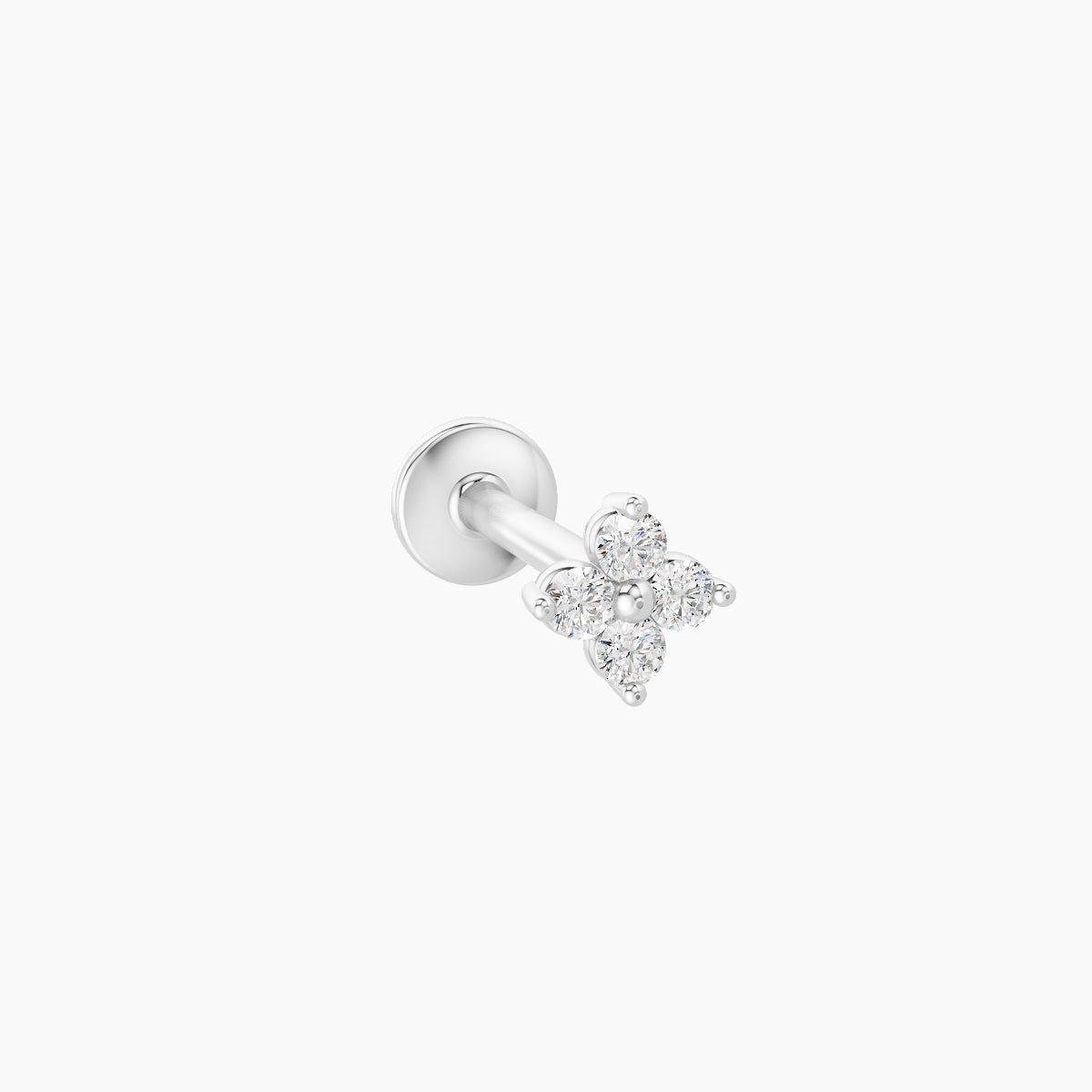
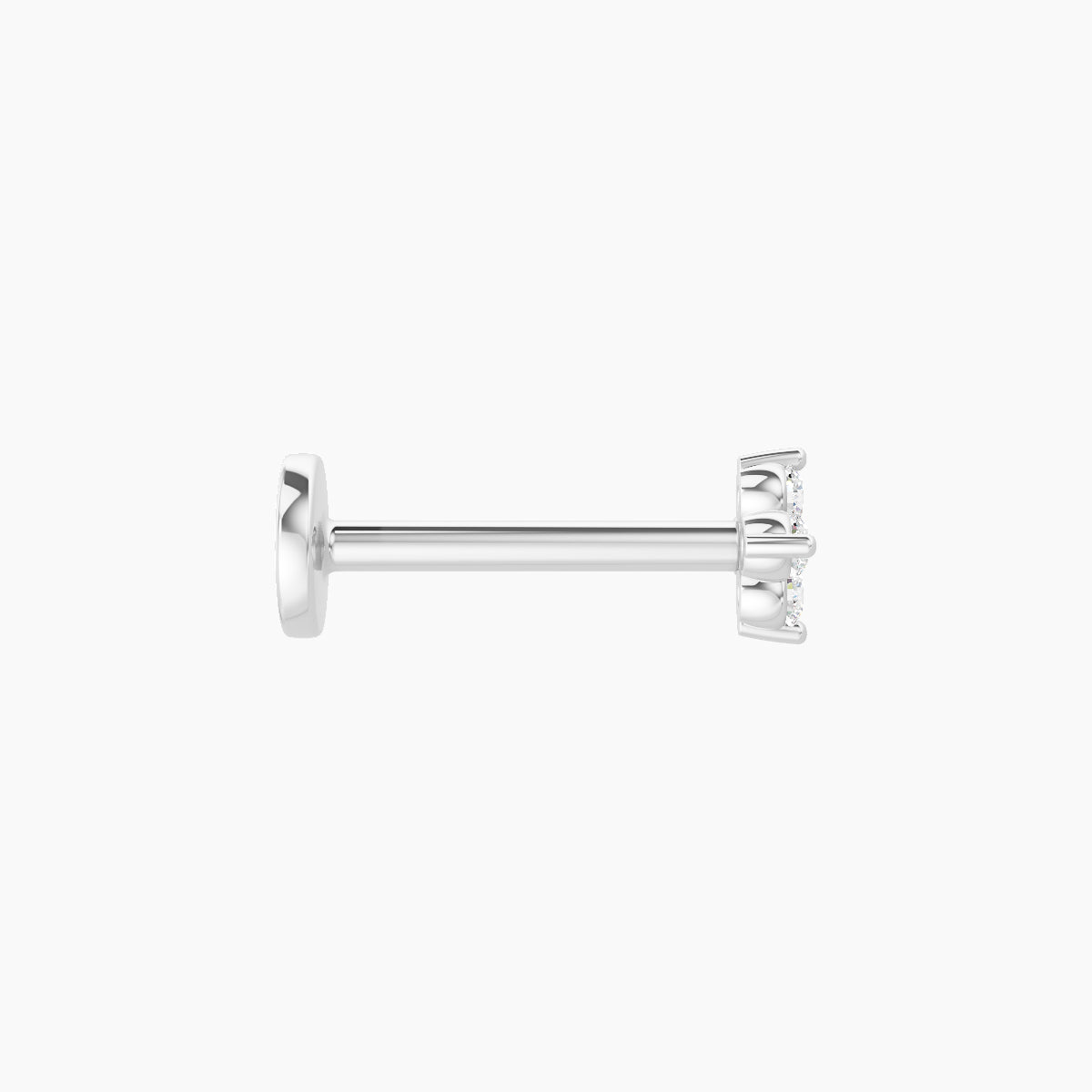
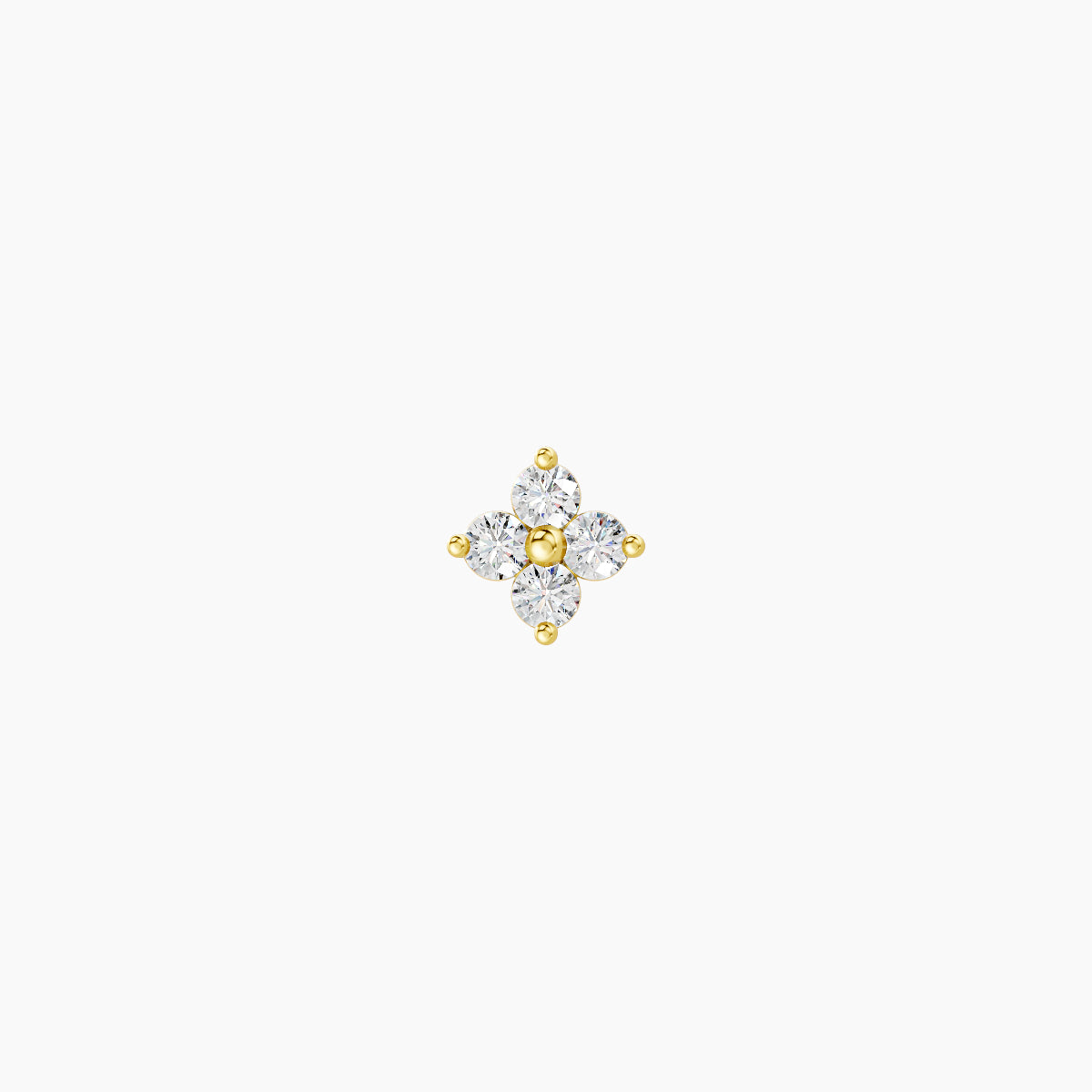
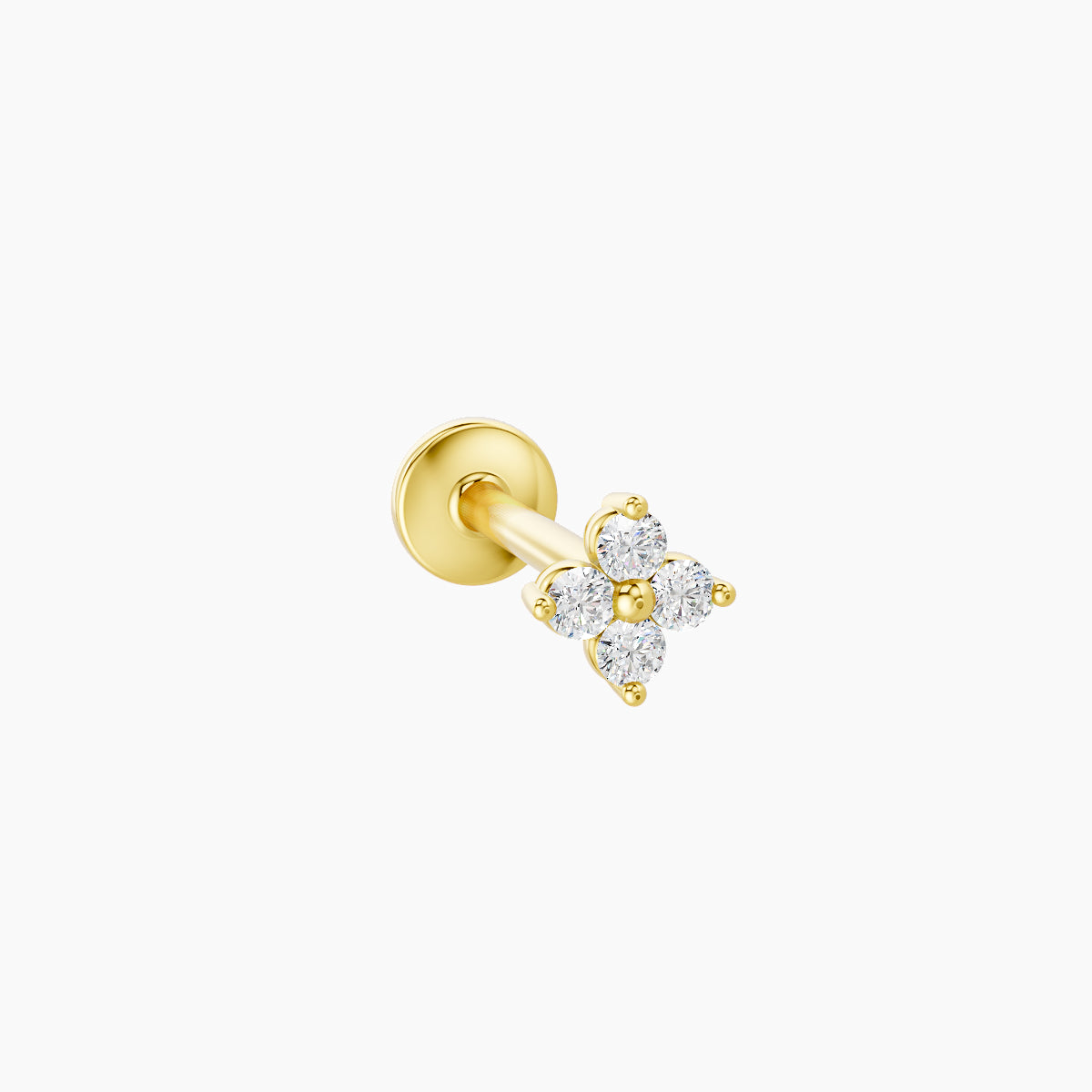
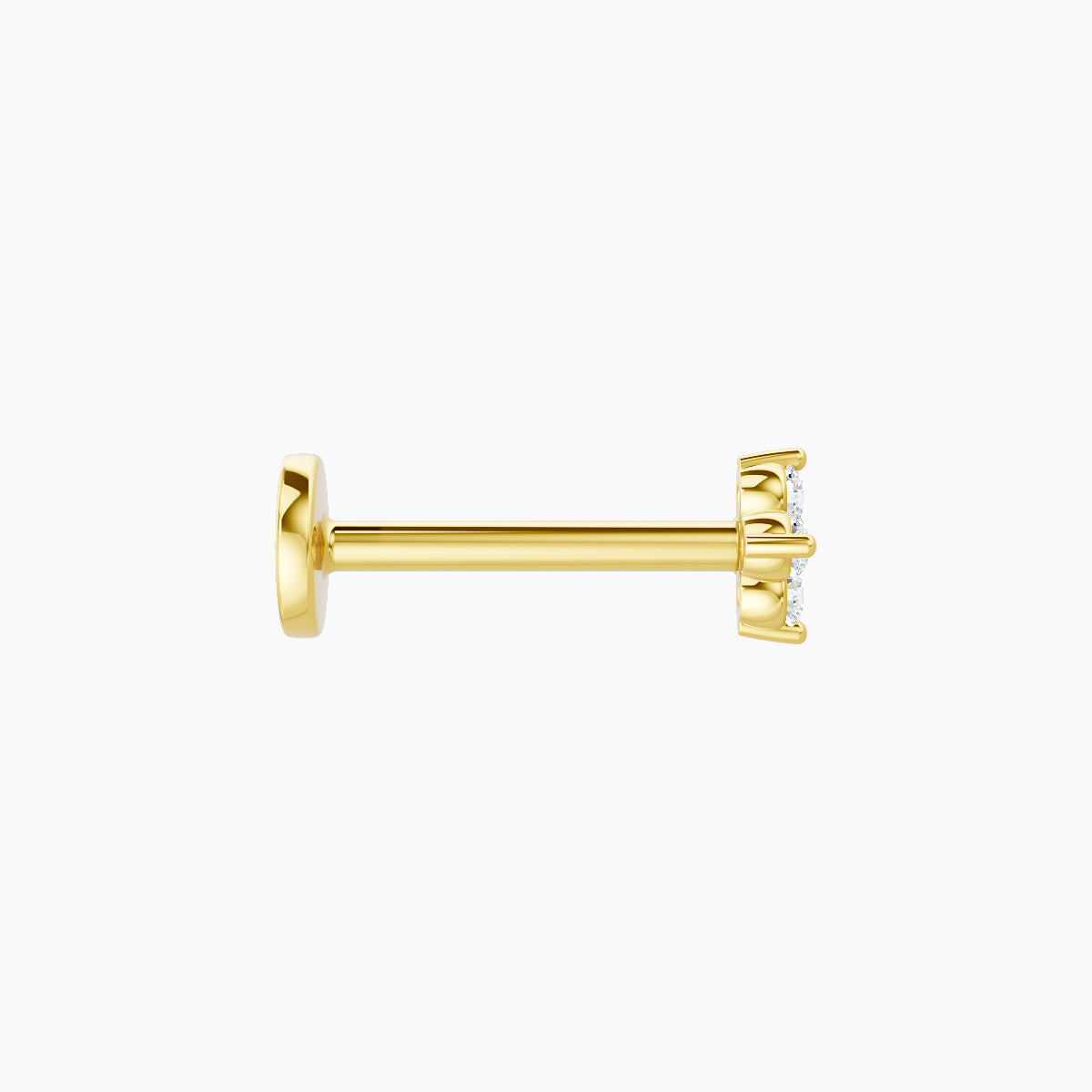
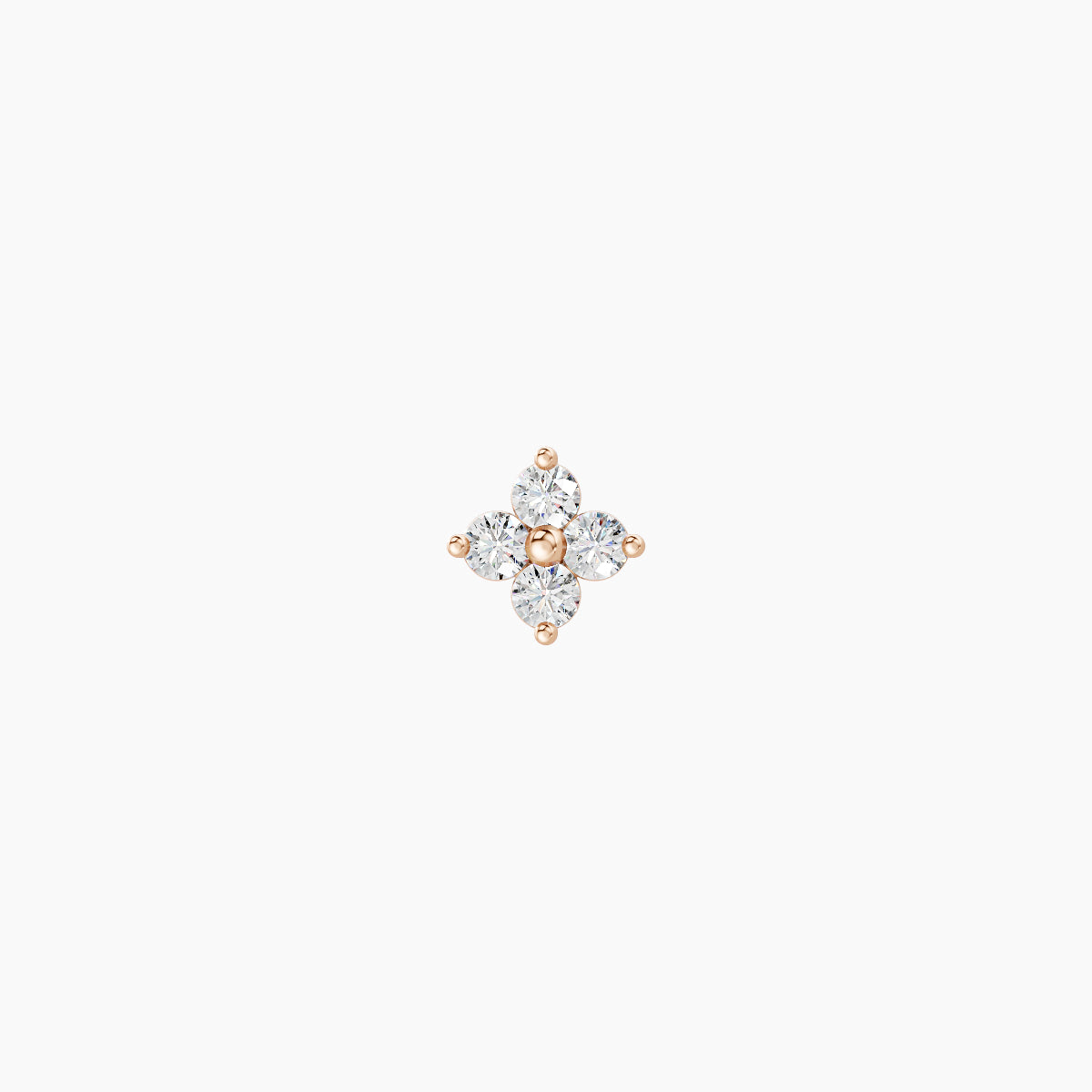
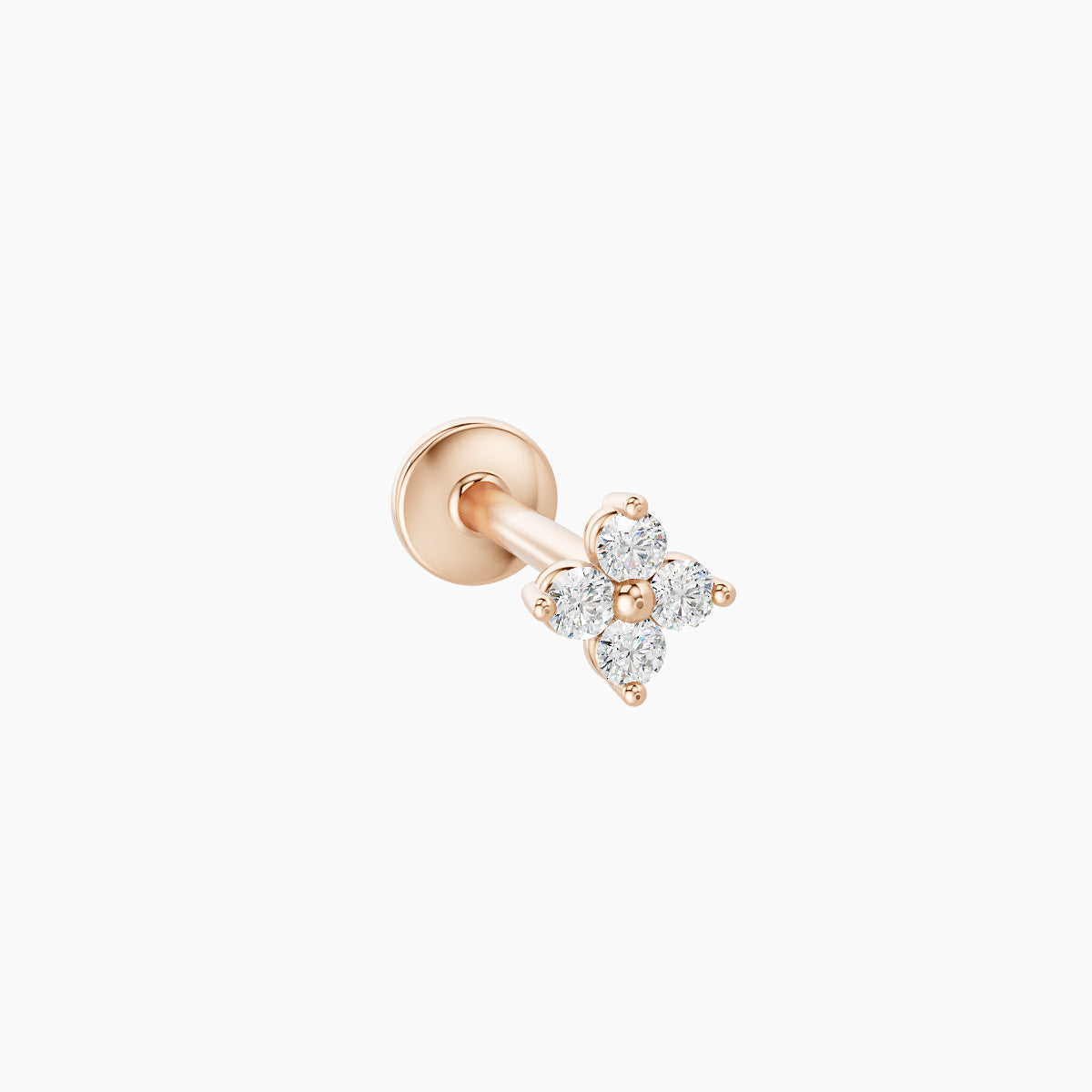
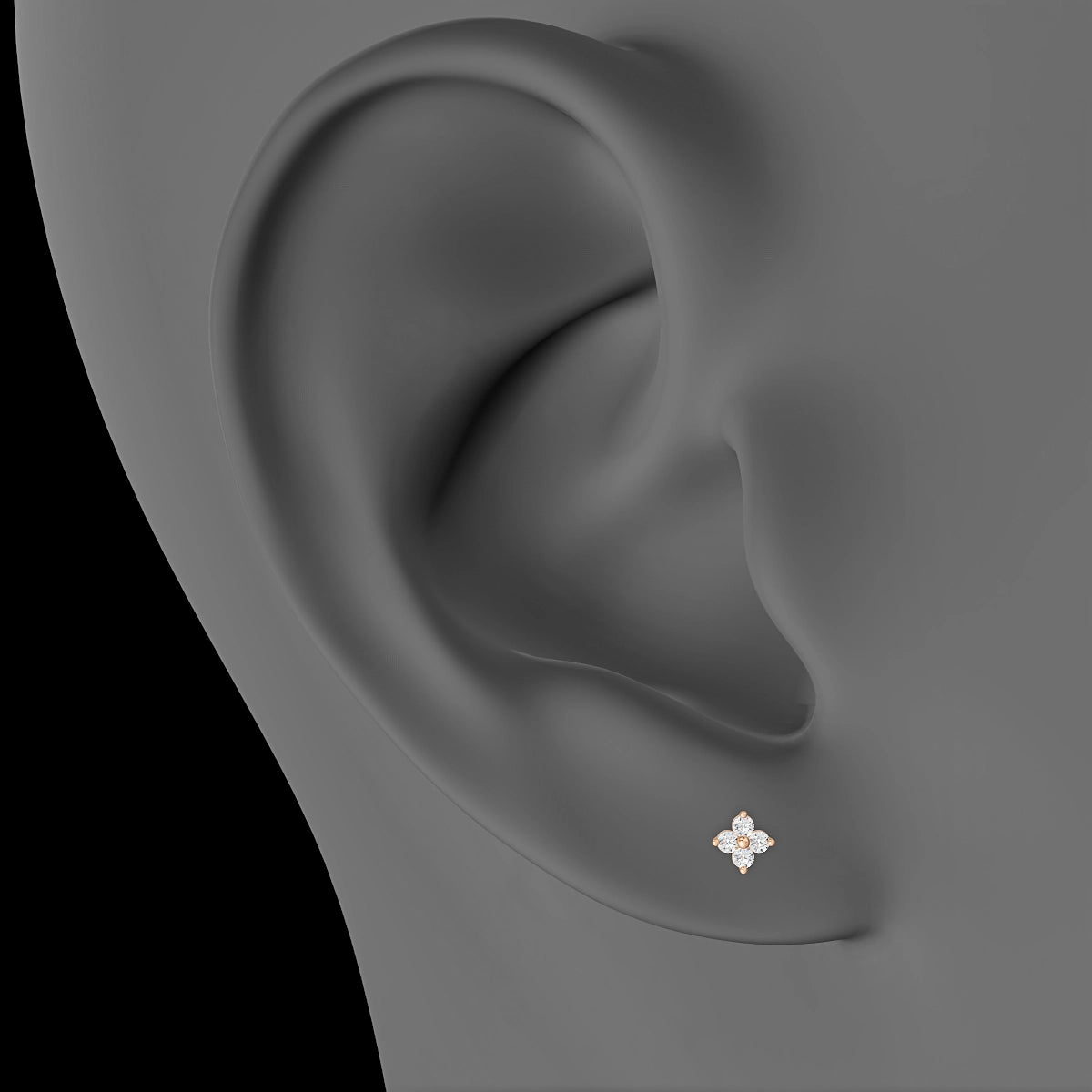
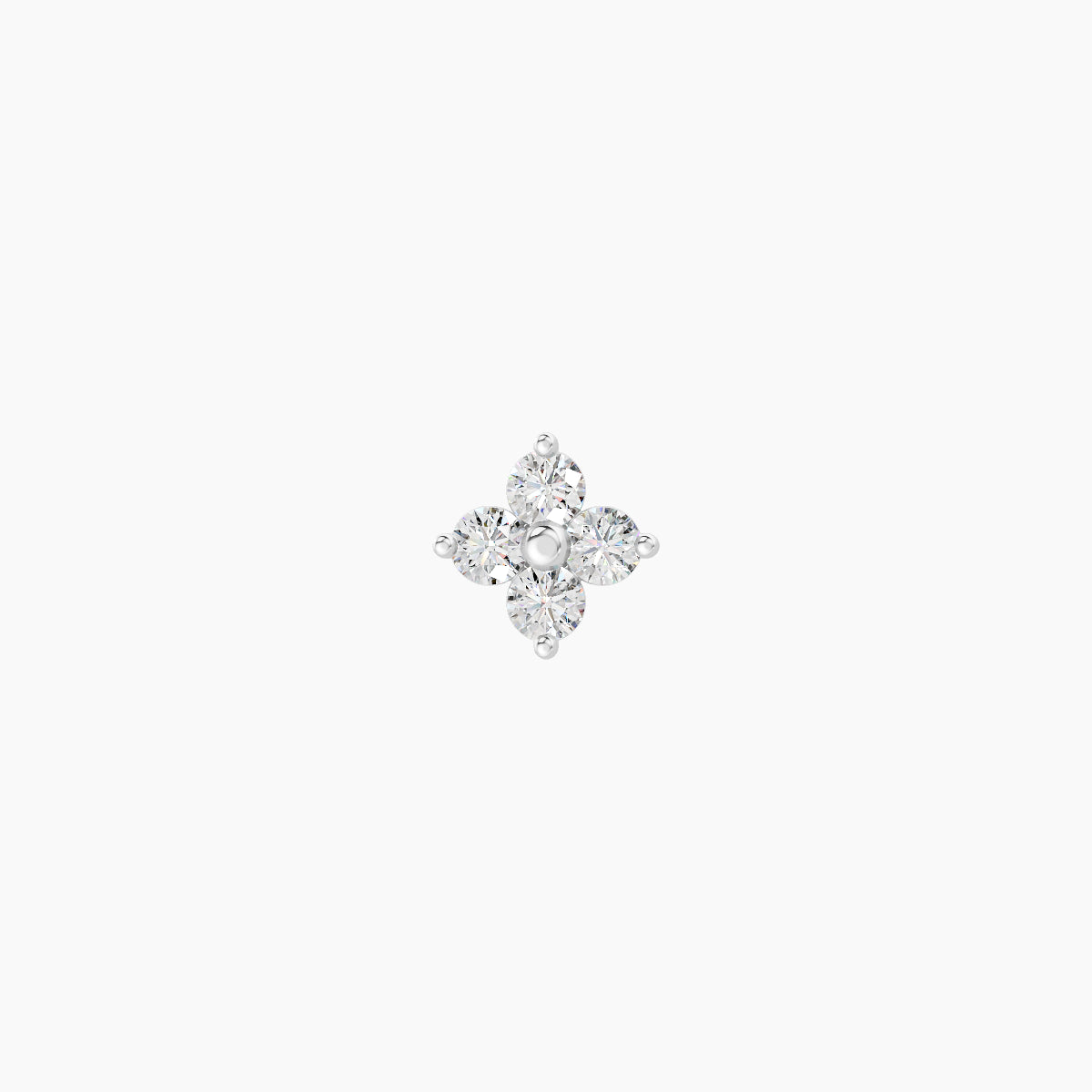
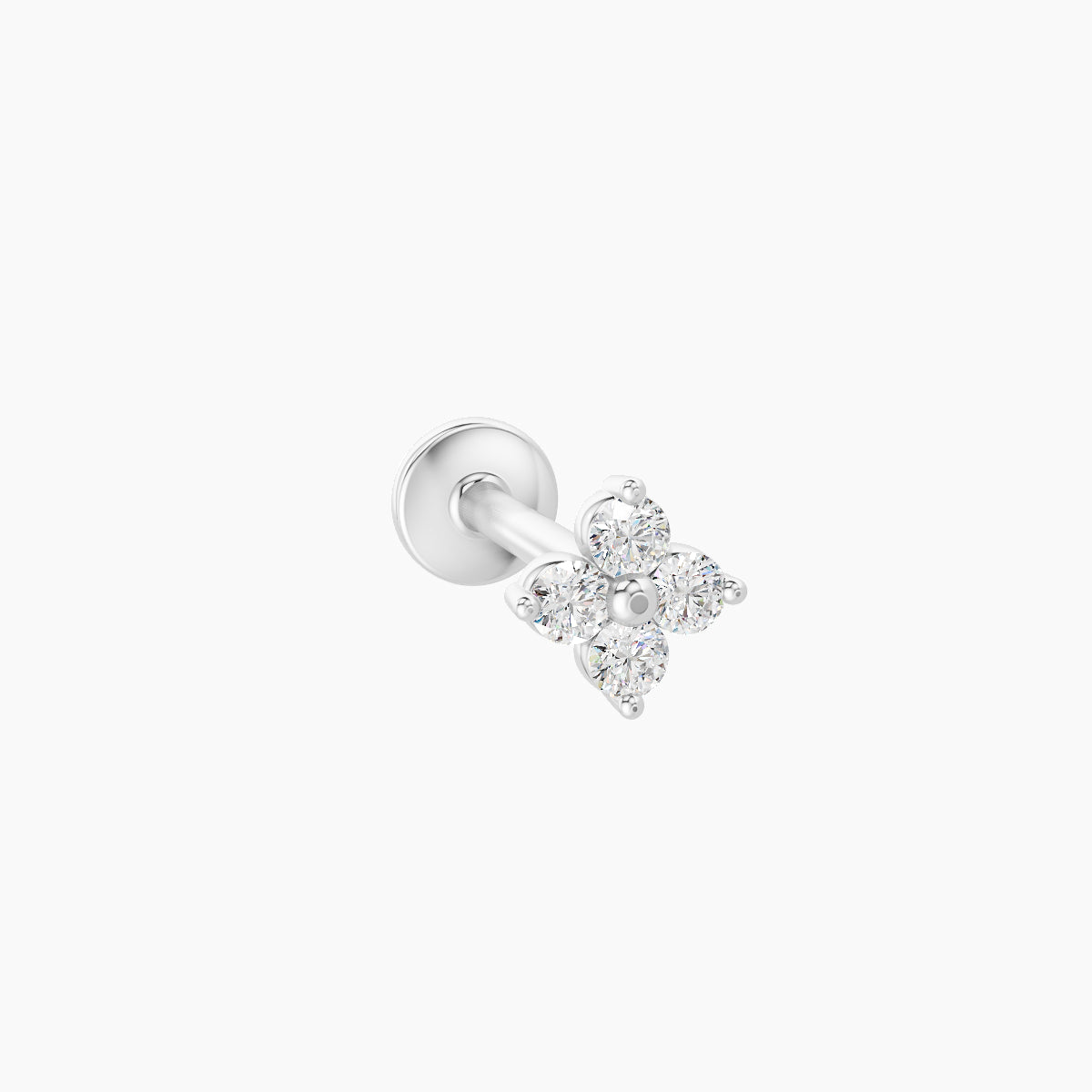
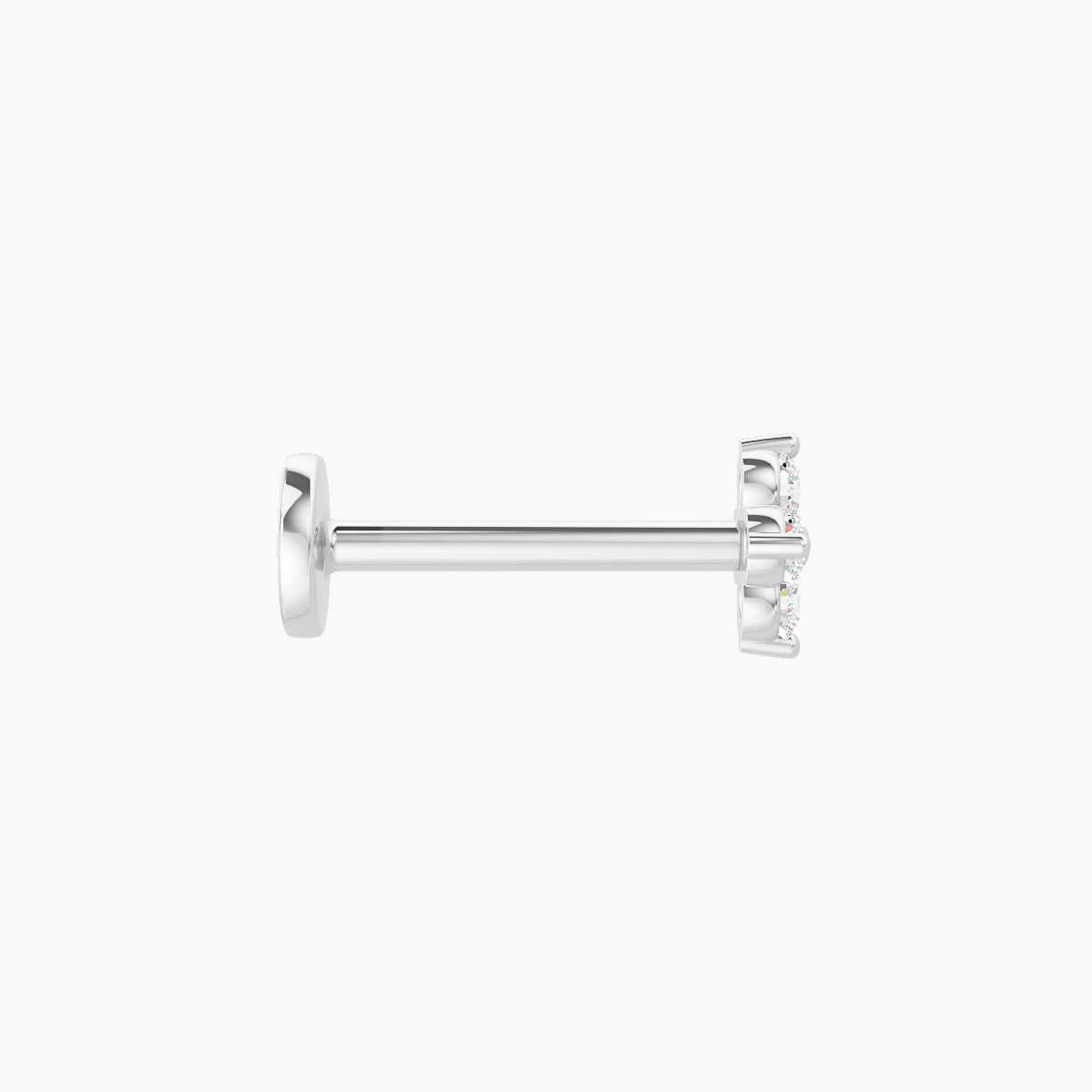
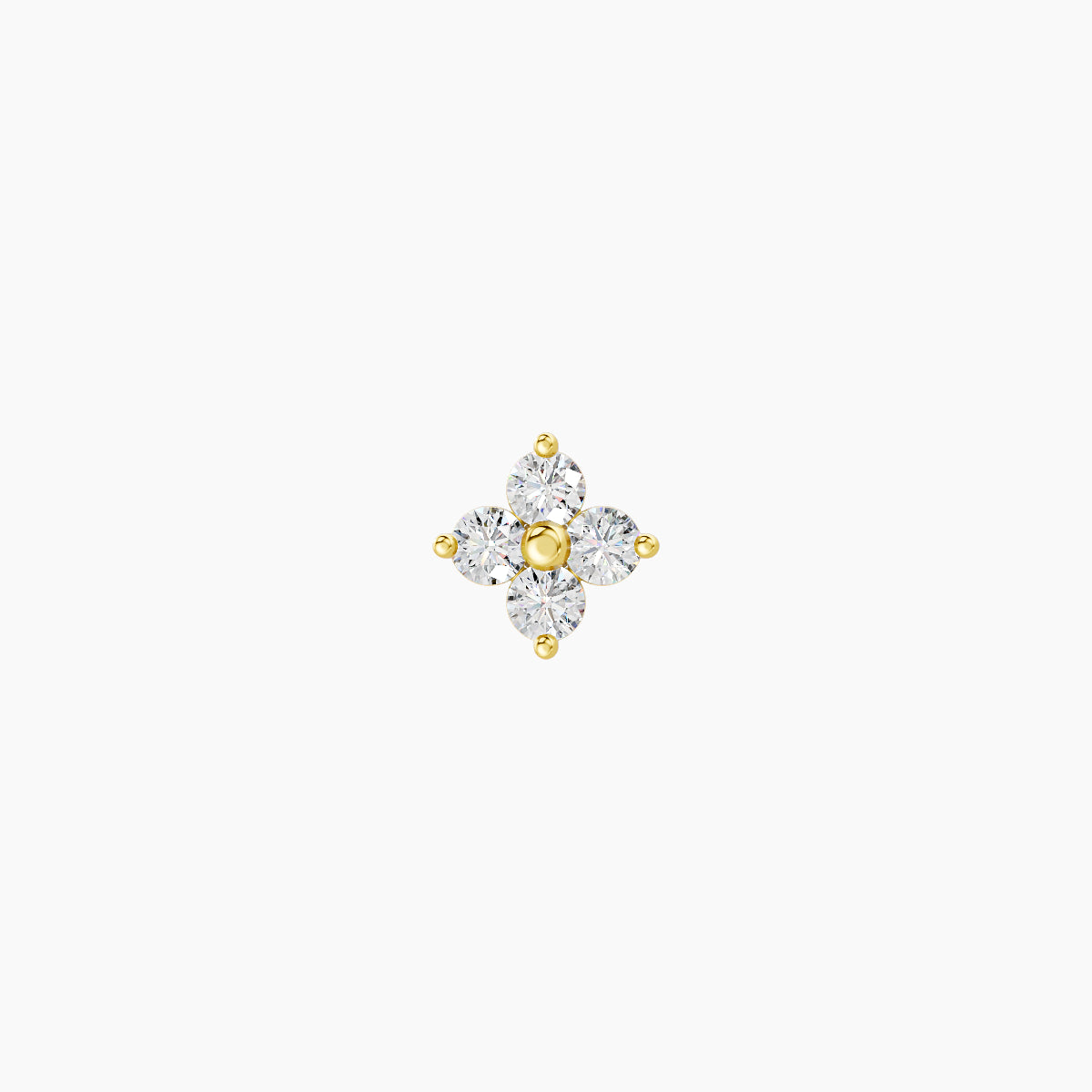
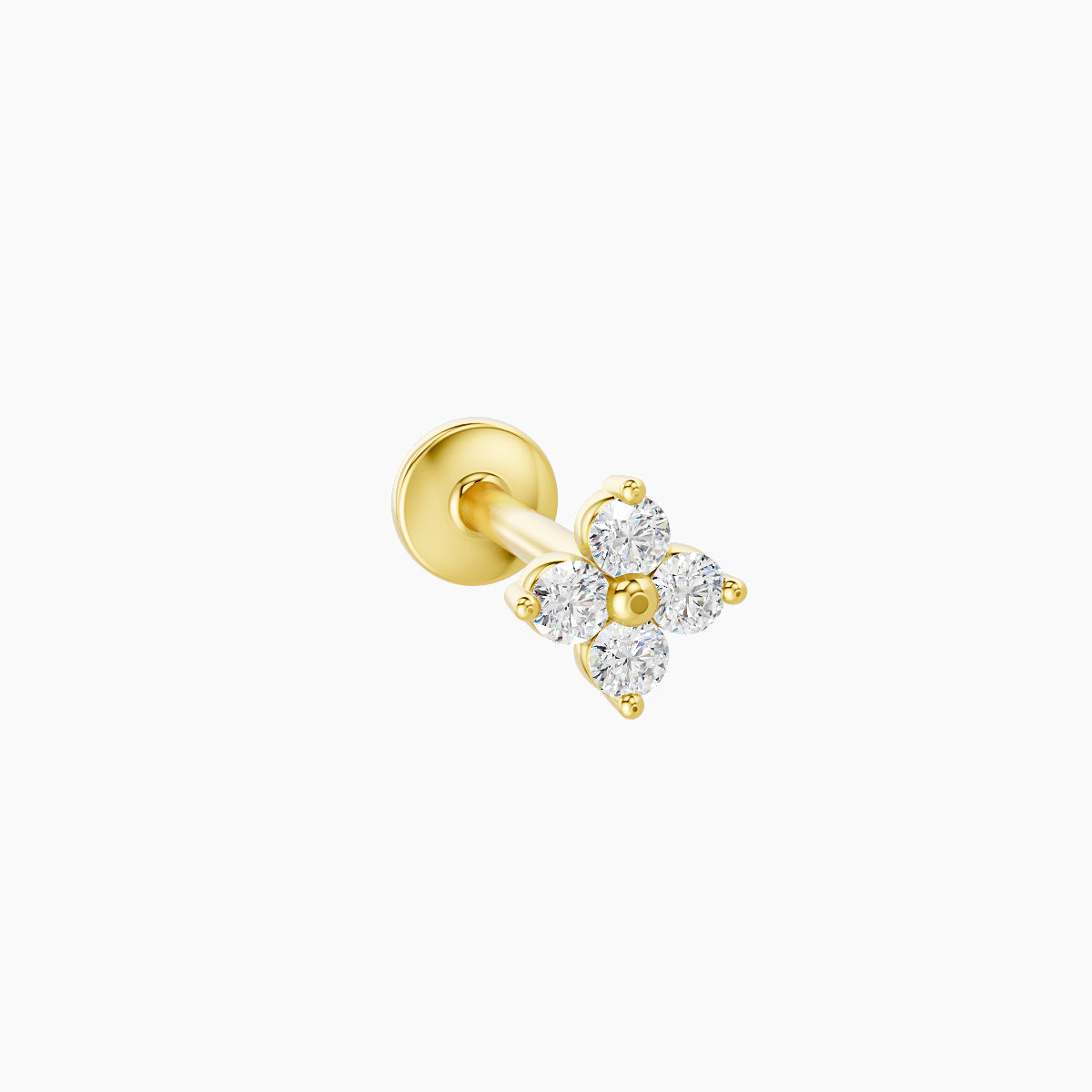
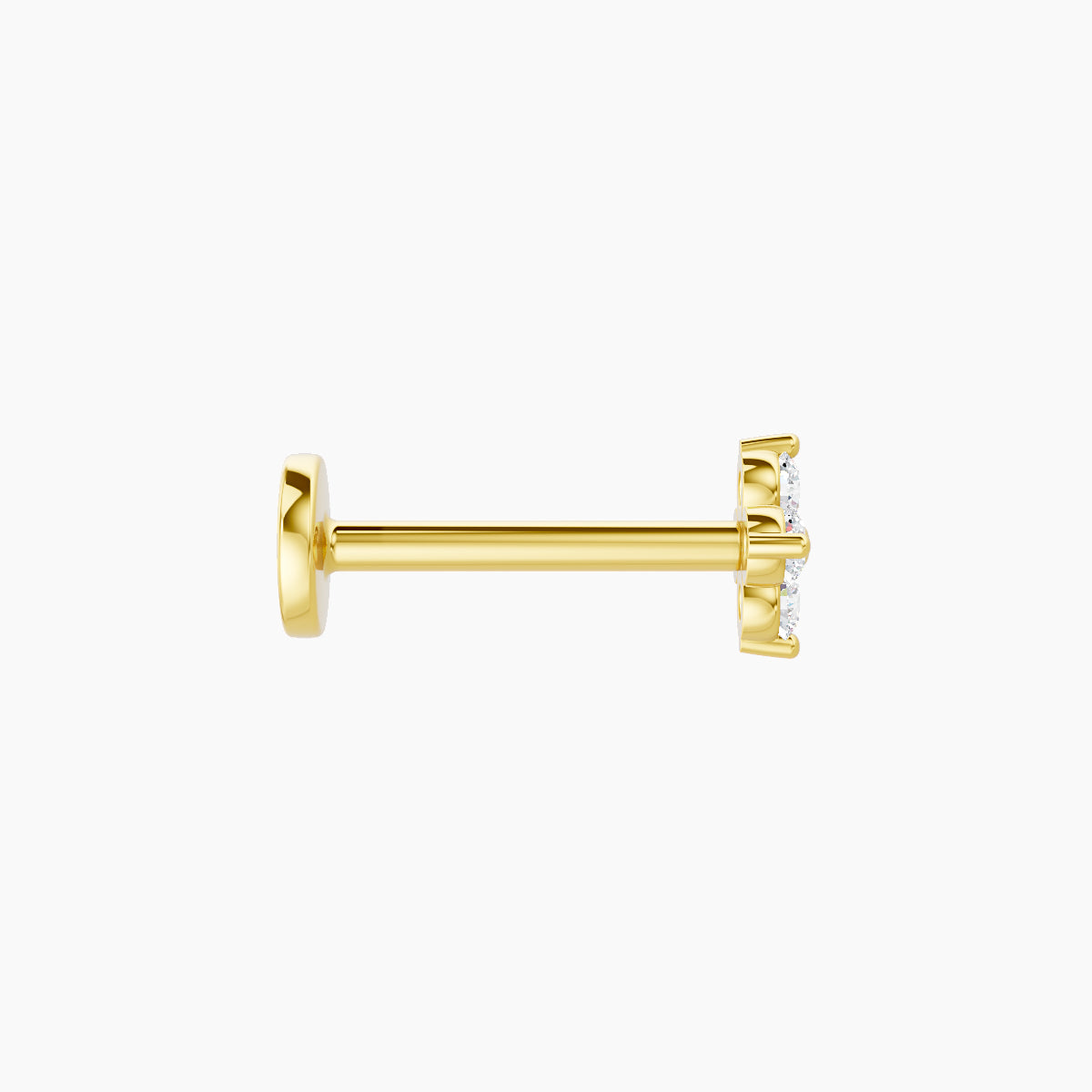
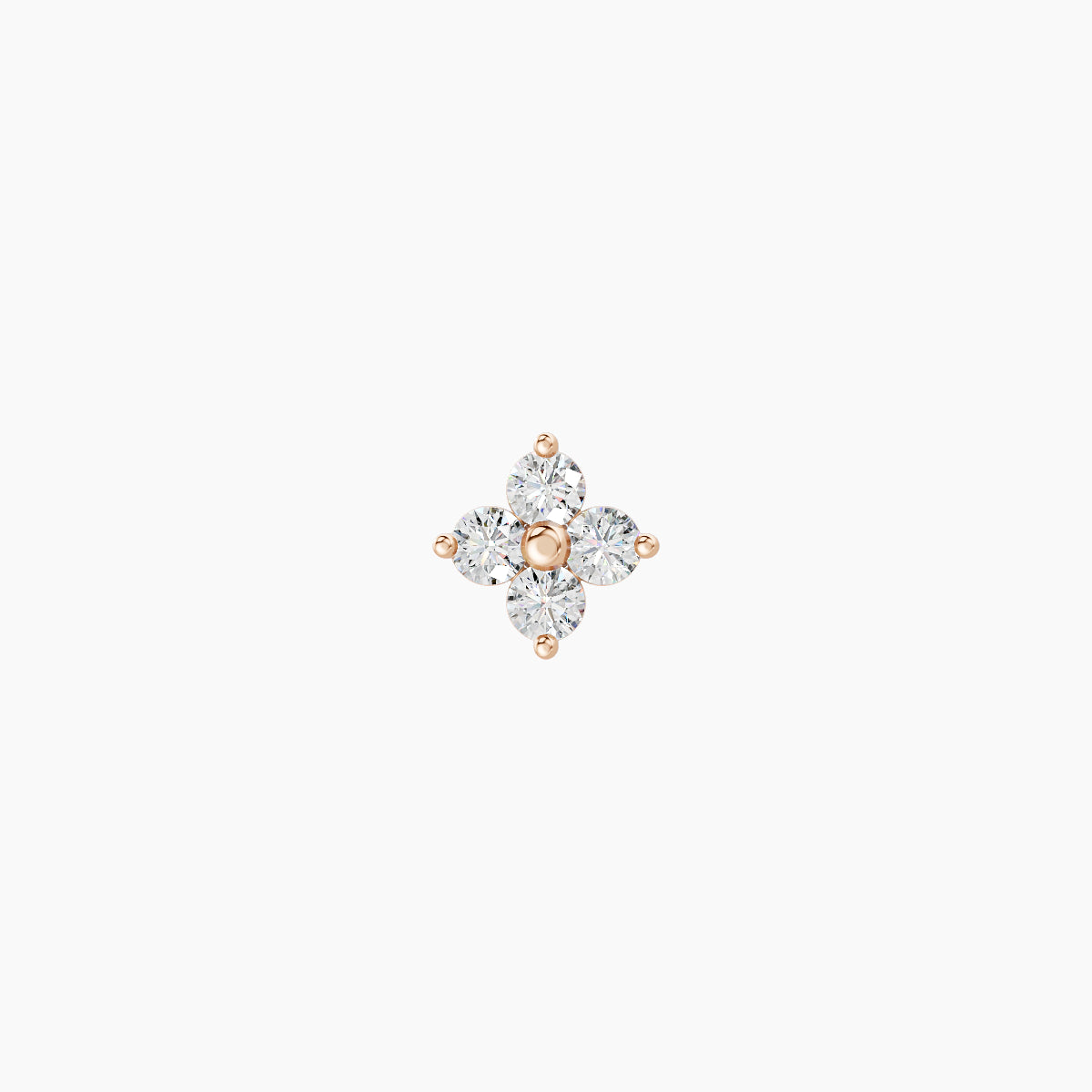
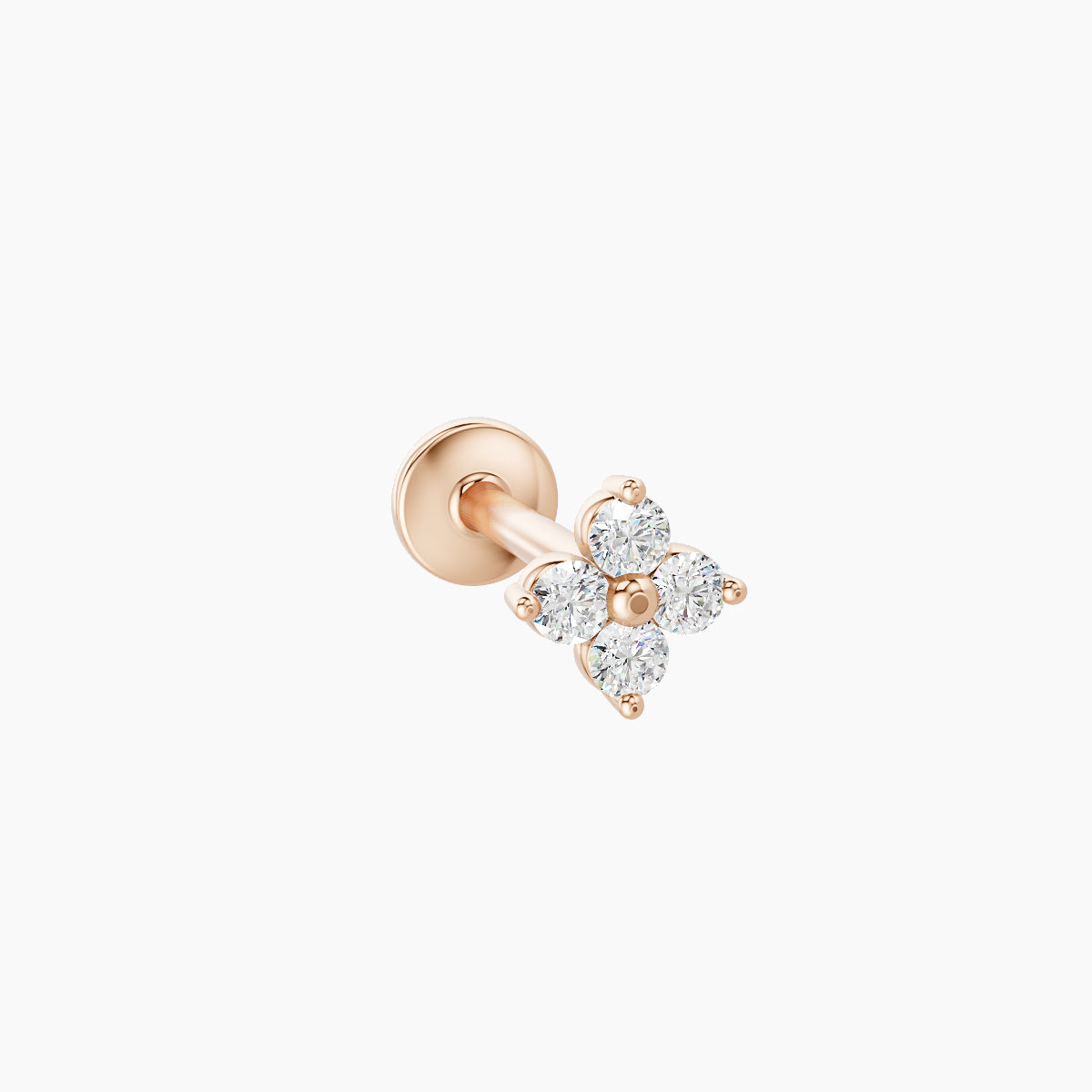
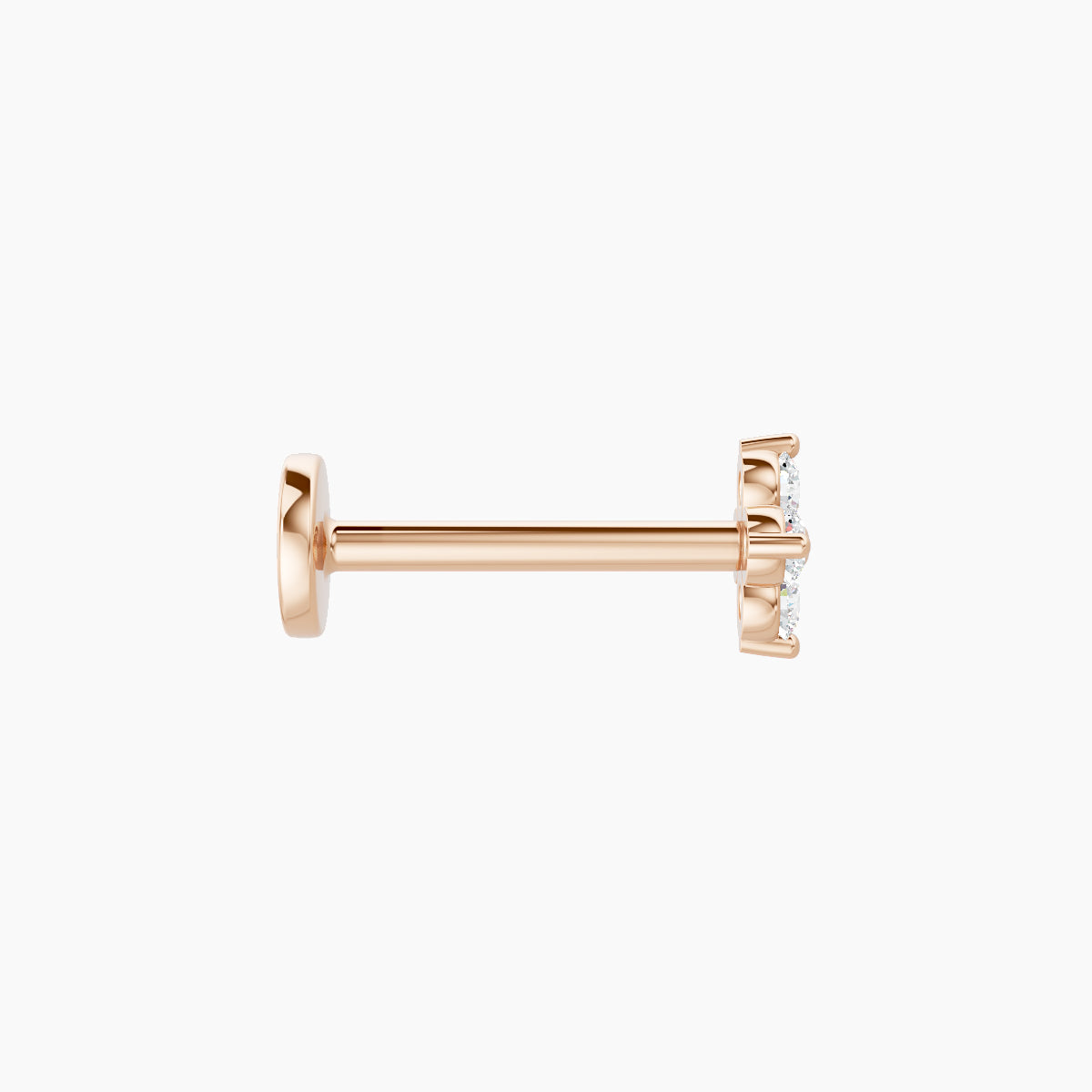
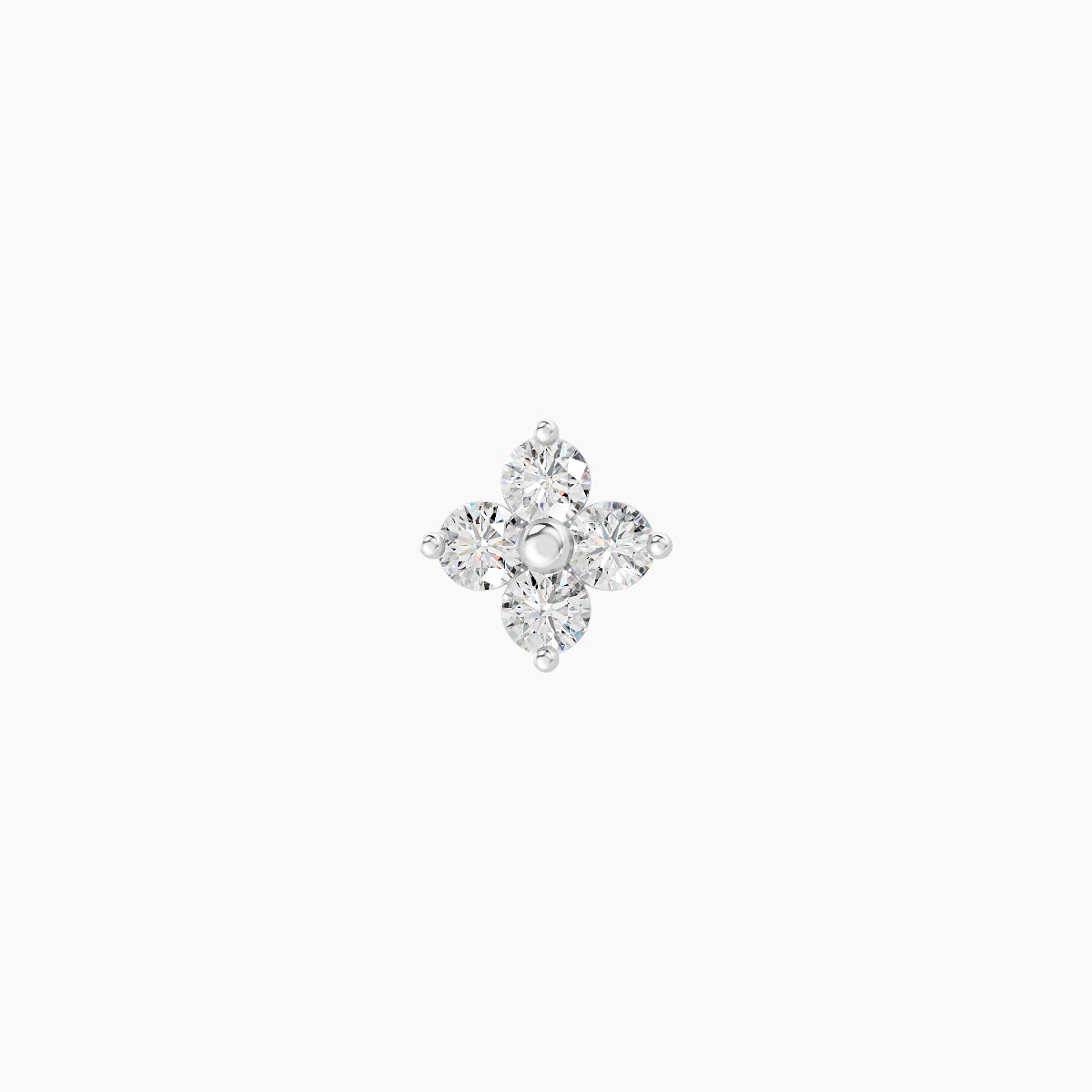
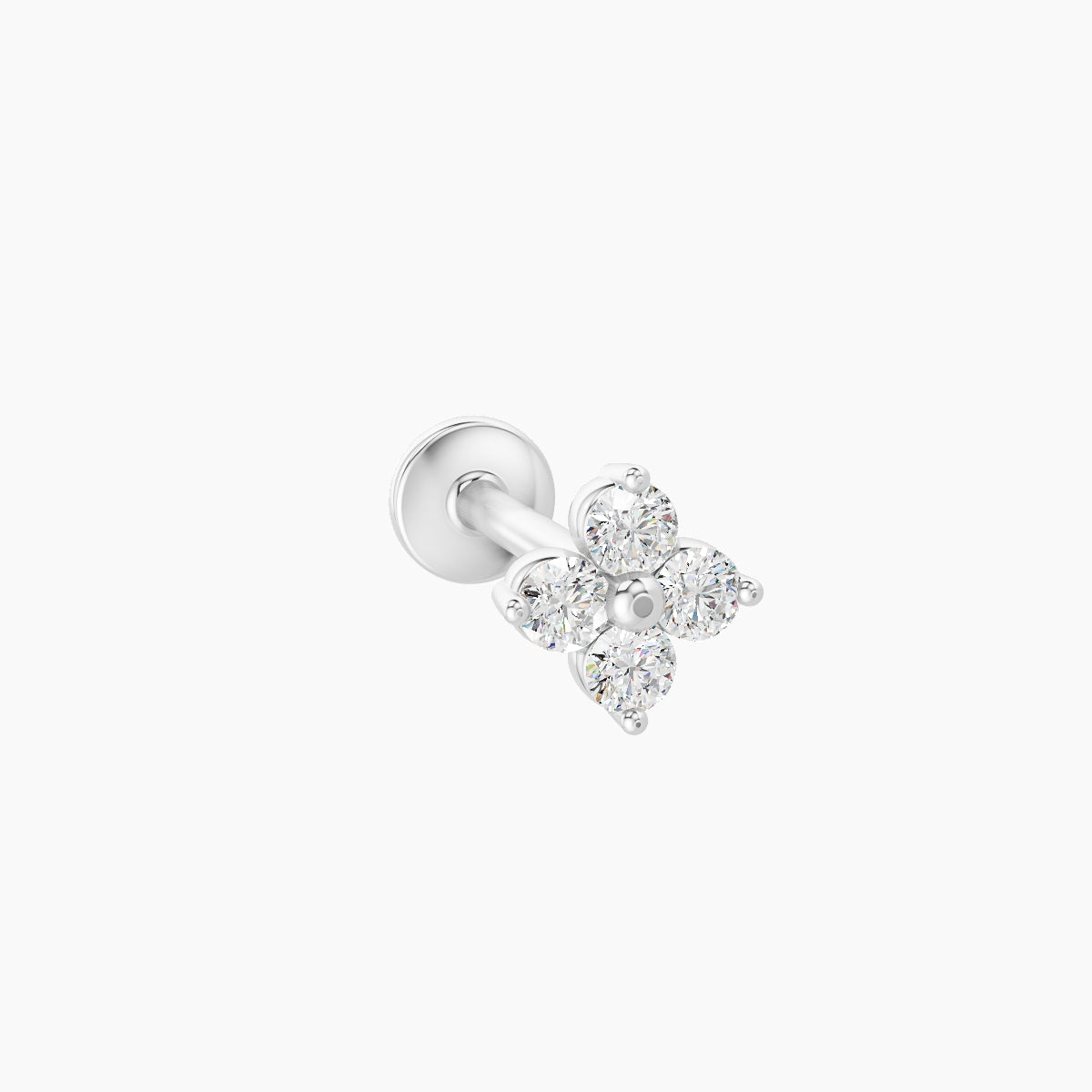
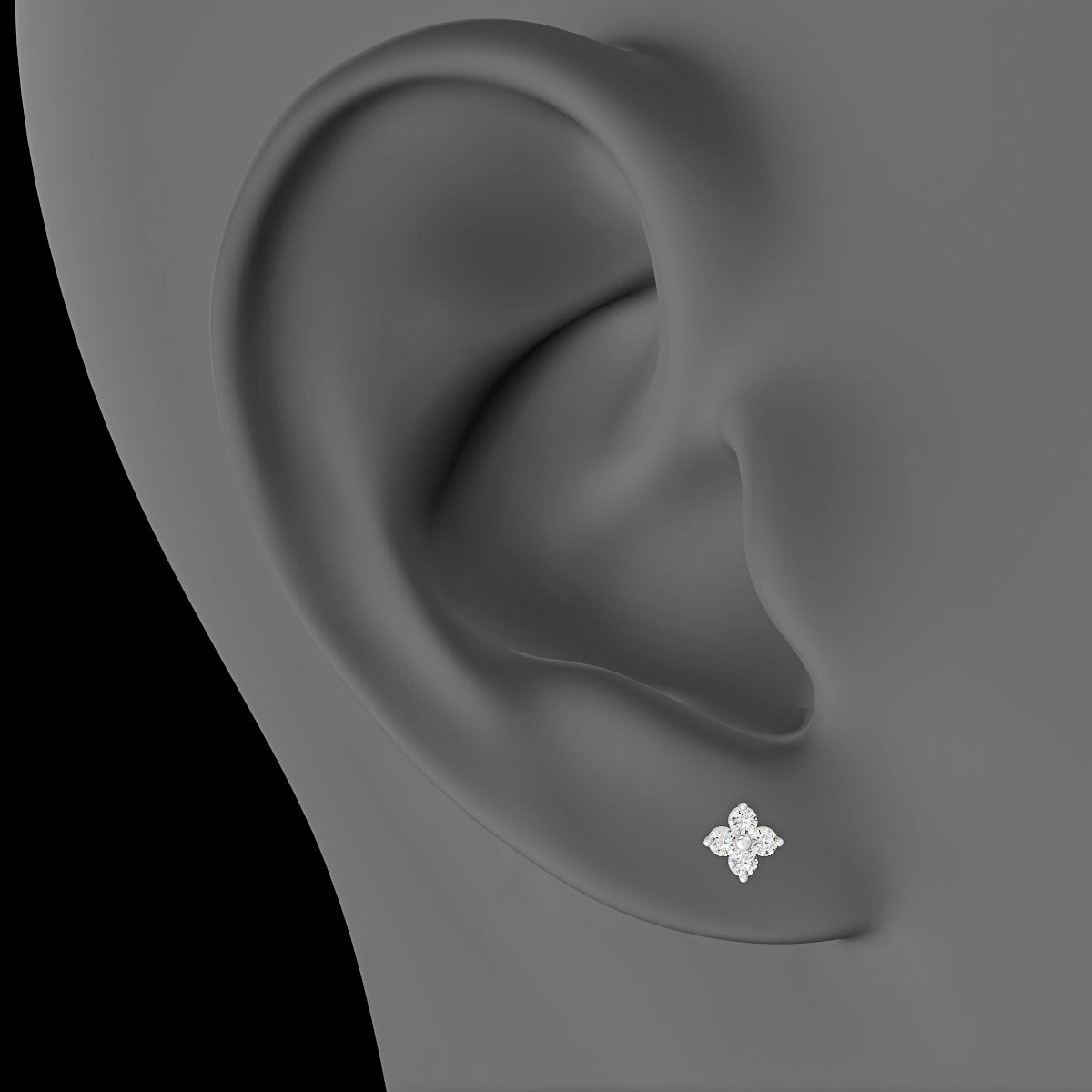
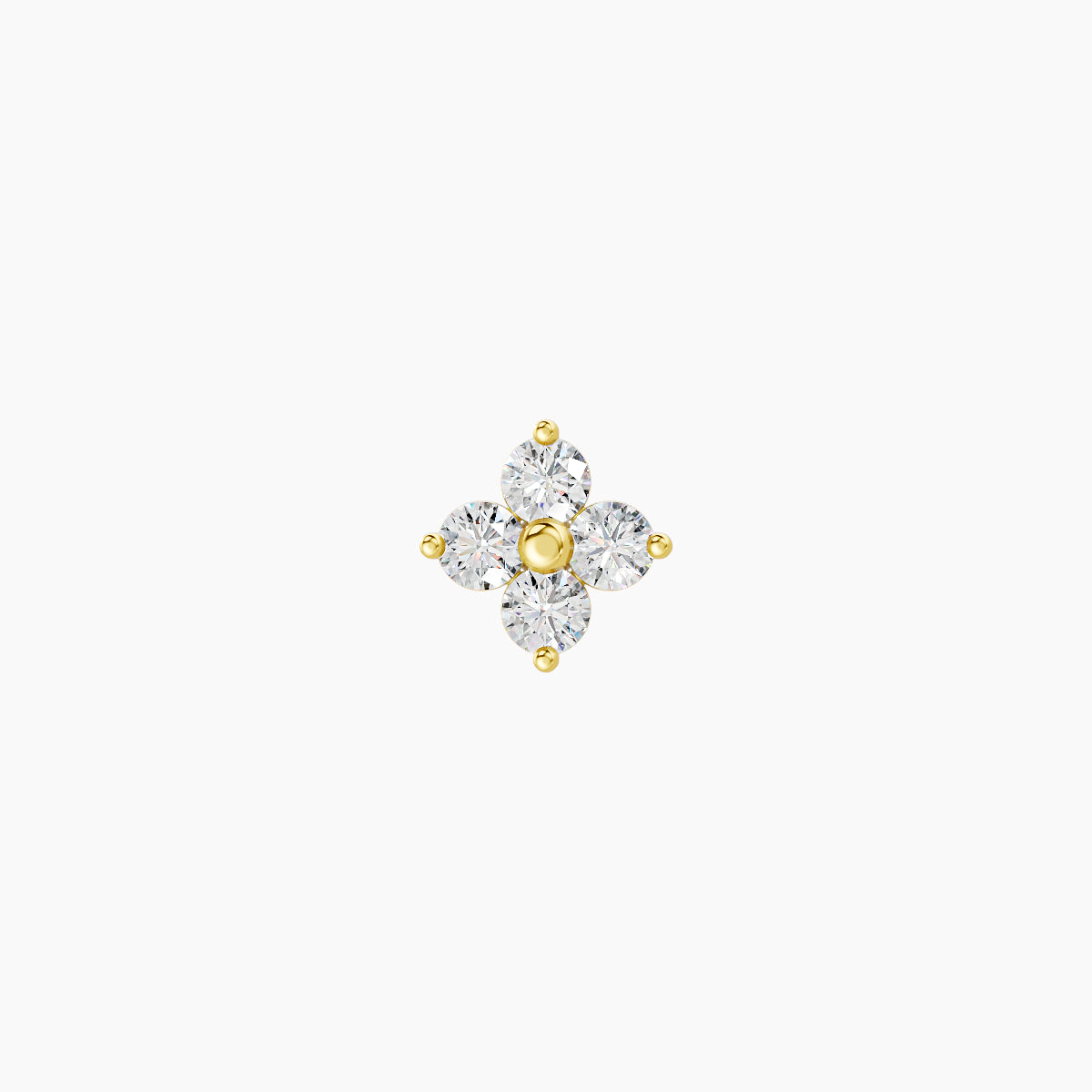
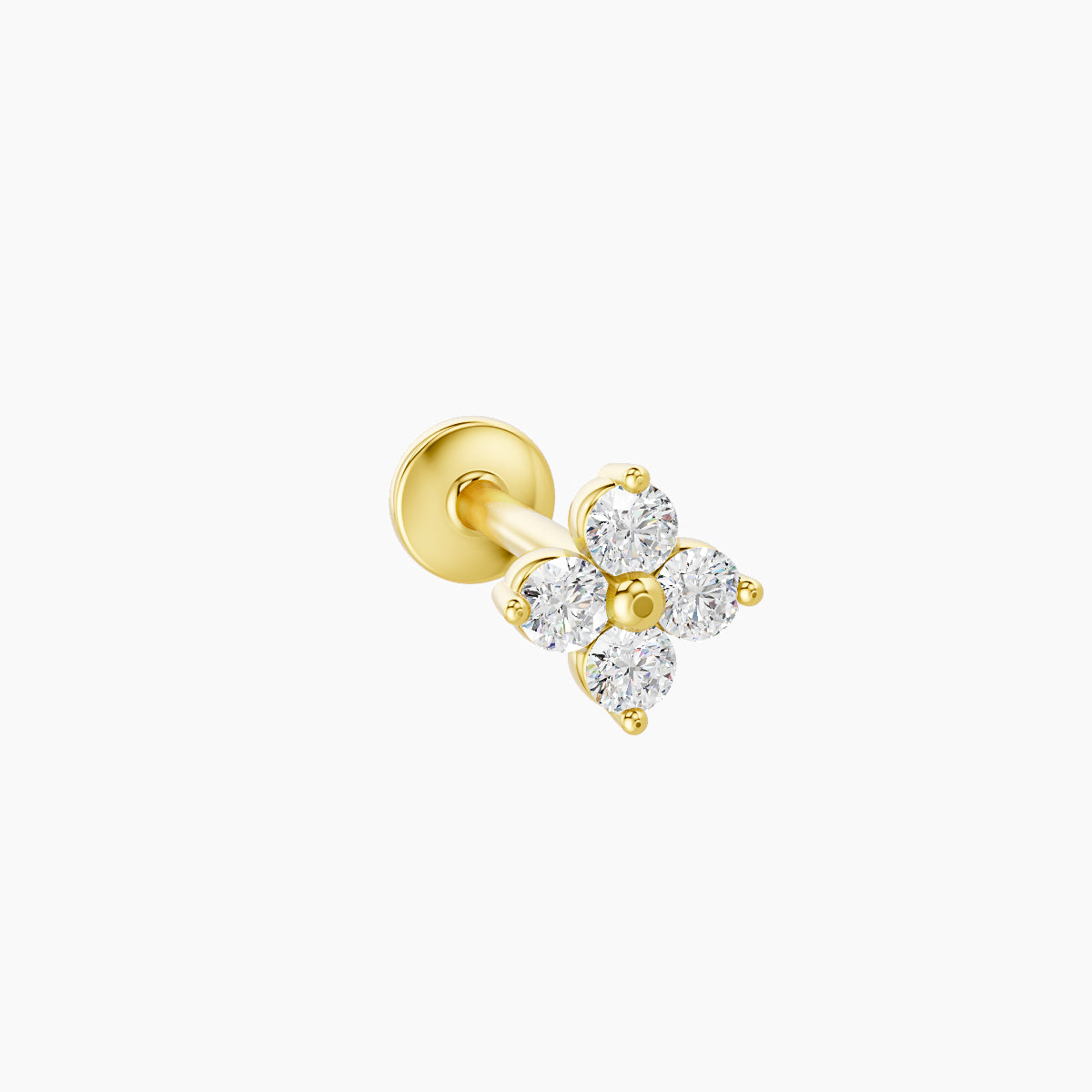
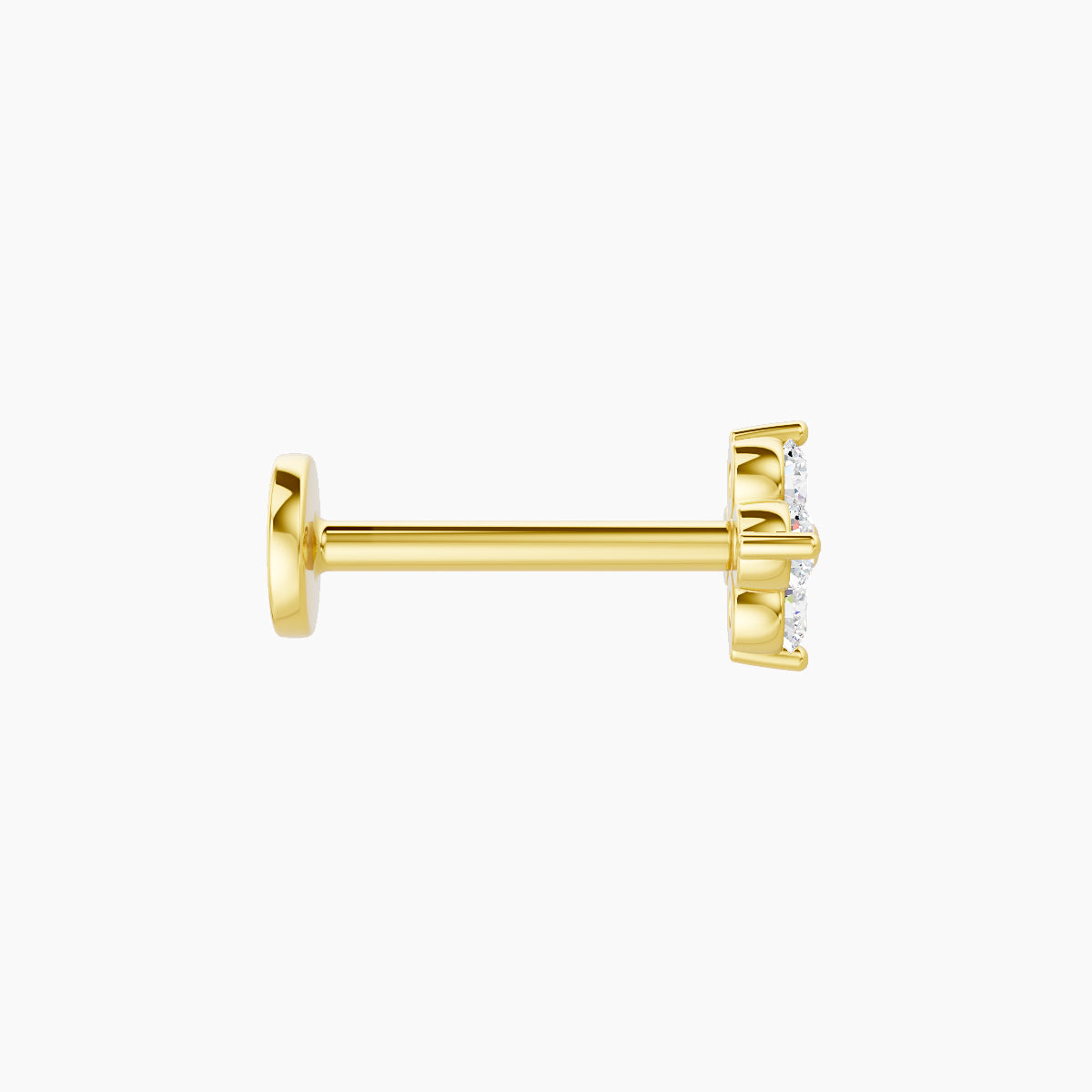
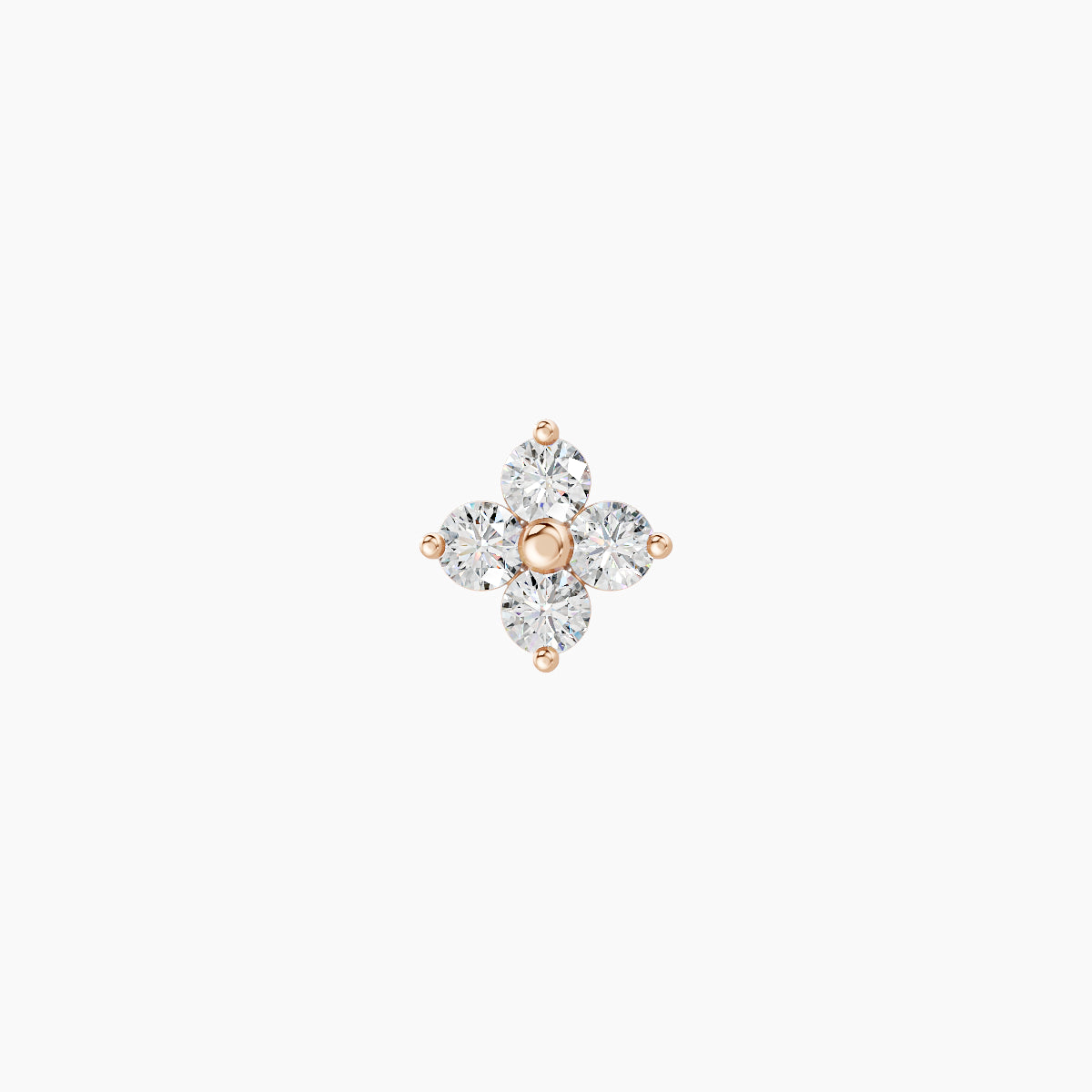
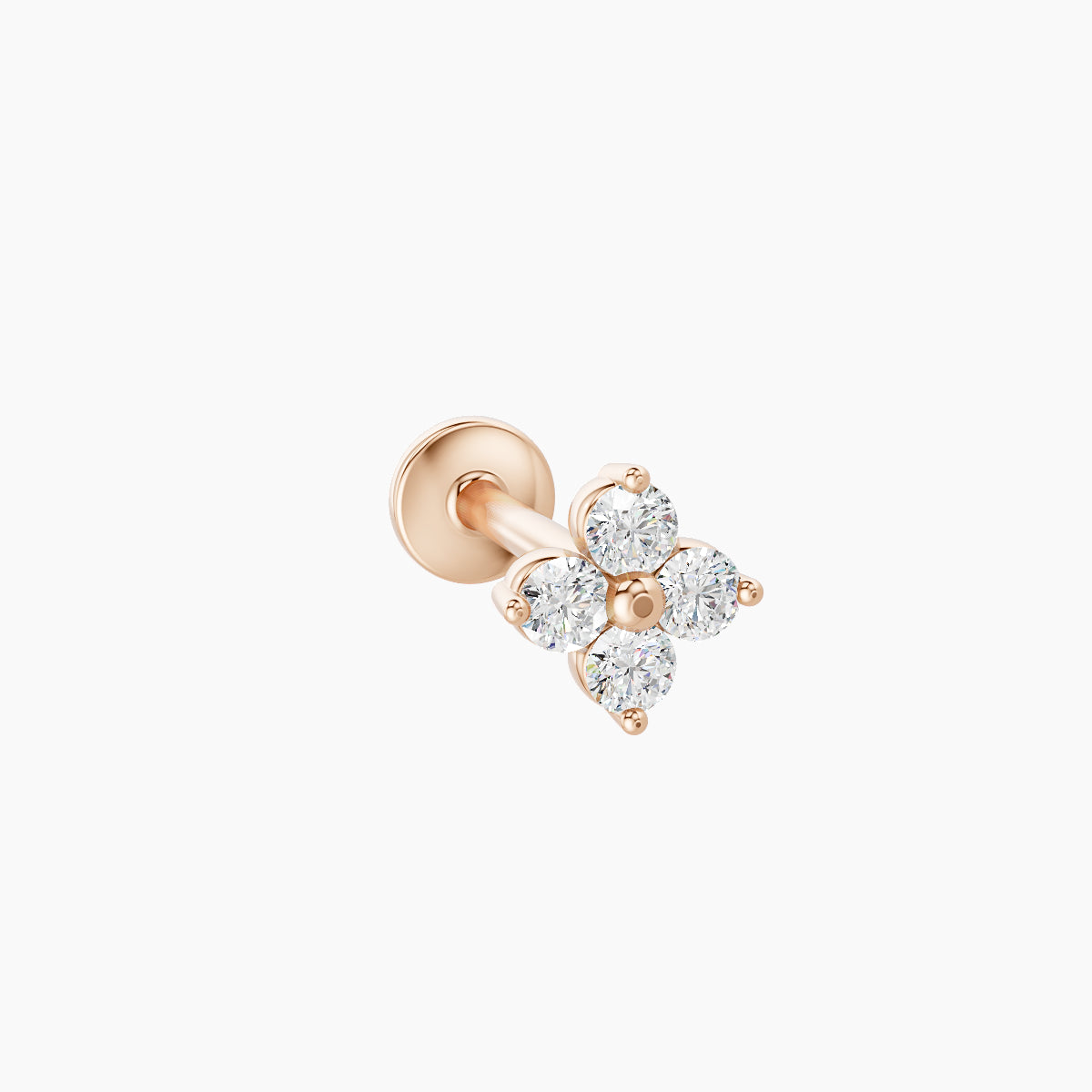
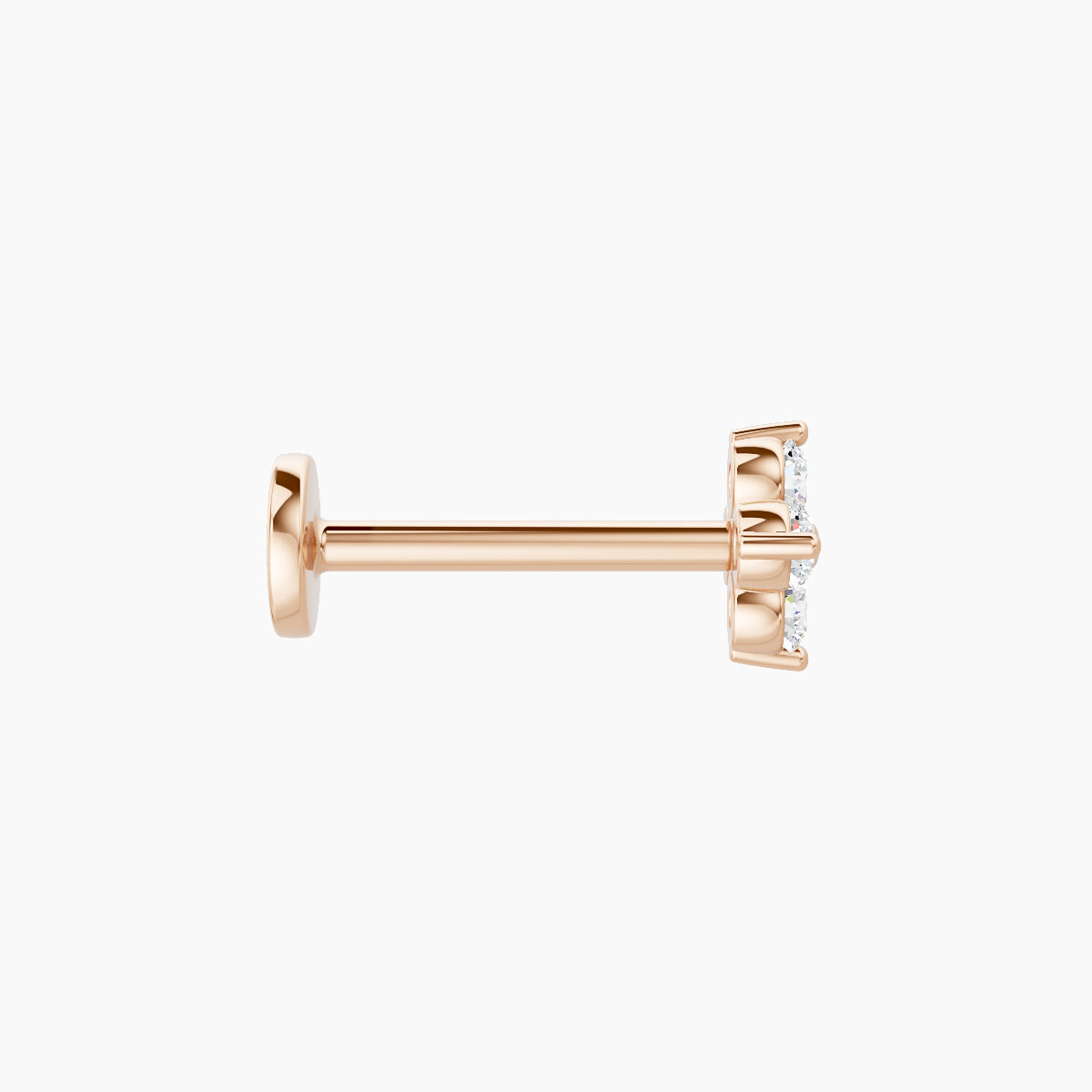
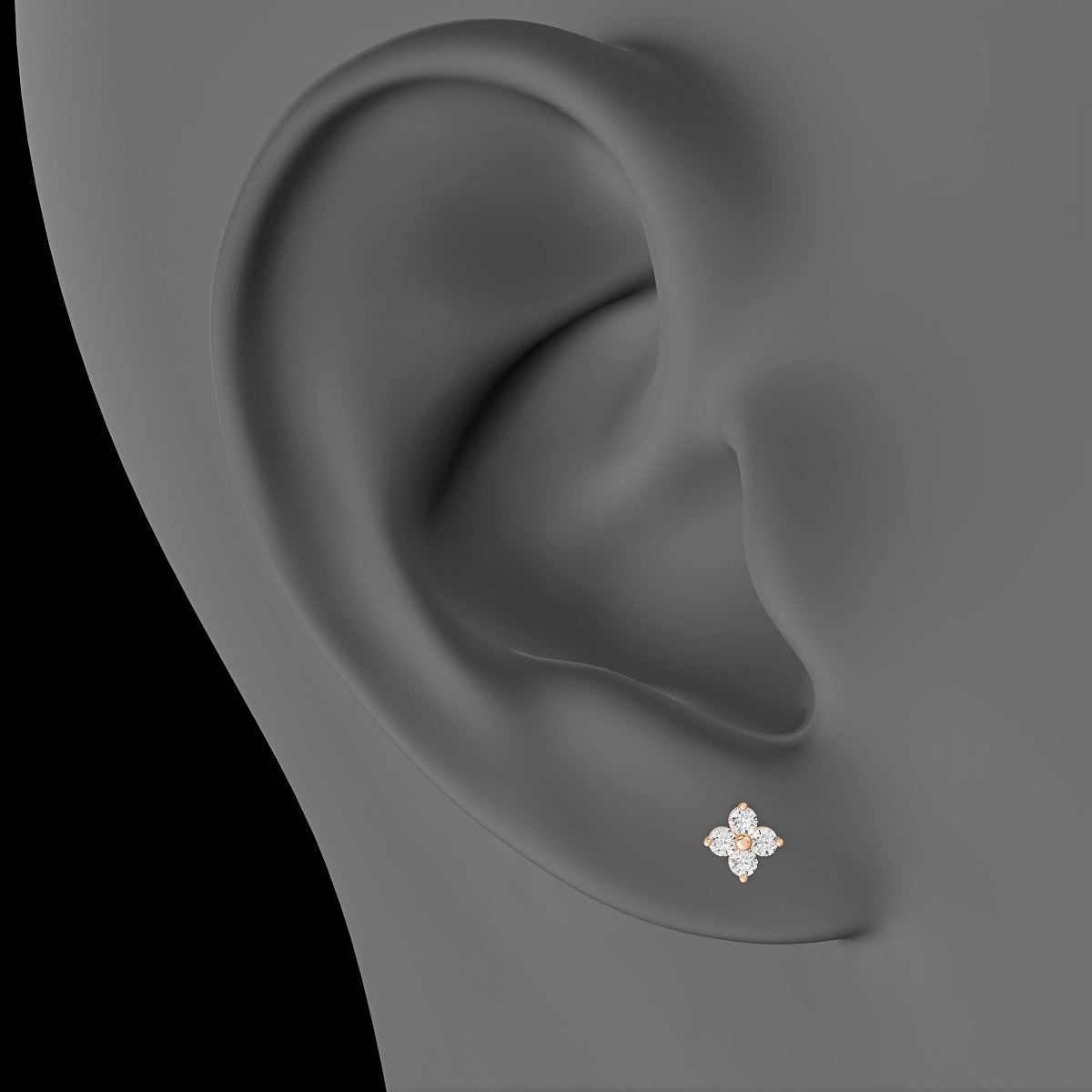
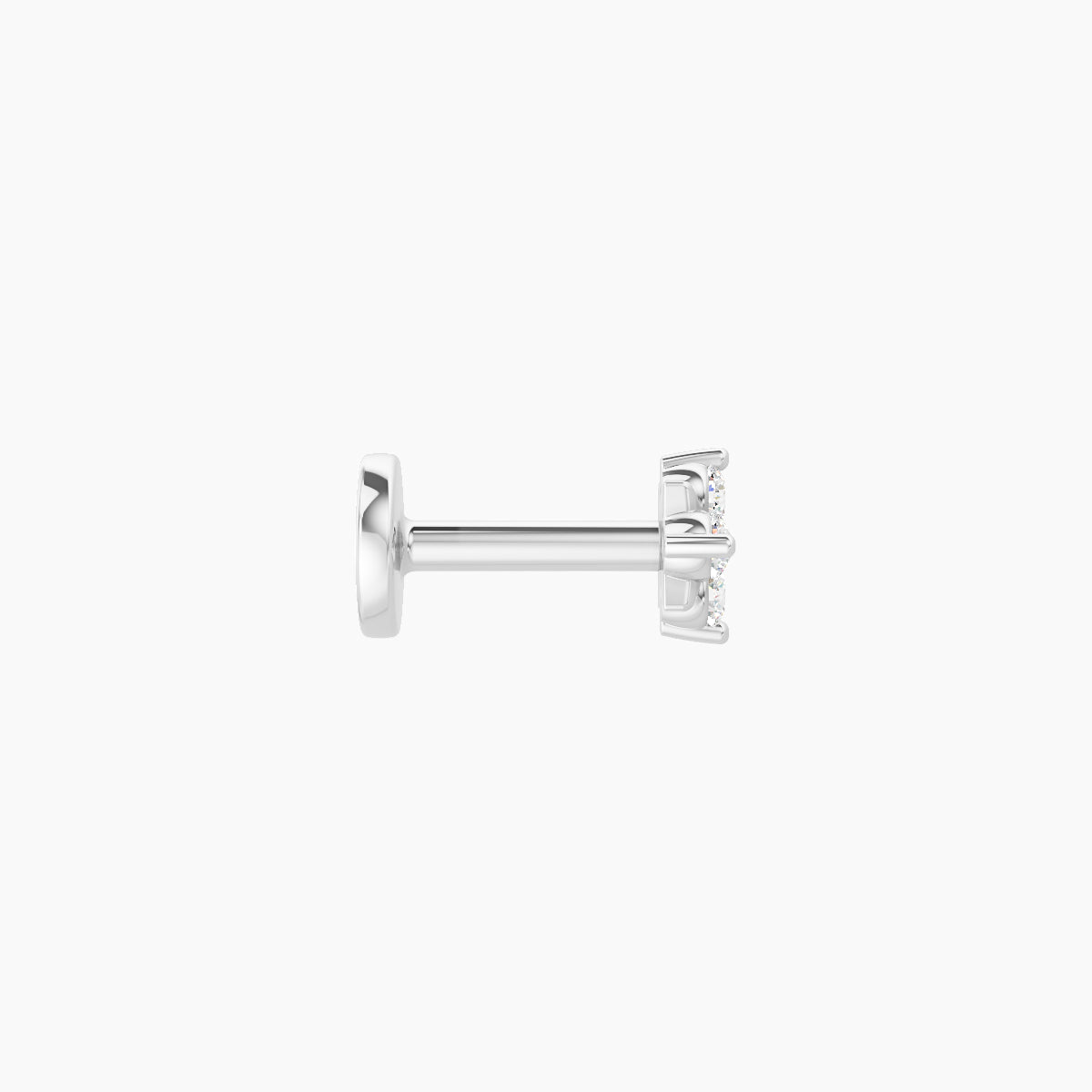
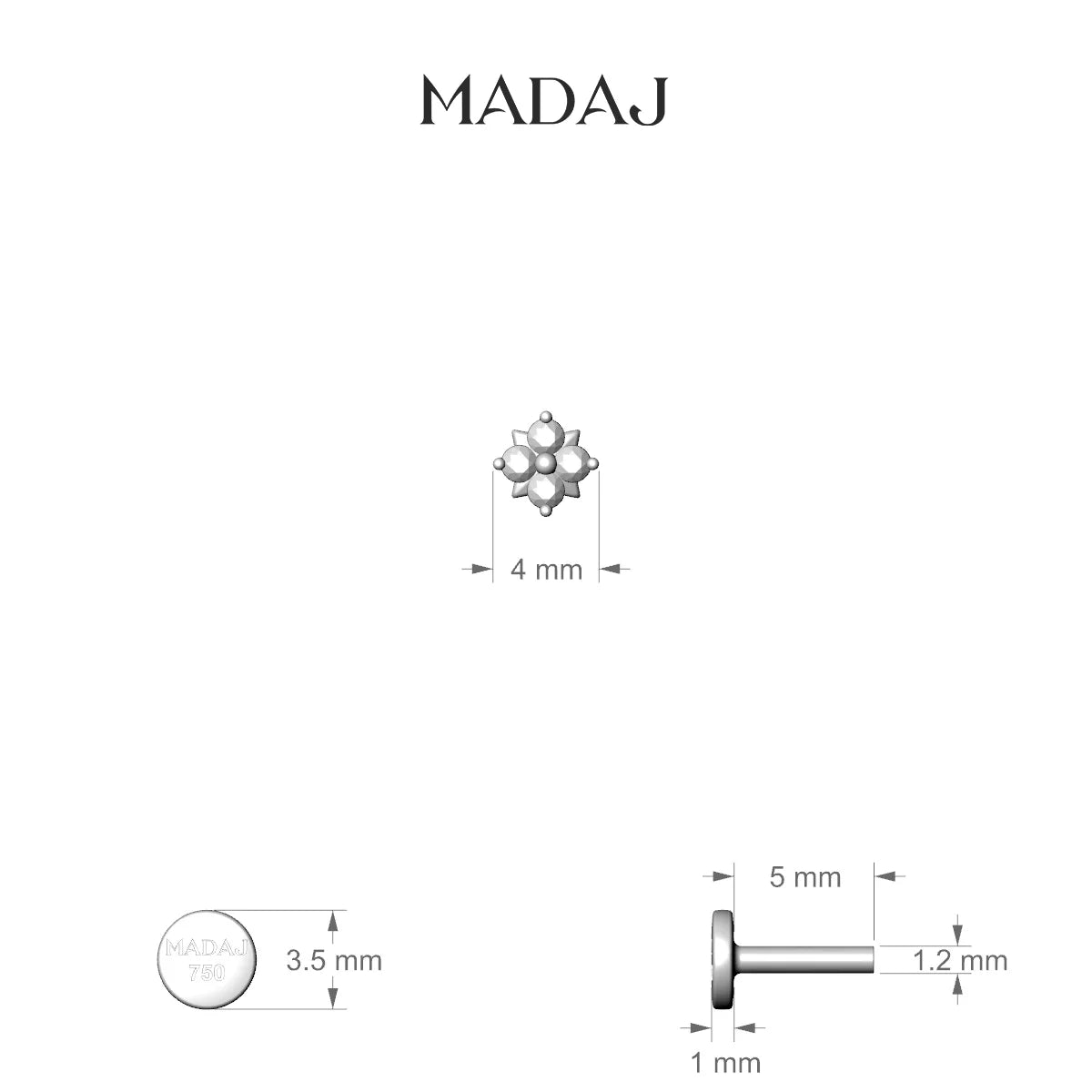
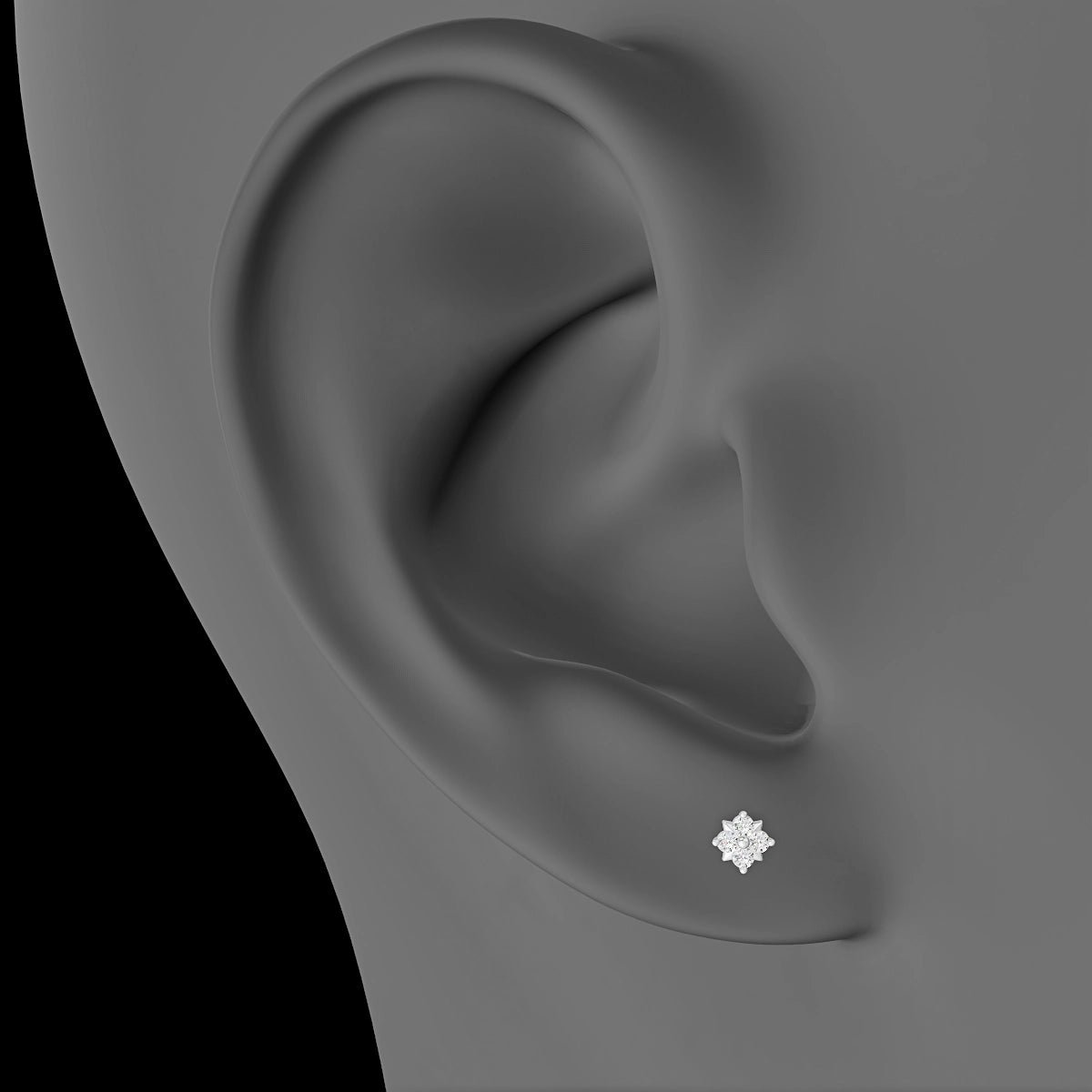
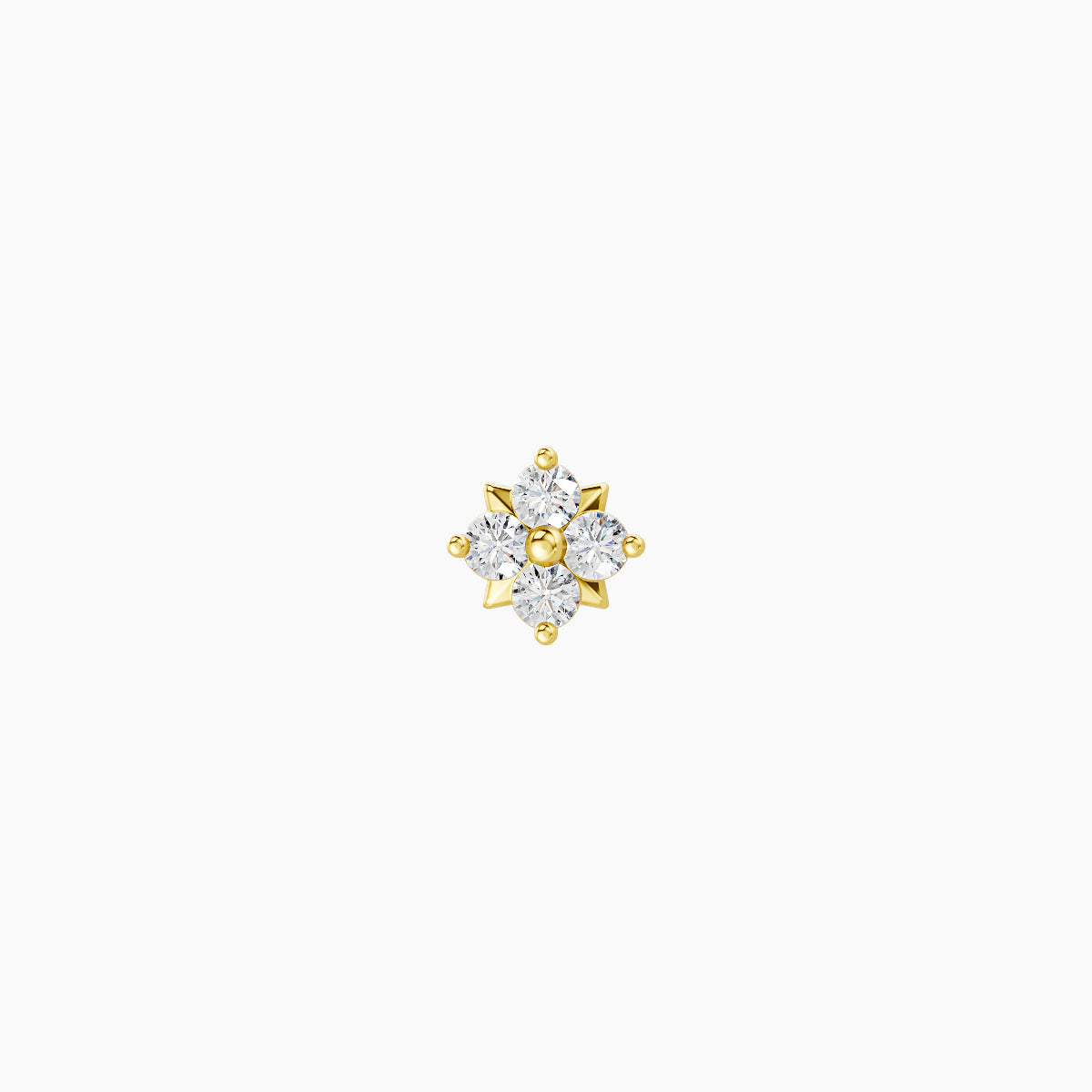
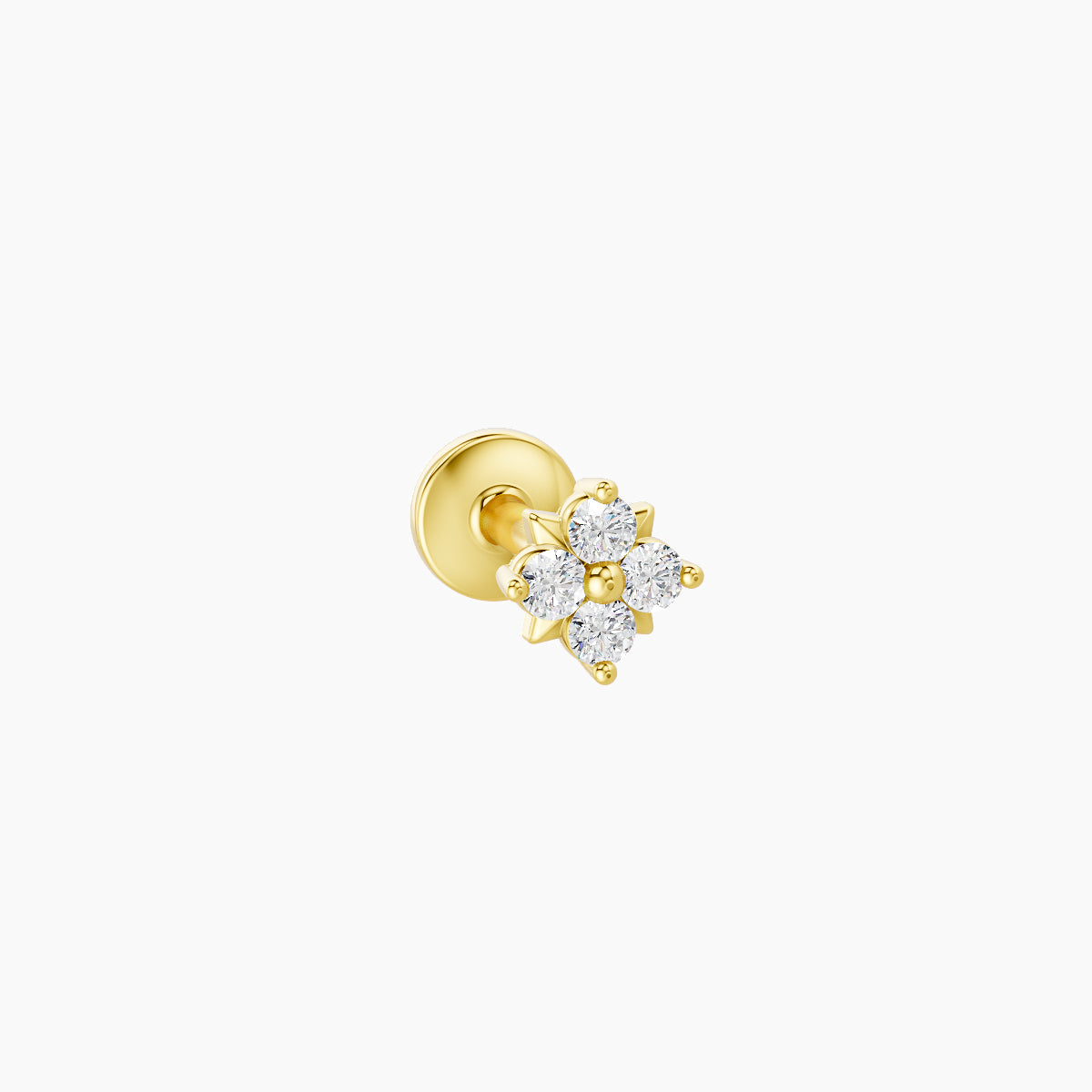
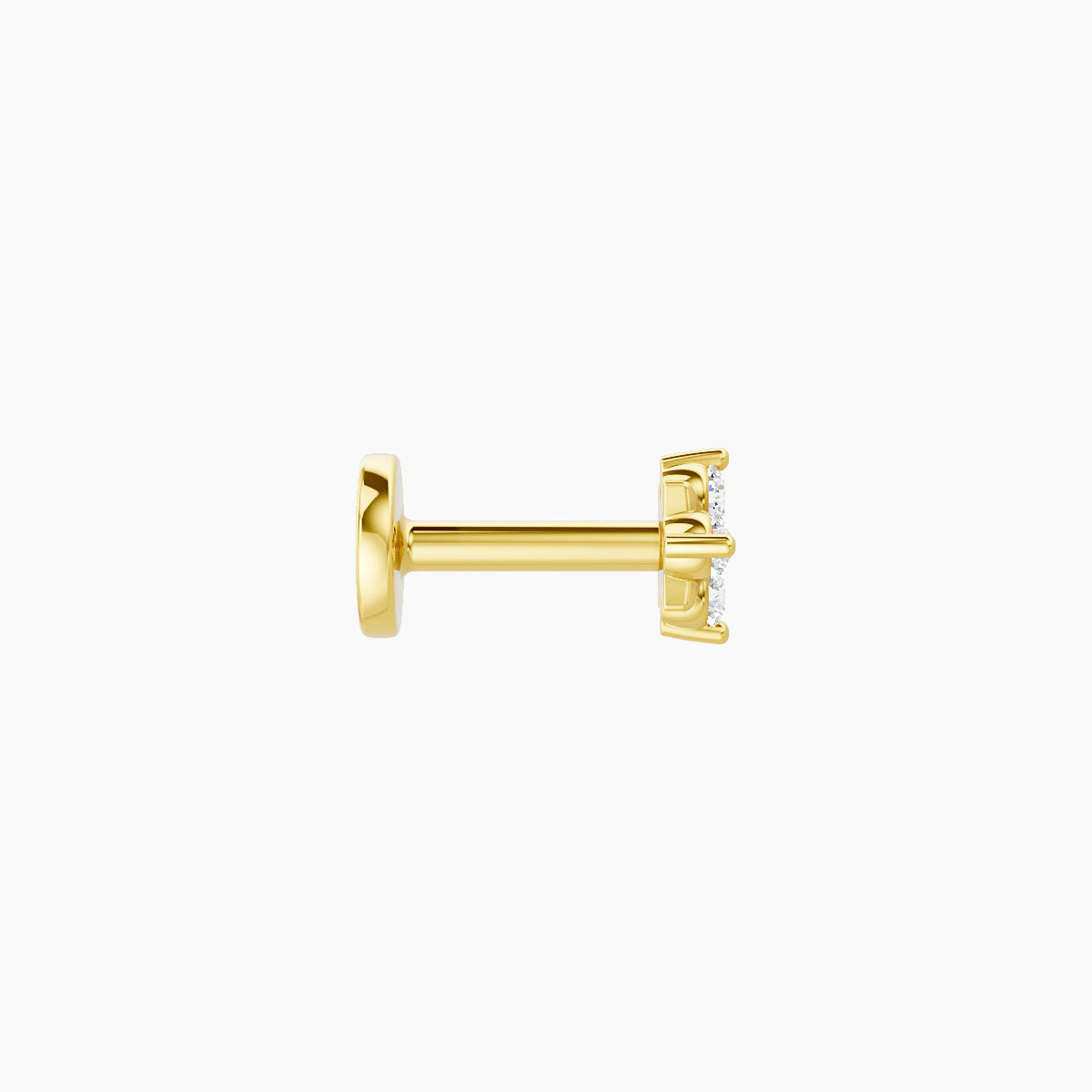
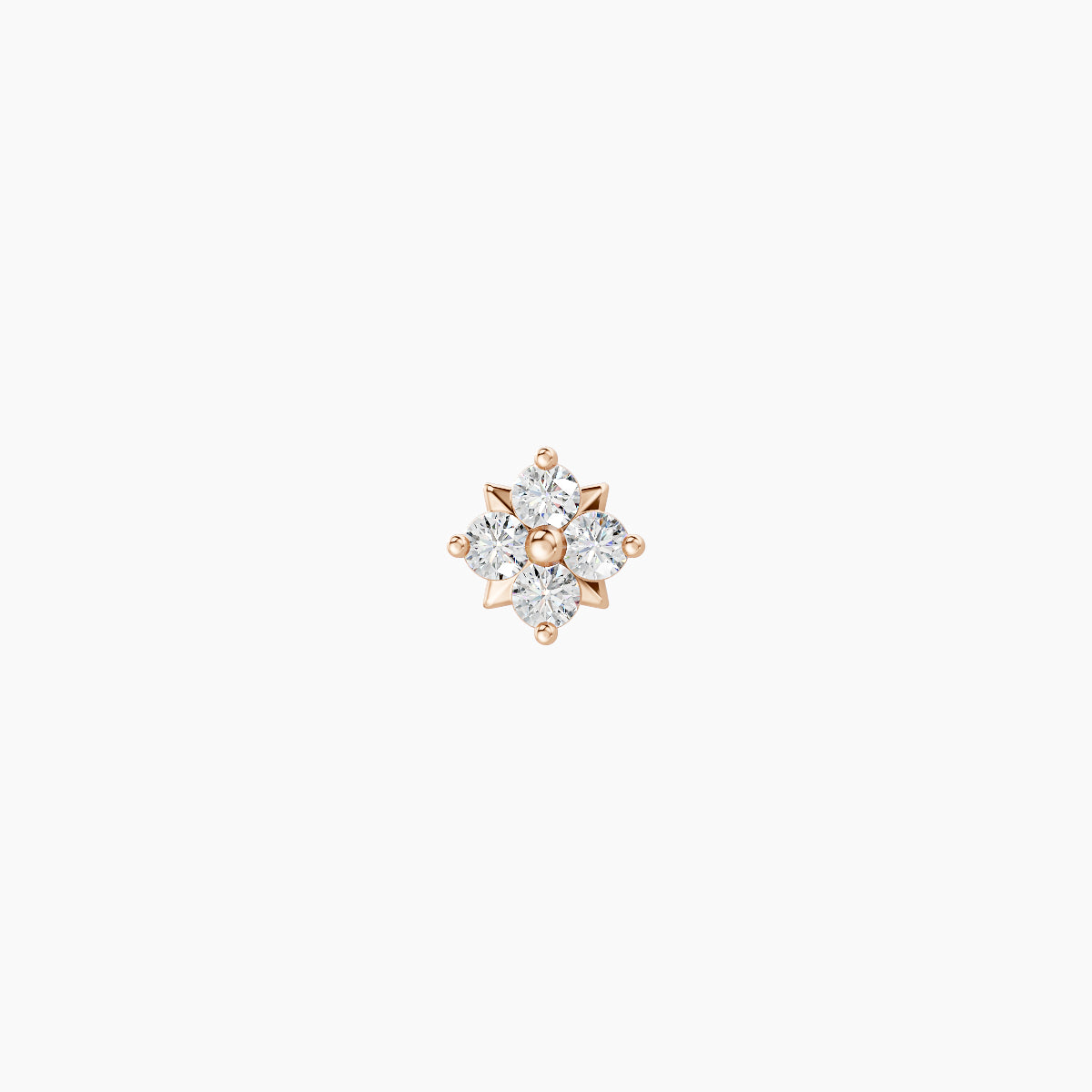
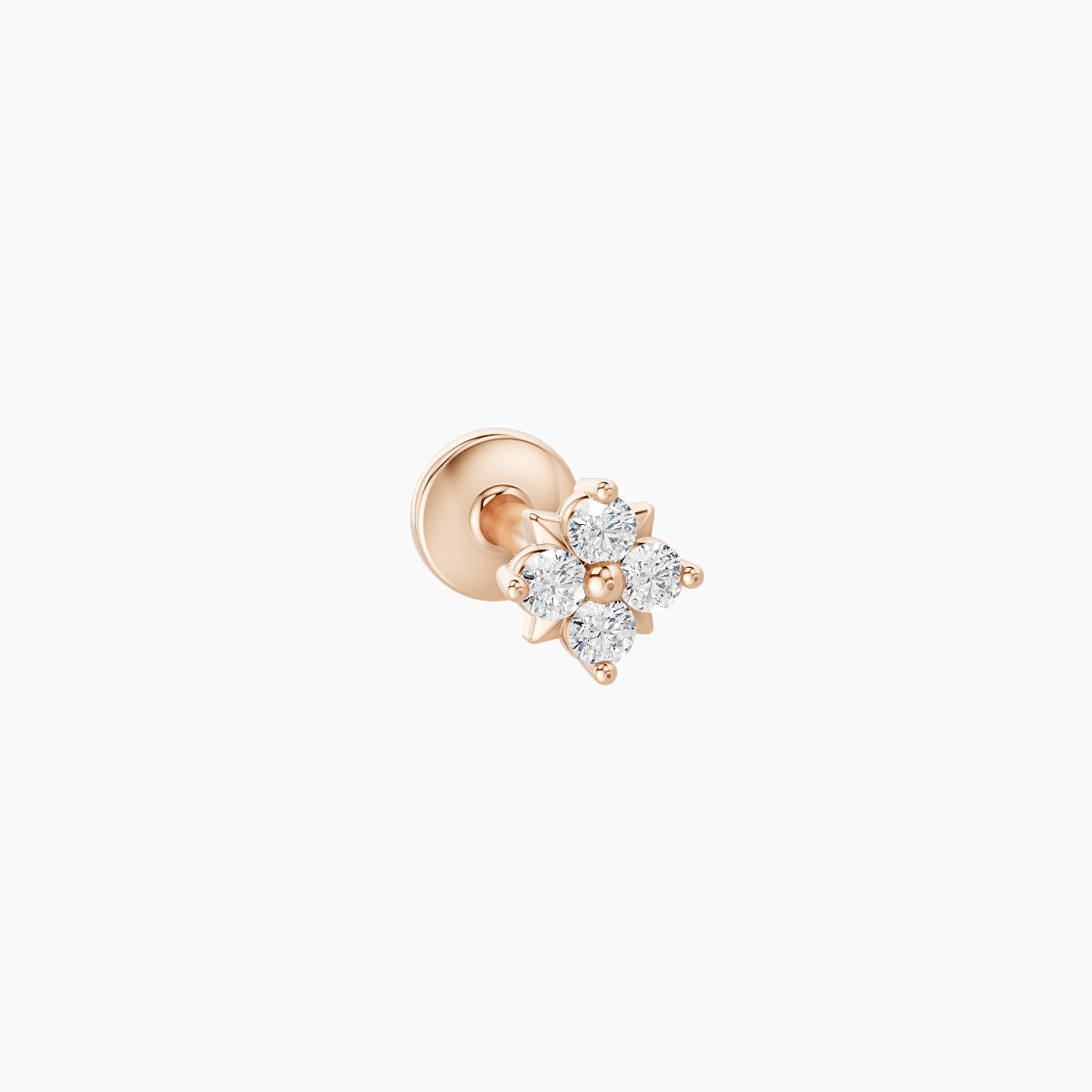
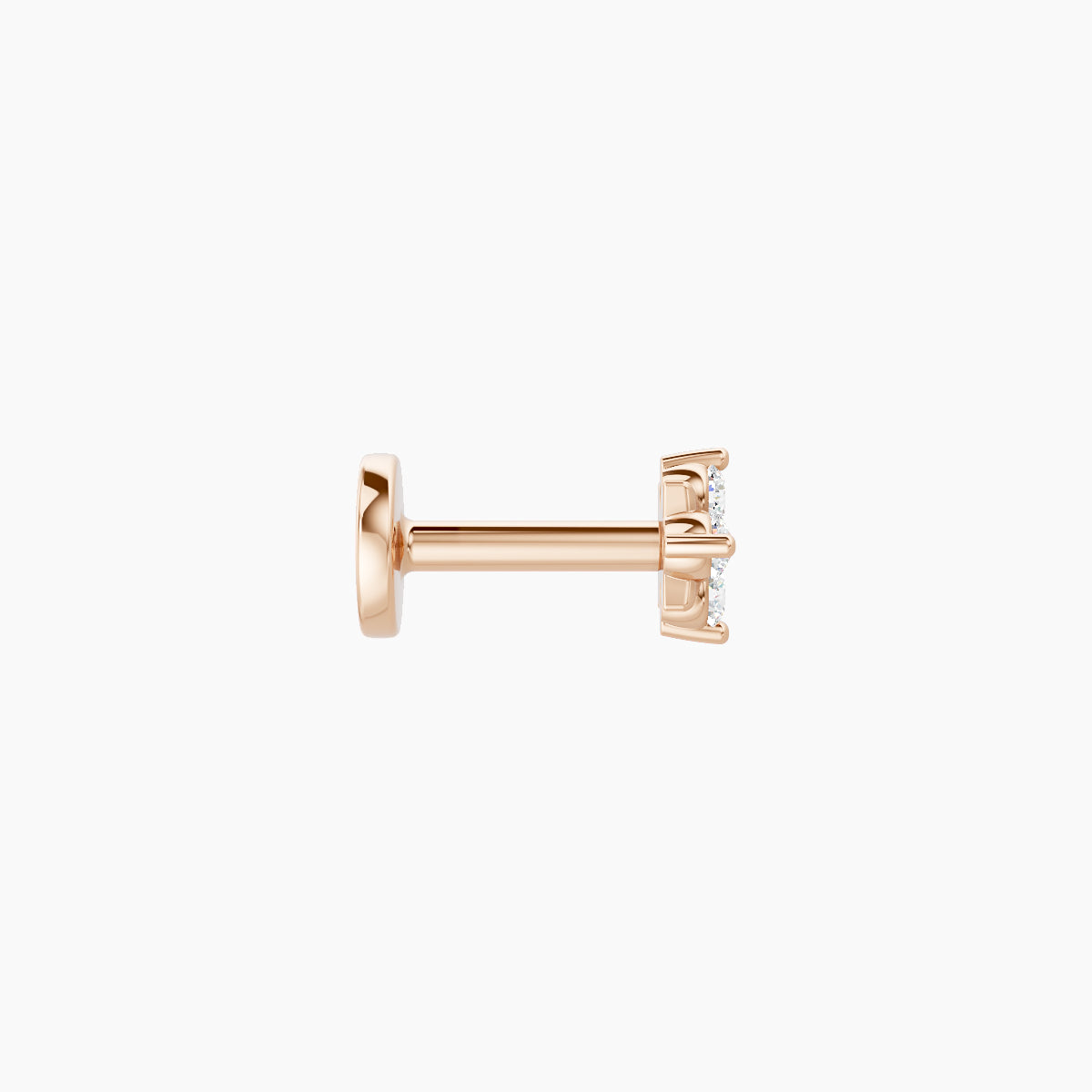
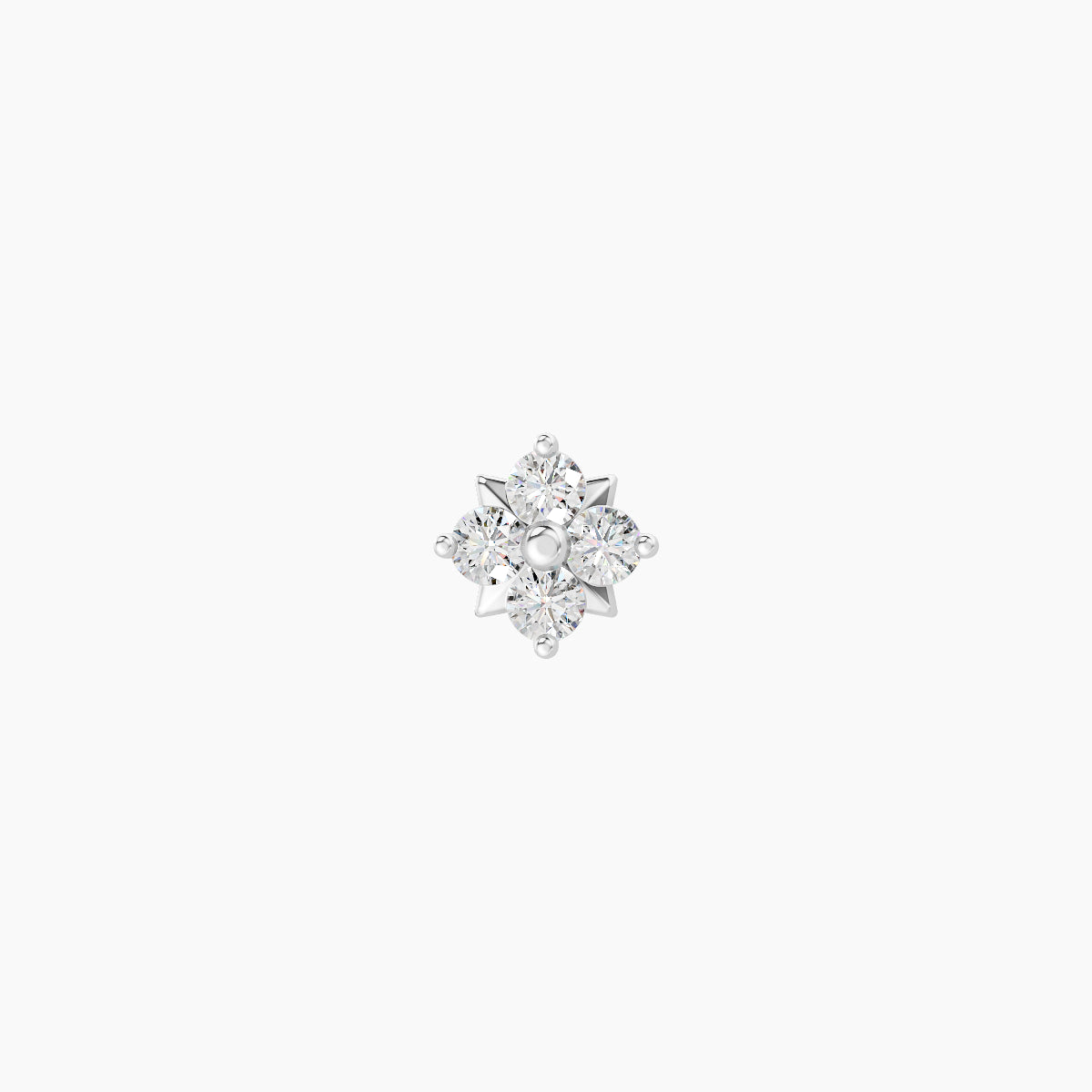
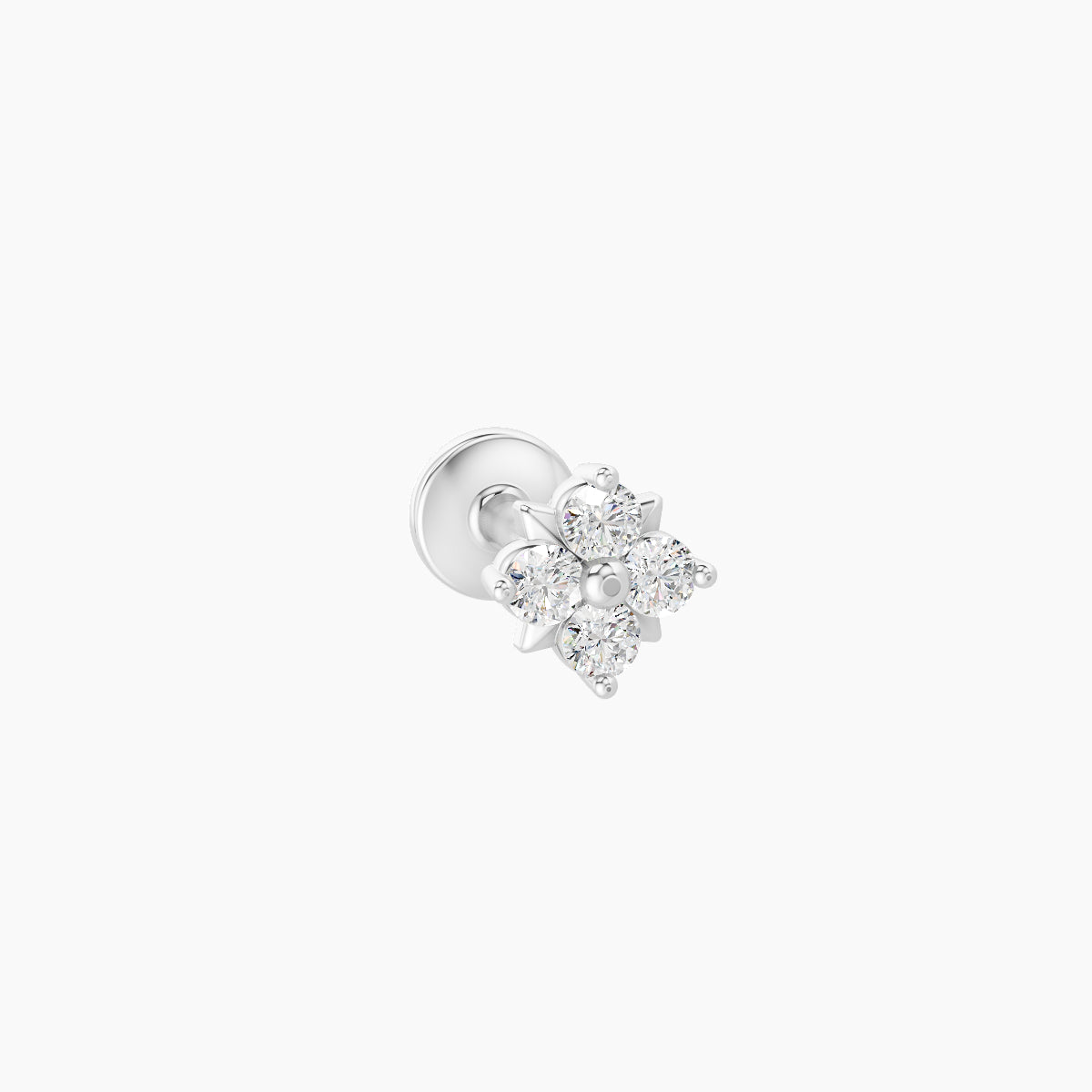
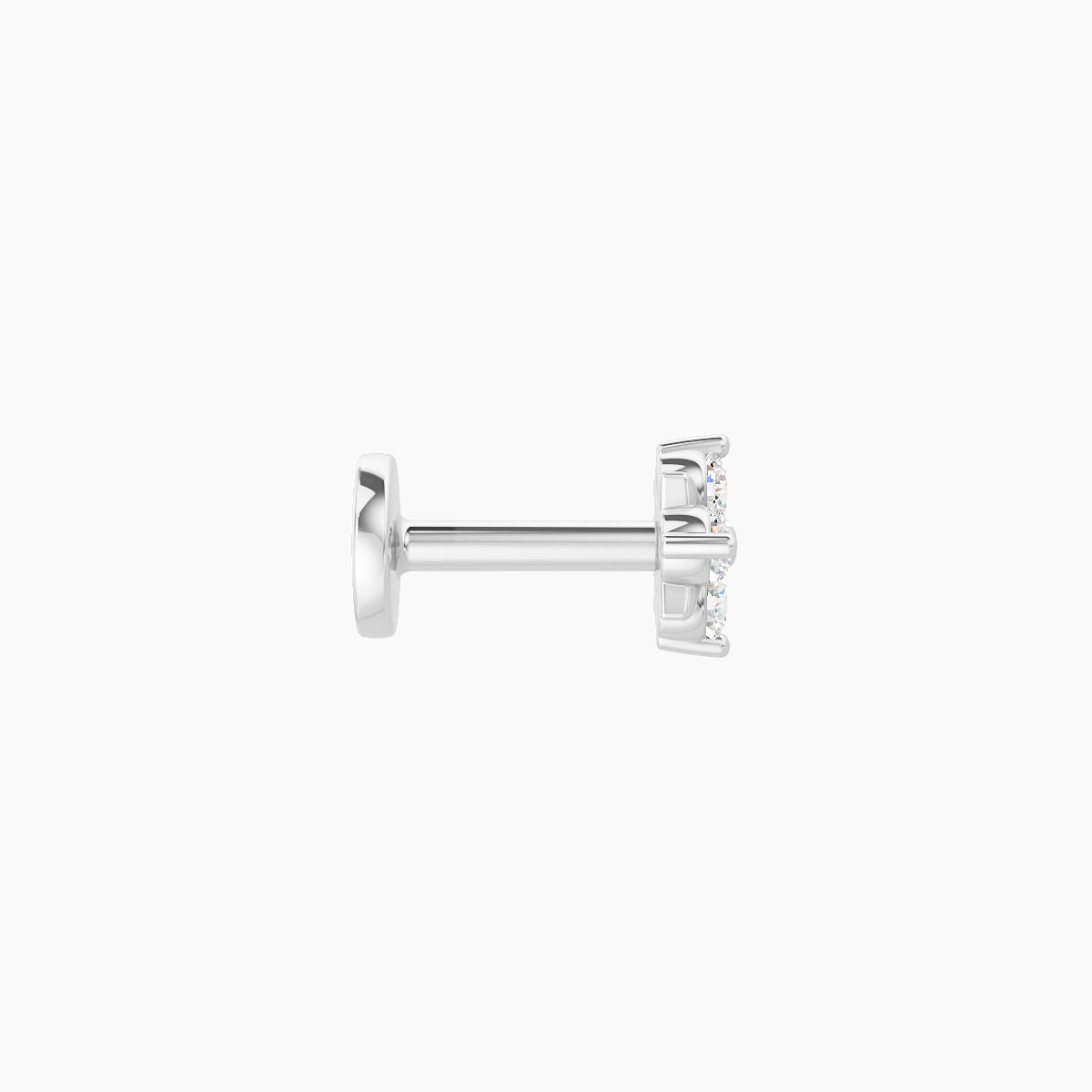
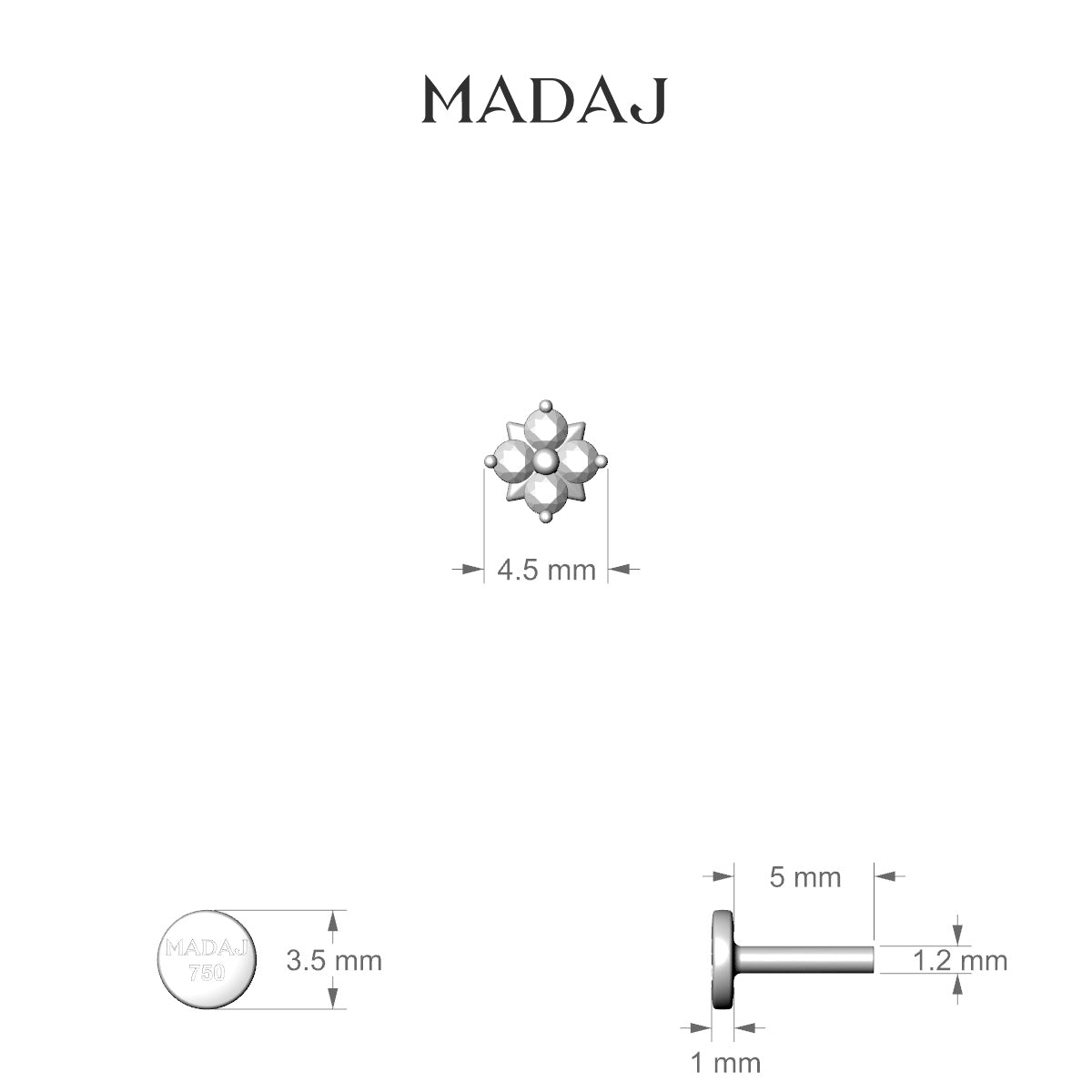
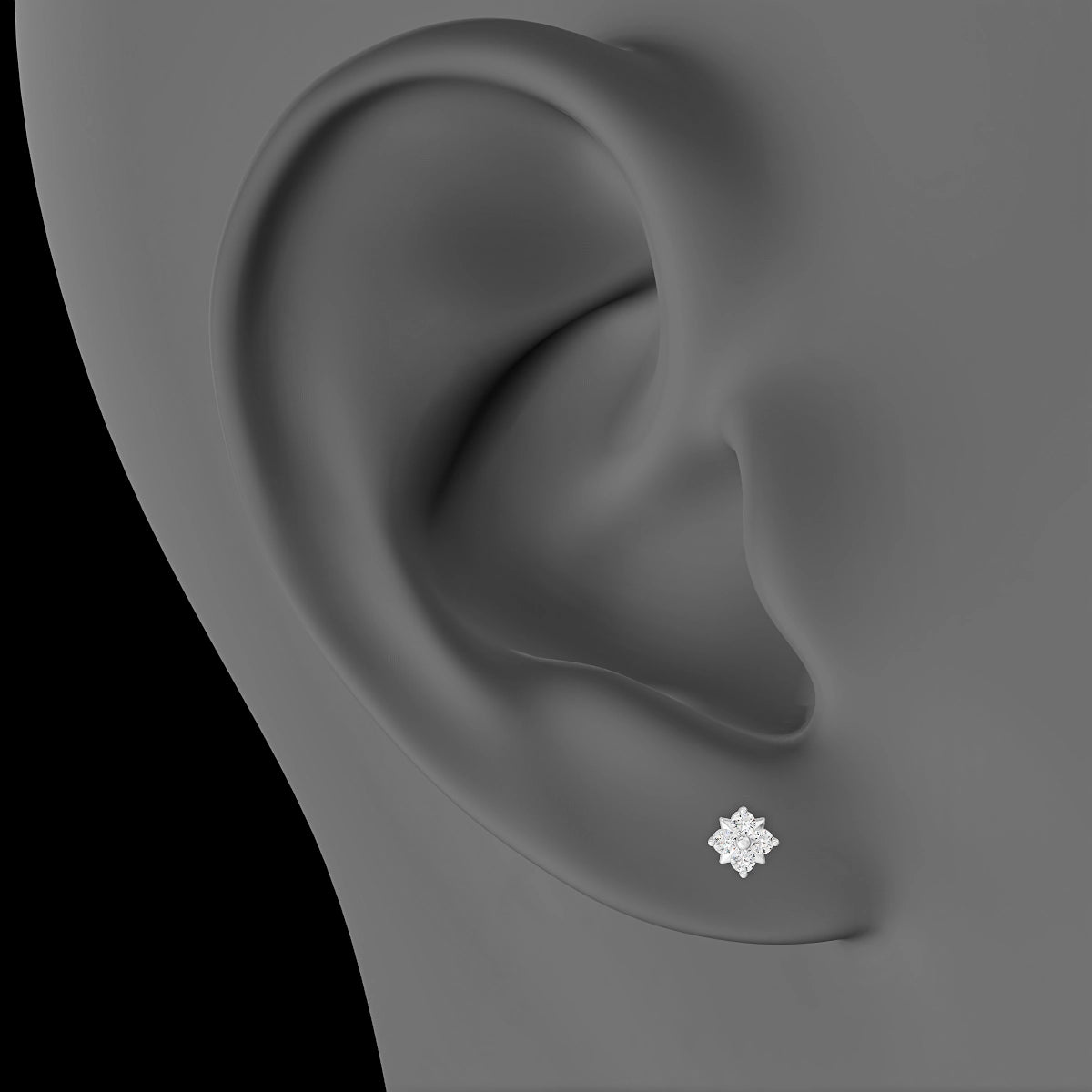
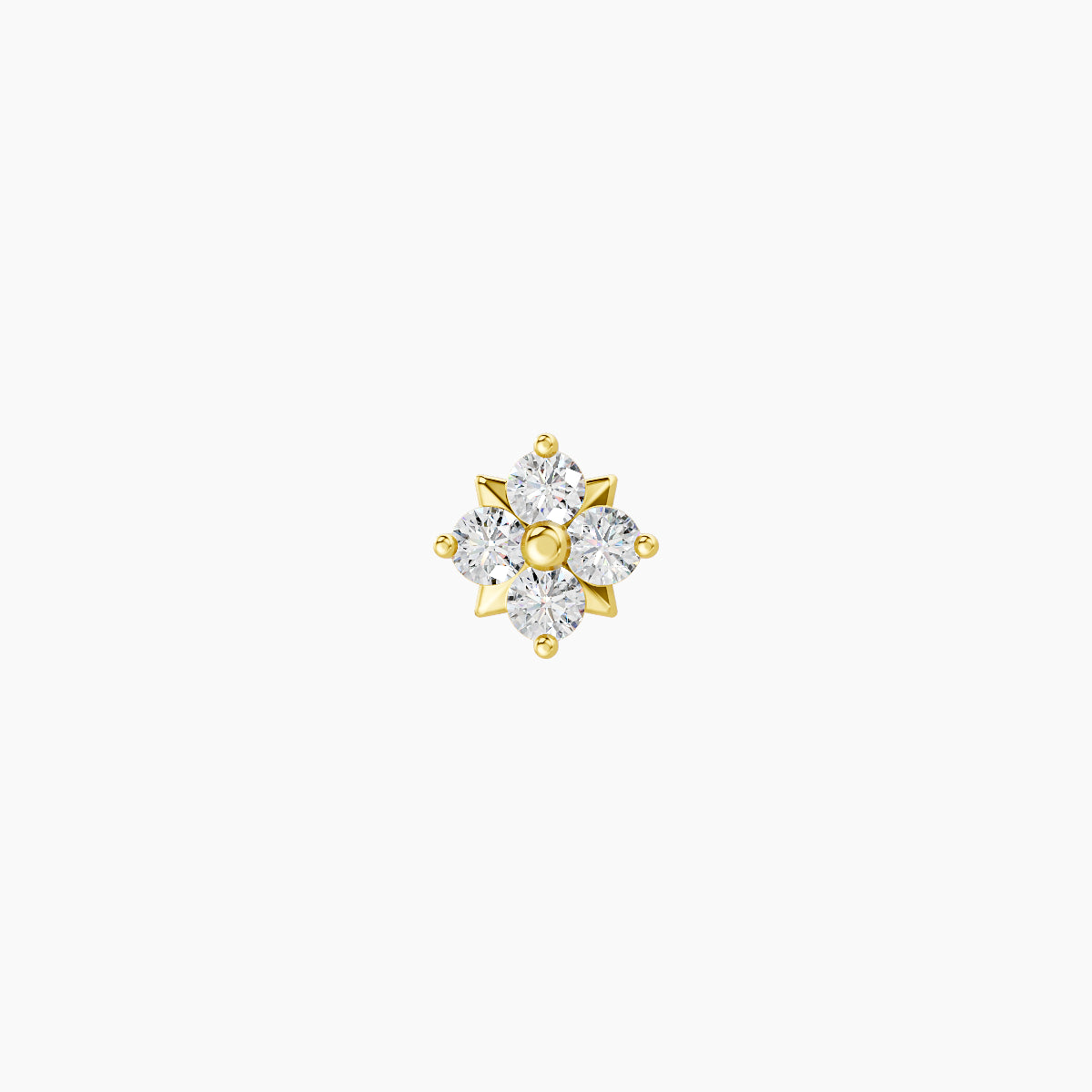
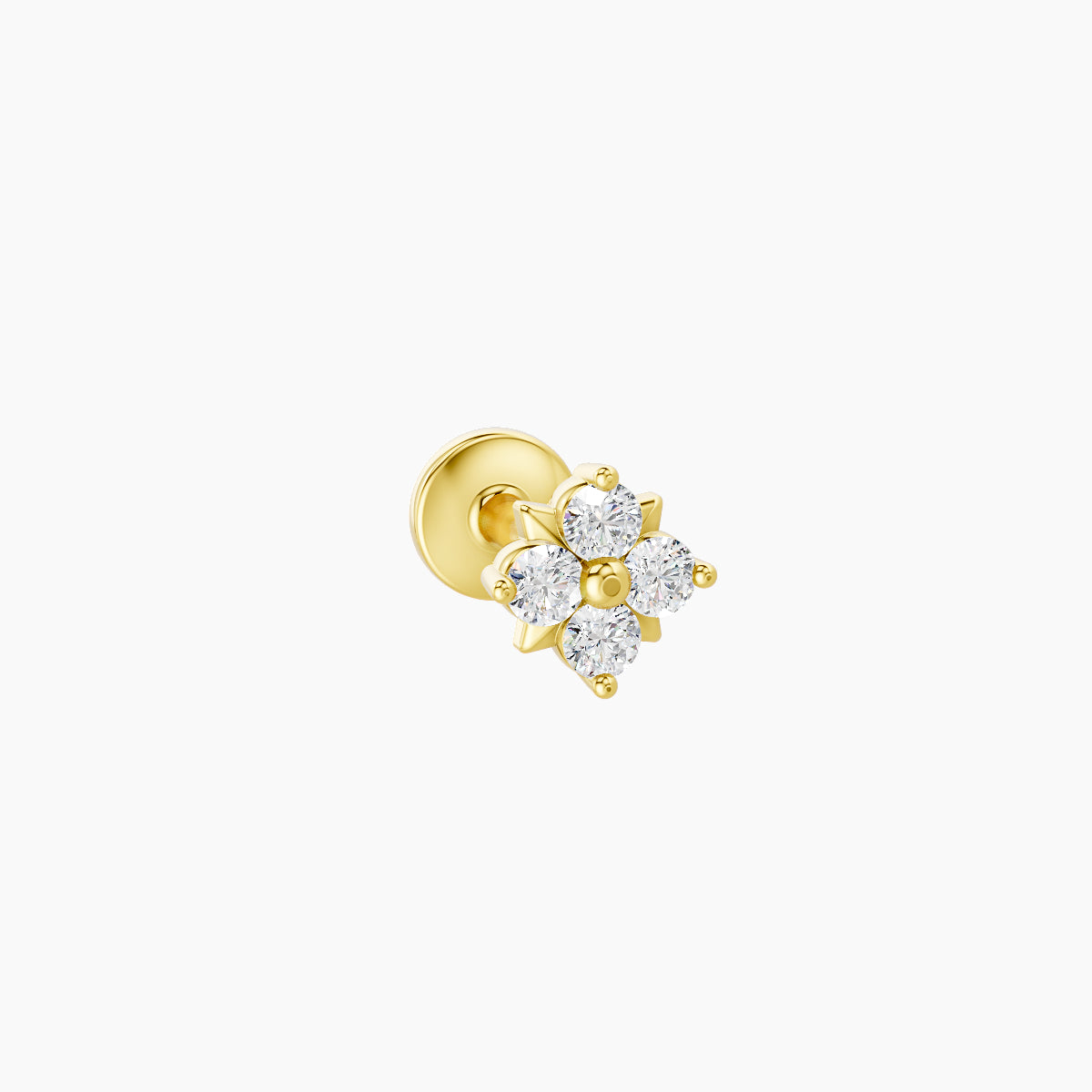
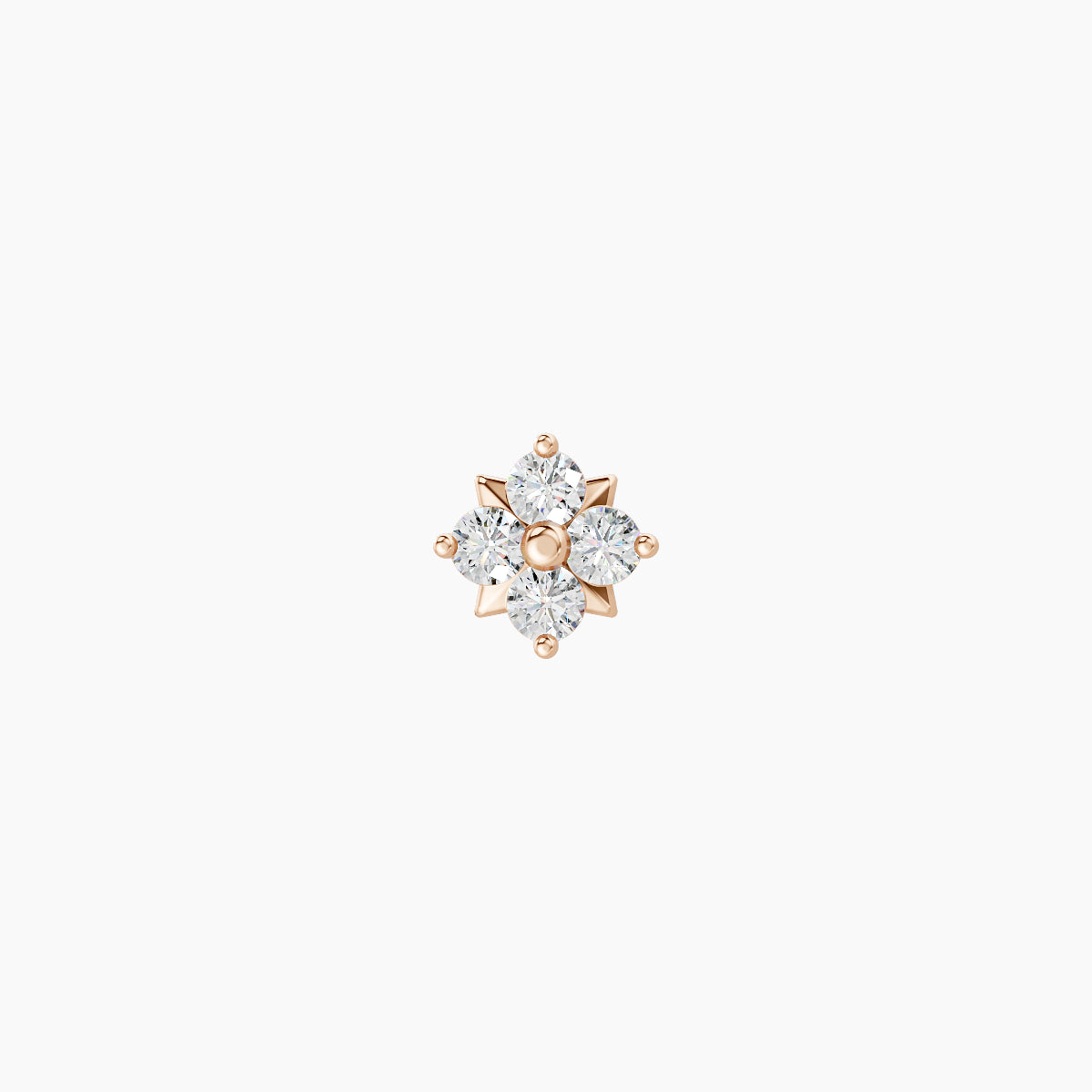
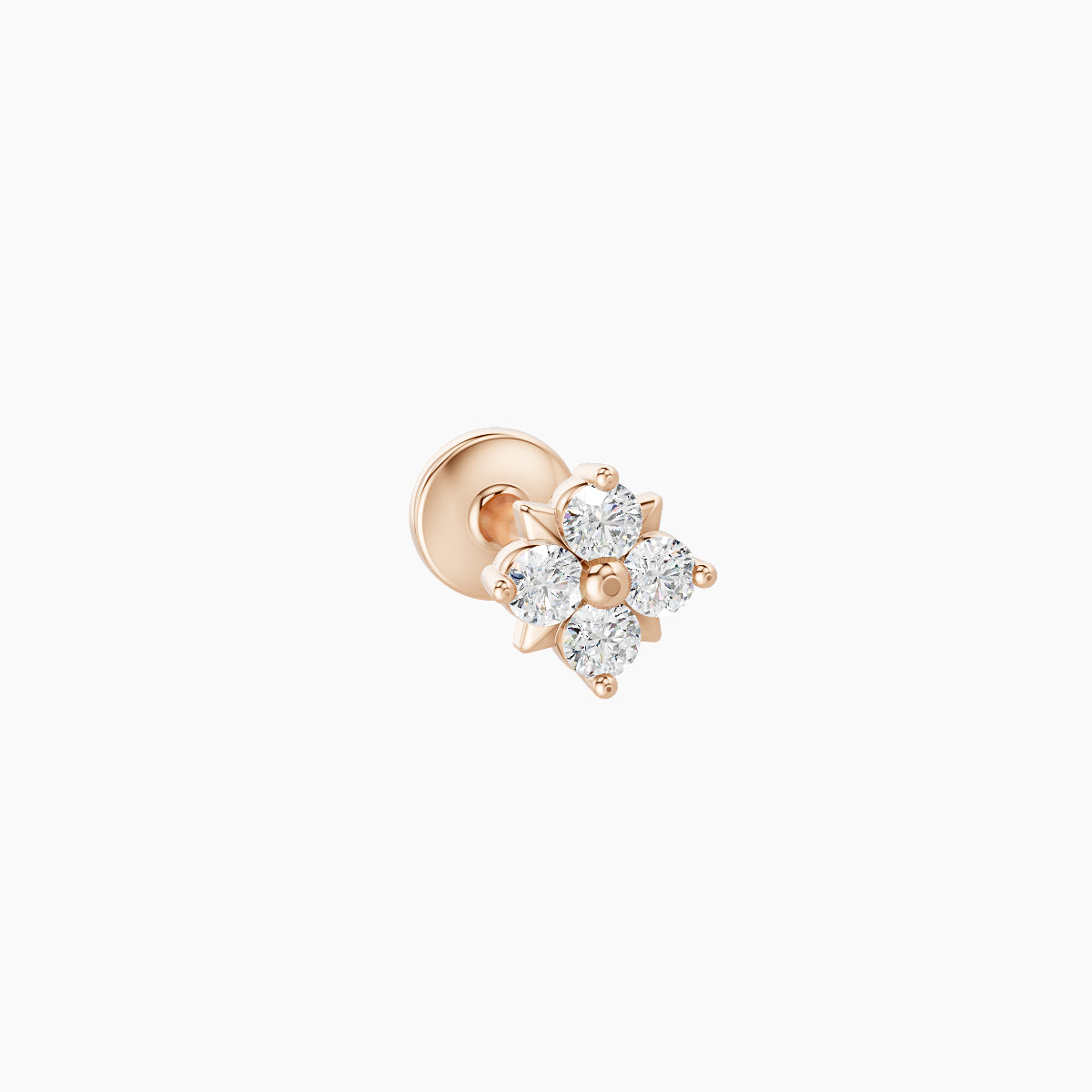
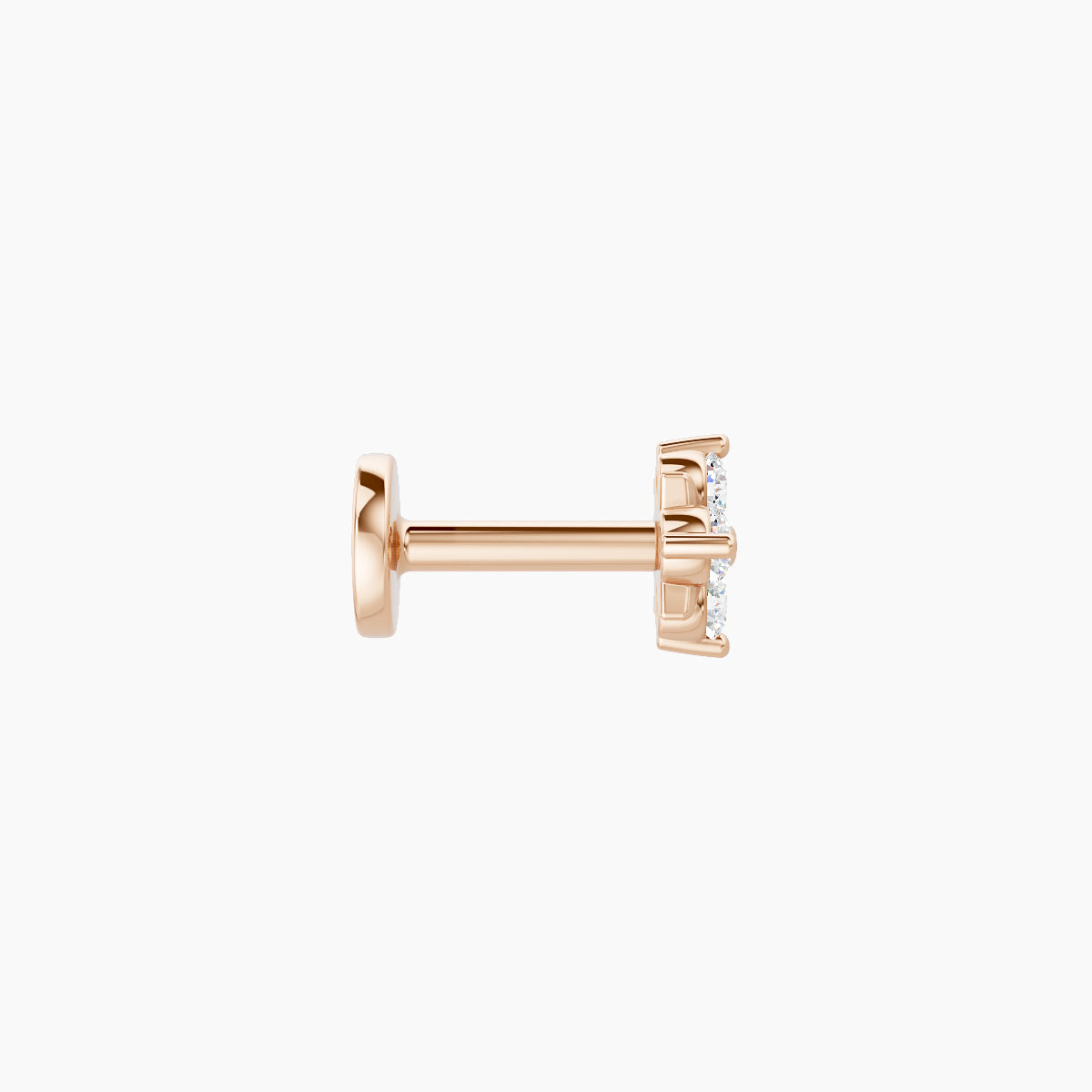
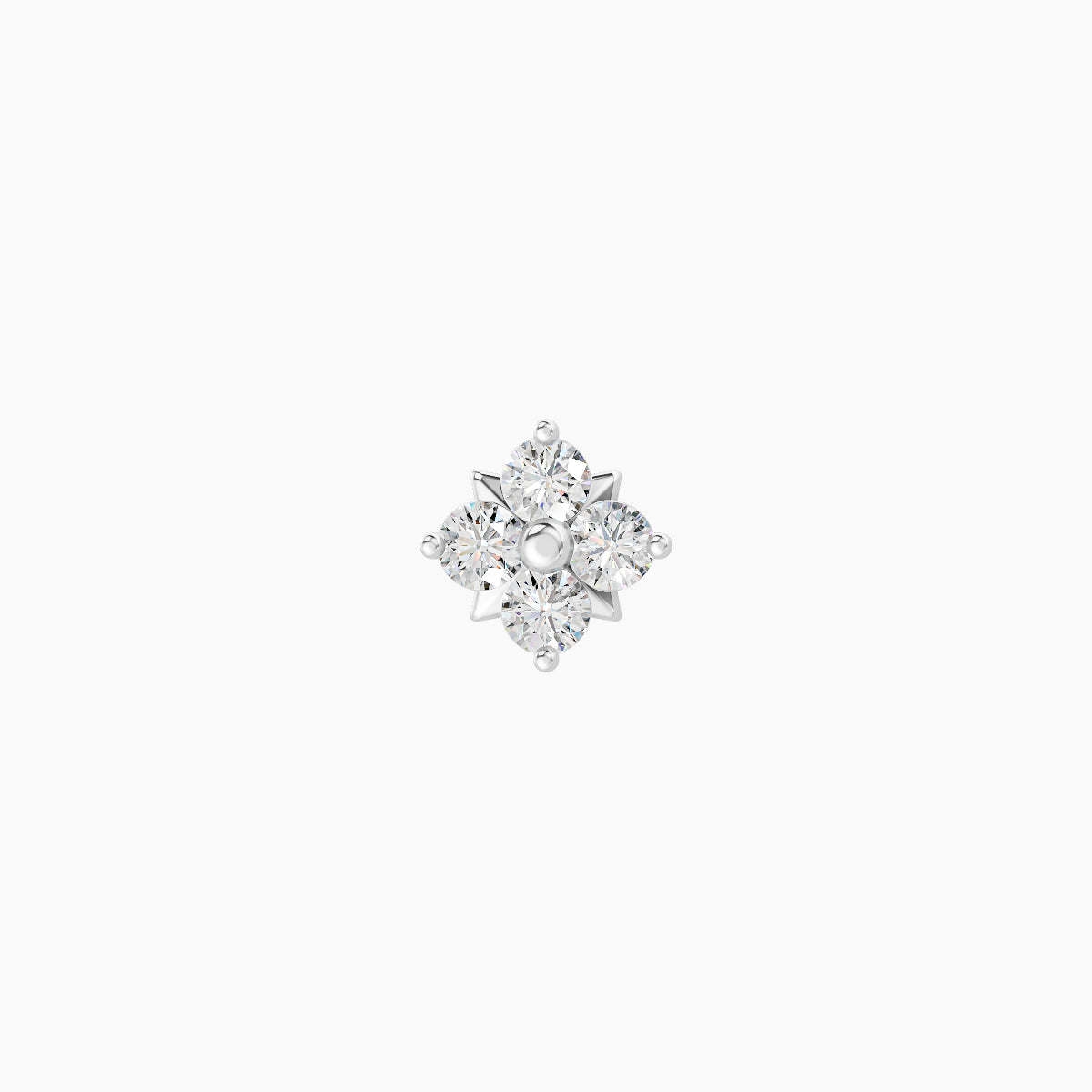
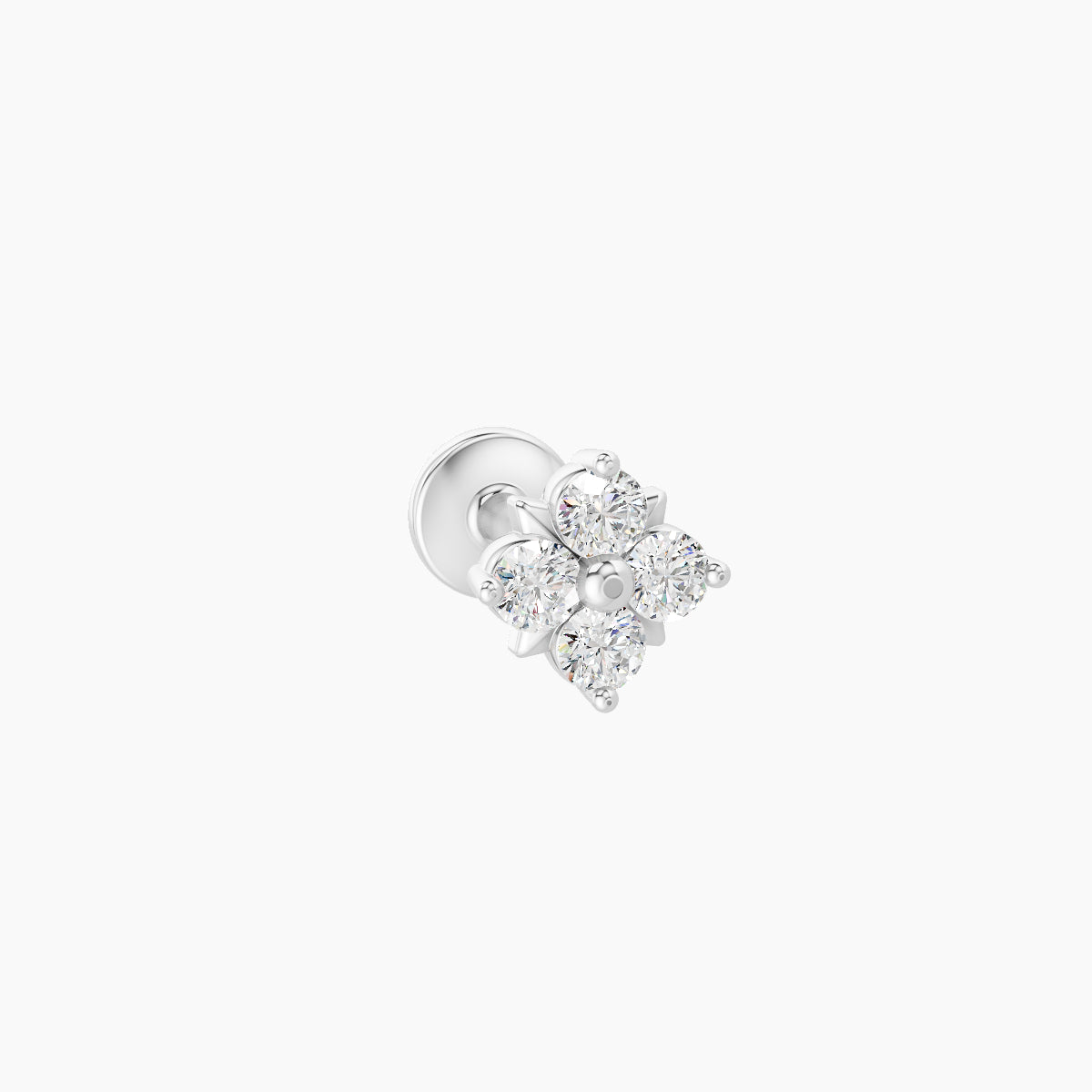
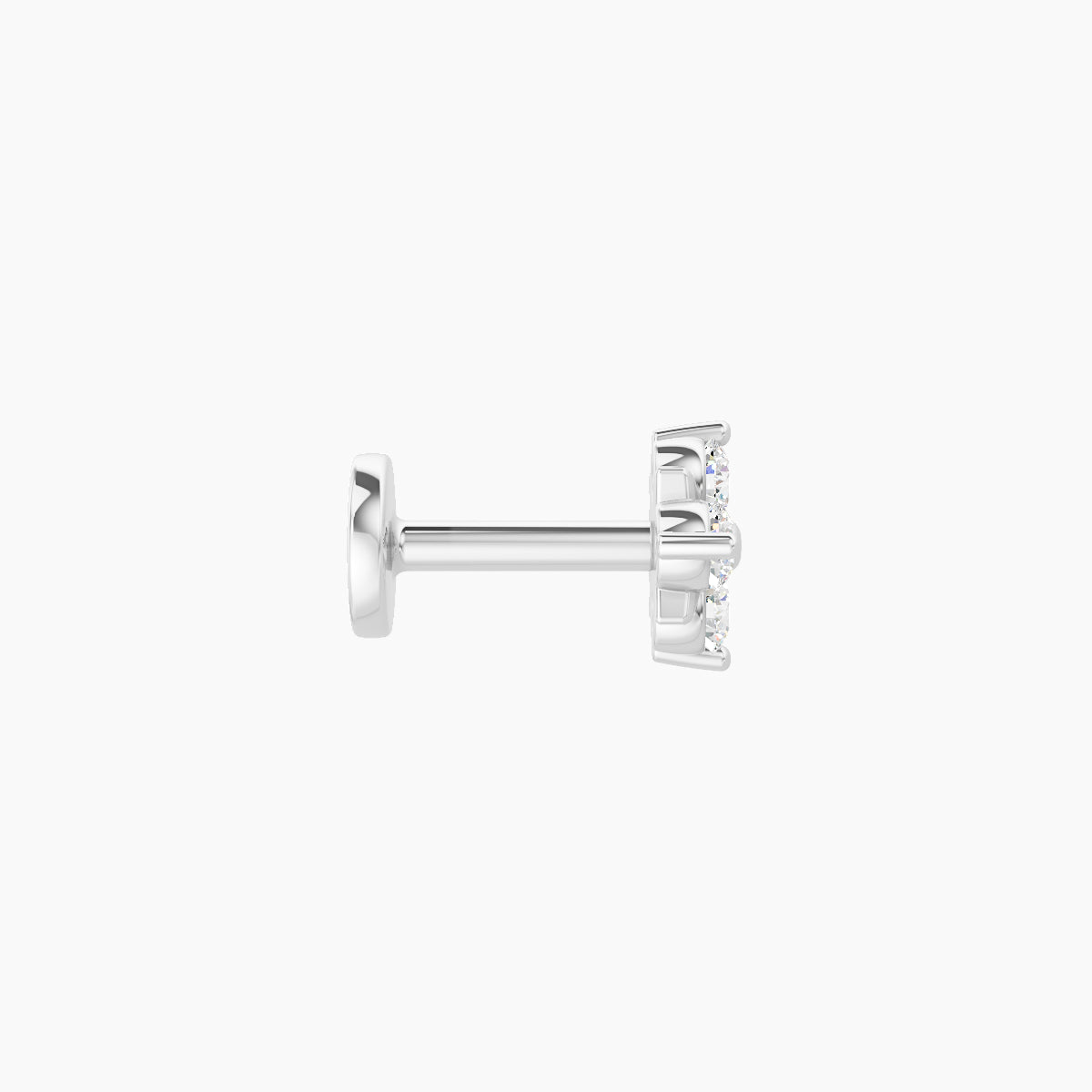
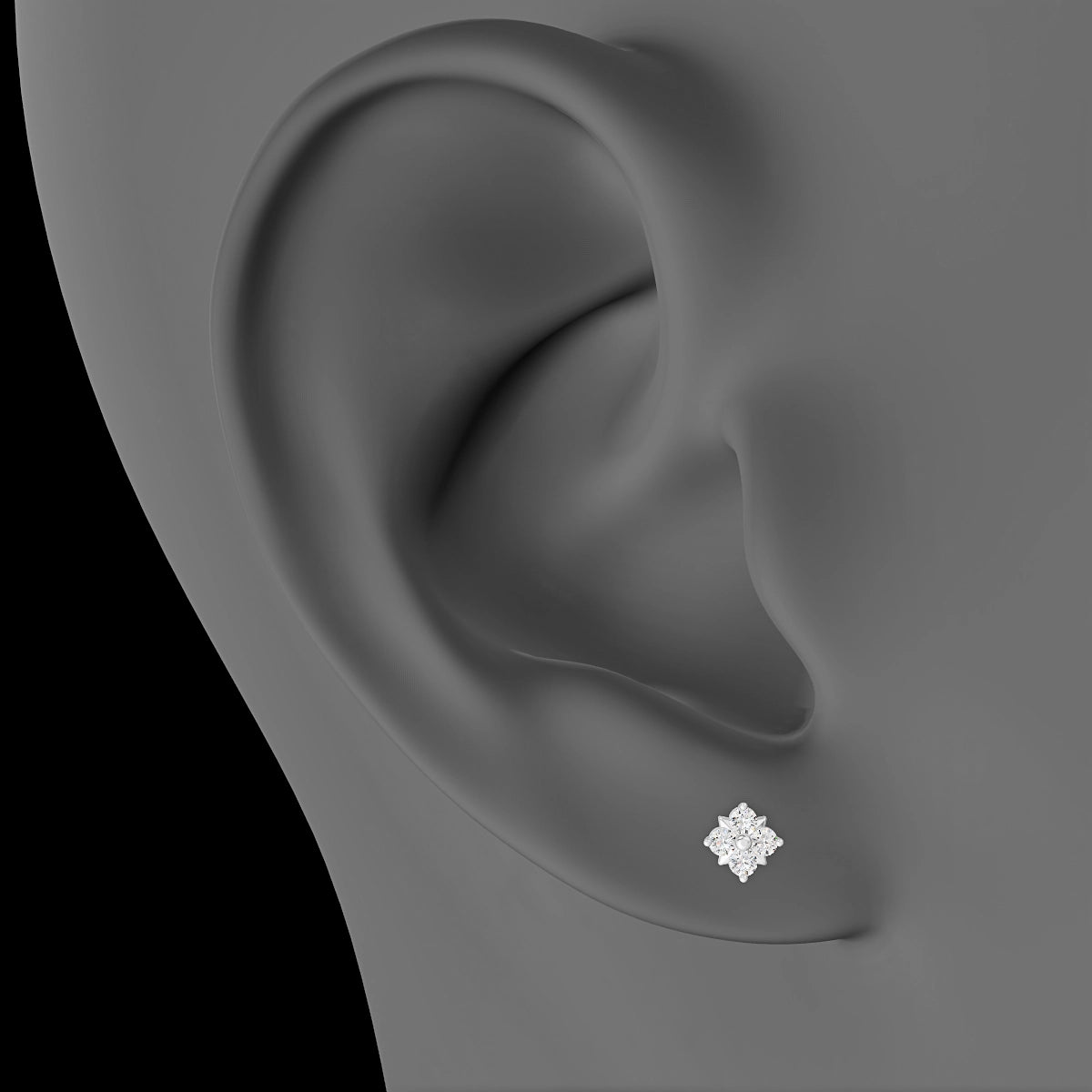
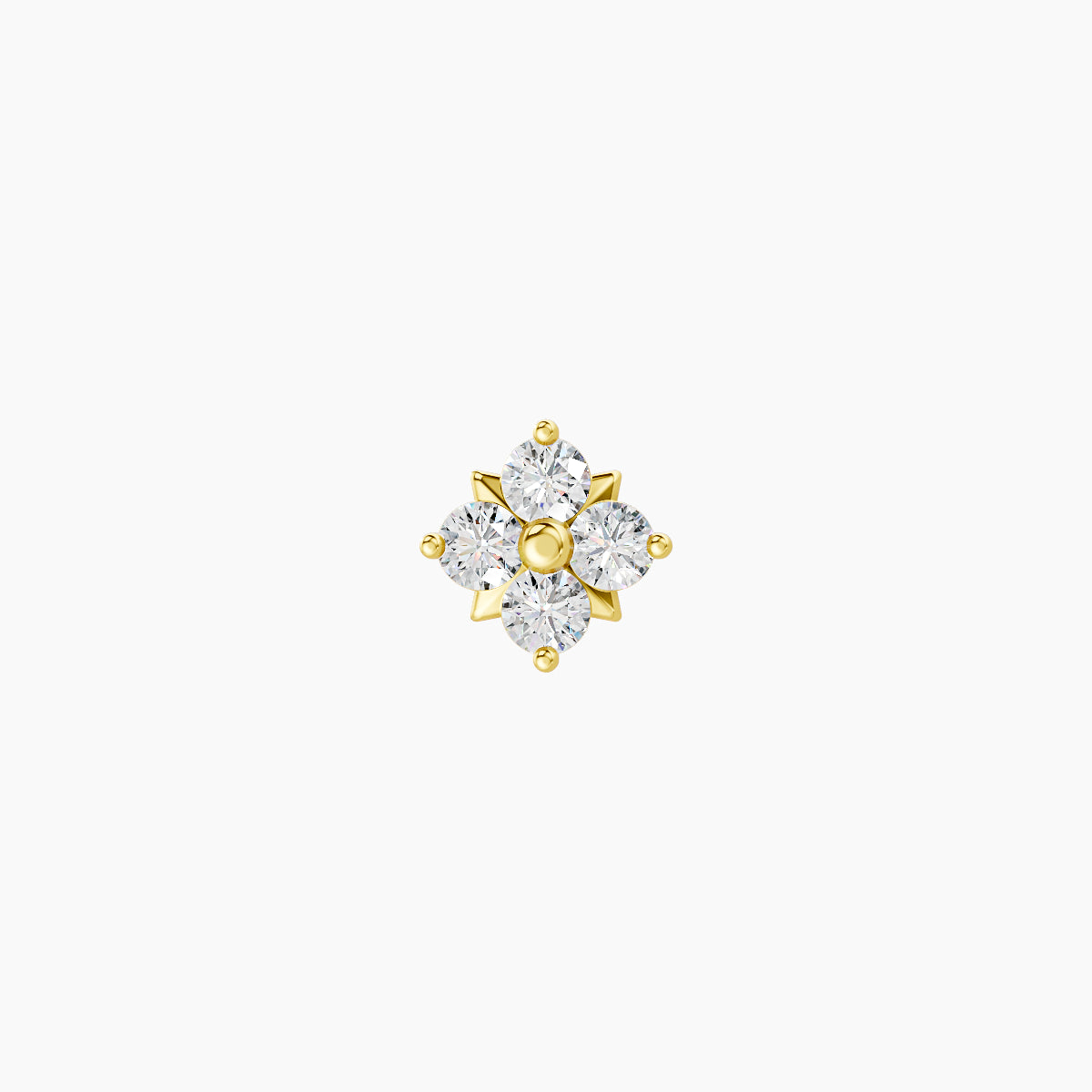
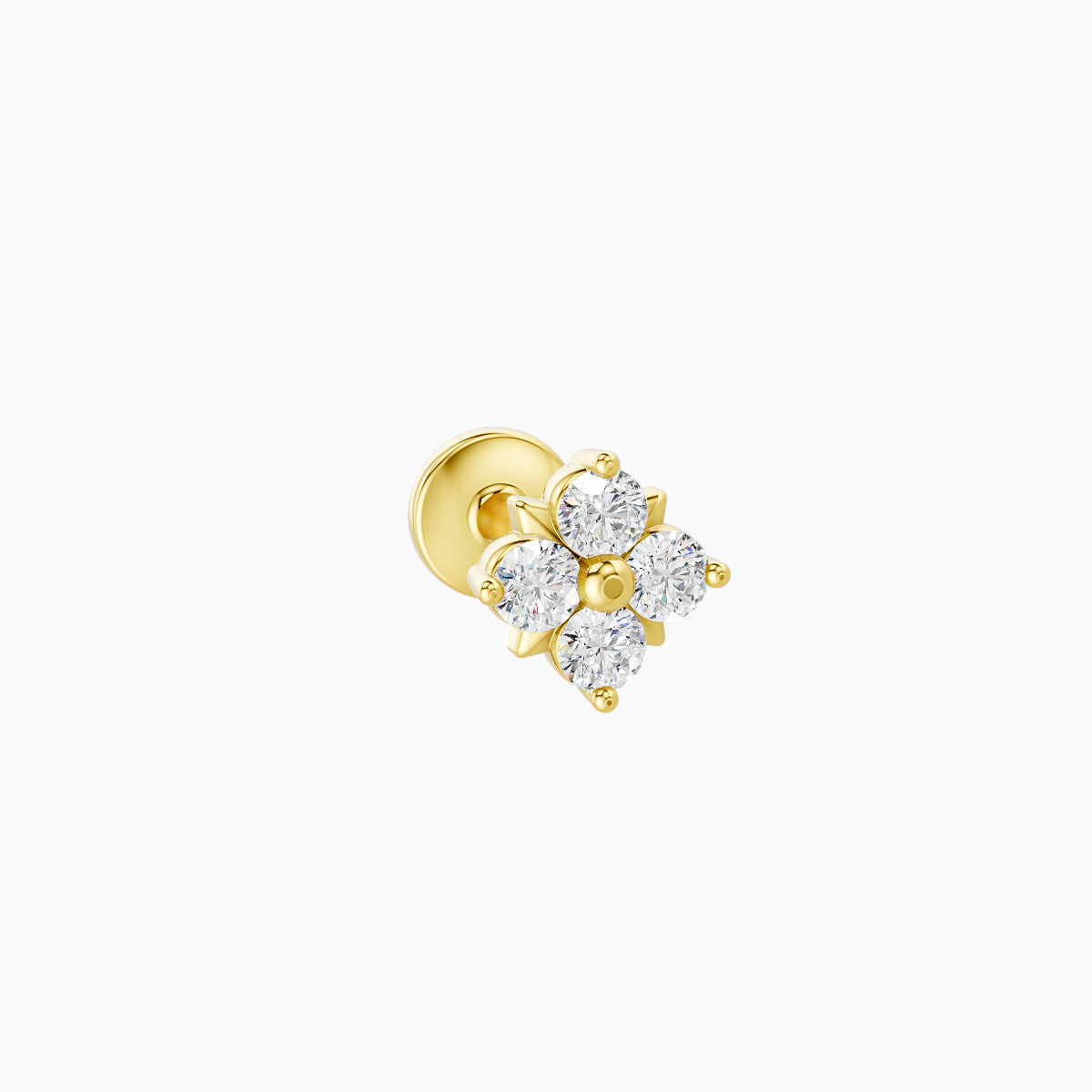
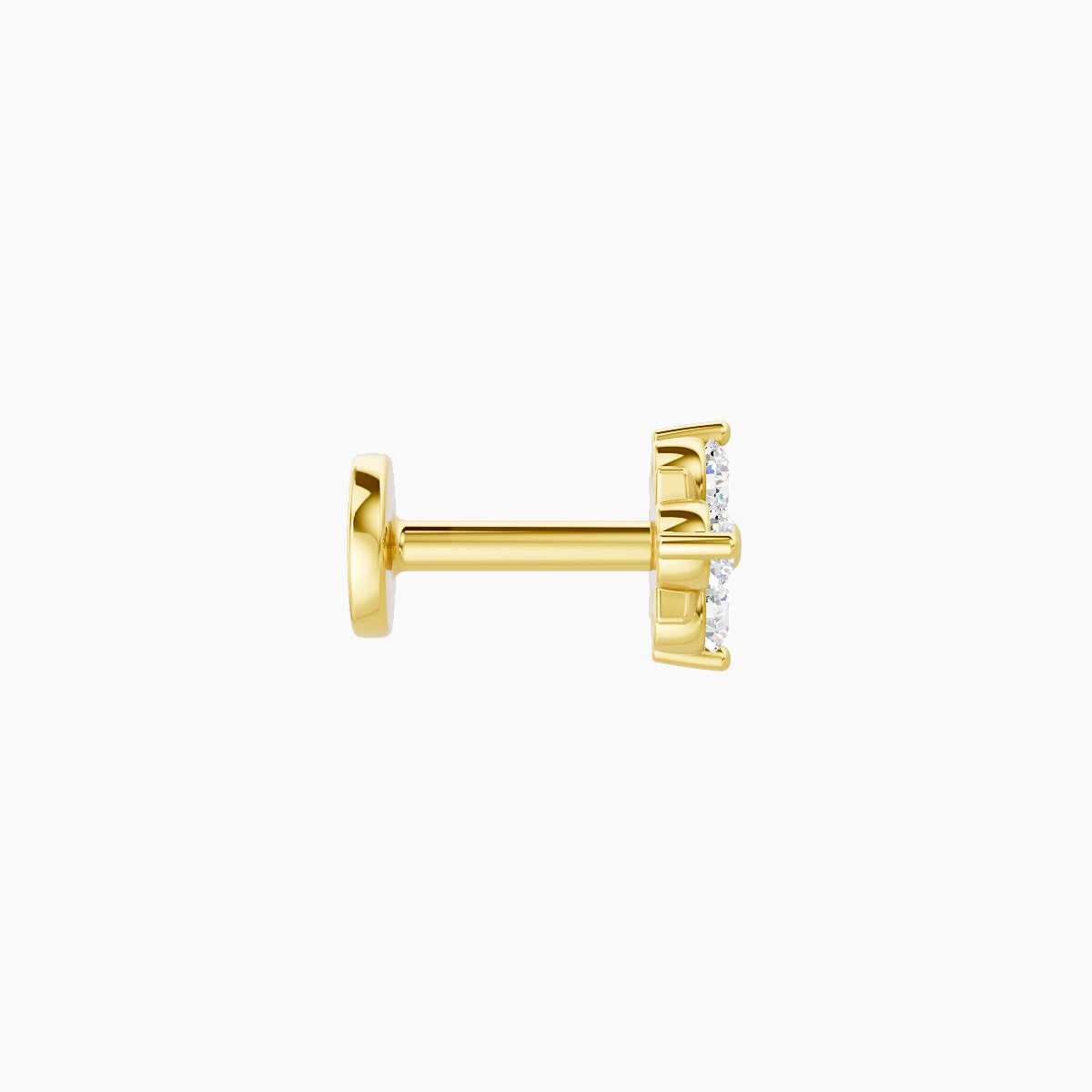
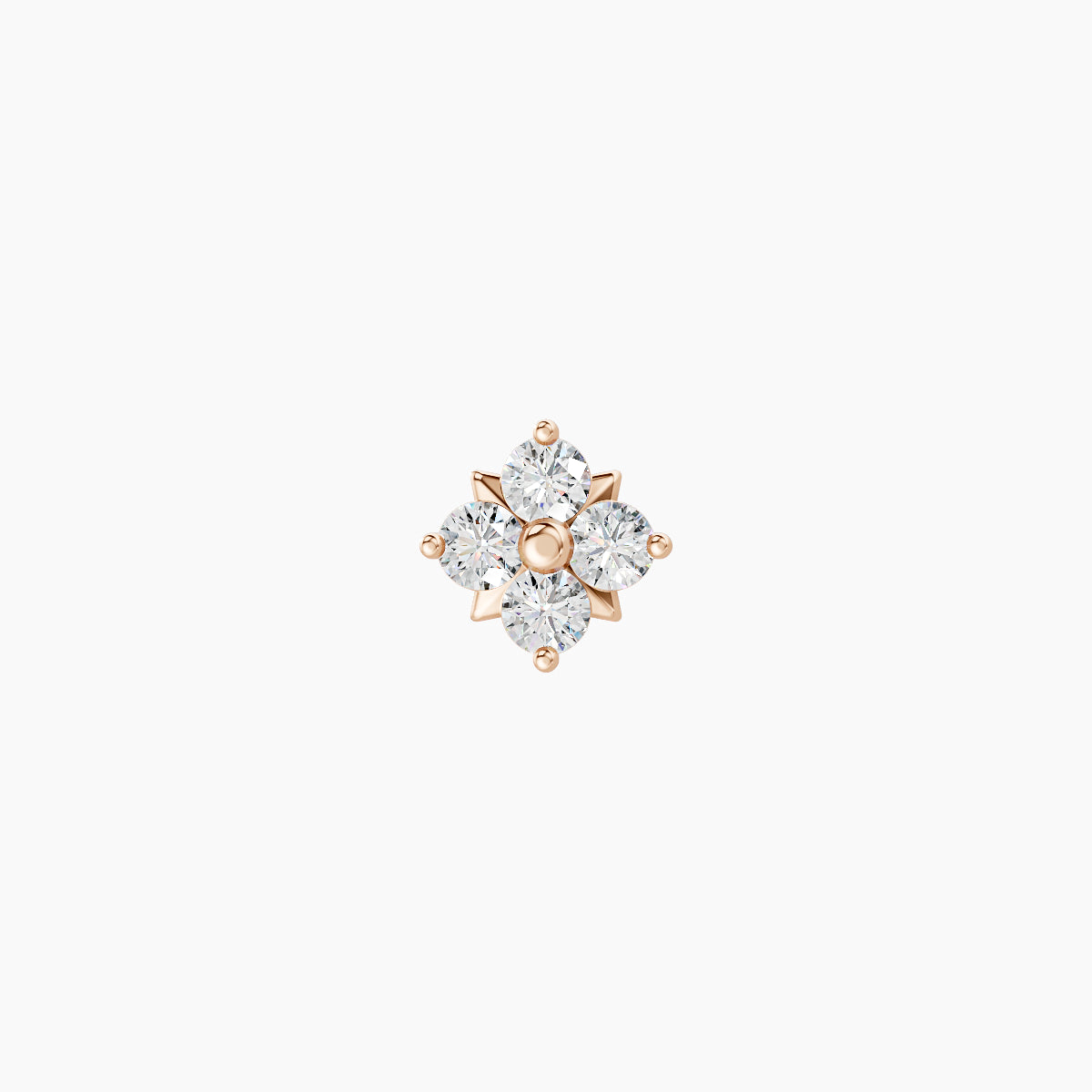
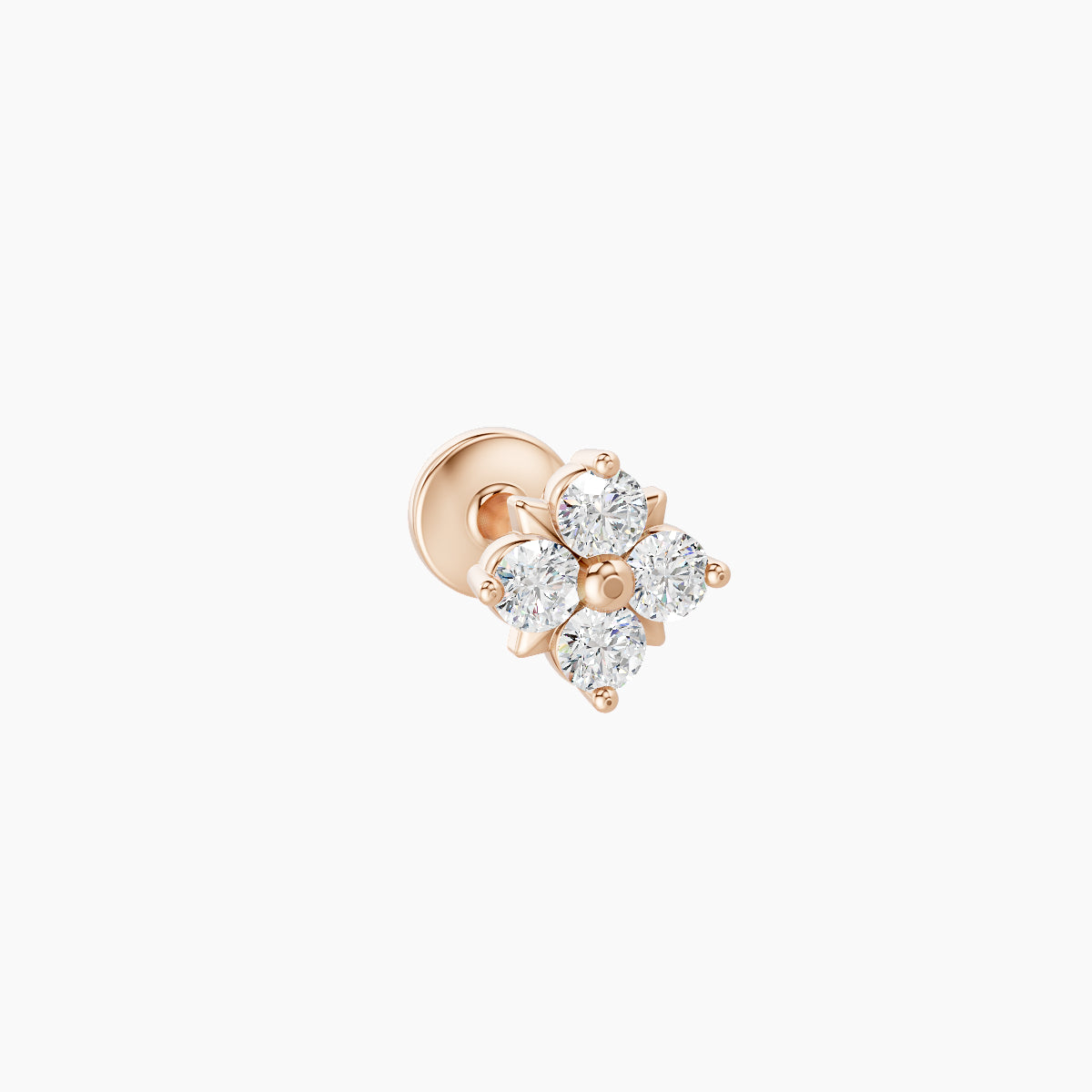
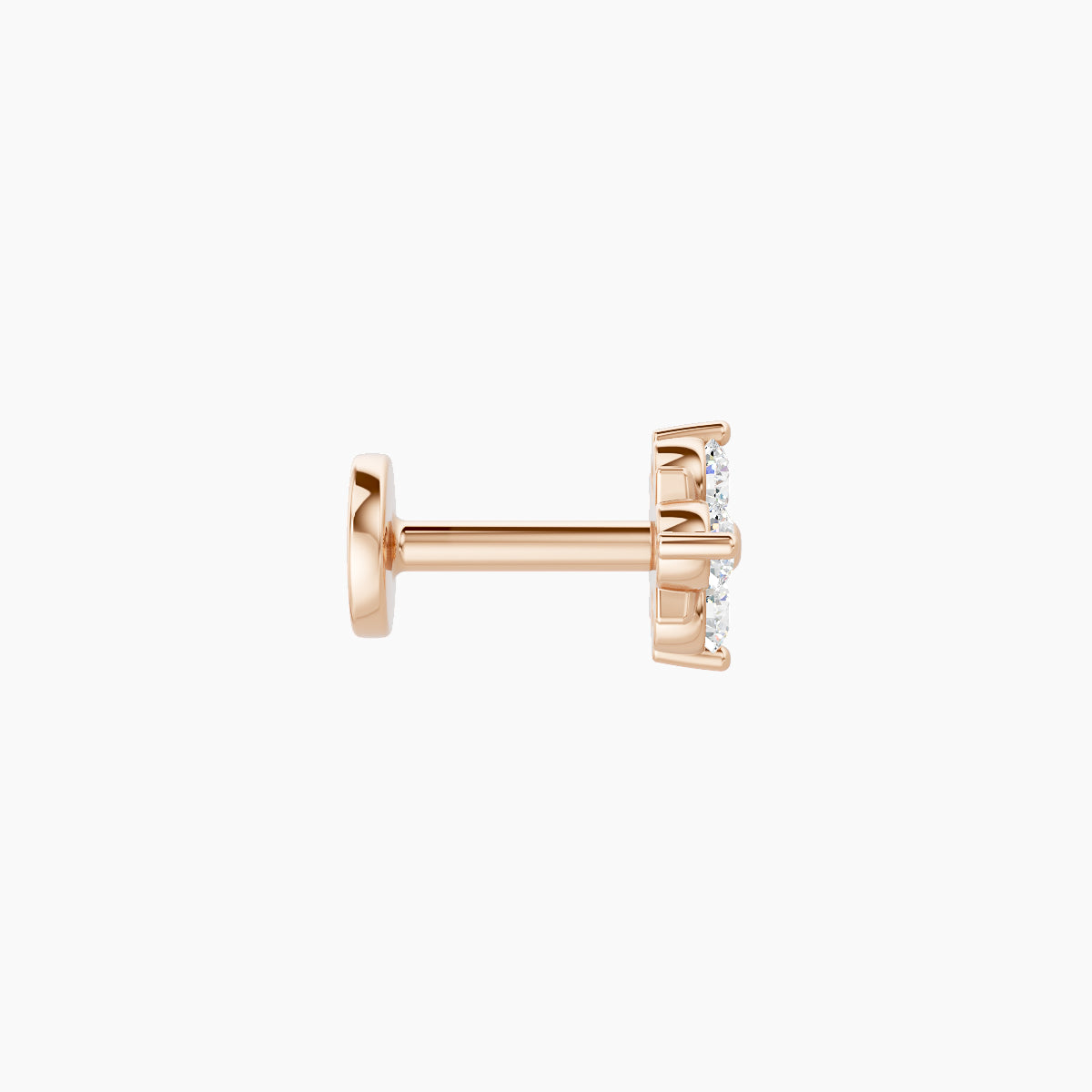
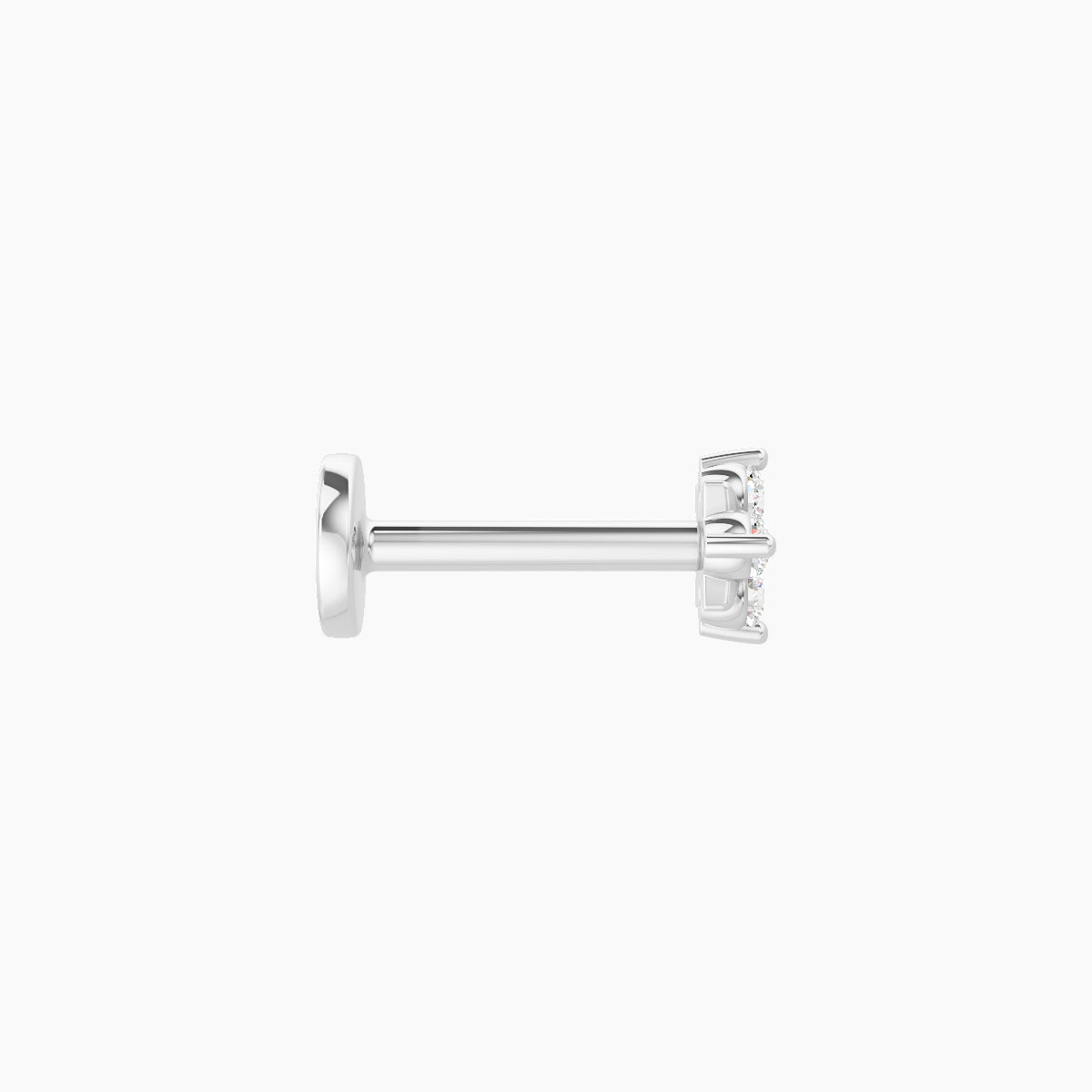
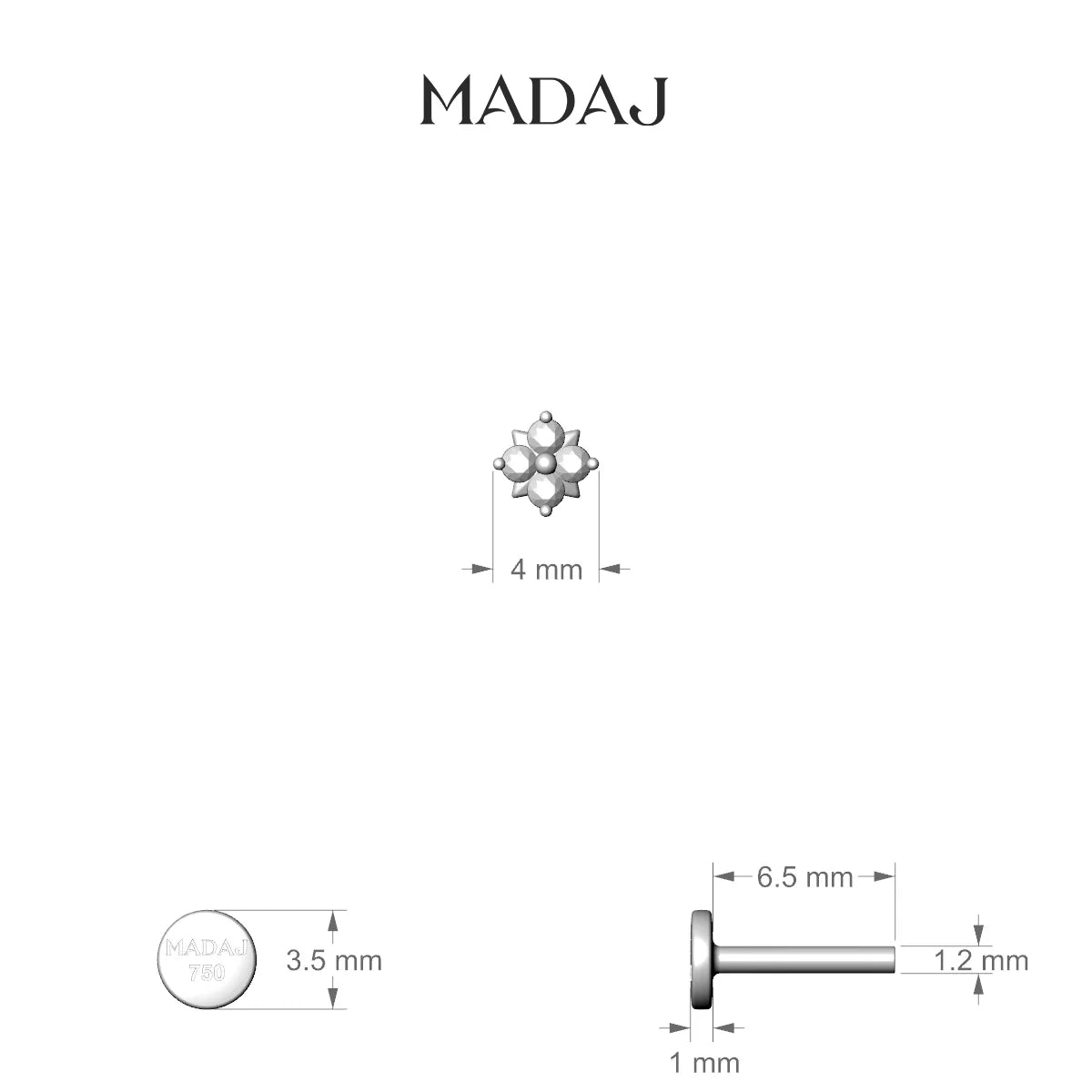
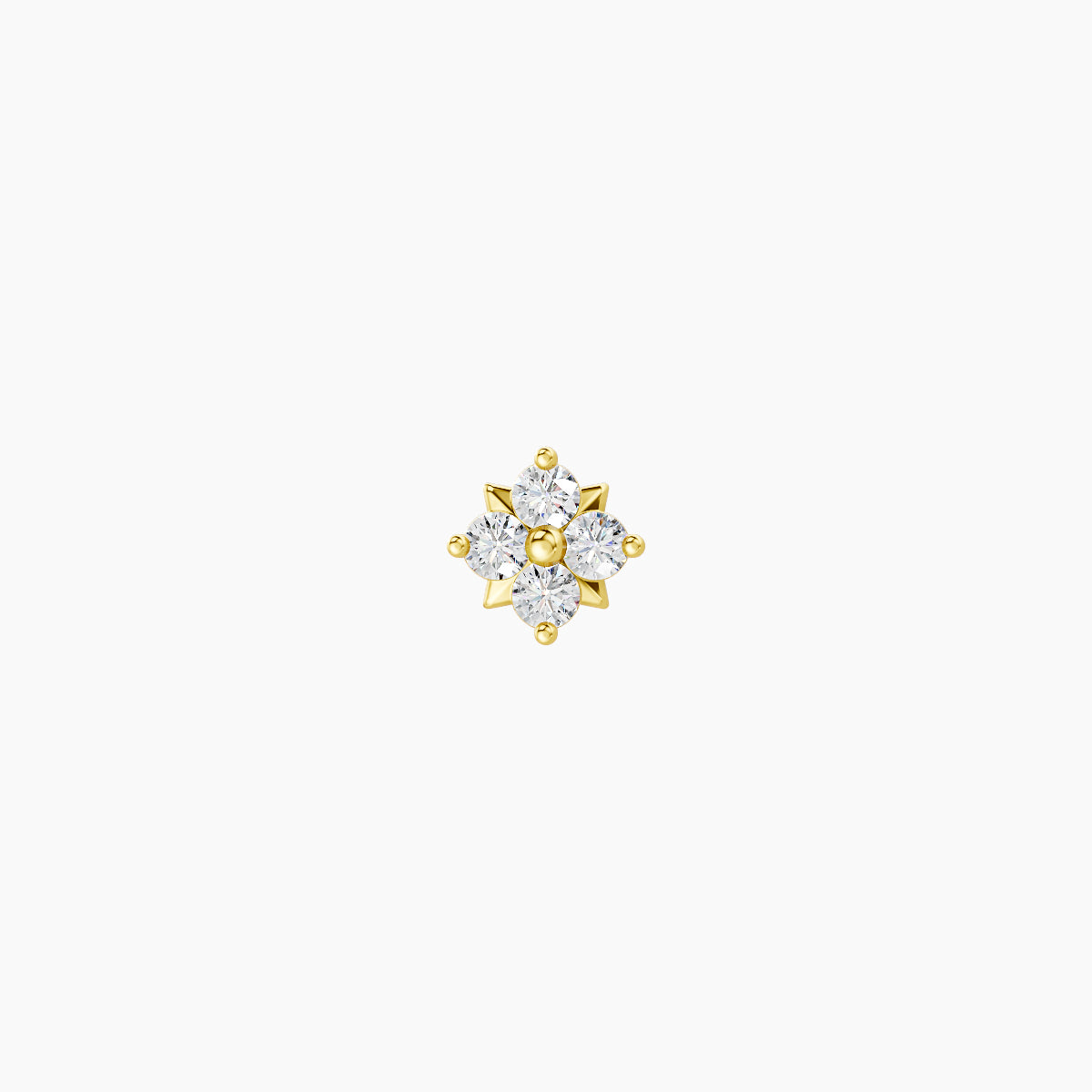
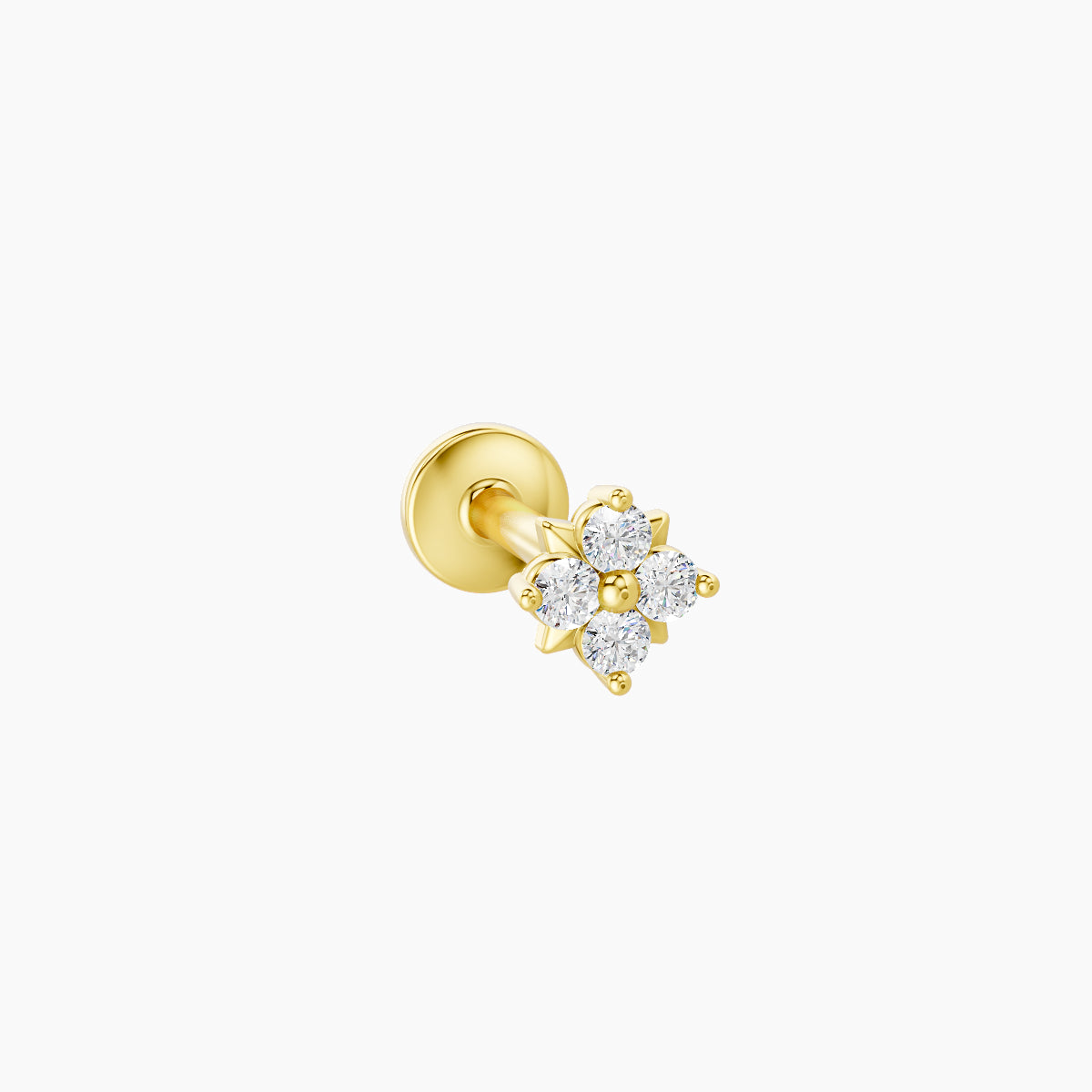
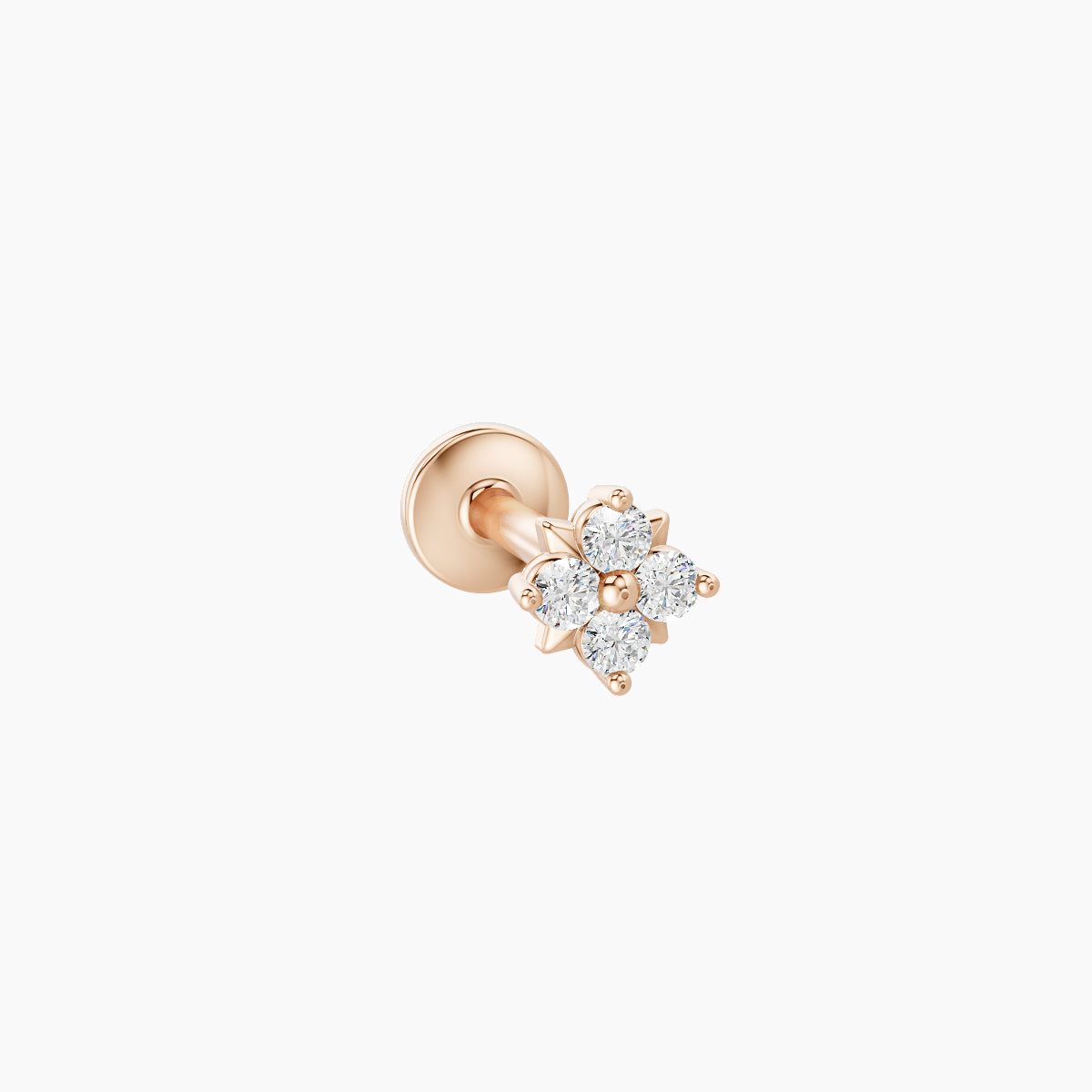
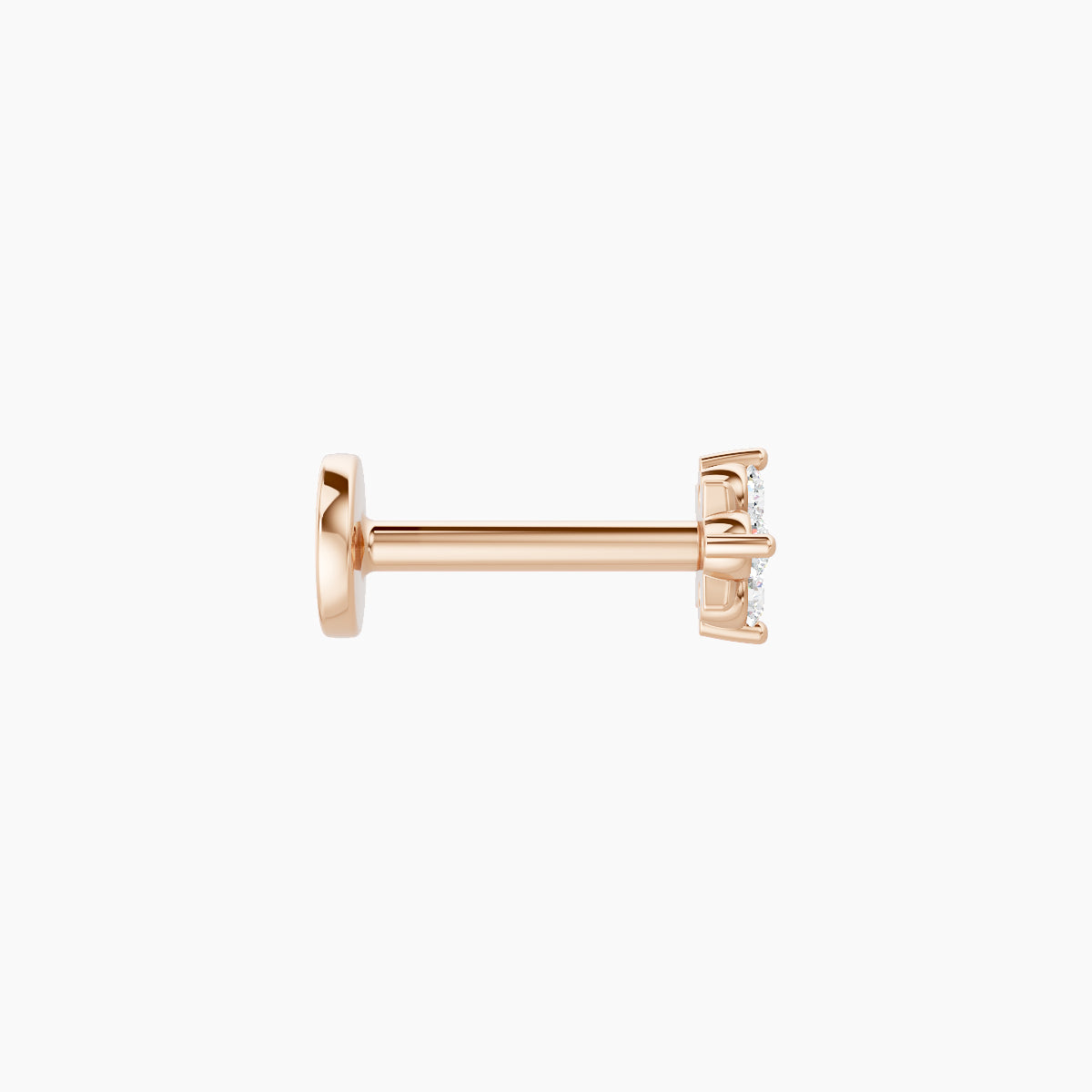
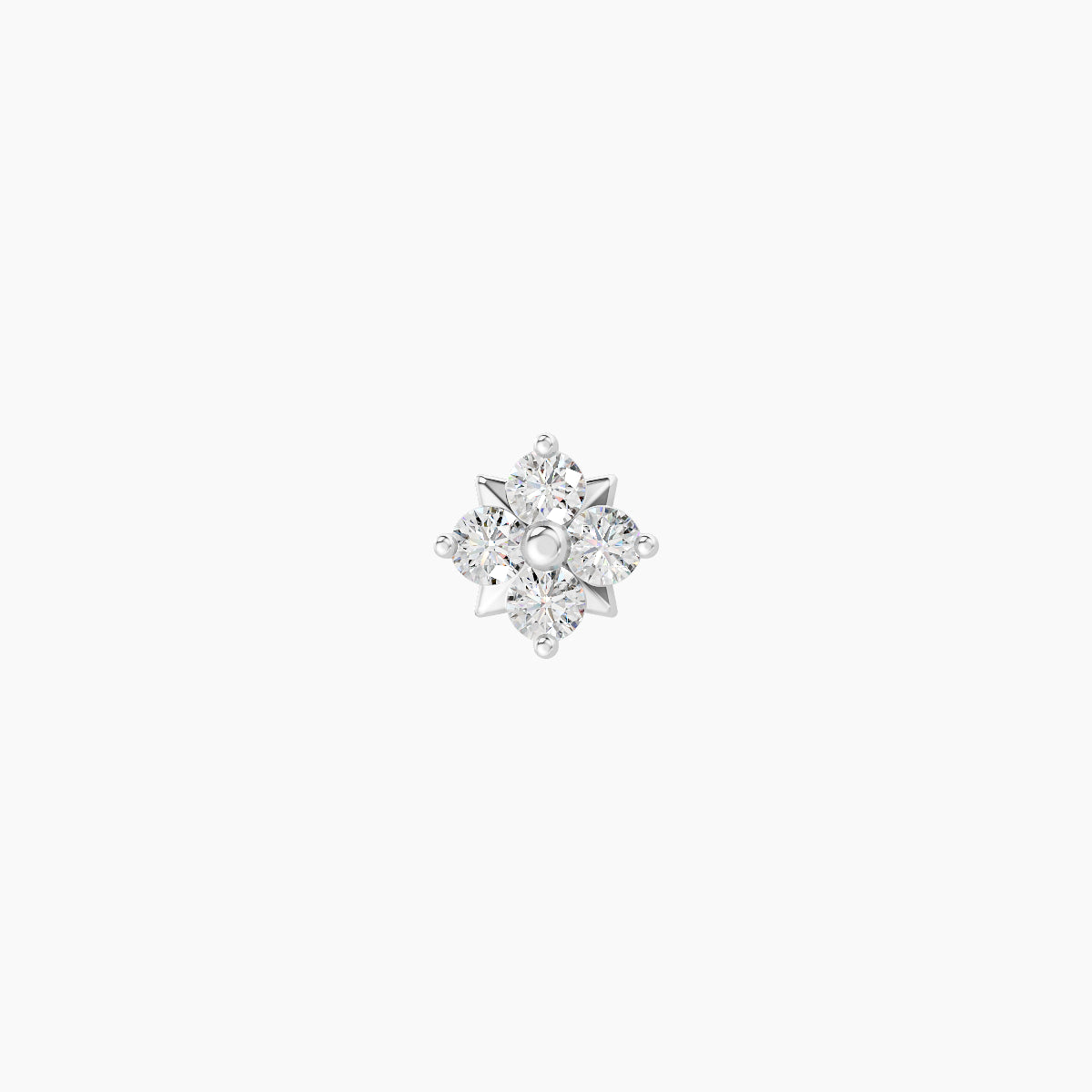
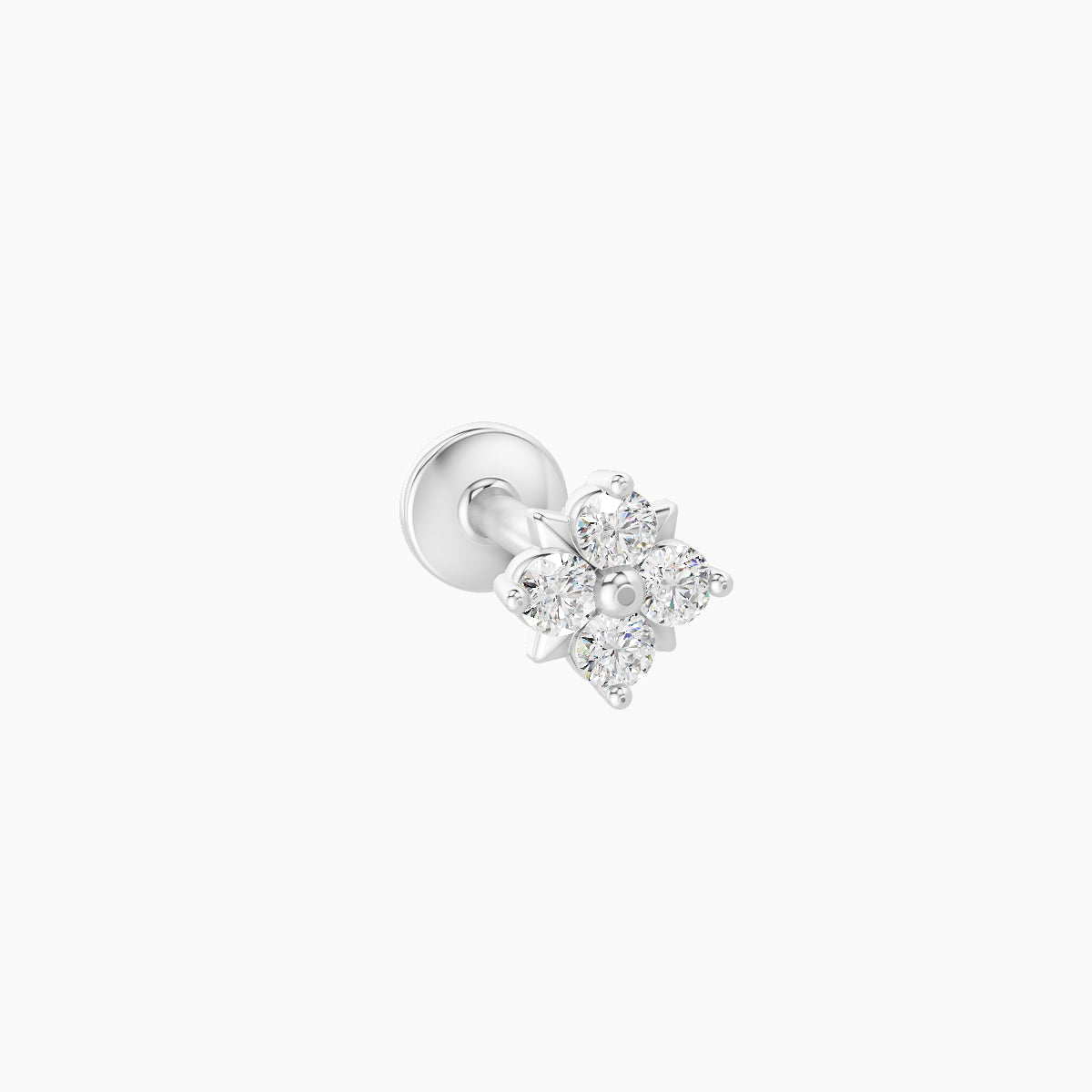
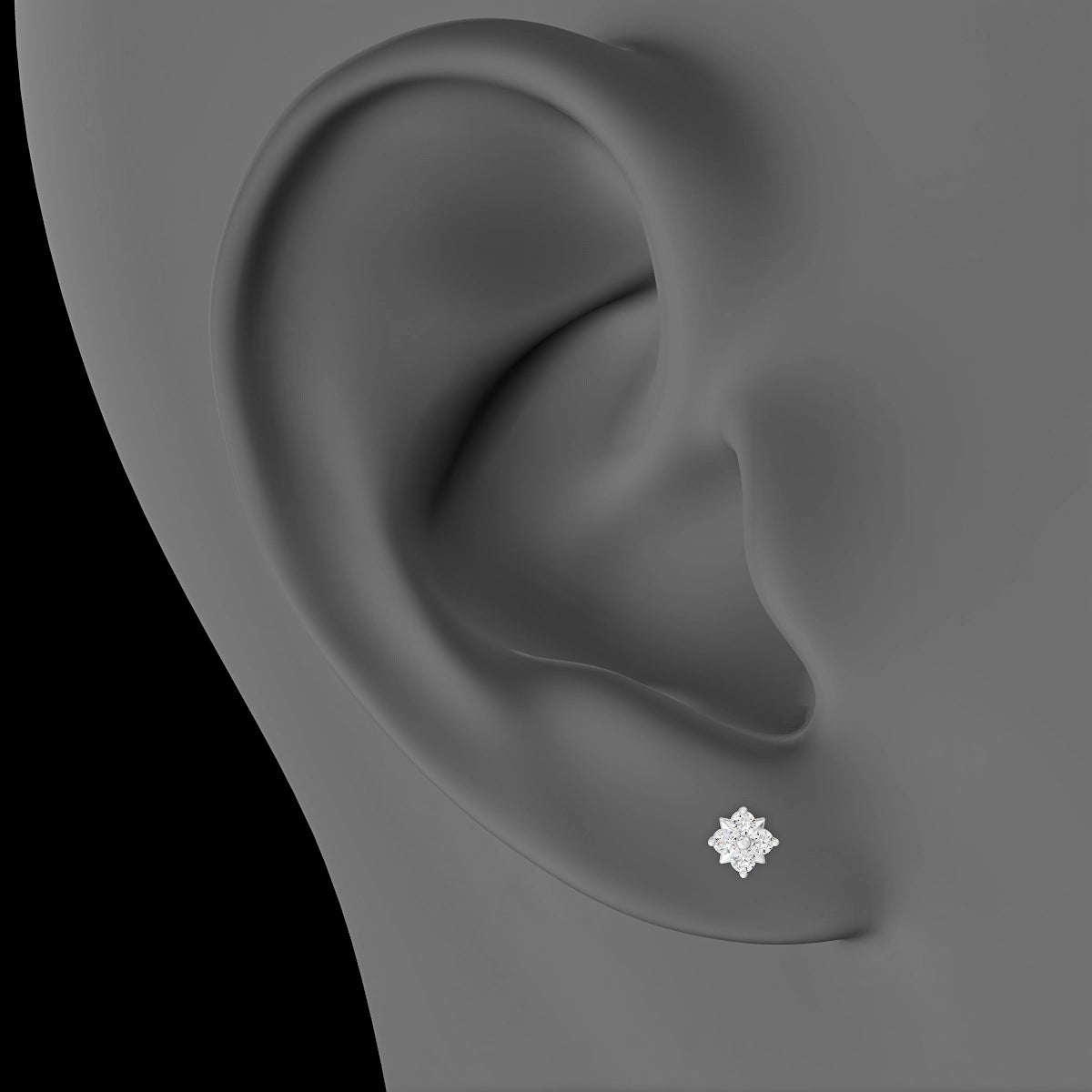
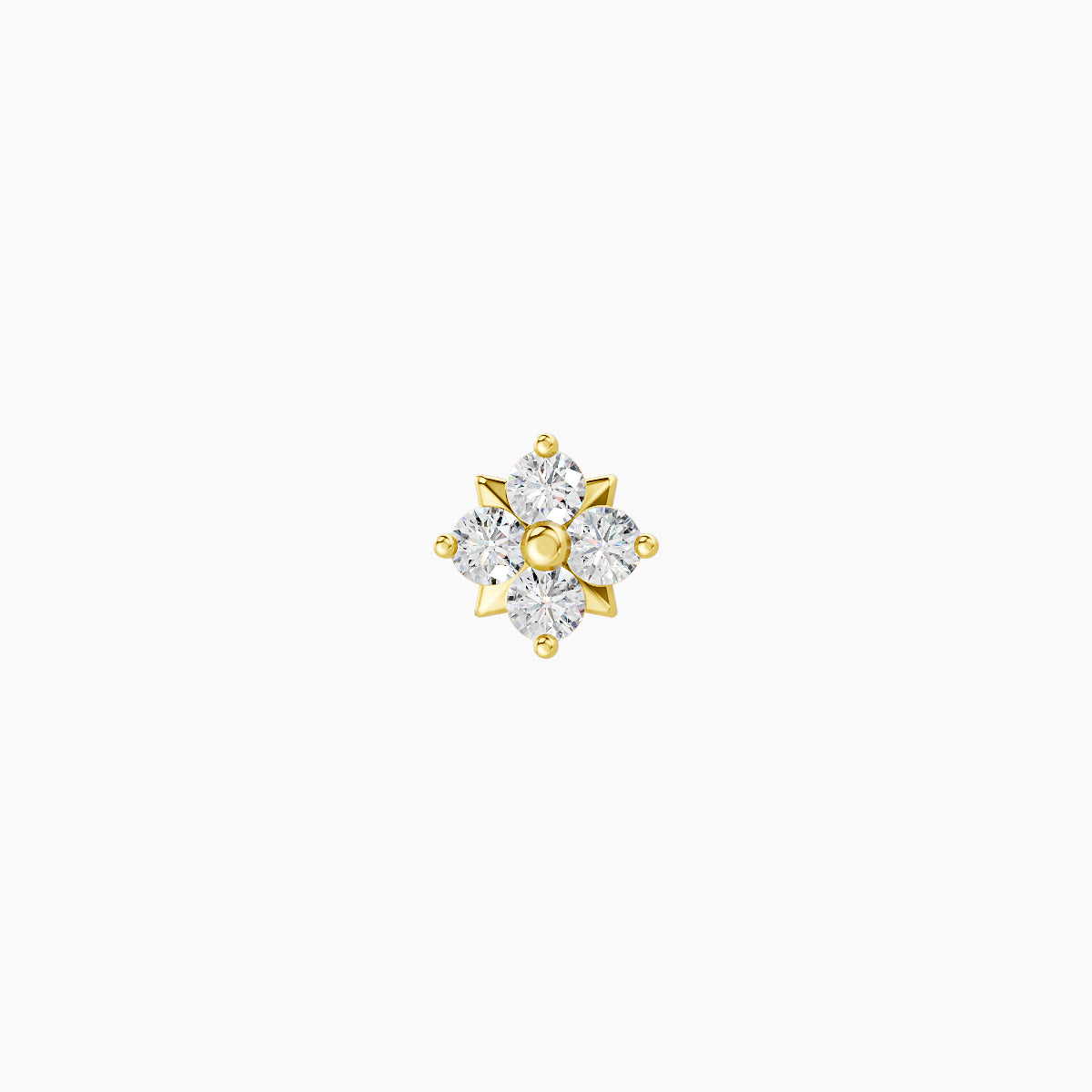
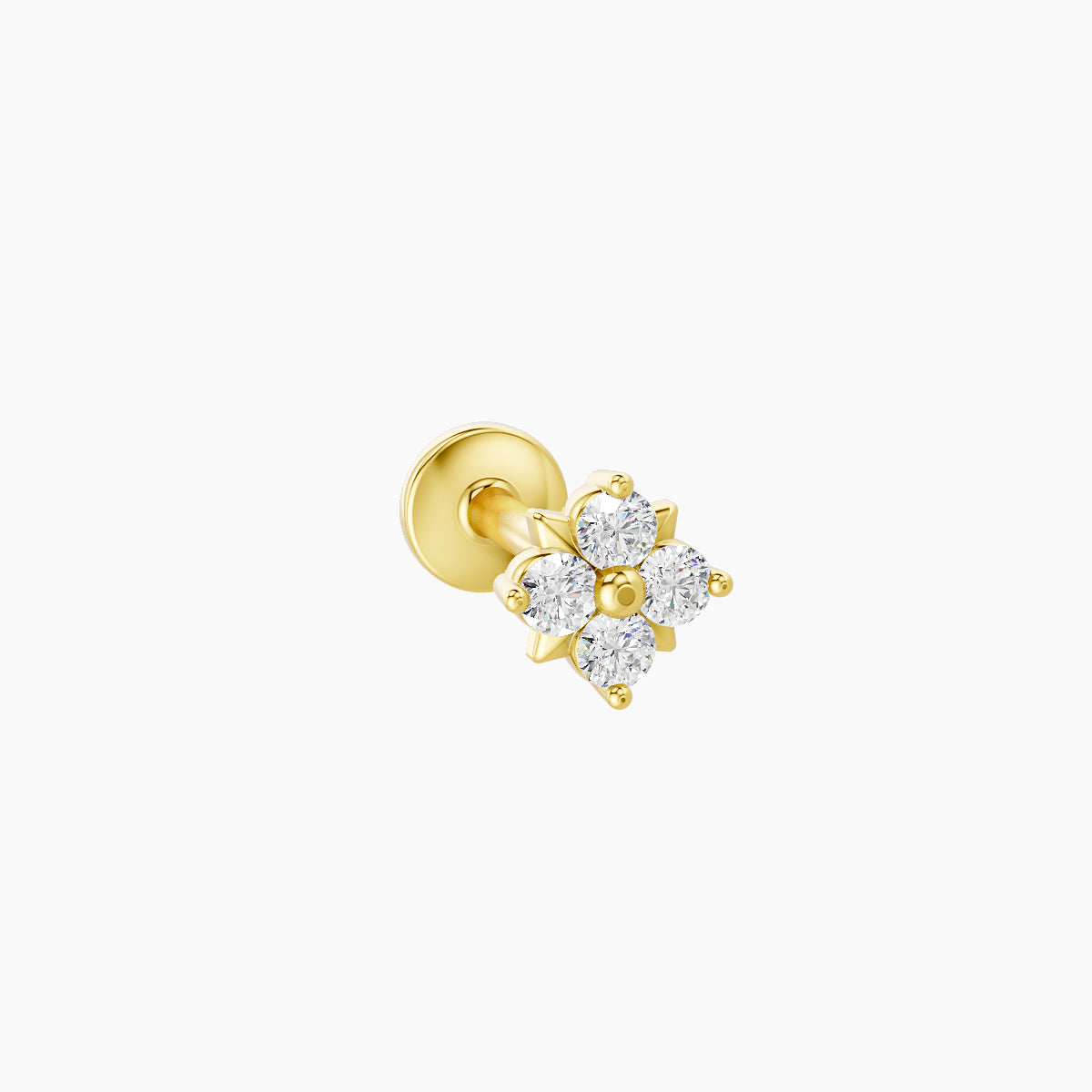
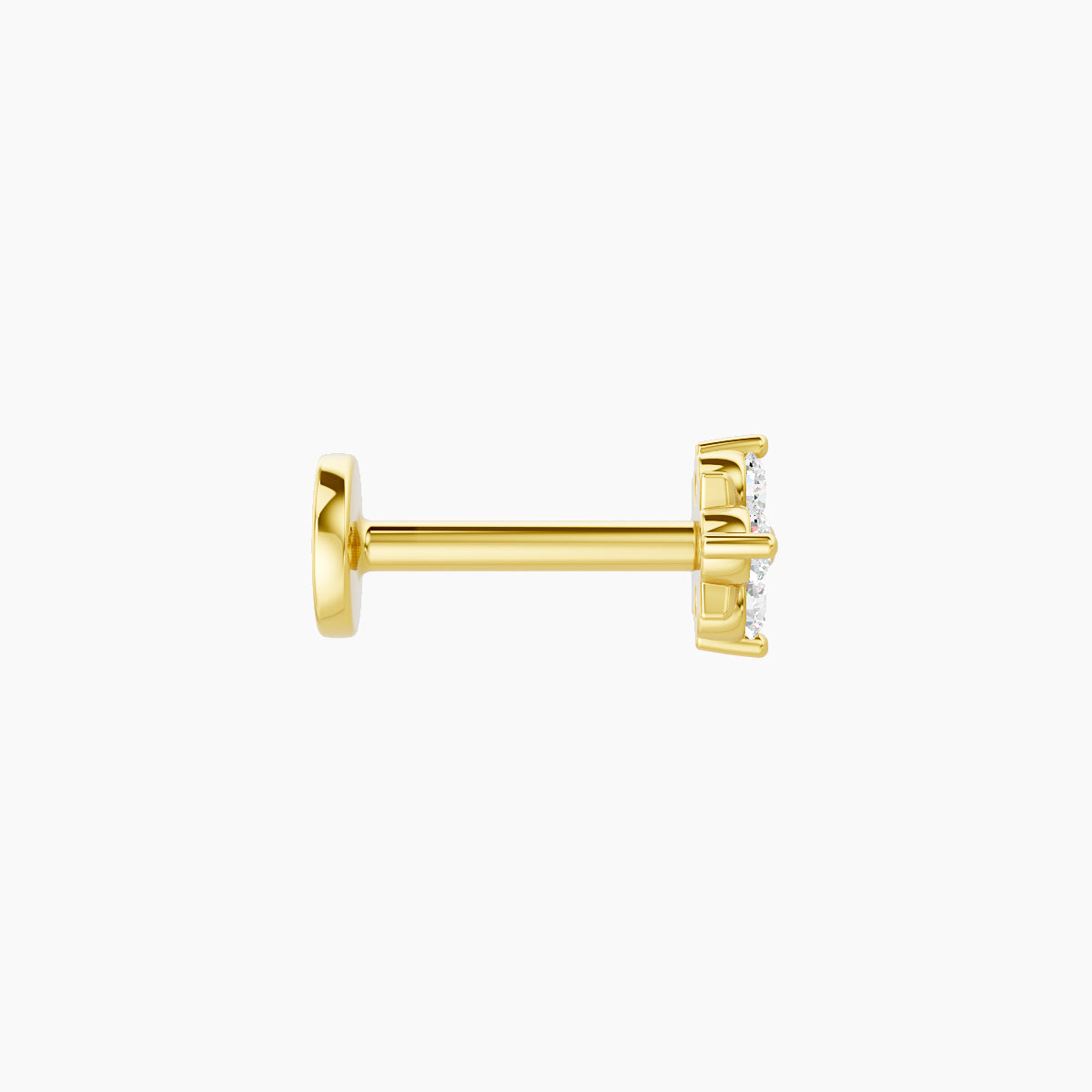
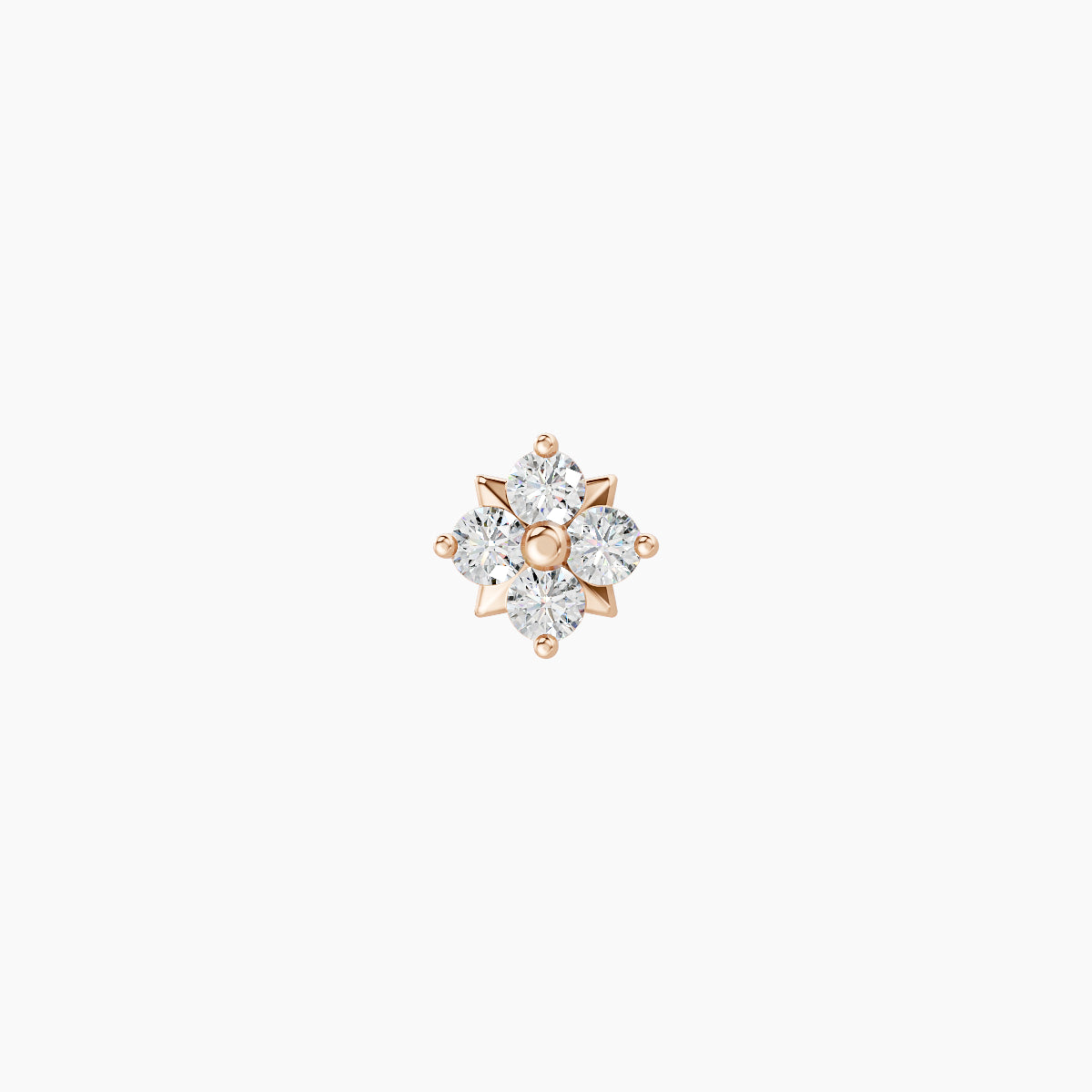
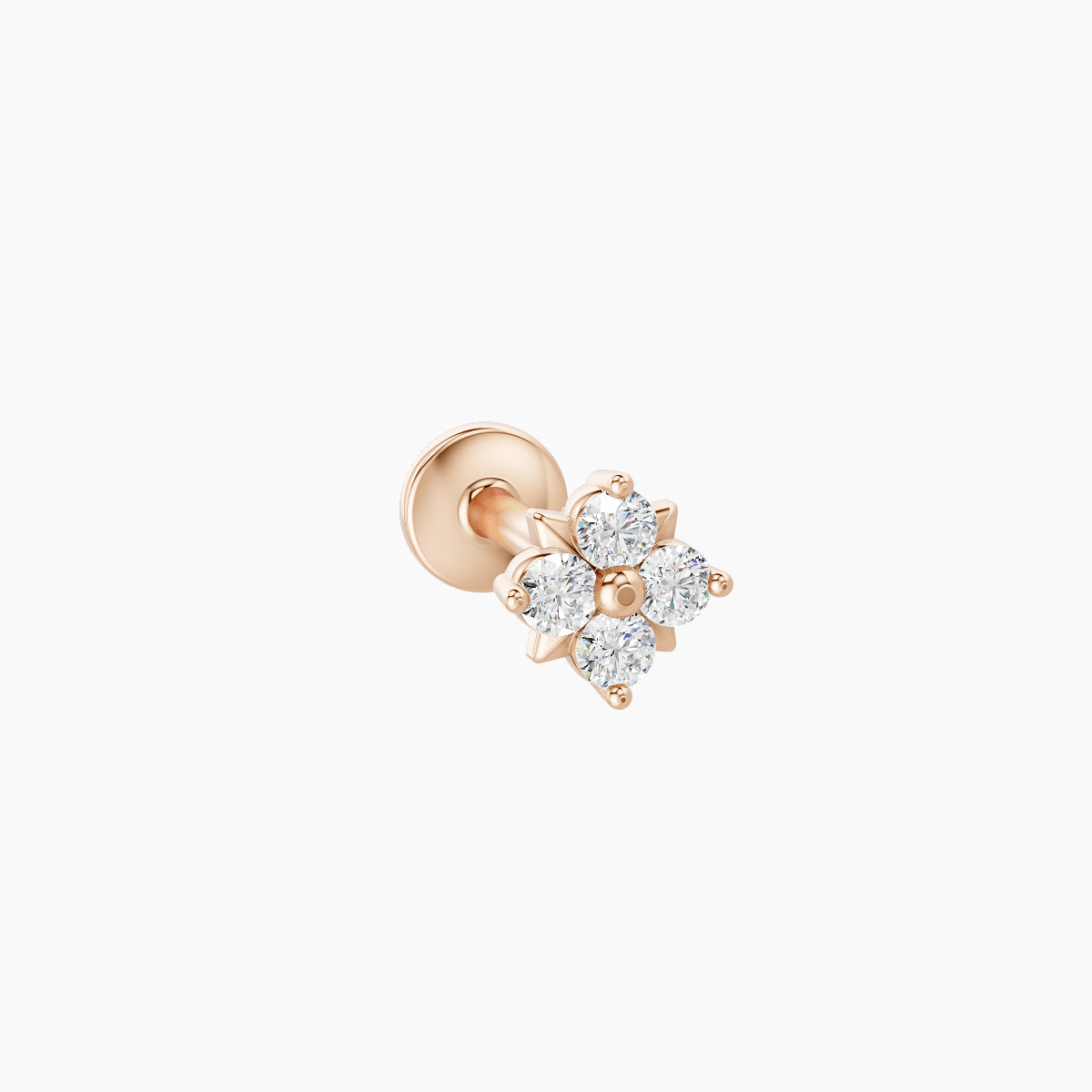
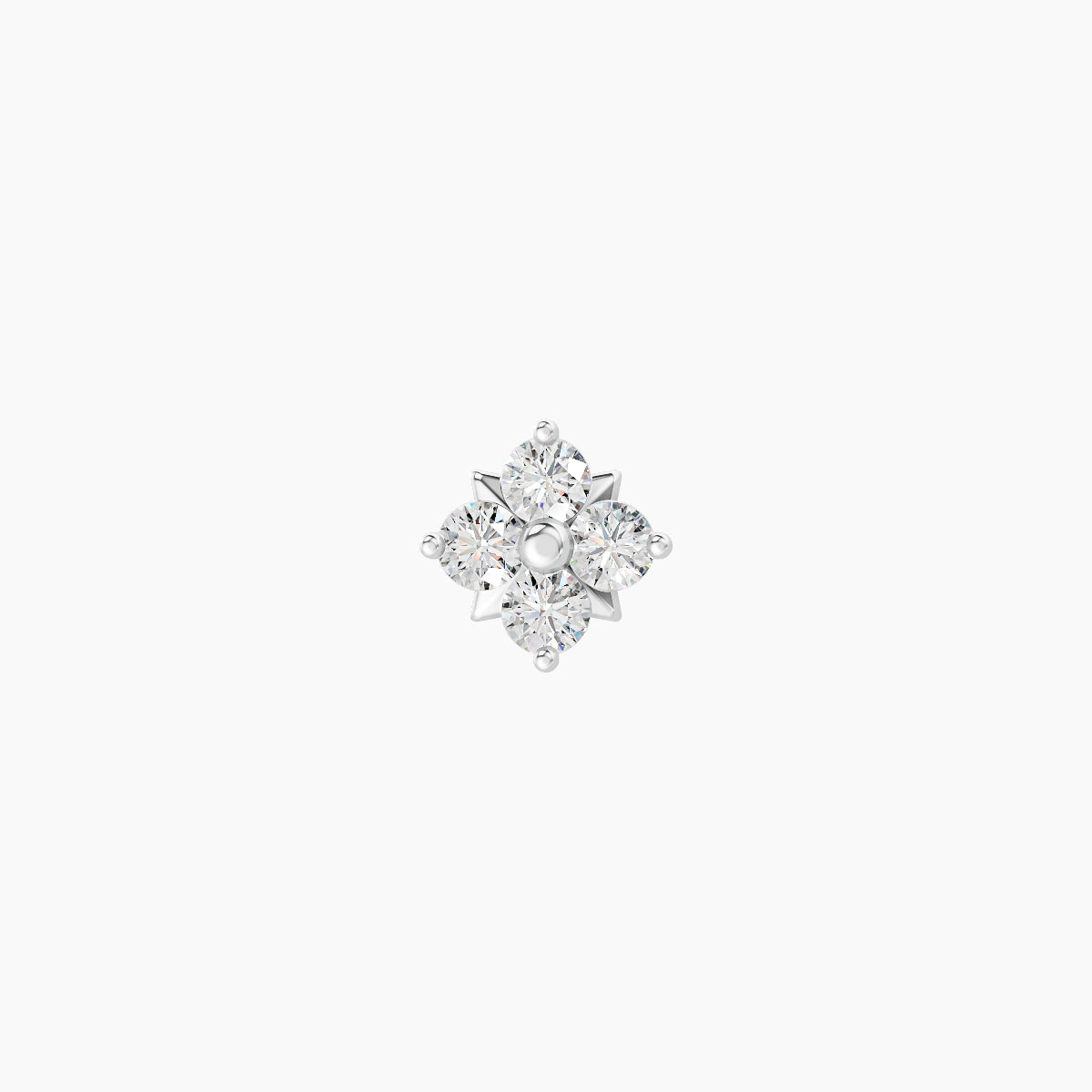
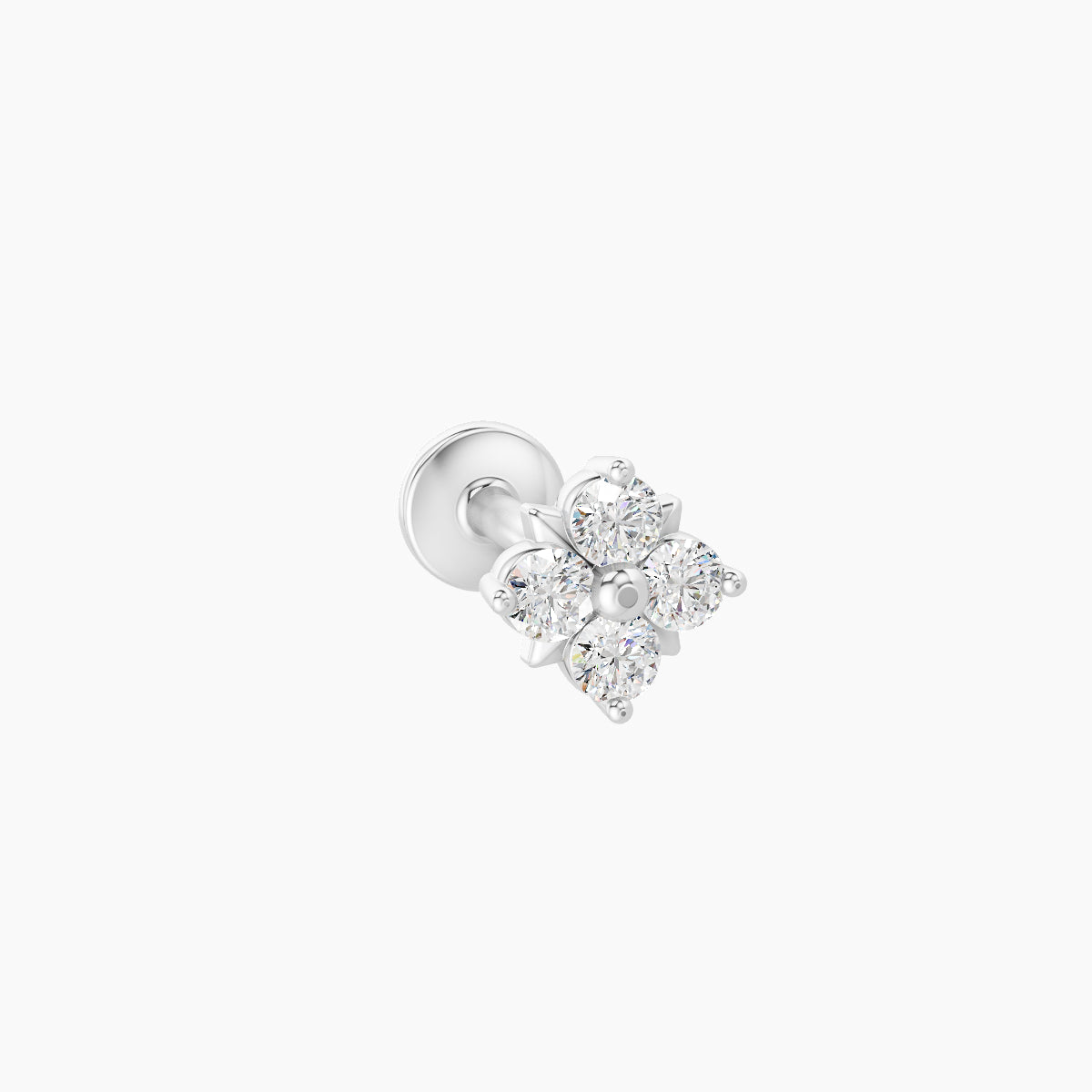
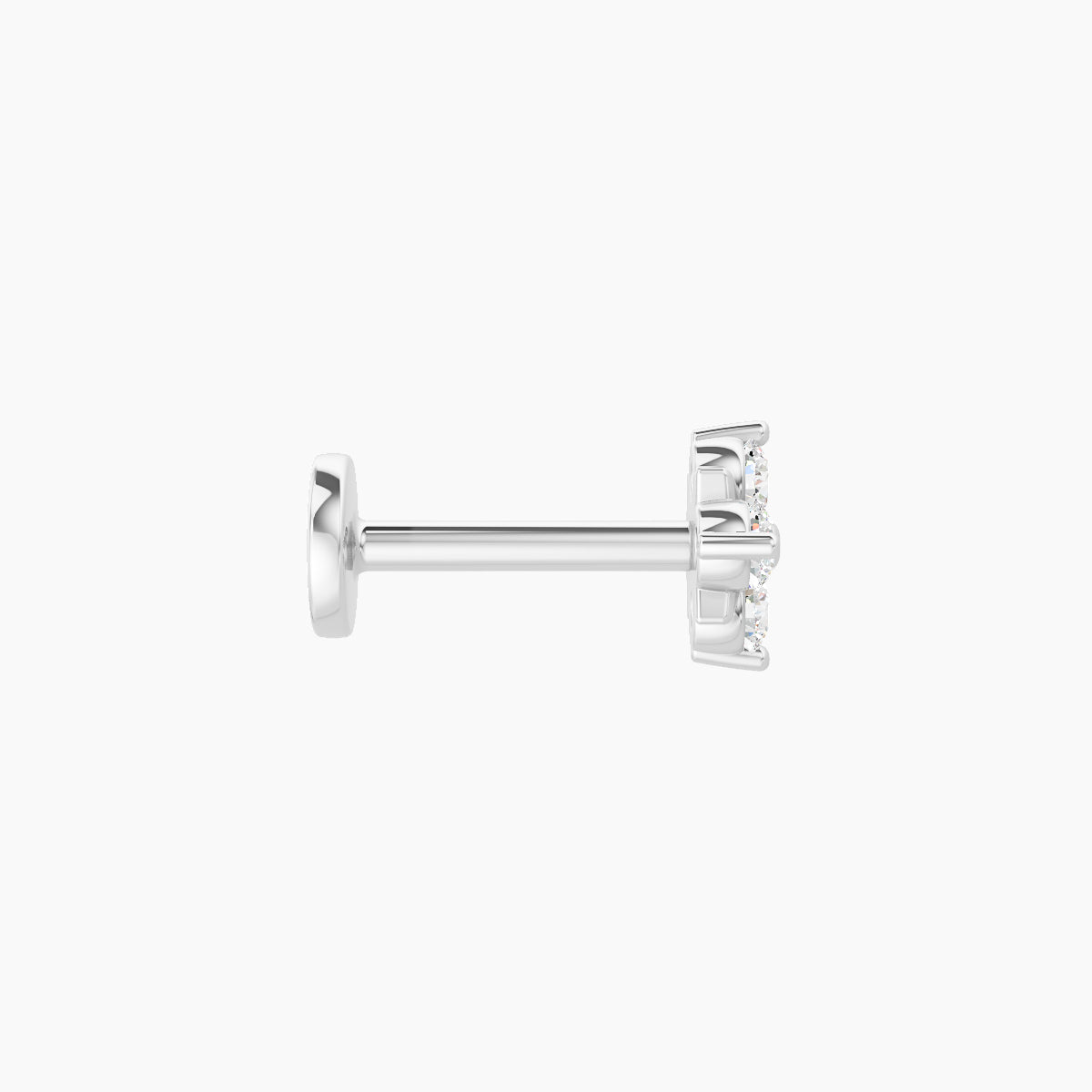
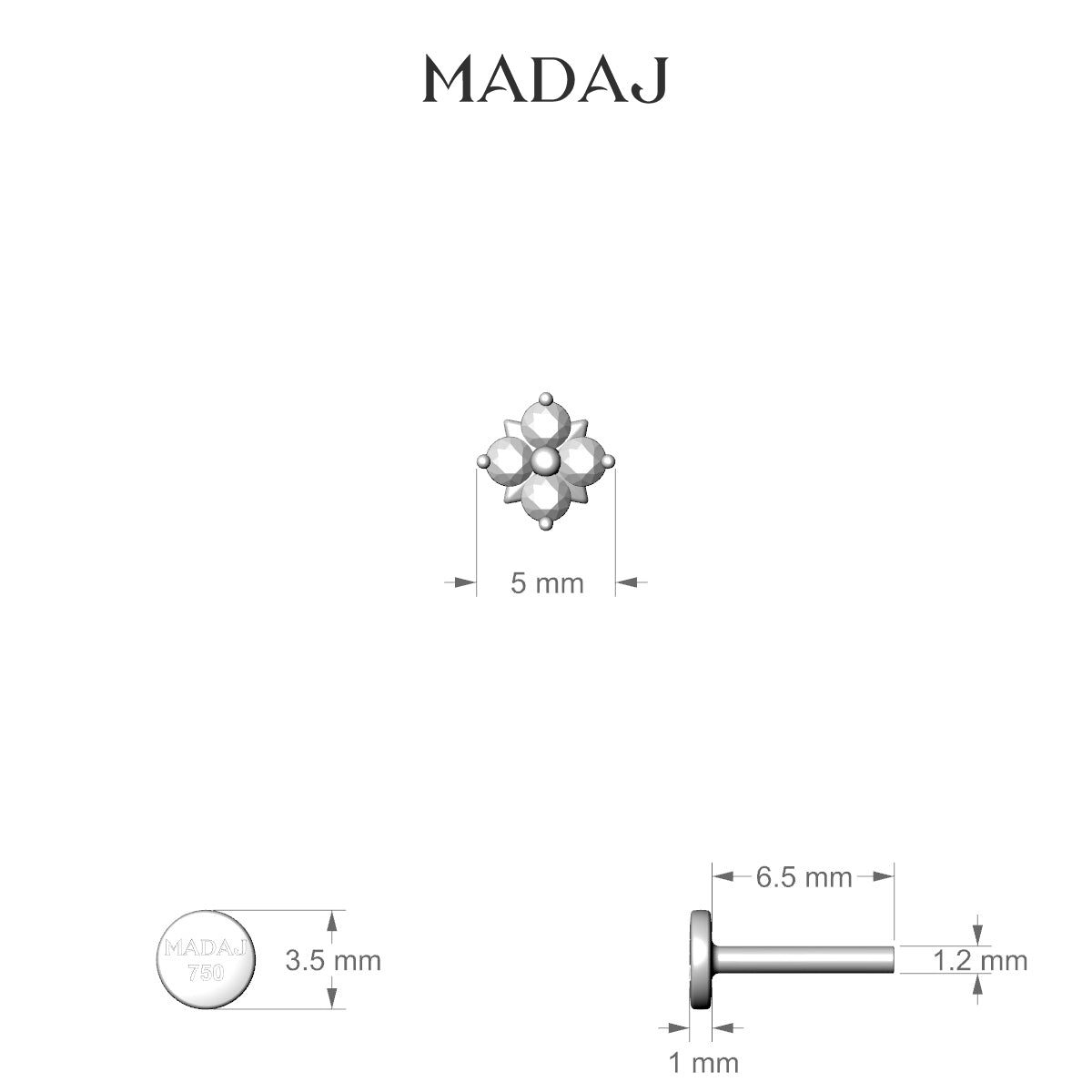
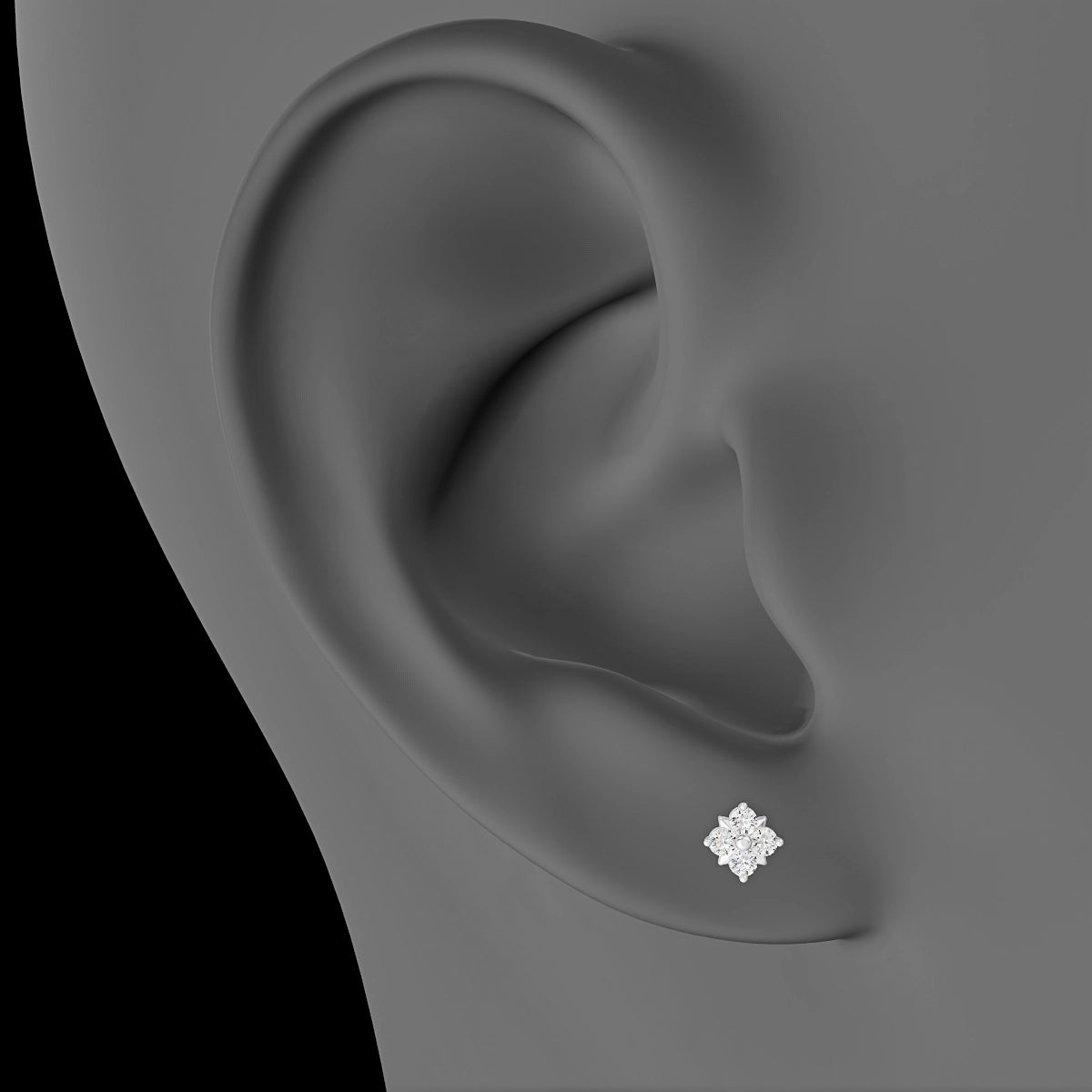
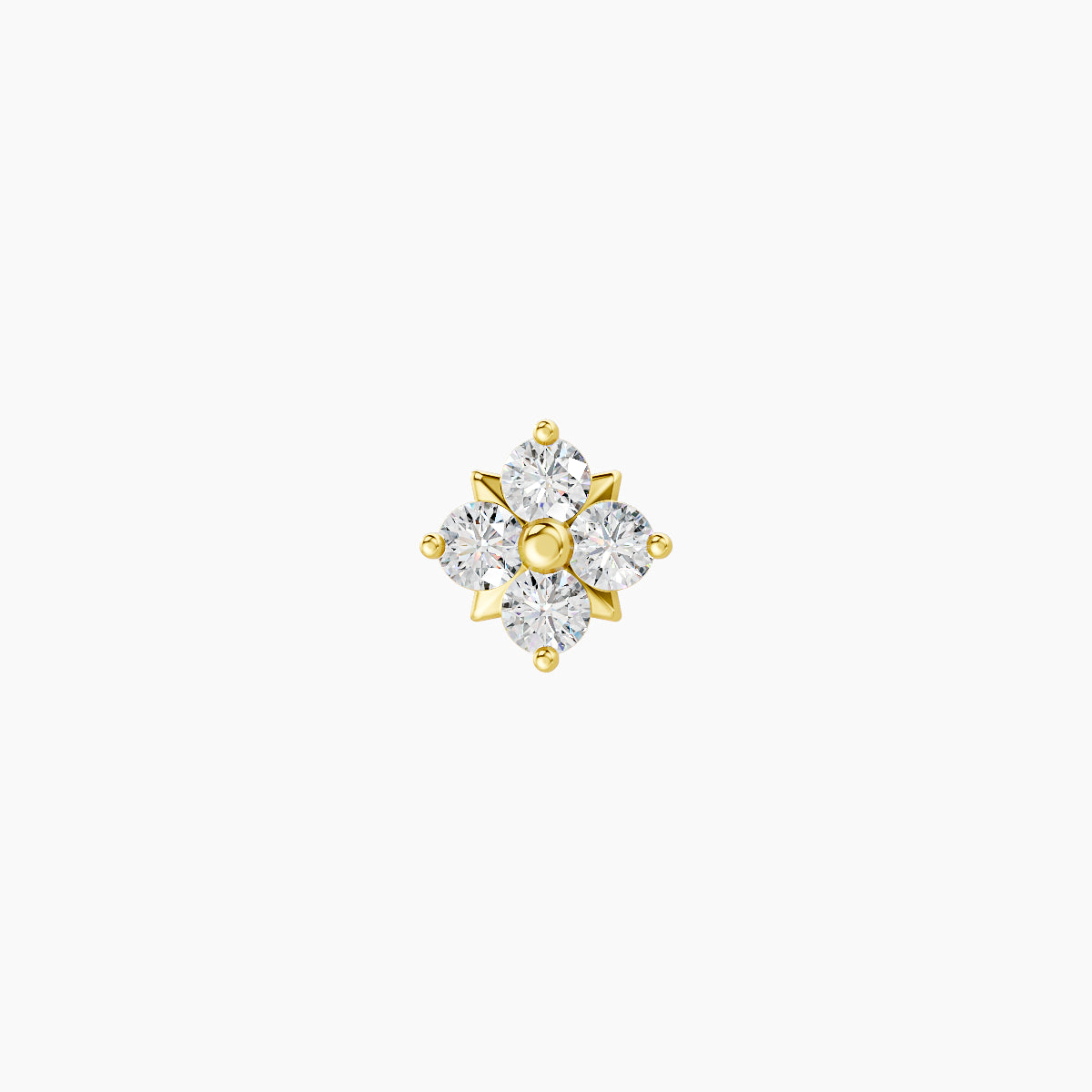
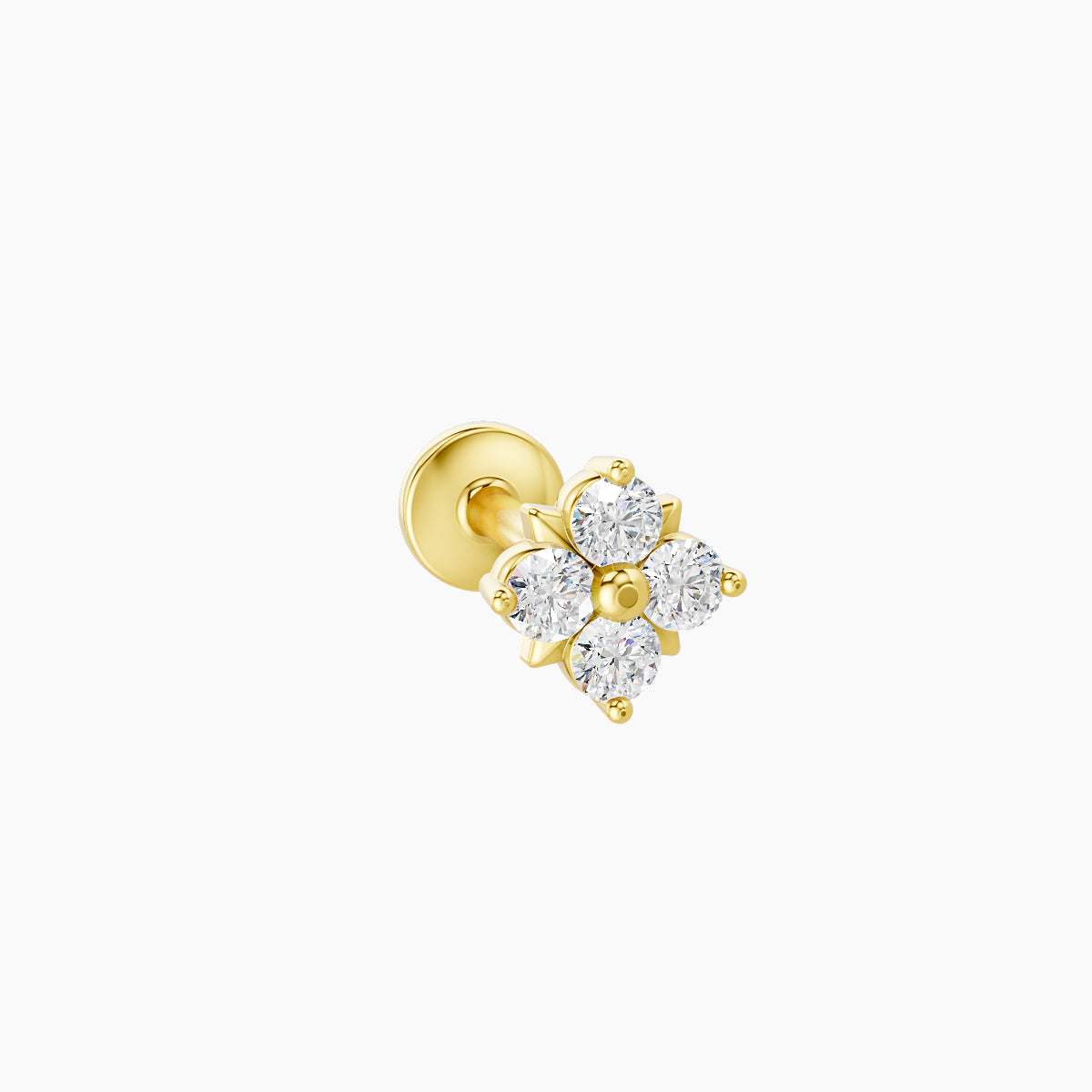
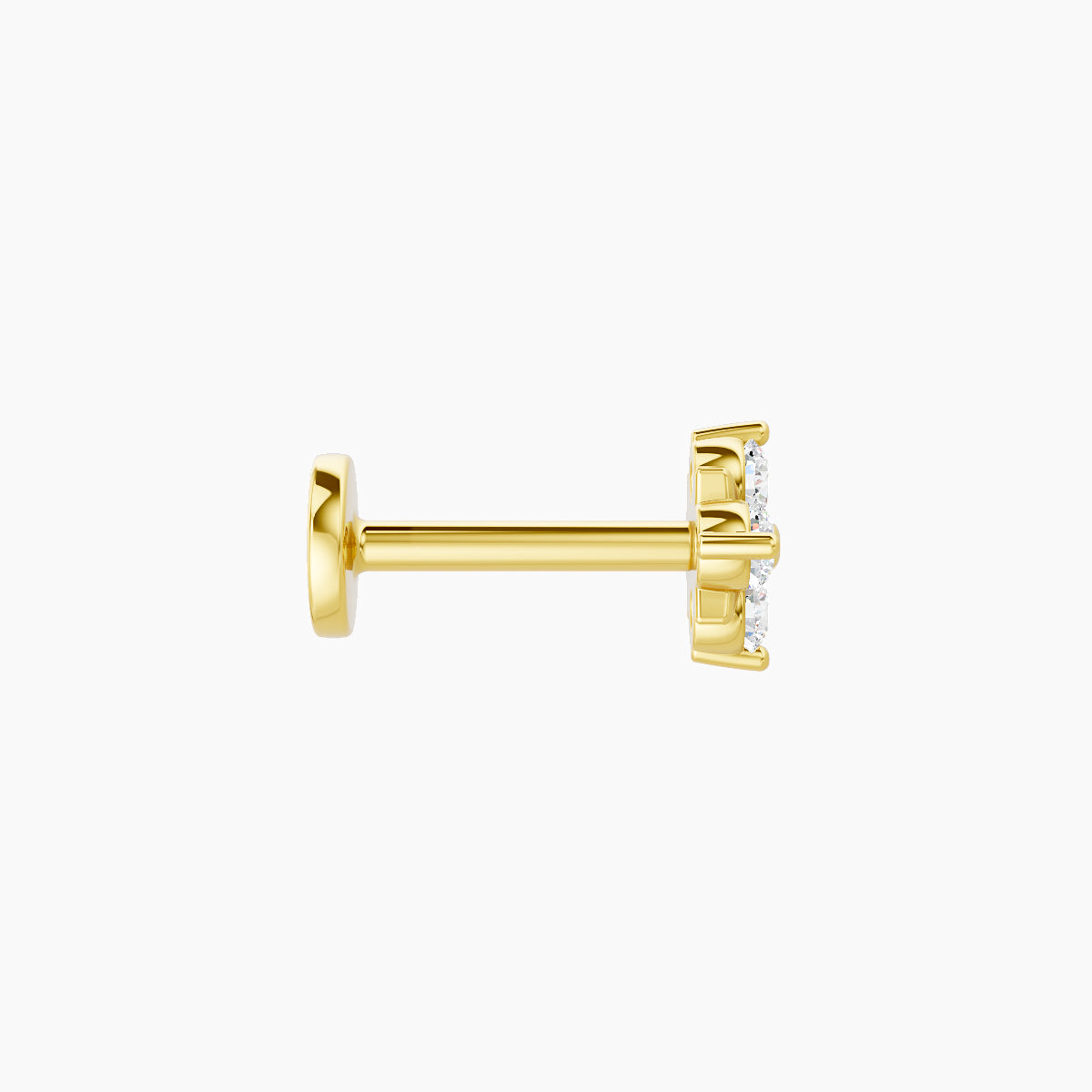
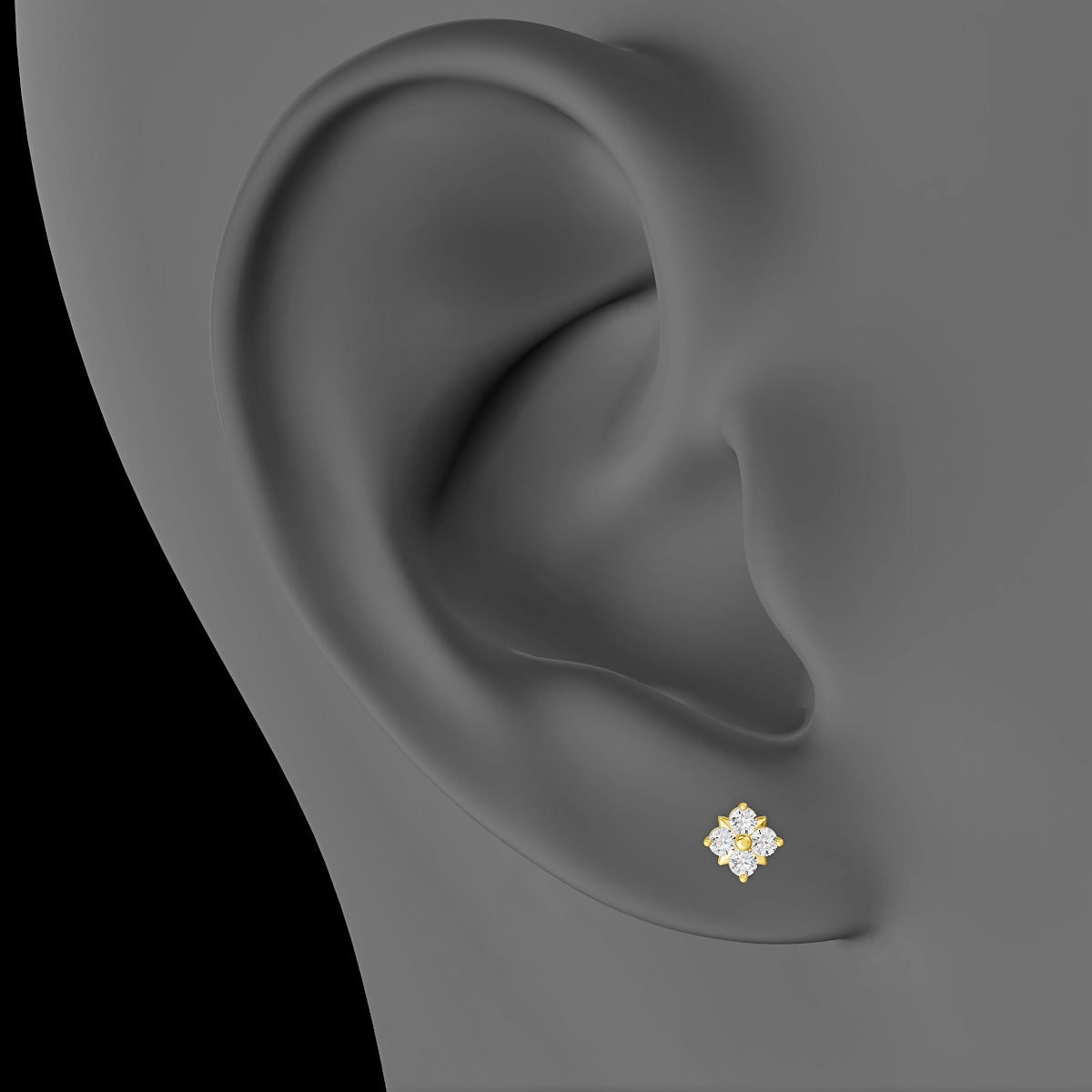
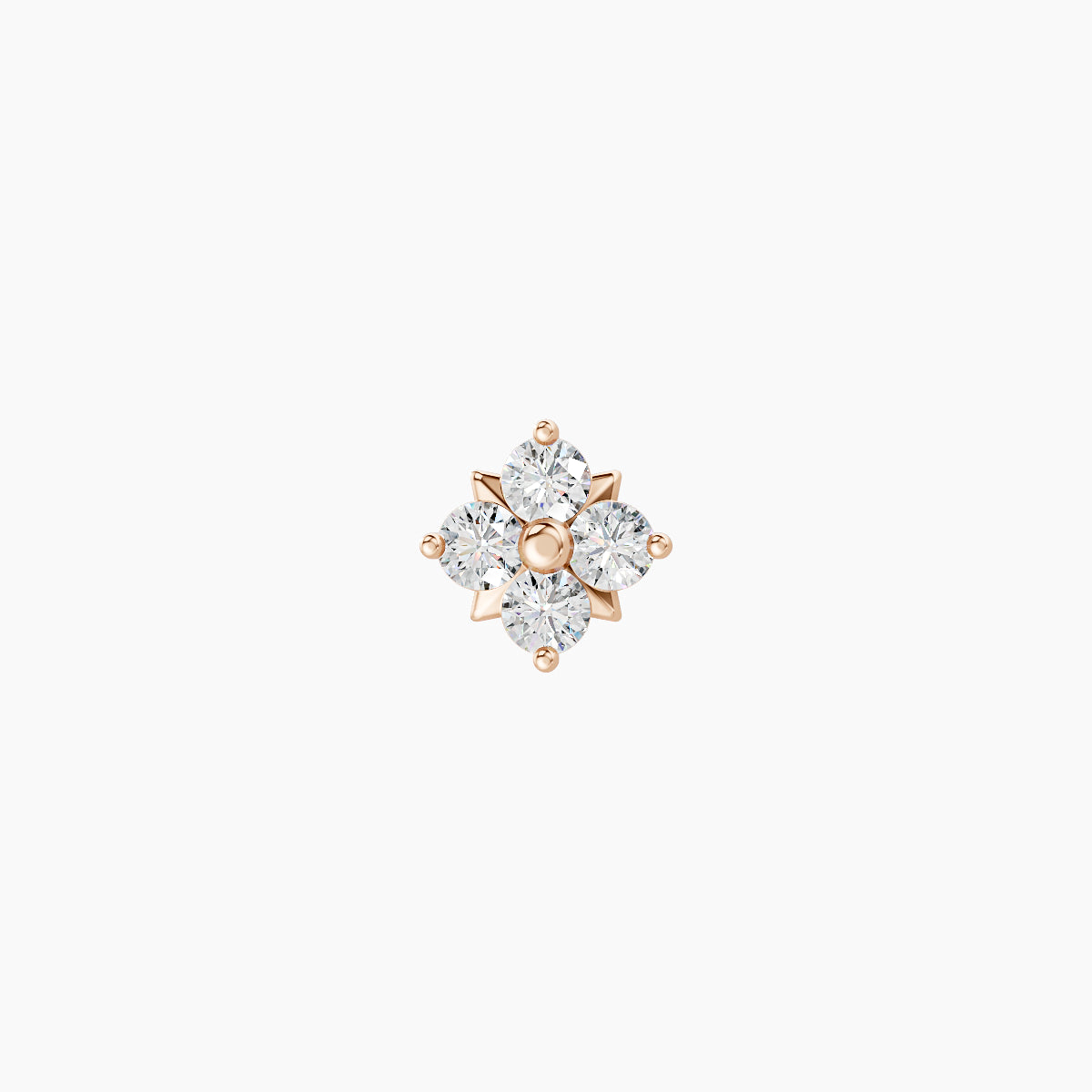
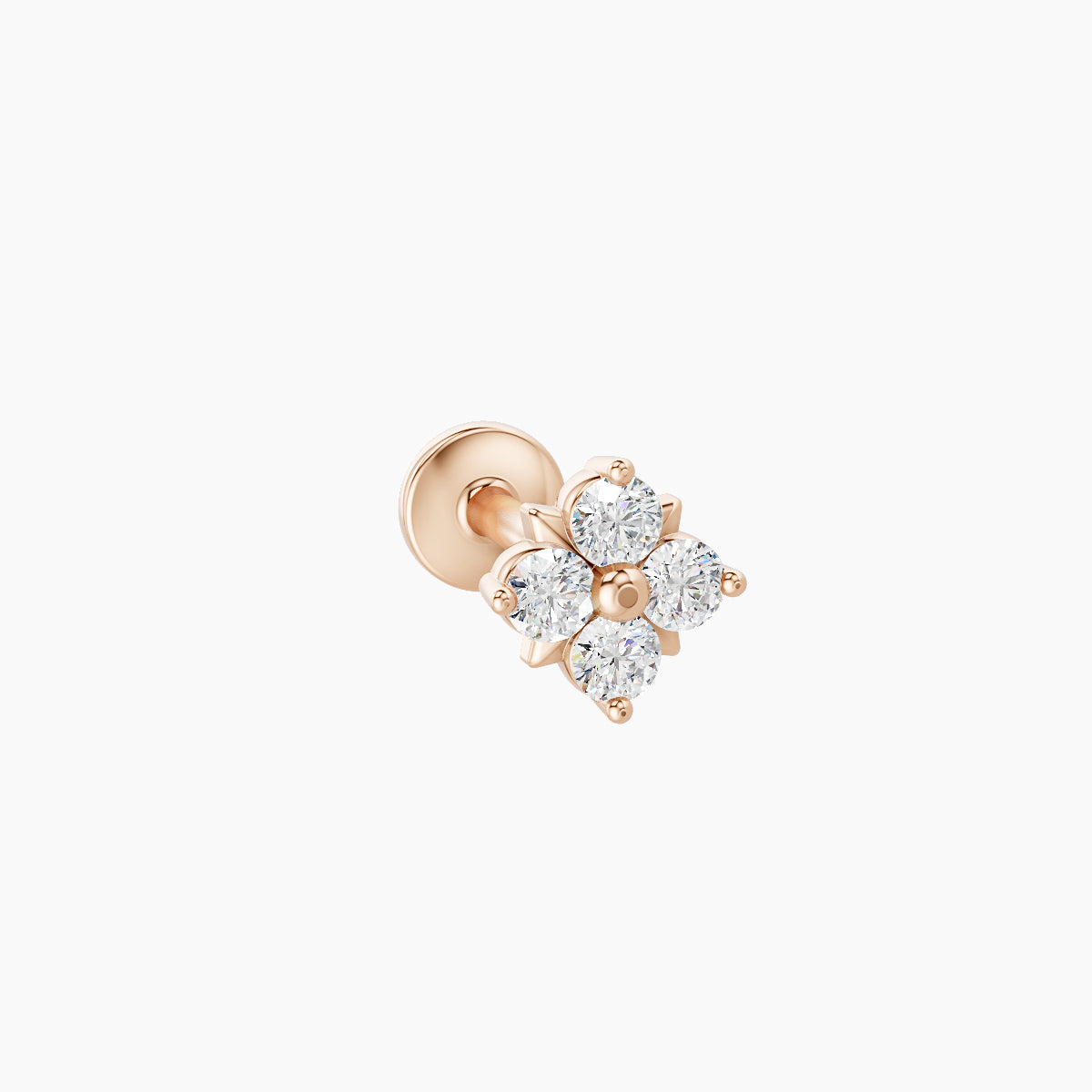
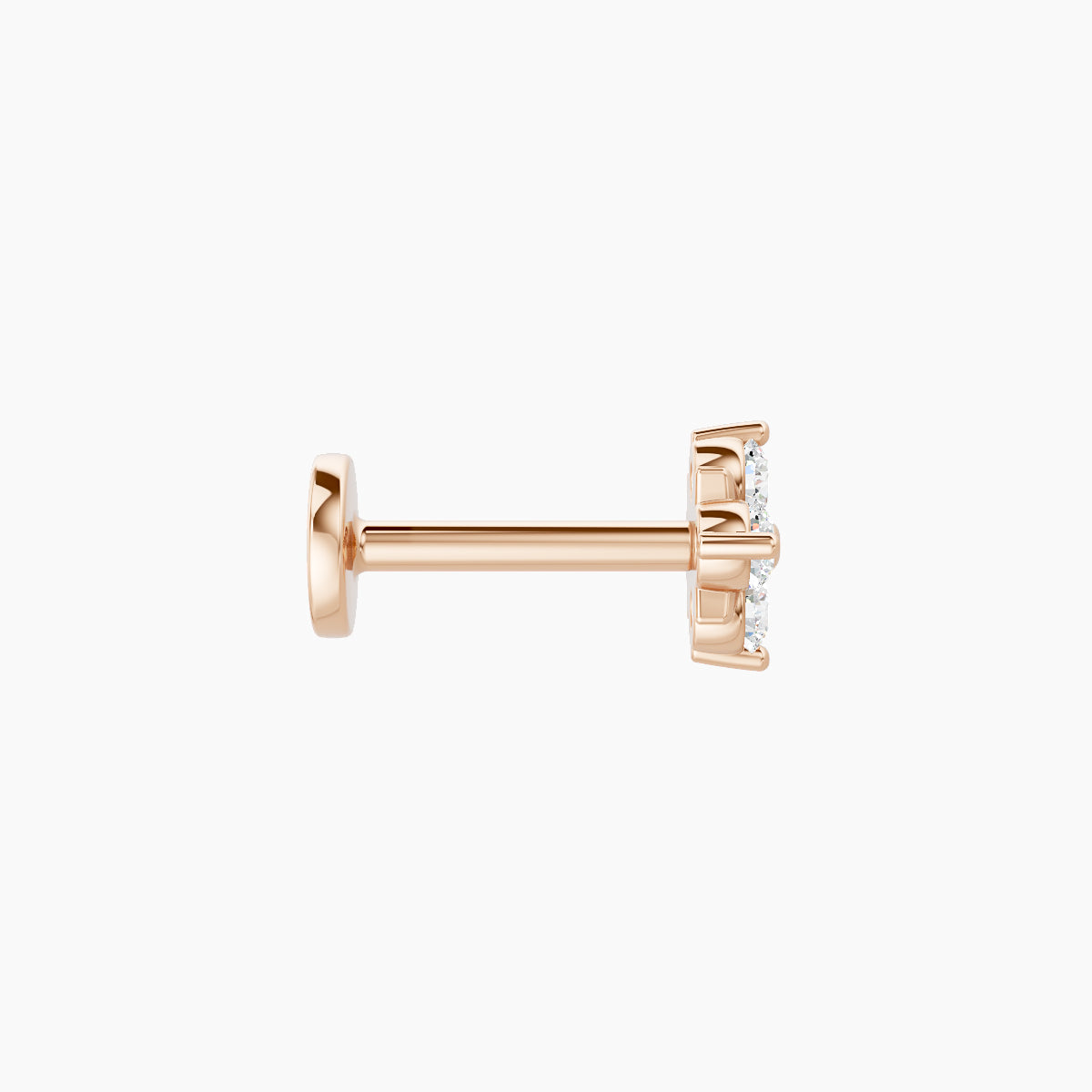
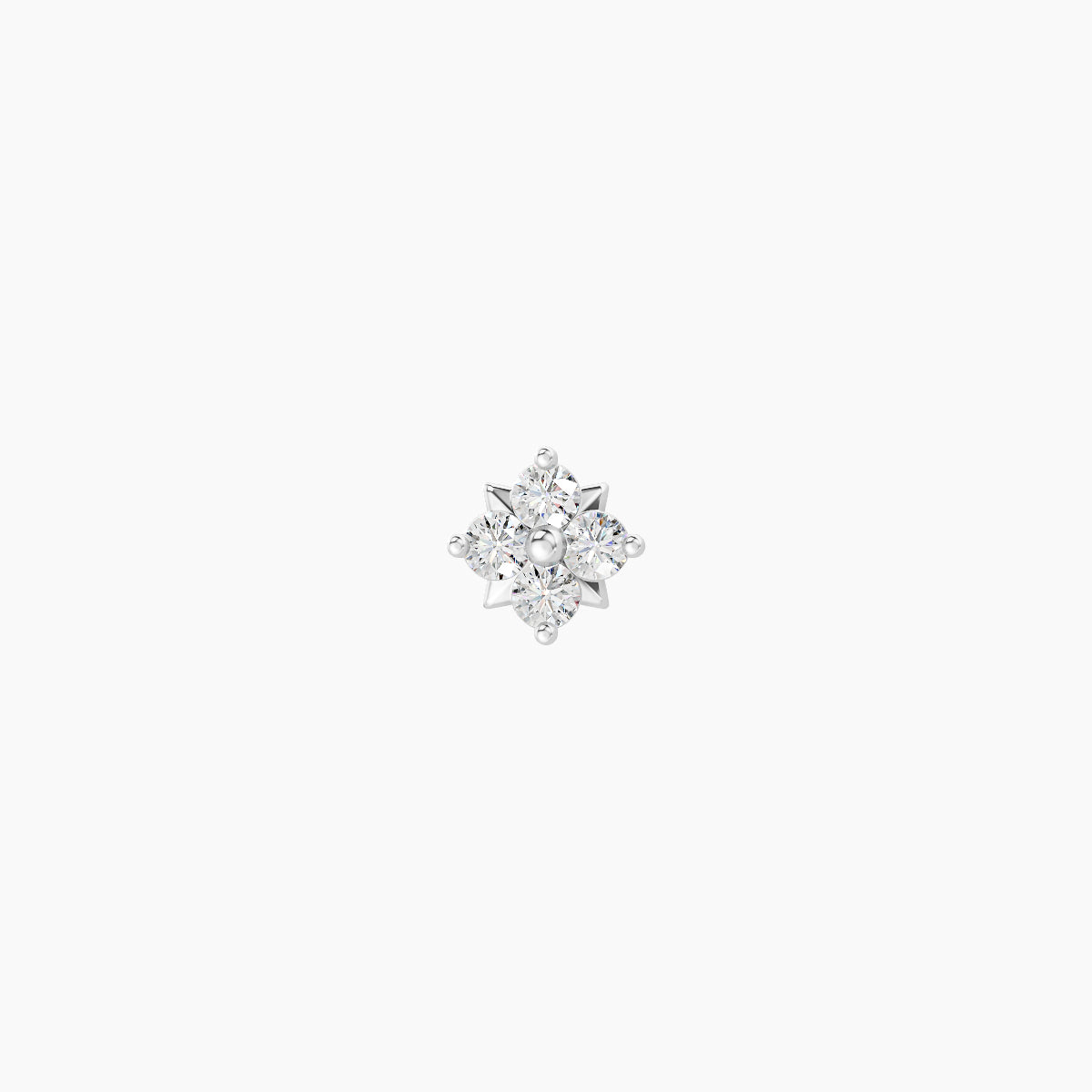
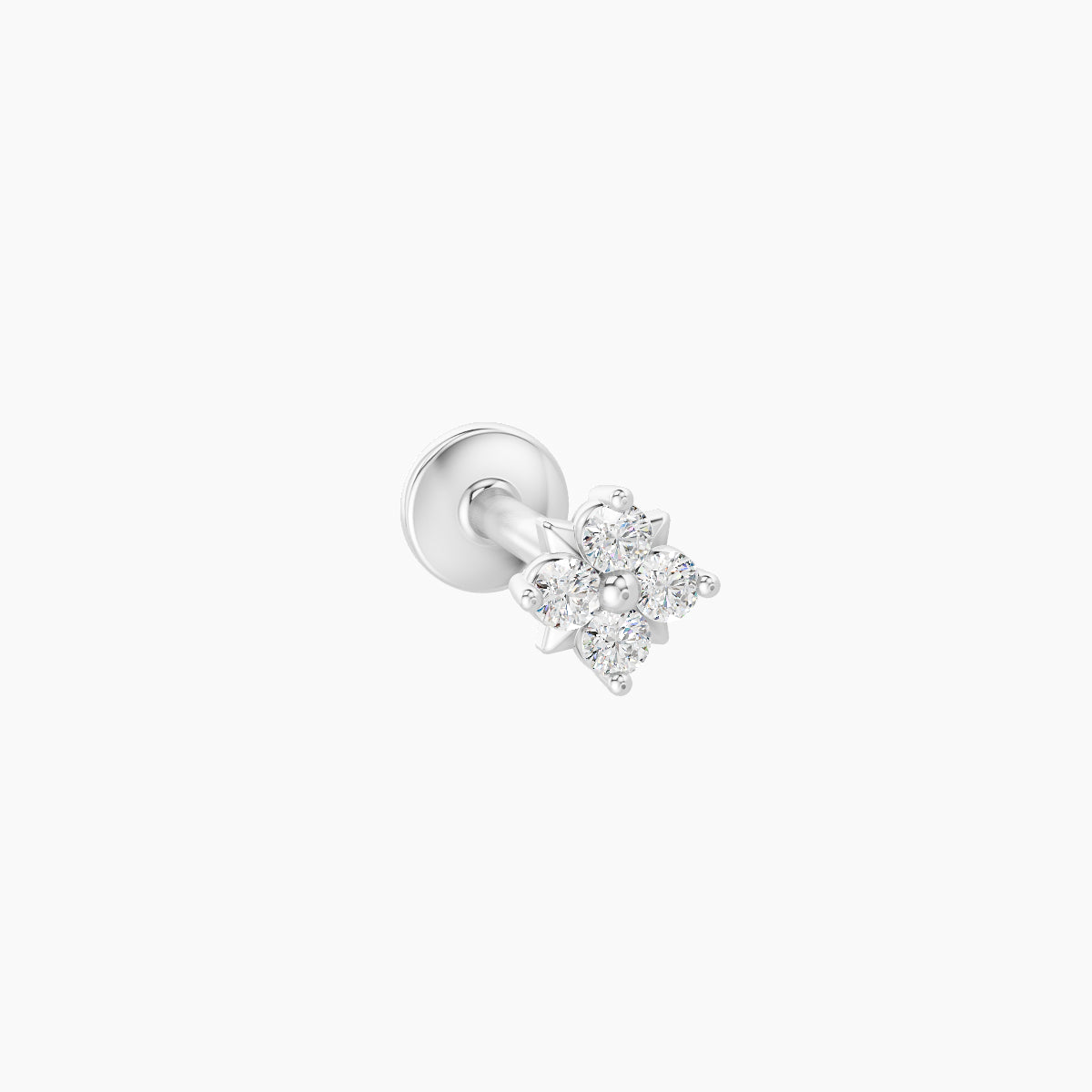
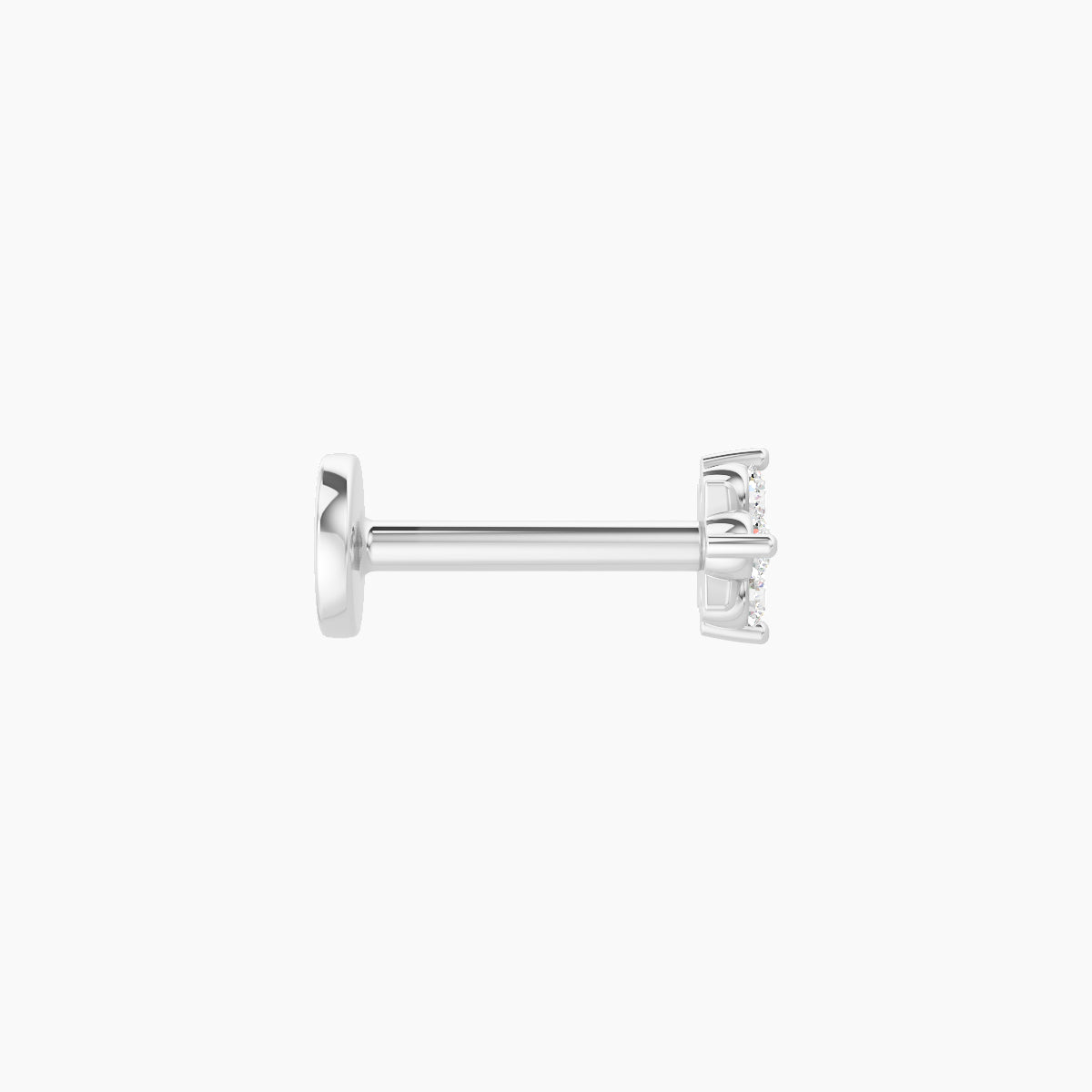
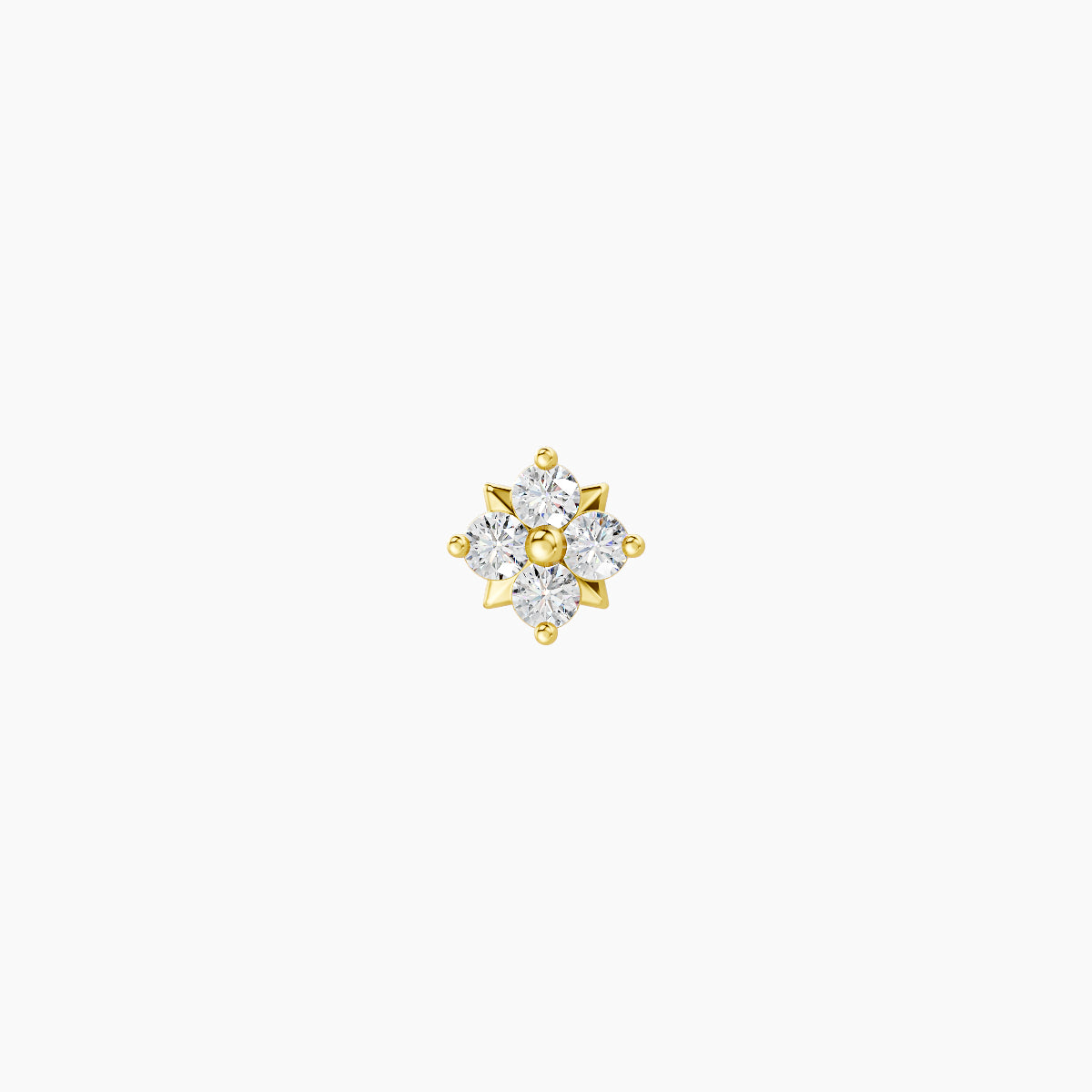
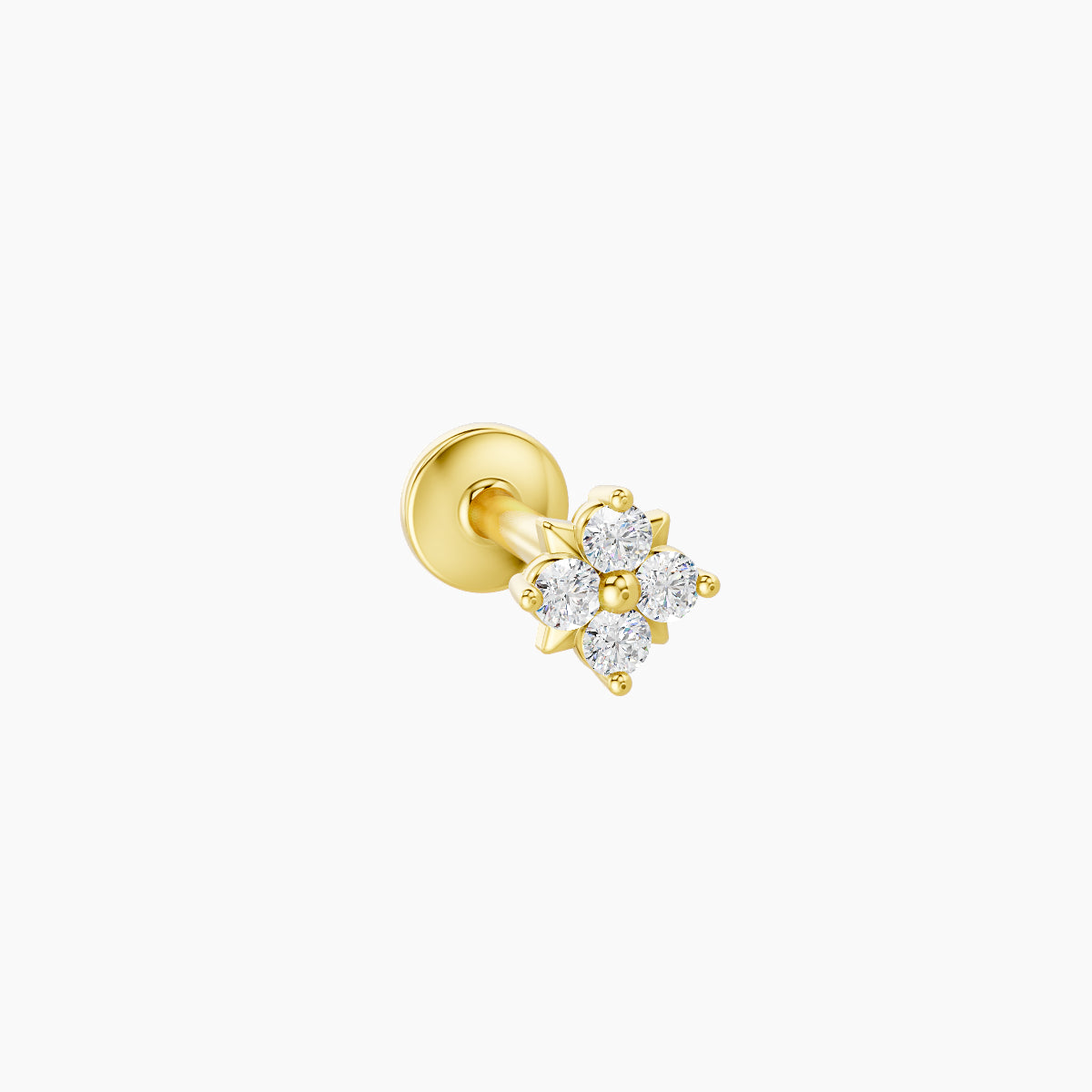
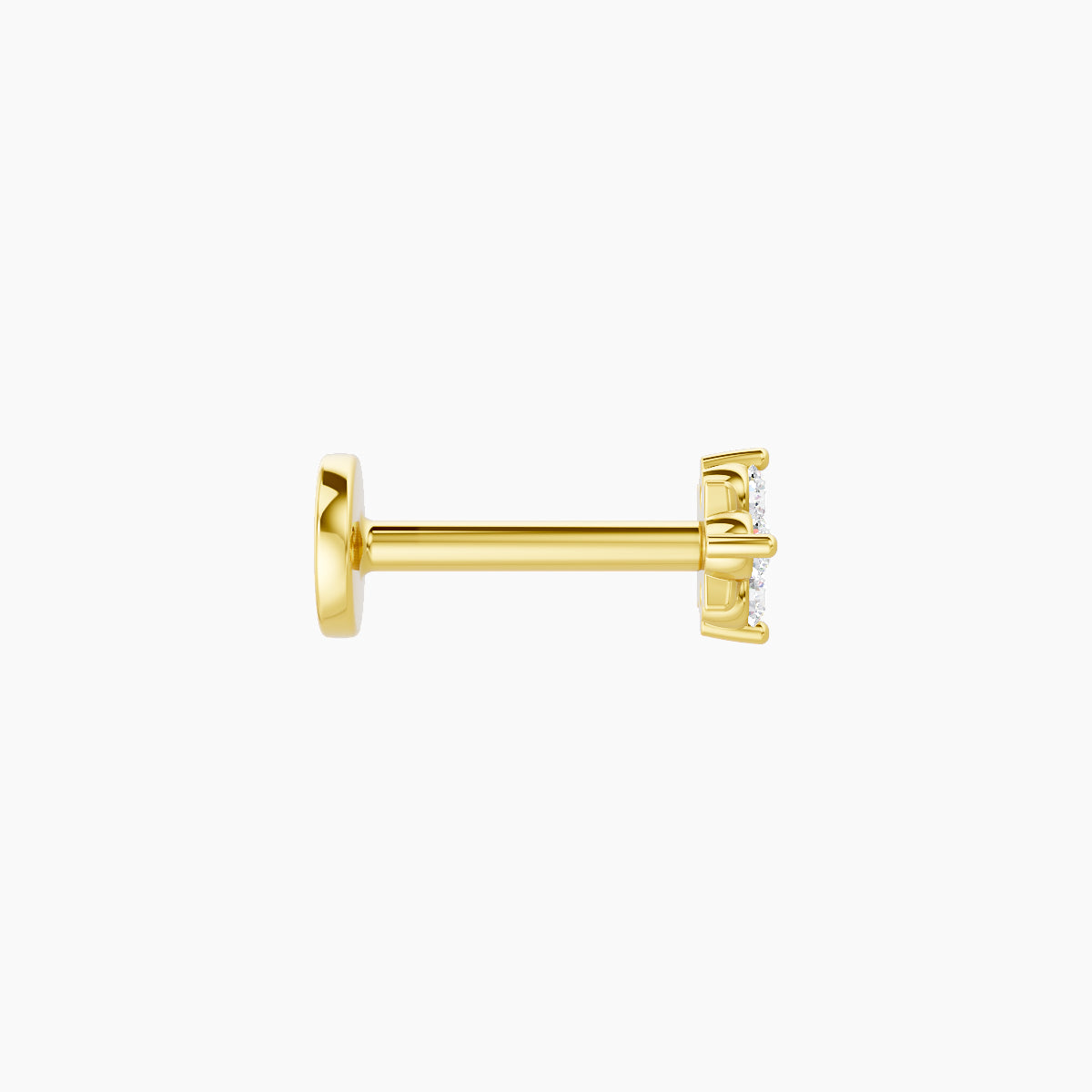
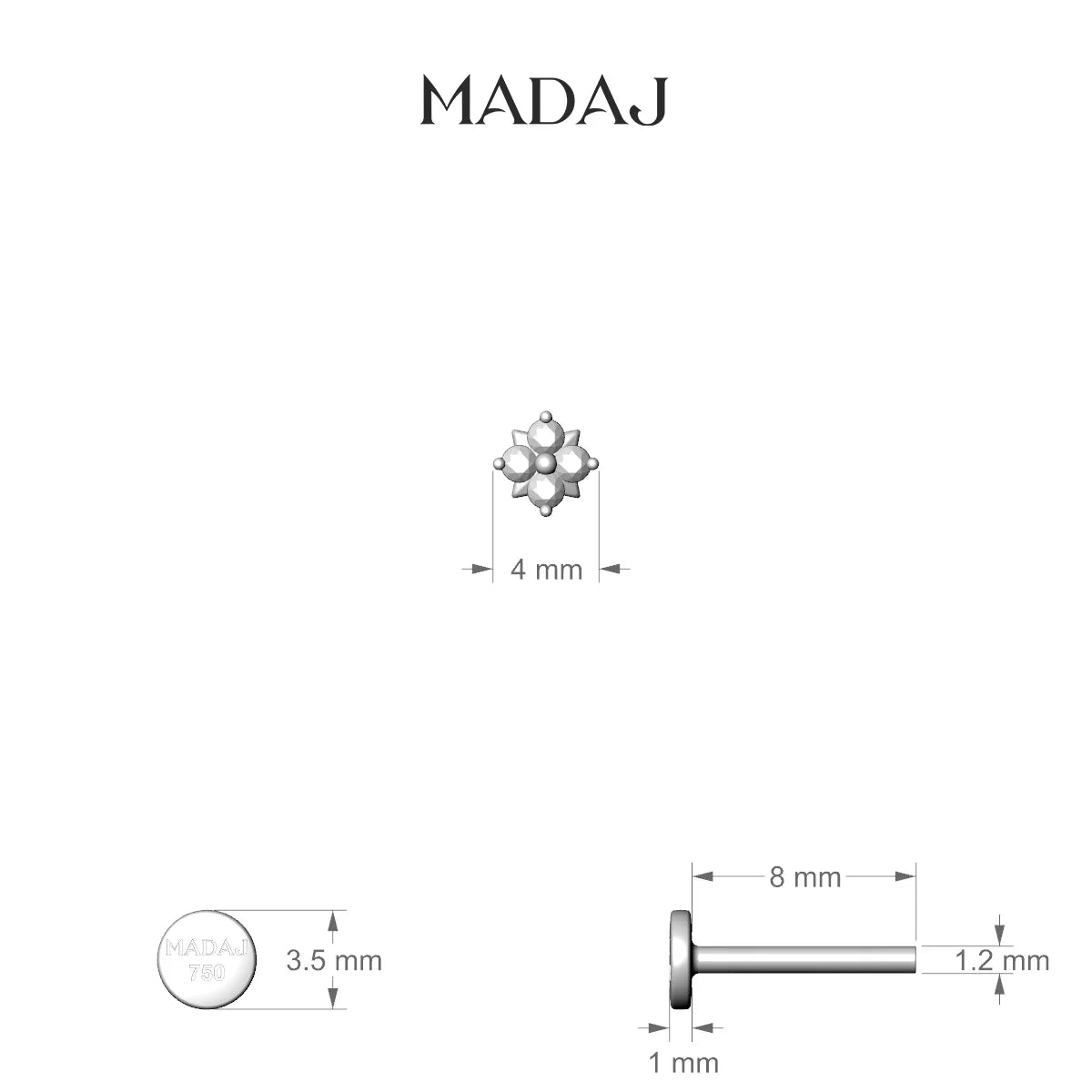
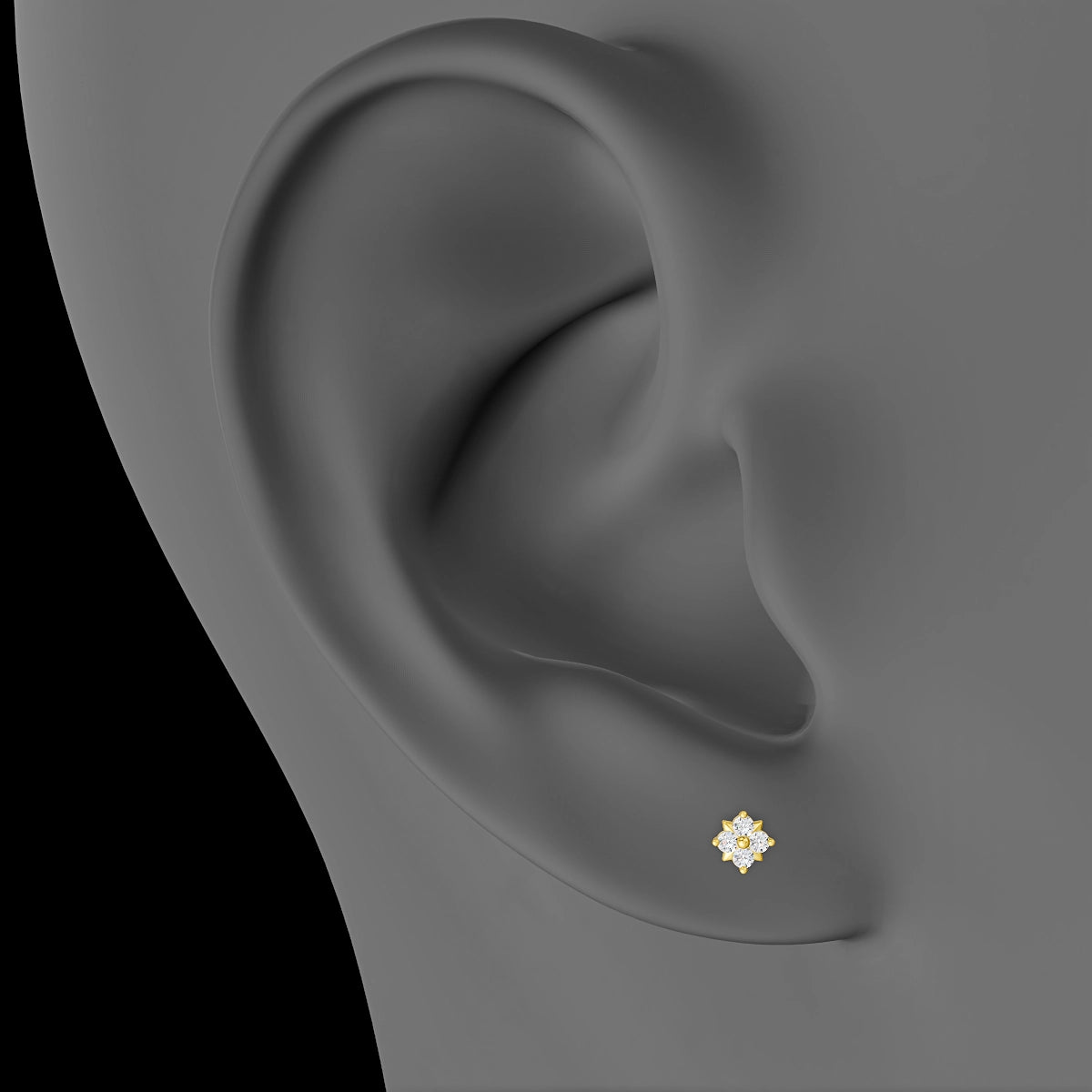
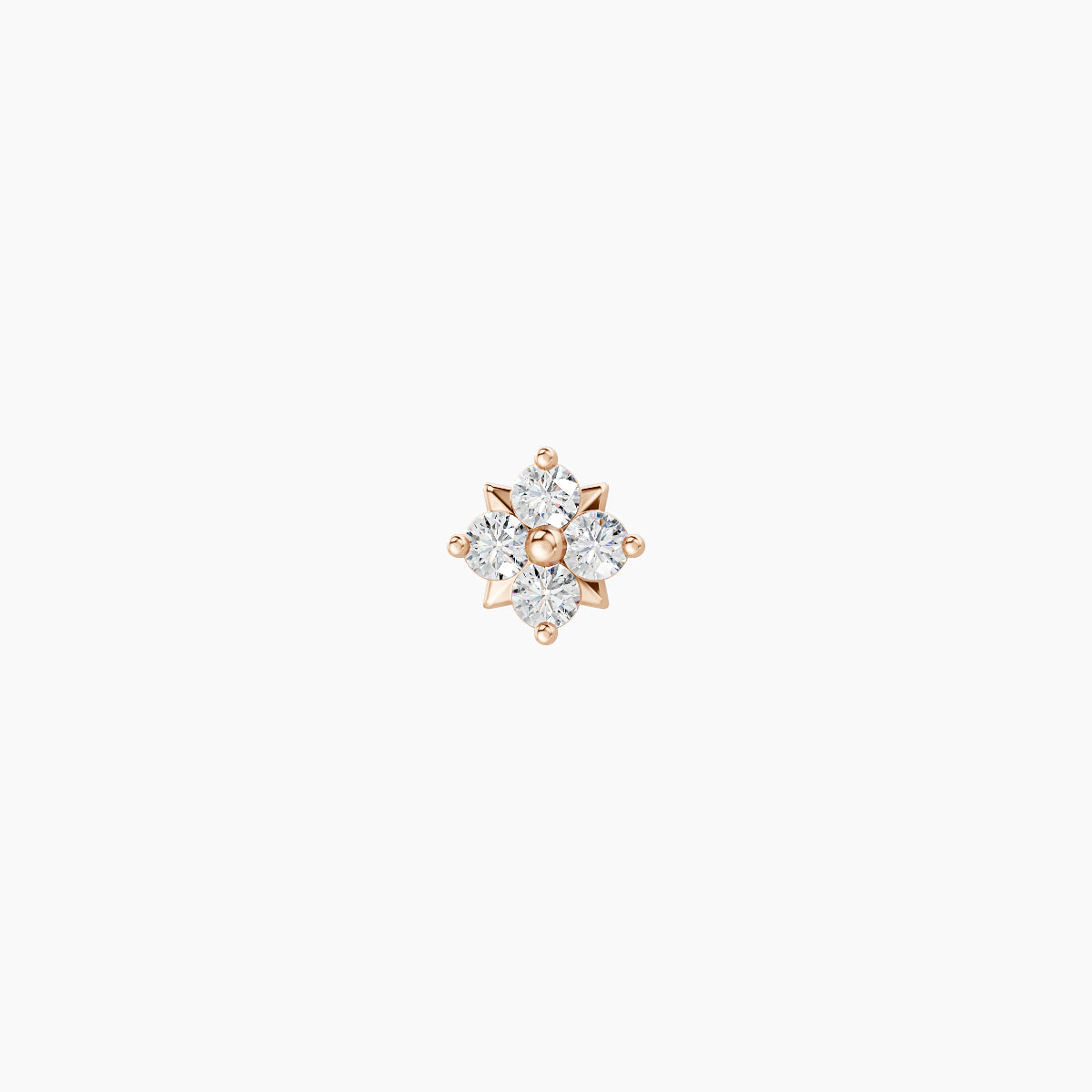
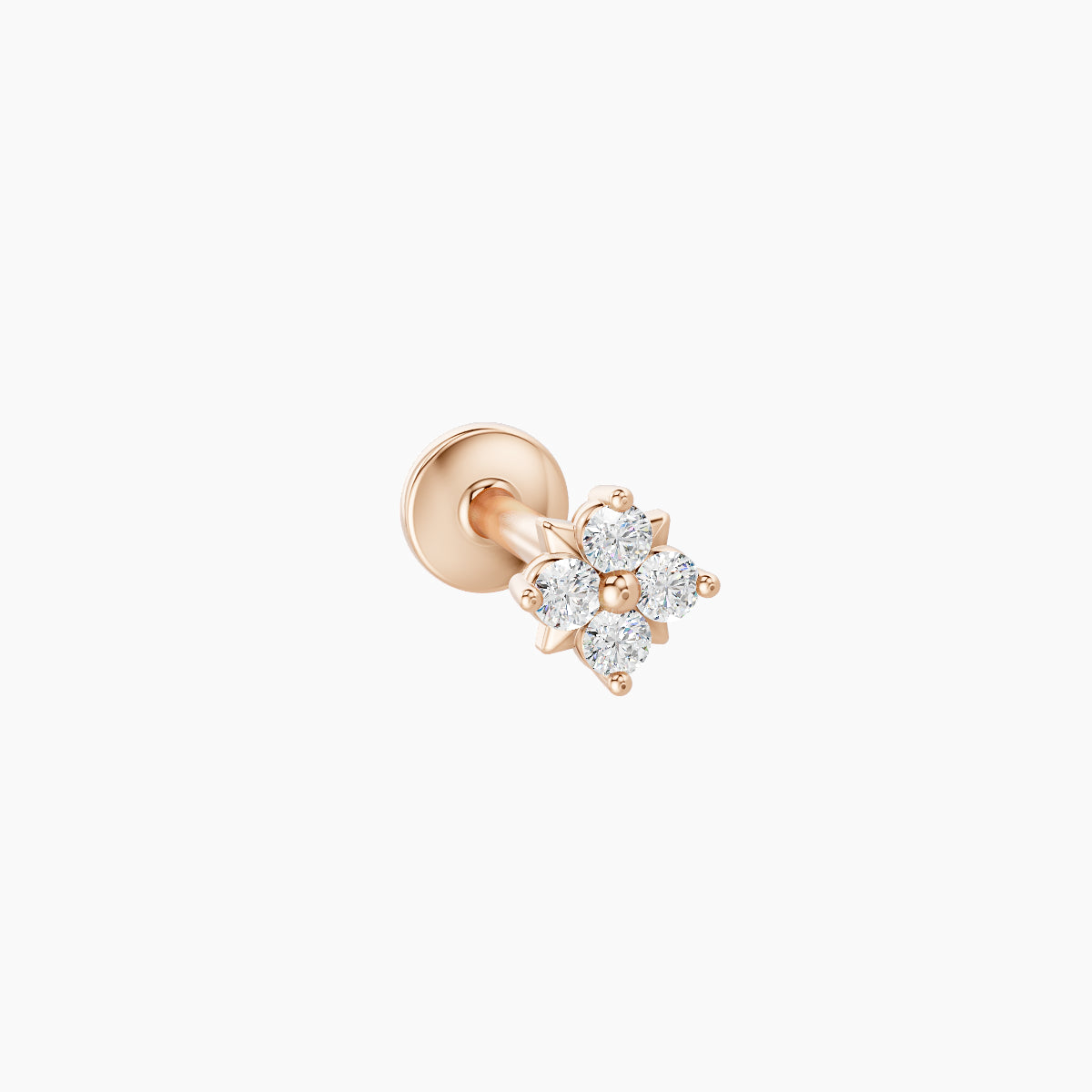
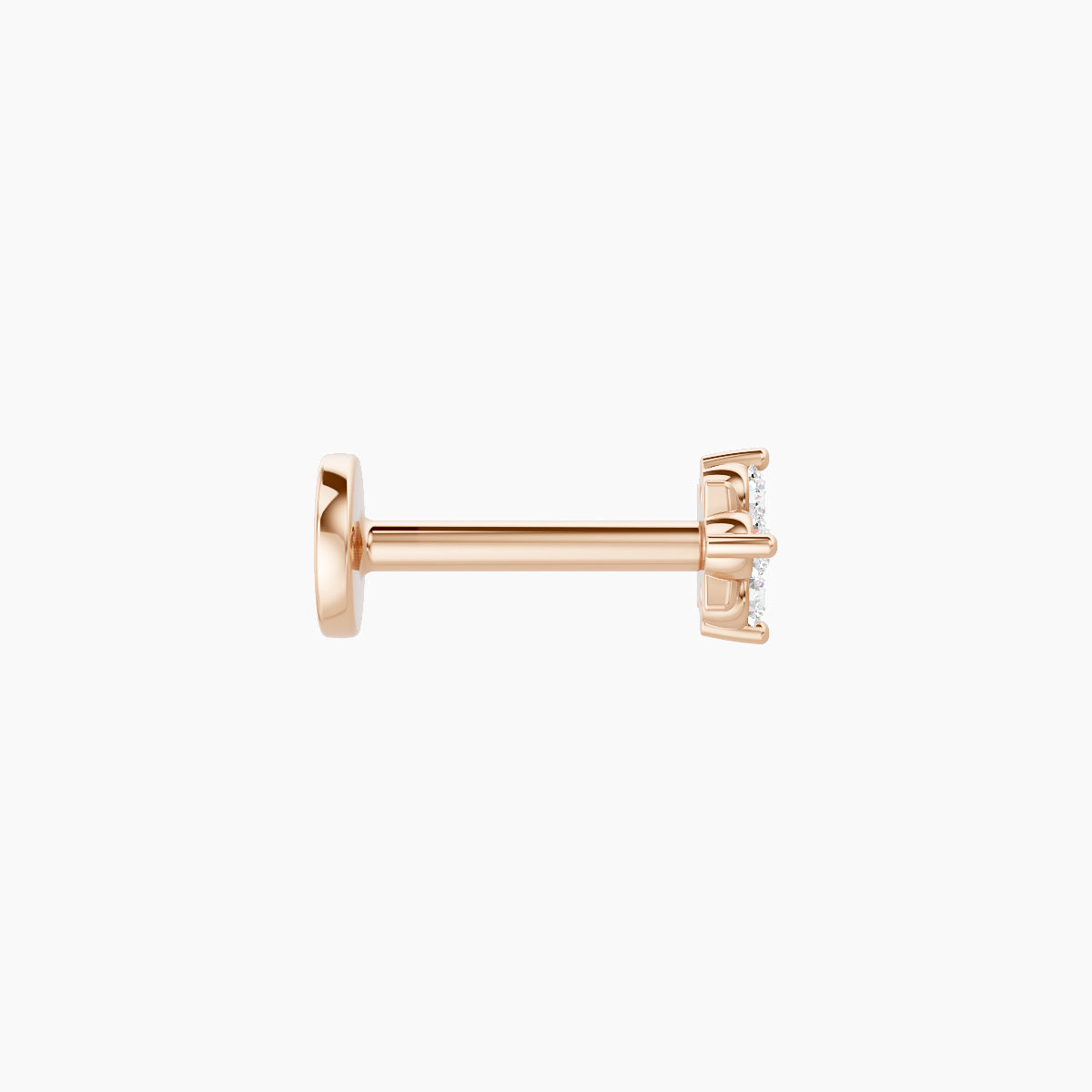
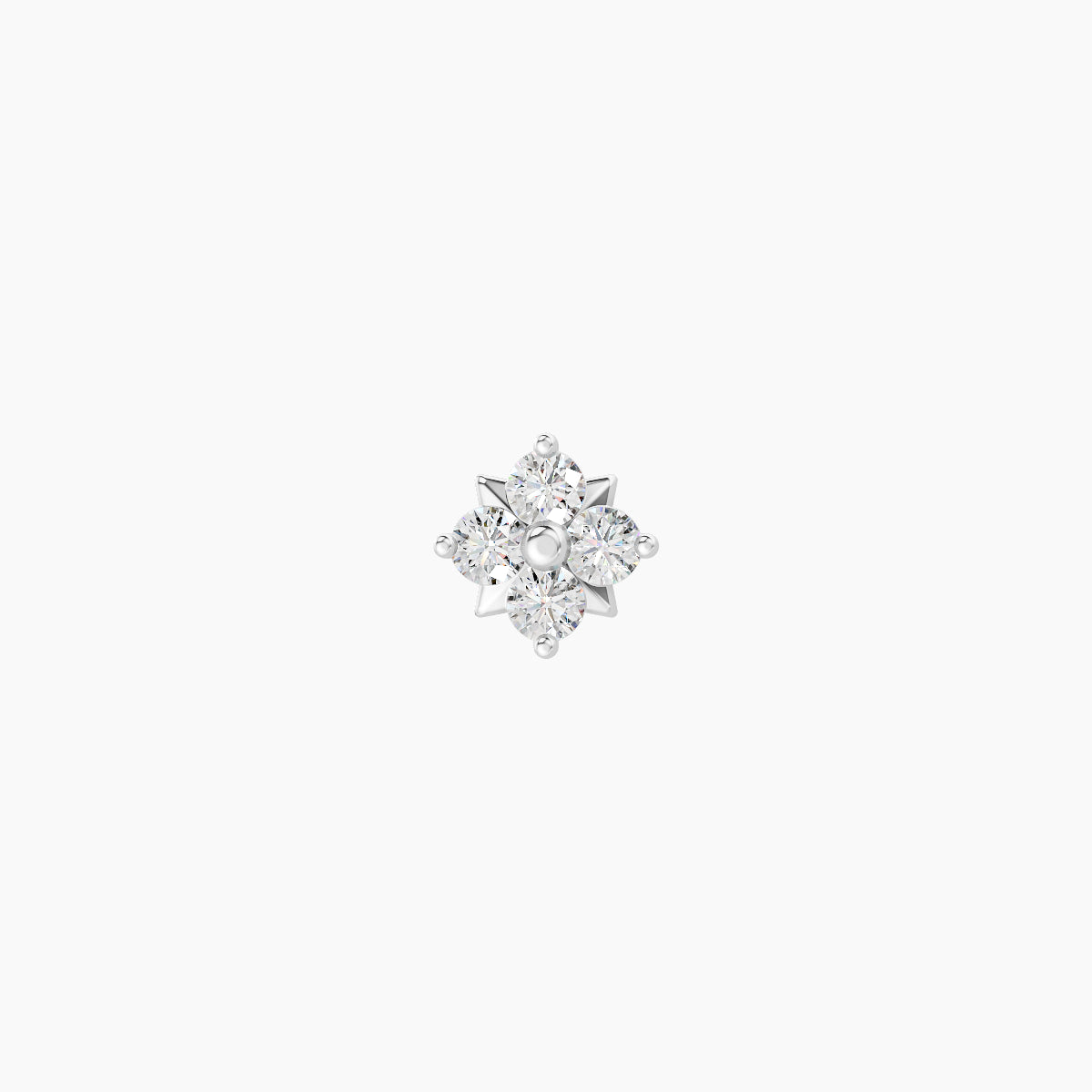
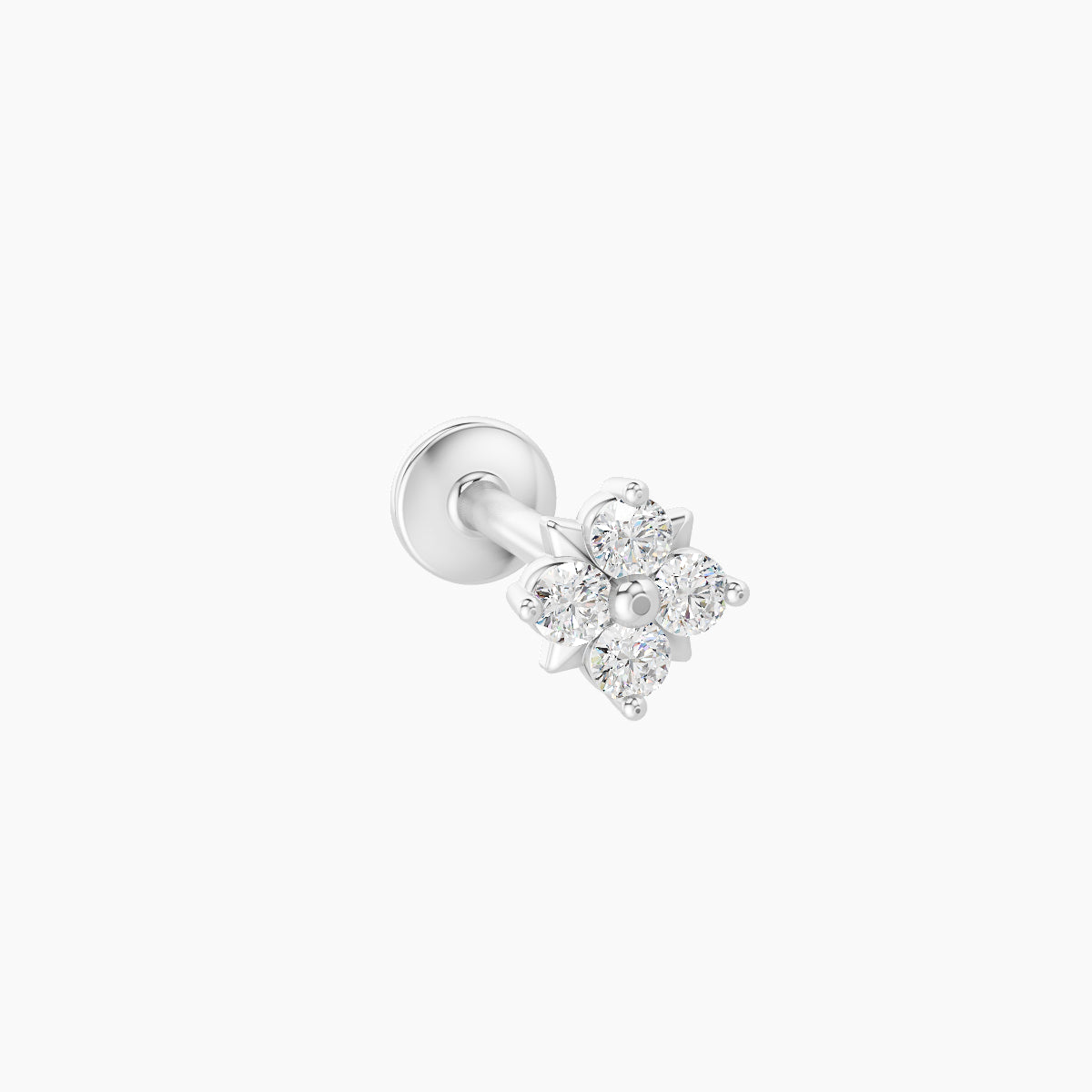
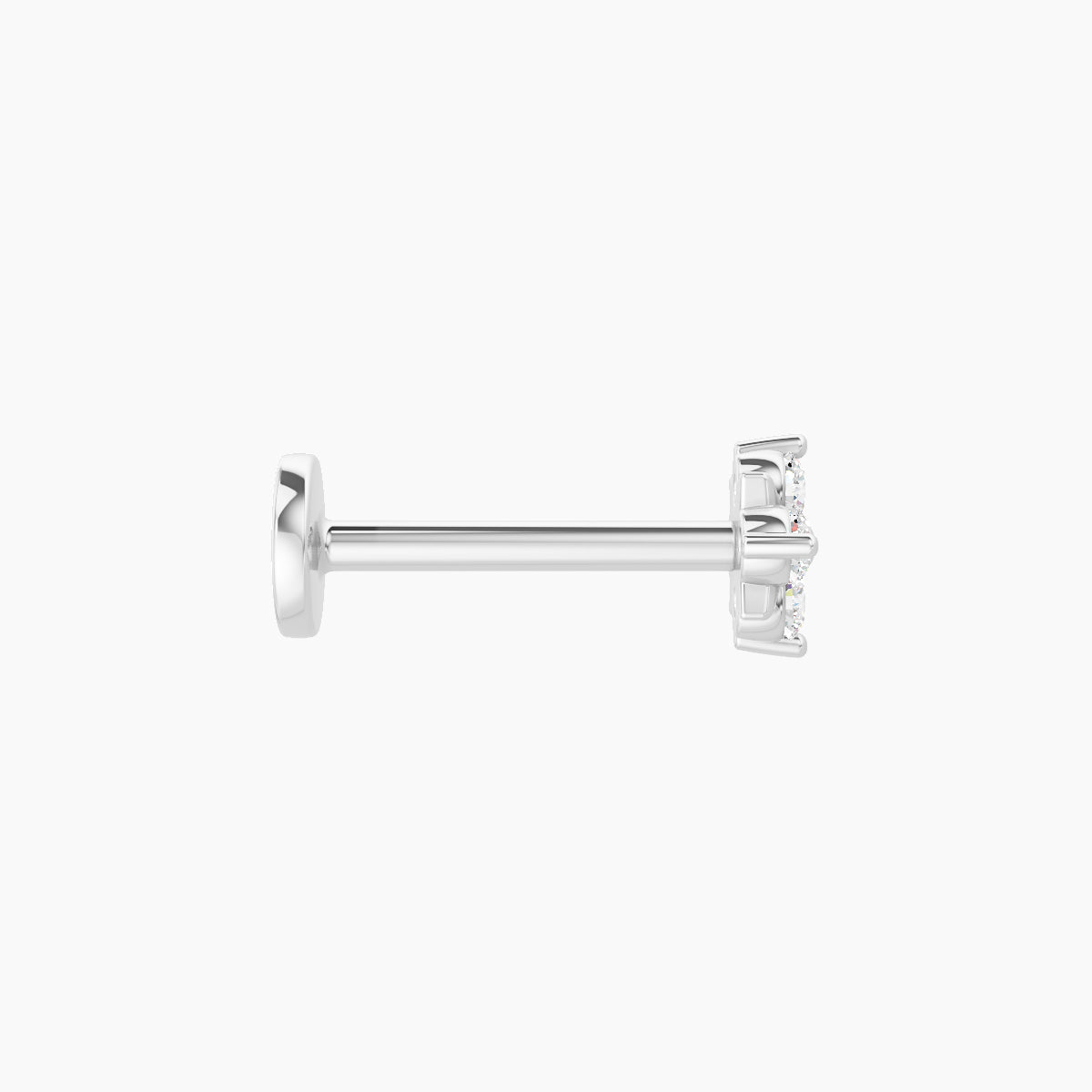
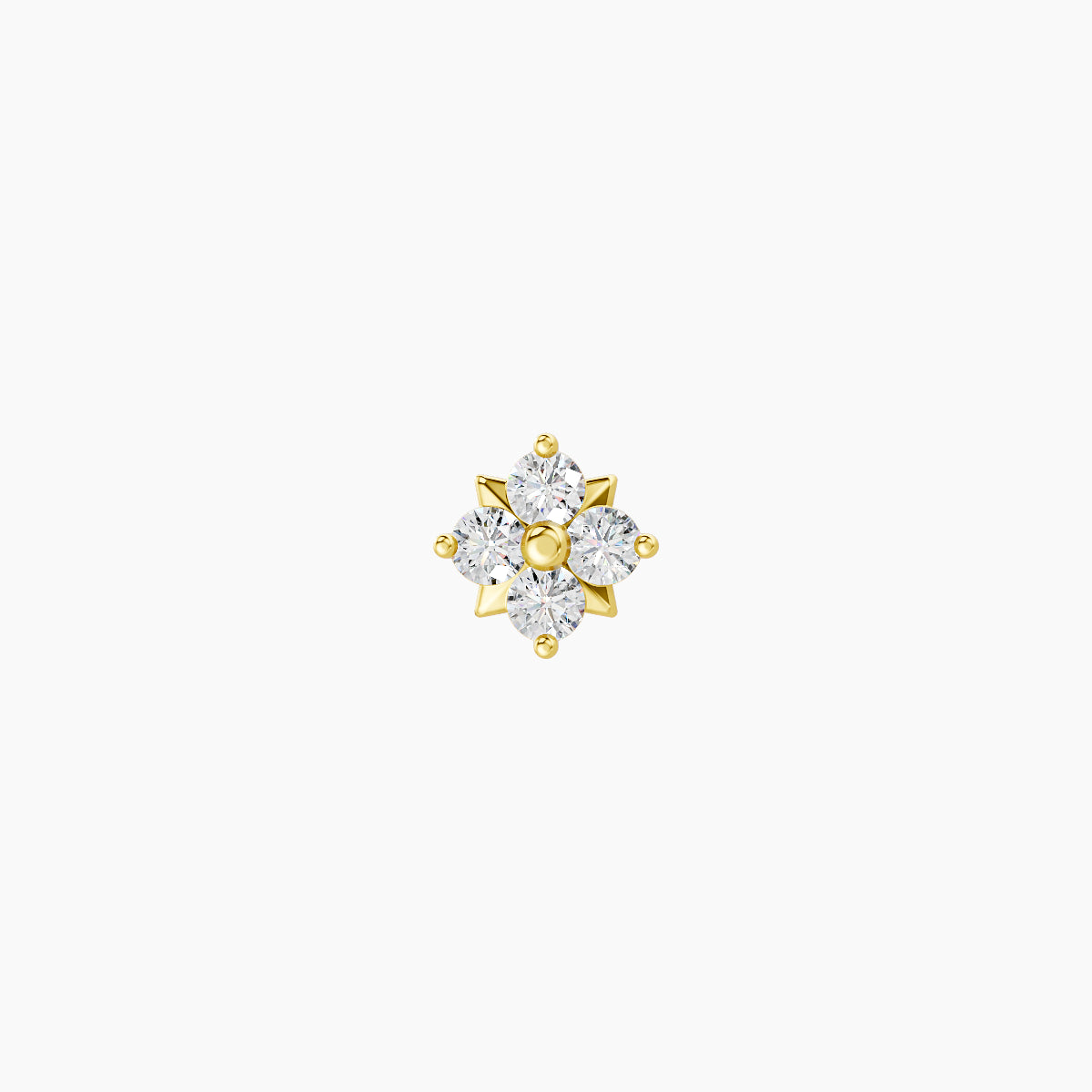
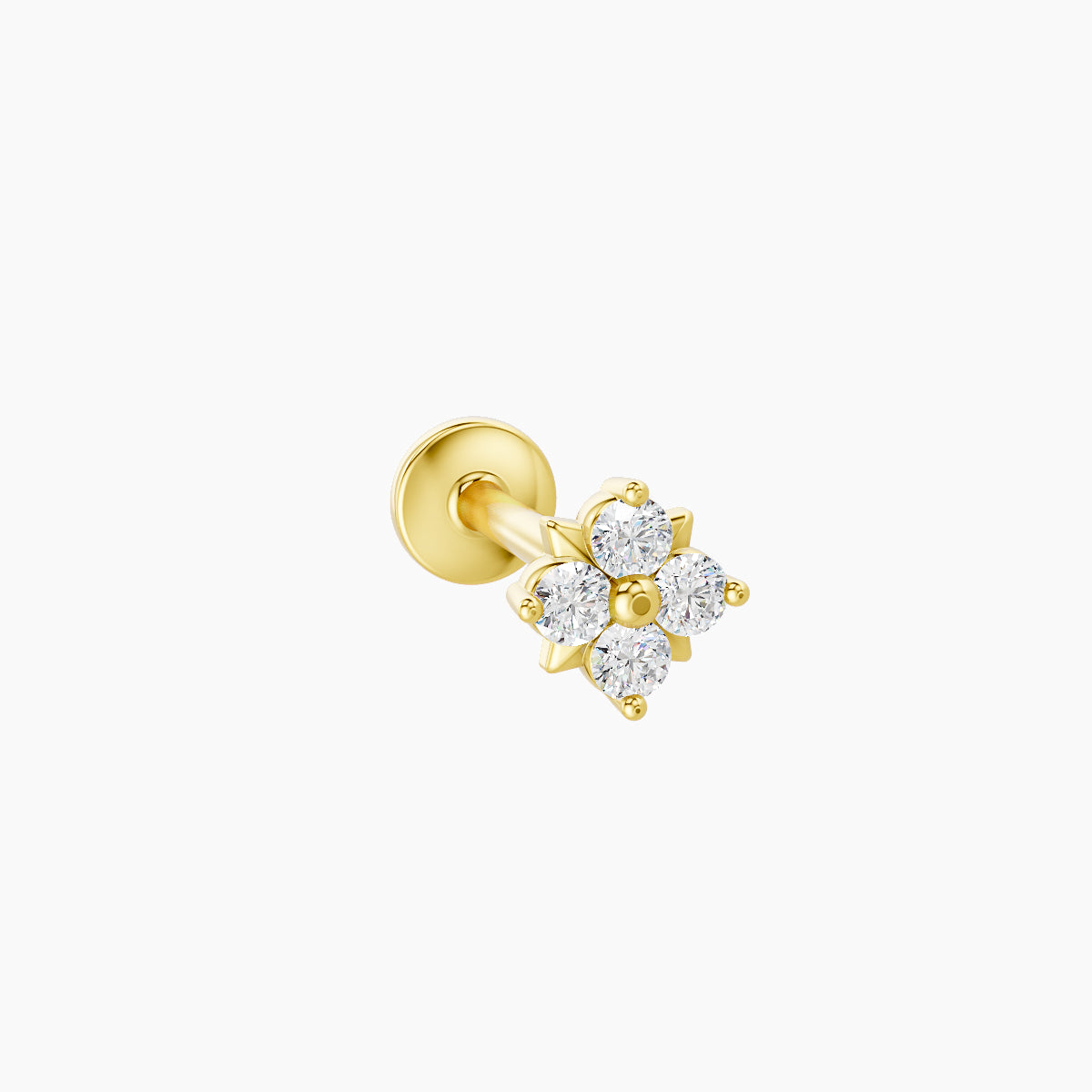
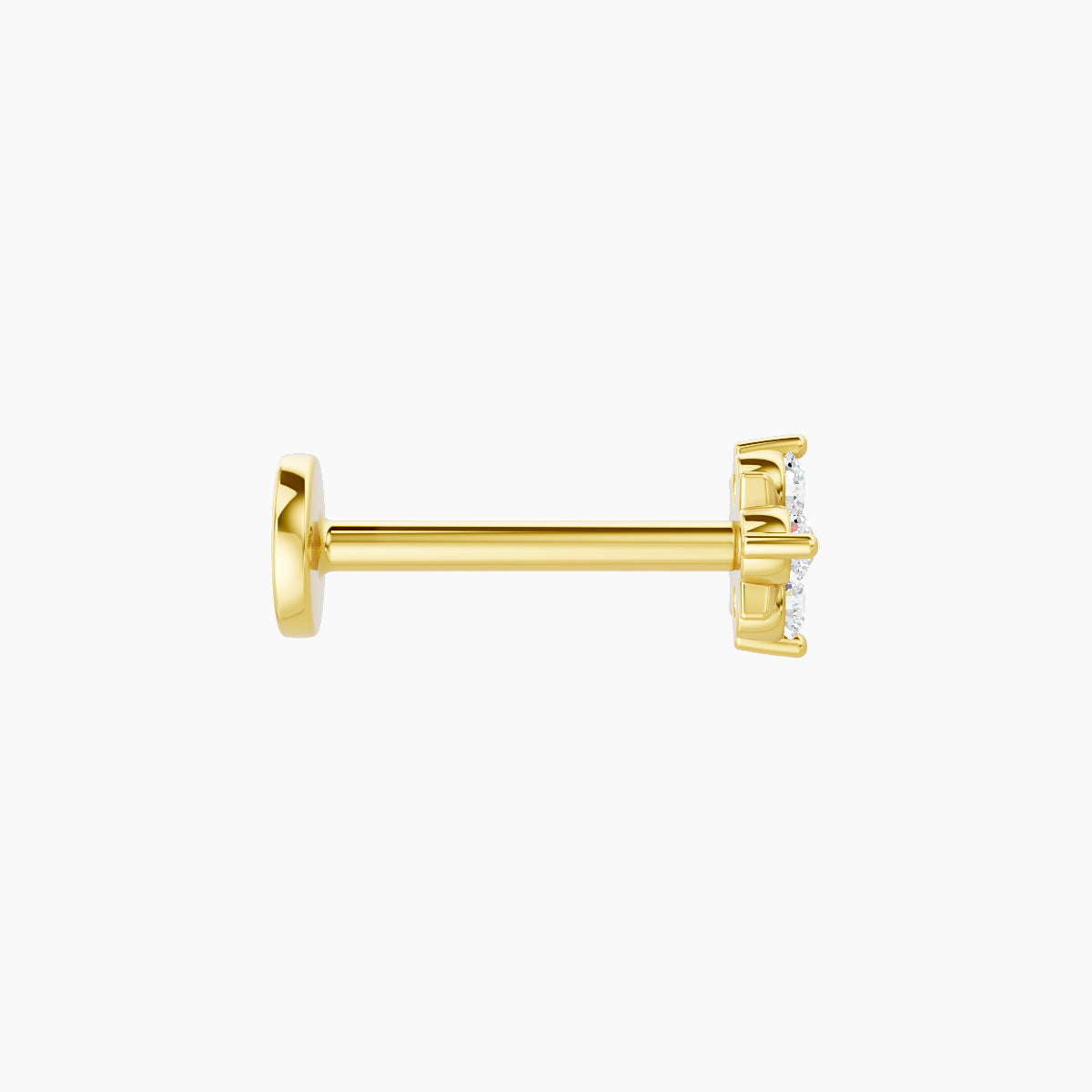
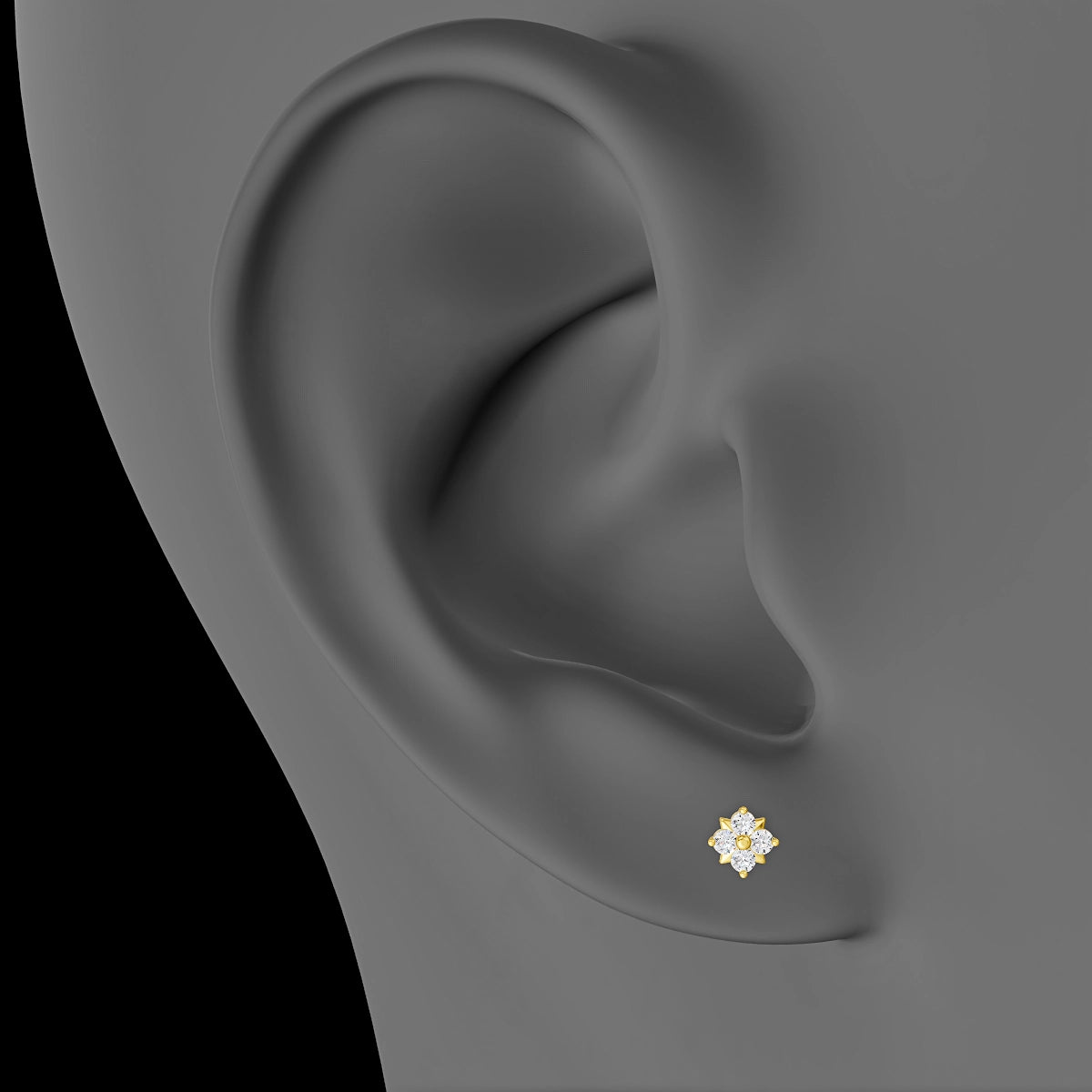
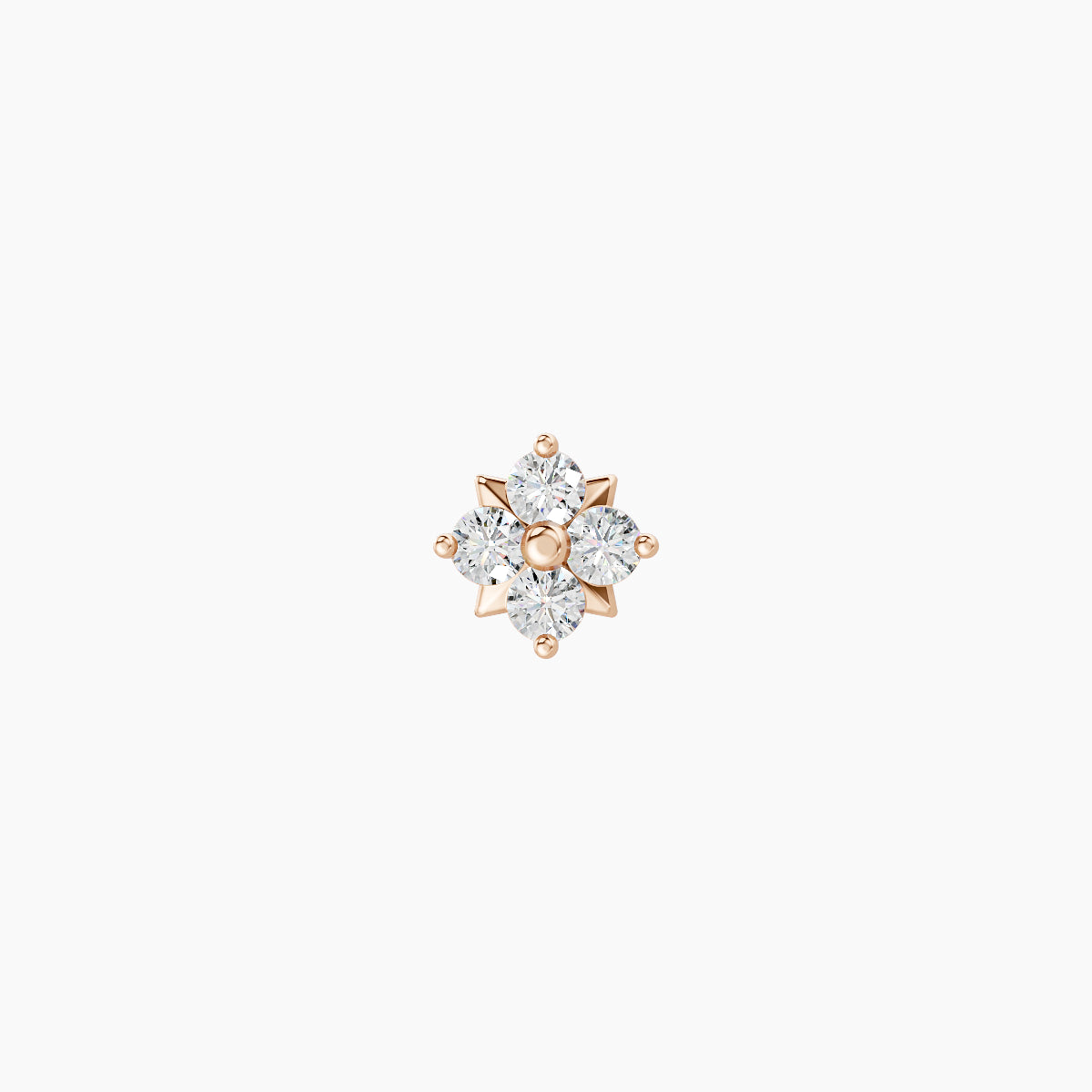
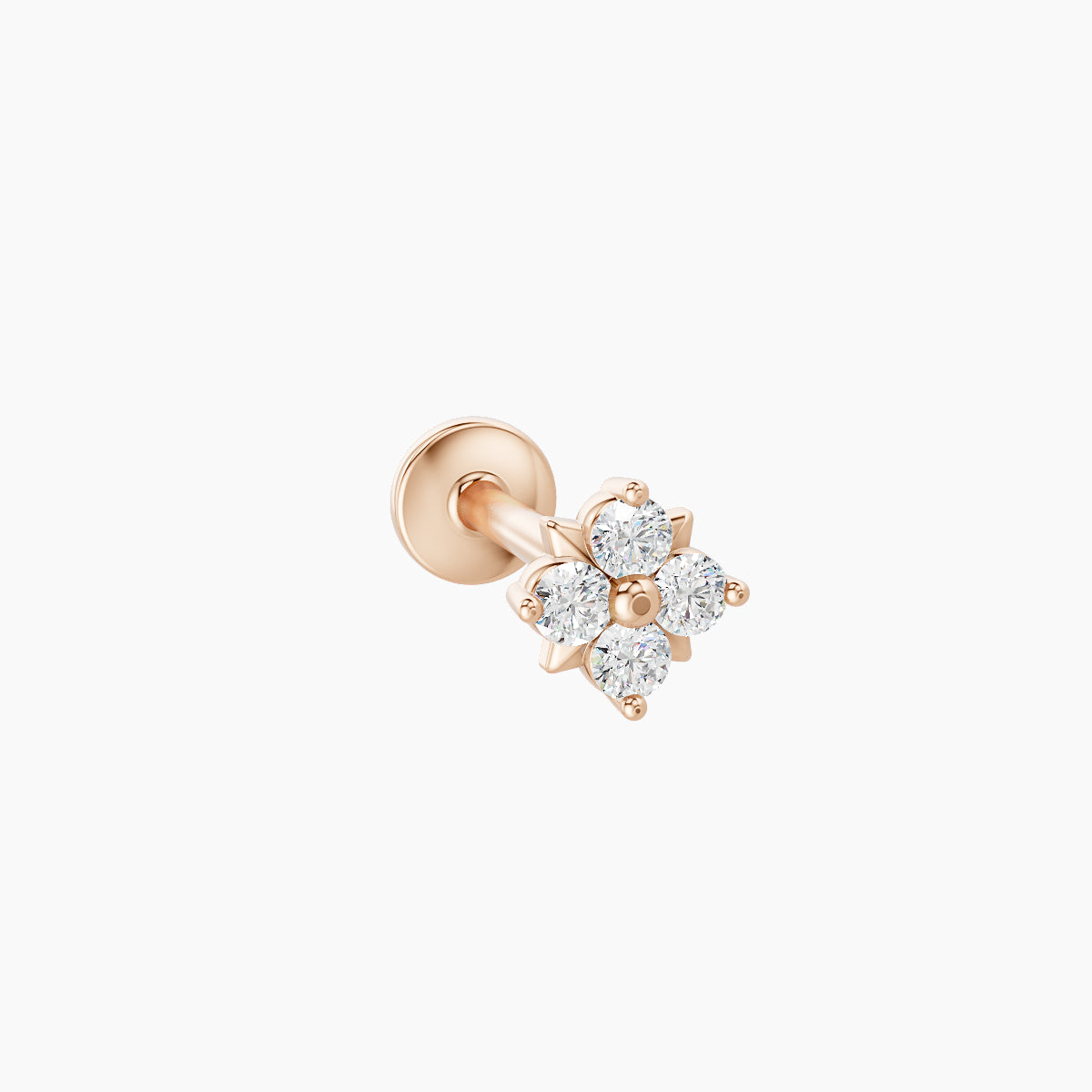
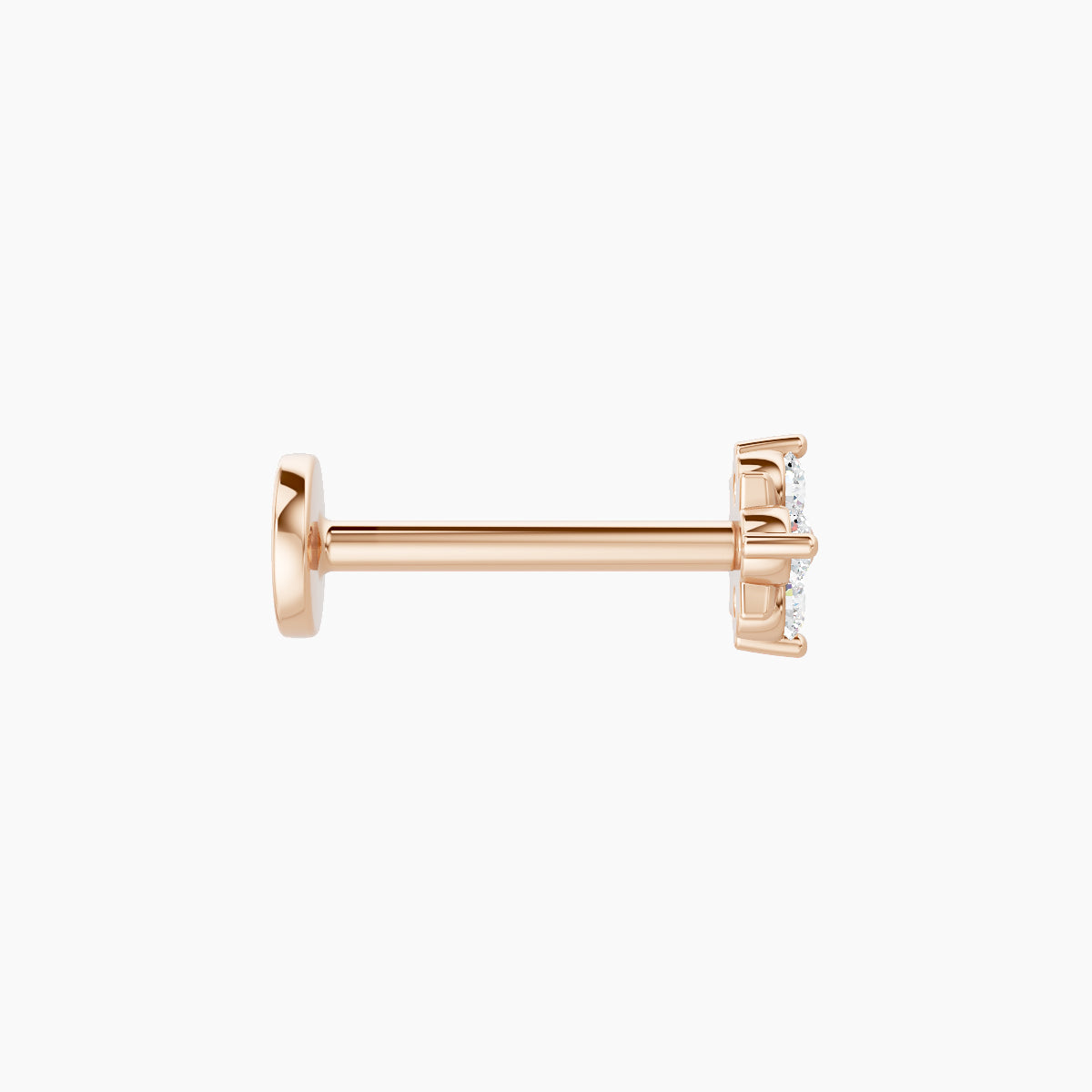
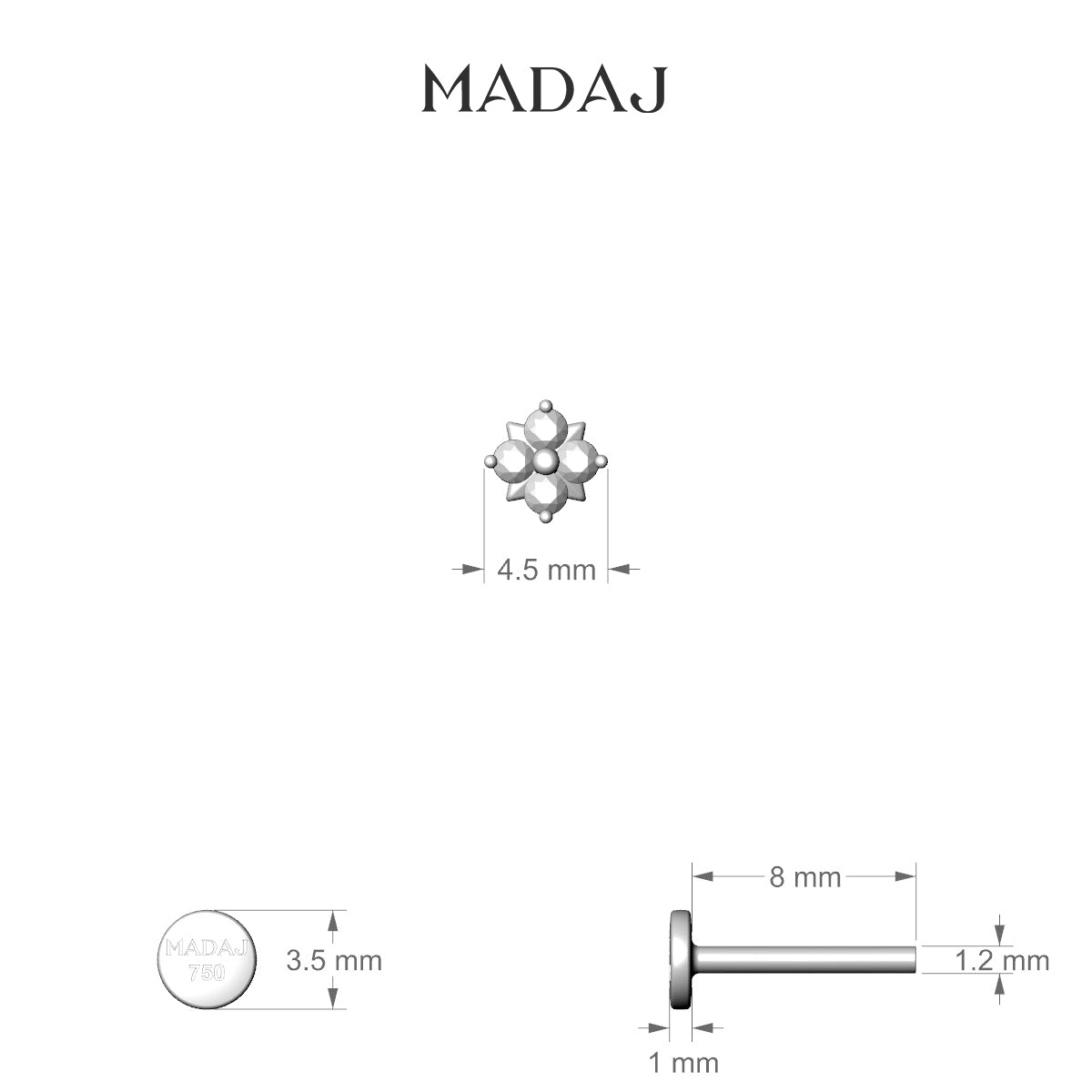
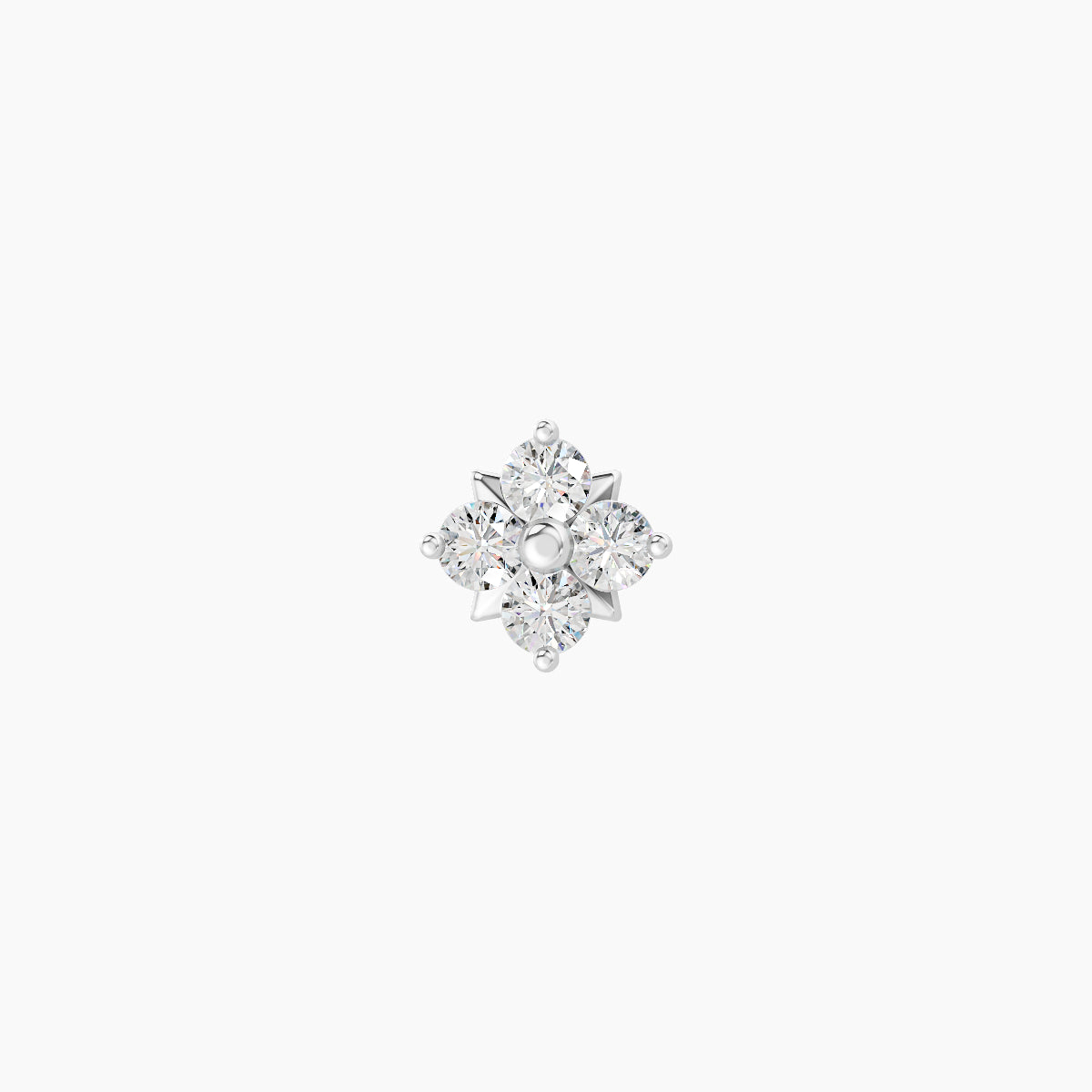
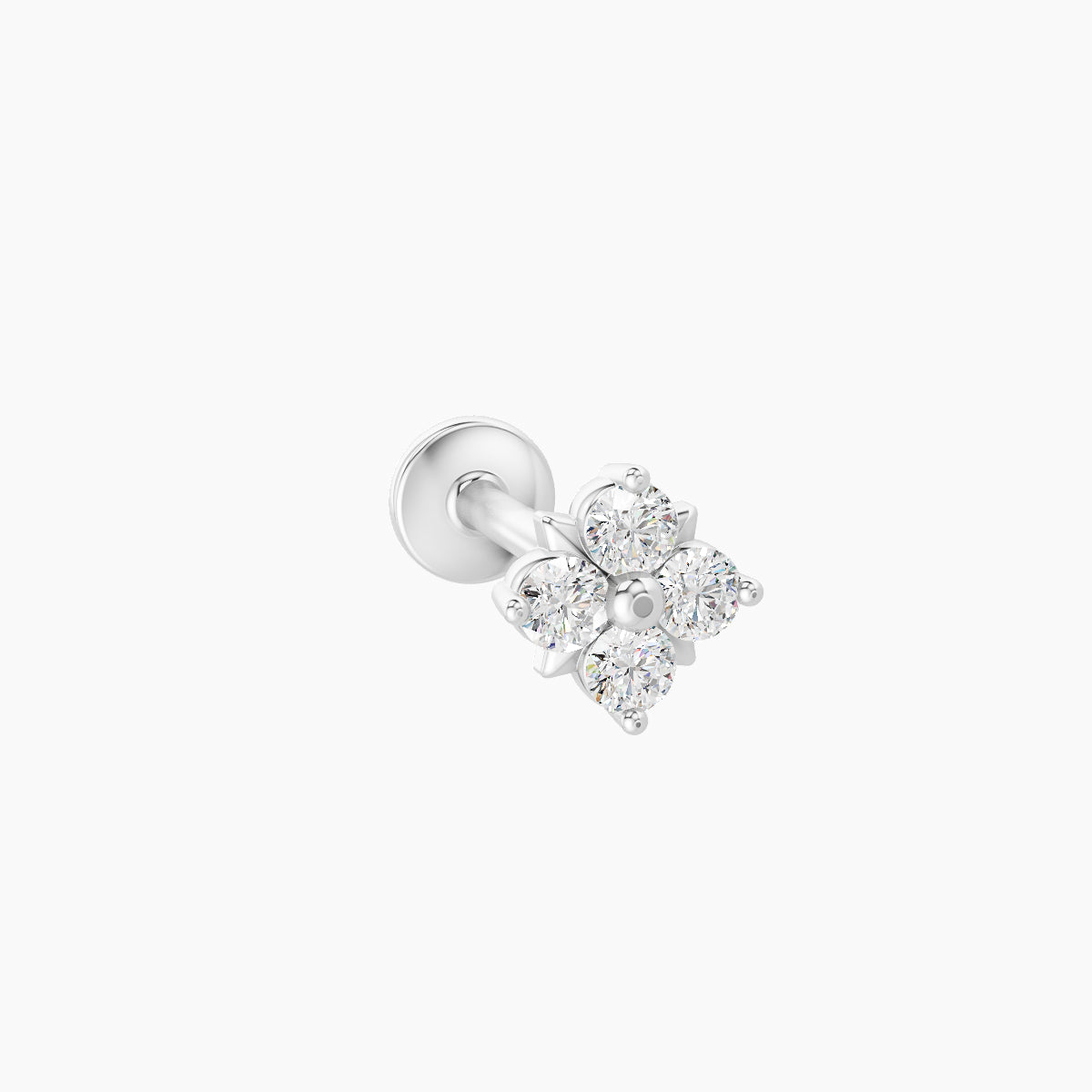
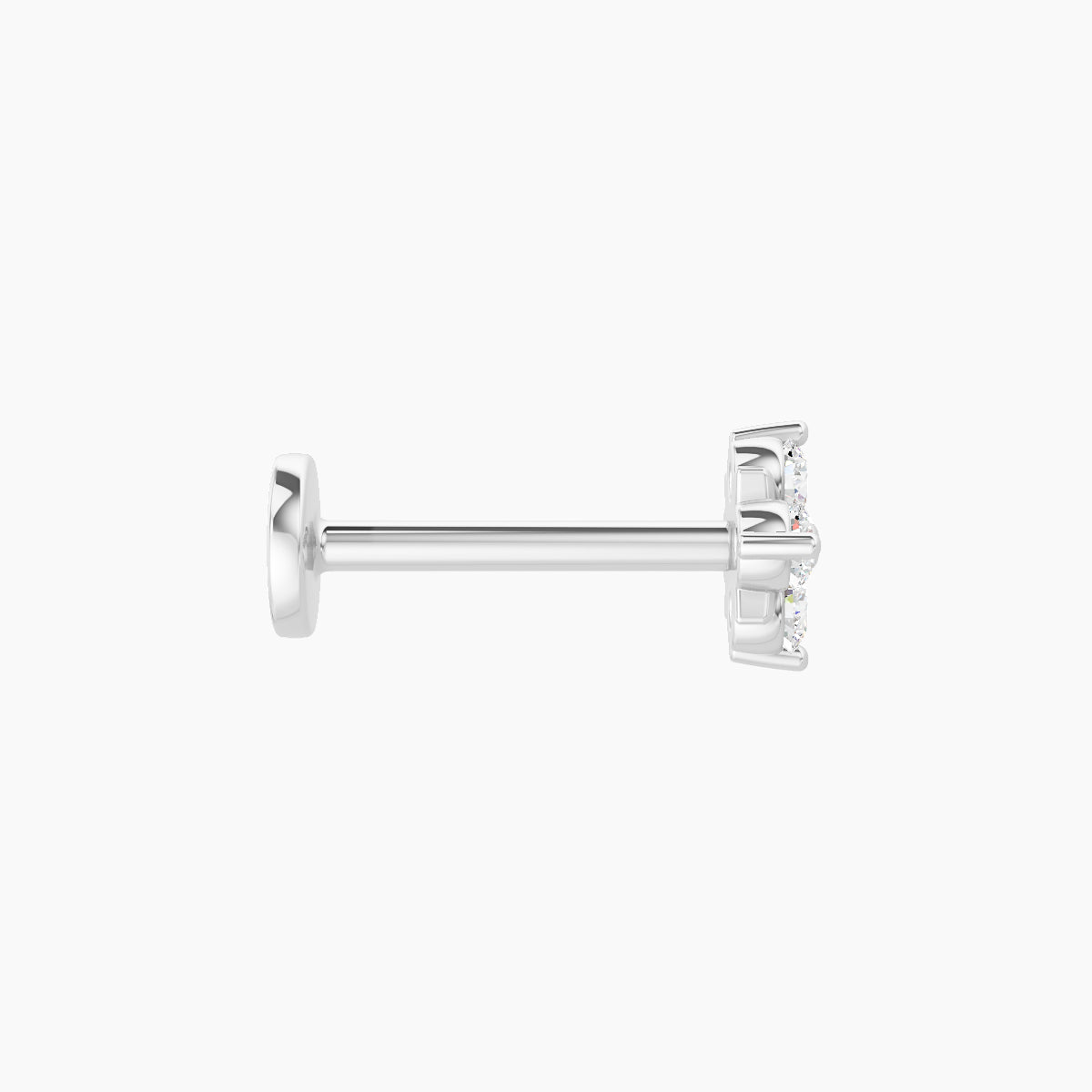
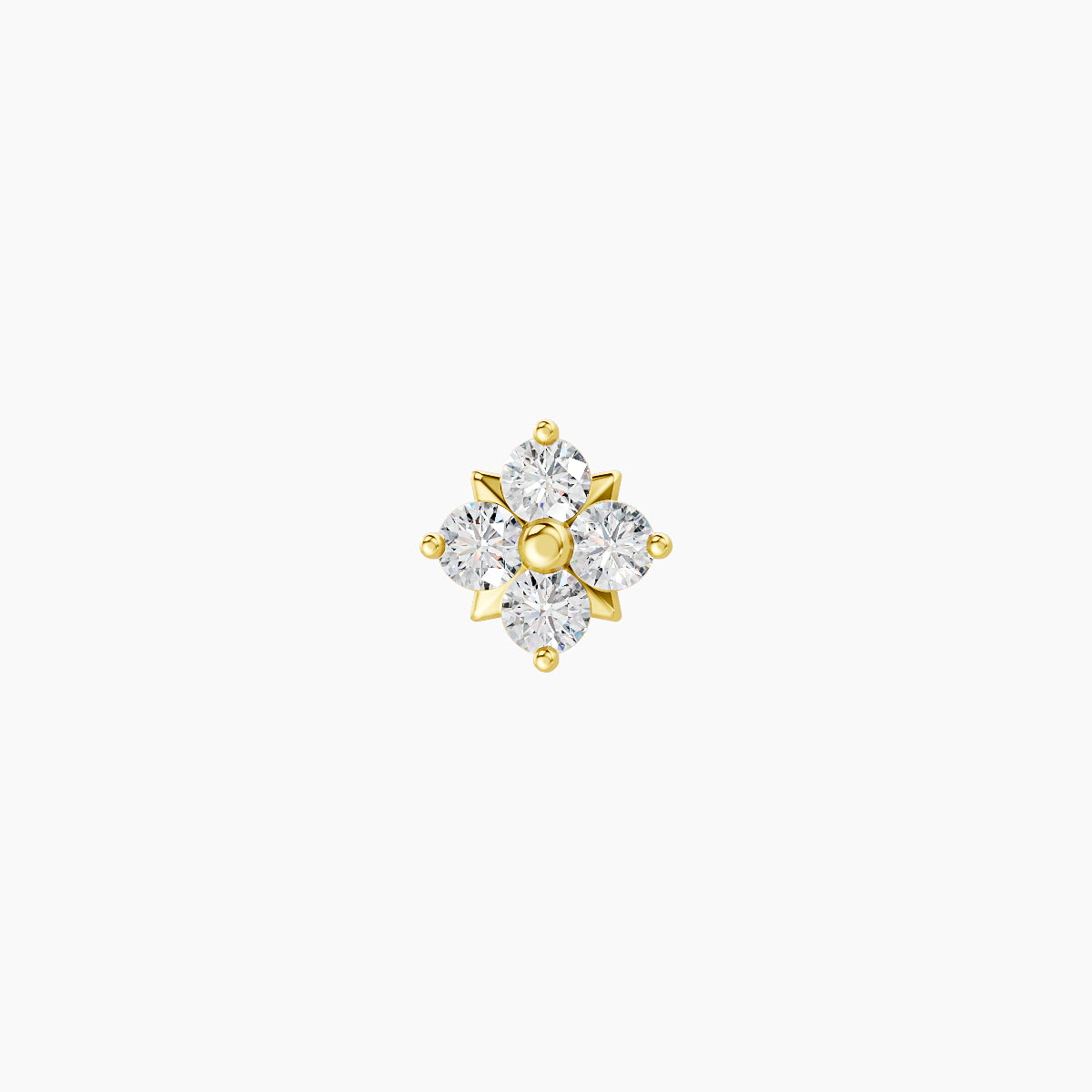
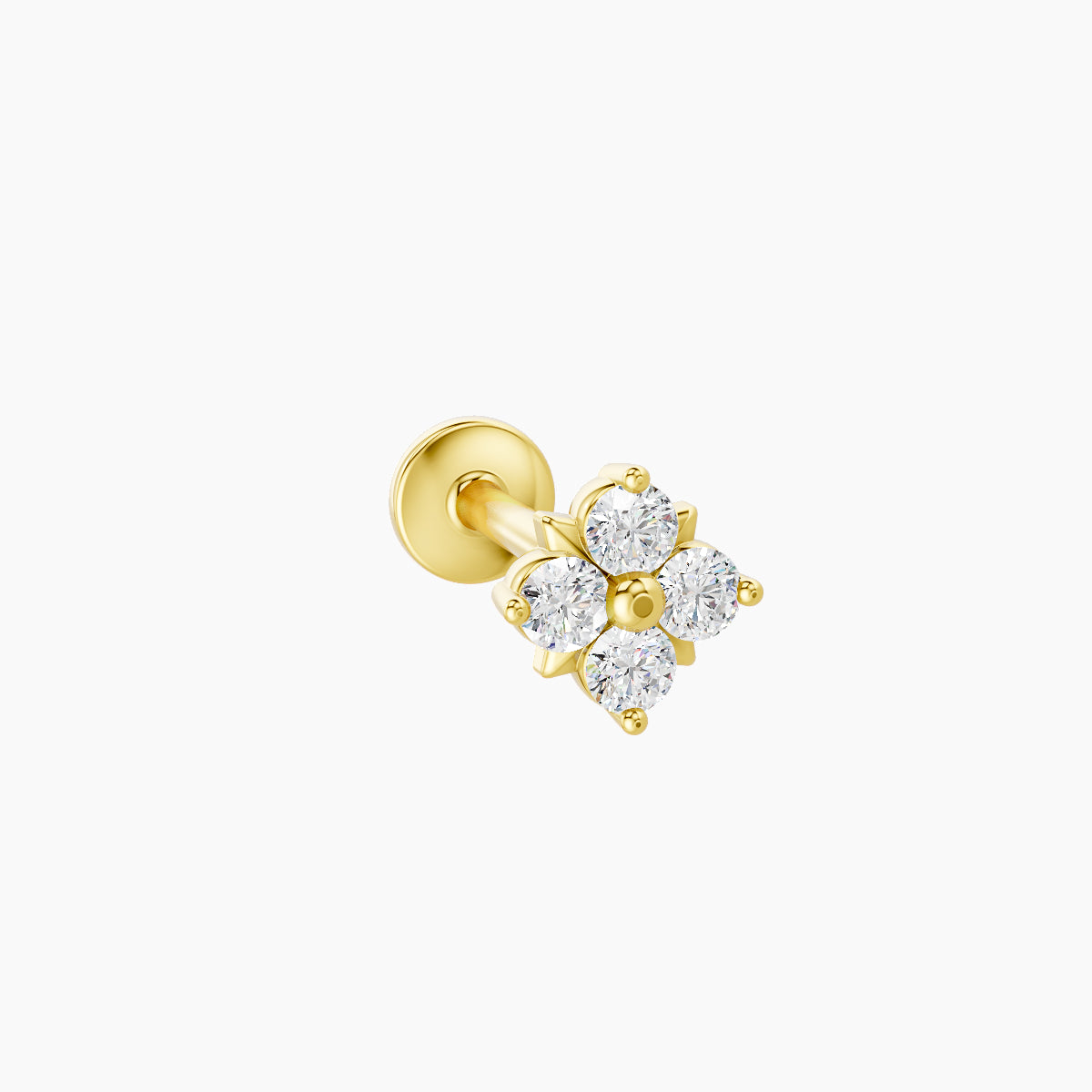
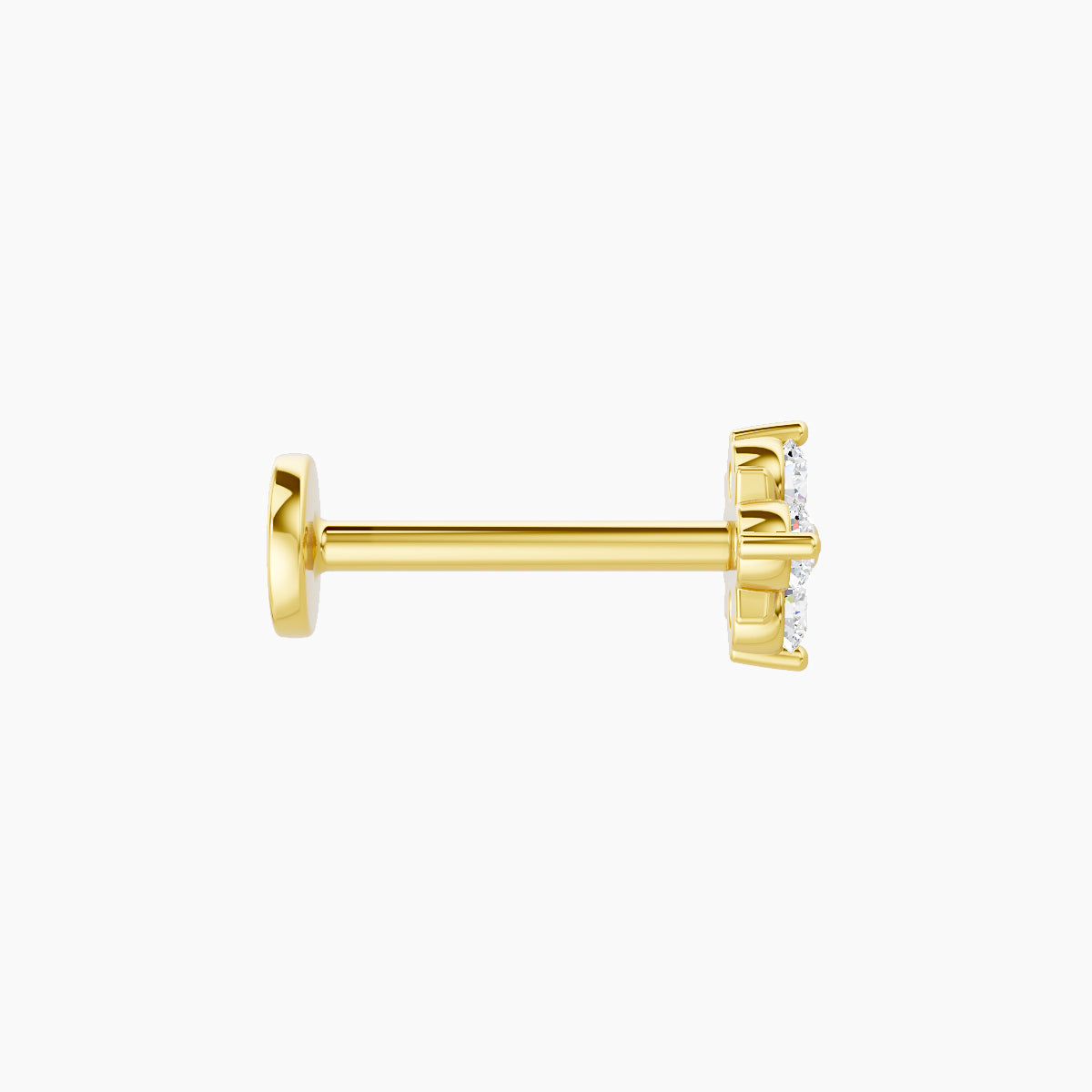
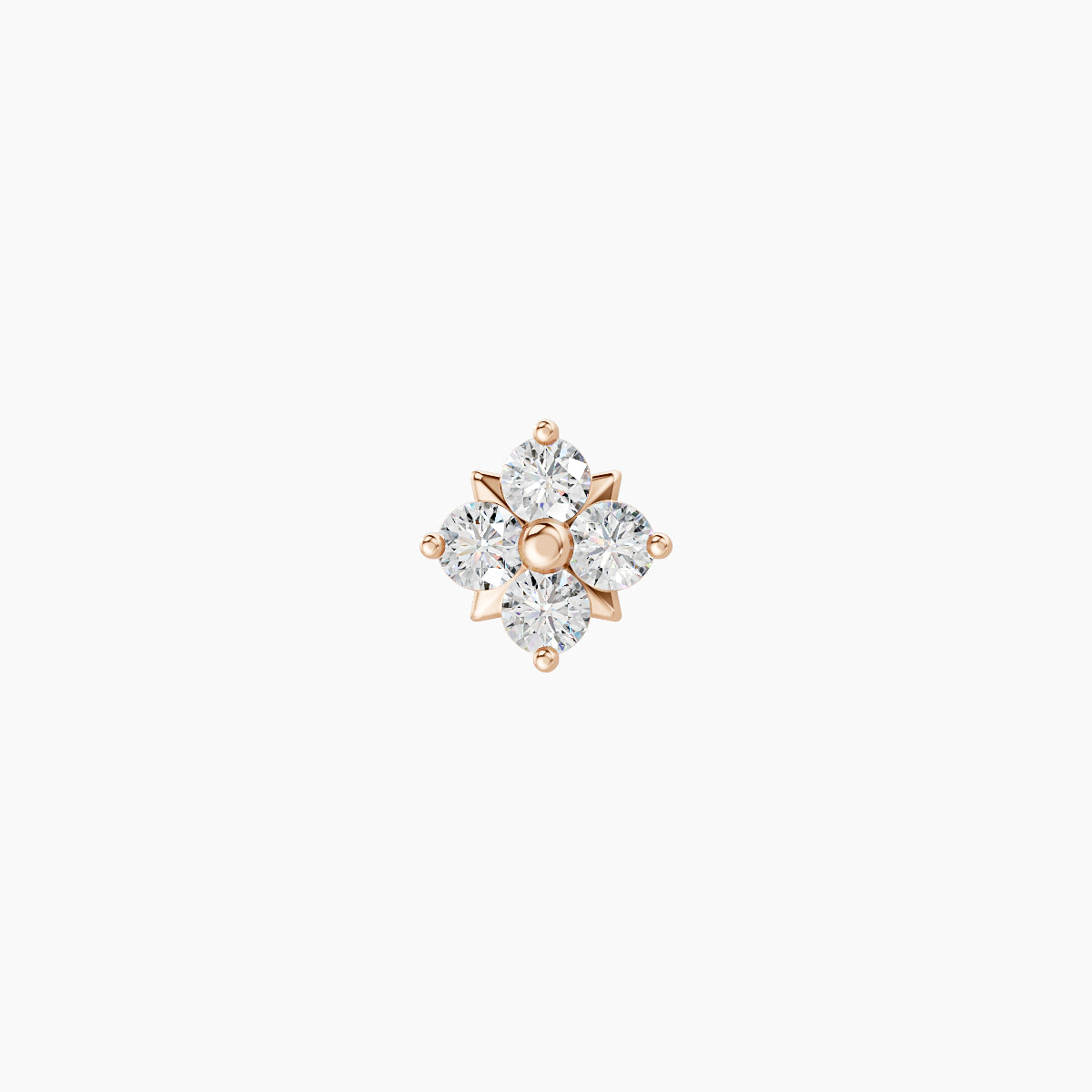
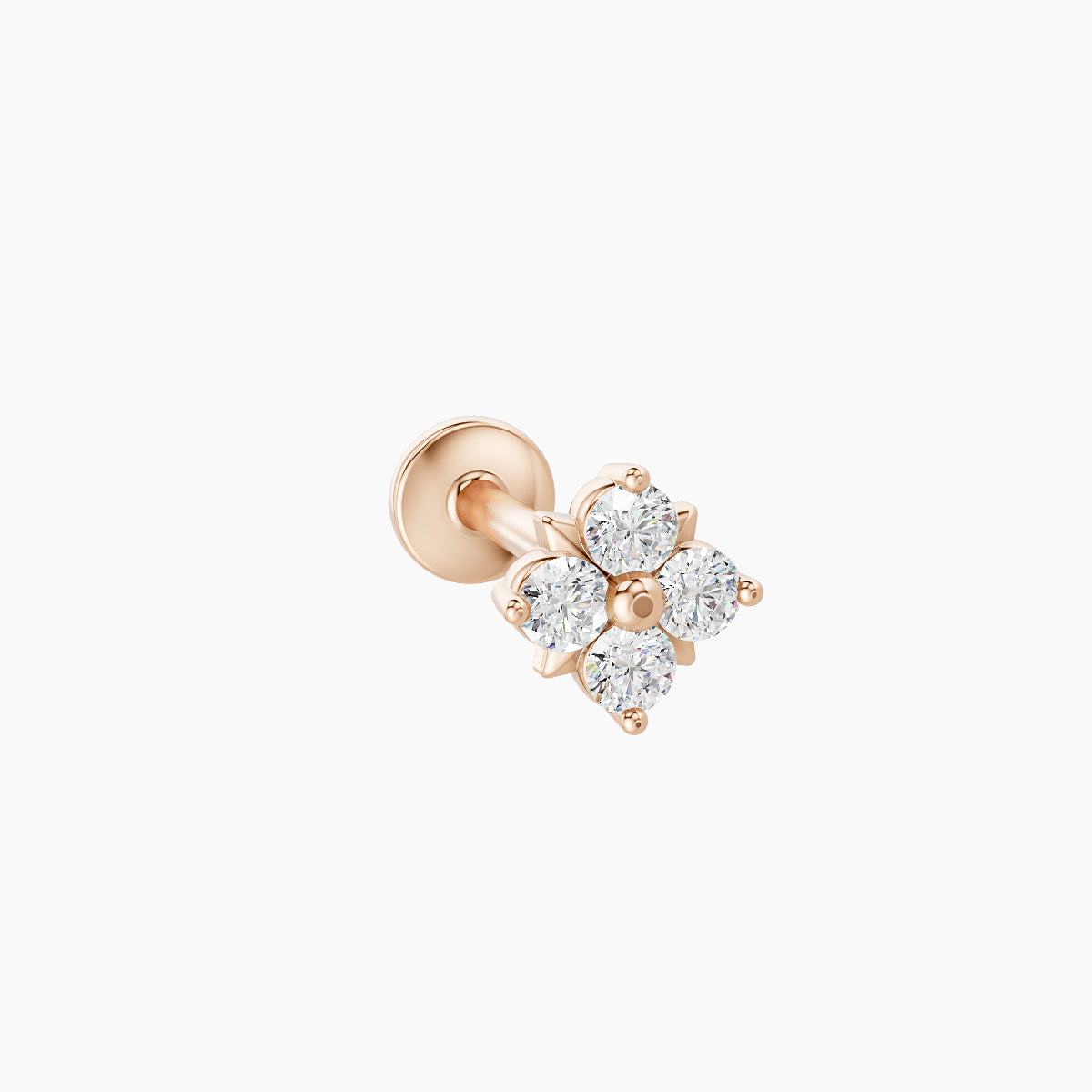
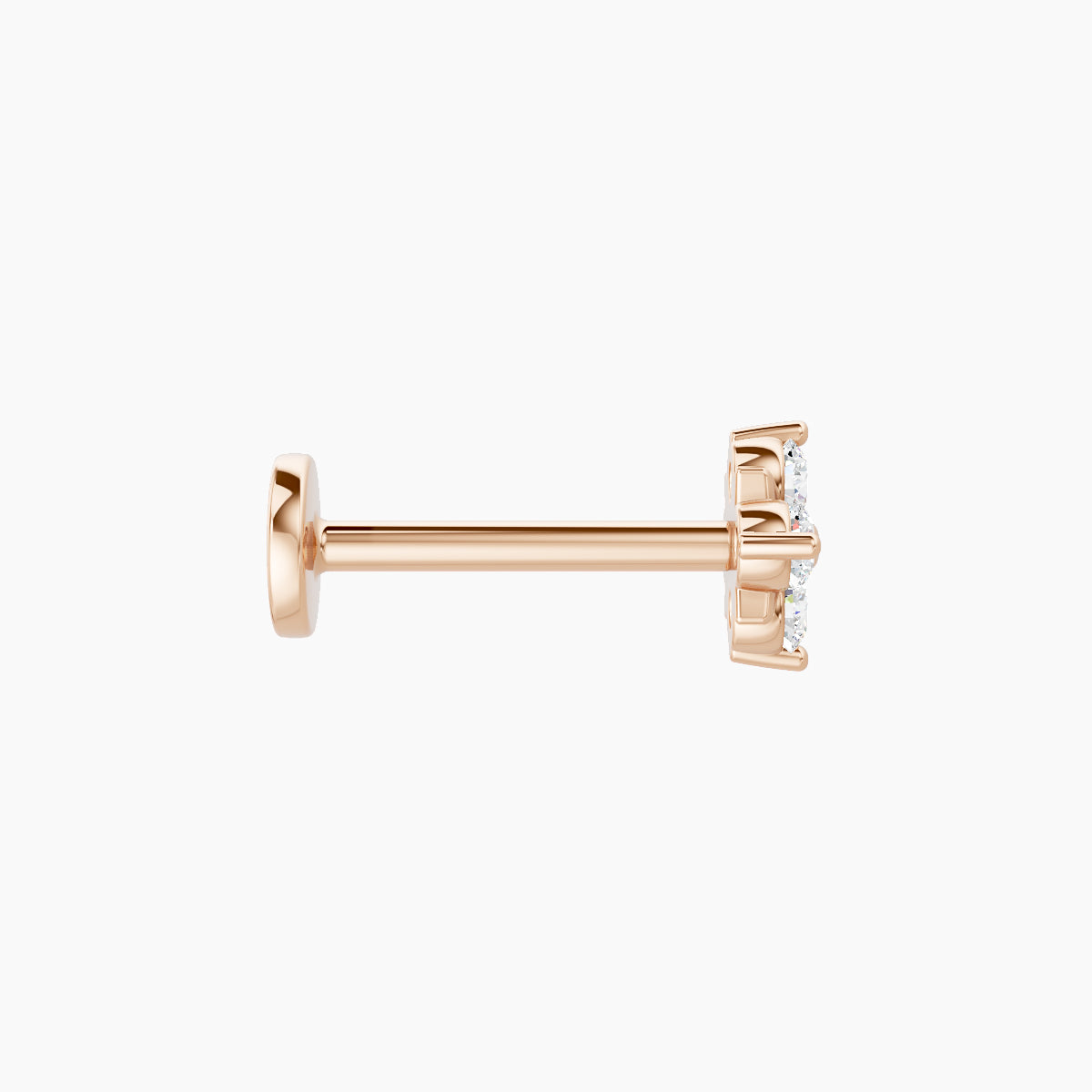
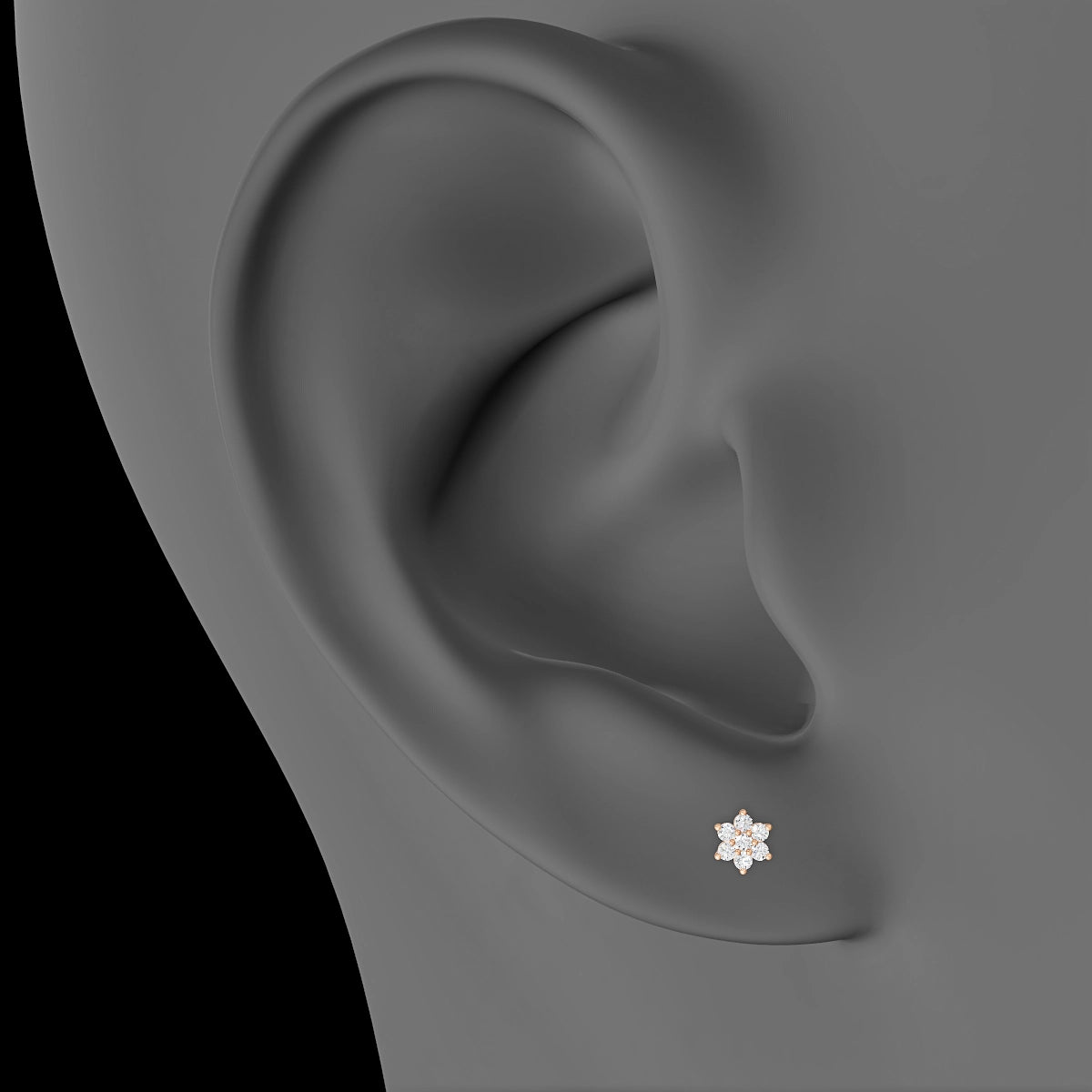
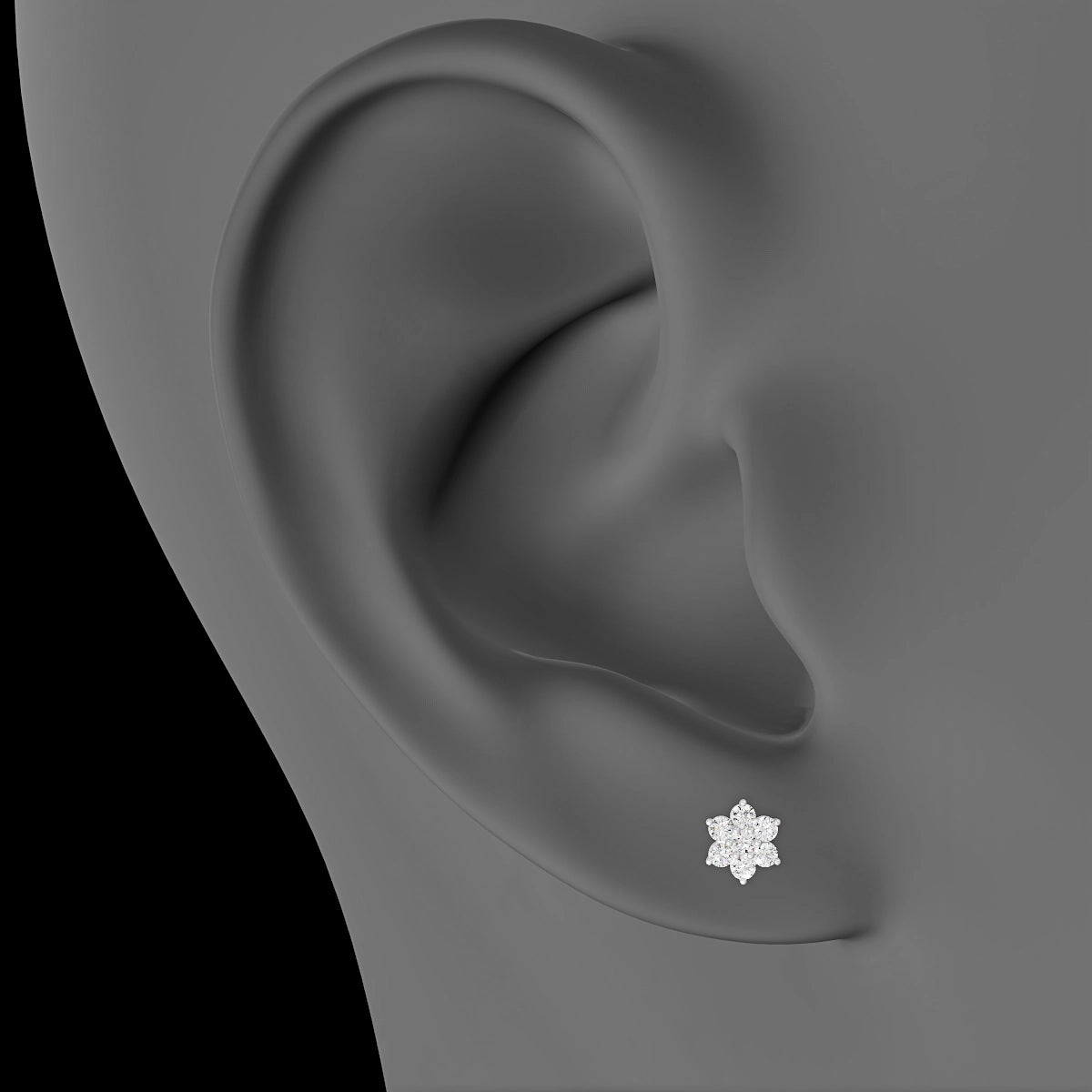
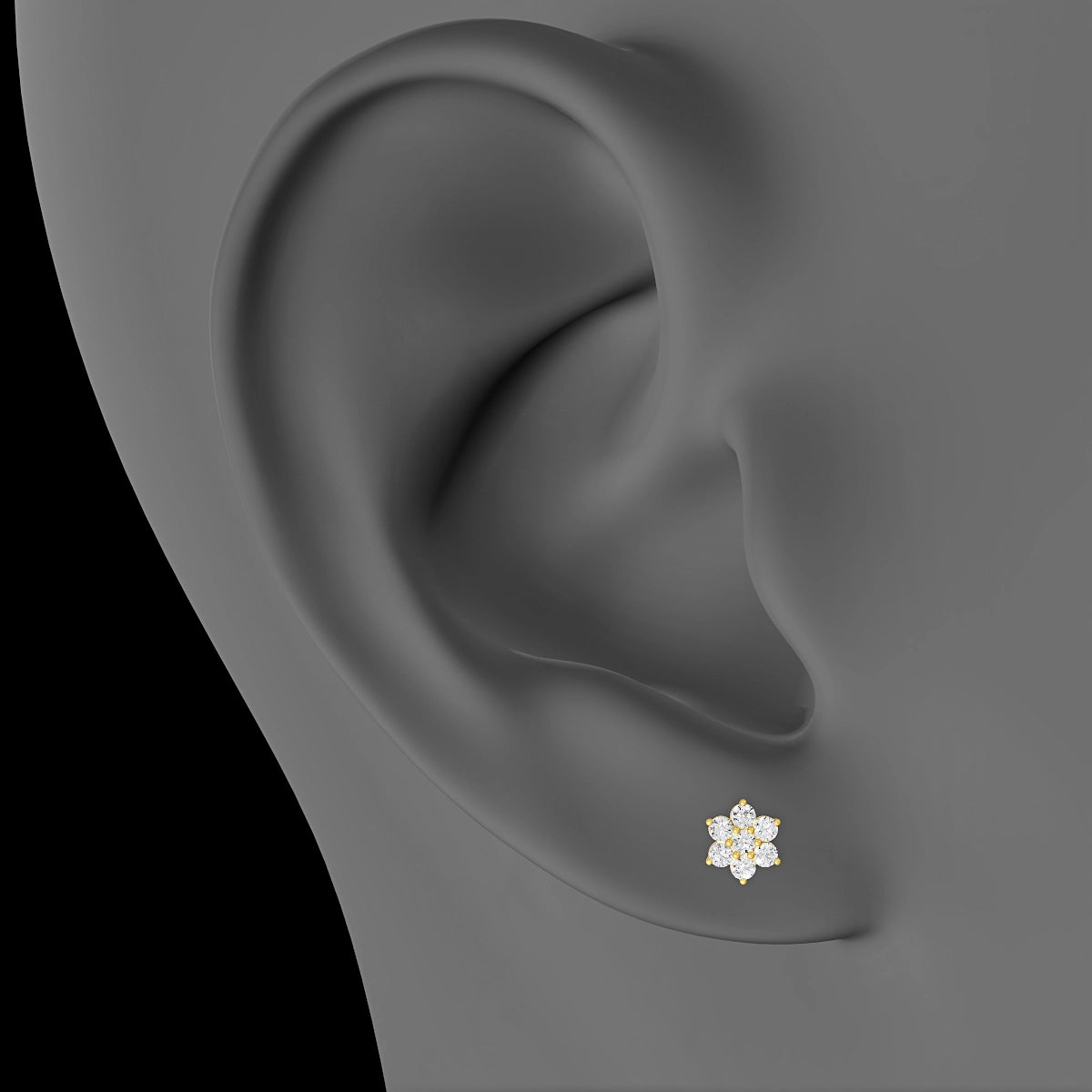
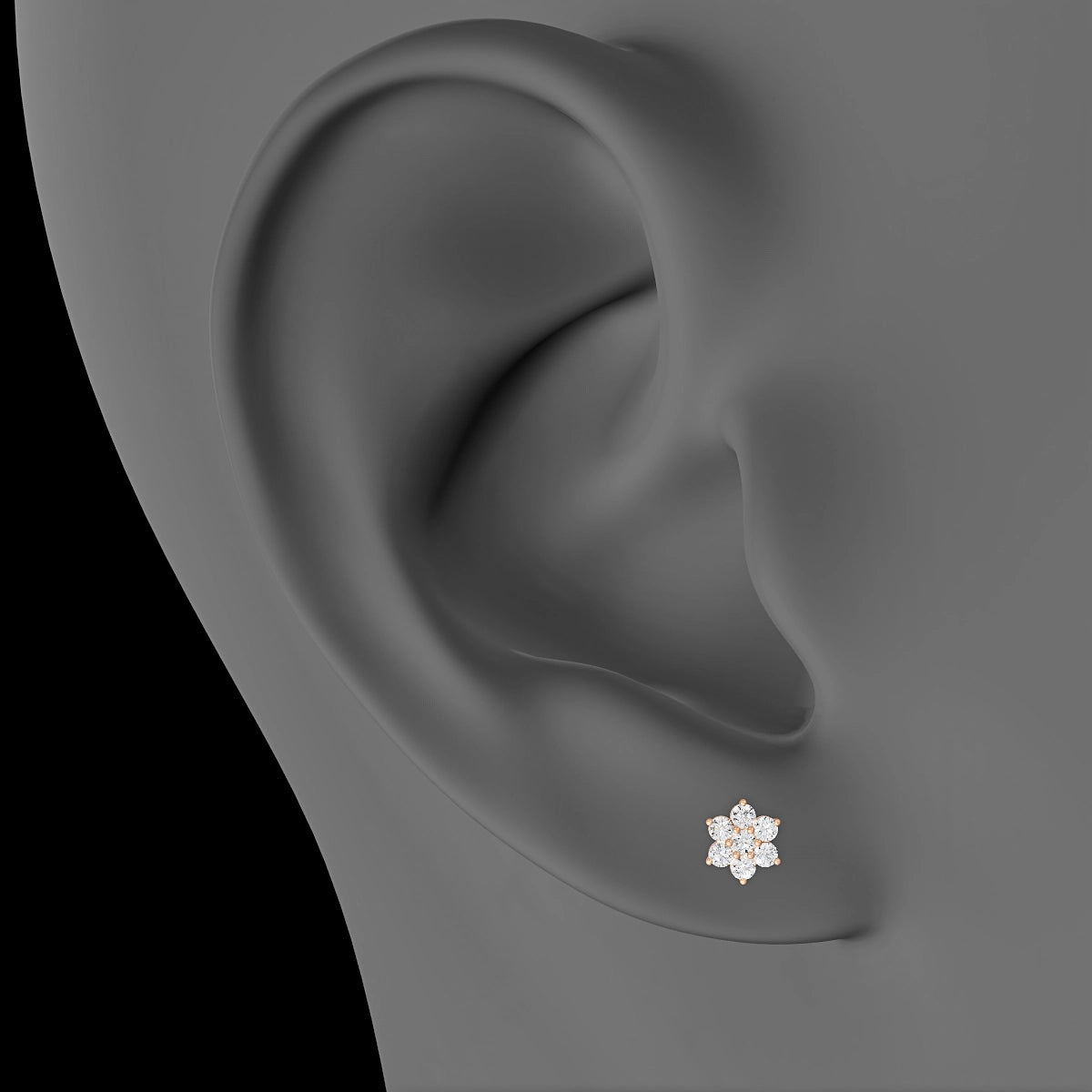
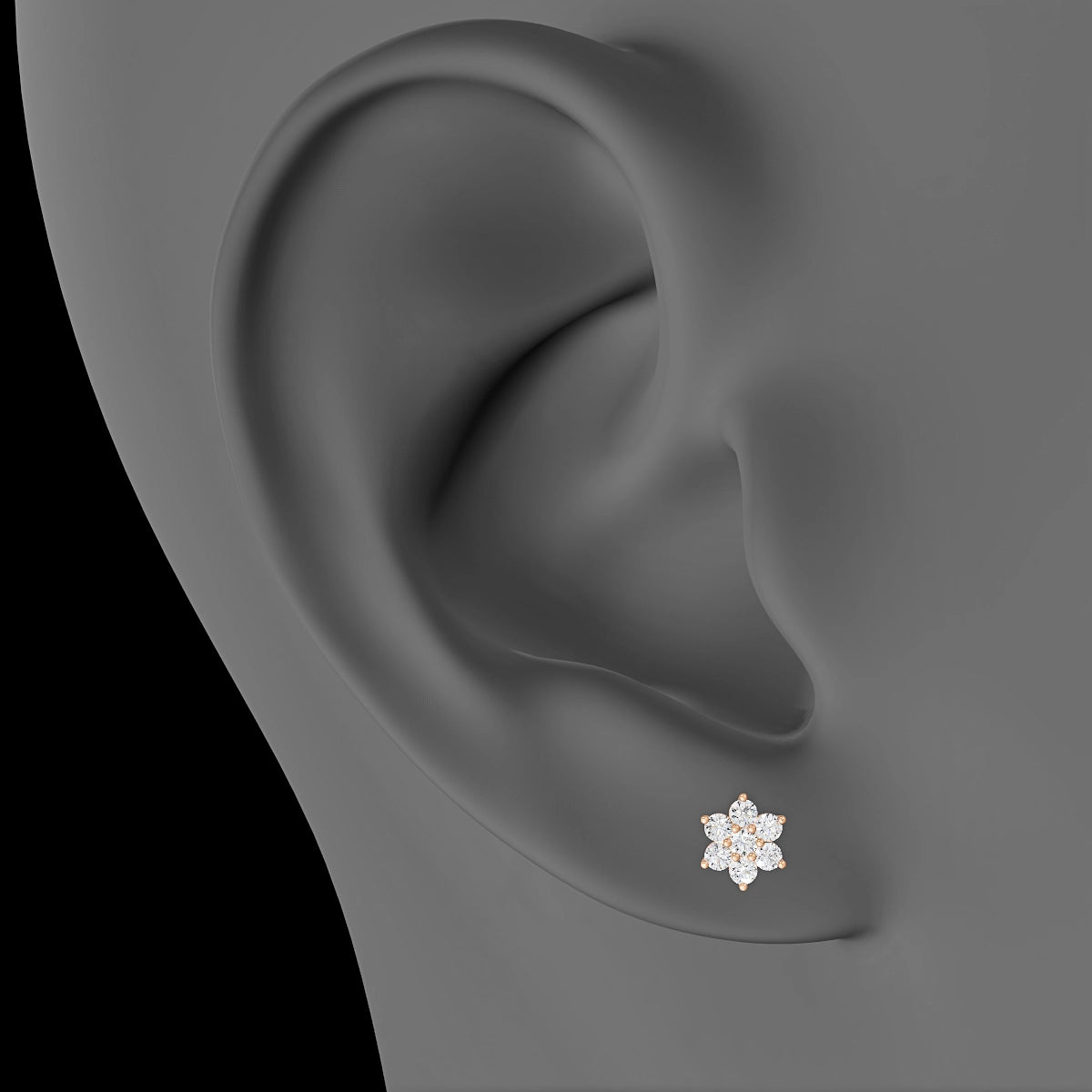
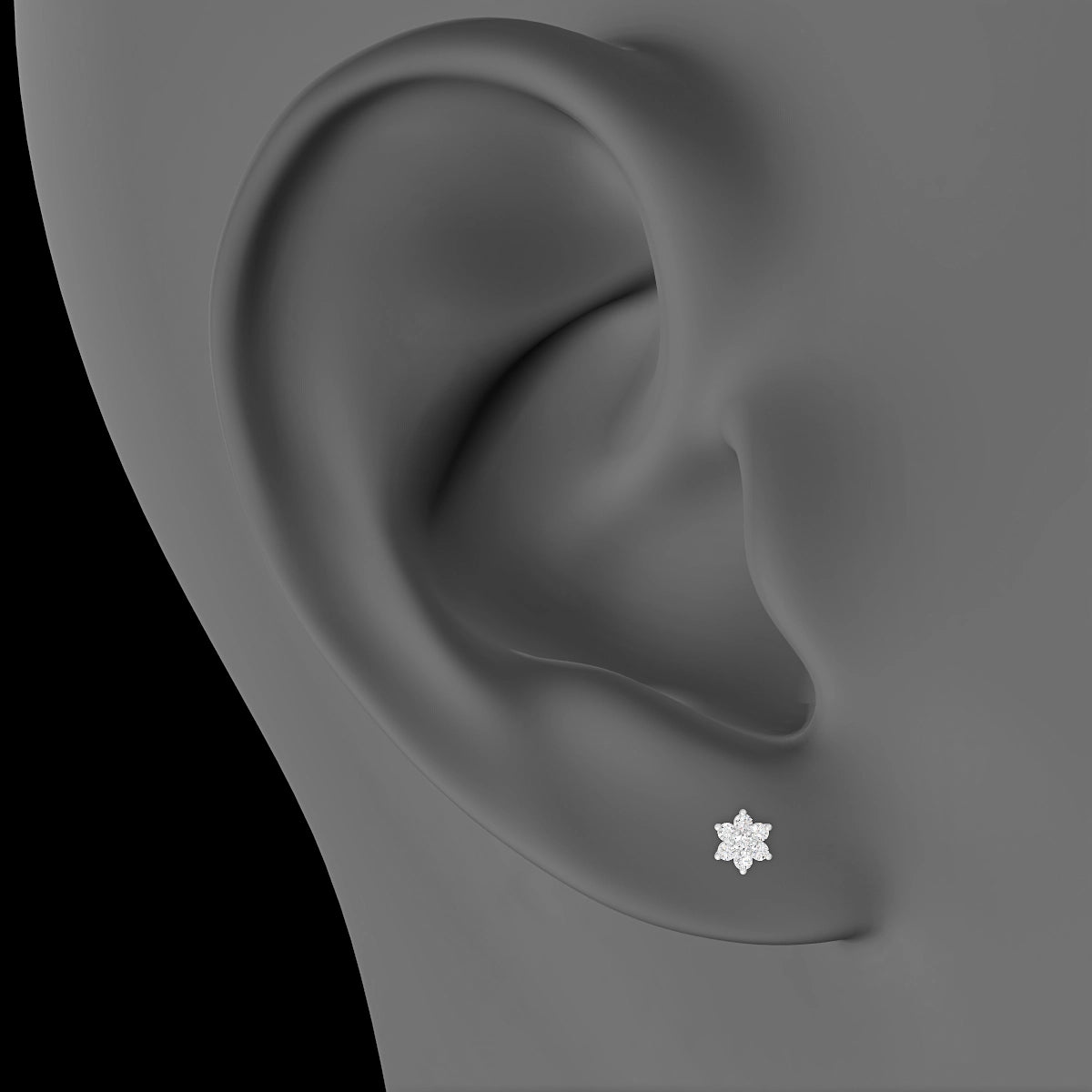
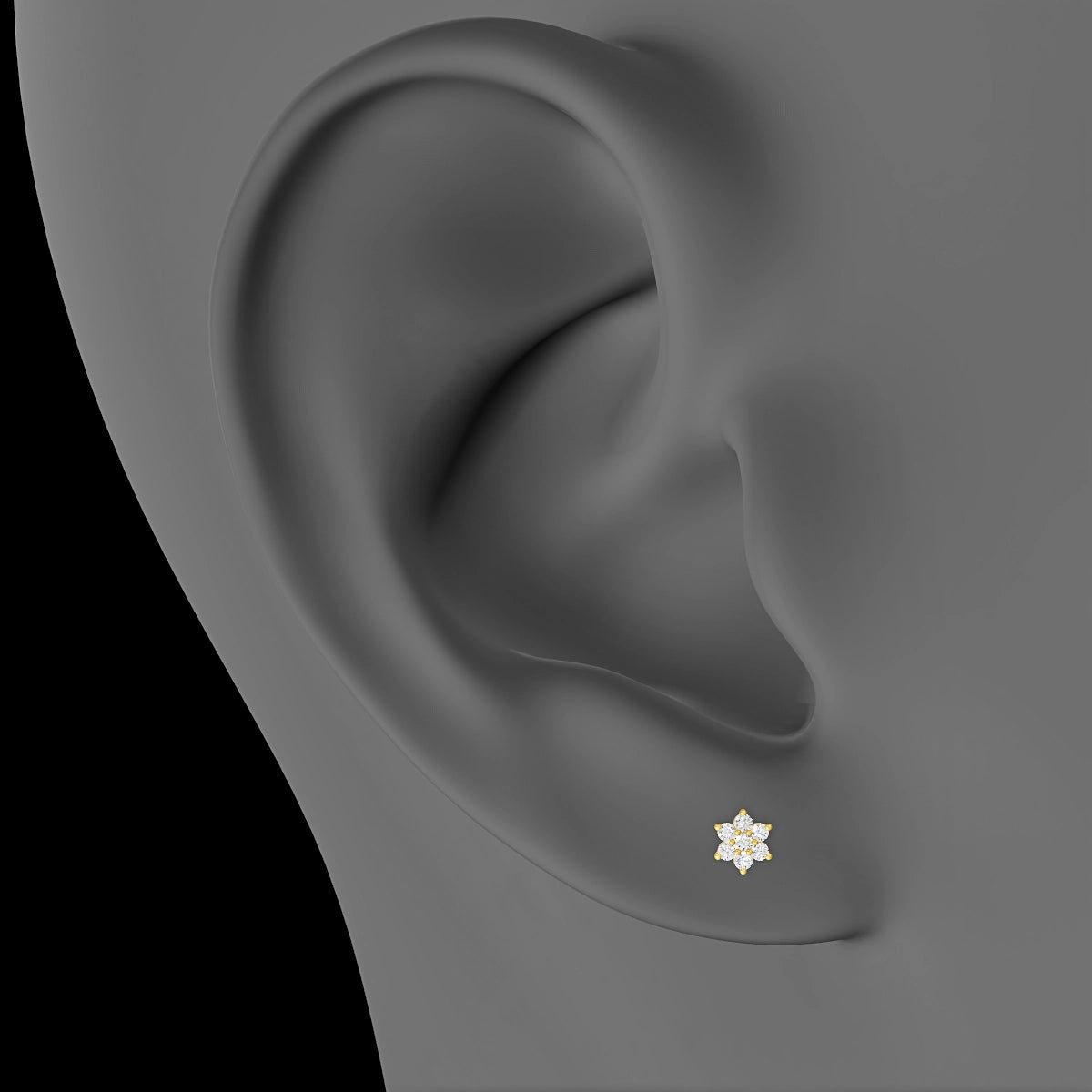
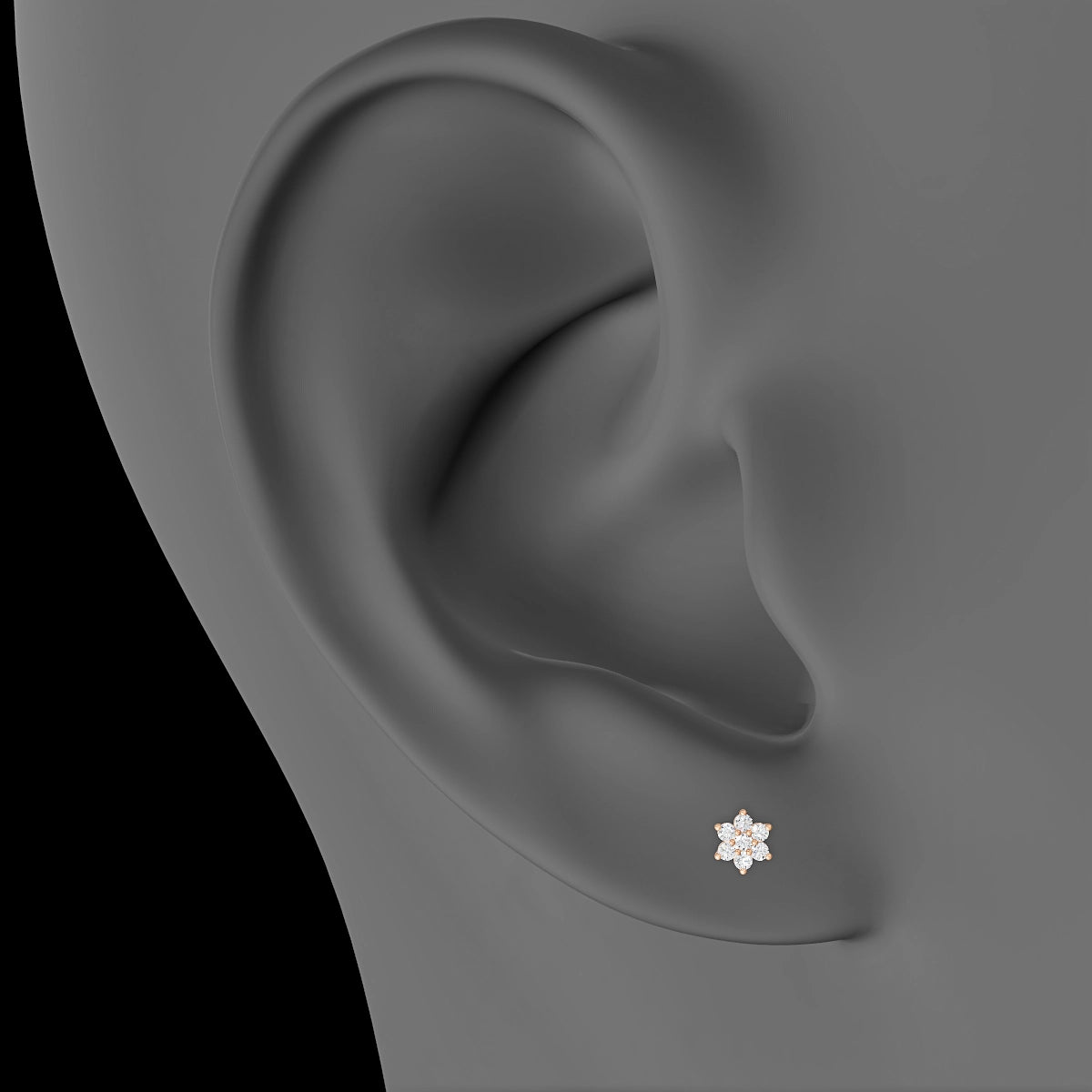
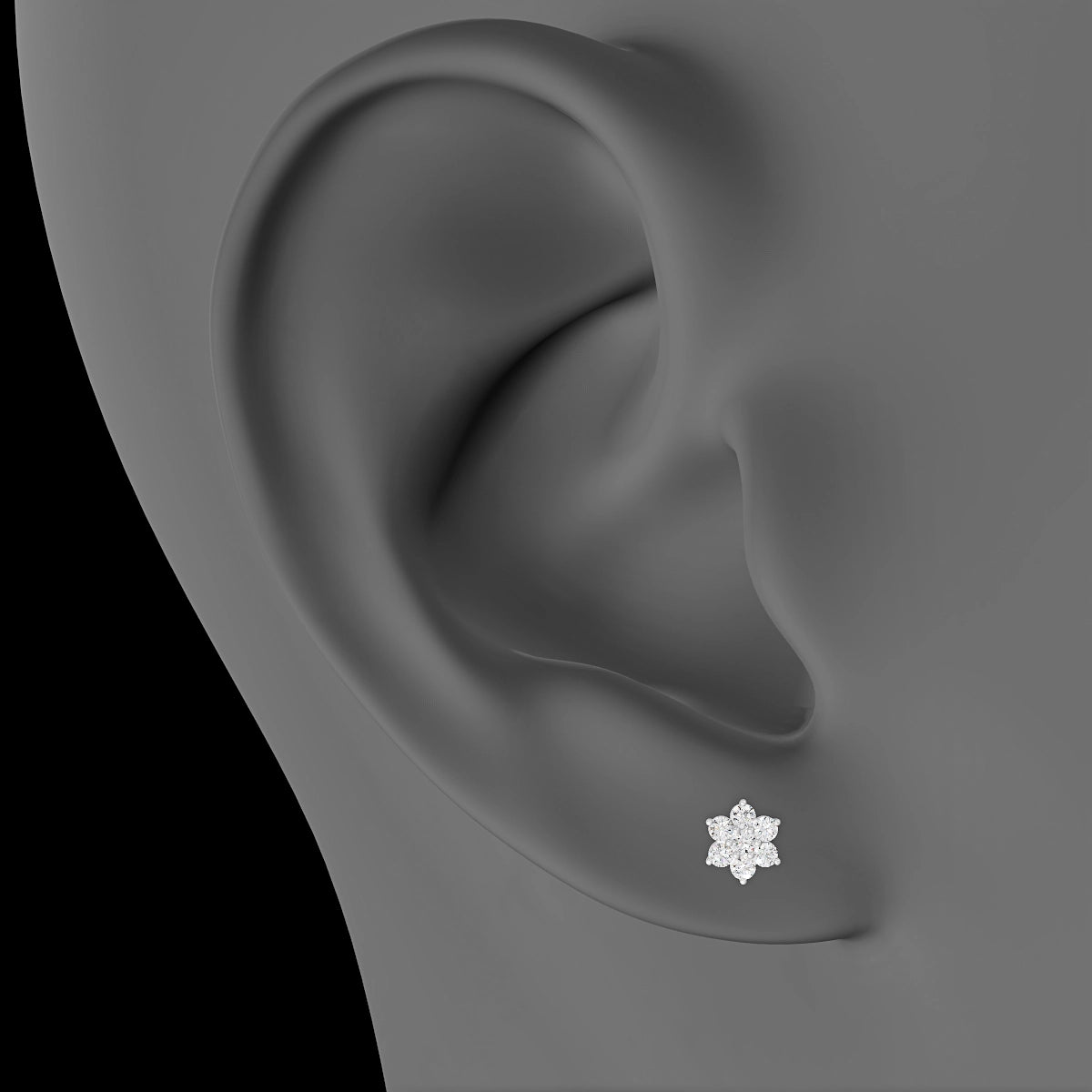
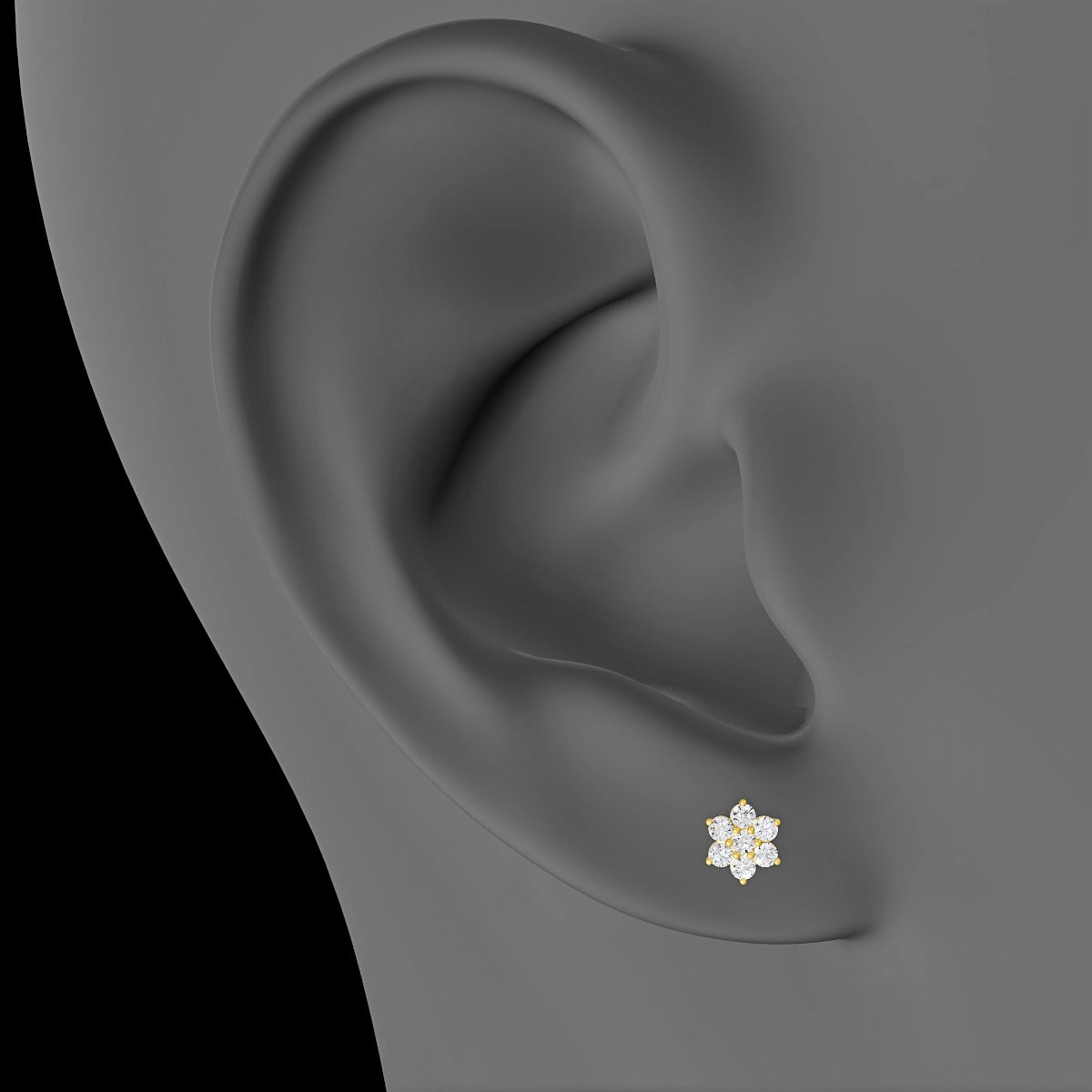
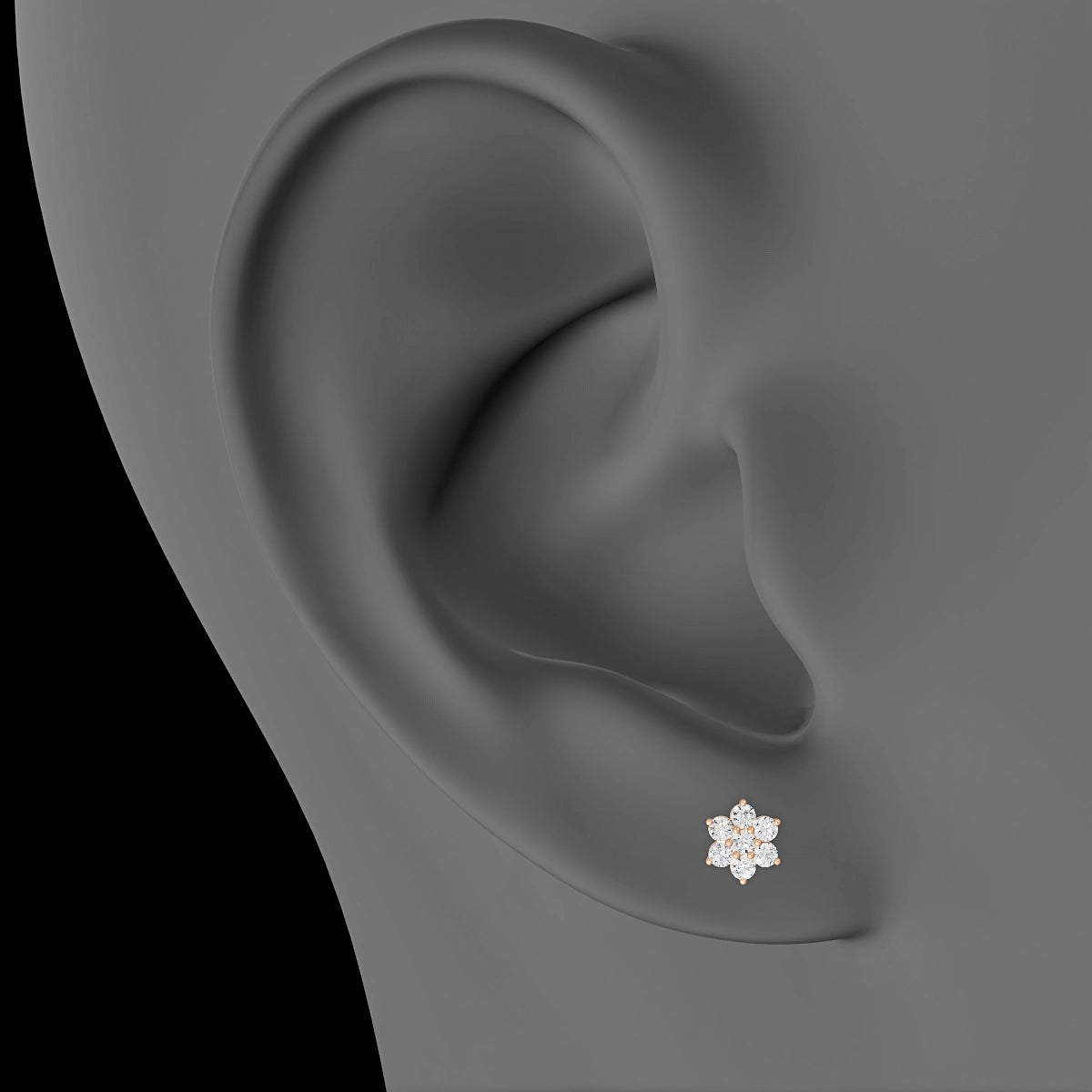
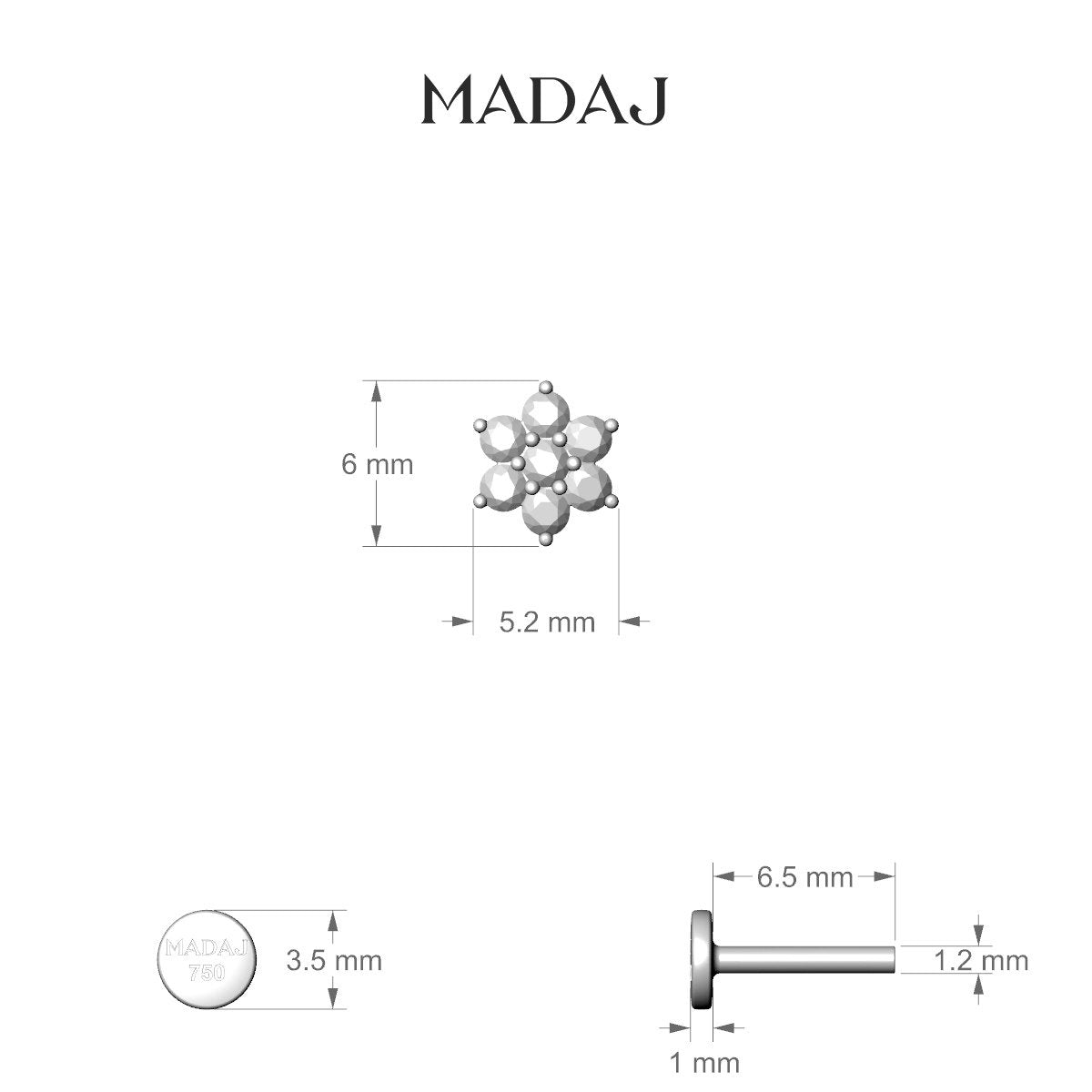
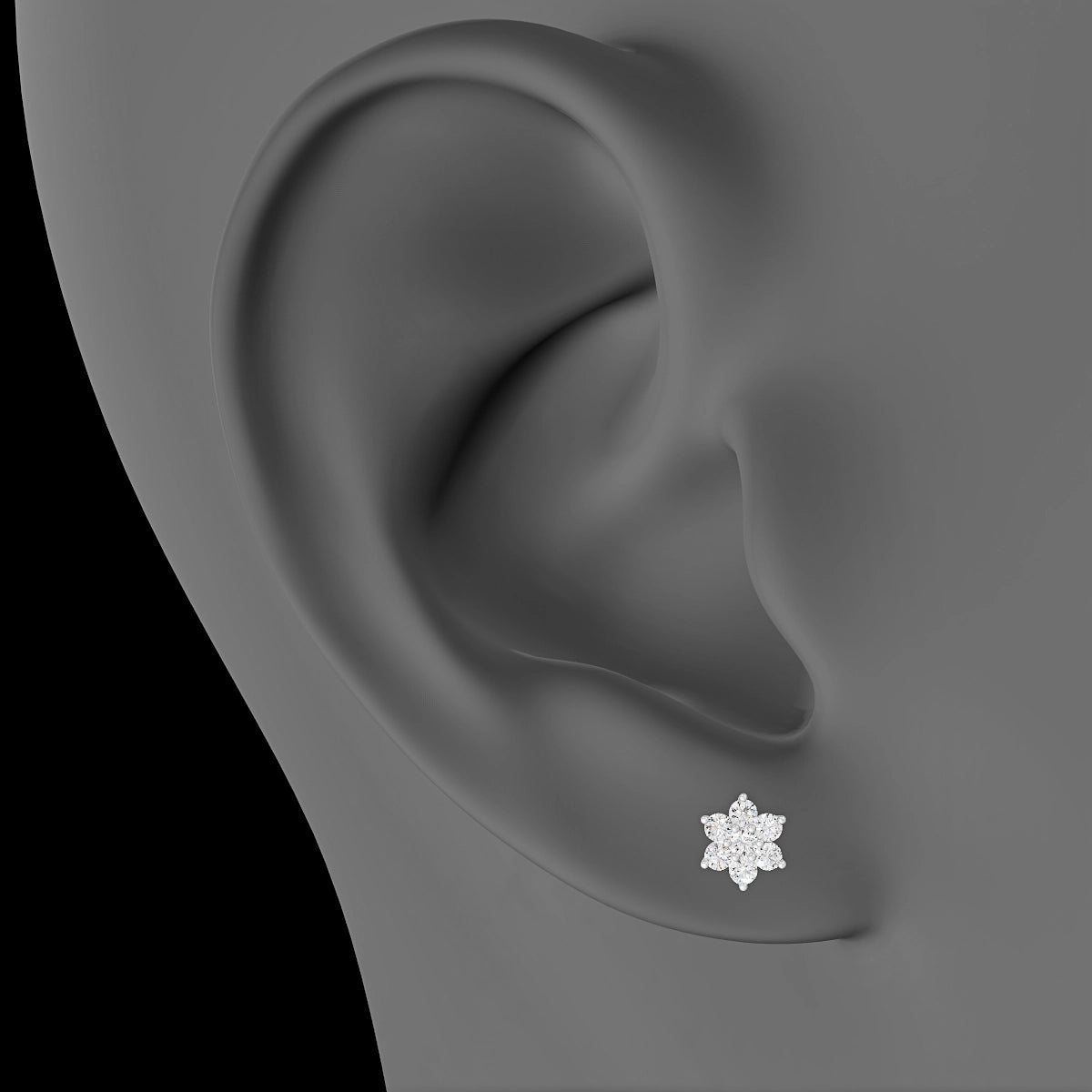
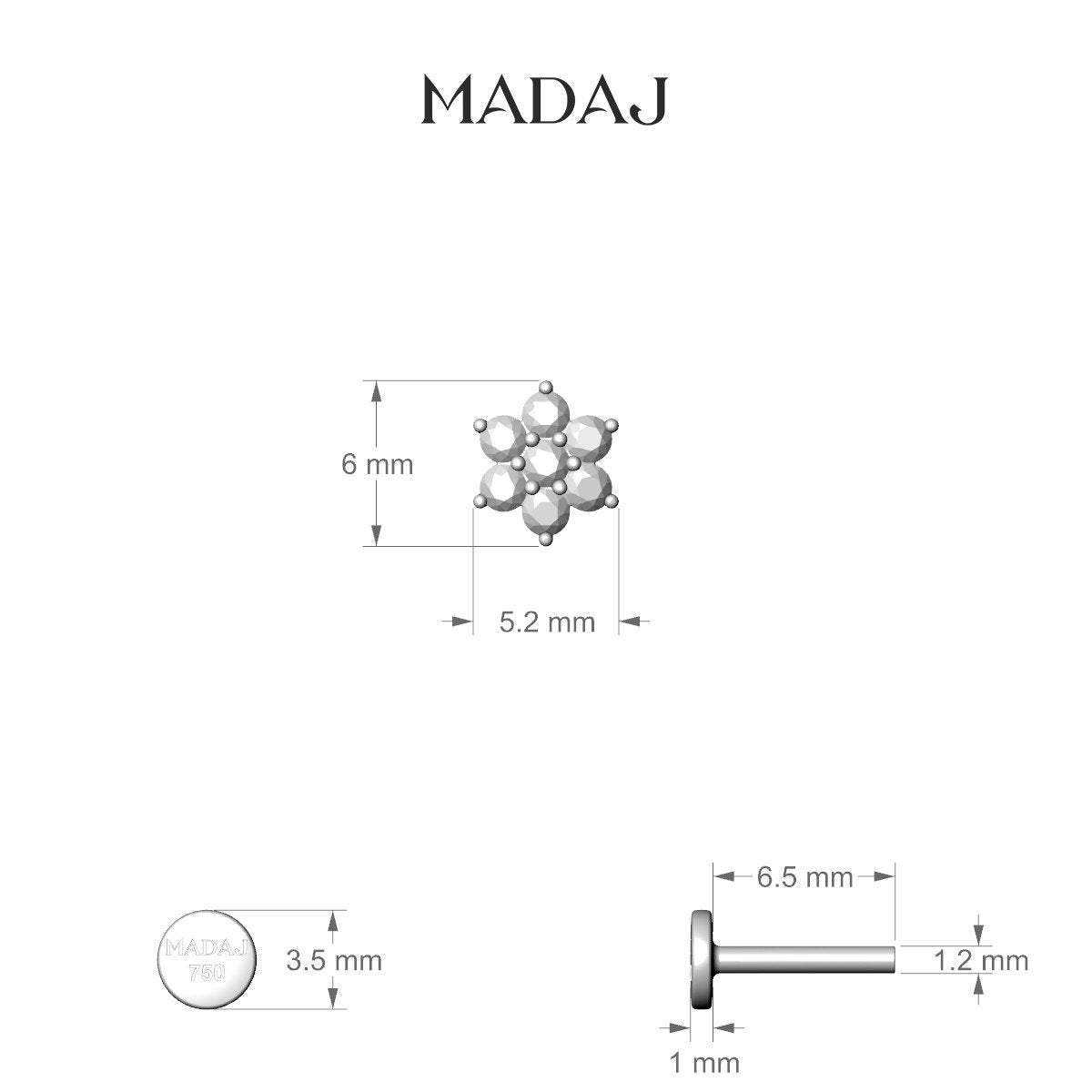
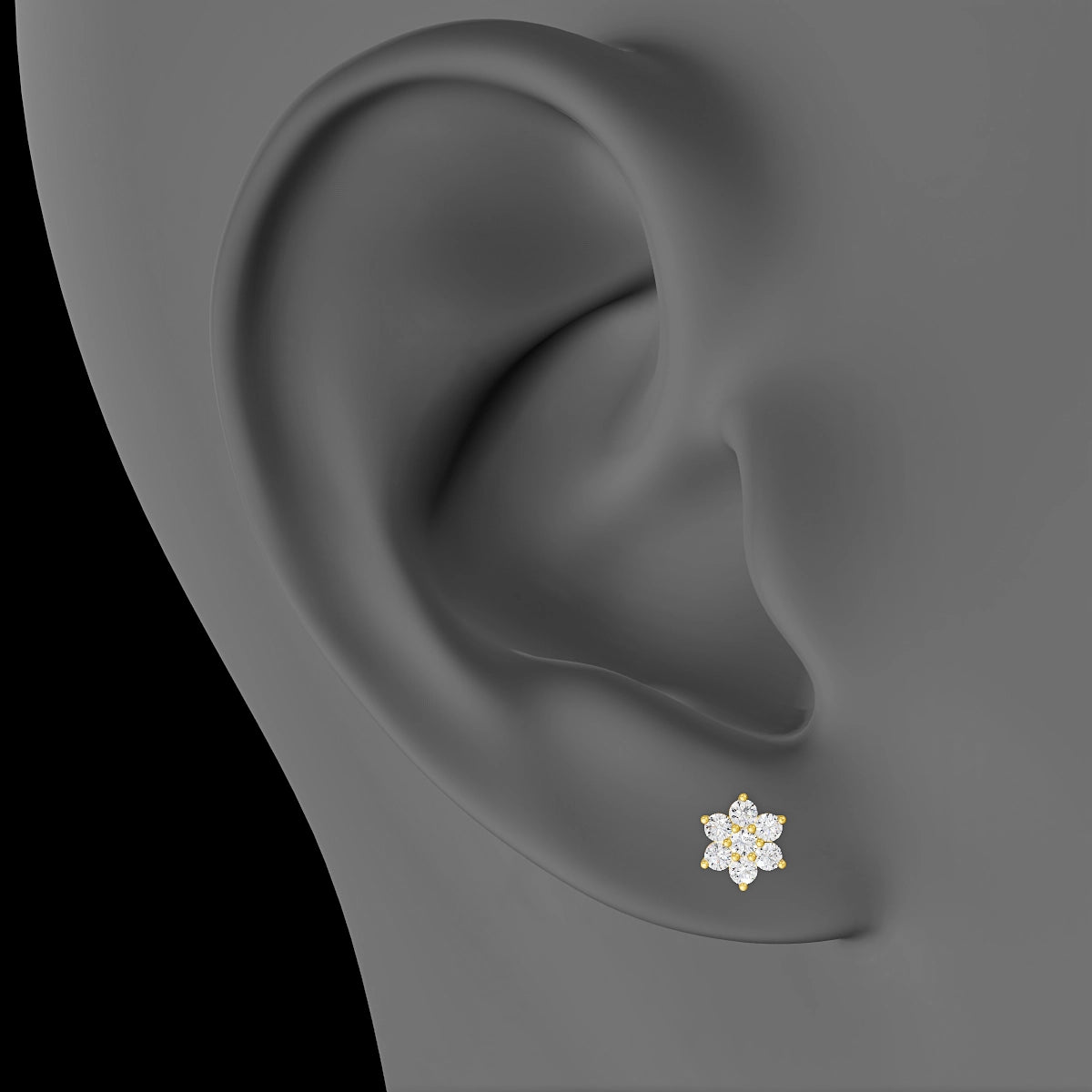
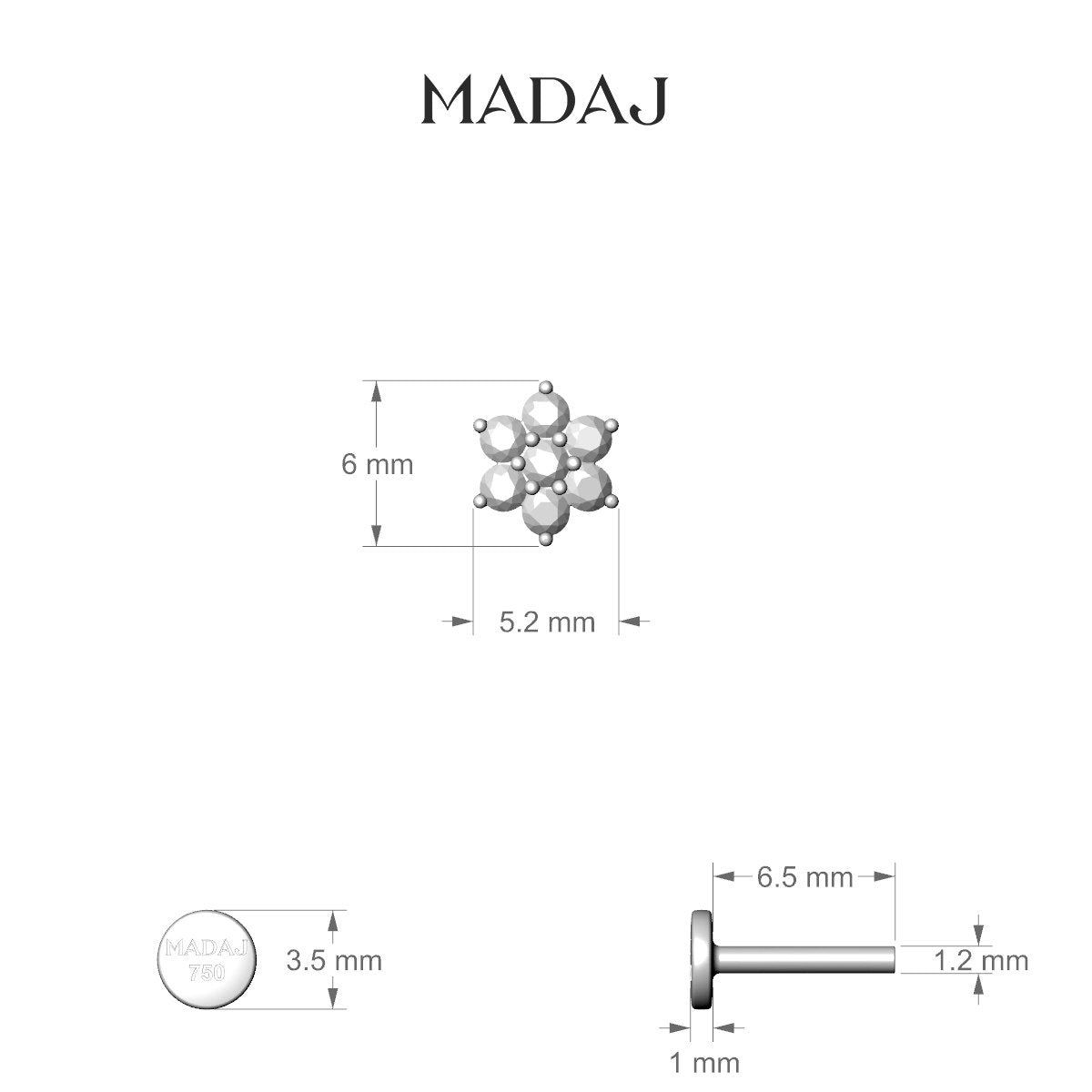
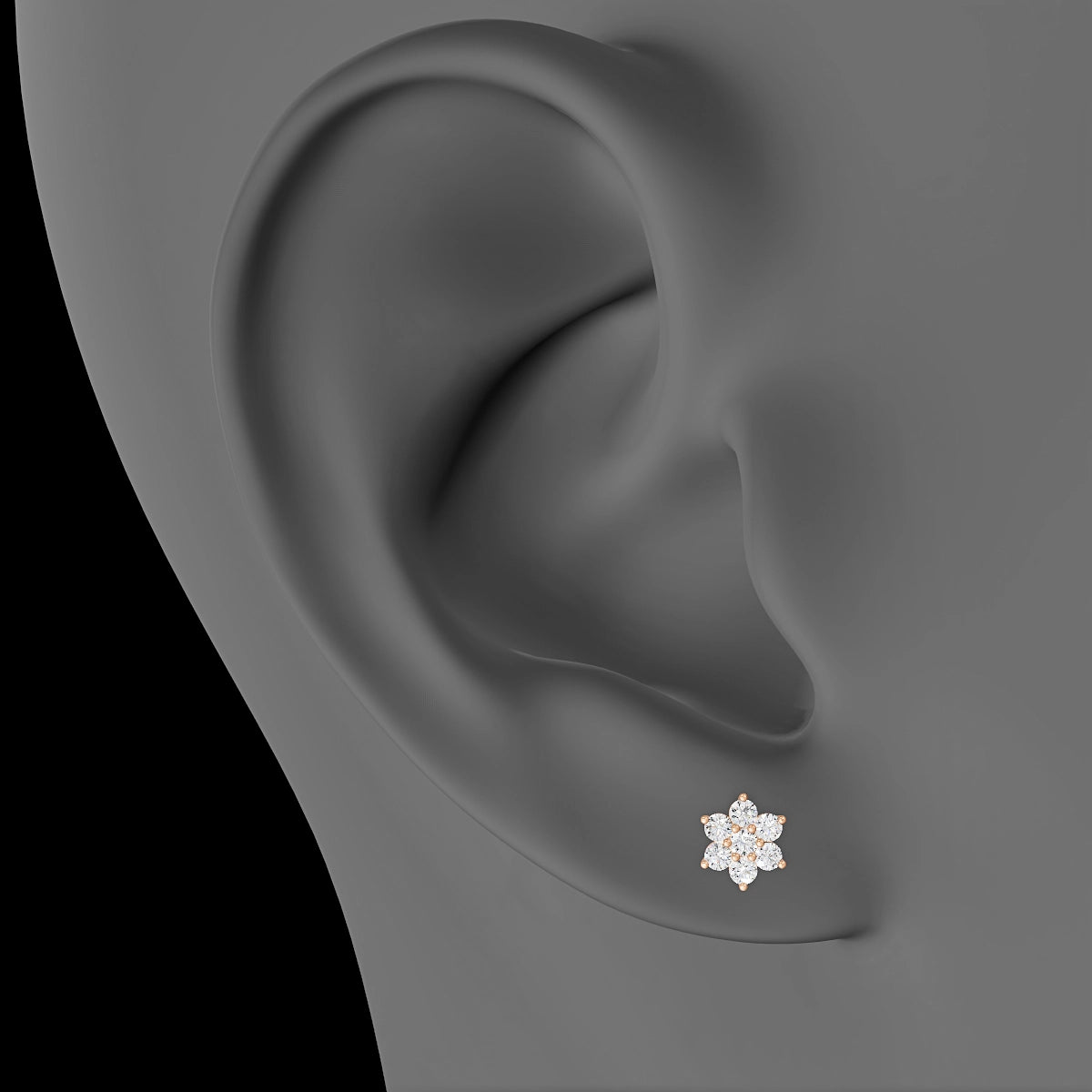
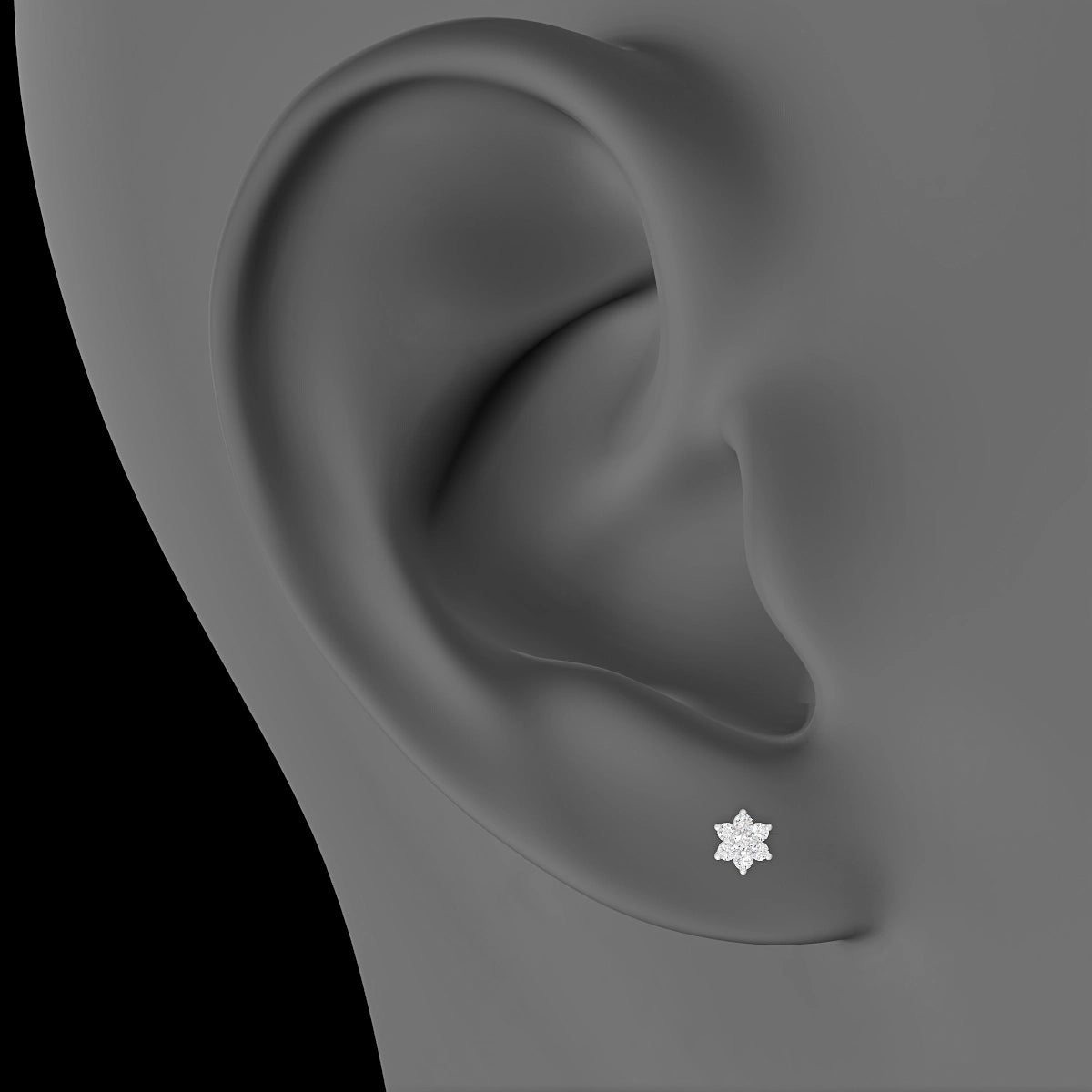
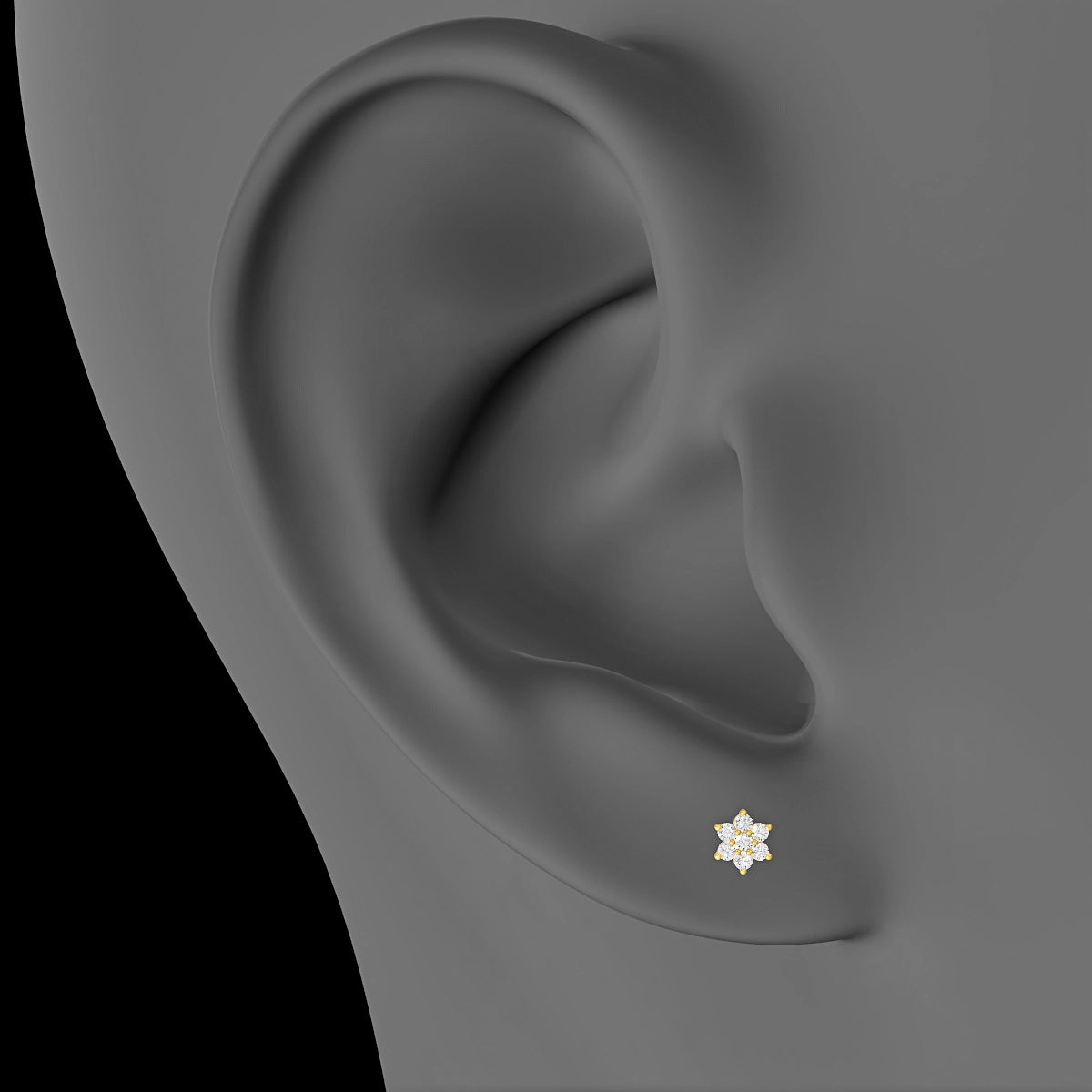
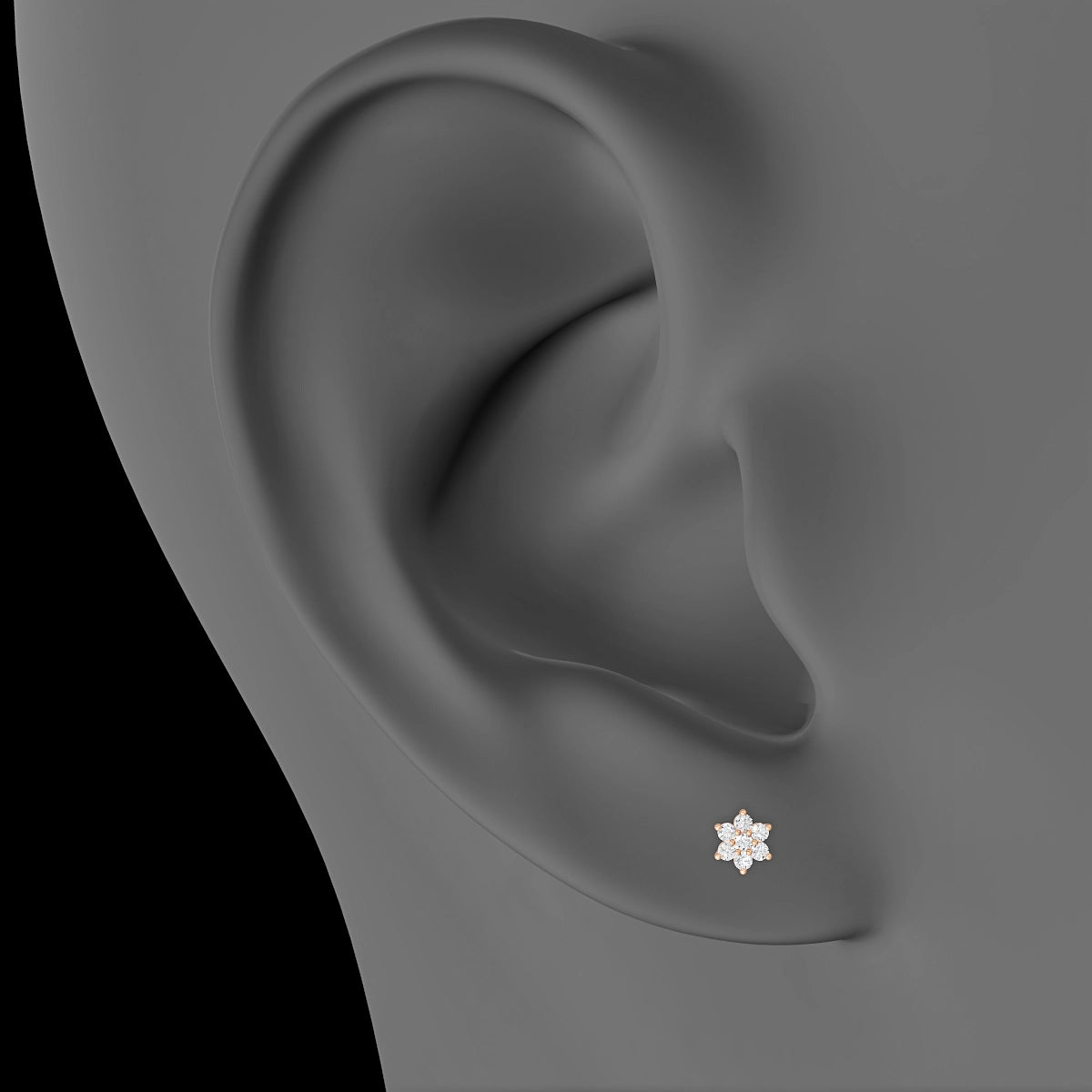
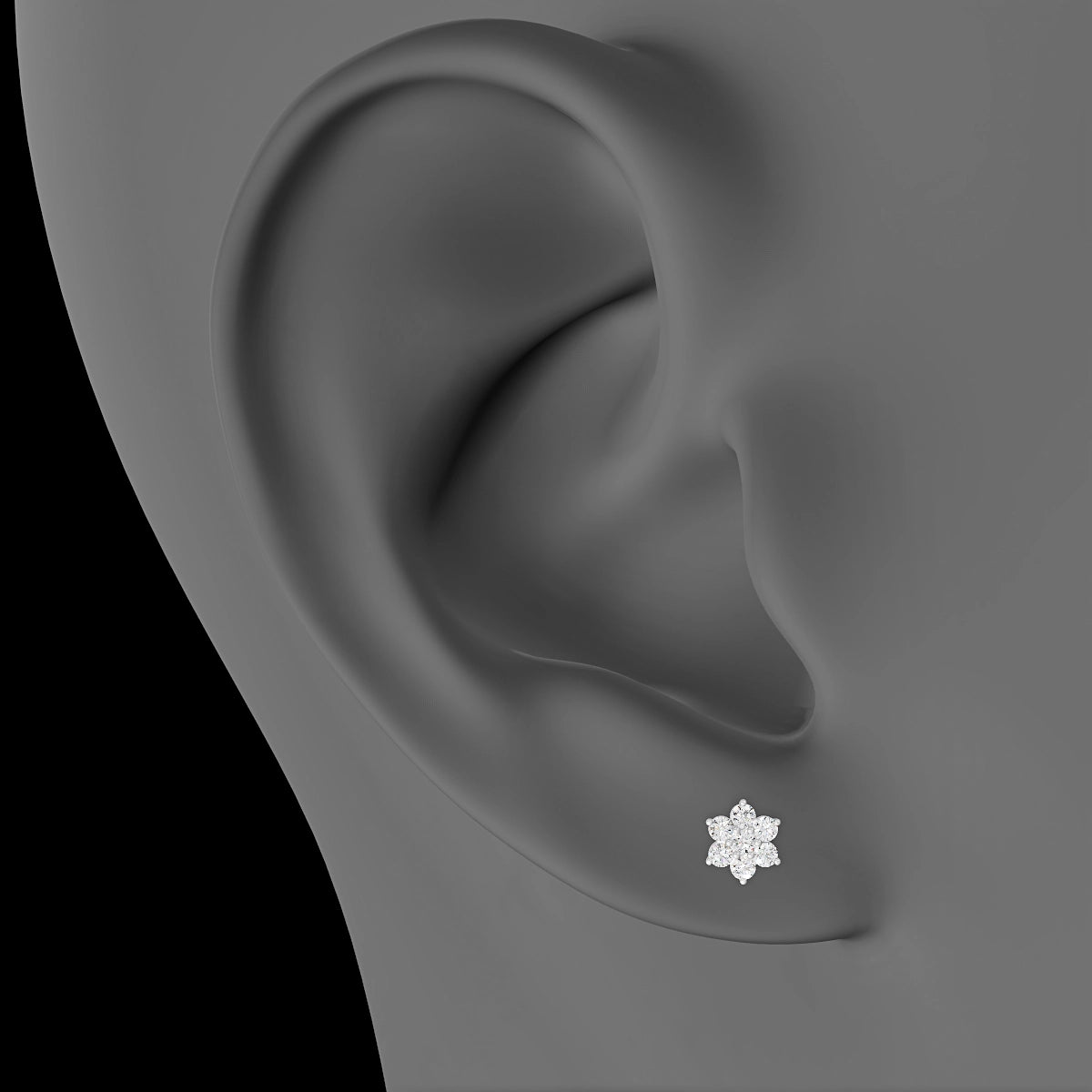
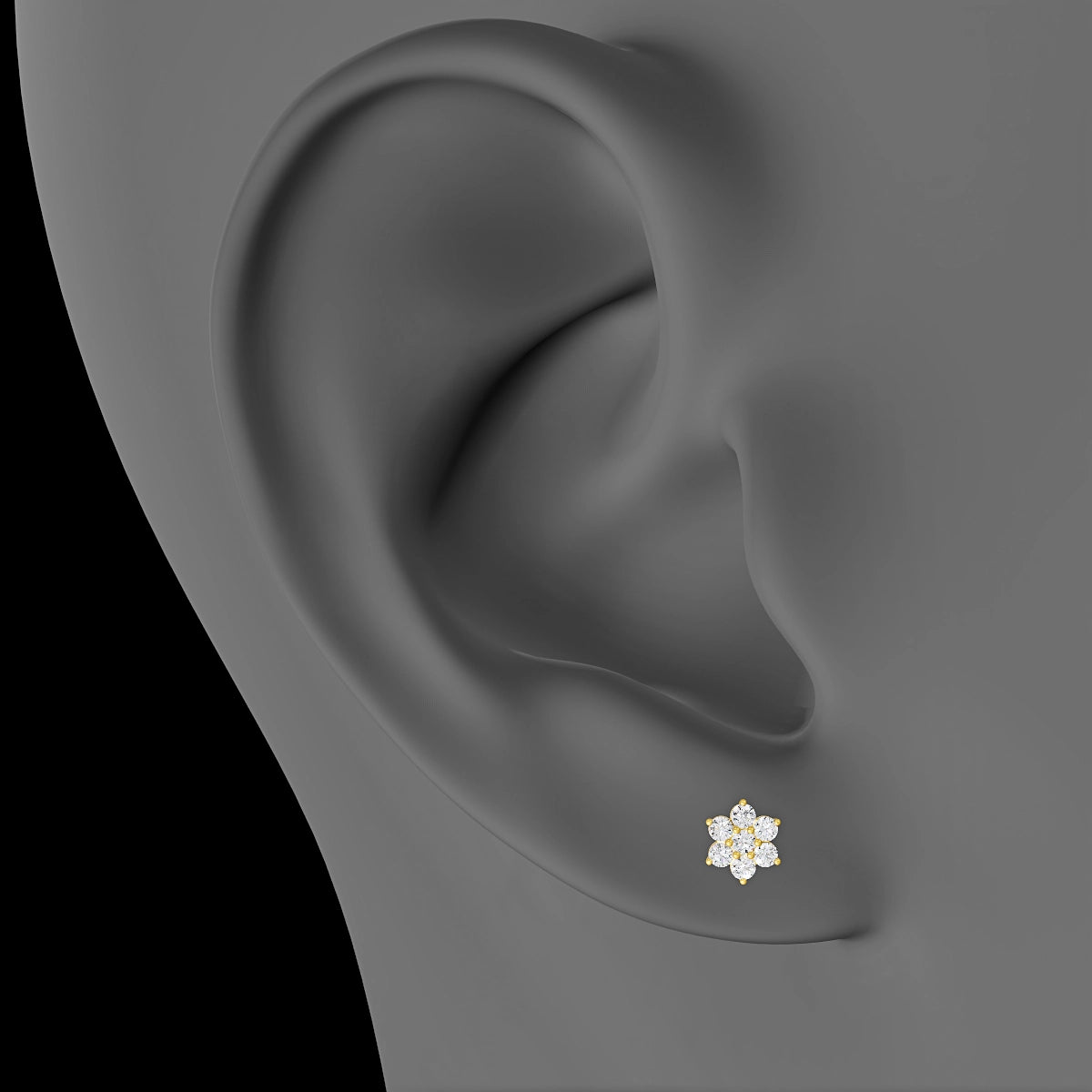
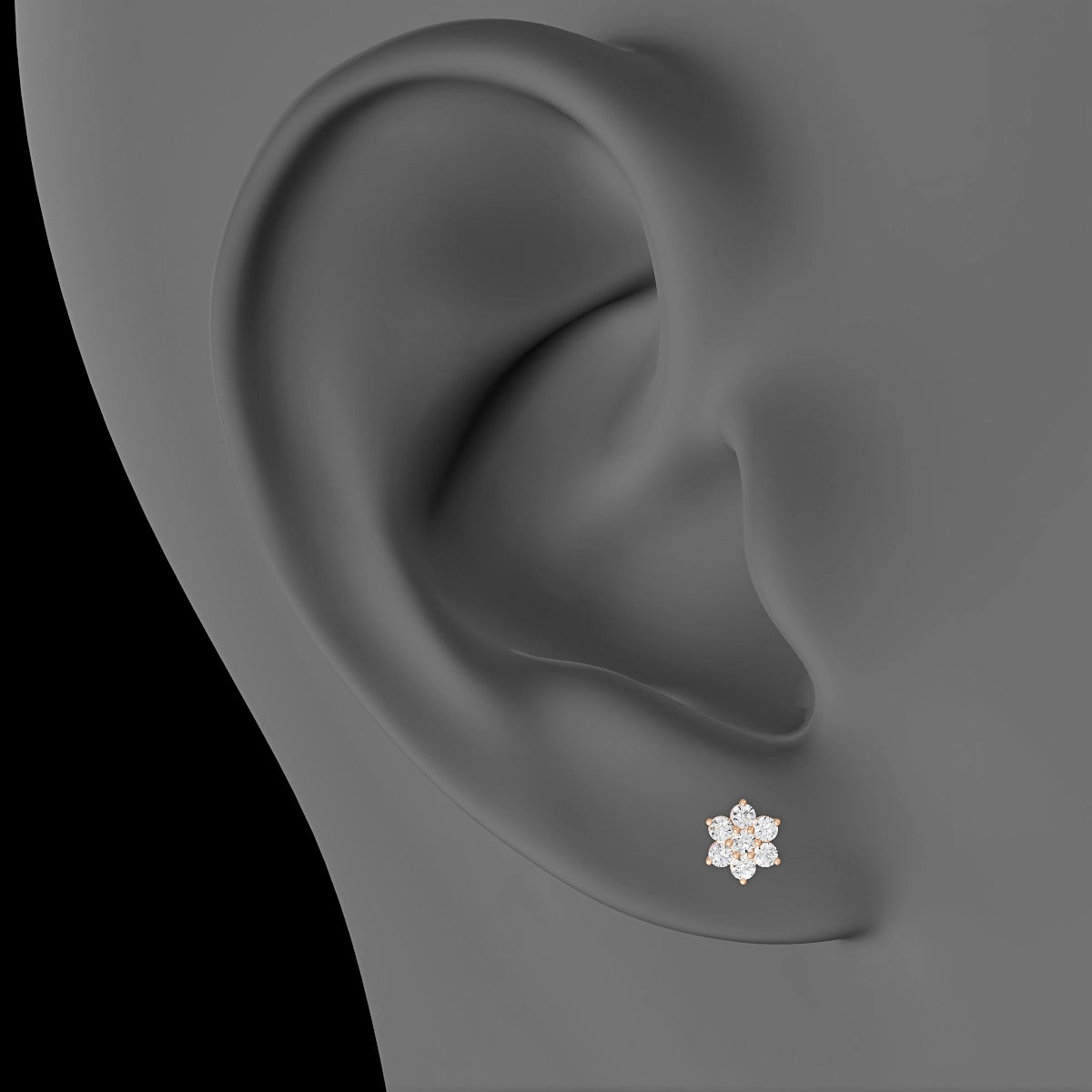
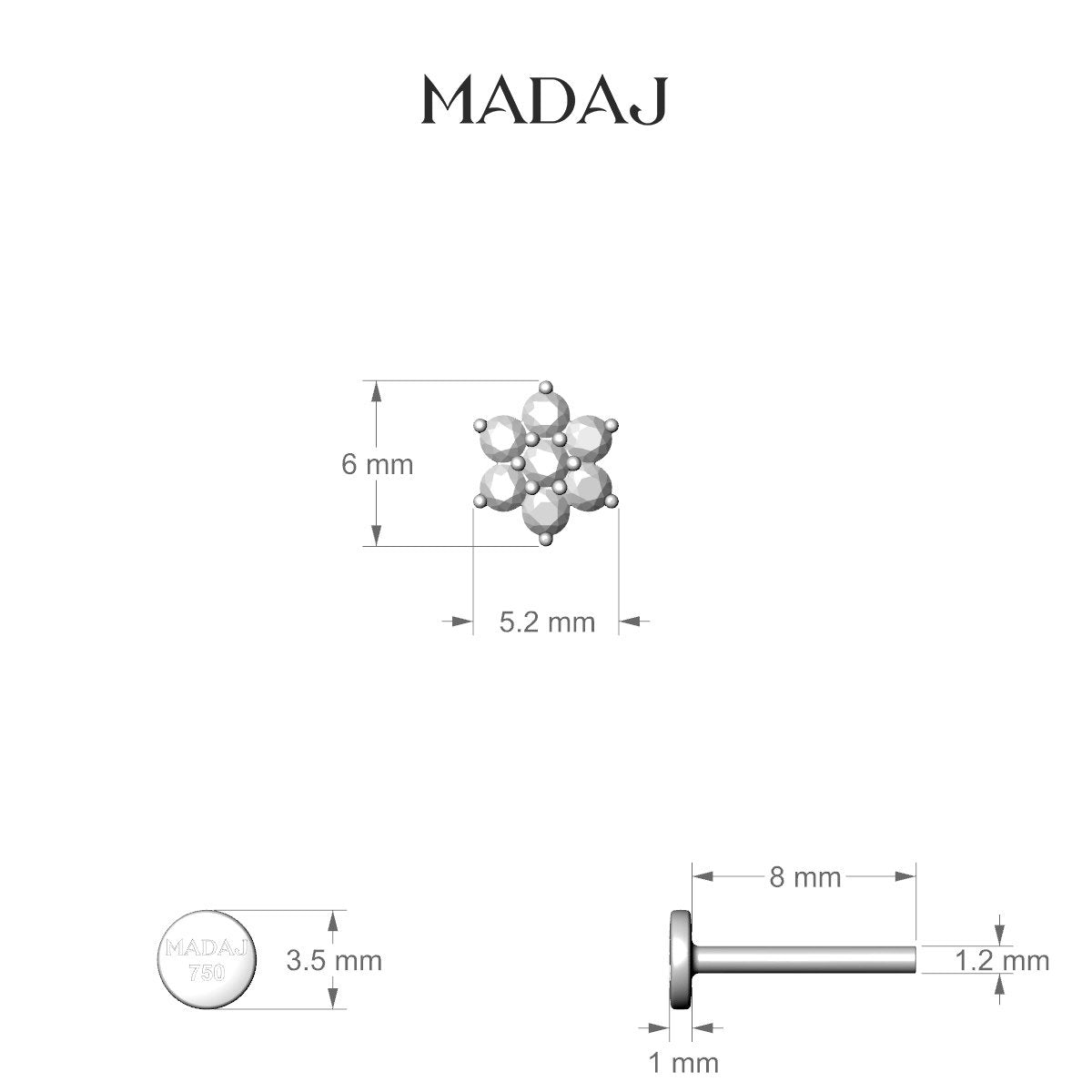
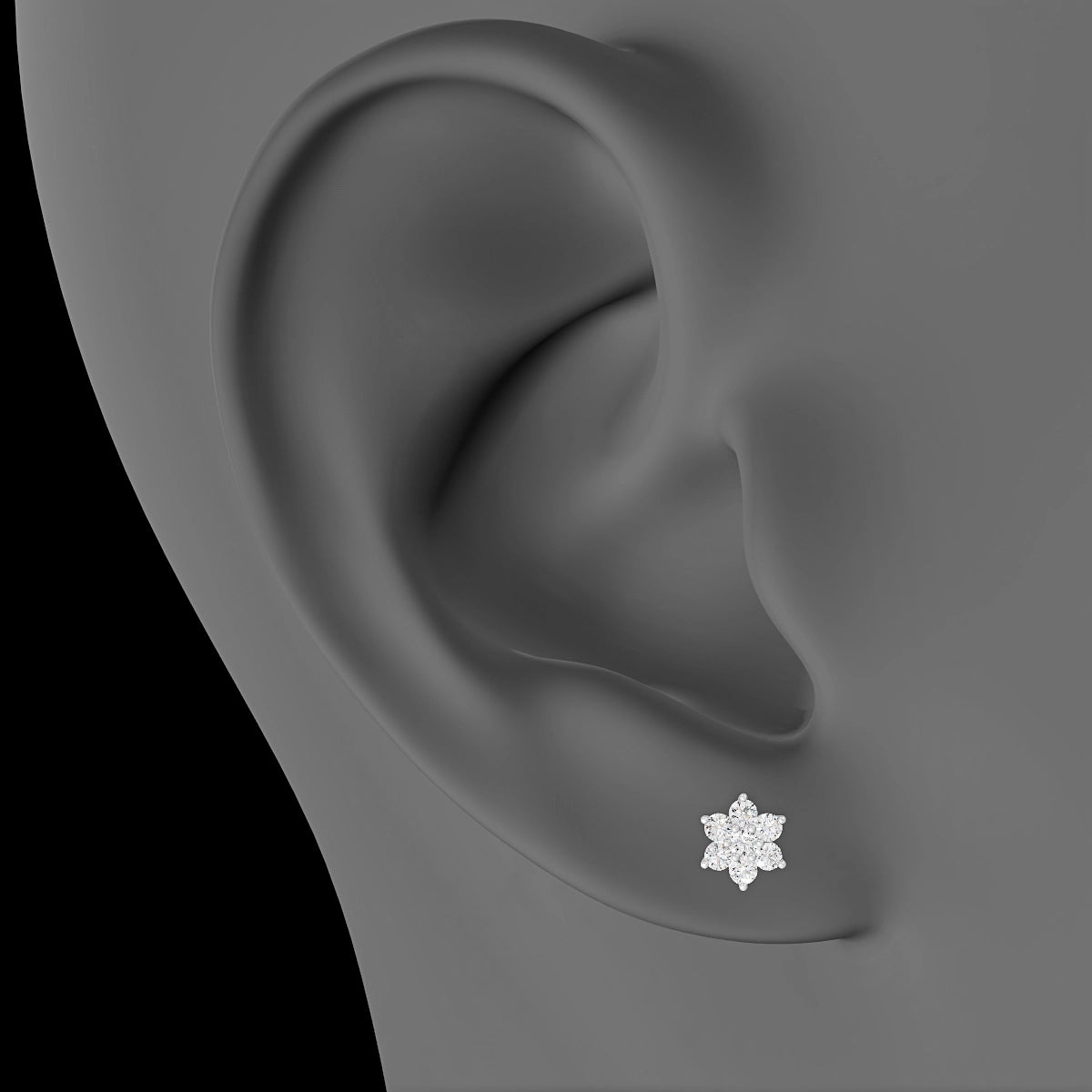
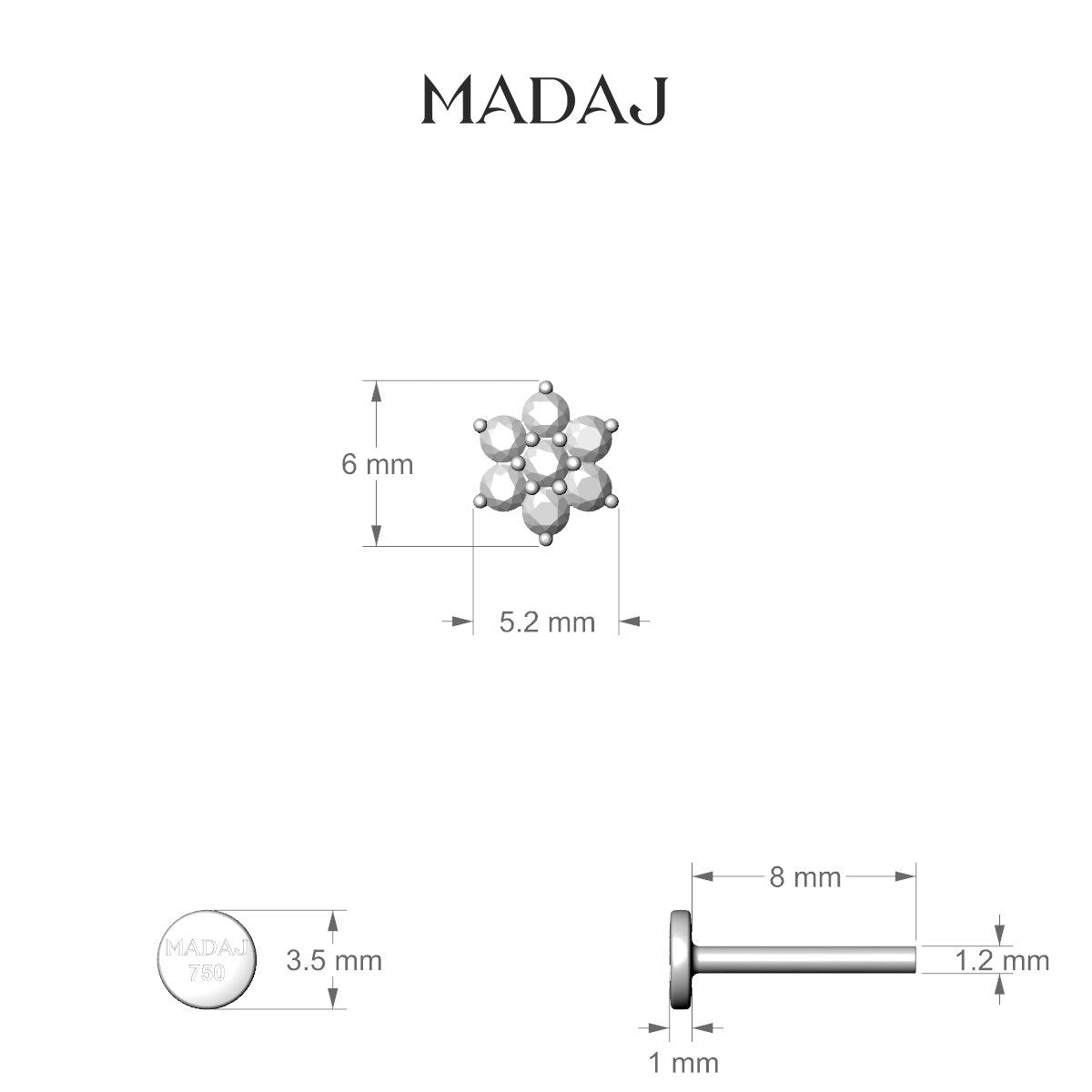
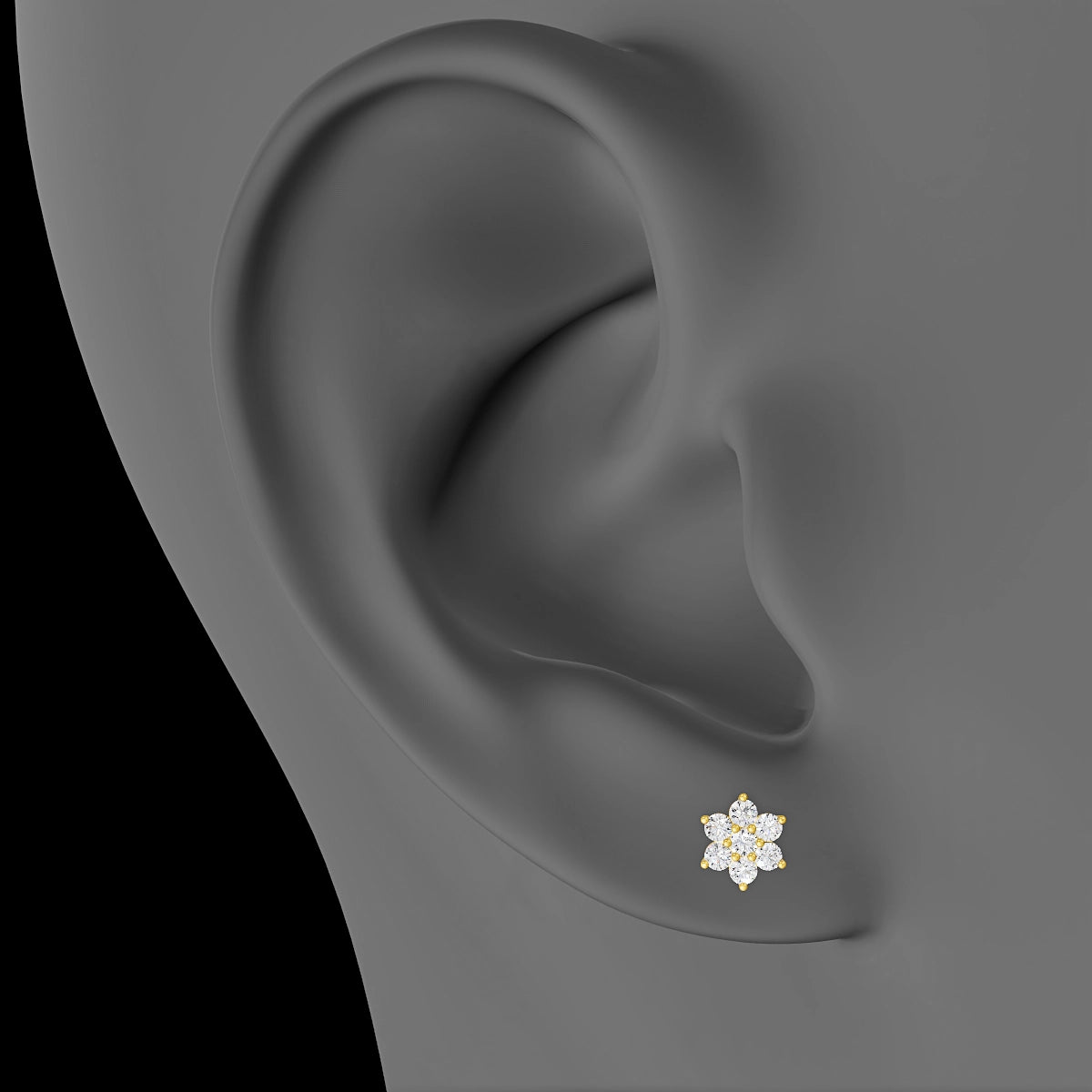
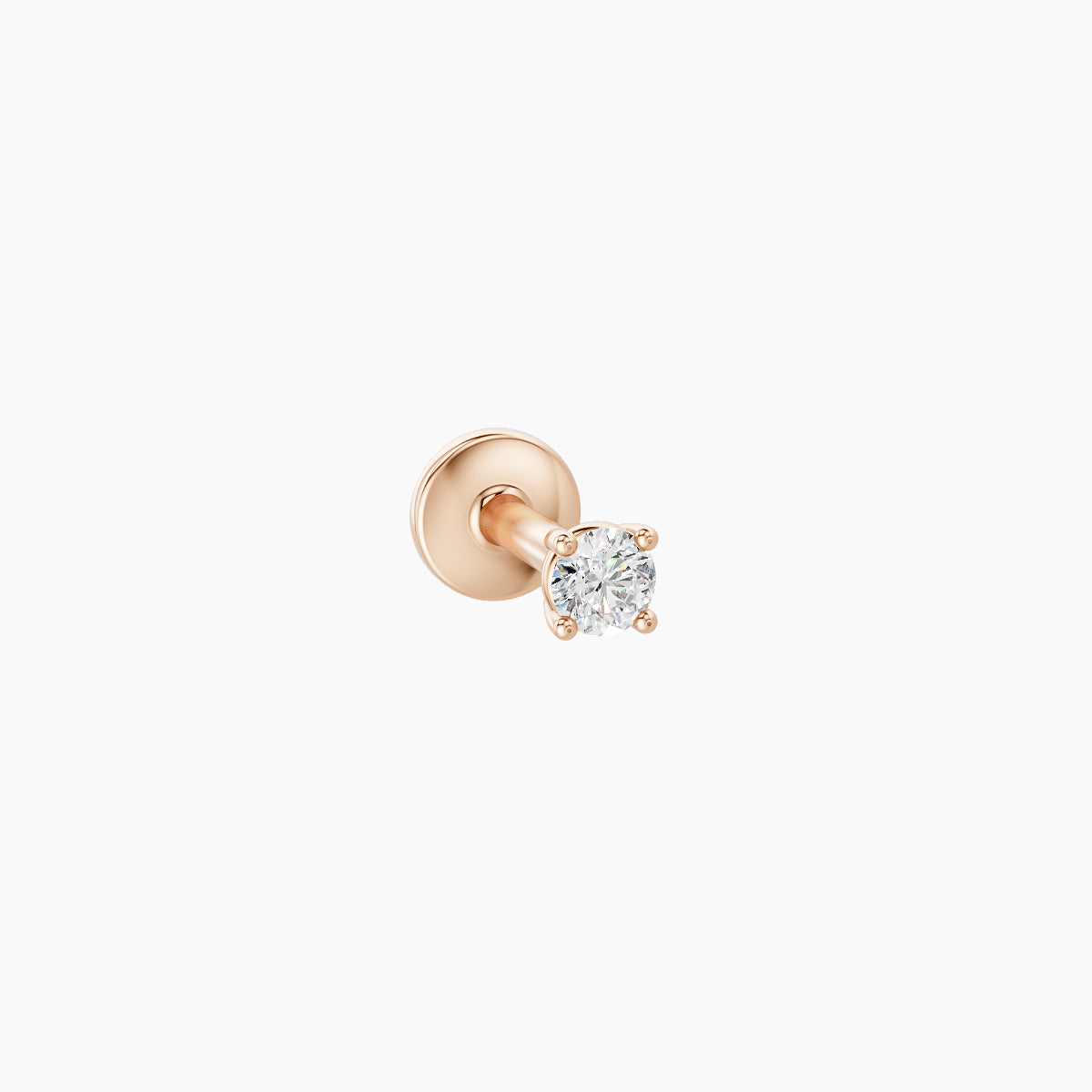
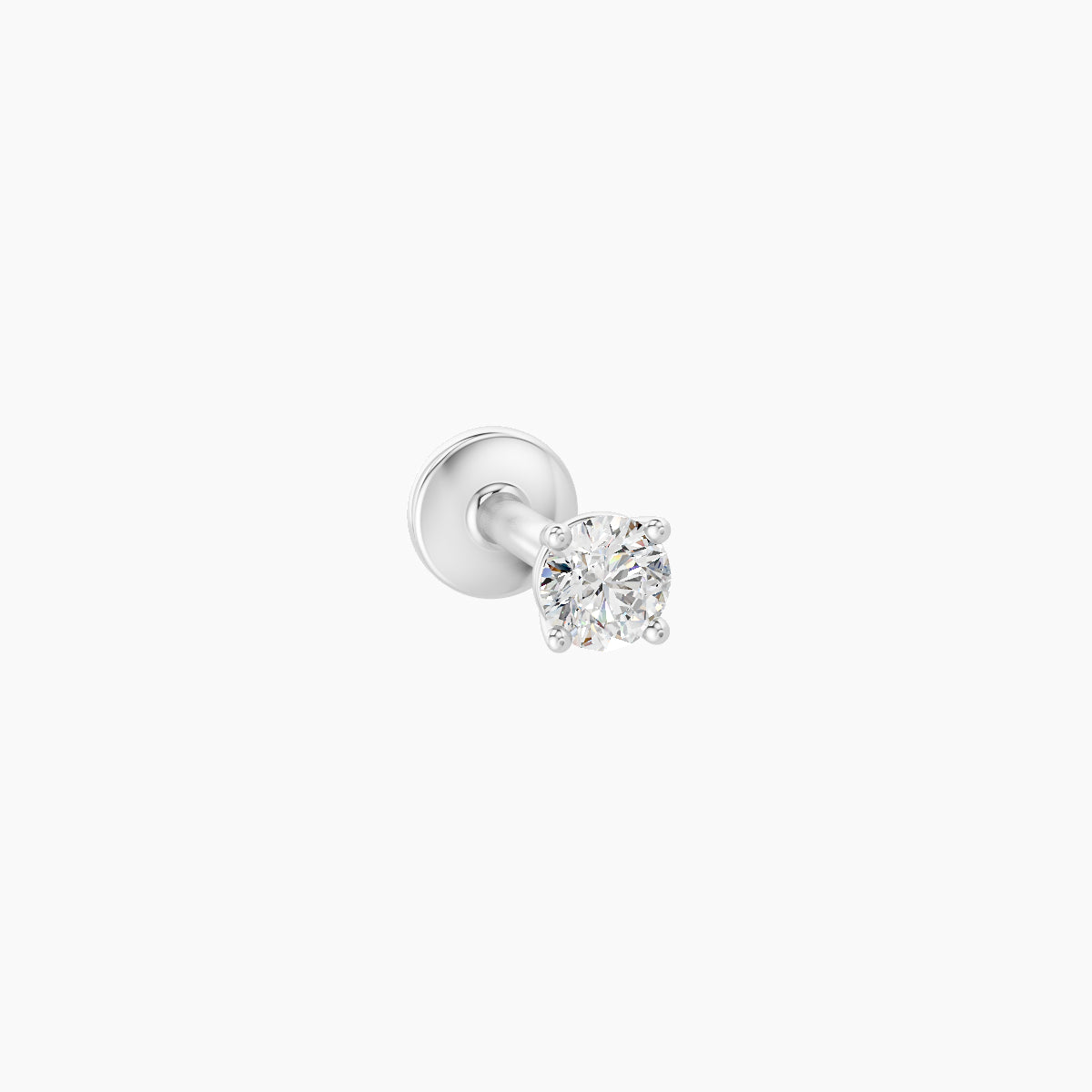
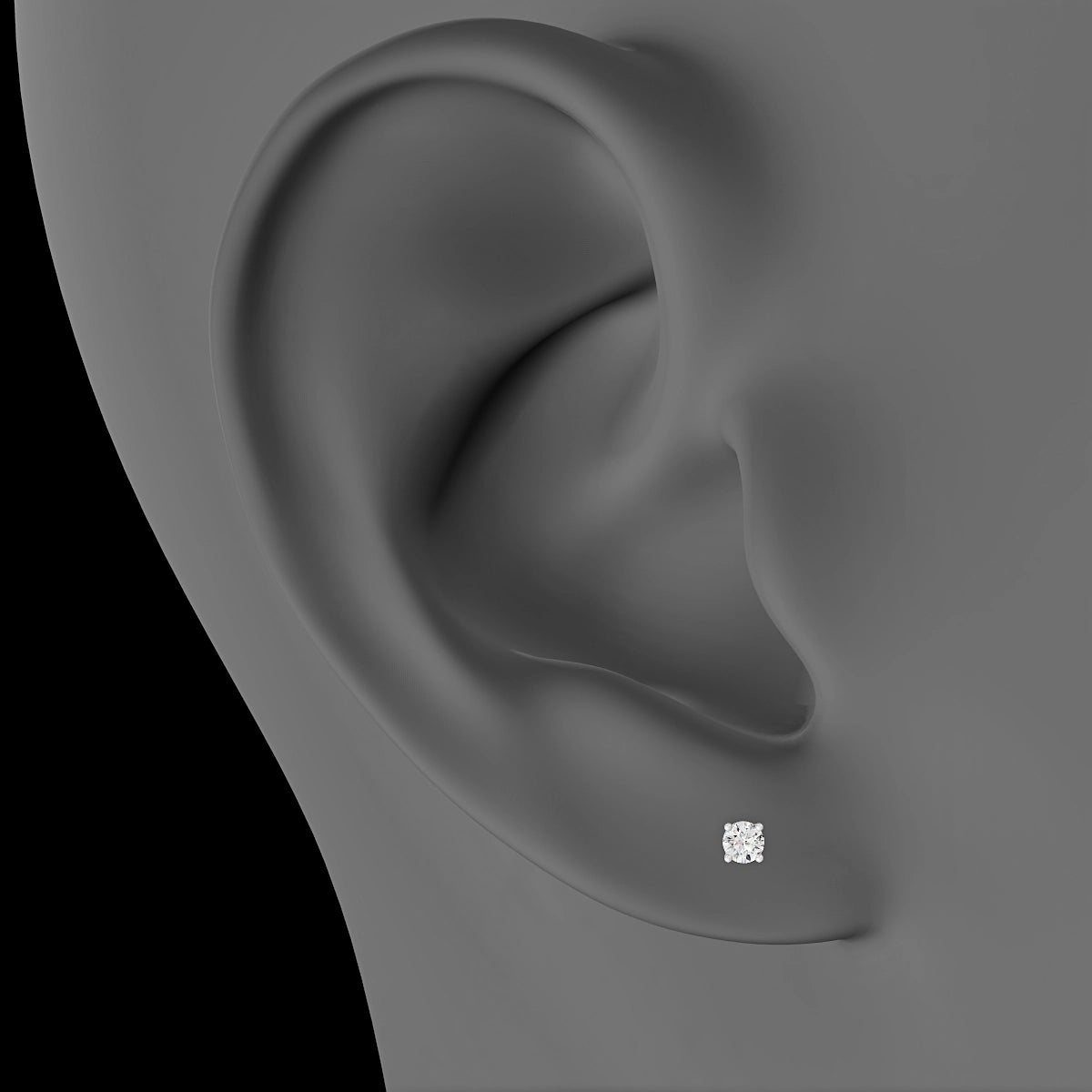
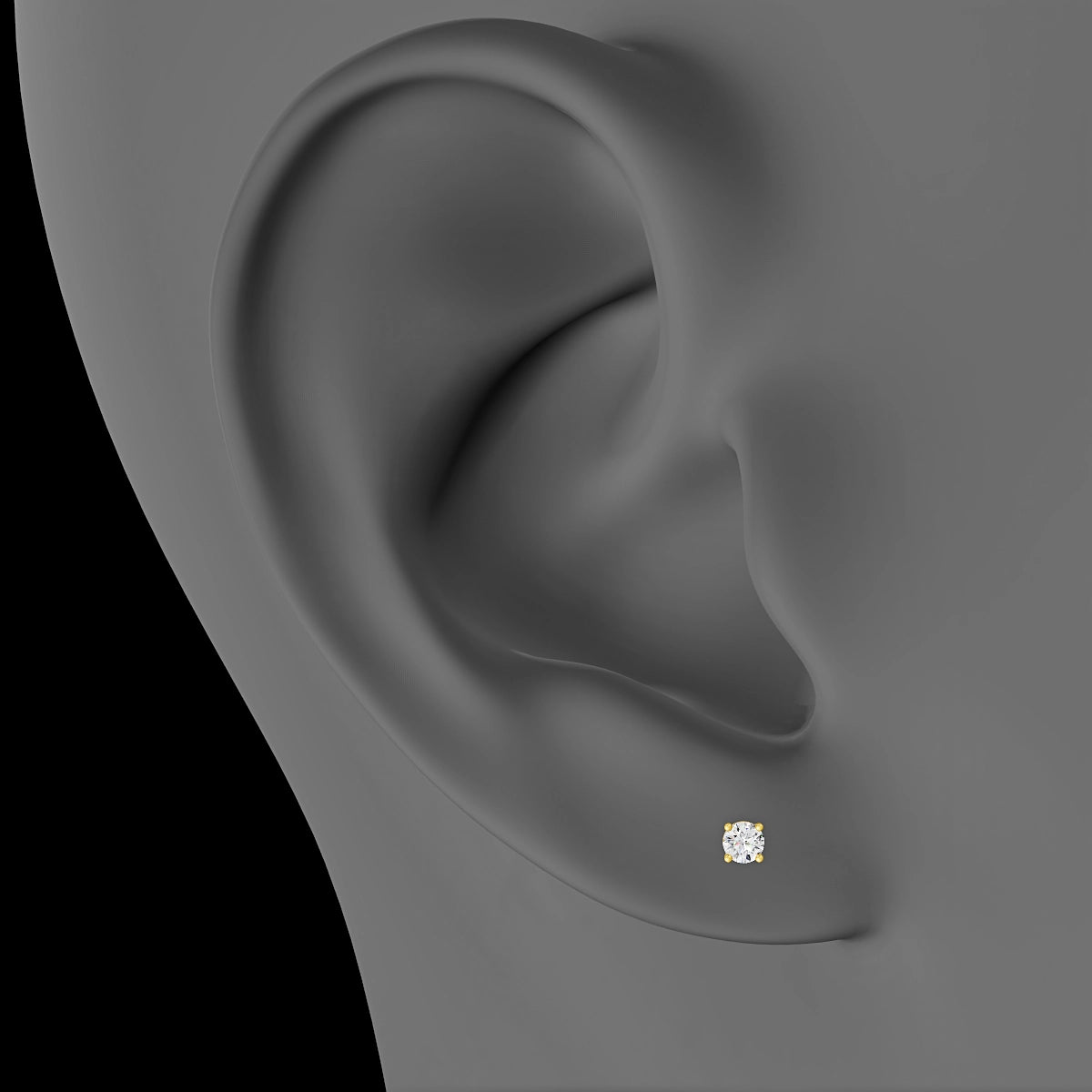
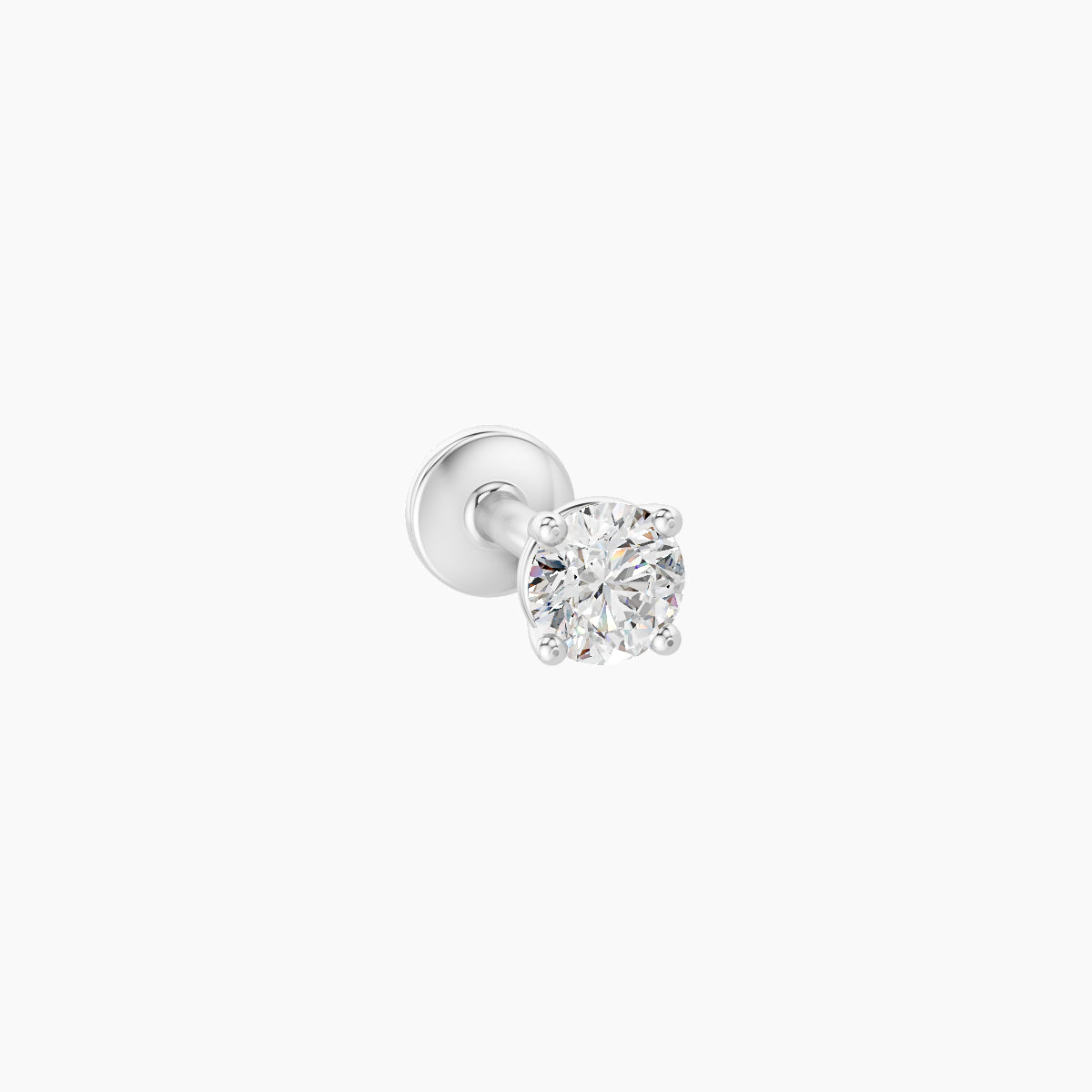
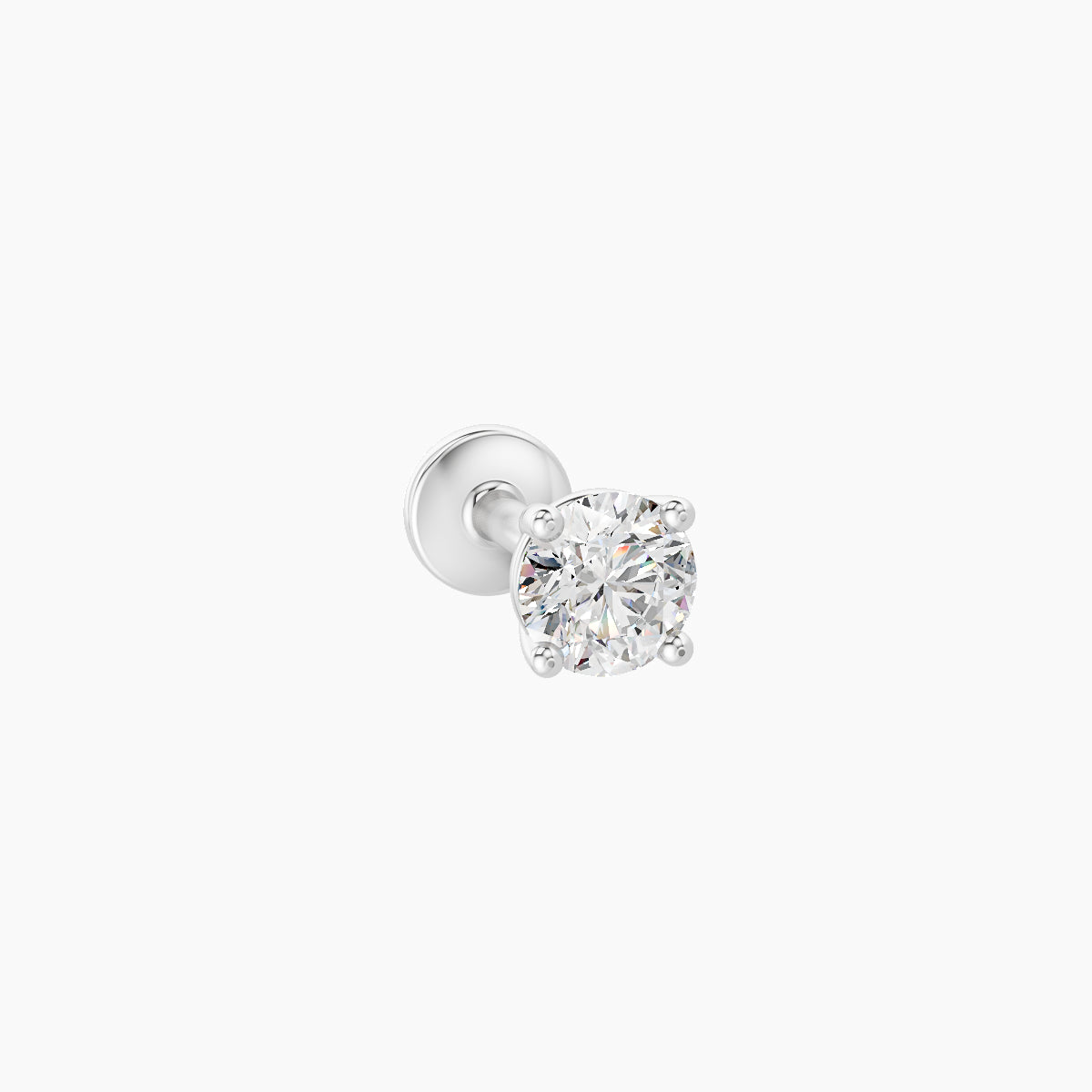
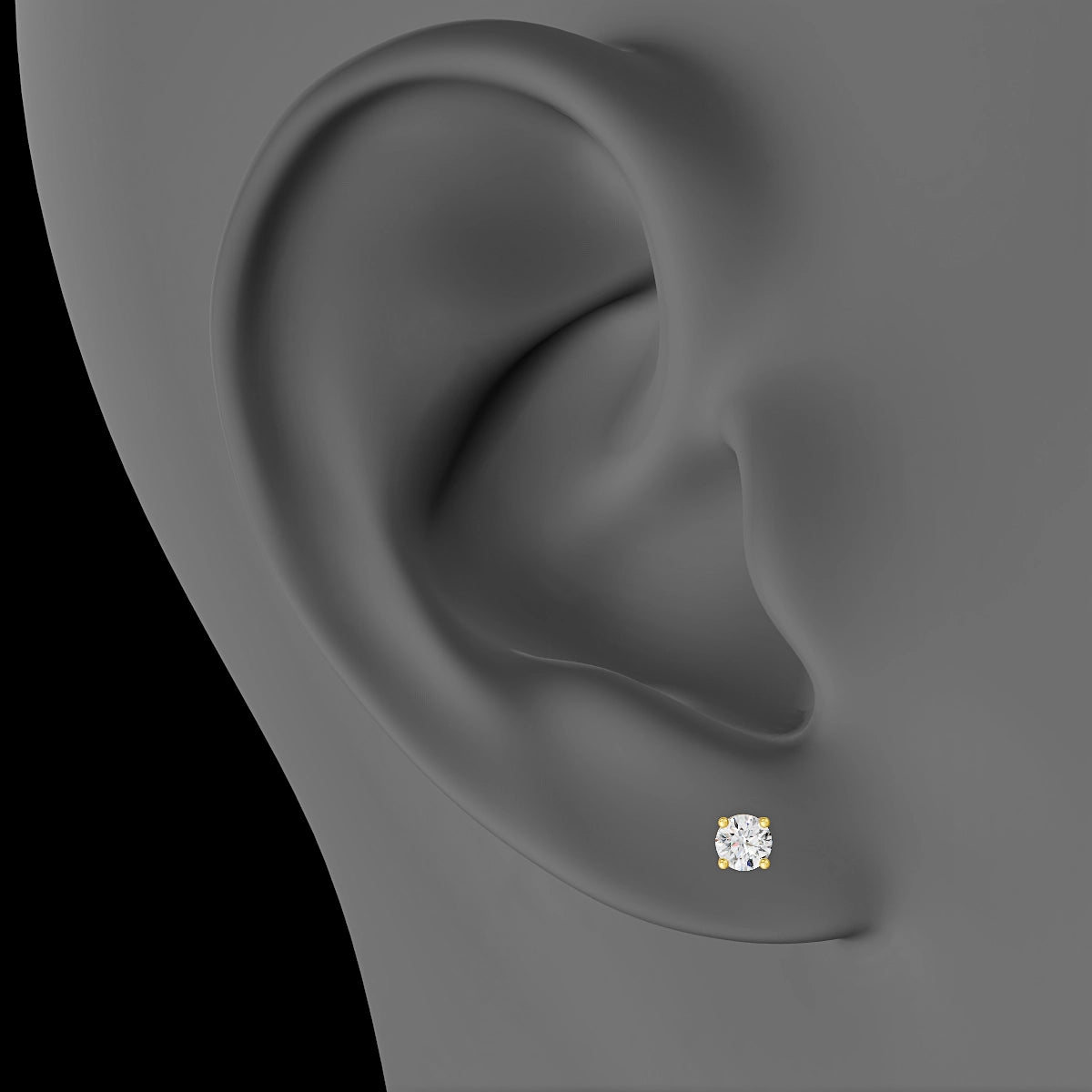
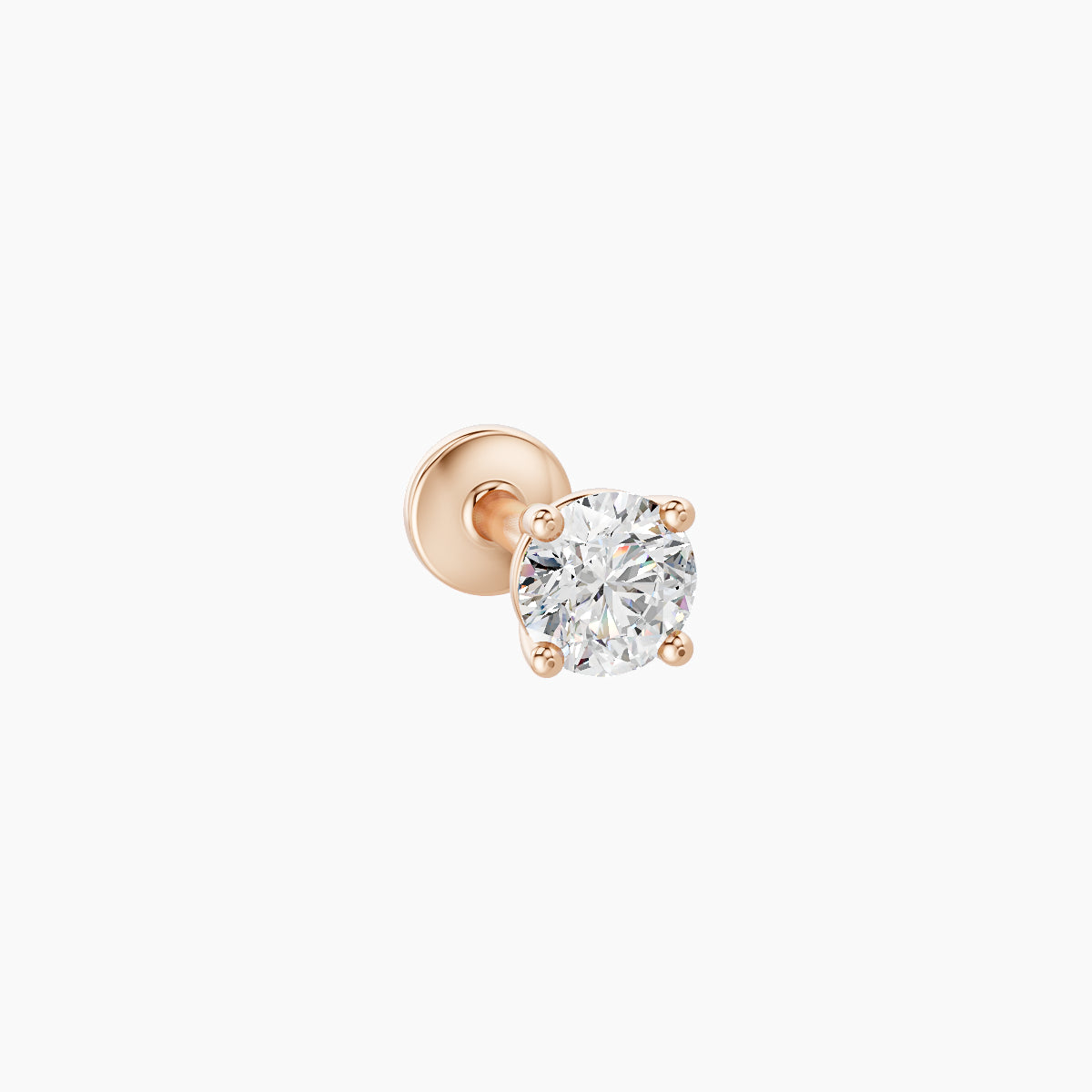
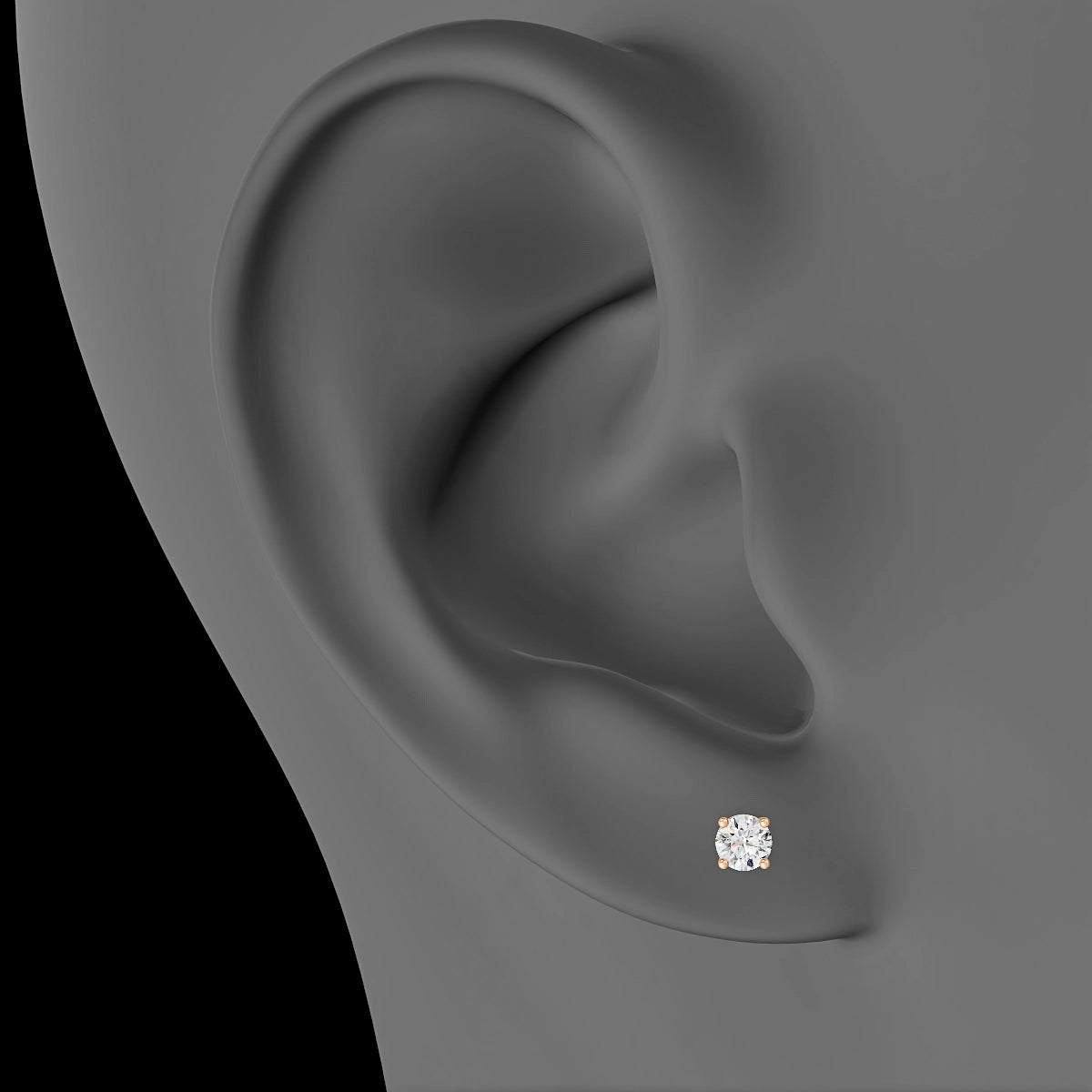
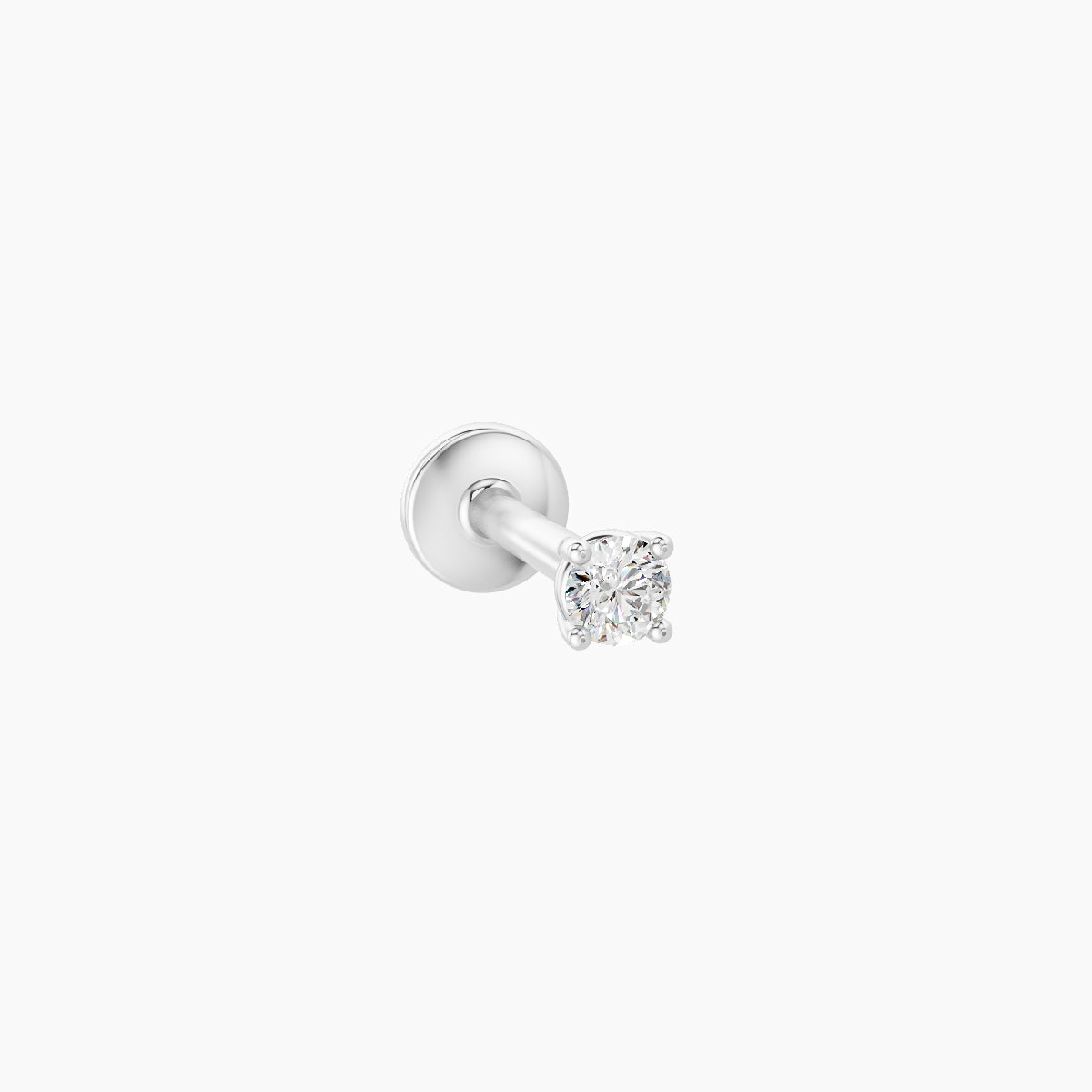
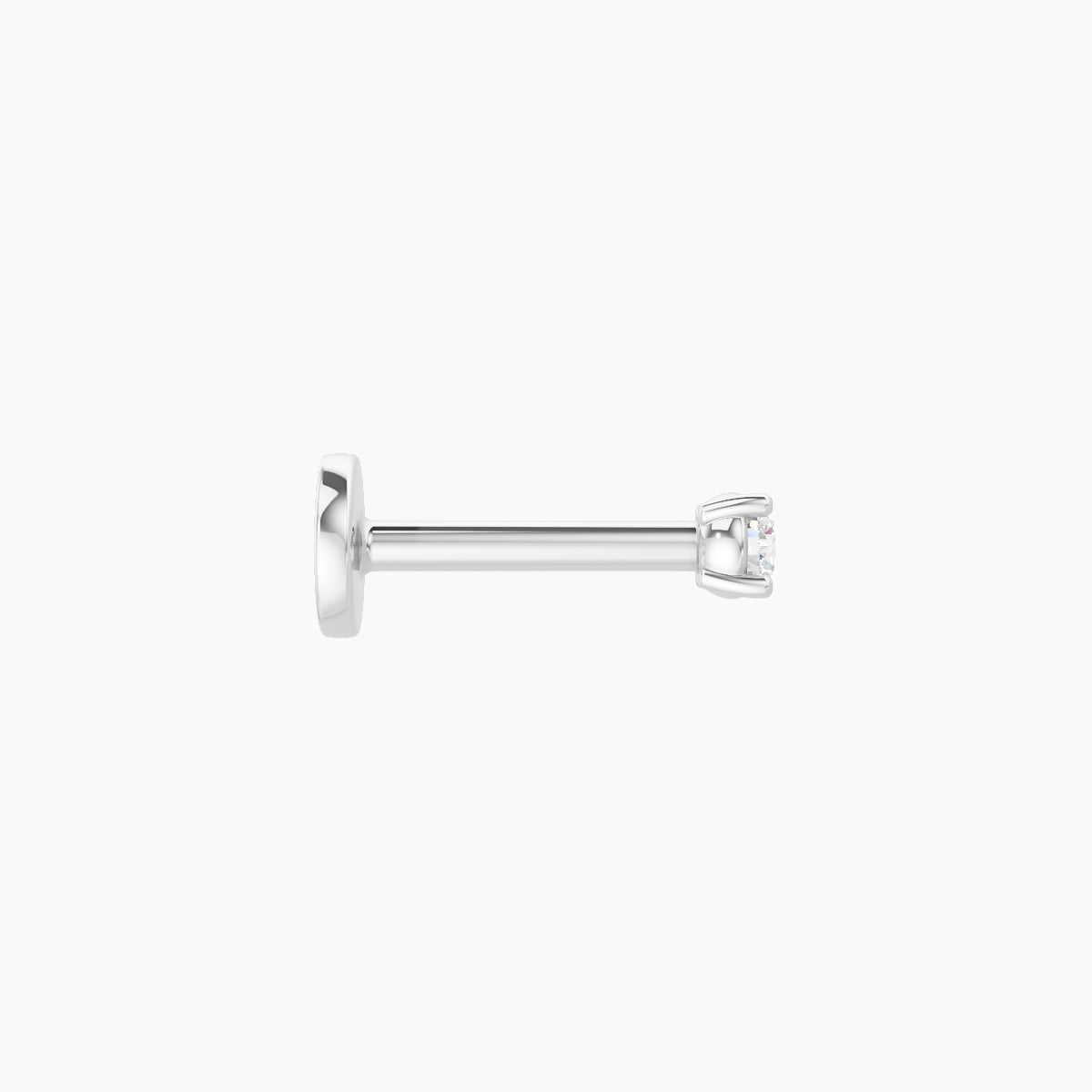
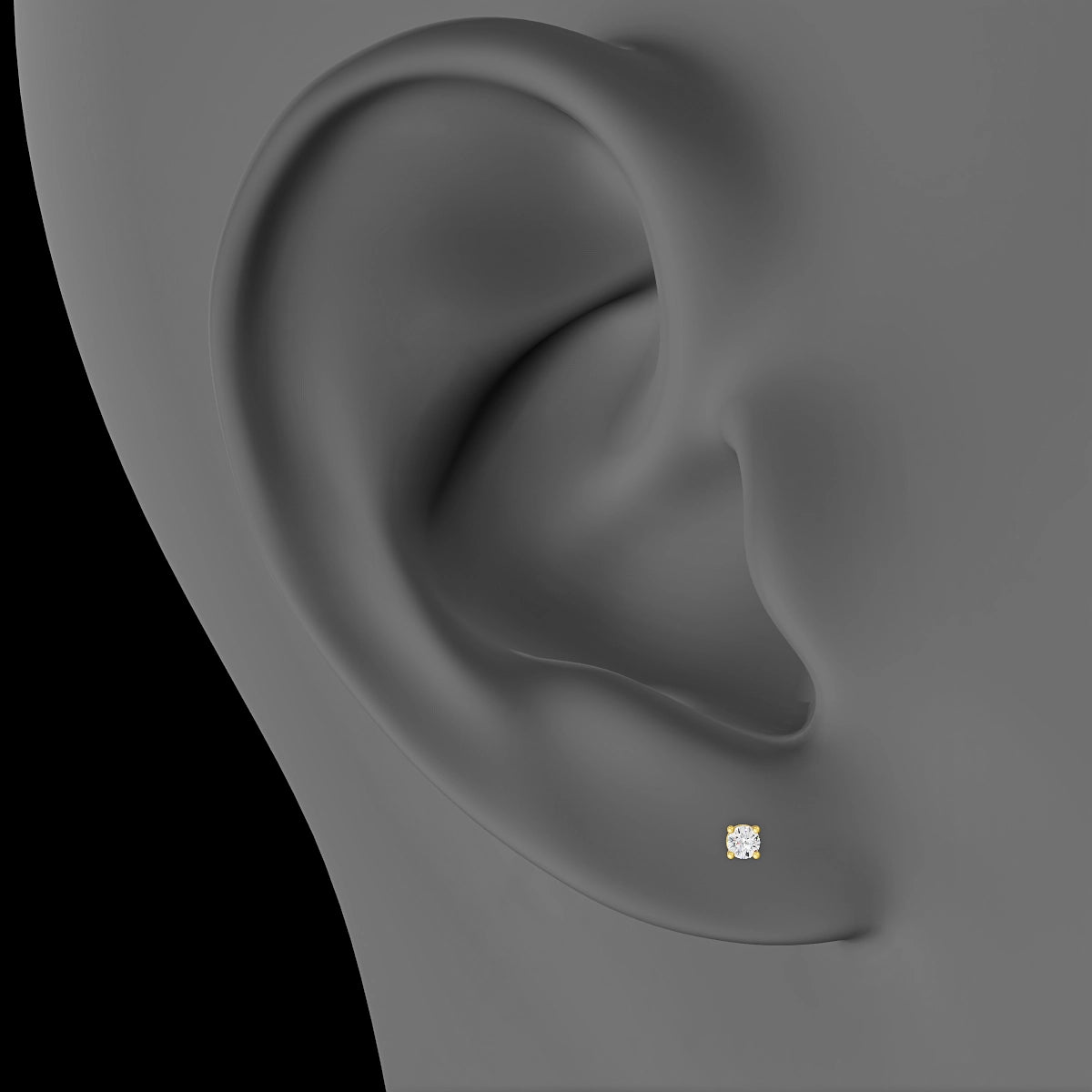
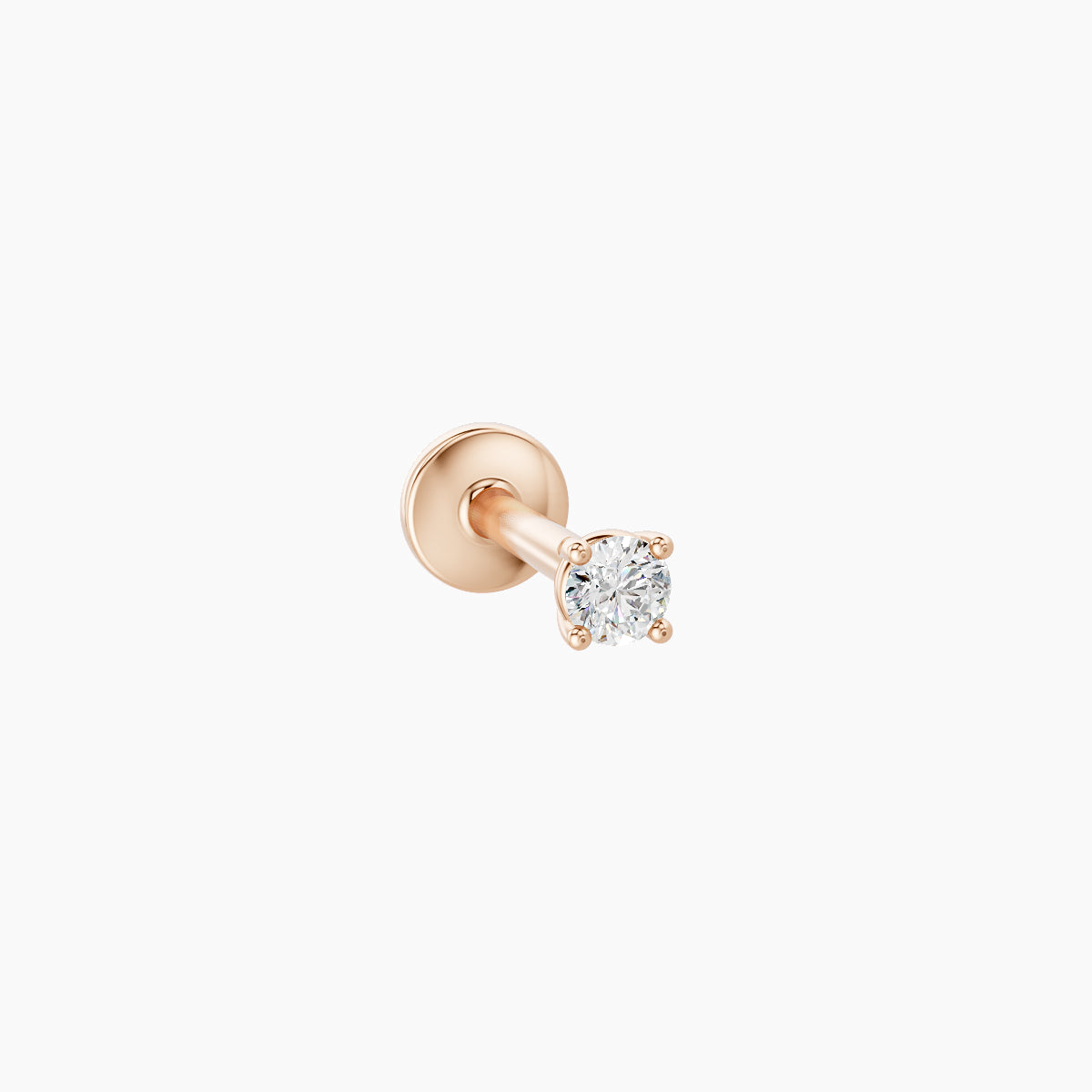
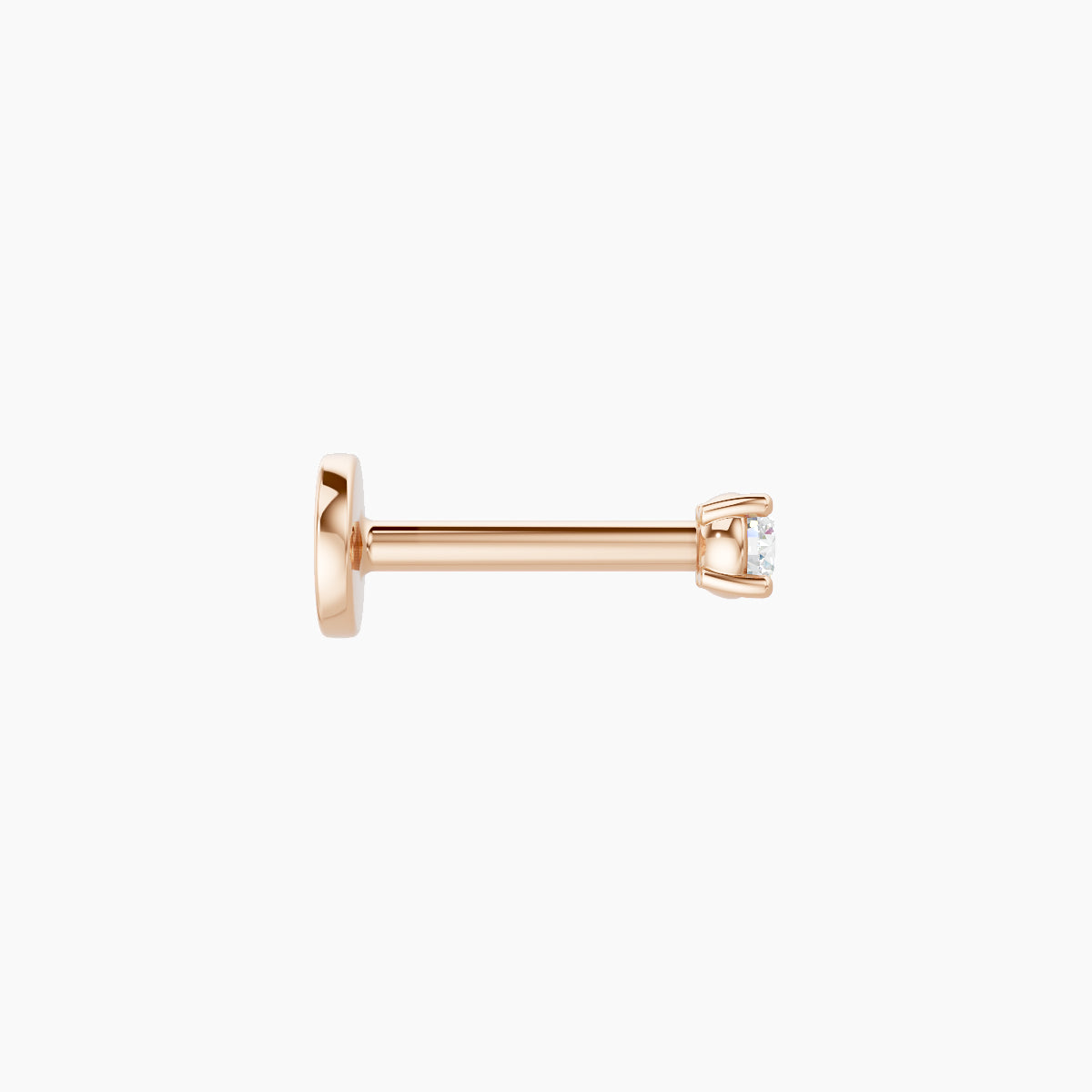
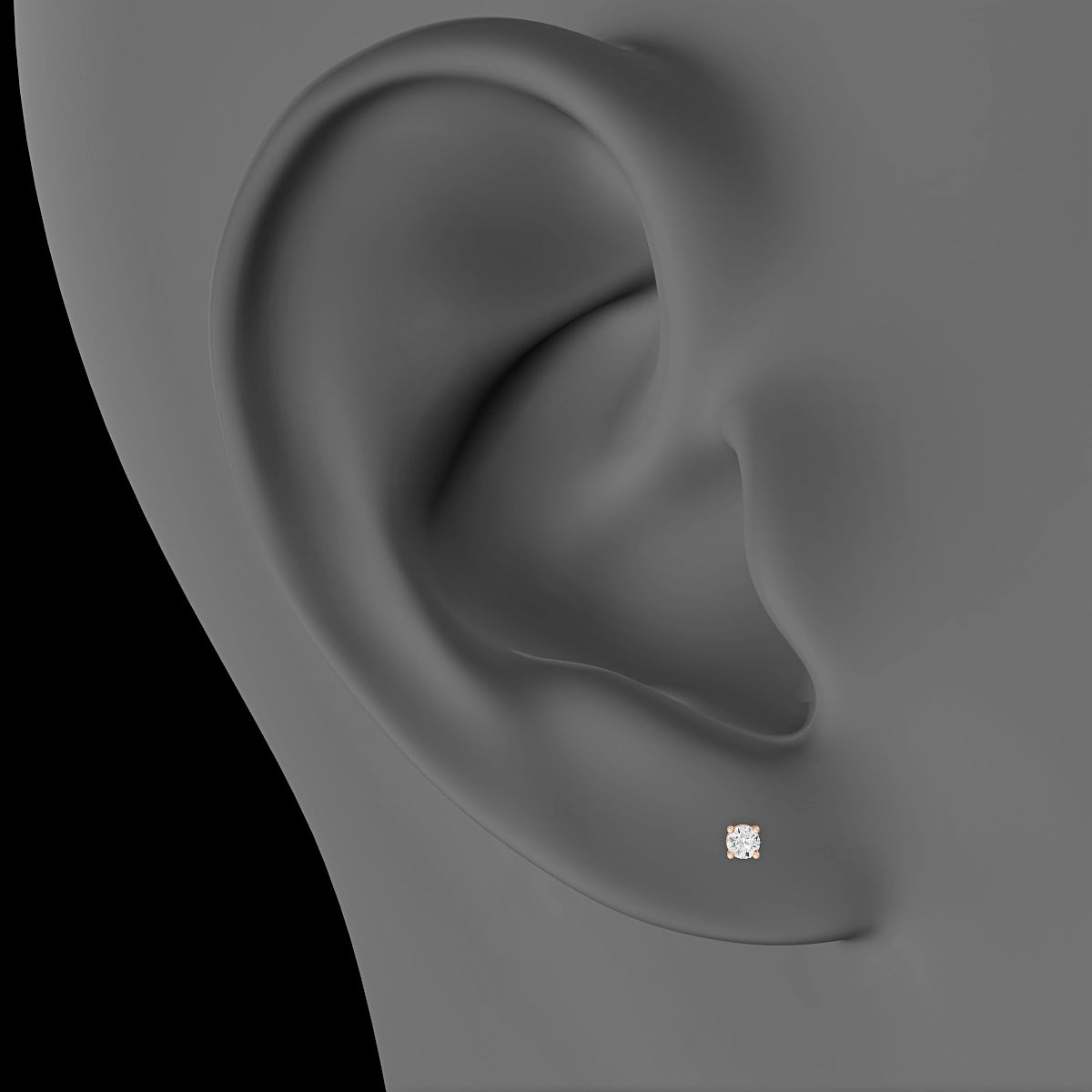
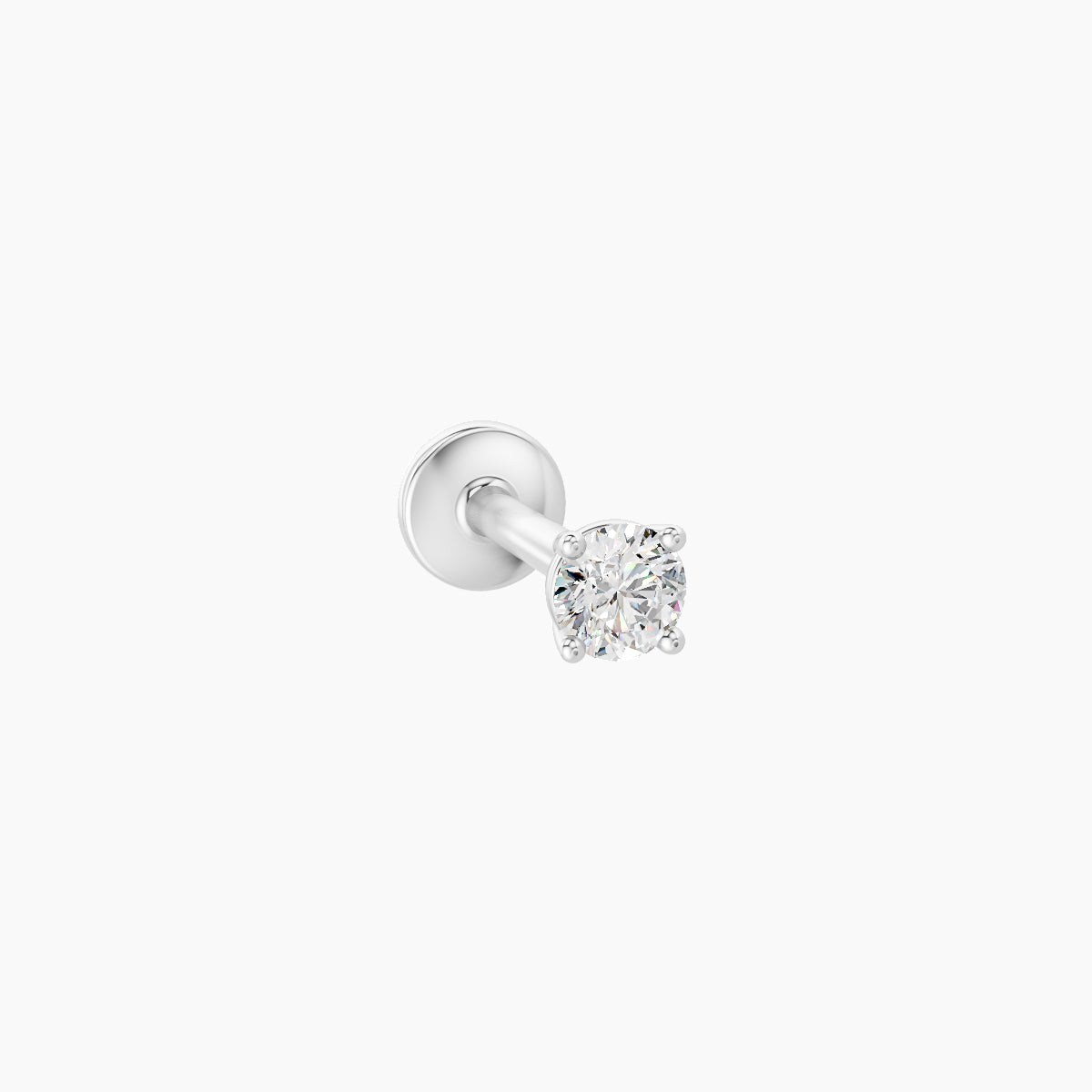
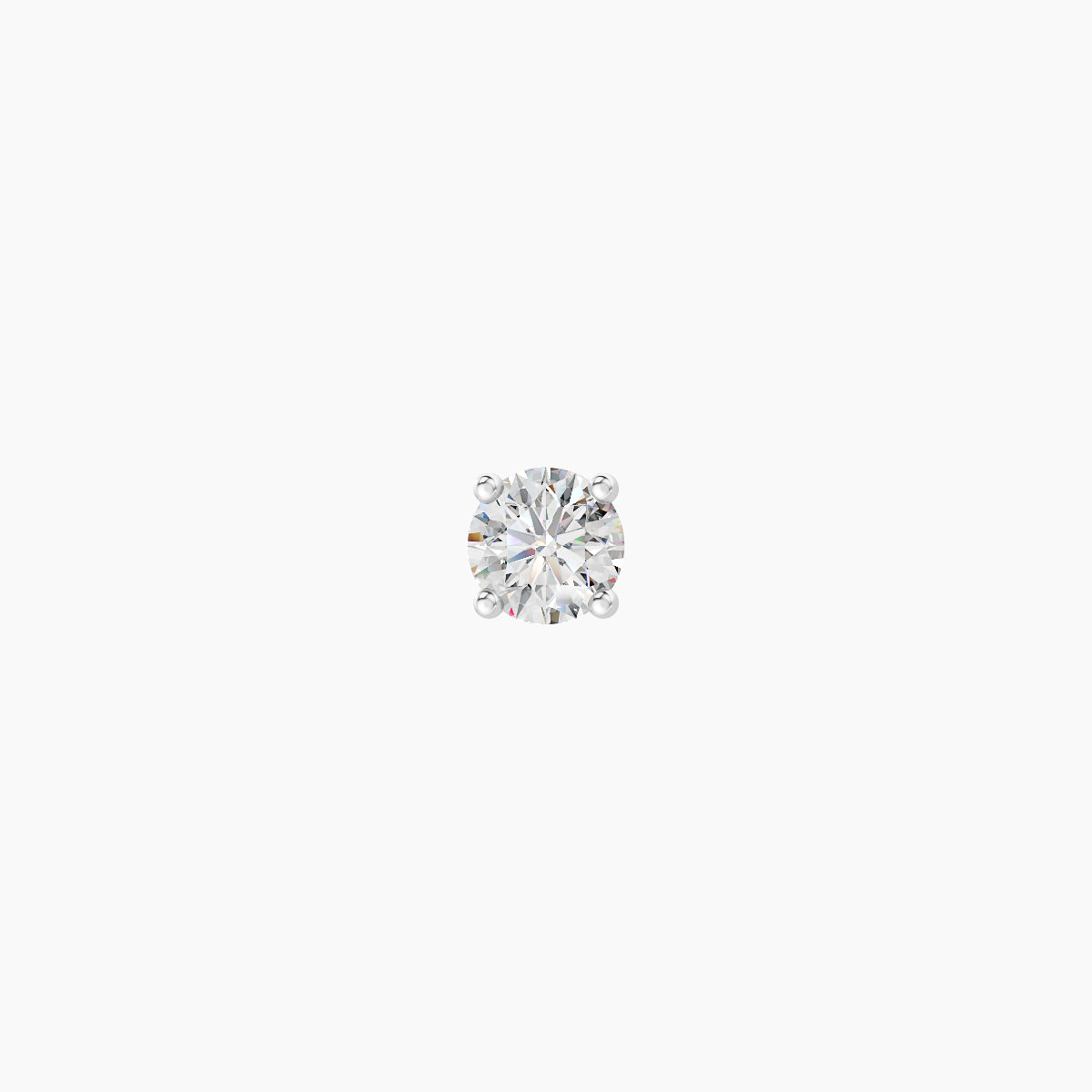
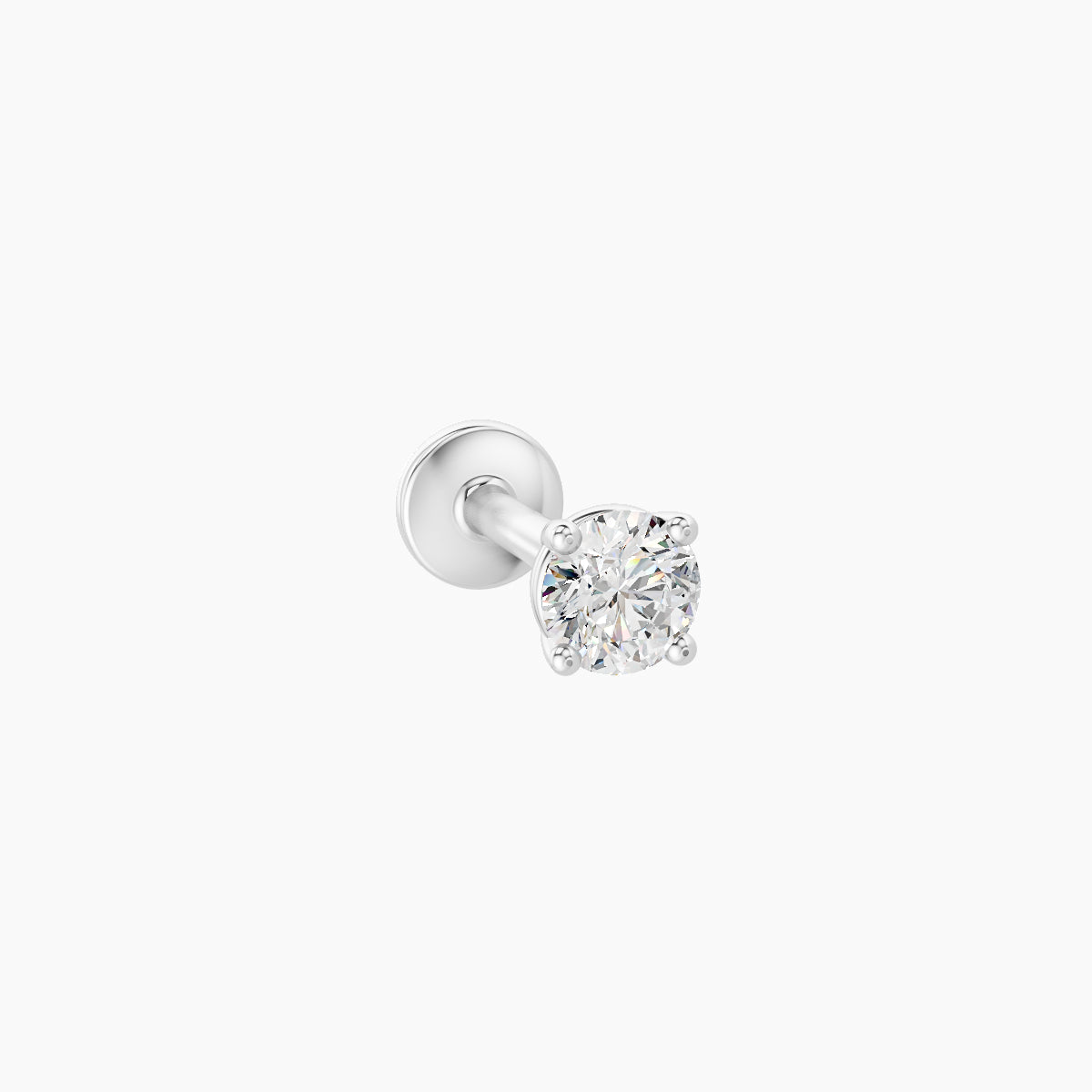
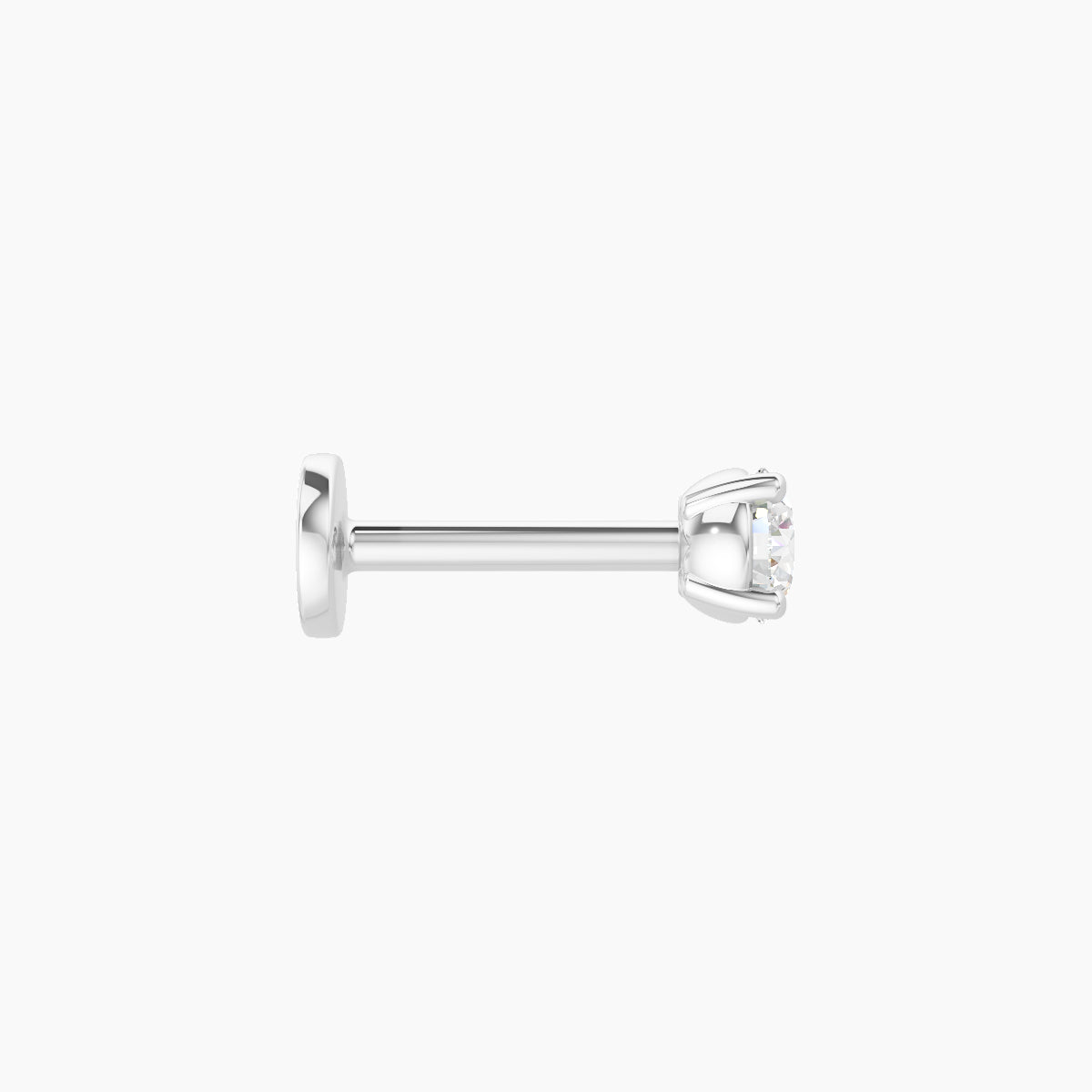
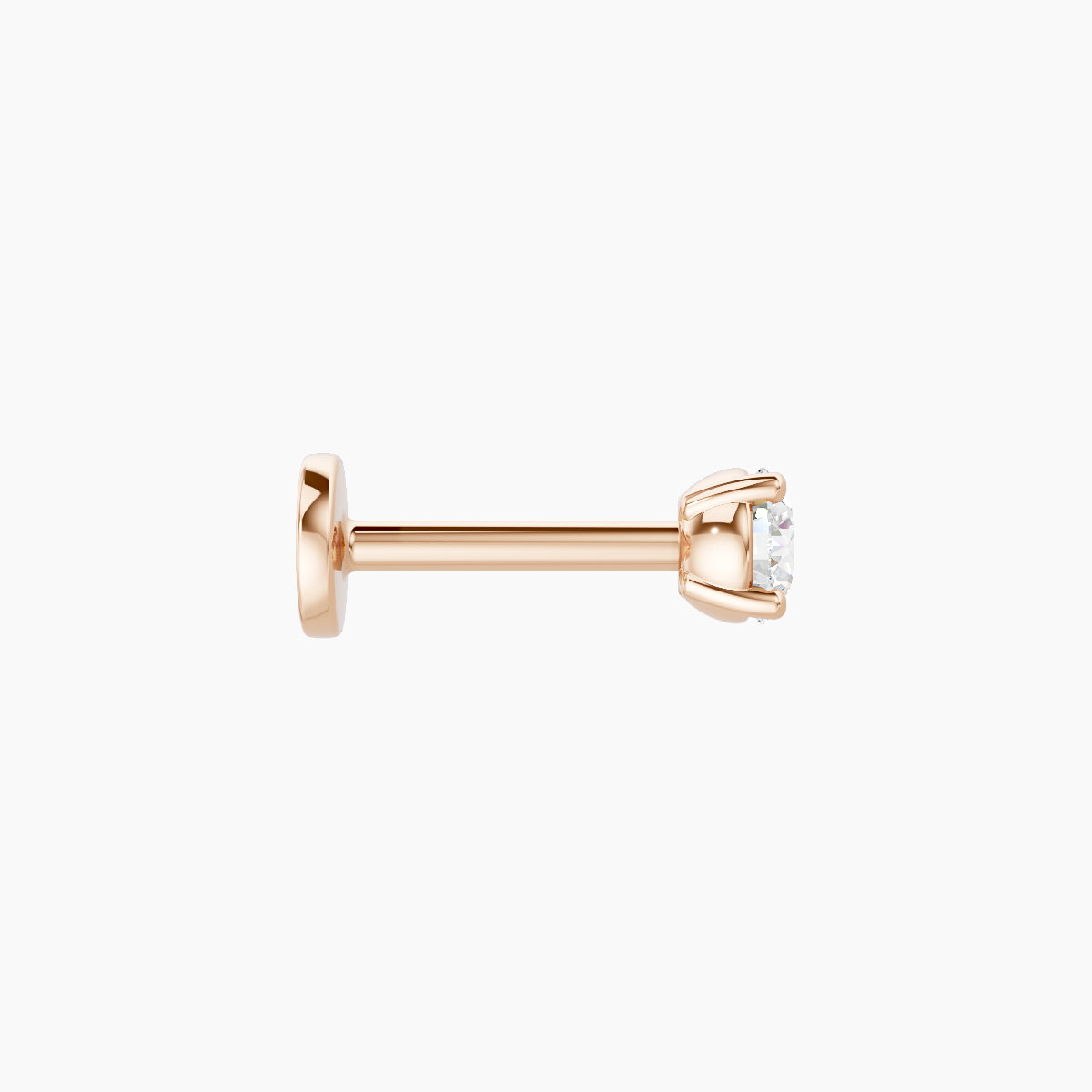
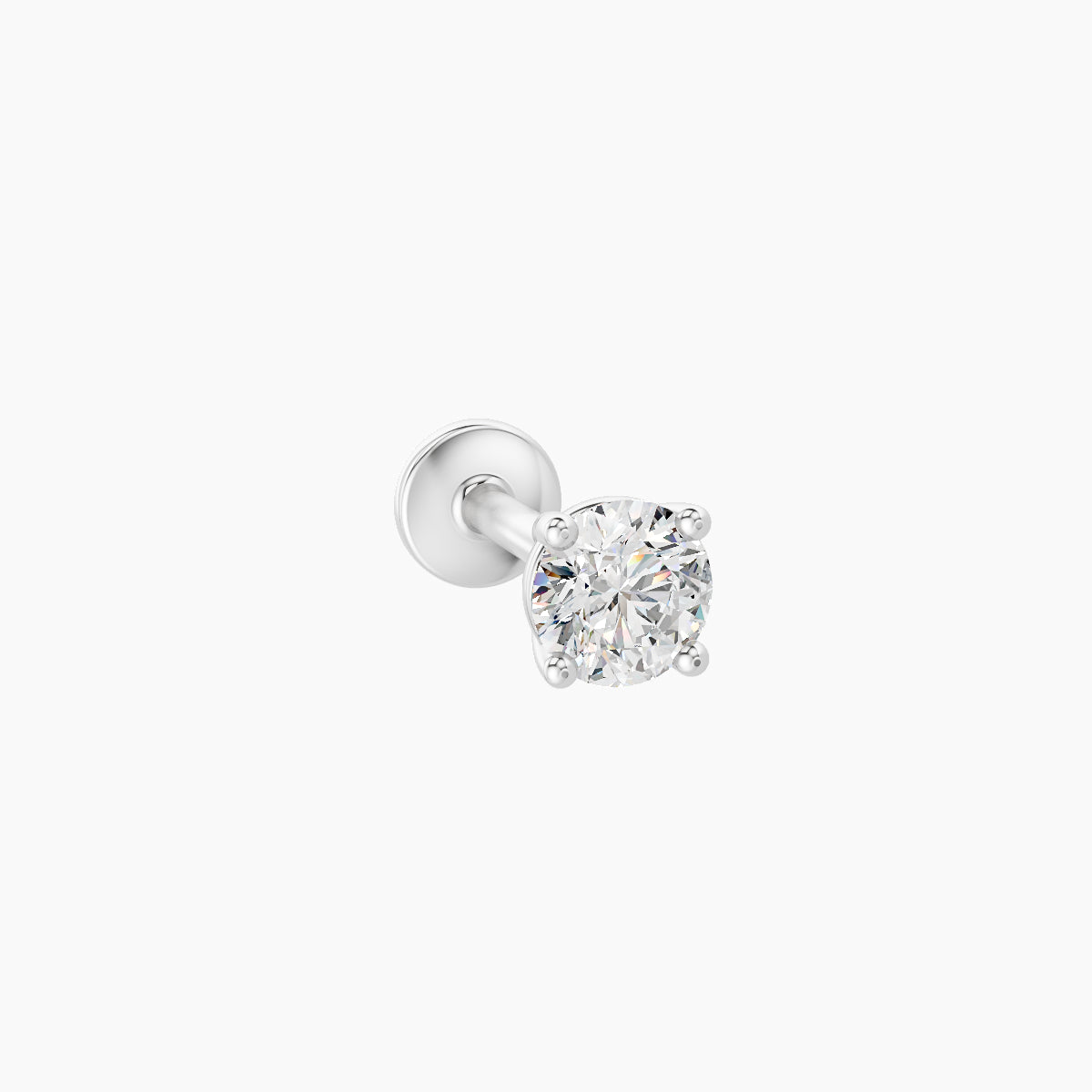
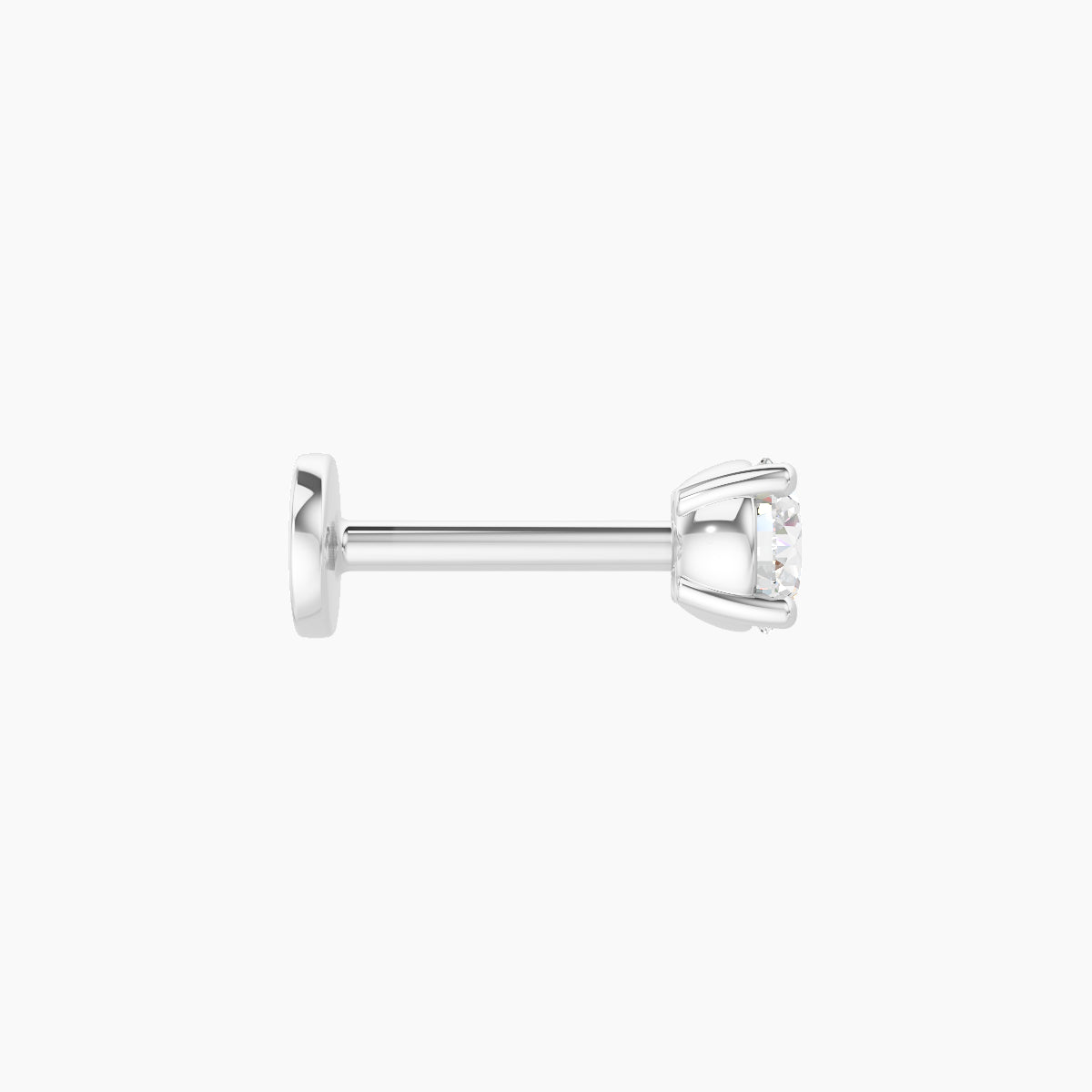
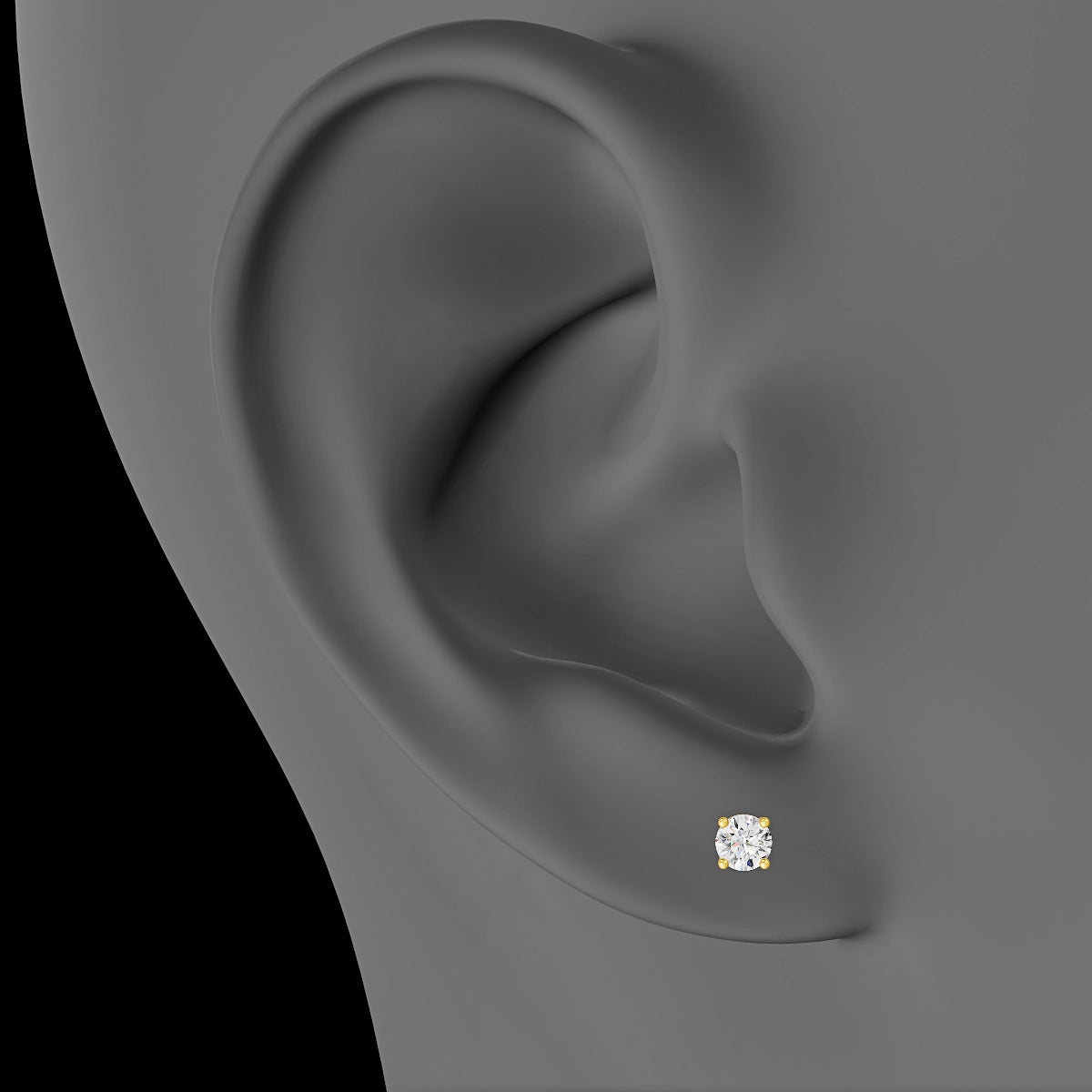
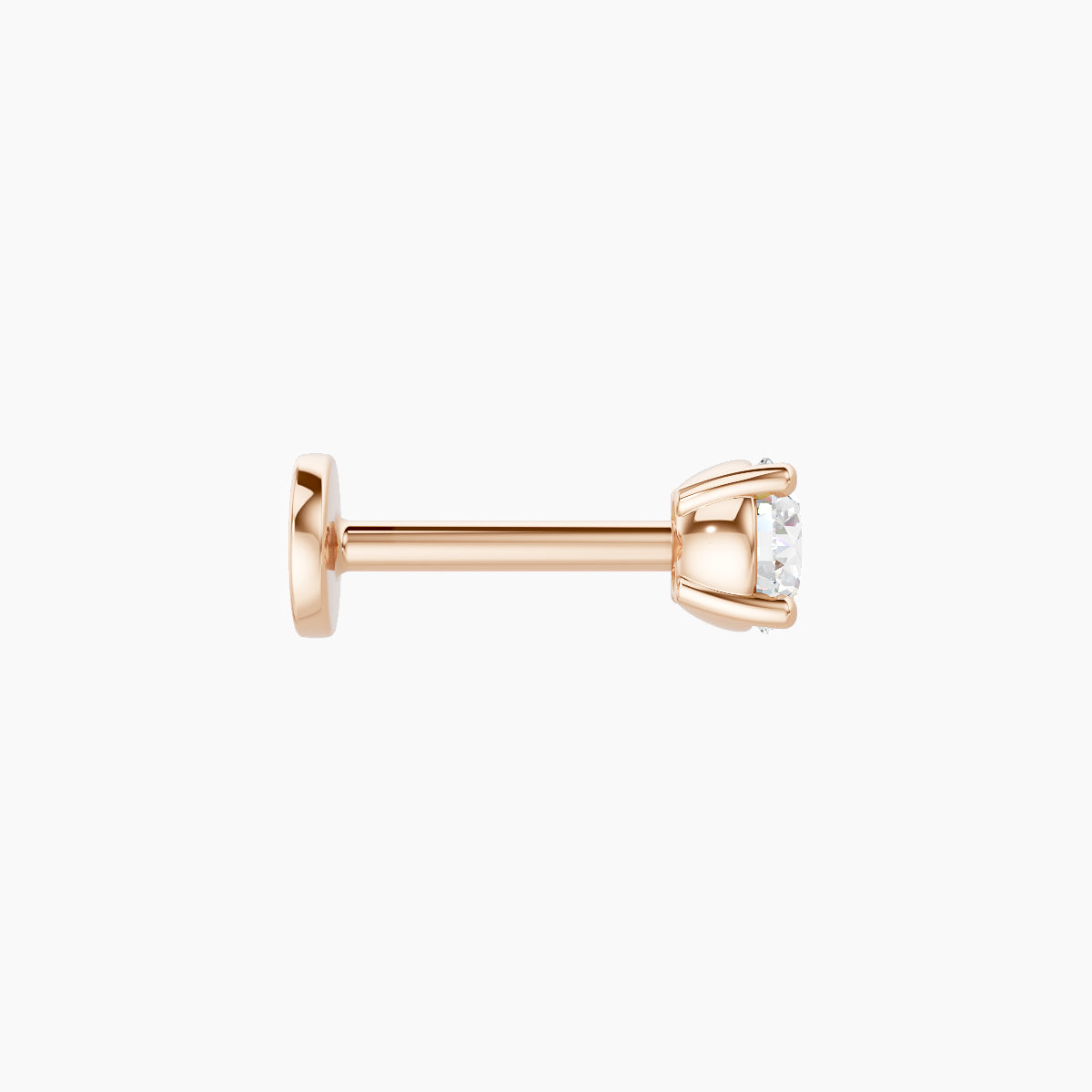
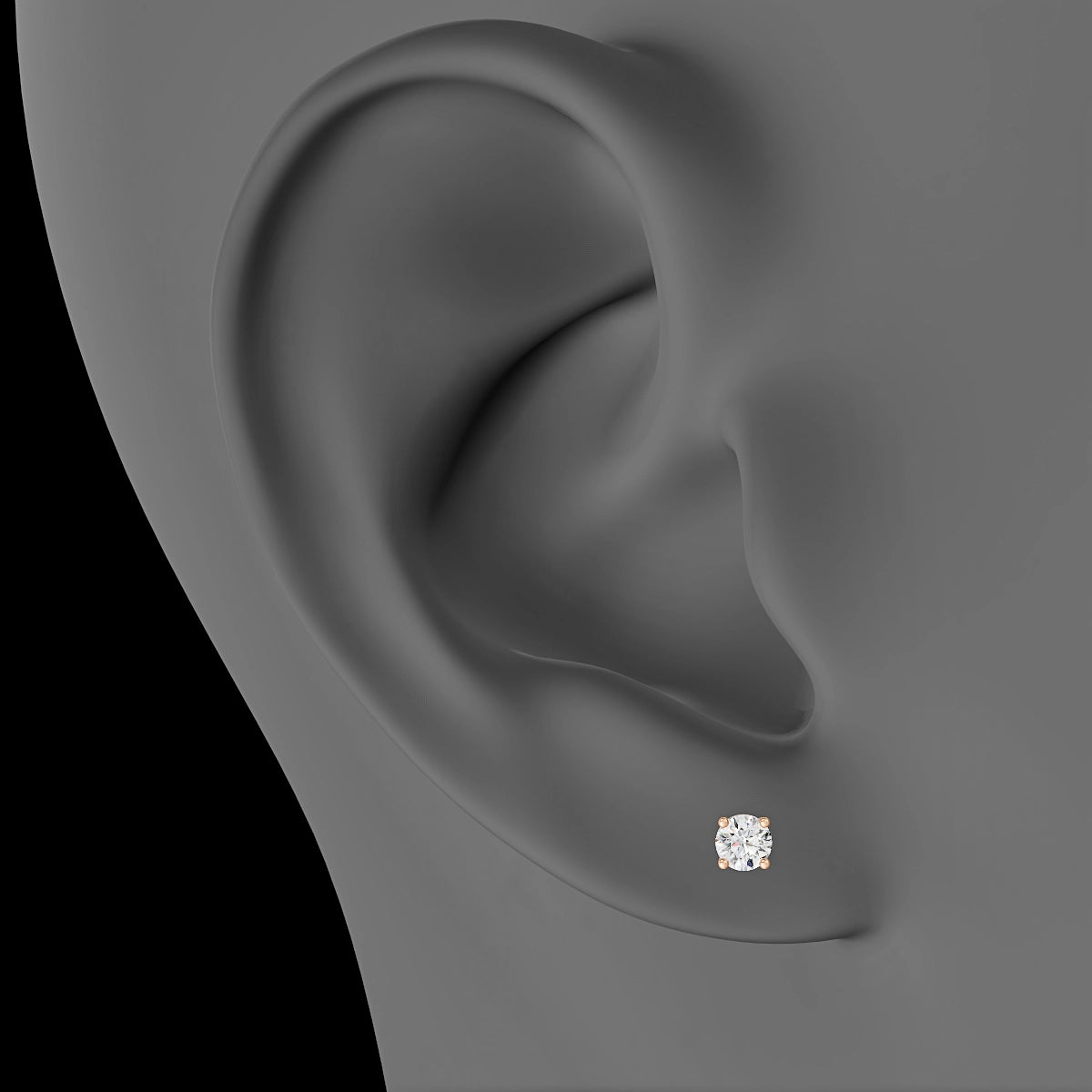
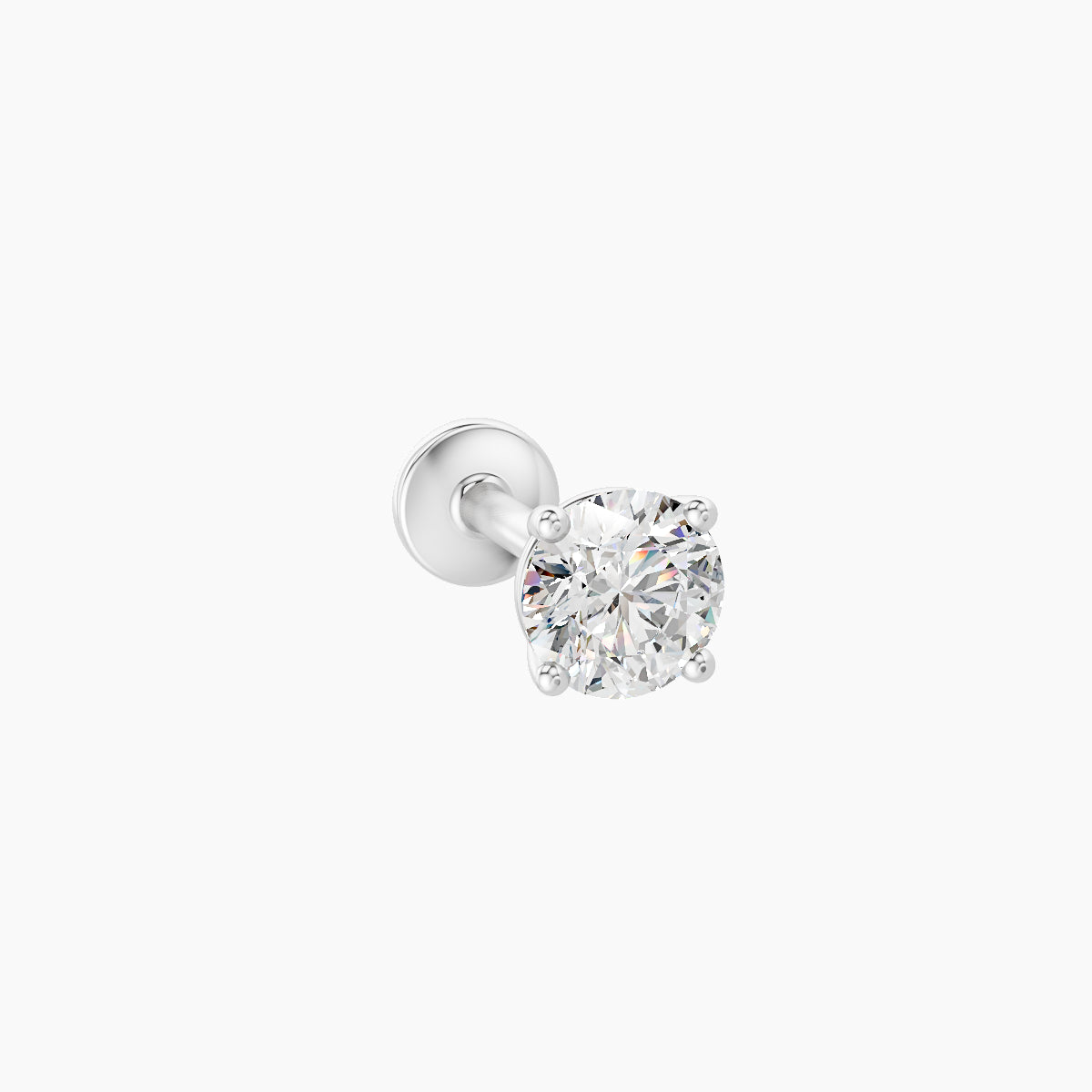
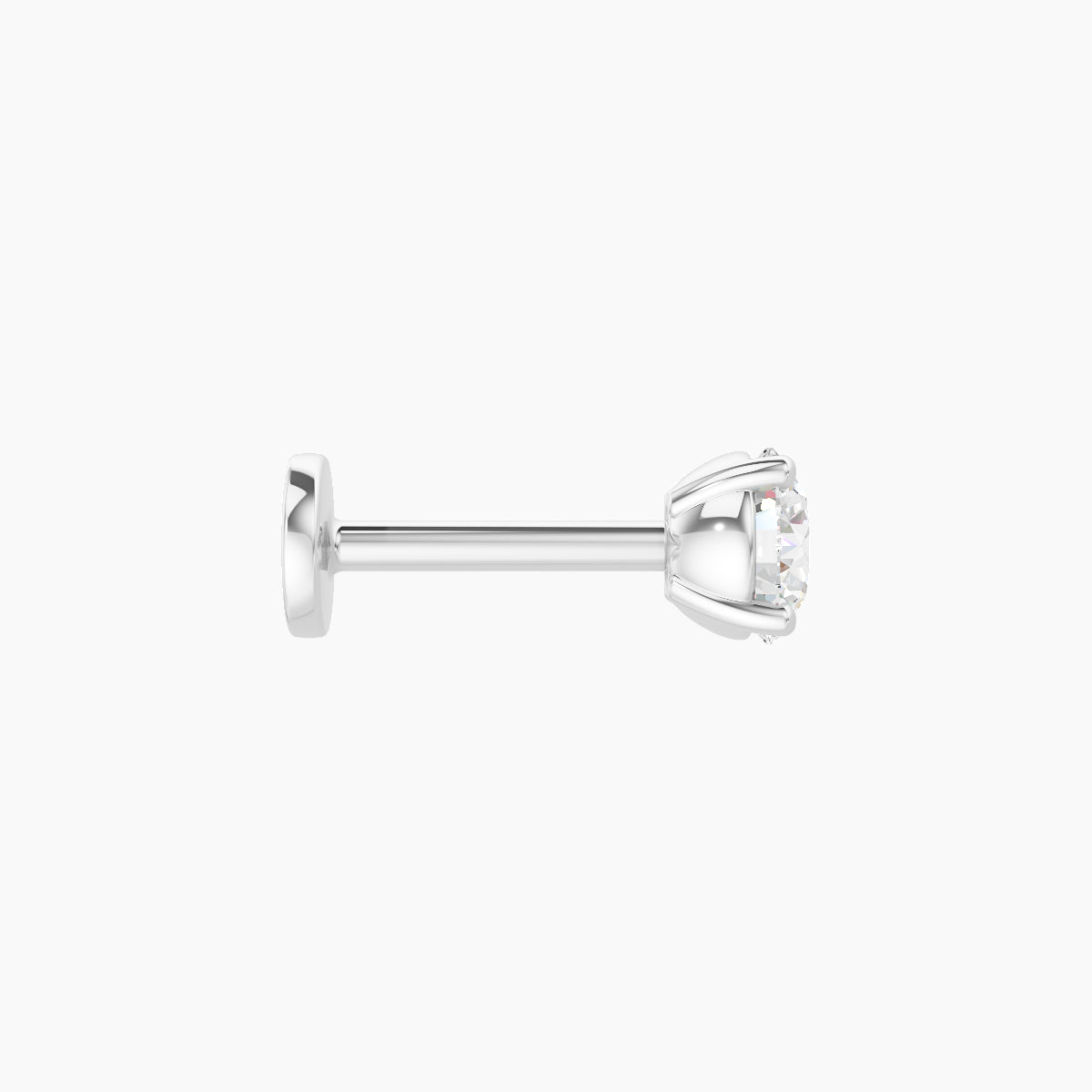
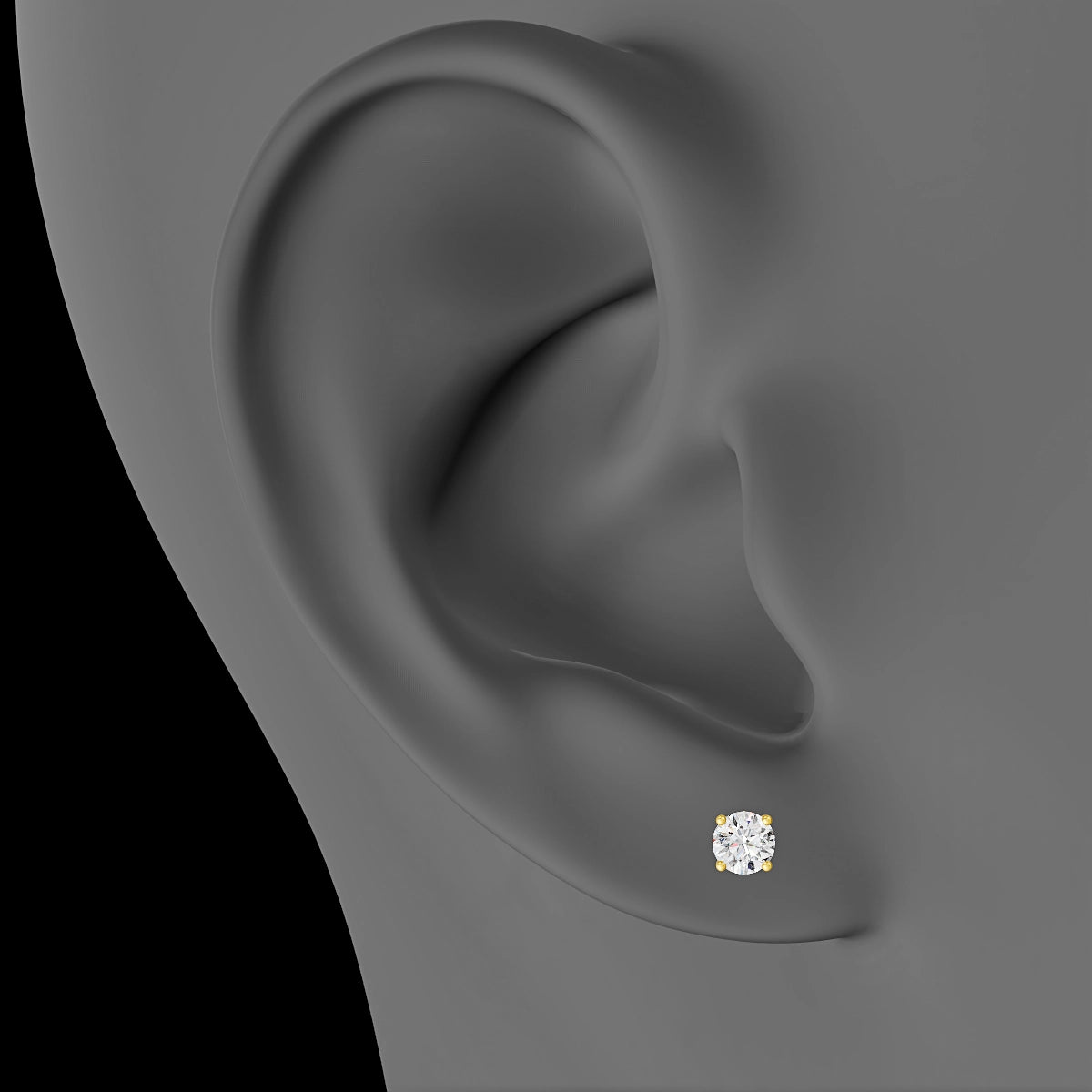
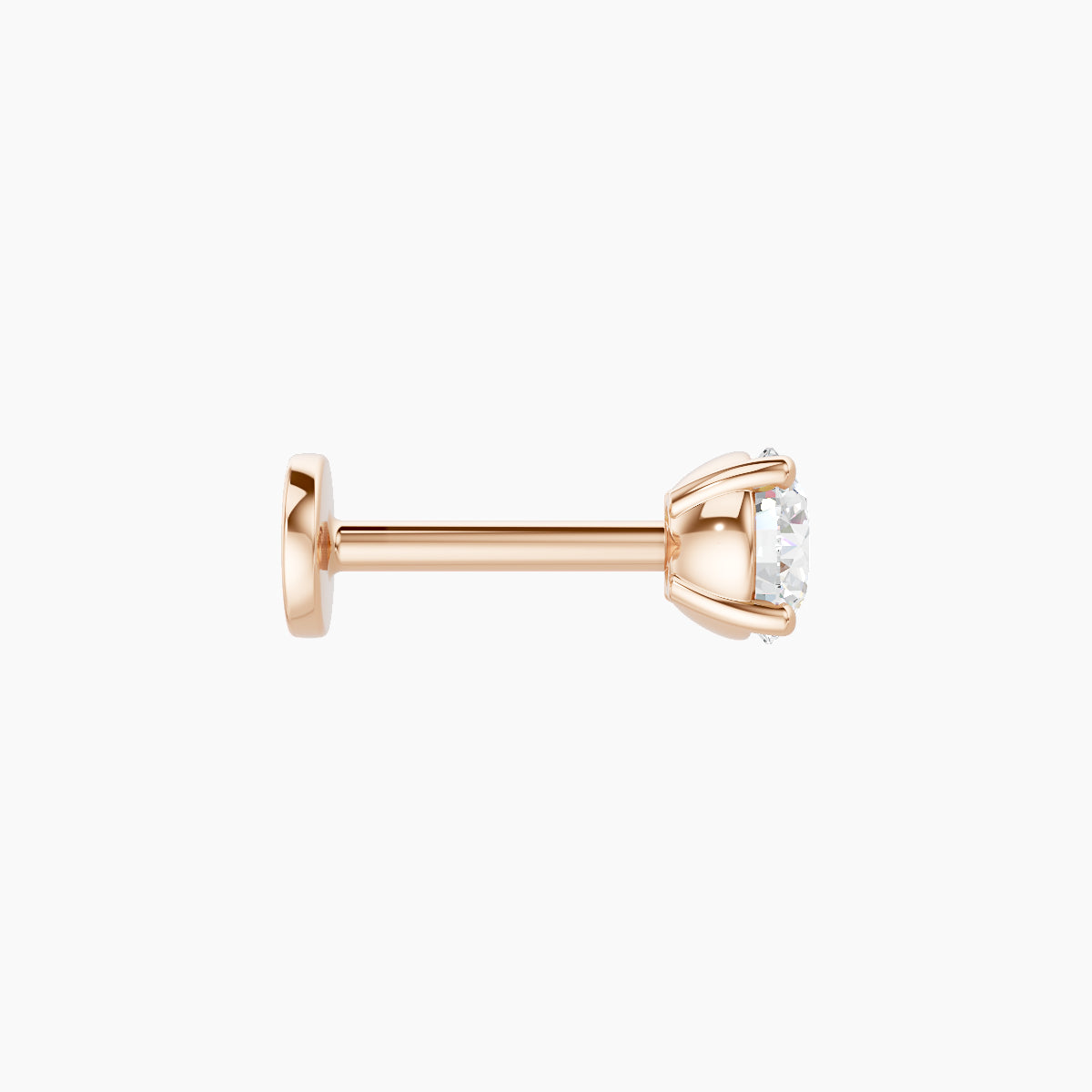
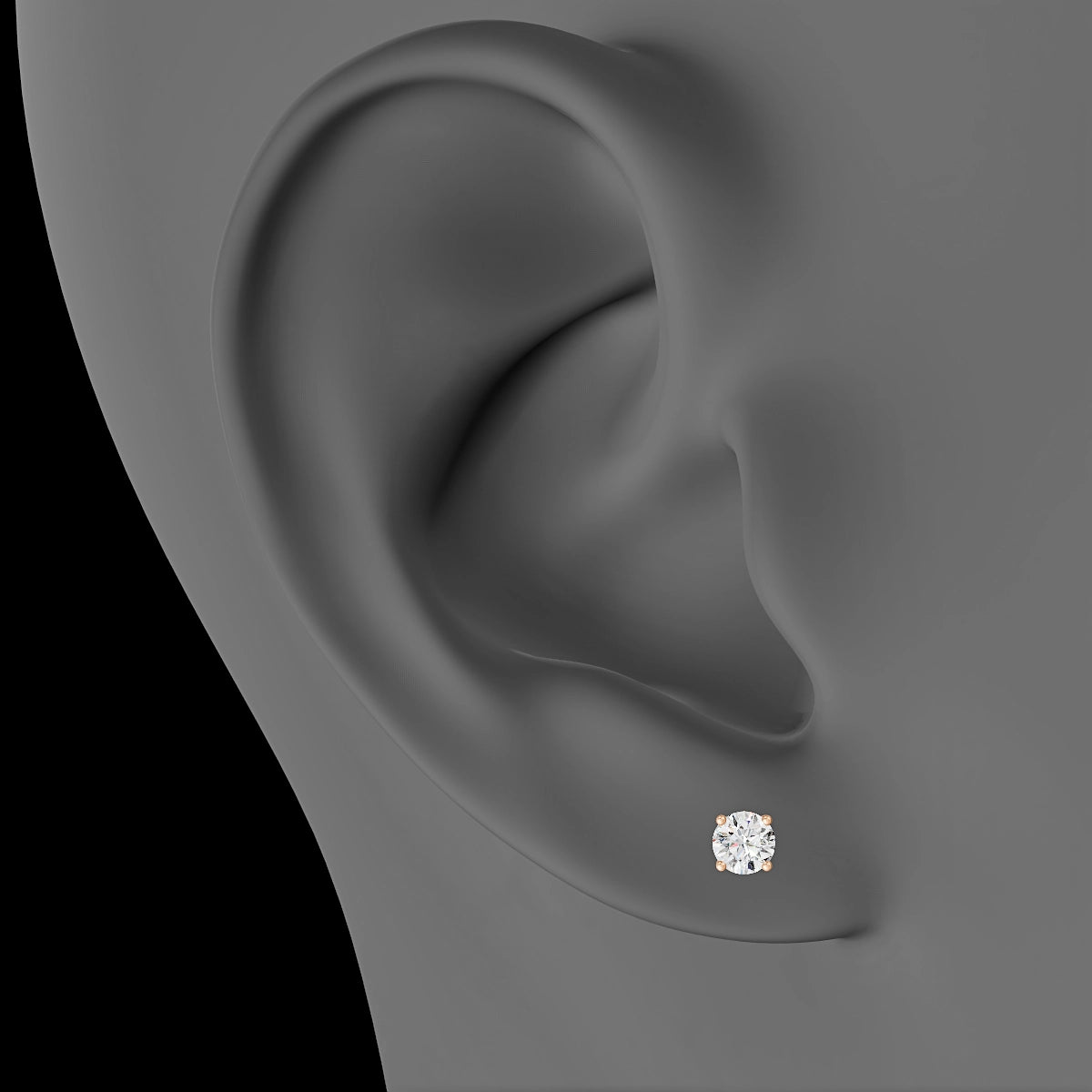
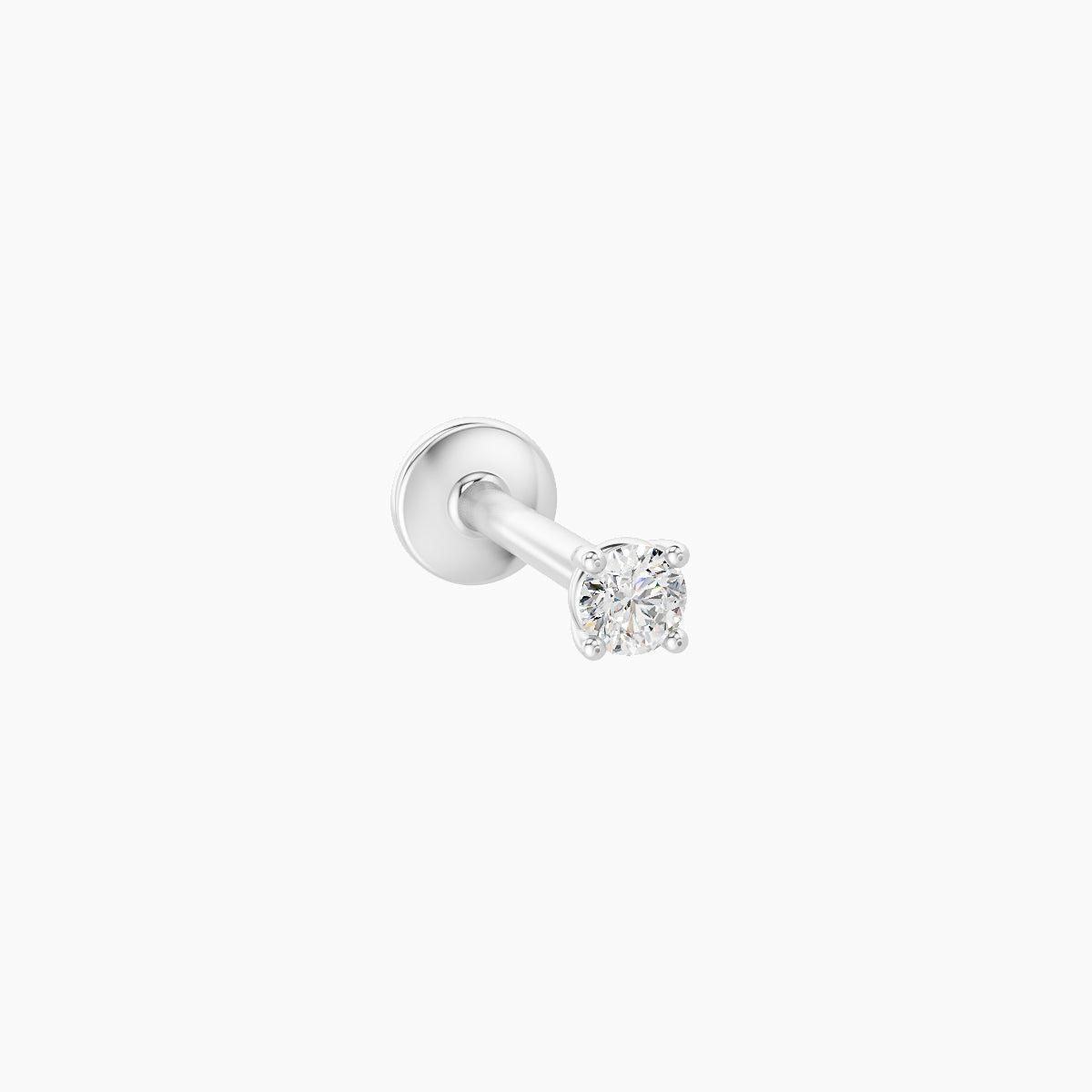
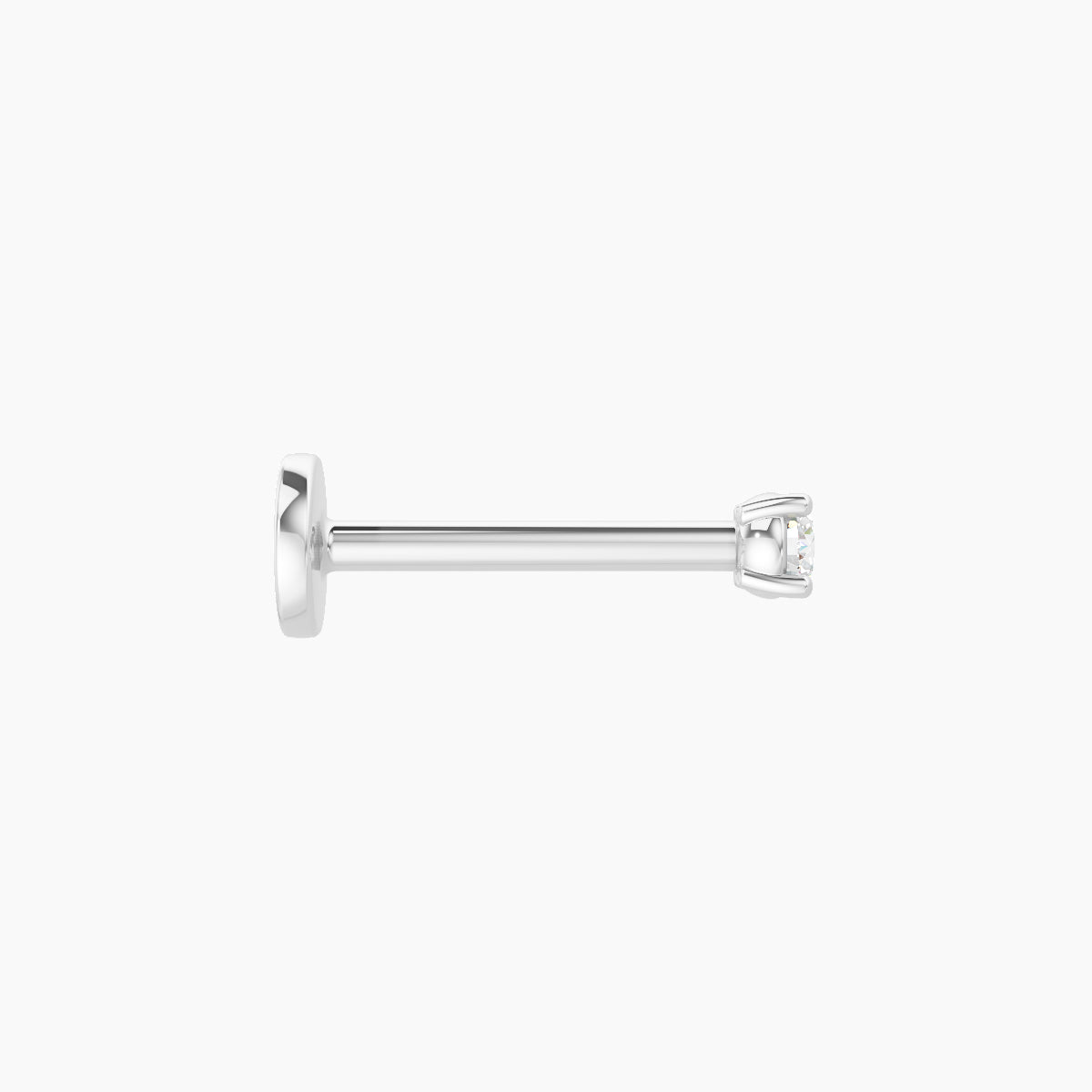
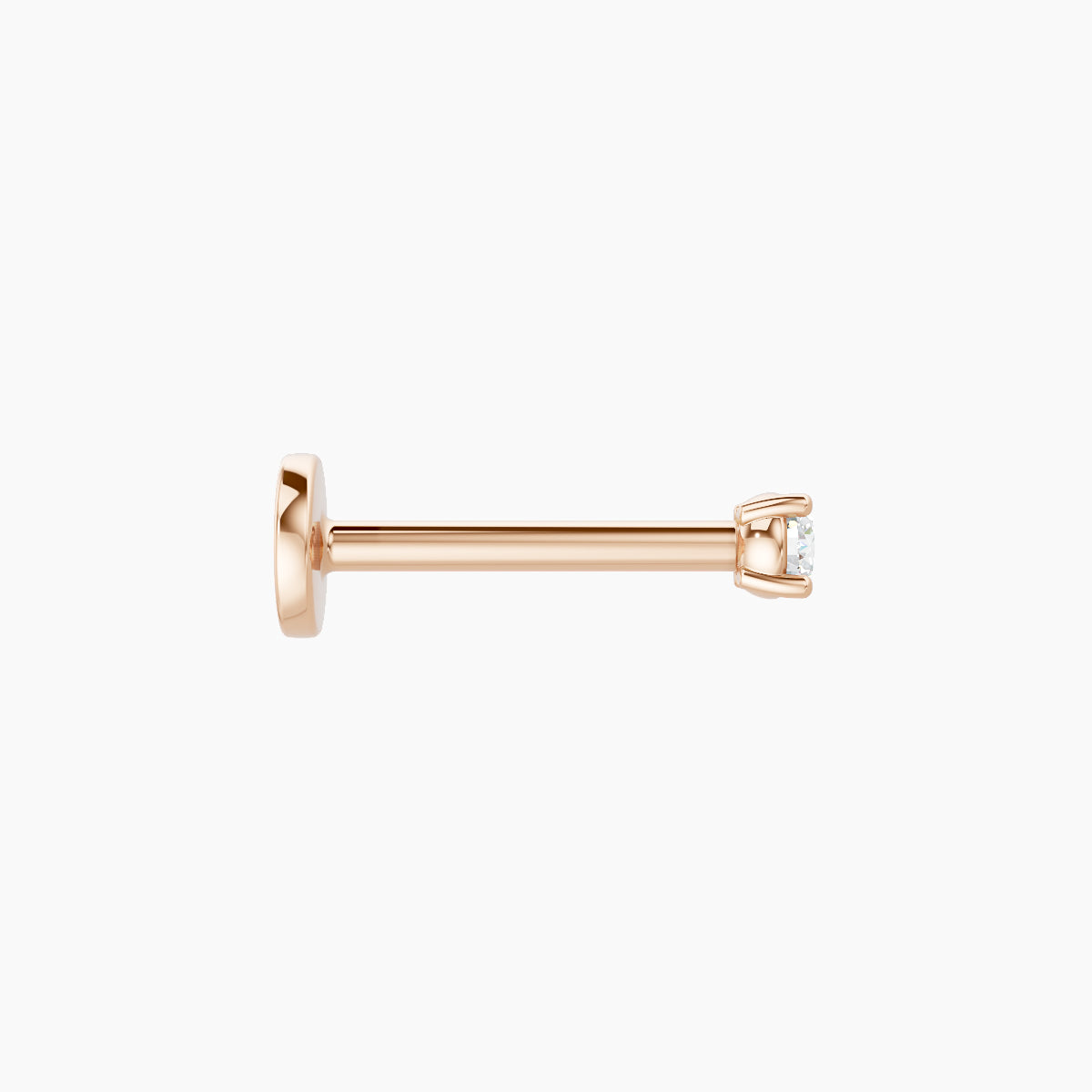
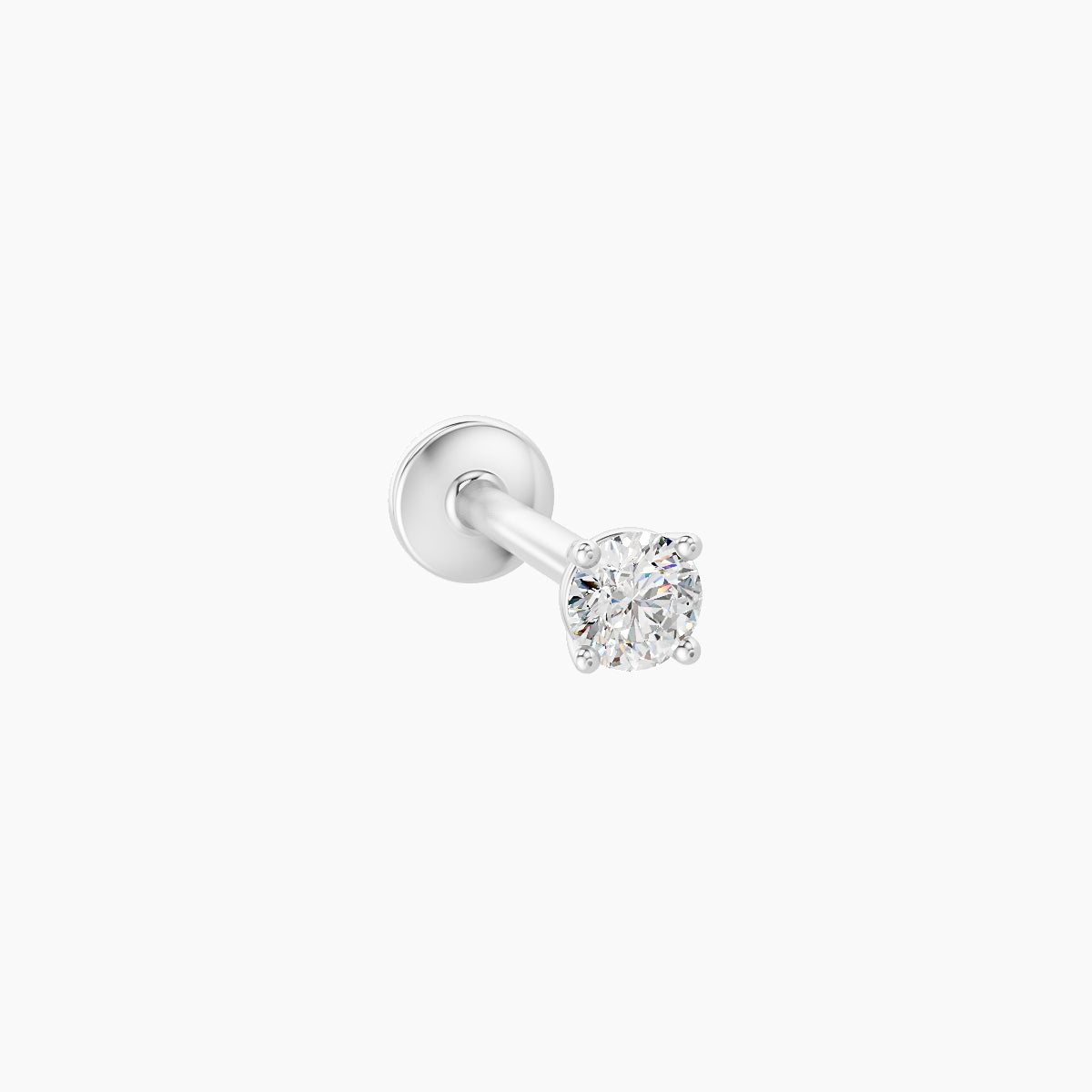
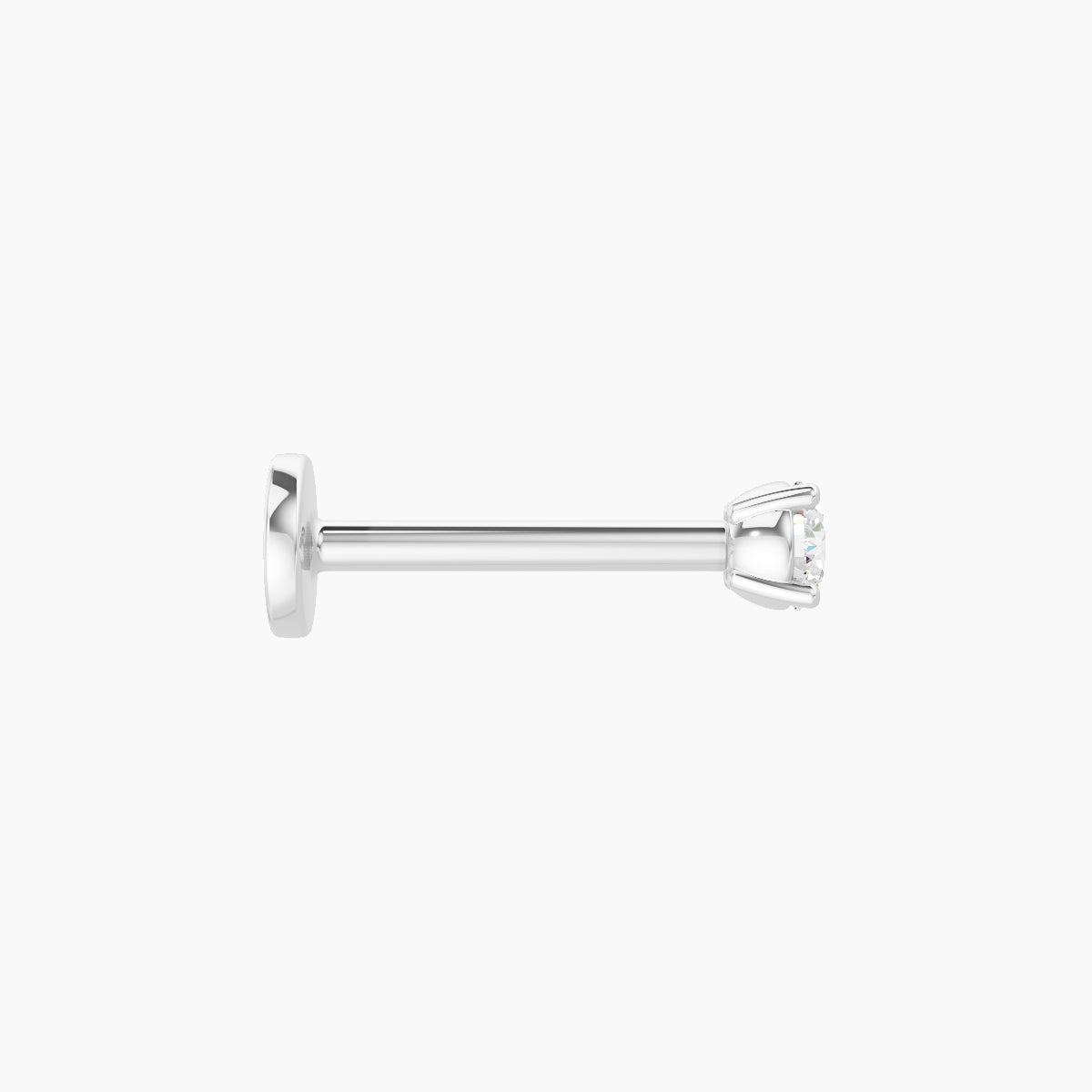
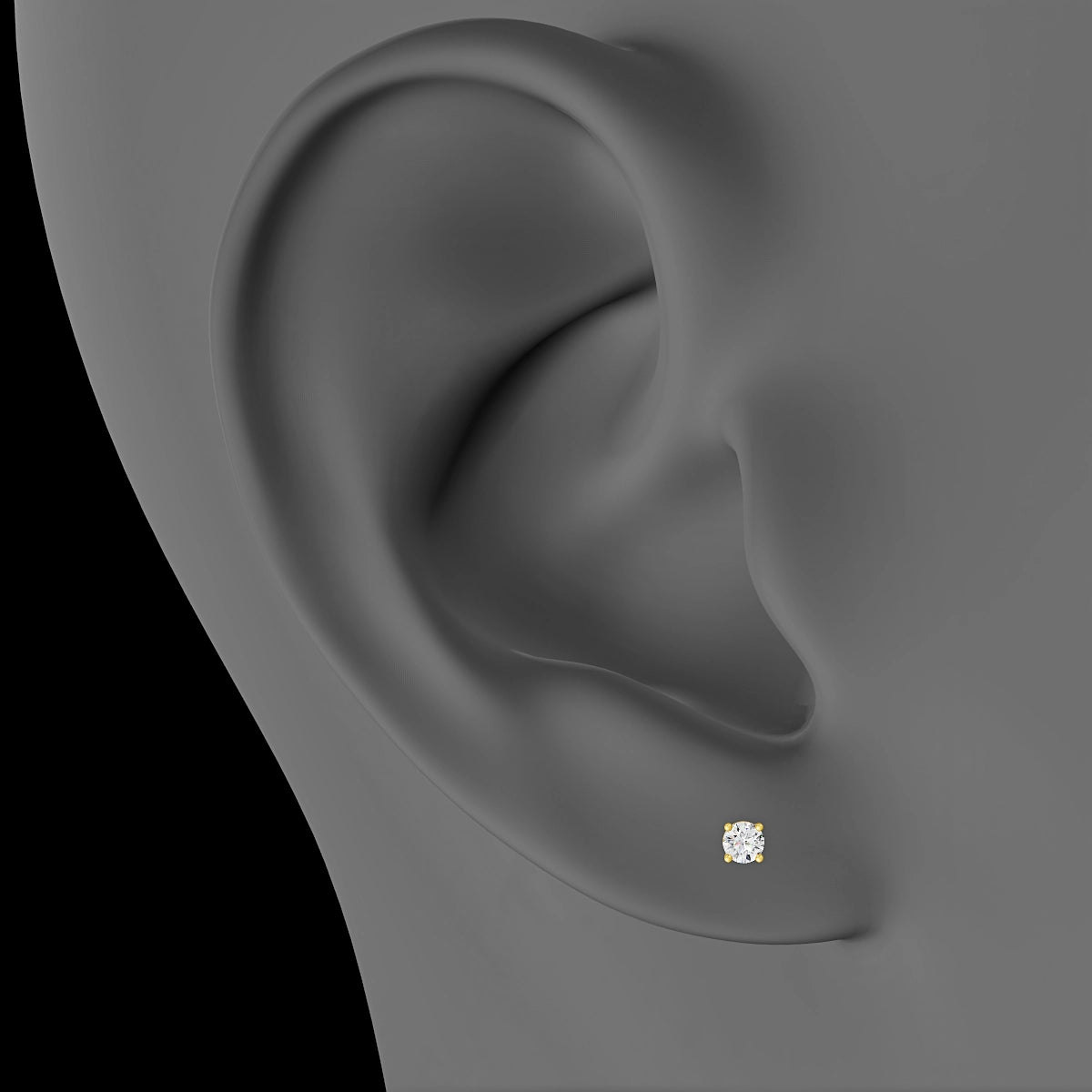
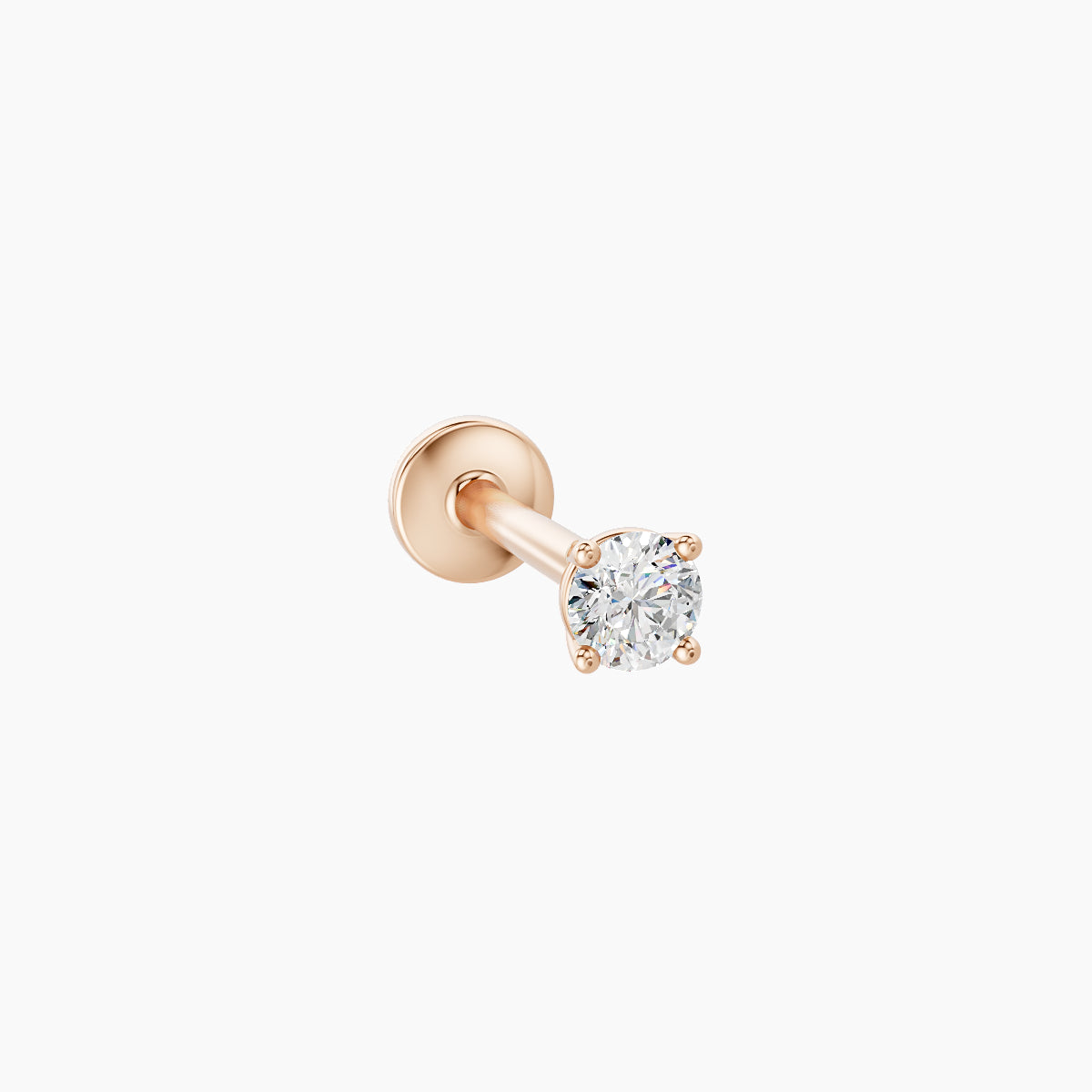
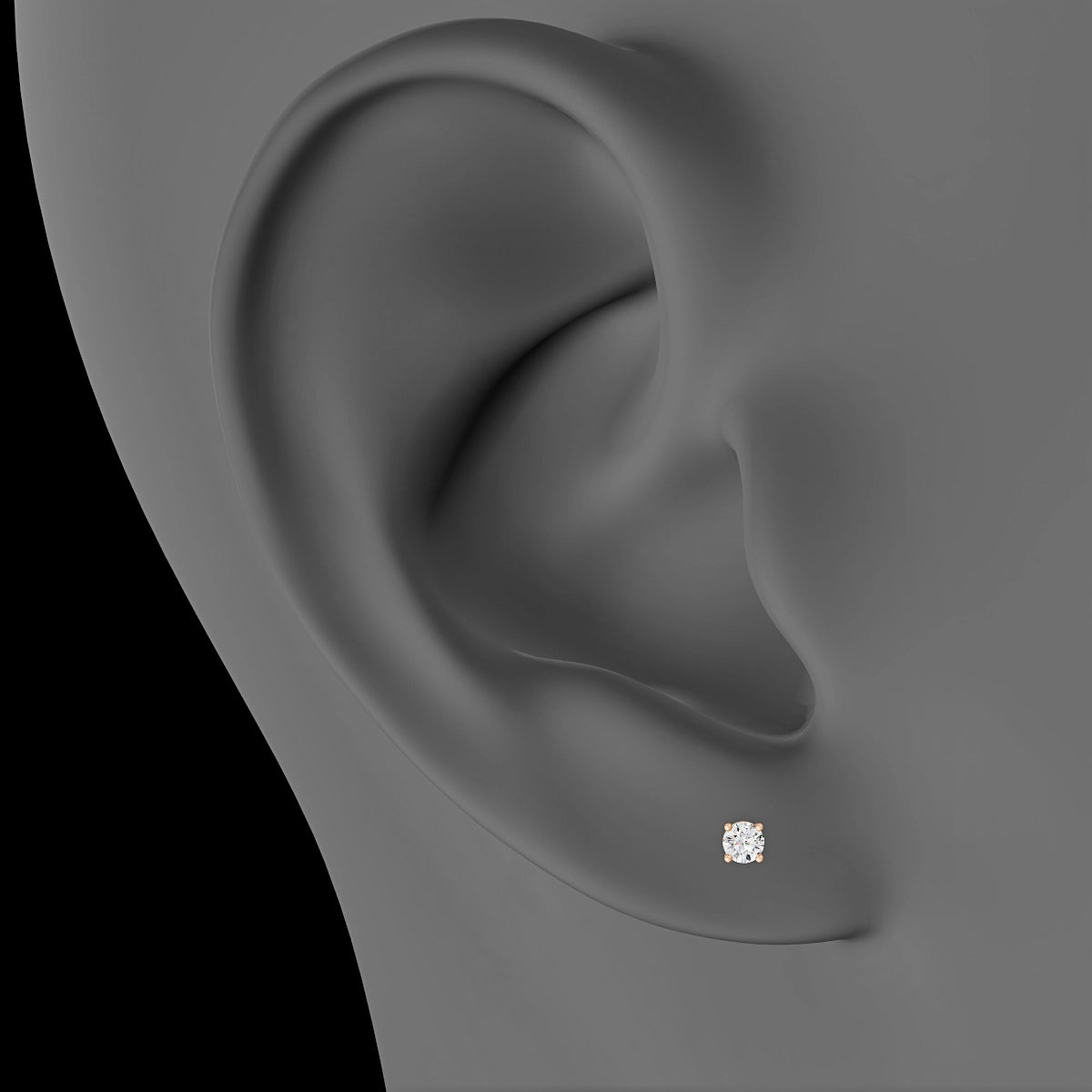
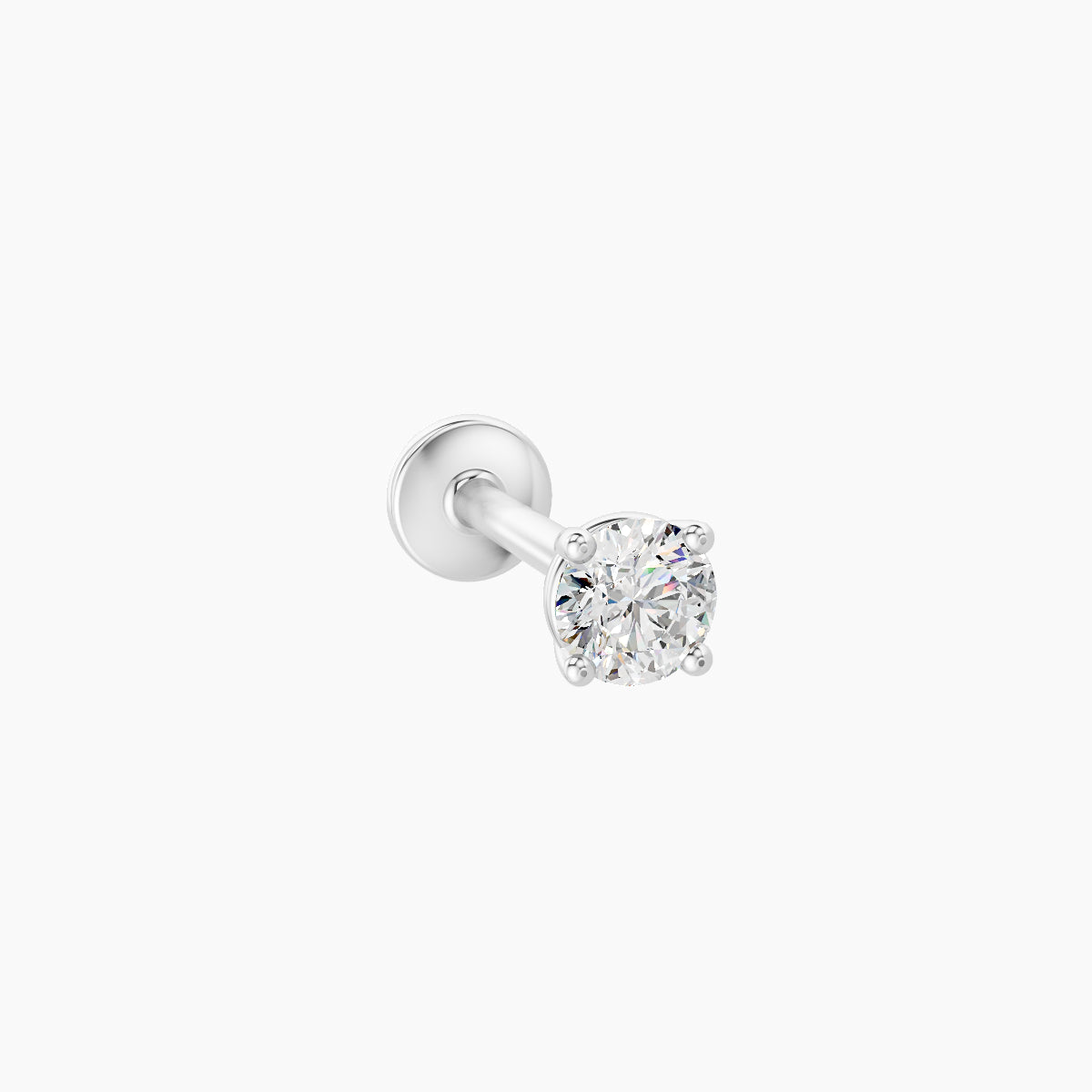
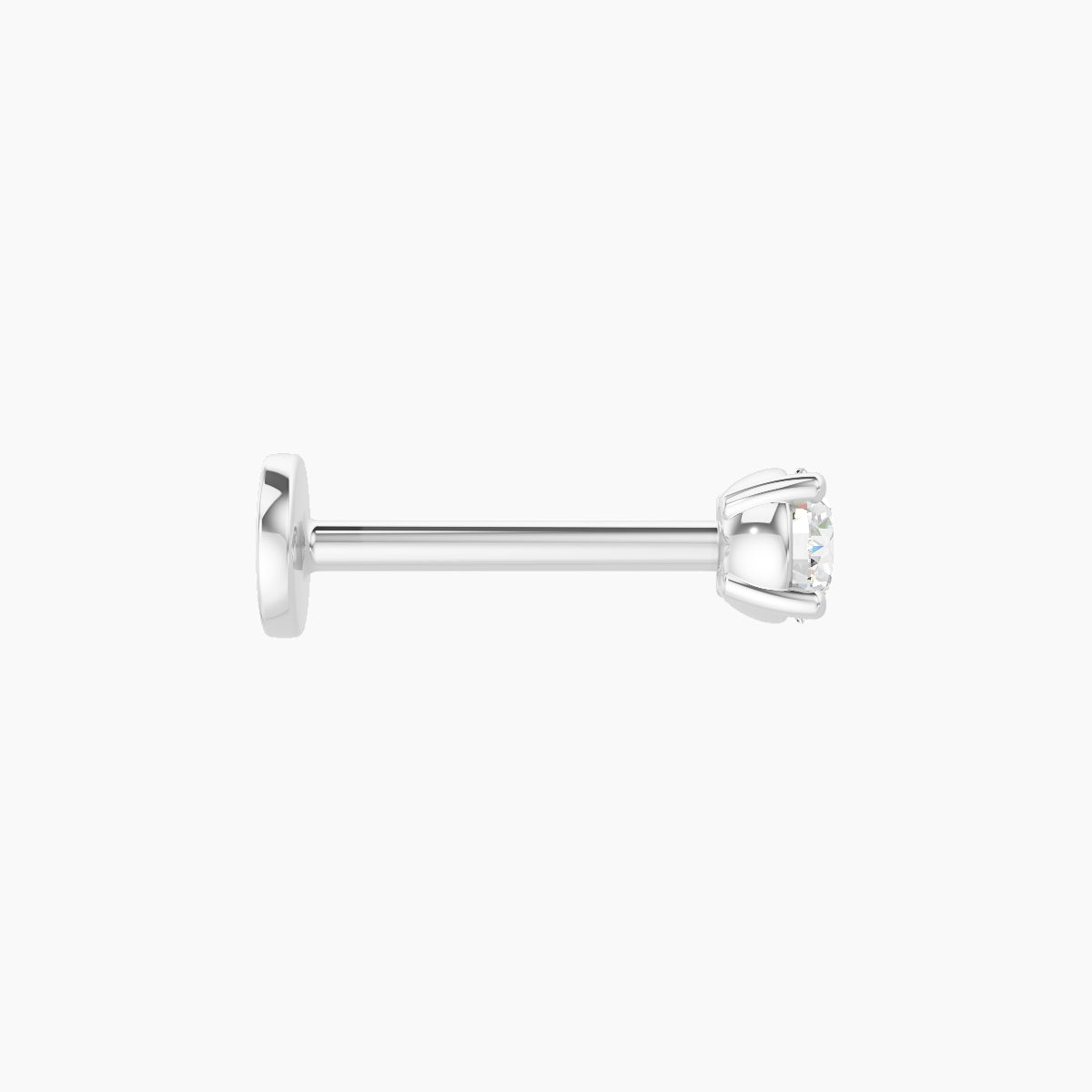
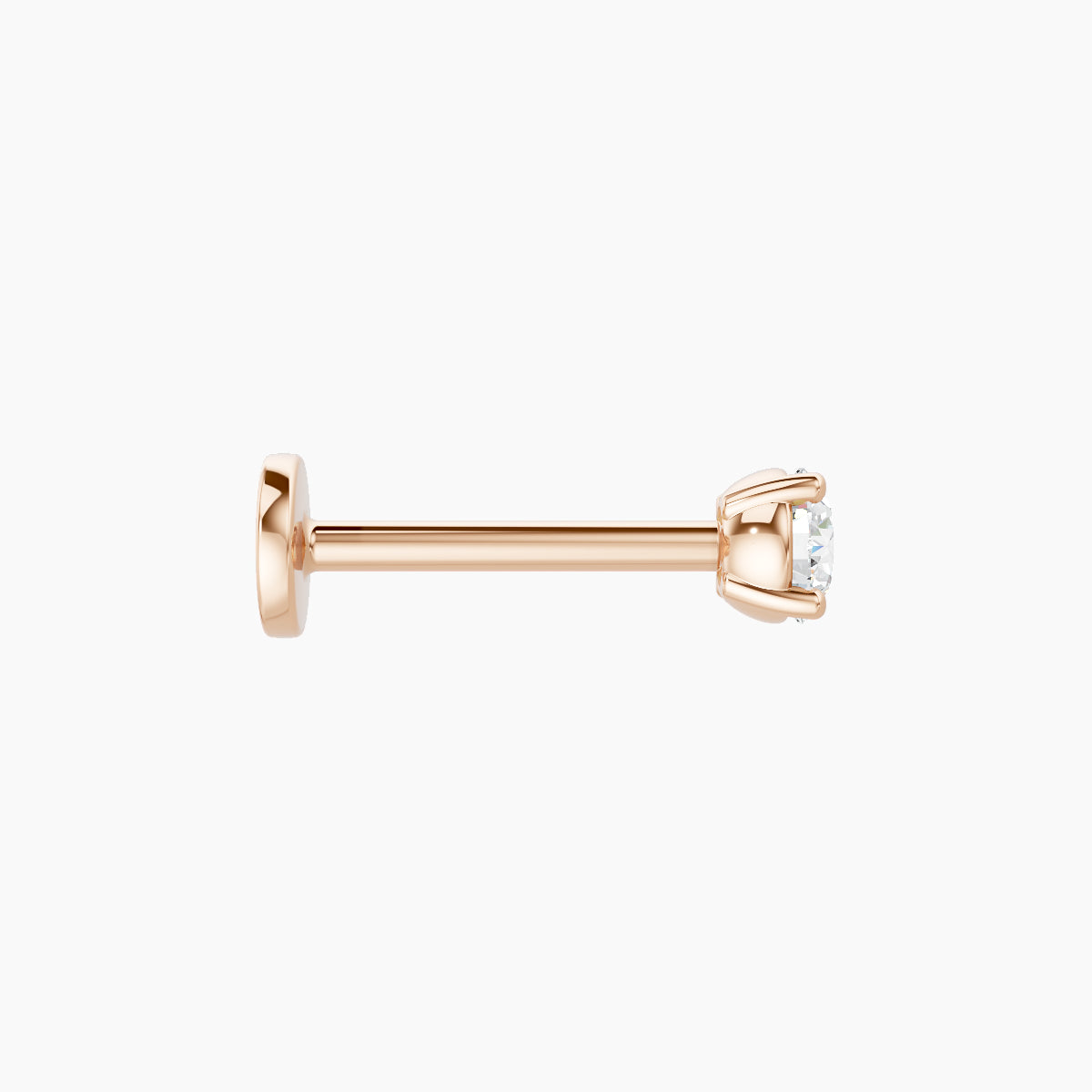
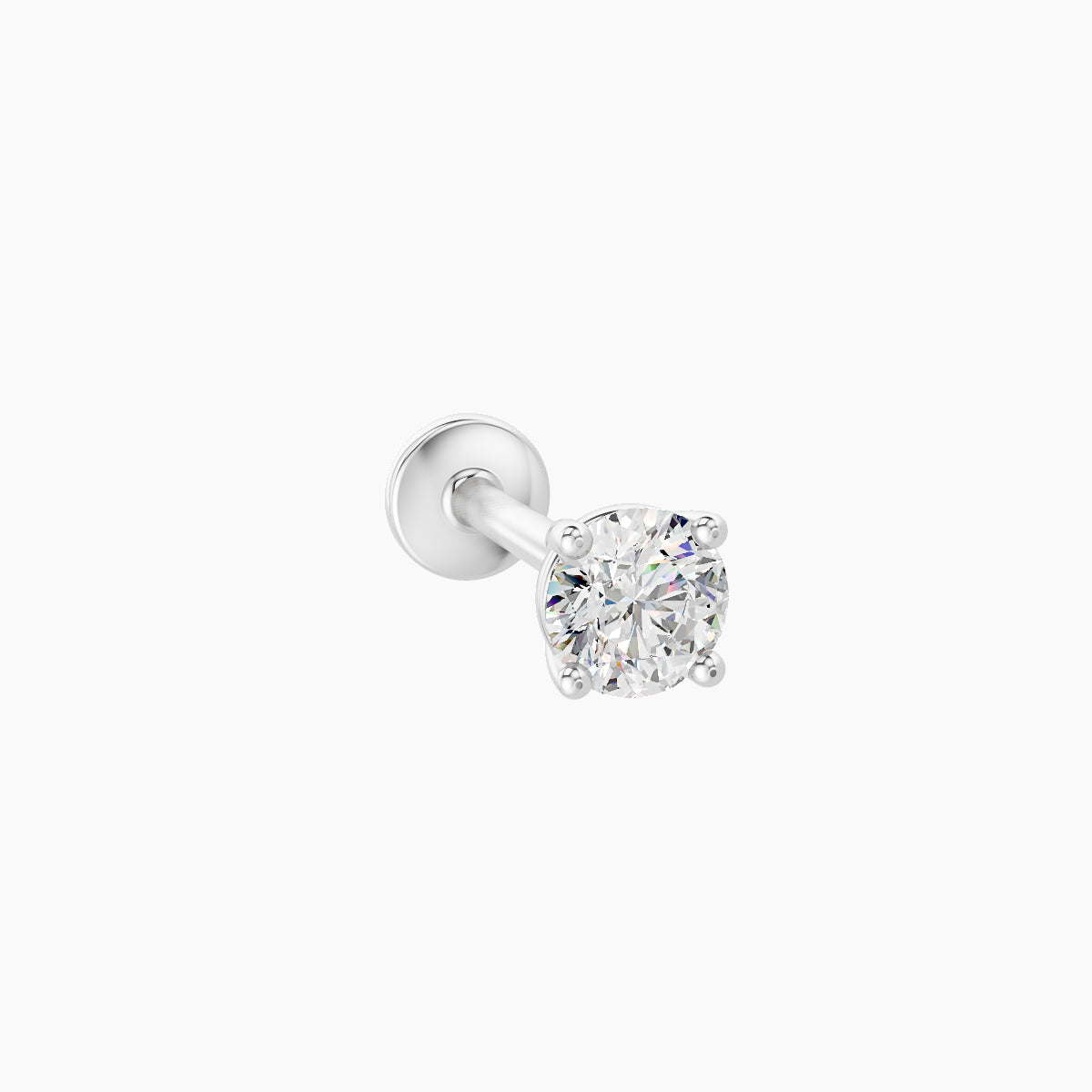
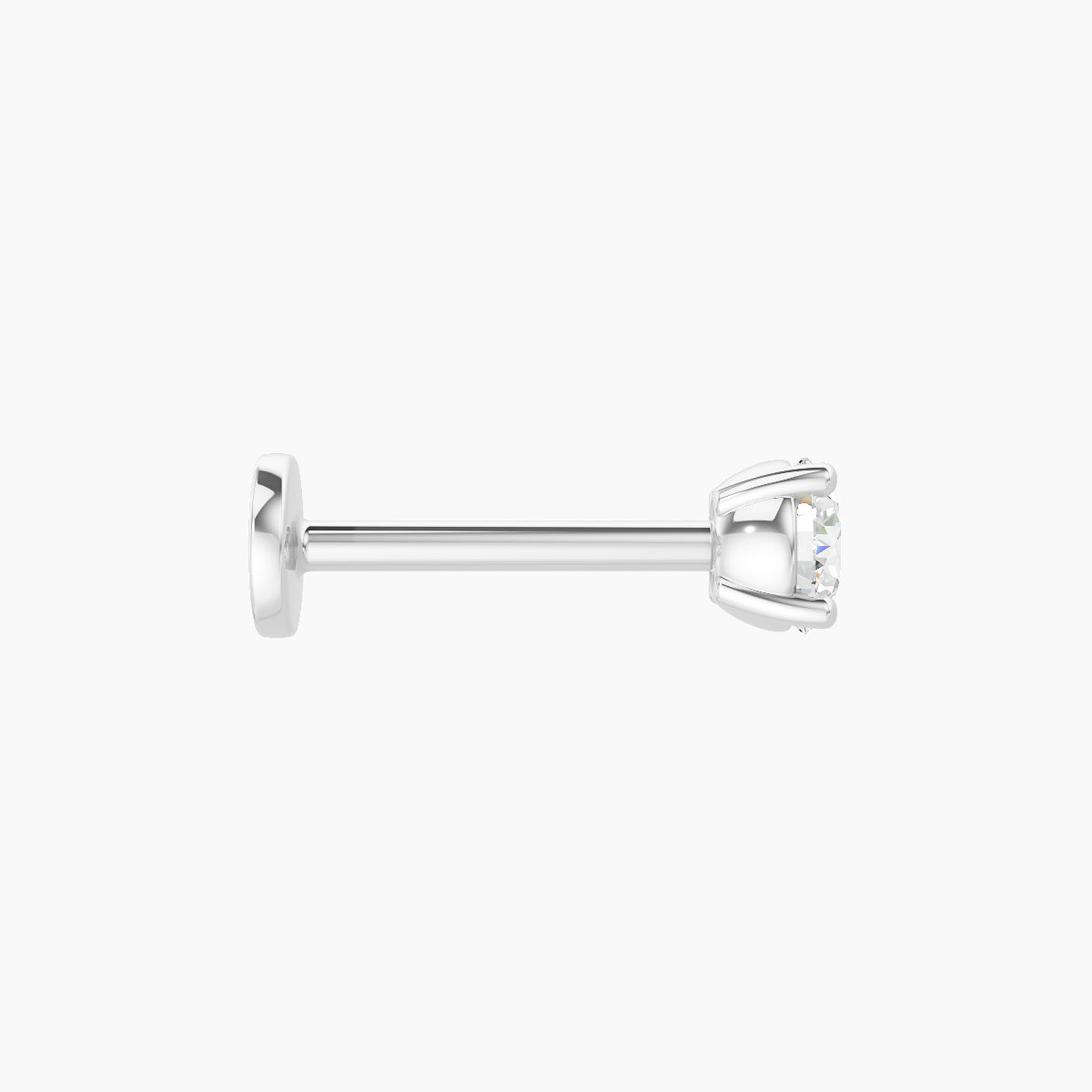
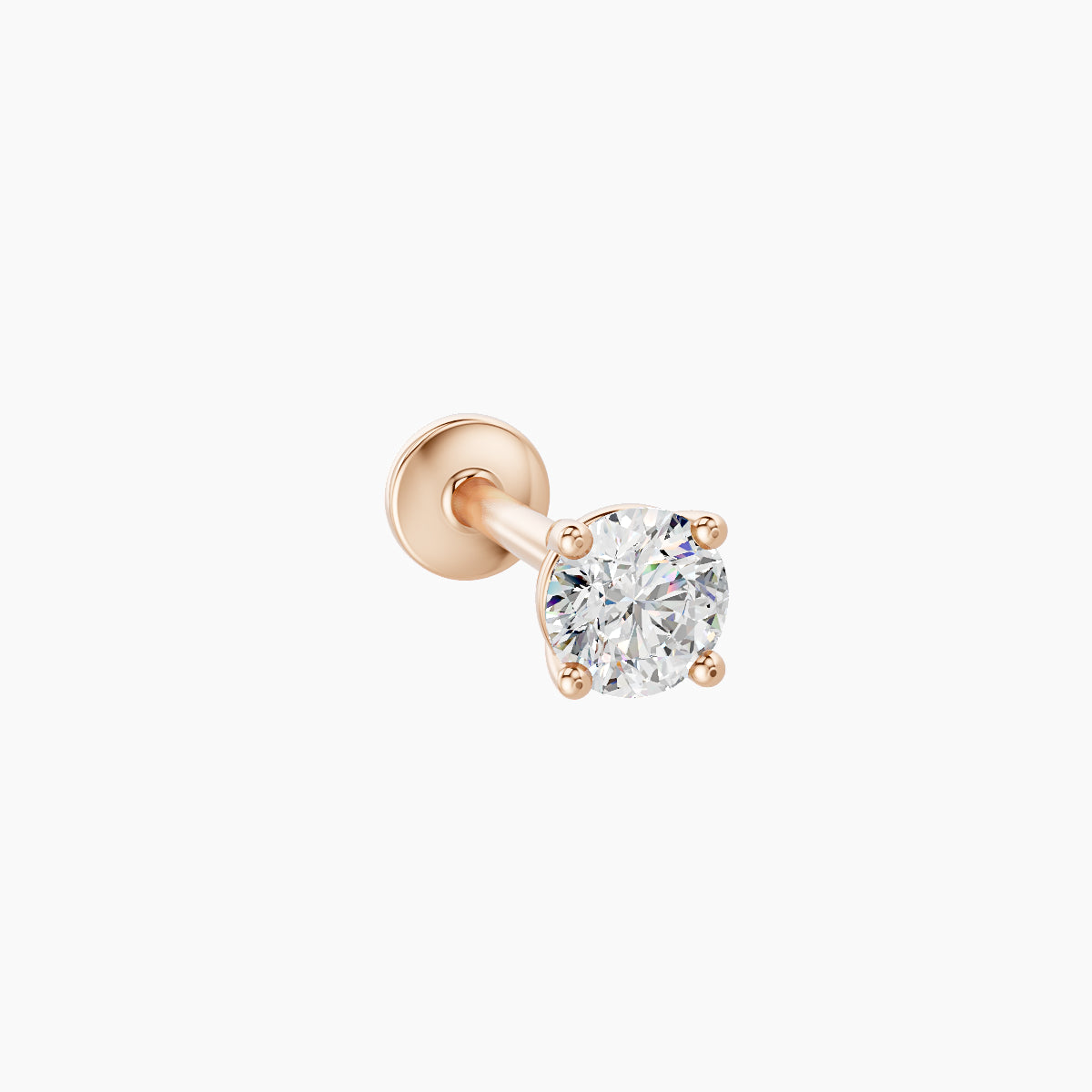
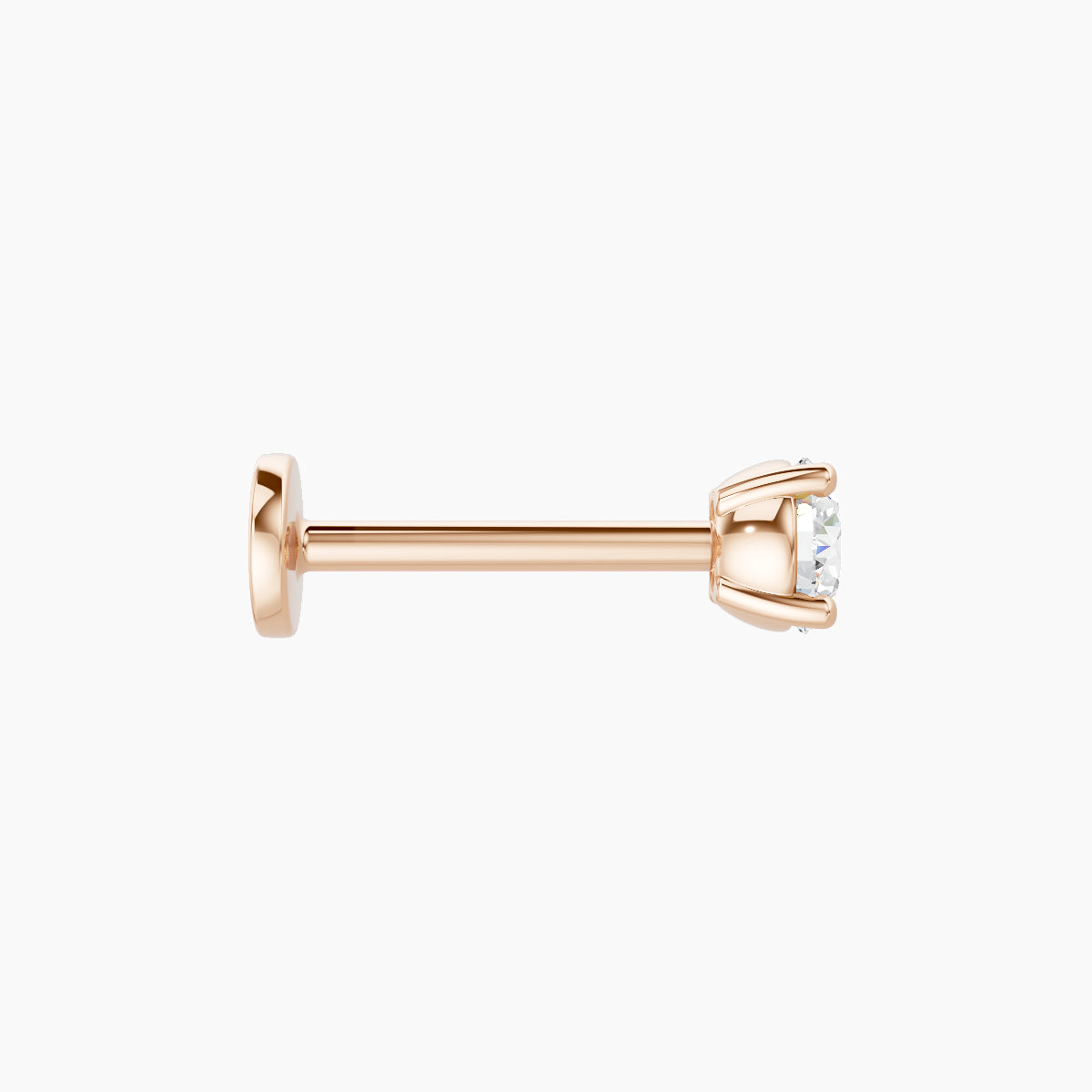
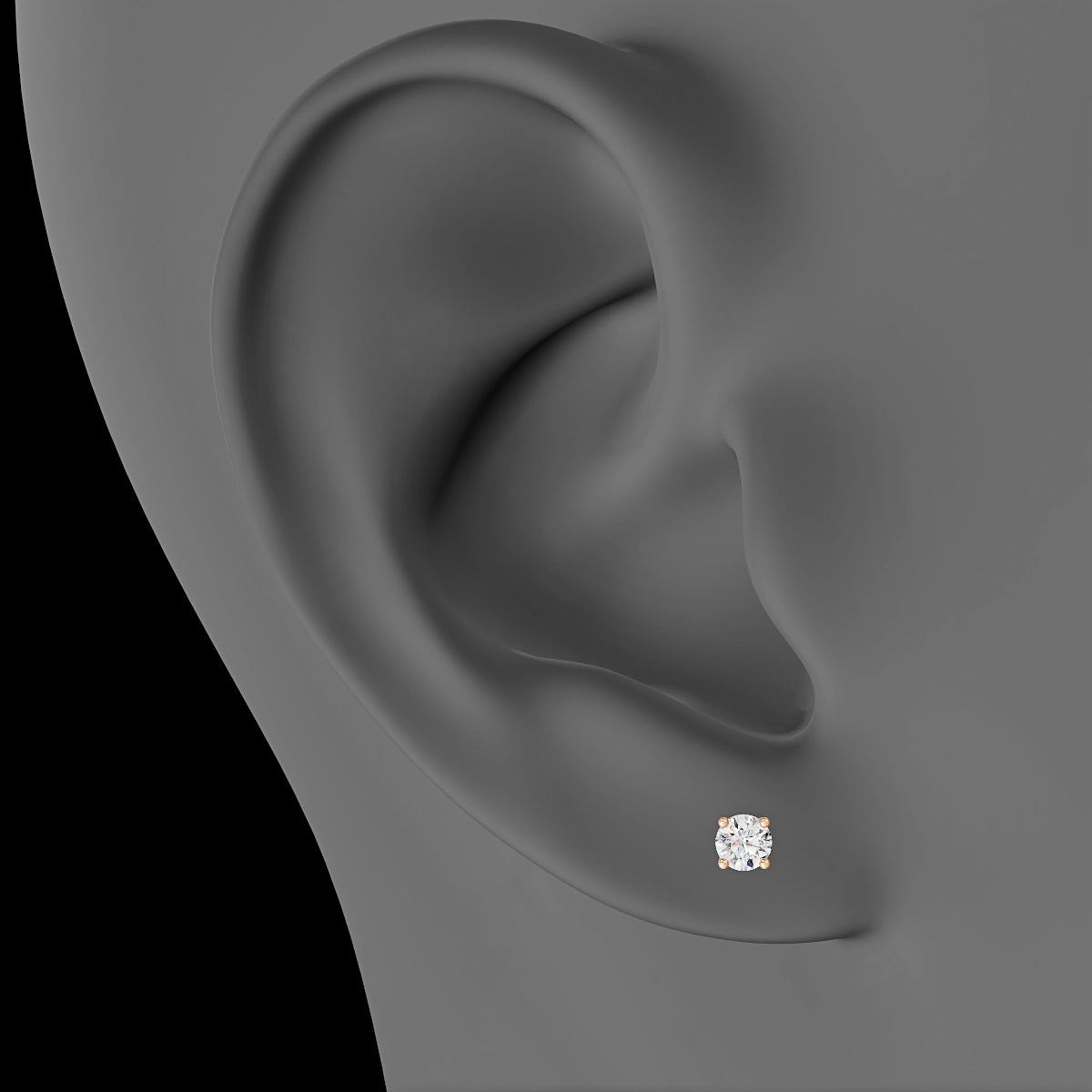
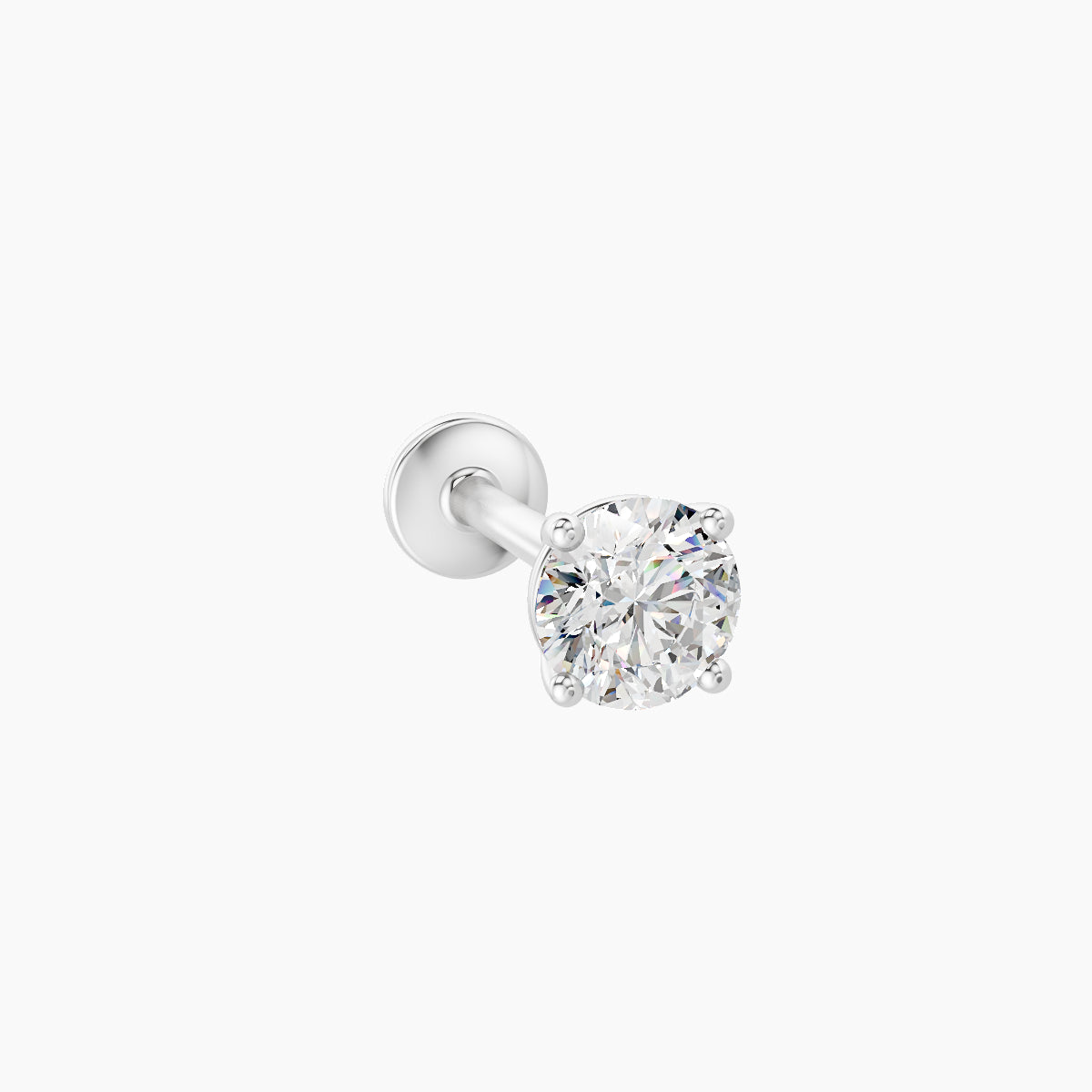
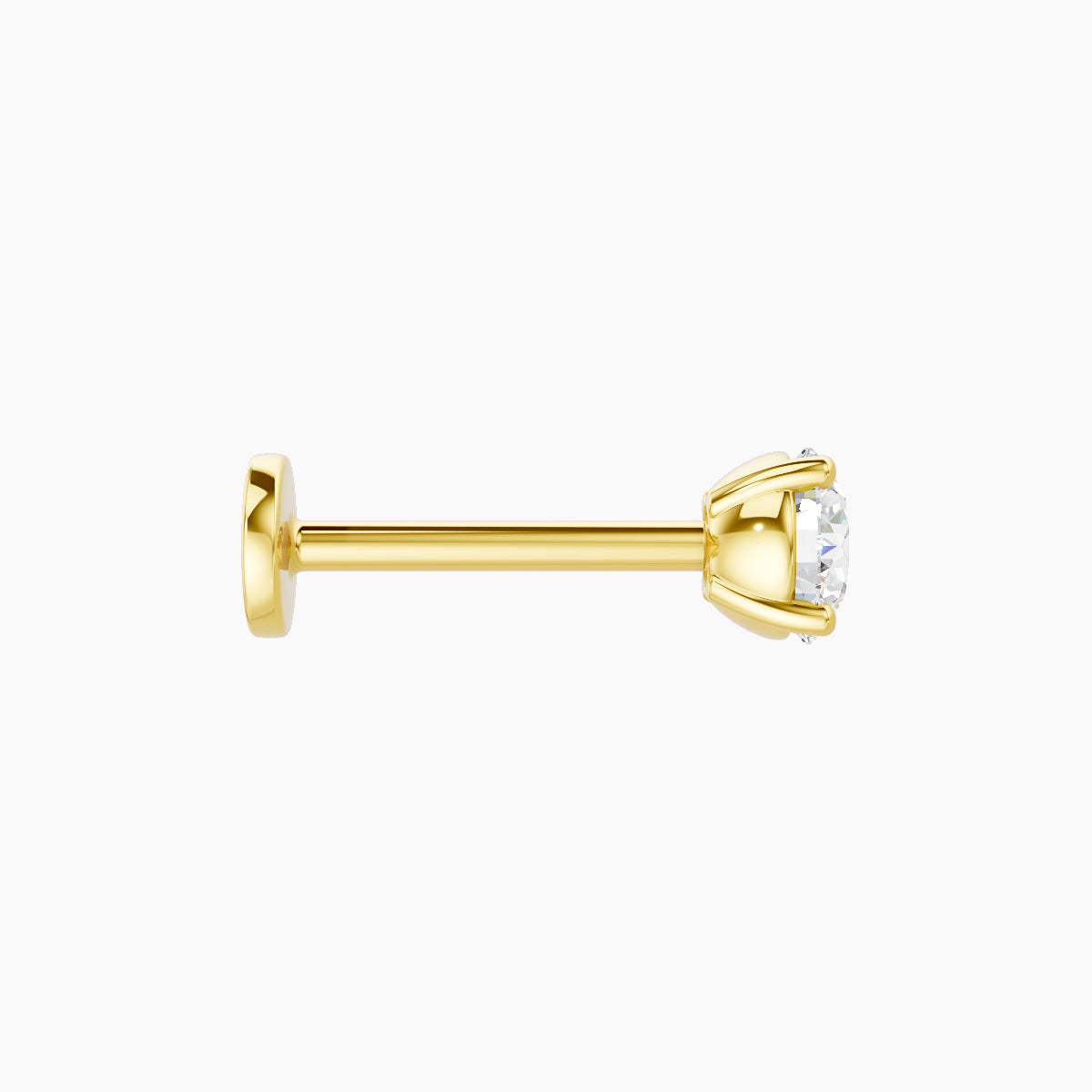
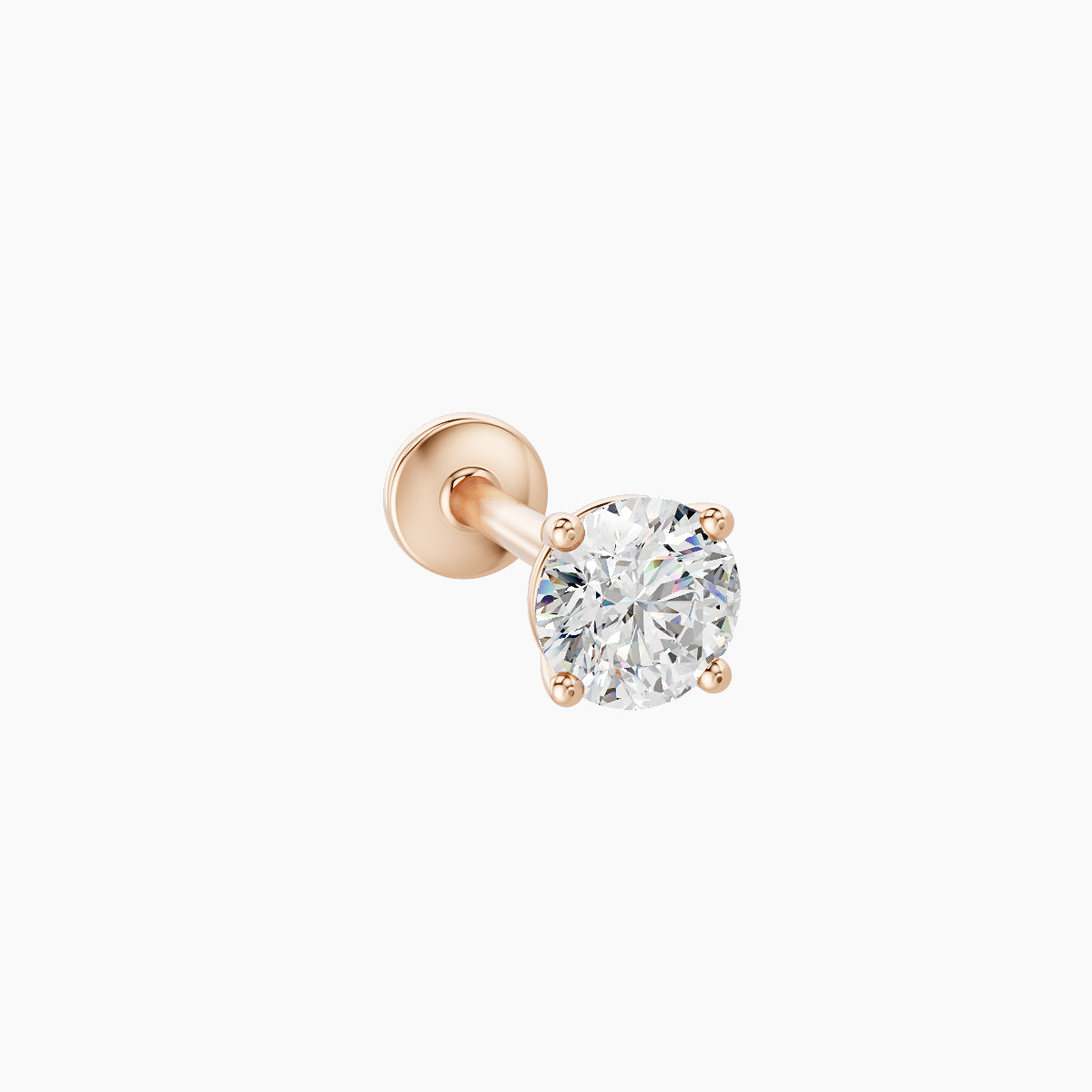
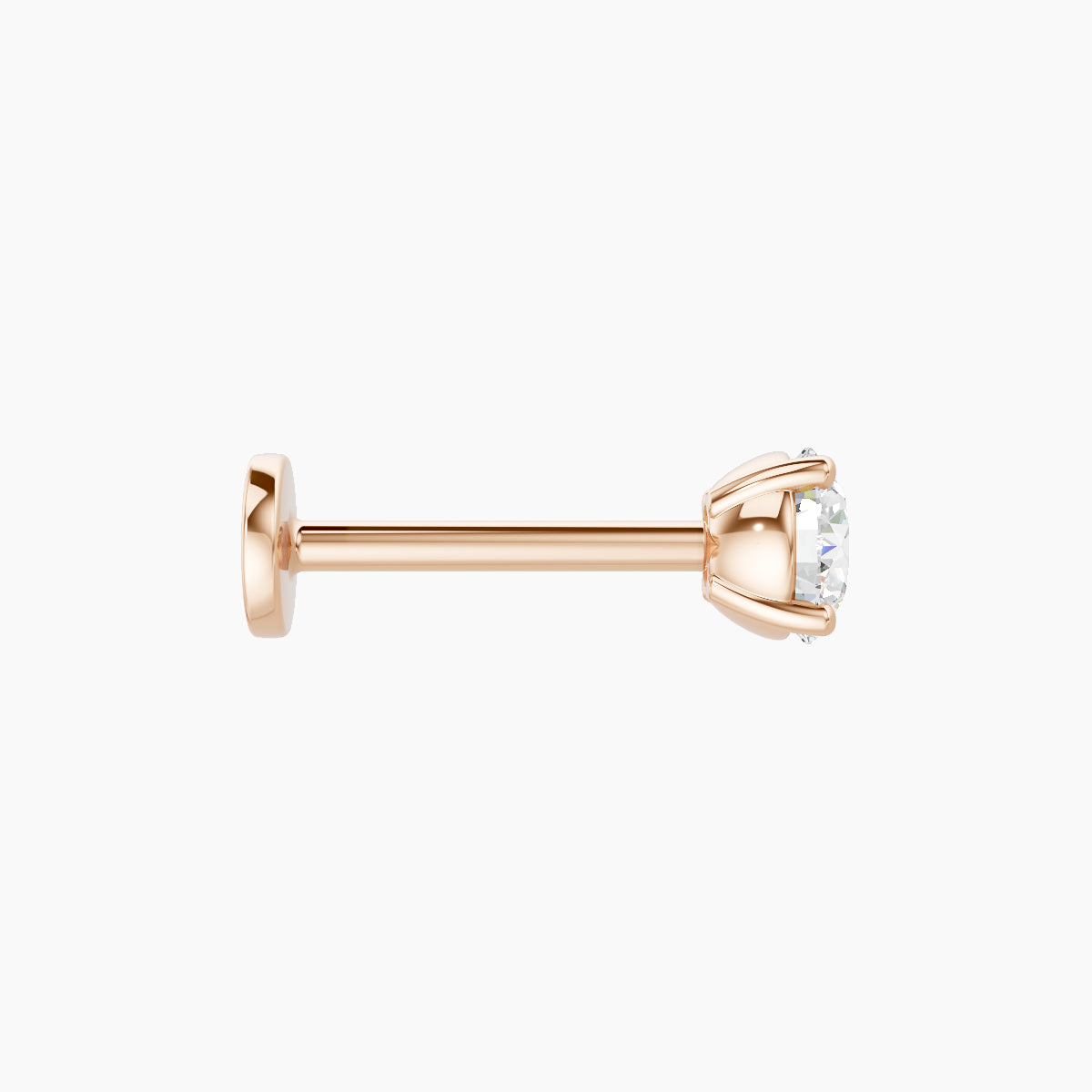
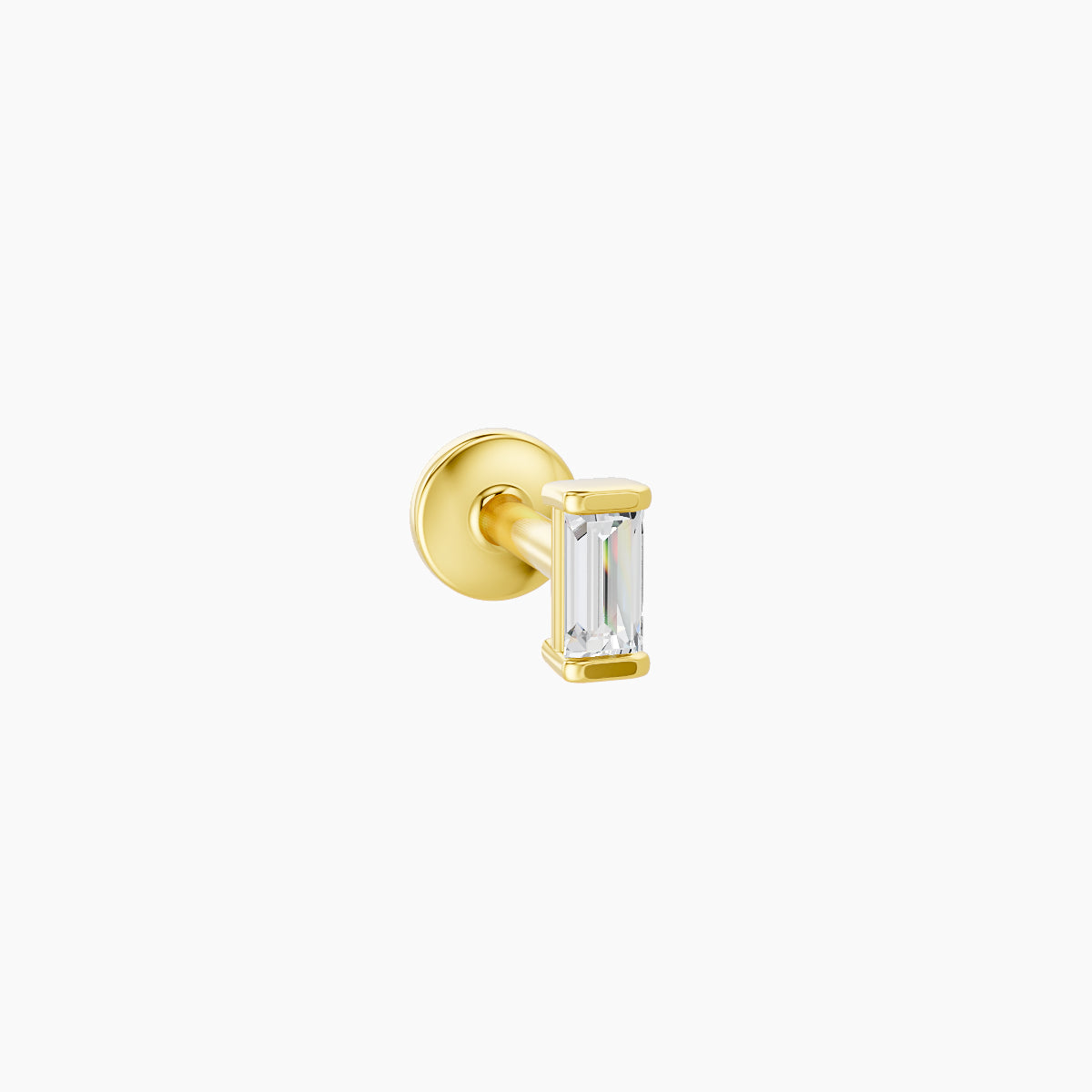
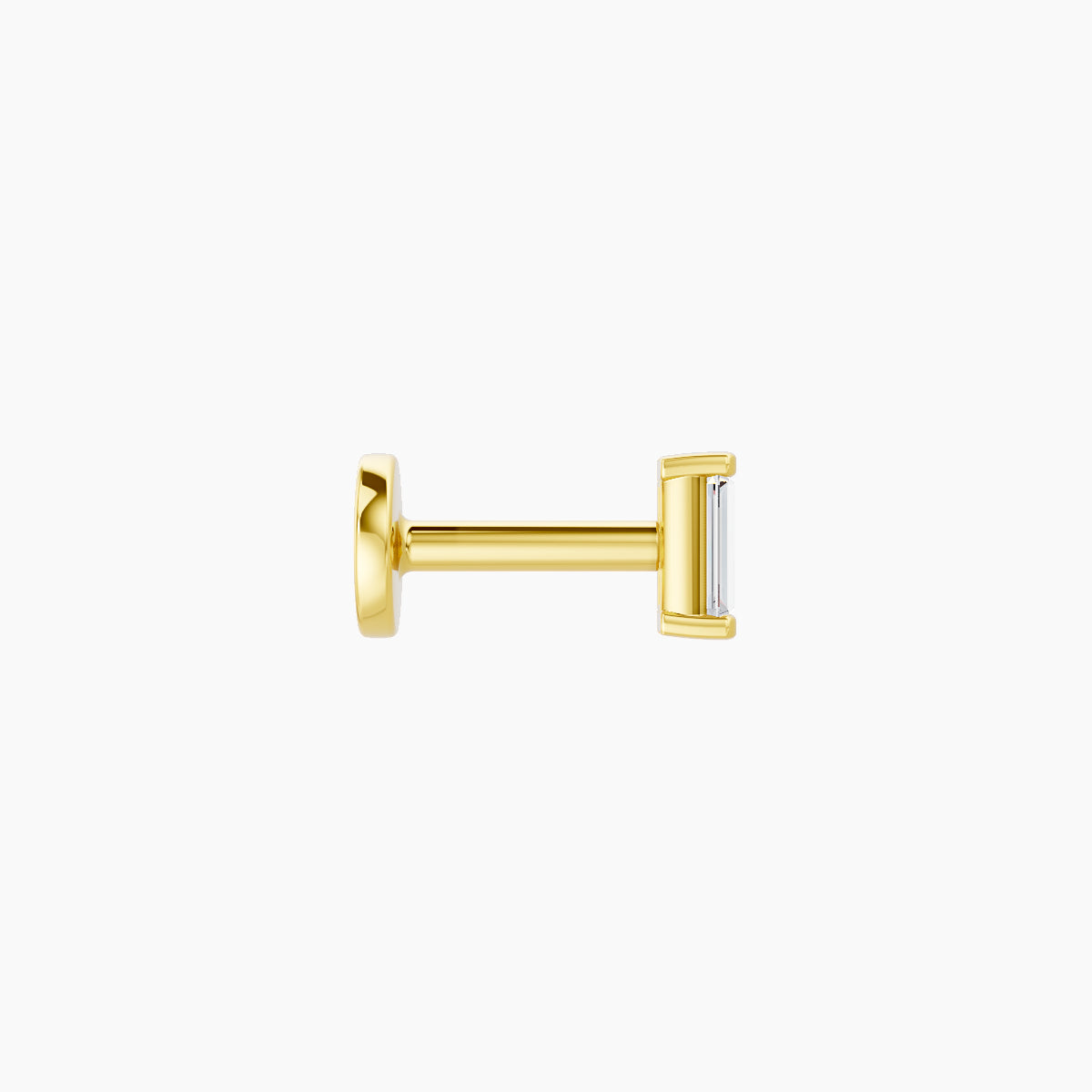
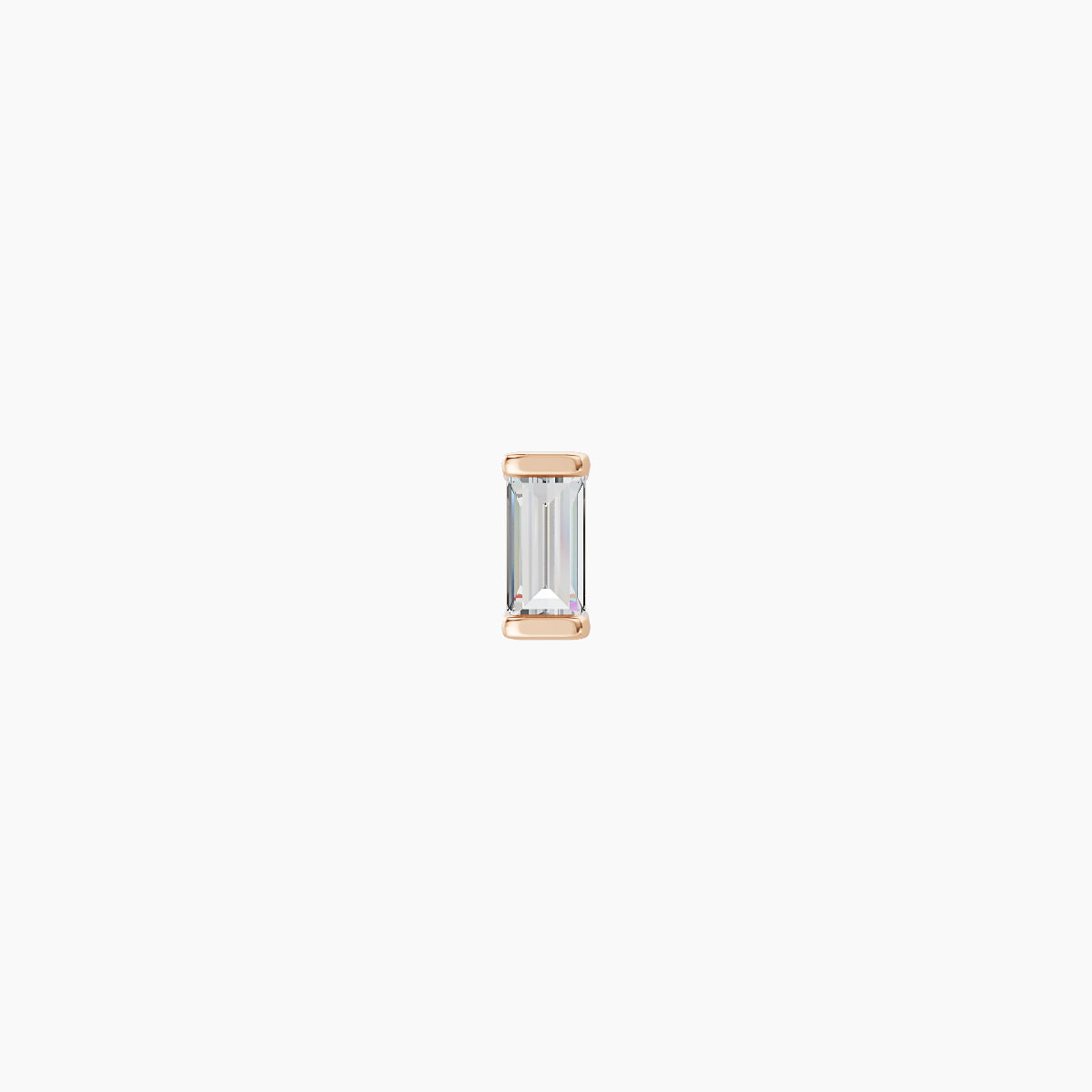
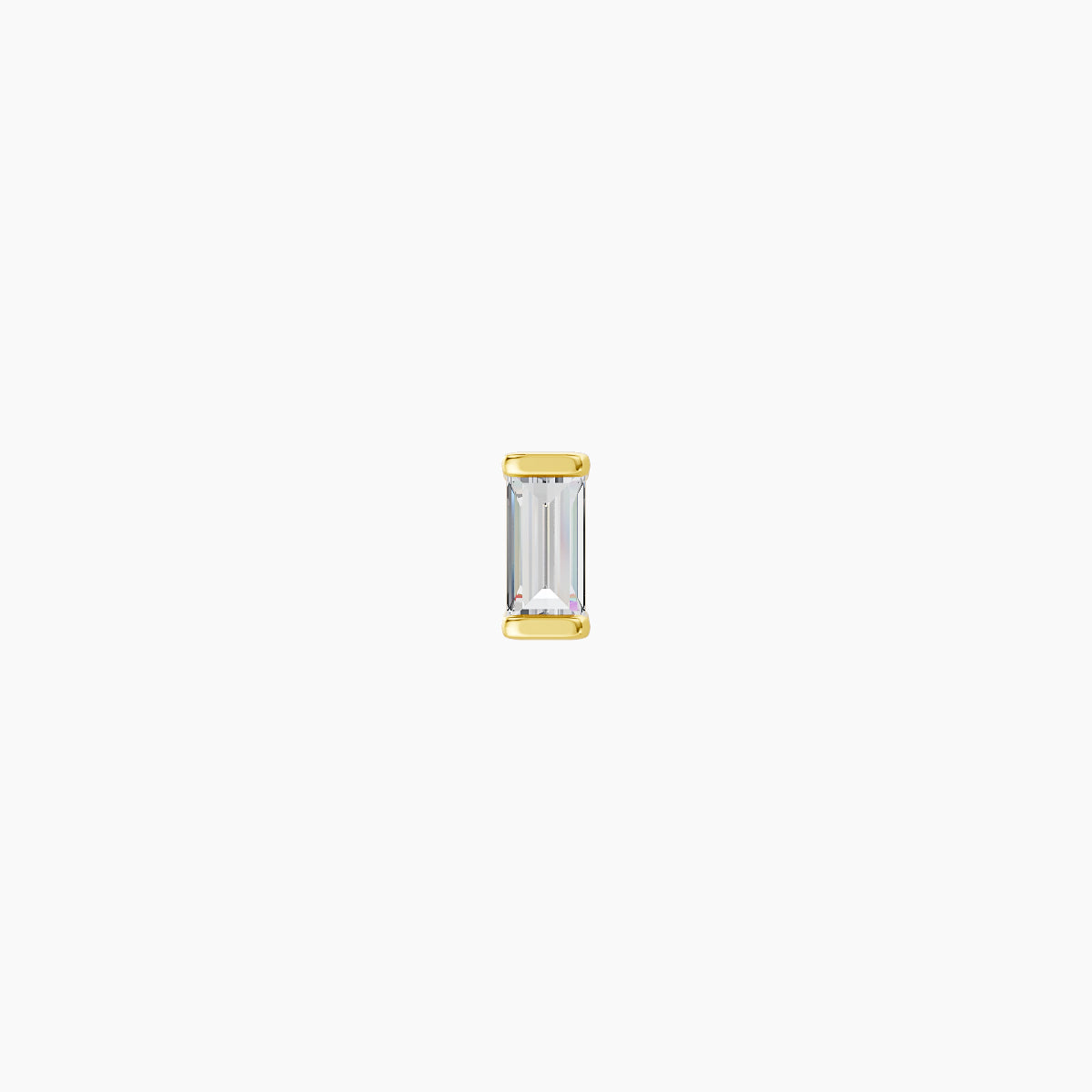
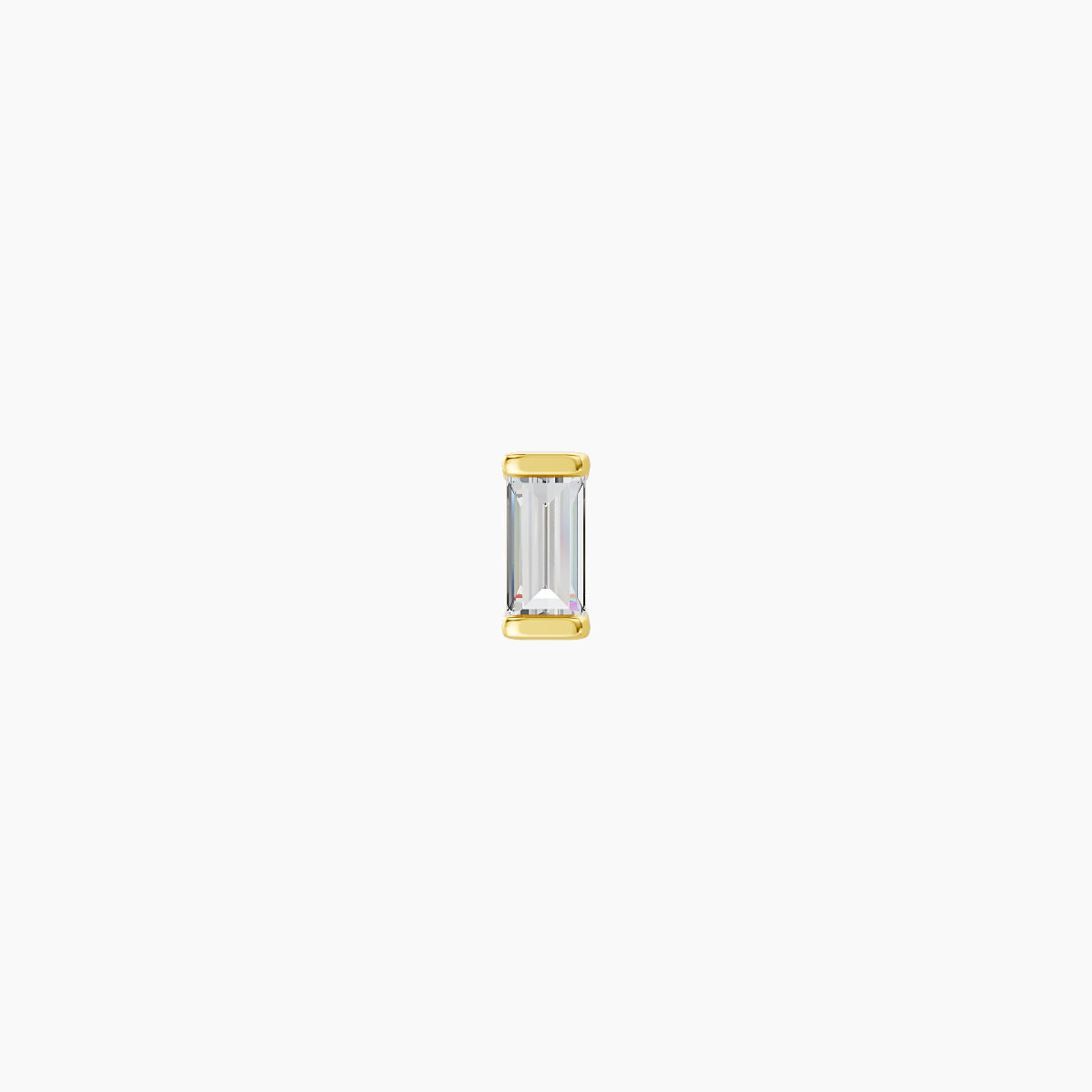
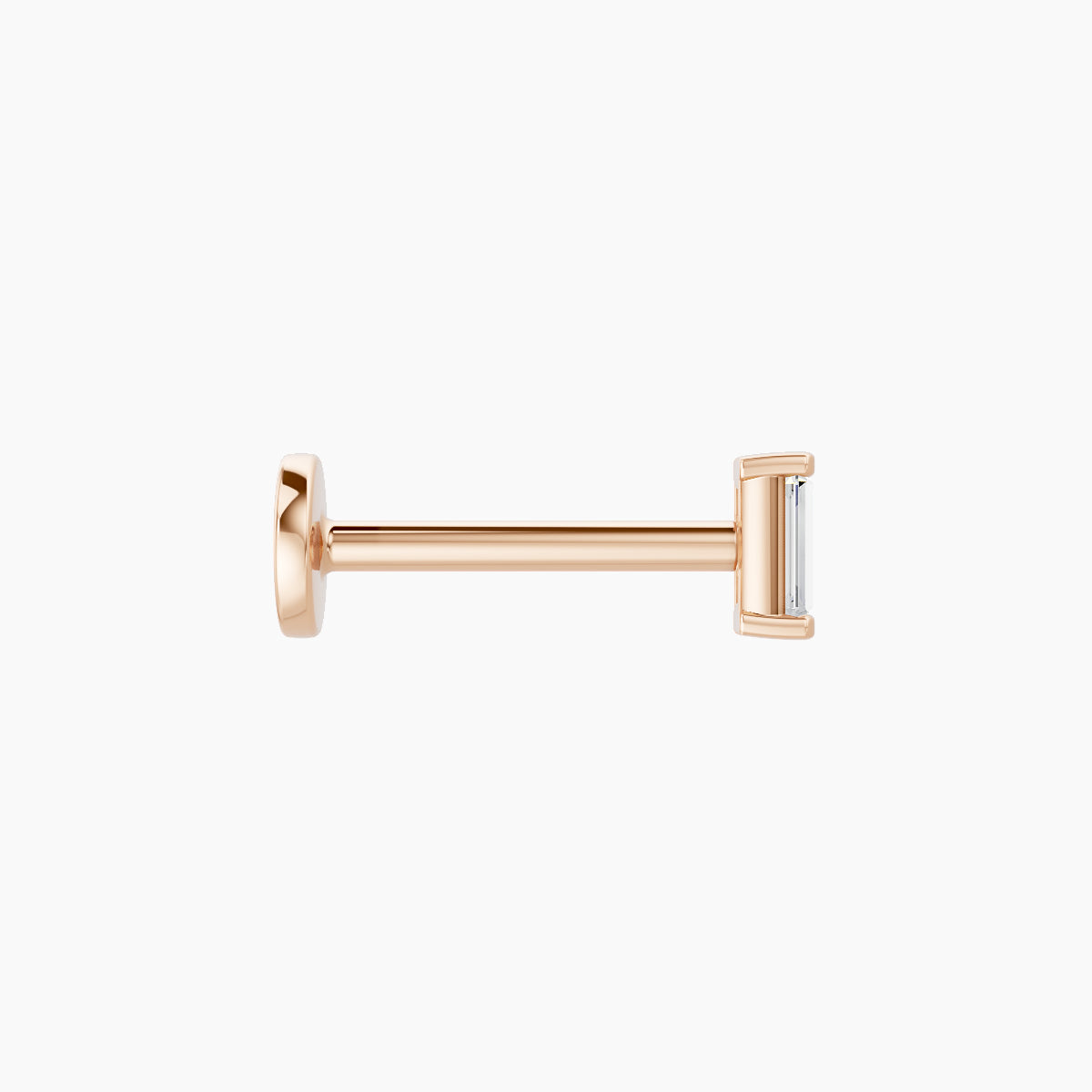
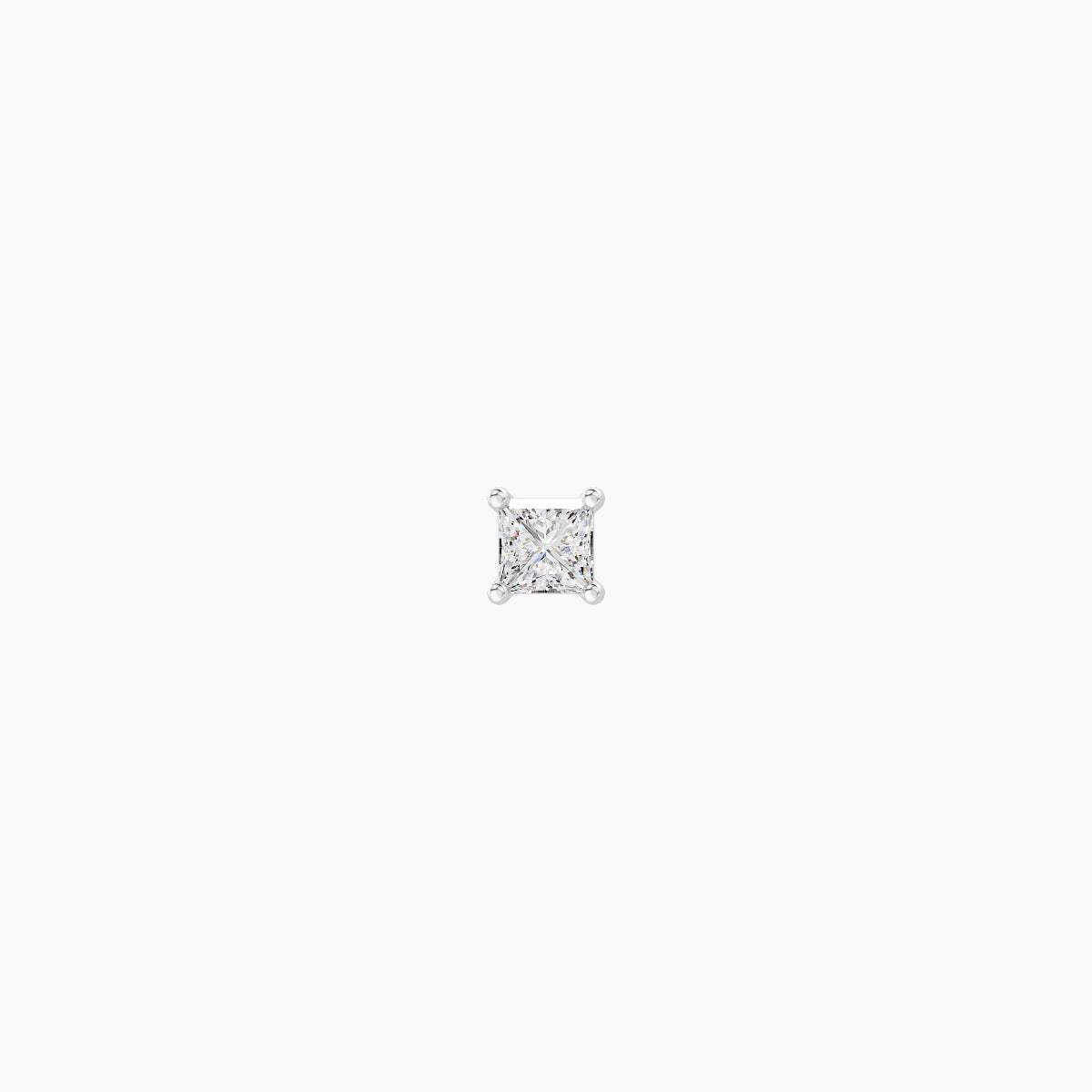
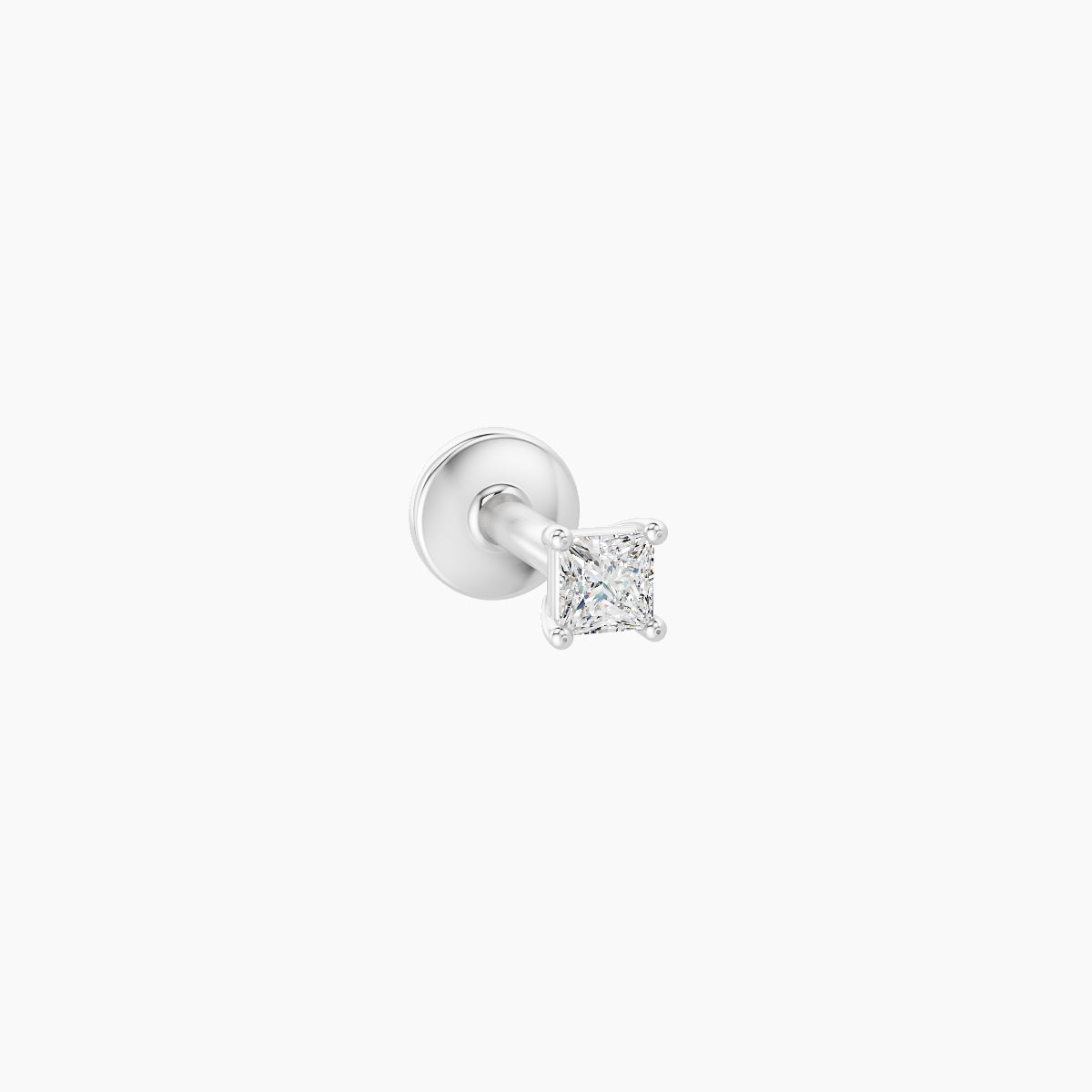
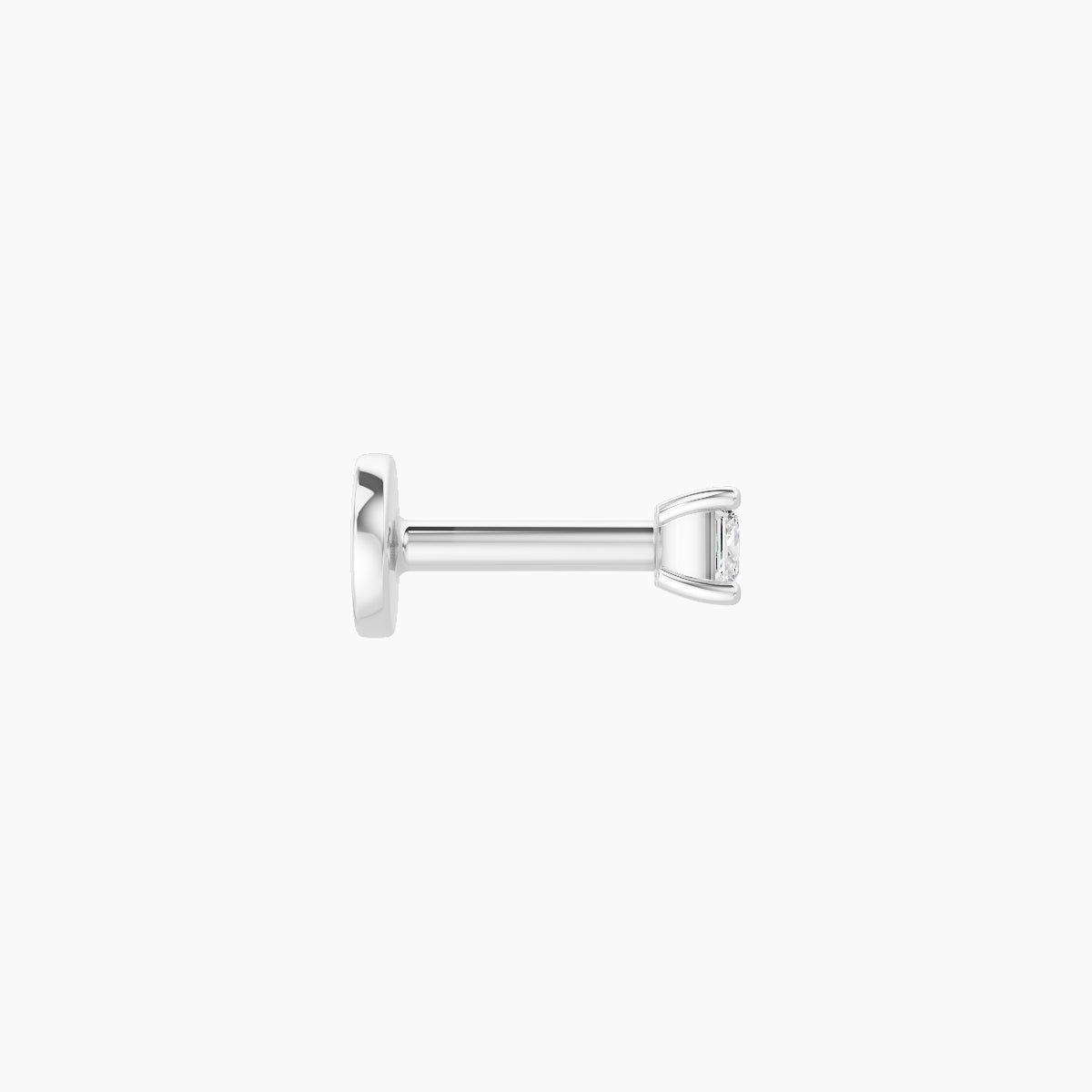
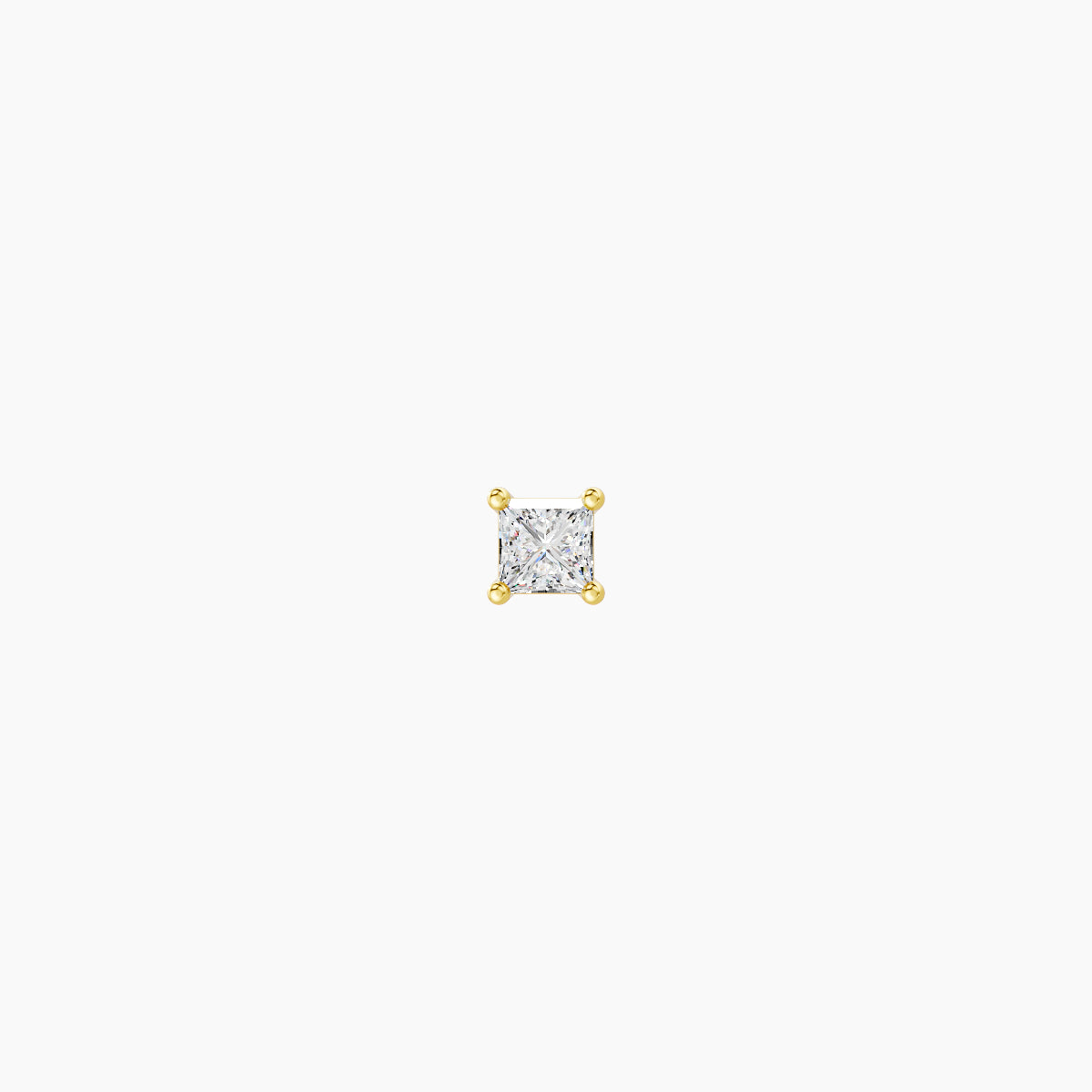
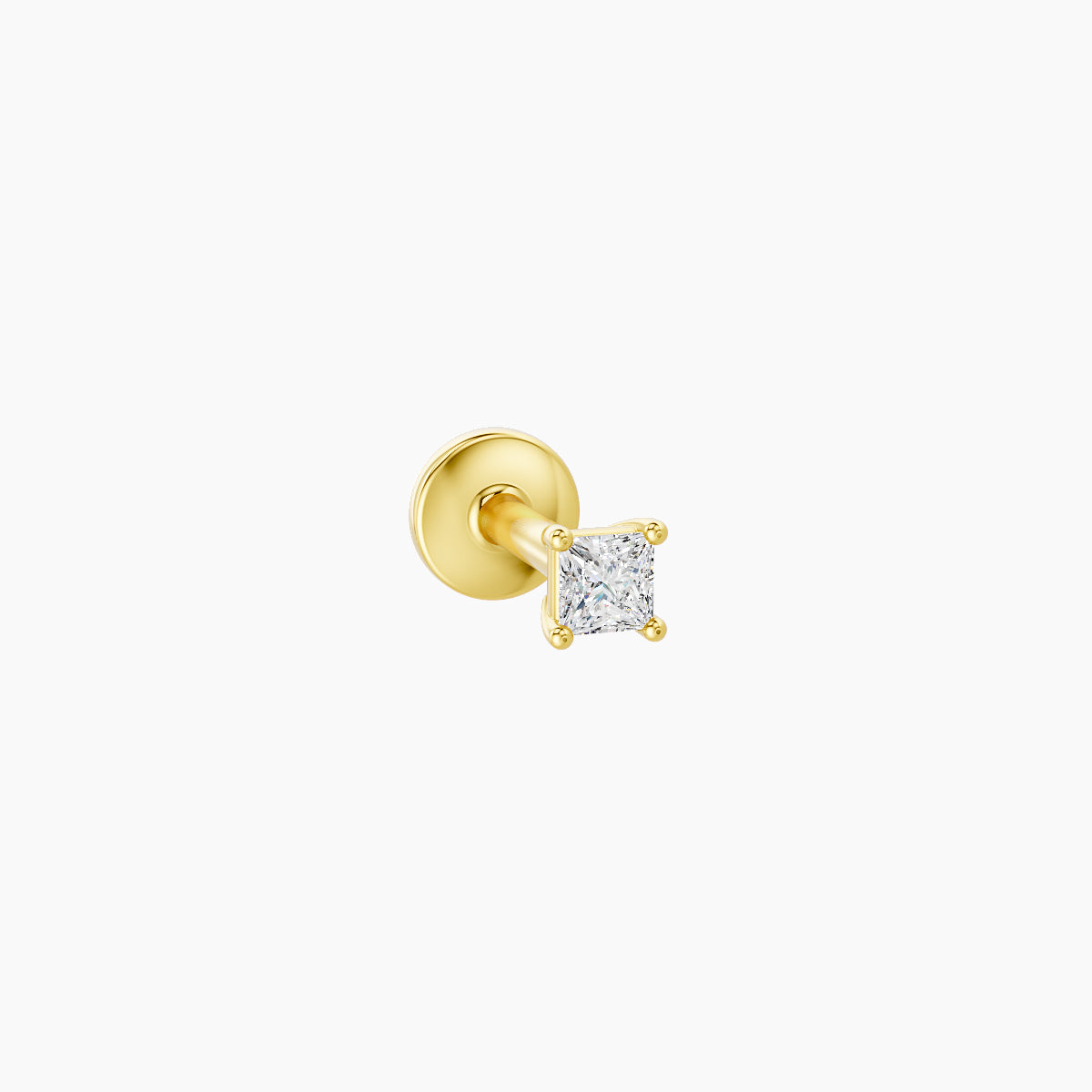
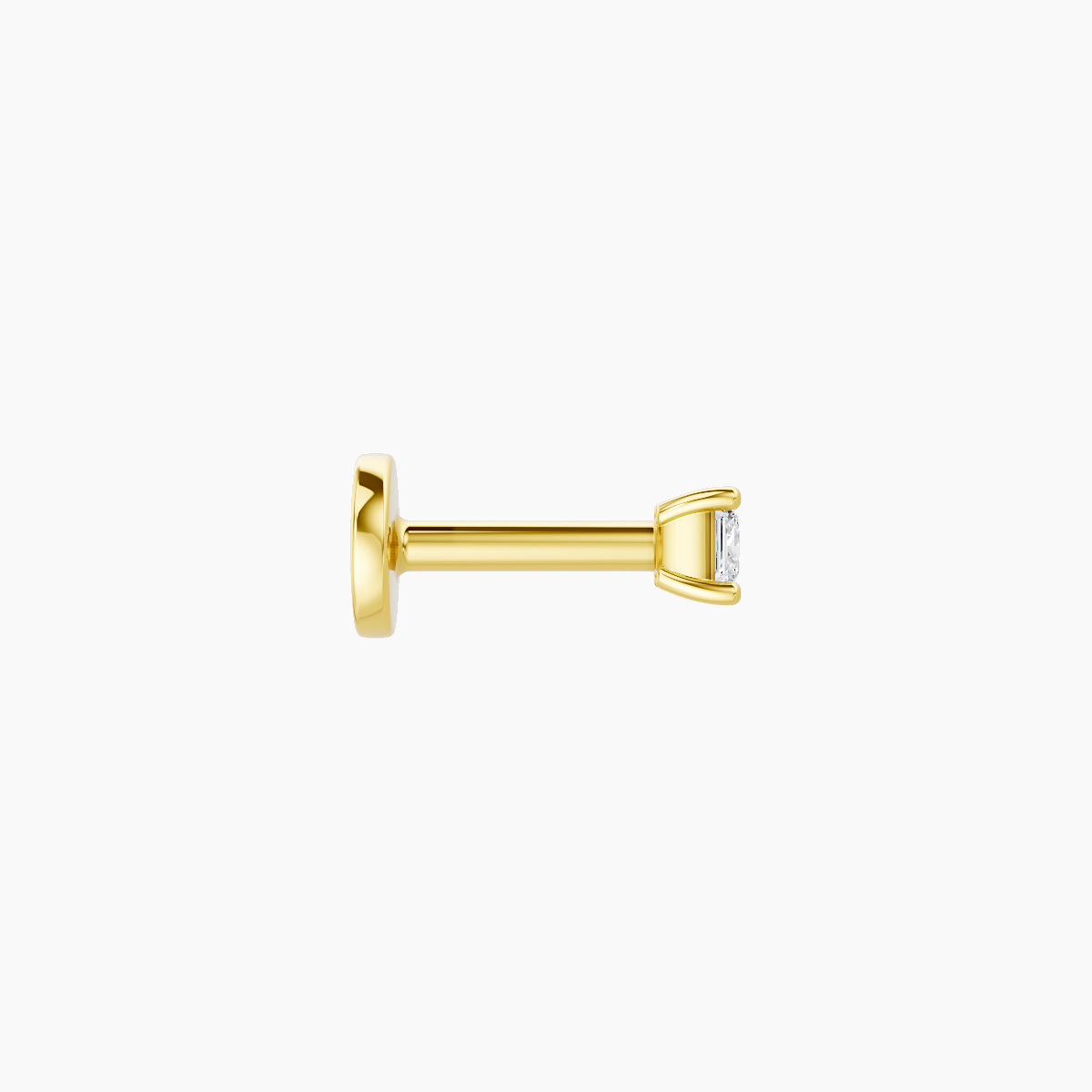
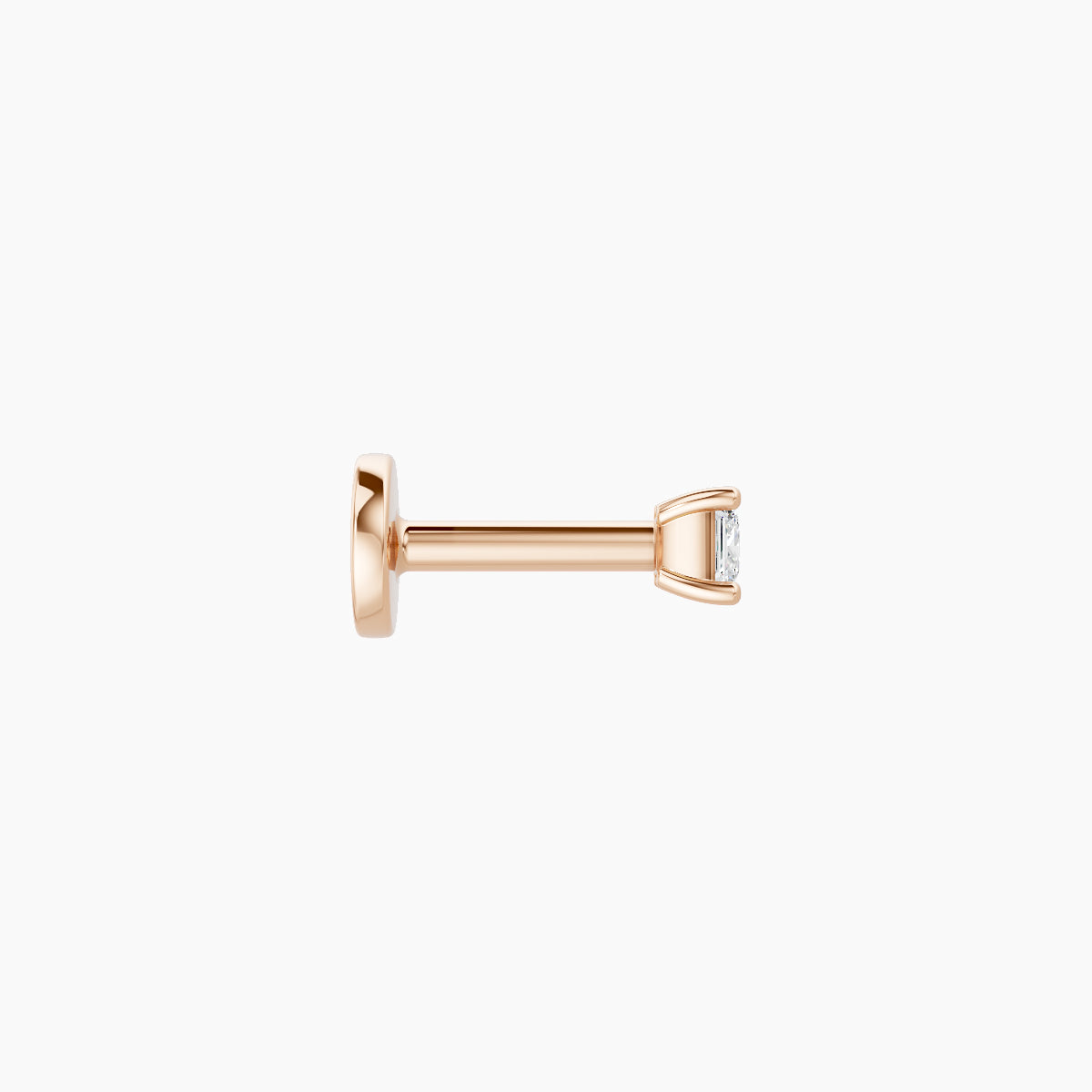
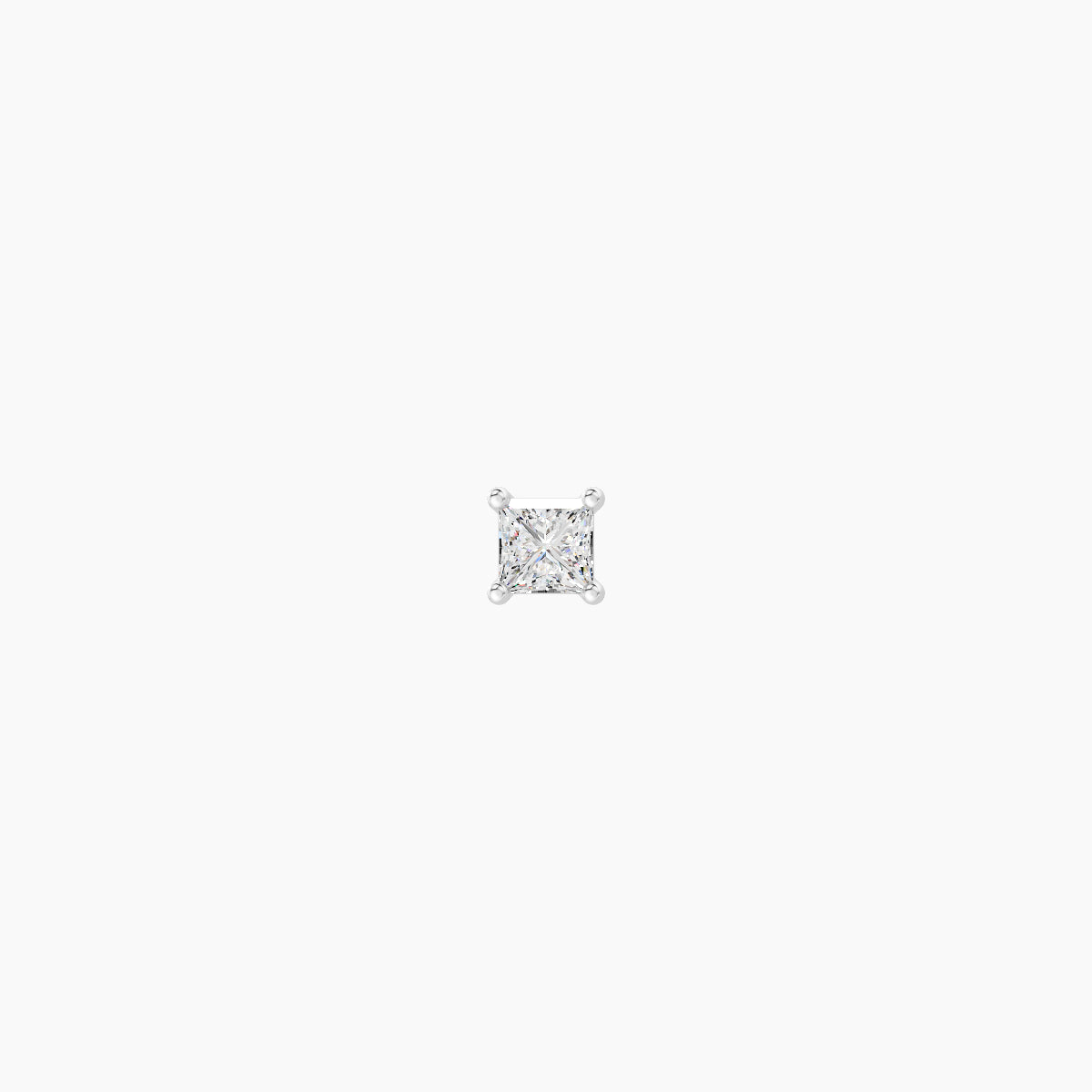
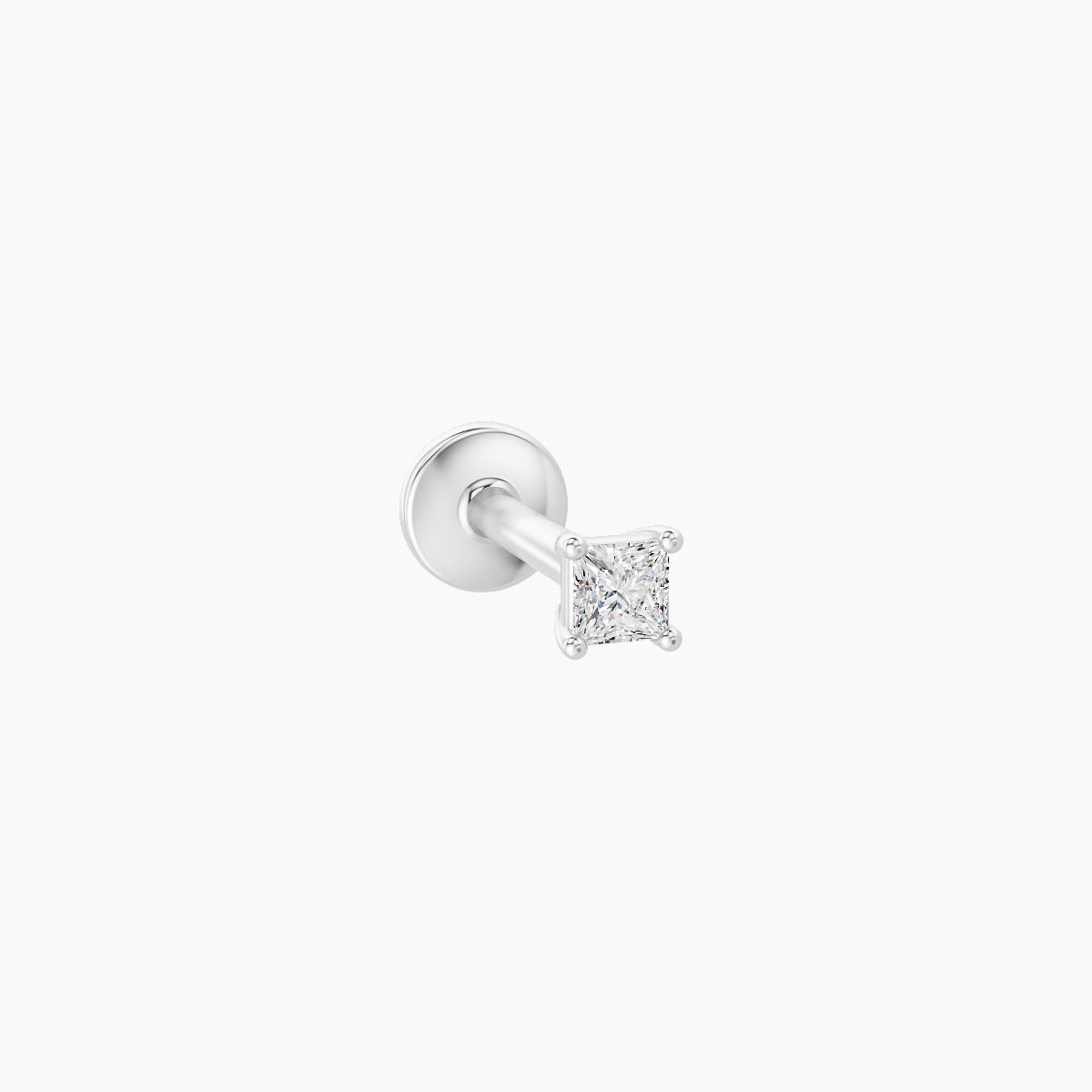
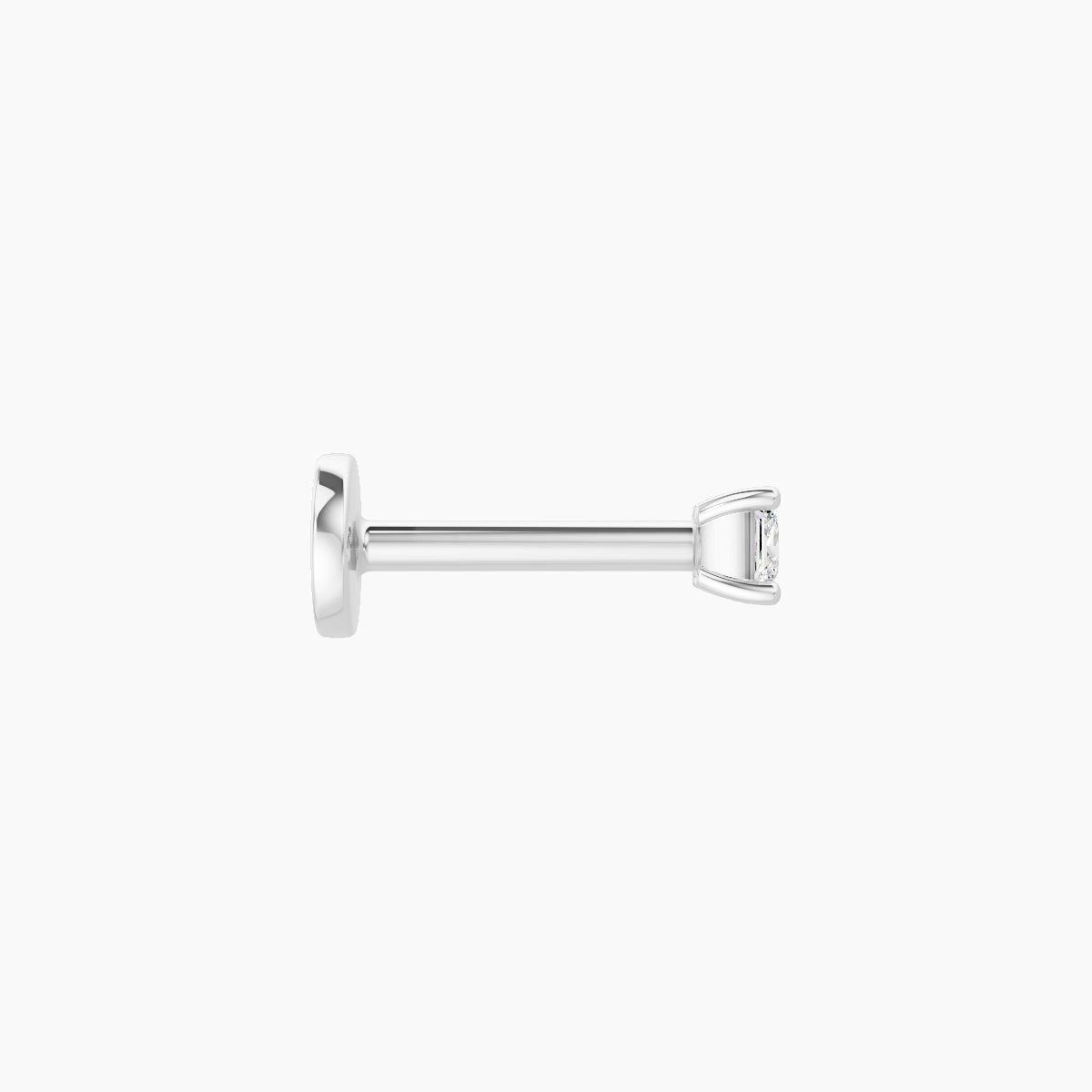
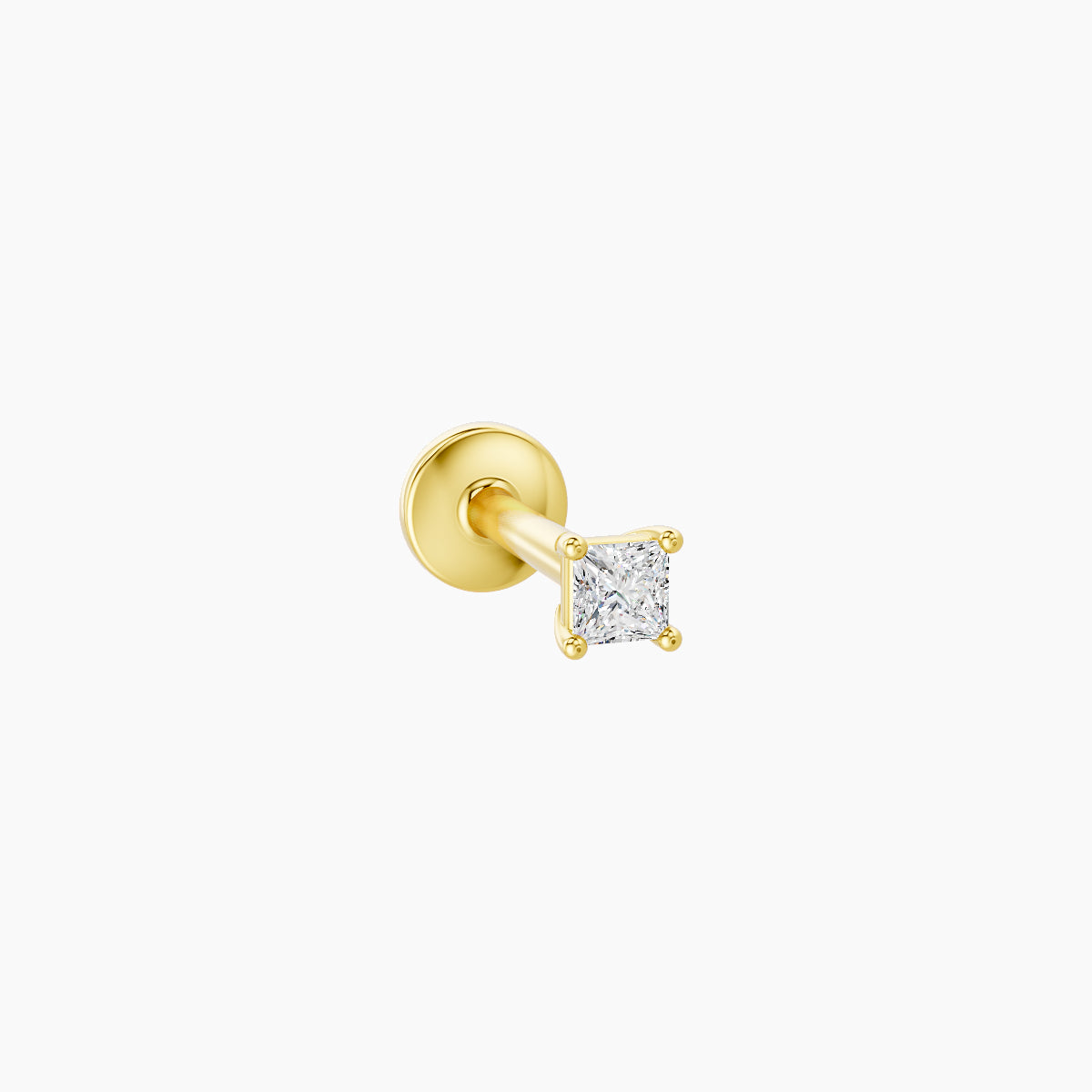
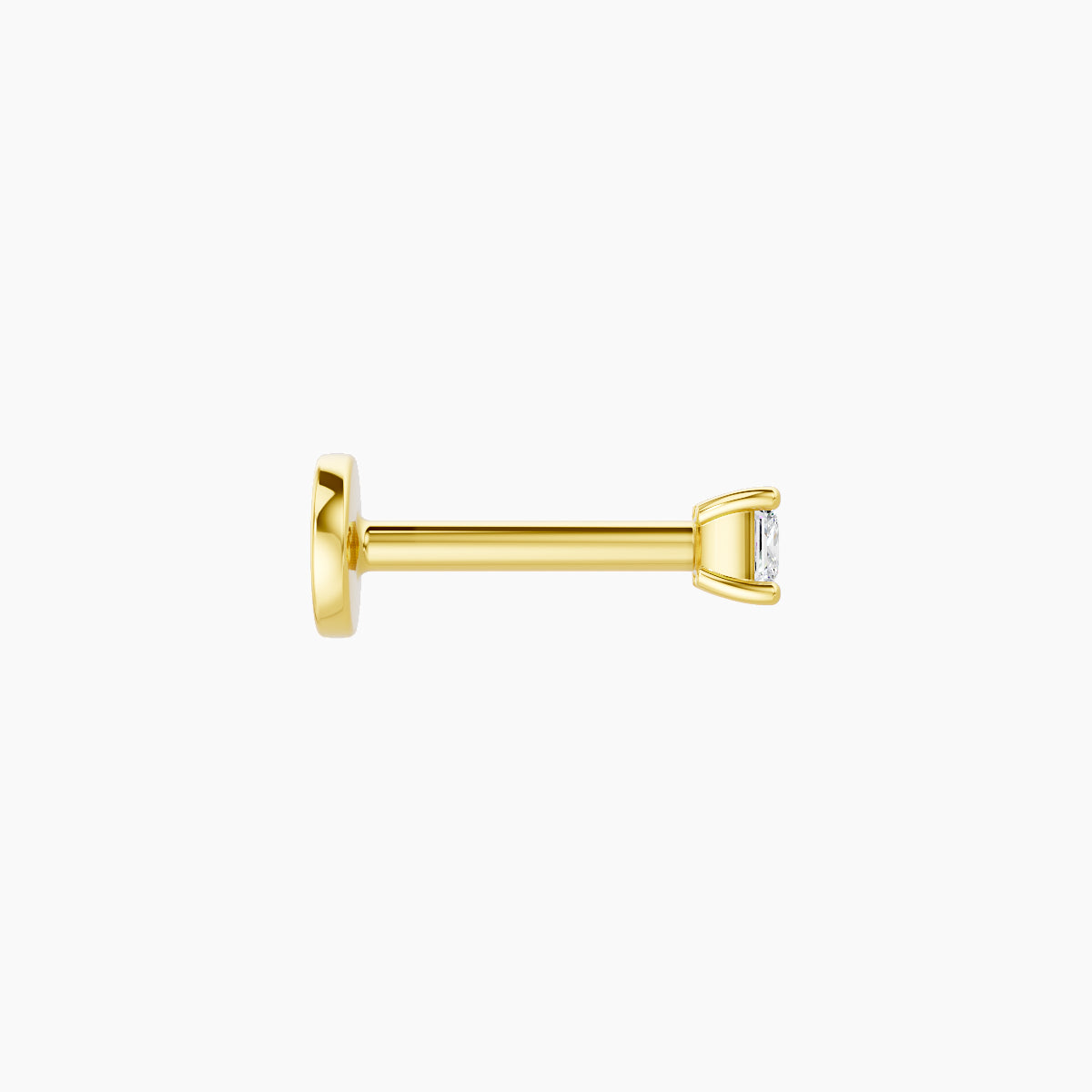
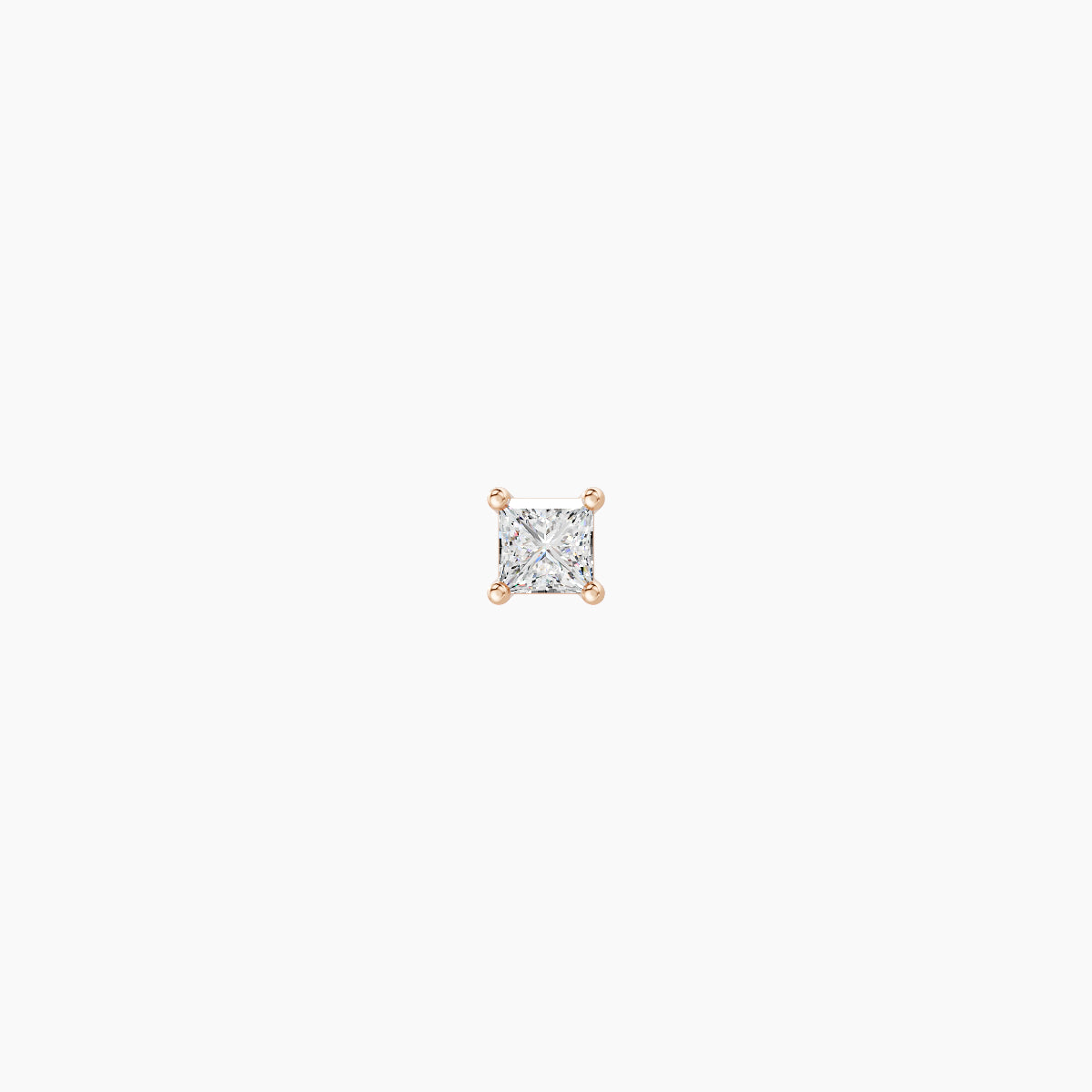
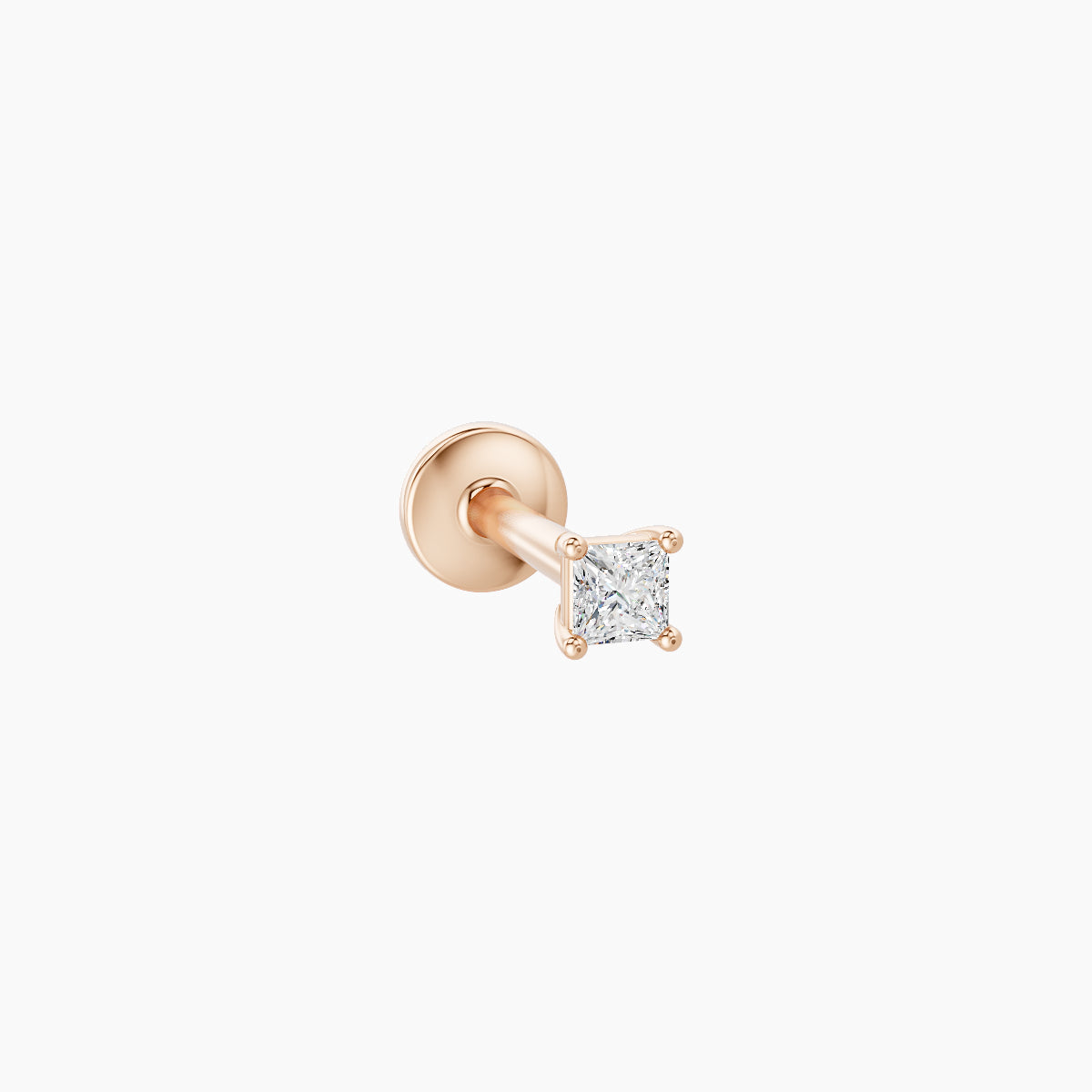
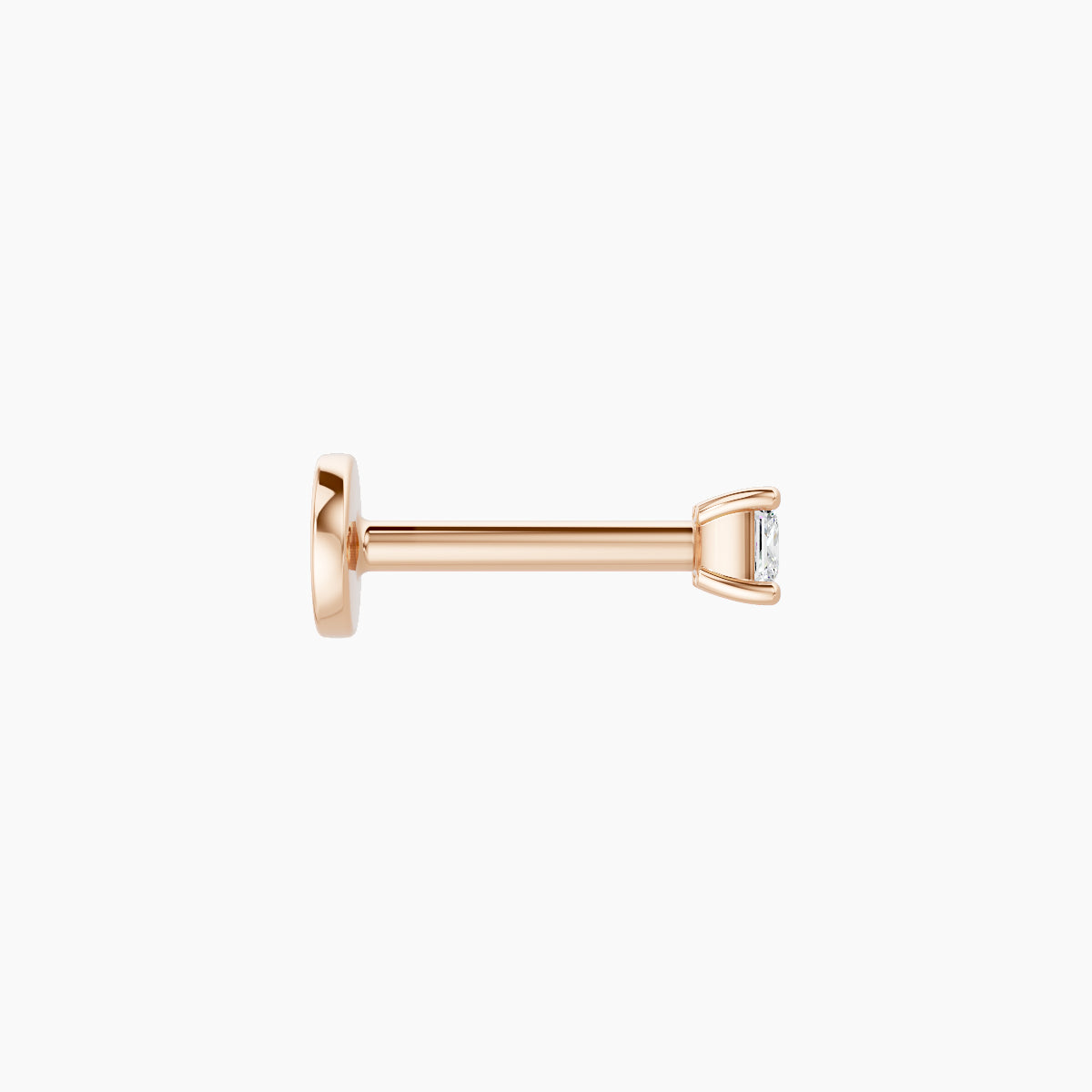
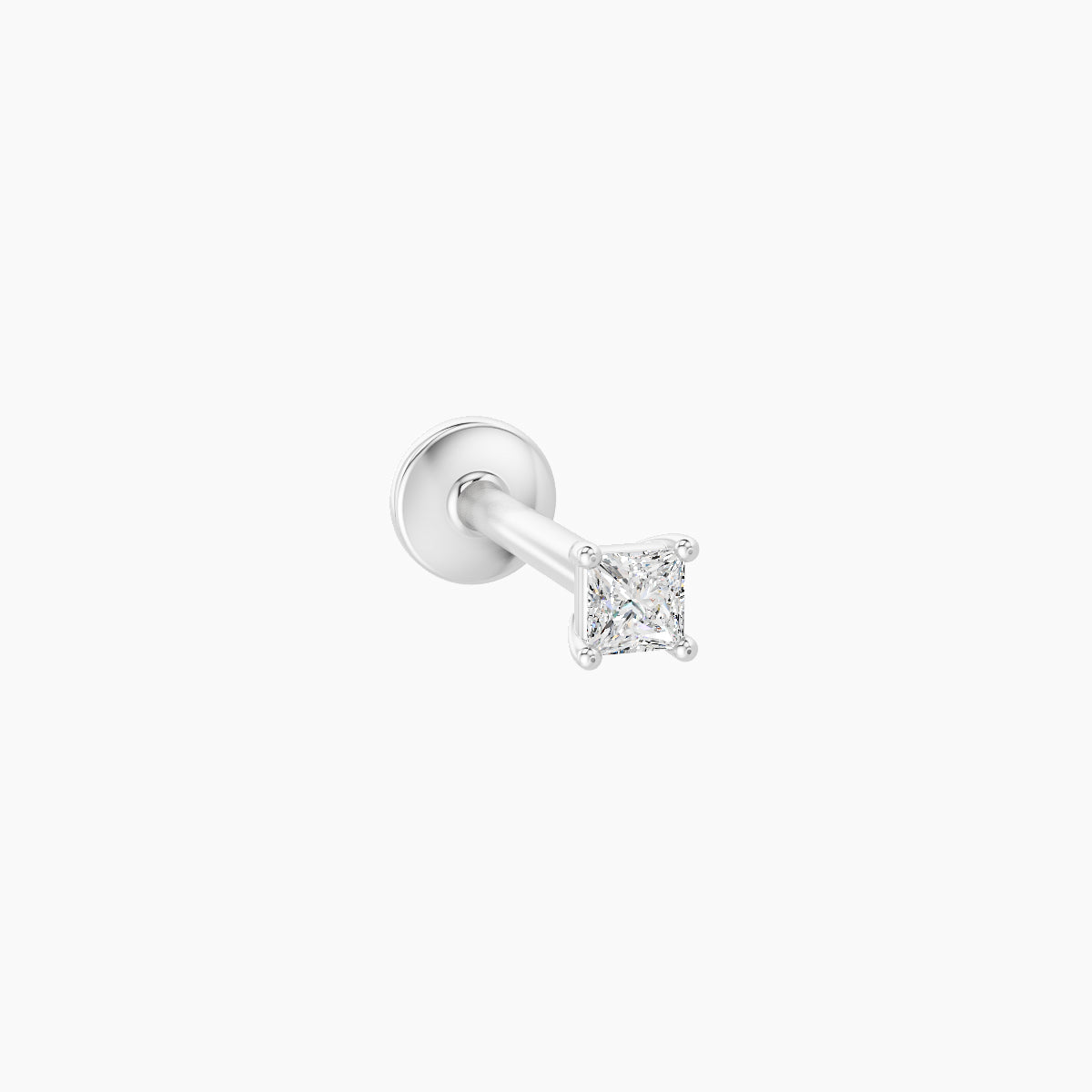
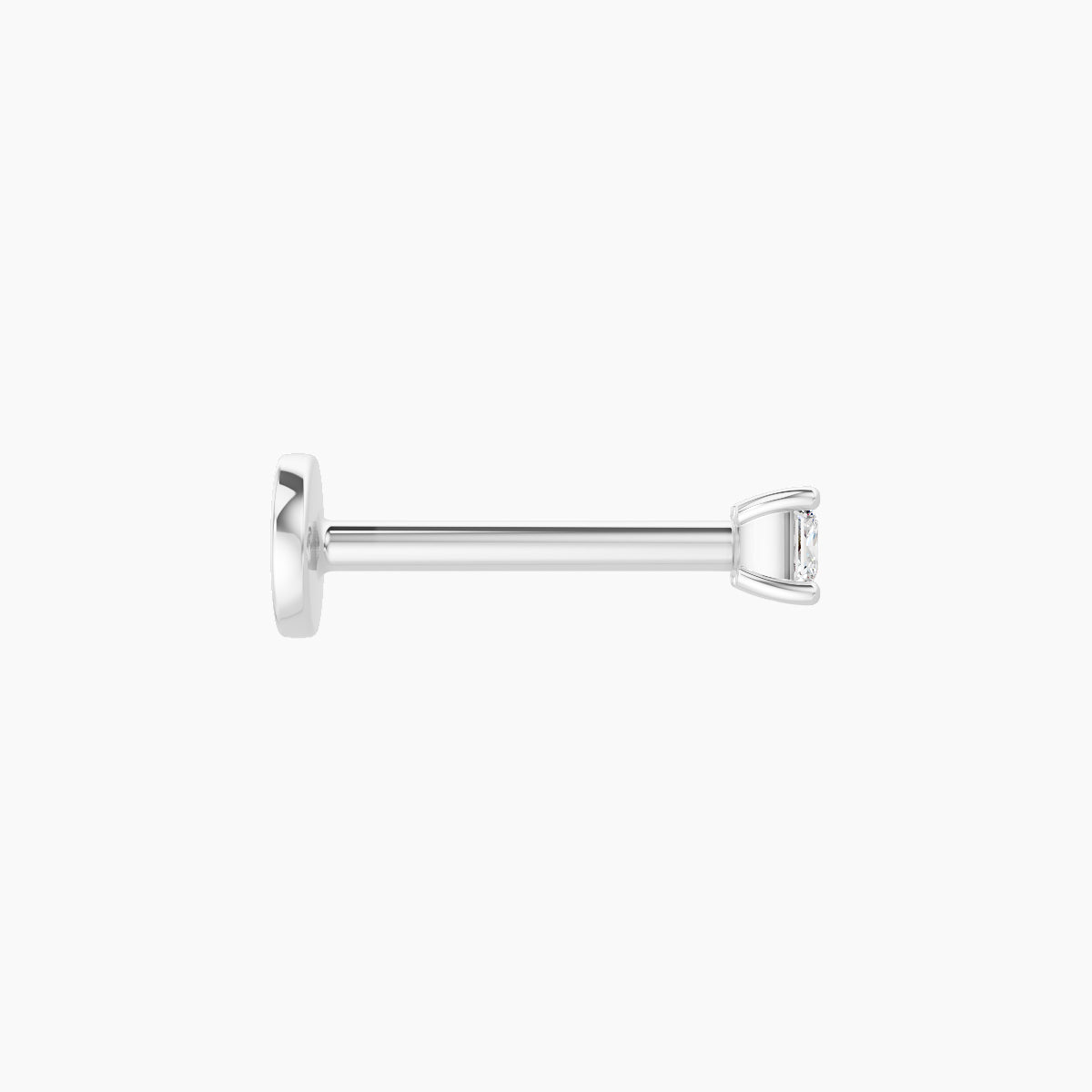
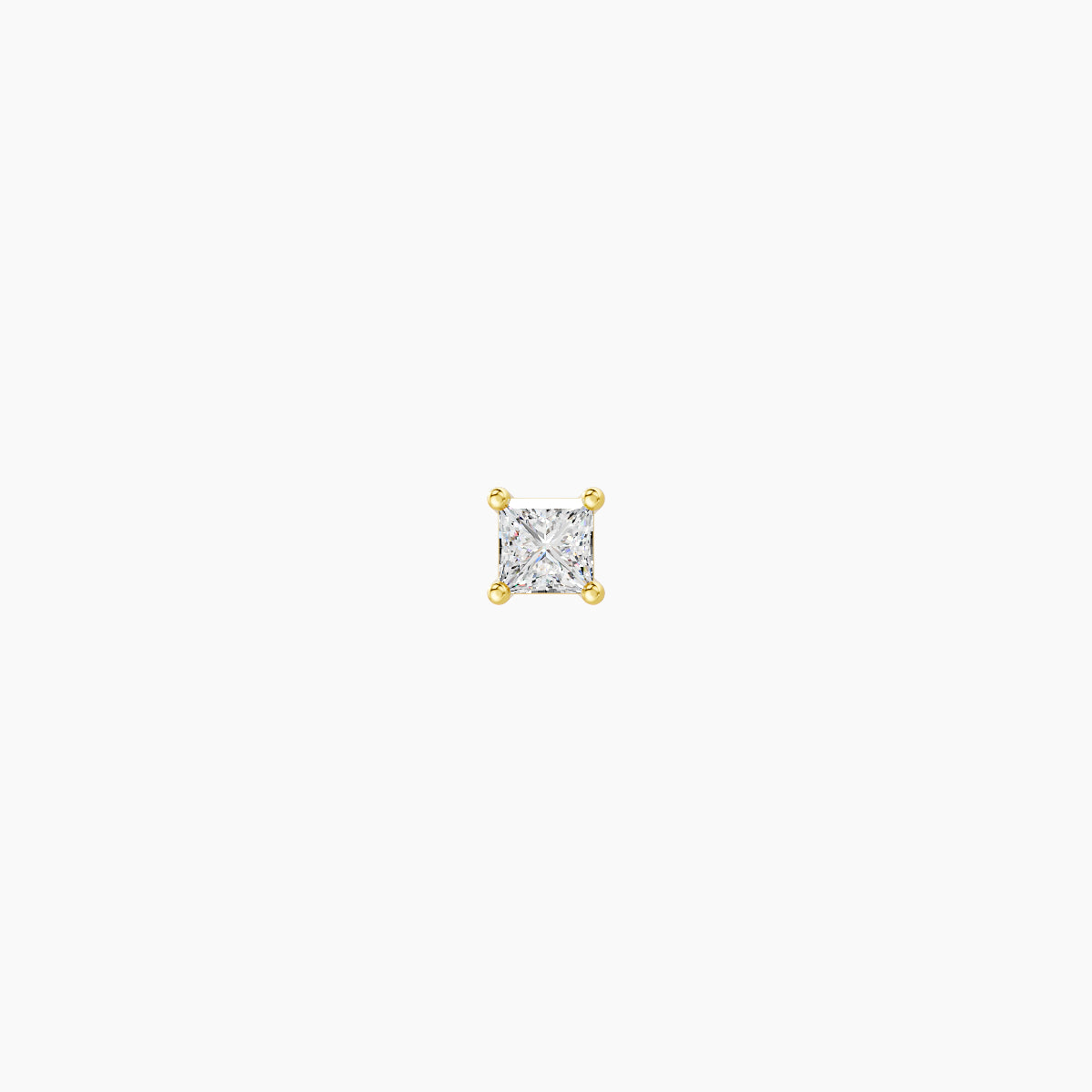
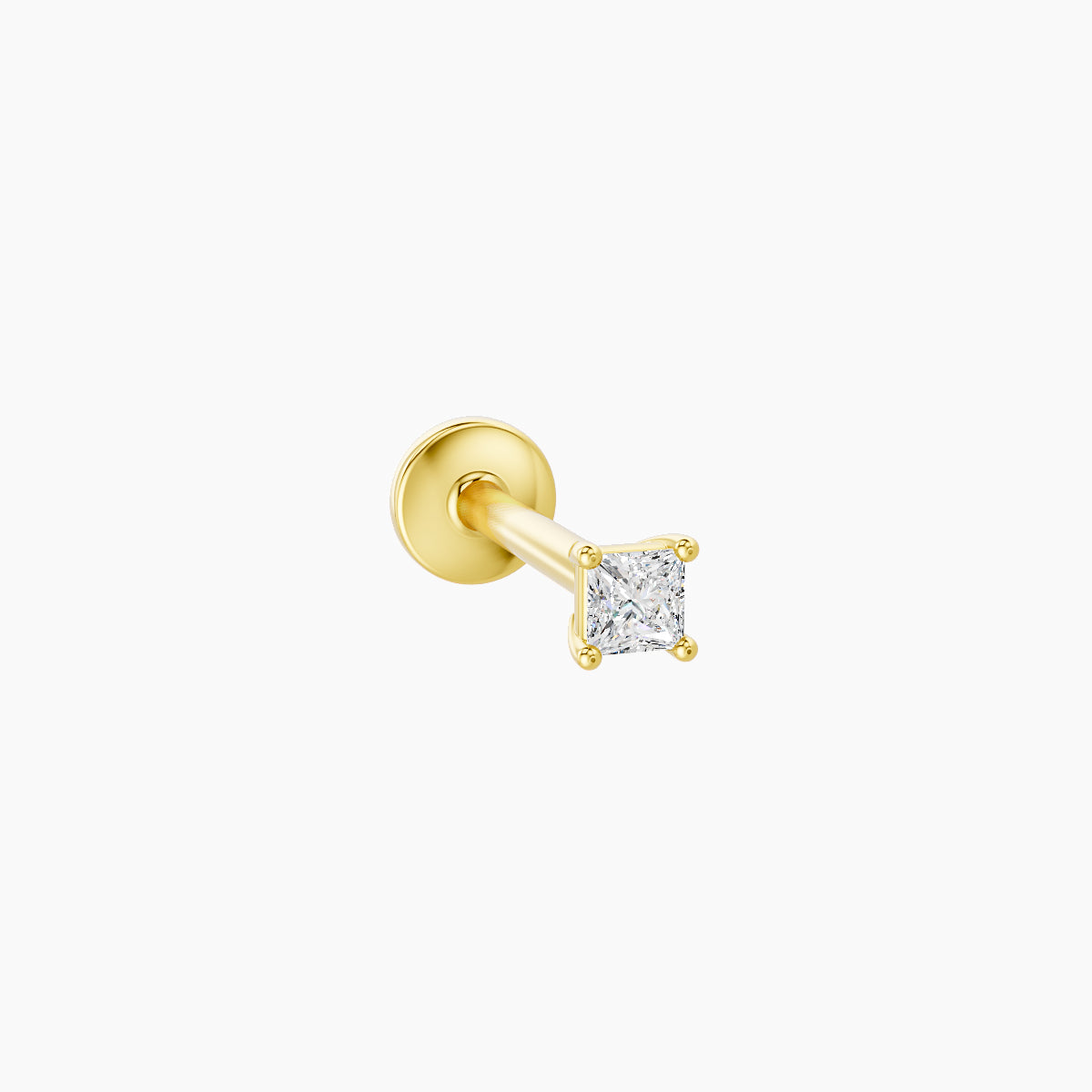
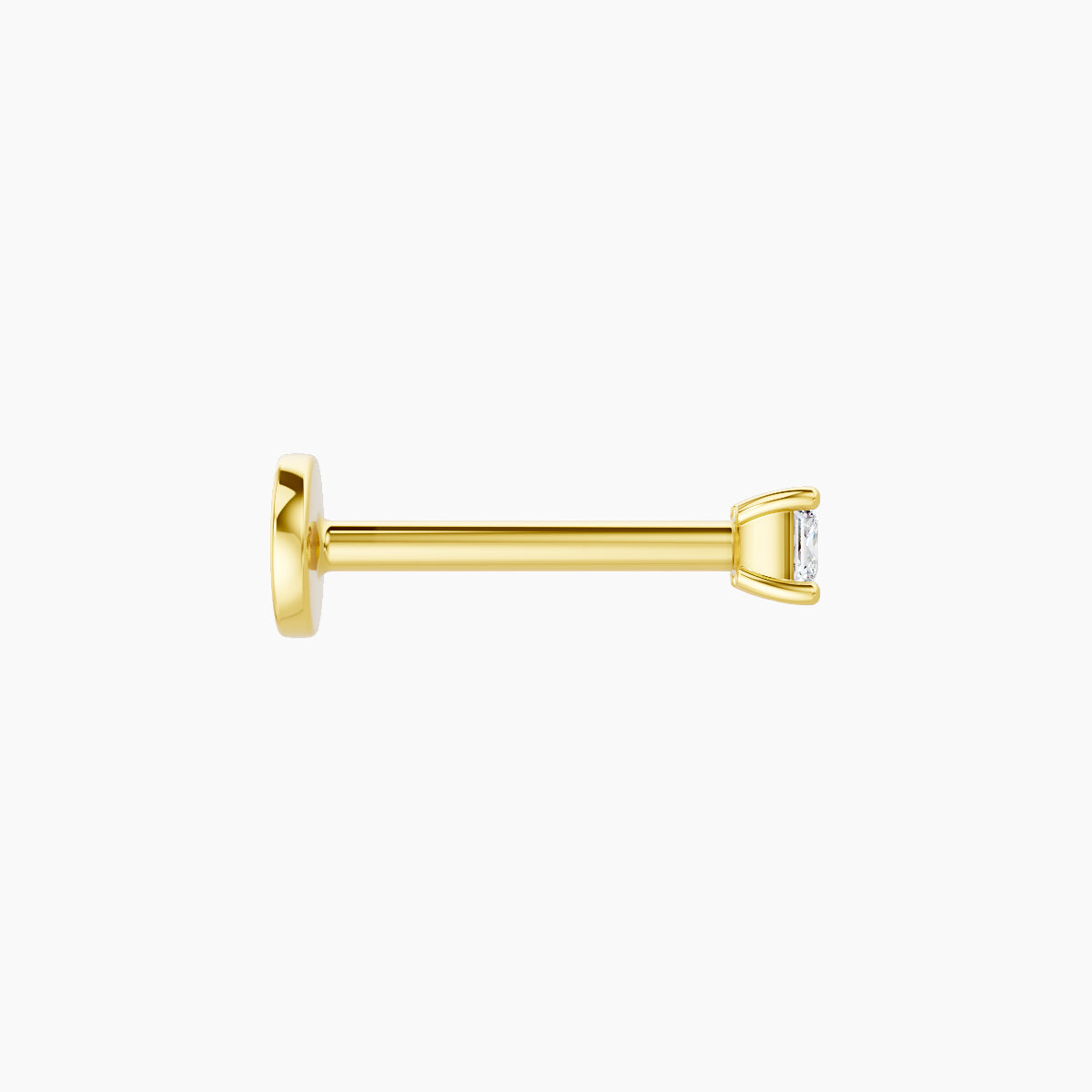
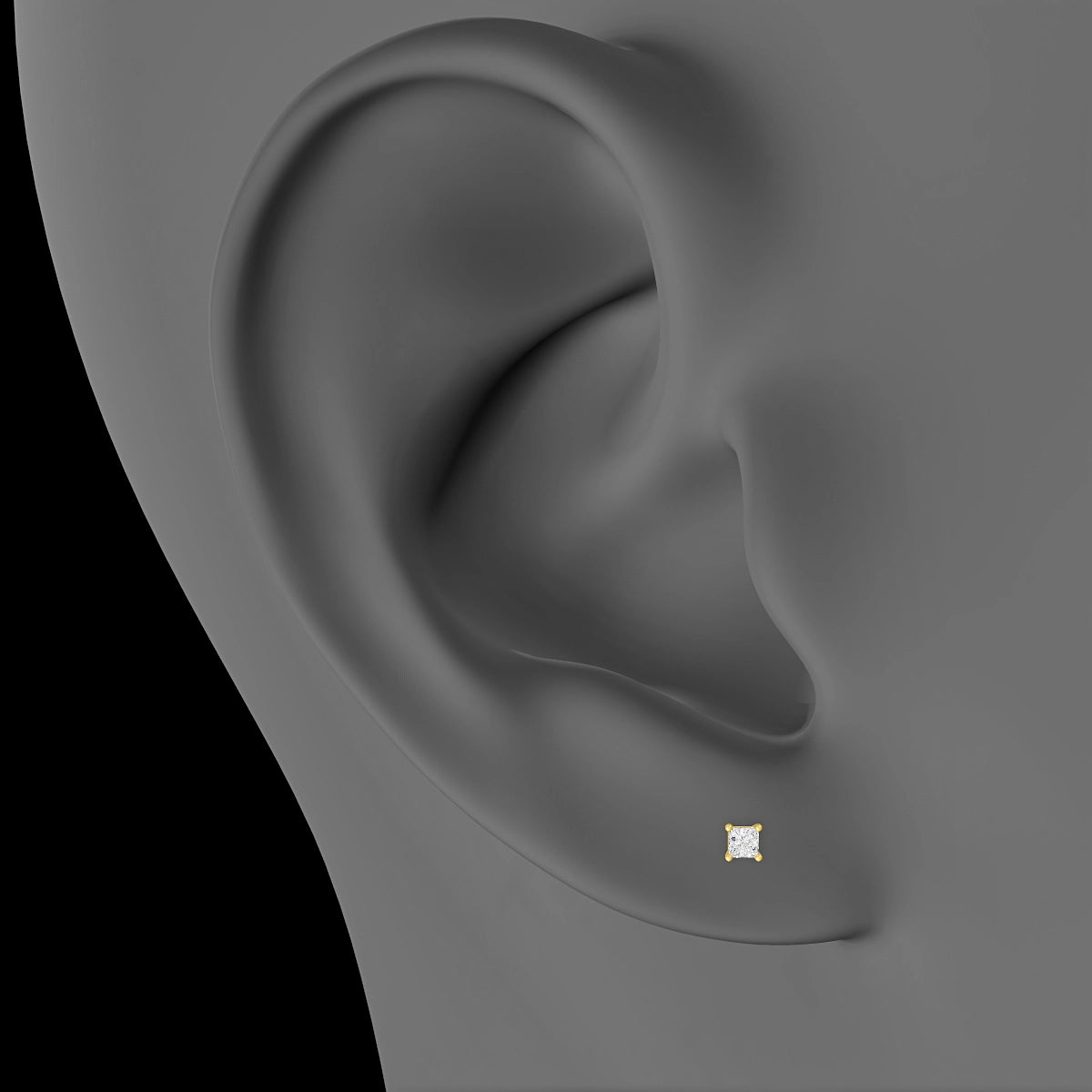
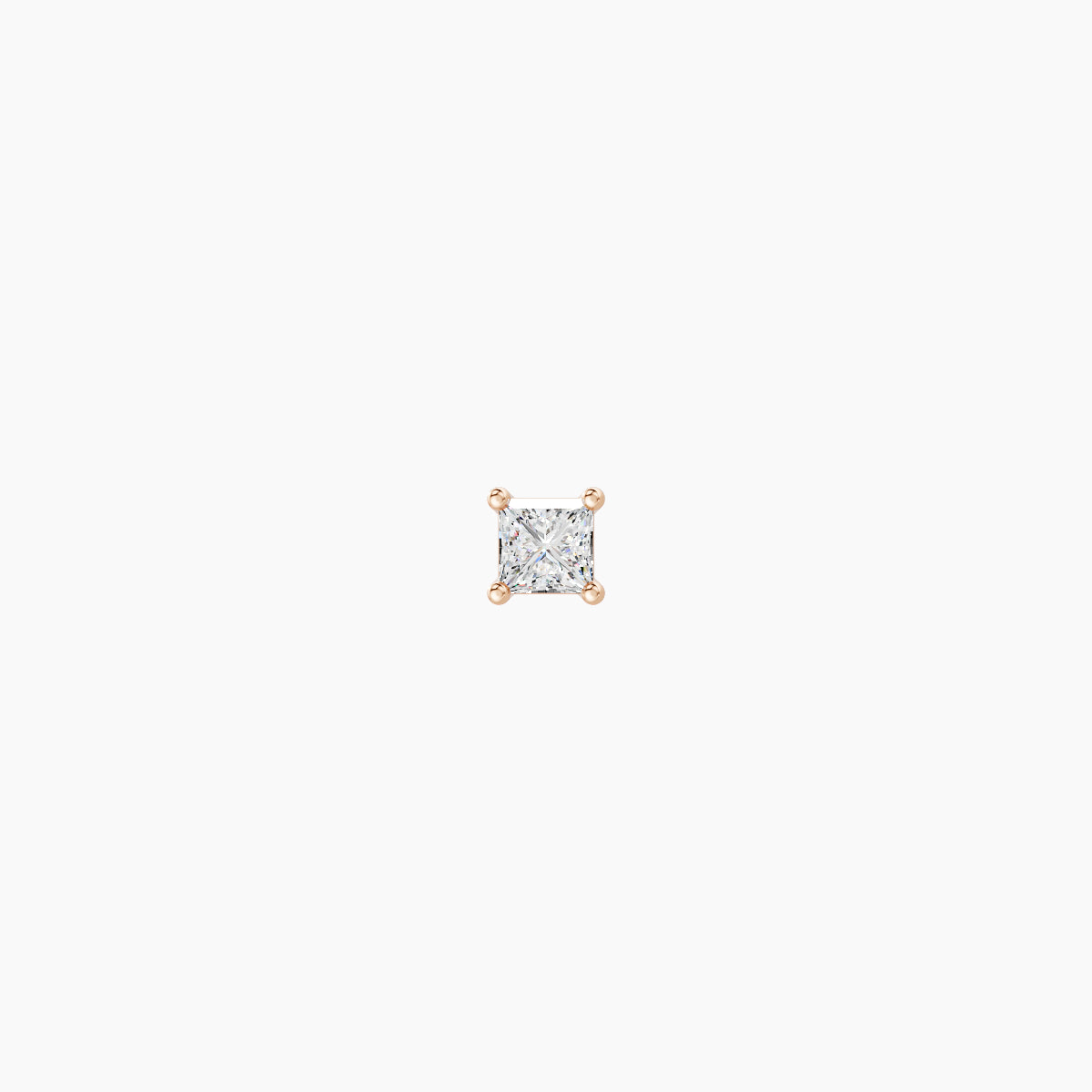
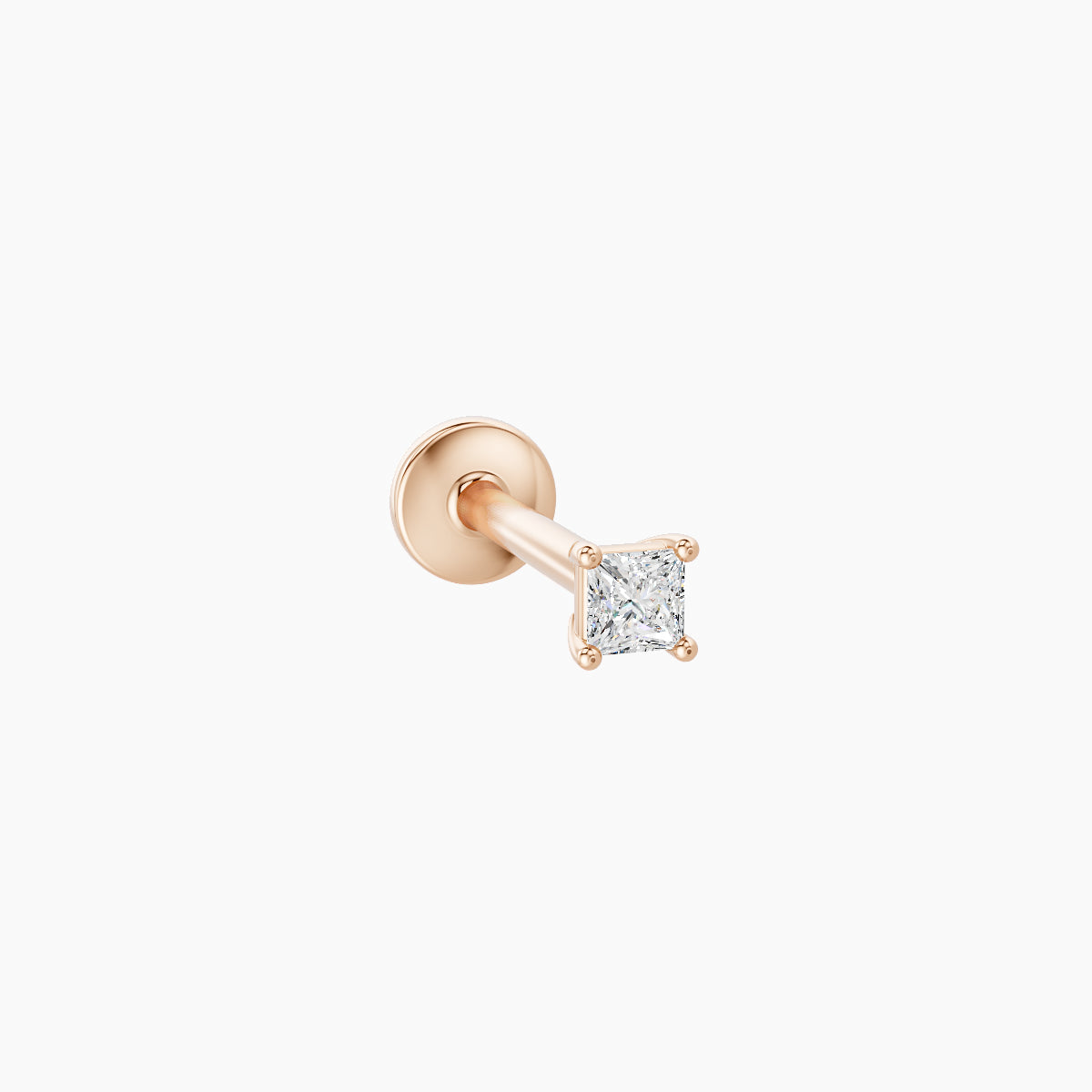
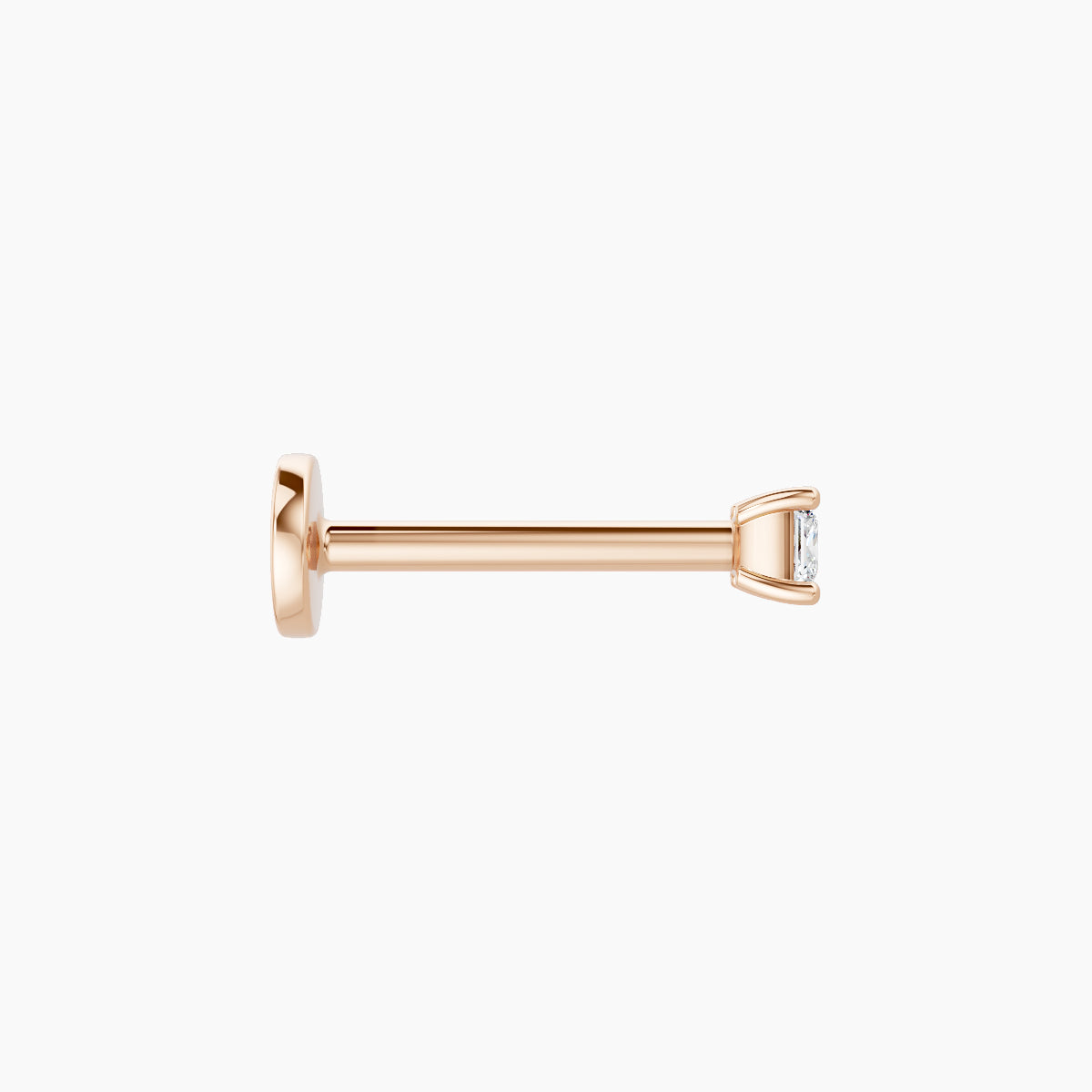
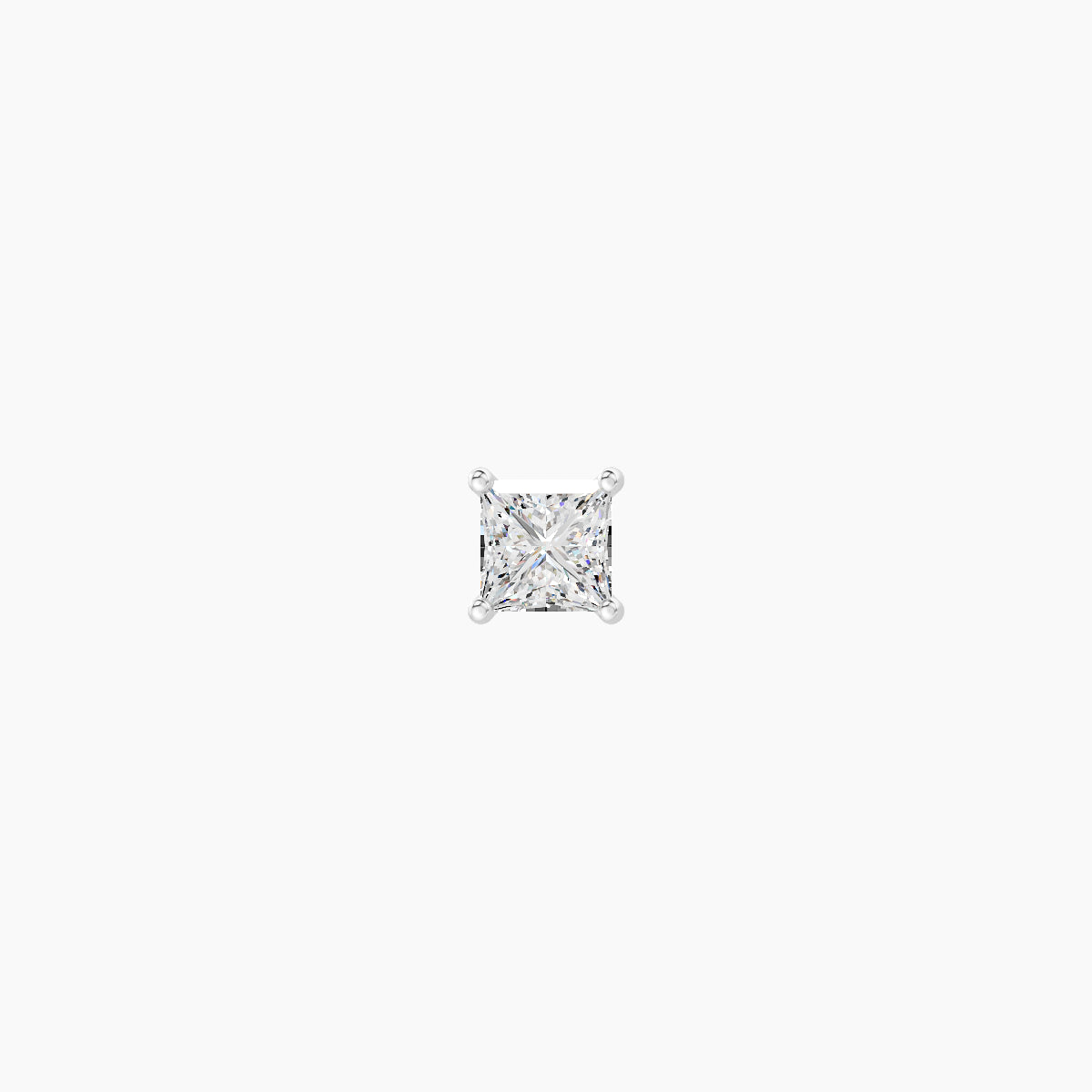
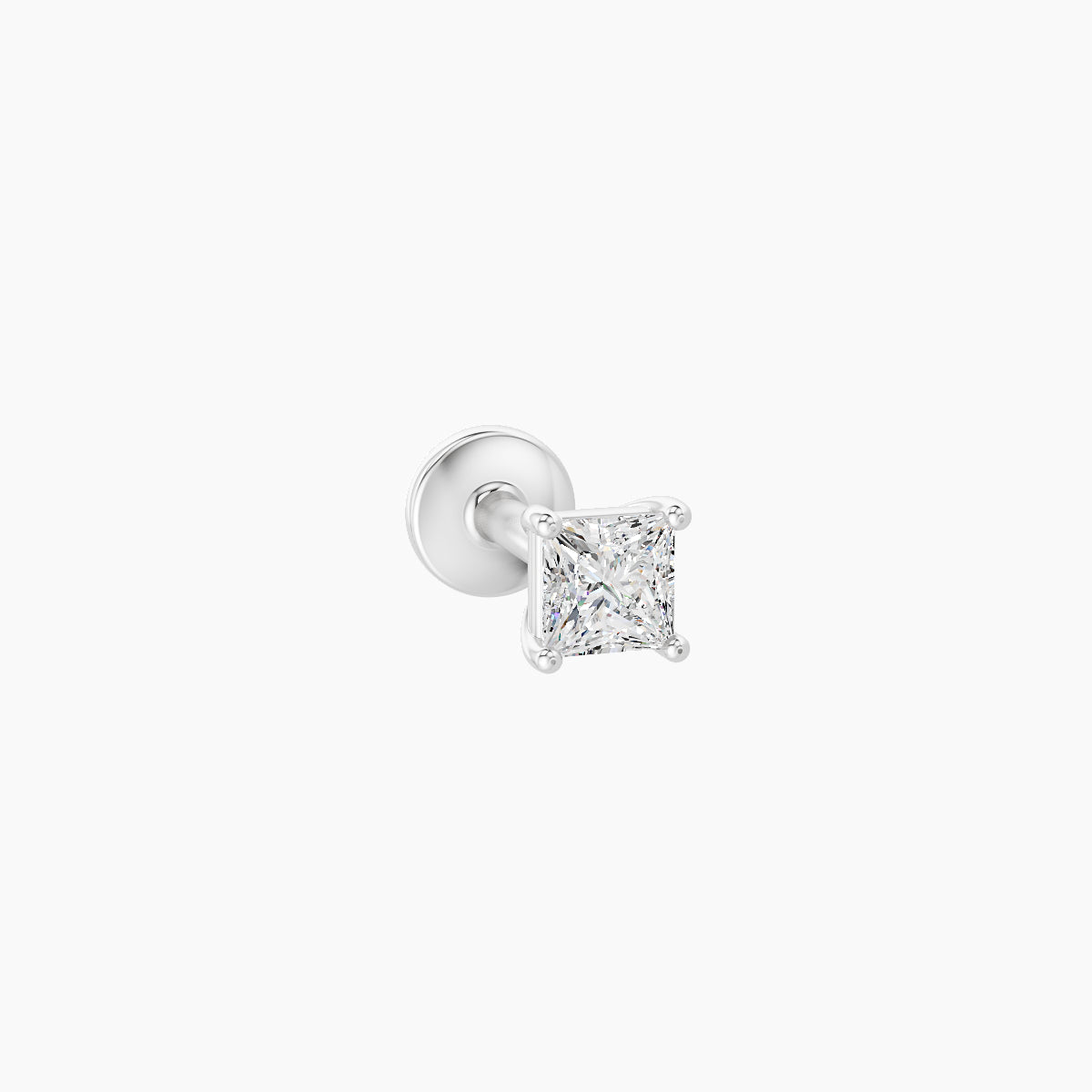
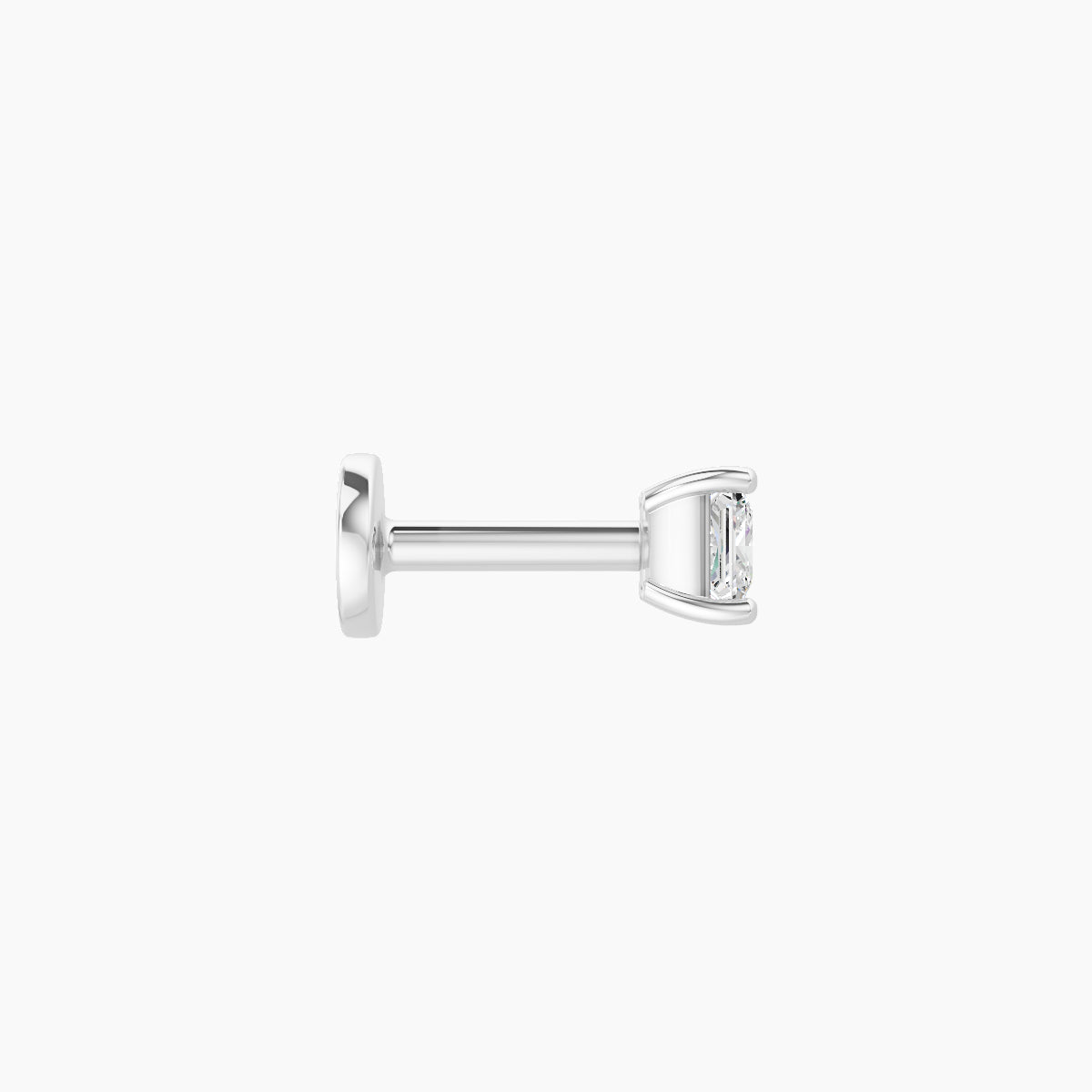
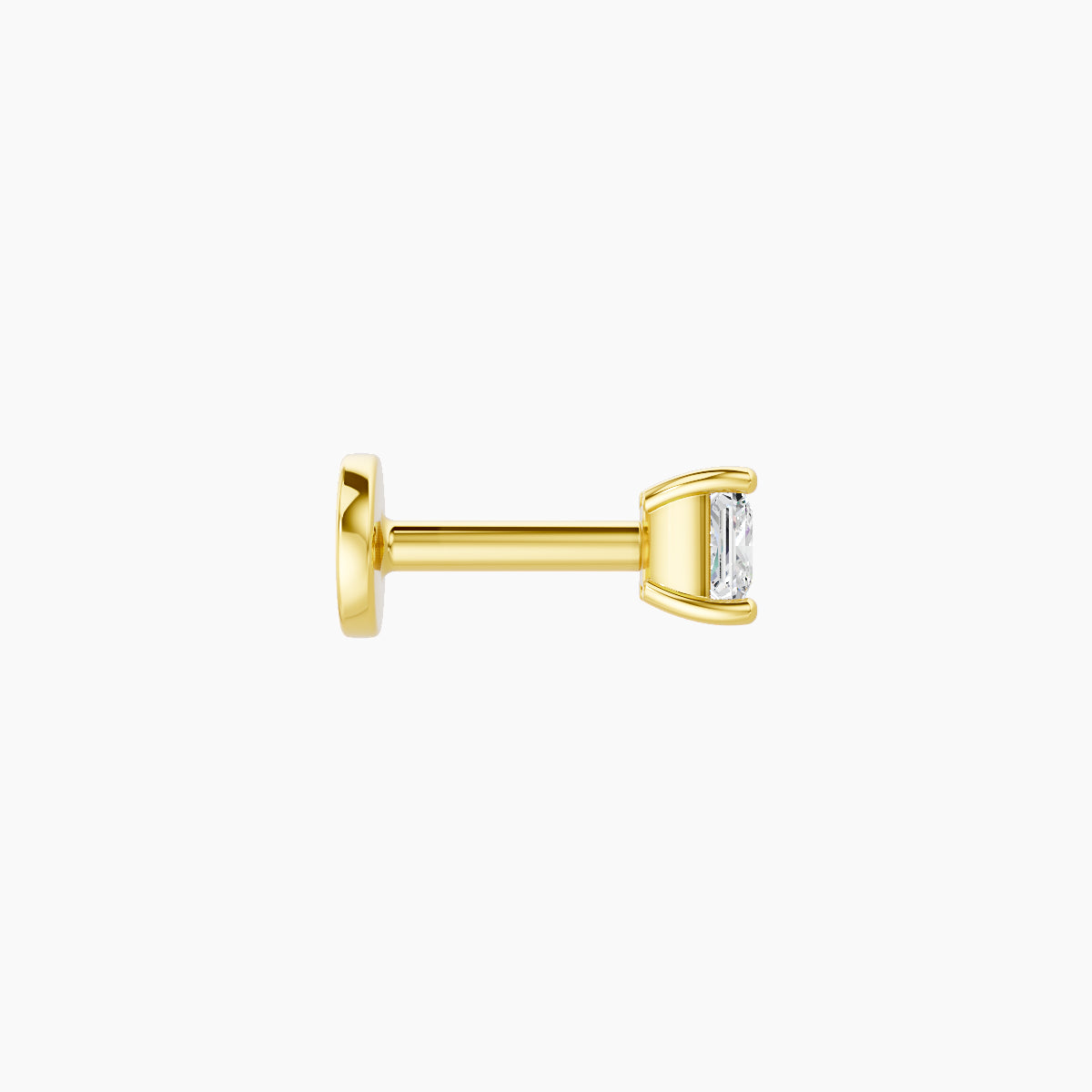
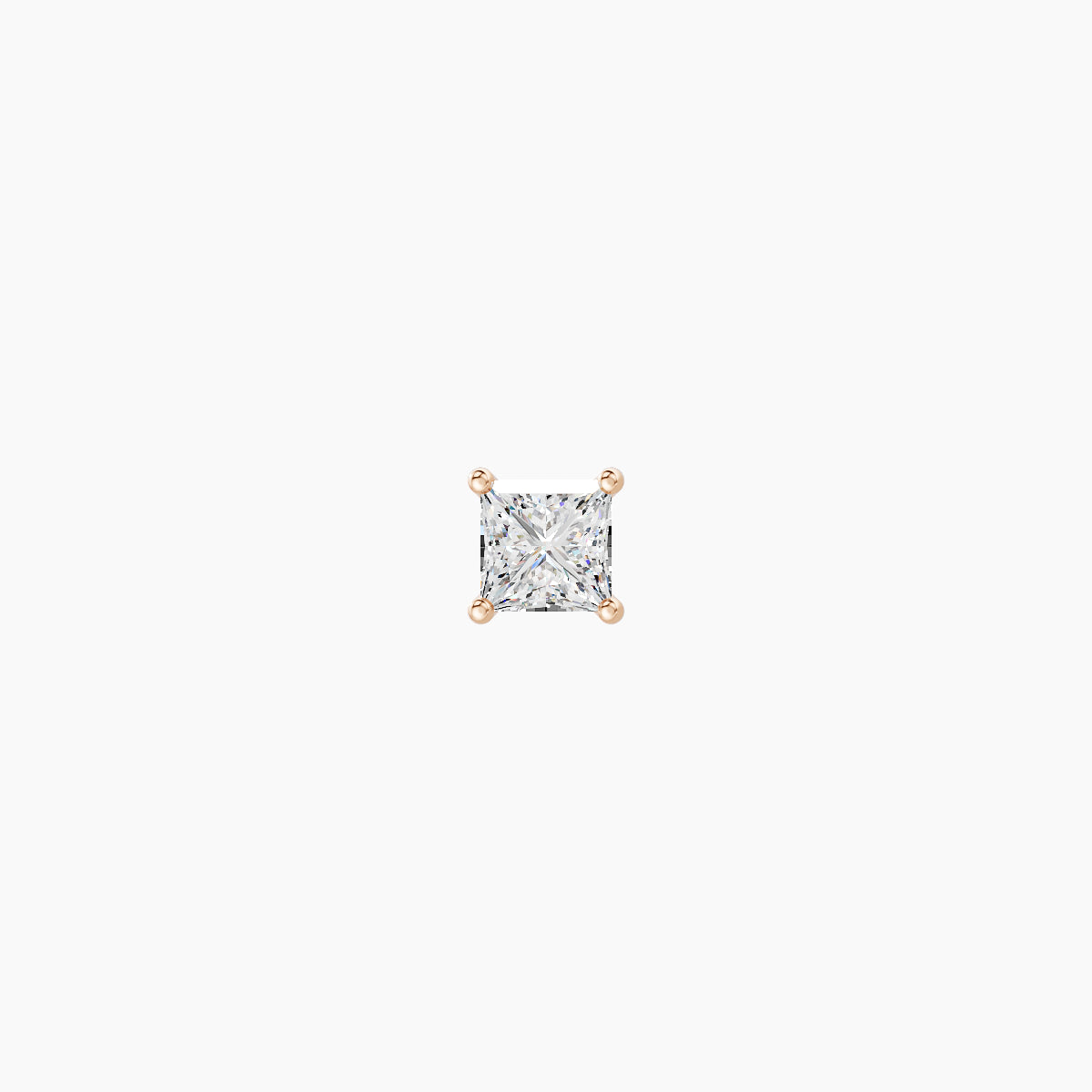
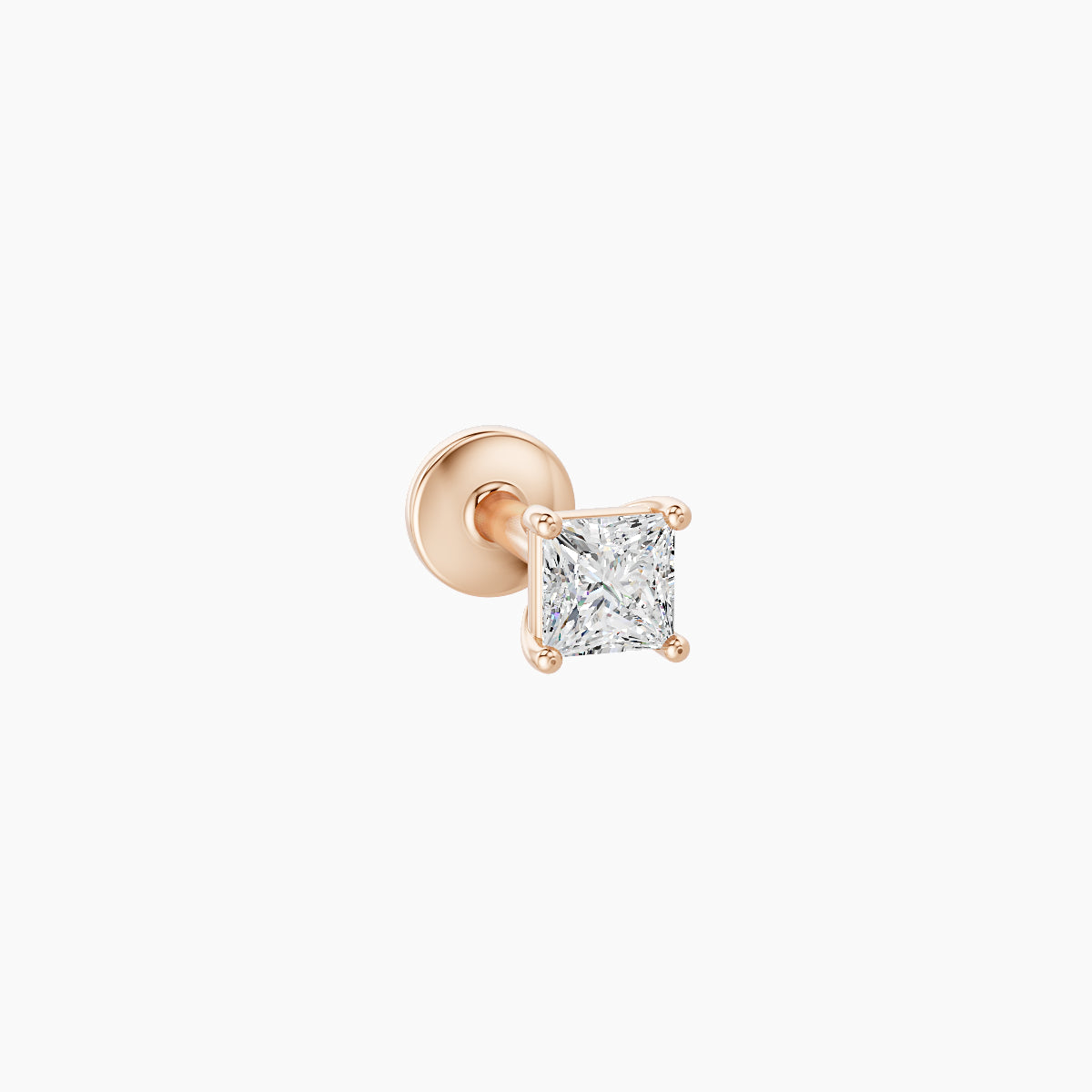
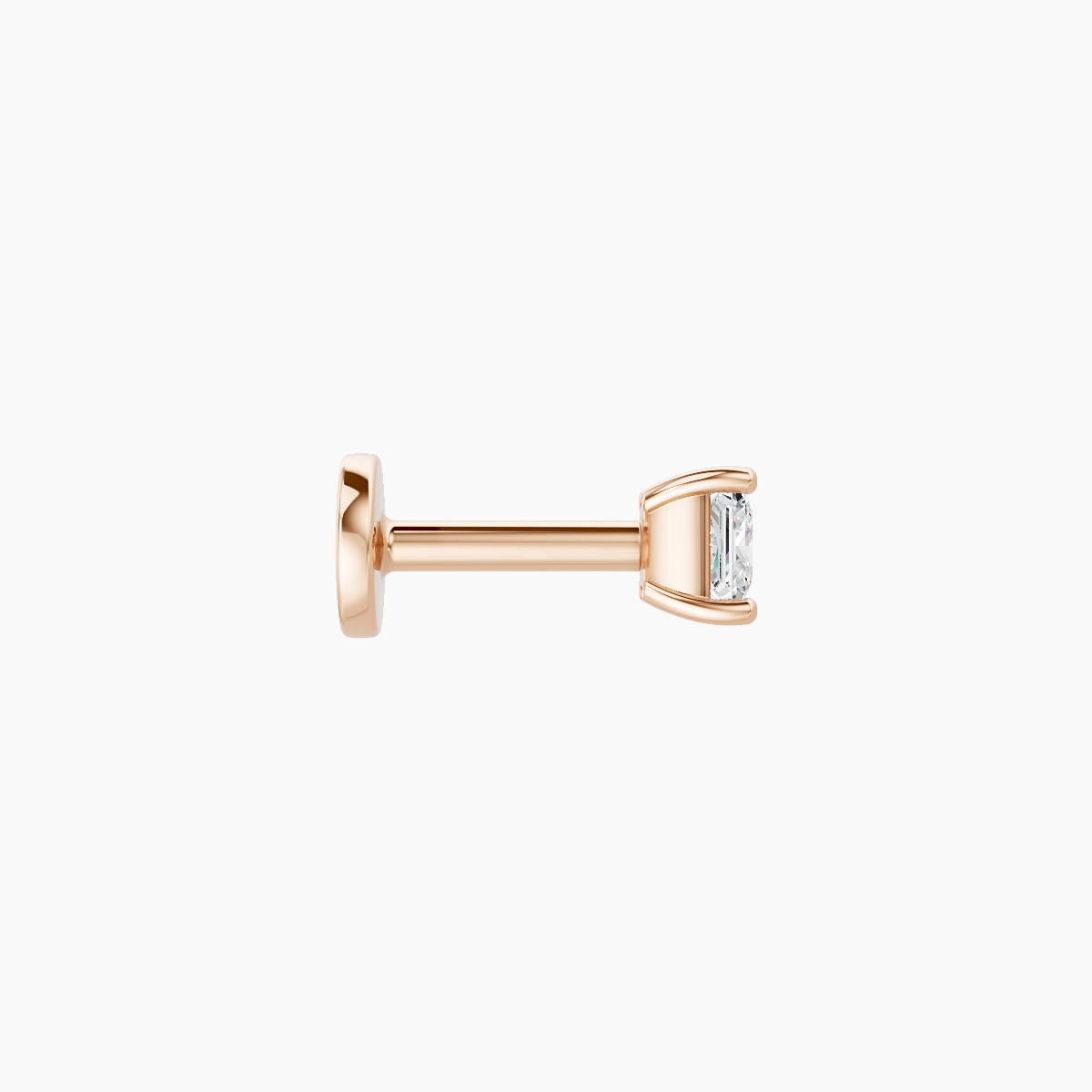
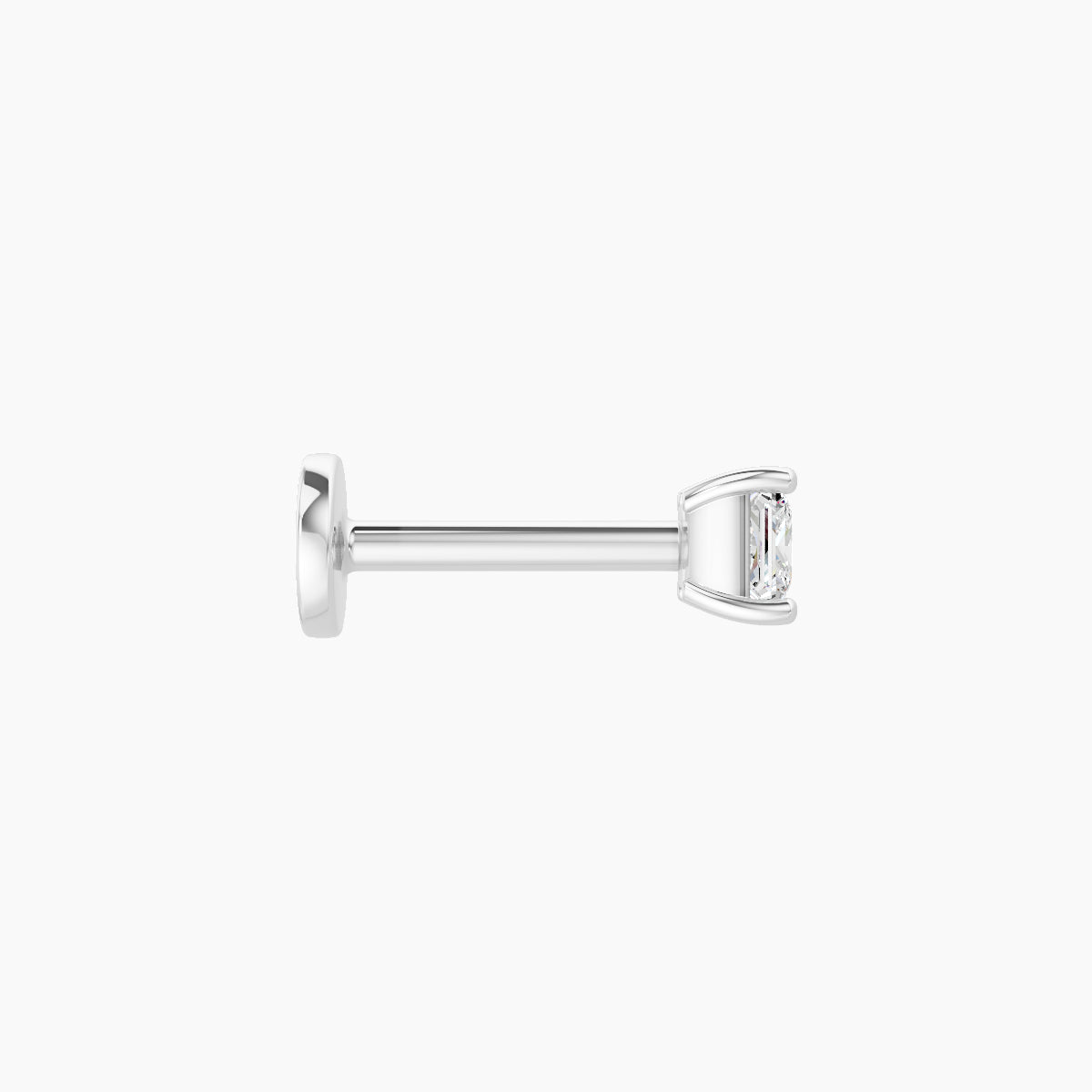
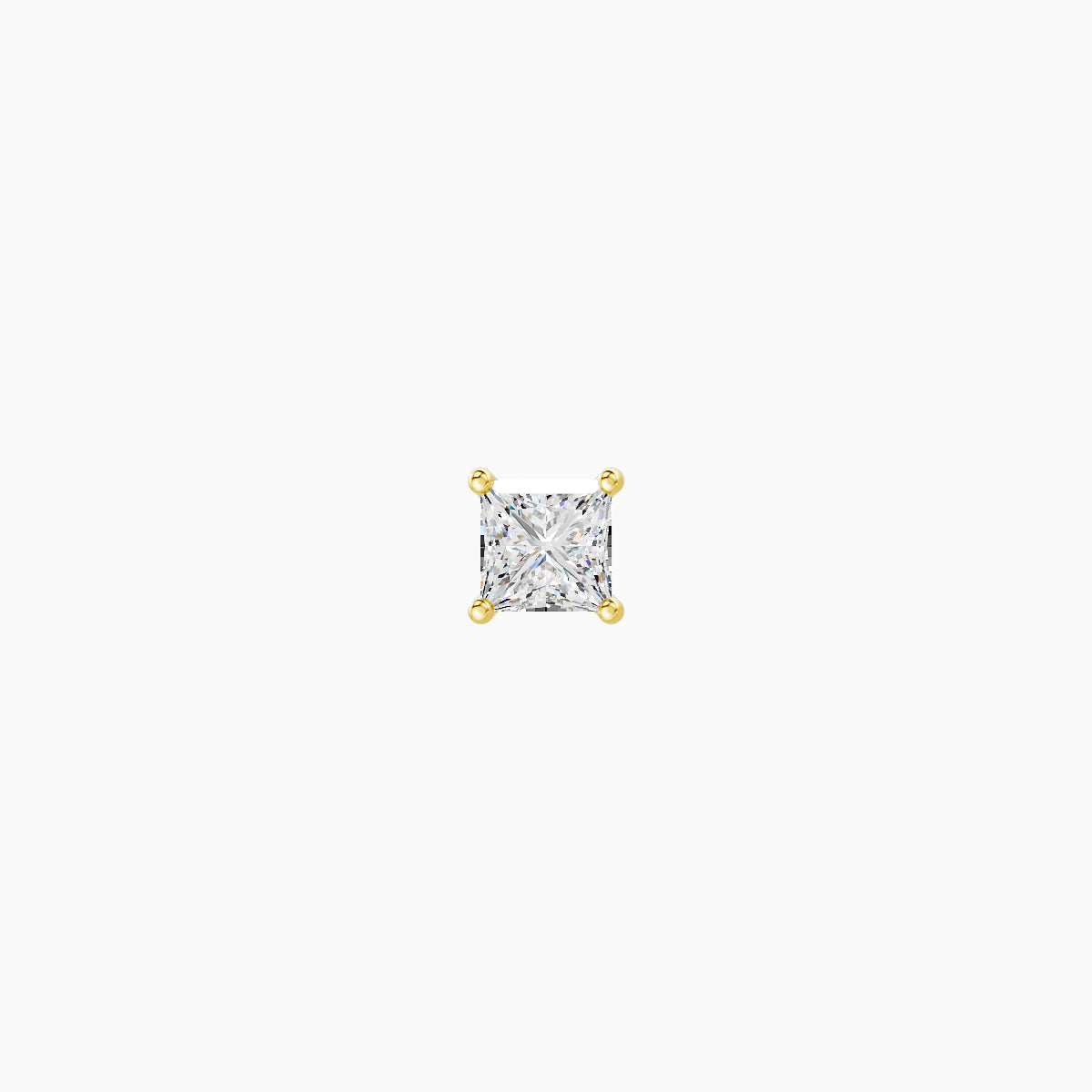
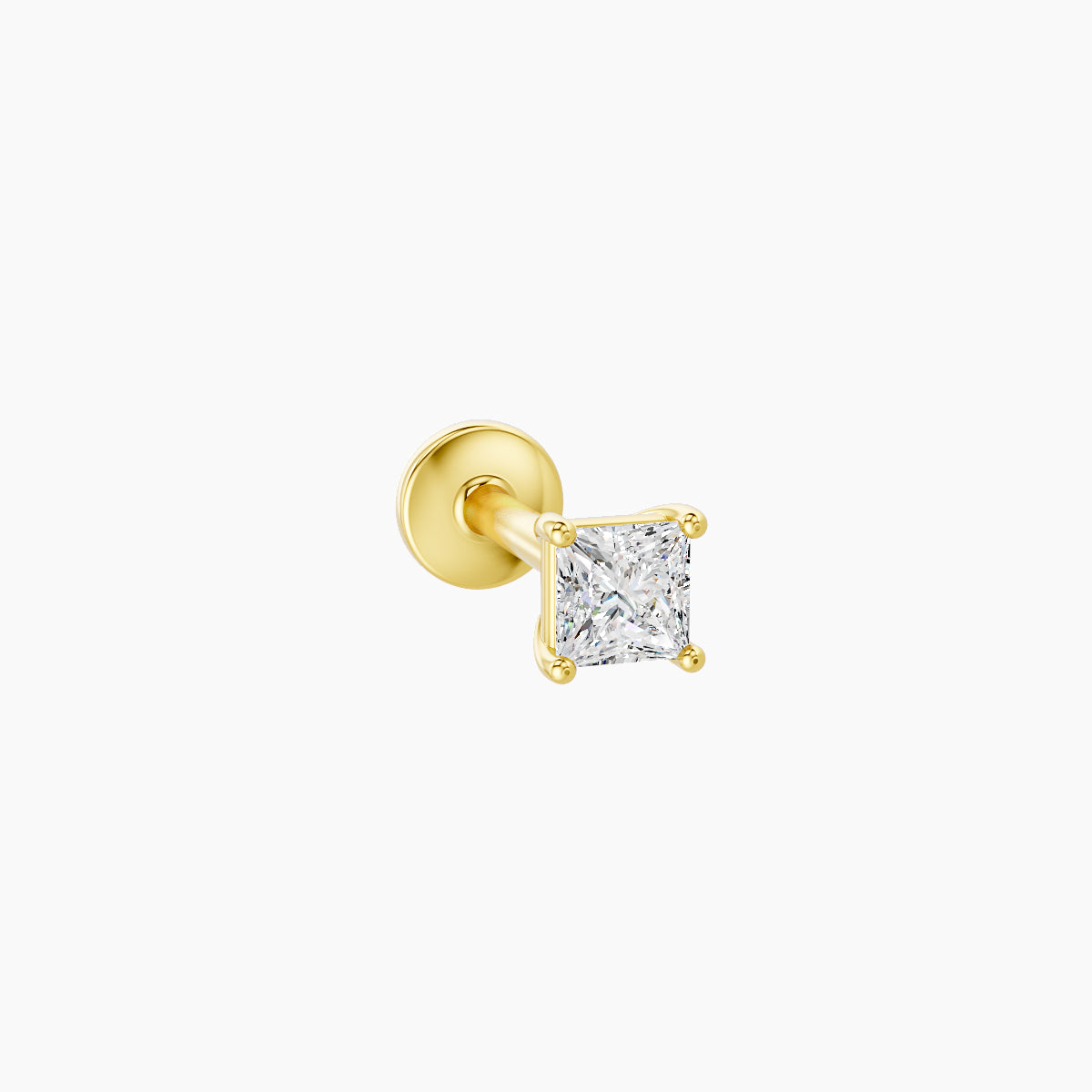
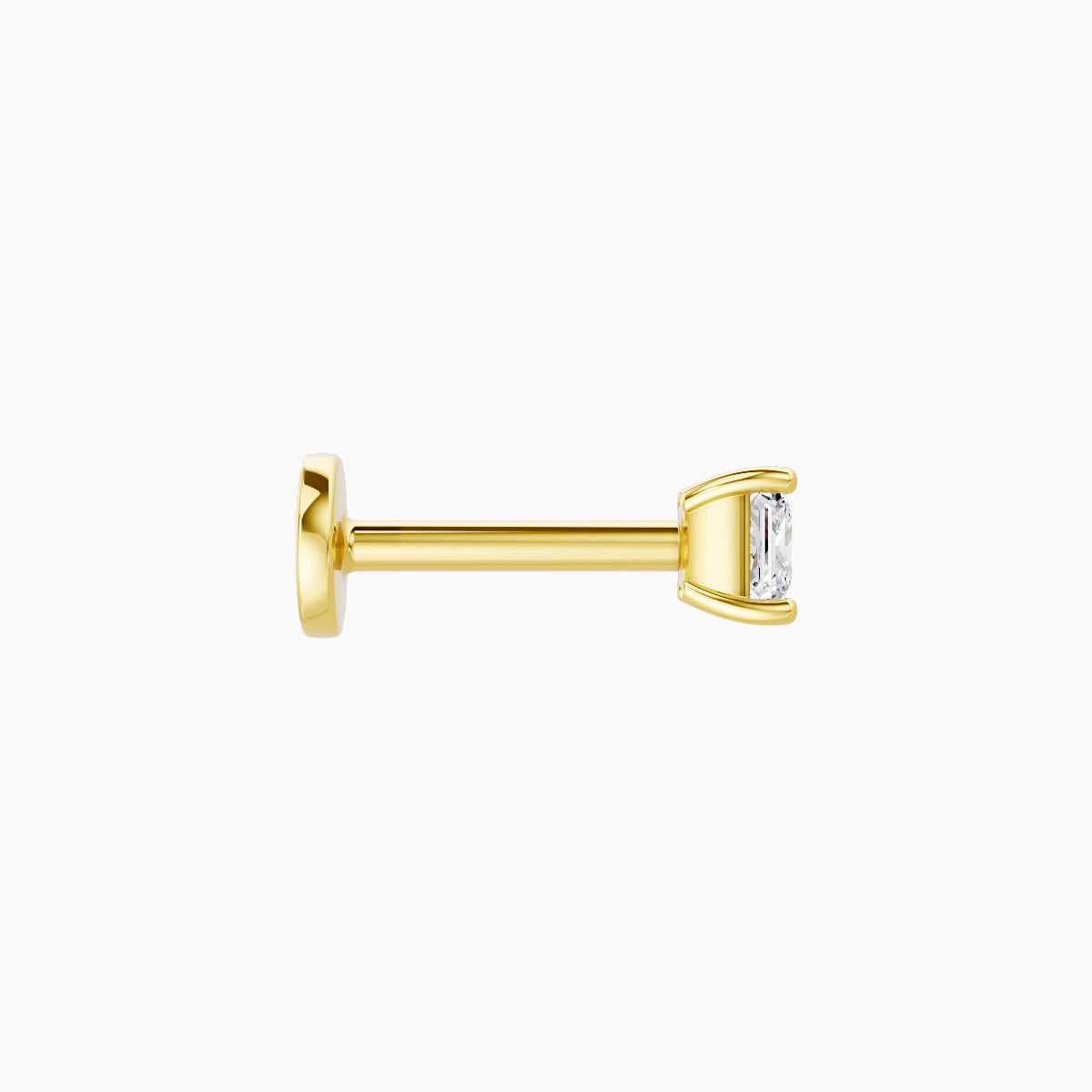
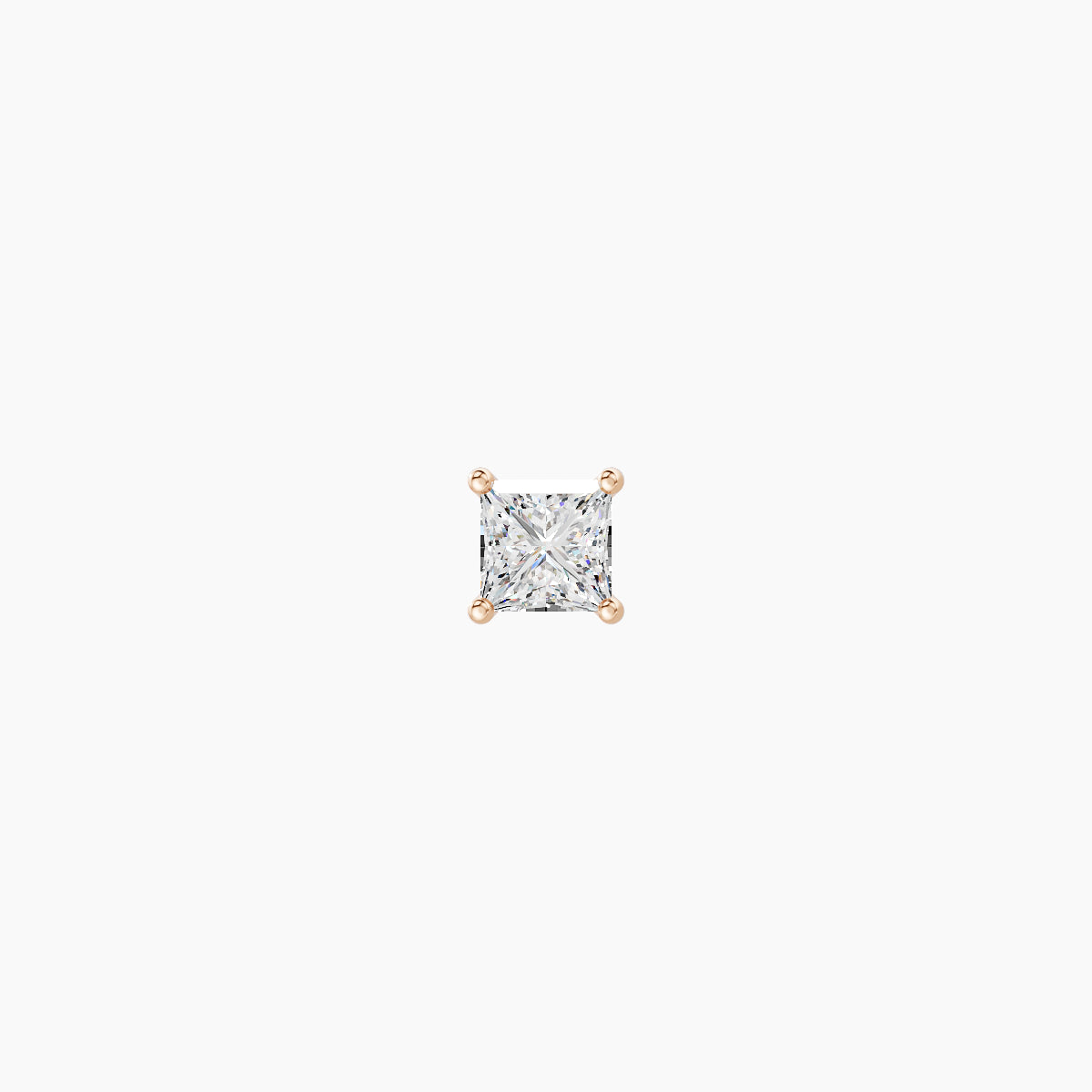
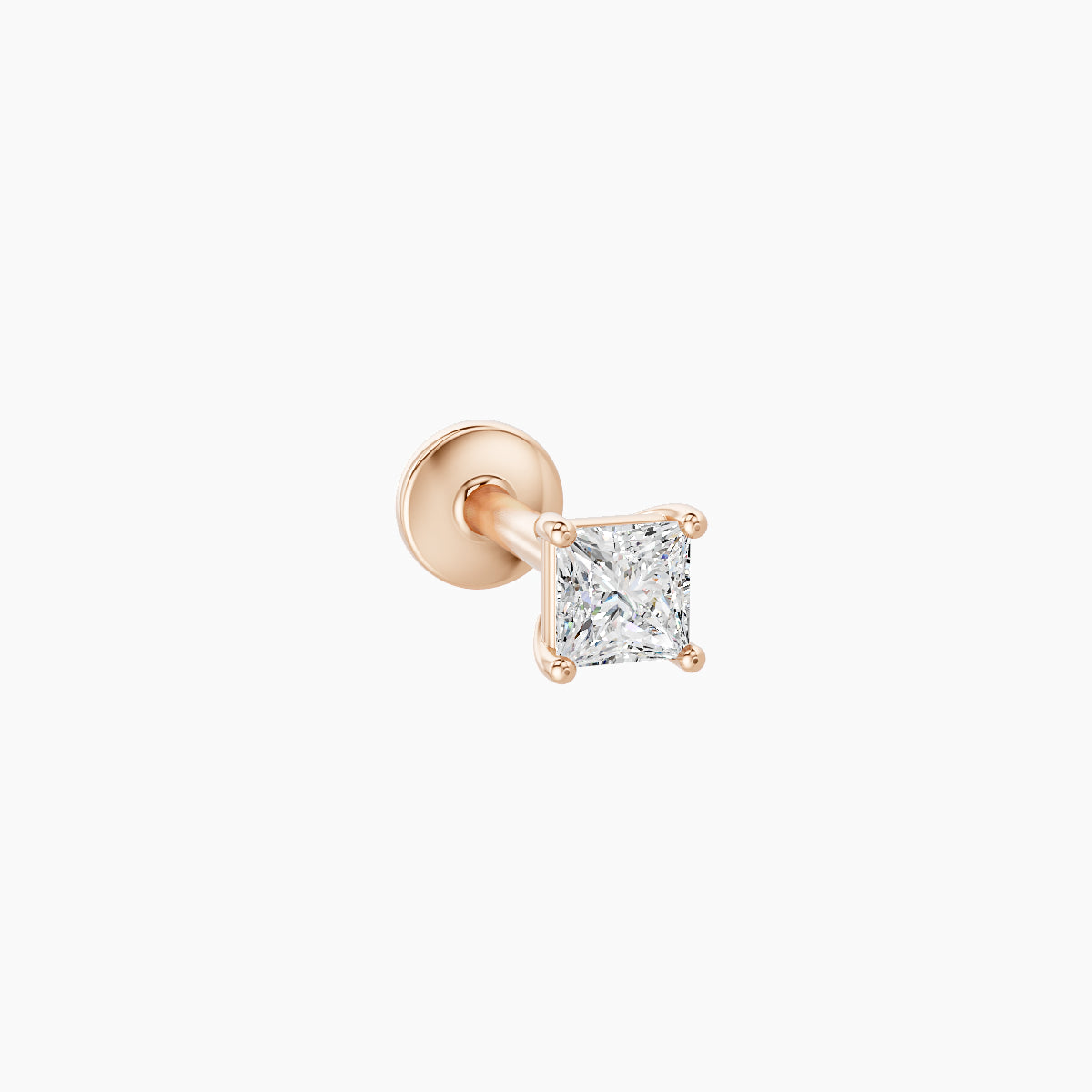
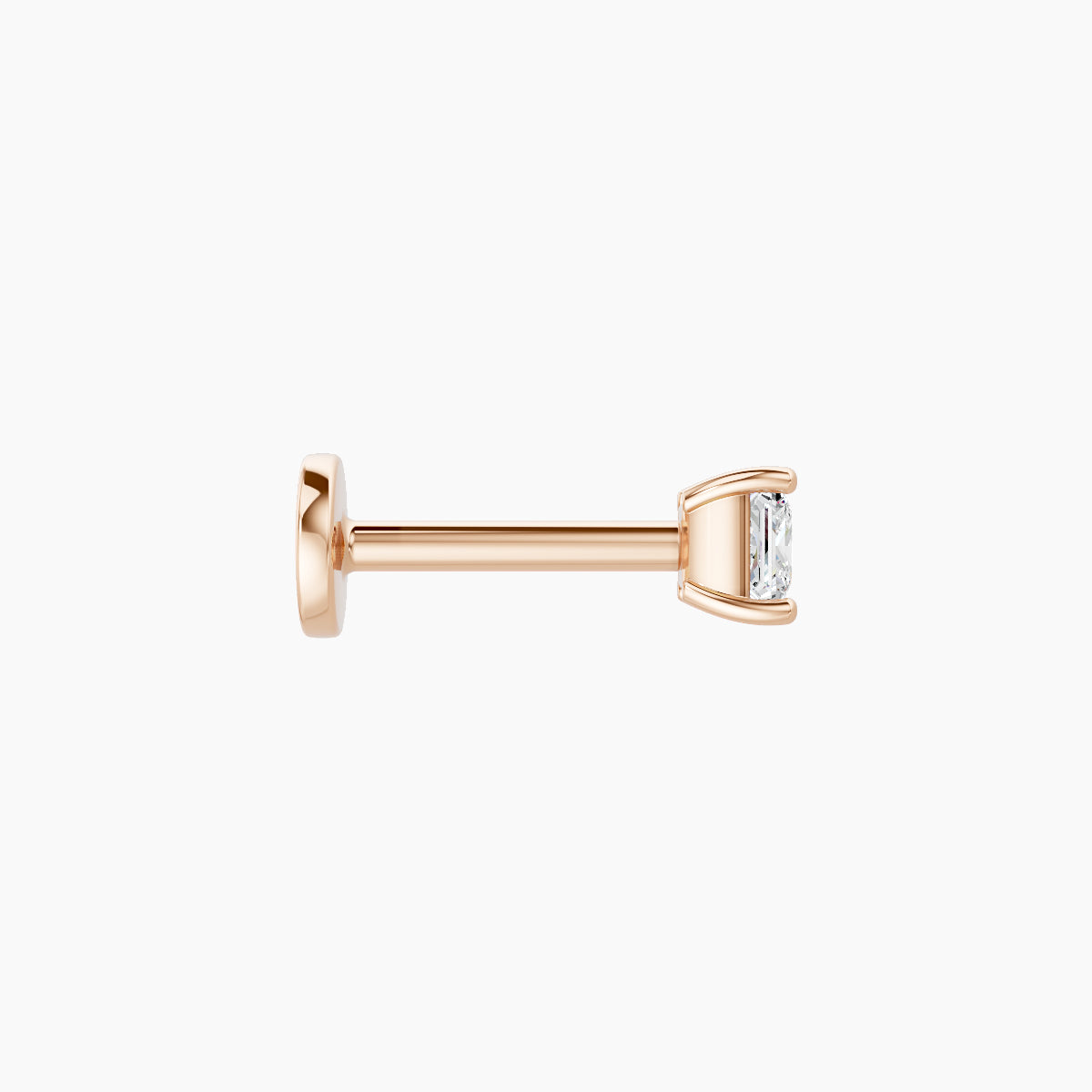
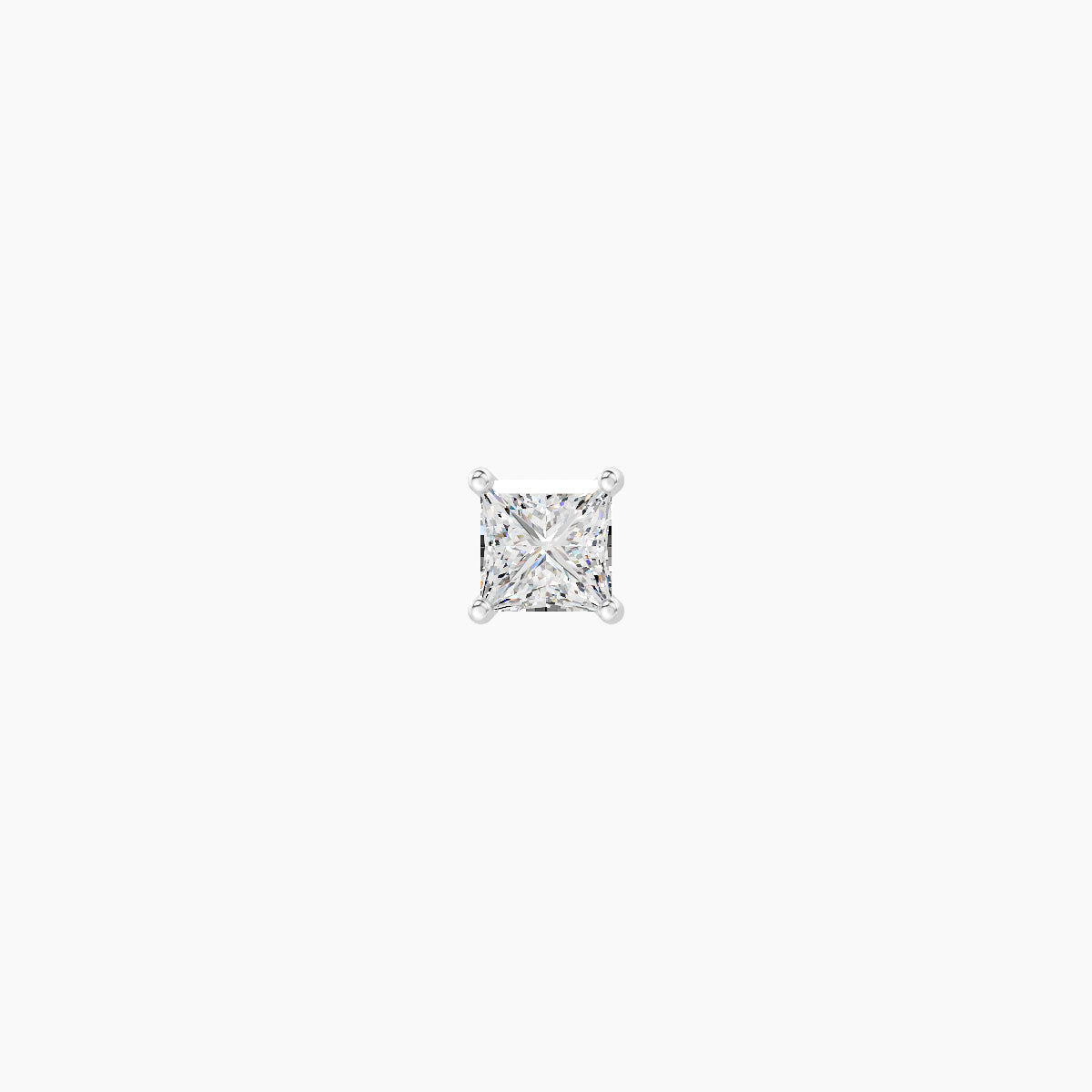
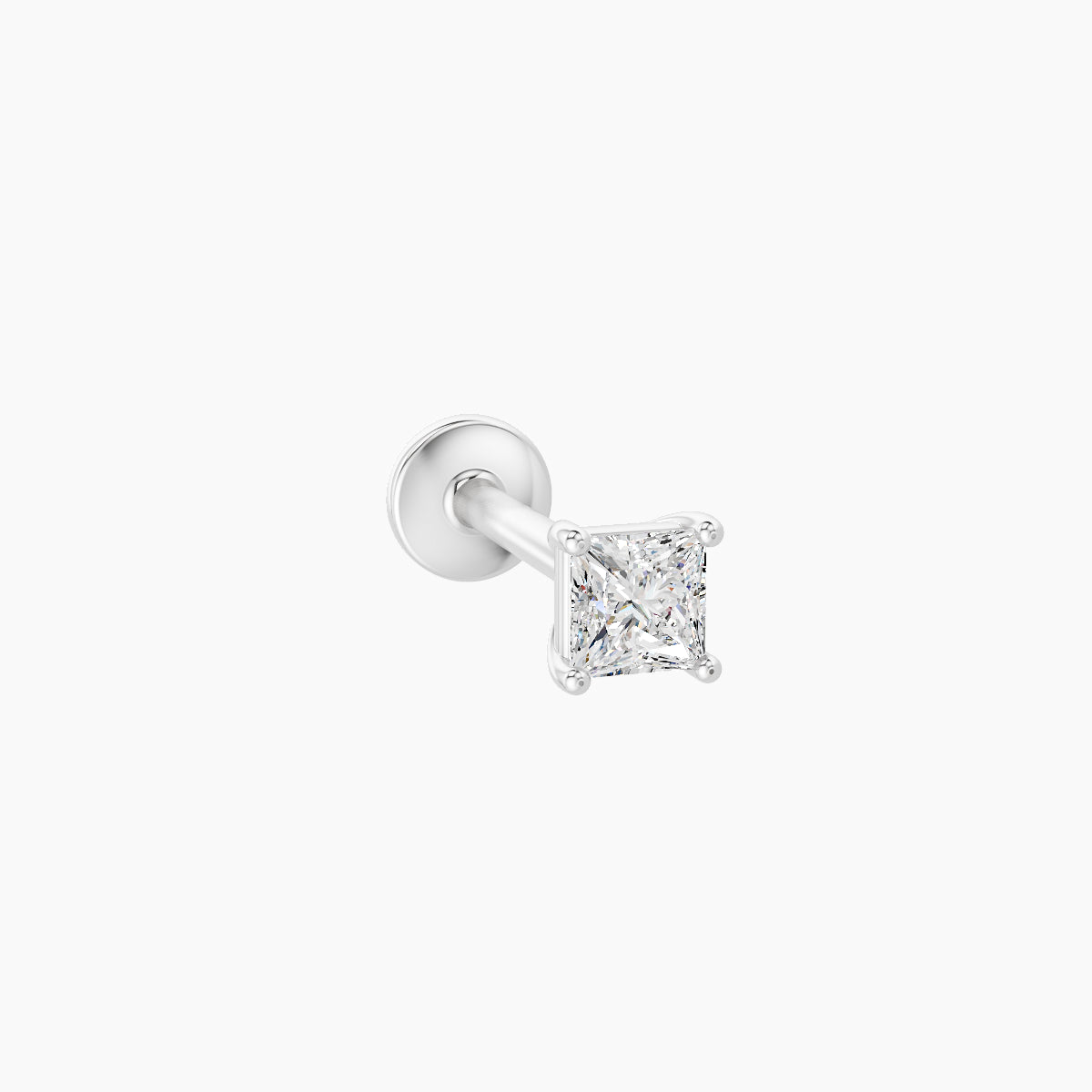
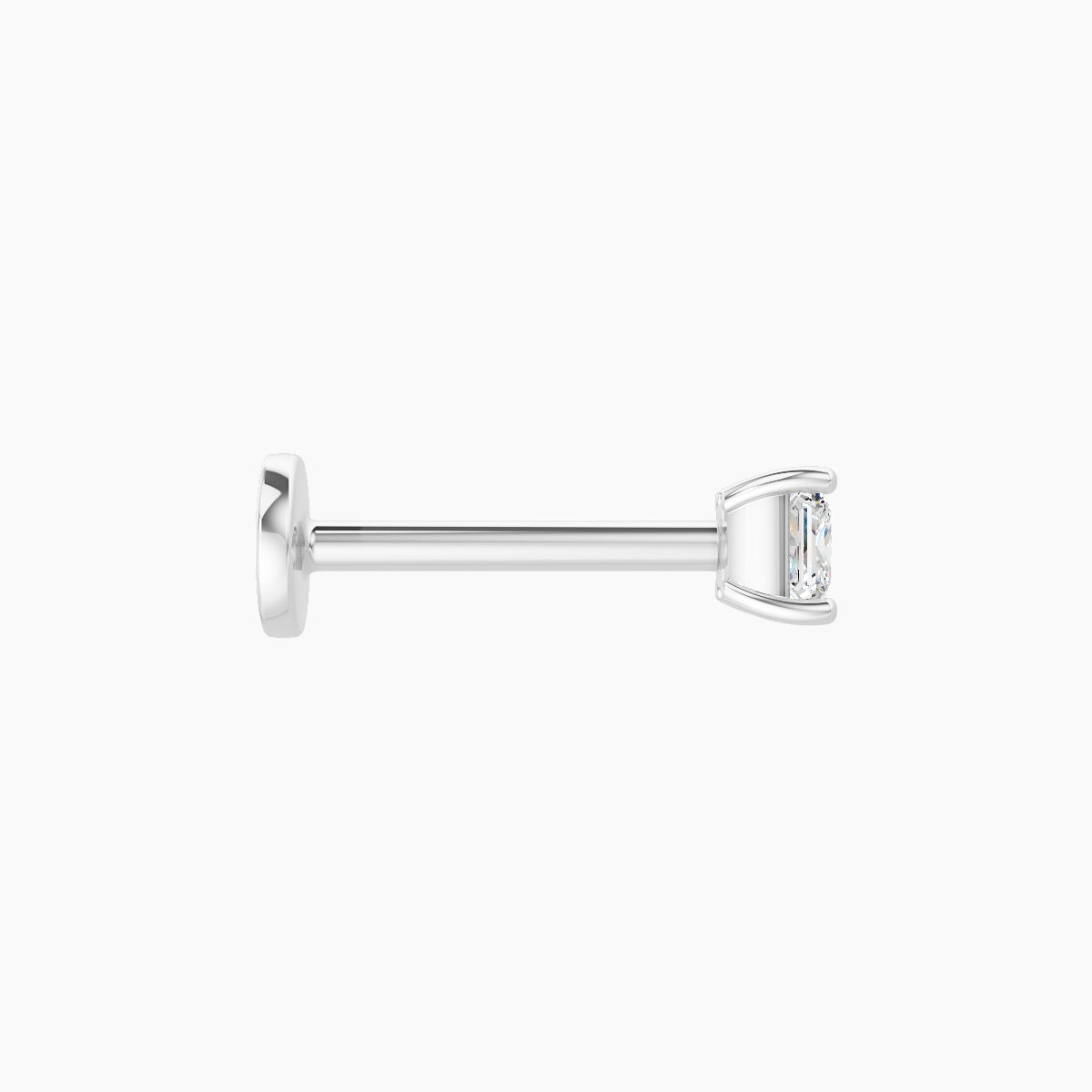
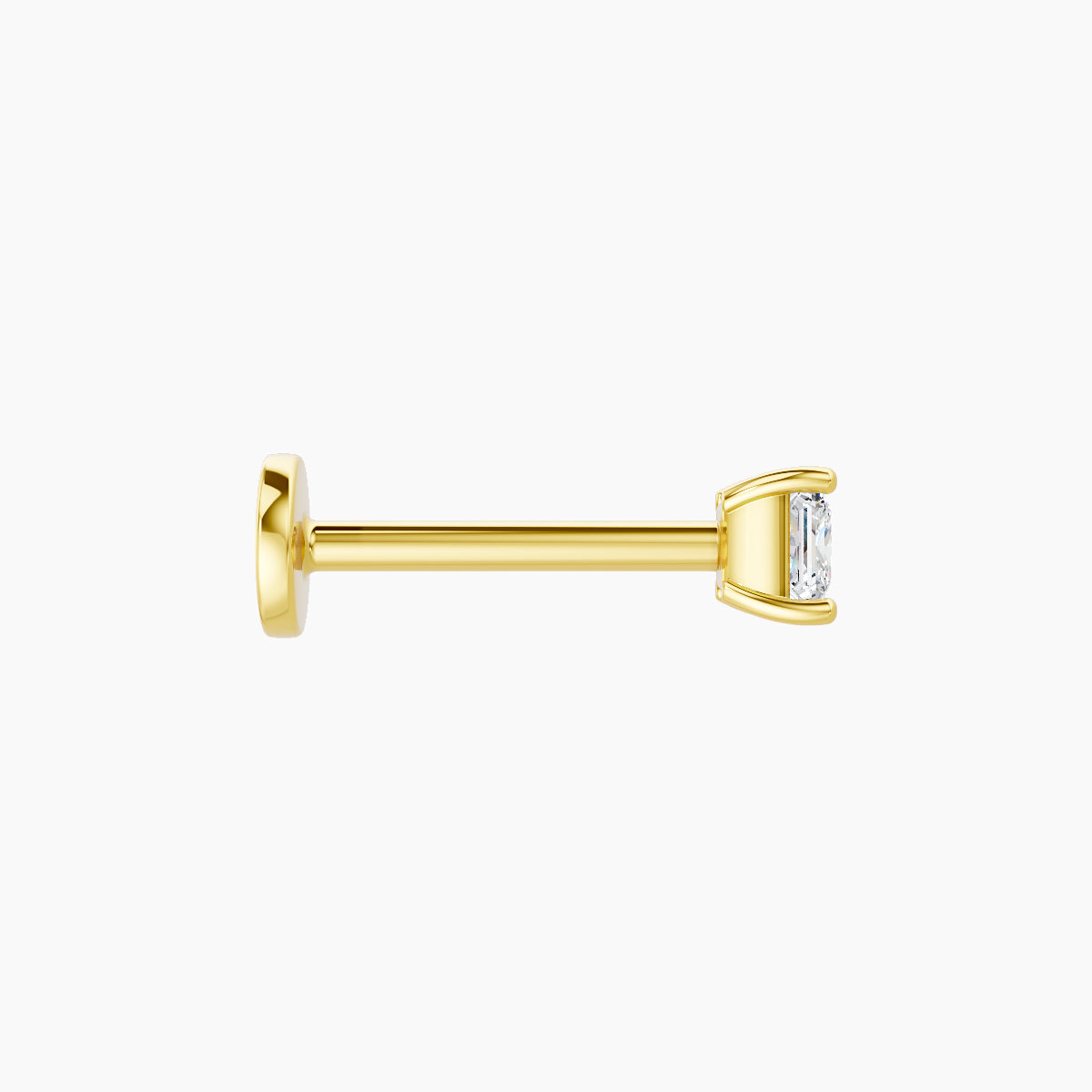
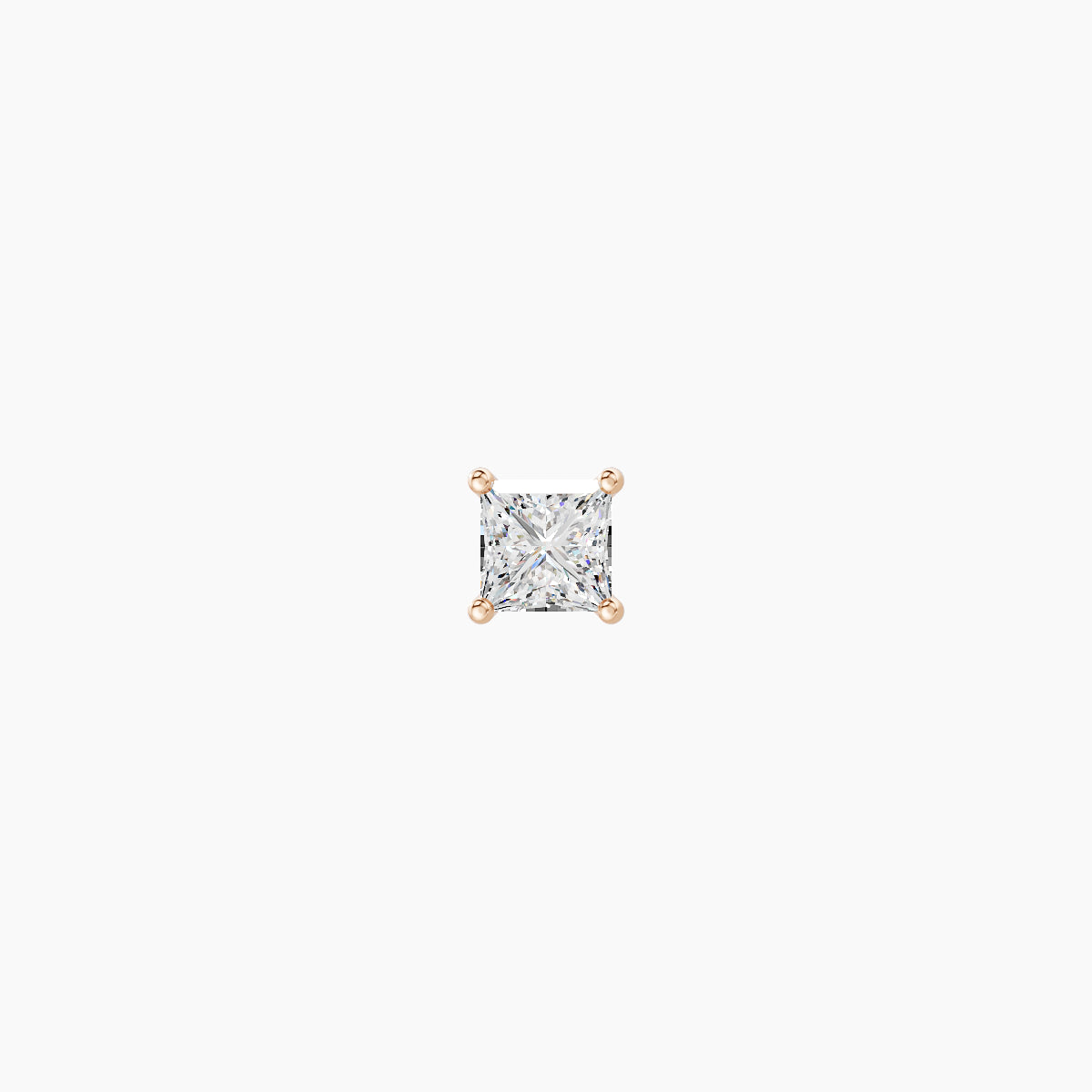
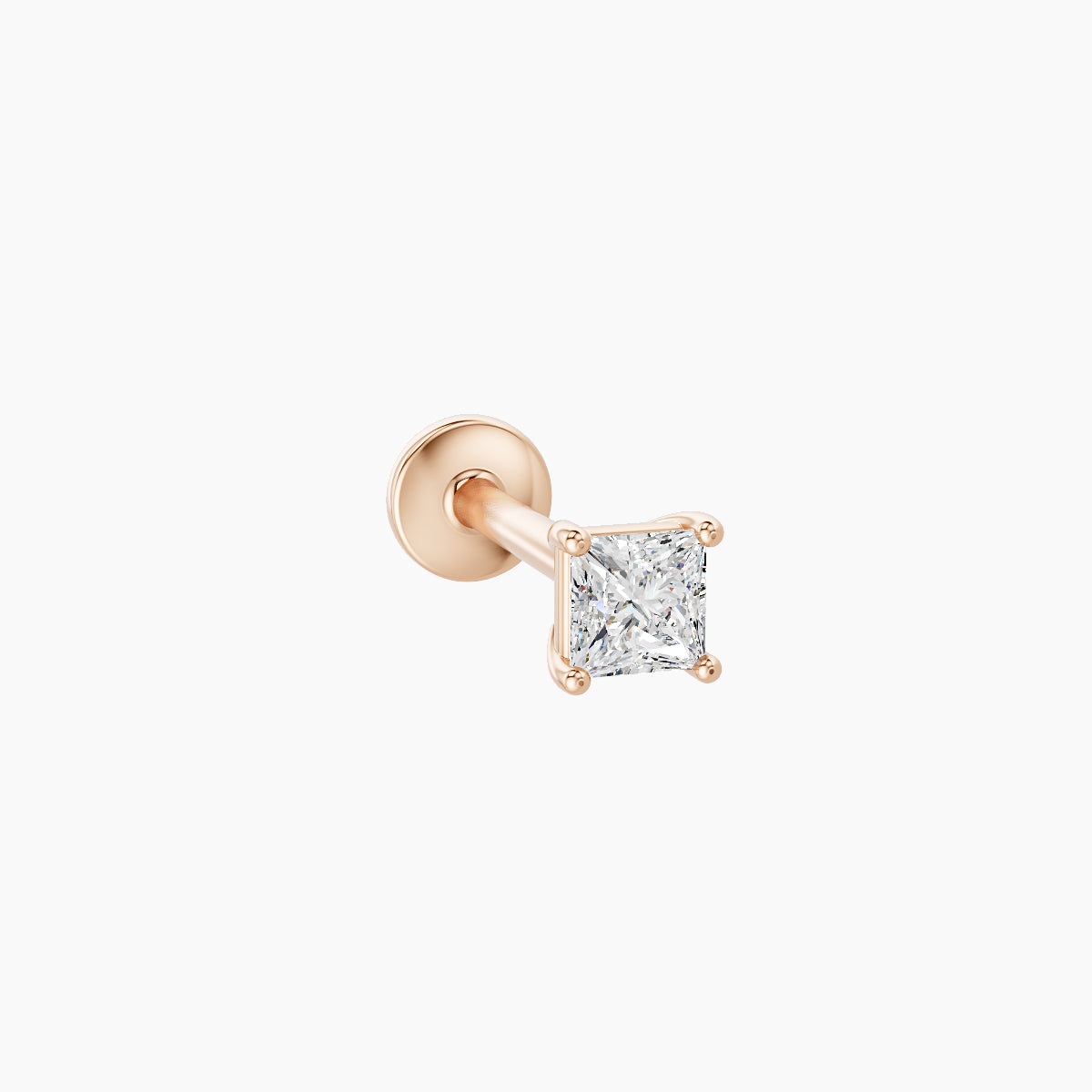
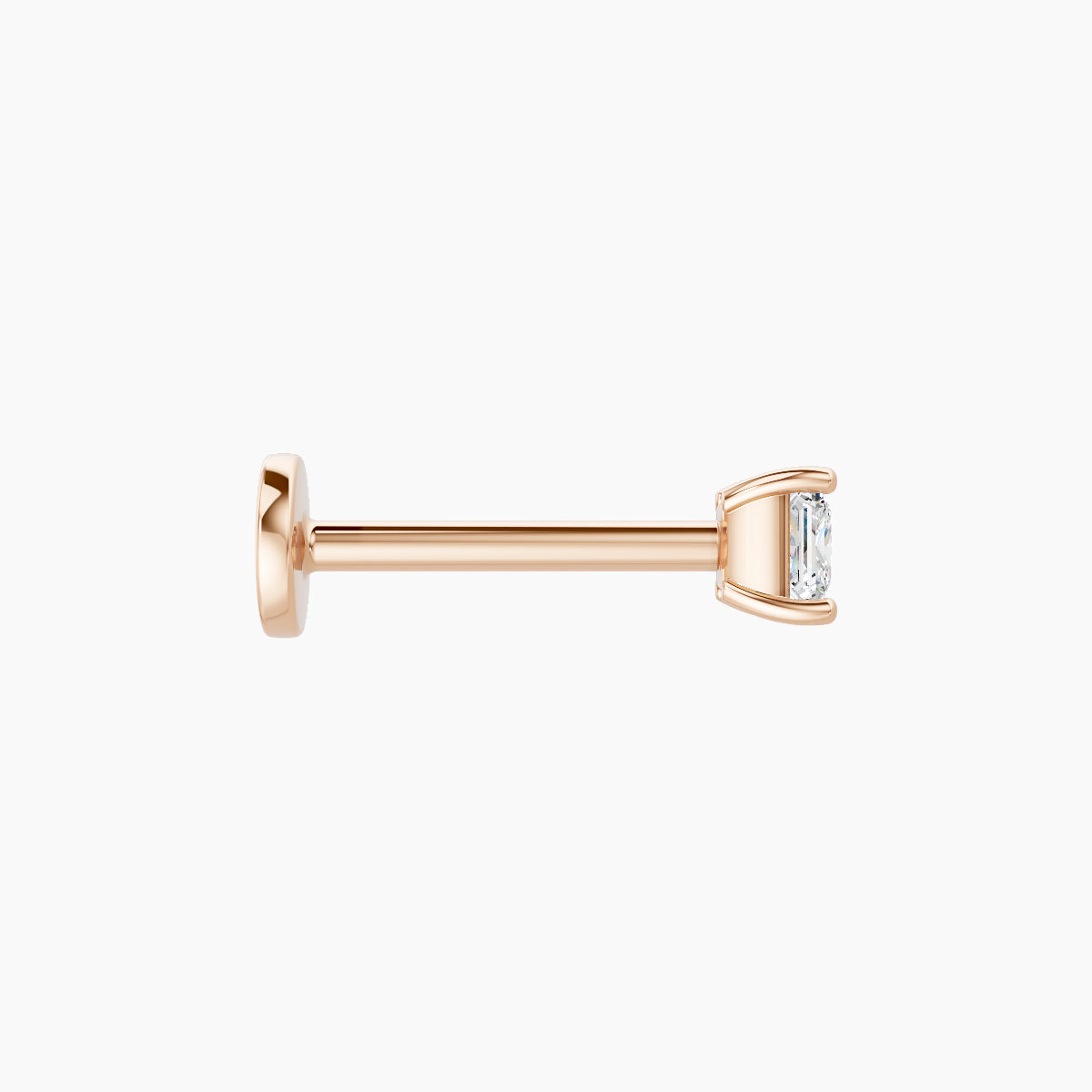
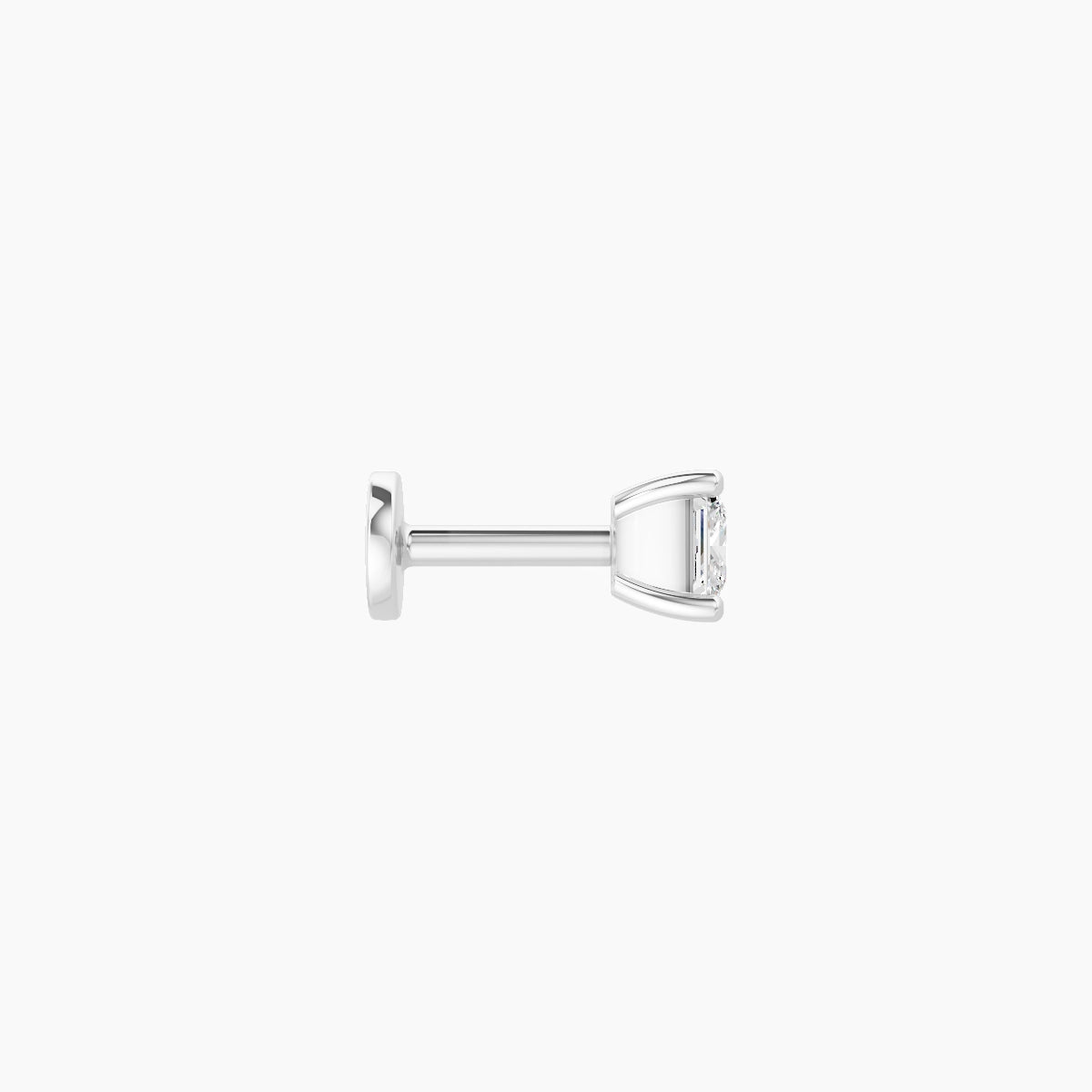
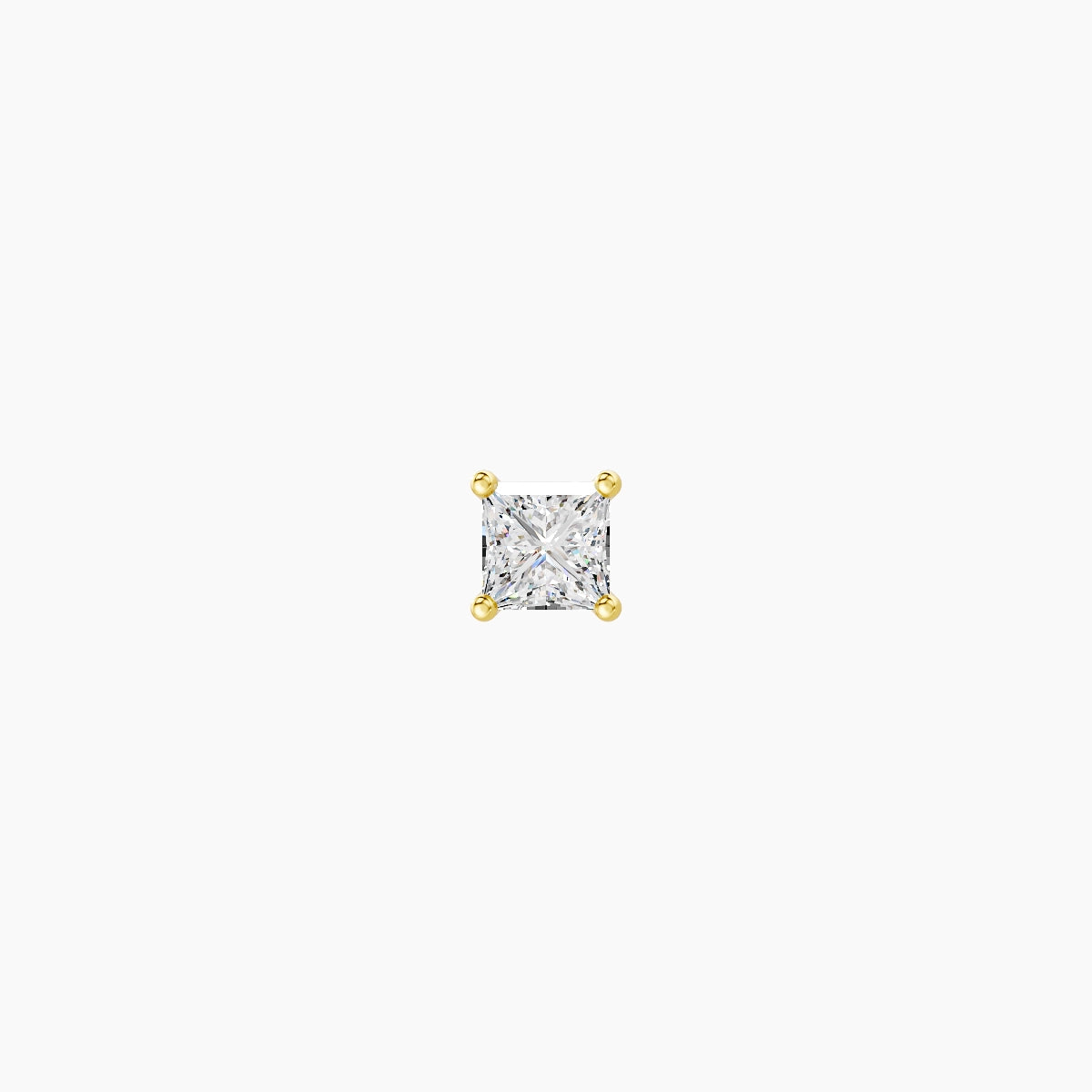
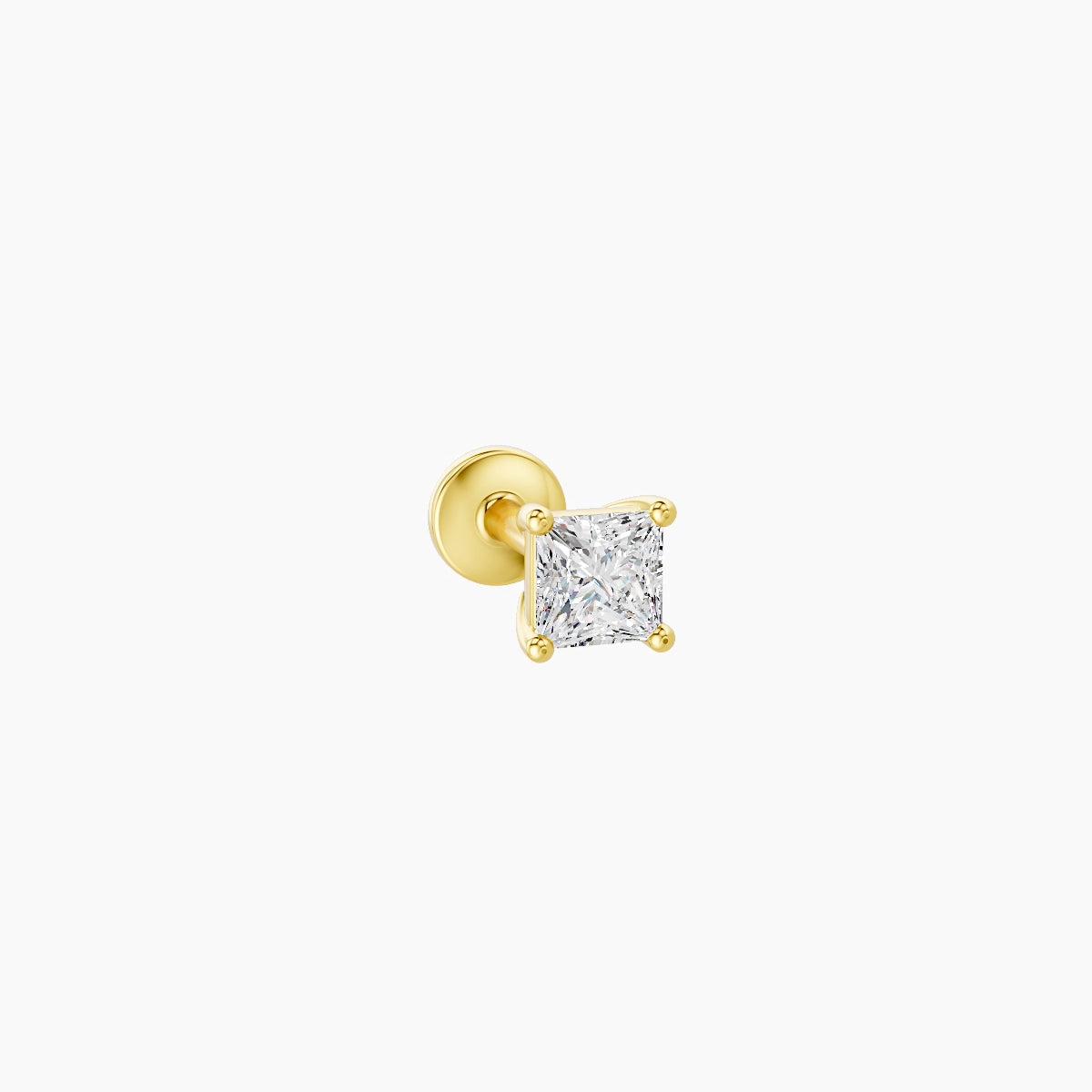
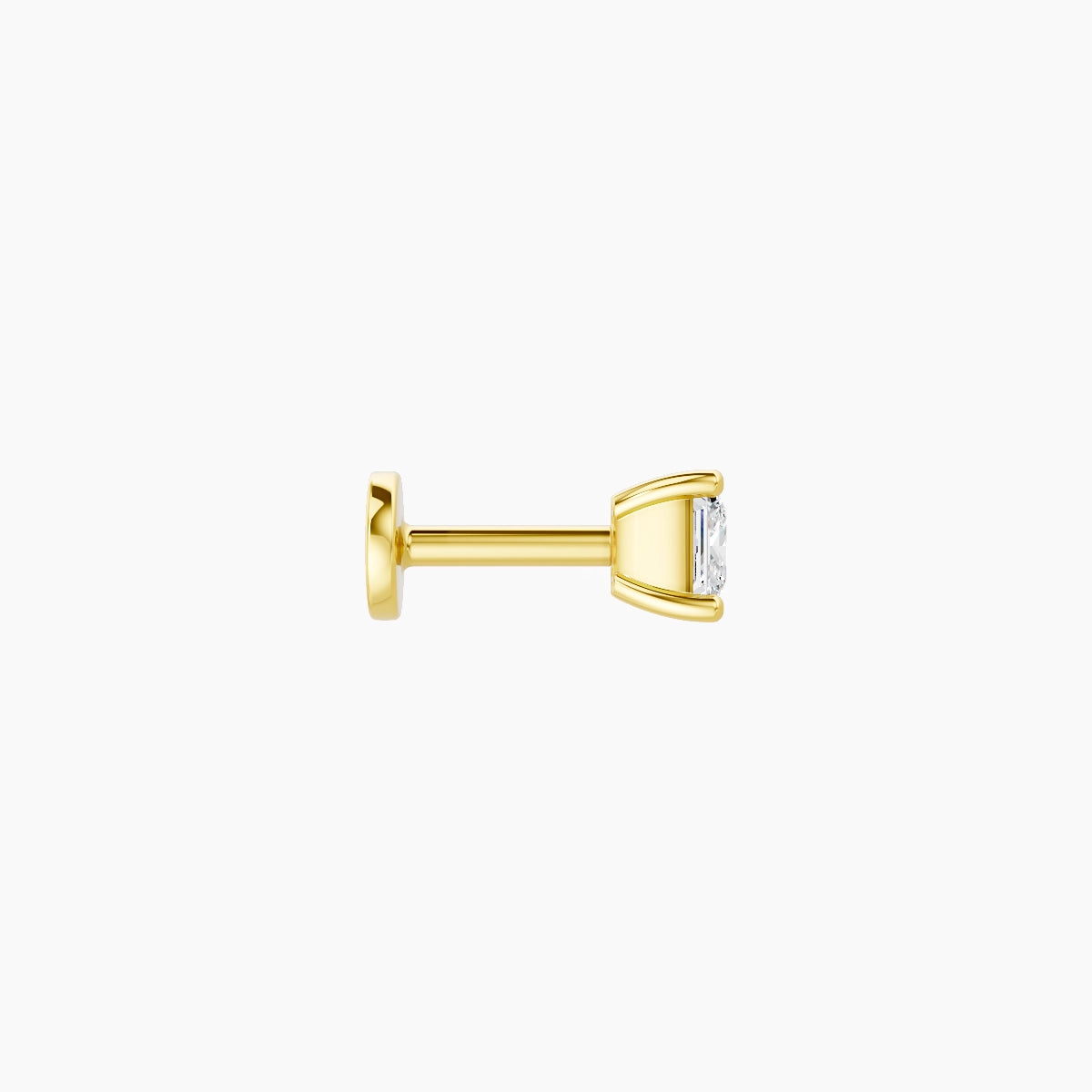
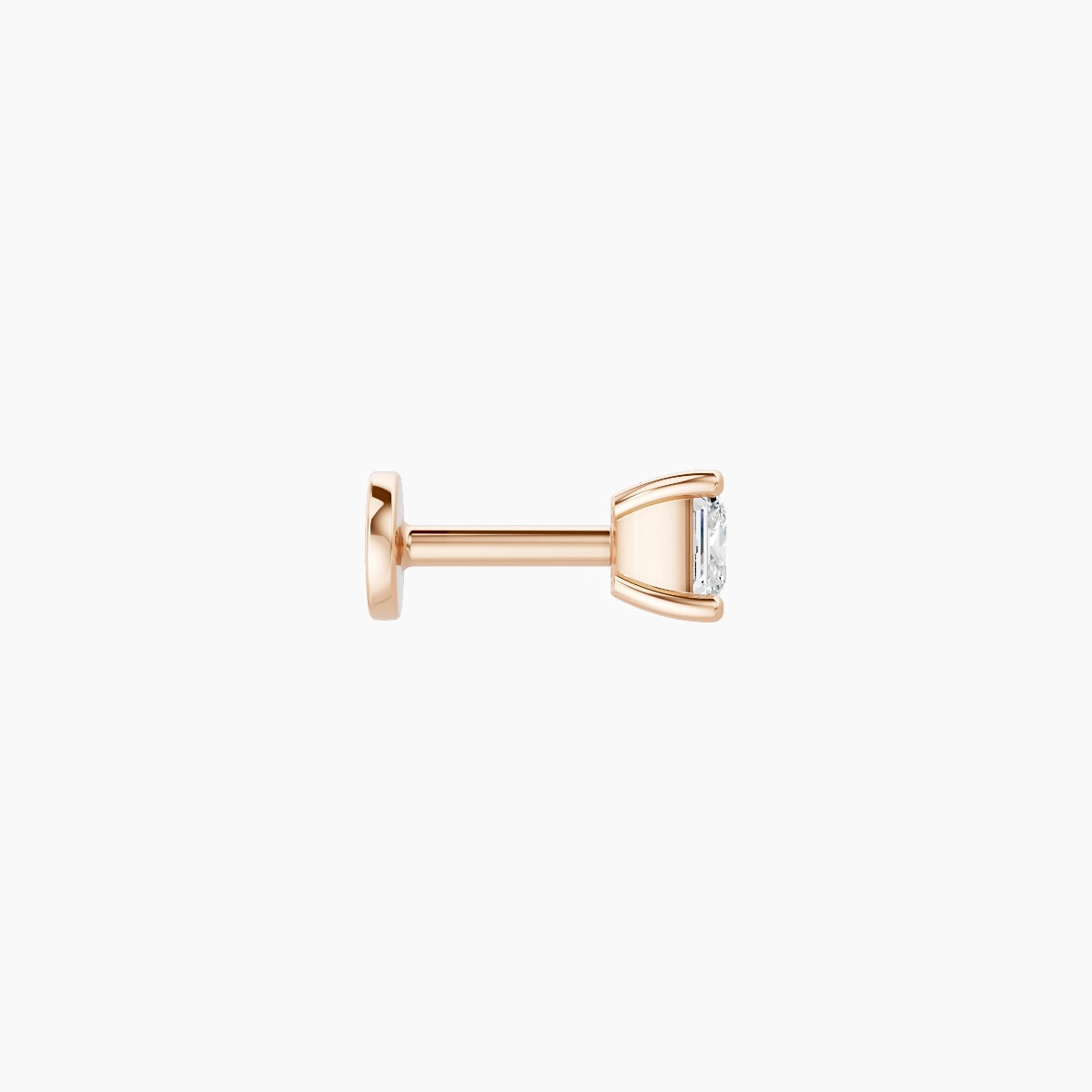
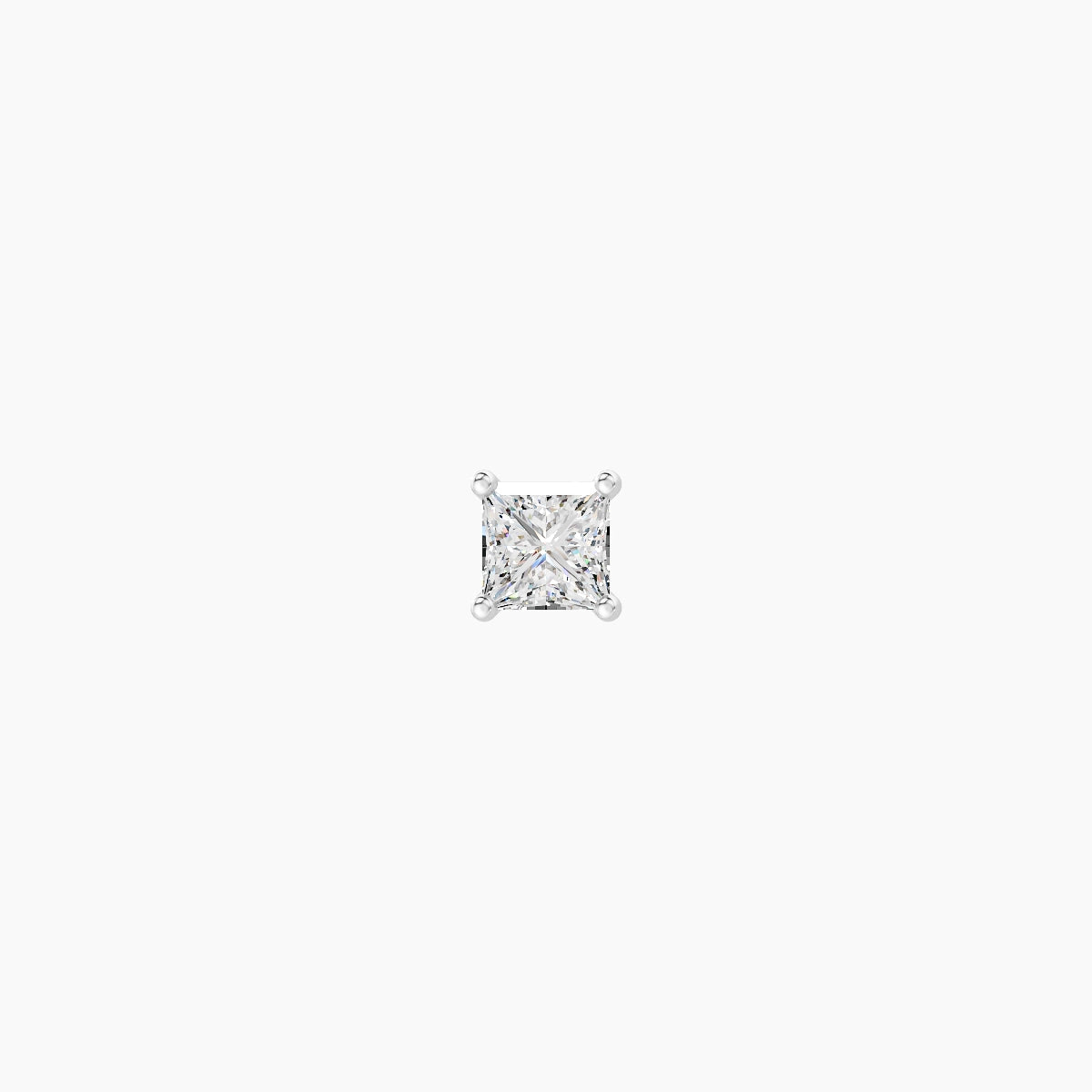
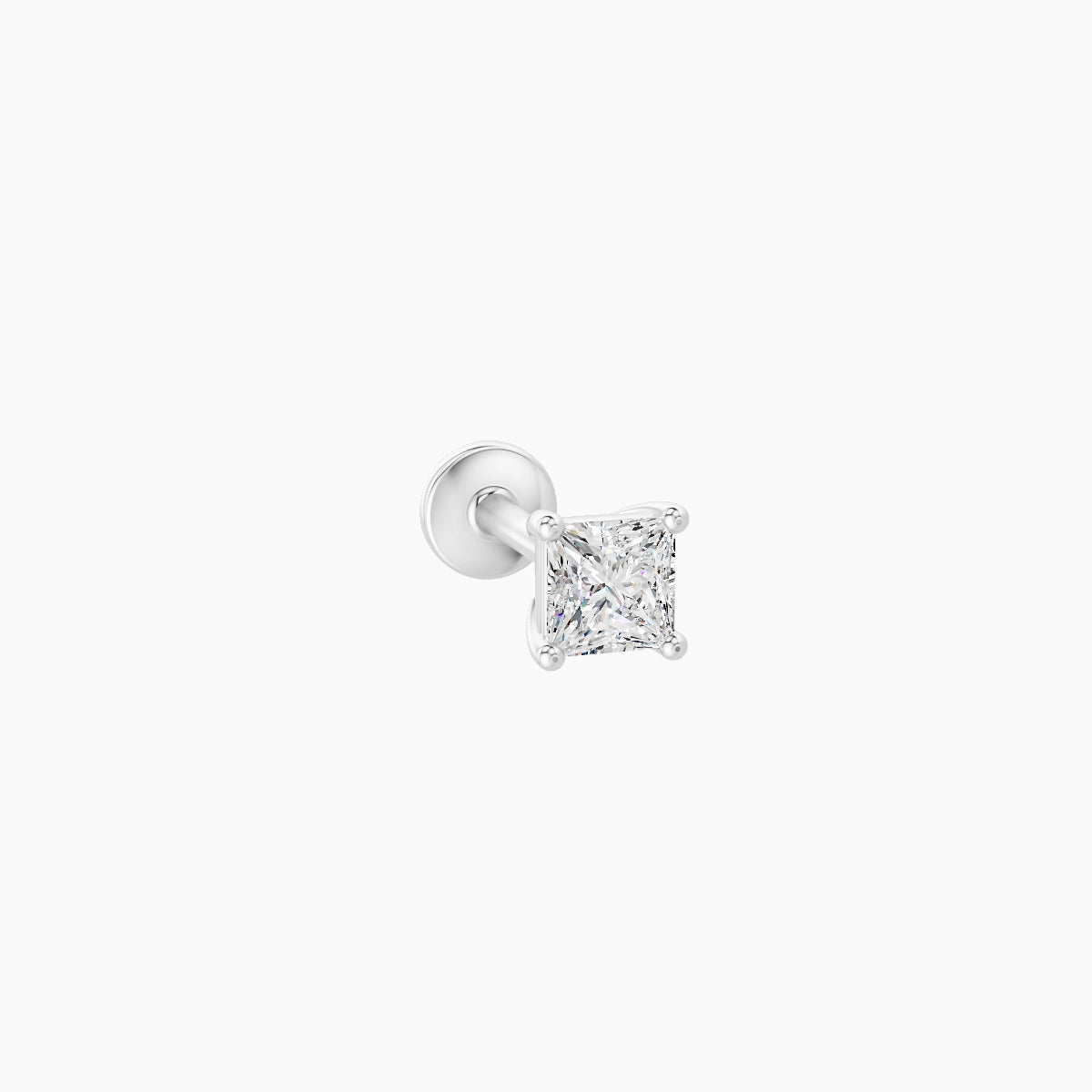
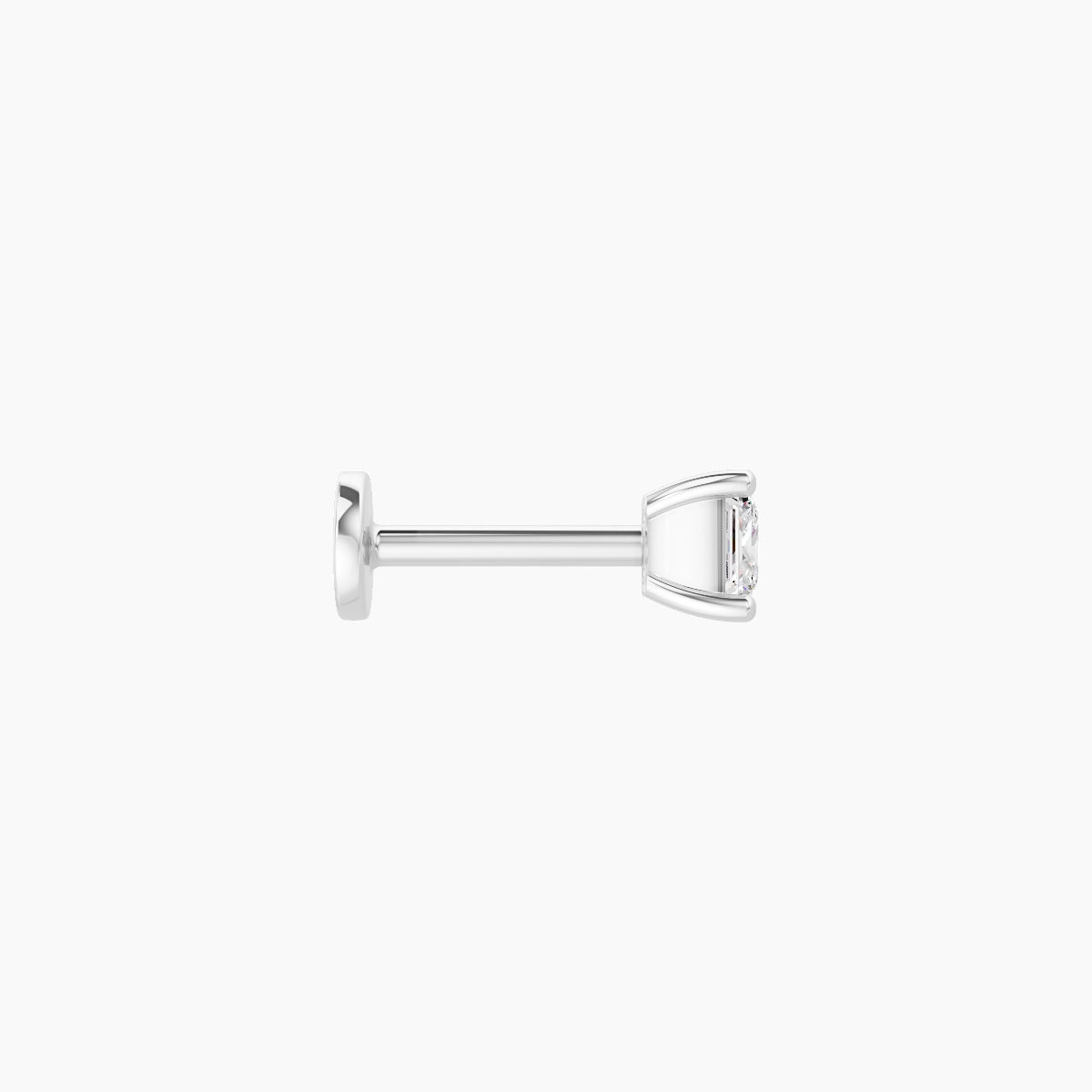
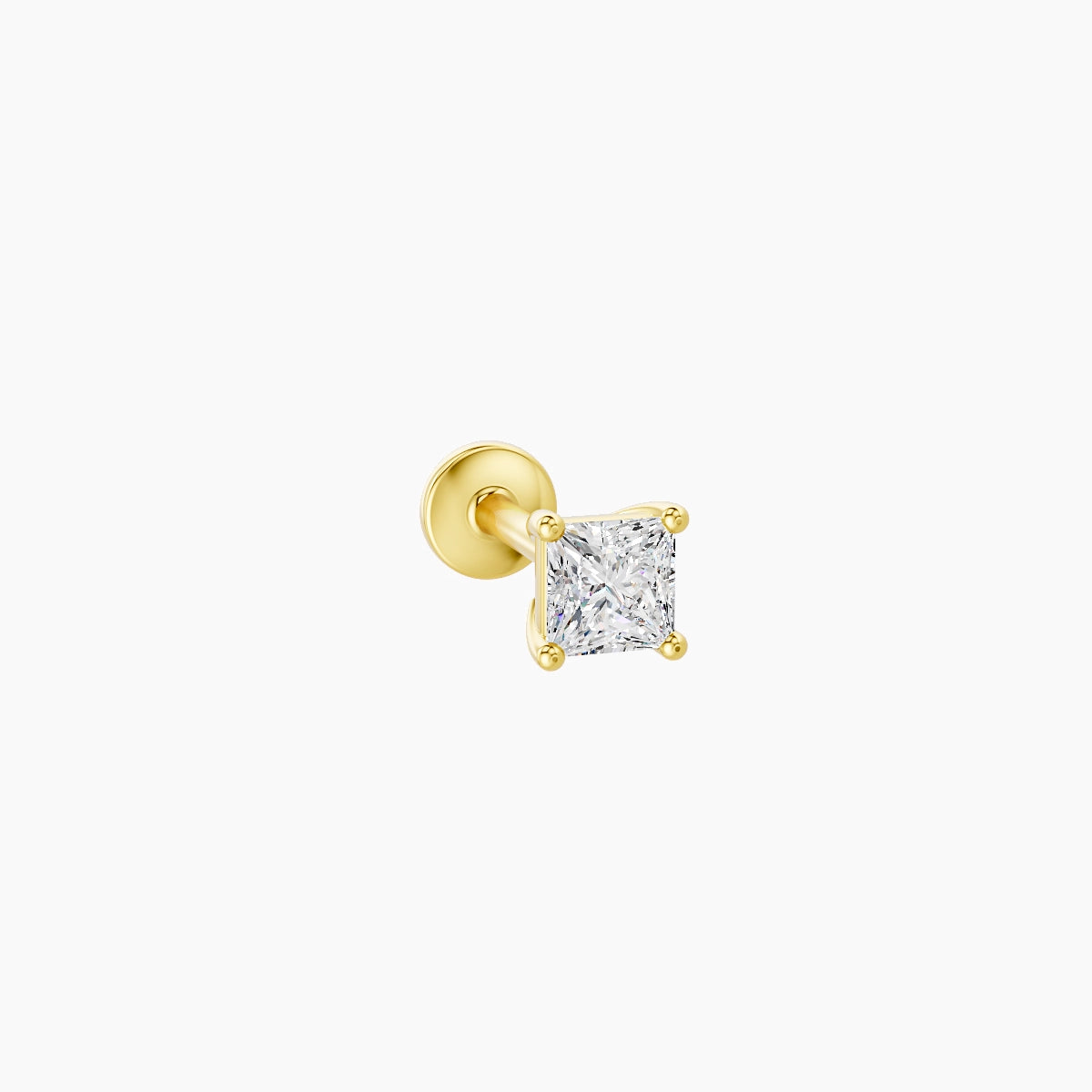
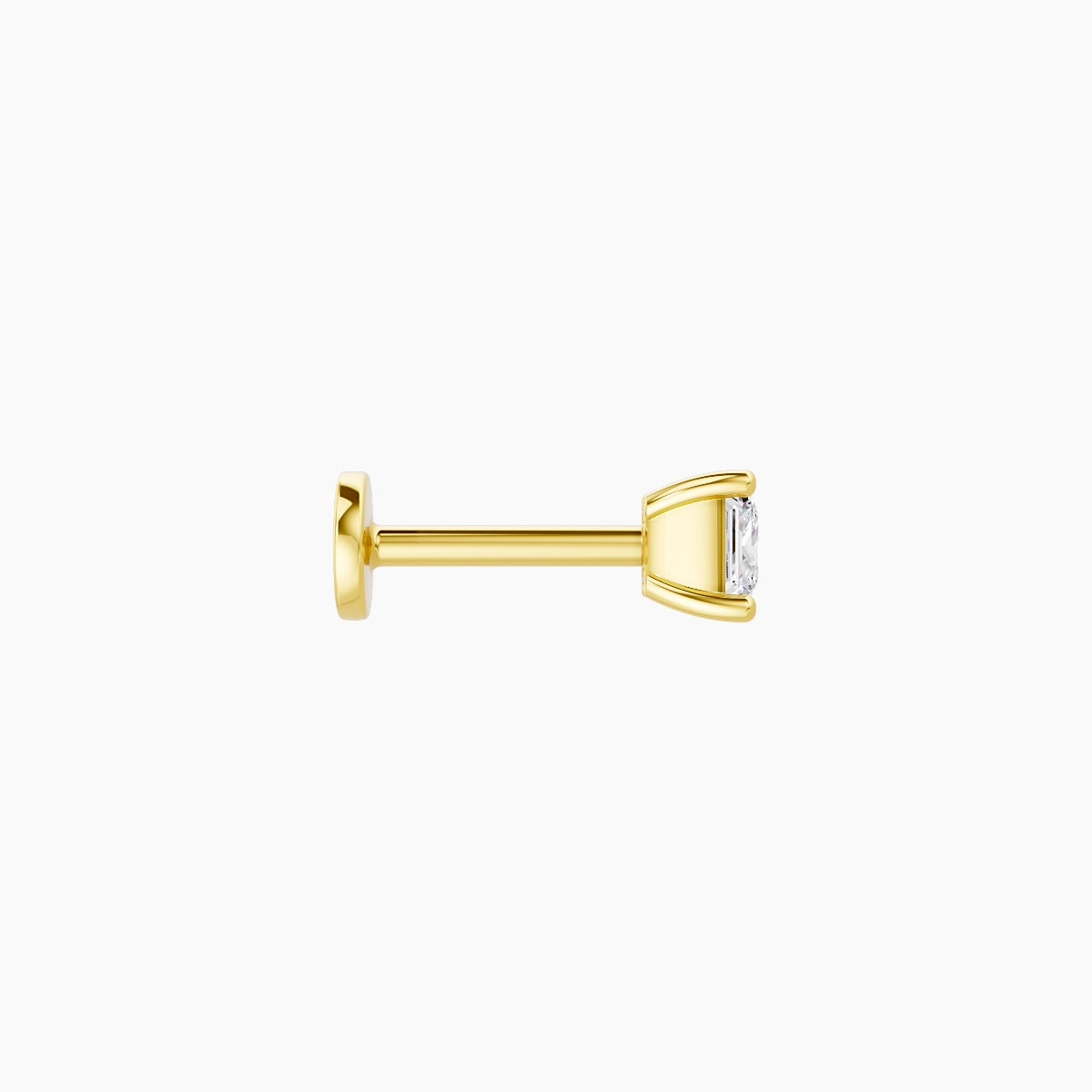
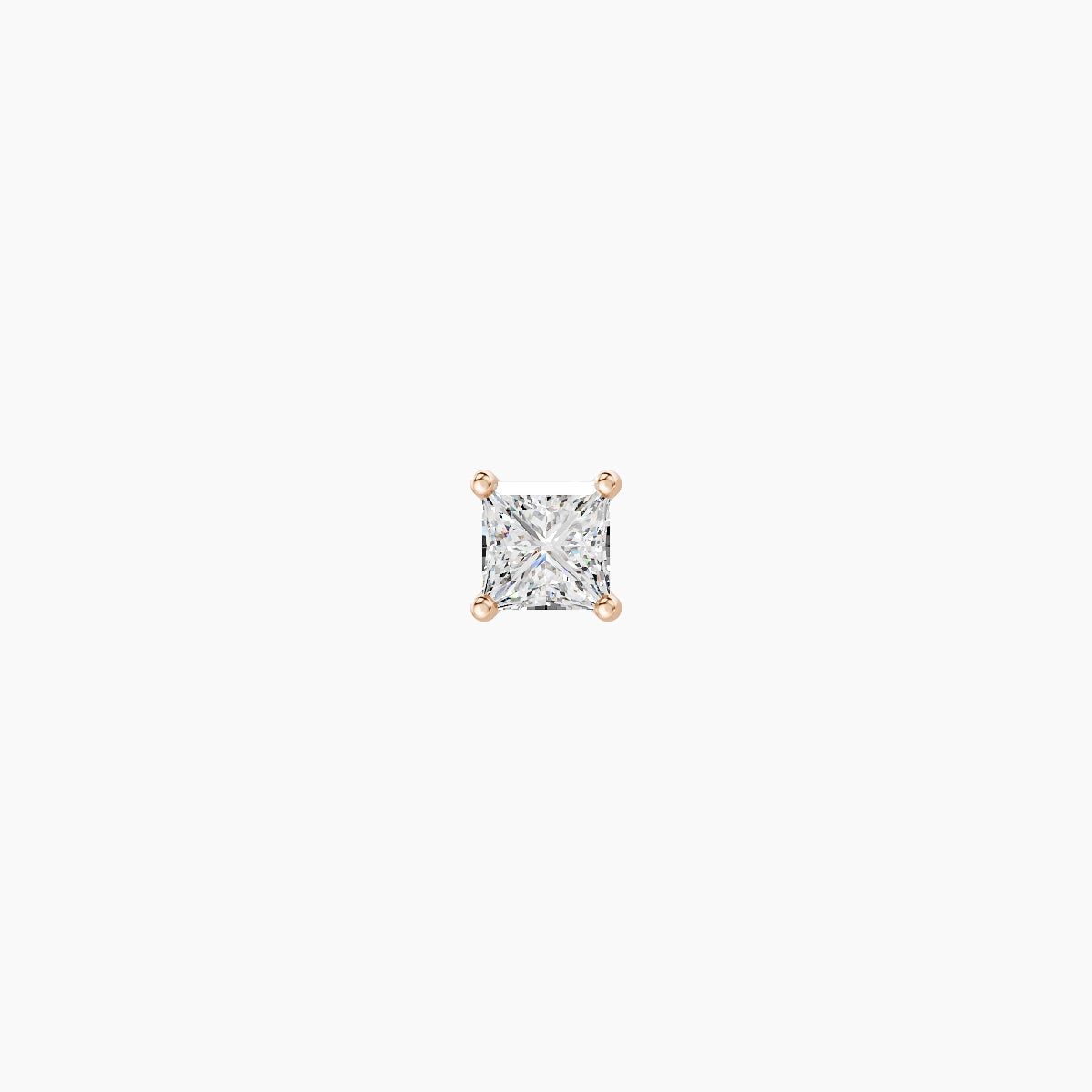
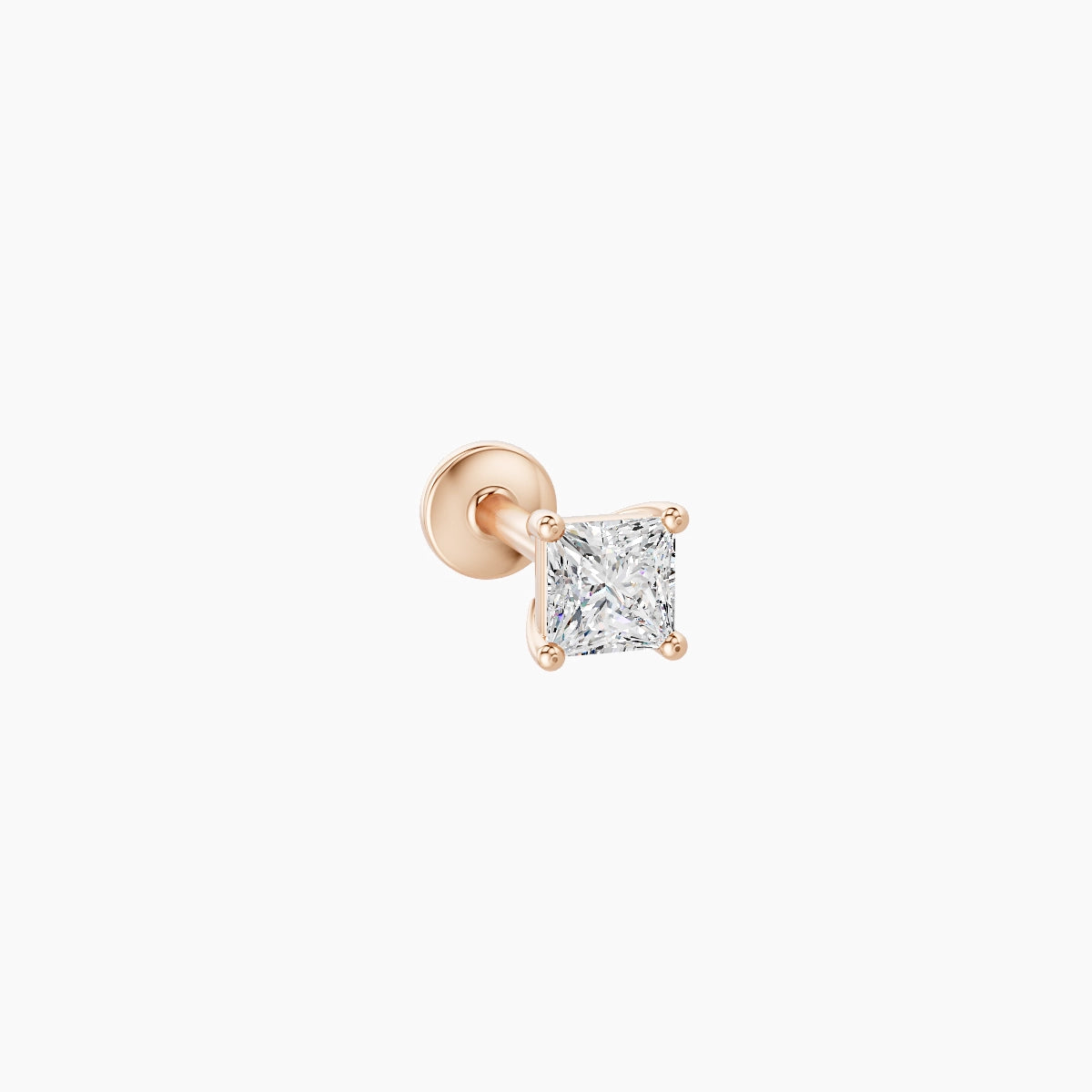
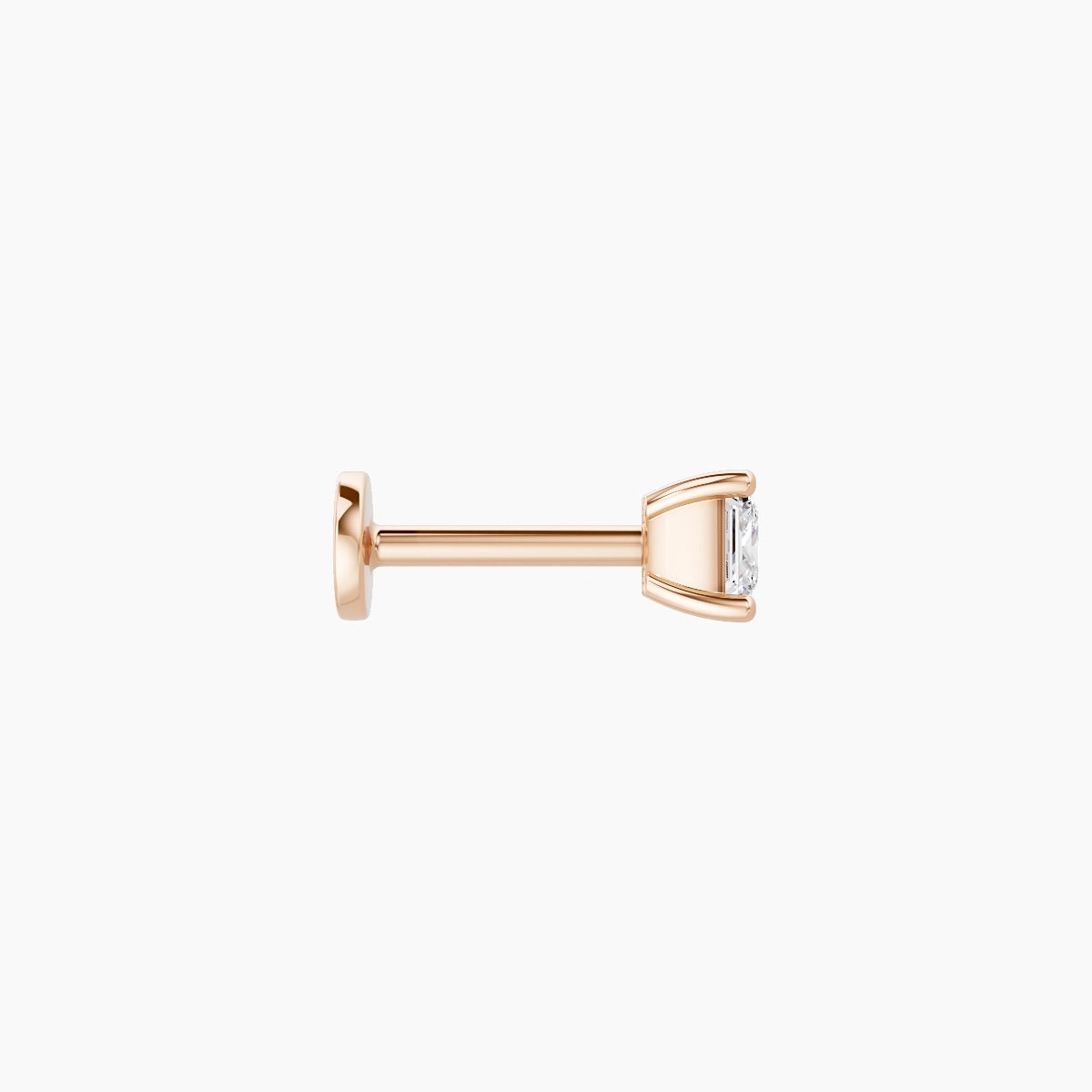
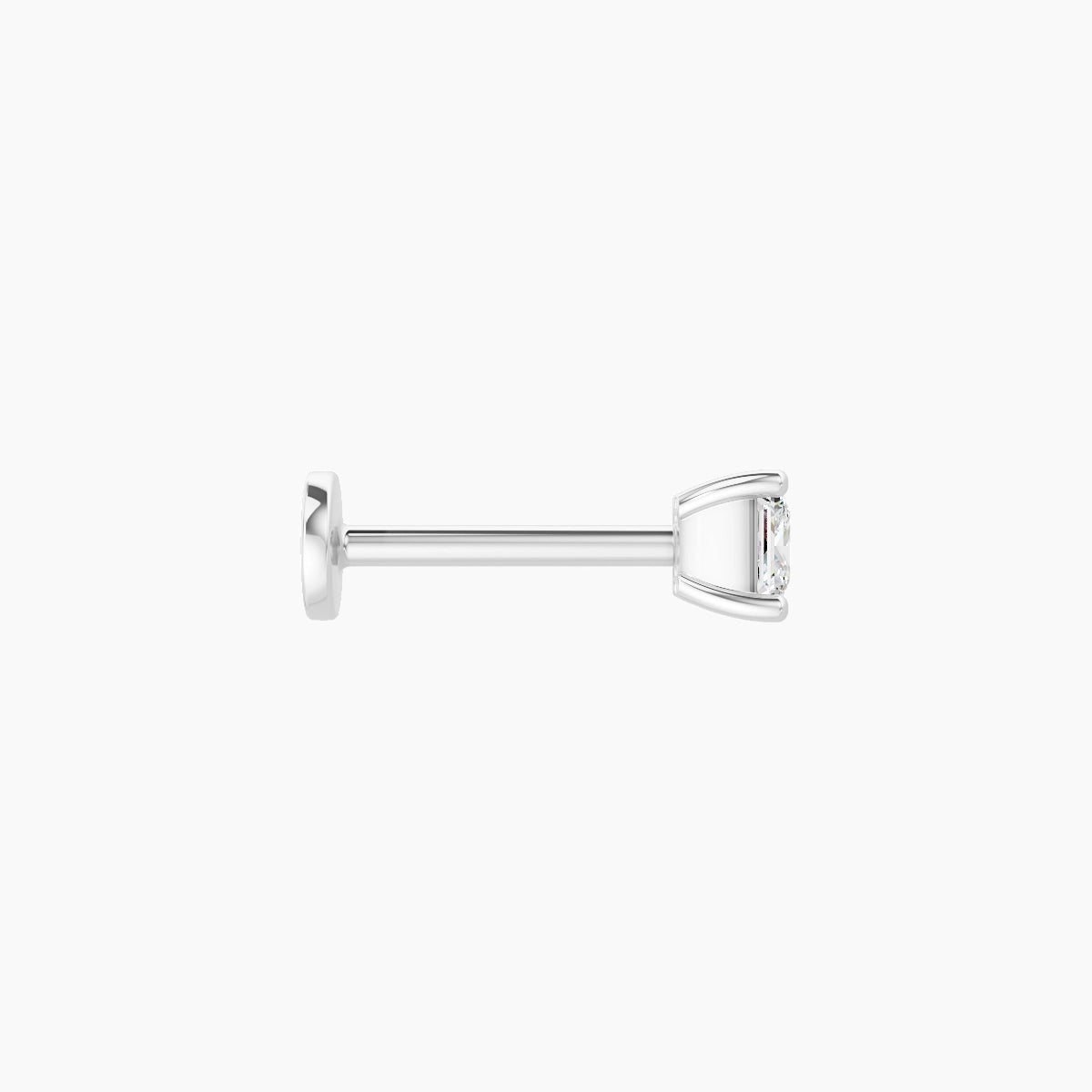
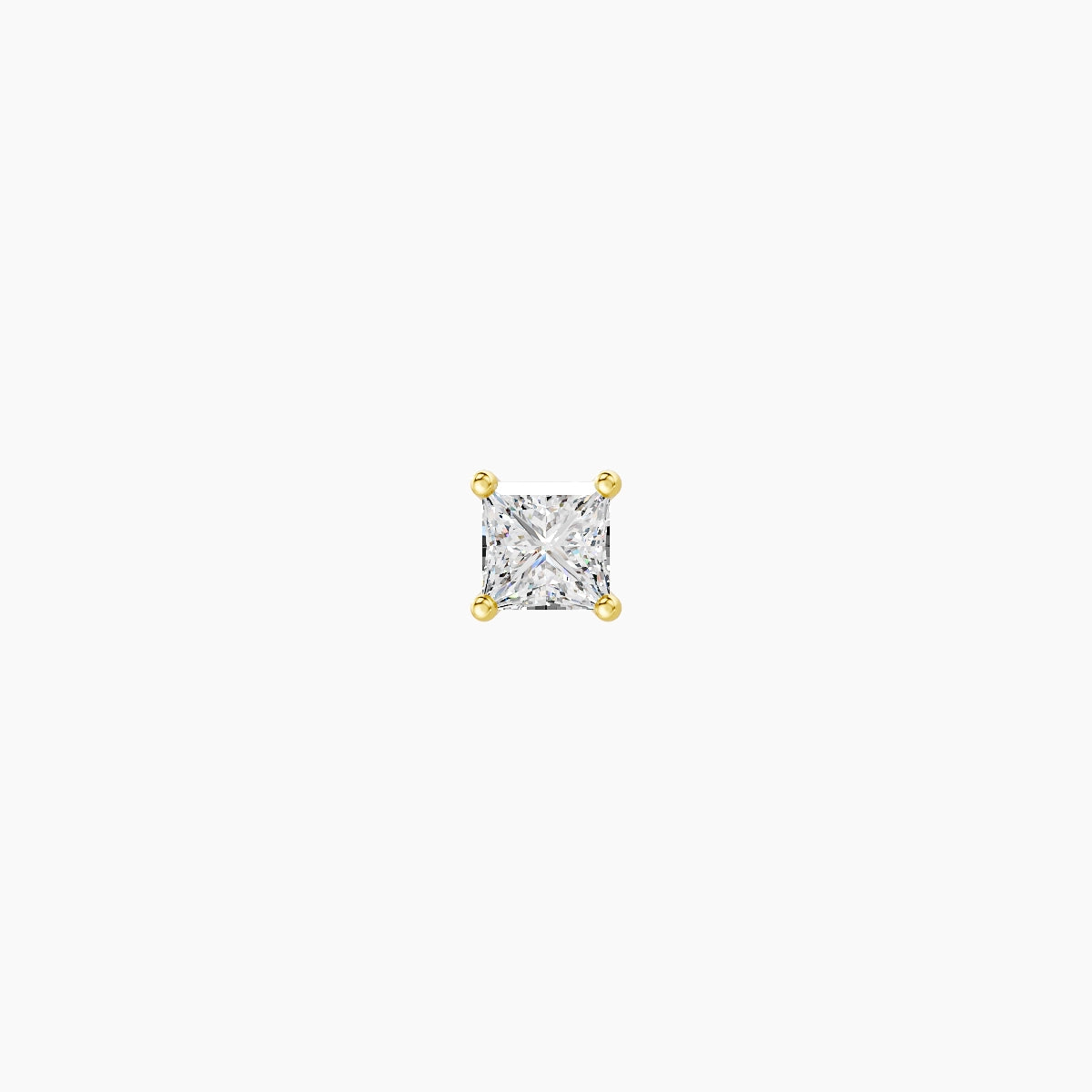
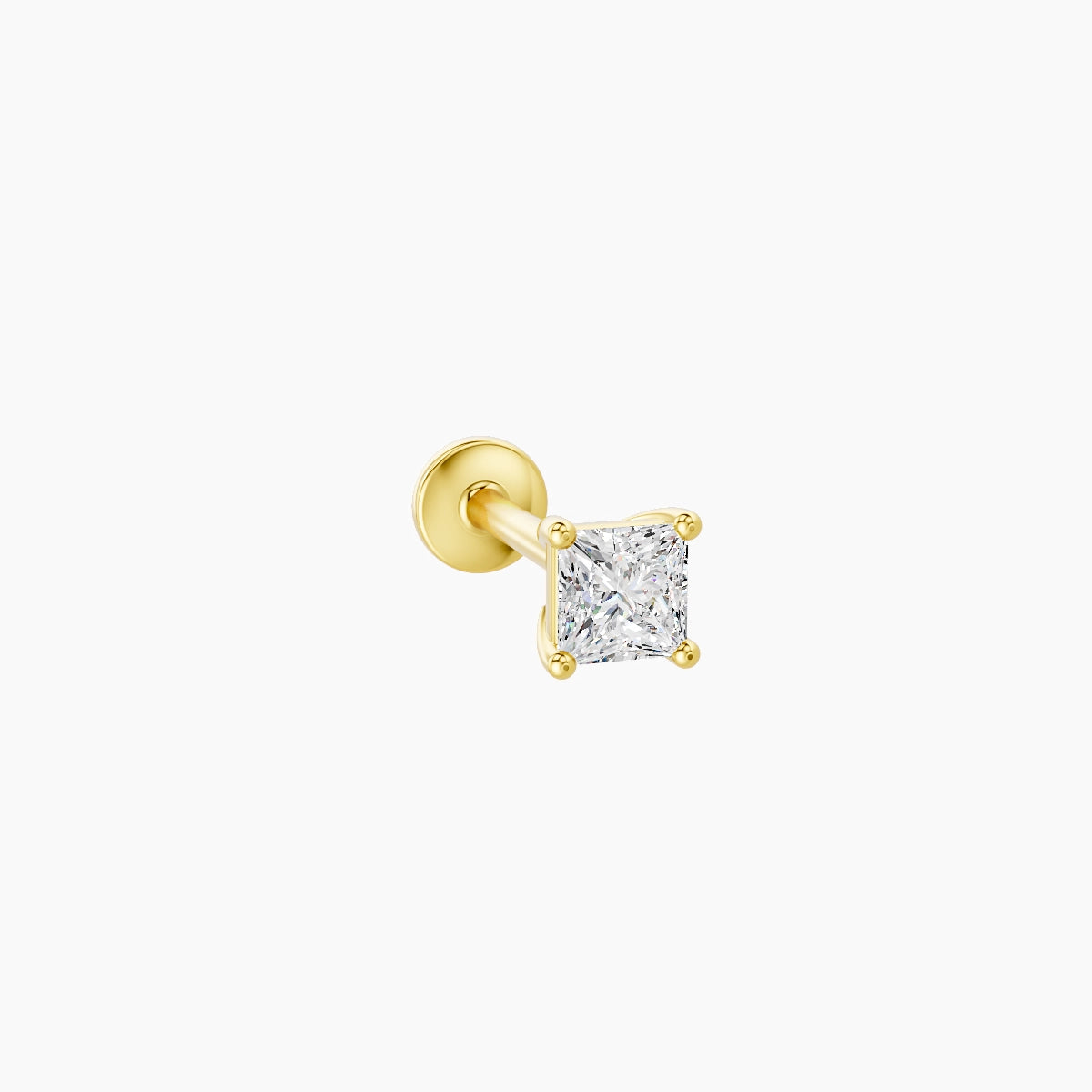
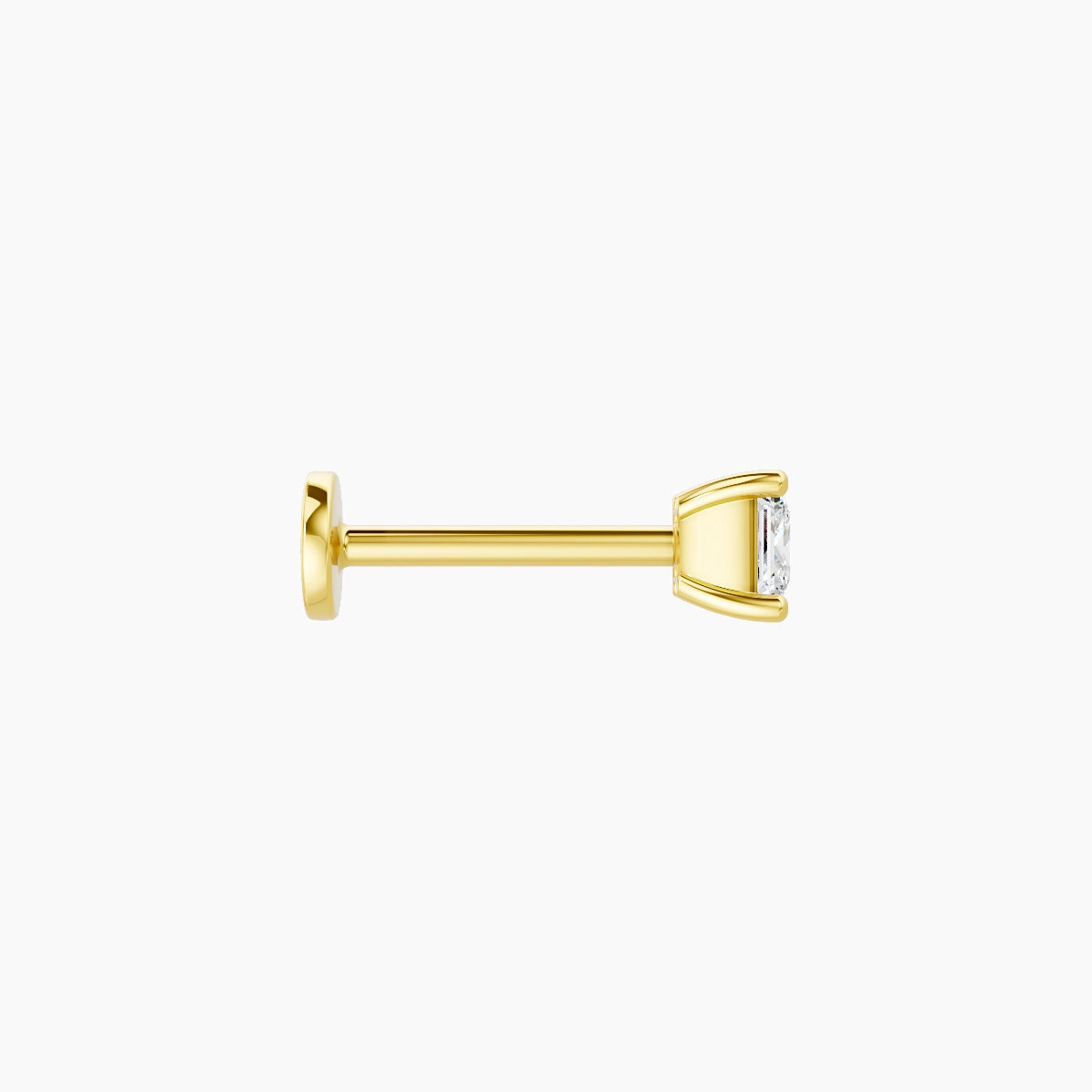
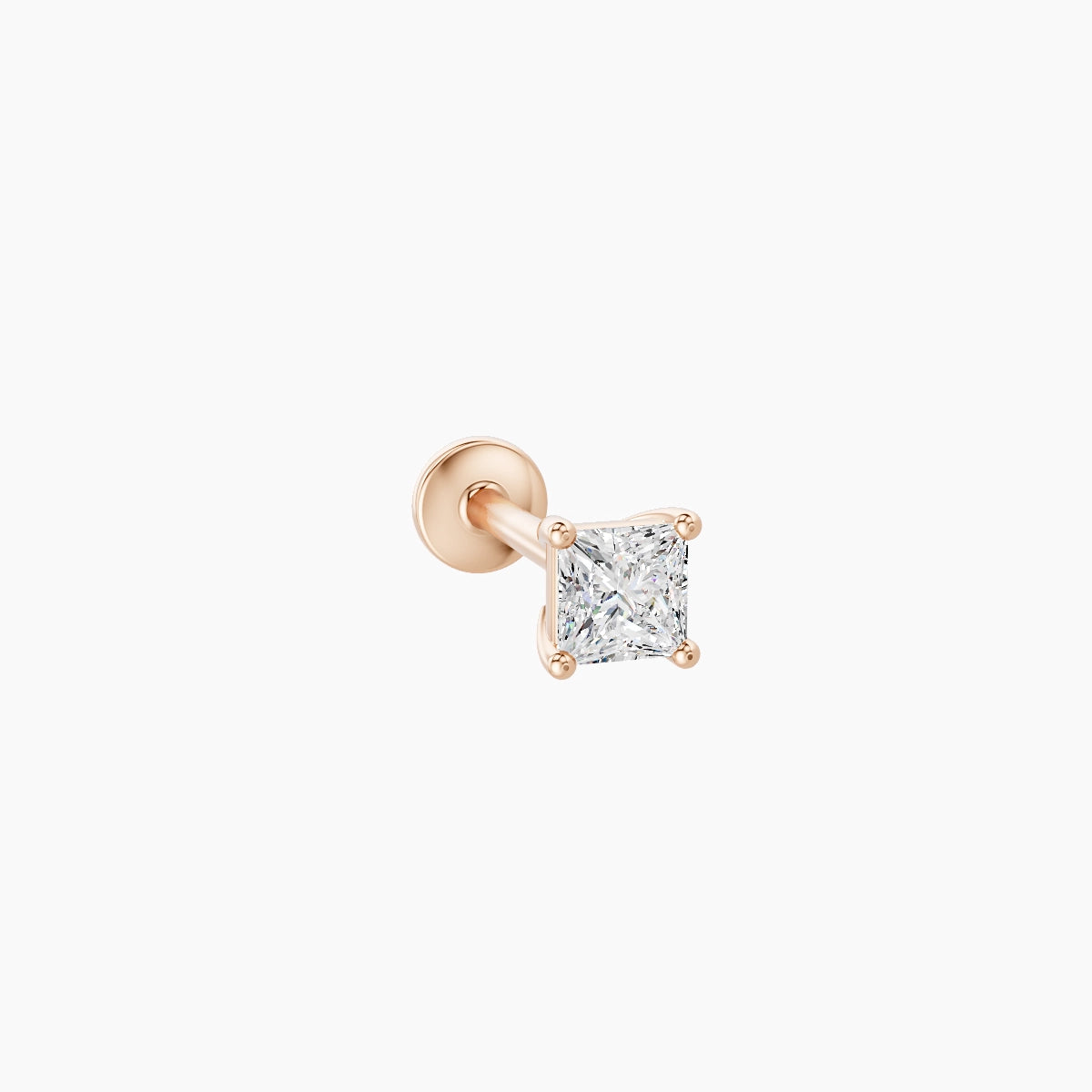
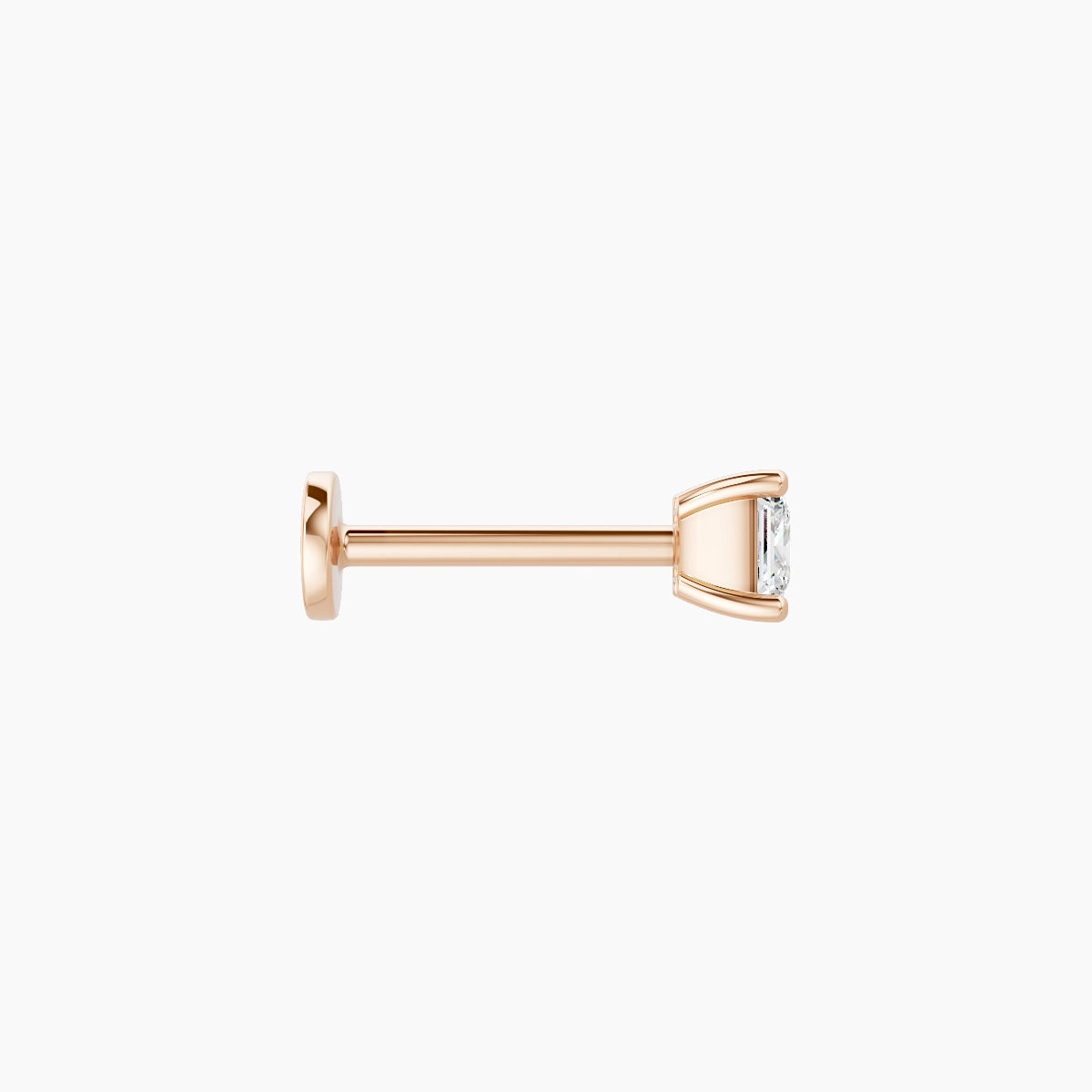
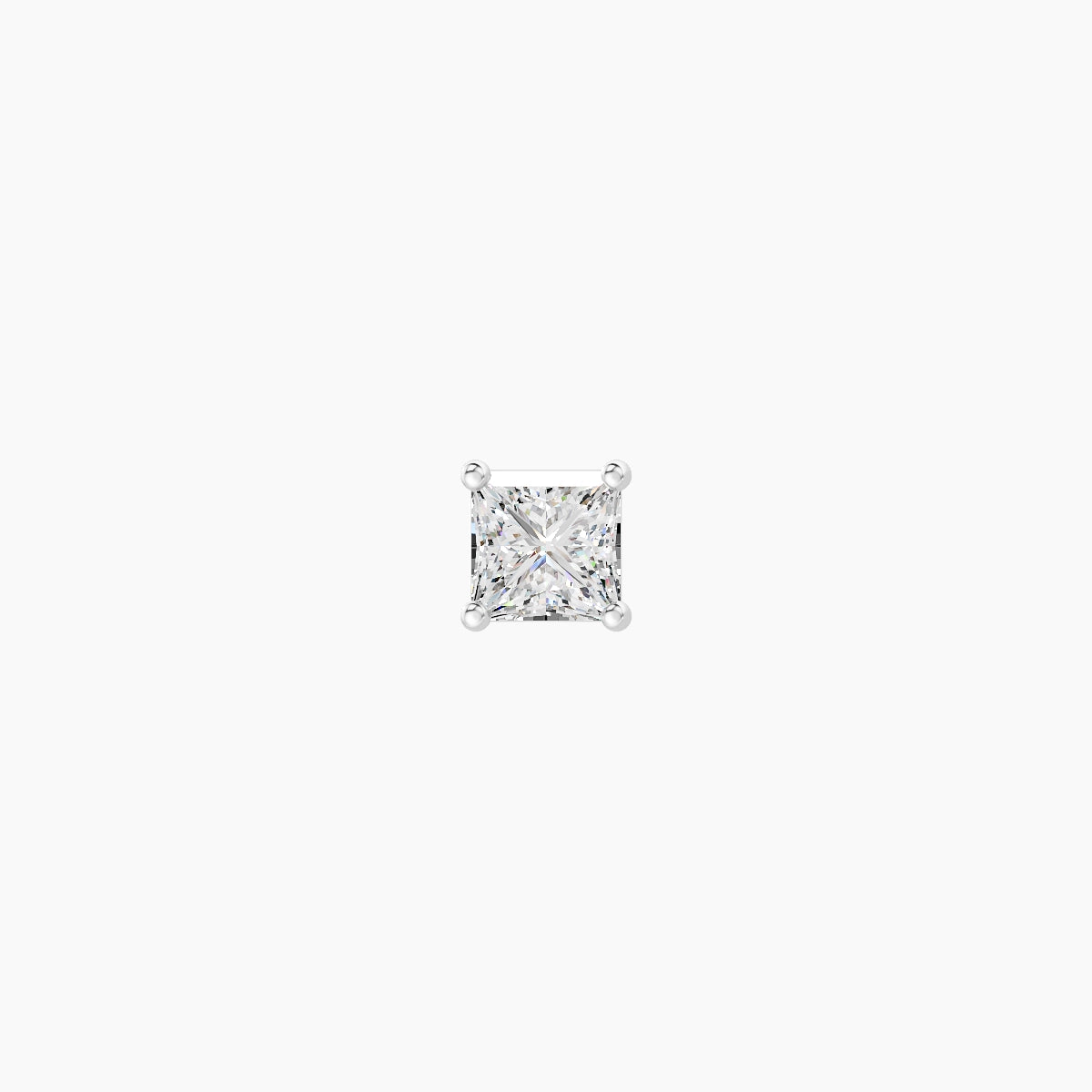
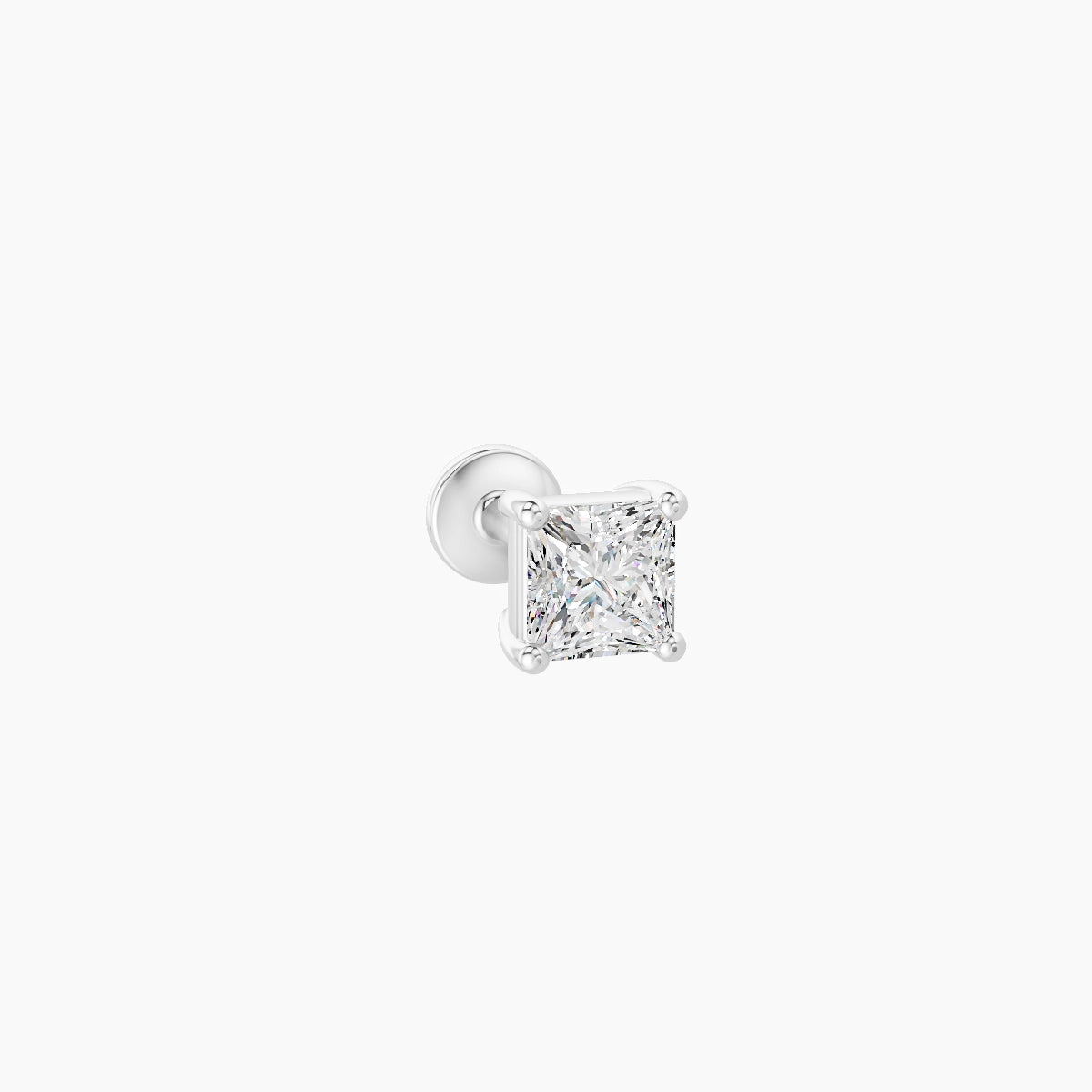
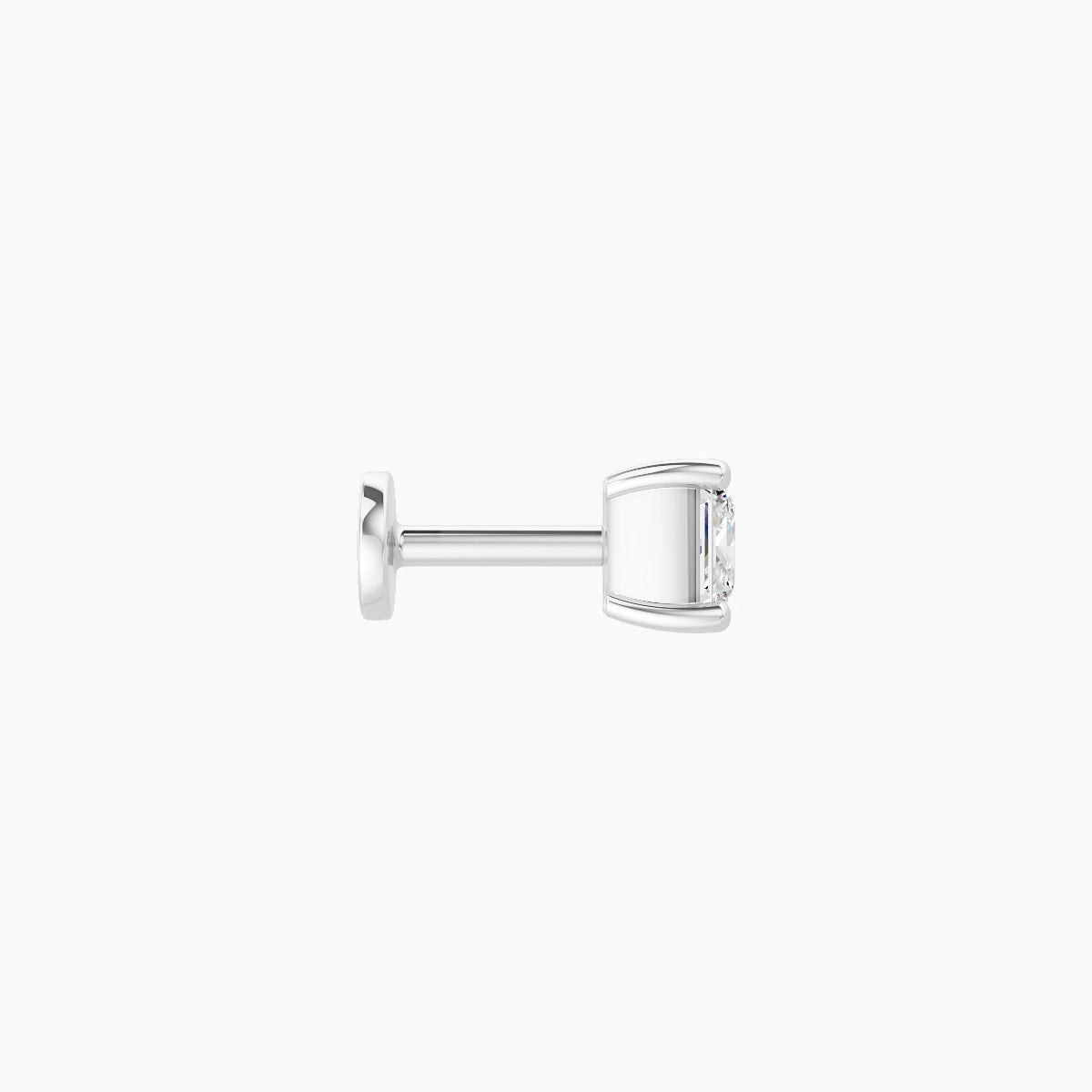
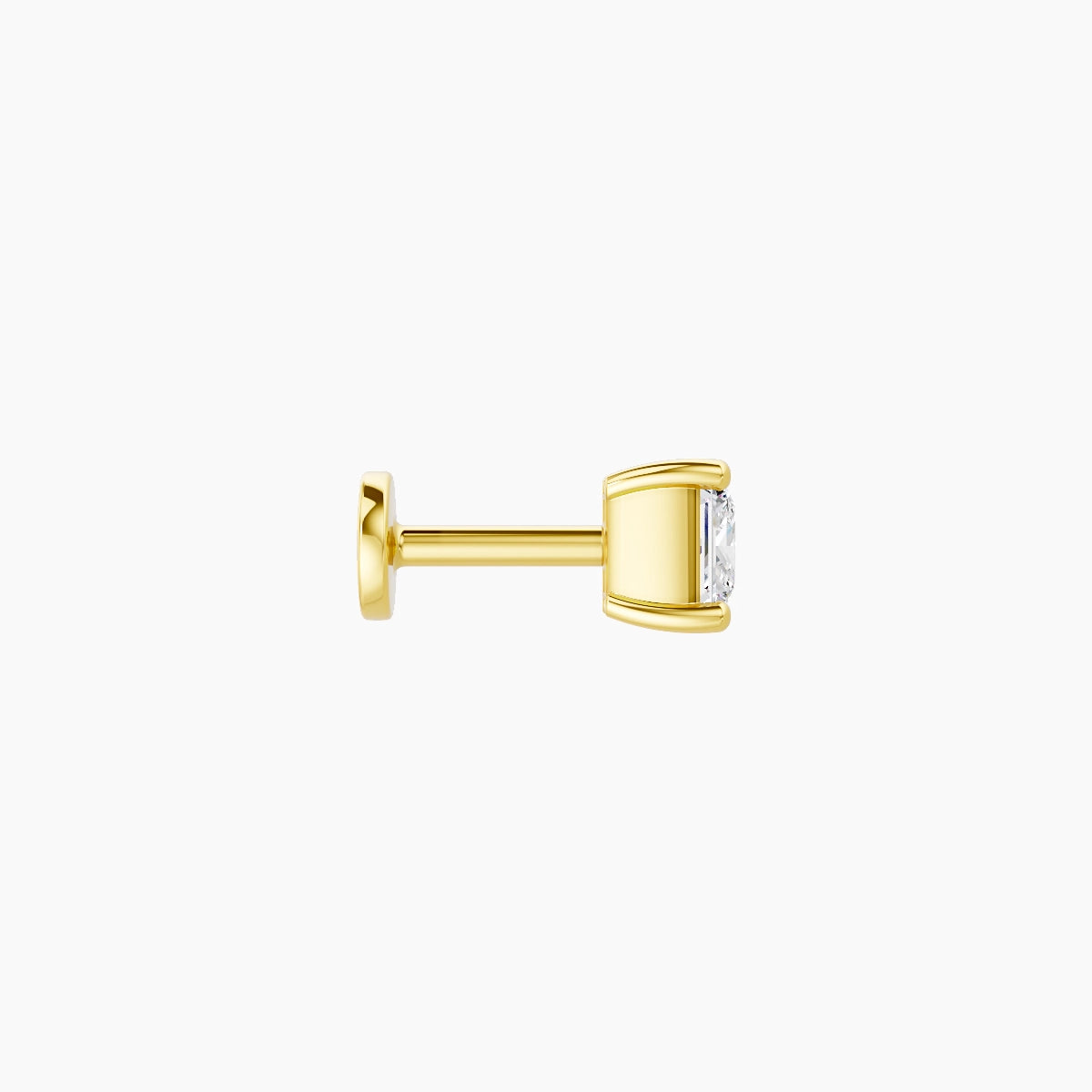
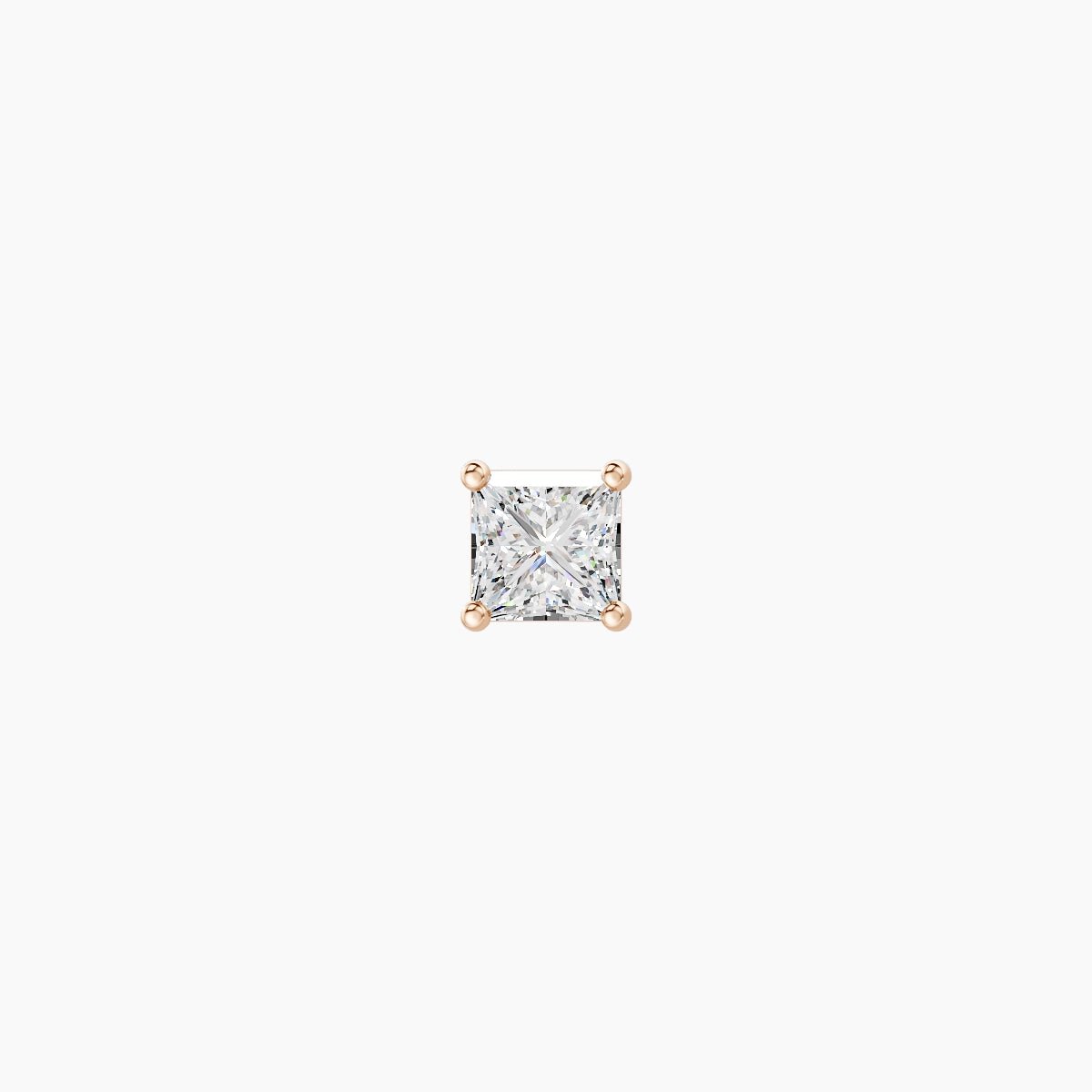
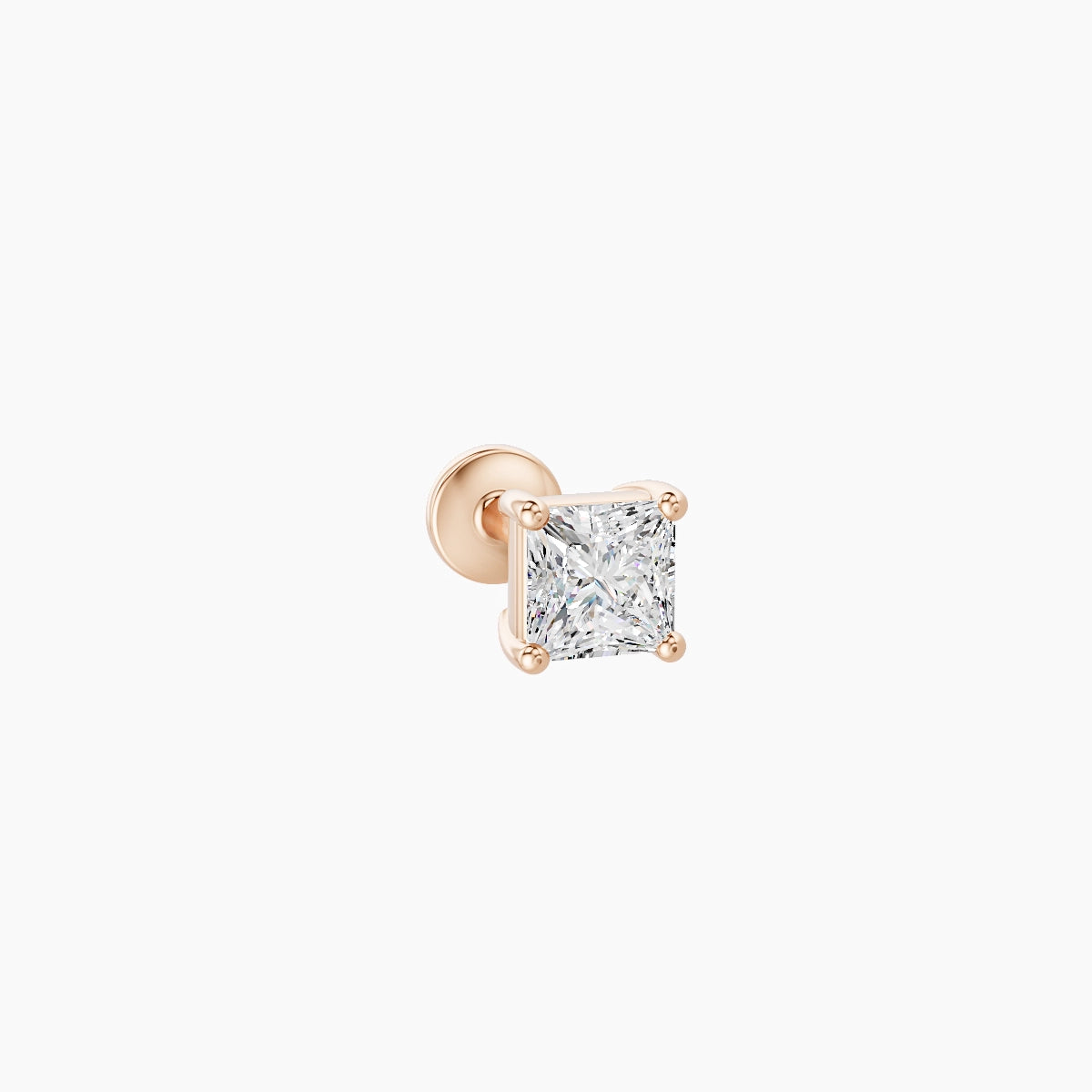
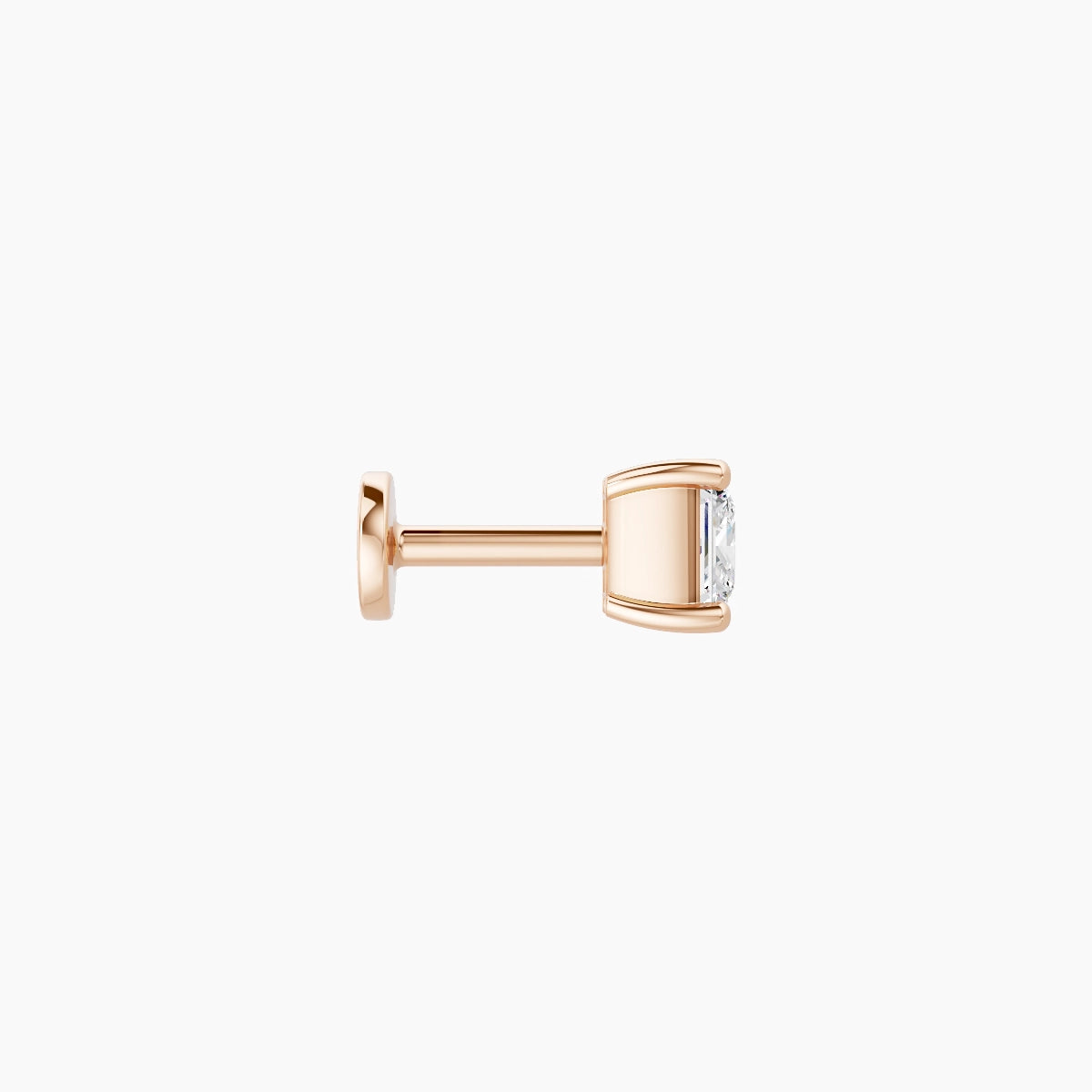
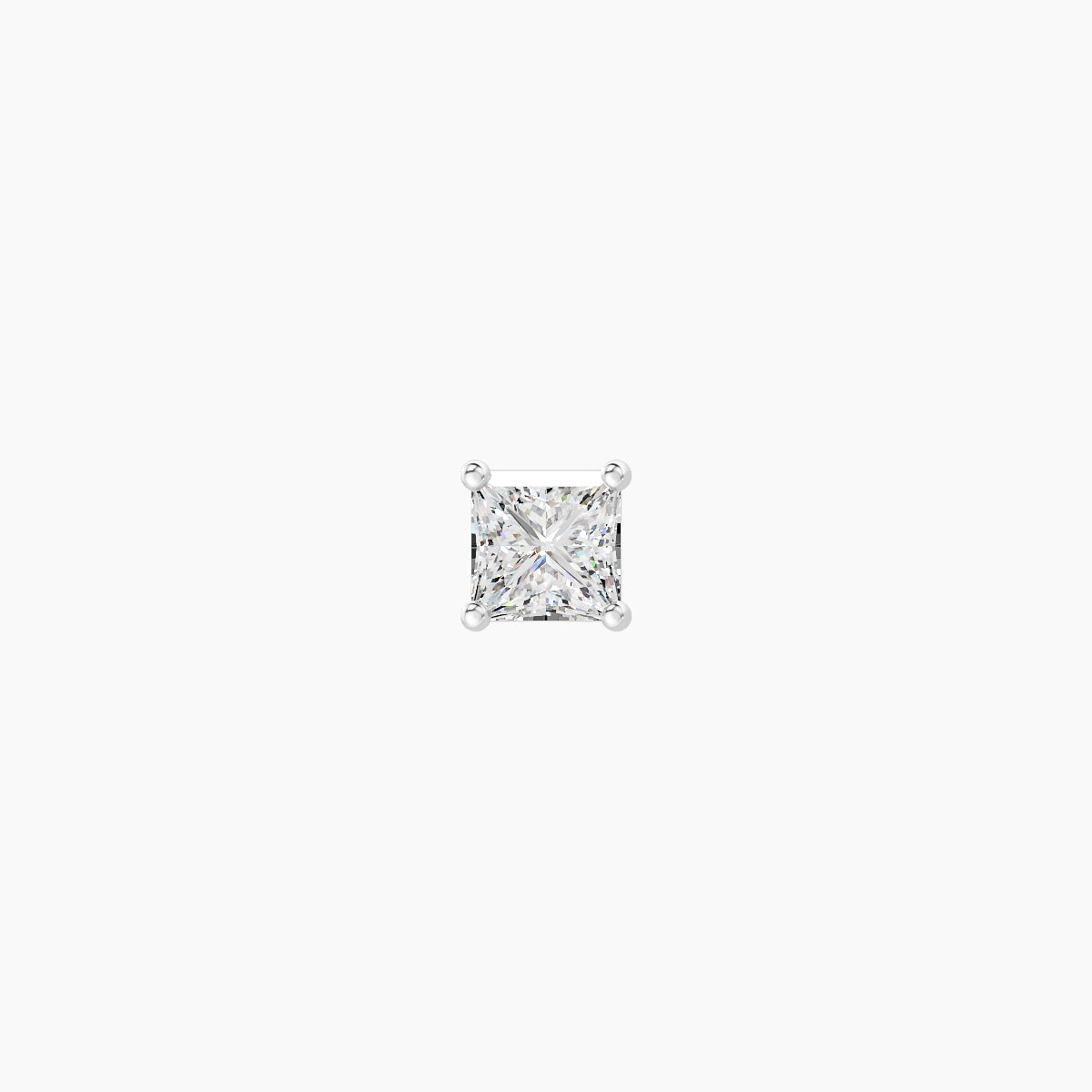
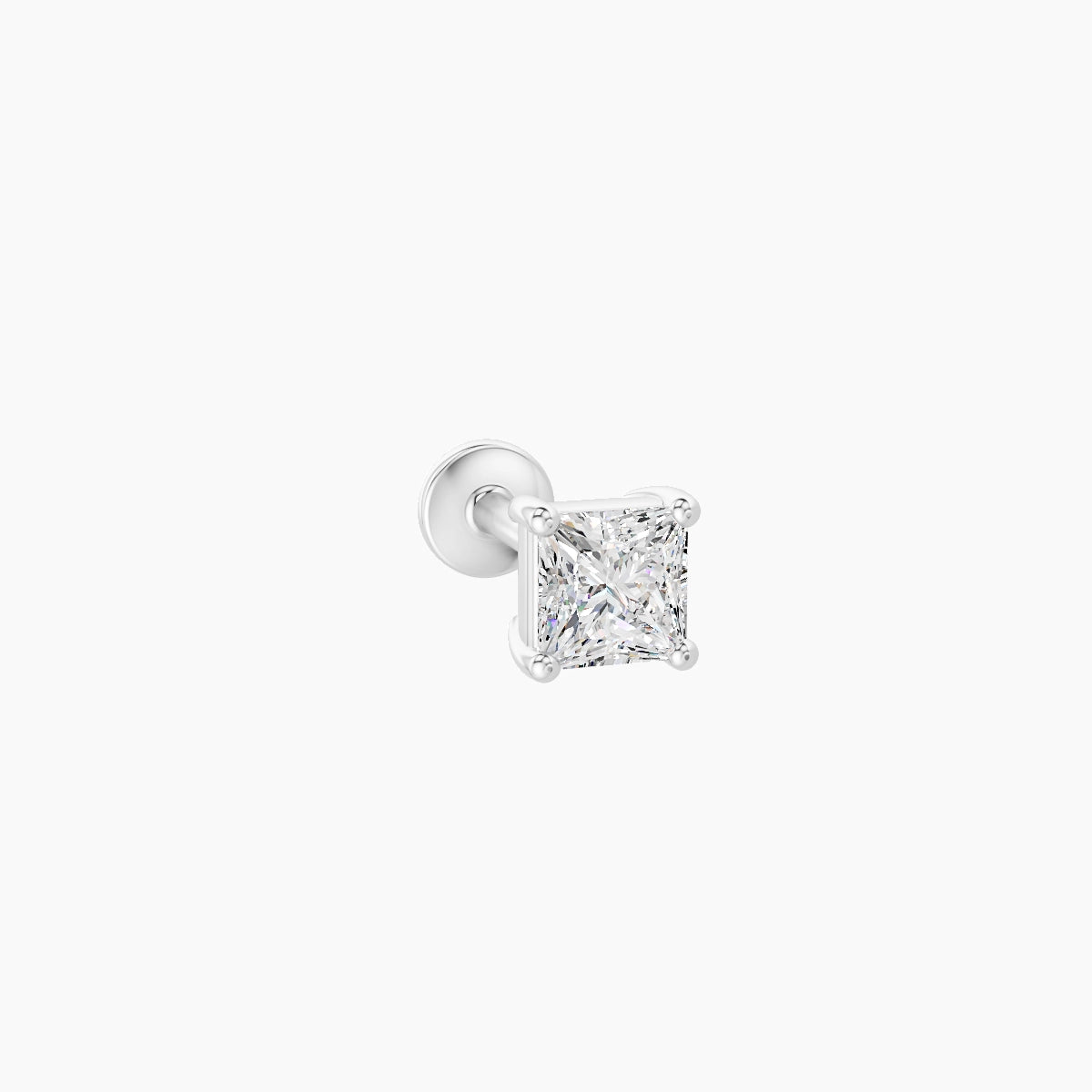
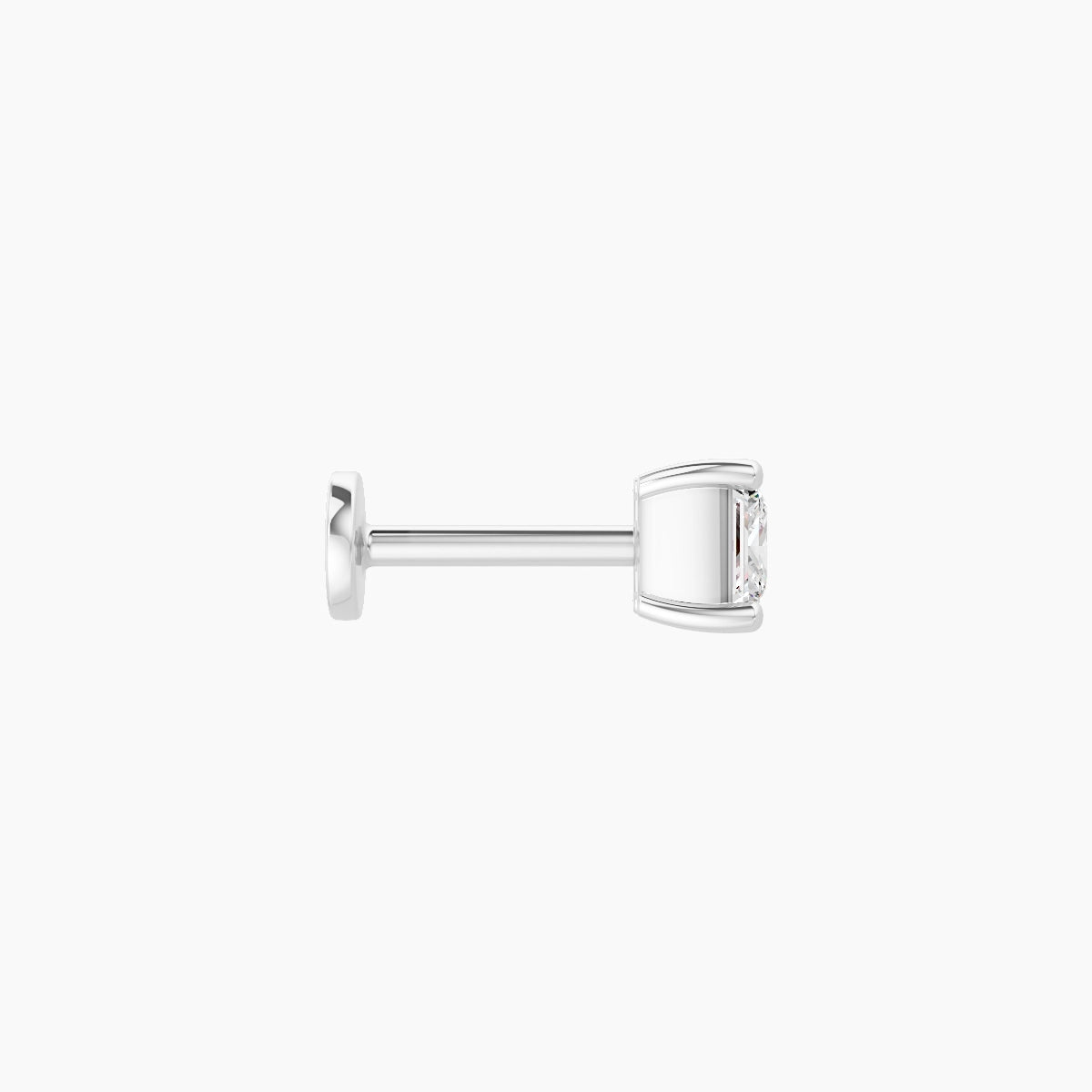
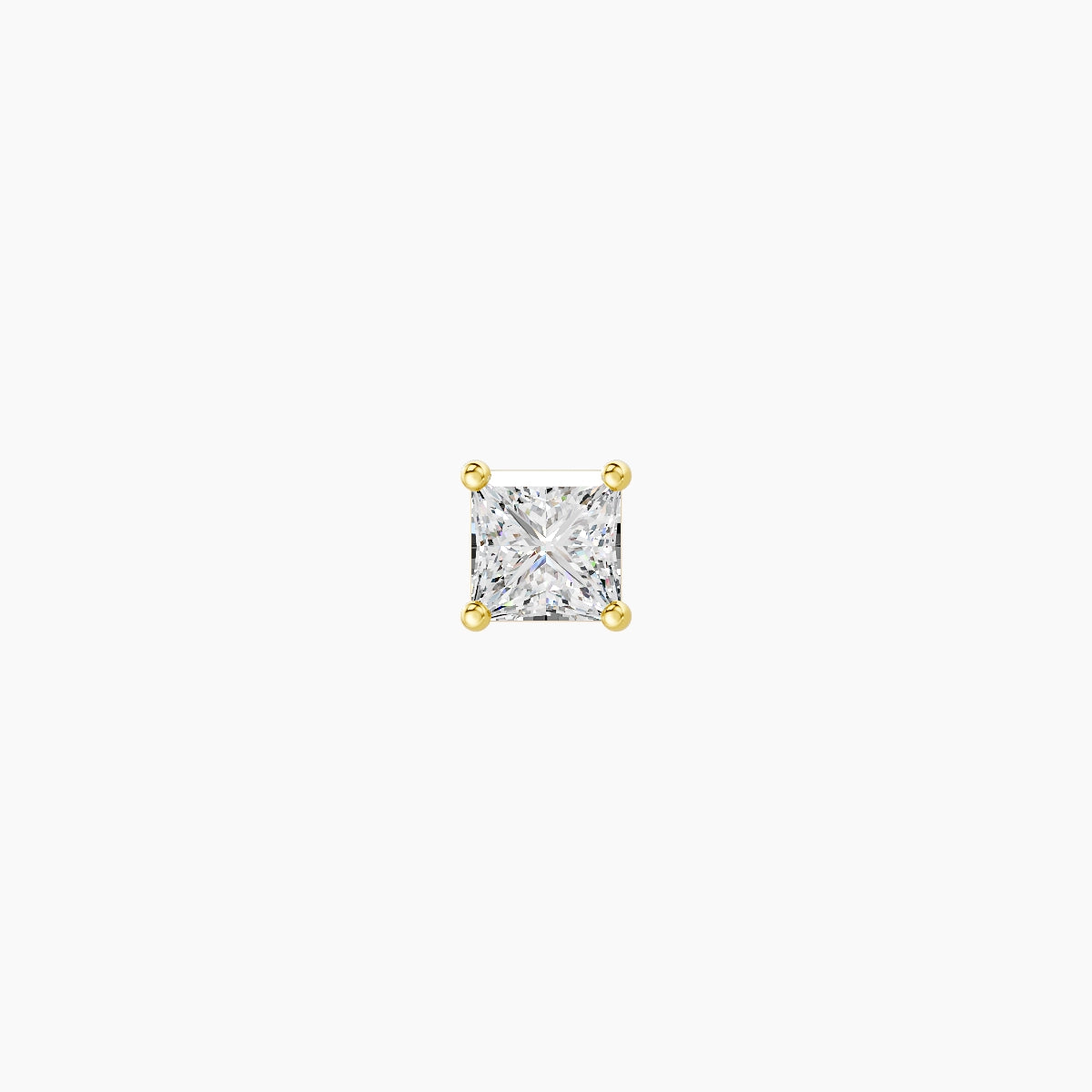
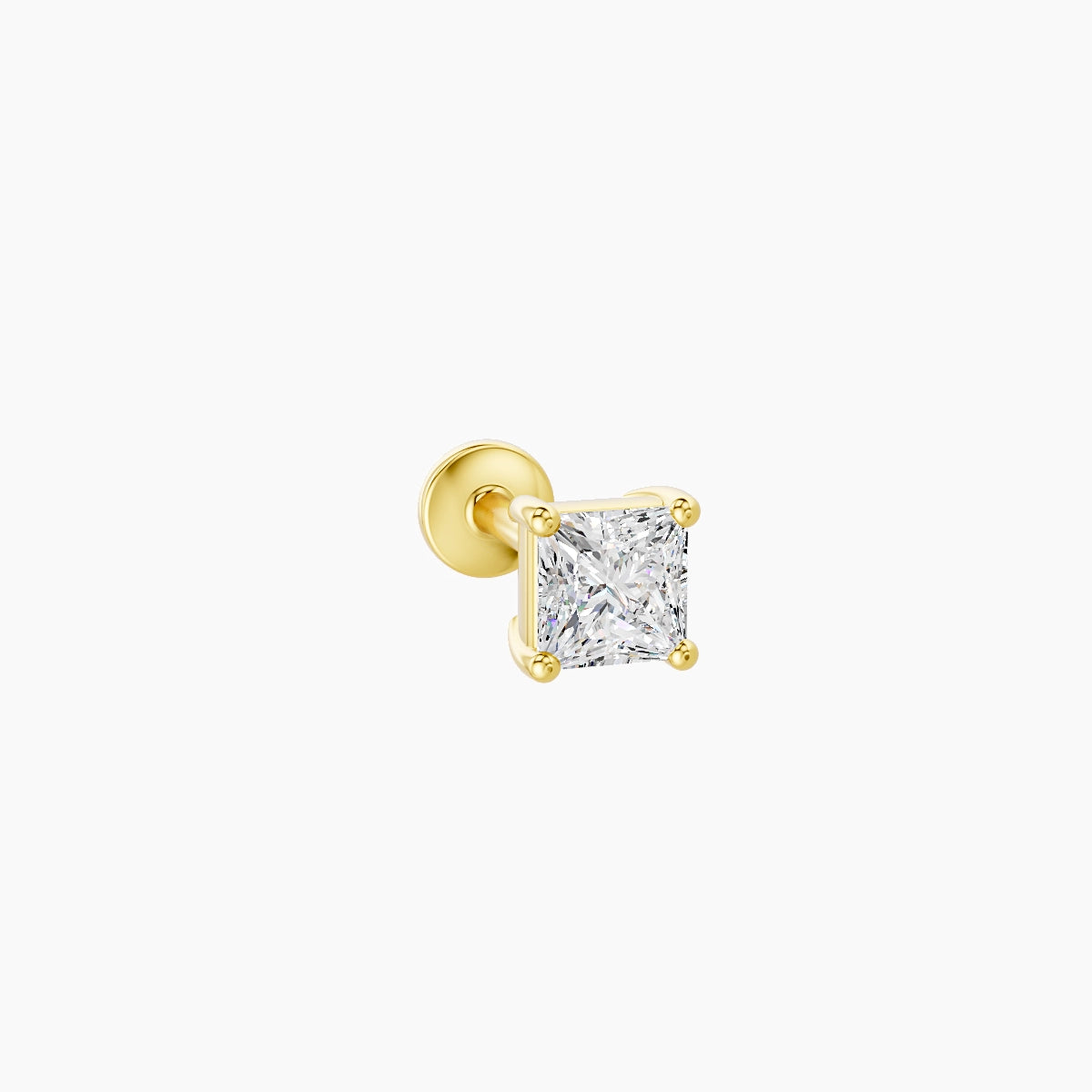
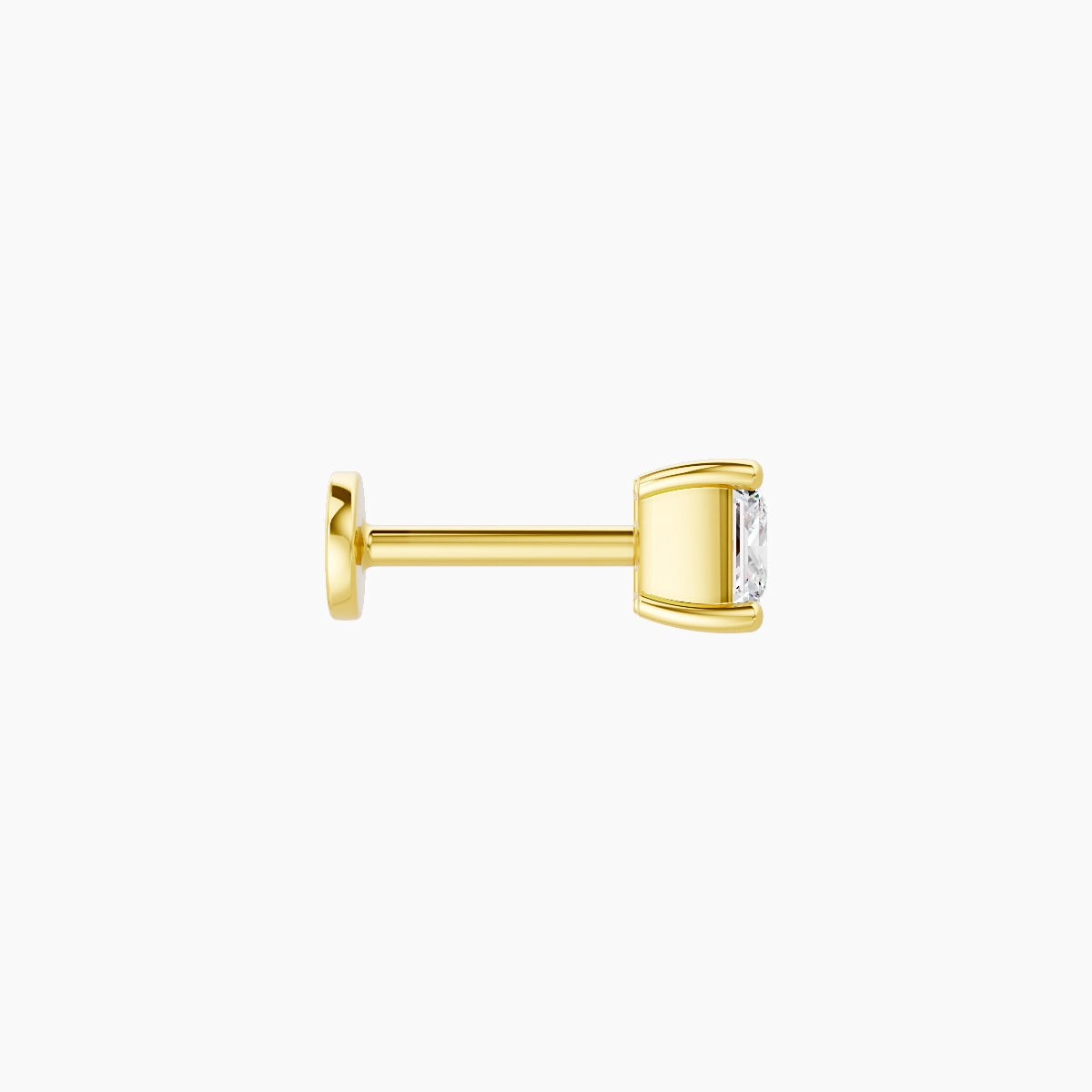
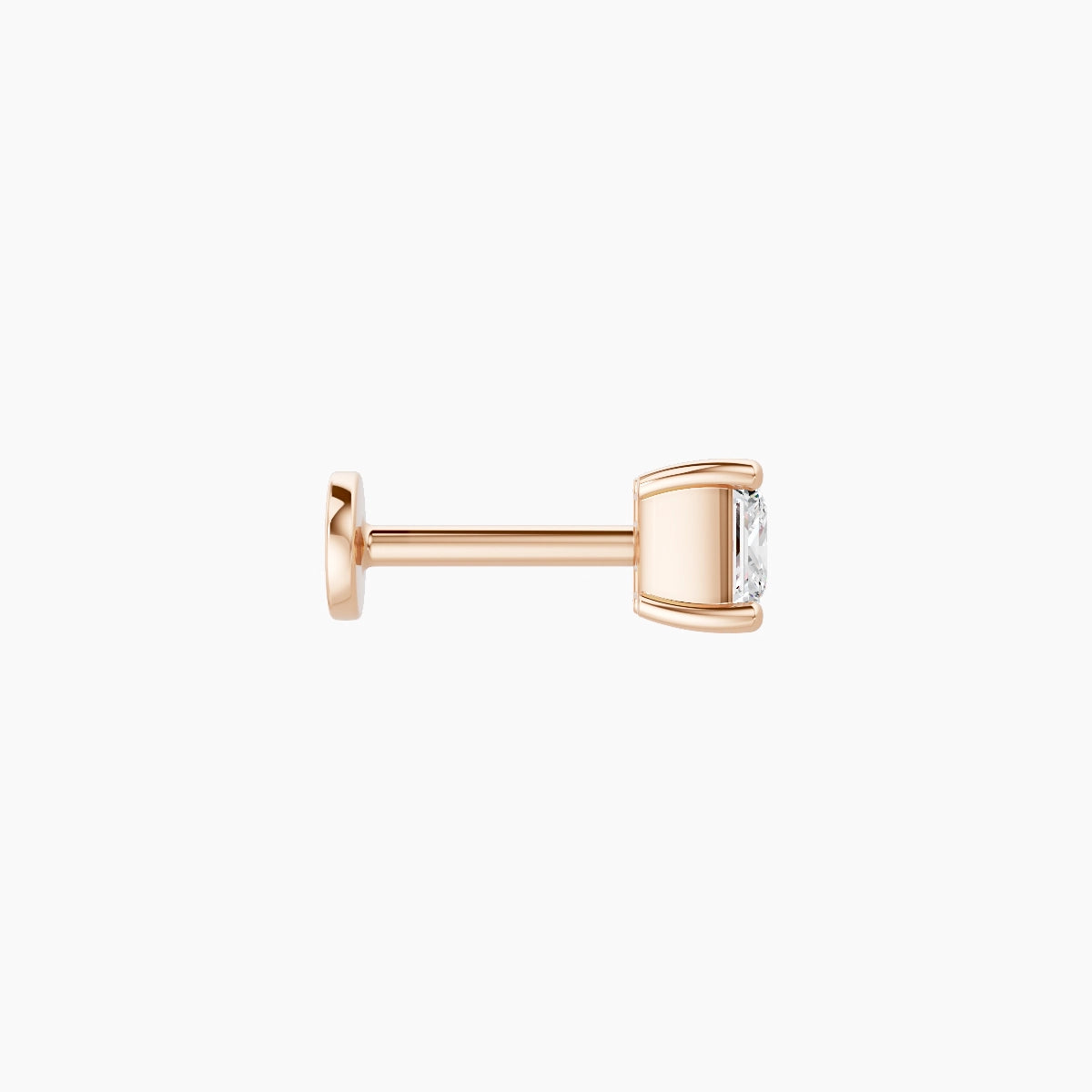
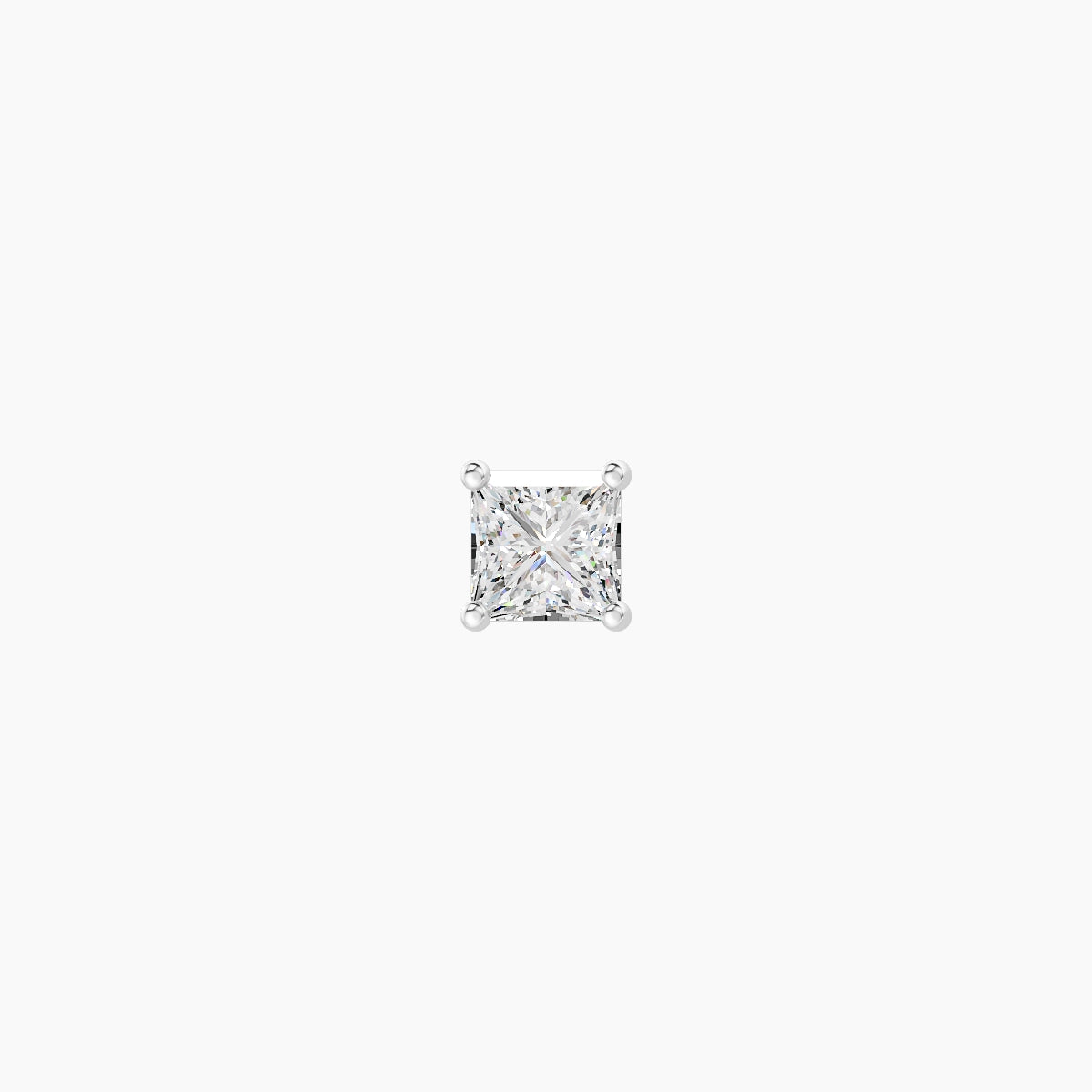
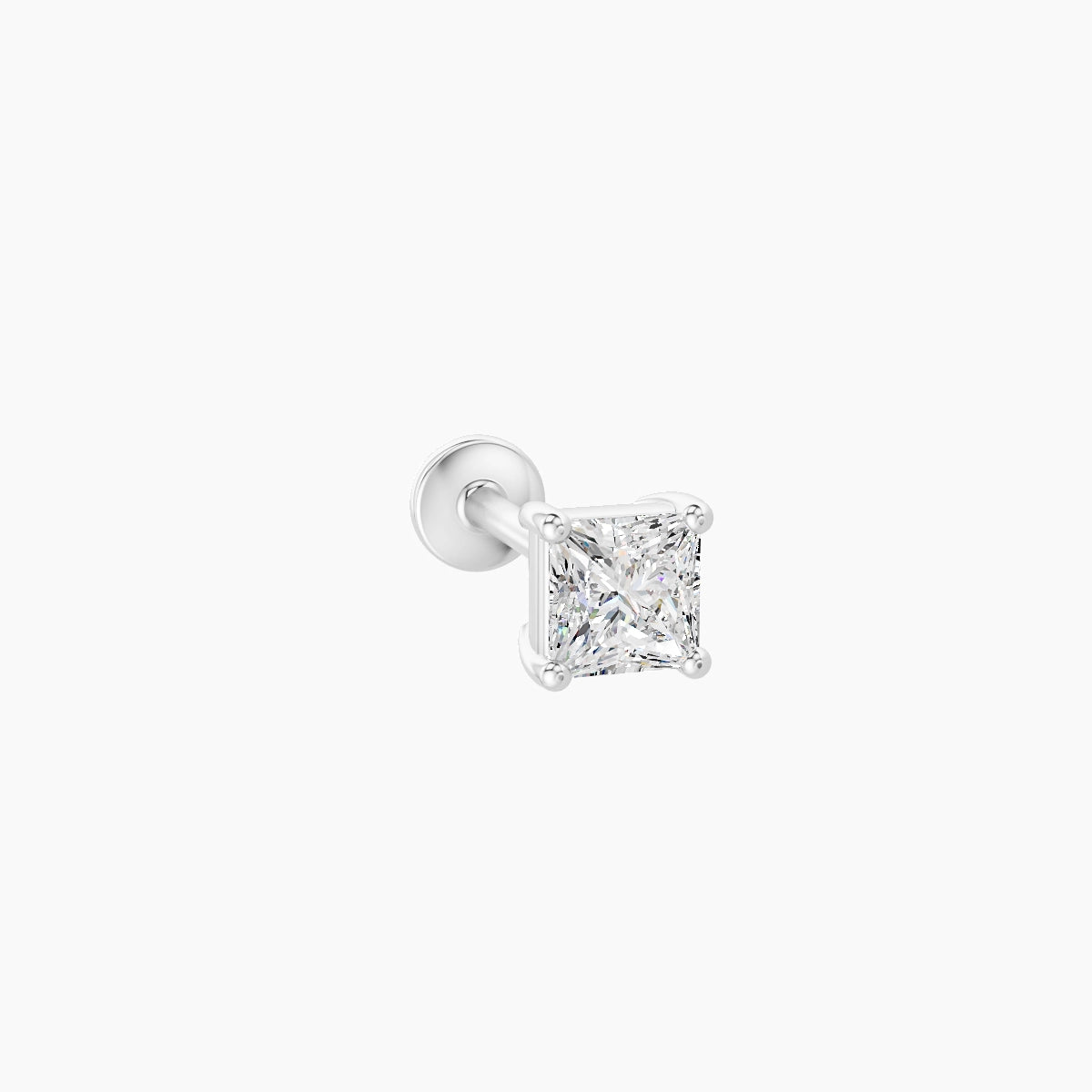
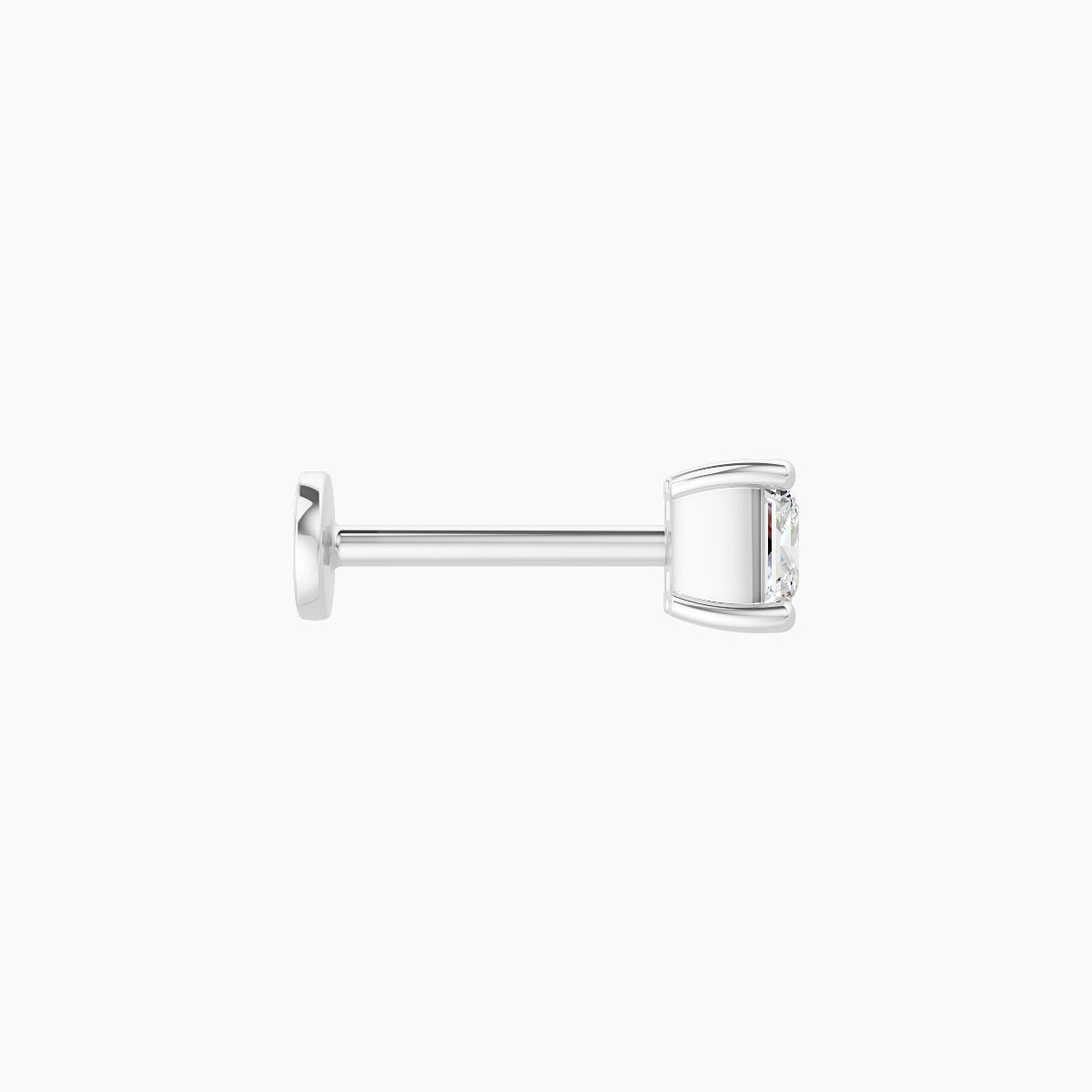
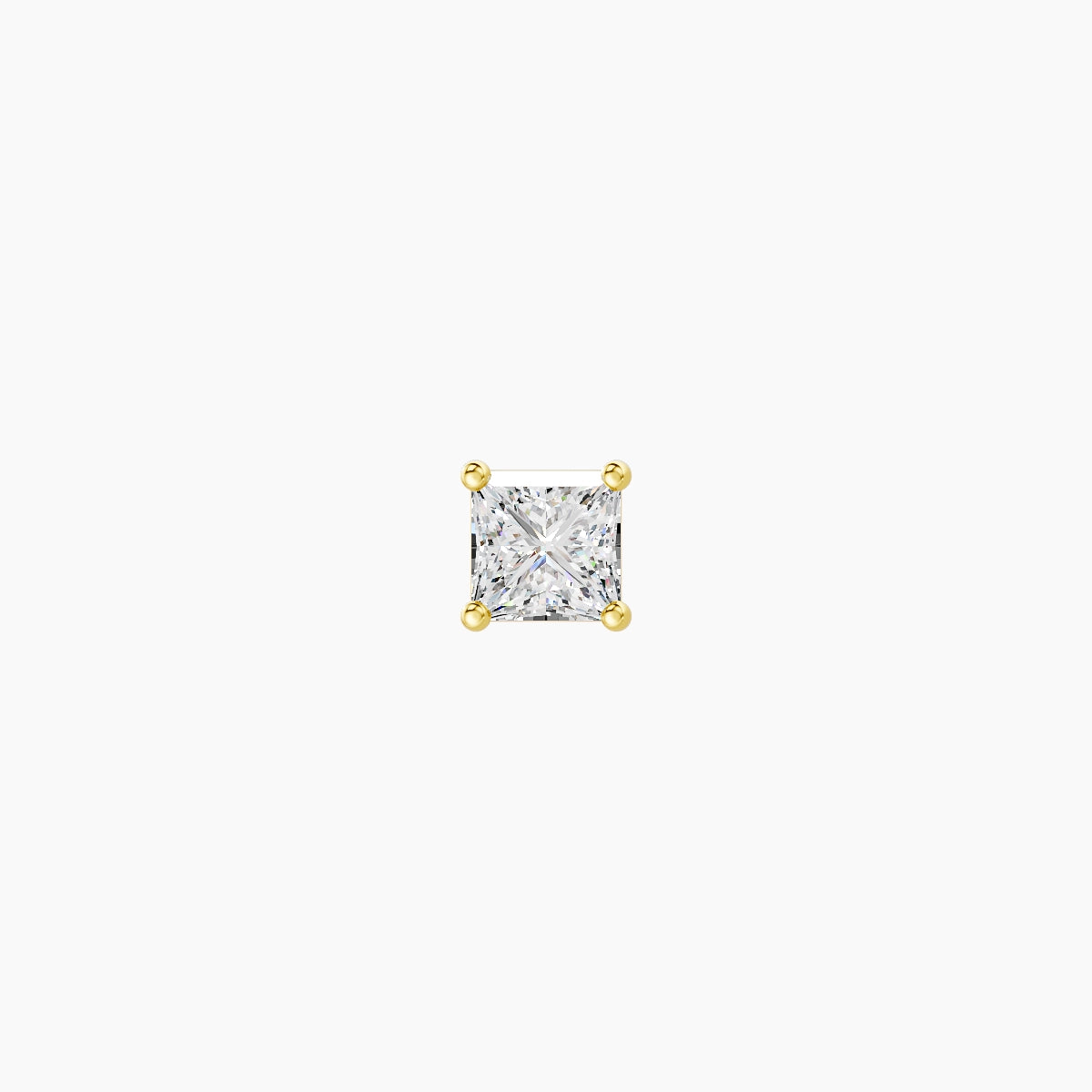
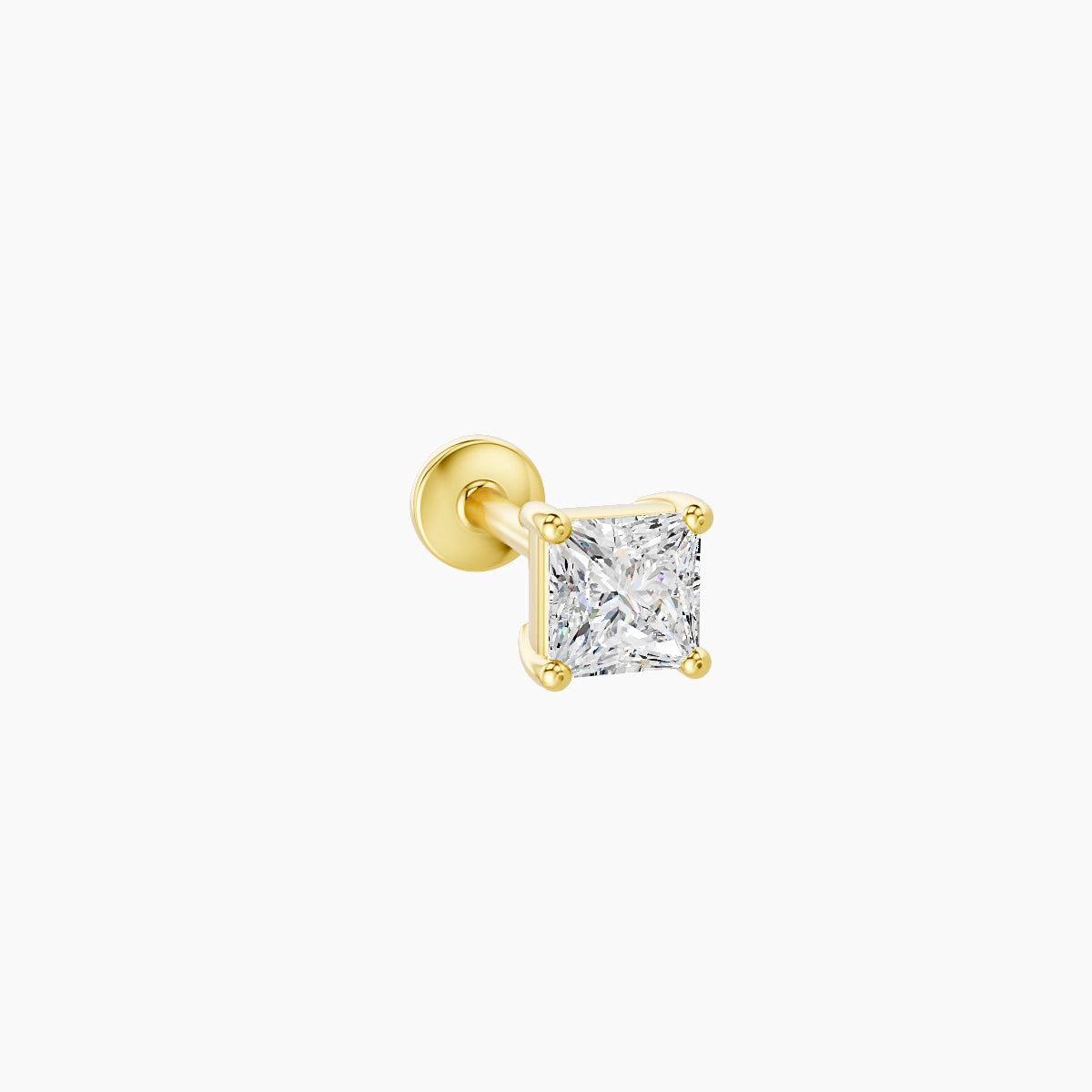
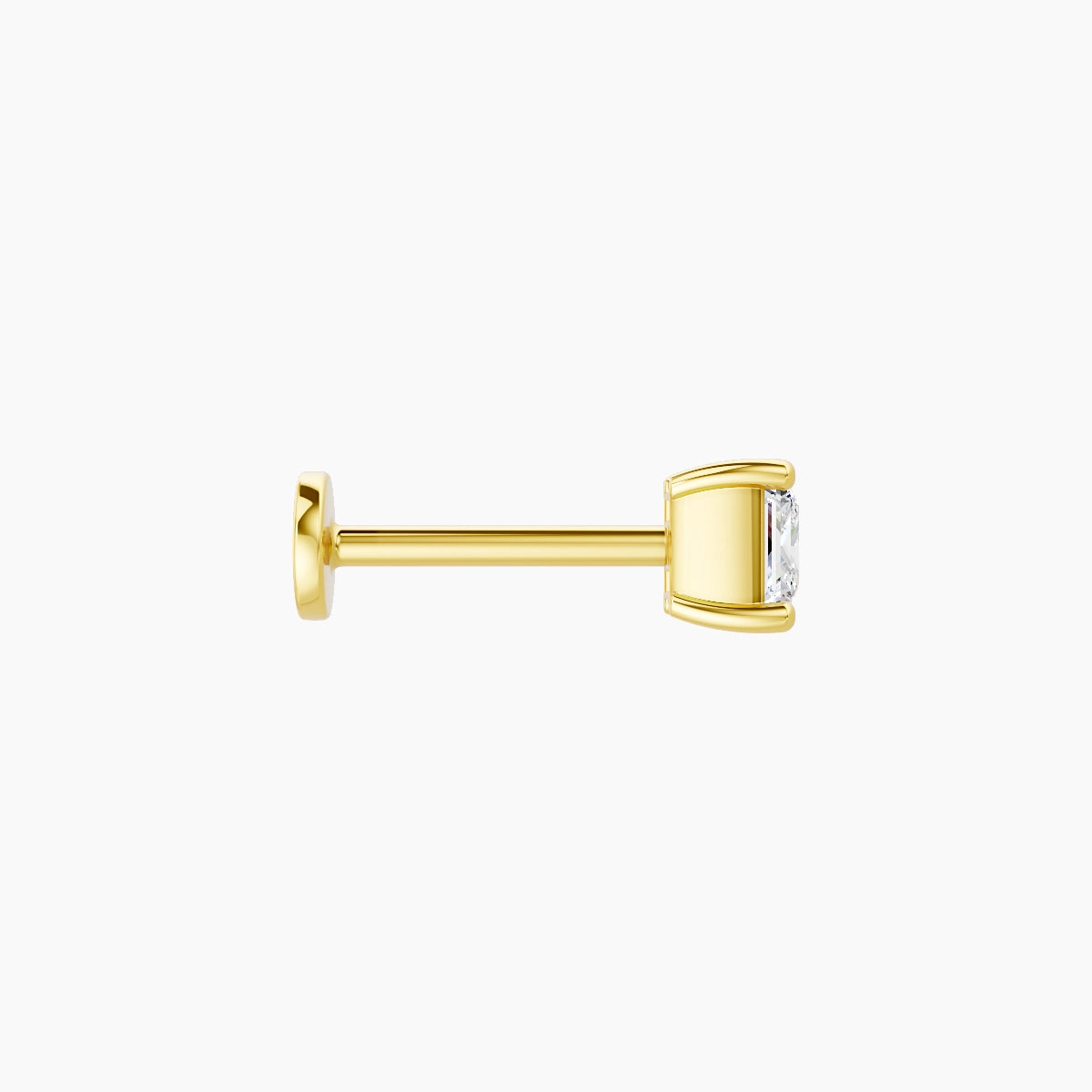
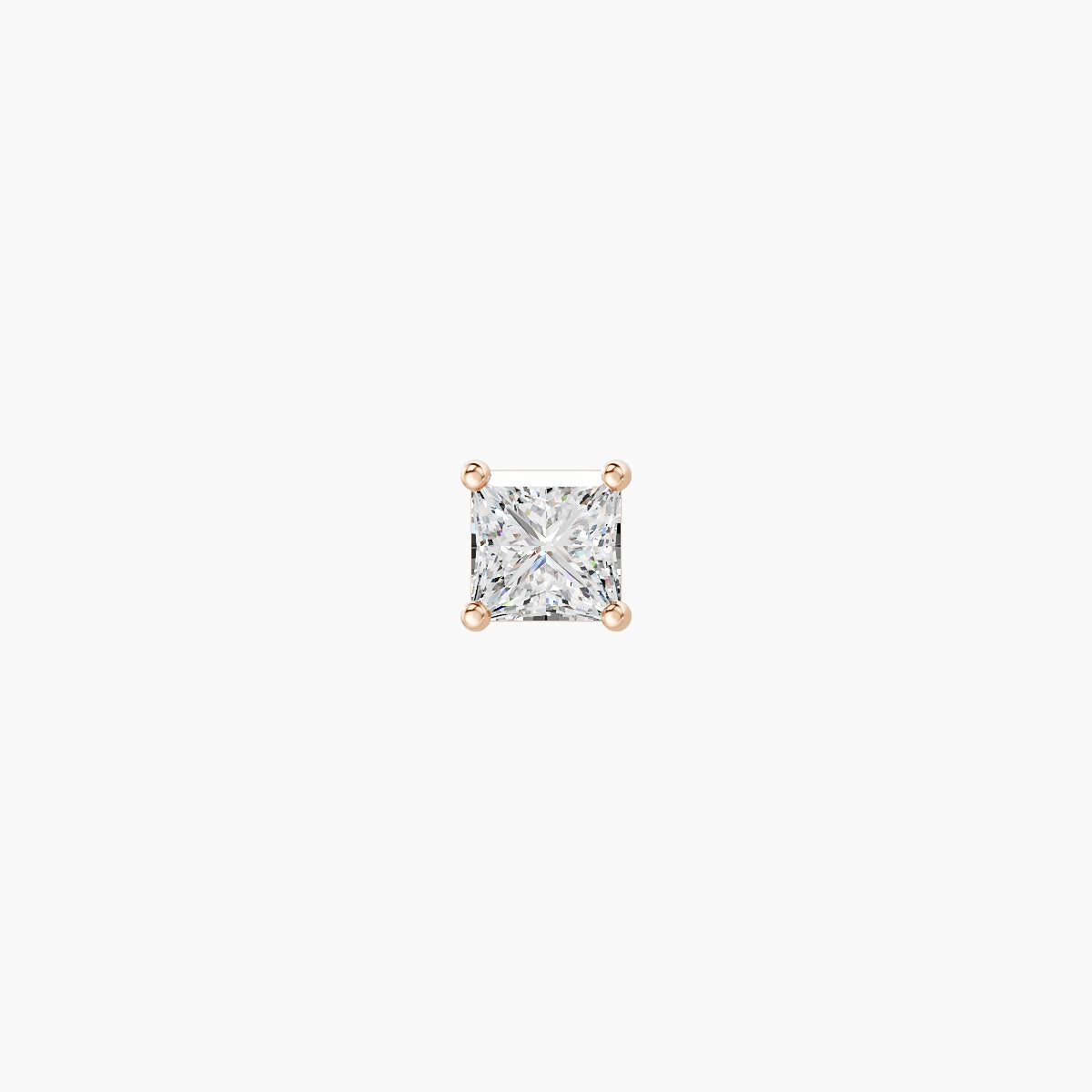
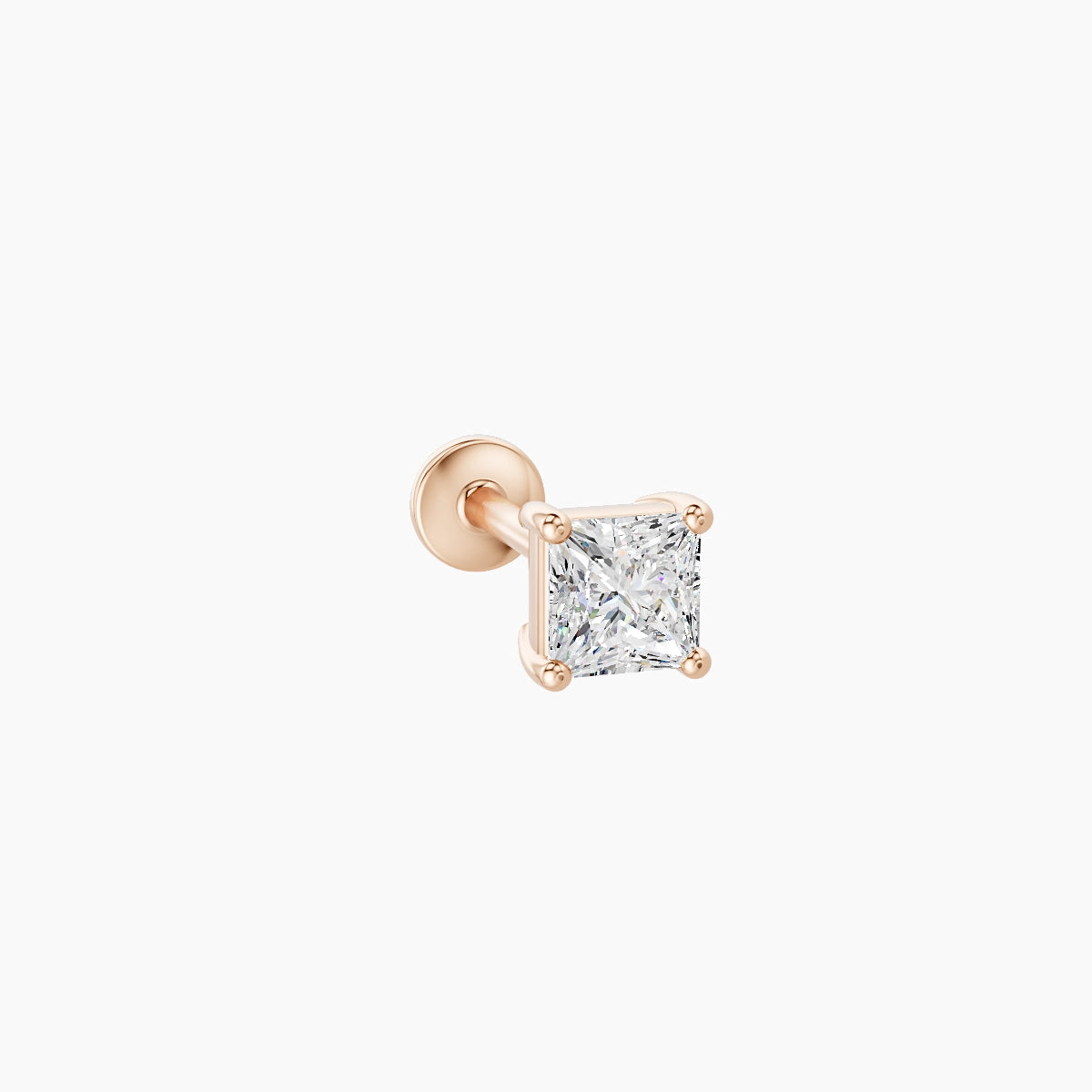
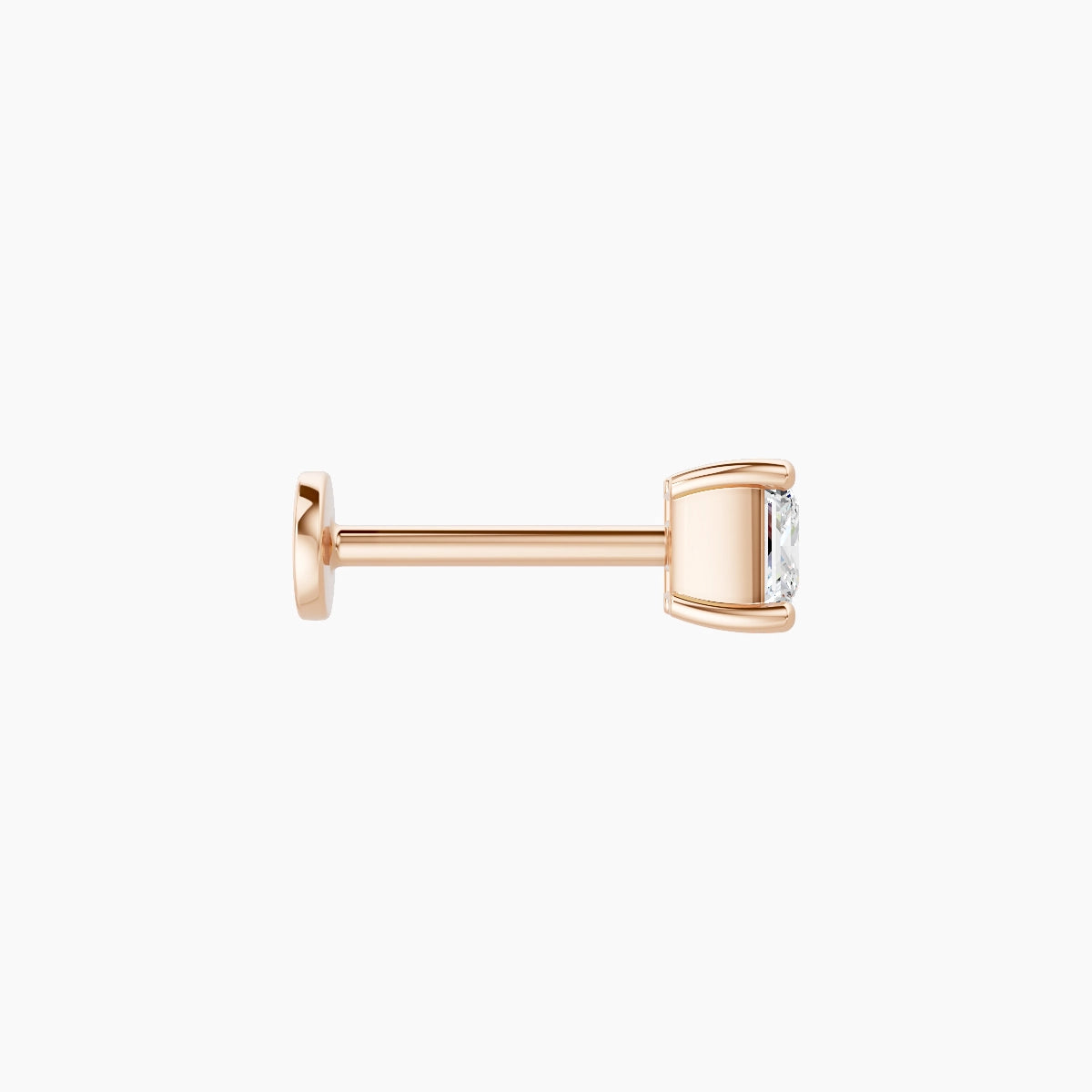
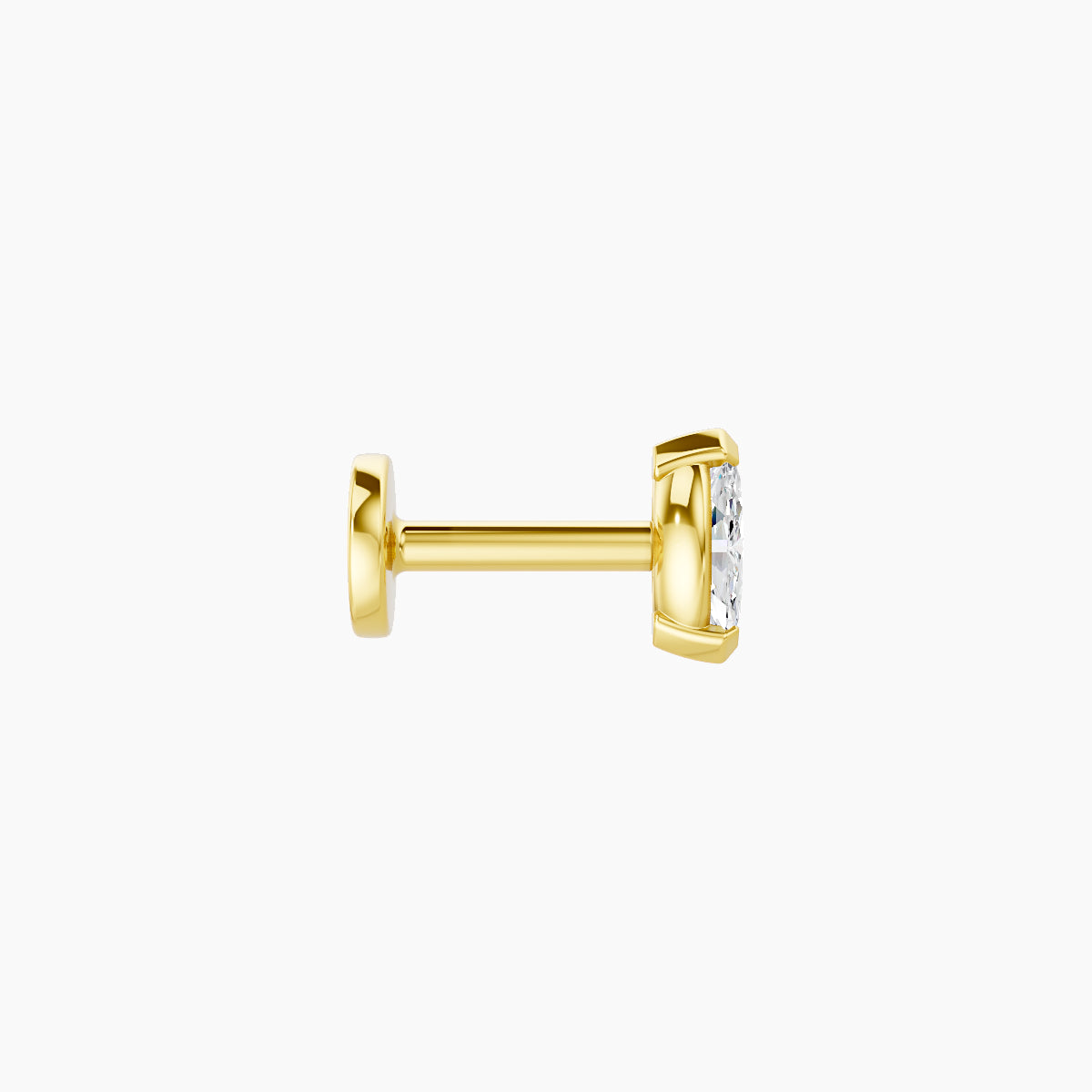
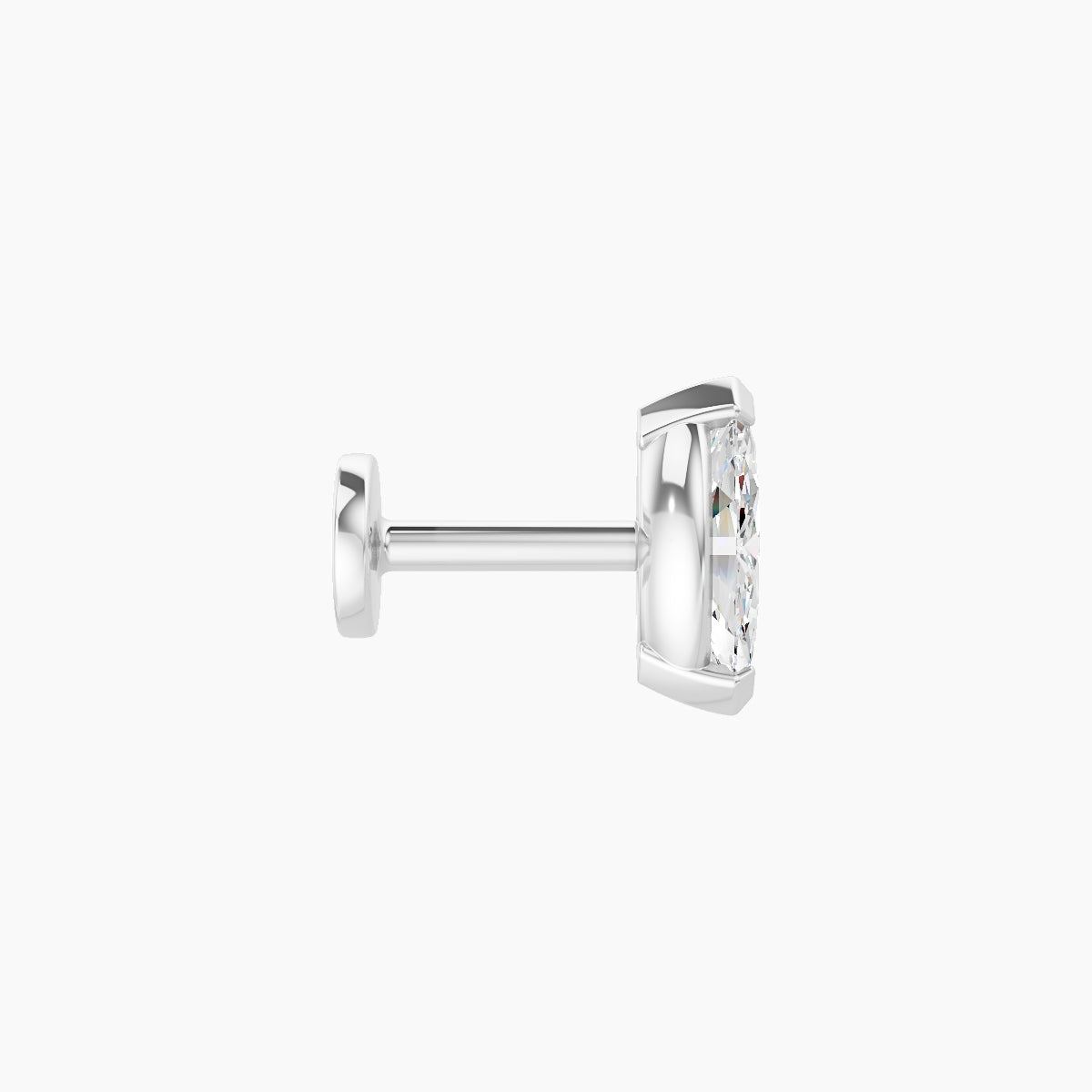
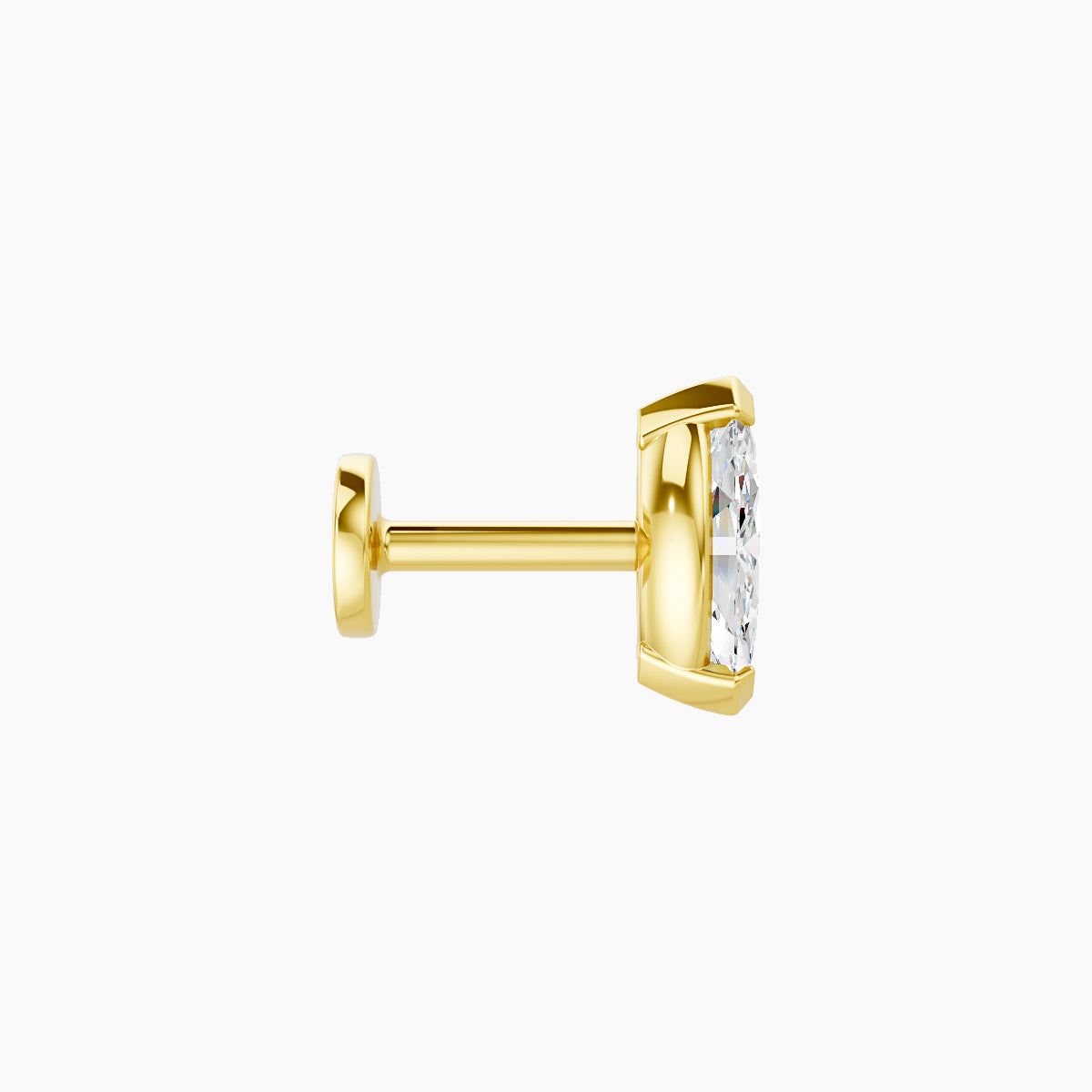
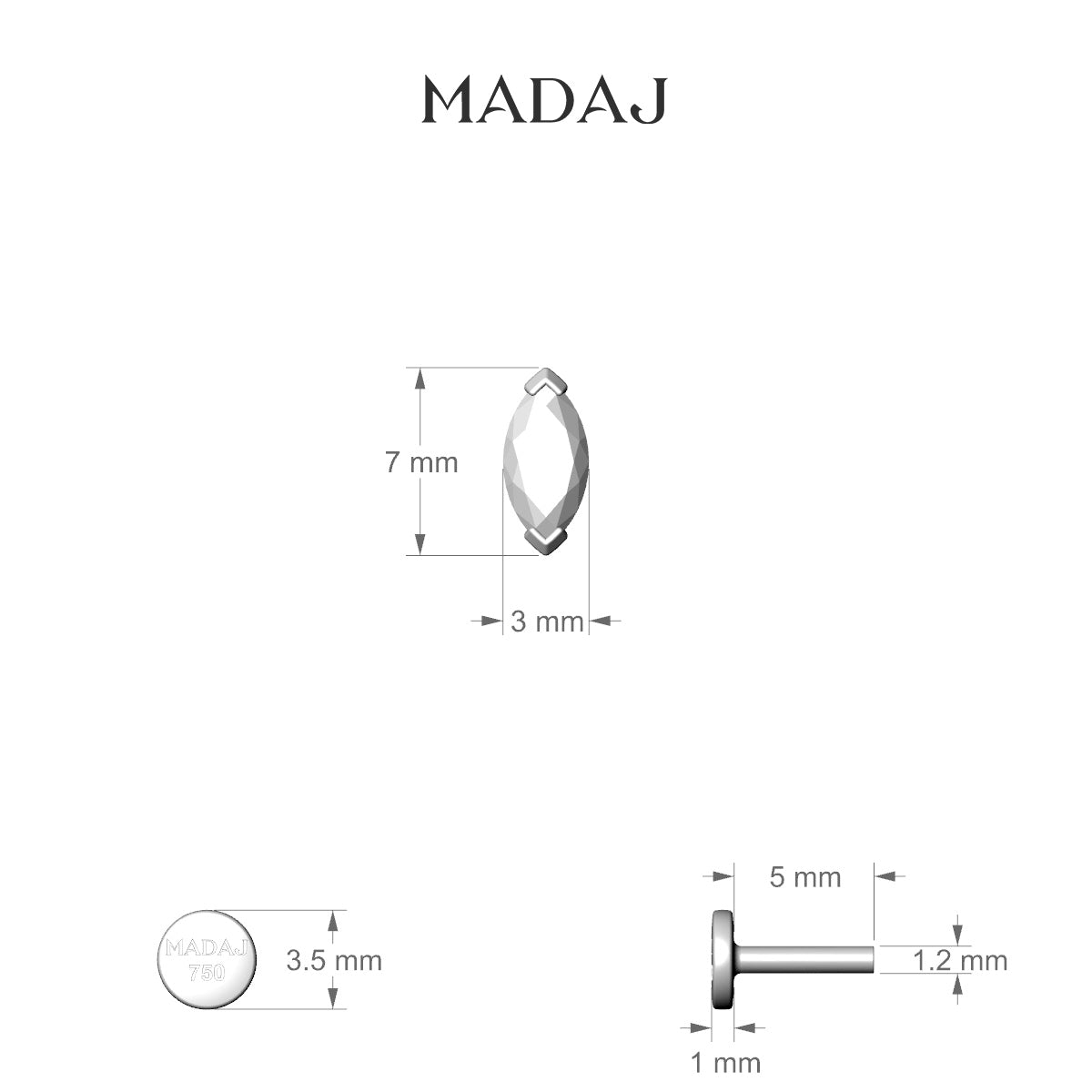
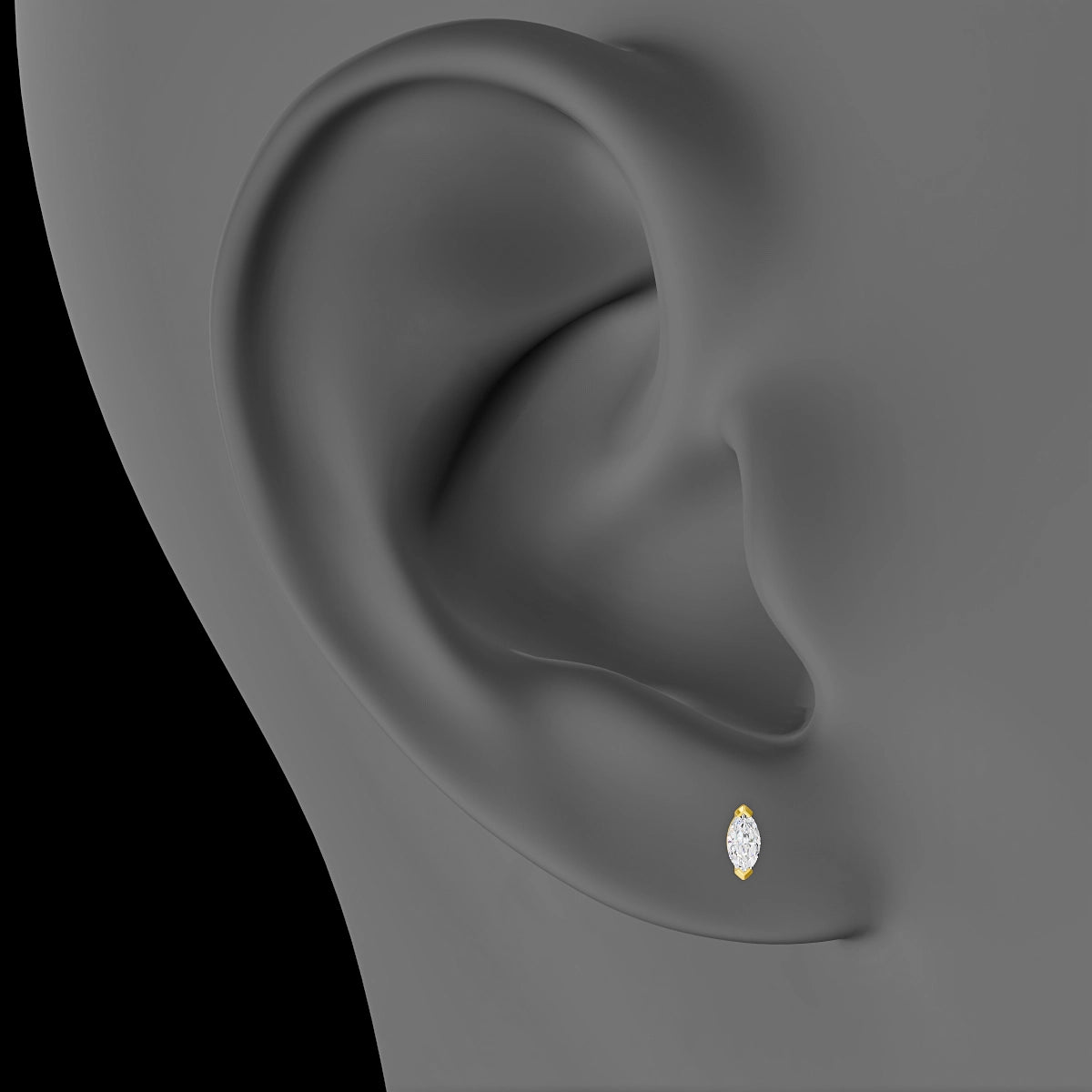
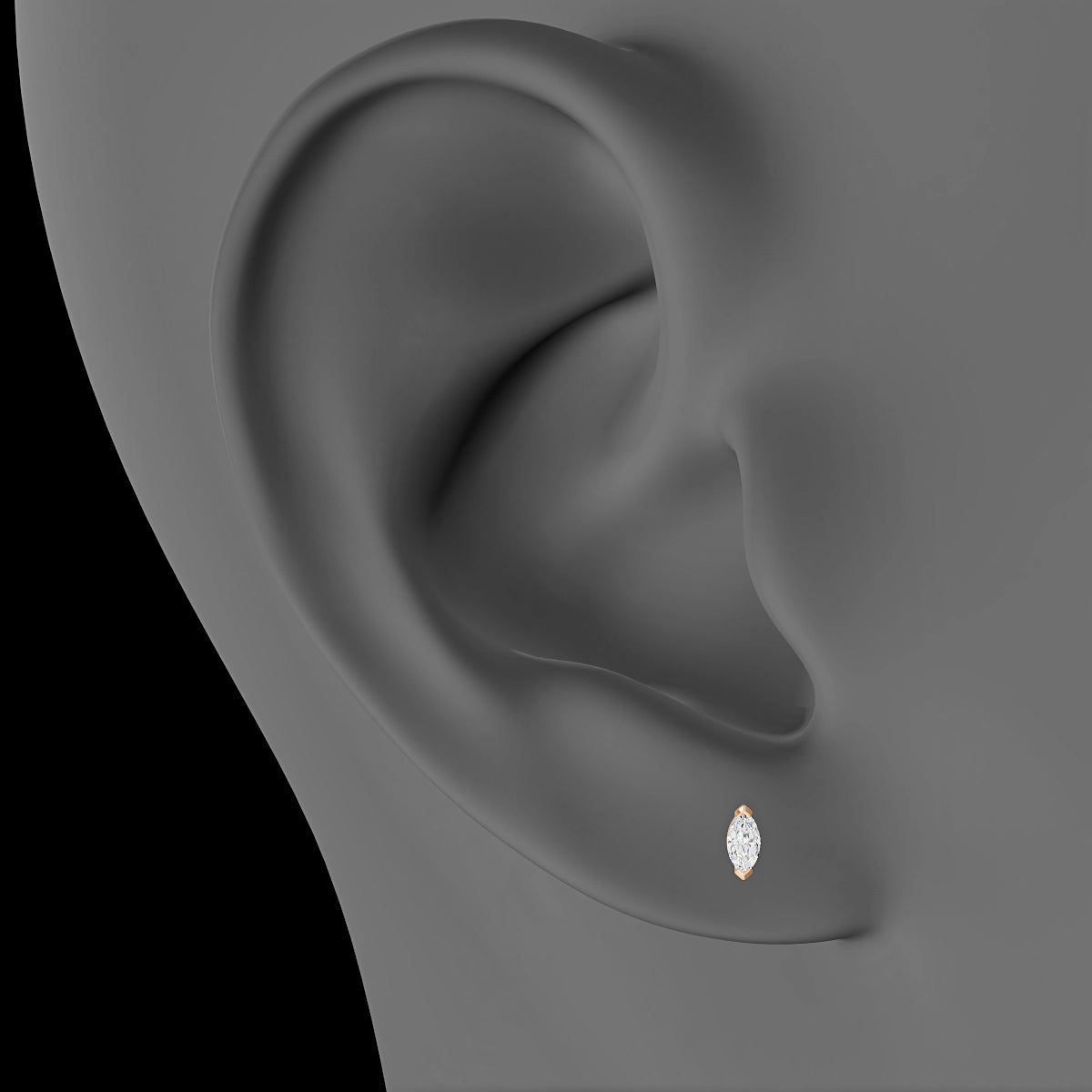
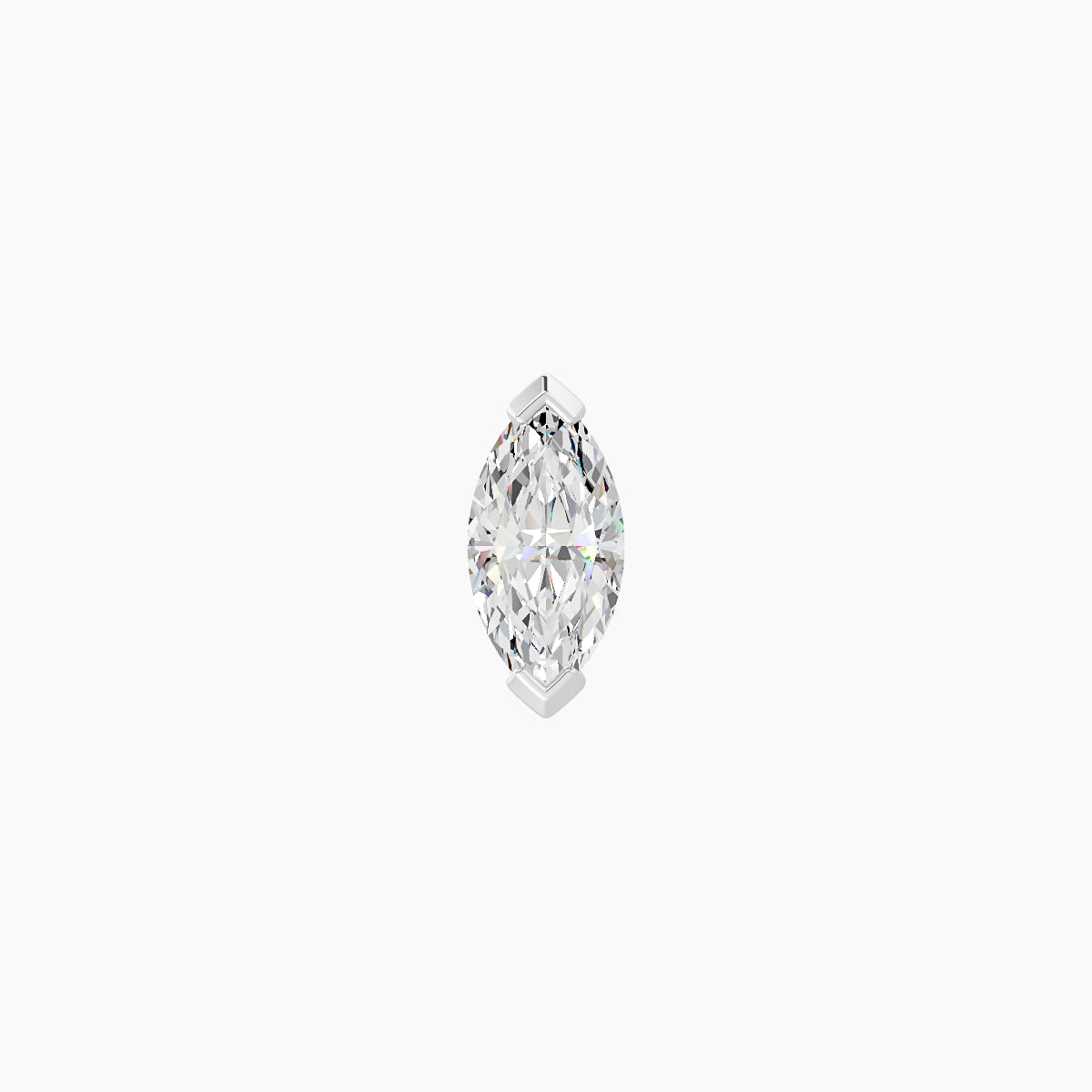
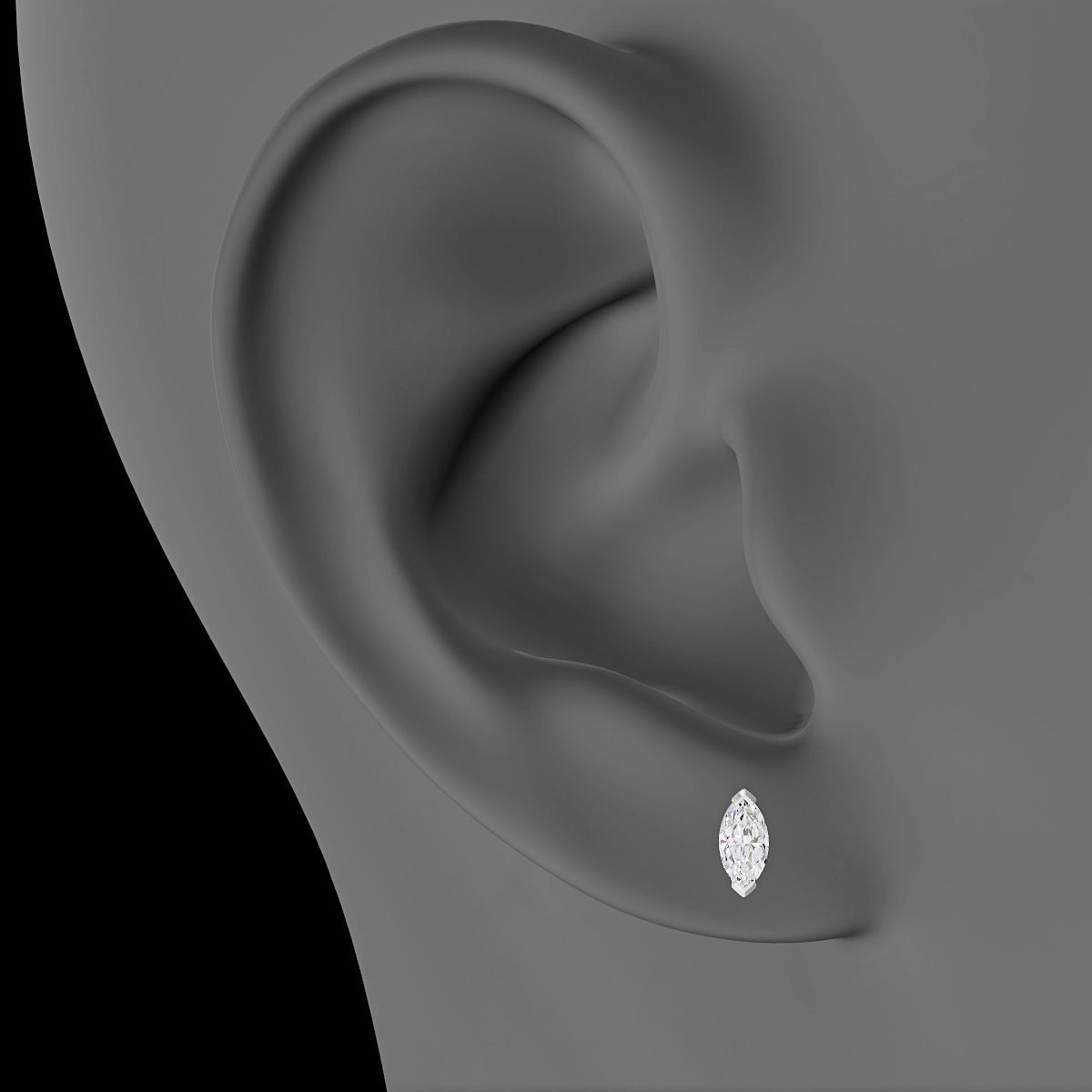
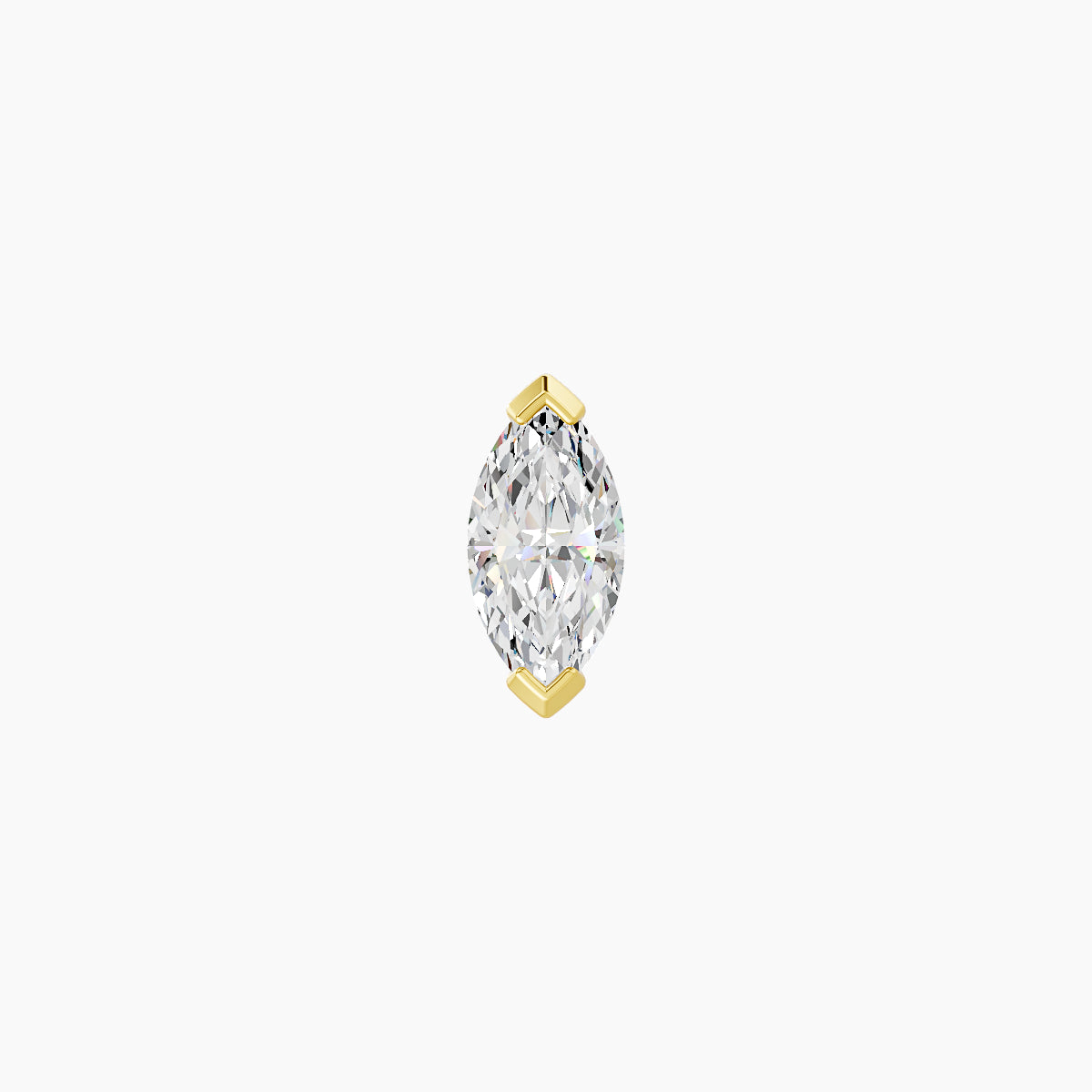
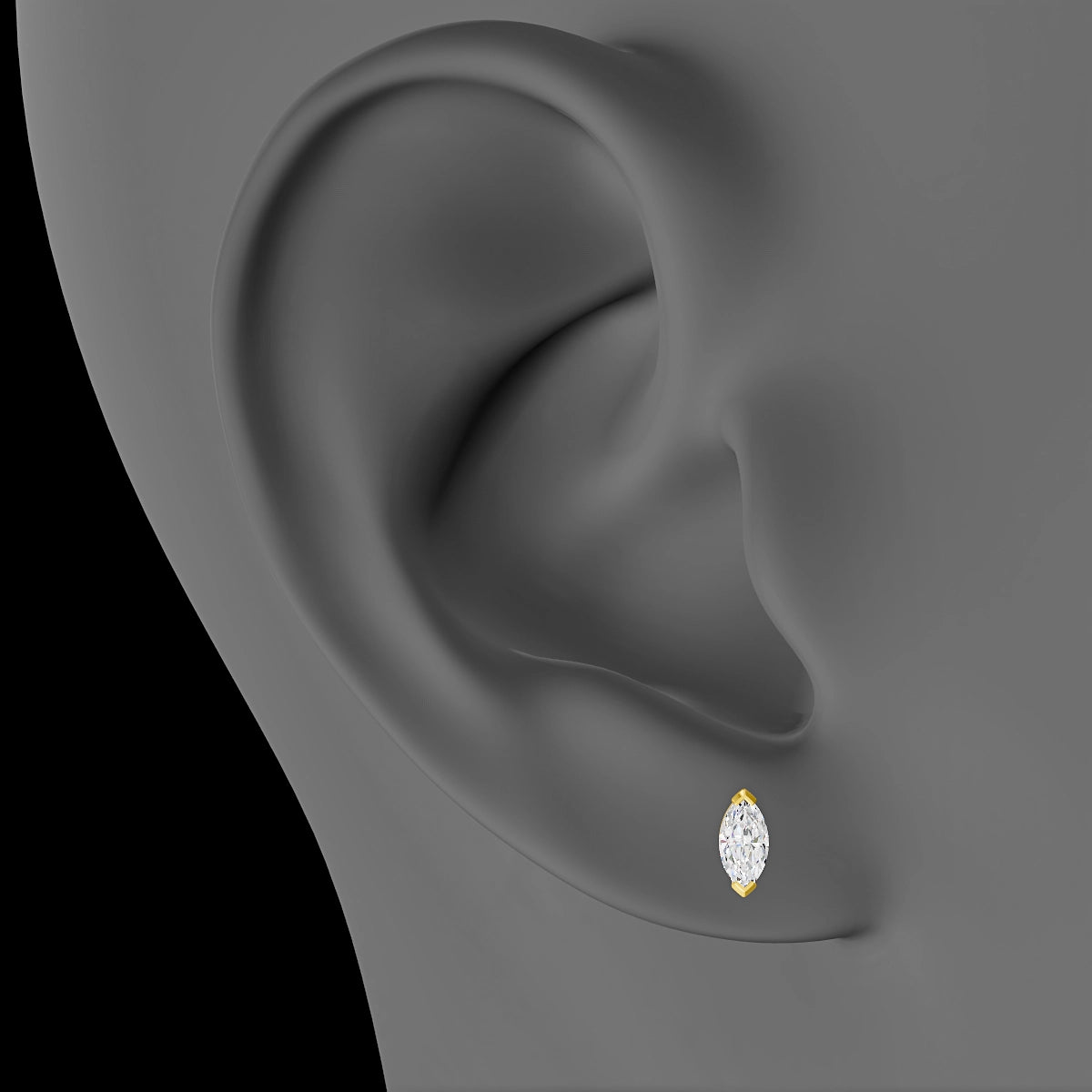
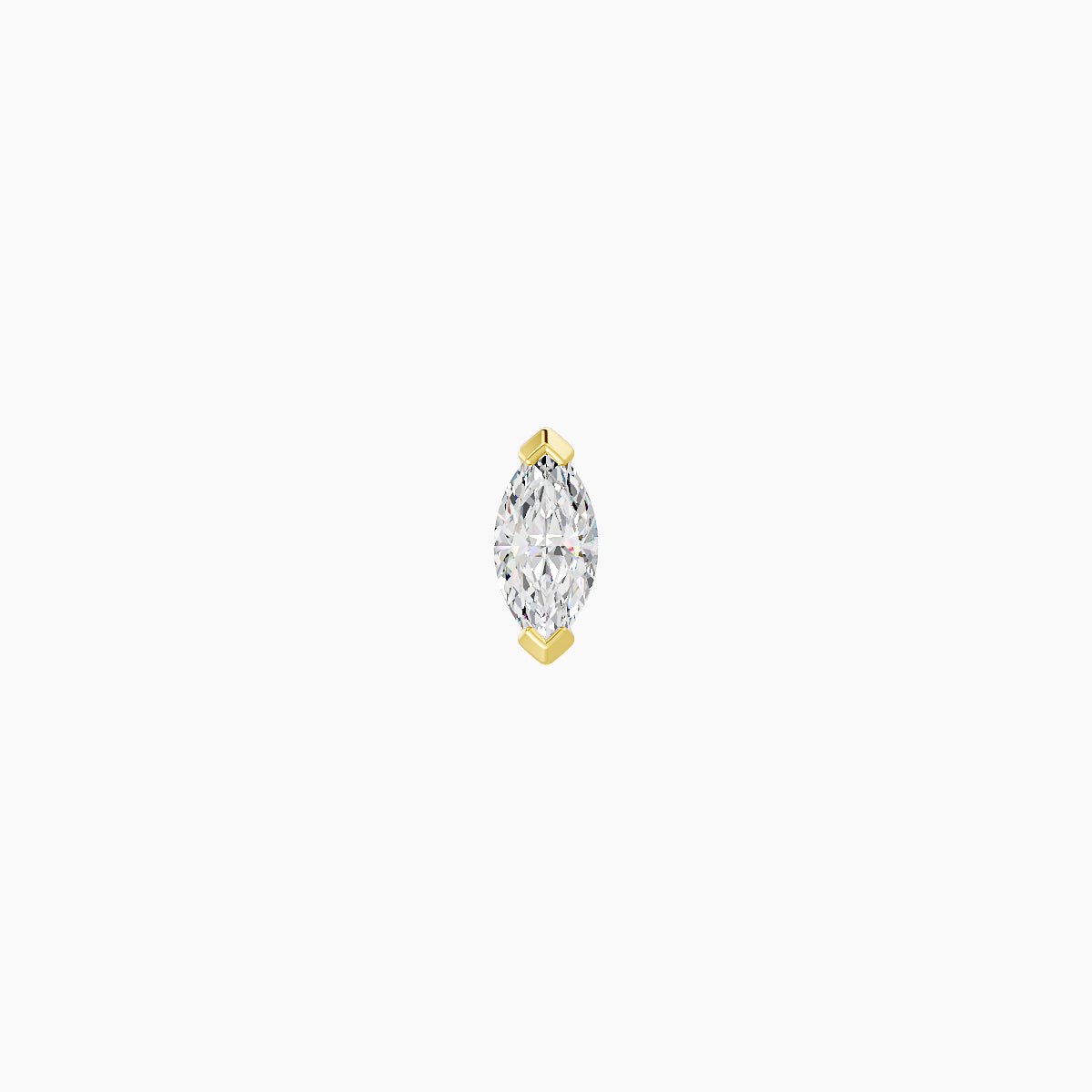
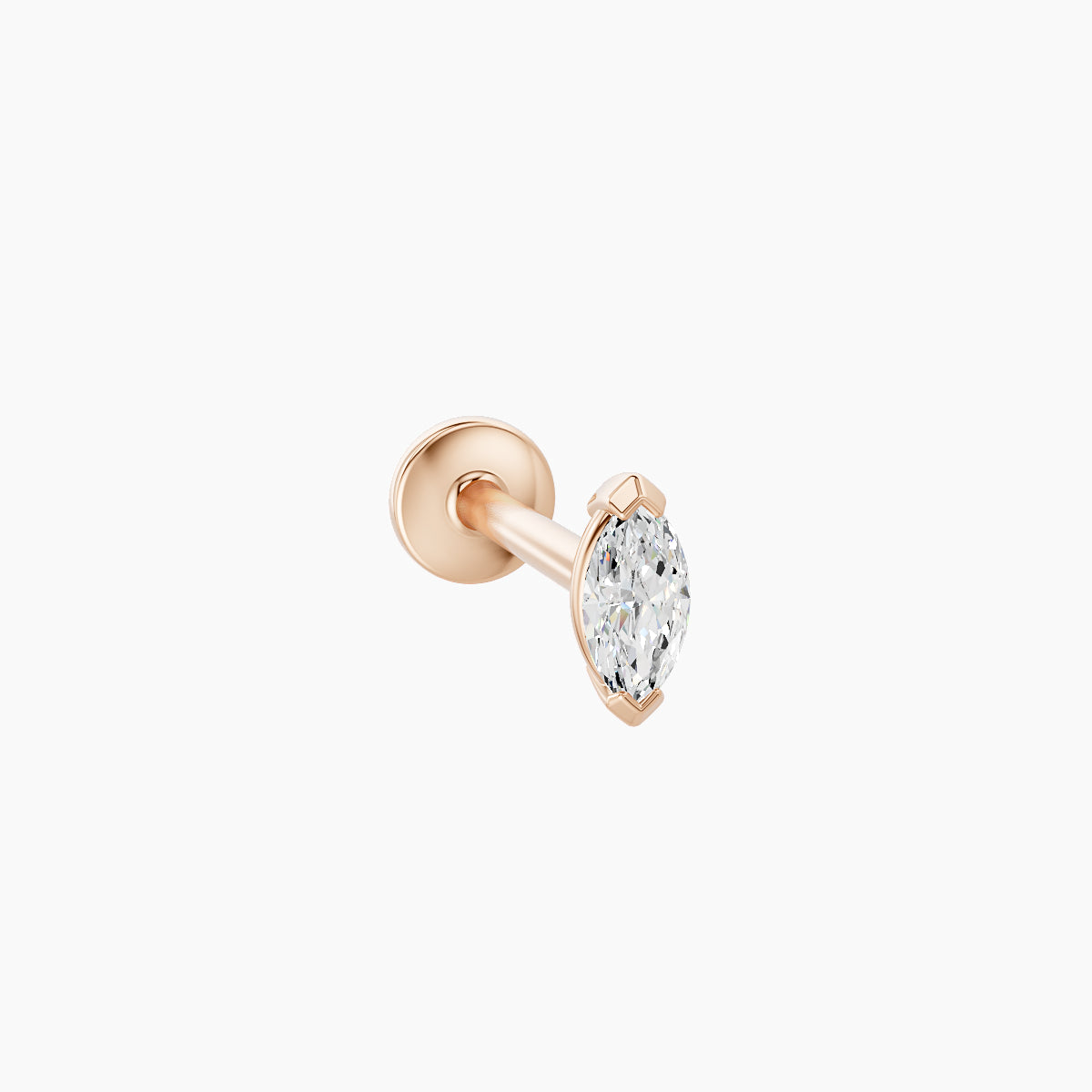
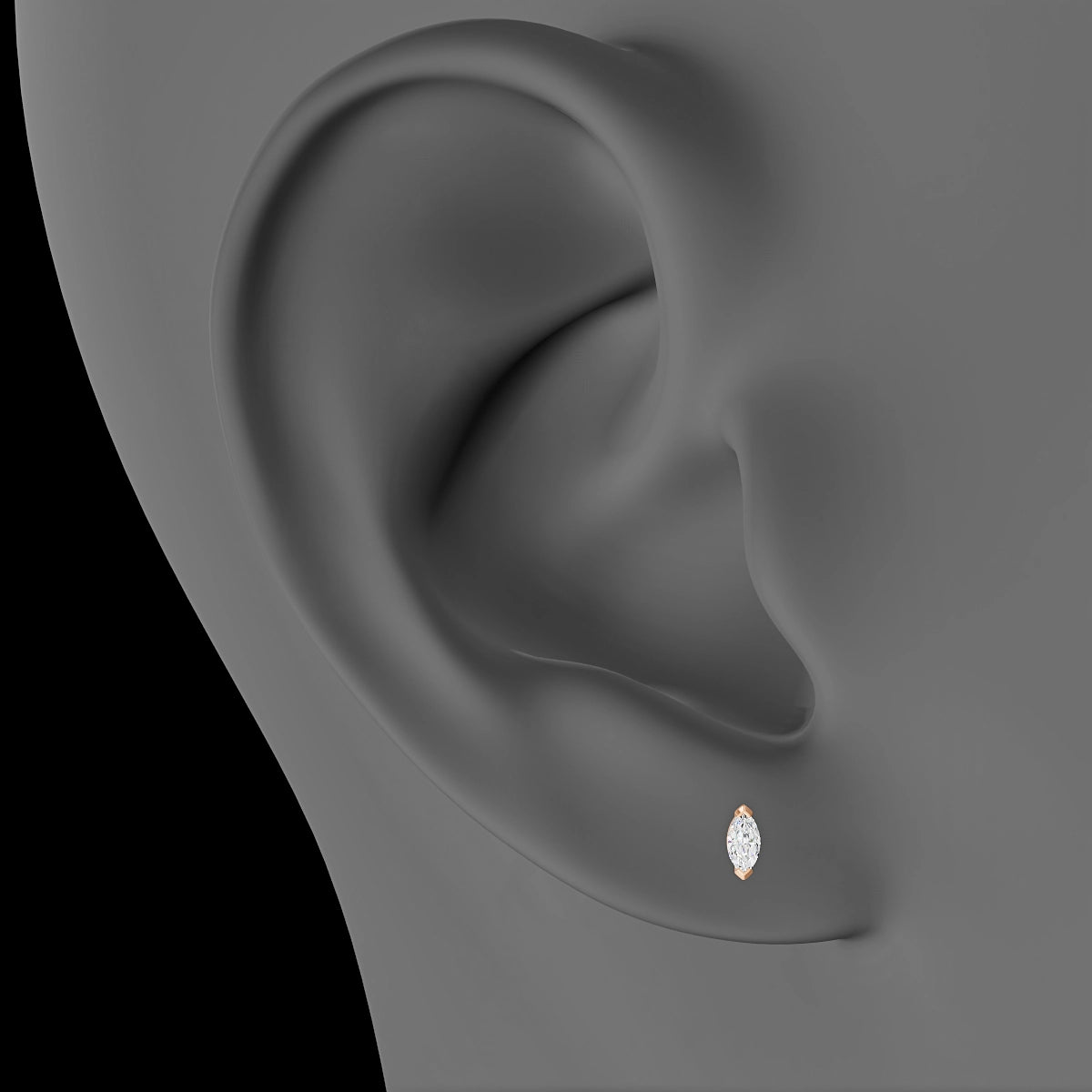
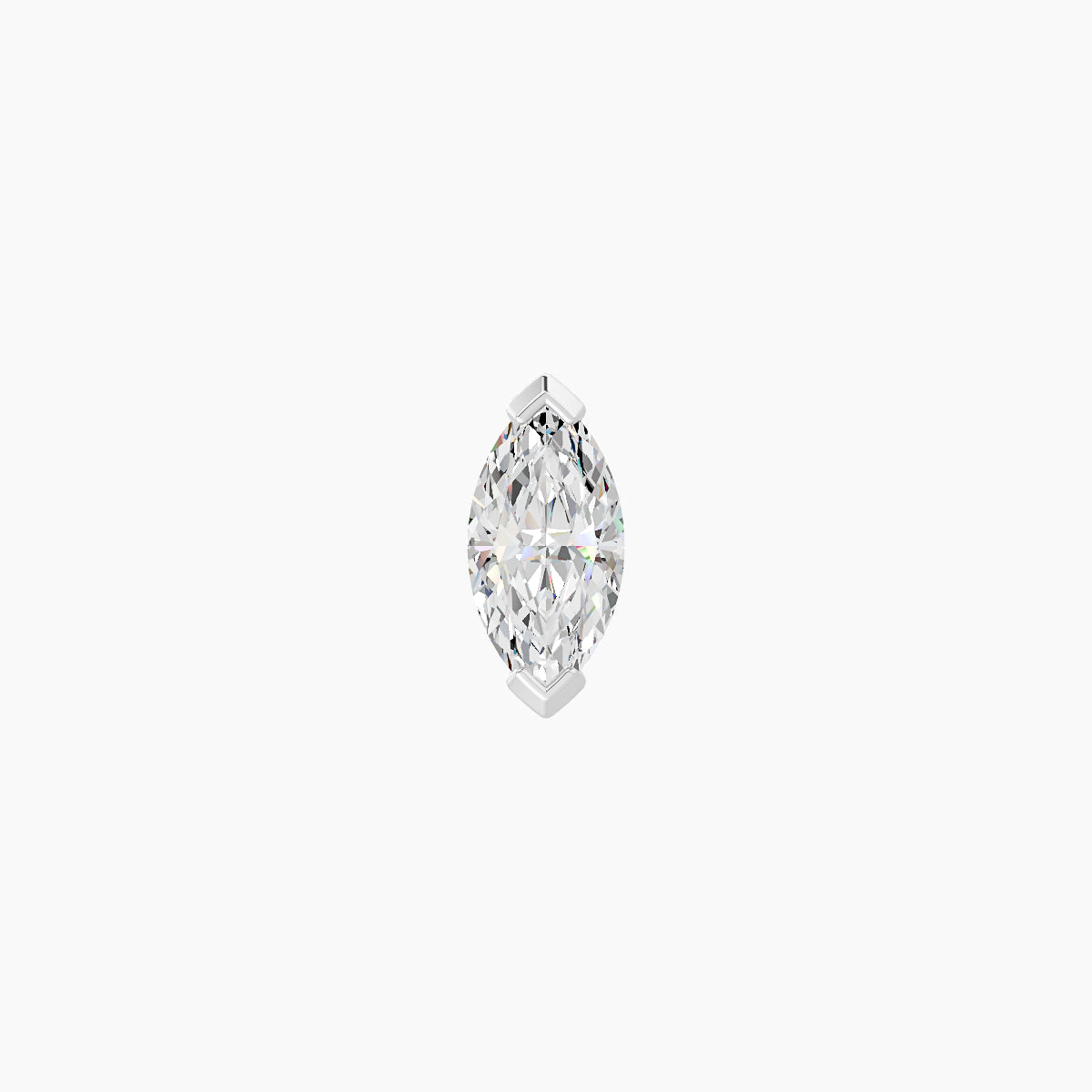
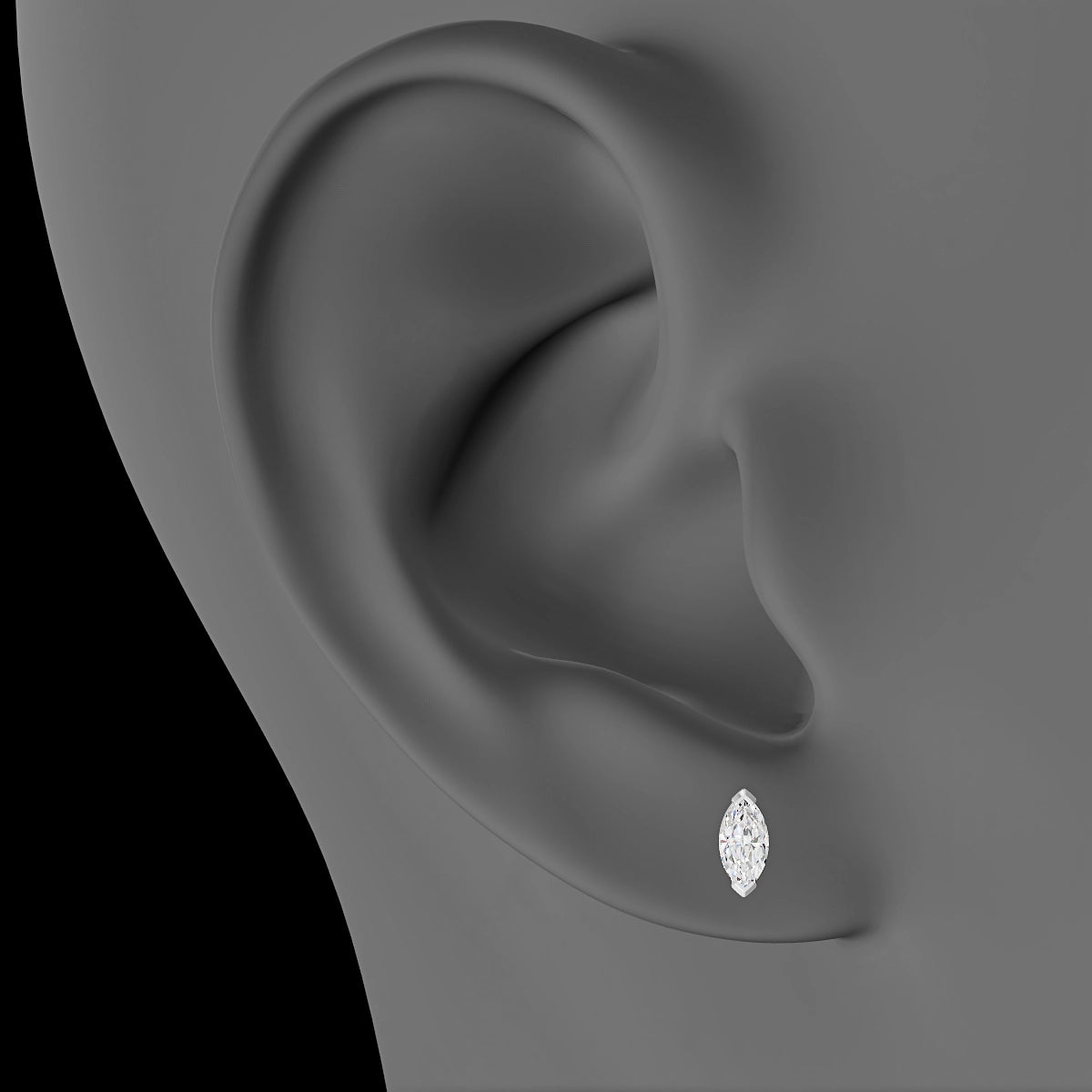
The MADAJ Felicity Long Diamond Piercing
TYPES
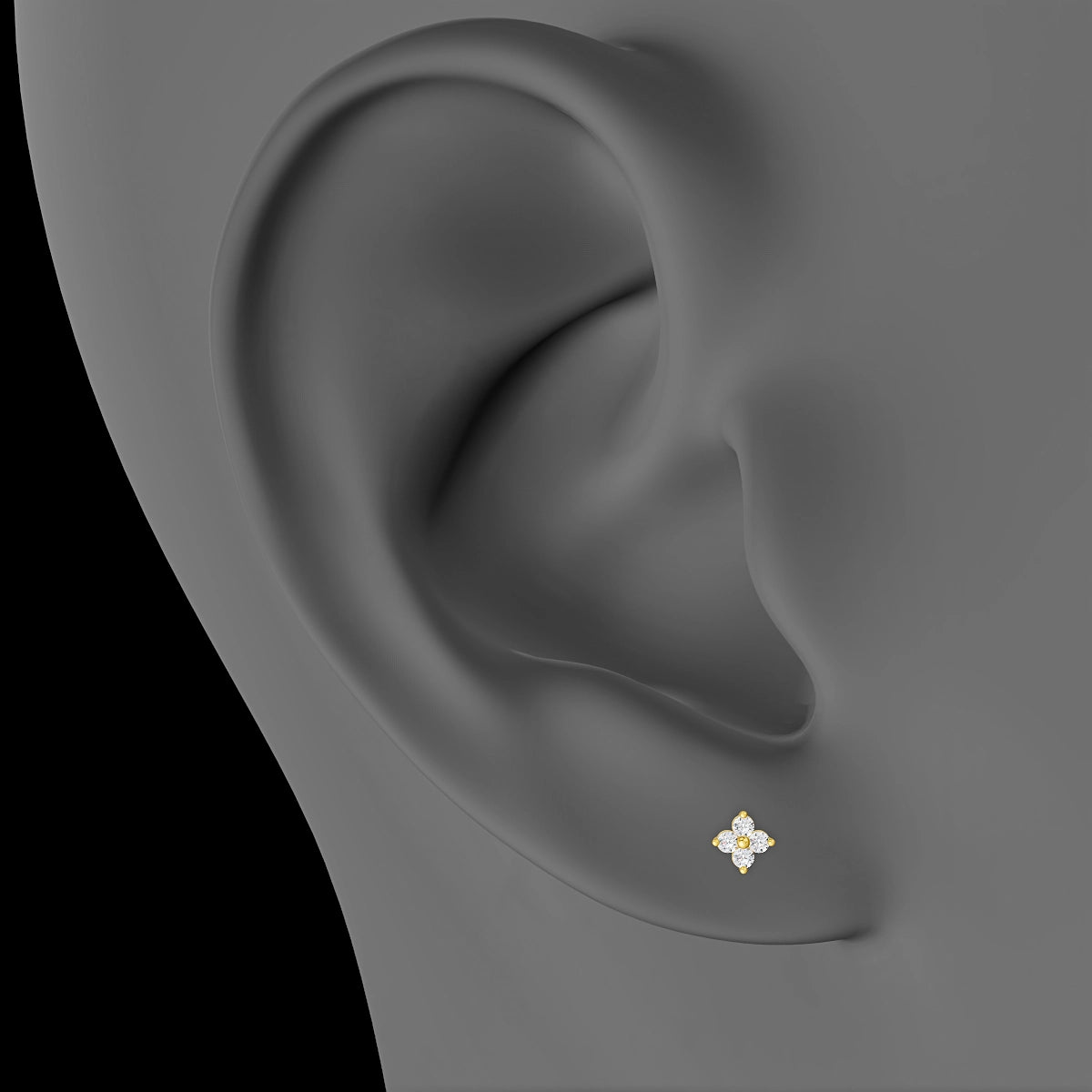
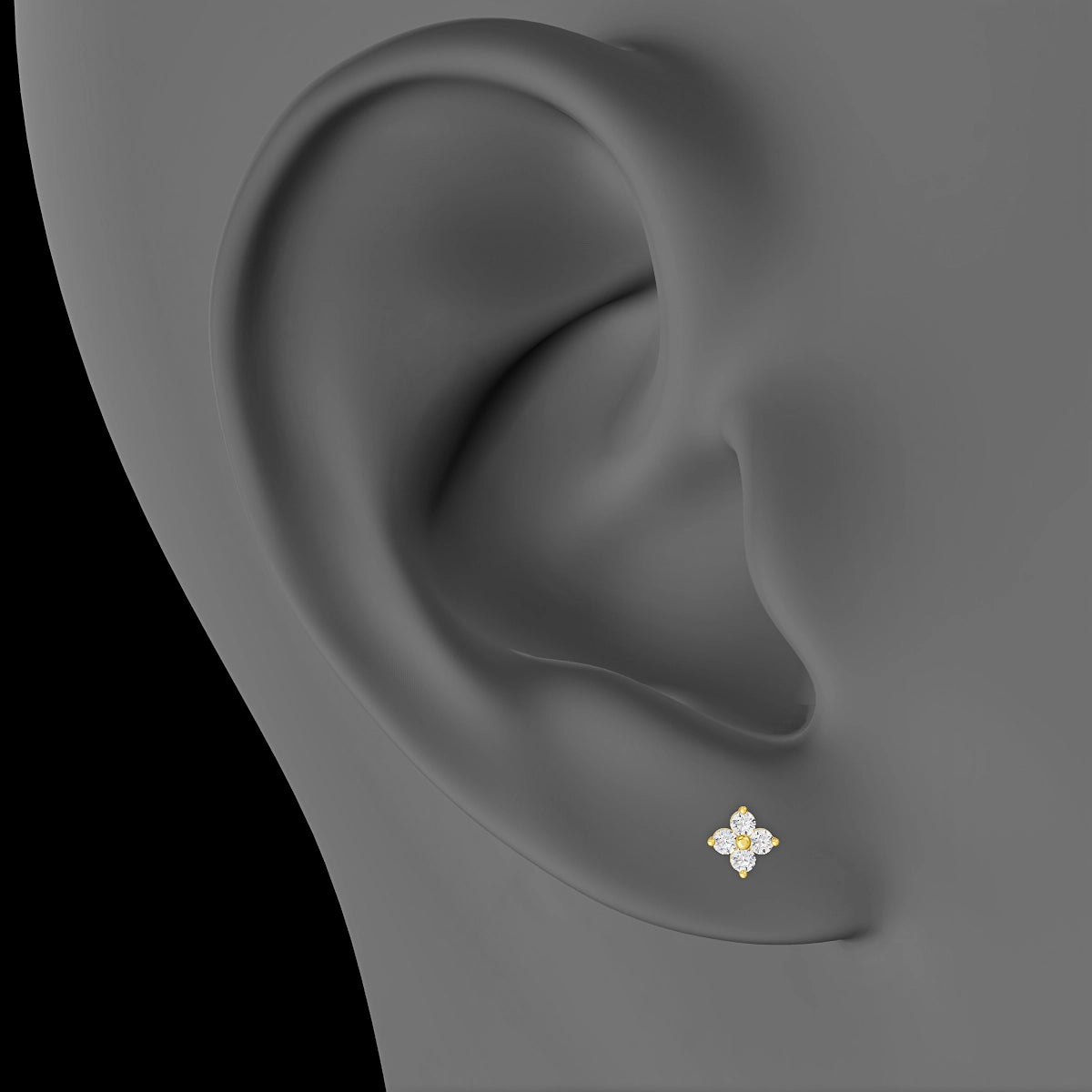
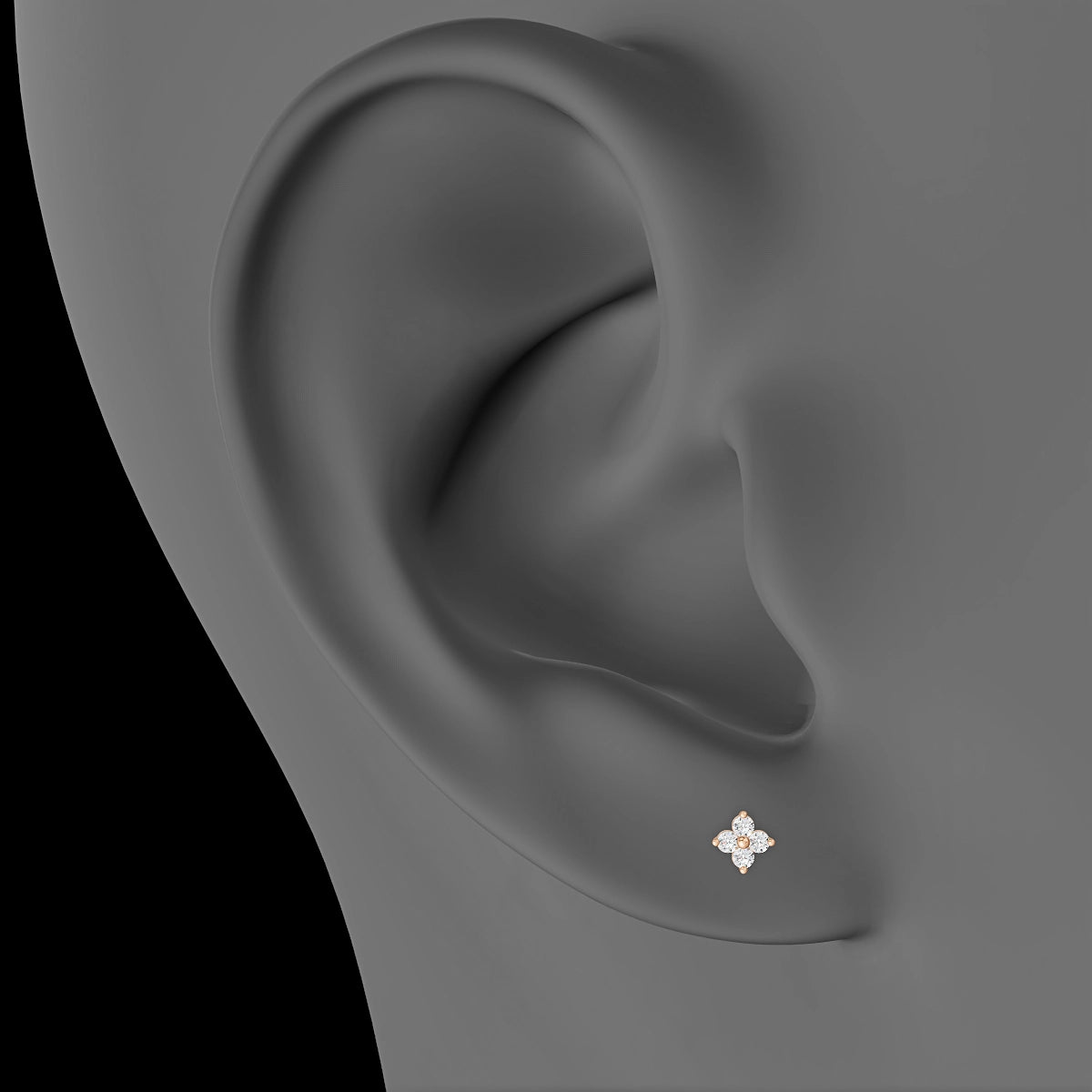
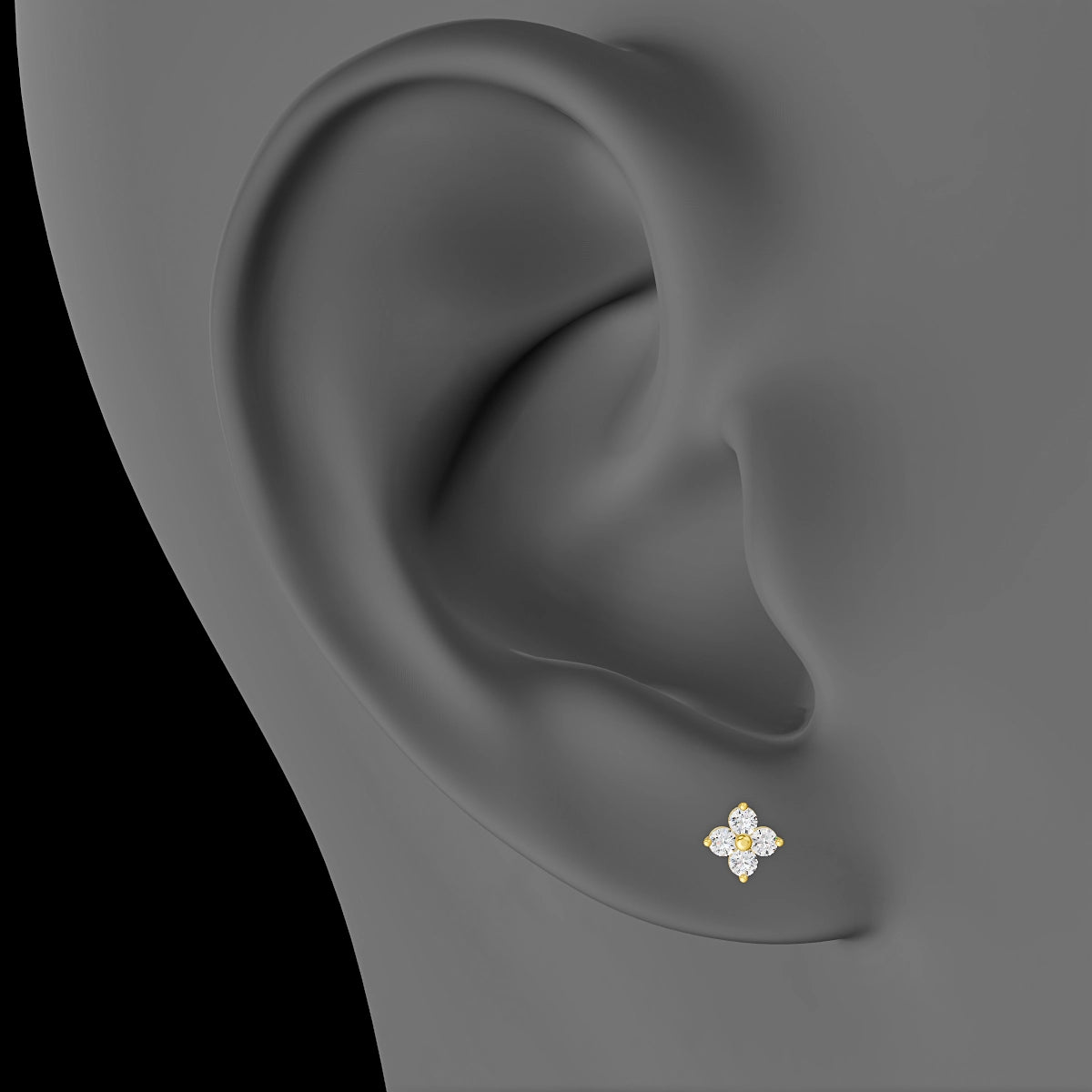
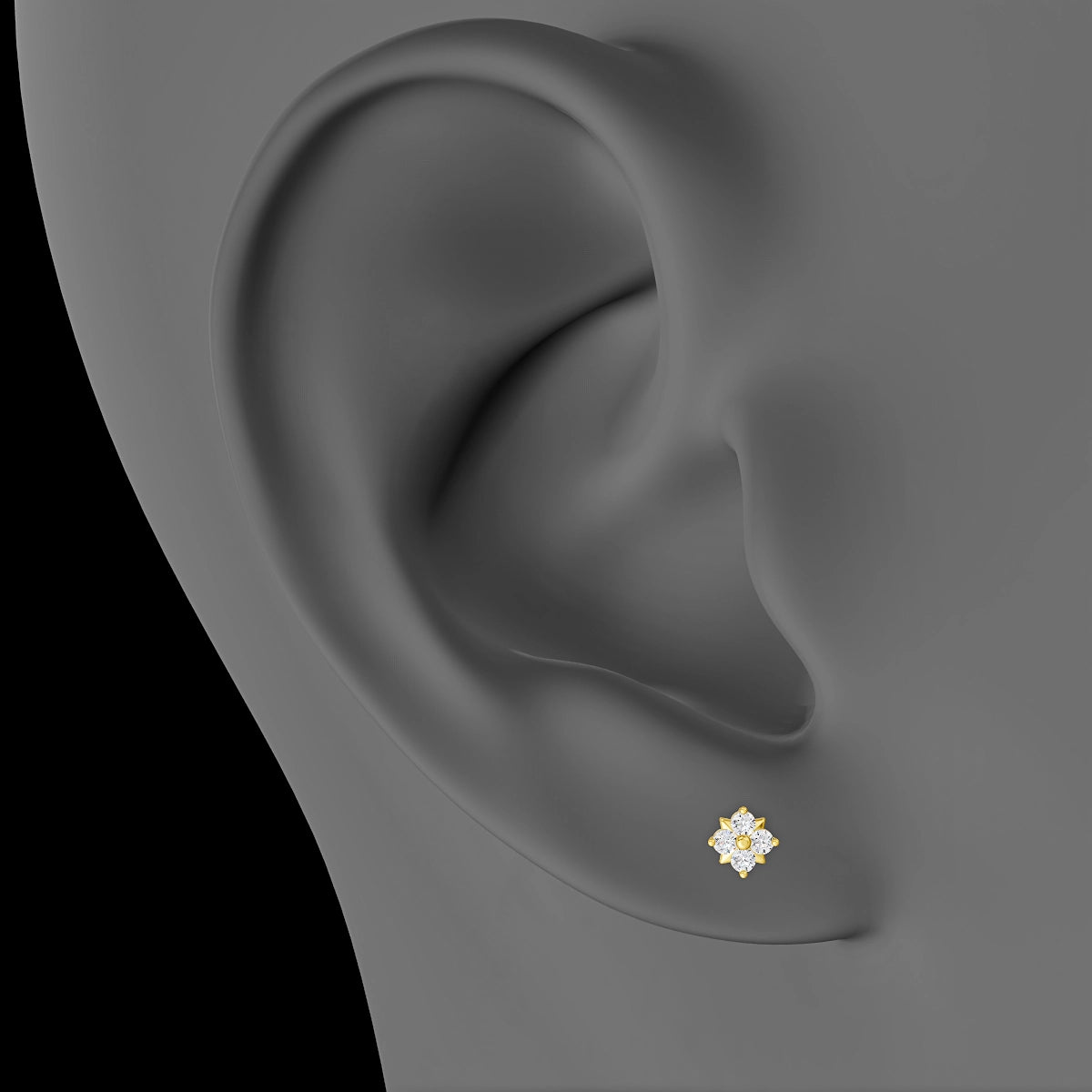
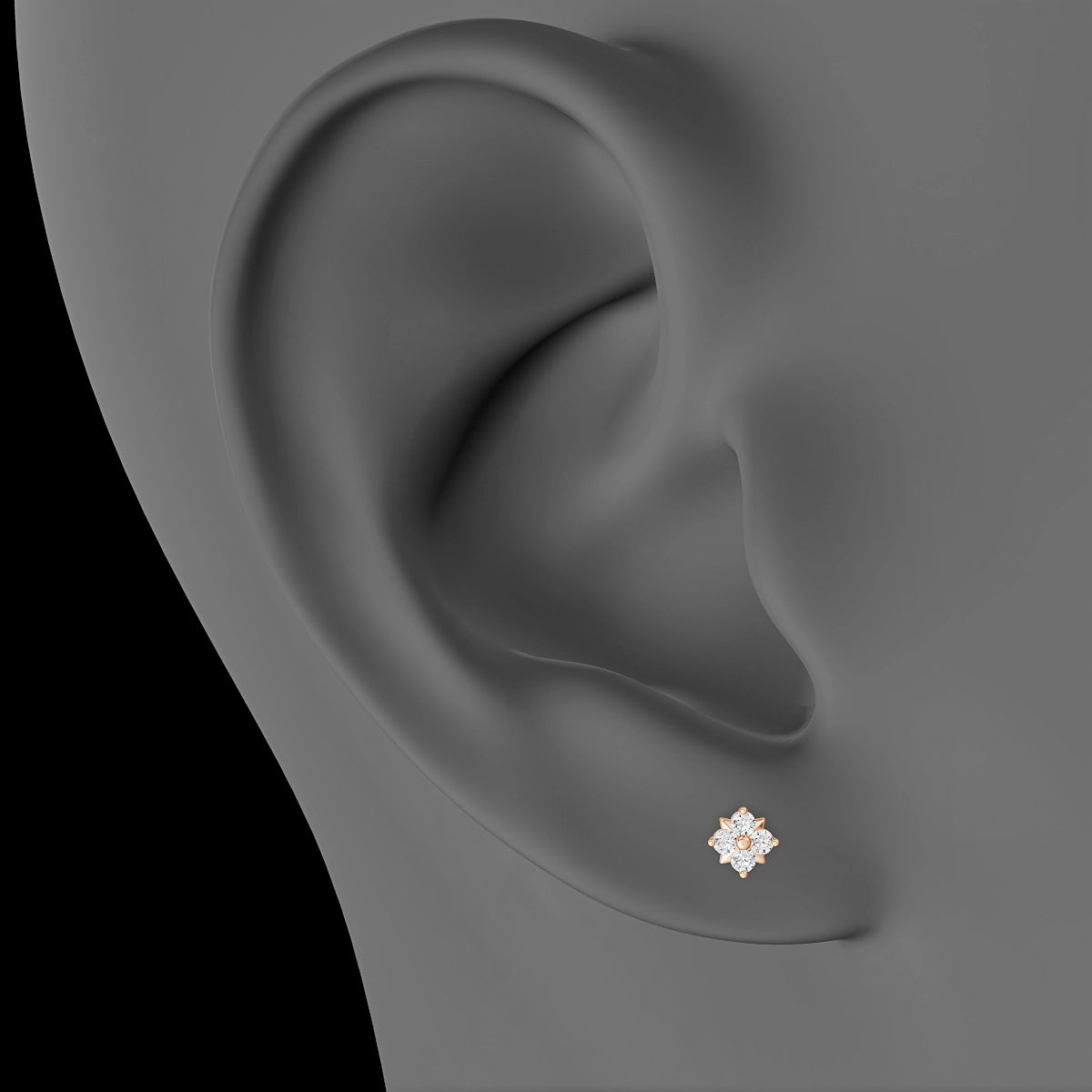
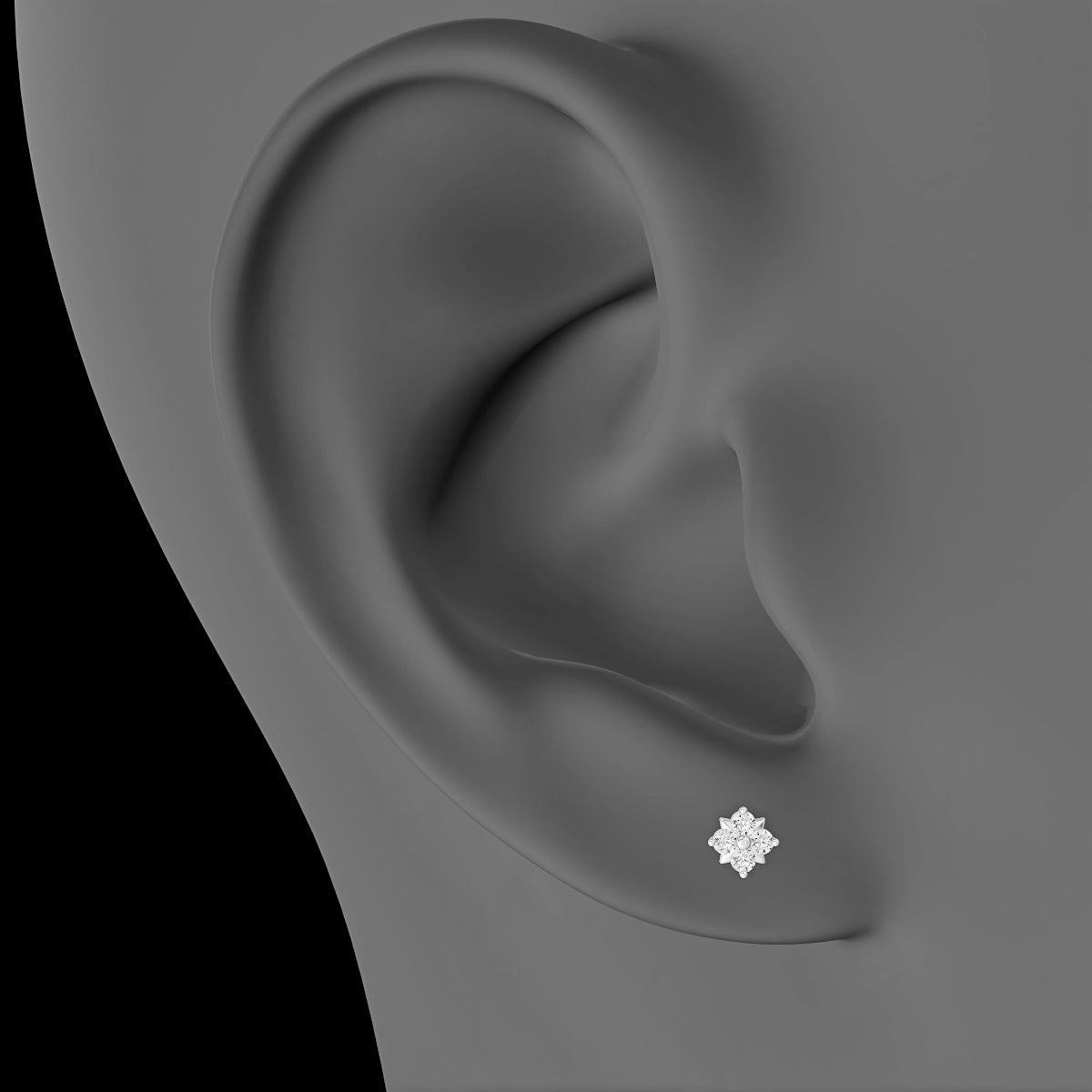
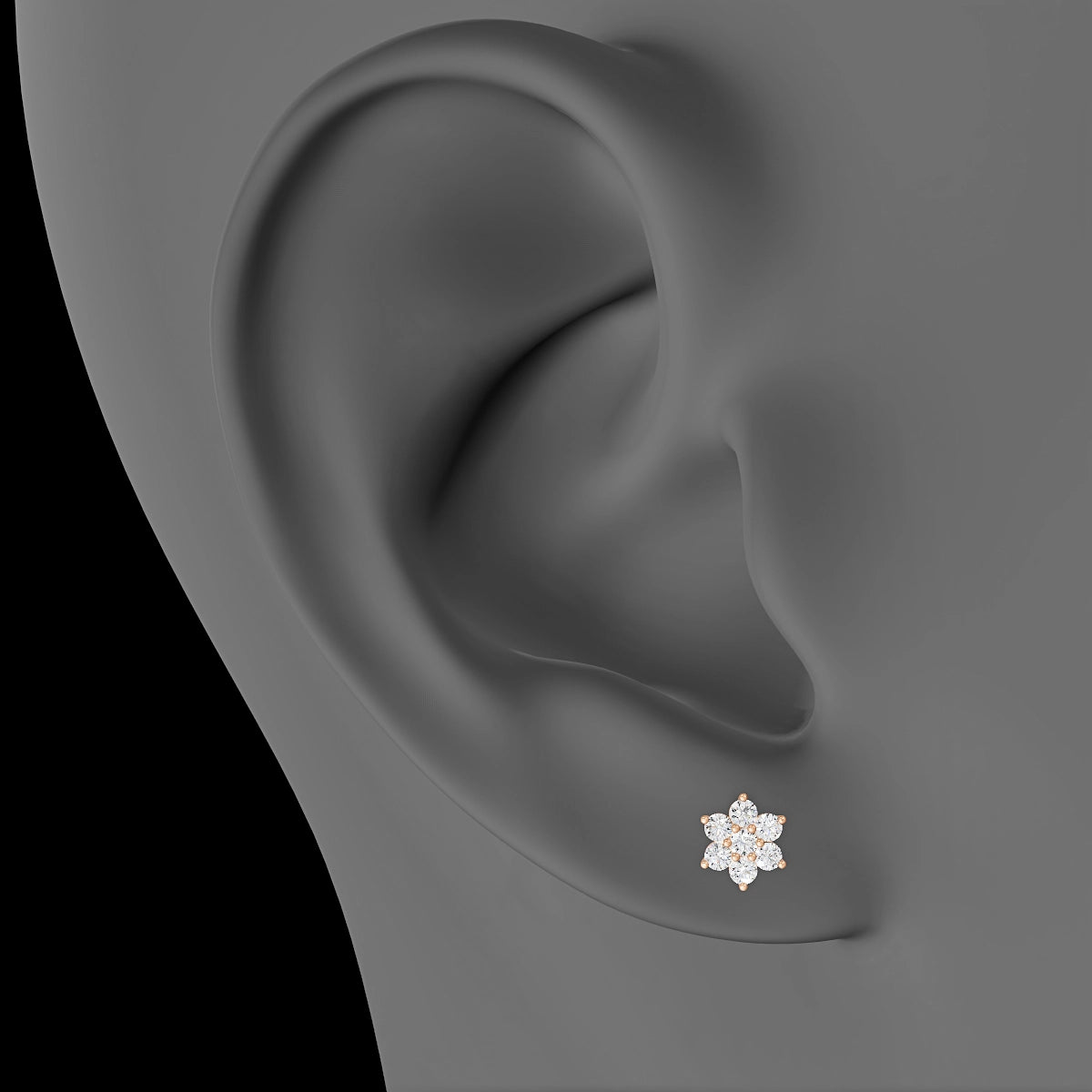
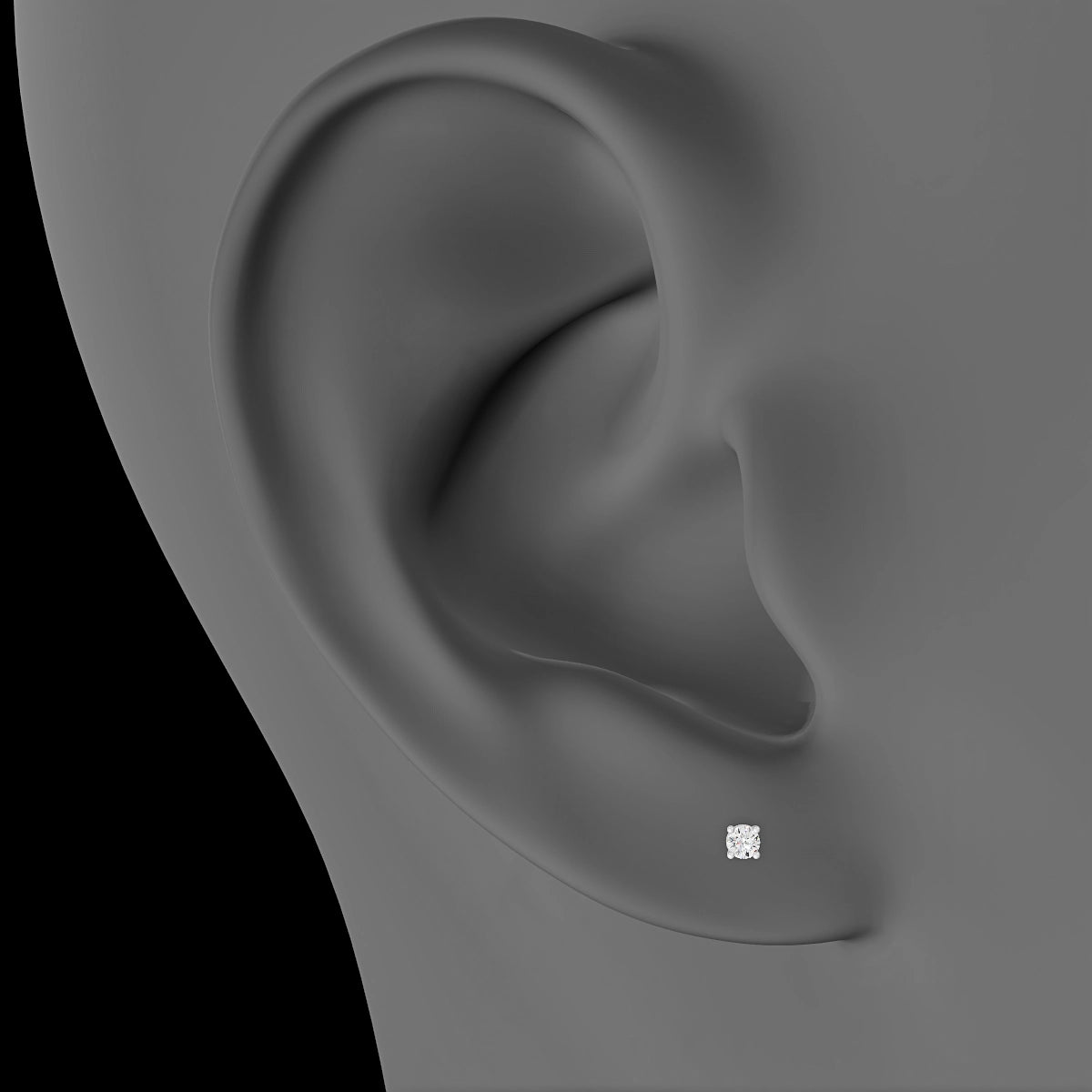
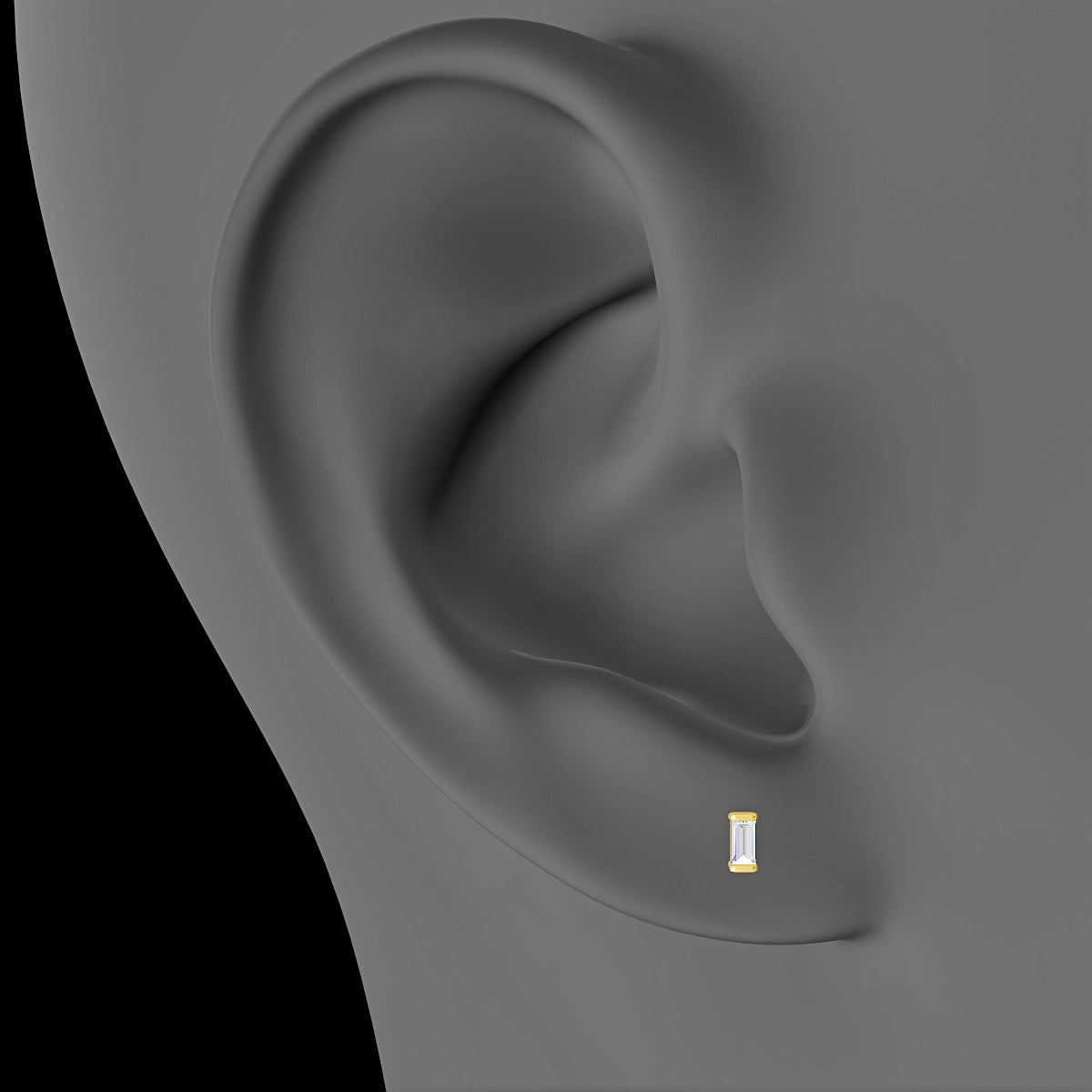
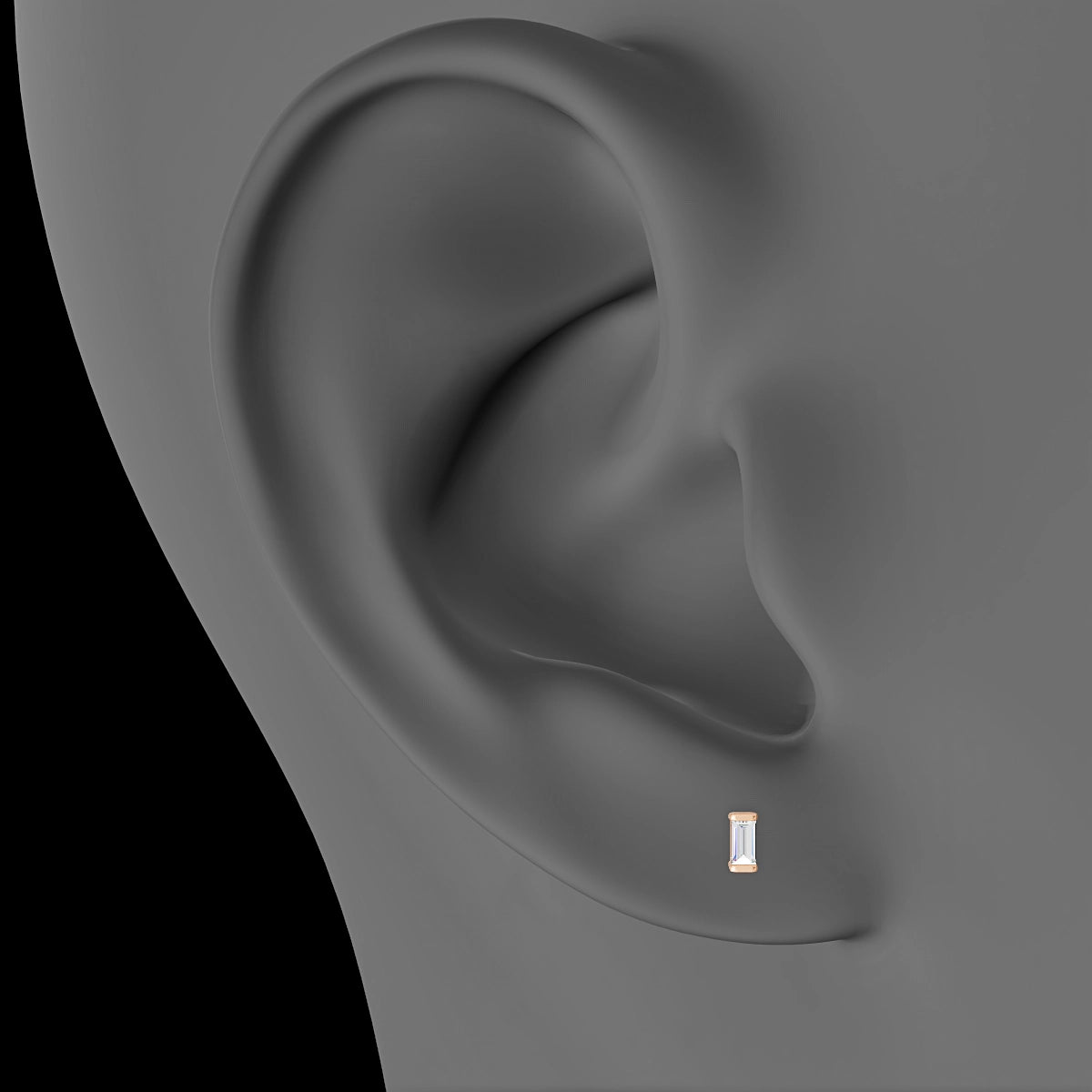
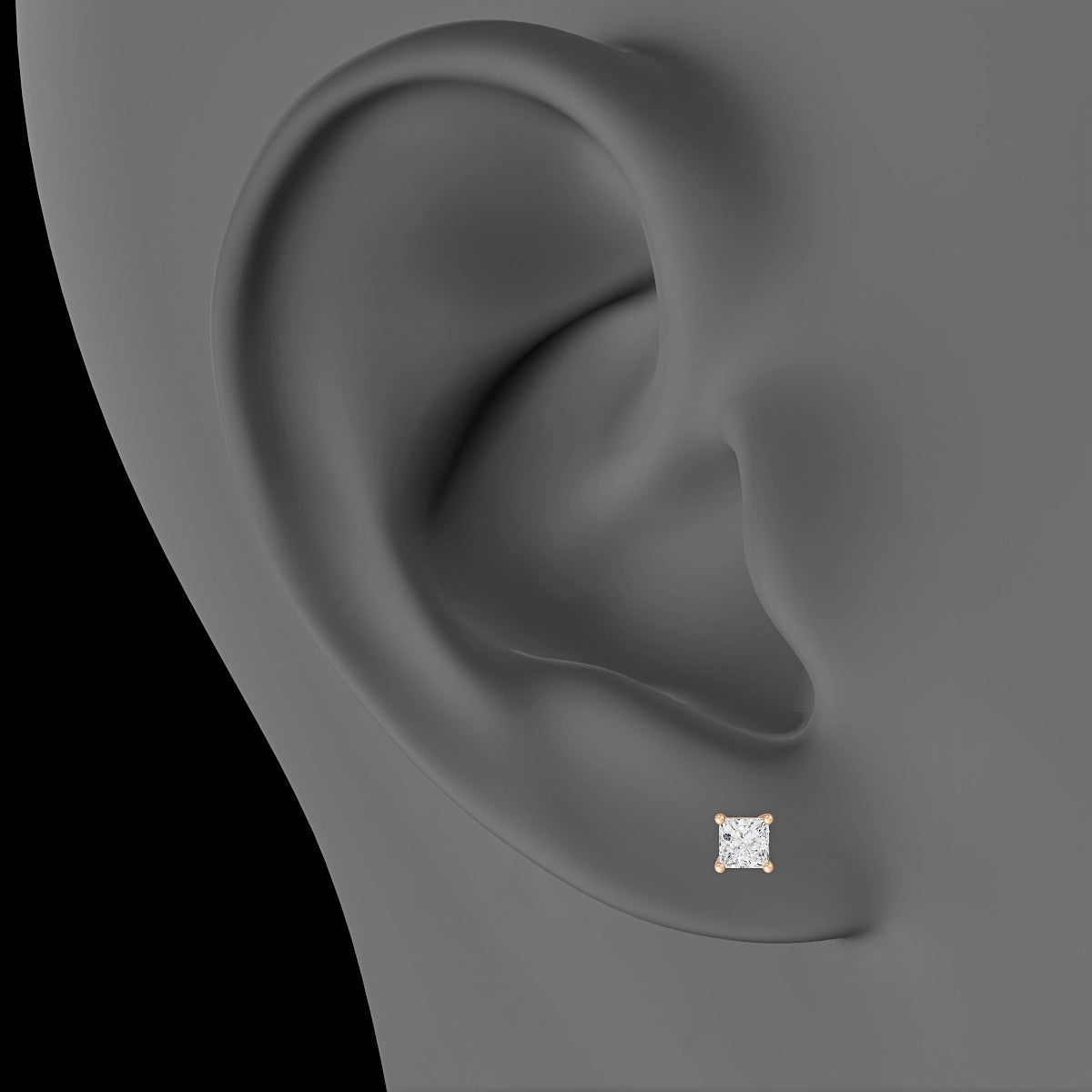
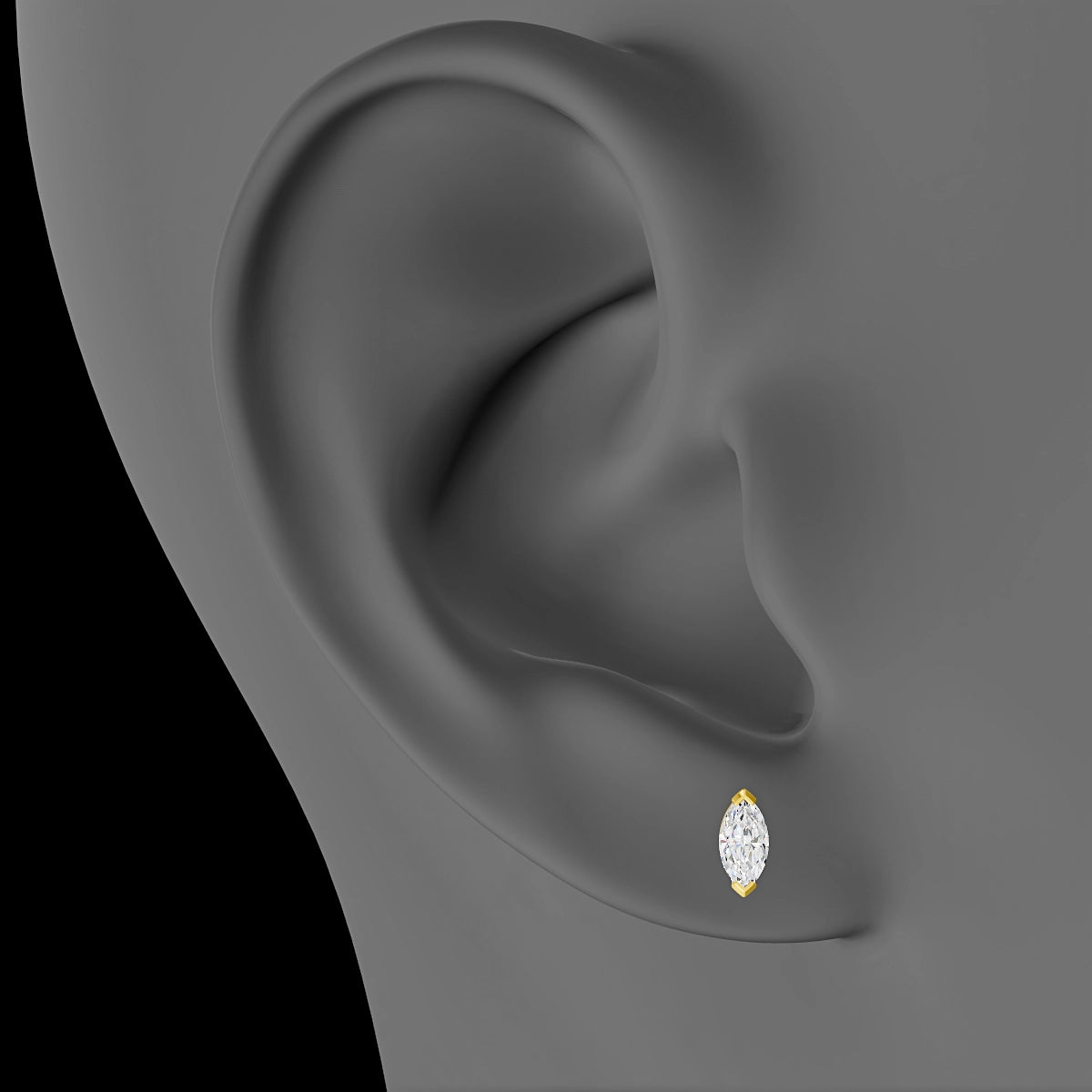
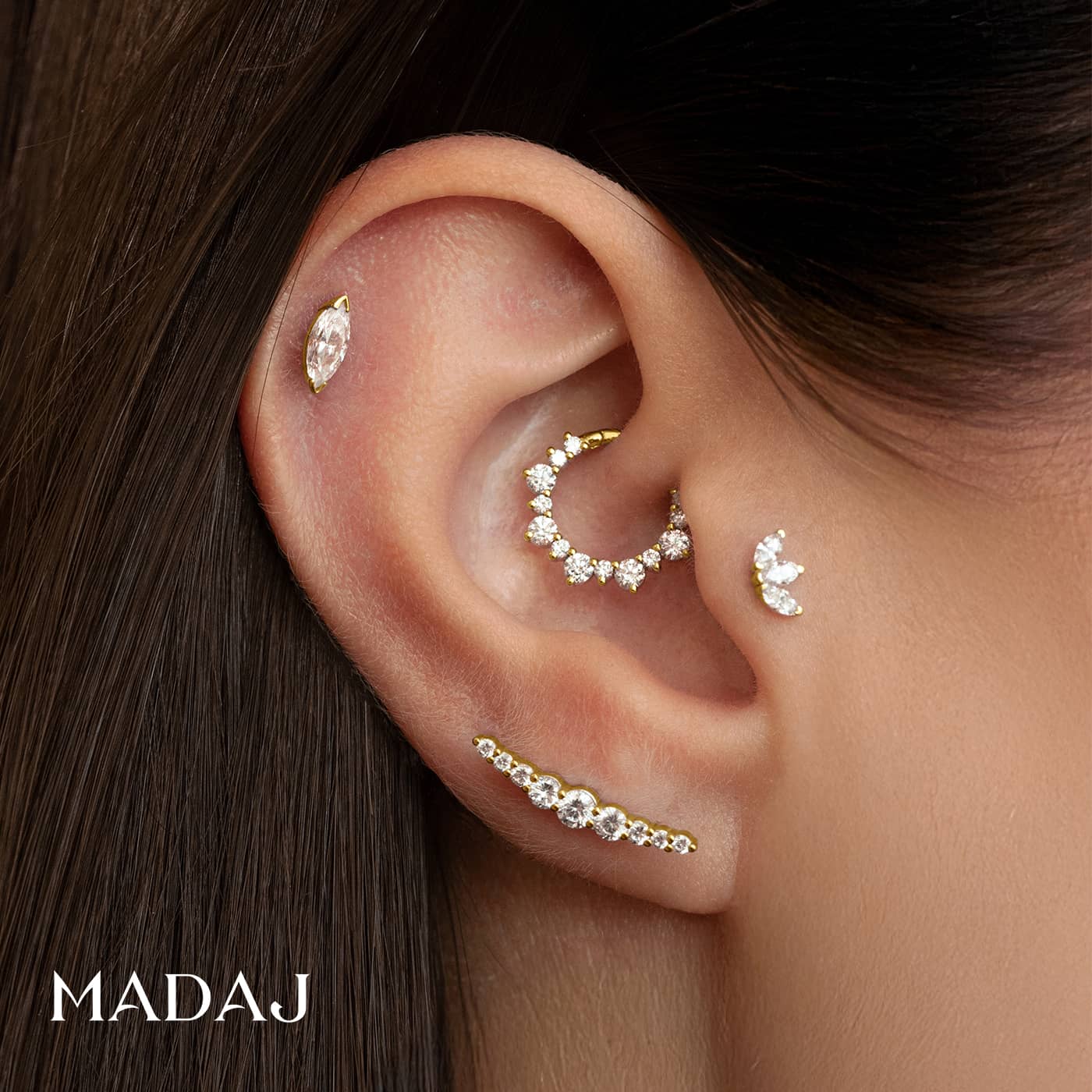
The contraconch occupies the ridge directly opposite the conch, and is typically kept simple with a single stud that sits flush and unobtrusive.
SIZING
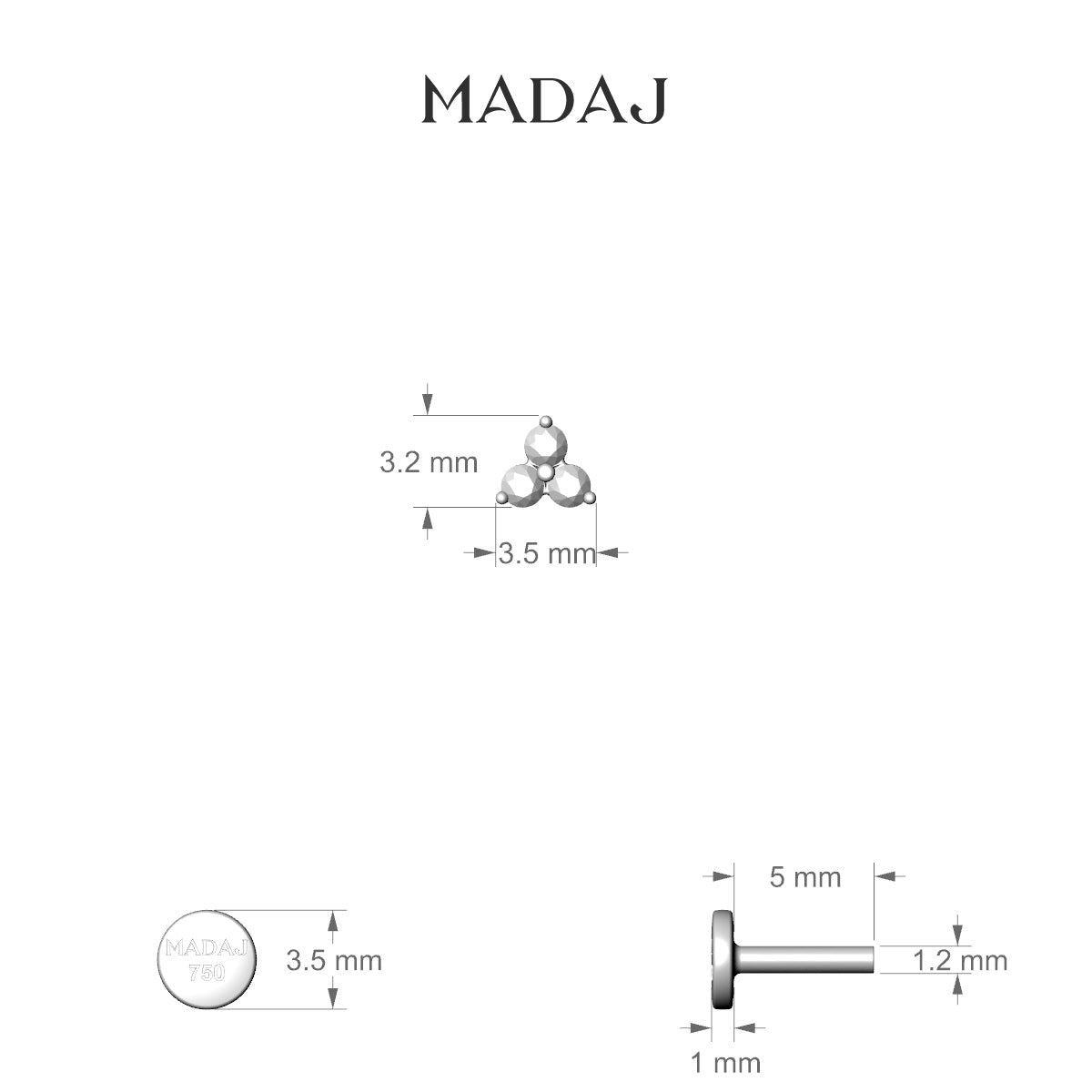
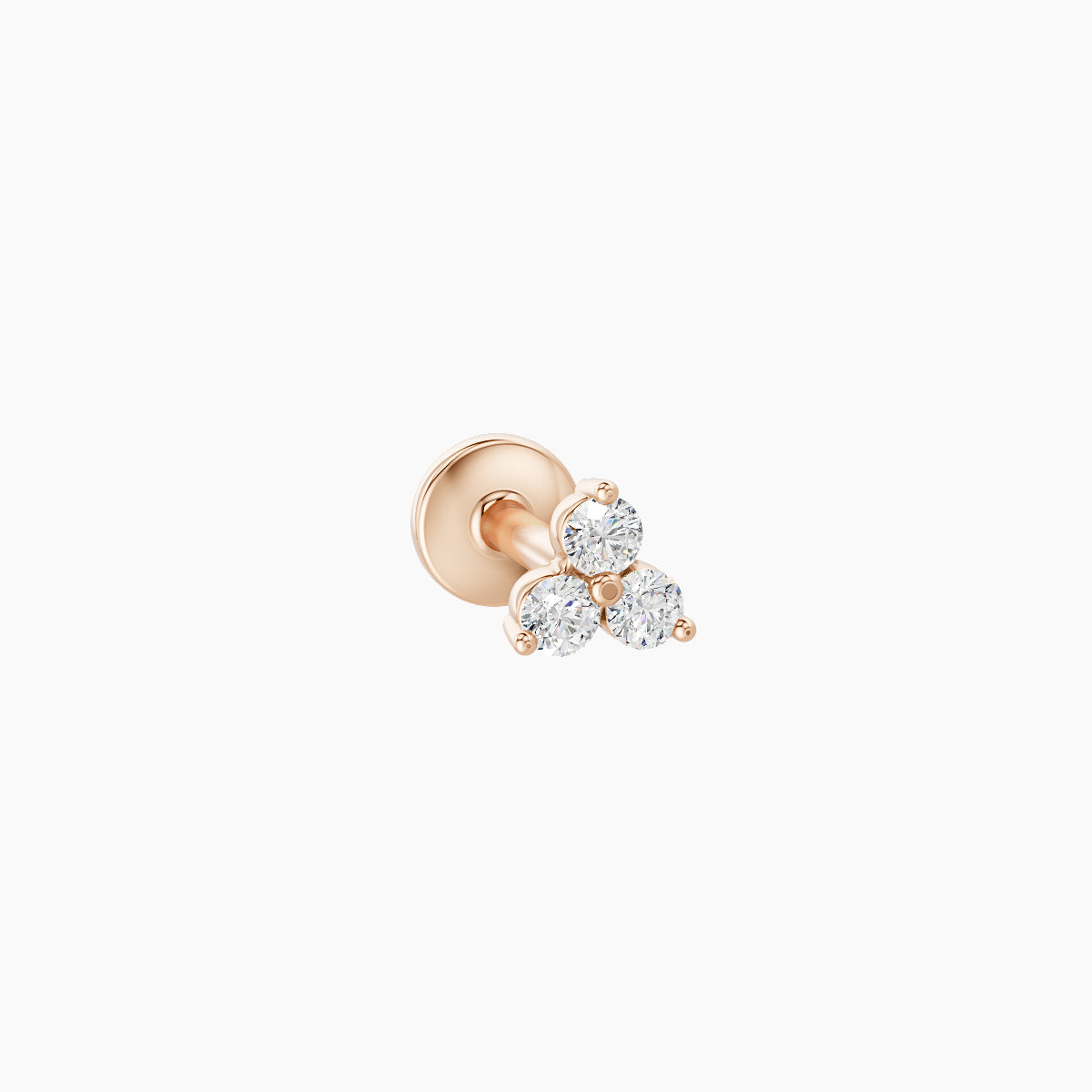
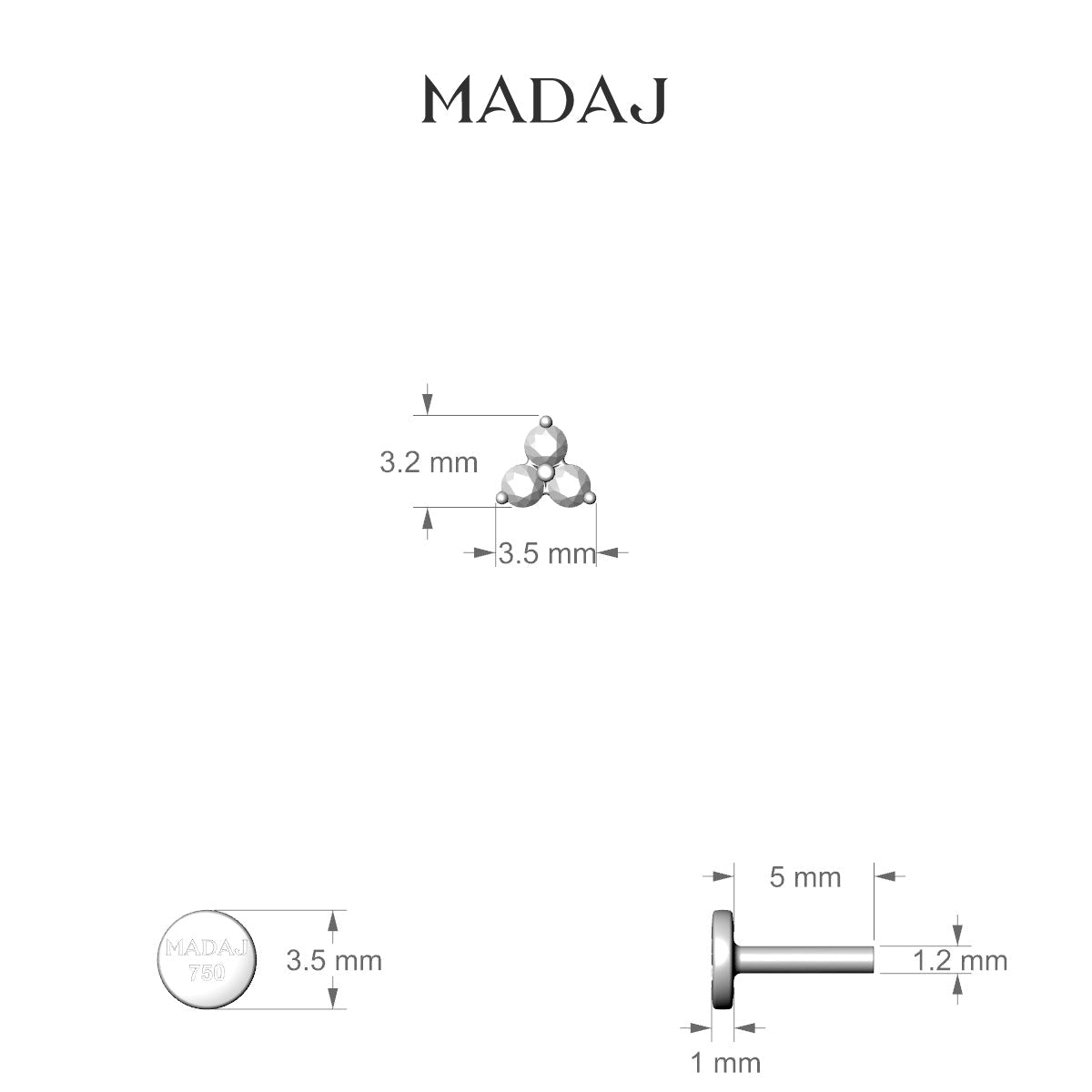
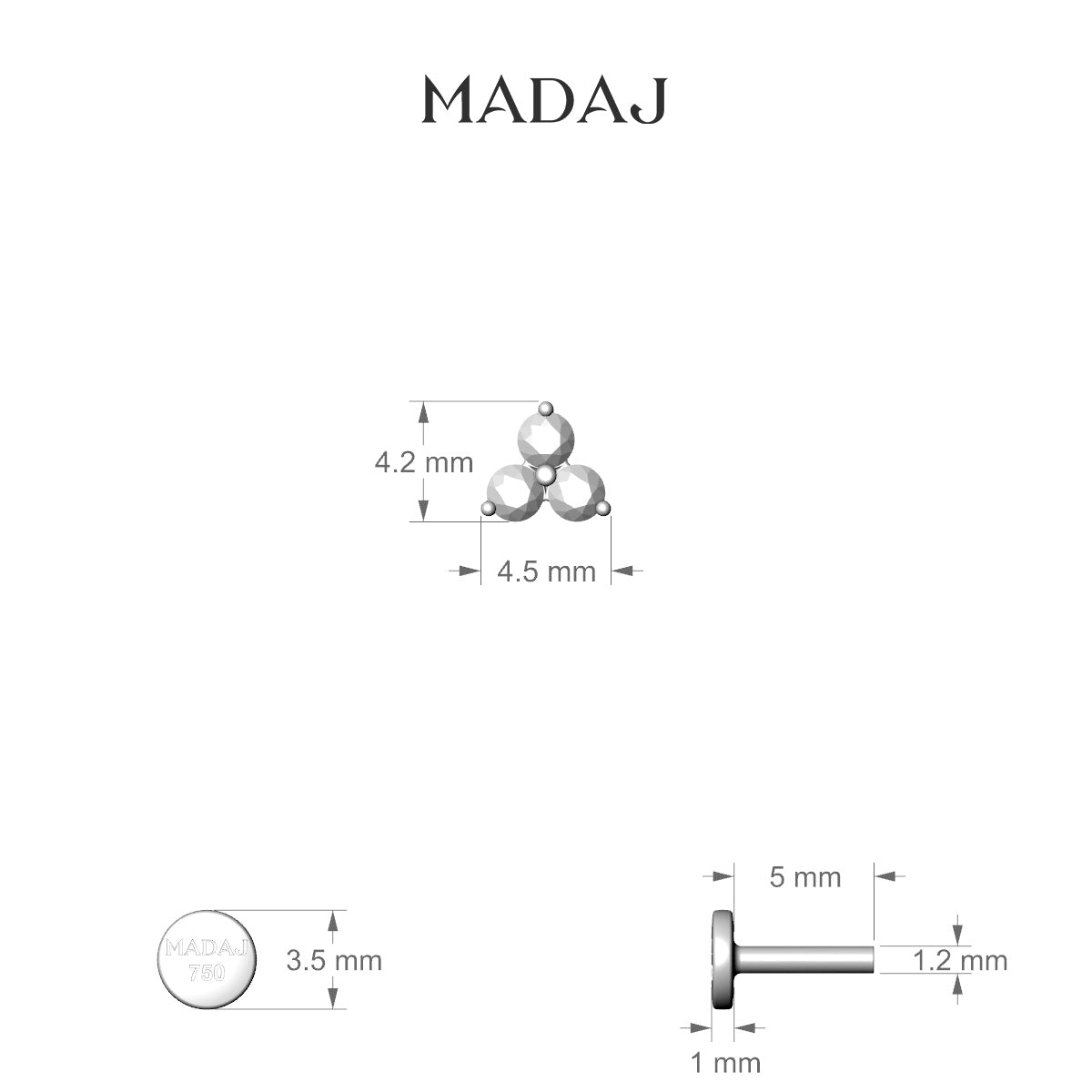
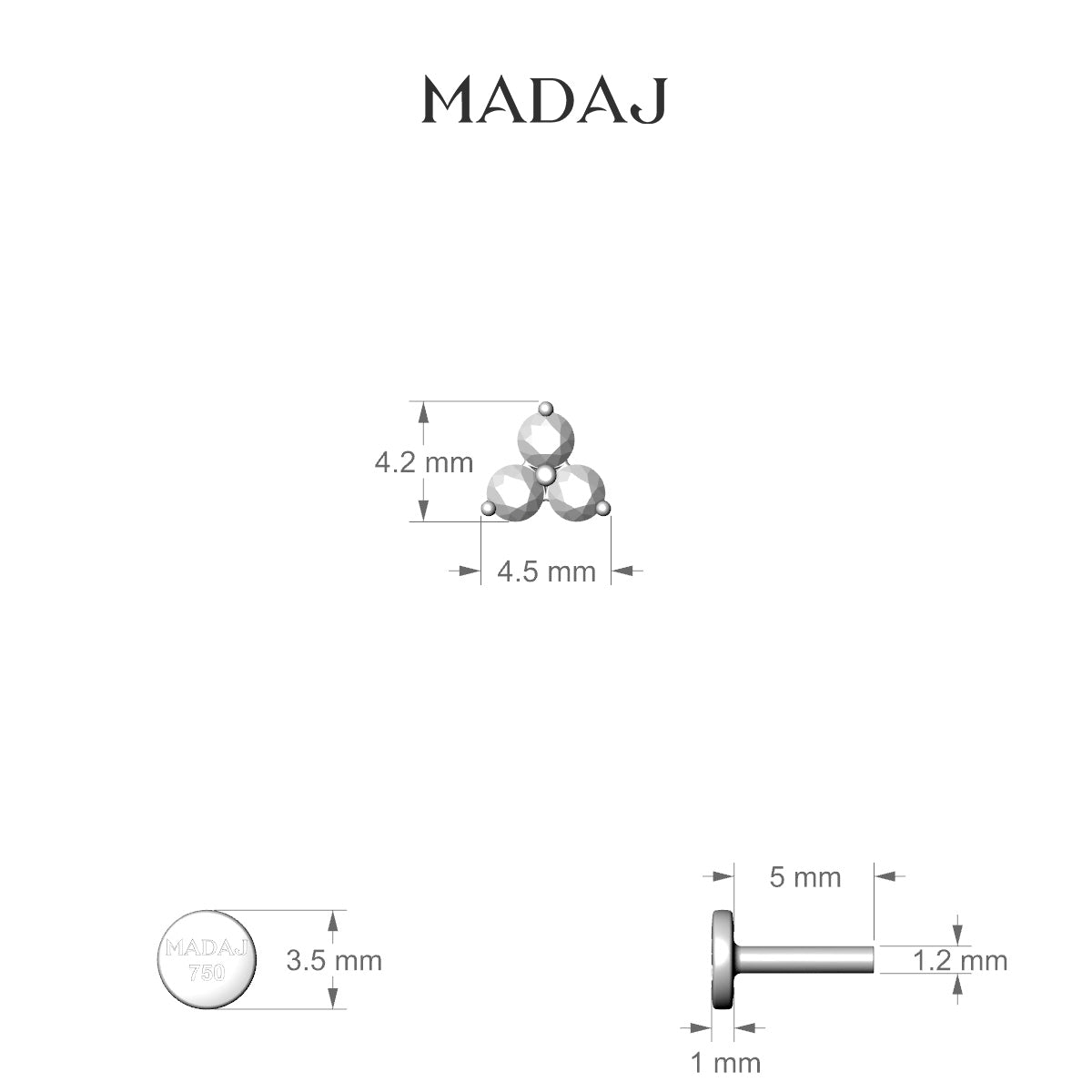
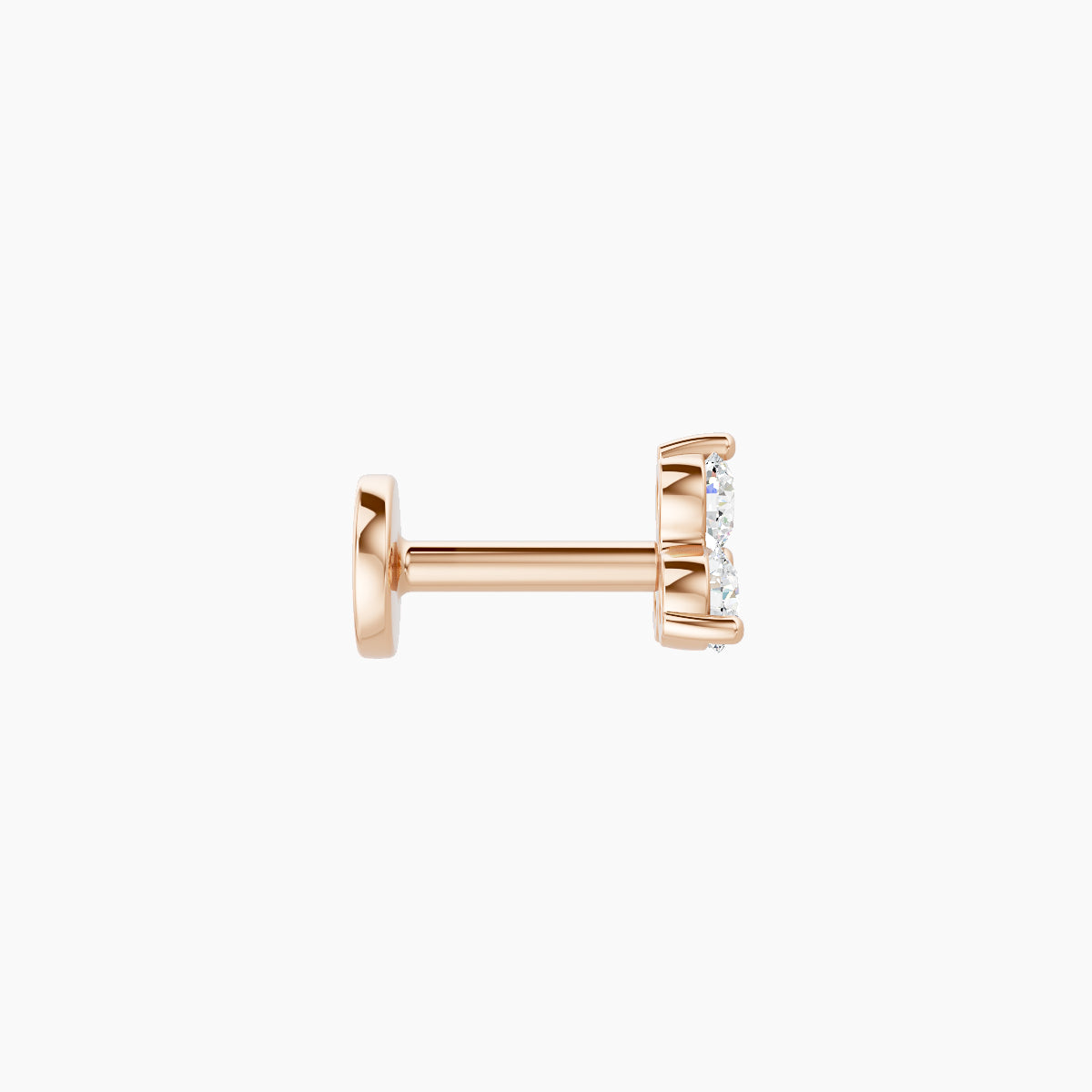
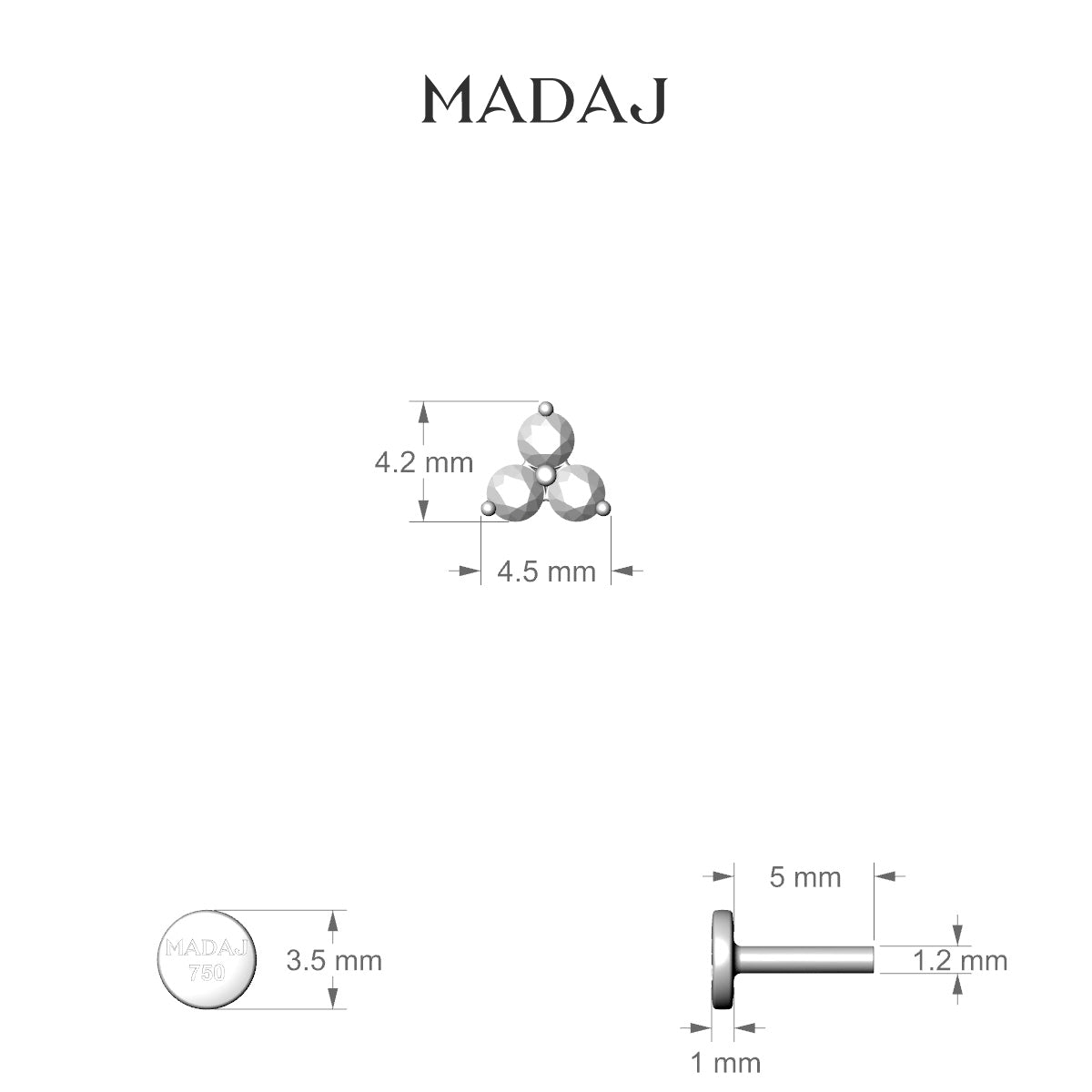
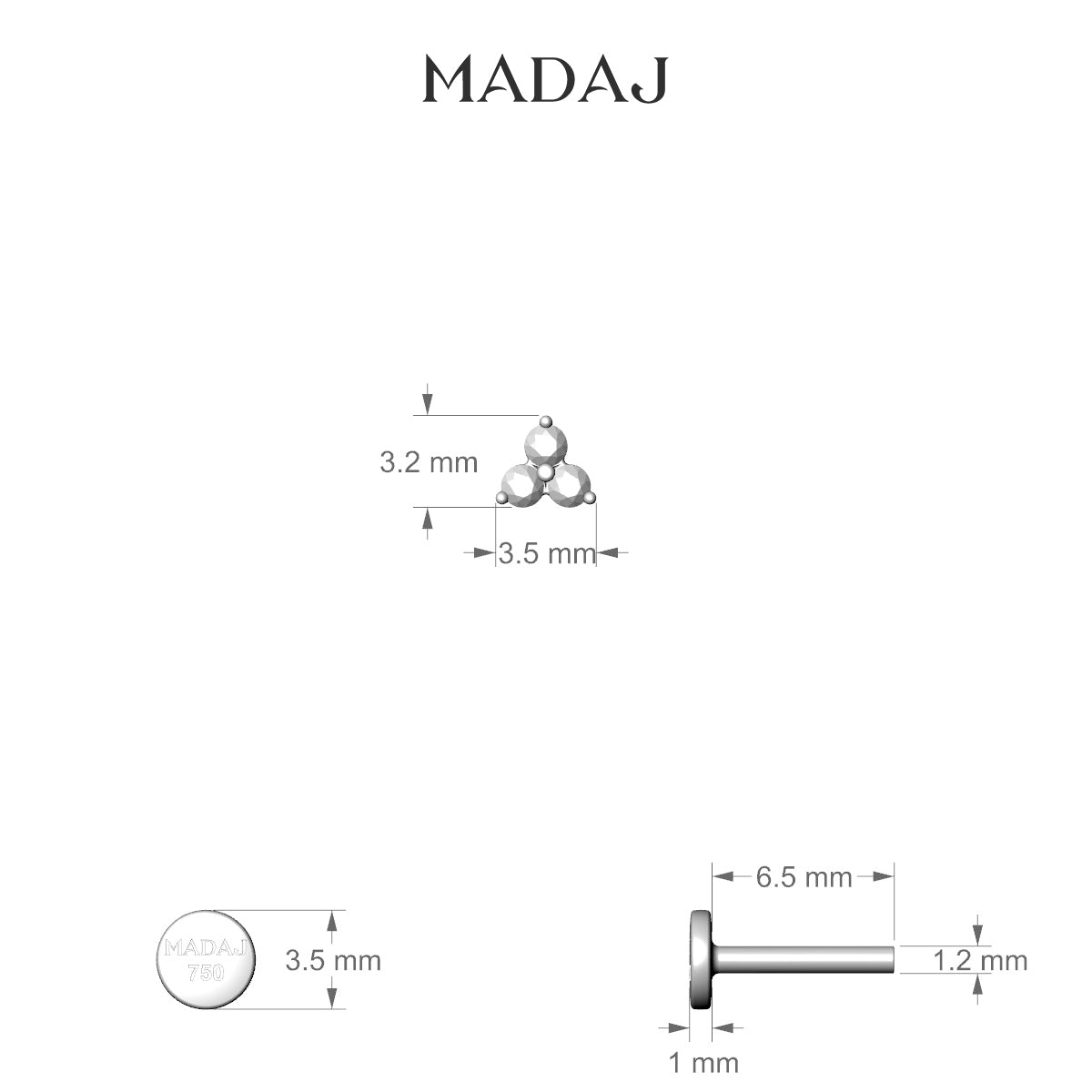
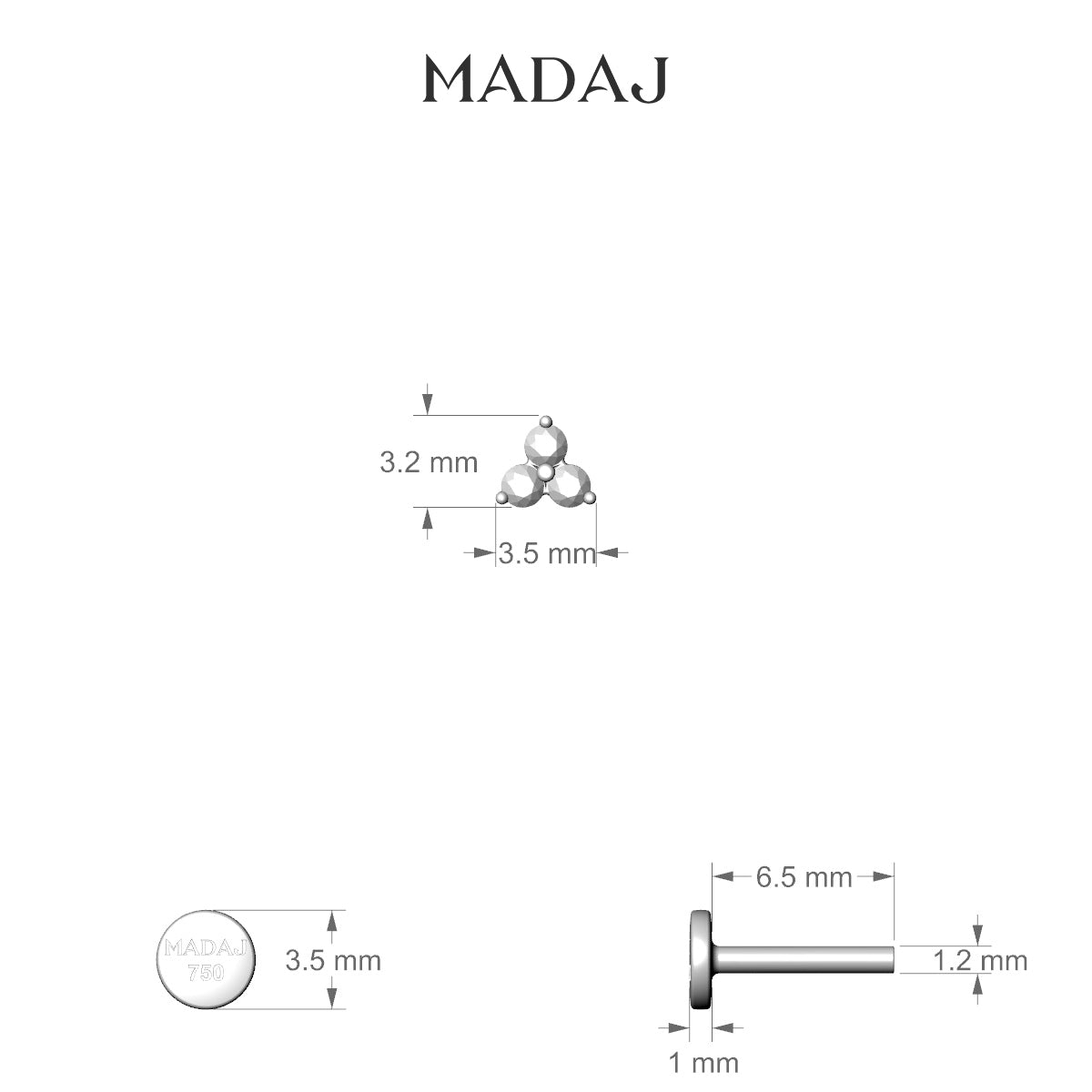
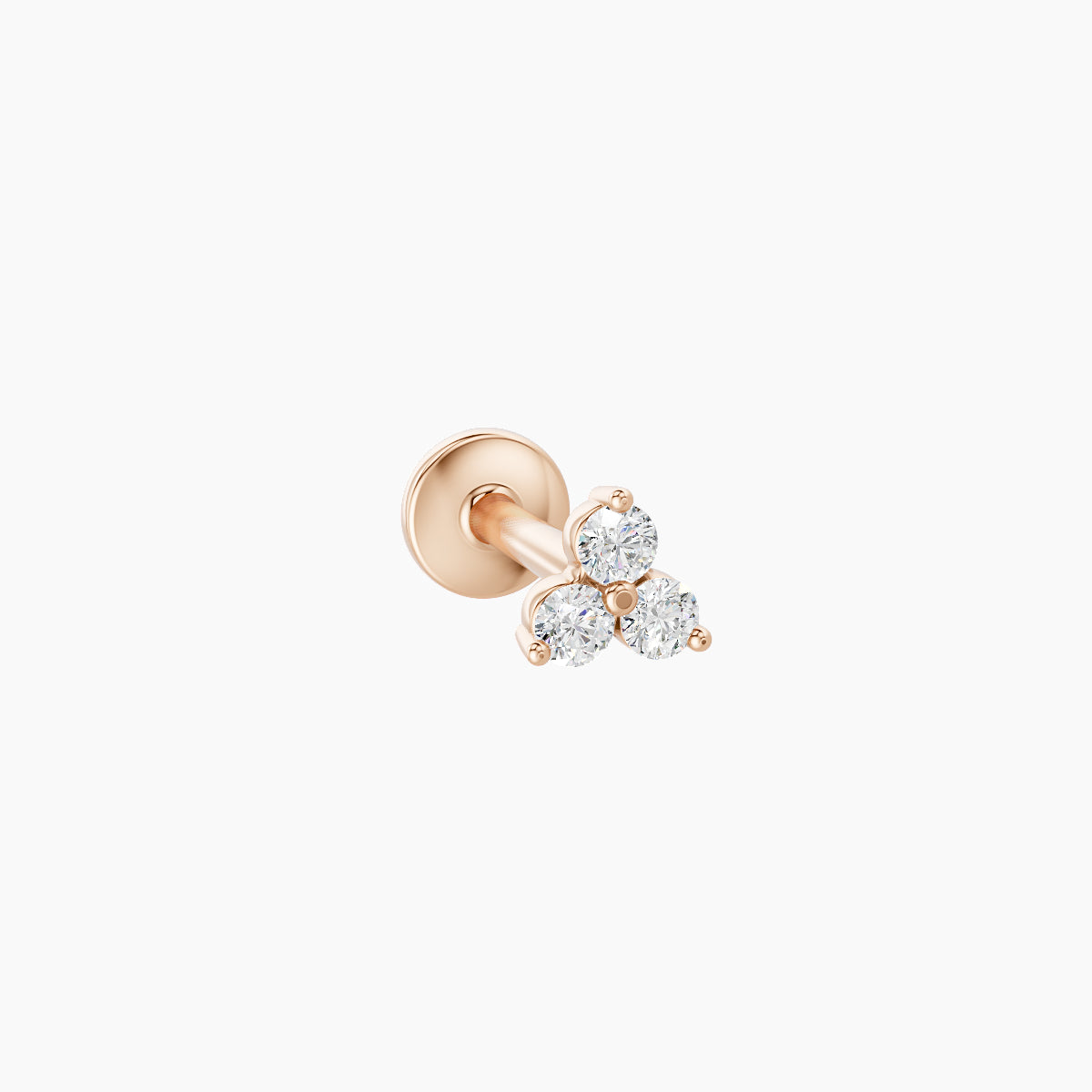
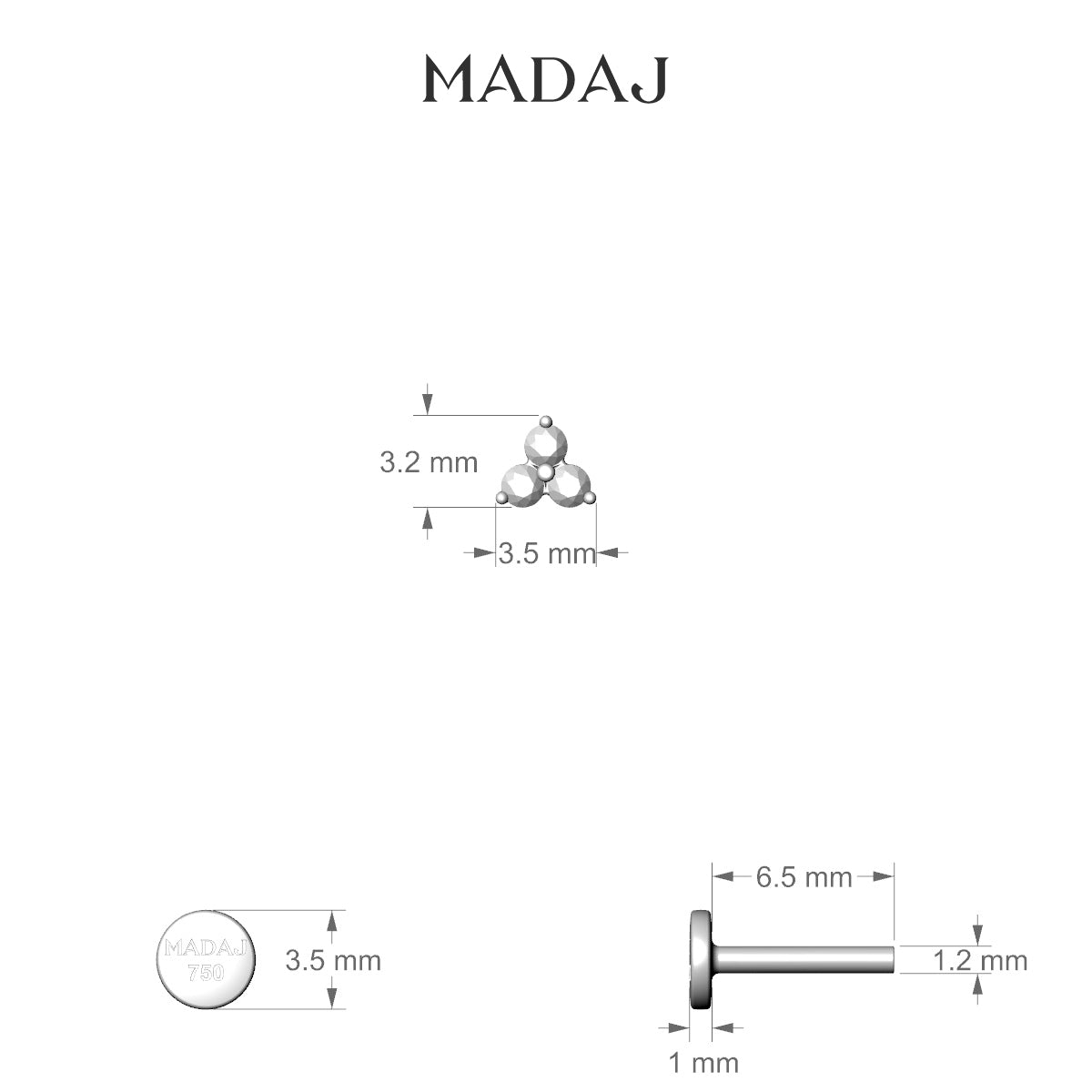
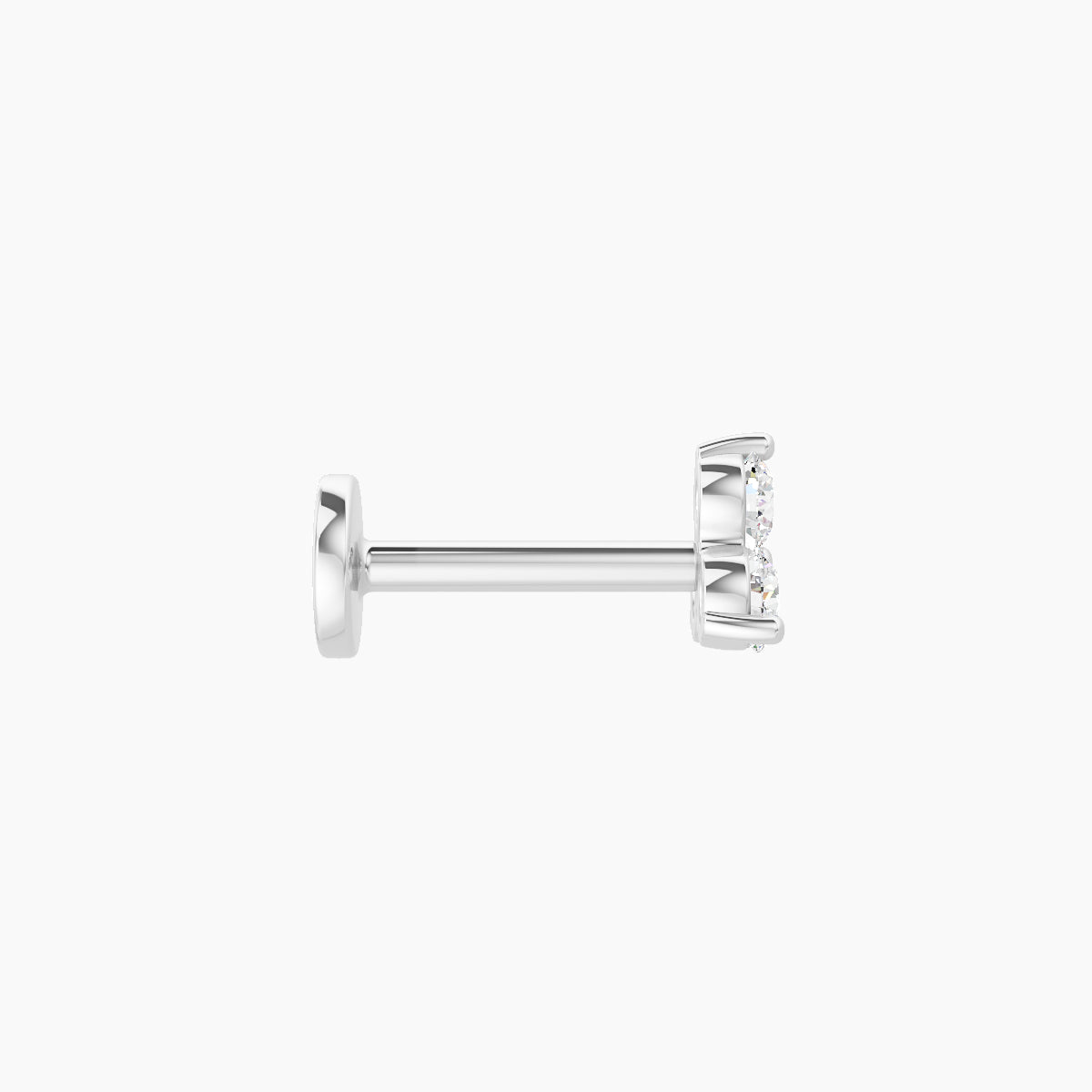
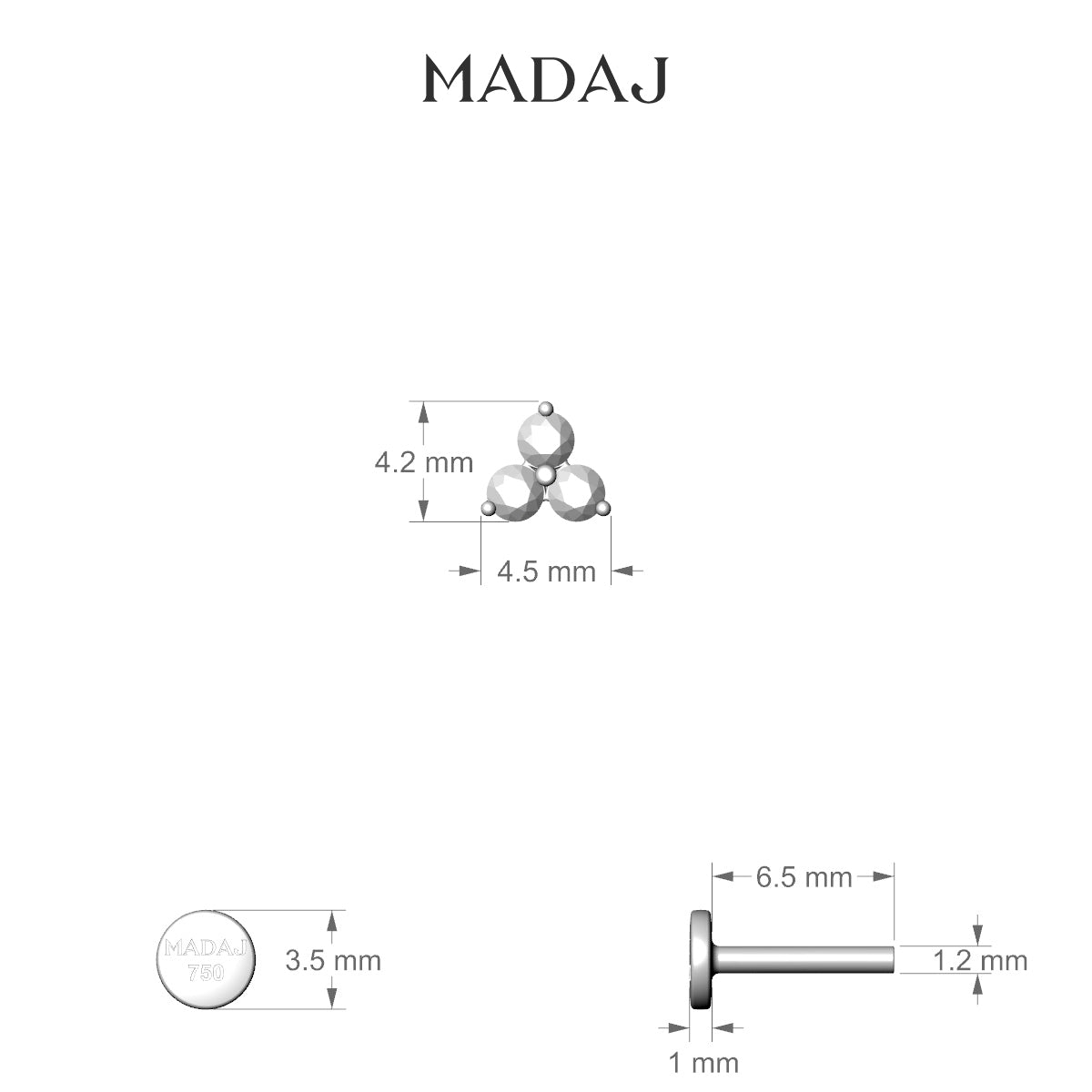
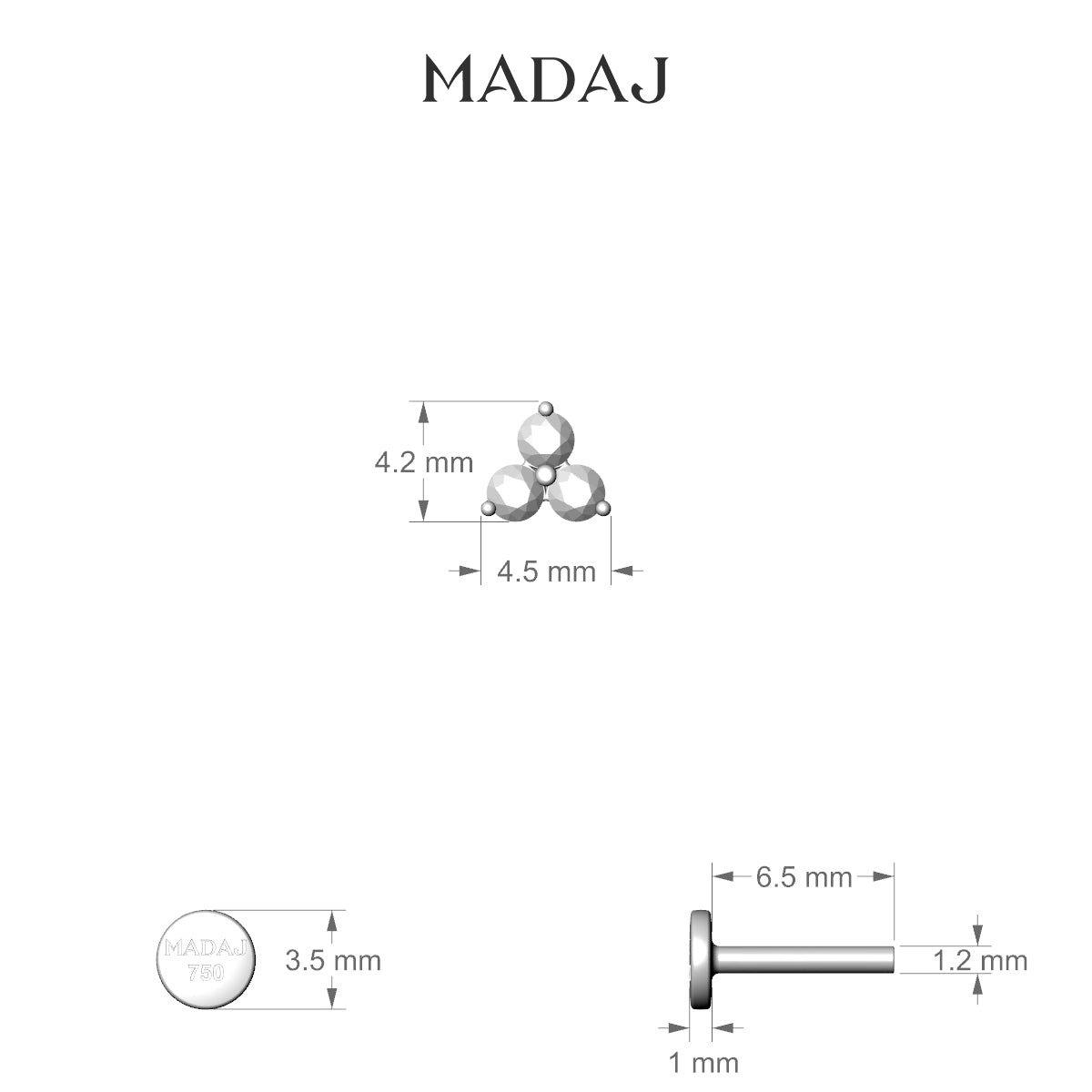
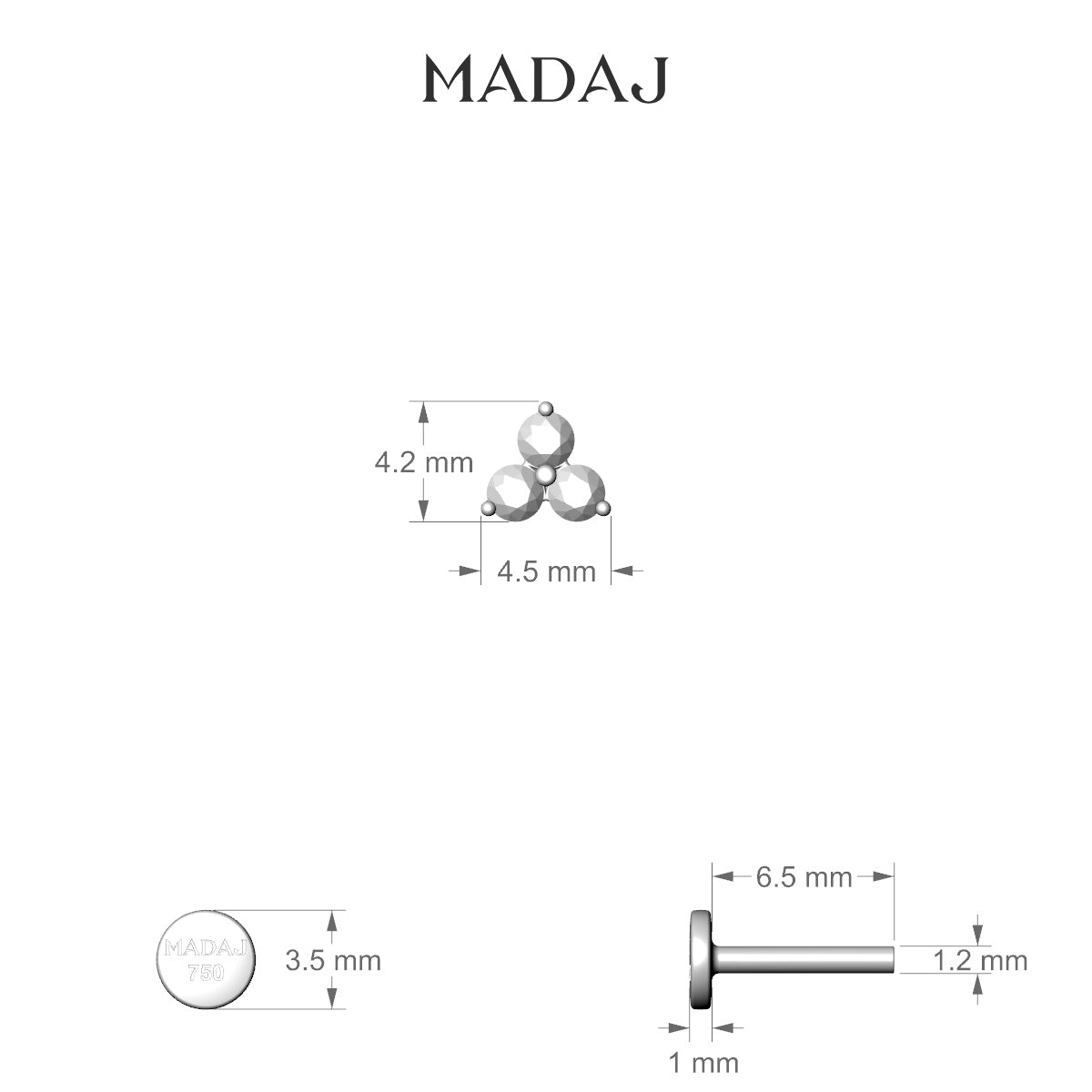
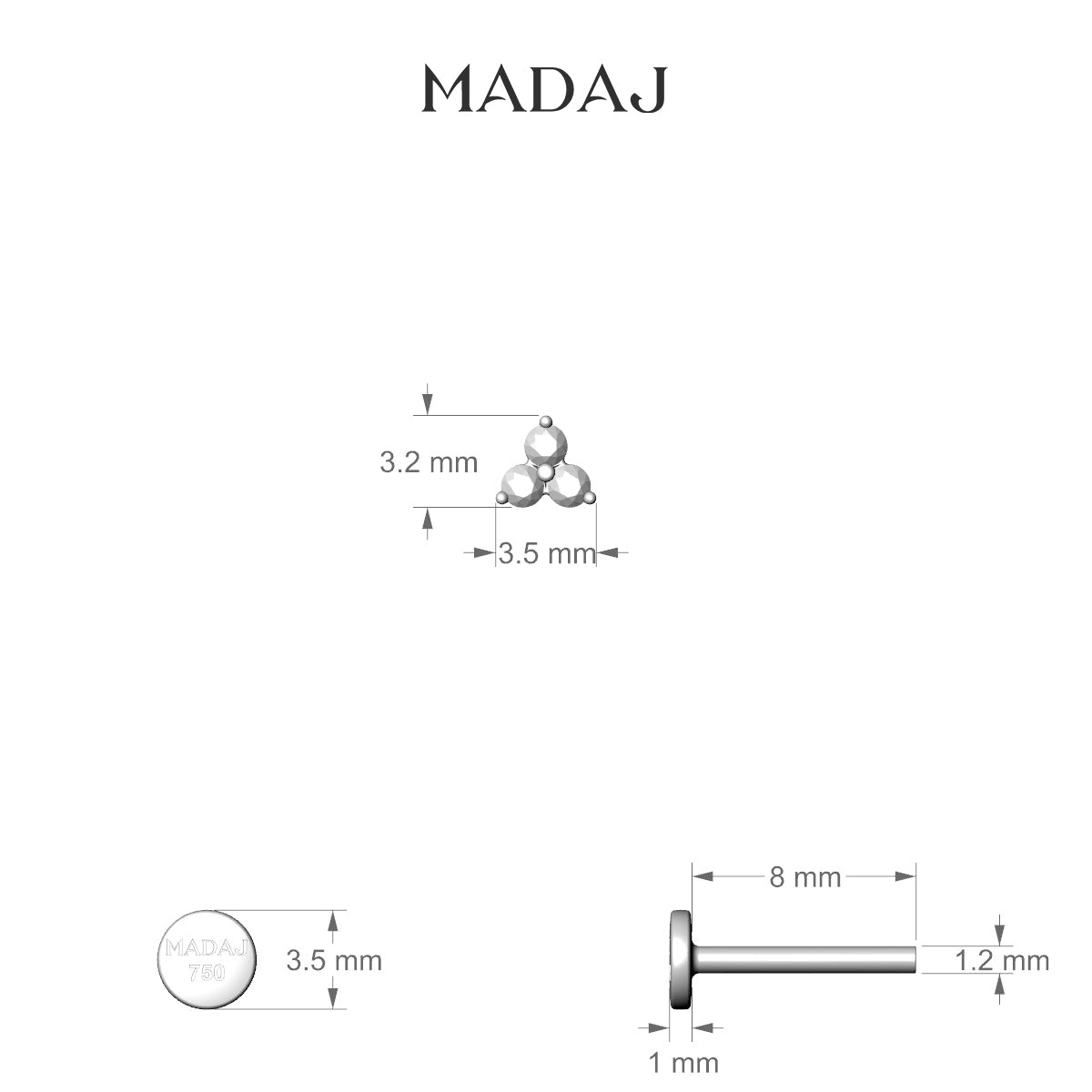
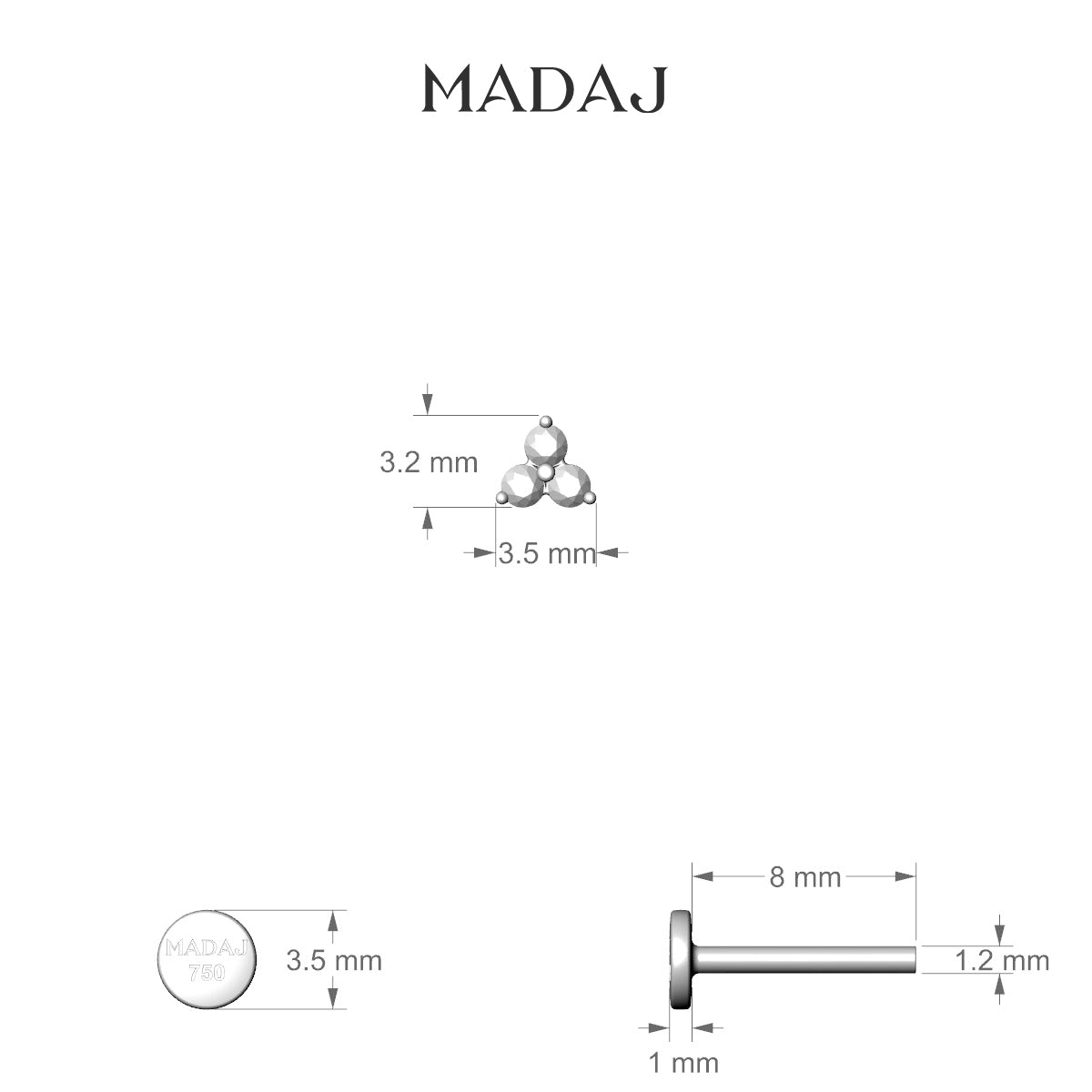
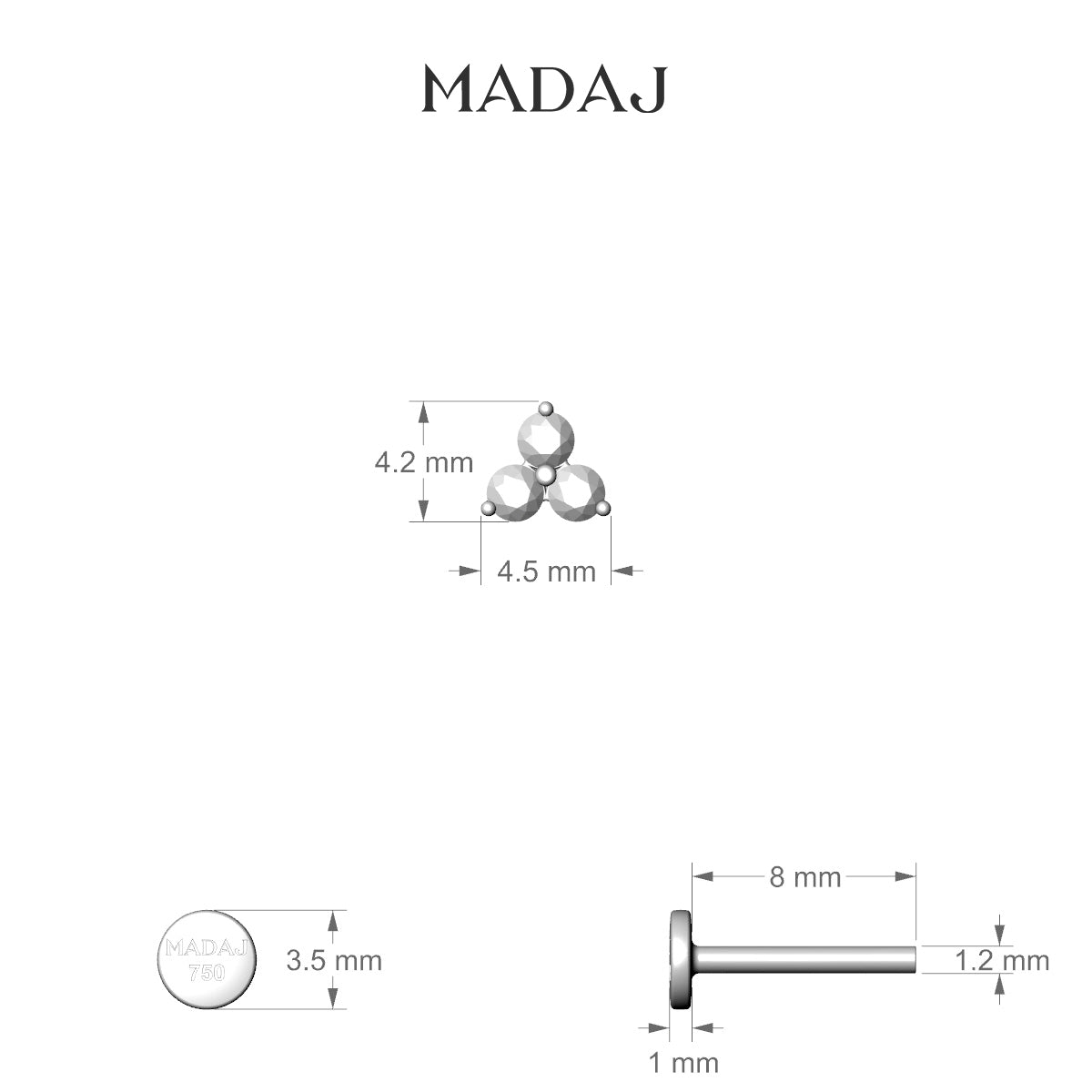
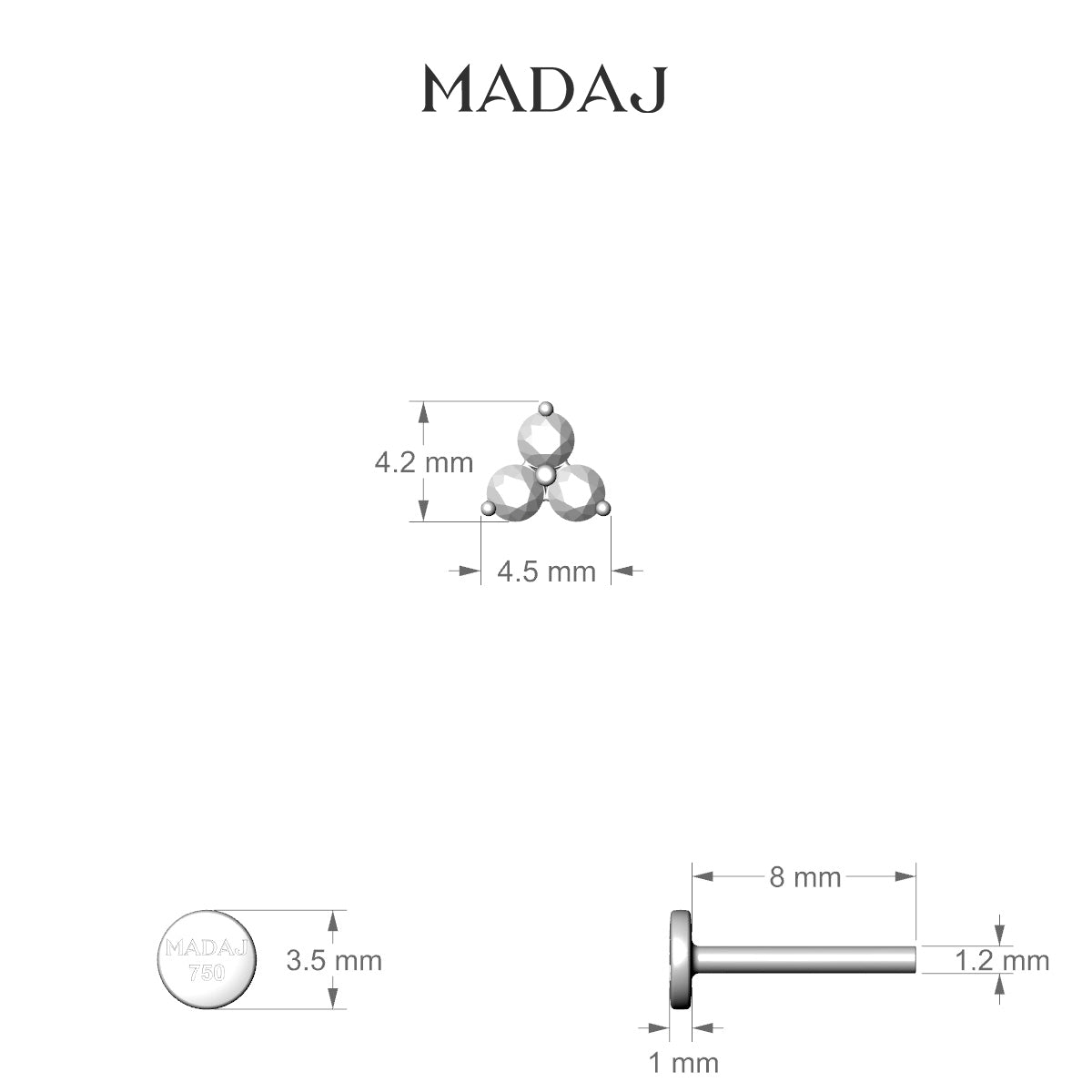
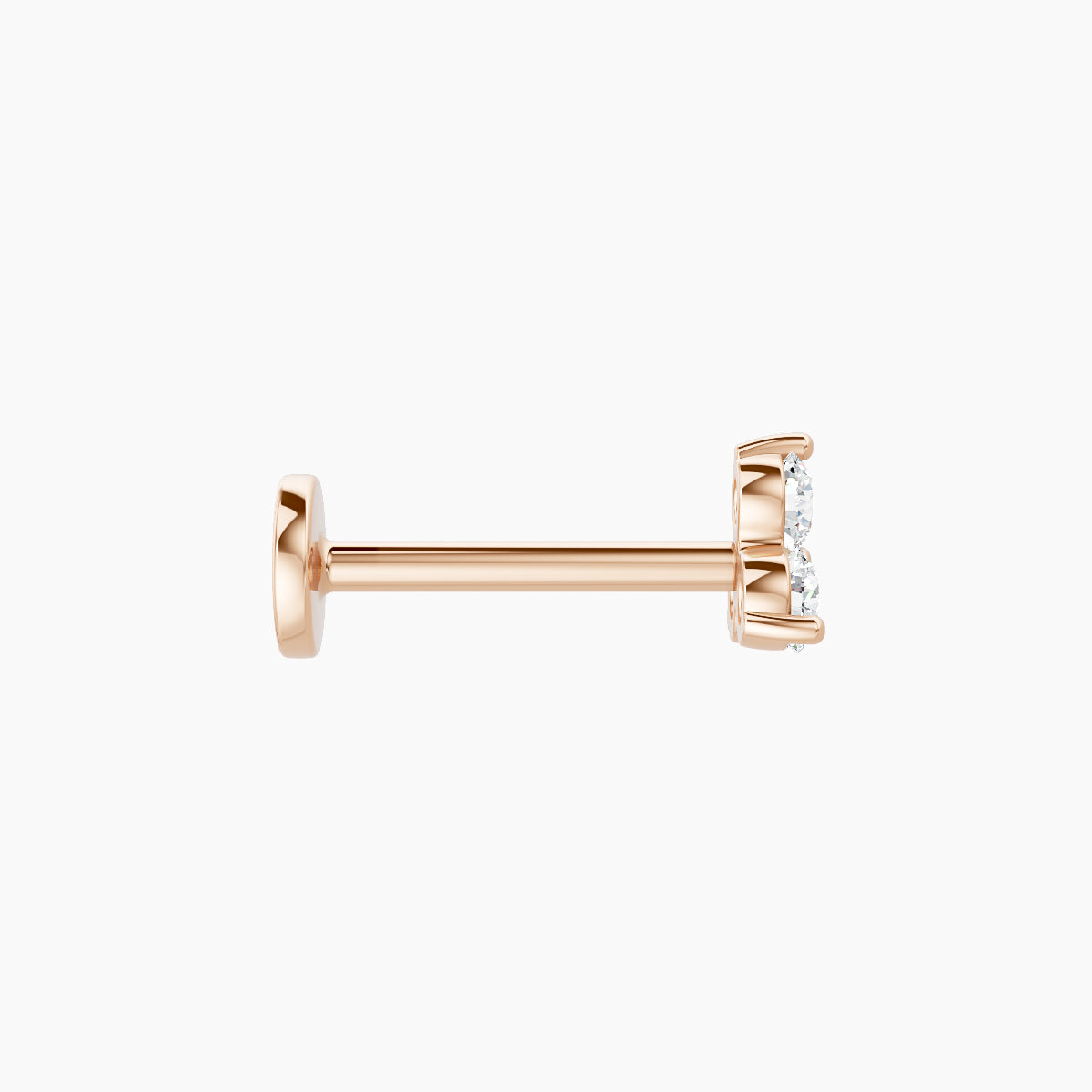
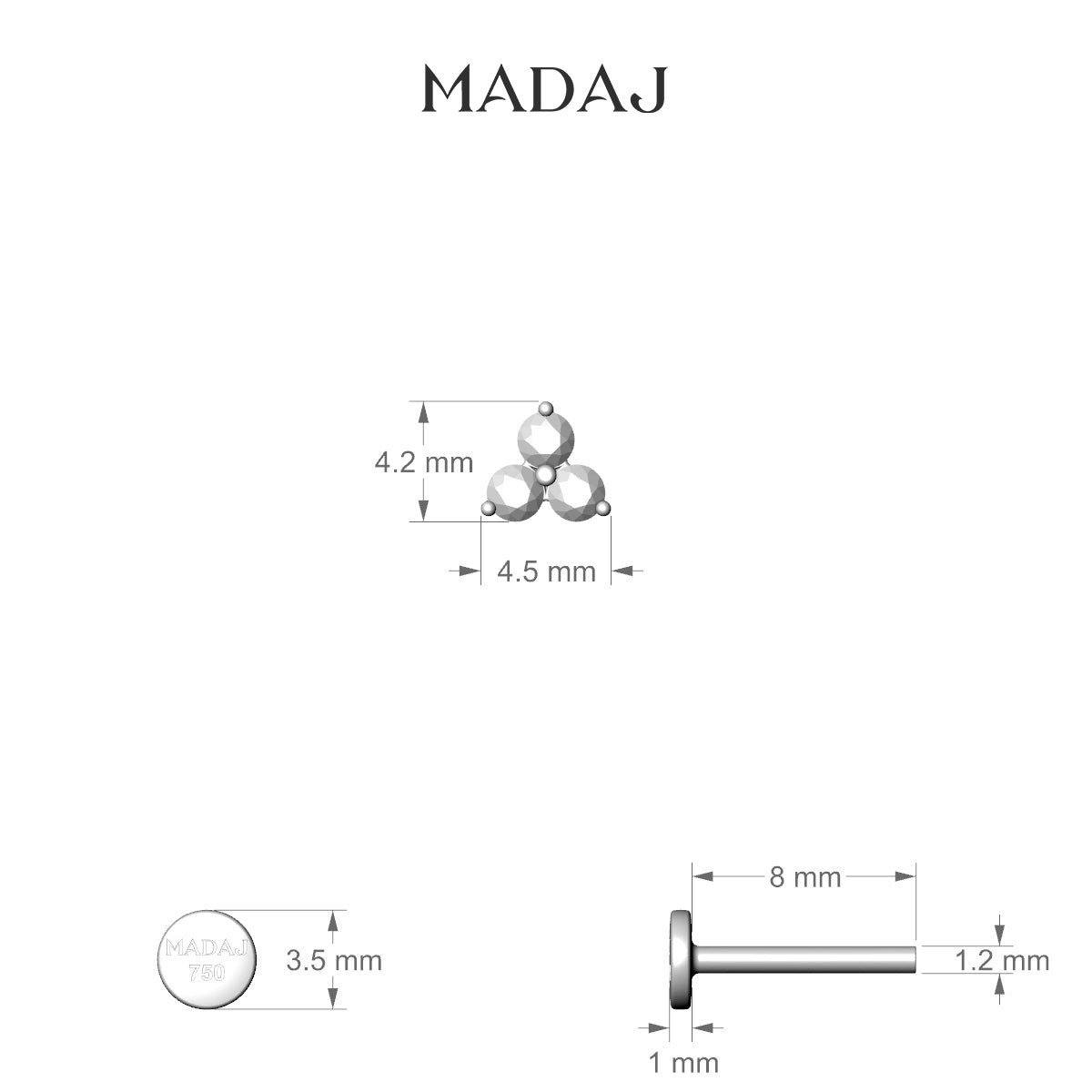
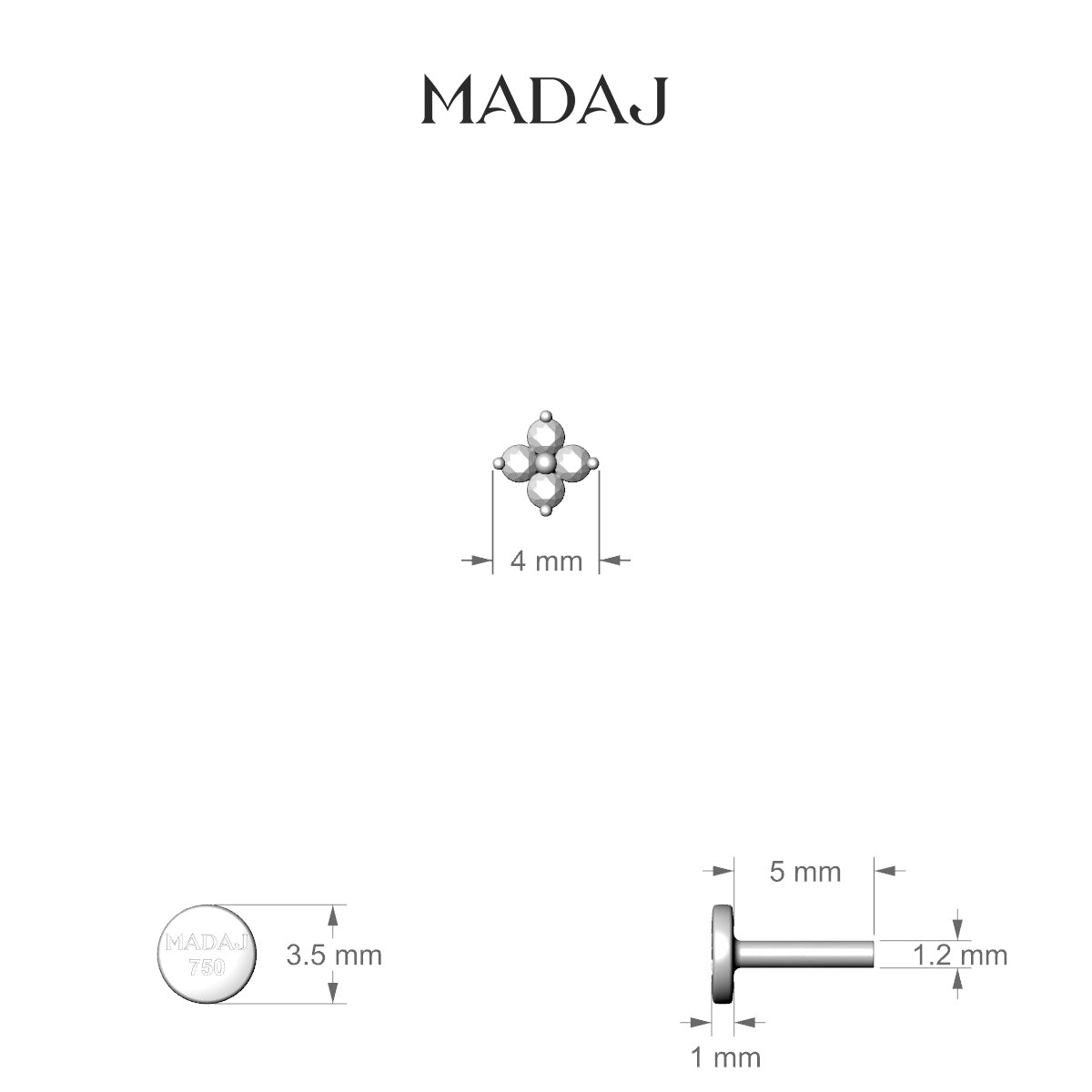
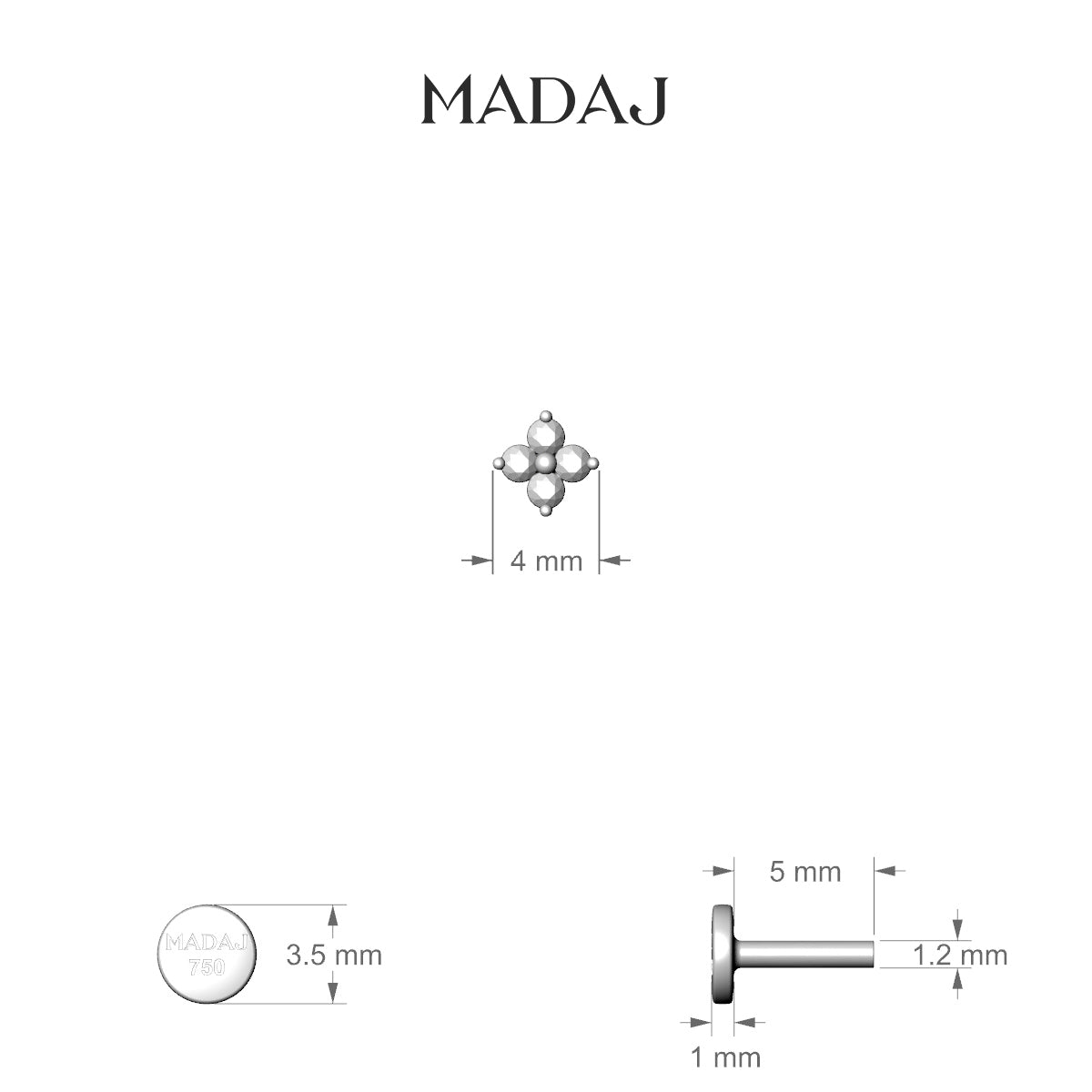
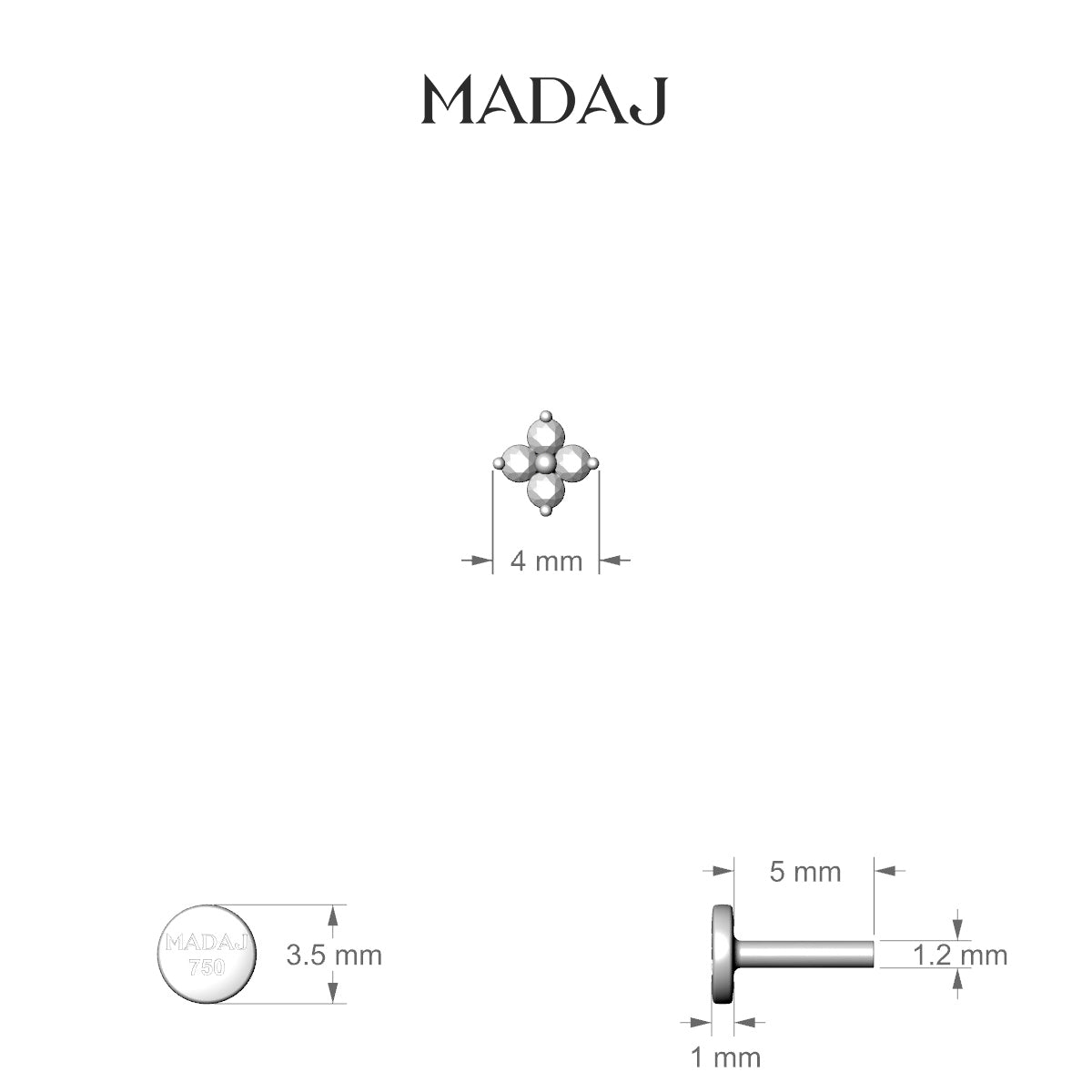
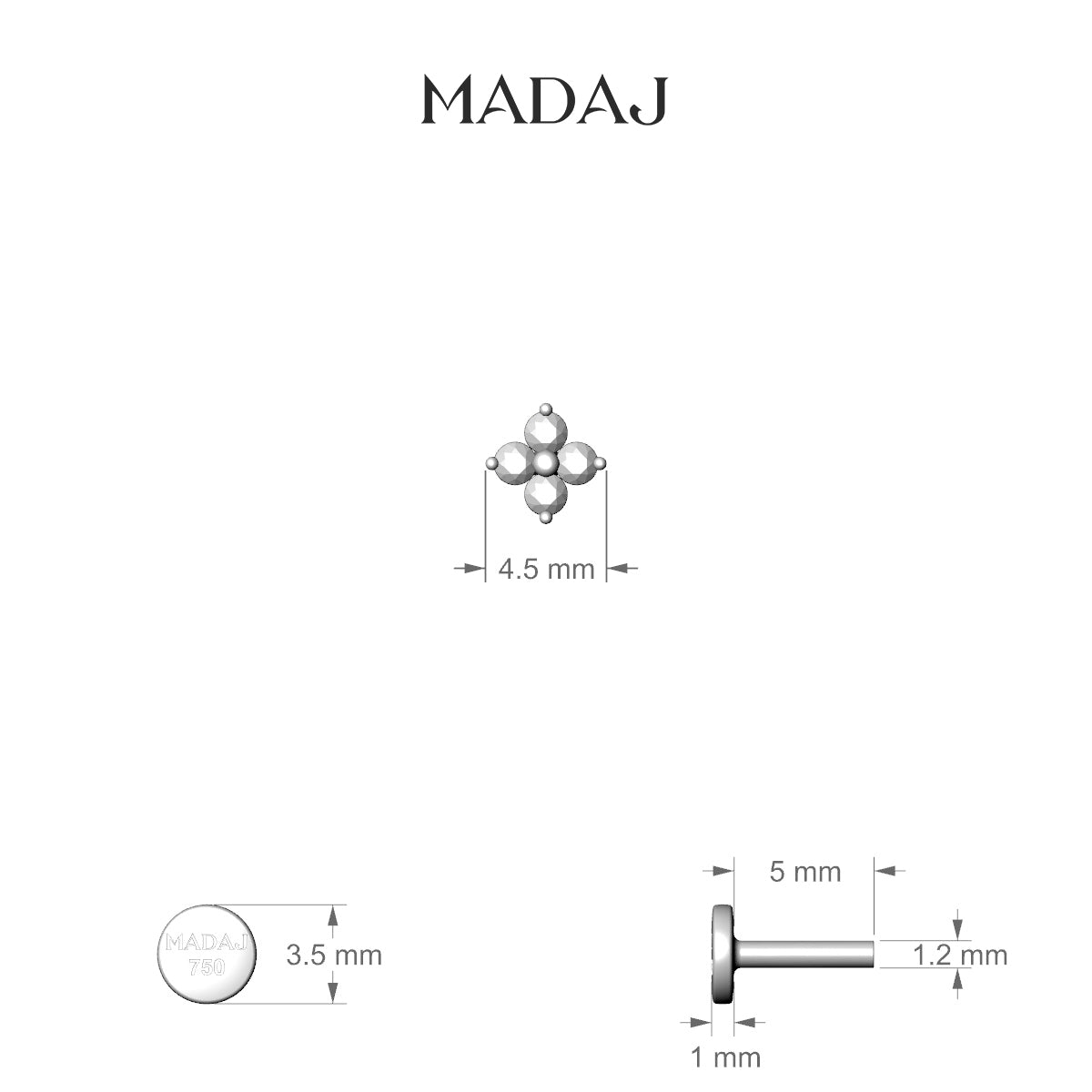
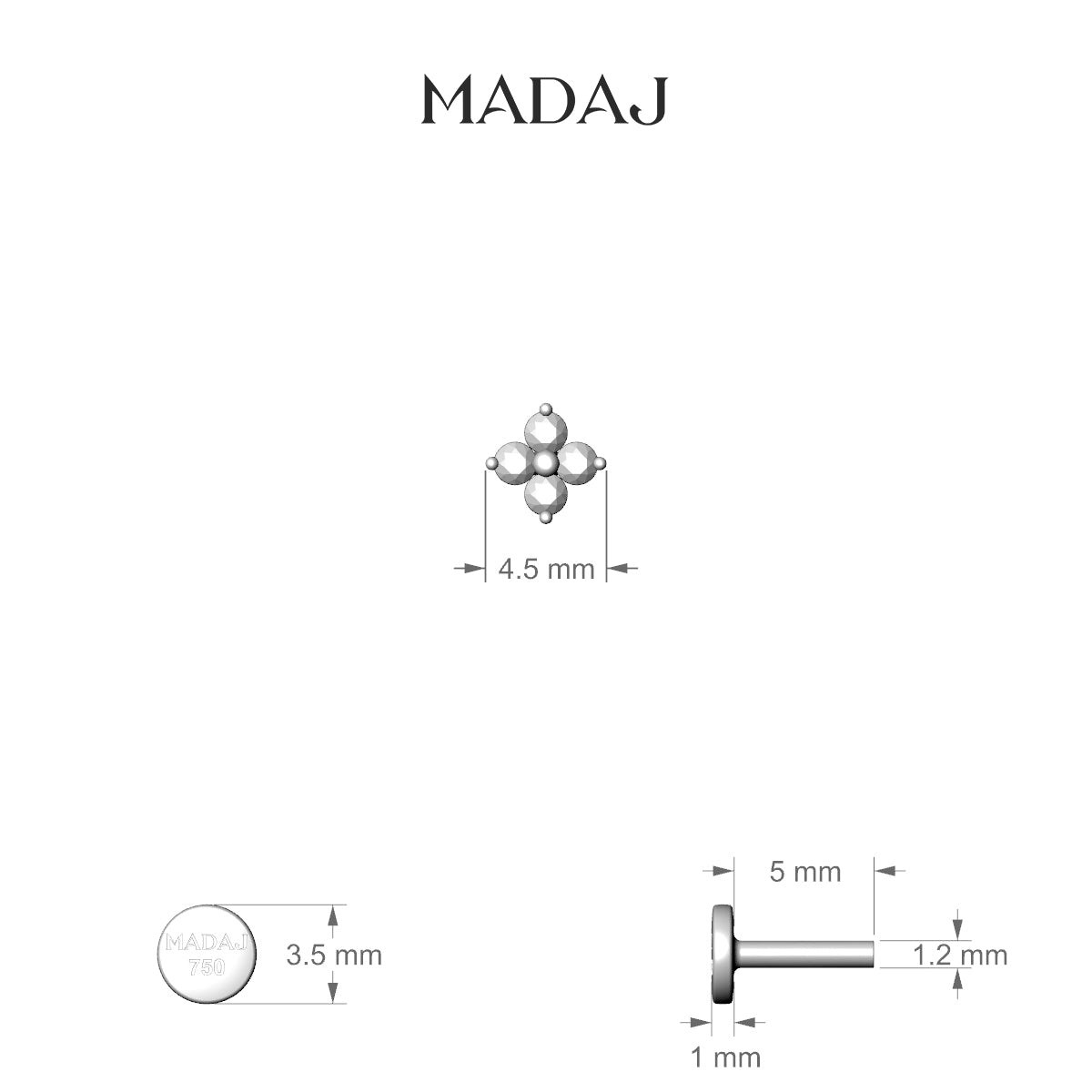
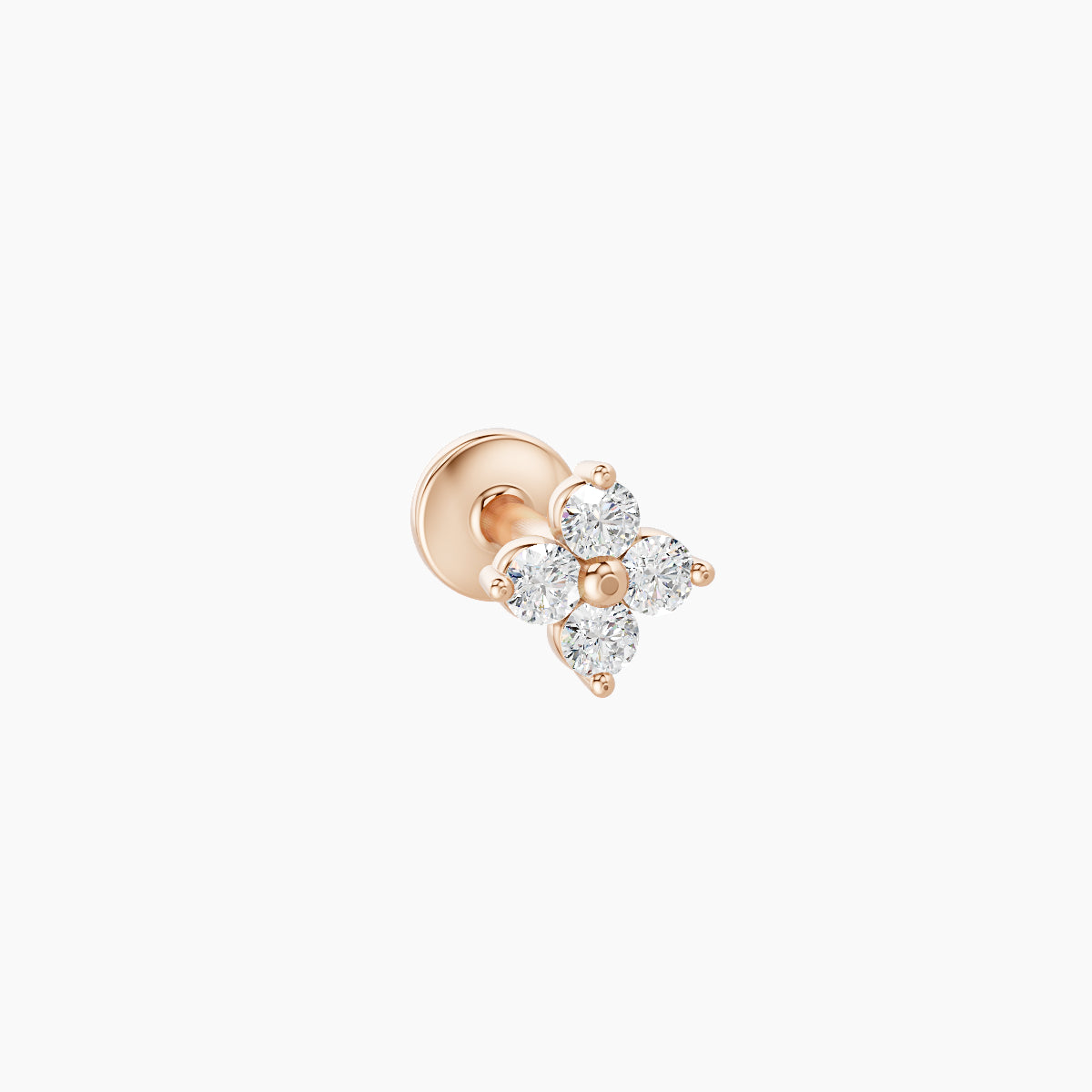
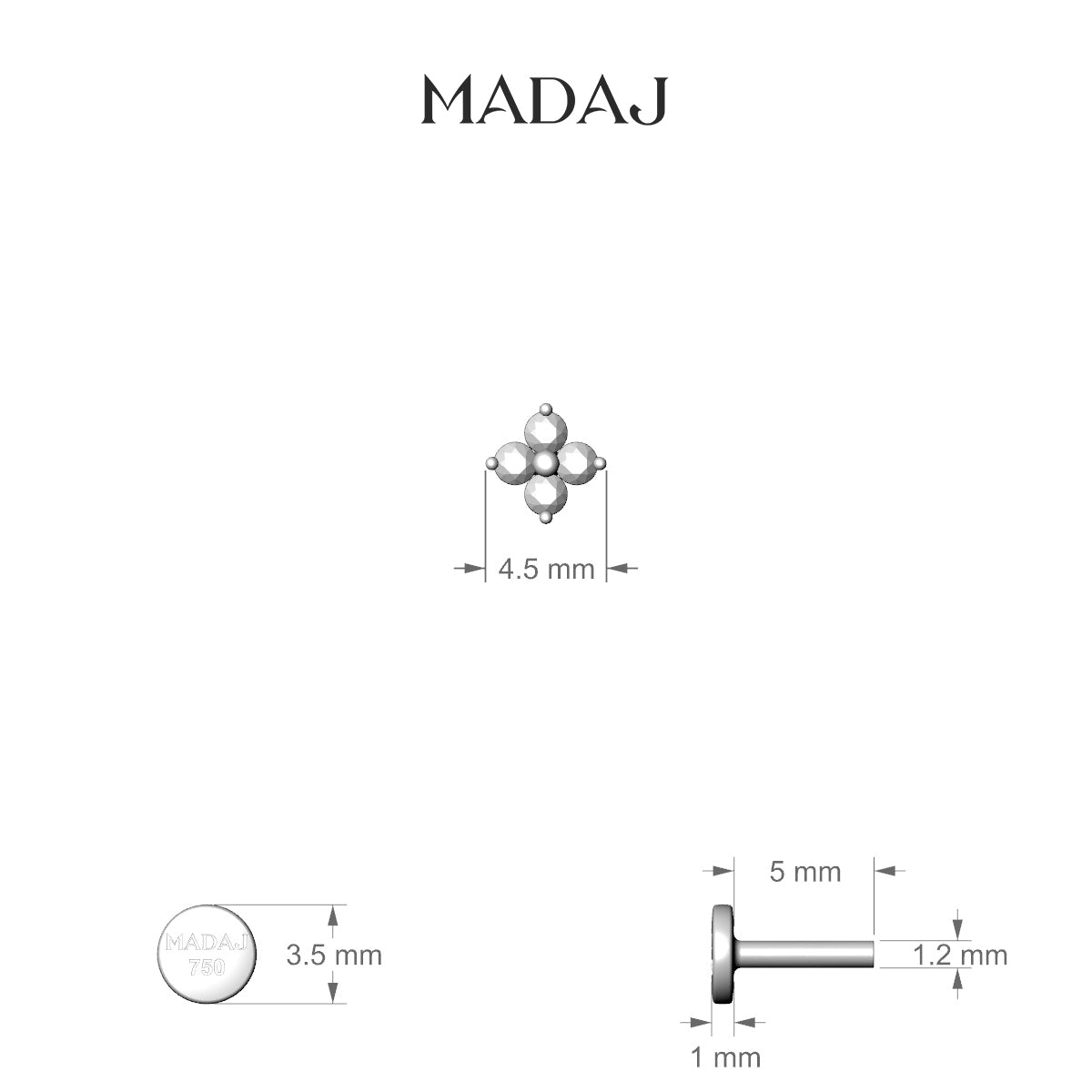
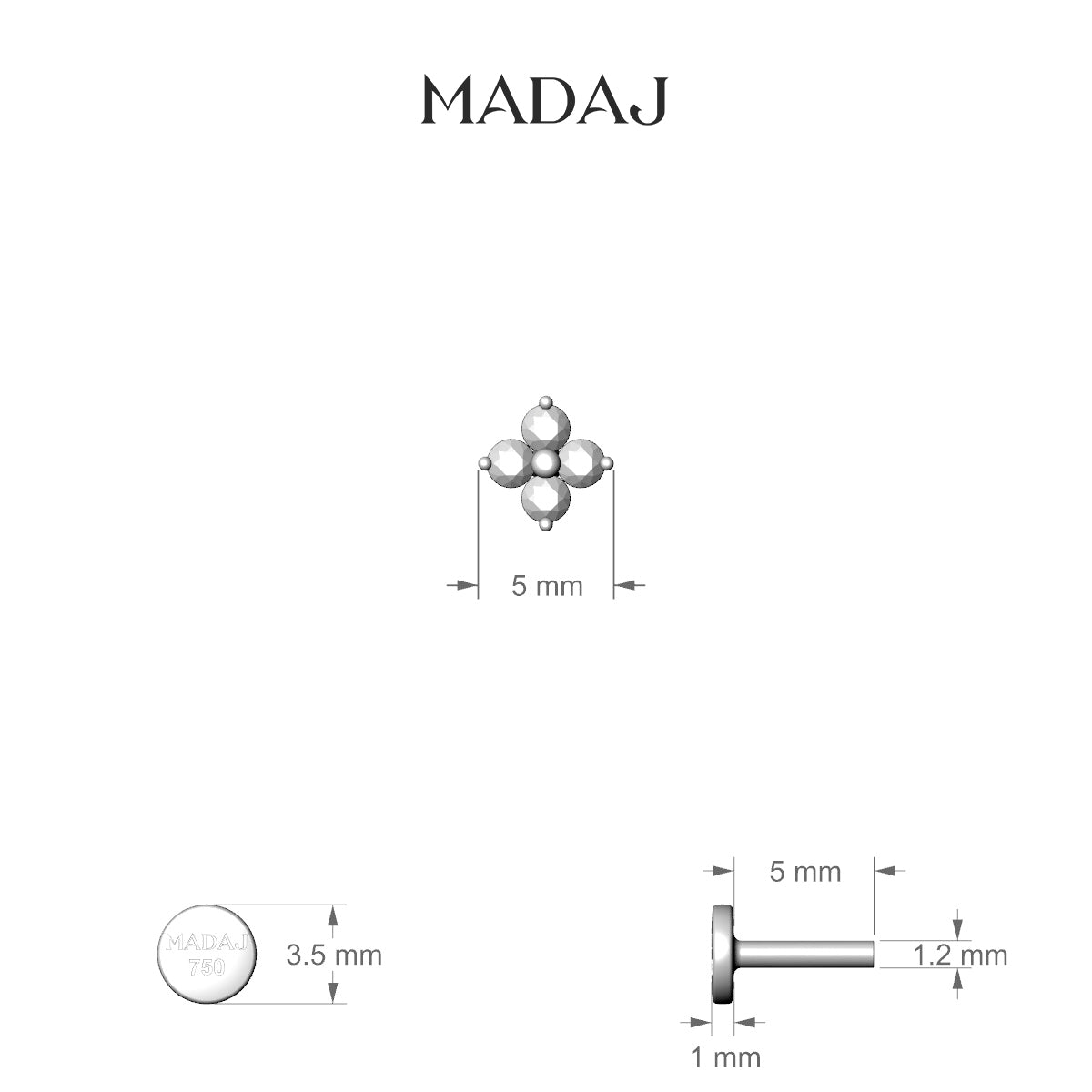
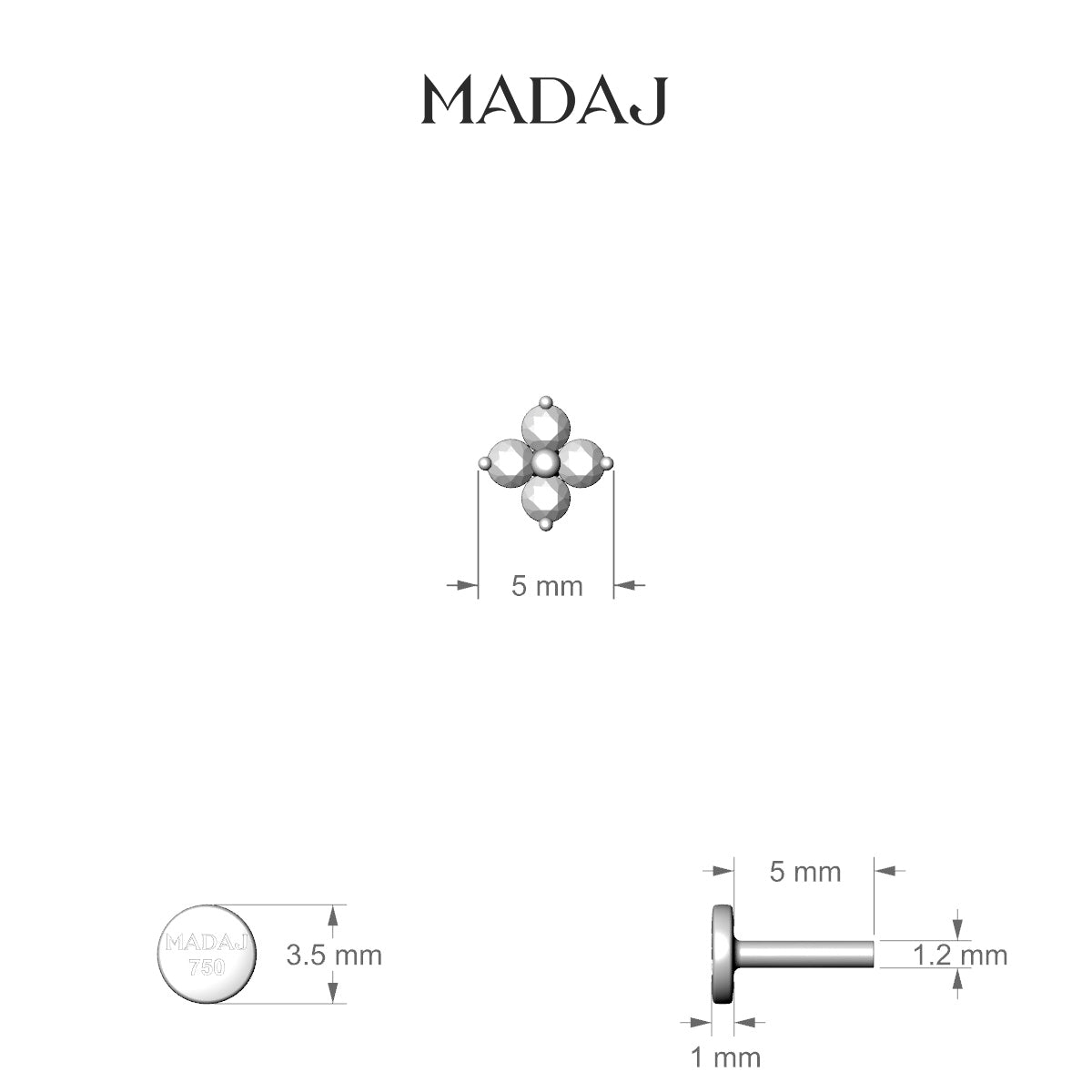
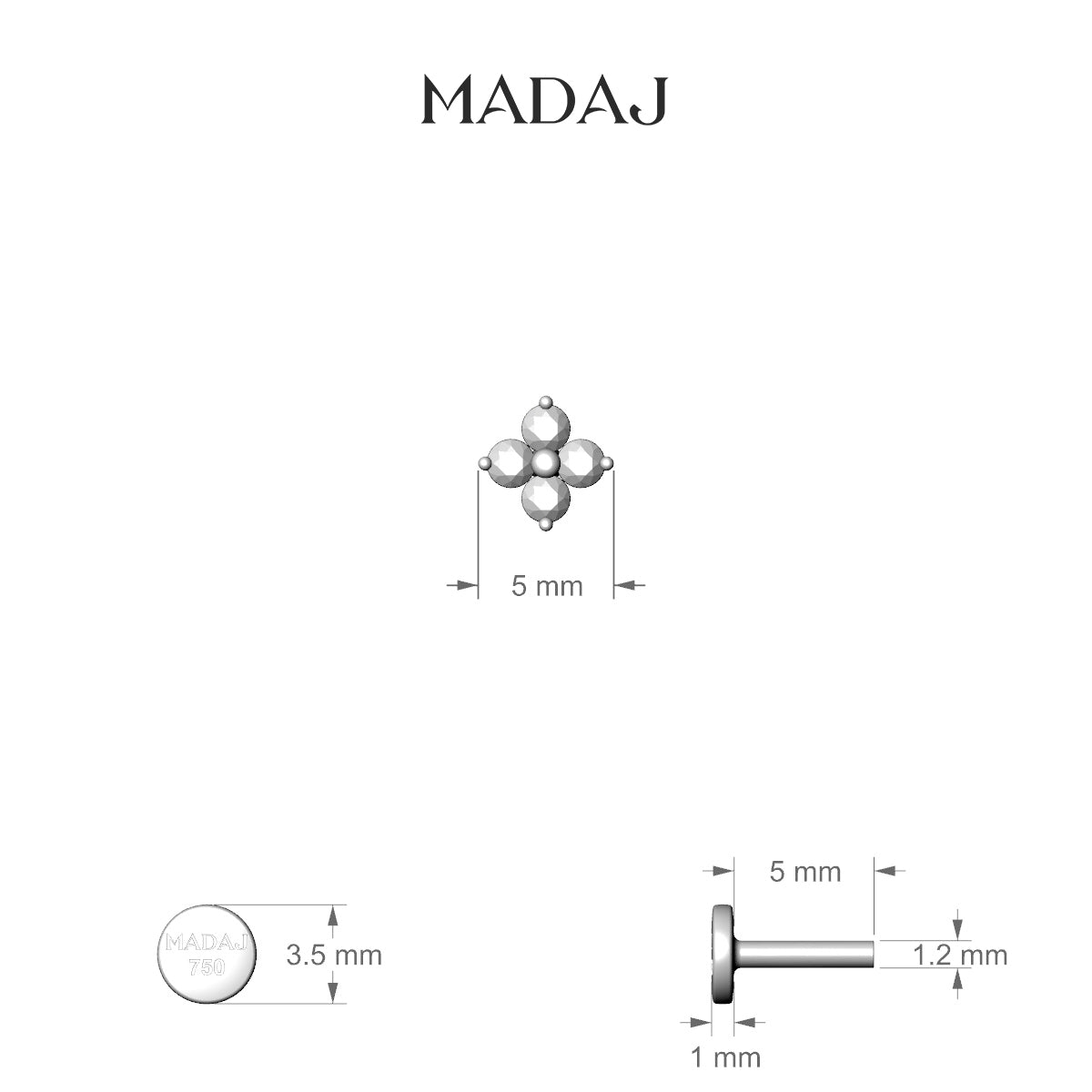
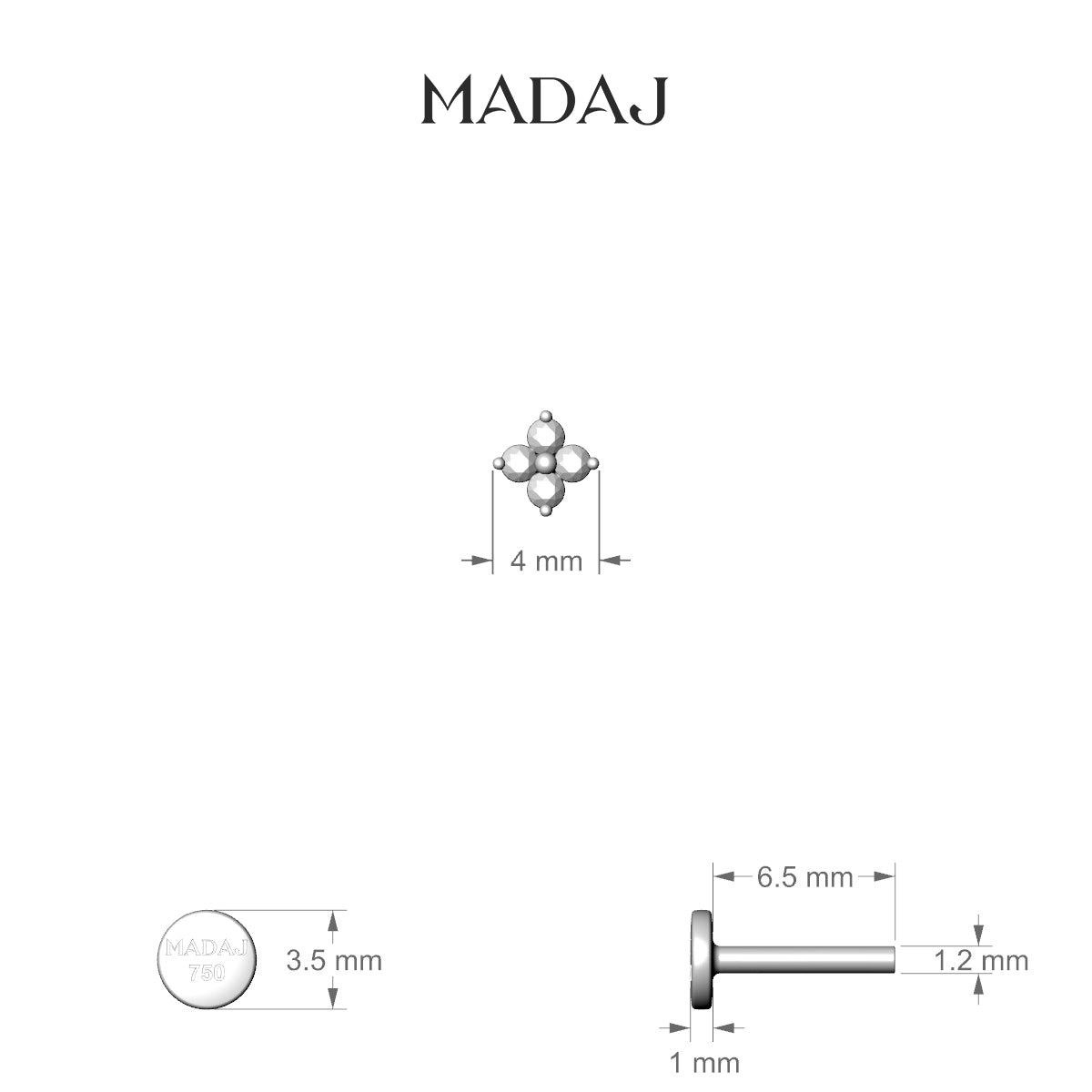
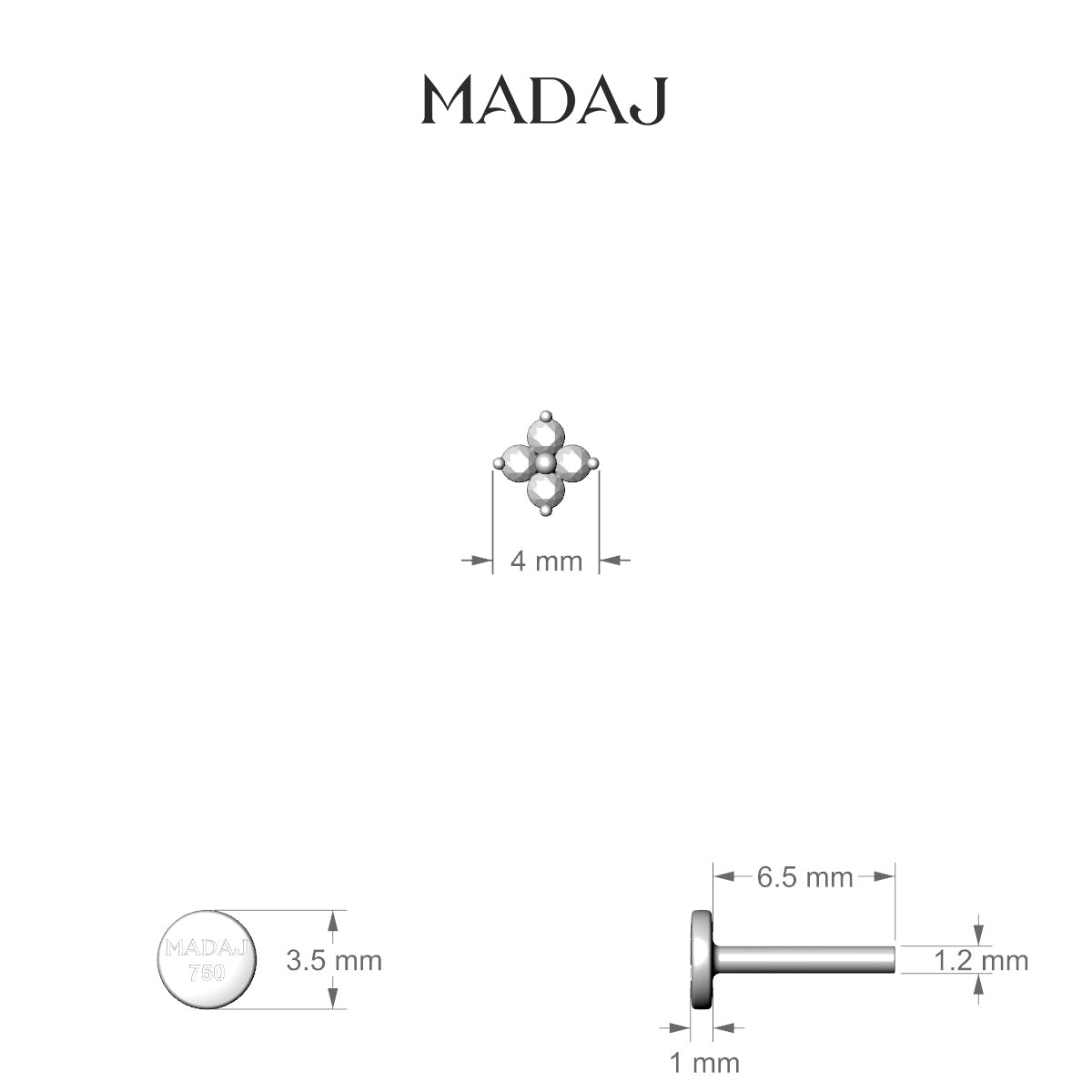
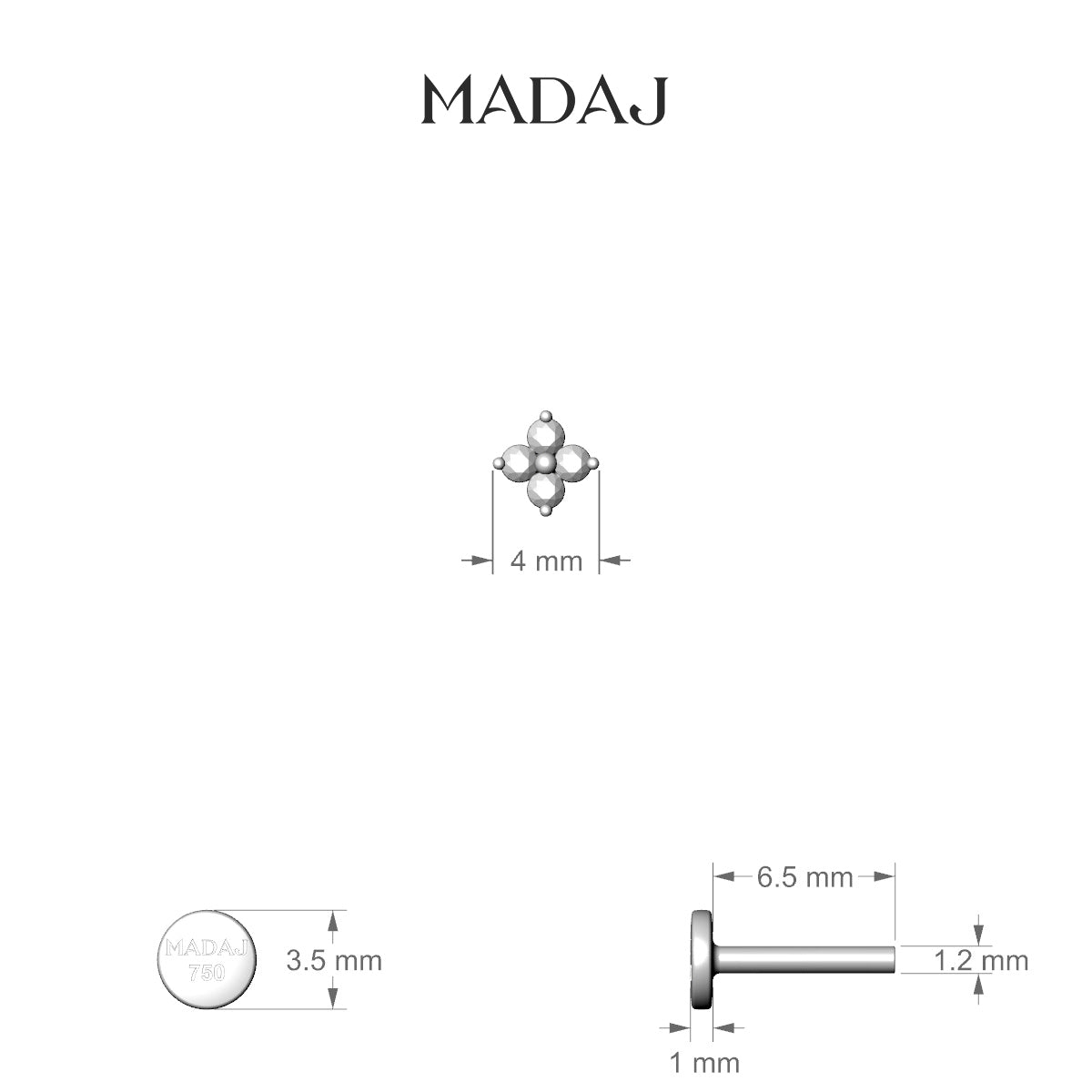
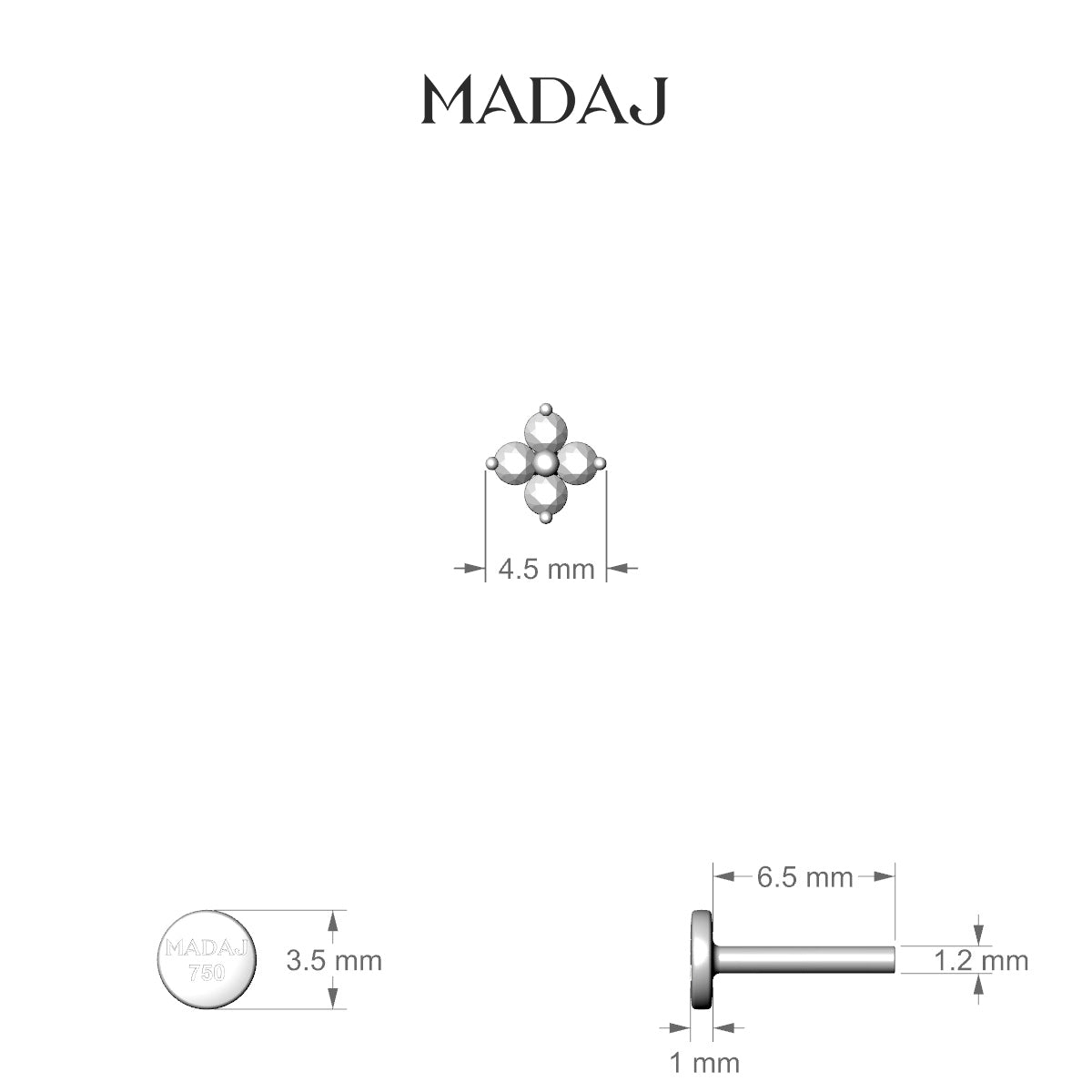
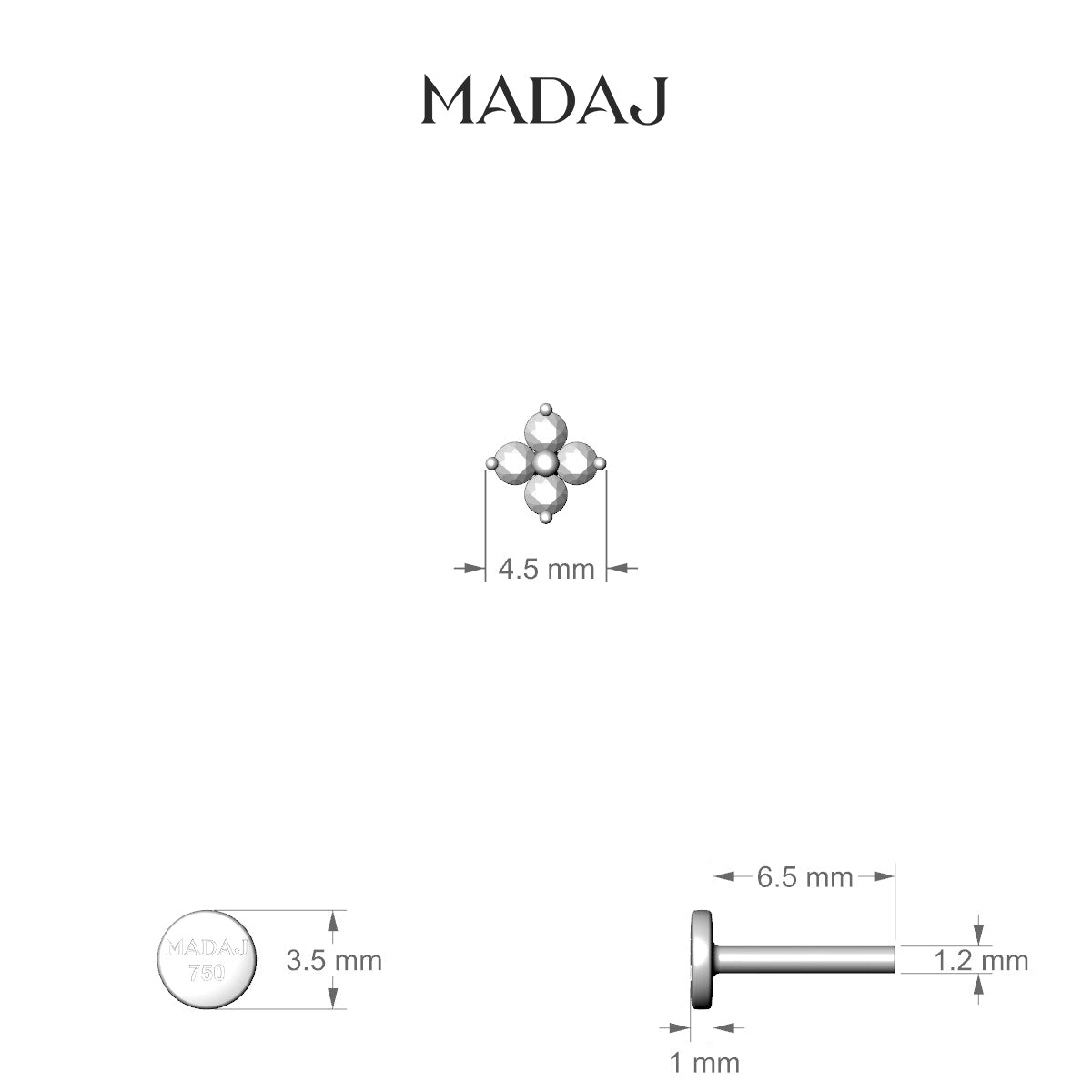
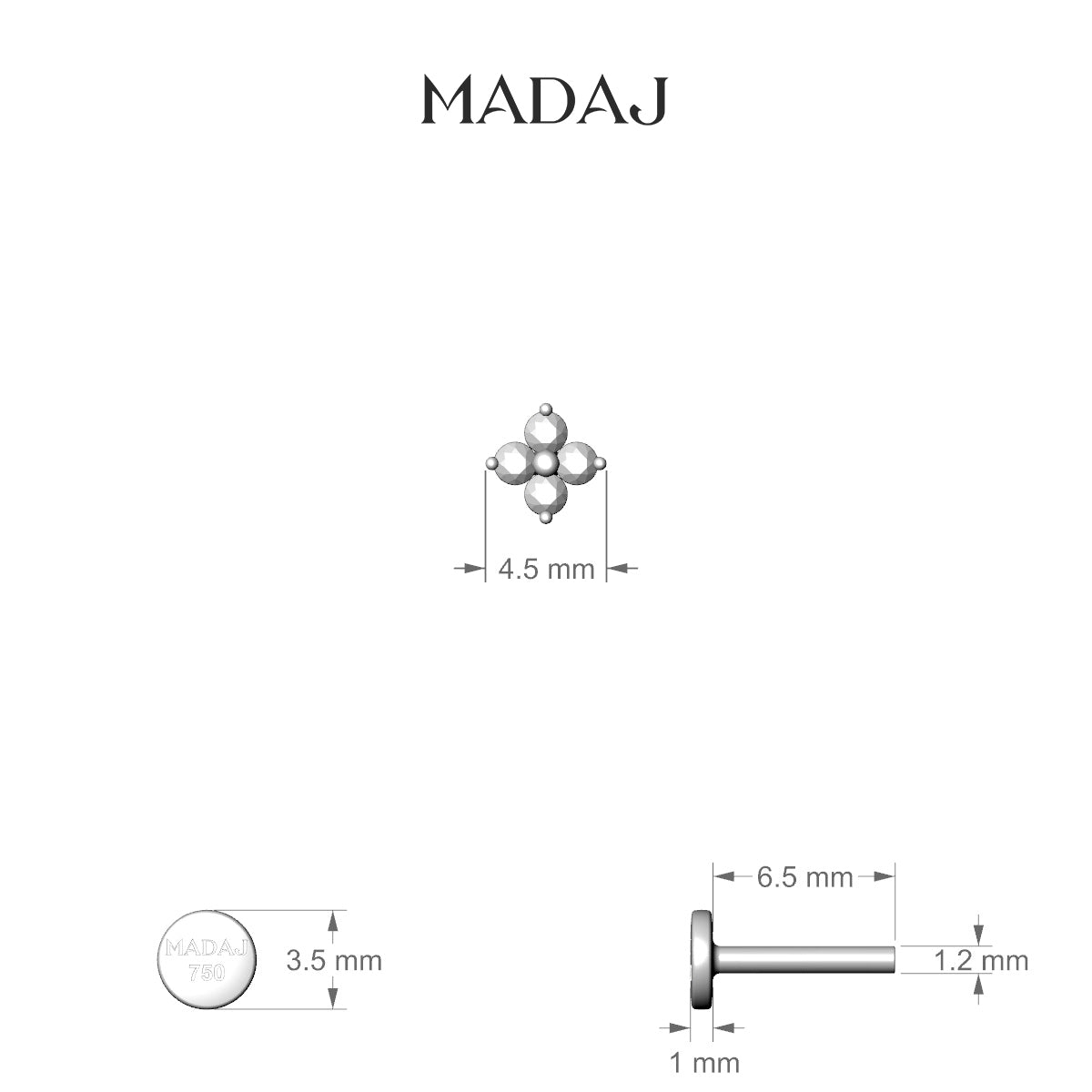
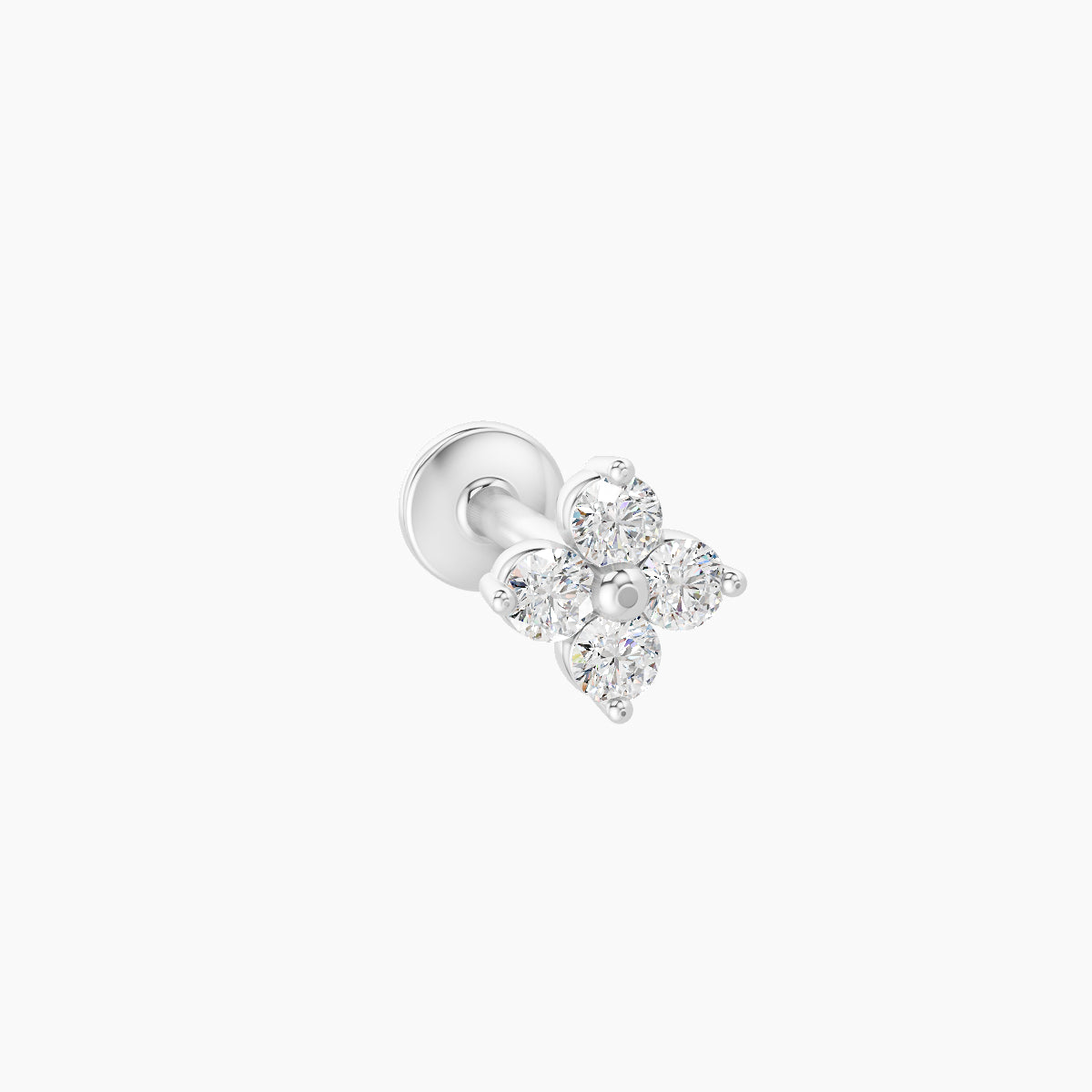
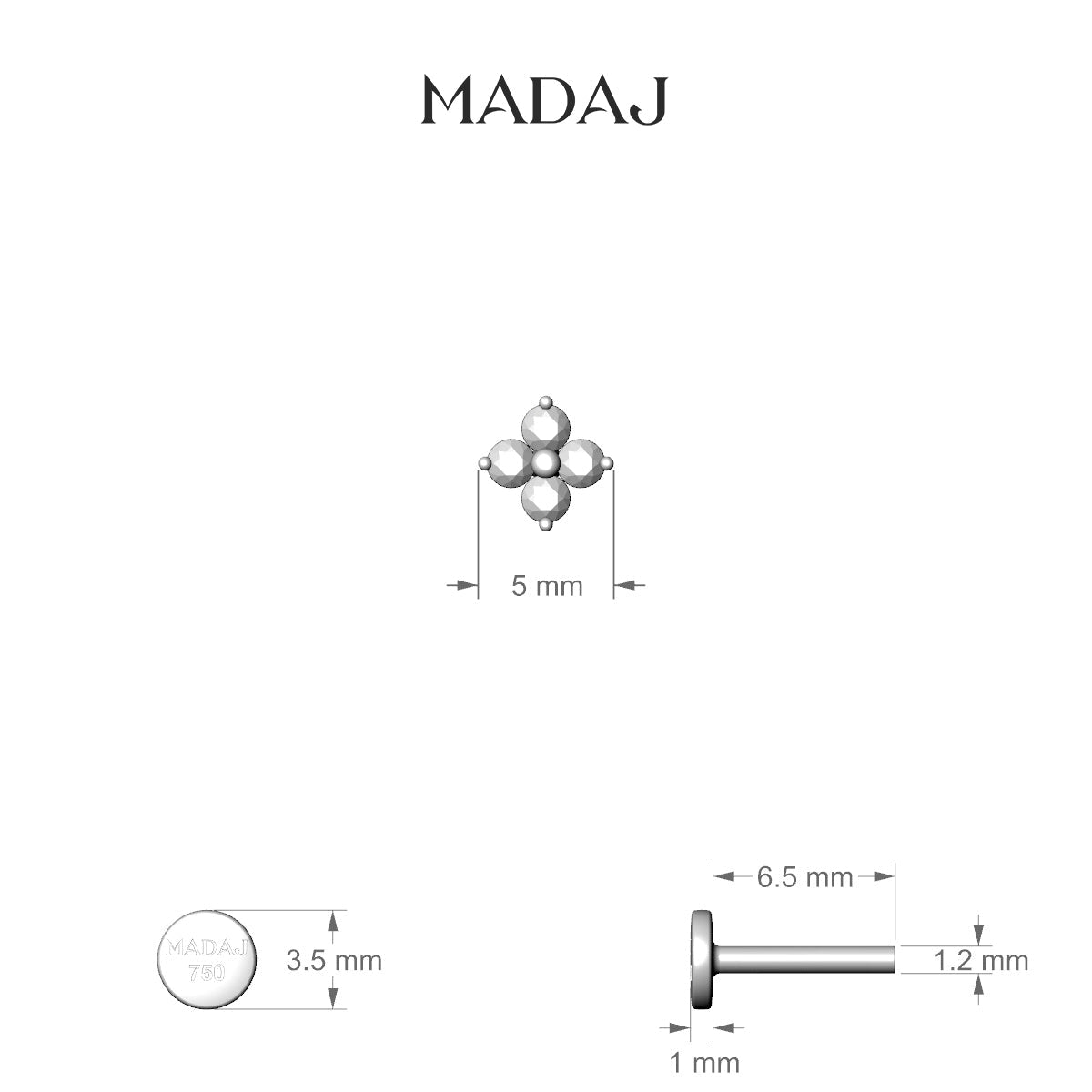
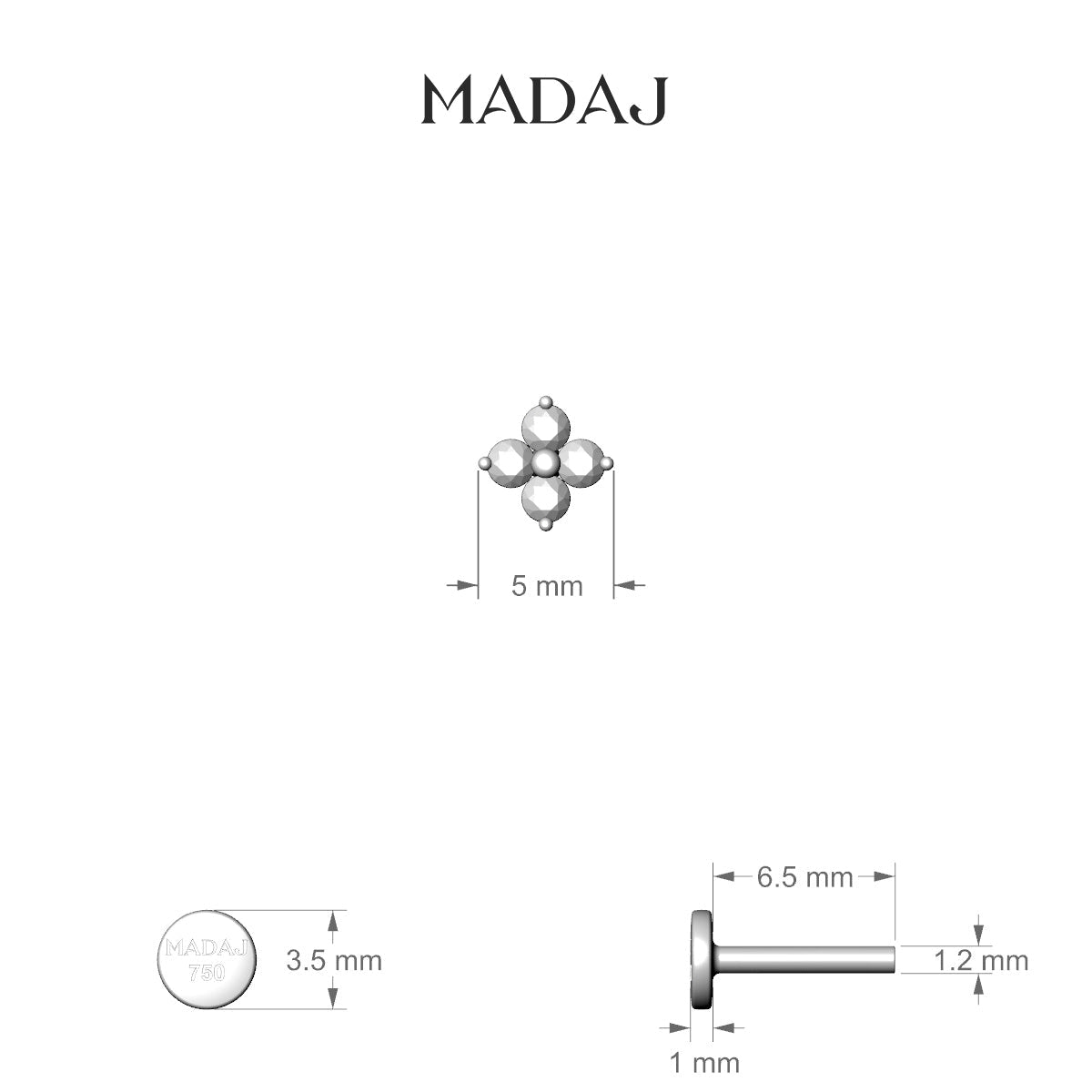
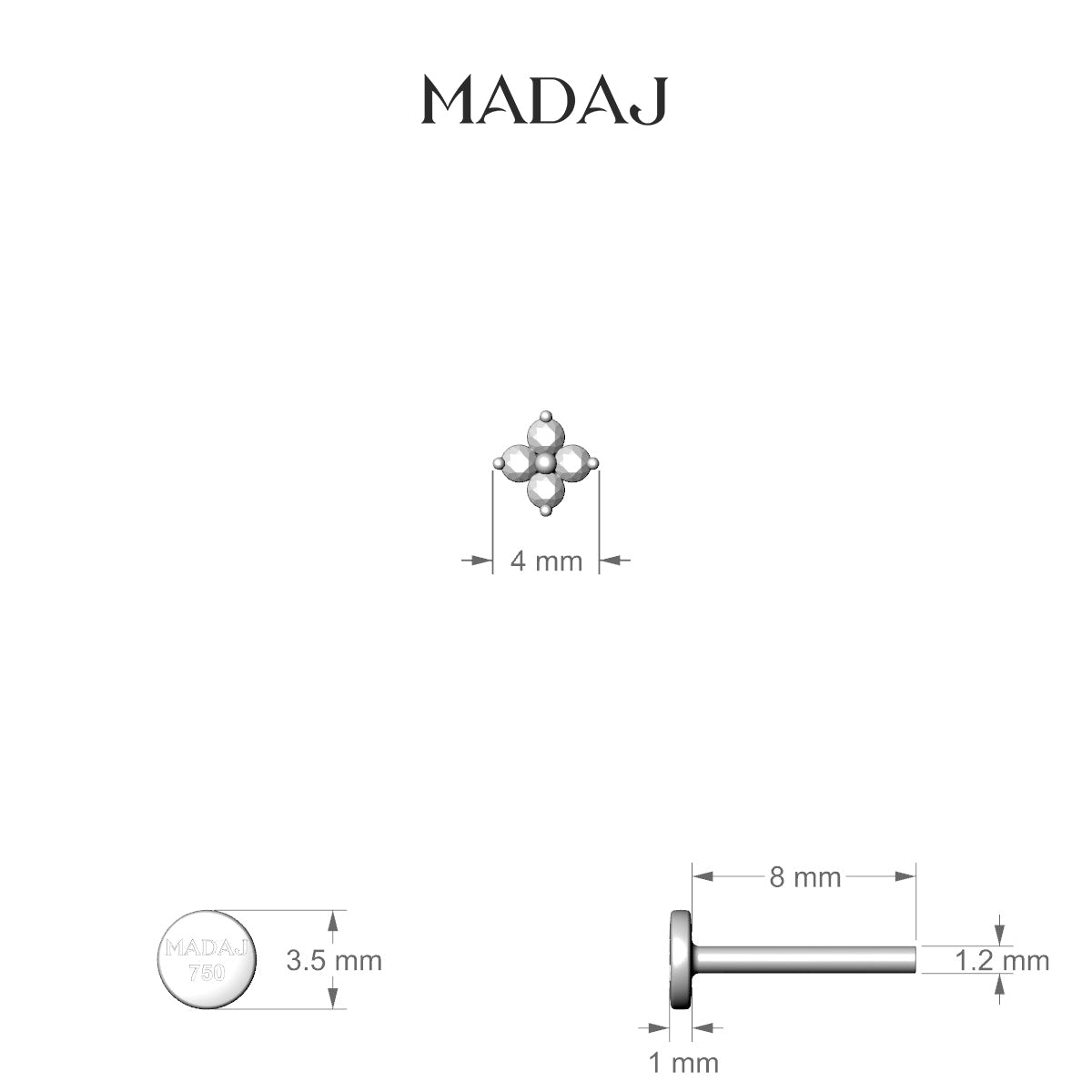
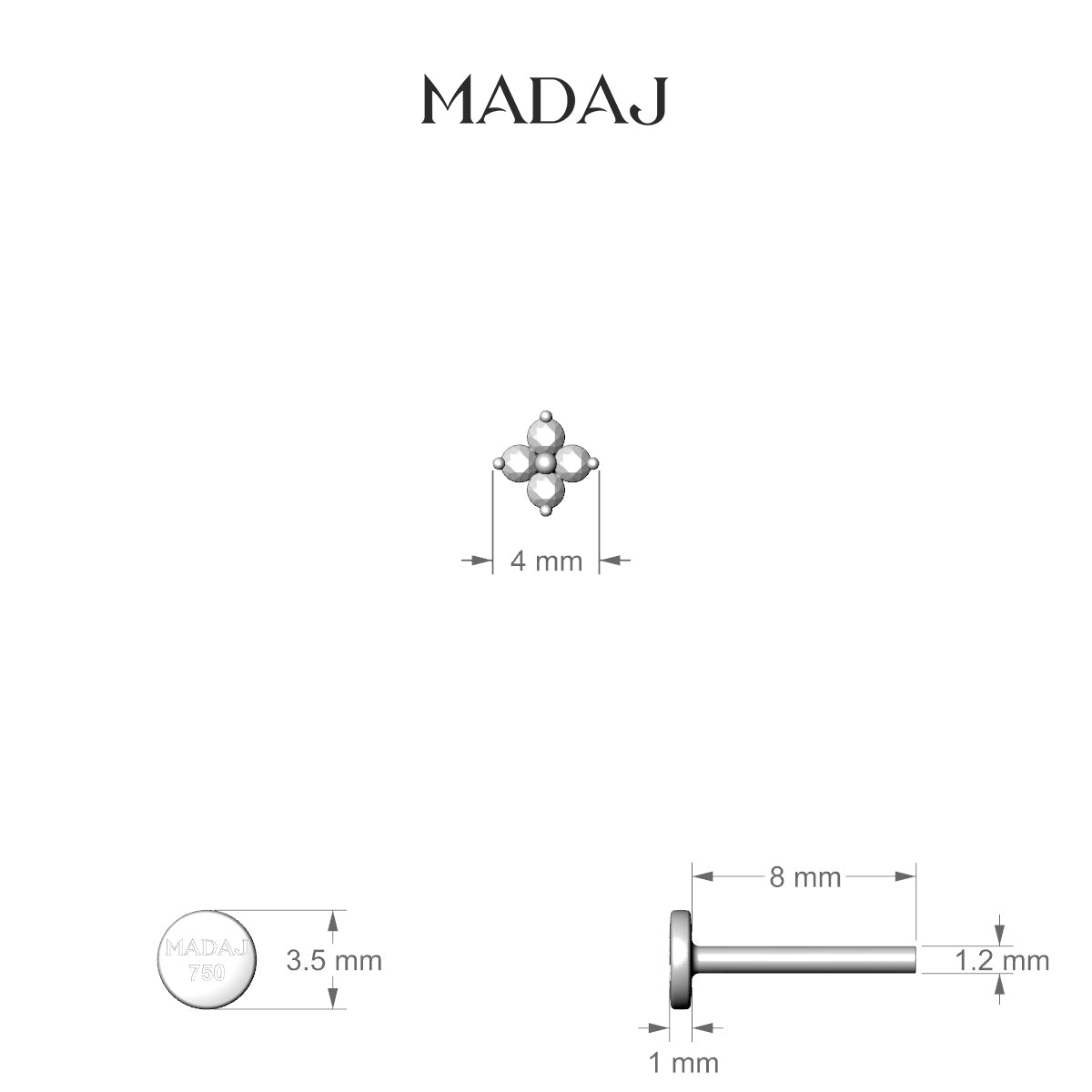
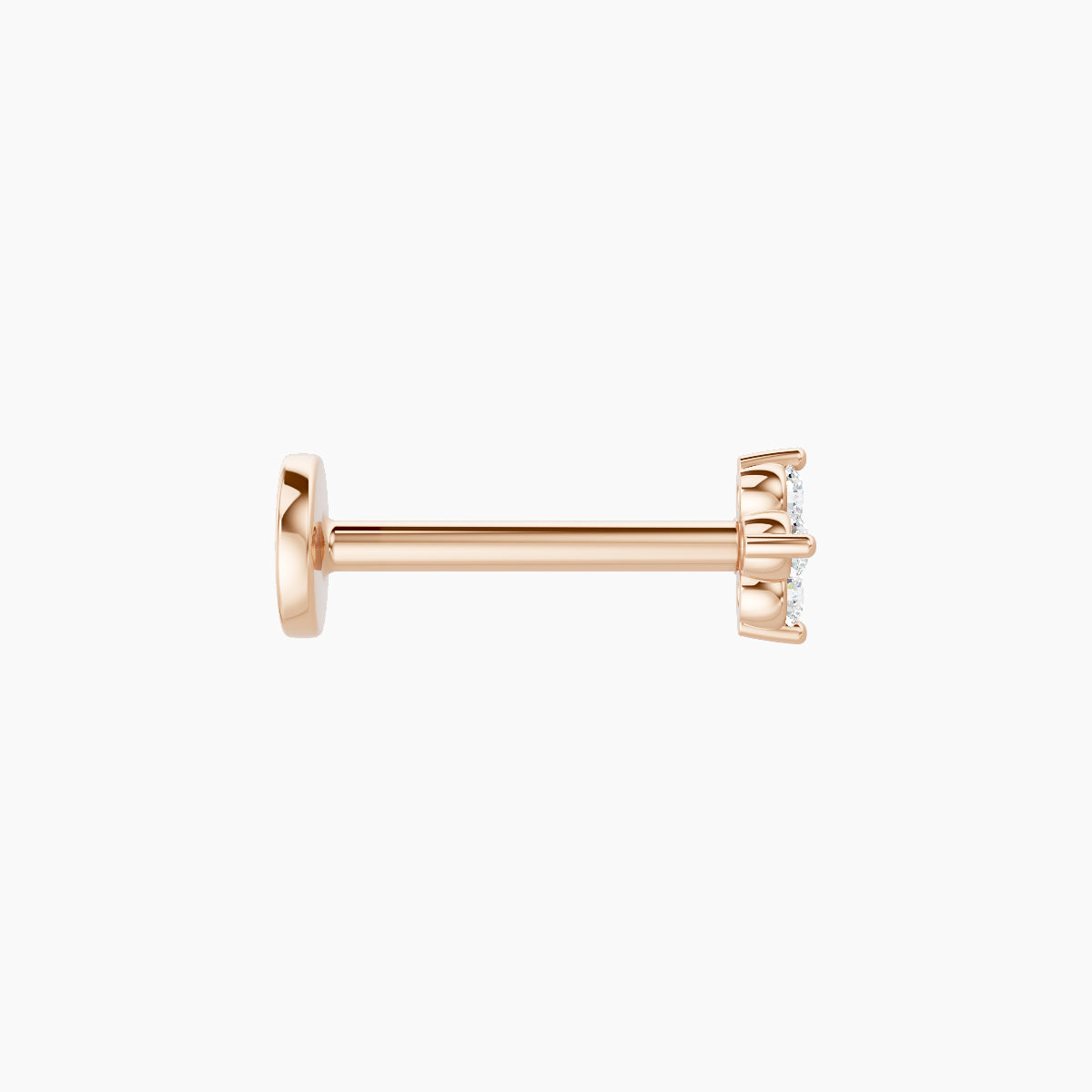
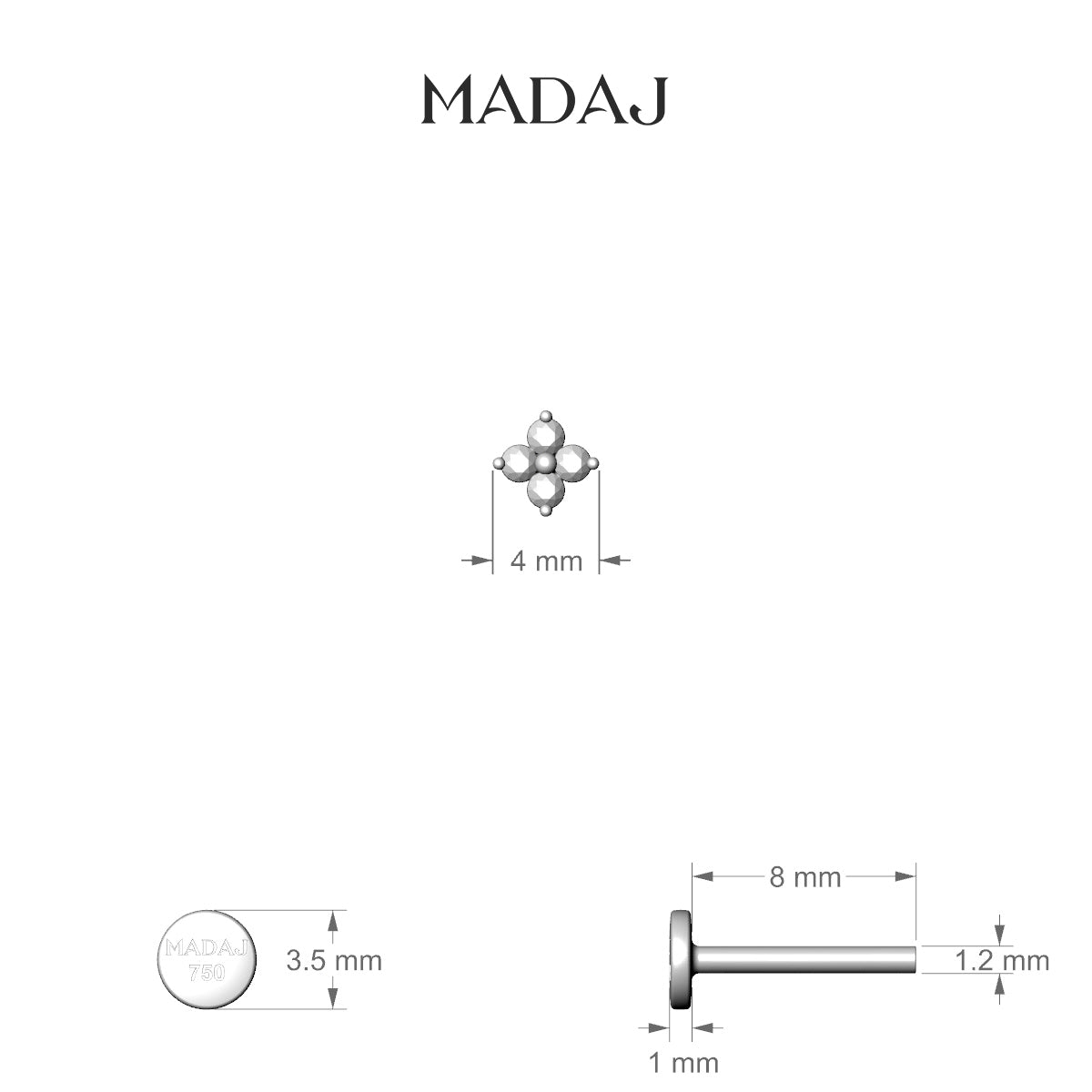
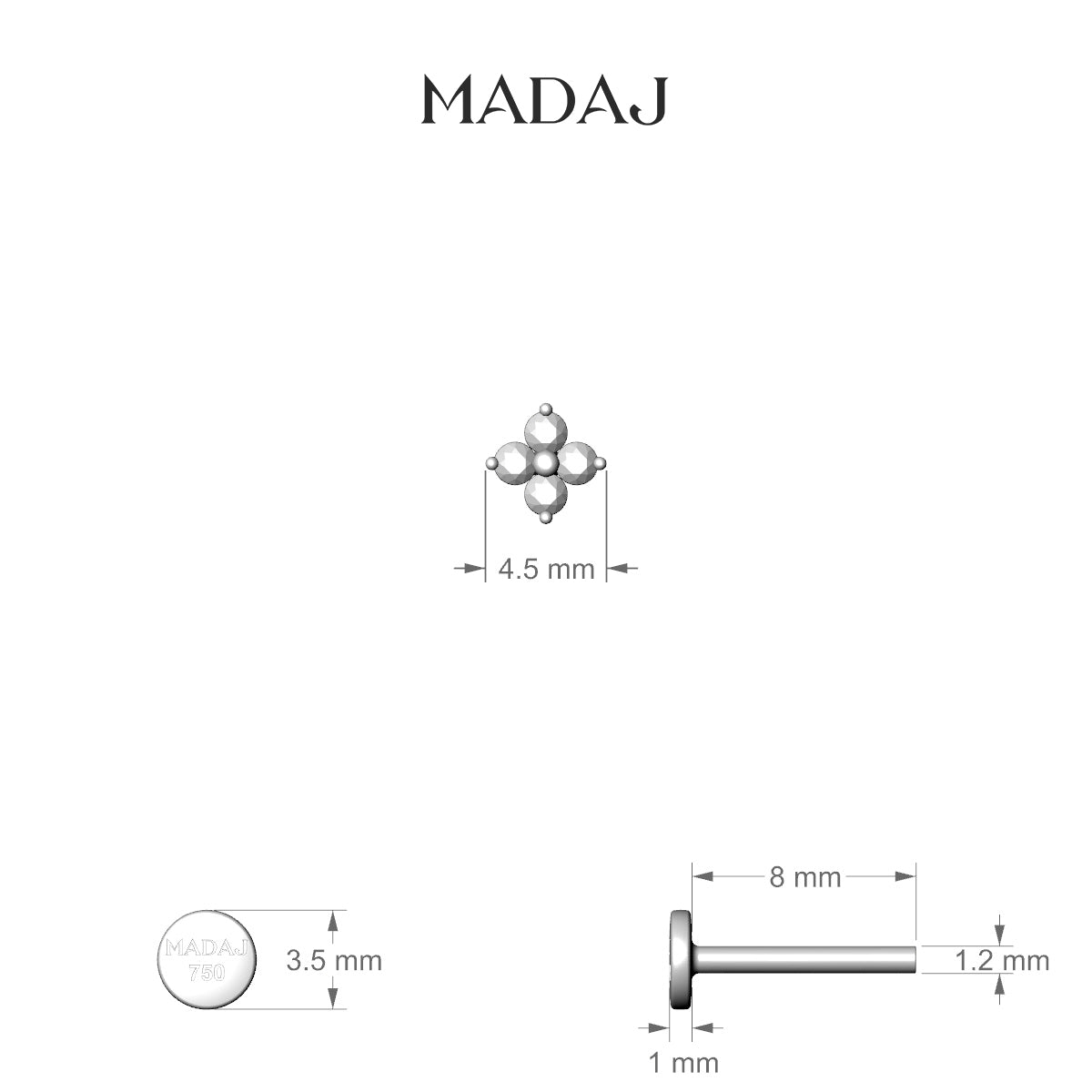
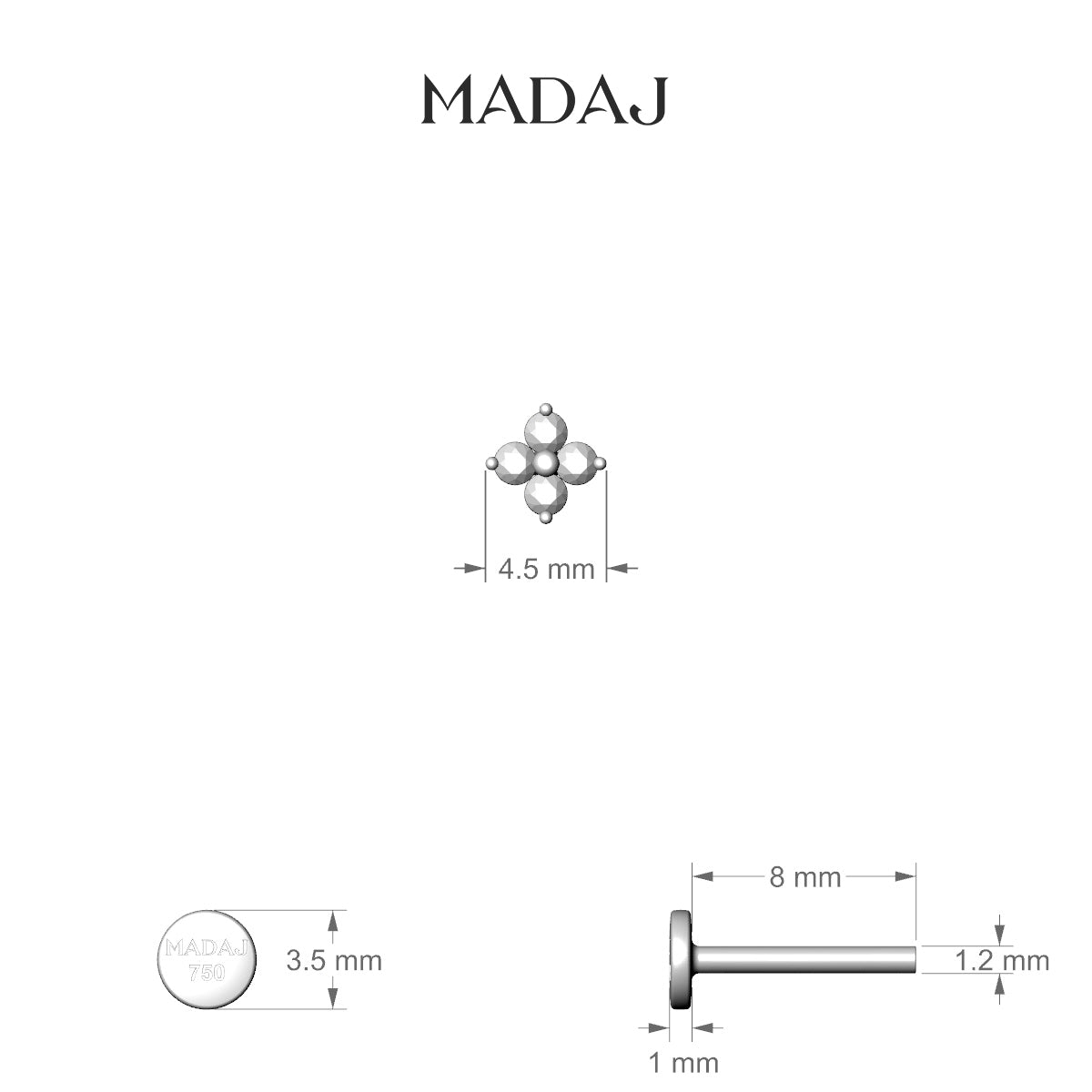
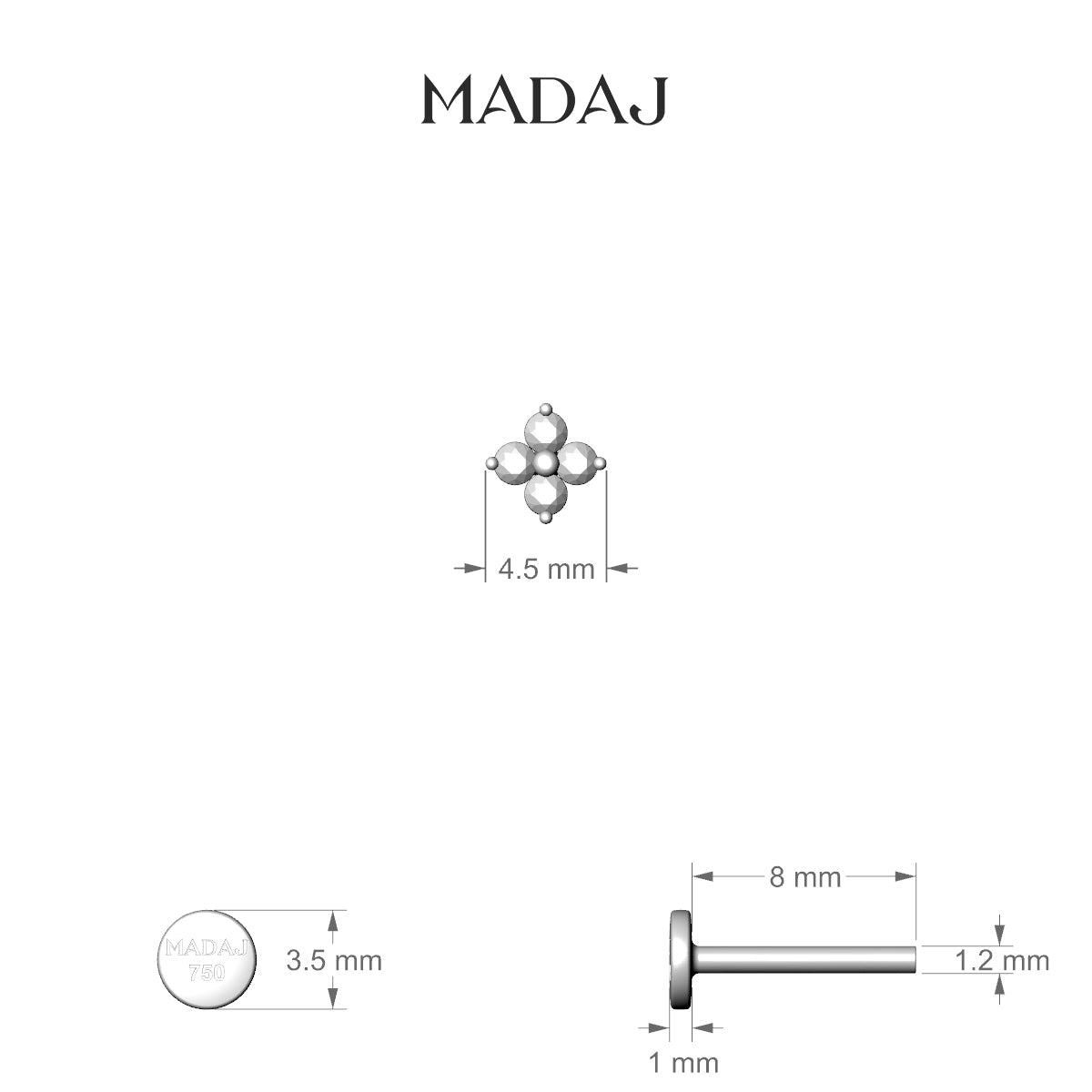
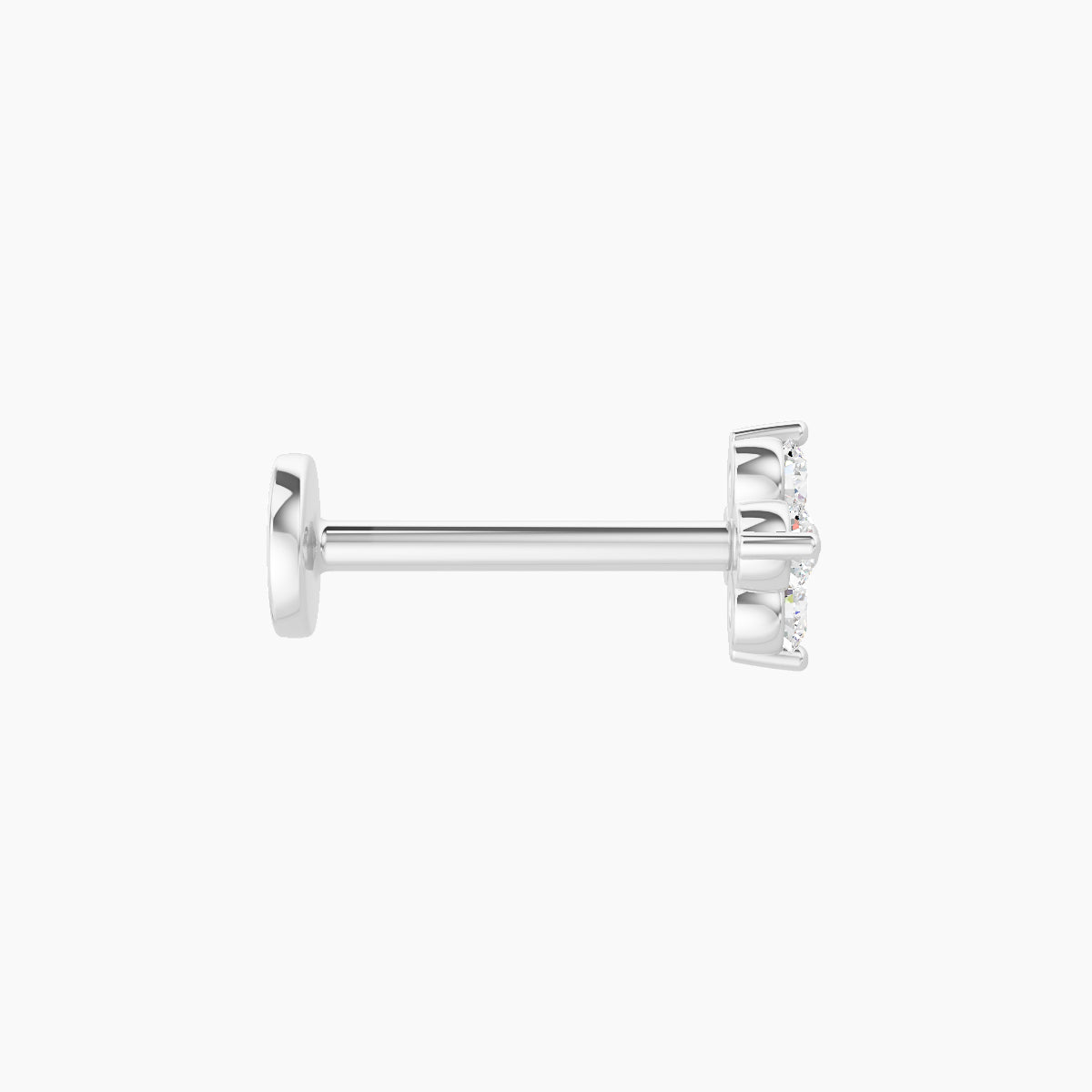
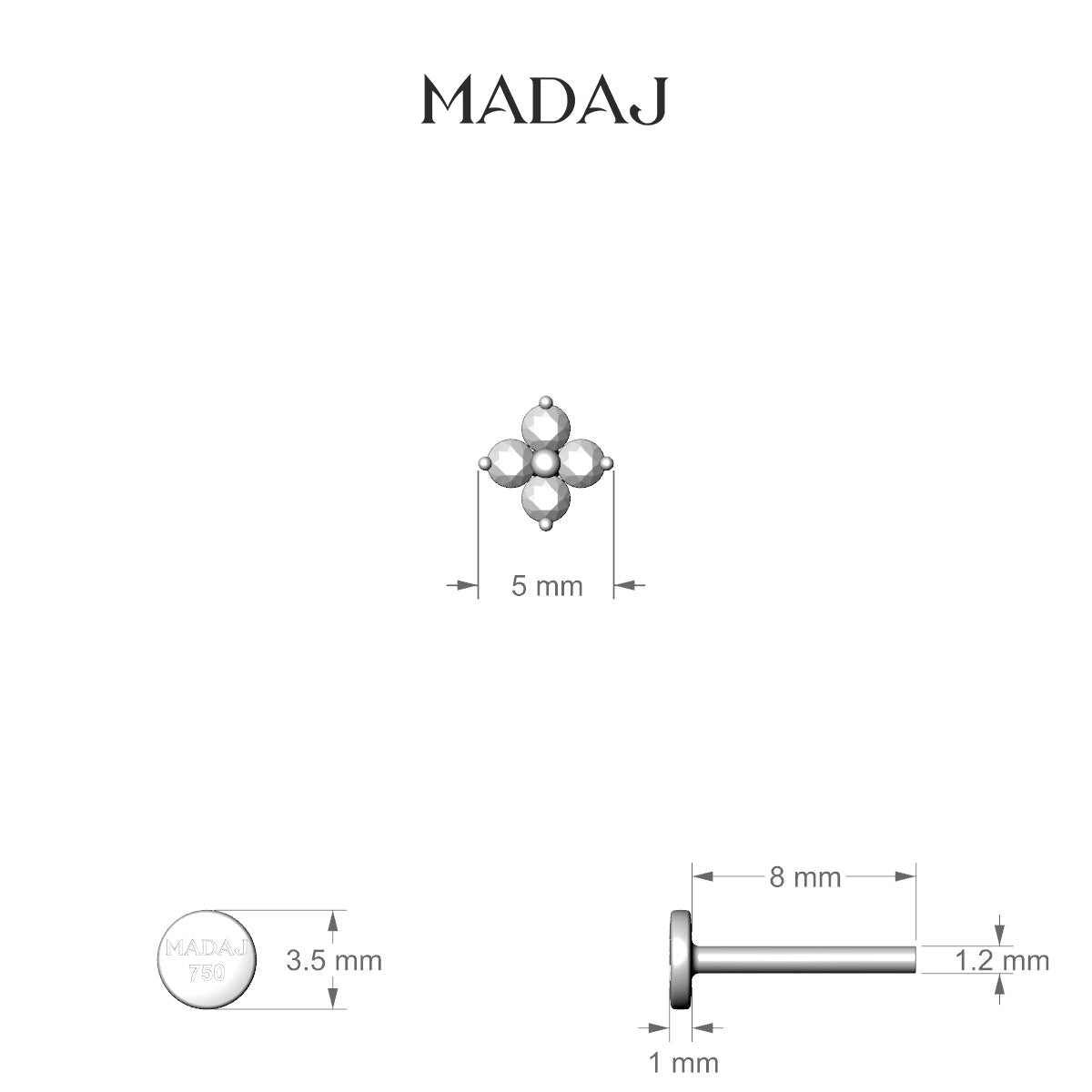
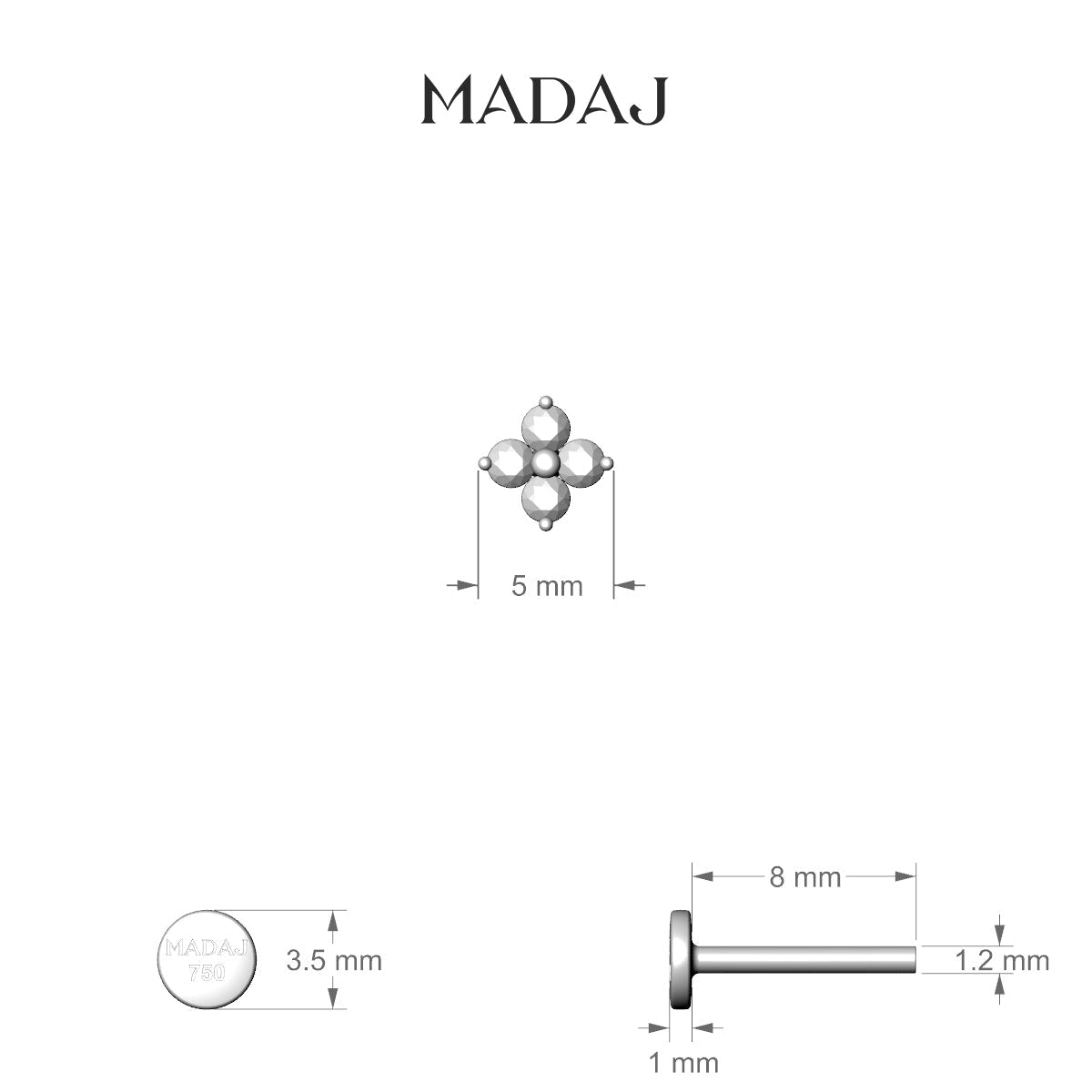
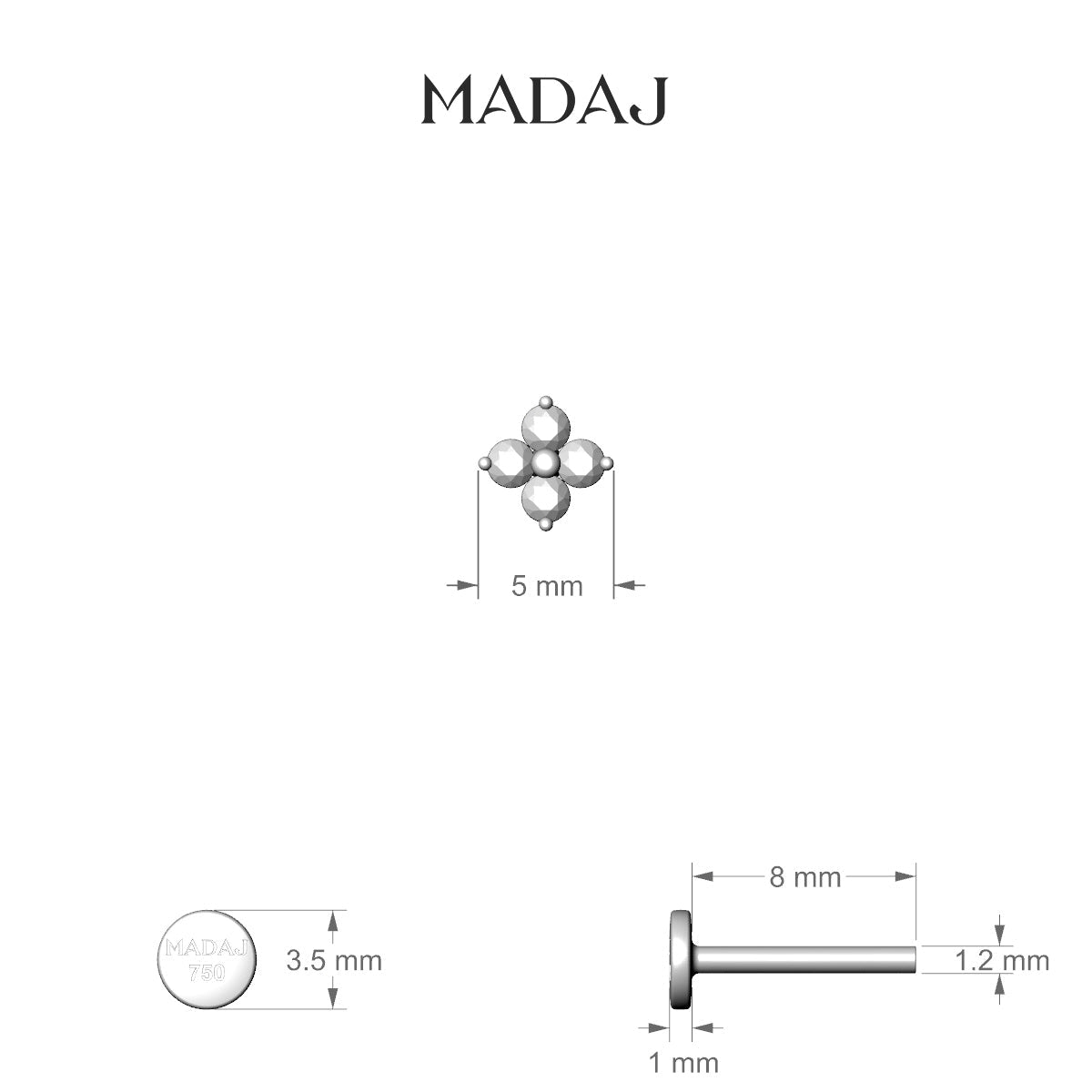
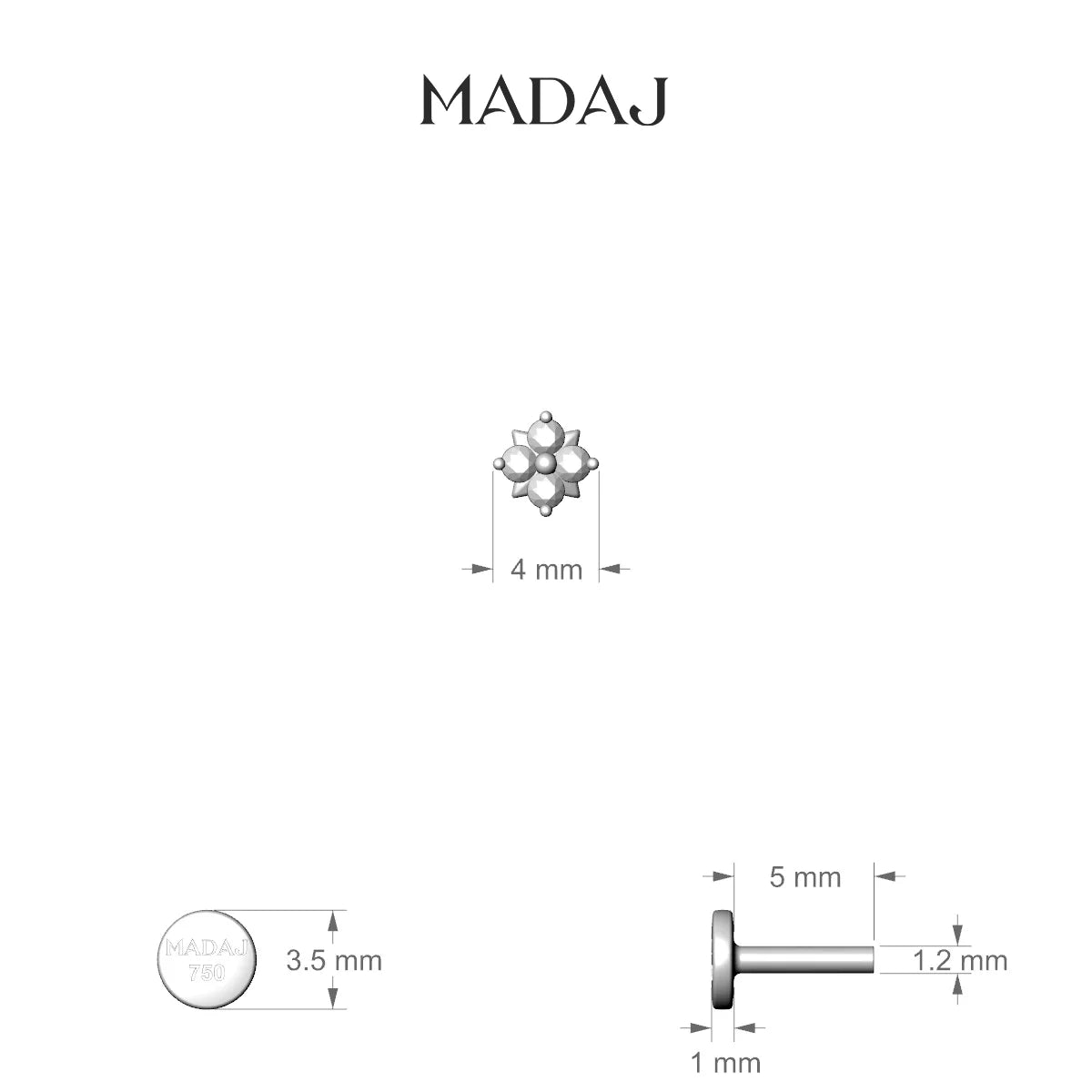
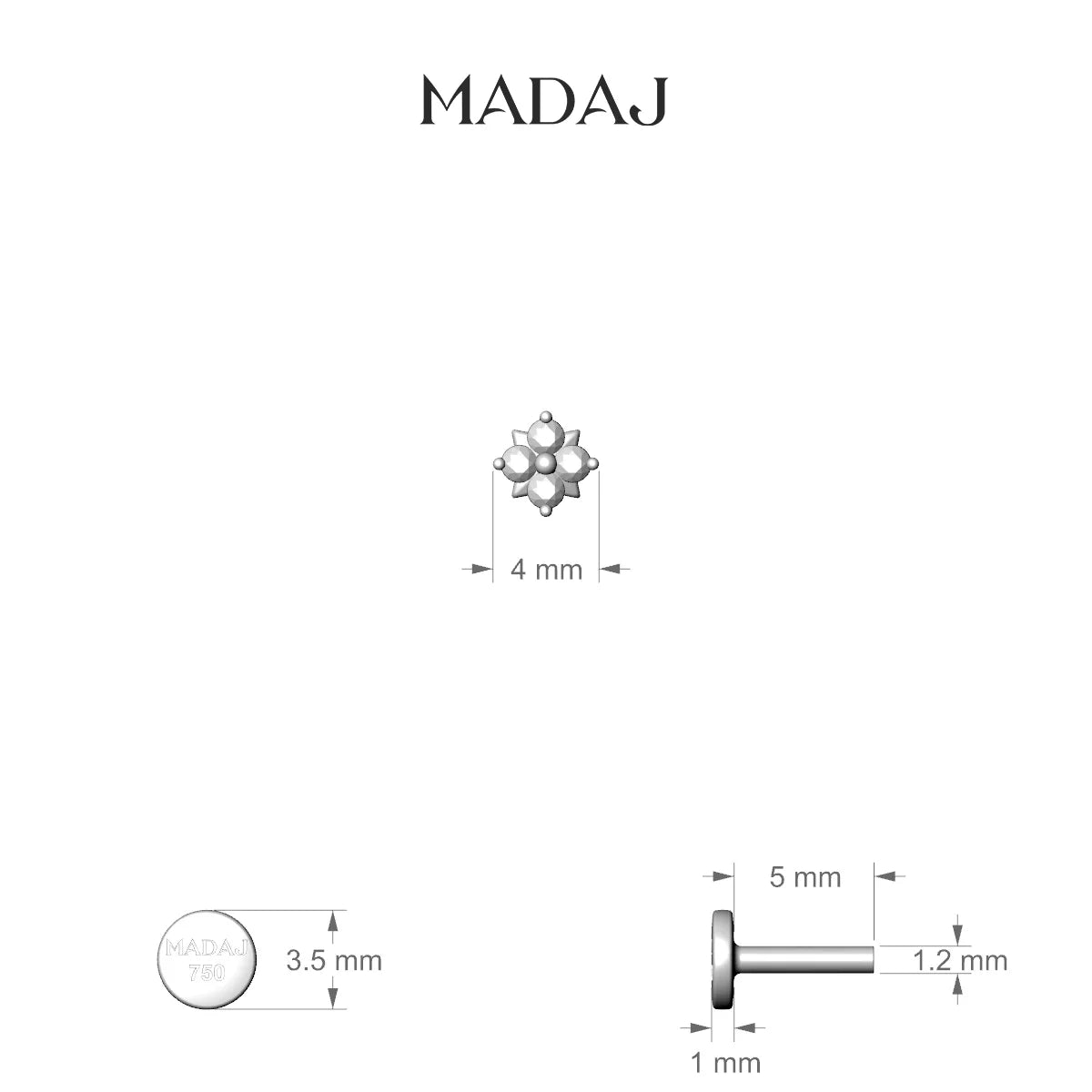
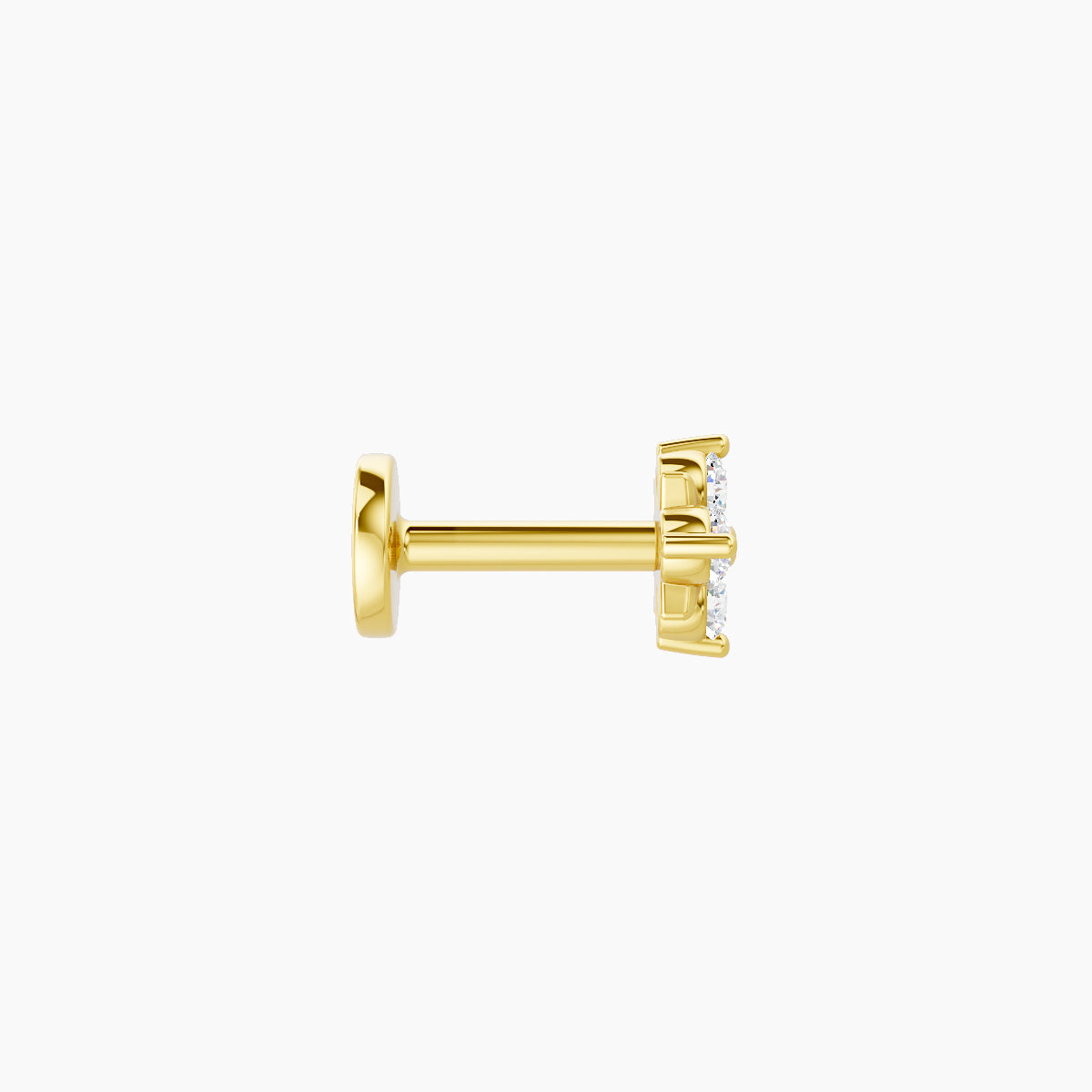
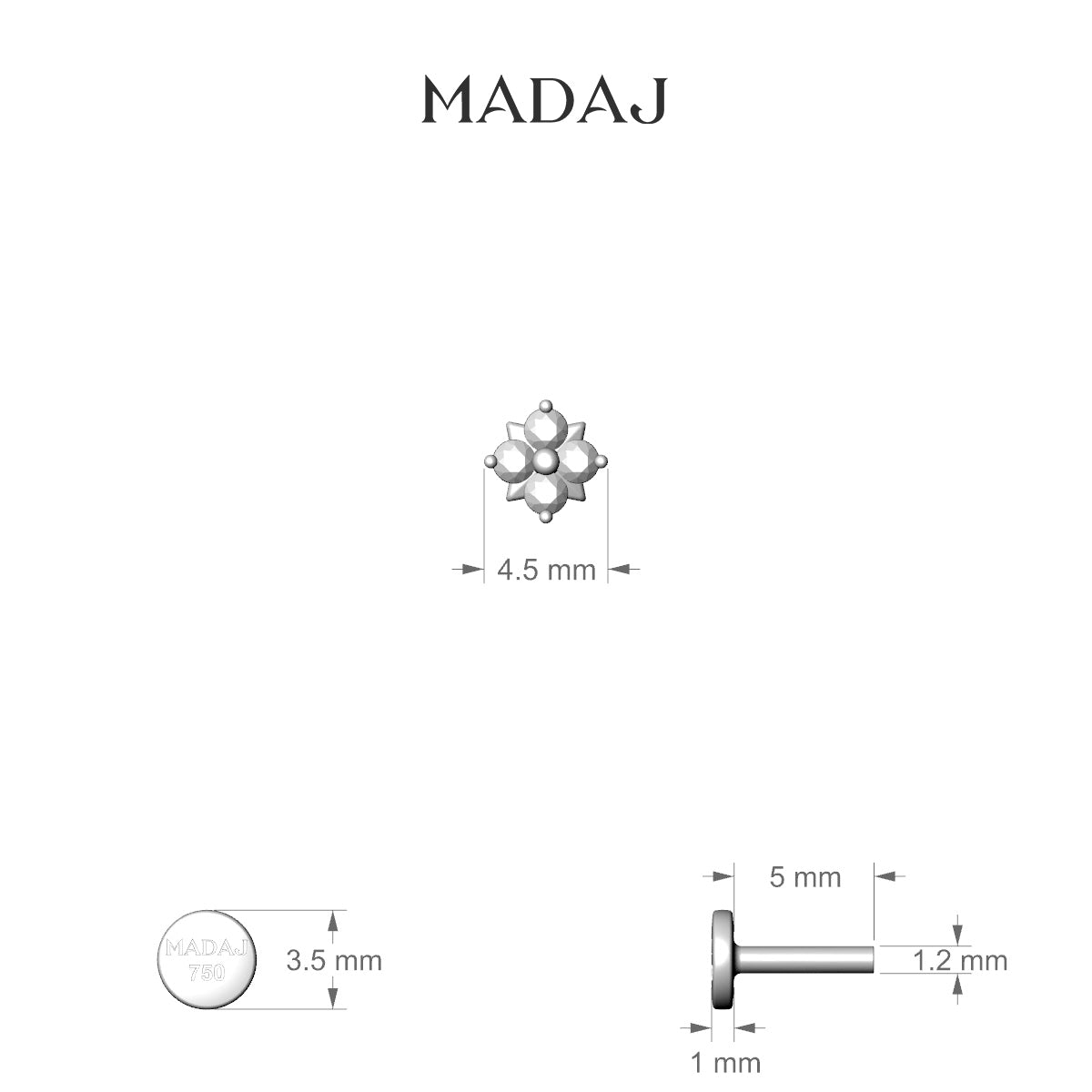
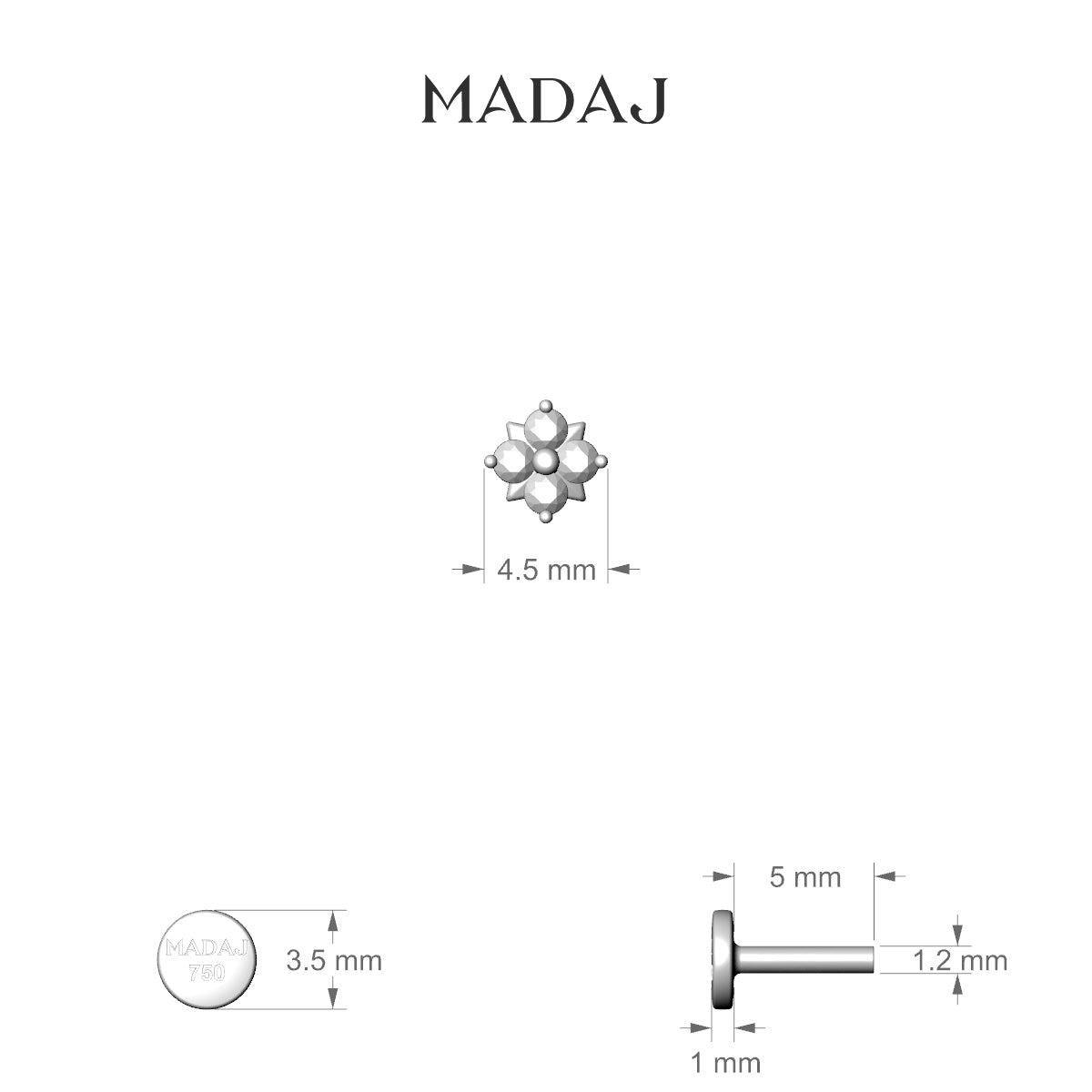
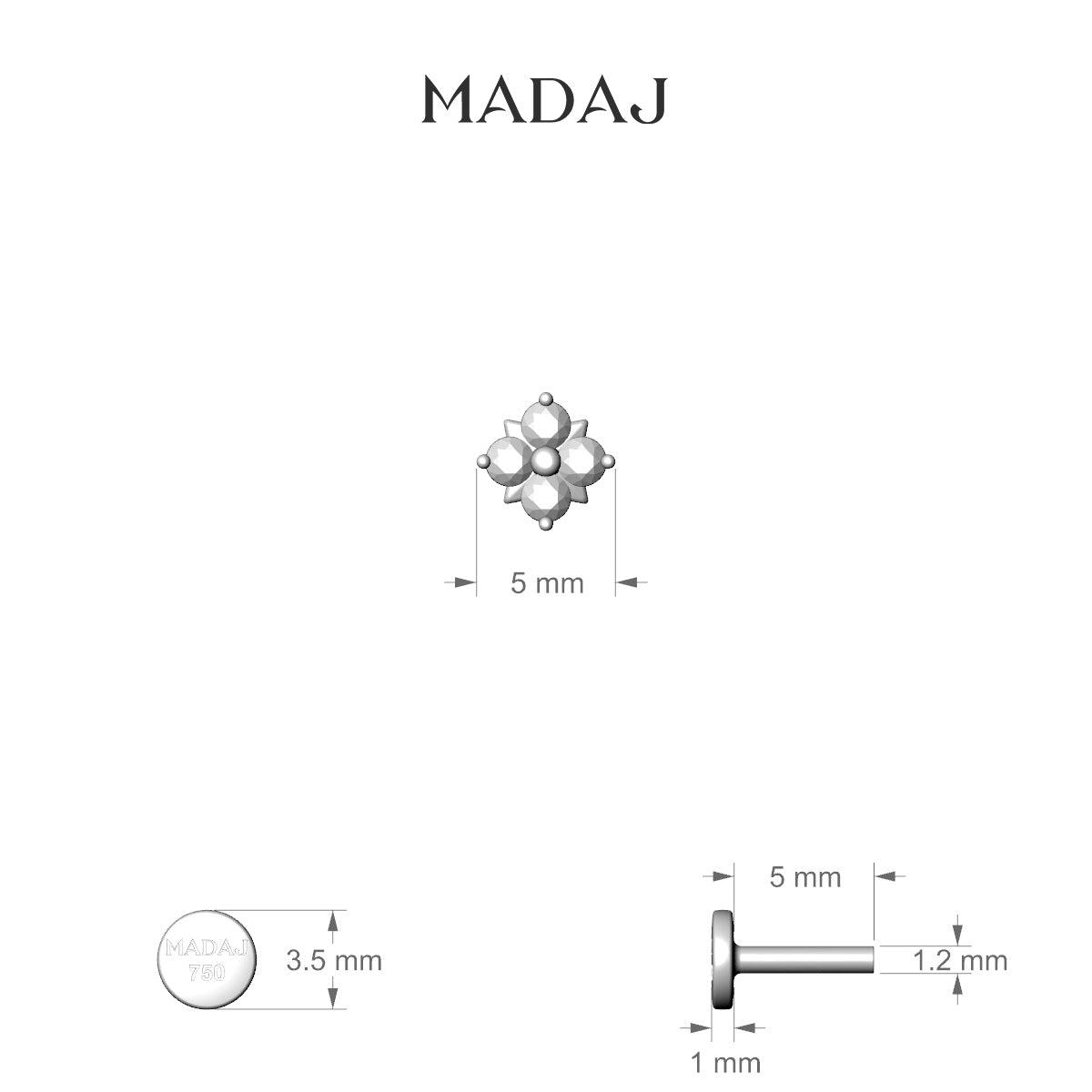
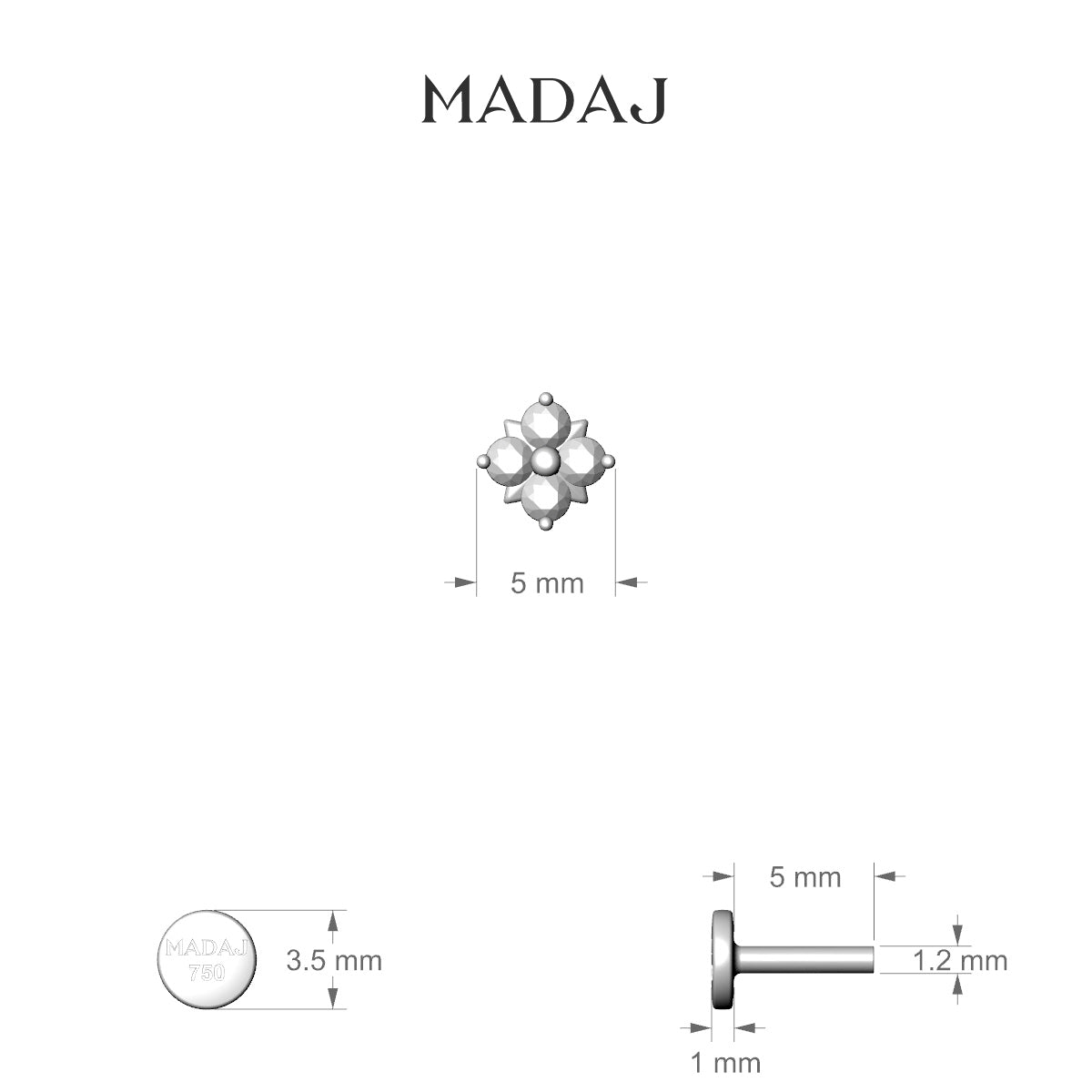
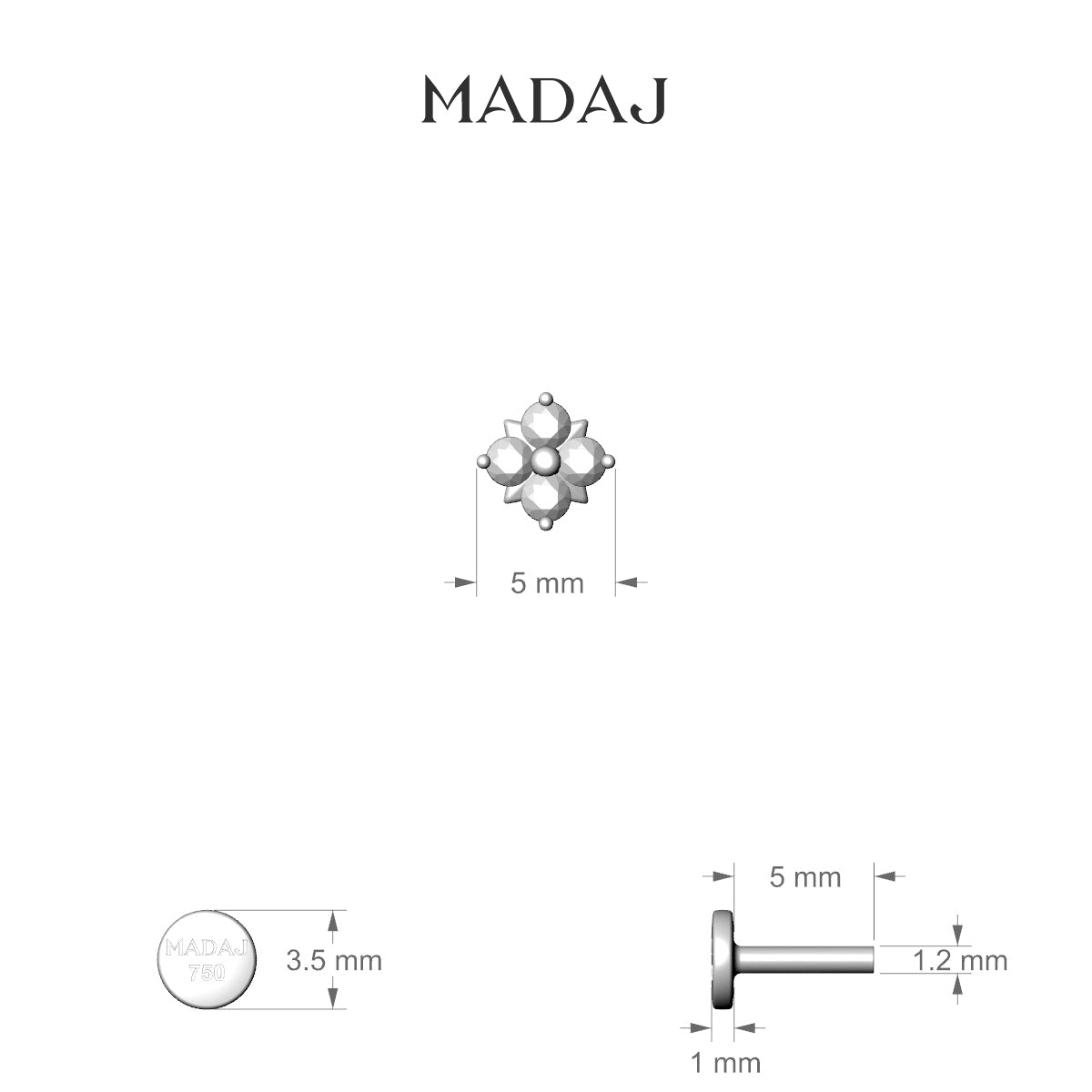
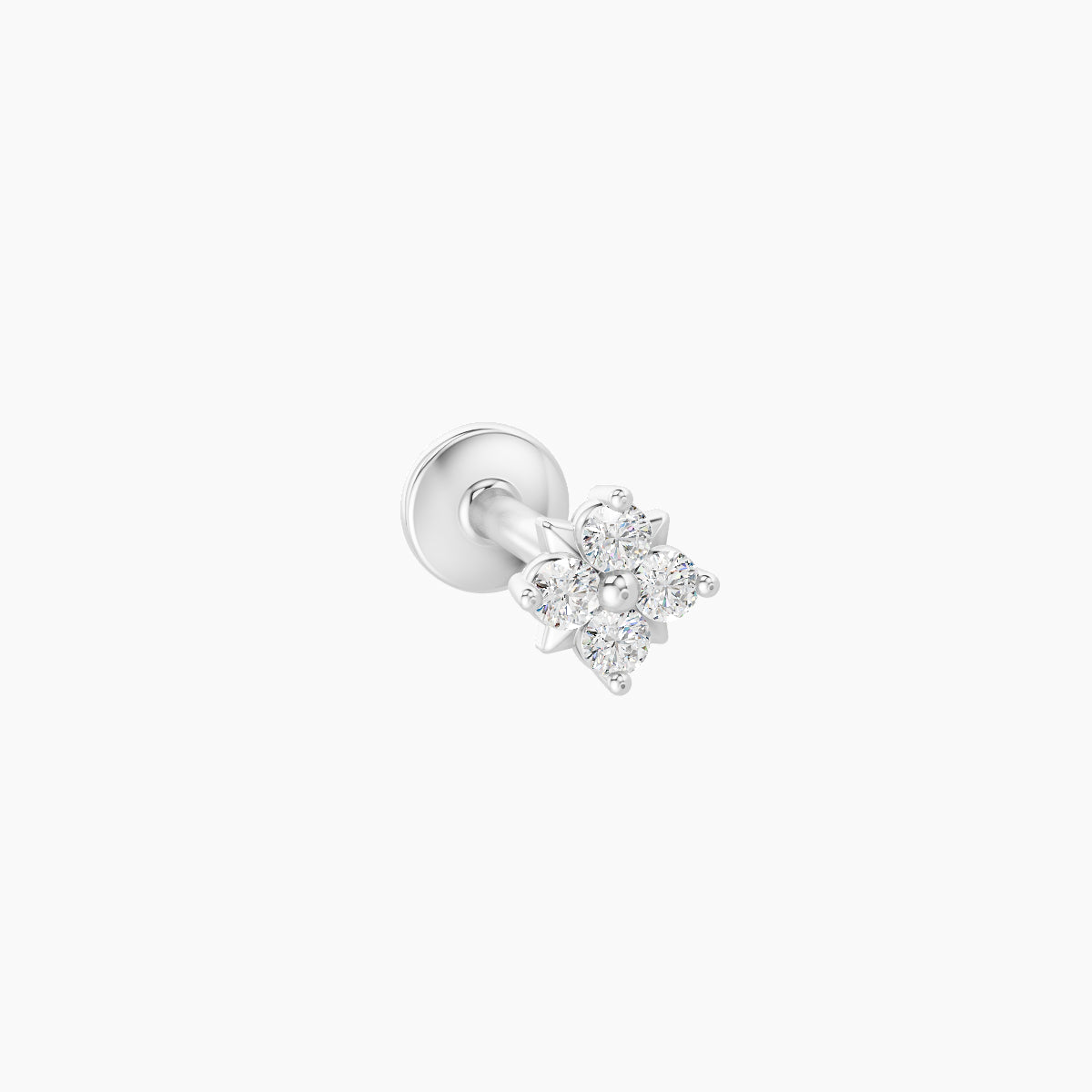
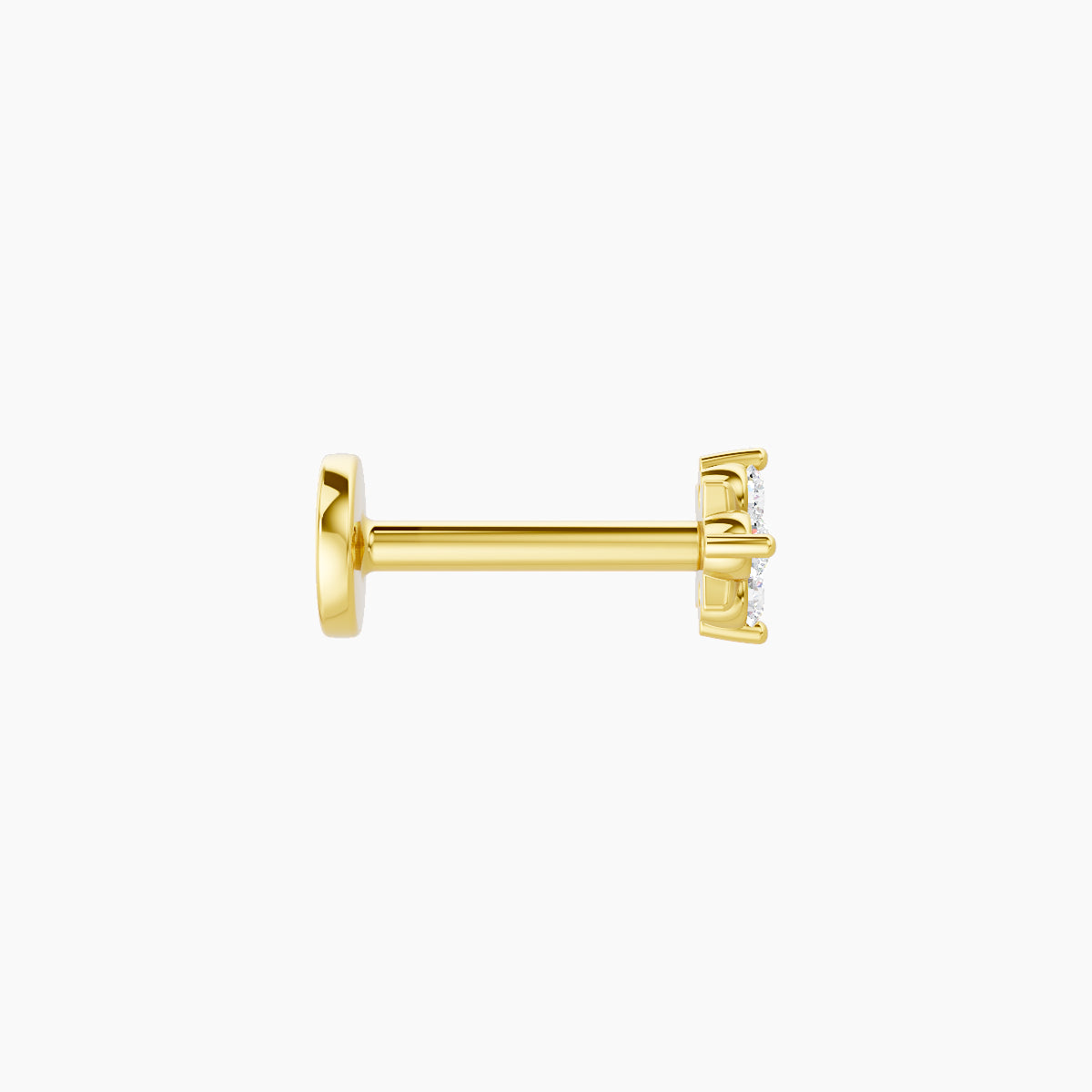
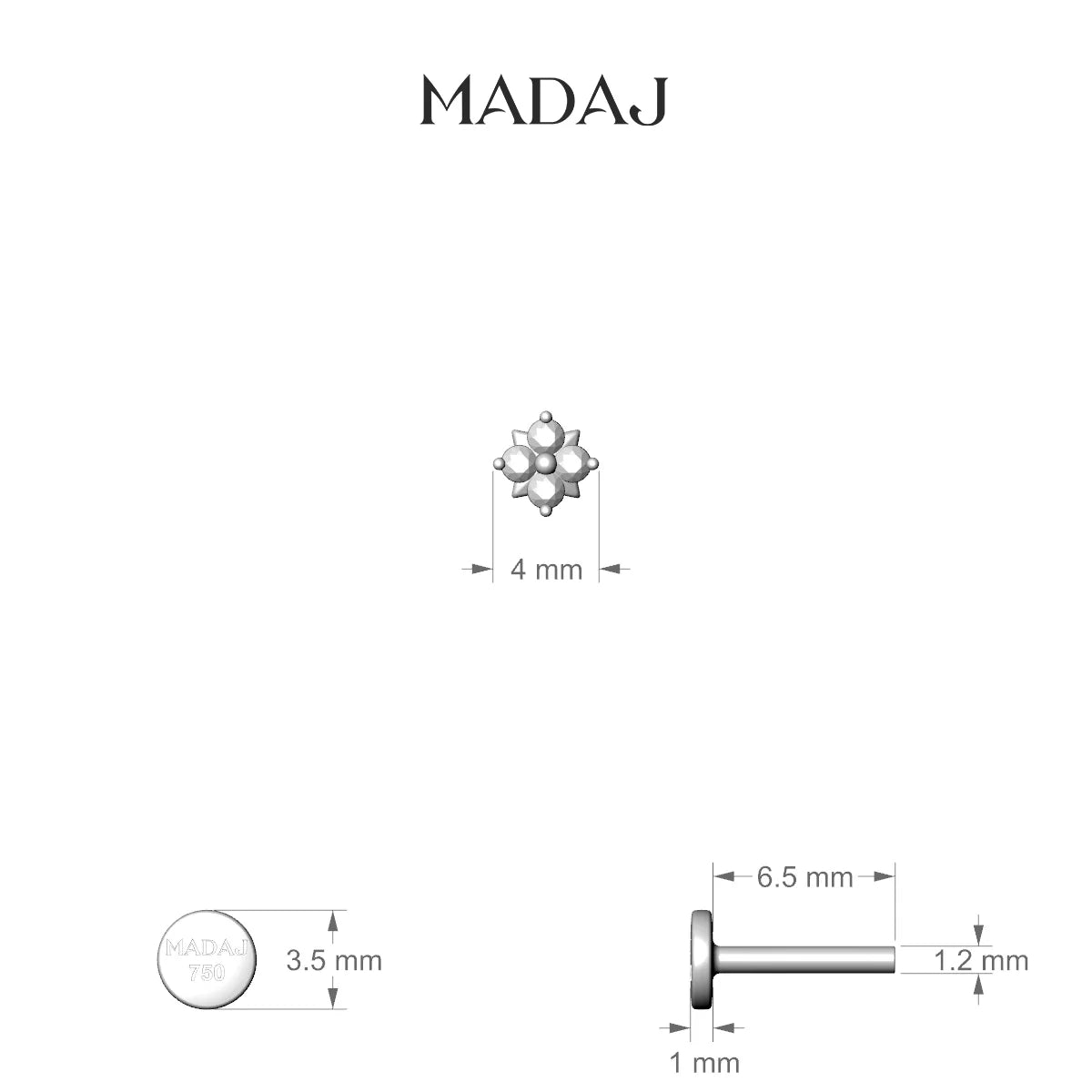
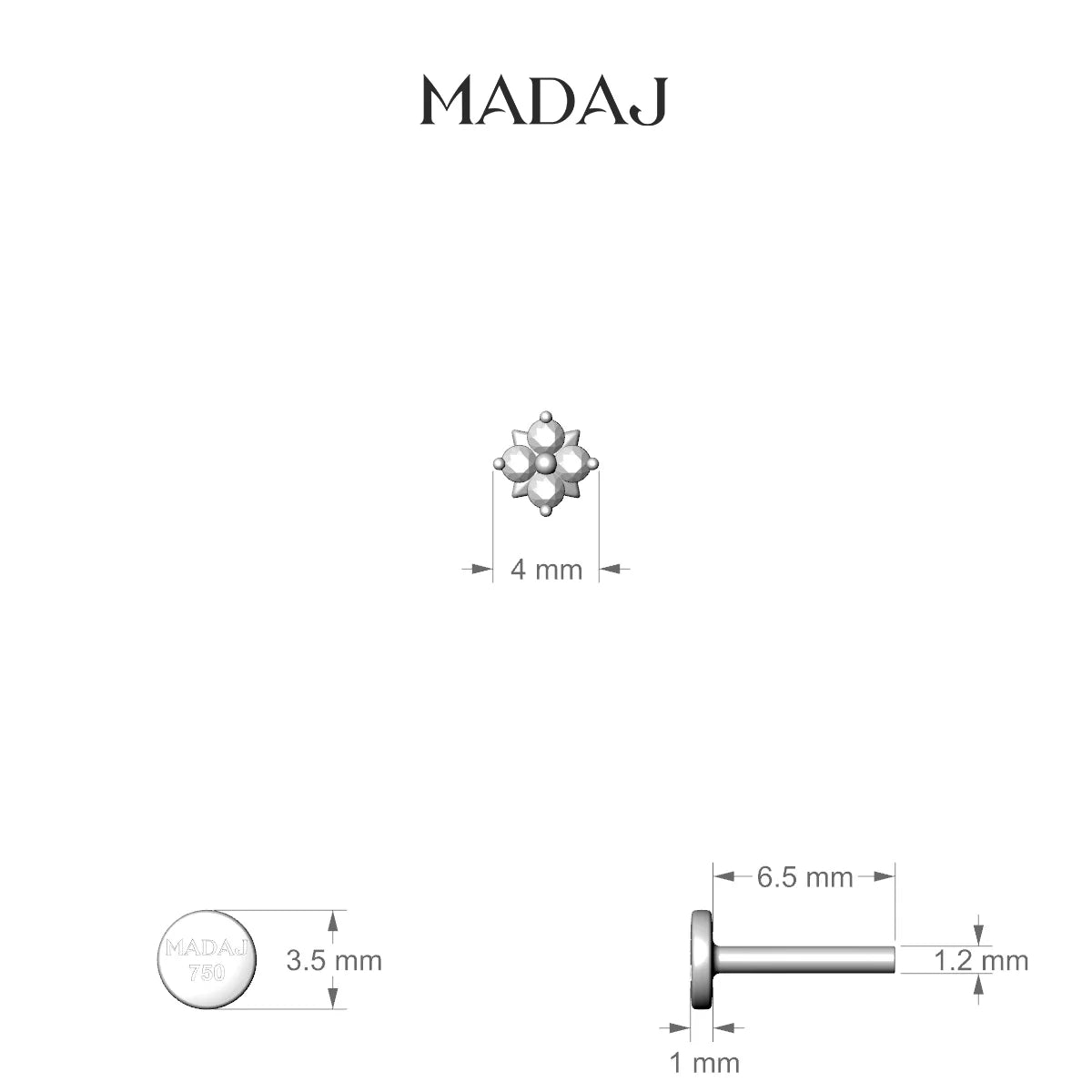
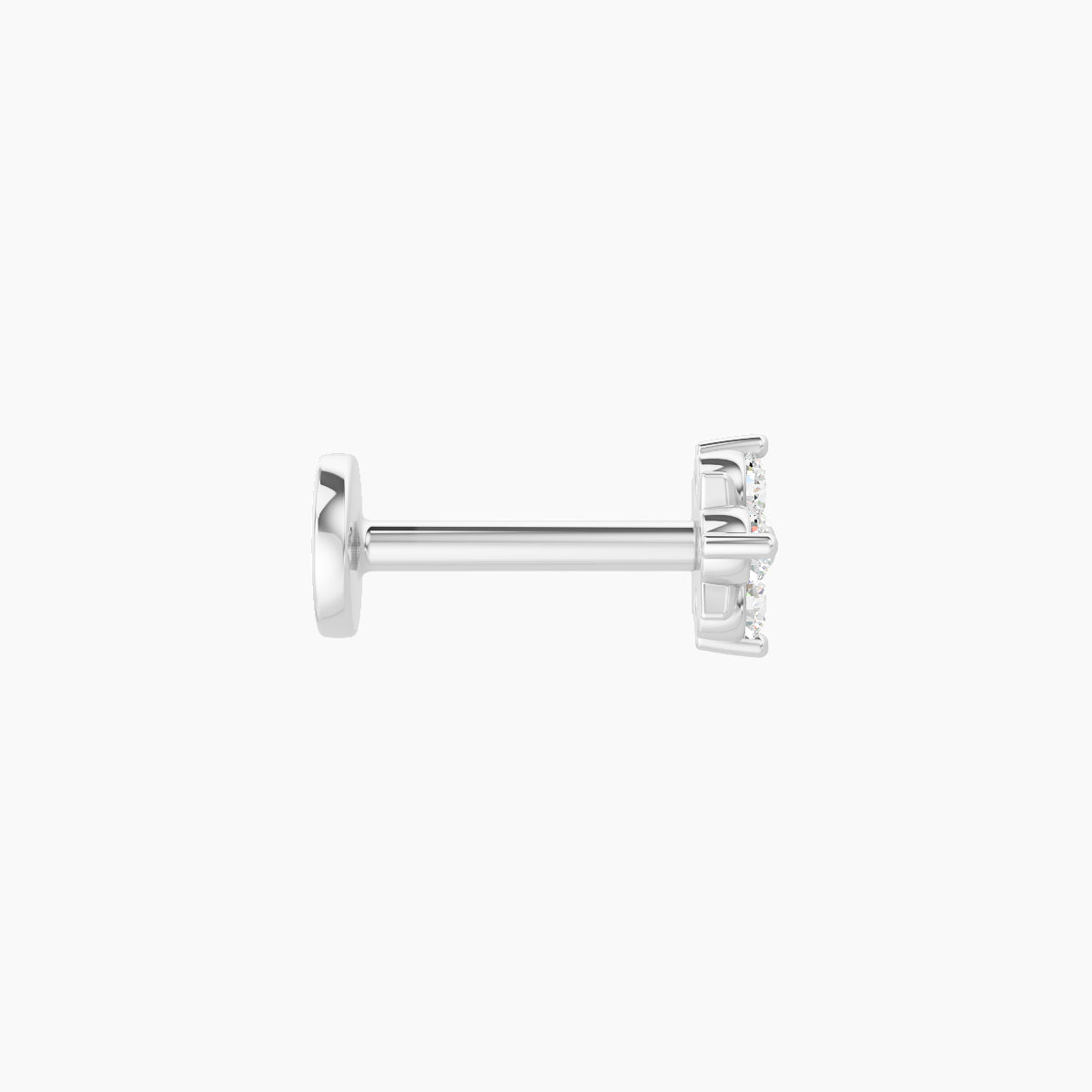
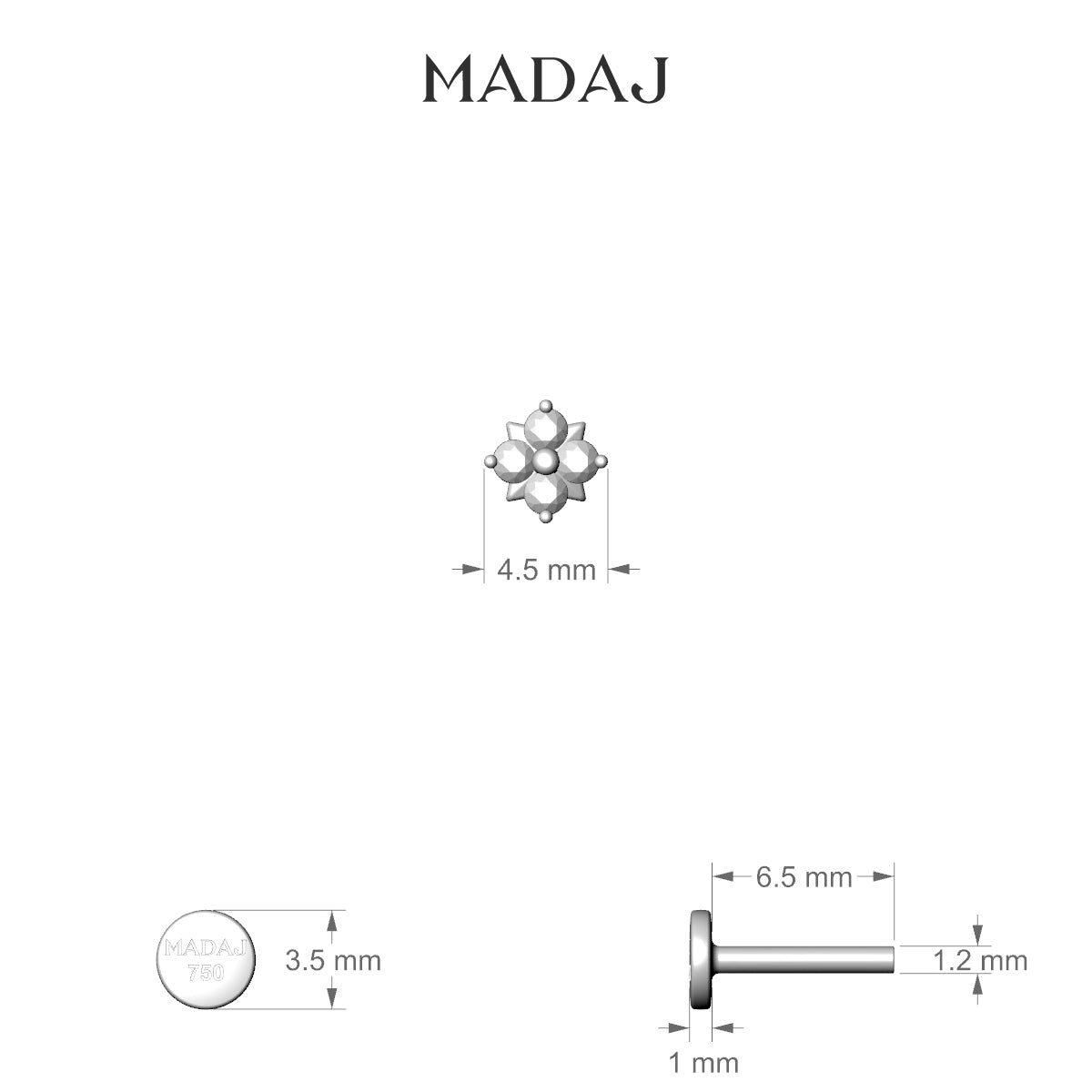
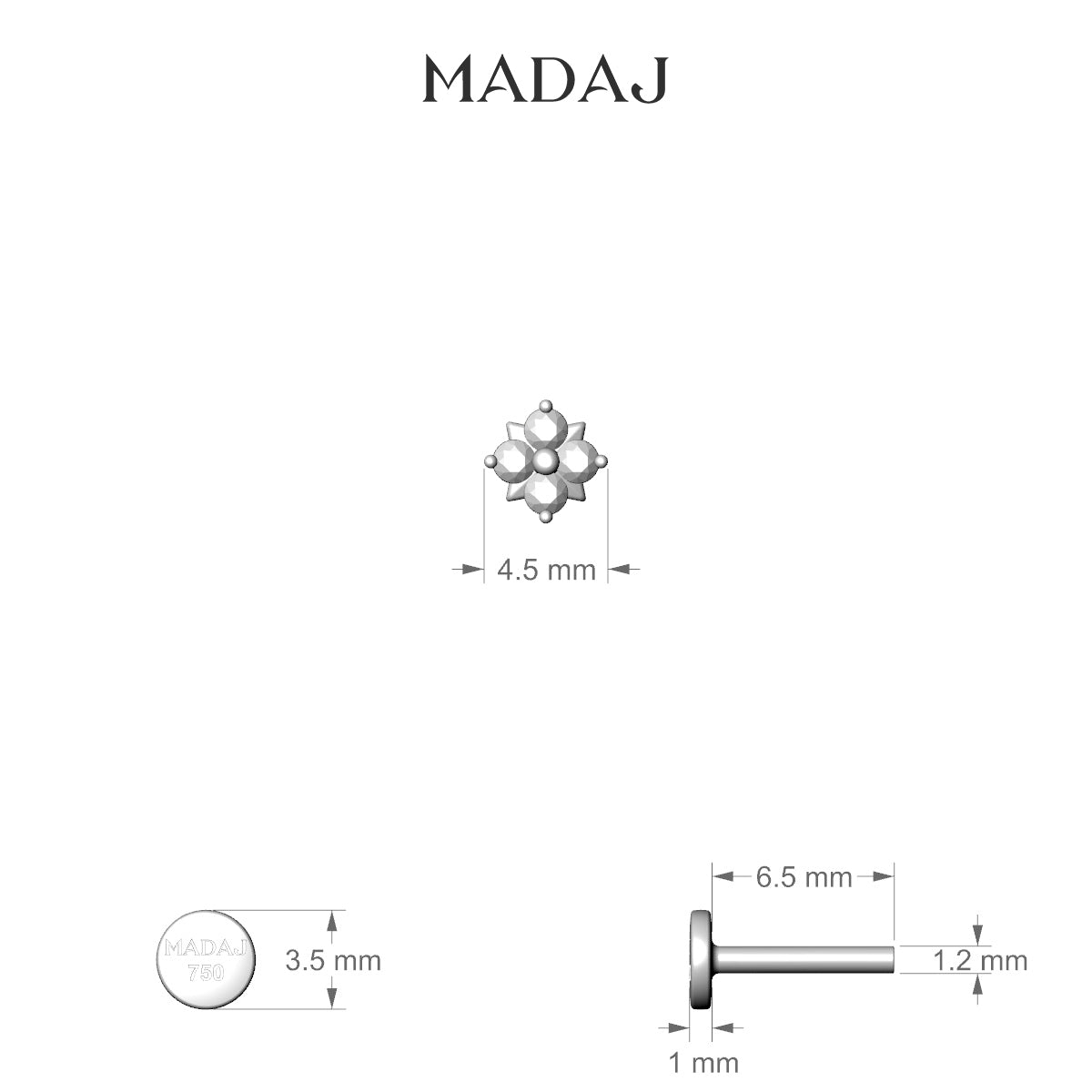
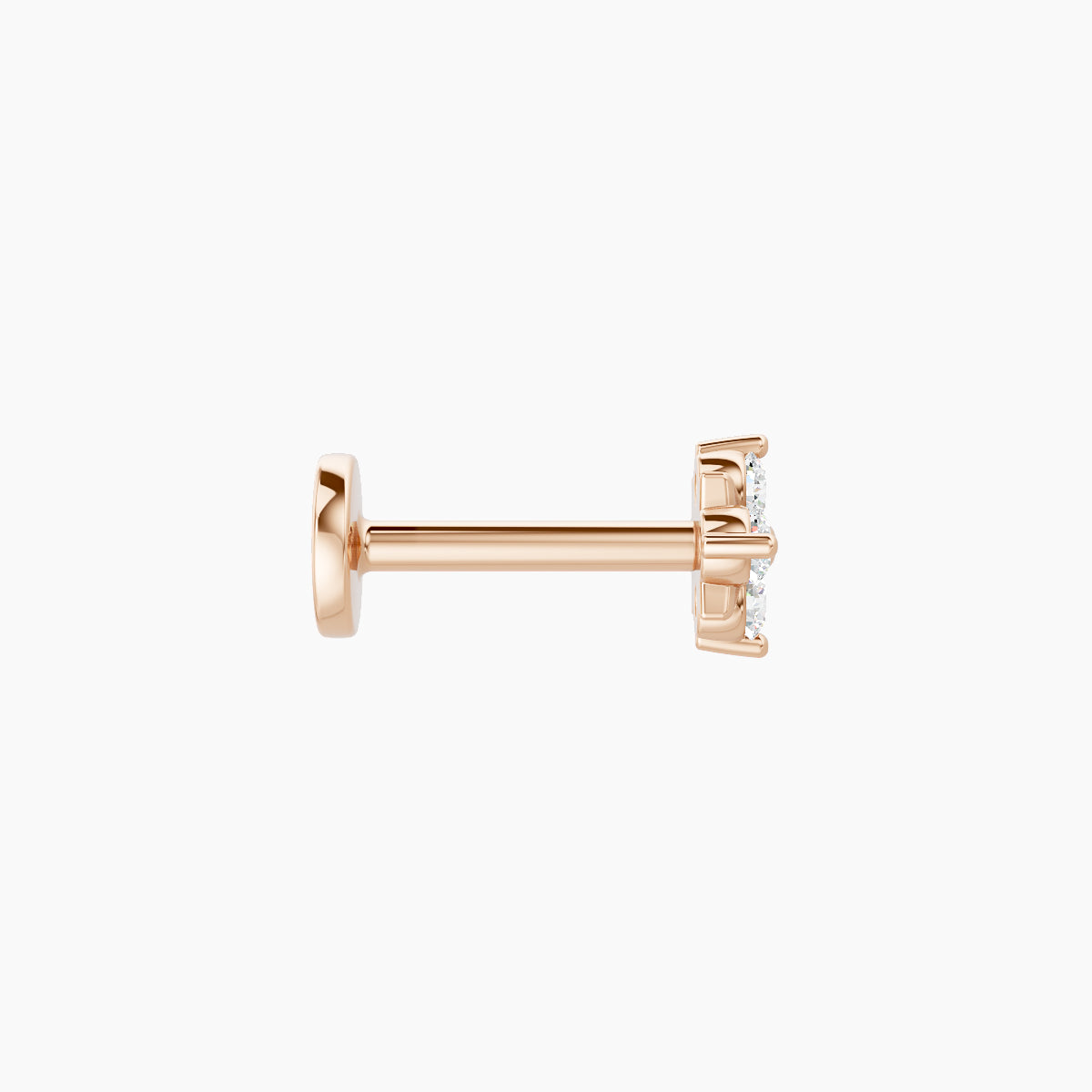
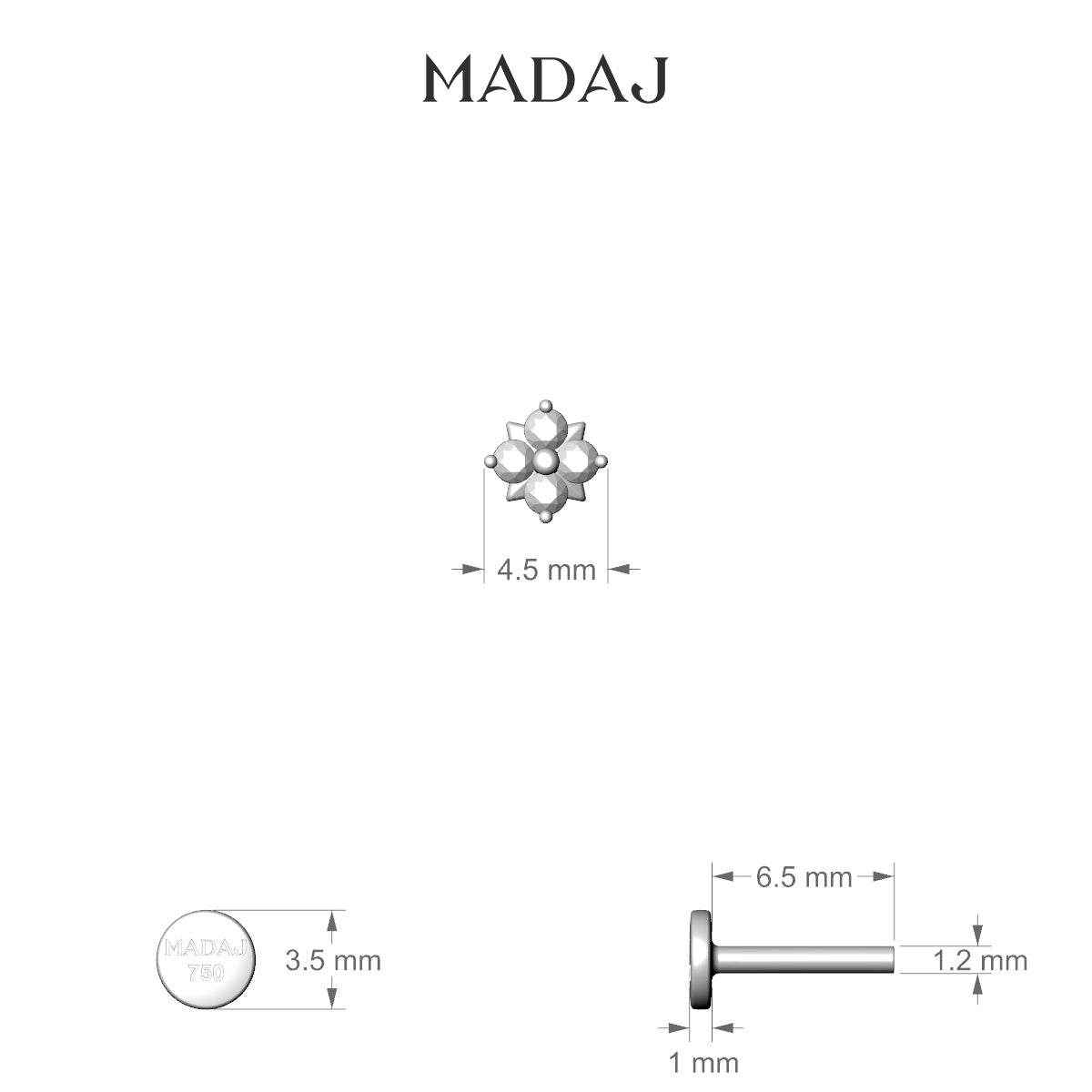
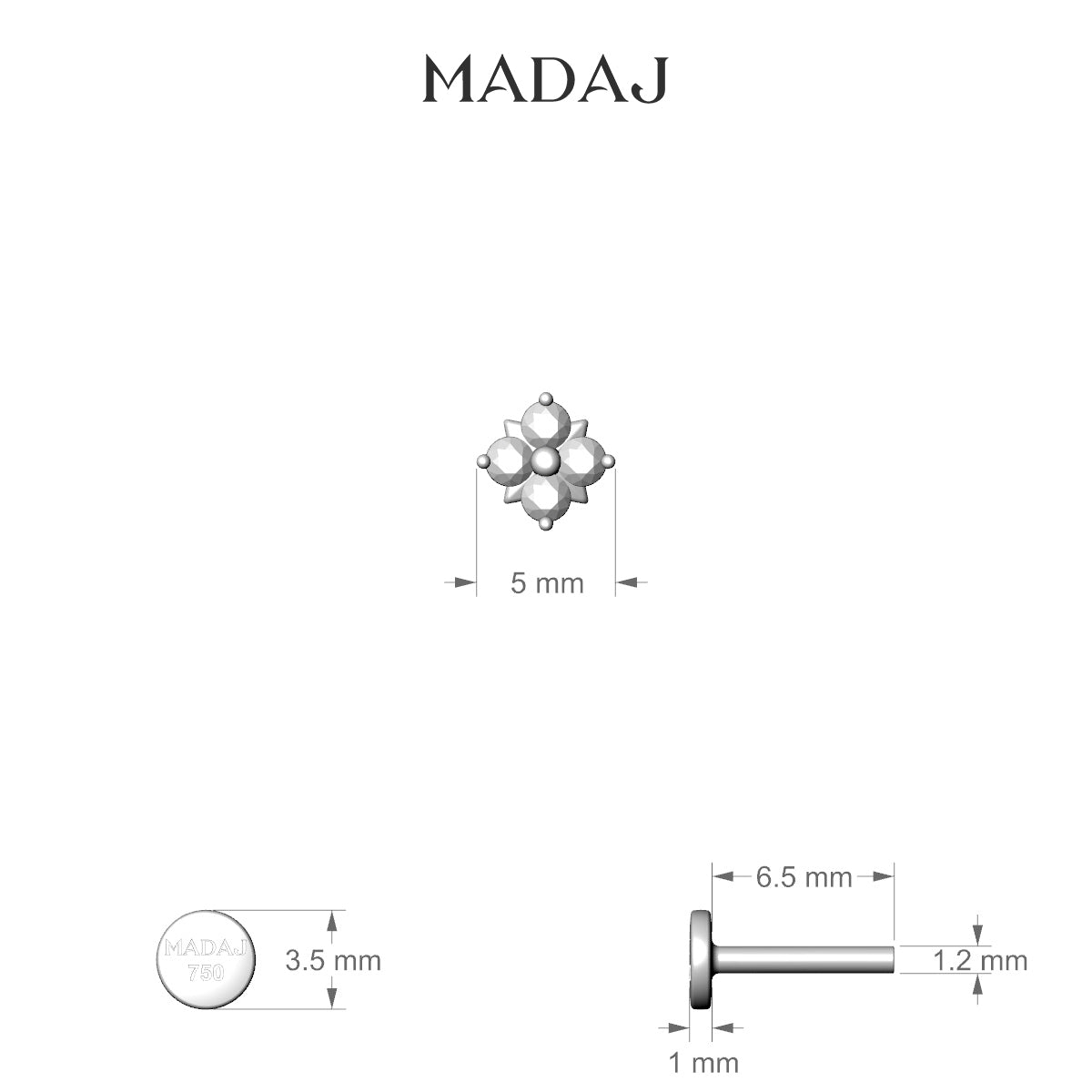
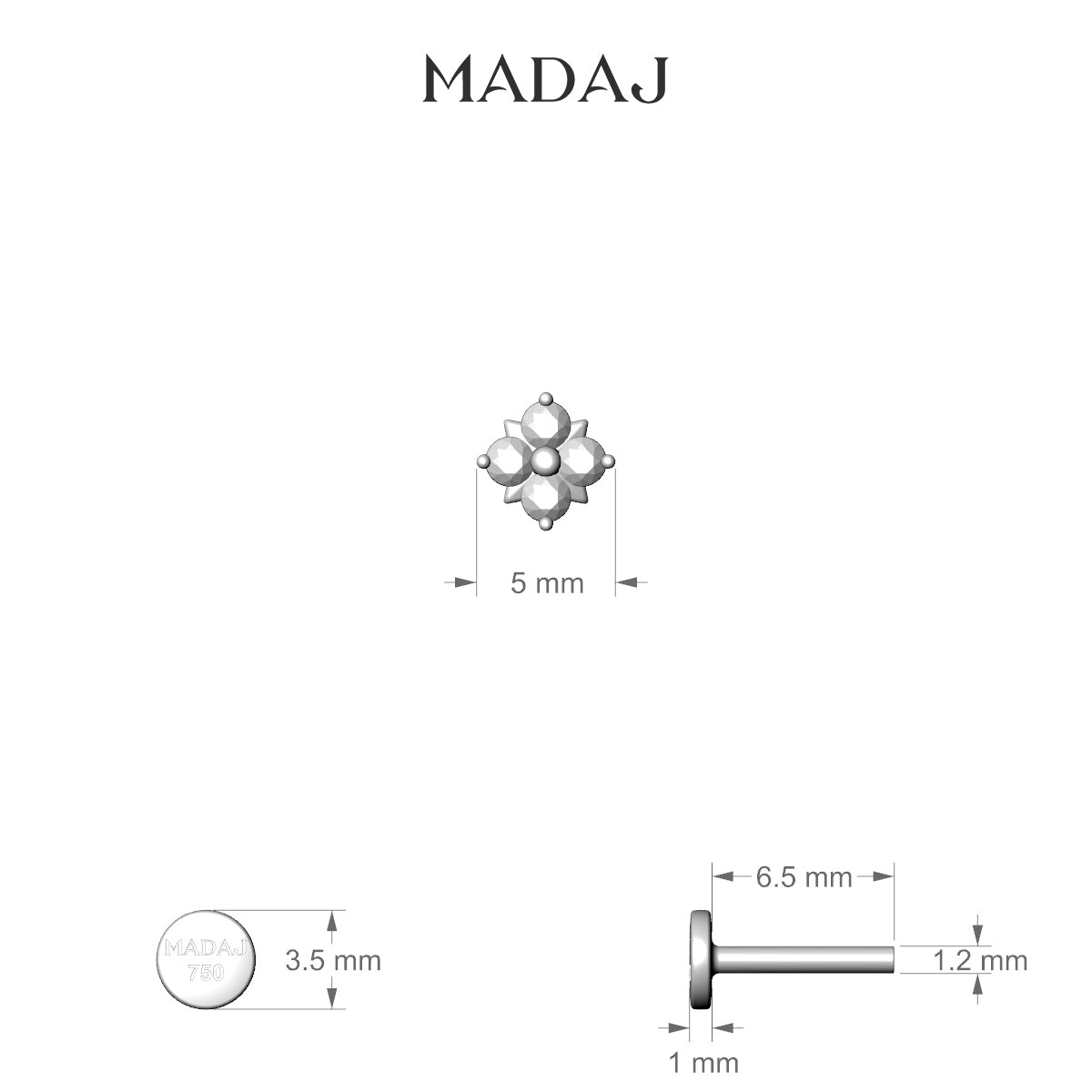
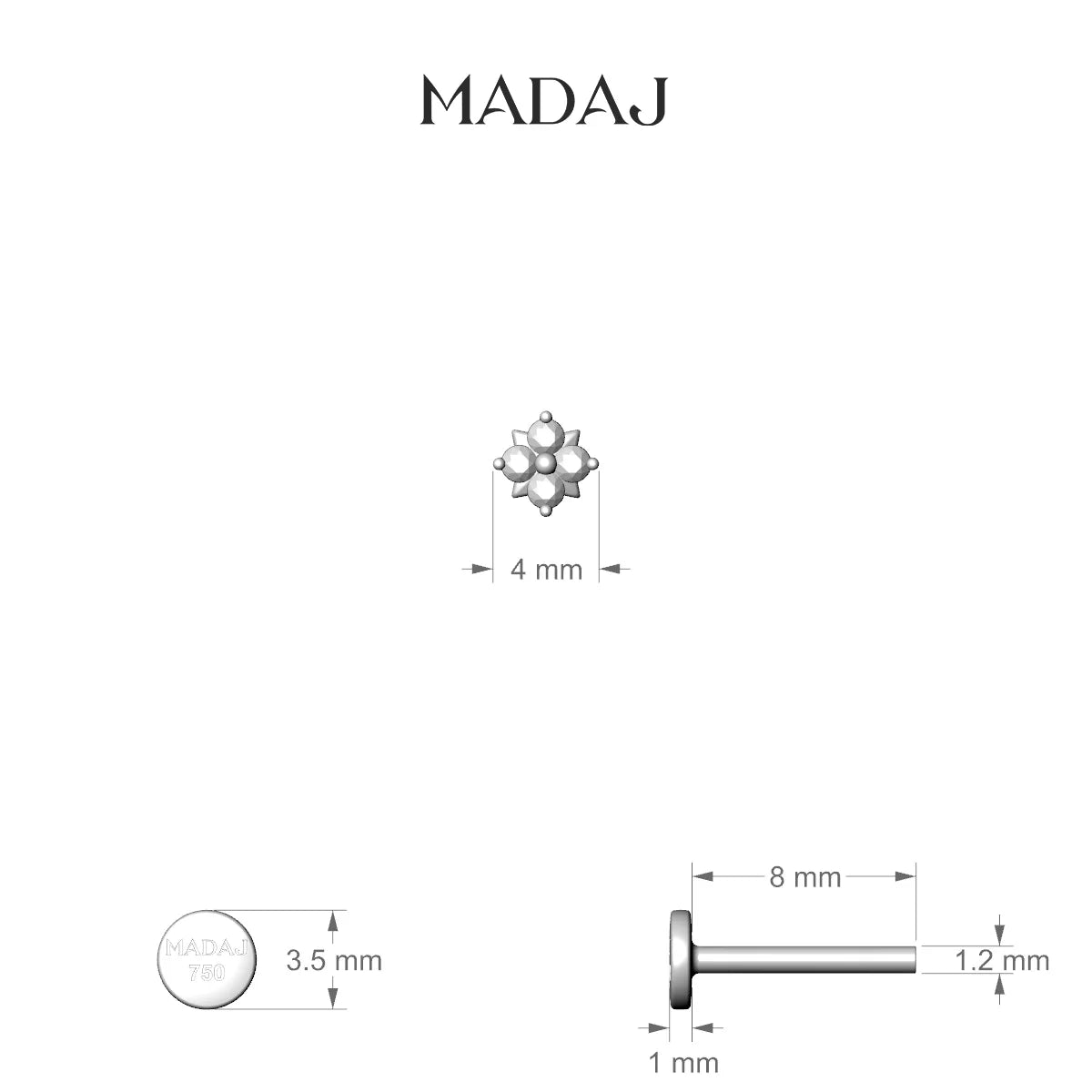
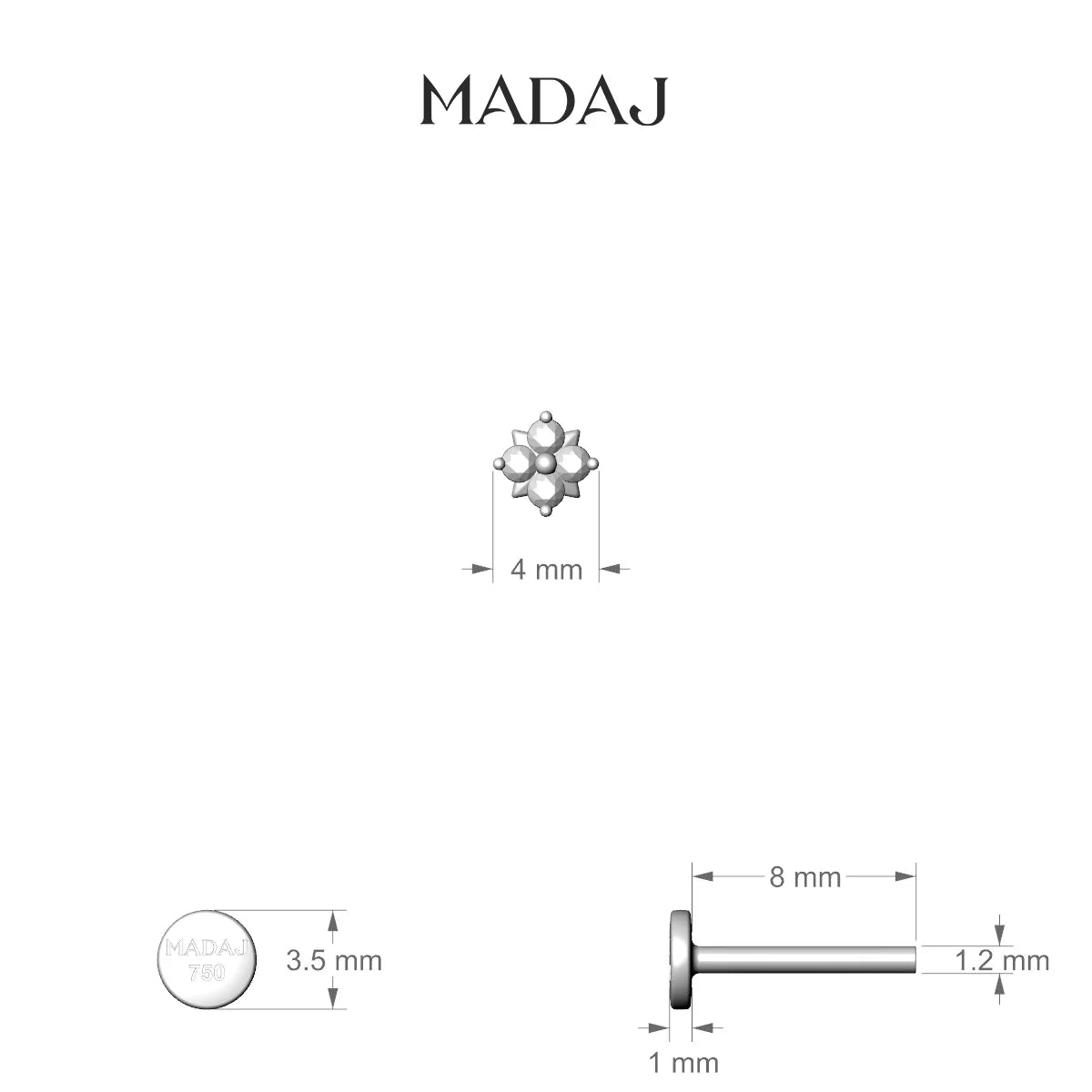
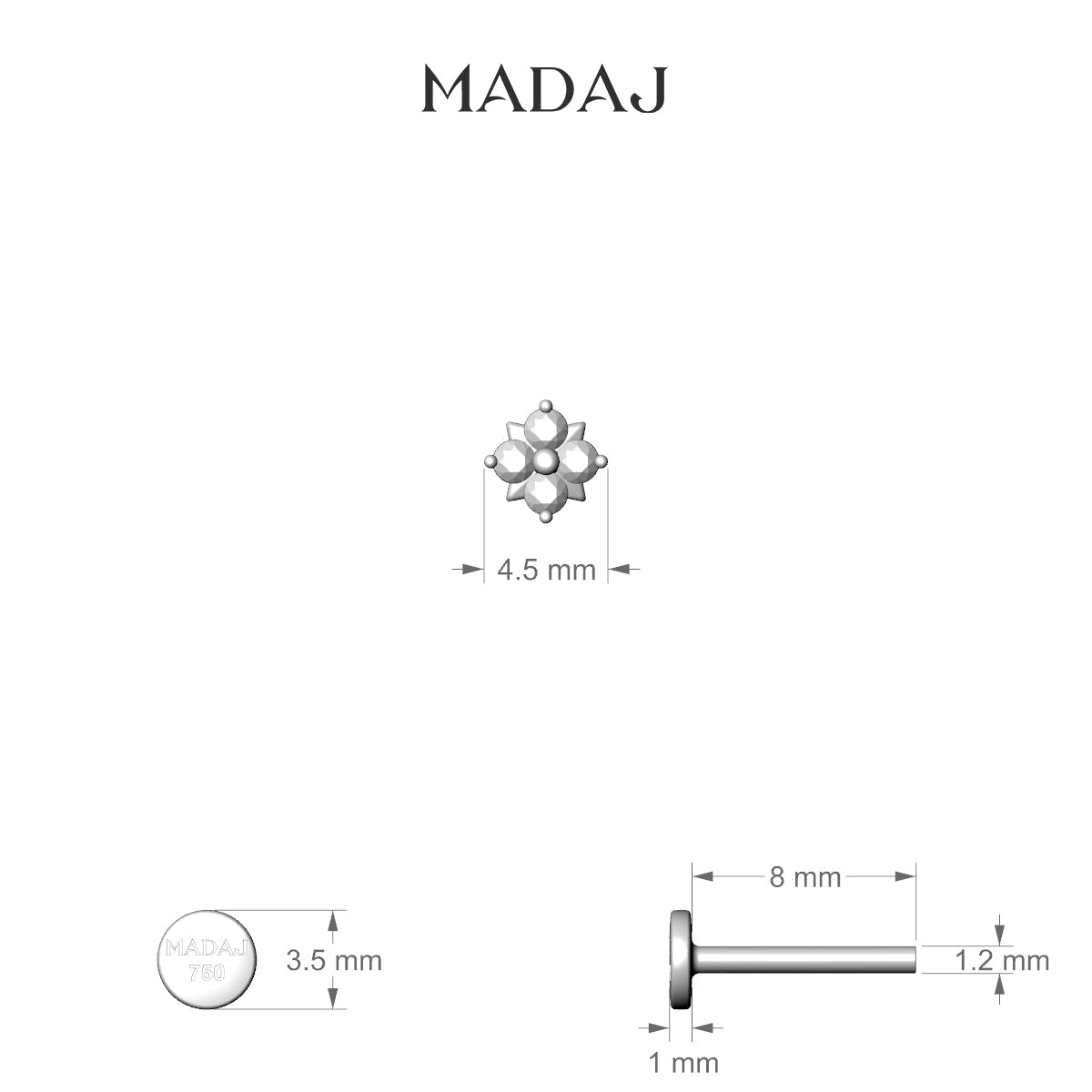
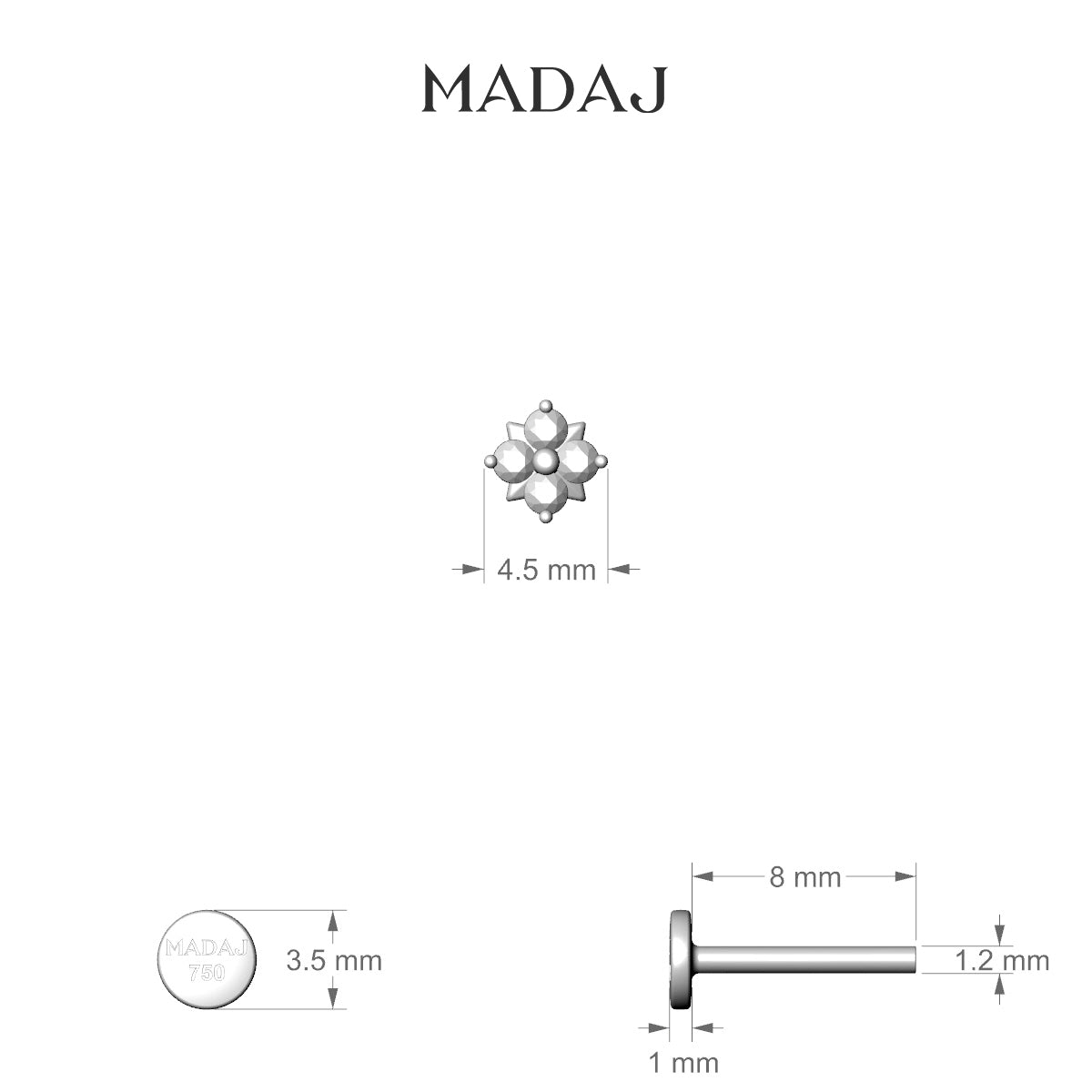
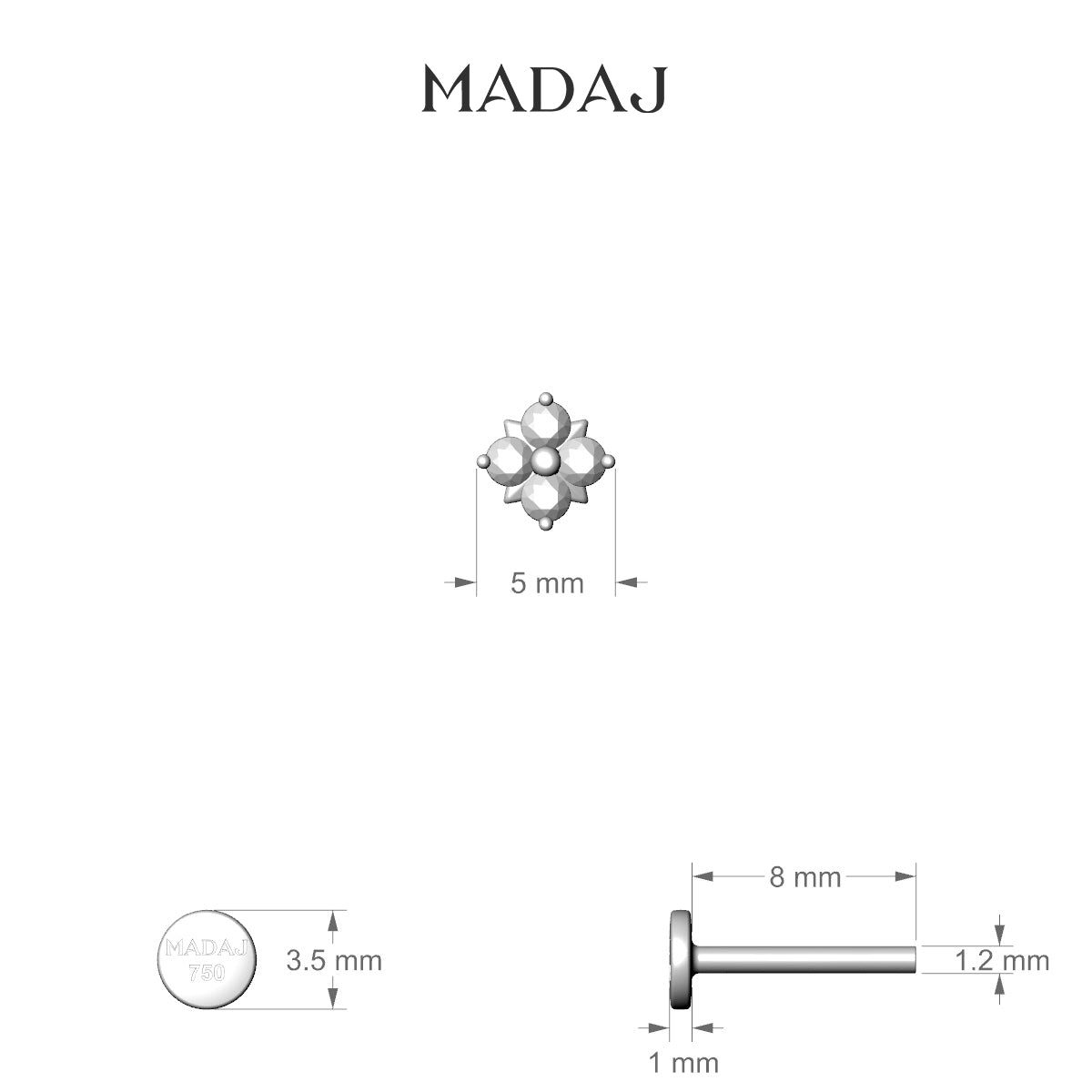
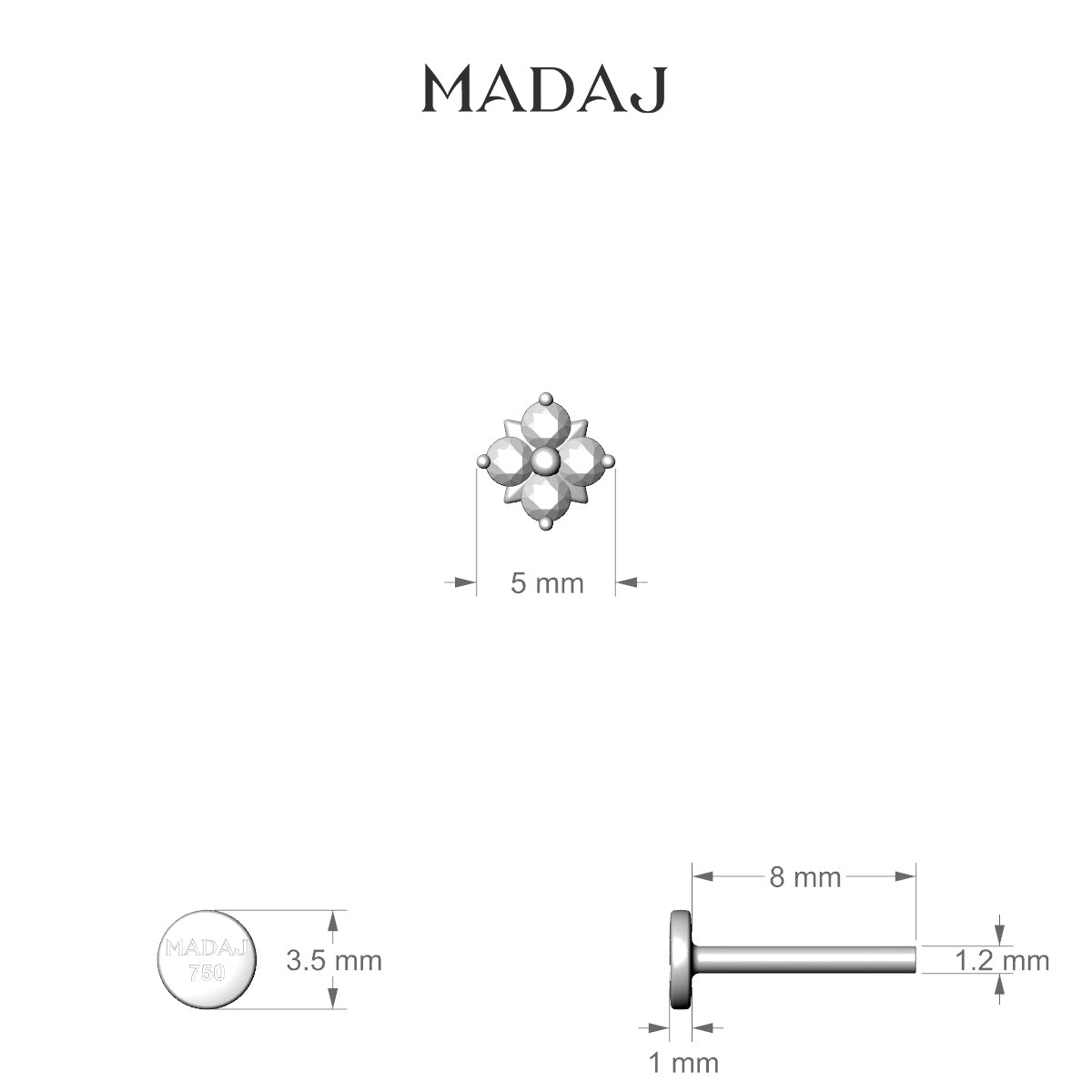
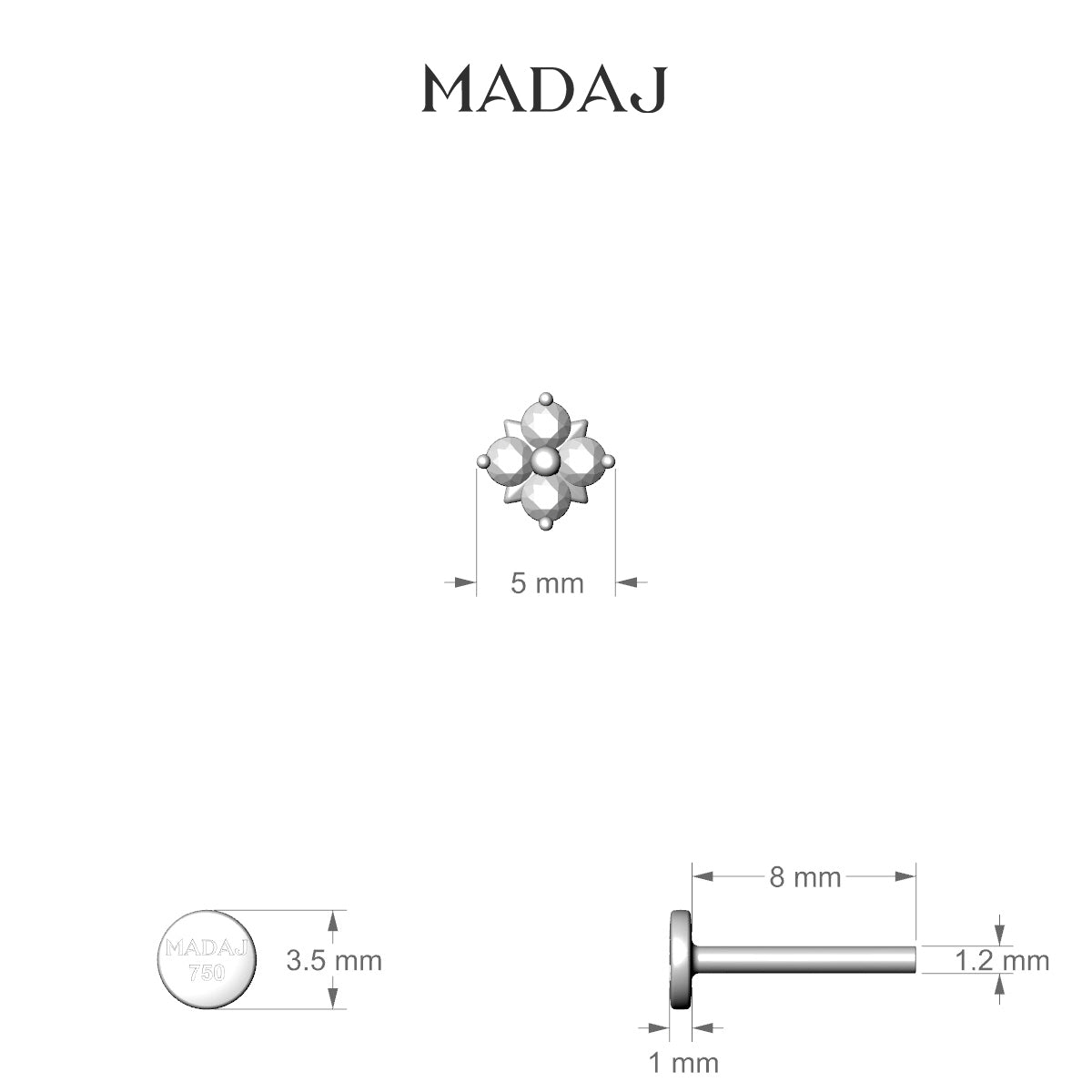
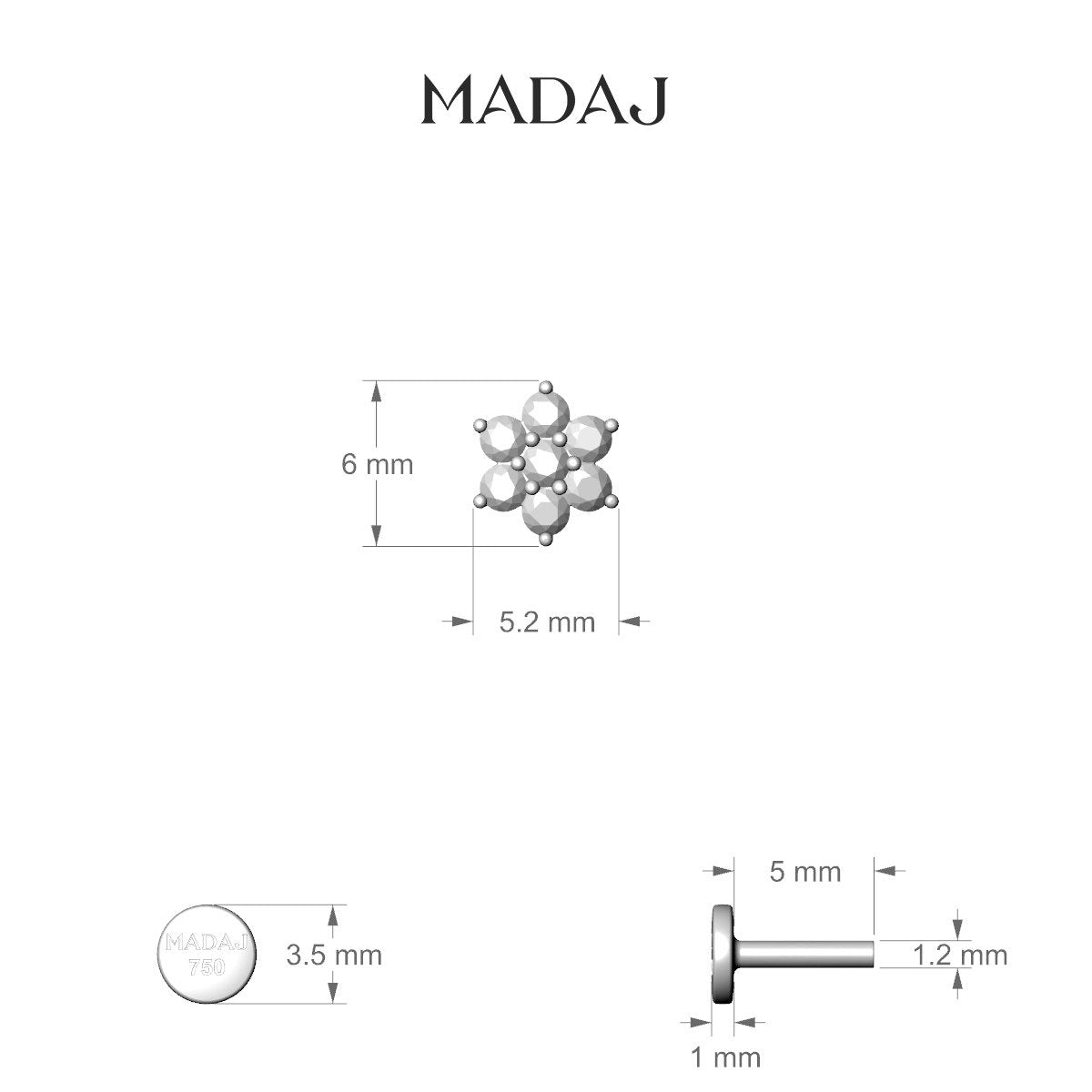
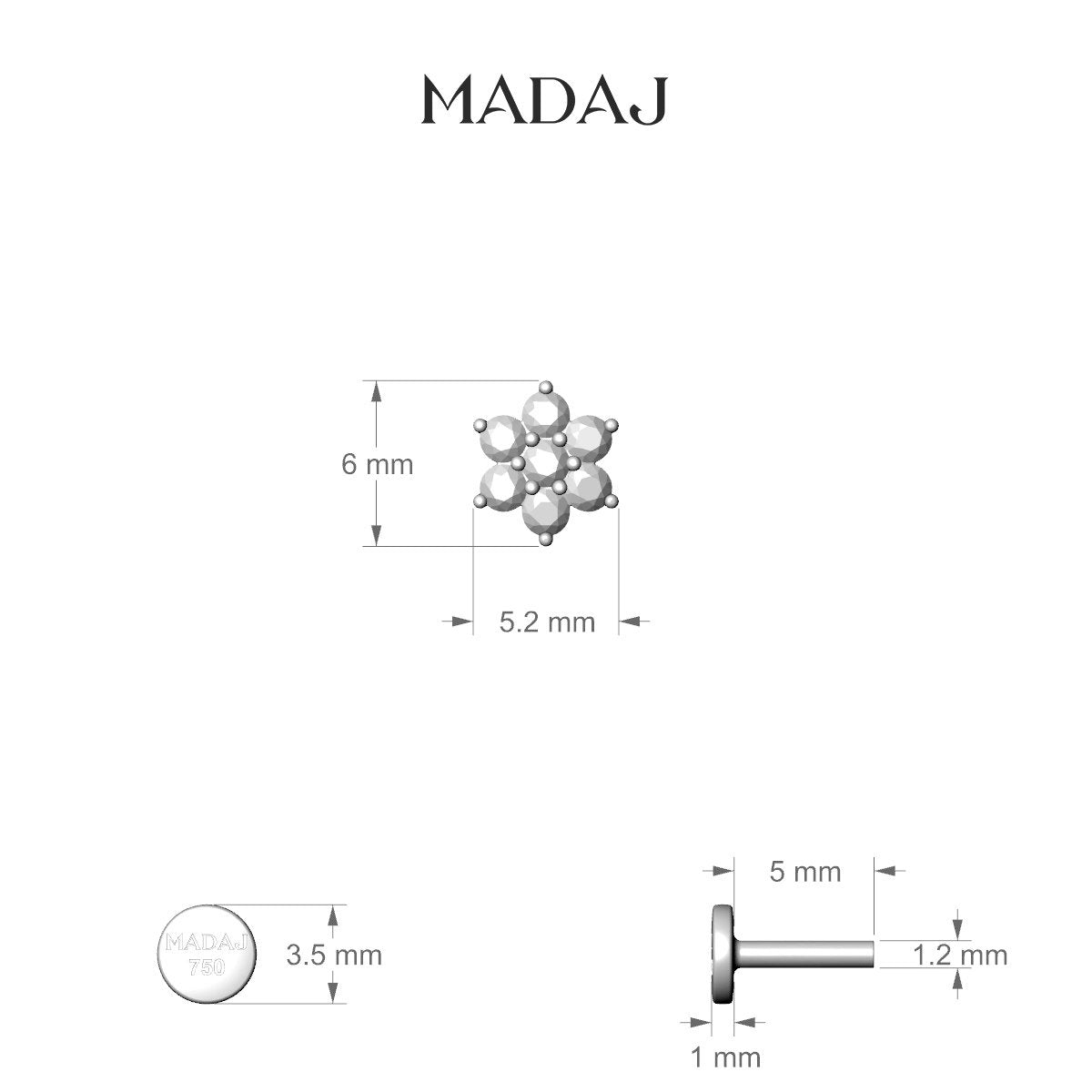
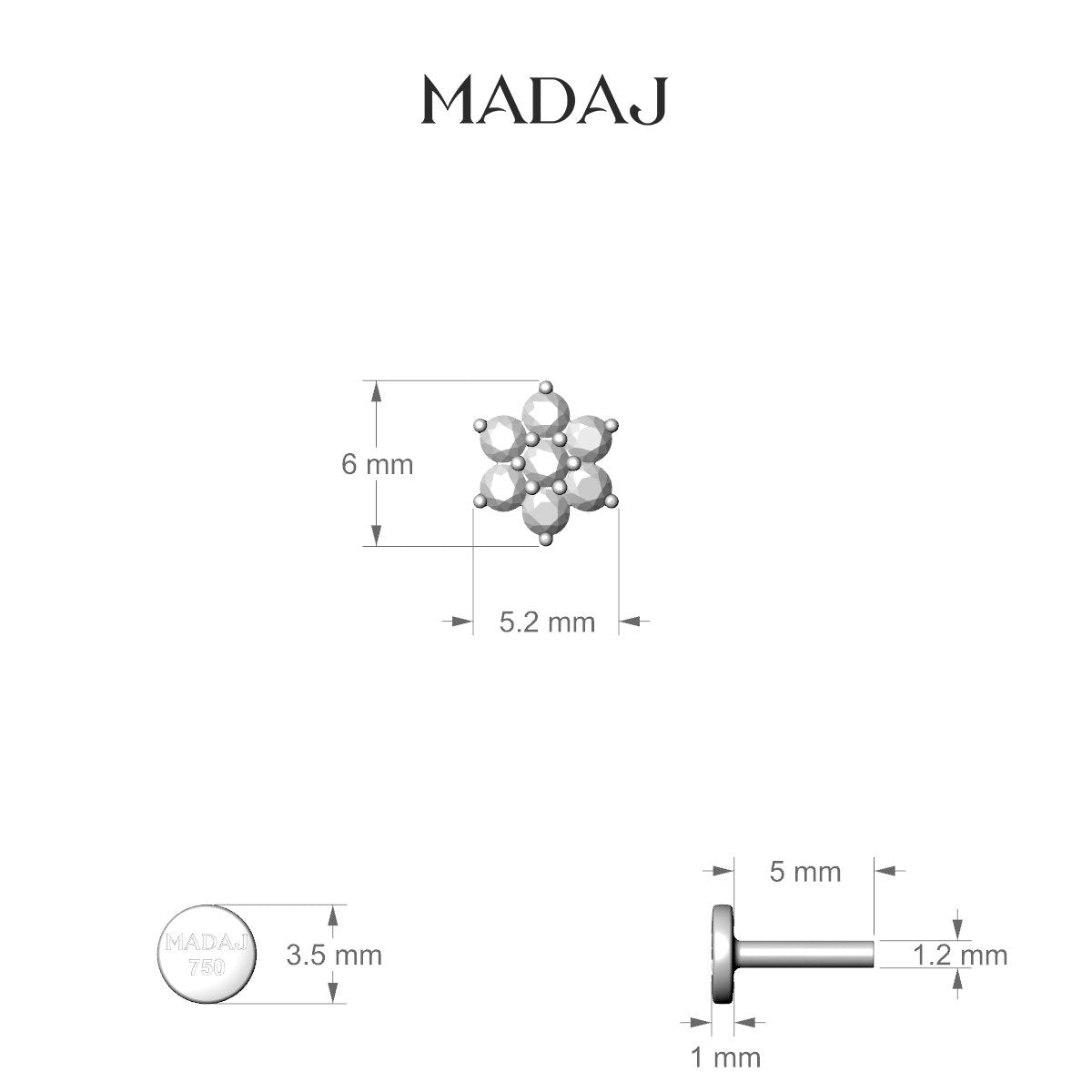
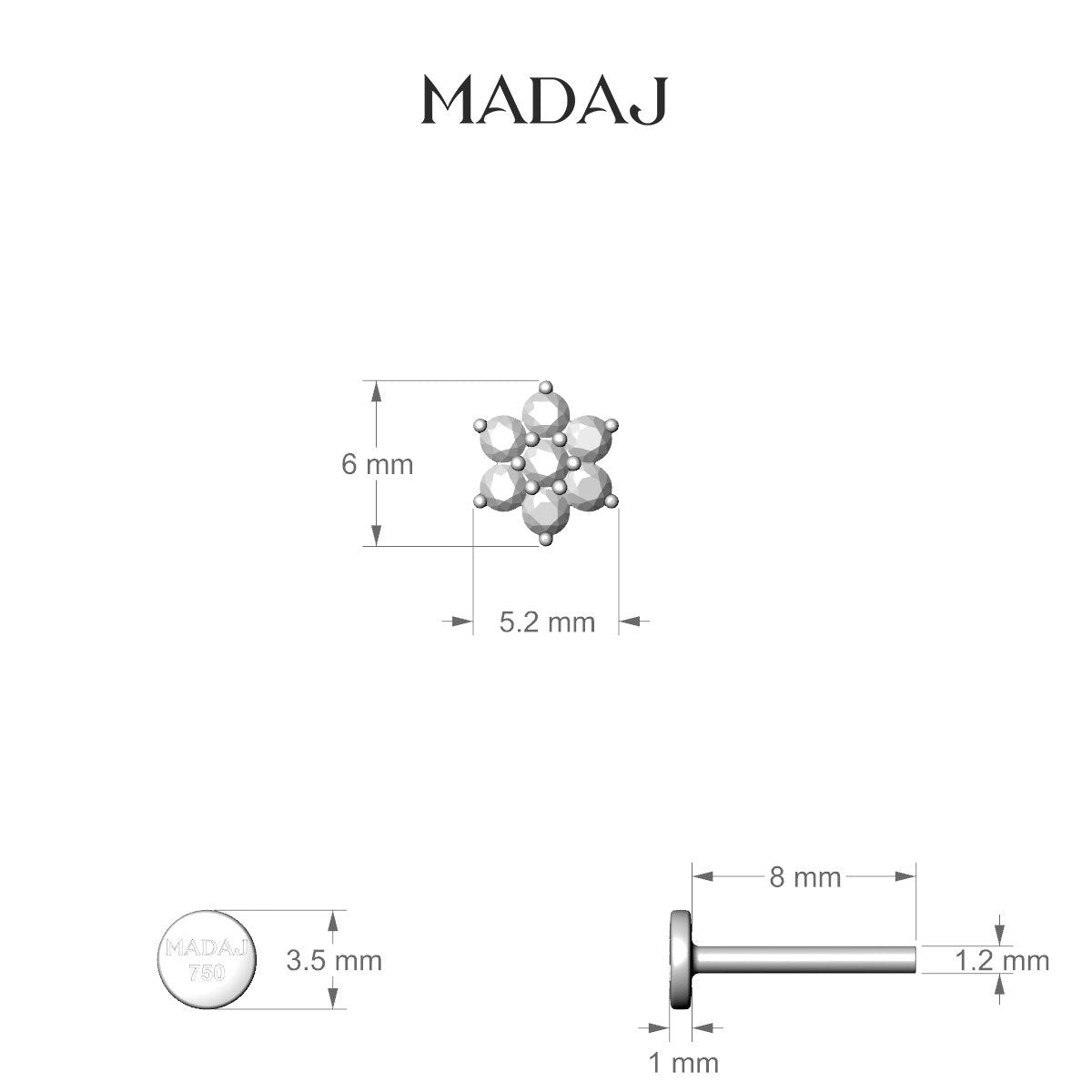
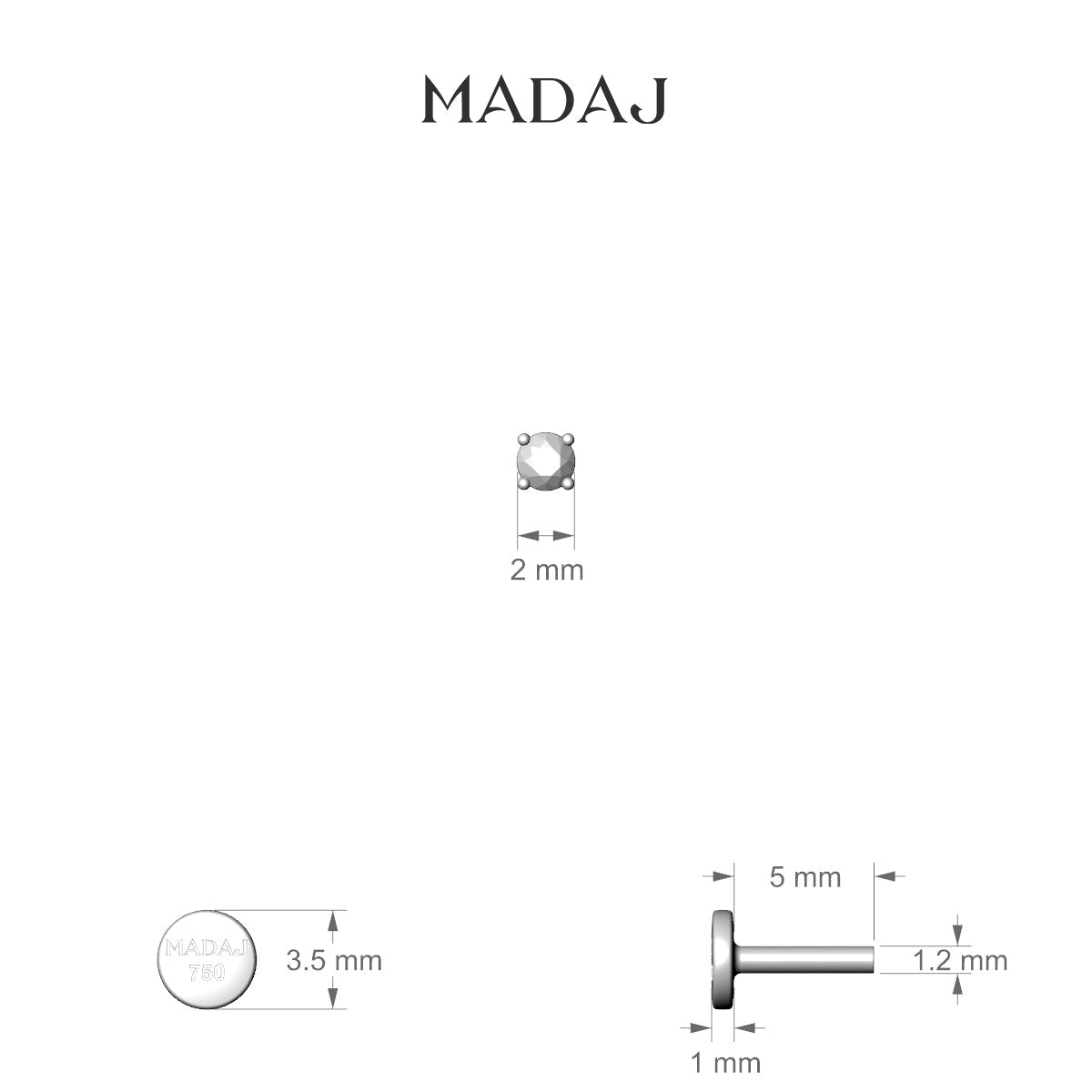
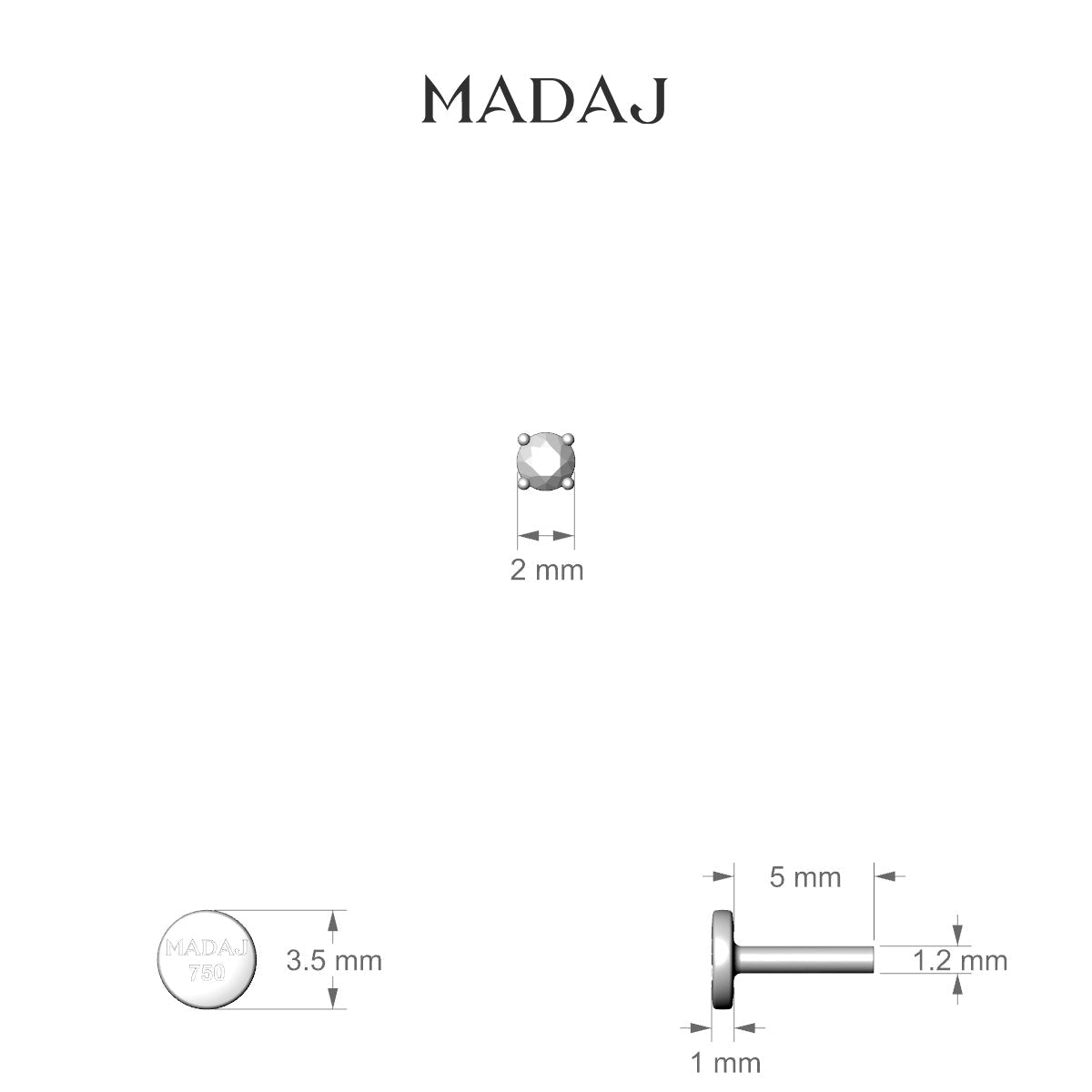
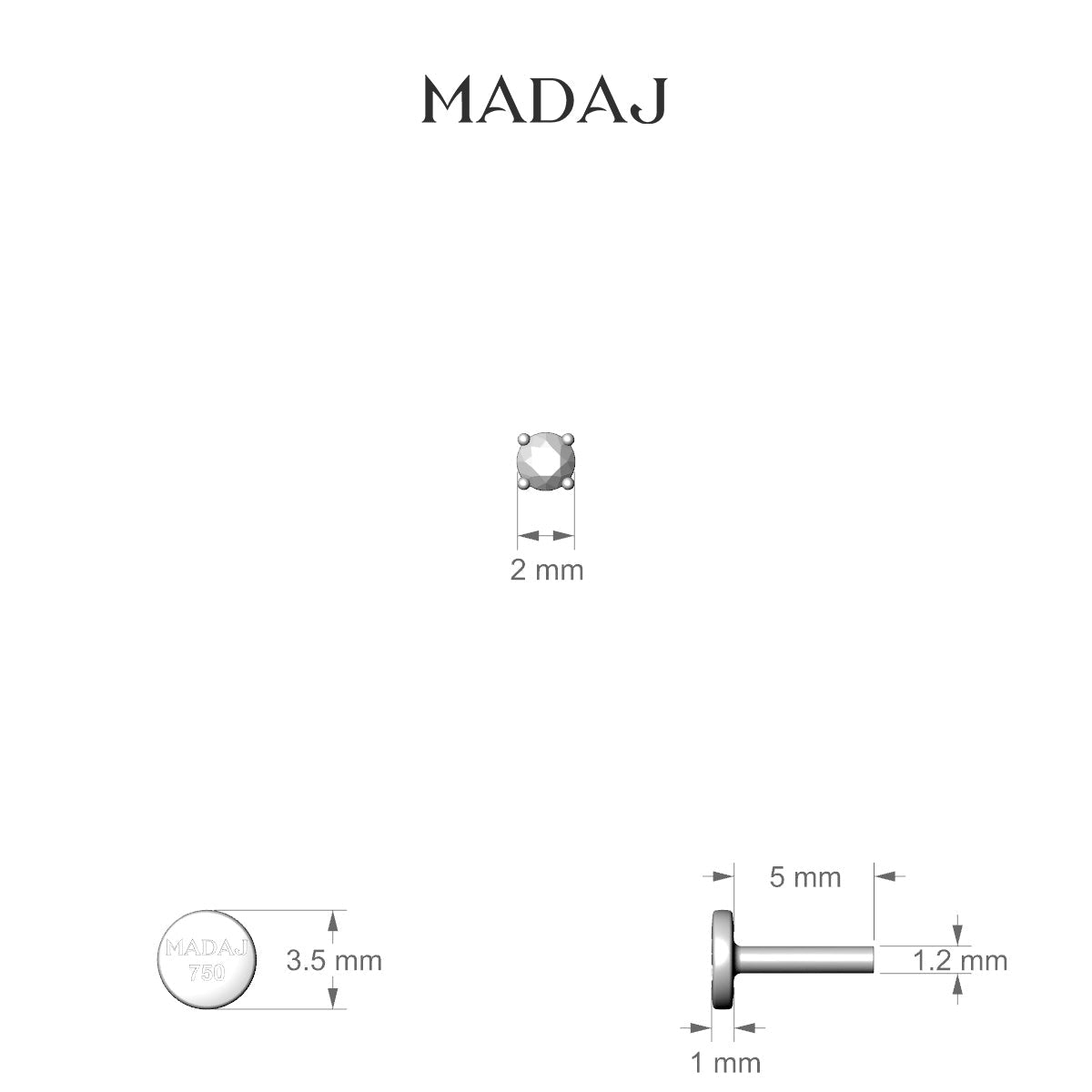
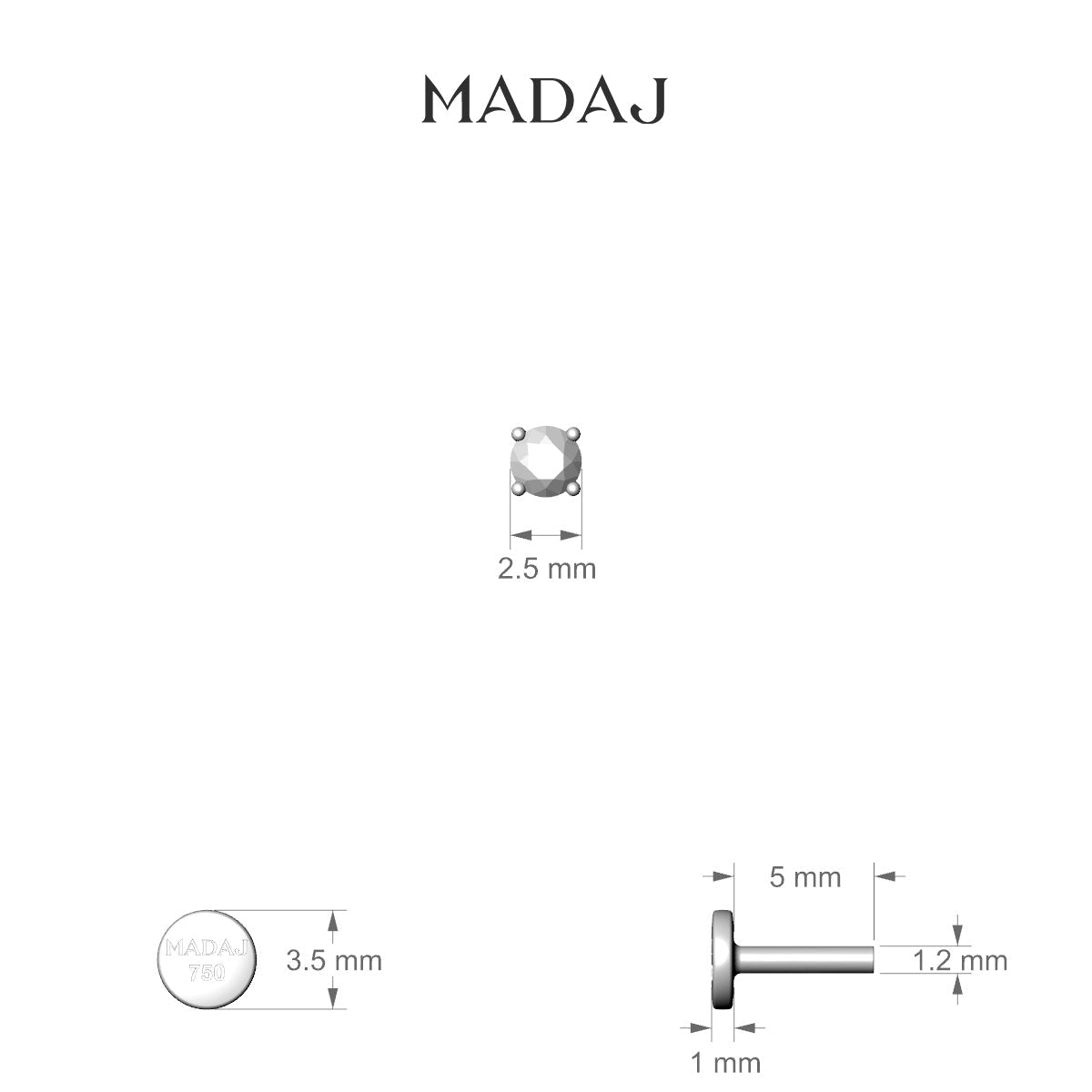
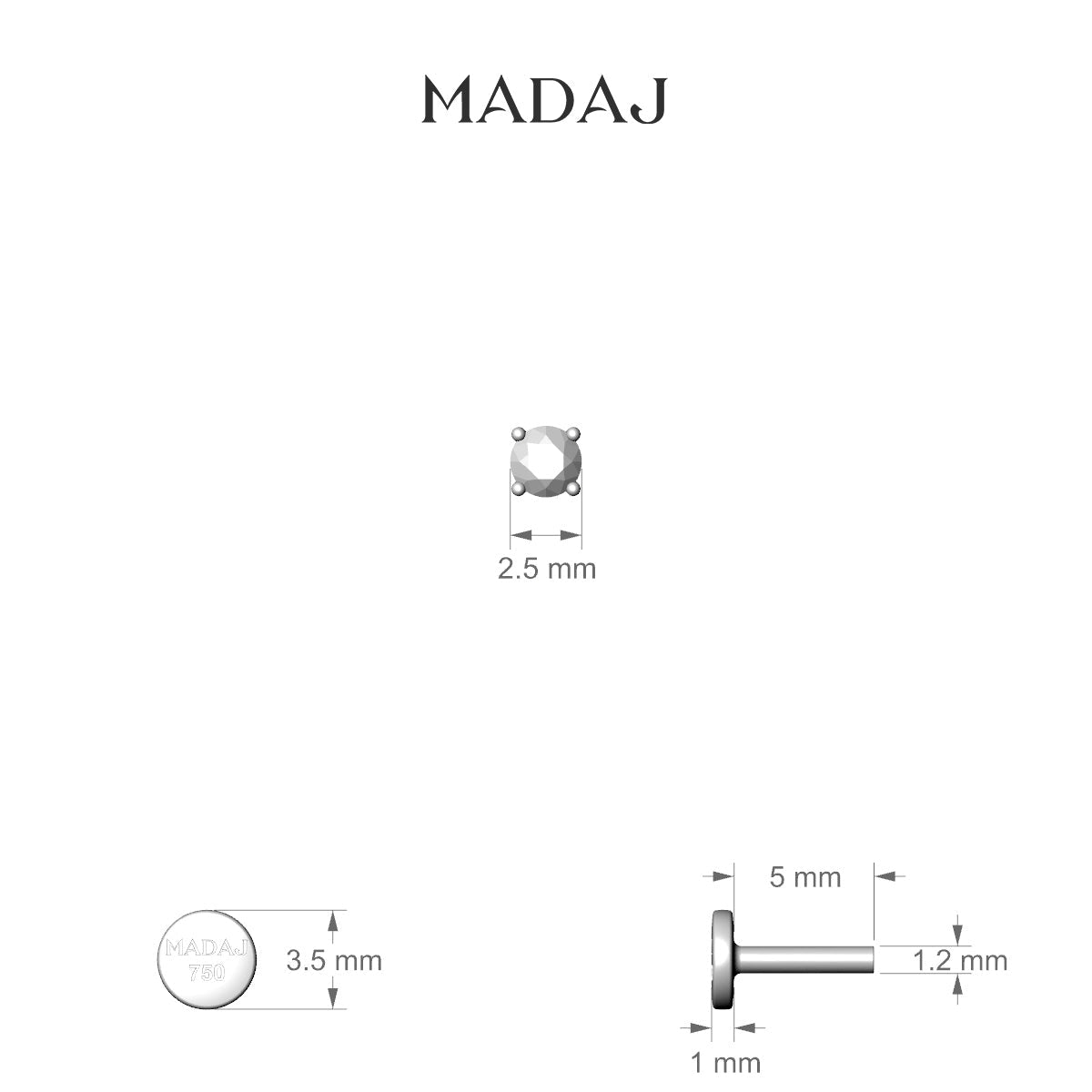
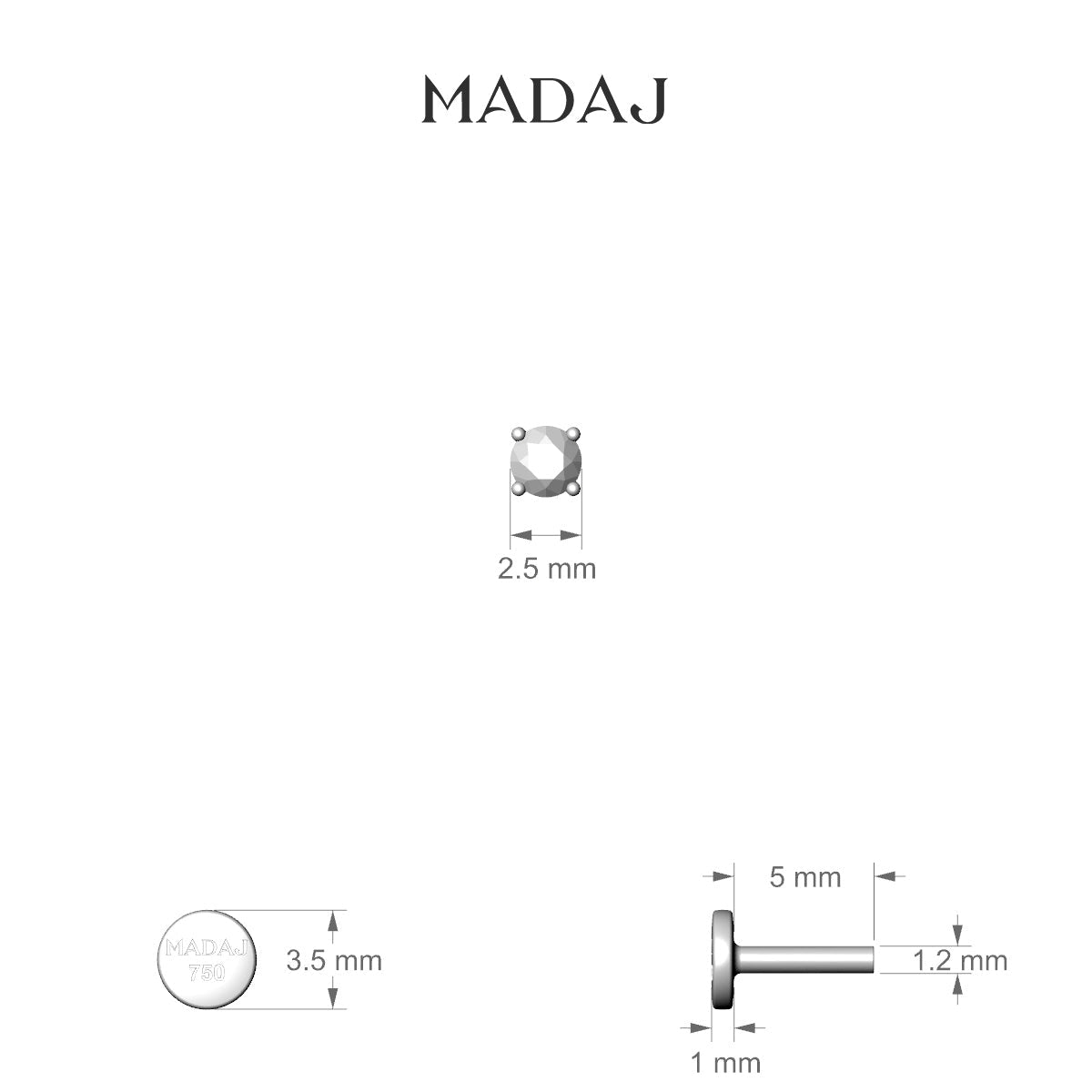
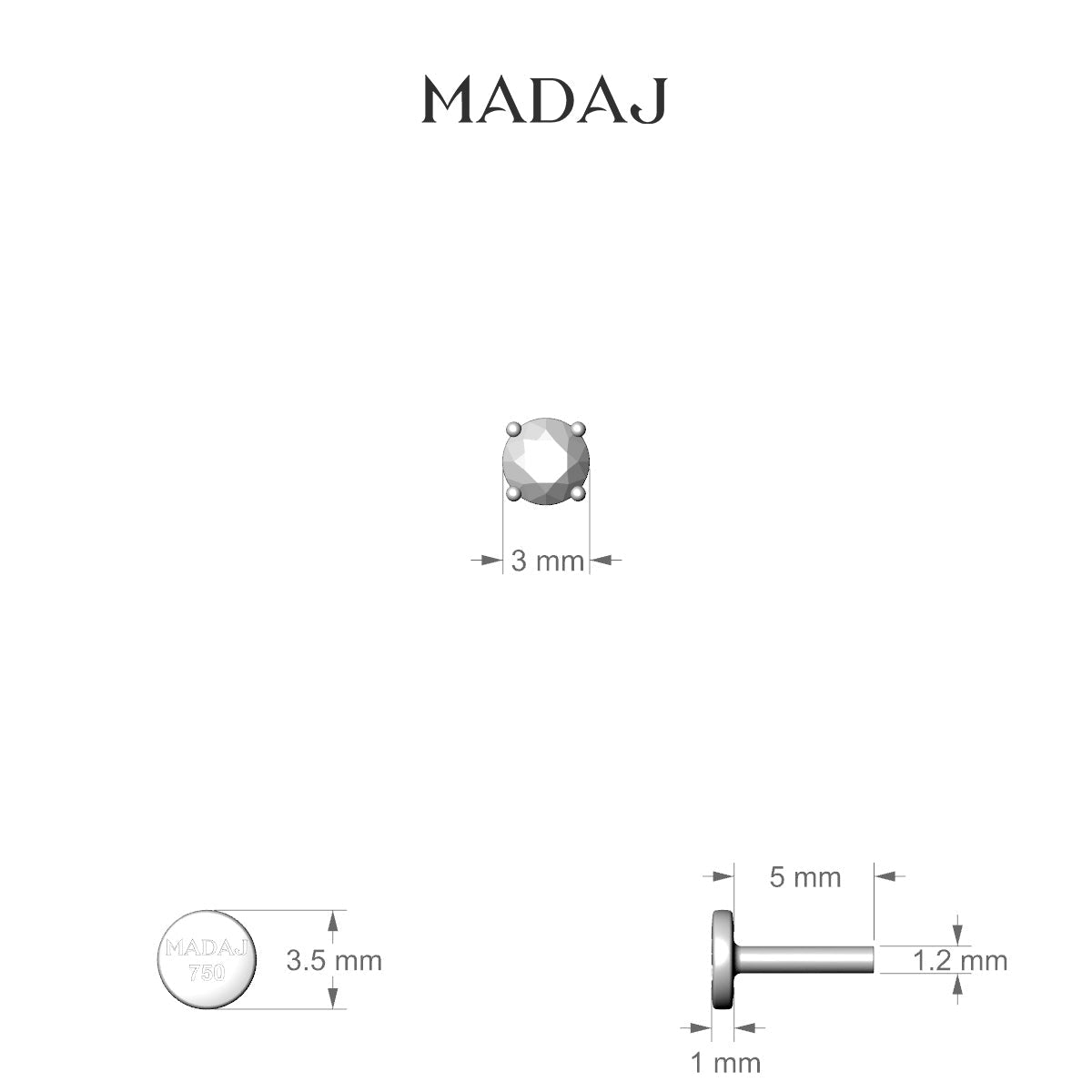
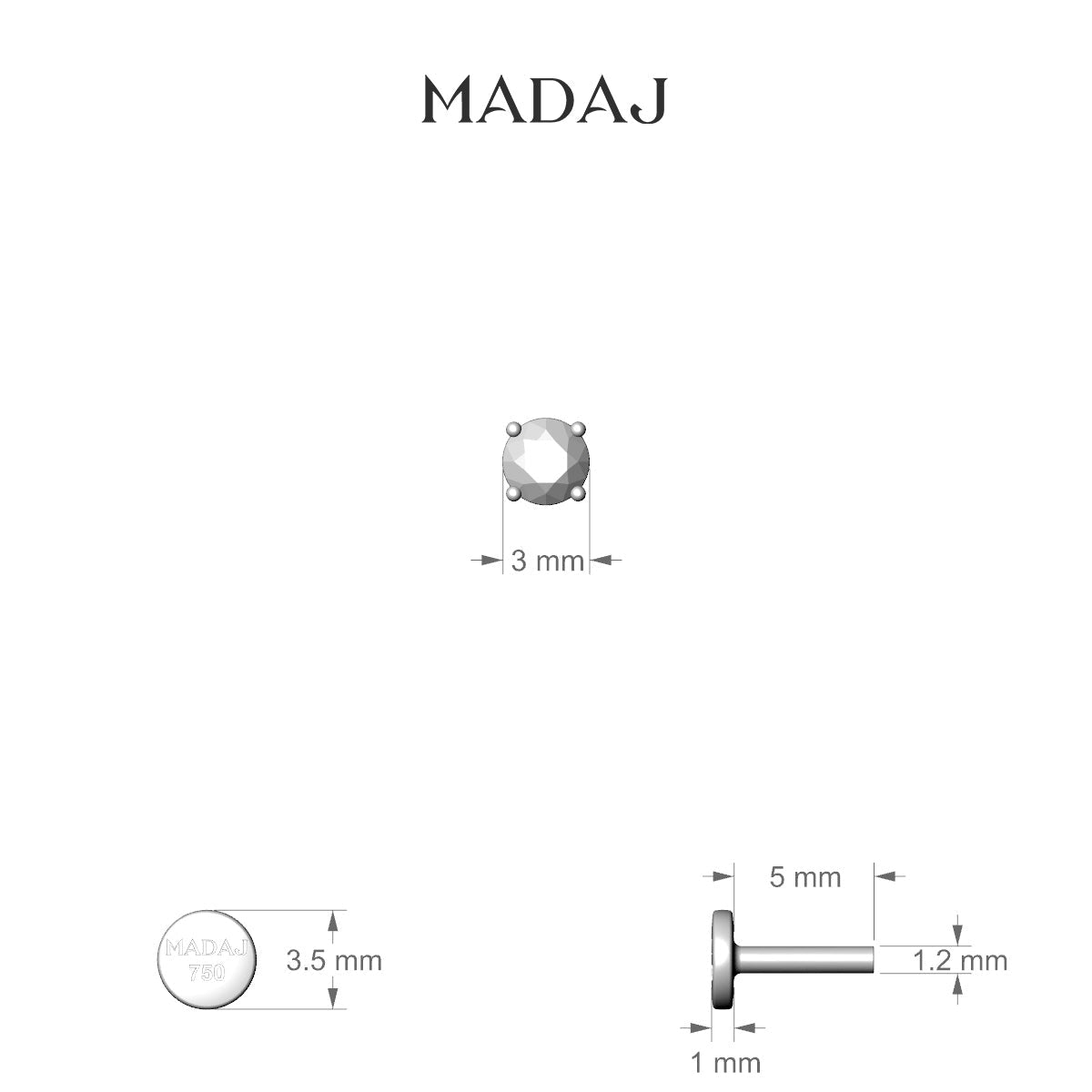
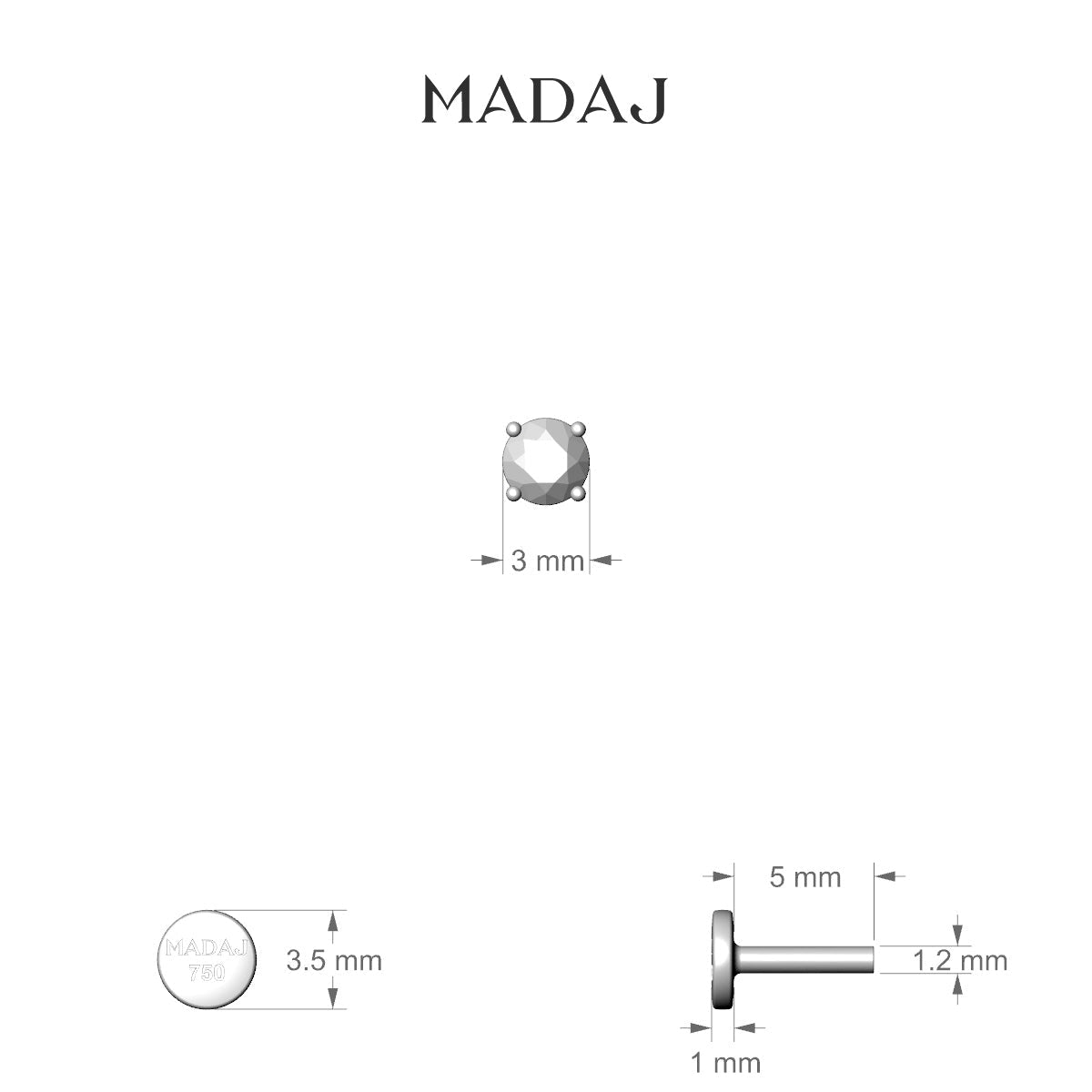
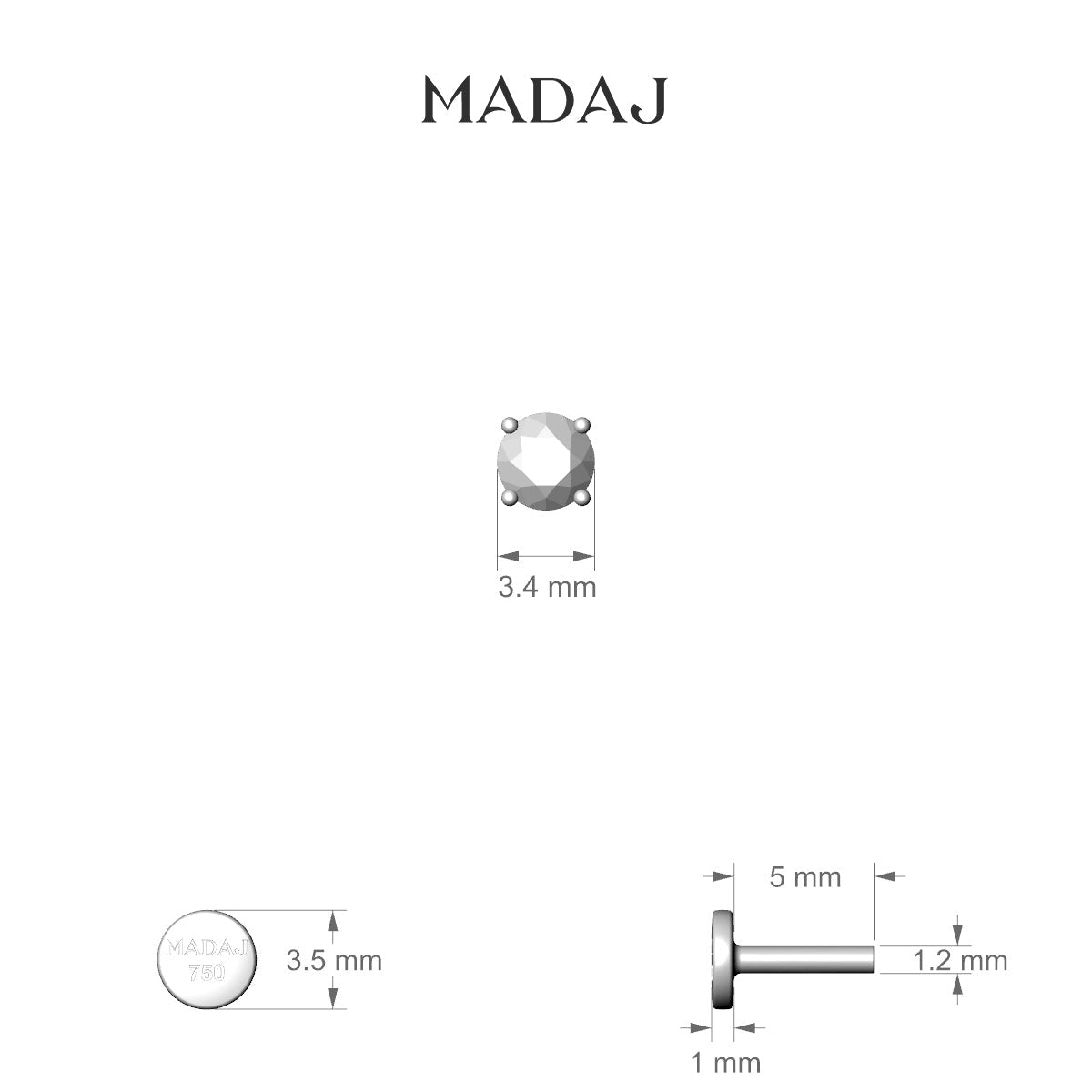
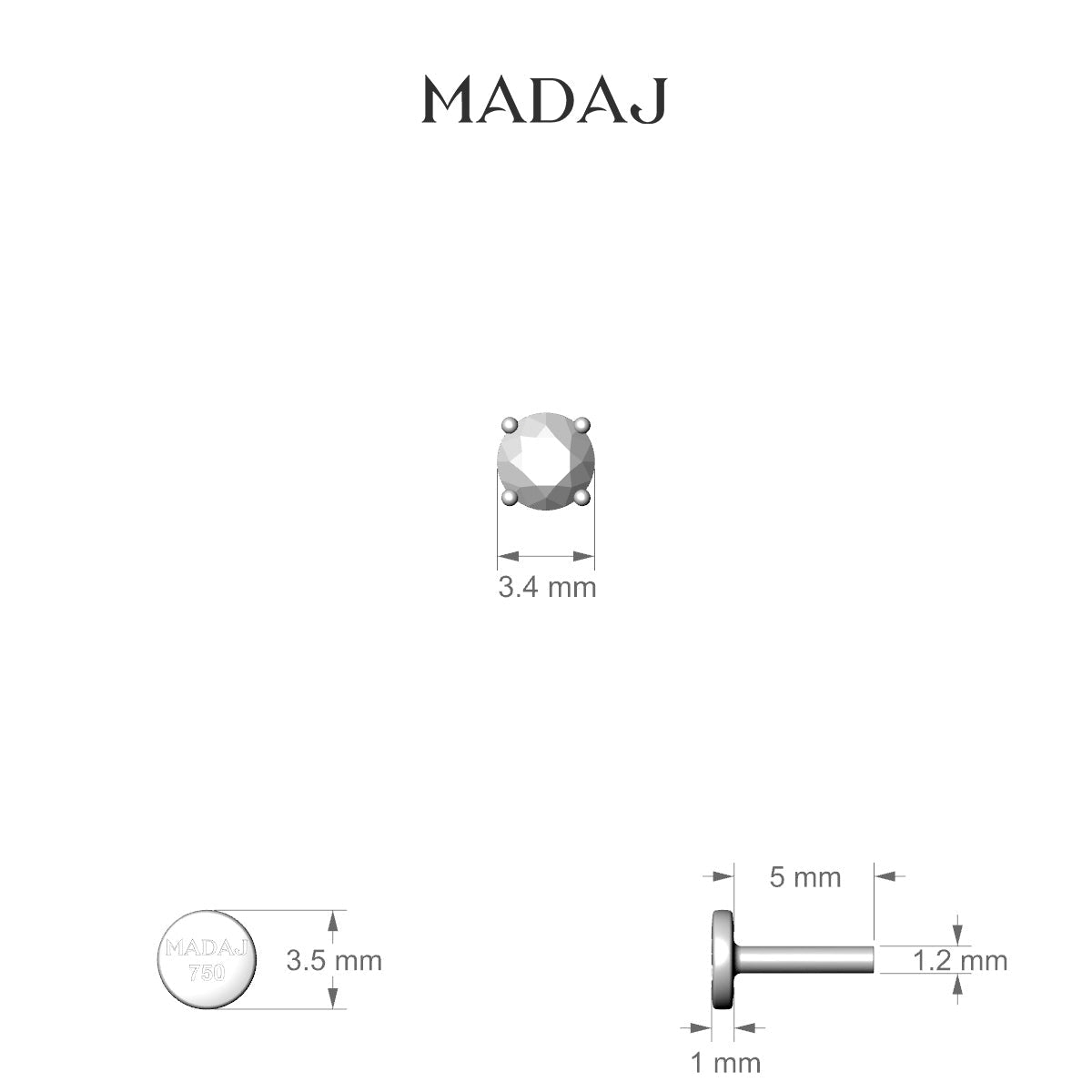
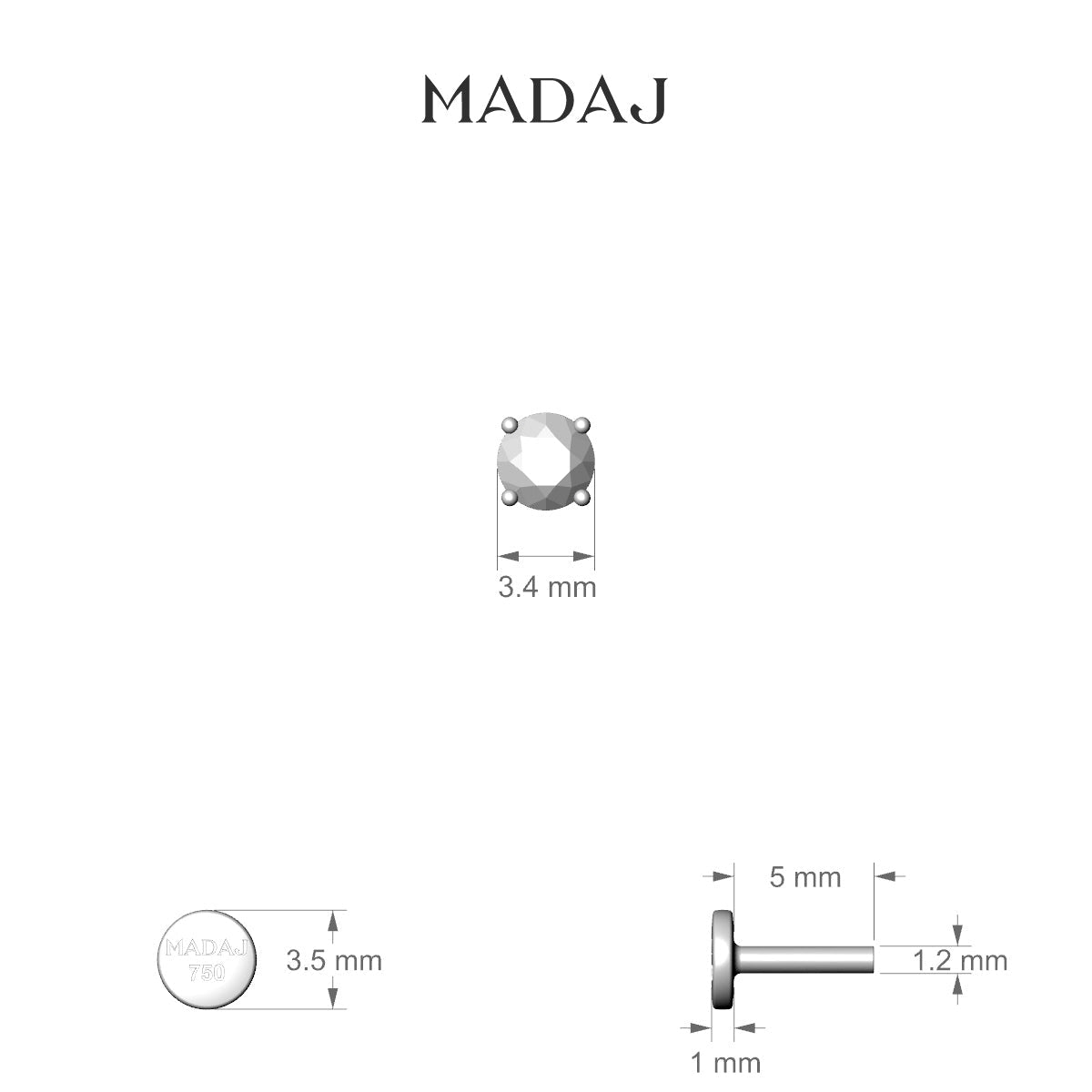
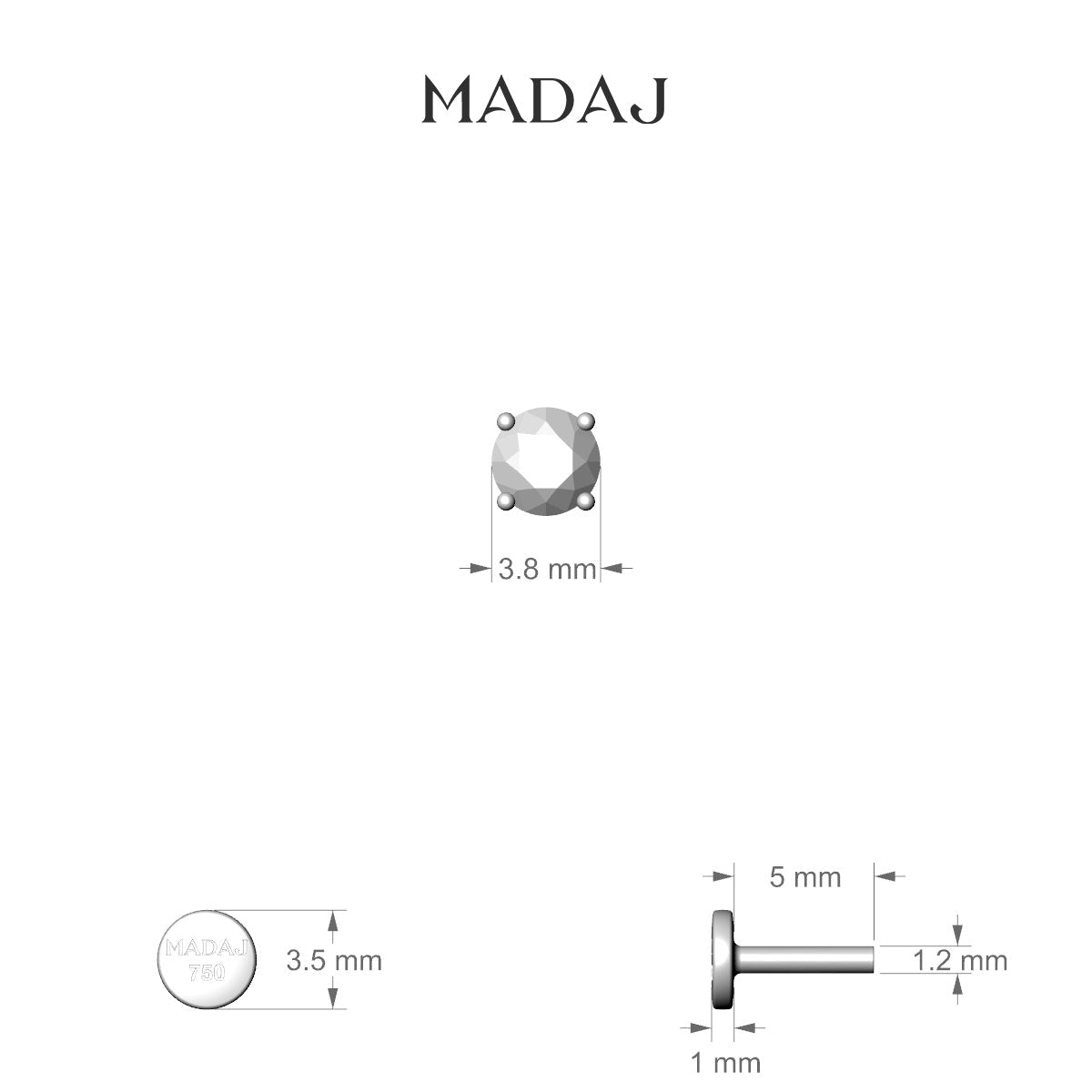
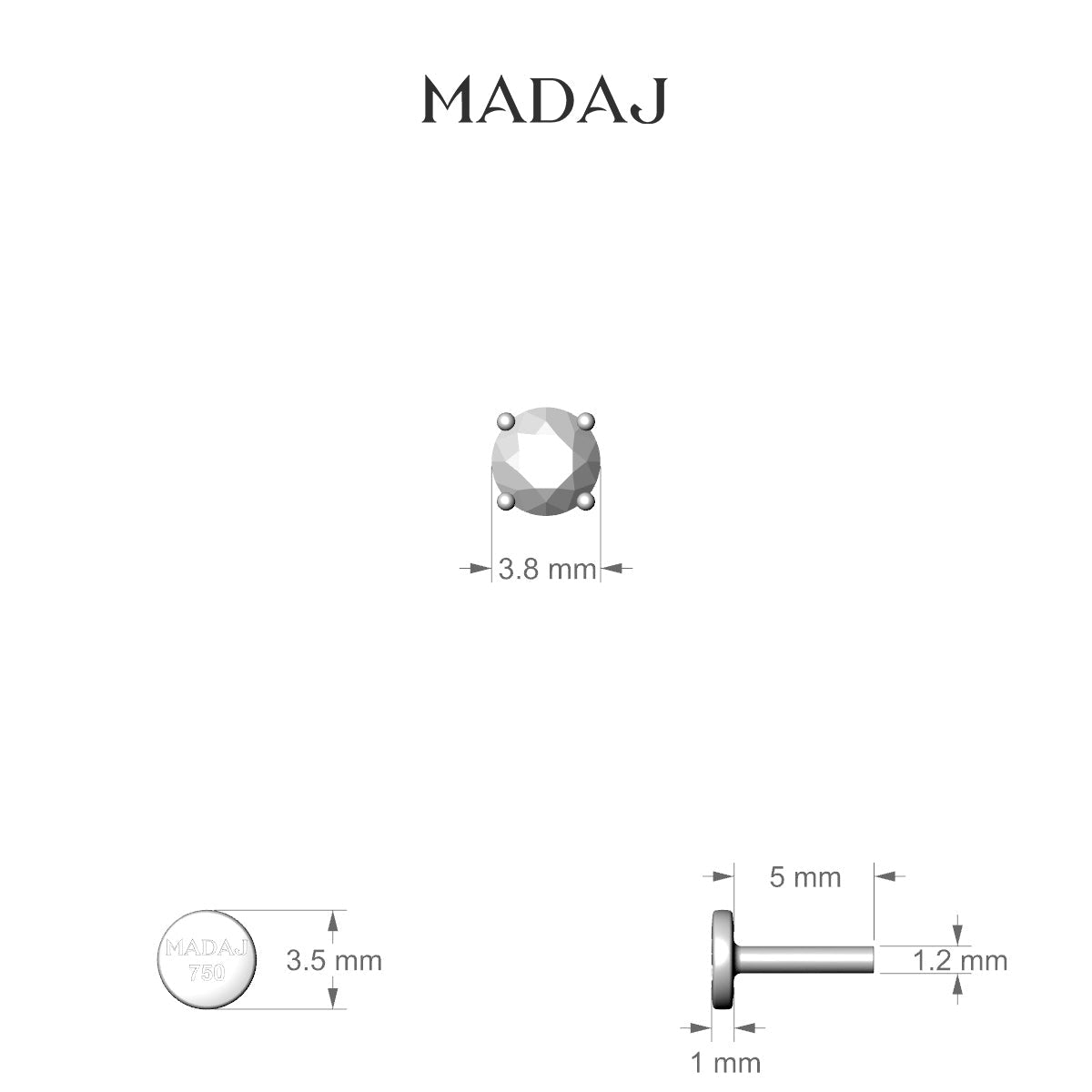
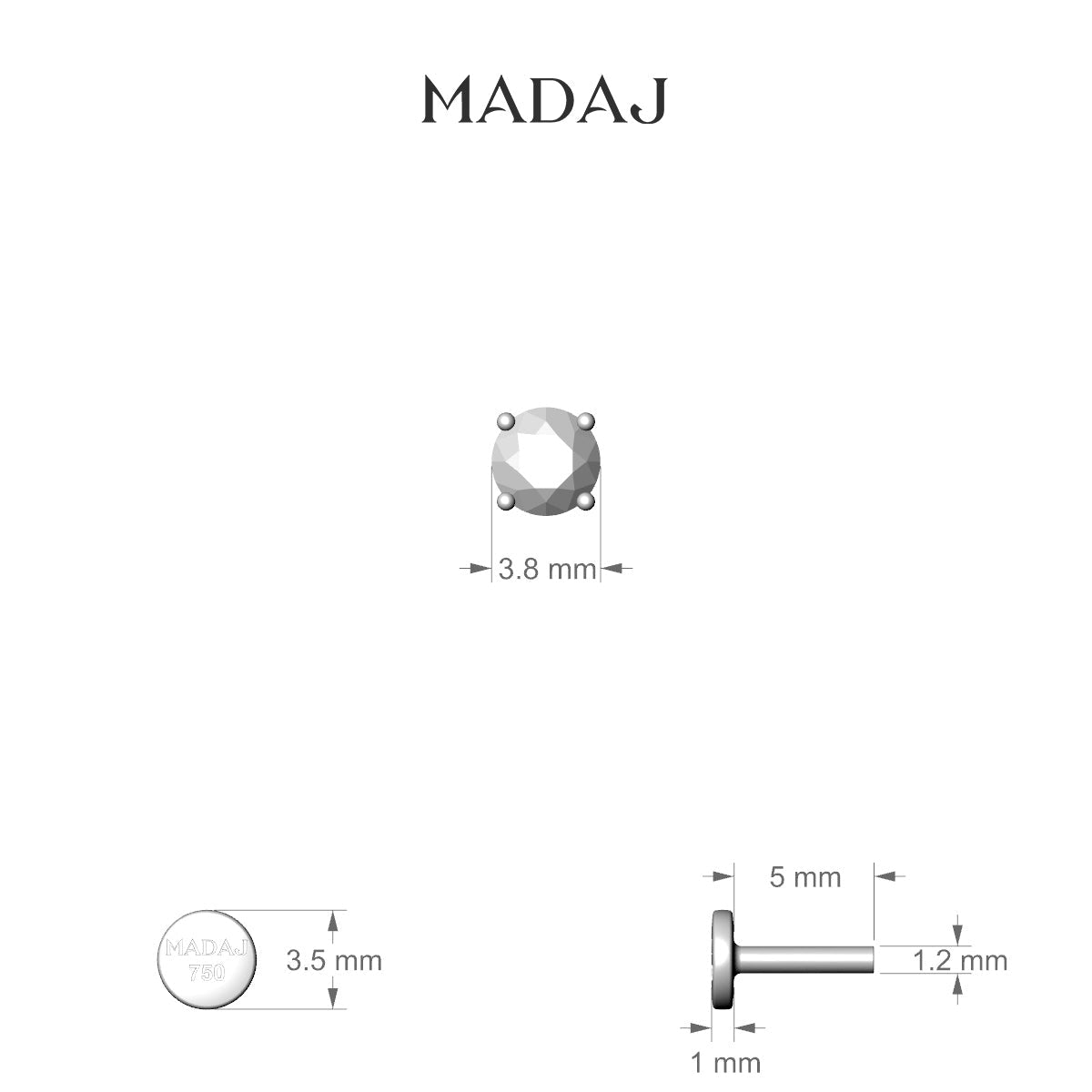
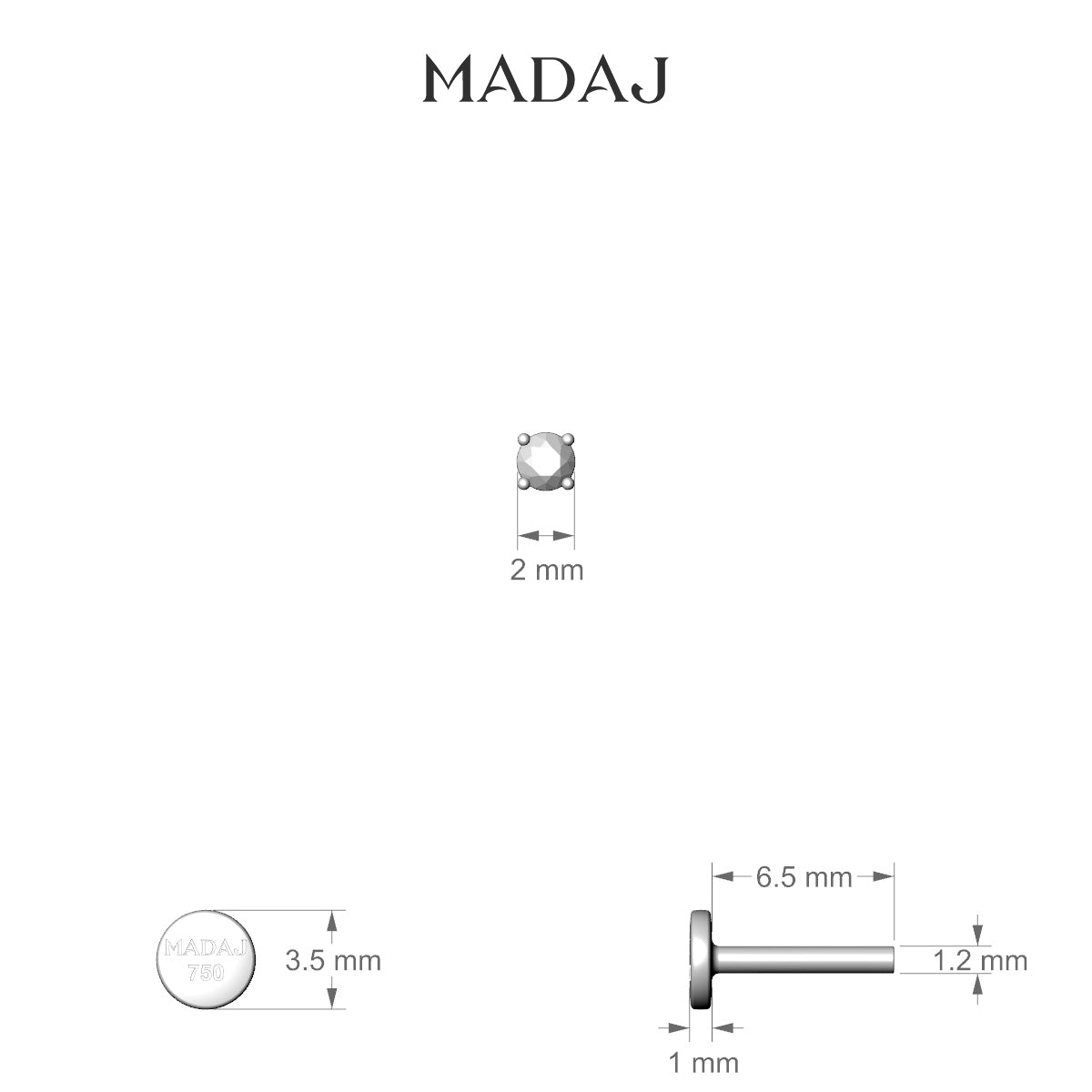
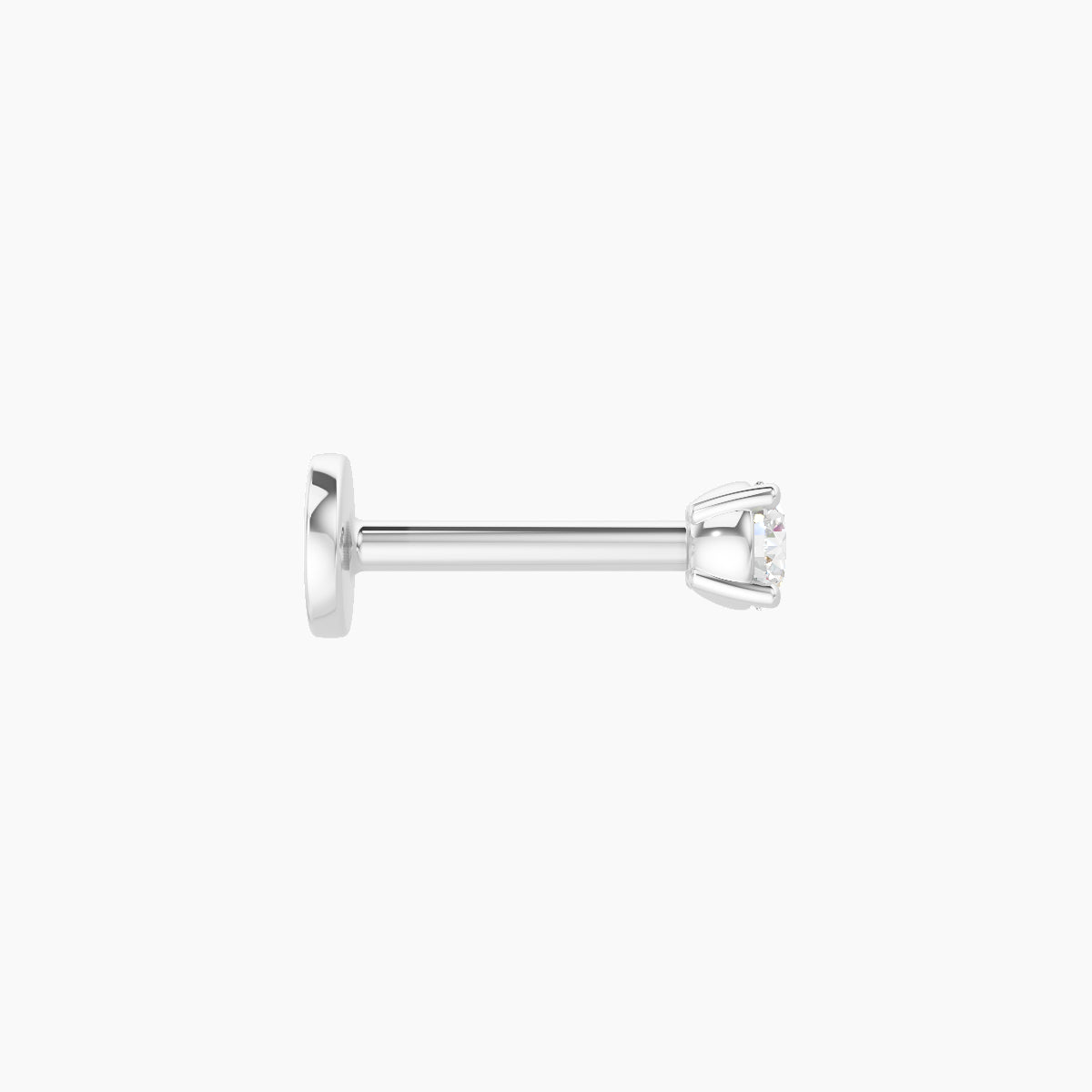
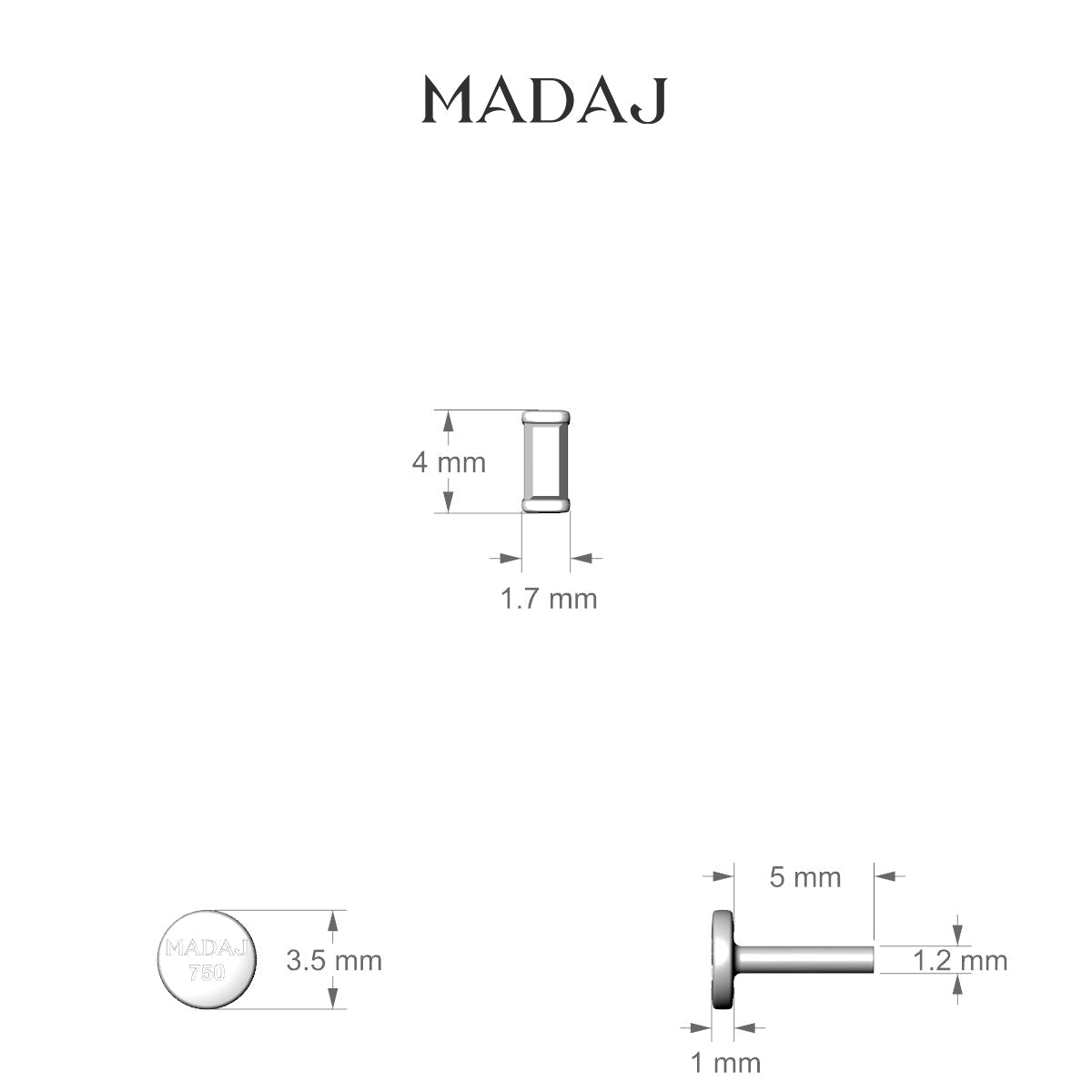
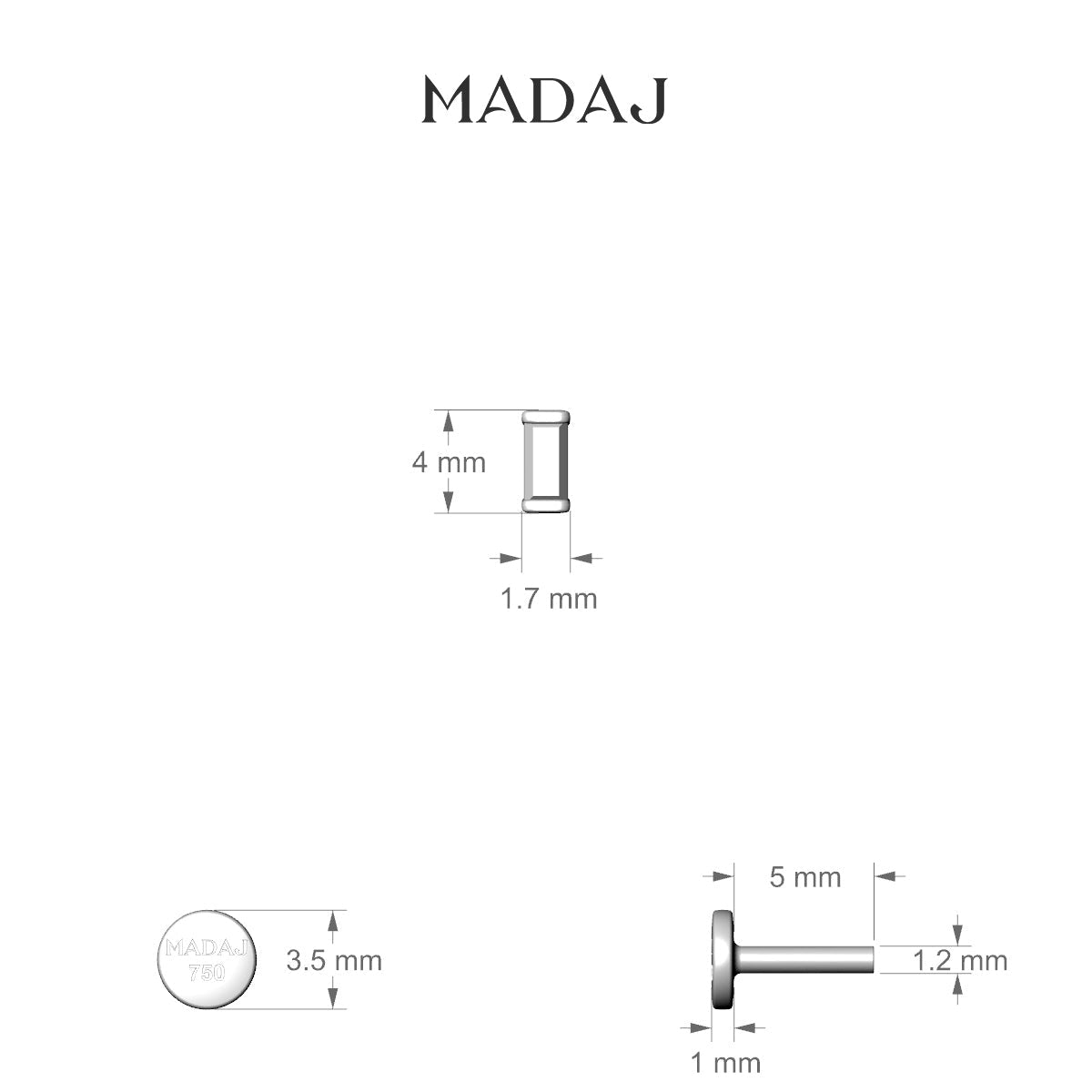
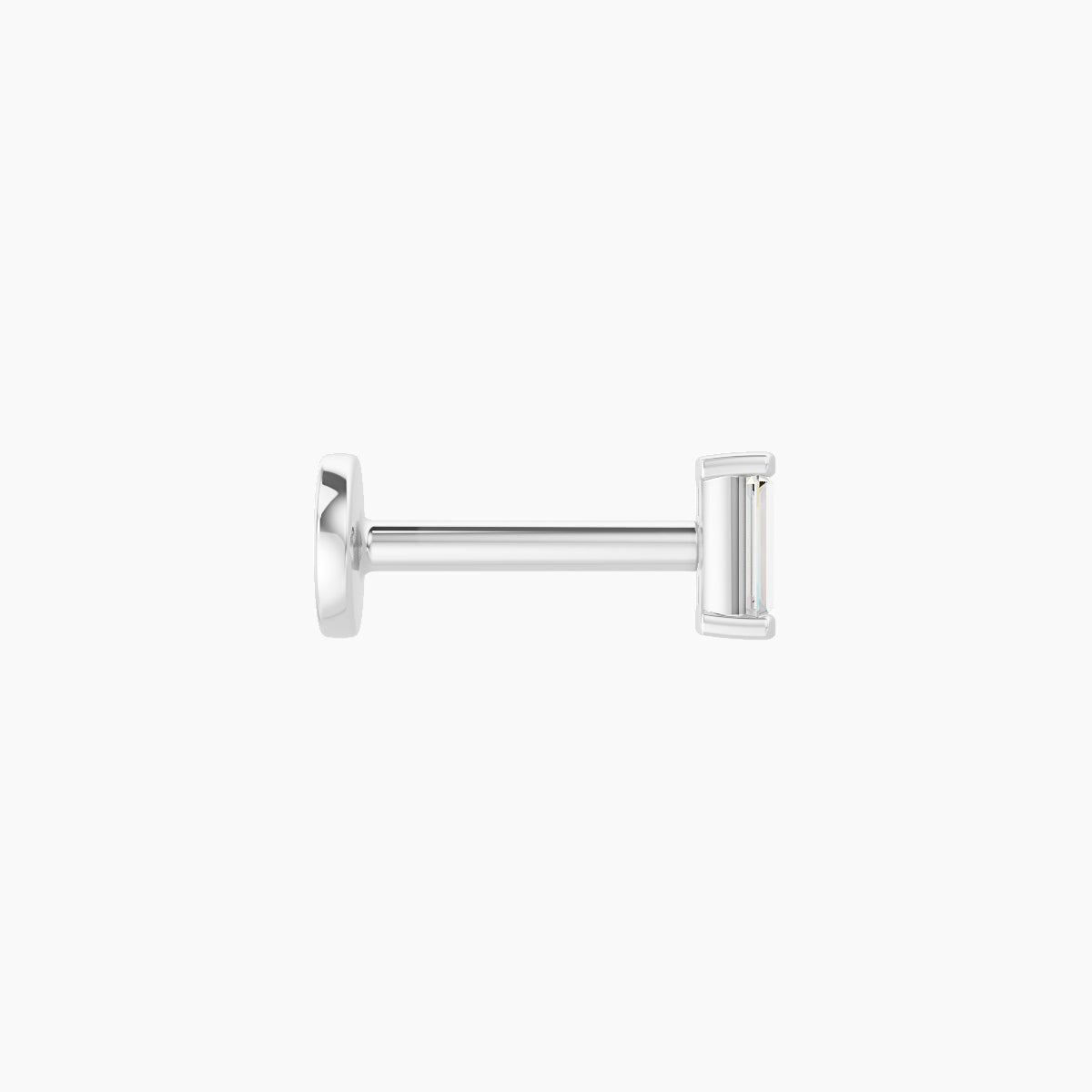
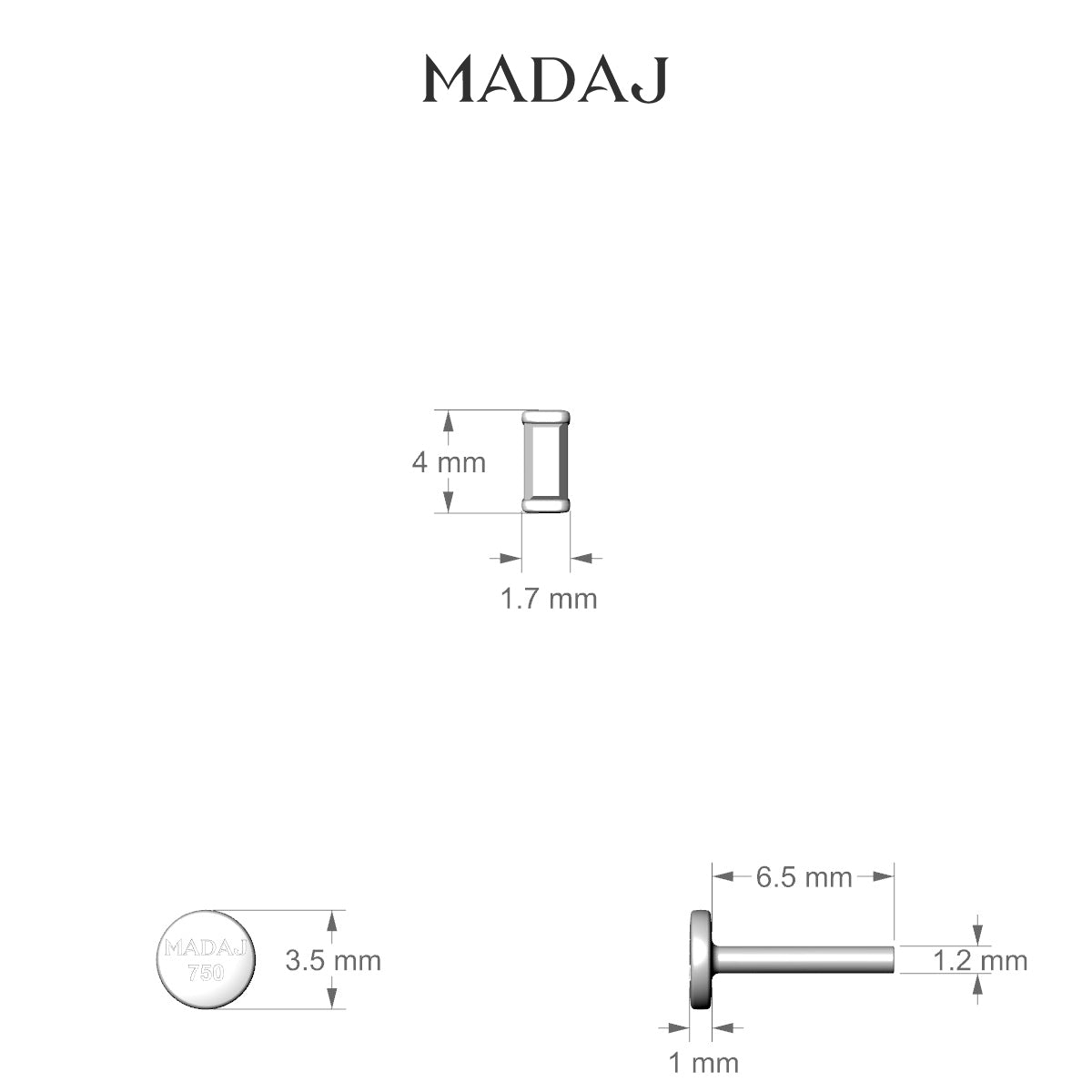
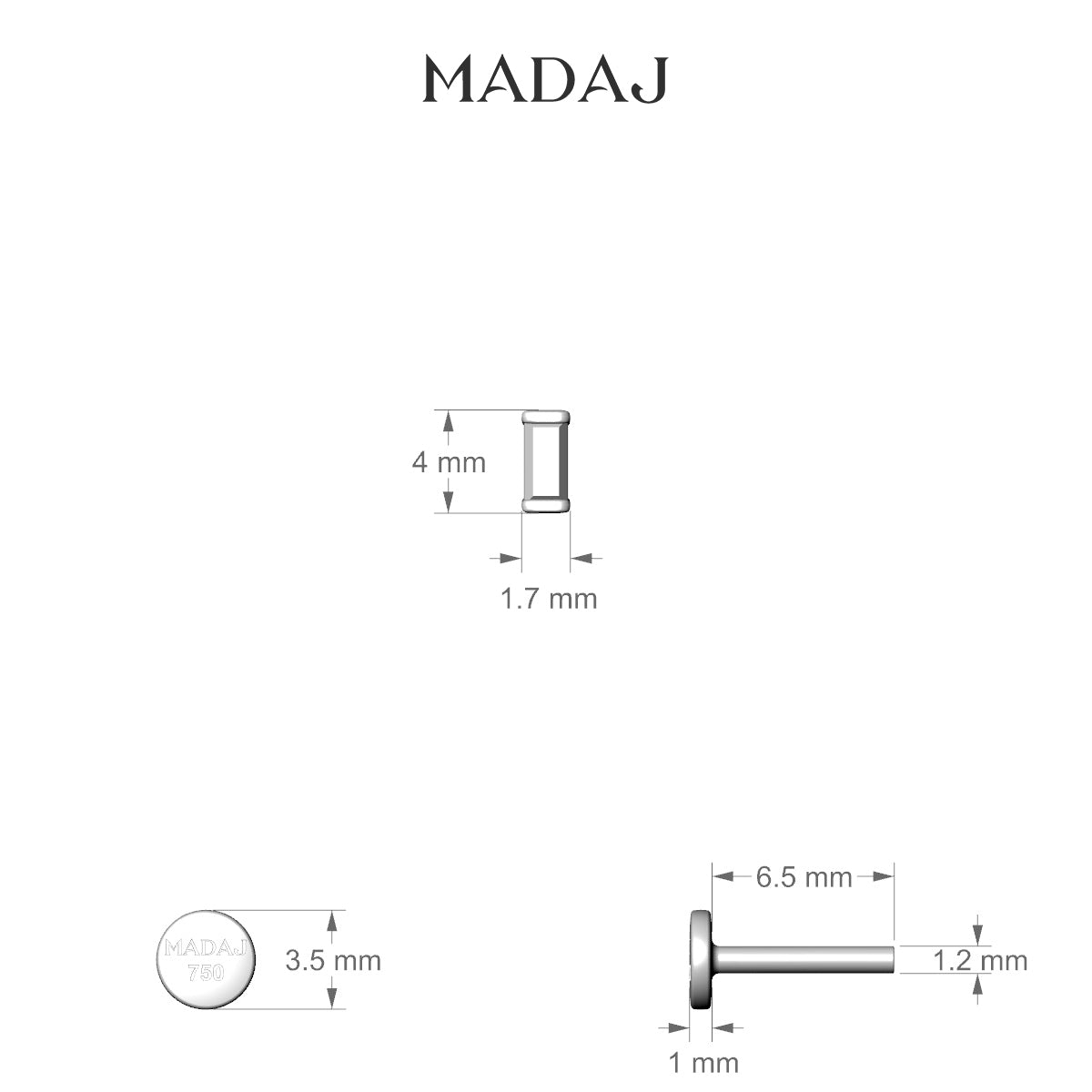
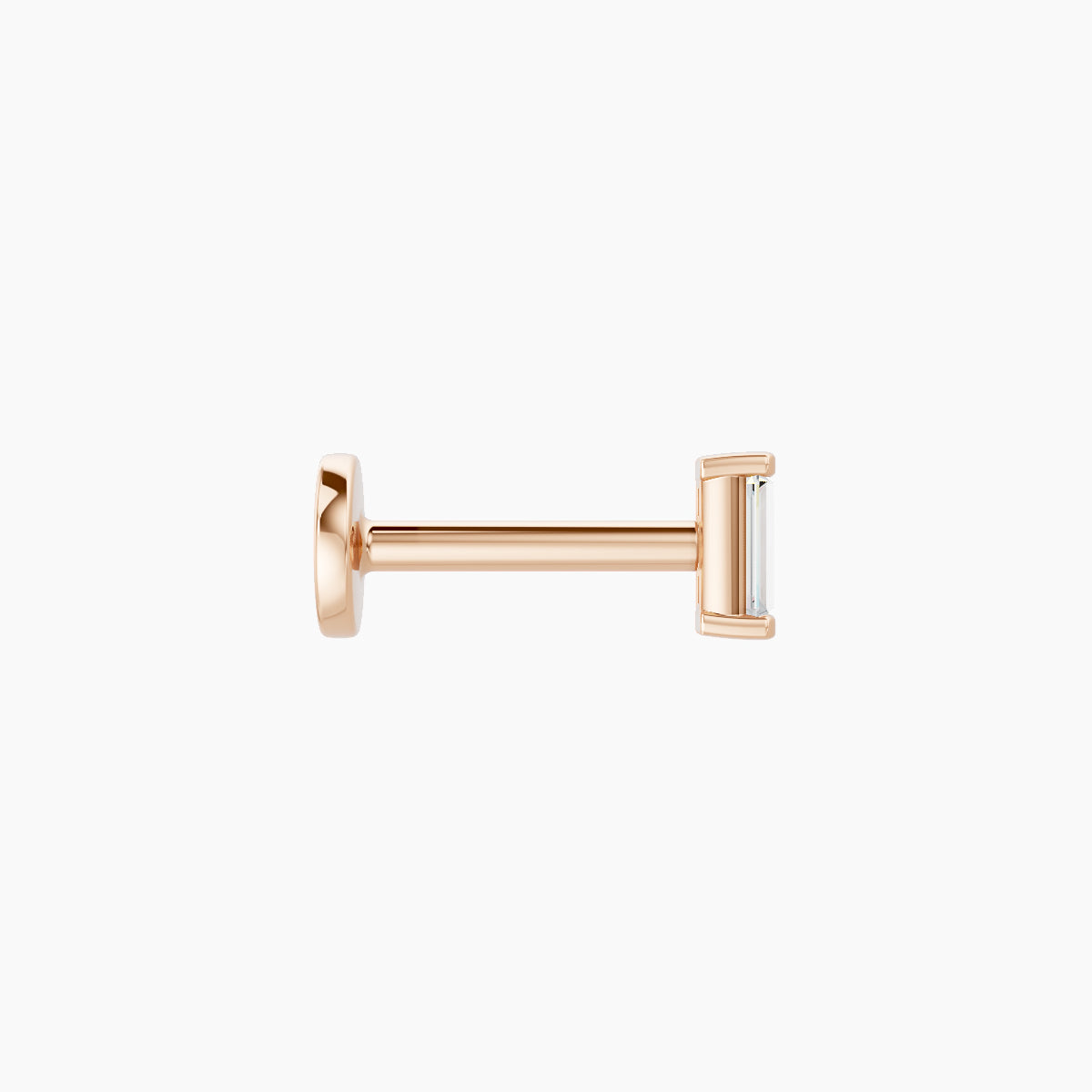
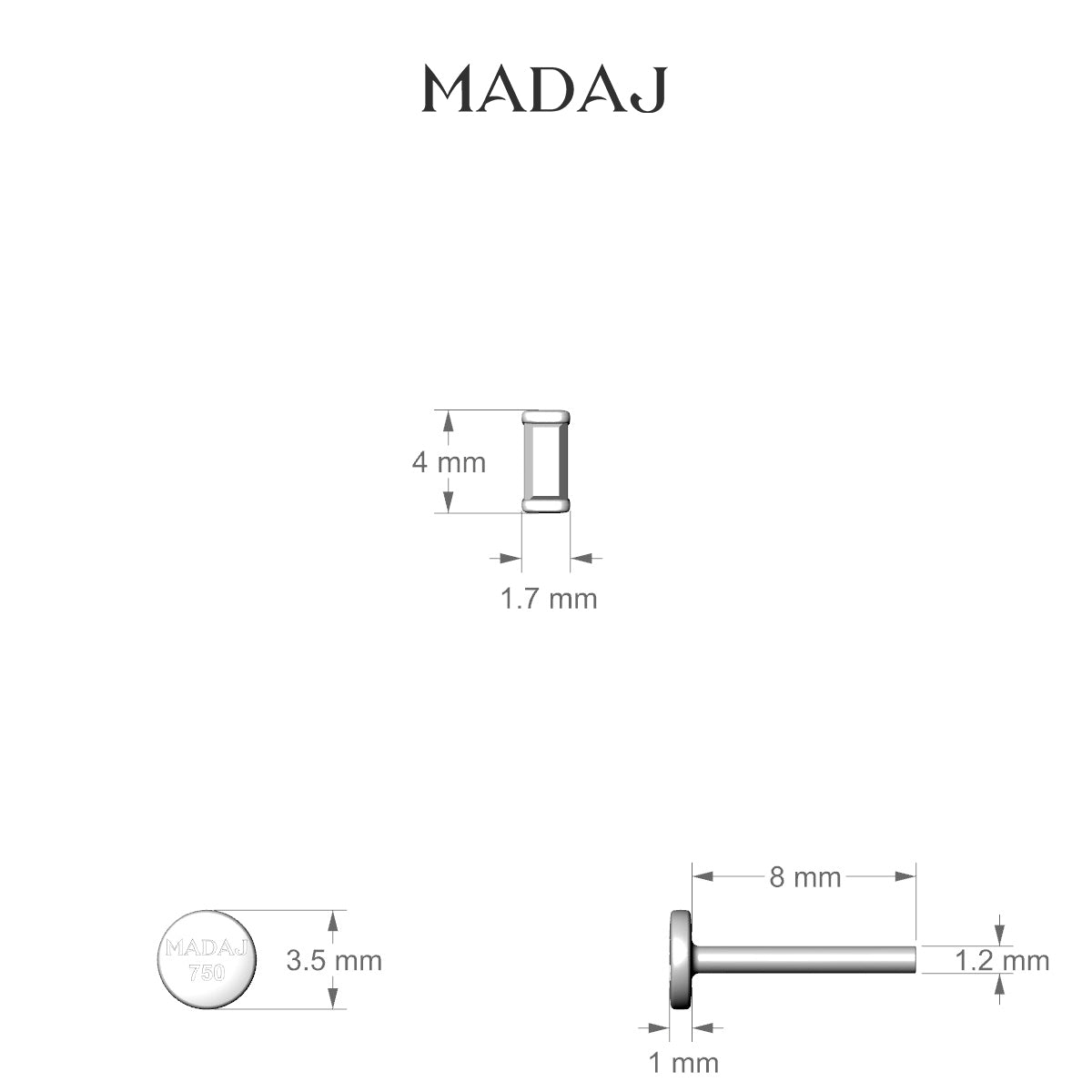
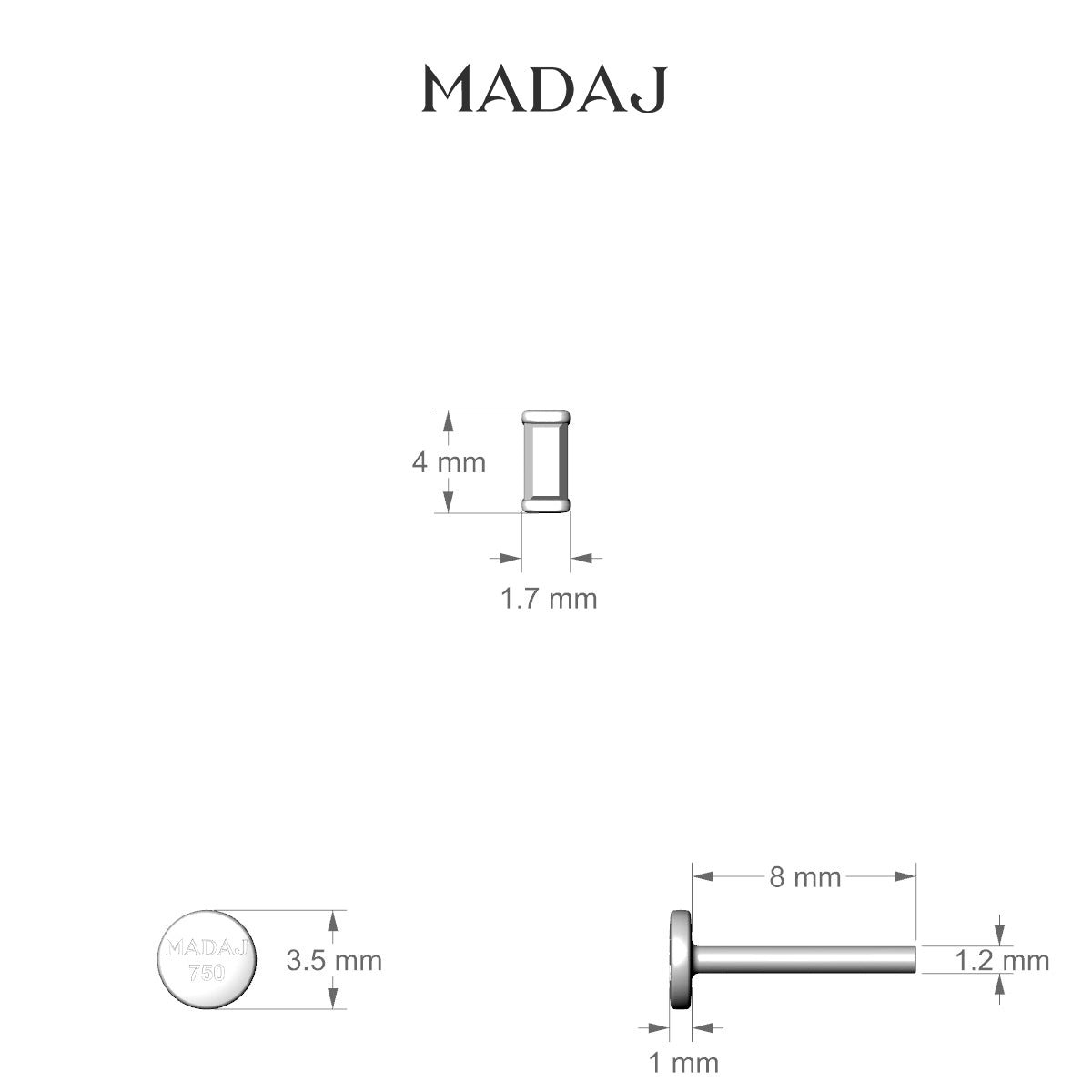
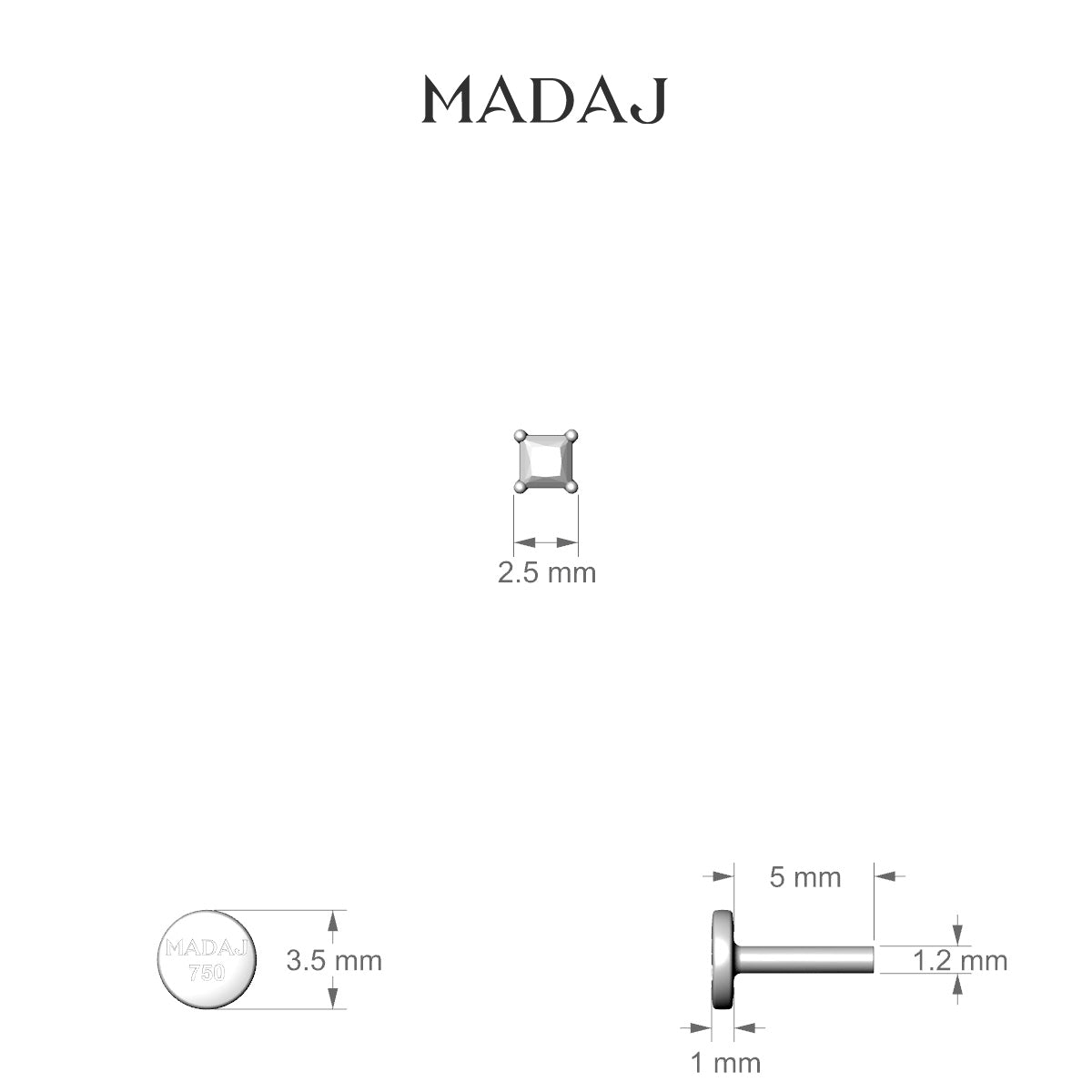
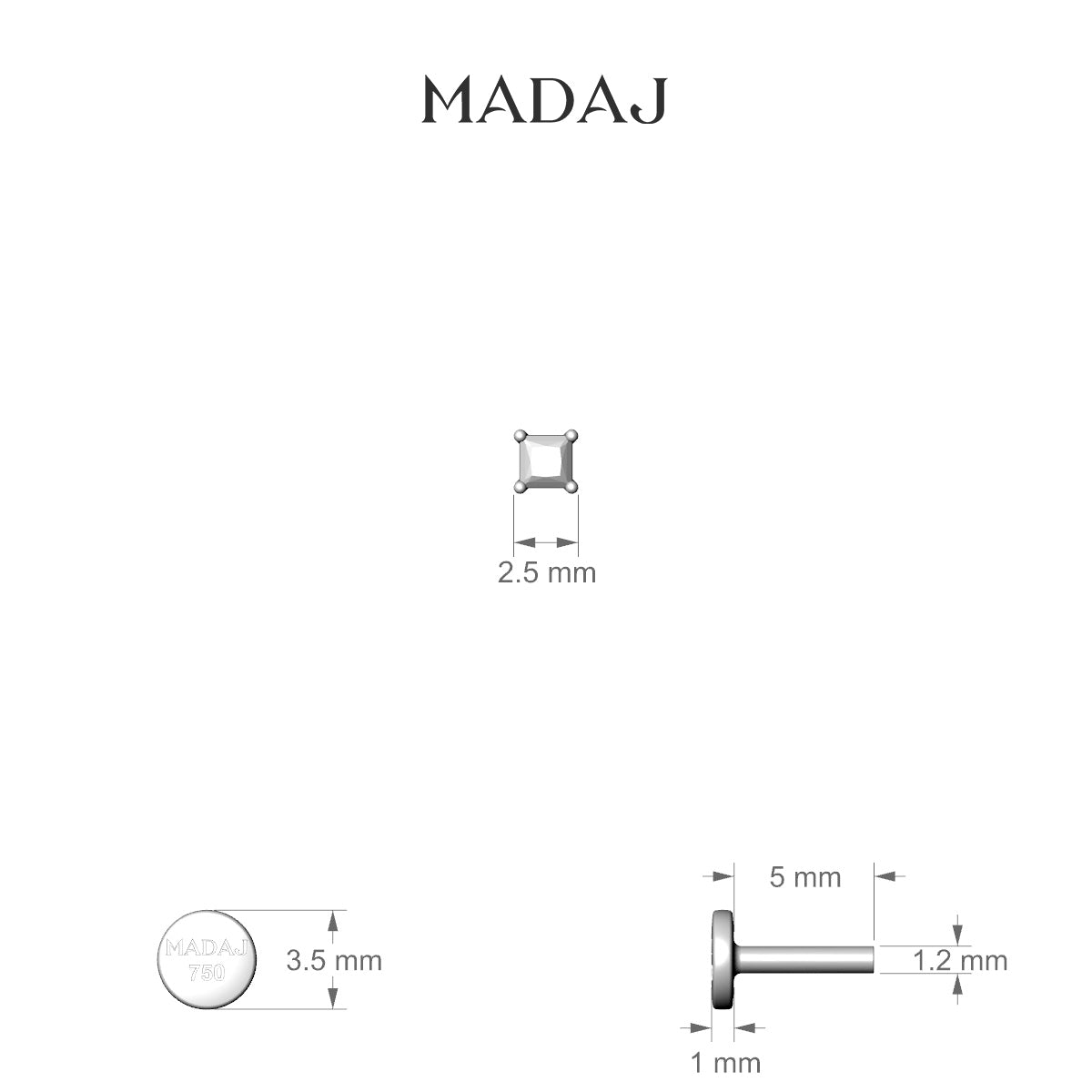
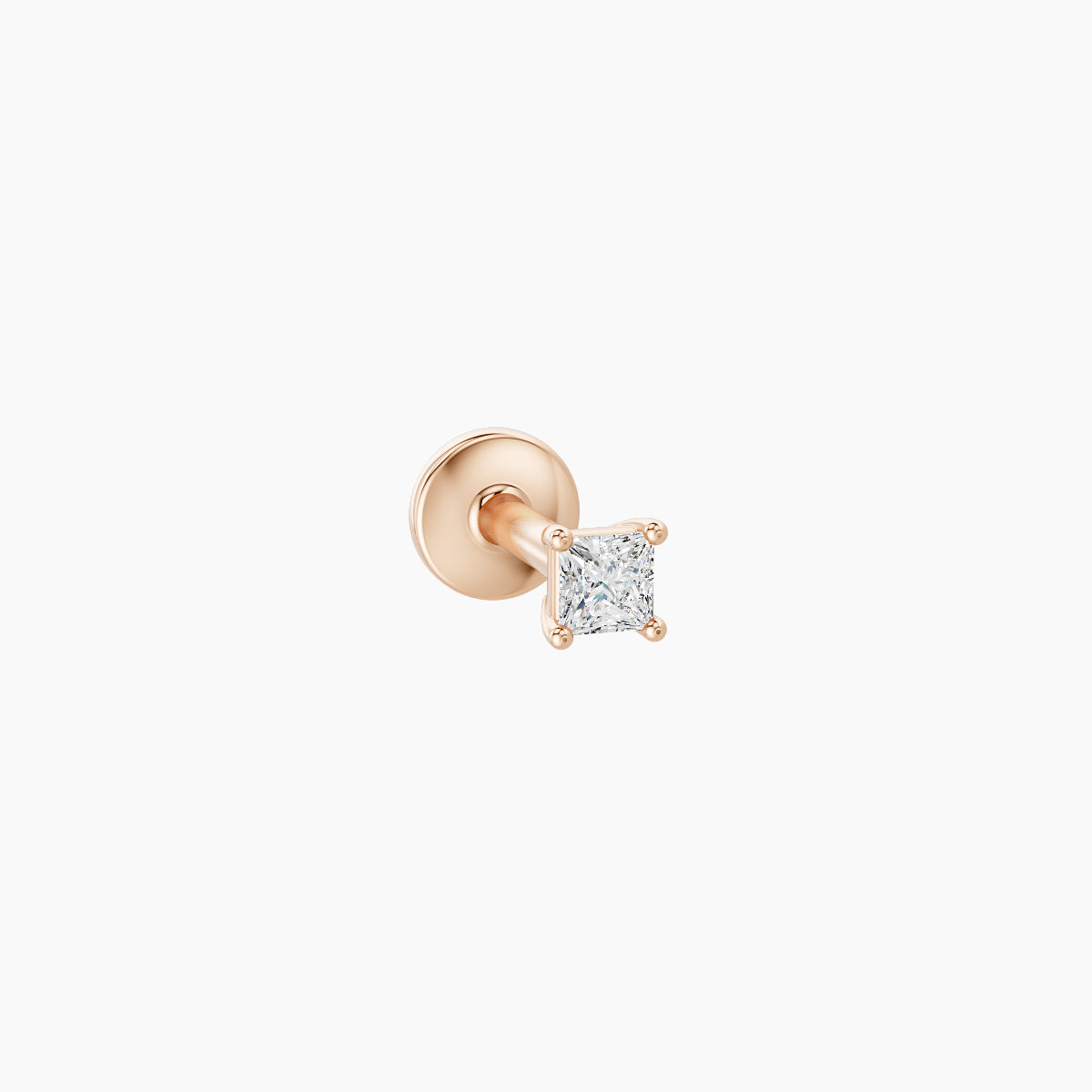
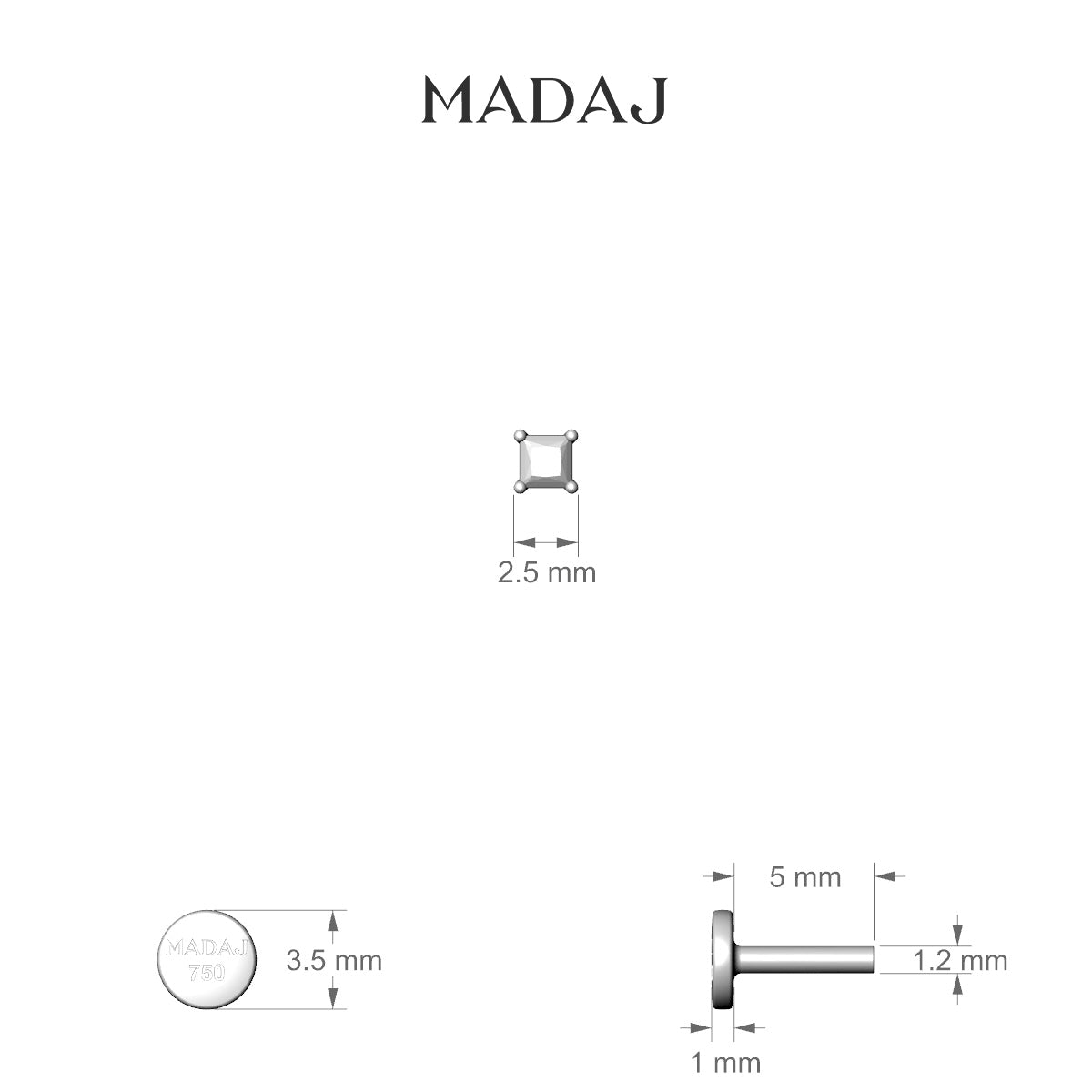
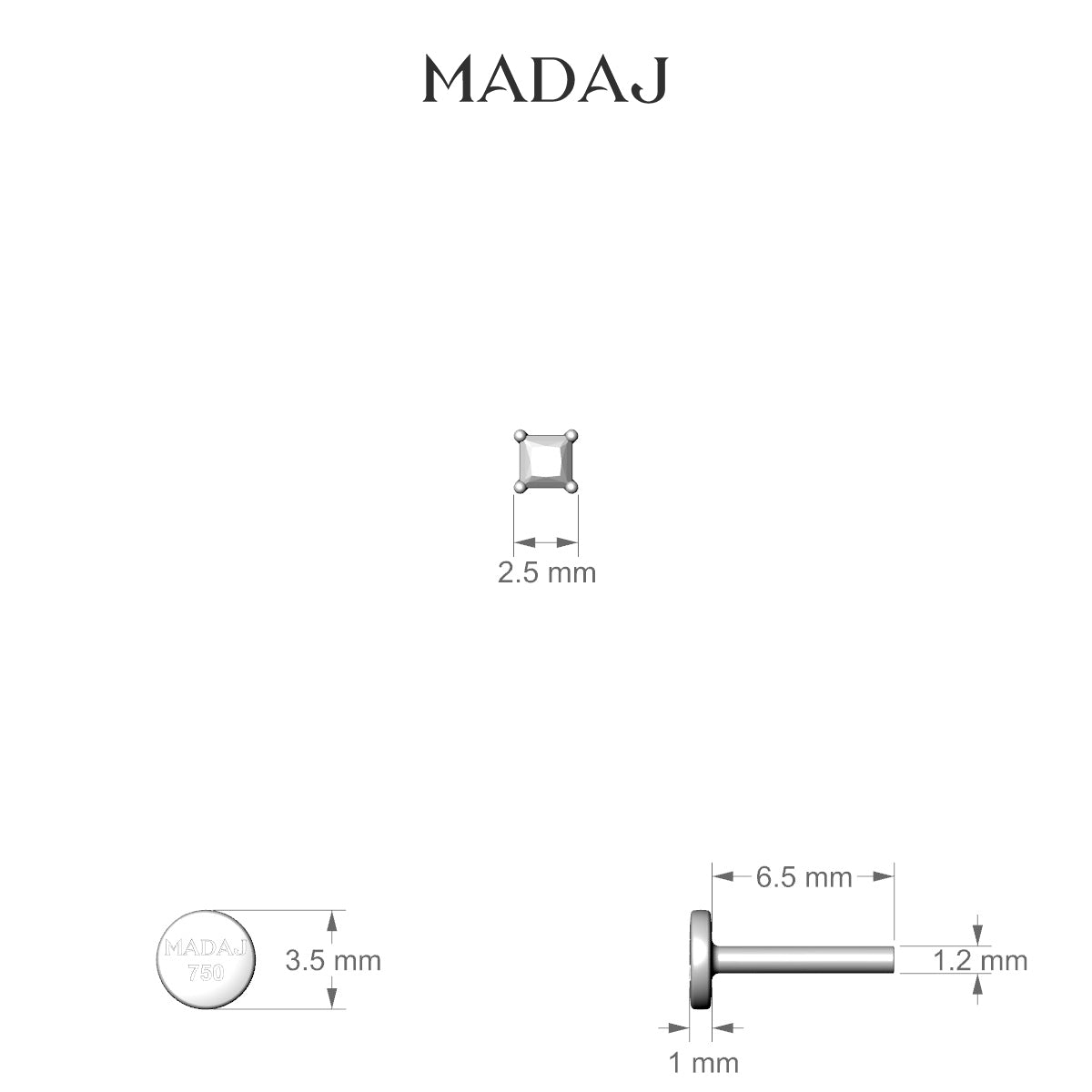
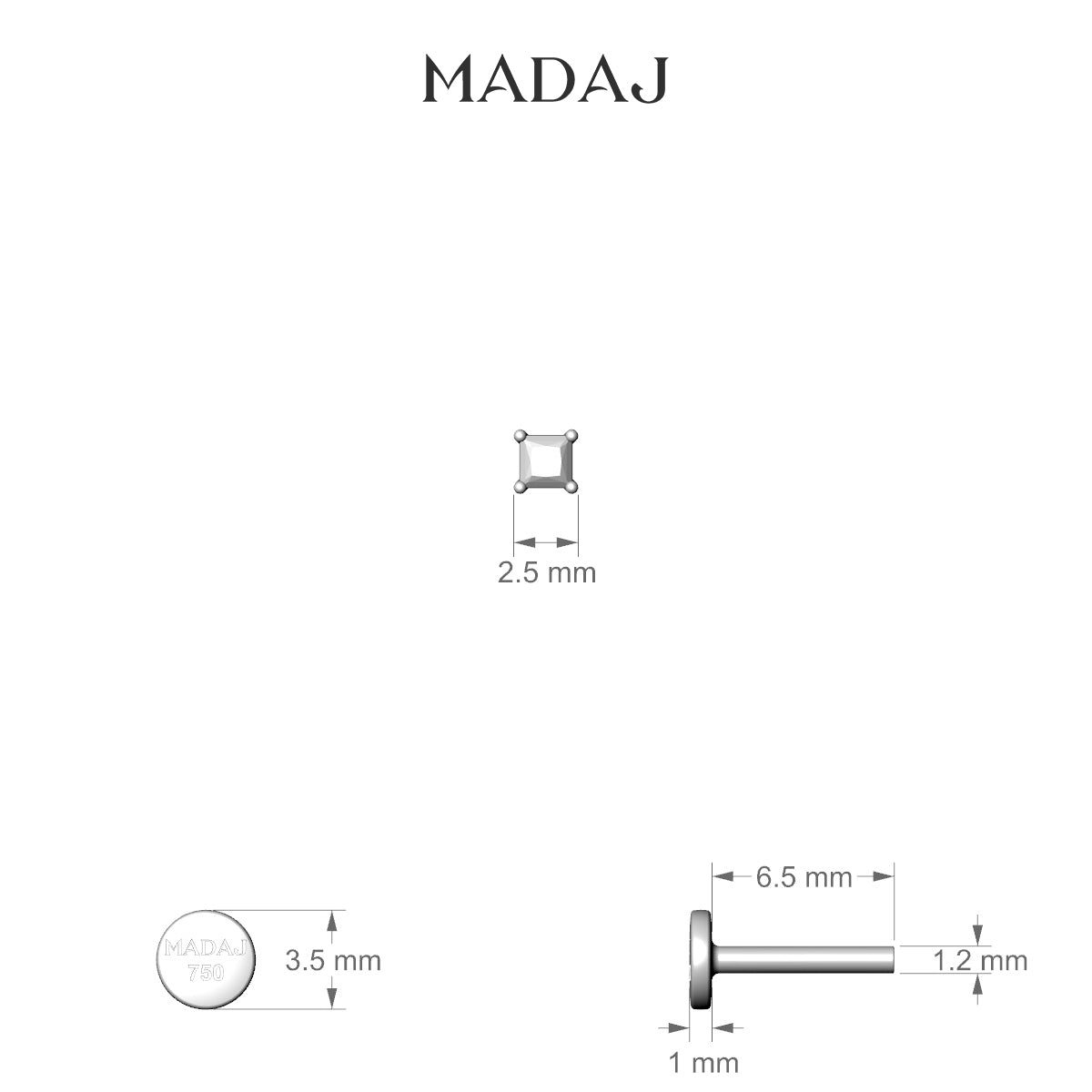
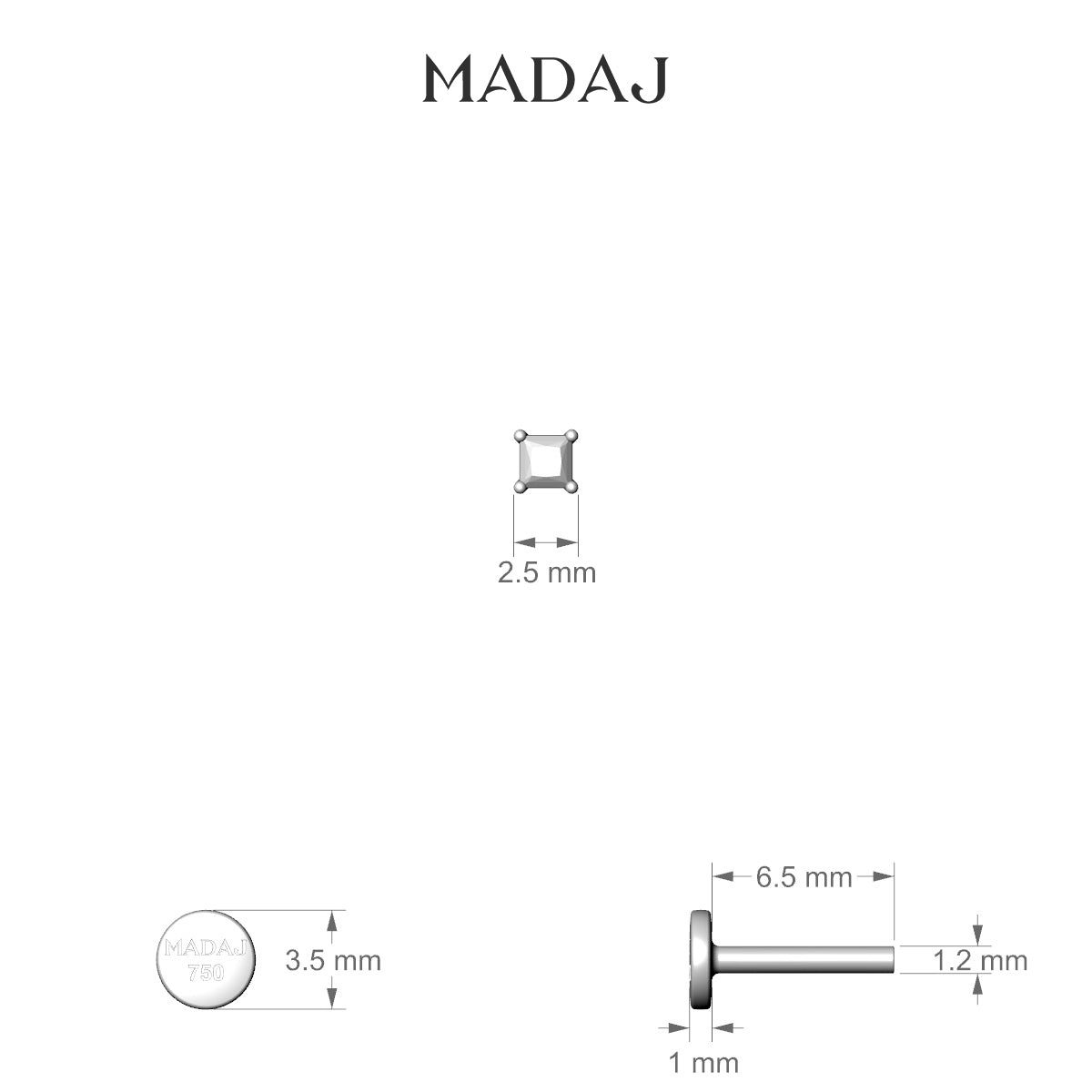
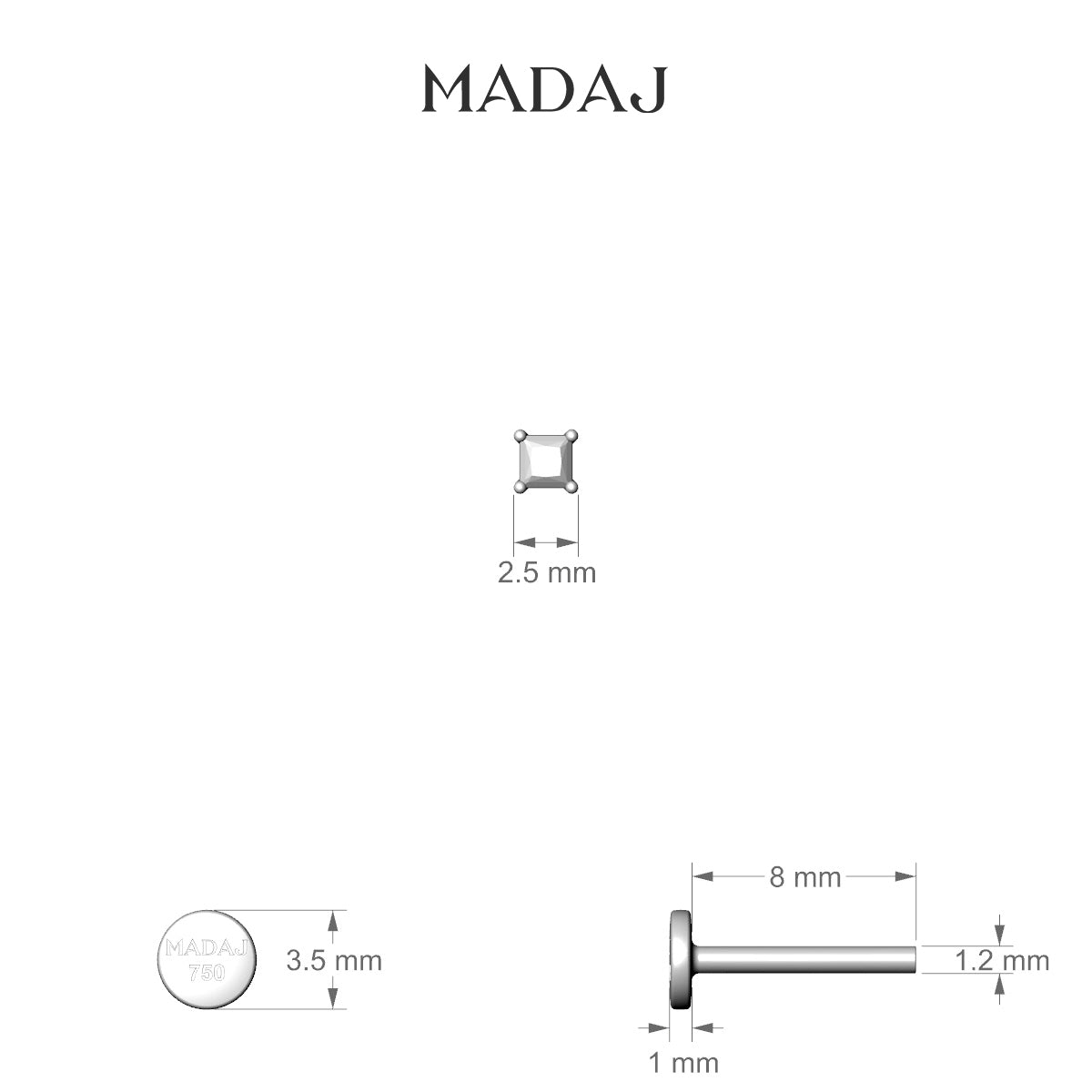
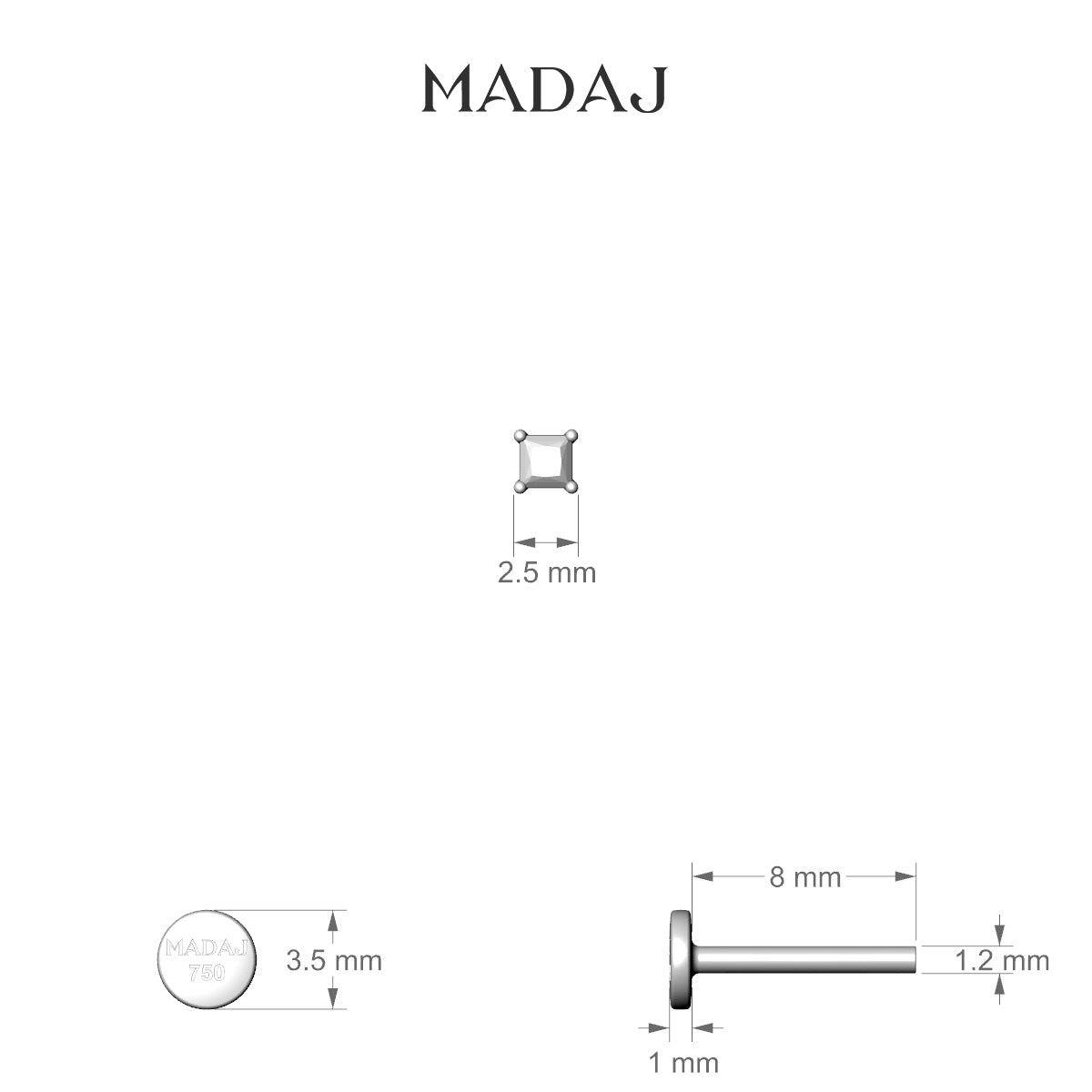
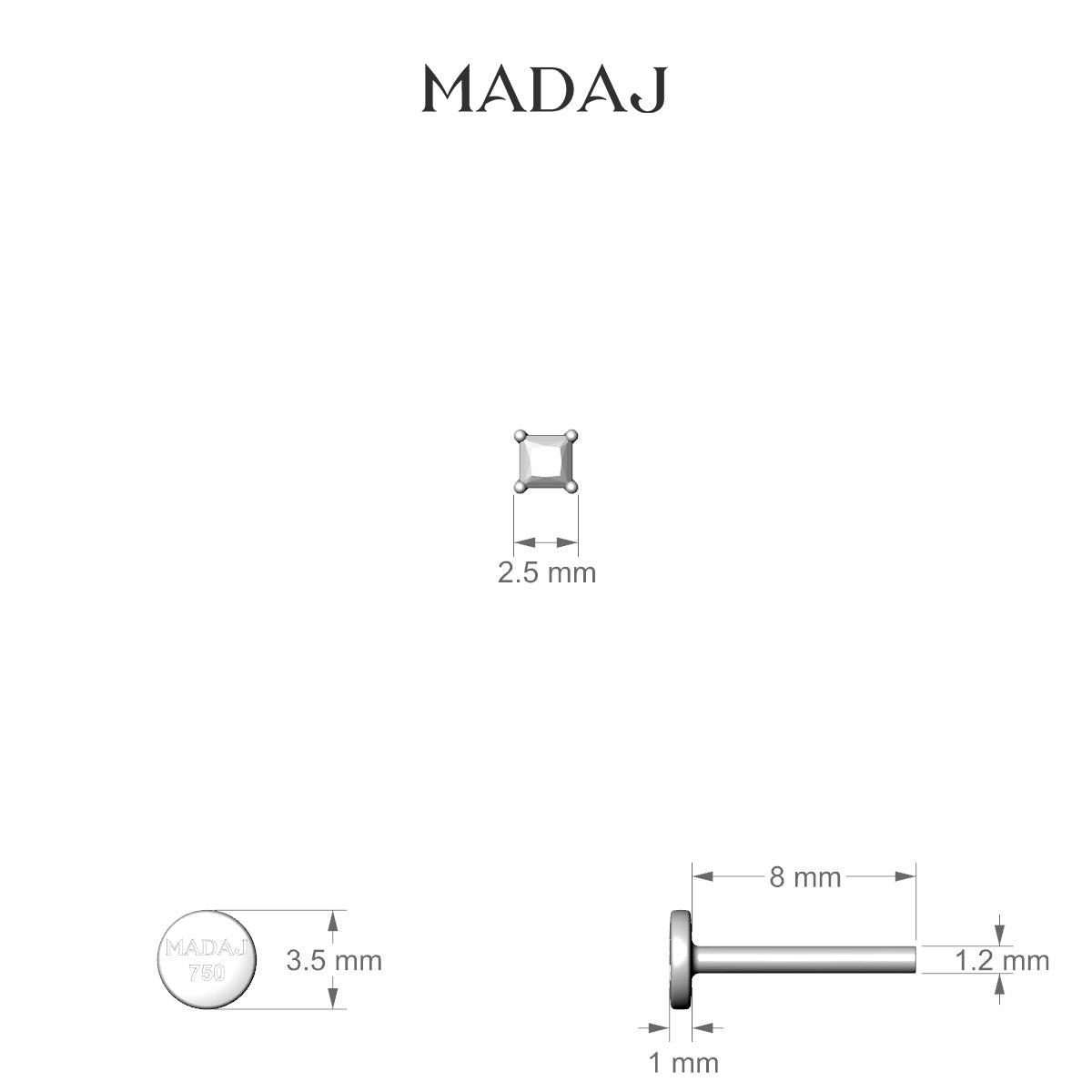
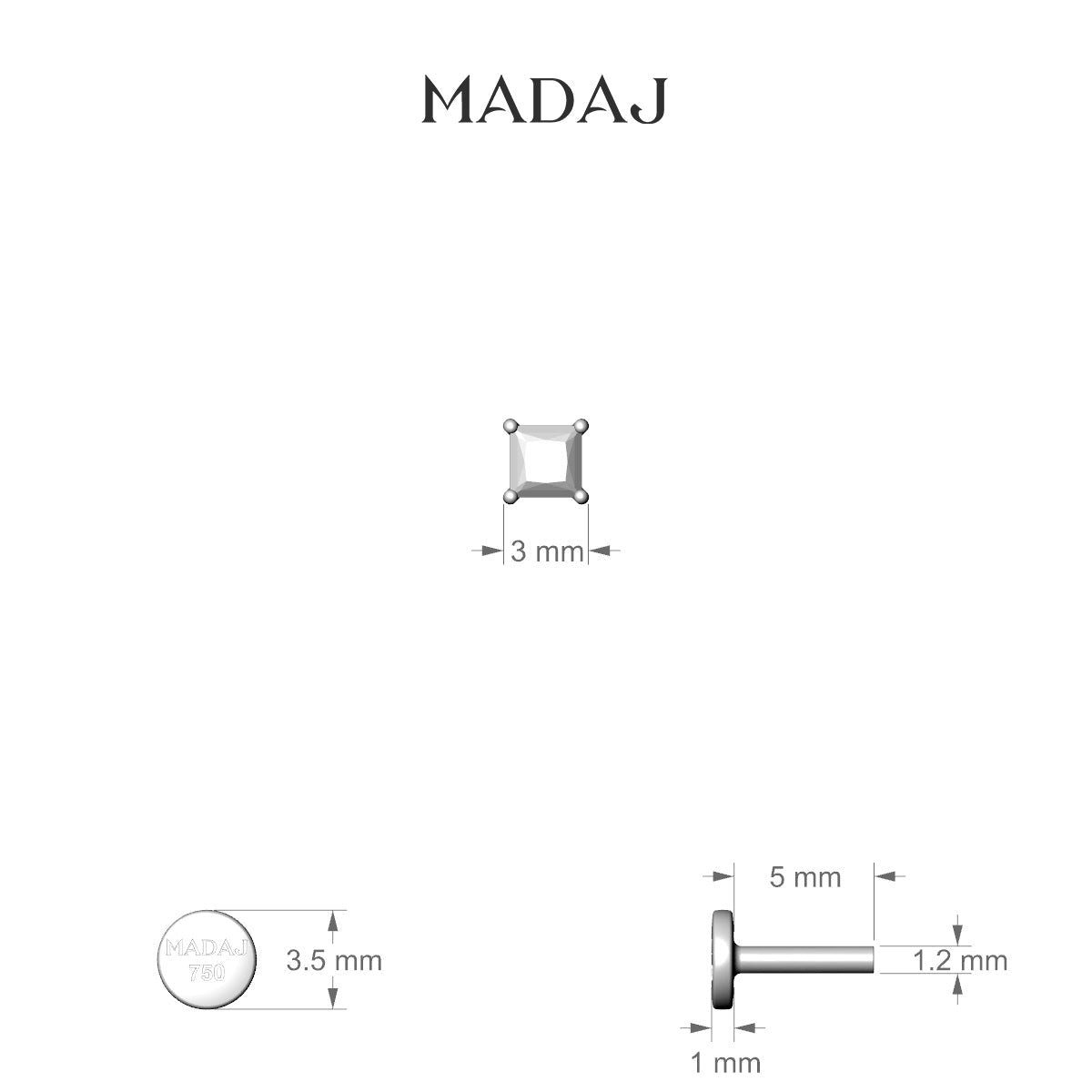
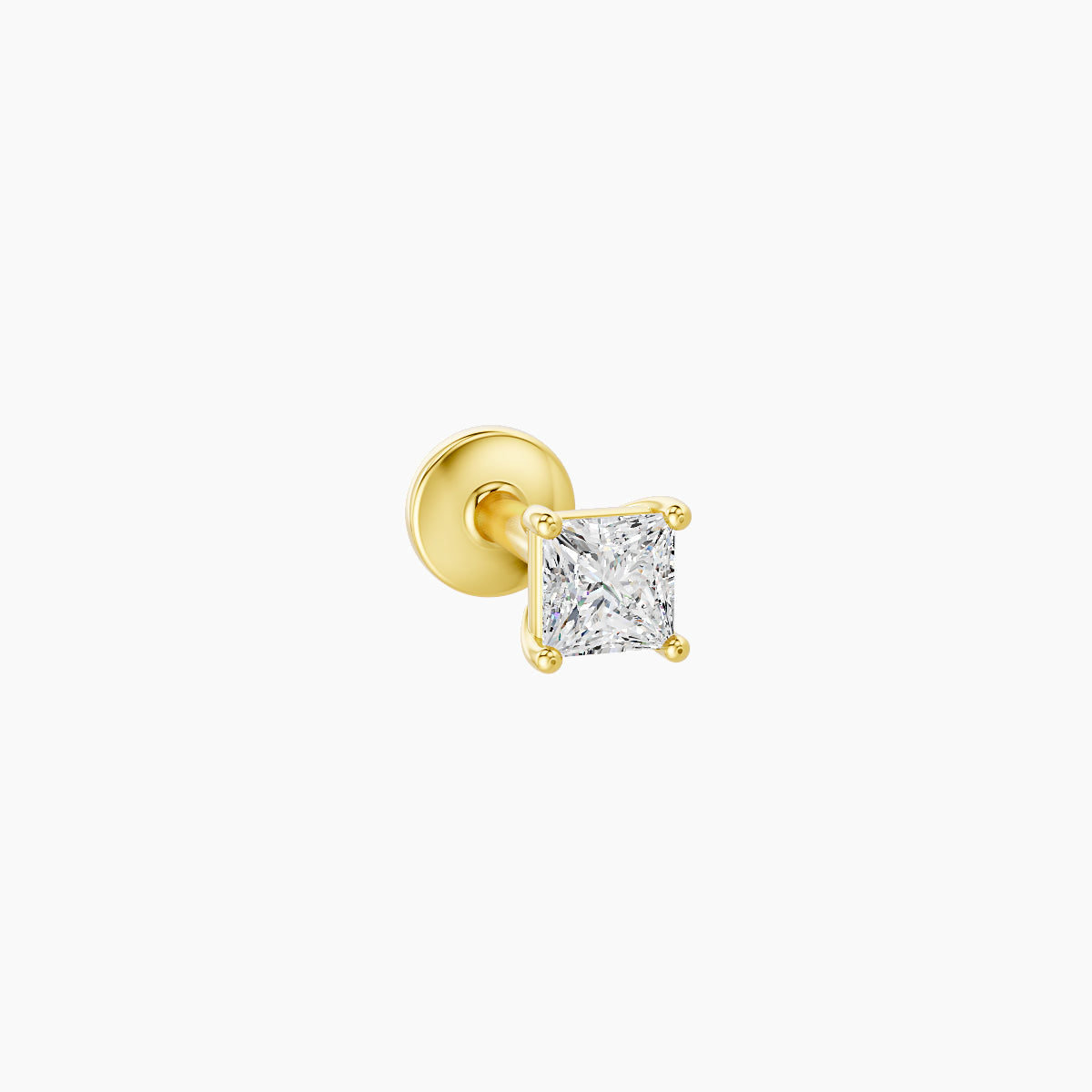
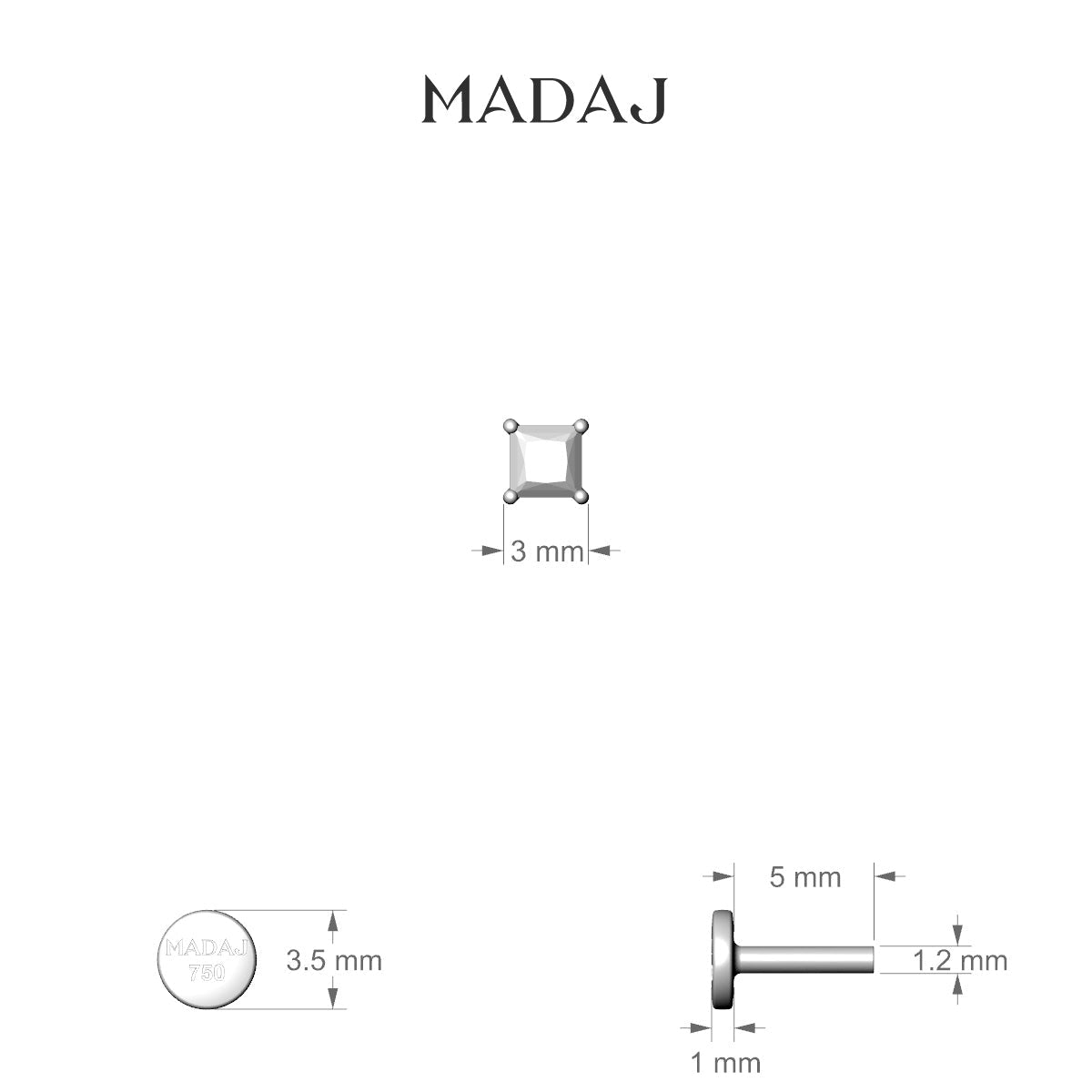
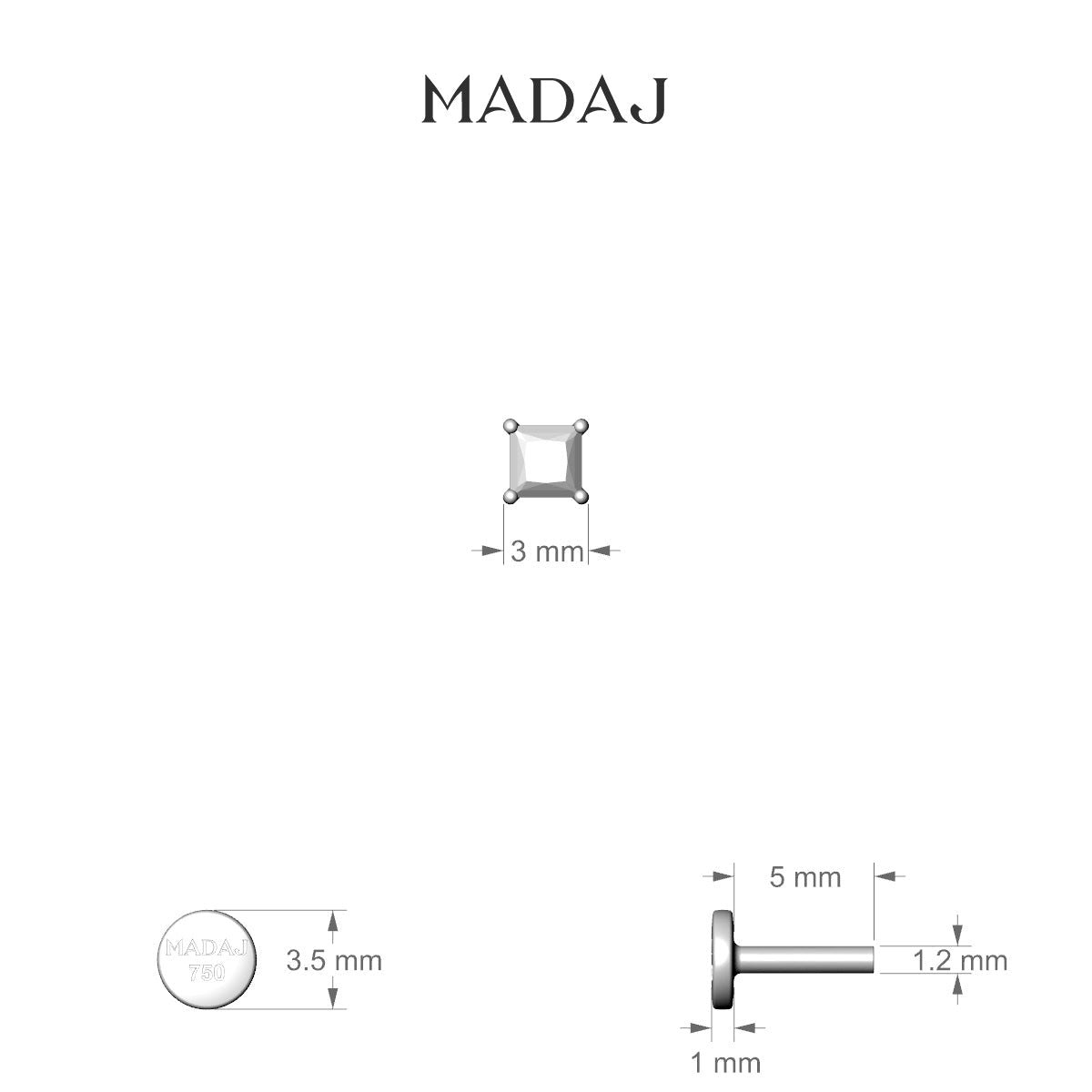
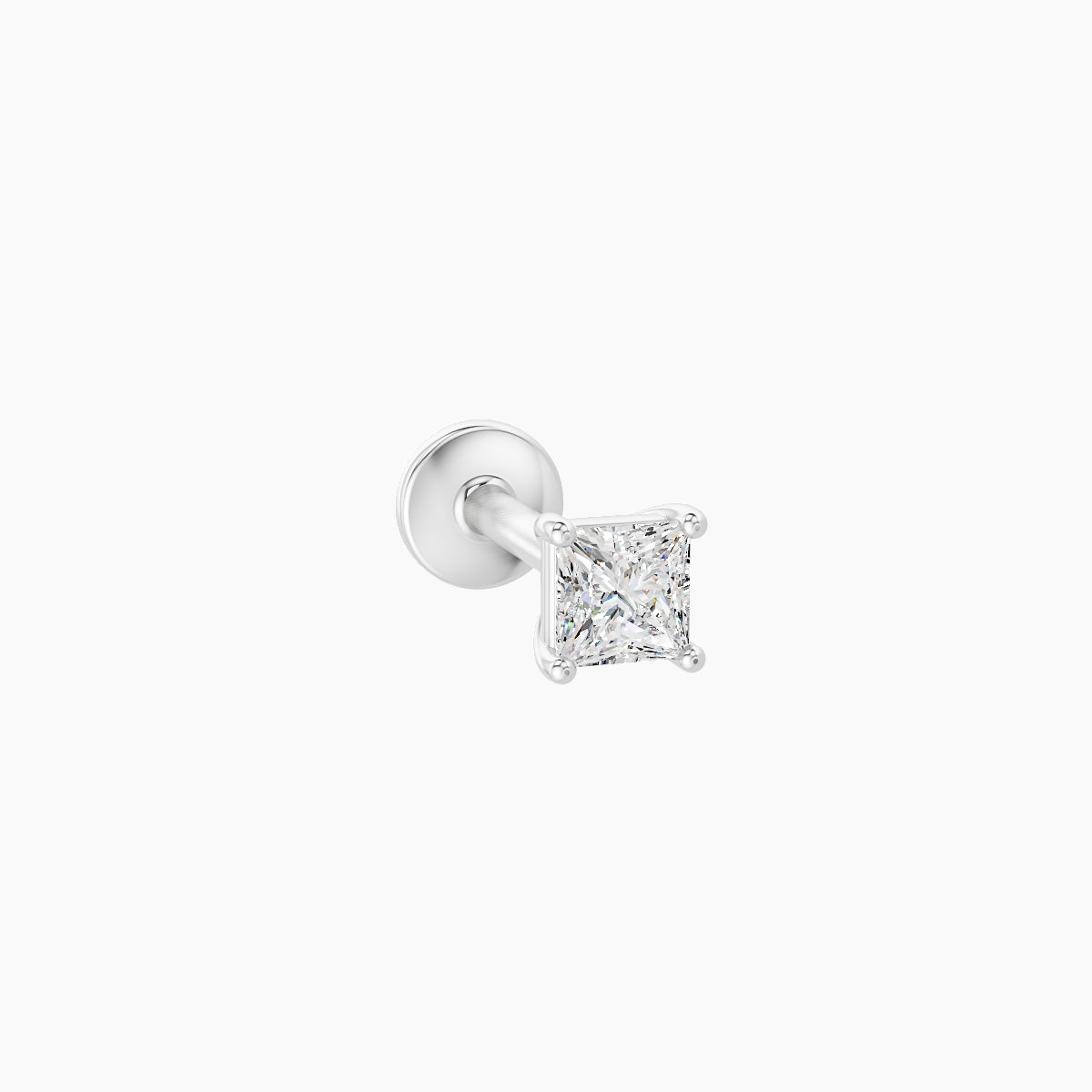
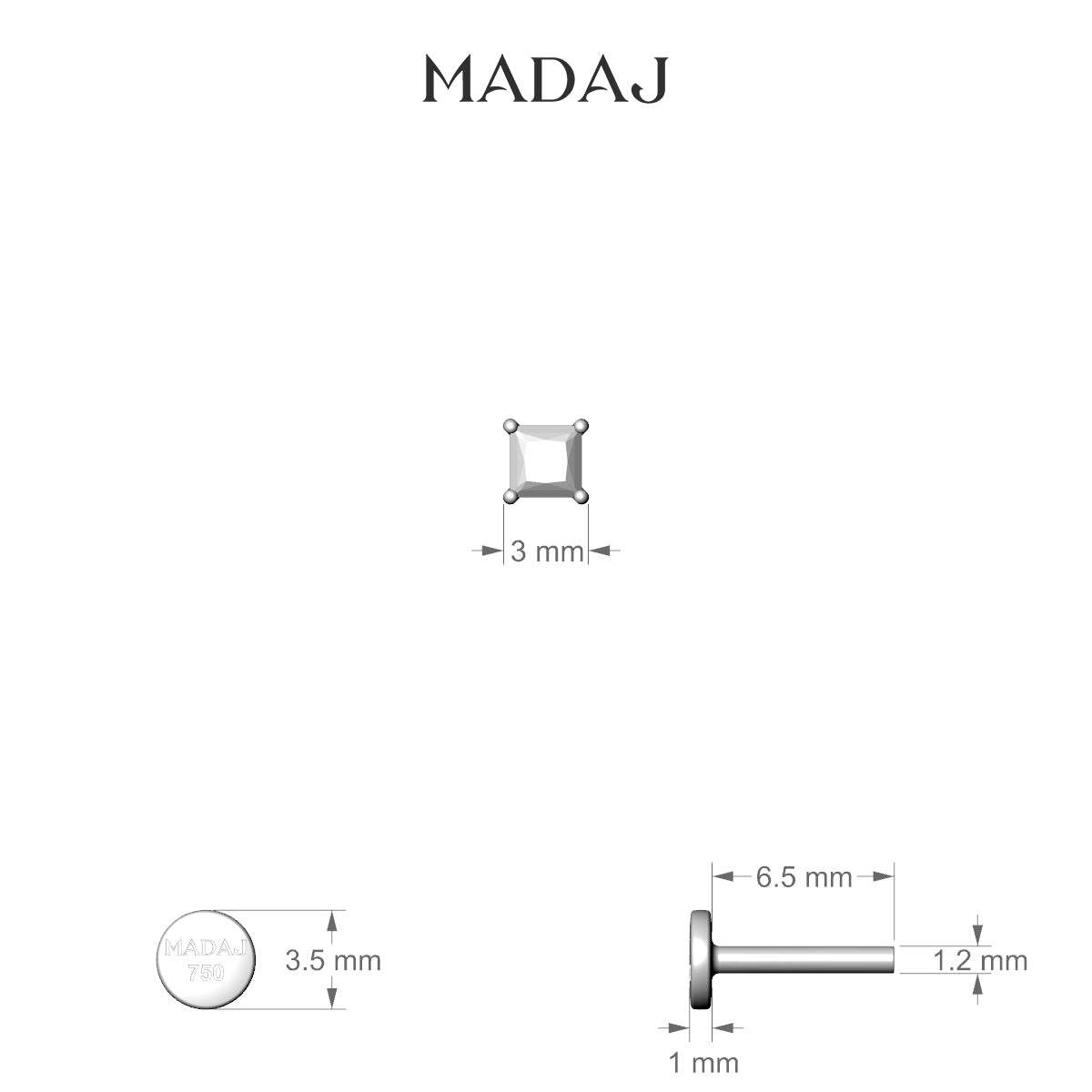
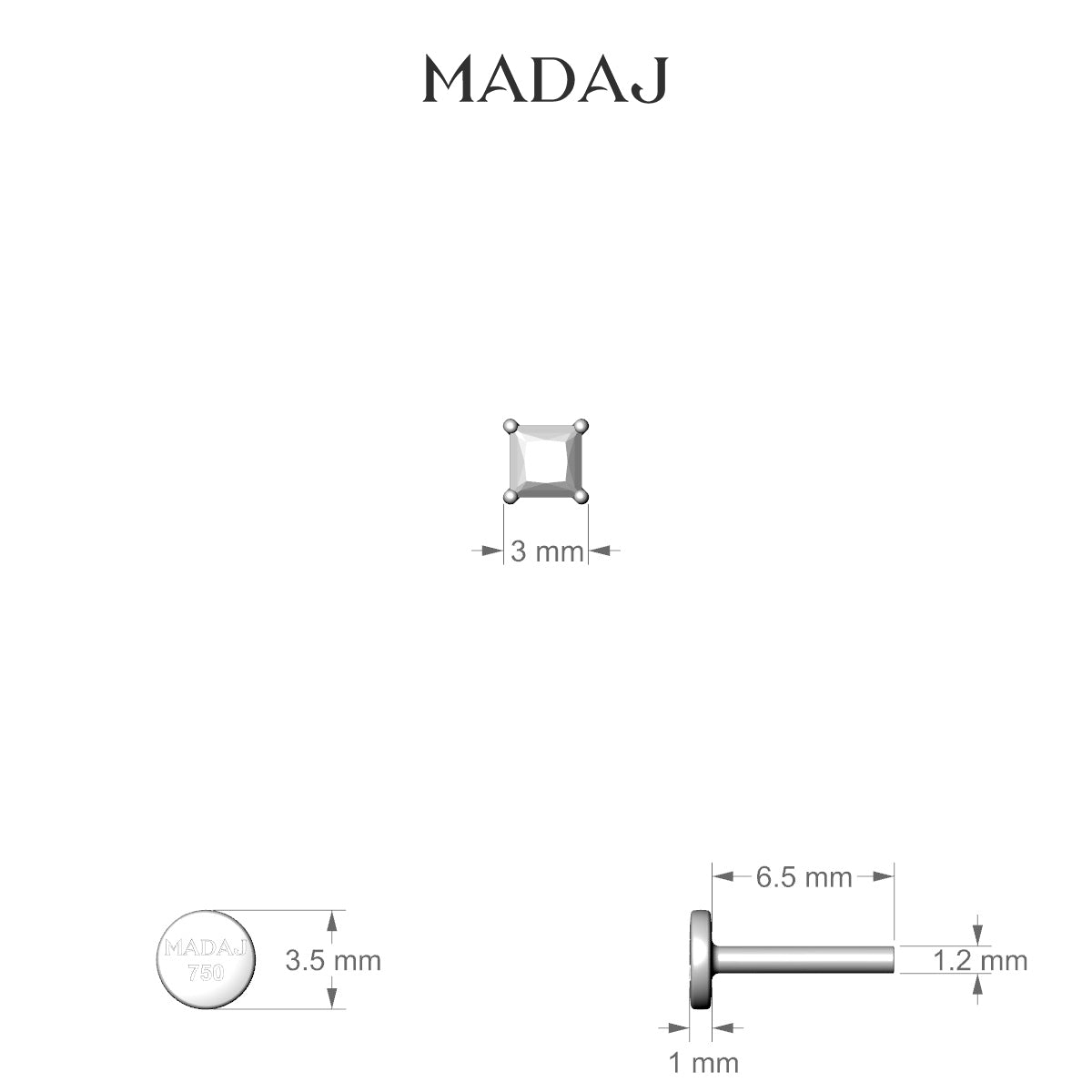
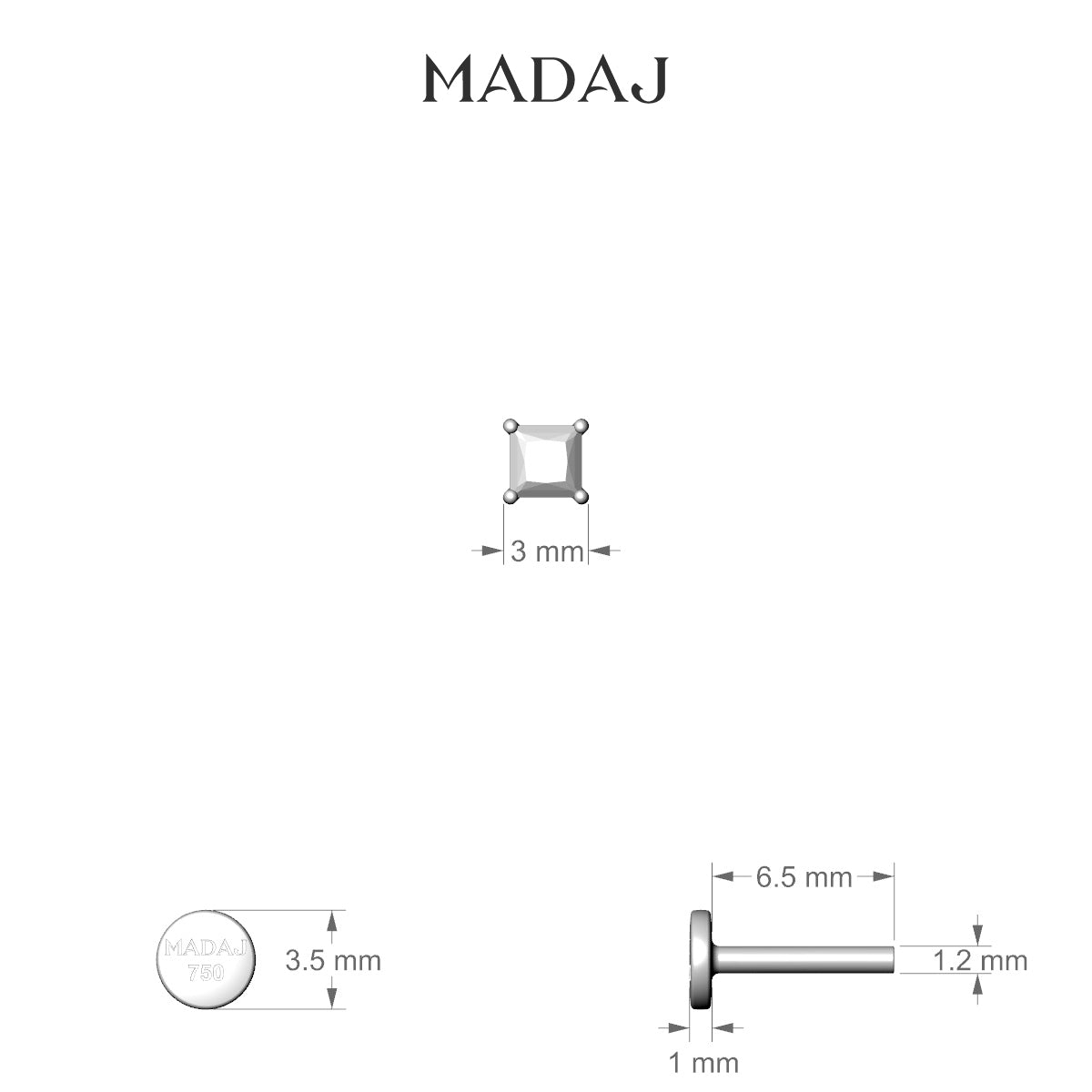
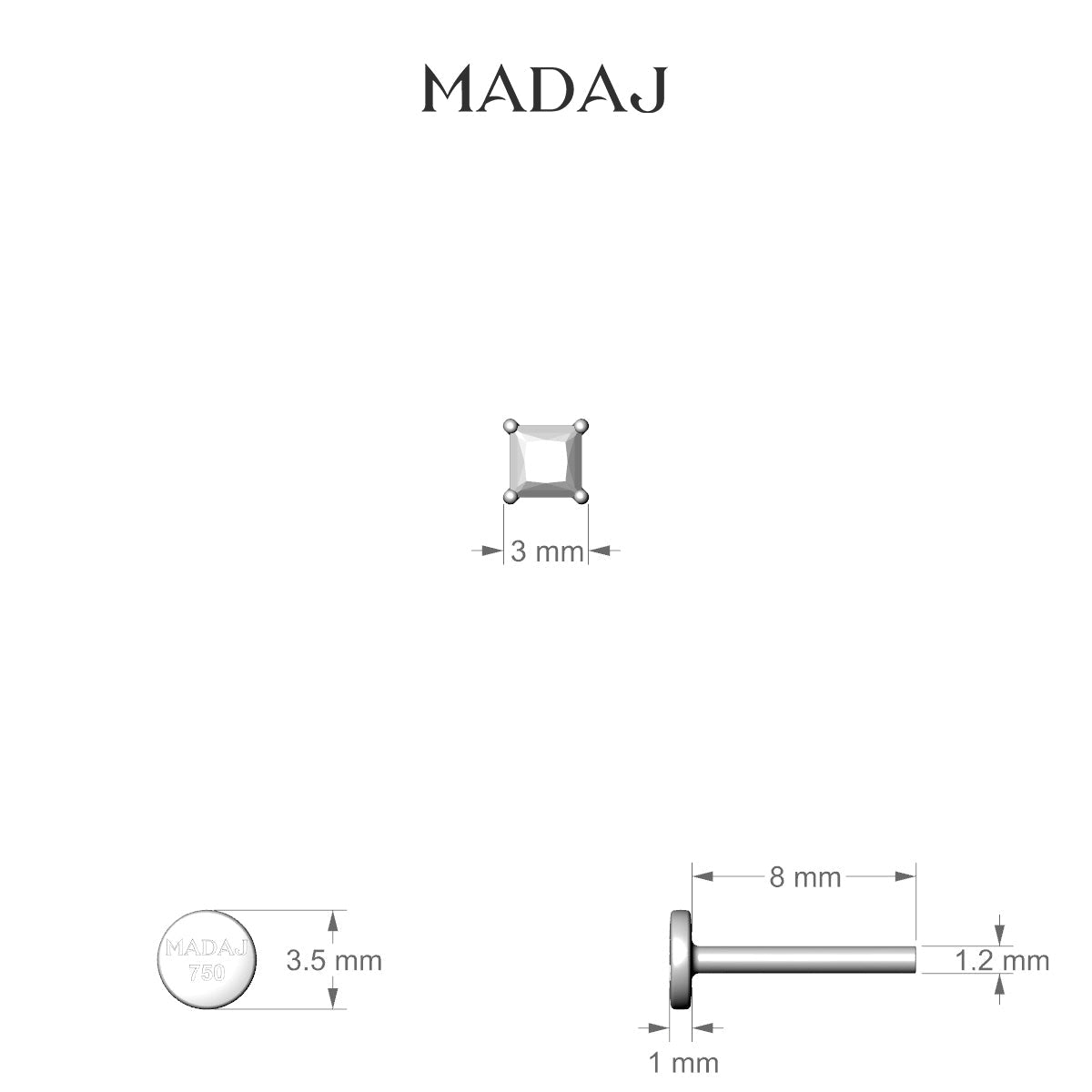
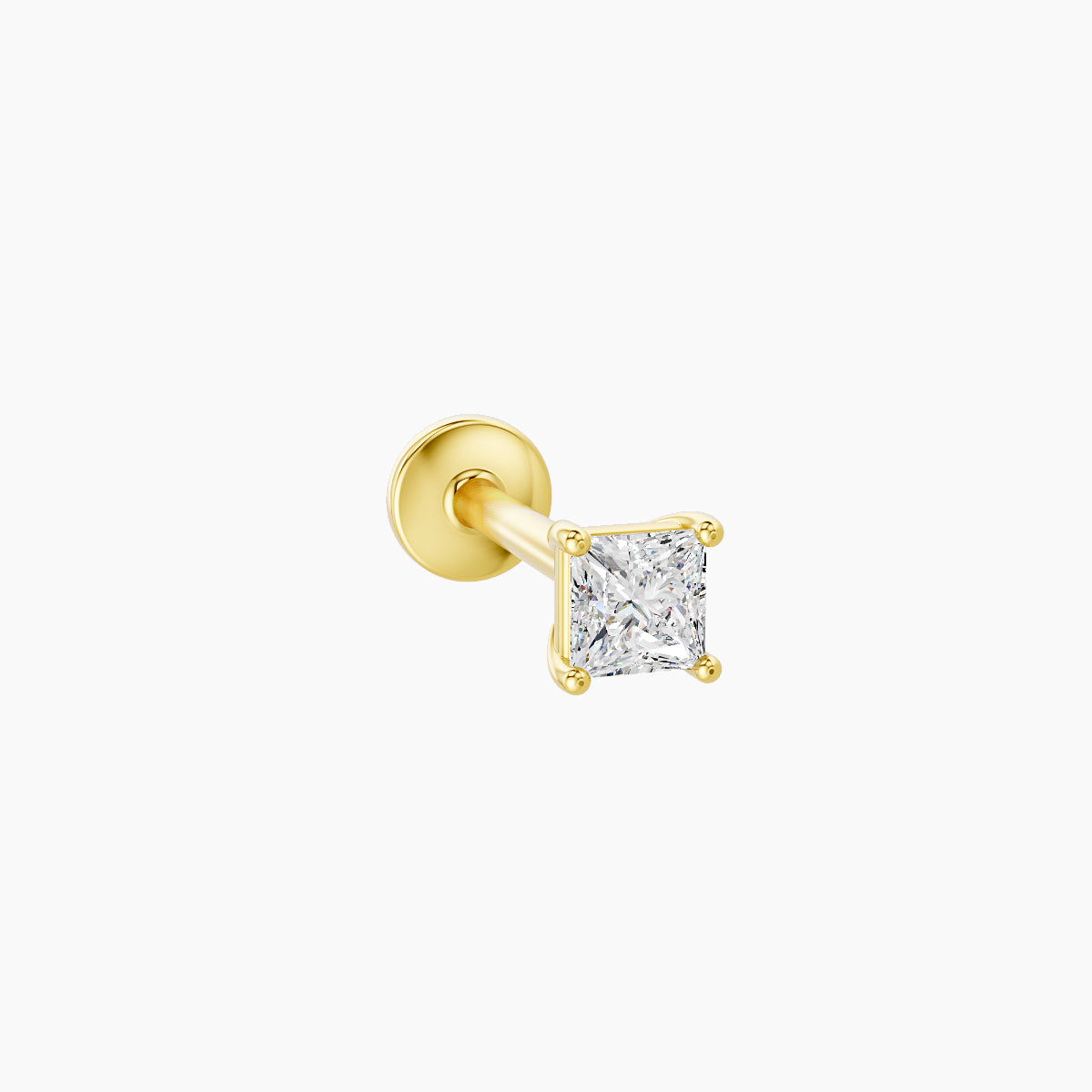
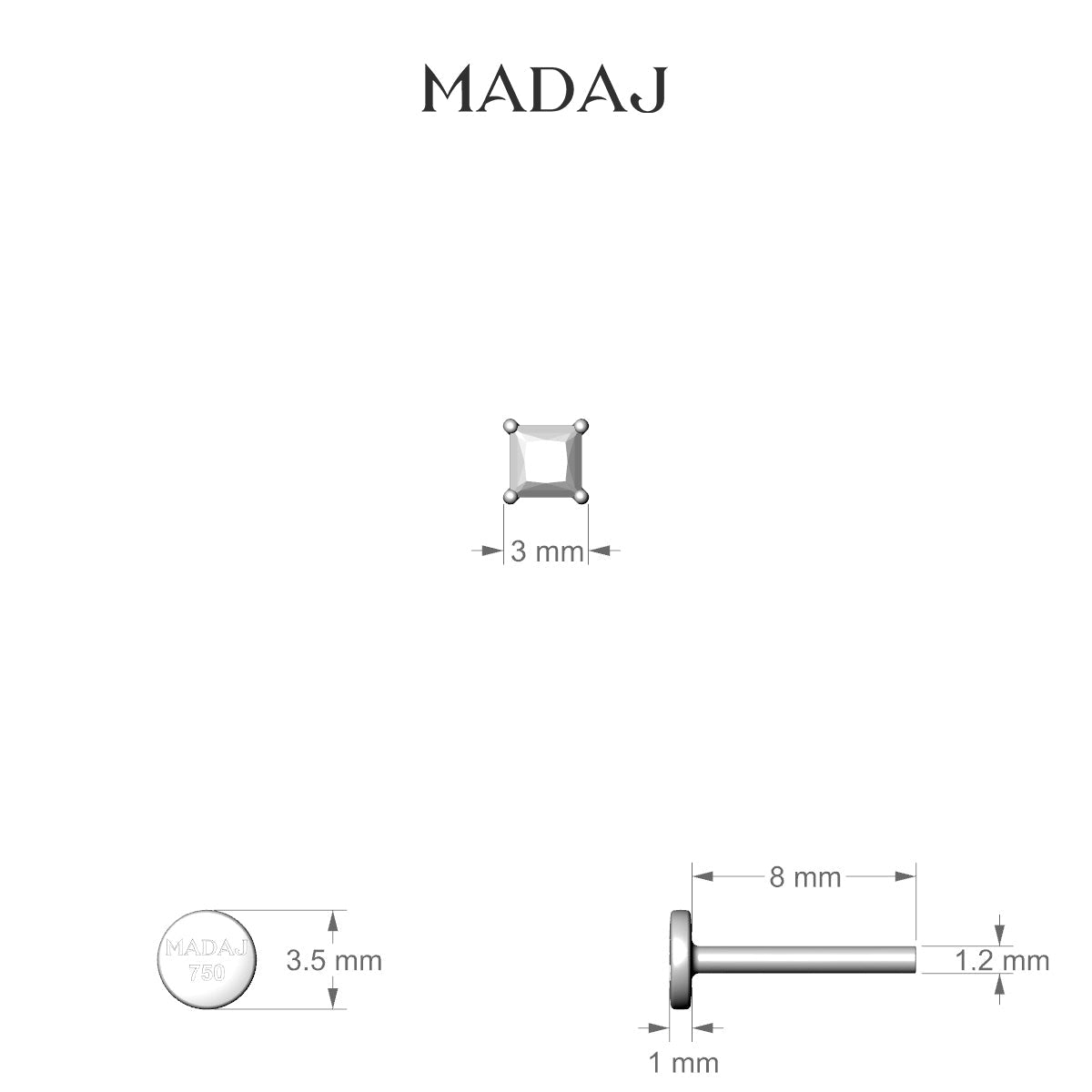
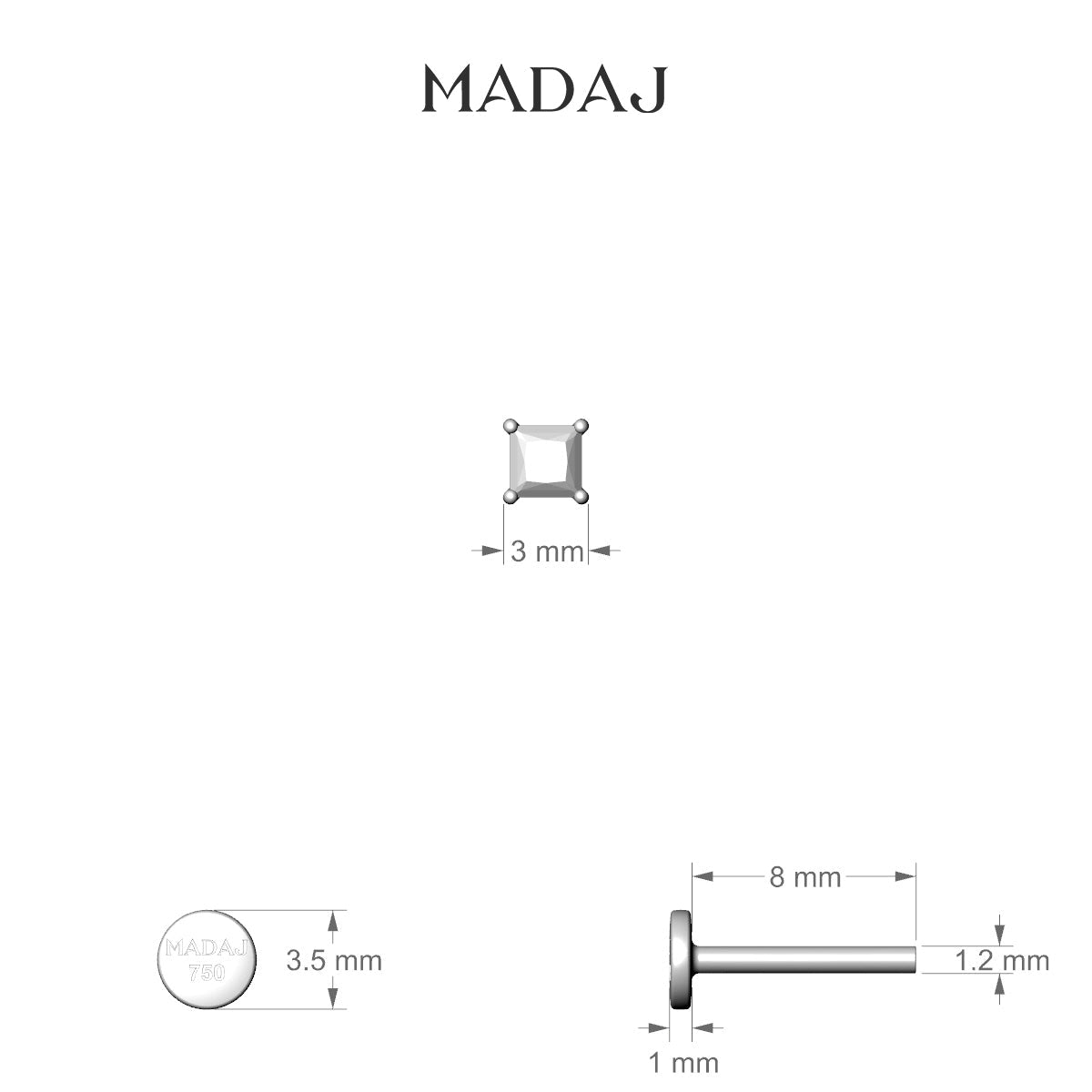
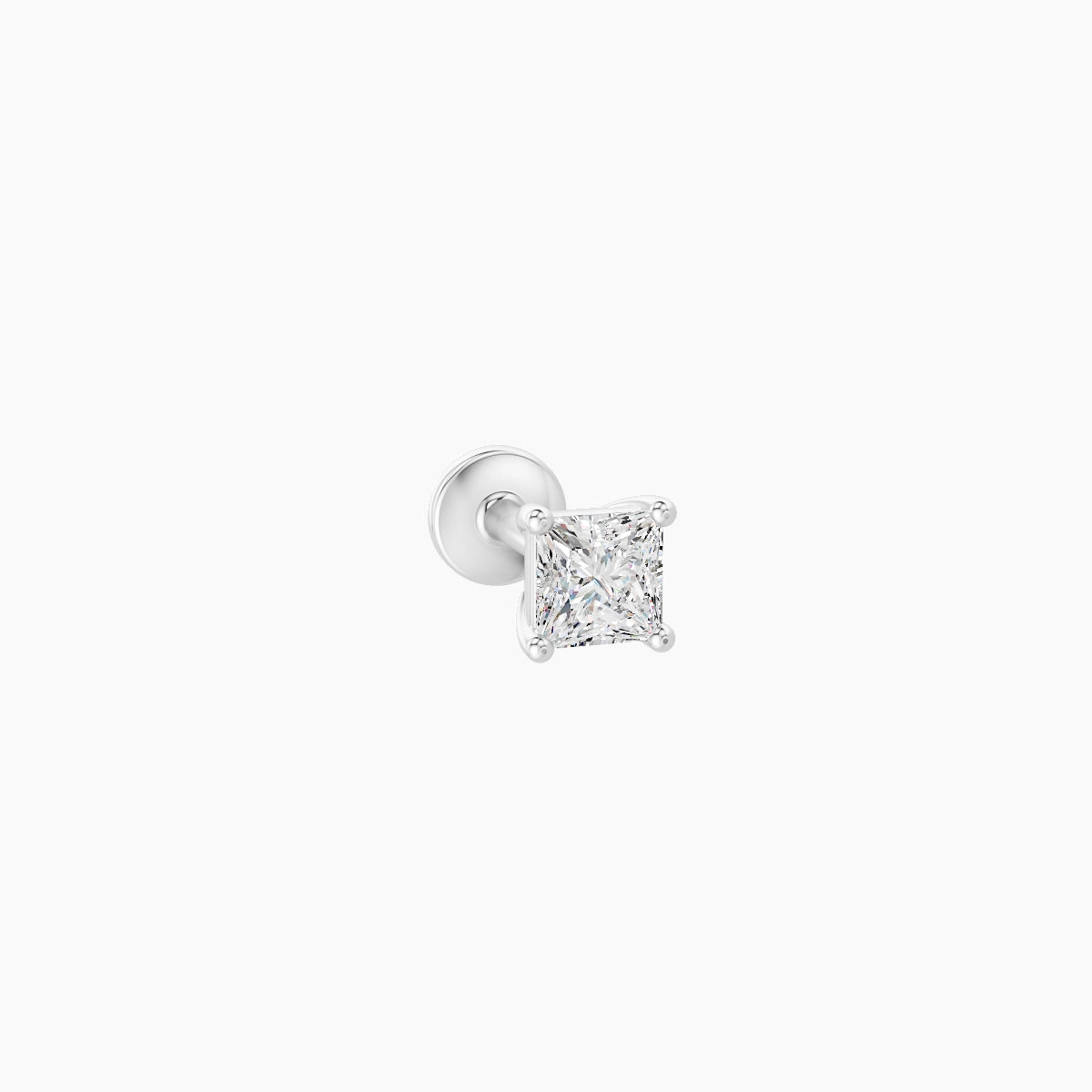
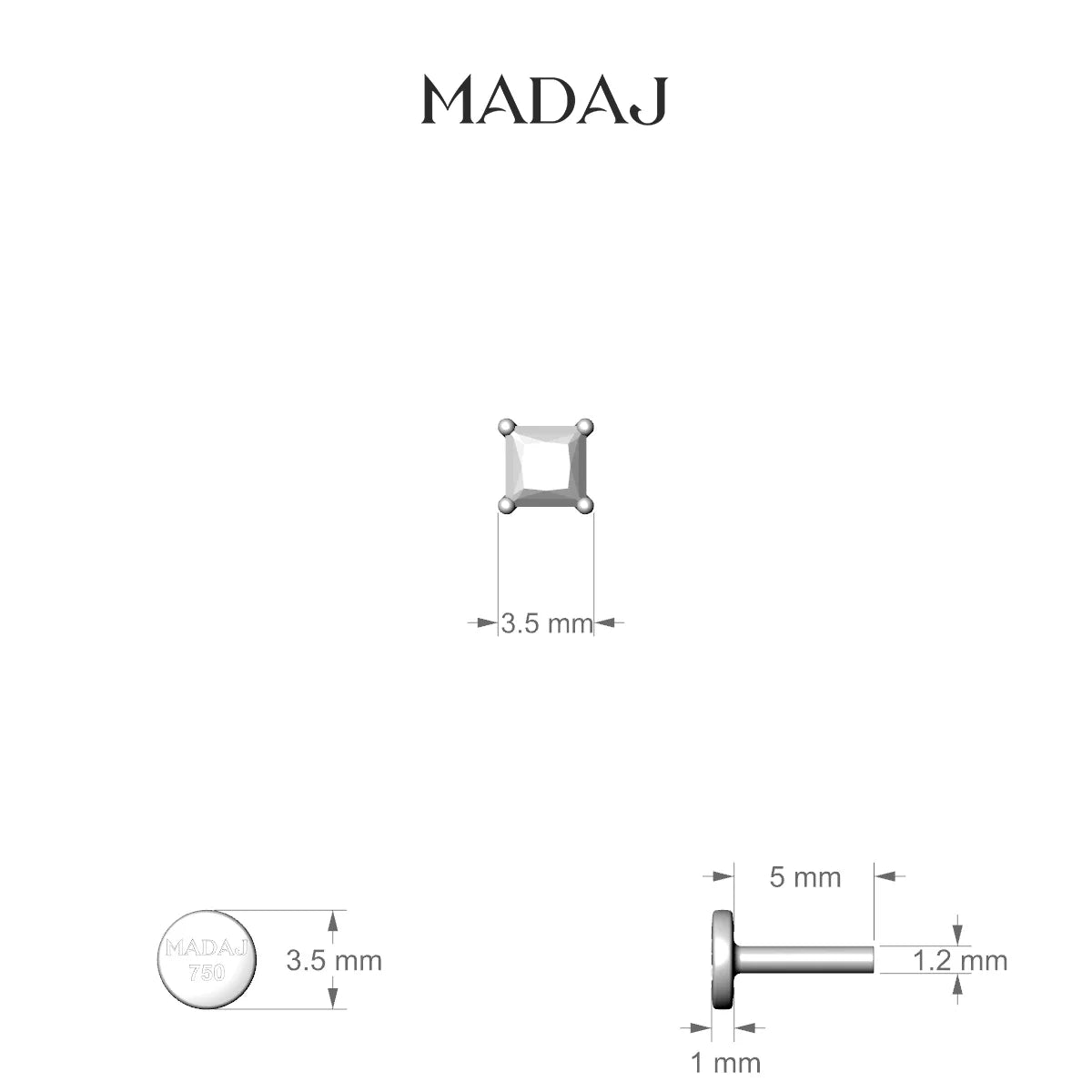
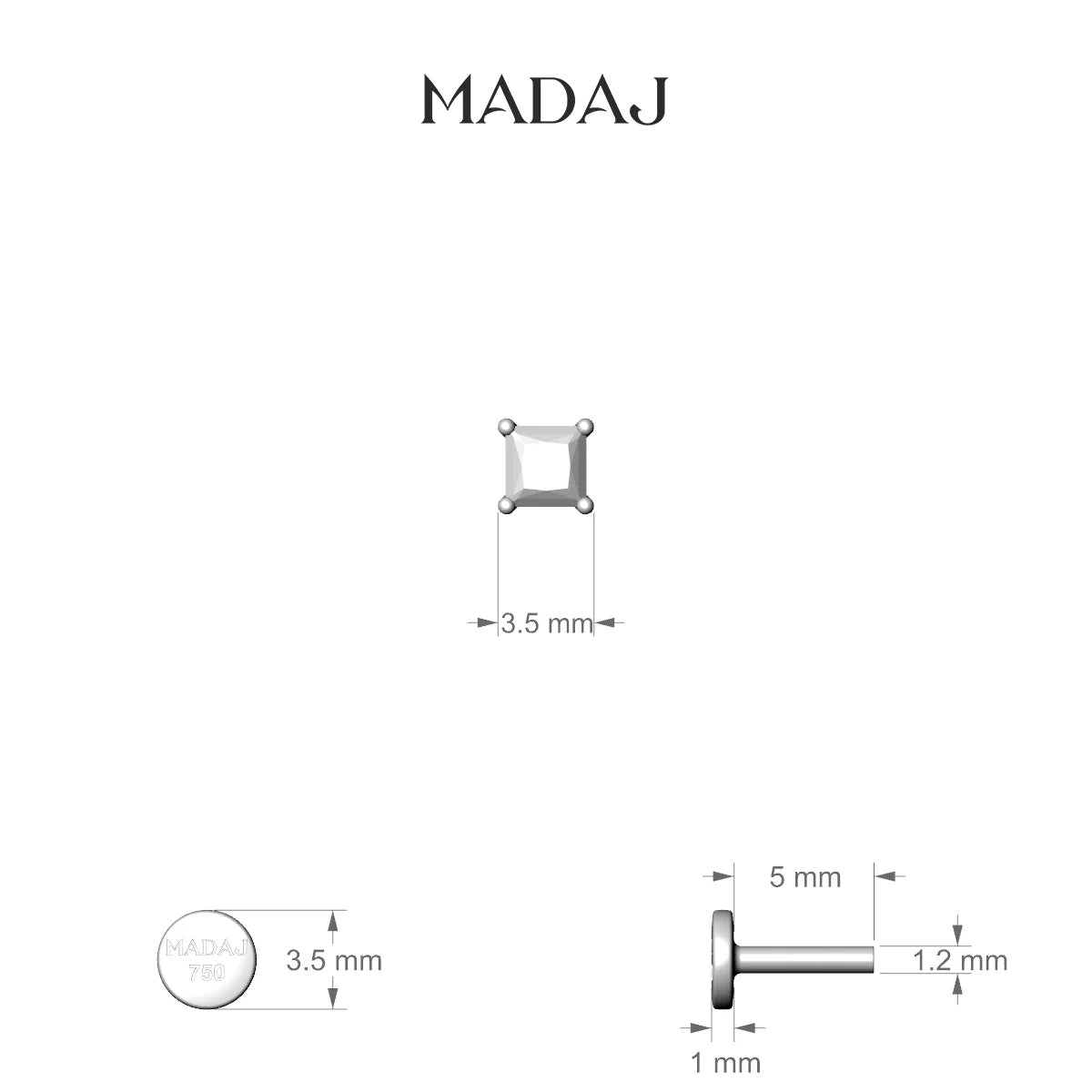
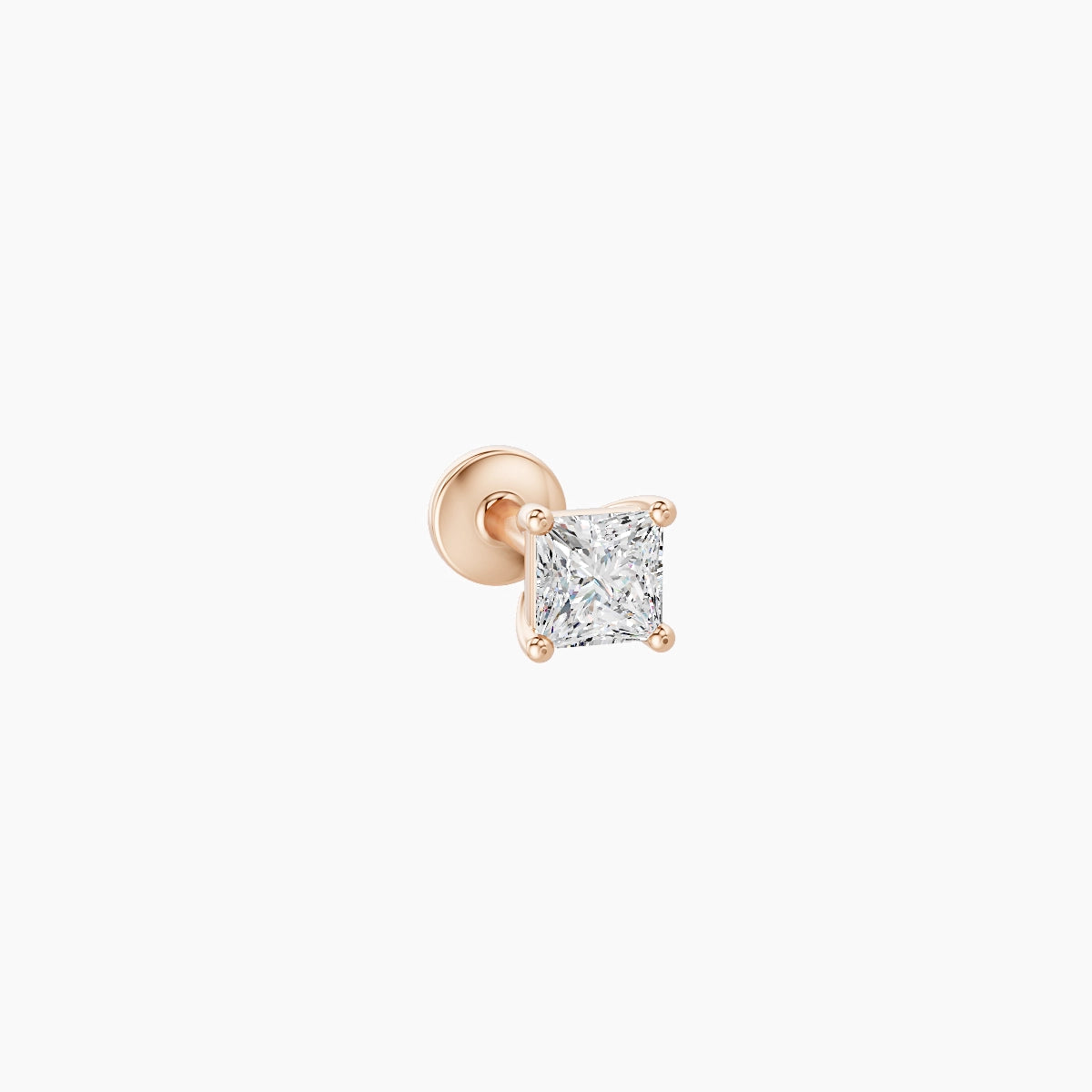
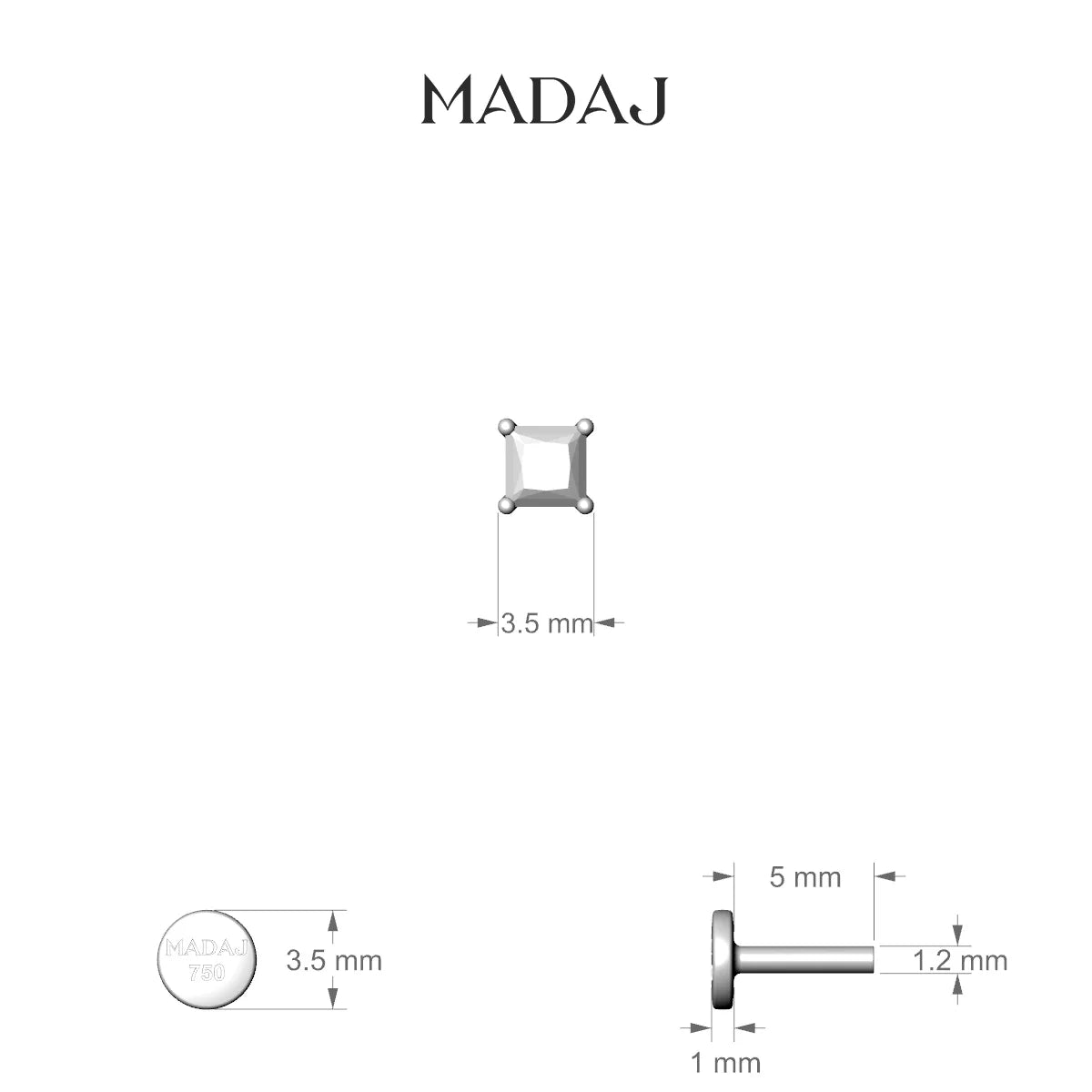
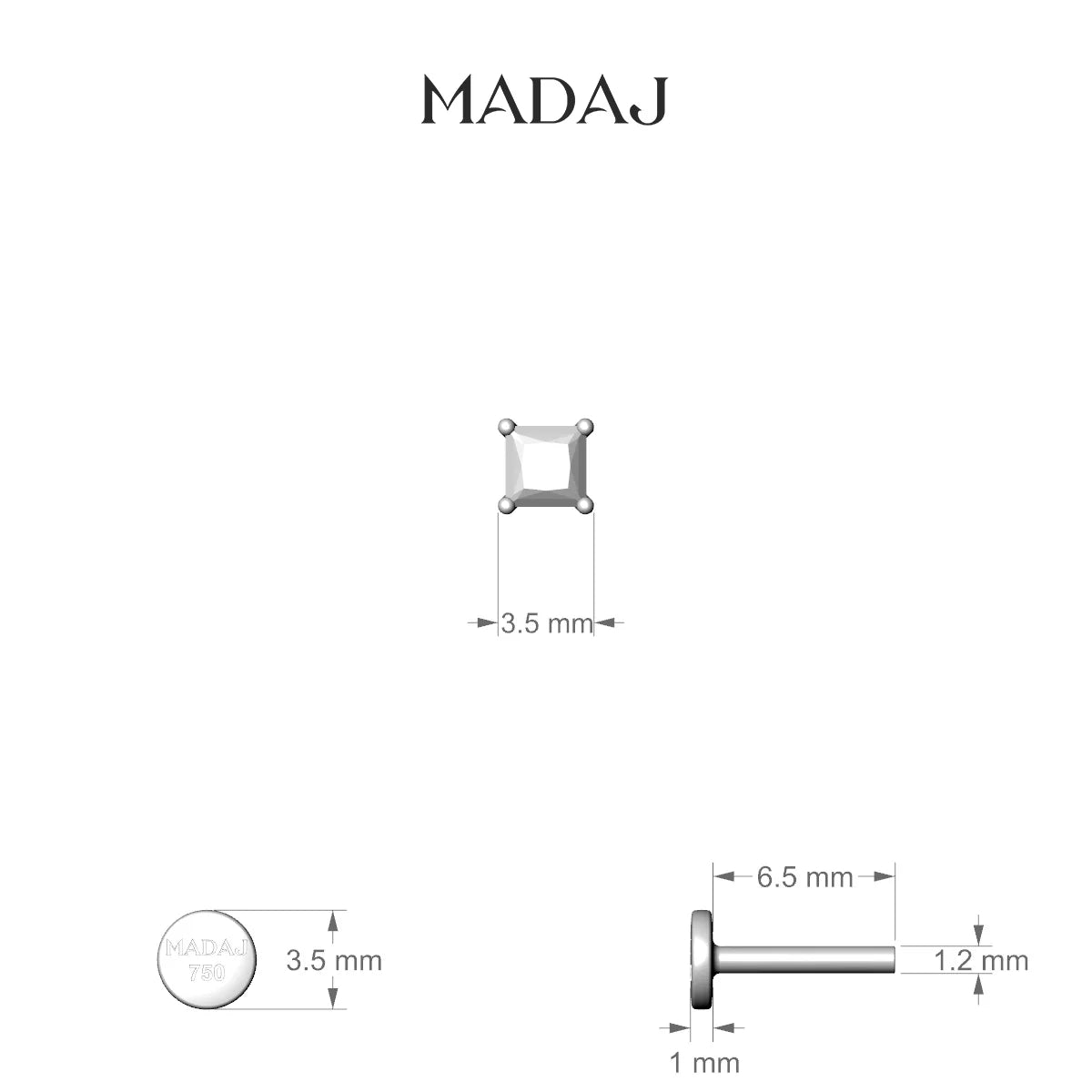
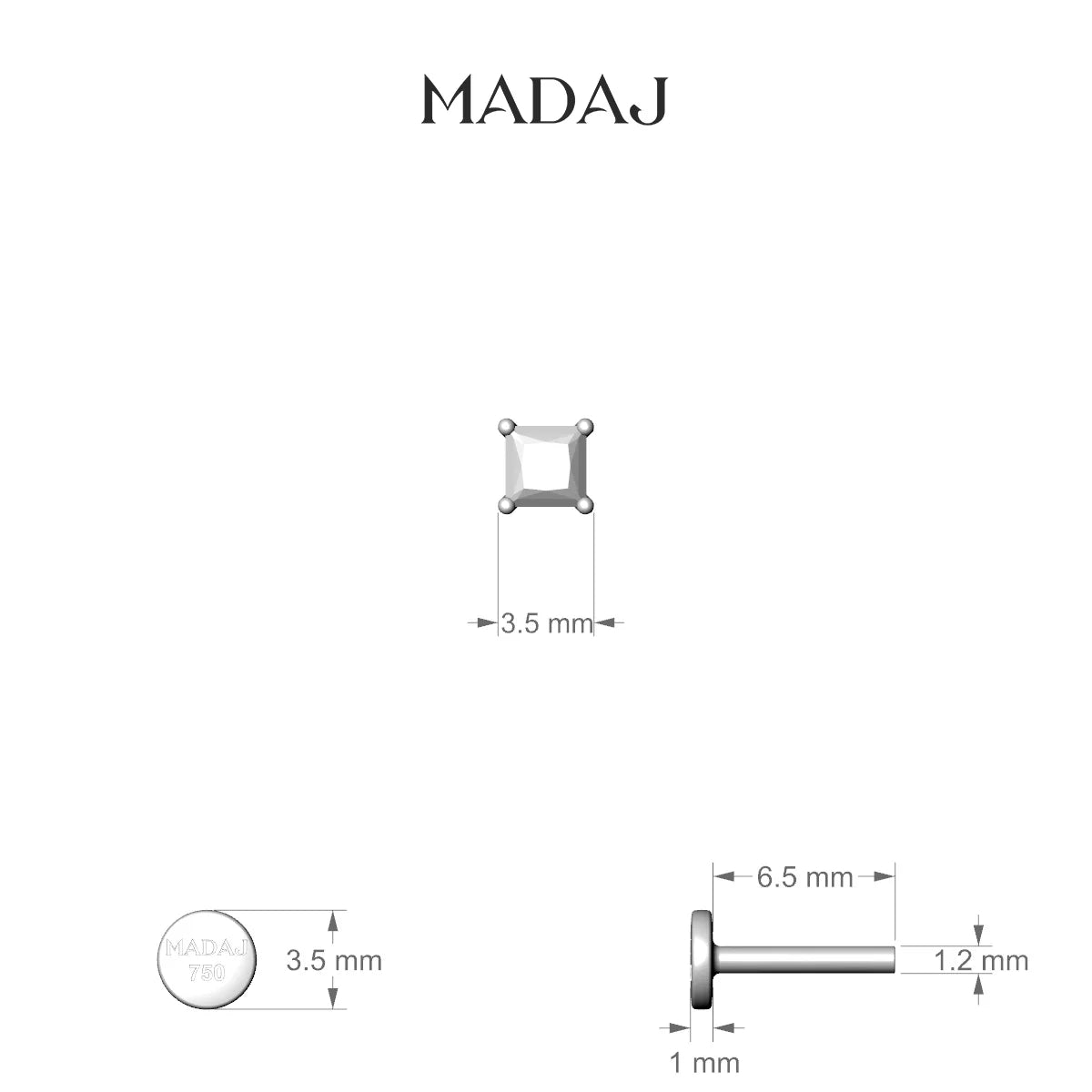
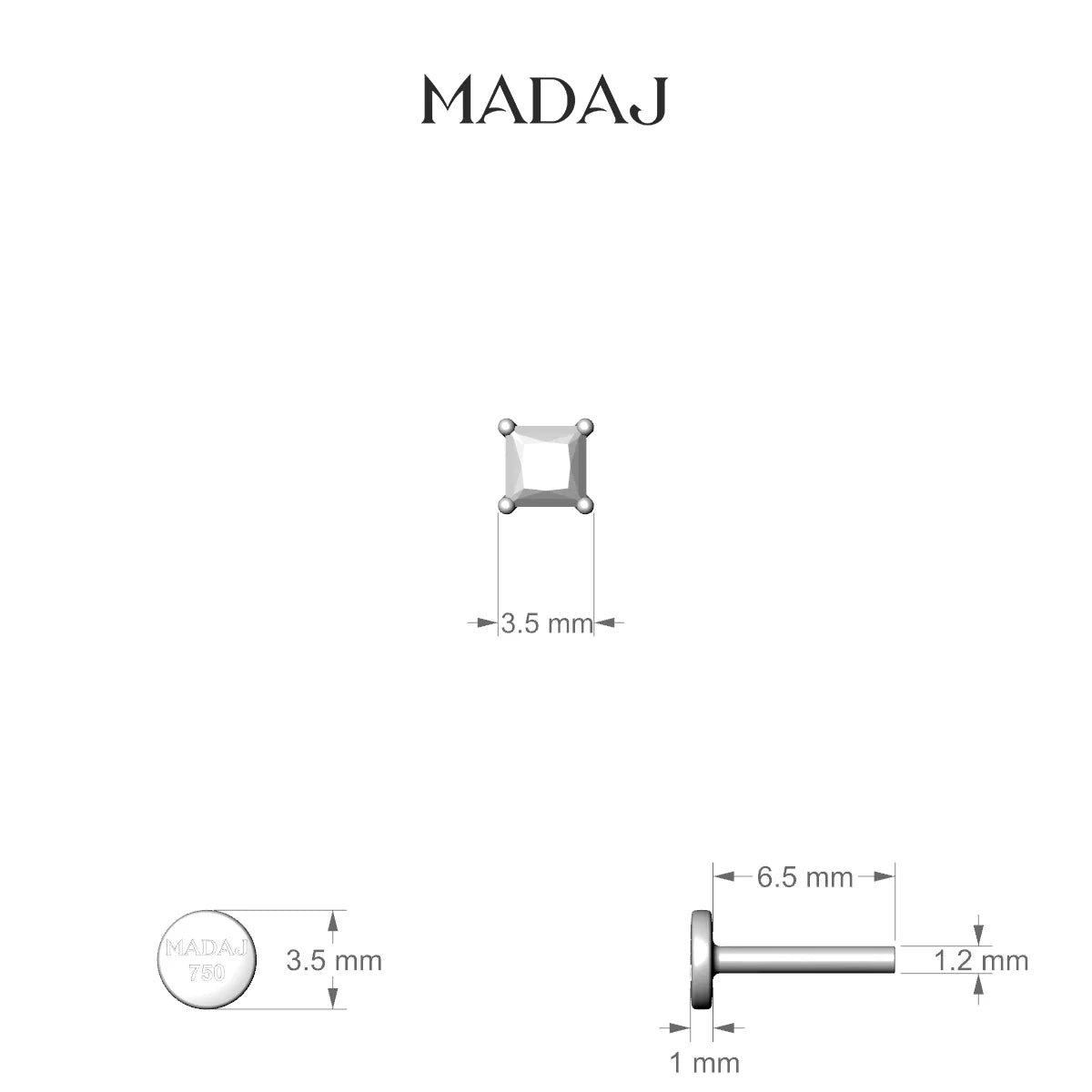
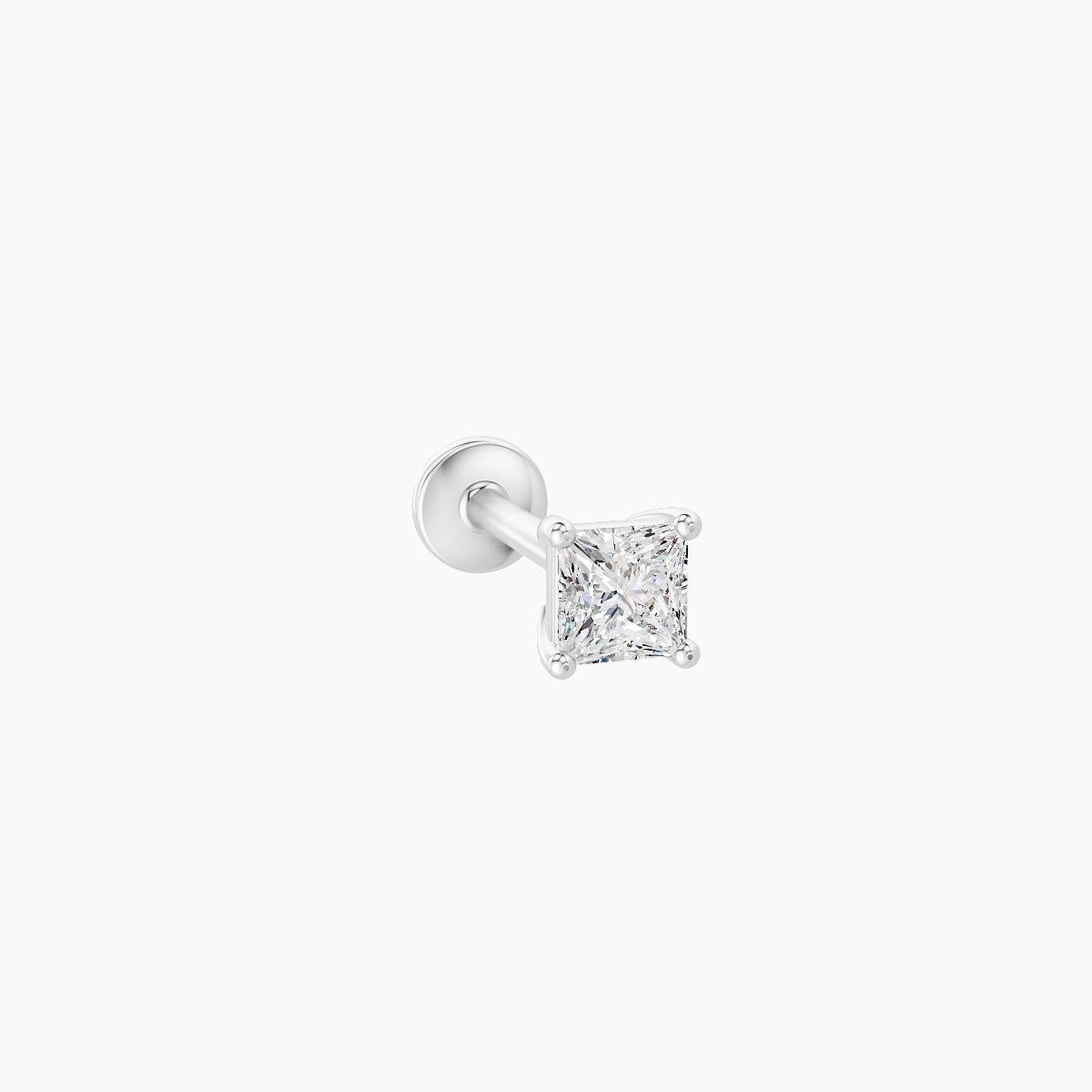
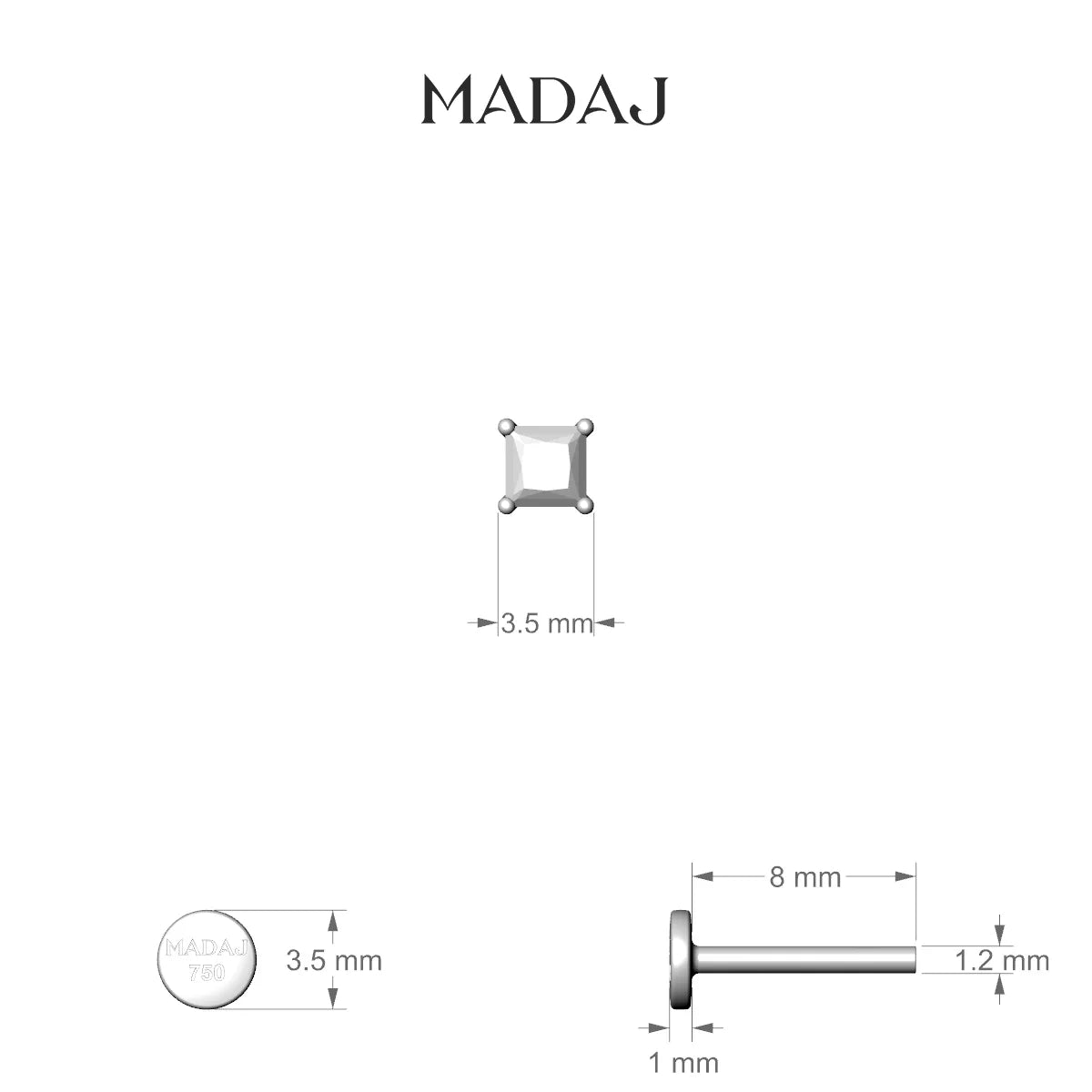
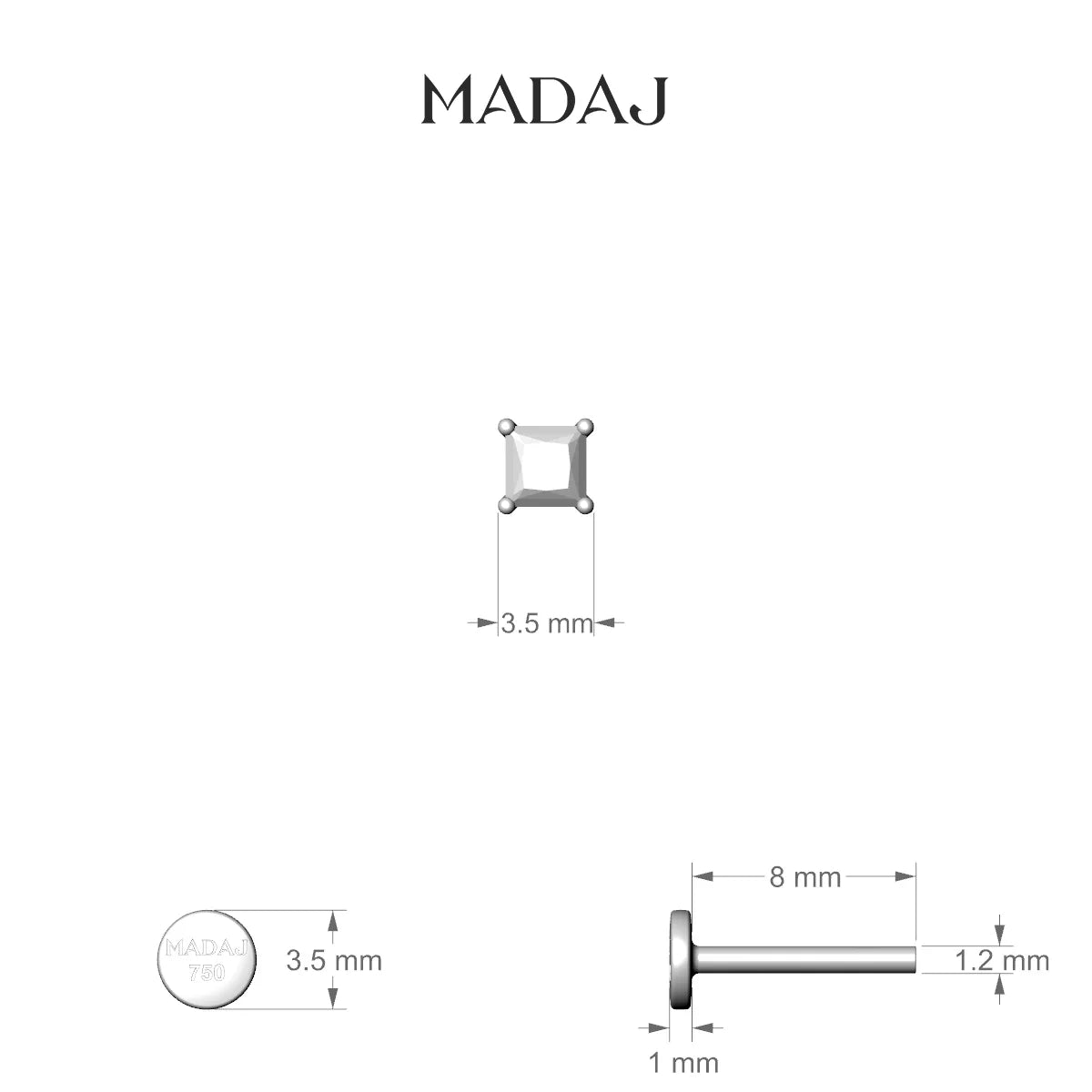
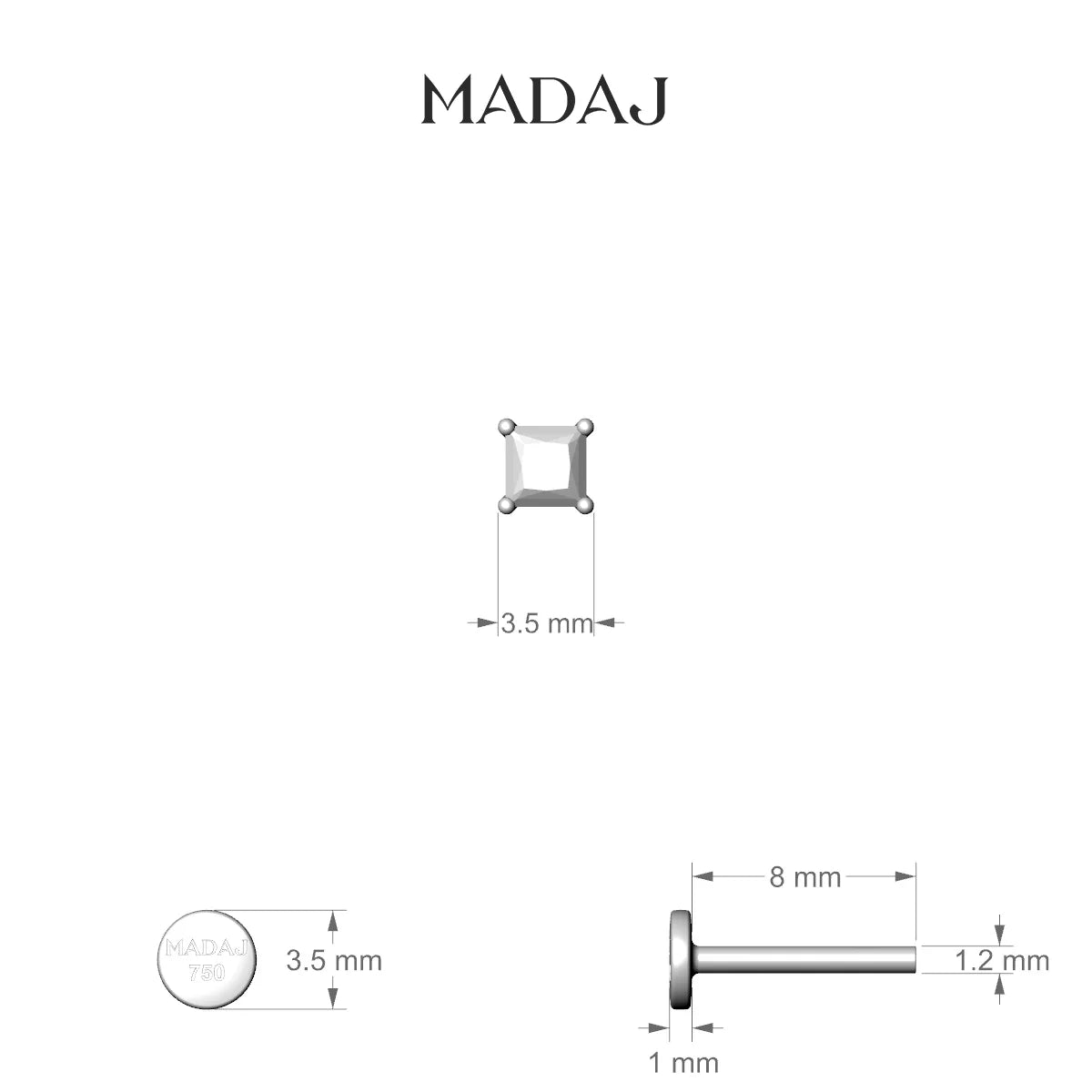
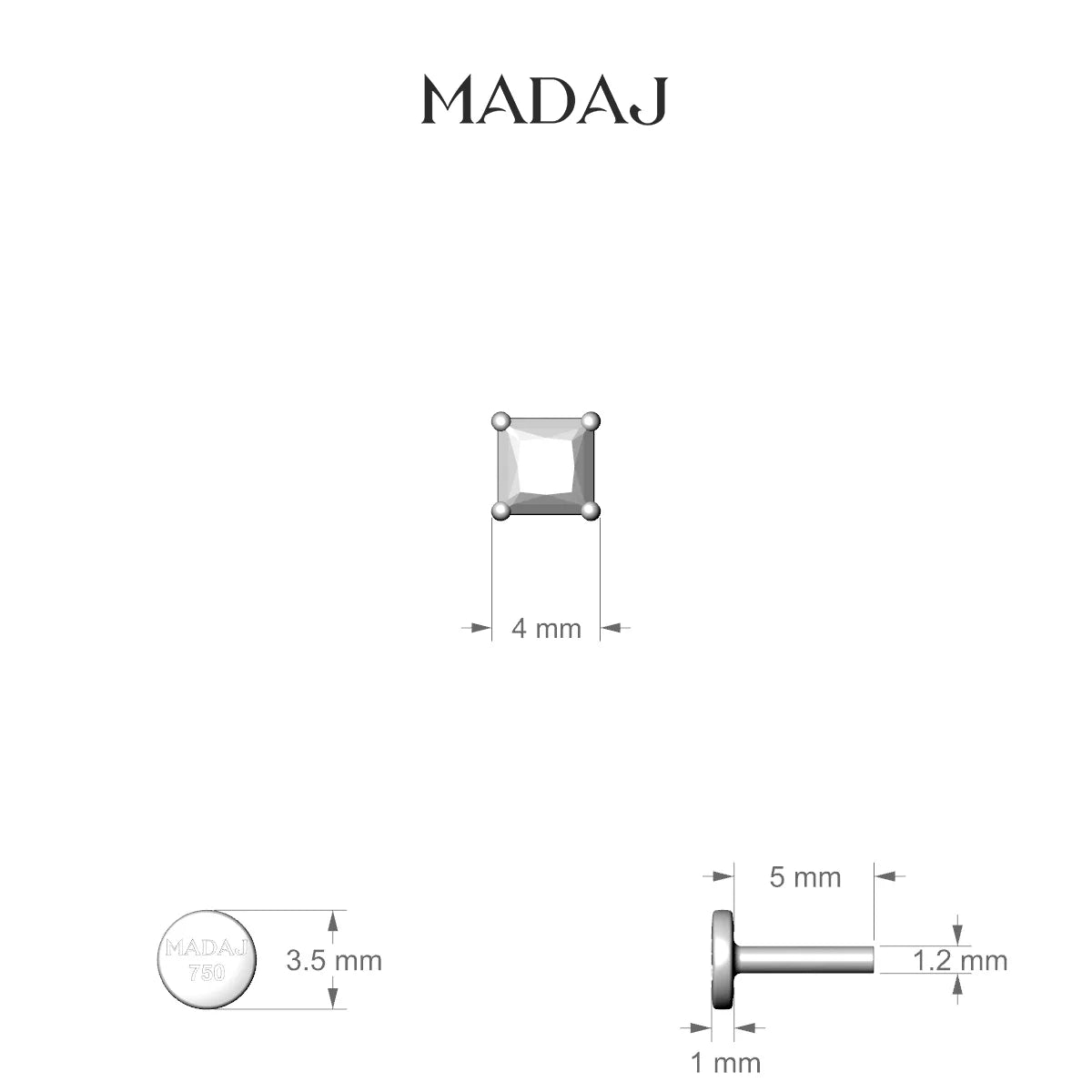
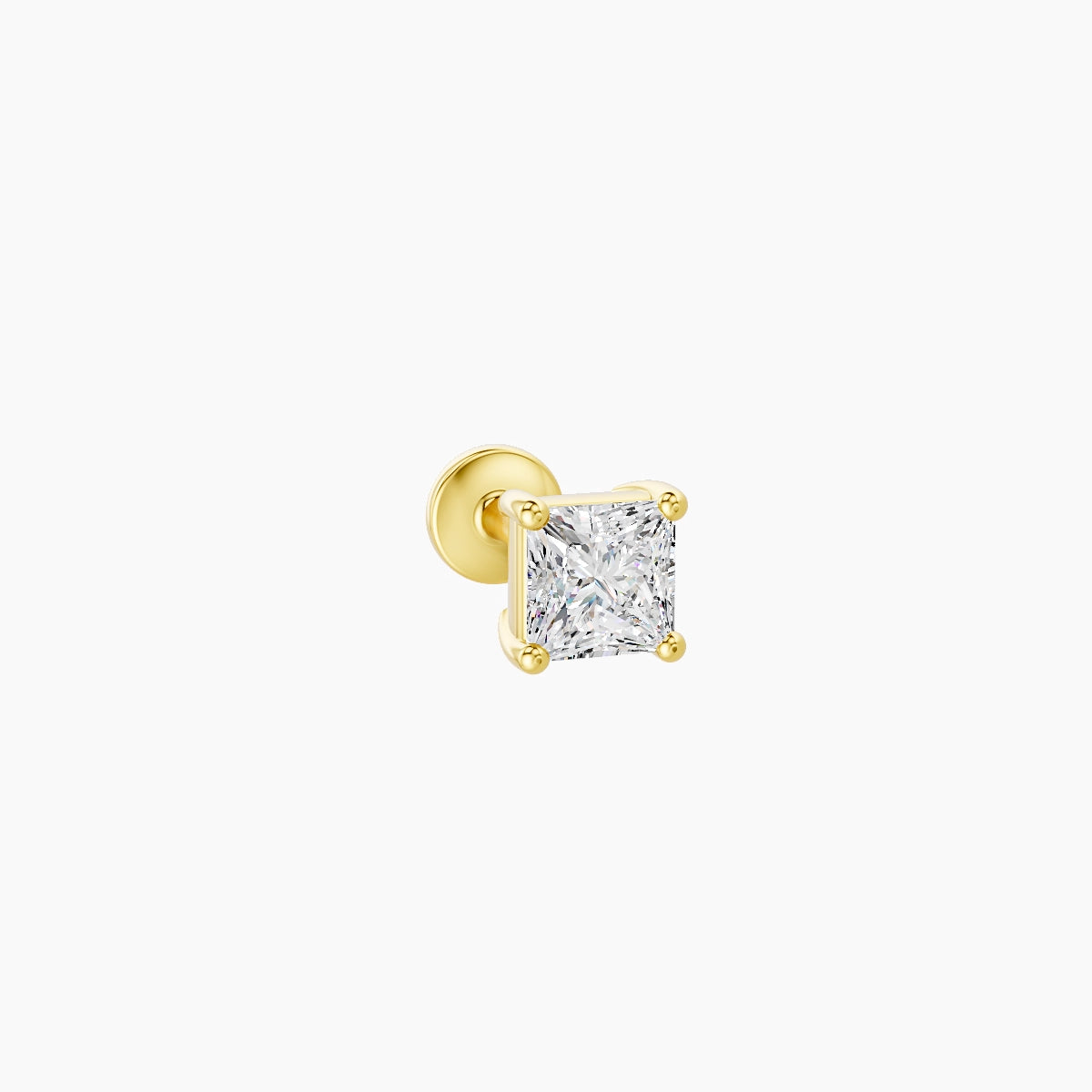
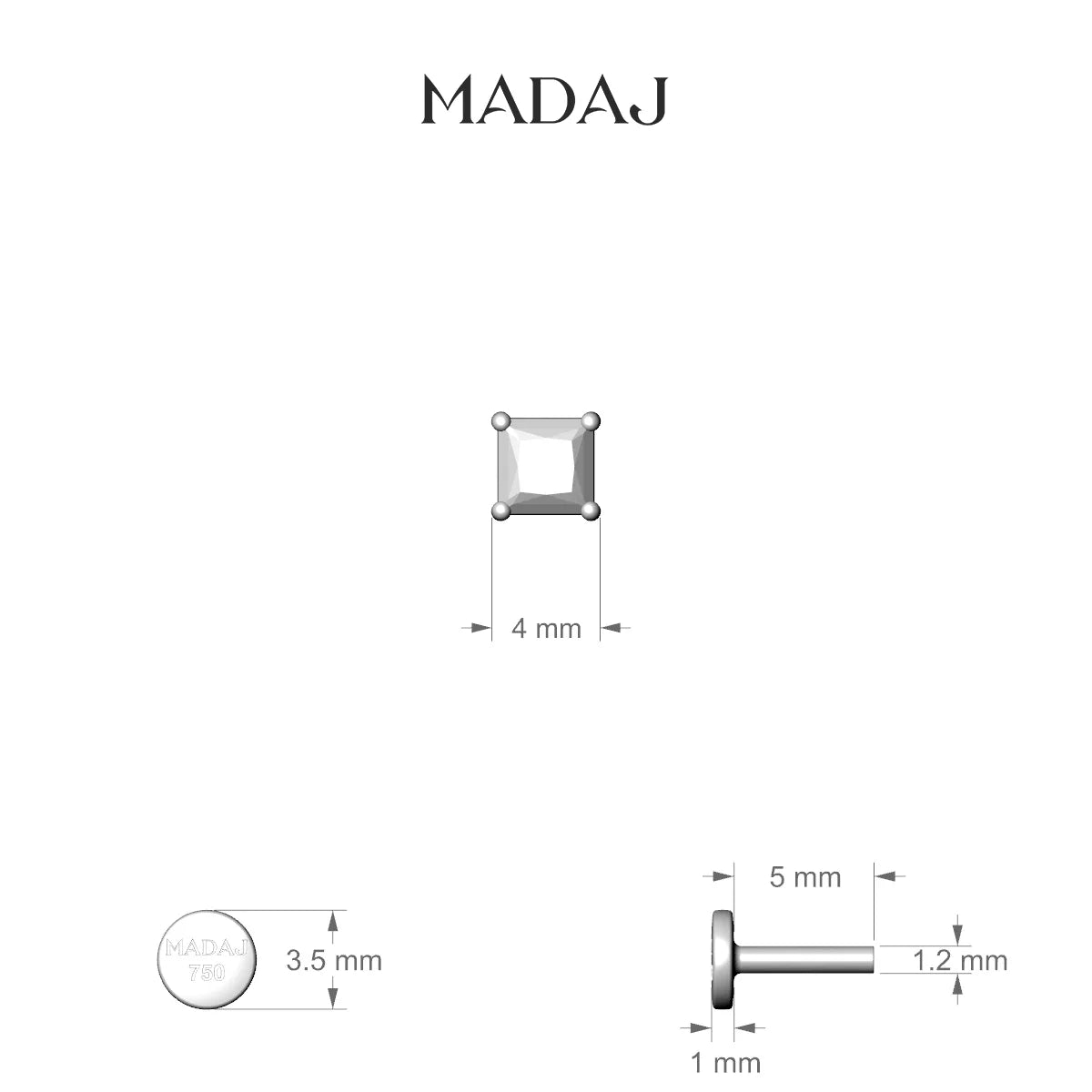
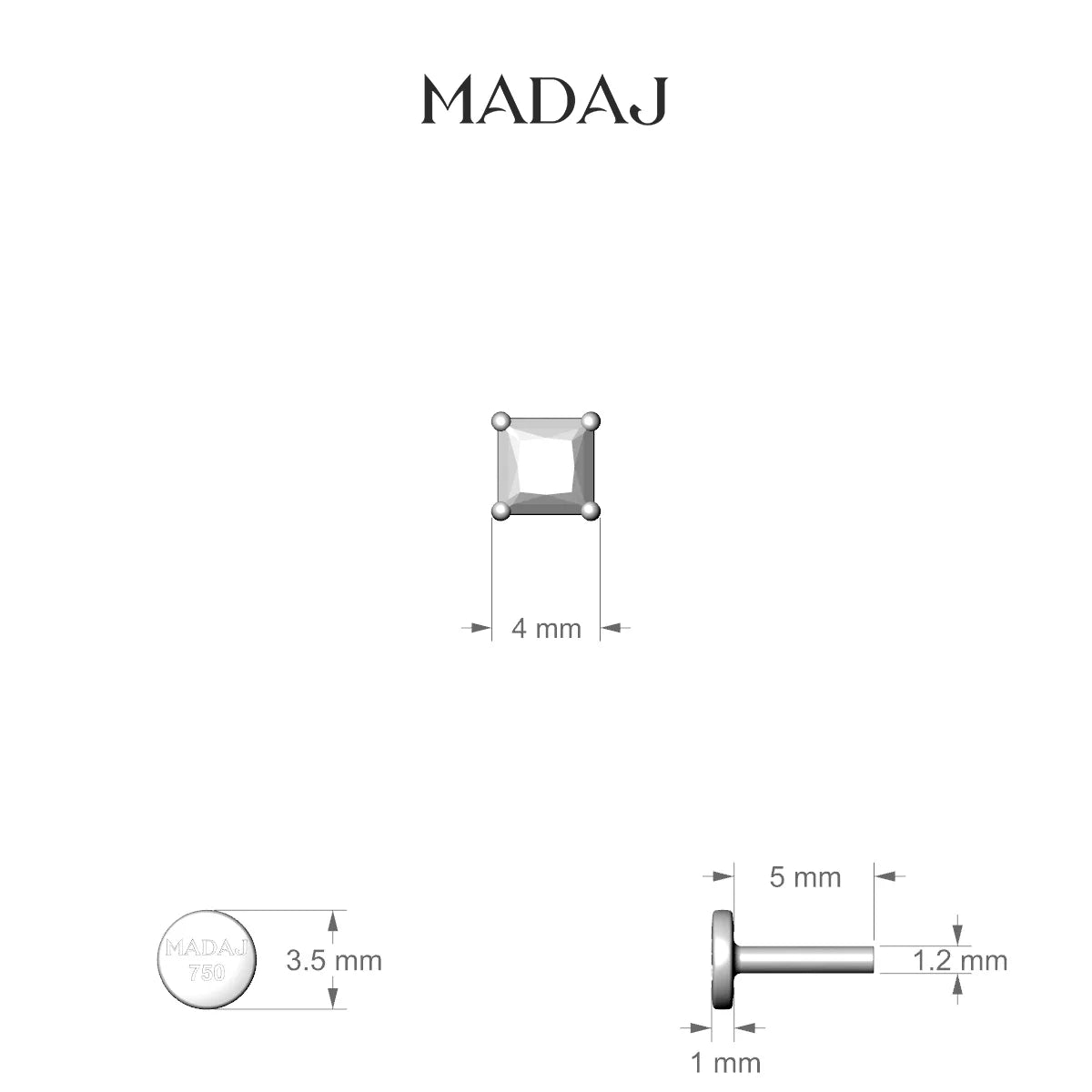
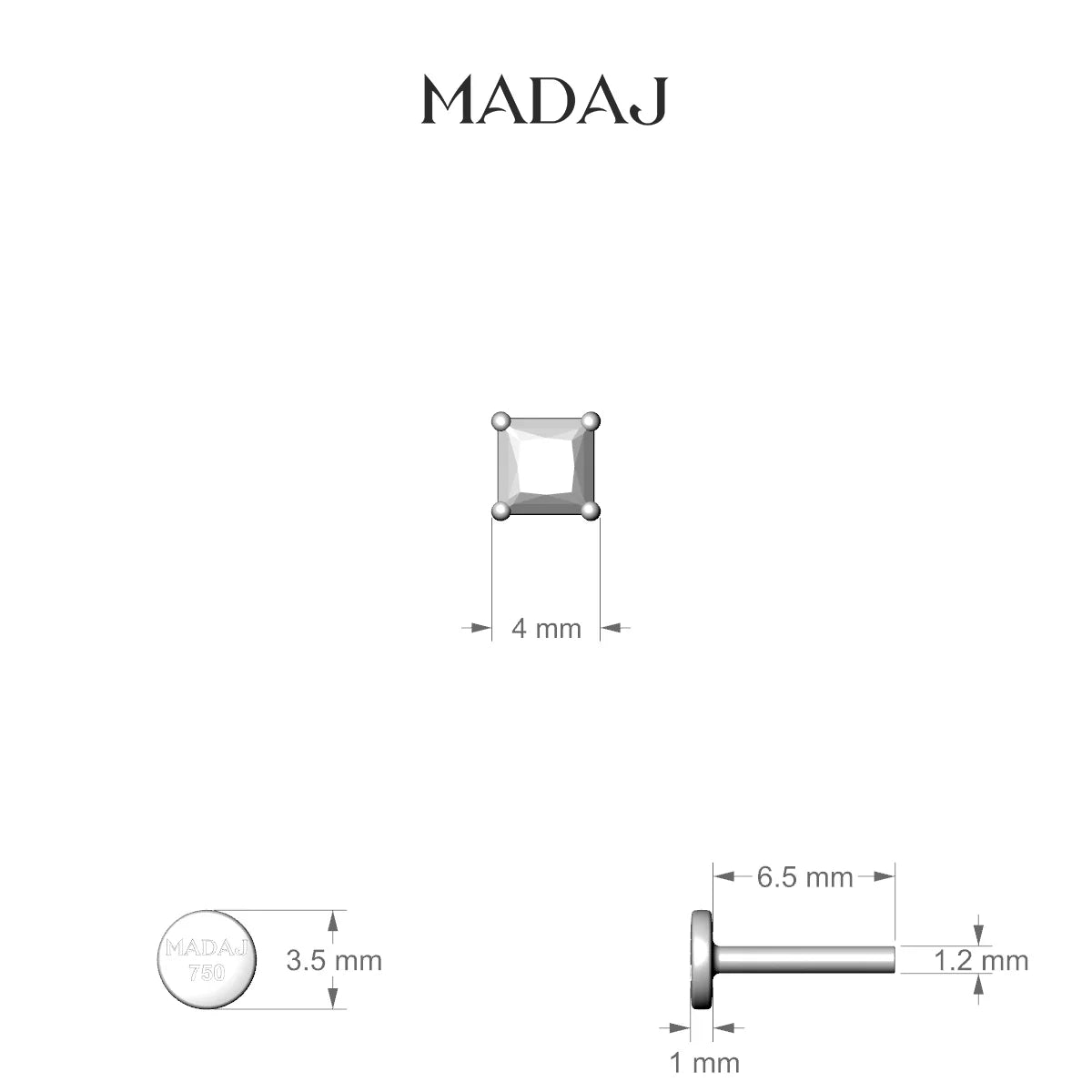
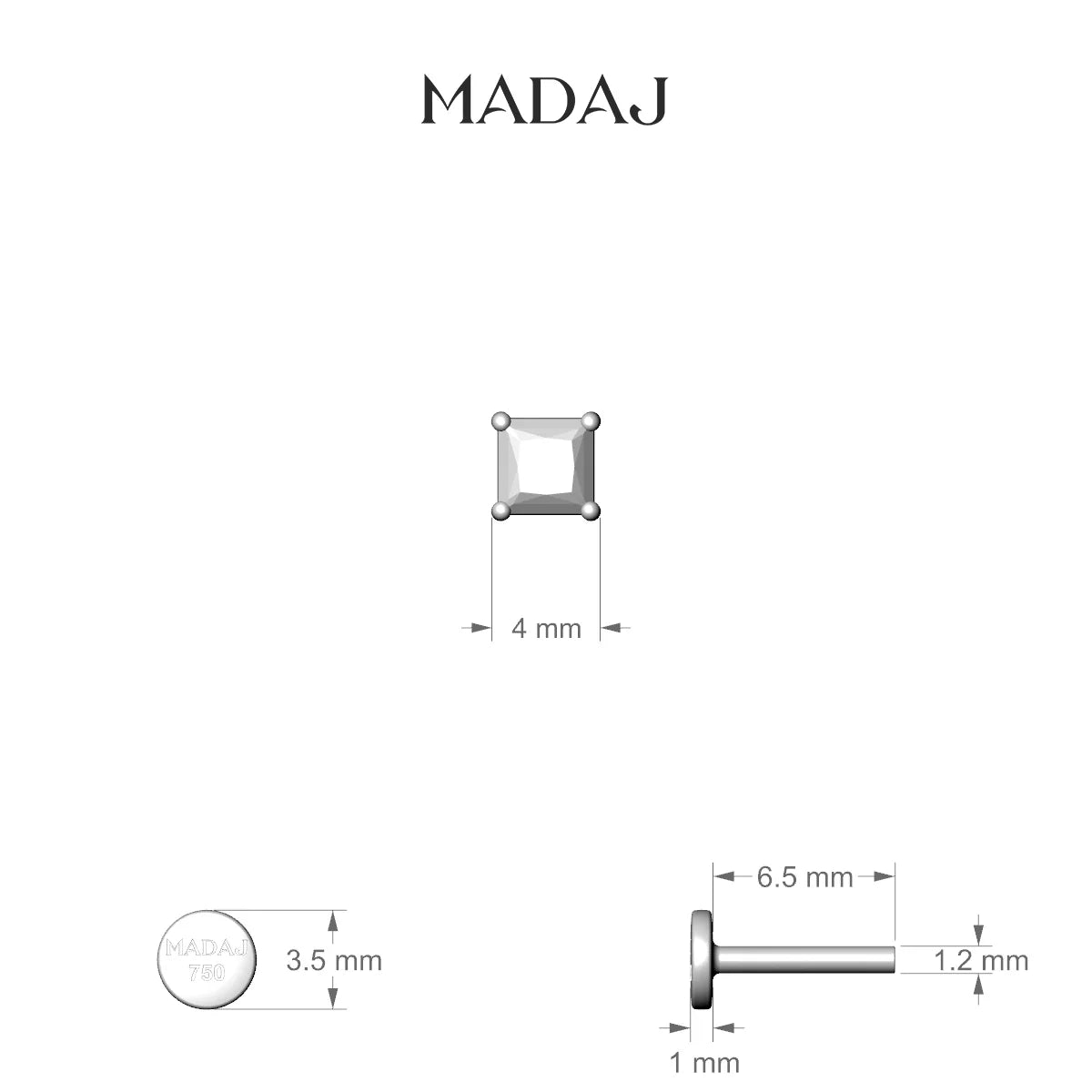
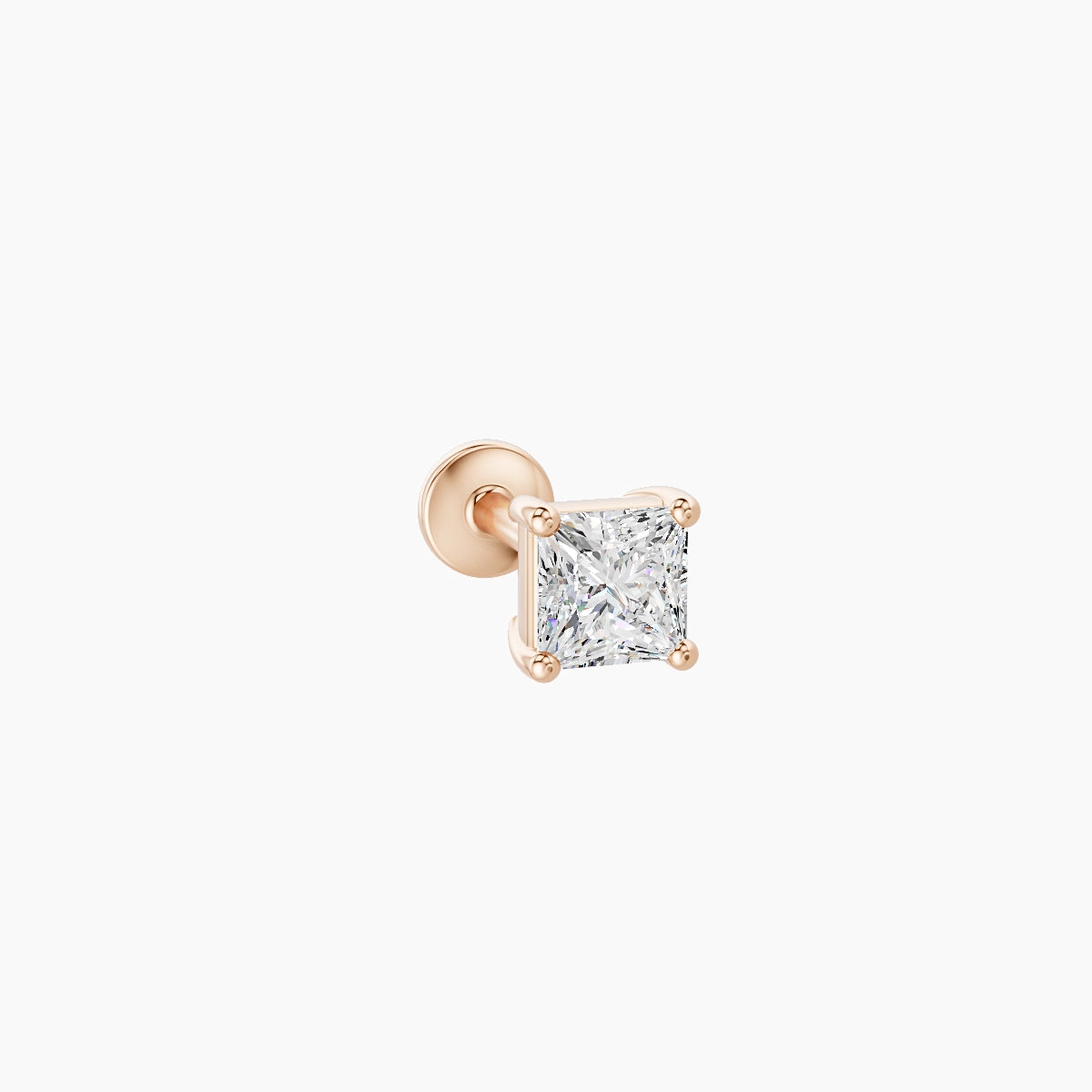
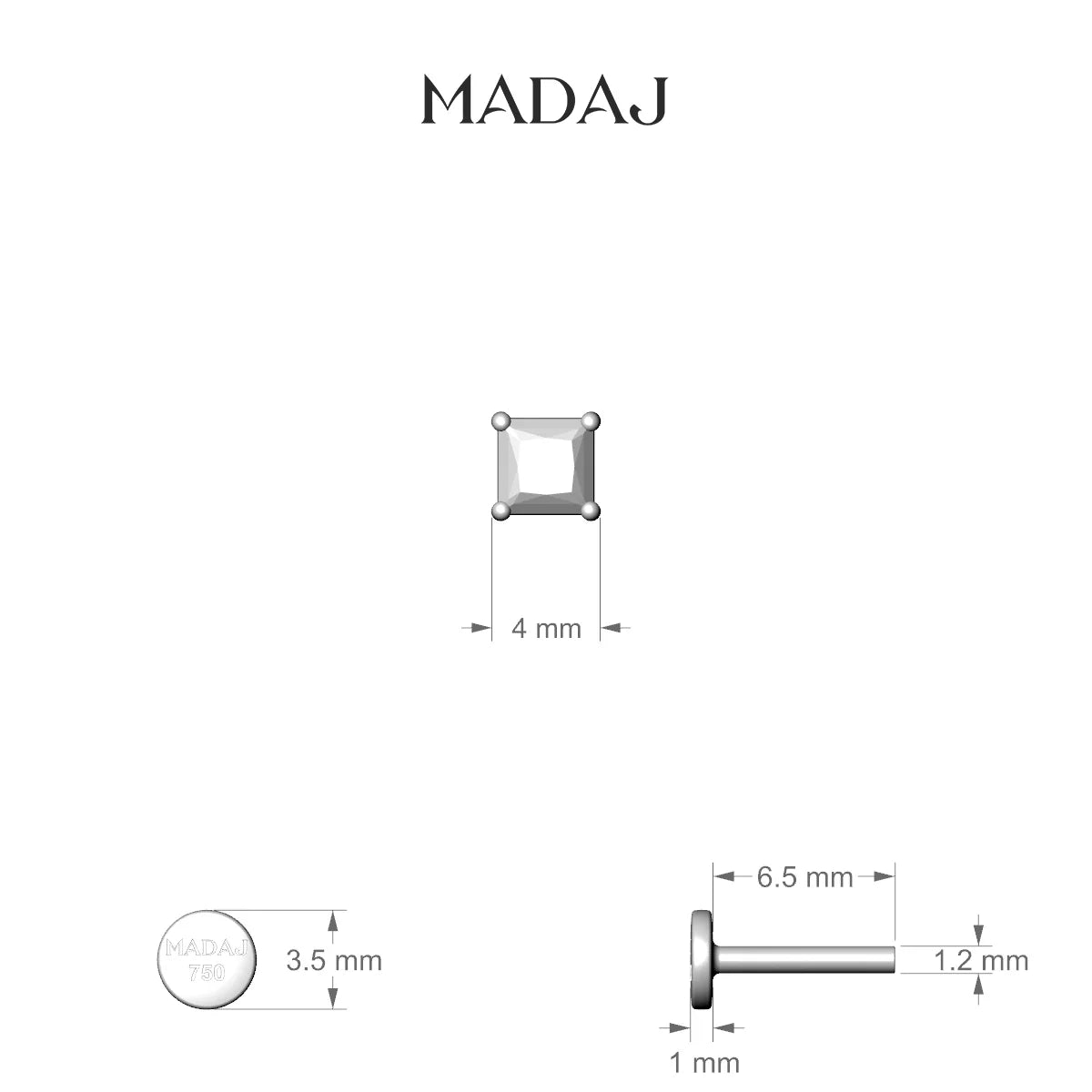
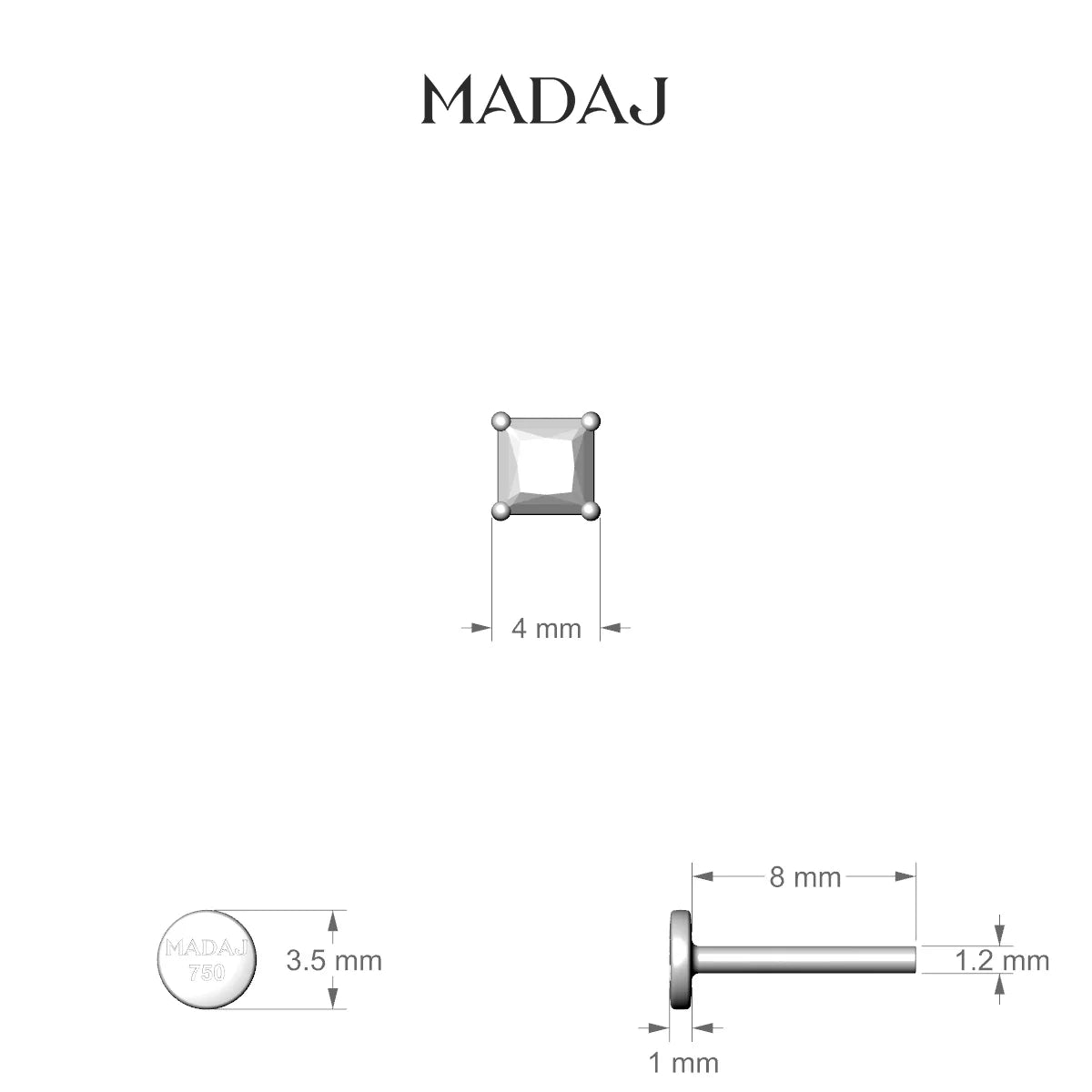
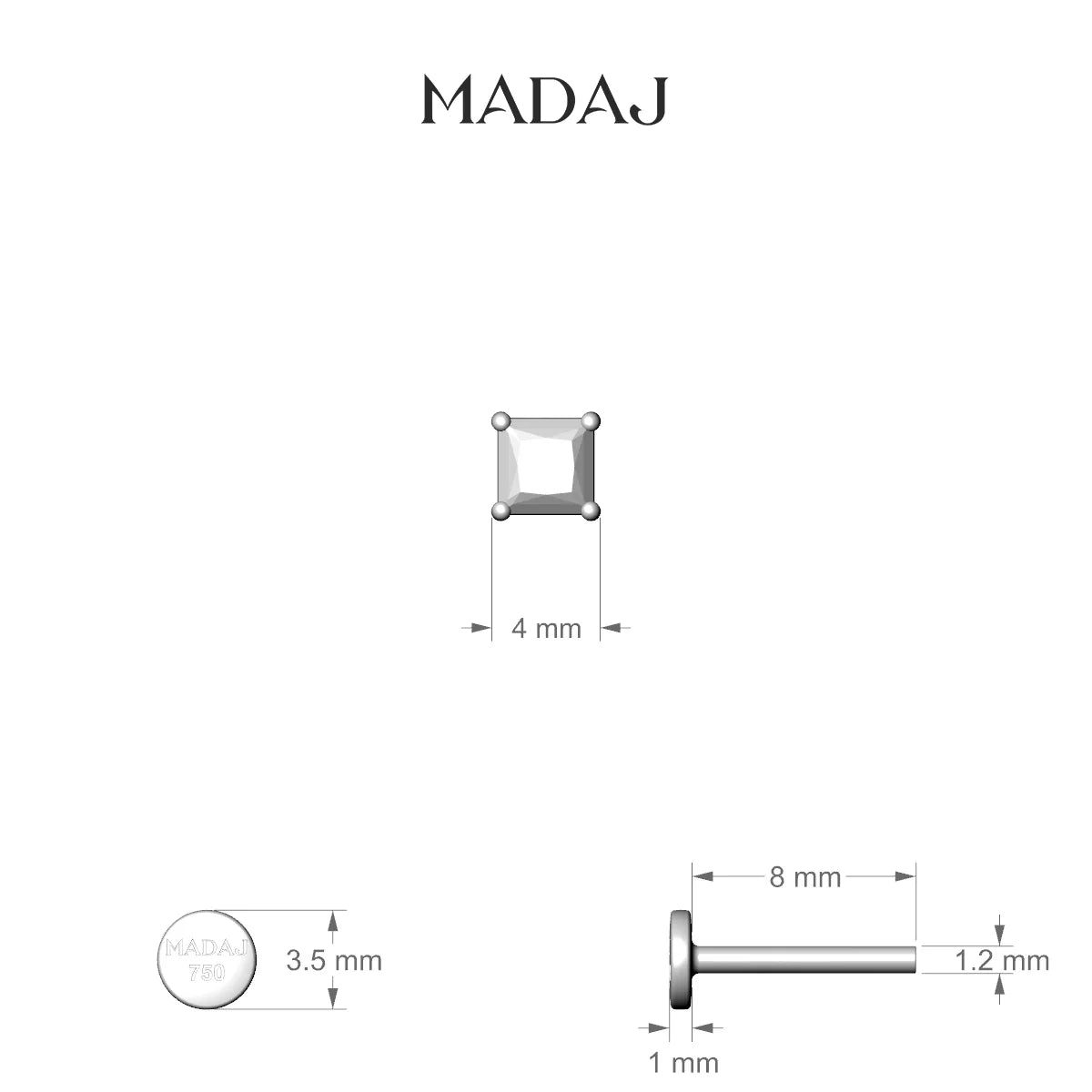
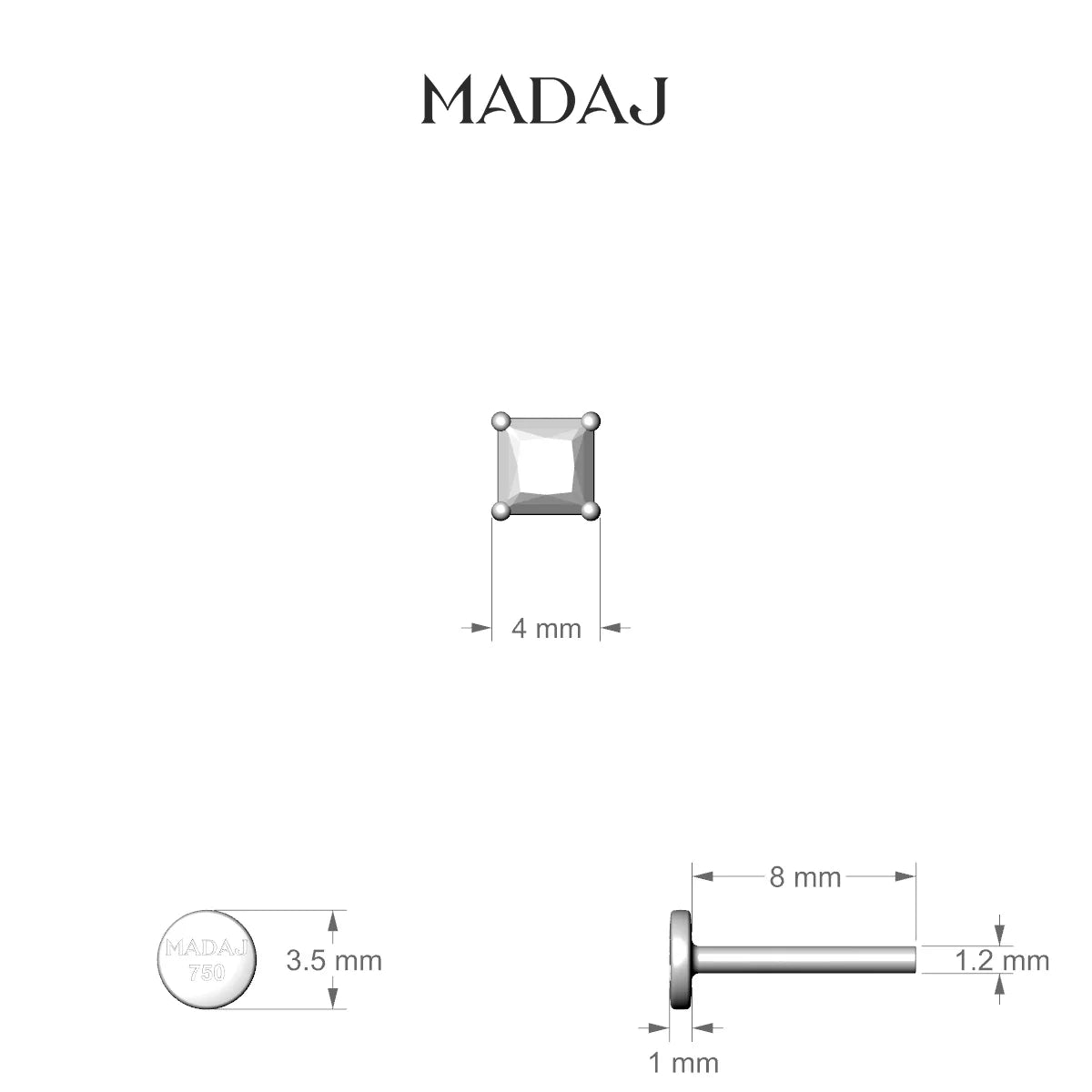
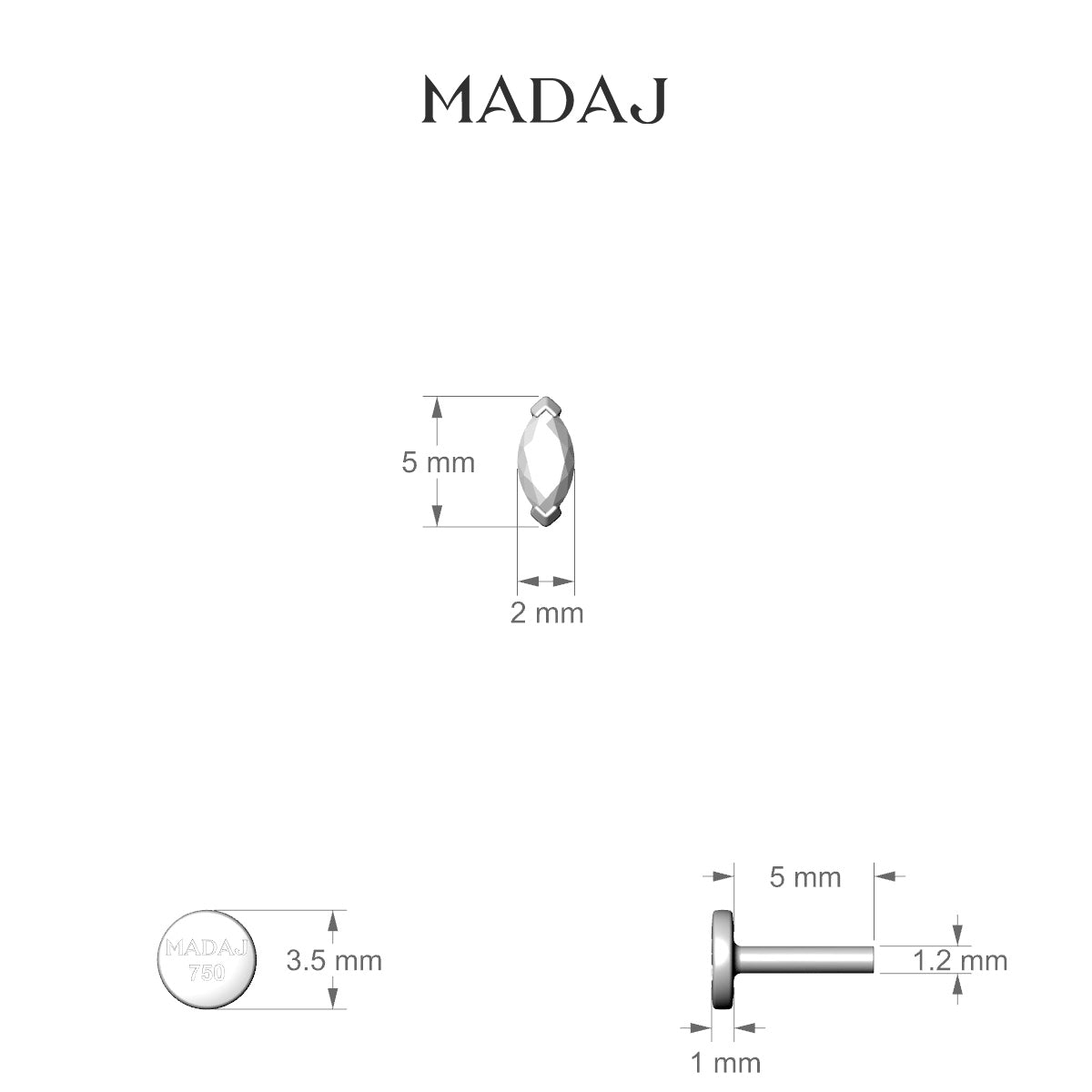
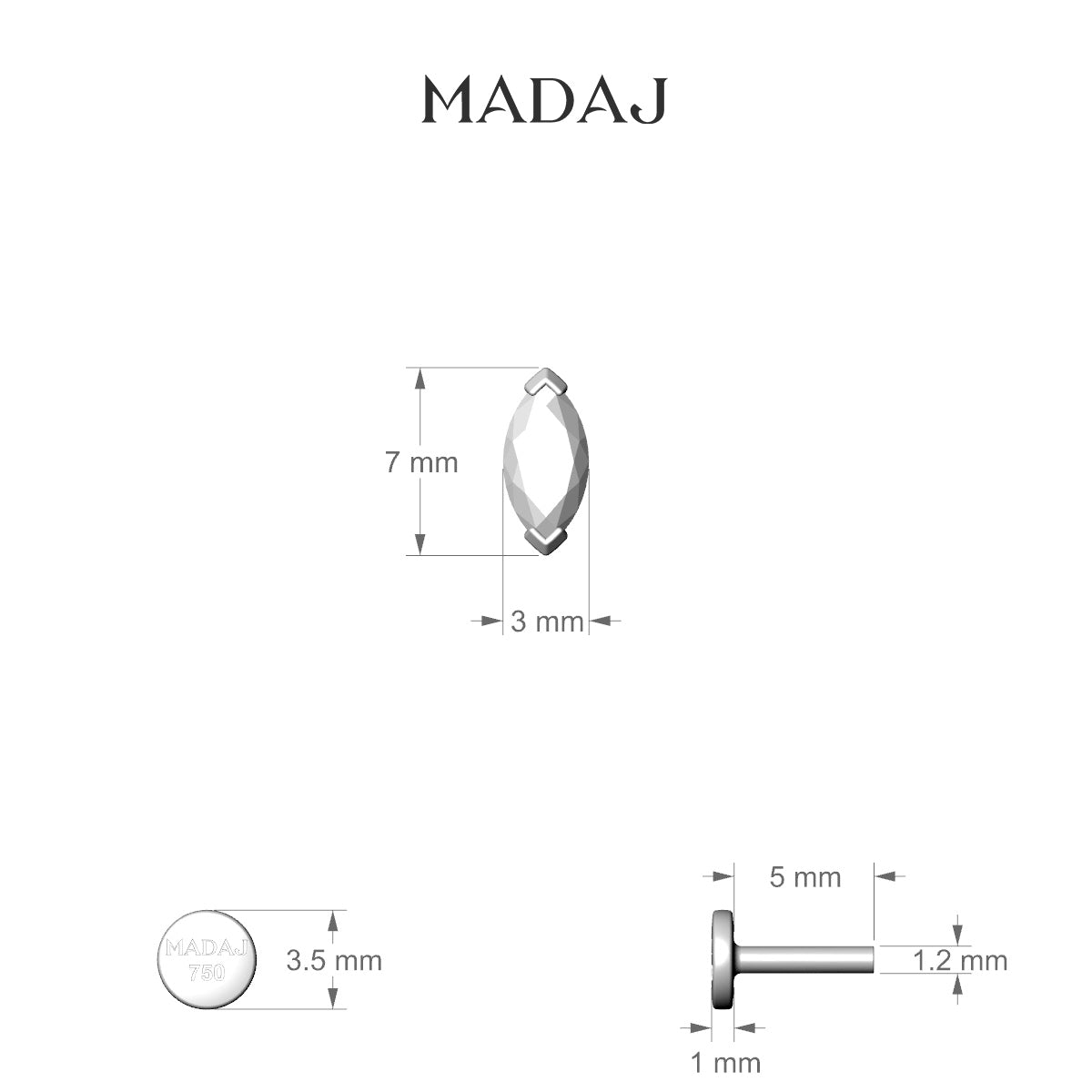
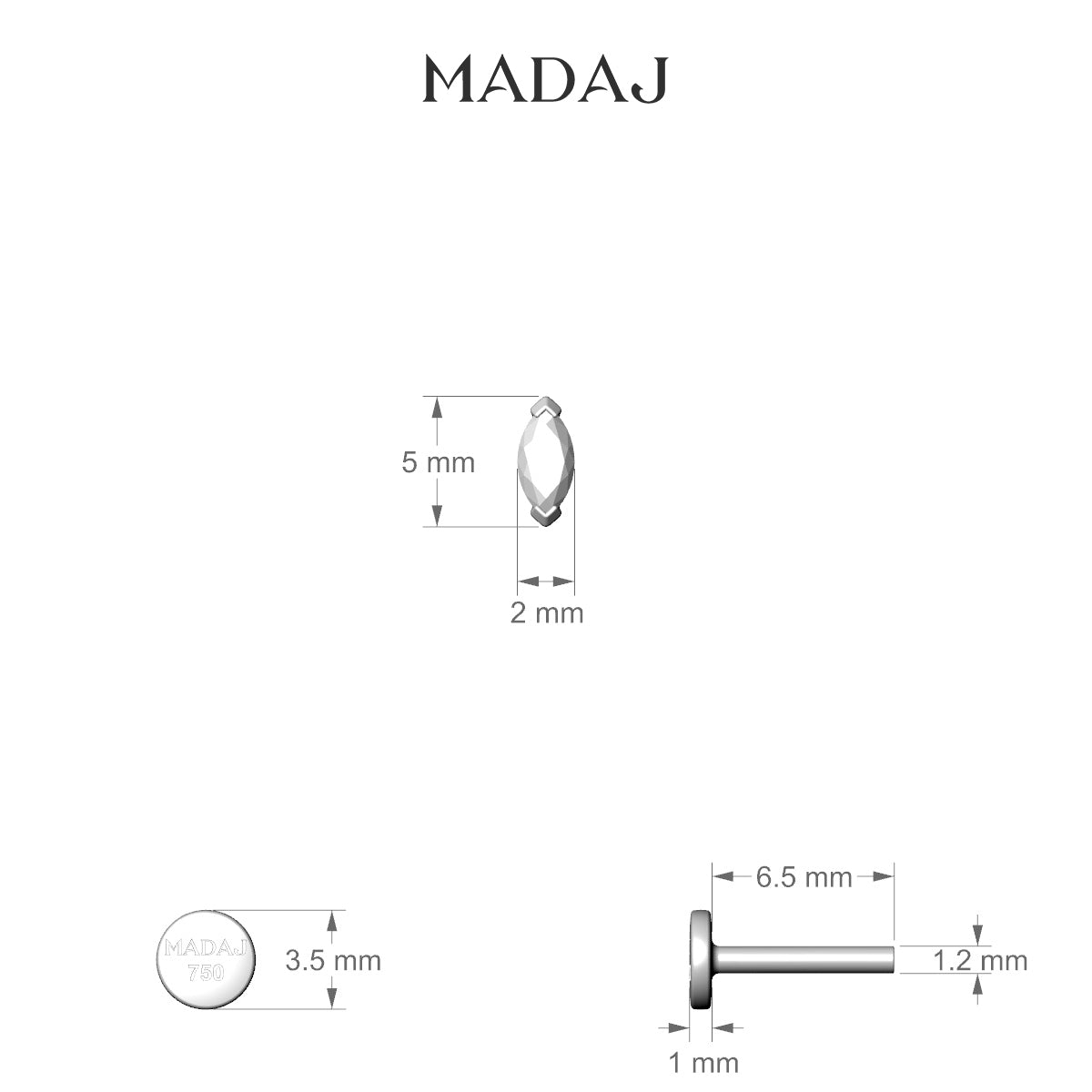
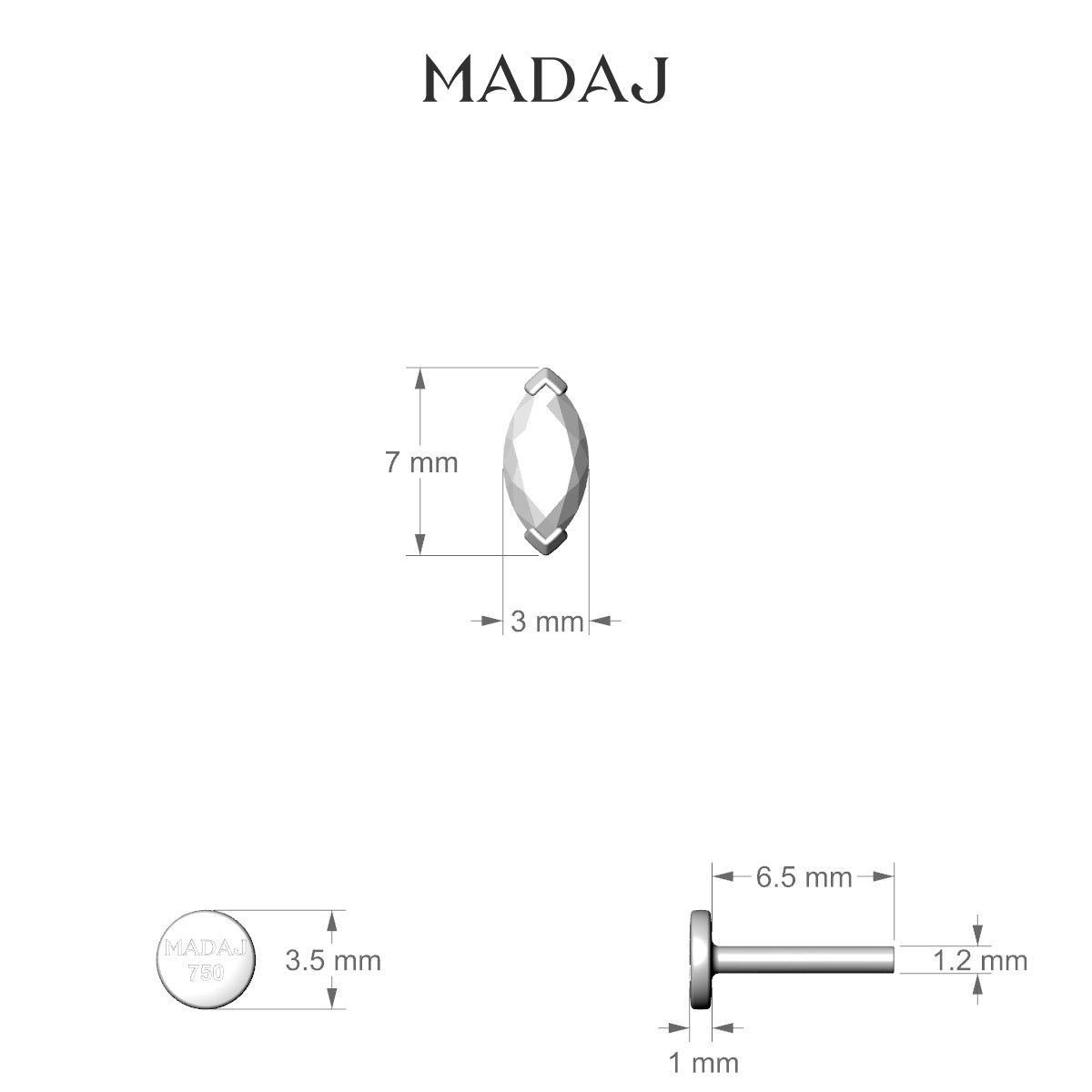
MADAJ studs are available in 5 mm, 6.5 mm, or 8 mm lengths, with a 1.2 mm (16 gauge) post diameter, closing with an internally threaded screw-back flat disc.
For a new contraconch piercing, we recommend starting with an 8 mm stud to allow room for initial swelling. Once the piercing has fully healed, you can size down to 6.5 mm for a closer fit against the ear. Keep in mind that the ideal size can differ from person to person based on anatomy, so it's best to confirm with your piercer before making a final choice.
MATERIALS
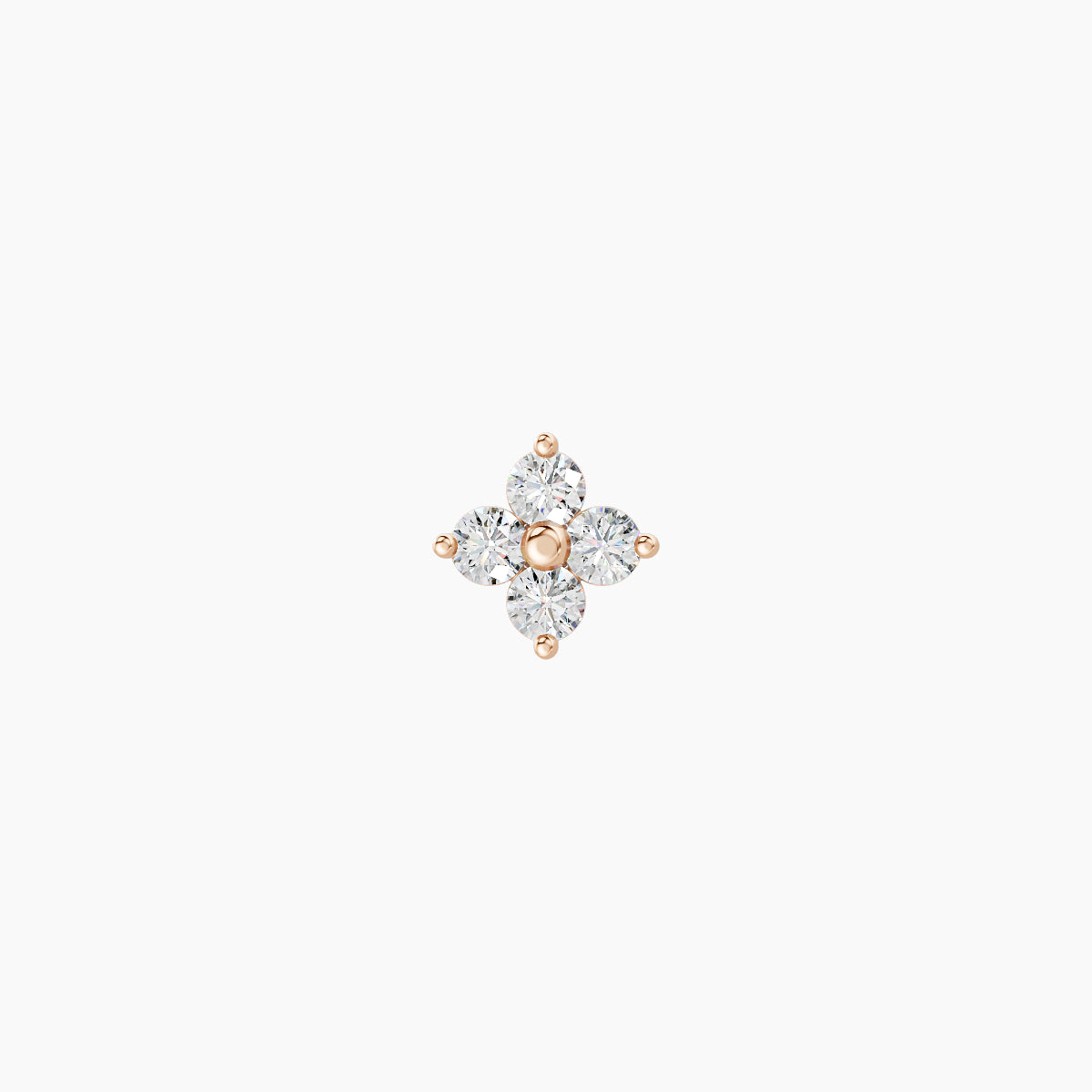
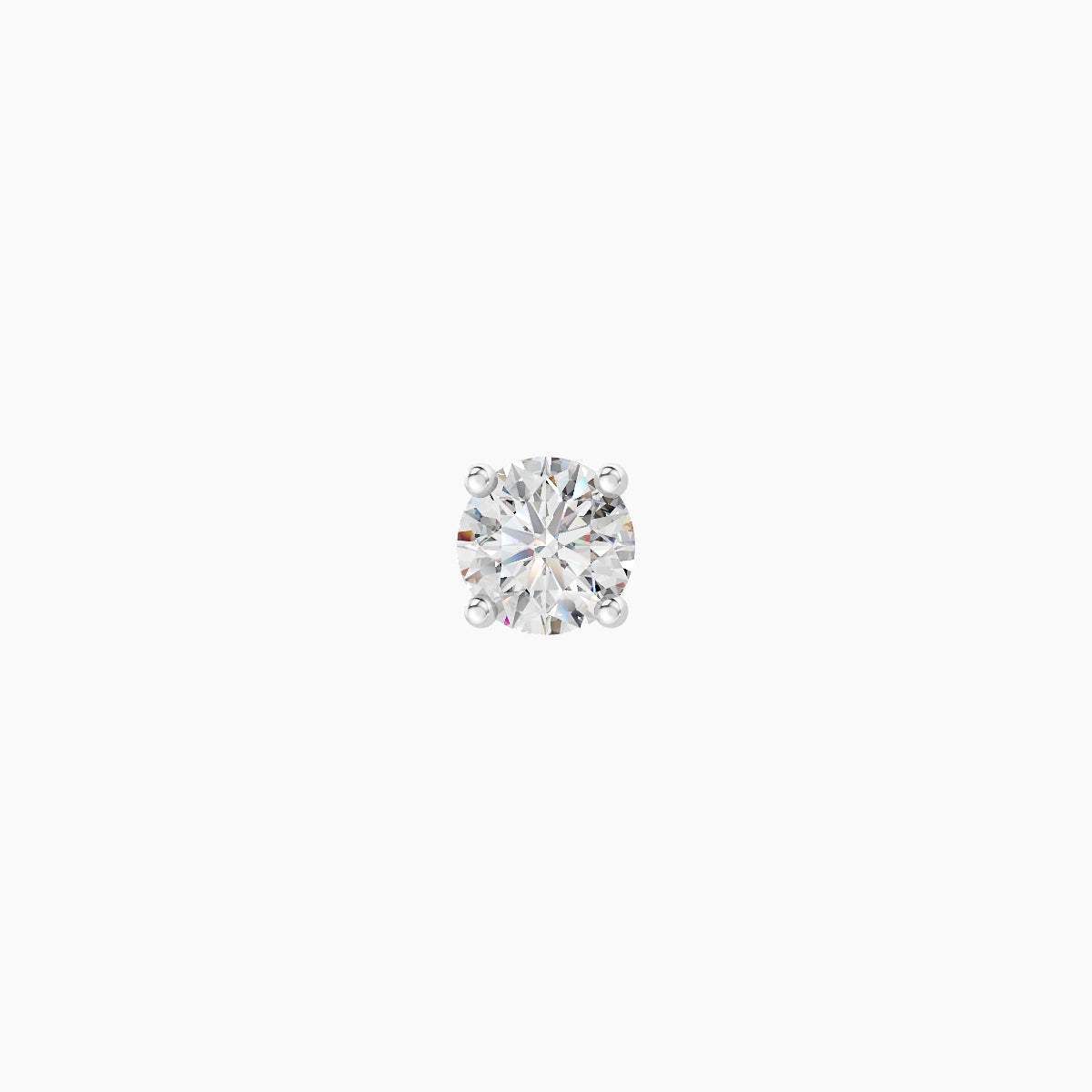
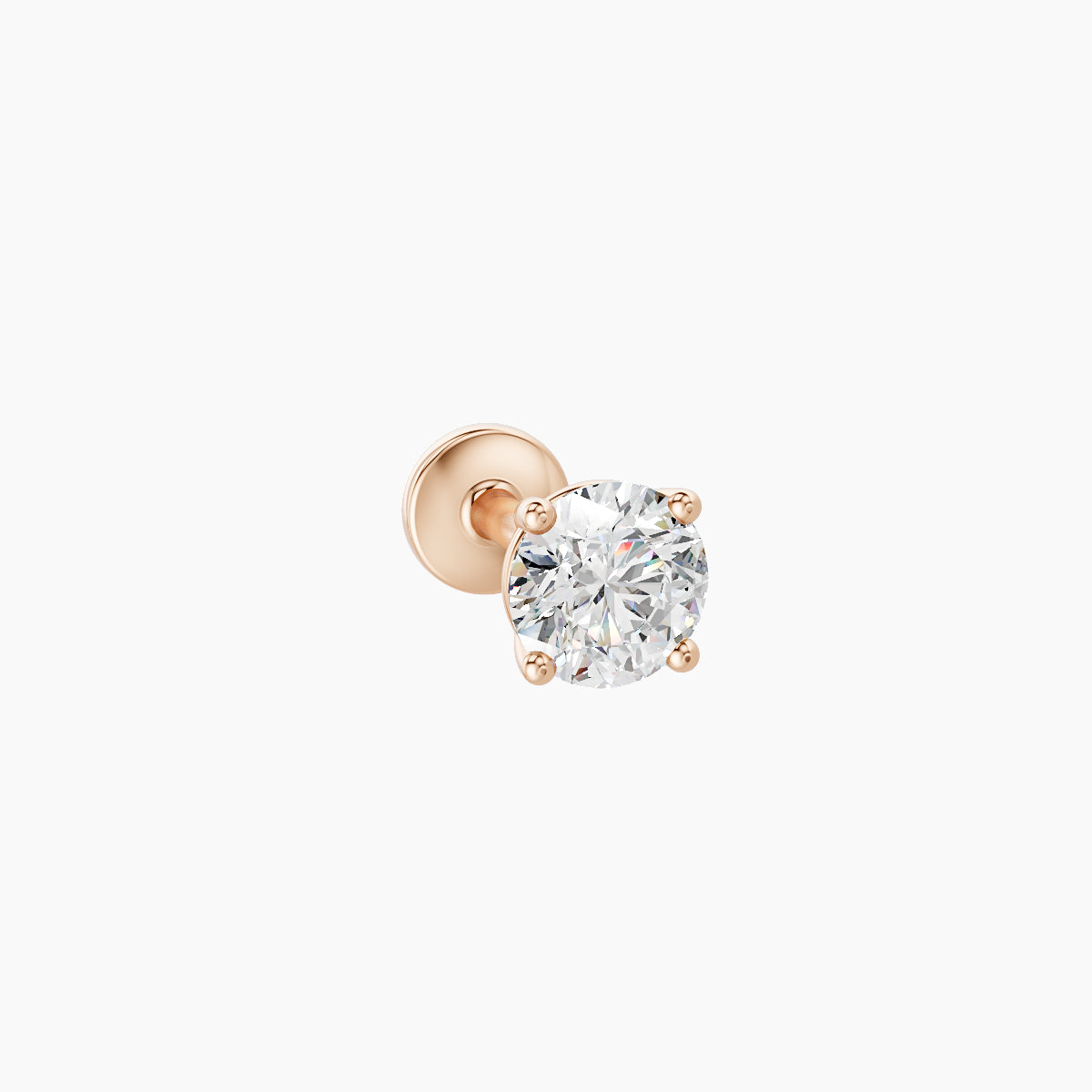
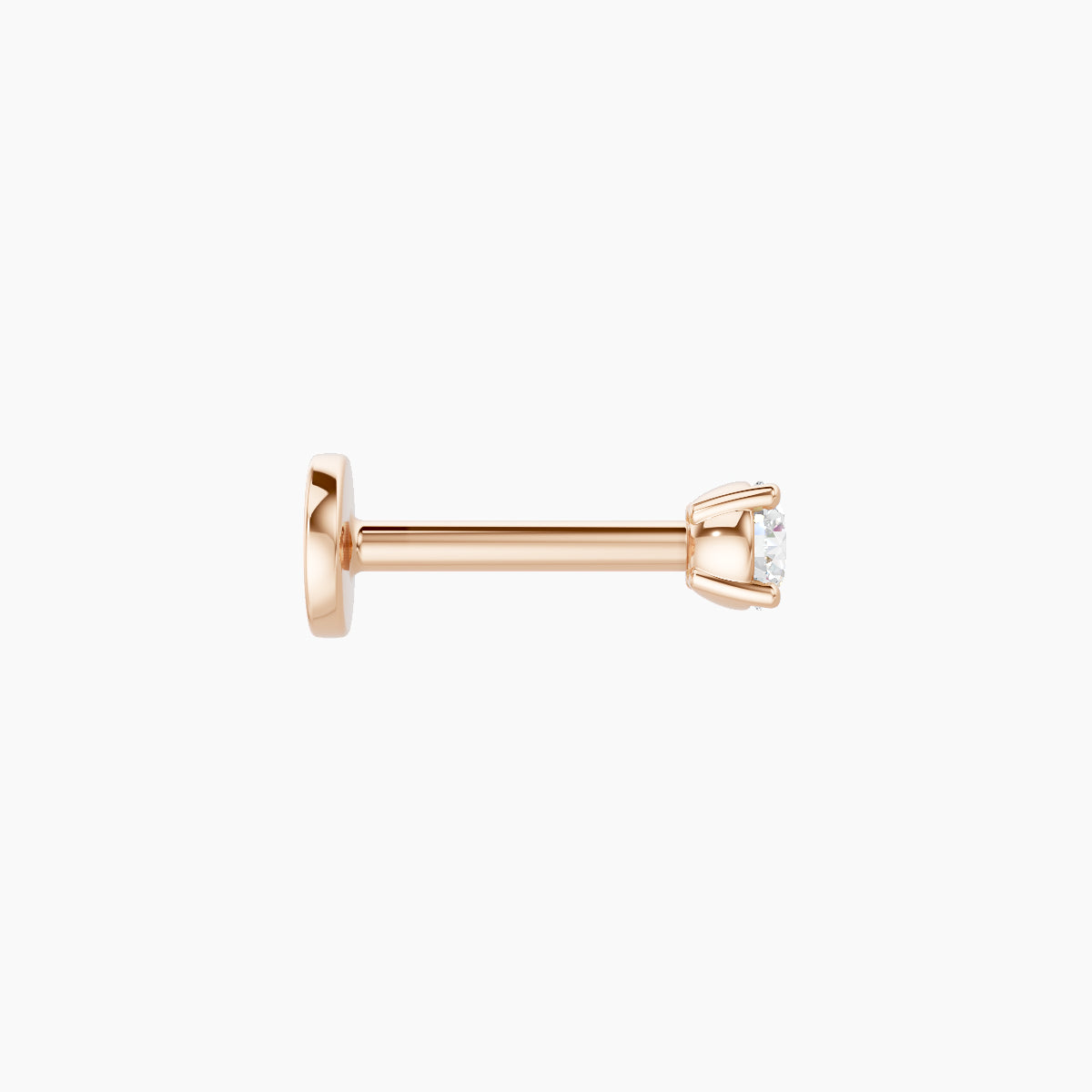
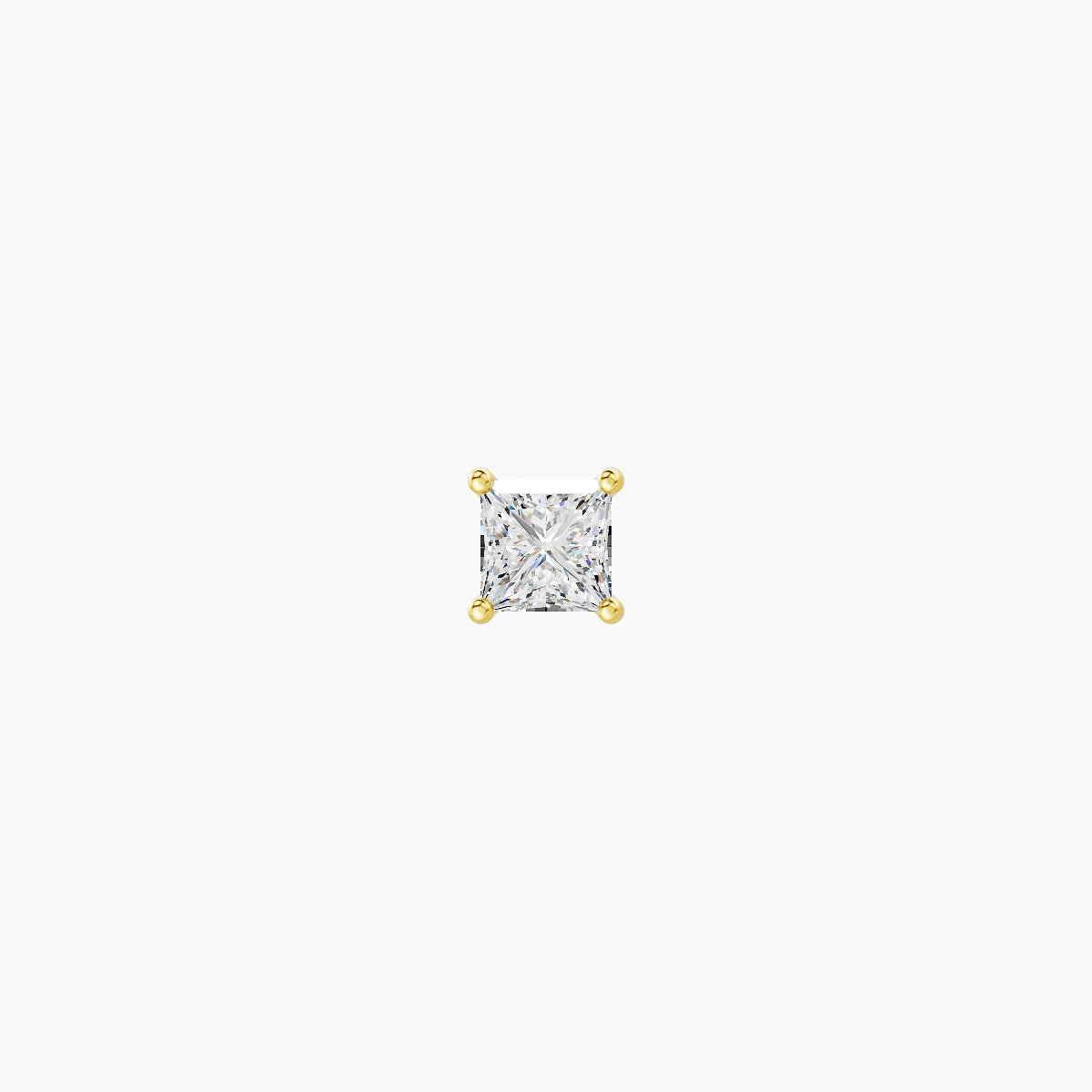
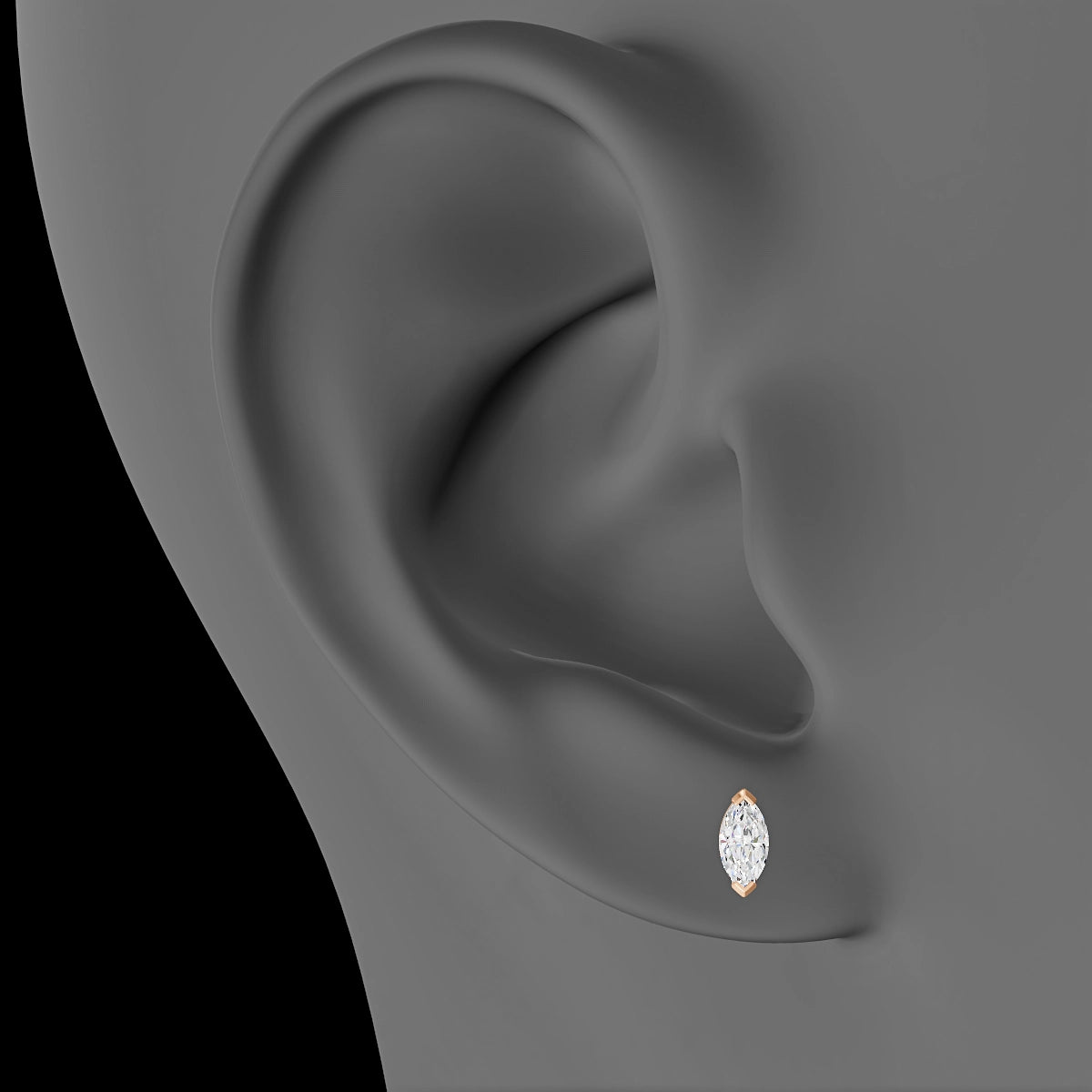
Every contraconch piece from MADAJ is handcrafted in nickel-free, hypoallergenic 18k gold, in your choice of yellow, white, or rose gold, and can be set with diamonds, rubies, sapphires, pink sapphires, emeralds, or black diamonds. Since nothing is mass-produced, jewelry cost shifts with the metal and stone combination you select.
Is All Anatomy Suitable for a Contraconch Piercing?
Not every ear is suited to a contraconch piercing. The contraconch is a raised ridge of cartilage, and its size and shape vary significantly from person to person. Some people have a pronounced, easily pierceable contraconch, while others have very little cartilage projection in that area, which can make the piercing difficult or unsuitable.
Before booking your appointment, a professional piercer should assess your ear anatomy in person to confirm whether a contraconch piercing is possible and to advise on appropriate jewelry placement and size.
Frequently Asked Questions
Contraconch piercing is notably more painful than a lobe piercing, sitting around 7/10 versus roughly 2/10 to 3/10 for a standard lobe, because it goes through denser cartilage rather than soft tissue.
Not necessarily. The contraconch is a raised ridge of cartilage, and its size varies from person to person. Some ears do not have enough projection to support the piercing safely. A professional piercer should assess your anatomy before booking.
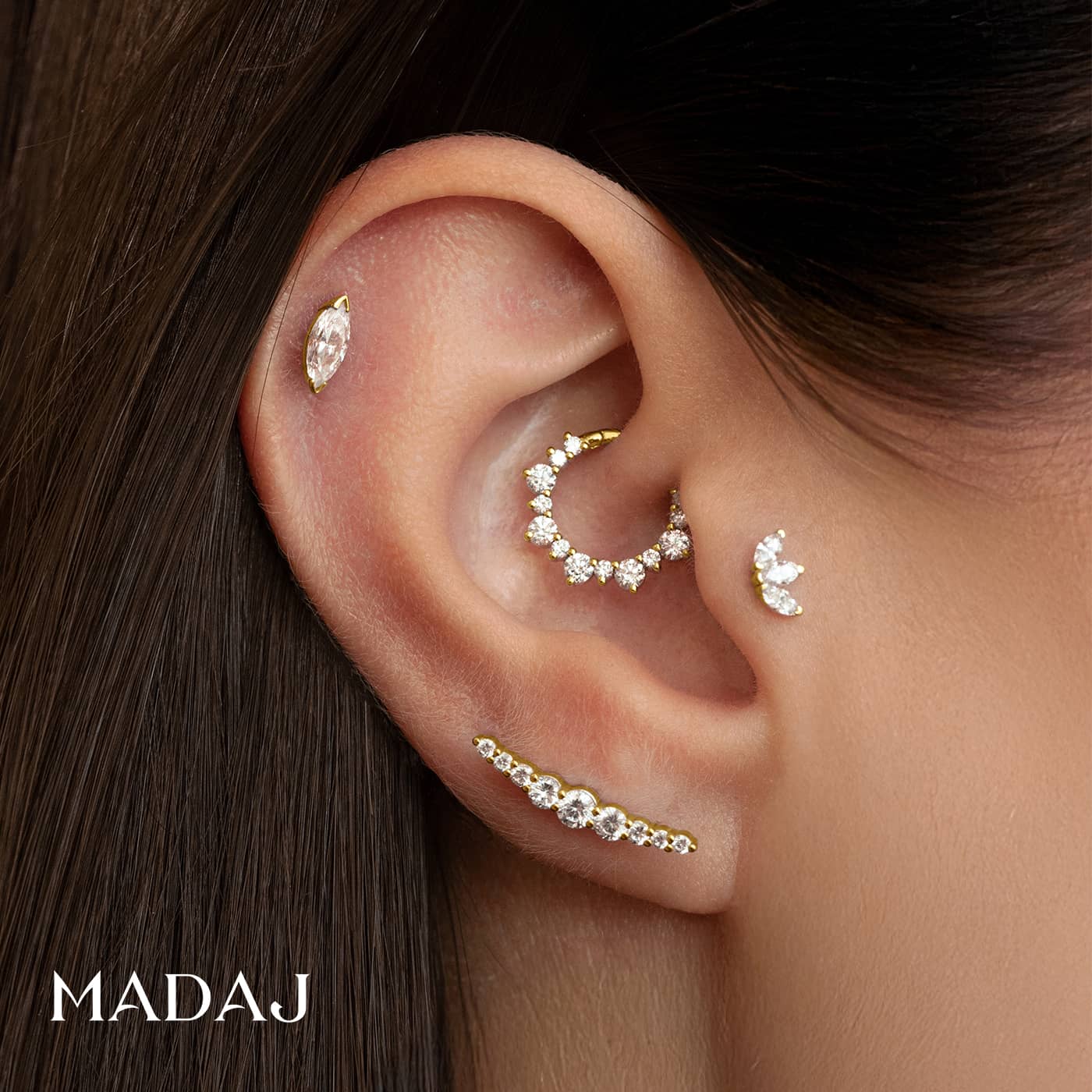
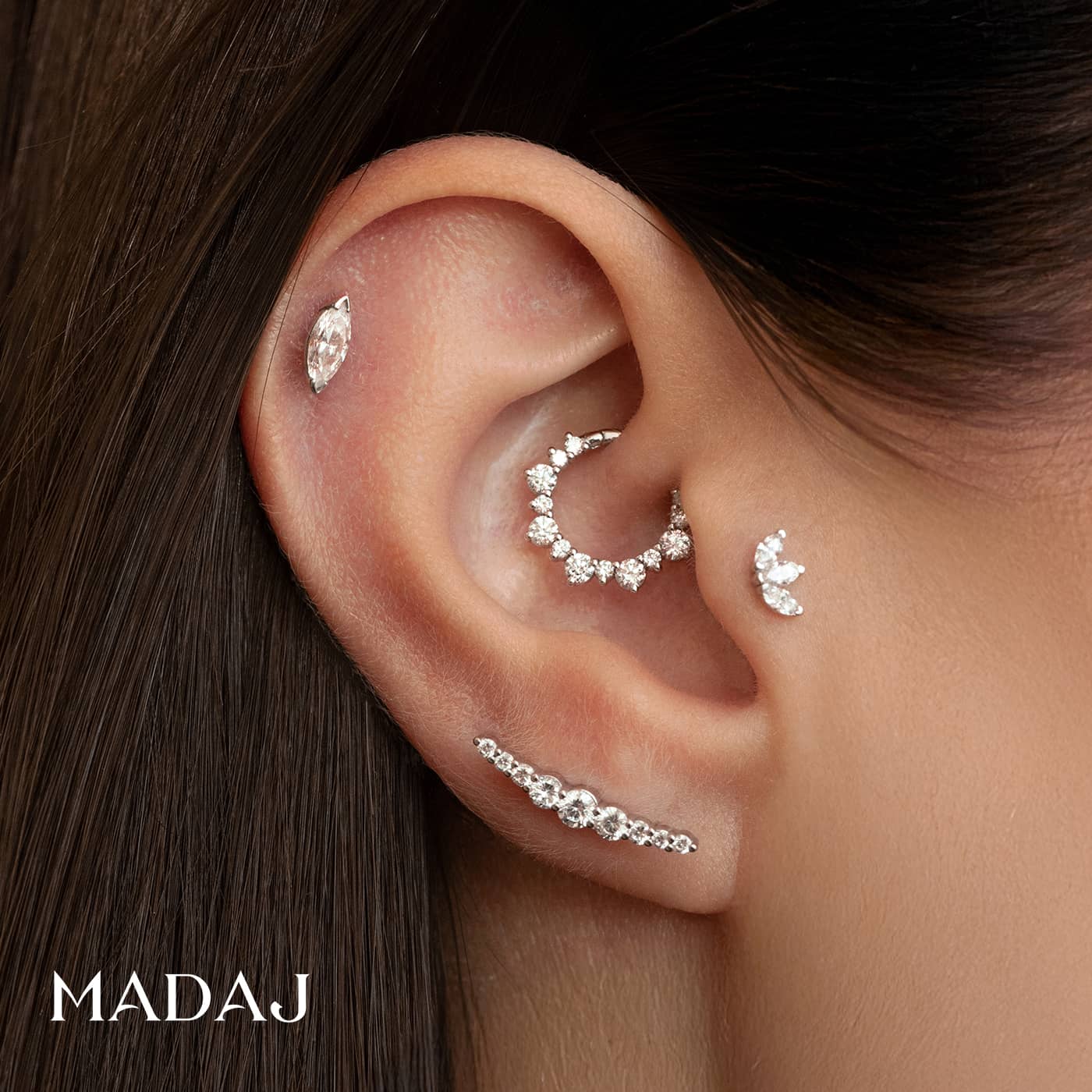
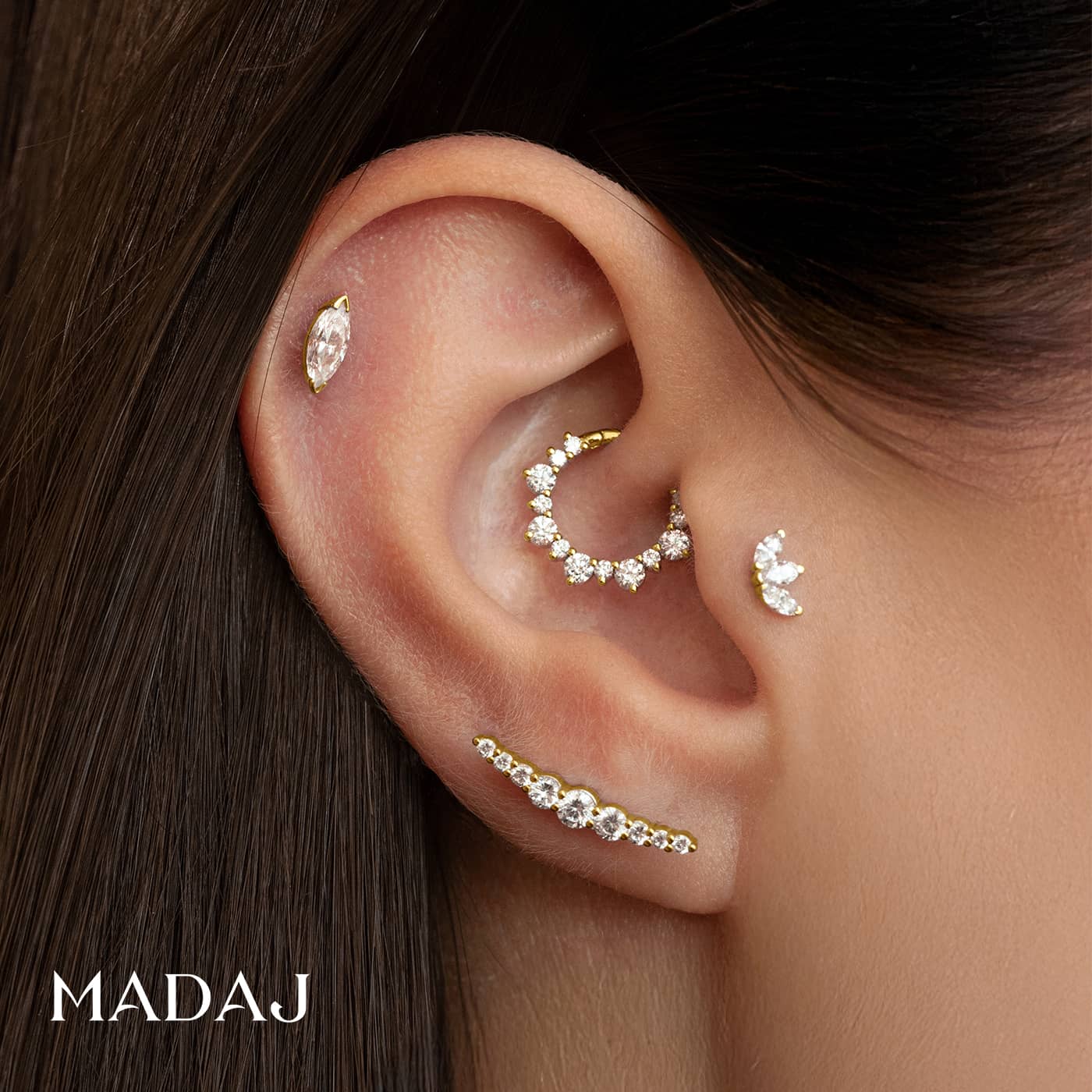
Yes, the contraconch works well alongside conch, helix, or rook piercings as part of a layered ear look, since its placement near the outer rim complements piercings closer to the ear canal.
Full healing typically takes 6 to 12 months. Redness, swelling, and light discharge are common in the first few weeks and should gradually fade, though the piercing remains sensitive to pressure for several months.
The conch is the central concave bowl of cartilage near the ear canal, while the contraconch is a raised ridge just above the earlobe. Both are cartilage piercings with a similar pain level and healing time, but the conch can take a stud or a hoop, while the contraconch is stud-only.
Discover Our
CONTRACONCH PIERCING COLLECTION