Education
Your Complete Guide to Tragus Piercings
Last Updated 21/07/2026 | Written by Maëlys Chamard, Co-Founder of MADAJ
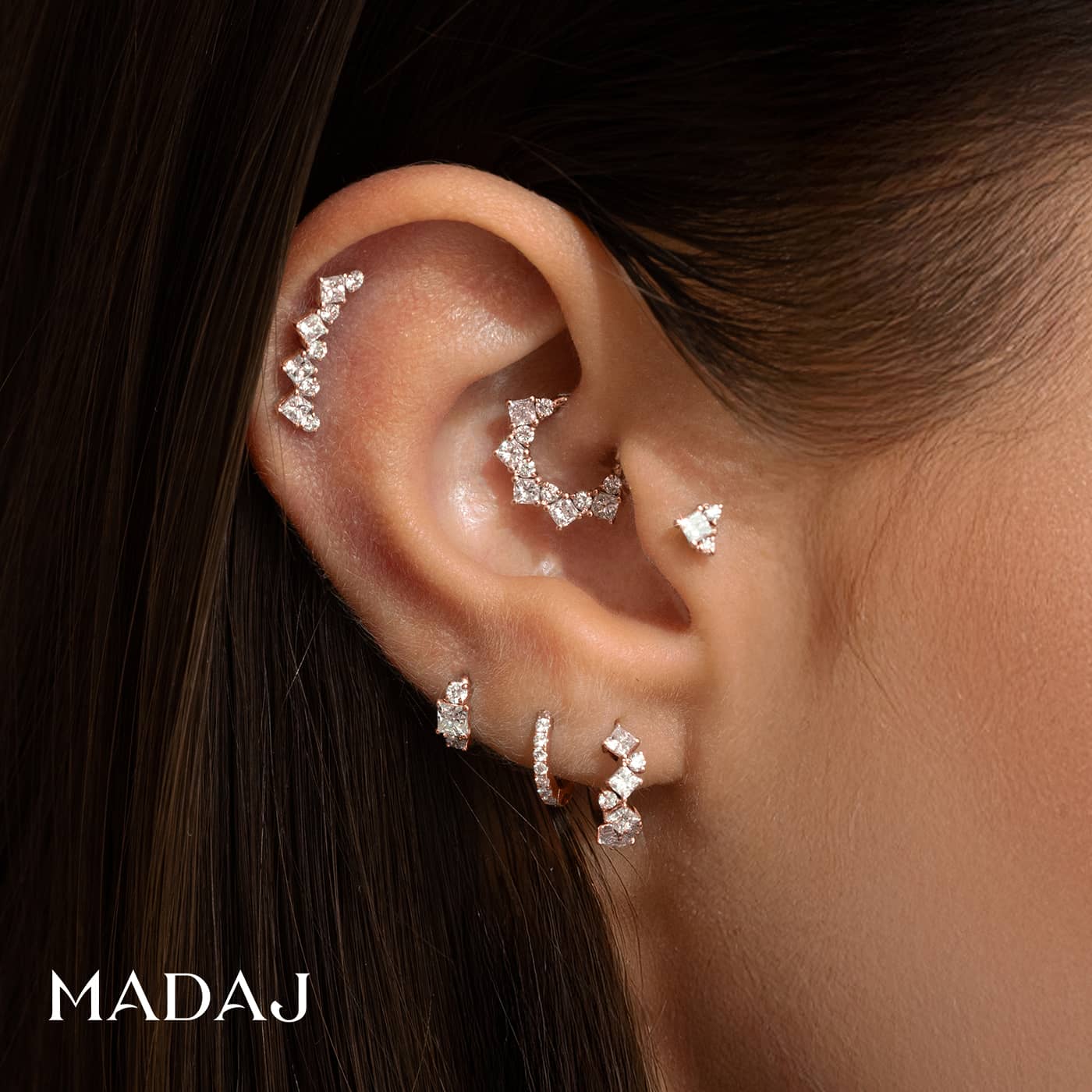
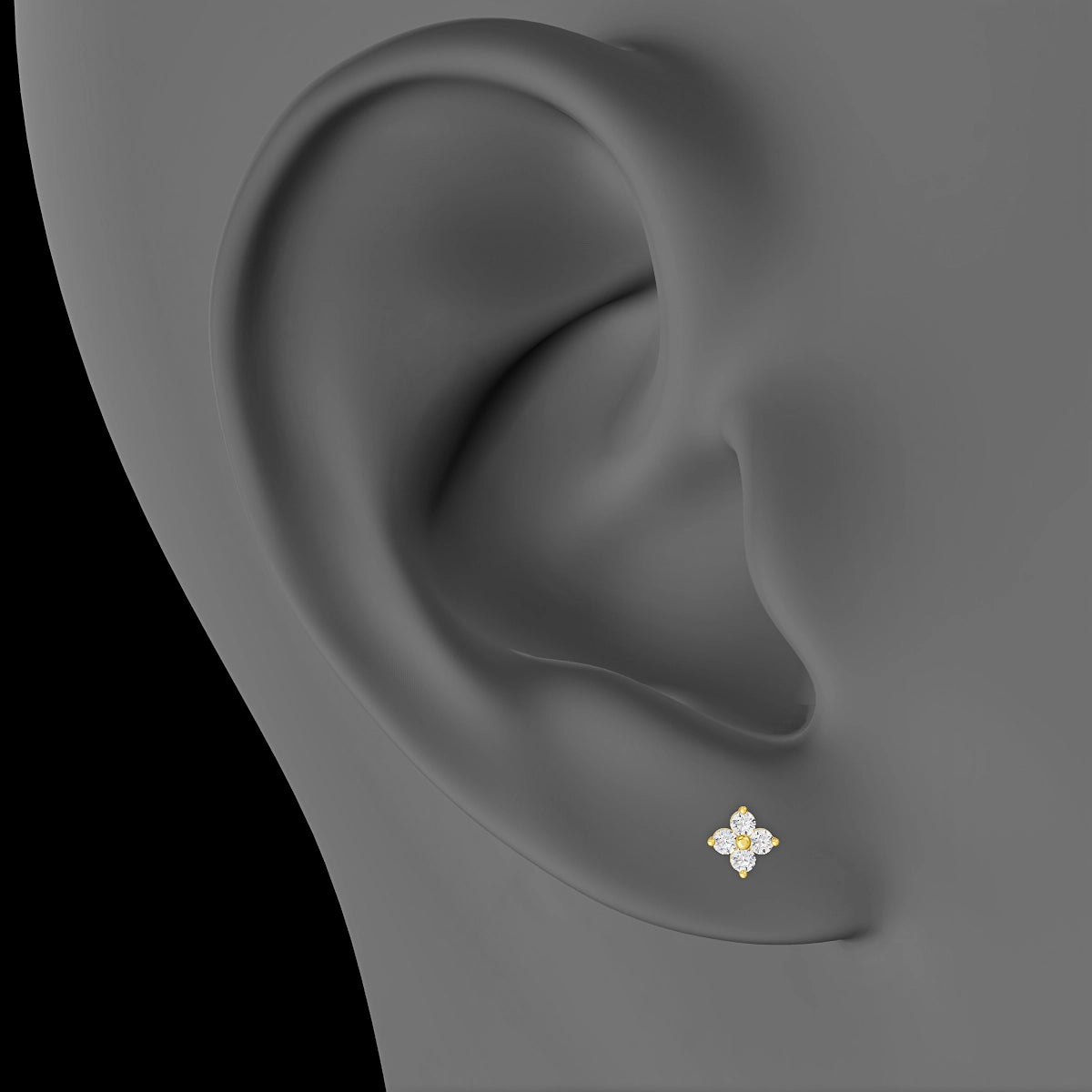
The tragus piercing sits on the small triangular flap of cartilage that partially covers the entrance to your ear canal. It is one of the most popular cartilage piercings for good reason: subtle enough for everyday wear, striking enough to anchor an entire ear composition, and versatile enough to work with studs, hoops, and decorative pieces once healed.
This guide covers the essential information about tragus piercings, including placement, pain level, healing, aftercare, and jewelry options.
Overview of the tragus piercing
- Placement: The small piece of cartilage over the entrance to the ear canal
- Pricing: $30-$40, plus the cost of the jewelry
- Pain Level: 4/10
- Healing Time: 6 to 12 months
- Aftercare: Clean twice a day with a sterile, saline-based solution. Avoid putting pressure on the area by not sleeping on the side with the earring until it heals.
Quick links:
Placement & Anatomy | Cost | Does it Hurt | Piercing Procedure | Tragus Piercing Jewelry | Aftercare | Healing Time | FAQs
Tragus piercing placement and anatomy

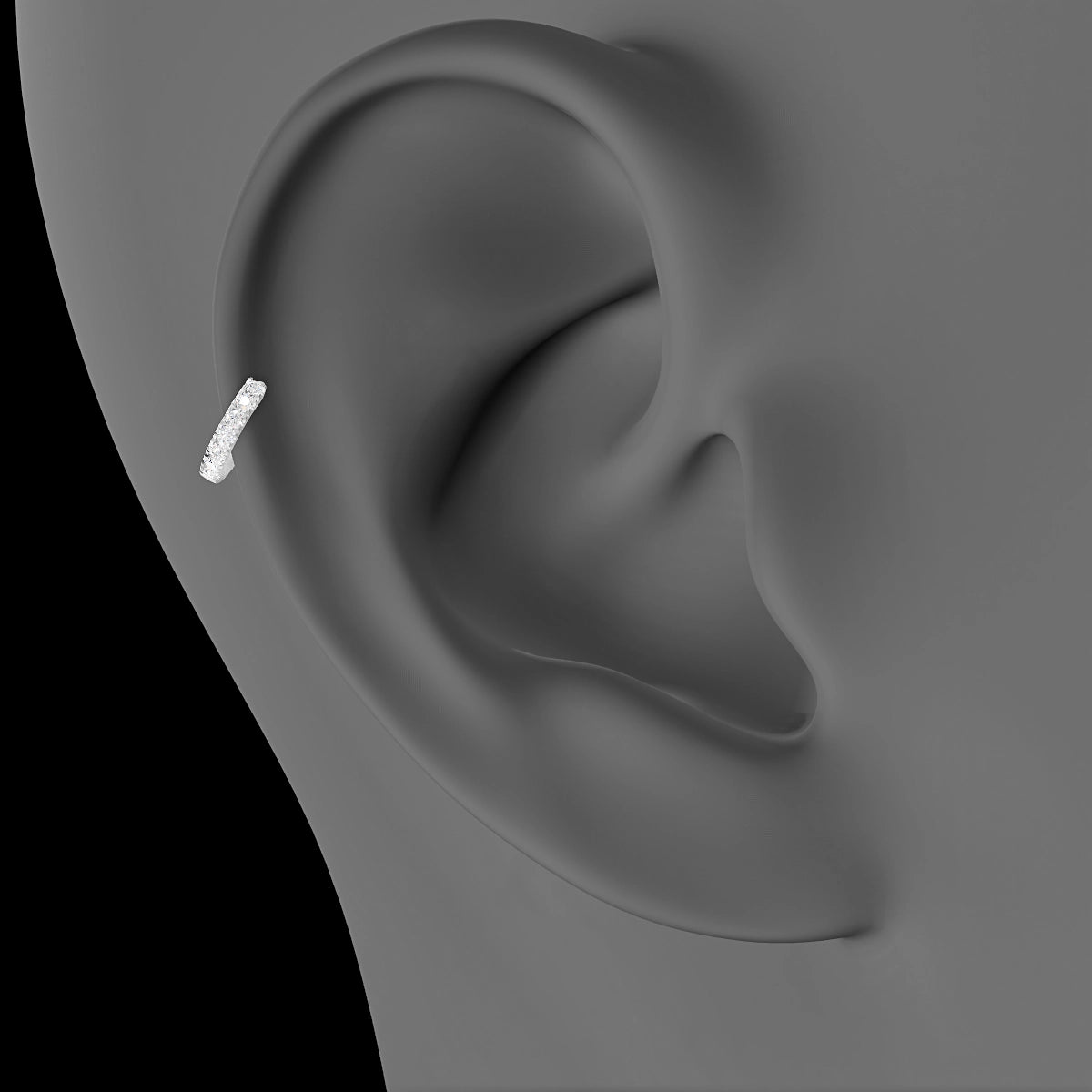
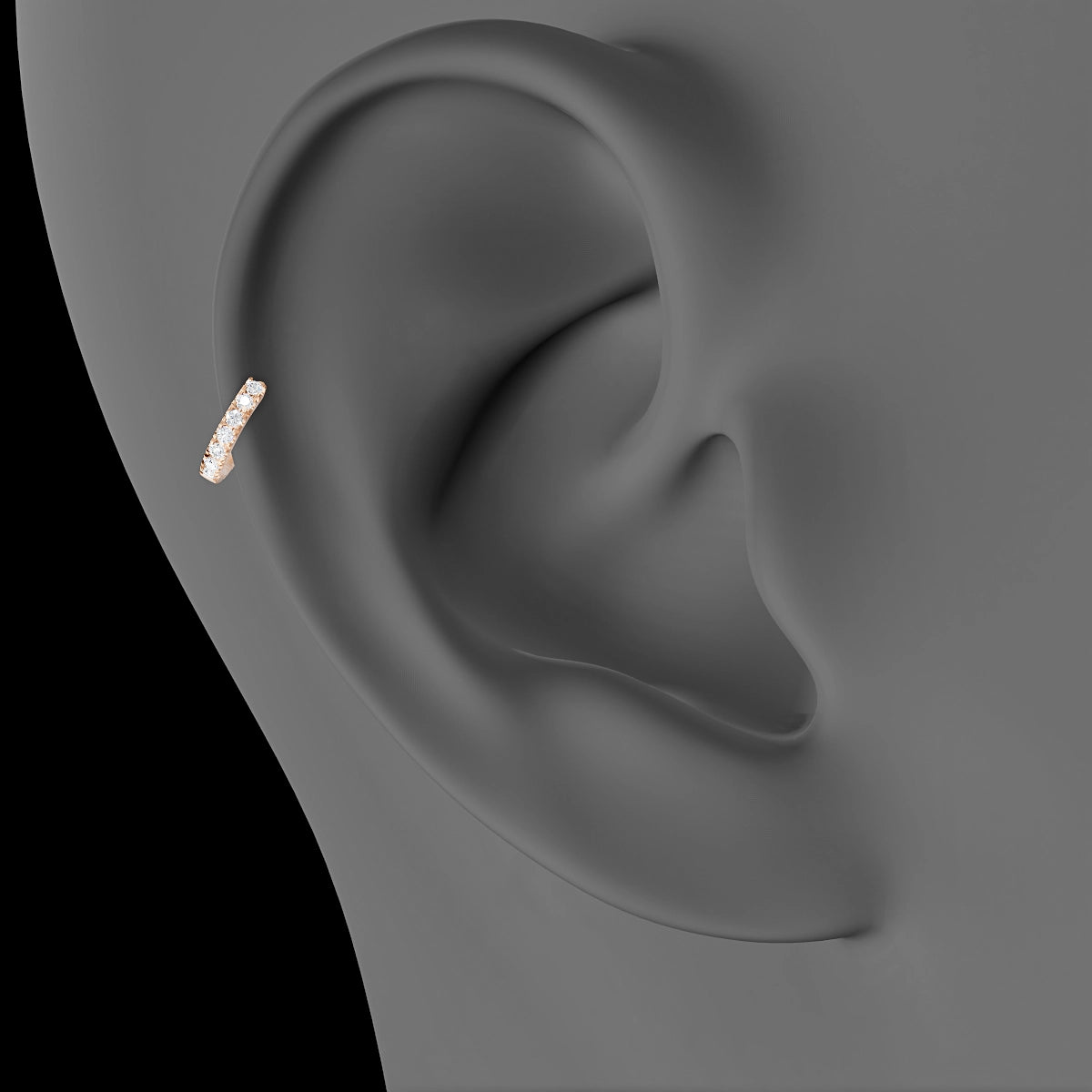
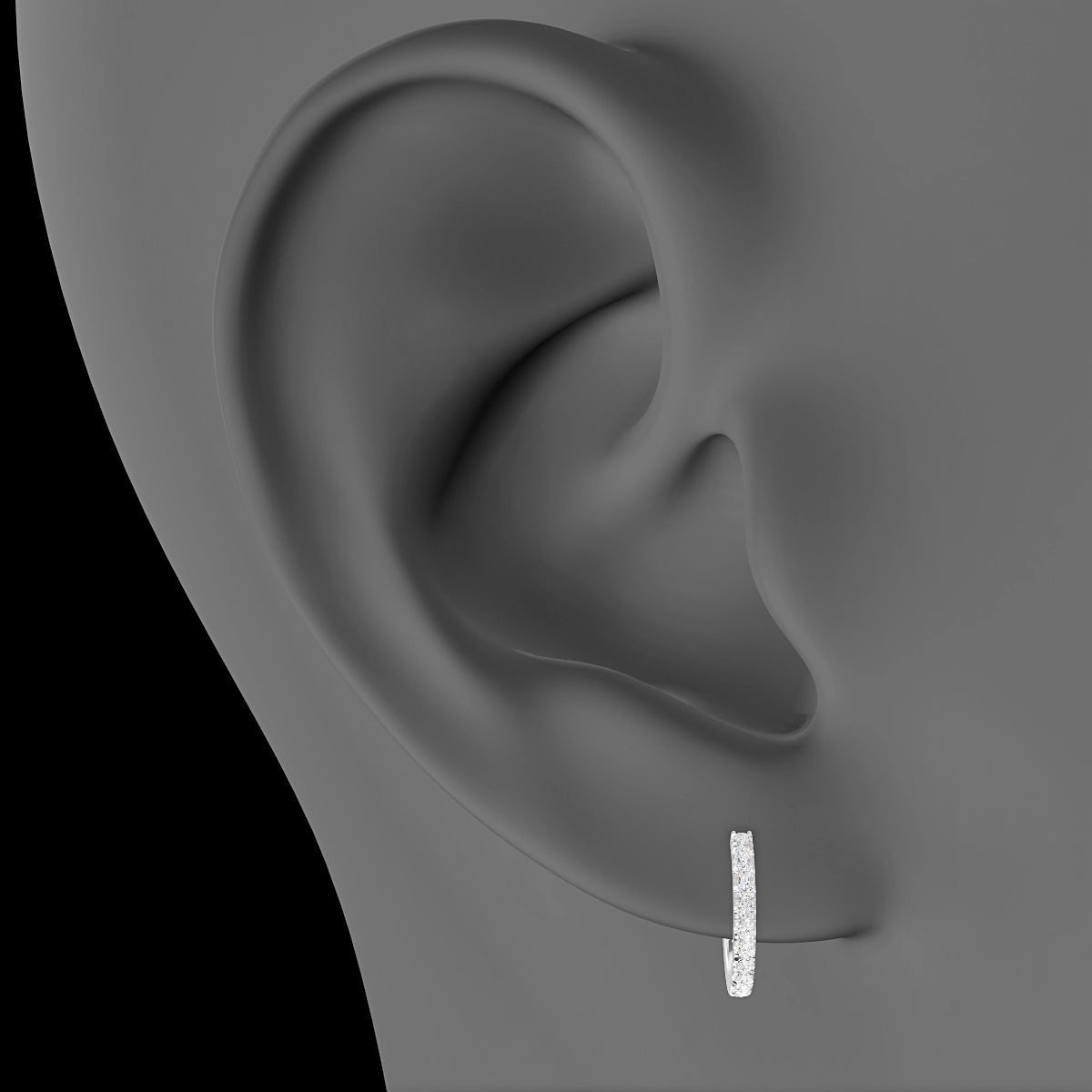
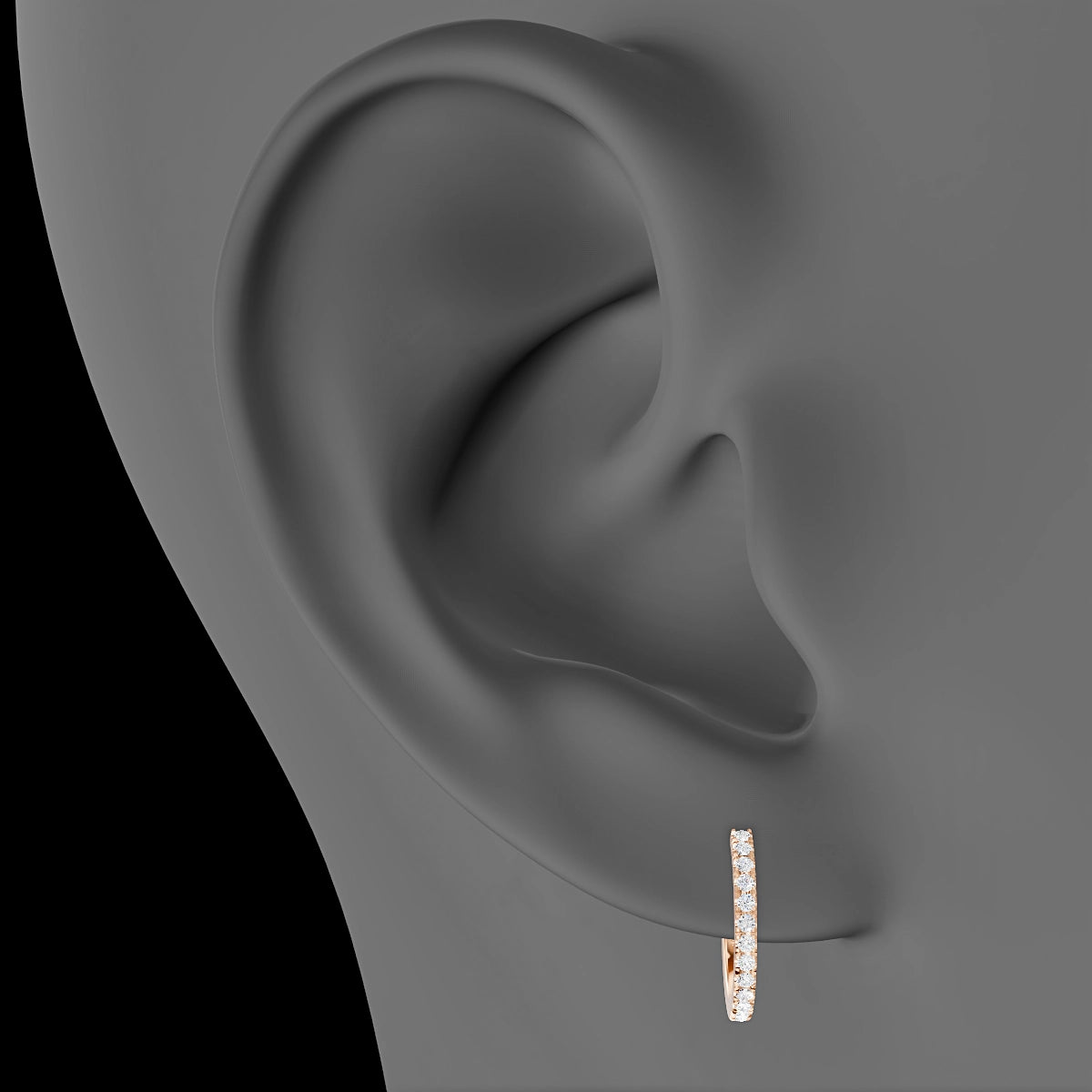
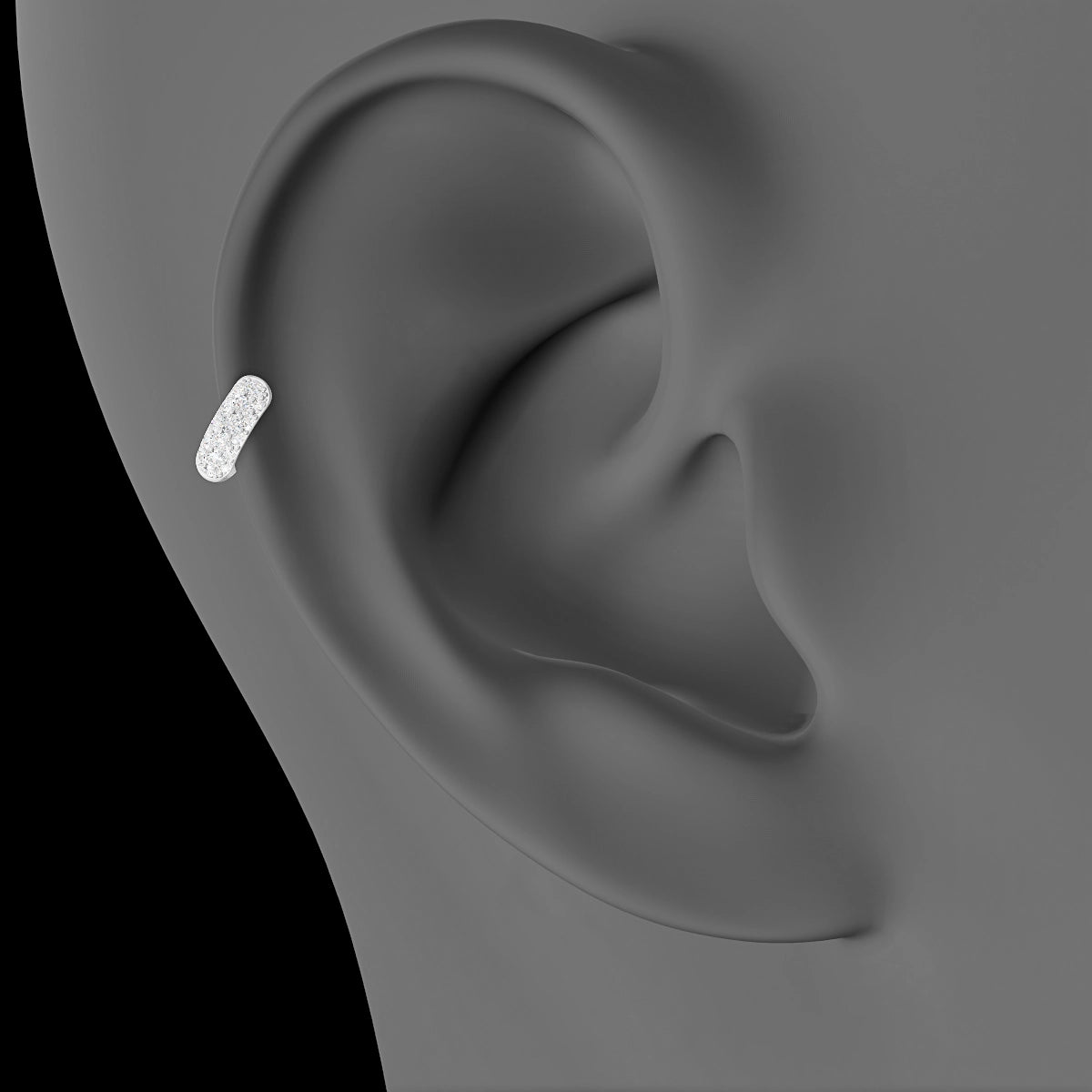
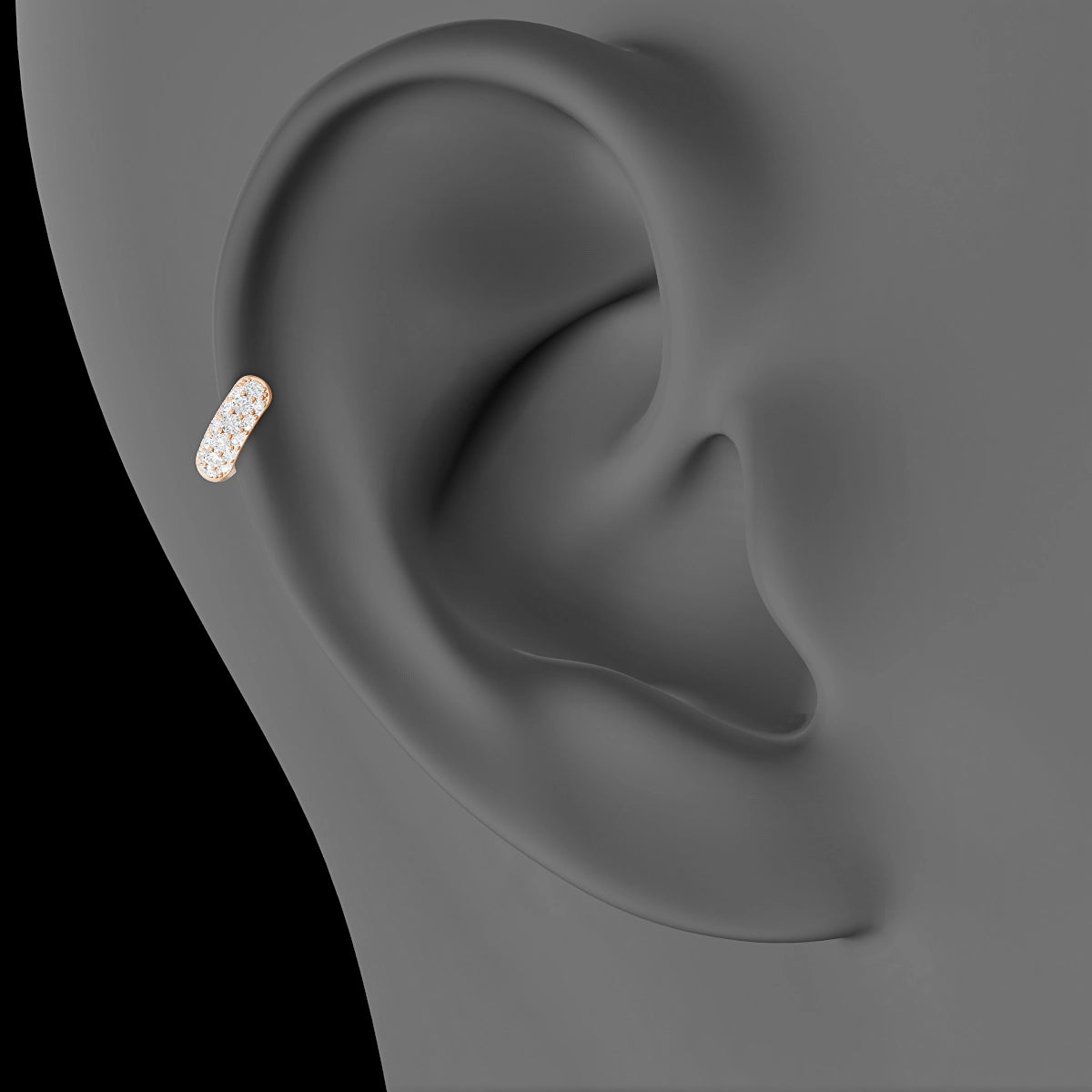
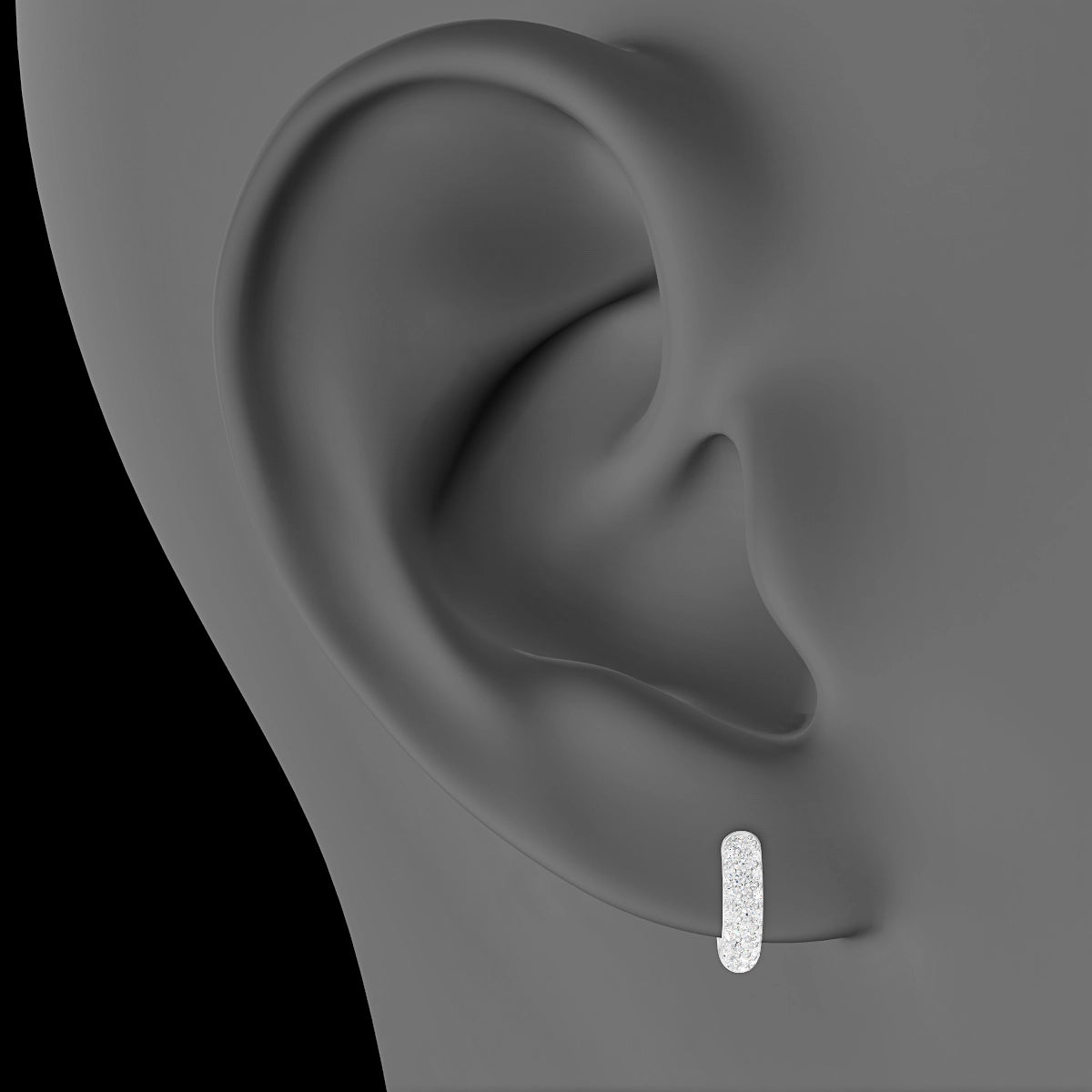
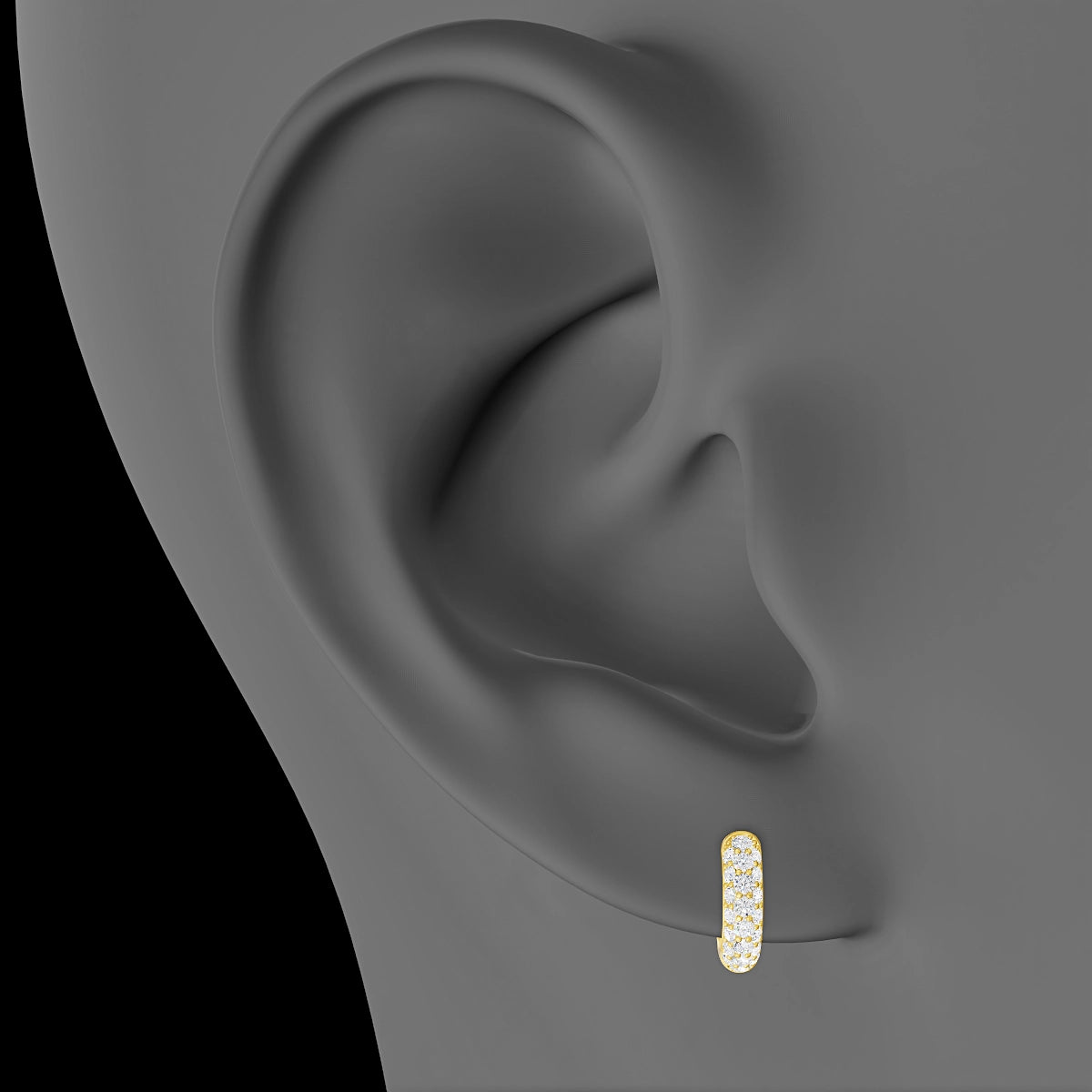
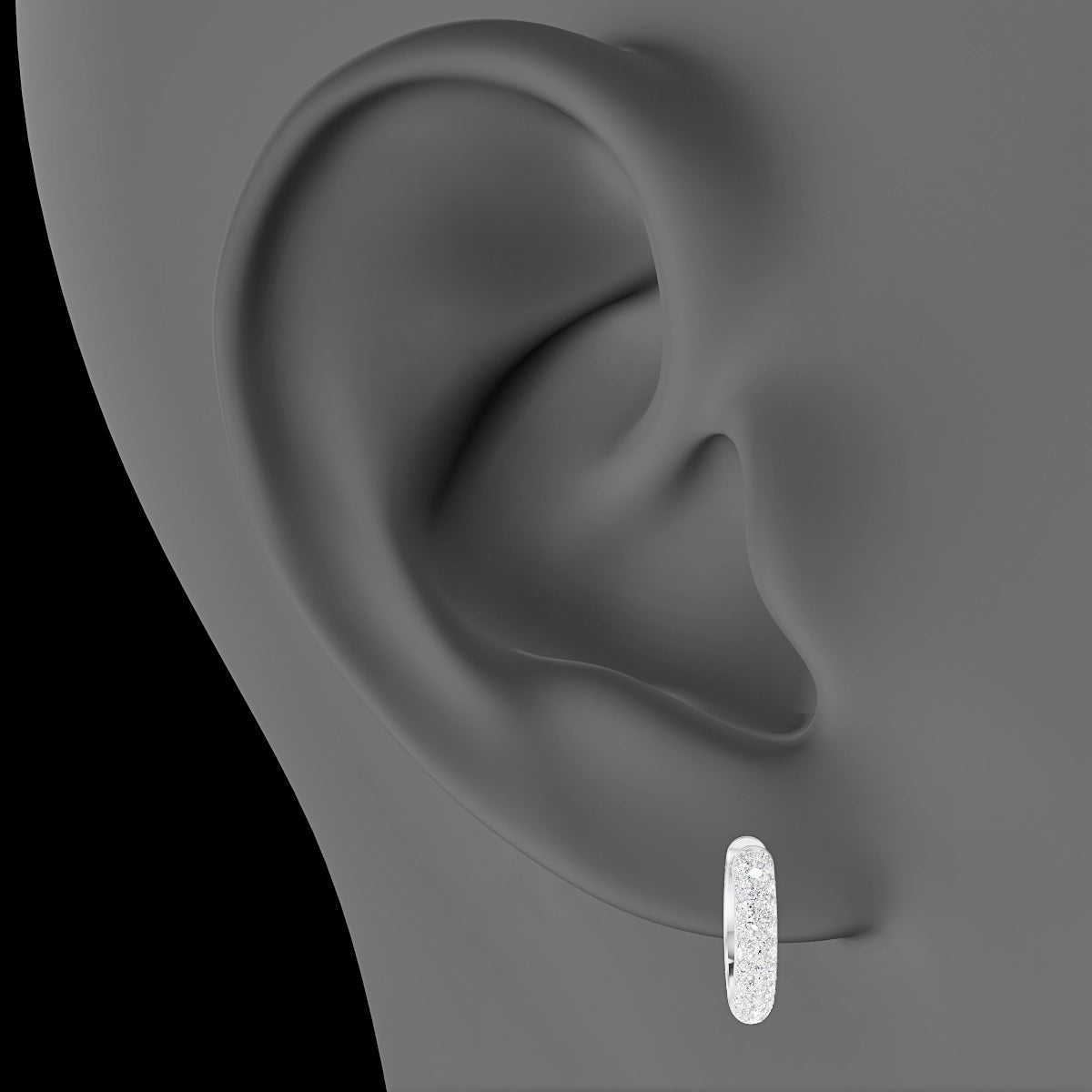
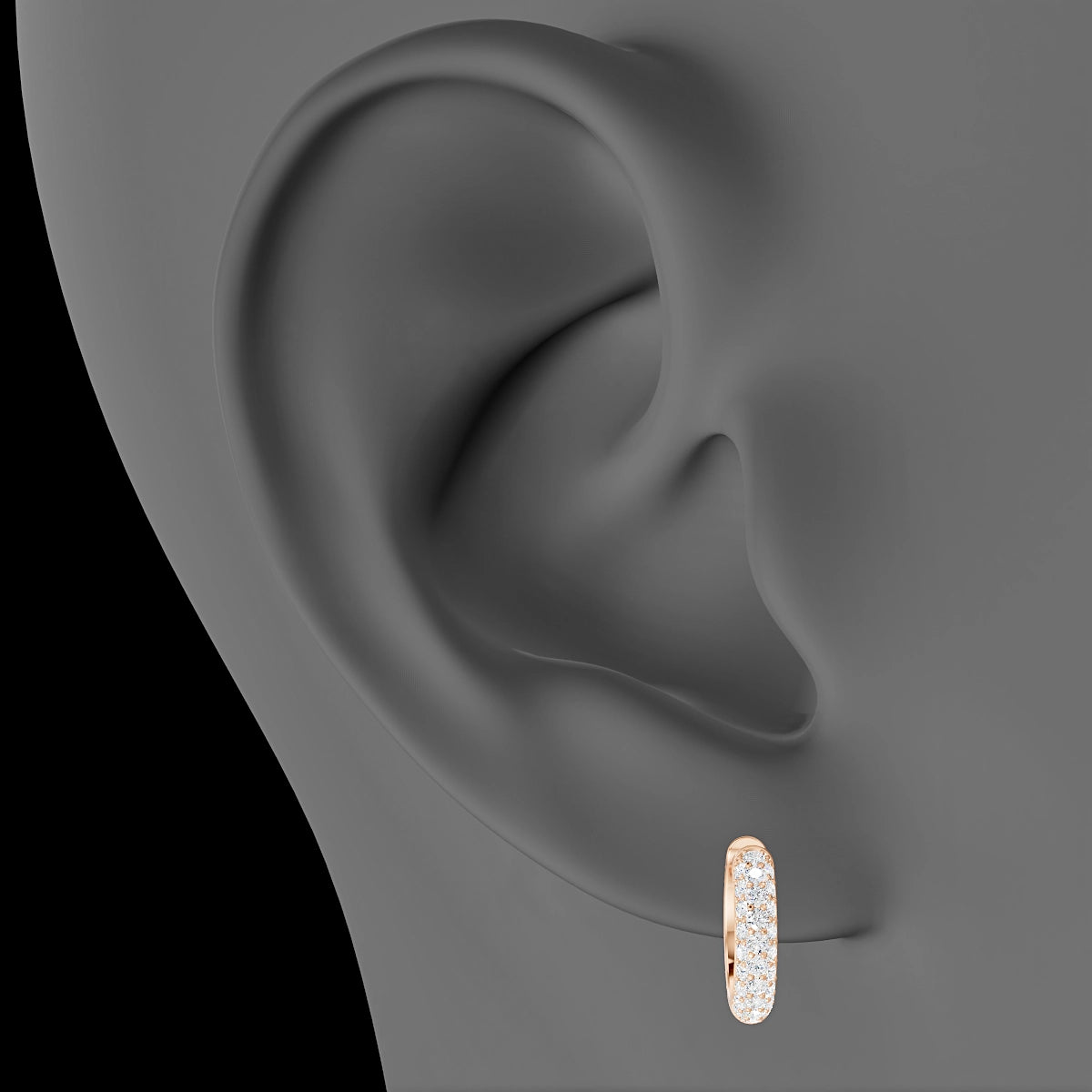
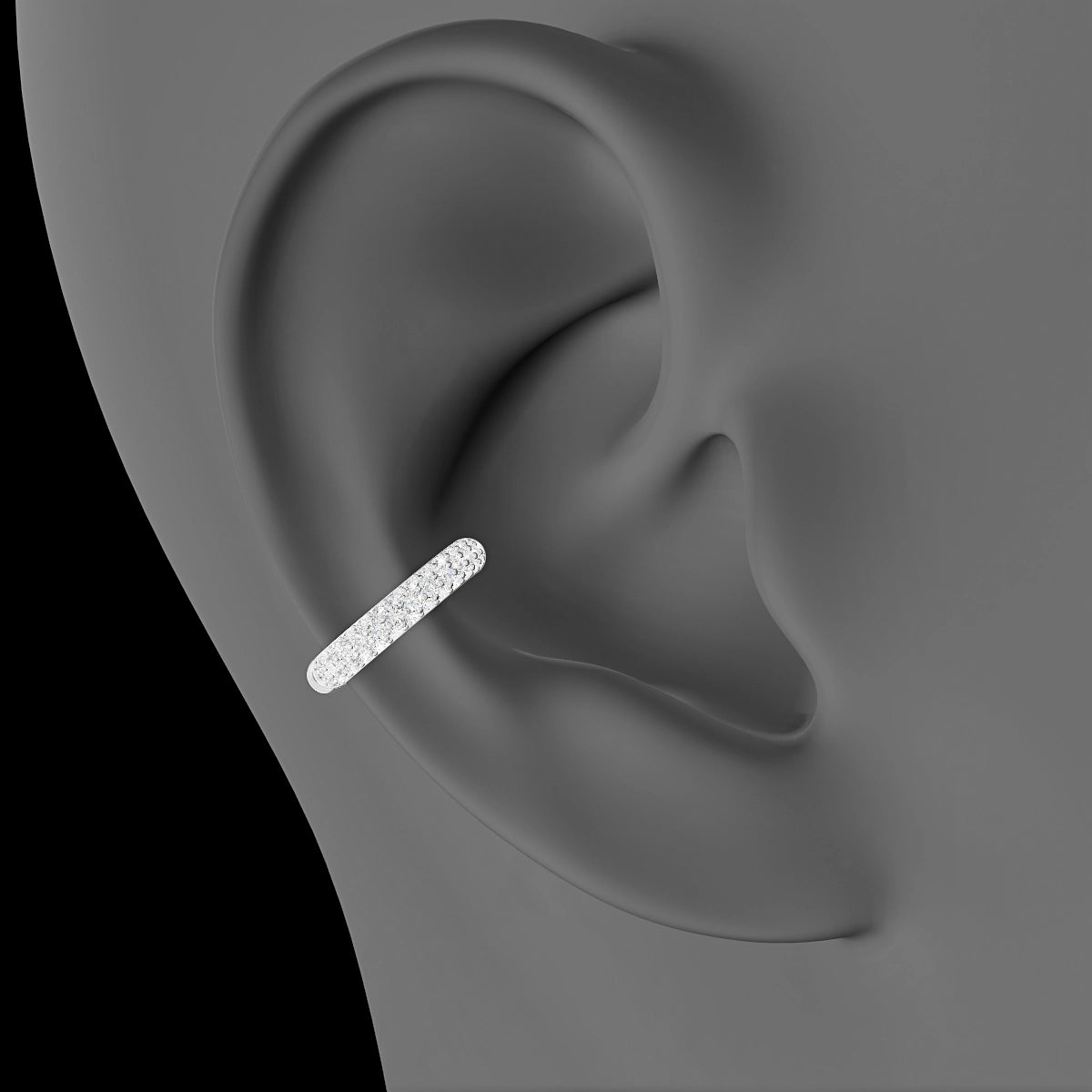
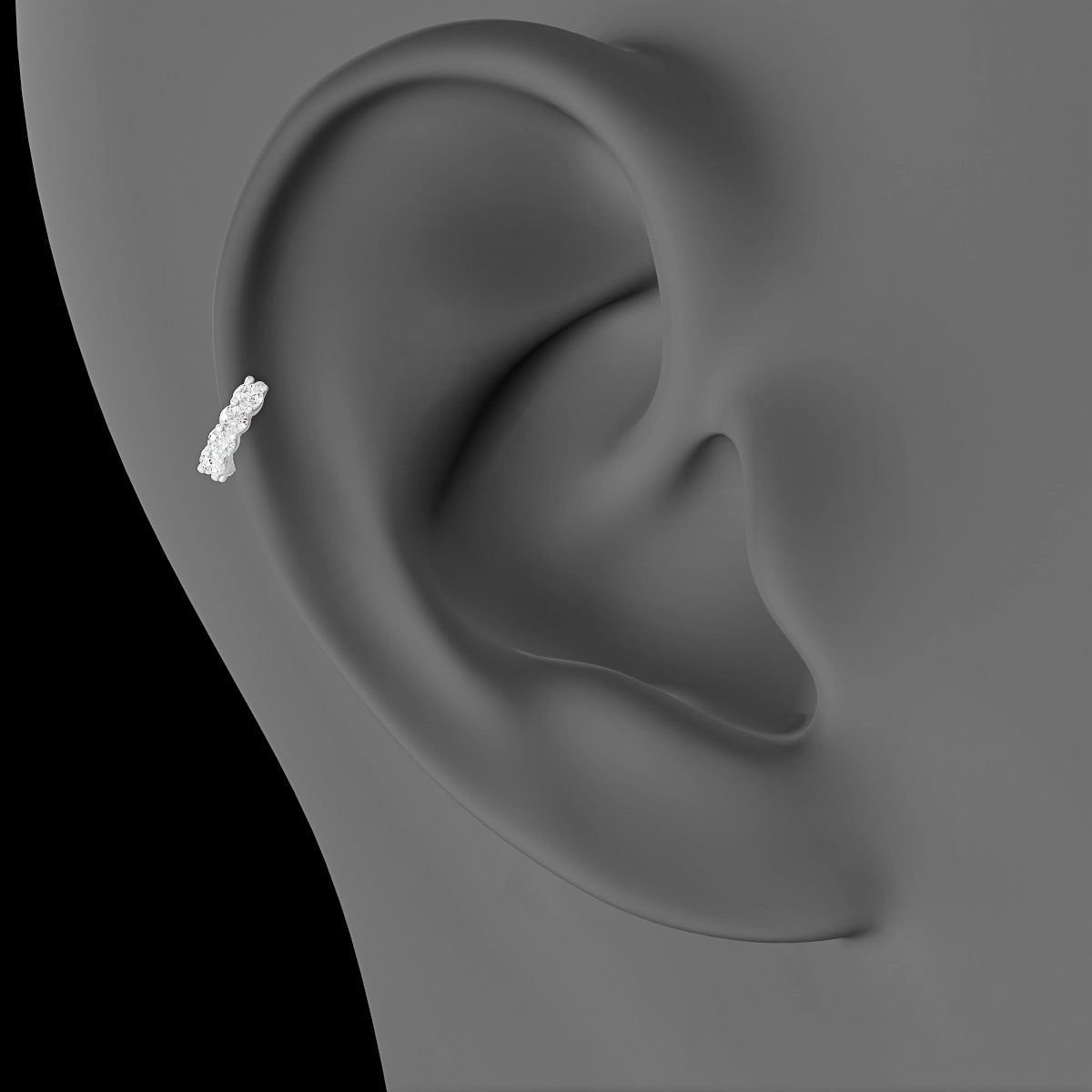
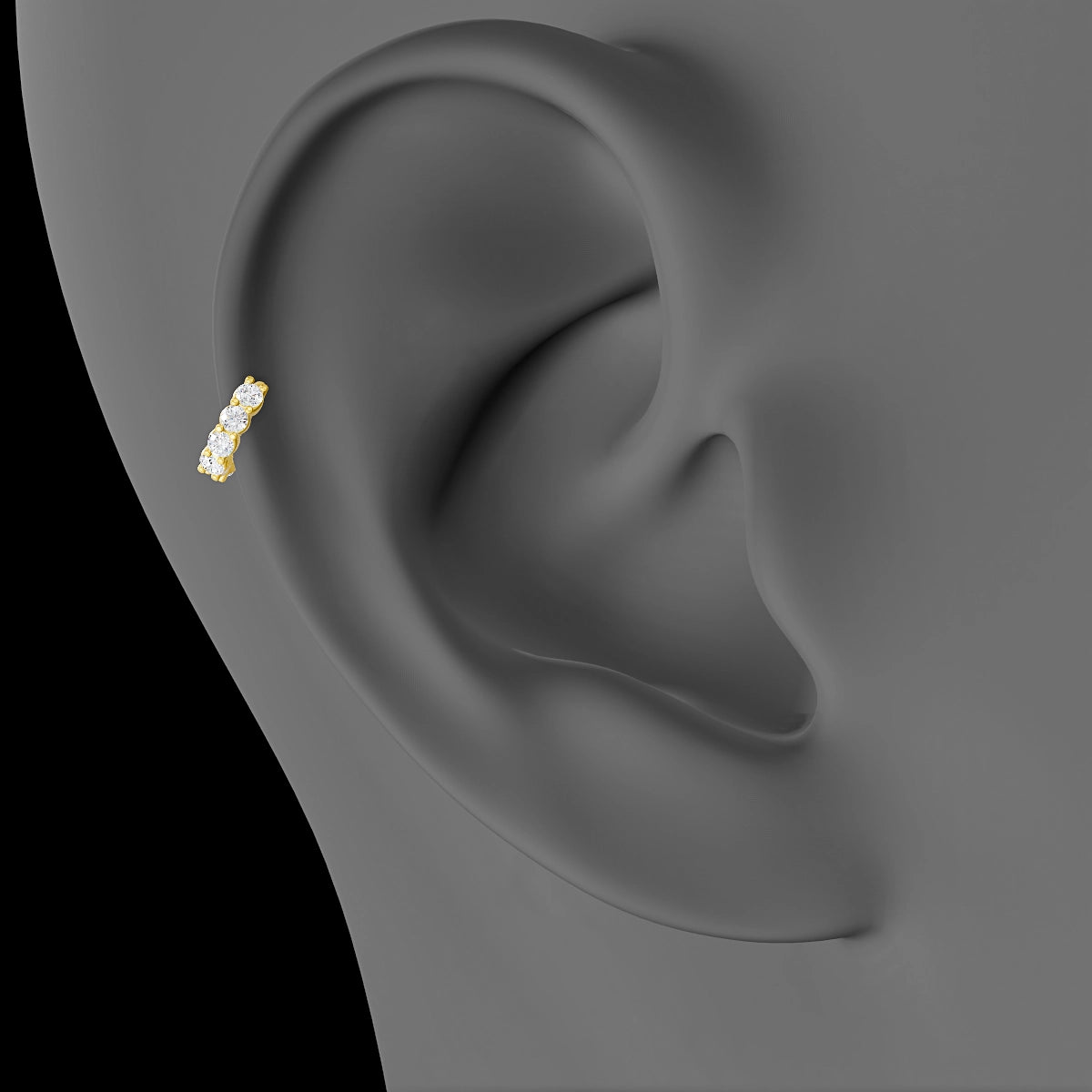
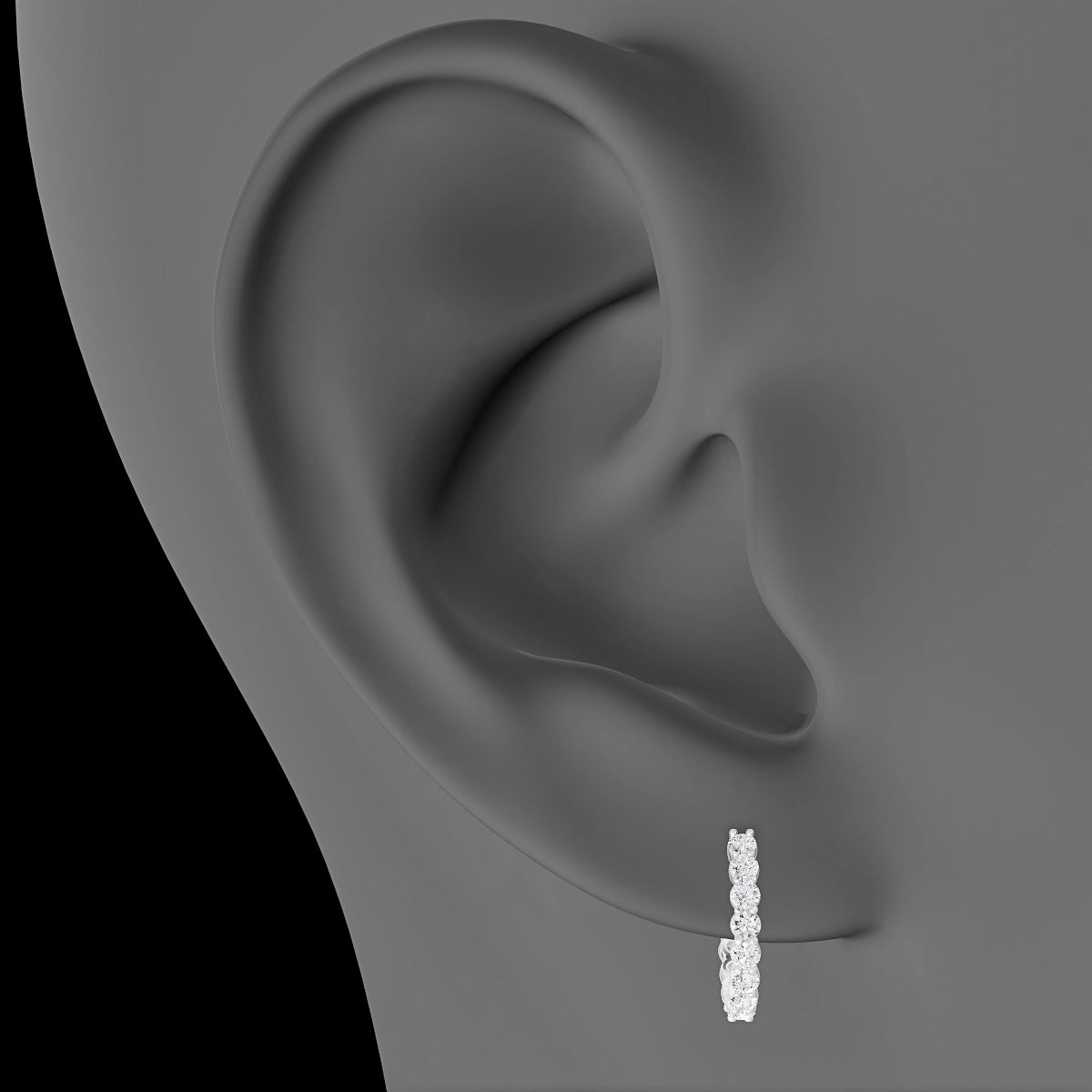
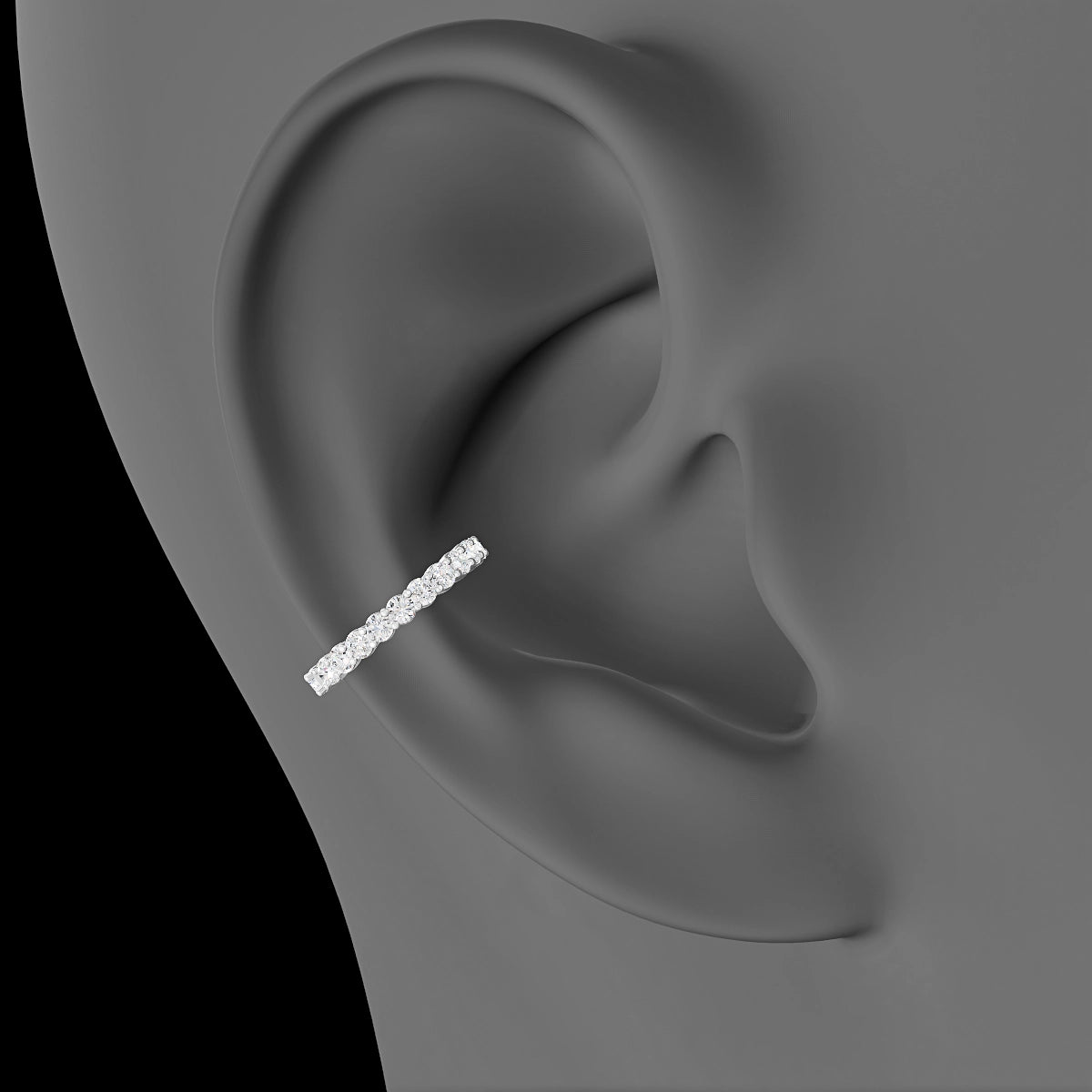
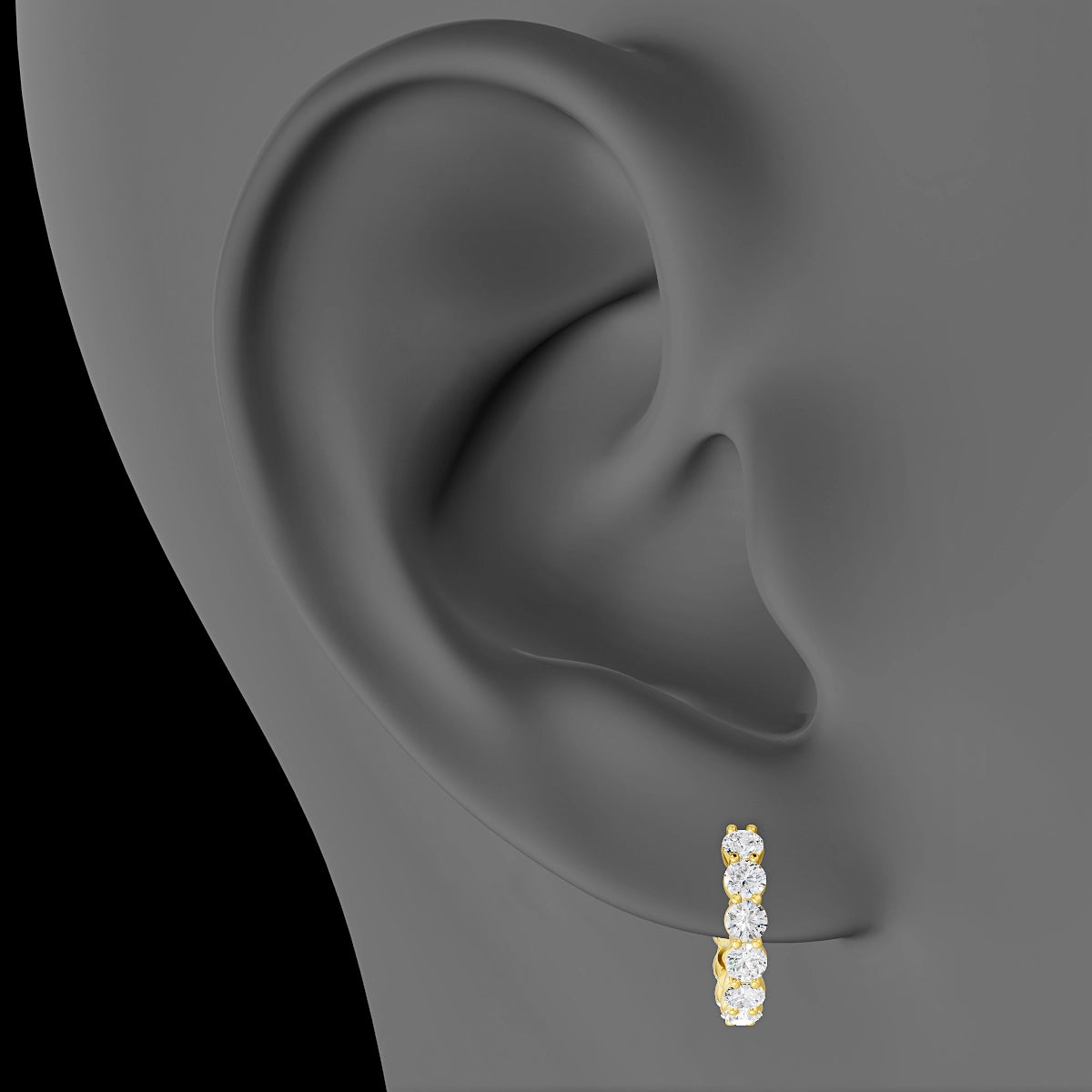
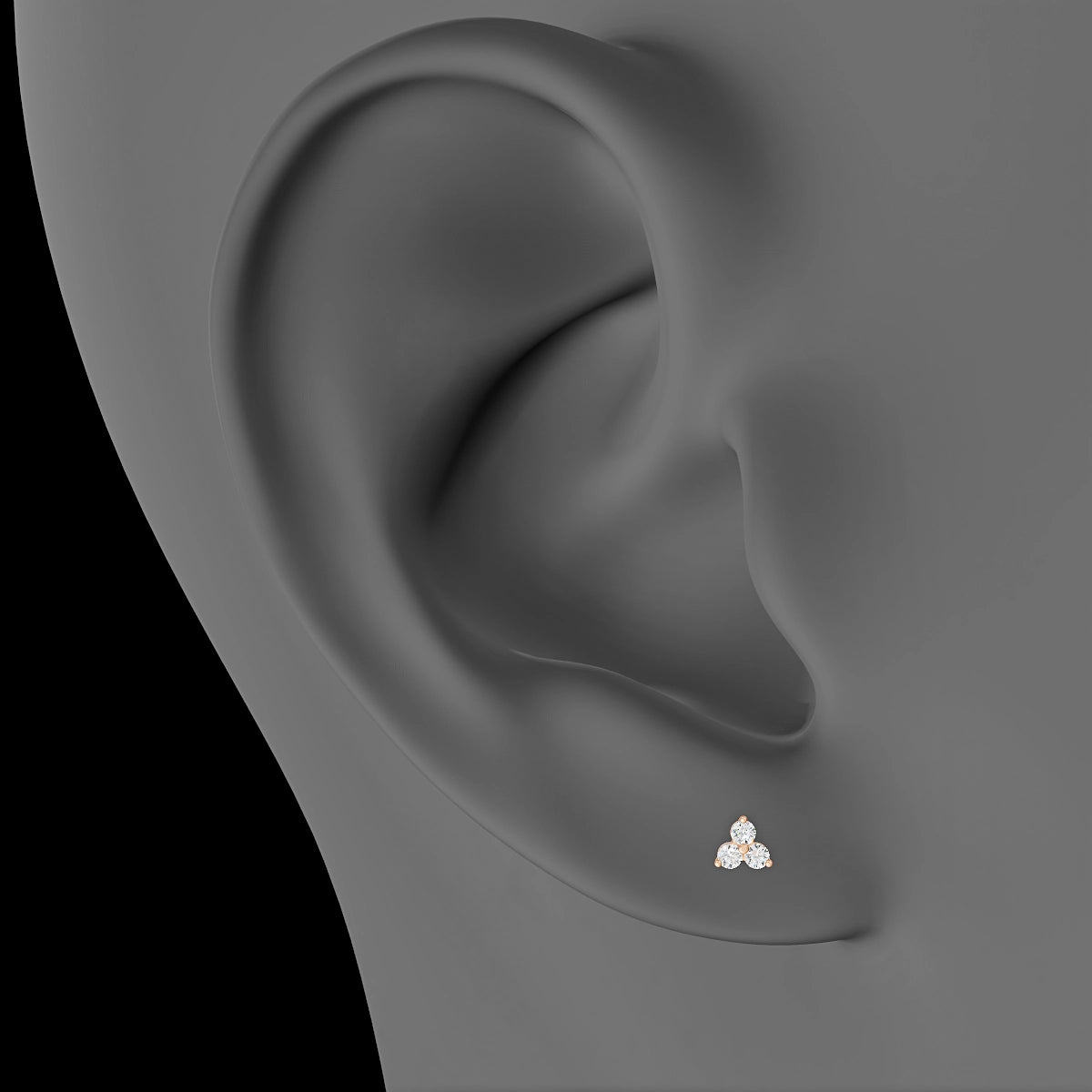
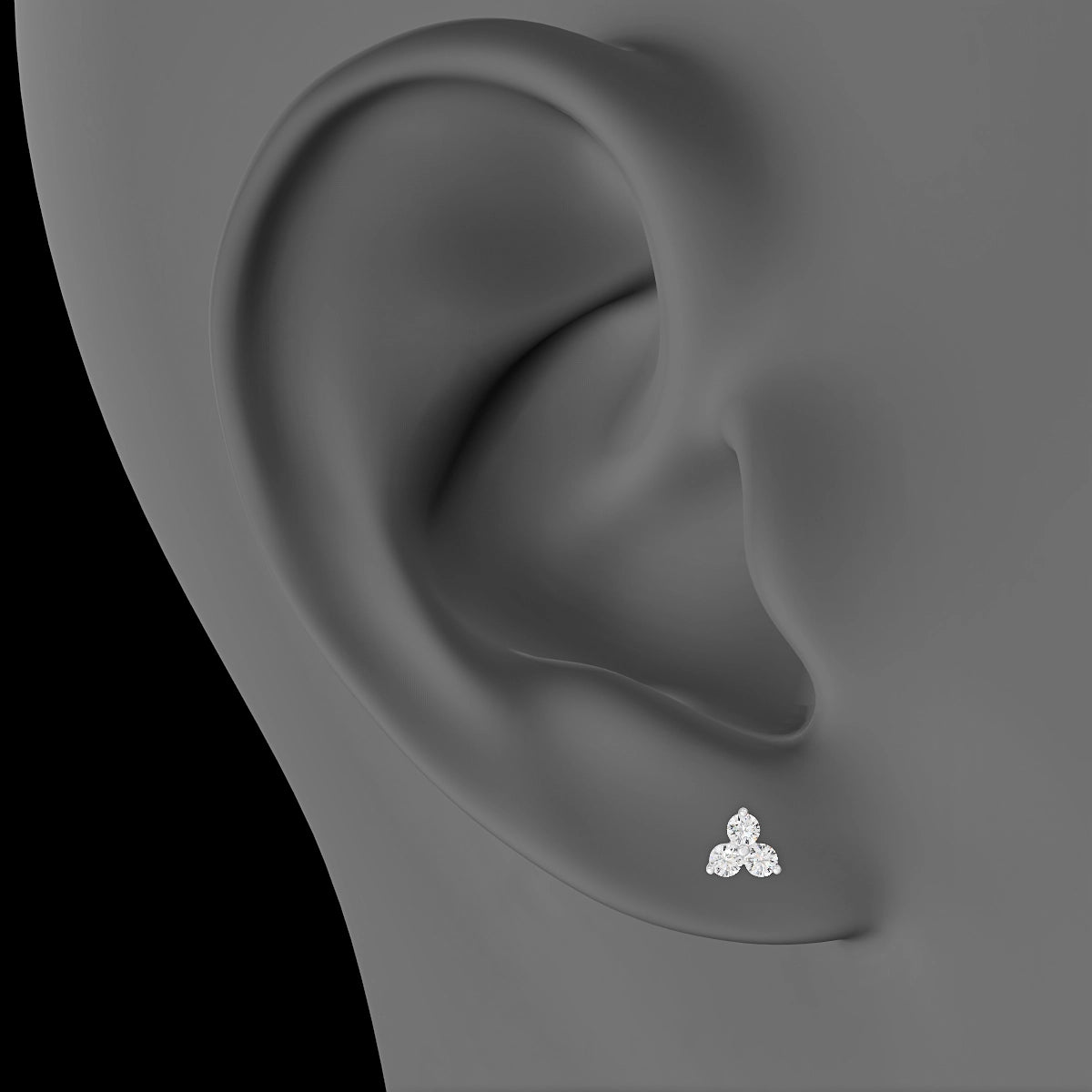
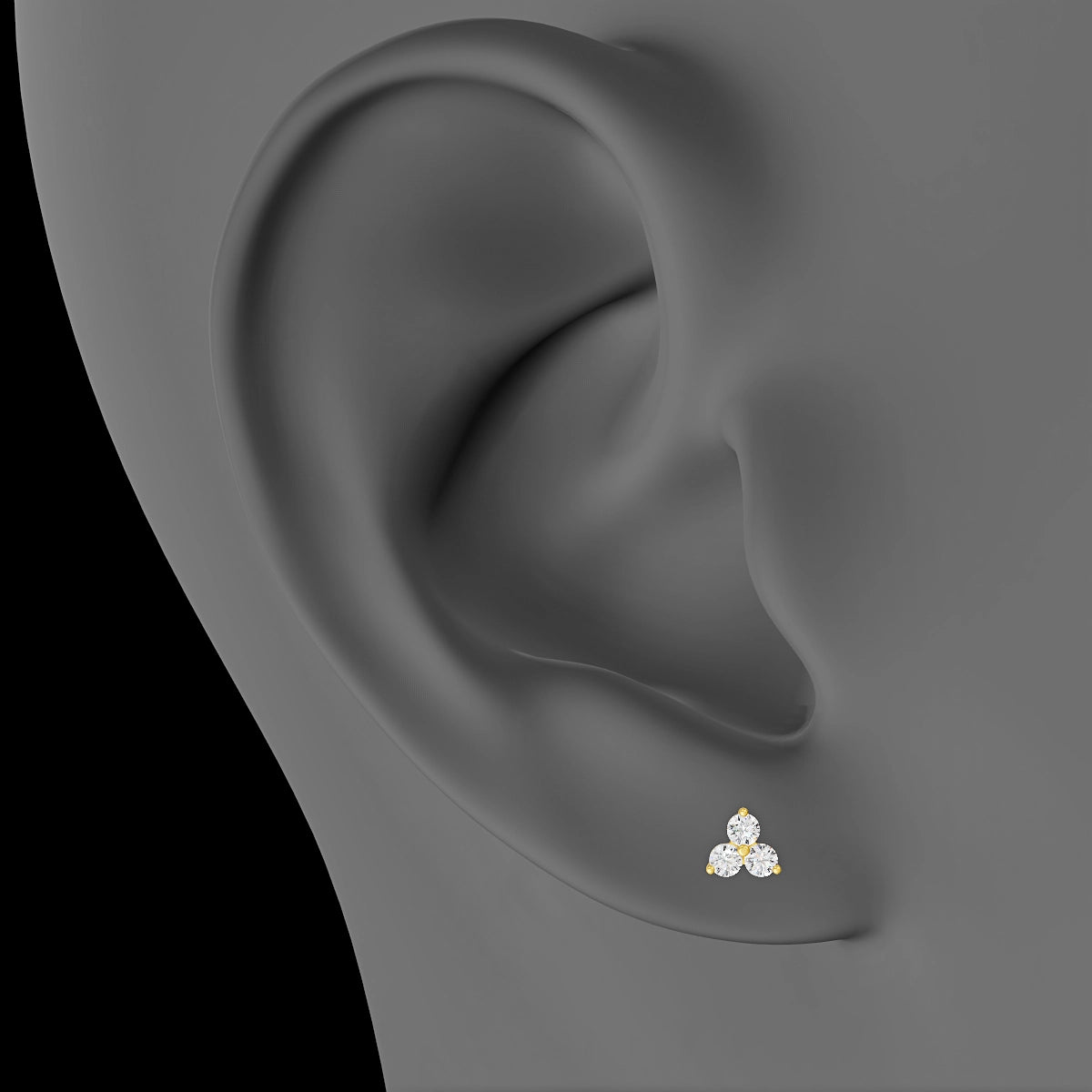
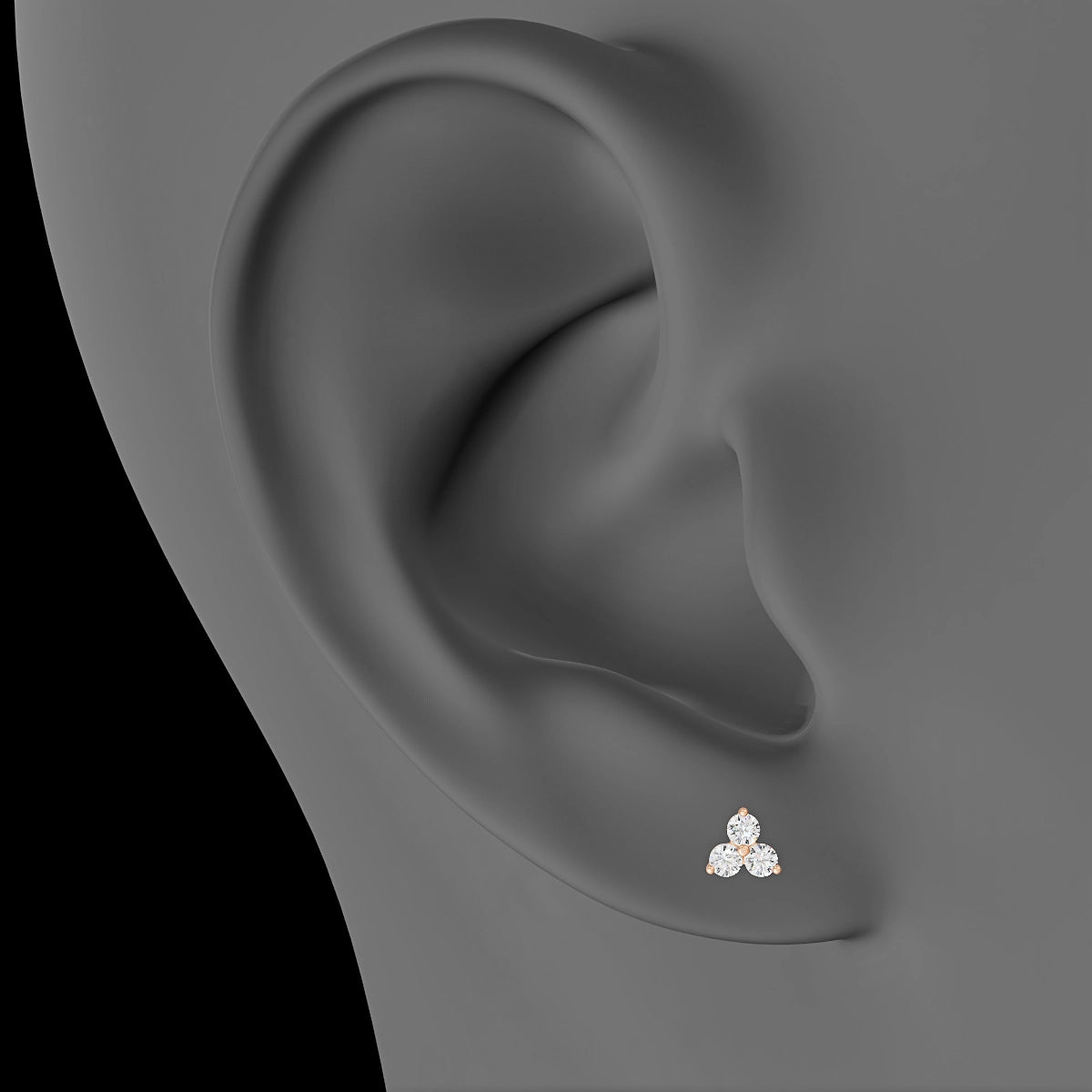
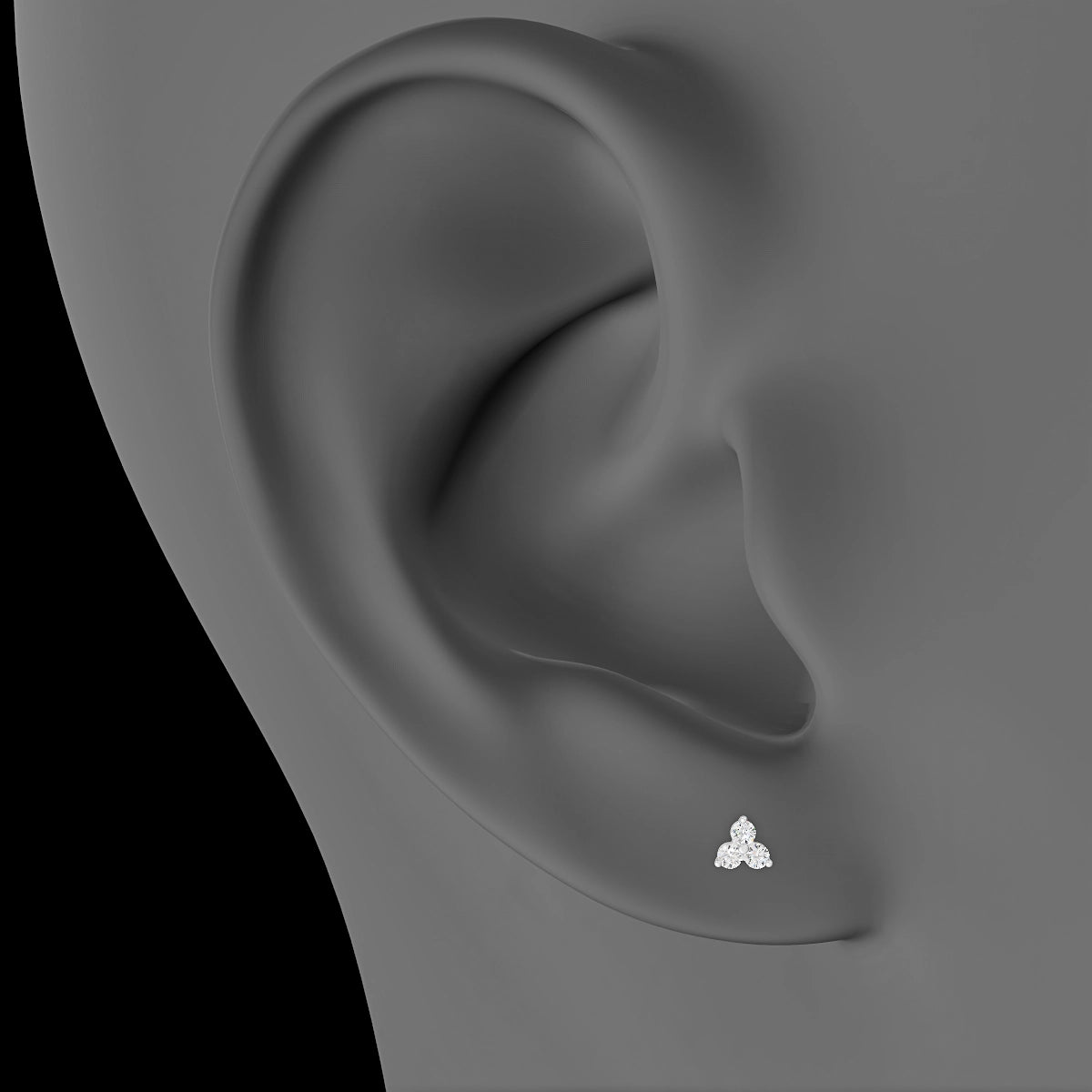
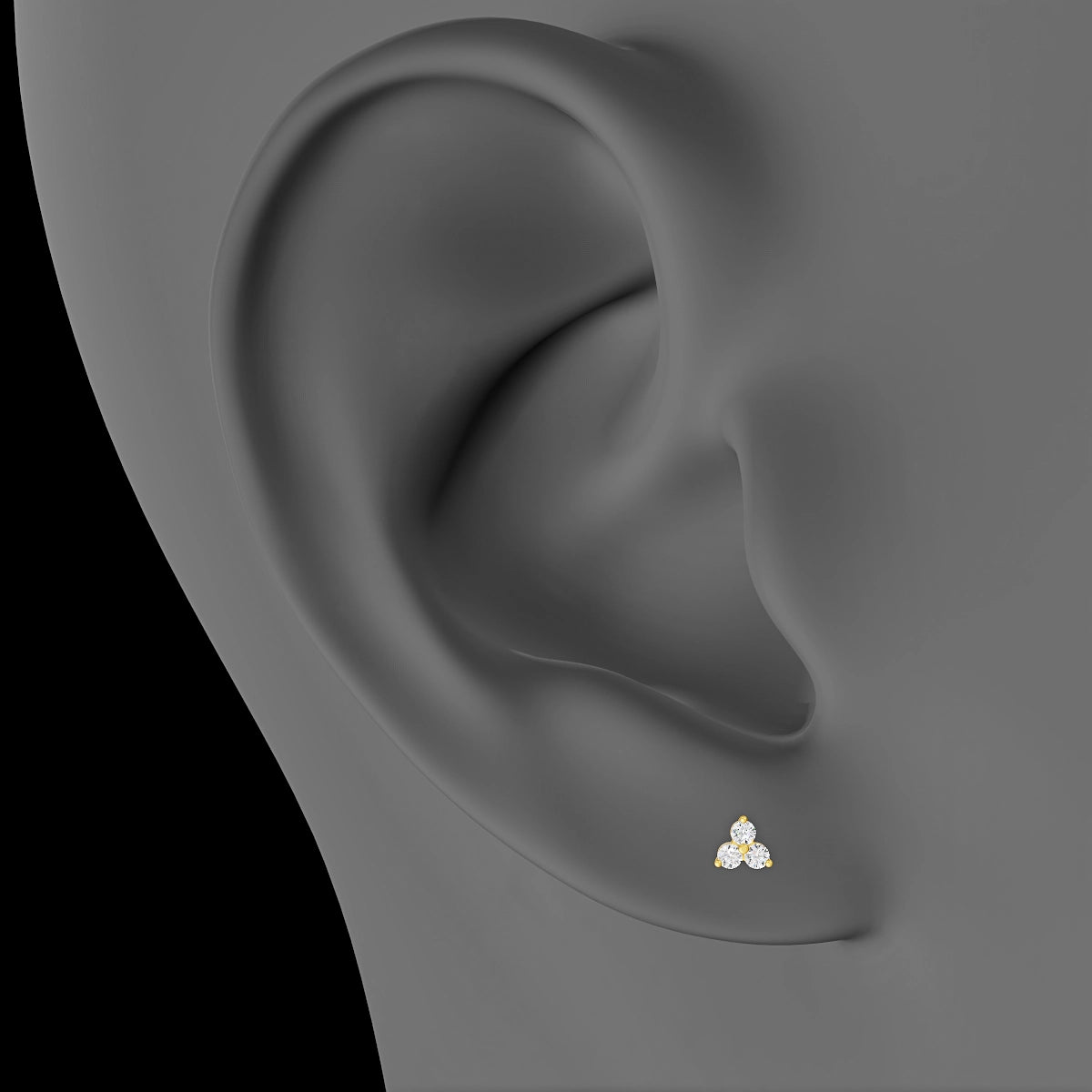
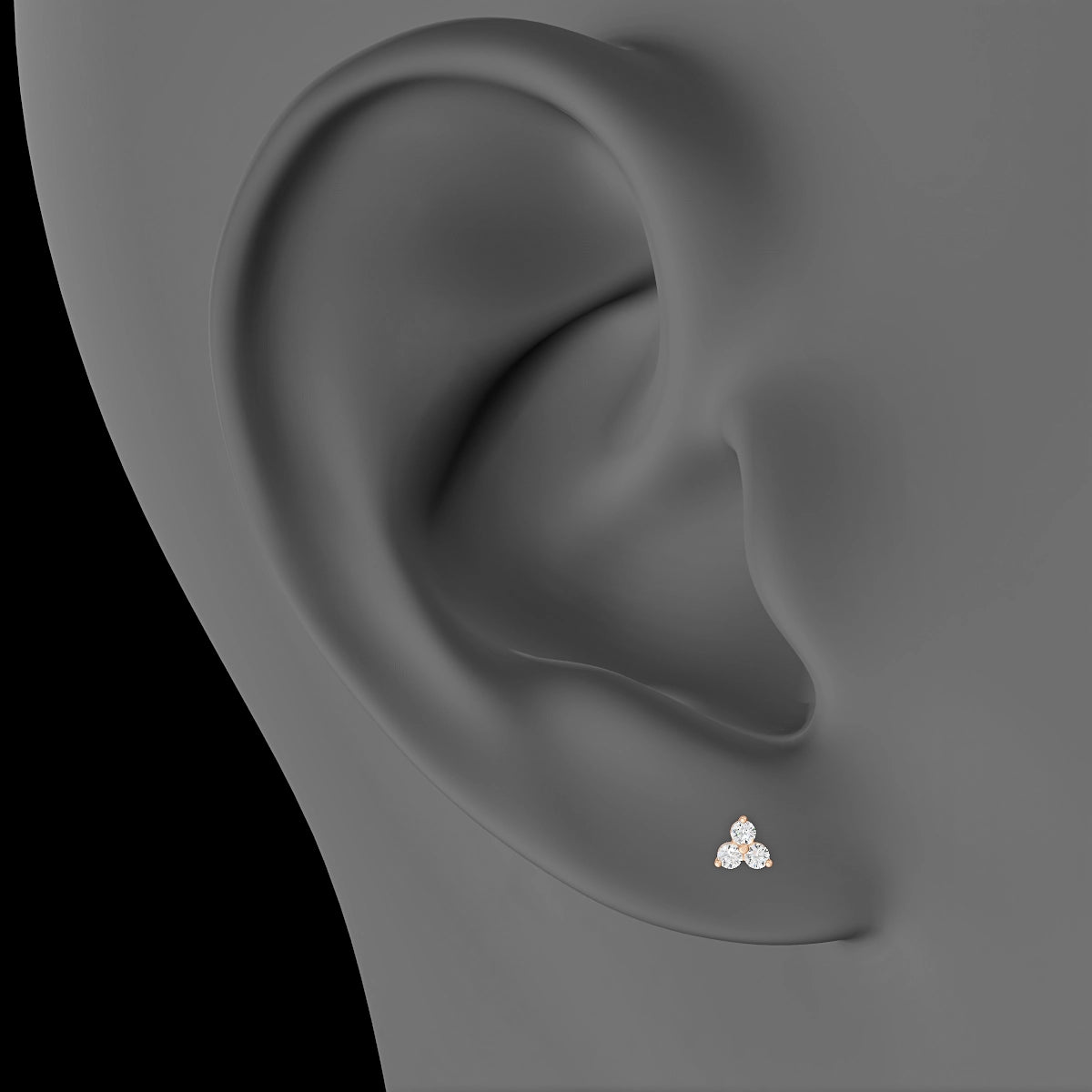
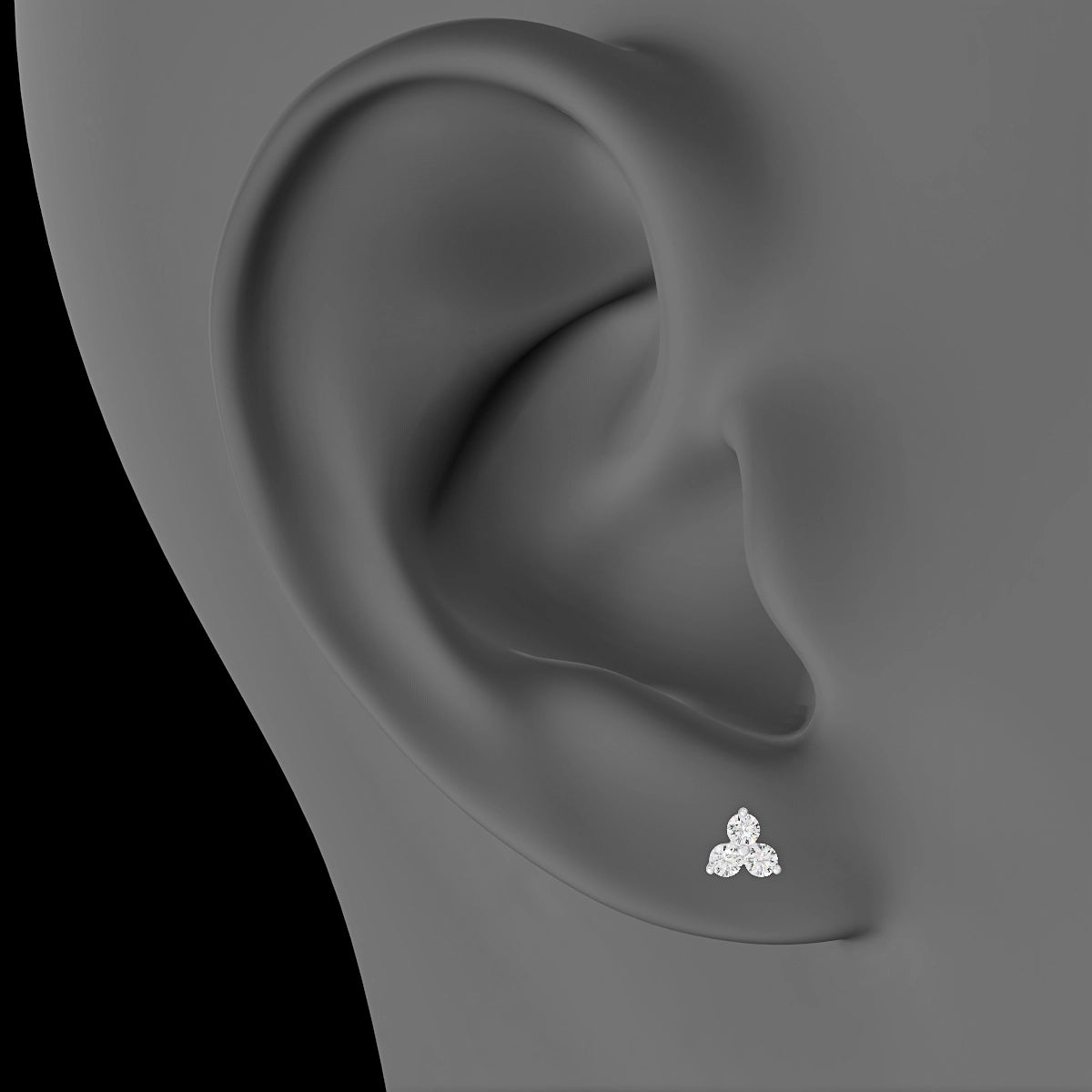
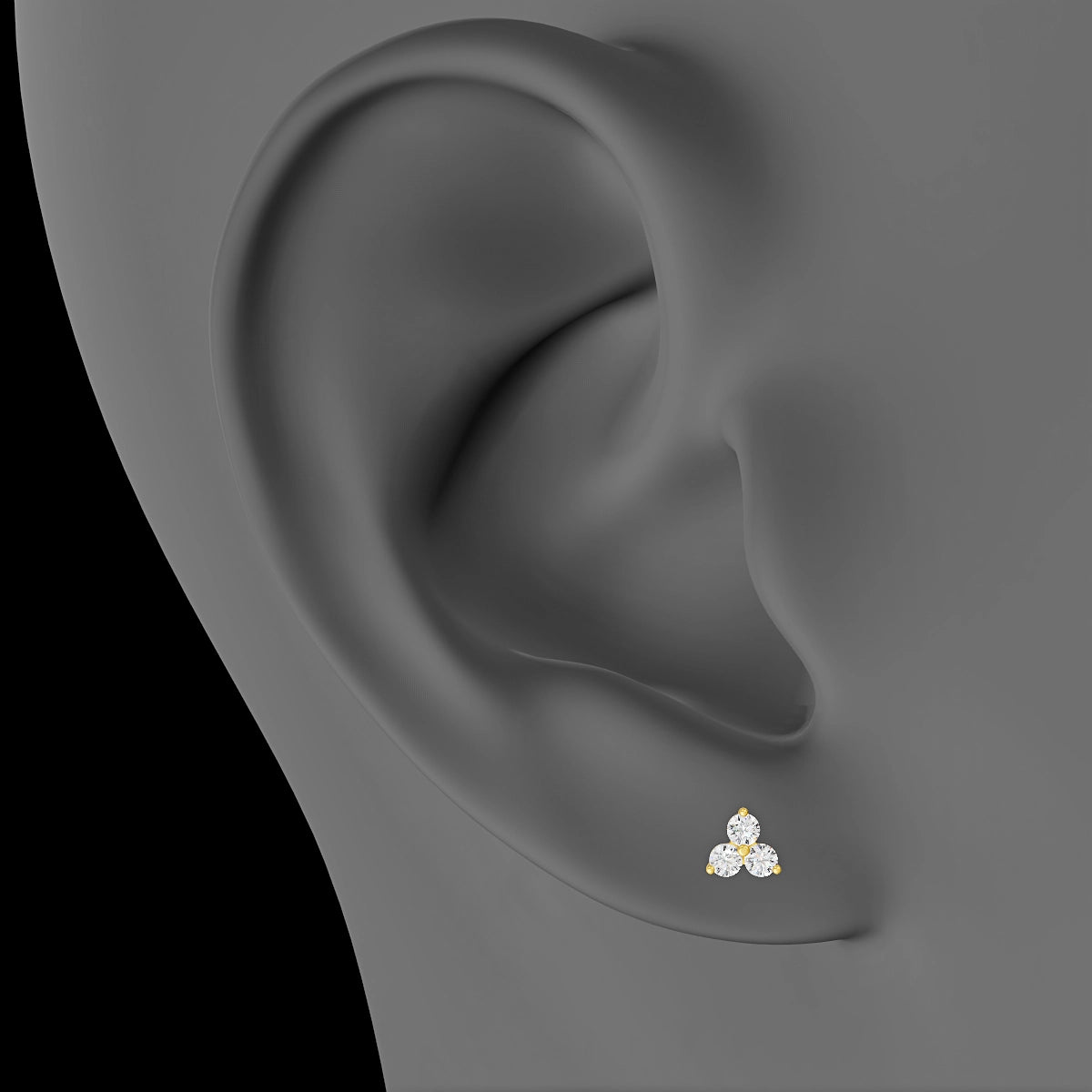
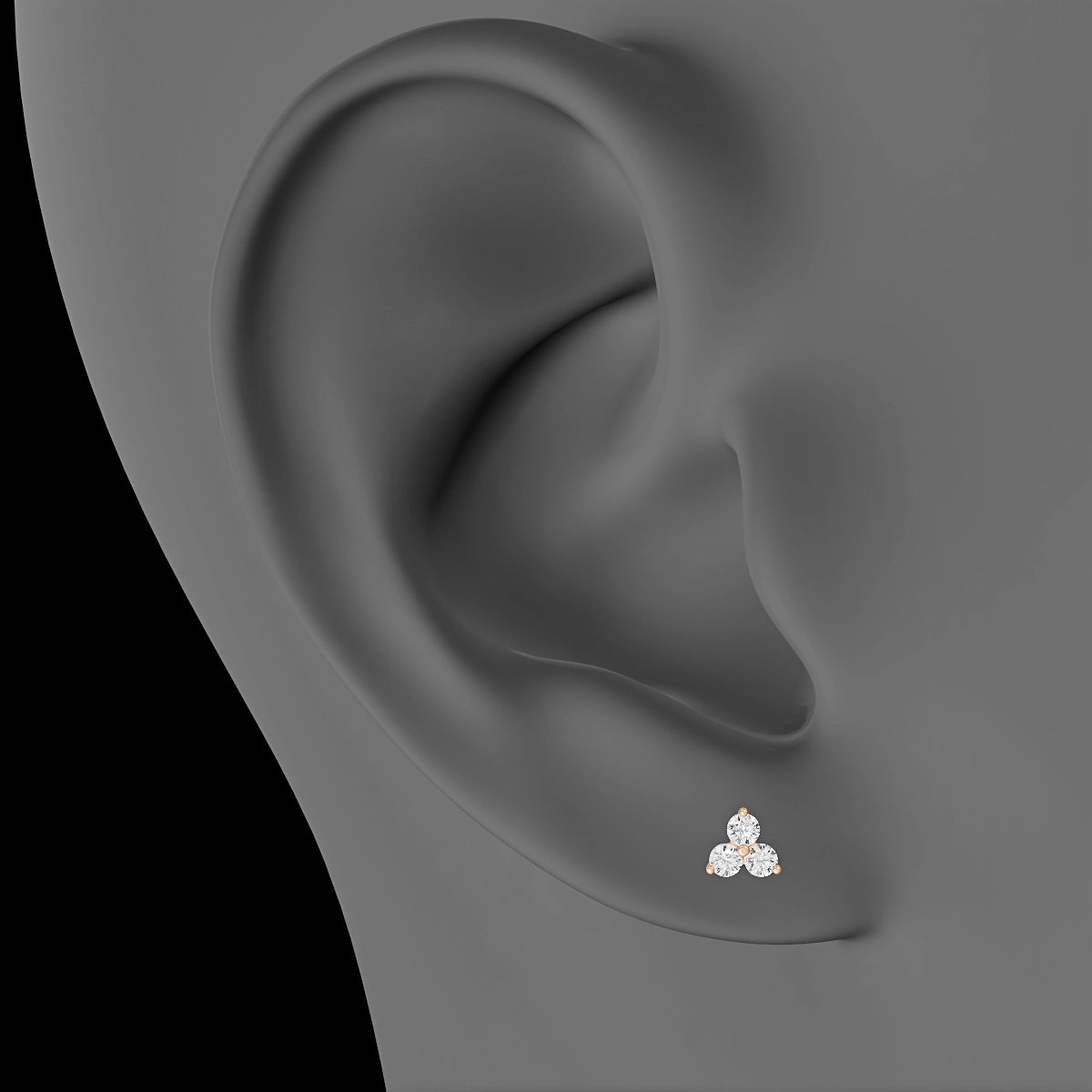
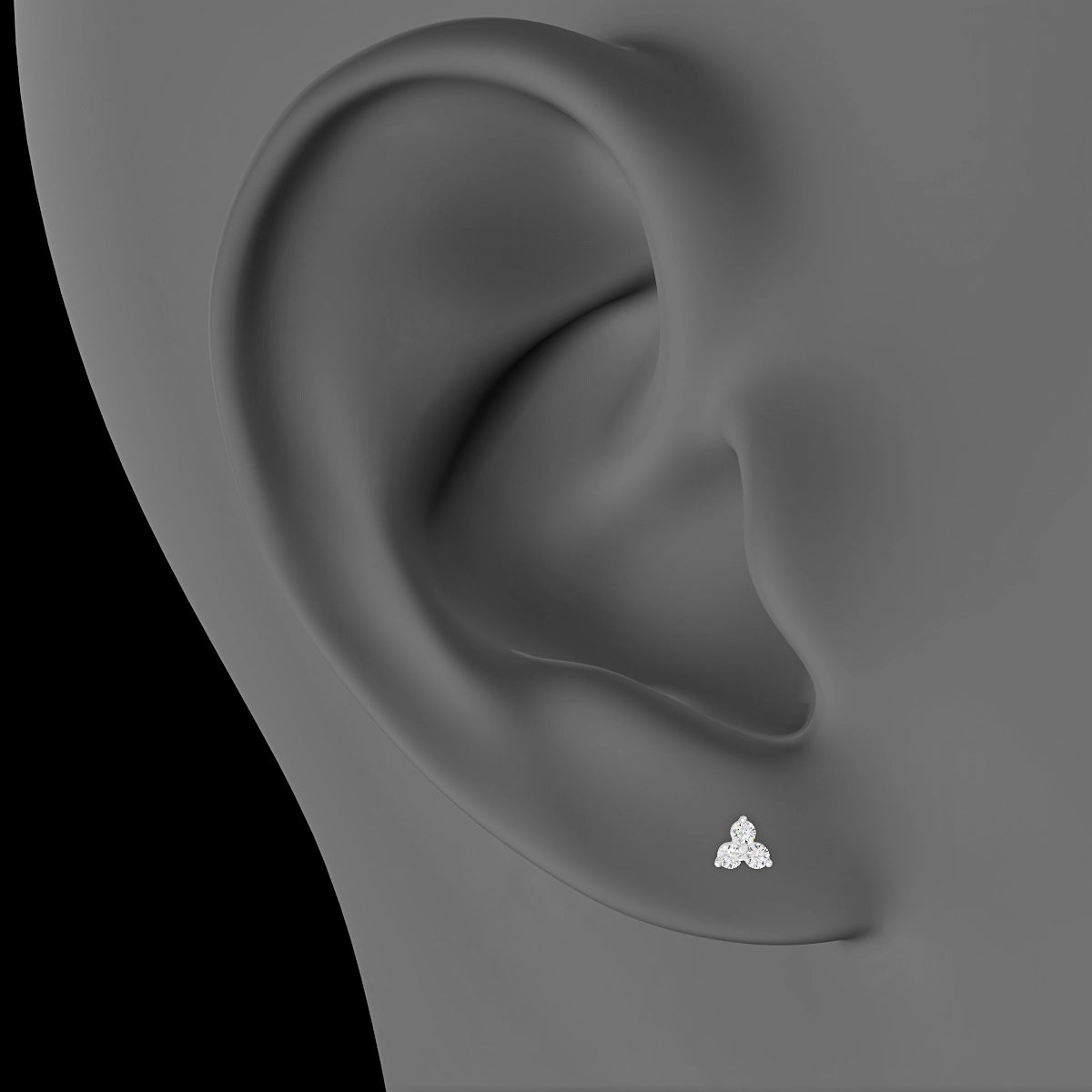
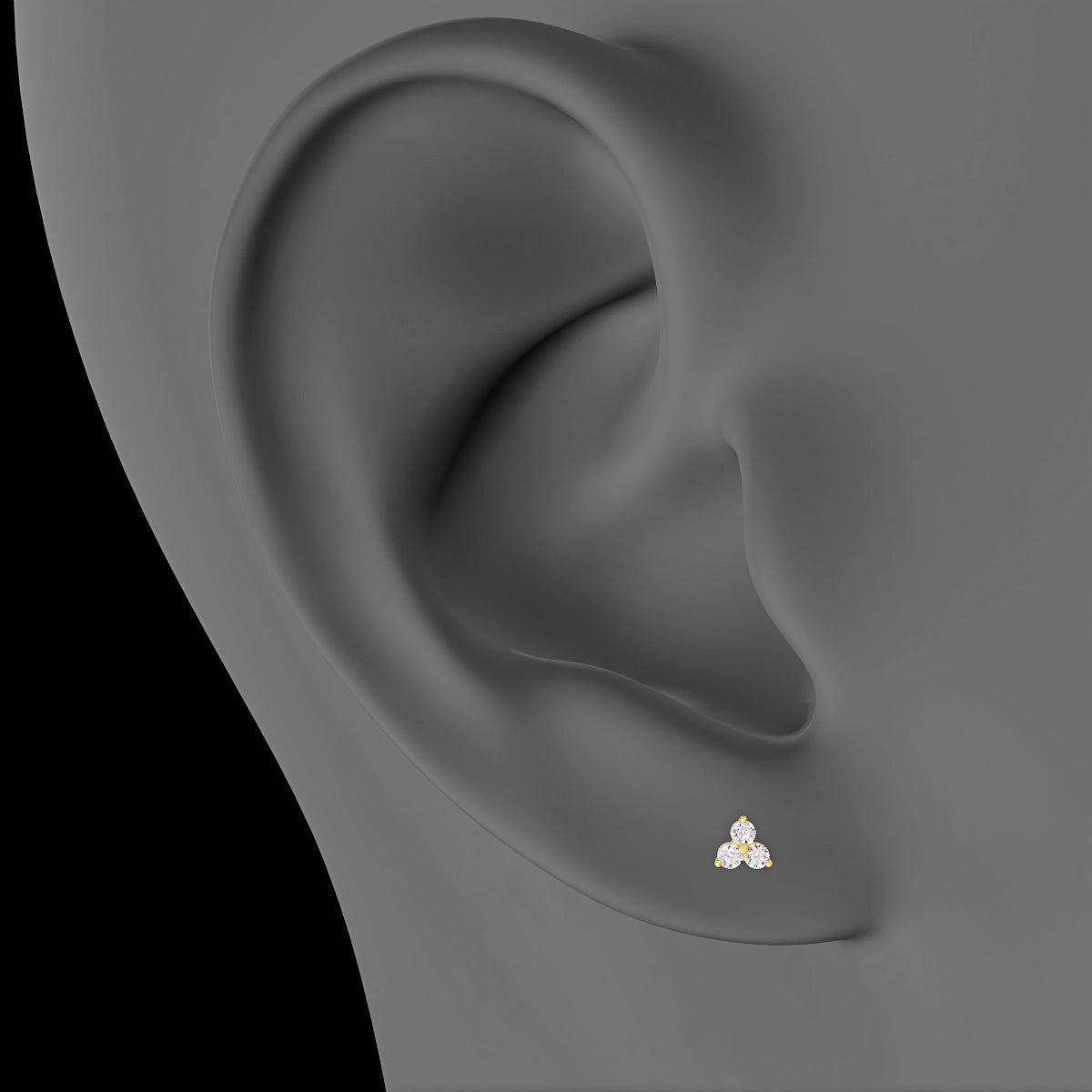
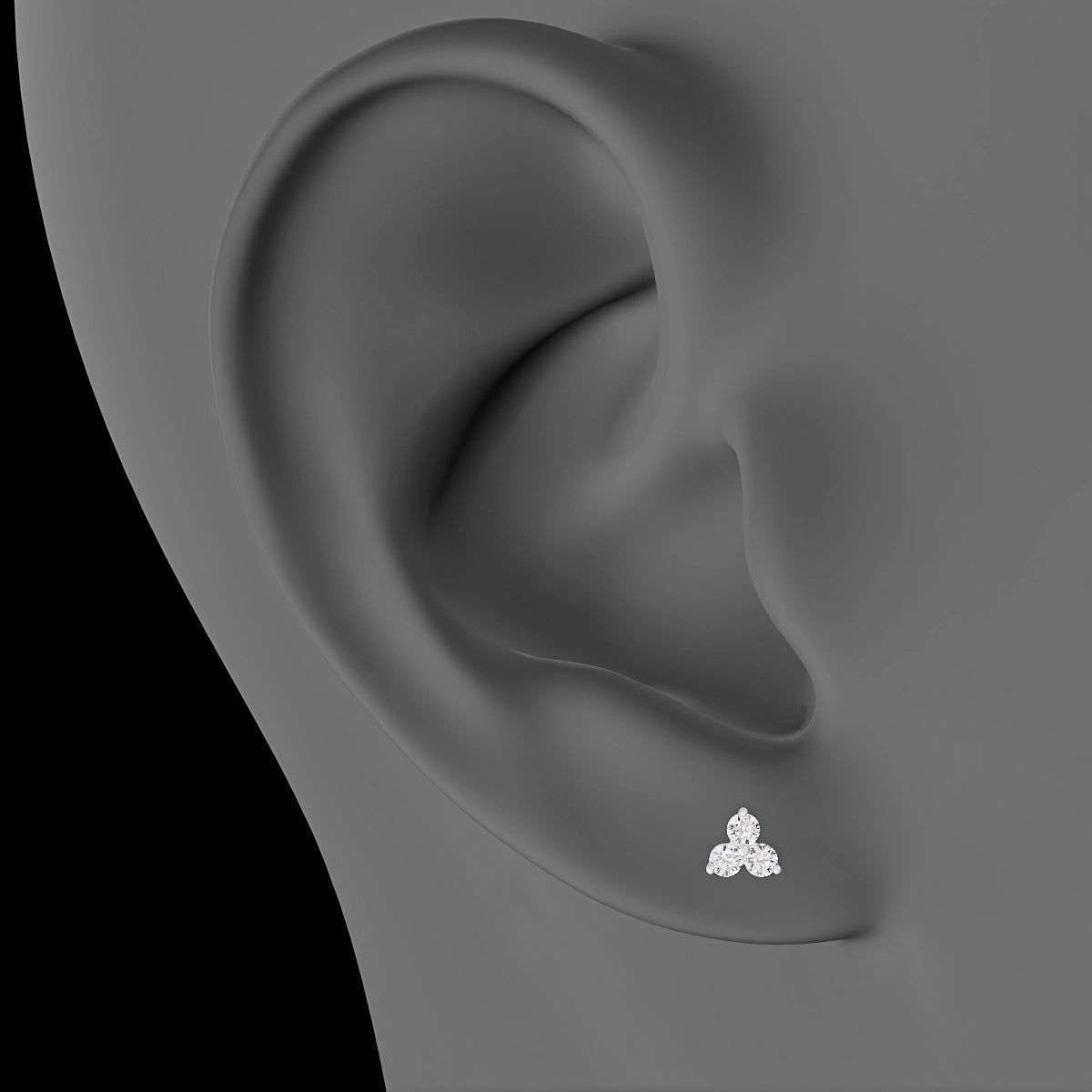
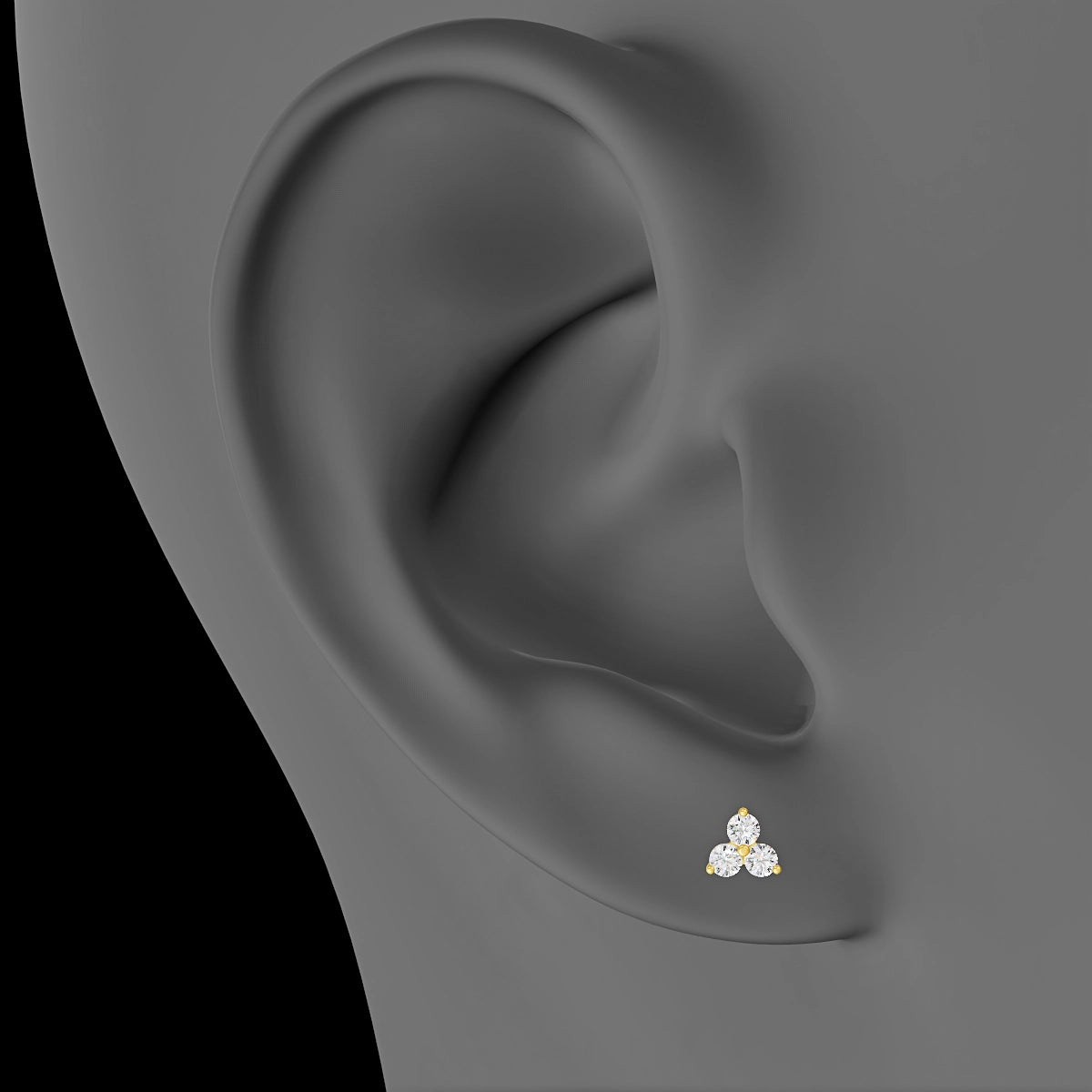
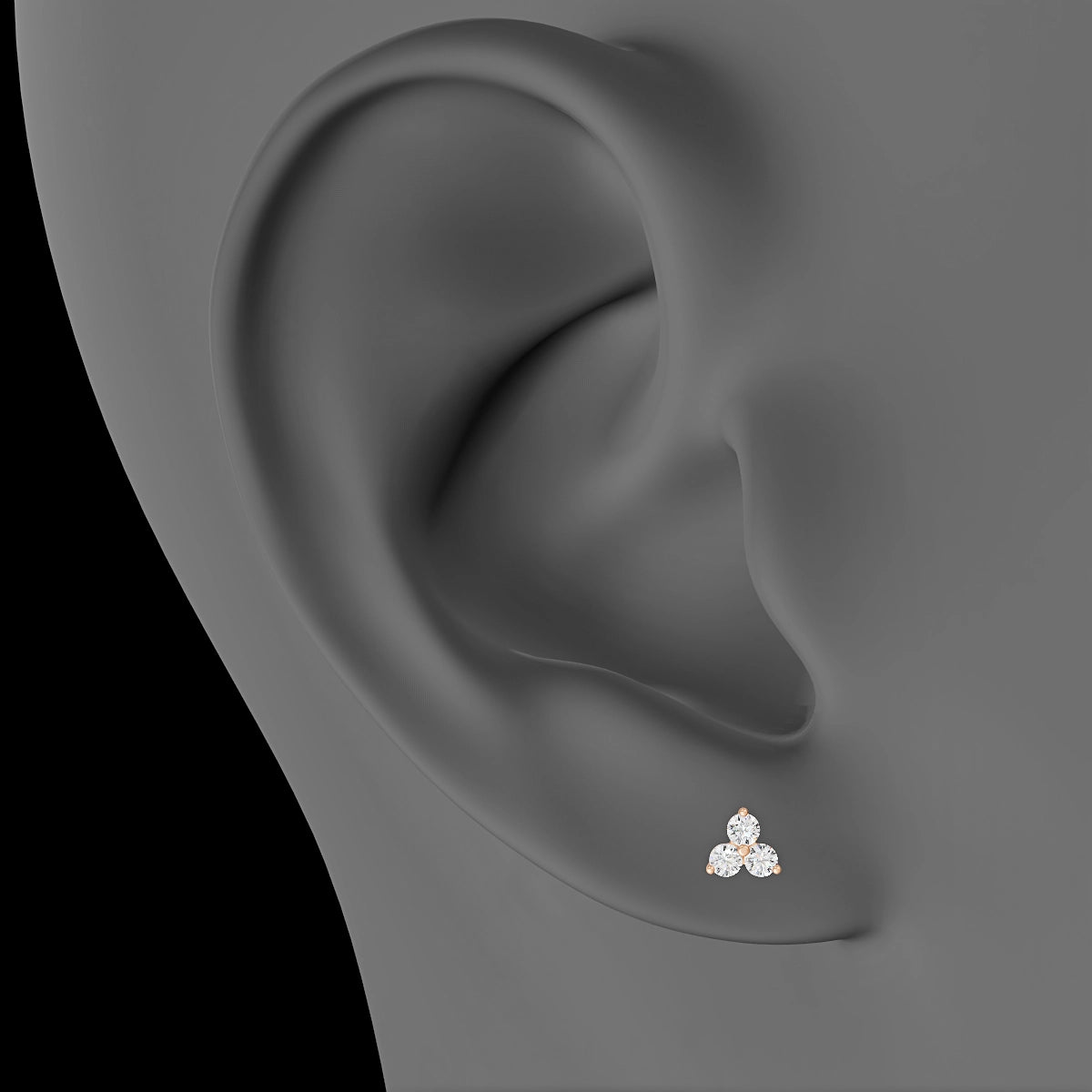
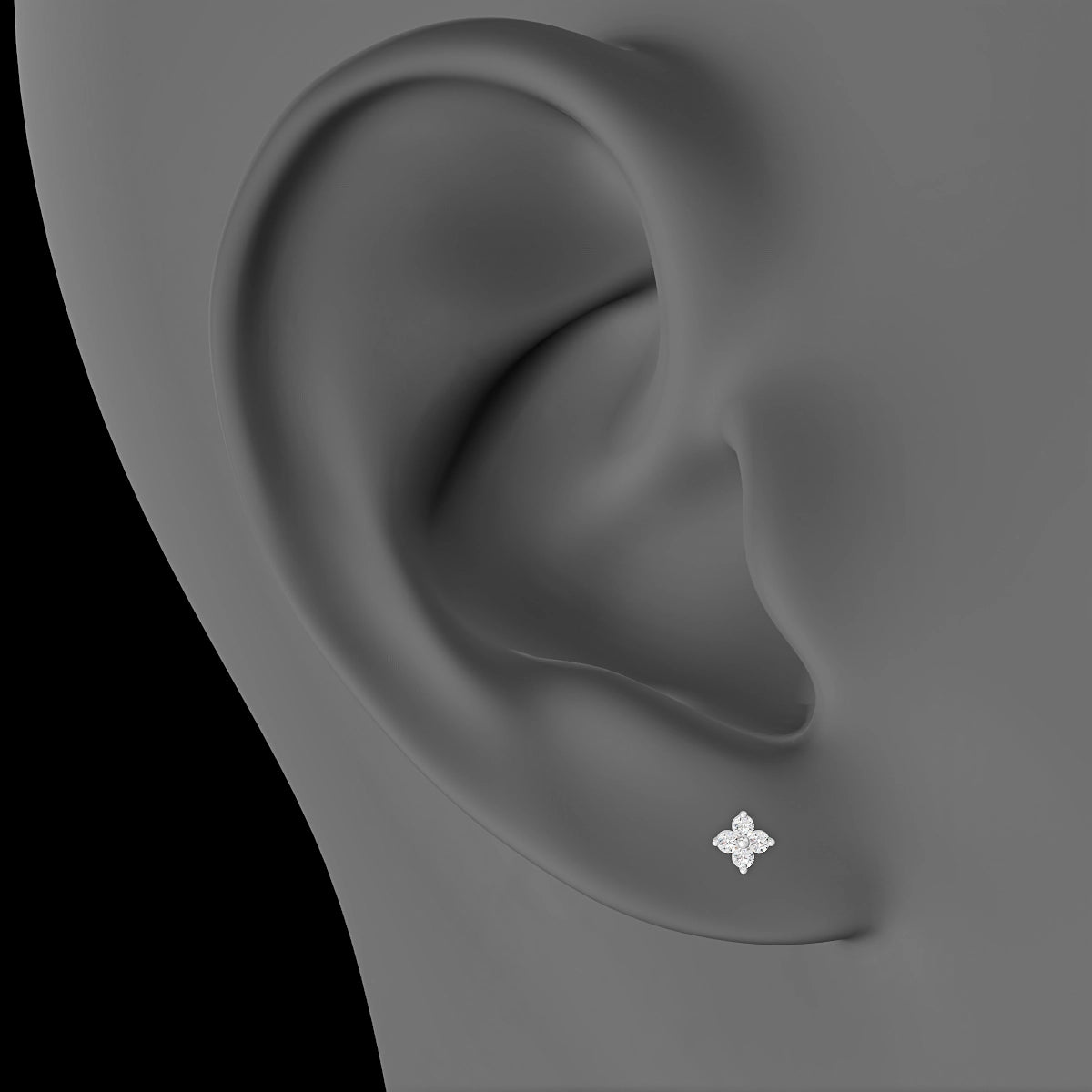
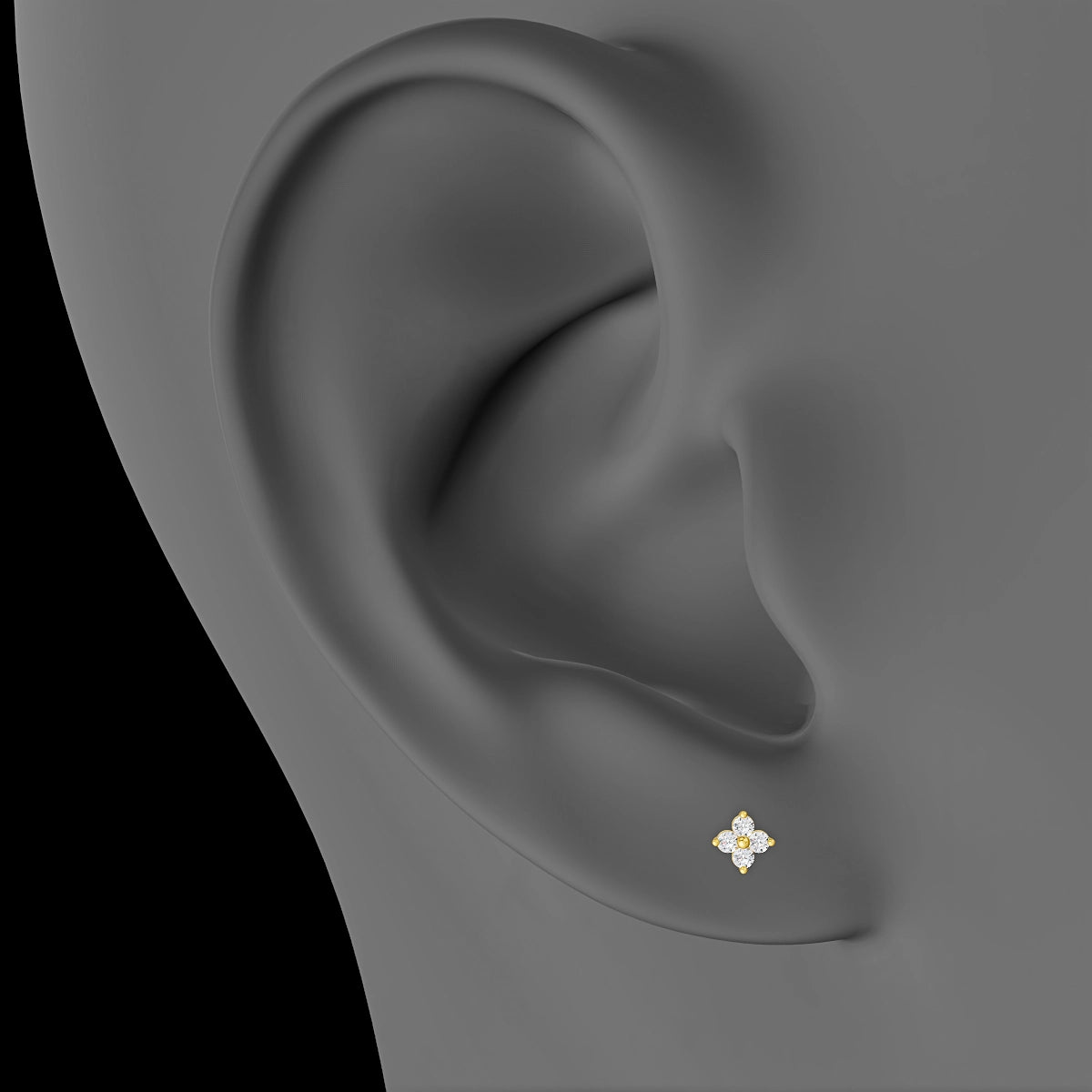
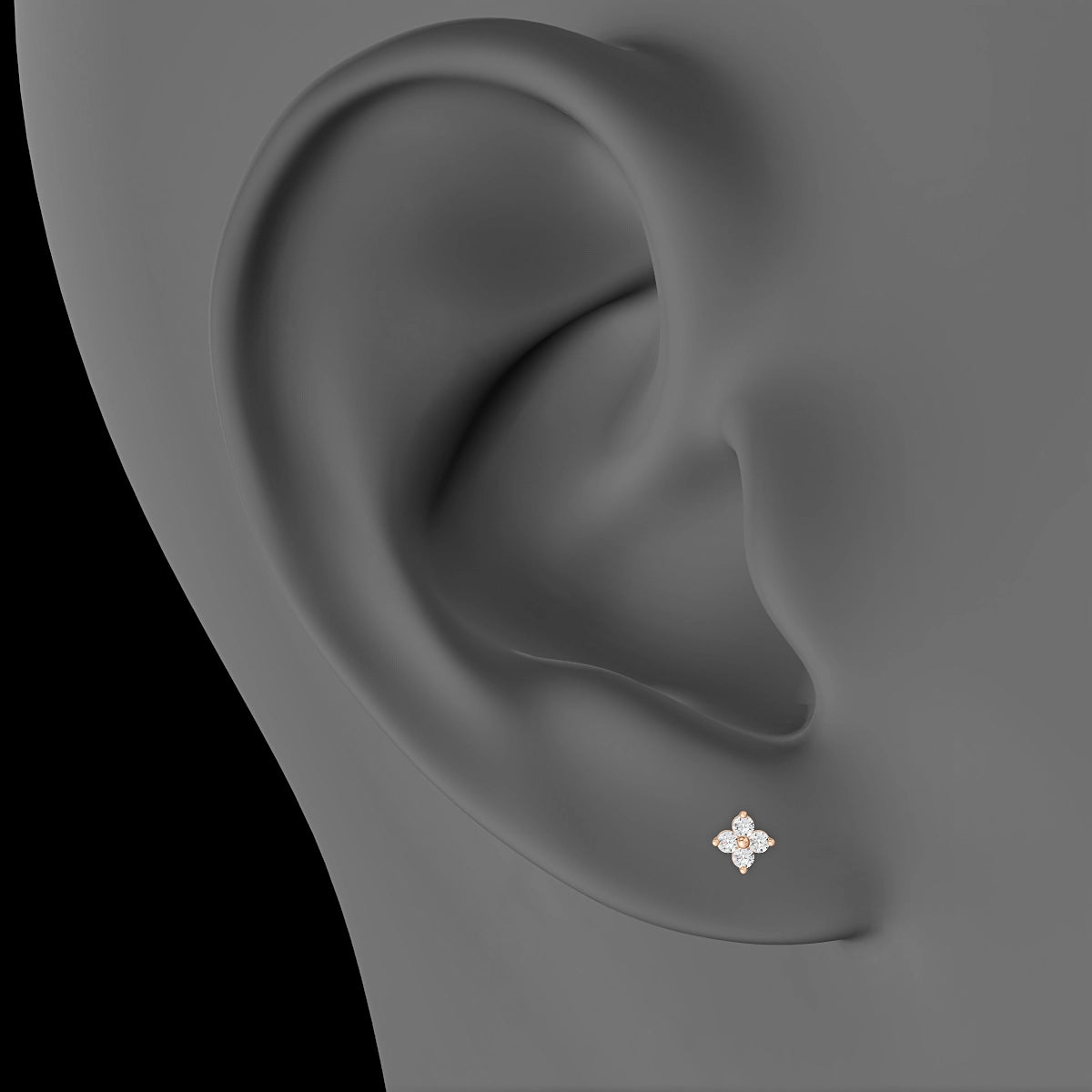
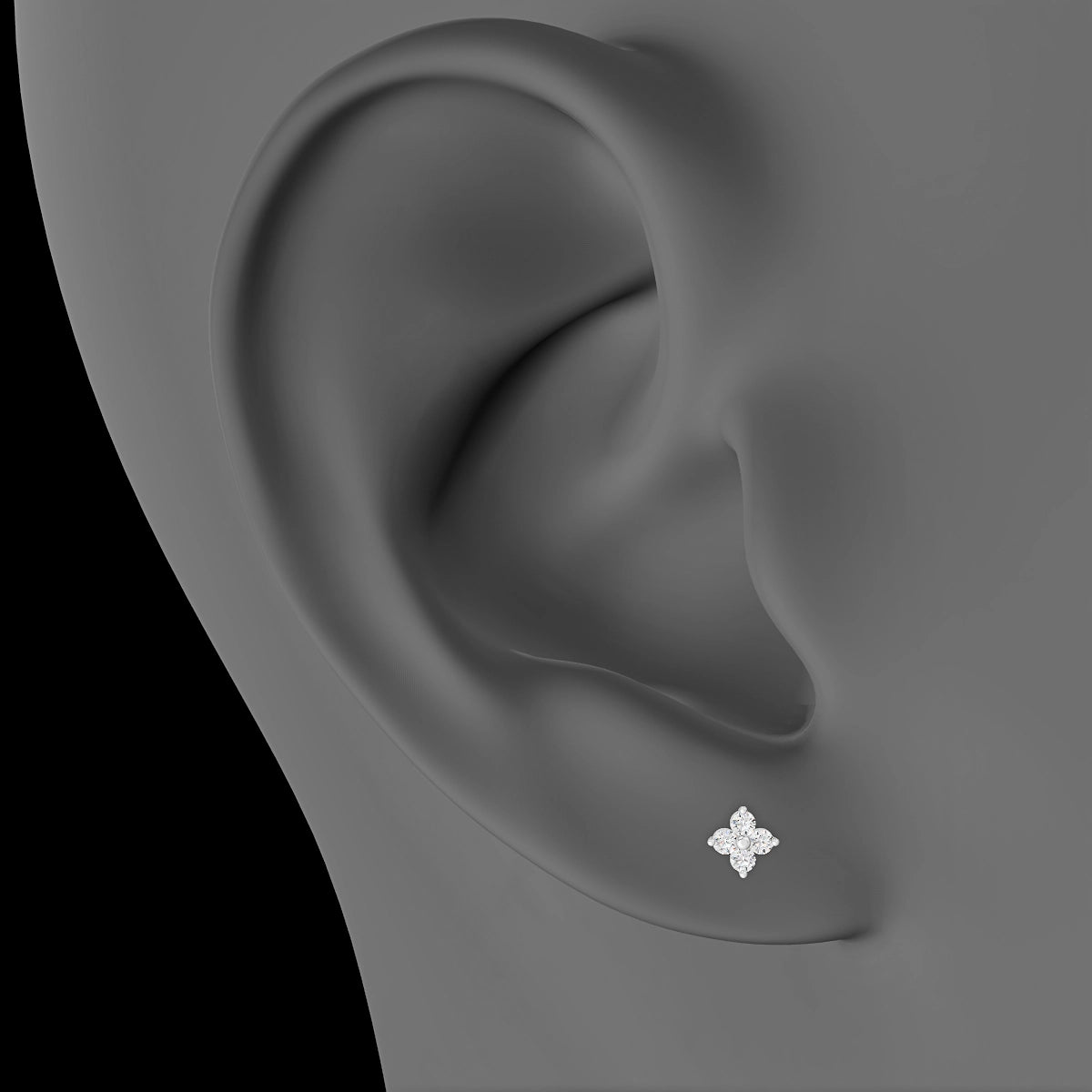
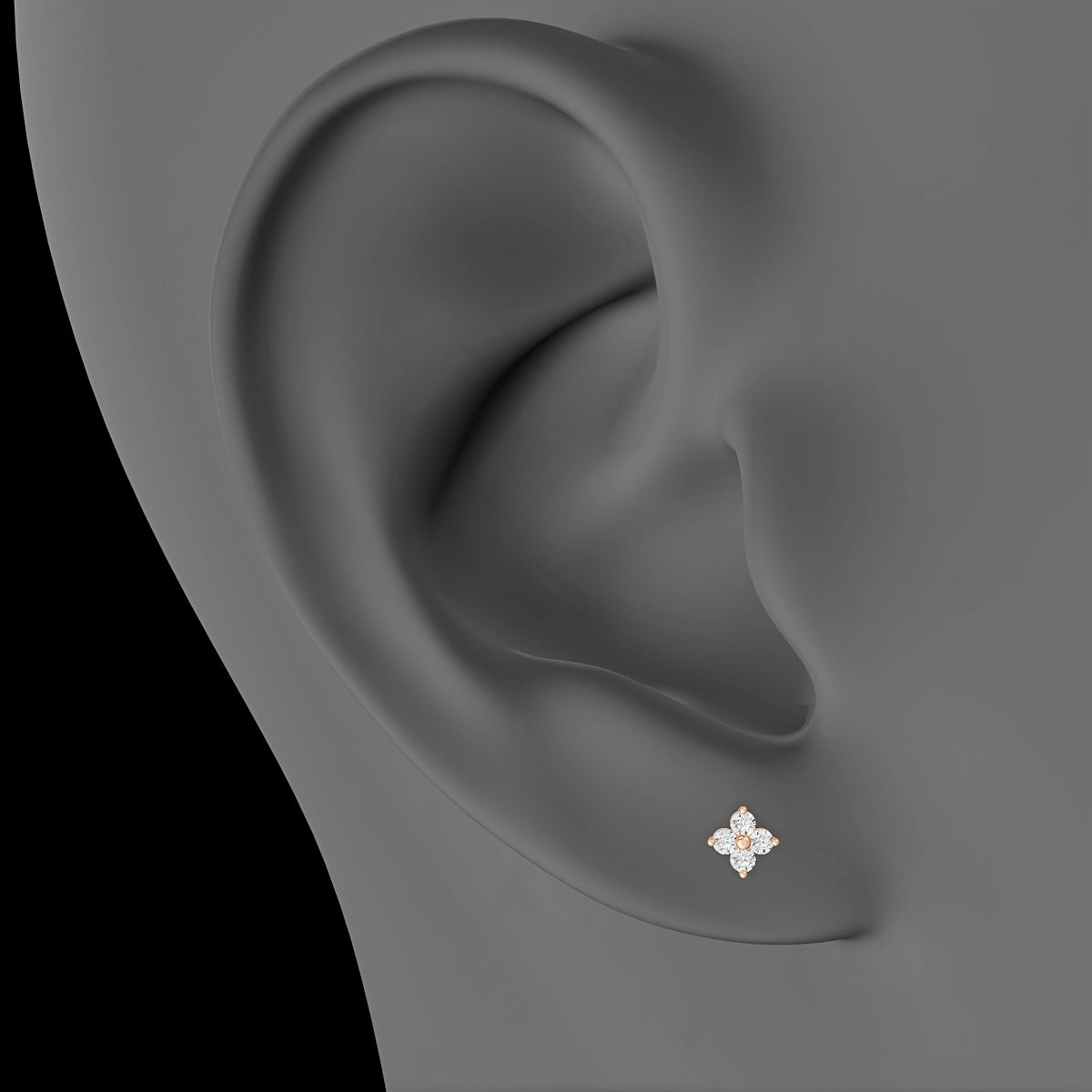
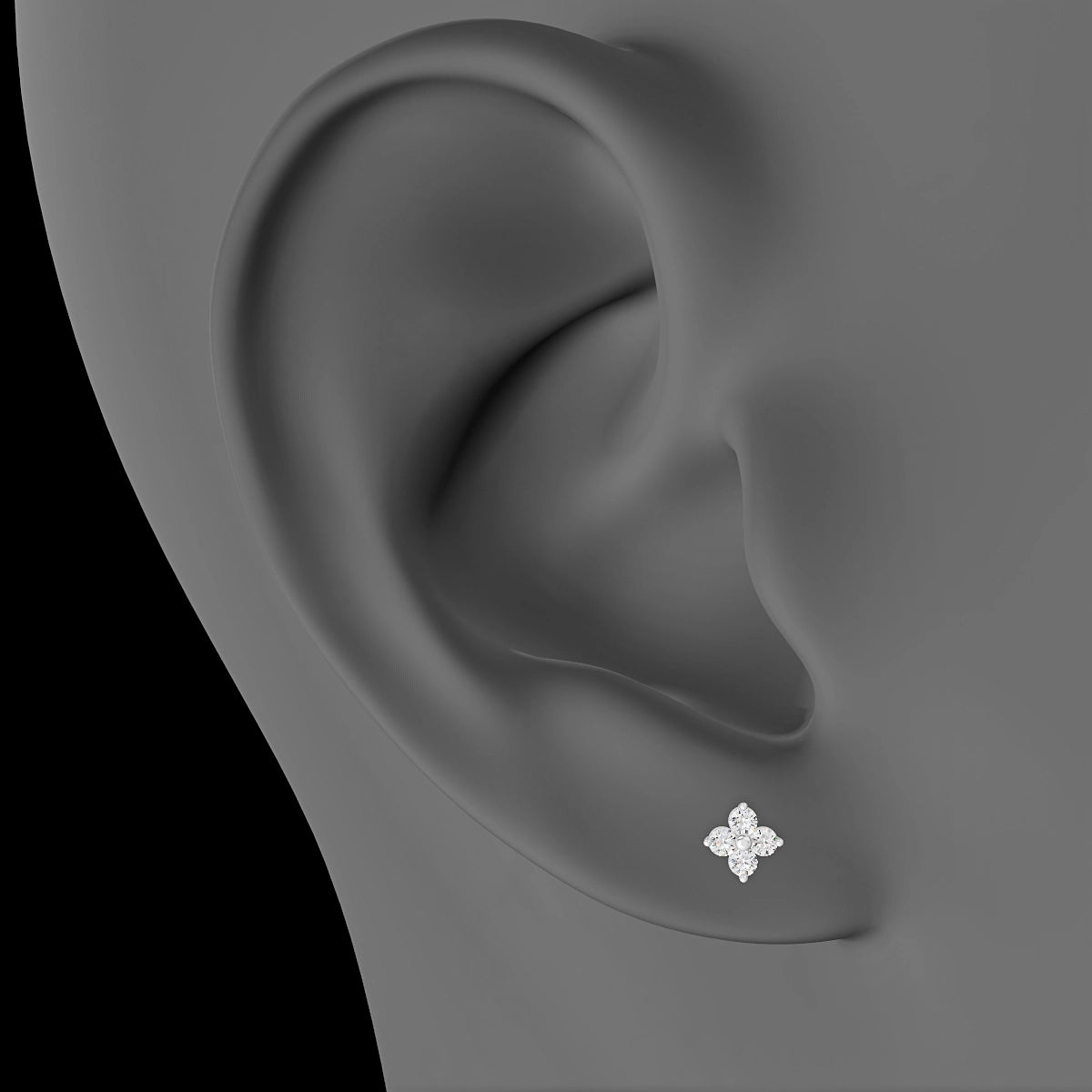
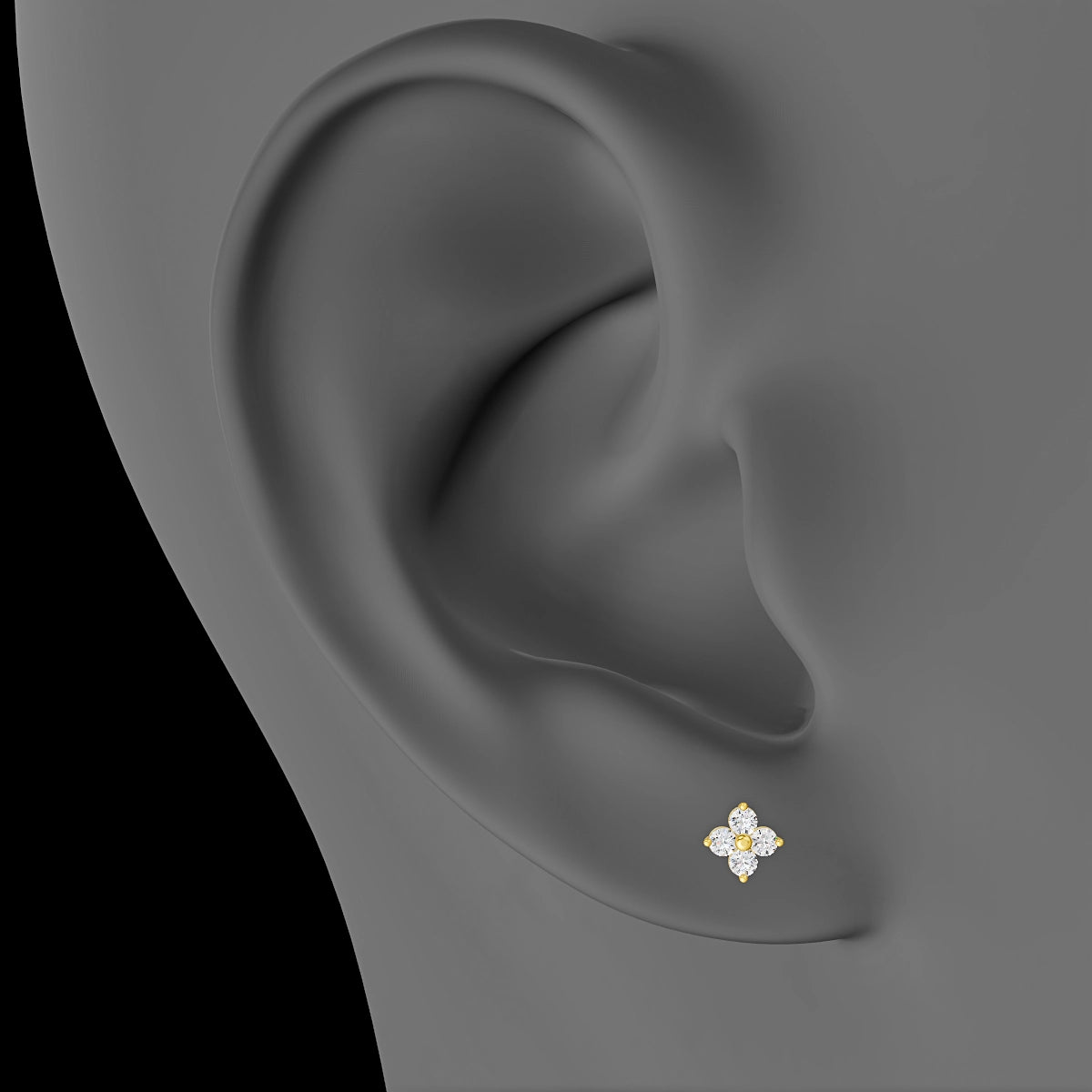
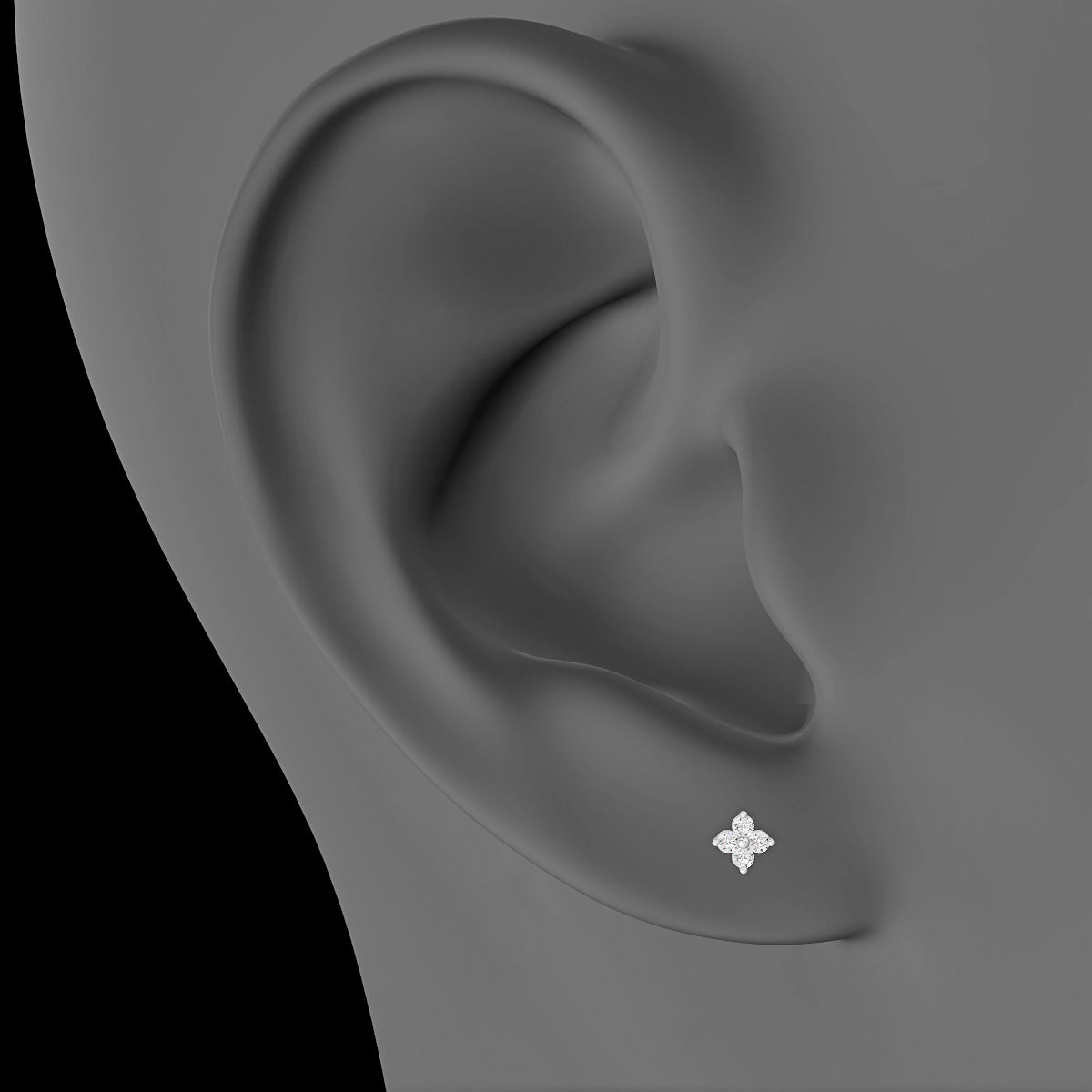
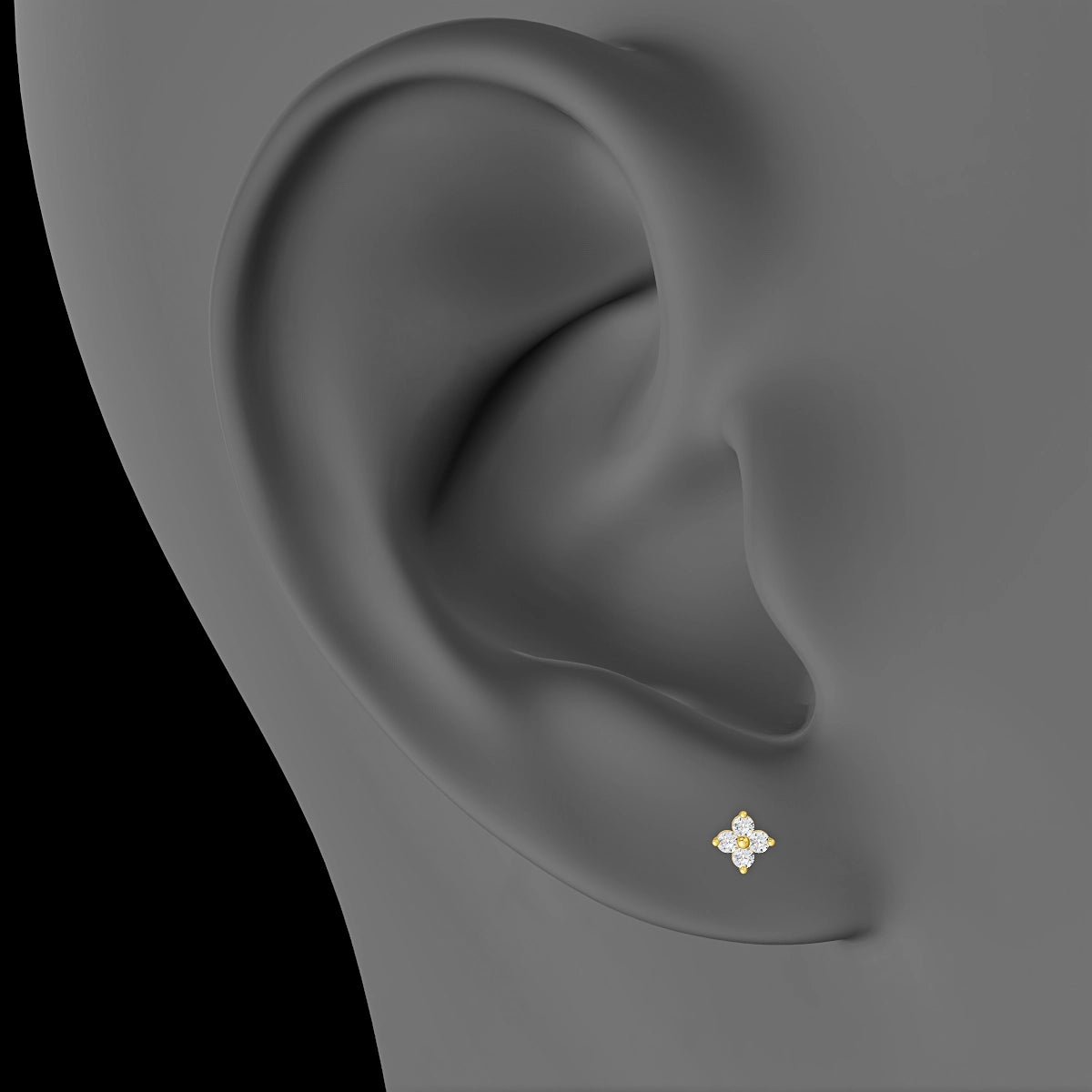
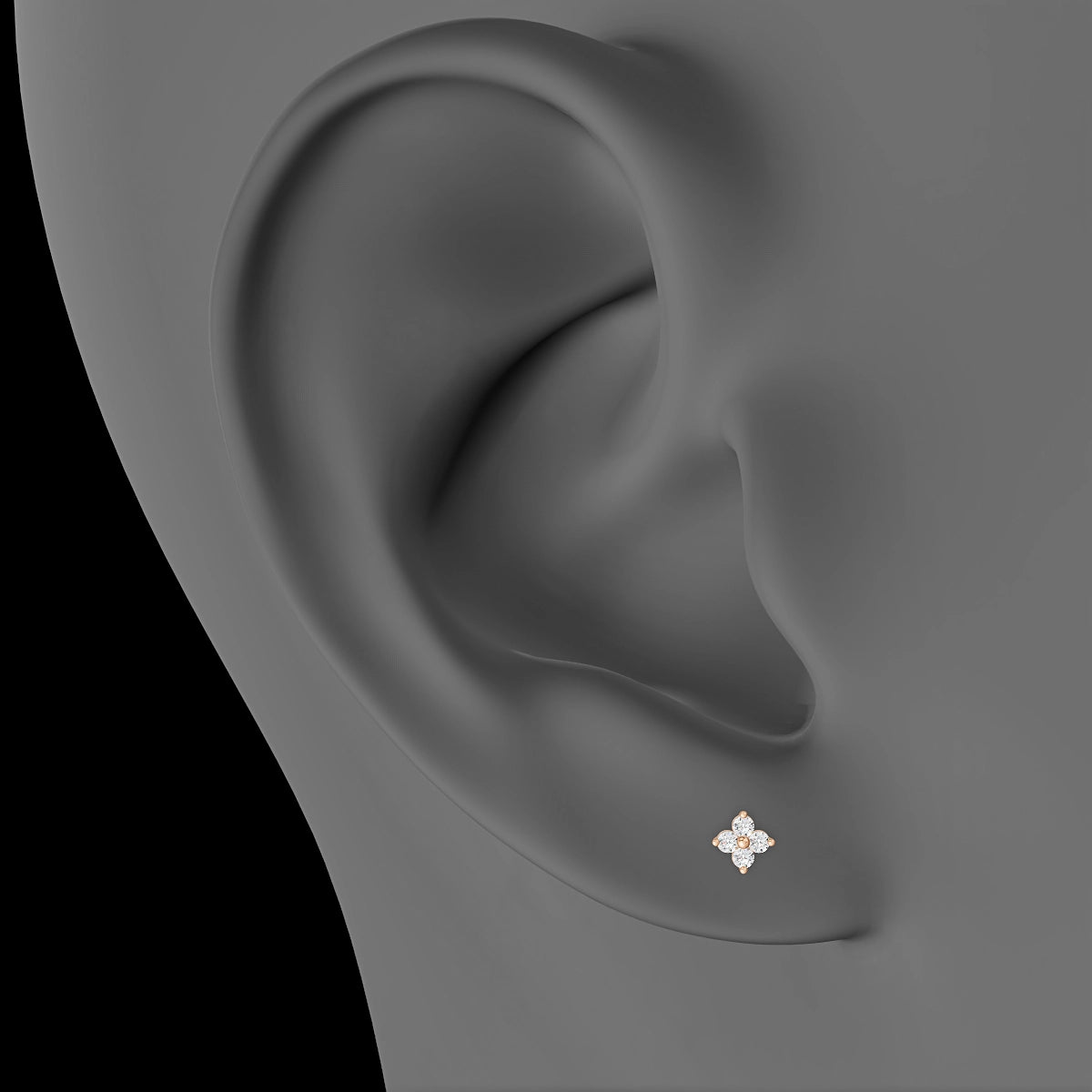
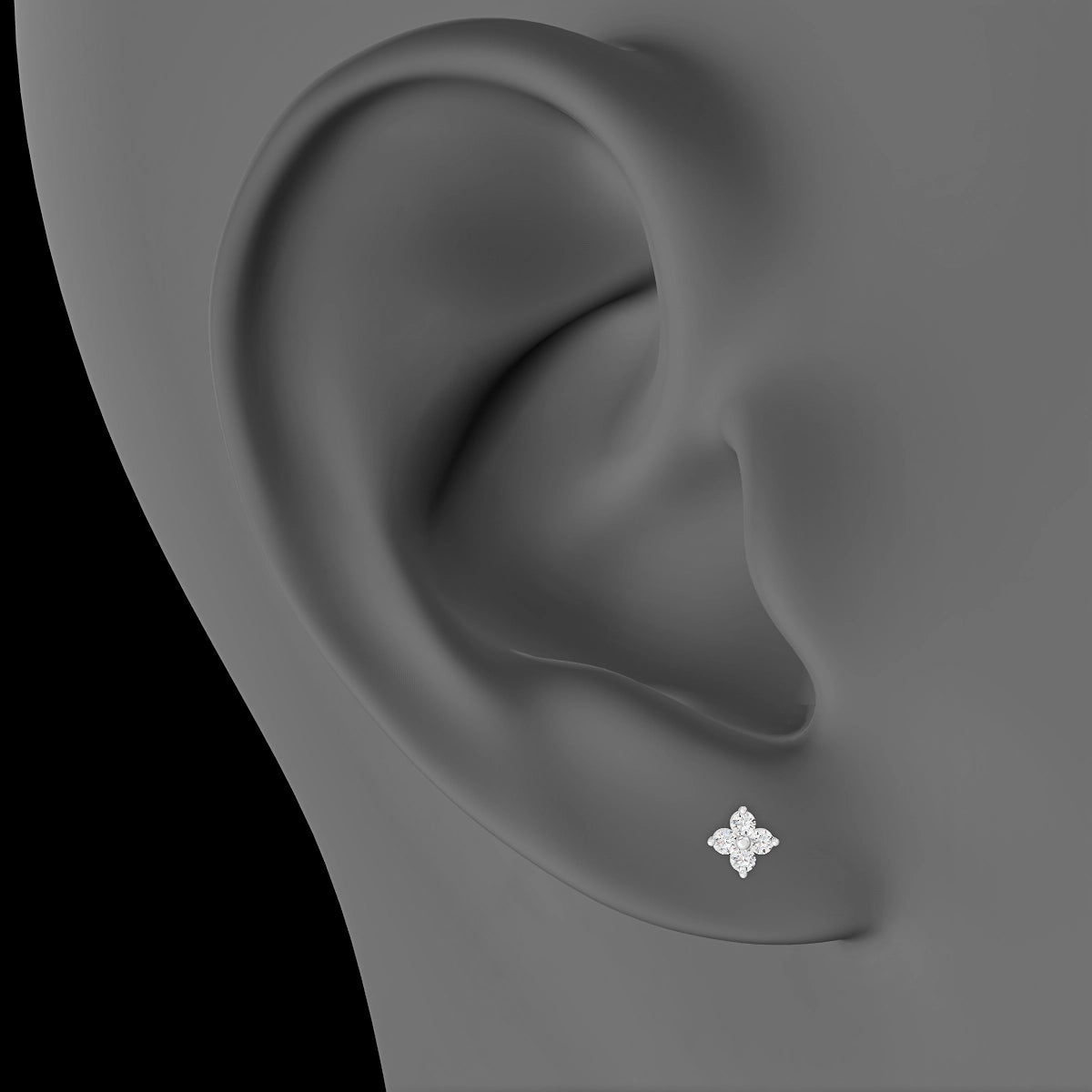
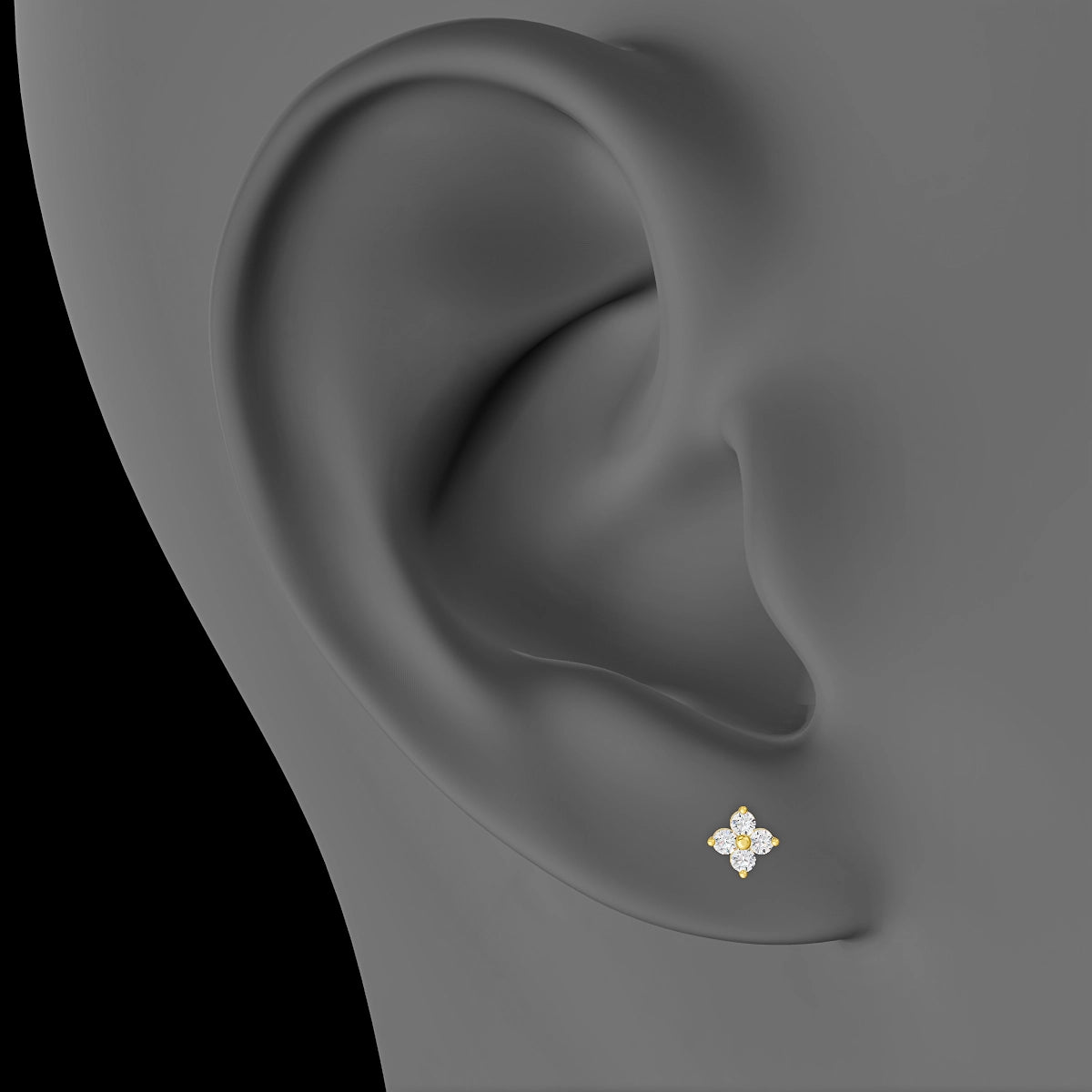
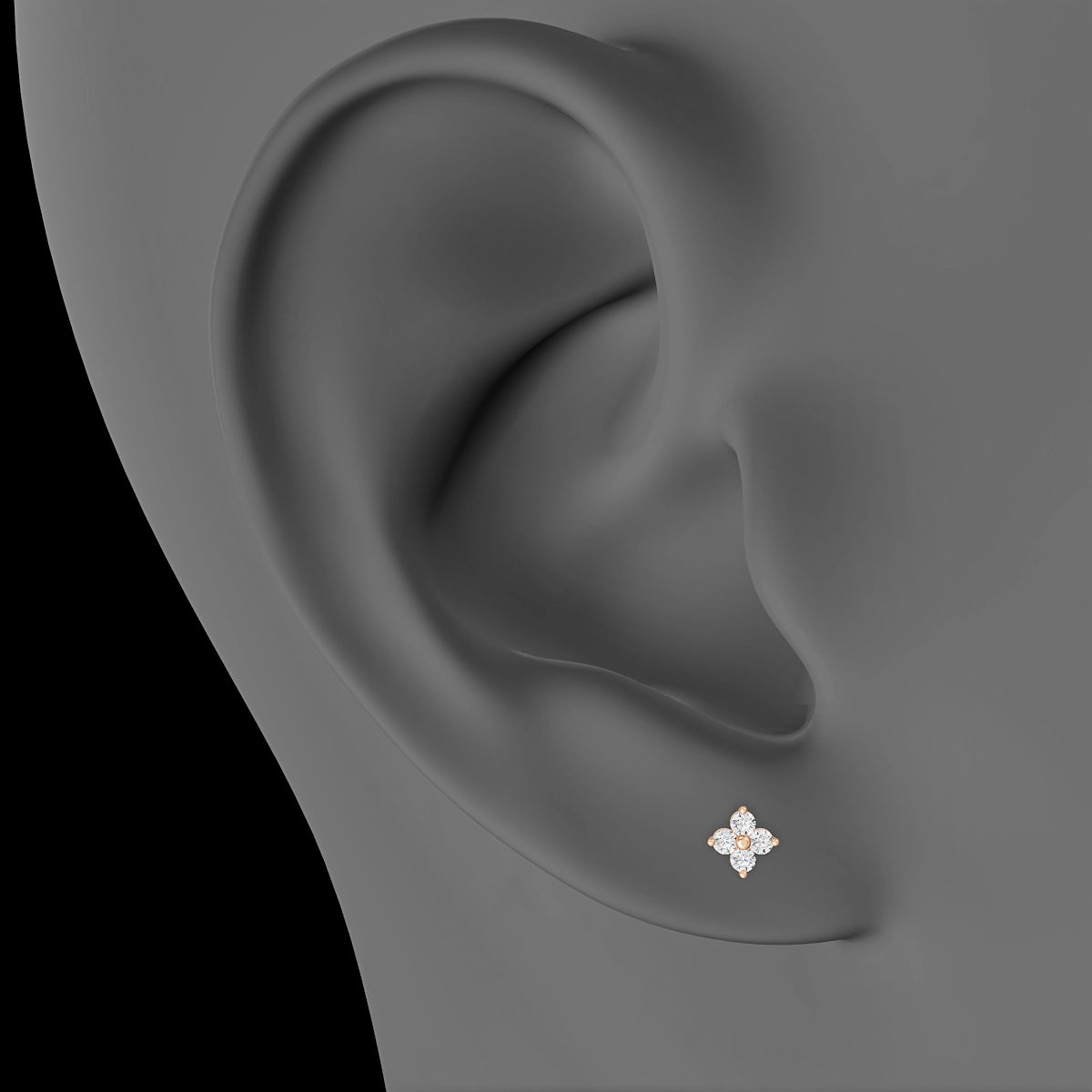
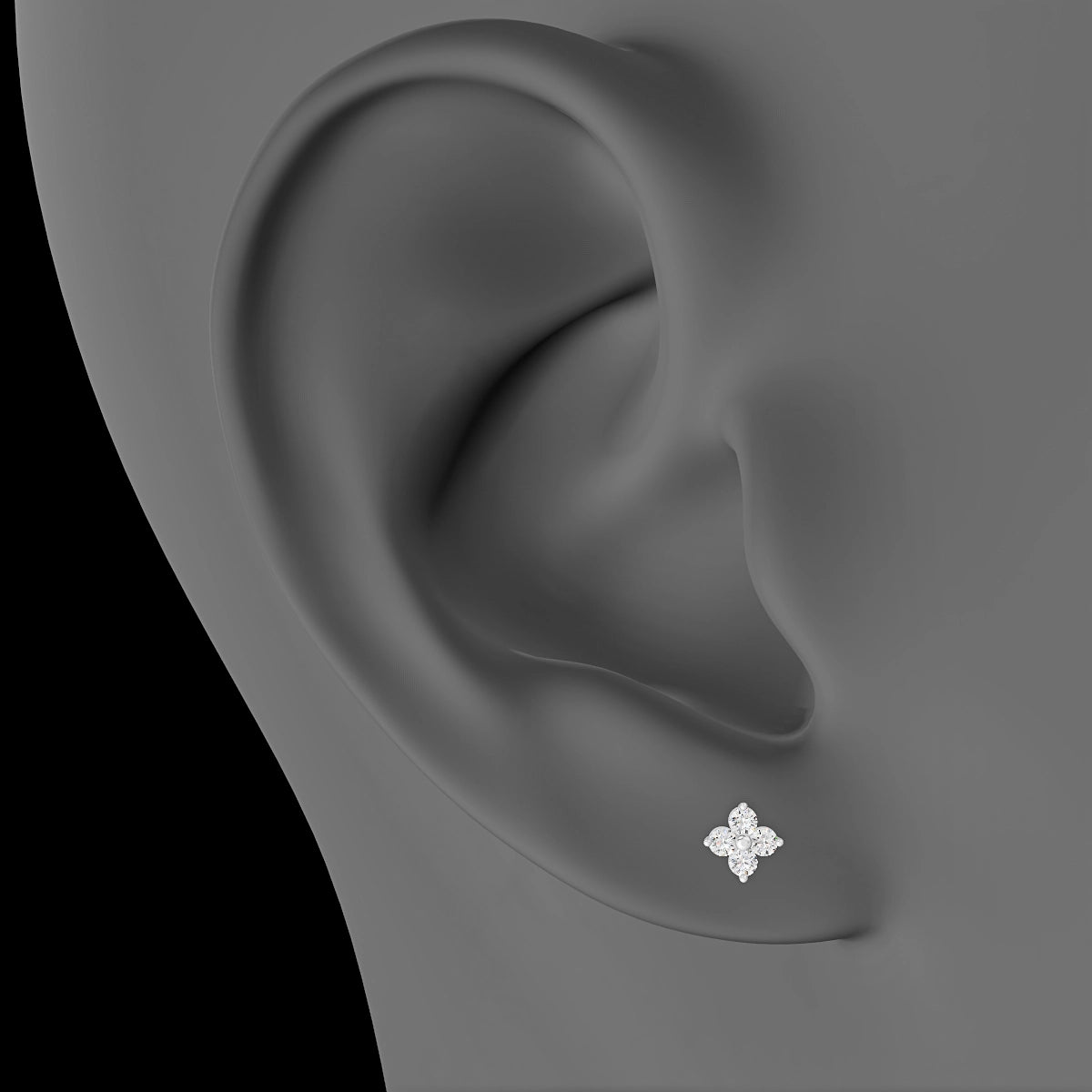
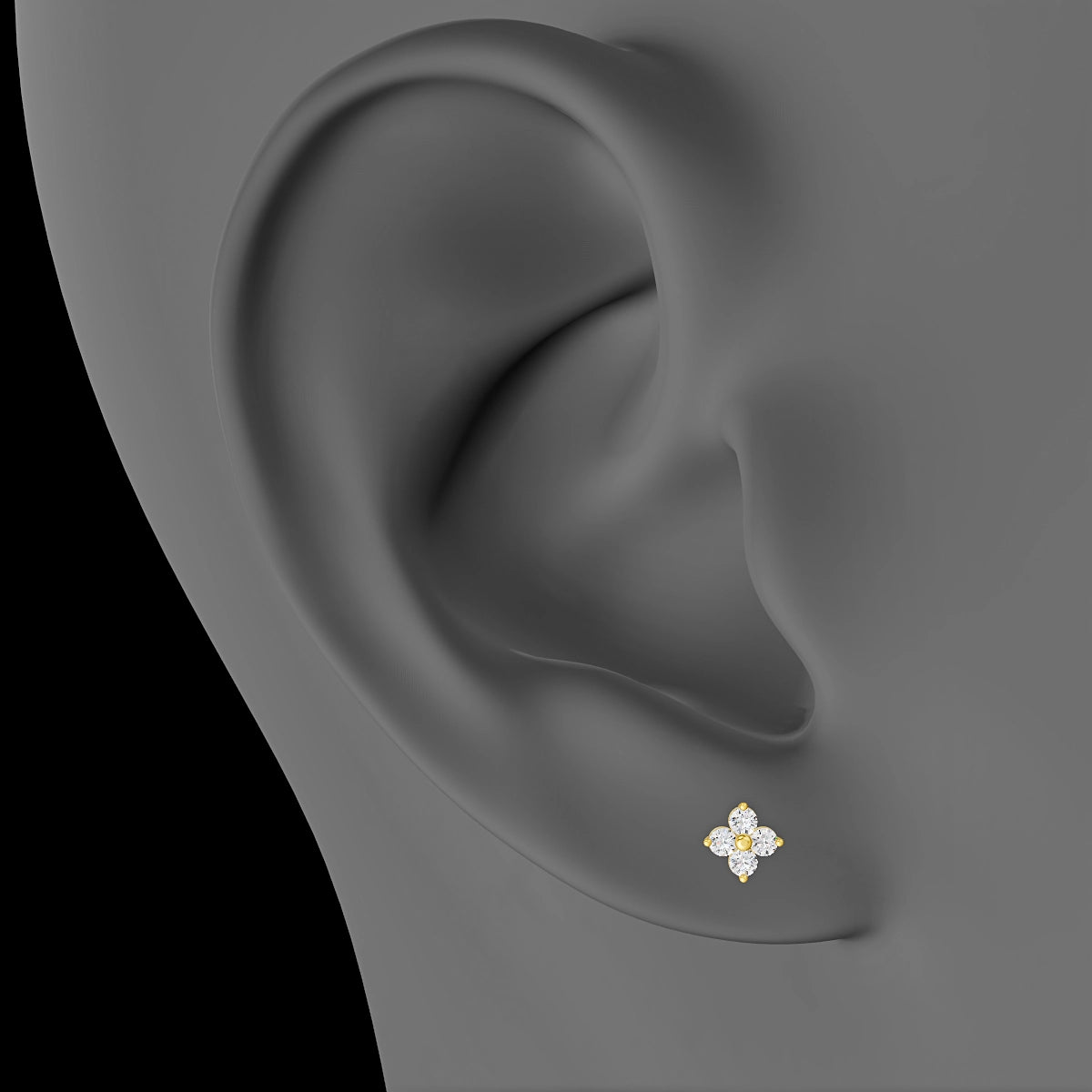
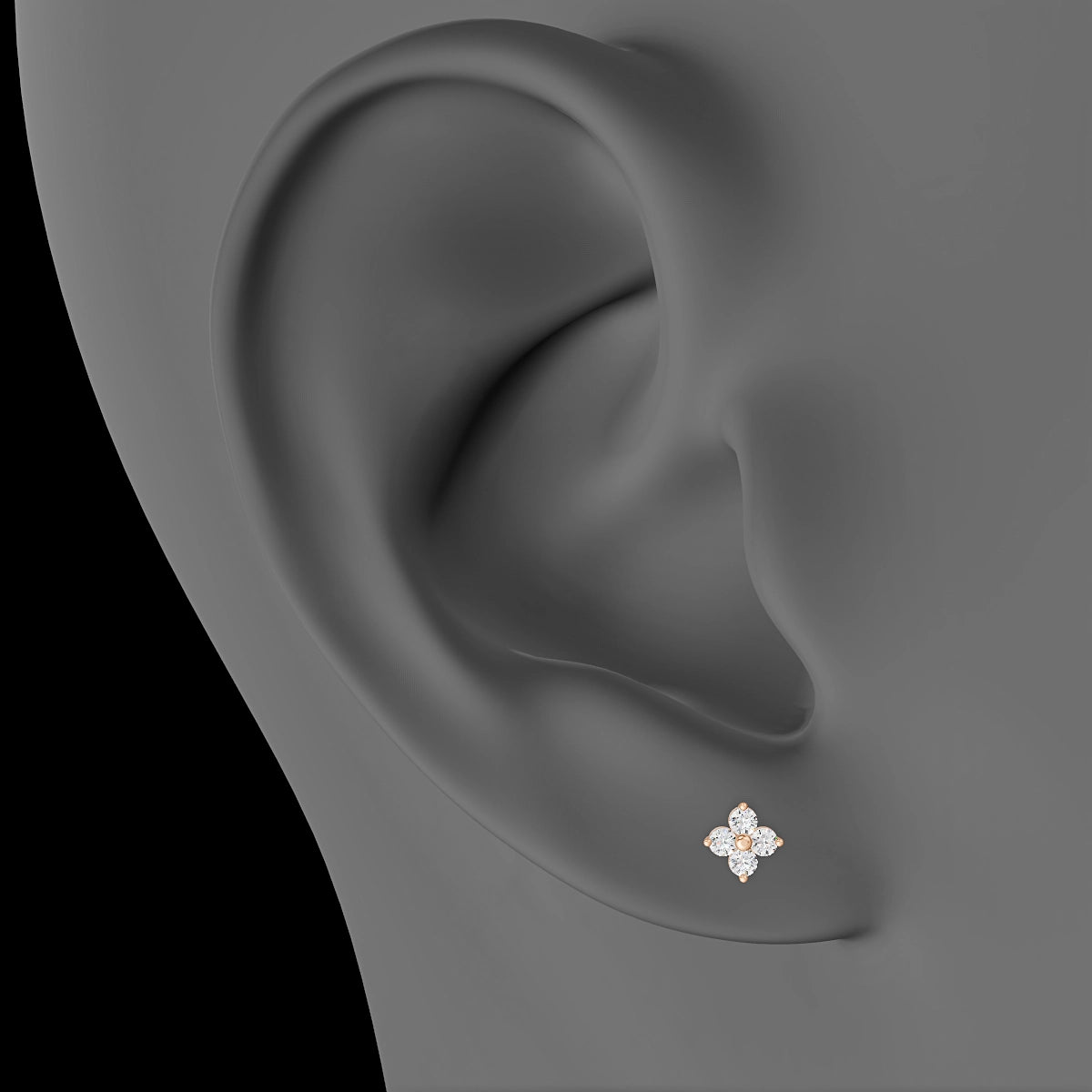
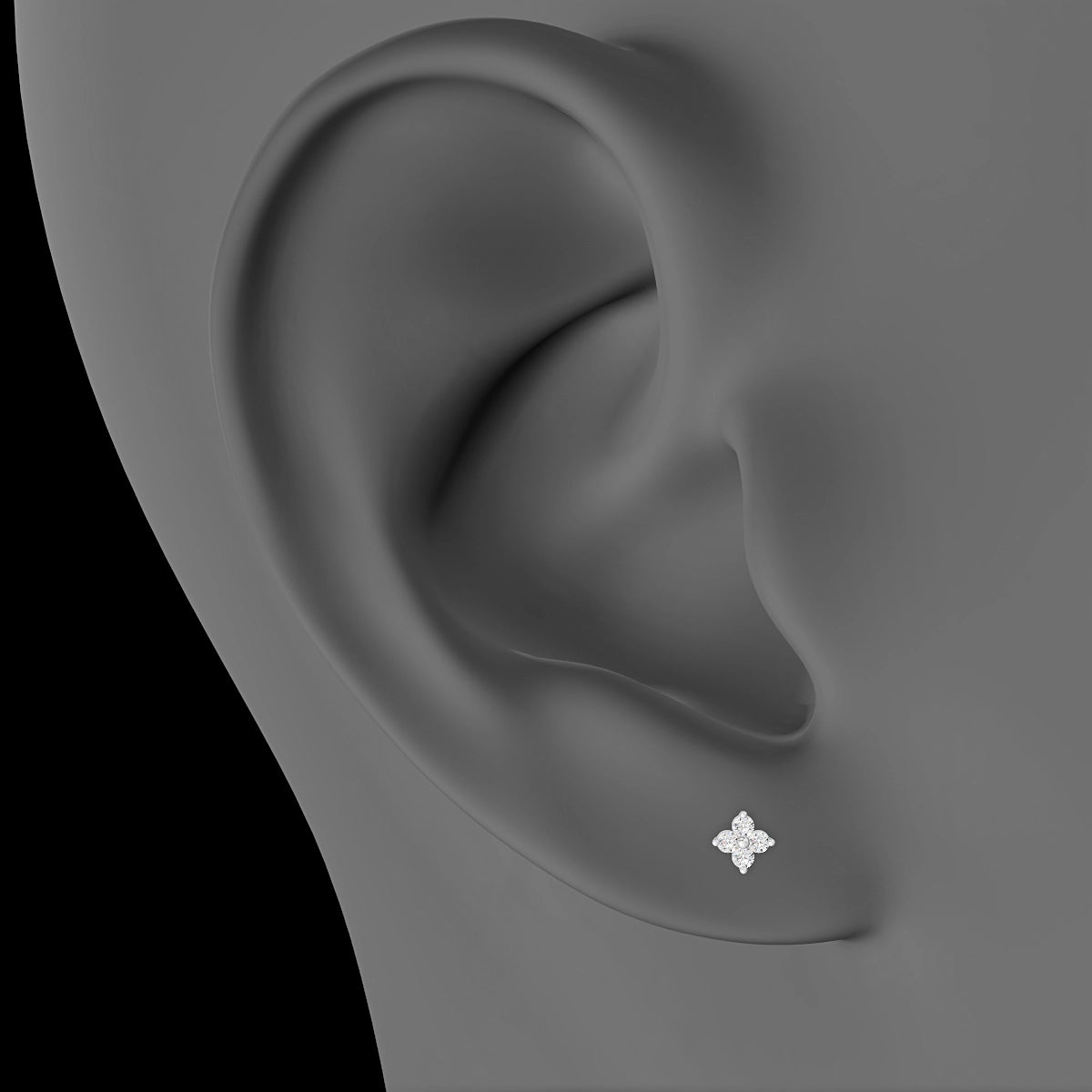
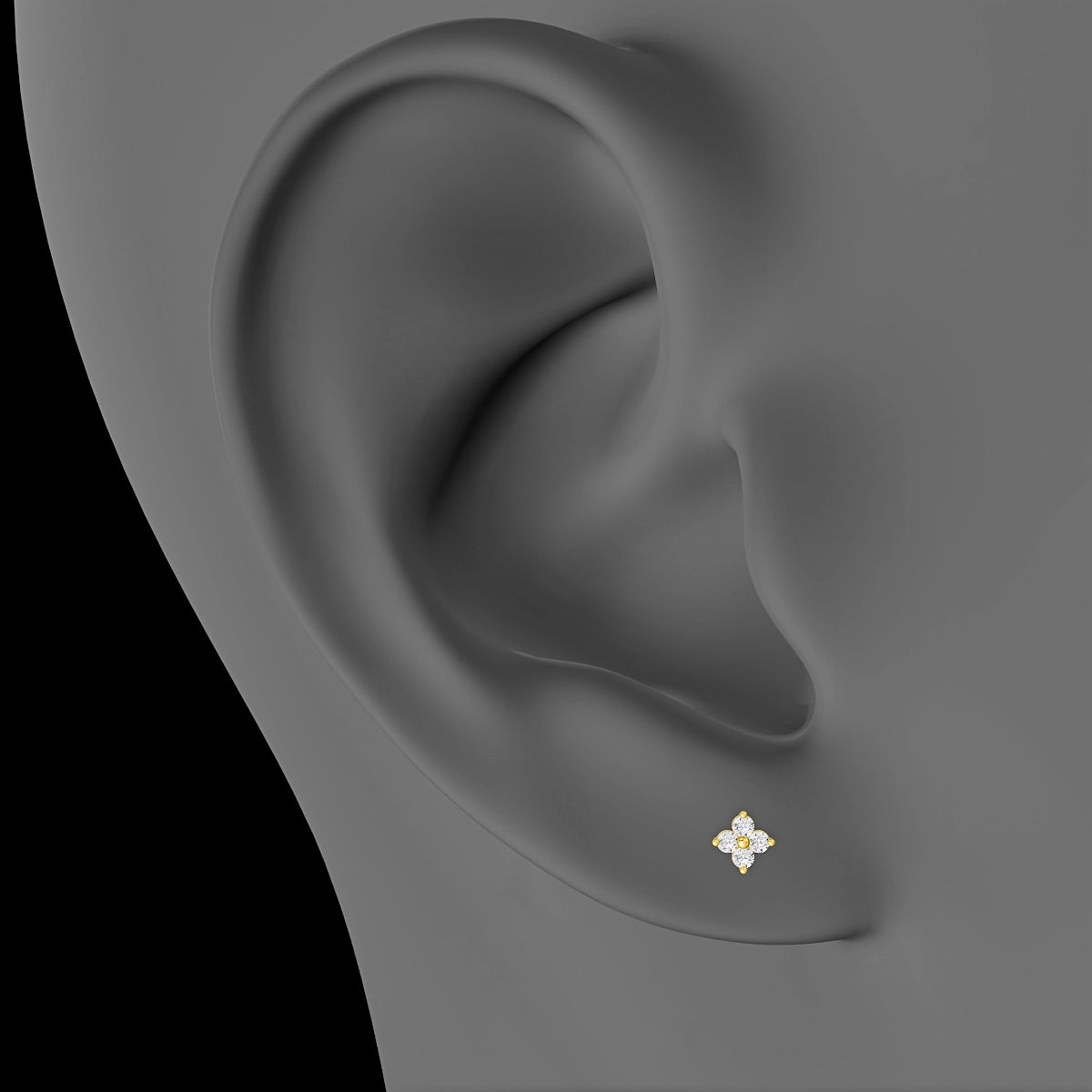
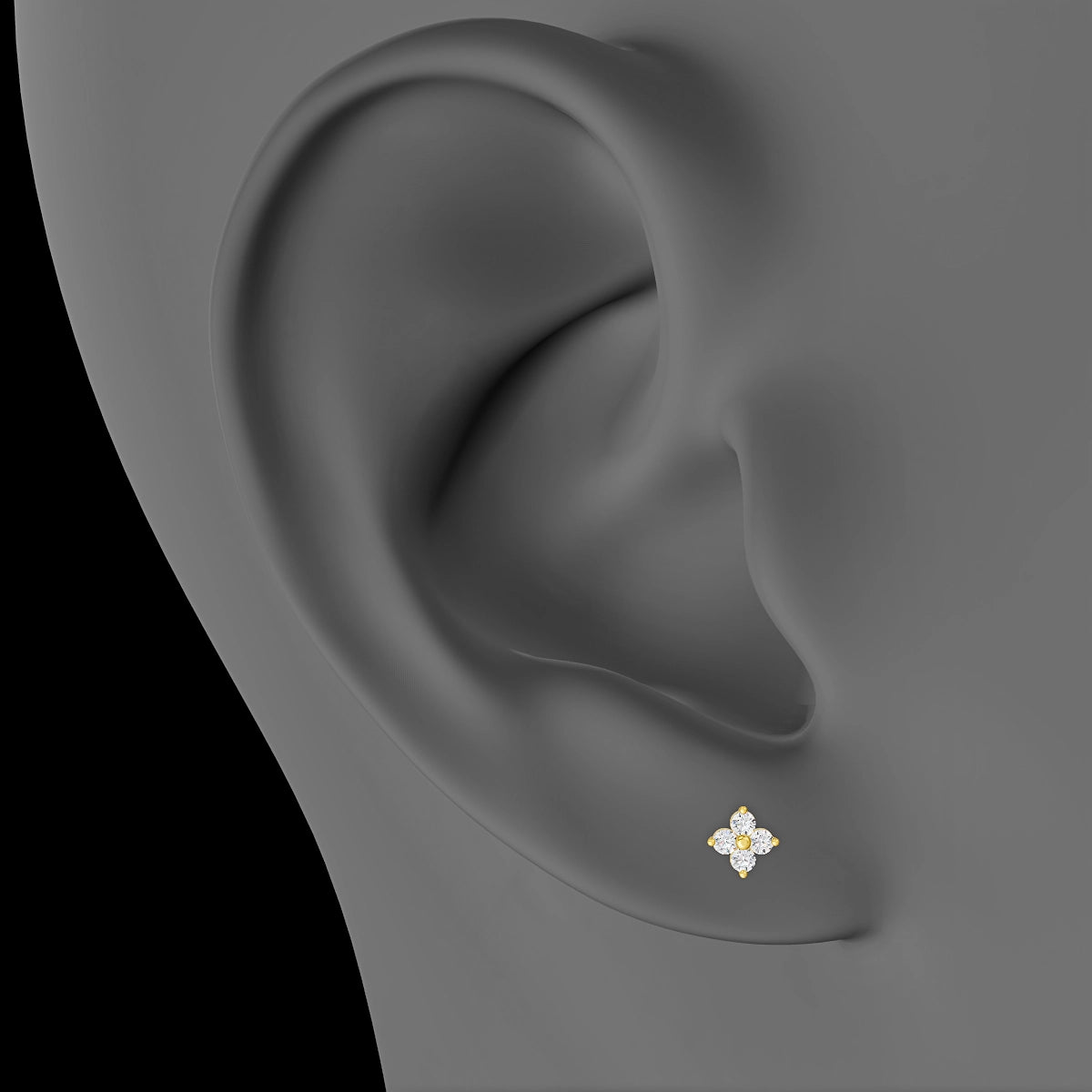
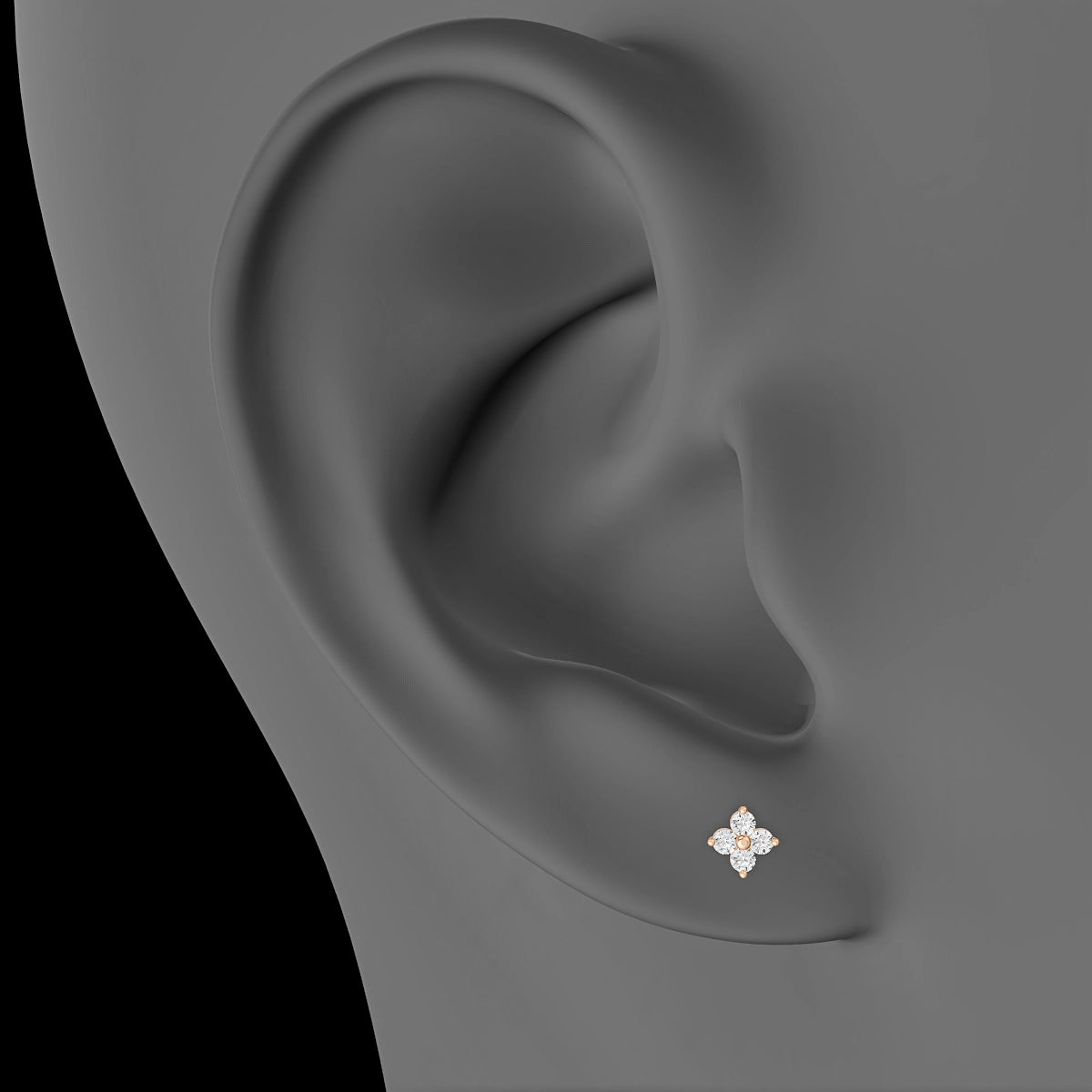
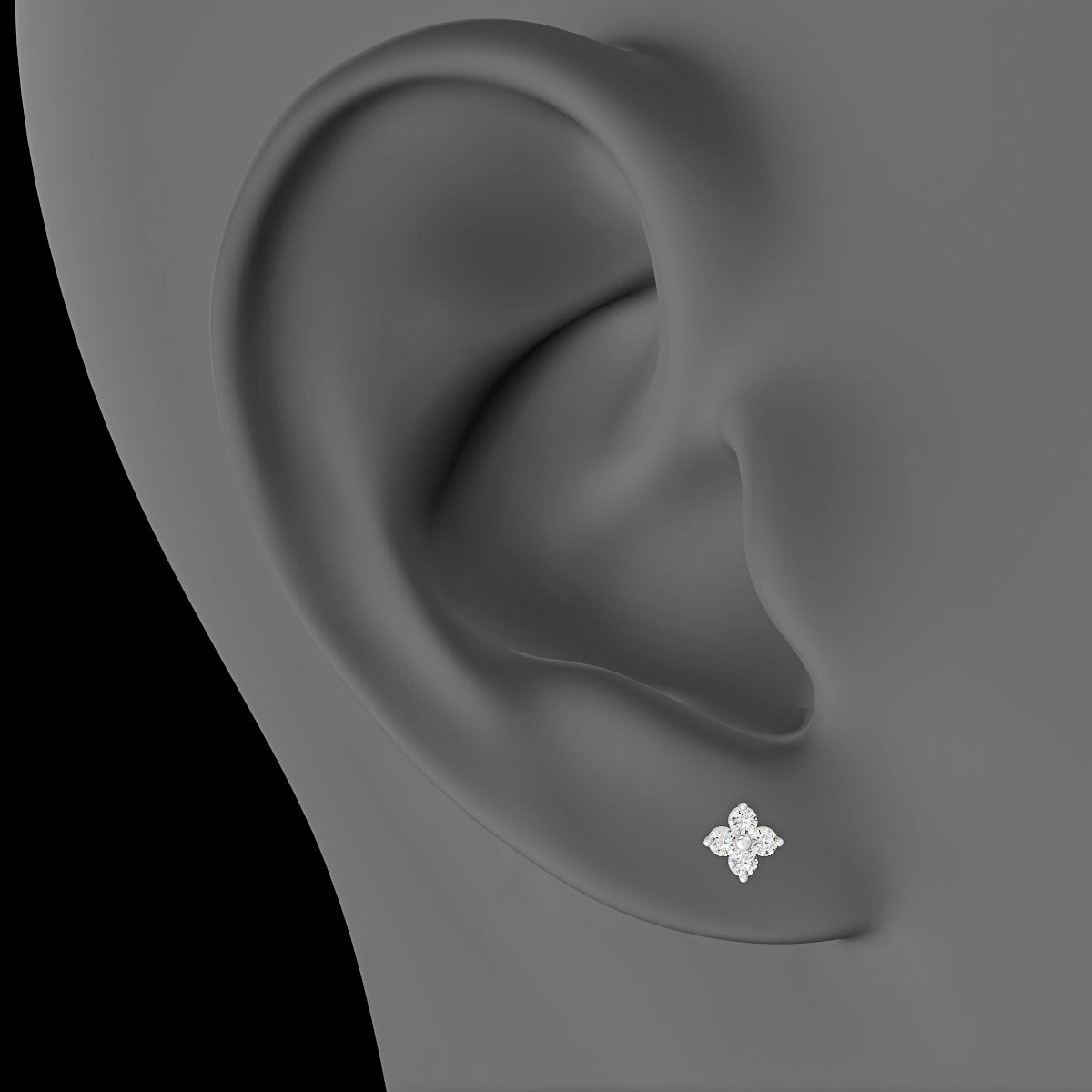
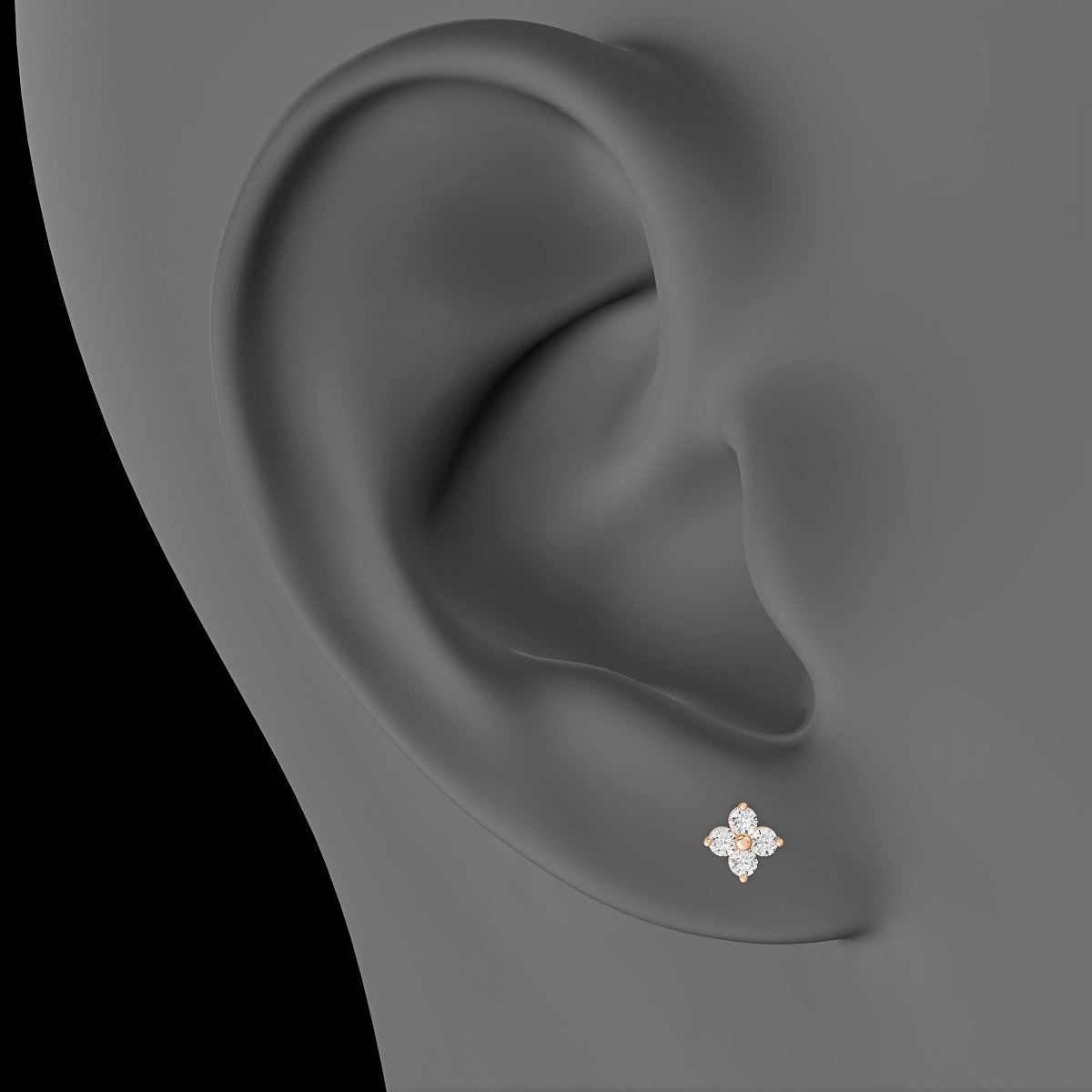
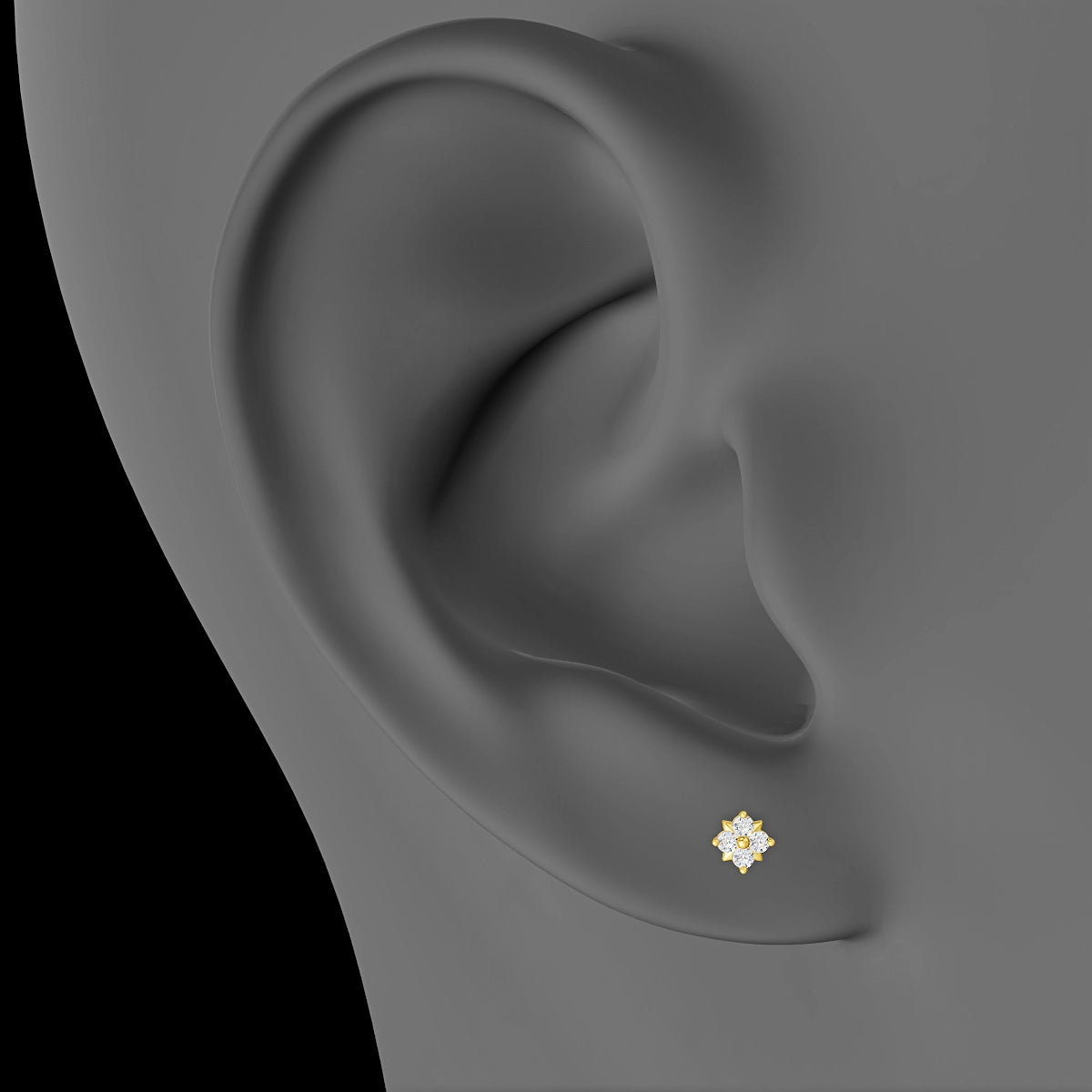
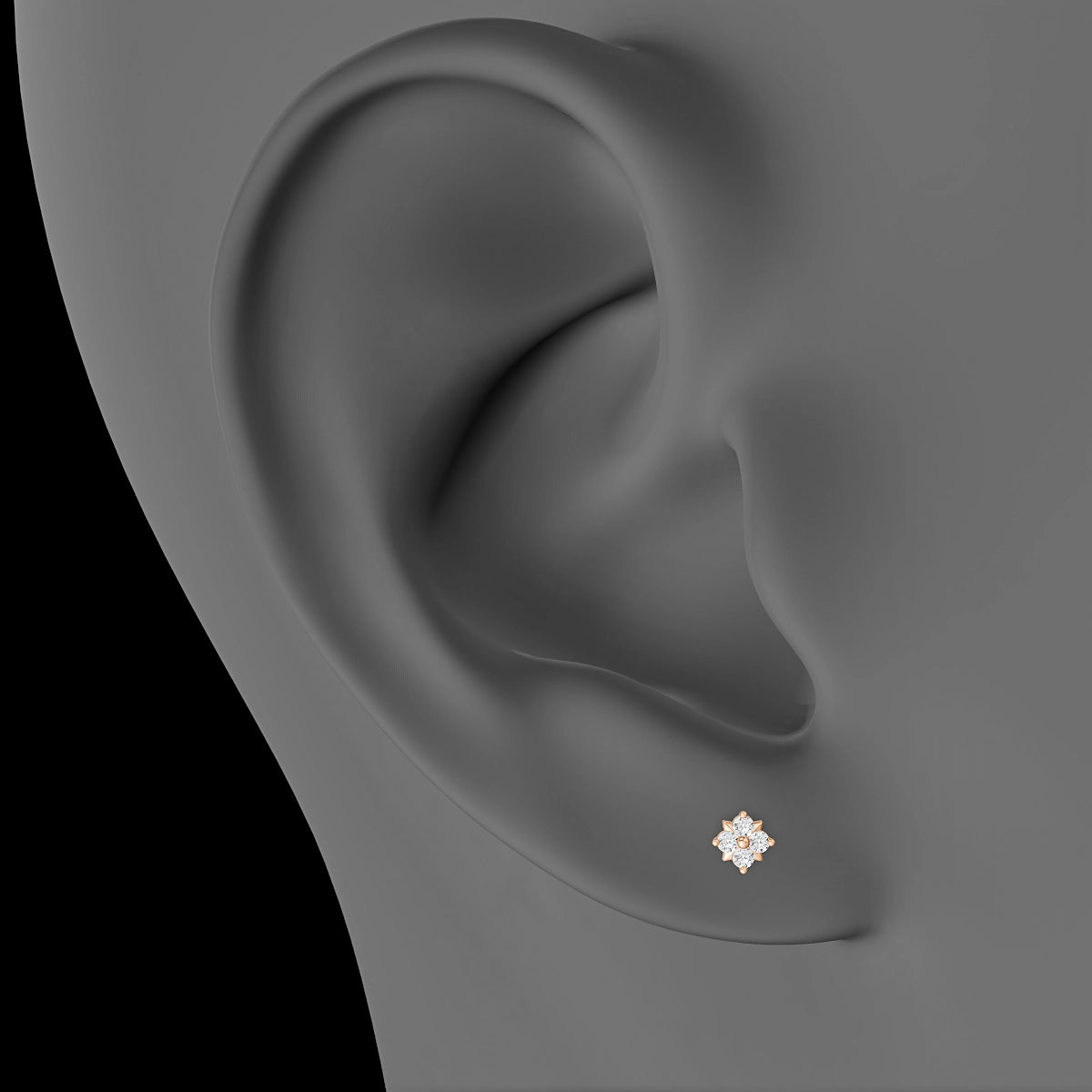
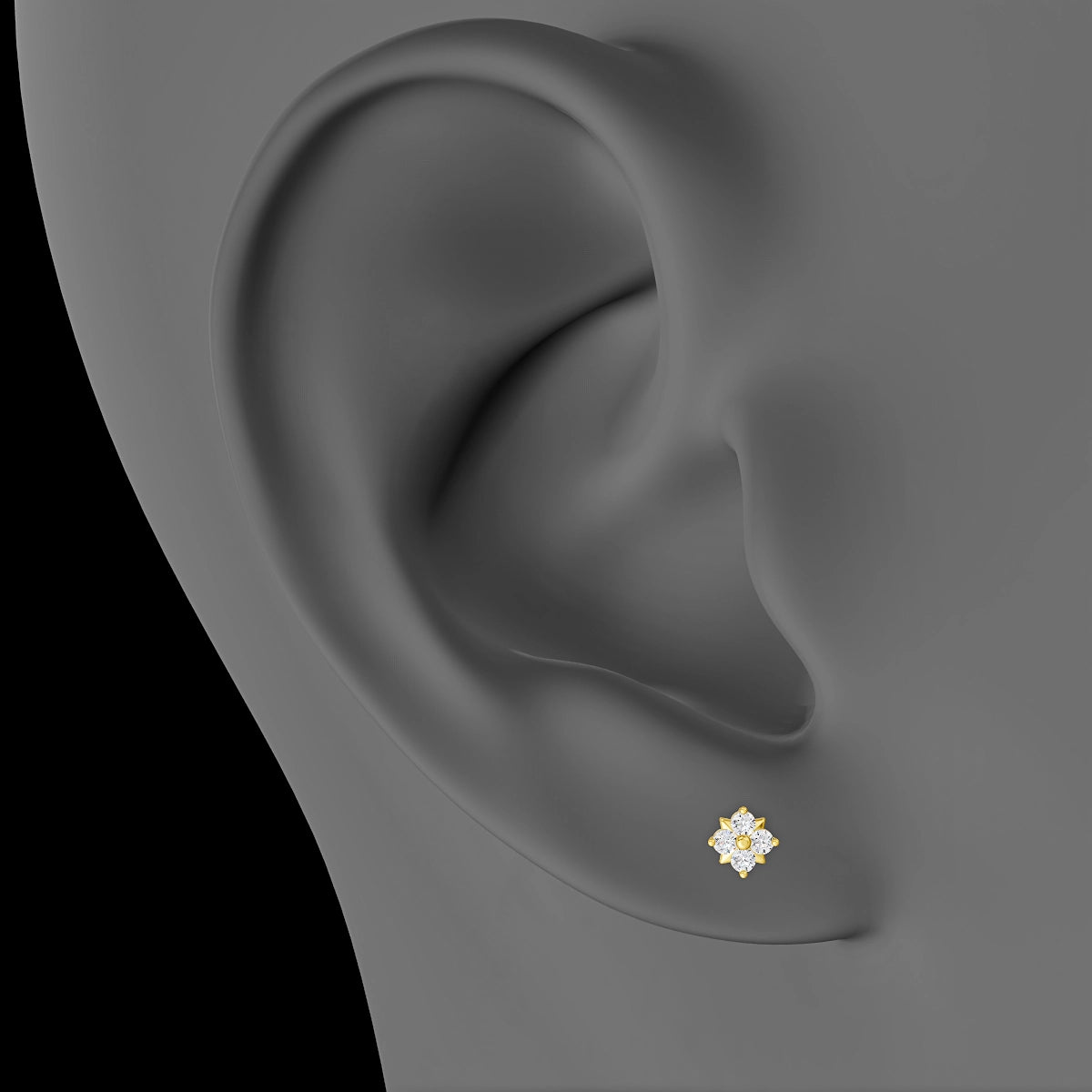
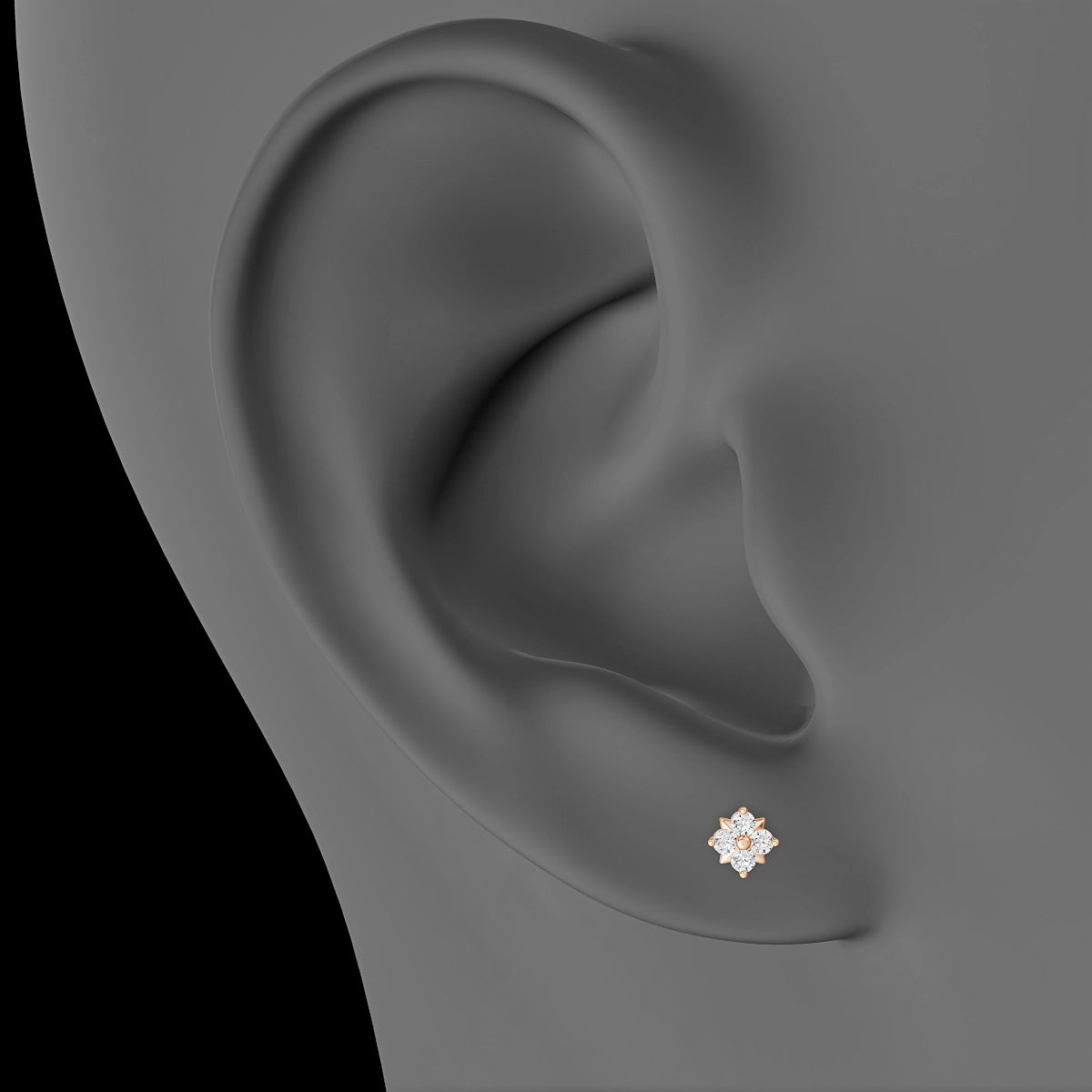
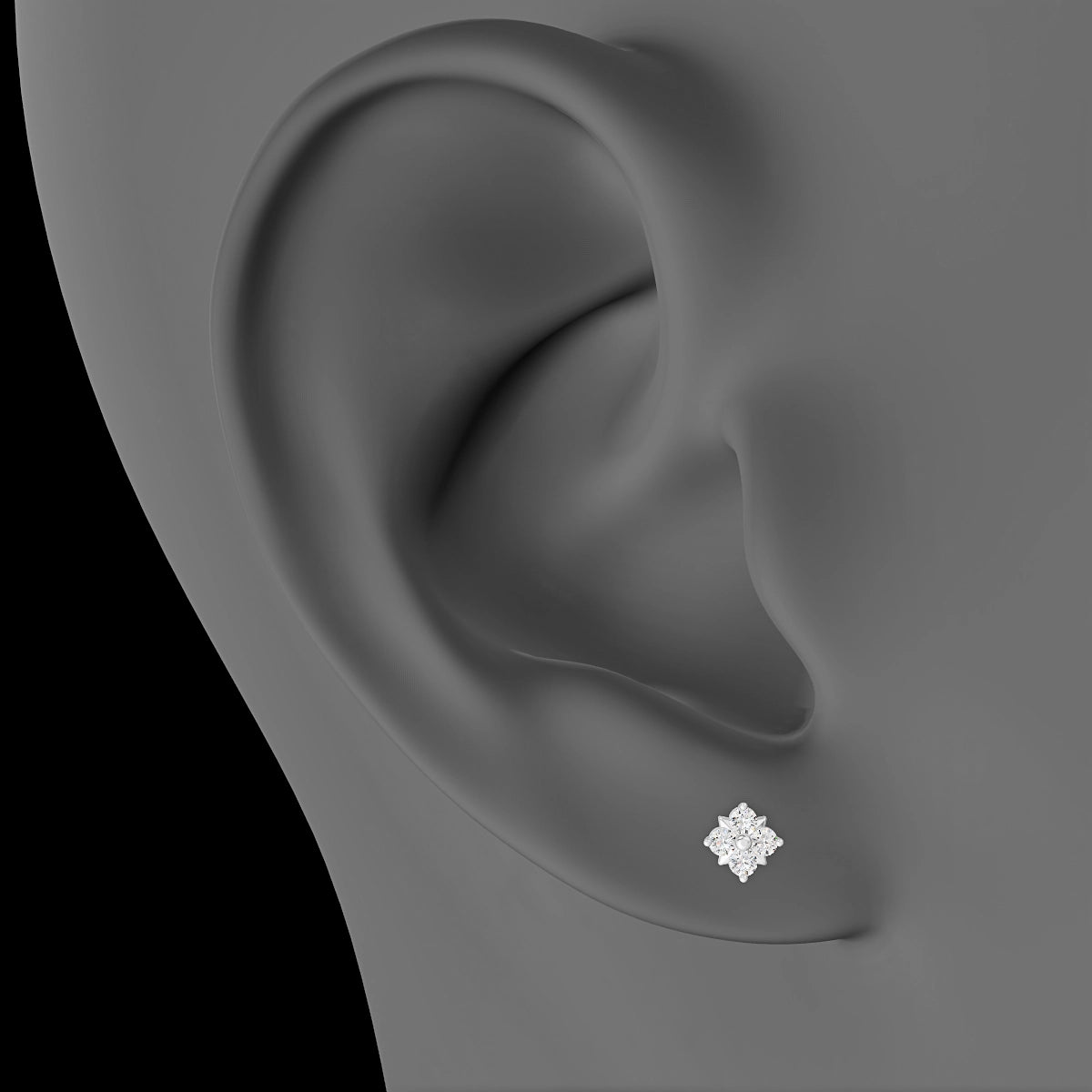
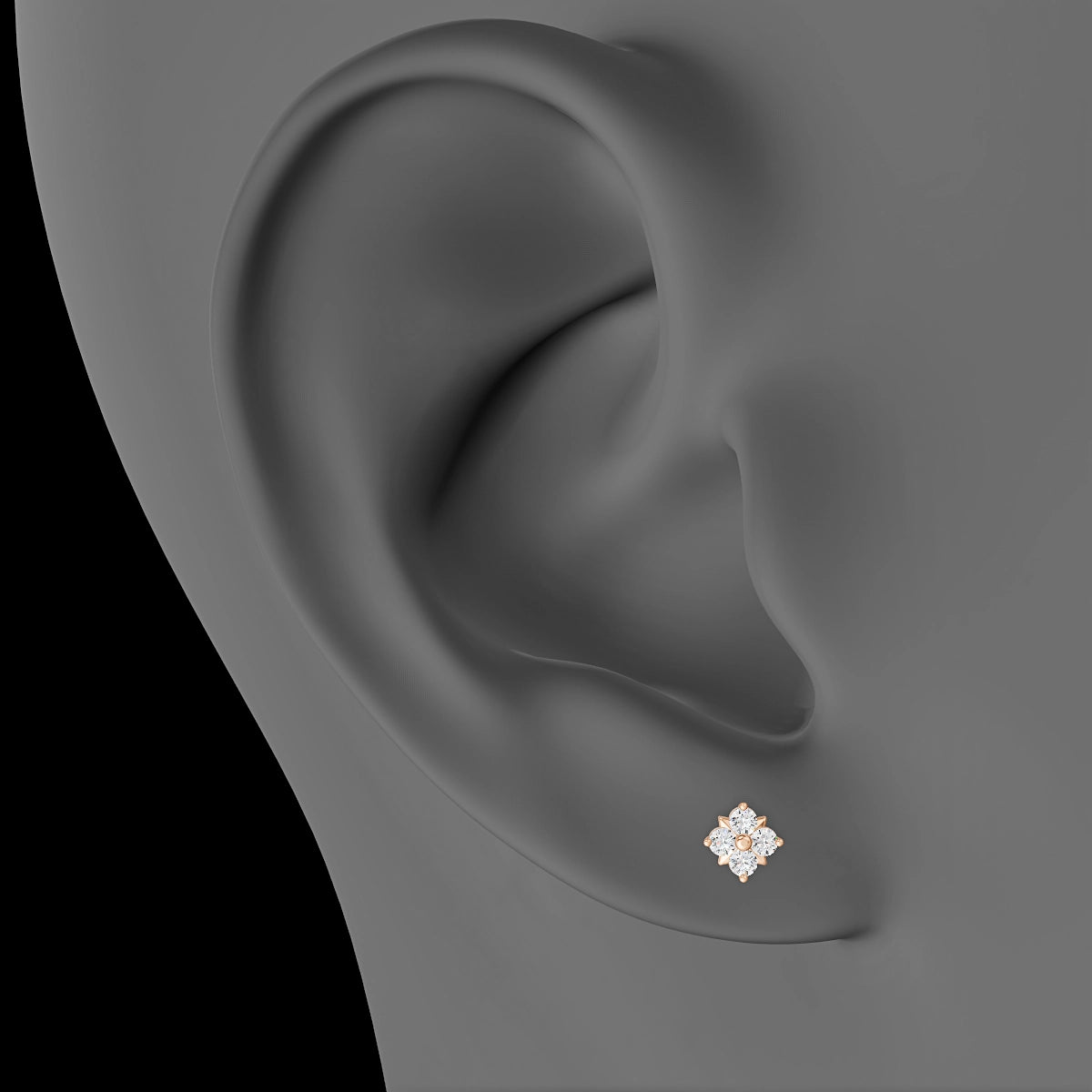
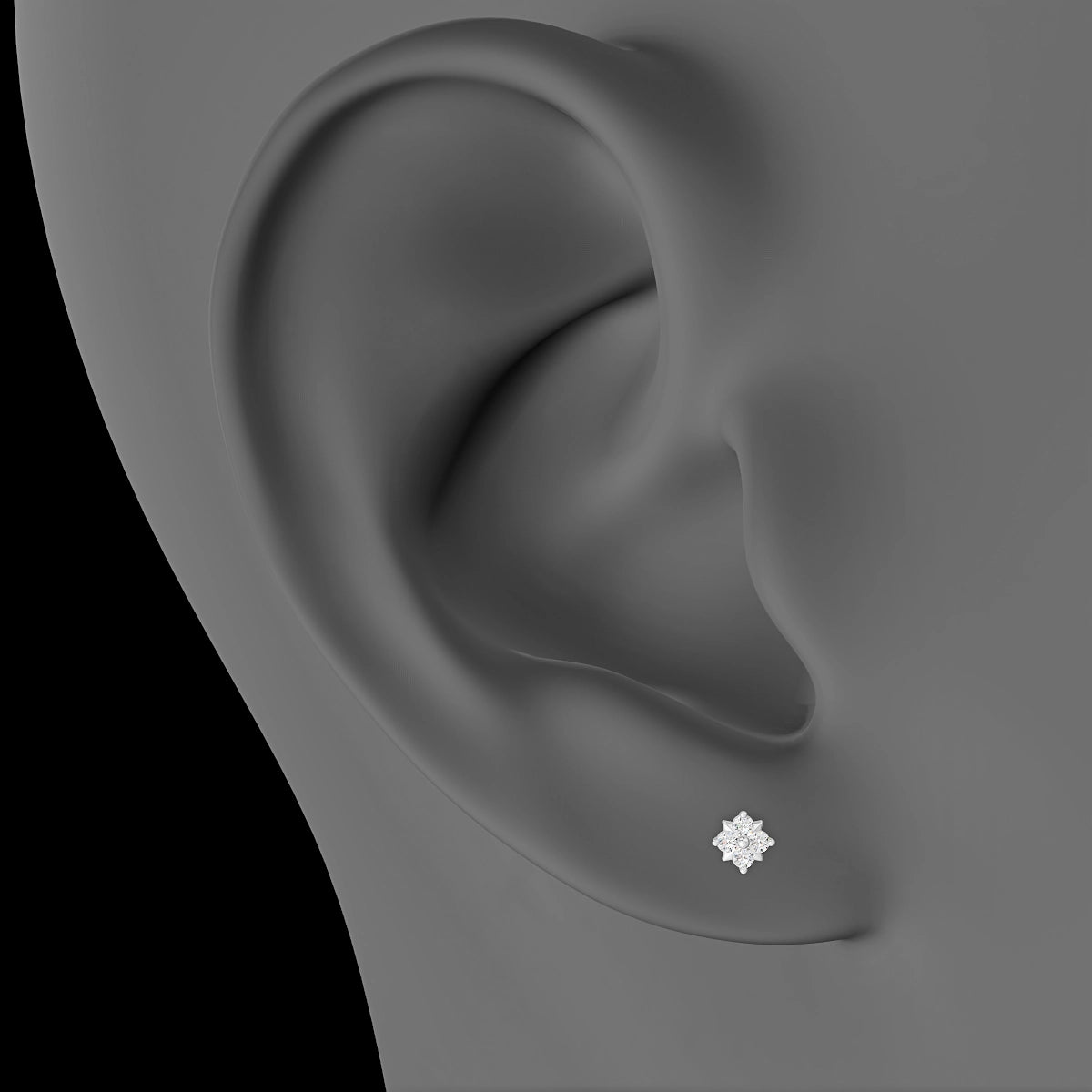
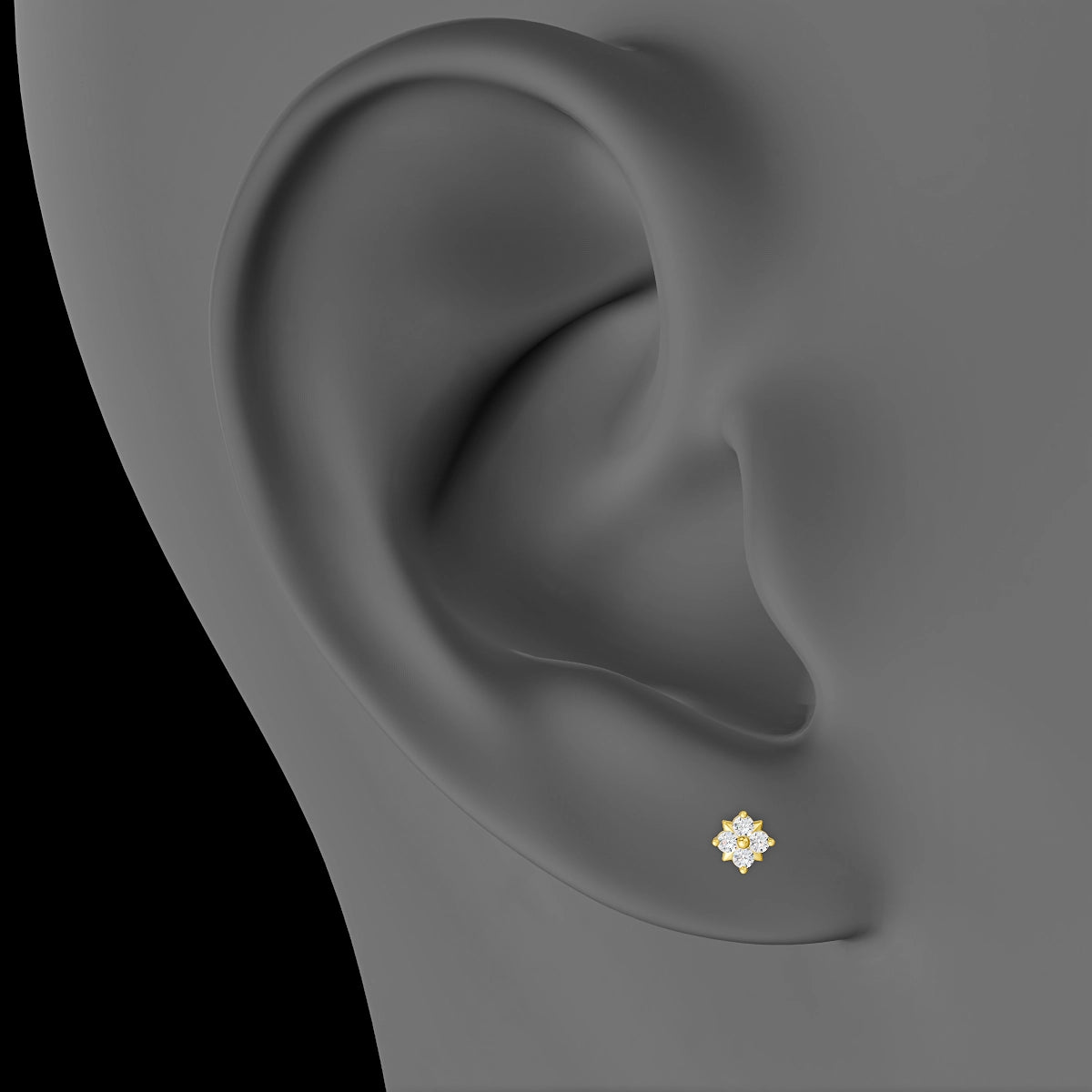
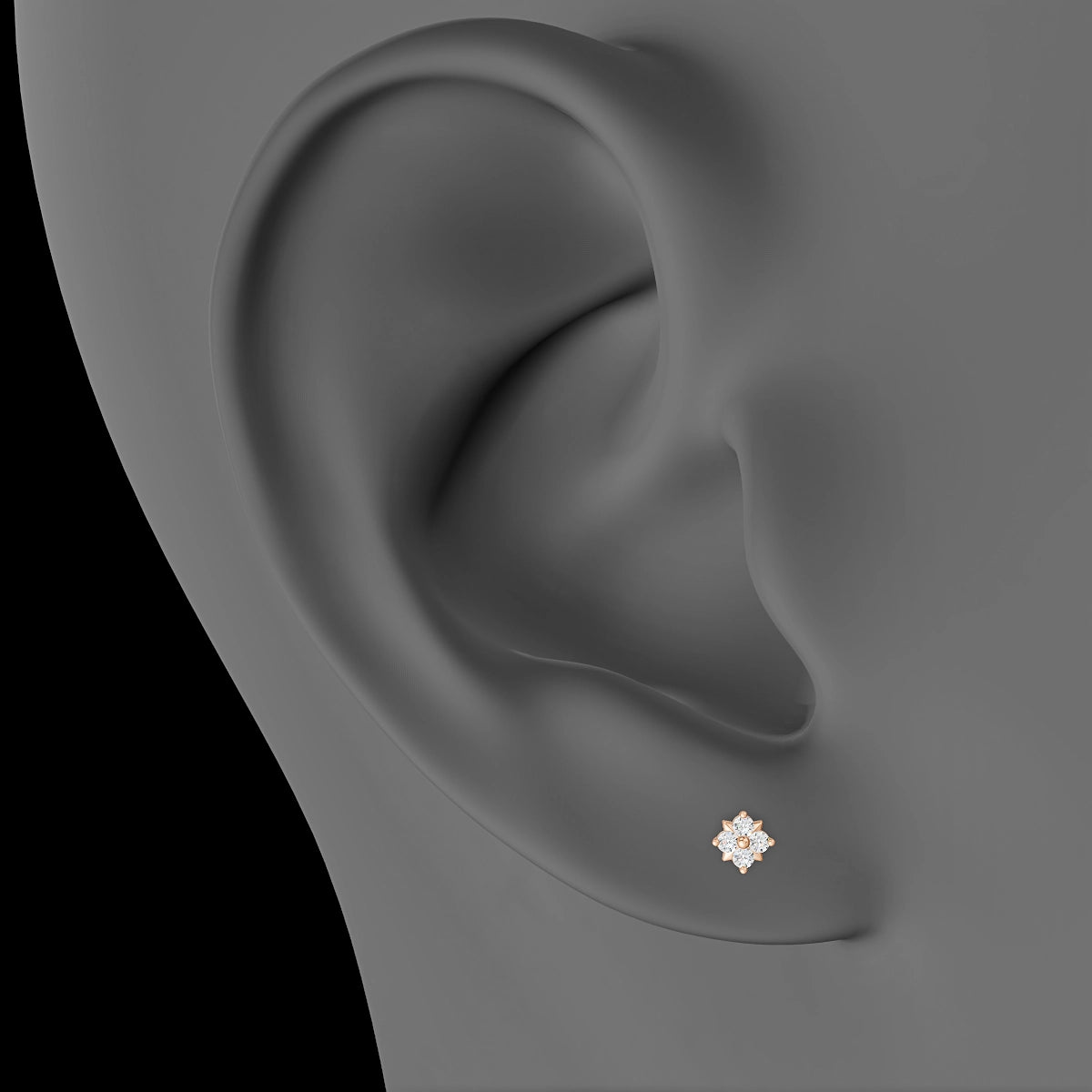
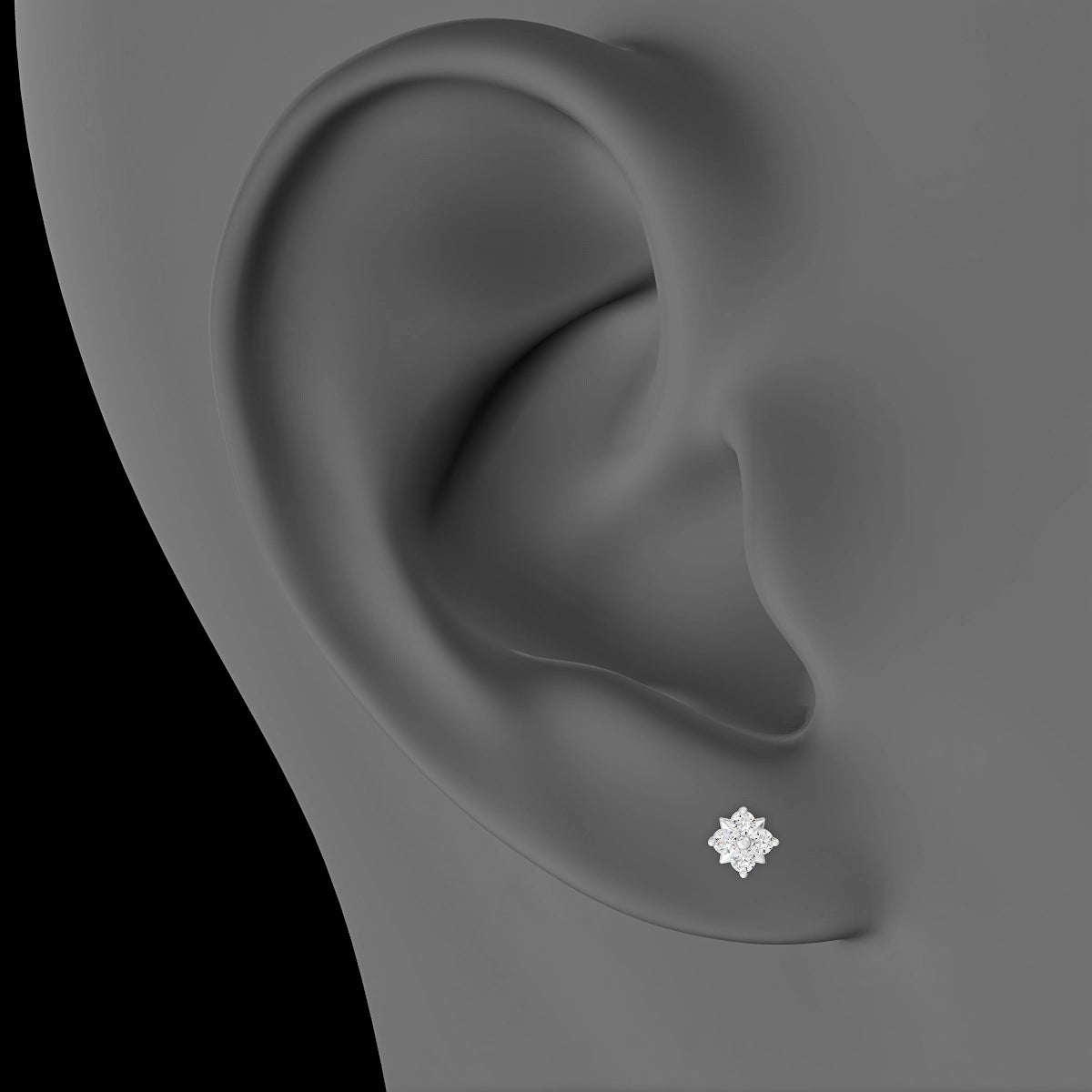
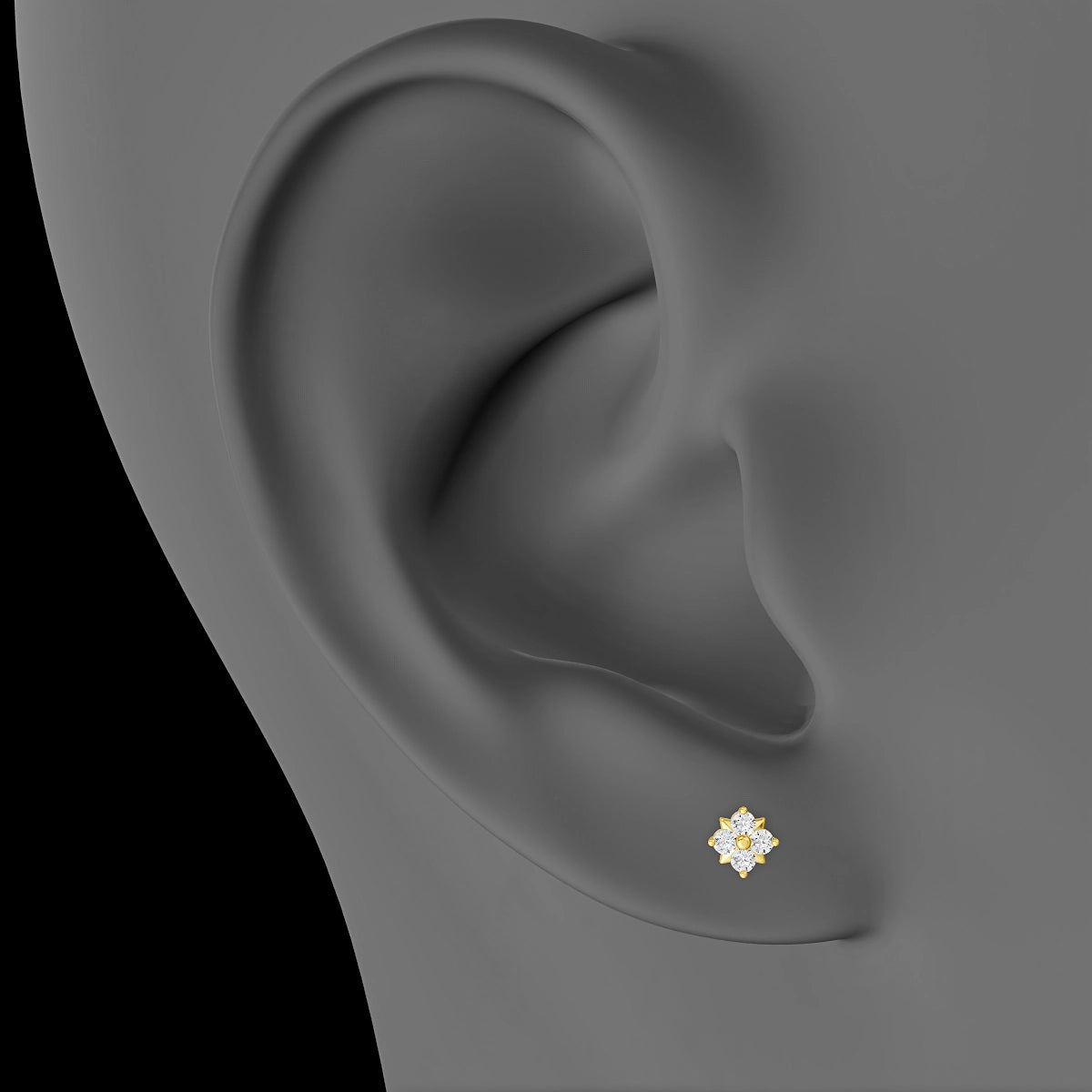
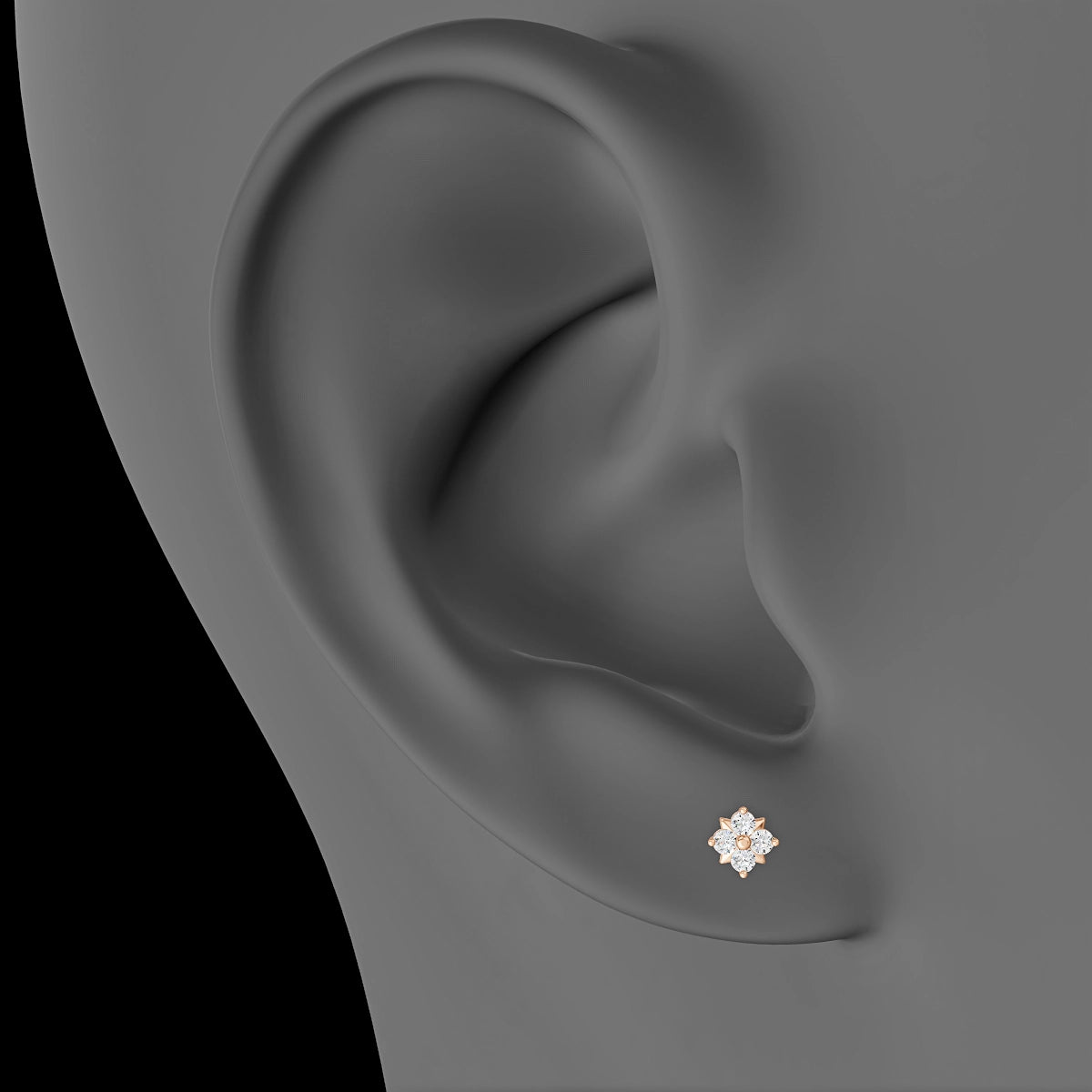
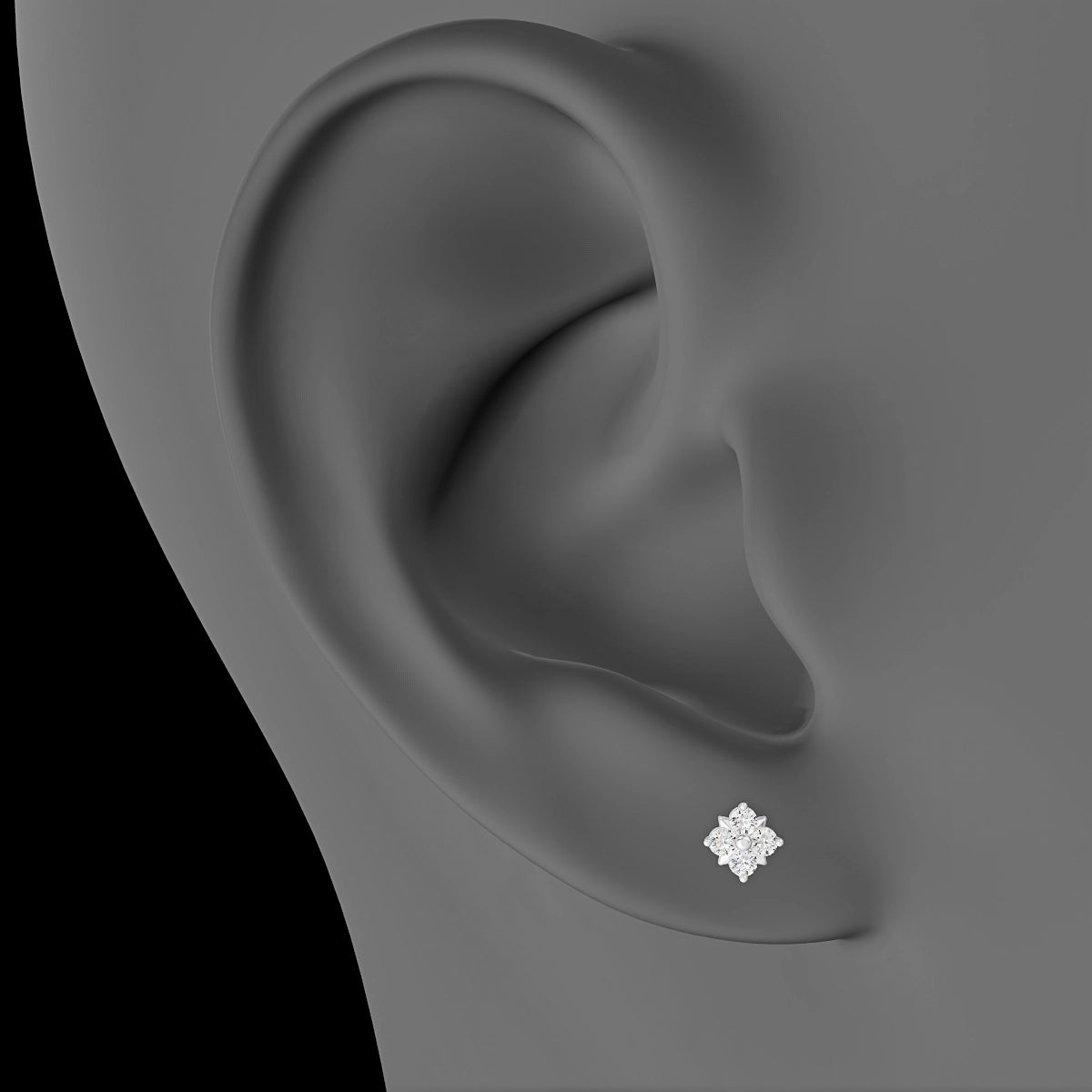
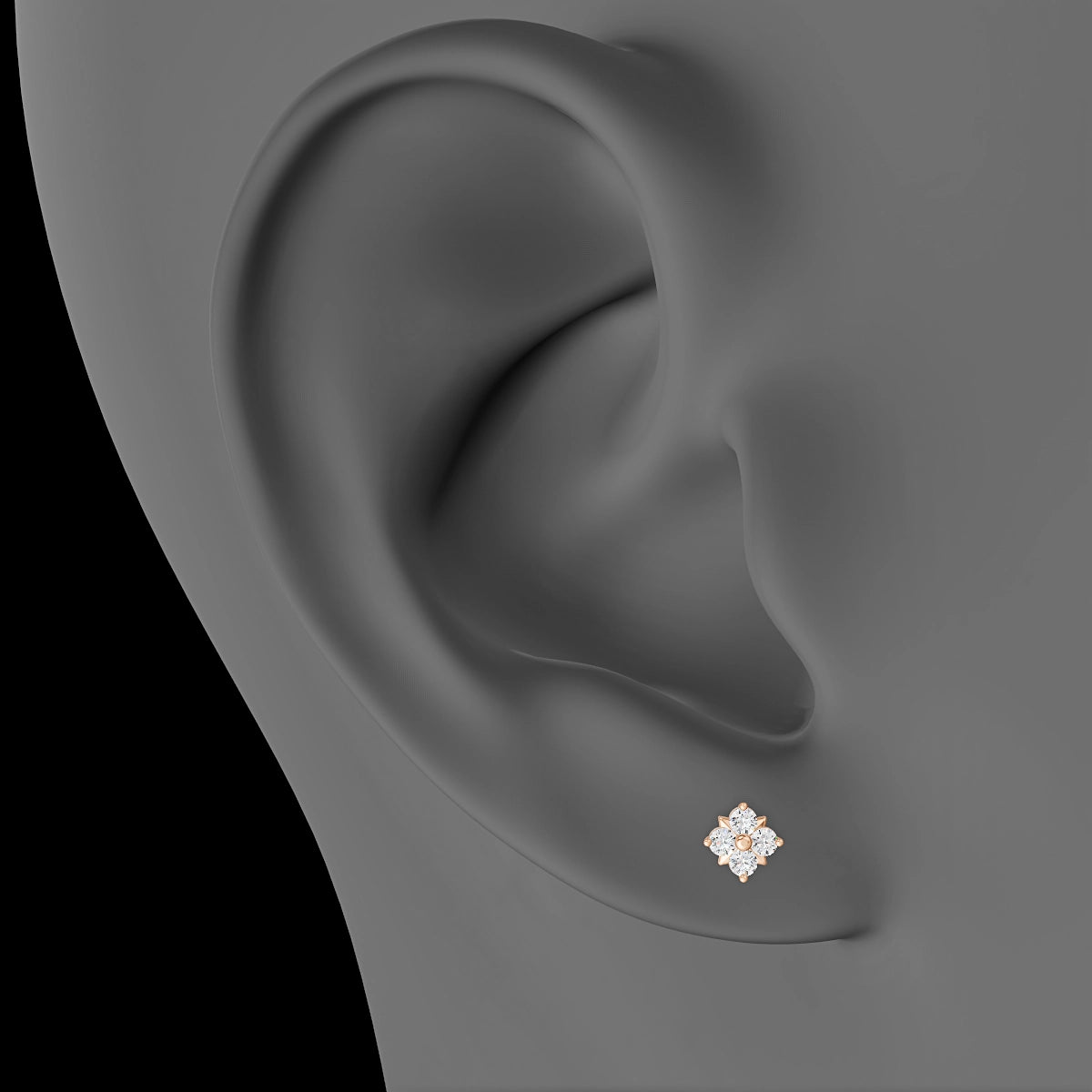
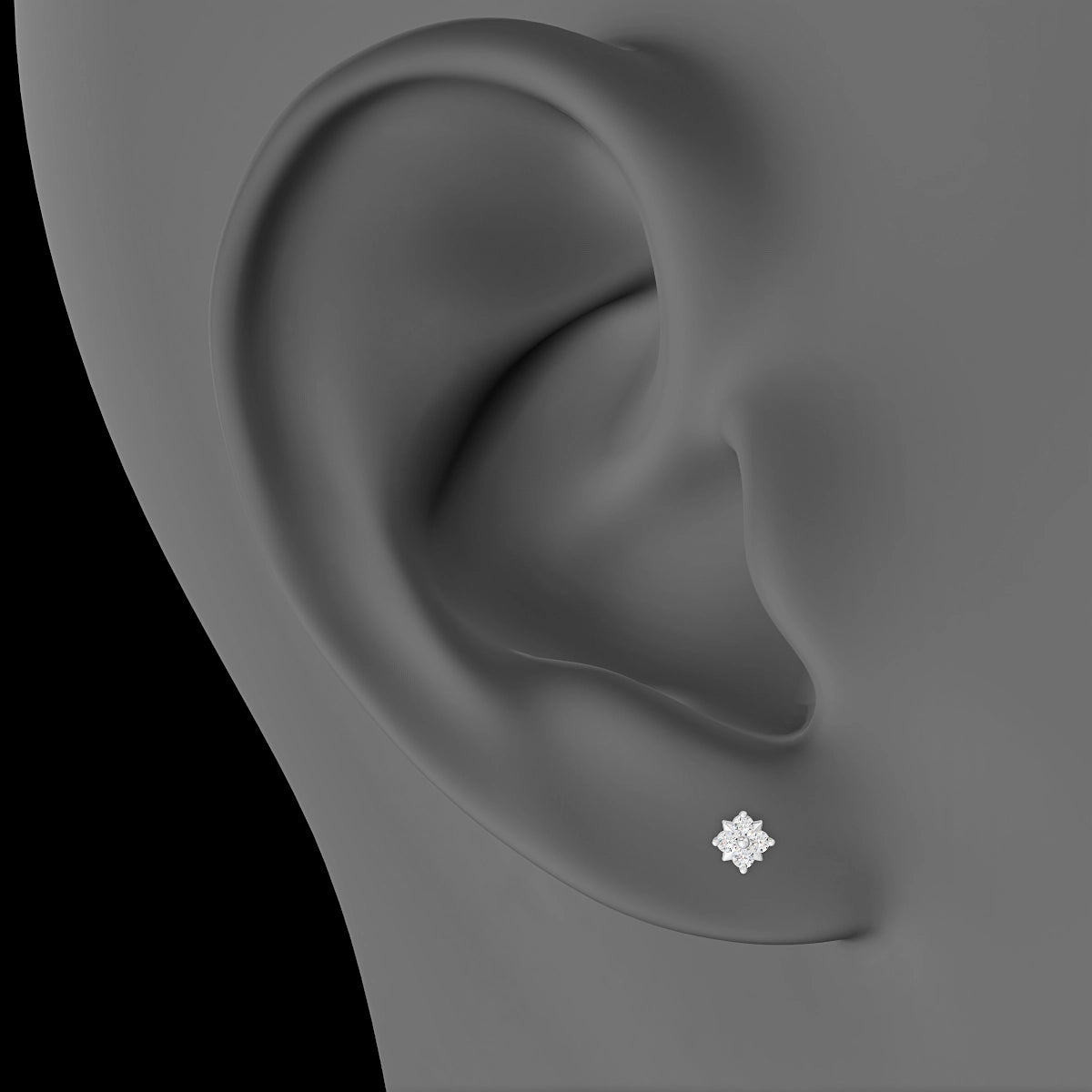
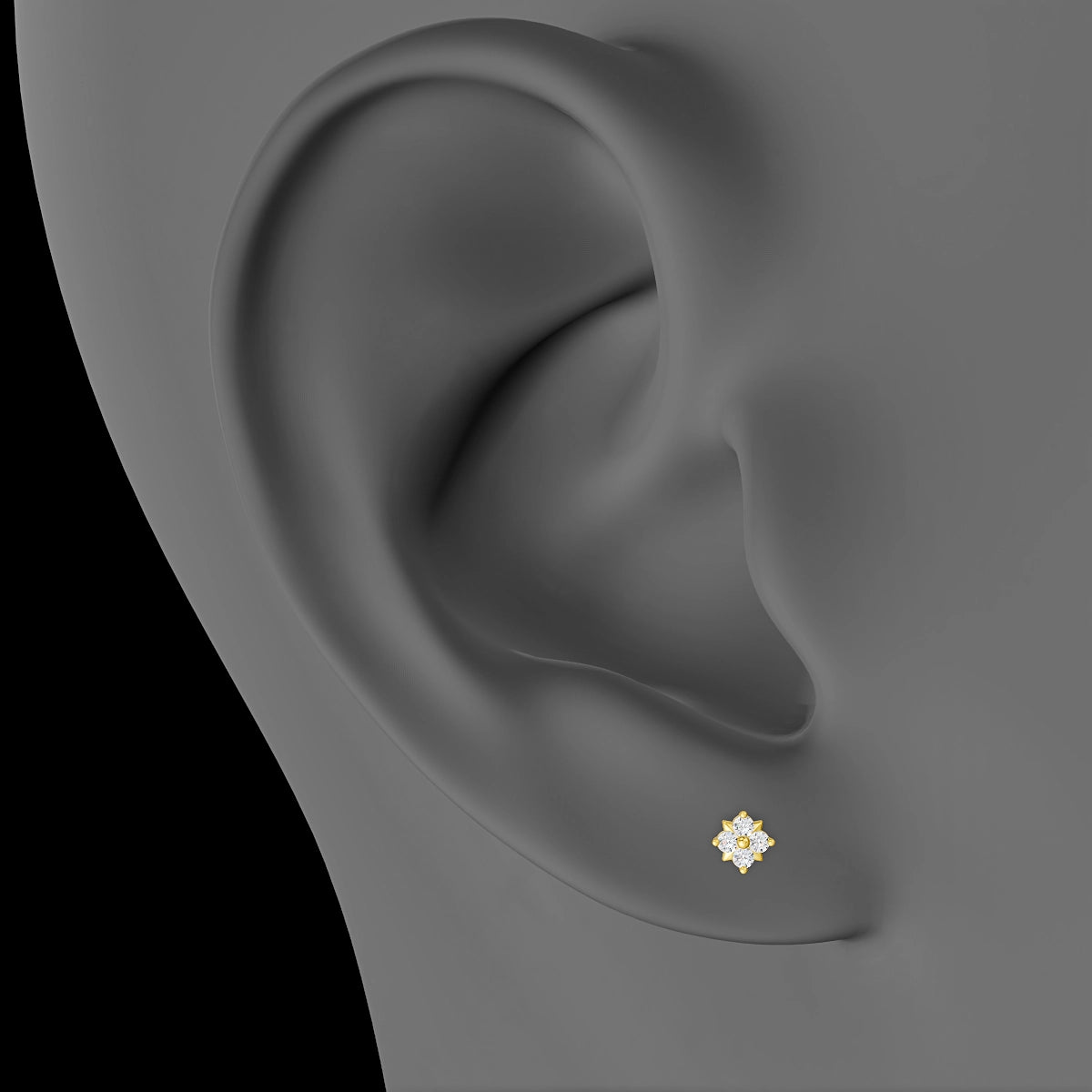
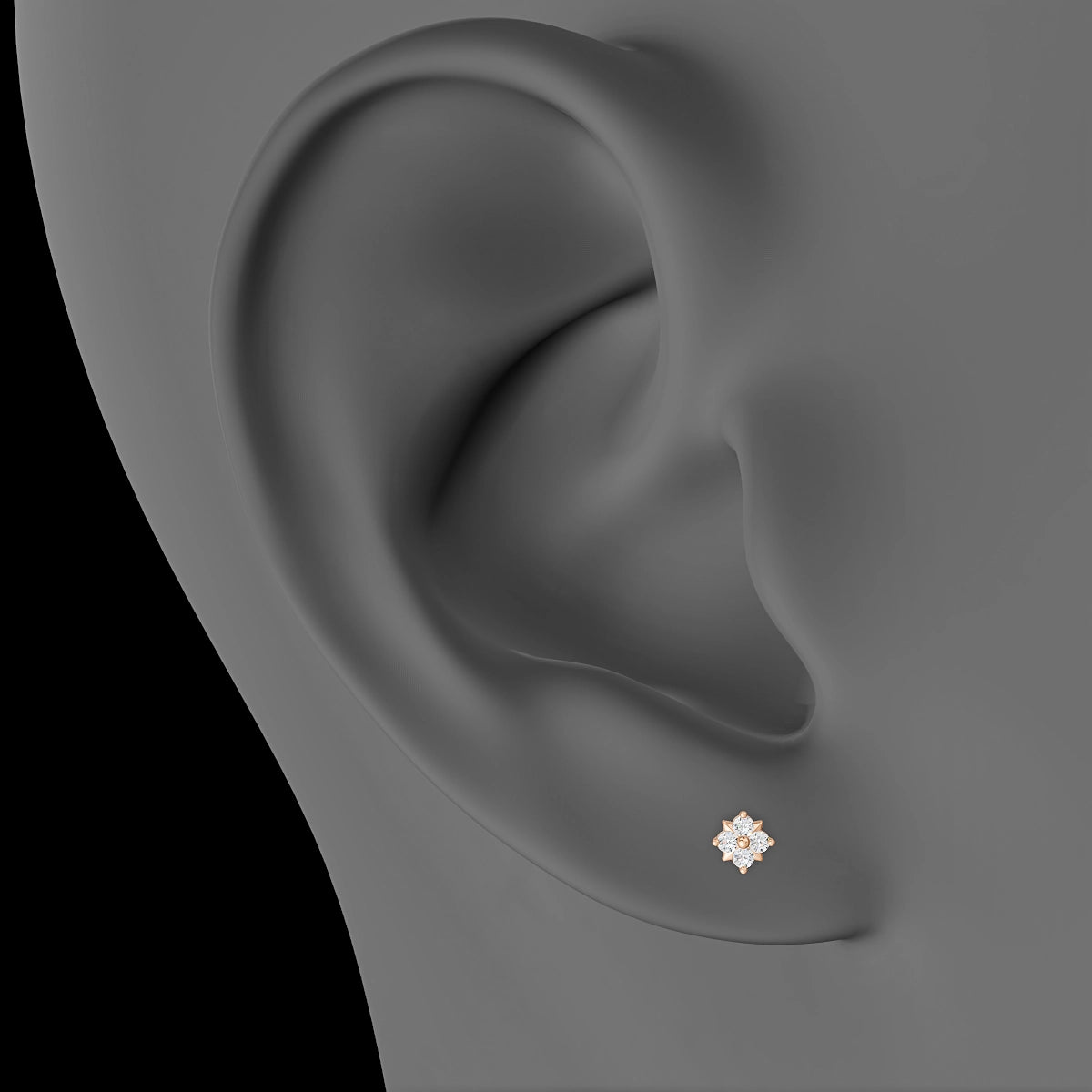
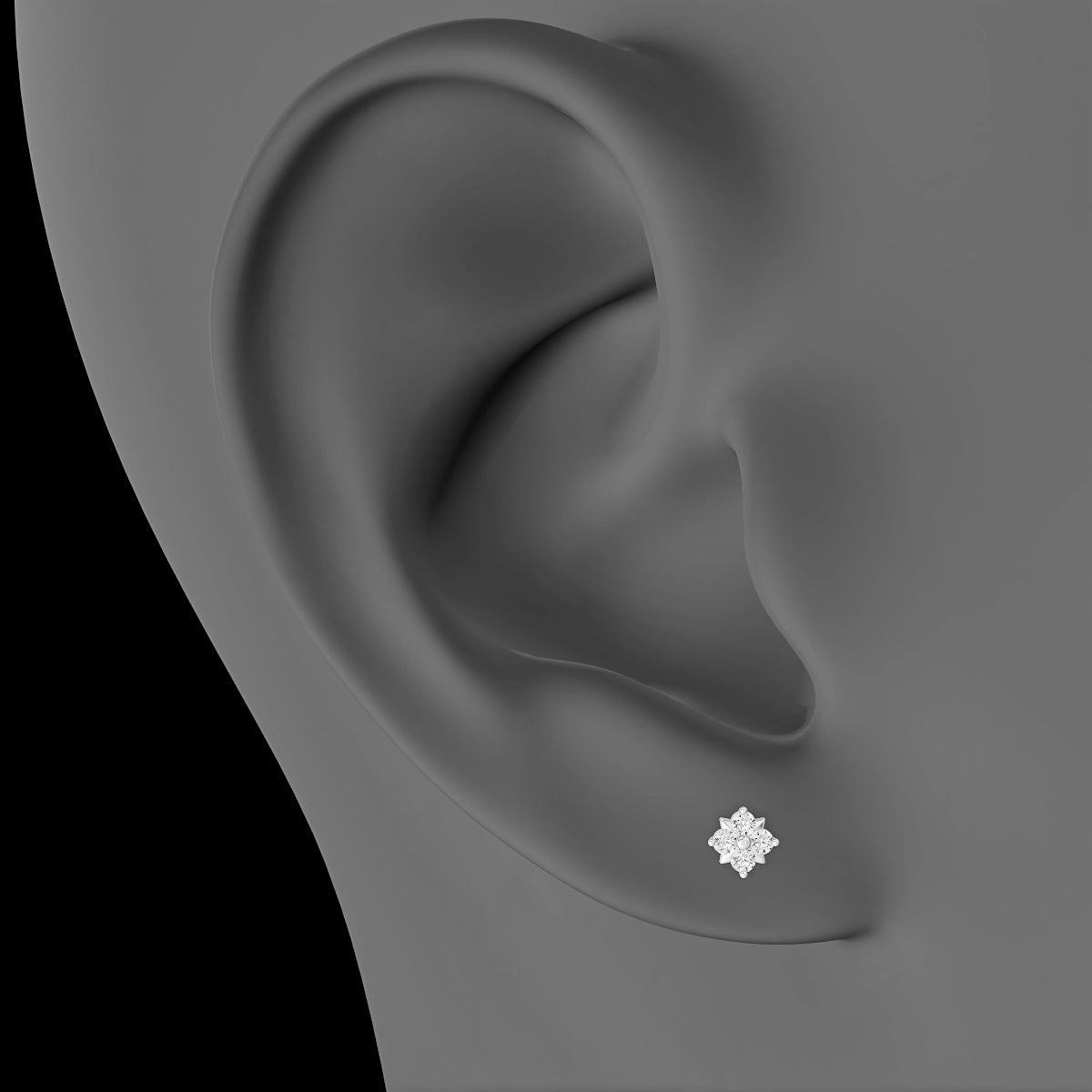
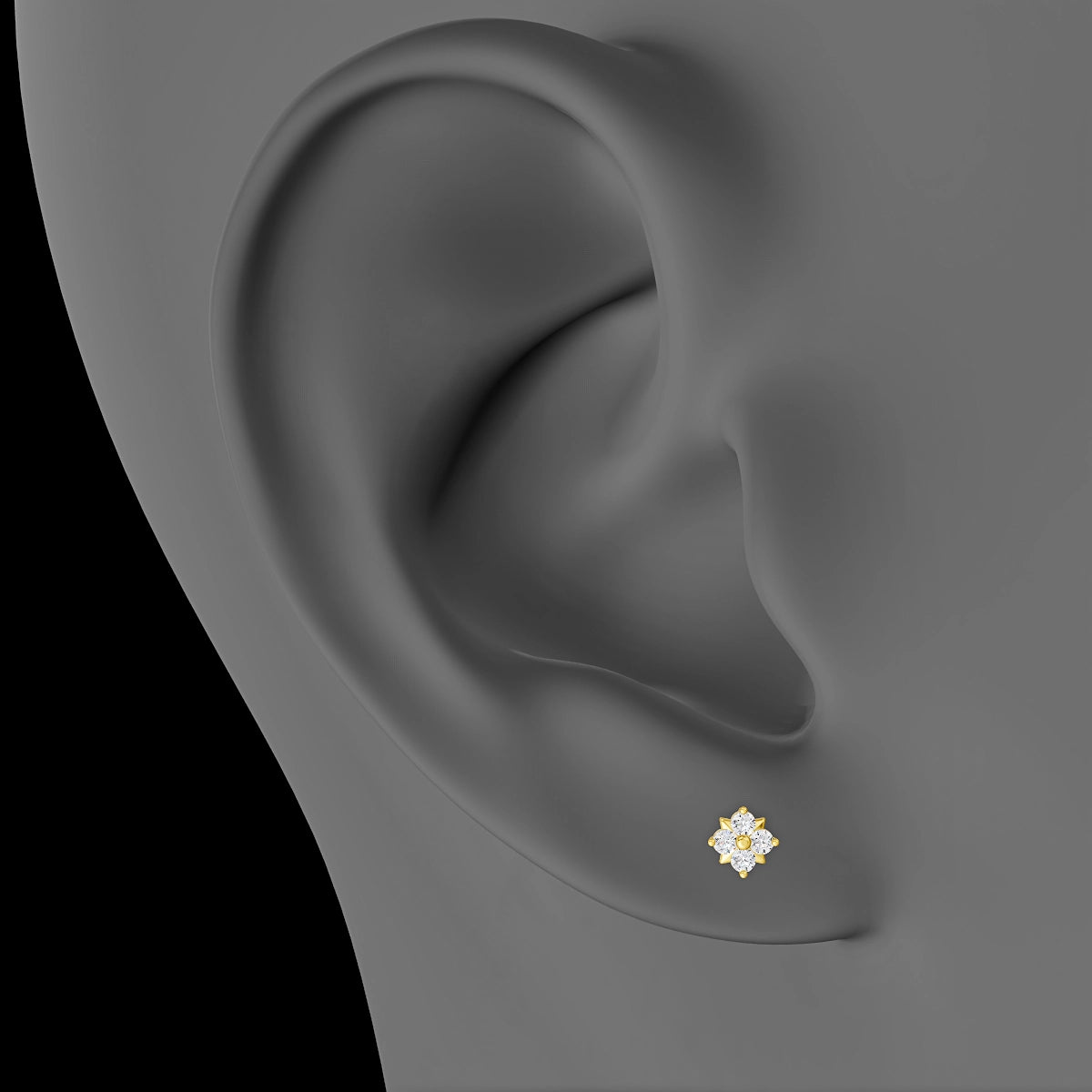
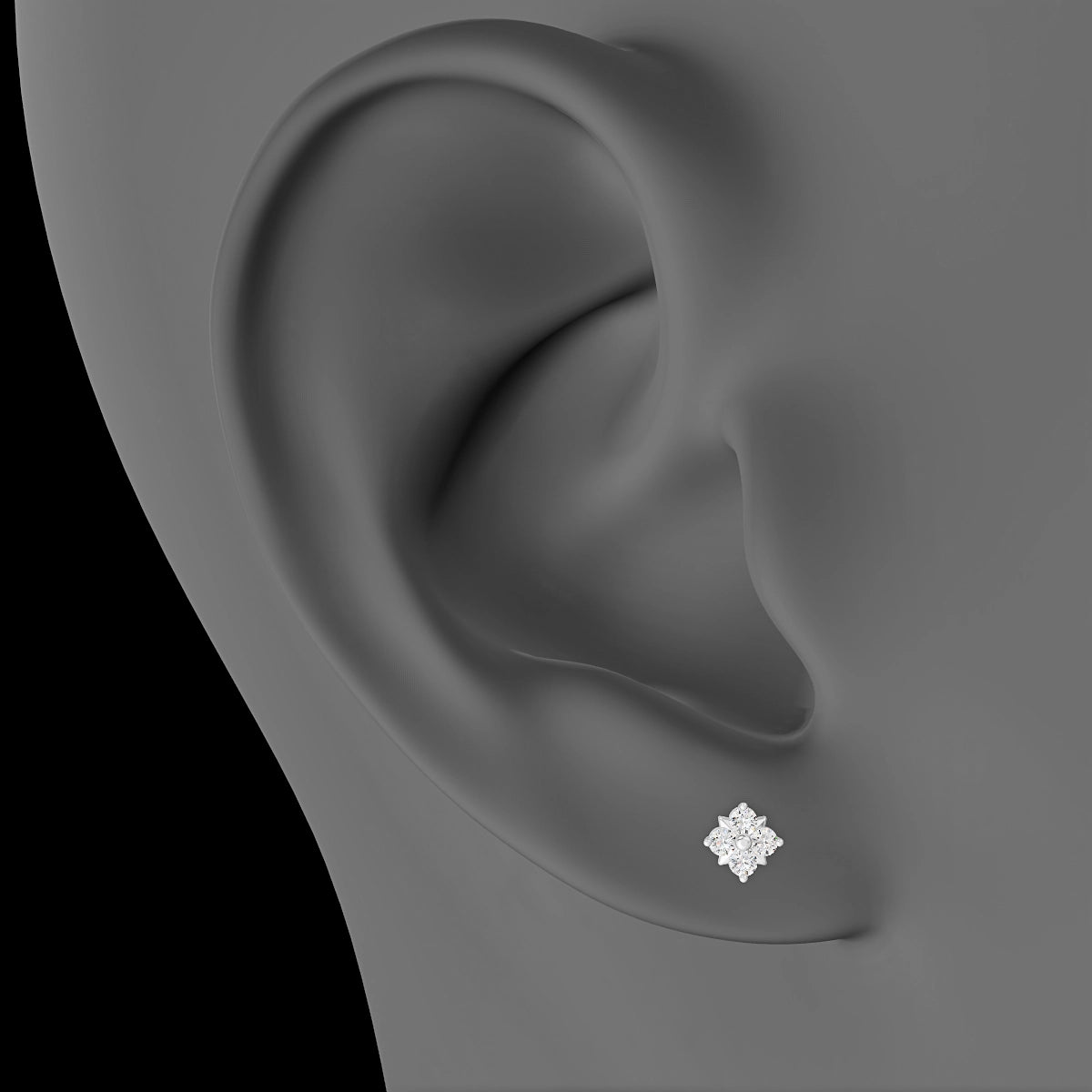
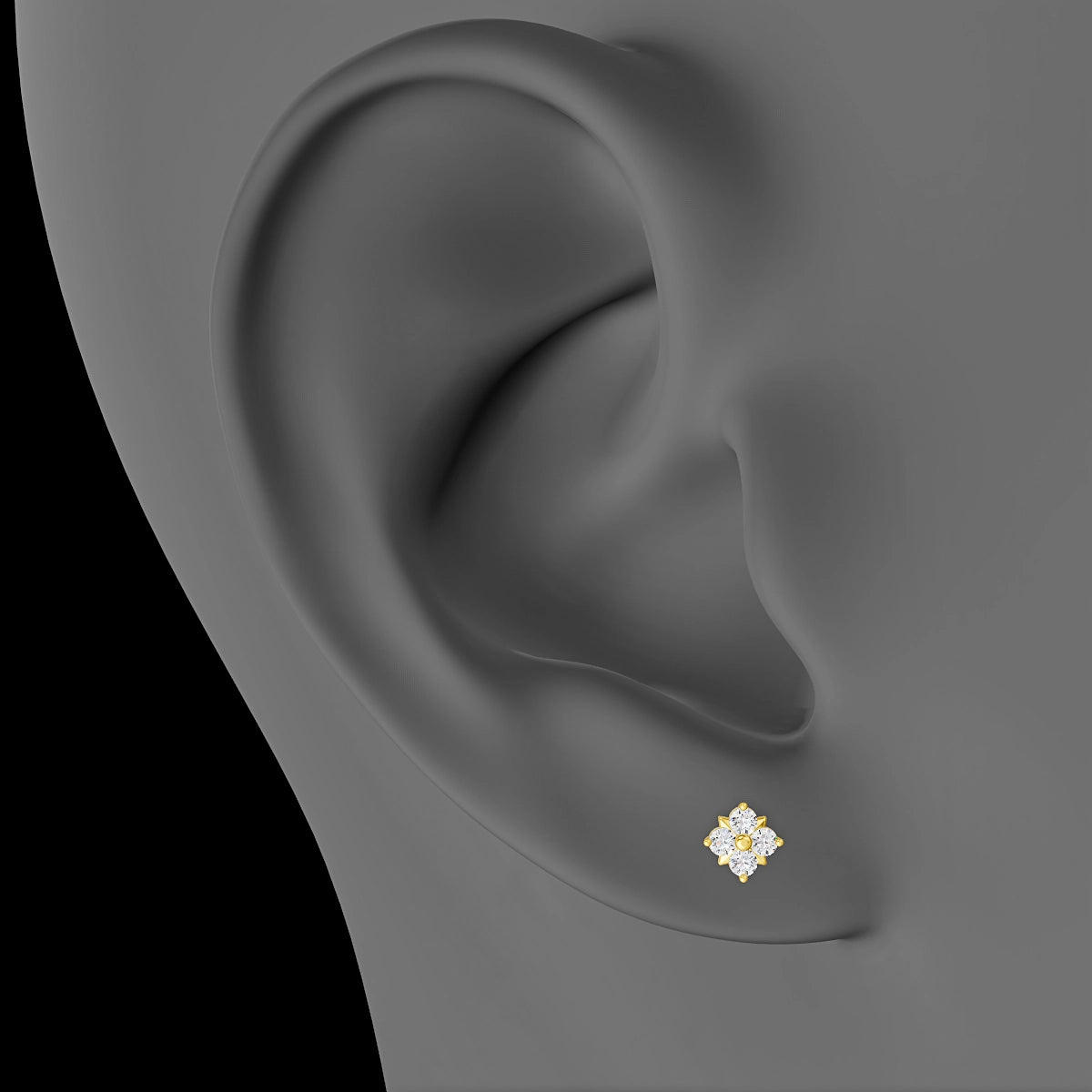
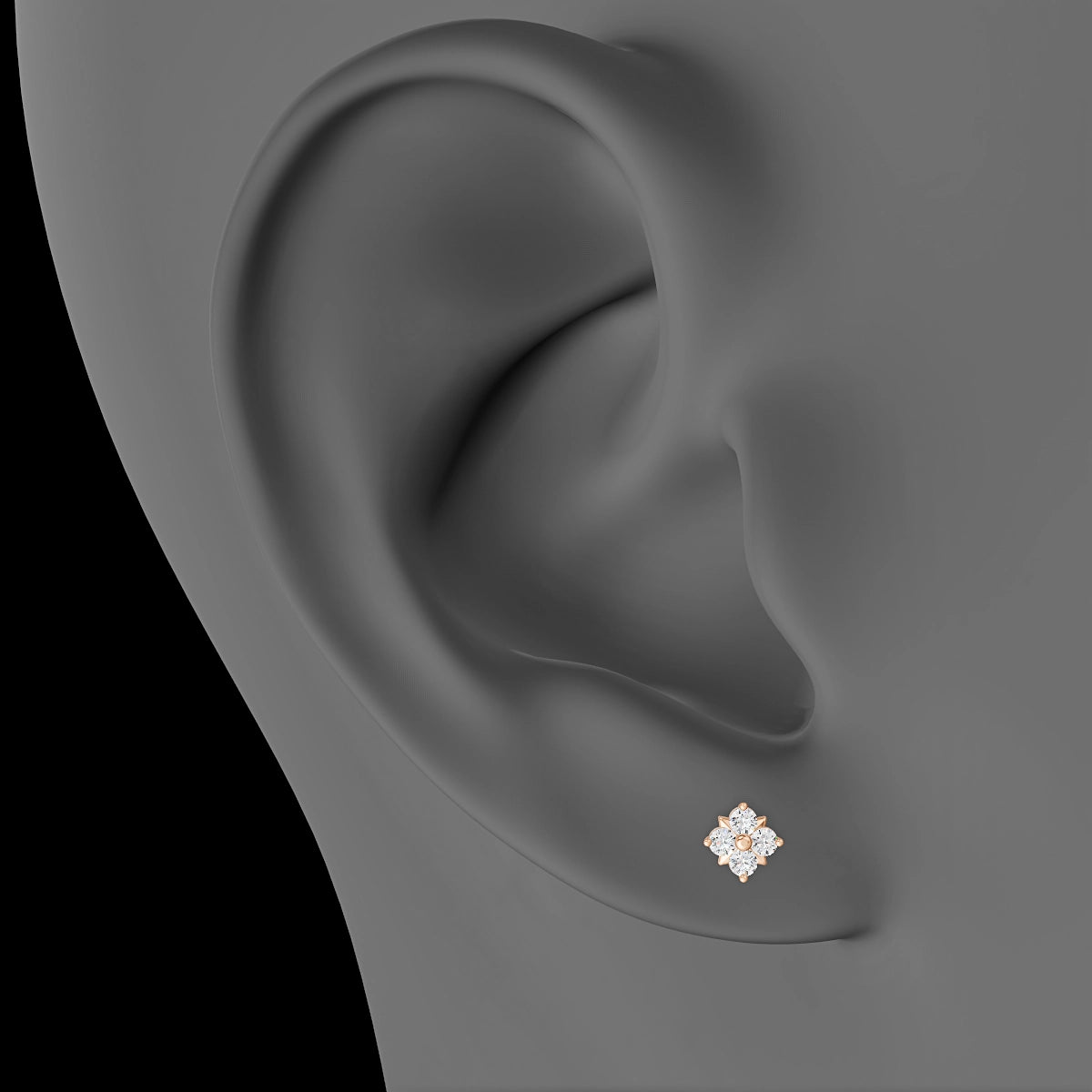
The tragus is the small, thick piece of cartilage that protrudes directly in front of the ear canal, near the side of the face. If you press your finger against it, you can partially muffle the sound from that ear. That little flap is where the piercing goes.
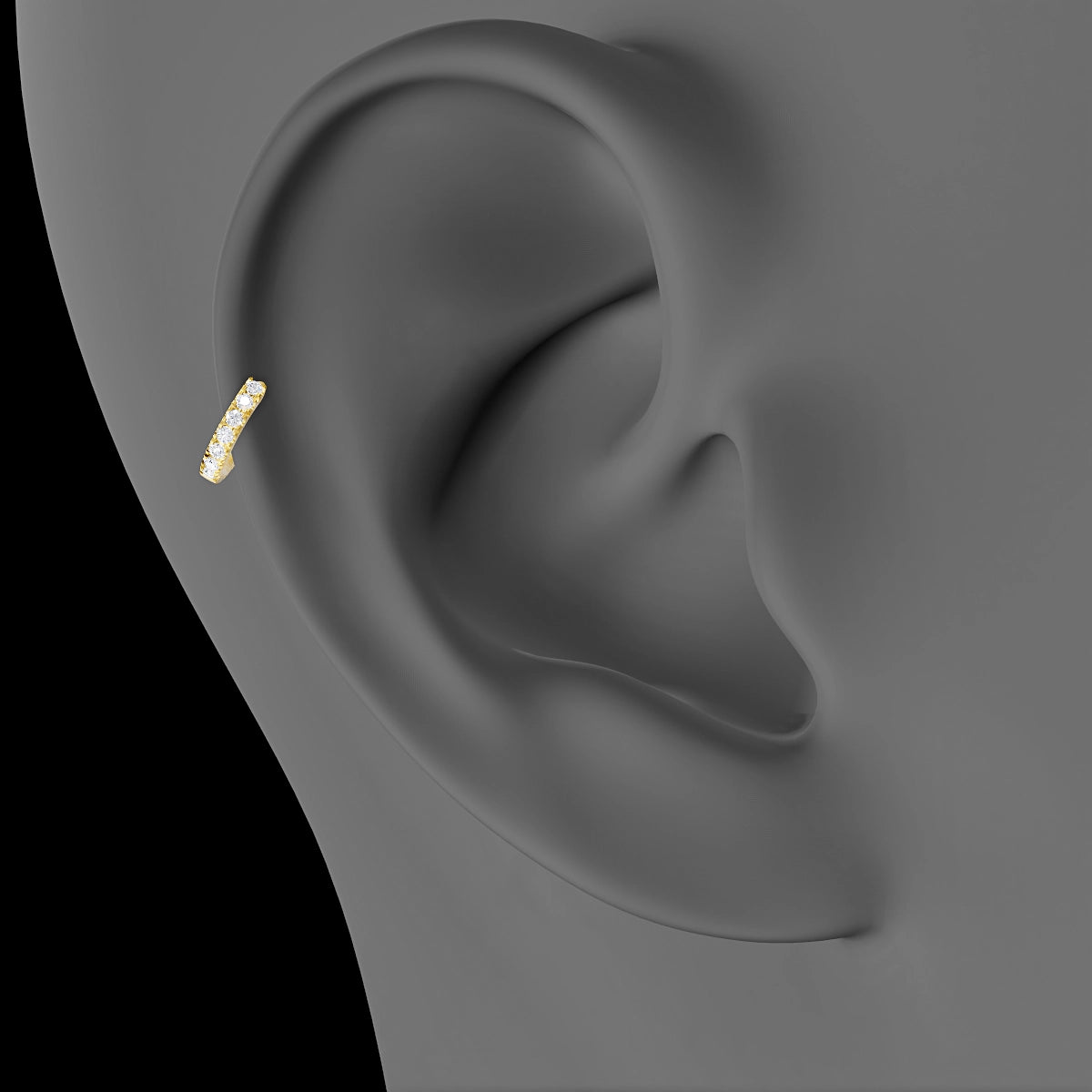
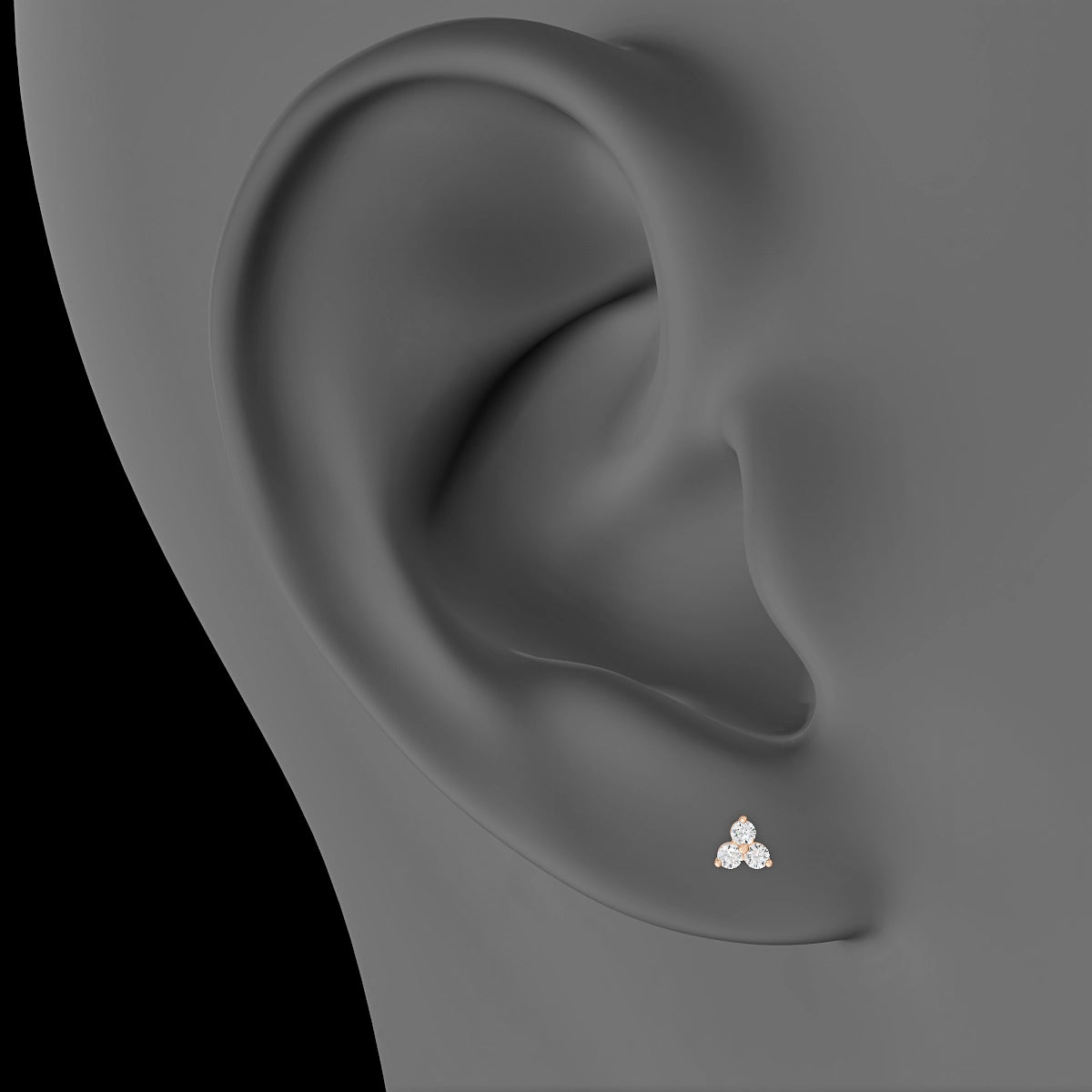
The piercing is typically placed through the center of the tragus cartilage, angled slightly outward so the decorative end faces forward and is visible from the front. Exact positioning depends on your ear anatomy and the size of your tragus.
Is your tragus anatomy suitable for piercing?
Most people have a tragus large enough to pierce, but not everyone does. If your tragus is very small, very thin, or very flat, there may not be enough cartilage for the piercing and jewelry to sit comfortably.
A professional can assess the thickness, shape, and angle of your tragus and confirm whether the placement is suitable.
Tragus vs anti-tragus
The anti-tragus is a small elevated ridge of cartilage located directly opposite the tragus, just above the earlobe. Although their names are similar, it is a different piercing in a different spot.
The anti-tragus cartilage is usually thicker and denser, resulting in a more painful piercing (about 6/10 compared to 4/10 for the tragus). Both piercings look great together, offering a symmetrical framing around the ear canal.
Antitragus Piercing Full Guide
Surface tragus
For people whose tragus cartilage is too small or thin for a standard piercing, a surface tragus piercing is sometimes offered as an alternative. Instead of passing through the cartilage, it sits on the flat skin just in front of the tragus.
Surface piercings carry a higher rejection rate than standard cartilage piercings, so discuss the trade-offs with your piercer before choosing this option.
Tragus Piercing Cost: How much does it cost?
Two prices come into play here: what the studio charges for the piercing itself, generally $30 to $40, and the jewelry, which spans a much wider range depending on material and craftsmanship.
Here's roughly how that jewelry breaks down across the market:
- ASTM F136 titanium studs and hoops typically start around $10, with more detailed designs exceeding $100.
- Precious-stone gold pieces (14k/18k) generally run $100 to $2,500+, driven by carat and craftsmanship.
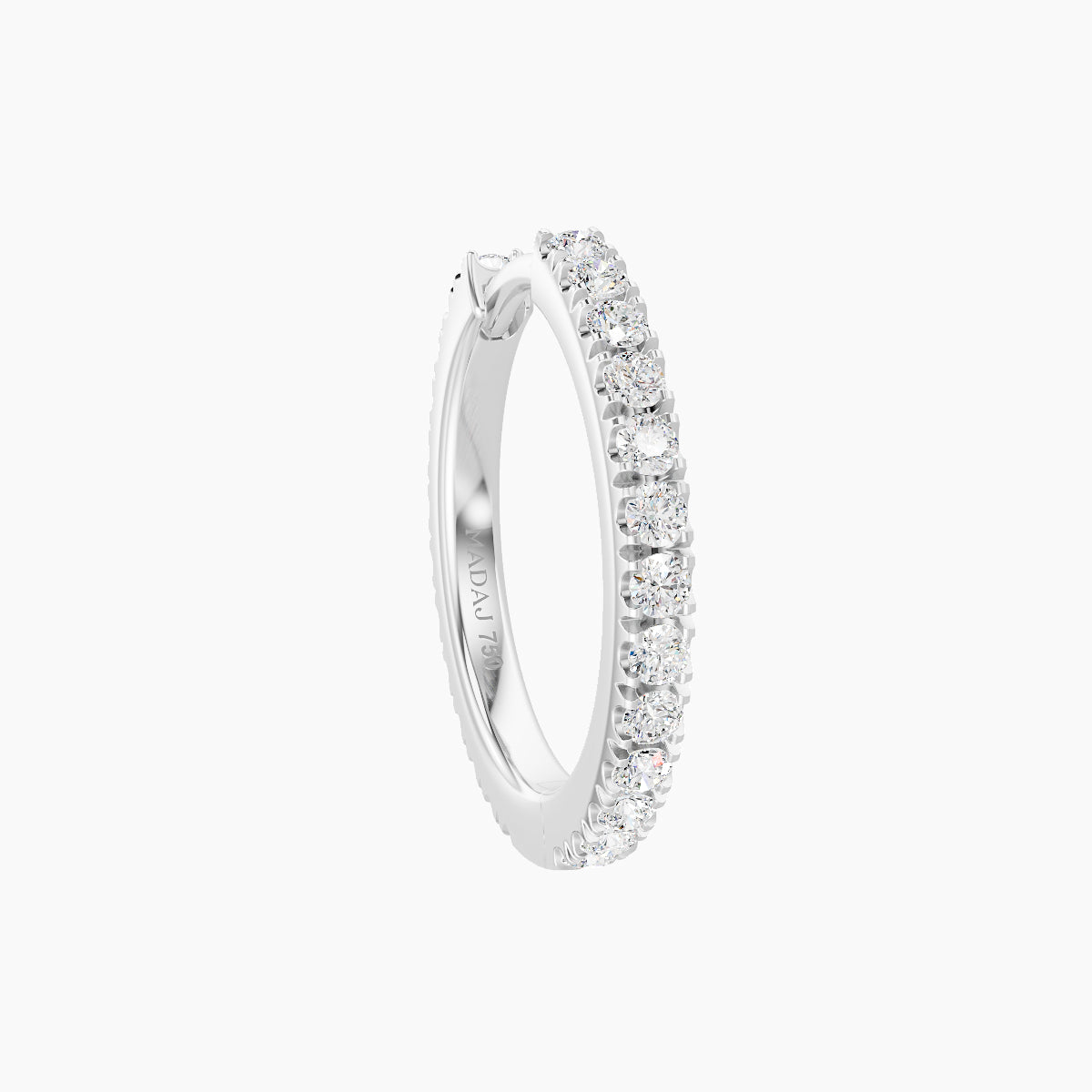
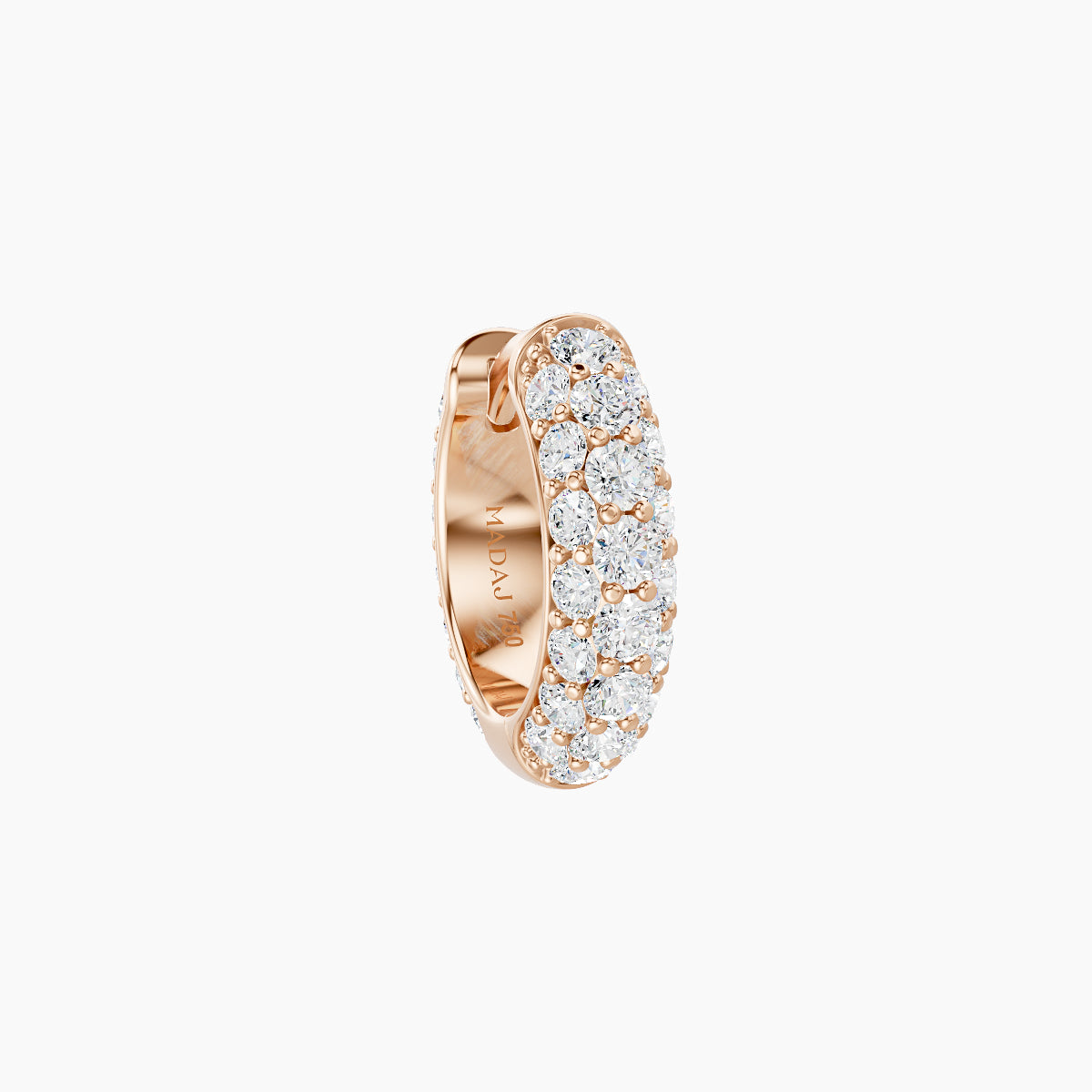
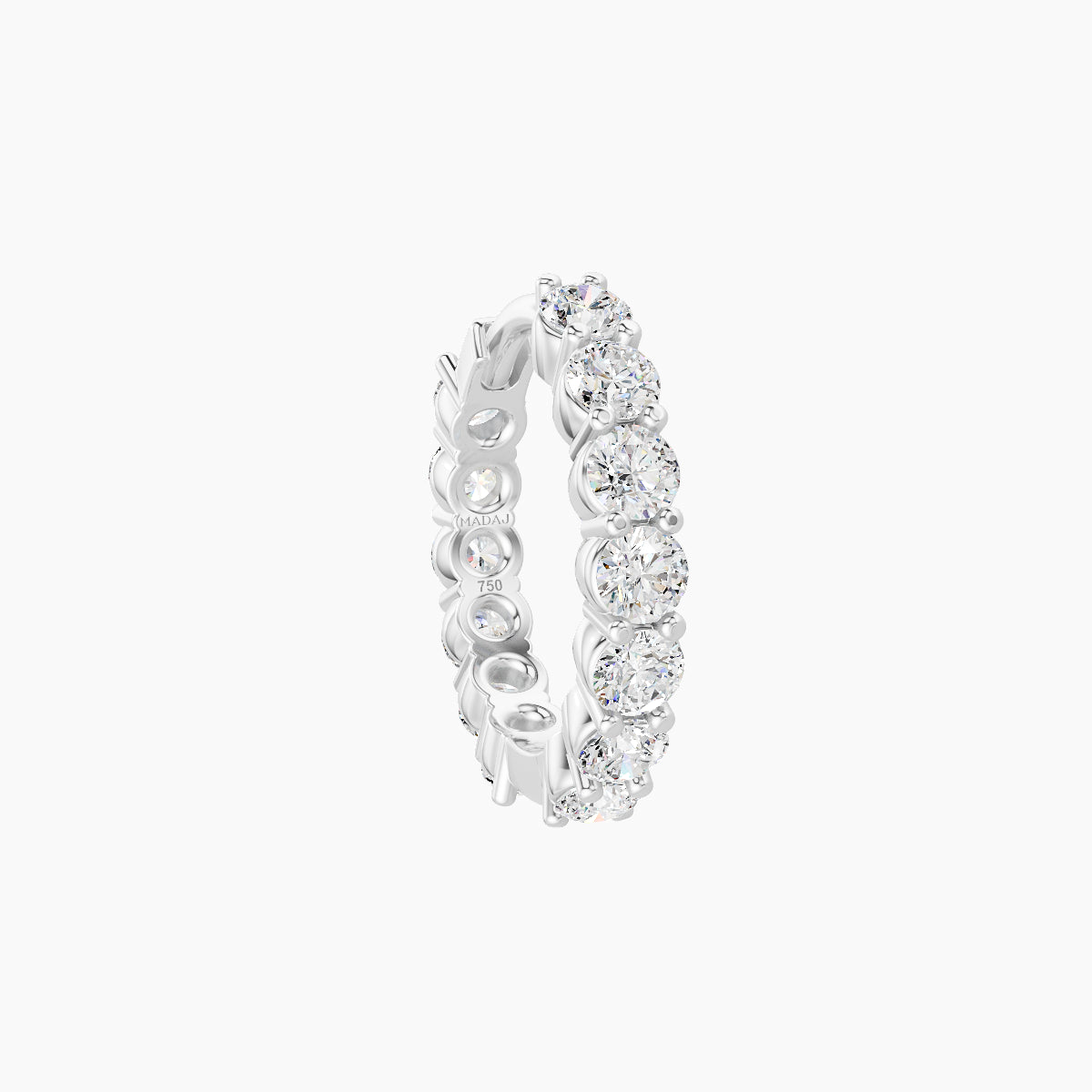
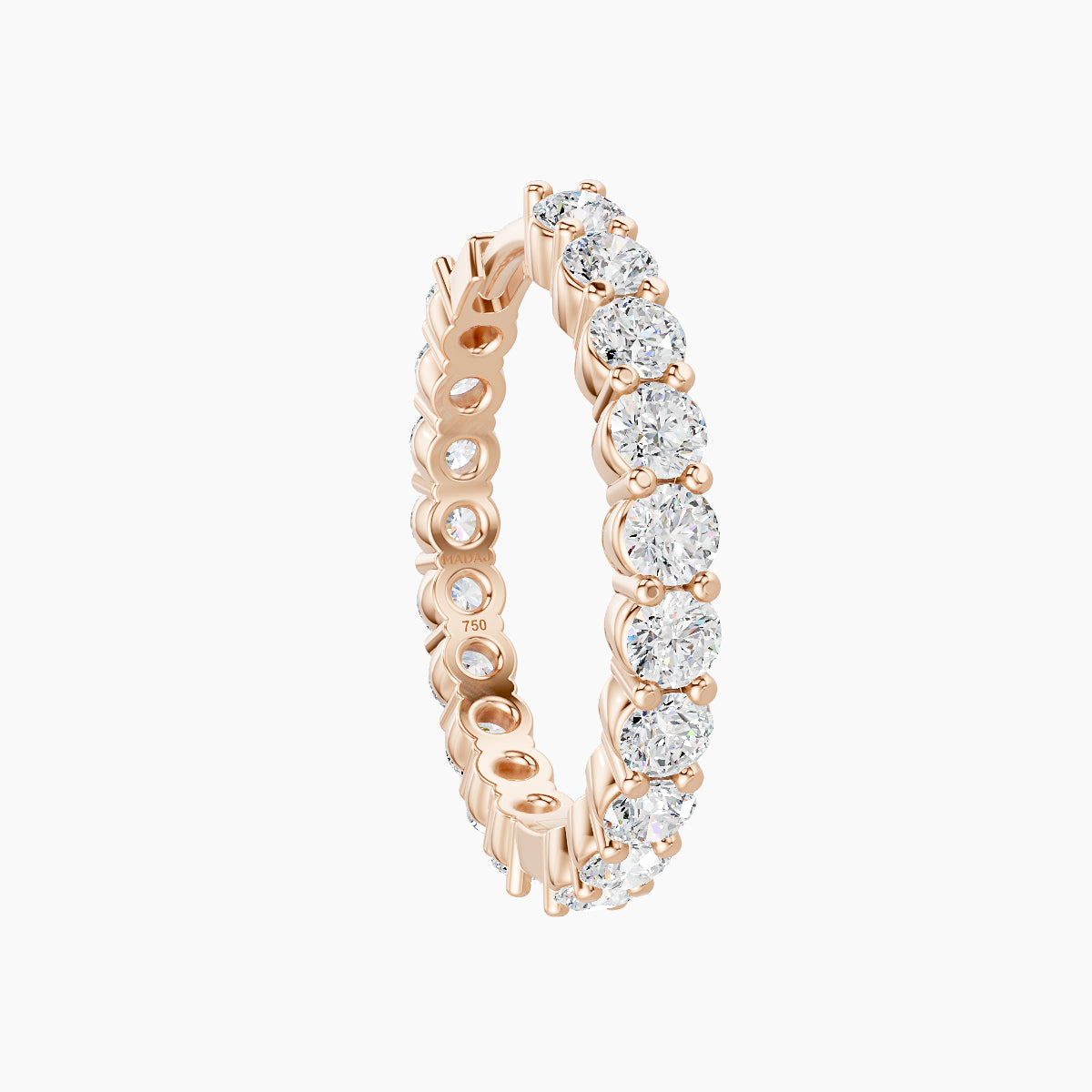
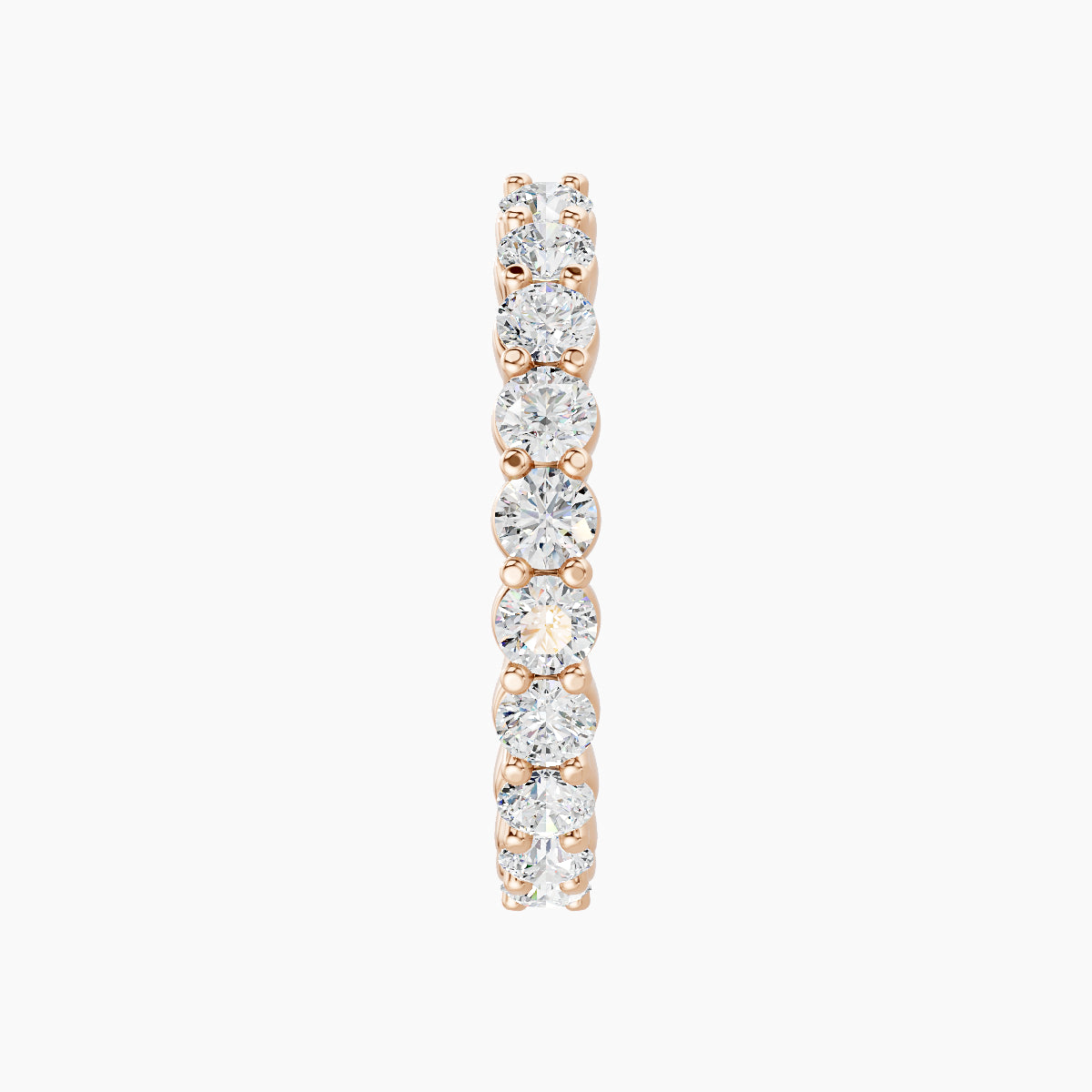
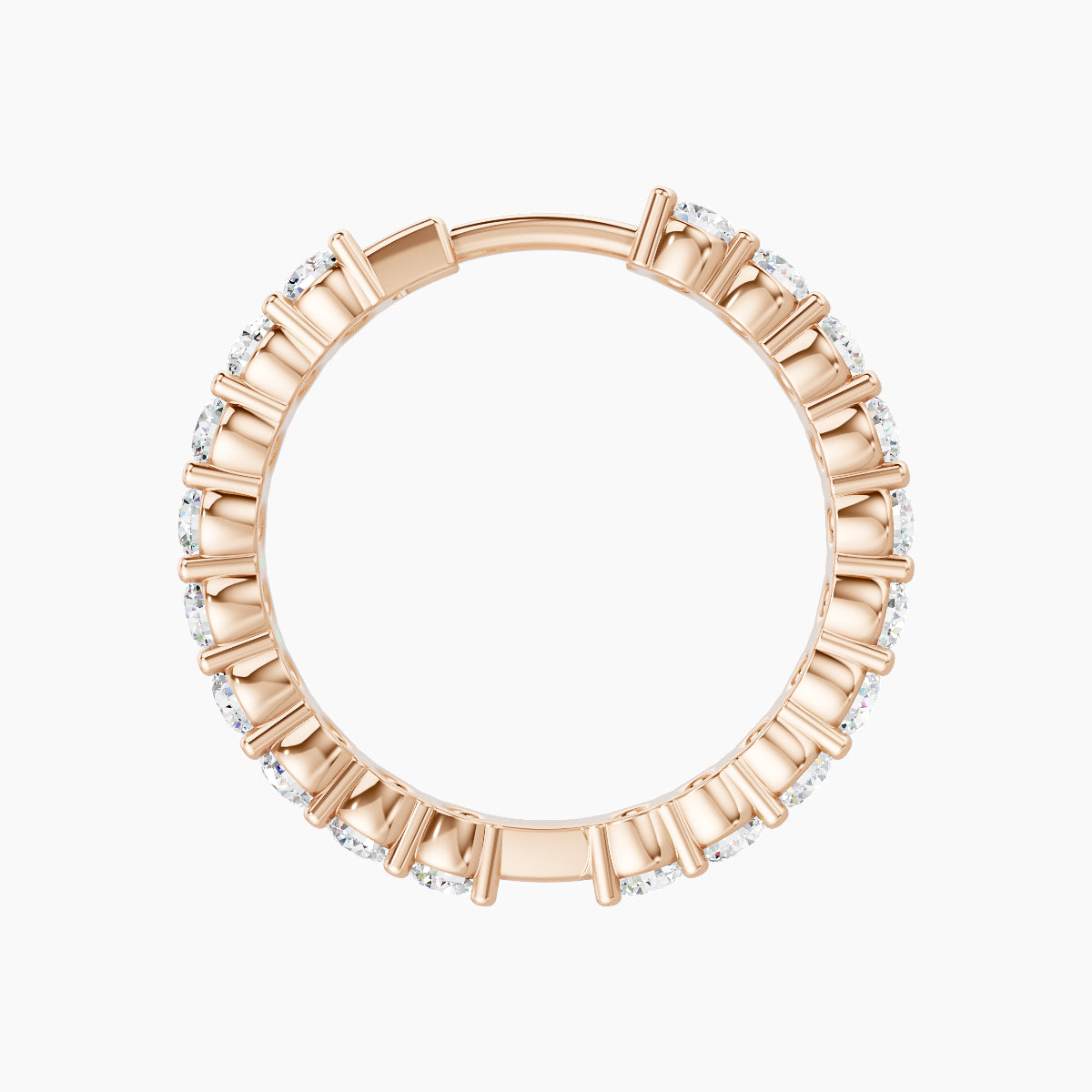
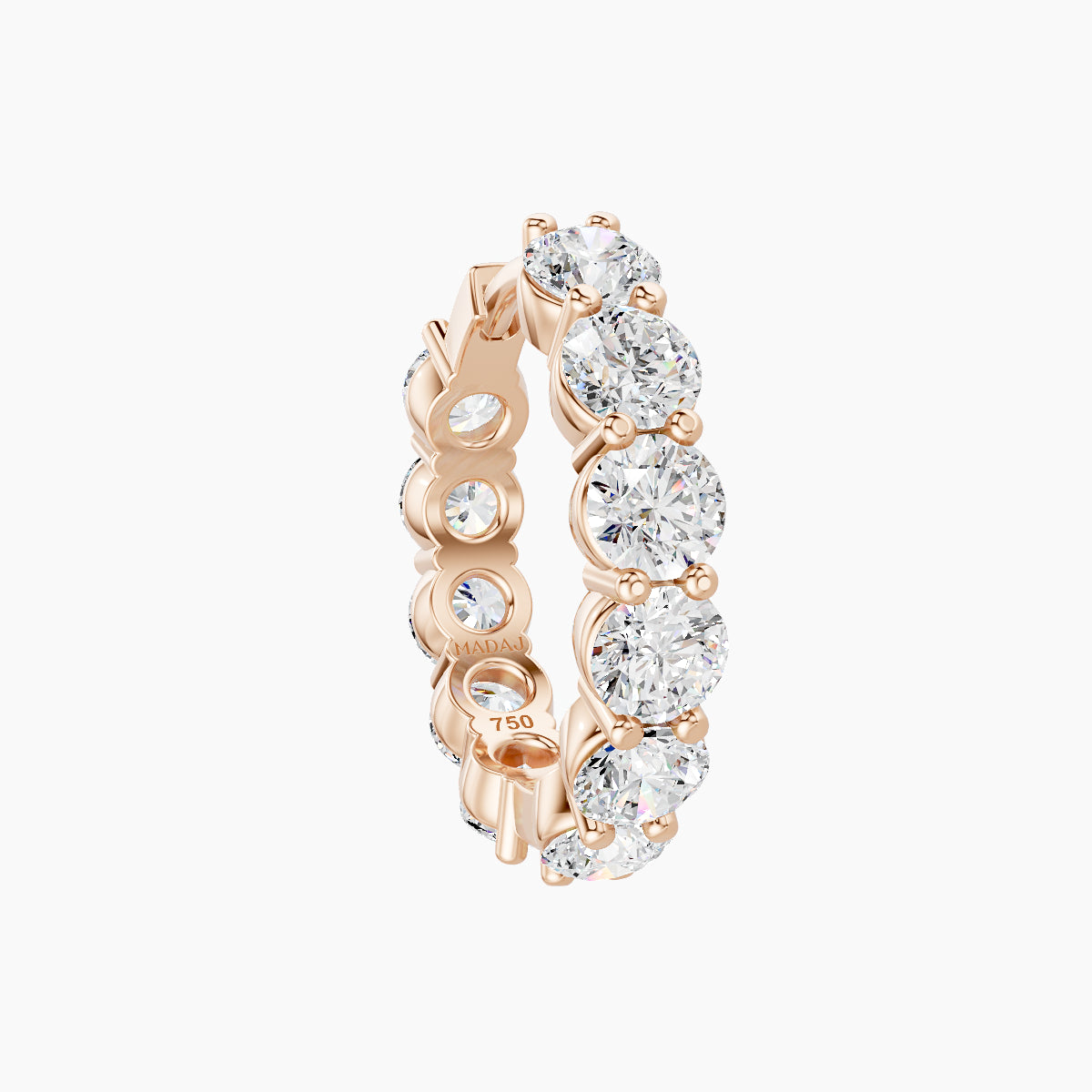
- MADAJ tragus jewelry is priced from $330 for studs and $420 for hoops, each handcrafted to order in nickel-free, hypoallergenic solid 18k gold and set with diamonds, rubies, sapphires, pink sapphires, emeralds, or black diamonds. Stones are graded G–VS for diamonds and AAA for other gems, with a Certificate of Authenticity included for every purchase.
How much does a tragus piercing hurt?
Pain level: 4 out of 10.
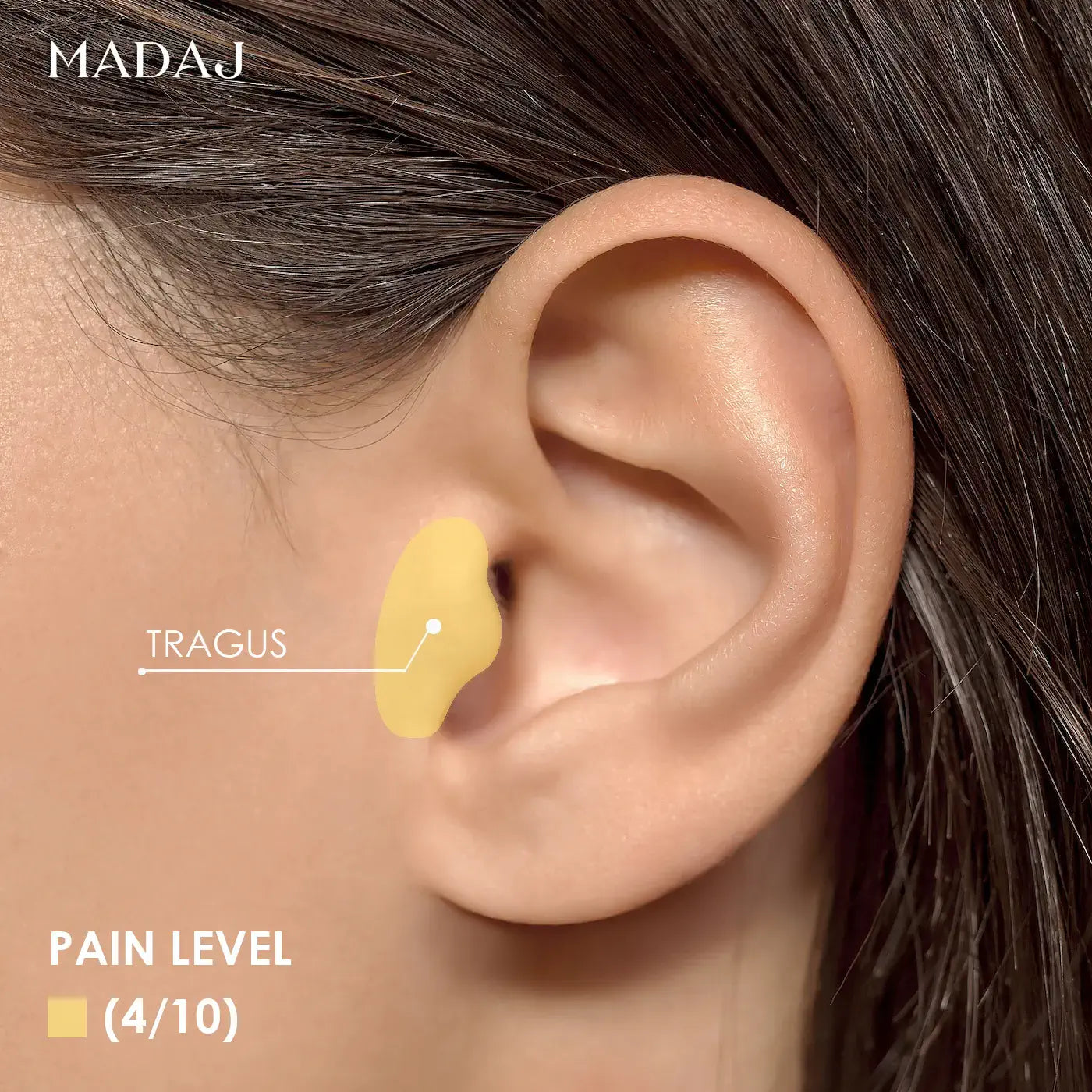
The tragus is made of relatively thin cartilage compared to areas like the conch or rook, resulting in moderate pain. Most people describe the sensation as a quick, firm pinch followed by pressure as the needle moves through.
You might hear a small popping or crunching sound, which is just the needle passing through cartilage. It may sound worse than it feels. The piercing itself only takes a few seconds.
If you're concerned about discomfort, a lidocaine-based numbing cream (such as EMLA or a generic equivalent) can help reduce pain during the tragus piercing. These are available at pharmacies, typically by prescription, and are best applied 30 minutes to 1 hour before your appointment.
In the days after, expect some soreness, tenderness, and a dull ache around the area, particularly when anything touches or bumps the tragus. This settles within a week or two for most people.
Because the tragus is right at the entrance to the ear canal, it can feel more sensitive than a helix piercing of similar pain rating, simply because you are more aware of activity in that area (talking on the phone, brushing hair past your ear).
For more tips on reducing pain during any ear piercing (numbing cream, hydration, breathing techniques), see our Ear Piercing Pain Levels Guide.
The tragus piercing procedure
The entire appointment usually takes 15 to 20 minutes, with the piercing itself lasting only a few seconds.

Consultation and preparation. Your piercer will examine your tragus anatomy, discuss placement, and help you select your initial jewelry (almost always a flat-back labret stud for healing).
The area is thoroughly cleaned with a medical-grade antiseptic, and the precise entry and exit points are marked with a sterile marker. You will check the positioning in a mirror and confirm before anything happens.
The piercing. Using a sterilized, single-use hollow needle (never a gun for cartilage), the piercer passes the needle through the marked spot on the tragus. Most studios use a freehand technique for the tragus, as its small size and shape make clamps impractical.
The chosen jewelry is immediately inserted through the new channel. A skilled piercer will have this done in seconds.
Aftercare briefing. Before you leave, you will receive cleaning instructions and a healing timeline. Some piercers may recommend a check-up after the initial swelling goes down, especially if the jewelry needs to be downsized.
Tragus piercing jewelry: sizing, types, and materials
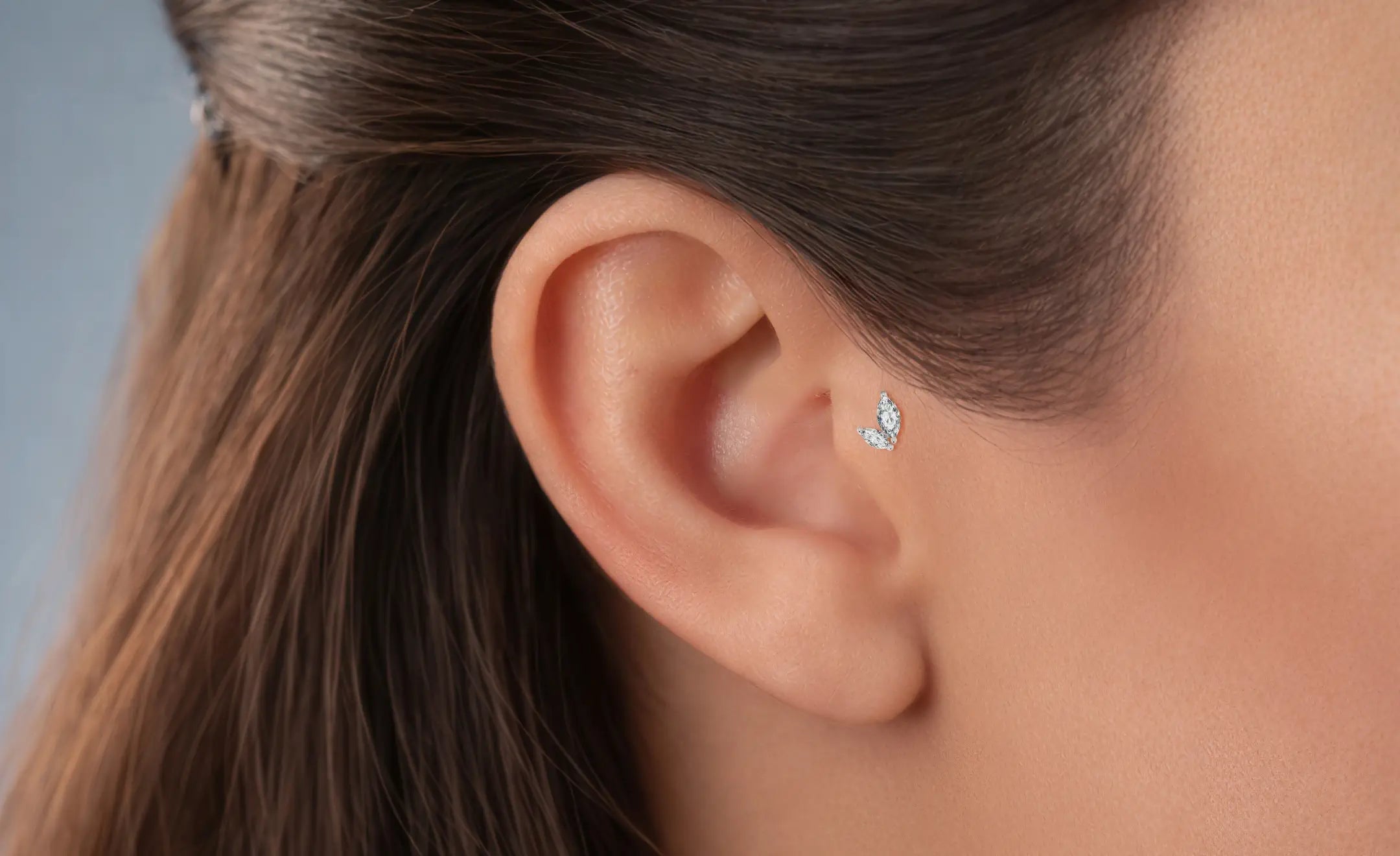
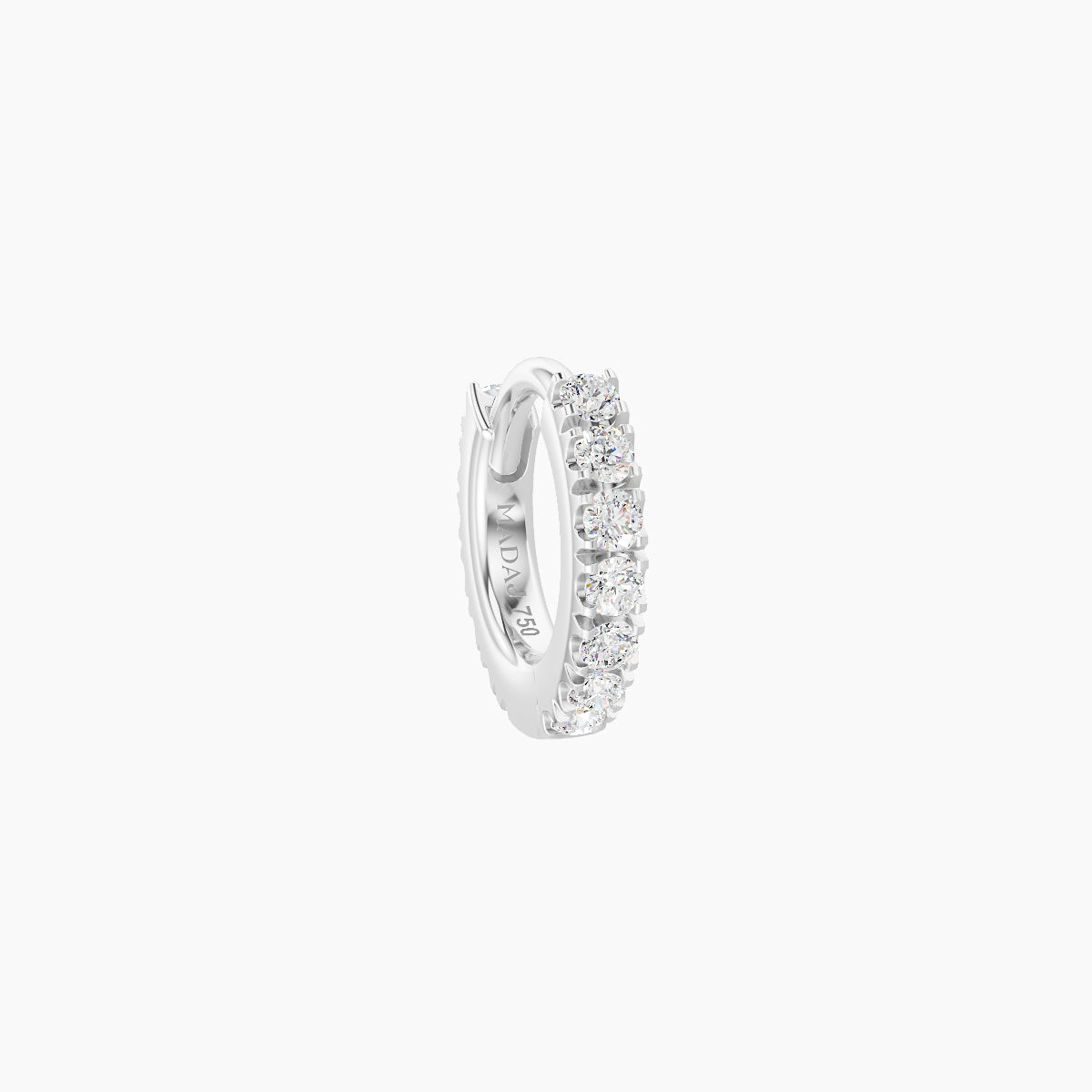
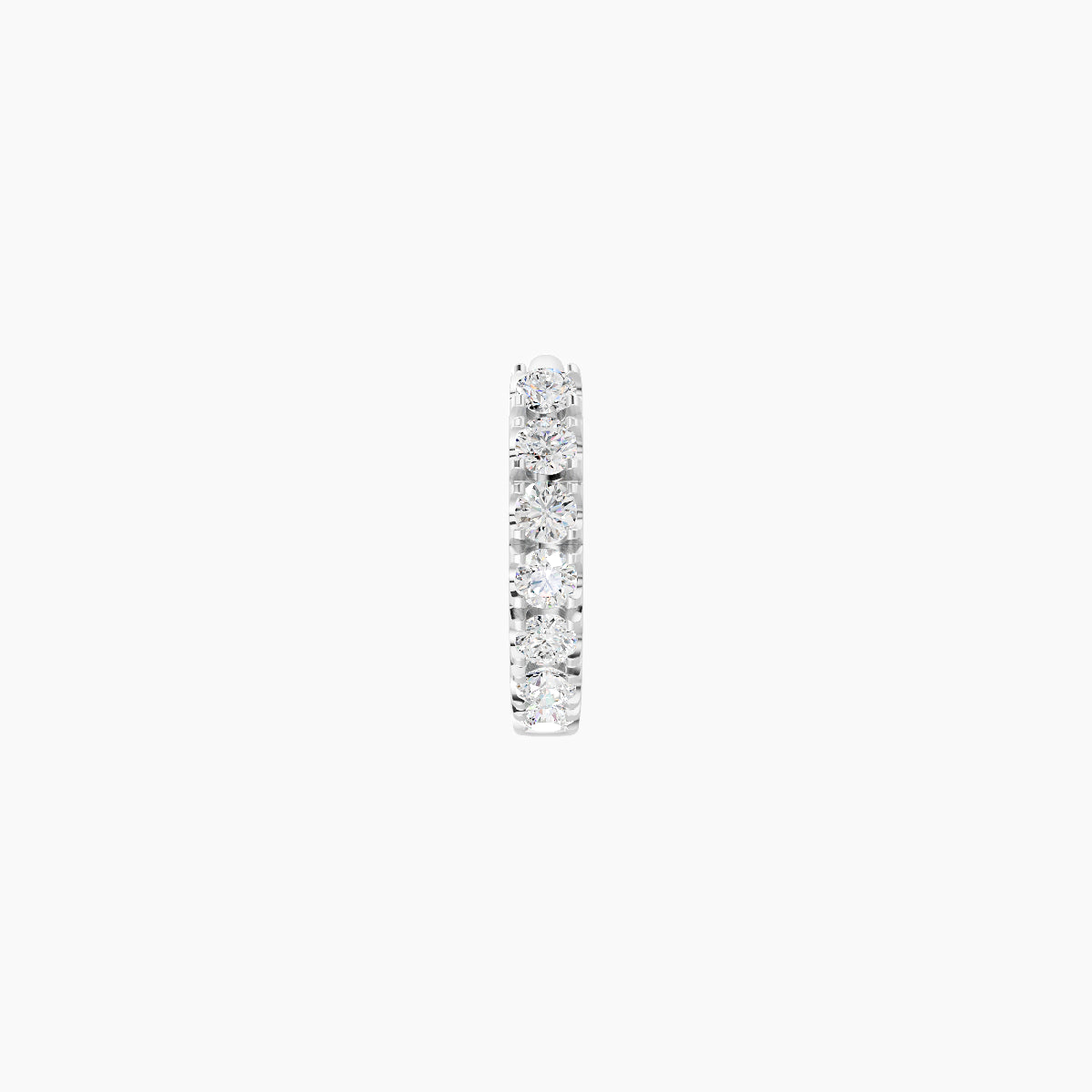
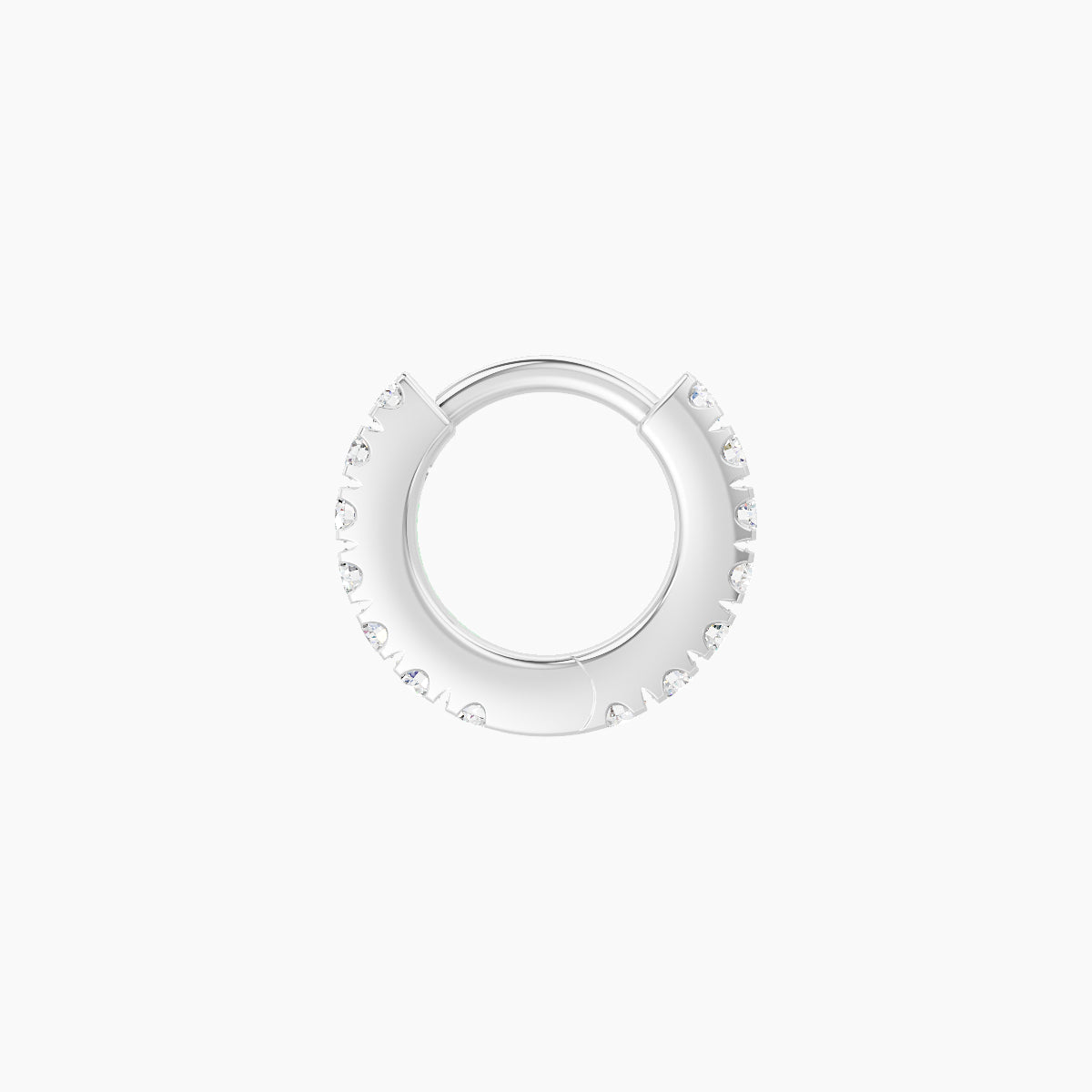
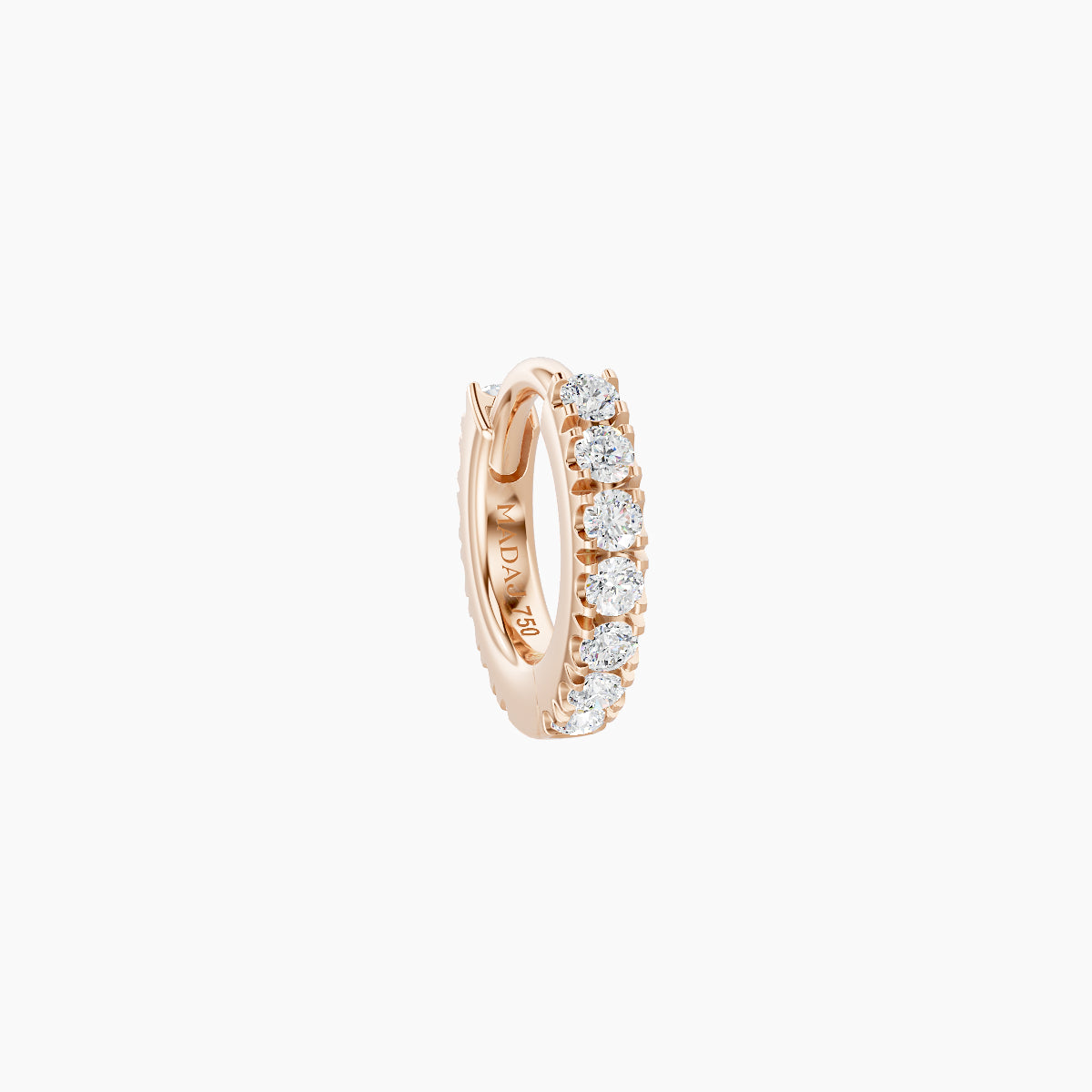
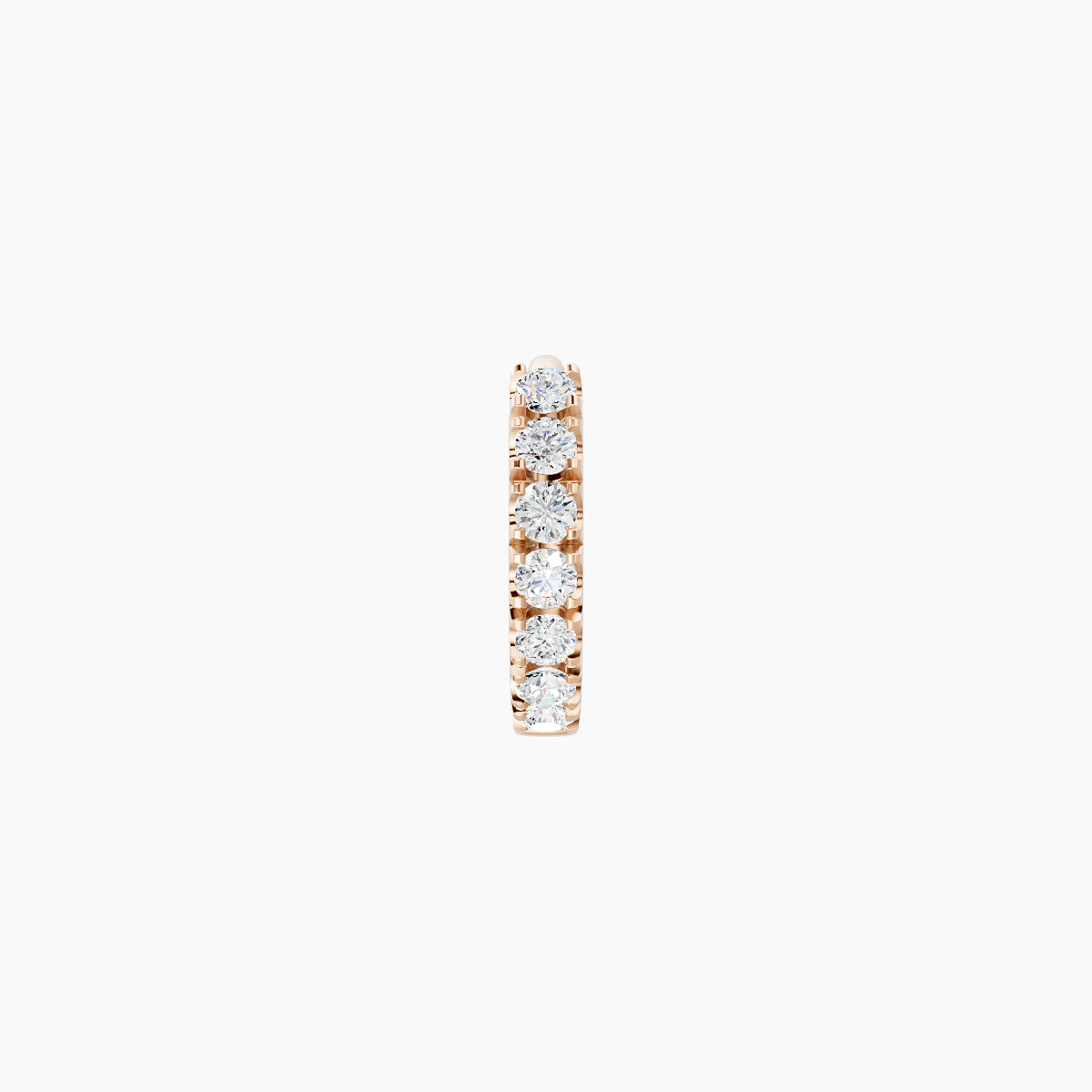
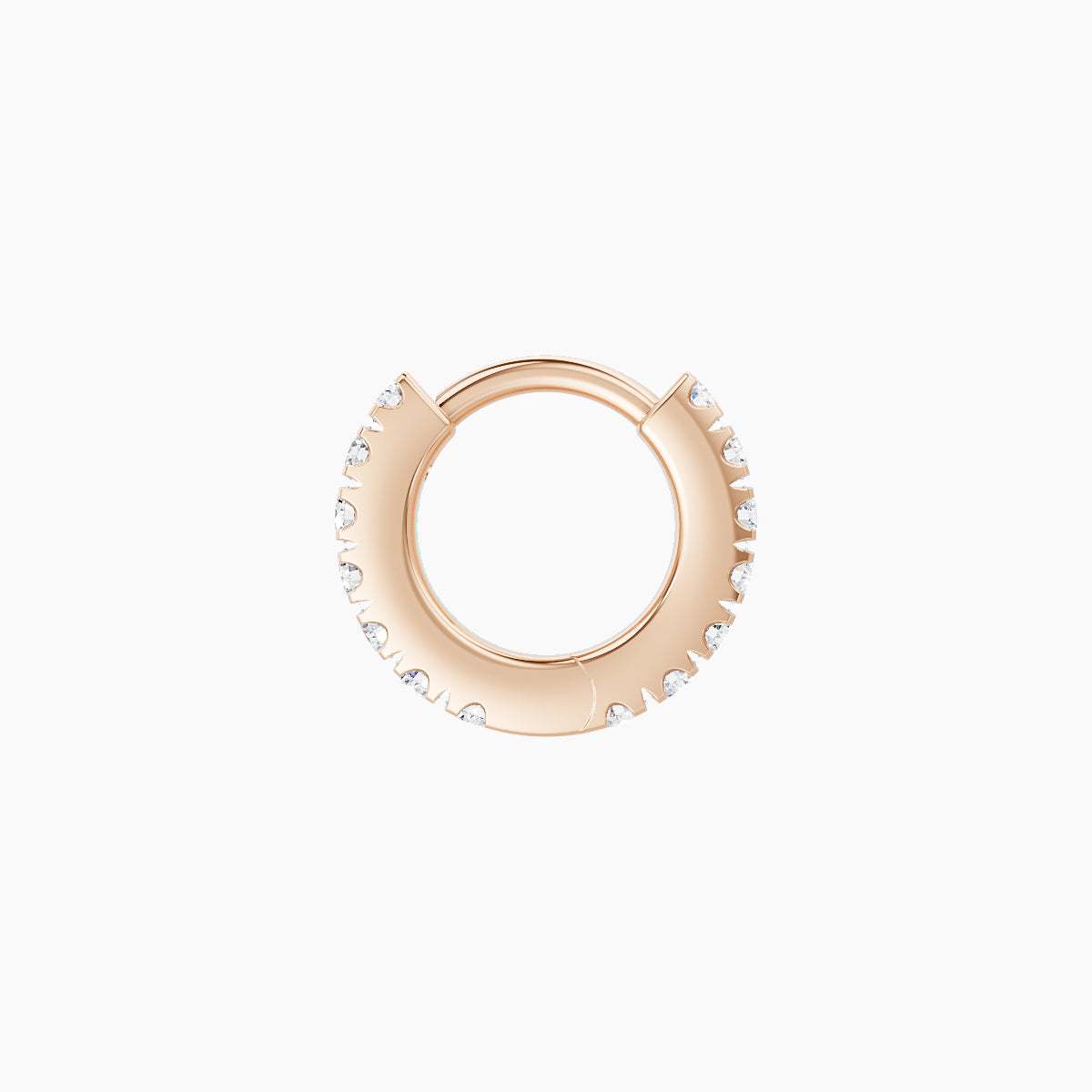
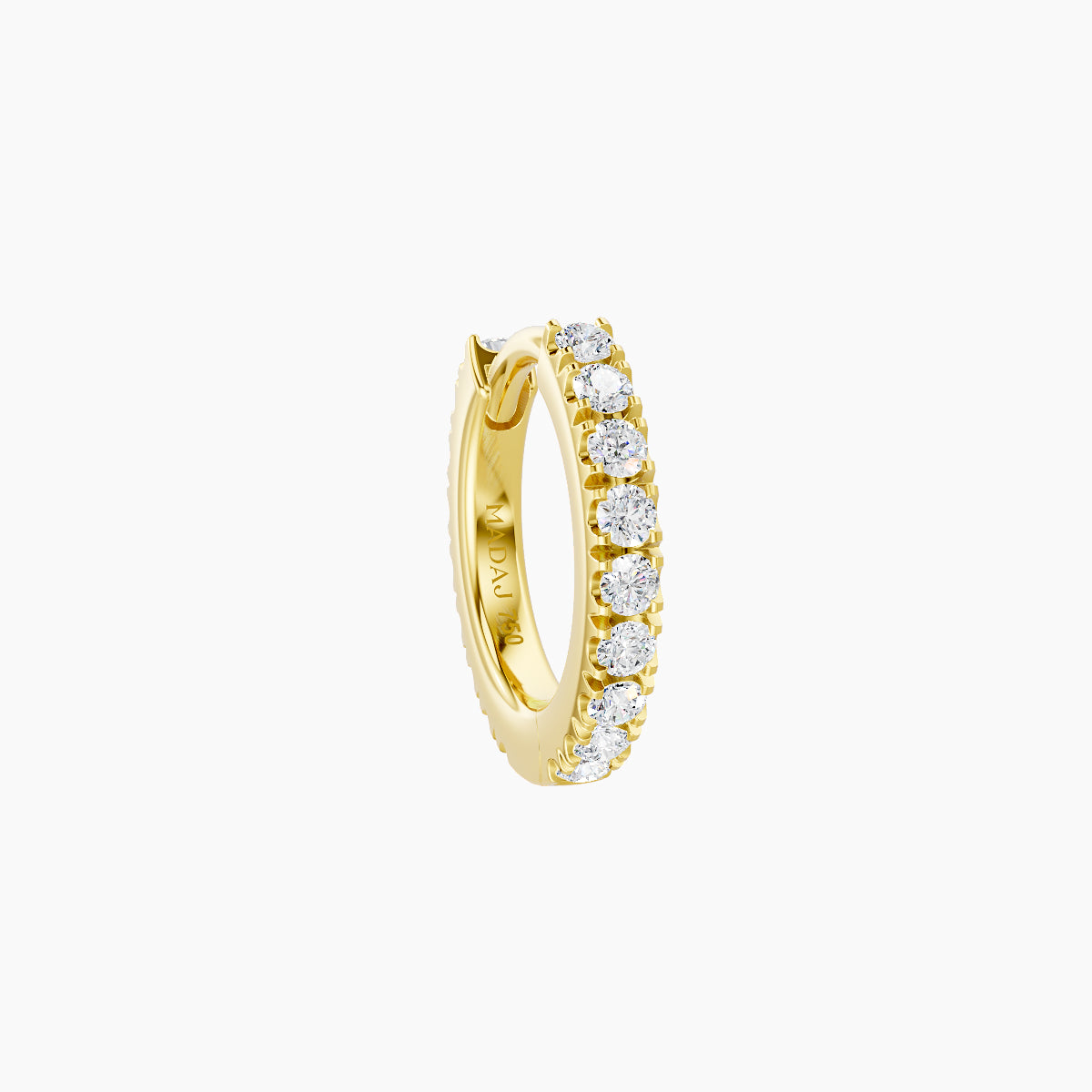
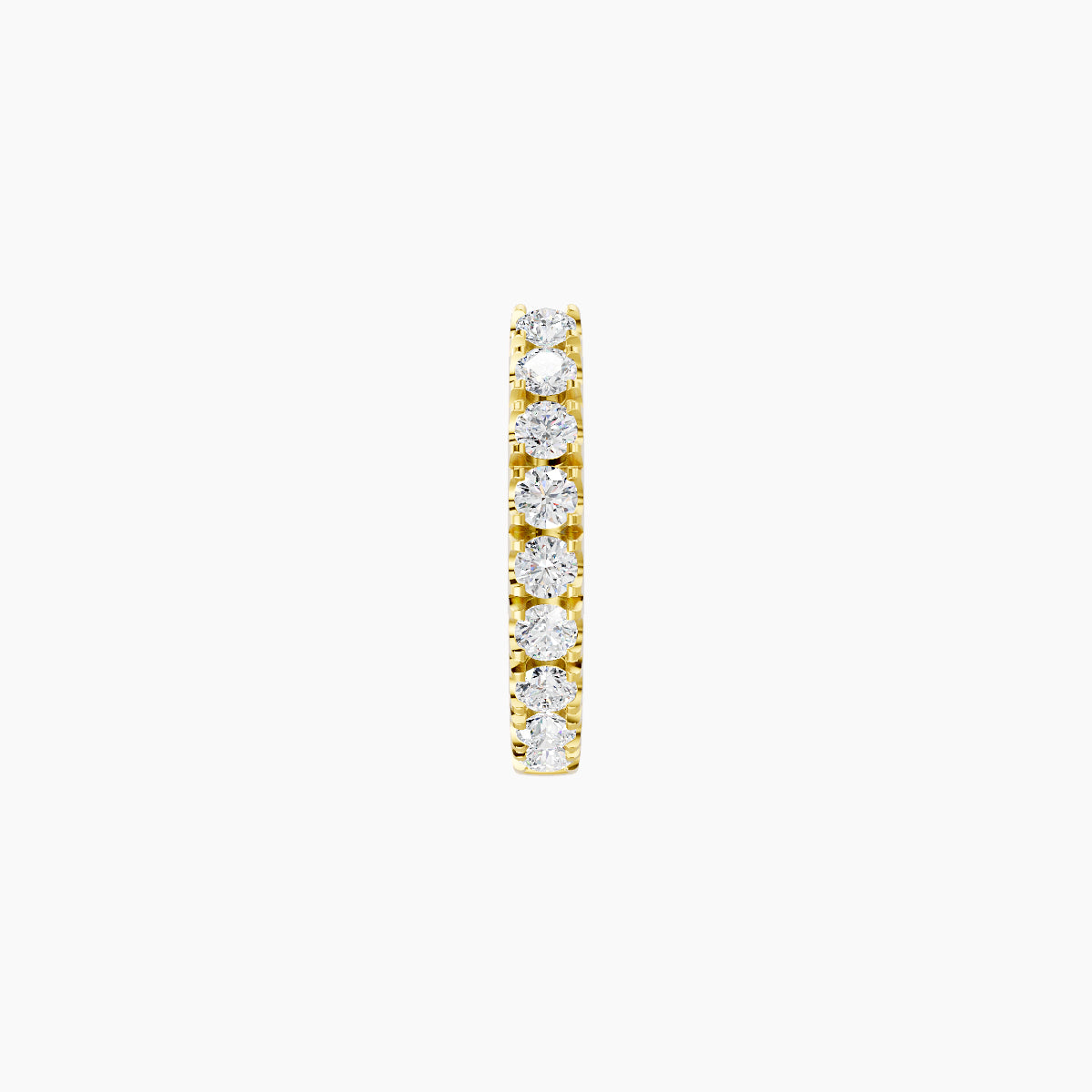
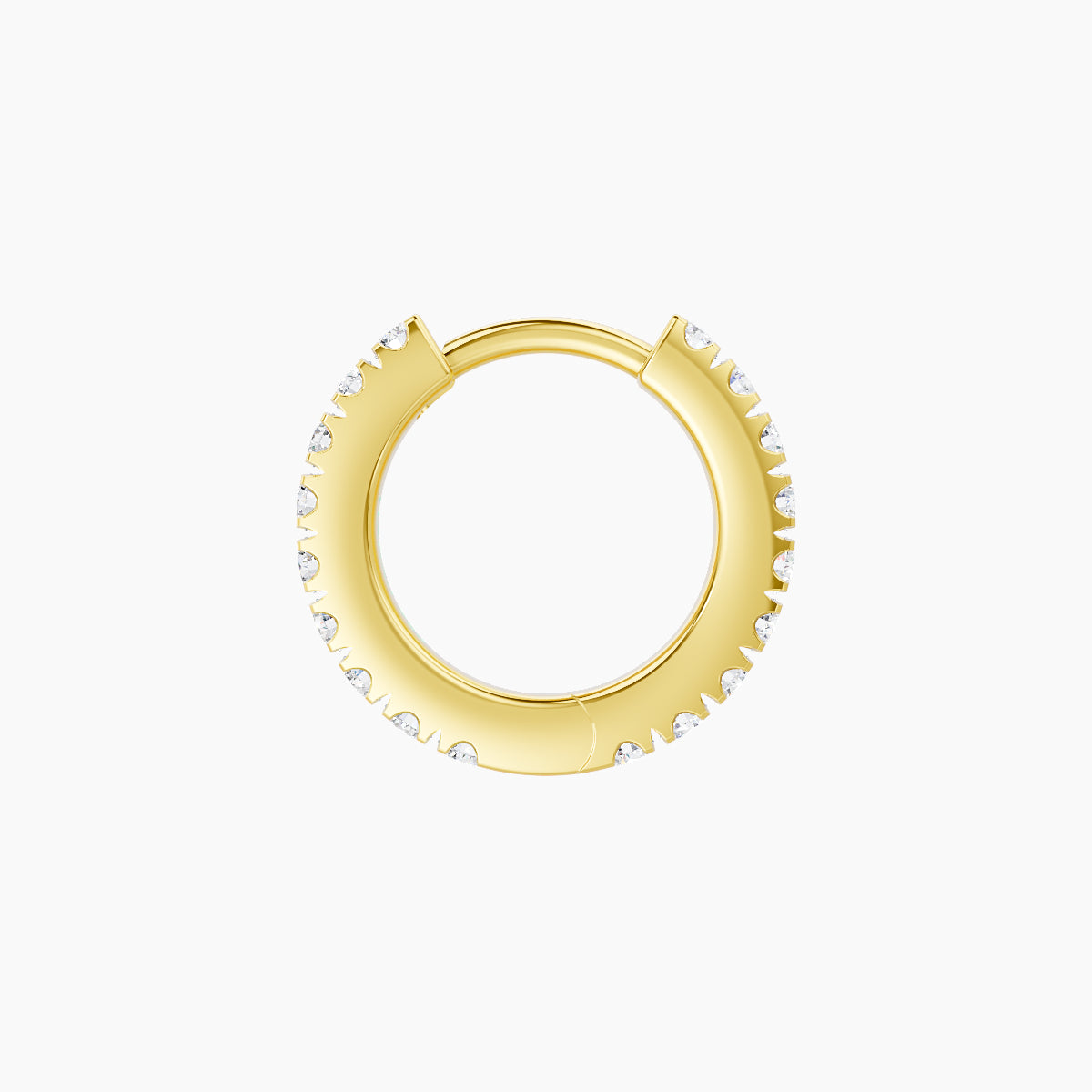
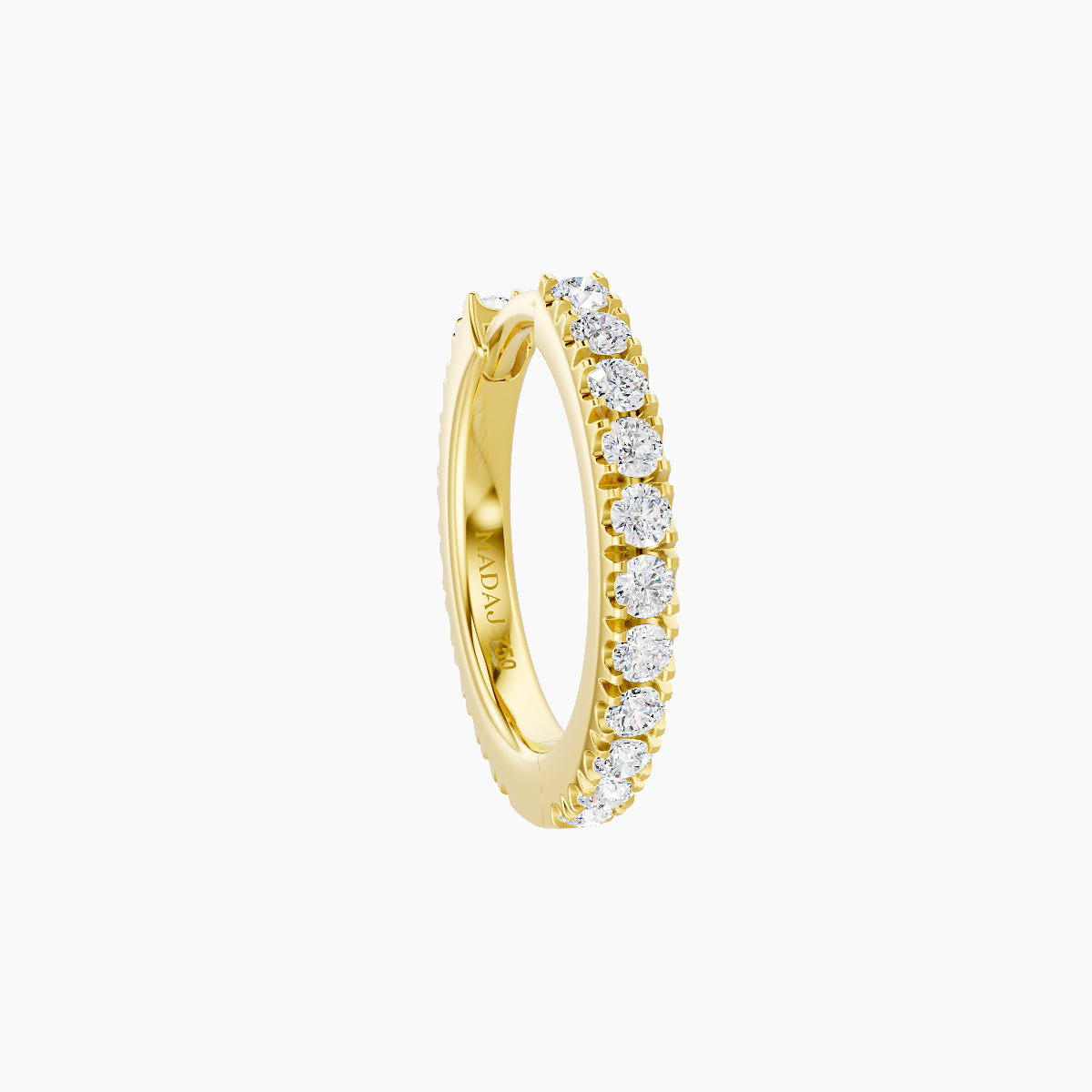
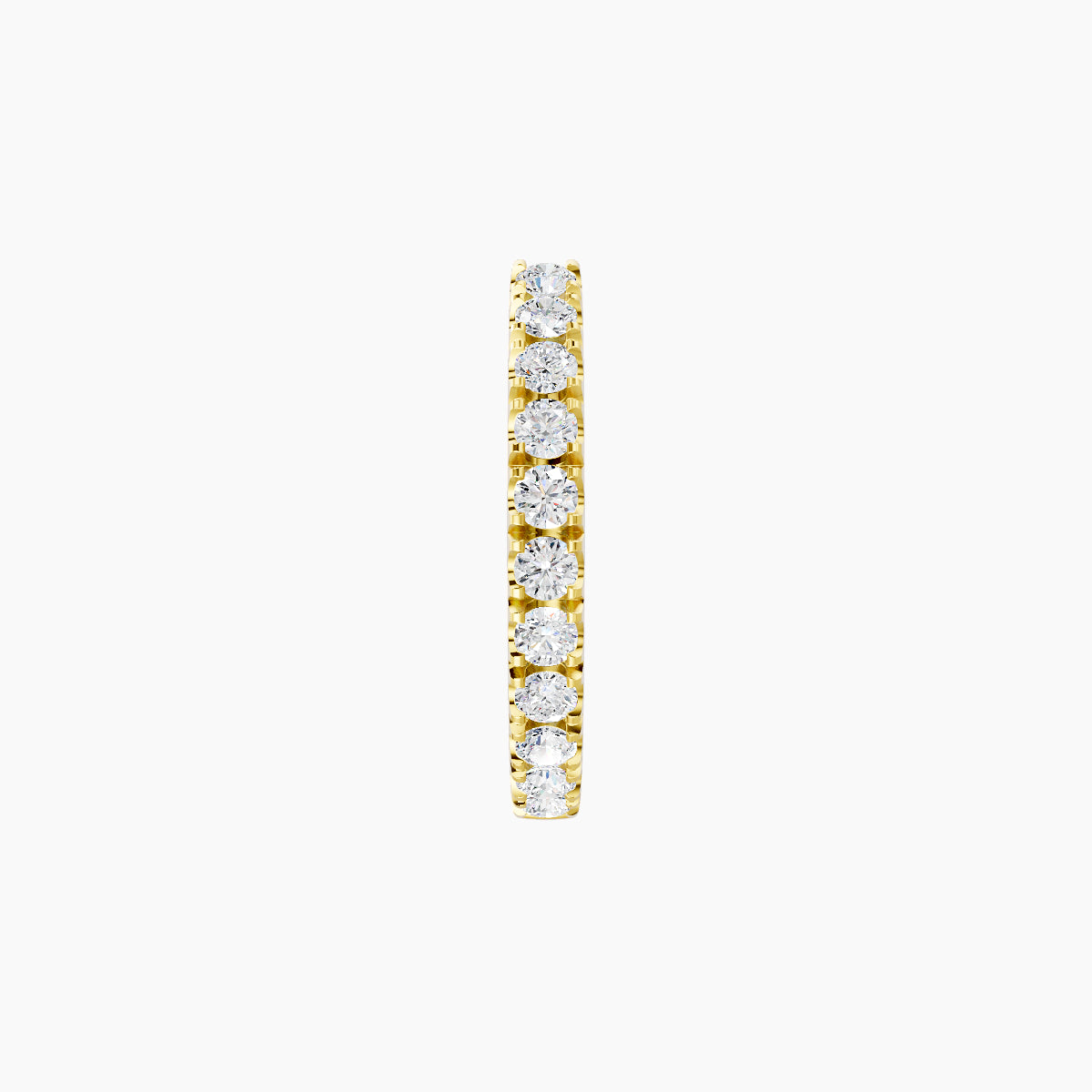
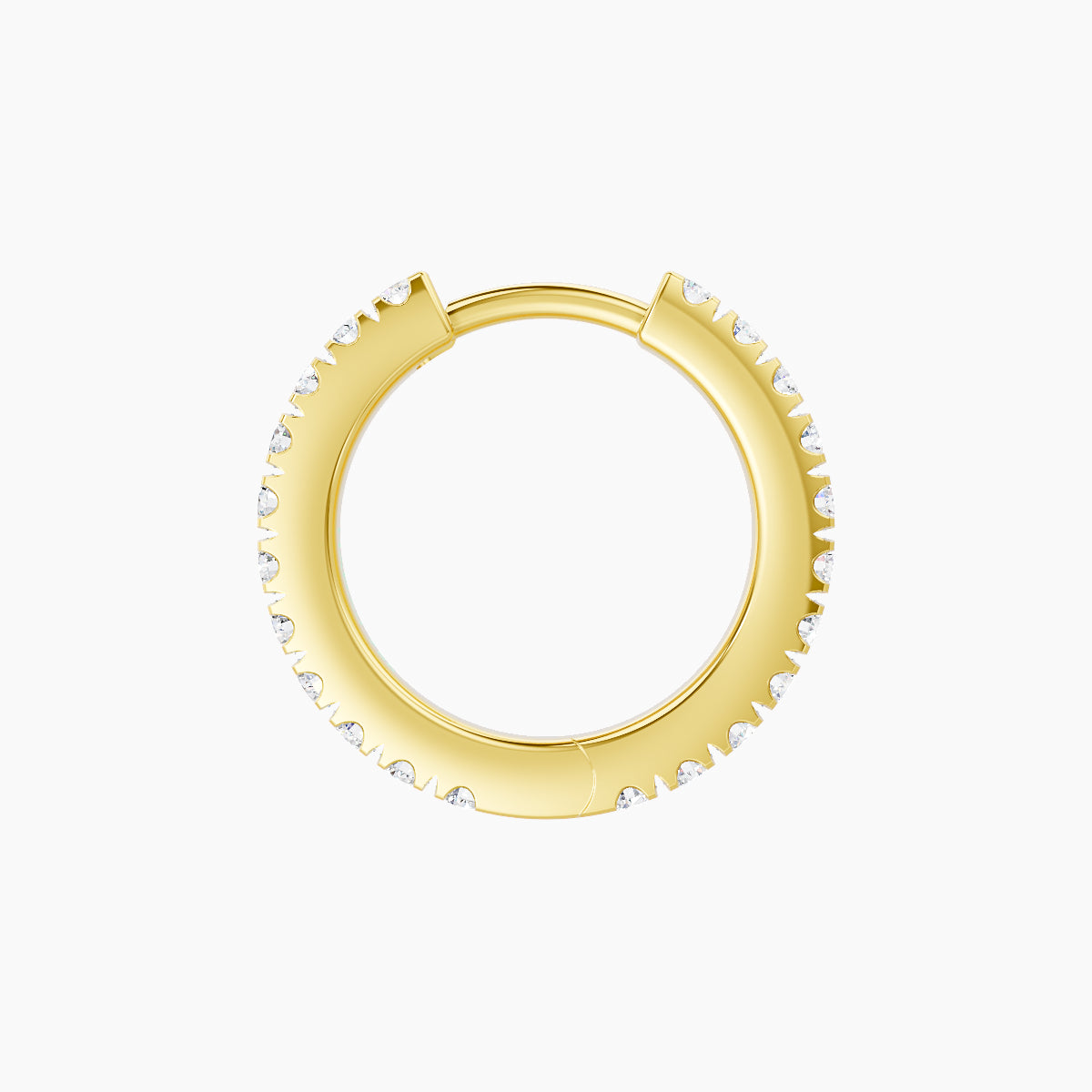
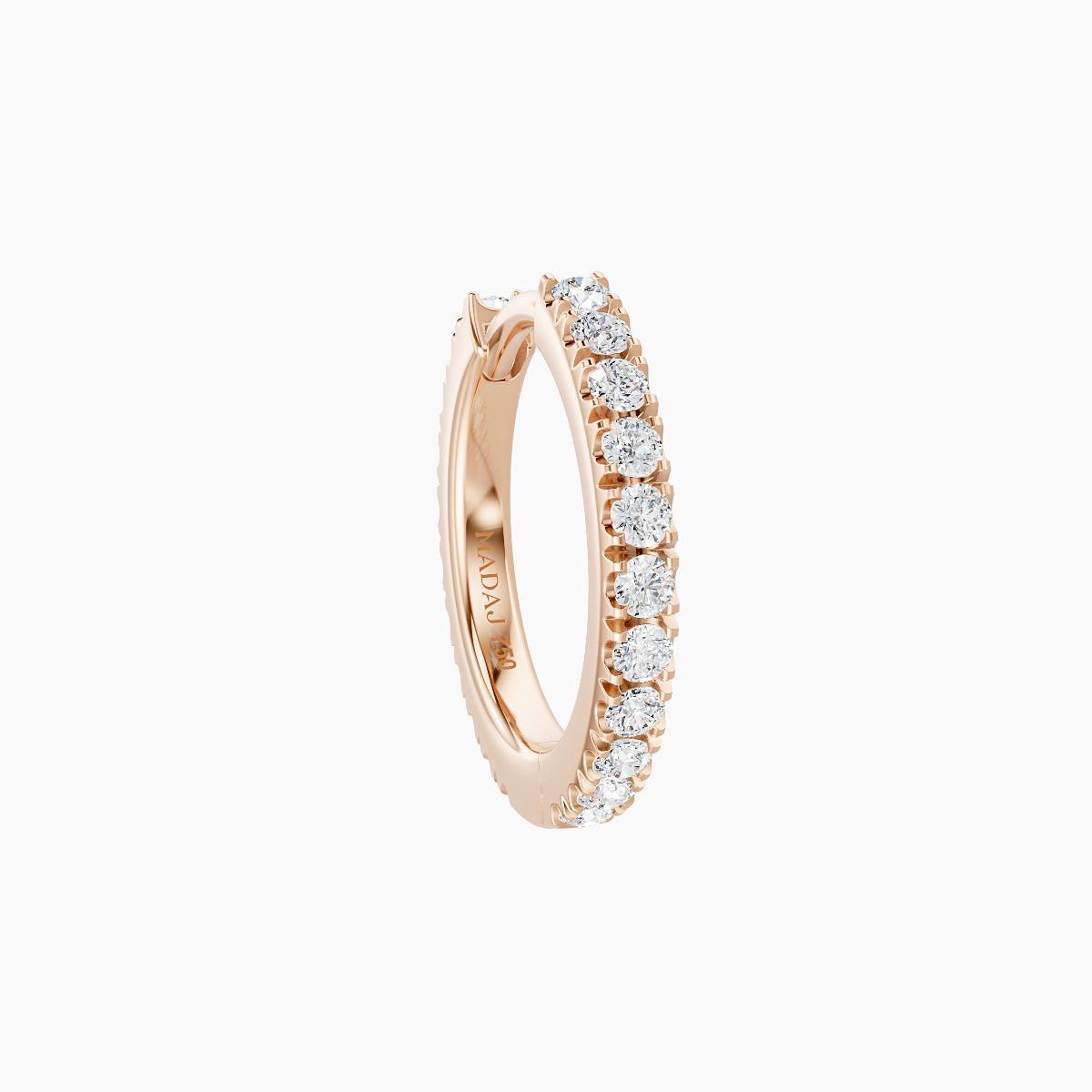
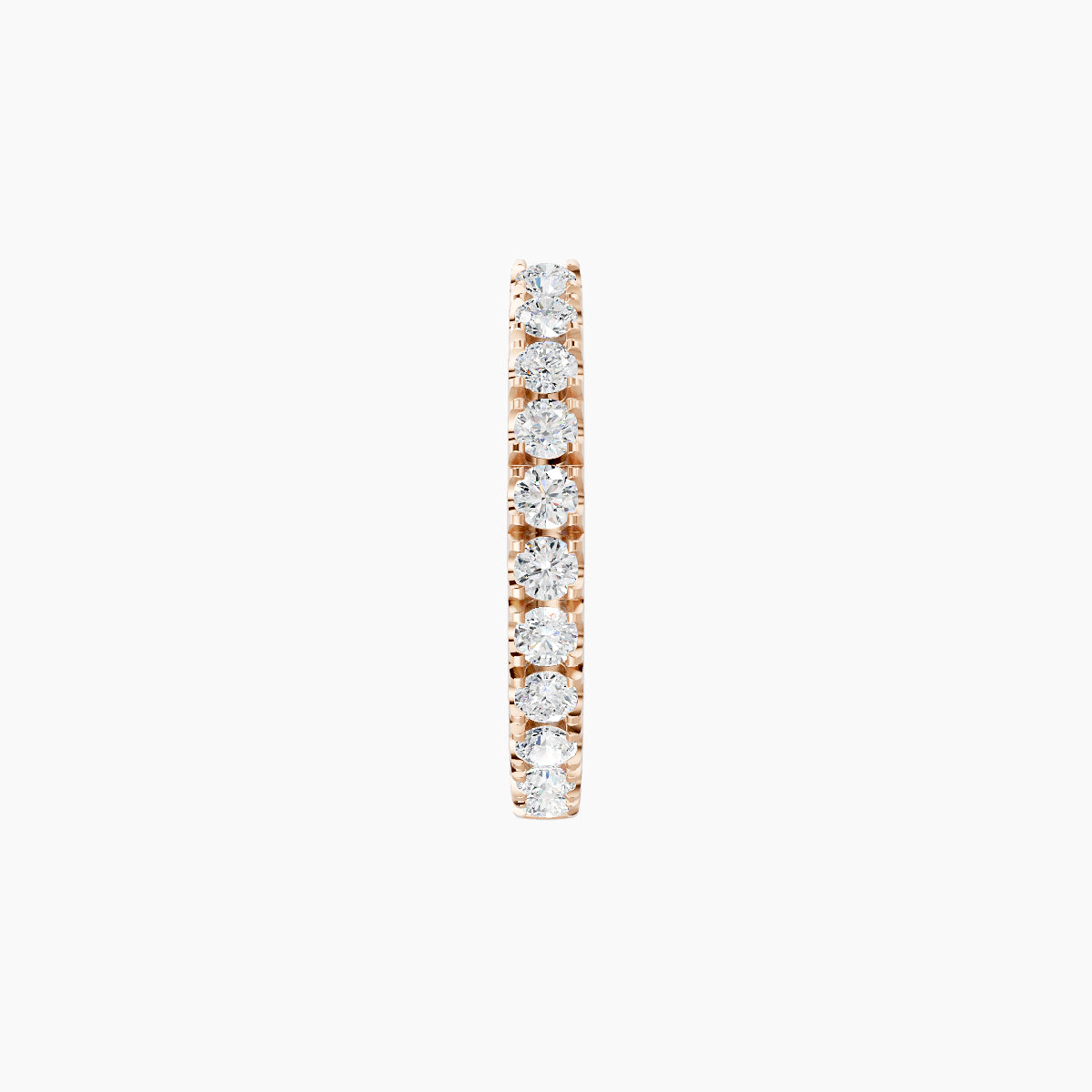
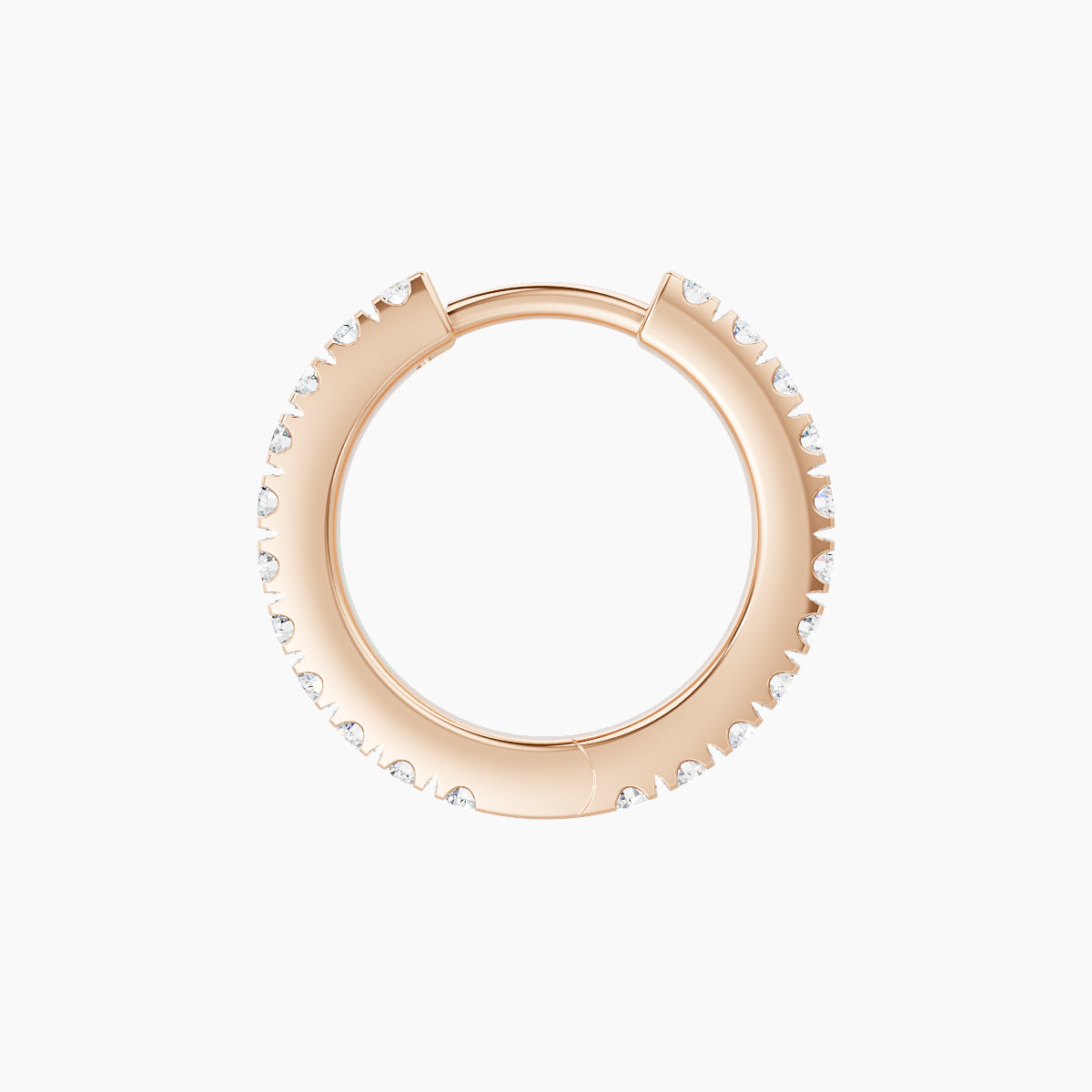
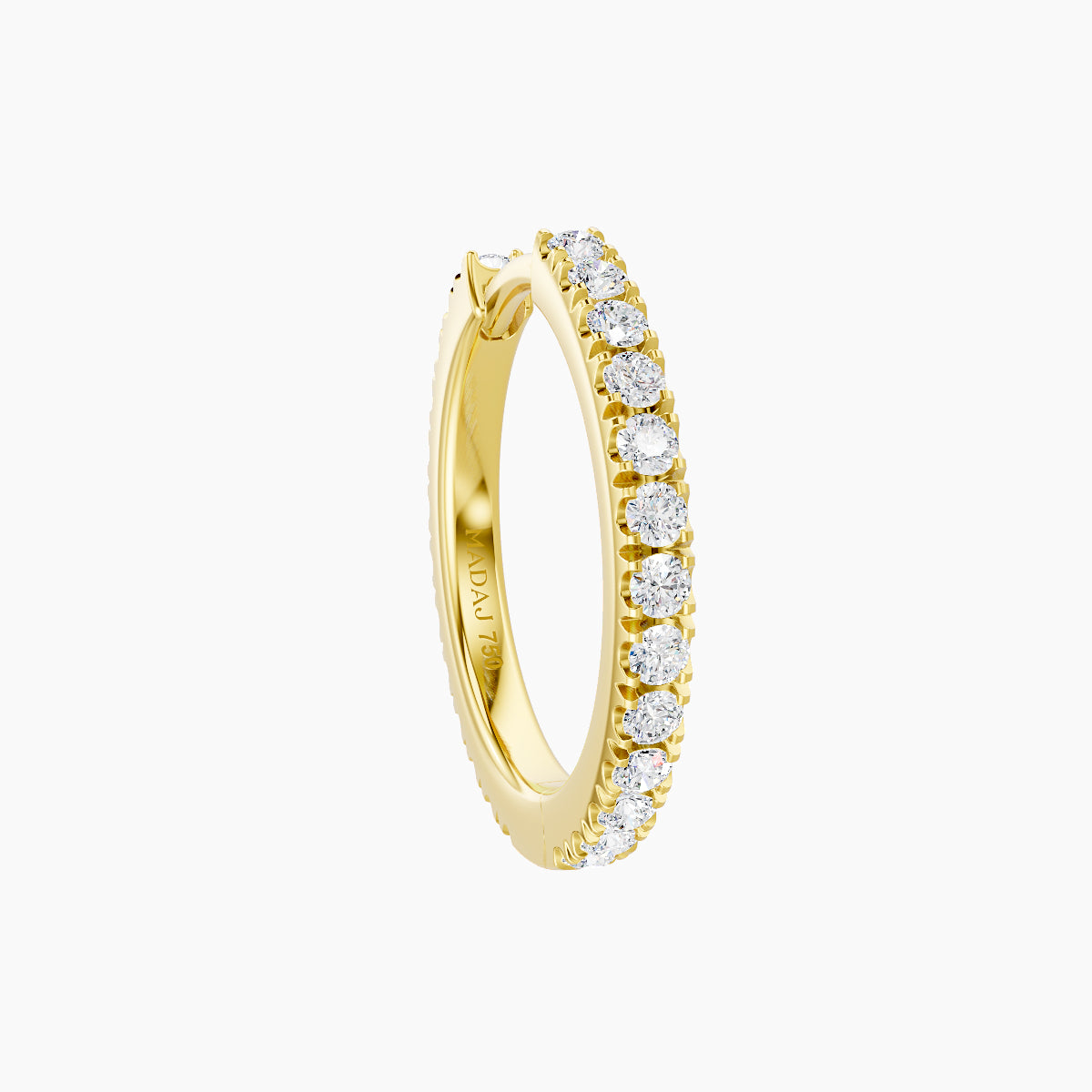
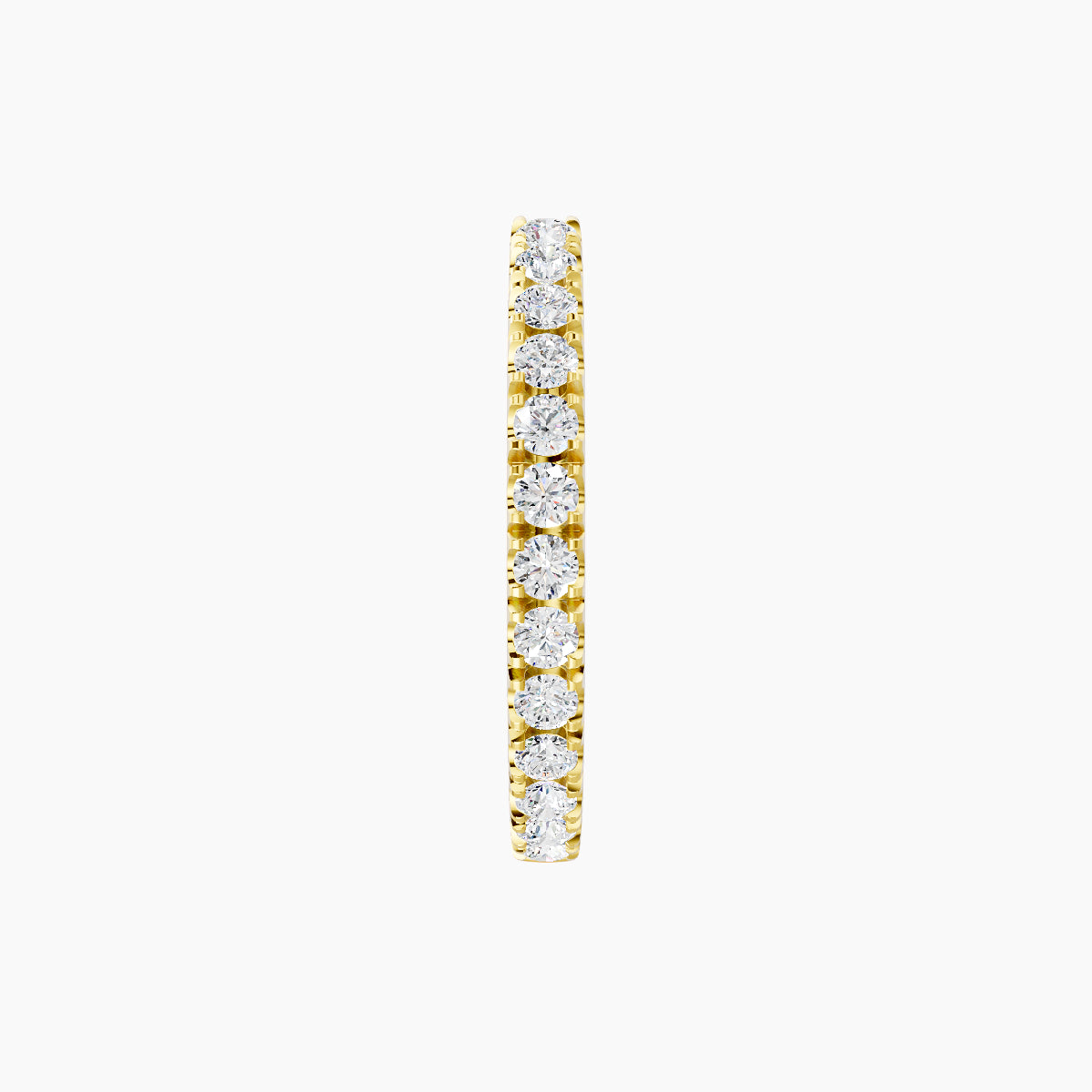
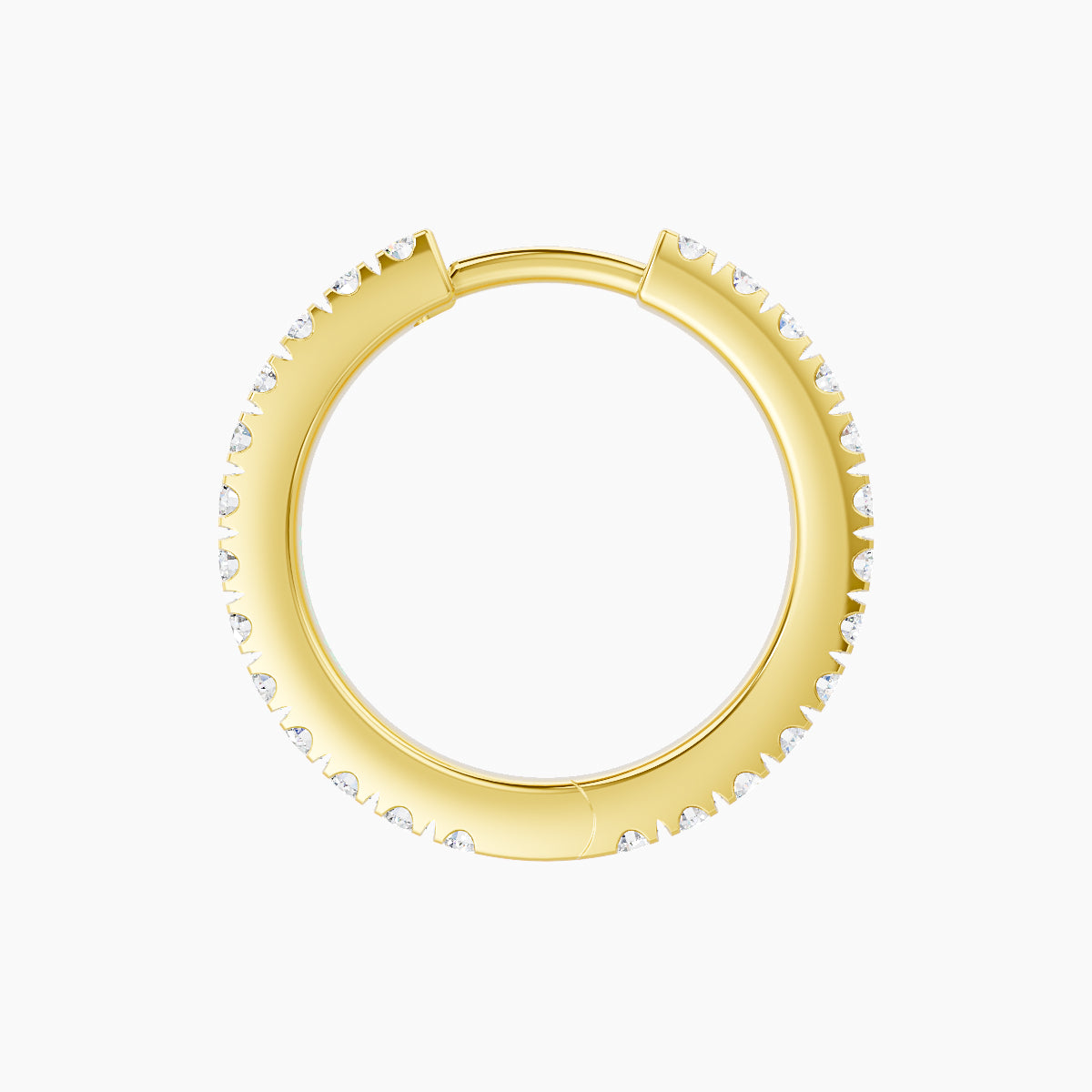
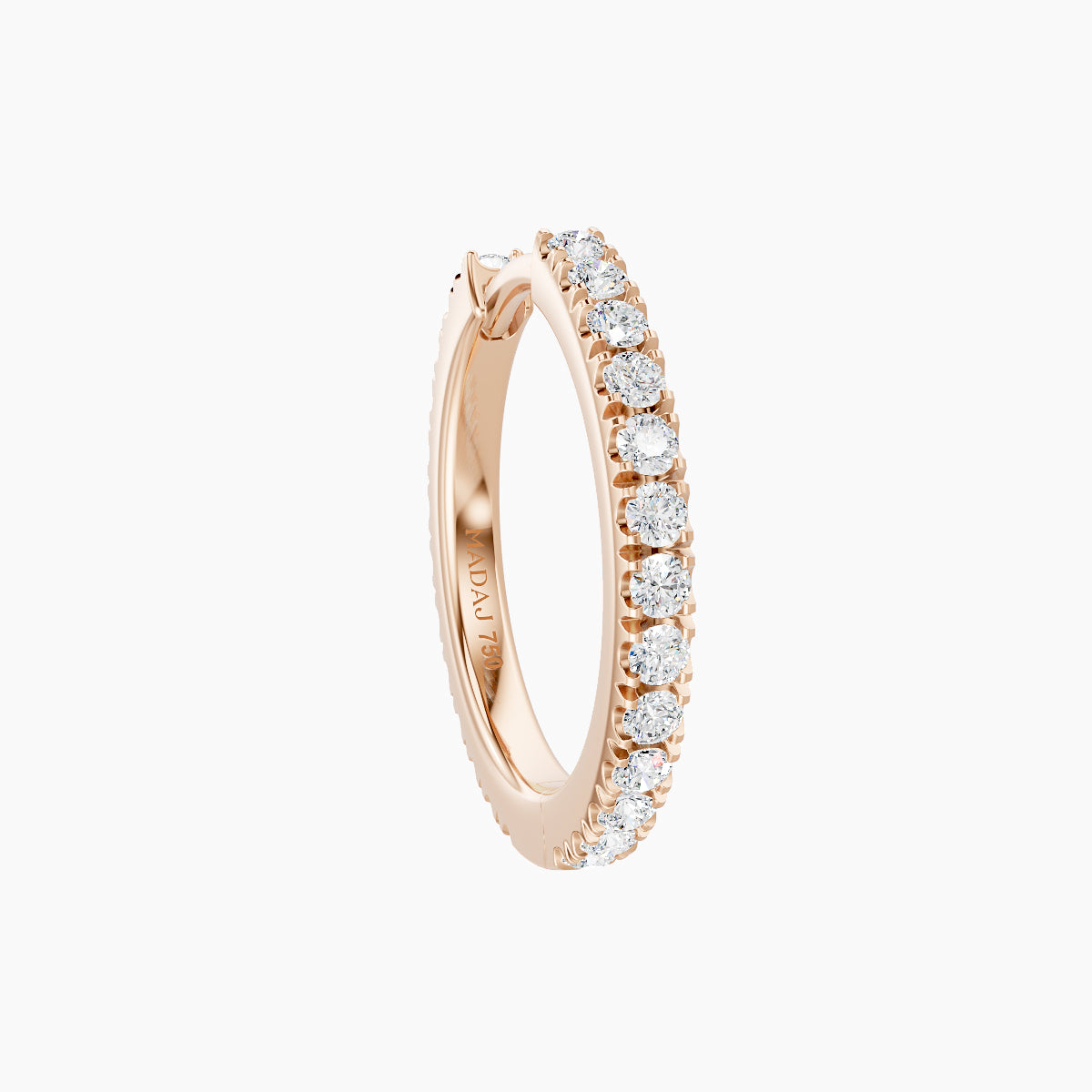
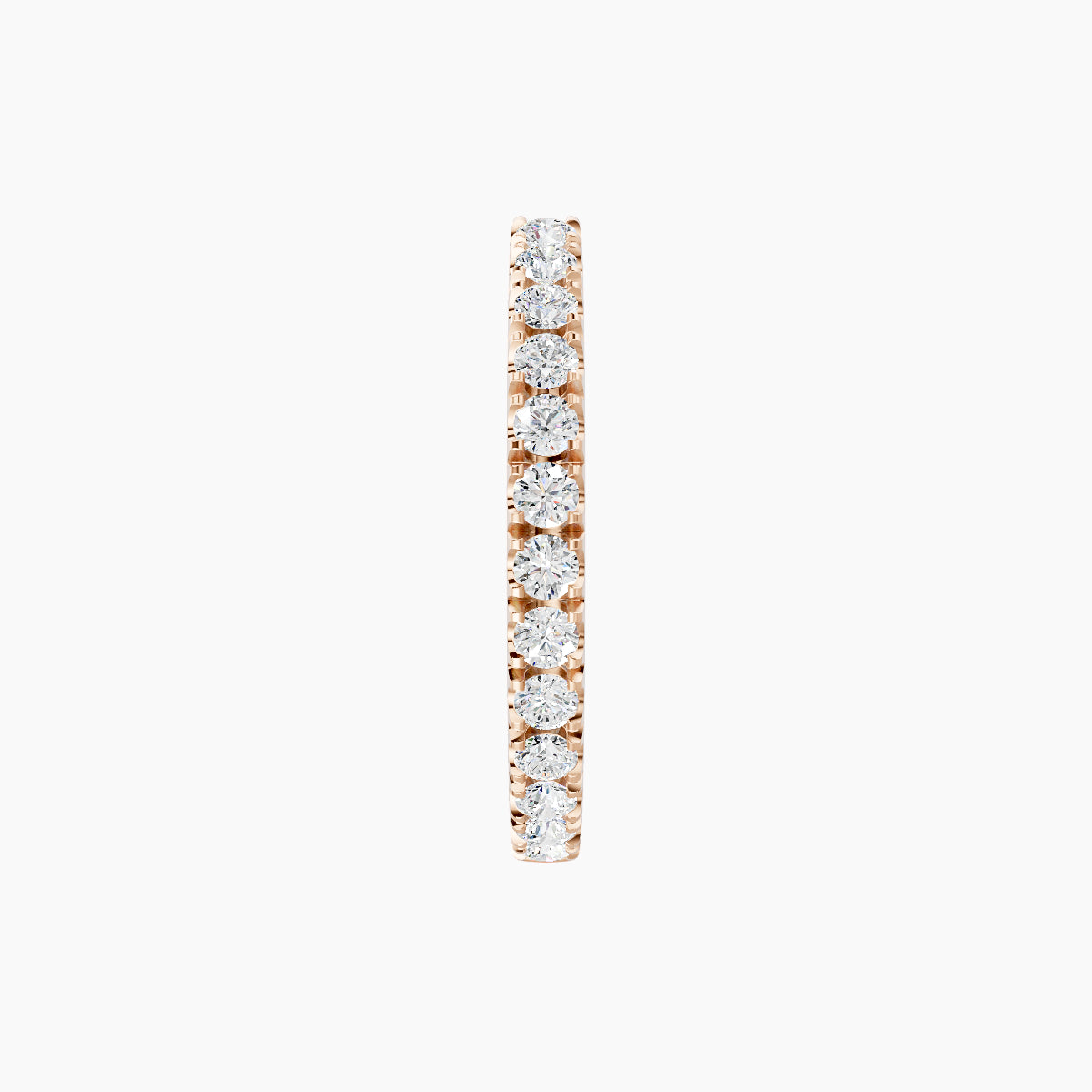
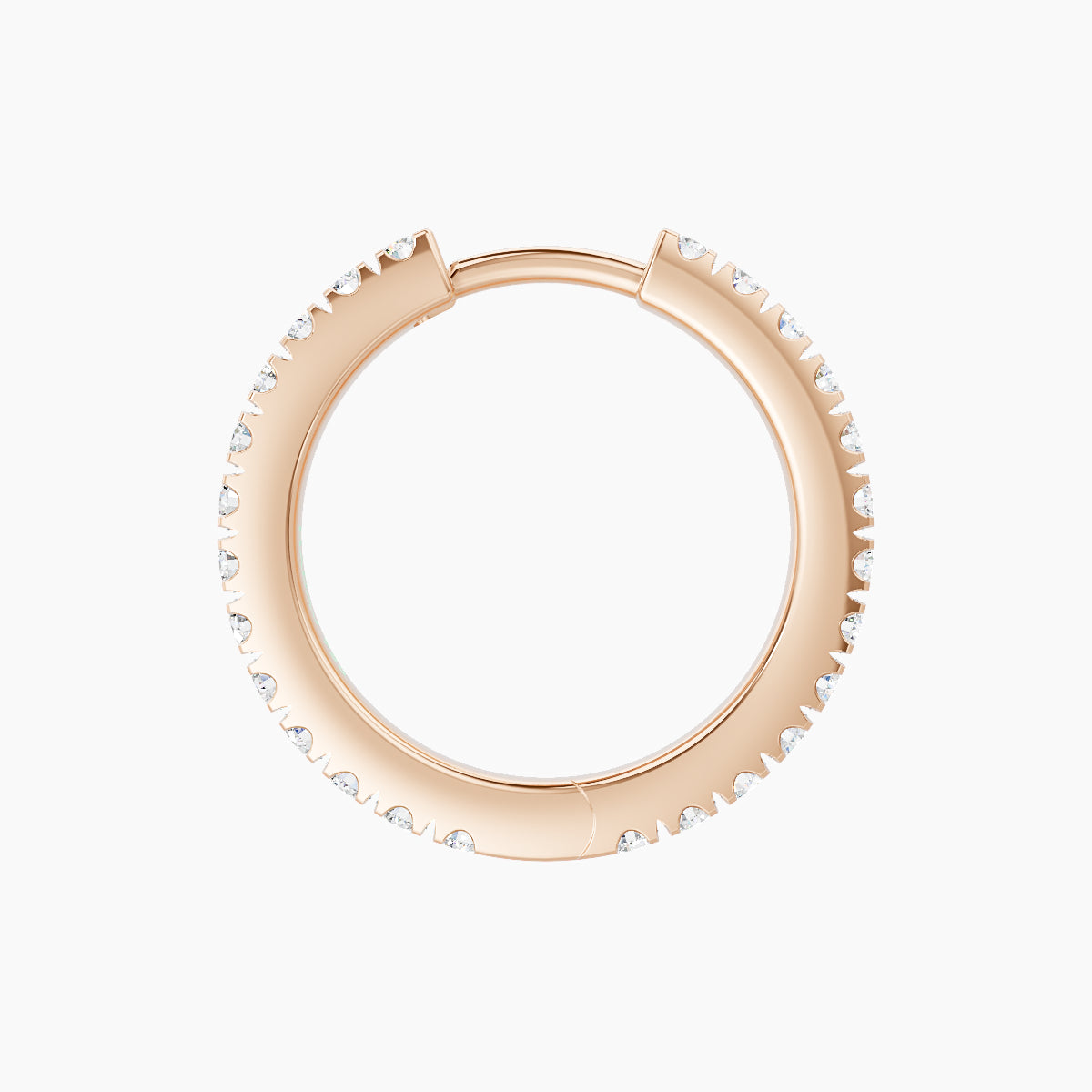
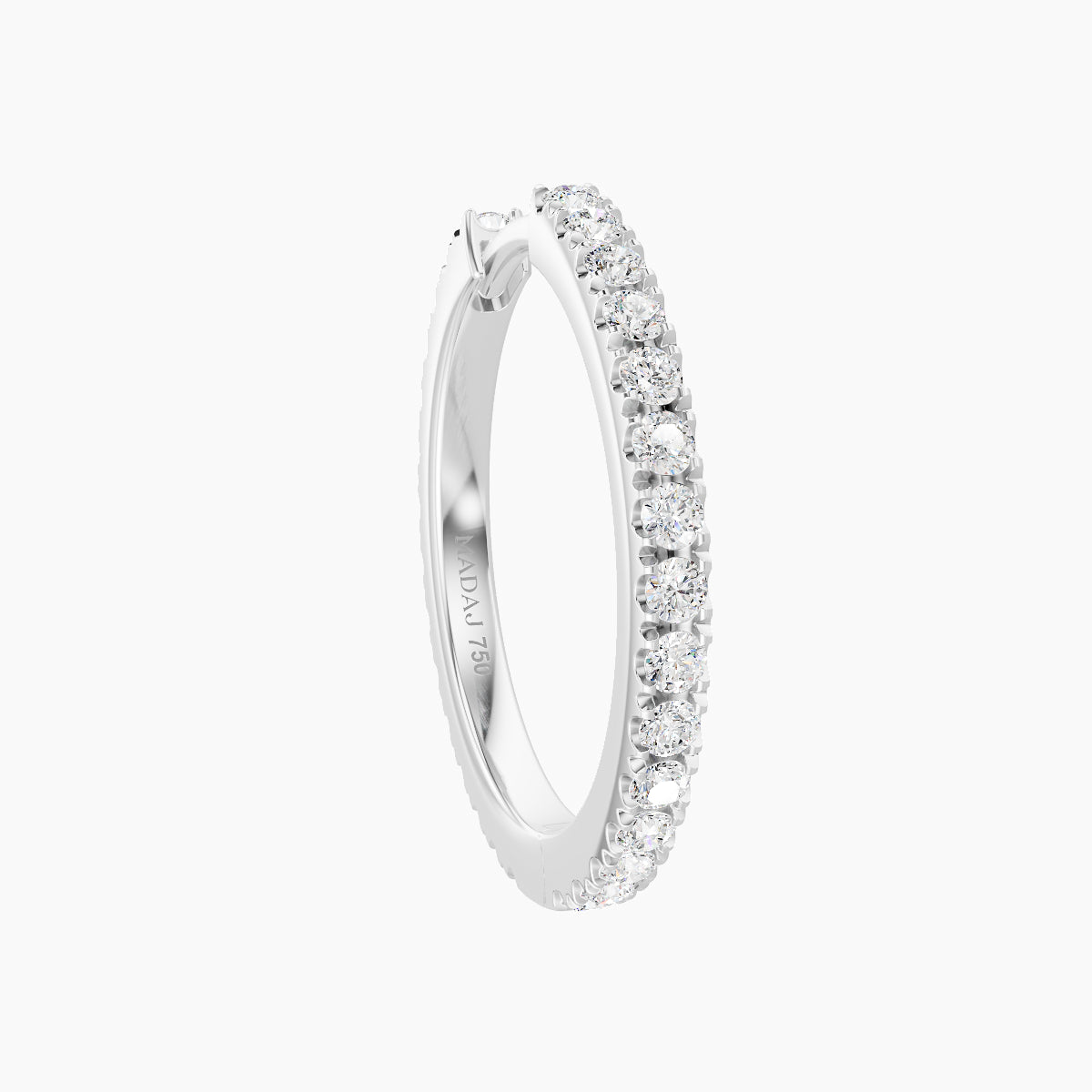
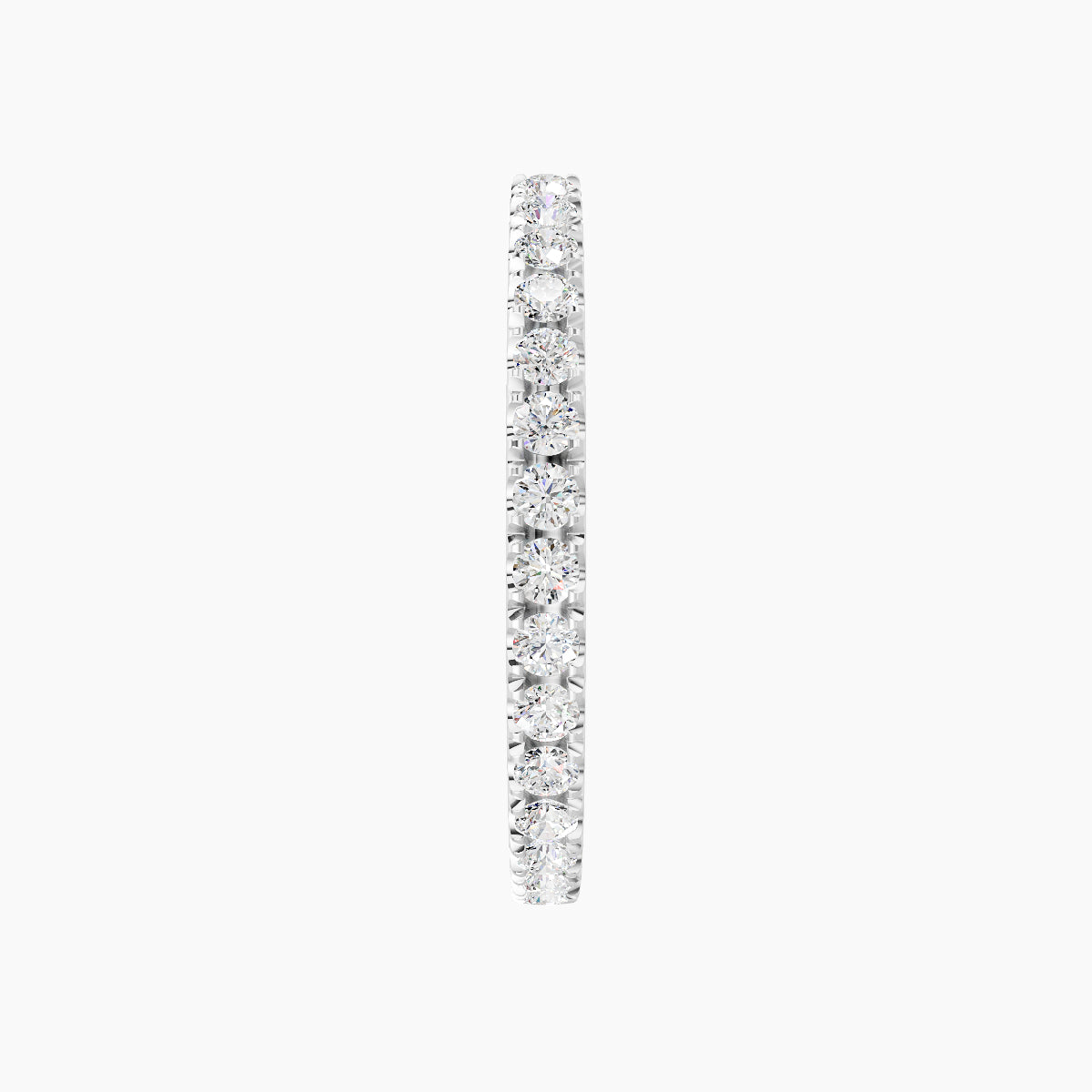
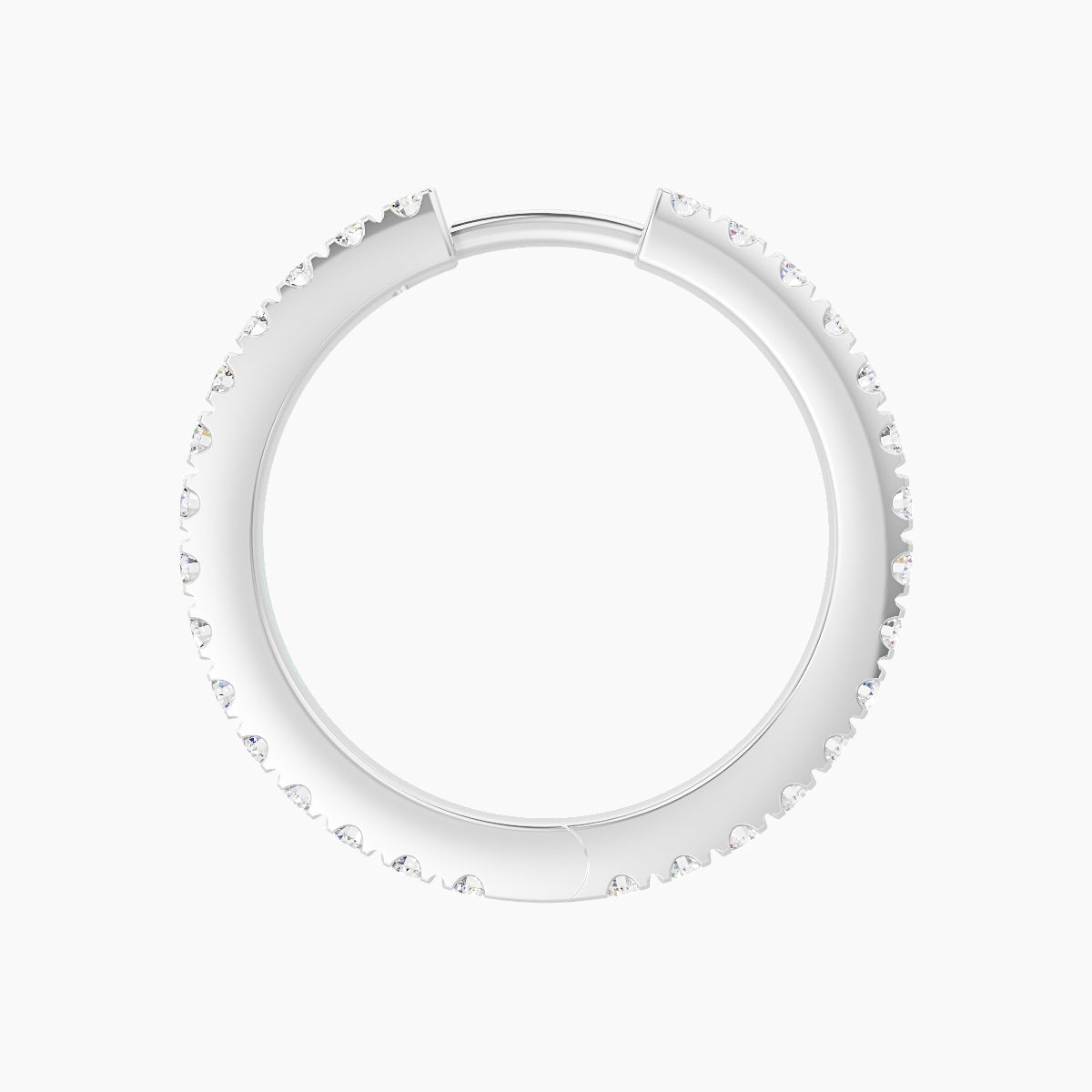
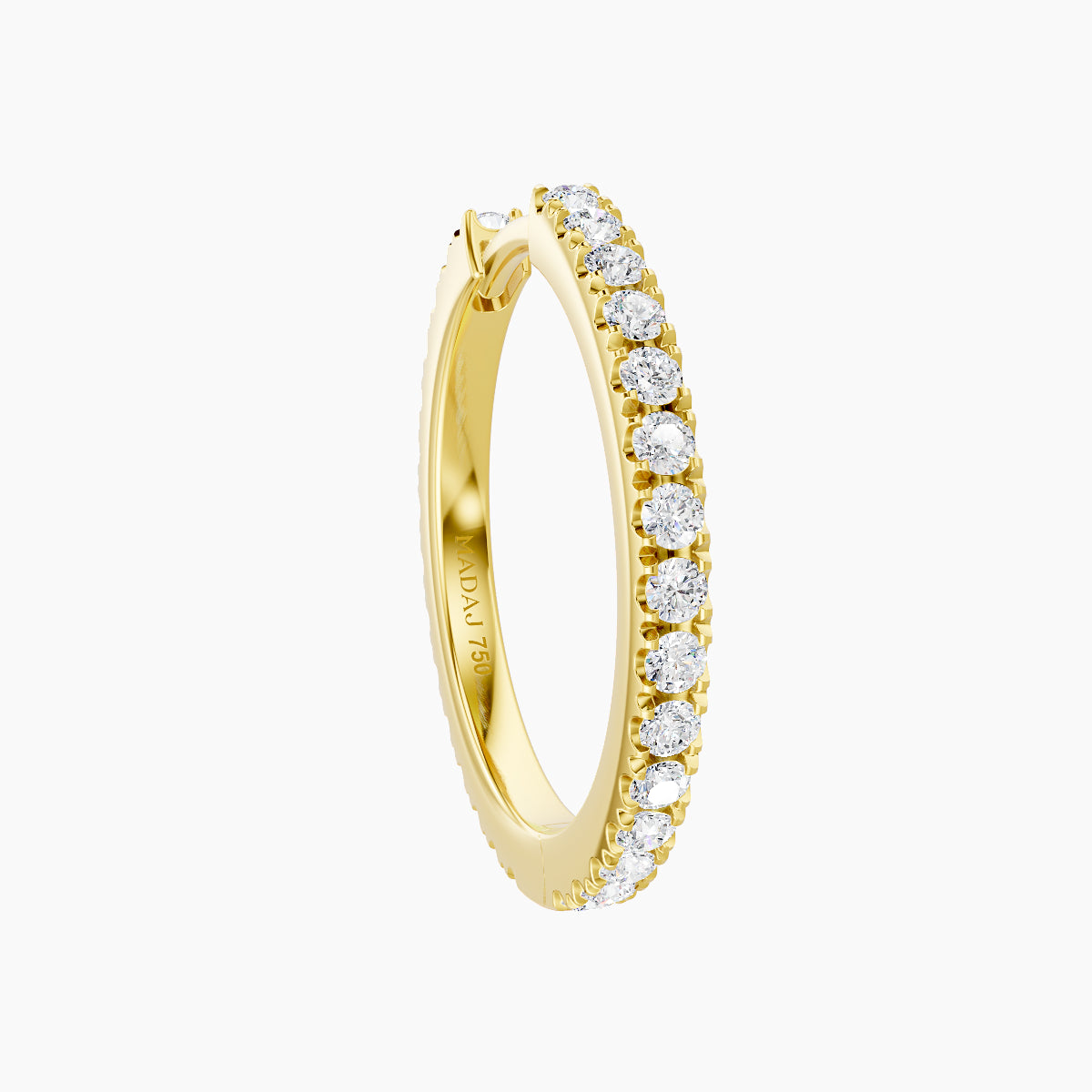
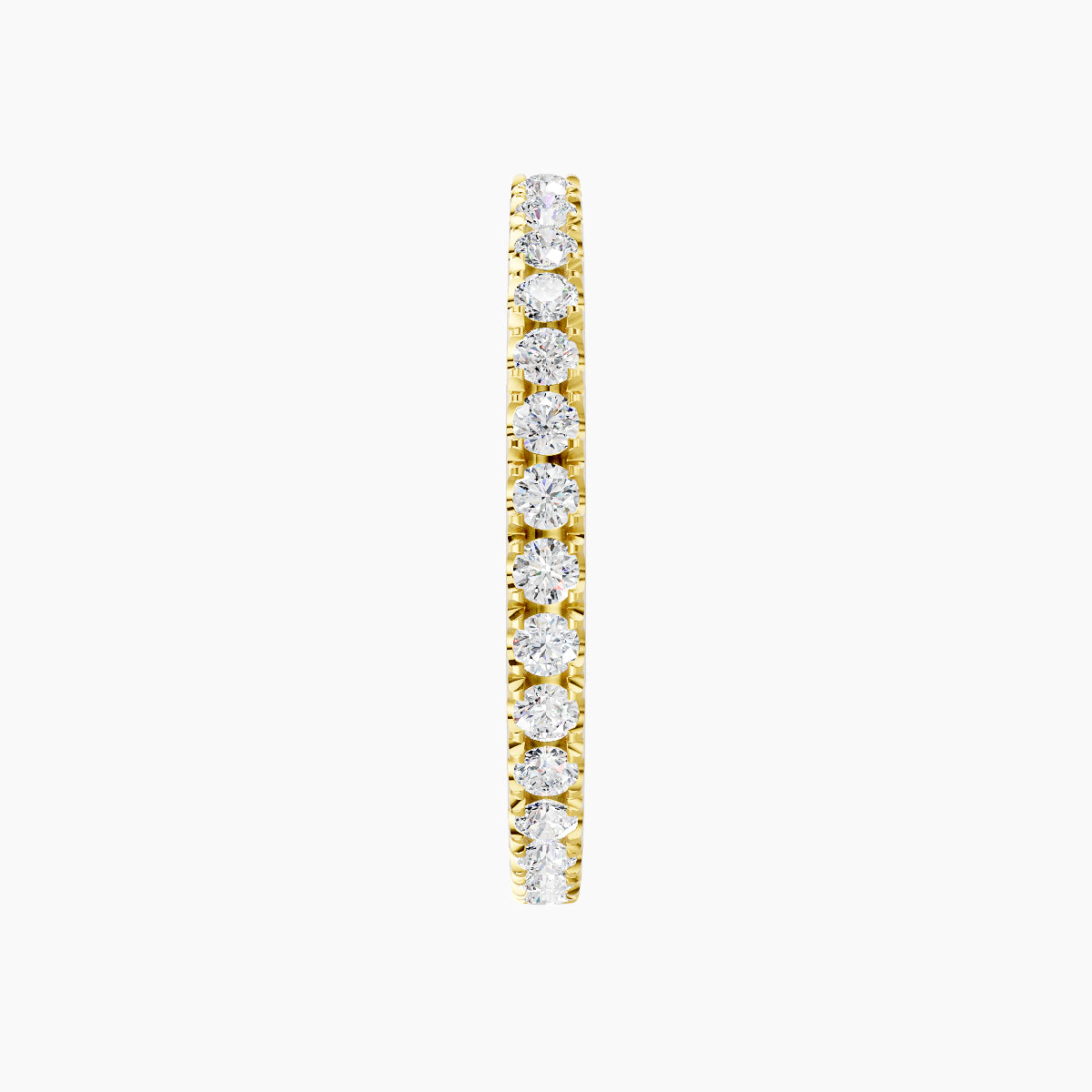
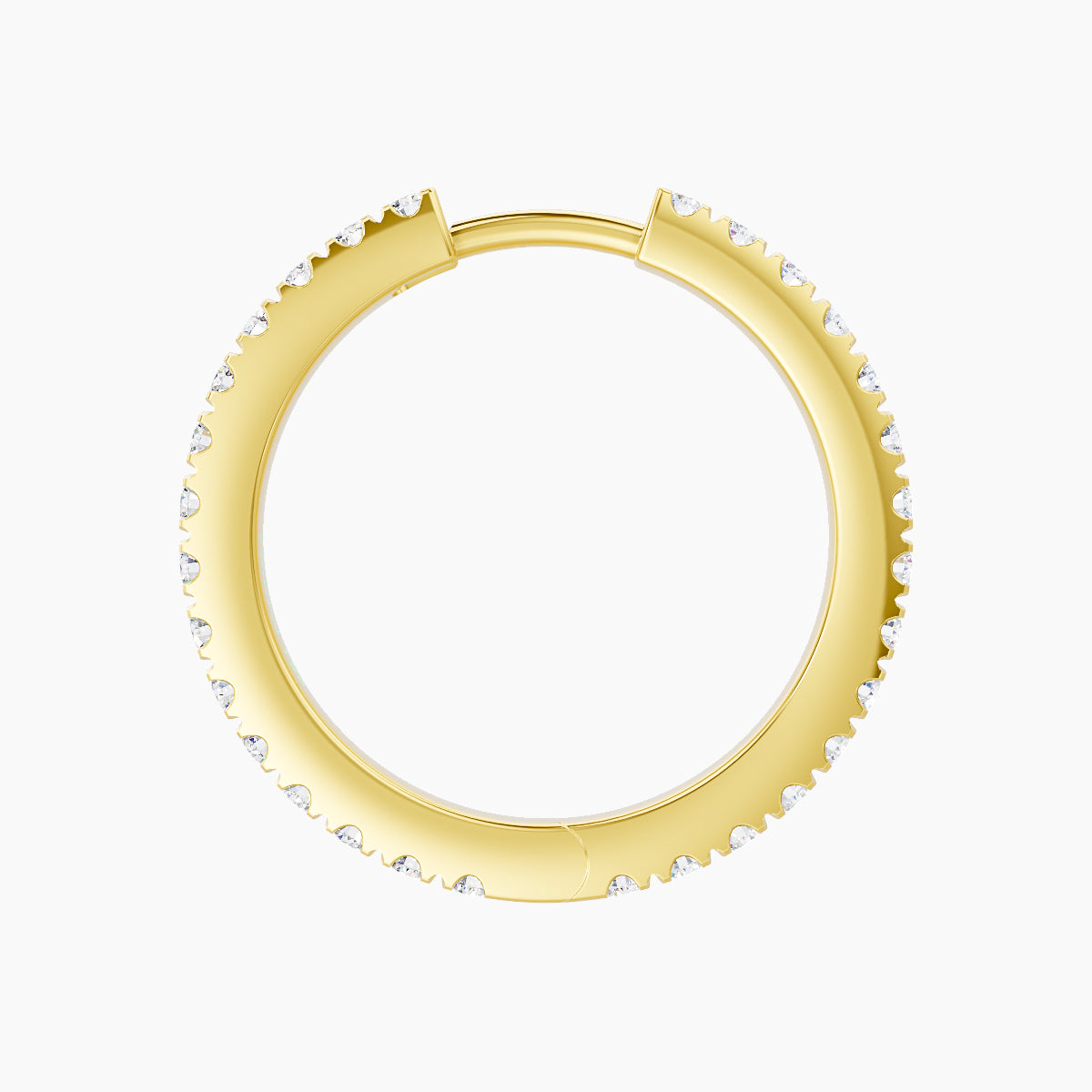
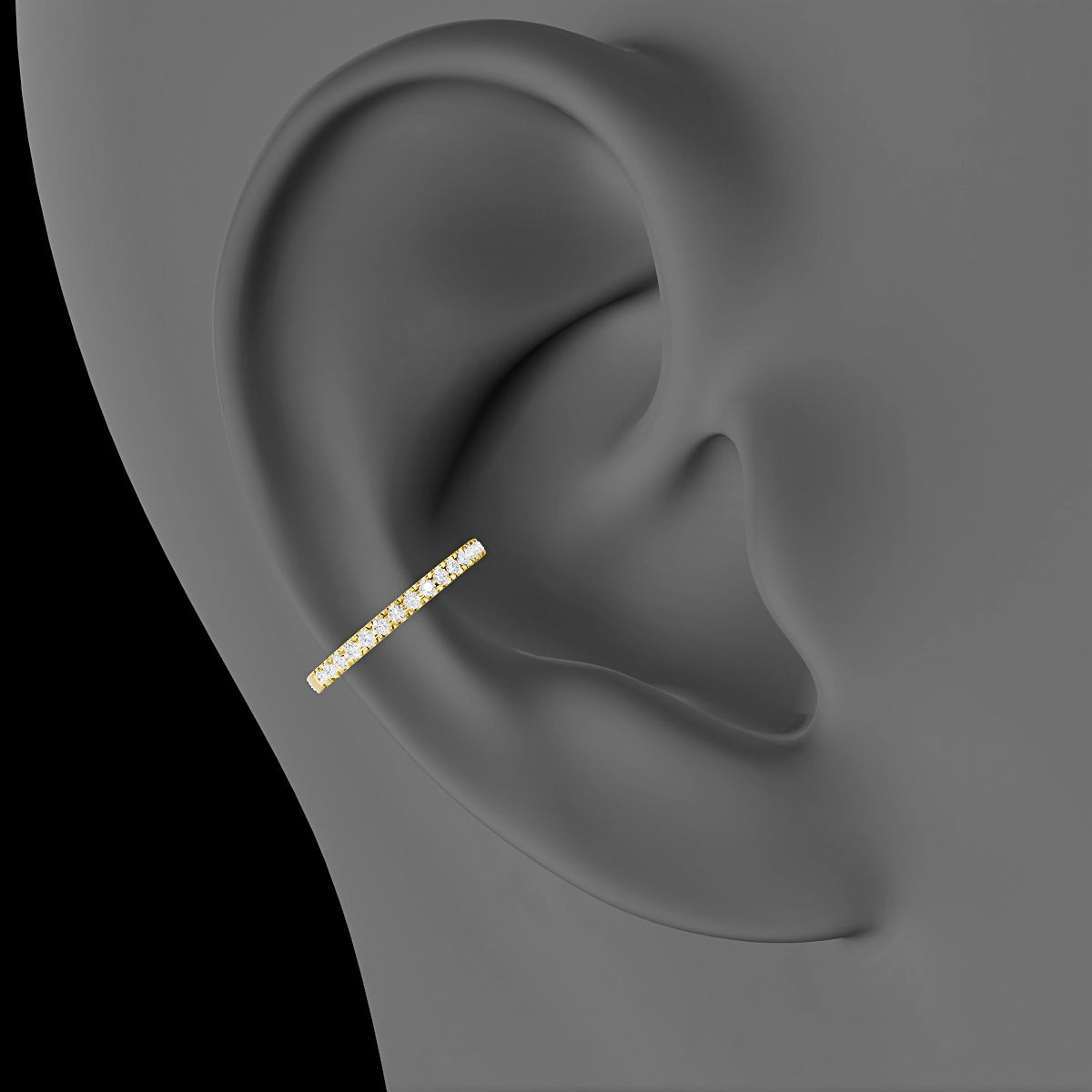
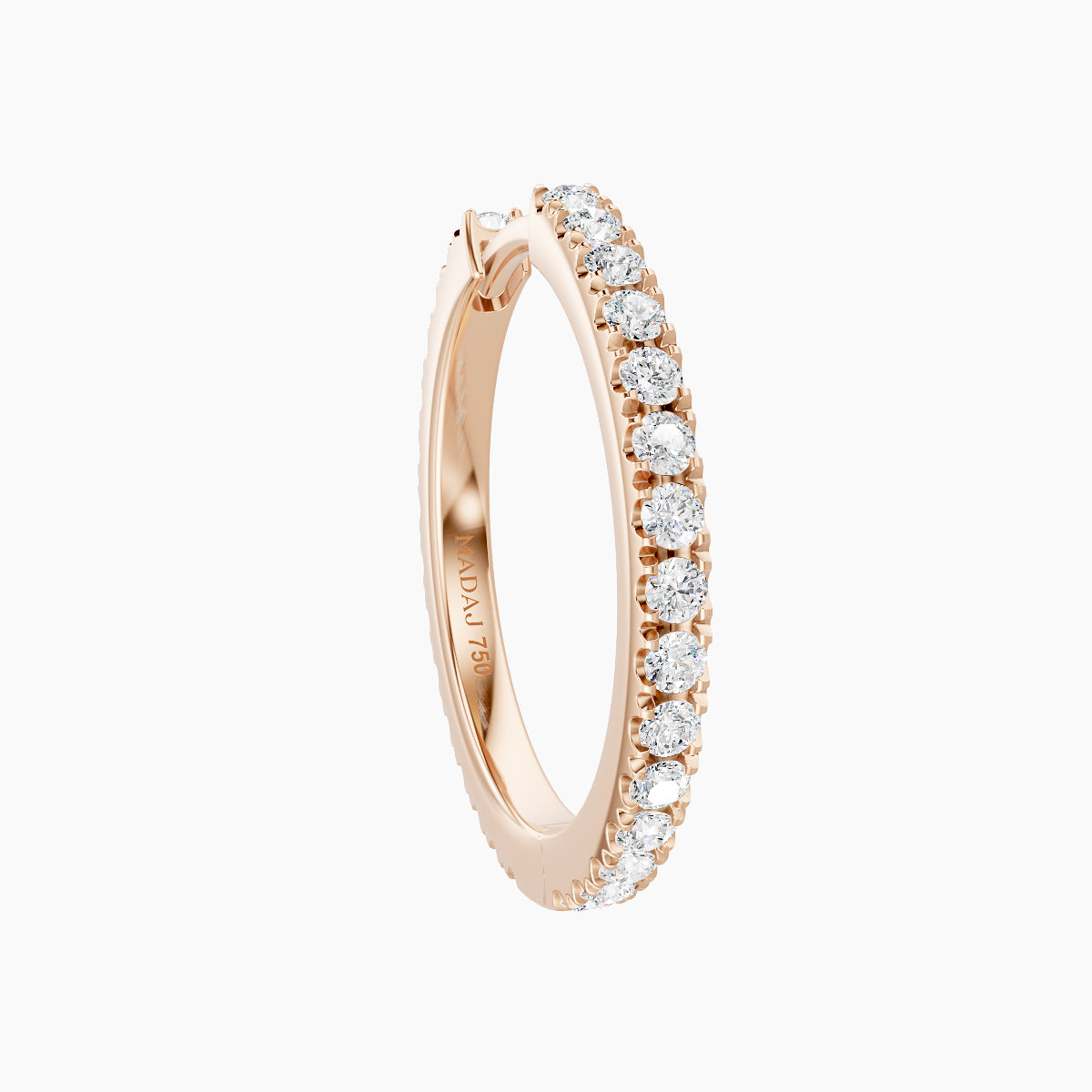
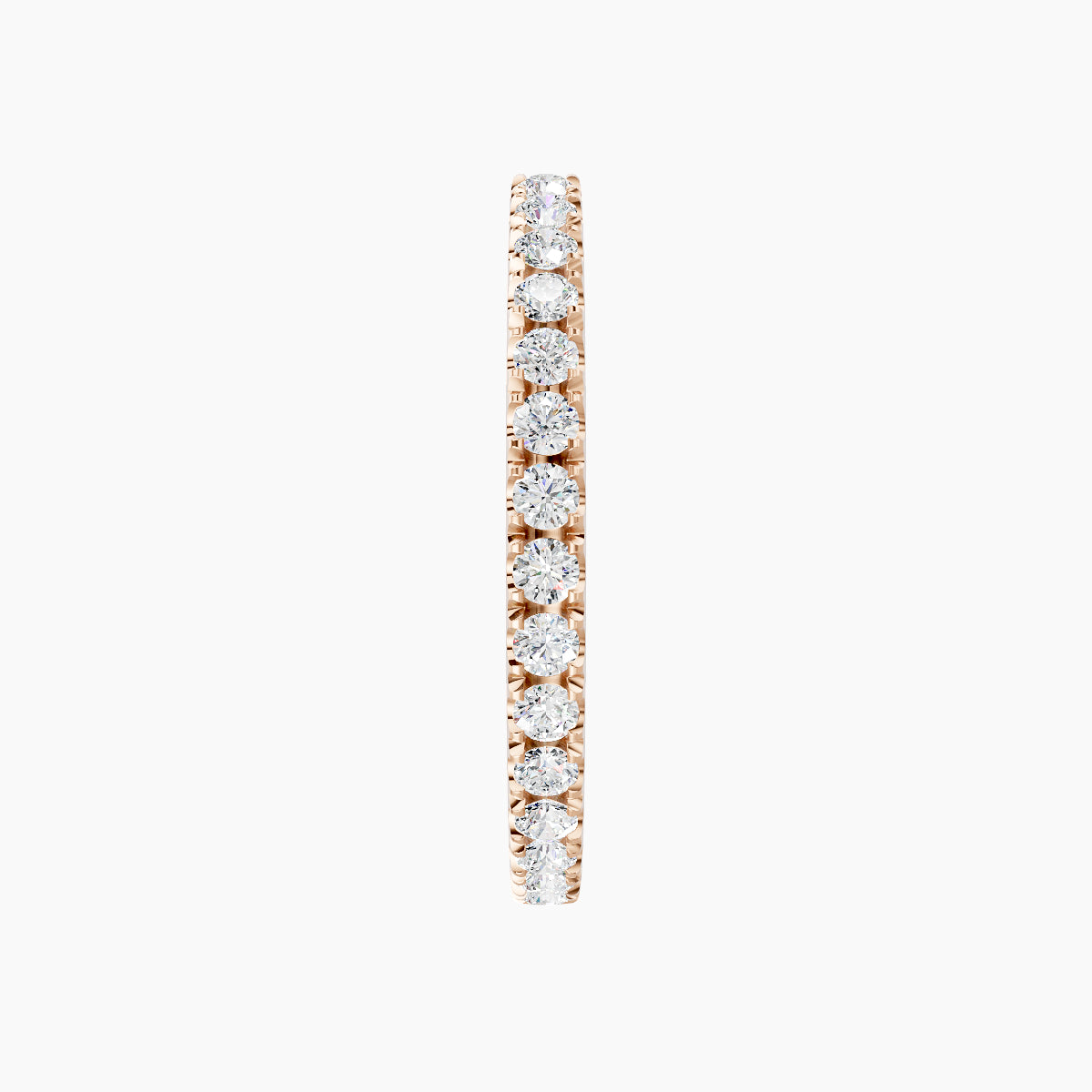
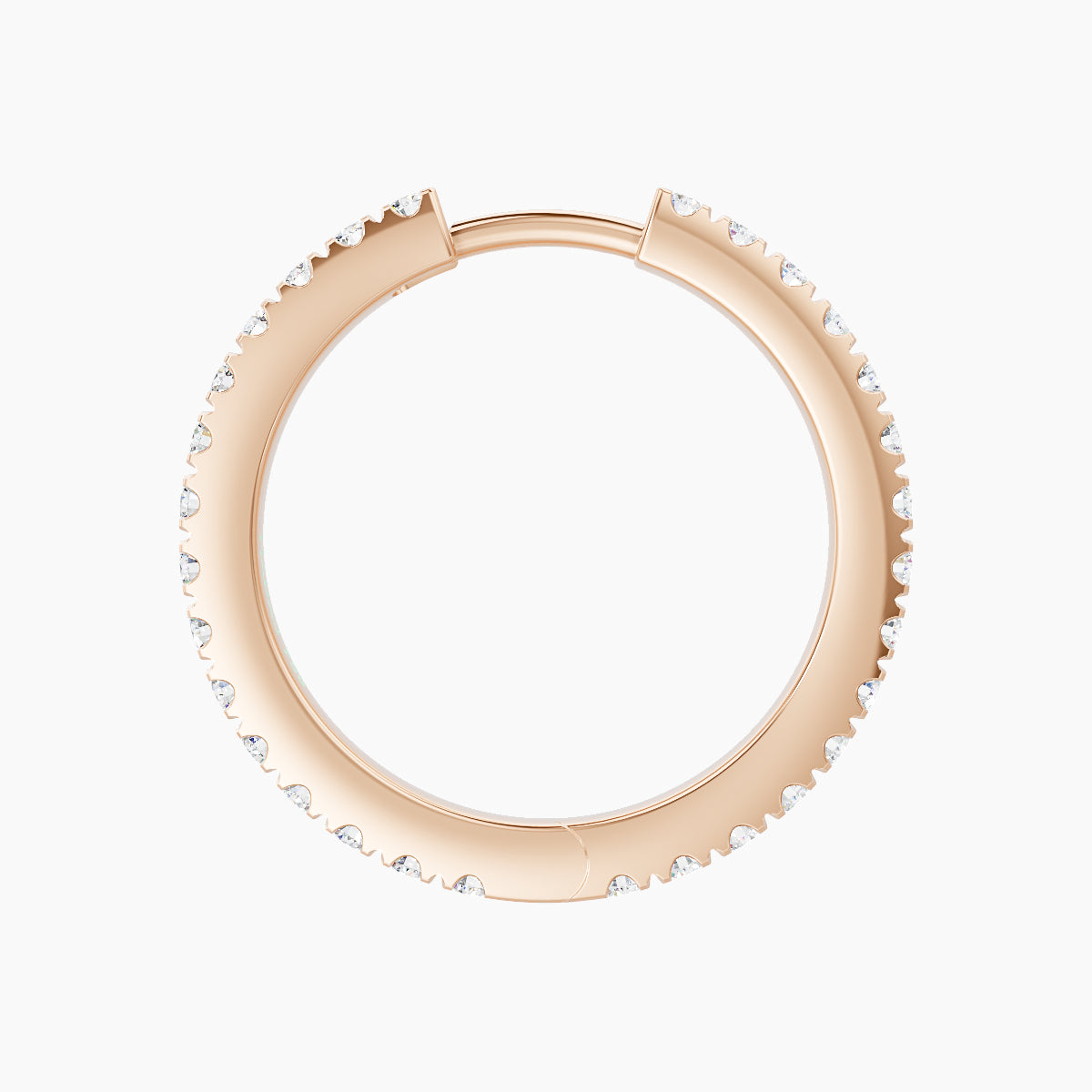
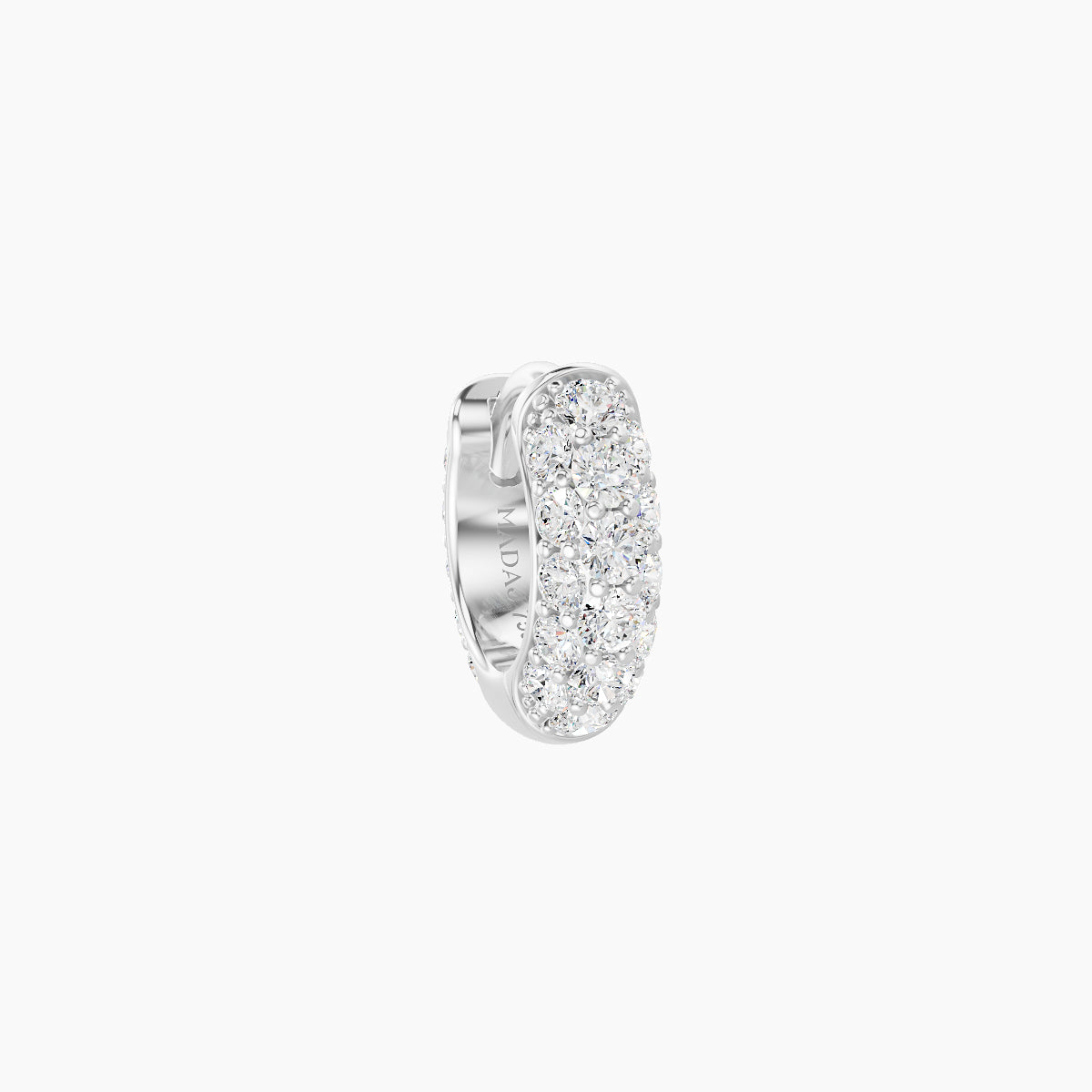
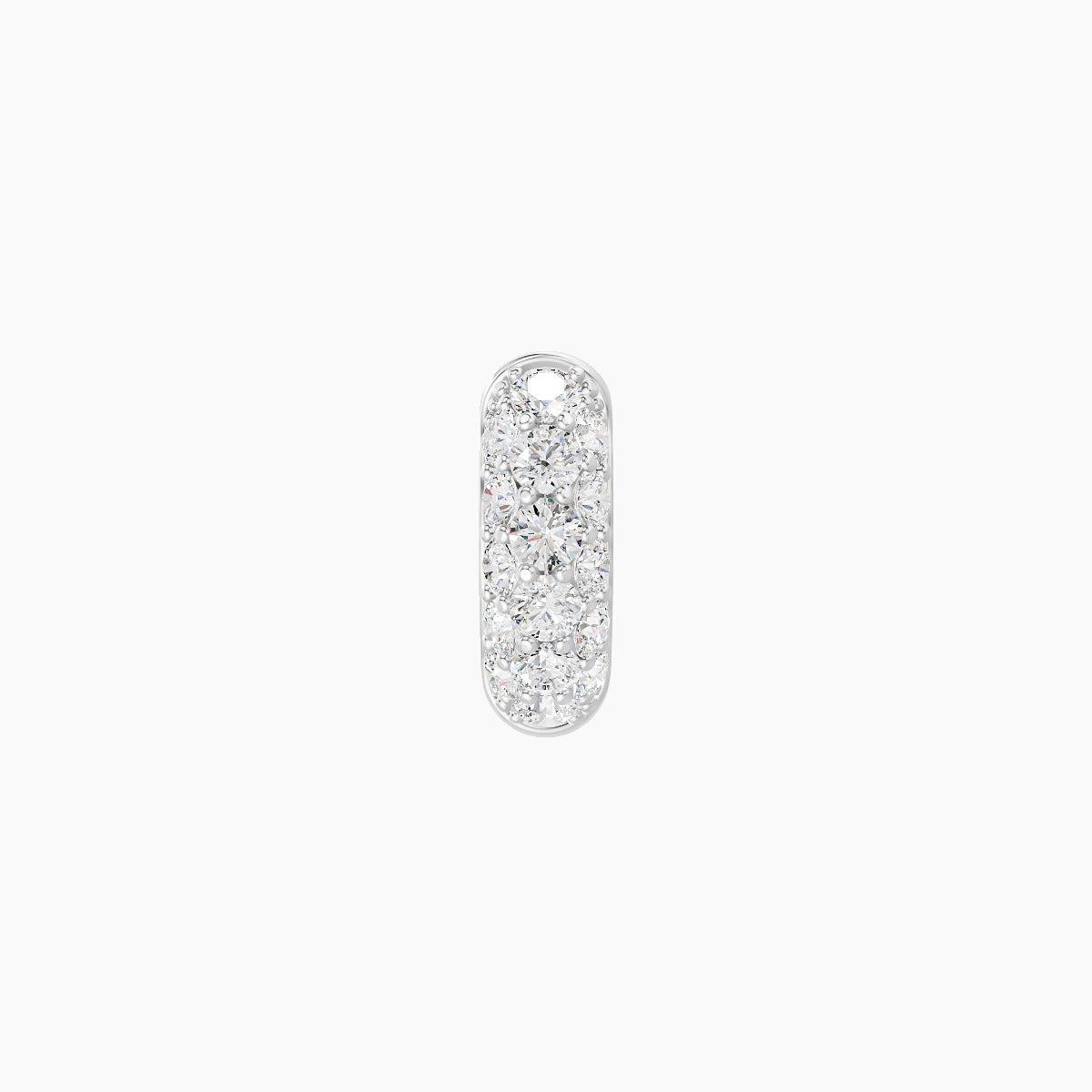
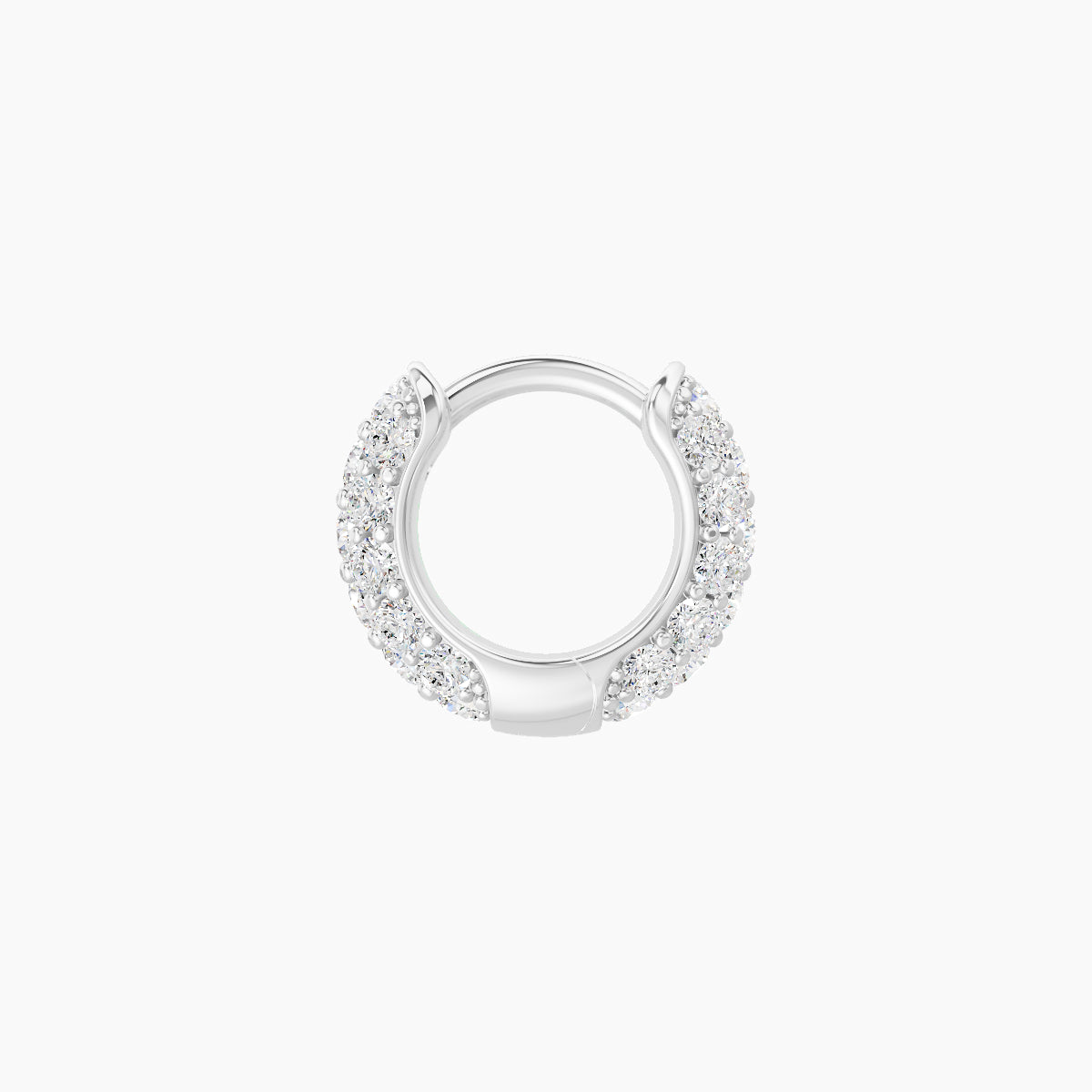
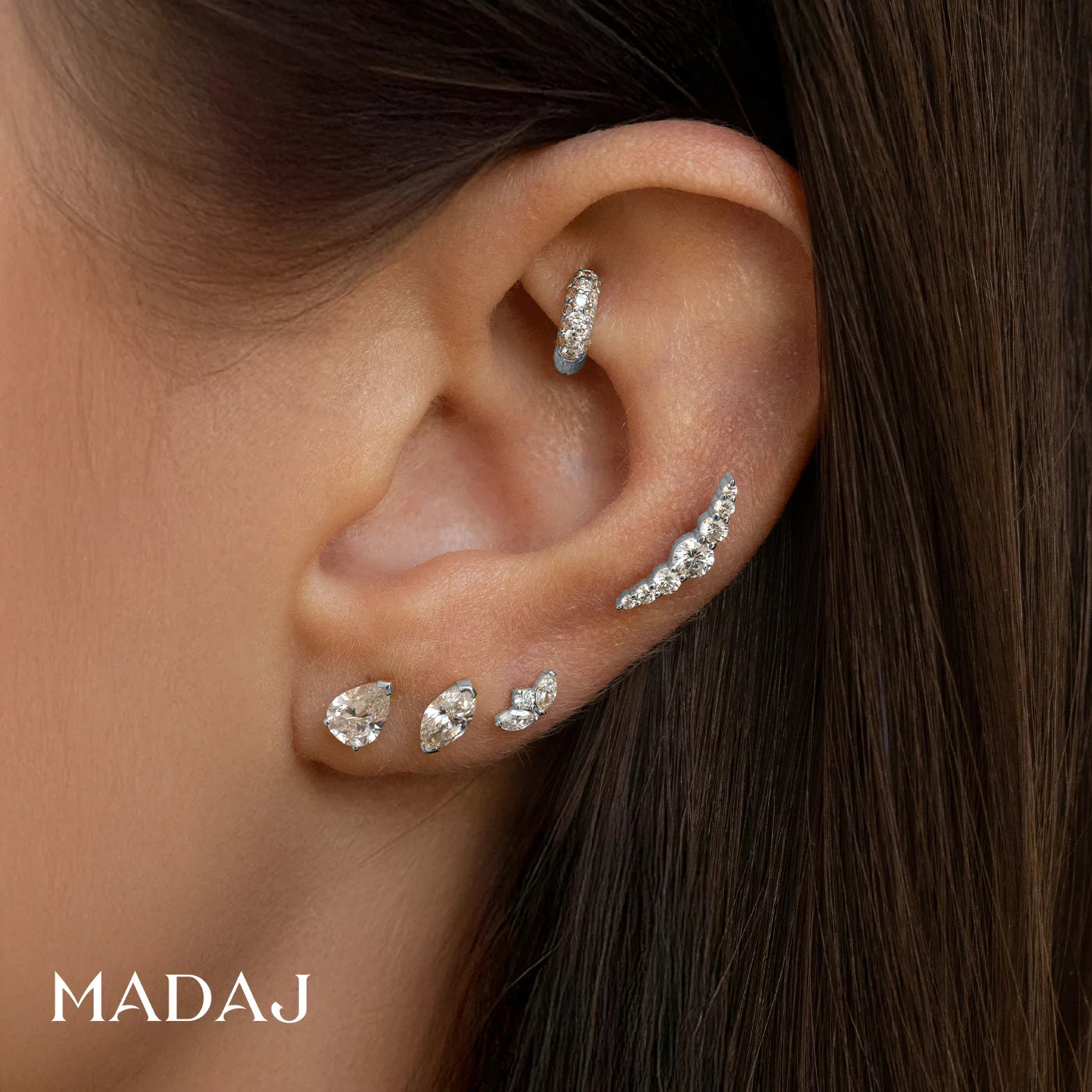
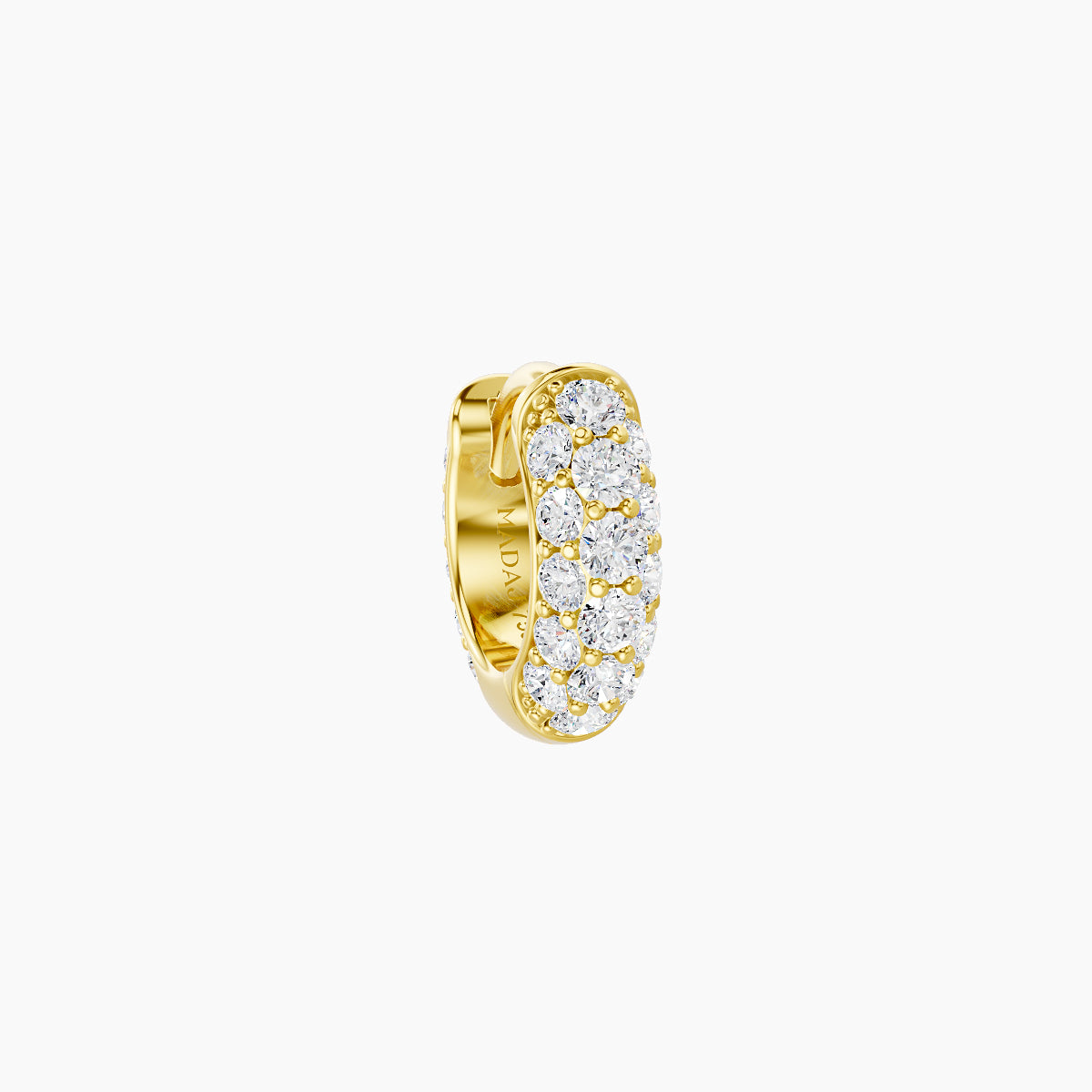
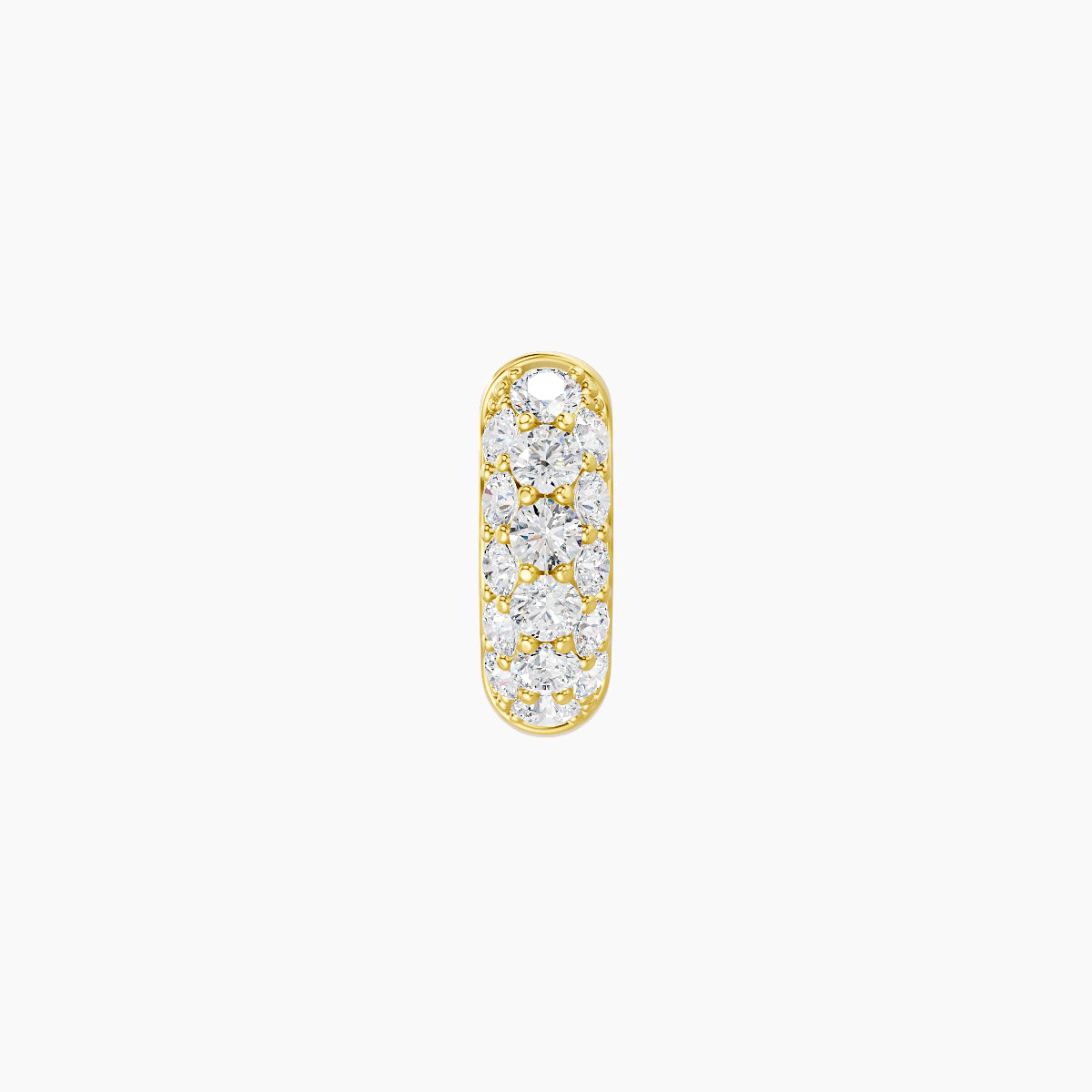
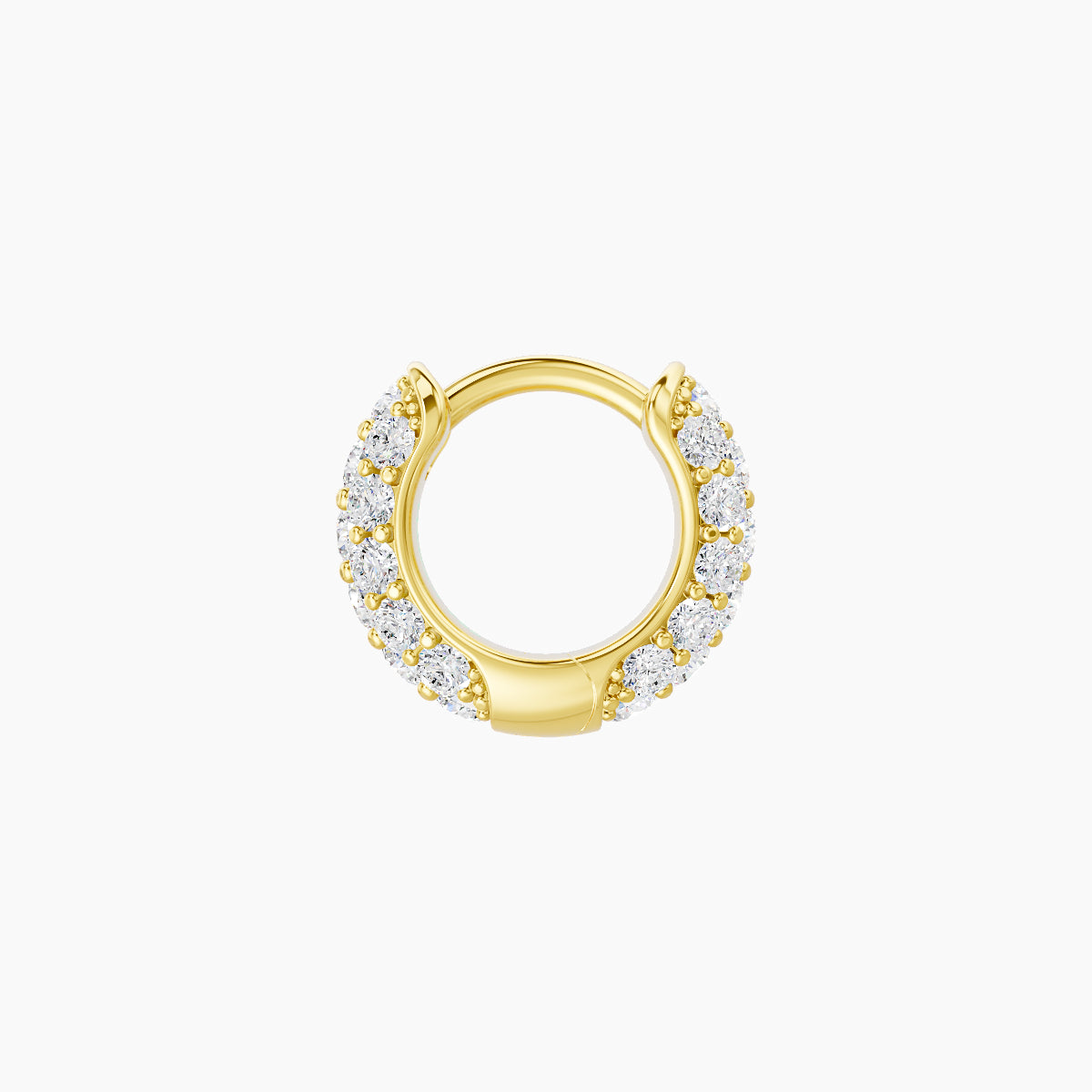
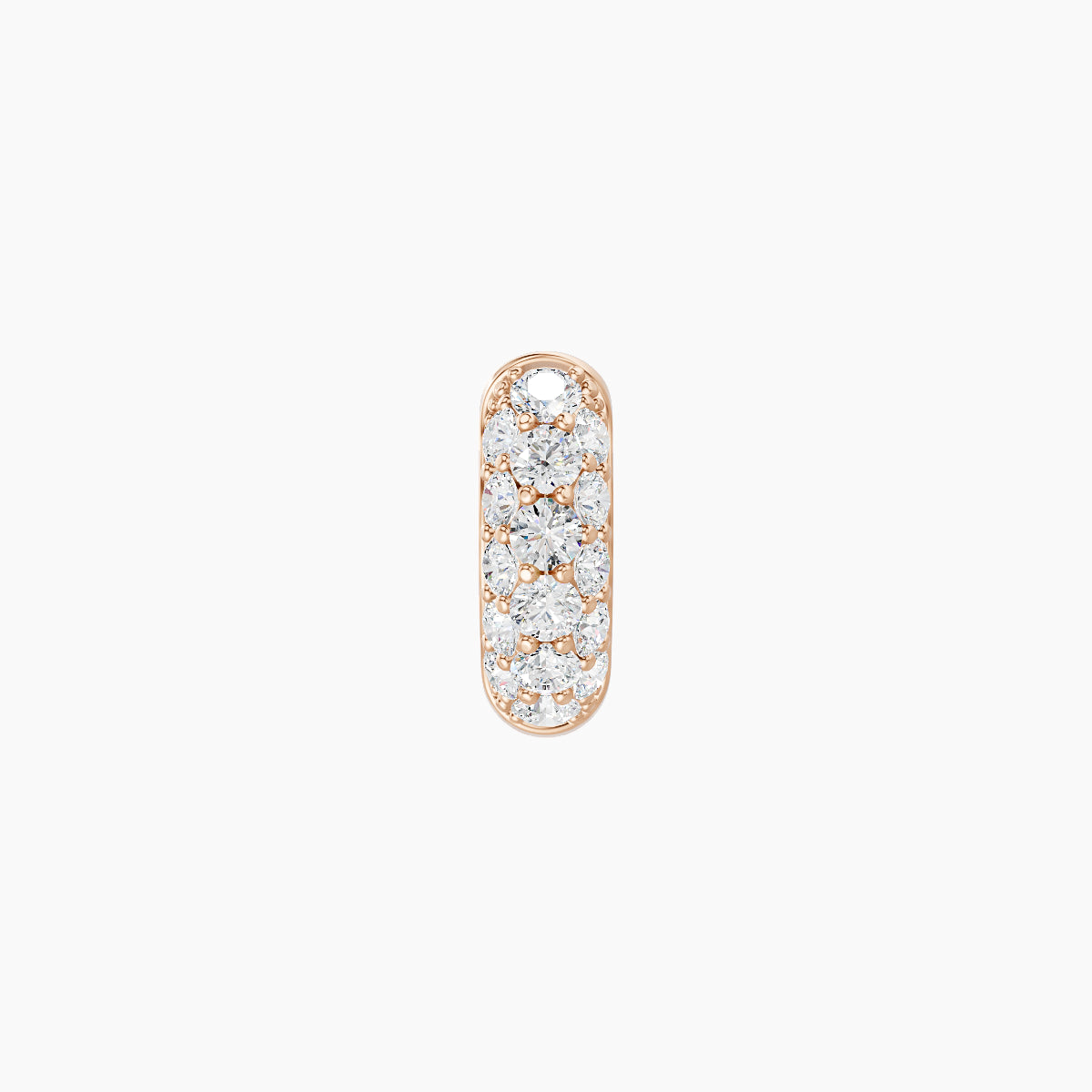
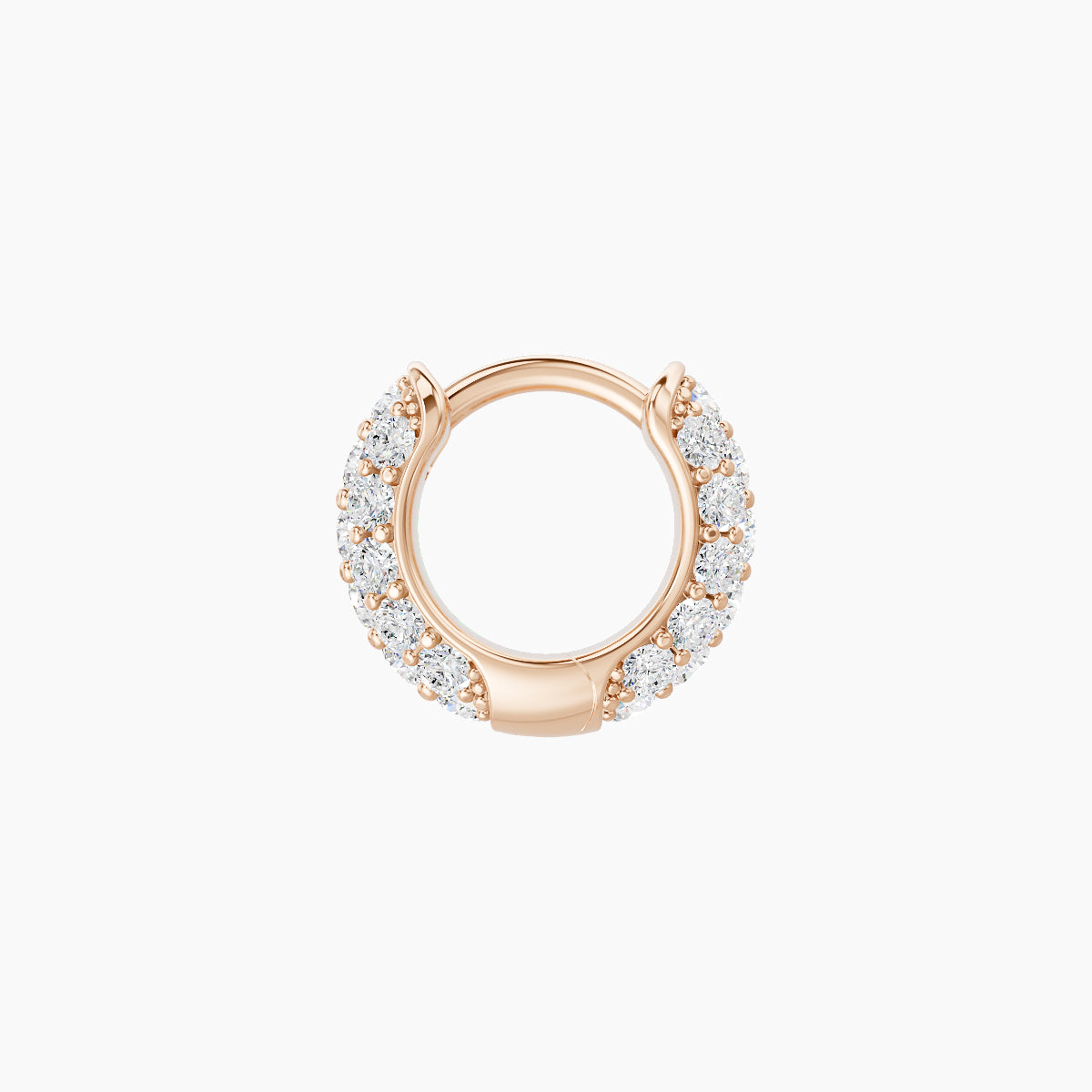
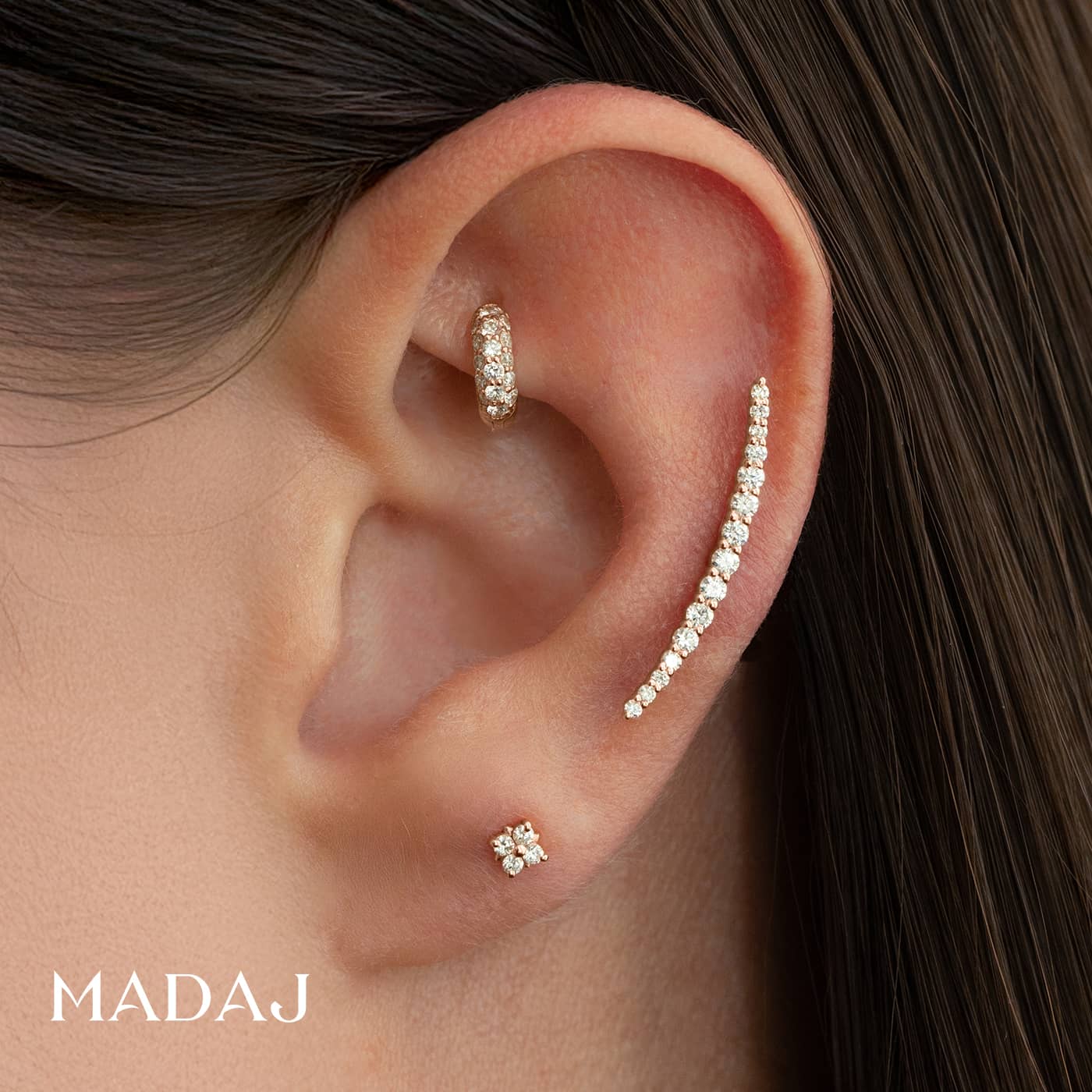
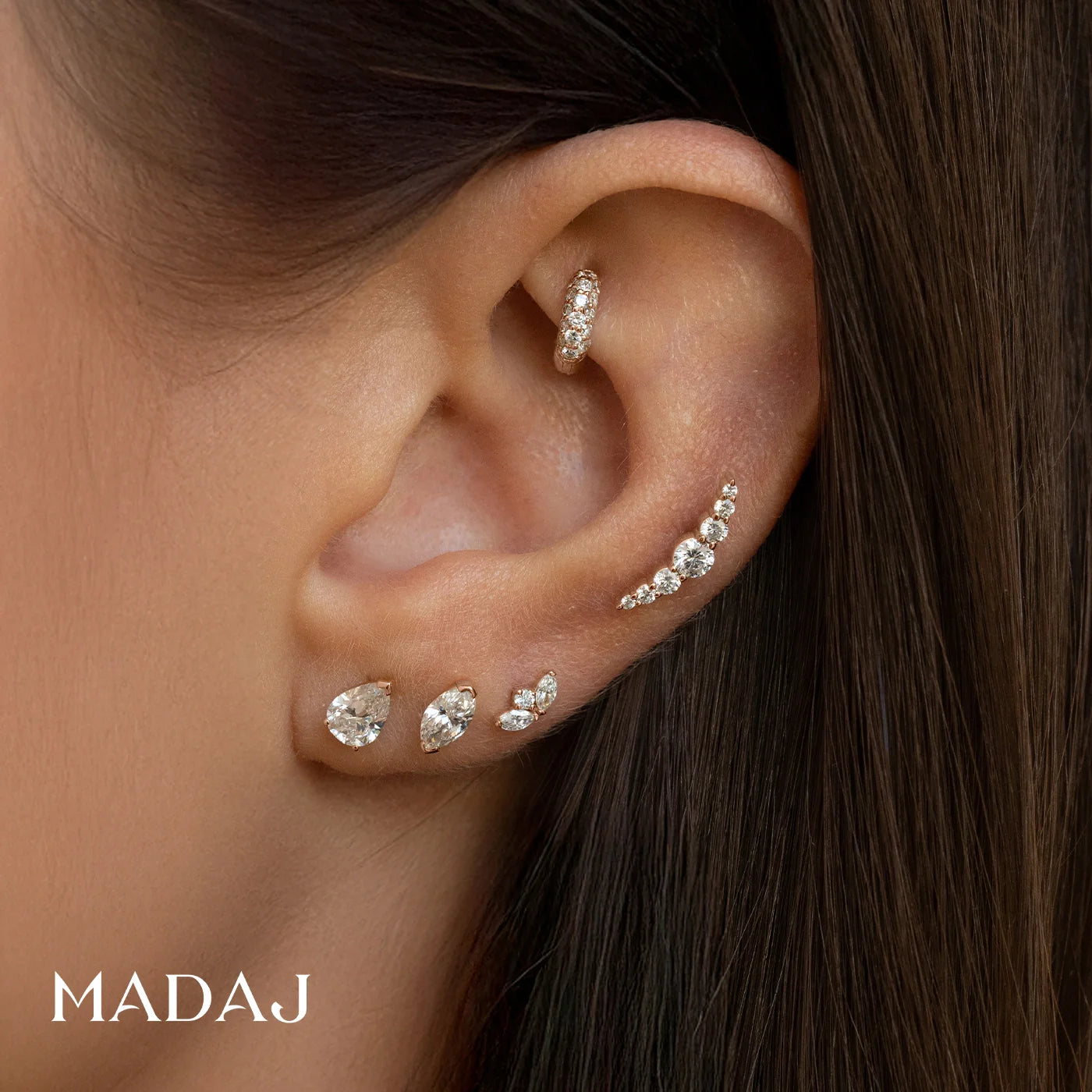
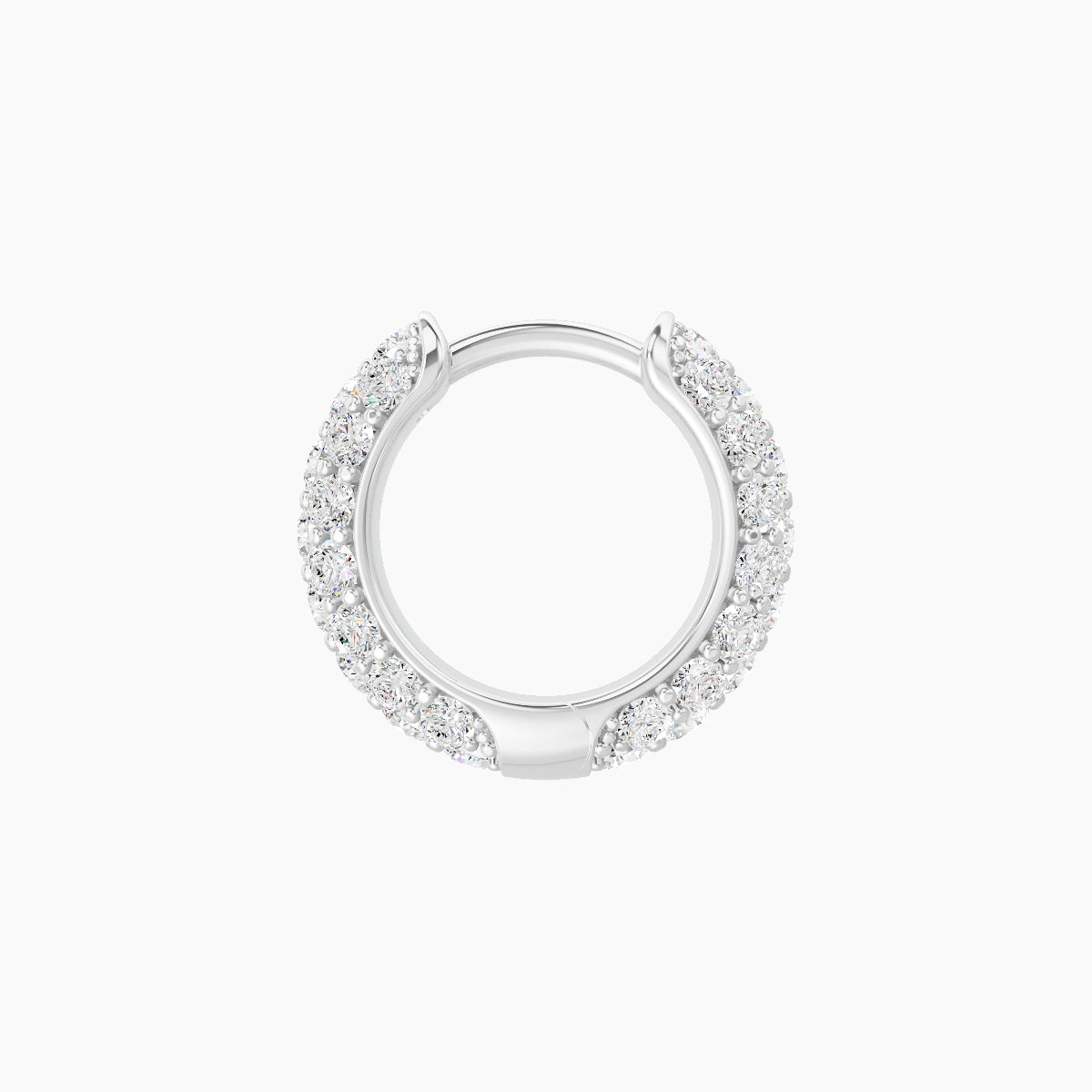
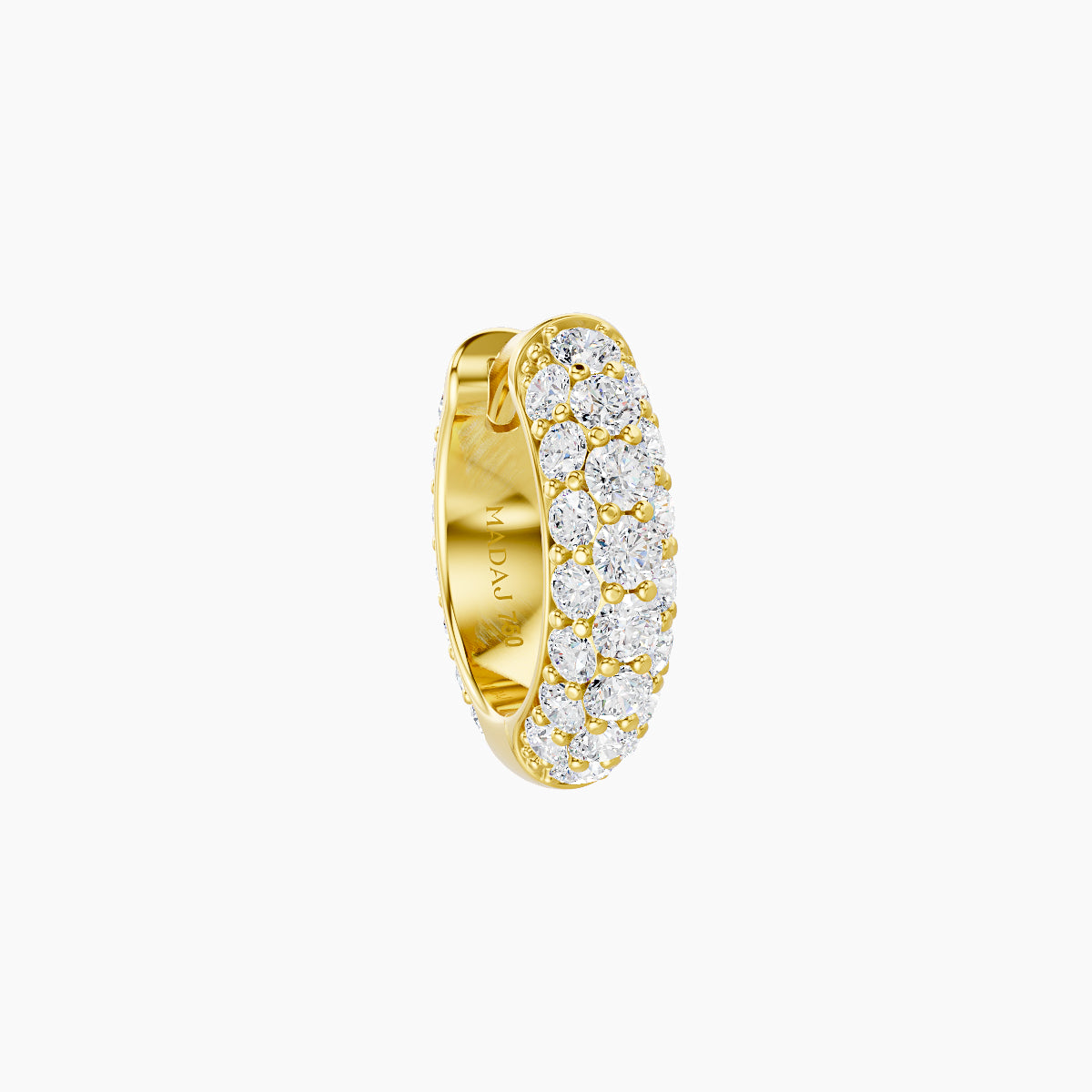
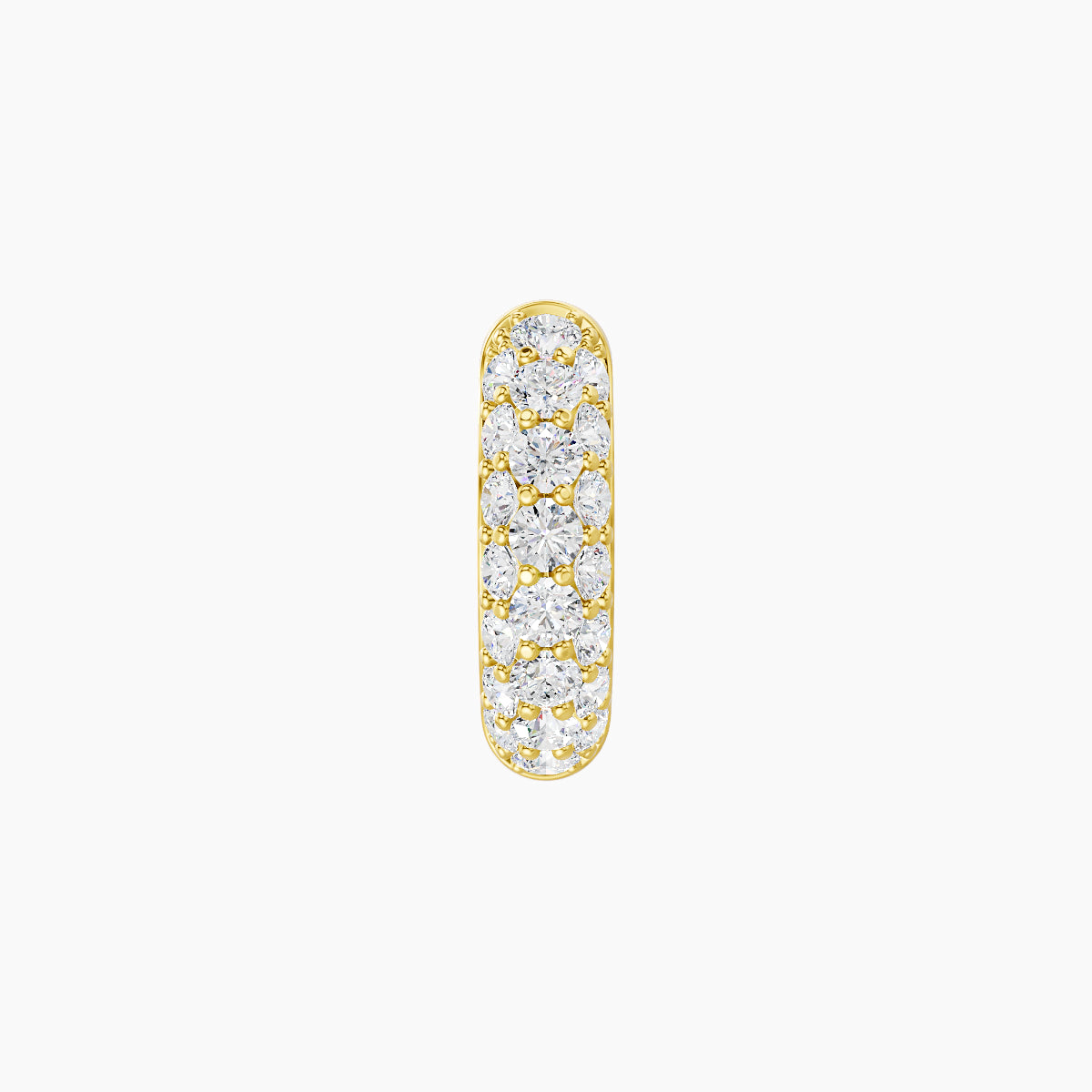
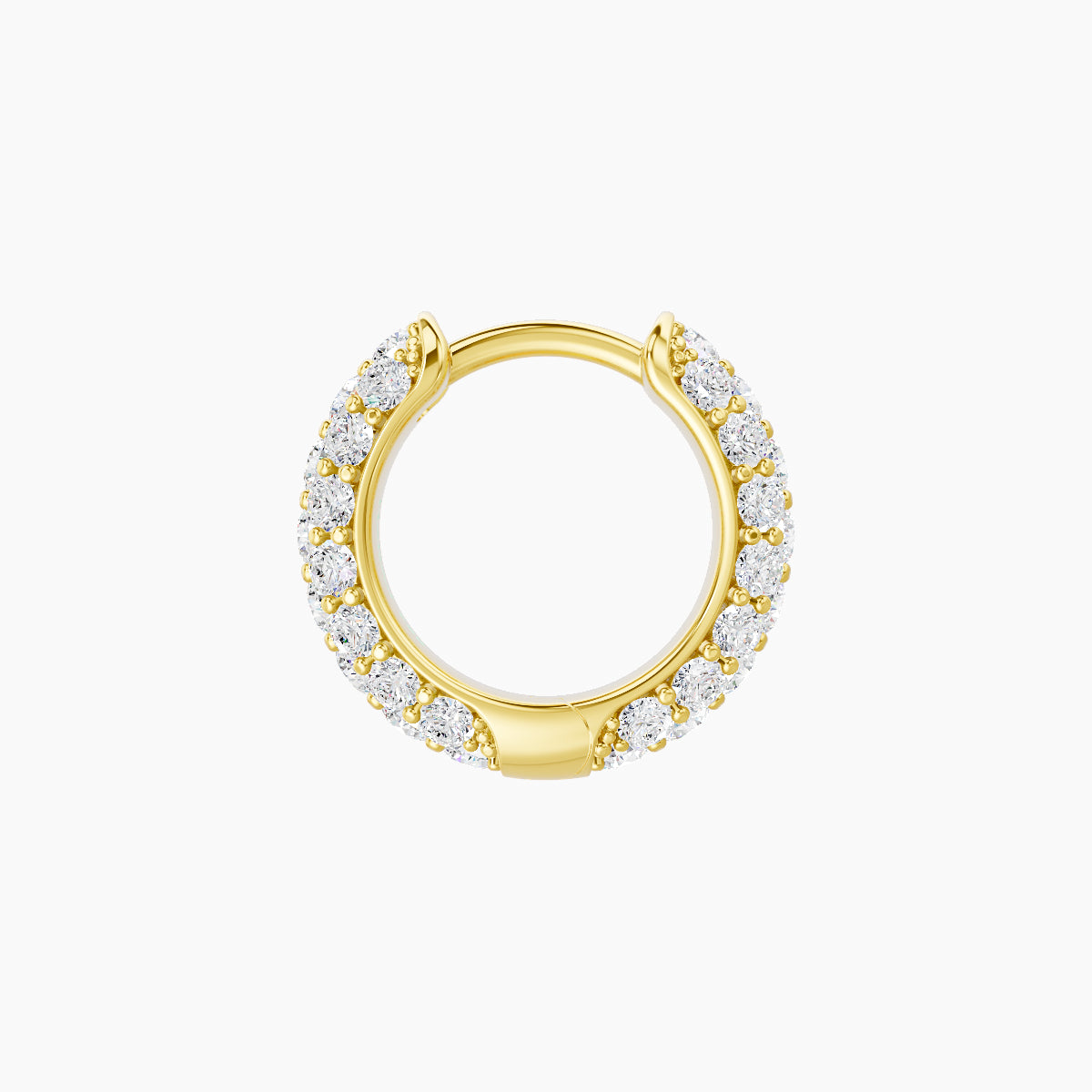
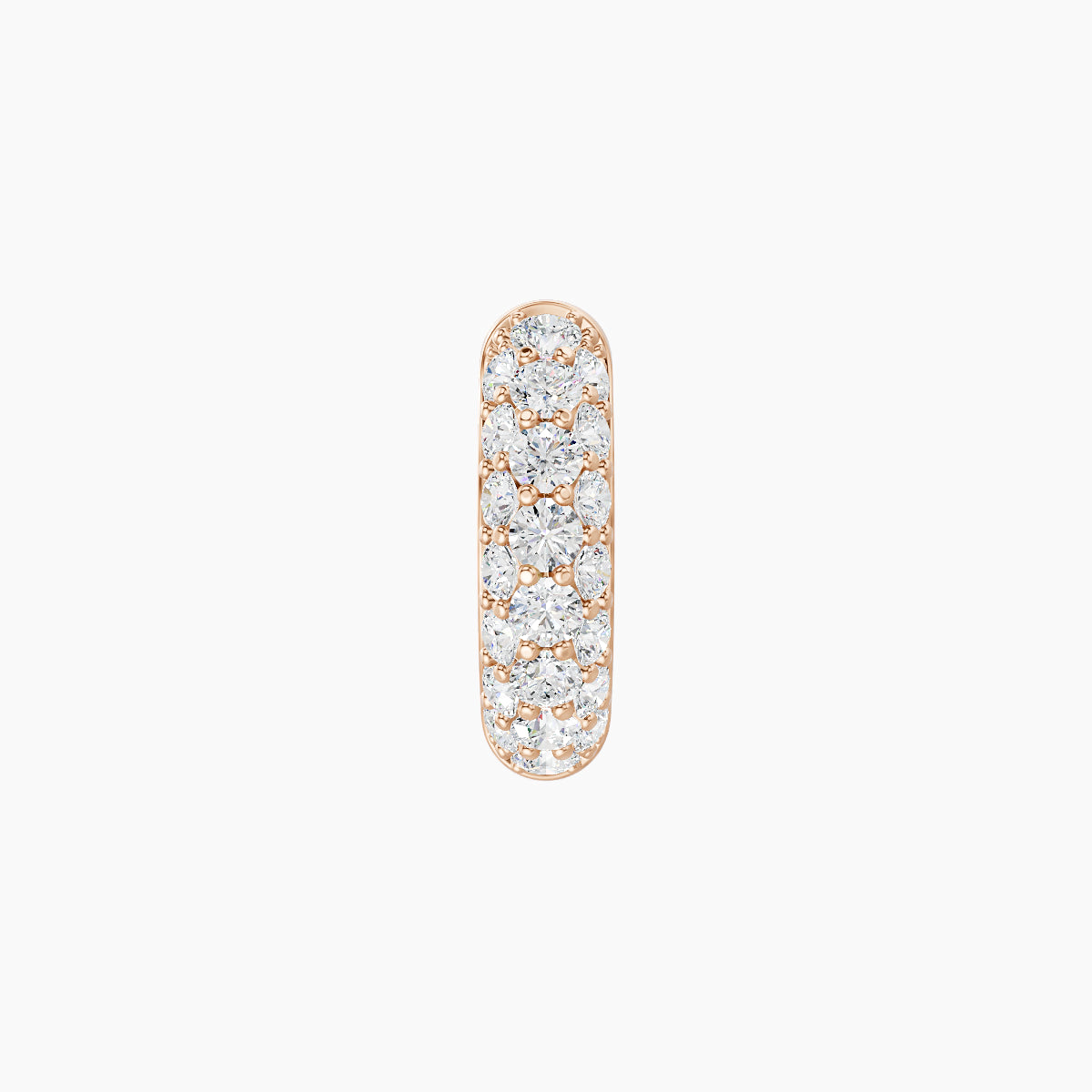
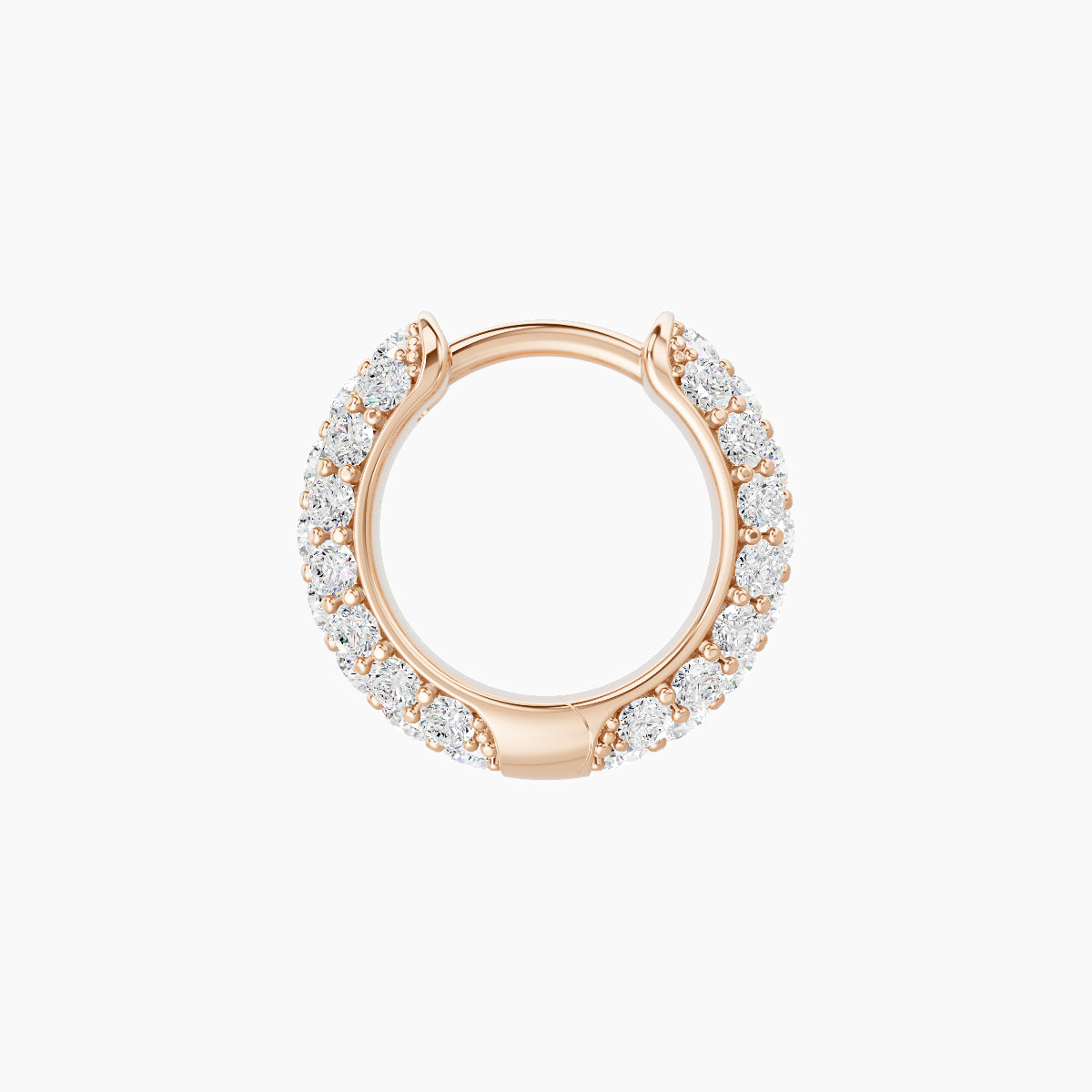
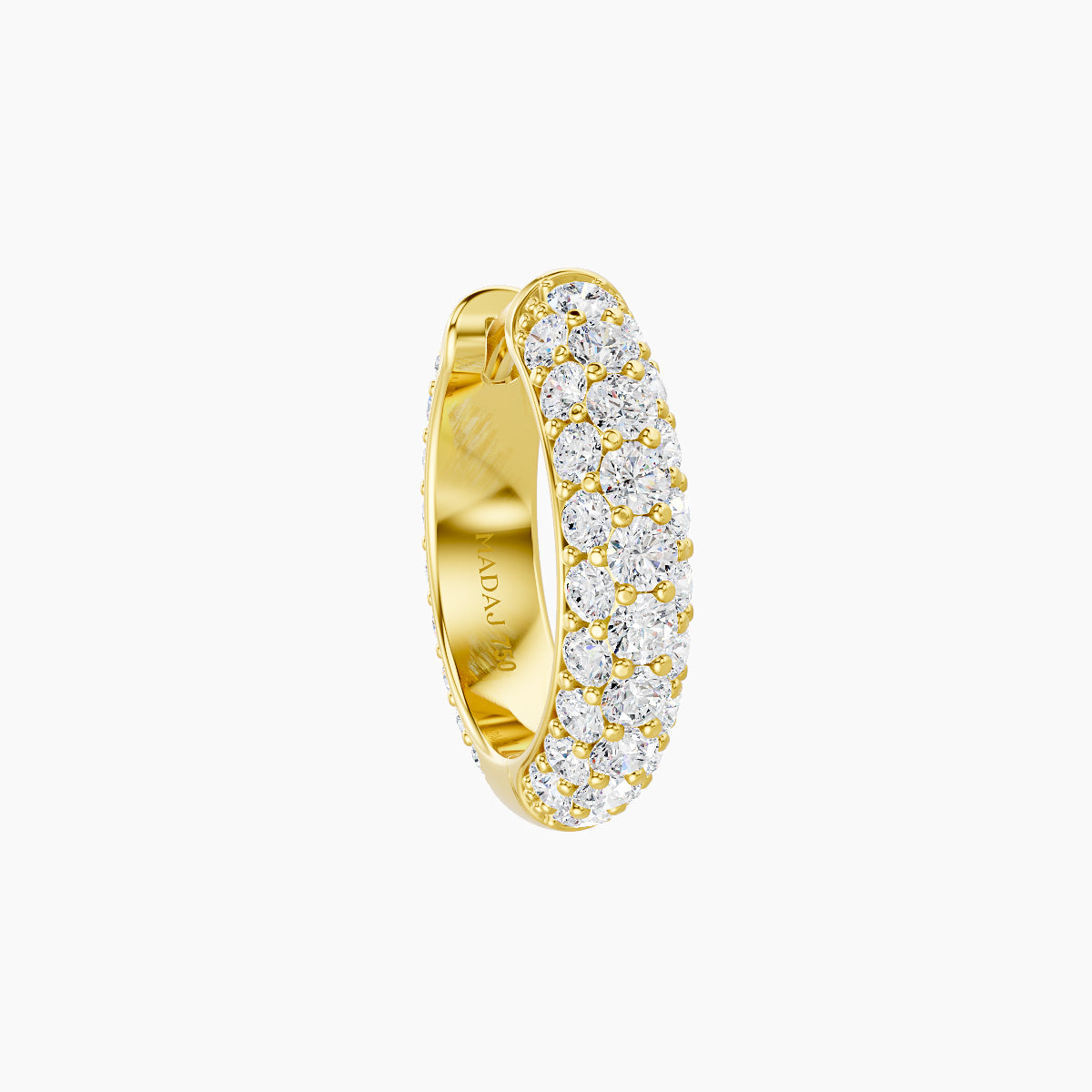
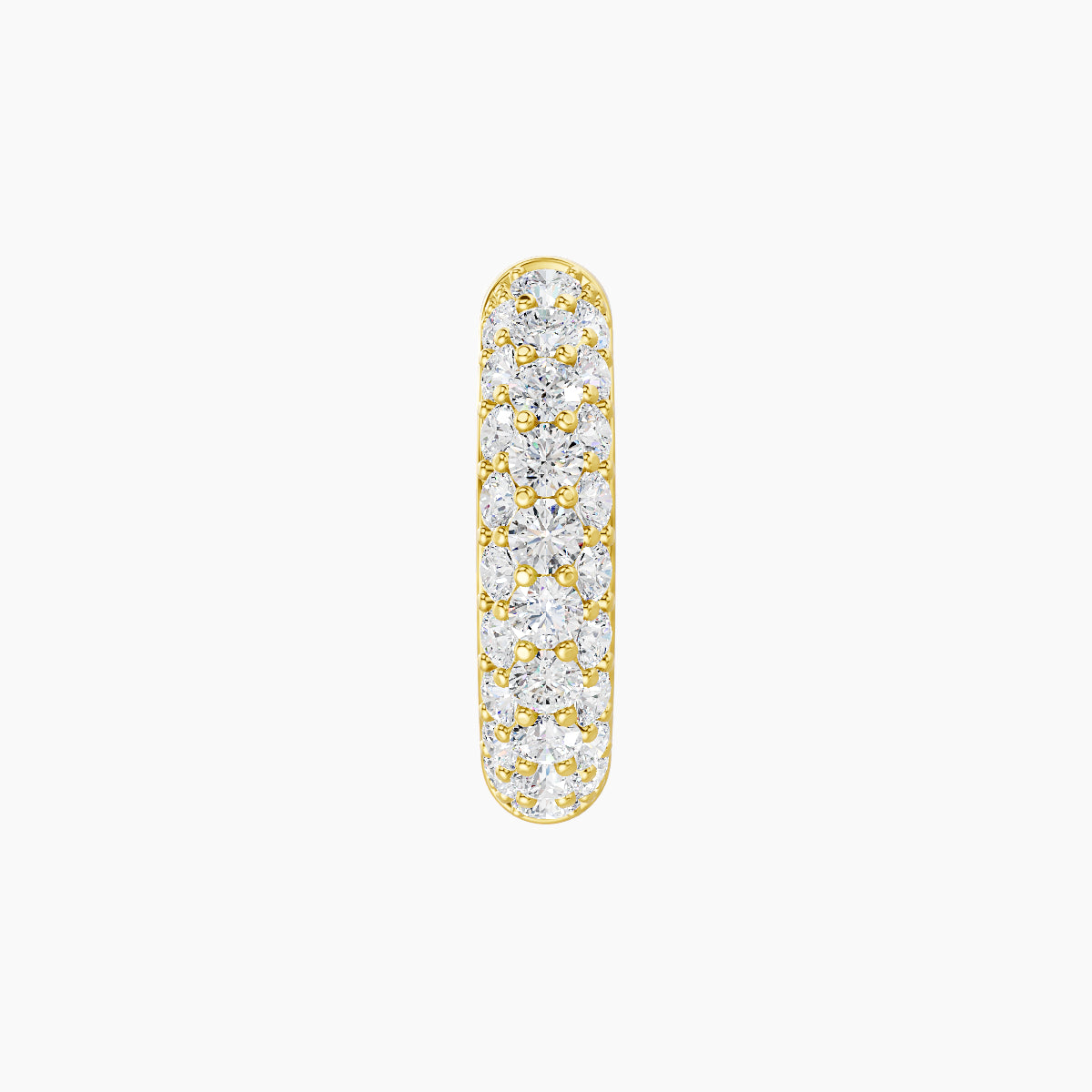
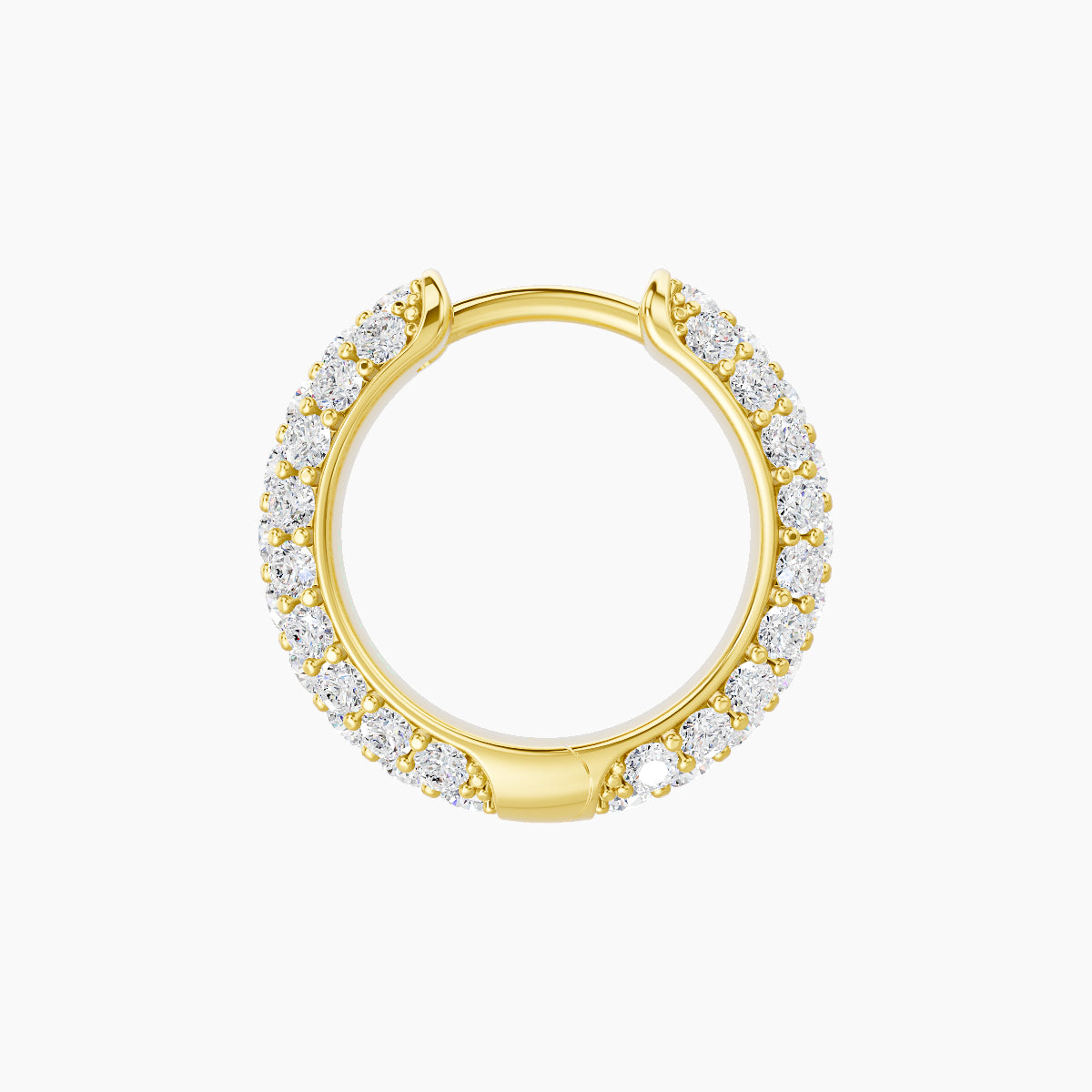
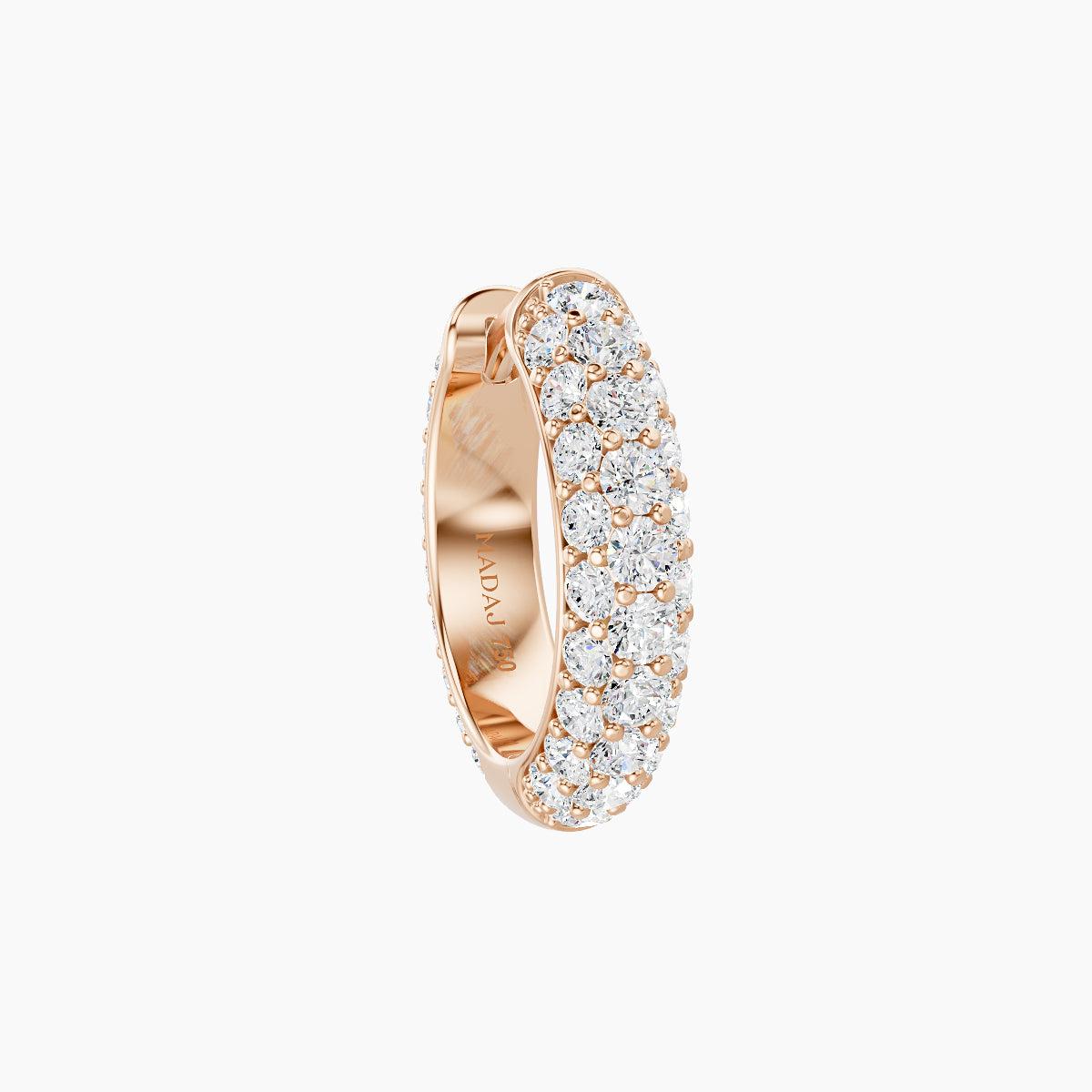
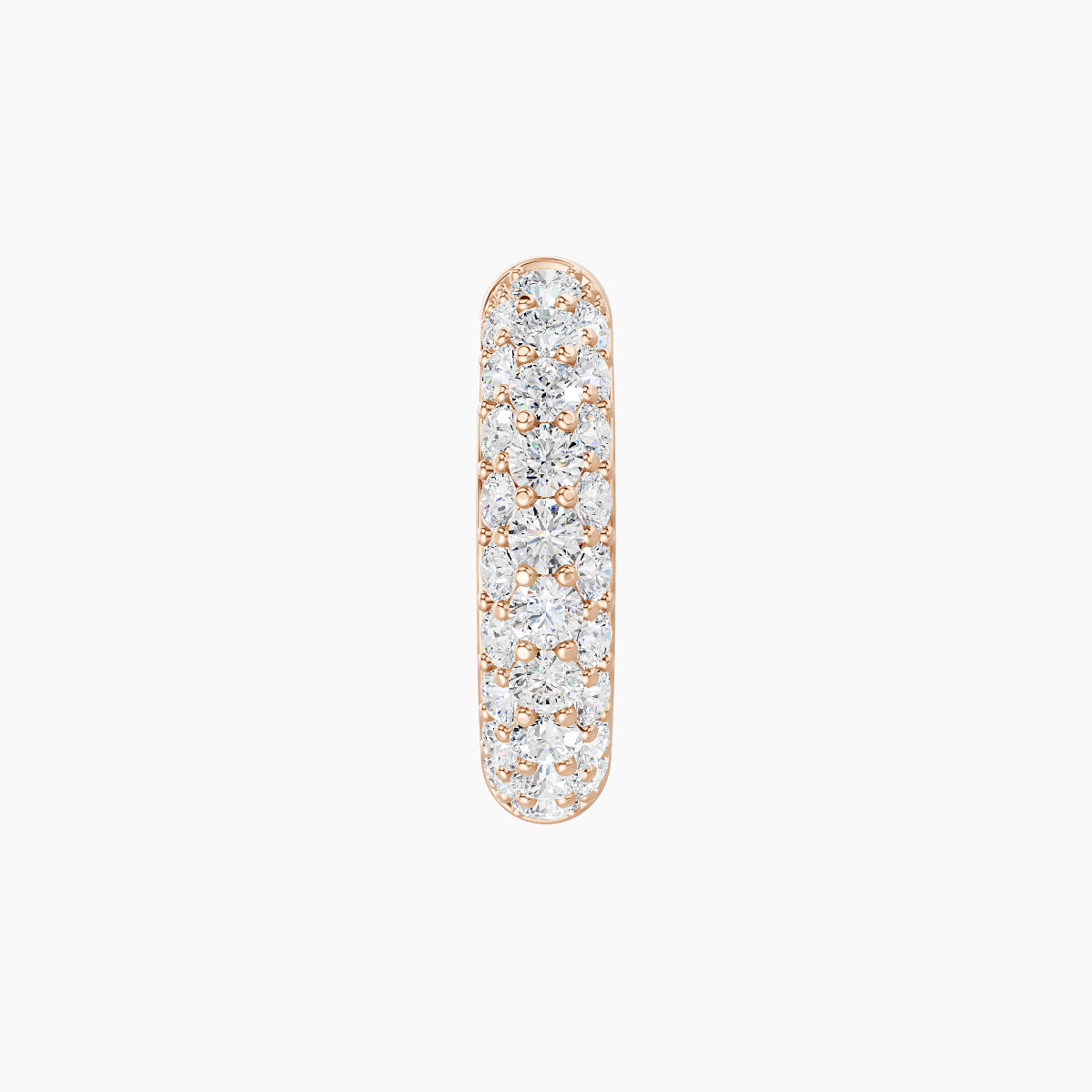
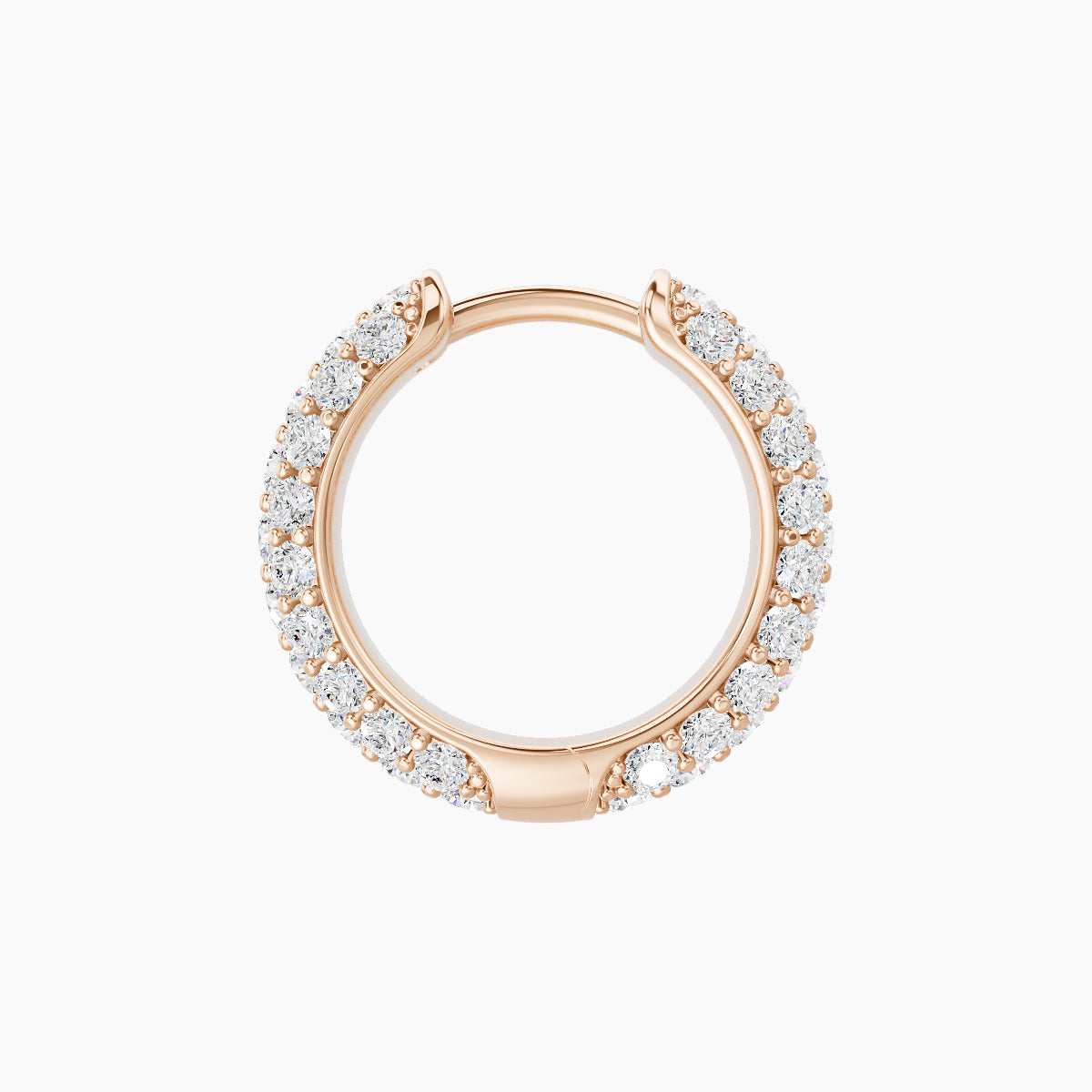
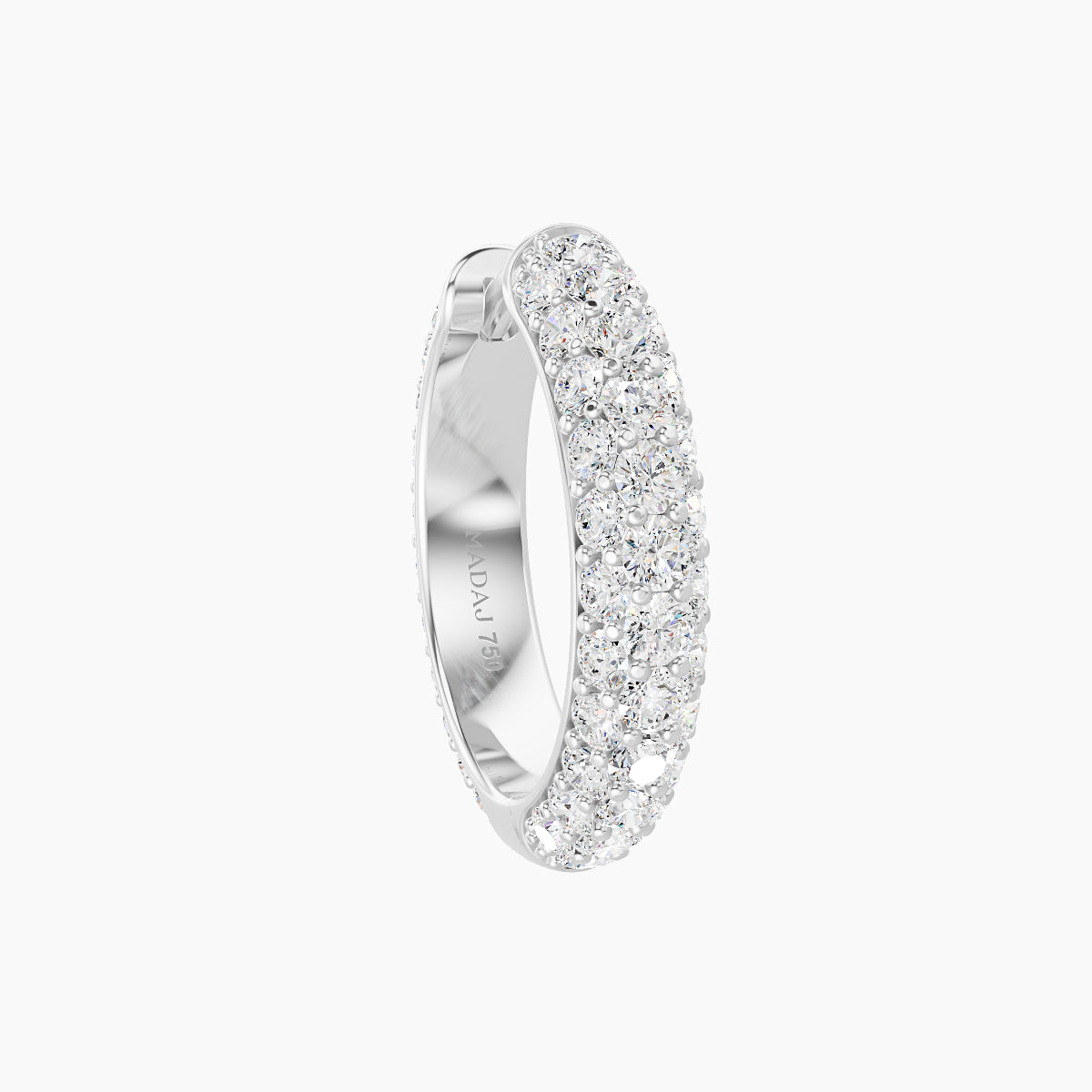
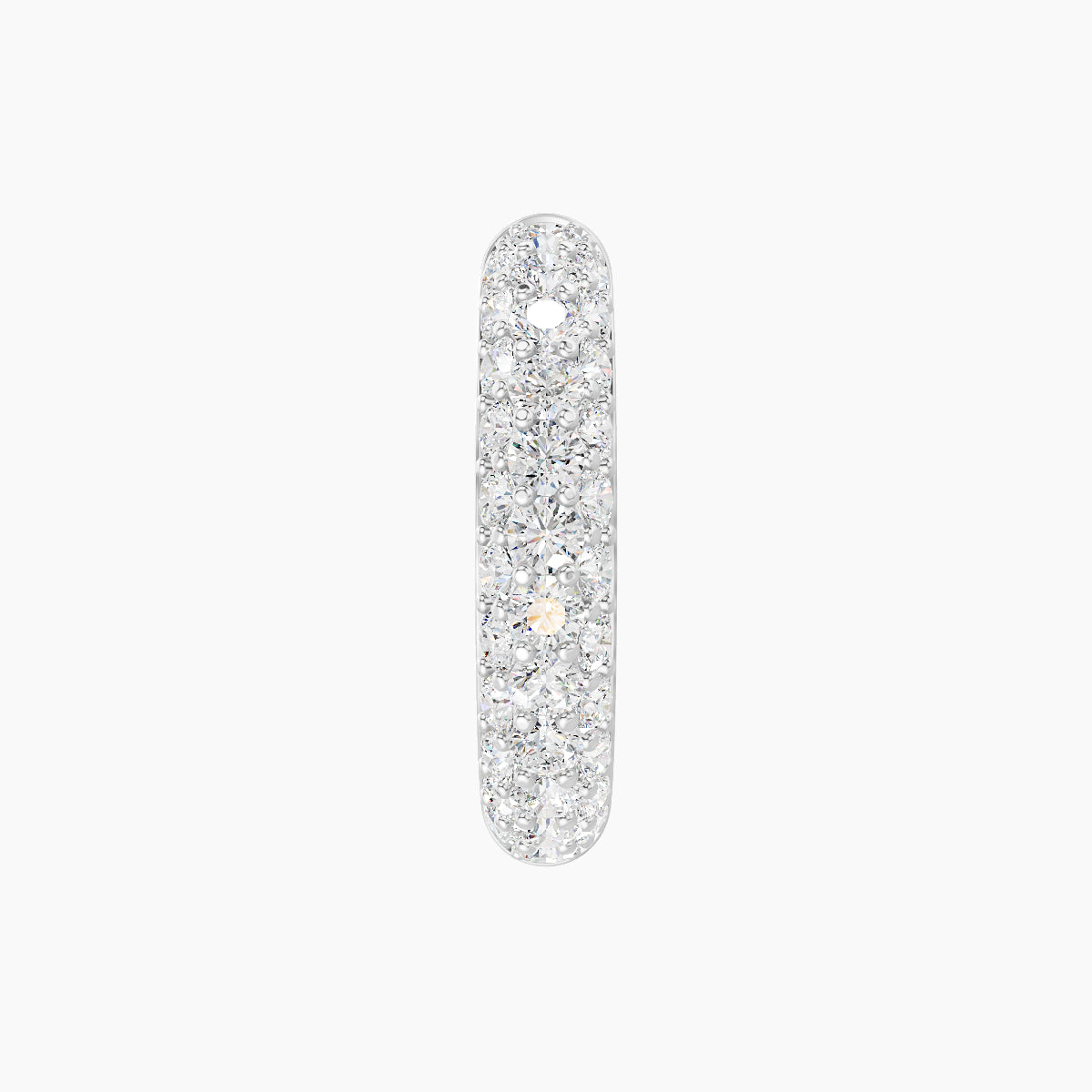
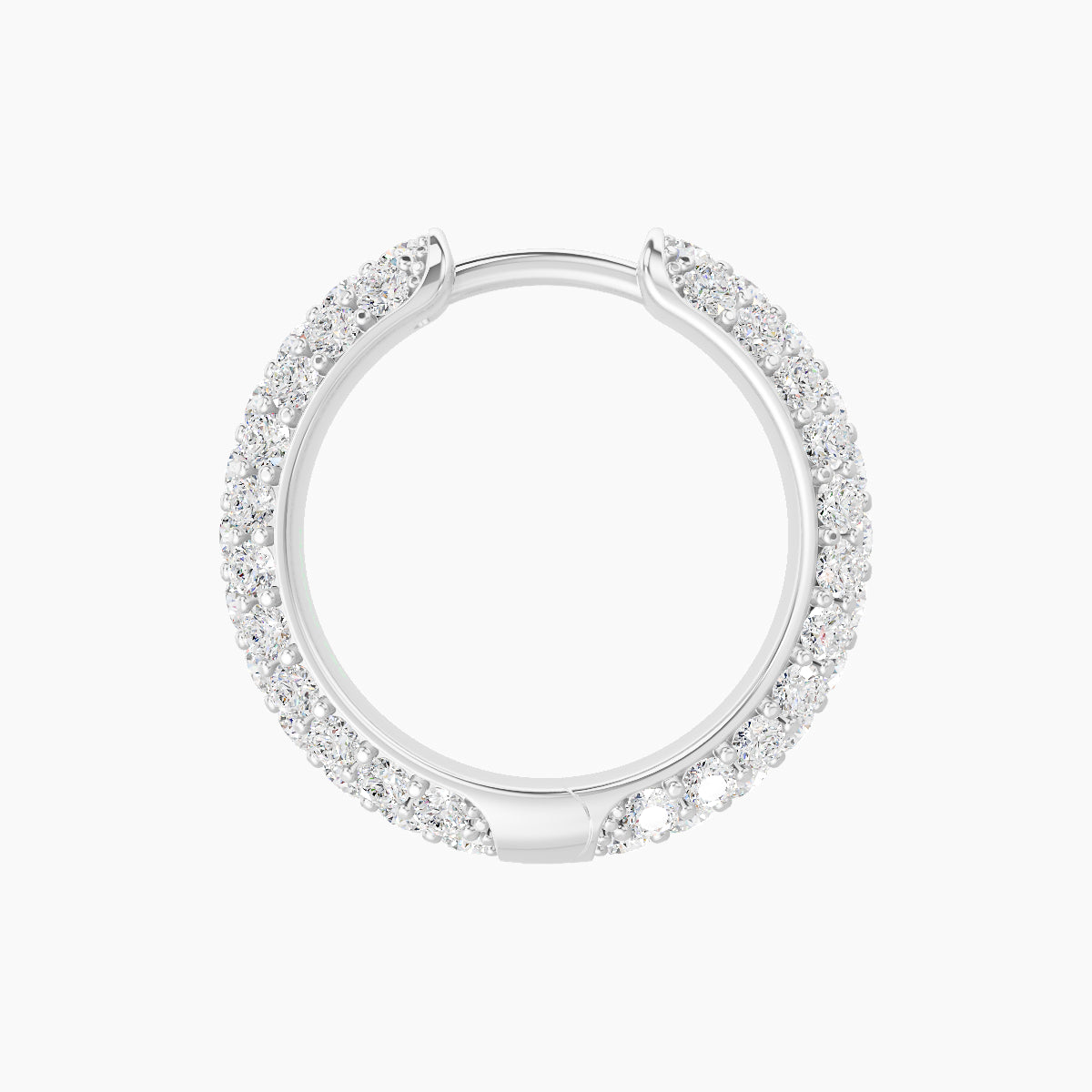
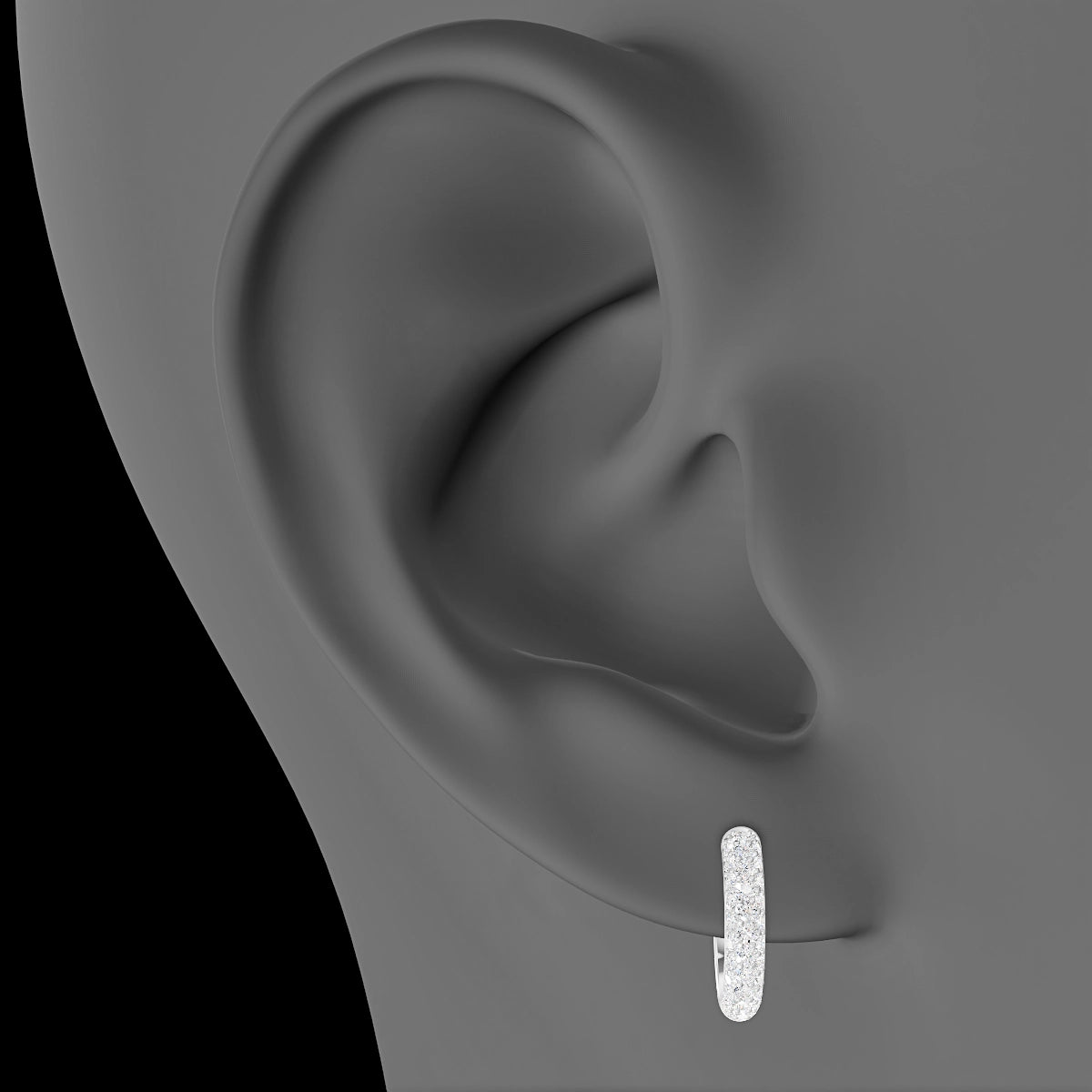
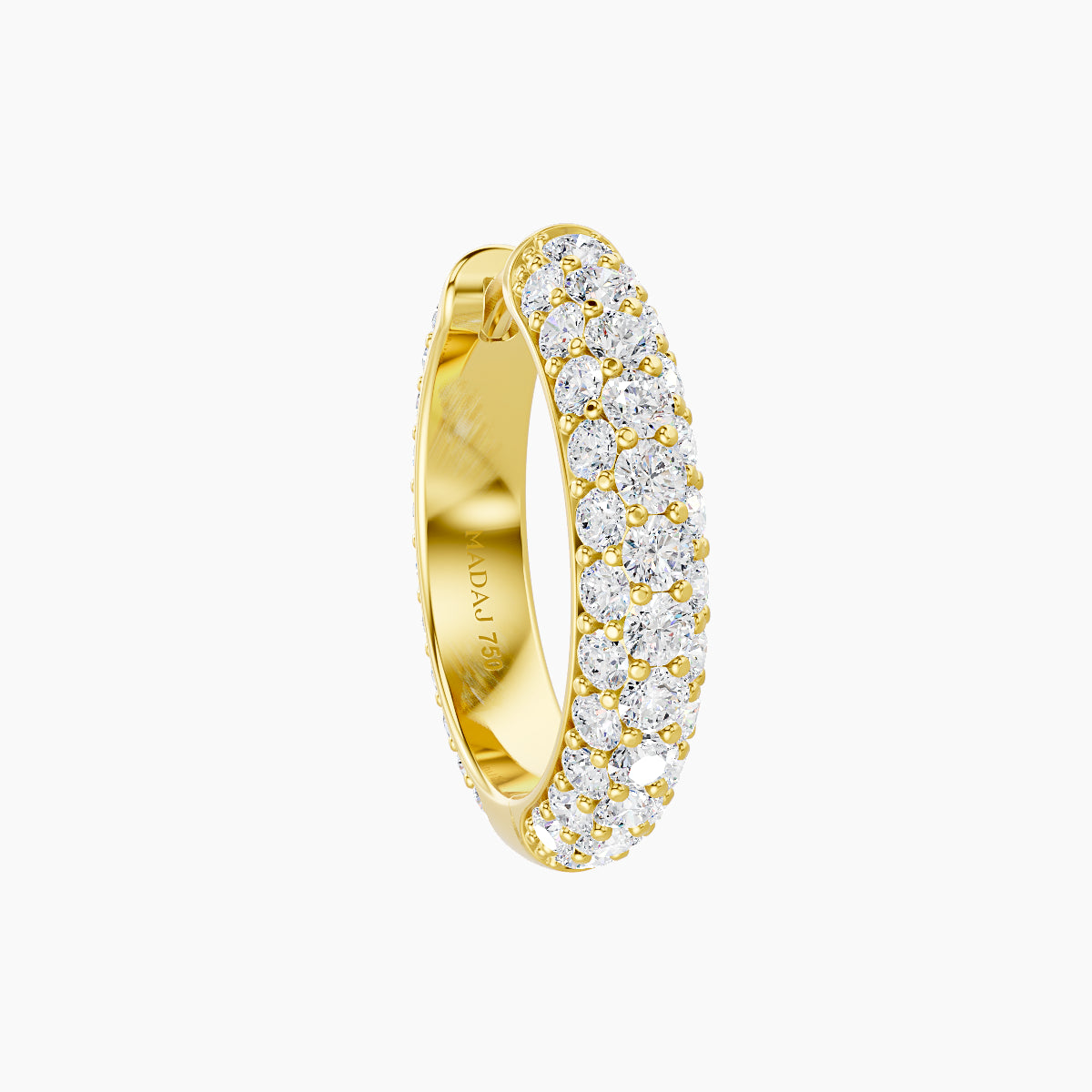
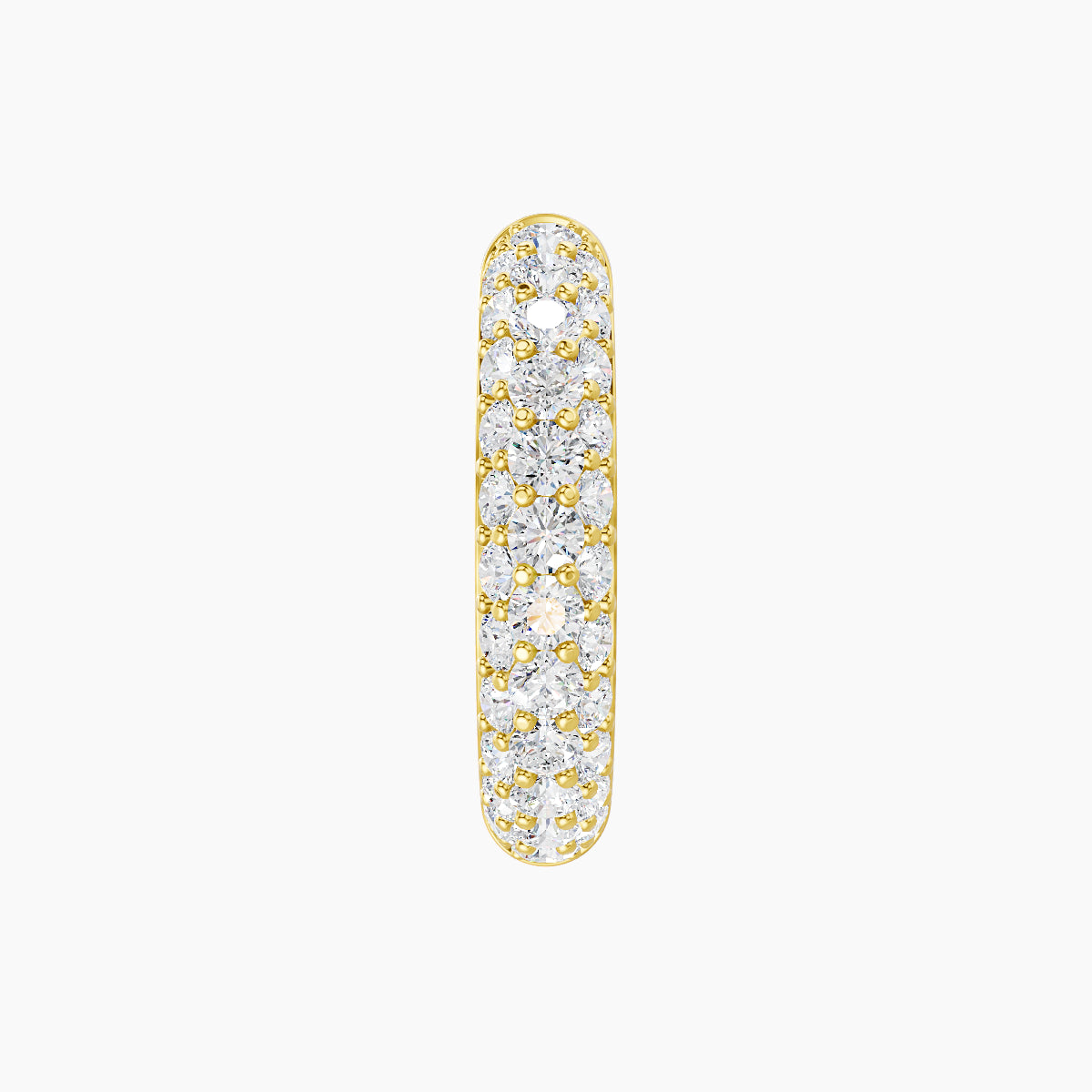
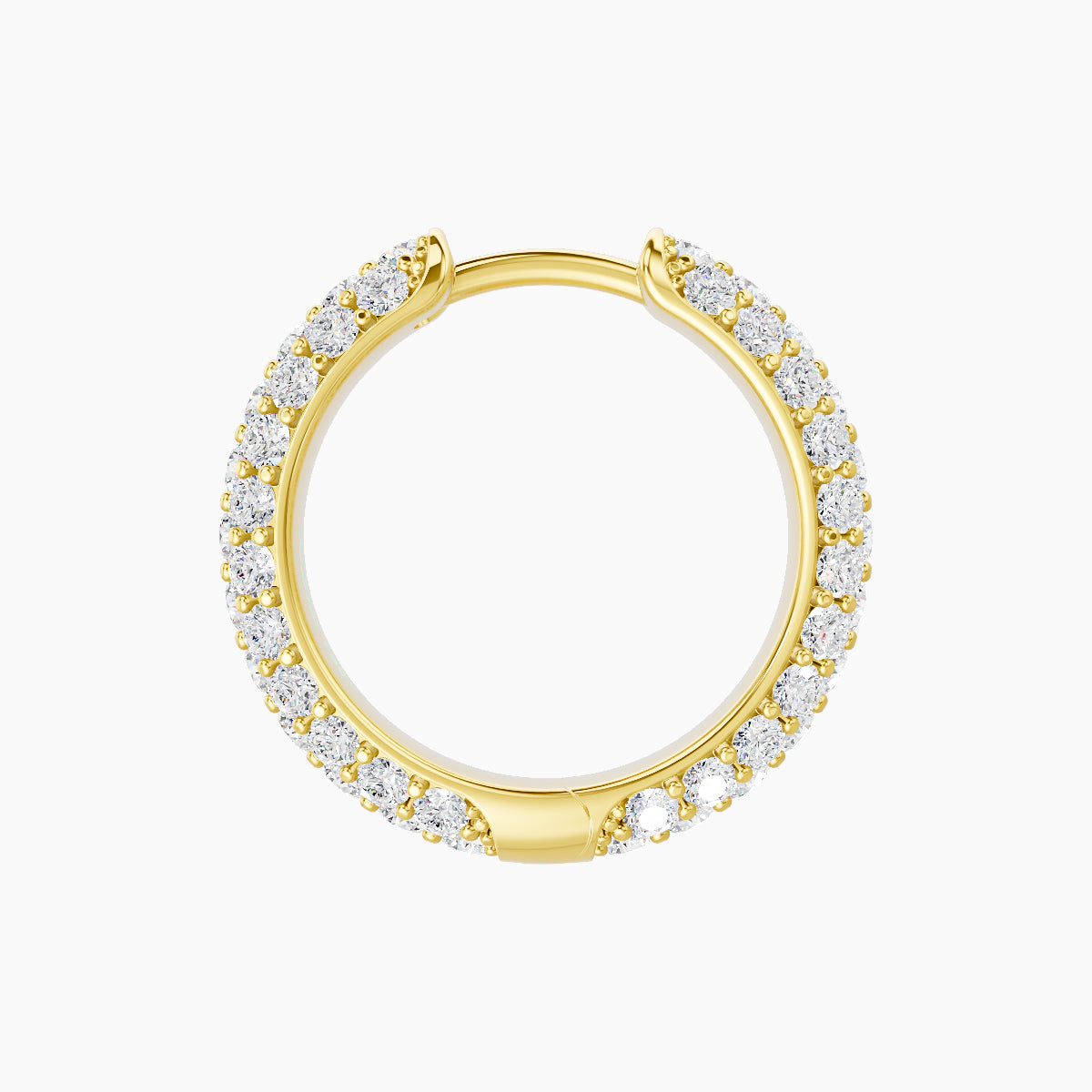
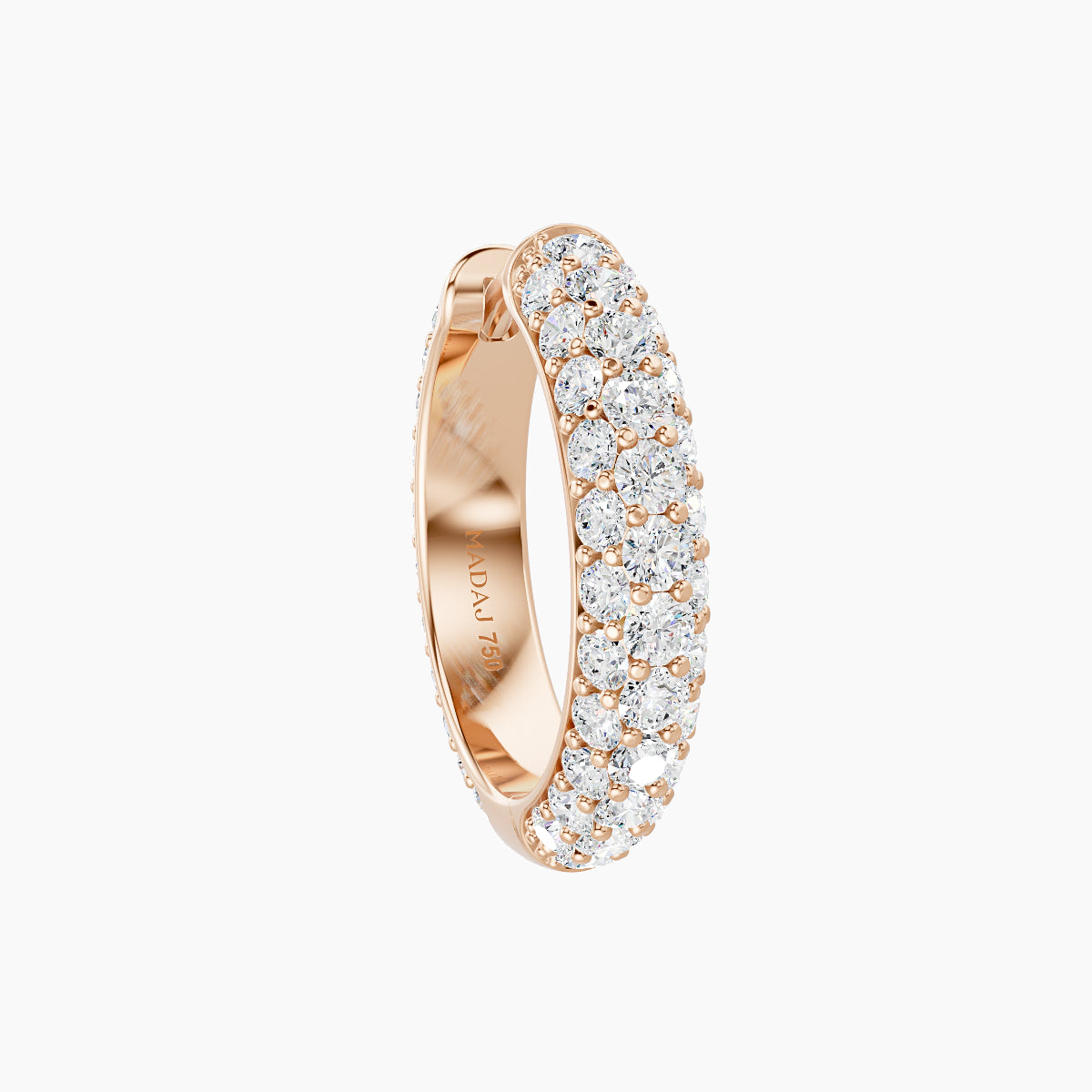
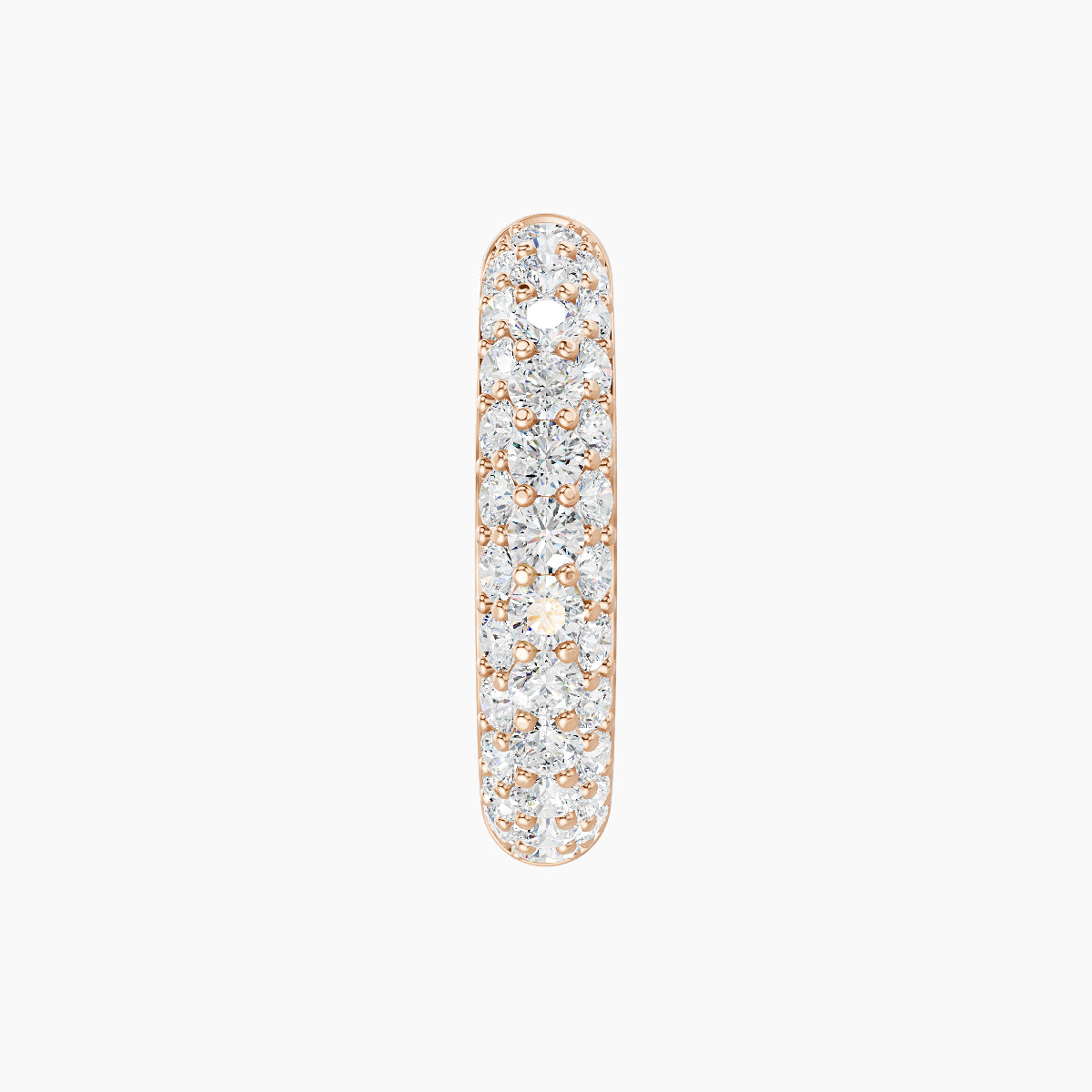
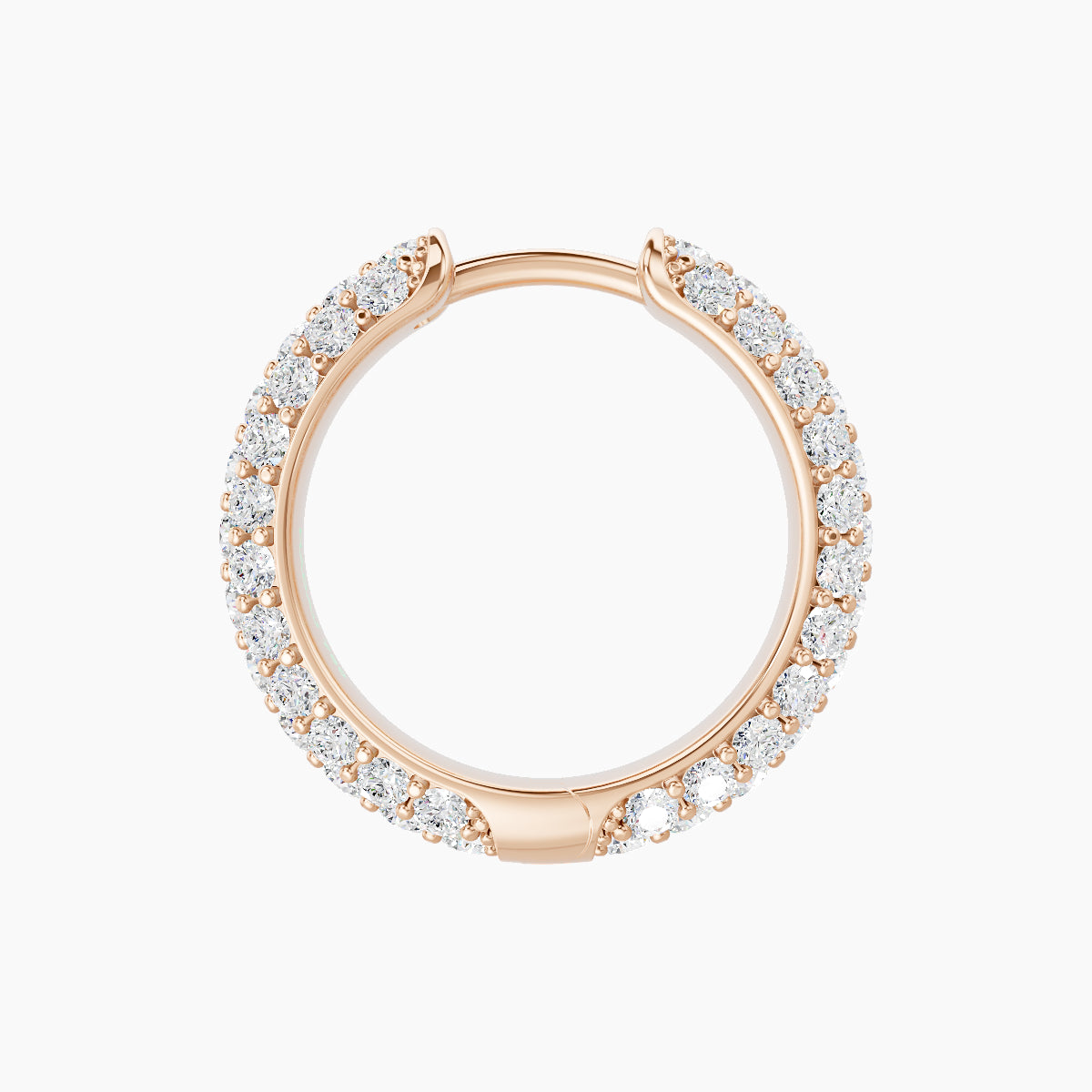
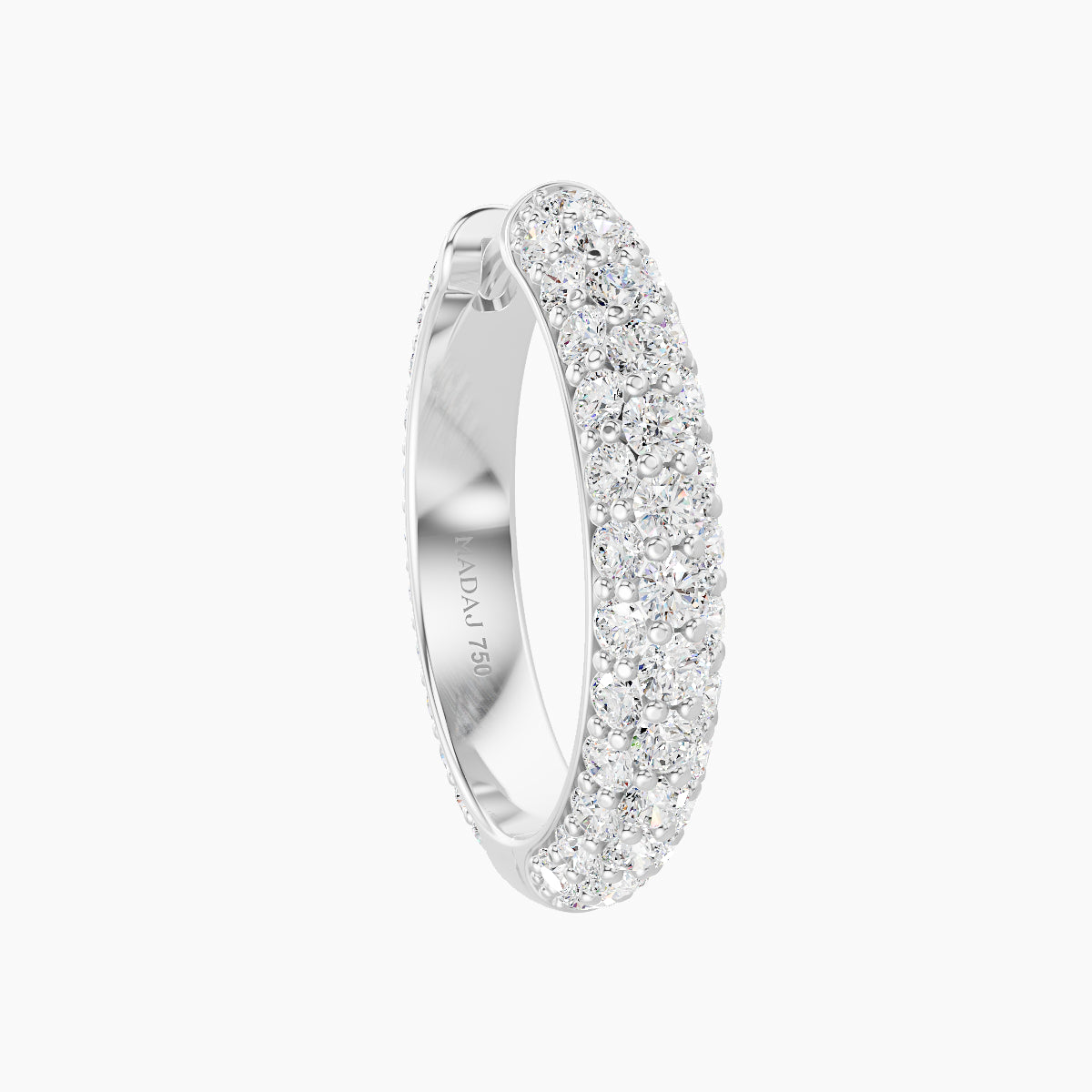
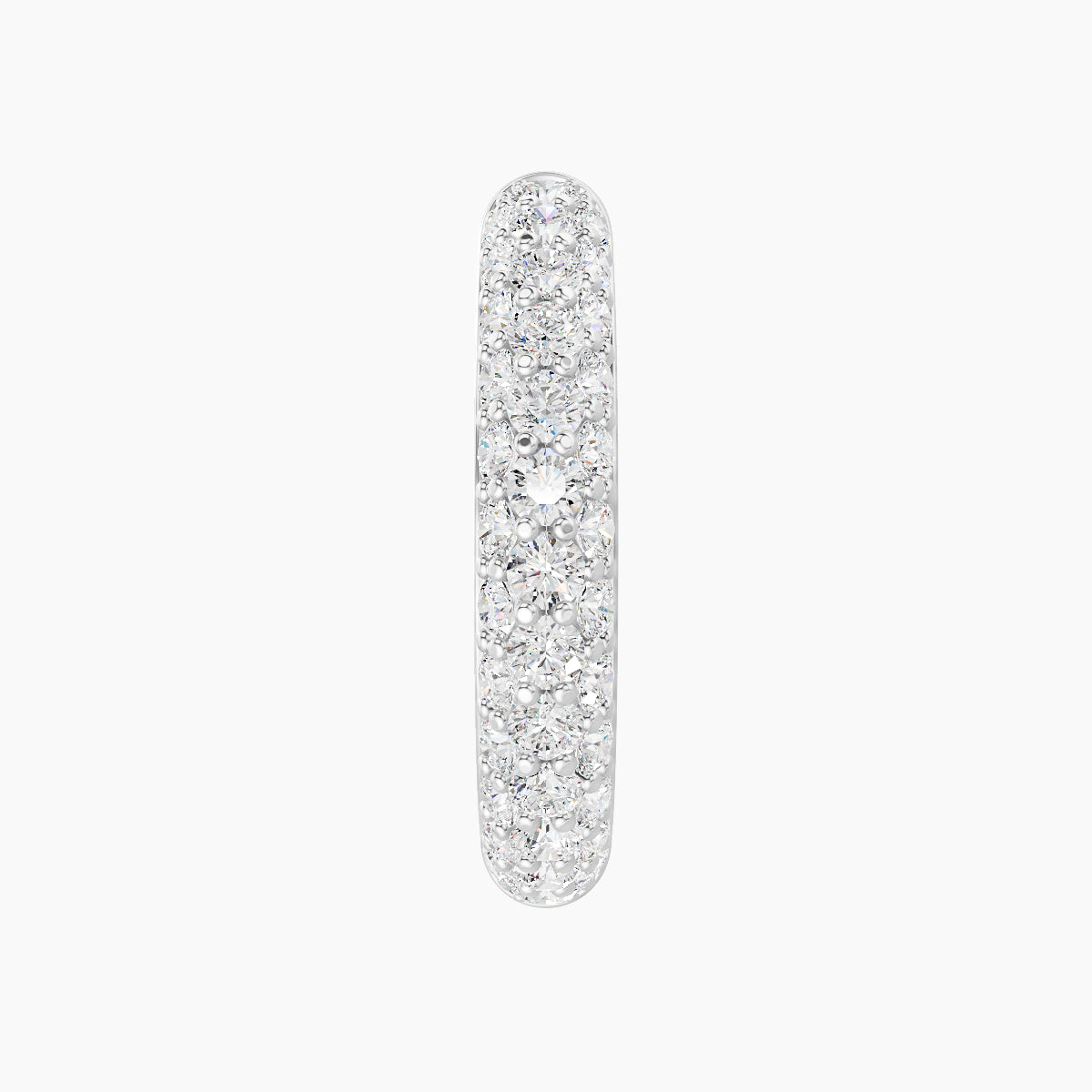
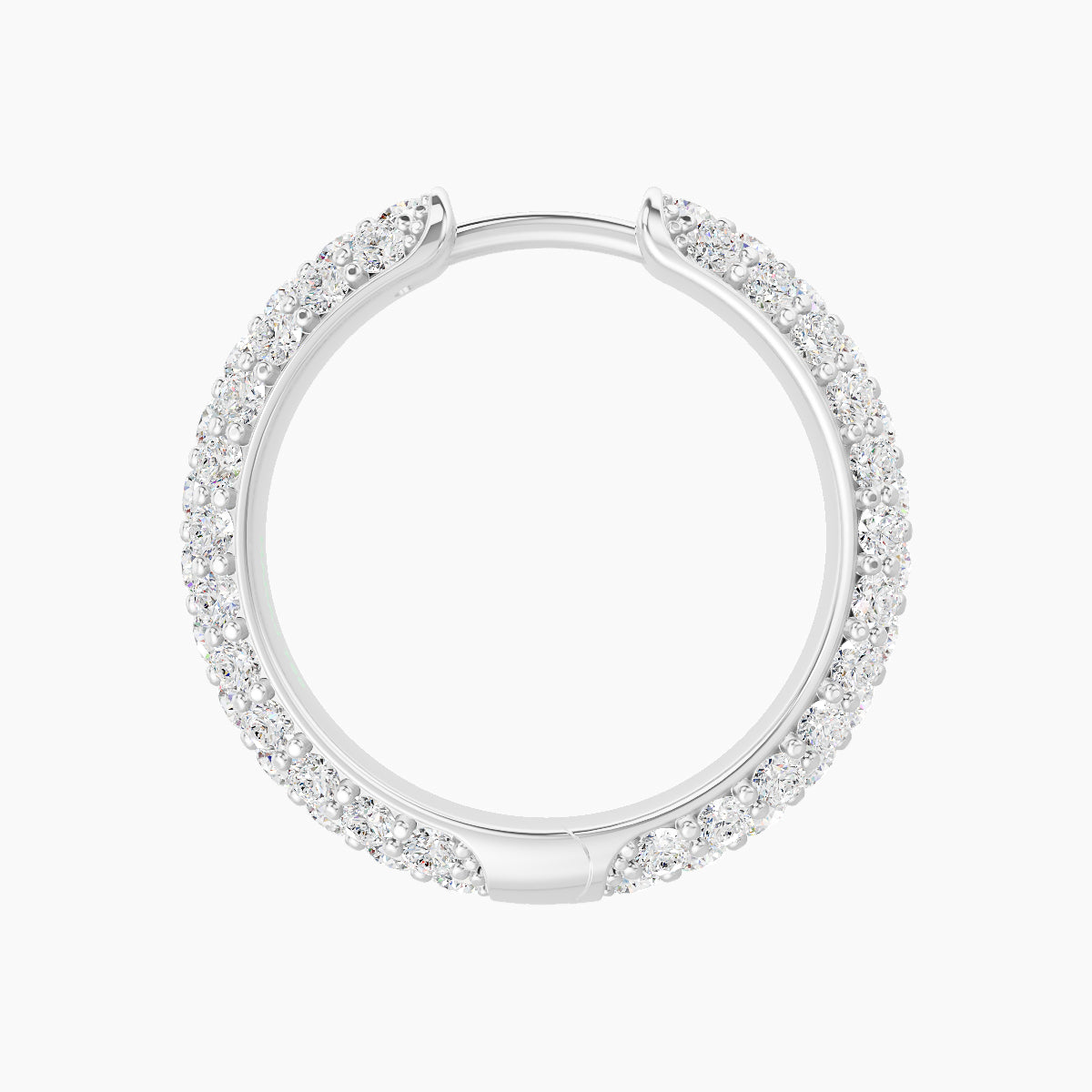
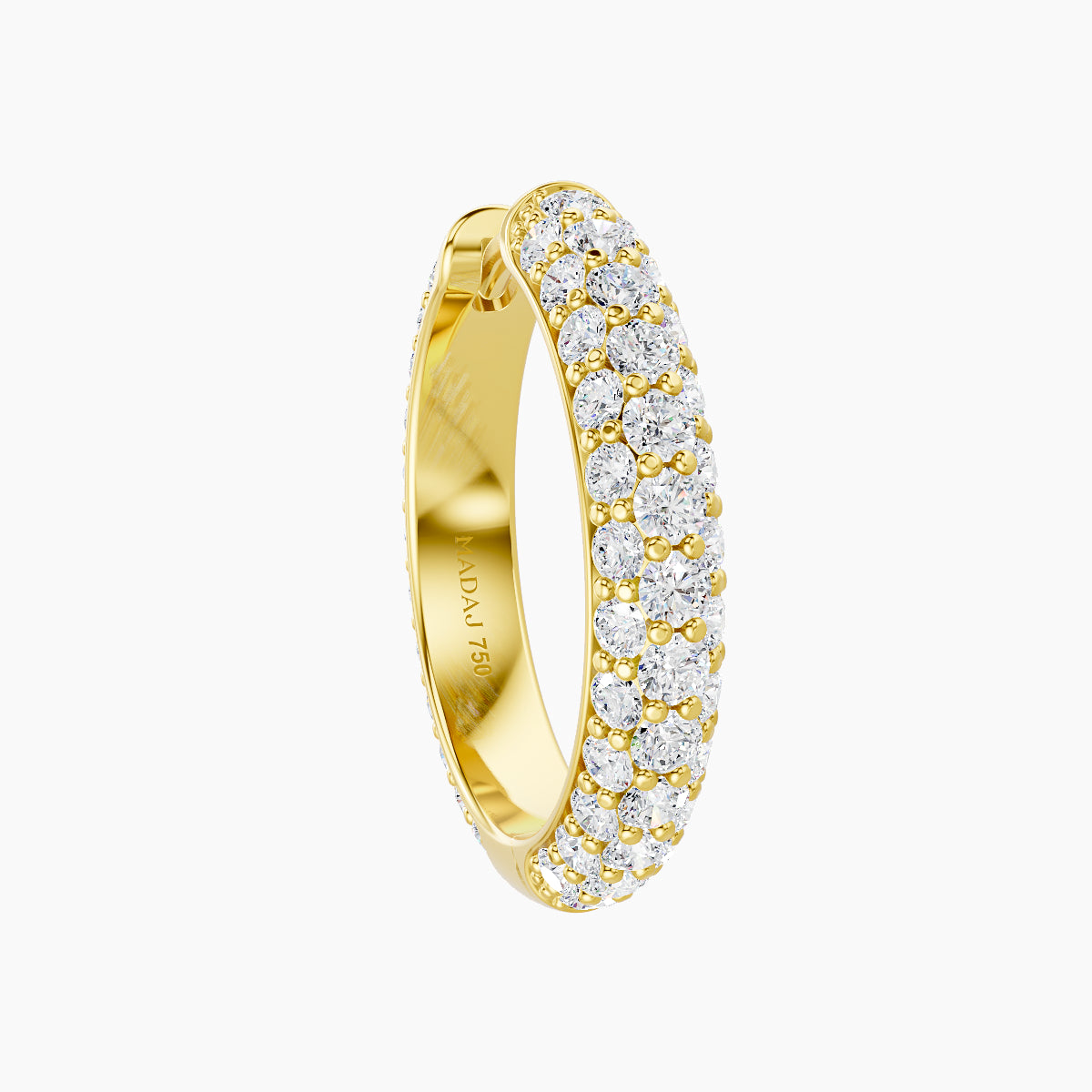
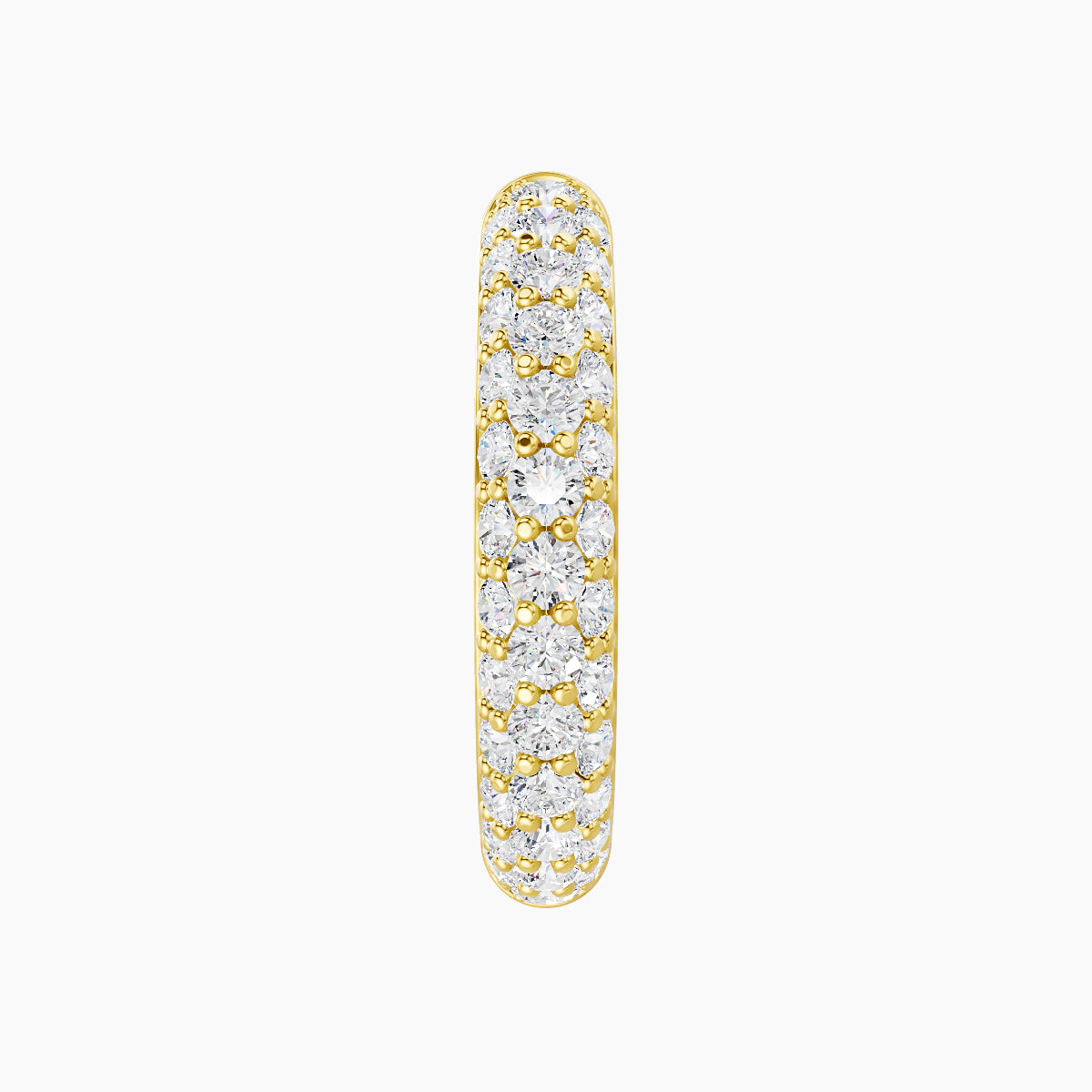
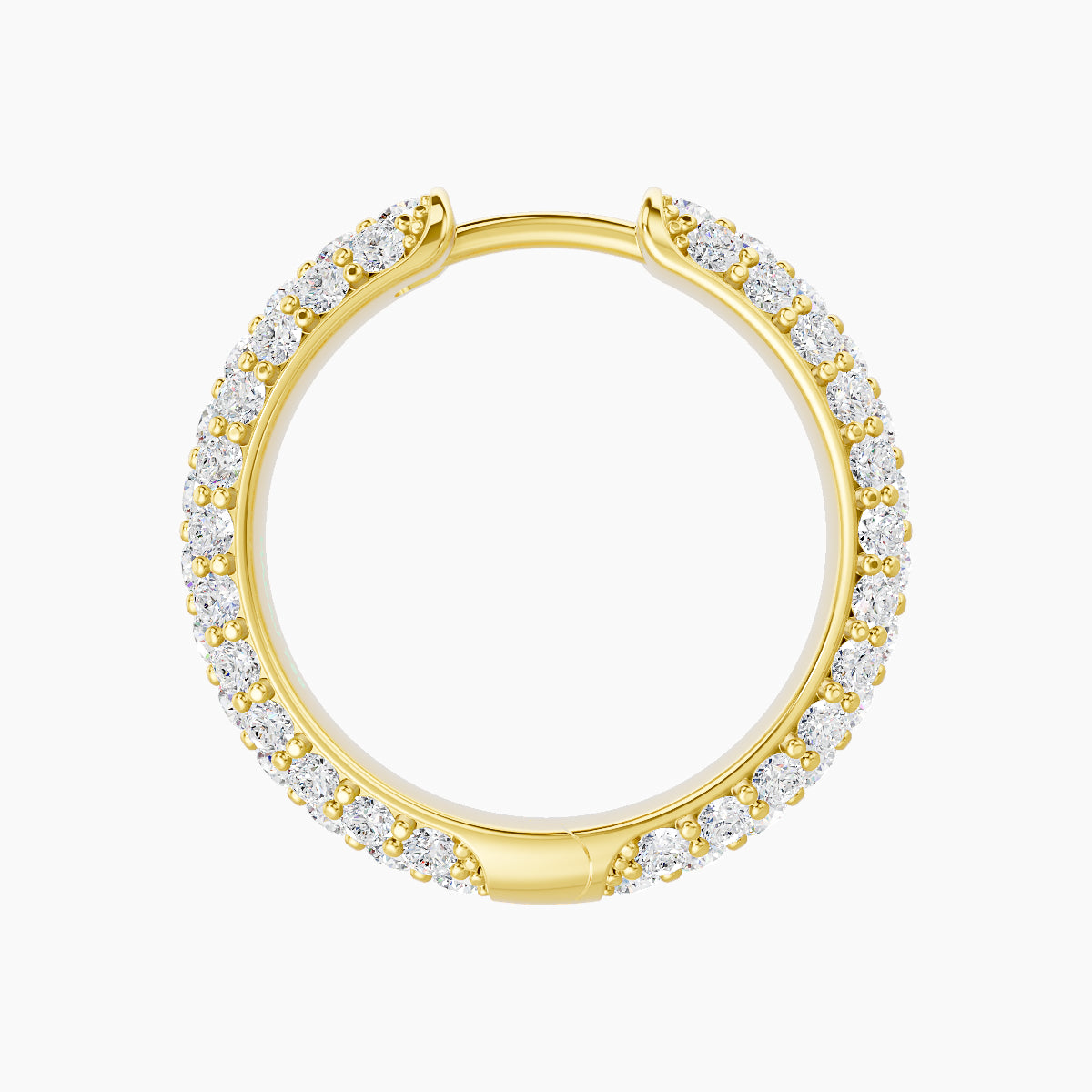
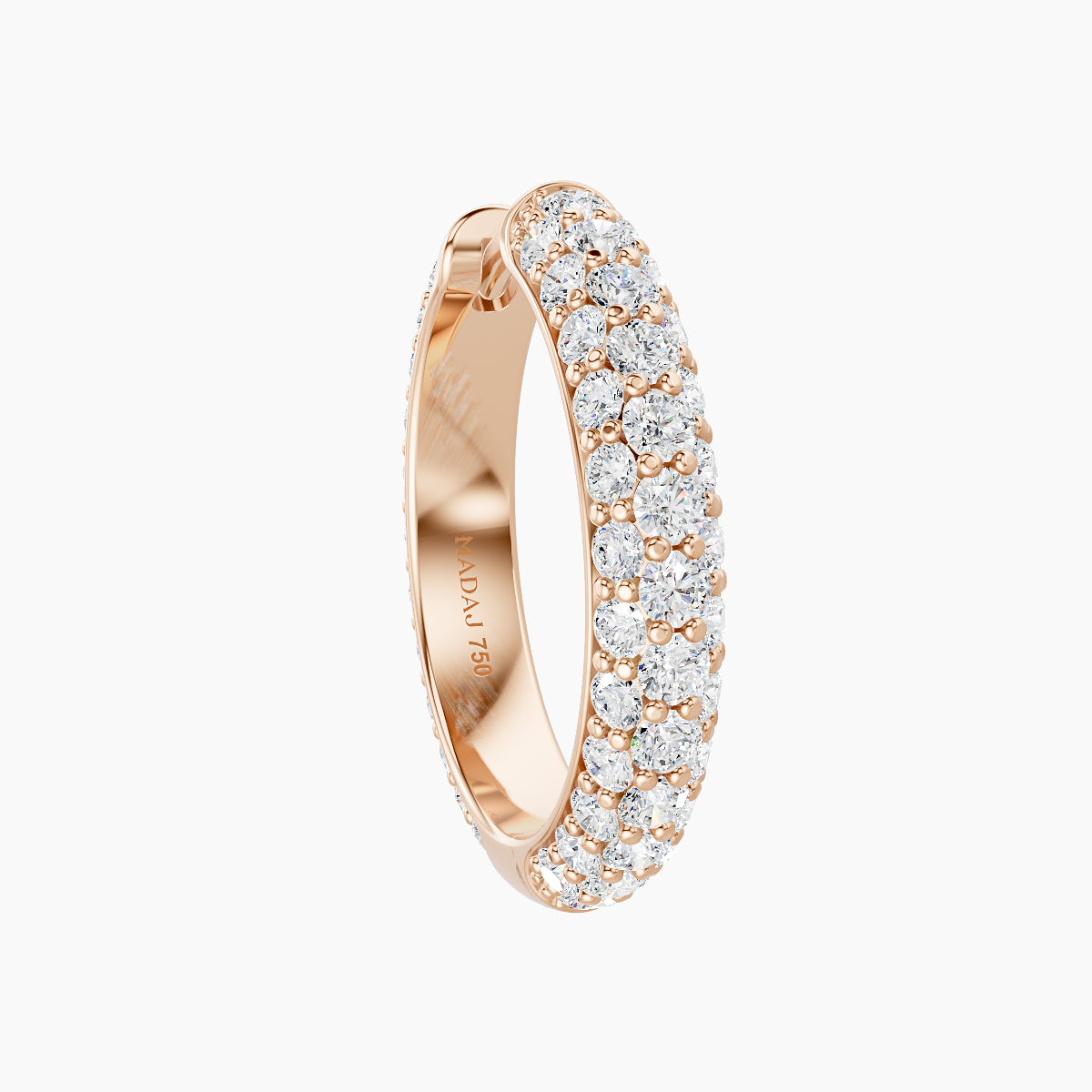
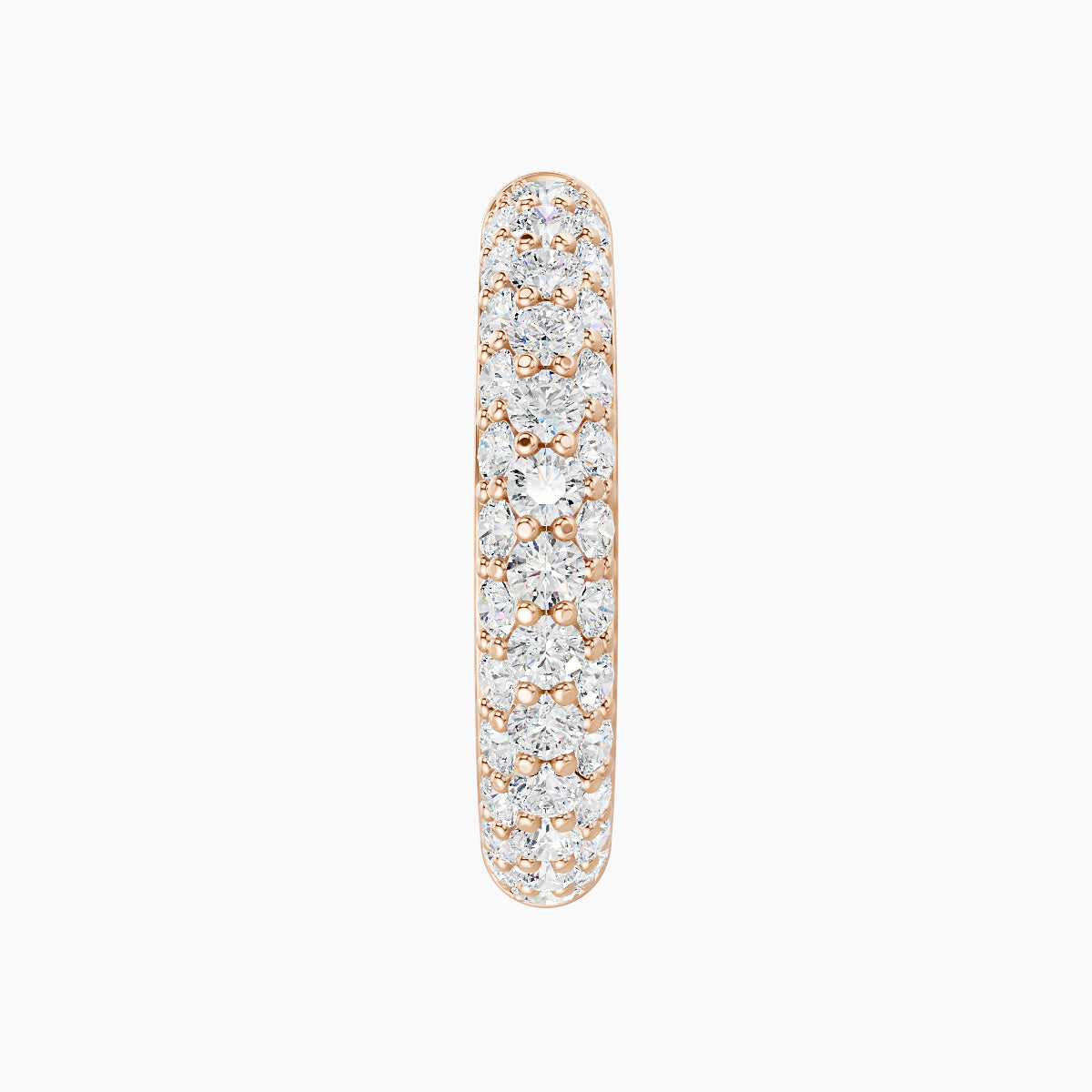
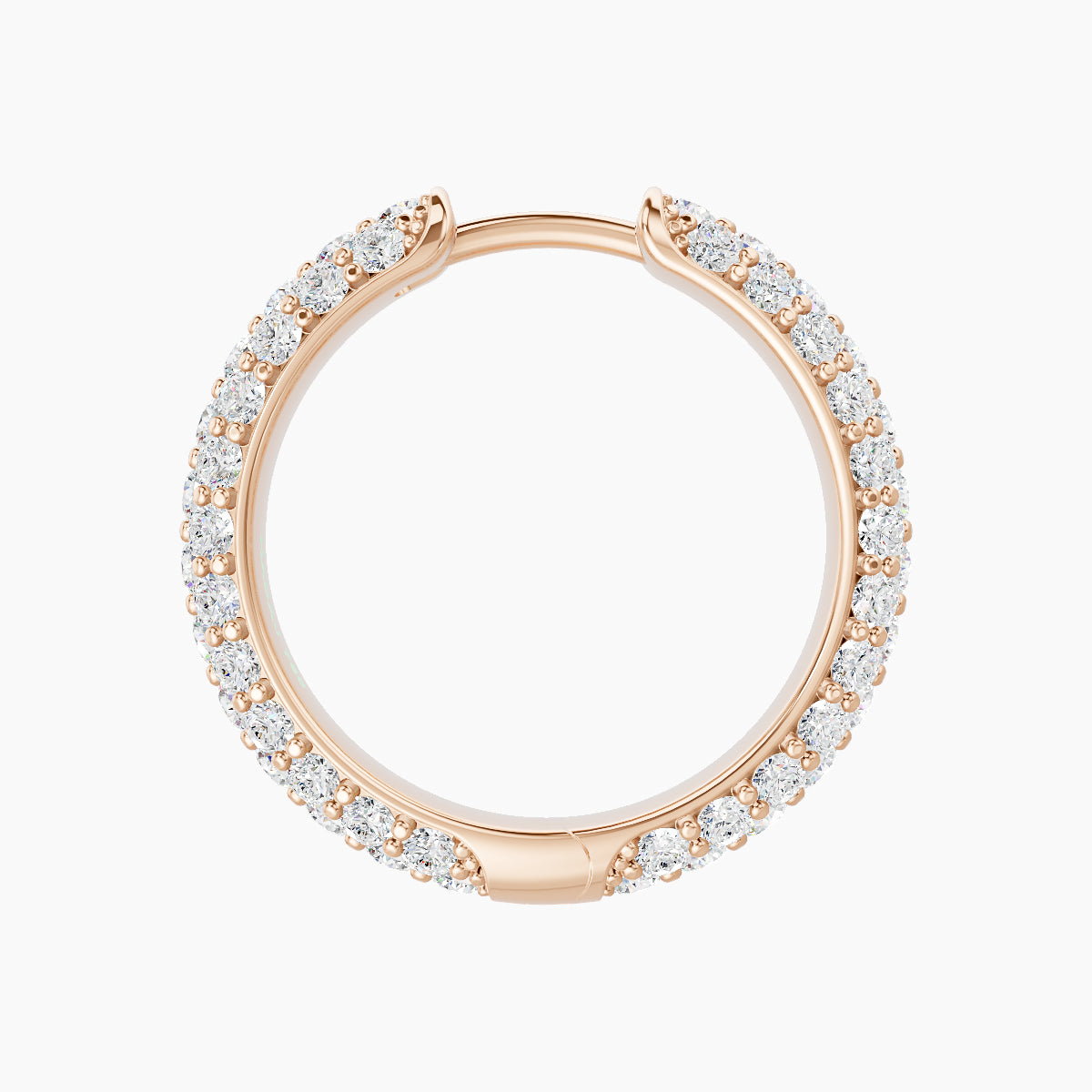
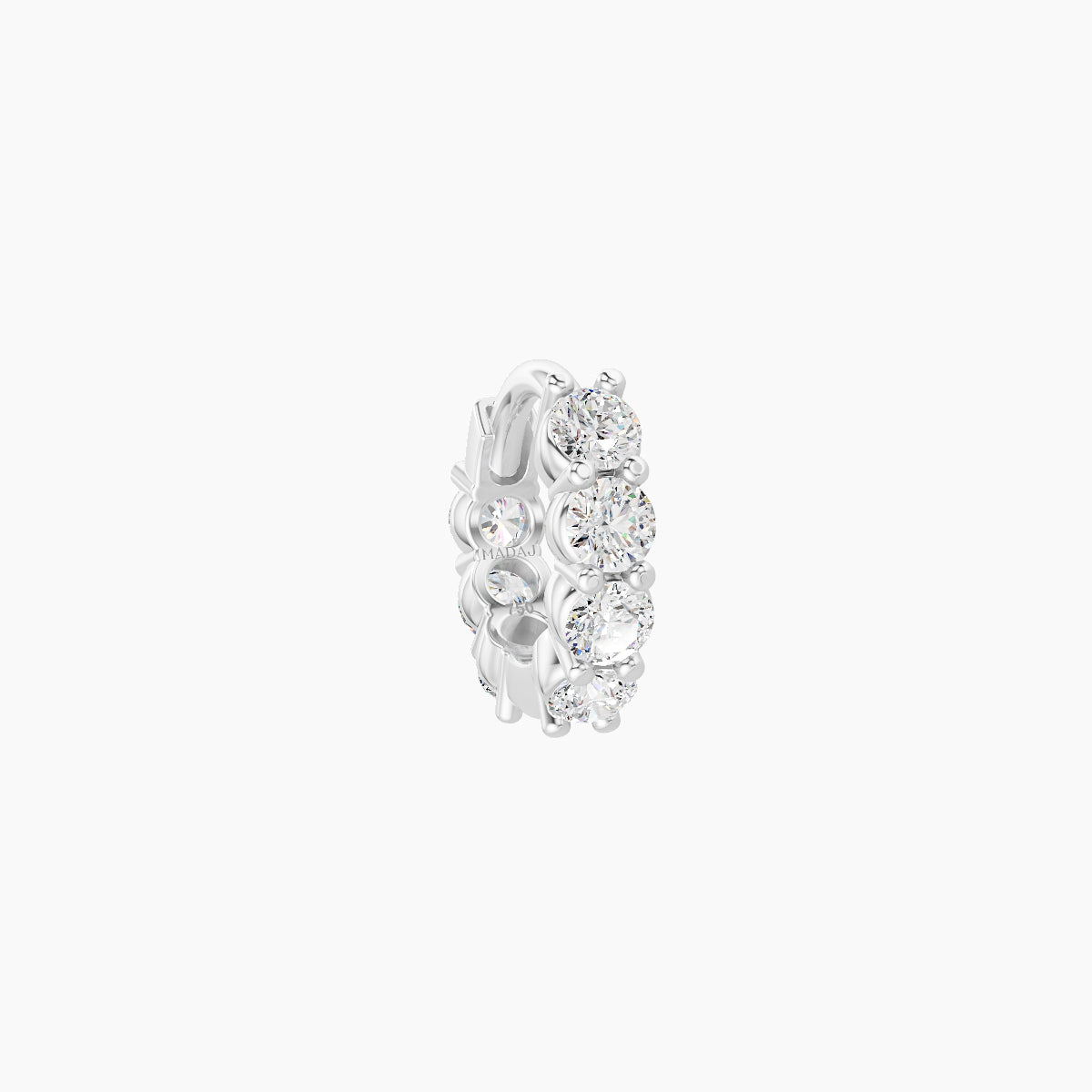
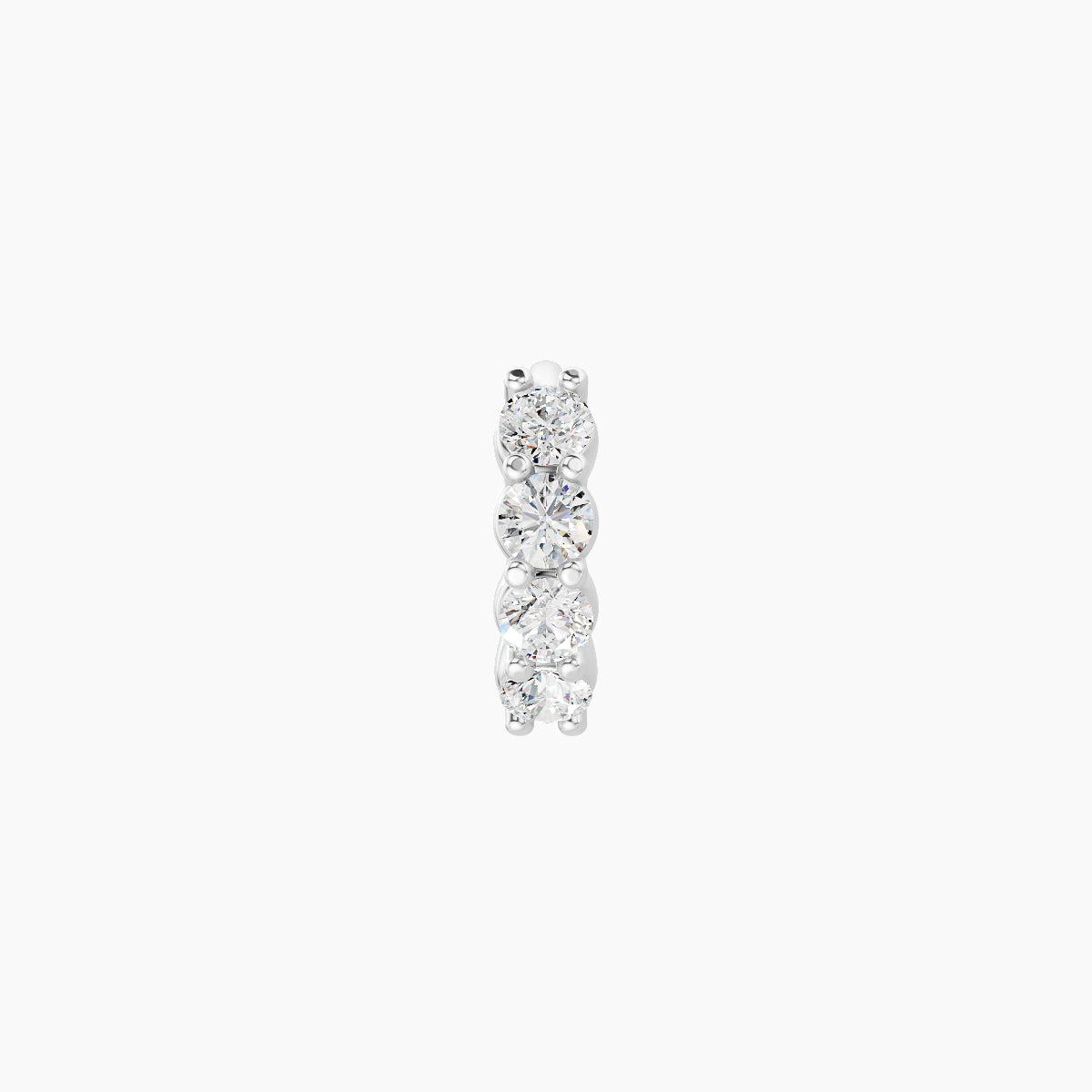
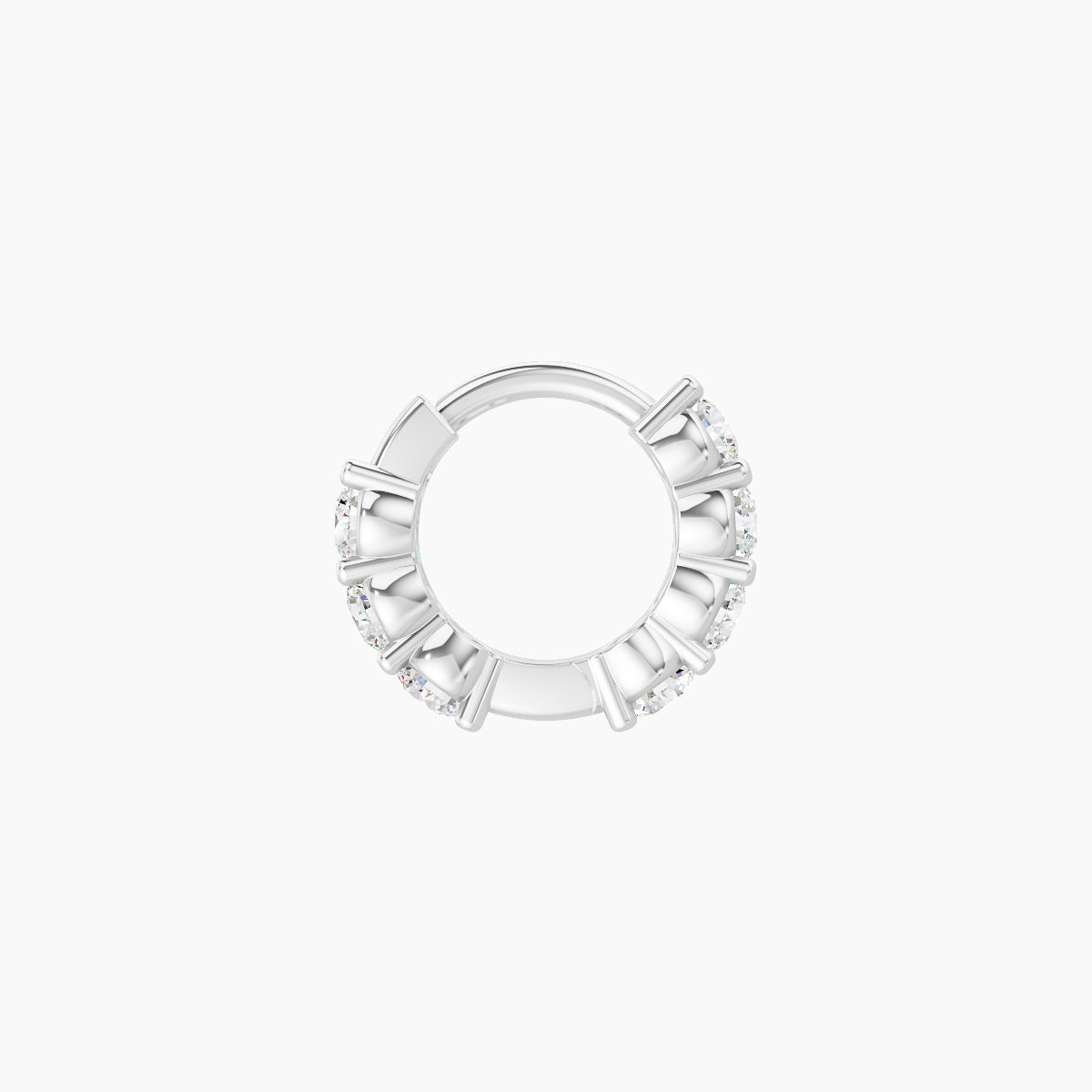
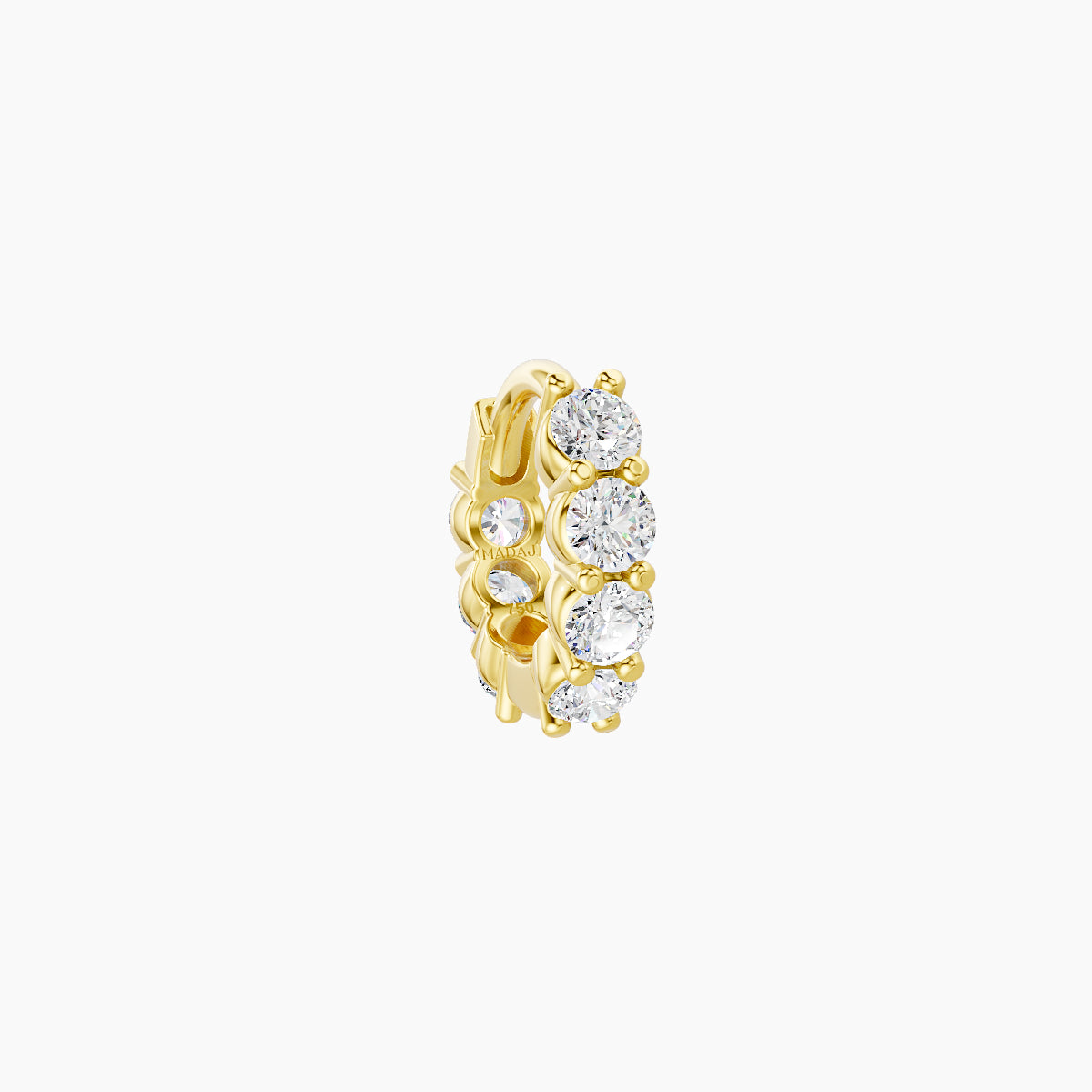
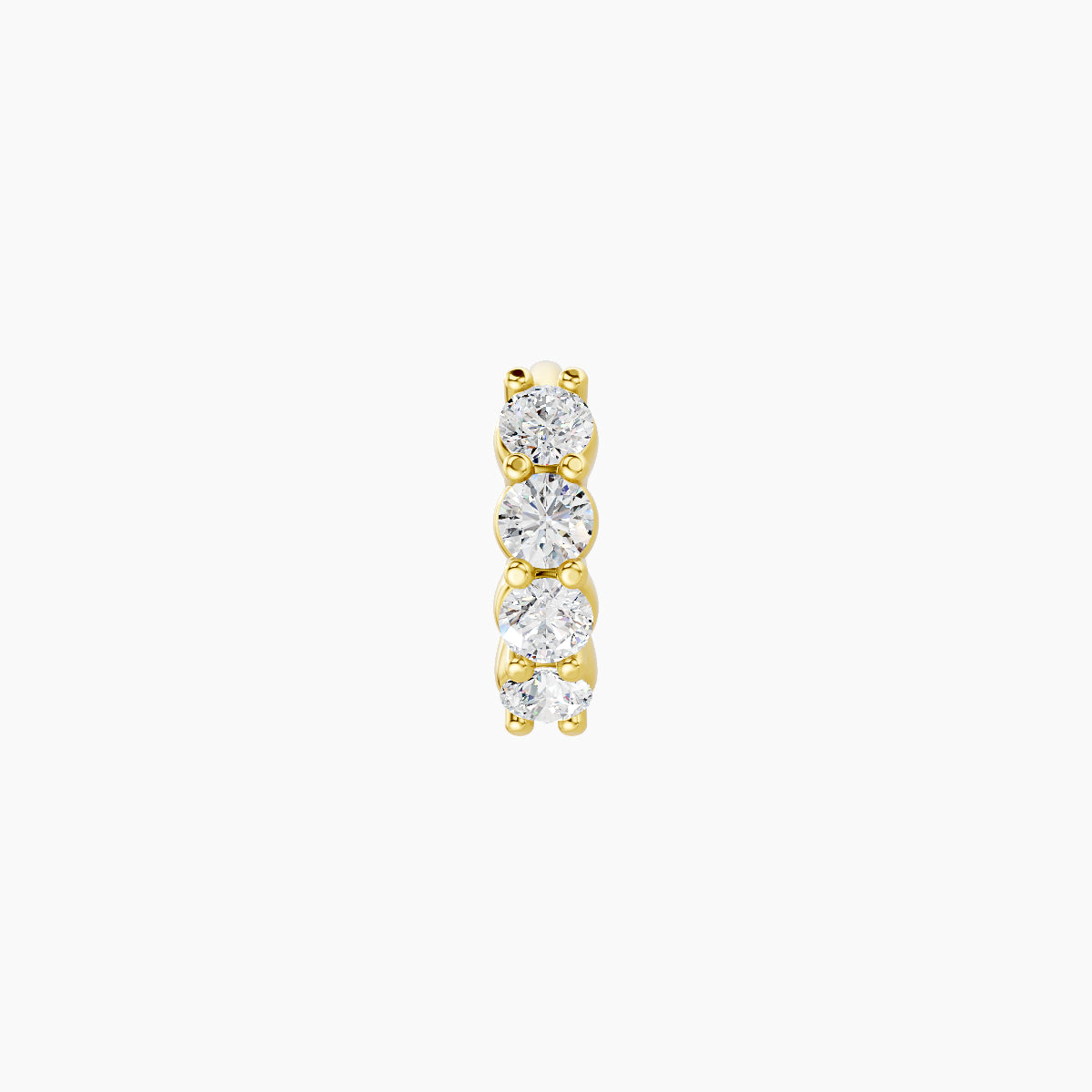
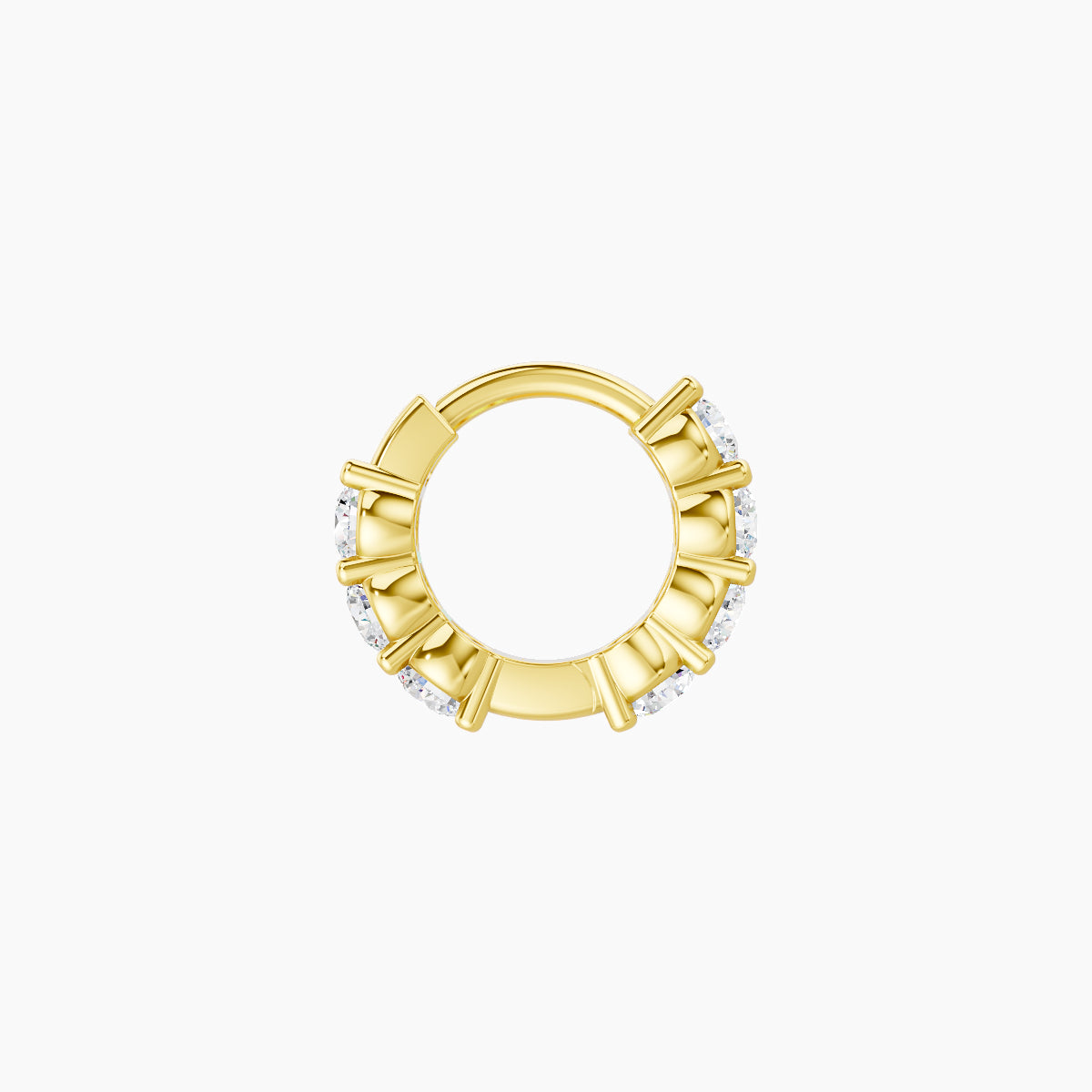
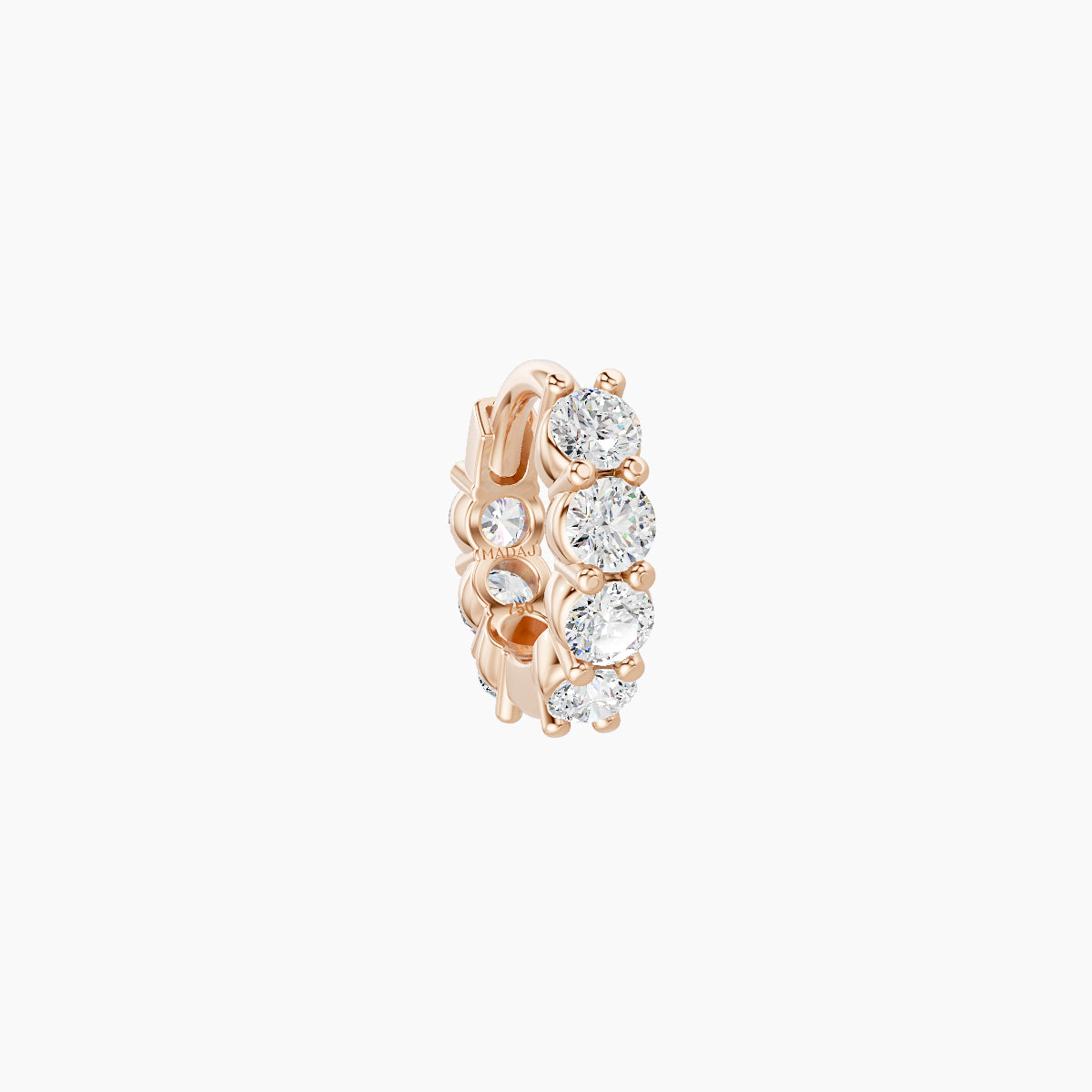
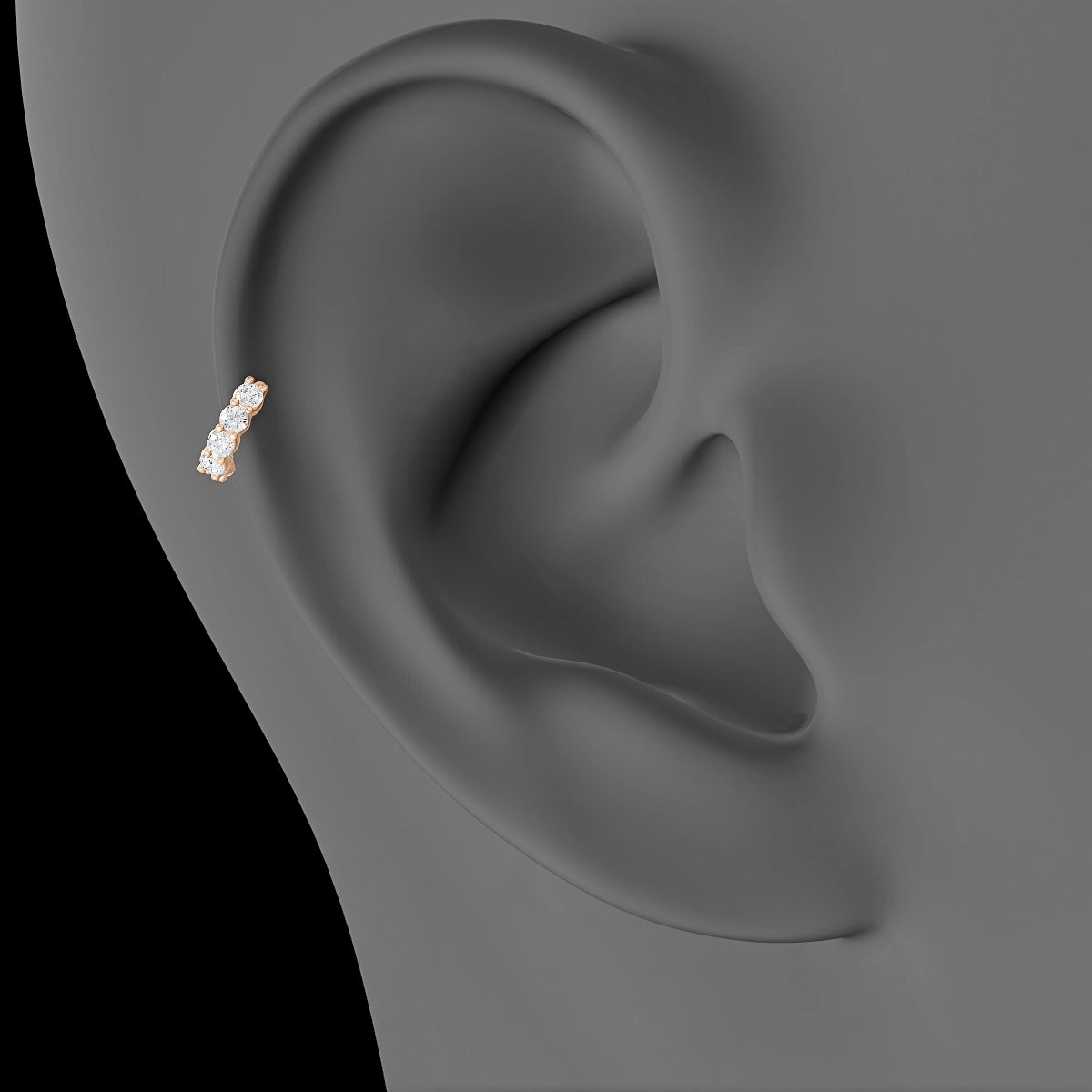
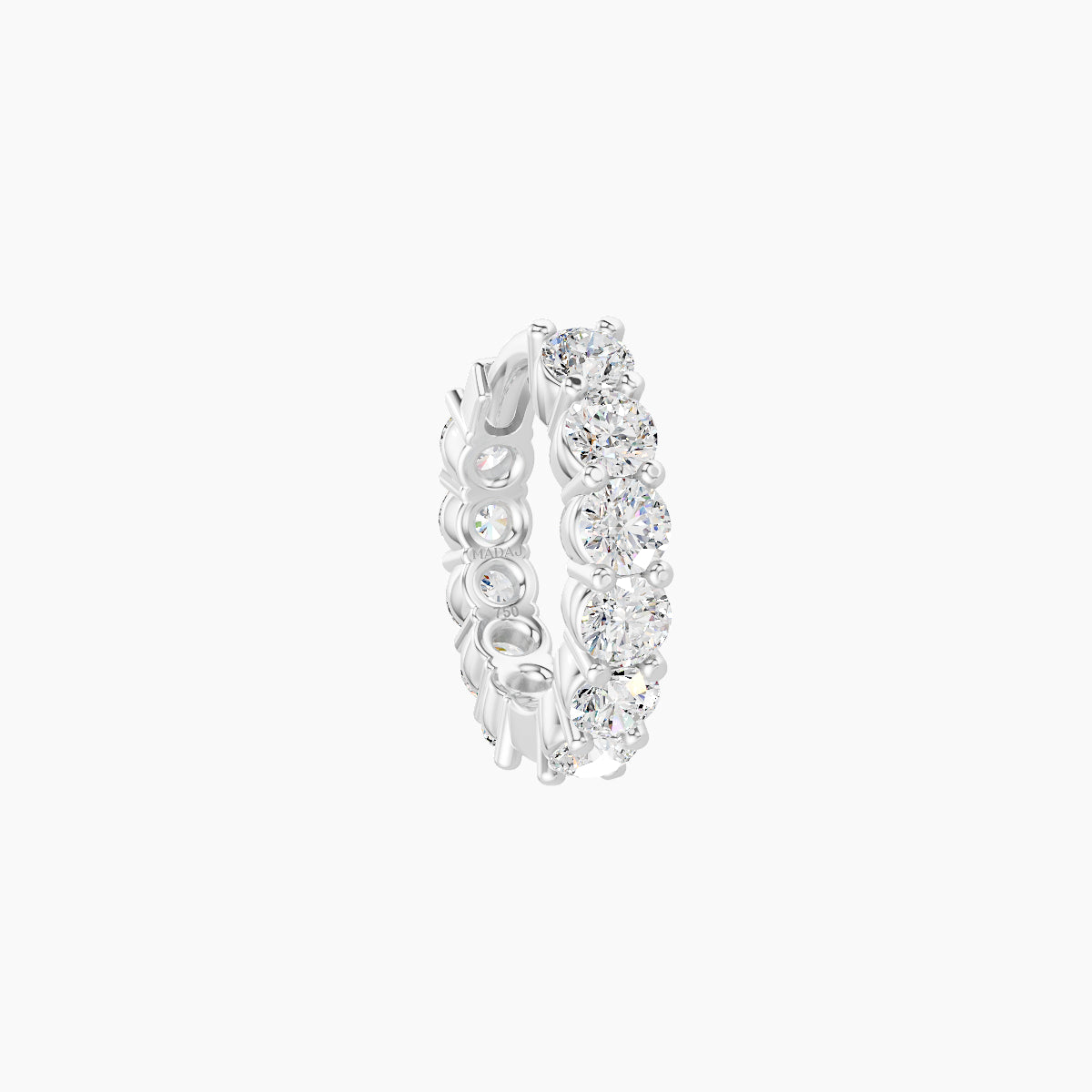
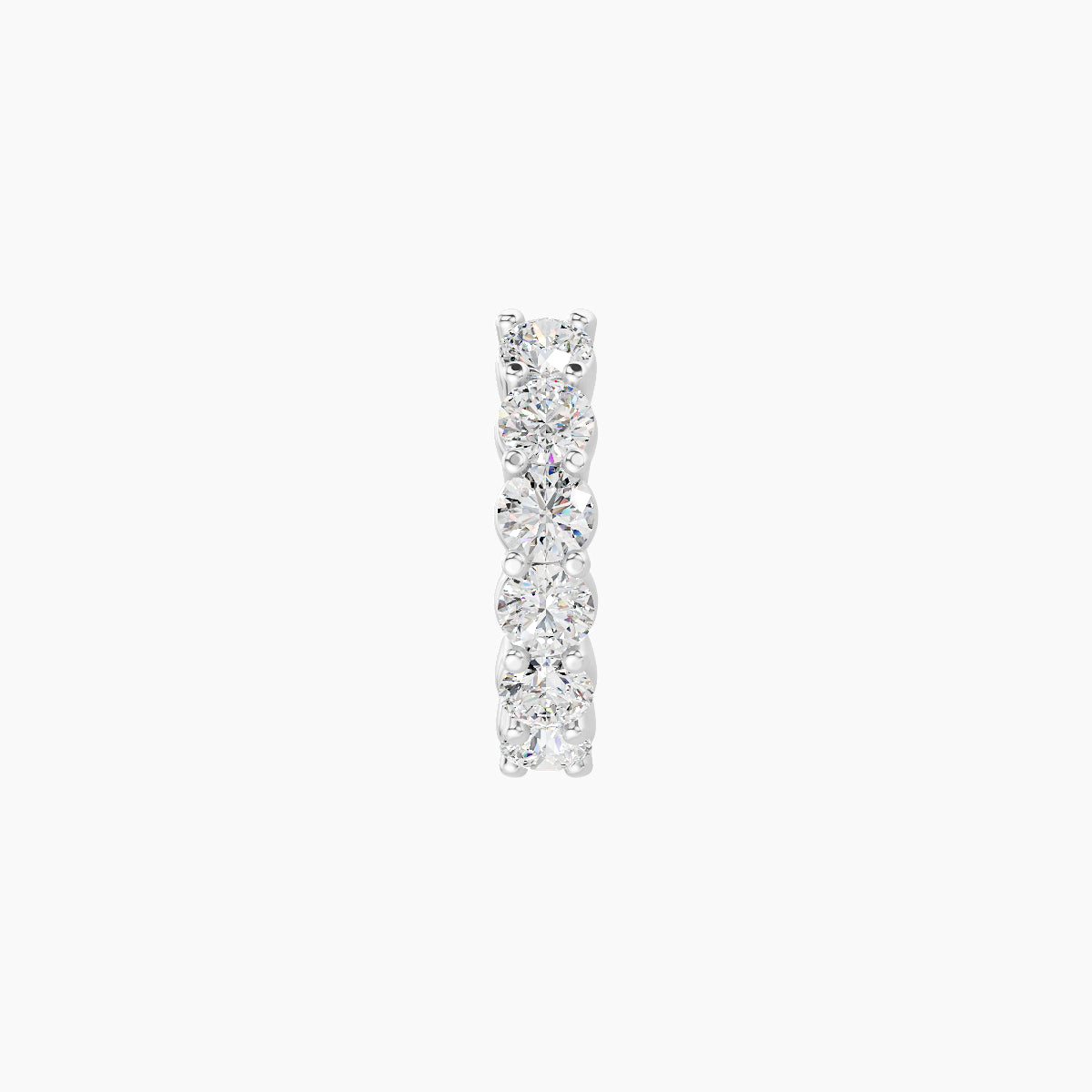
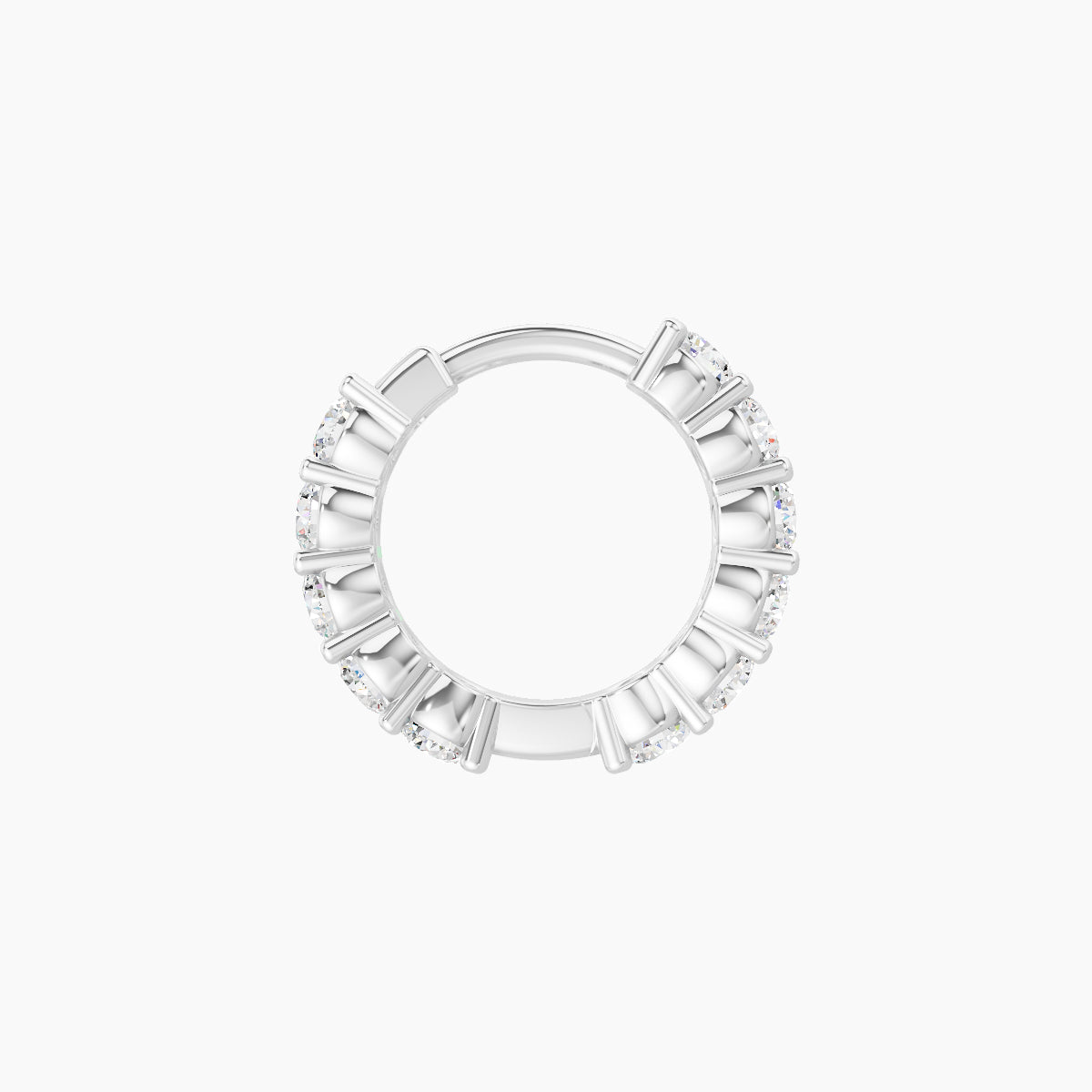
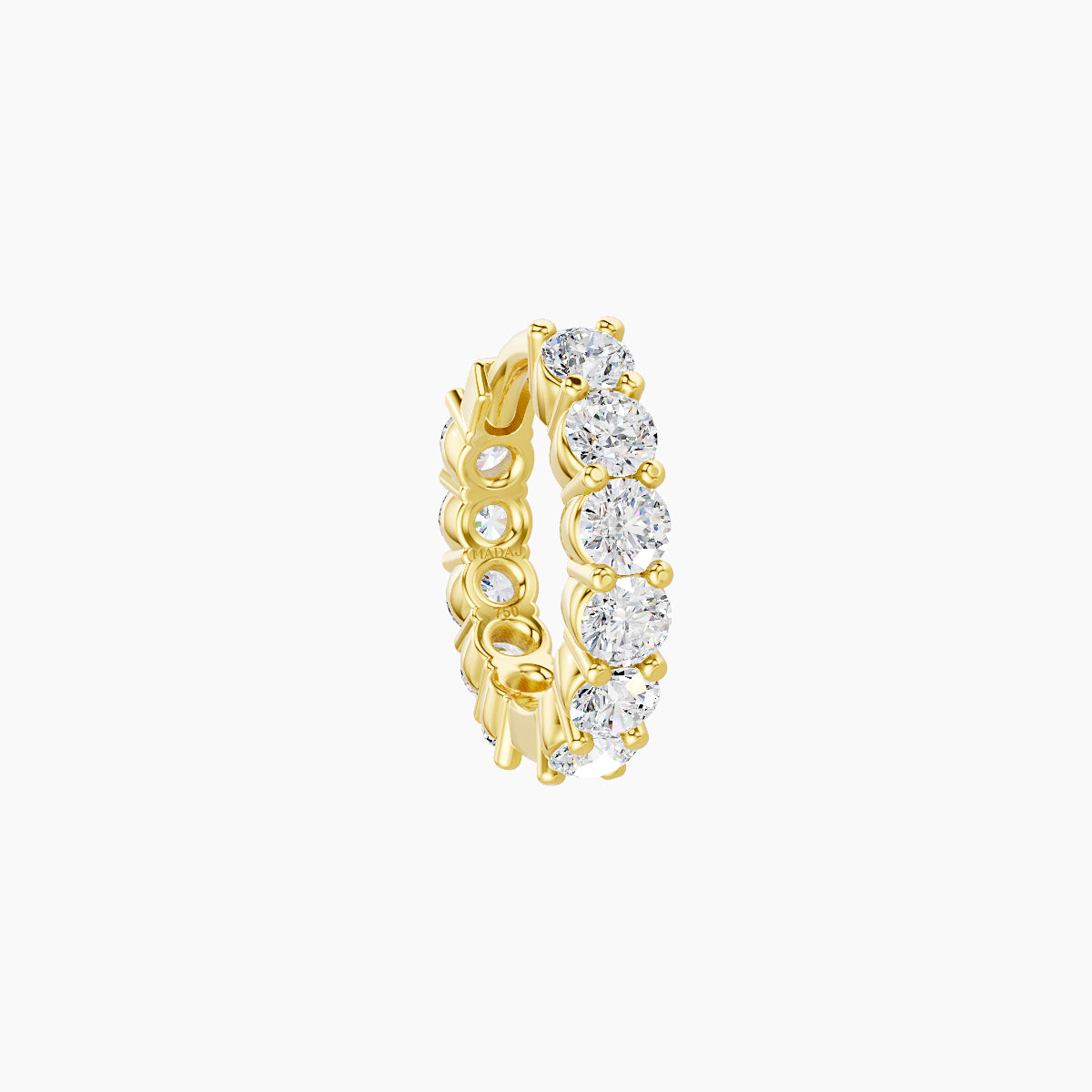
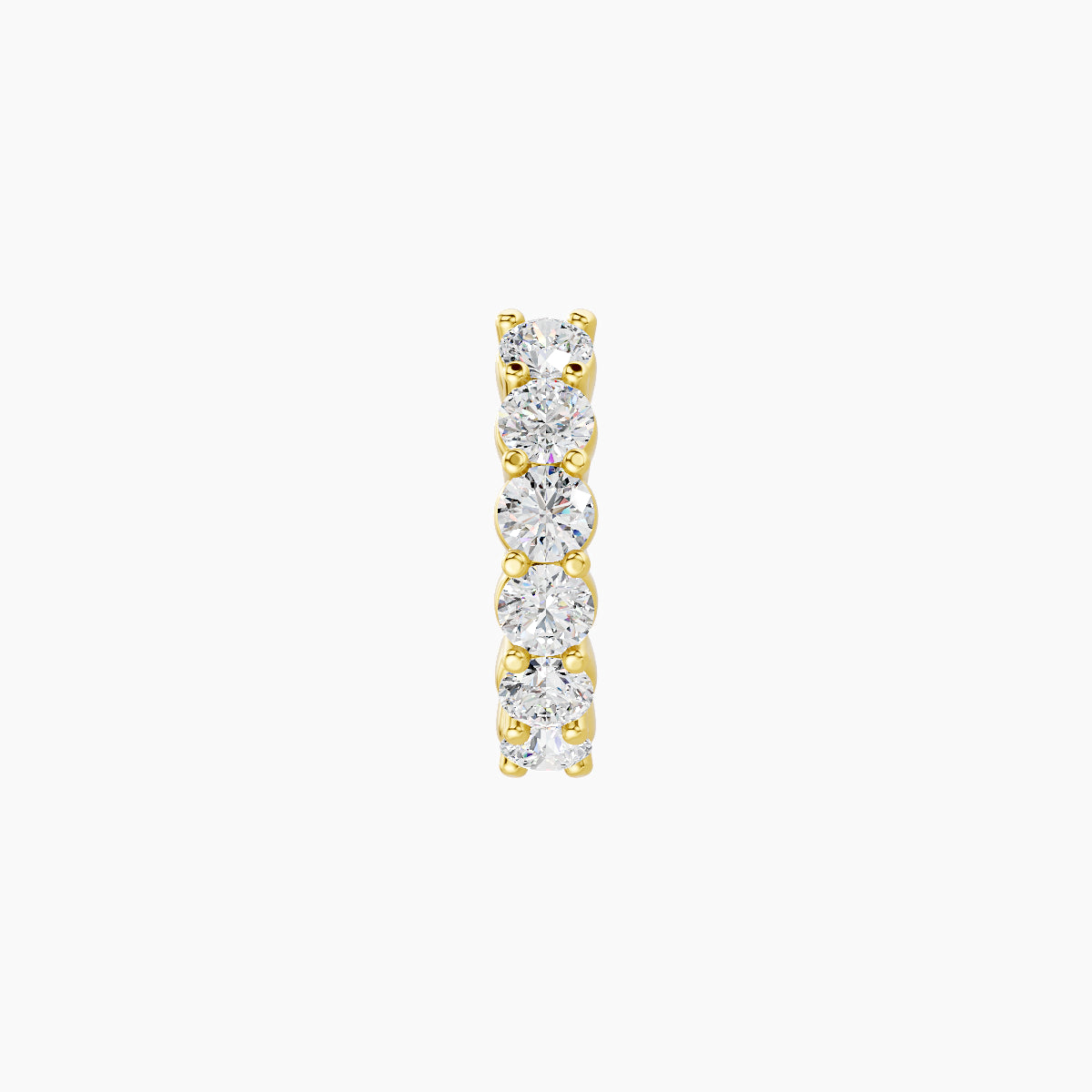
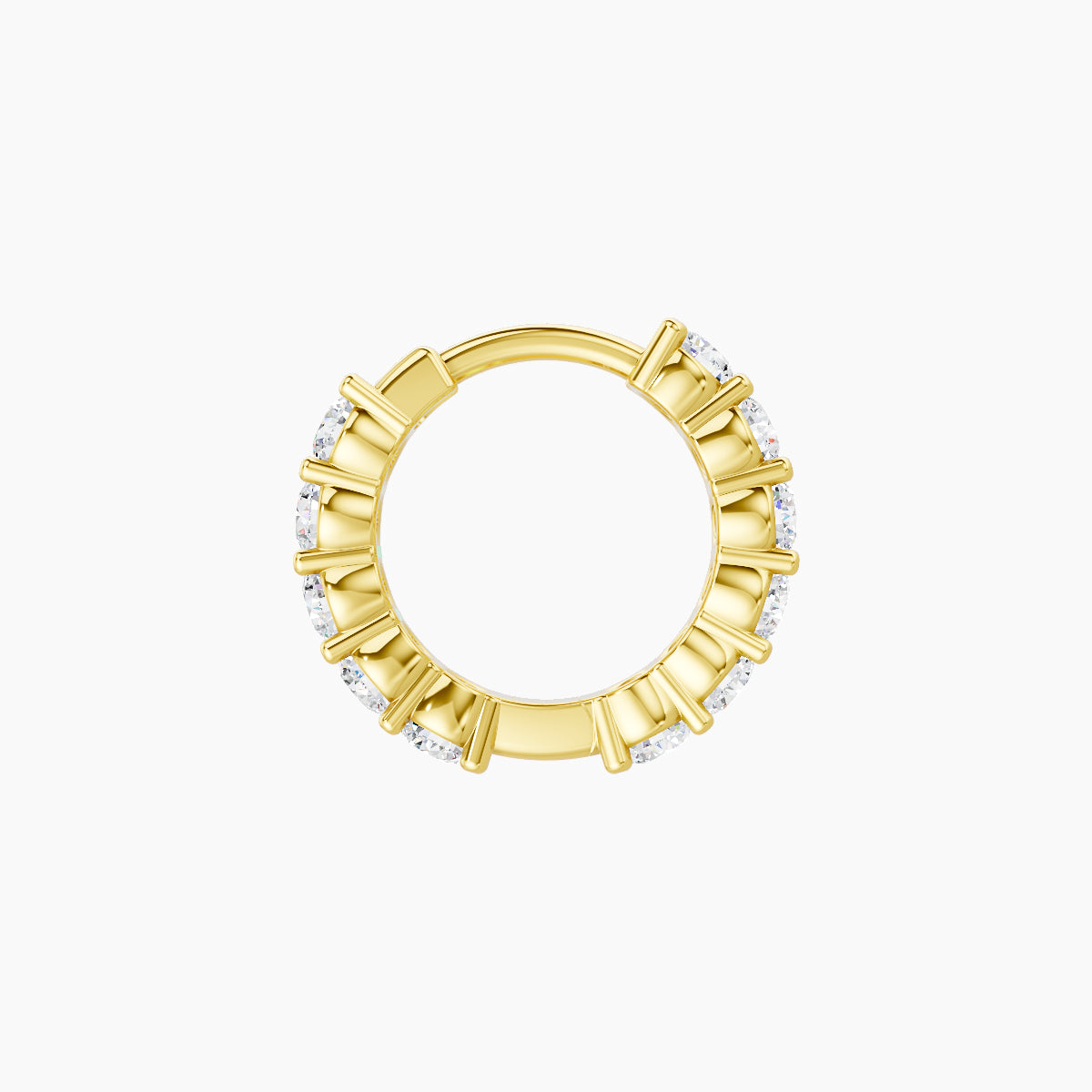
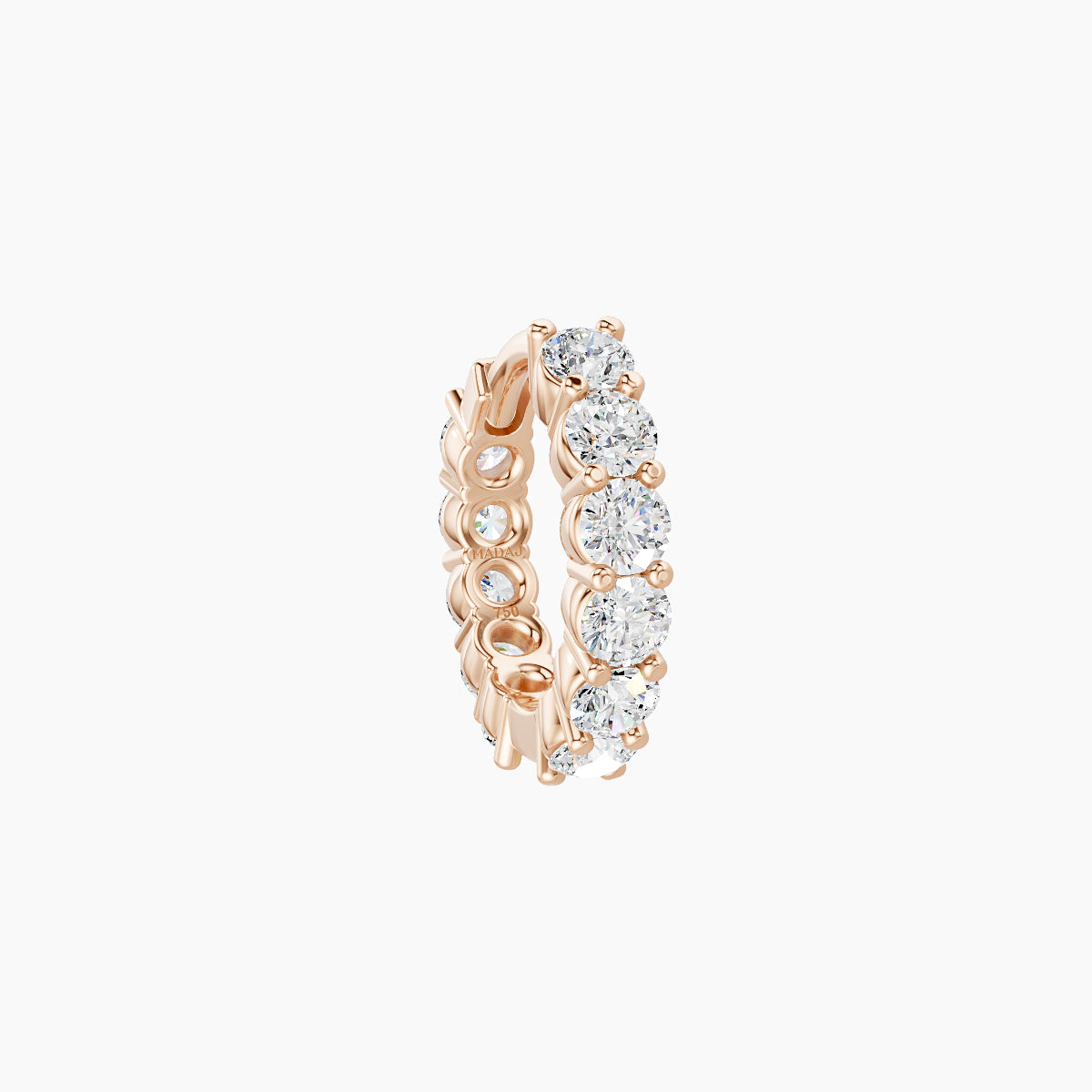
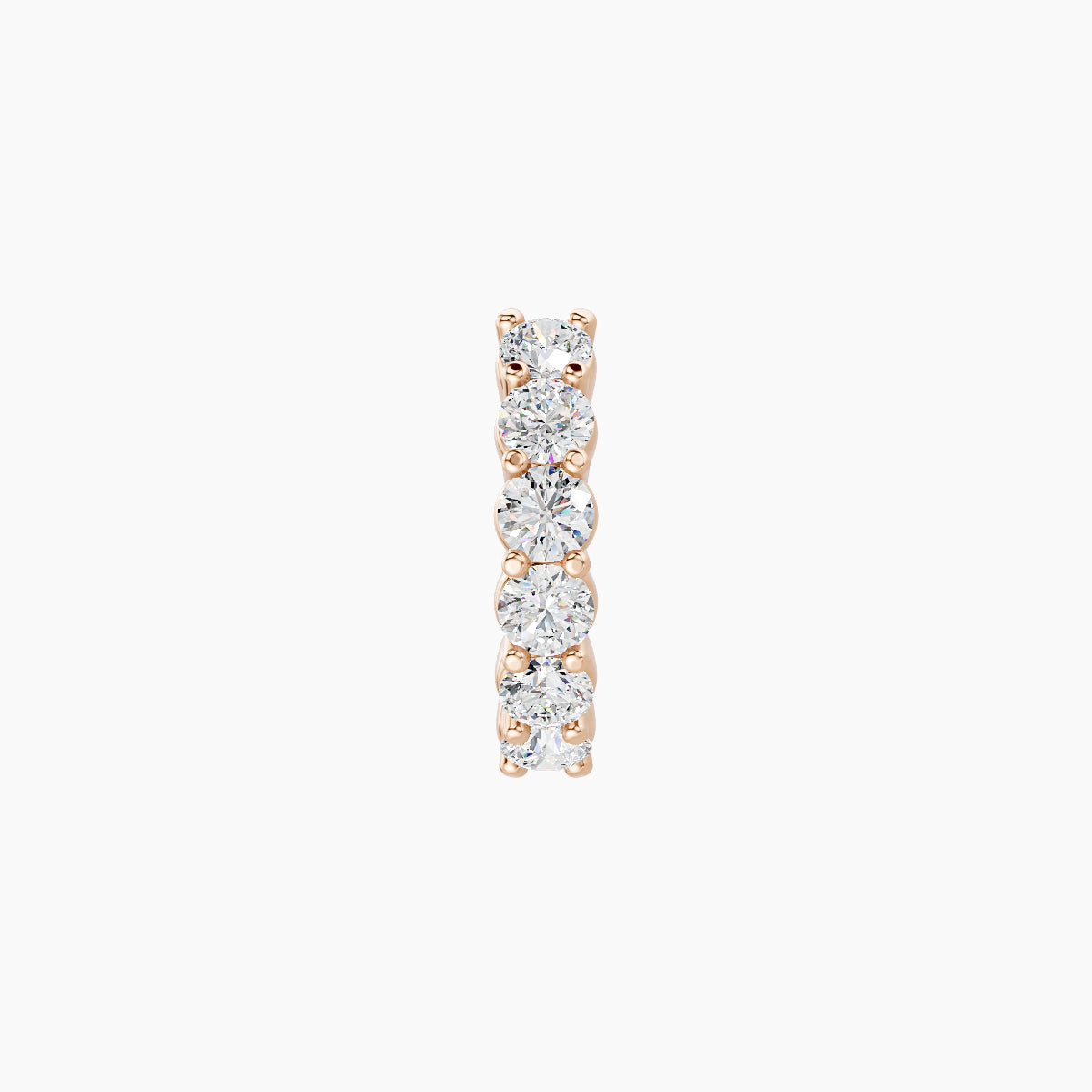
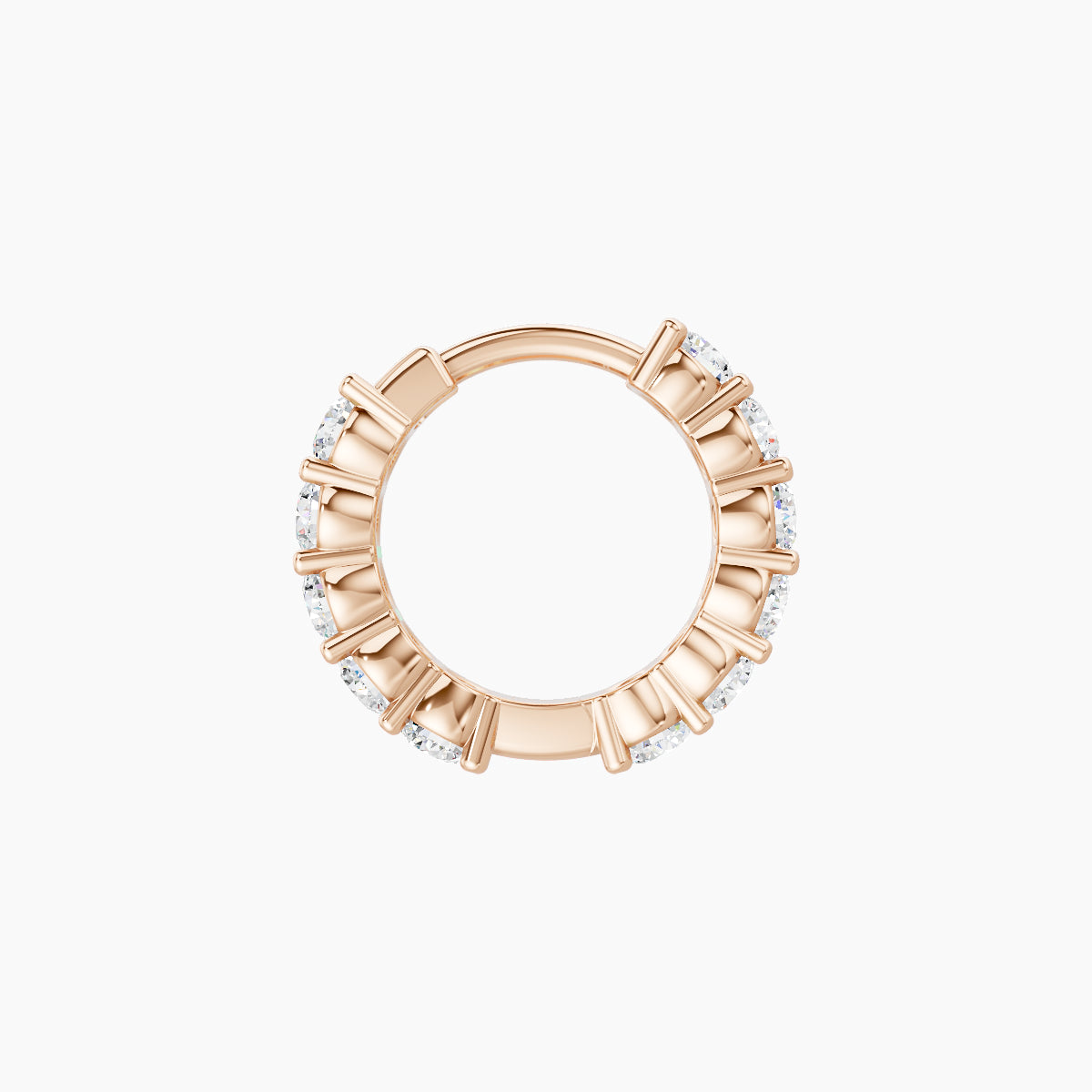
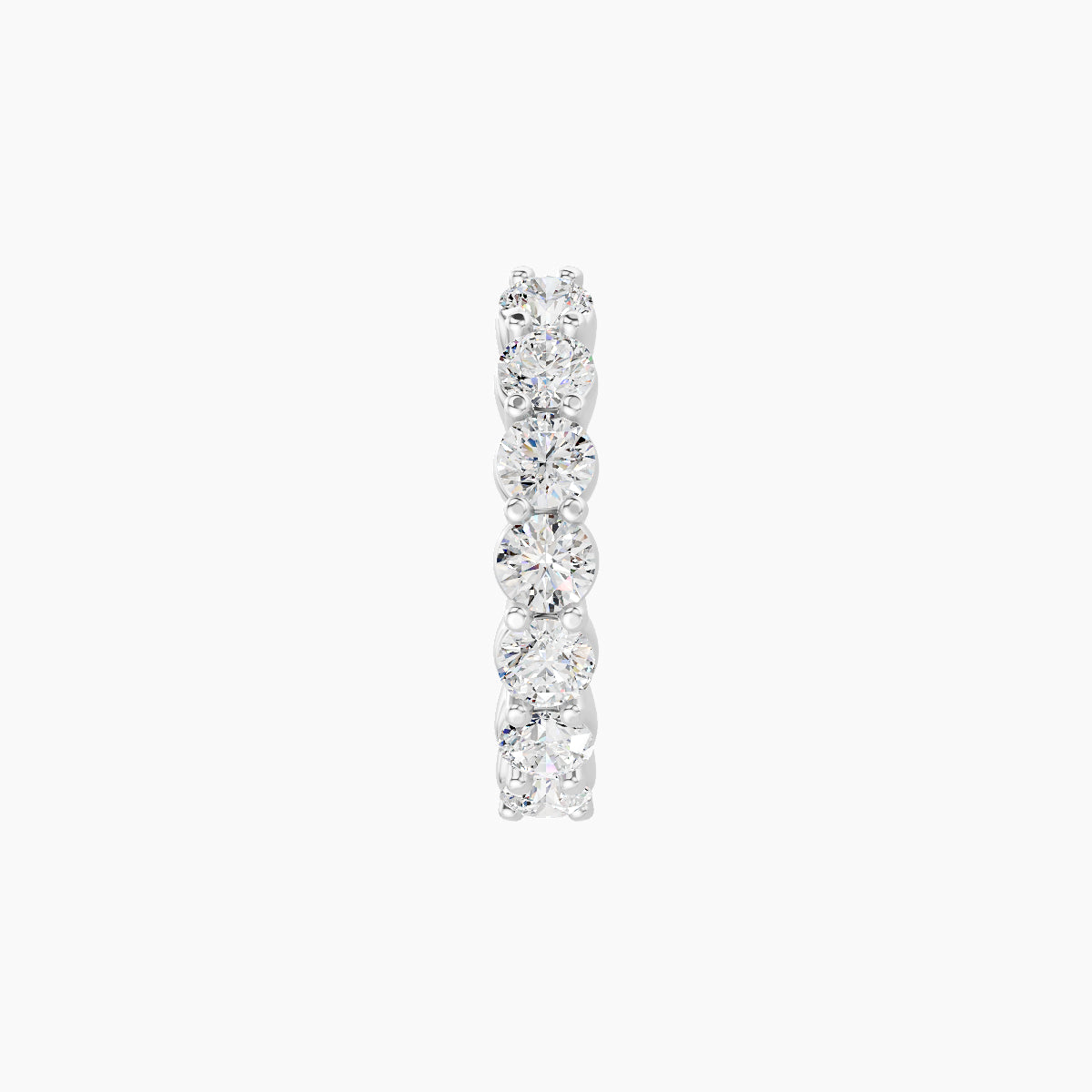
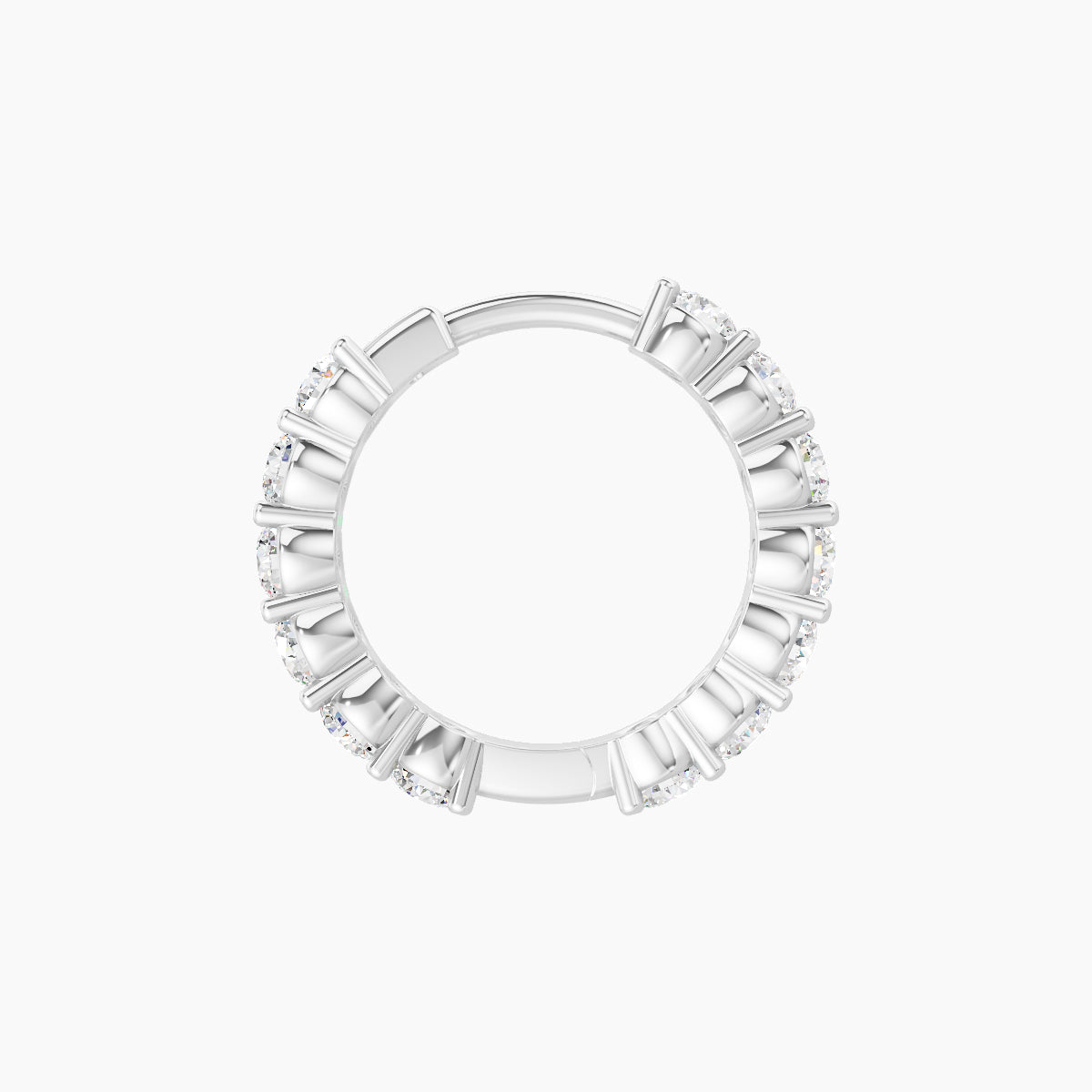
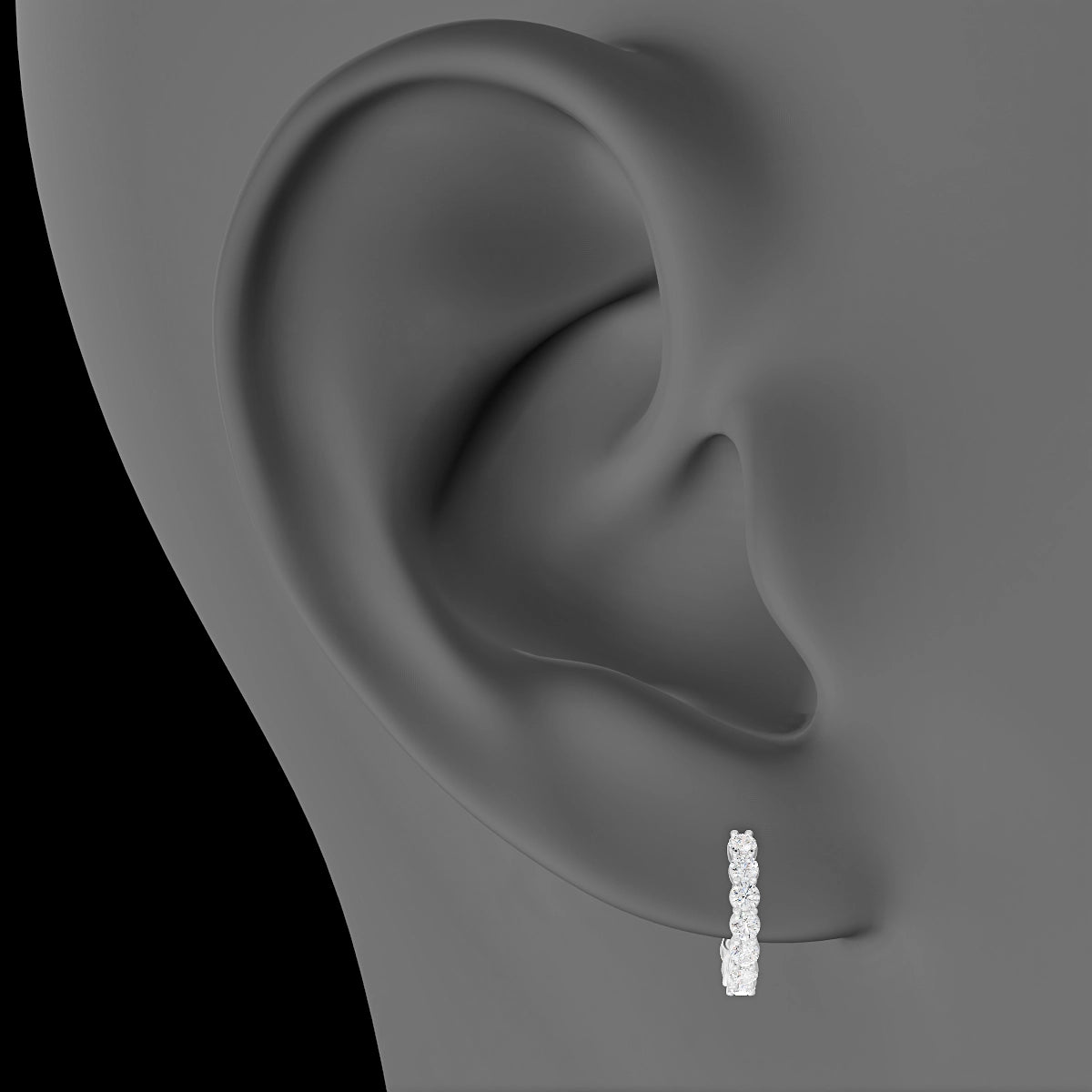
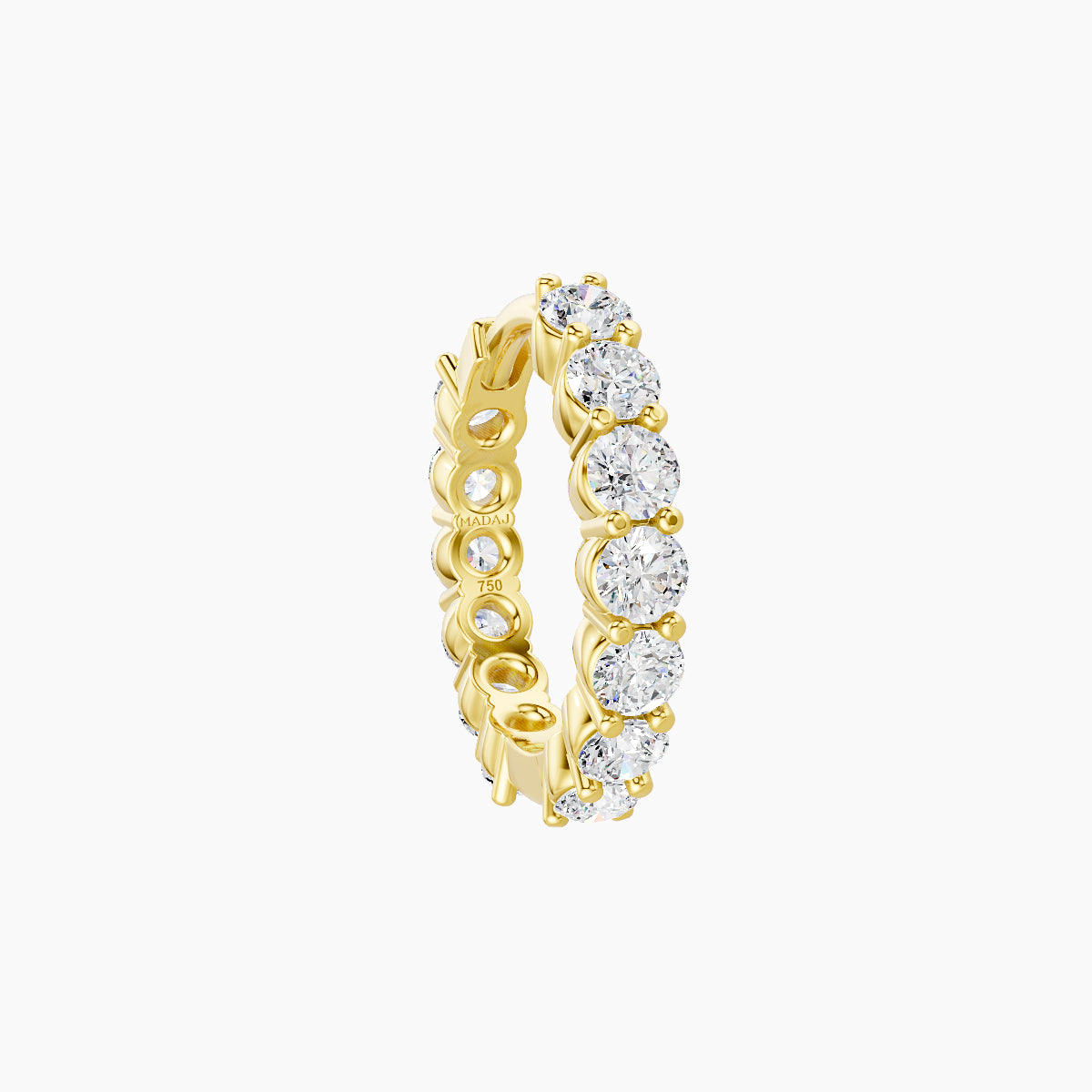
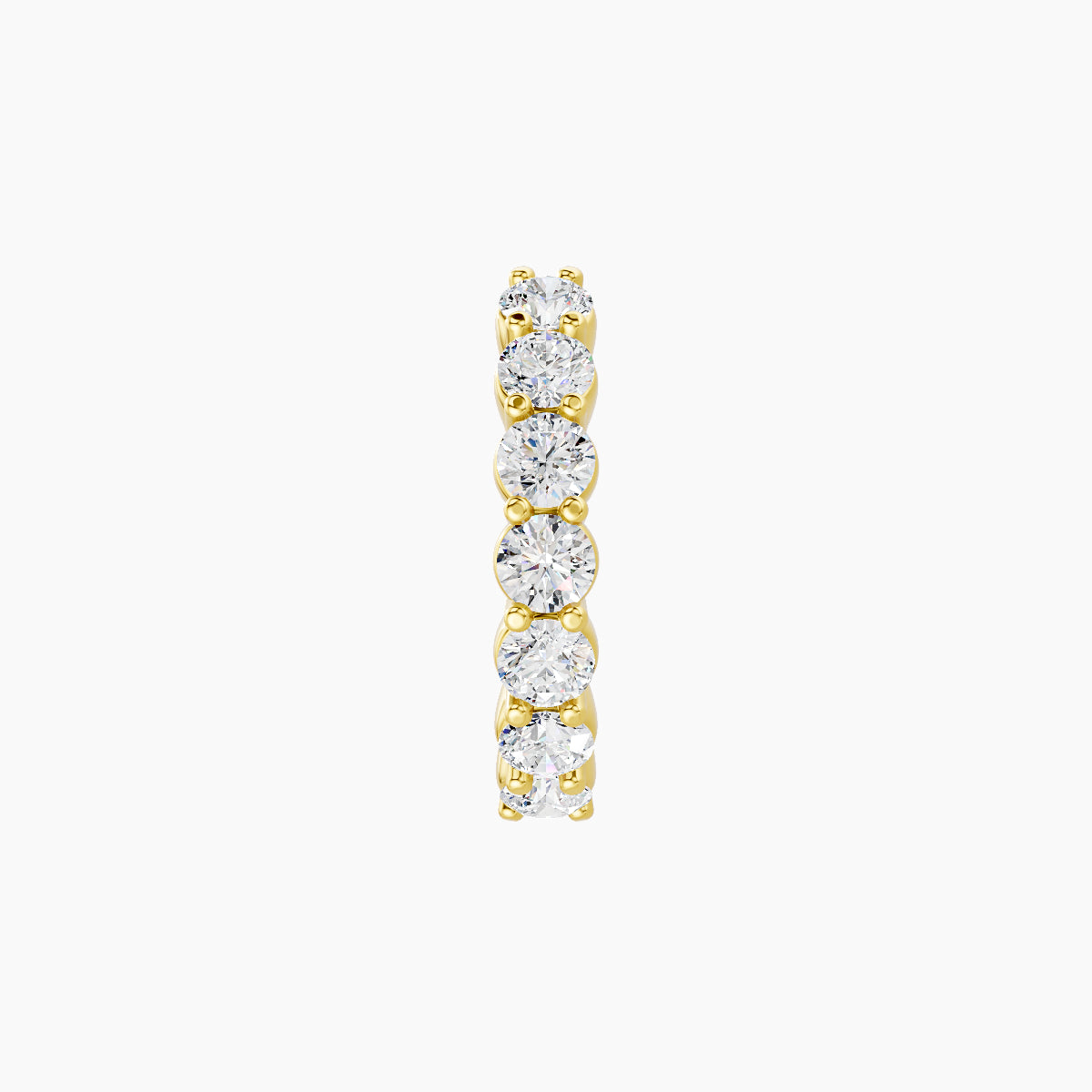
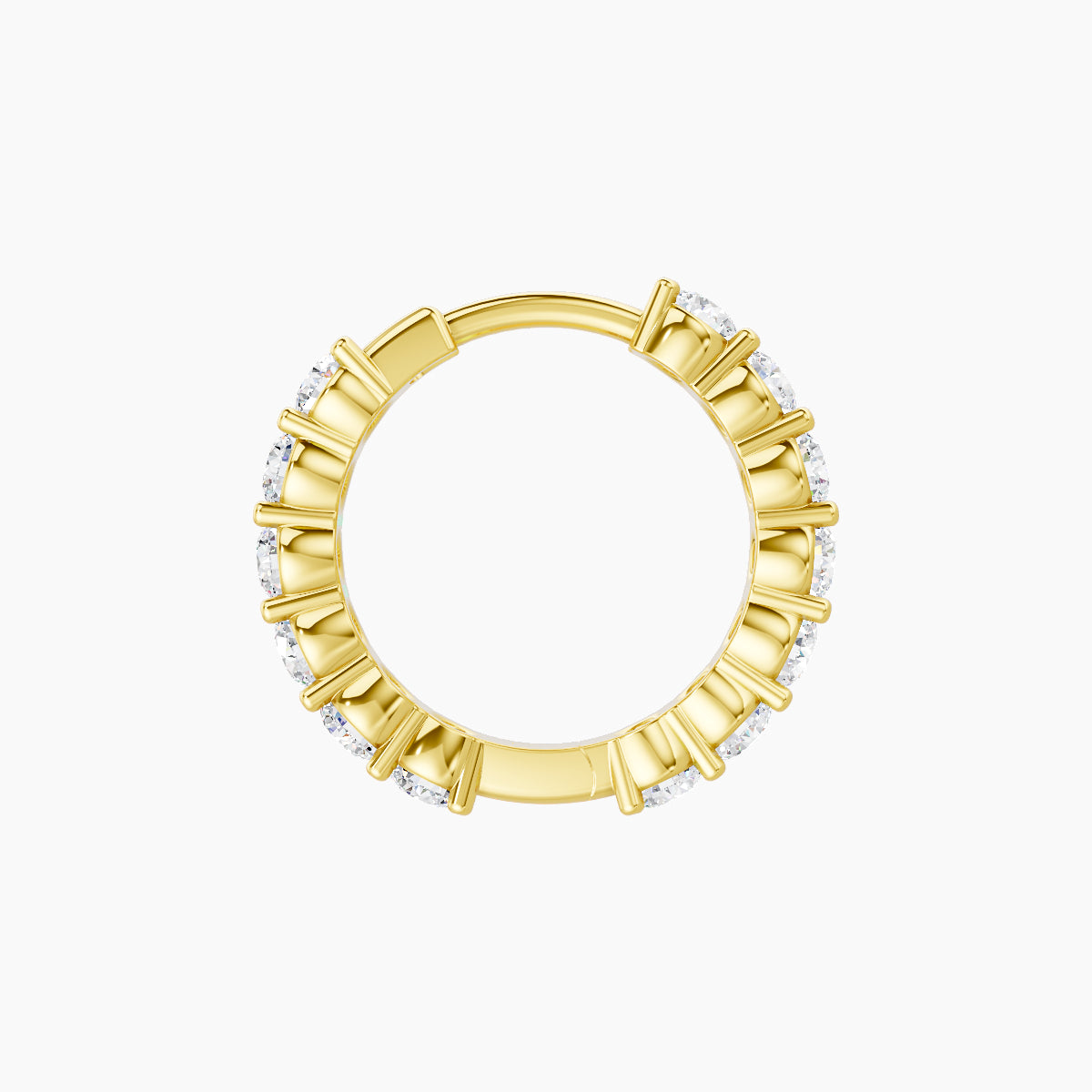
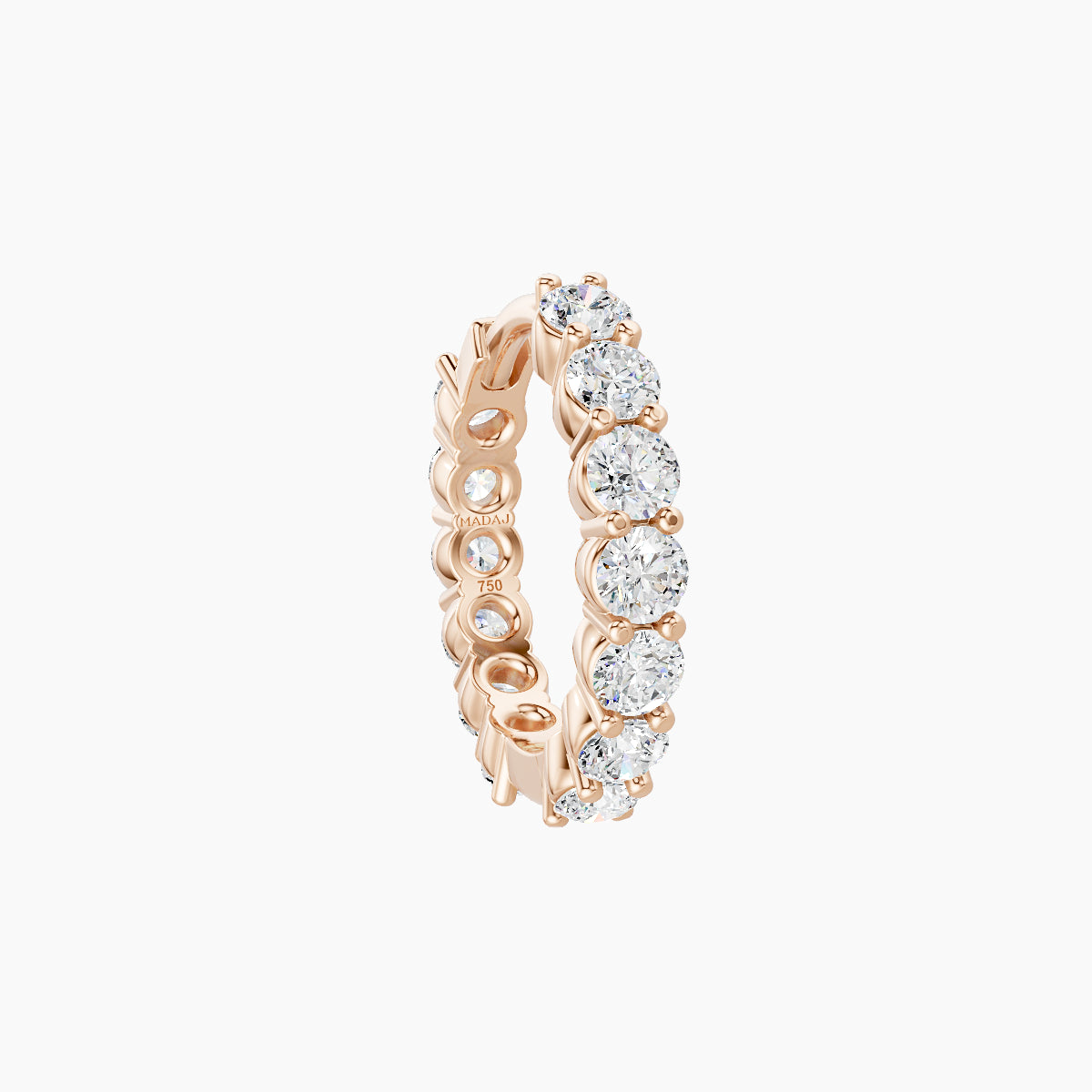
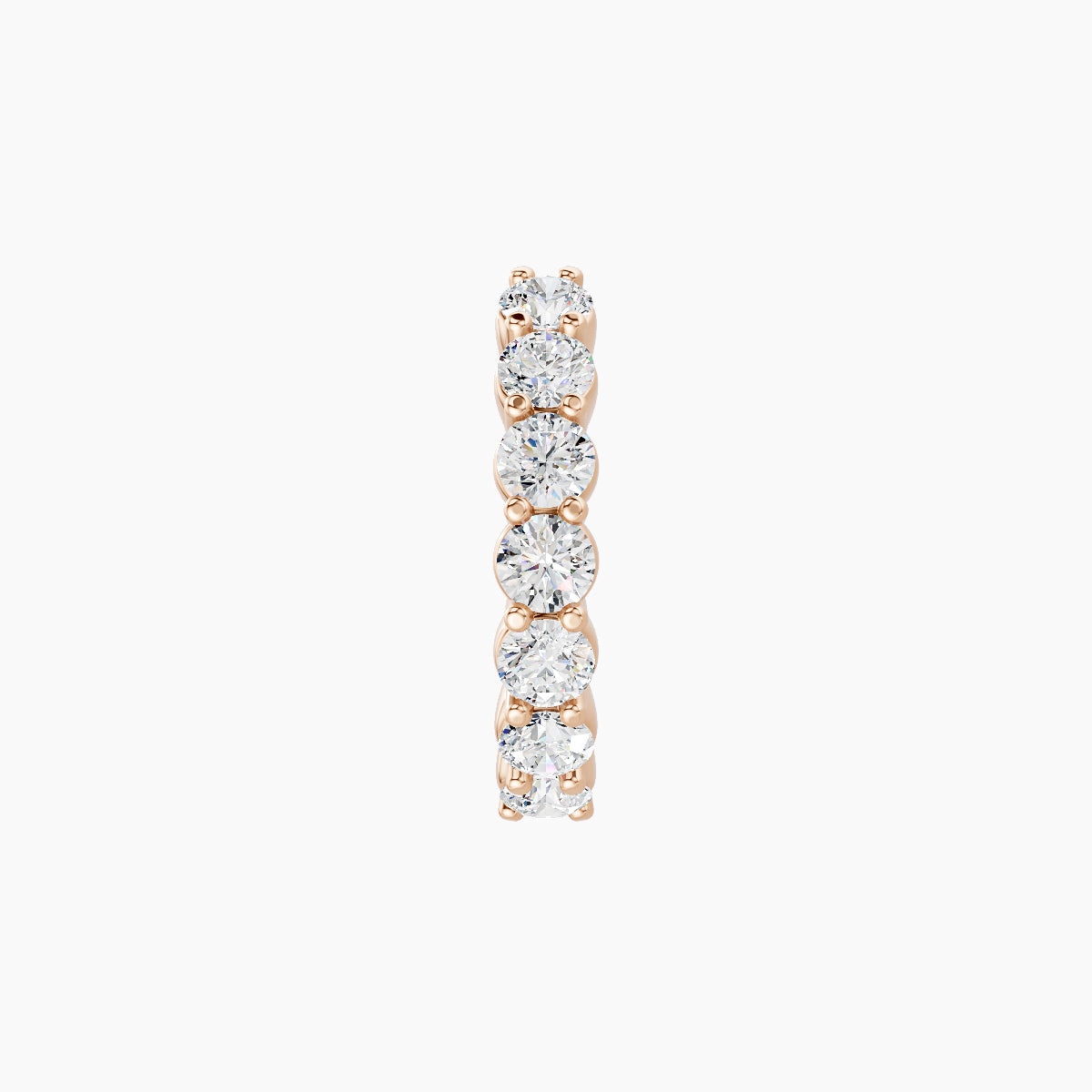
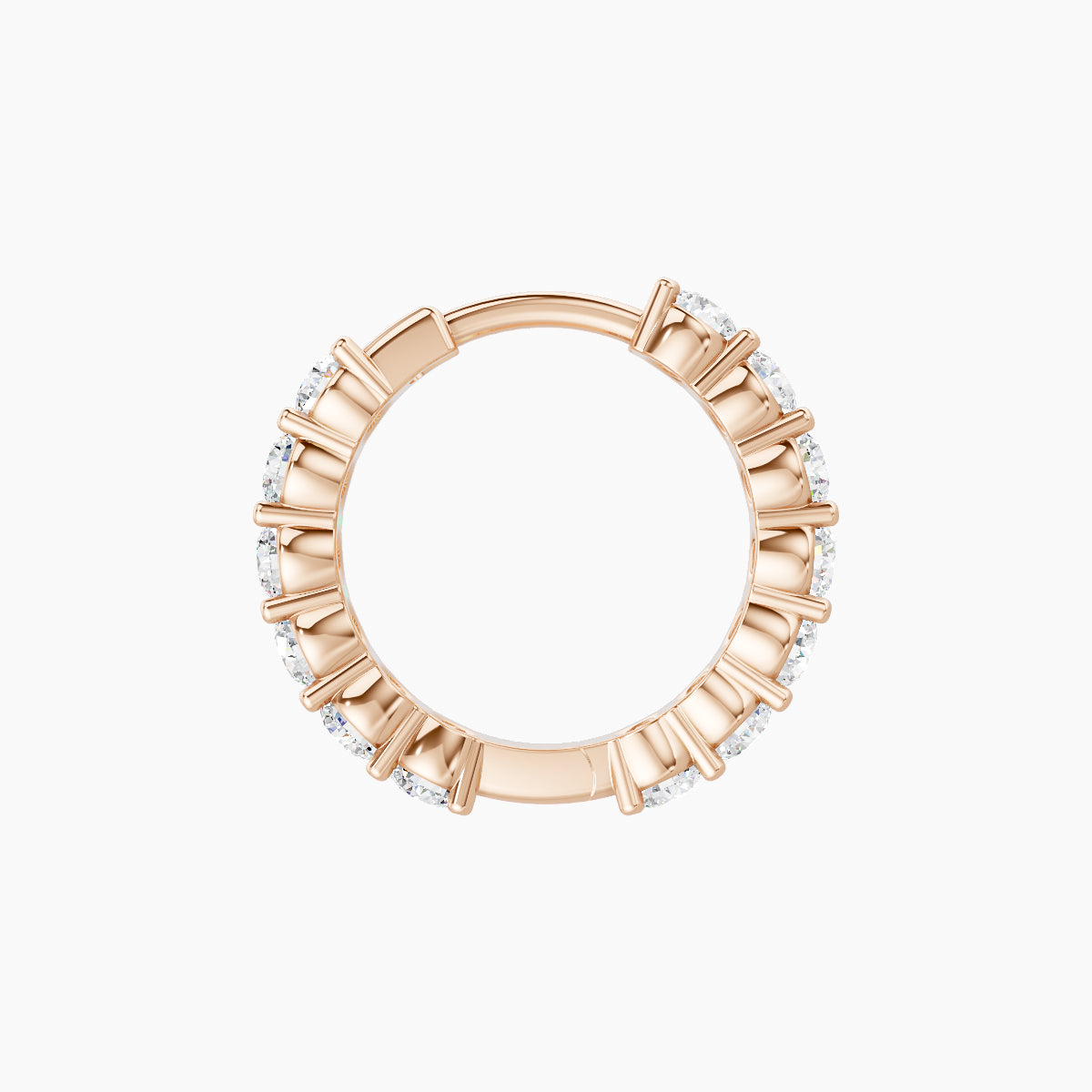
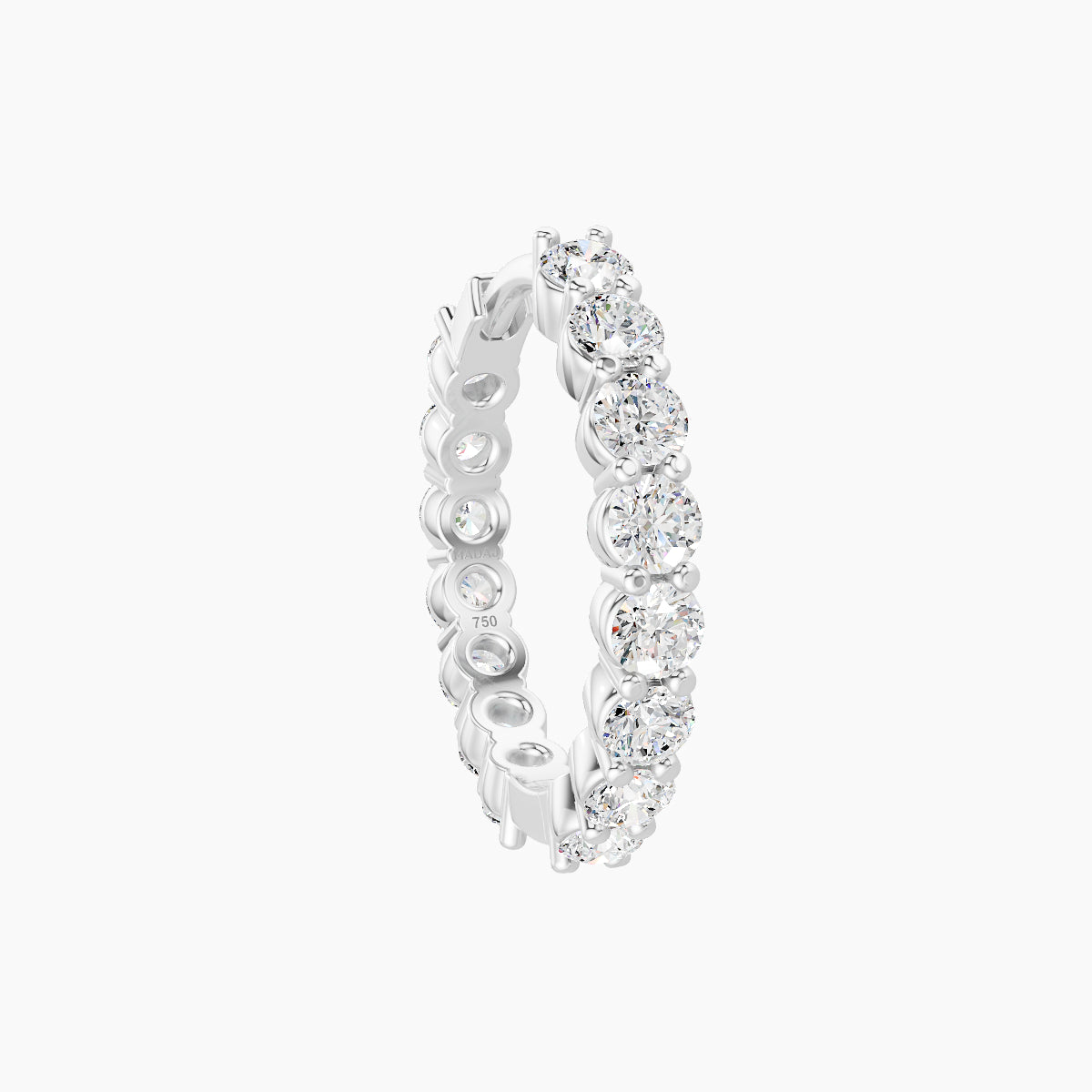
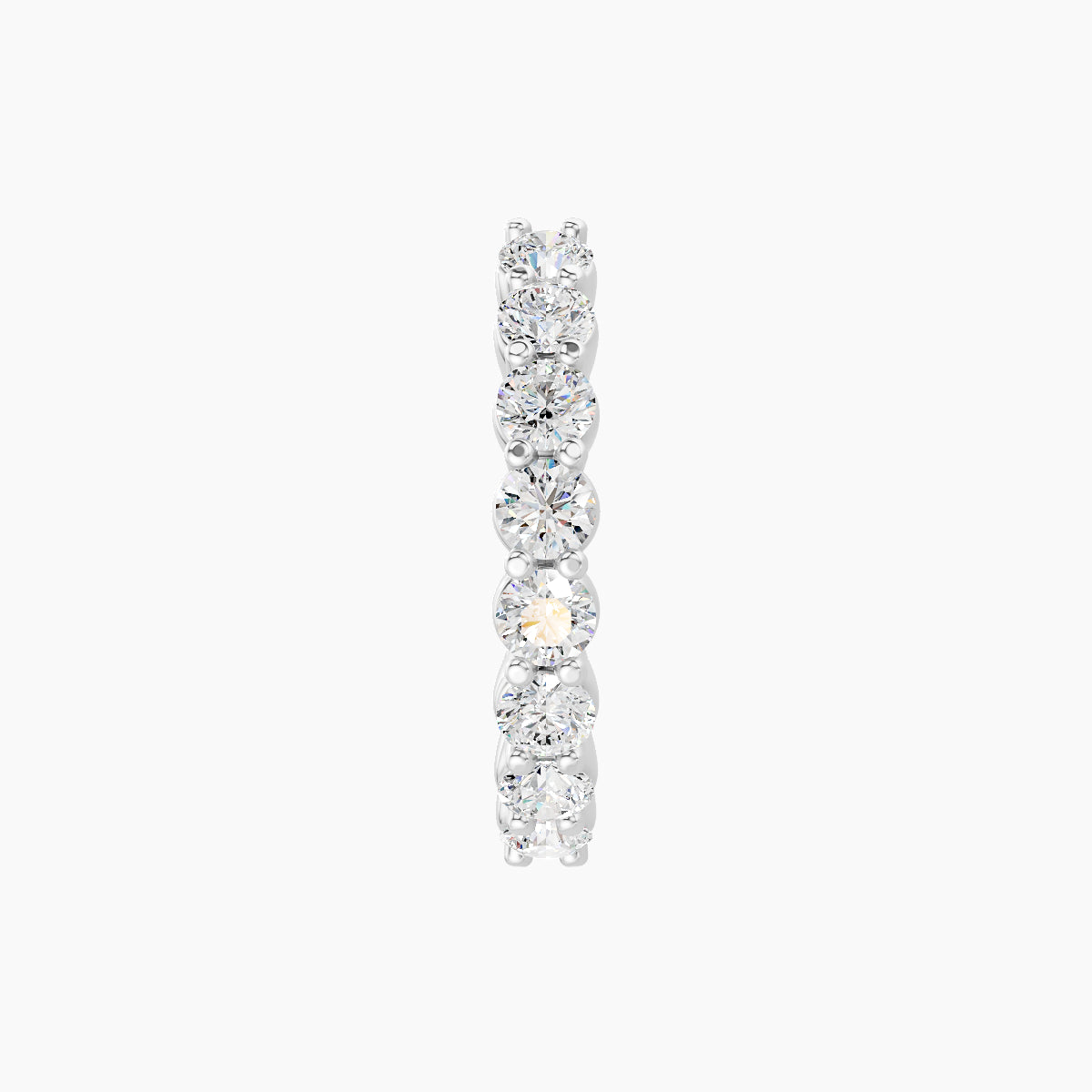
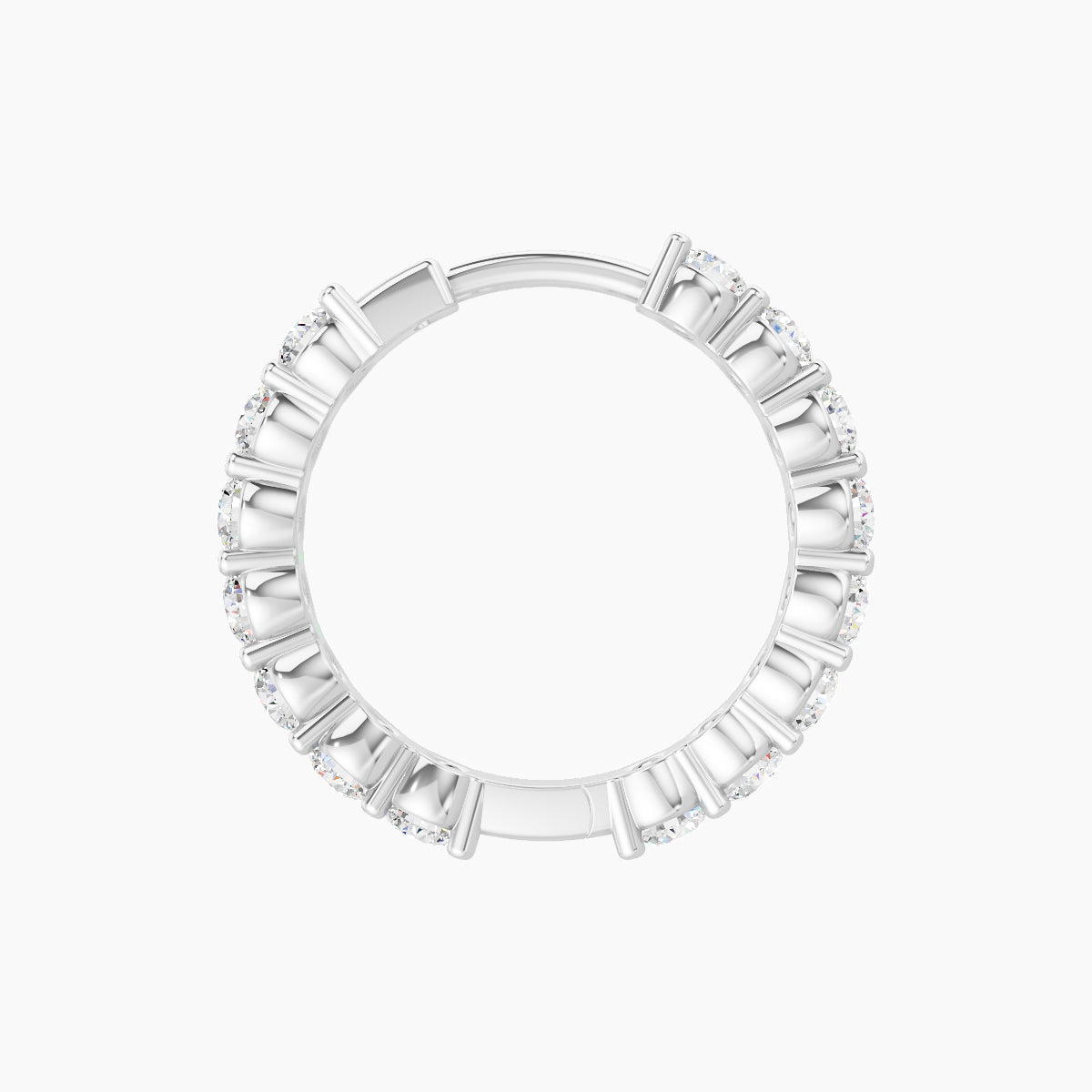
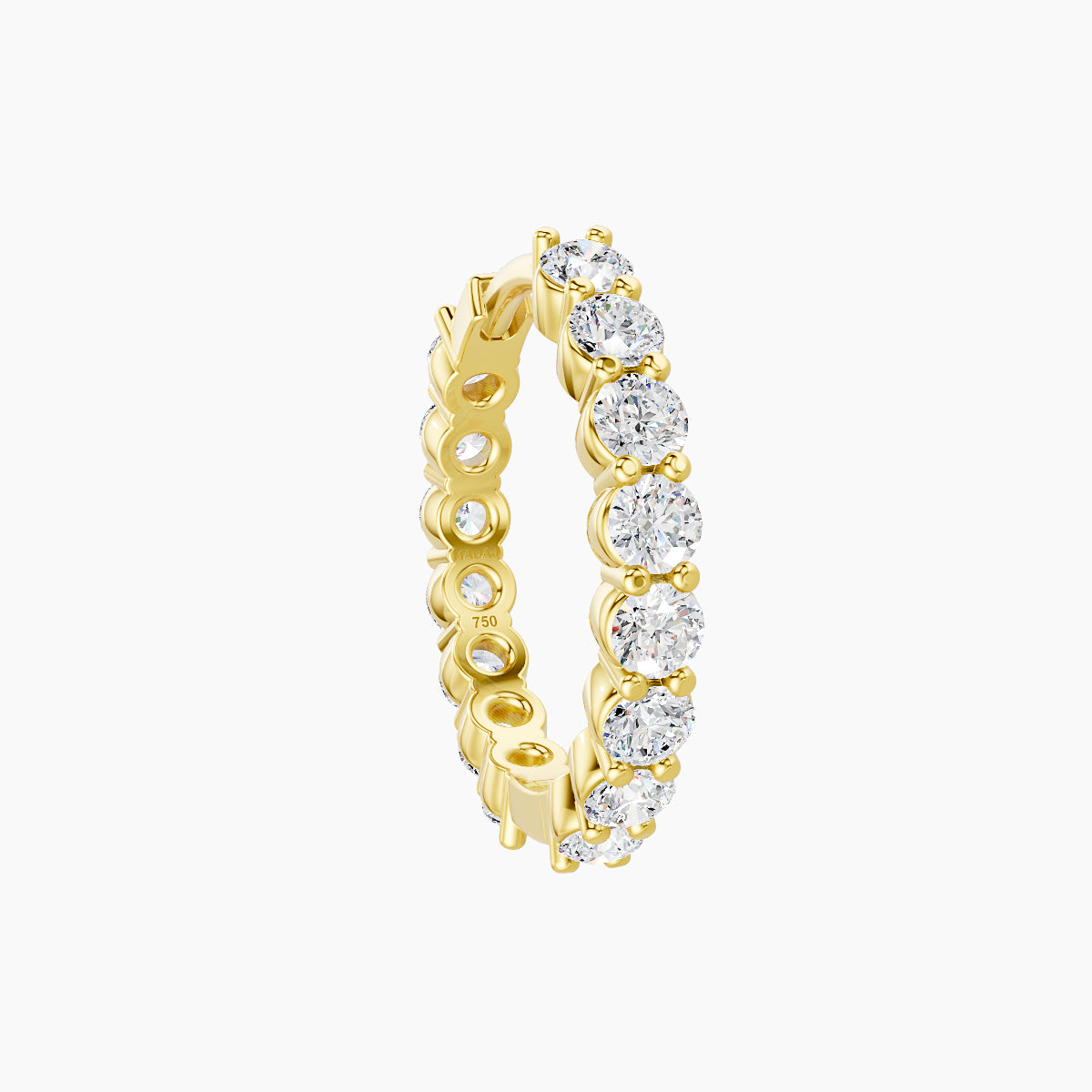
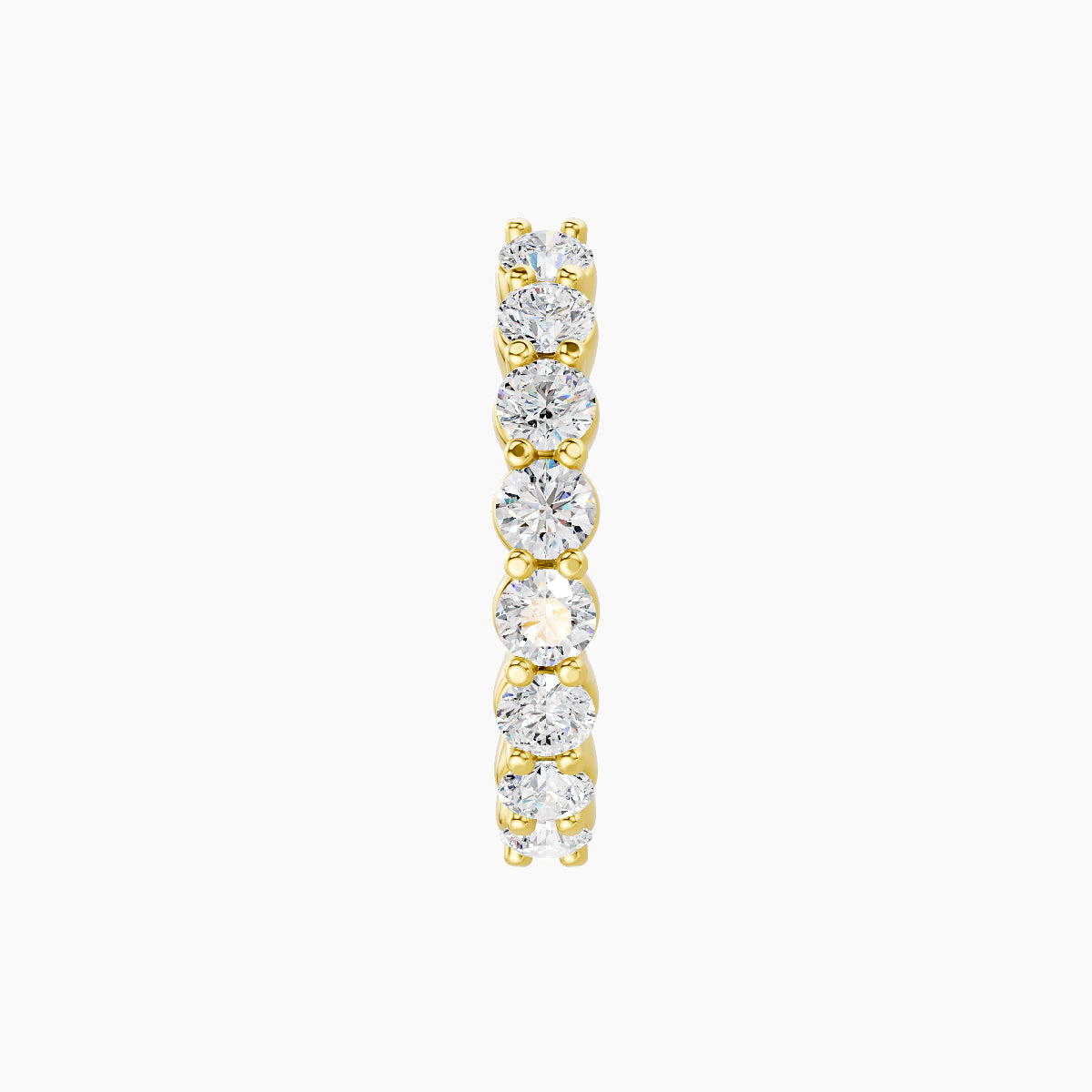
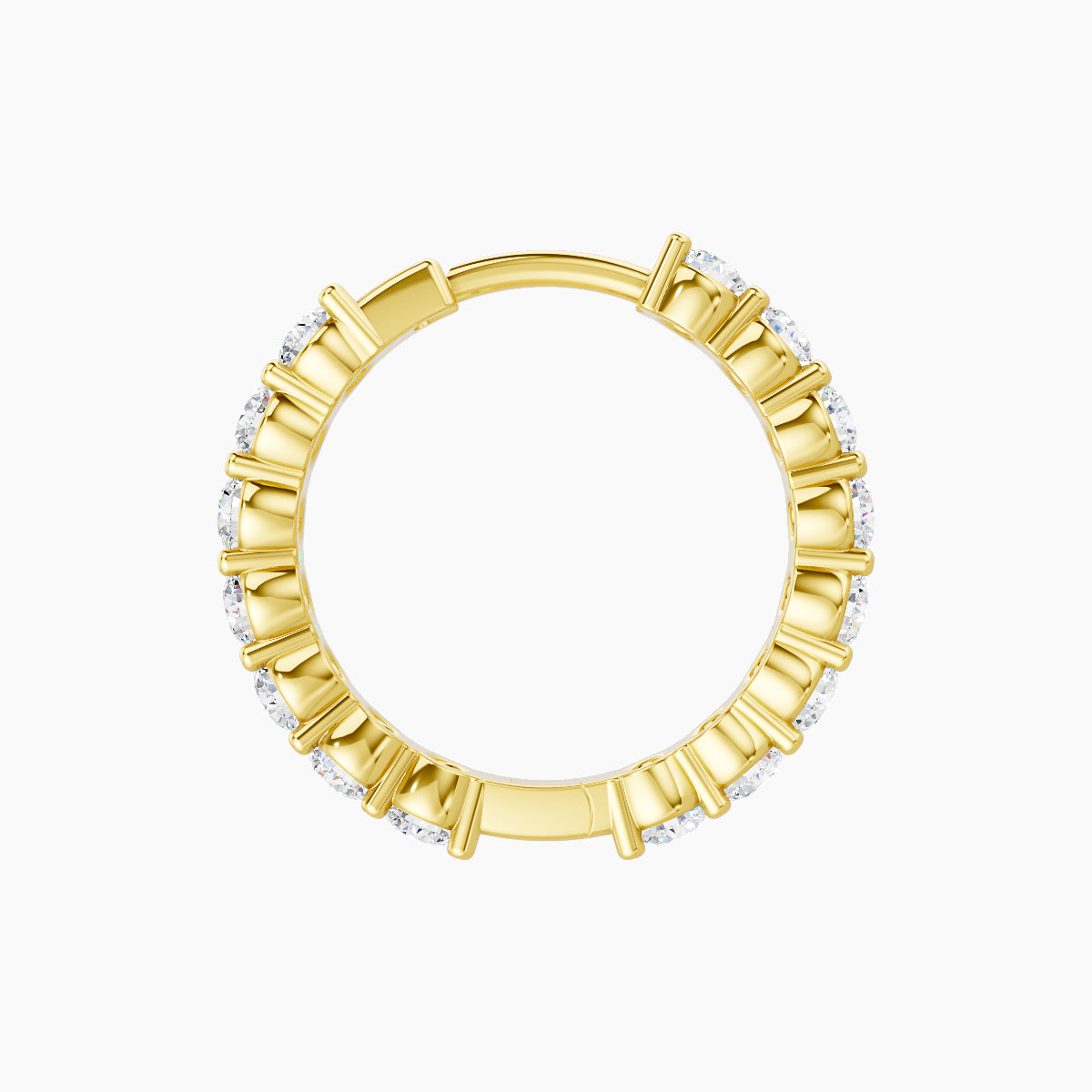
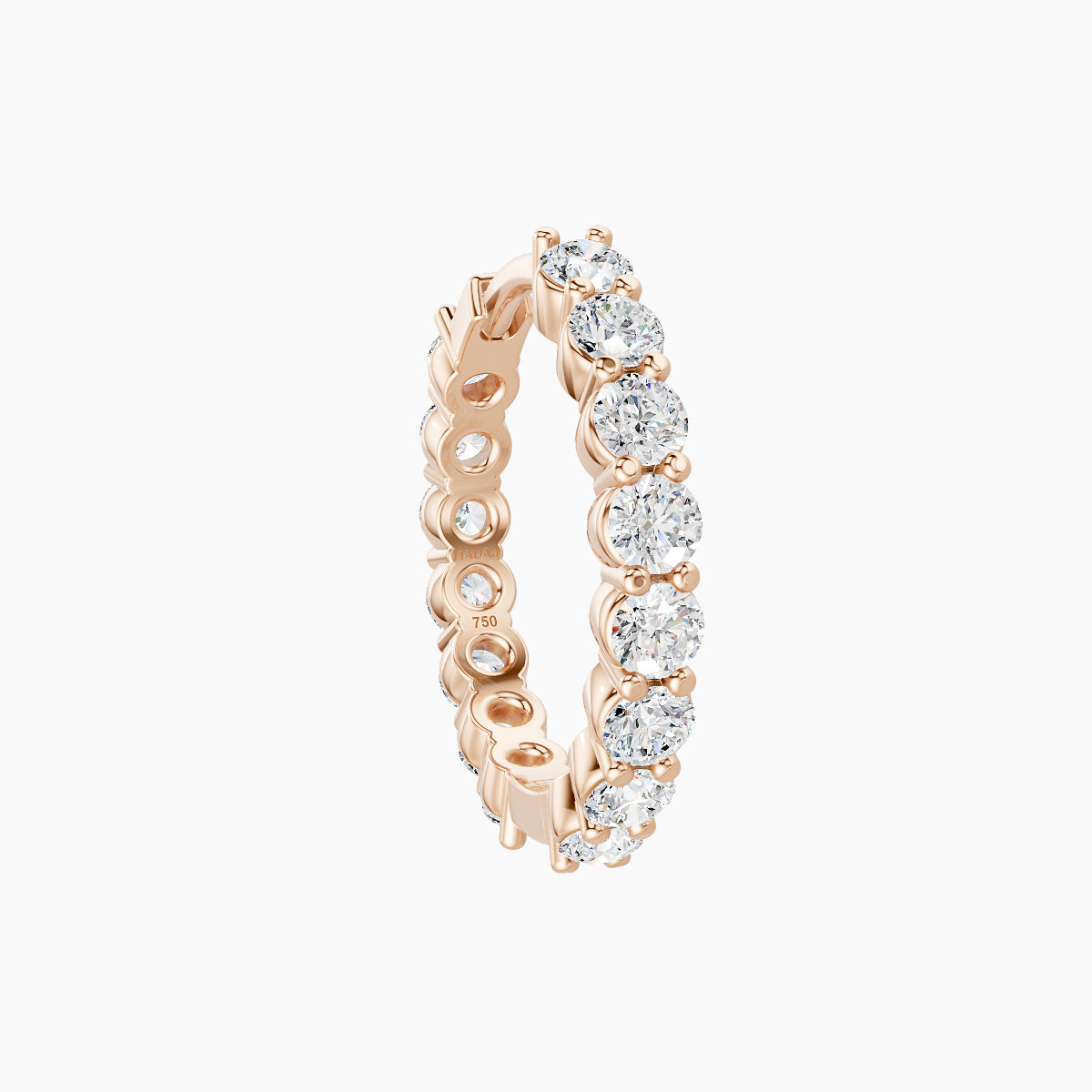
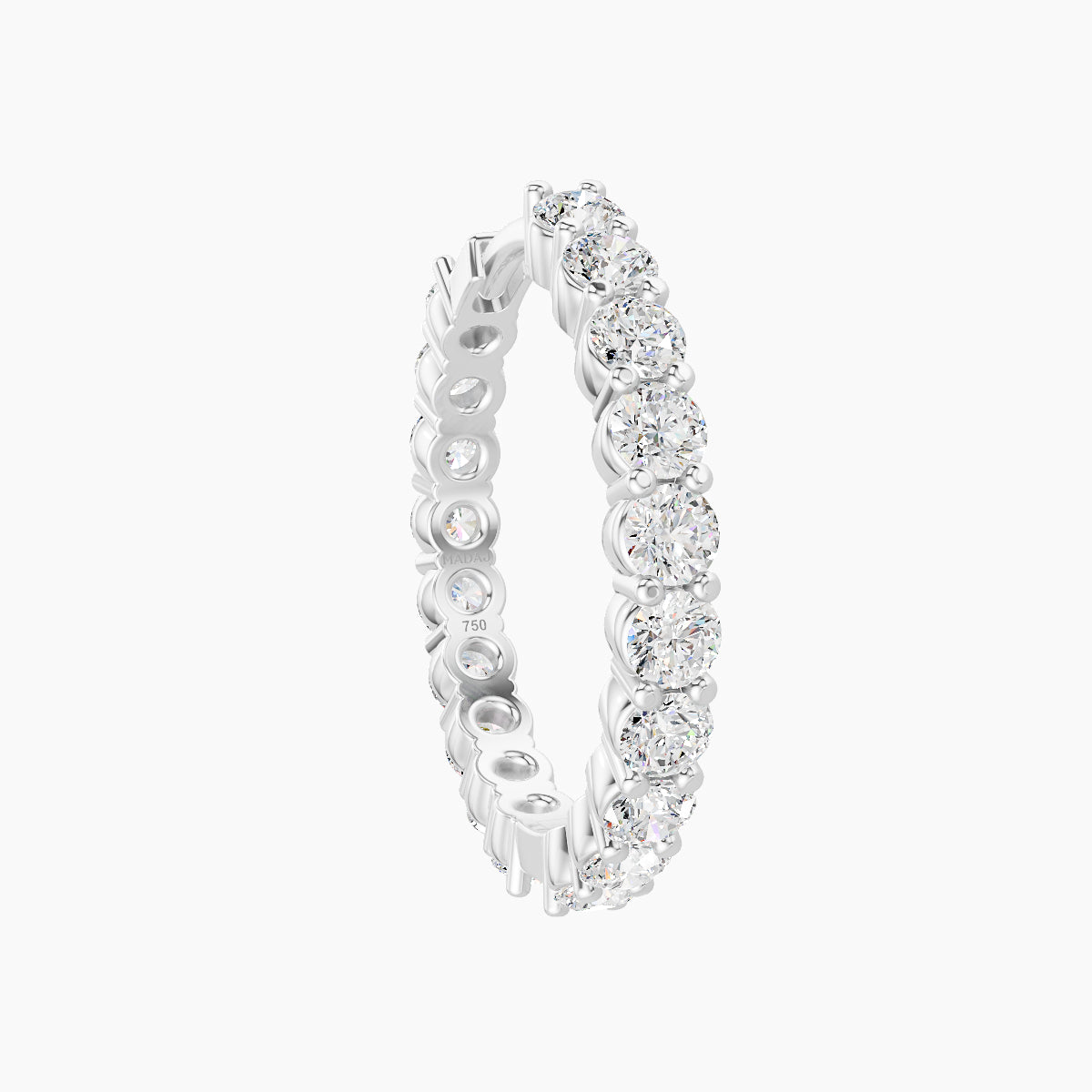
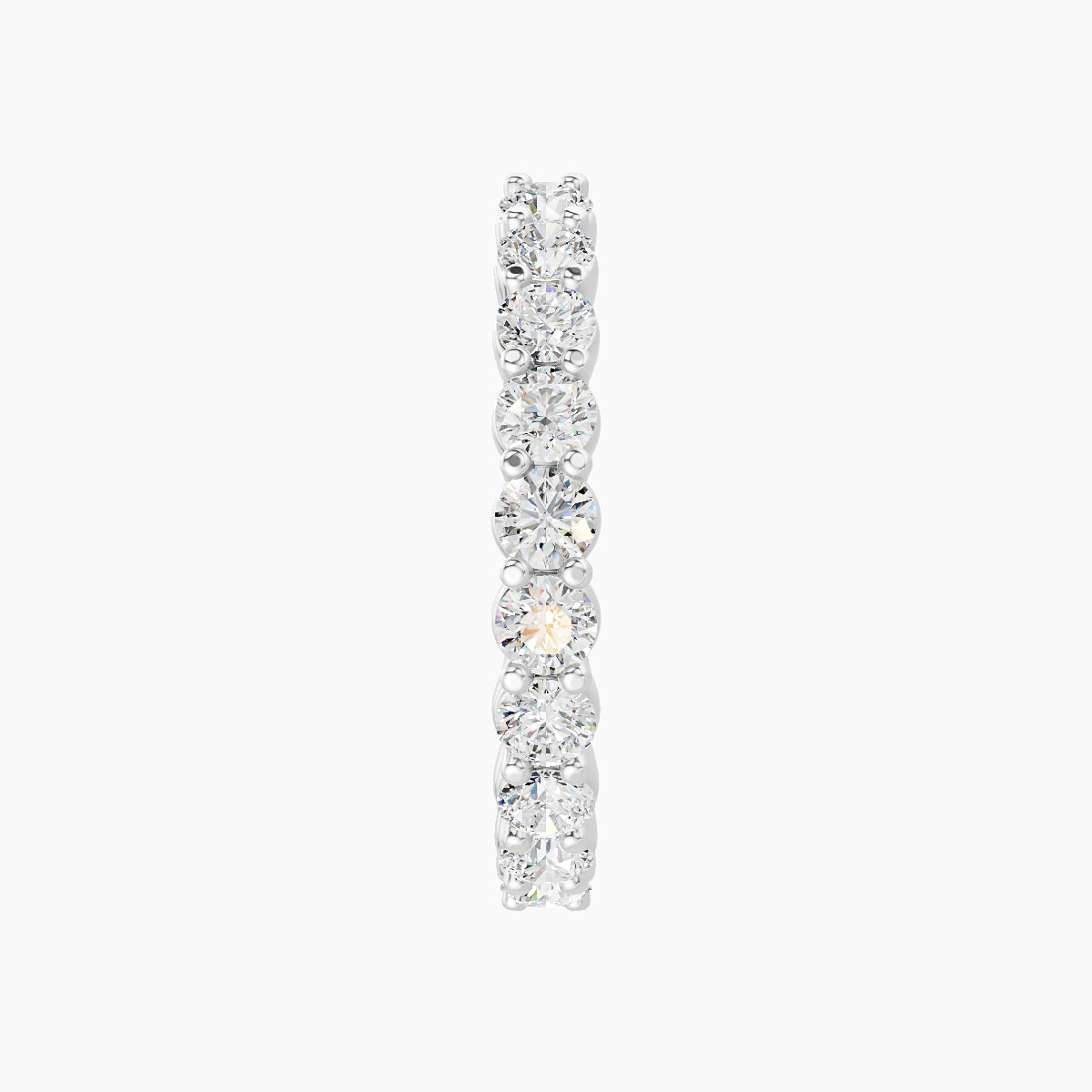
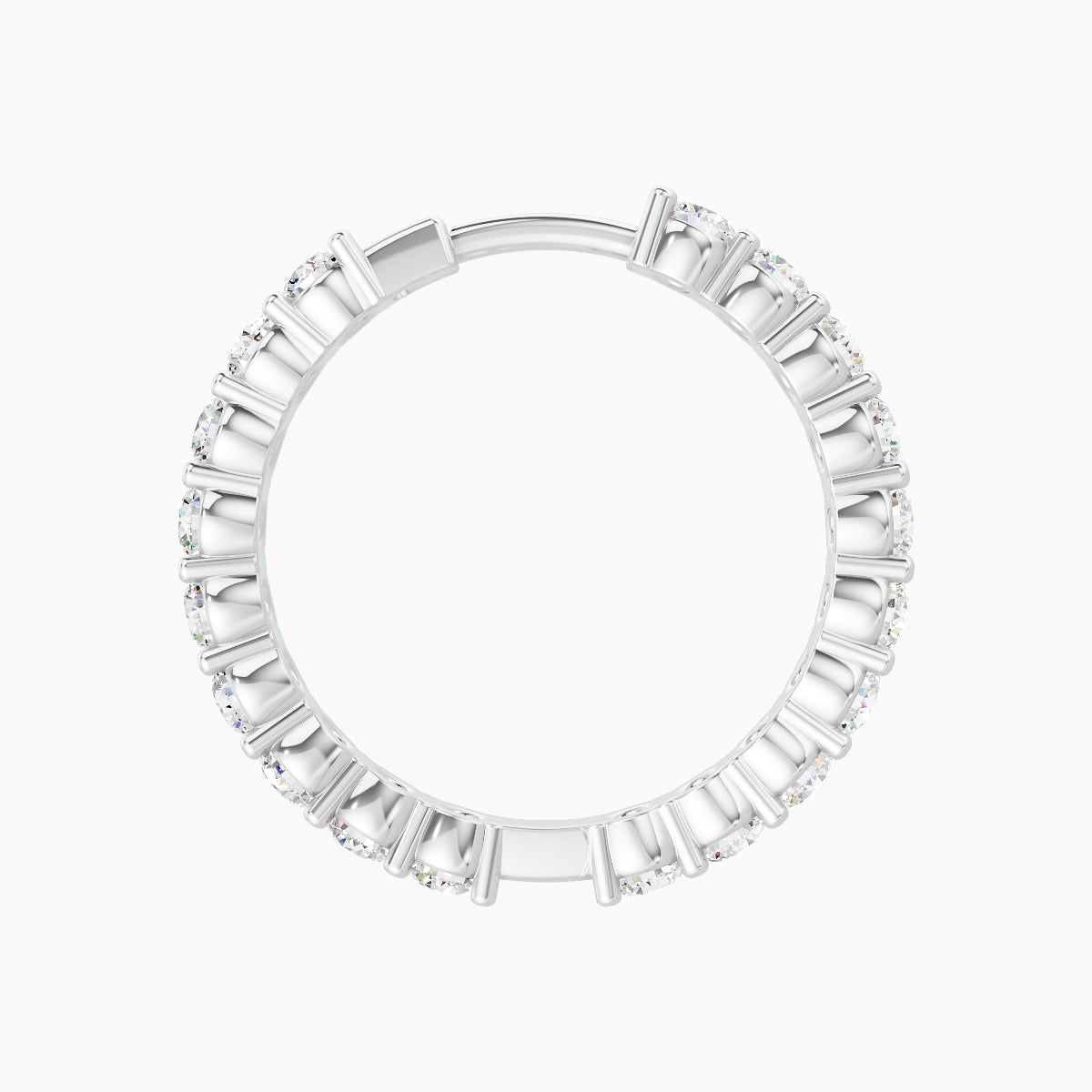
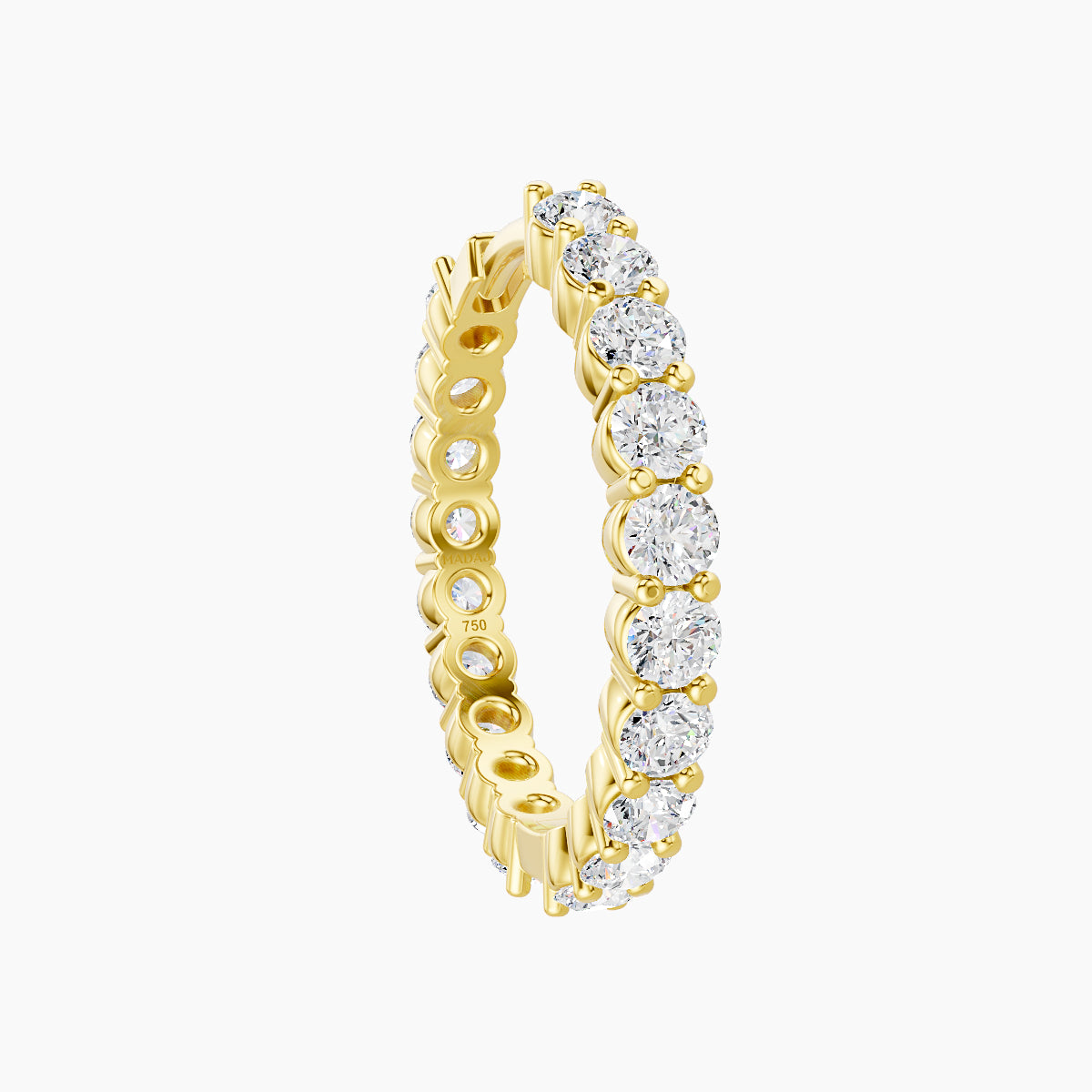
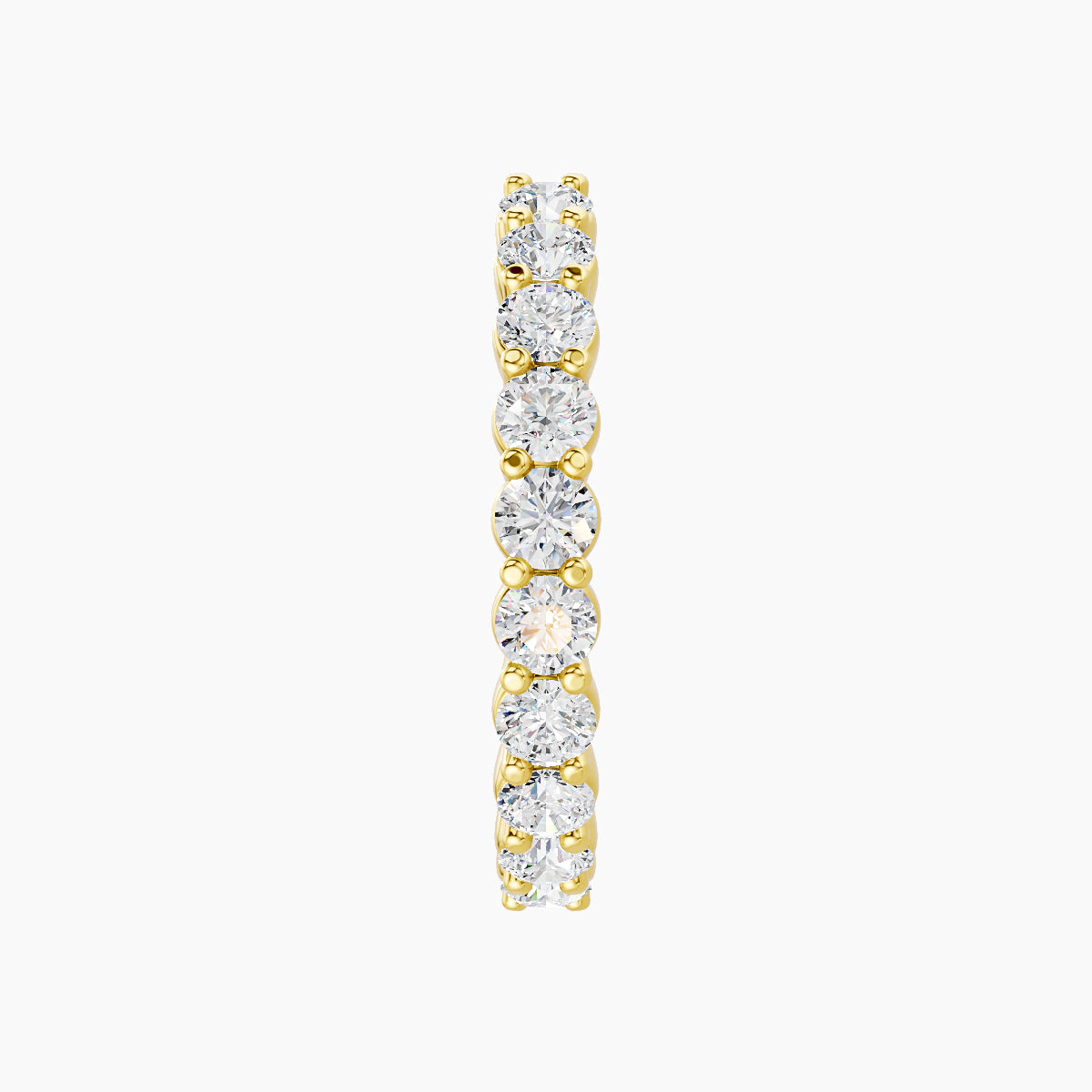
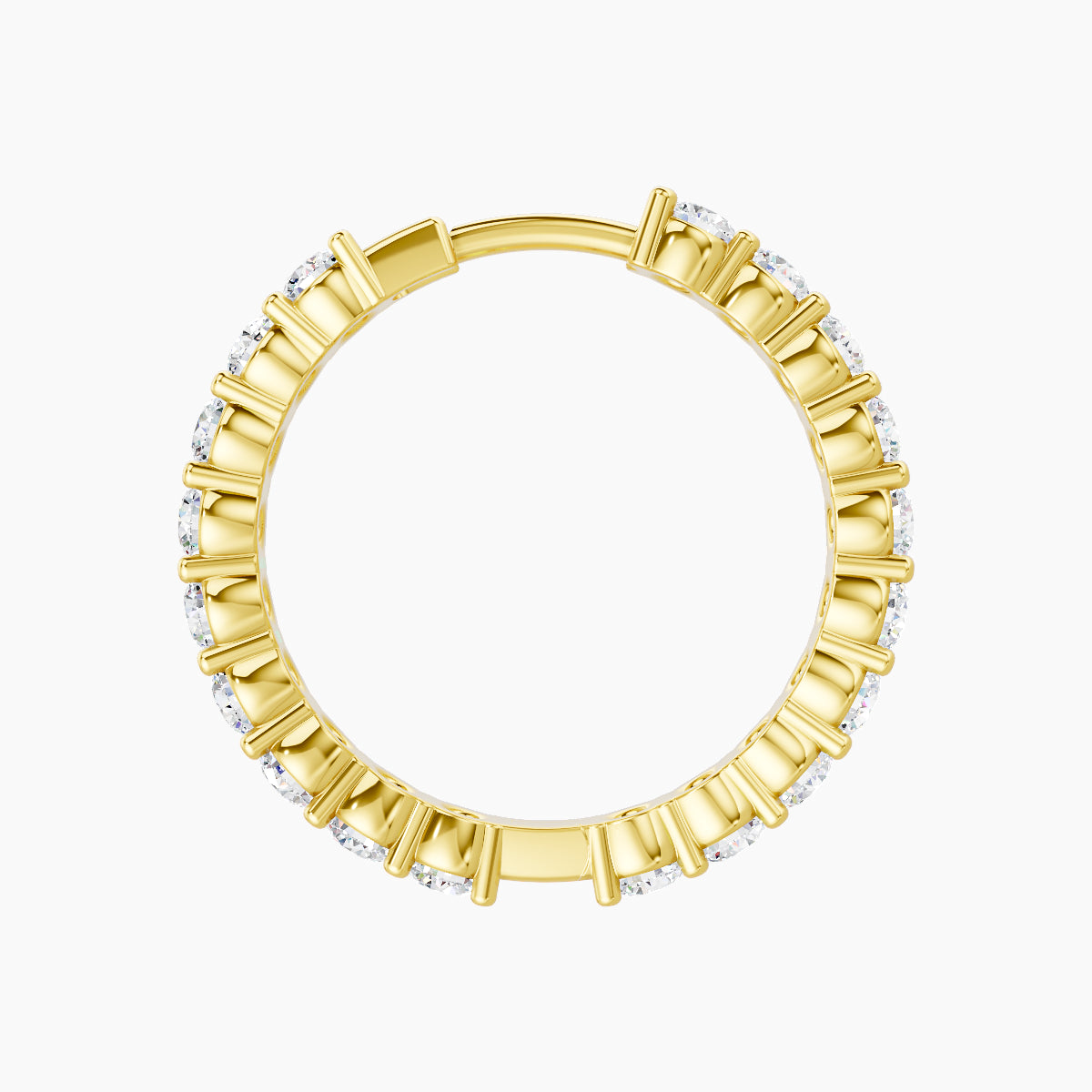
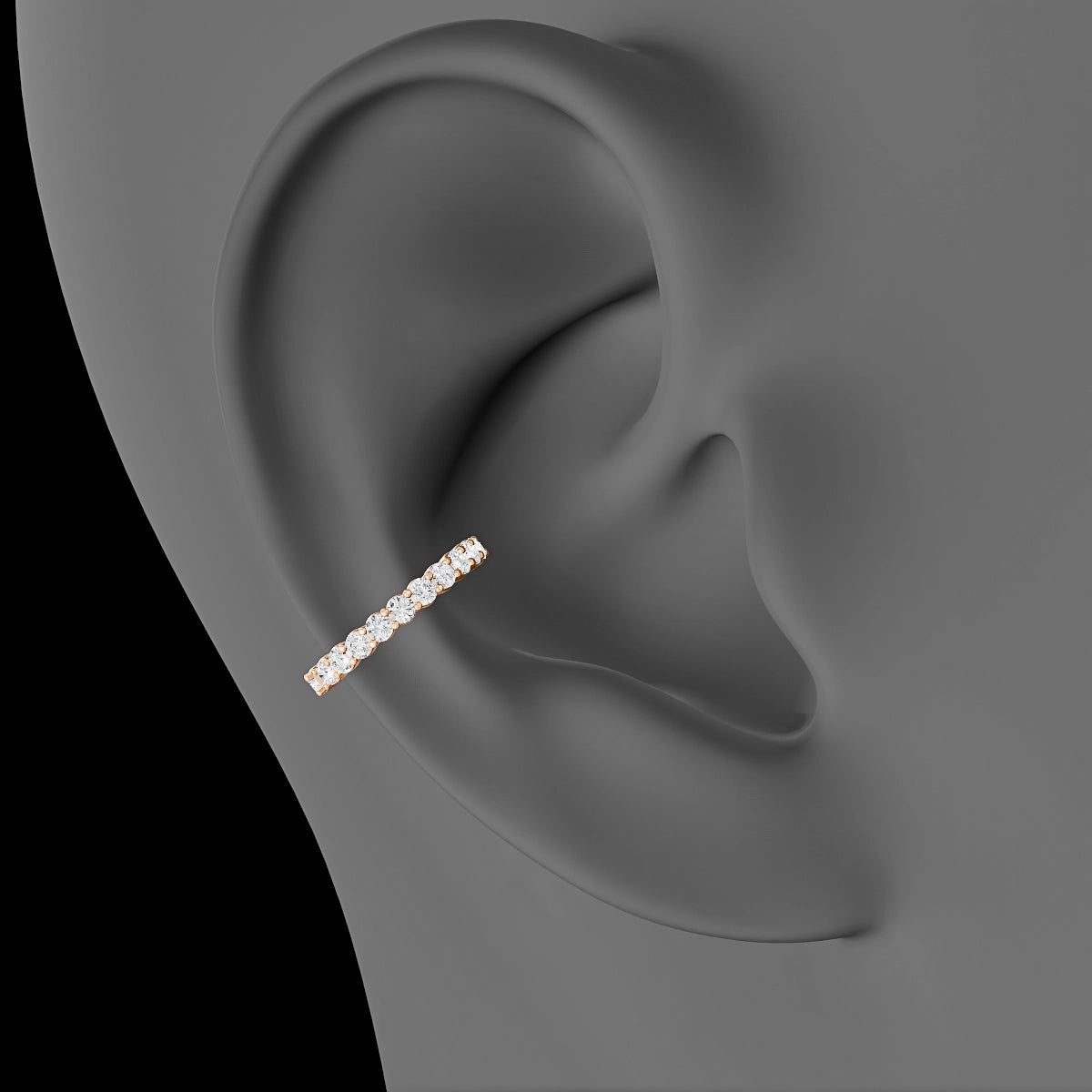
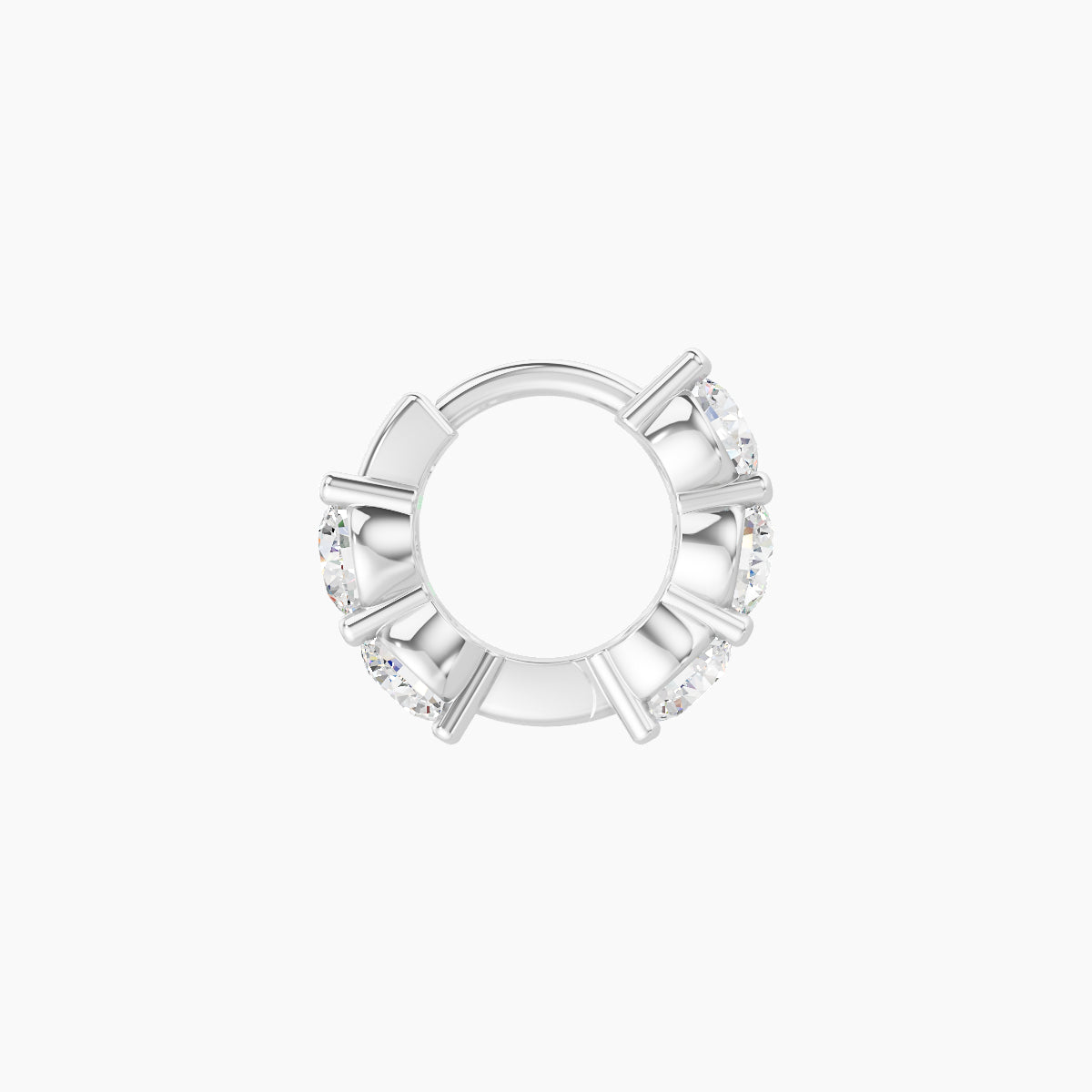
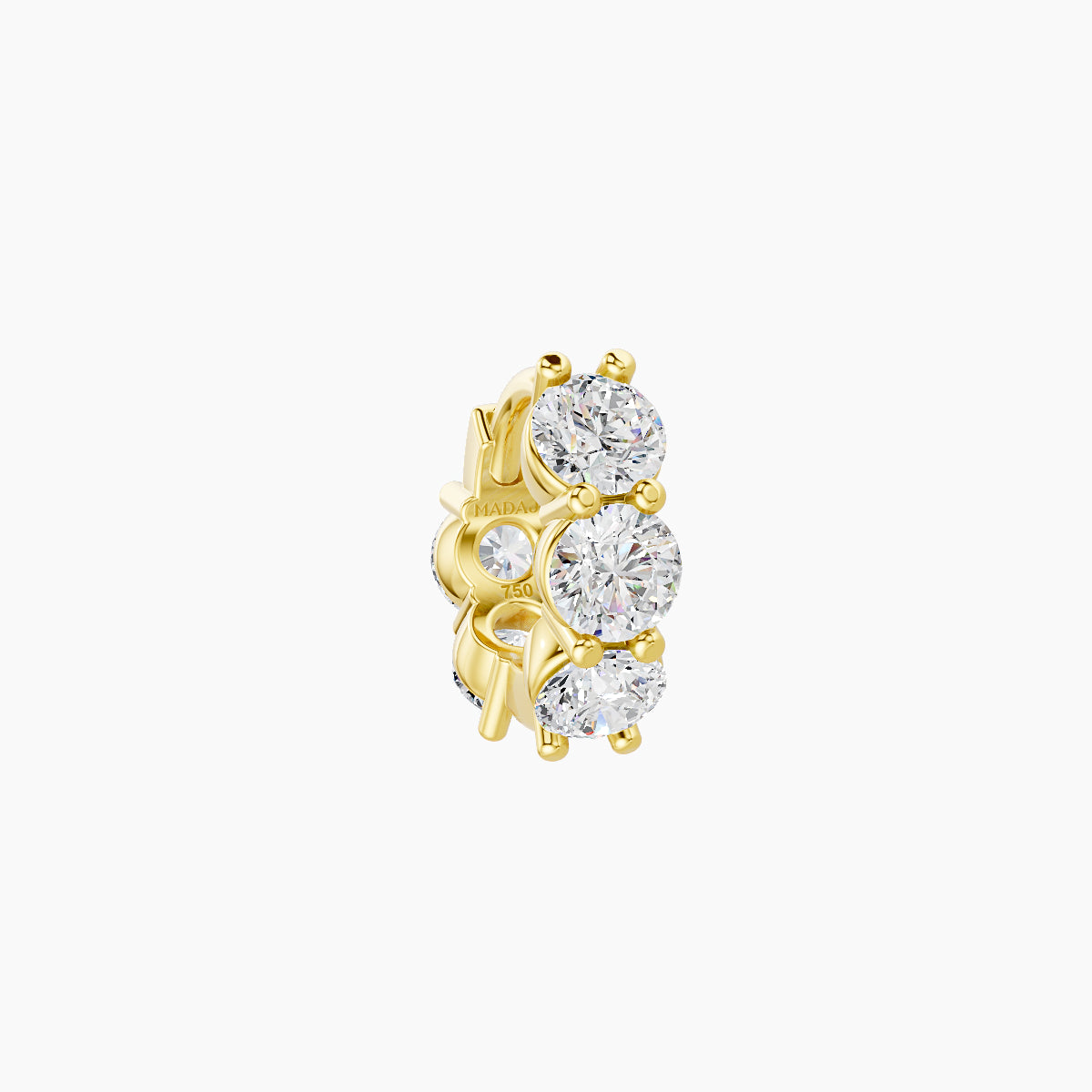
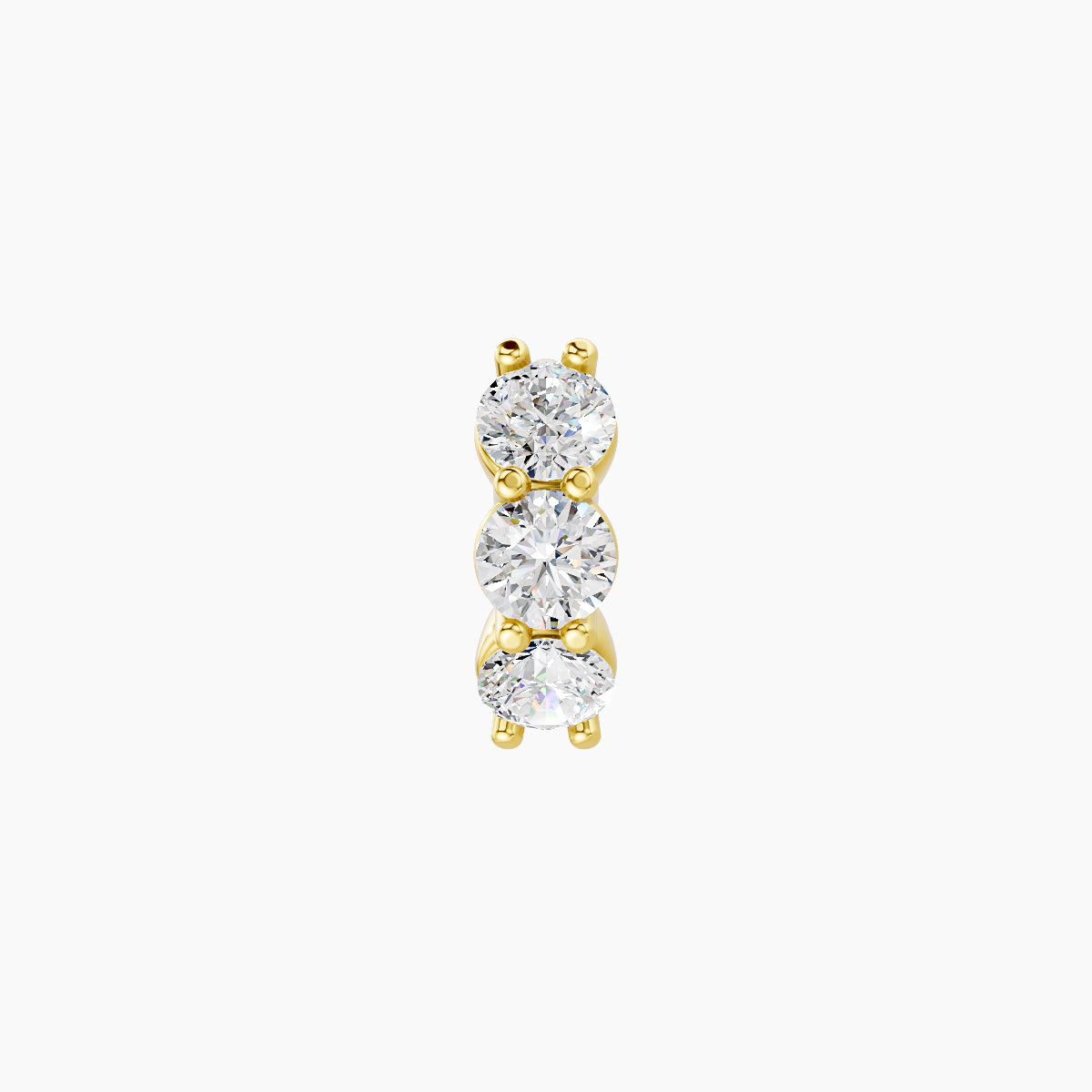
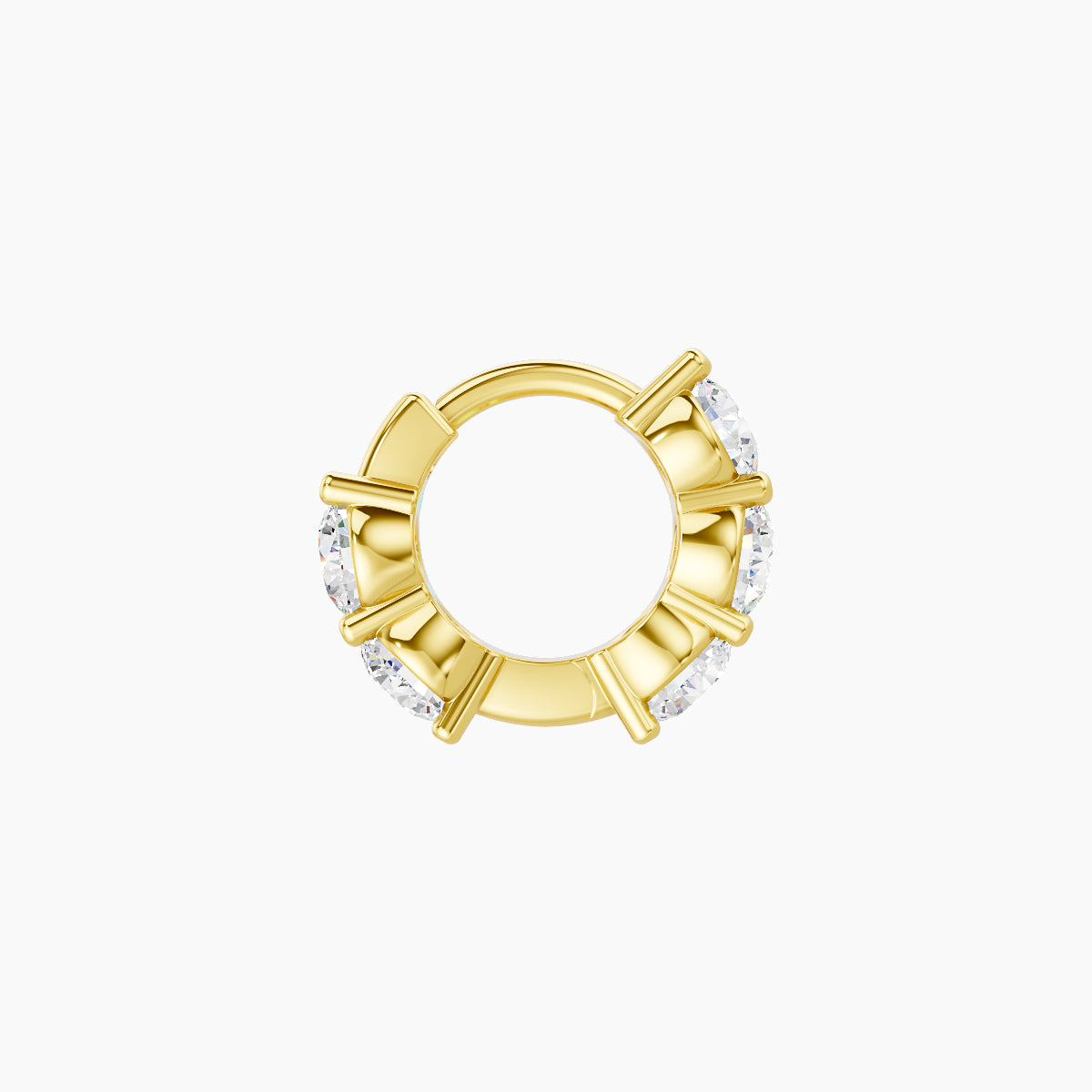
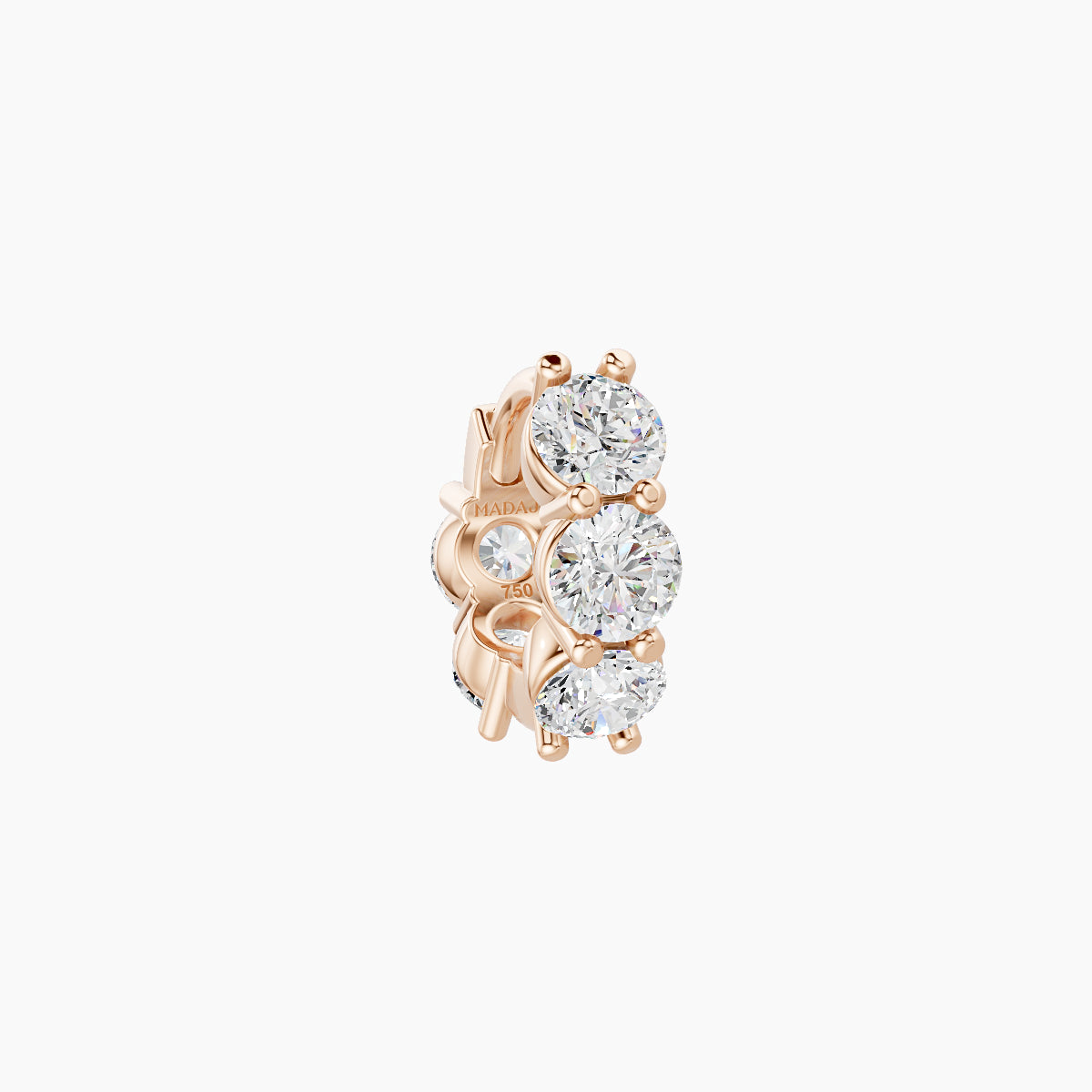
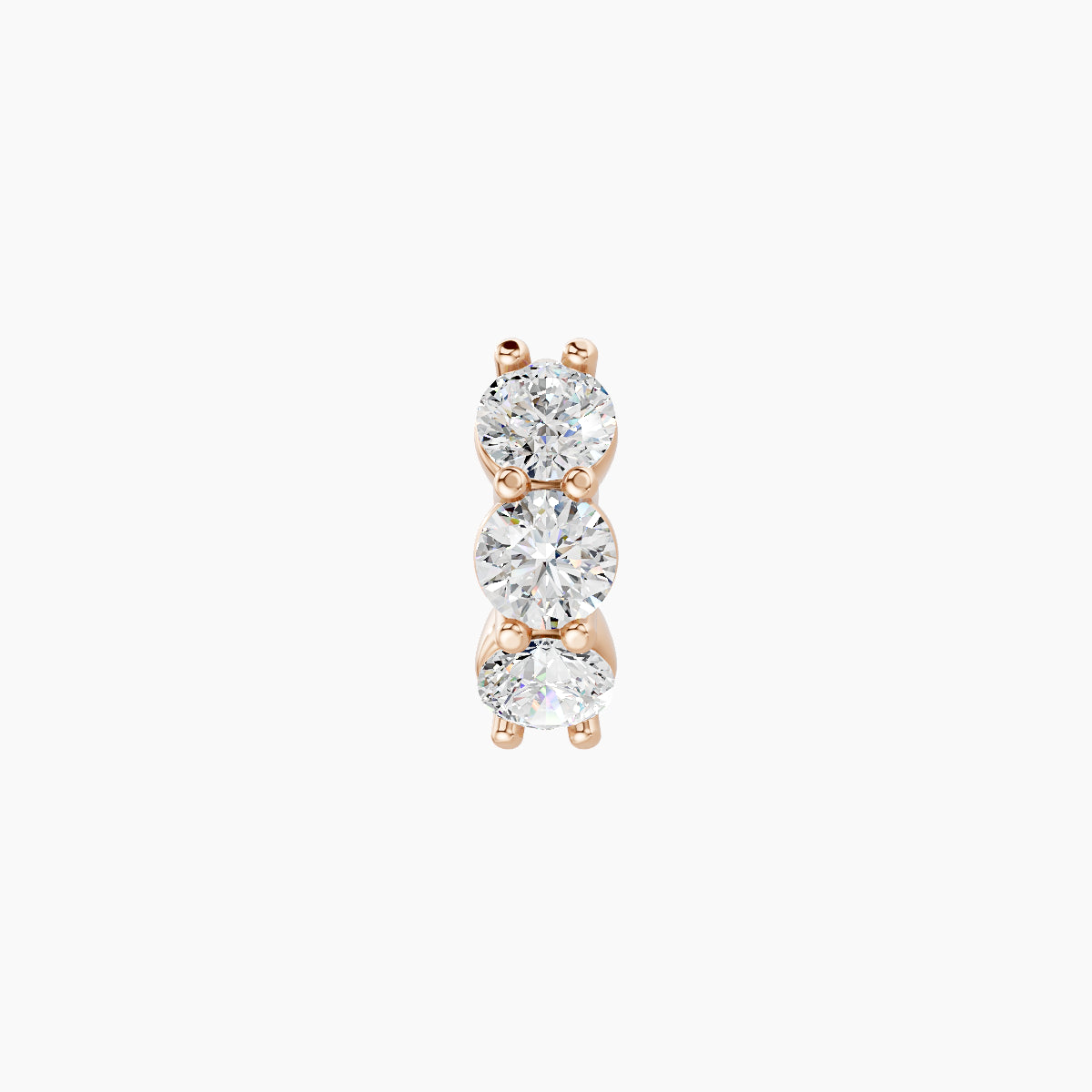
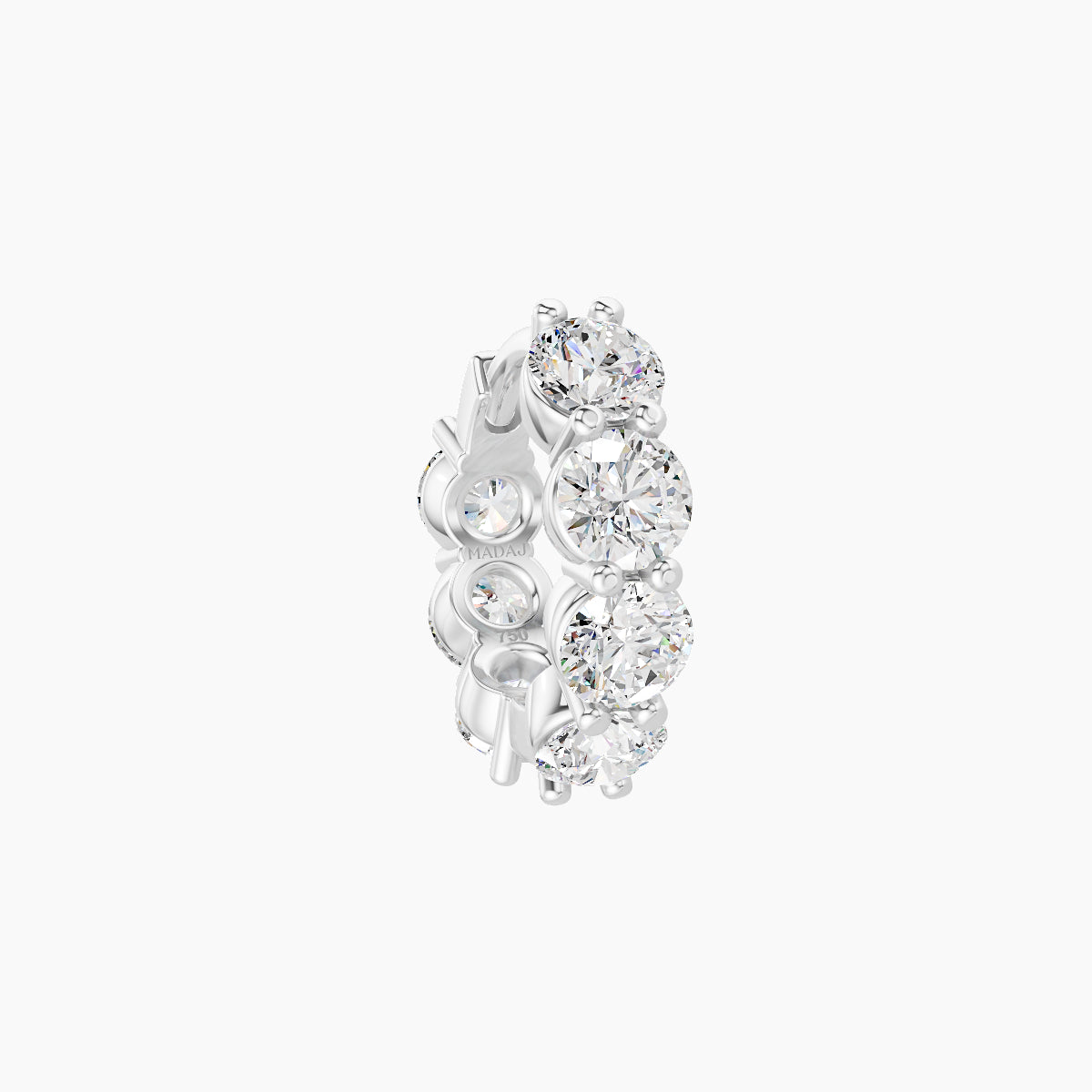
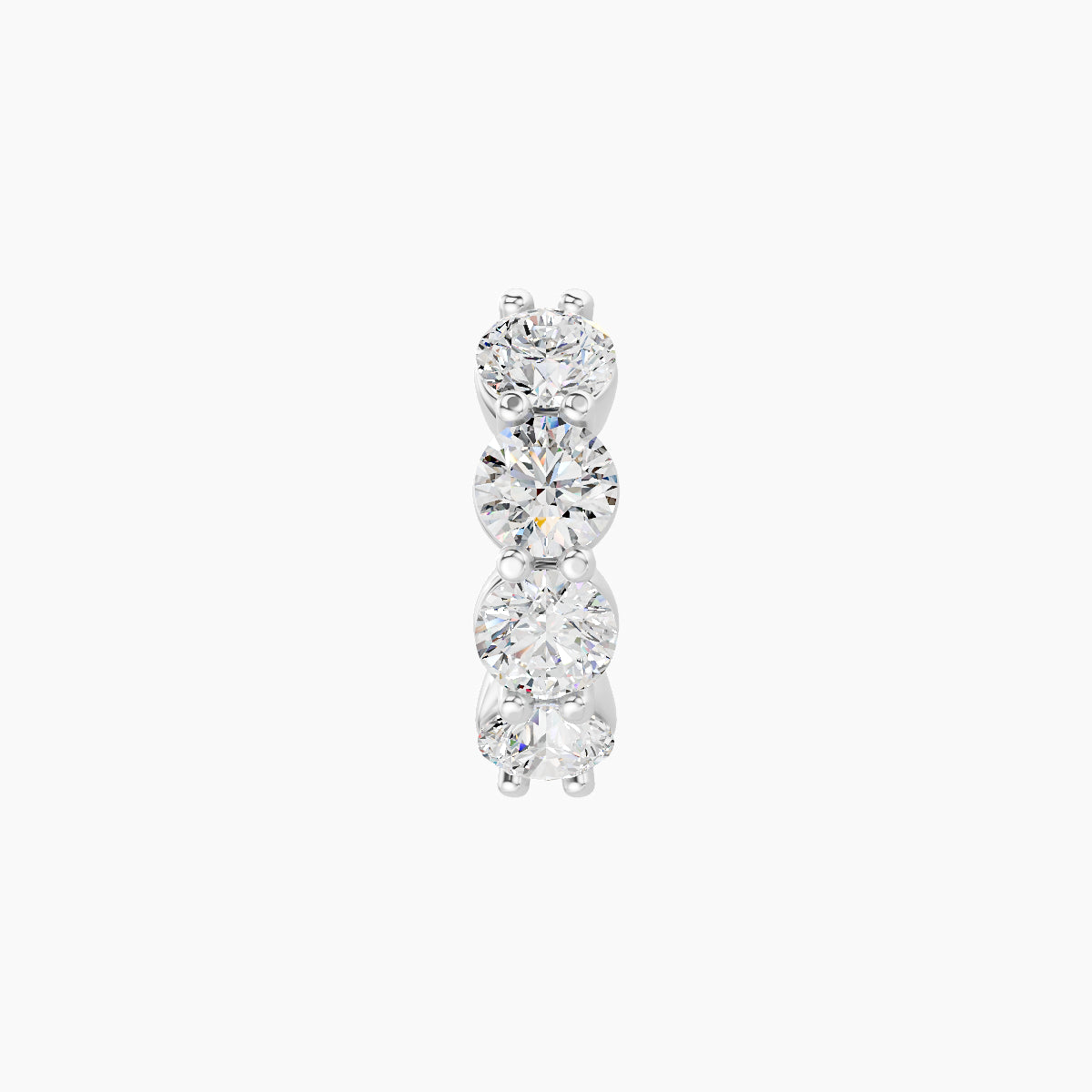
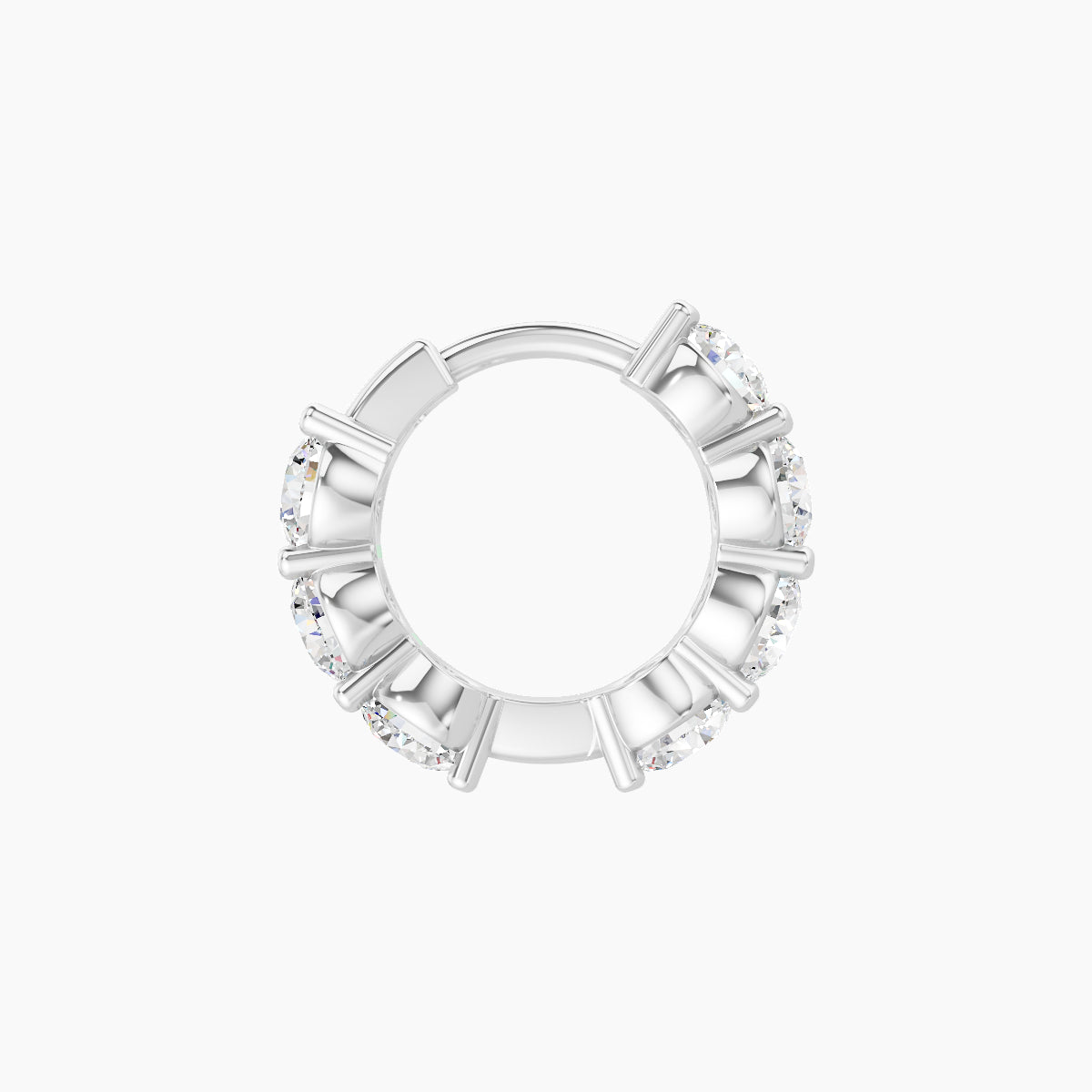
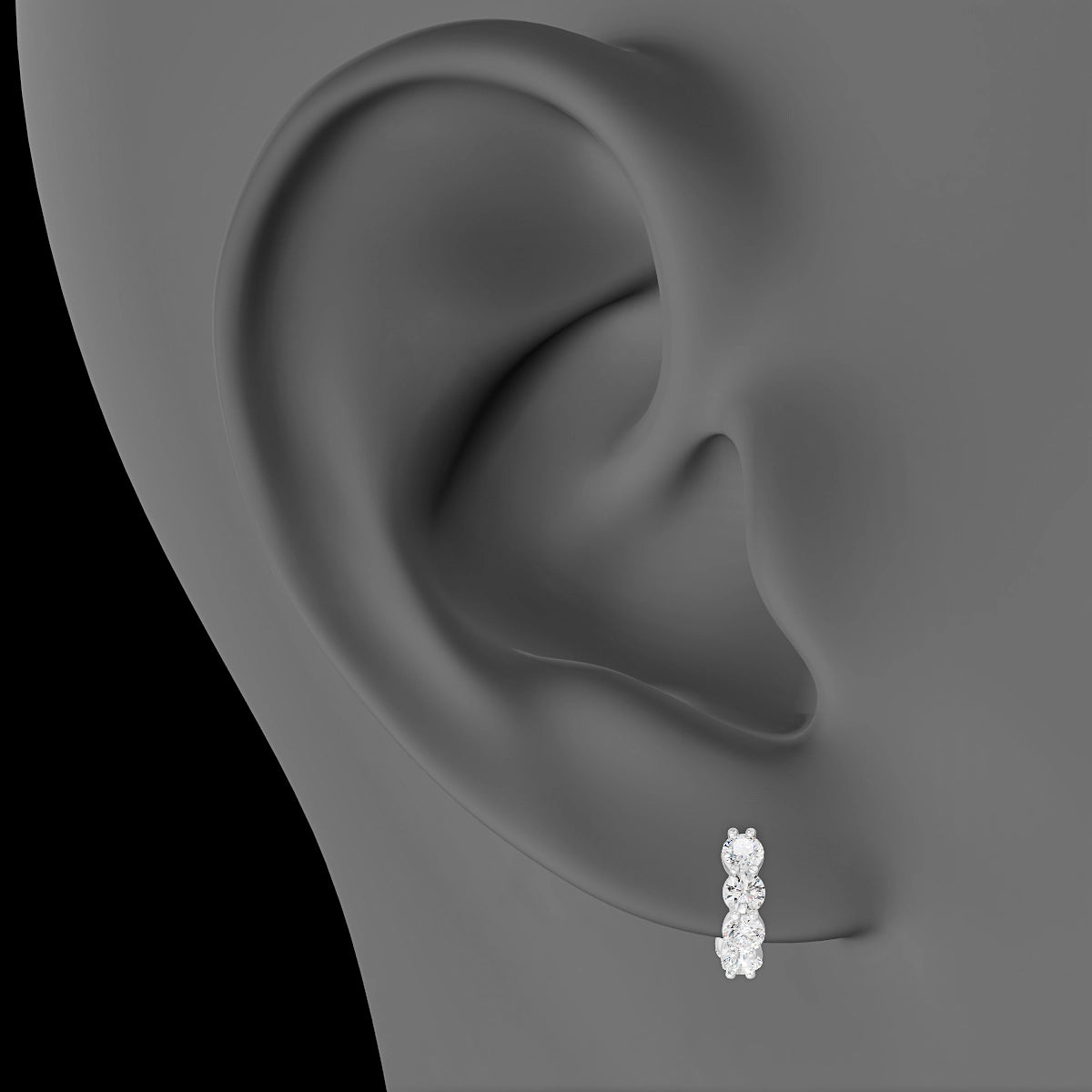
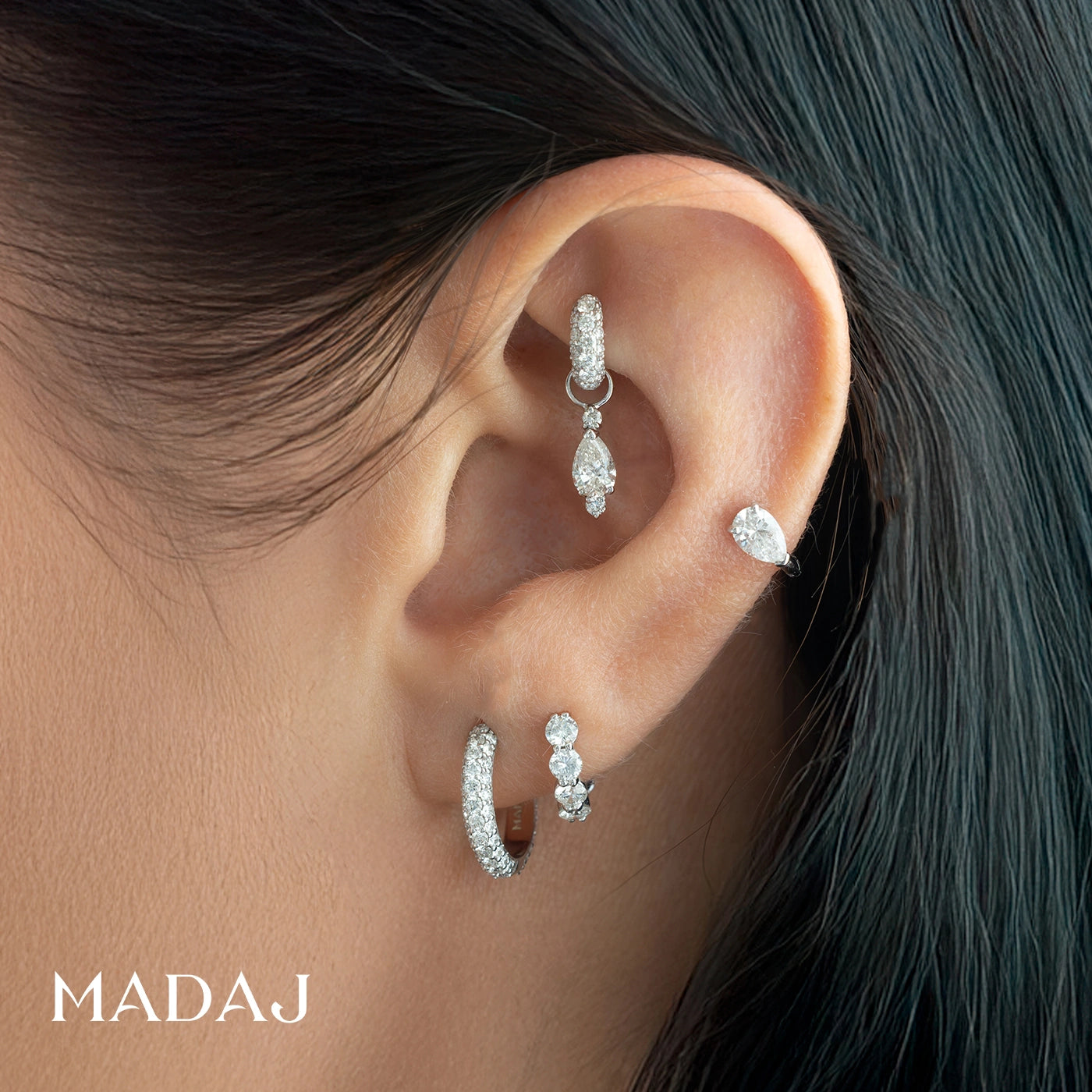
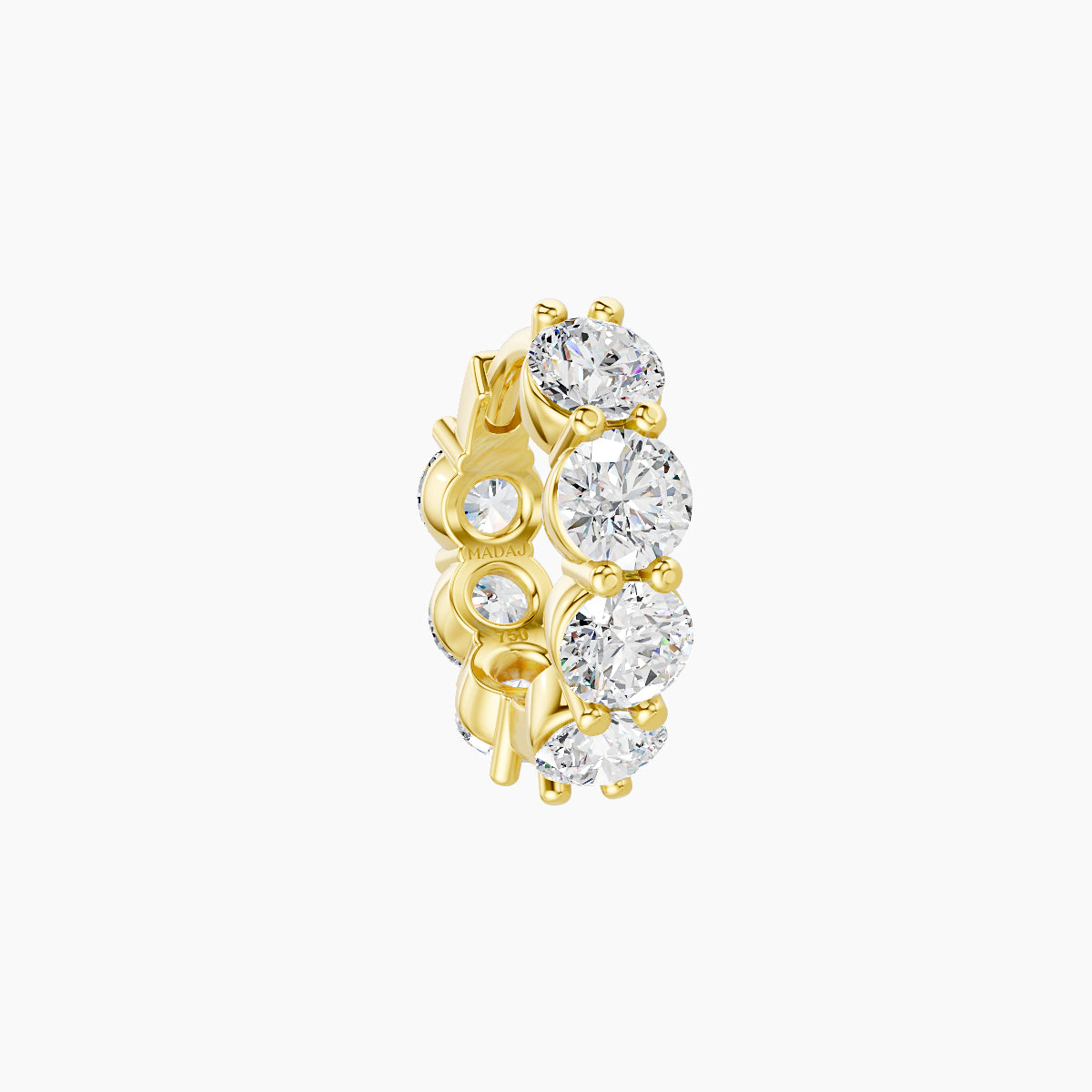
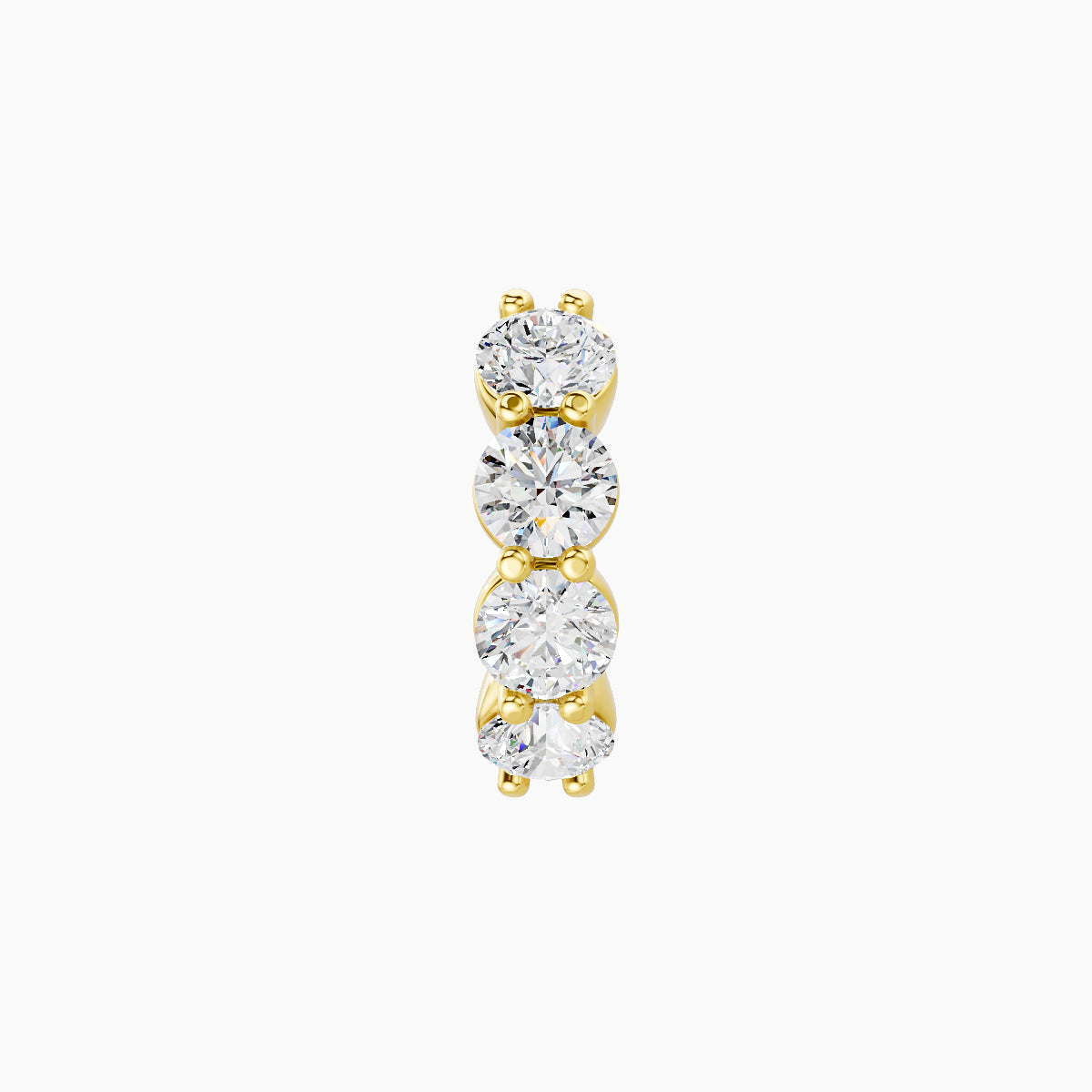
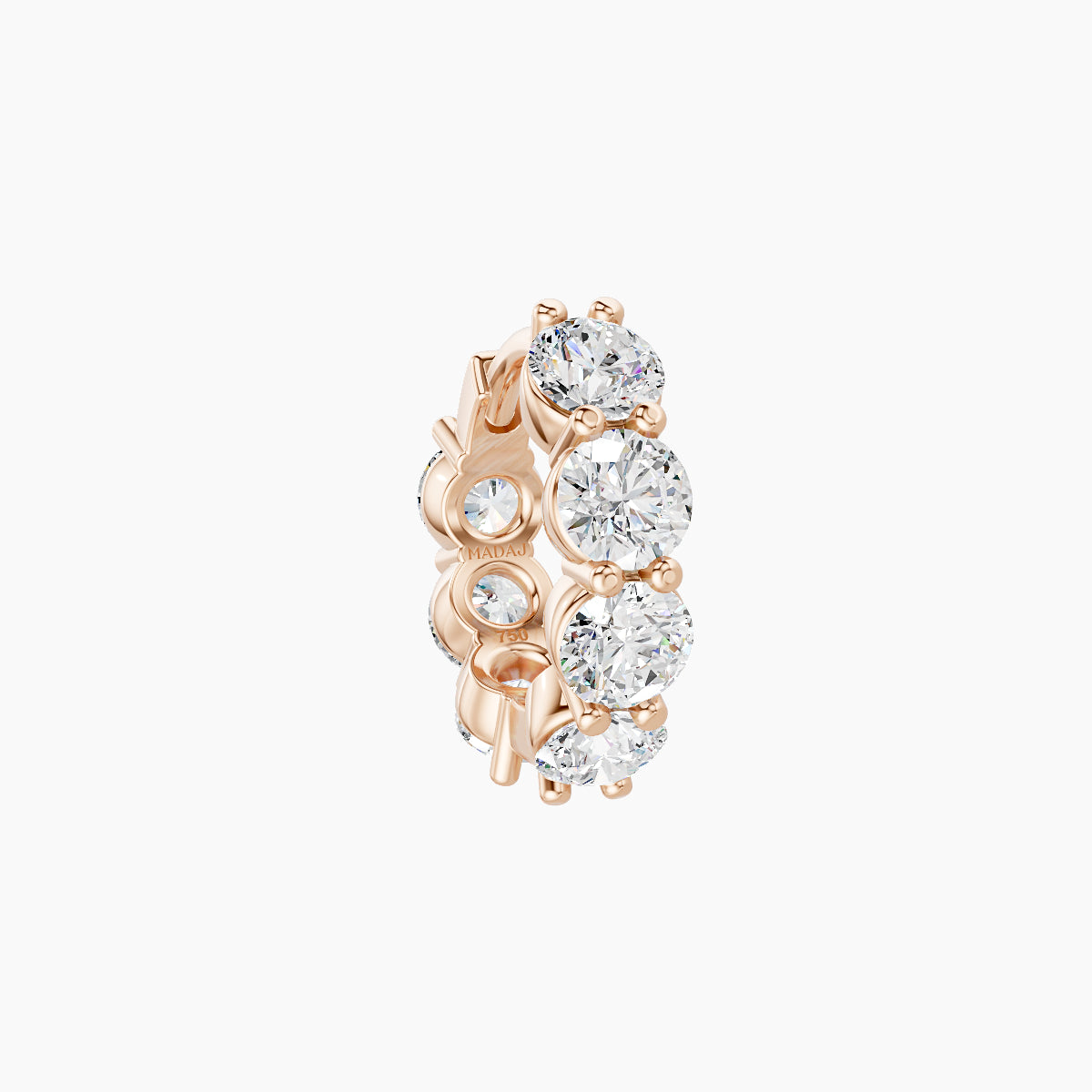
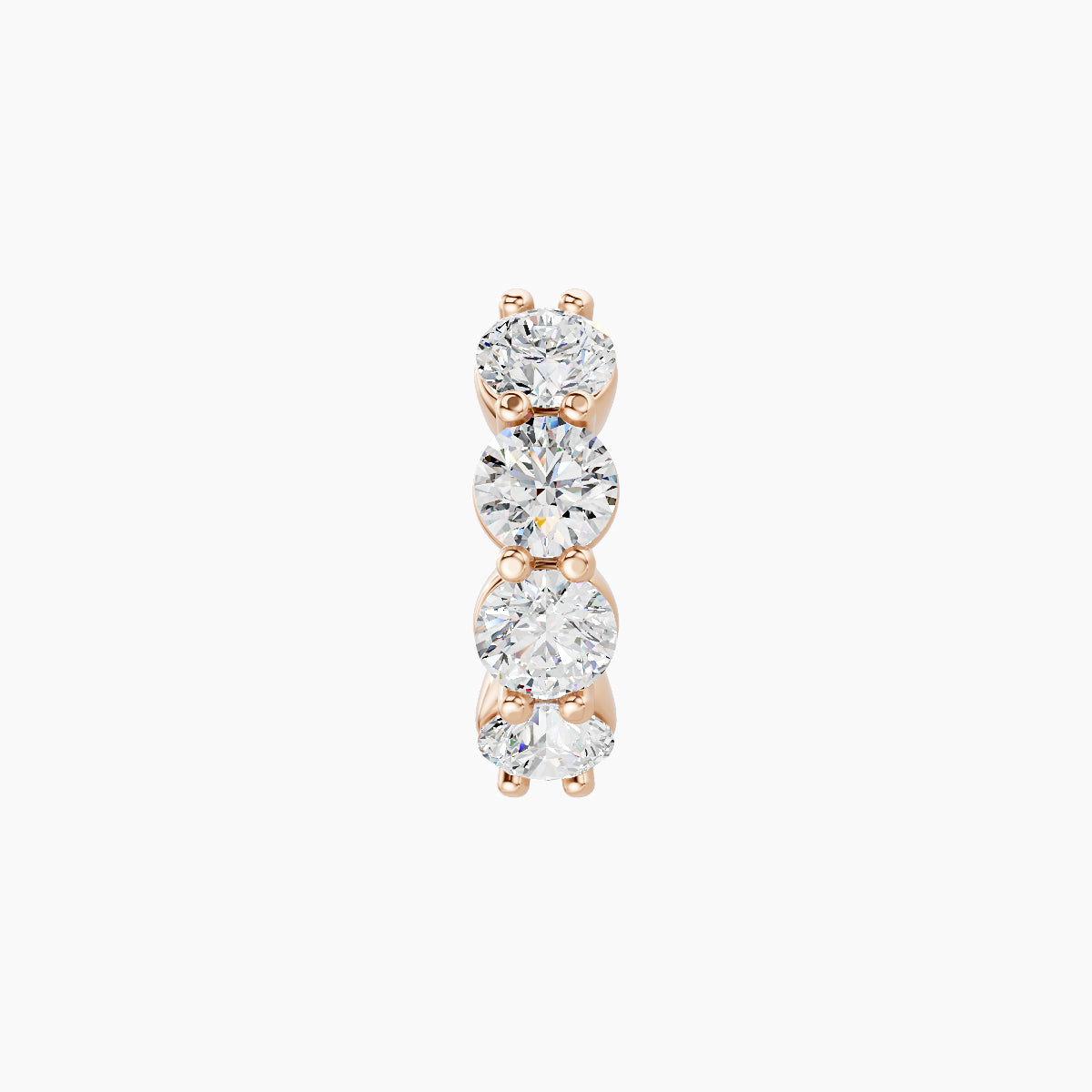
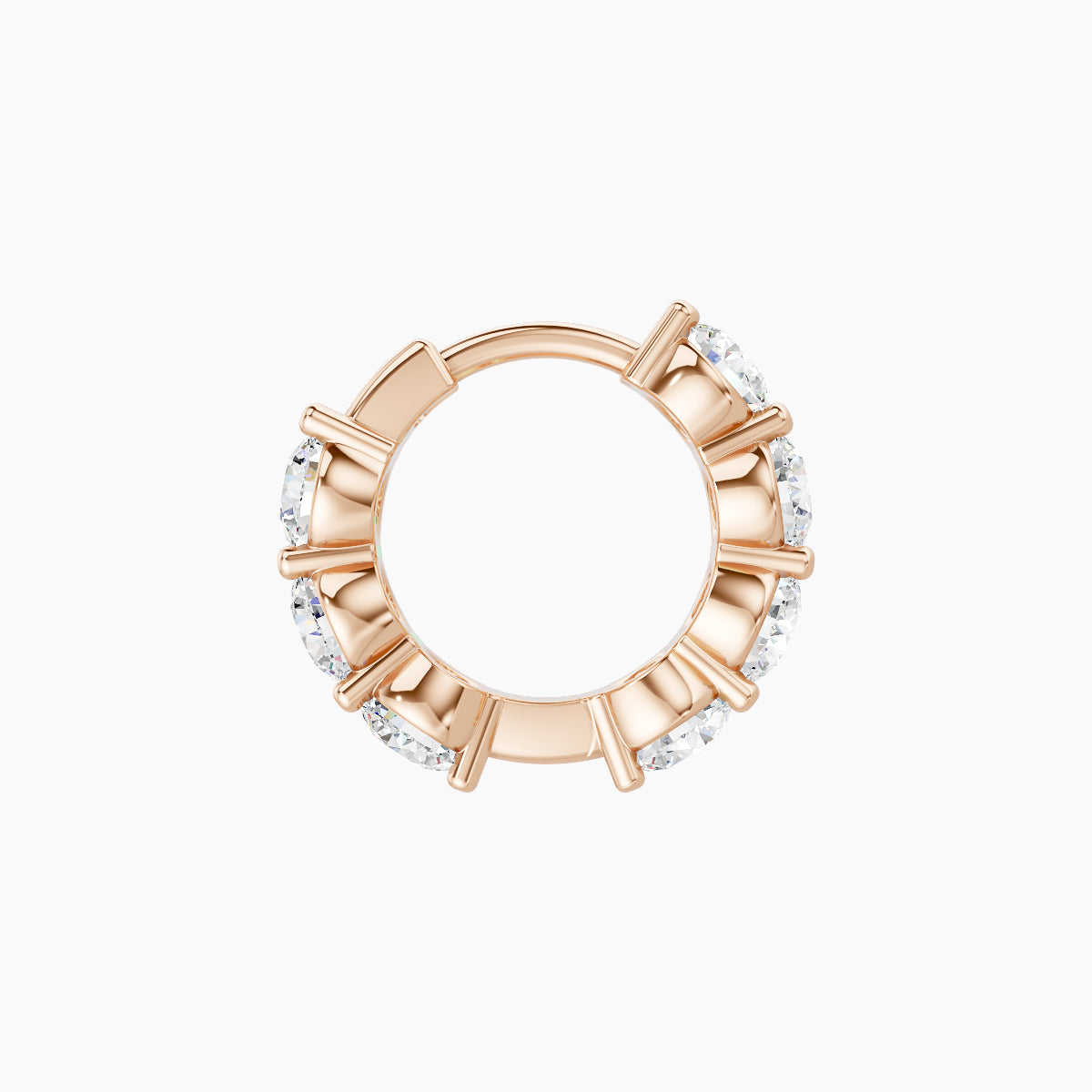
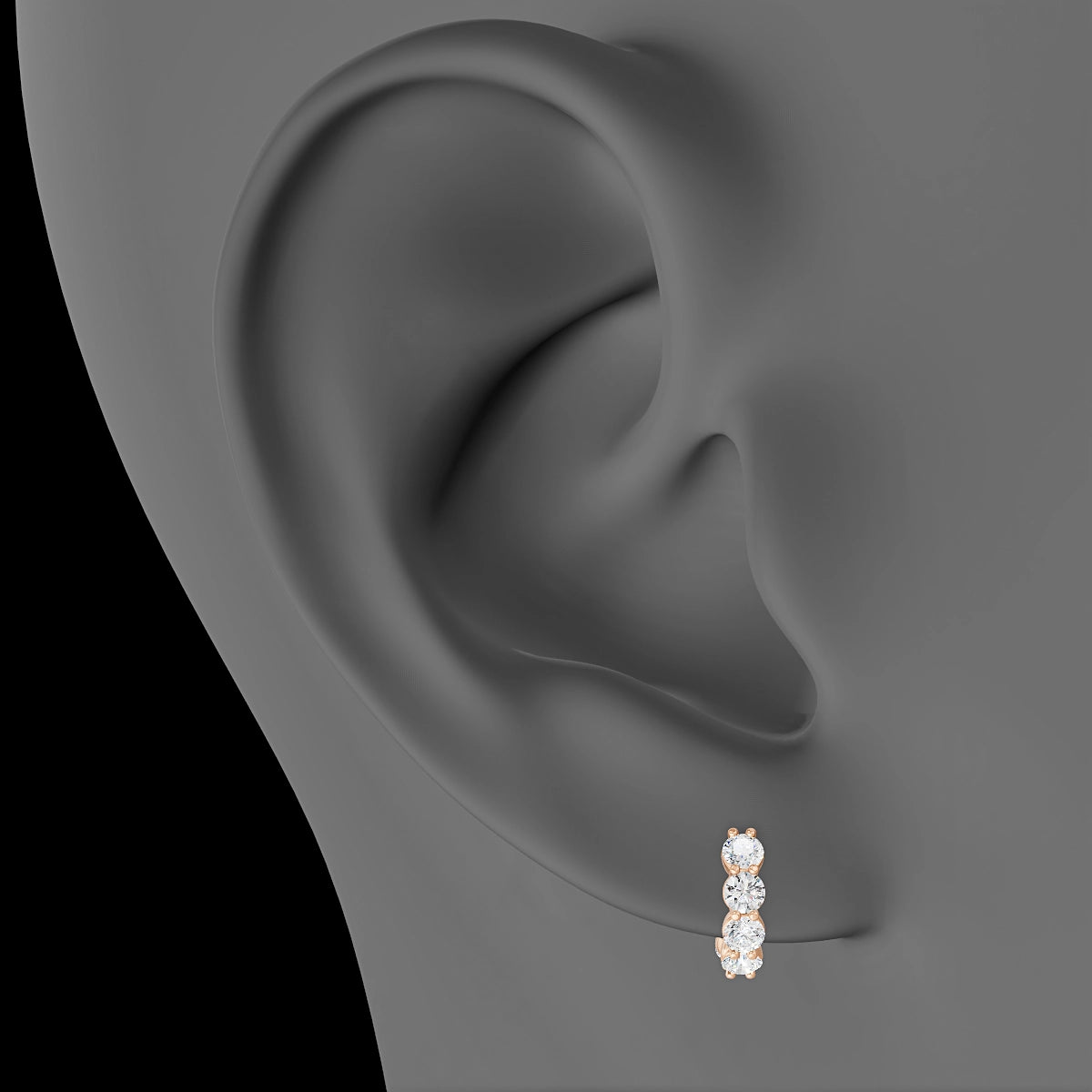
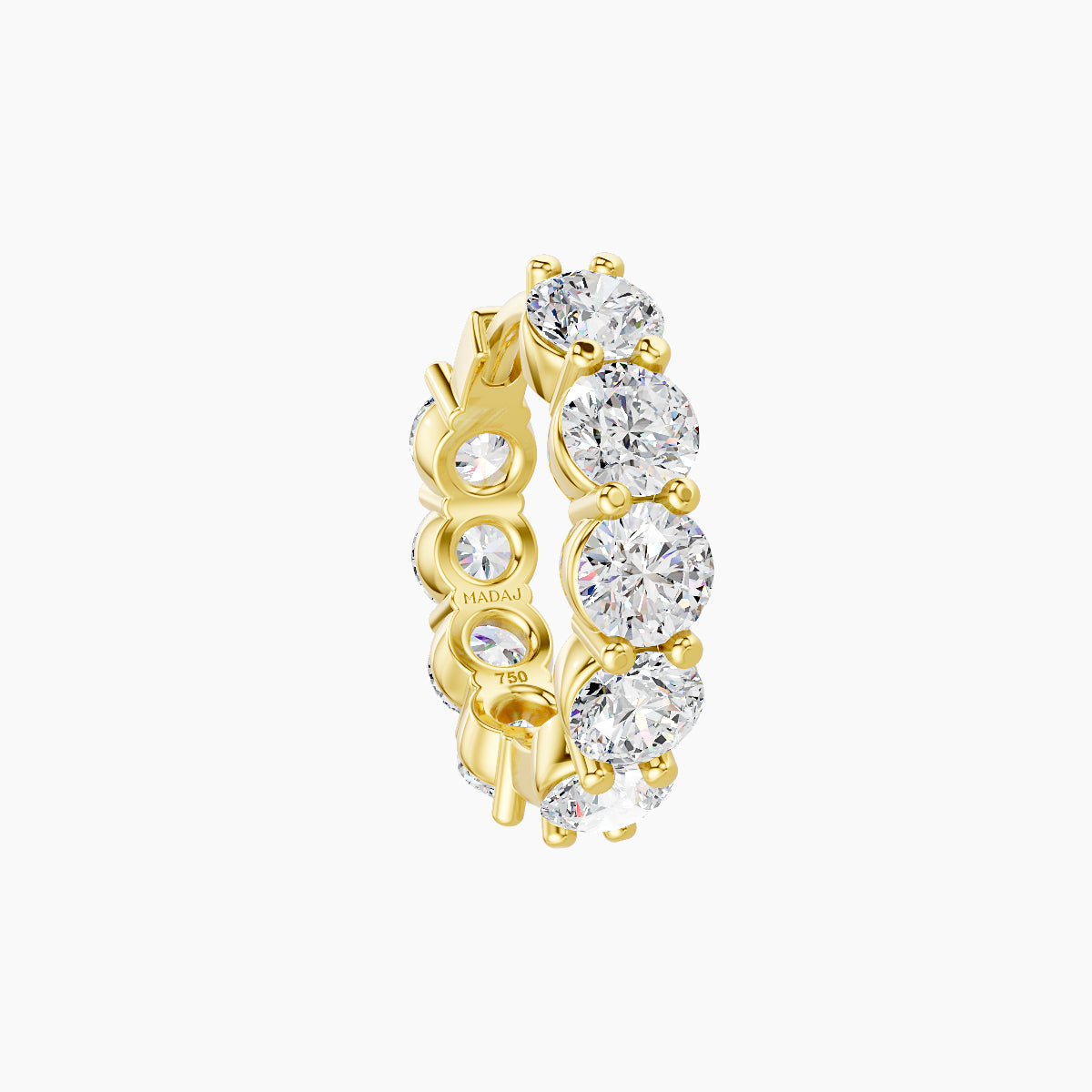
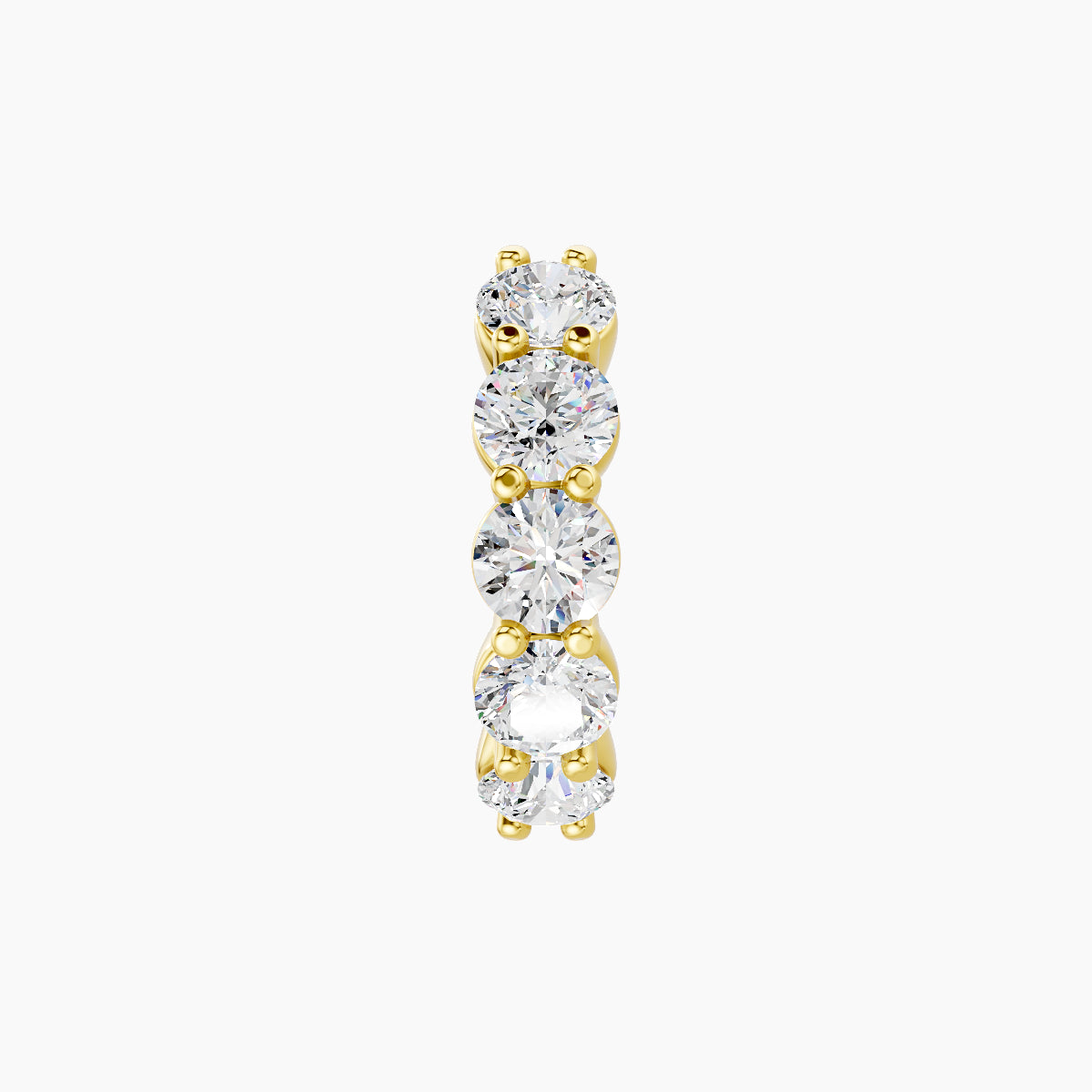
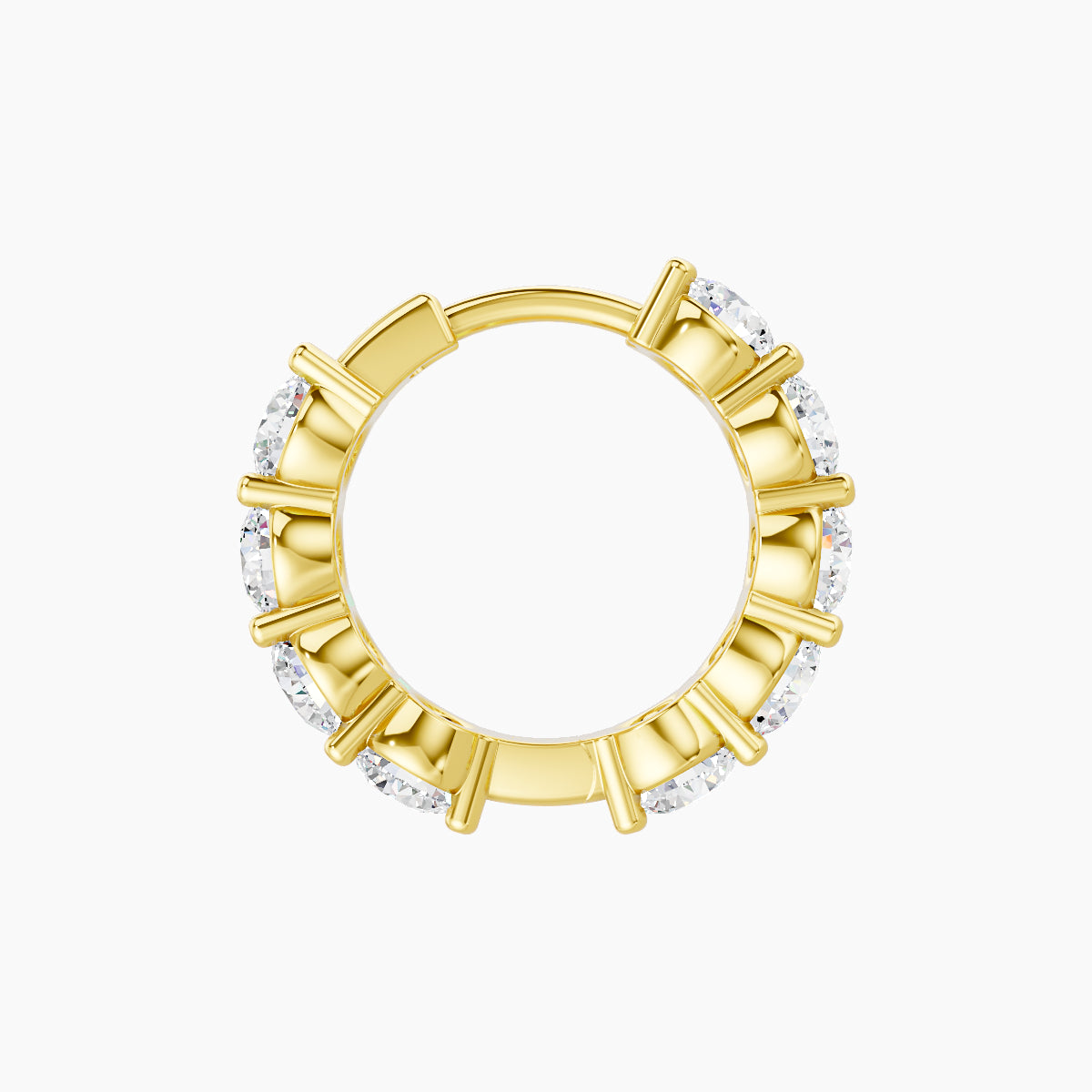
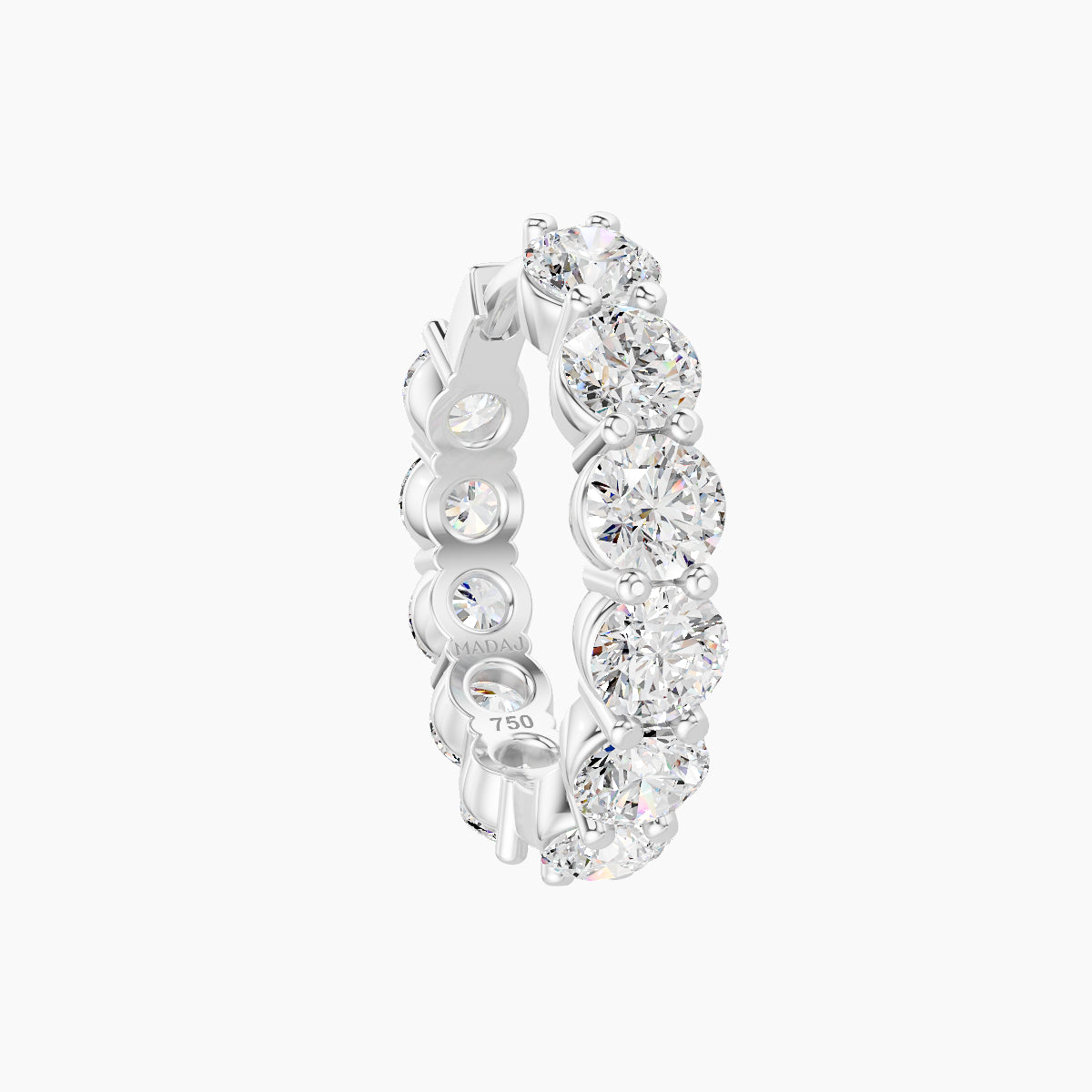
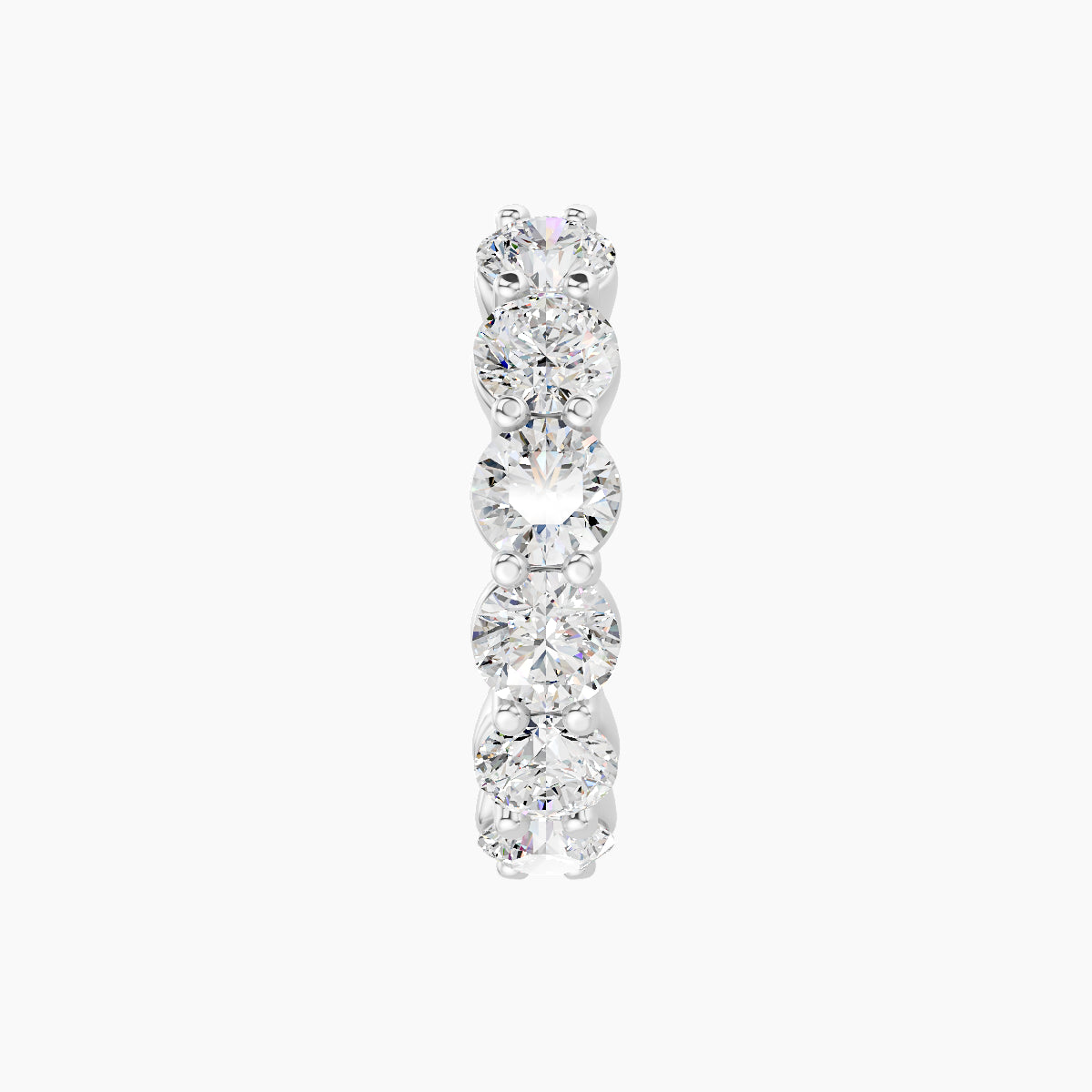
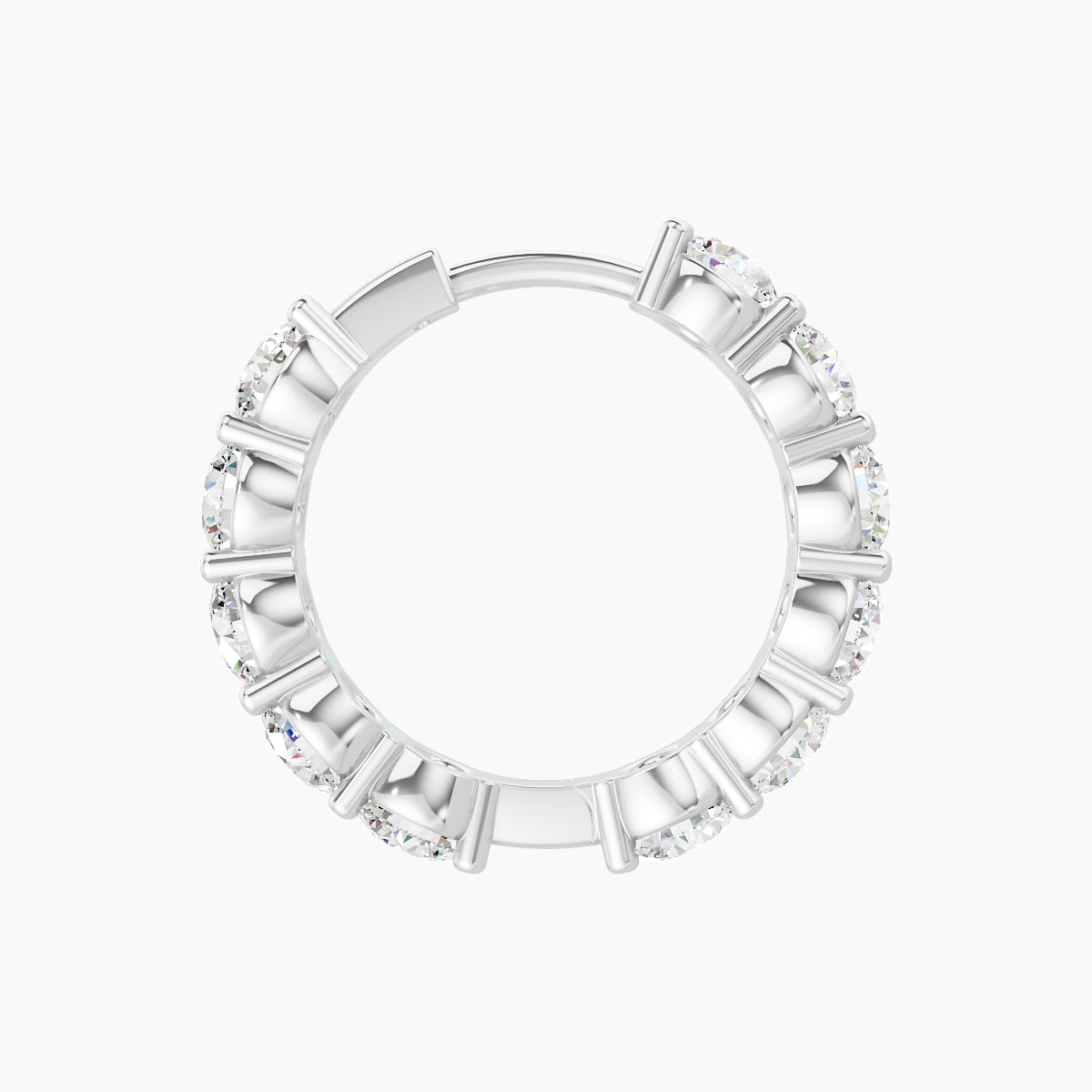
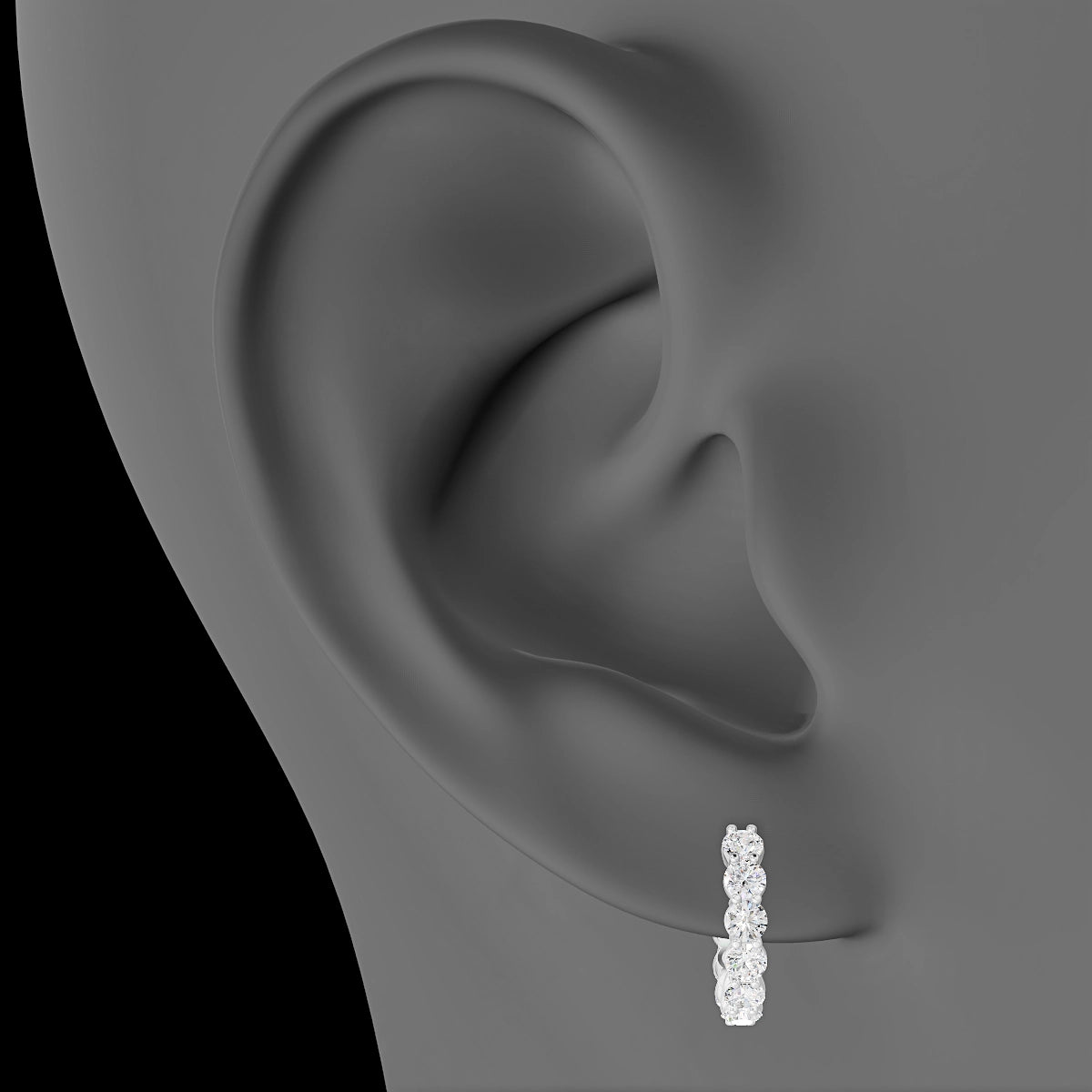
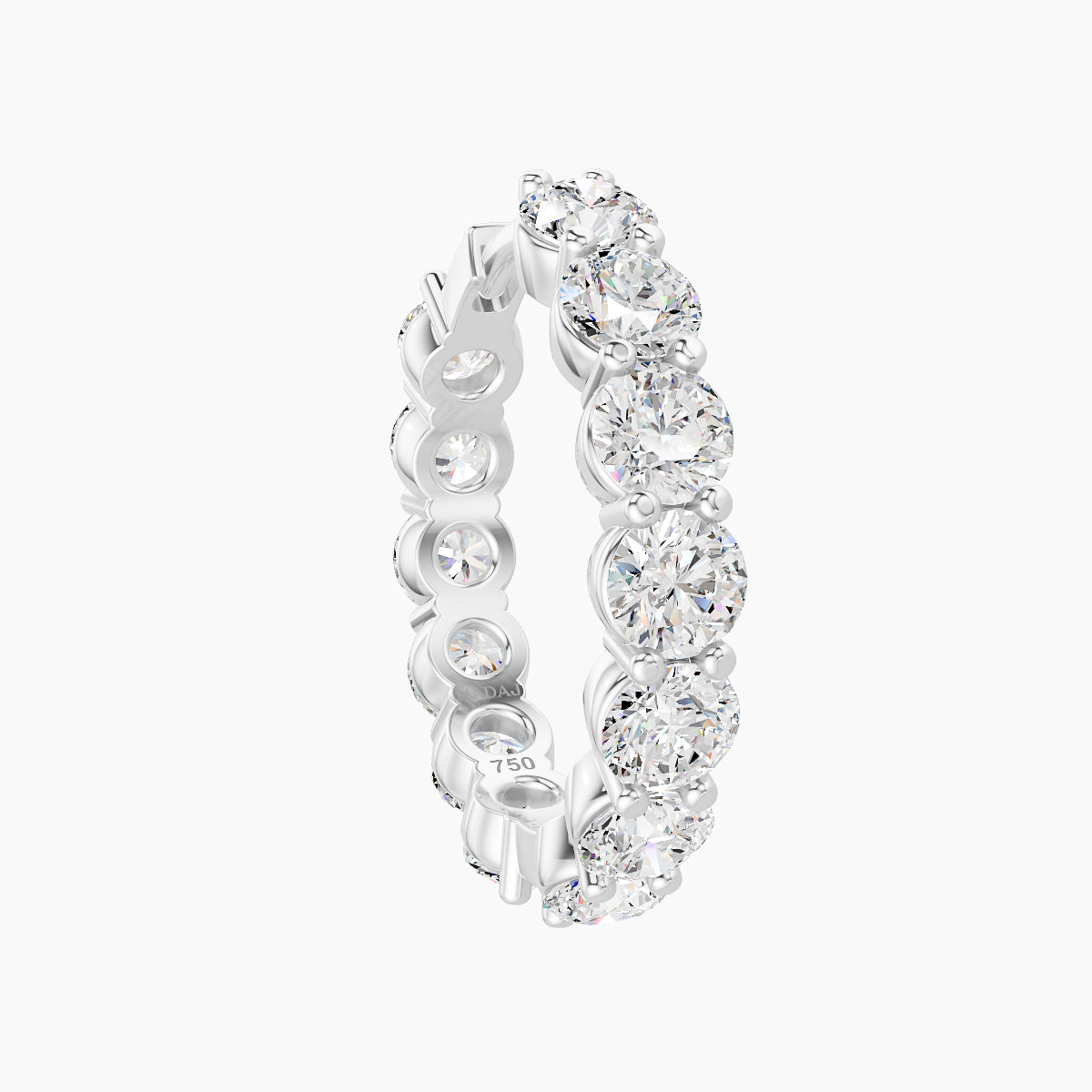
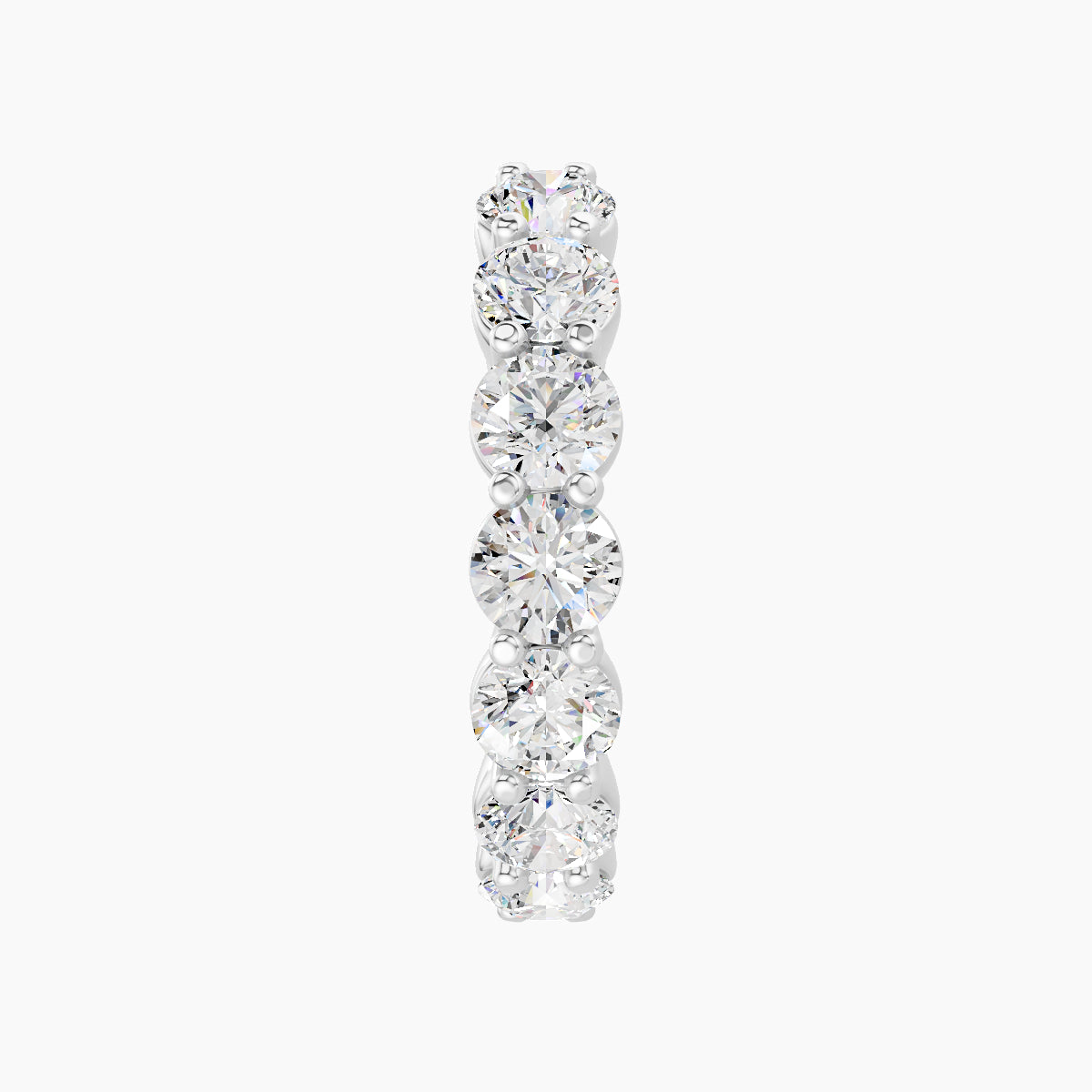
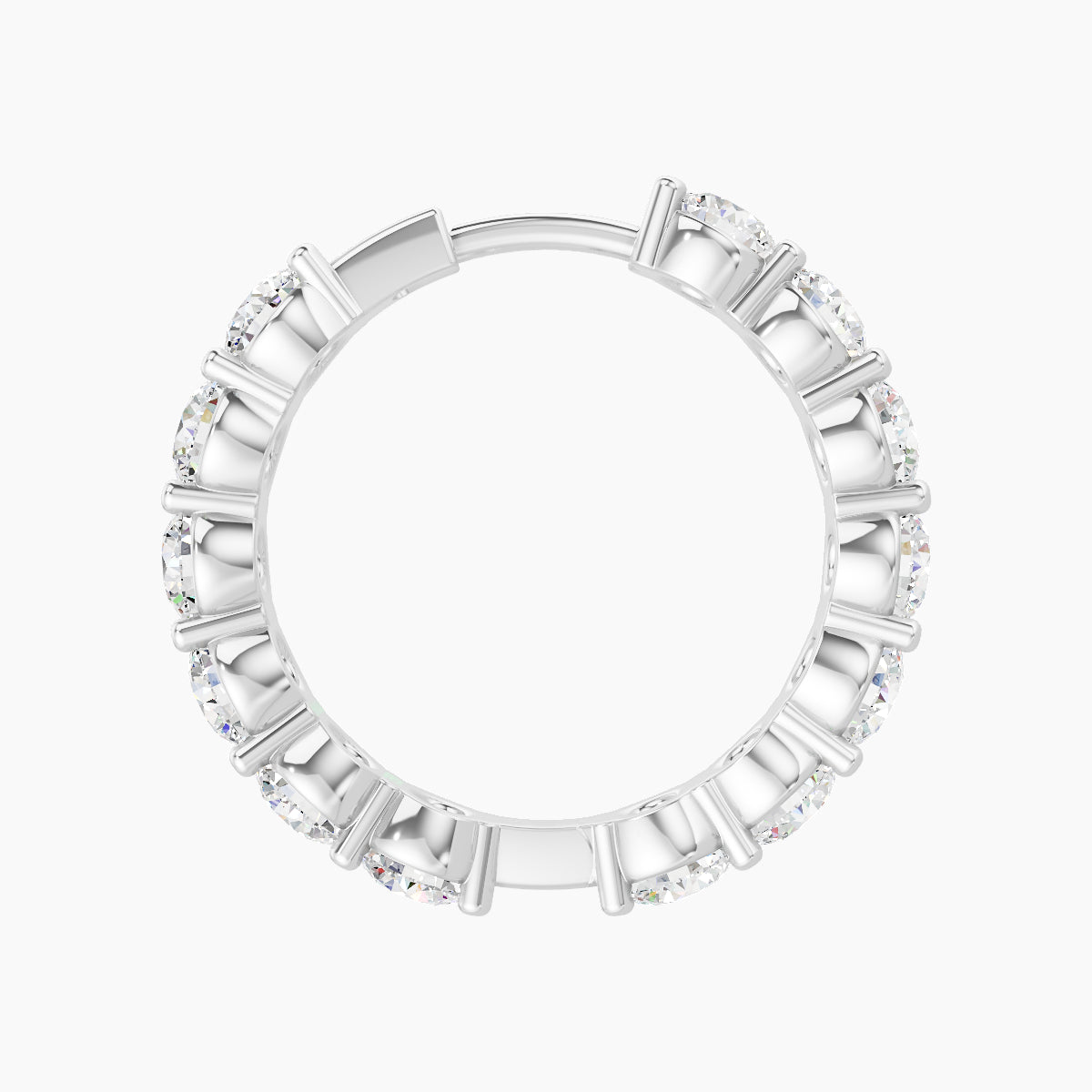
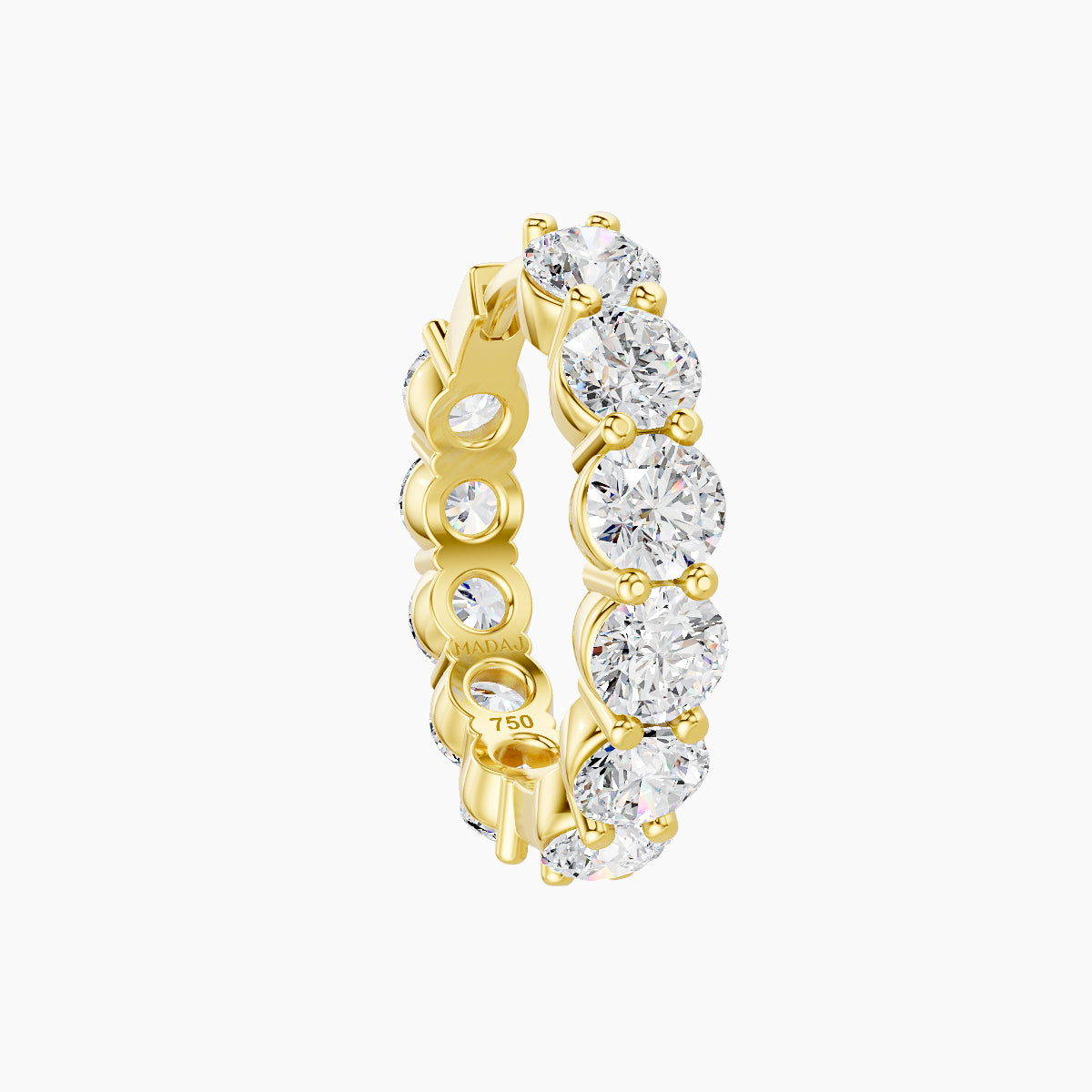
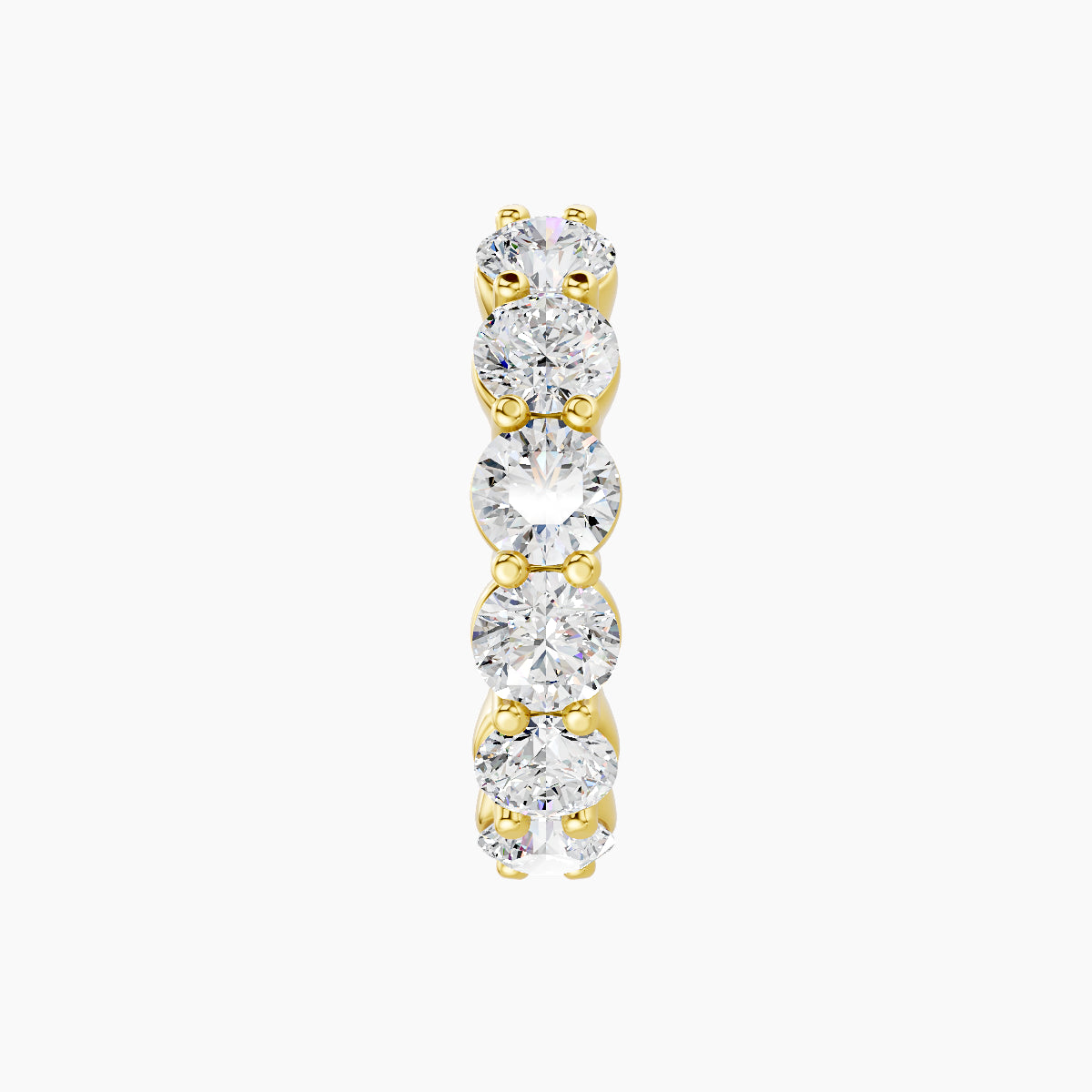
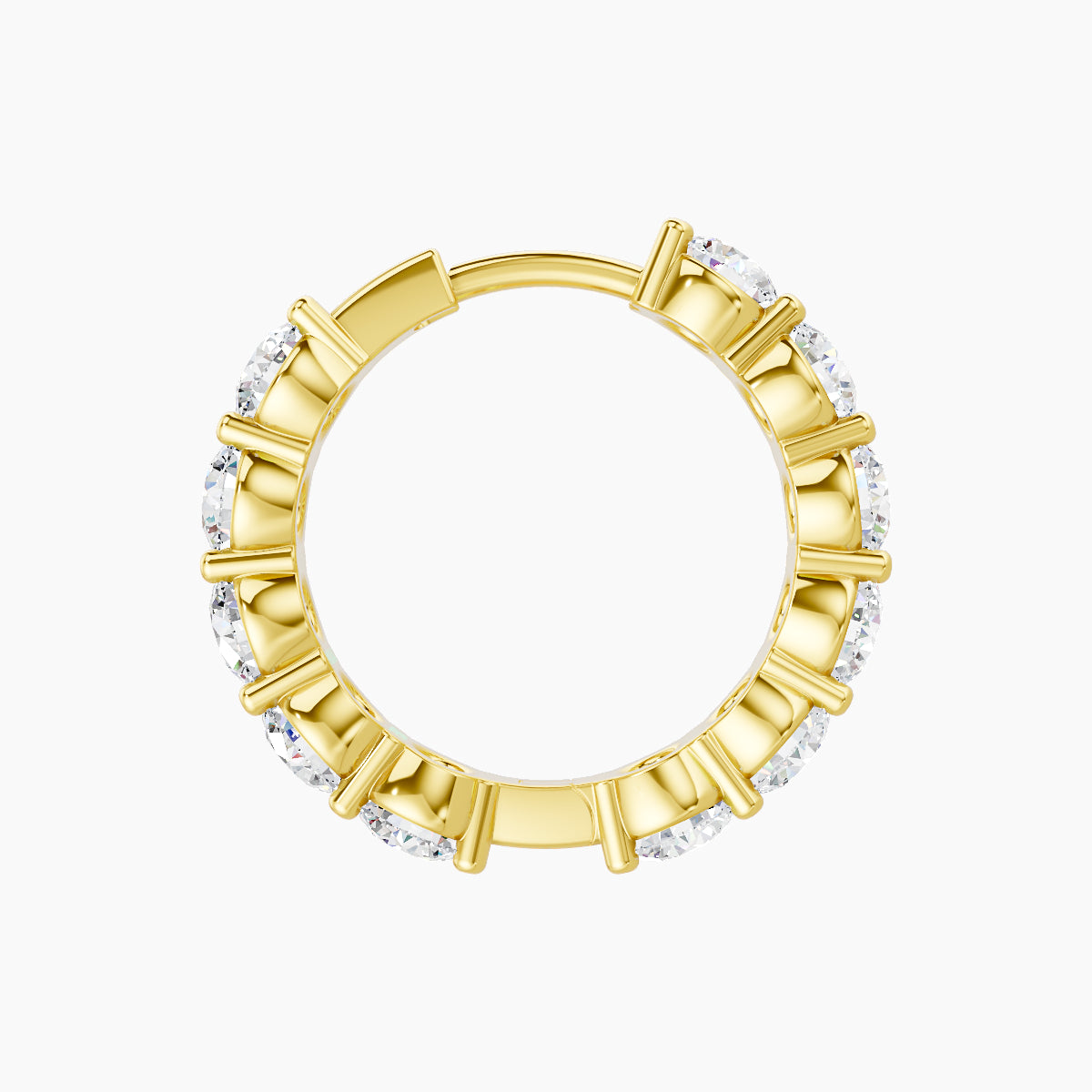
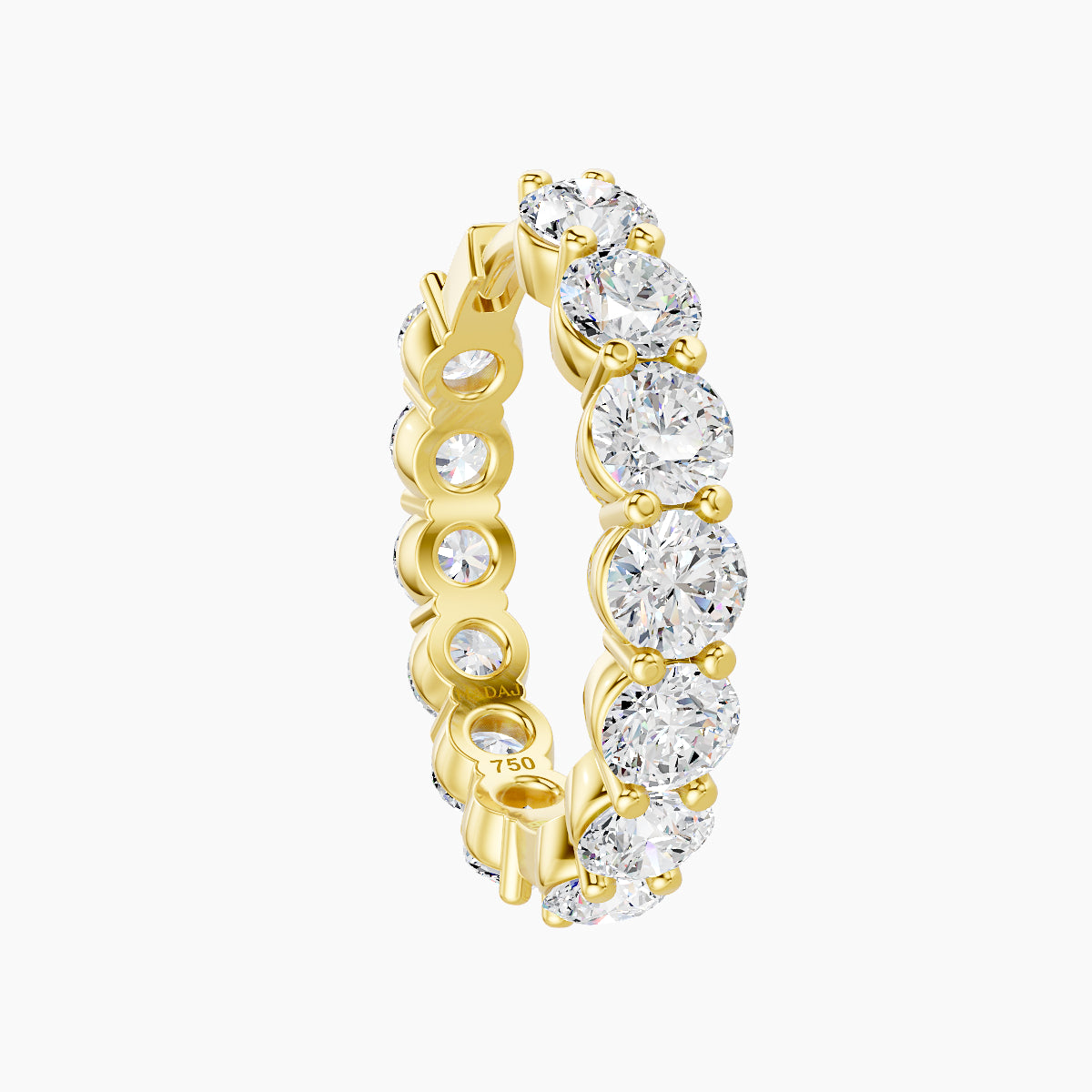
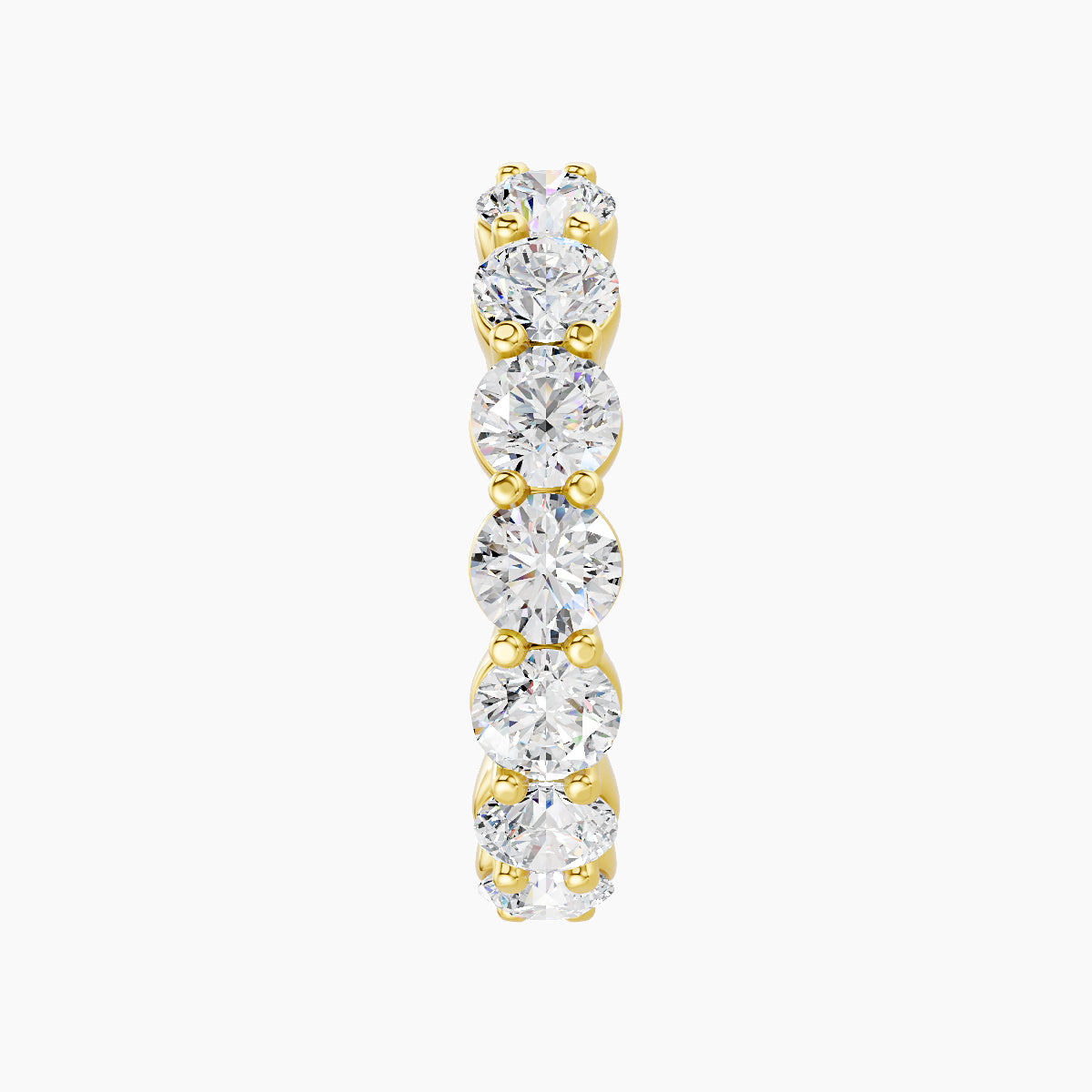
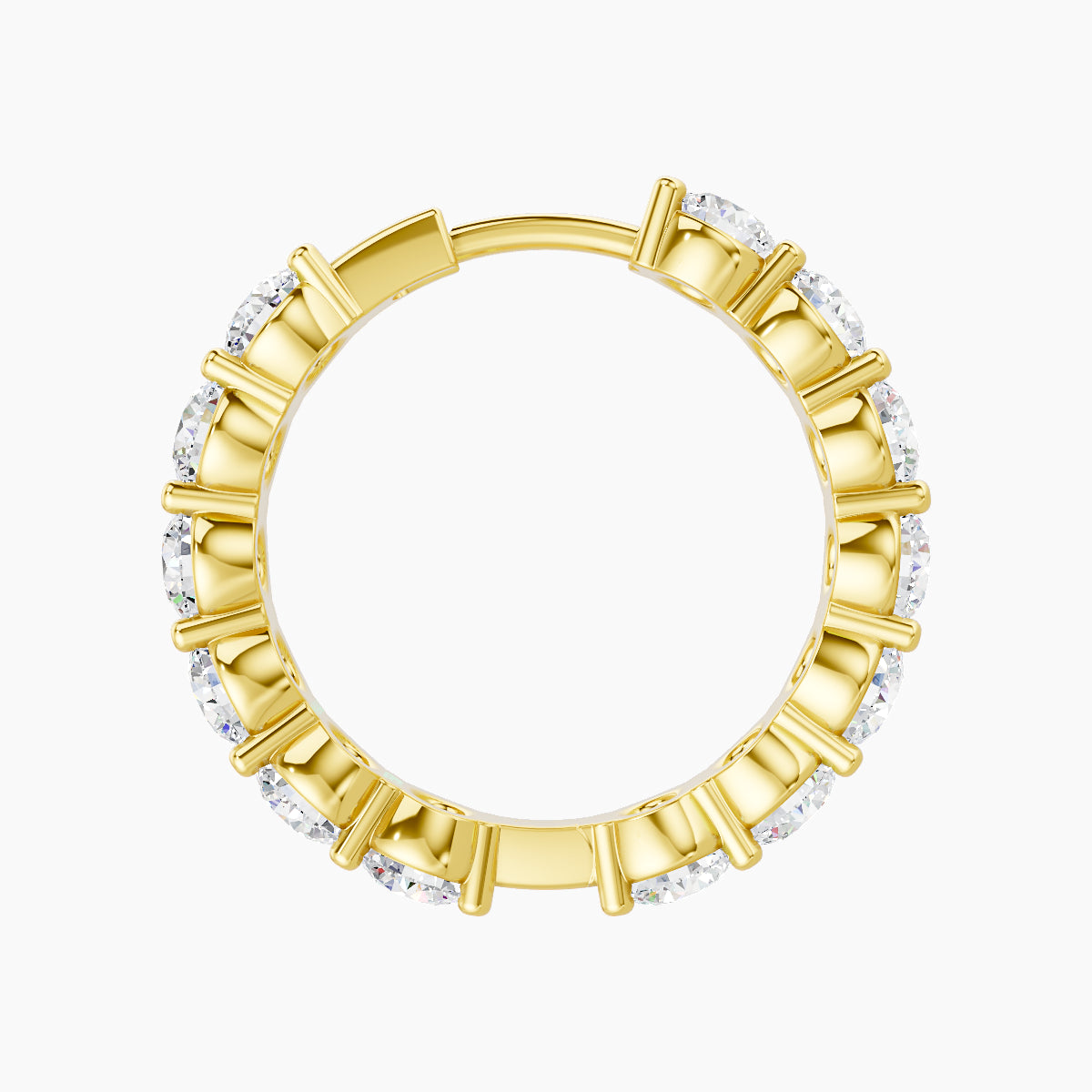
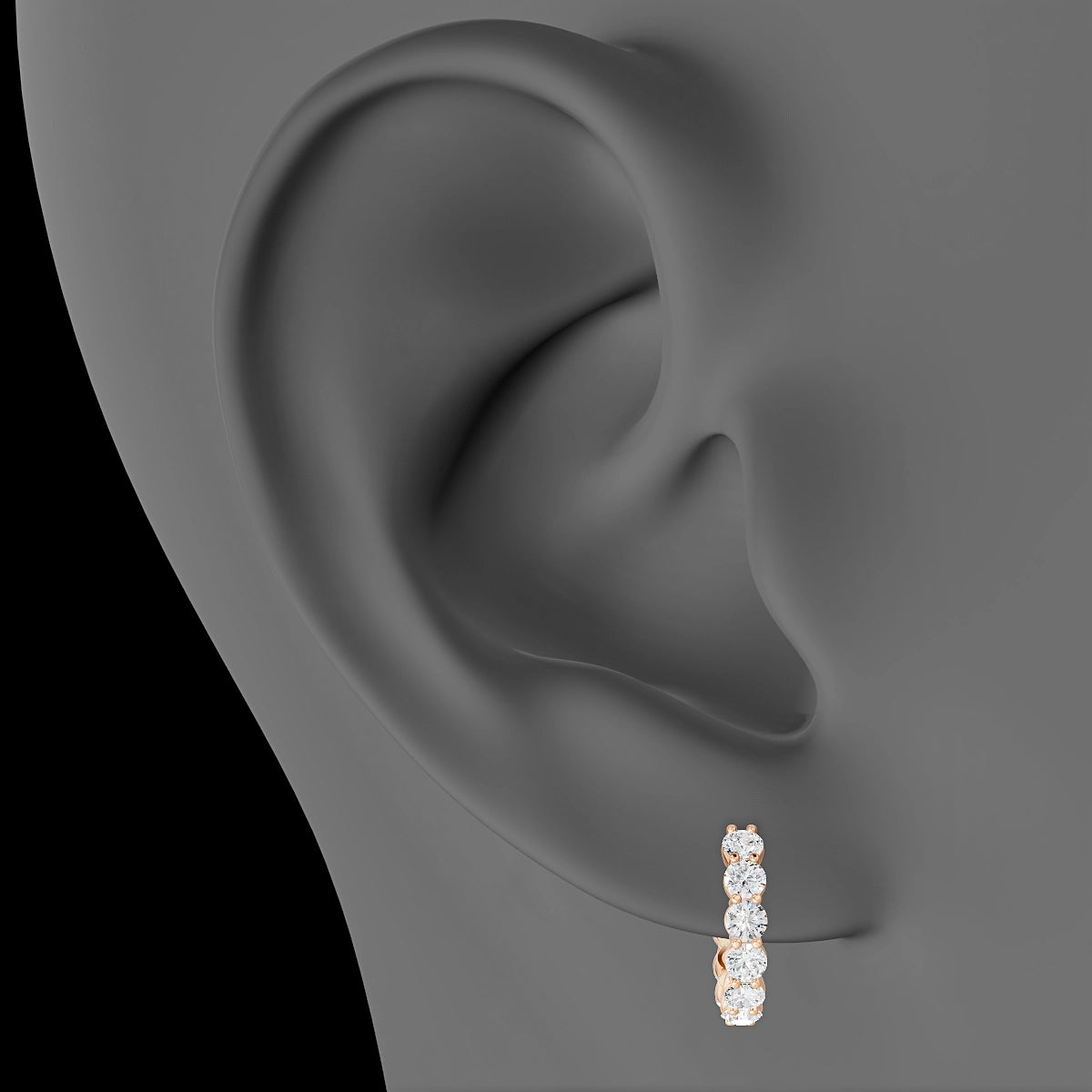
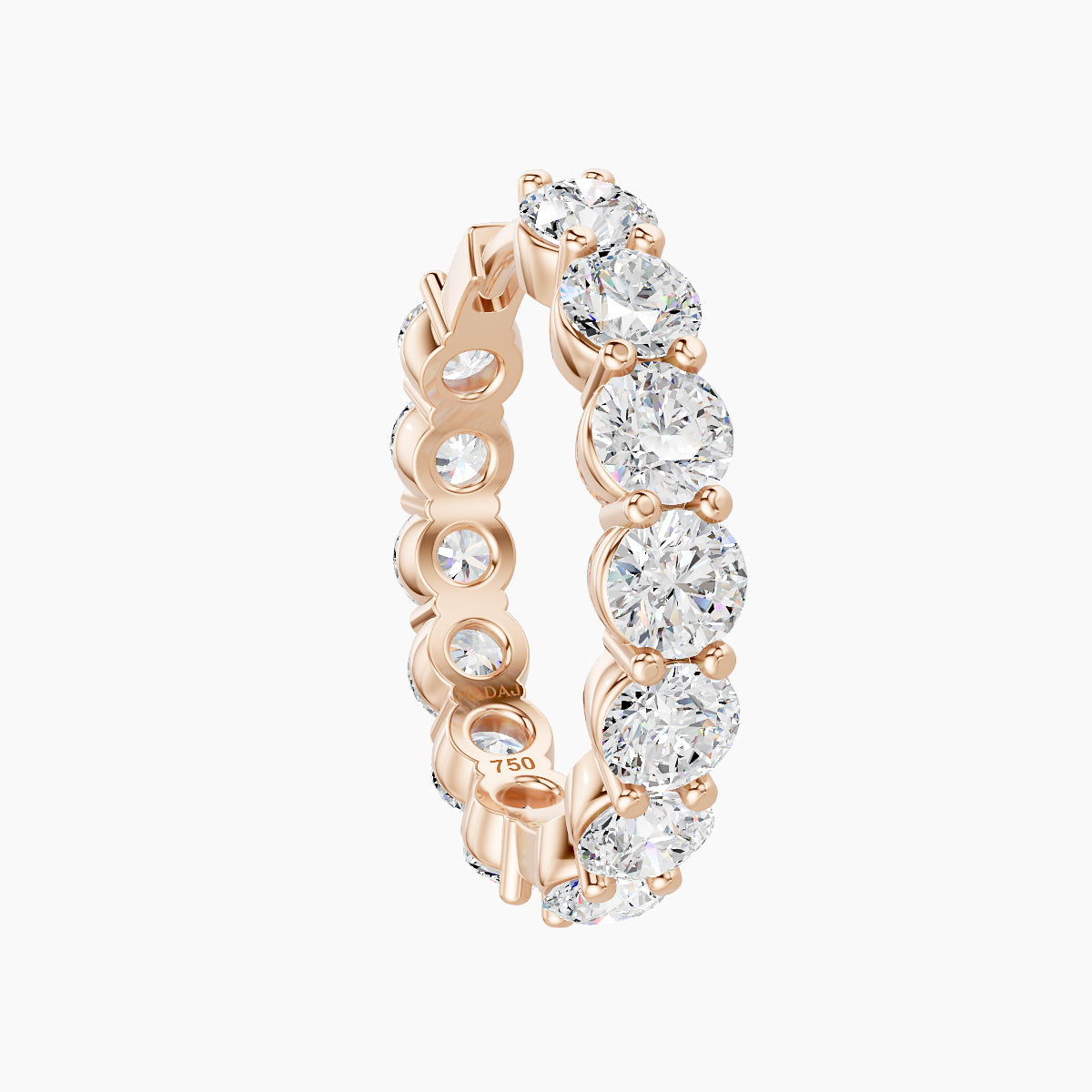
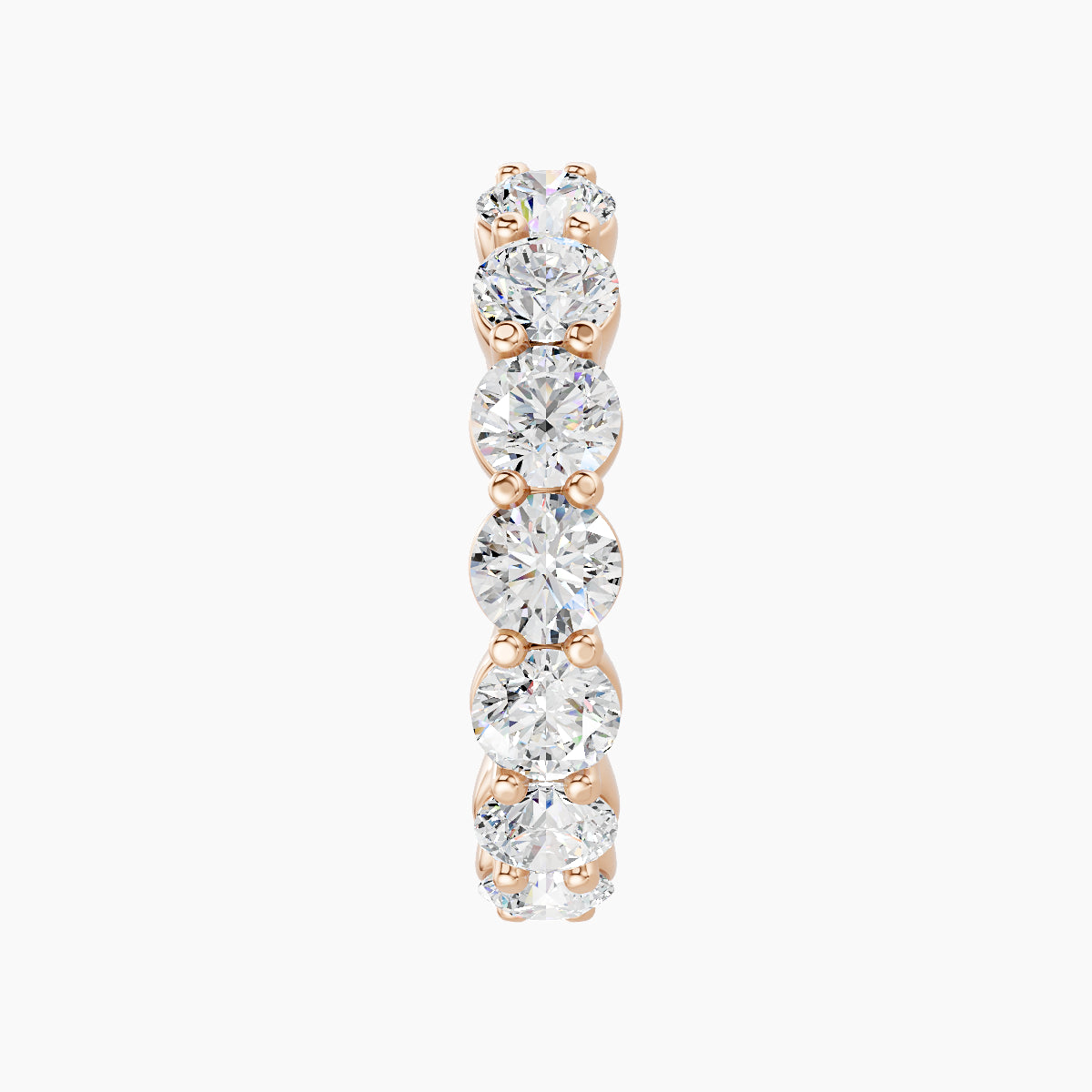
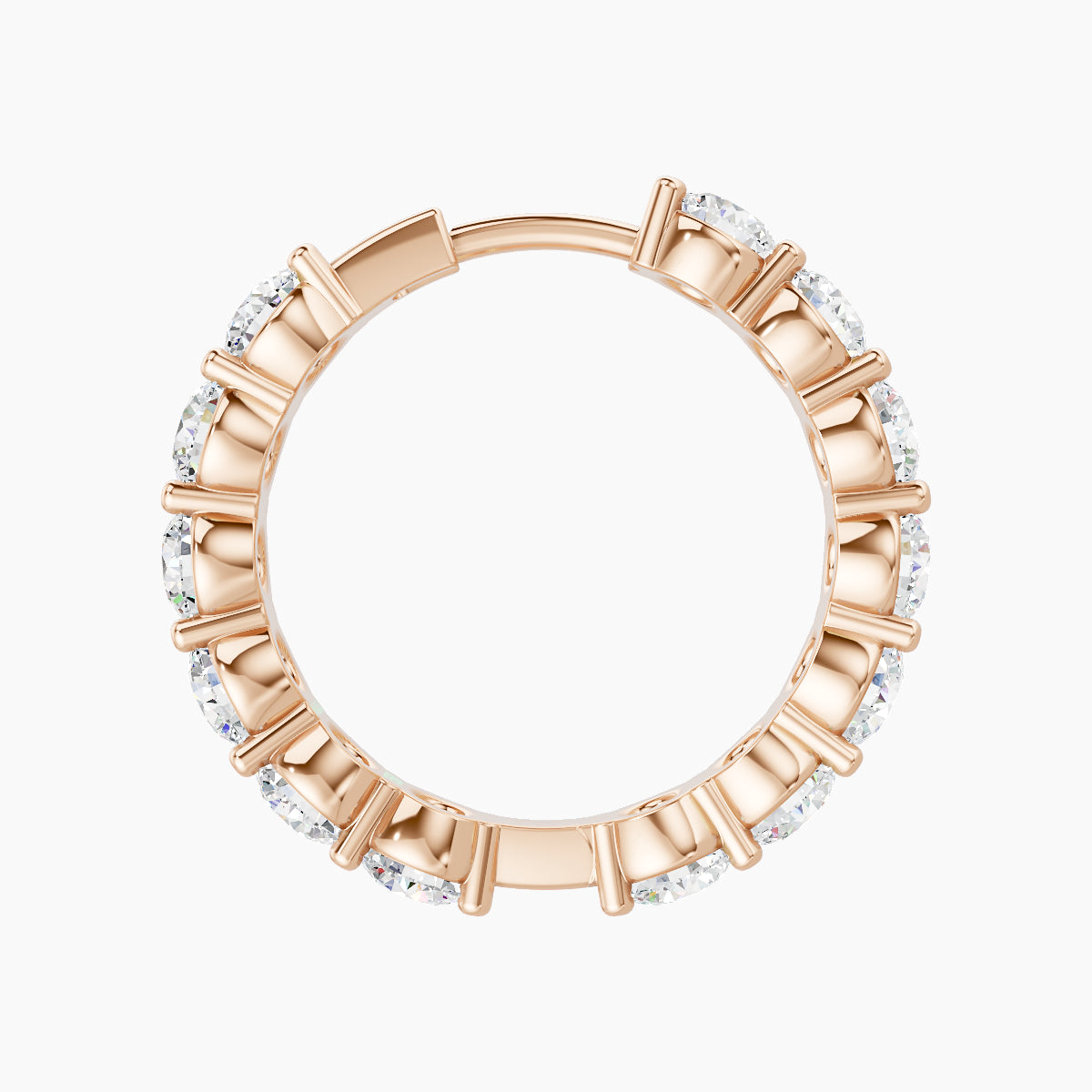
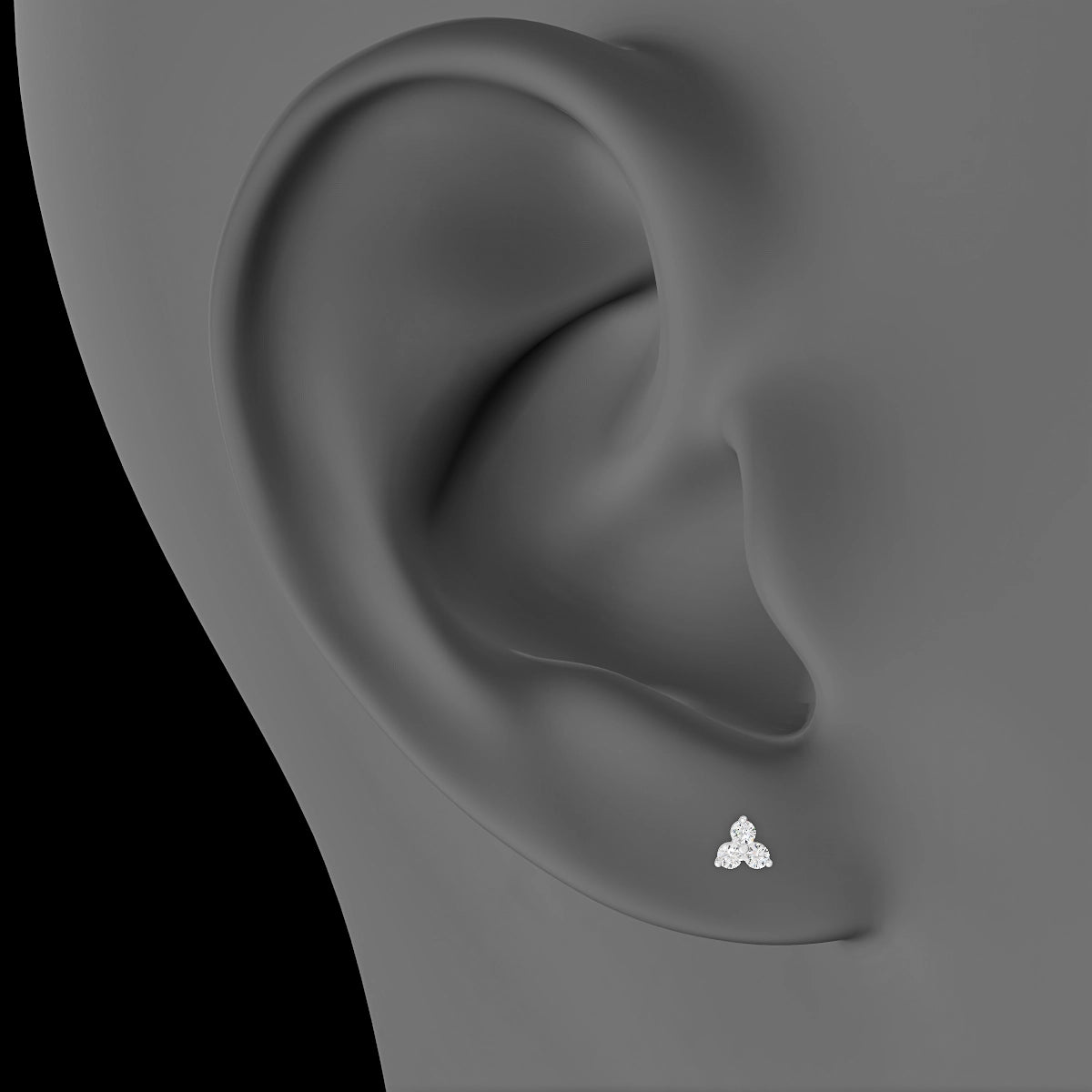
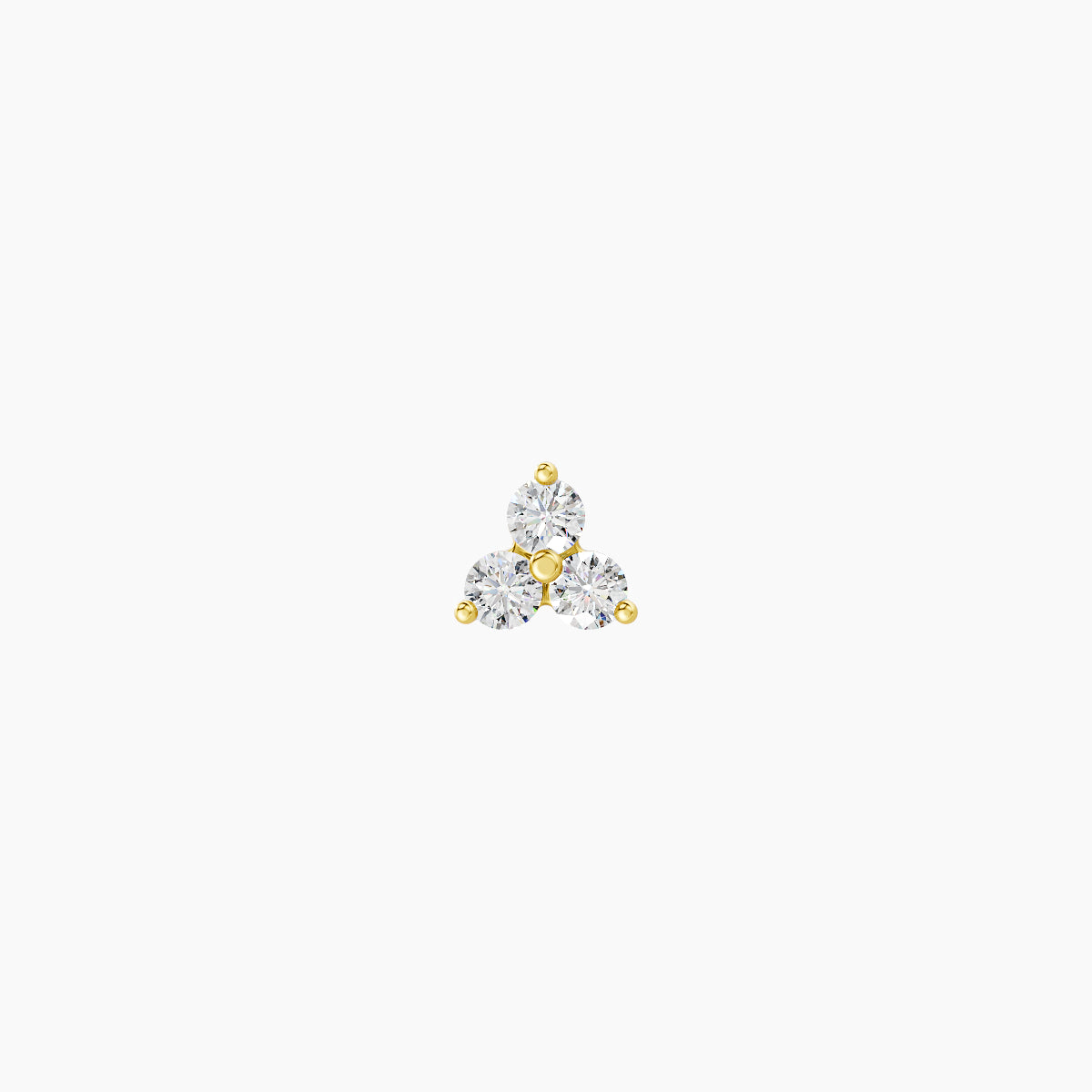
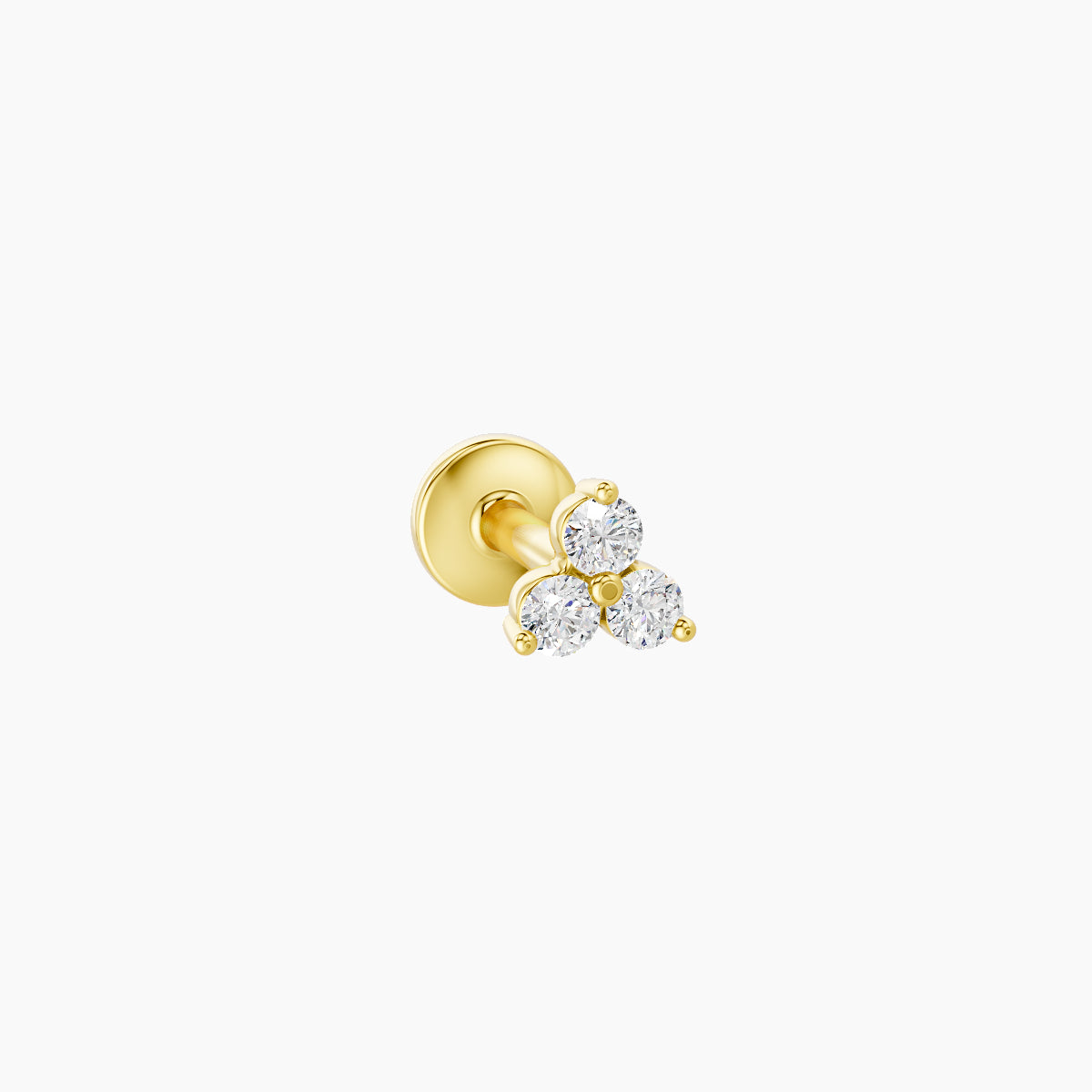
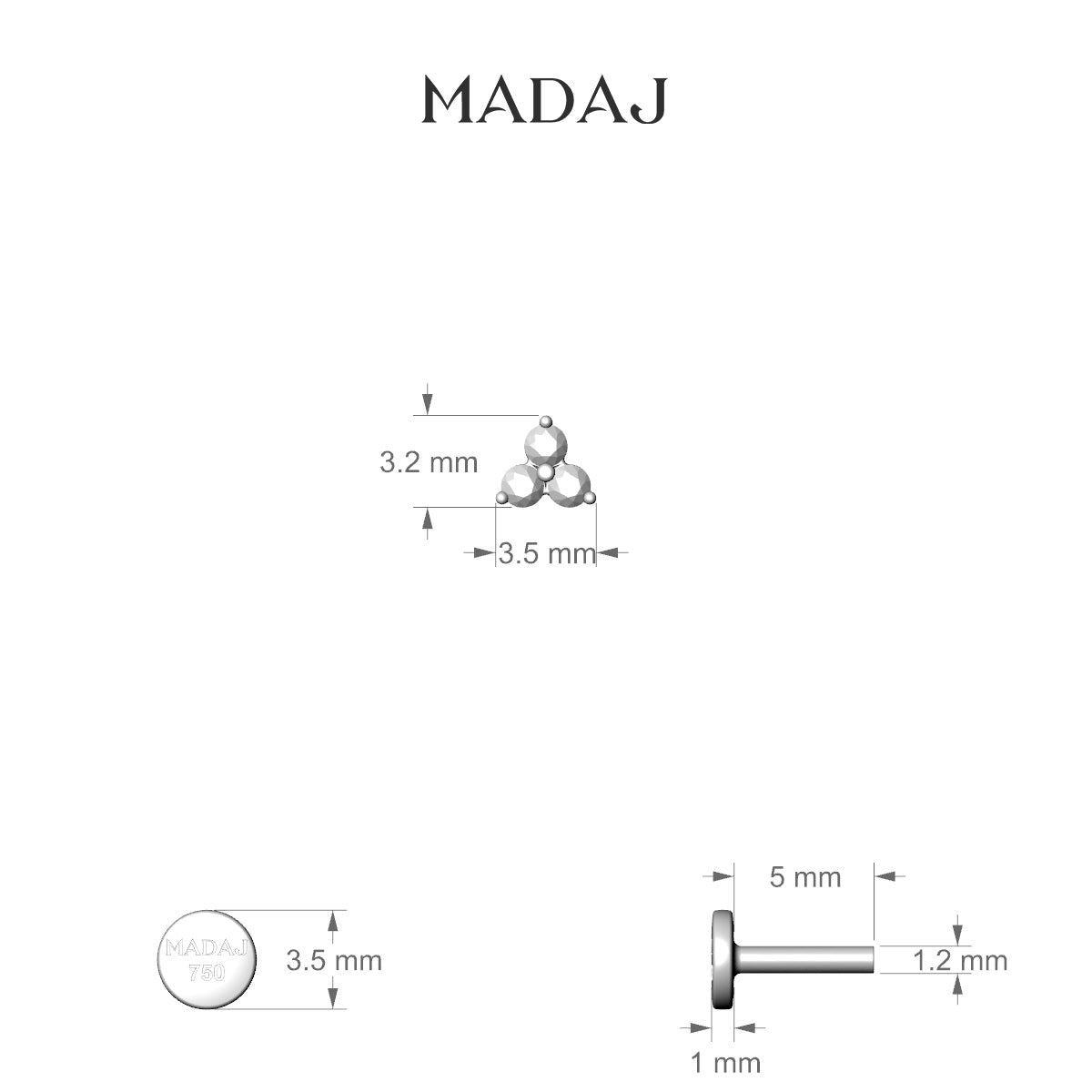
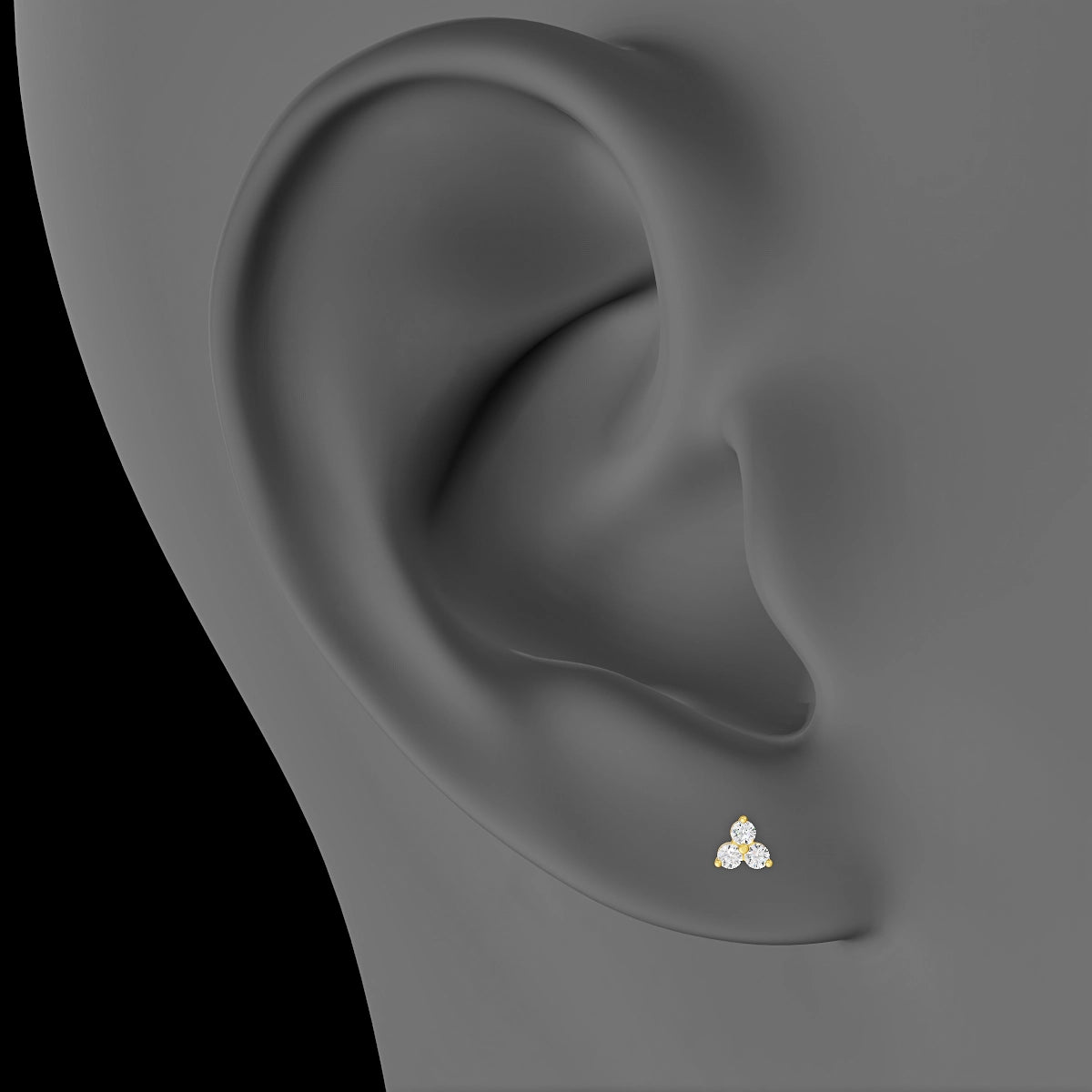
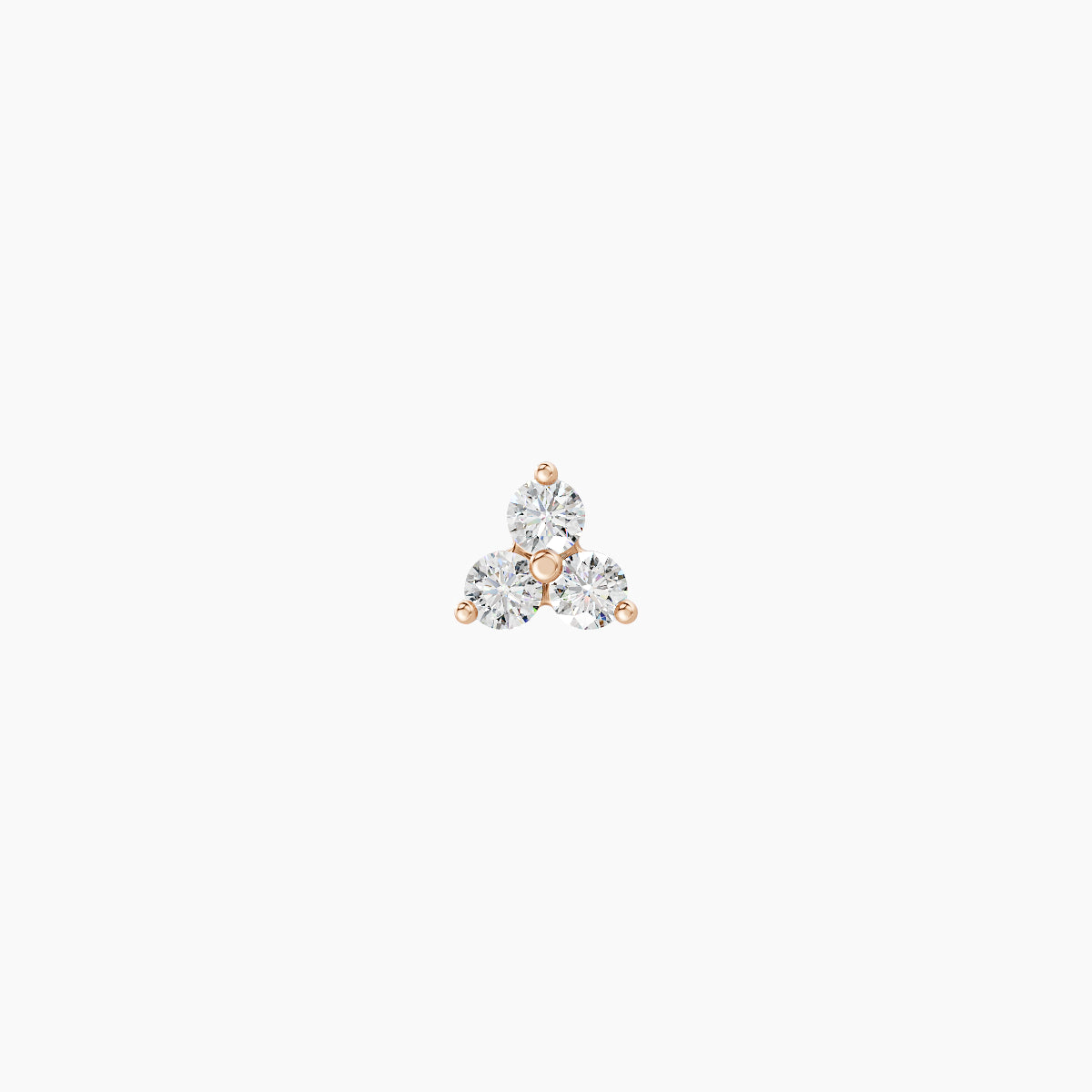
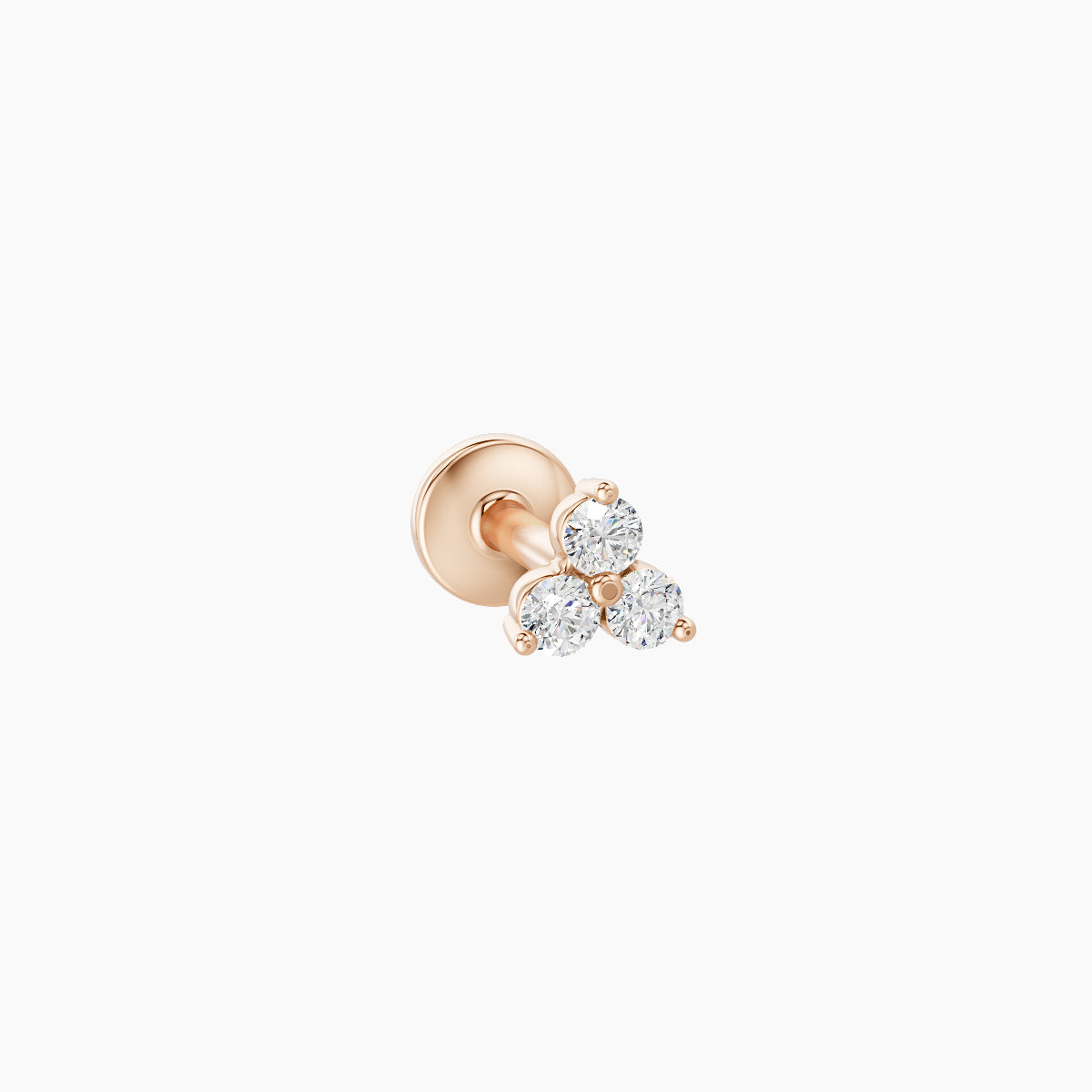
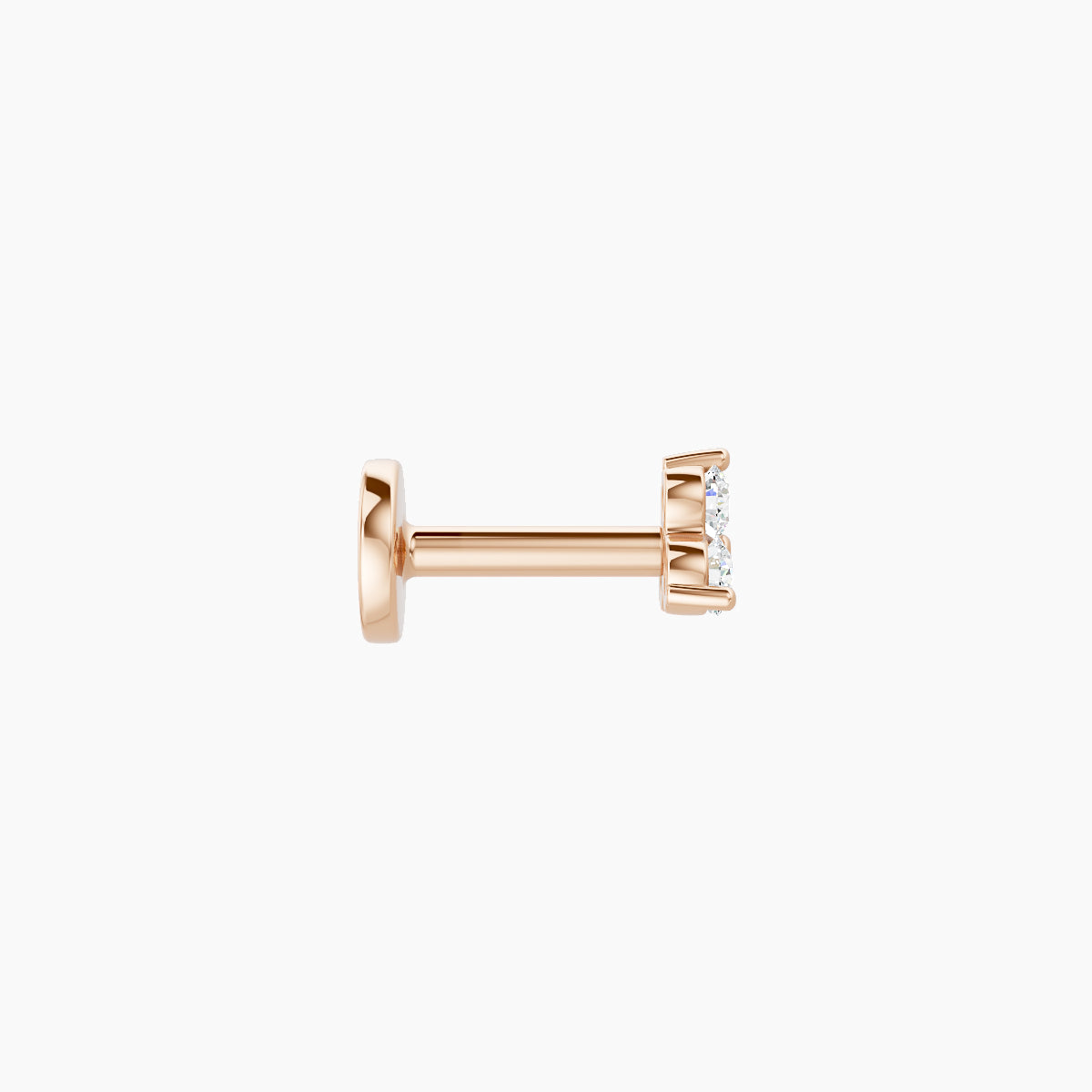
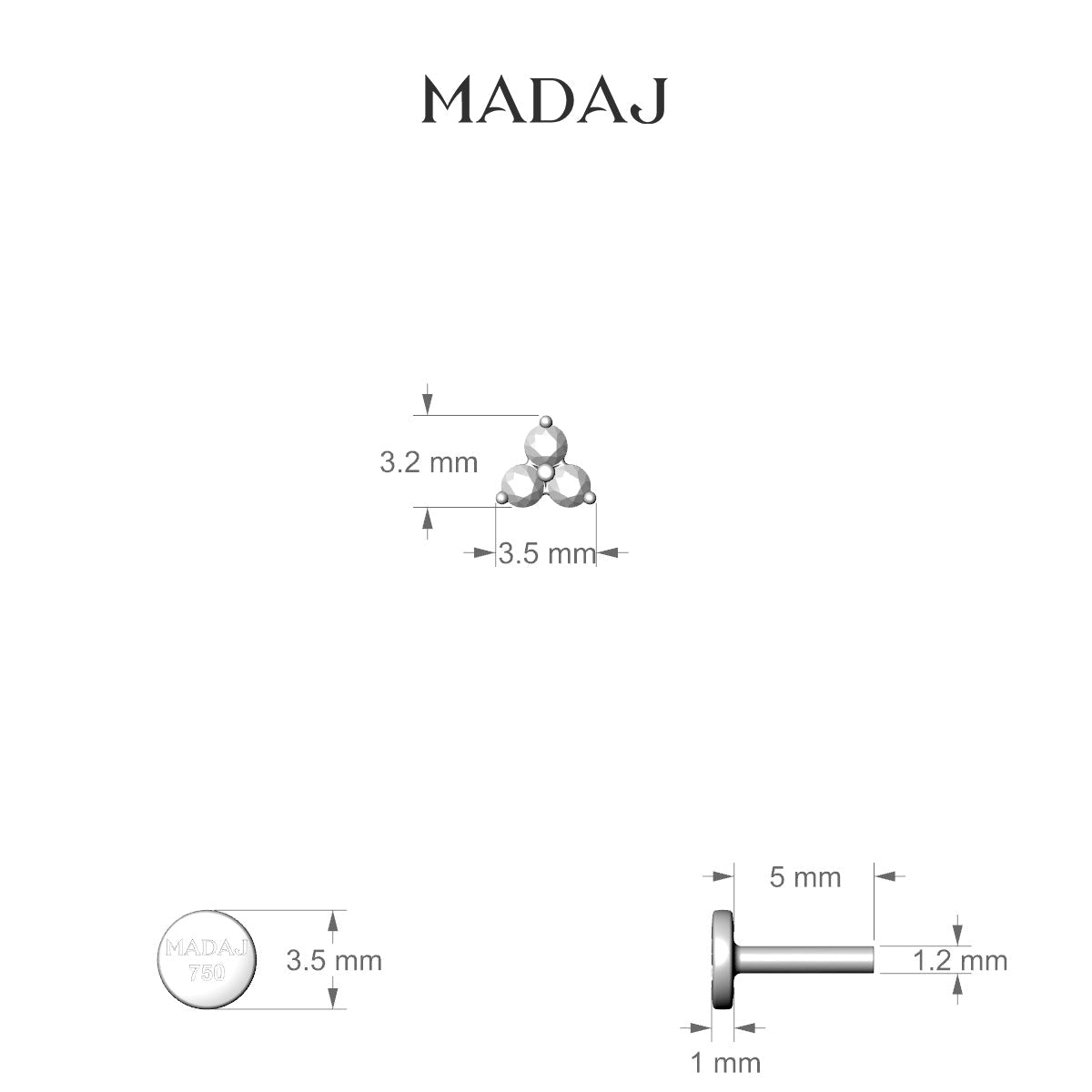
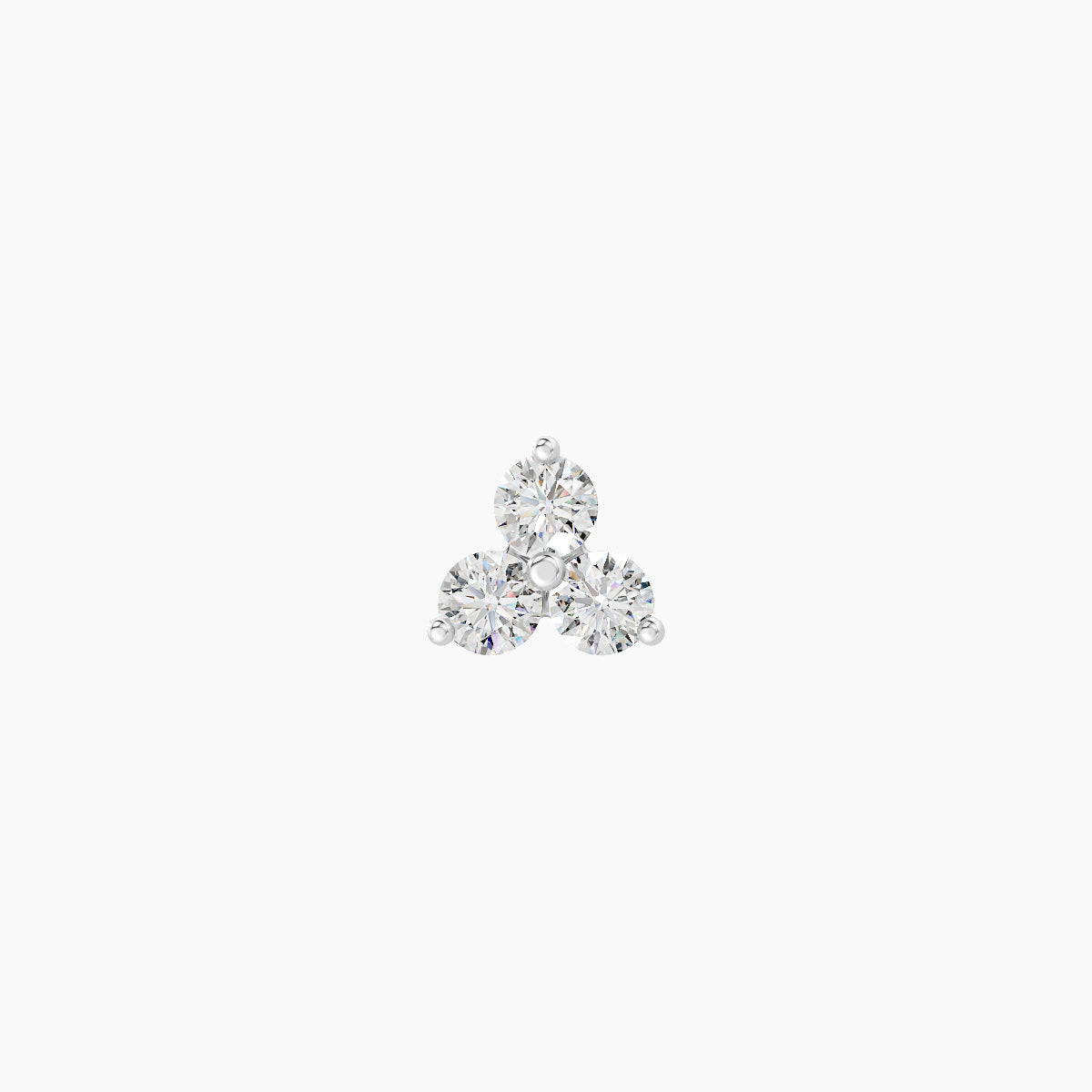
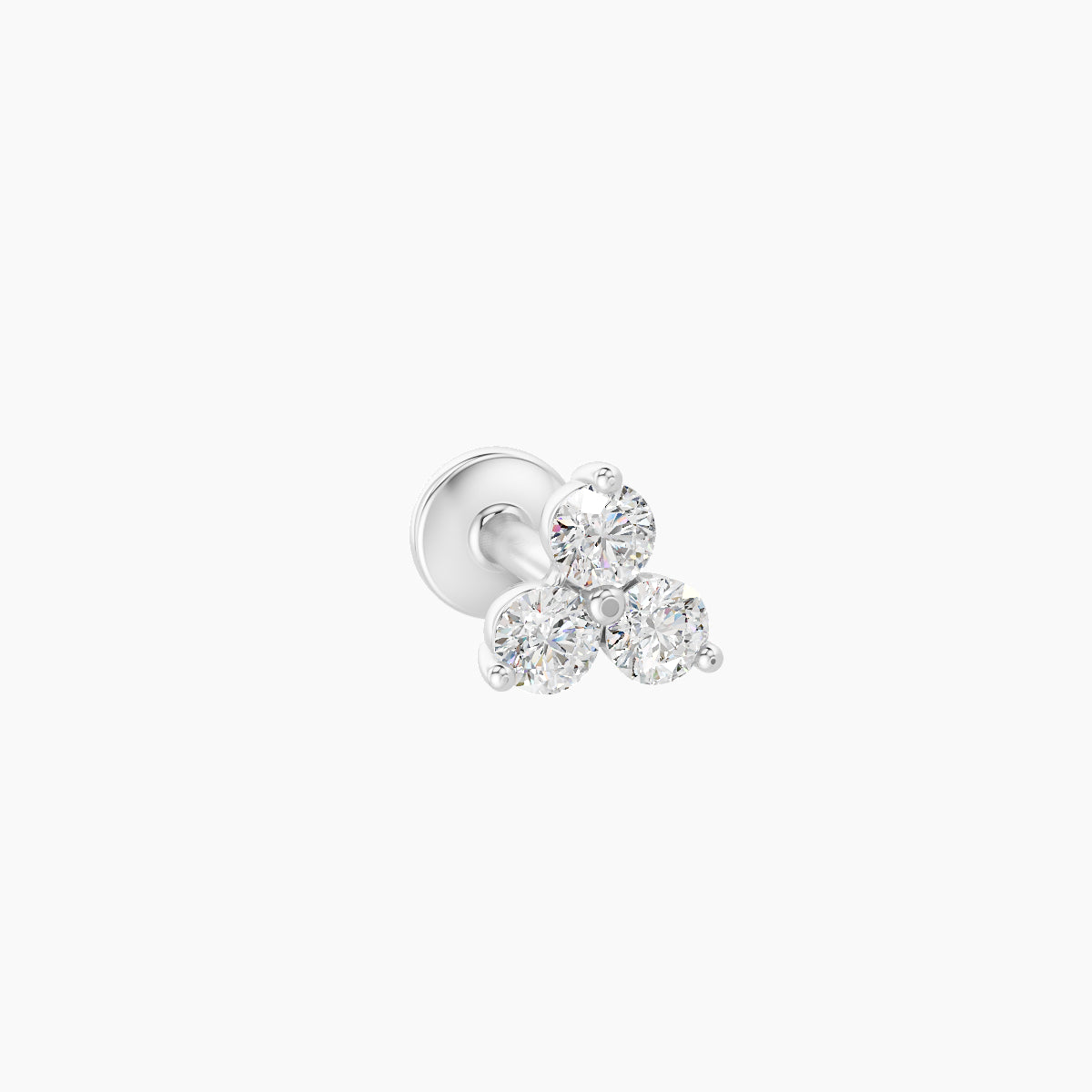
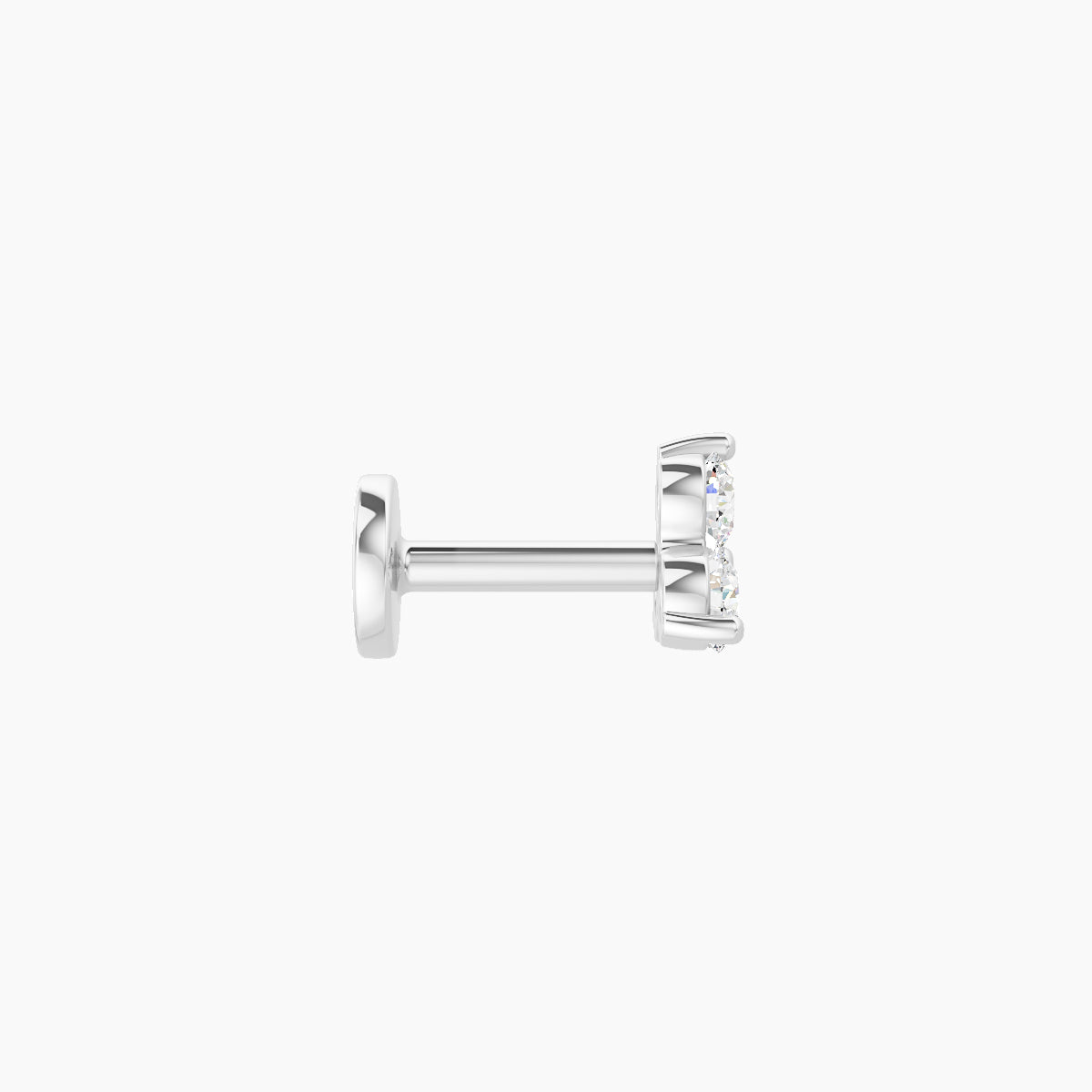
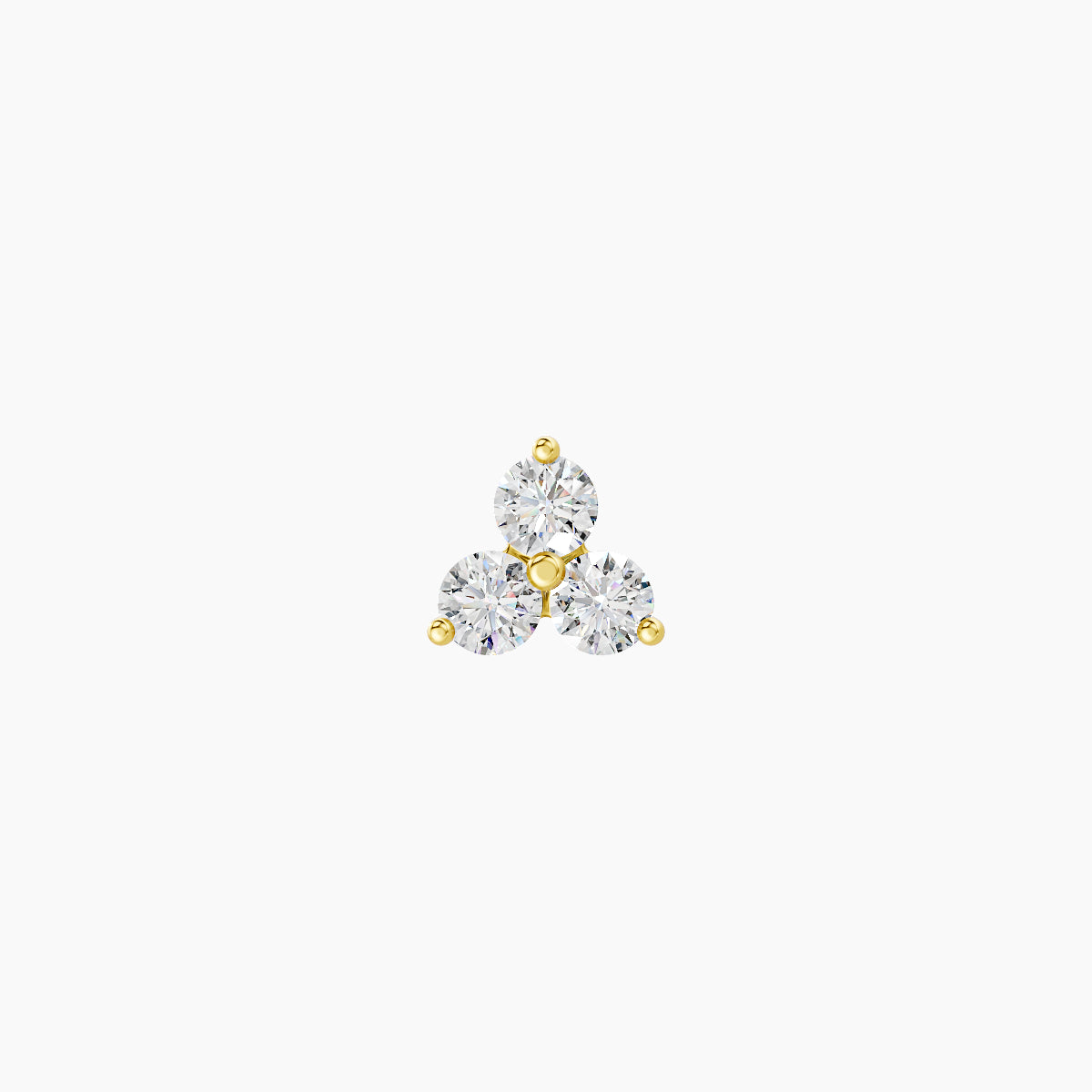
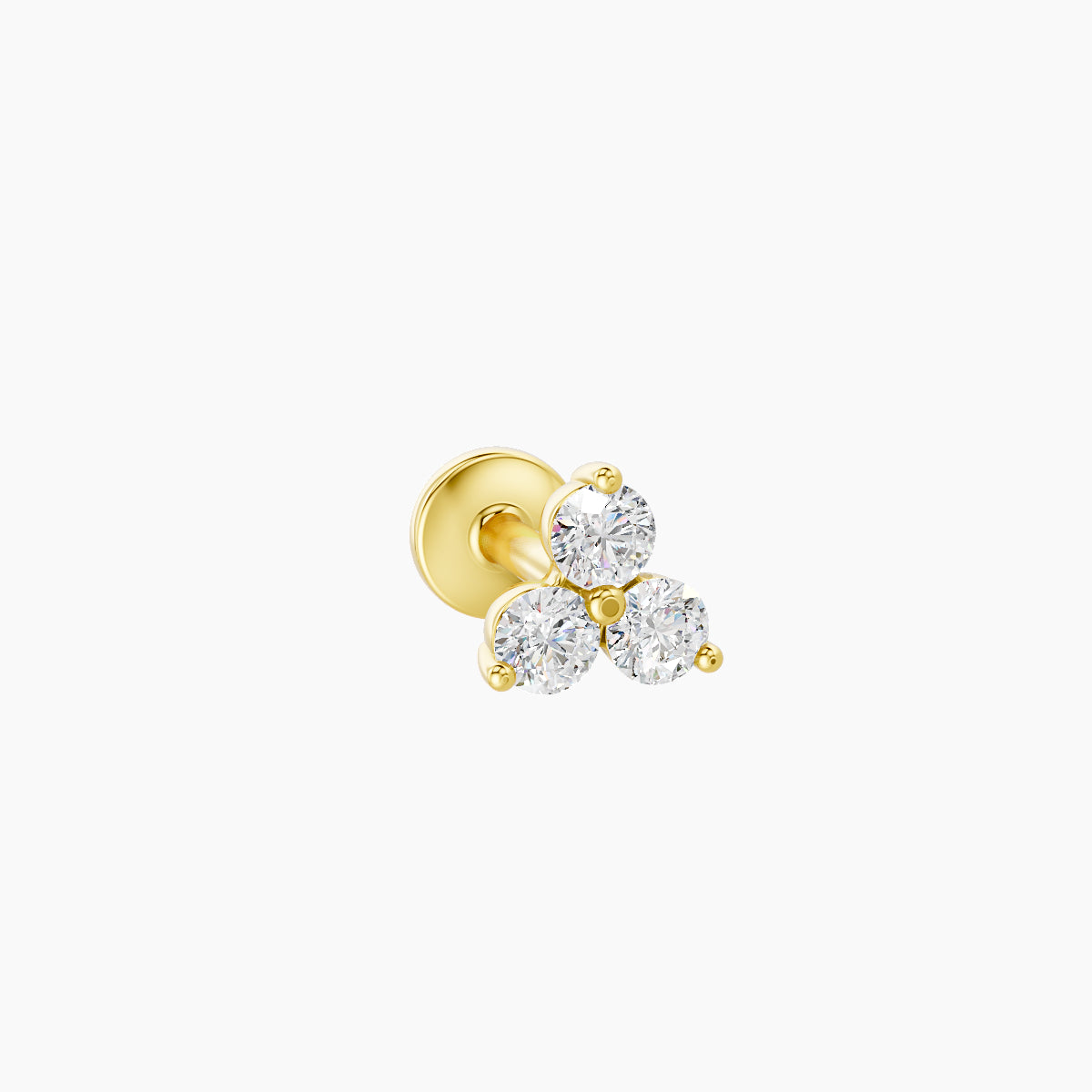
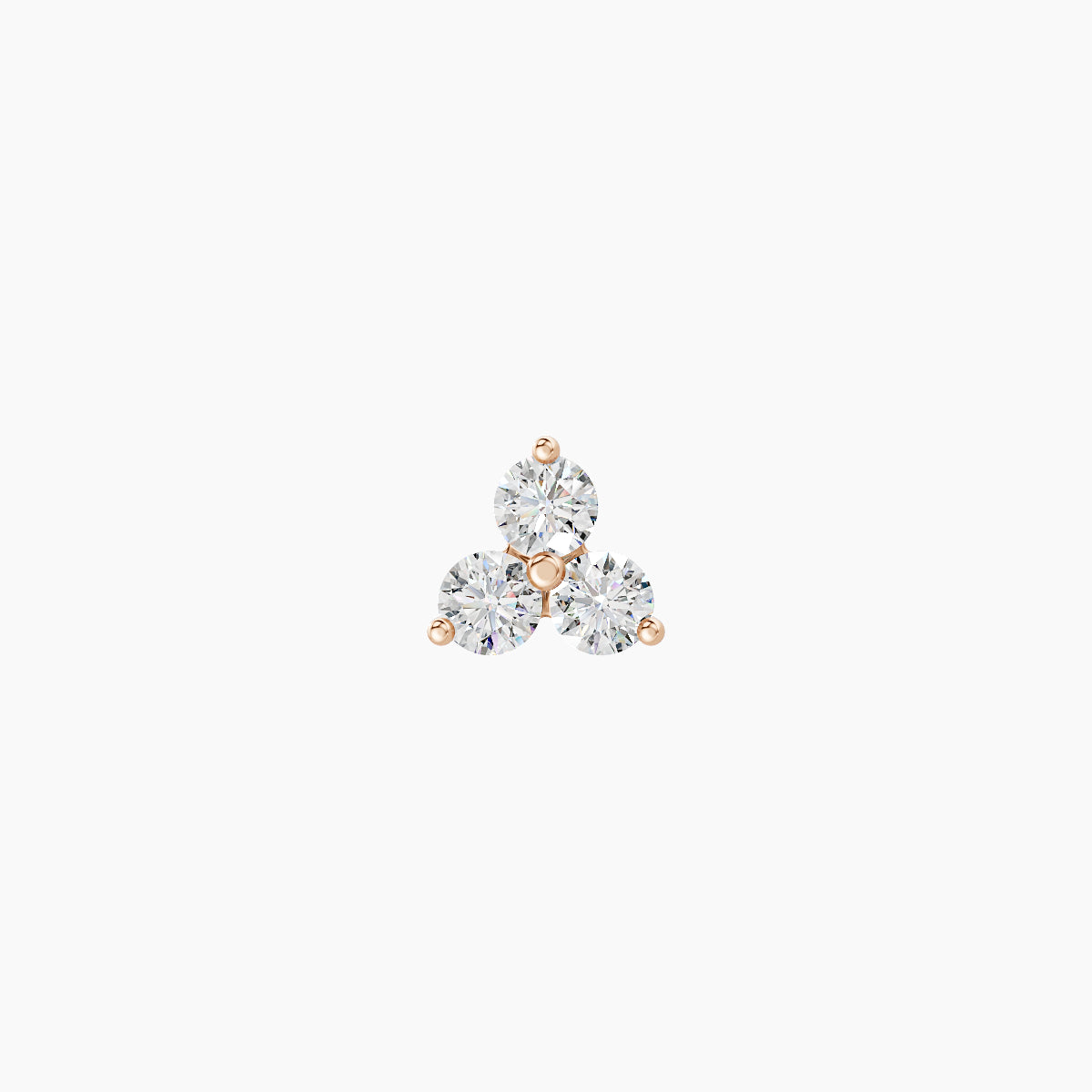
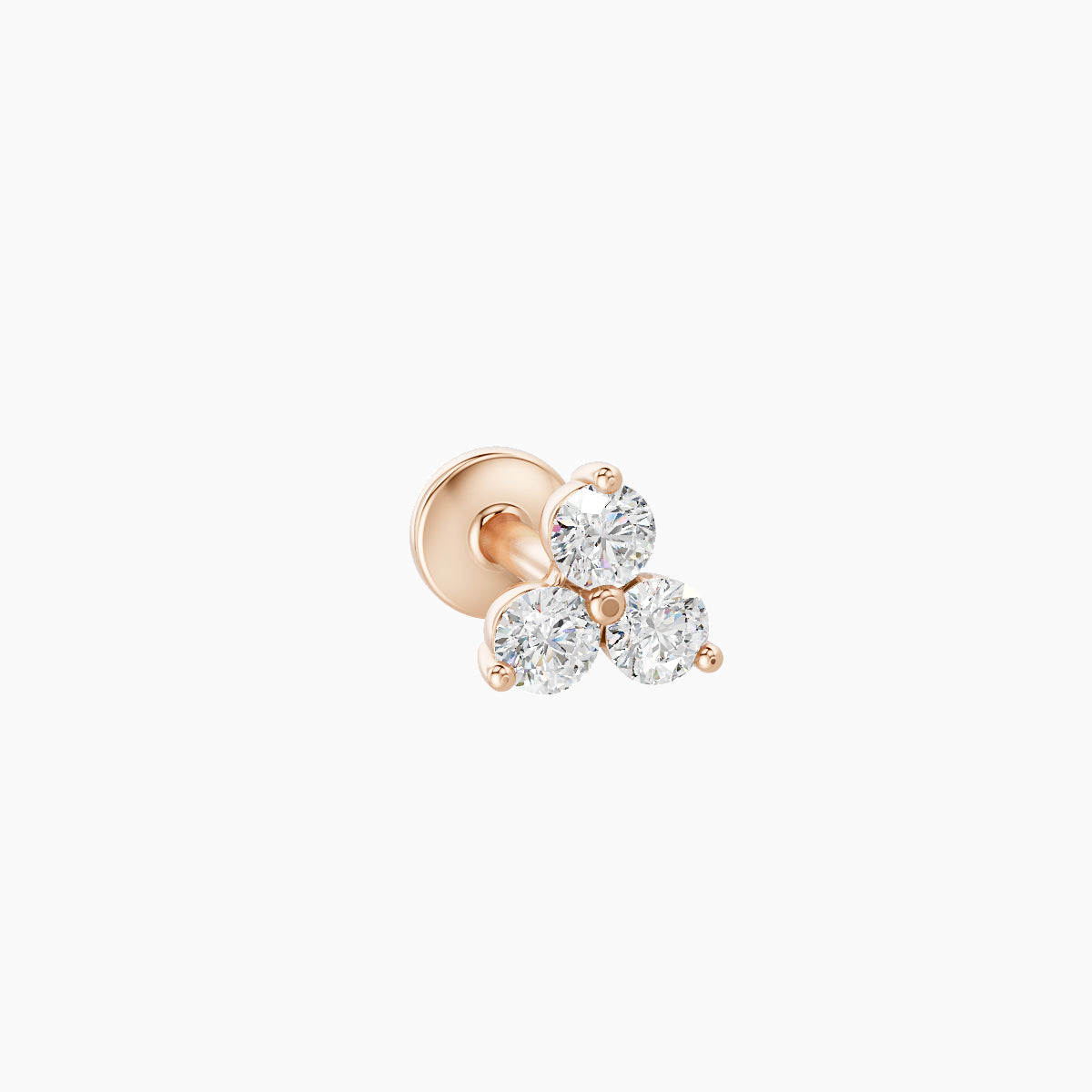
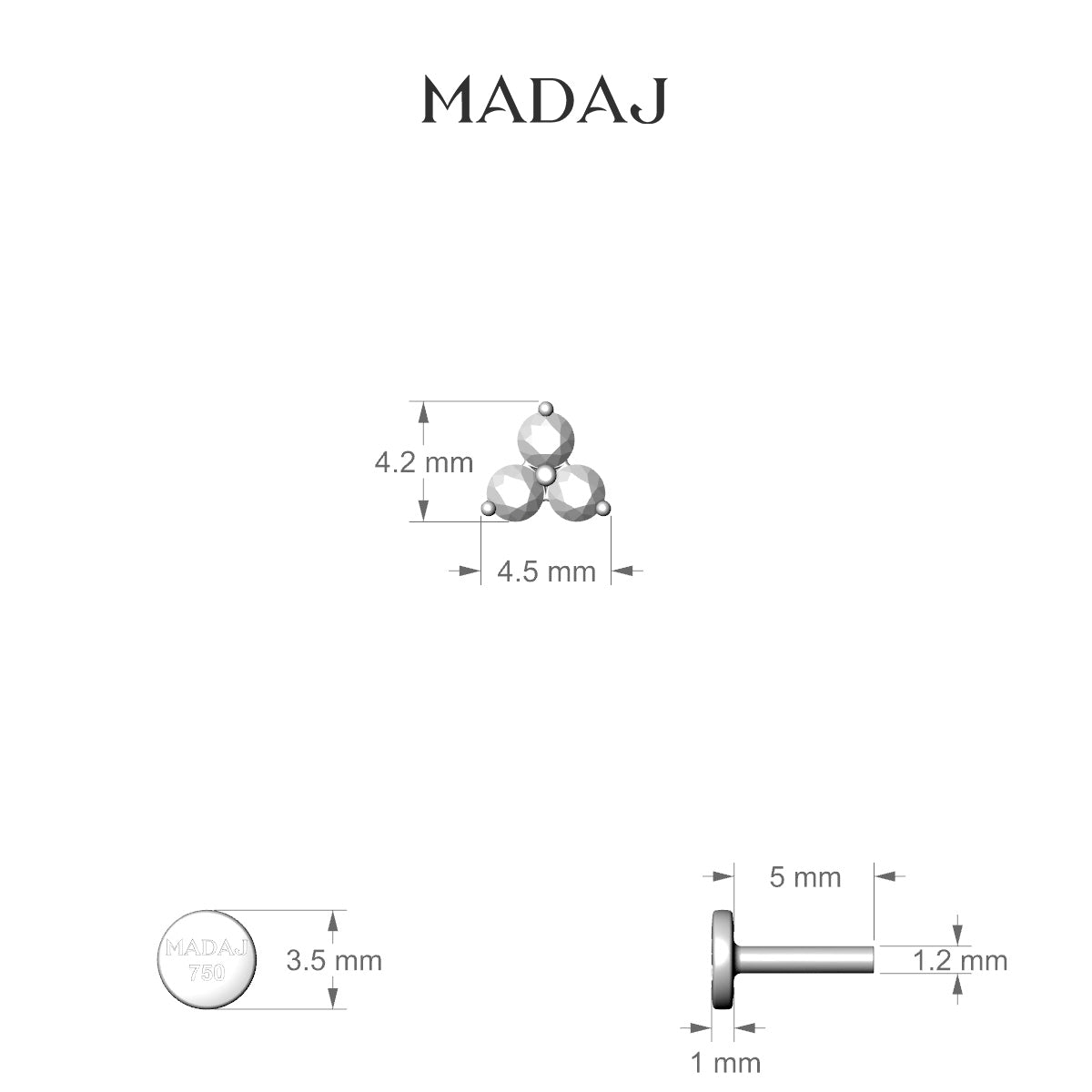
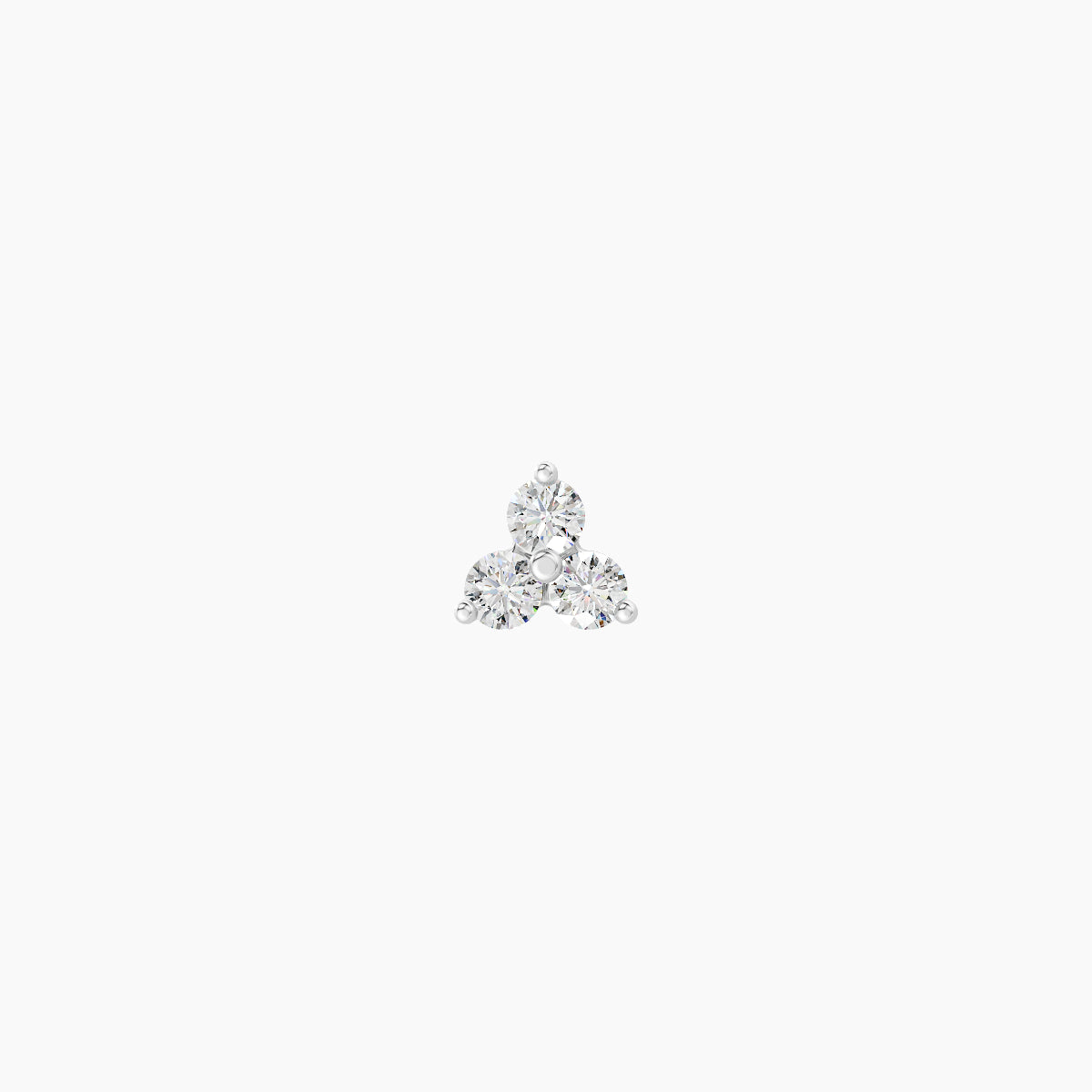
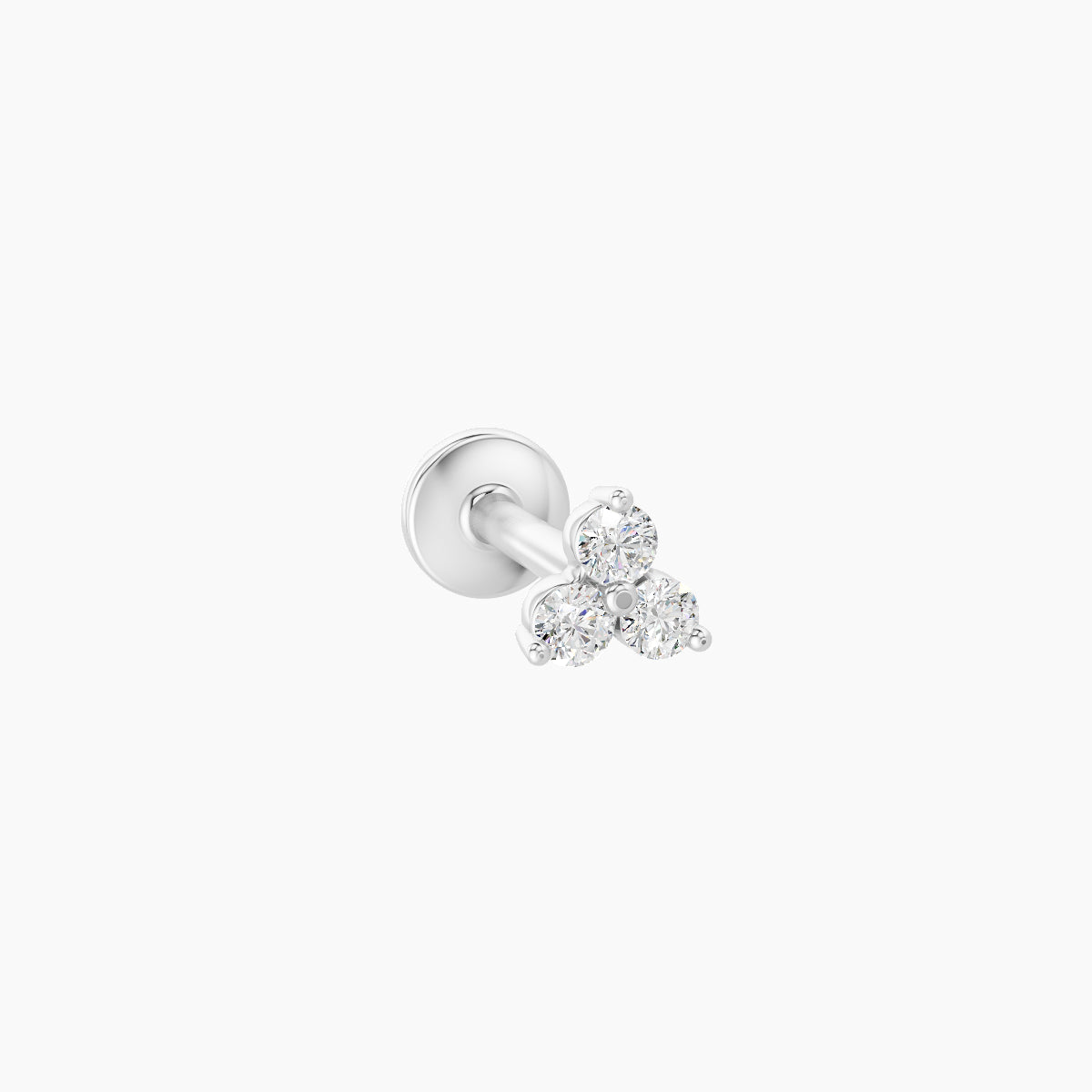
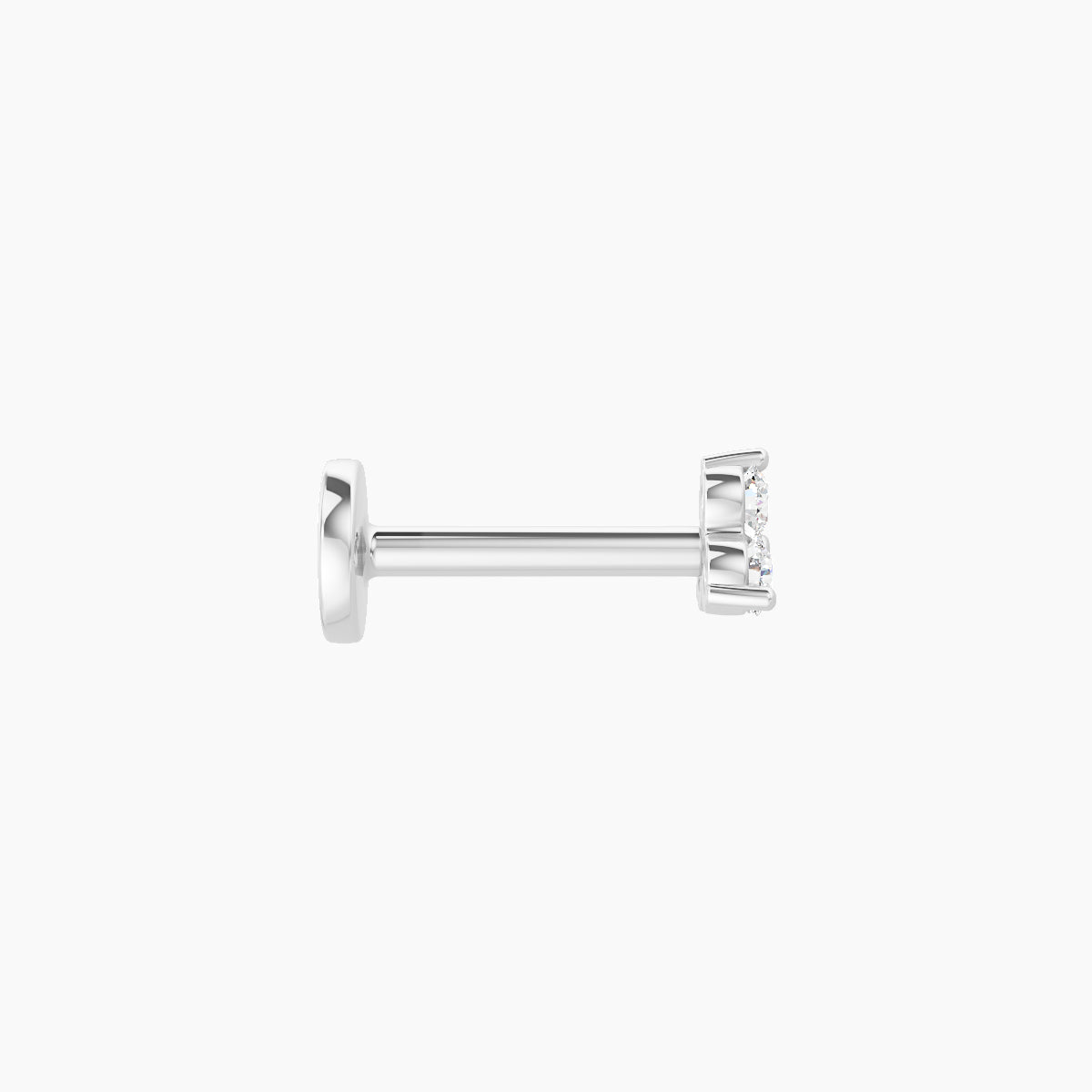
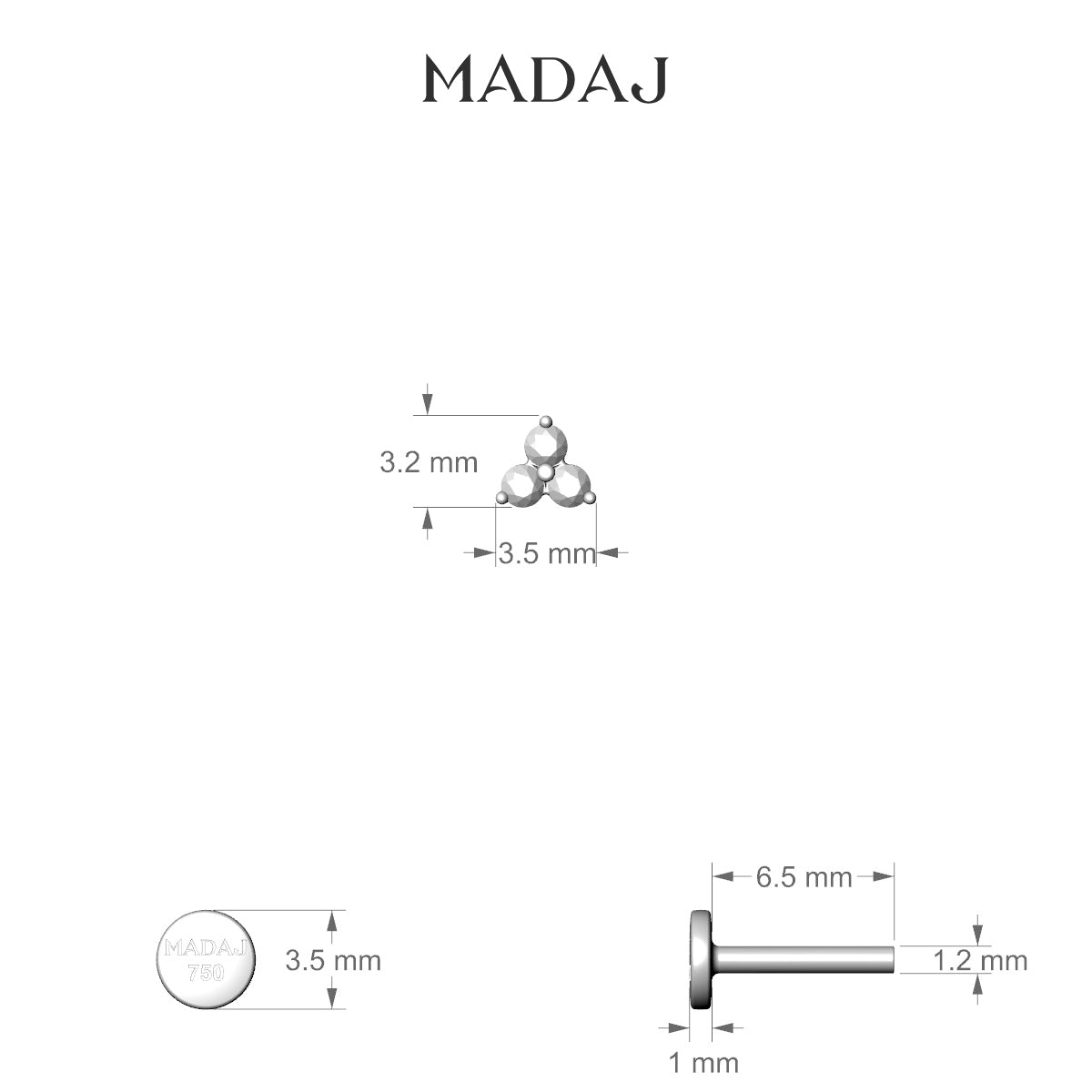
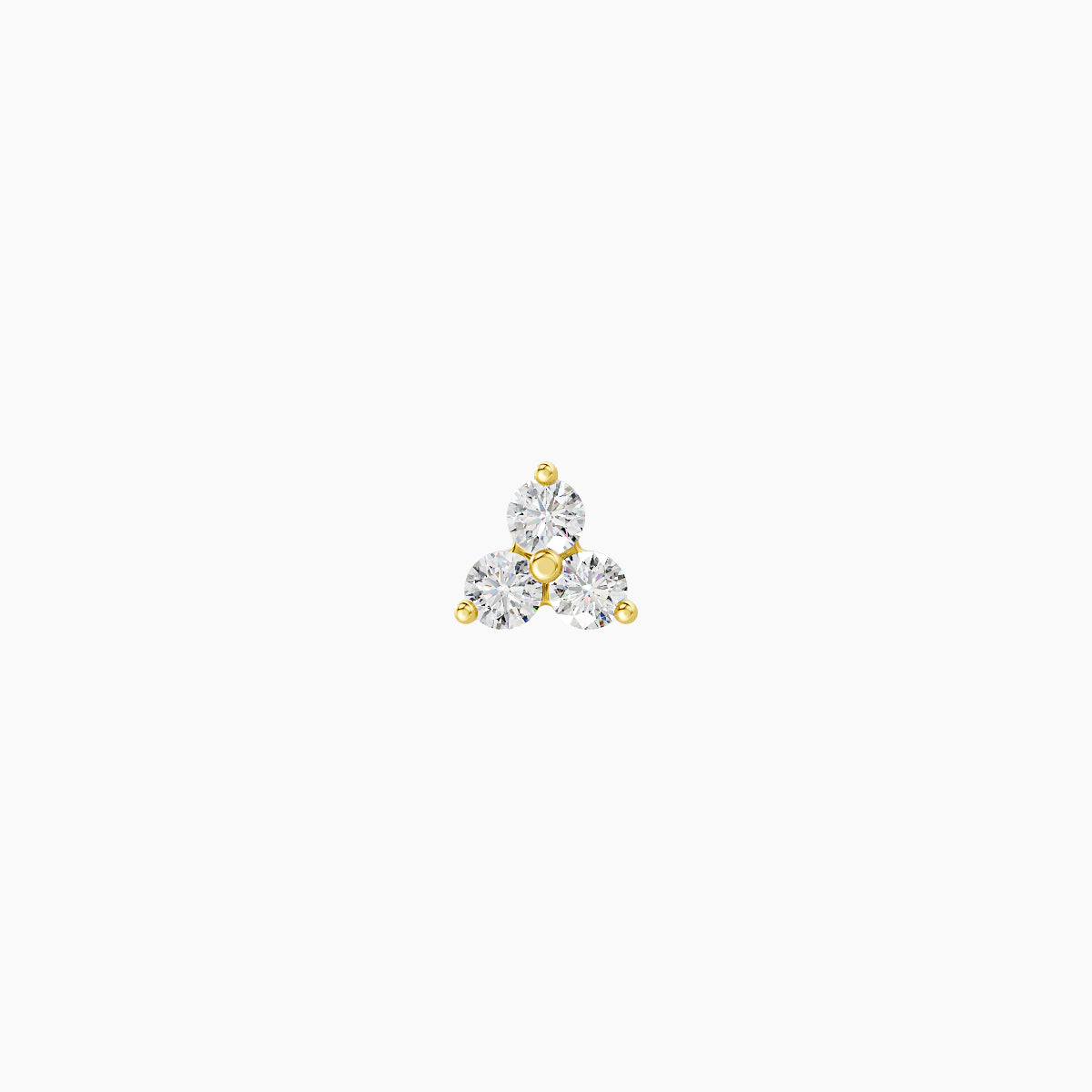
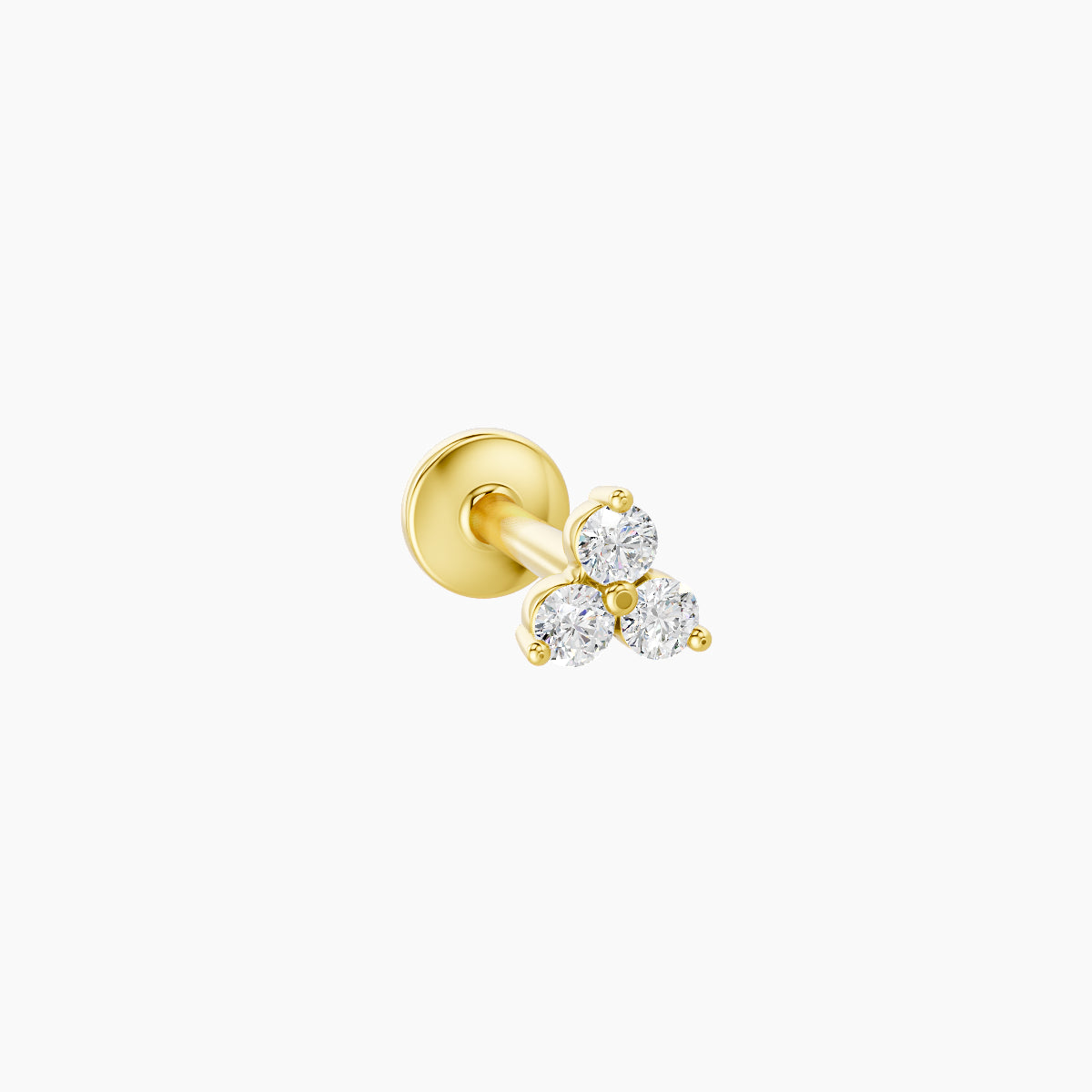
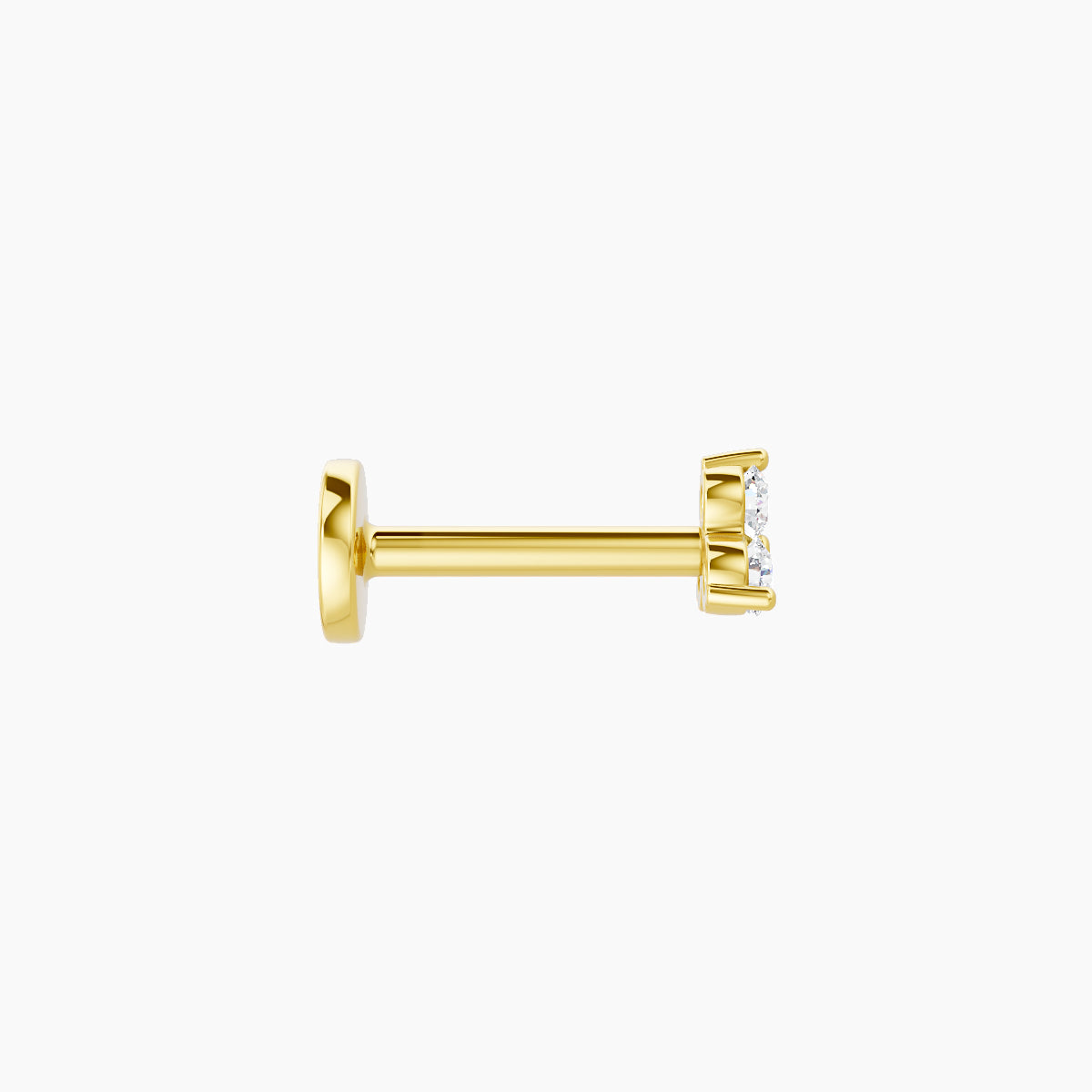
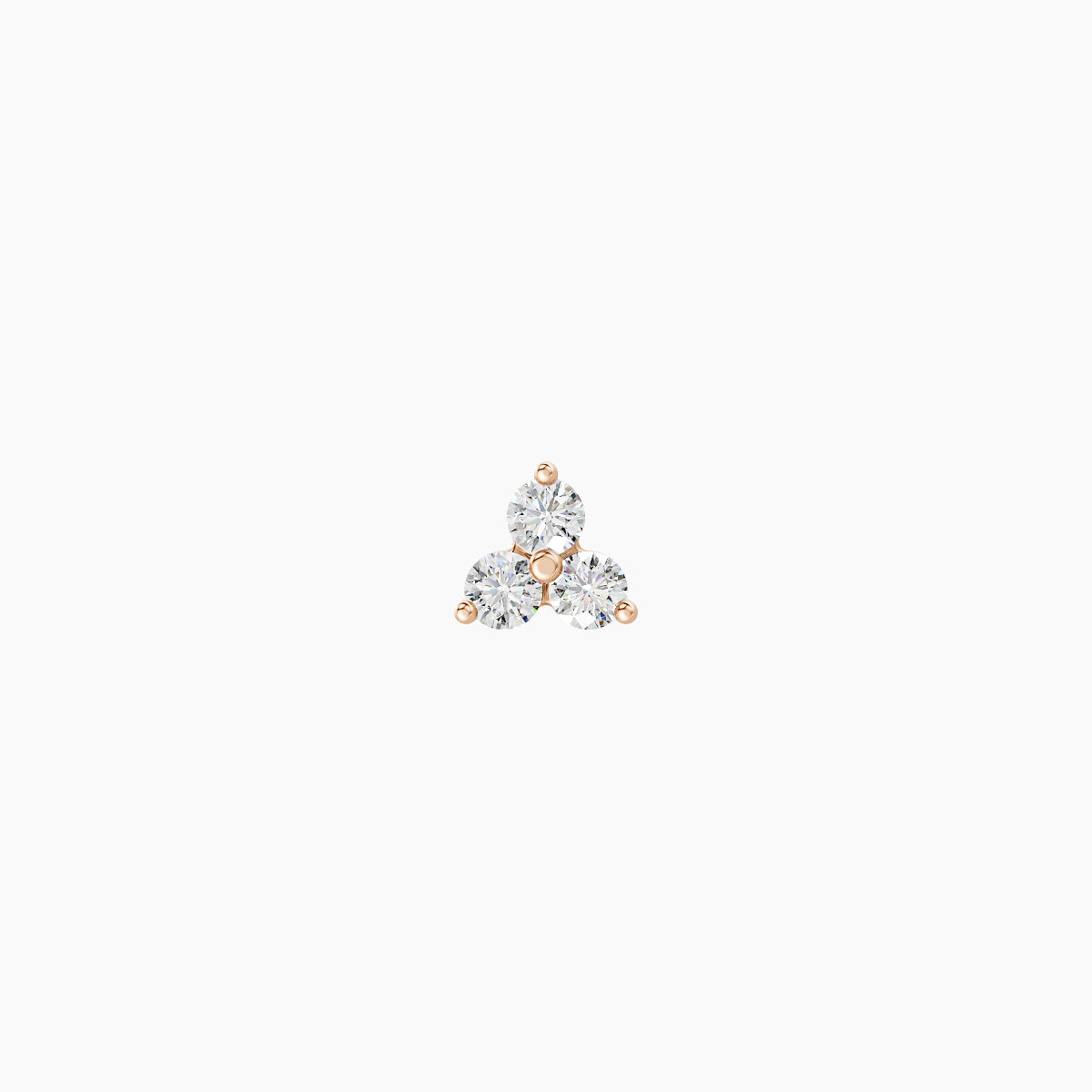
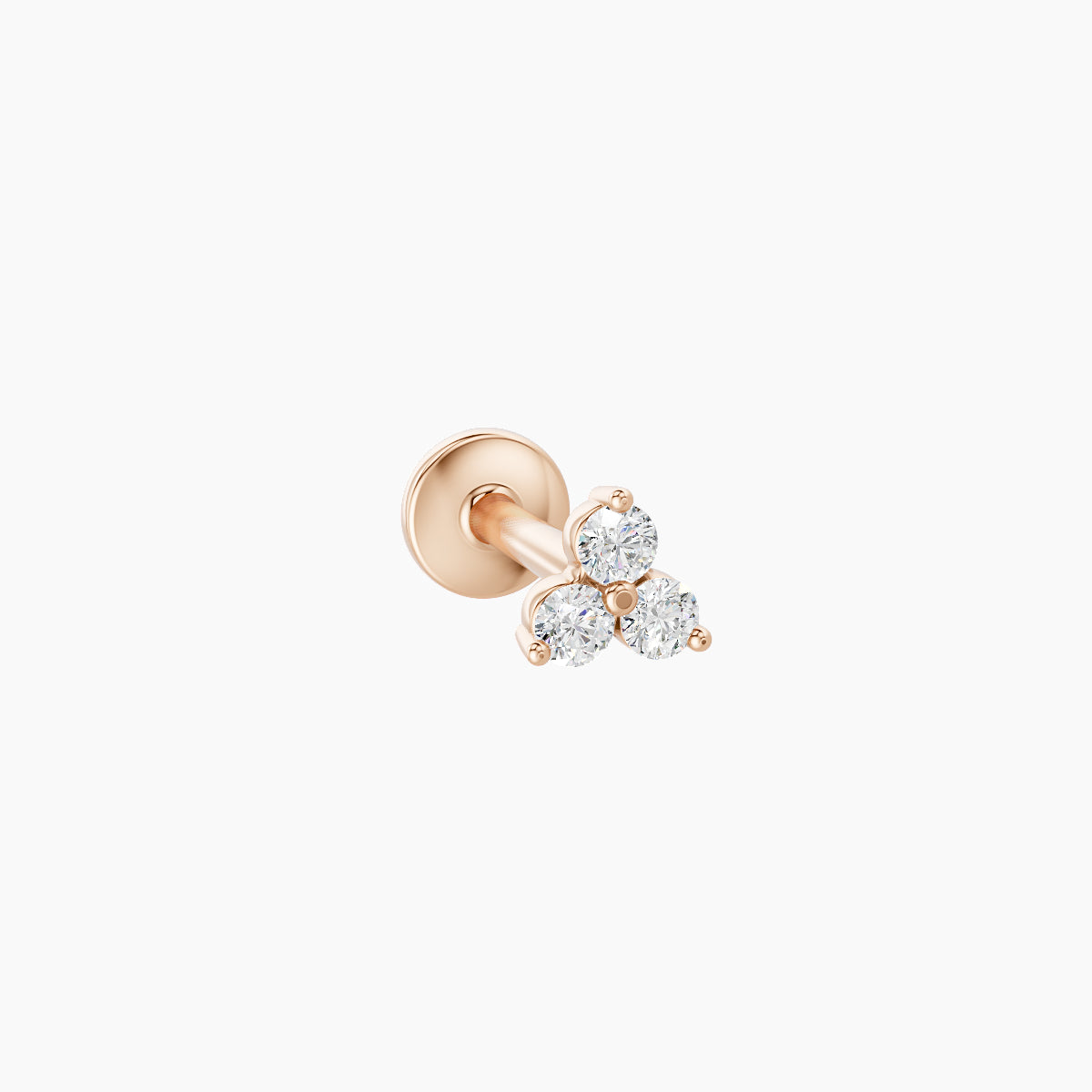
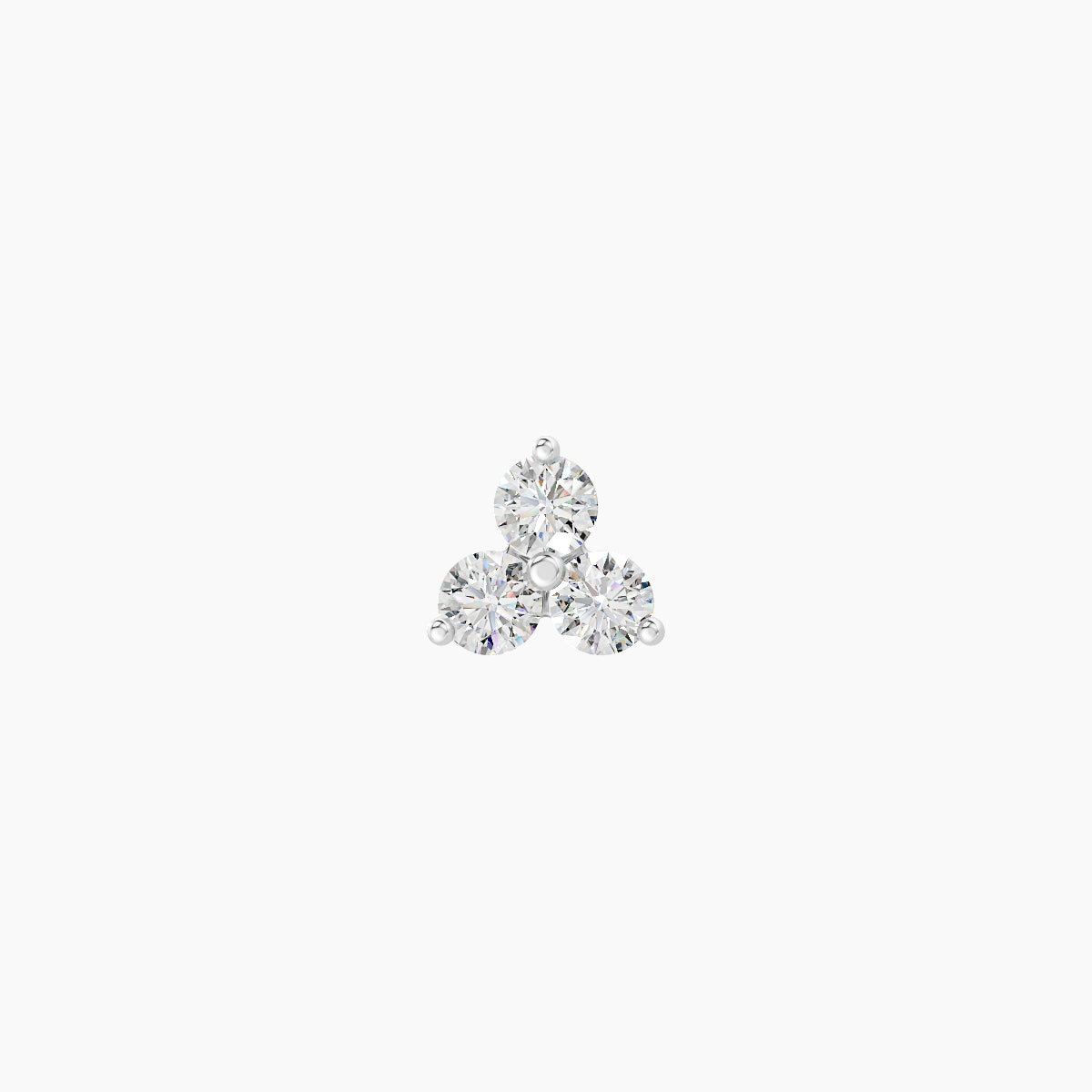
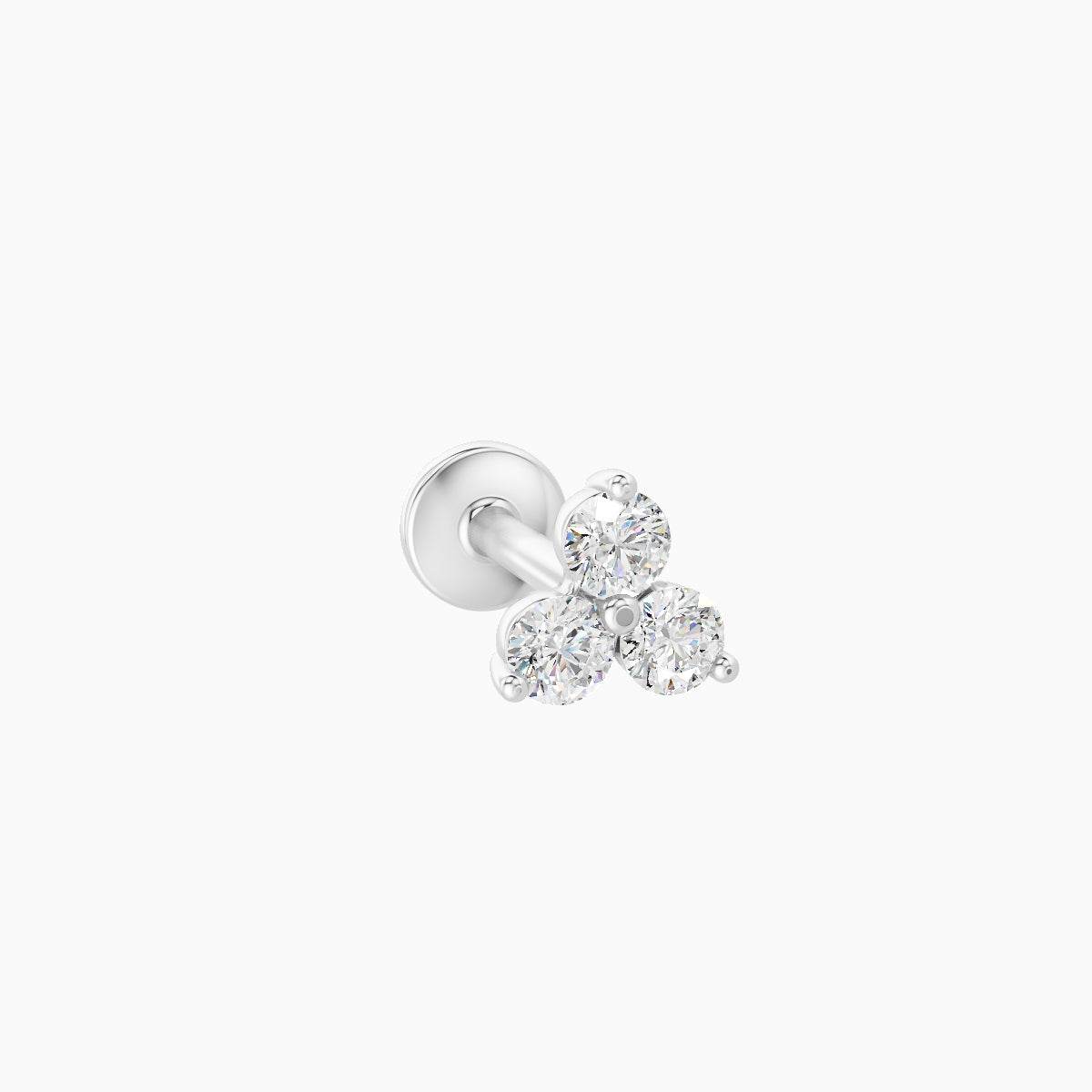
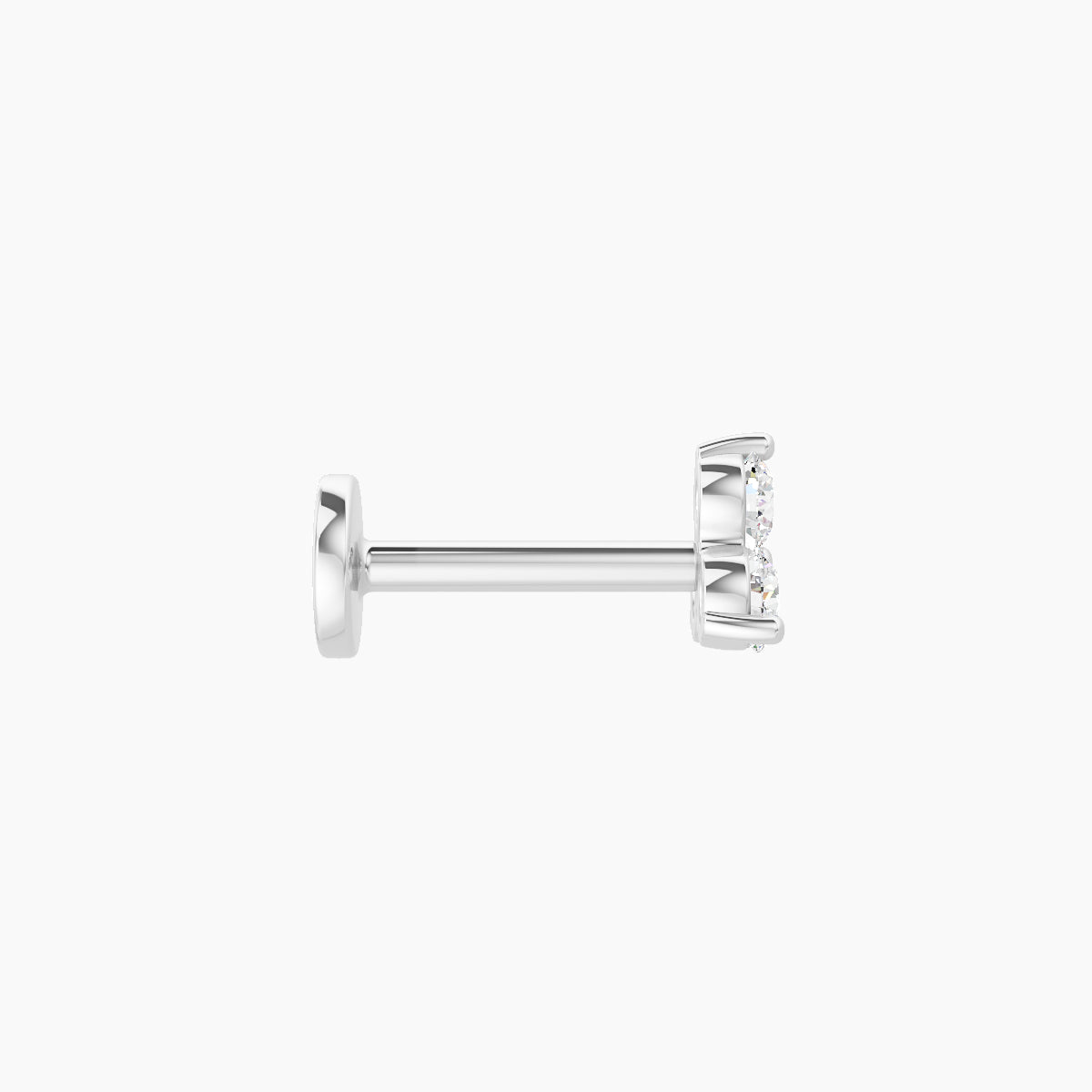
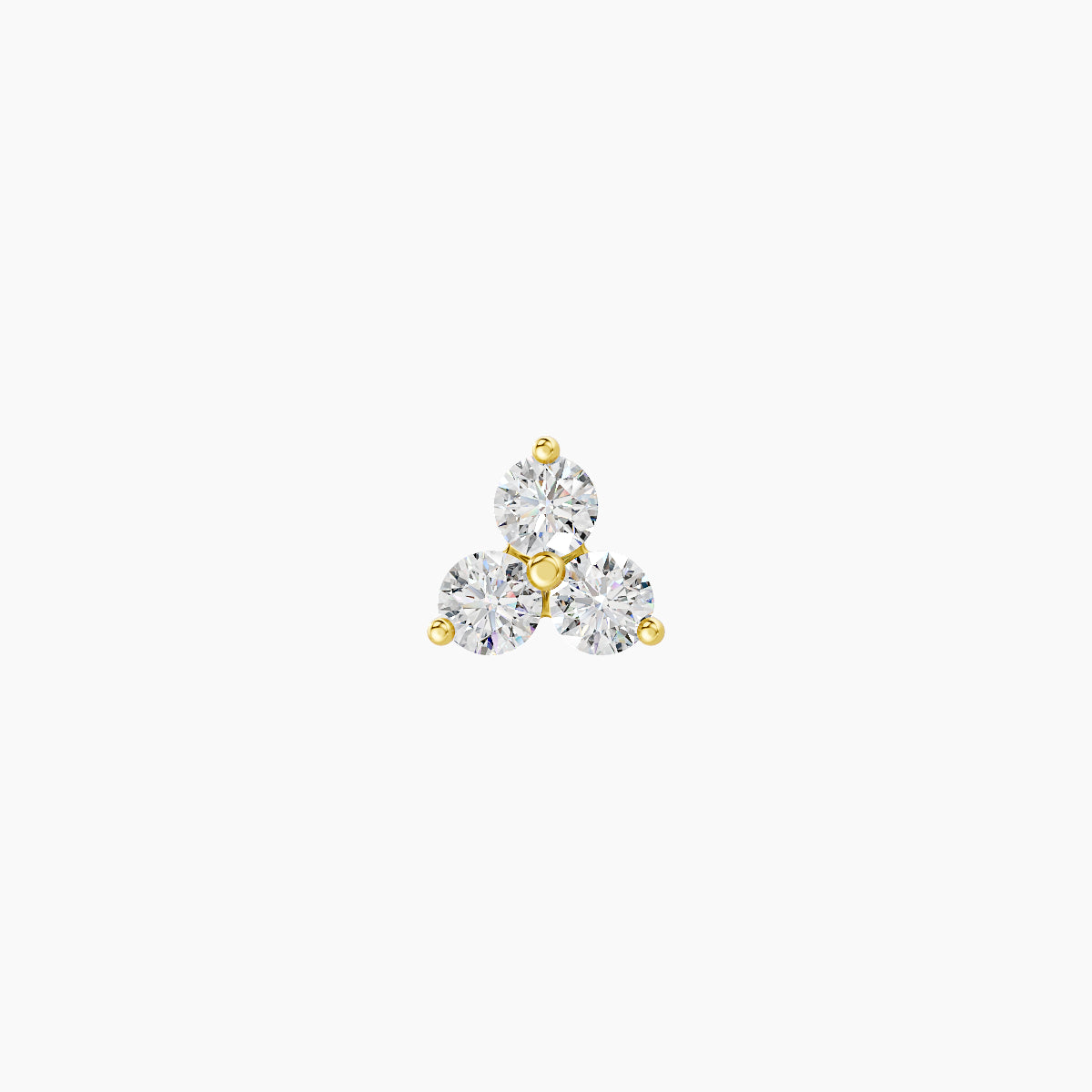
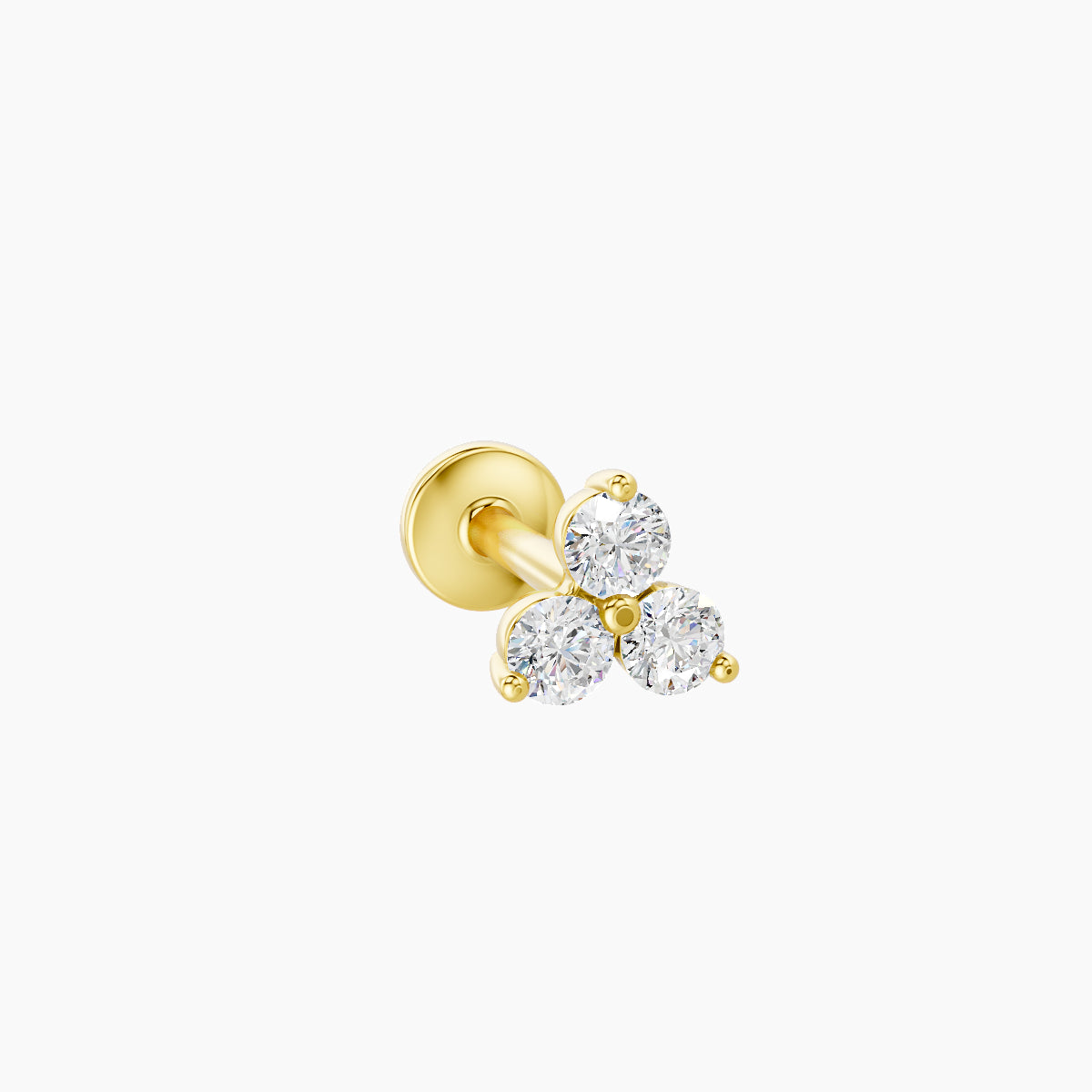
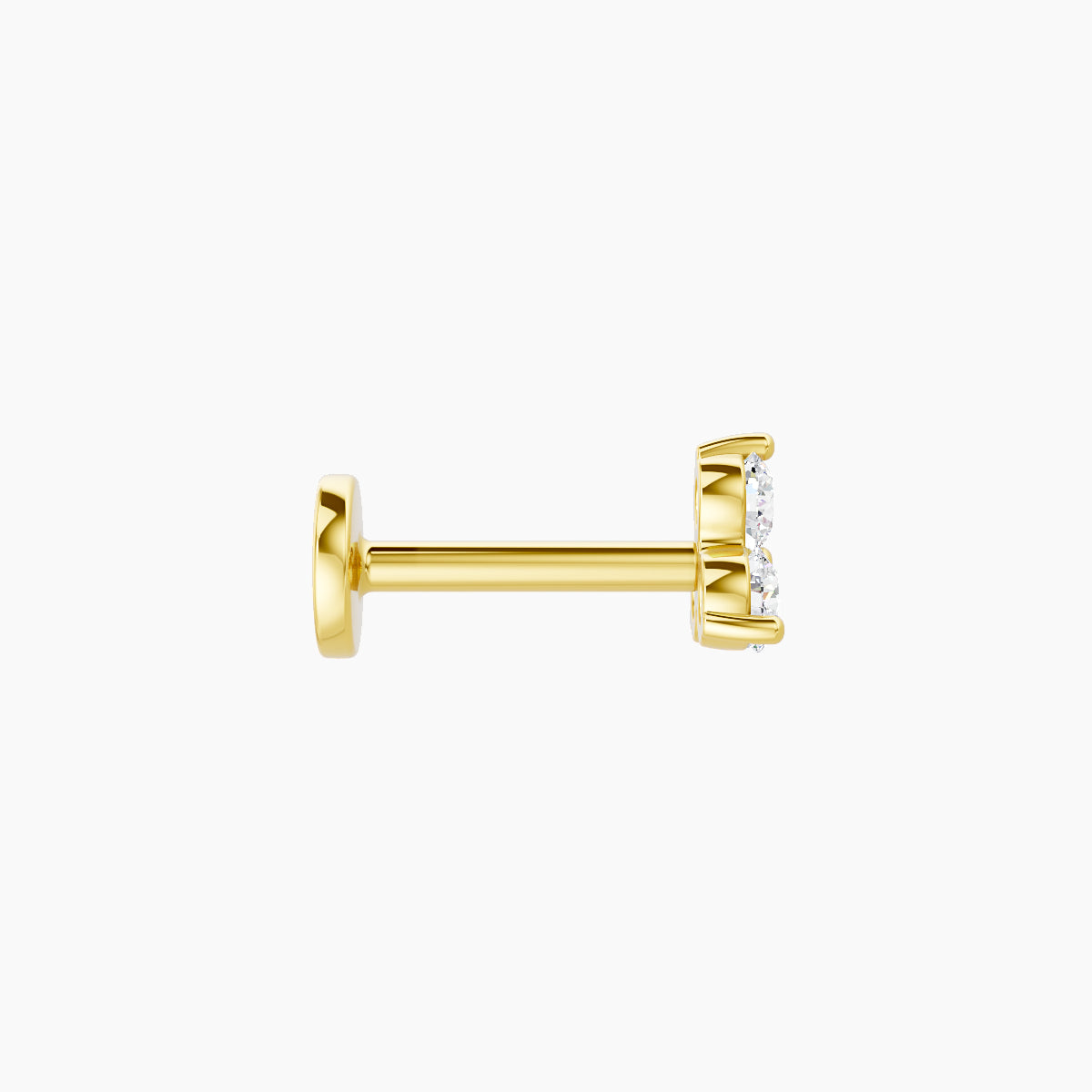
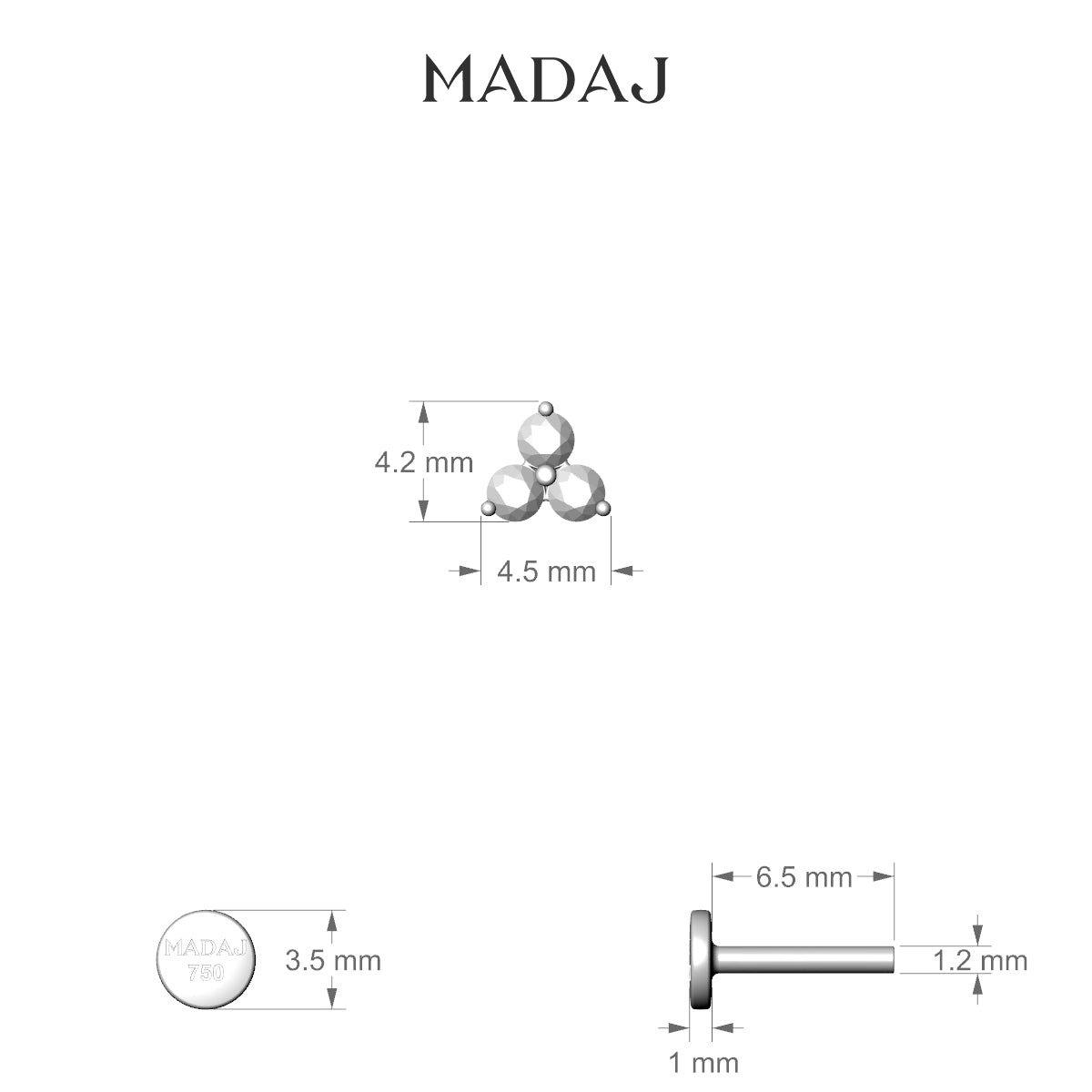
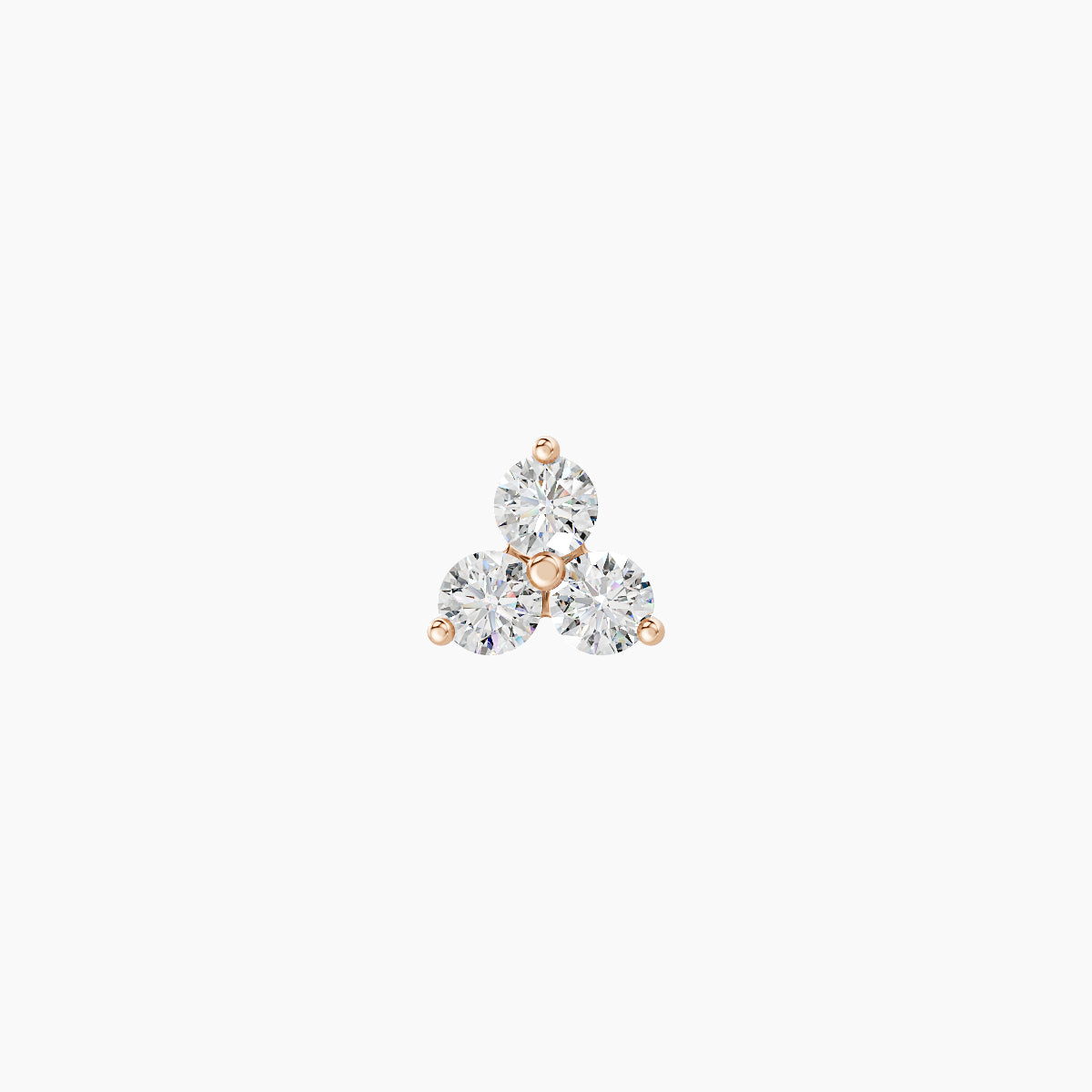
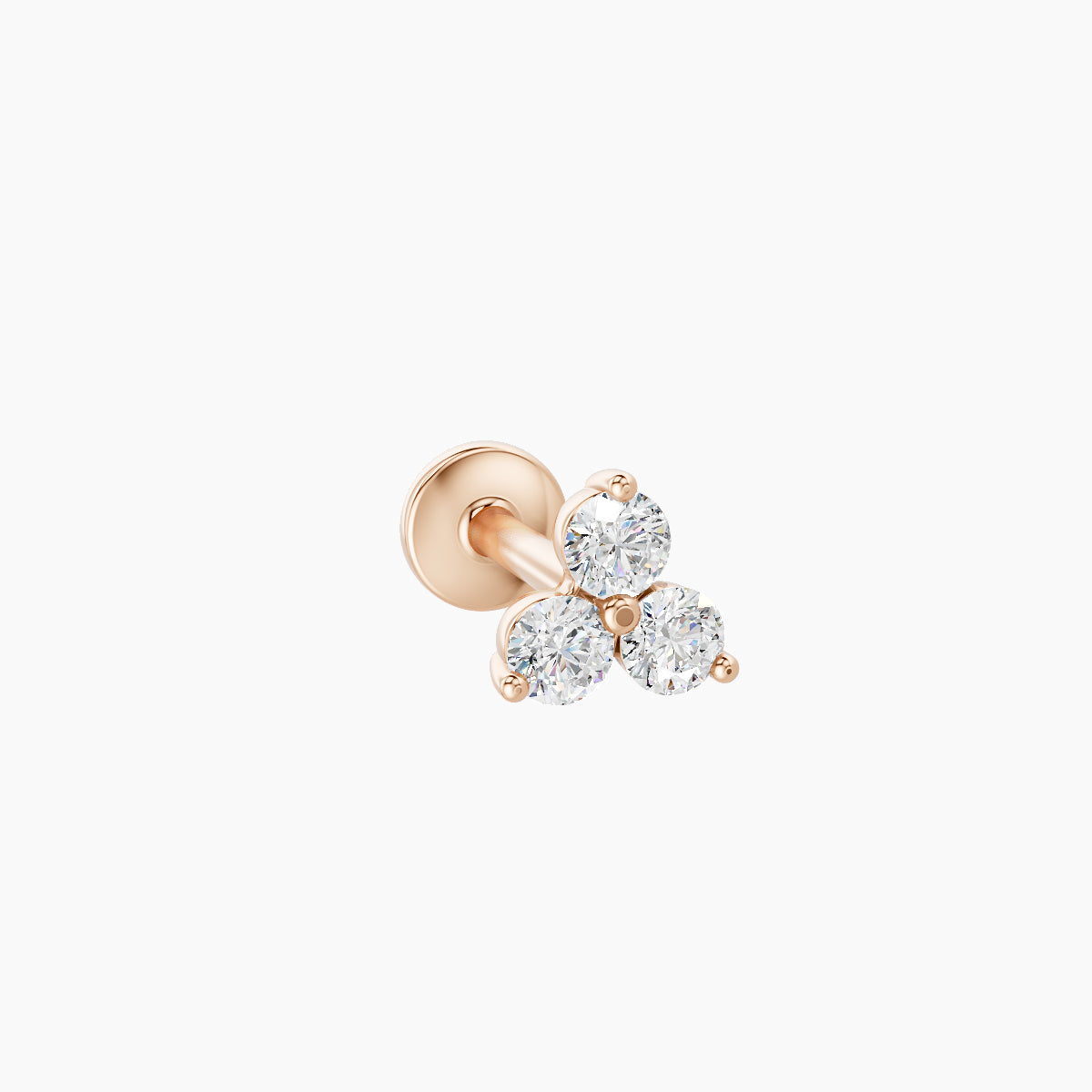
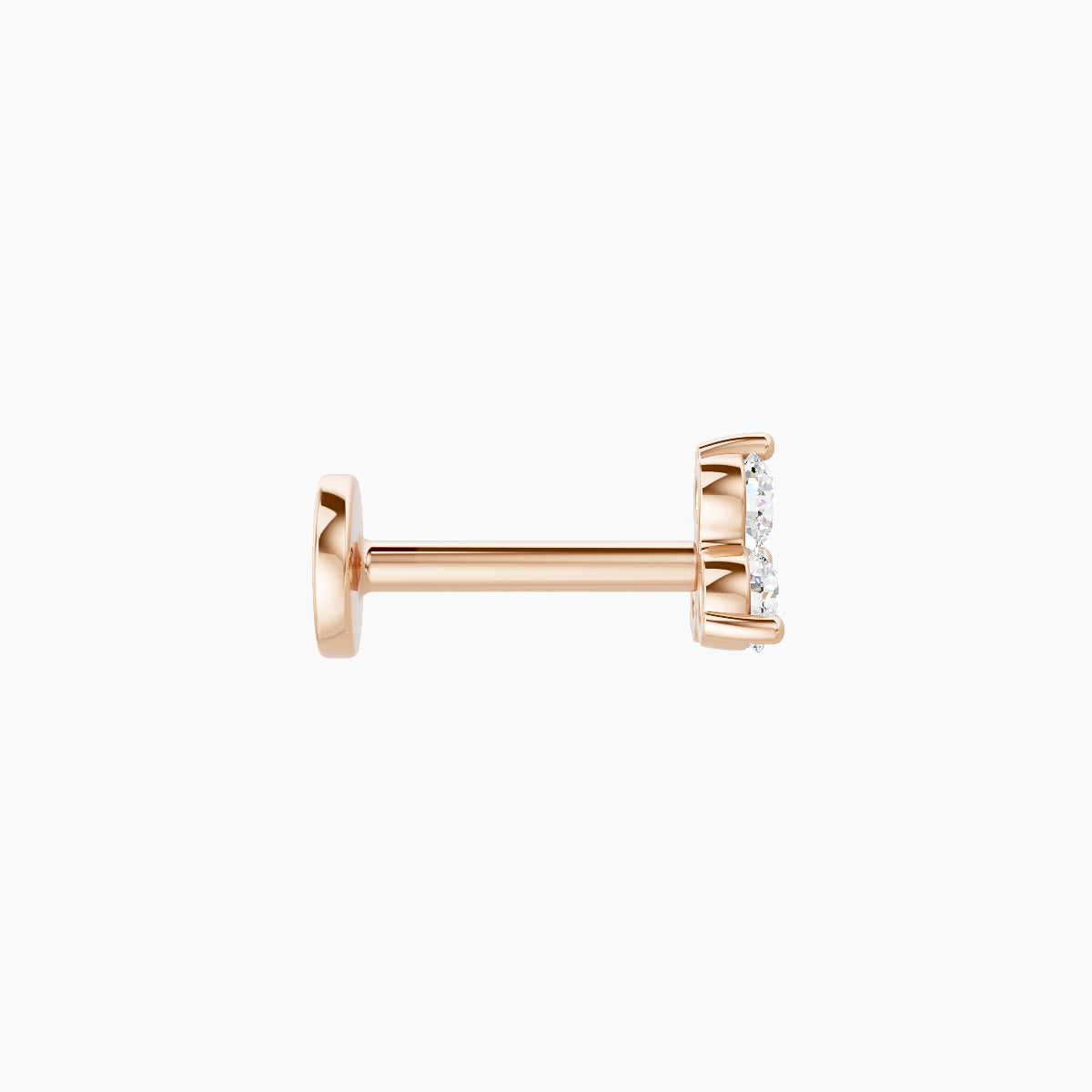
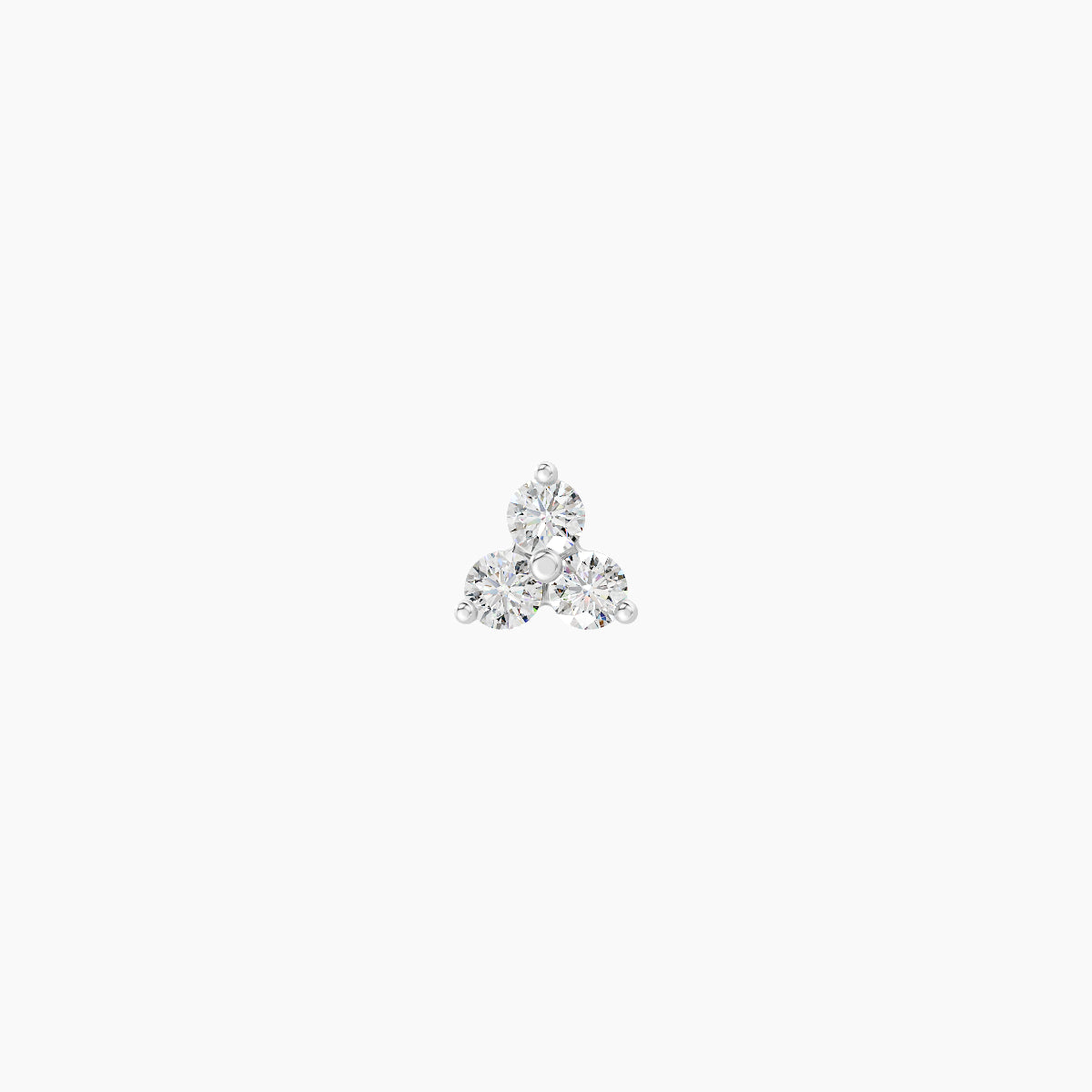
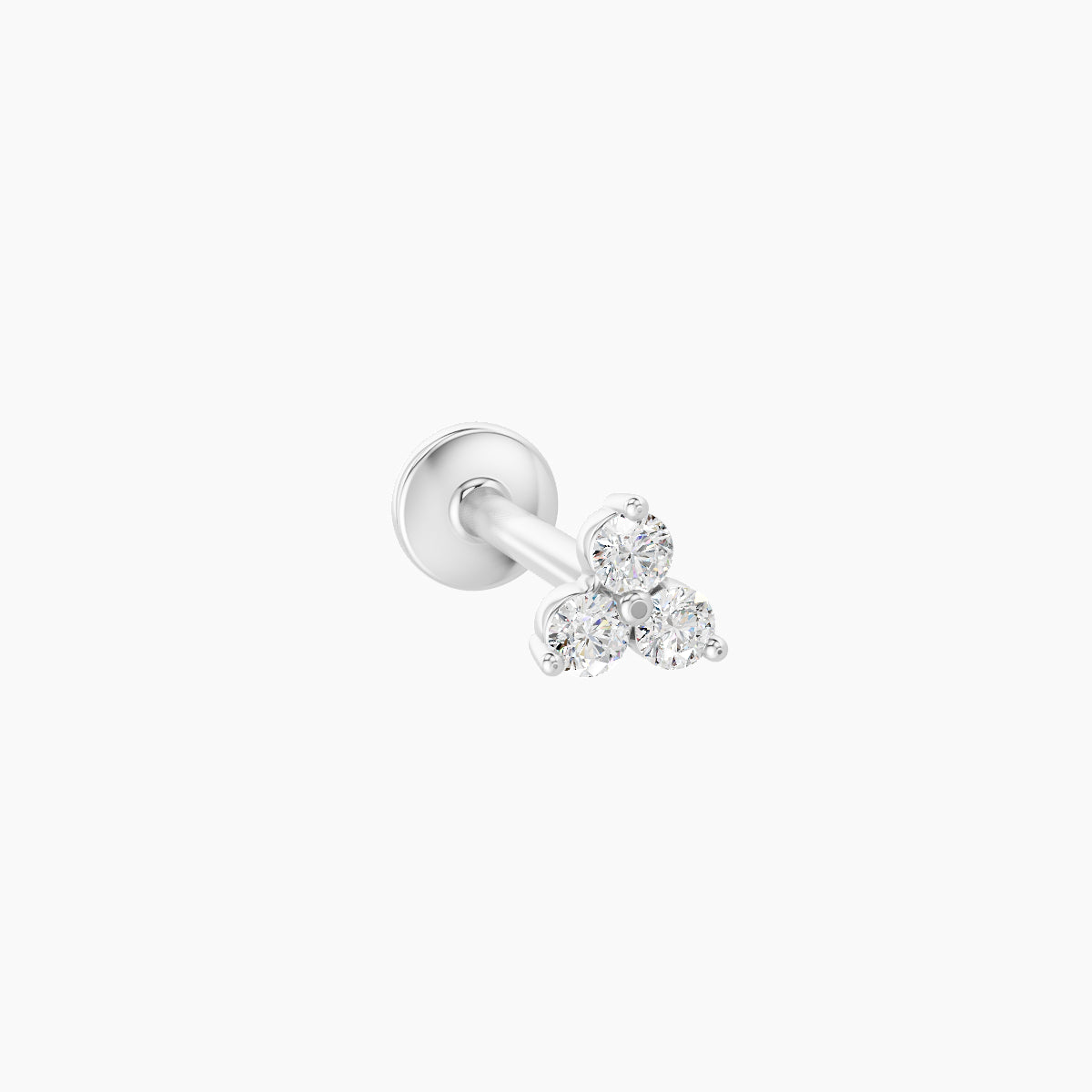
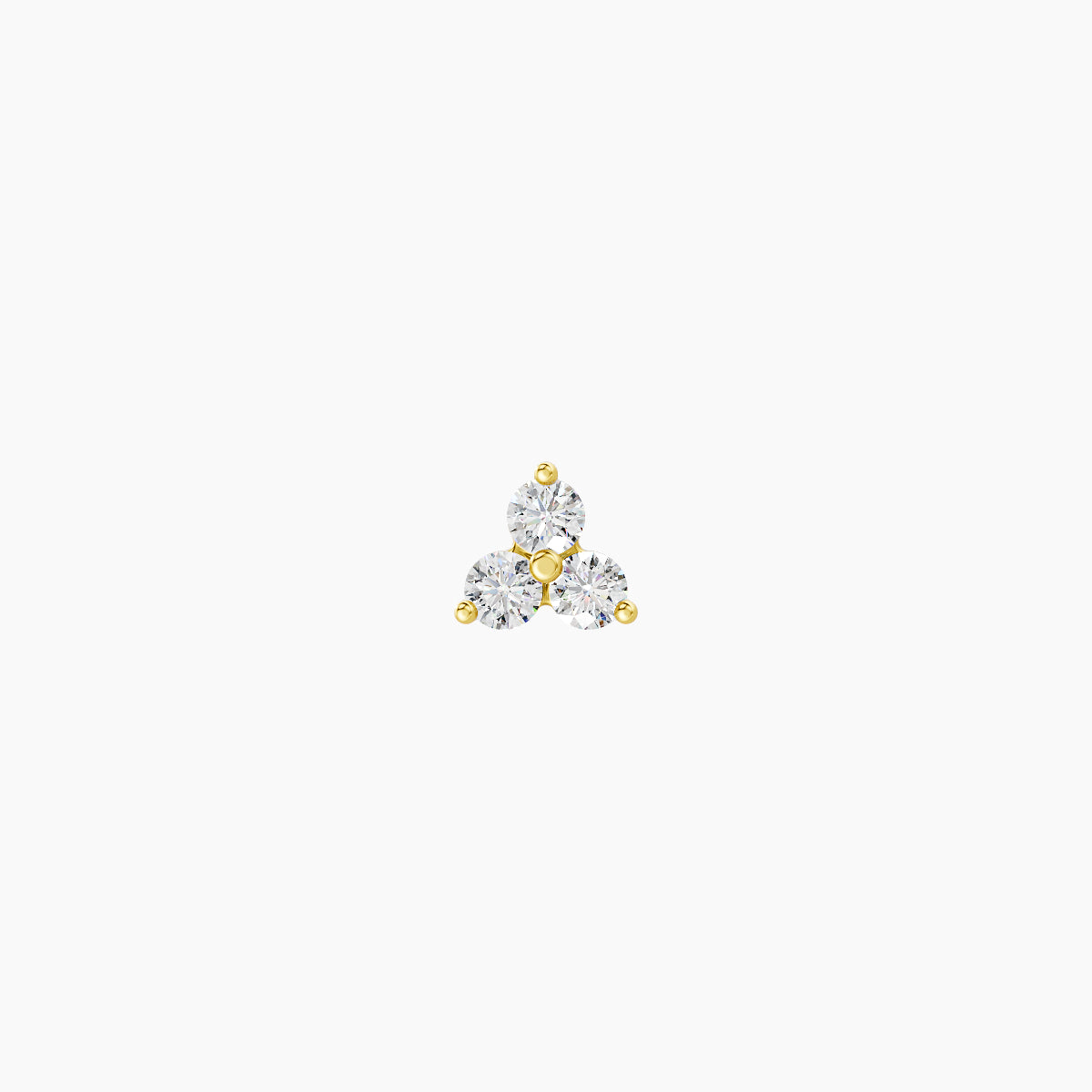
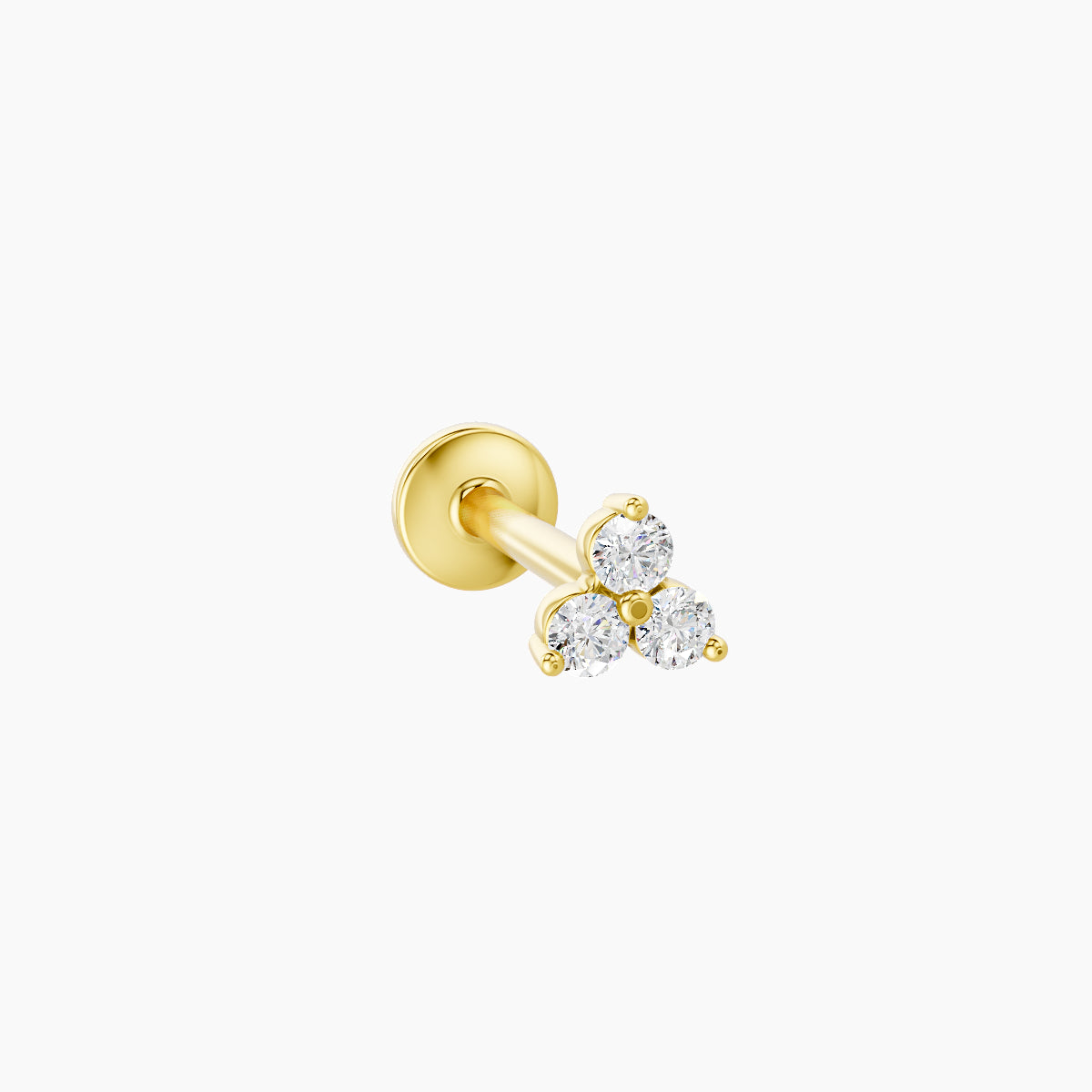
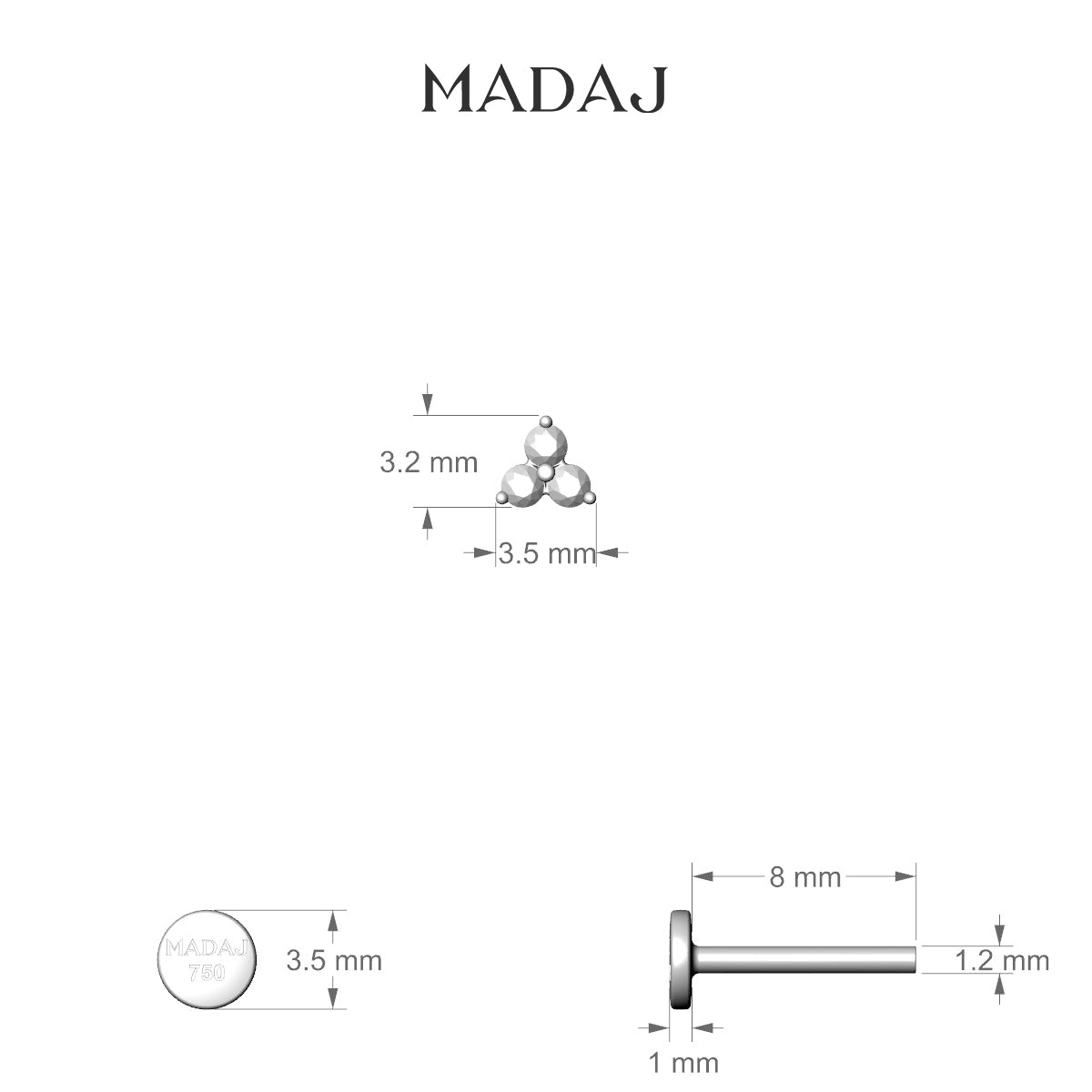
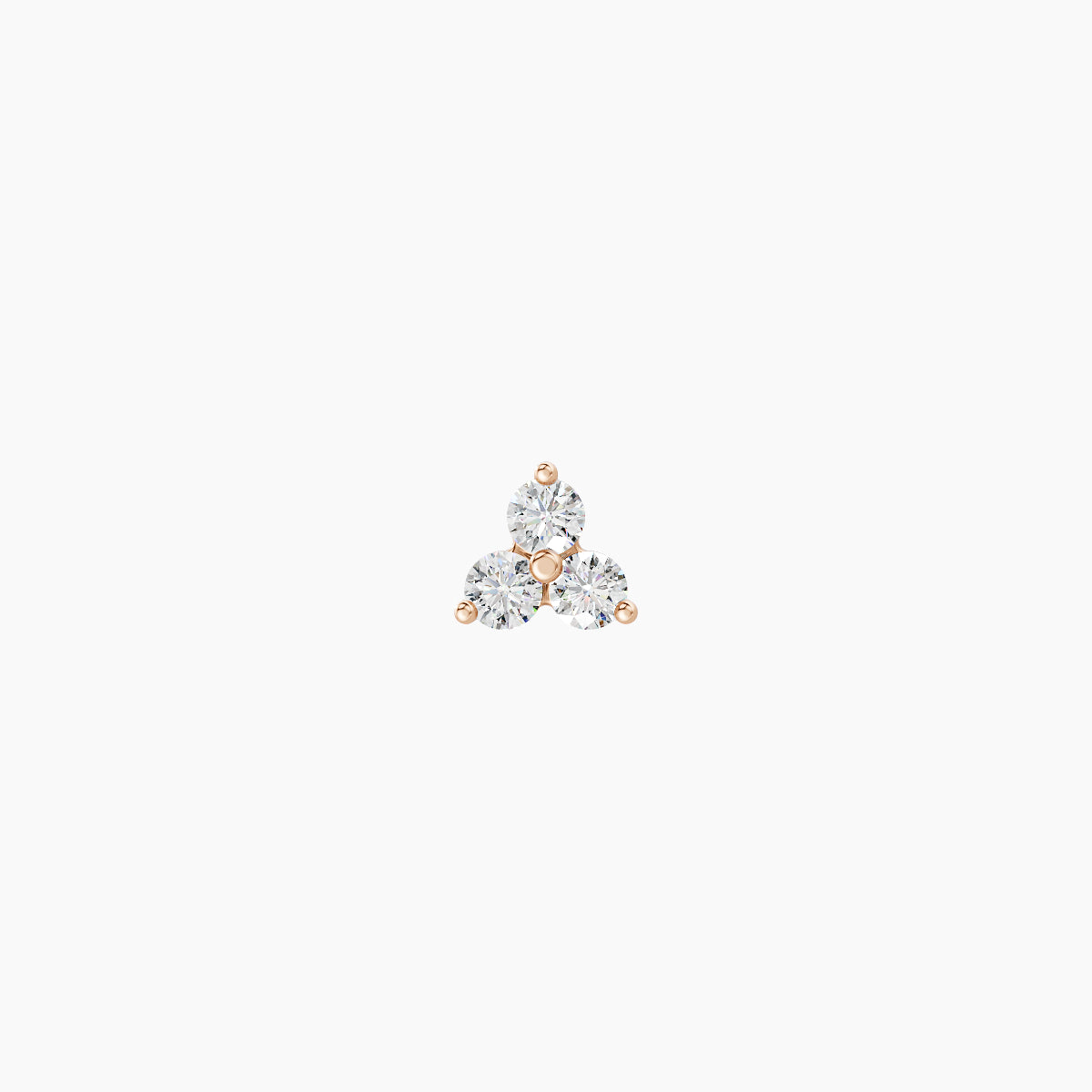
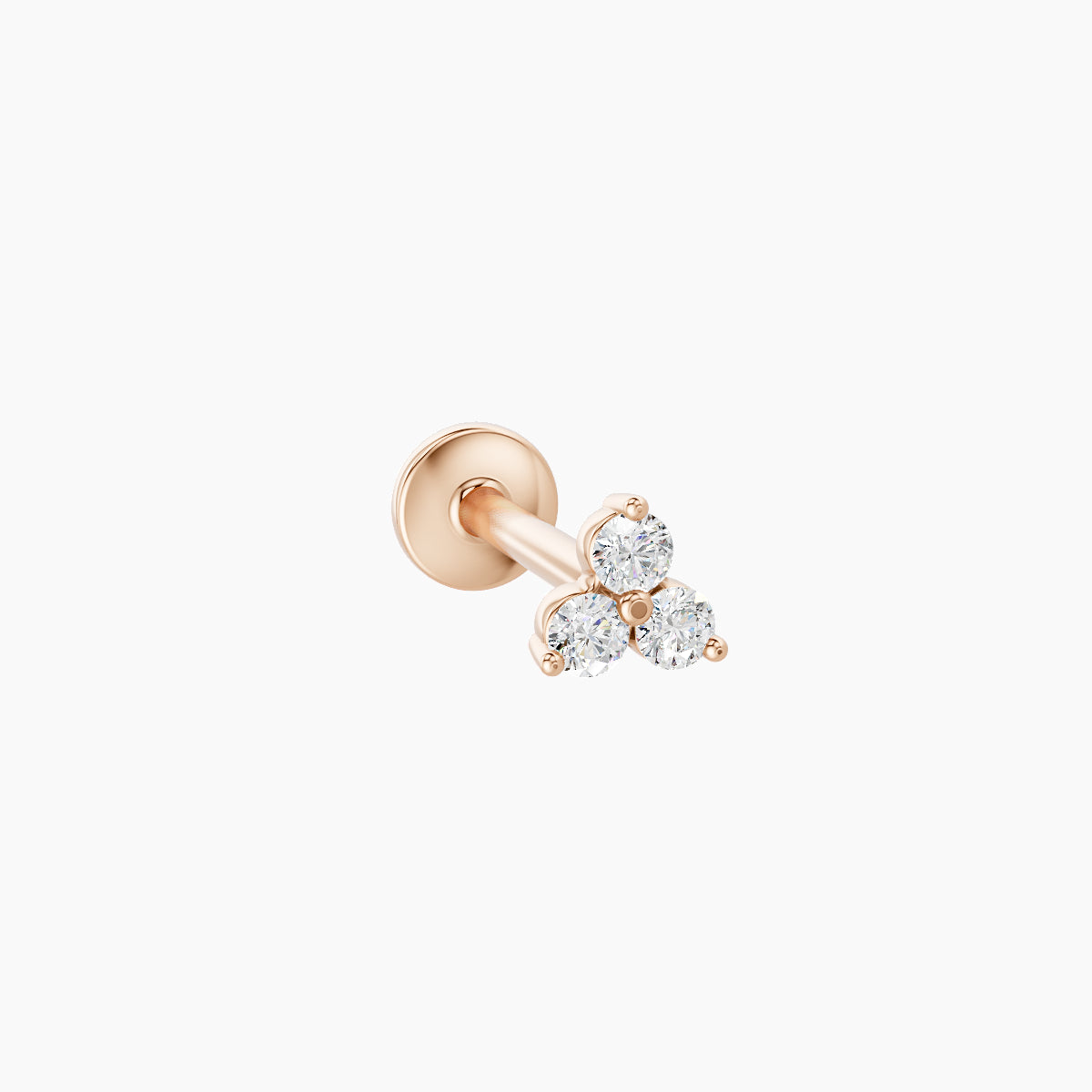
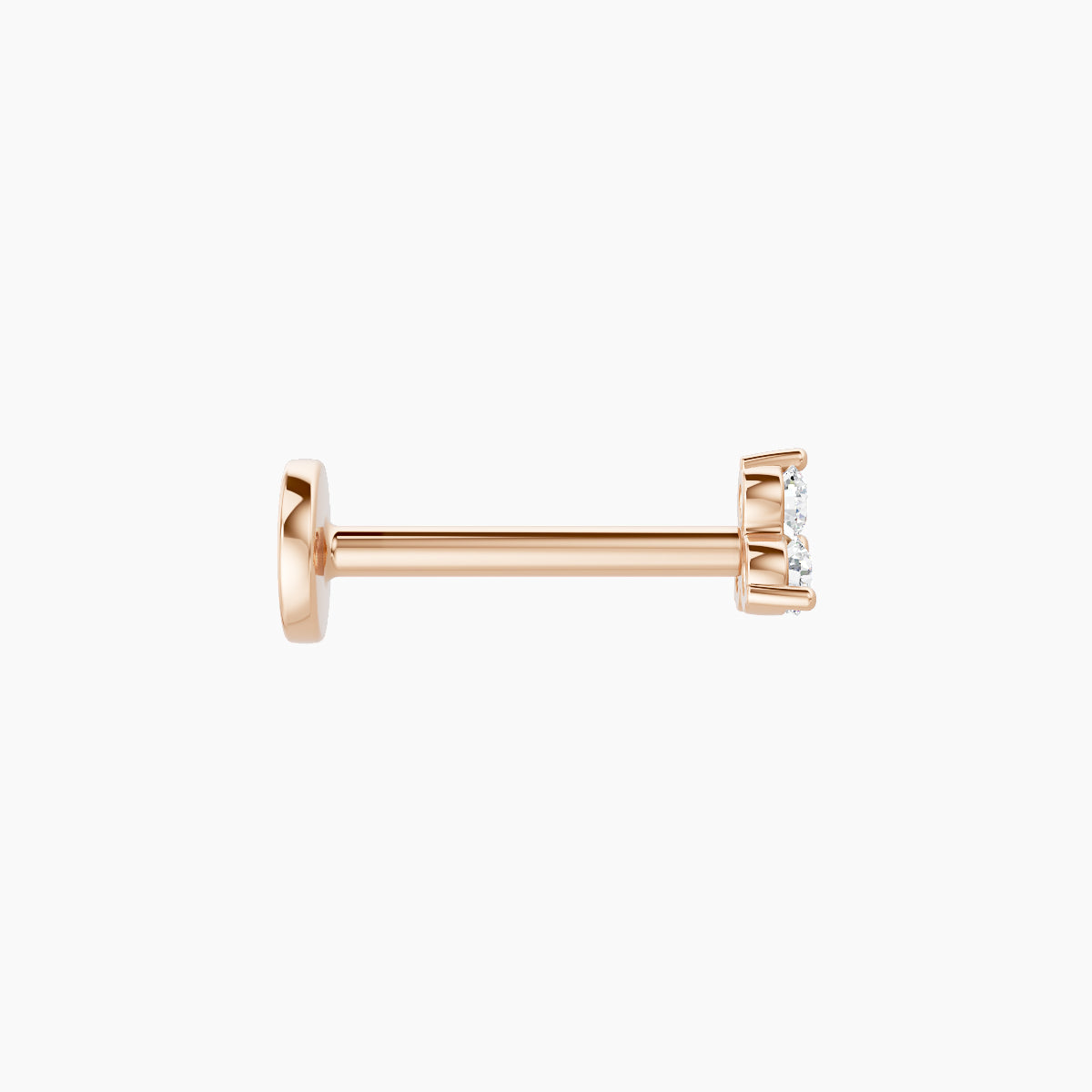
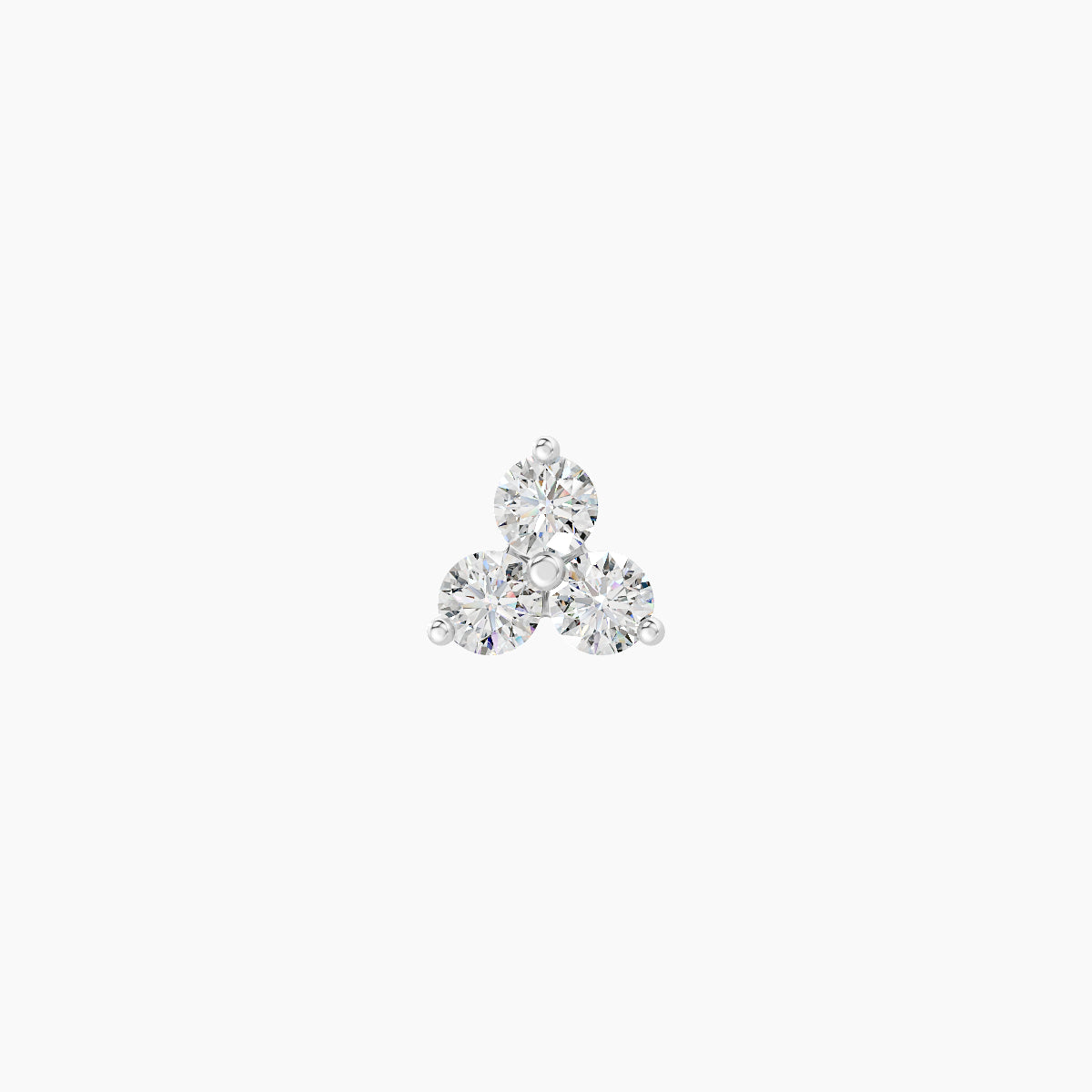
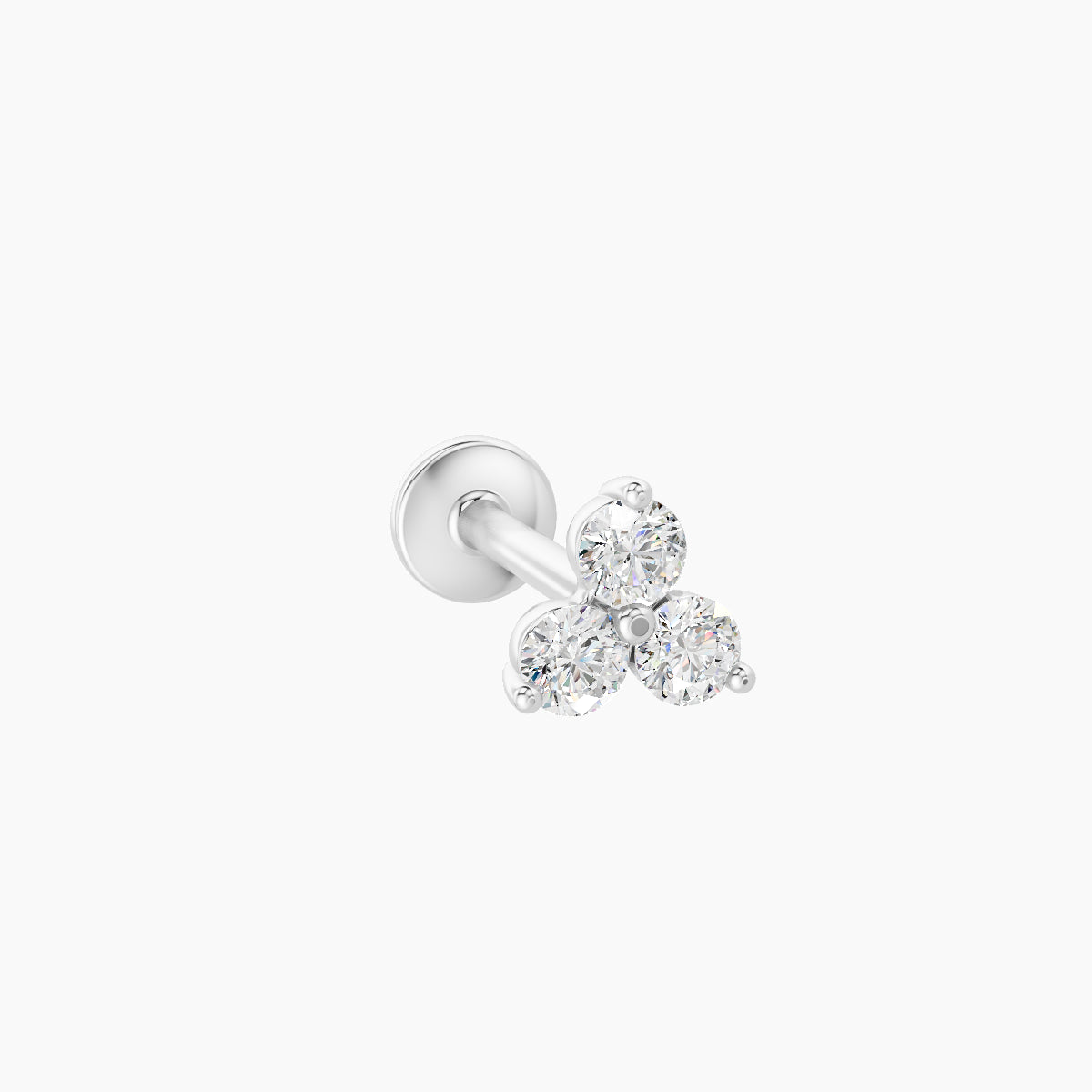
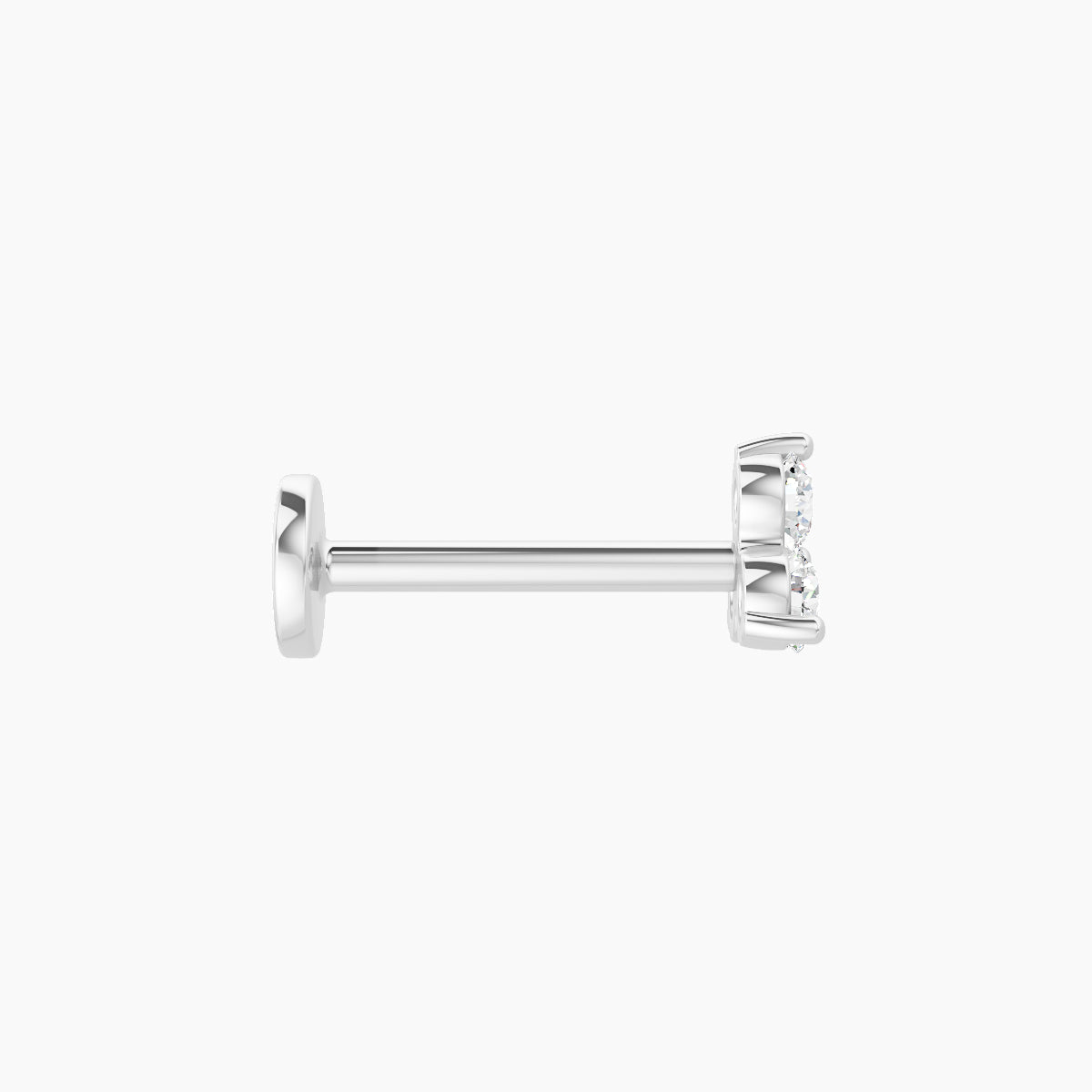
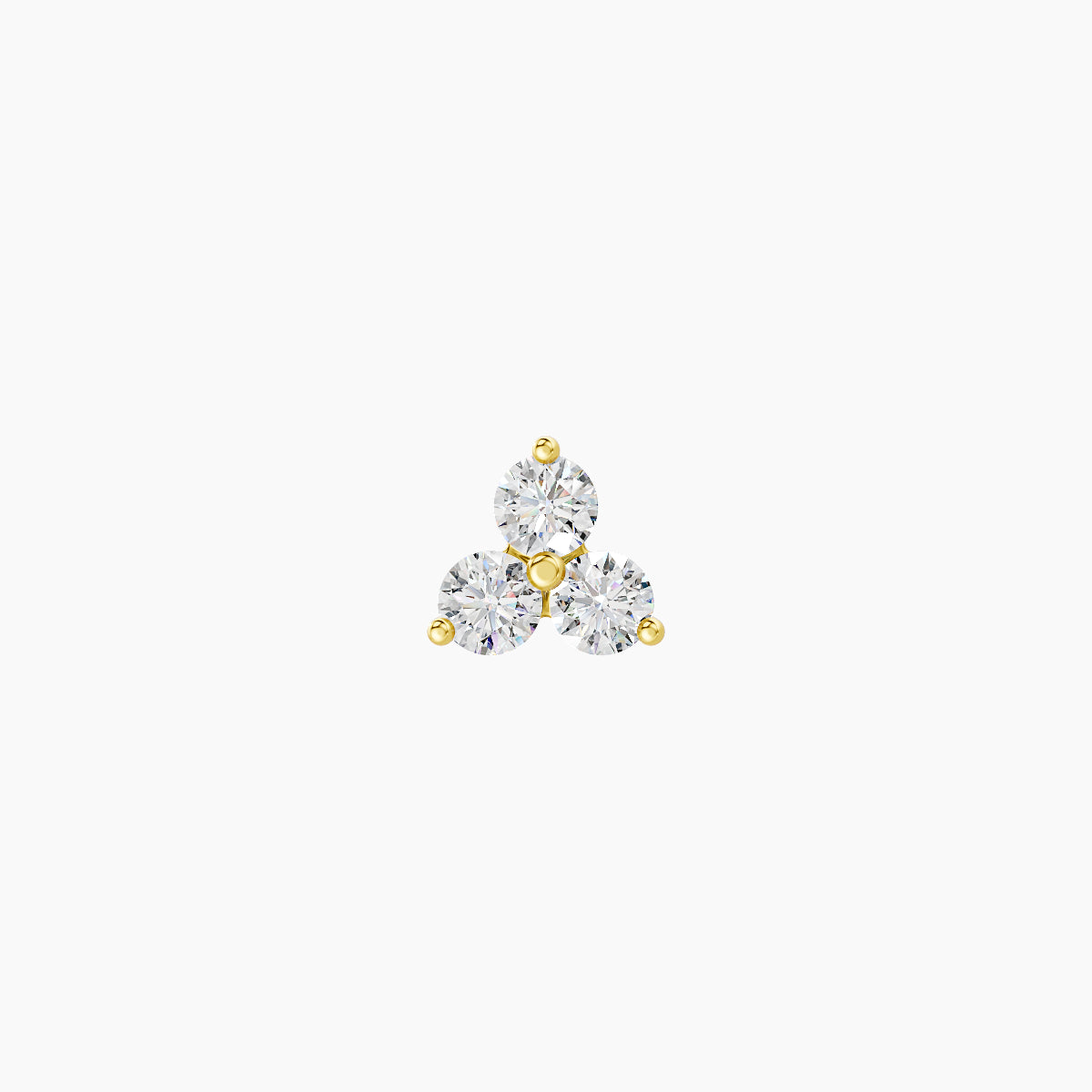
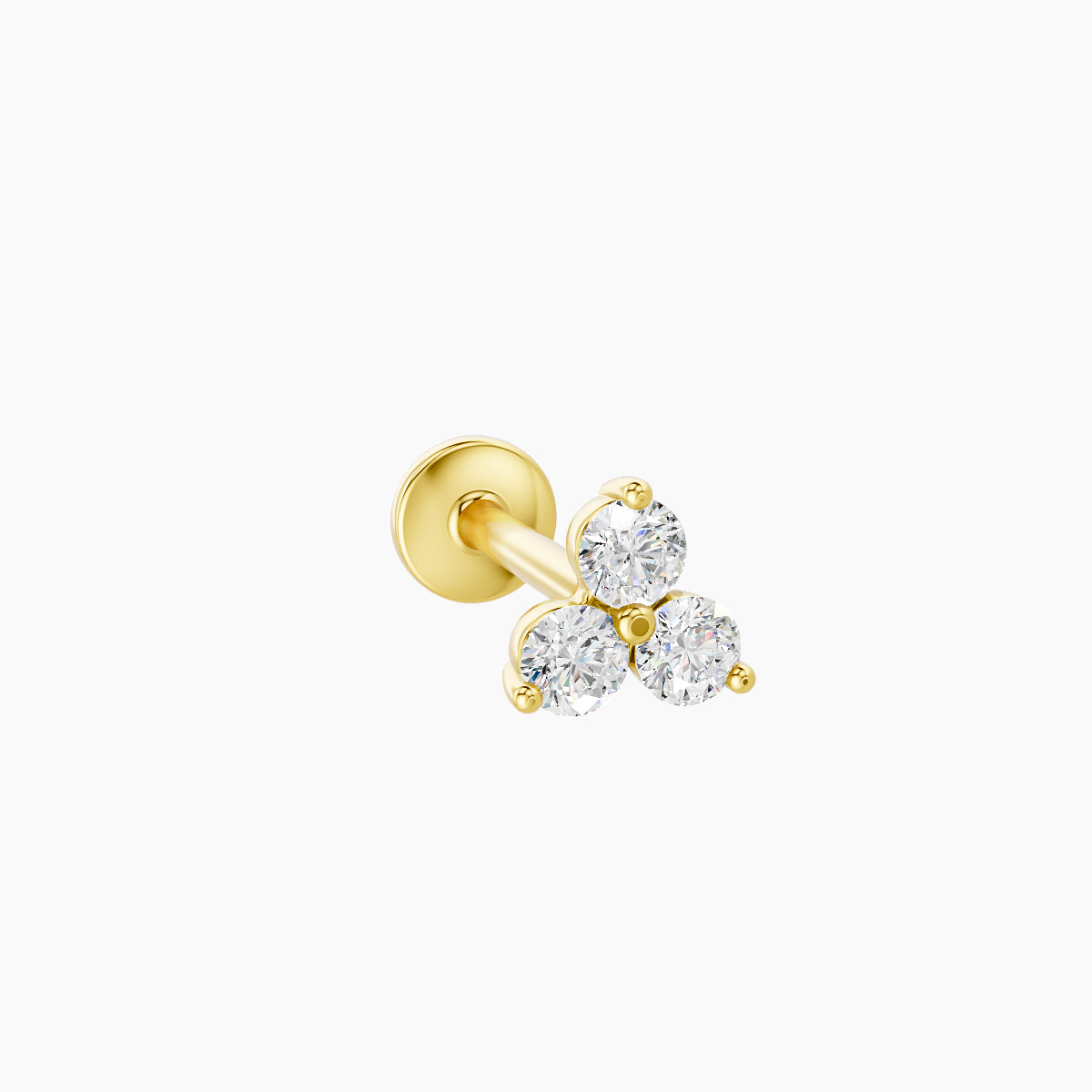
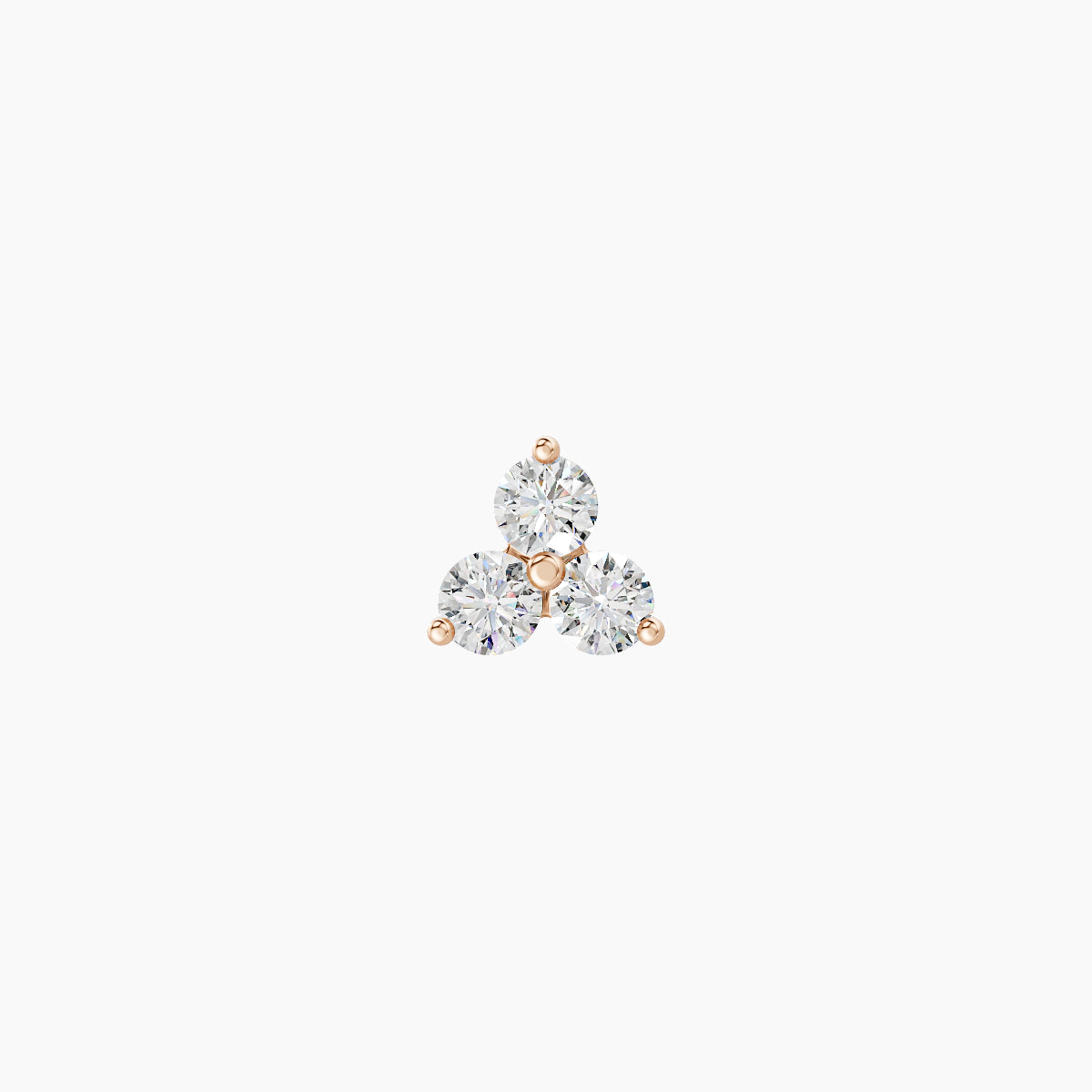
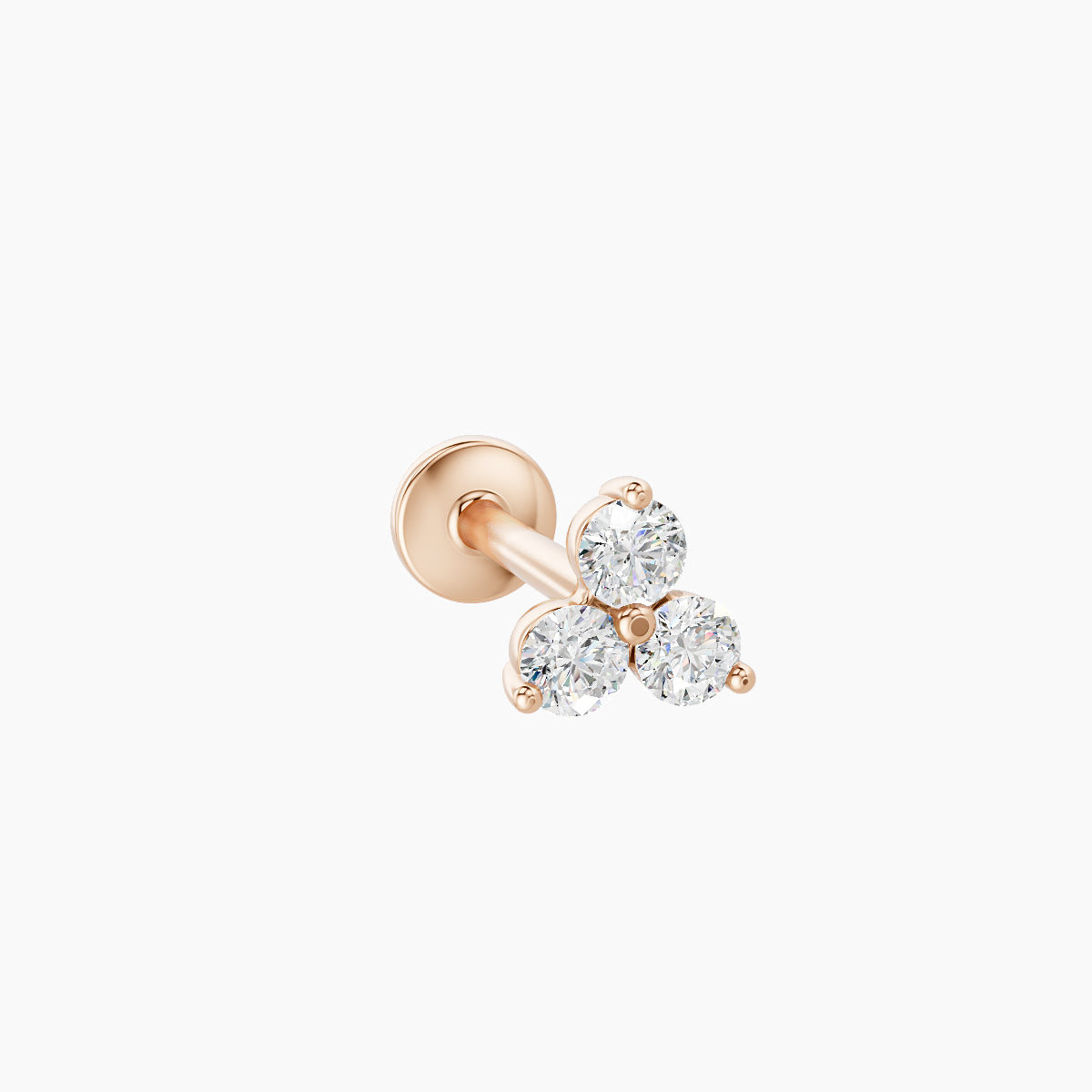
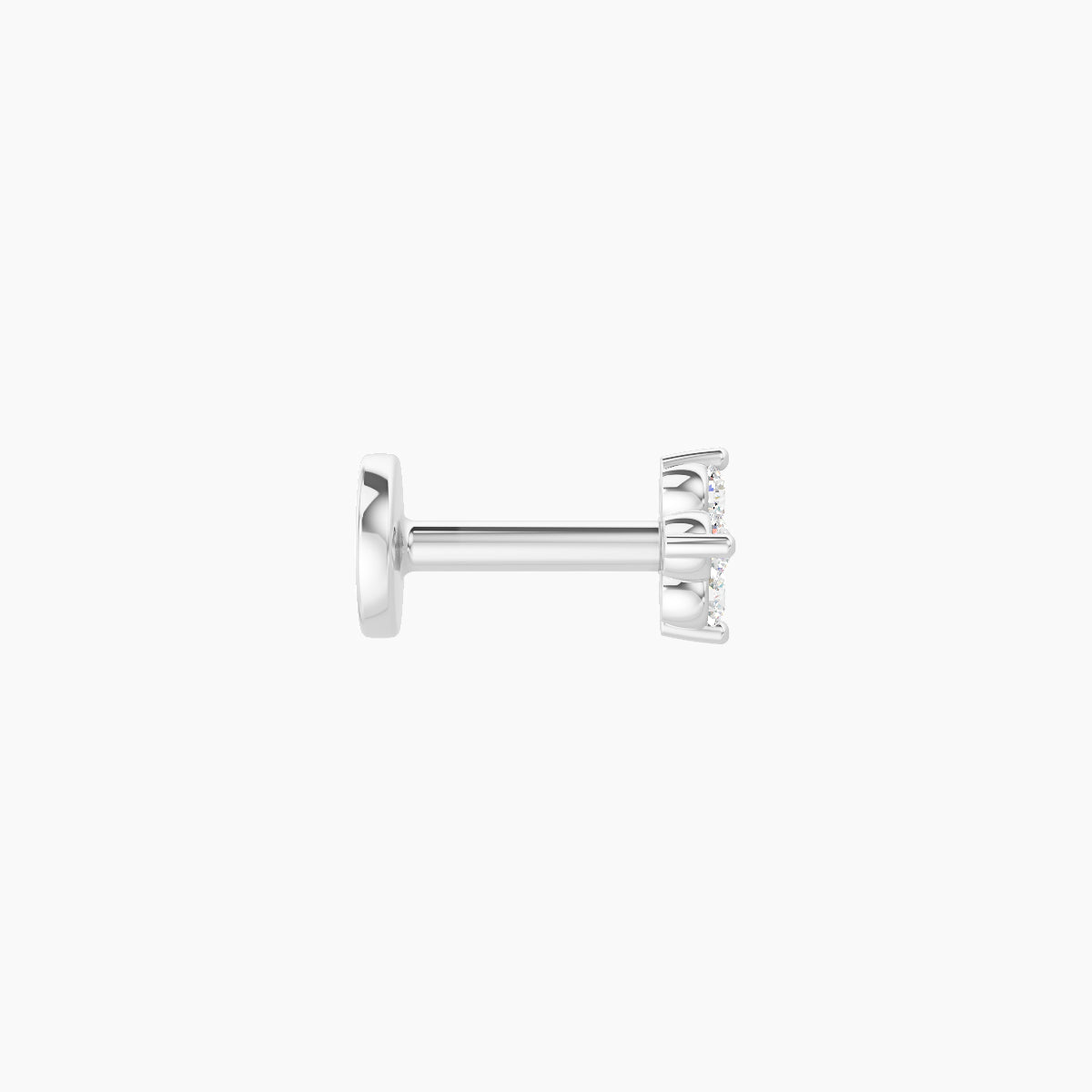
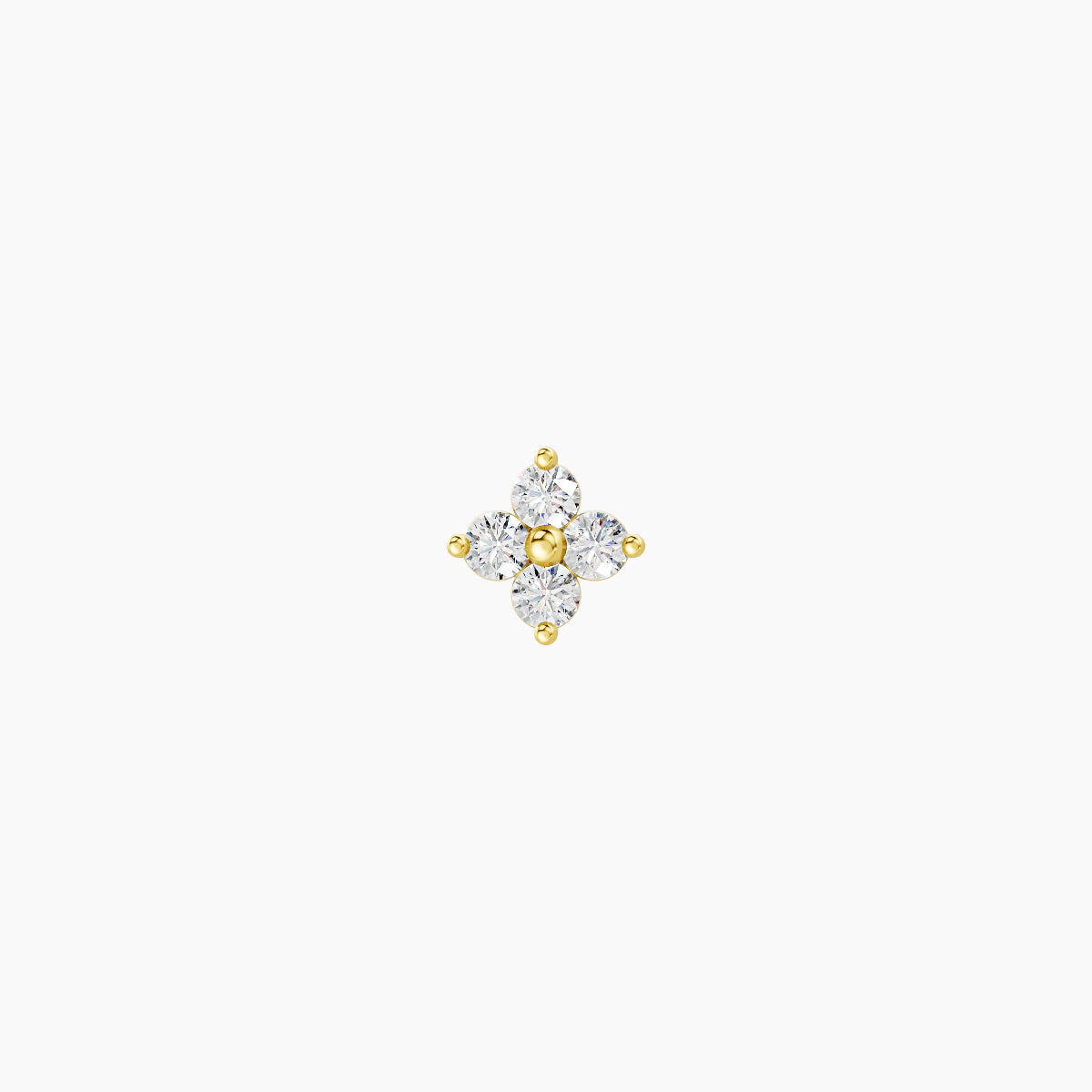
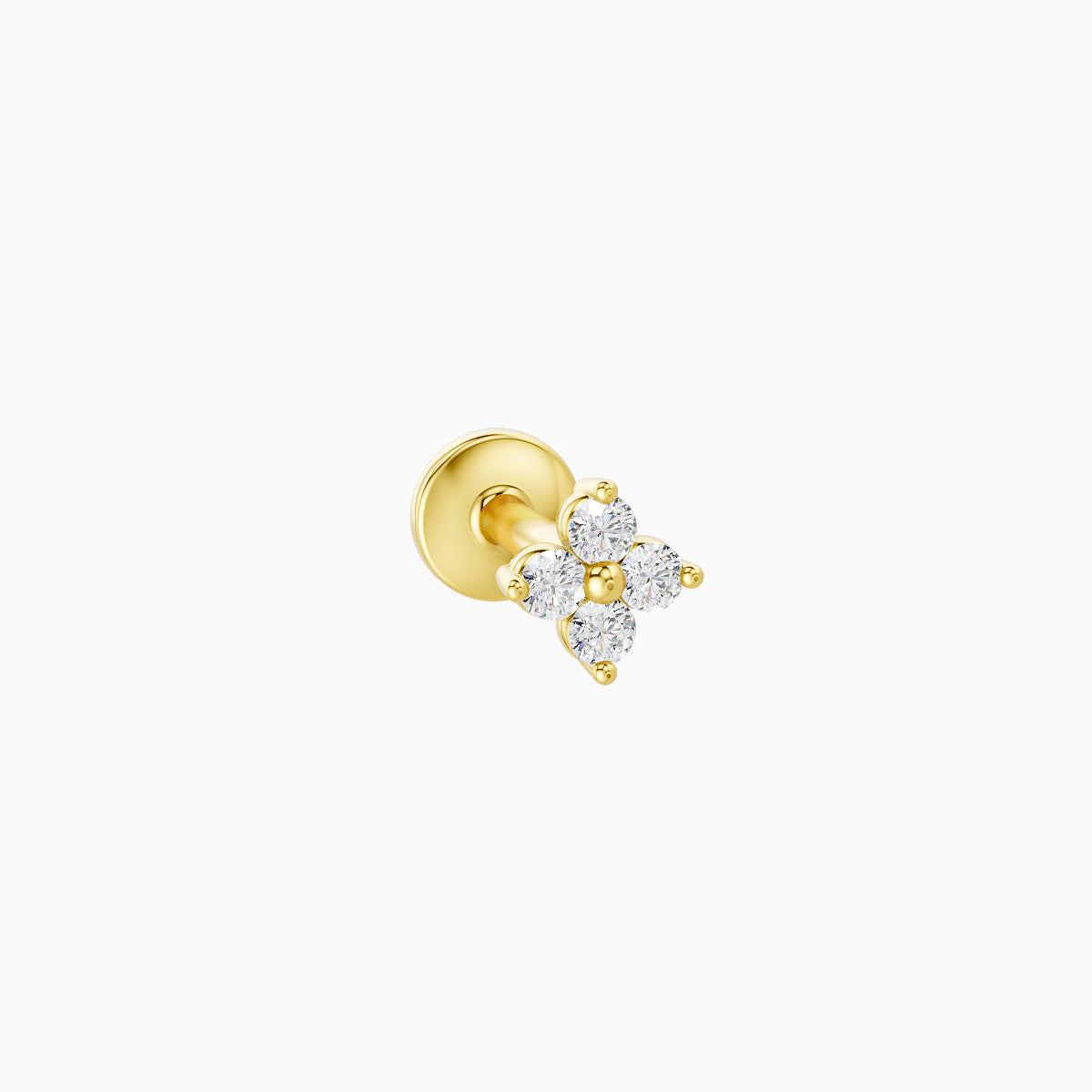
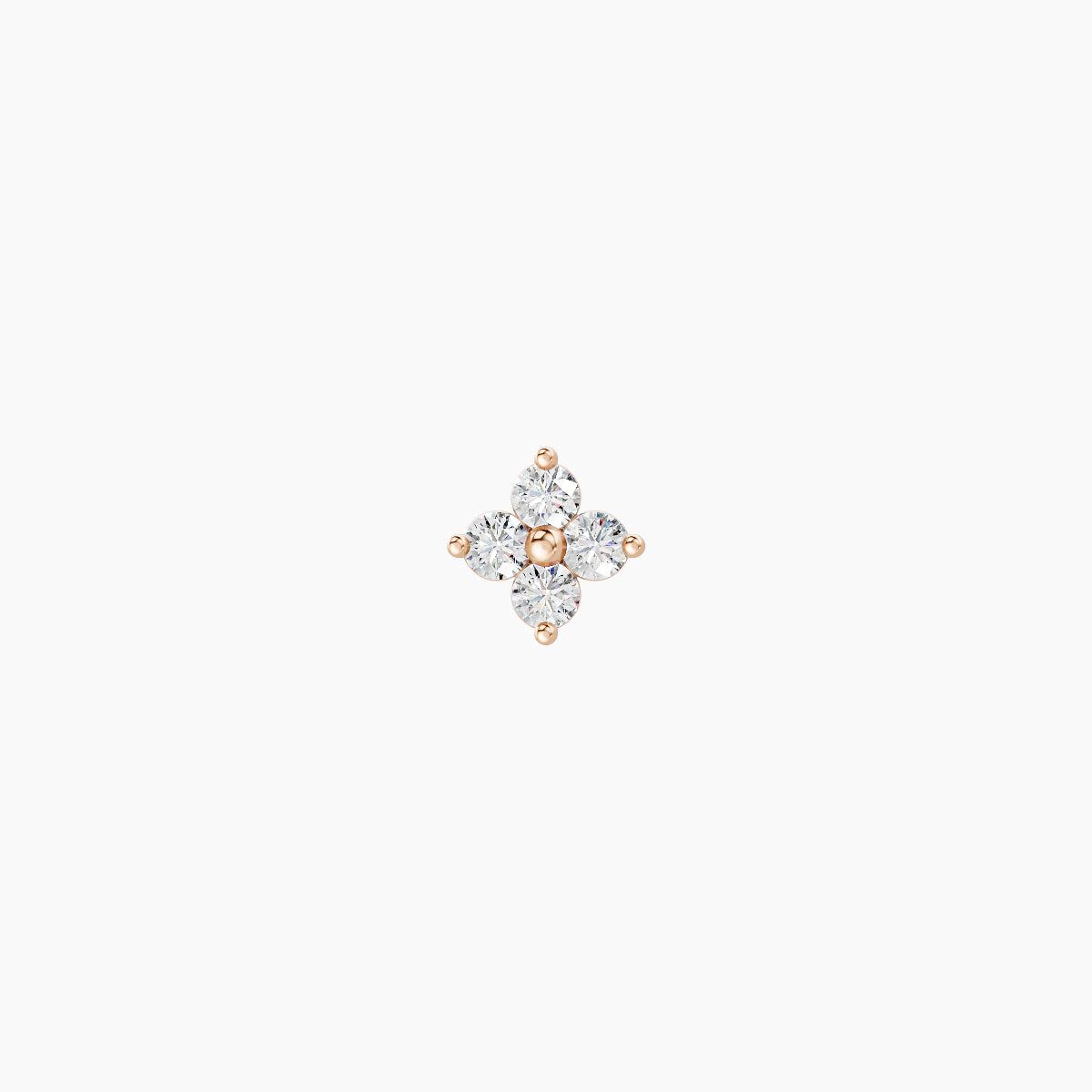
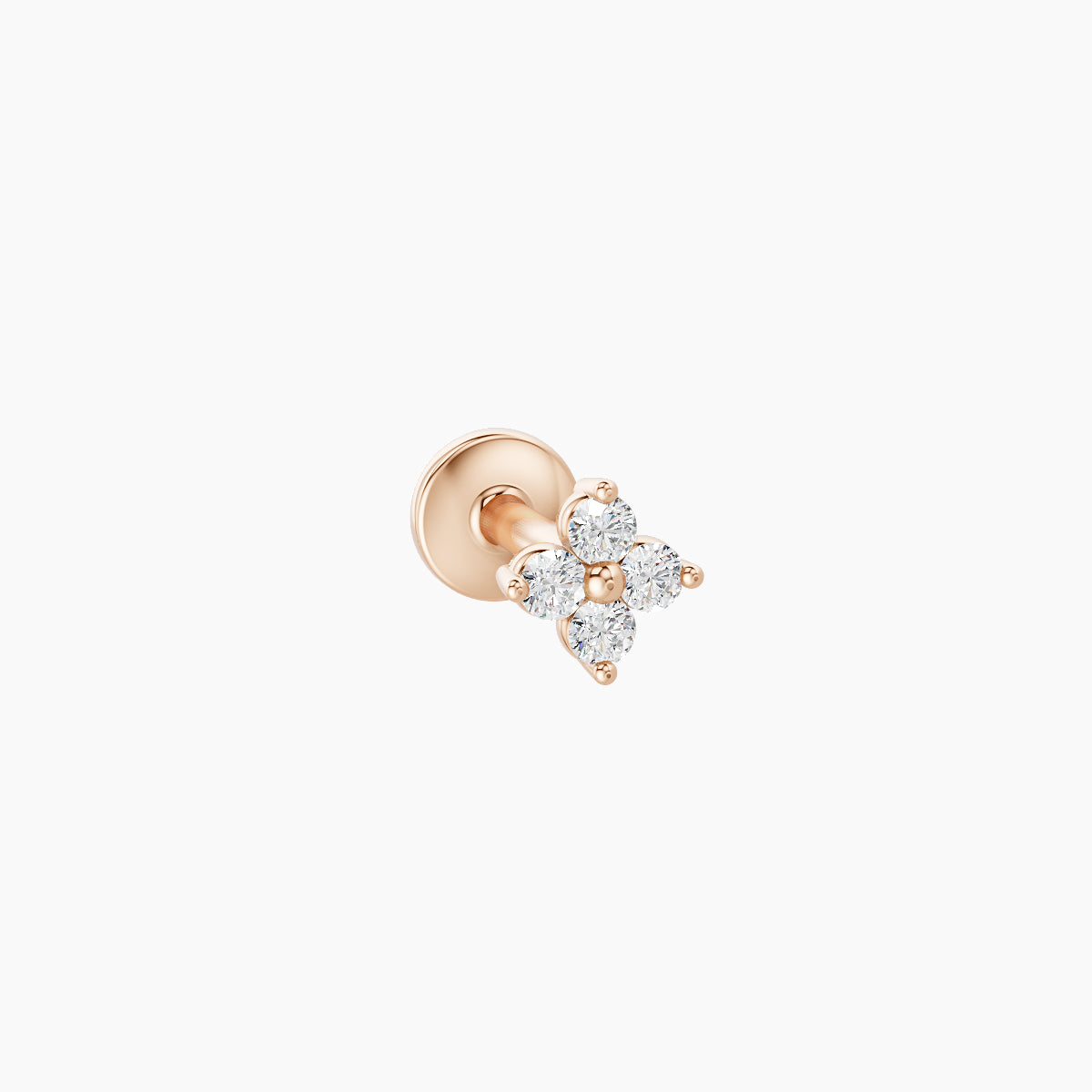
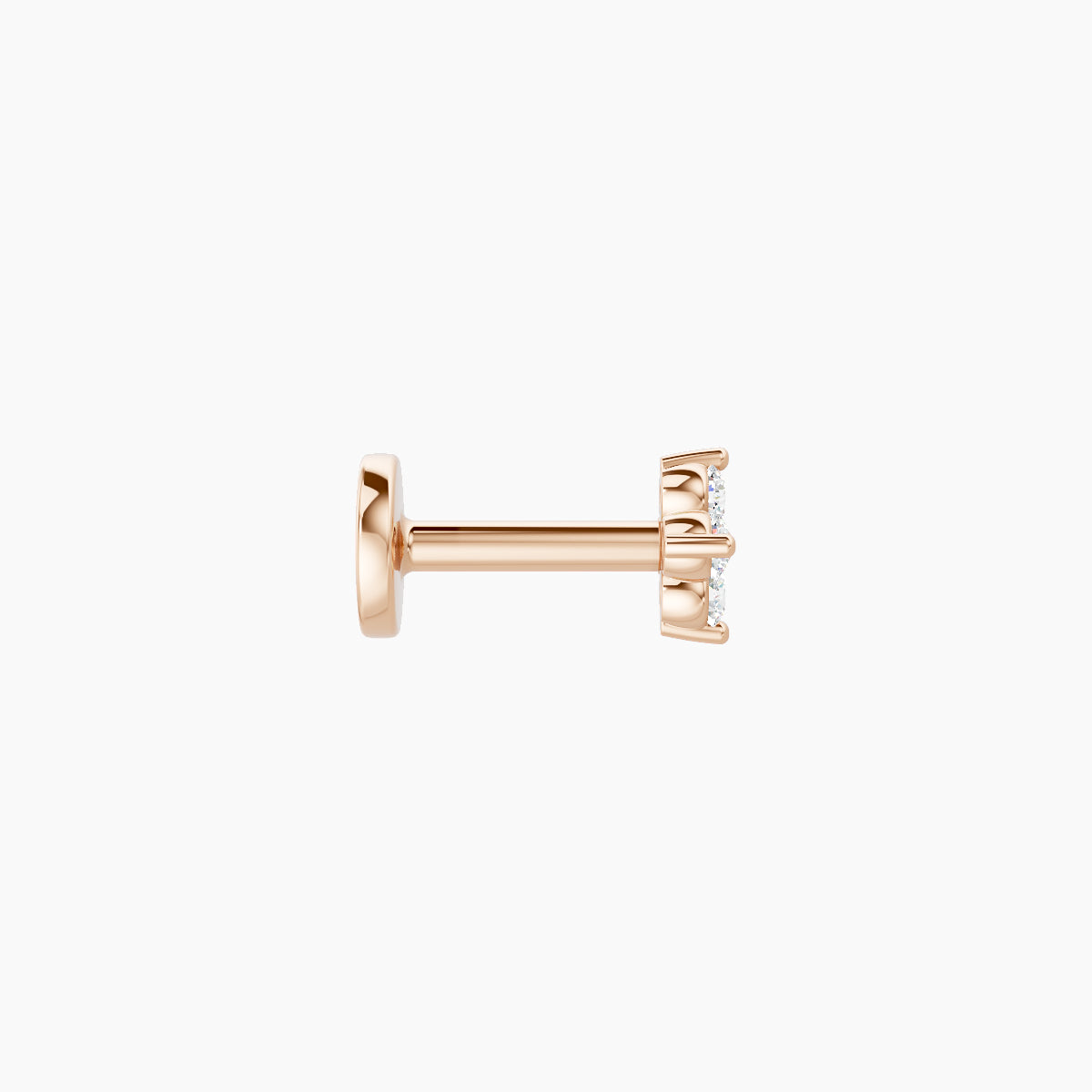
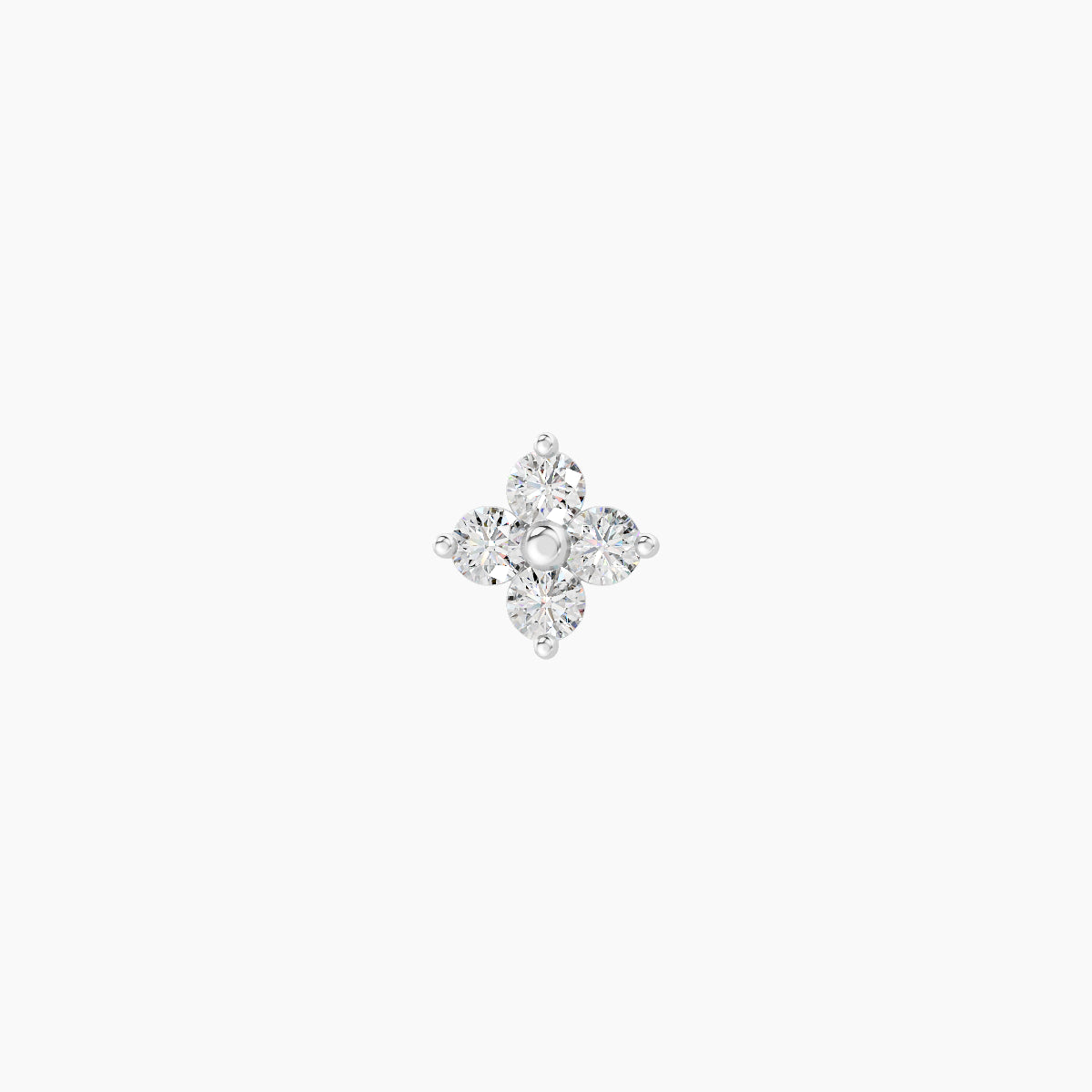
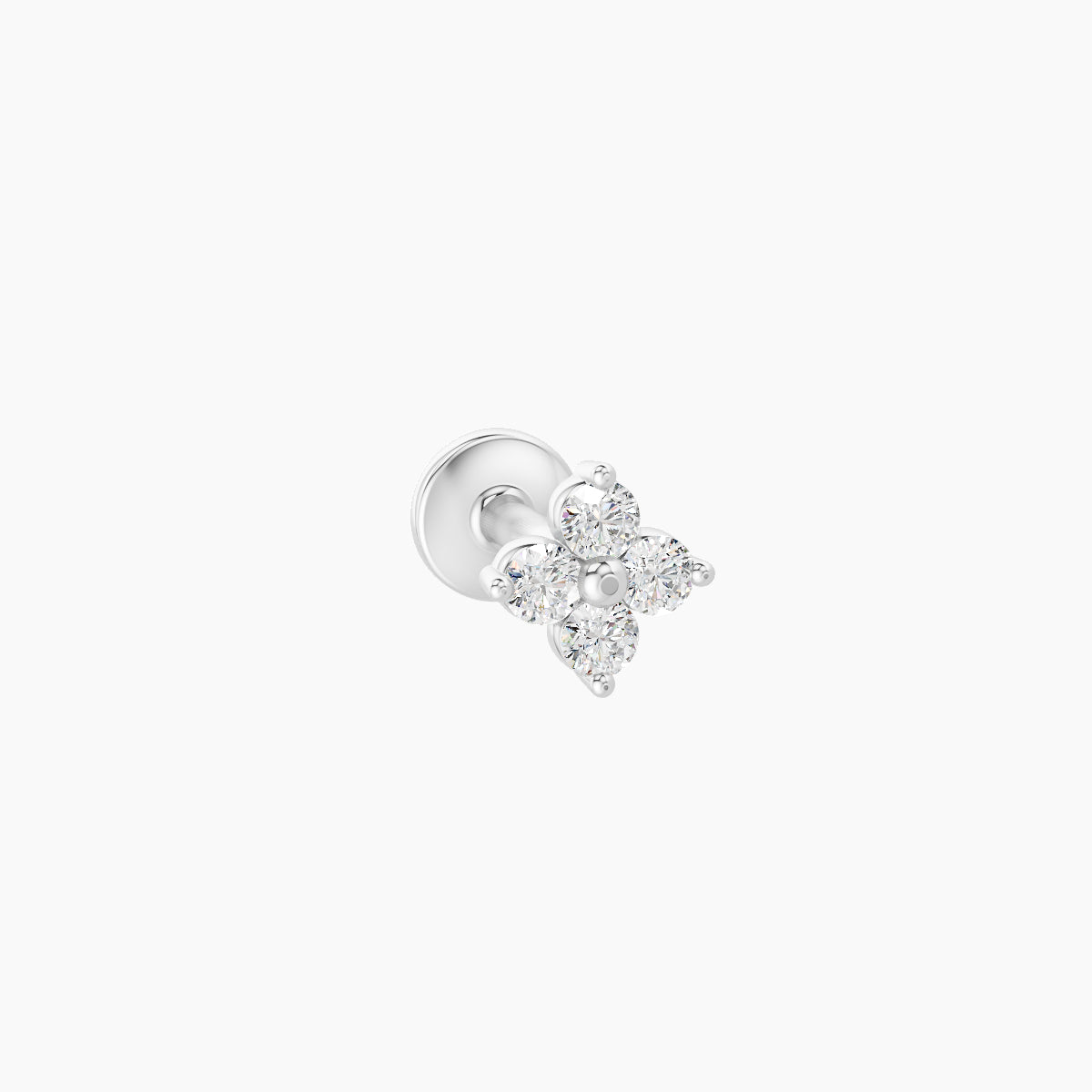
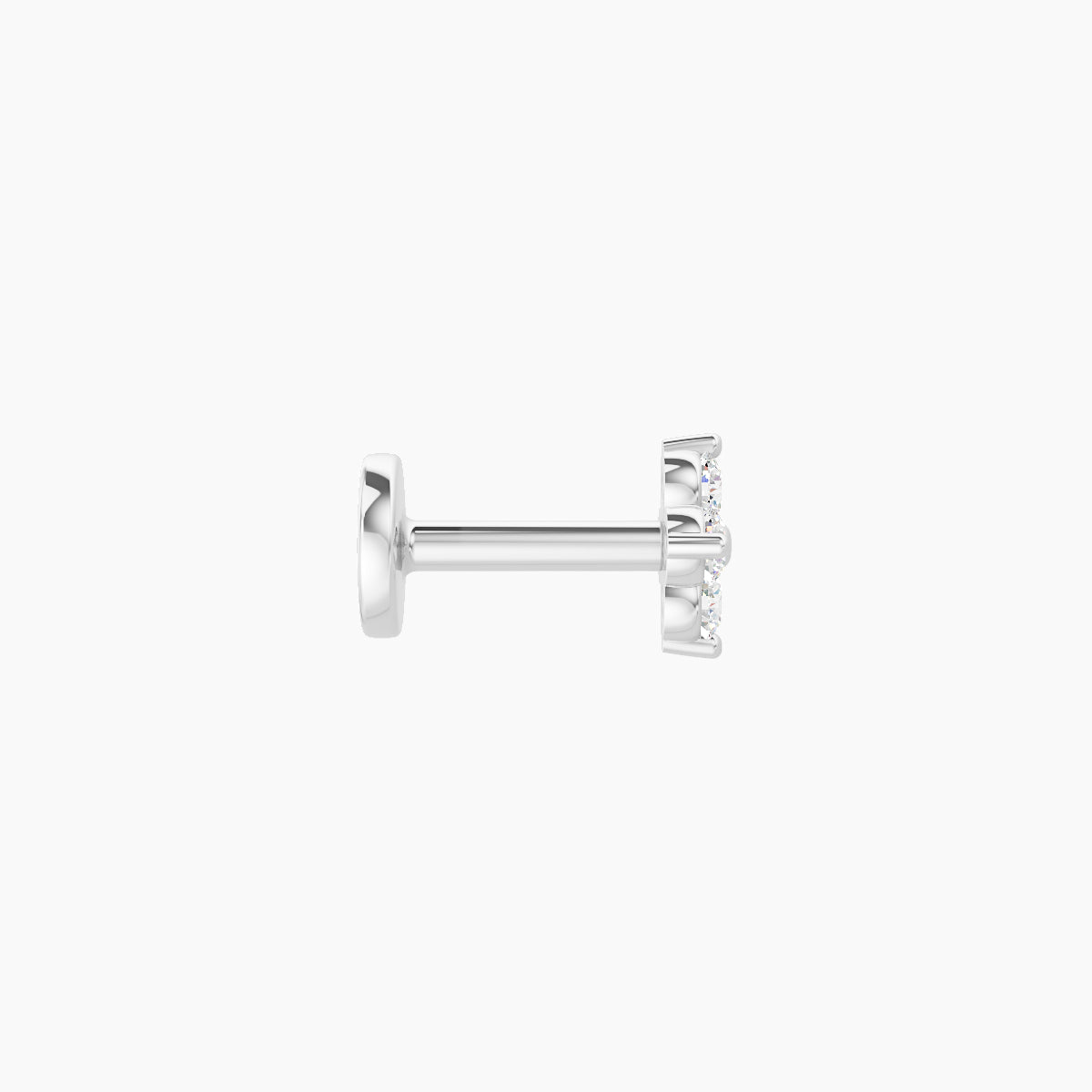
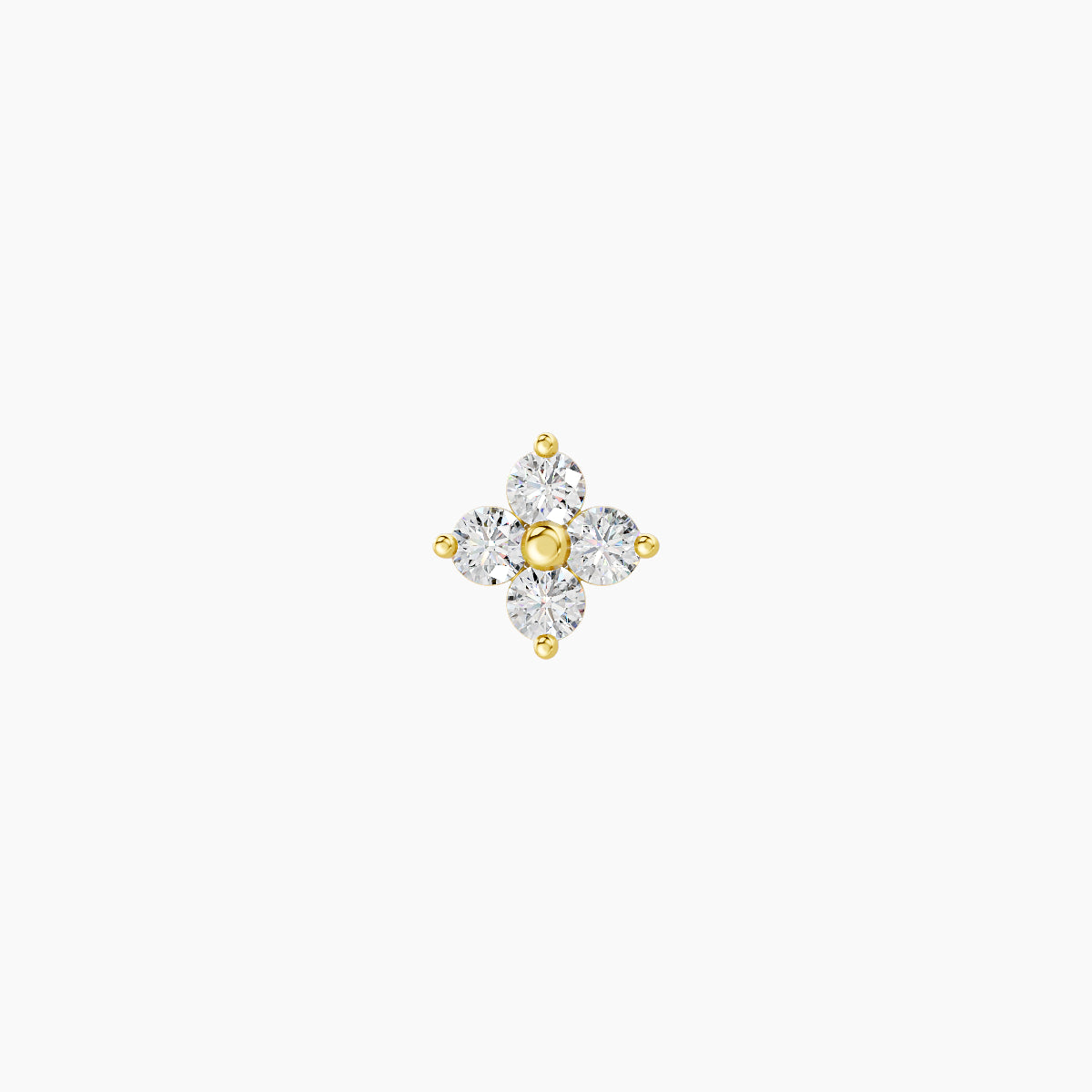
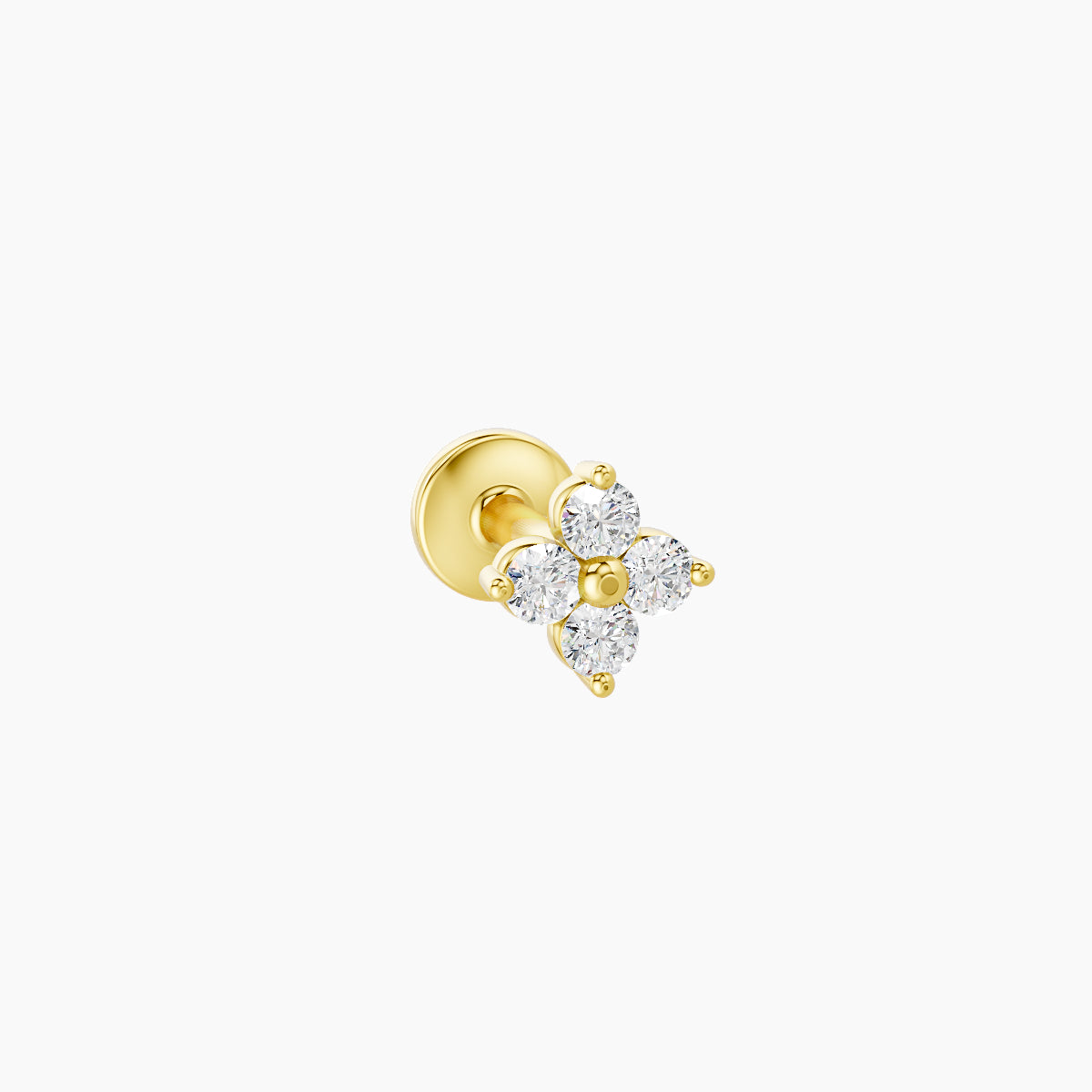
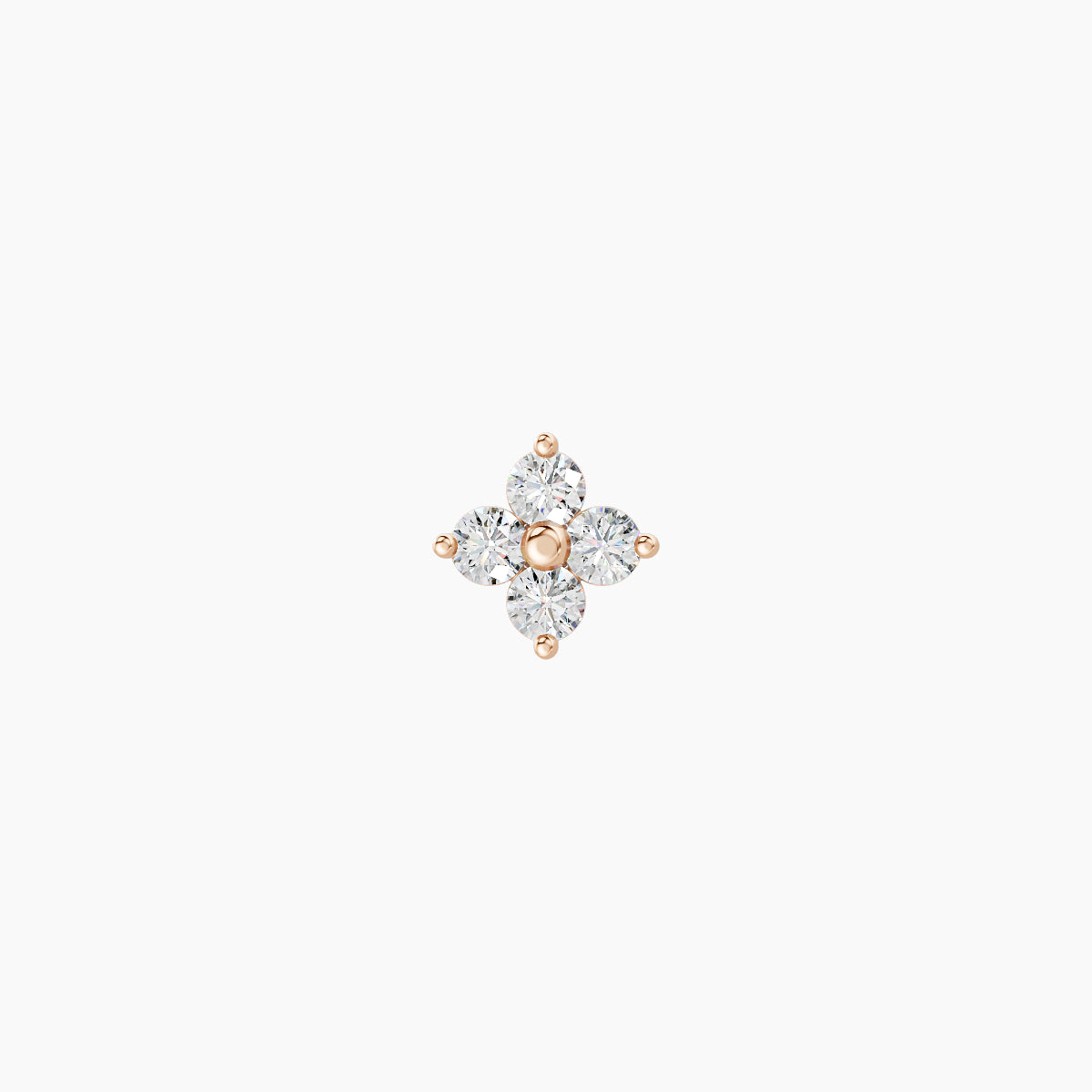
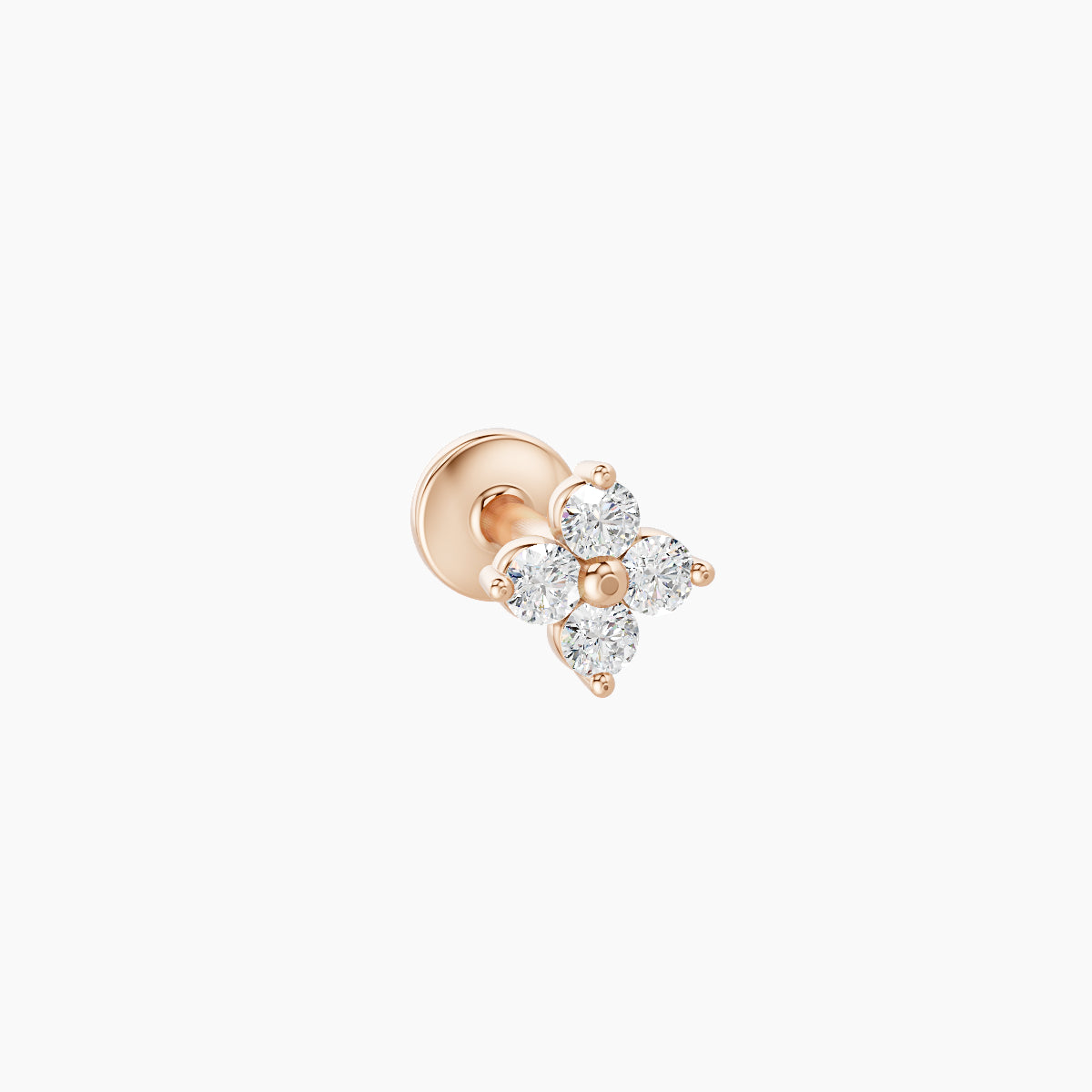
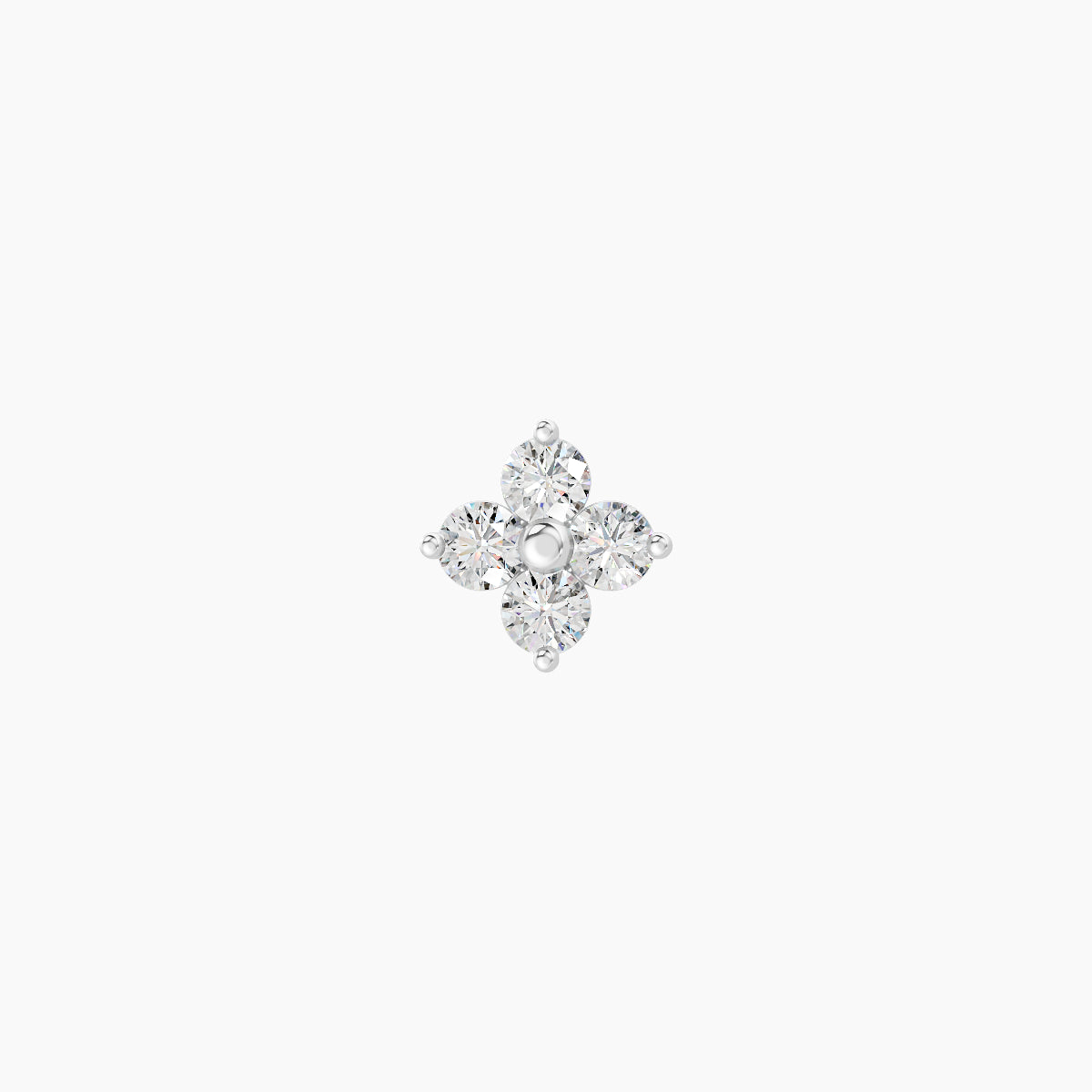
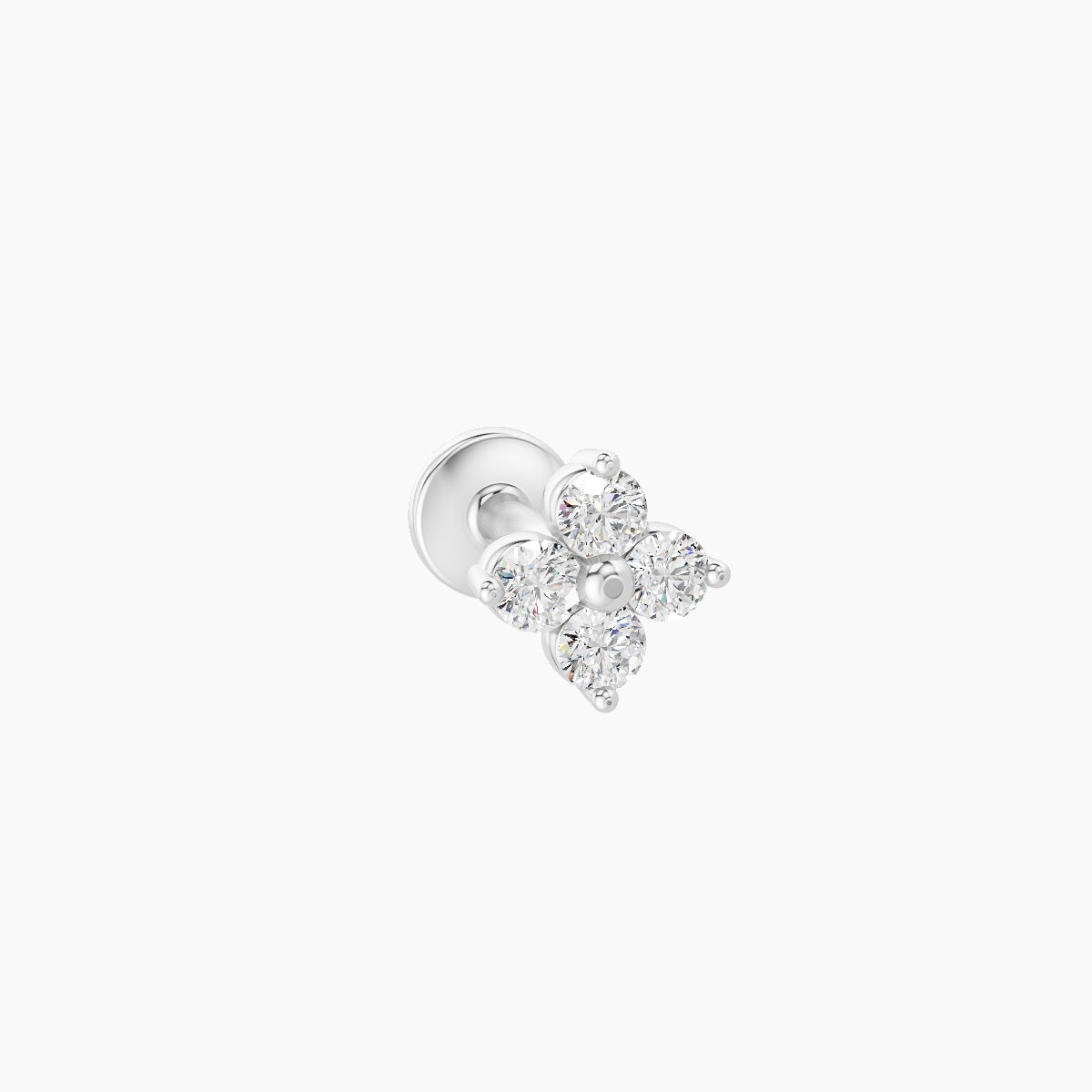
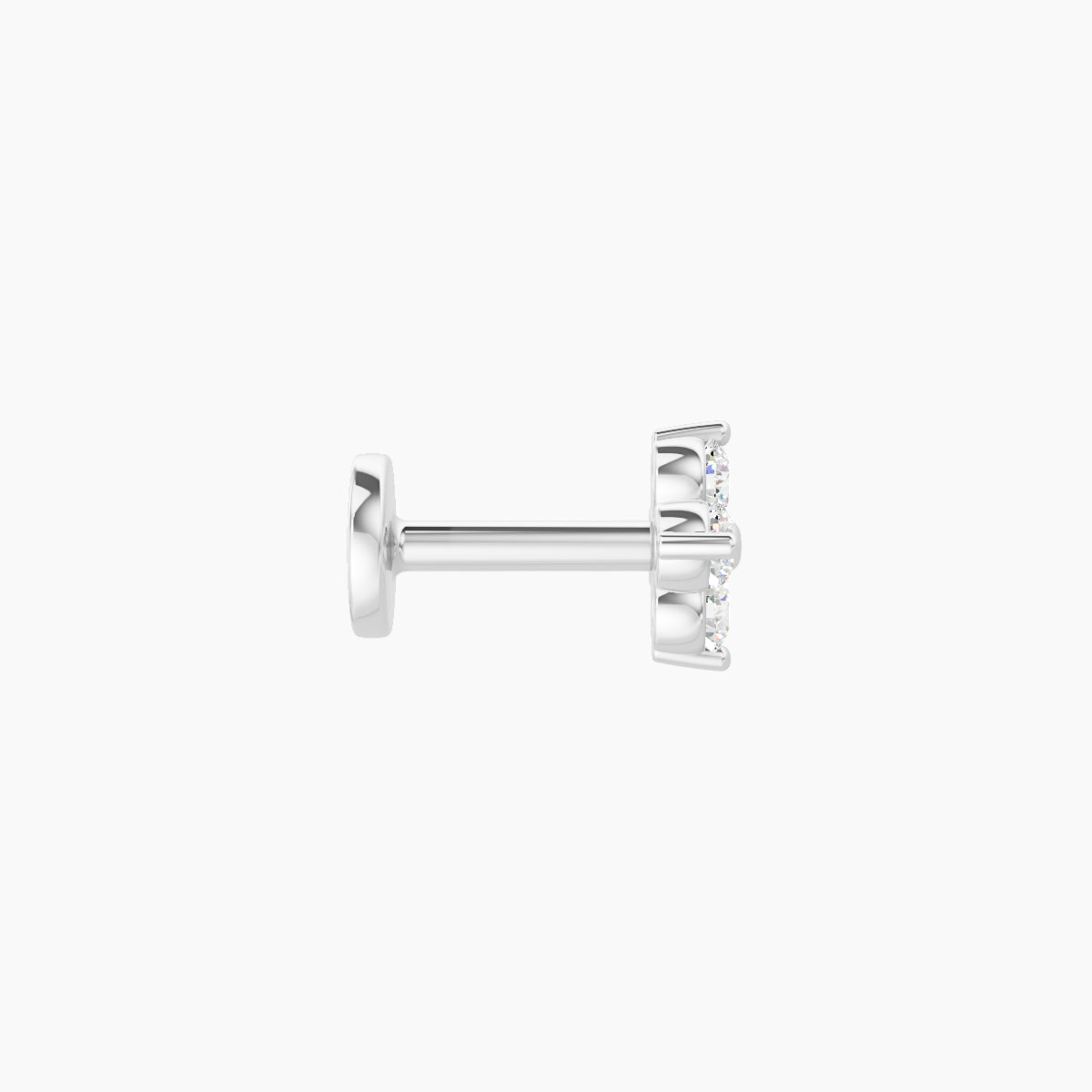
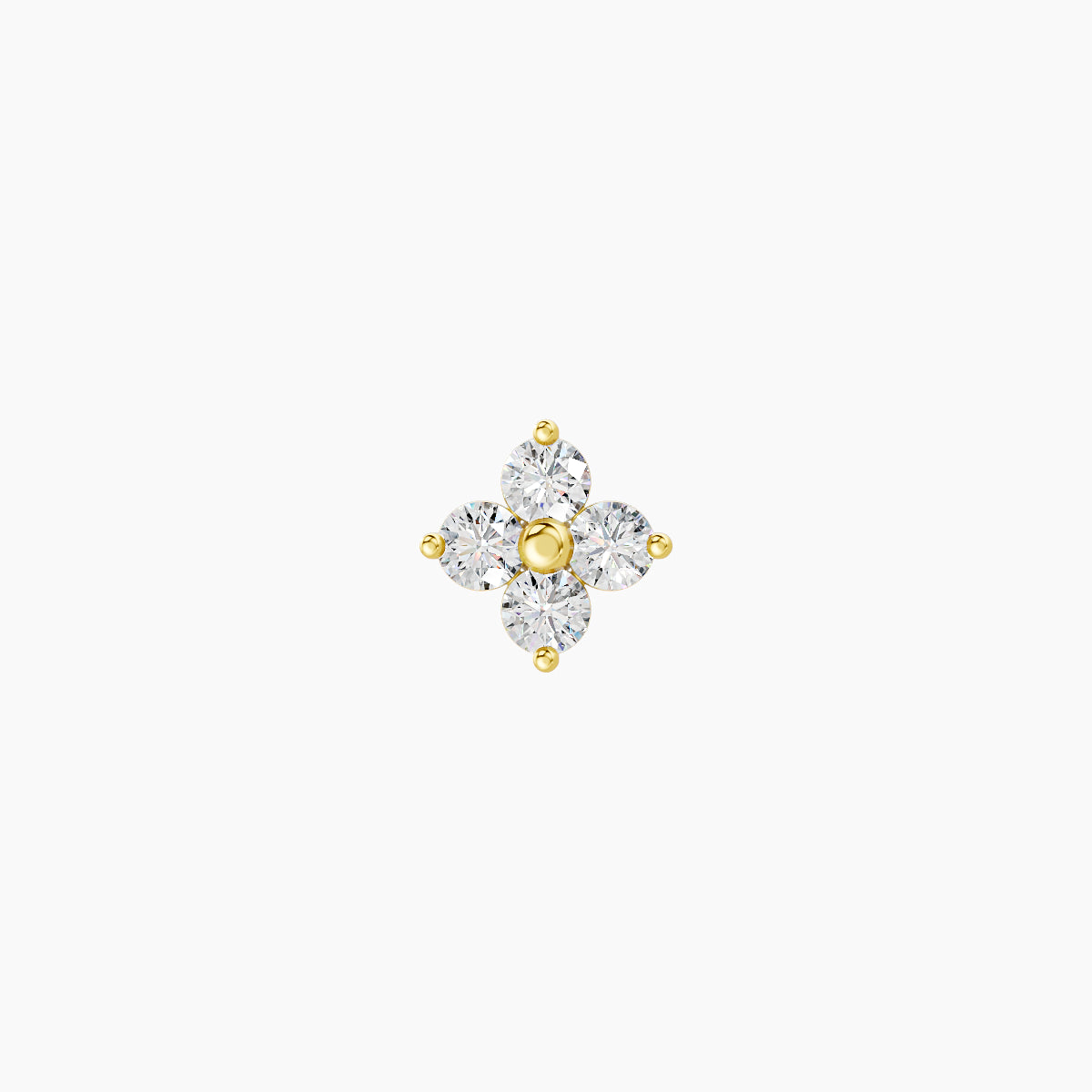
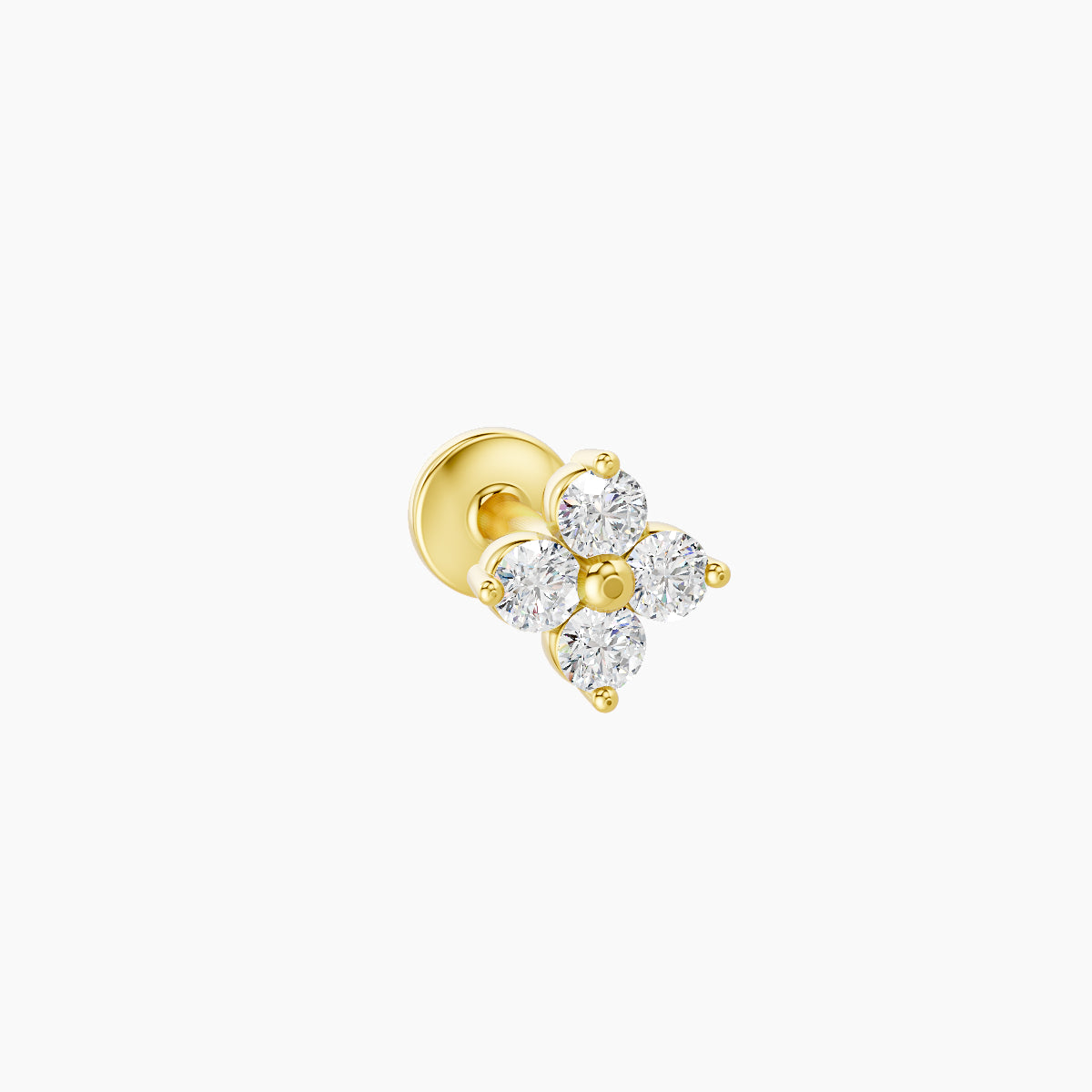
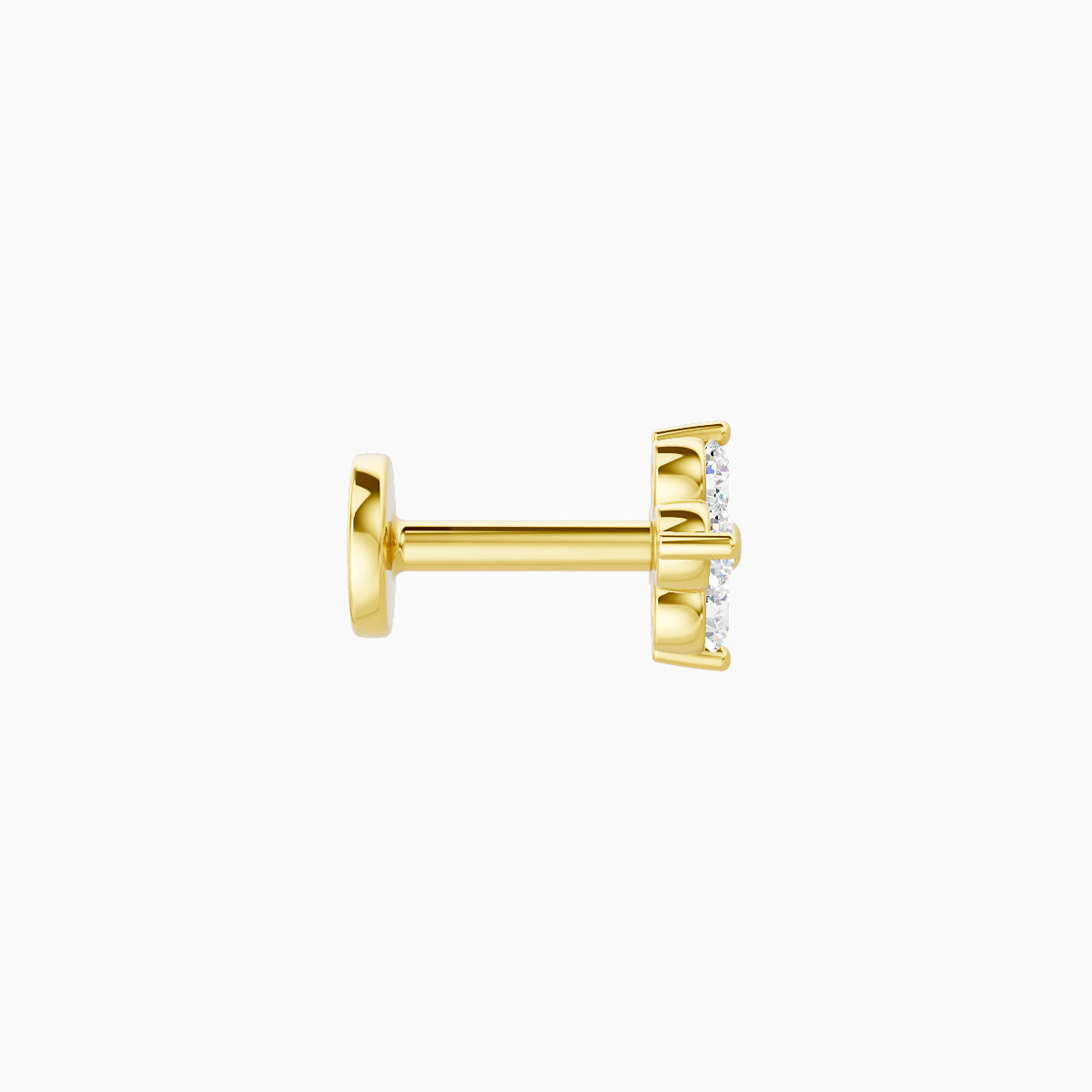
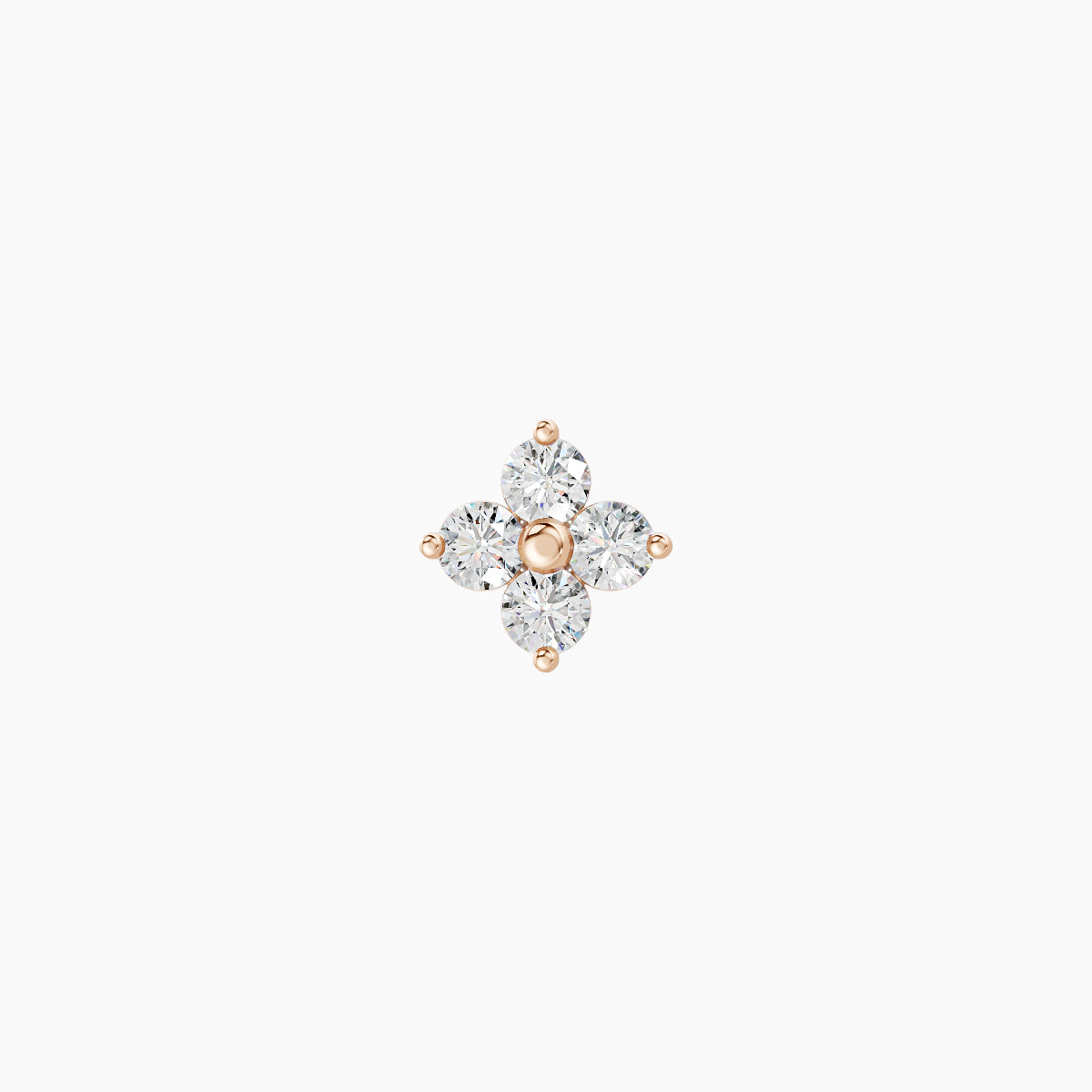
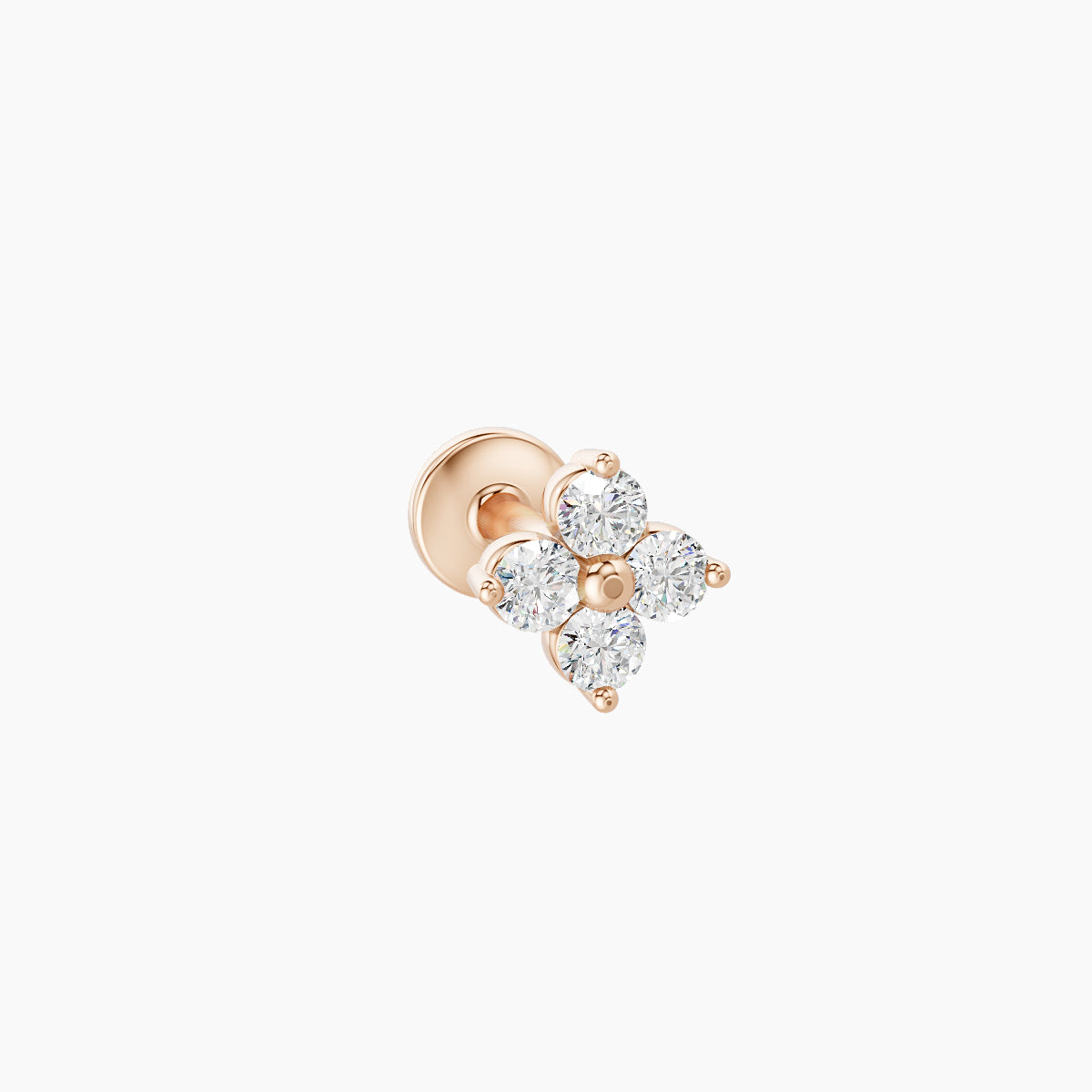
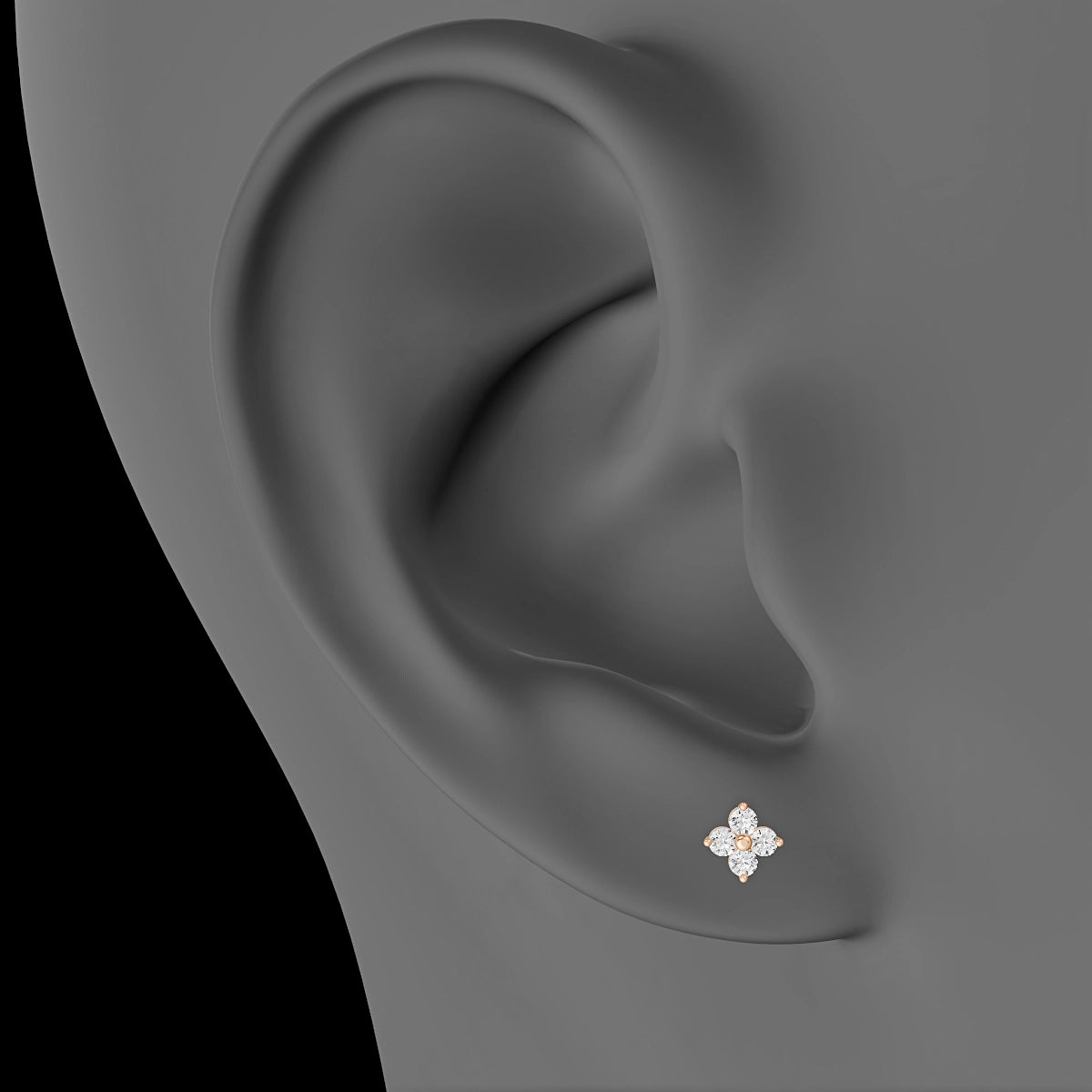
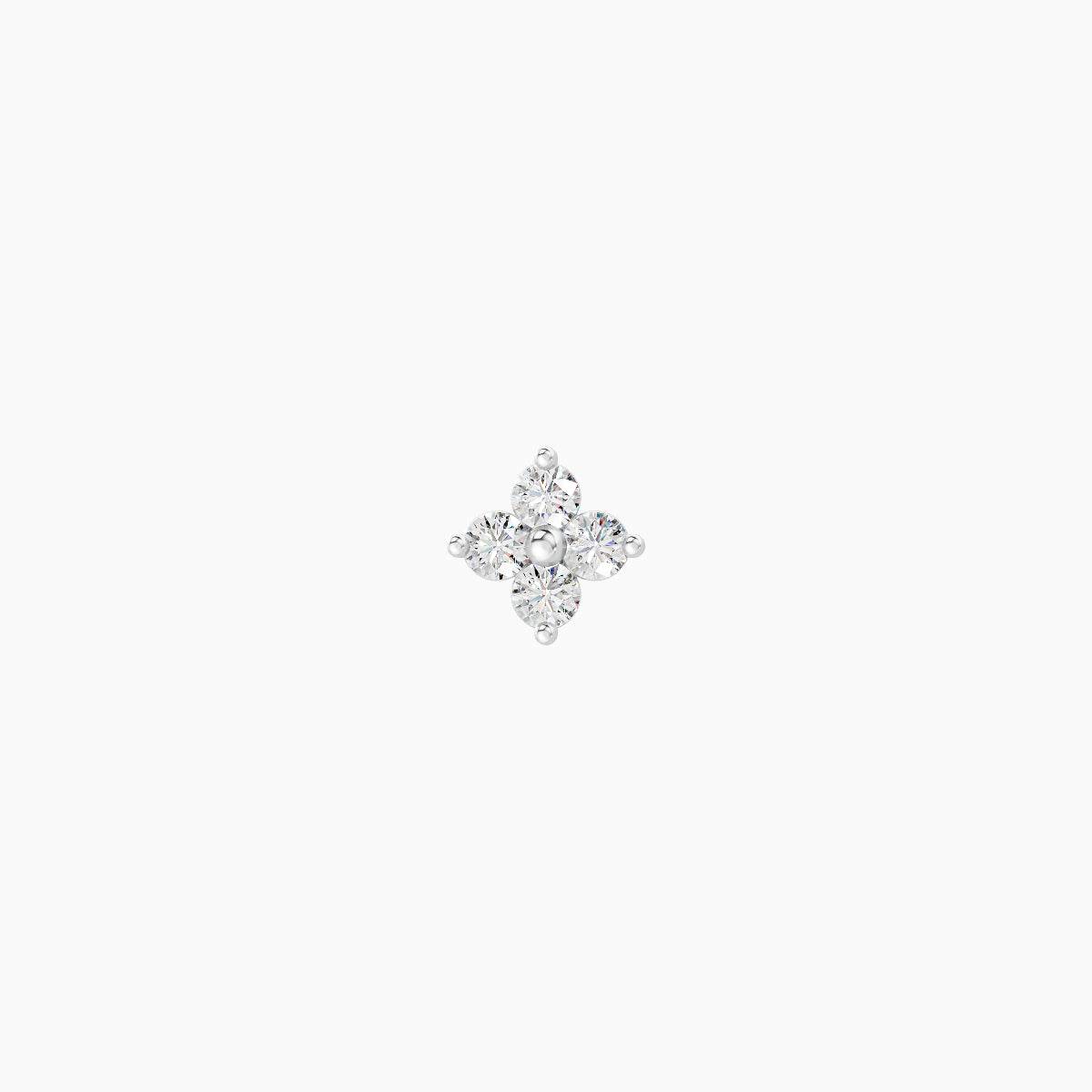
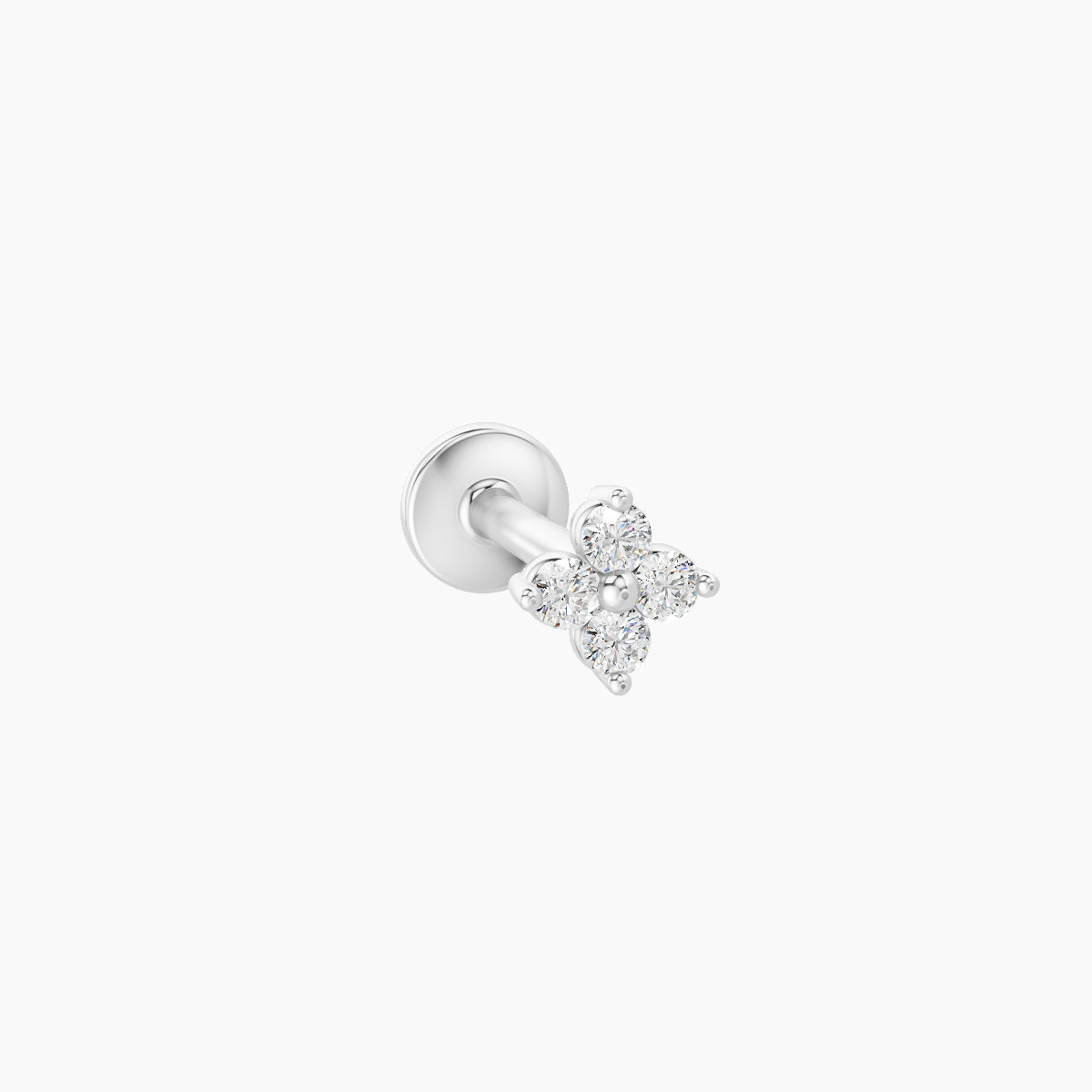
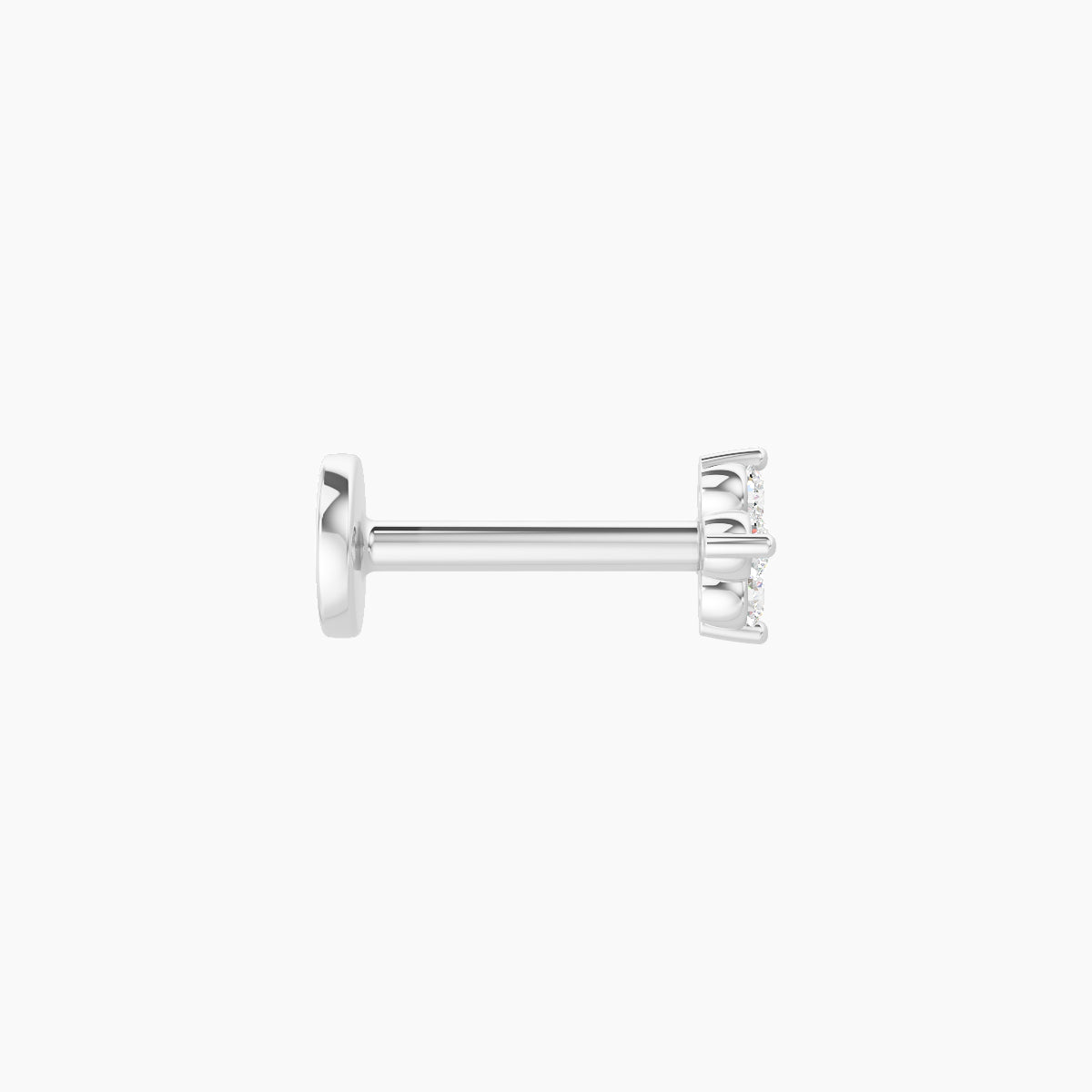
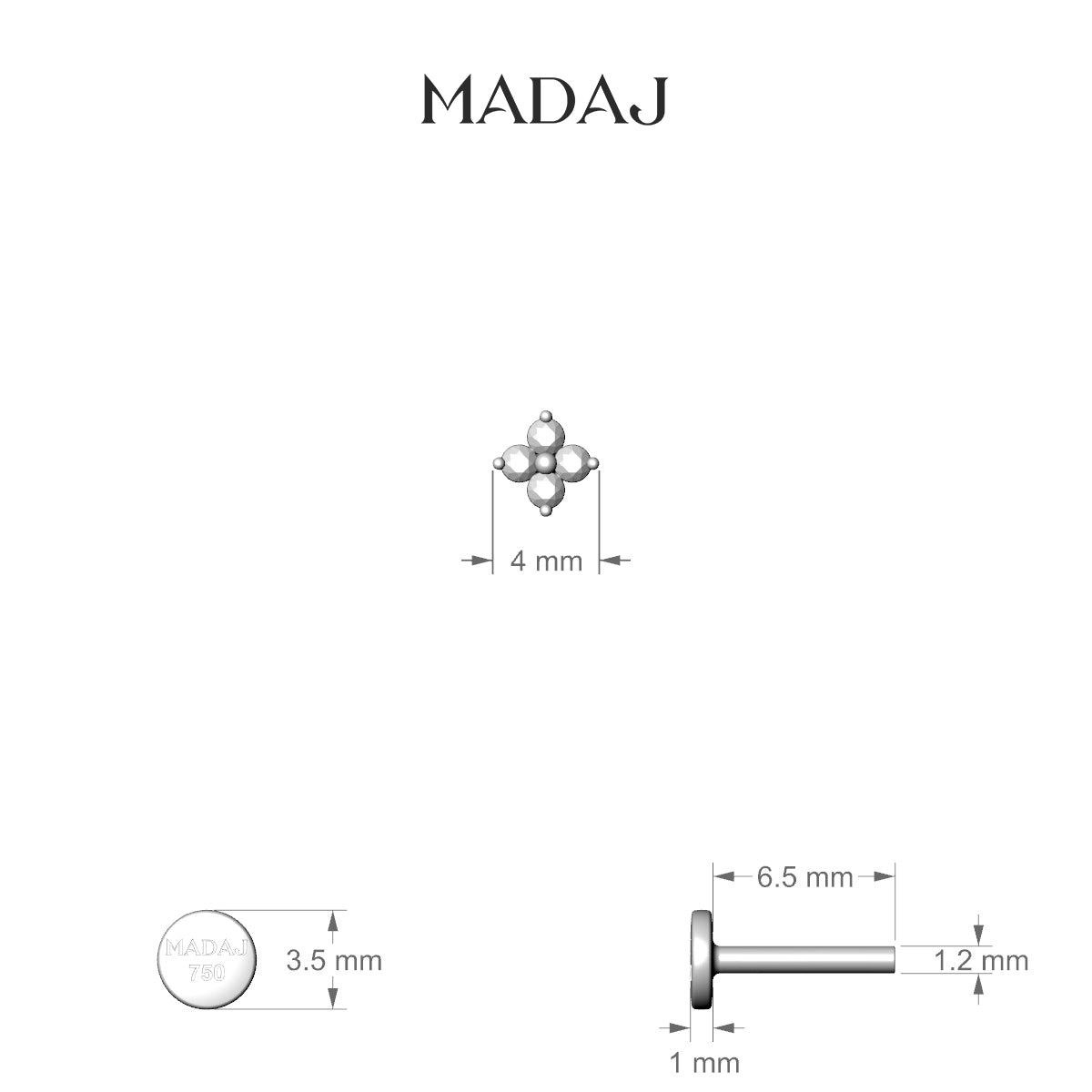
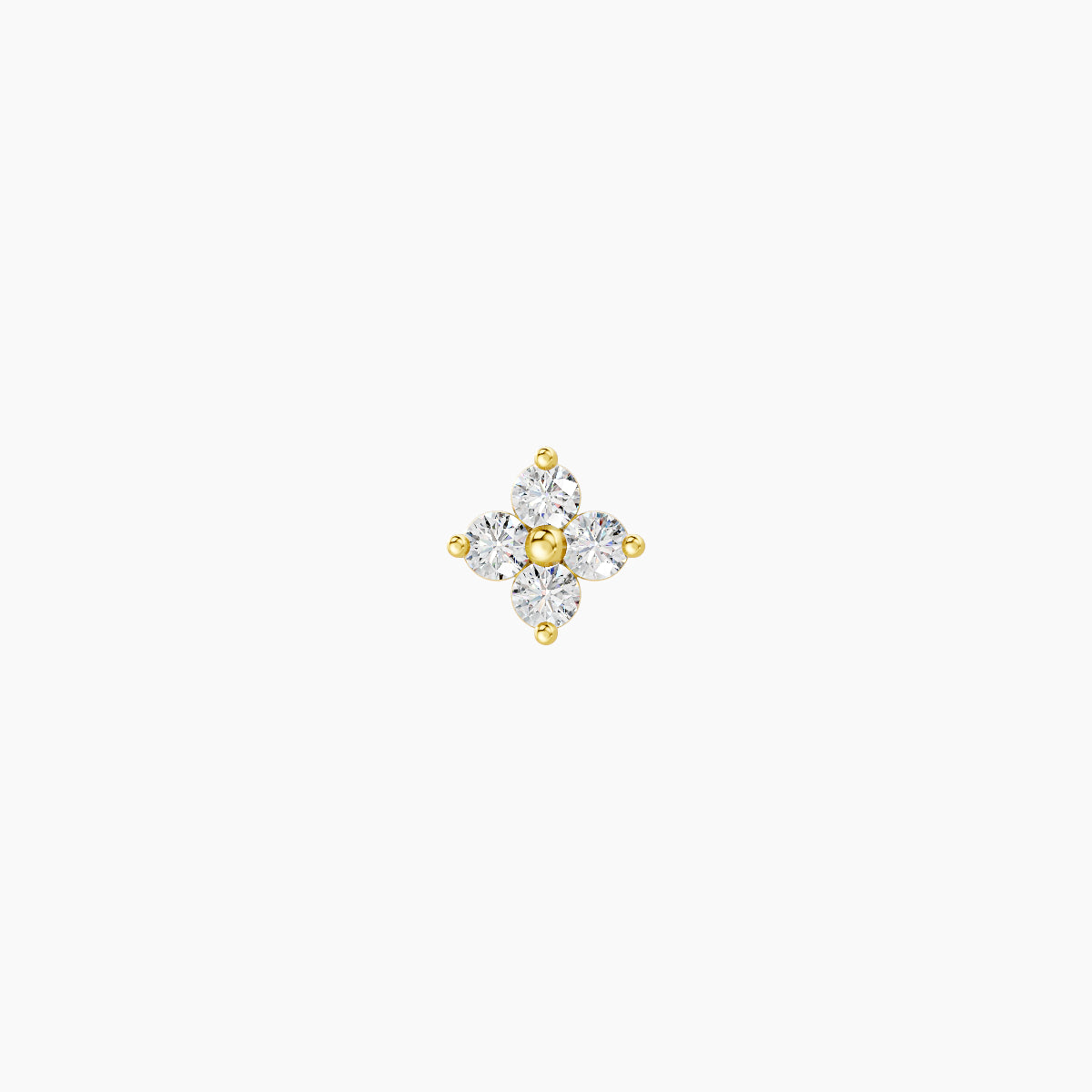
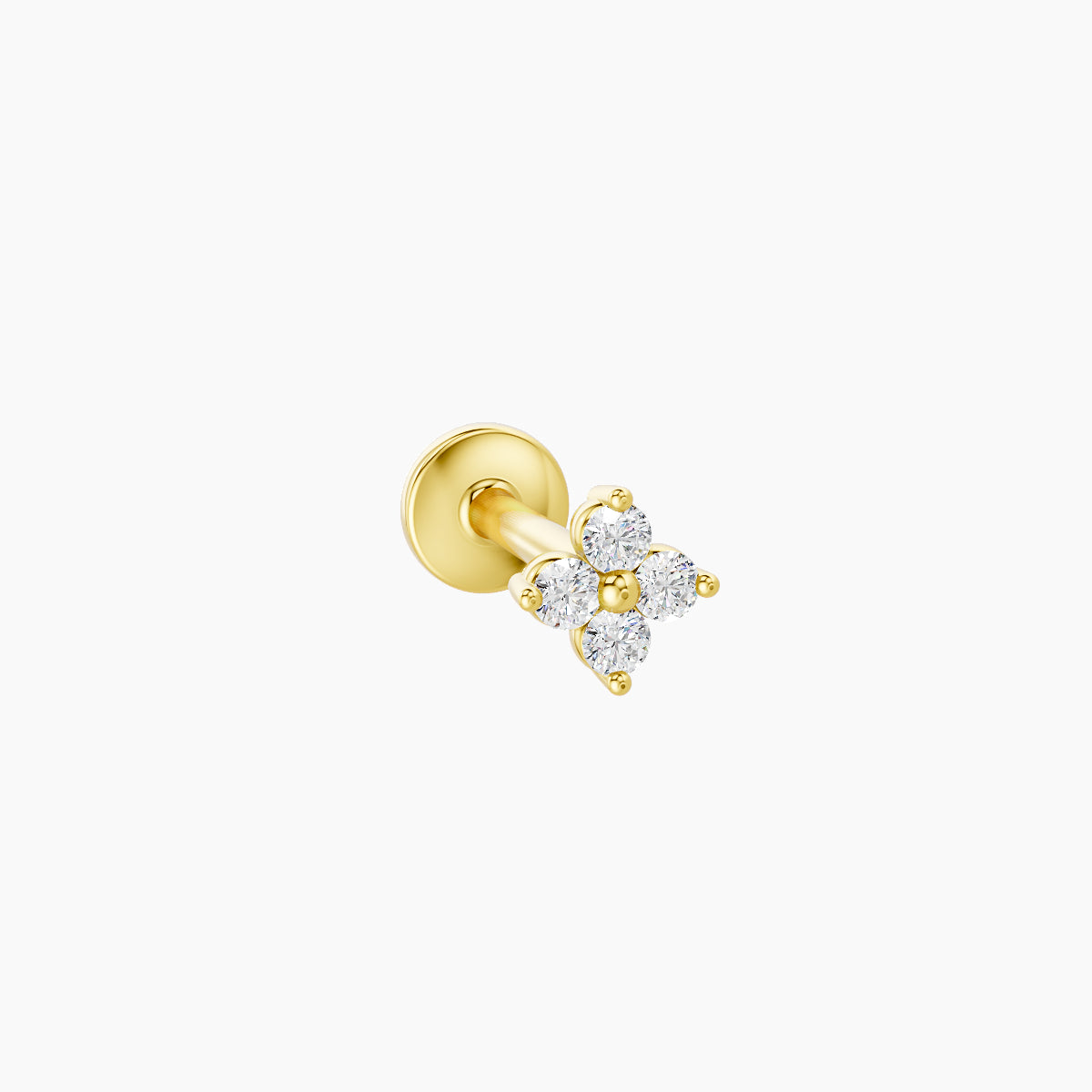
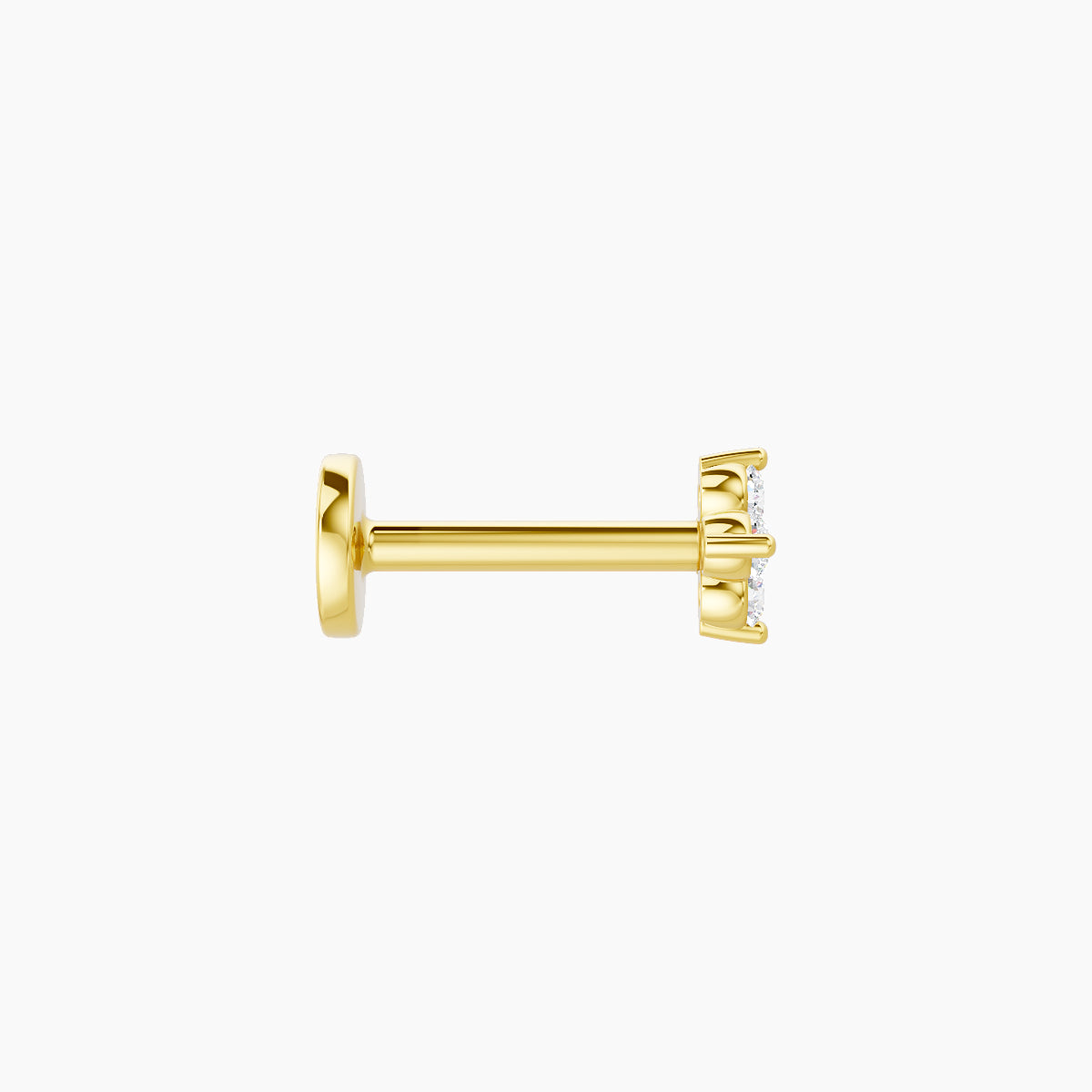
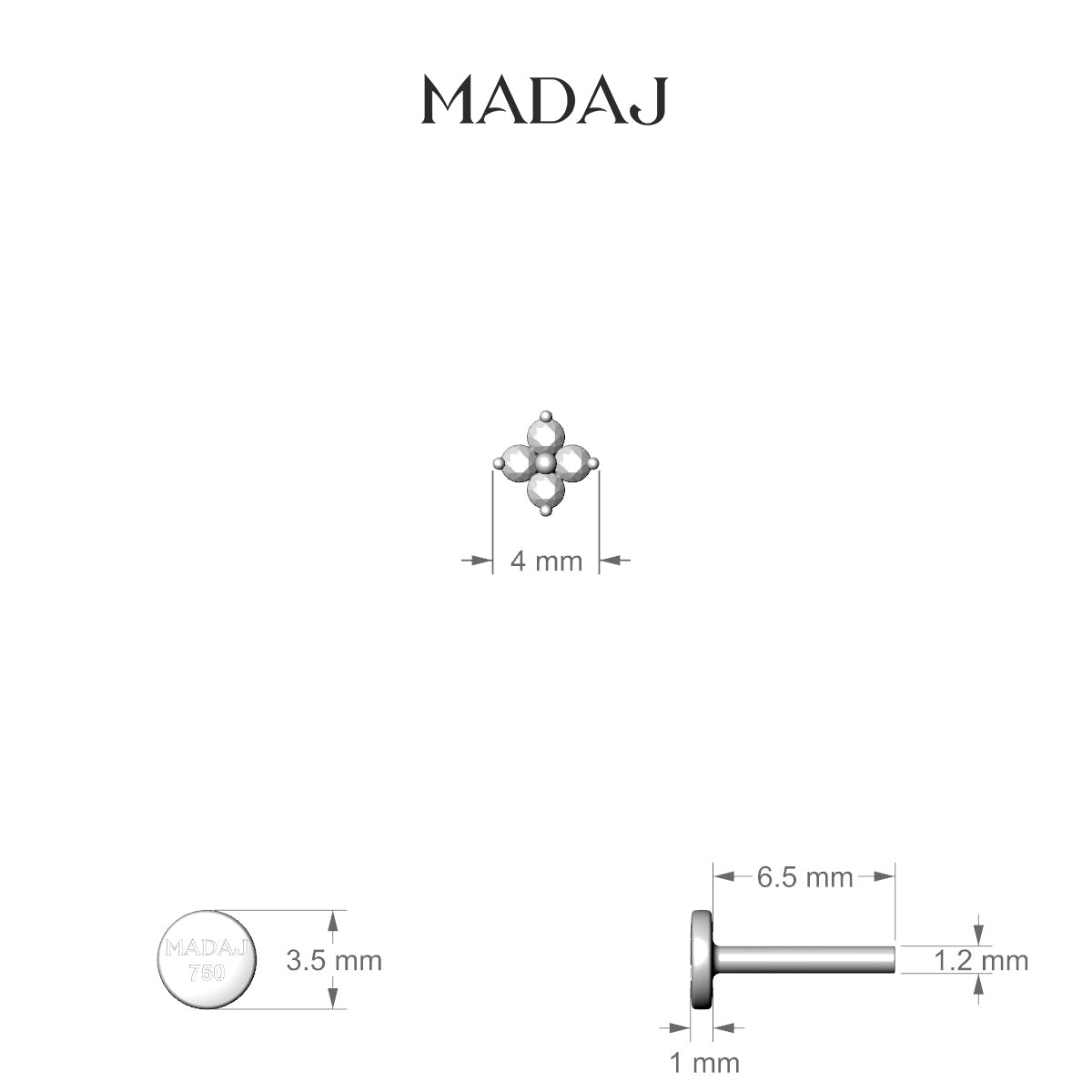
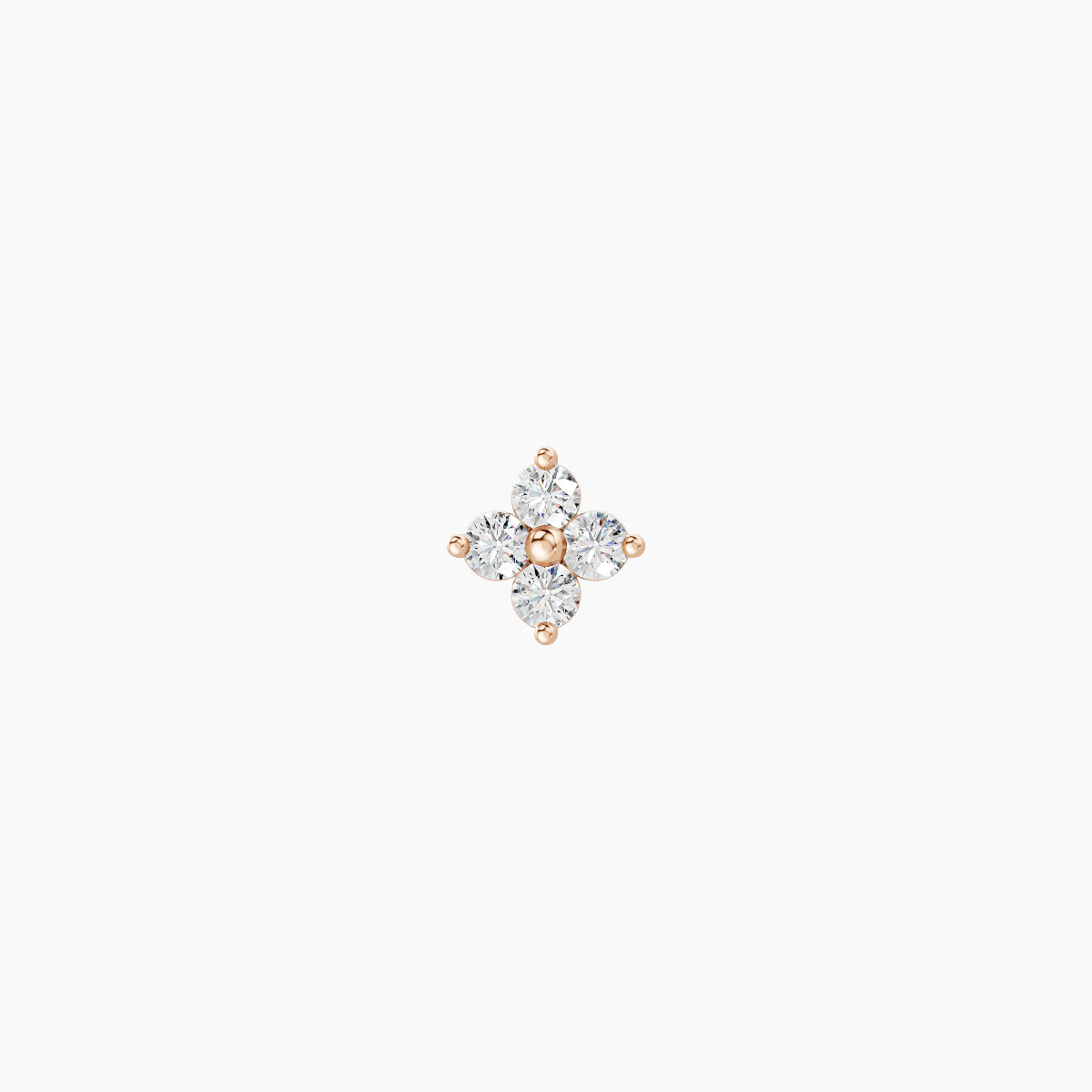
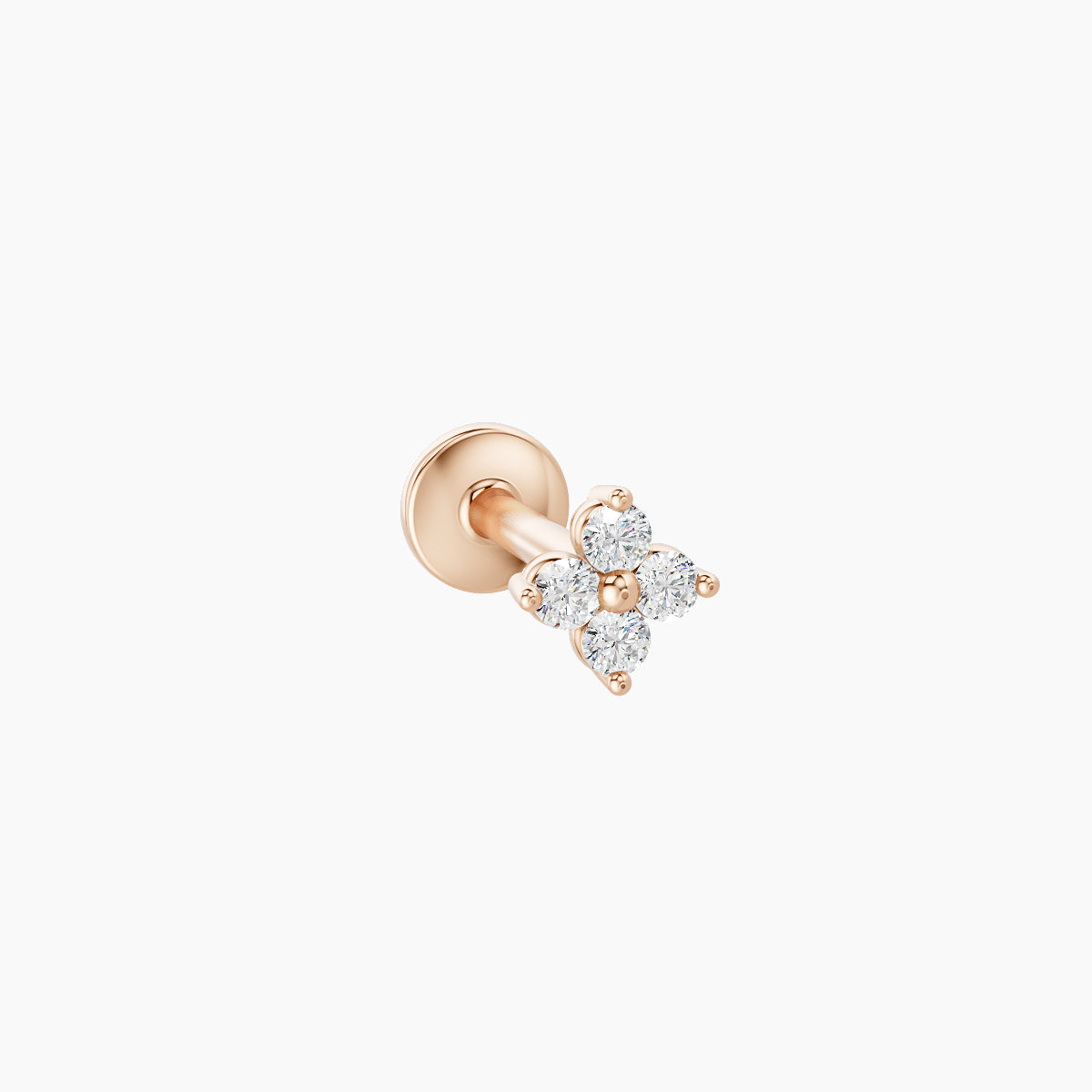
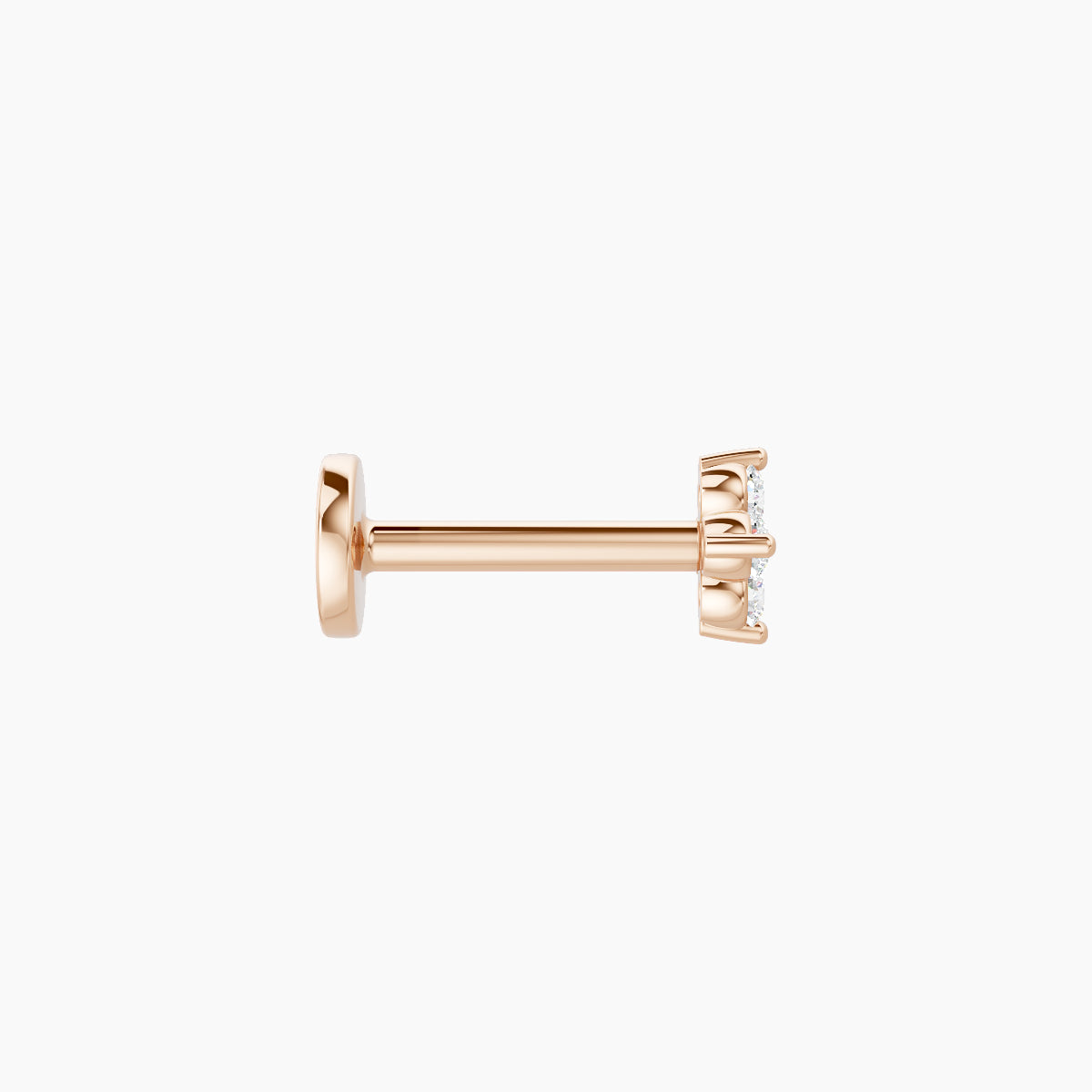
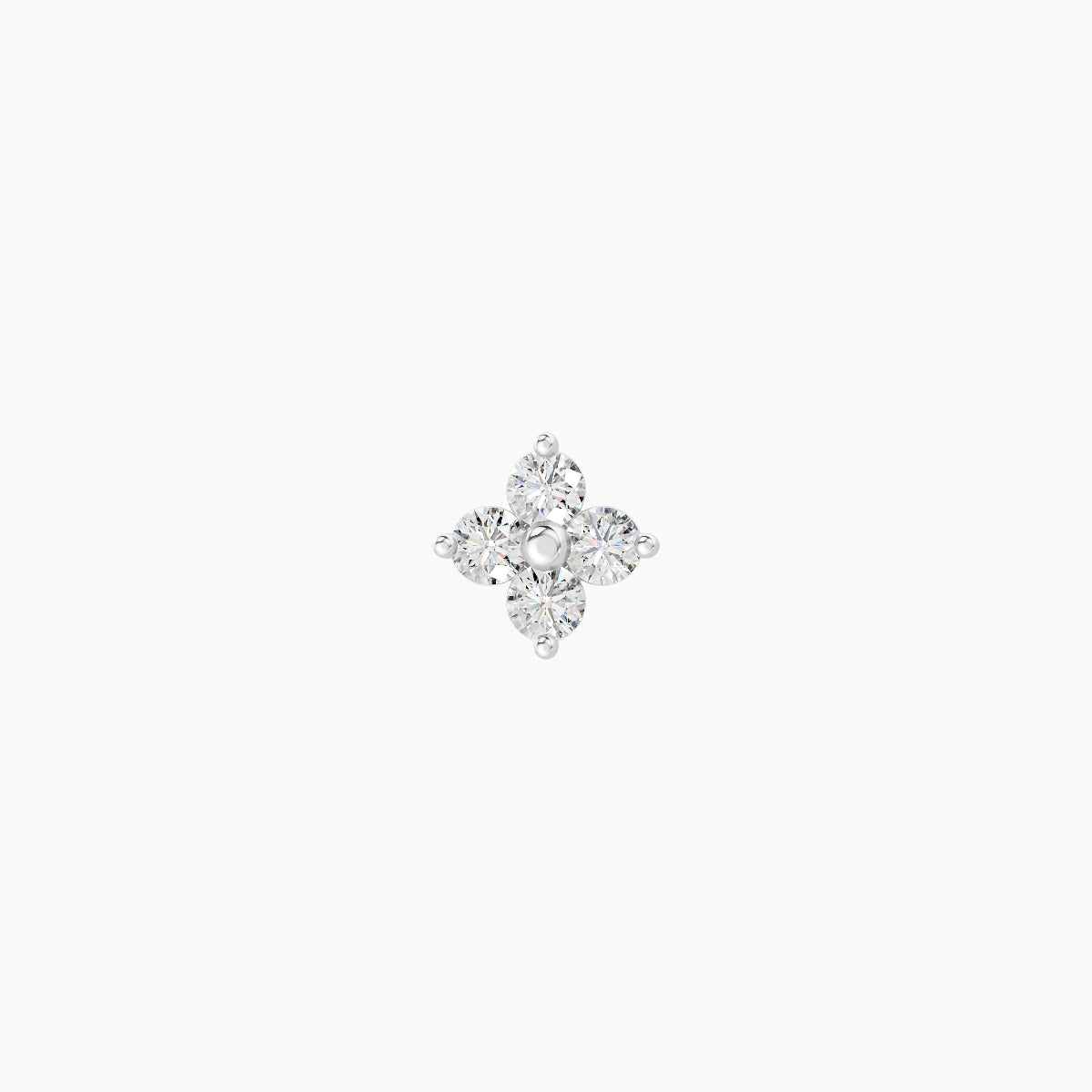
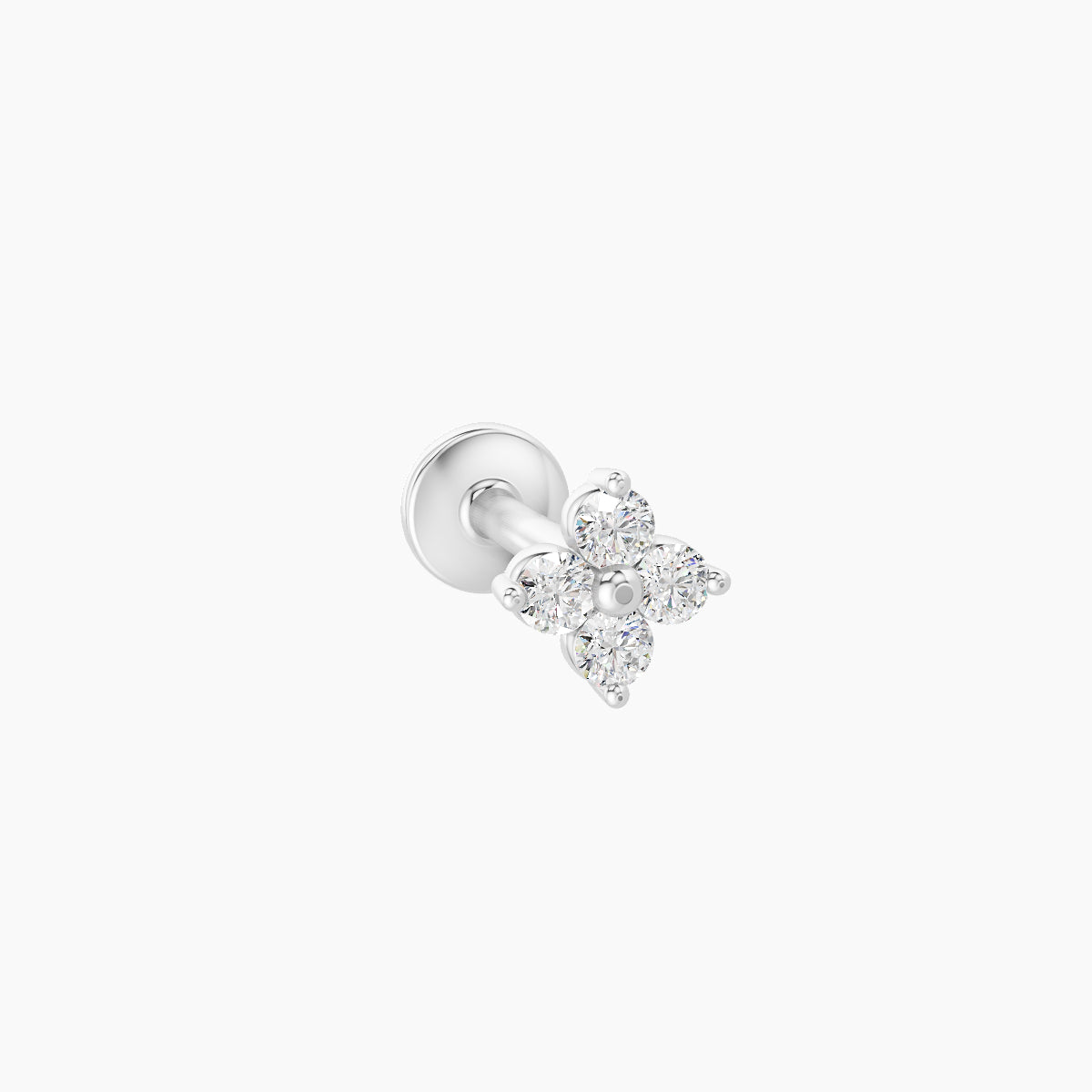
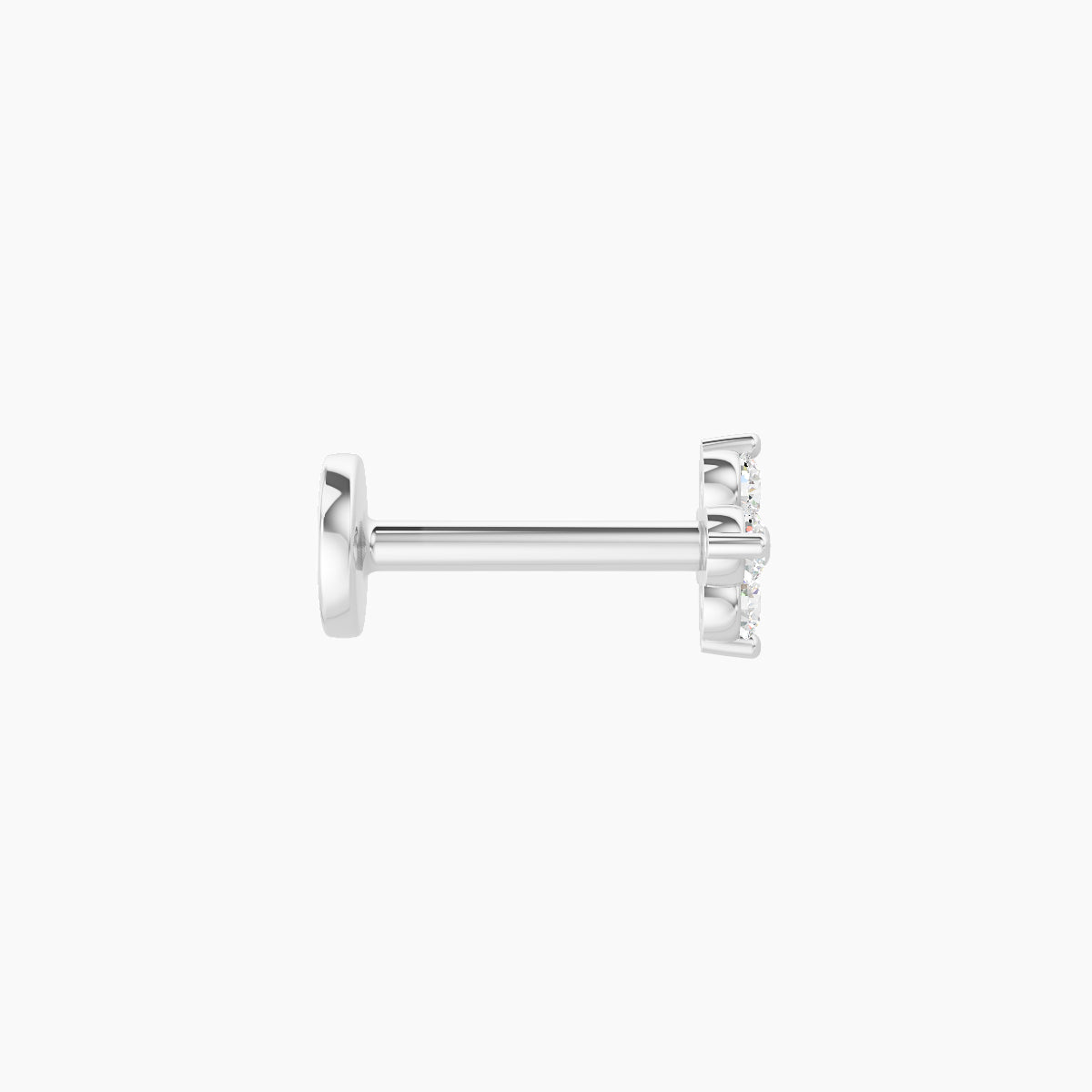
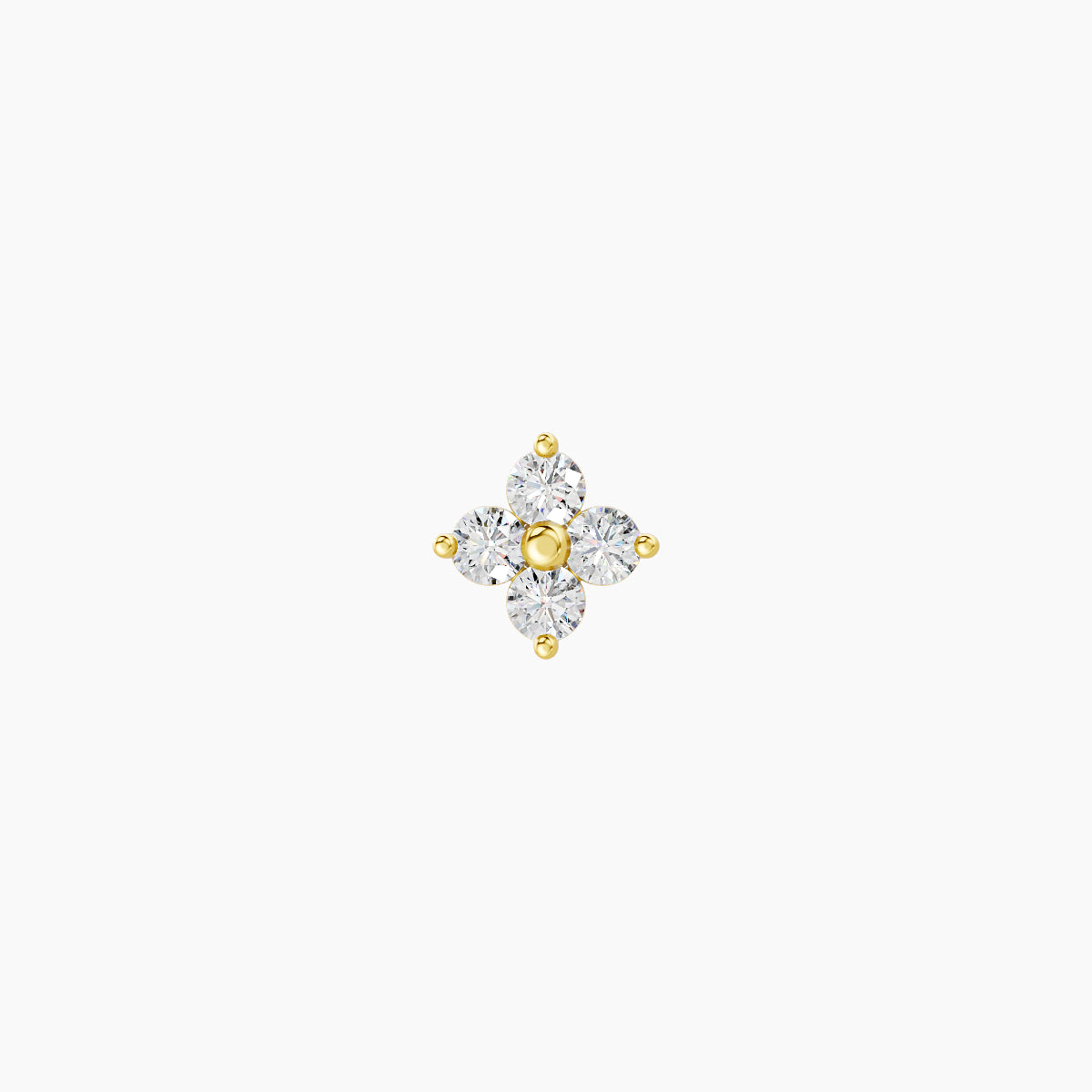
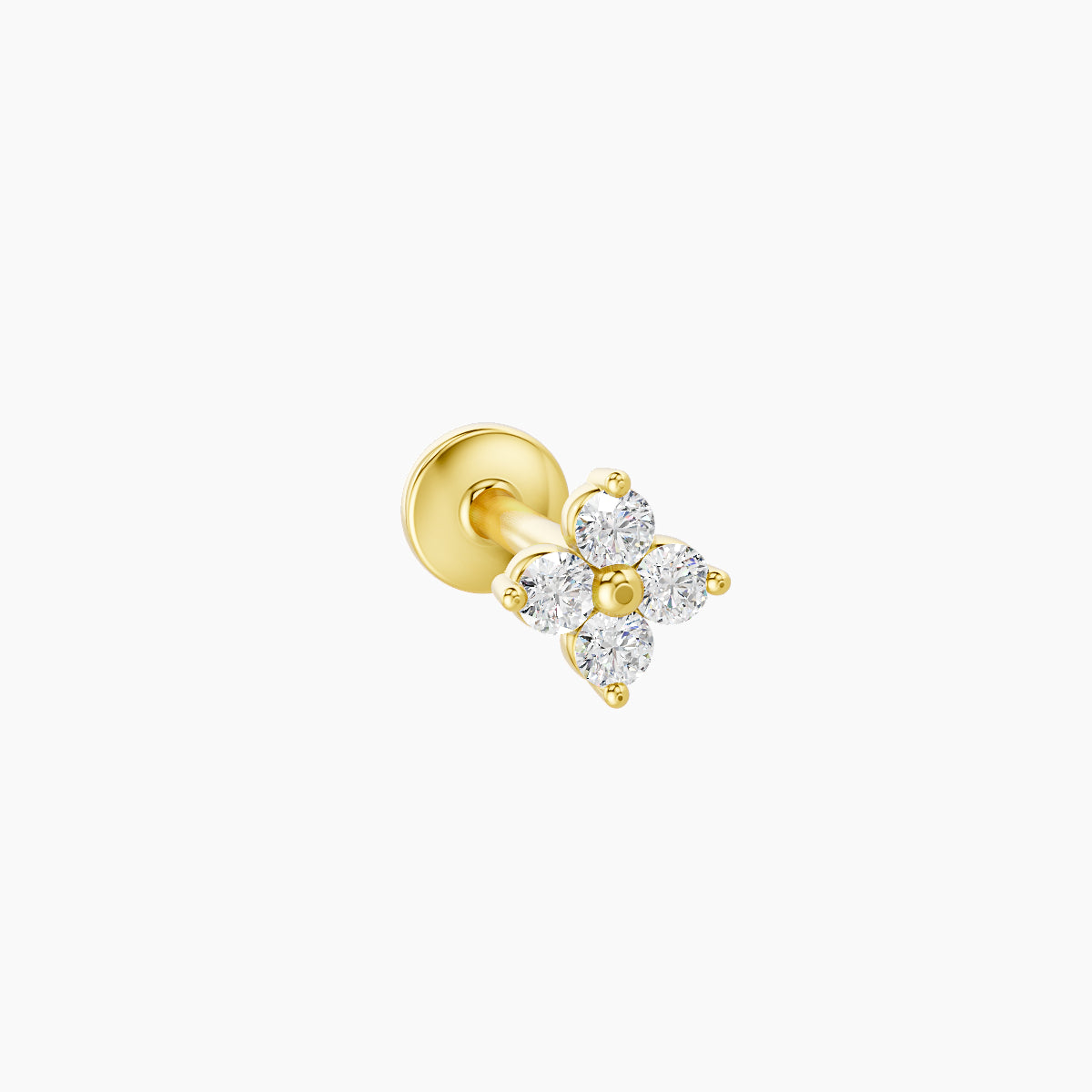
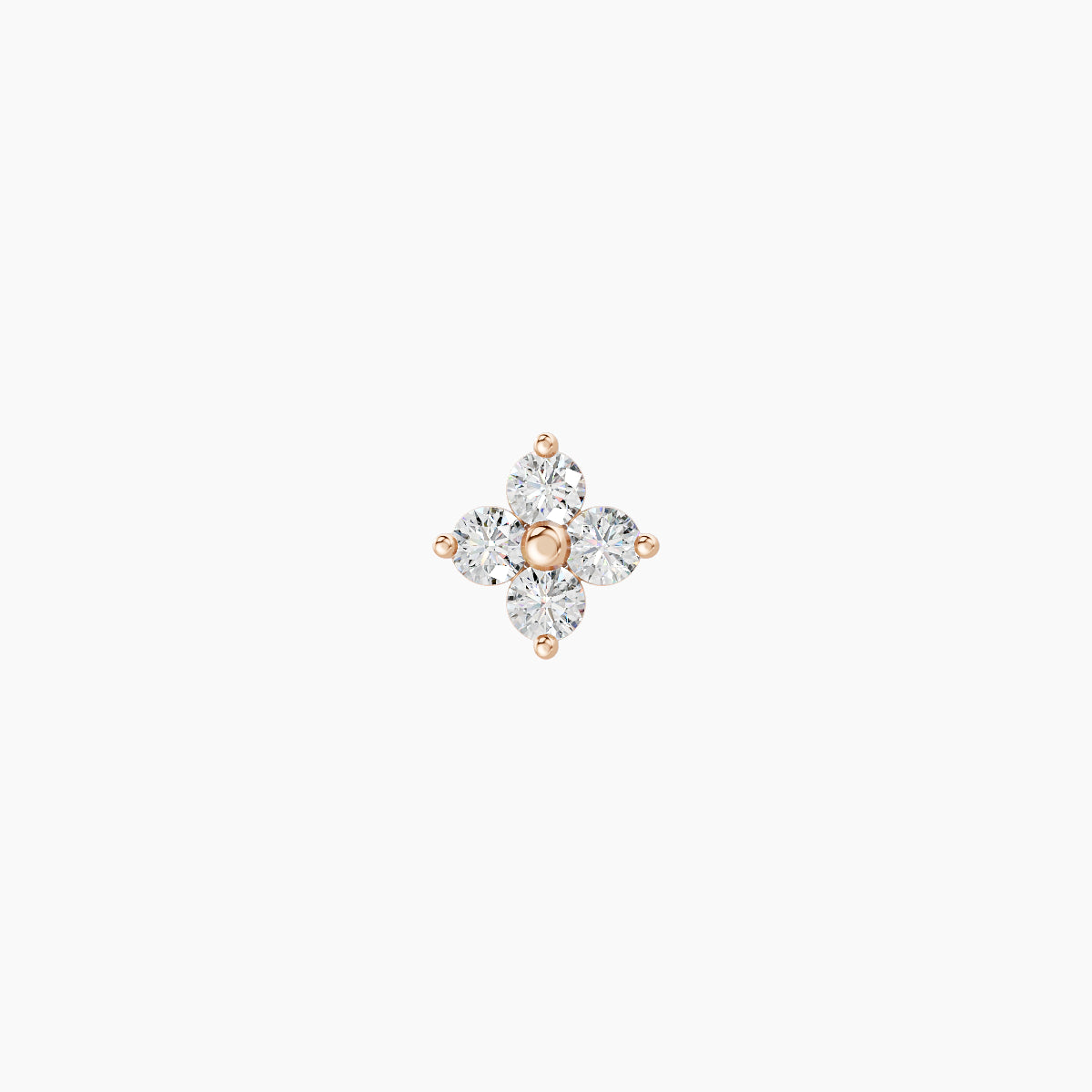
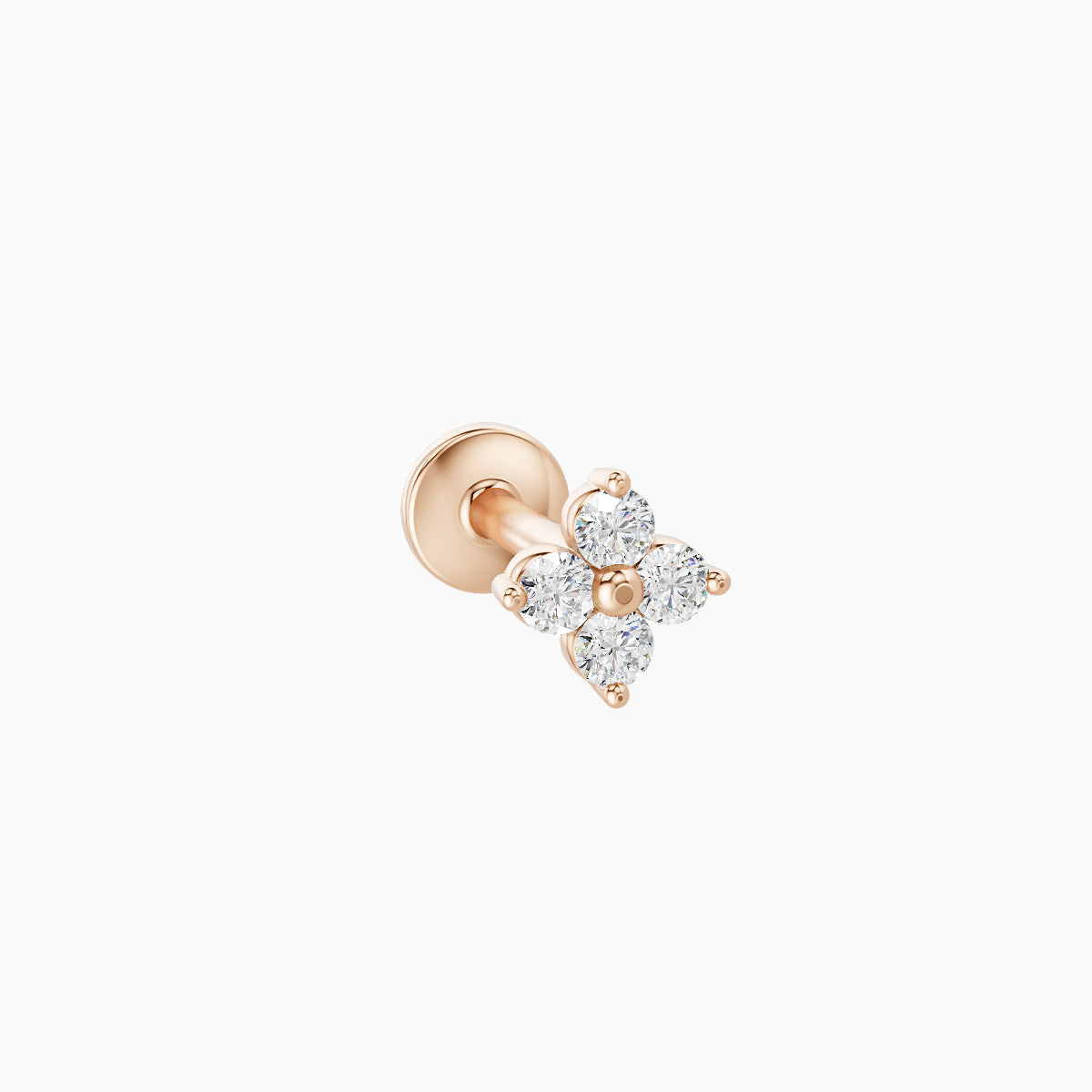
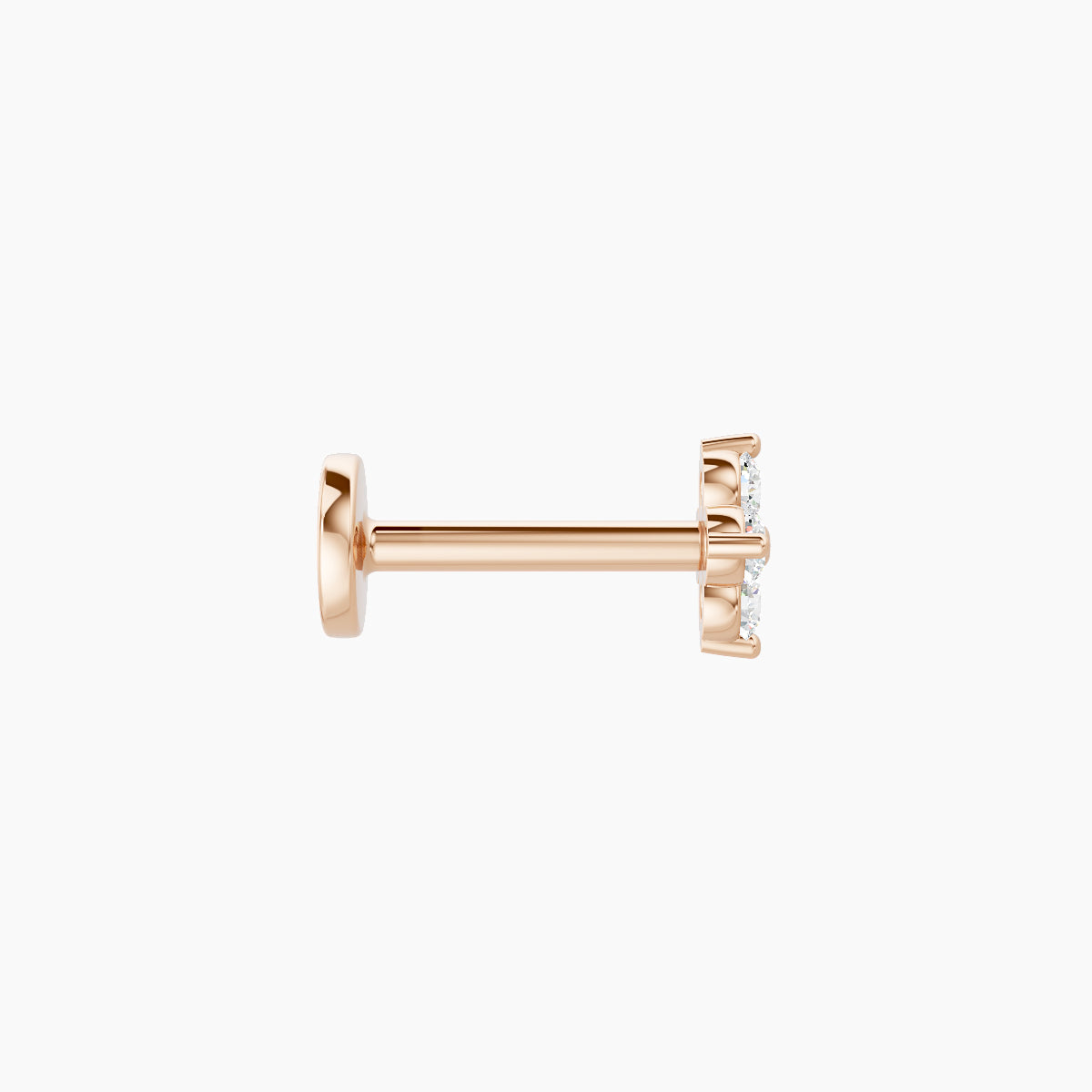
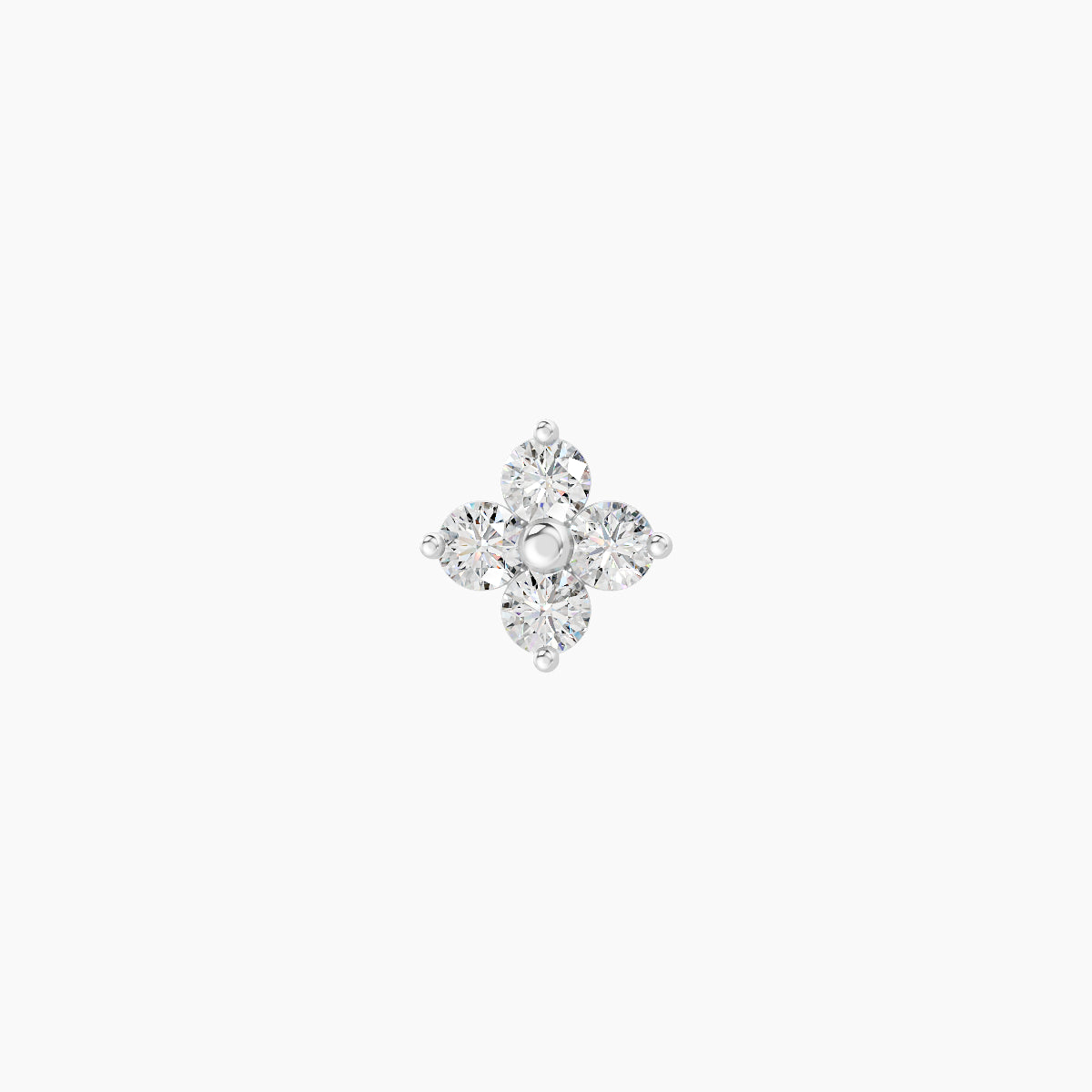
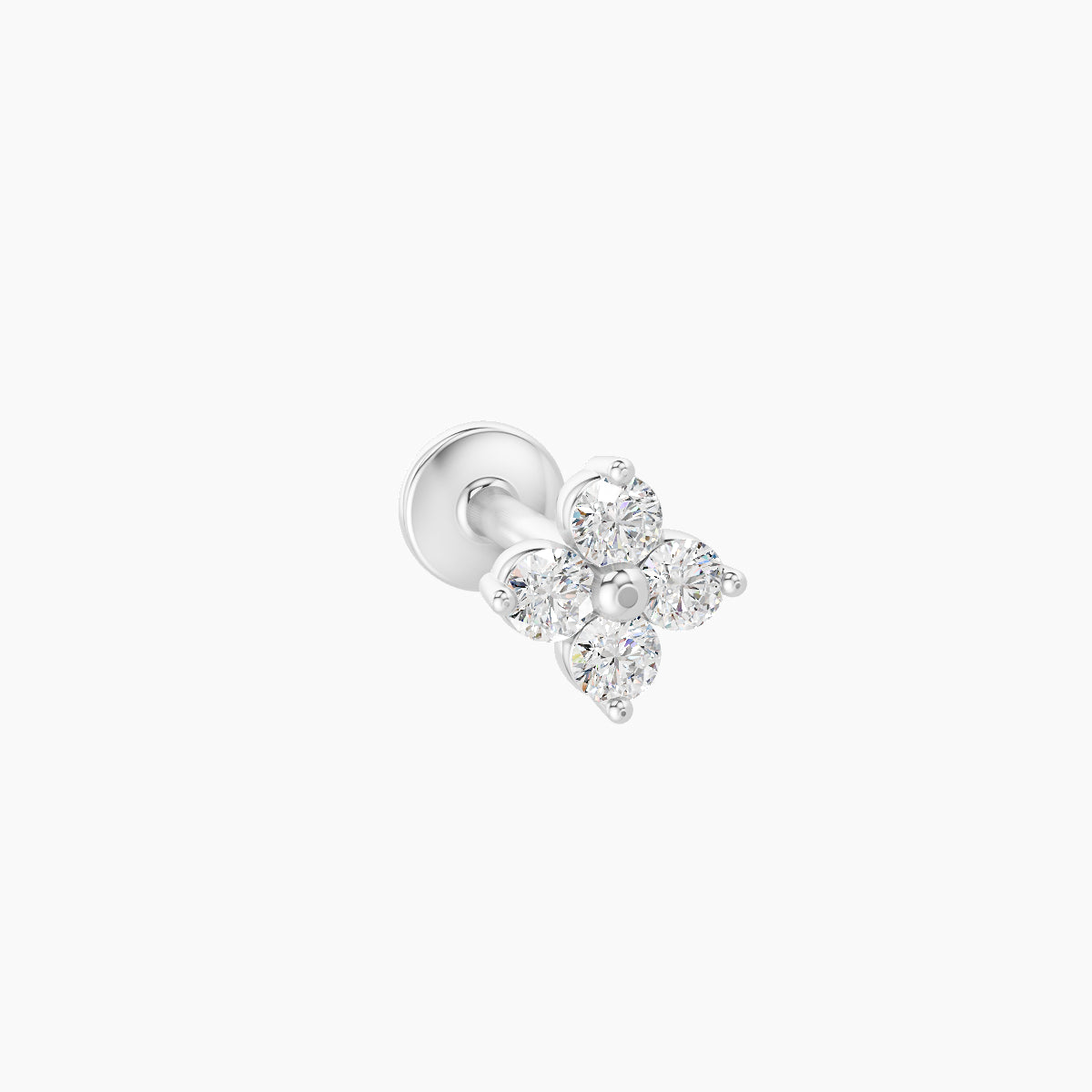
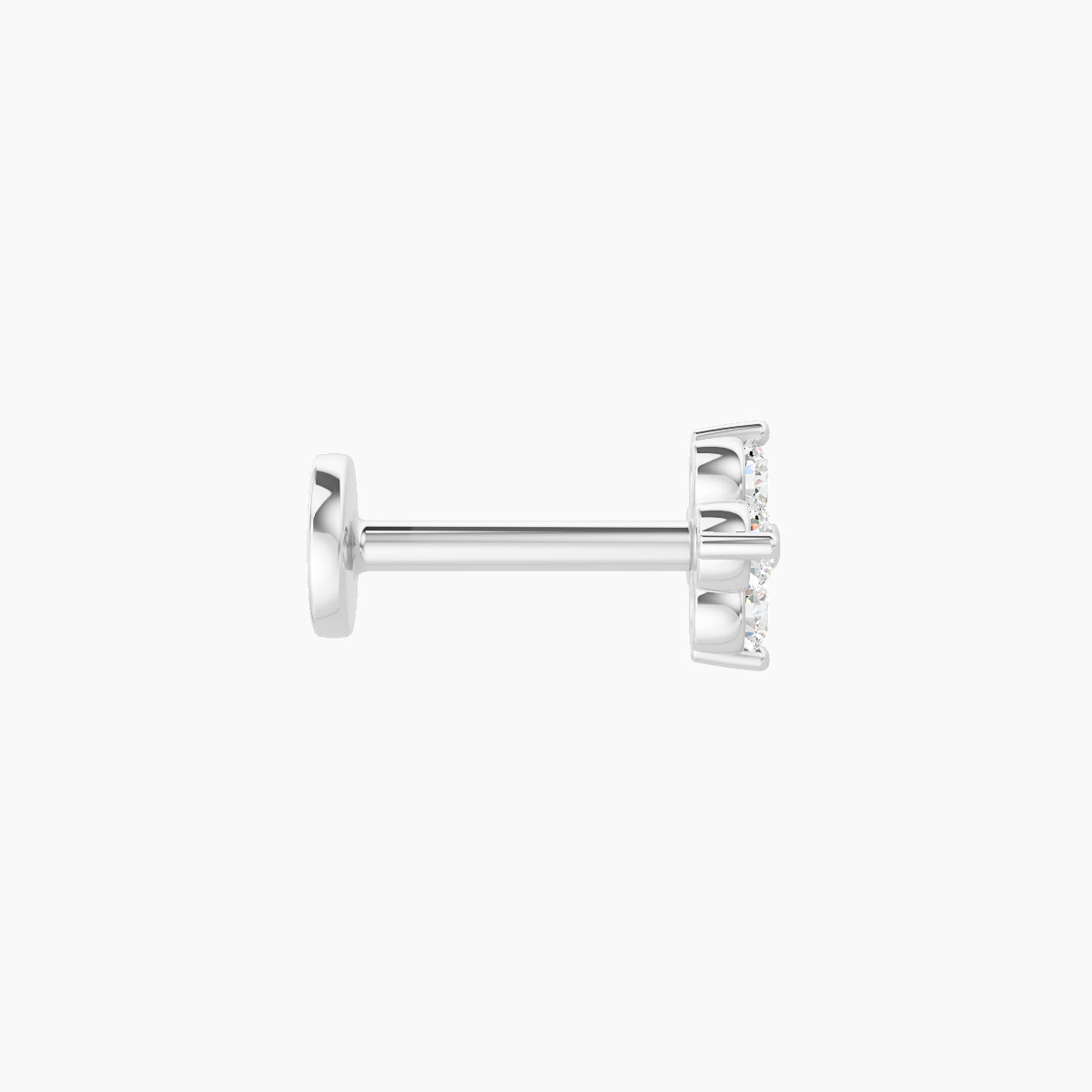
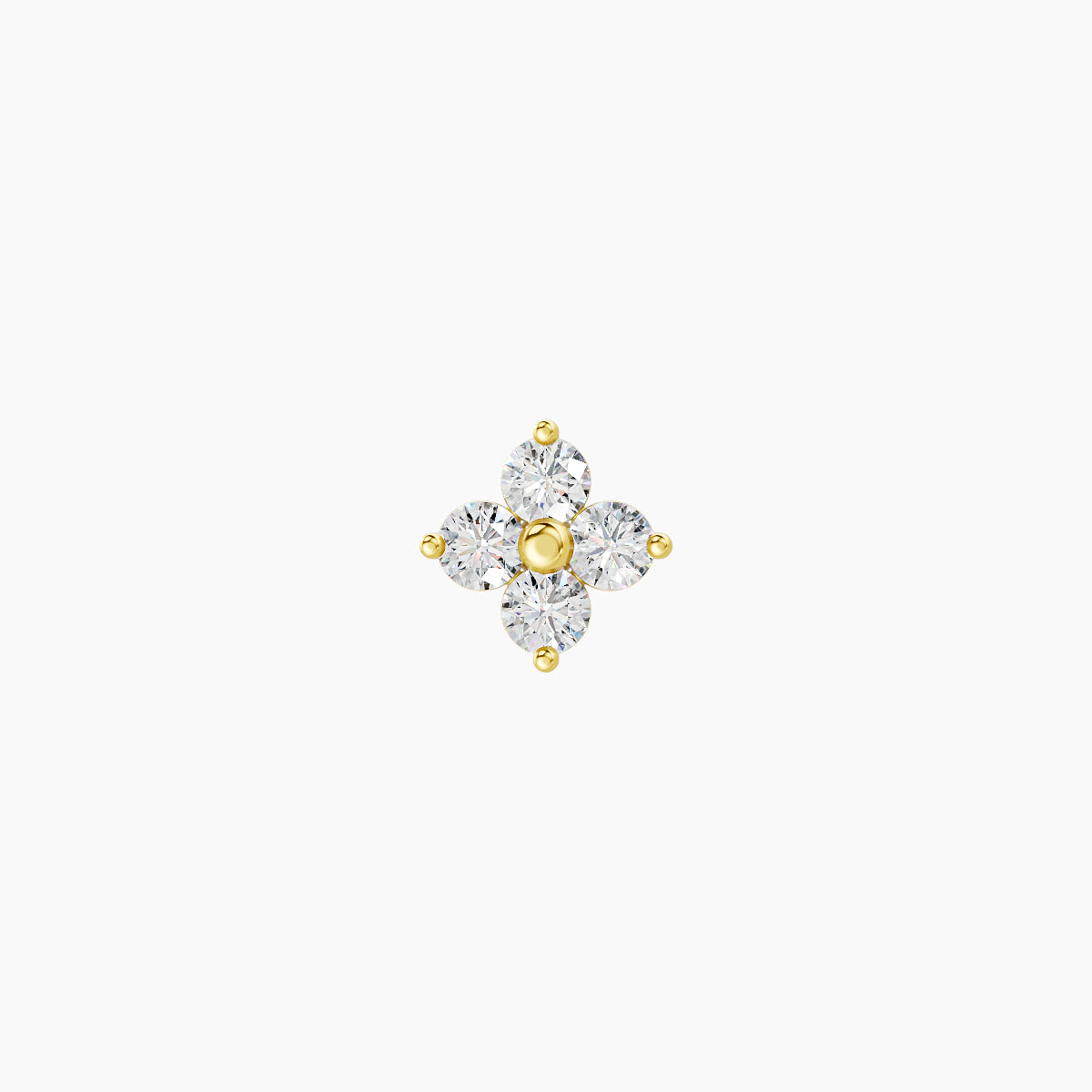
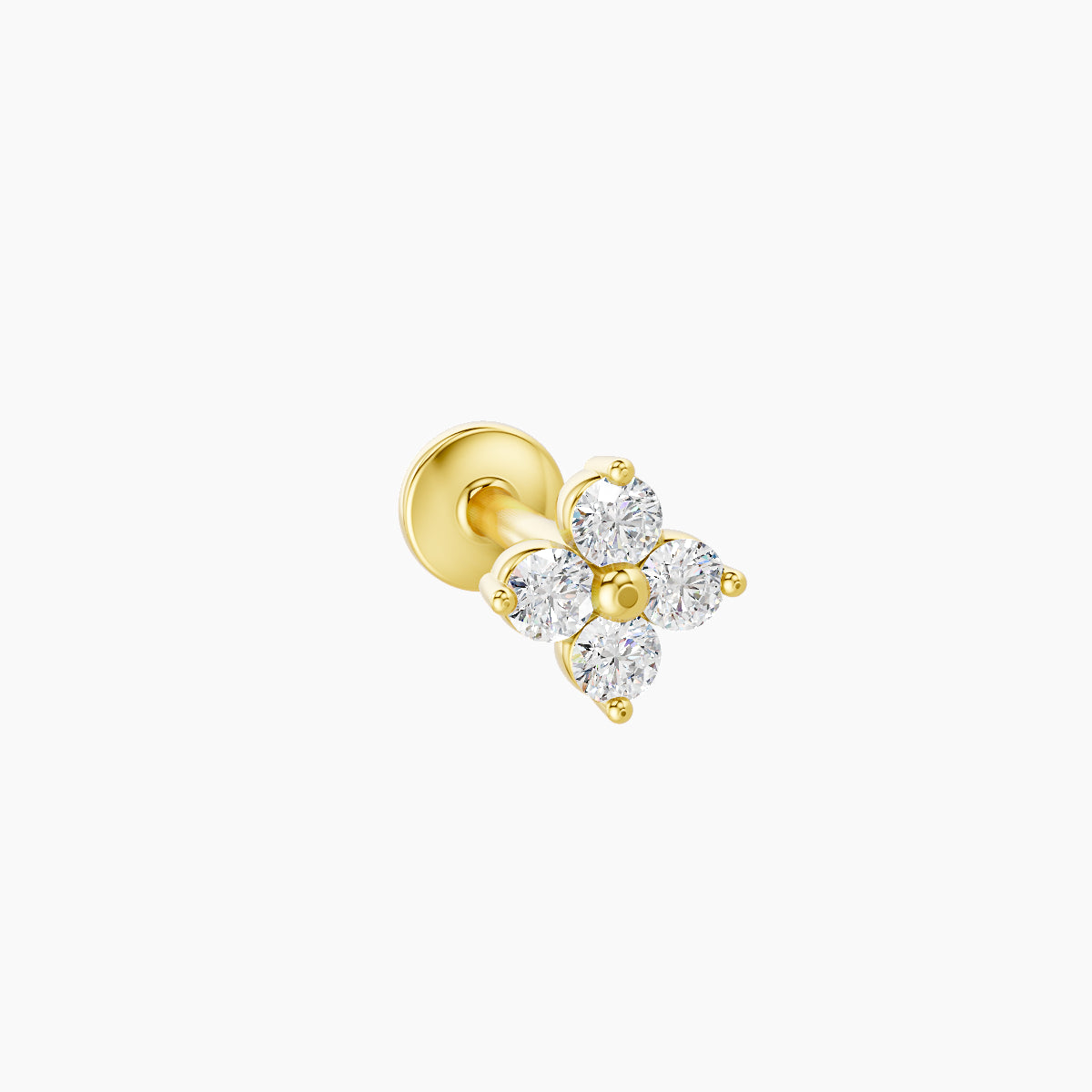
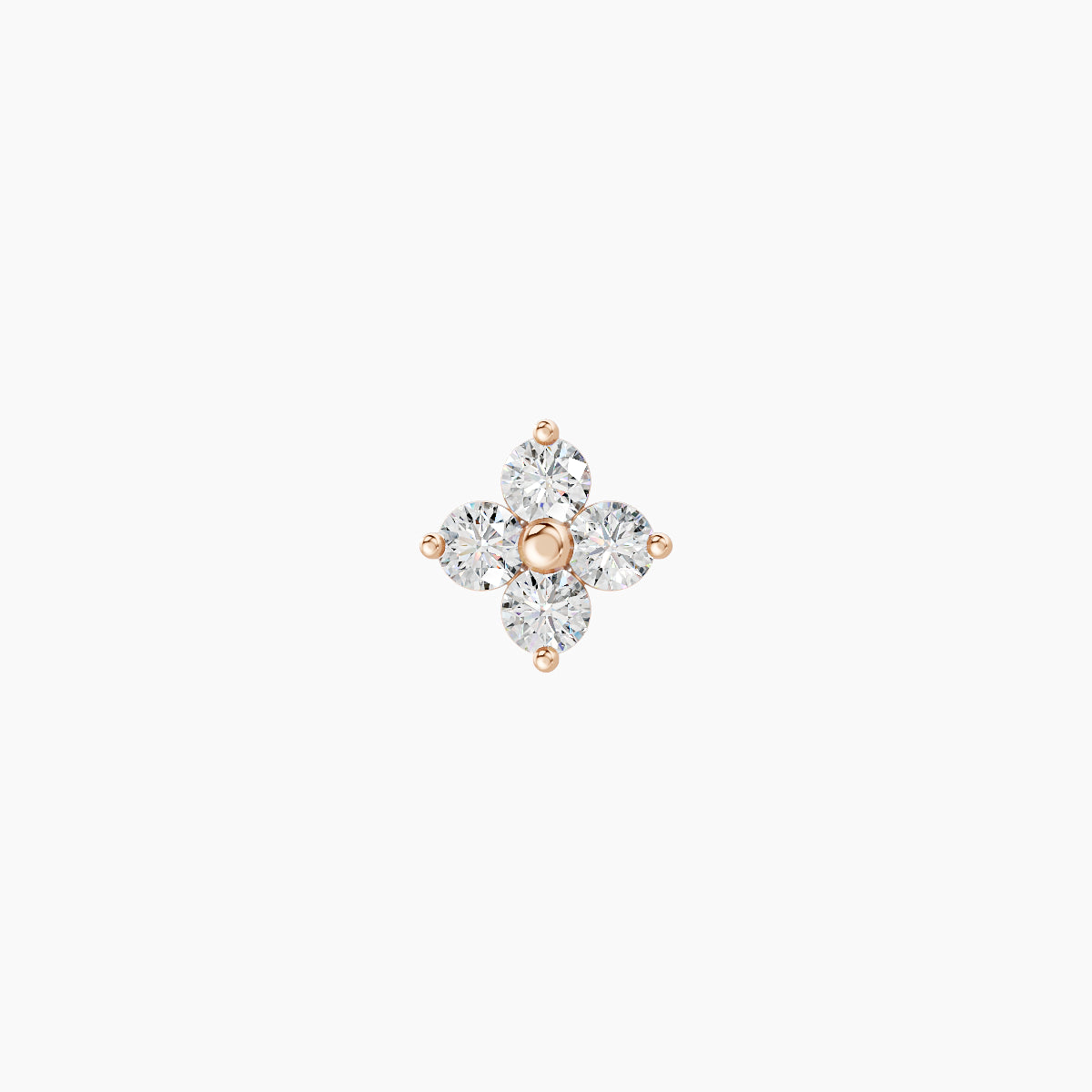
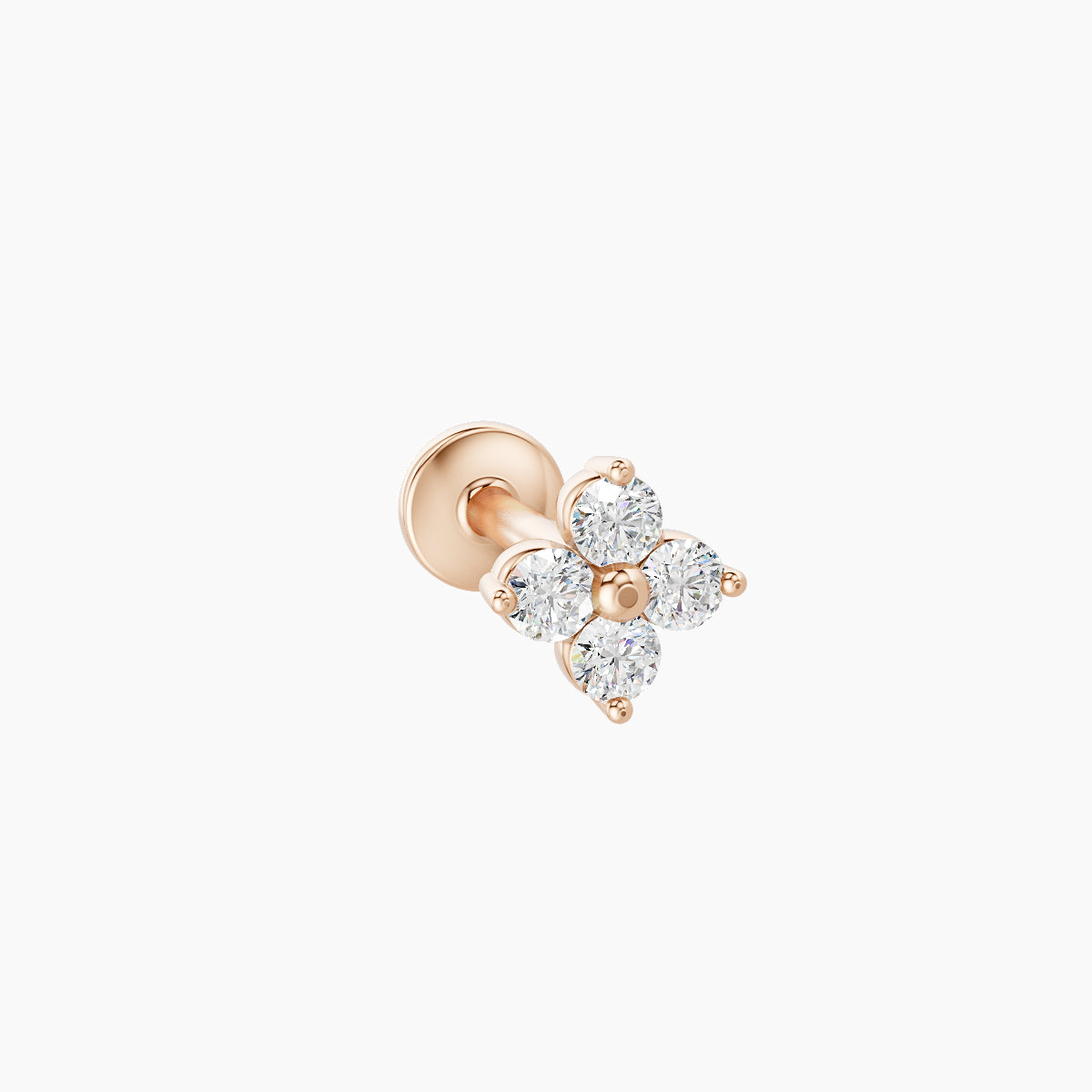
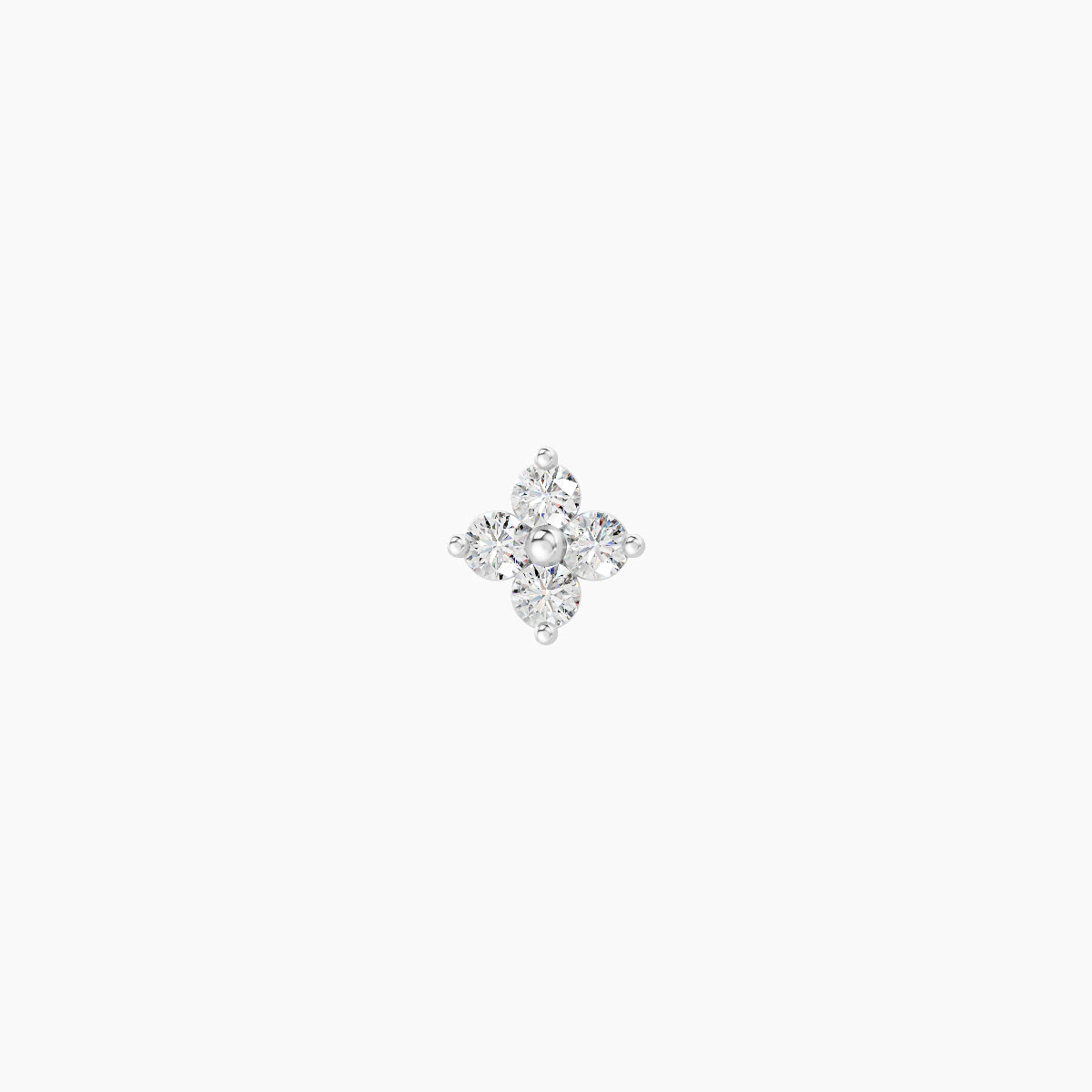
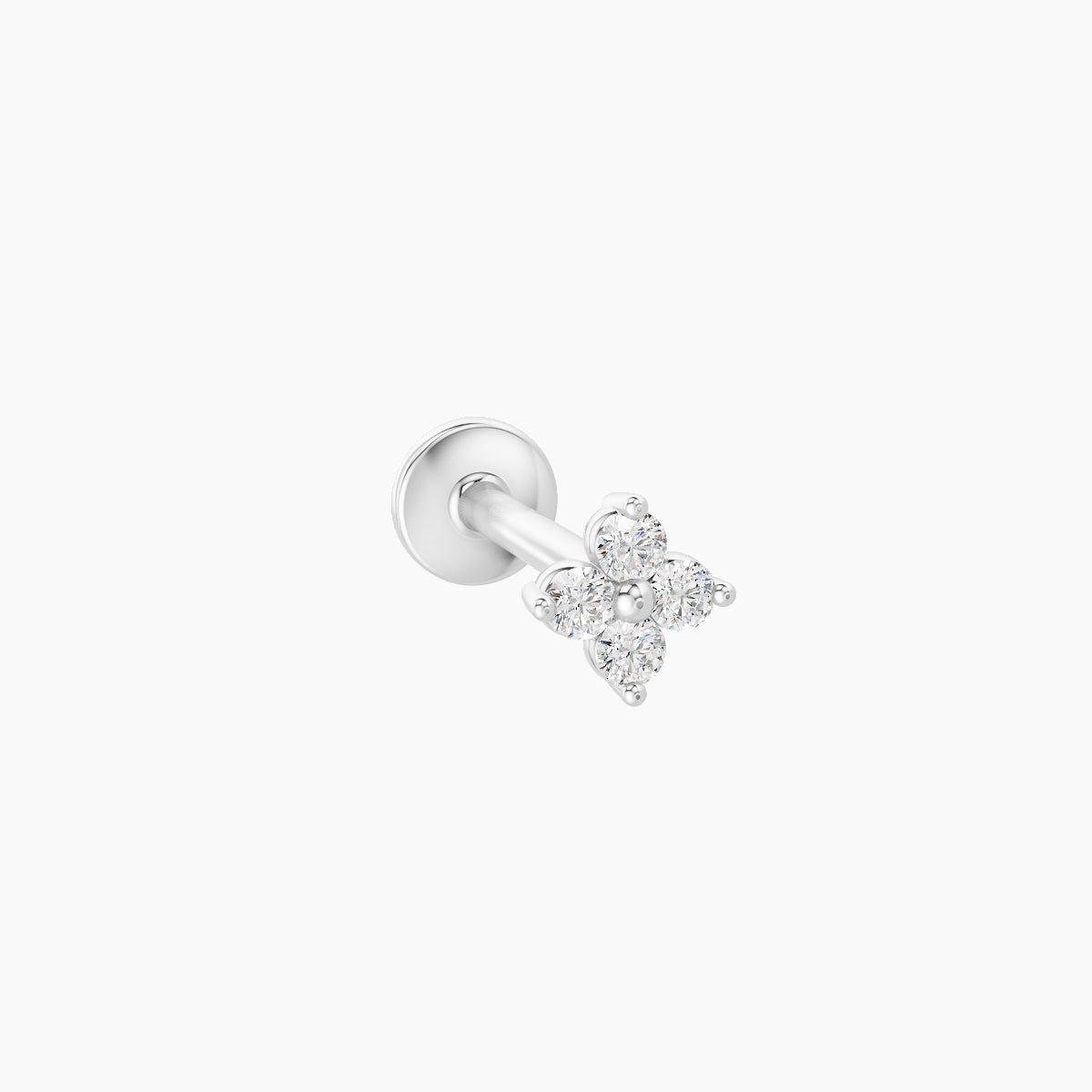
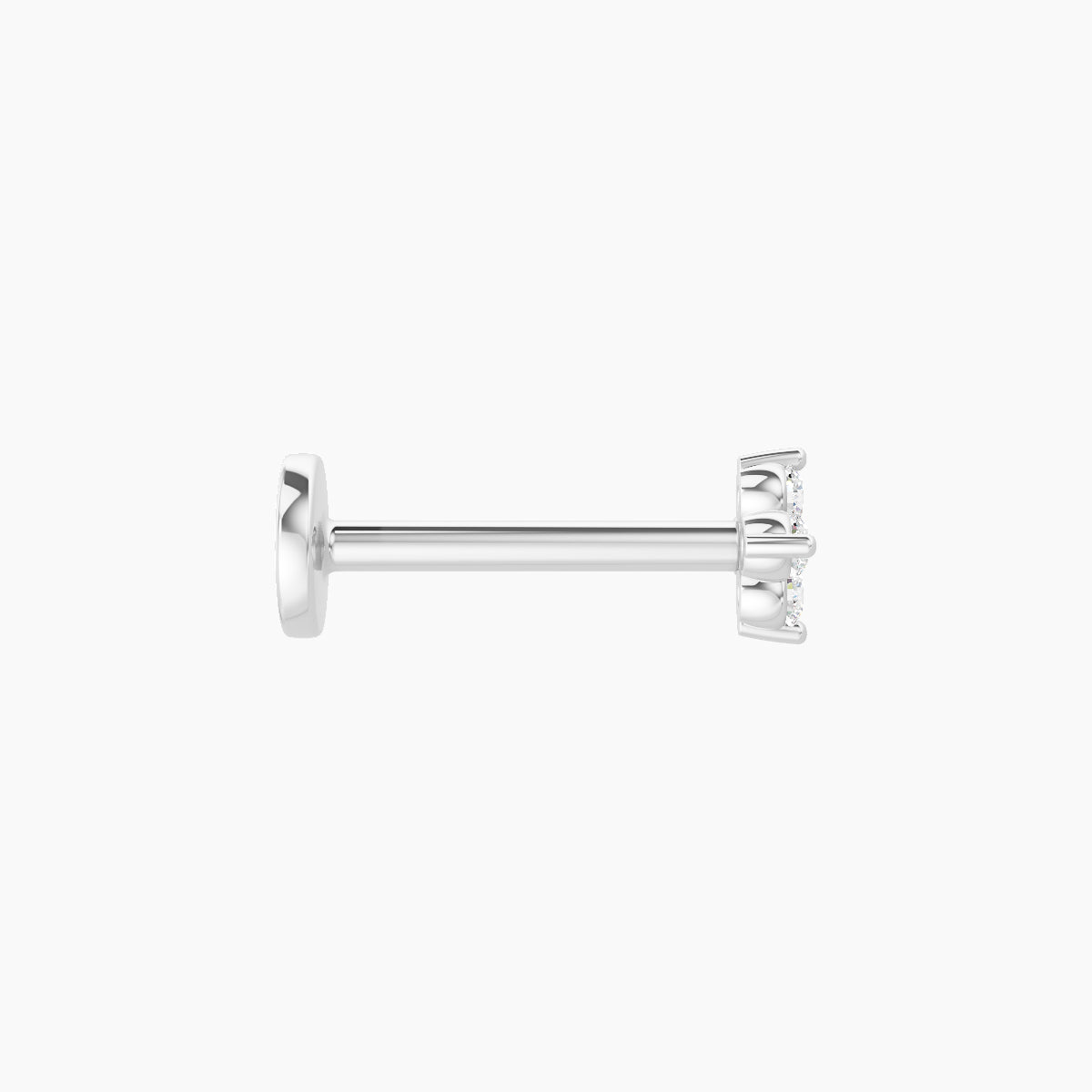
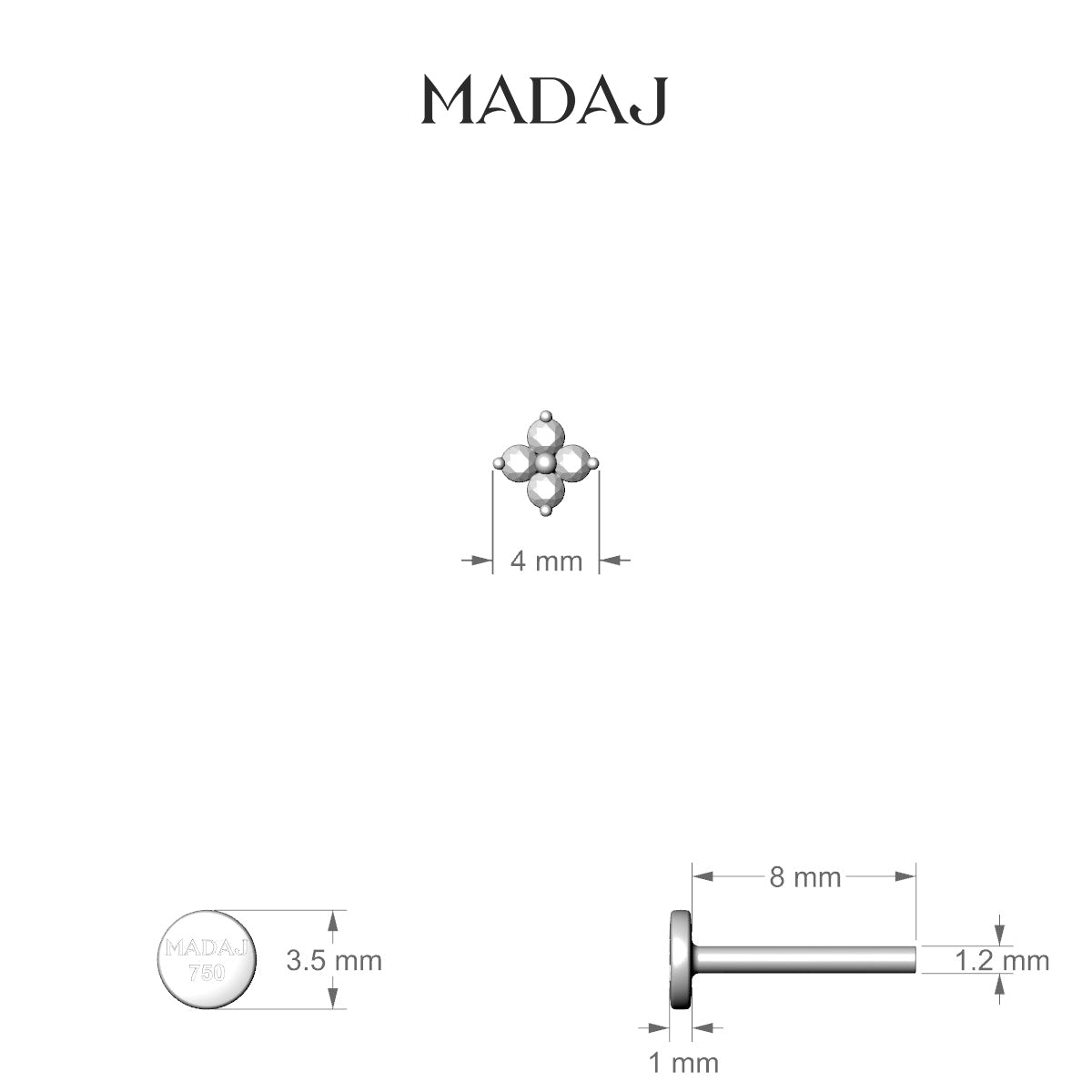
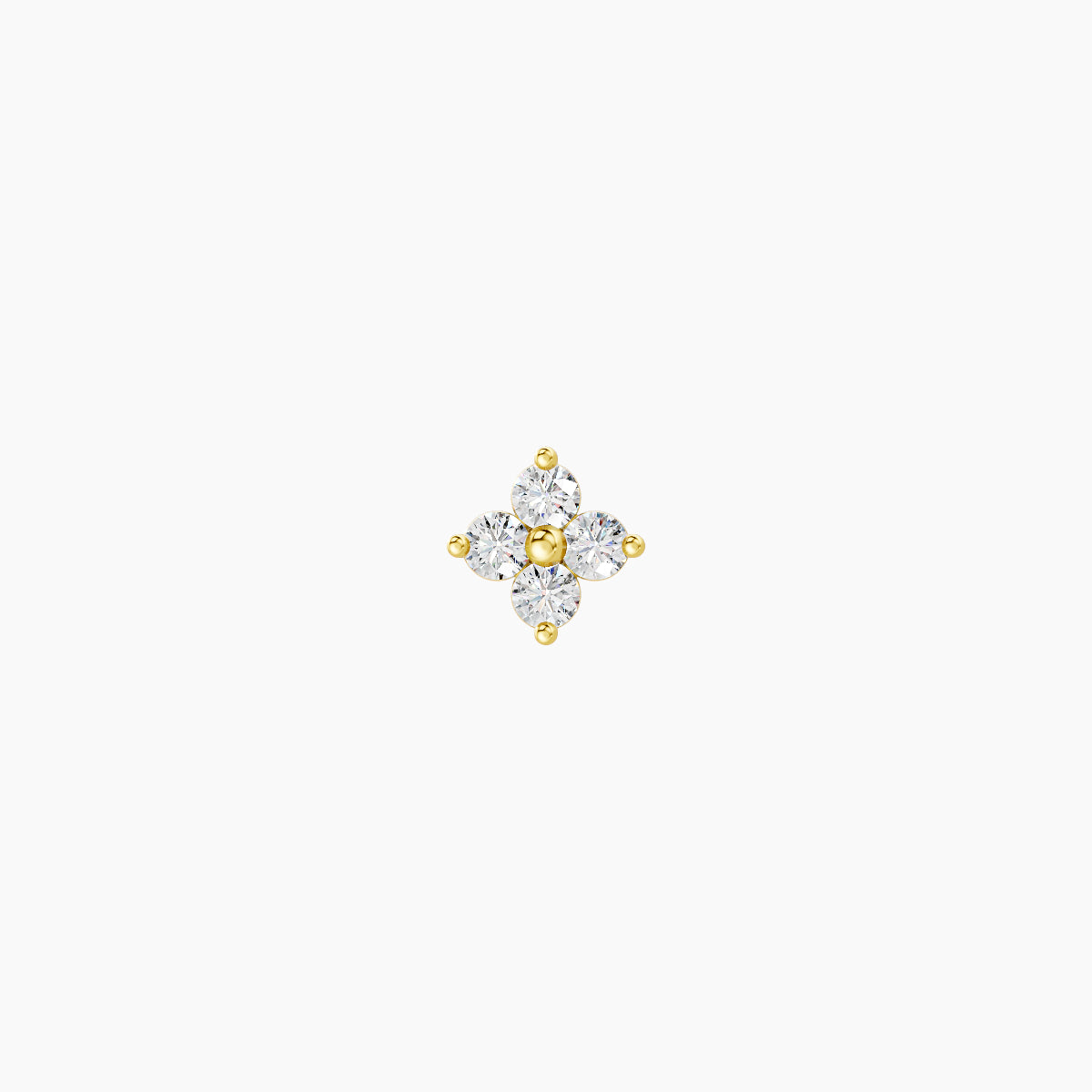
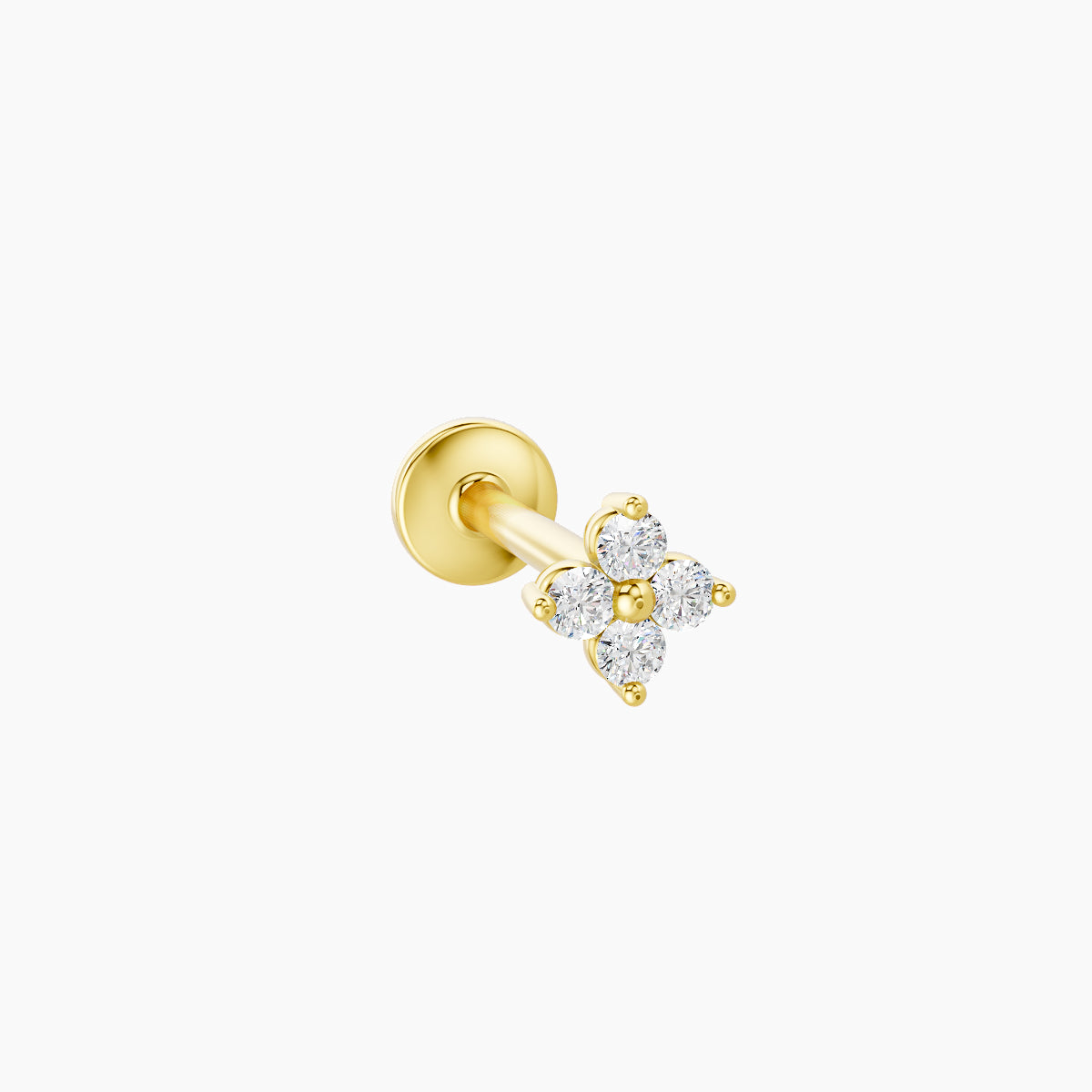
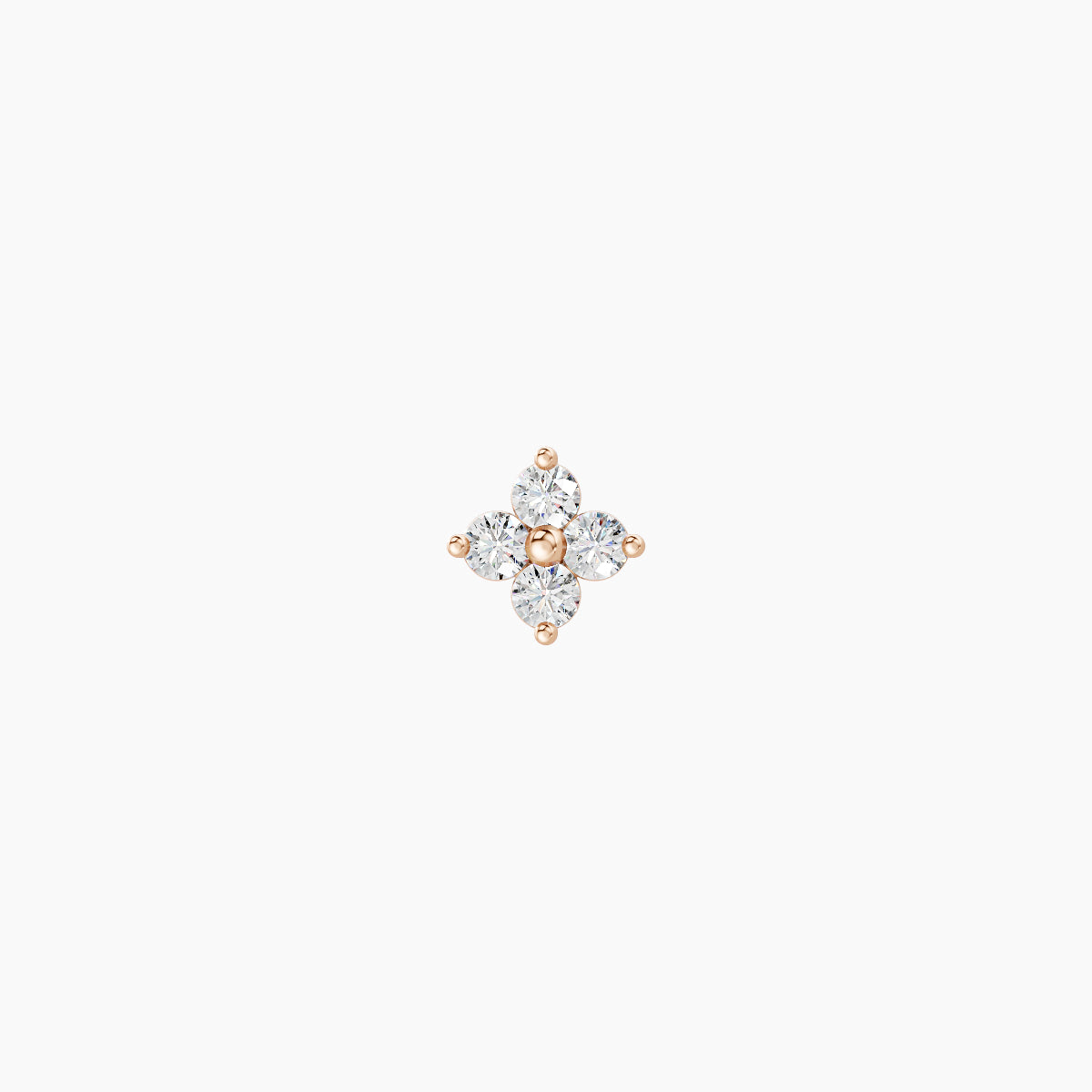
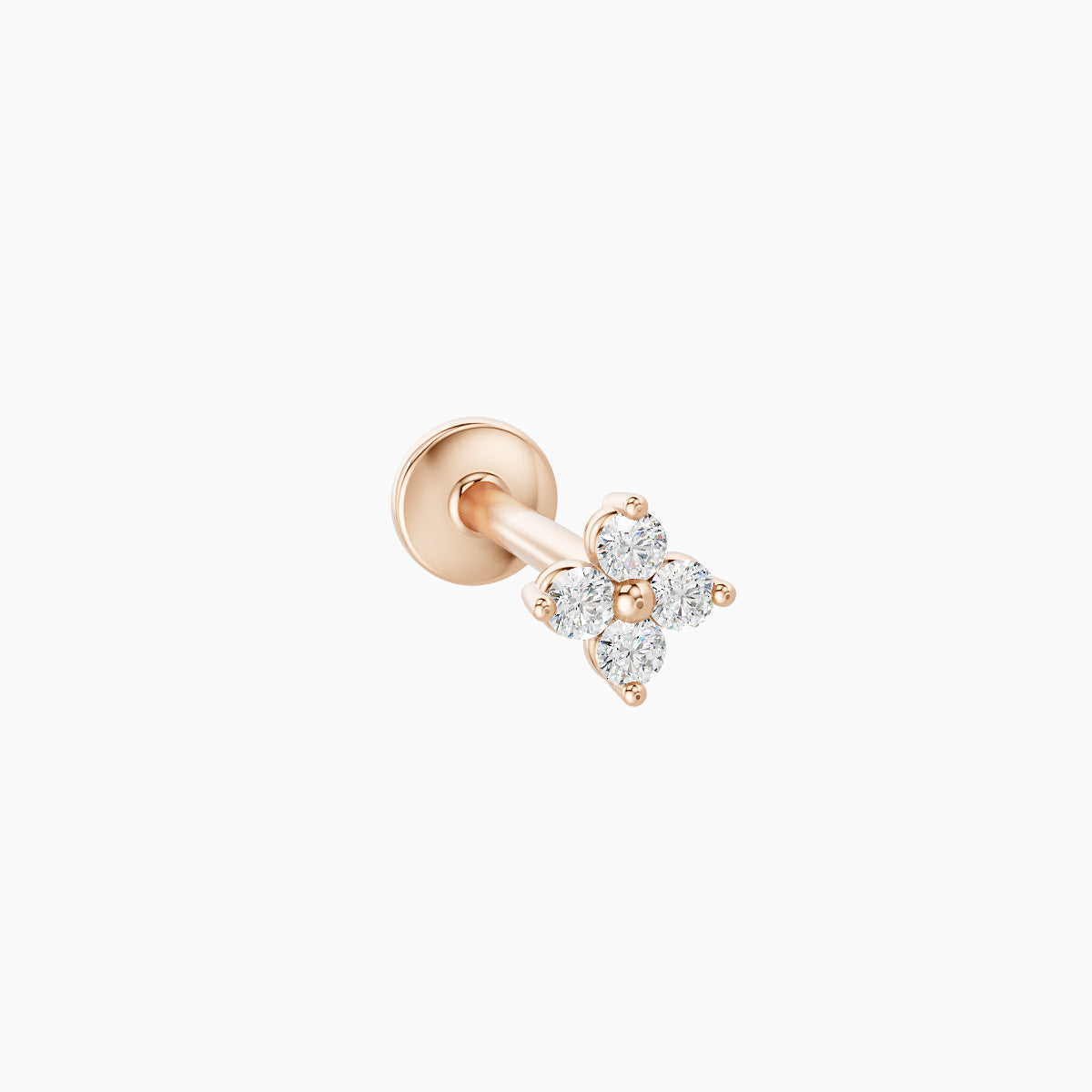
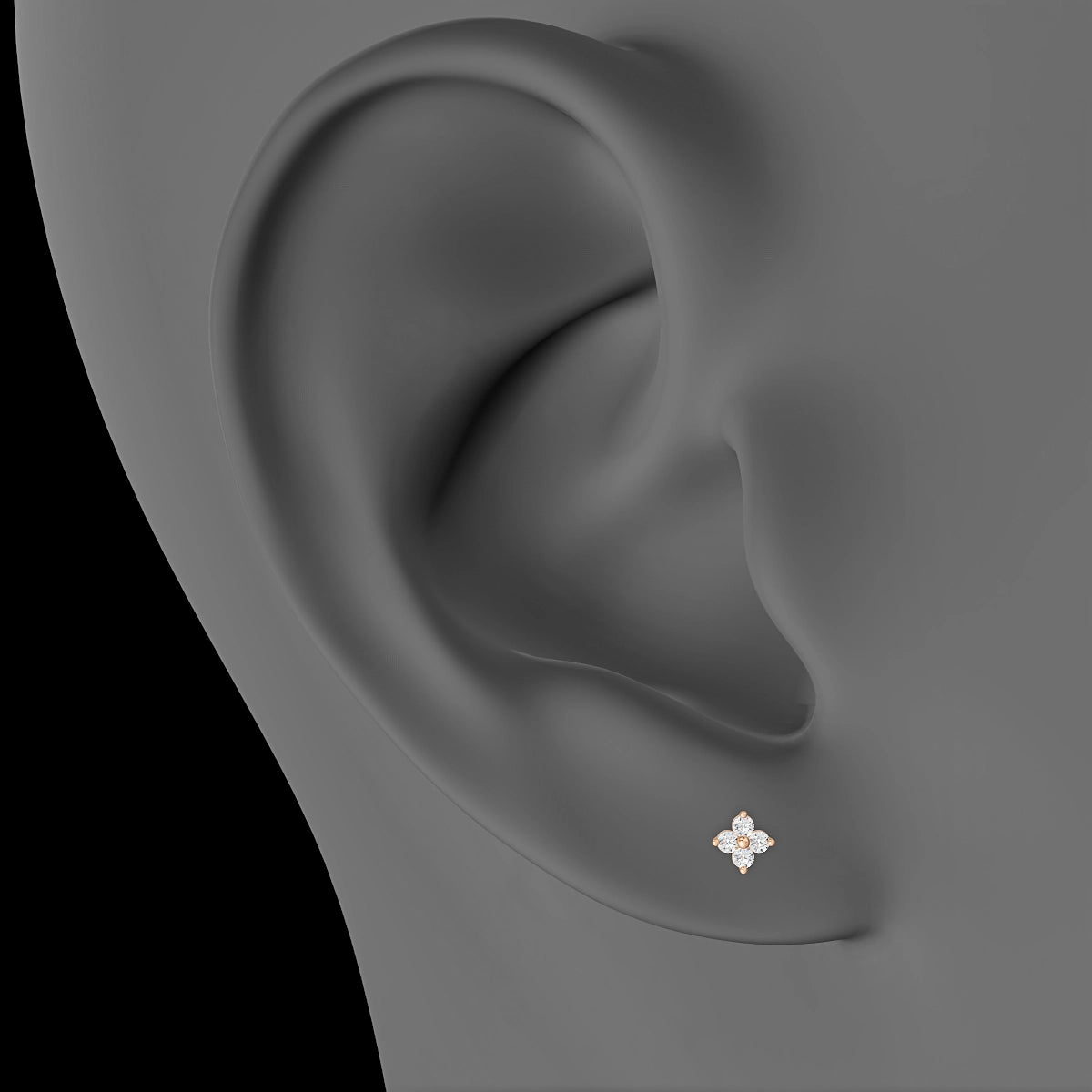
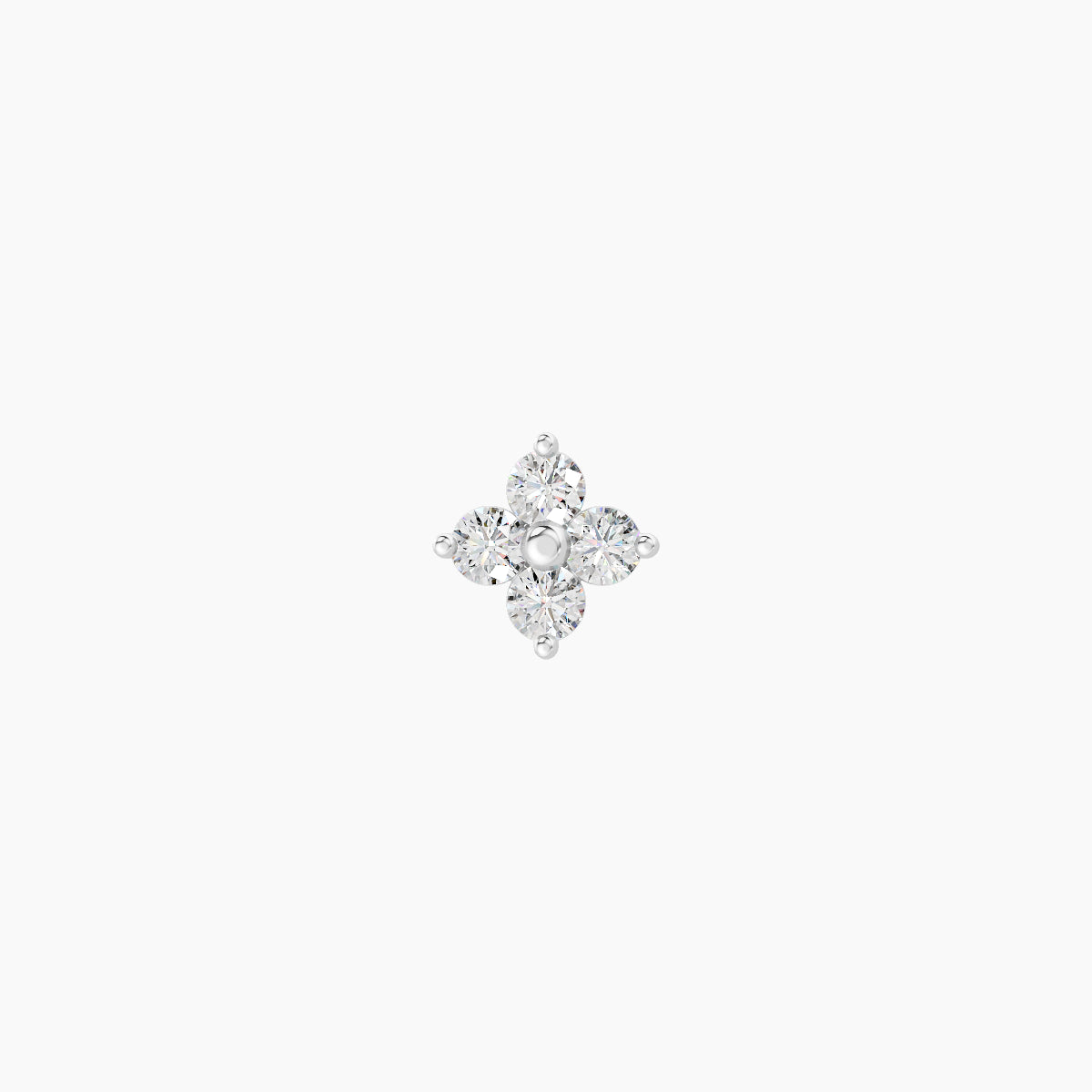
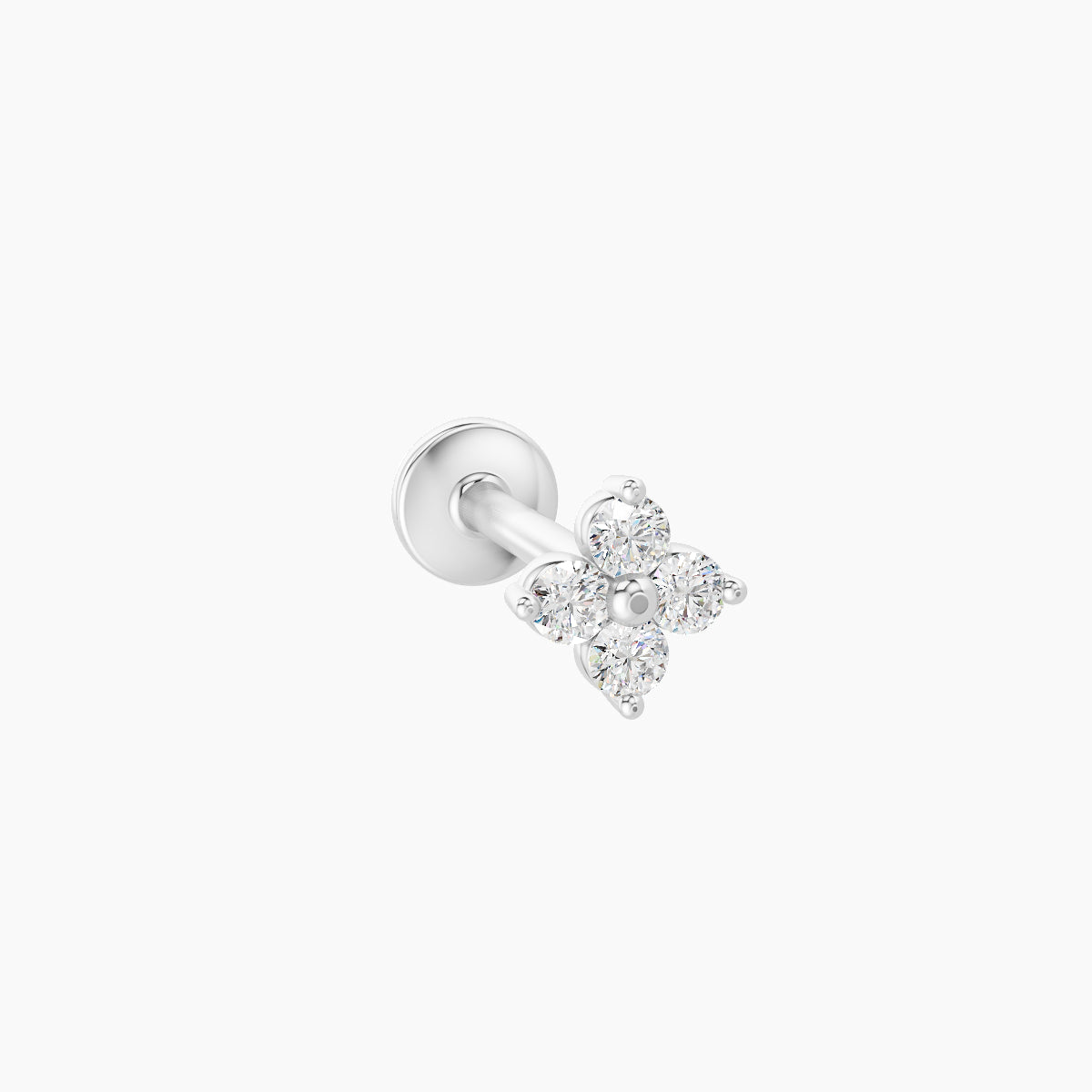
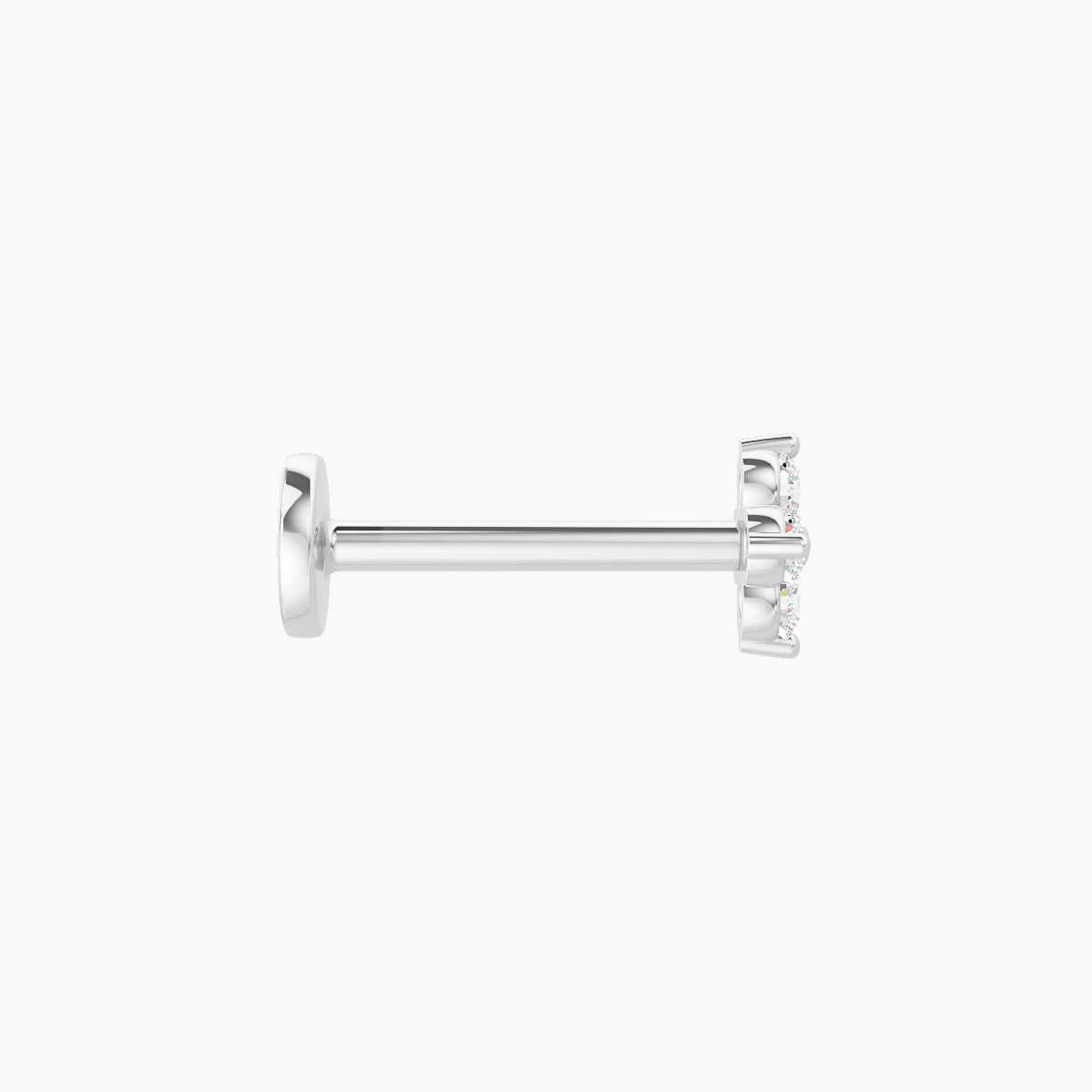
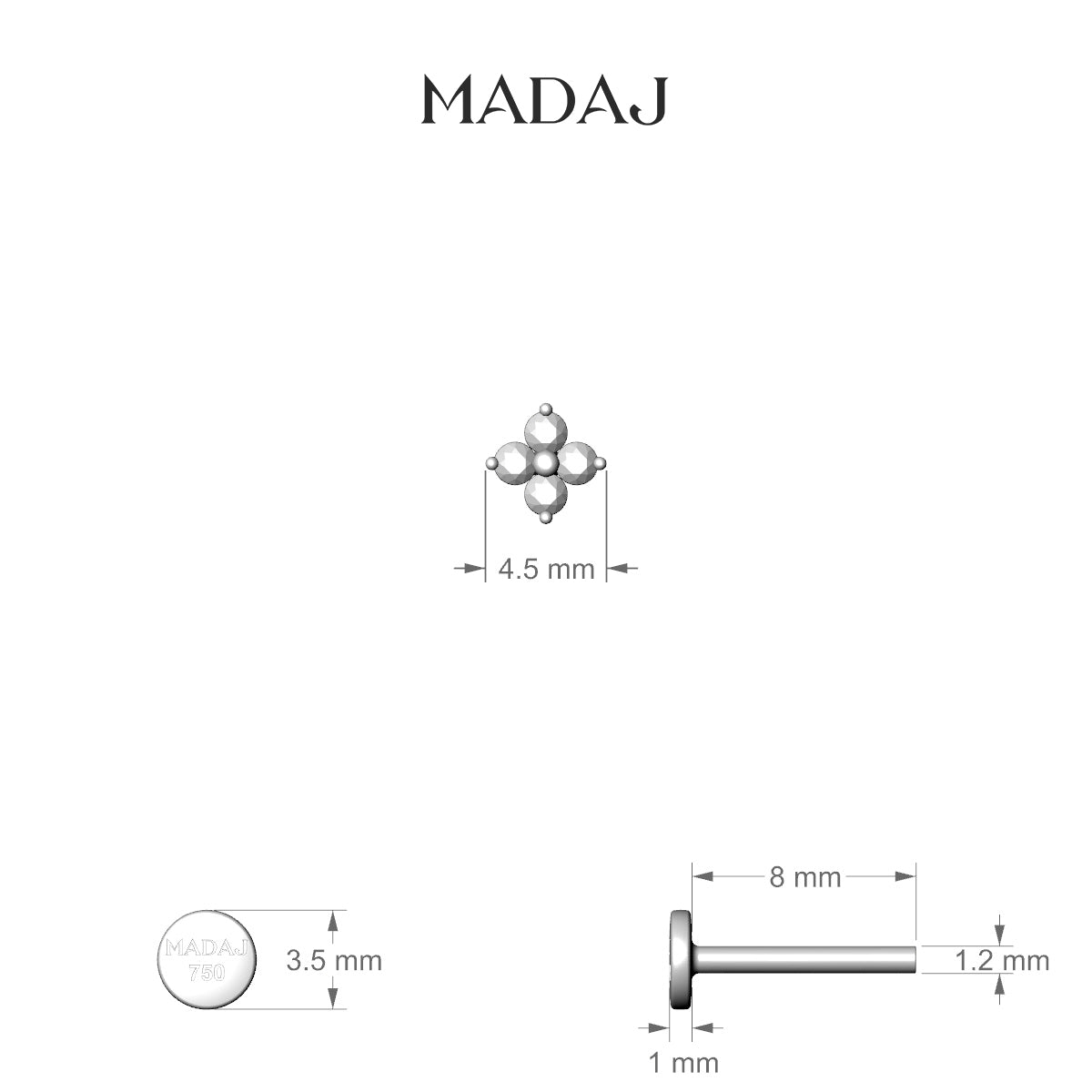
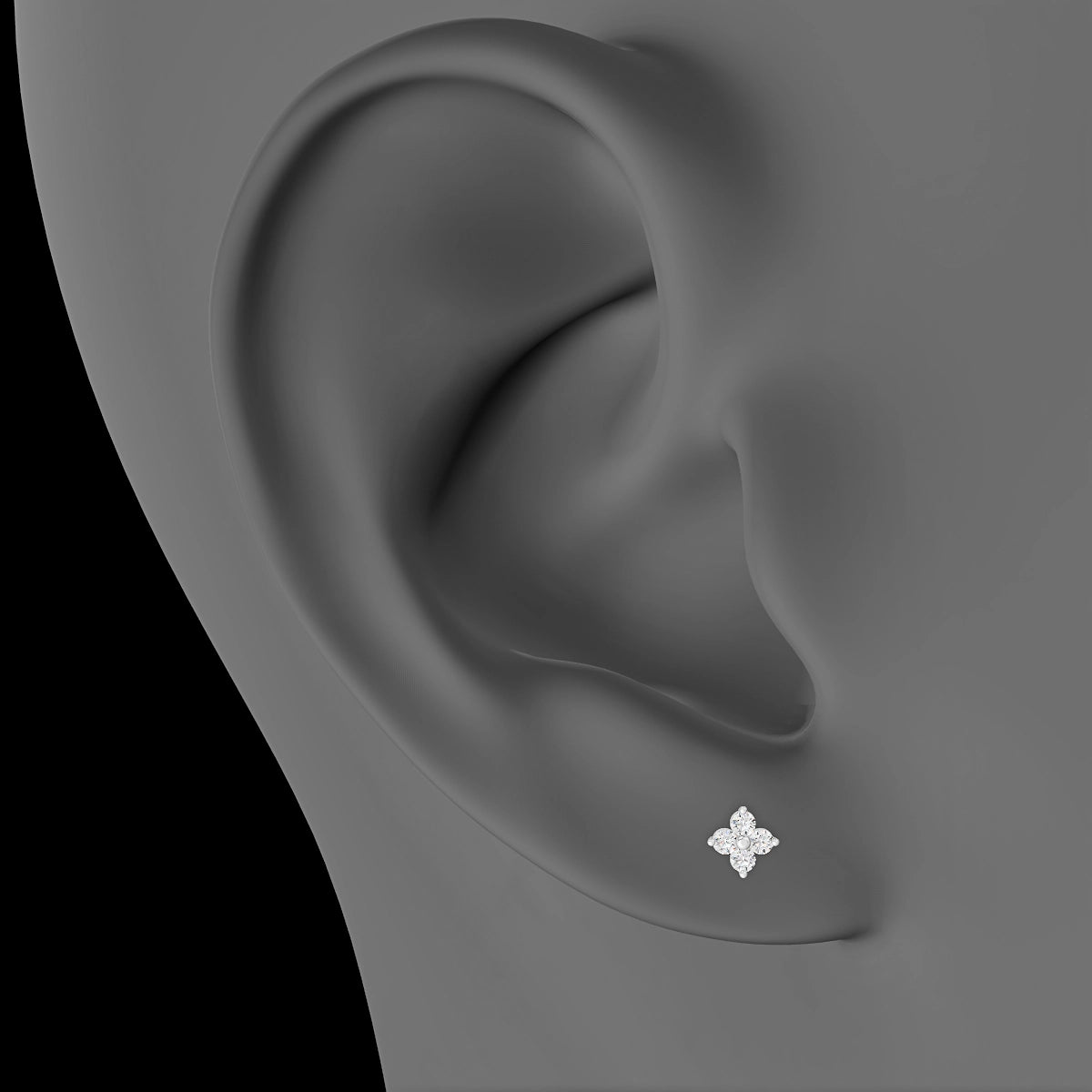
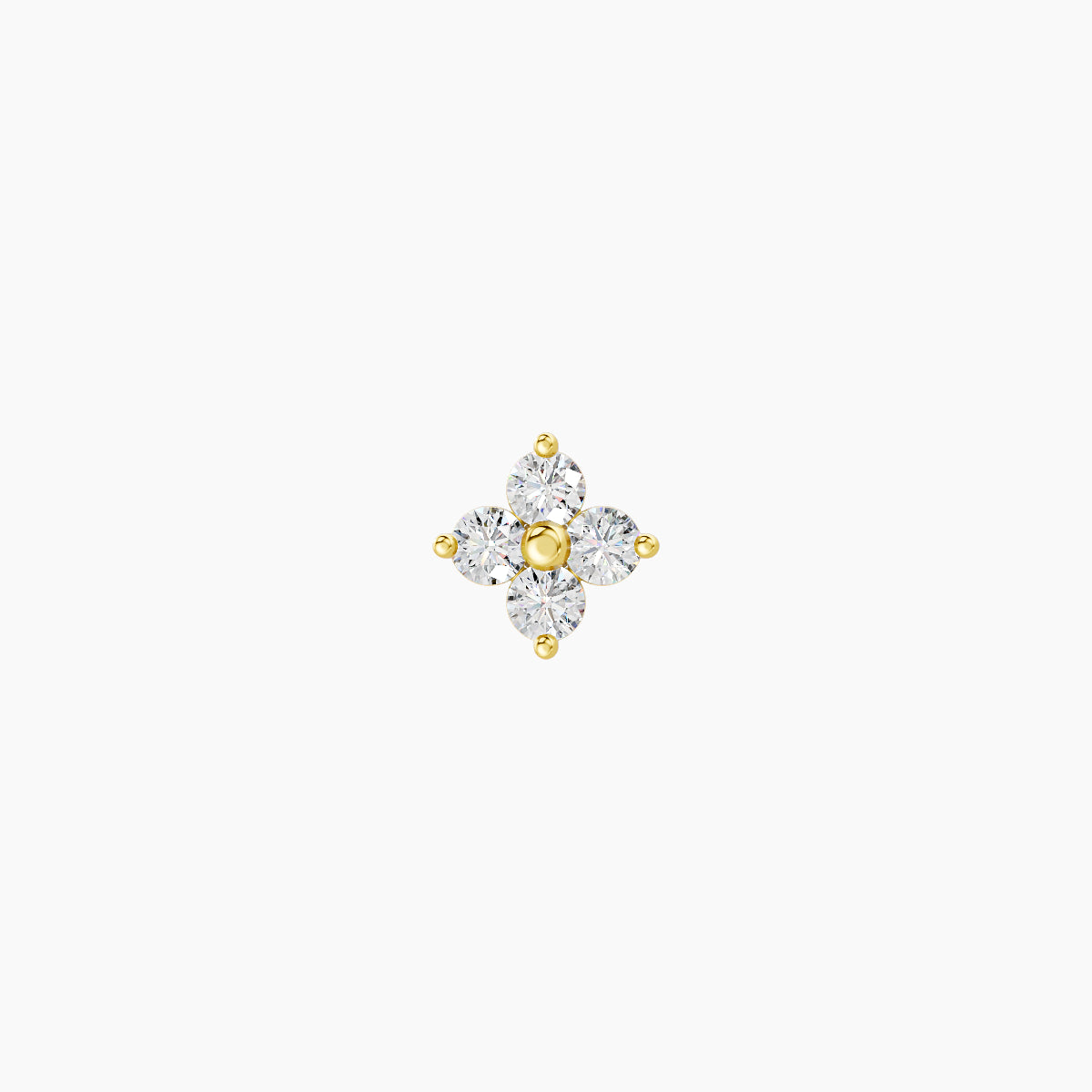
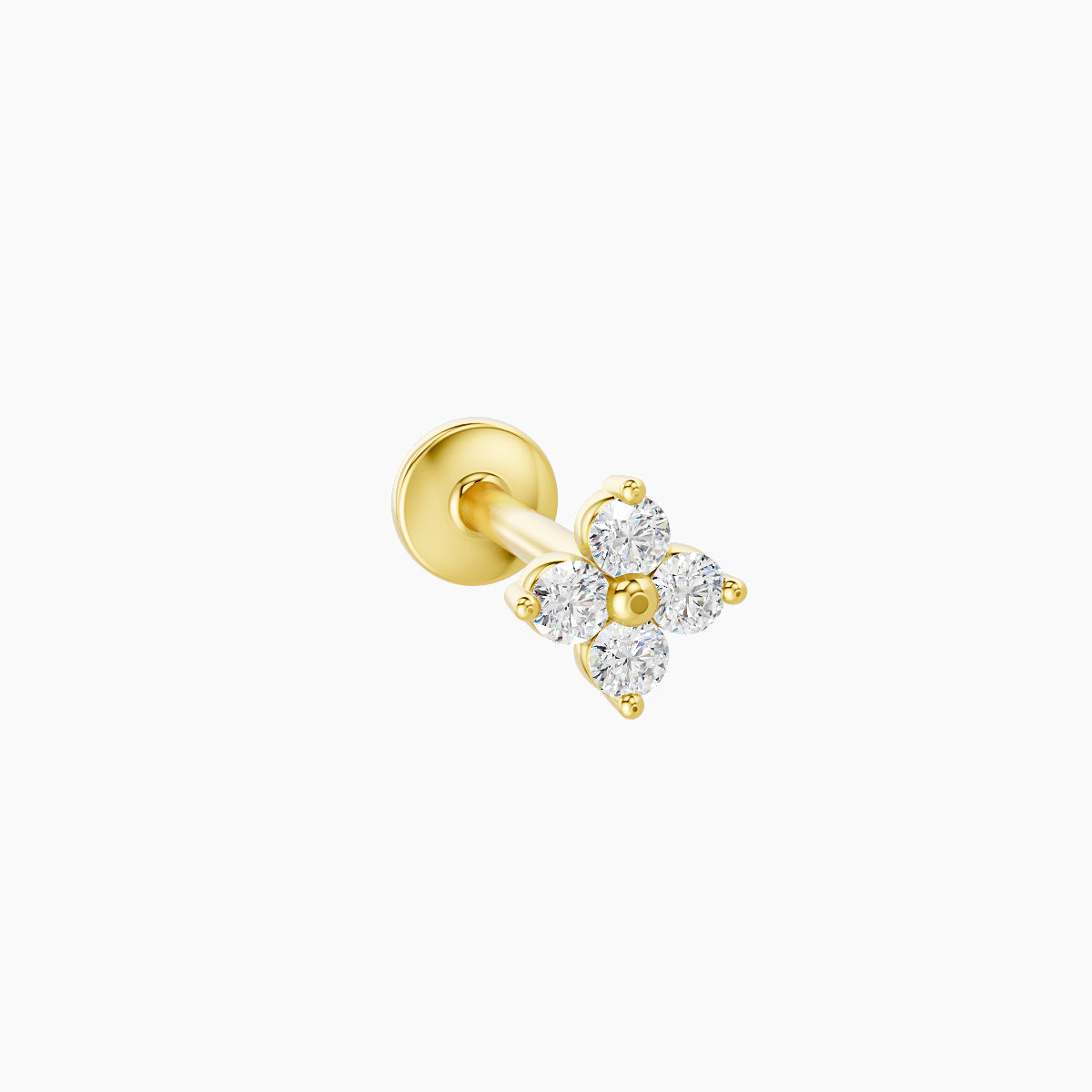
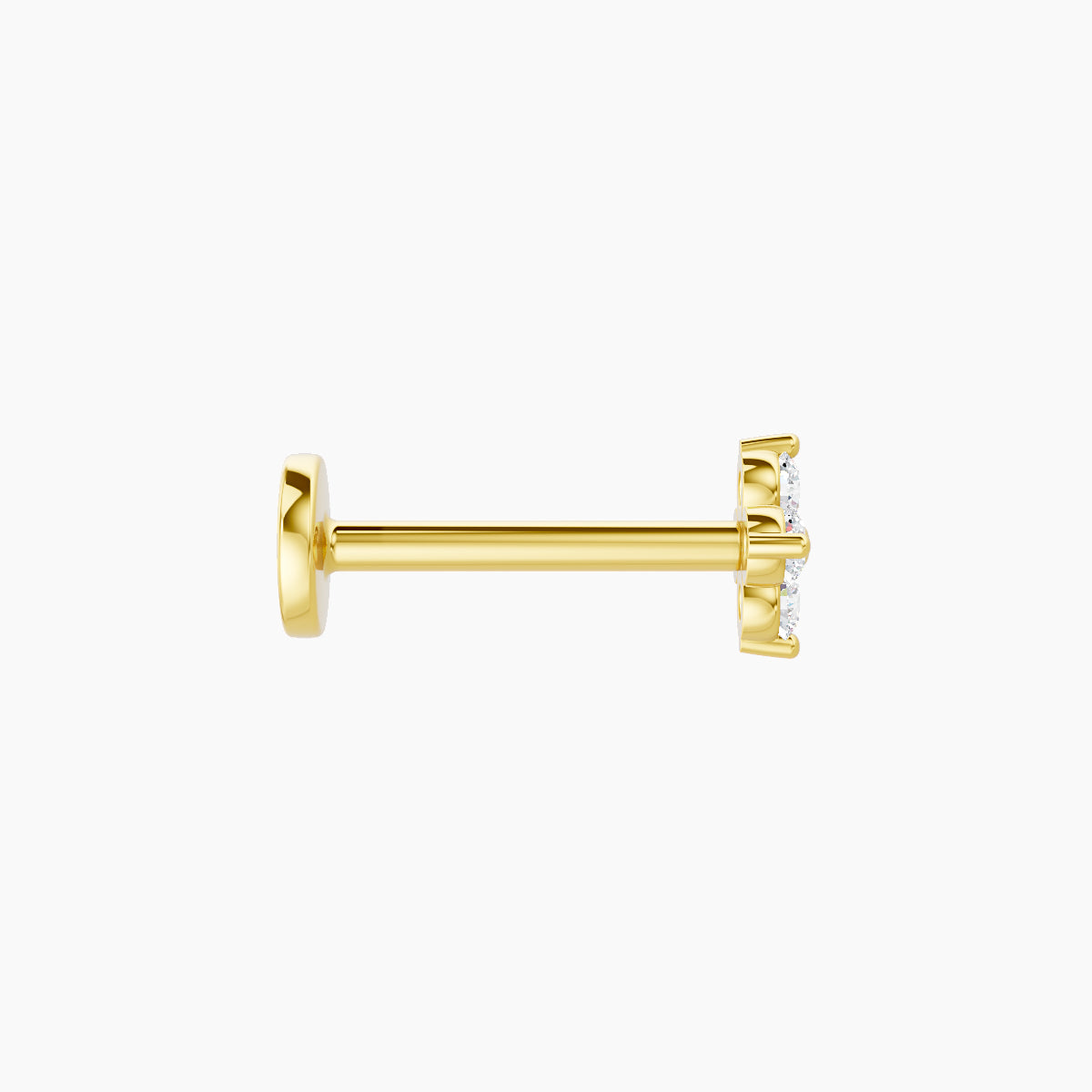
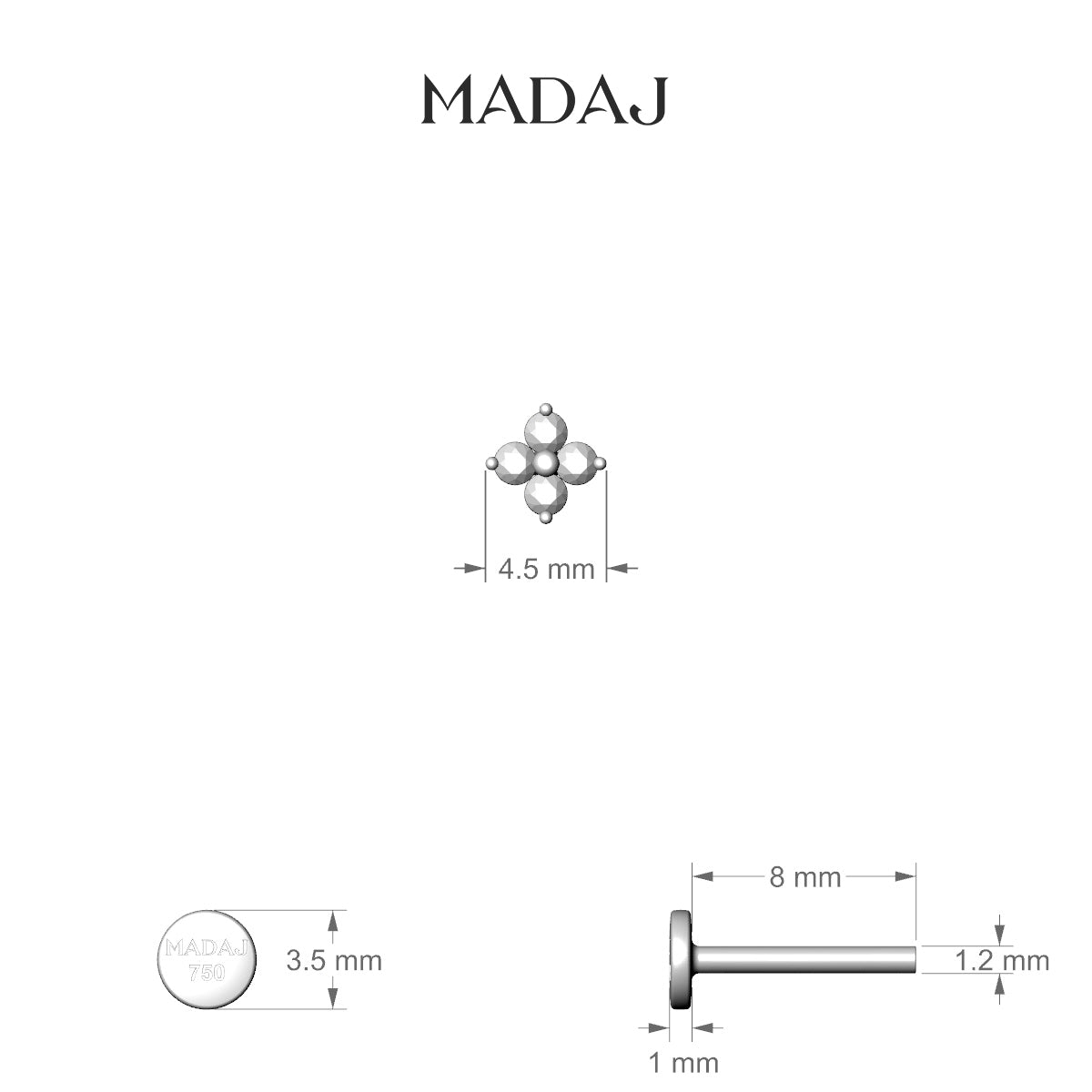
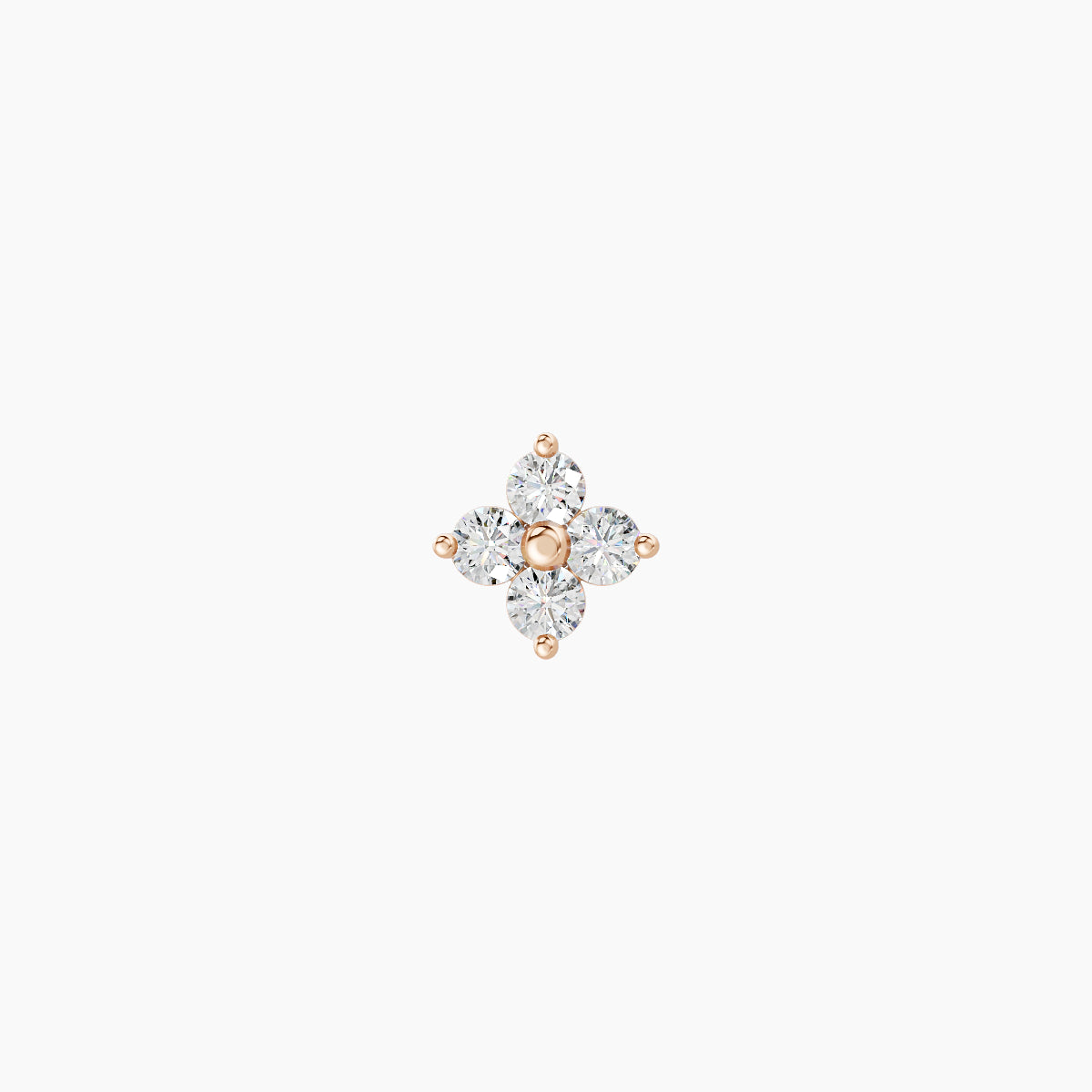
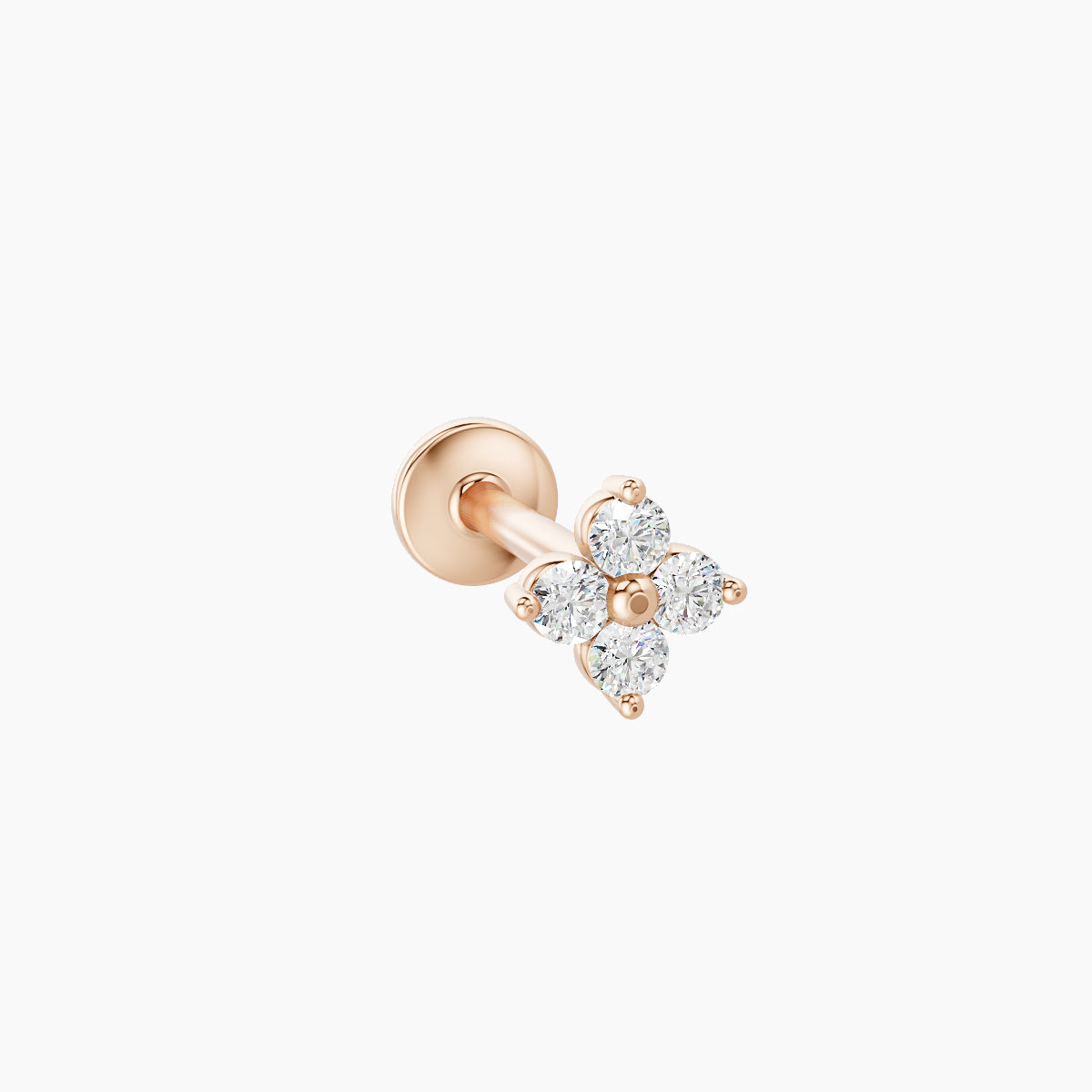
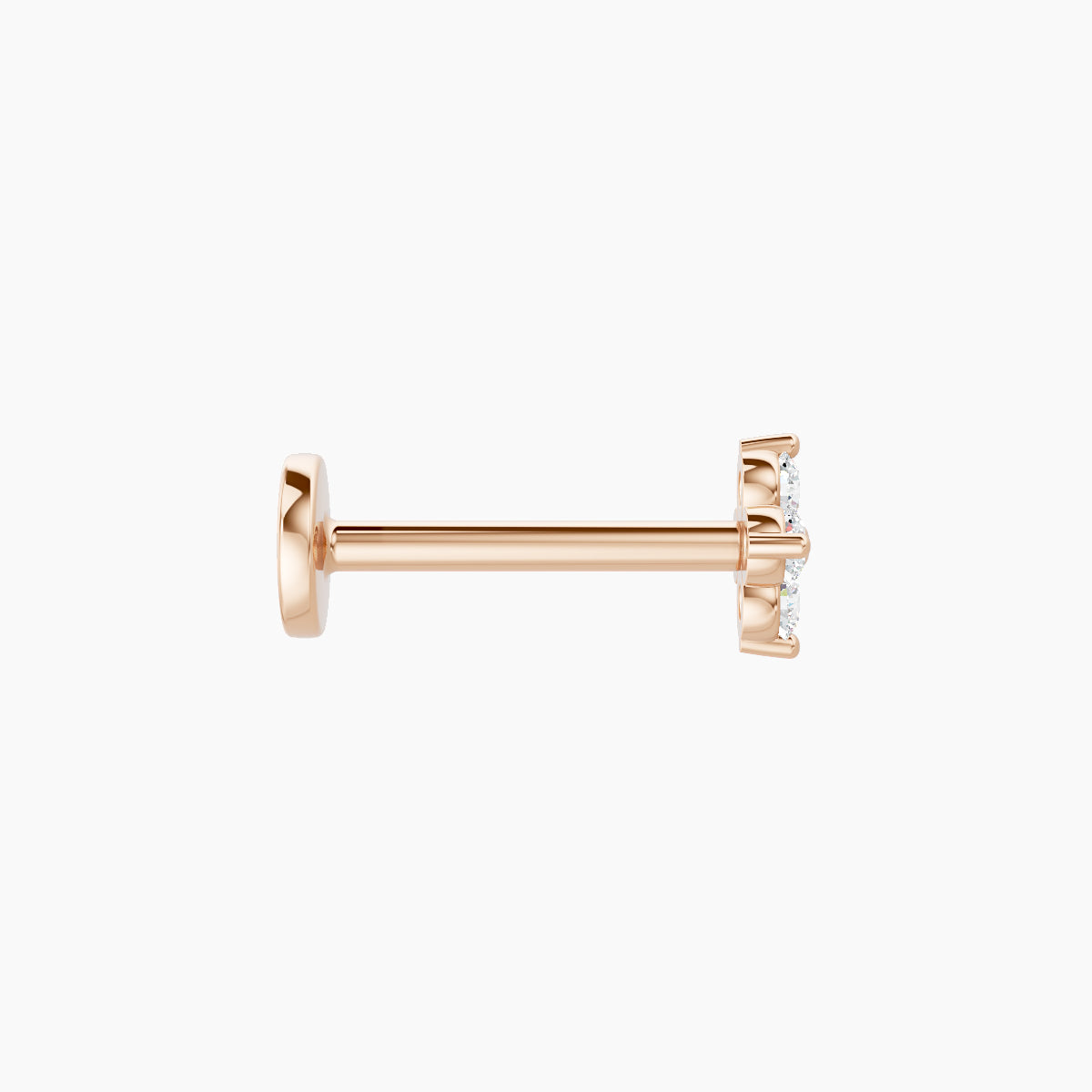
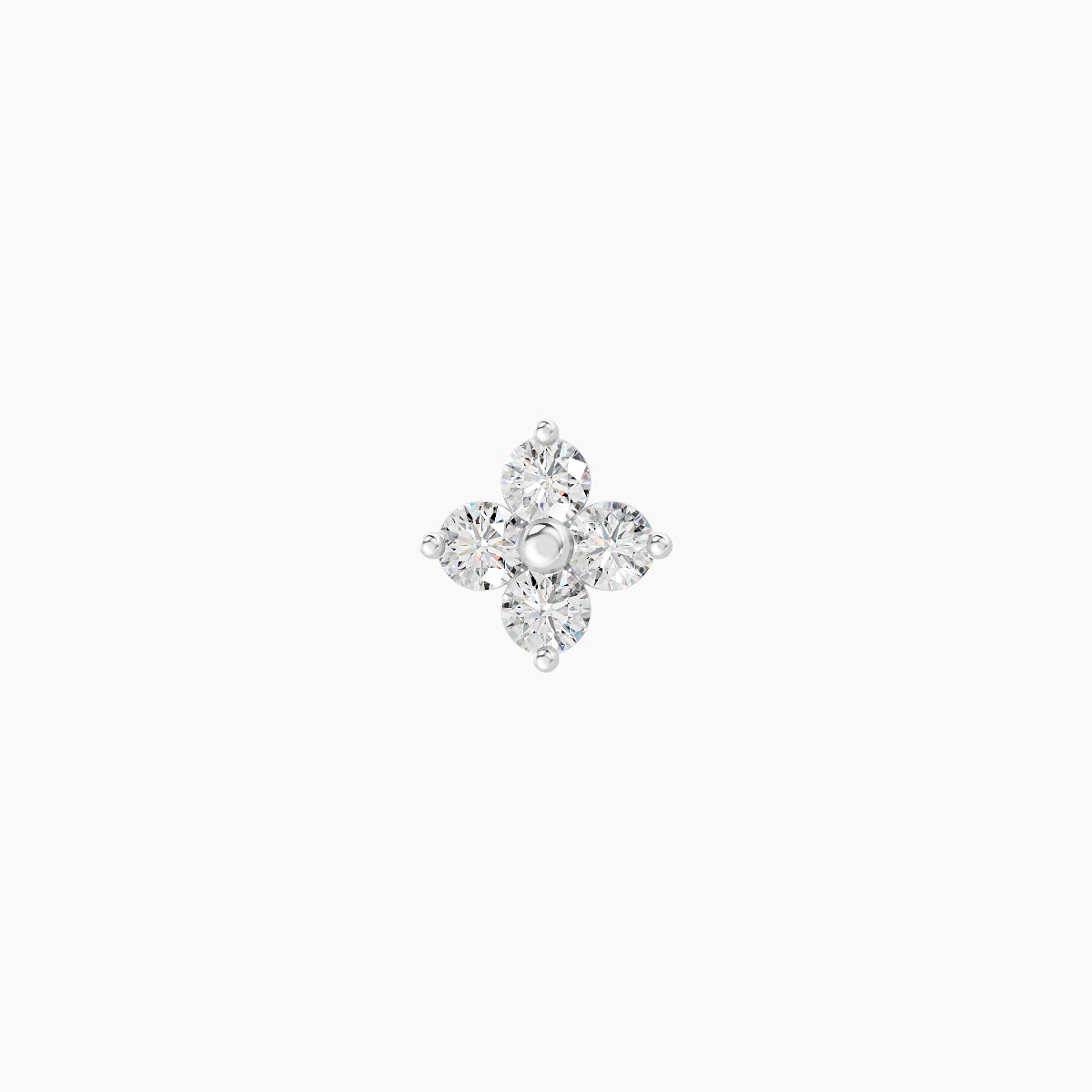
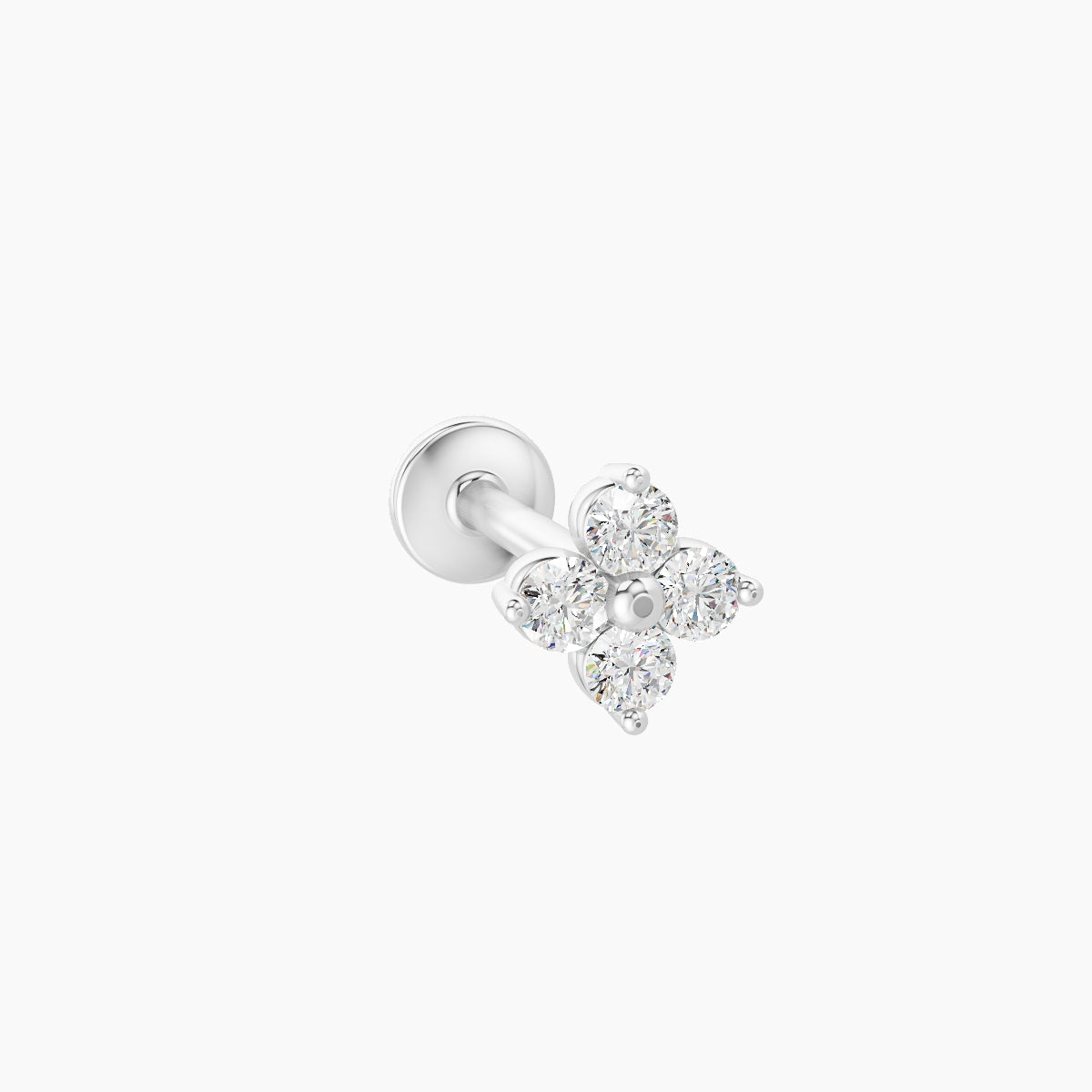
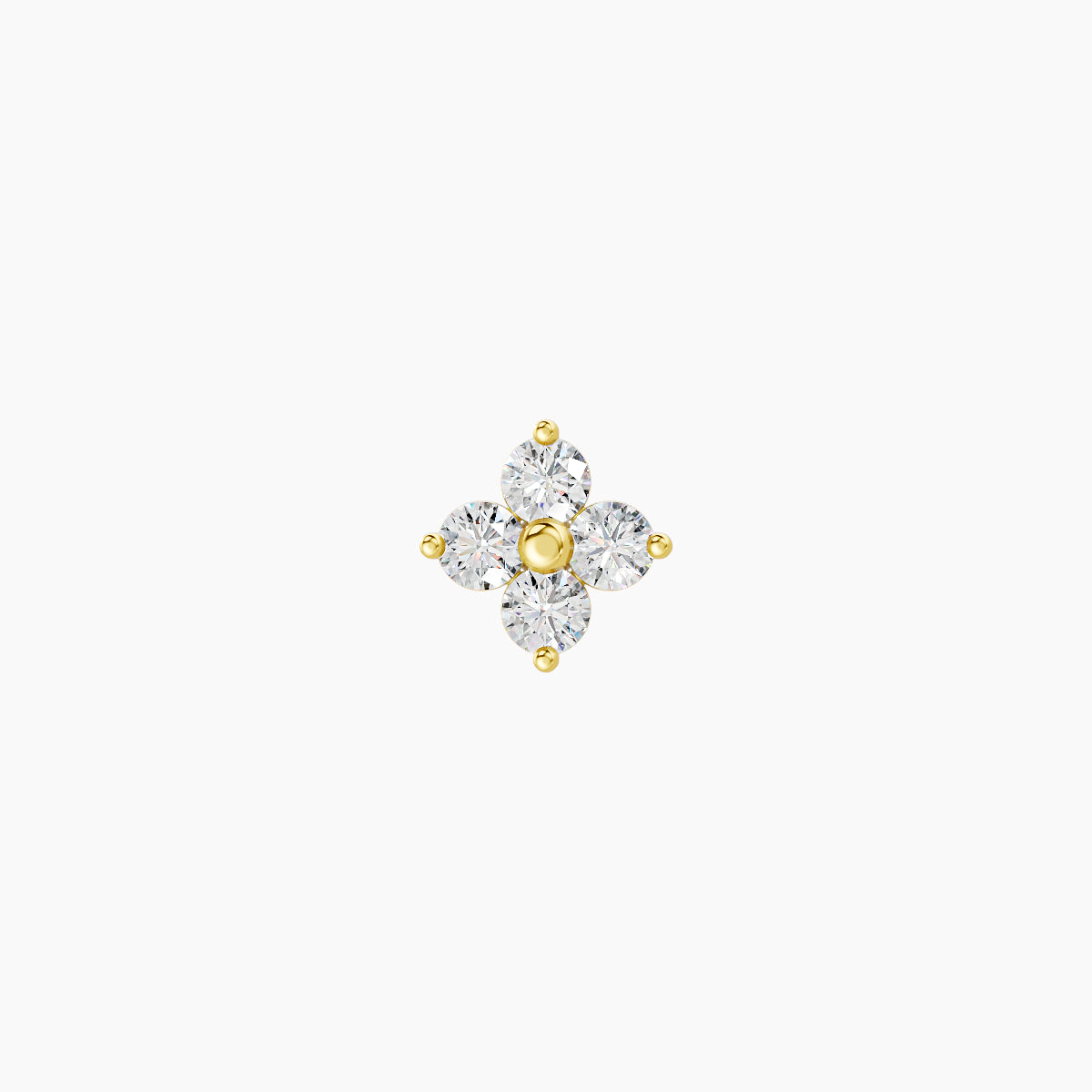
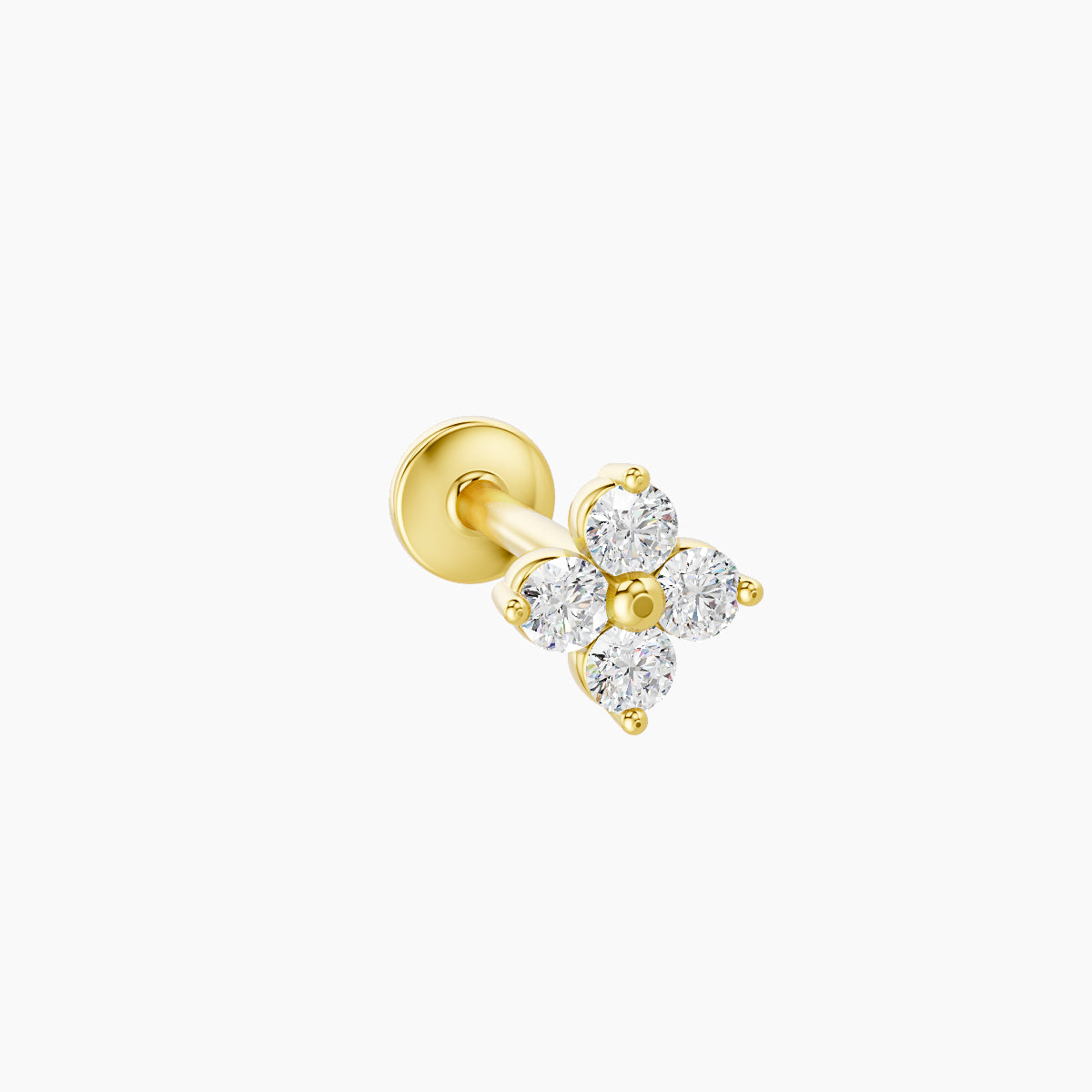
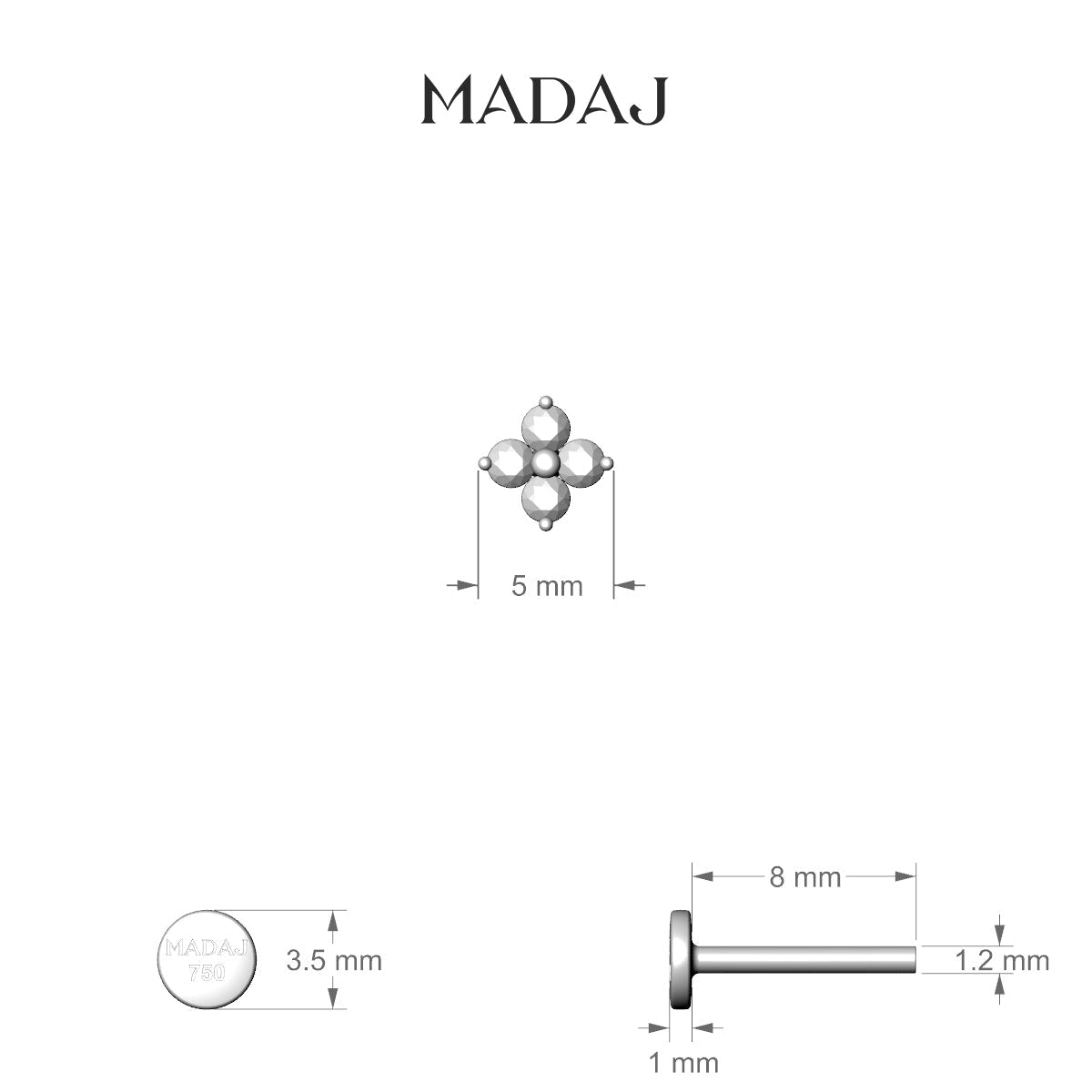
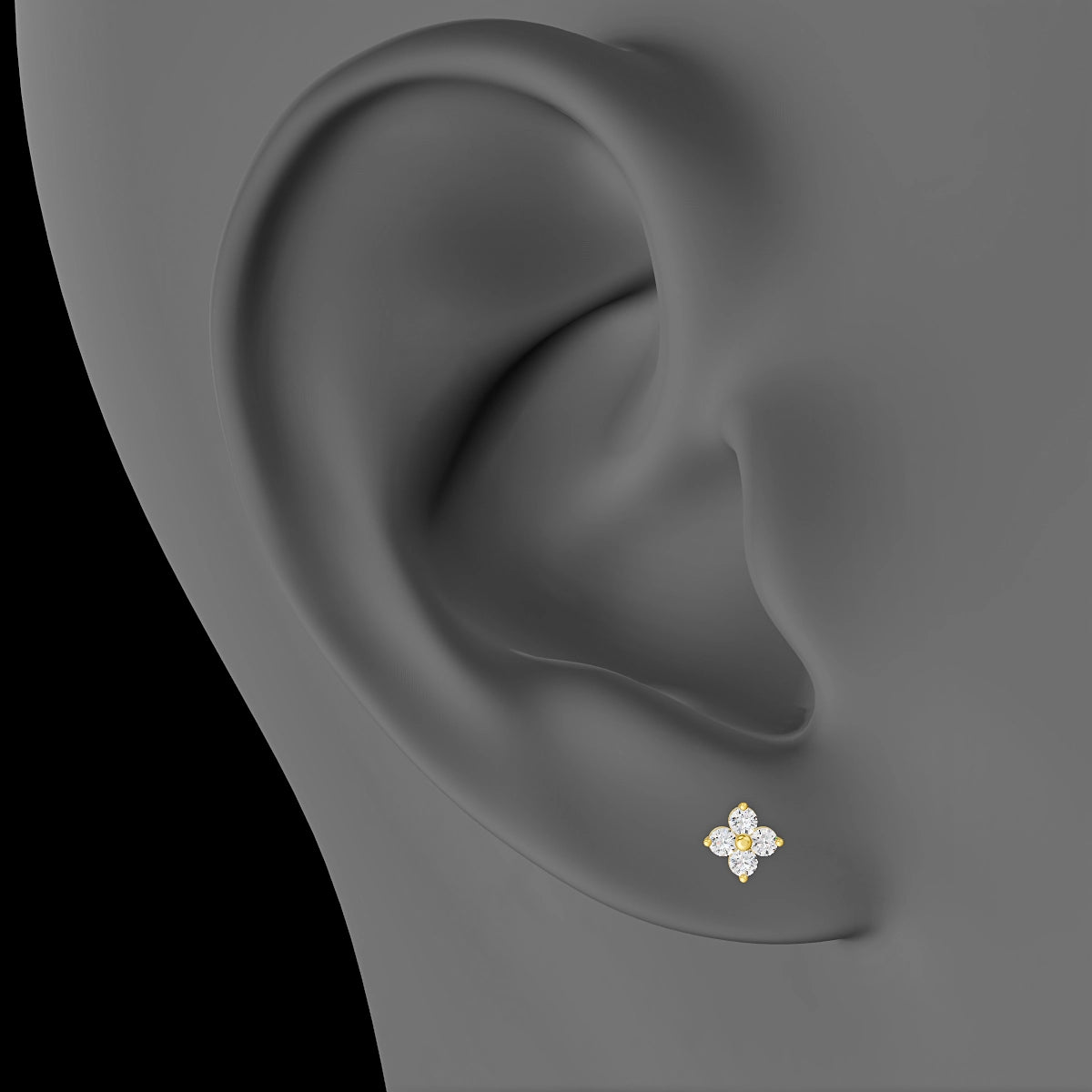
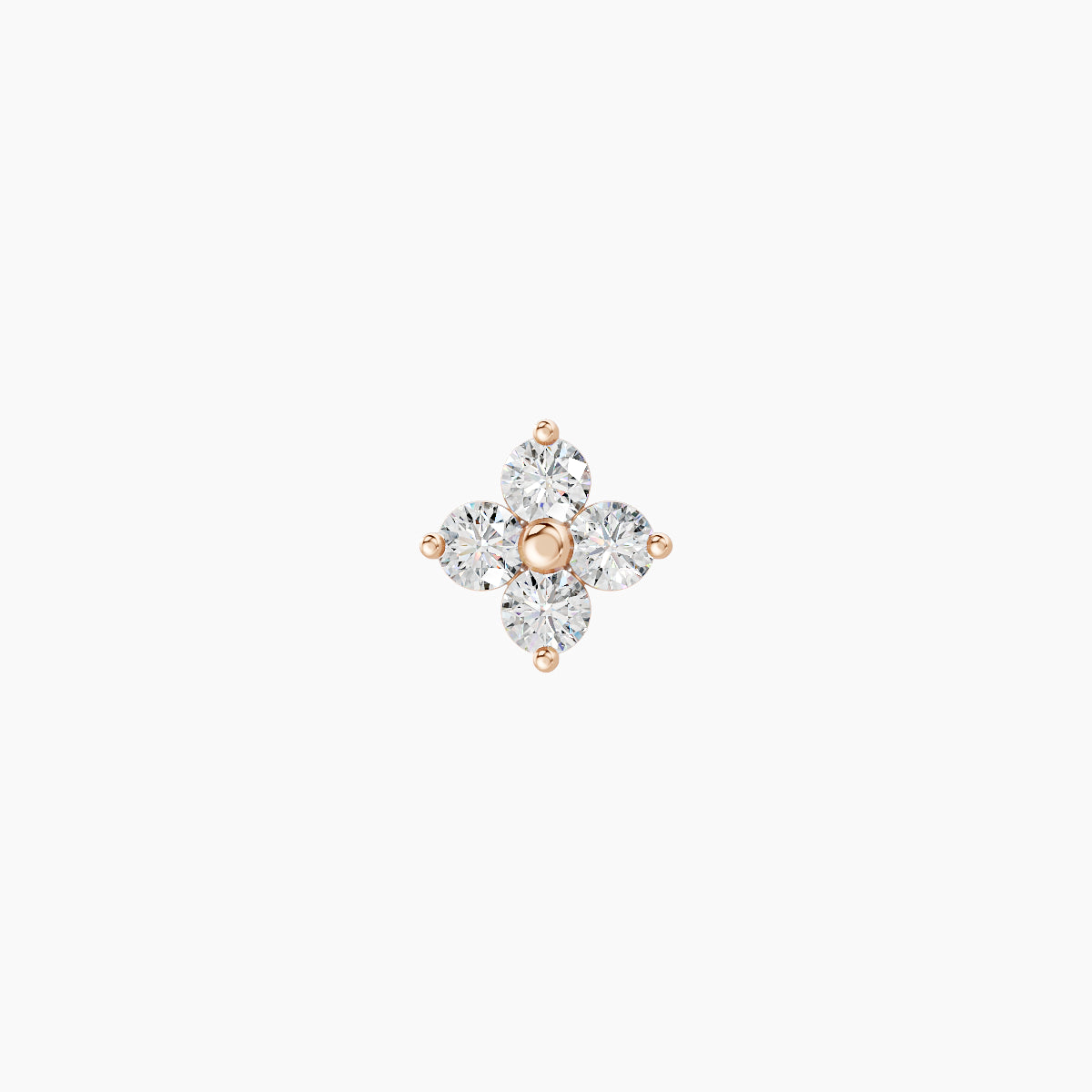
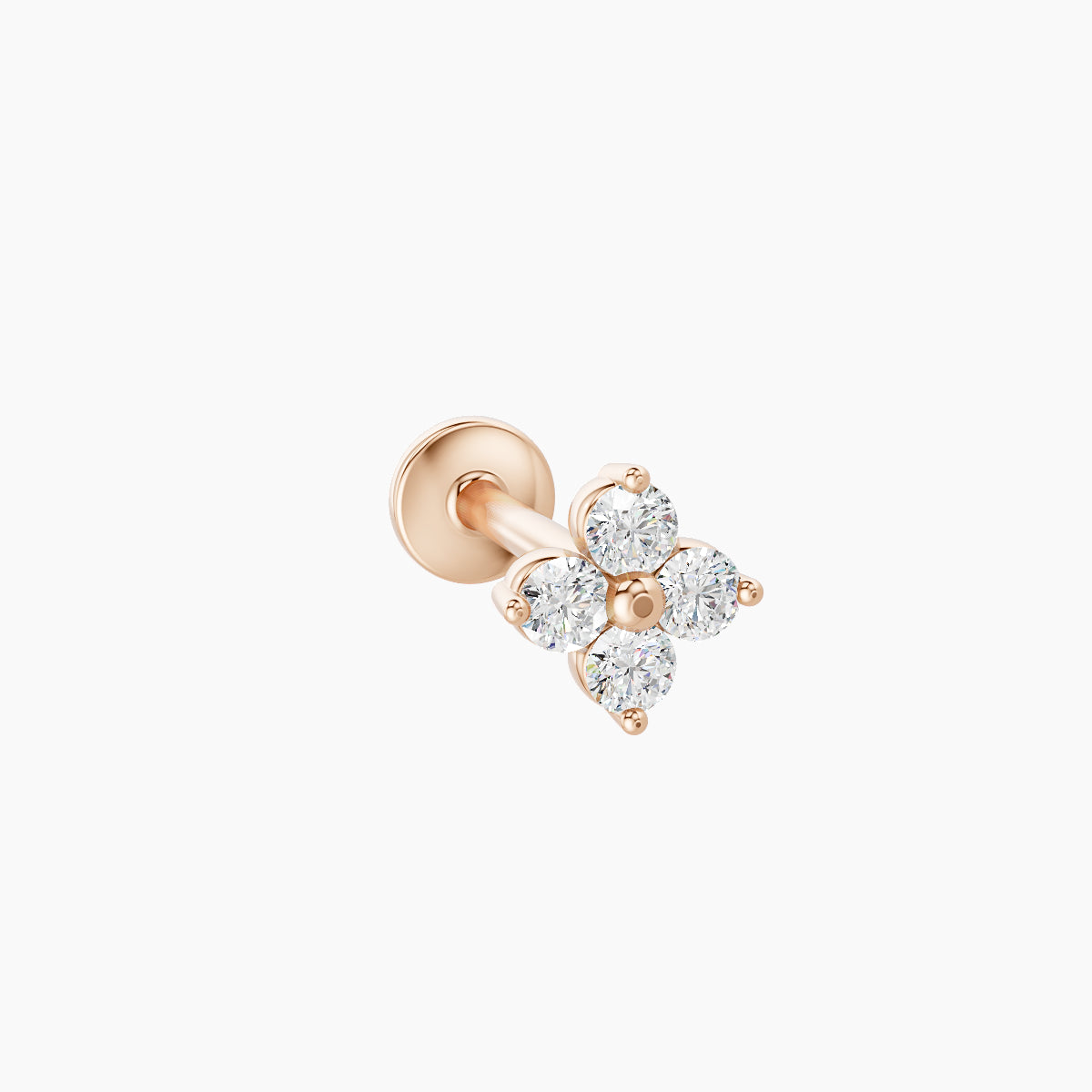
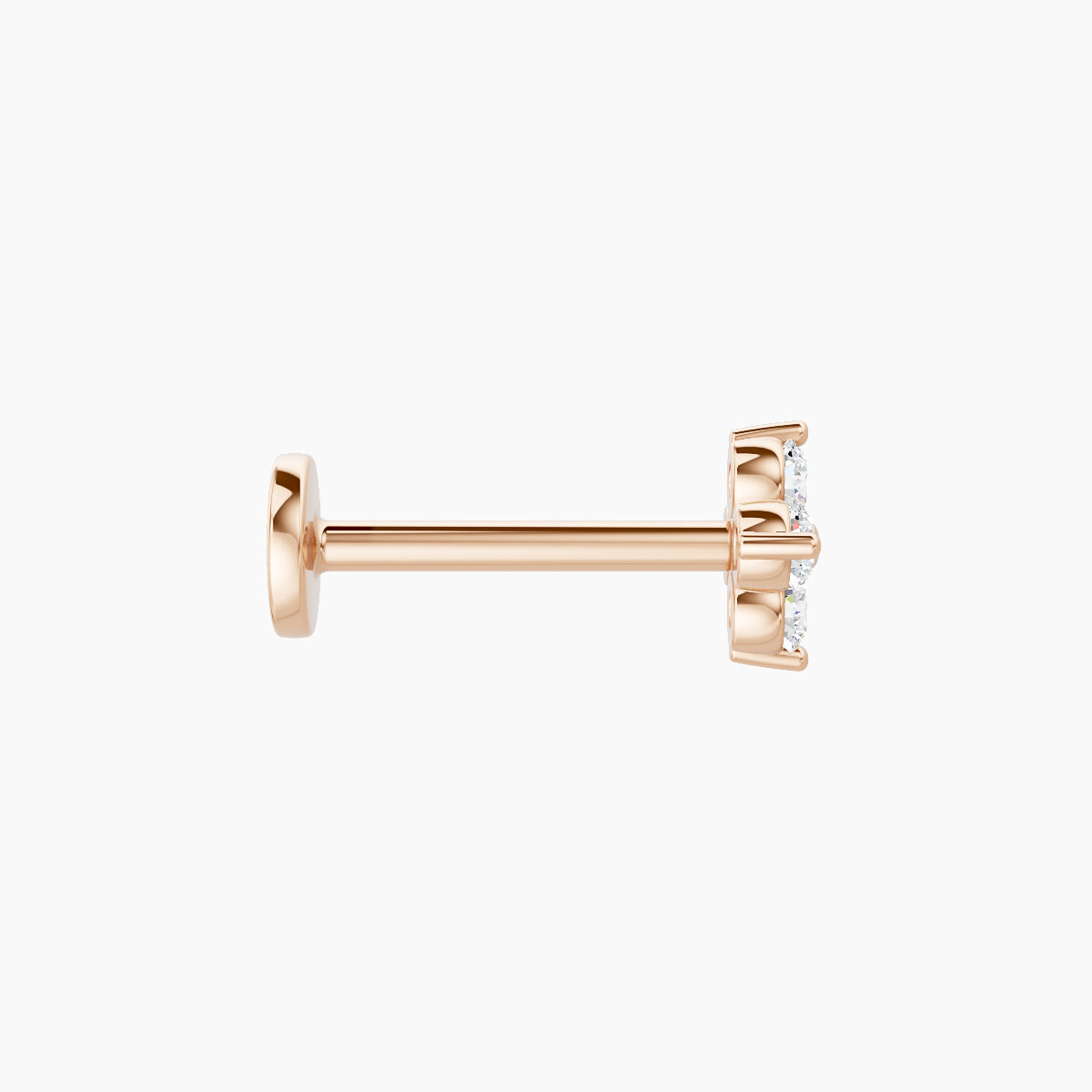
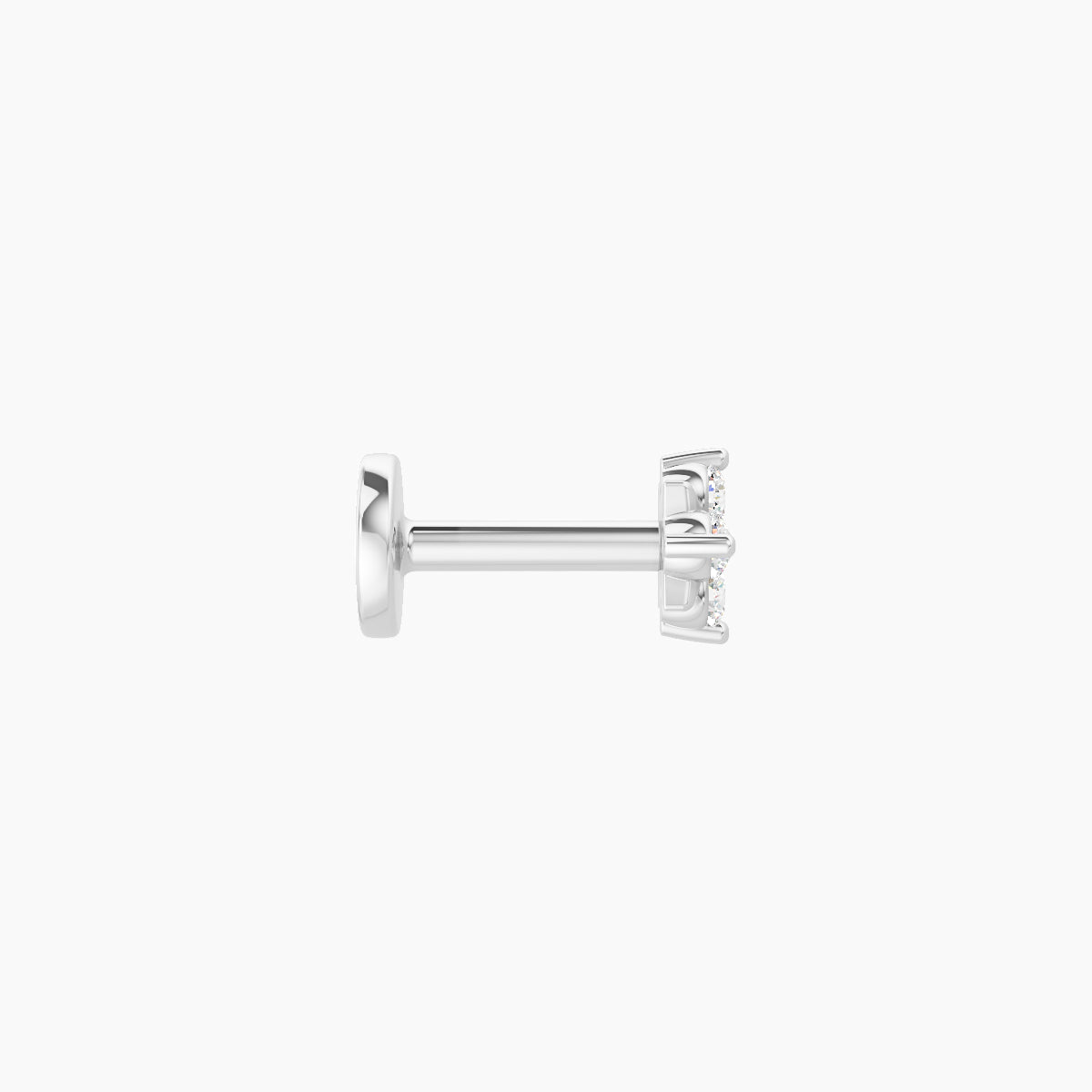
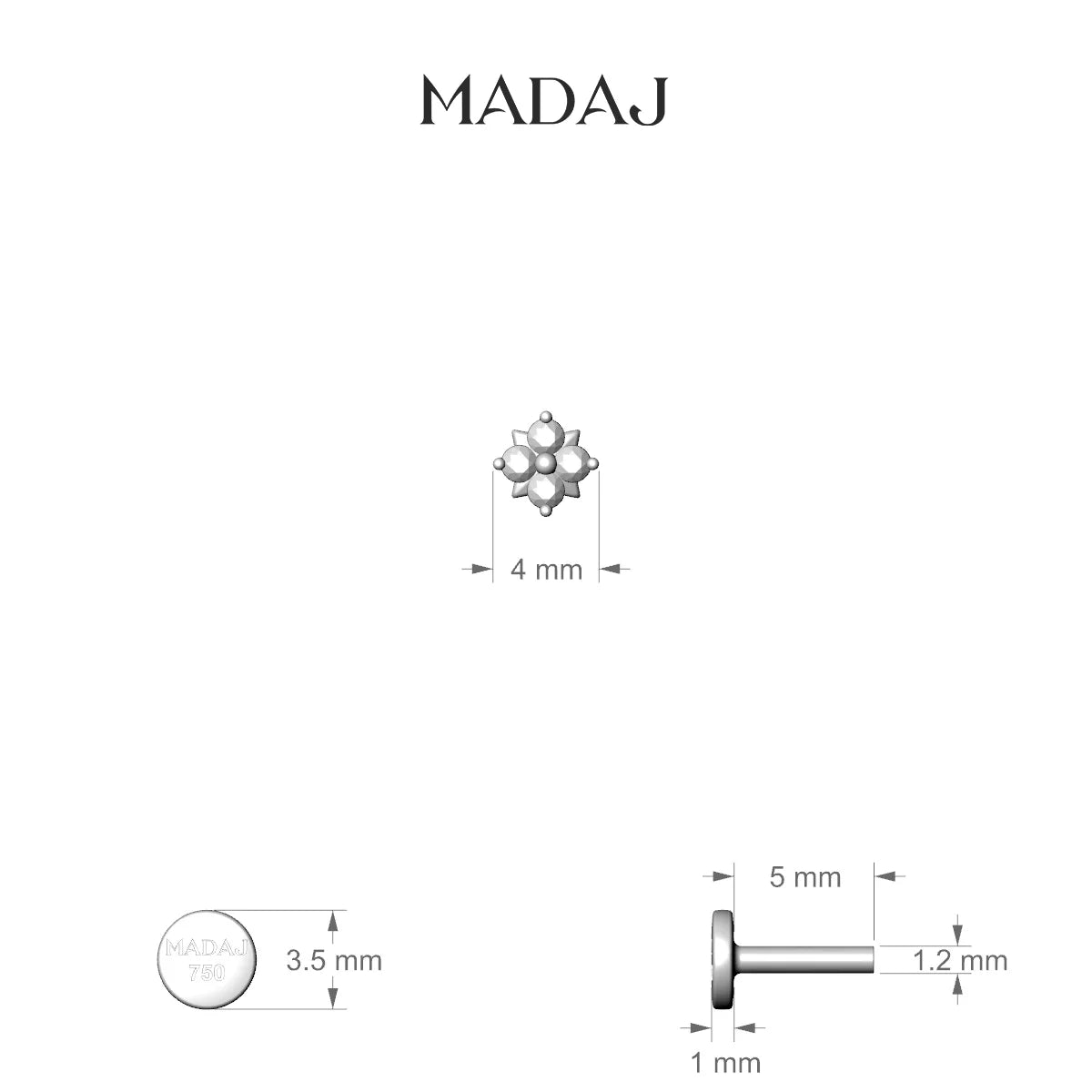
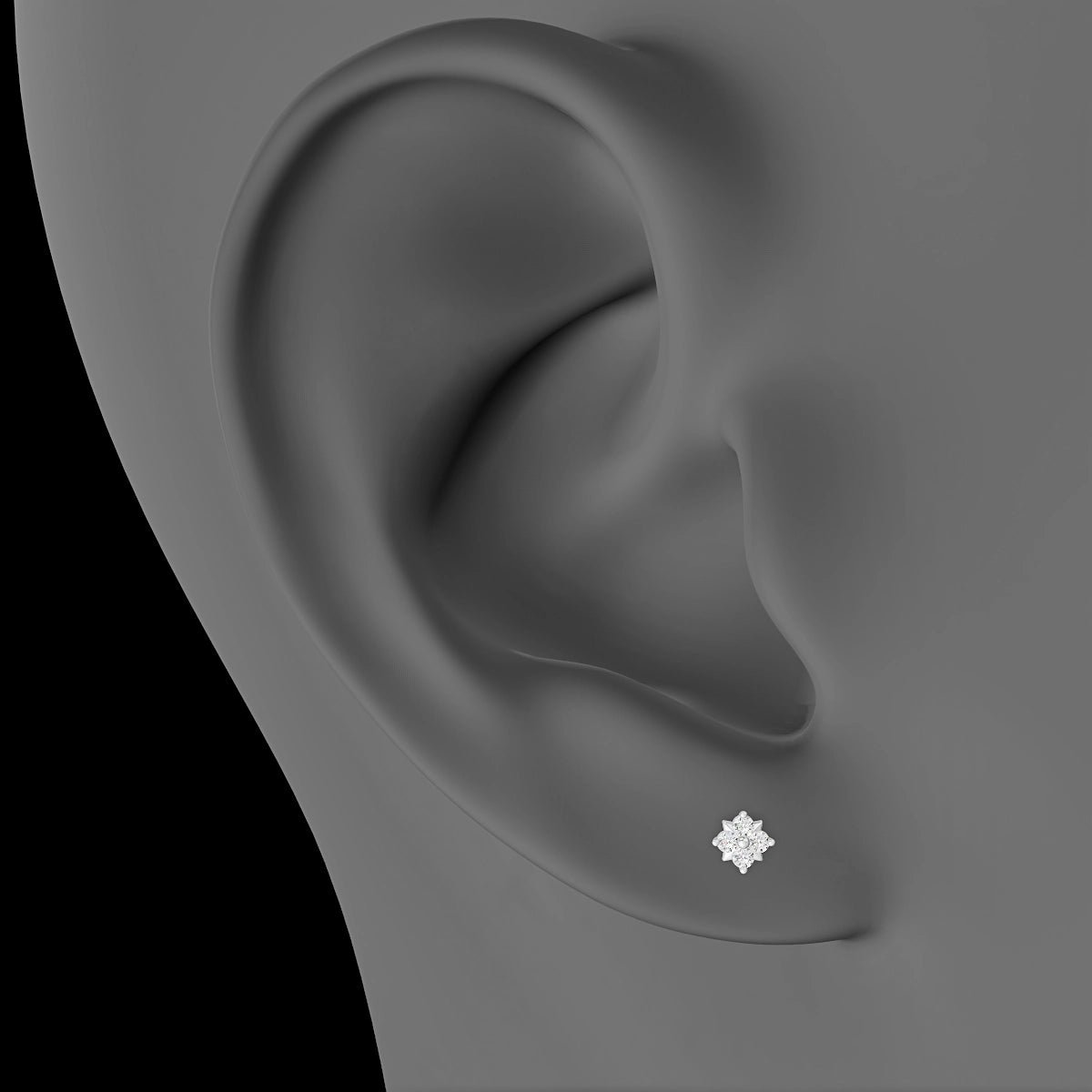
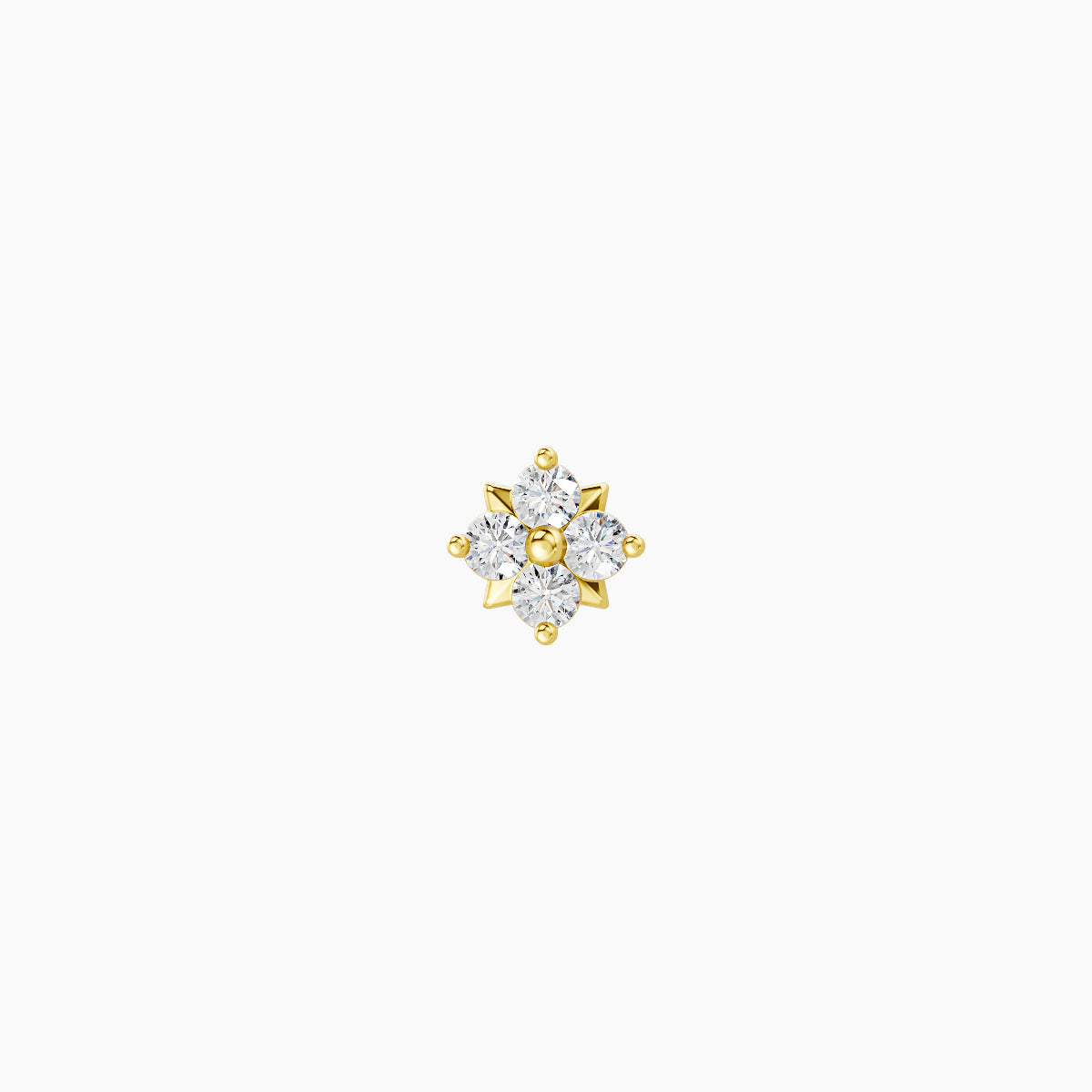
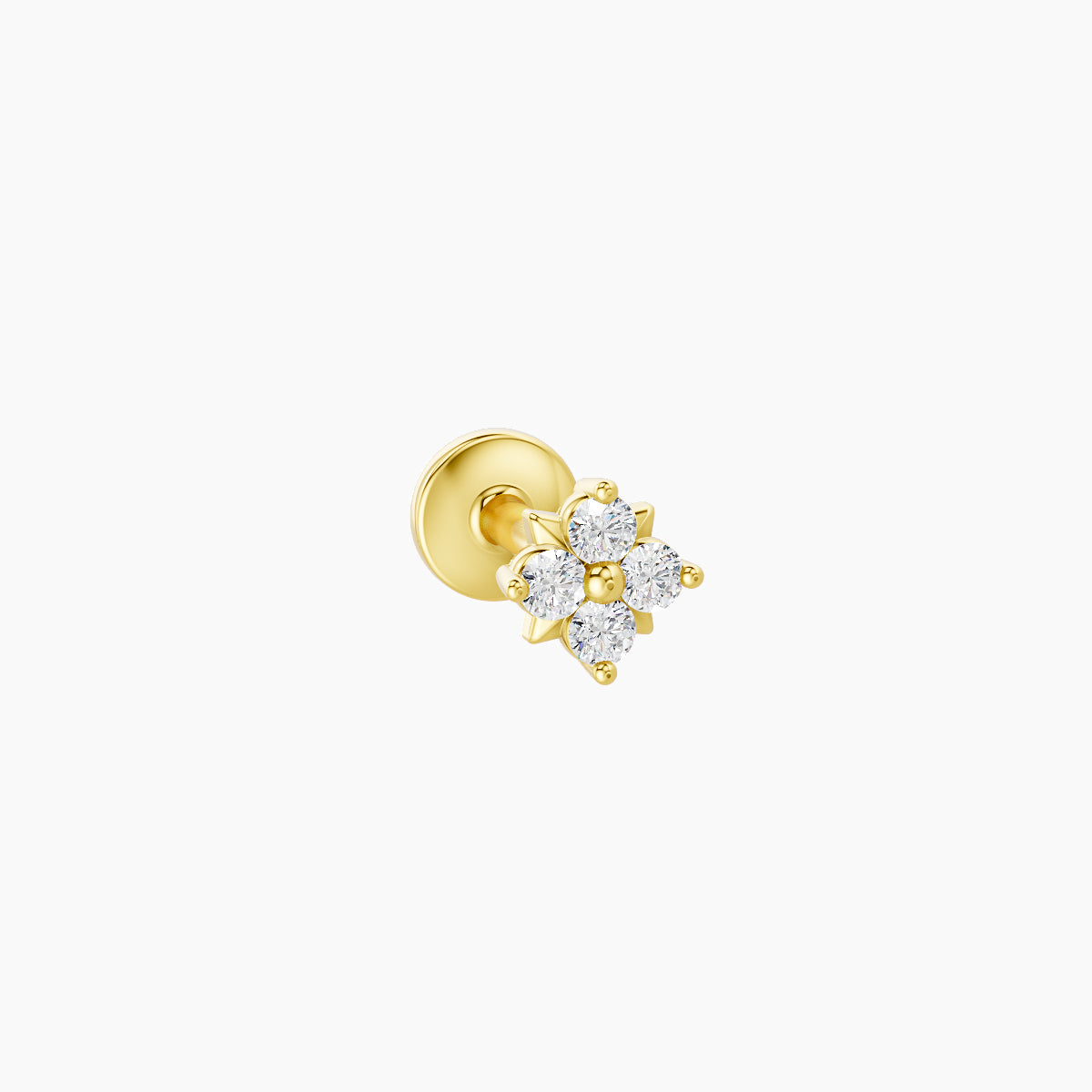
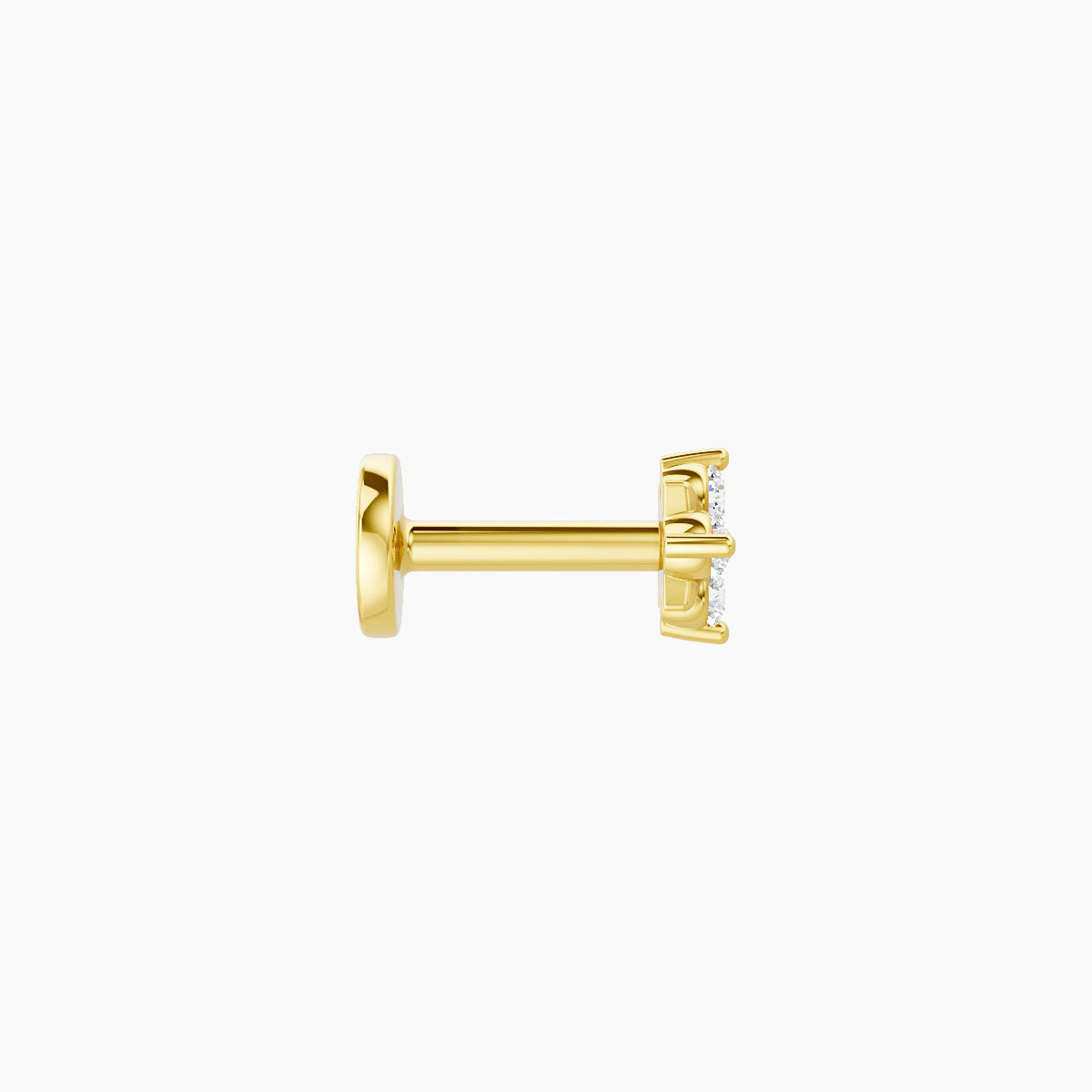
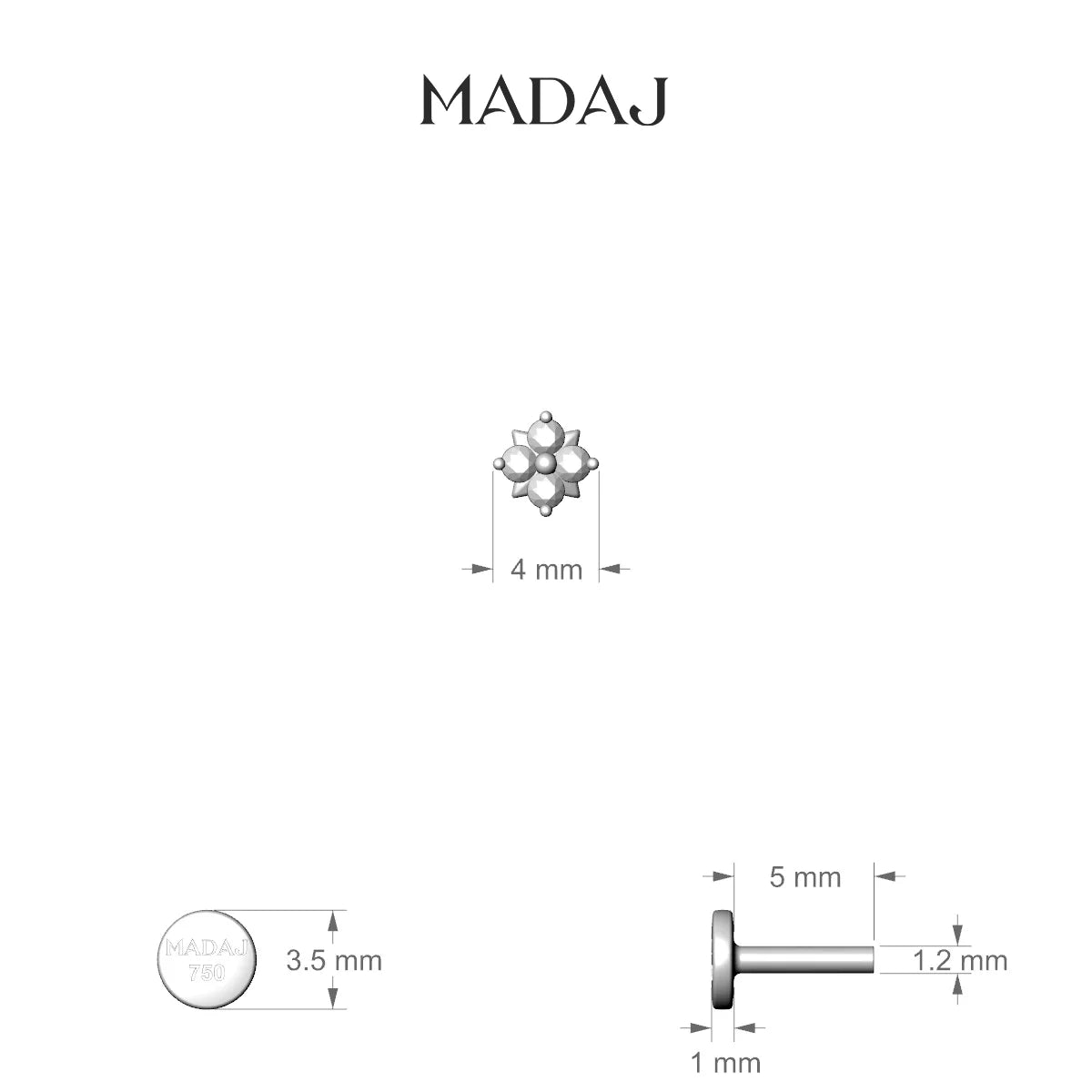
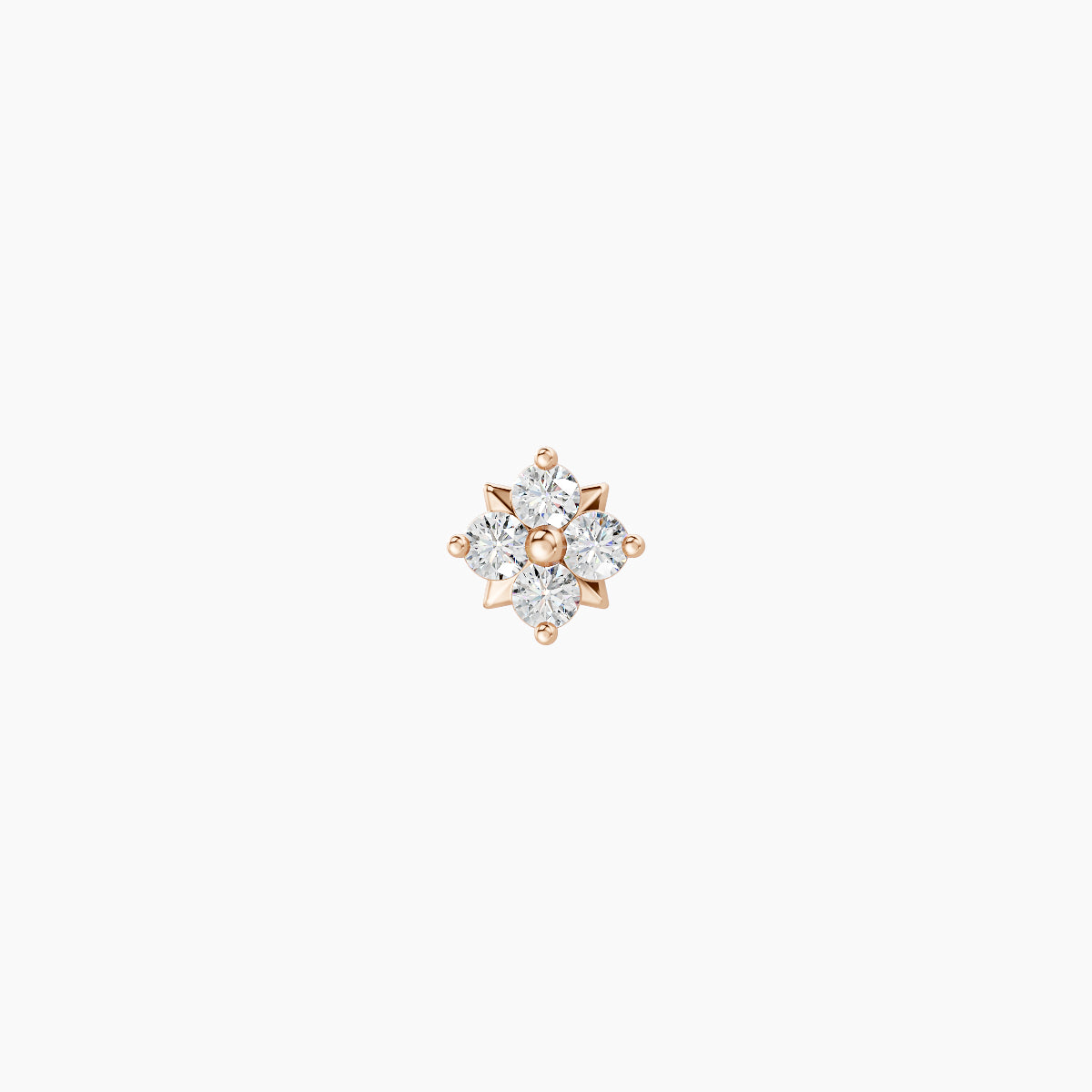
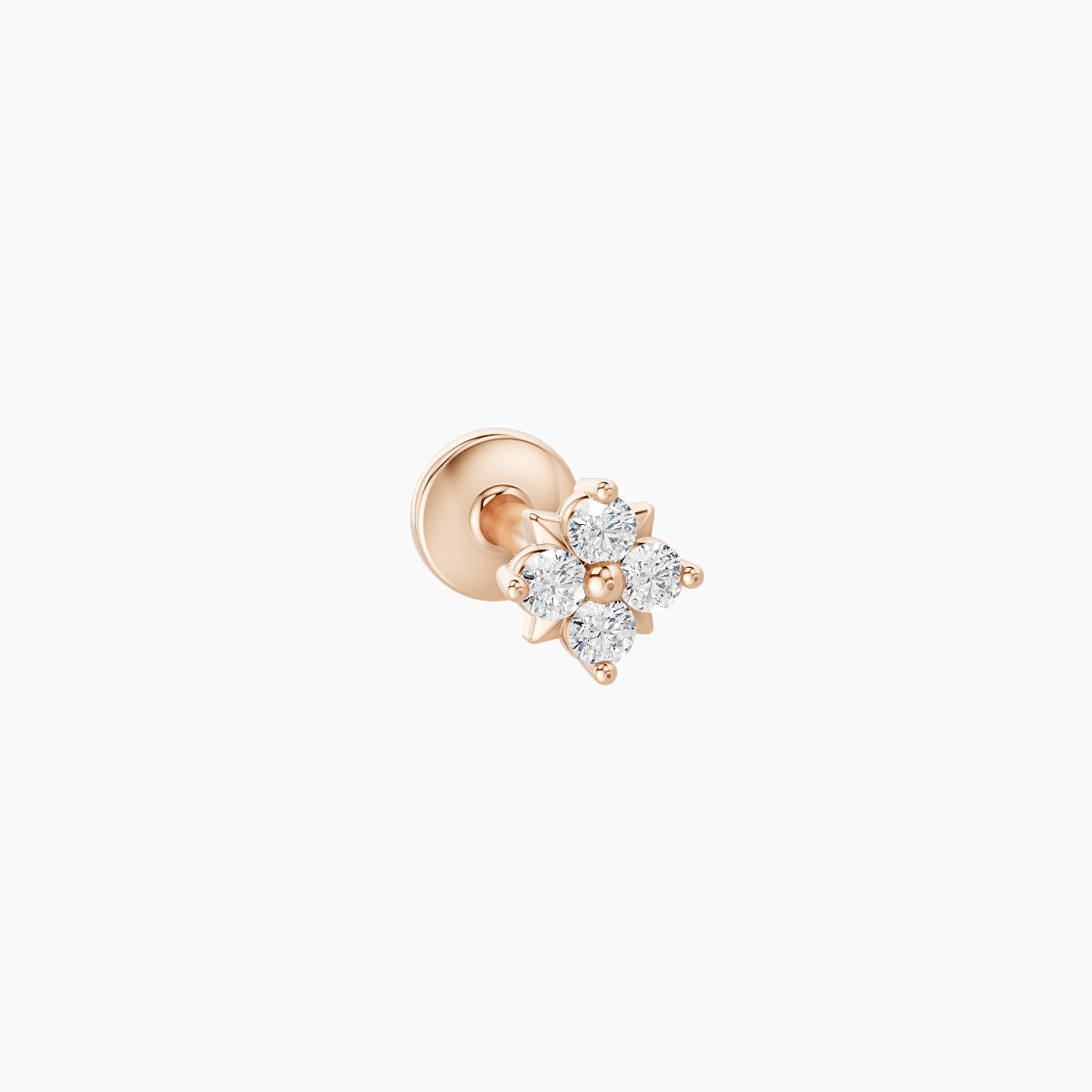
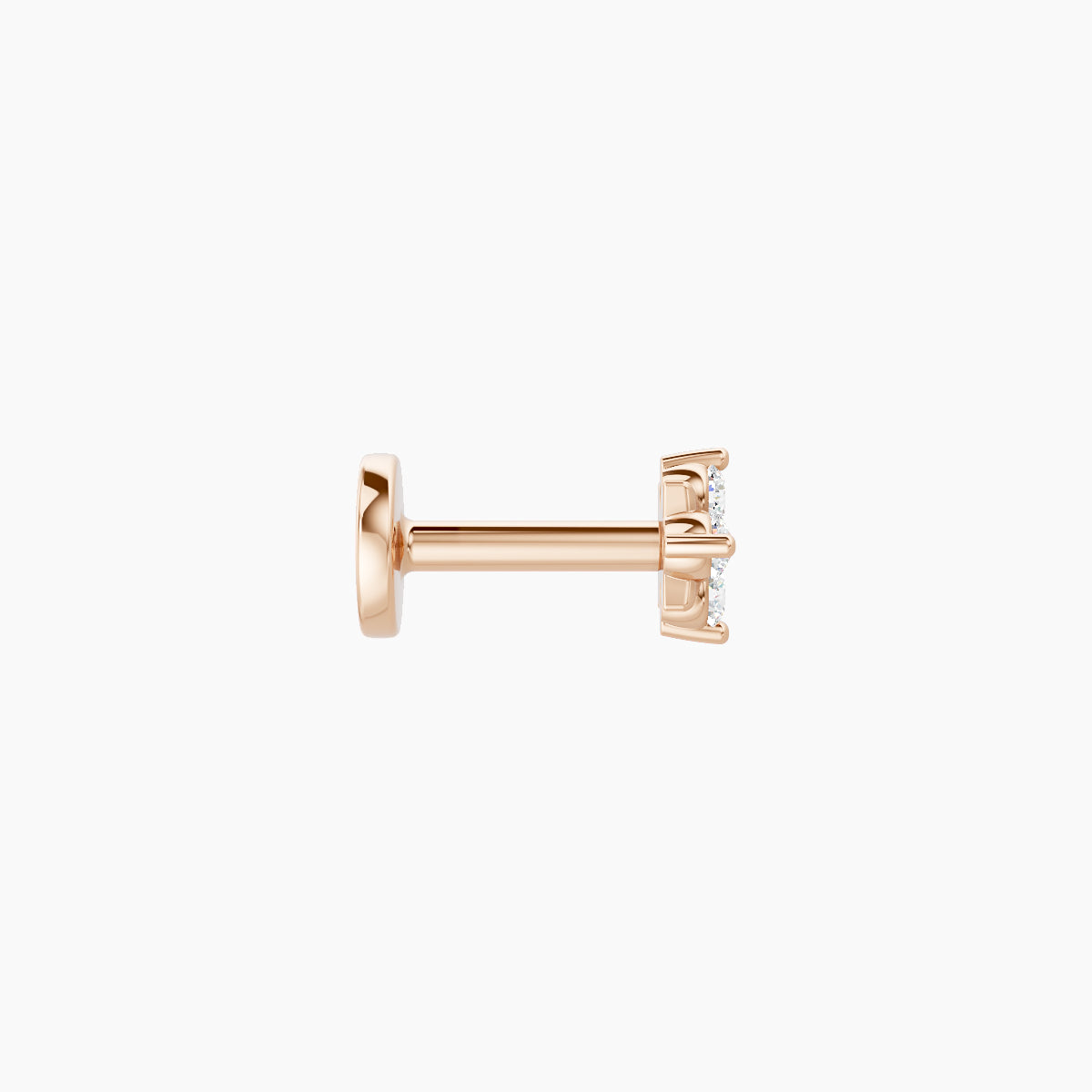
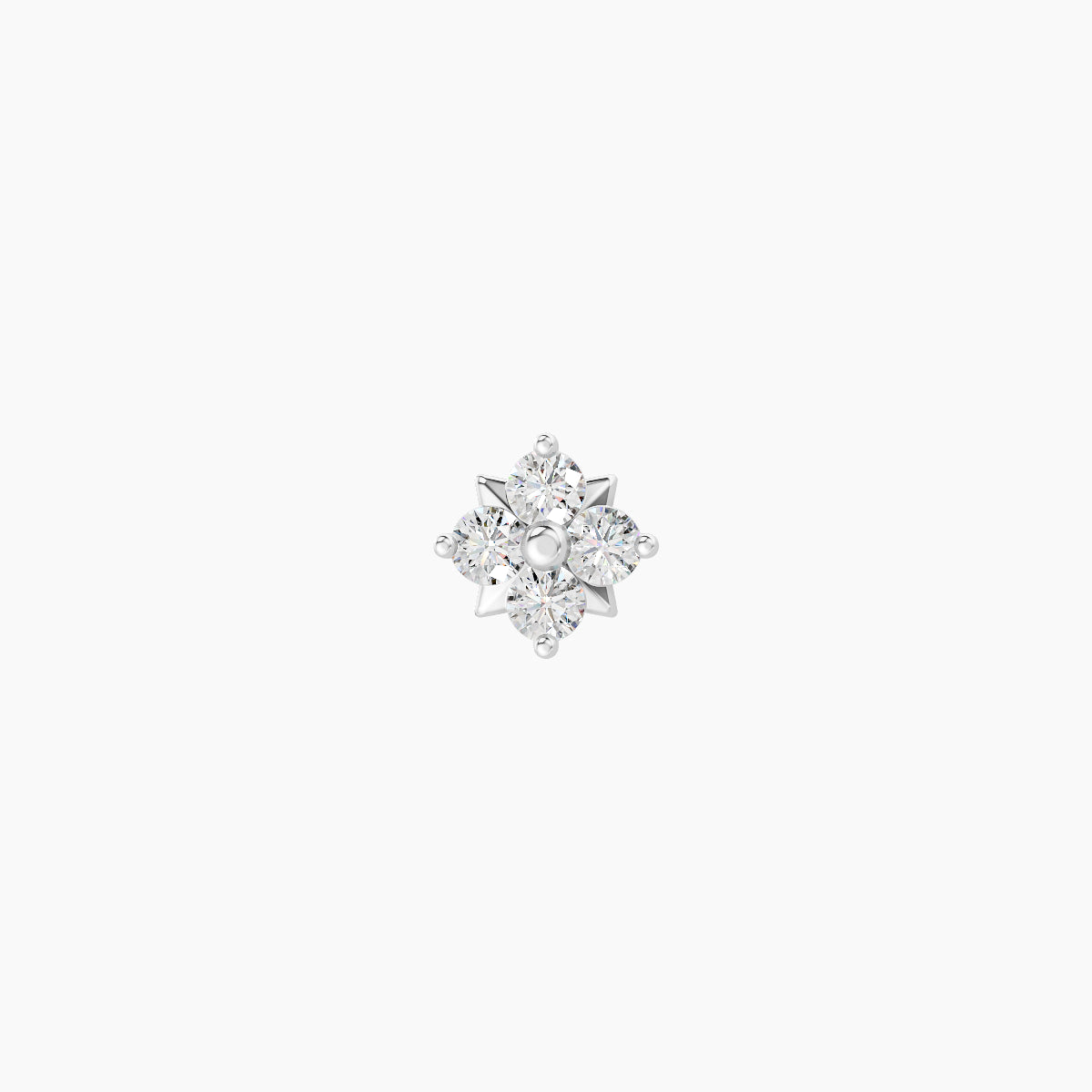
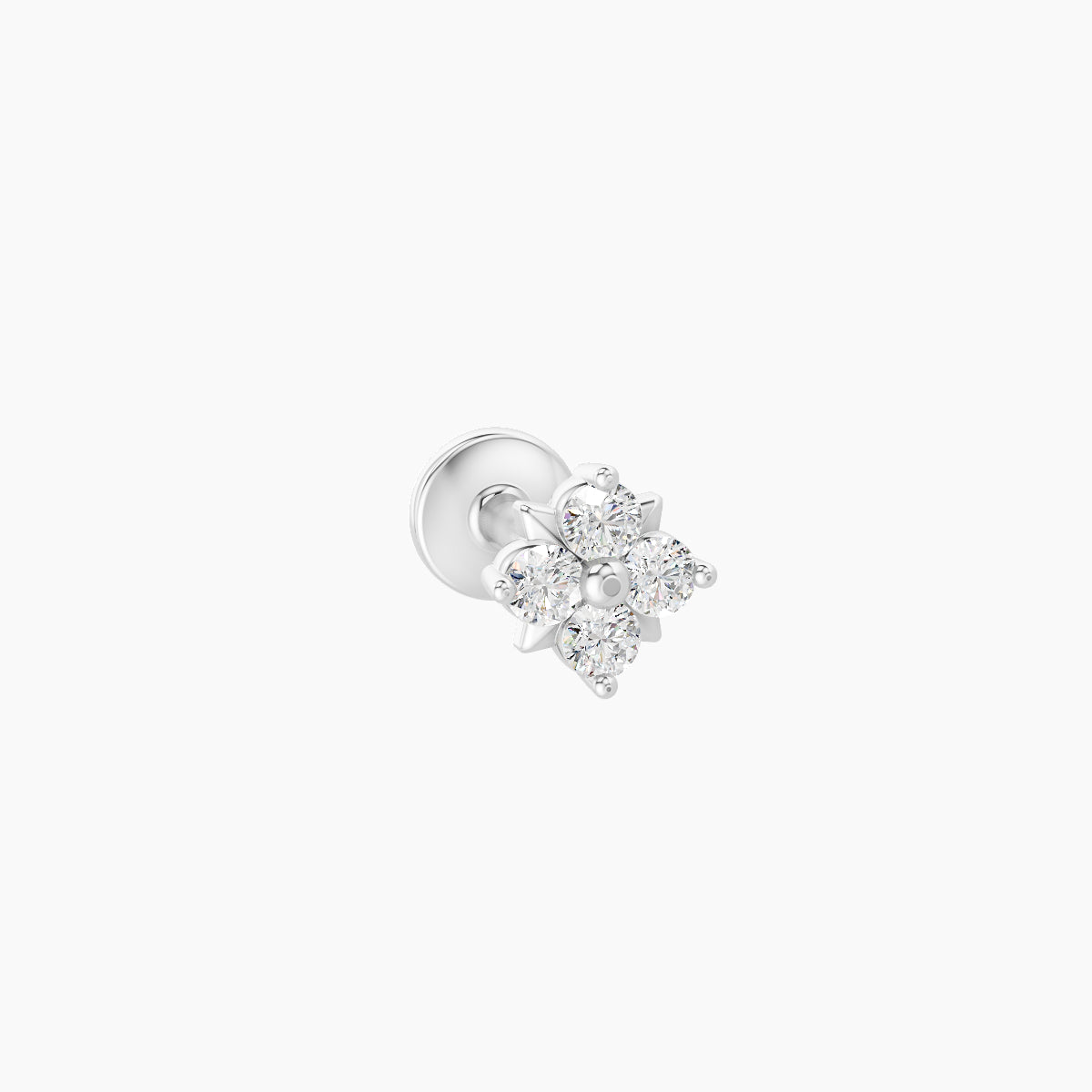
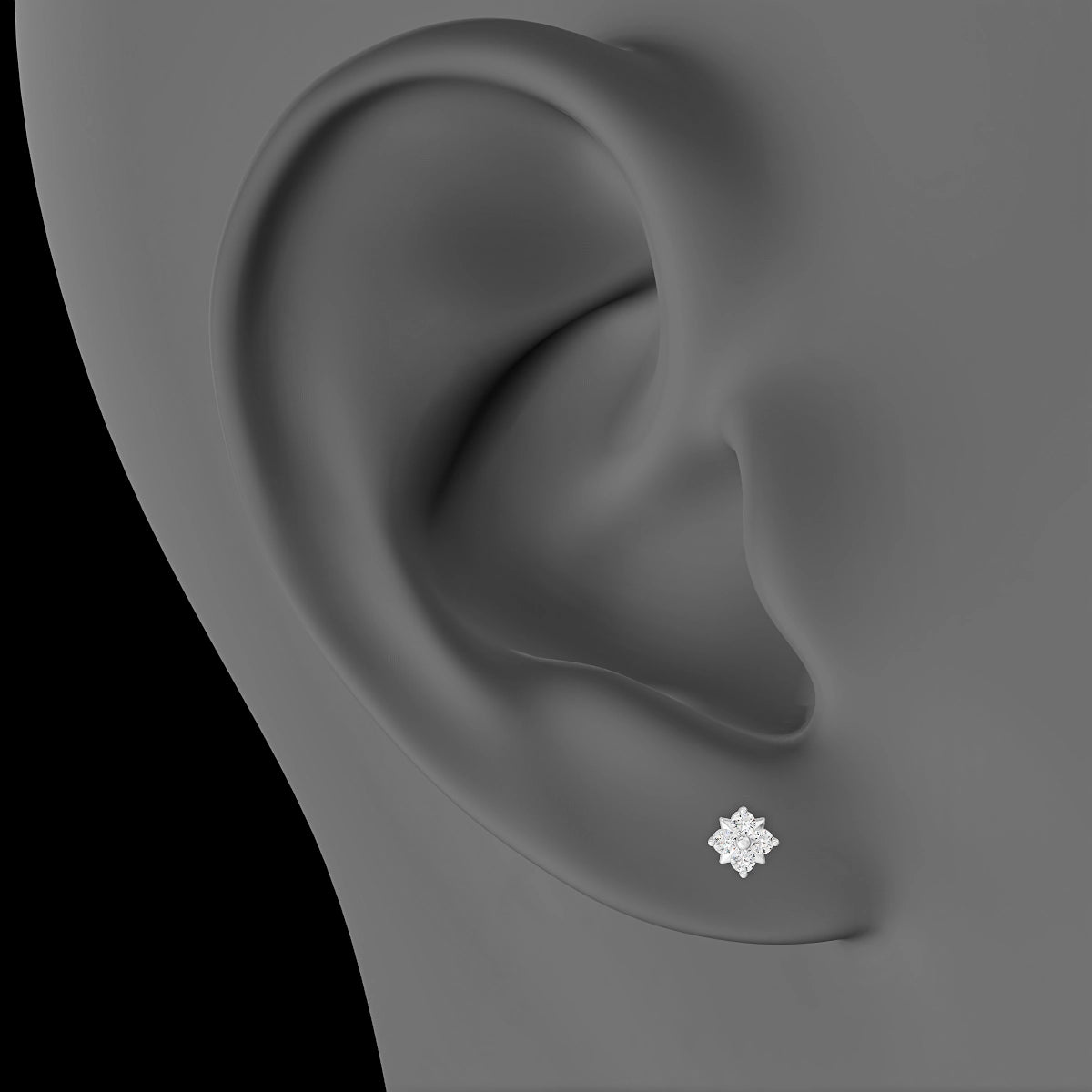
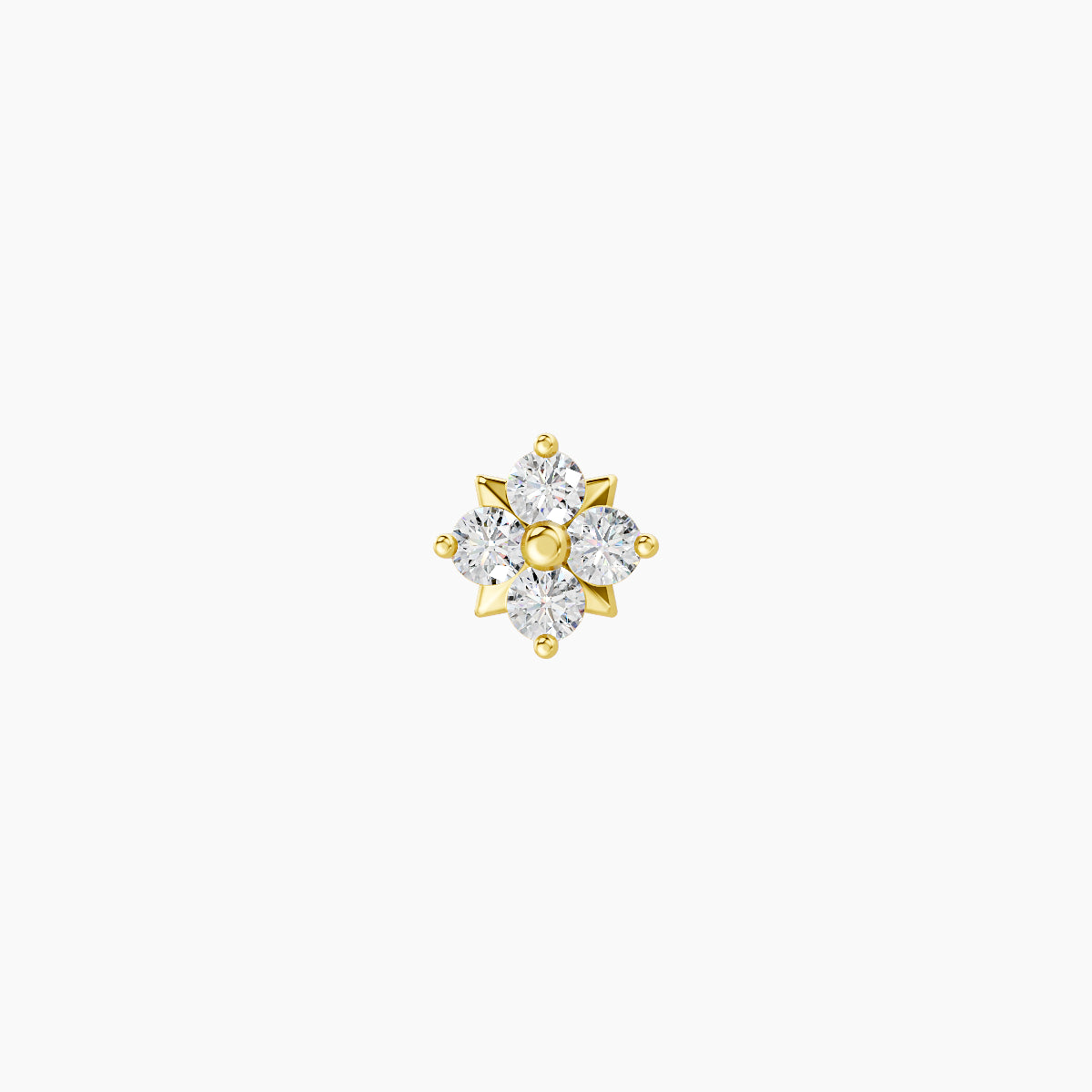
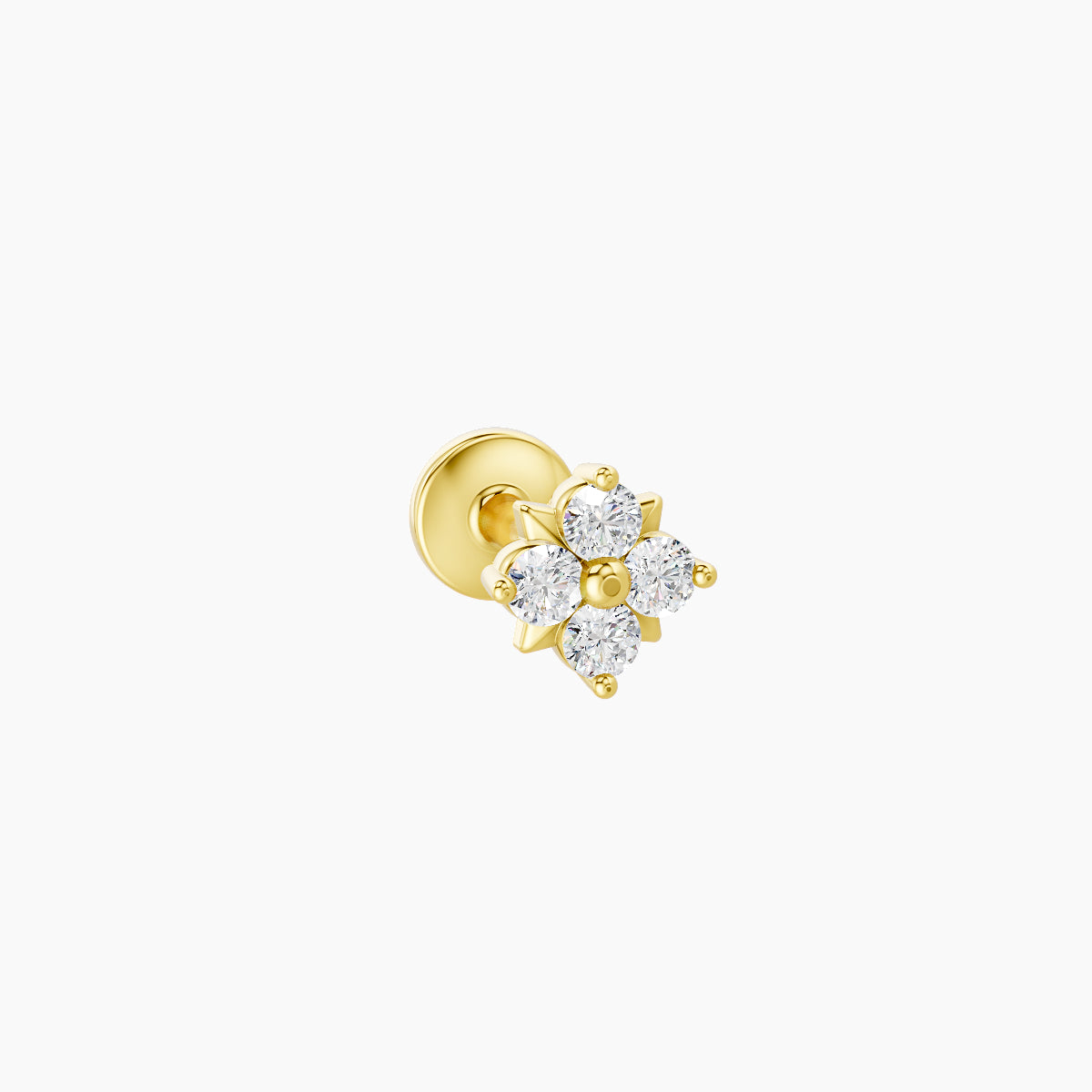
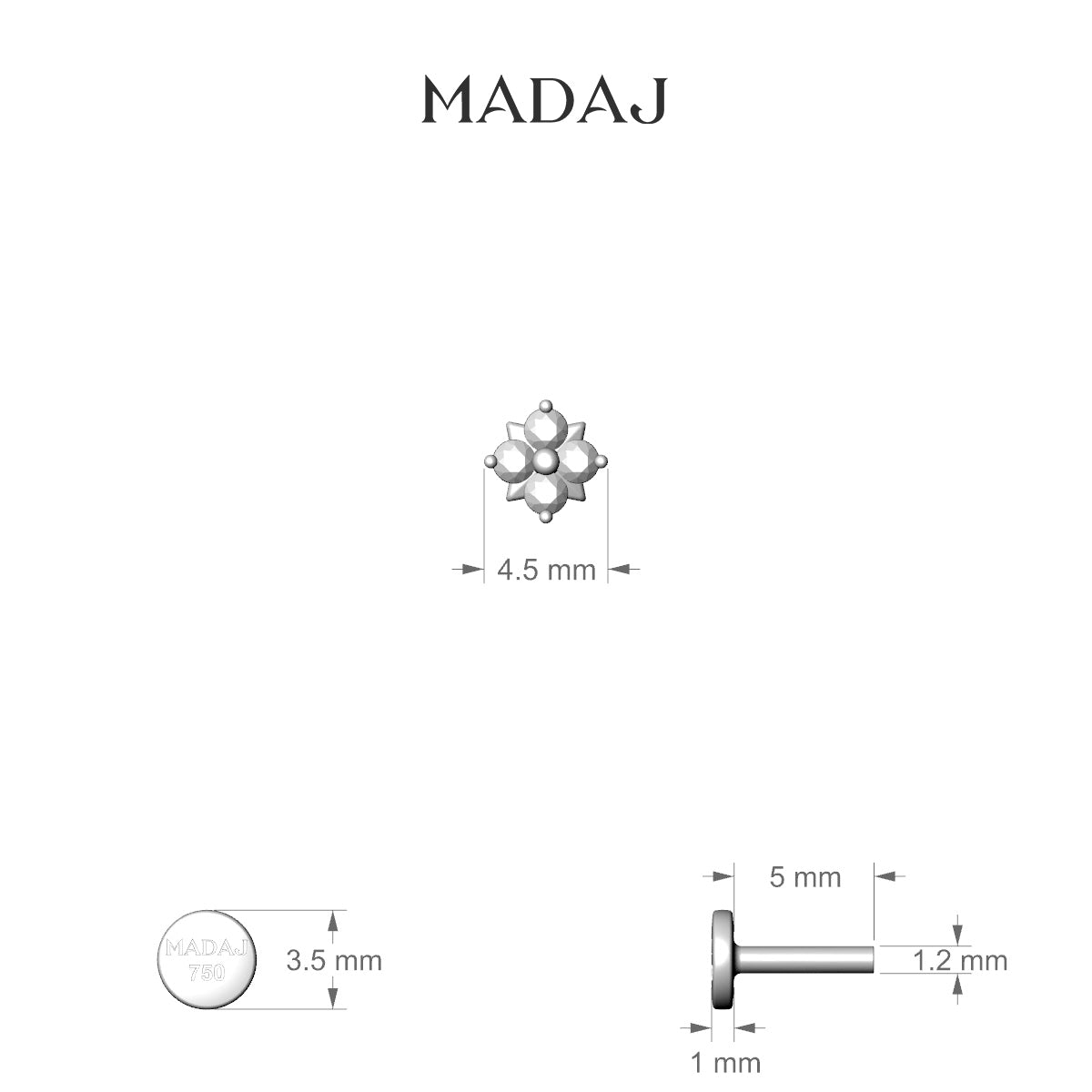
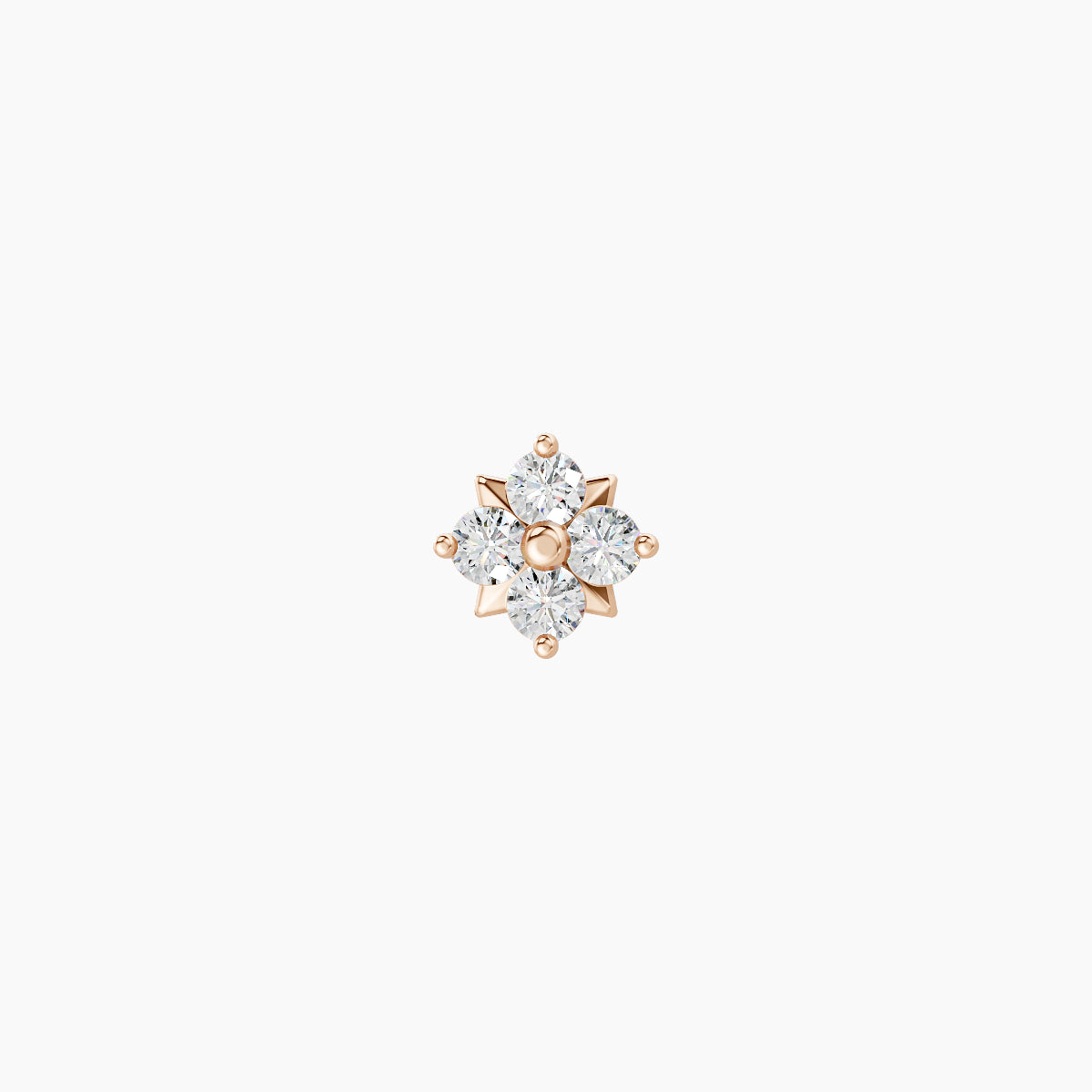
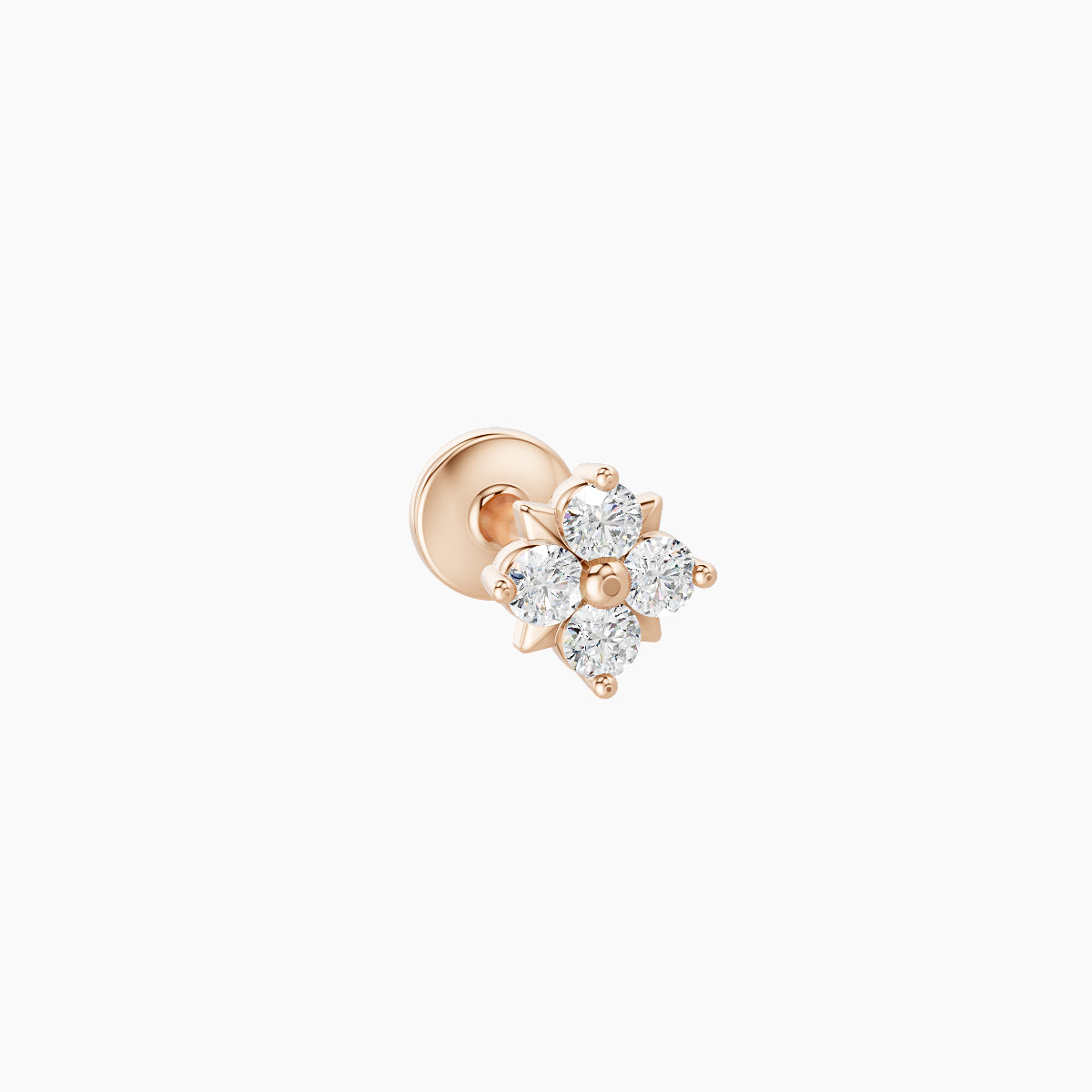
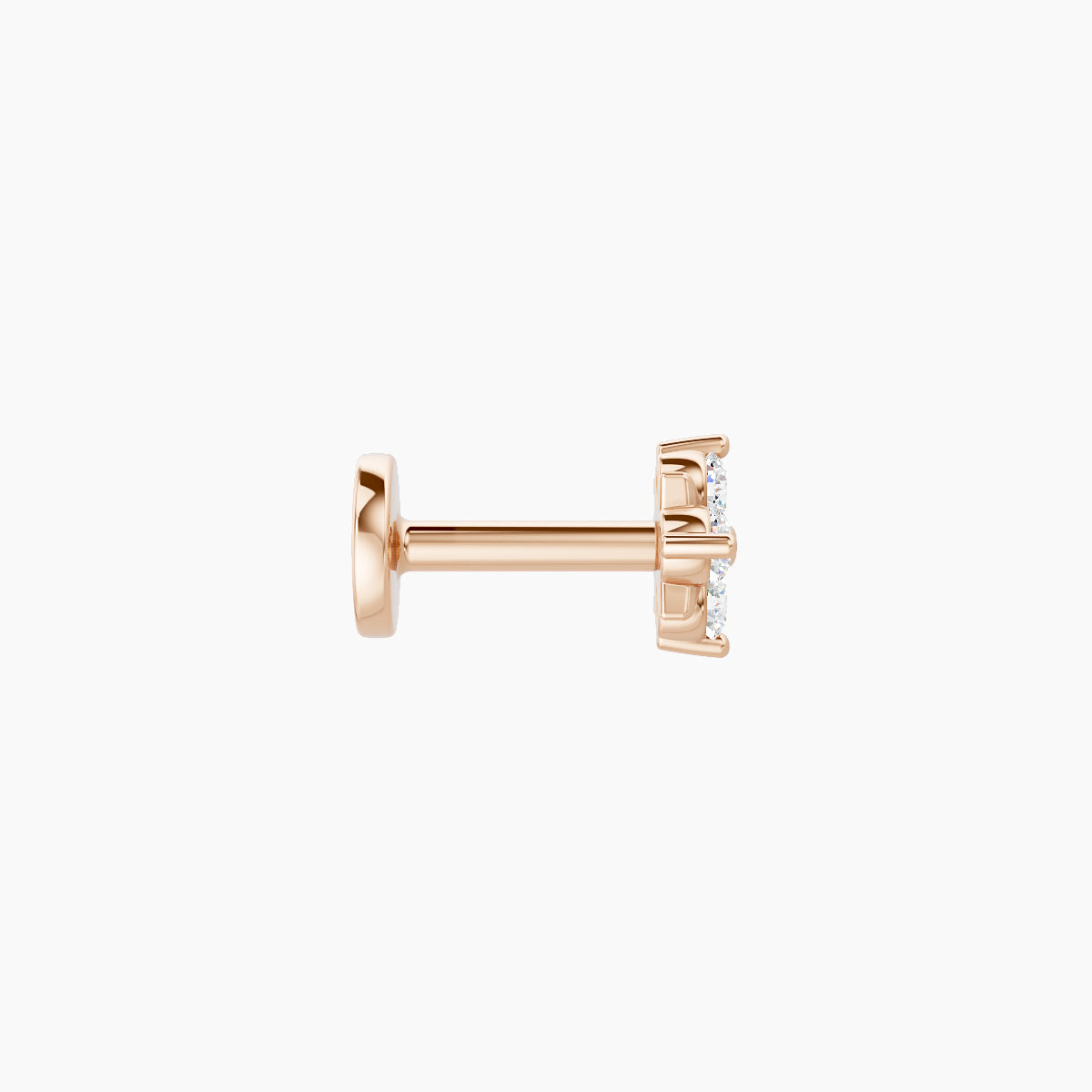
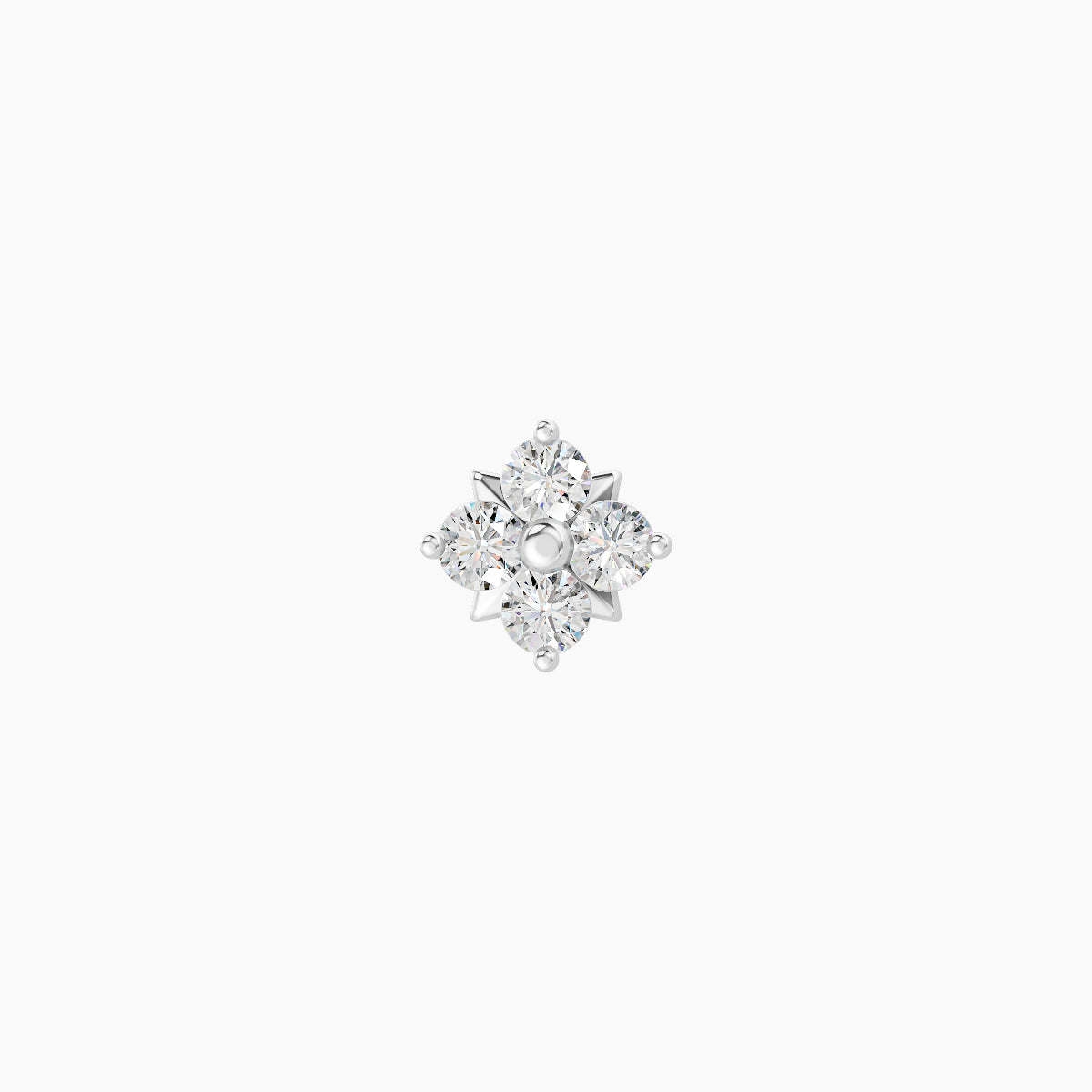
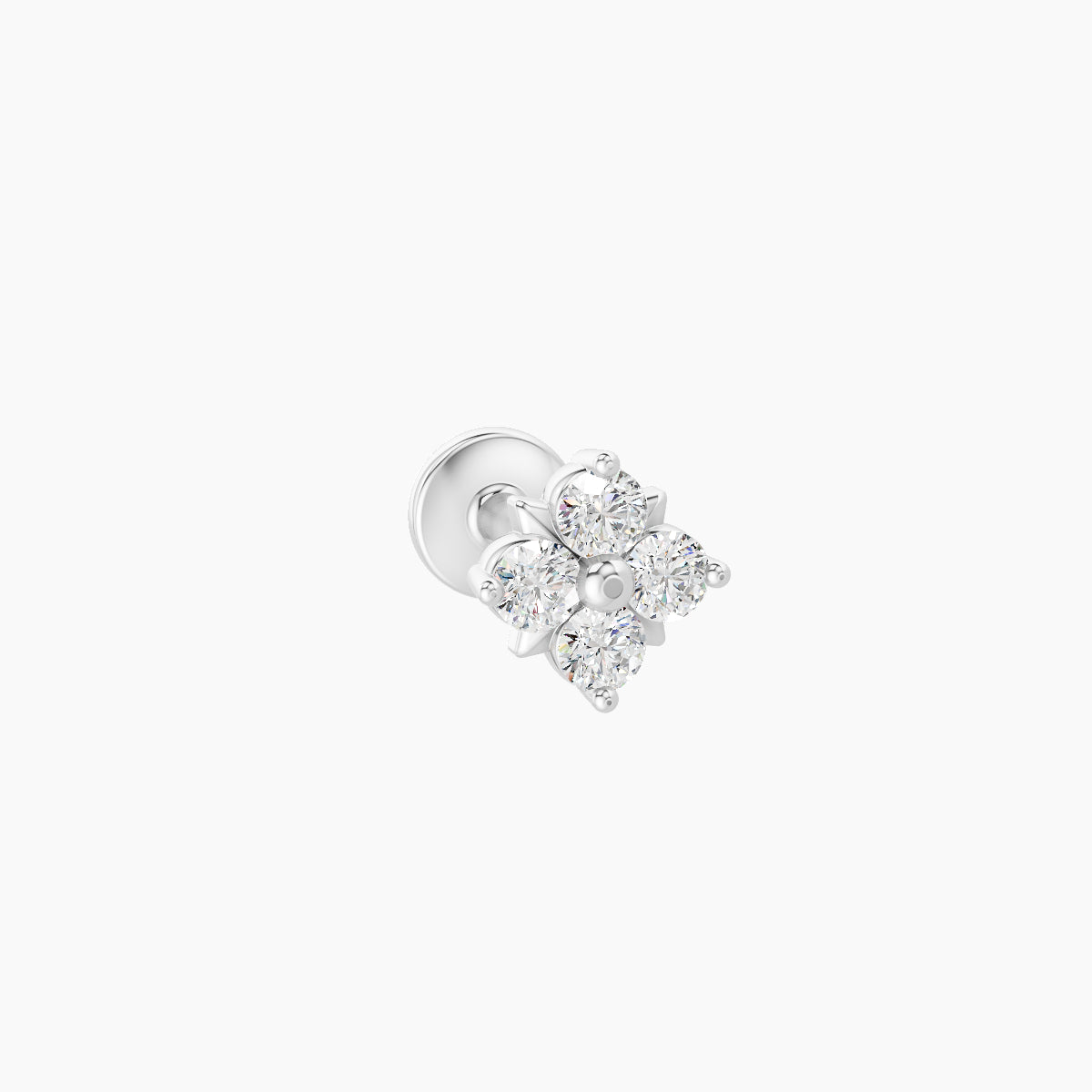
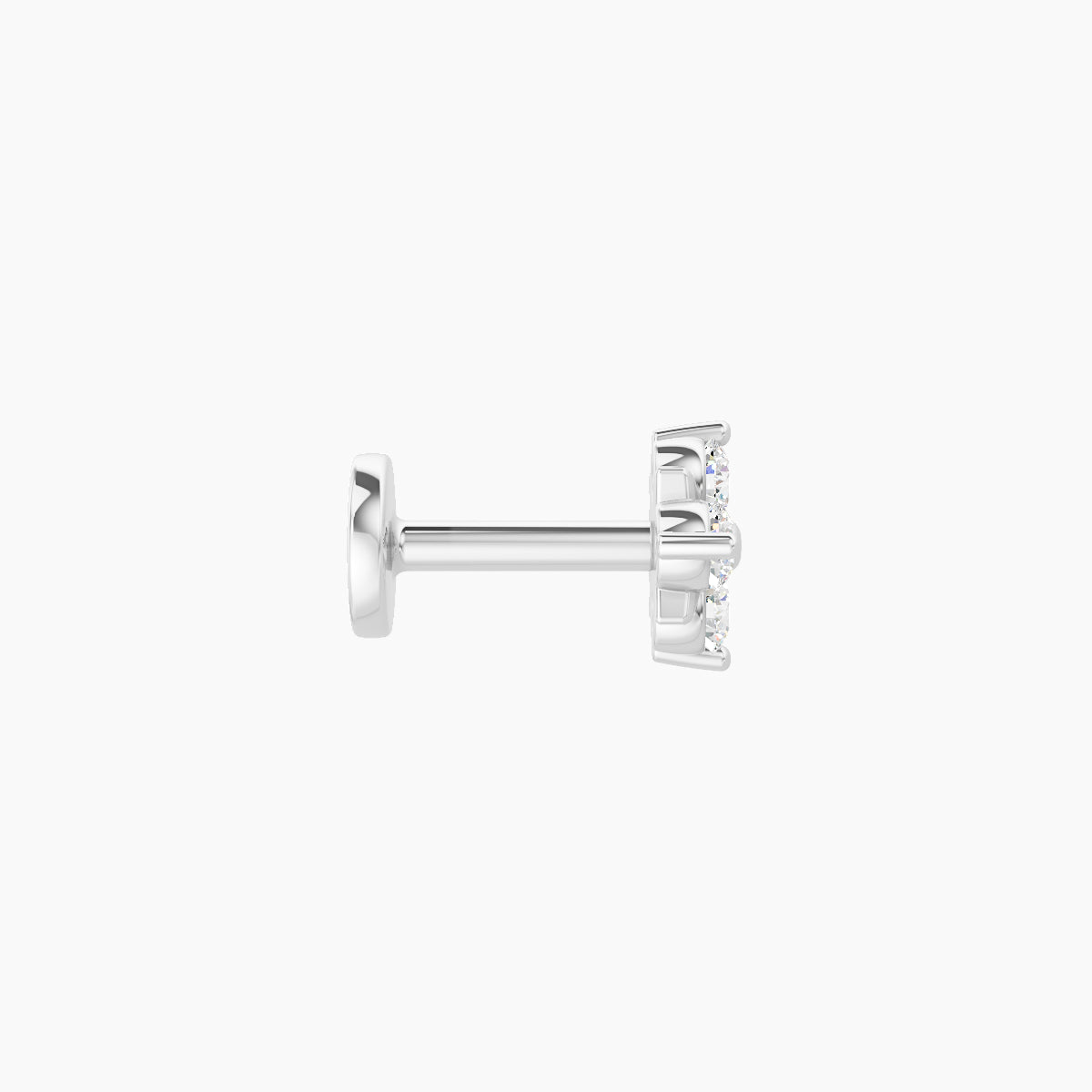
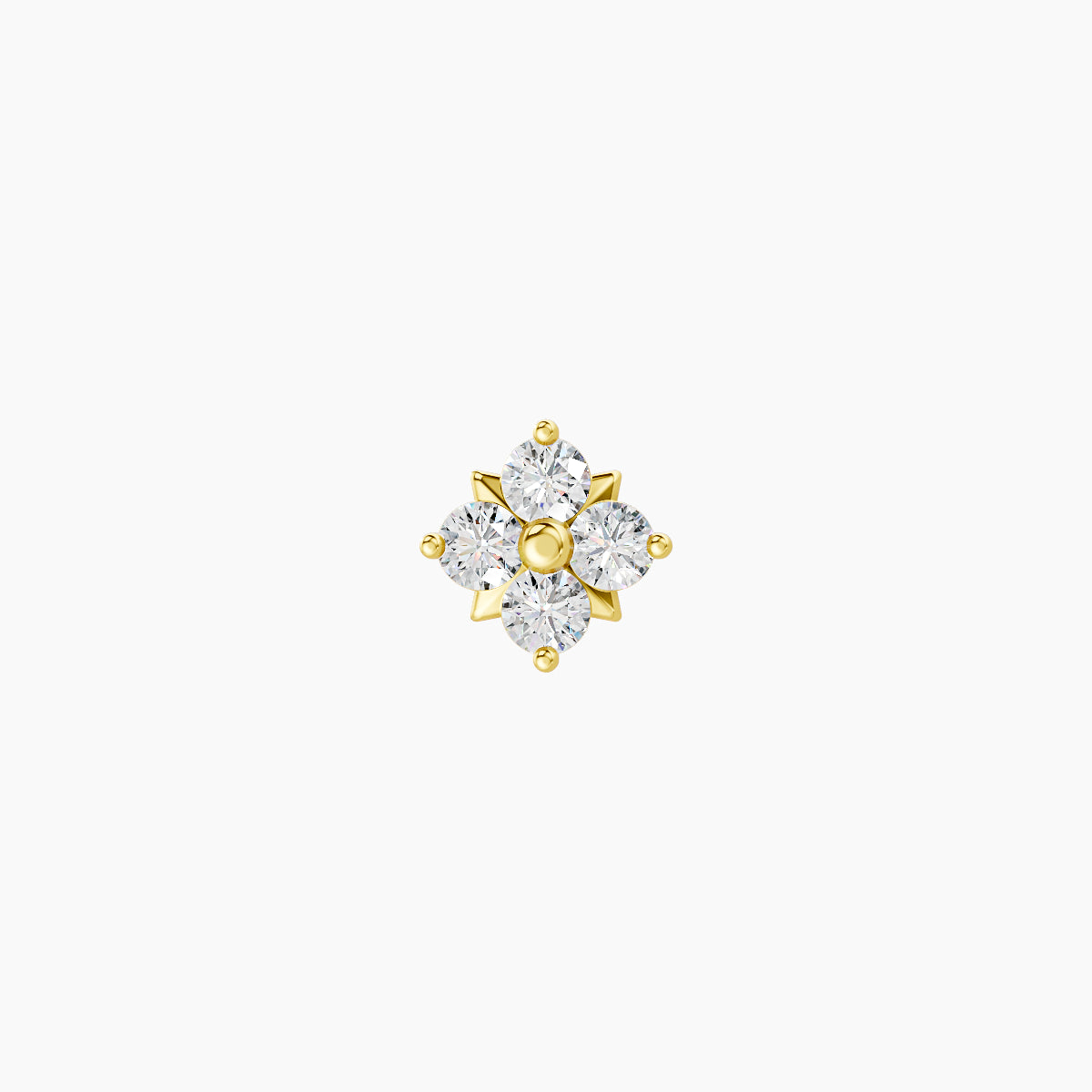
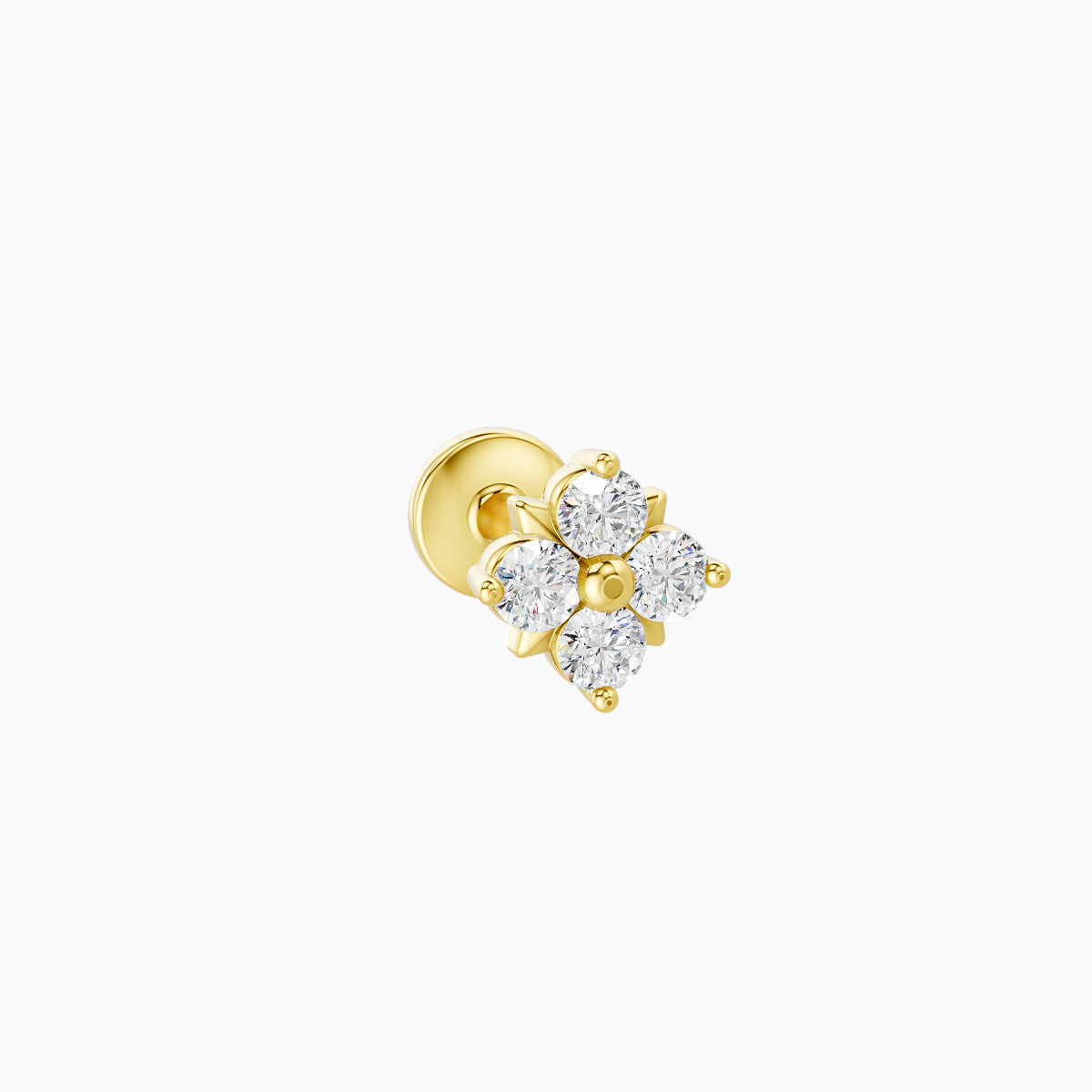
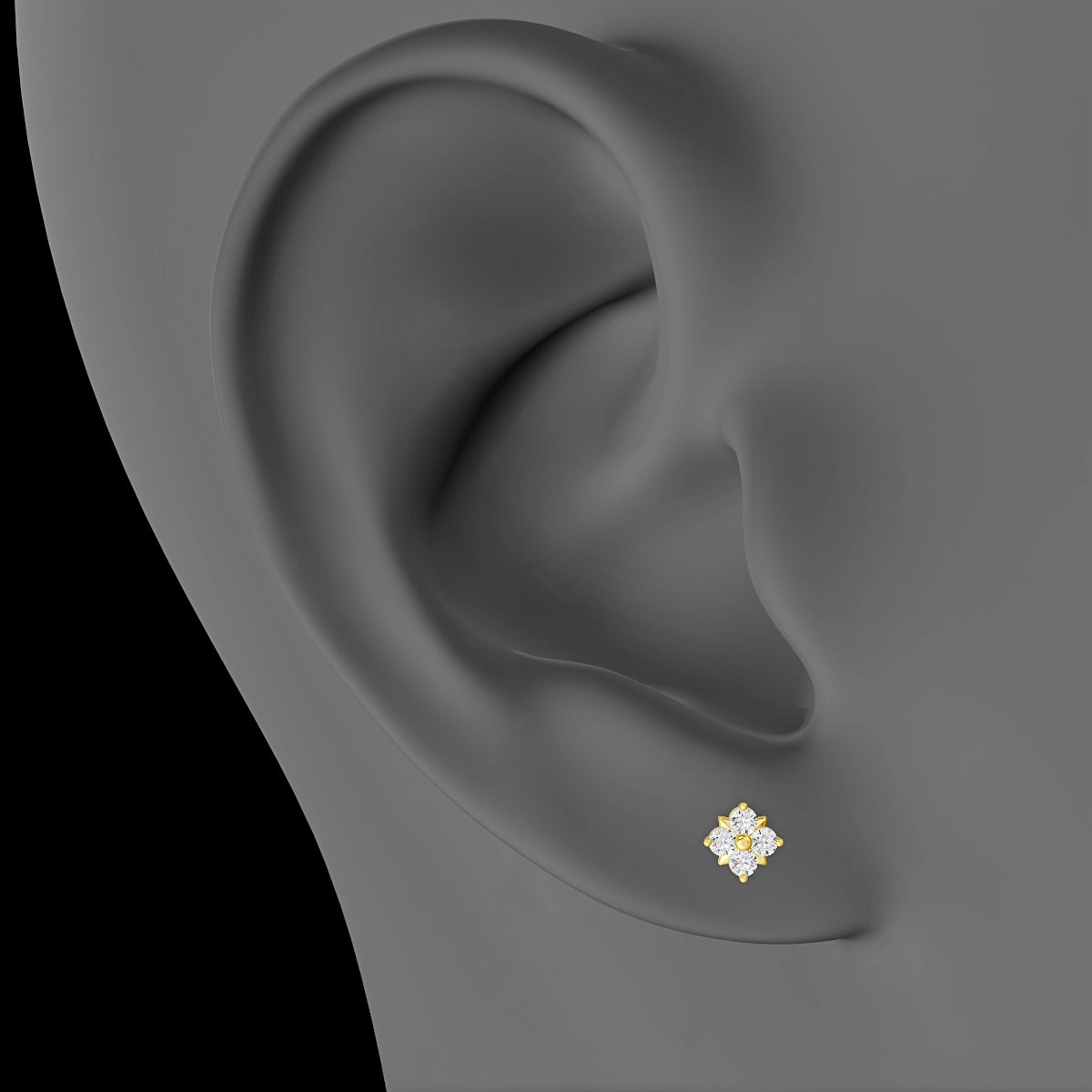
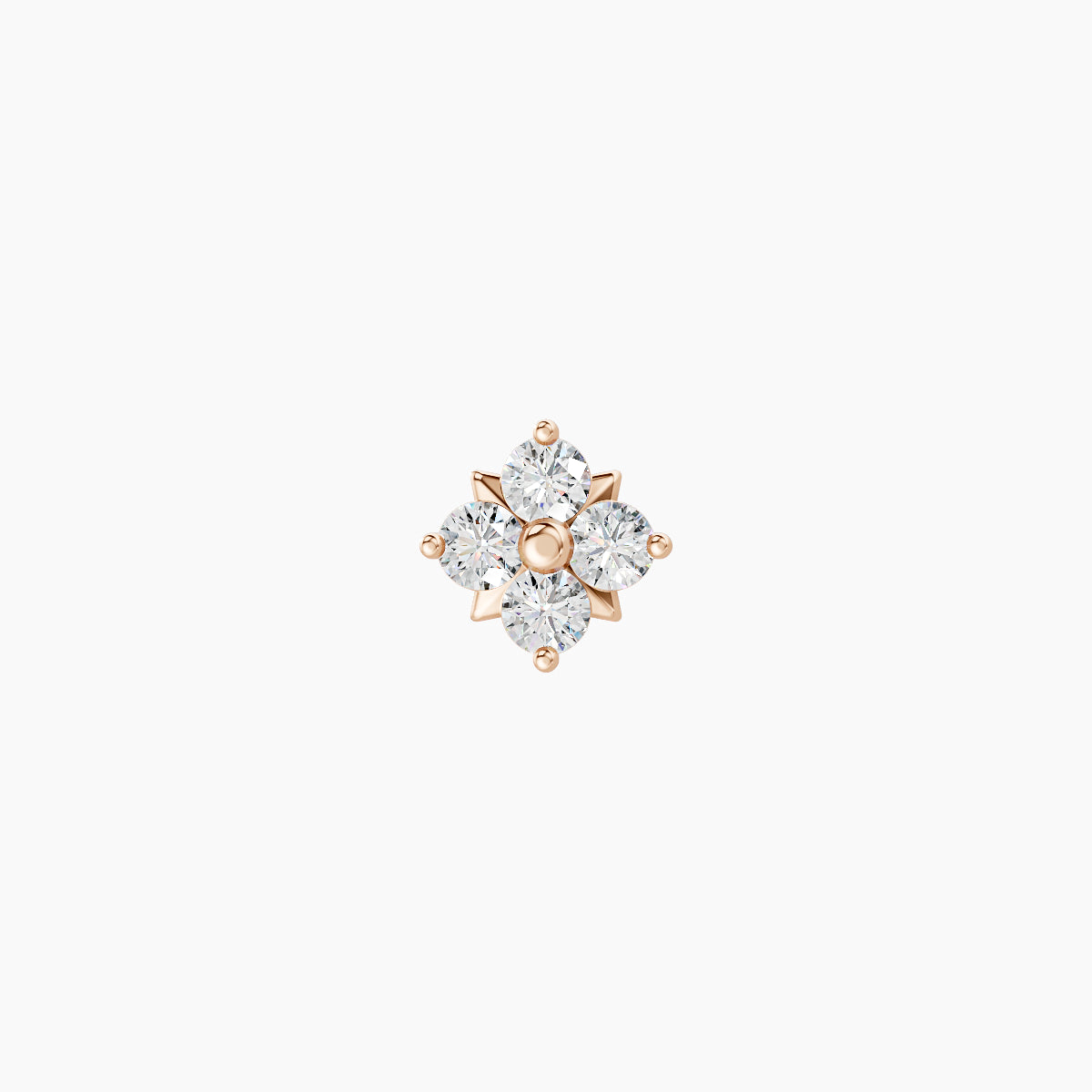
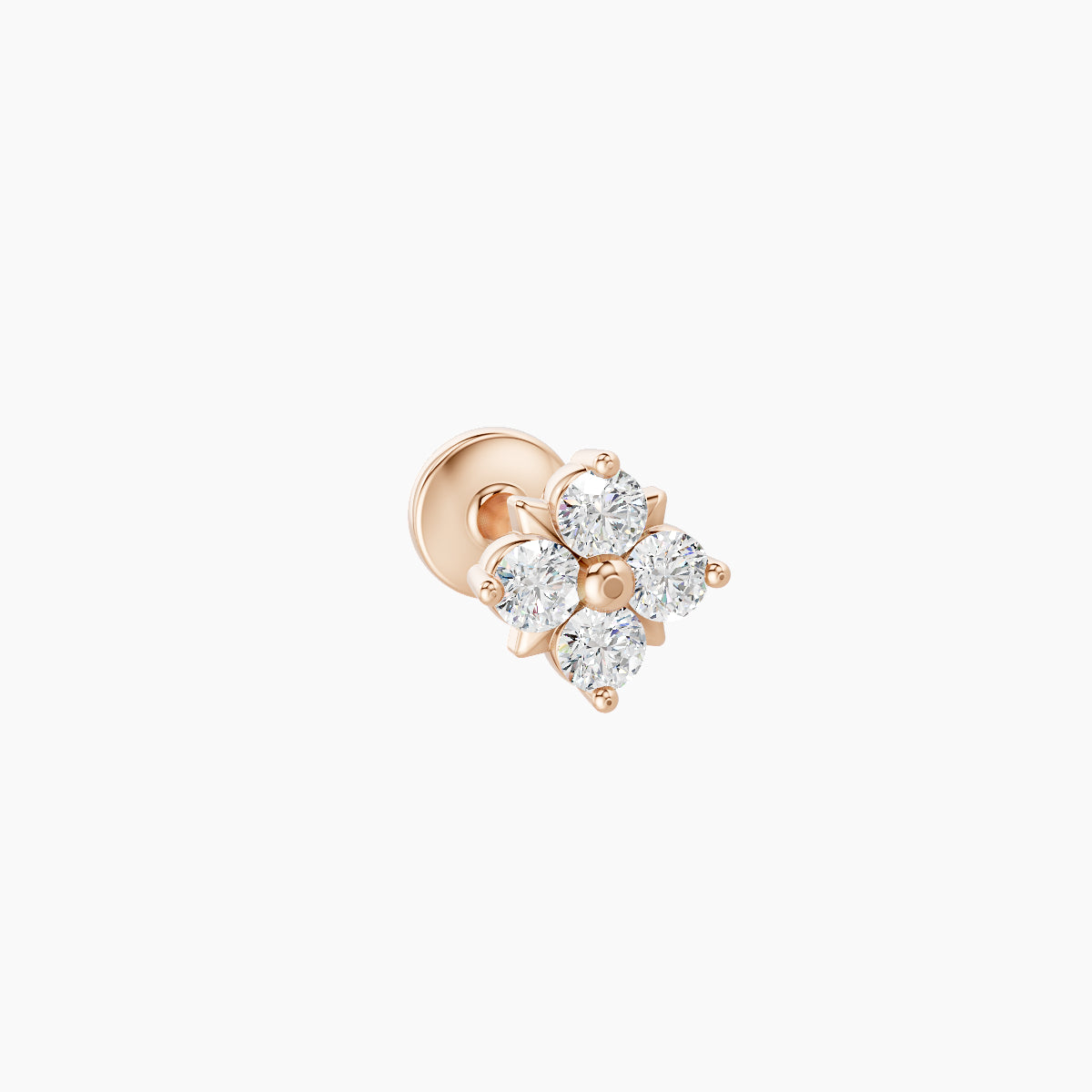
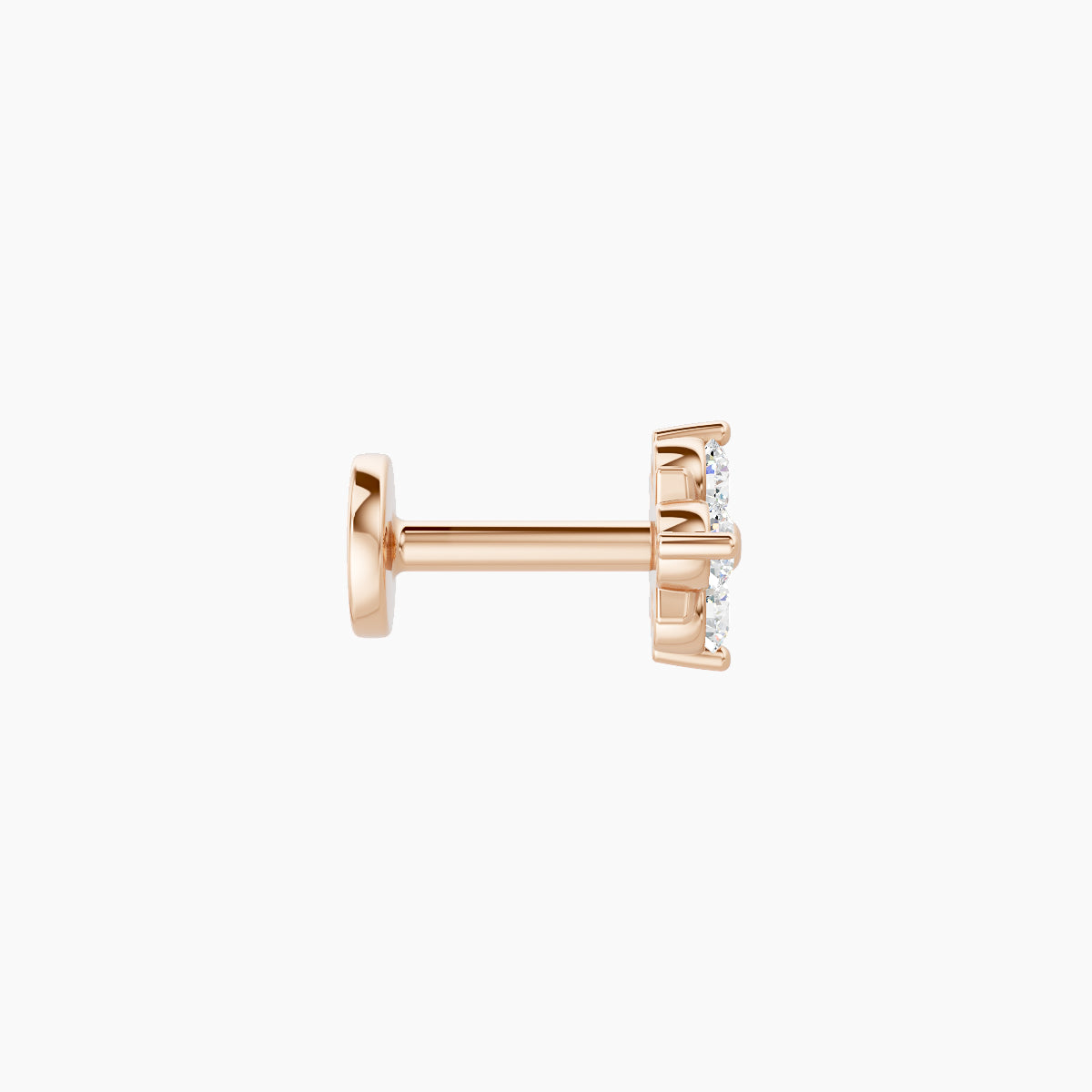
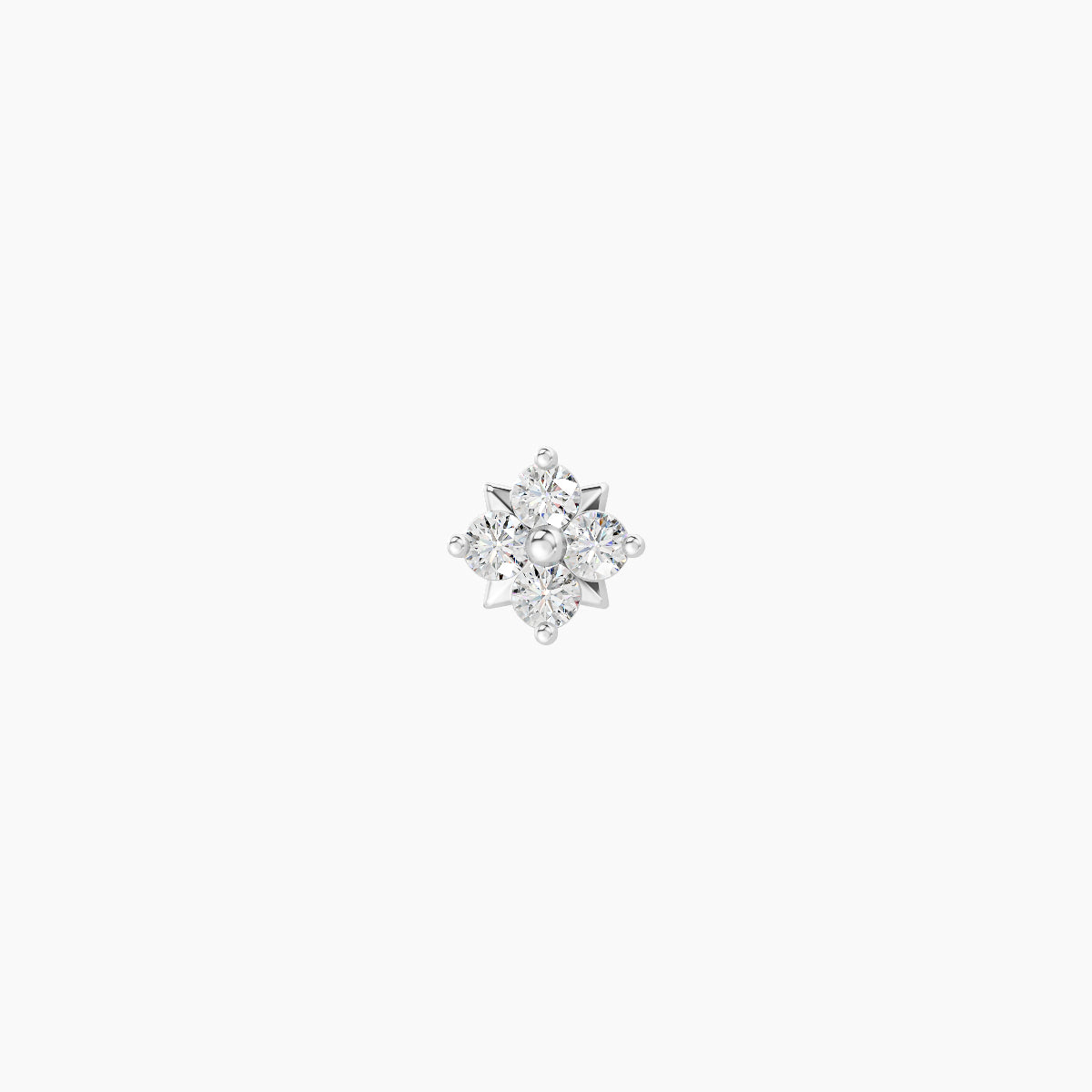
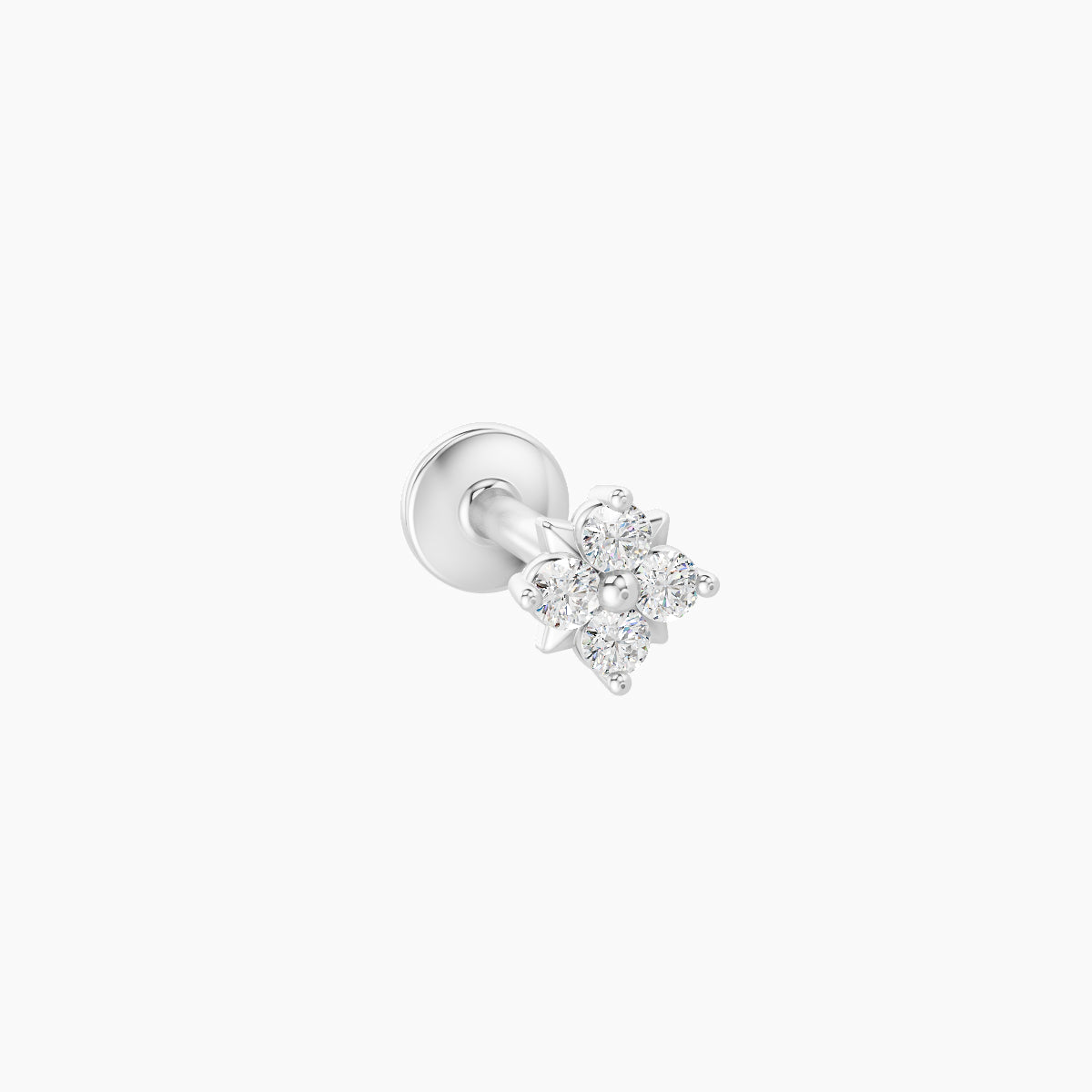
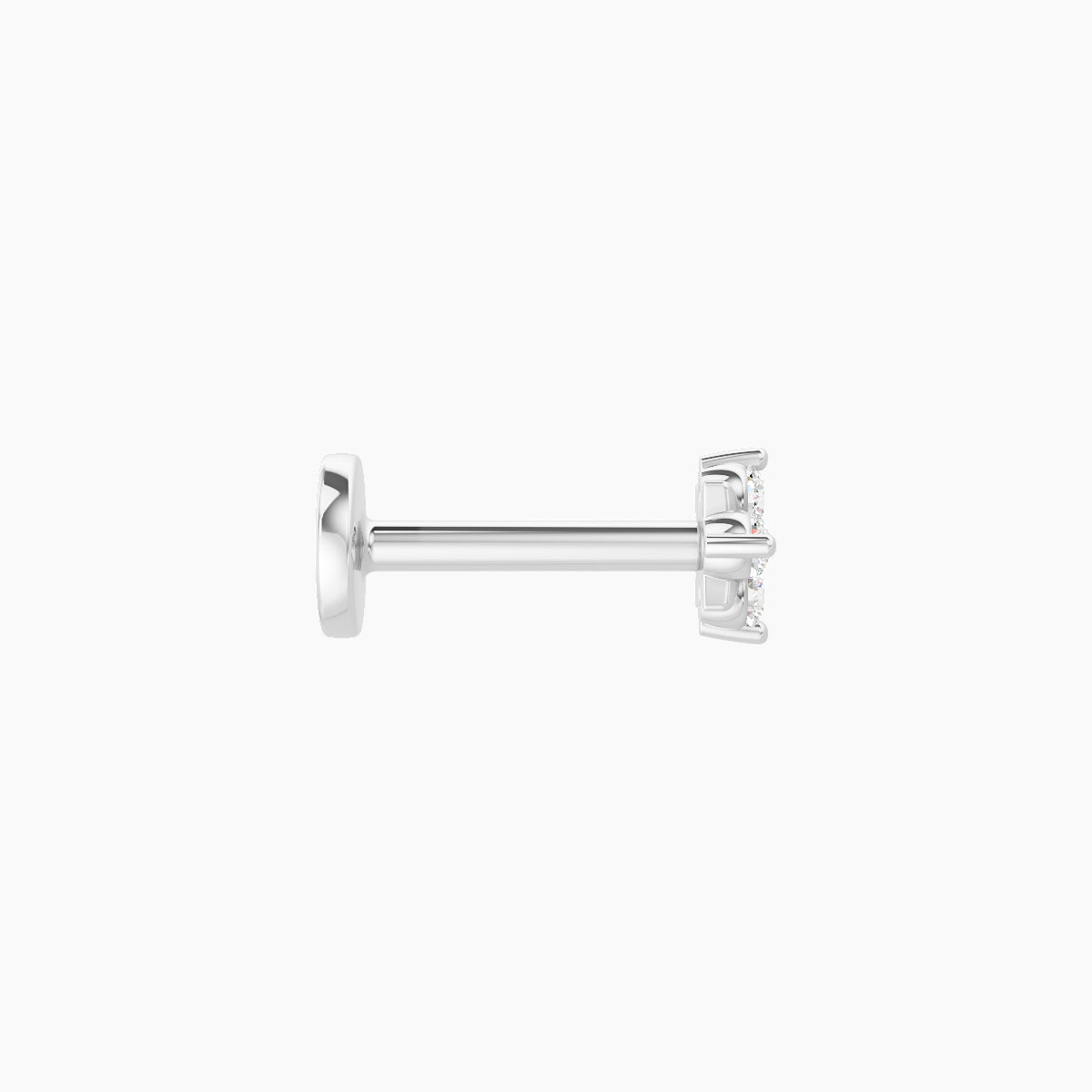
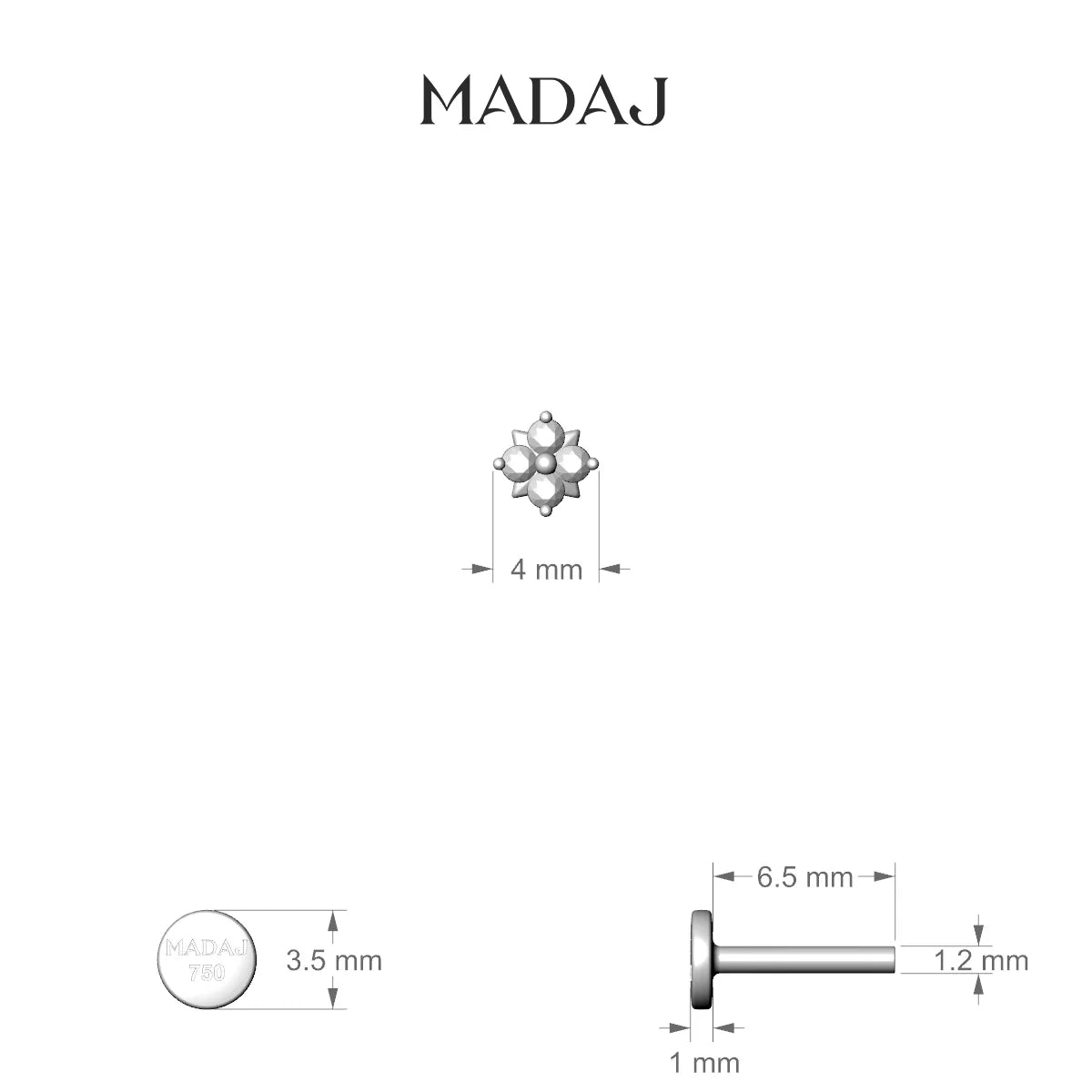
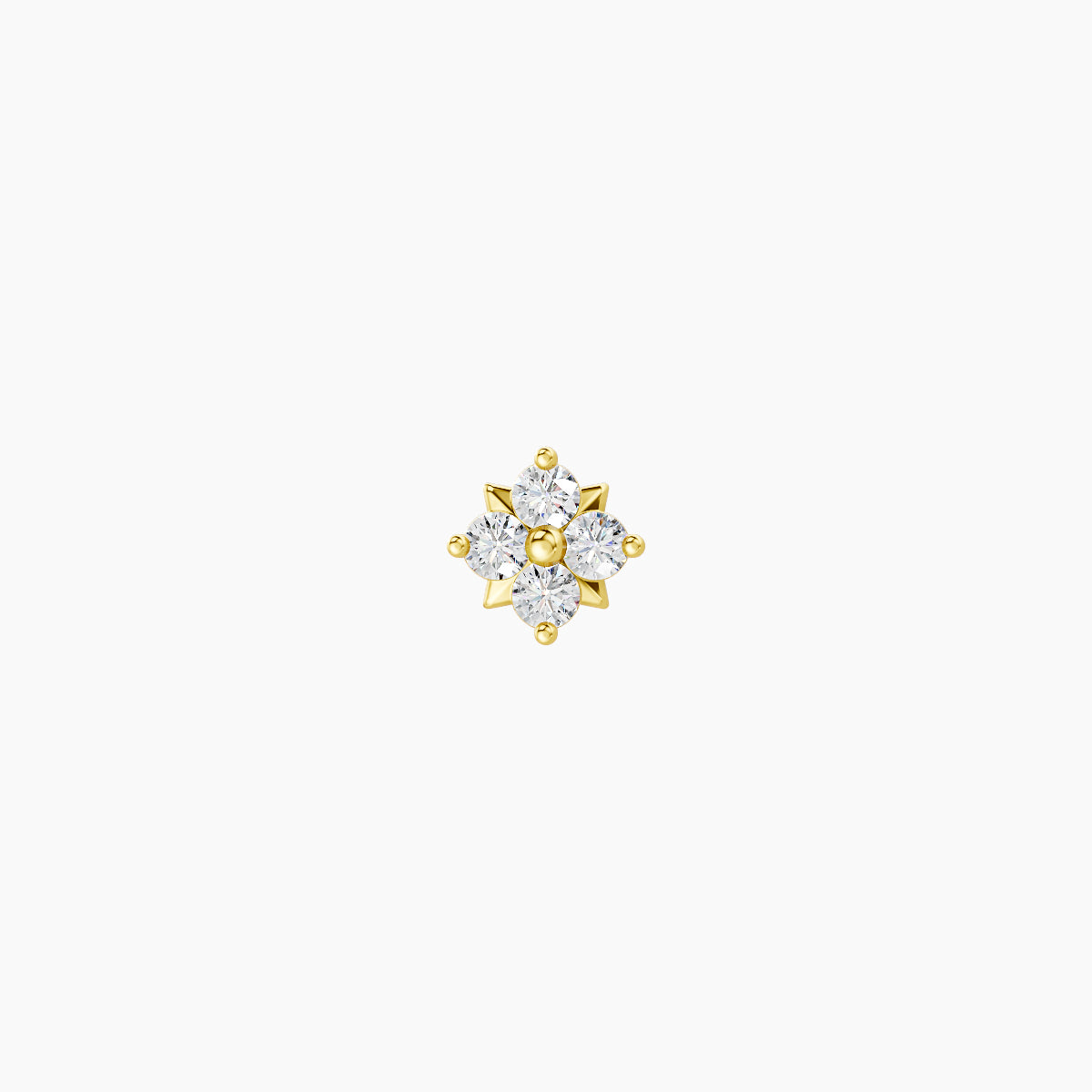
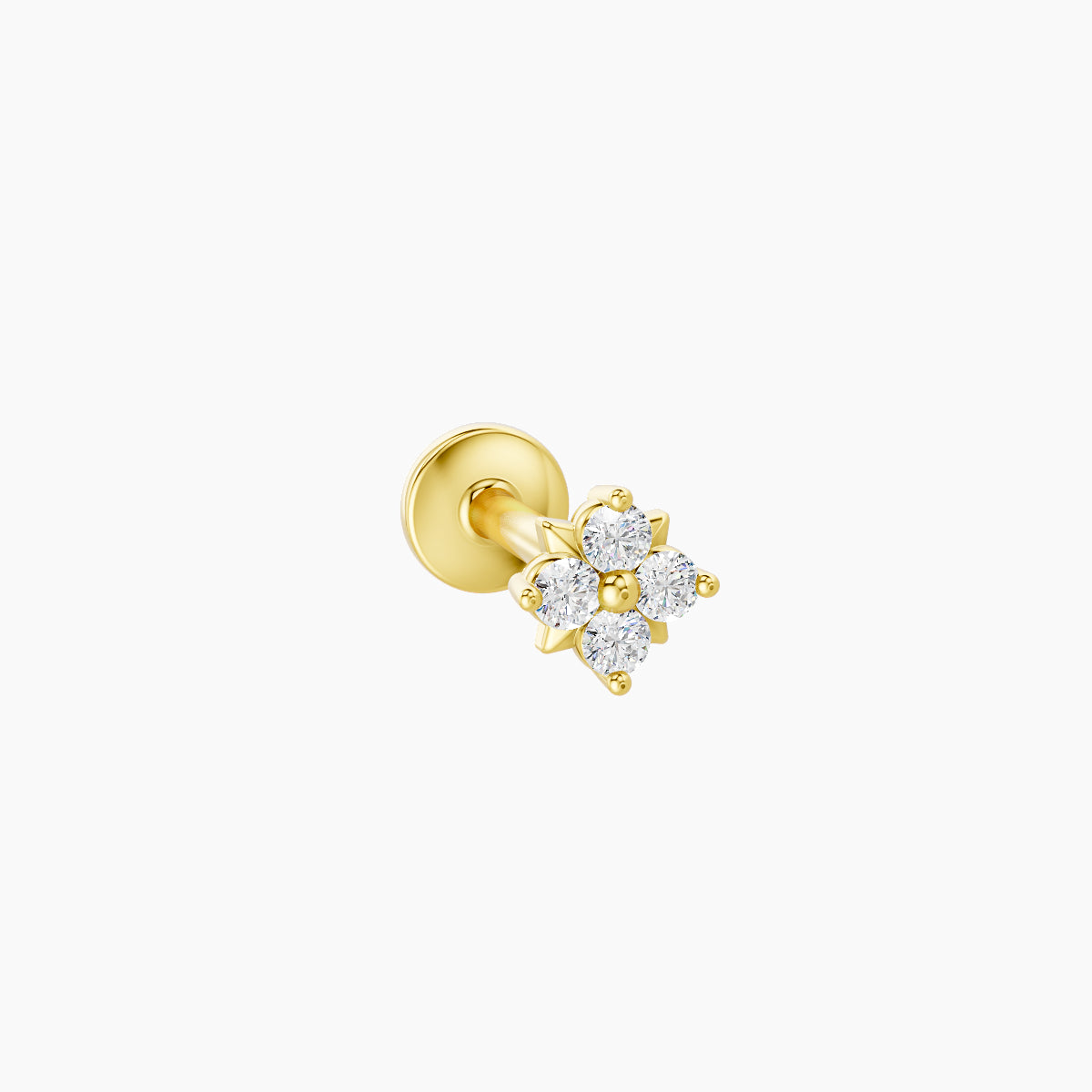
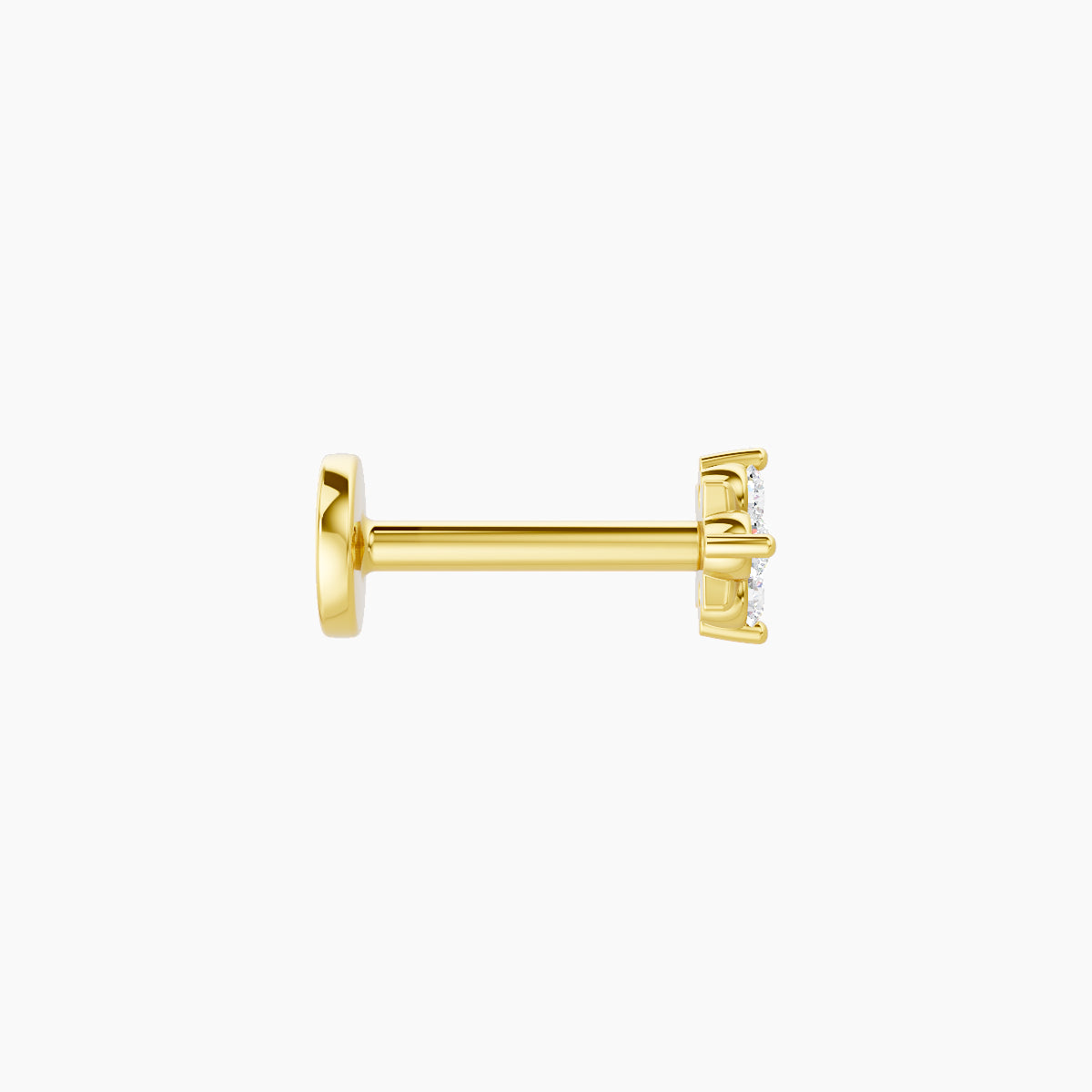
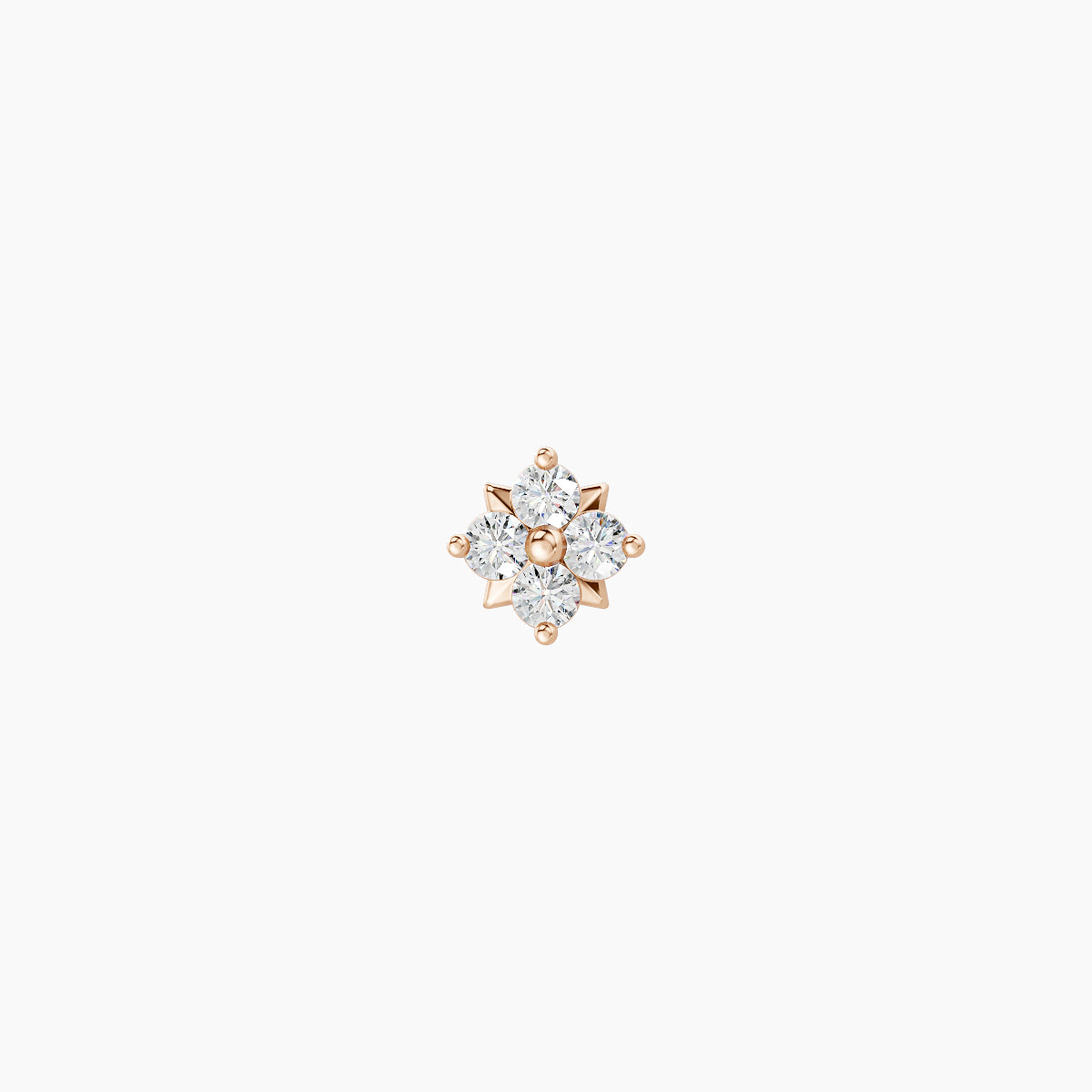
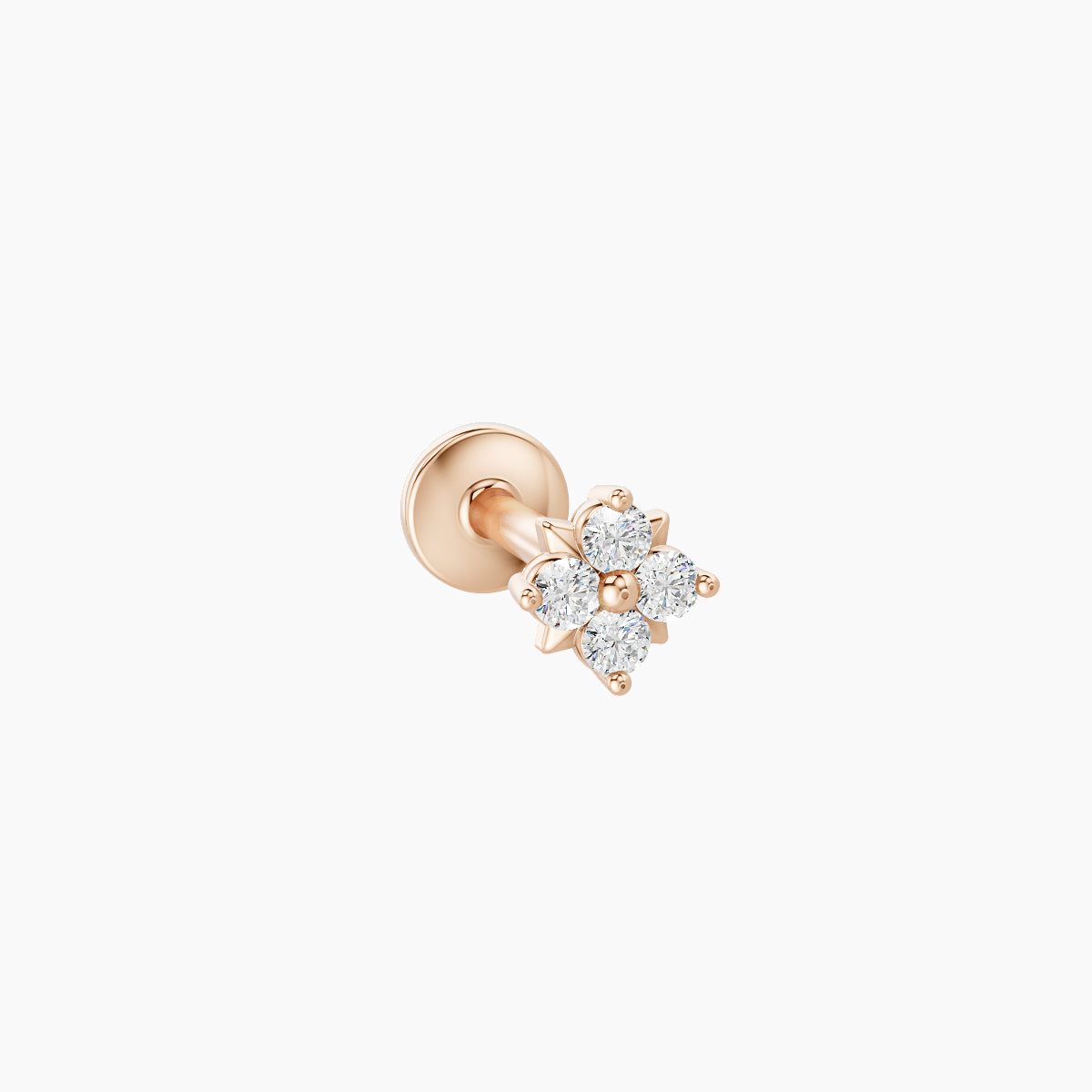
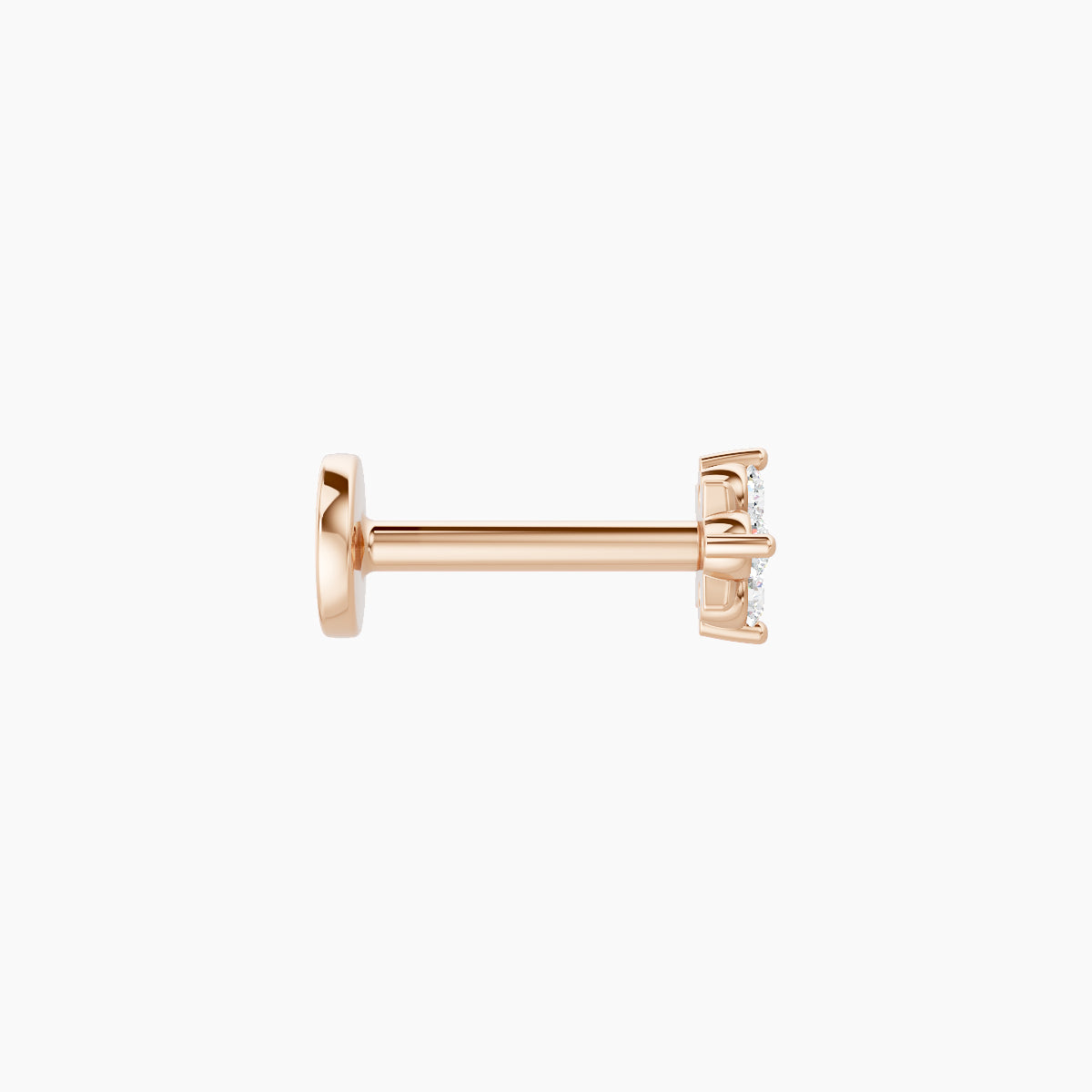
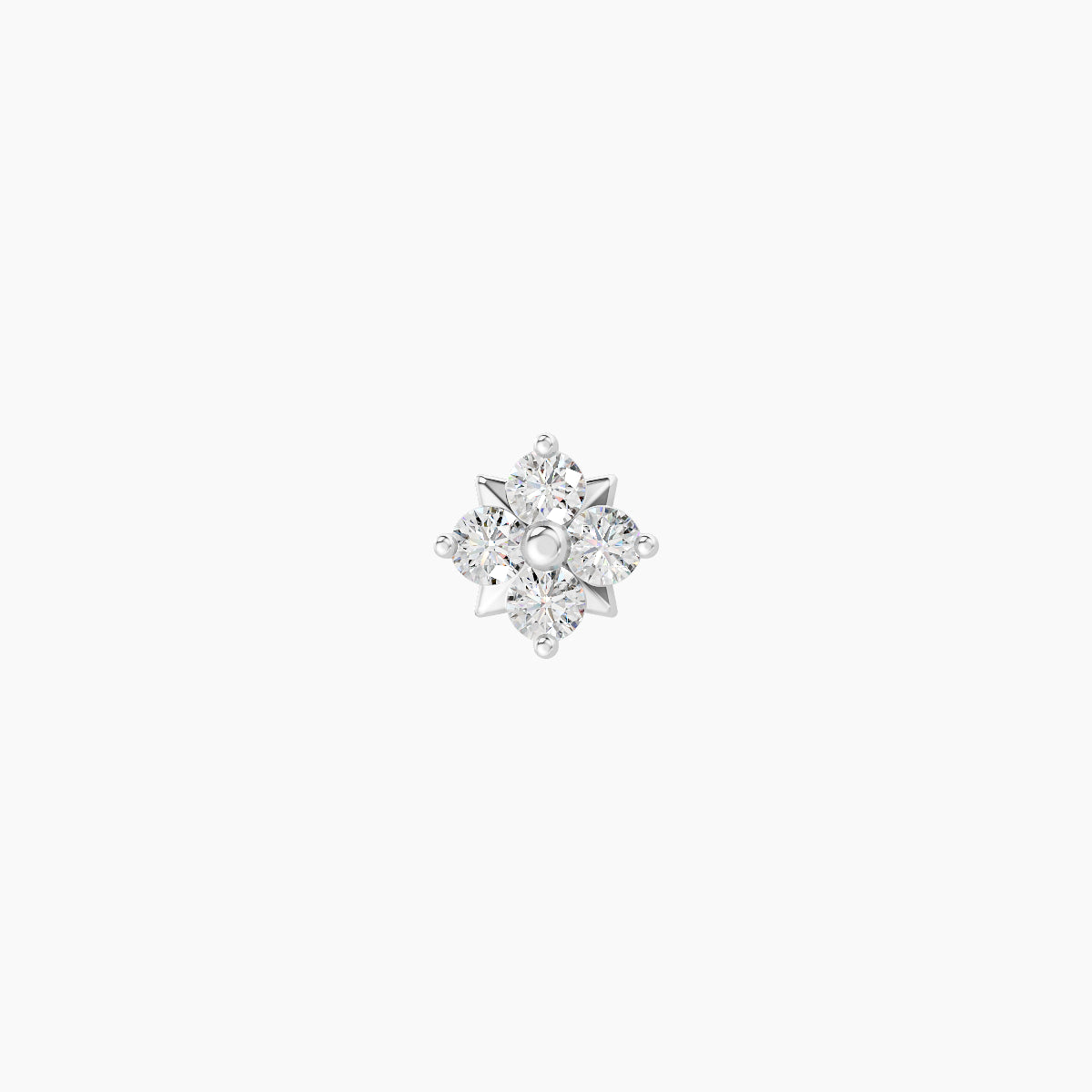
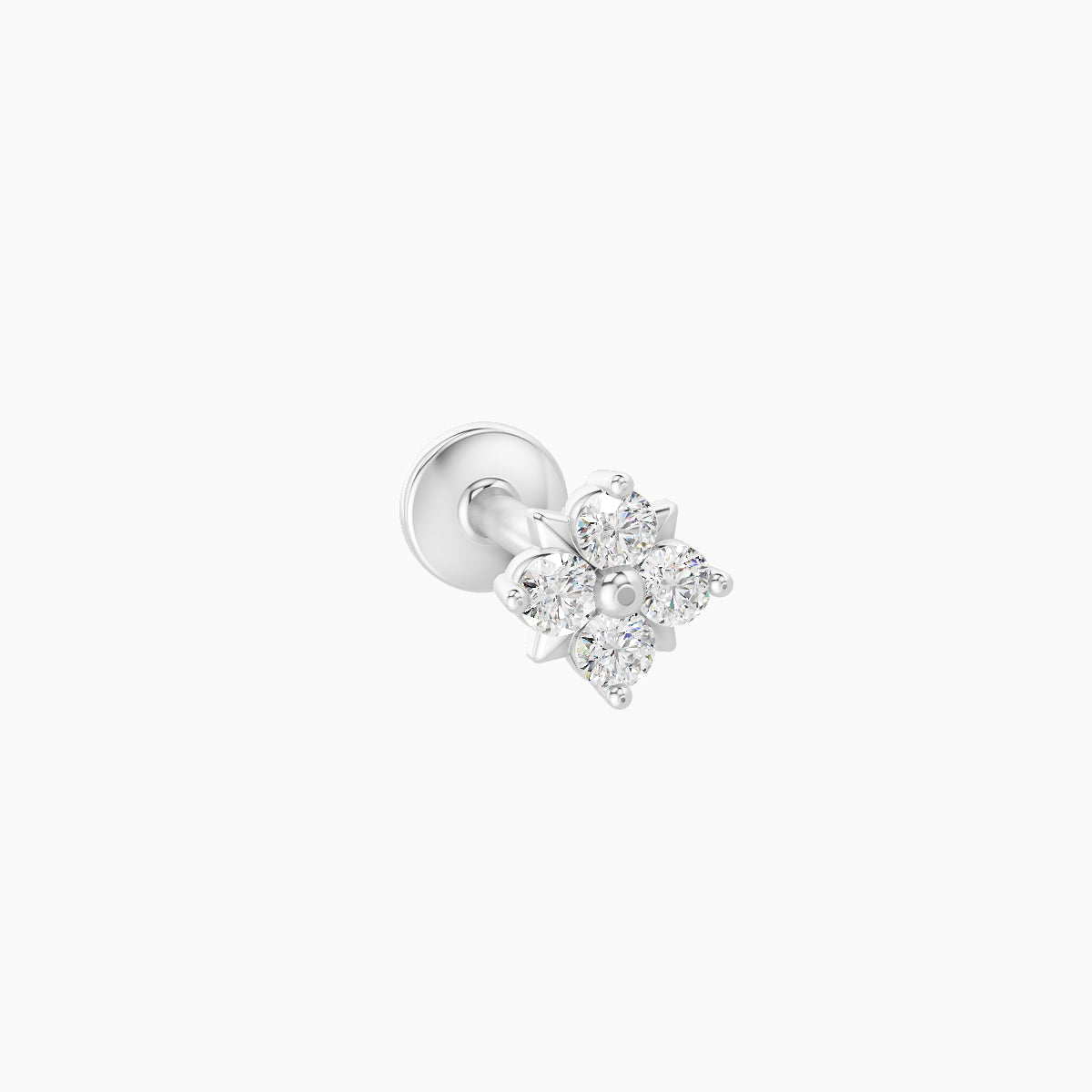
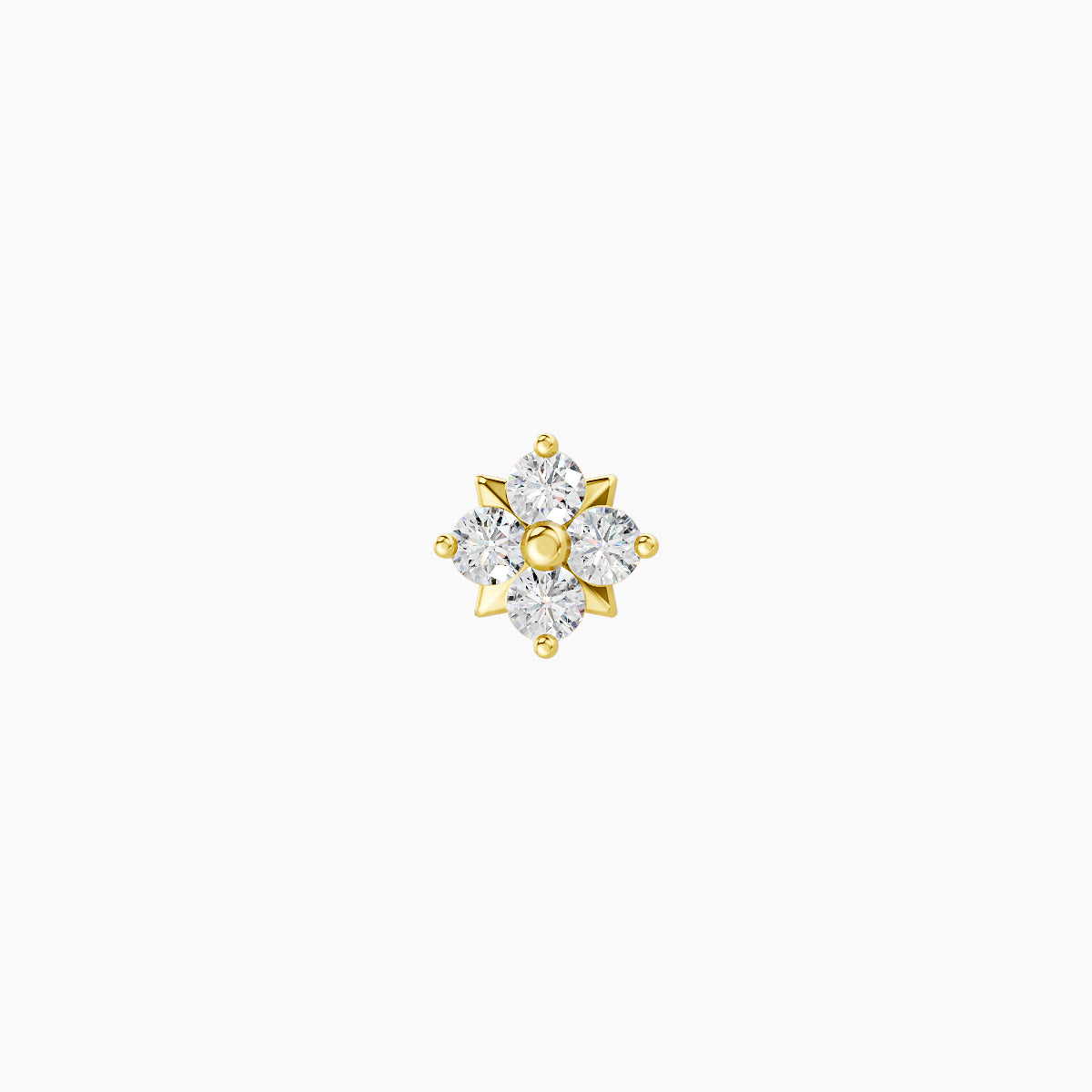
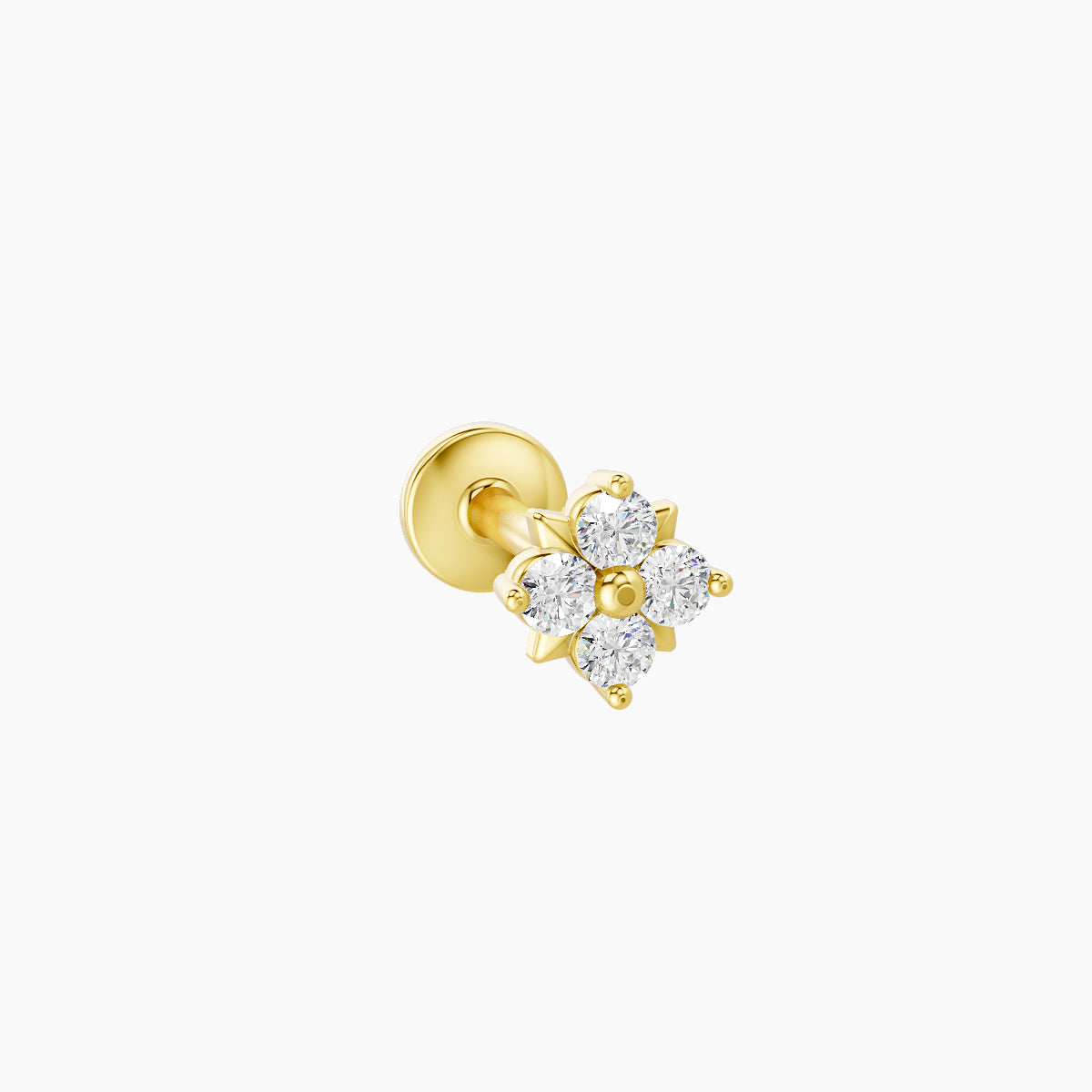
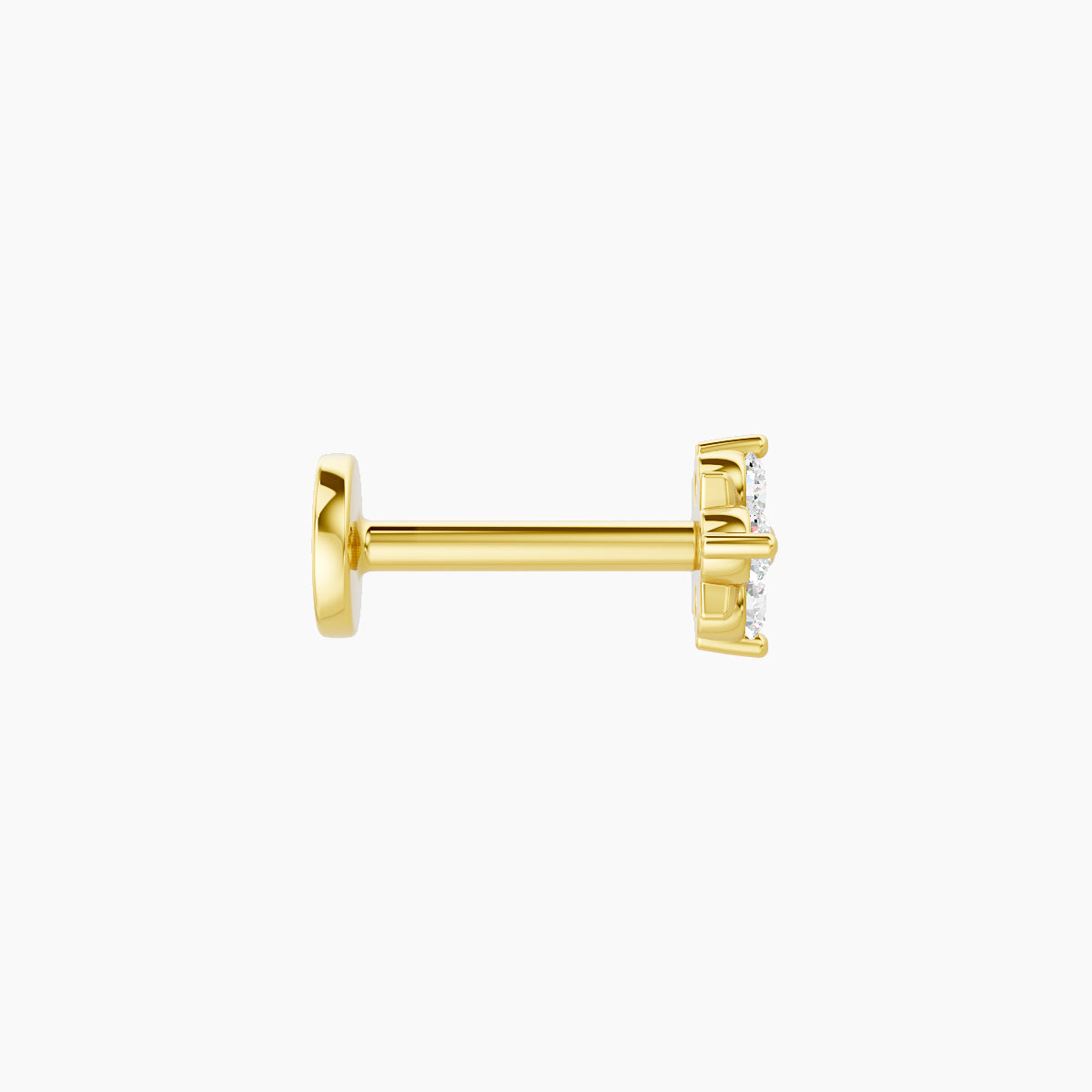
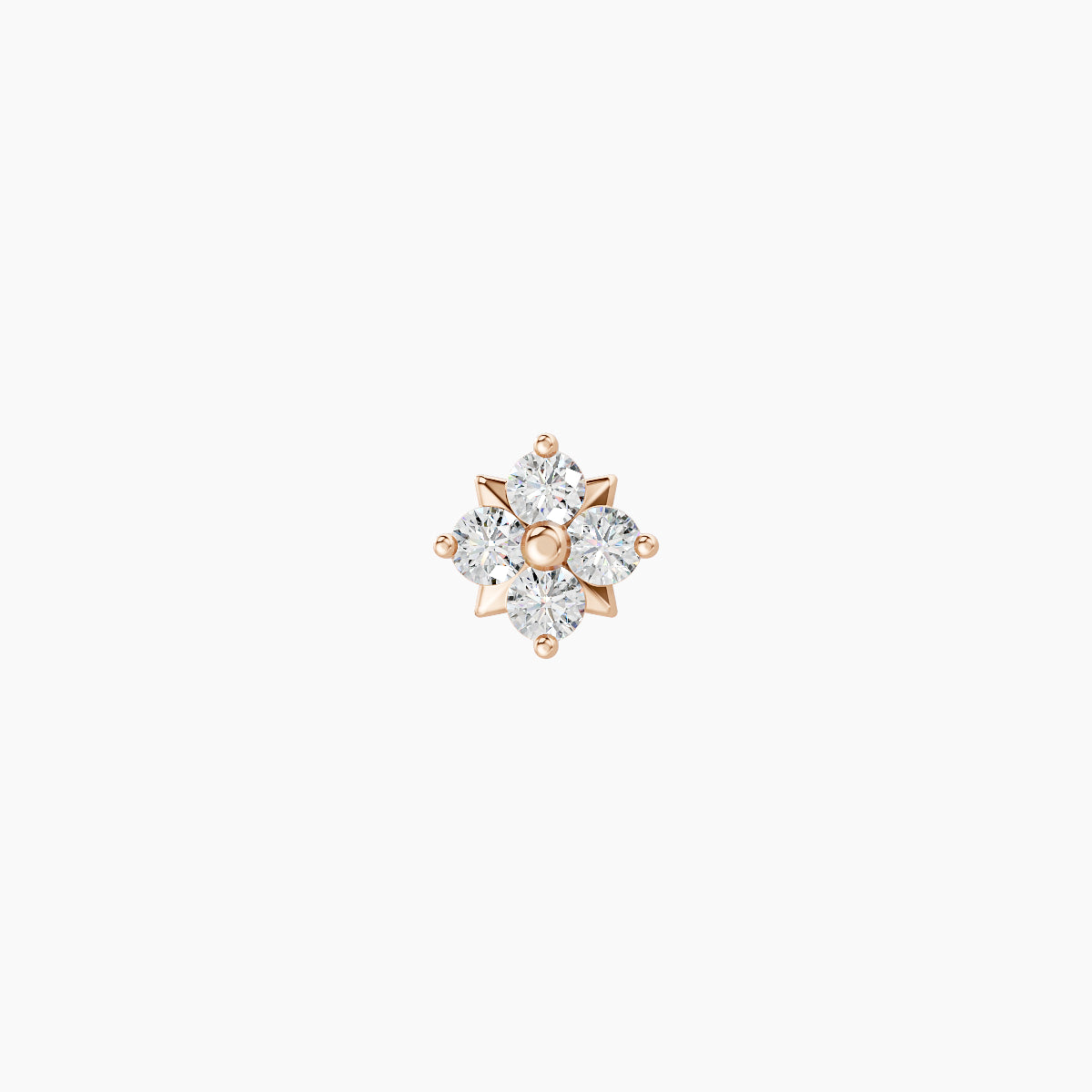
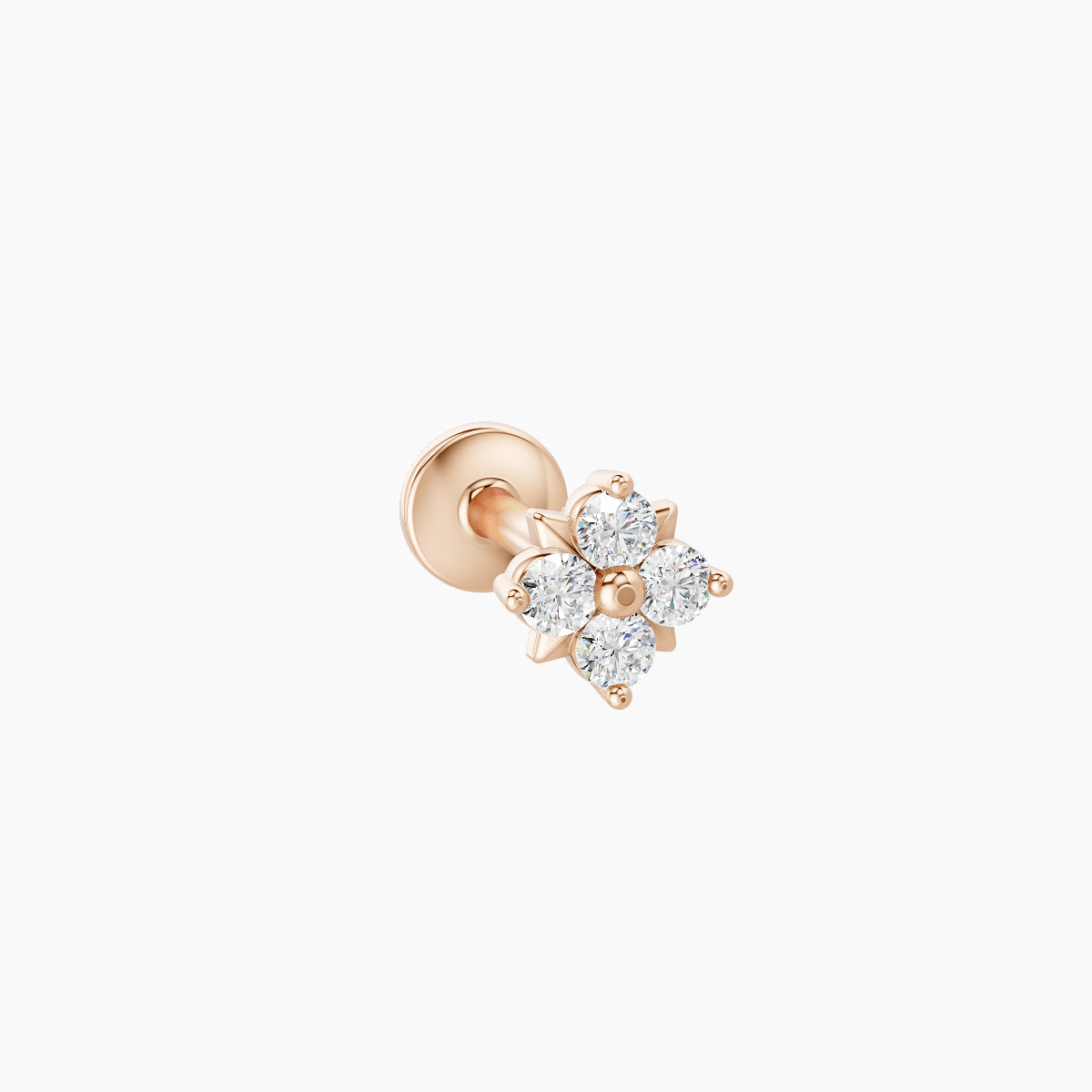
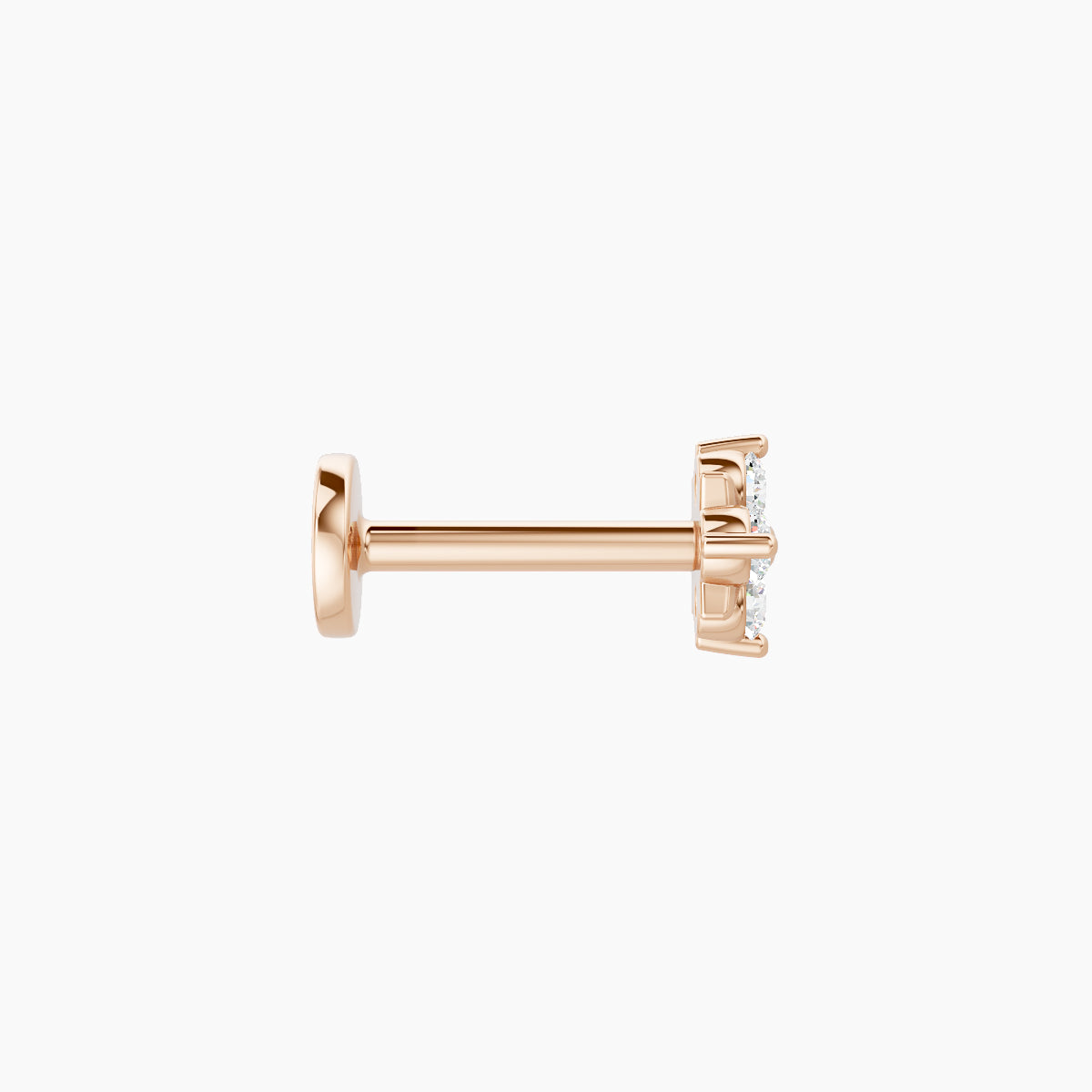
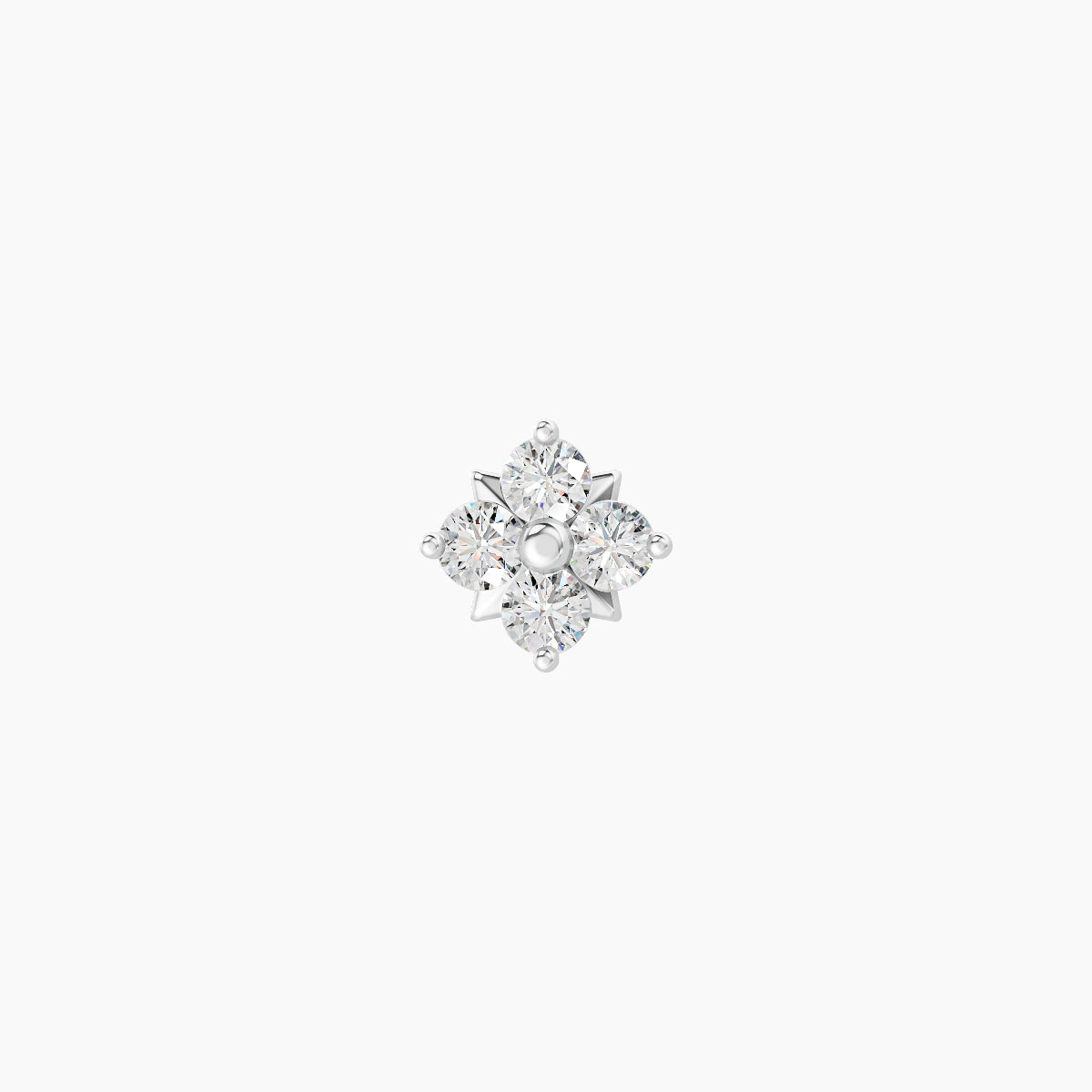
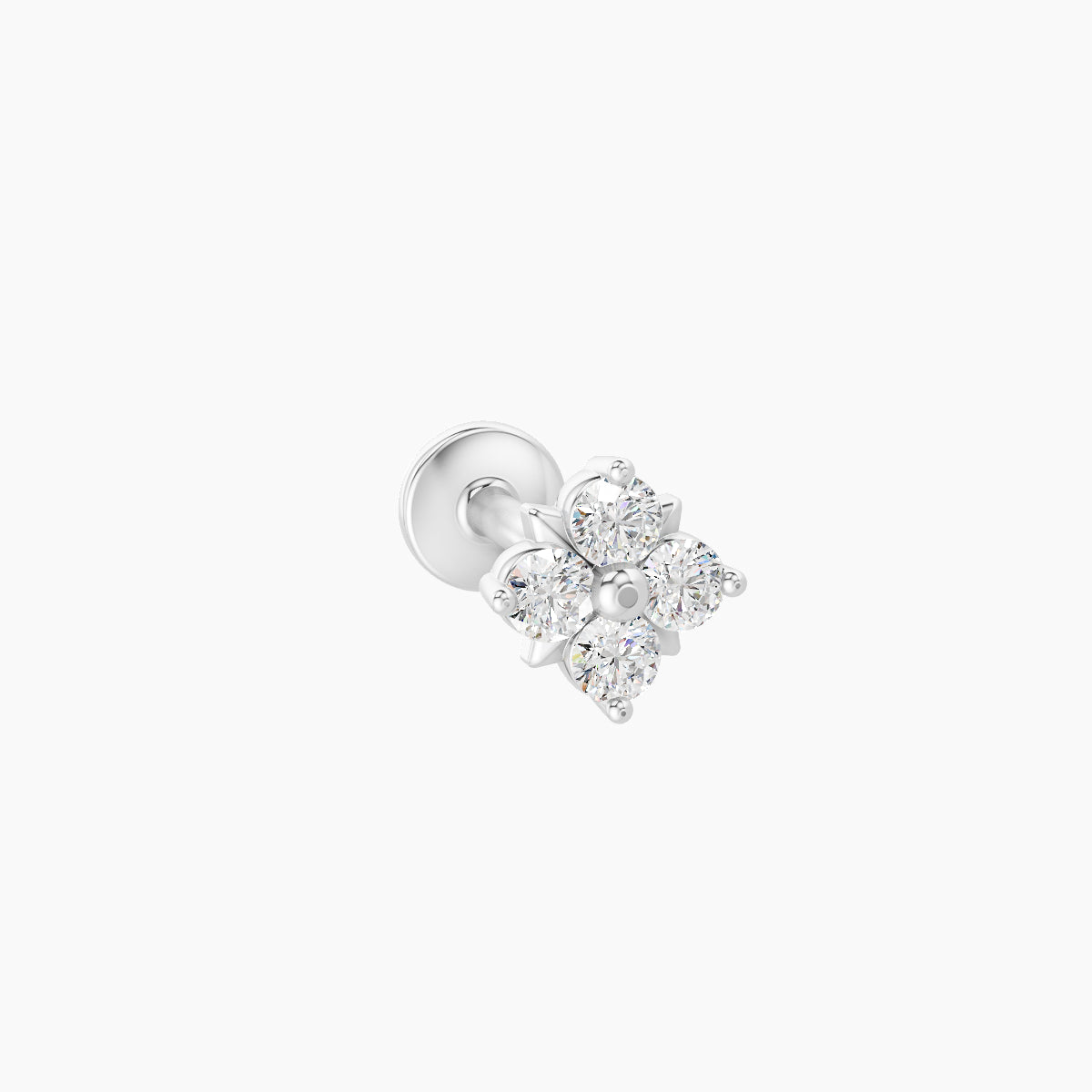
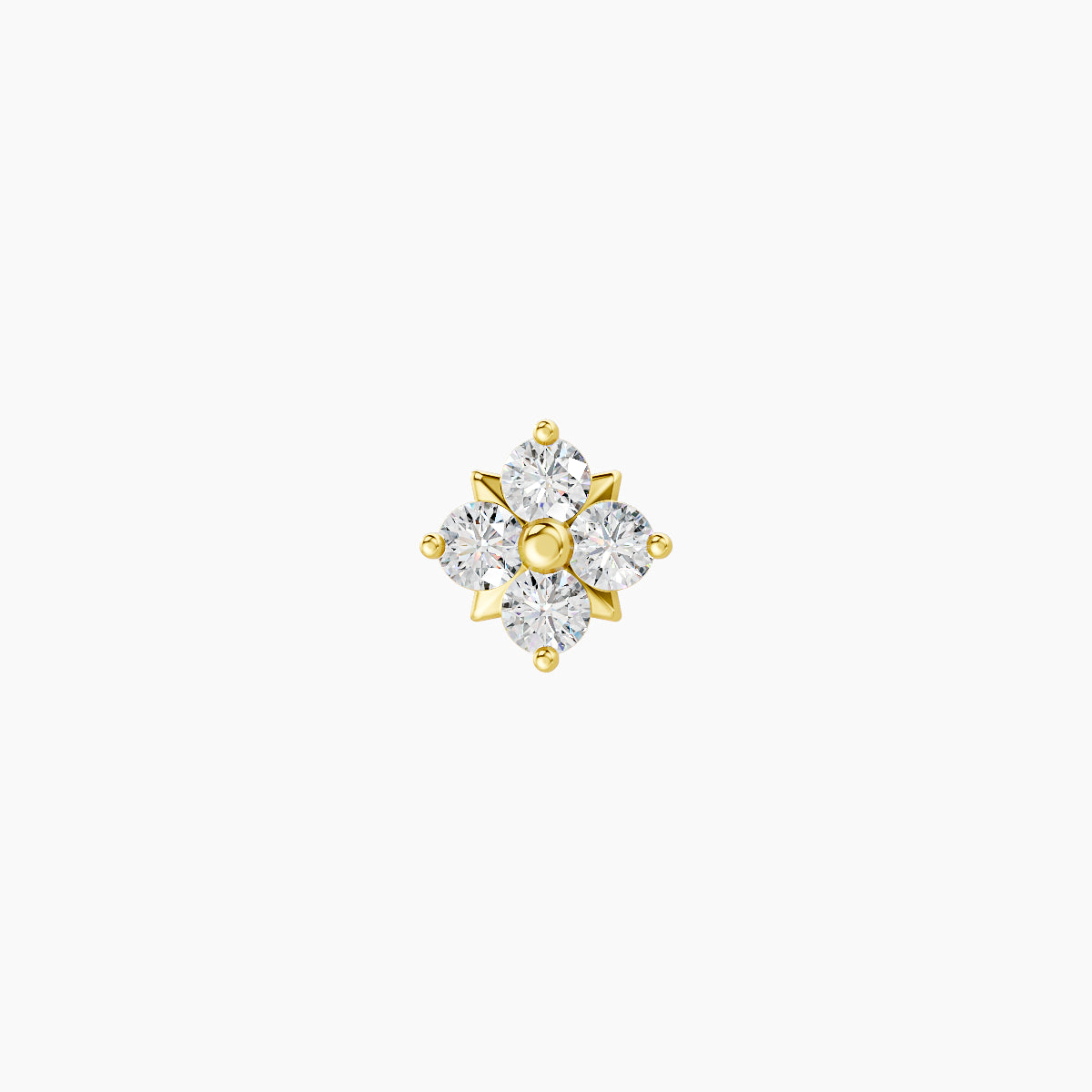
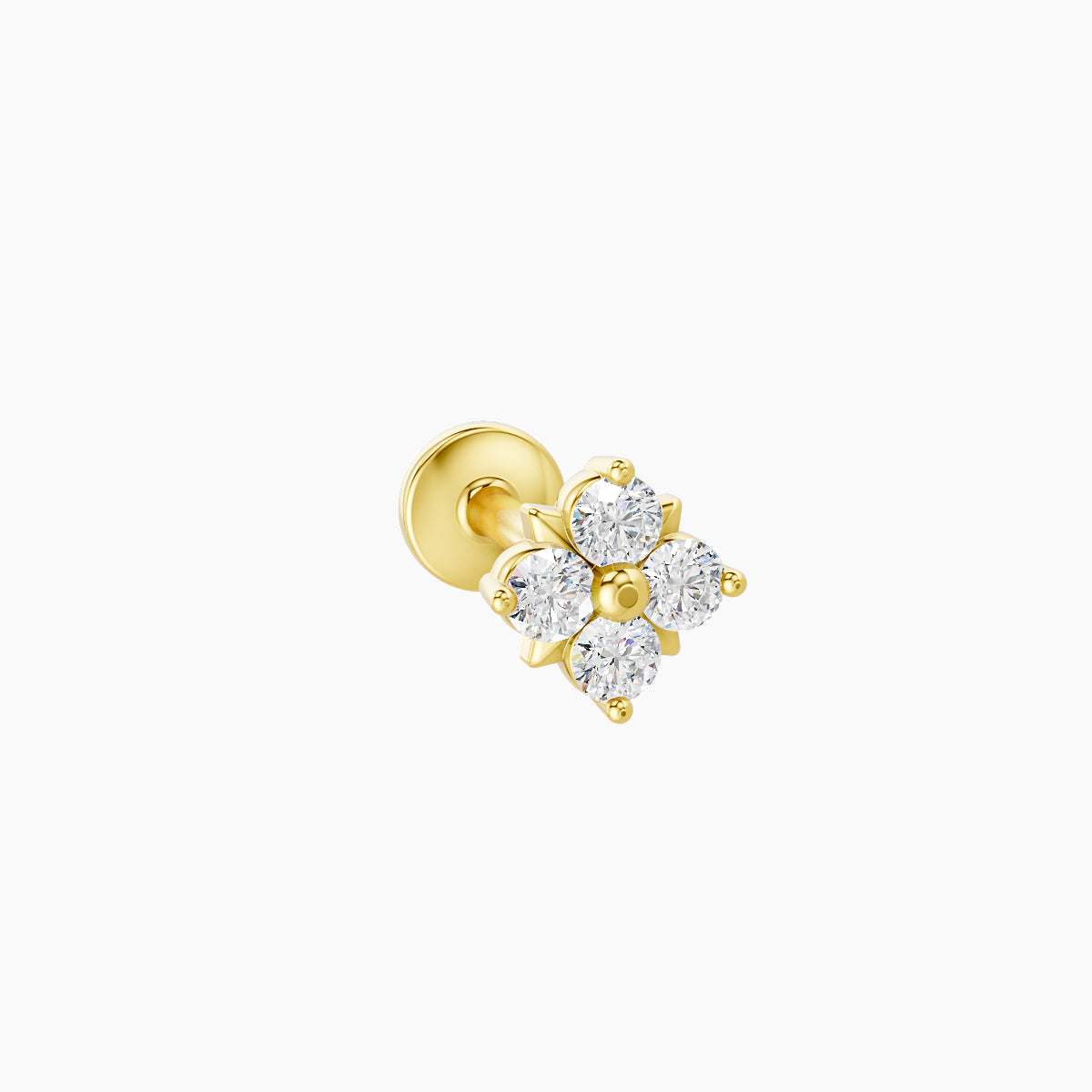
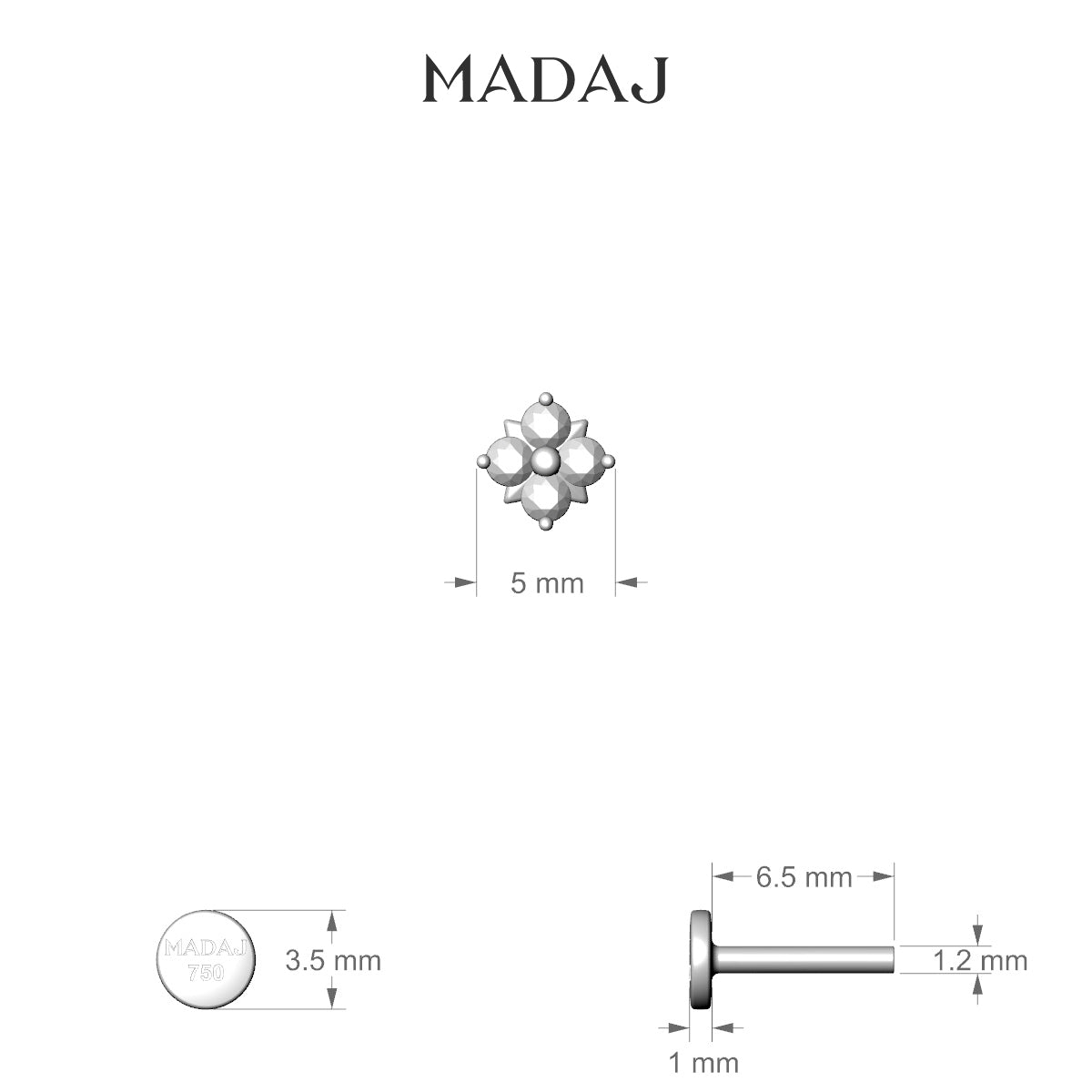
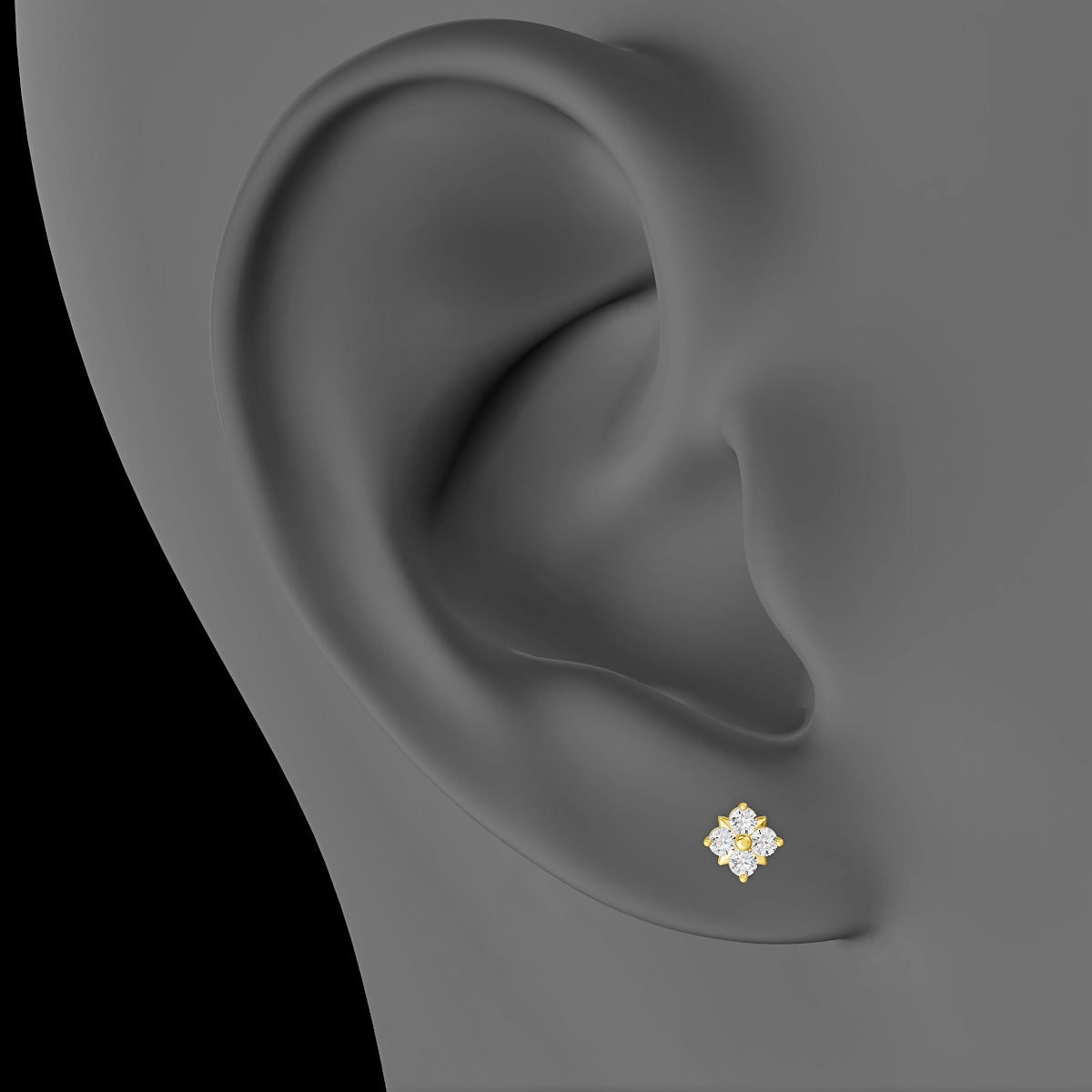
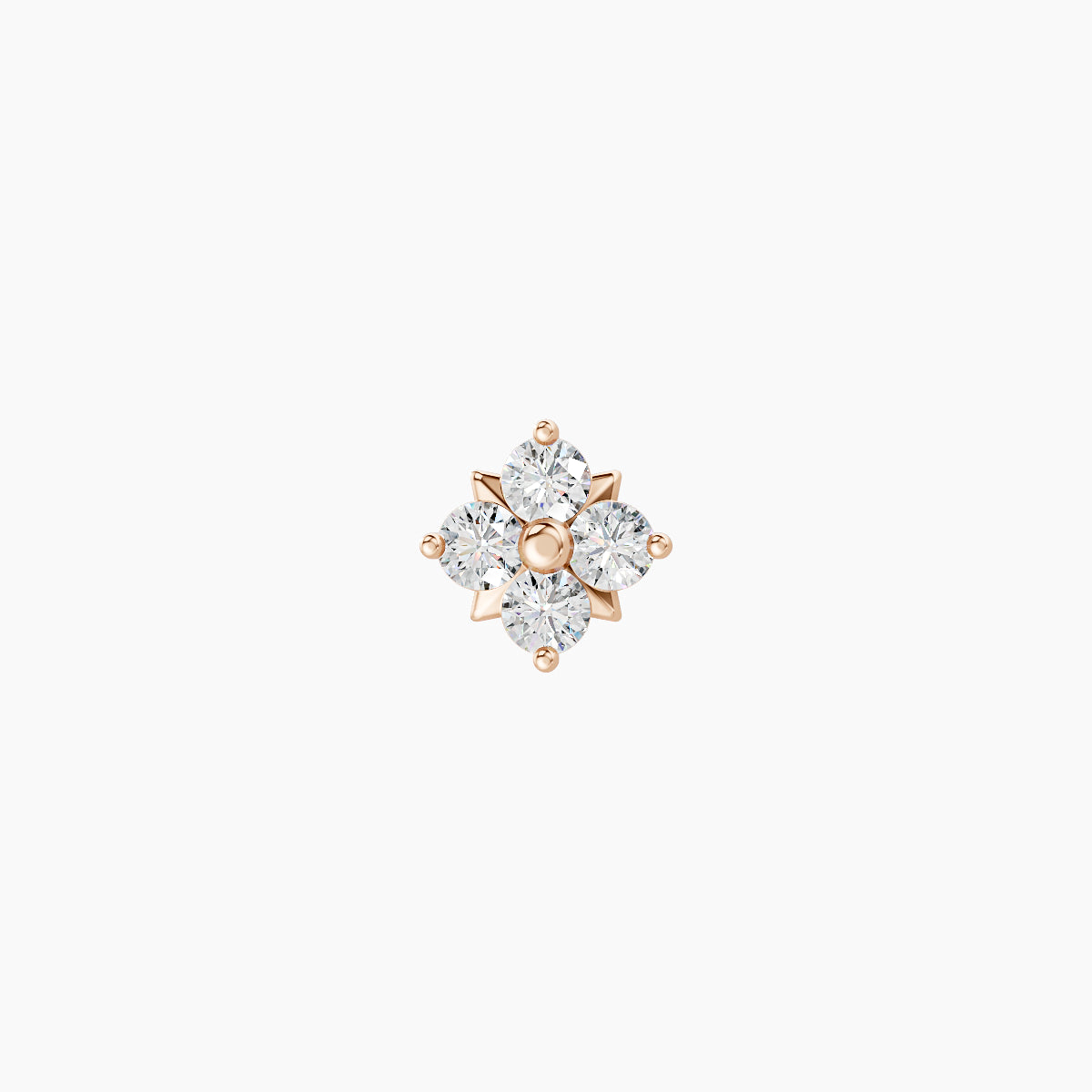
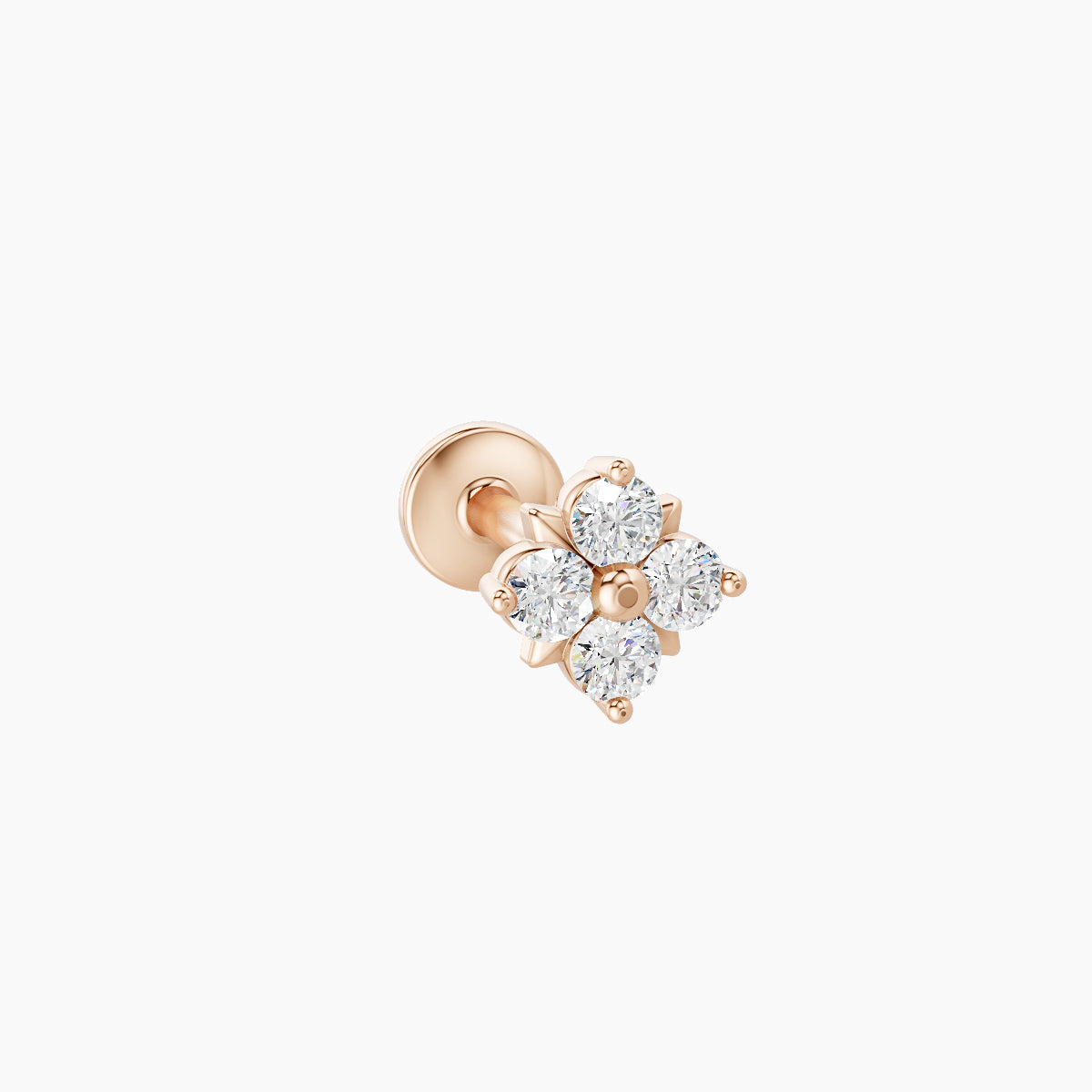
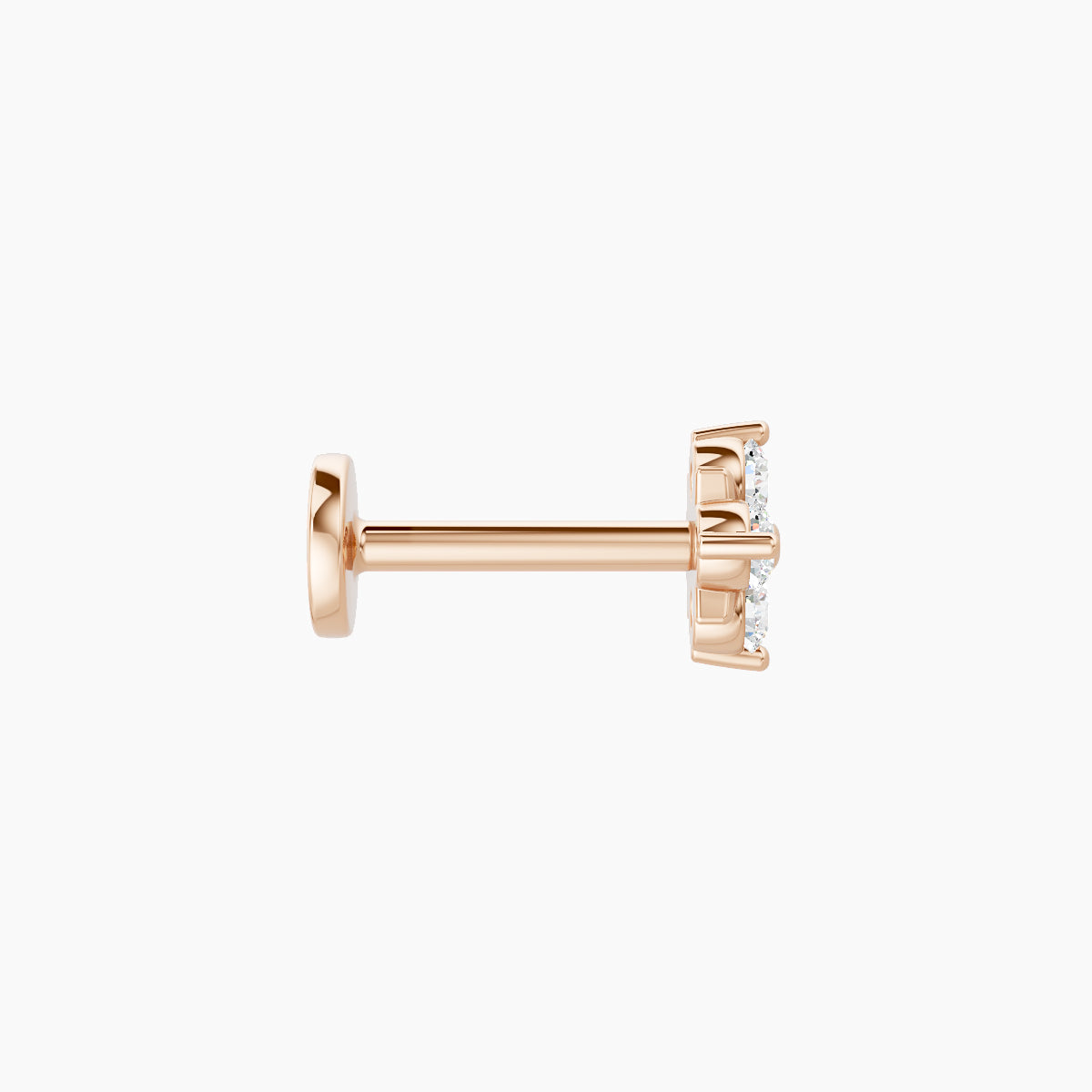
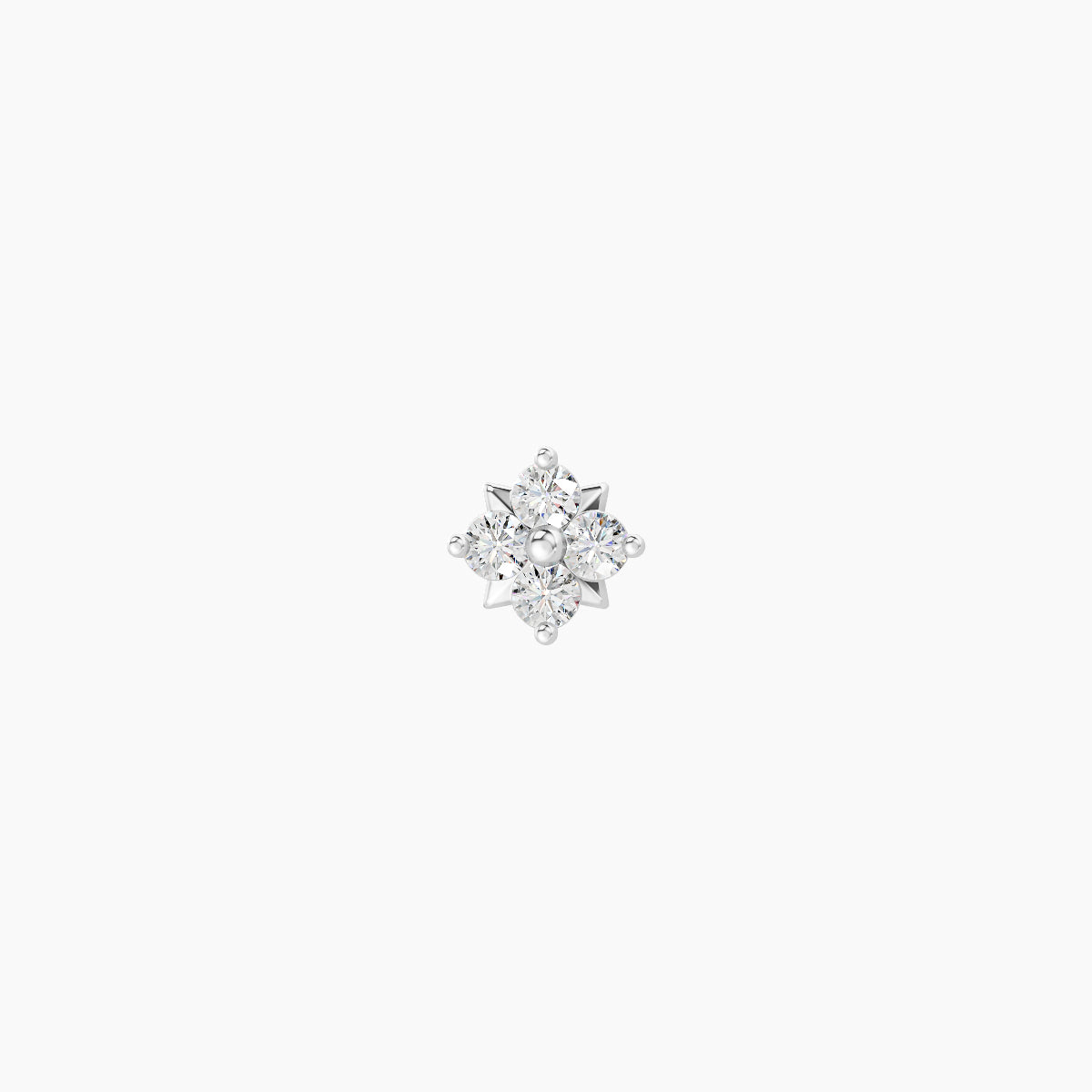
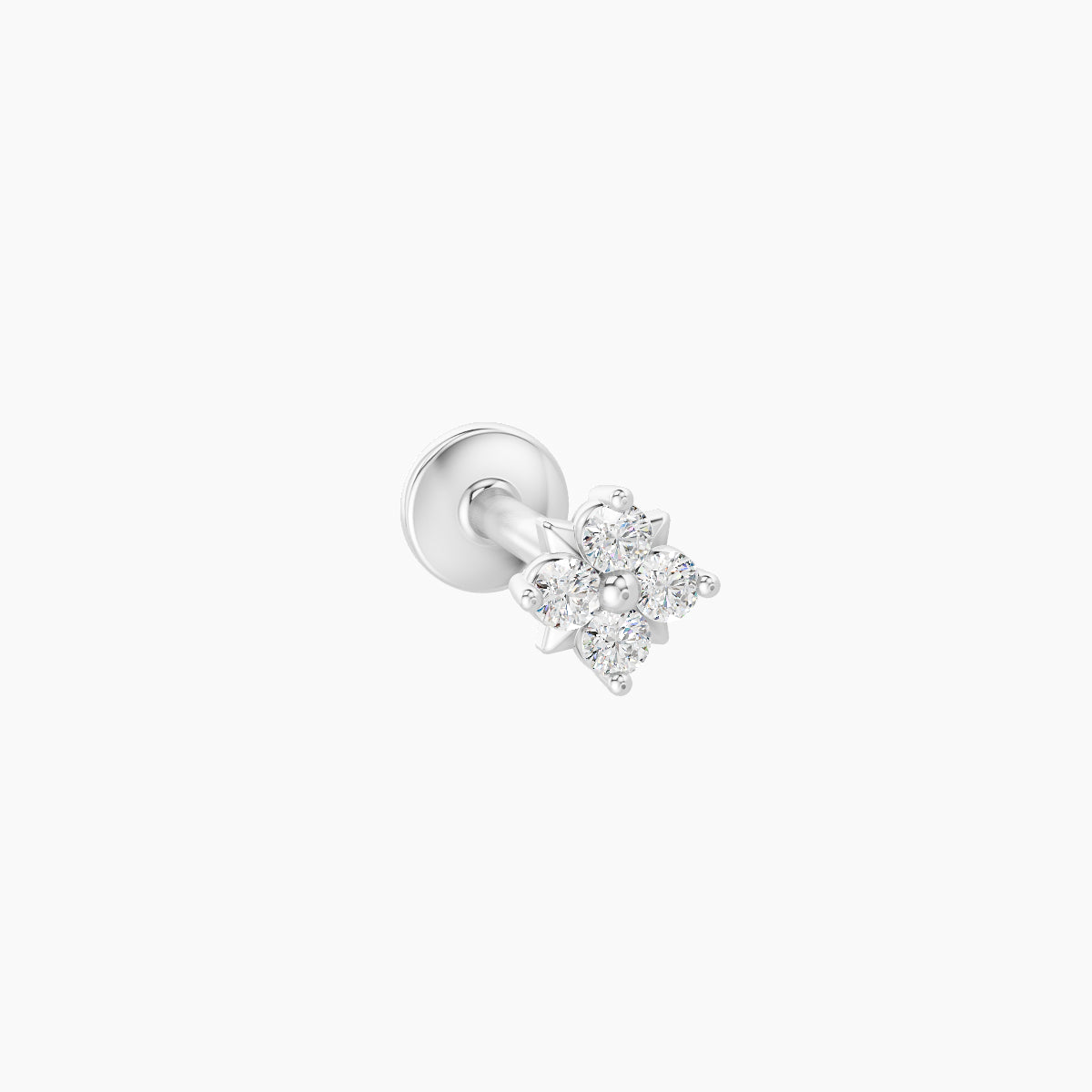
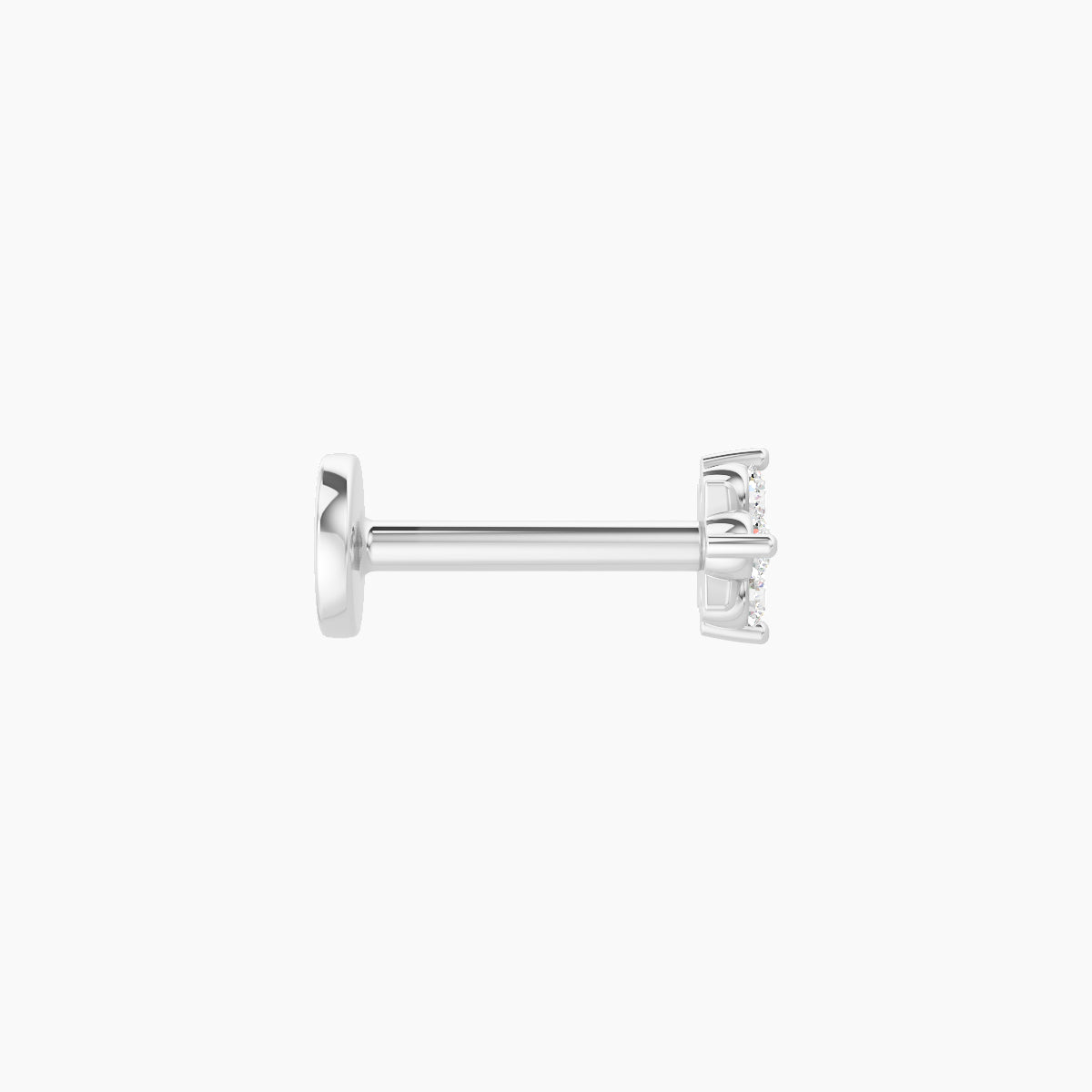
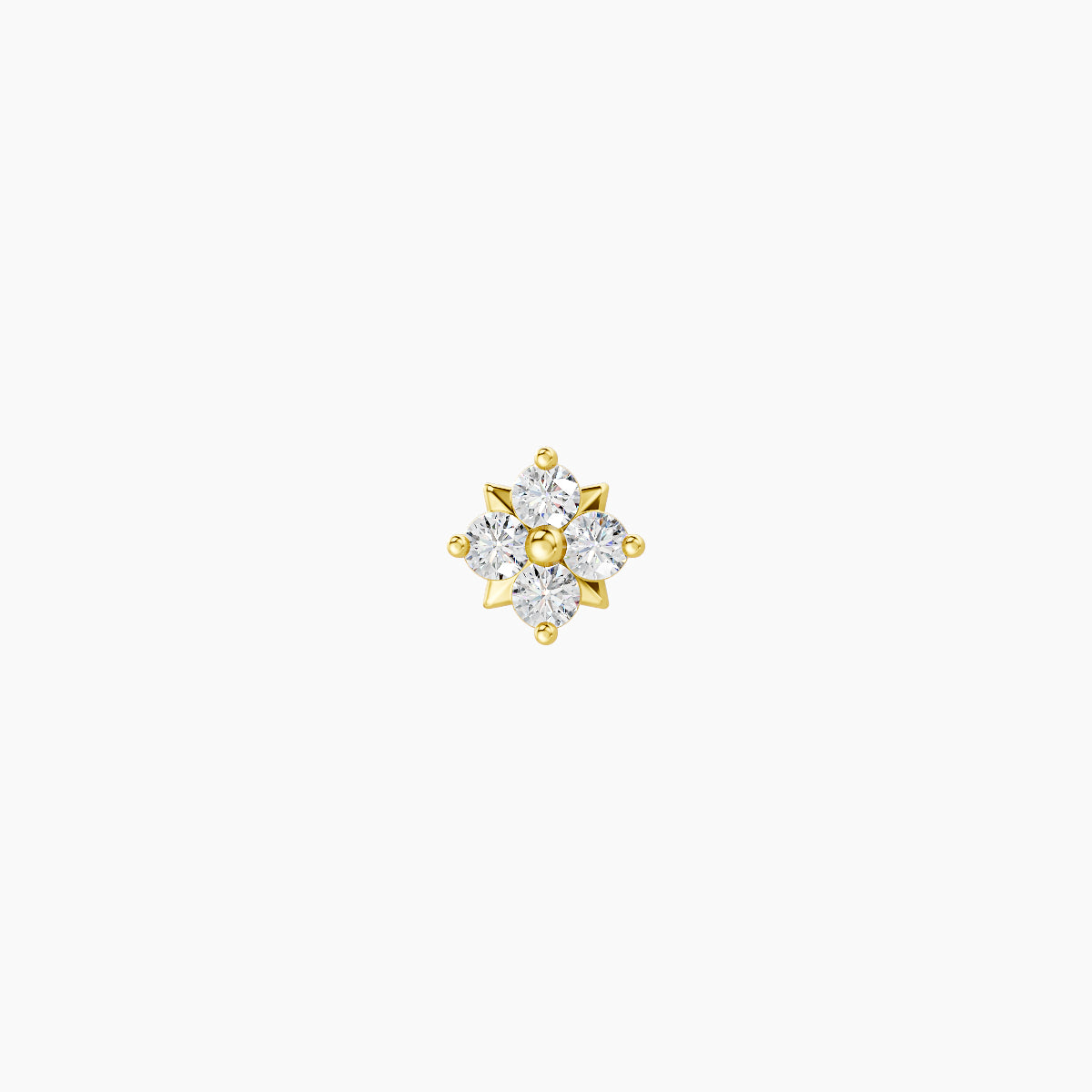
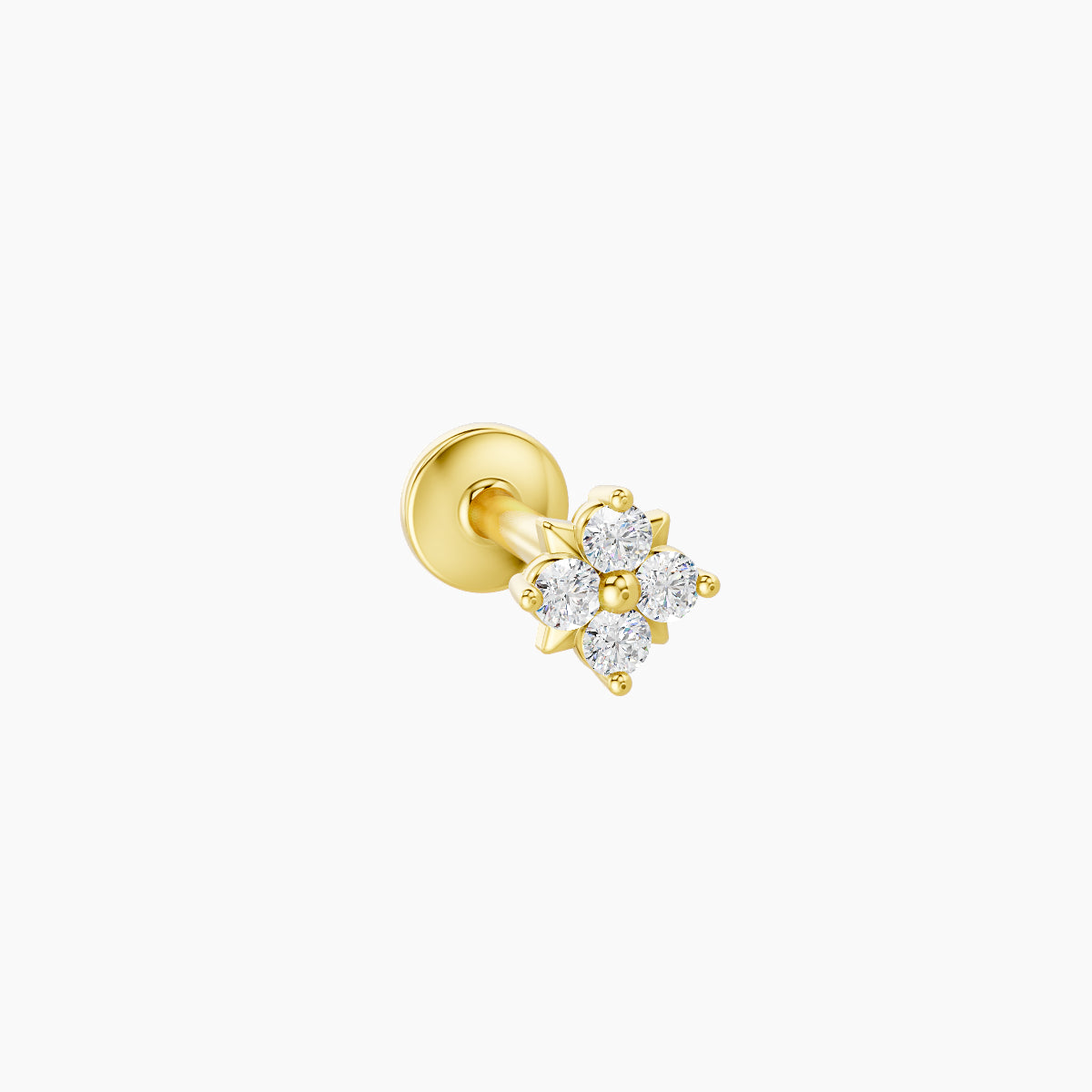
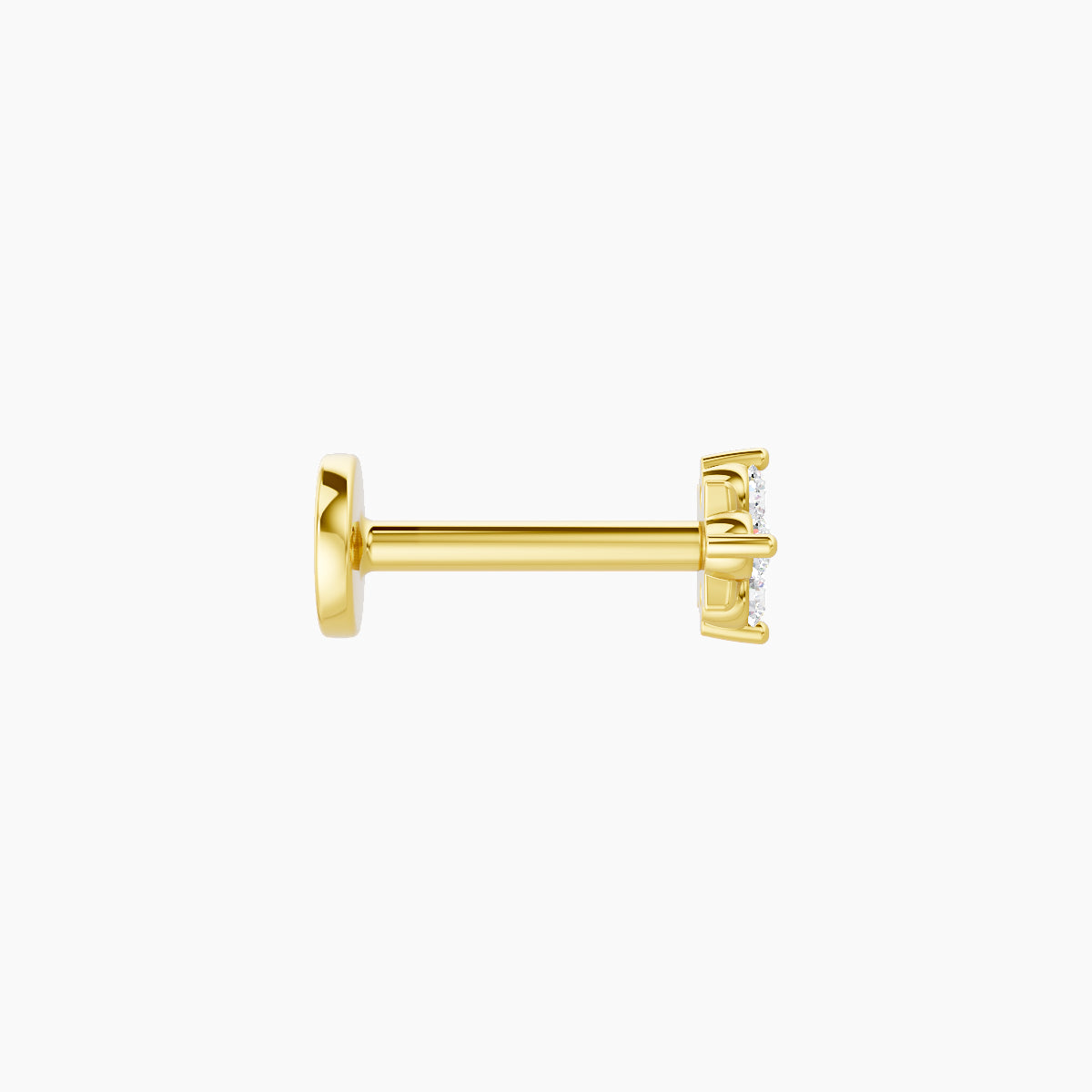
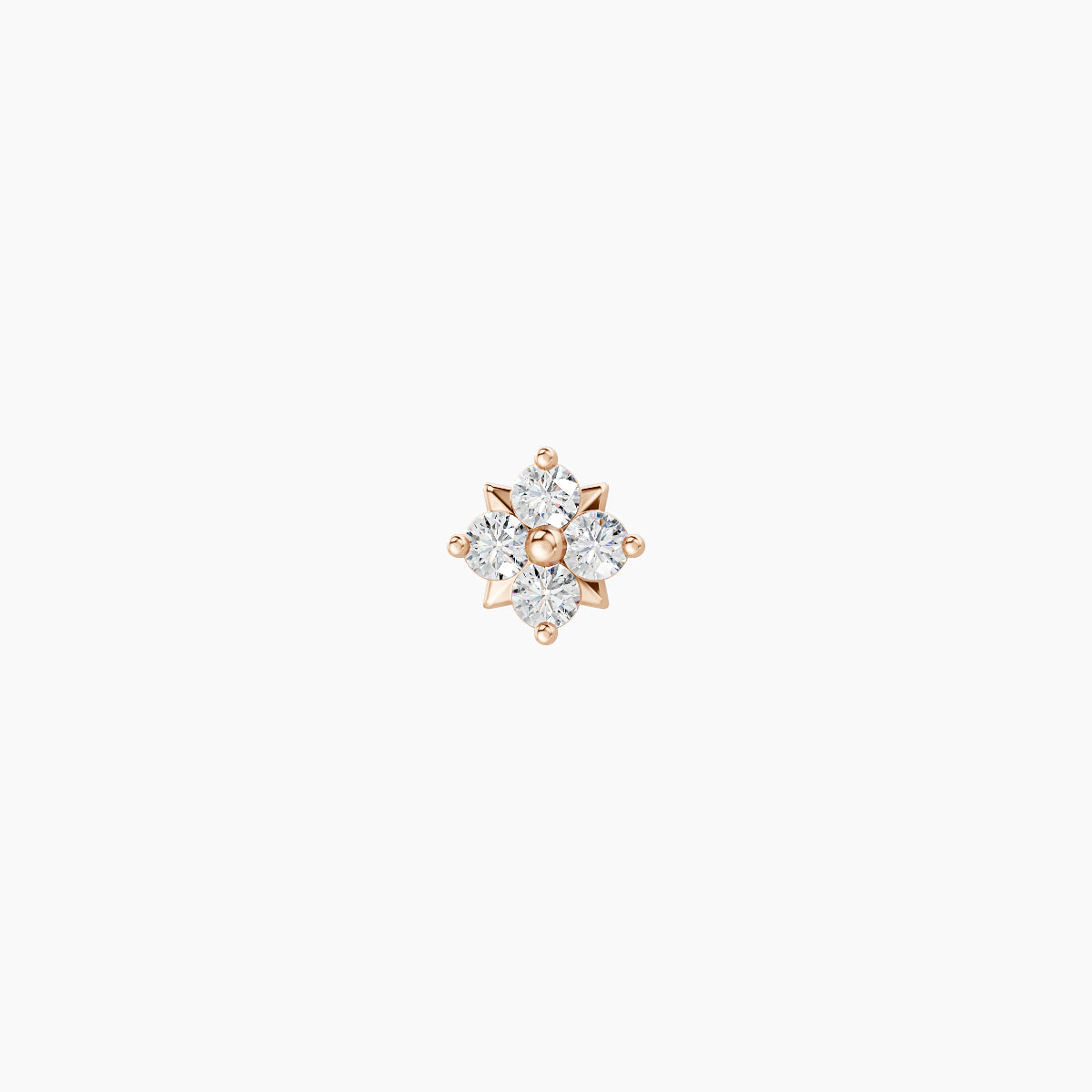
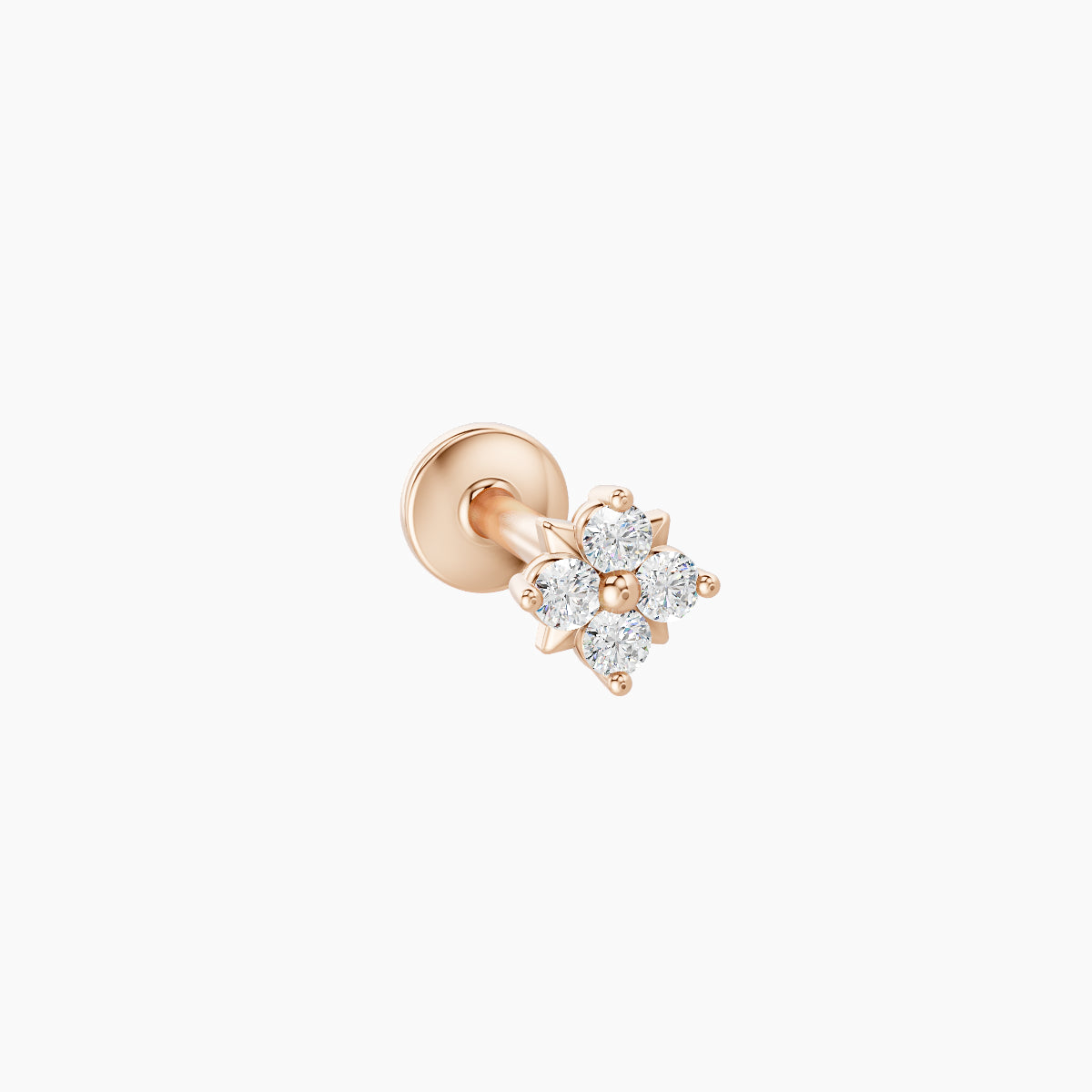
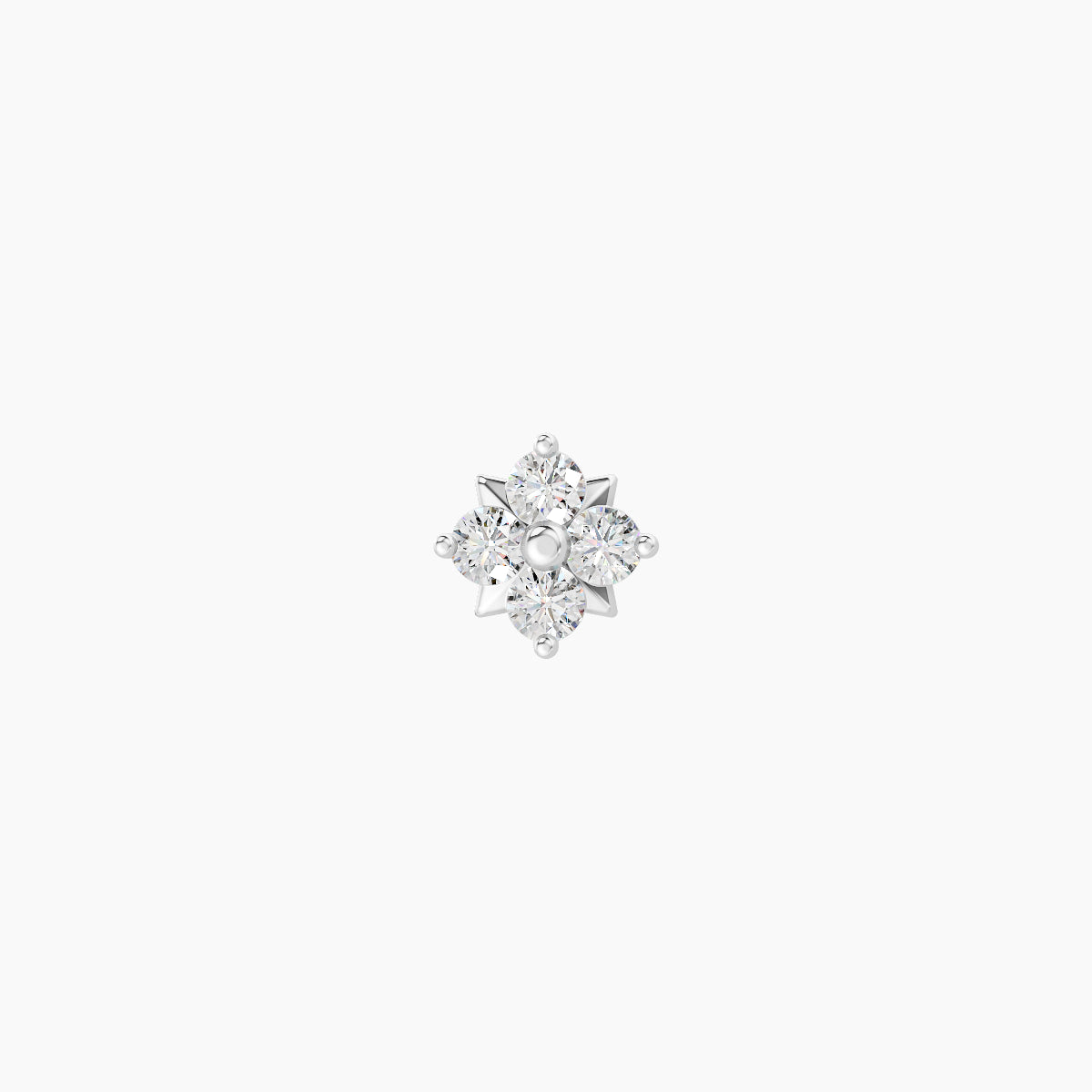
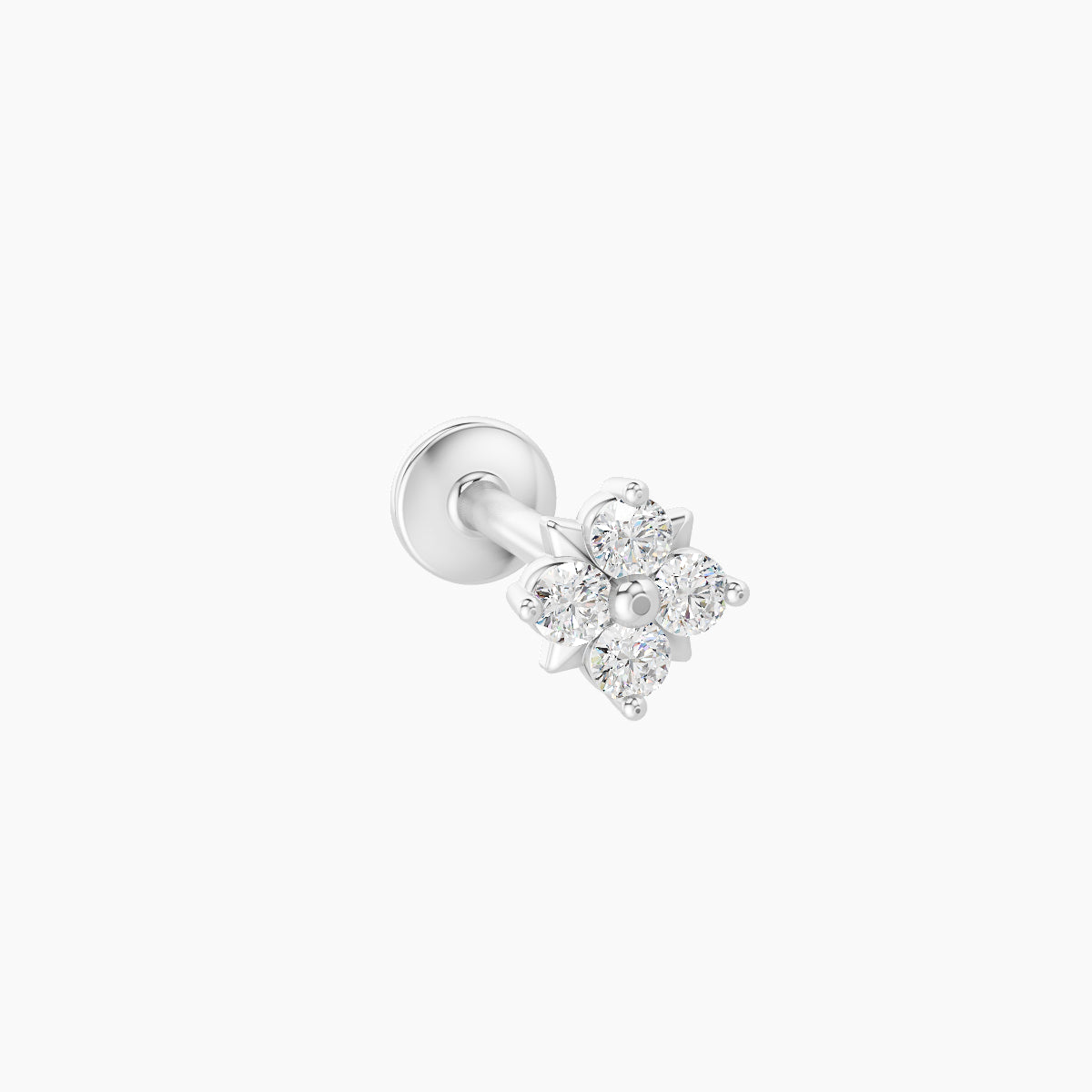
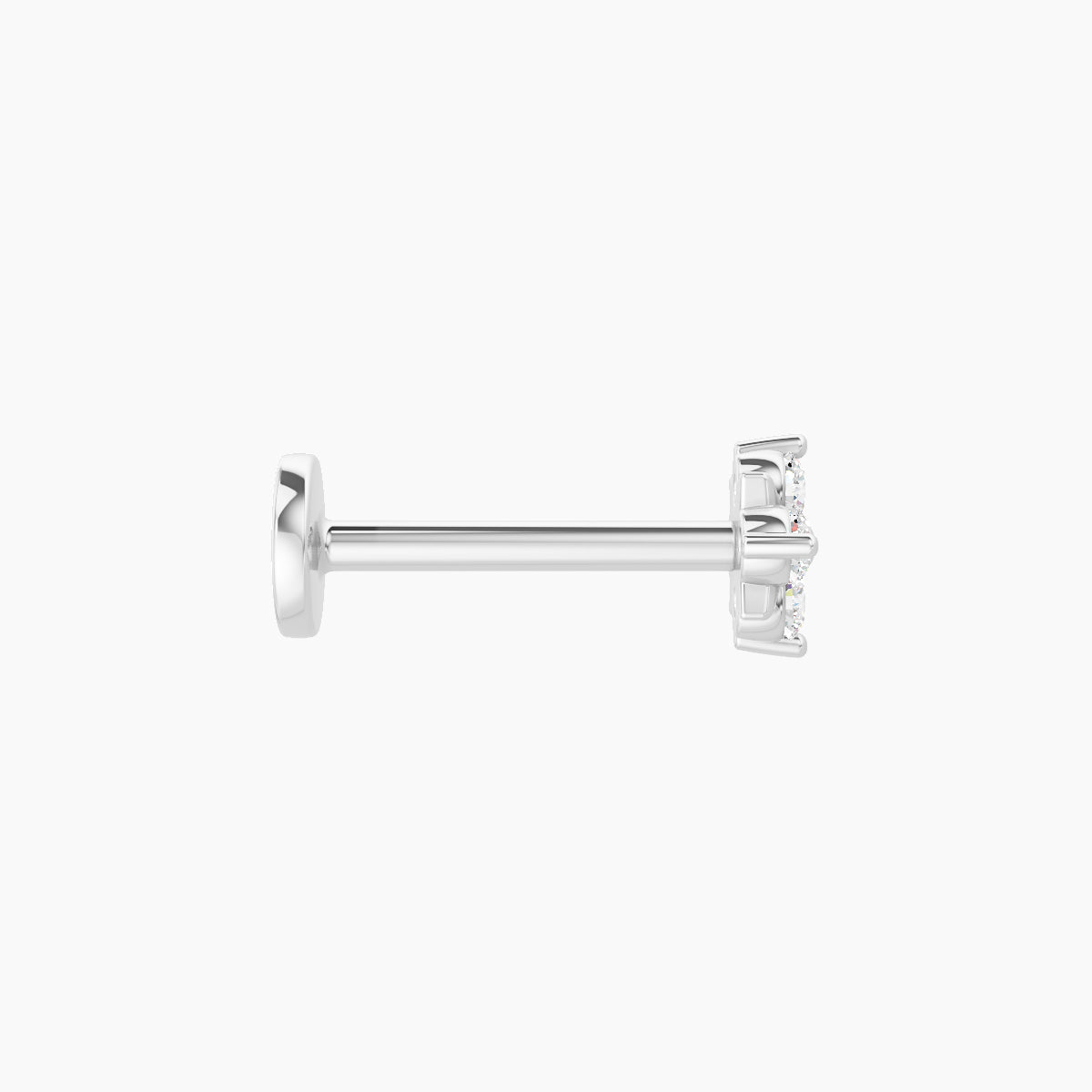
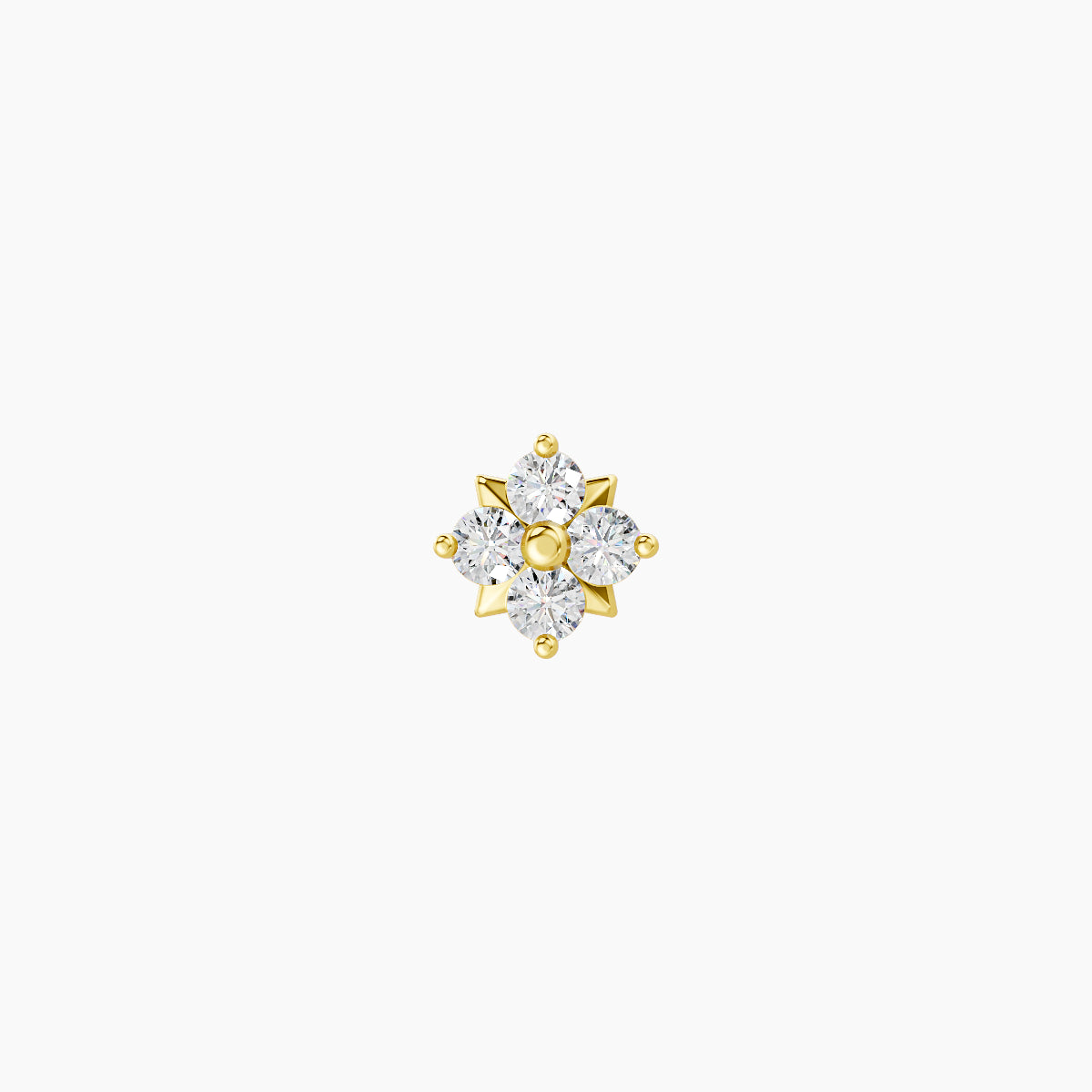
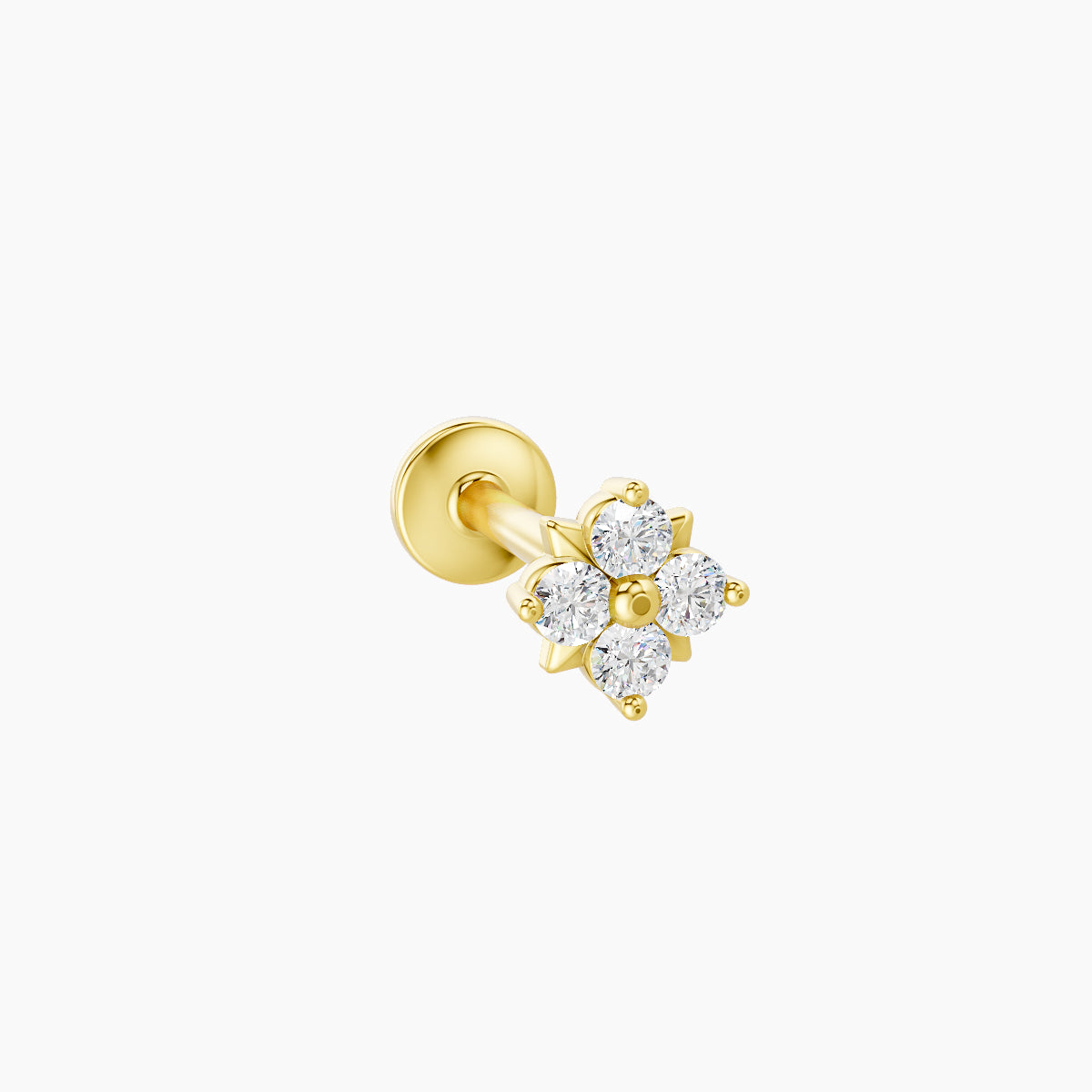
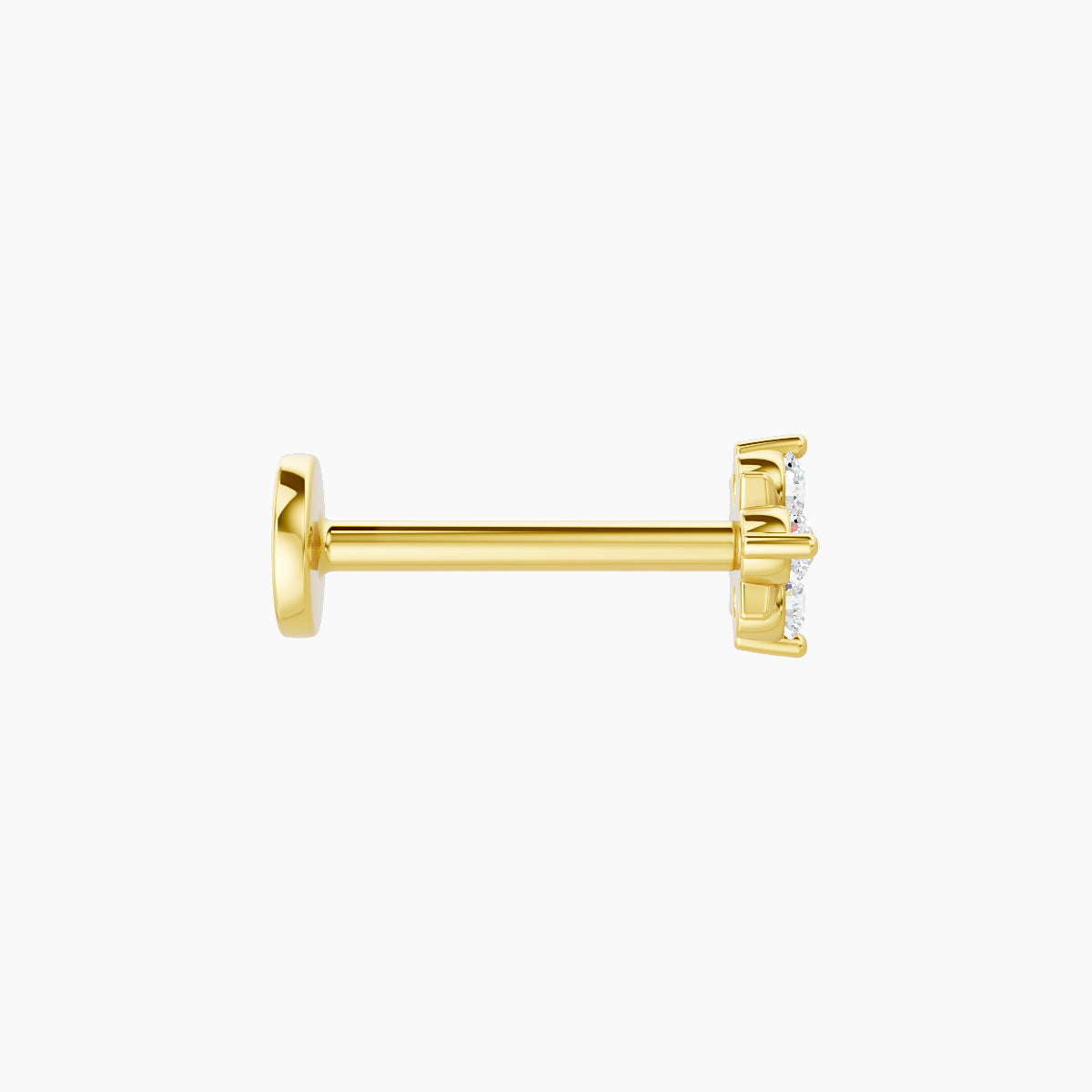
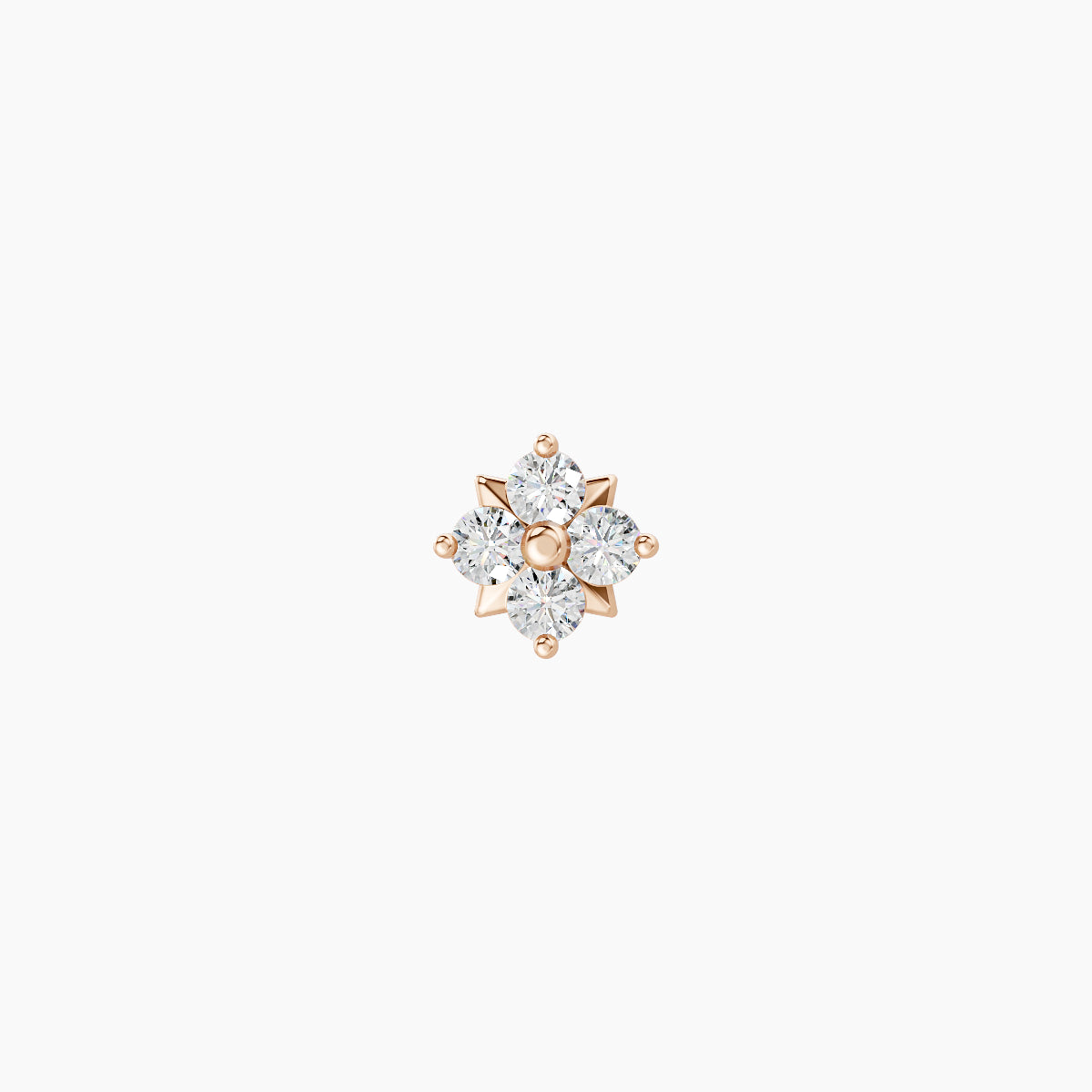
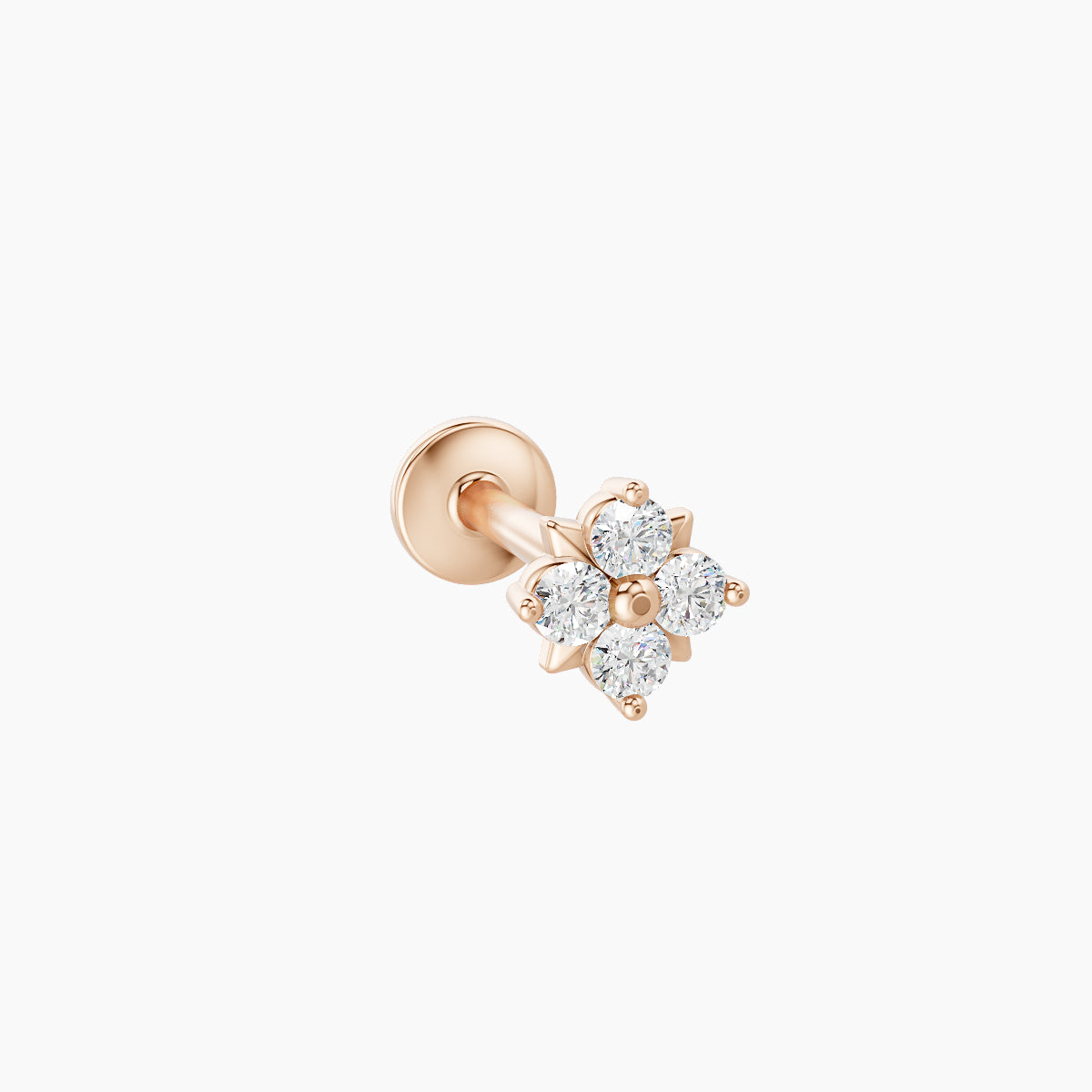
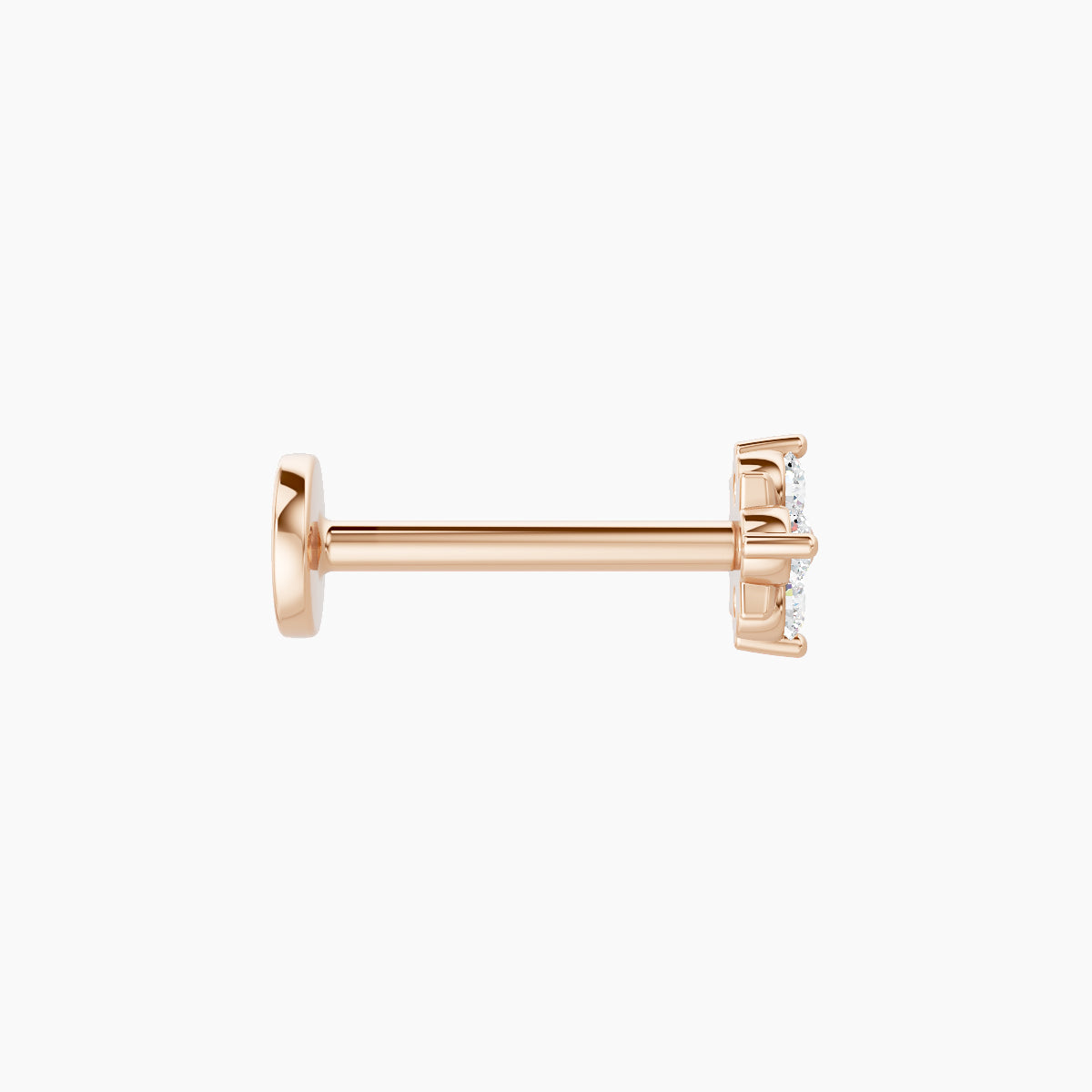
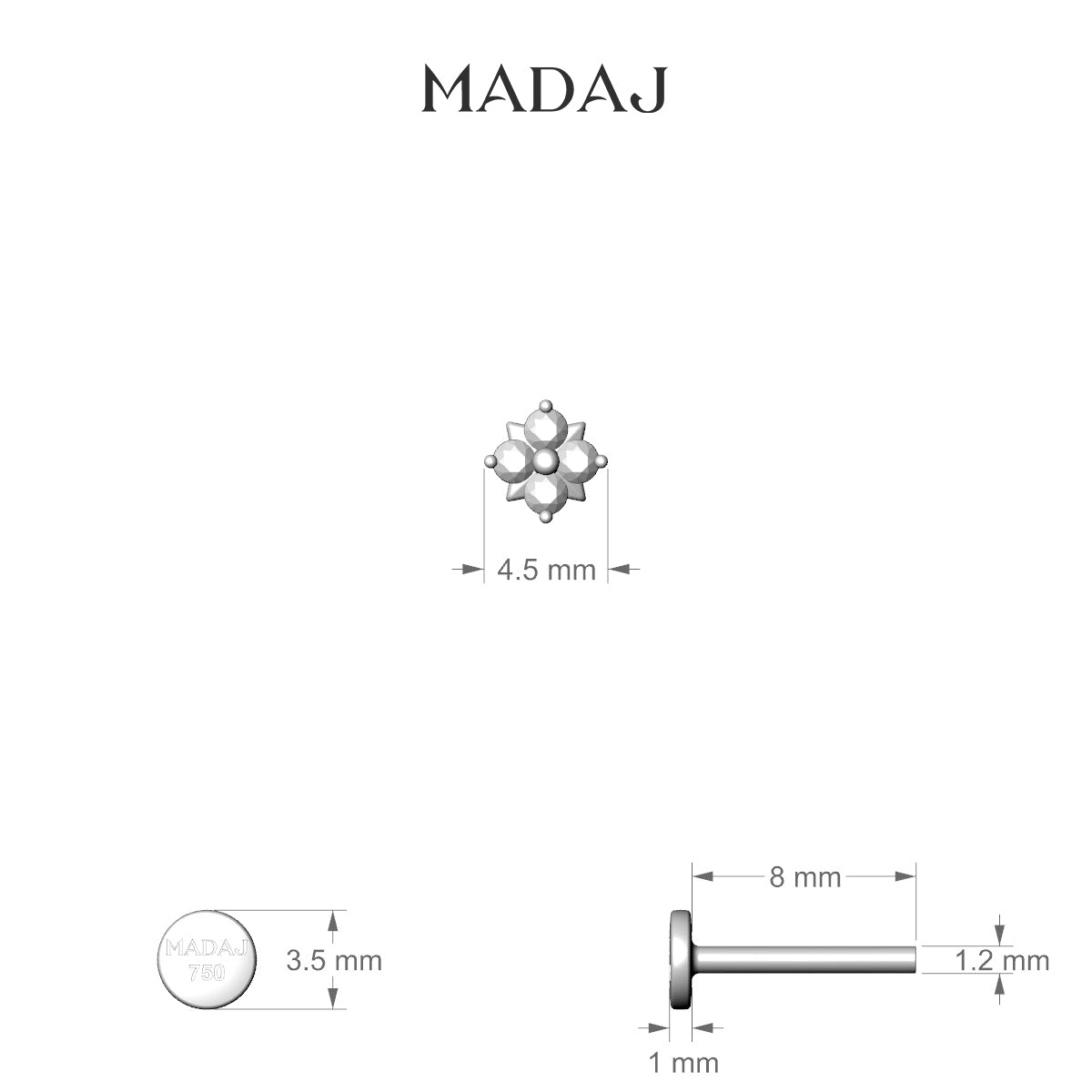
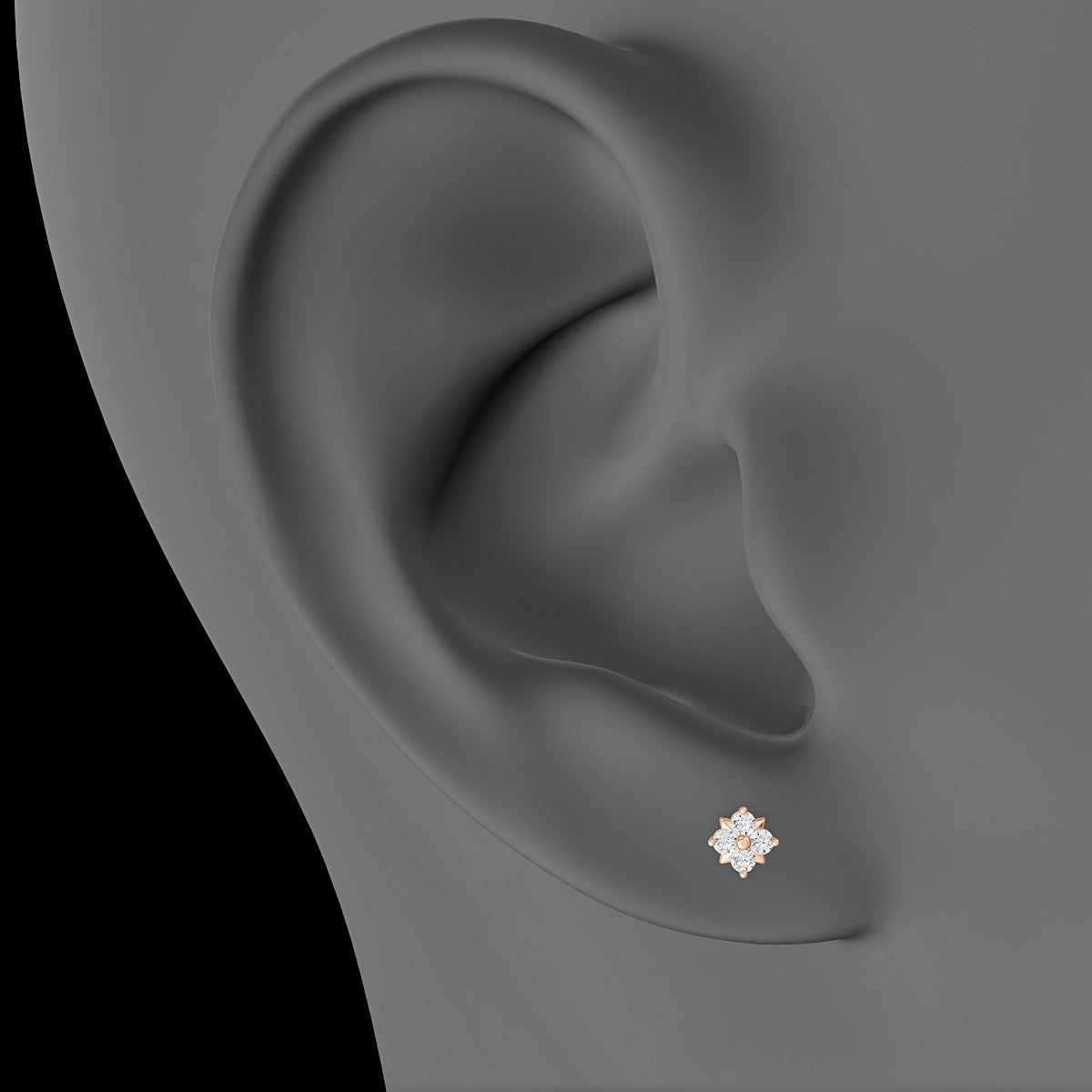
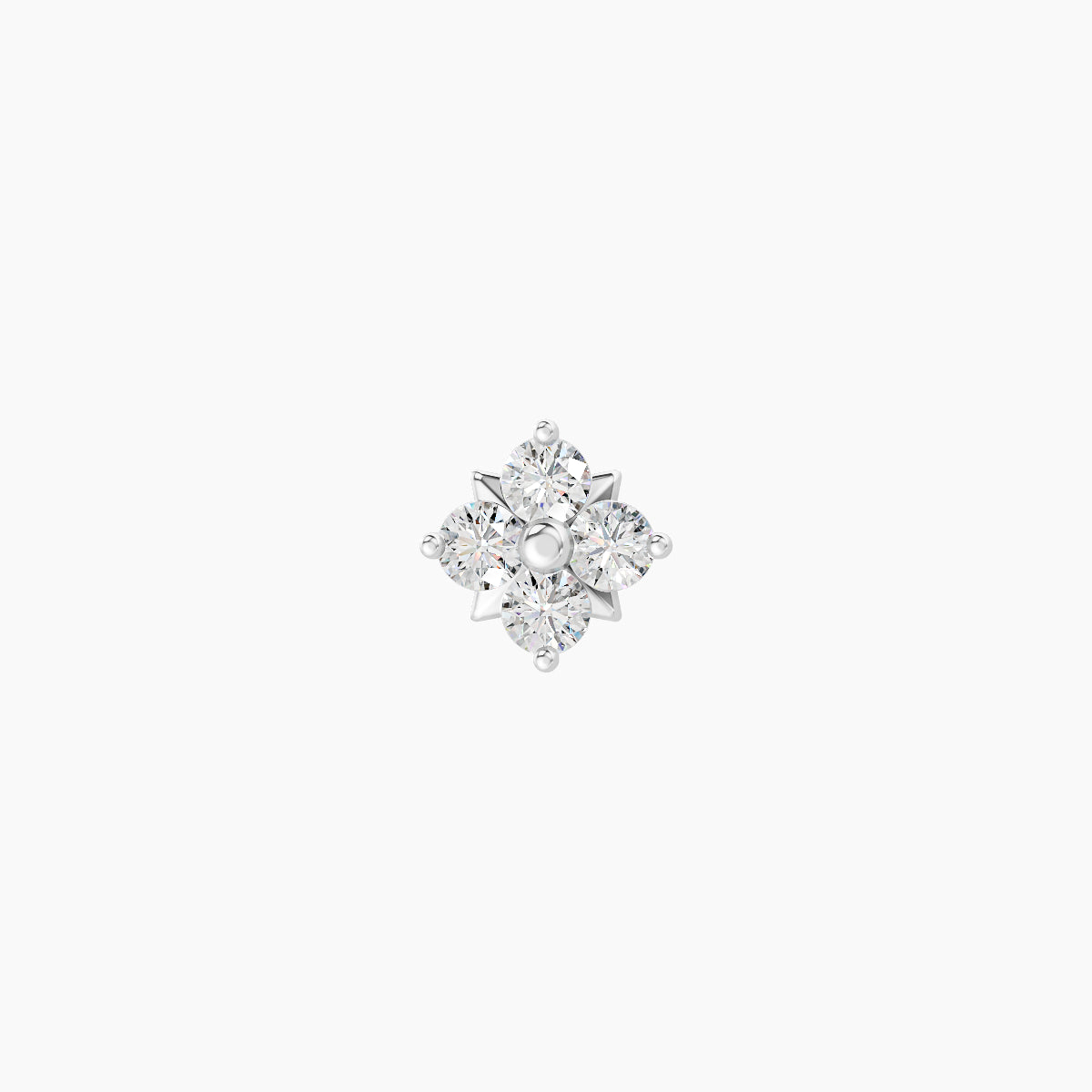
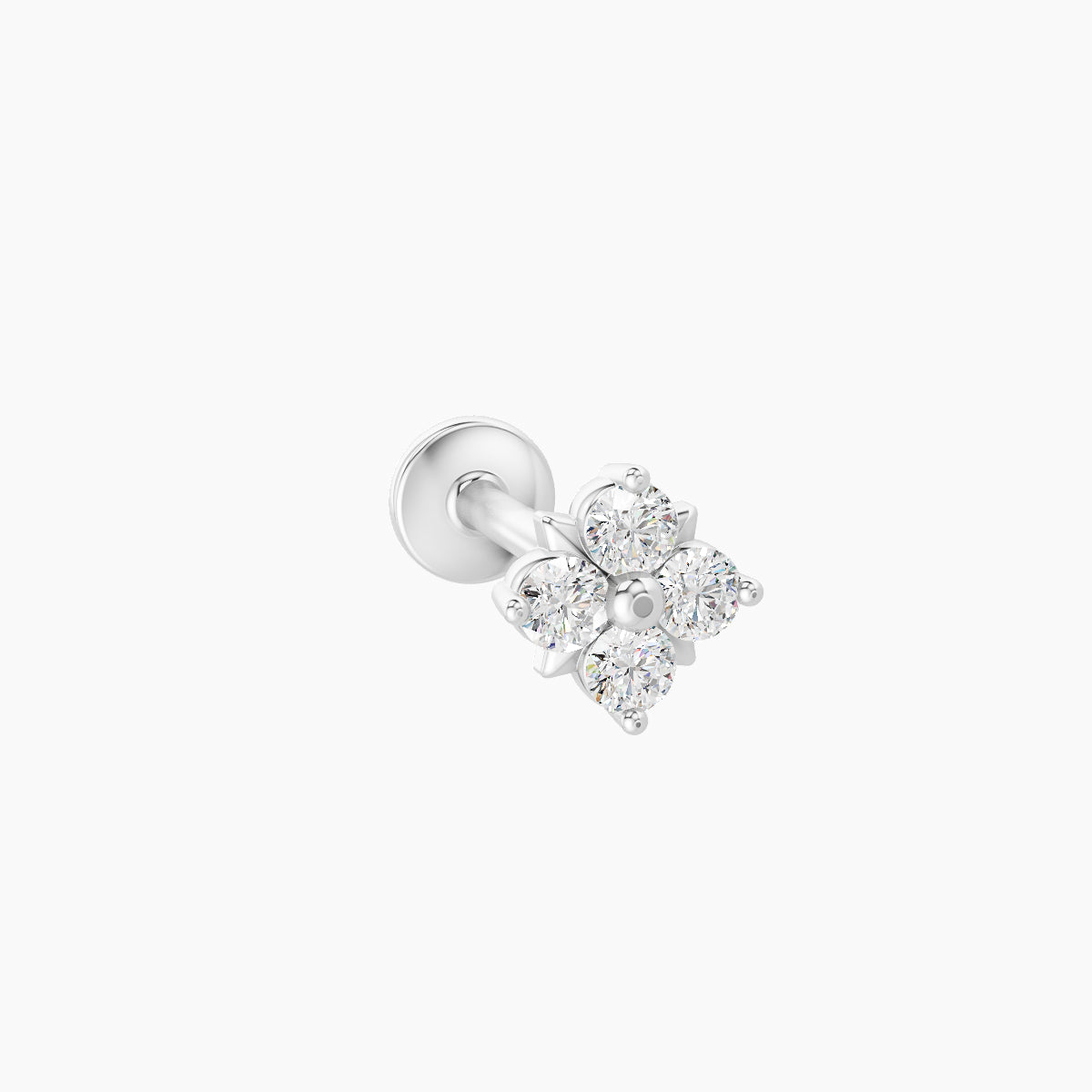
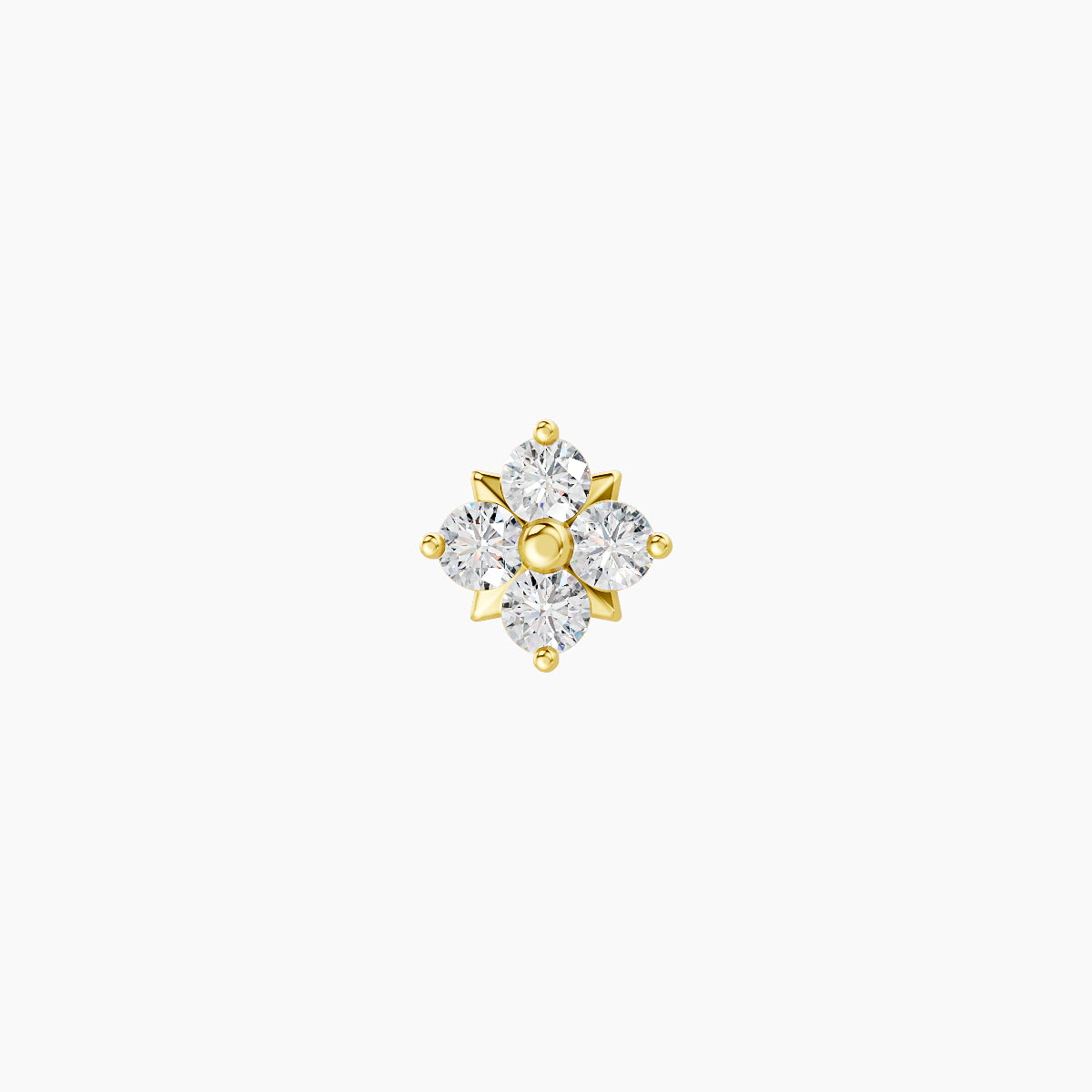
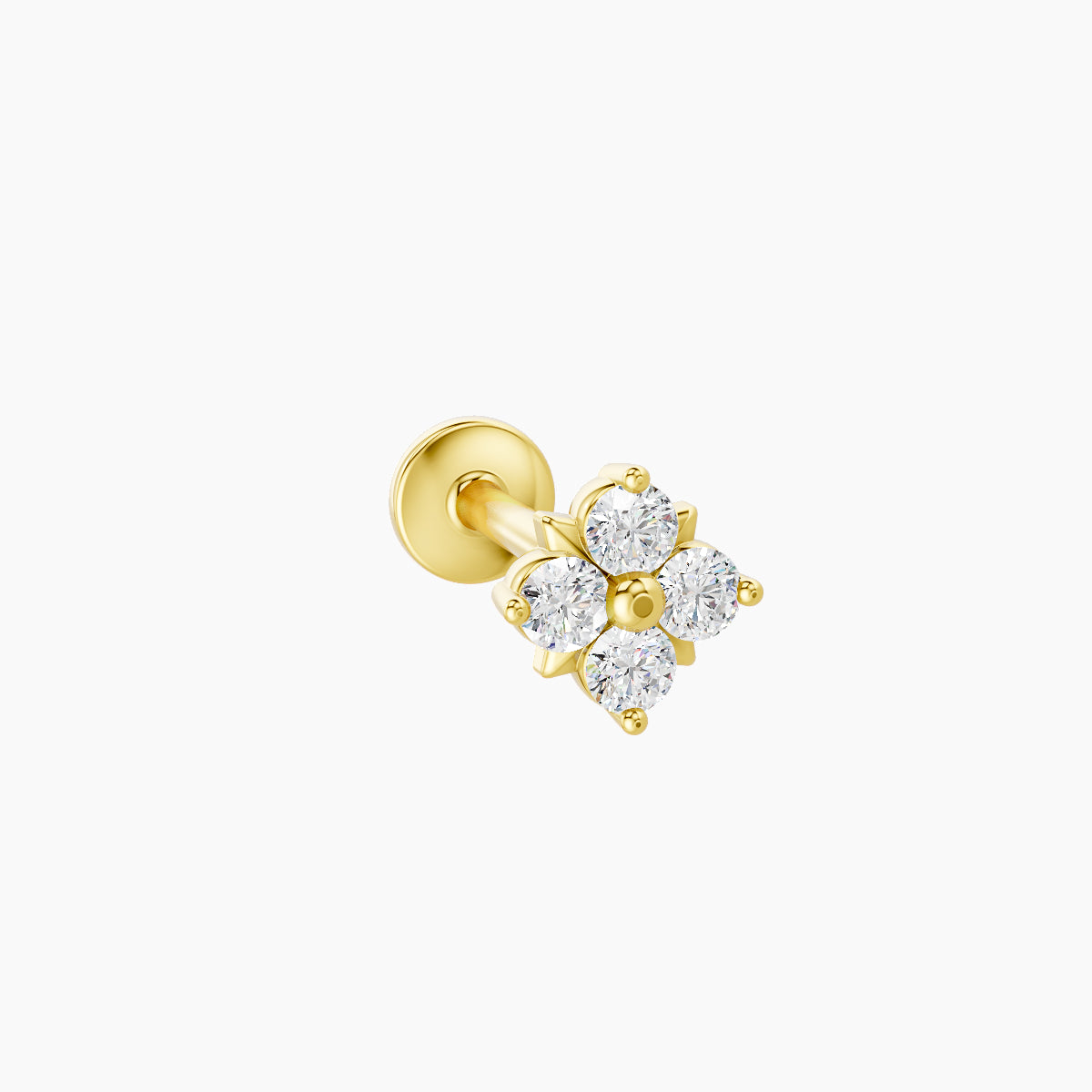
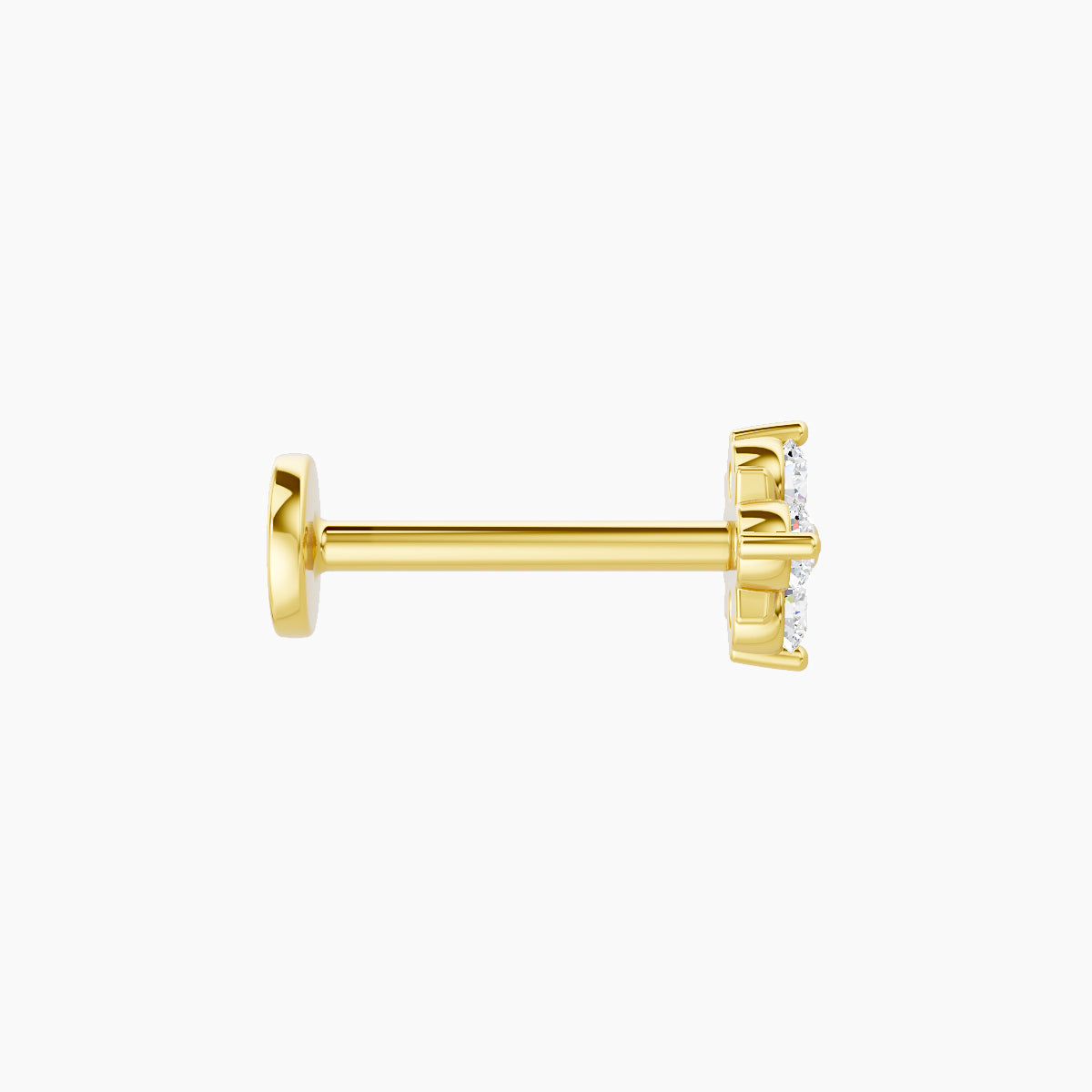
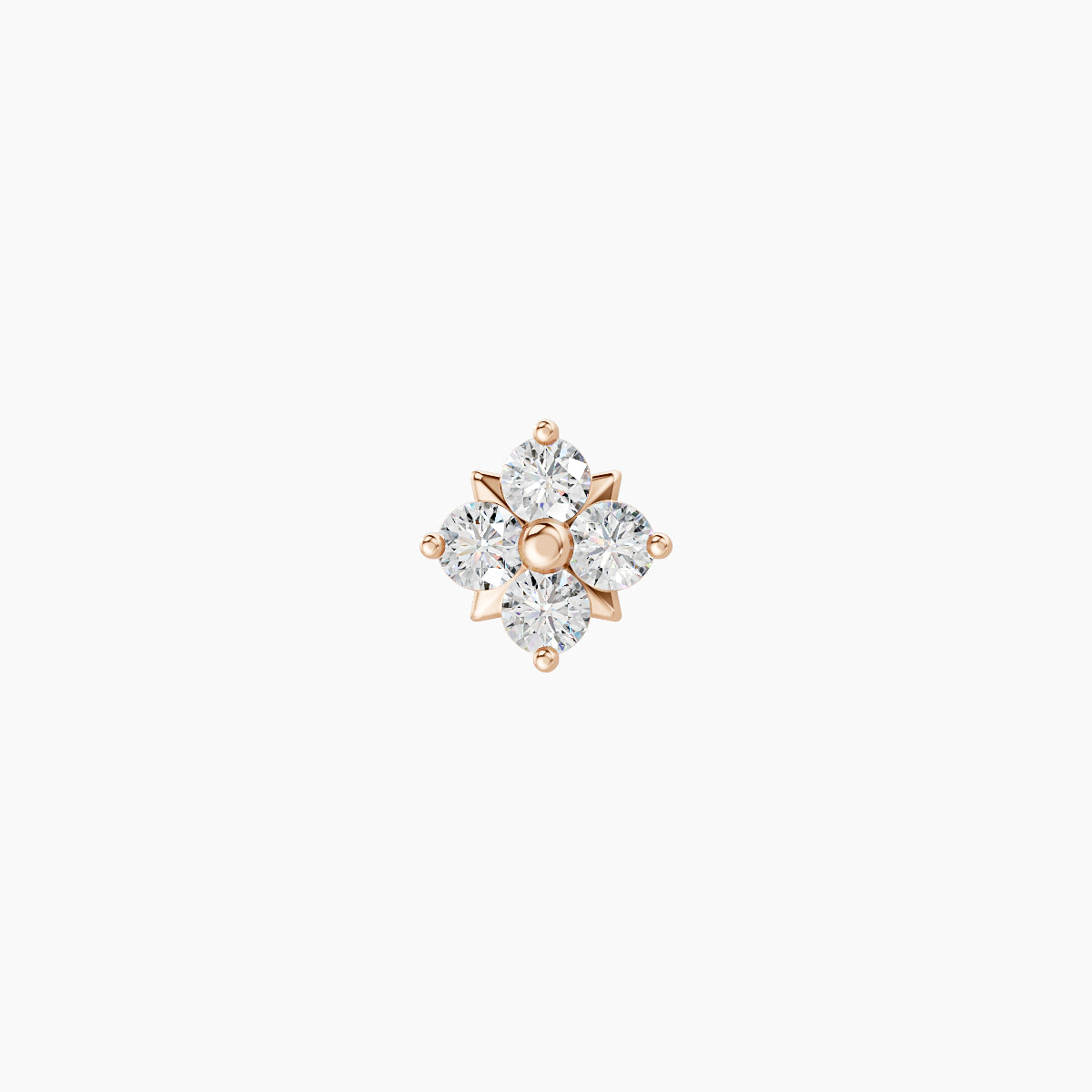
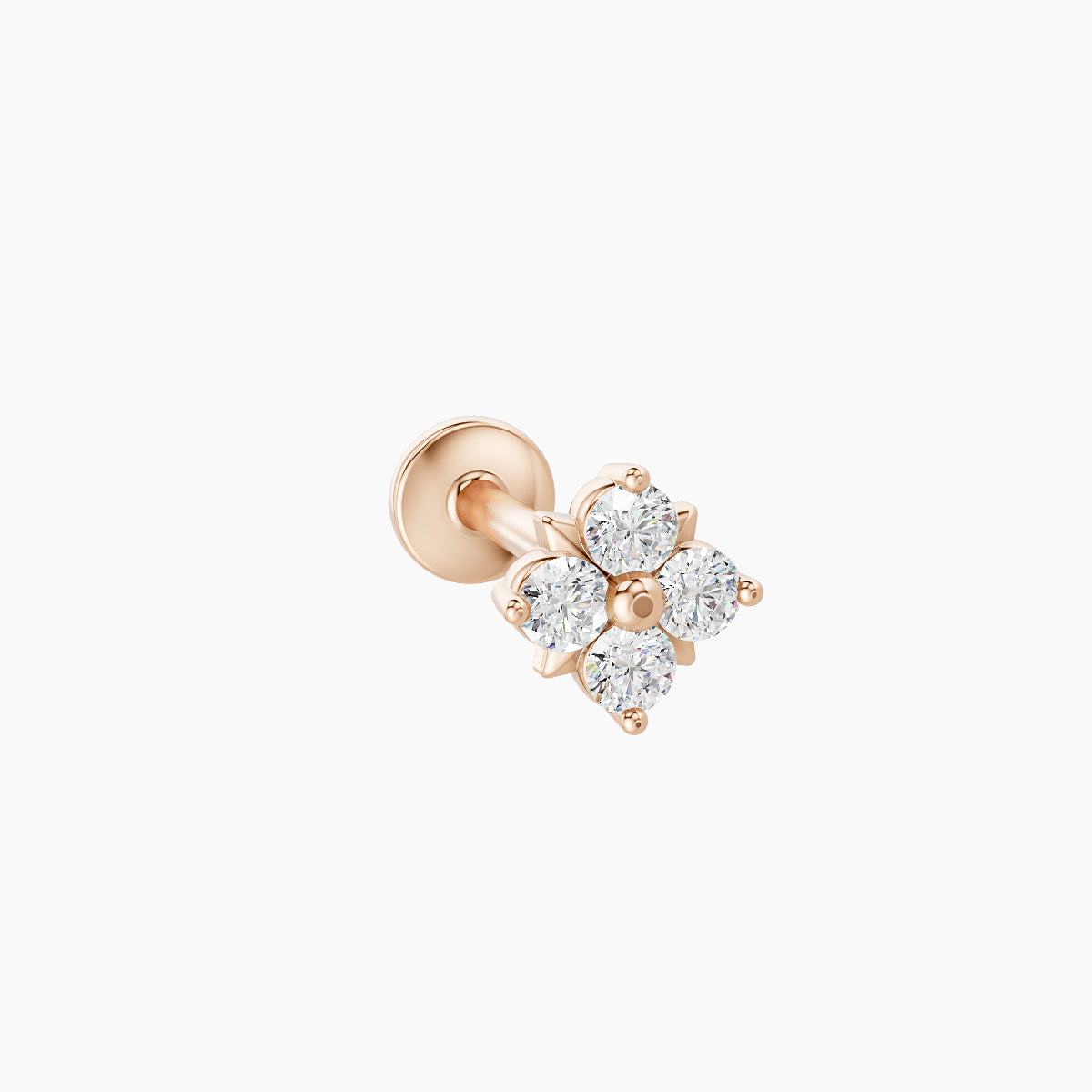
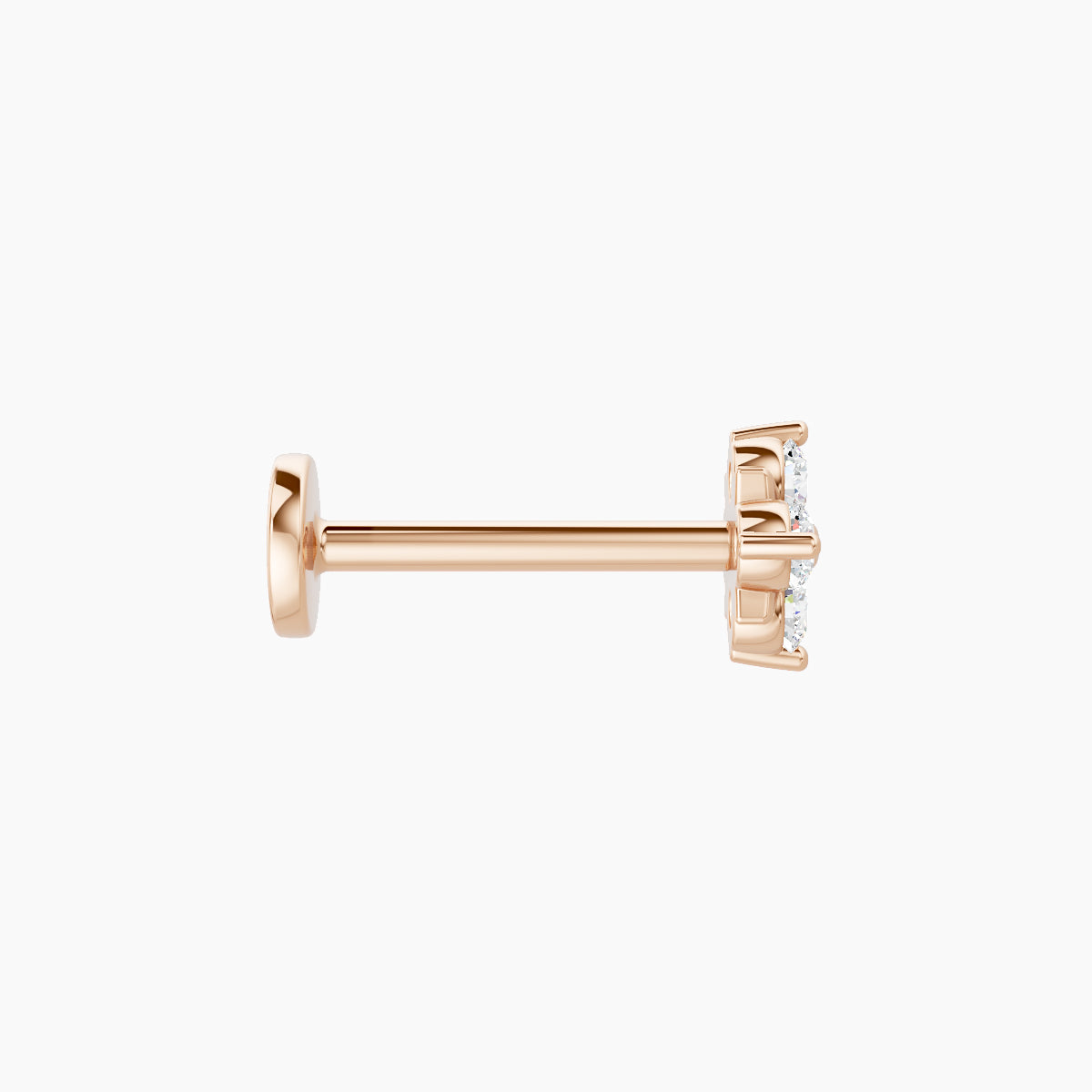
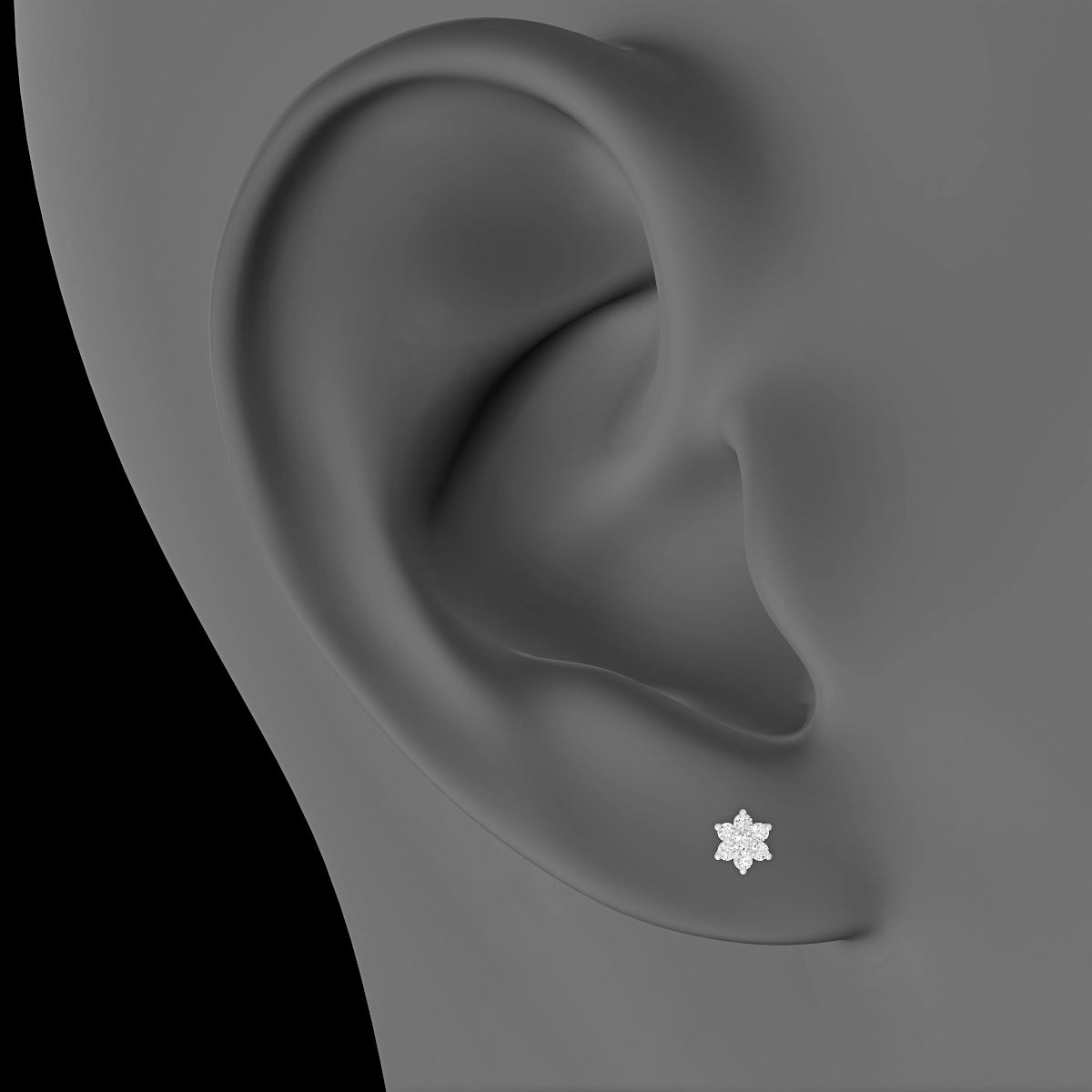
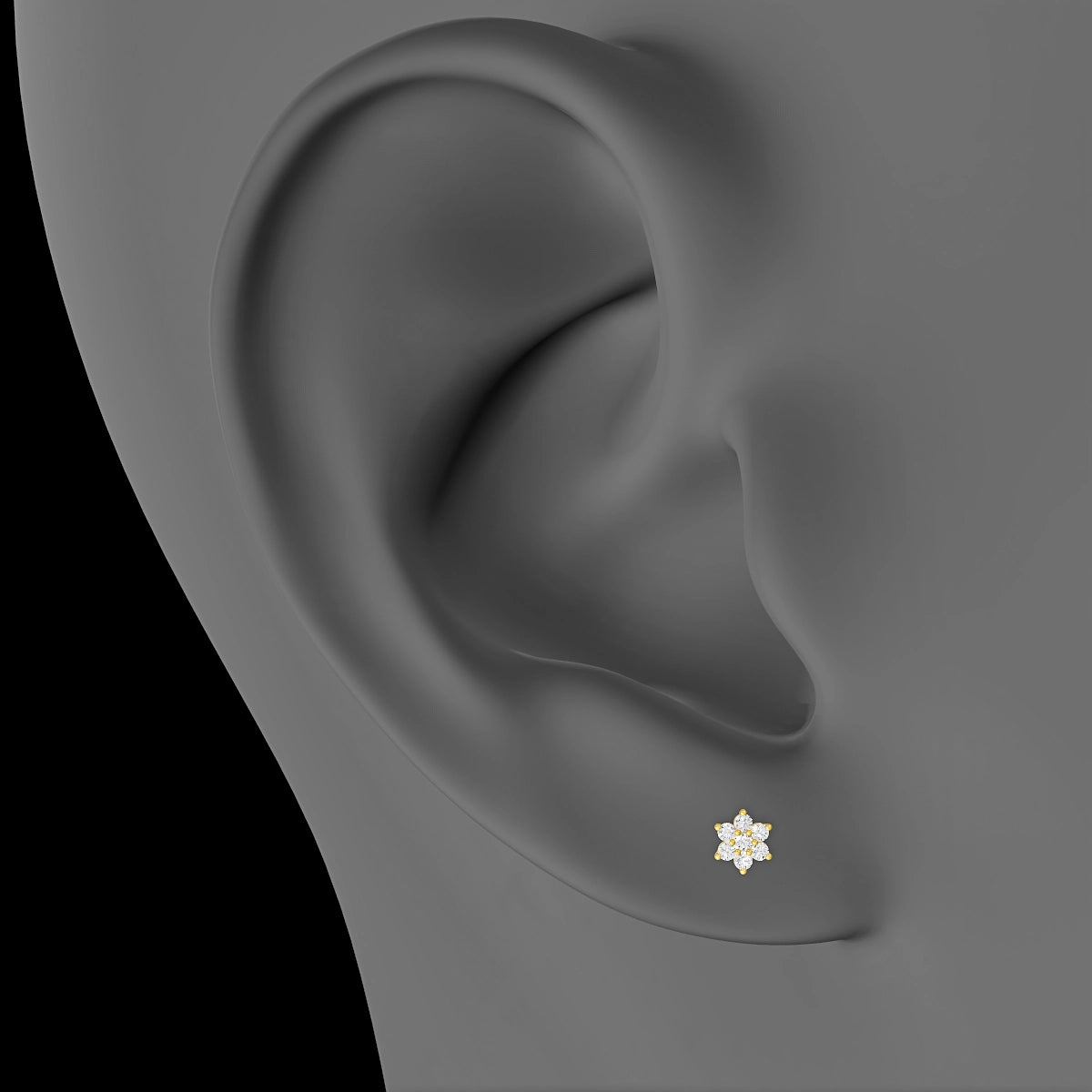
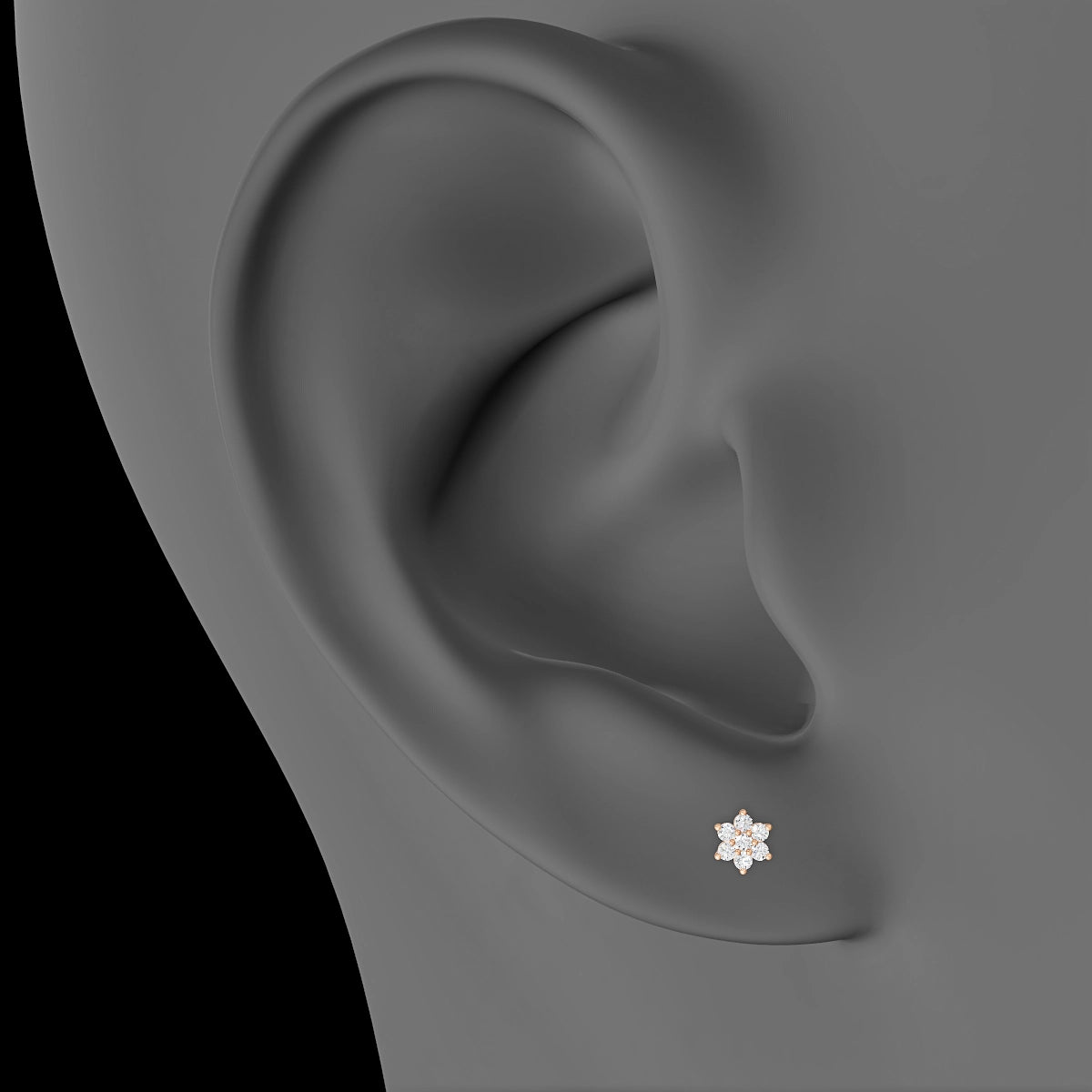
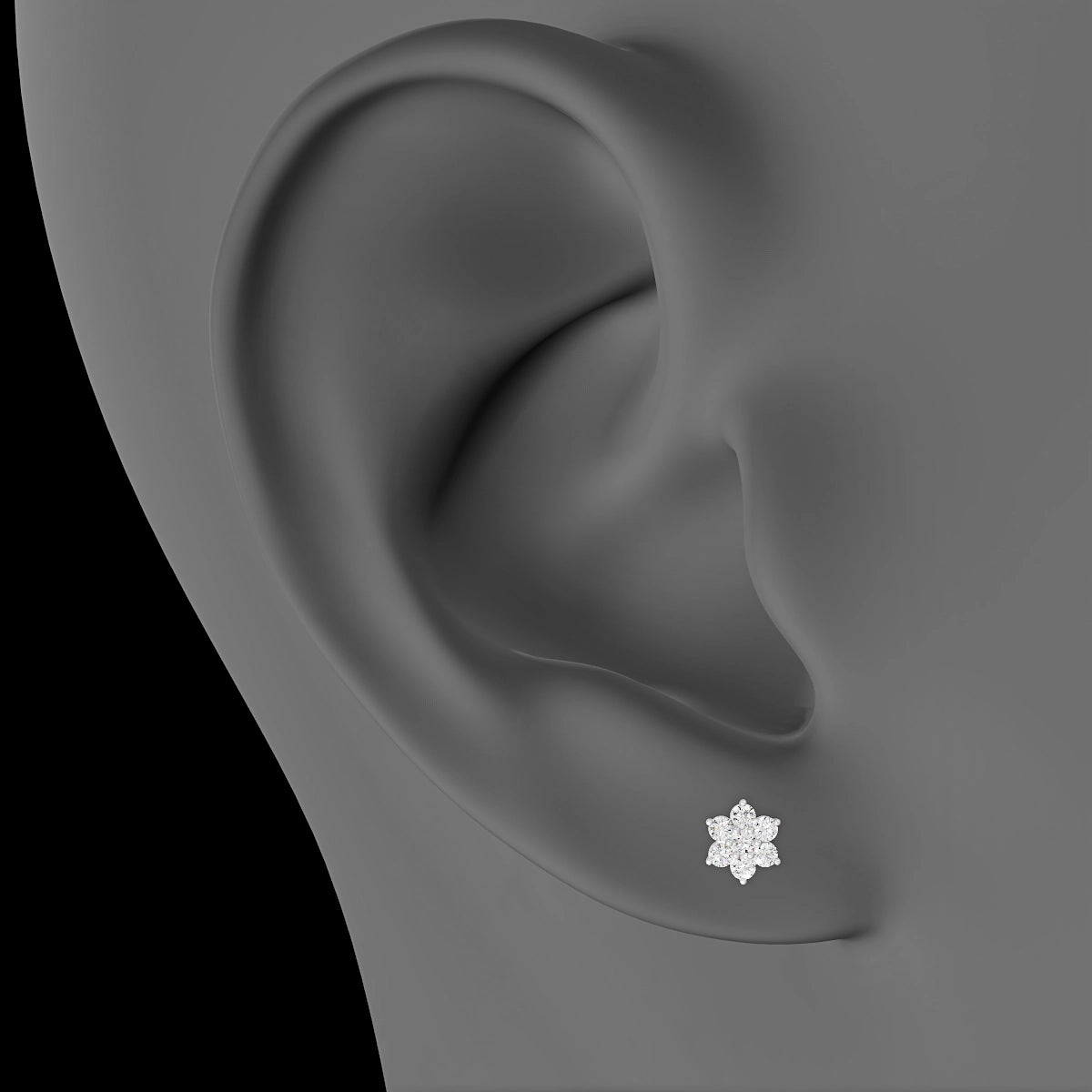
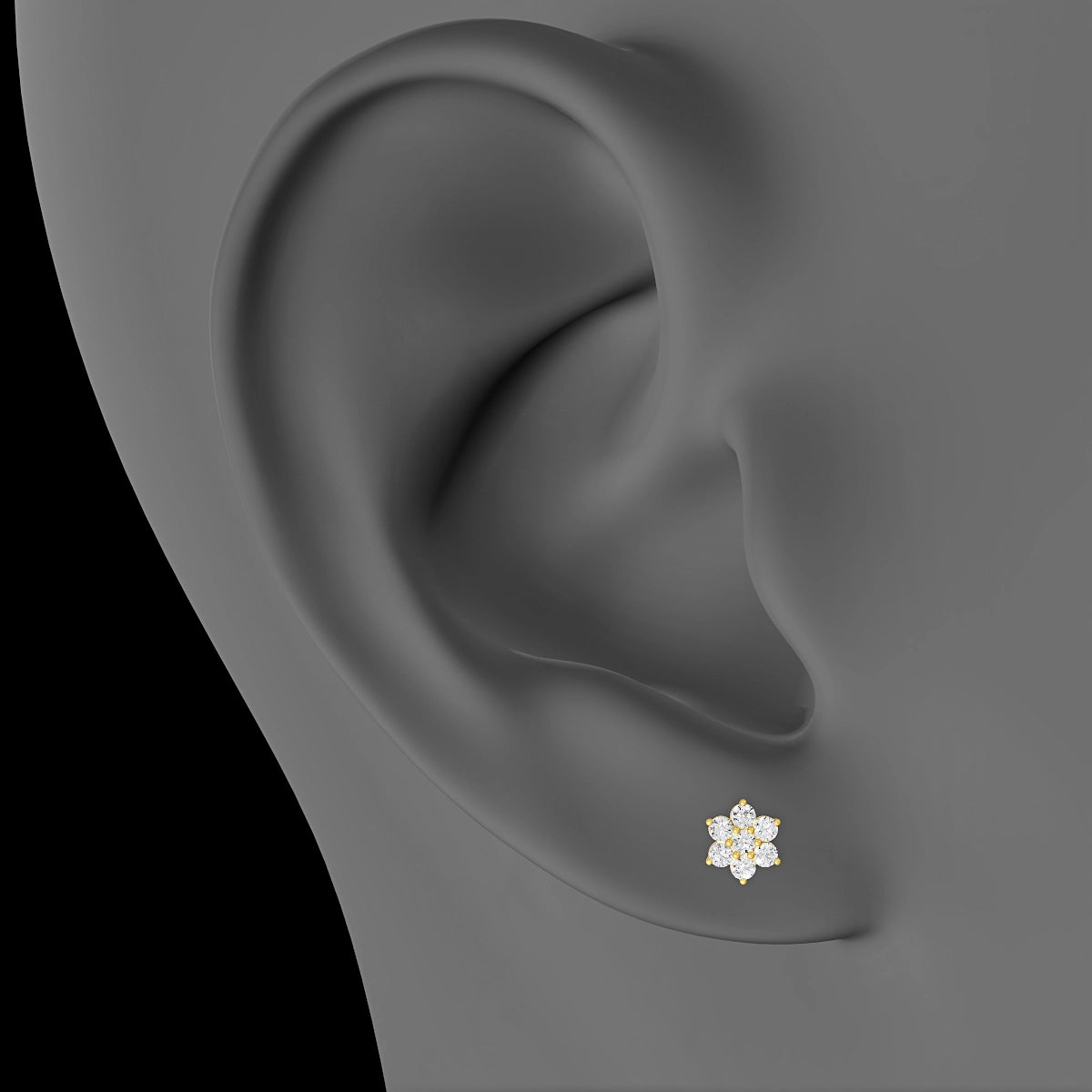
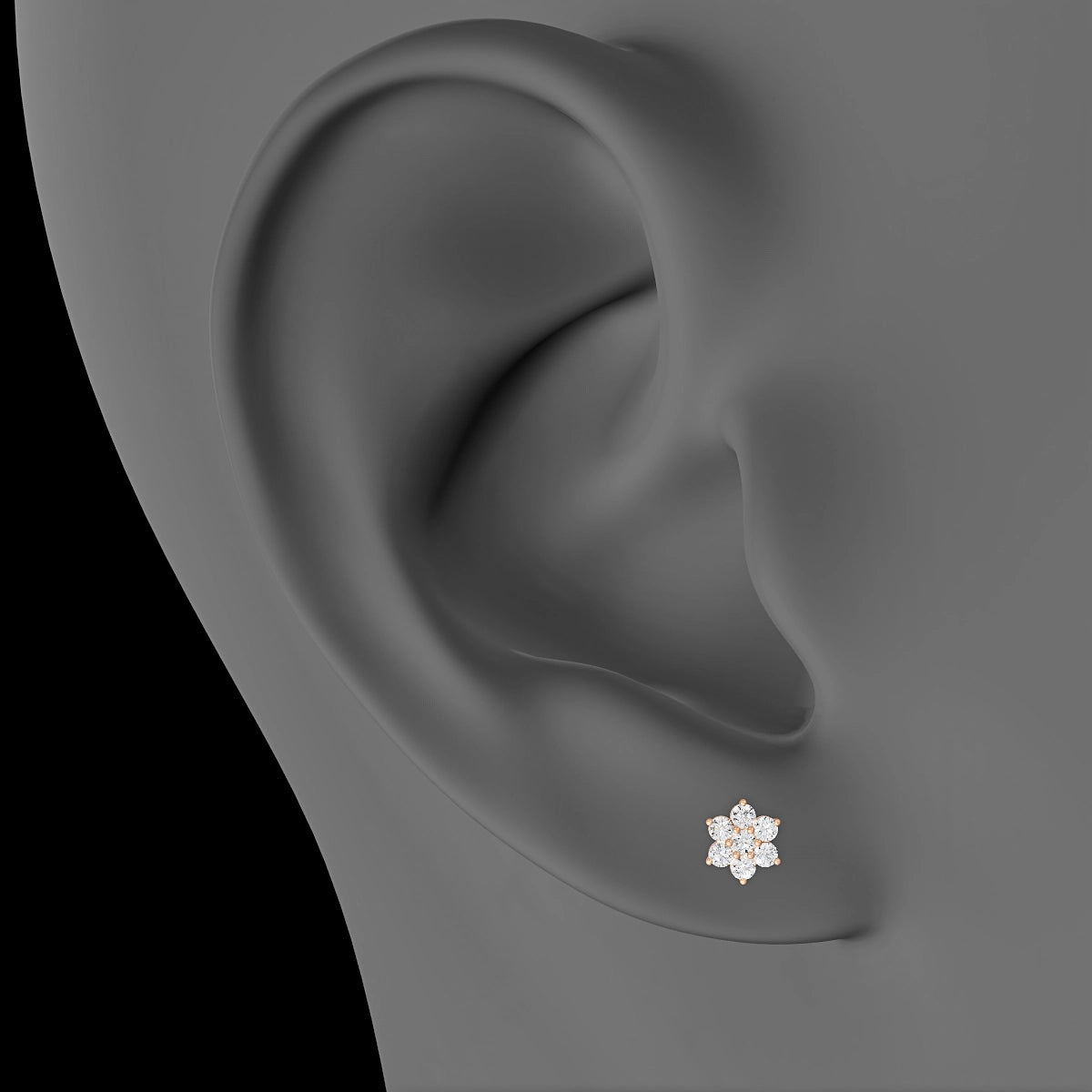
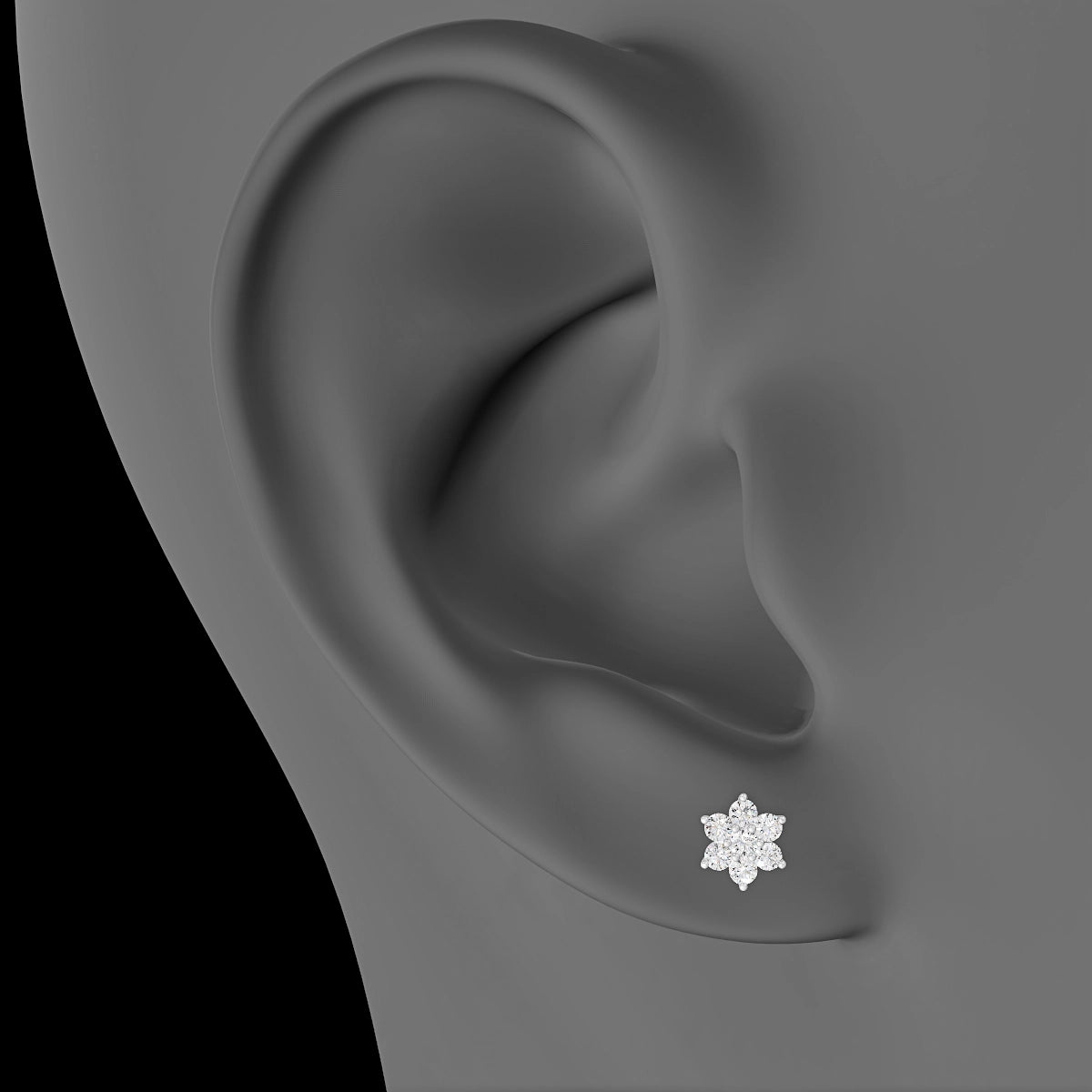
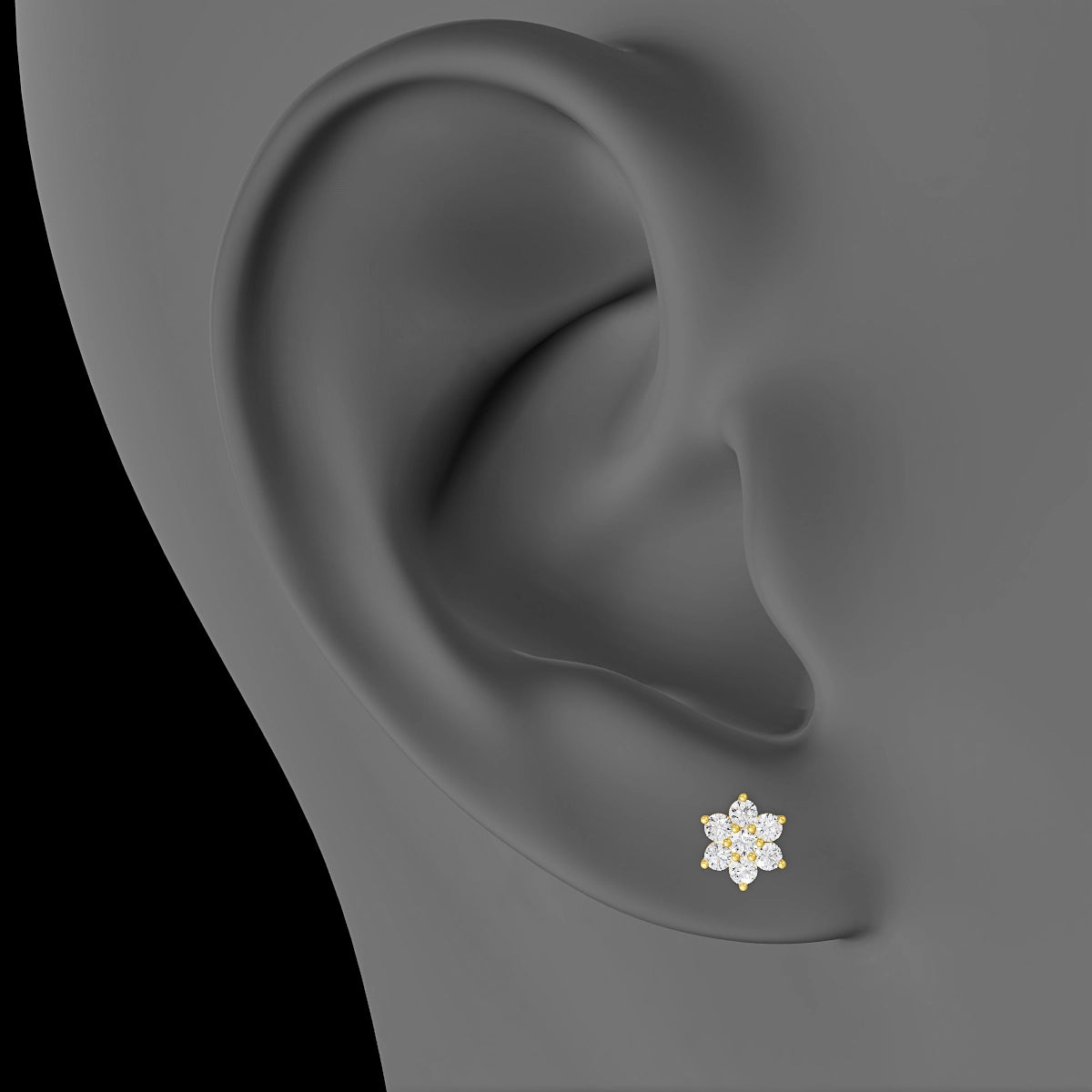
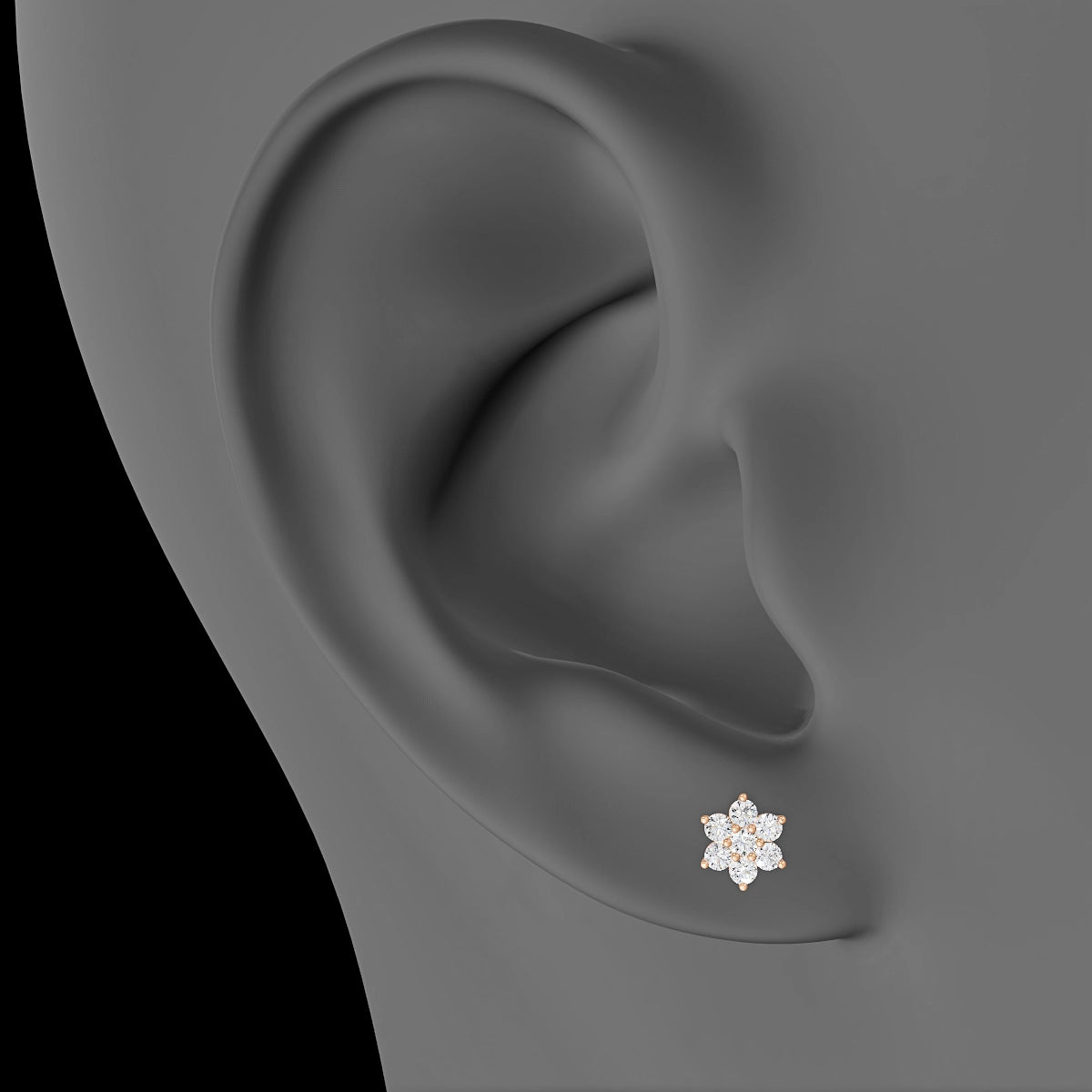
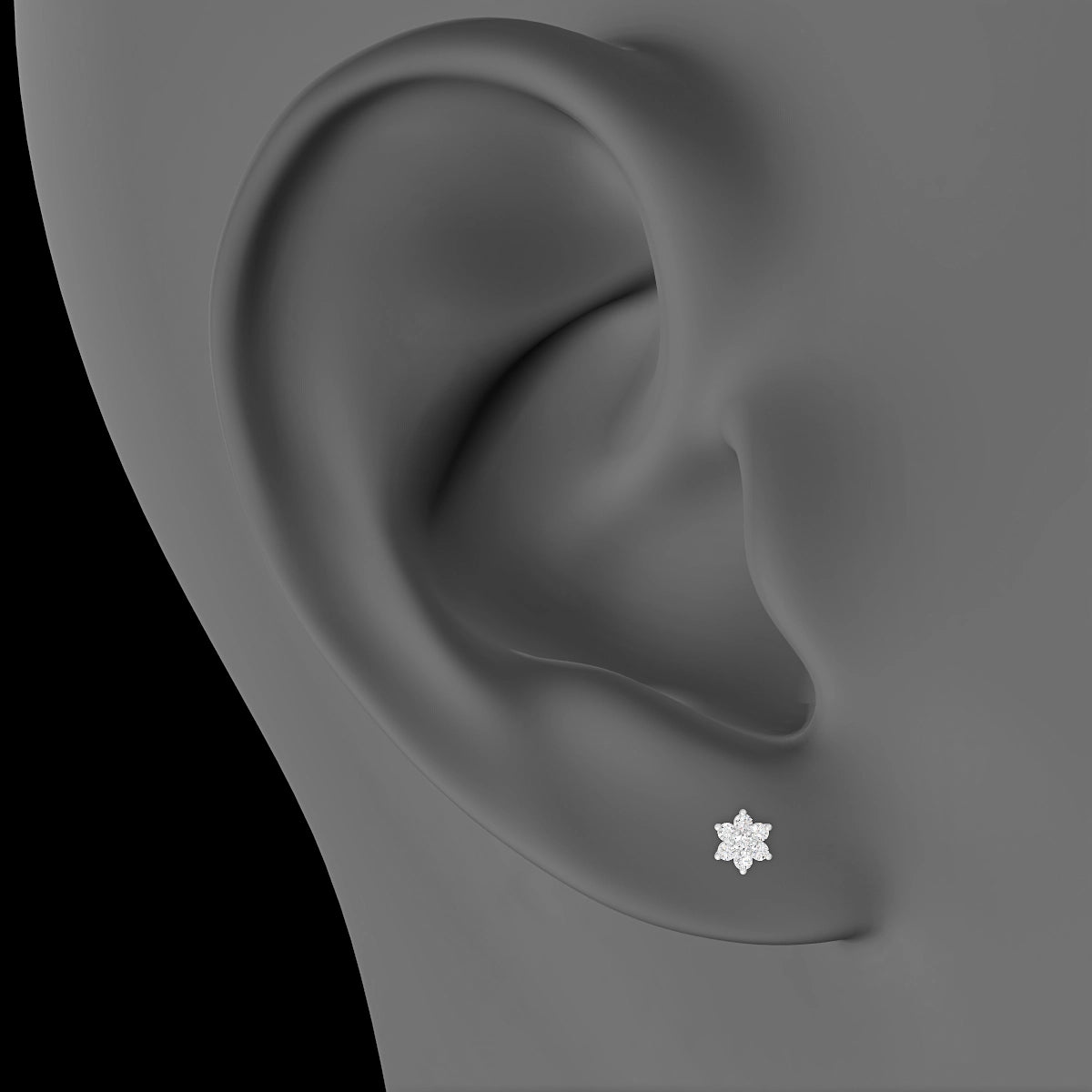
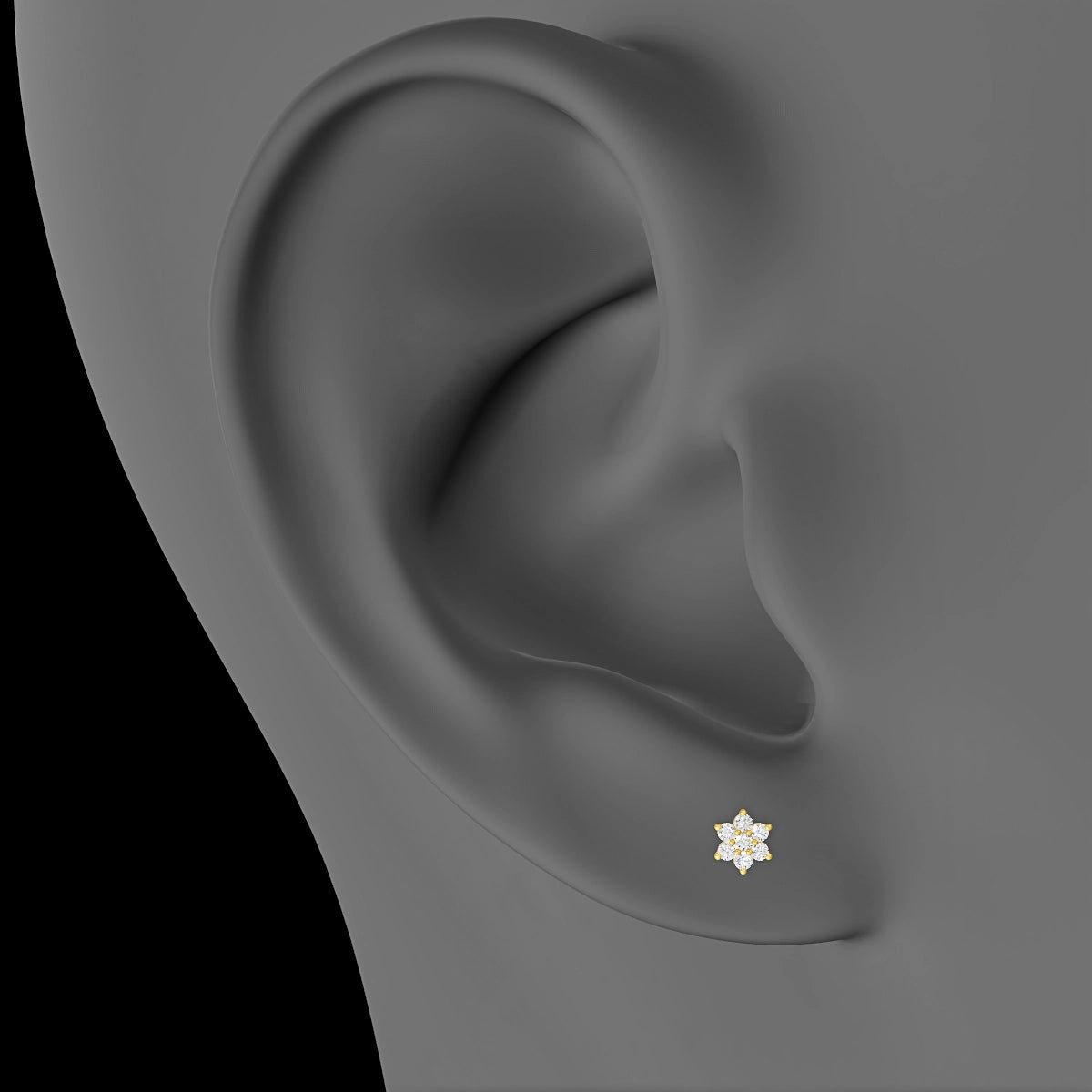
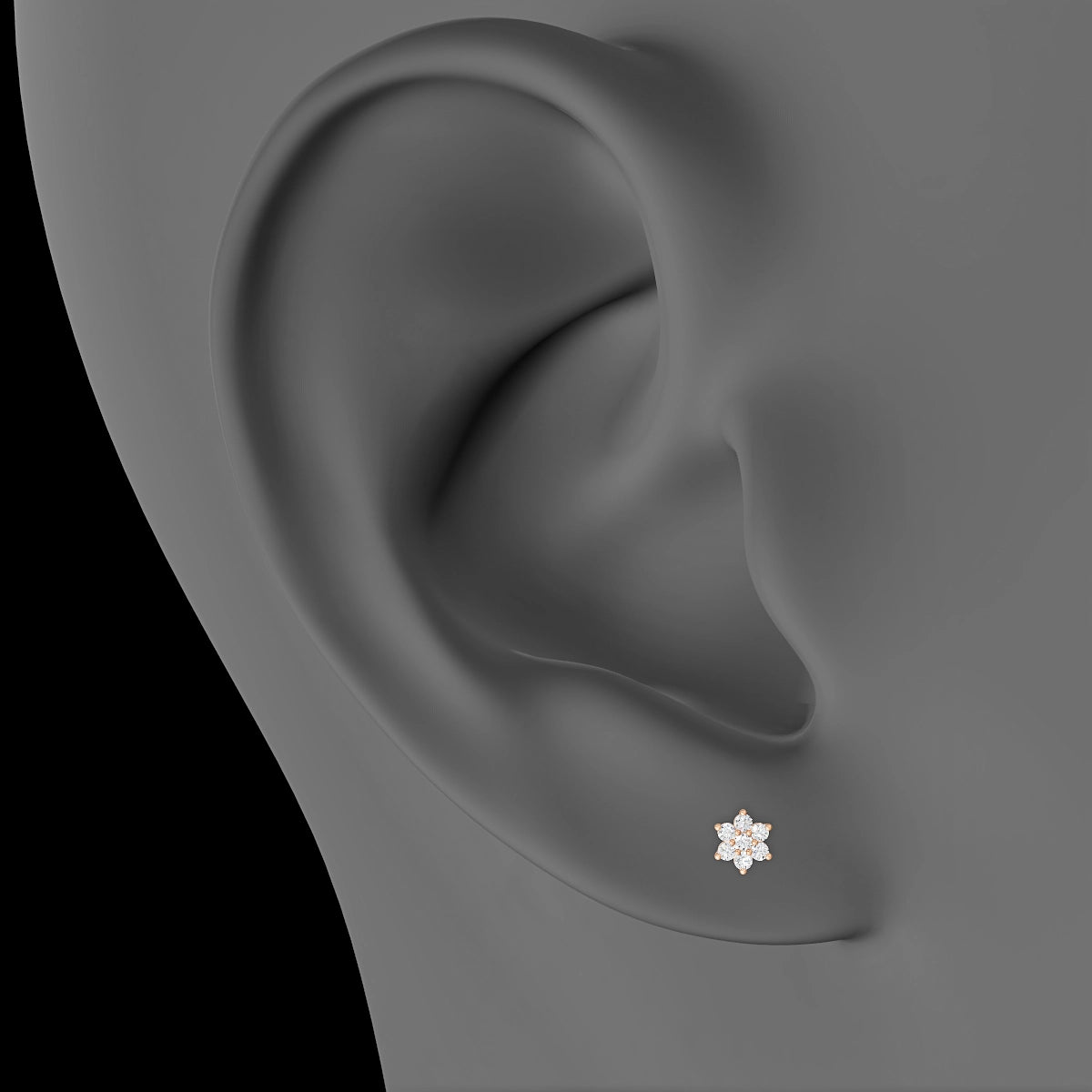
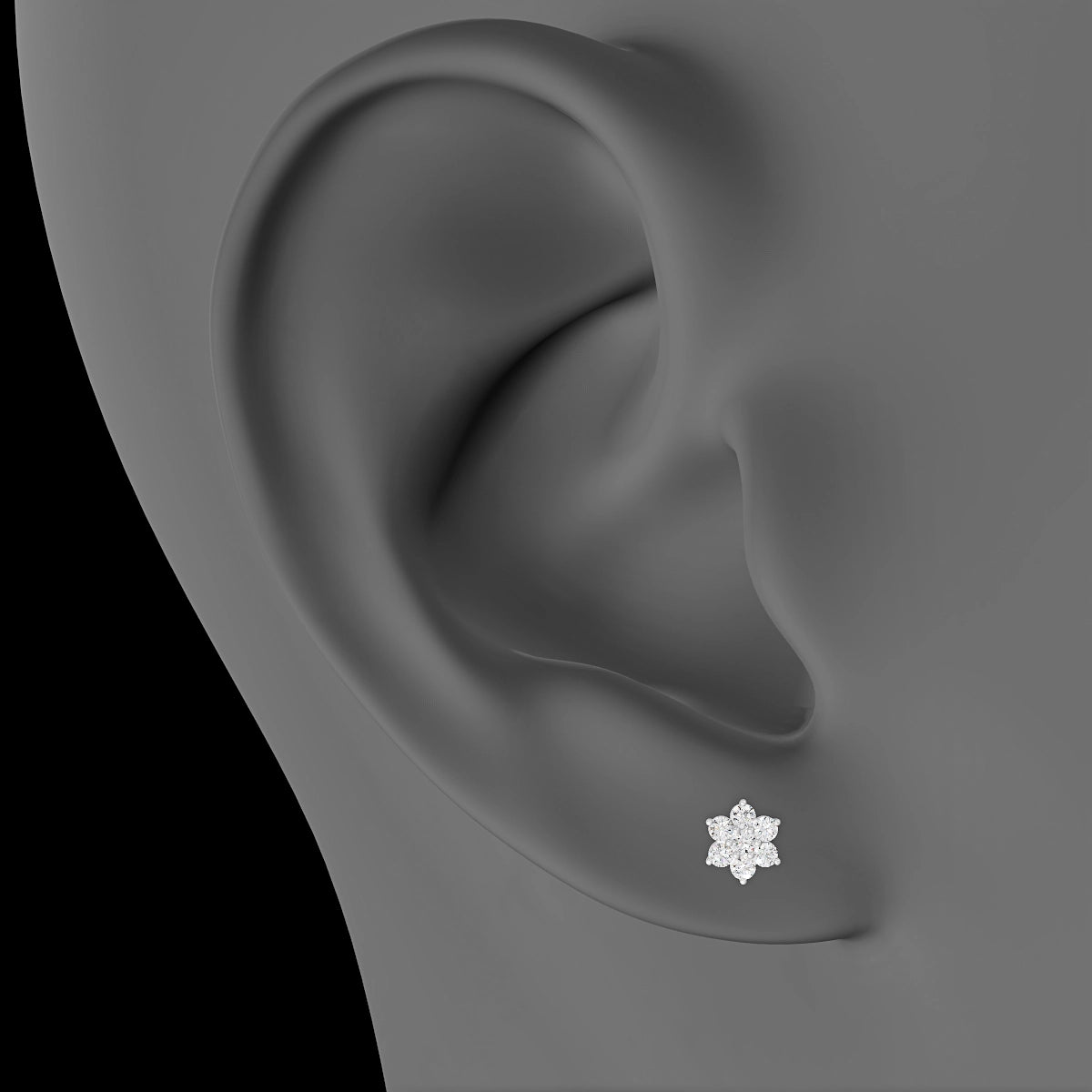
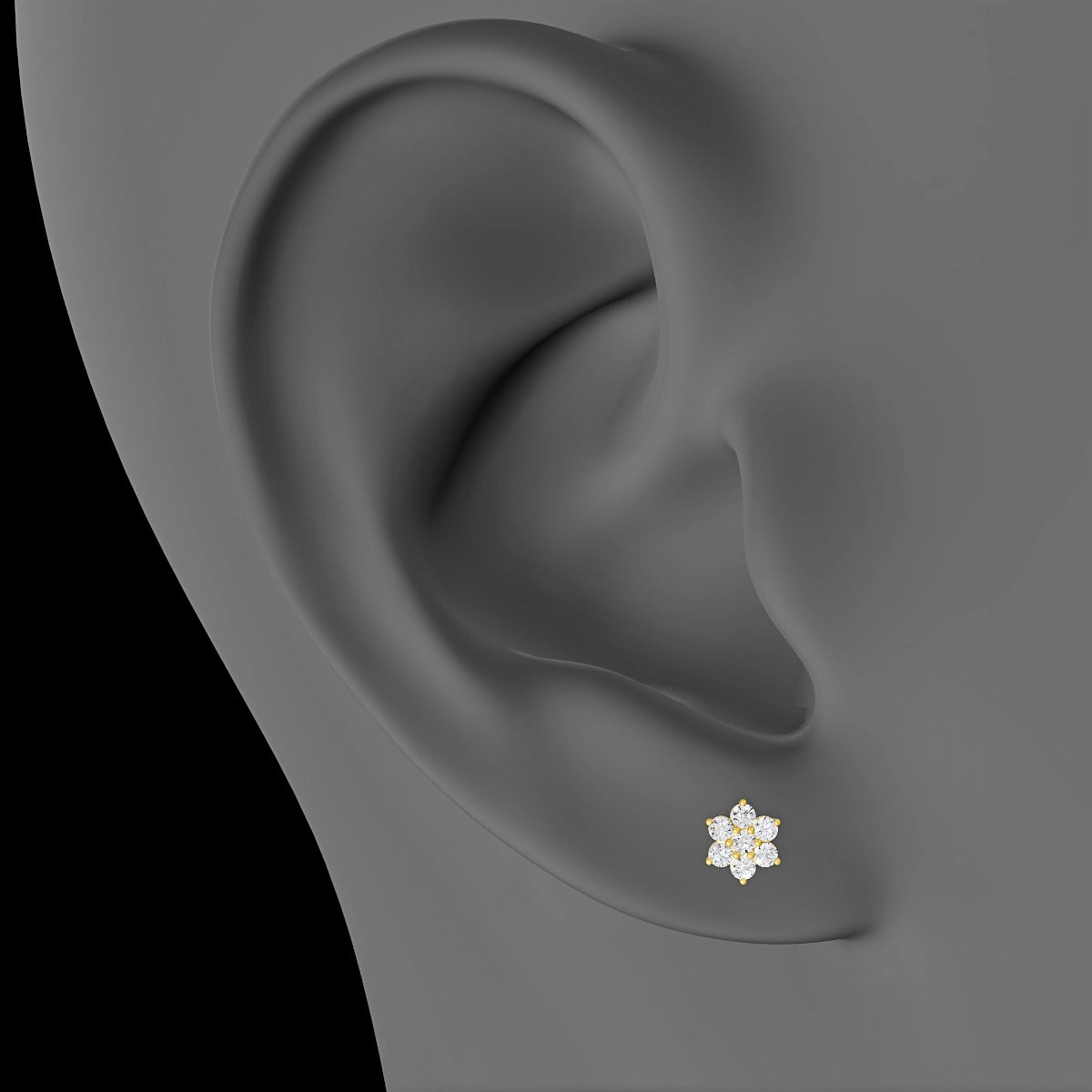
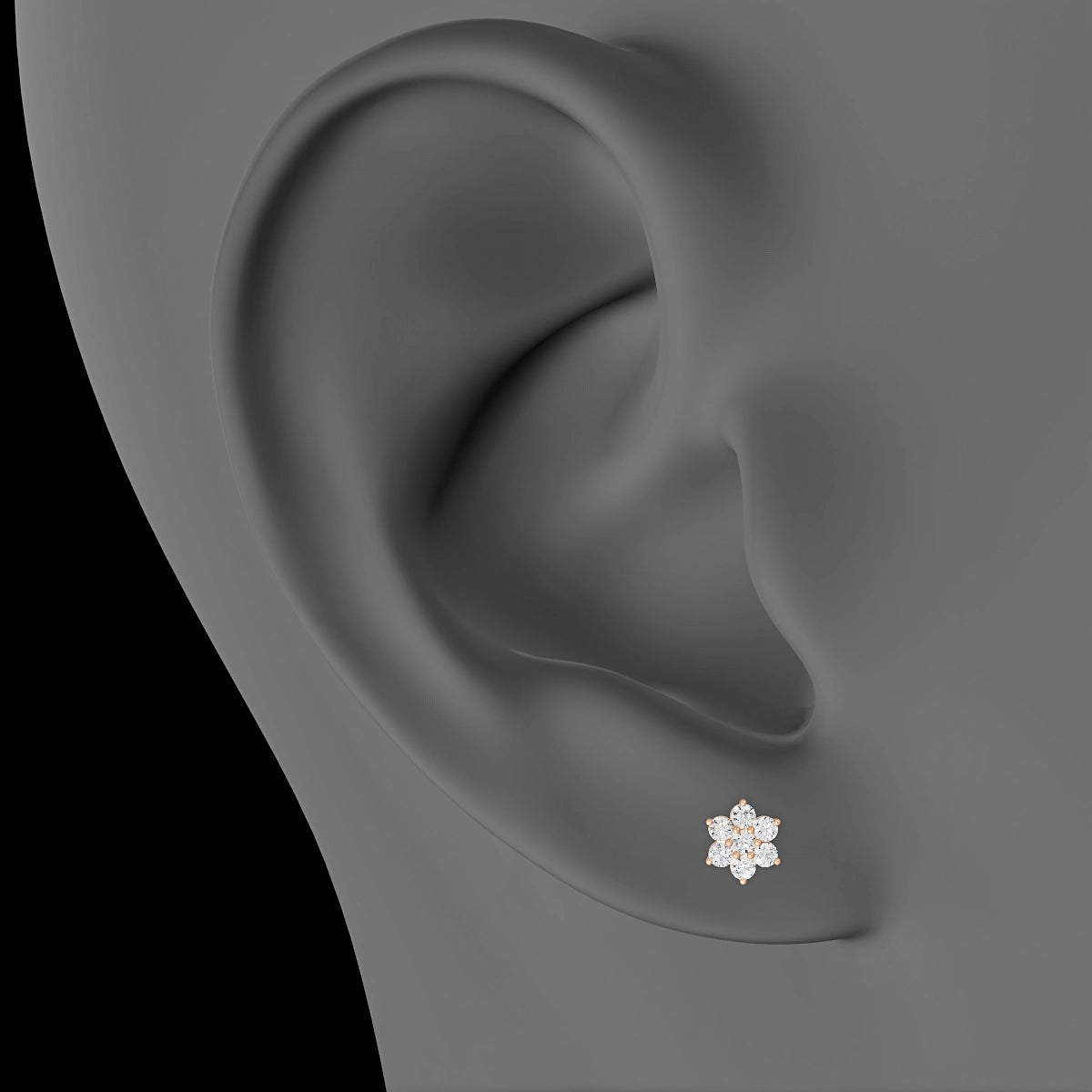
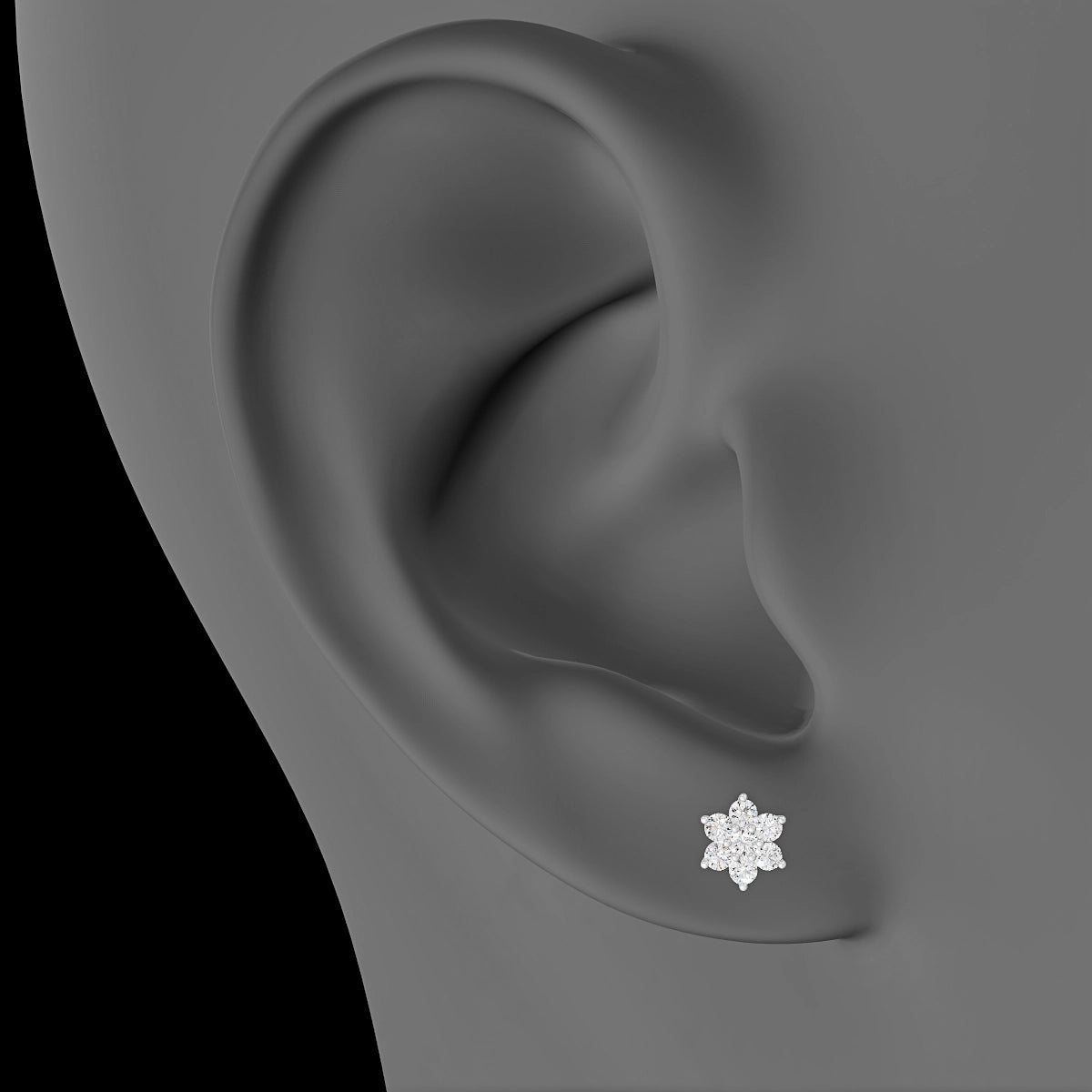
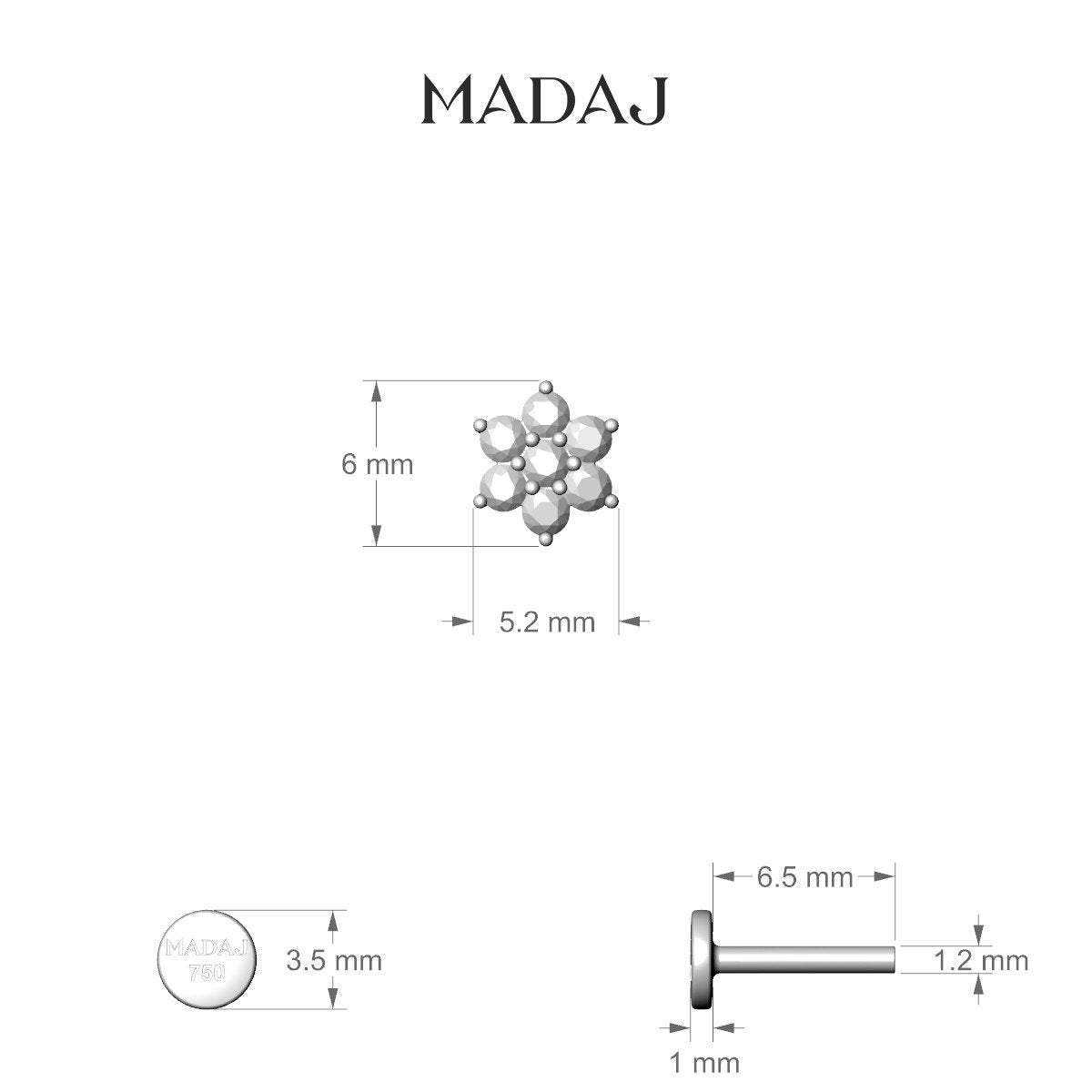
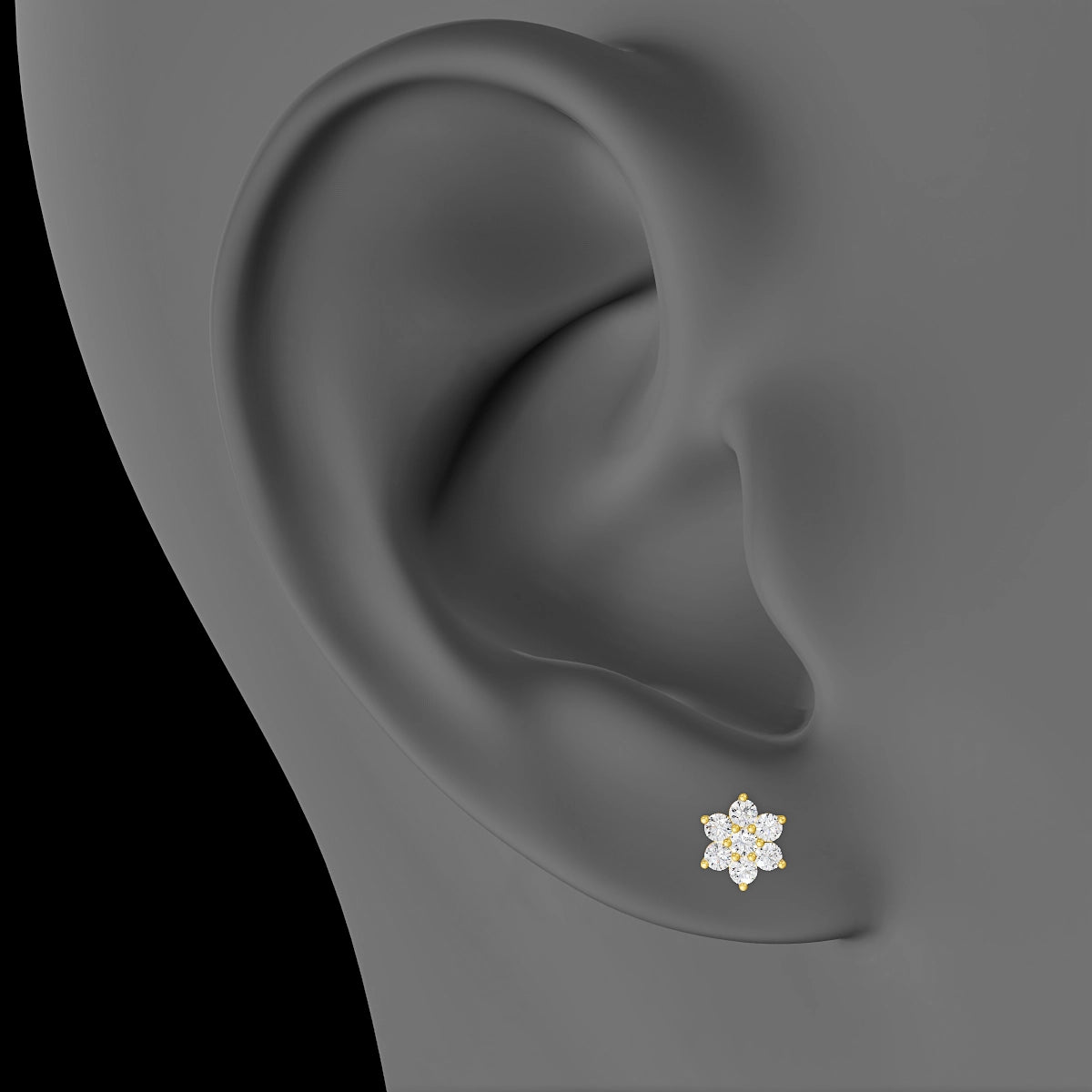
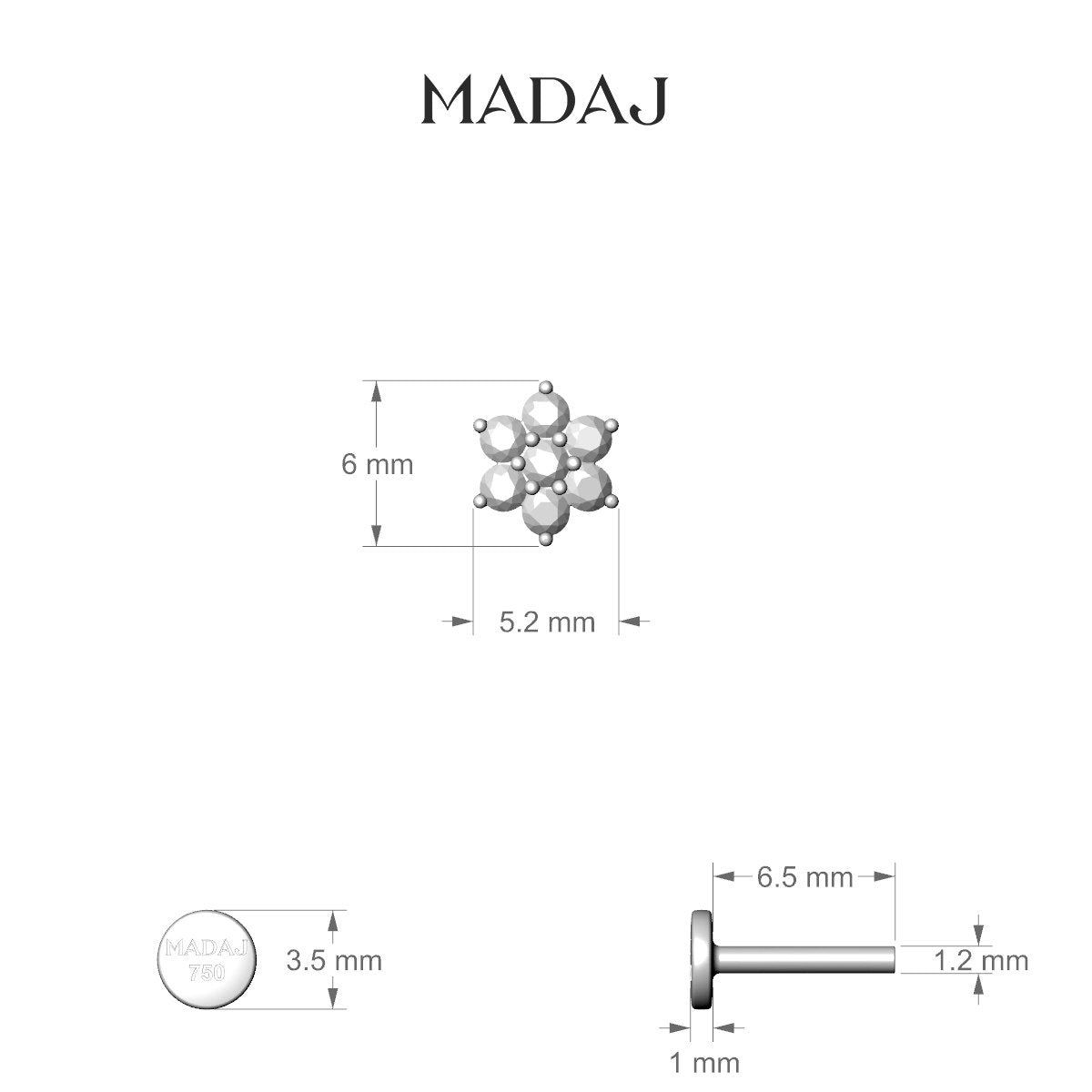
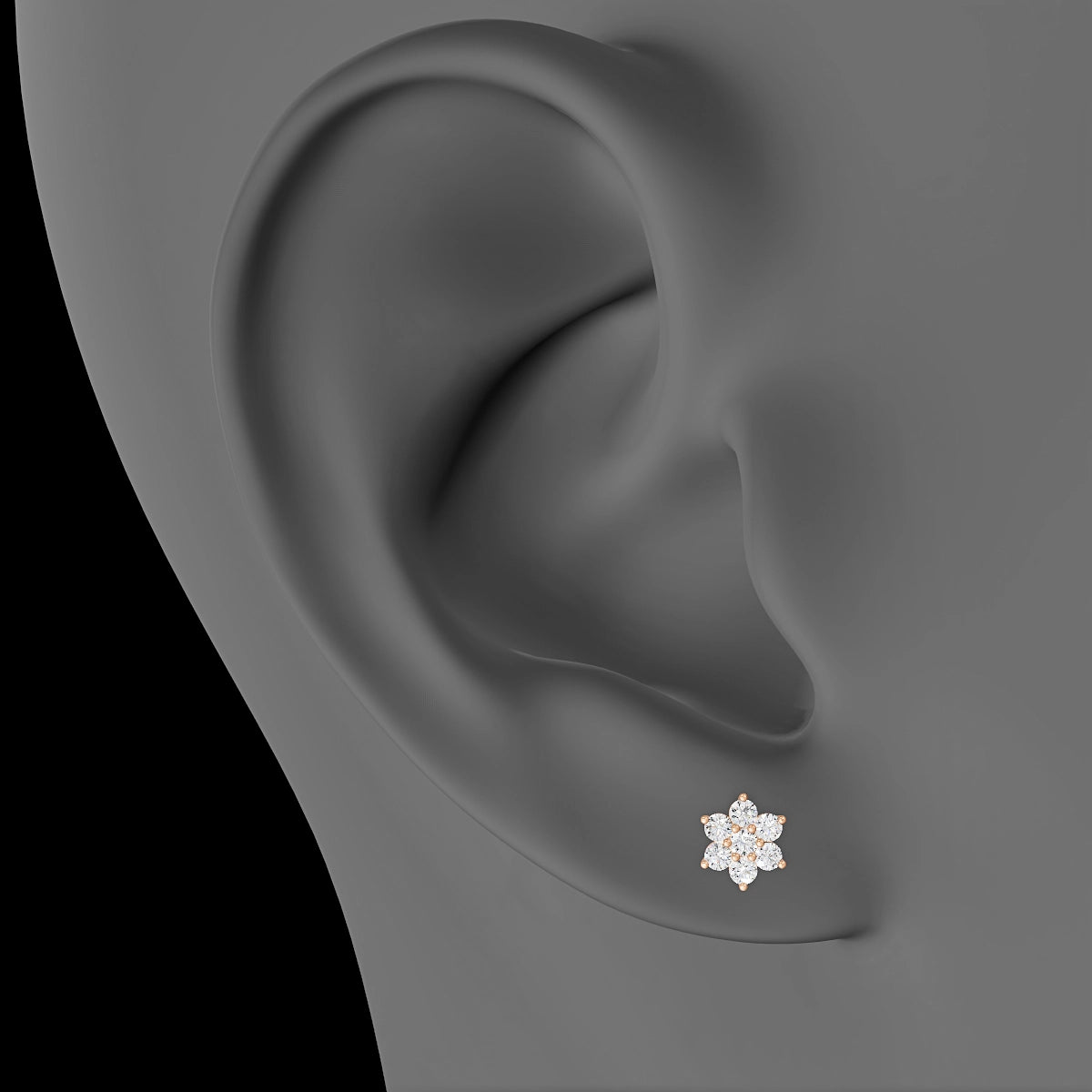
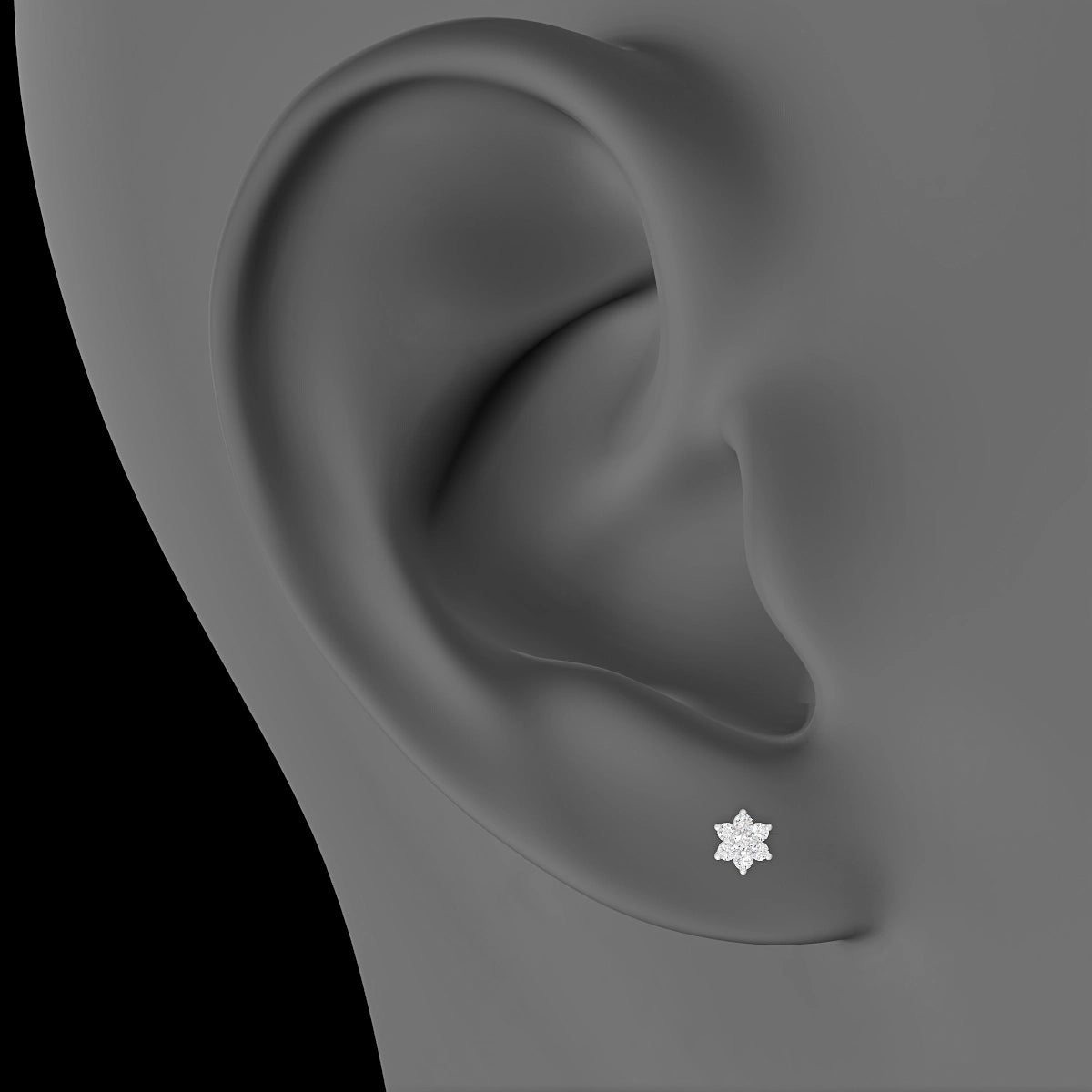
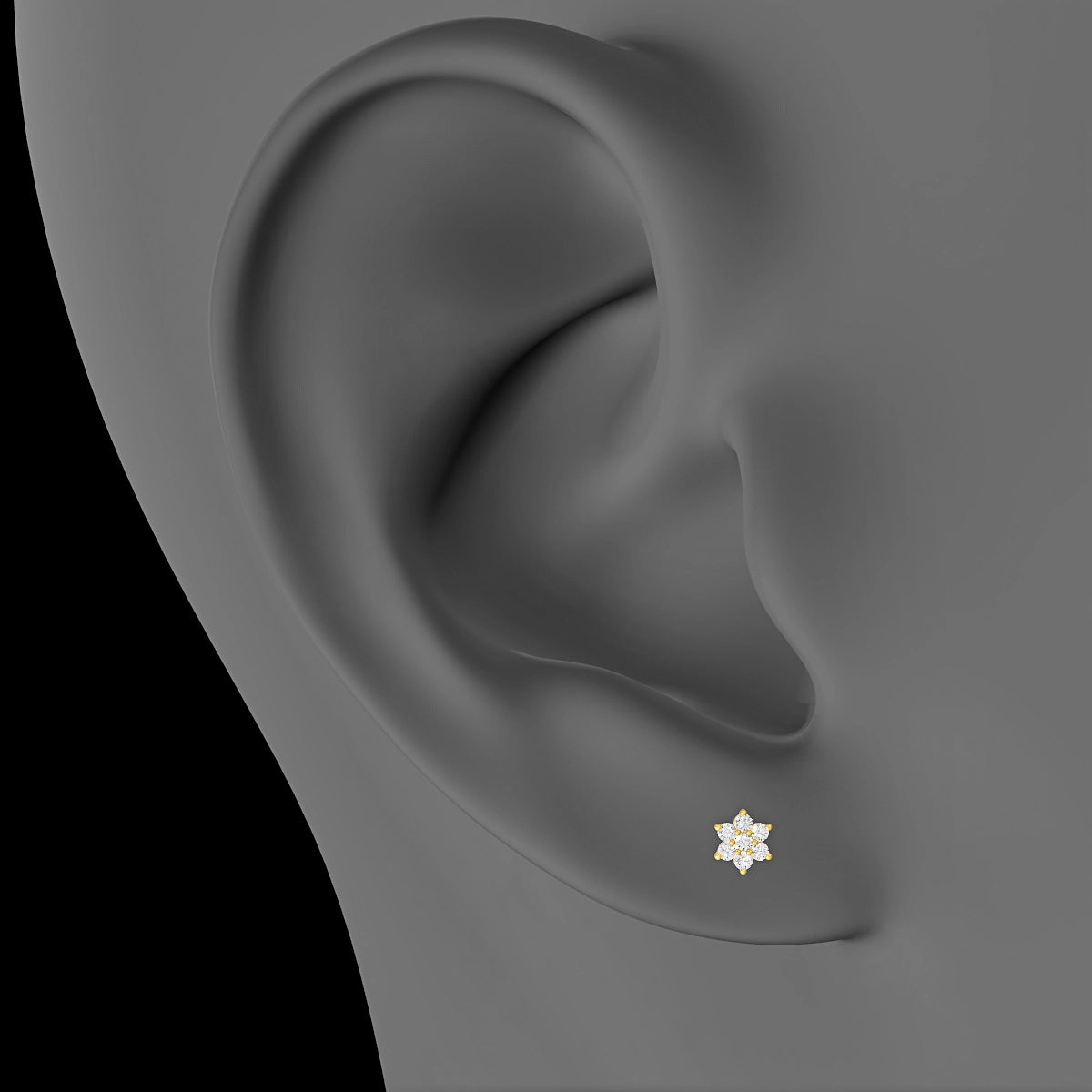
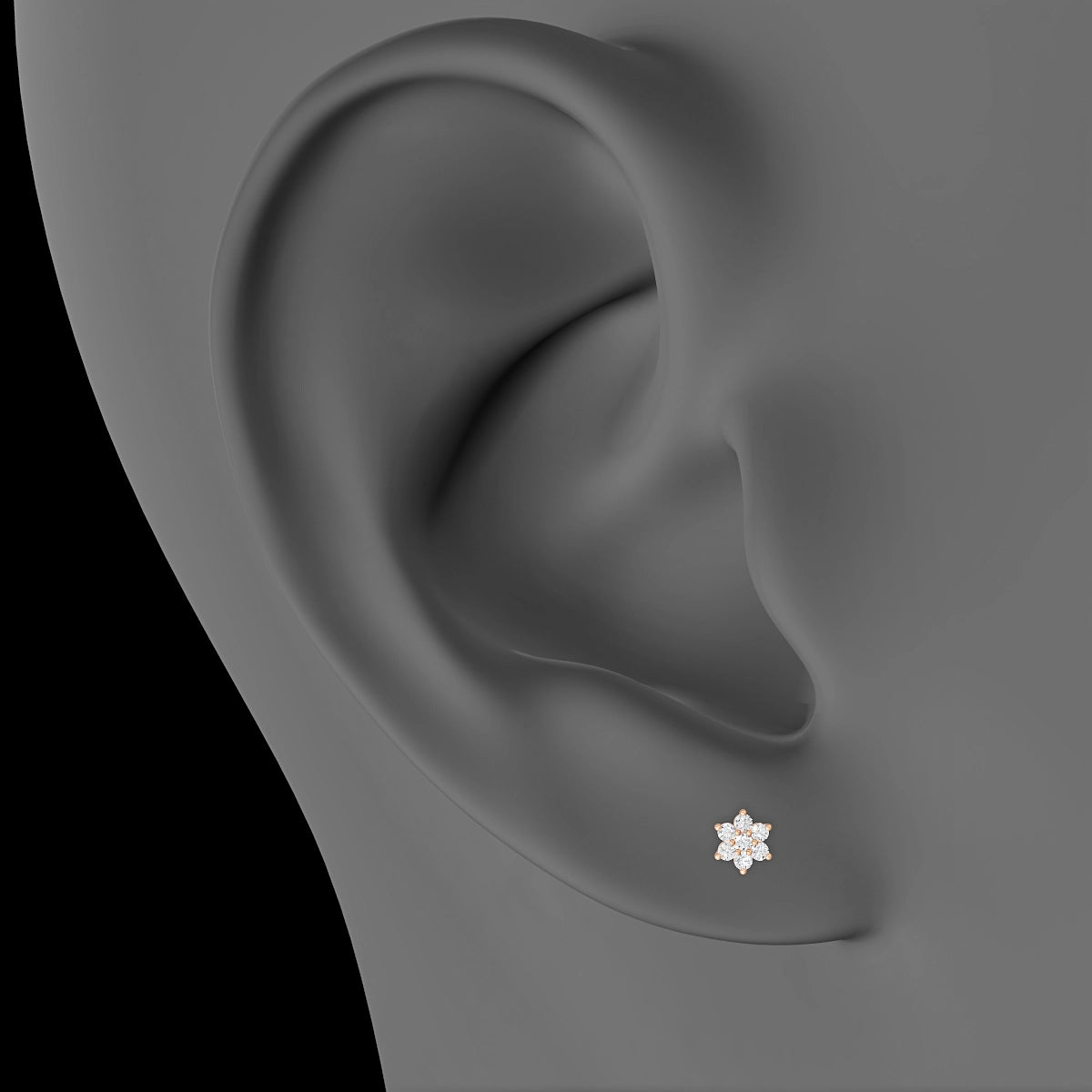
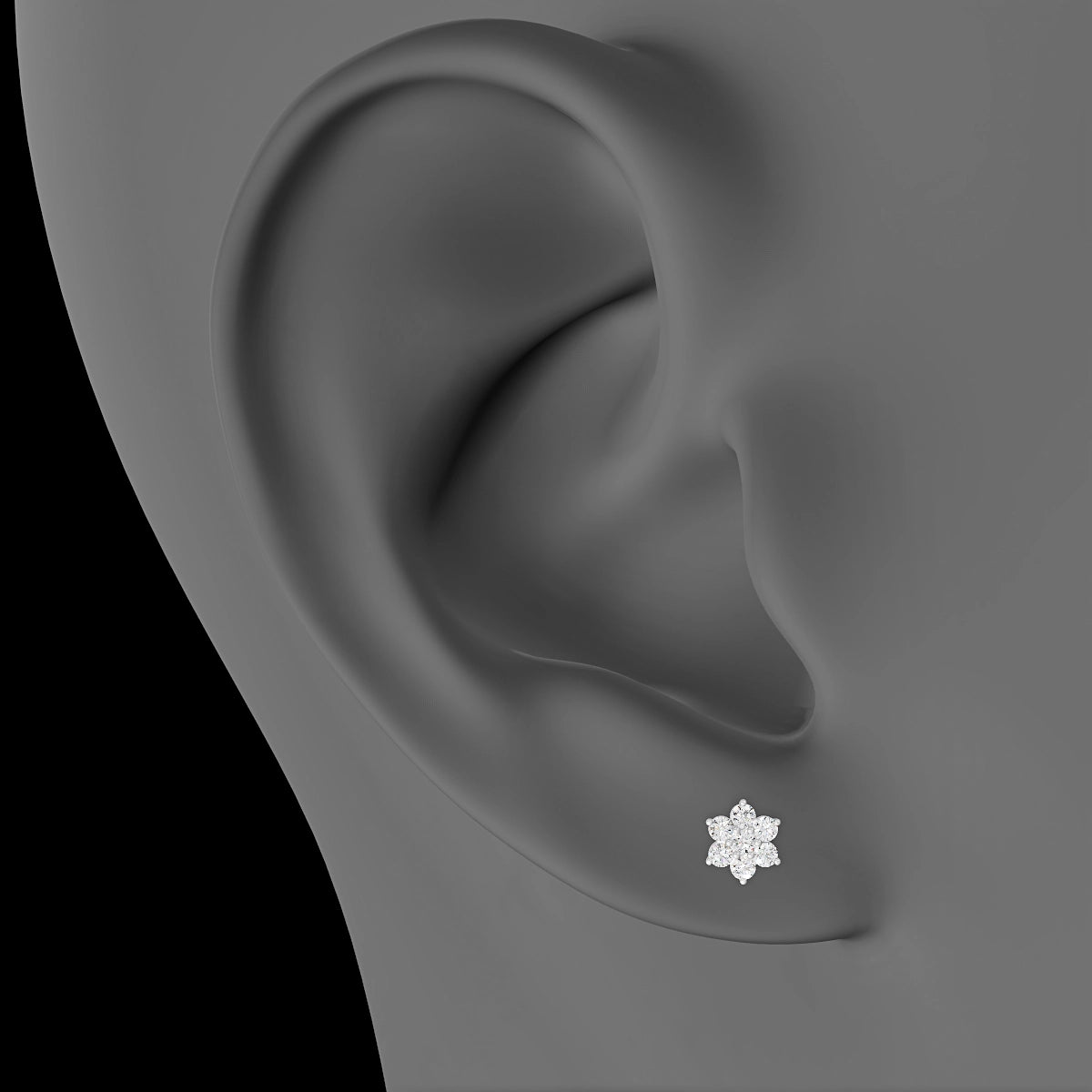
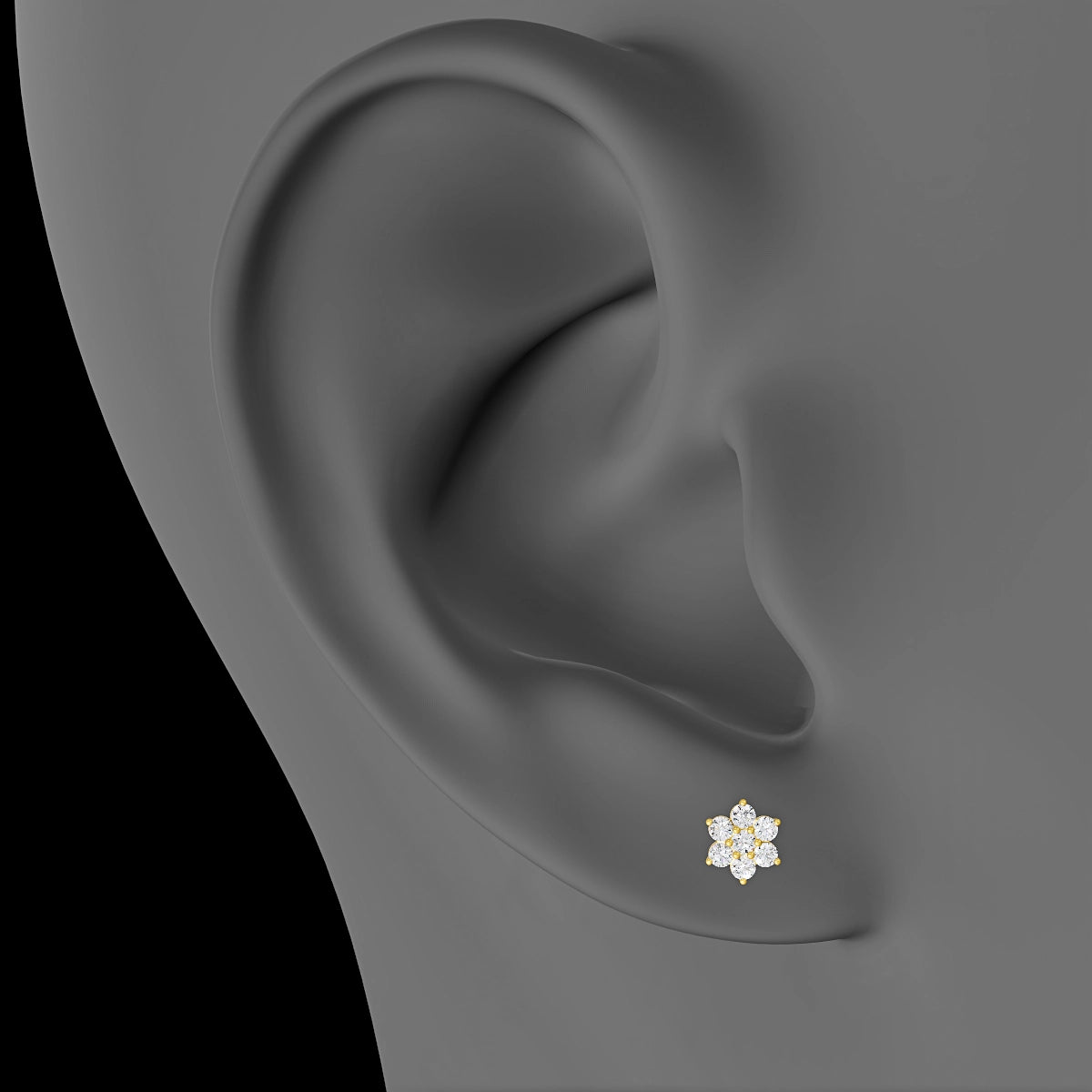
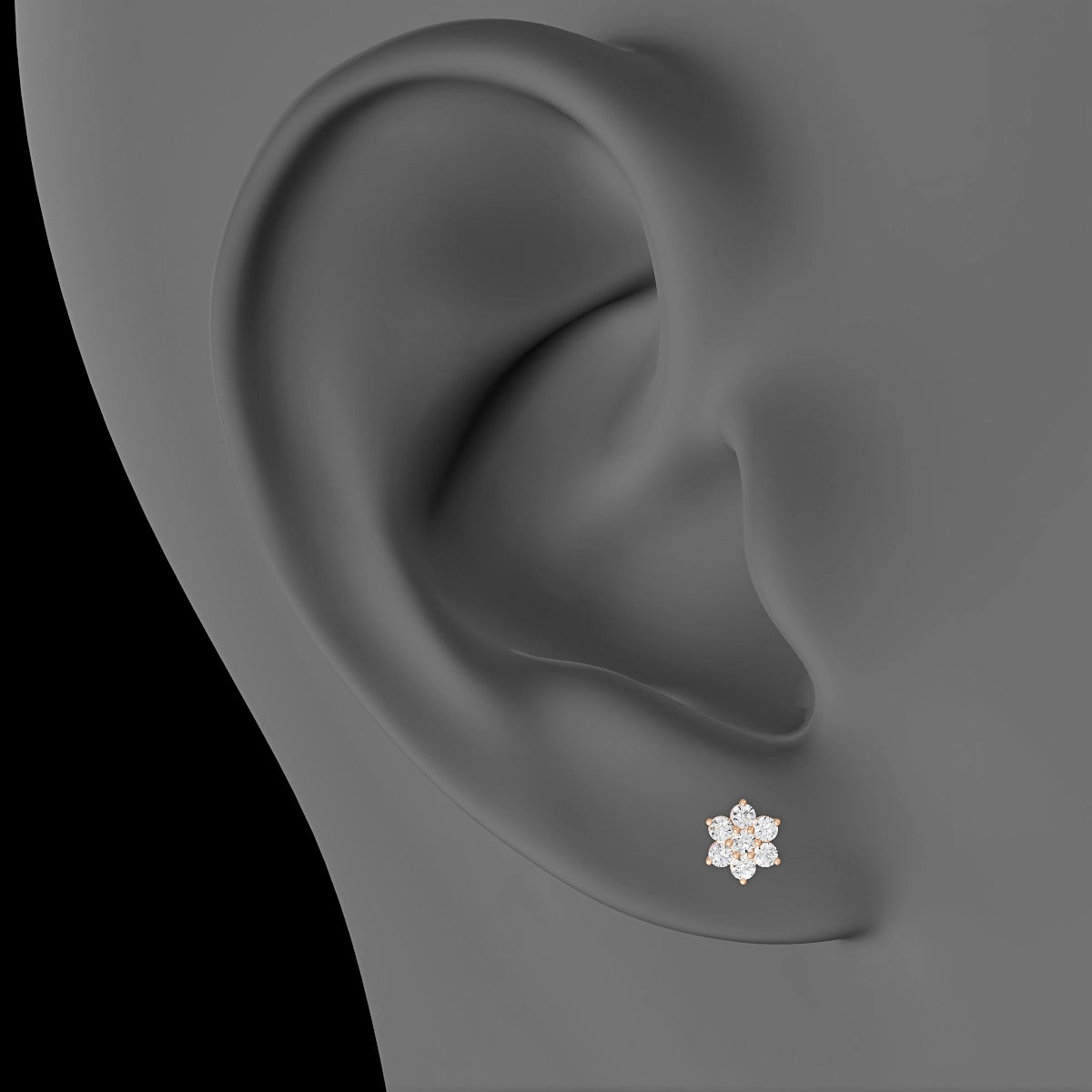
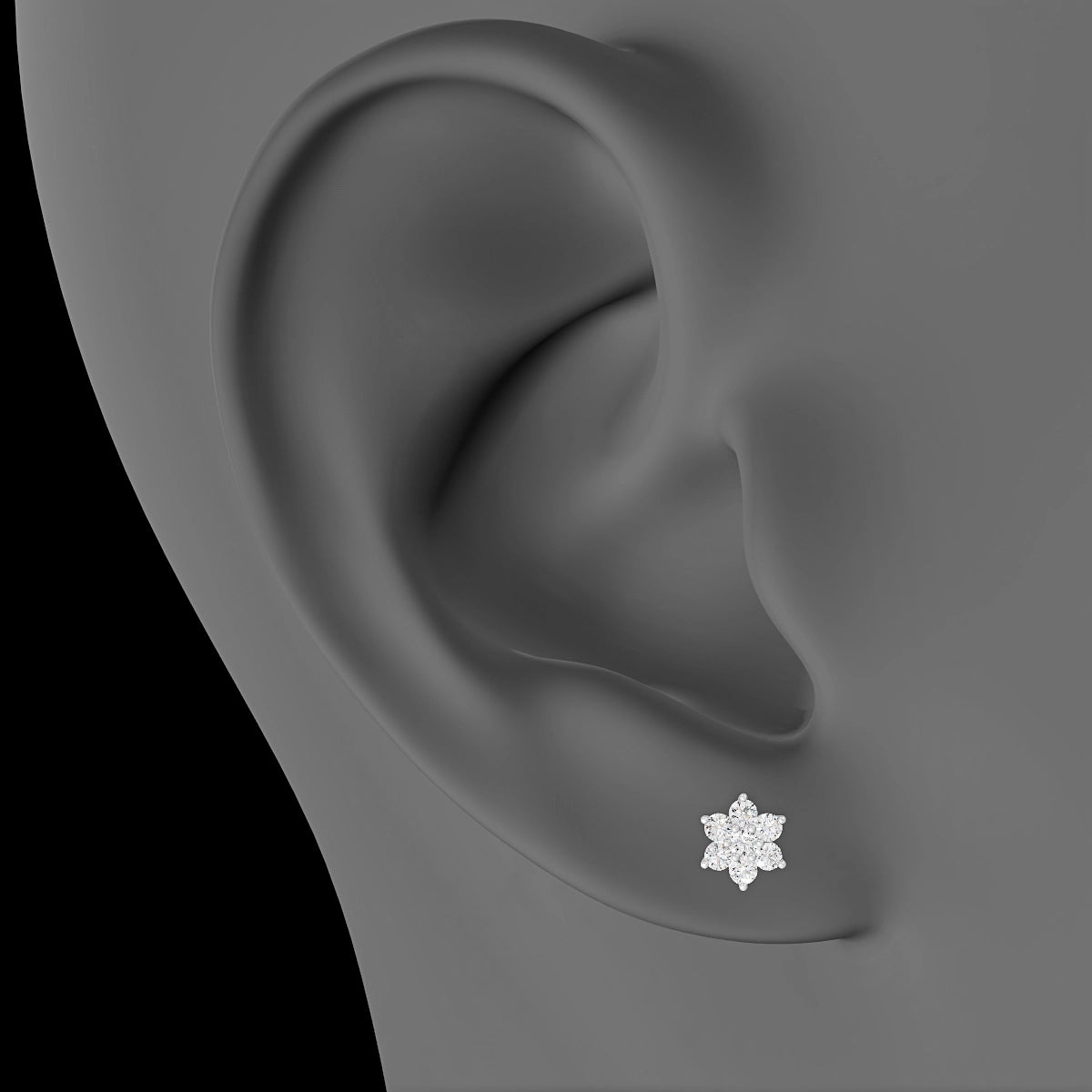
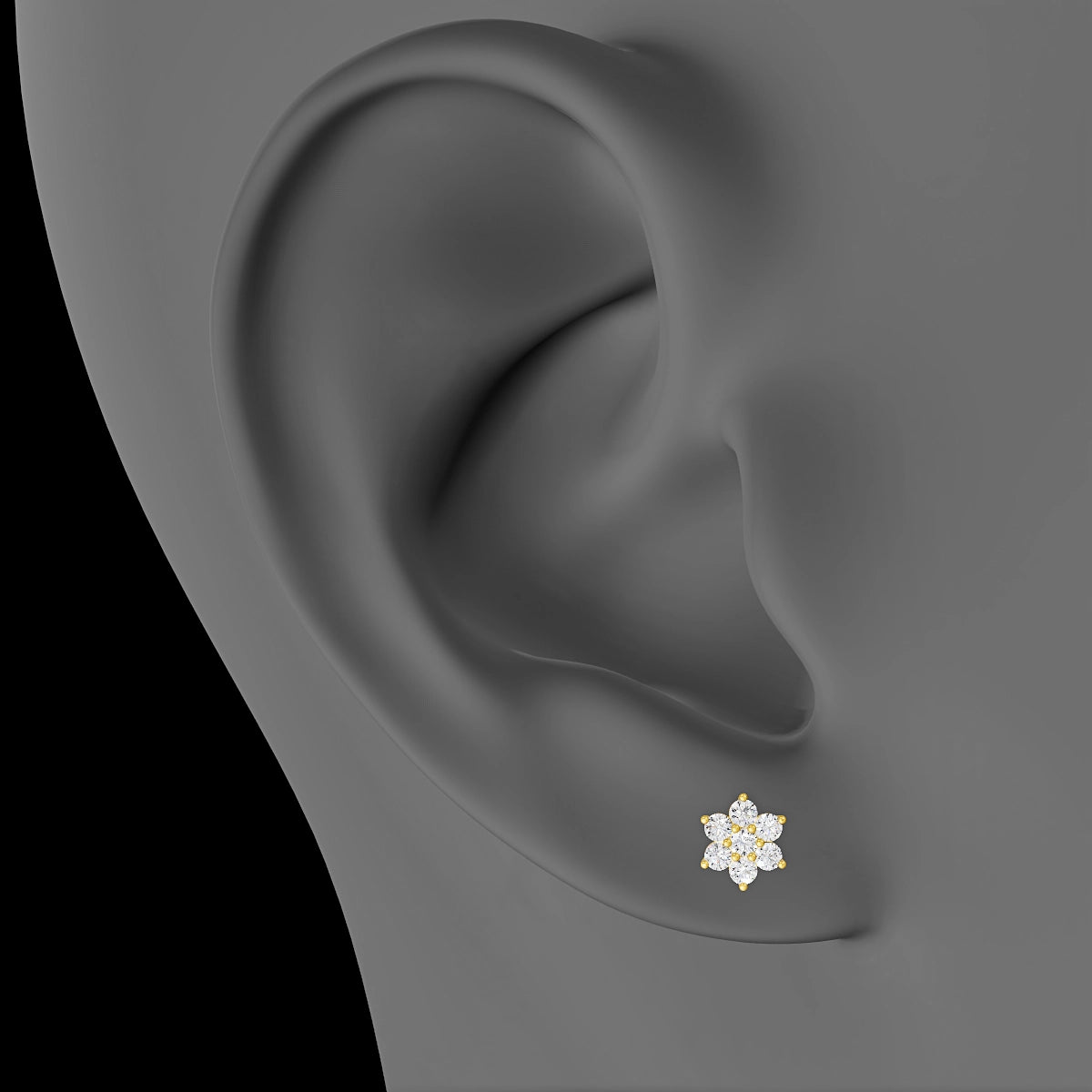
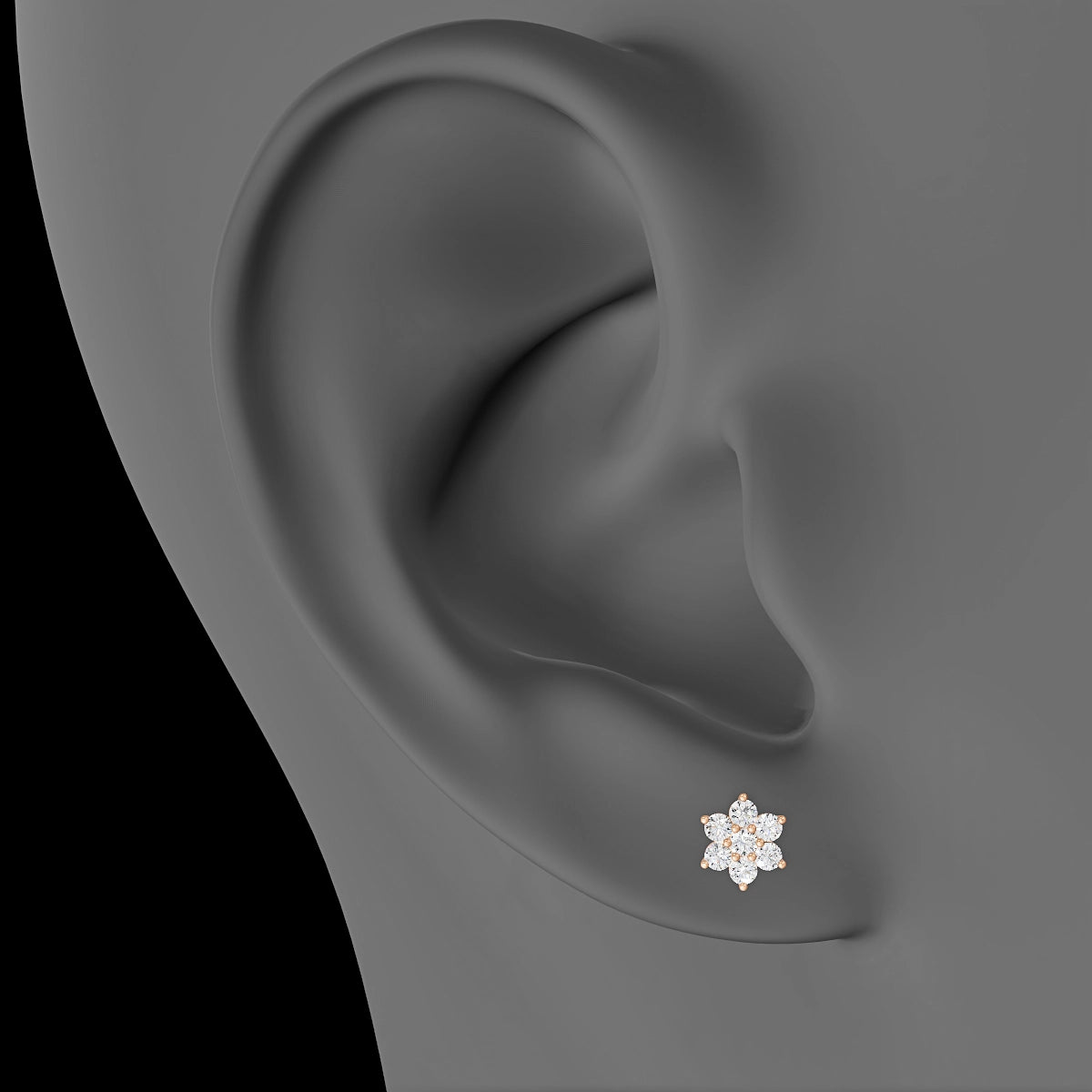
The MADAJ Alceste Diamond Piercing
TYPES
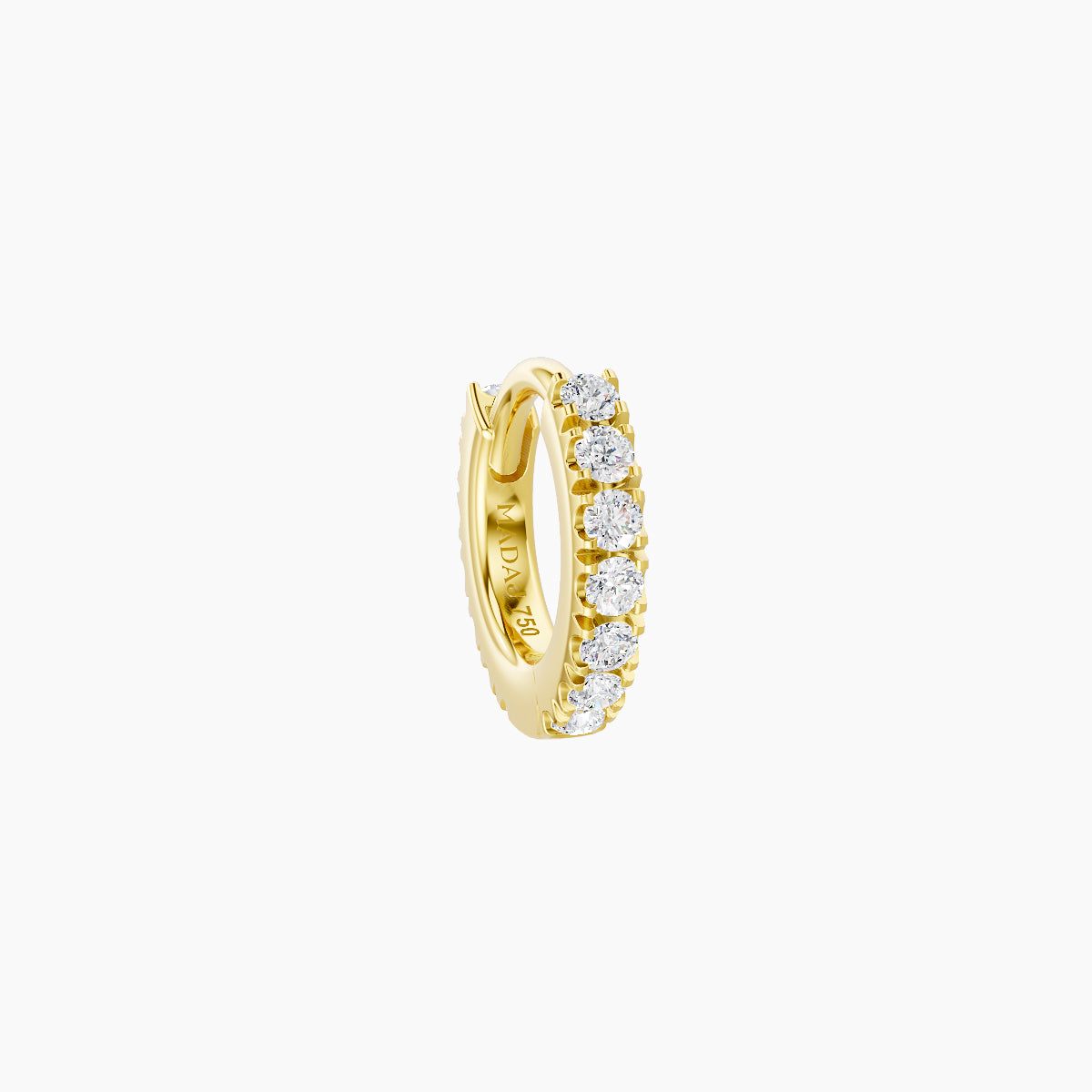
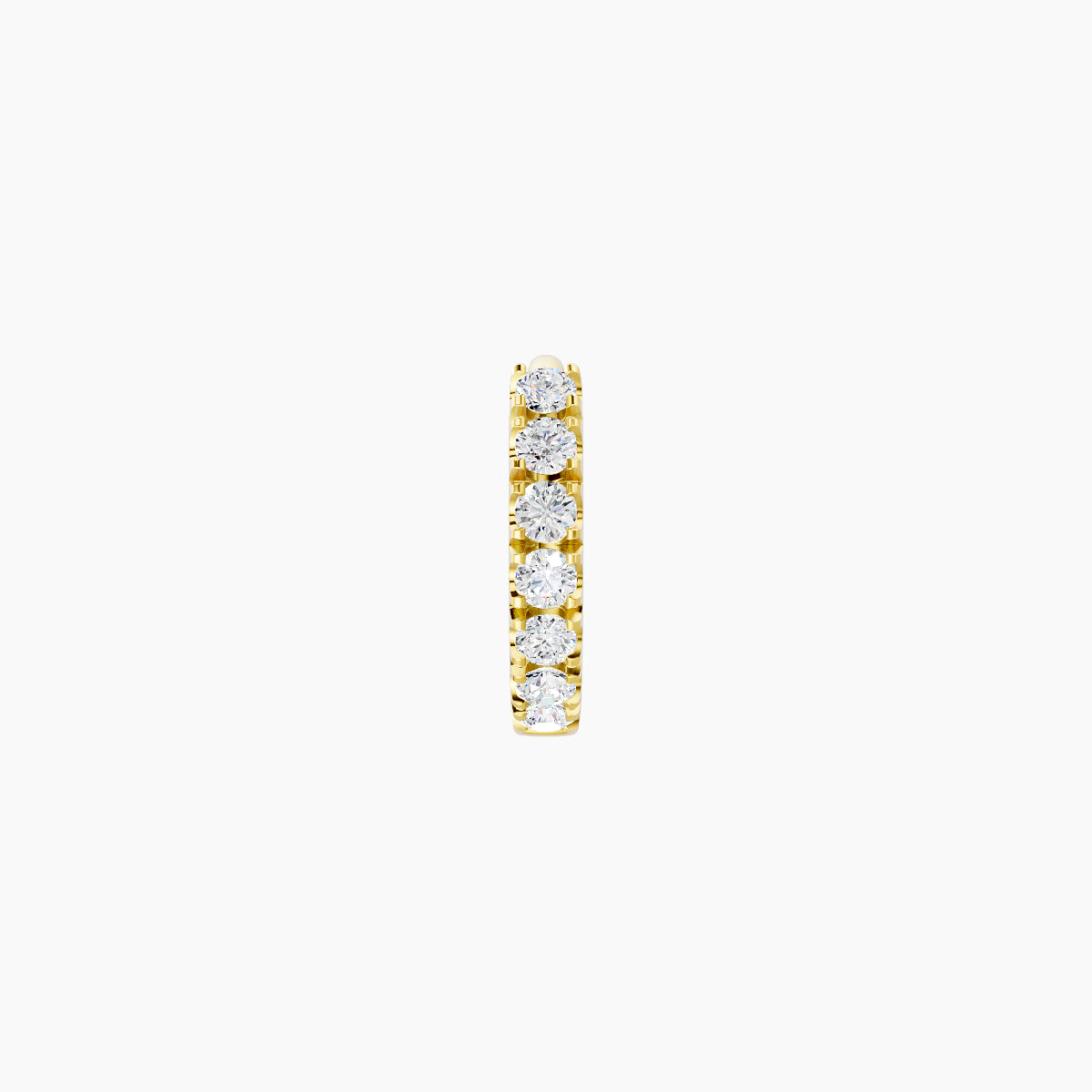
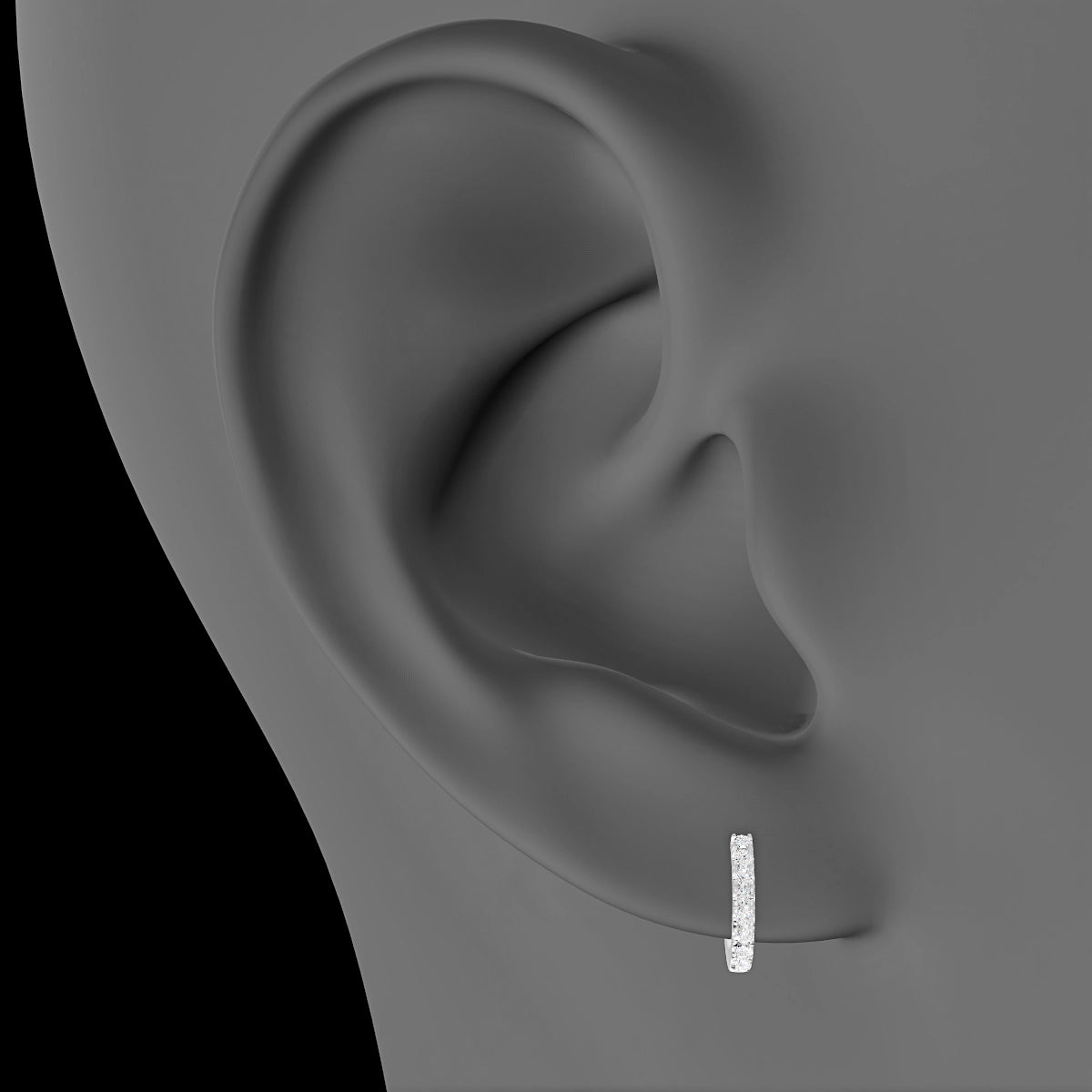
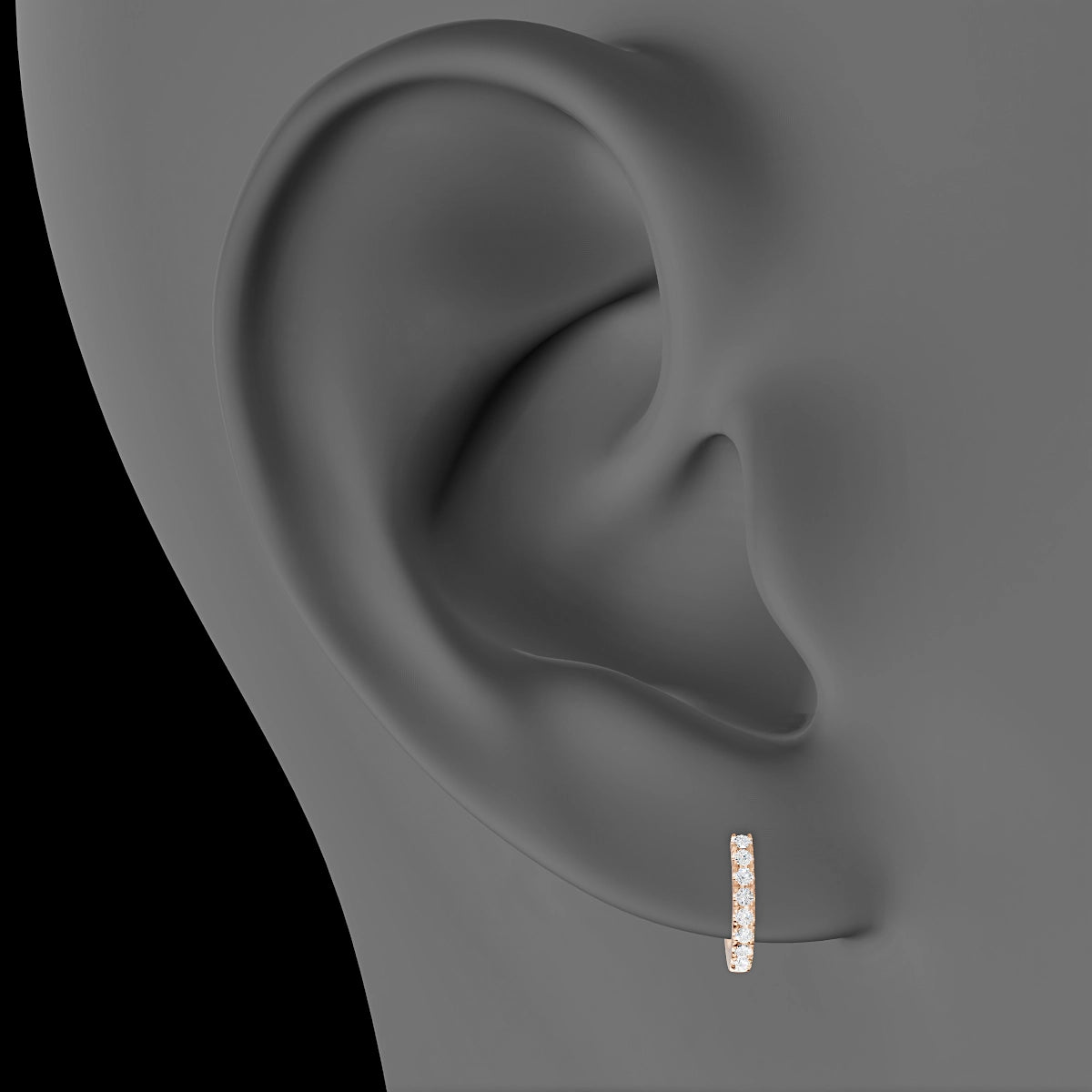
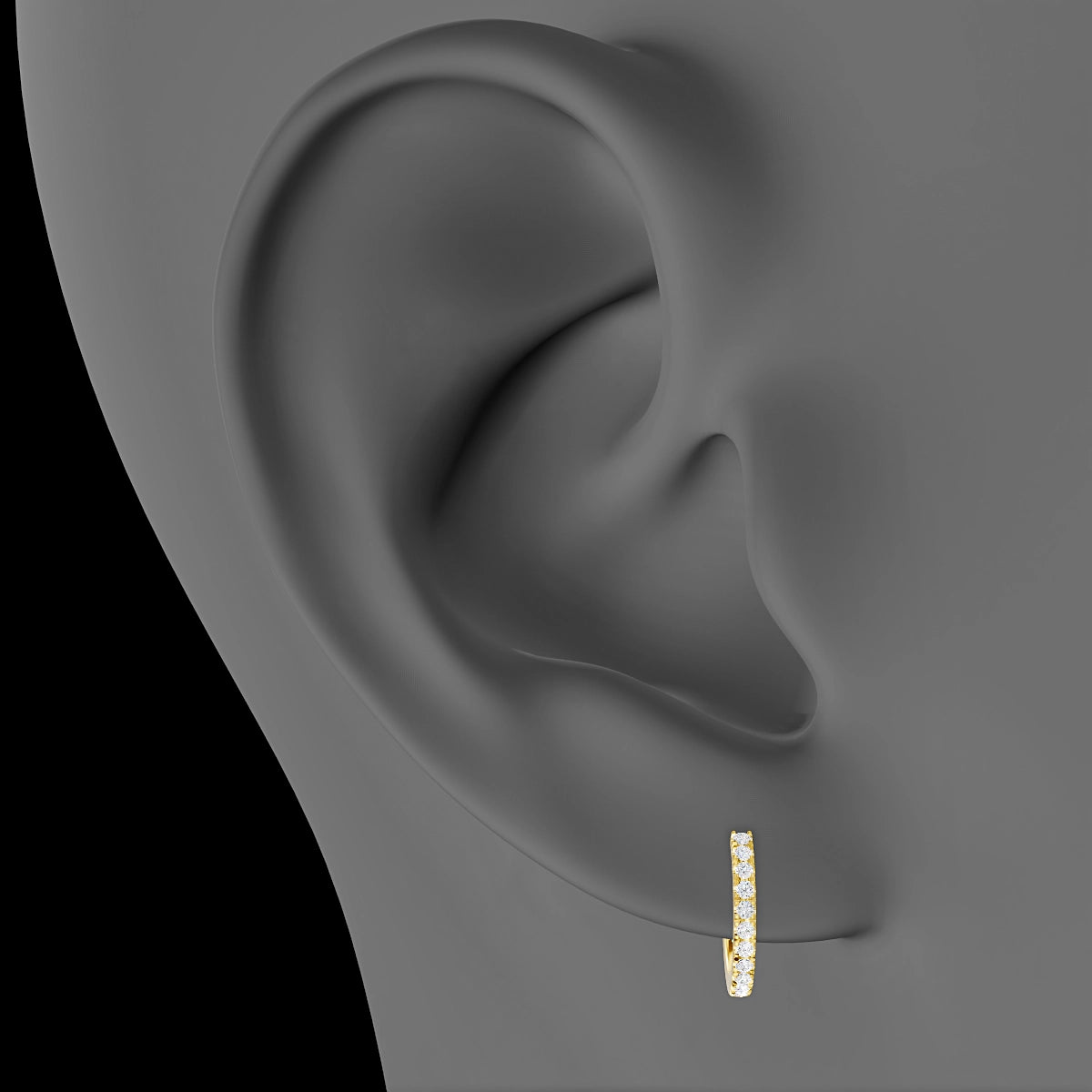
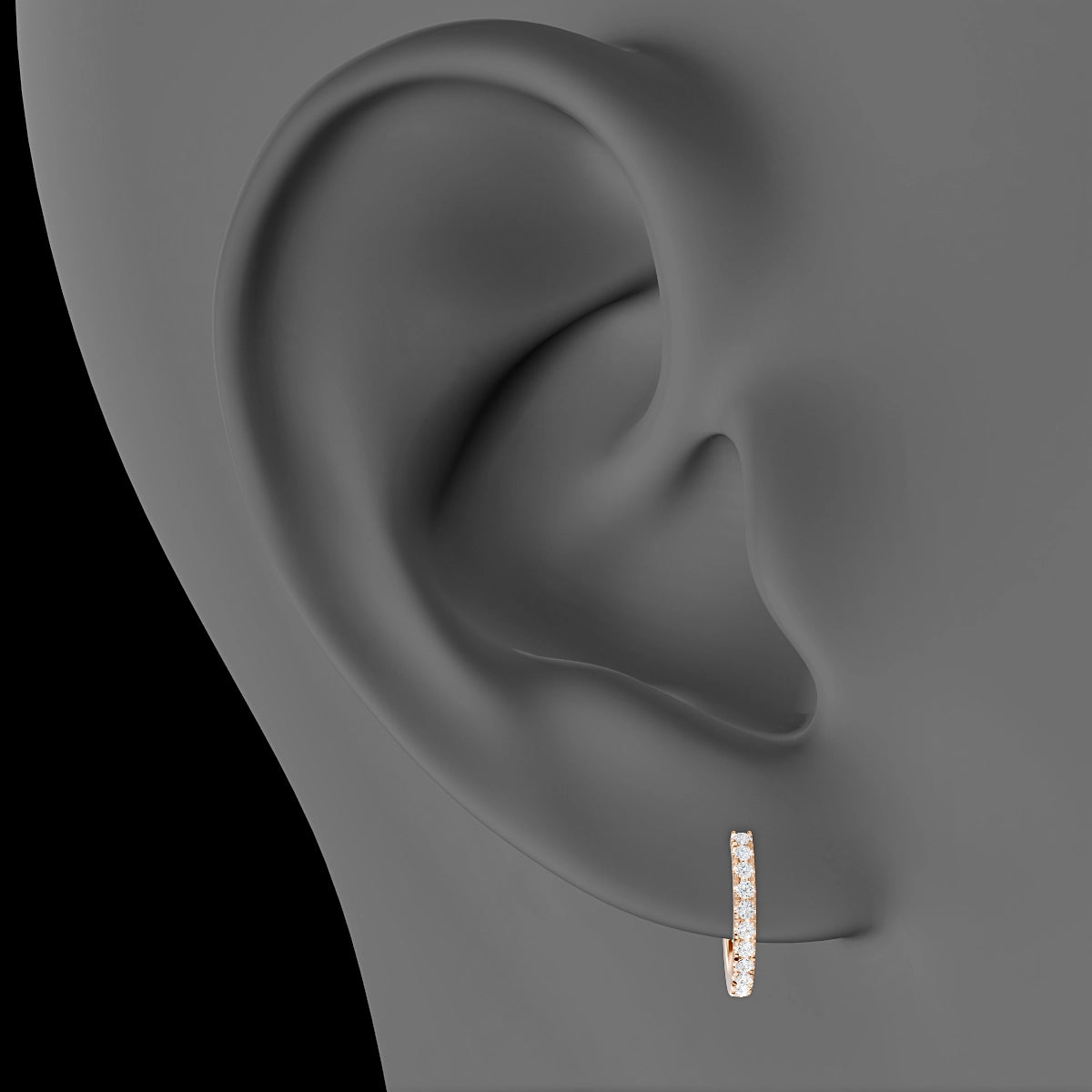
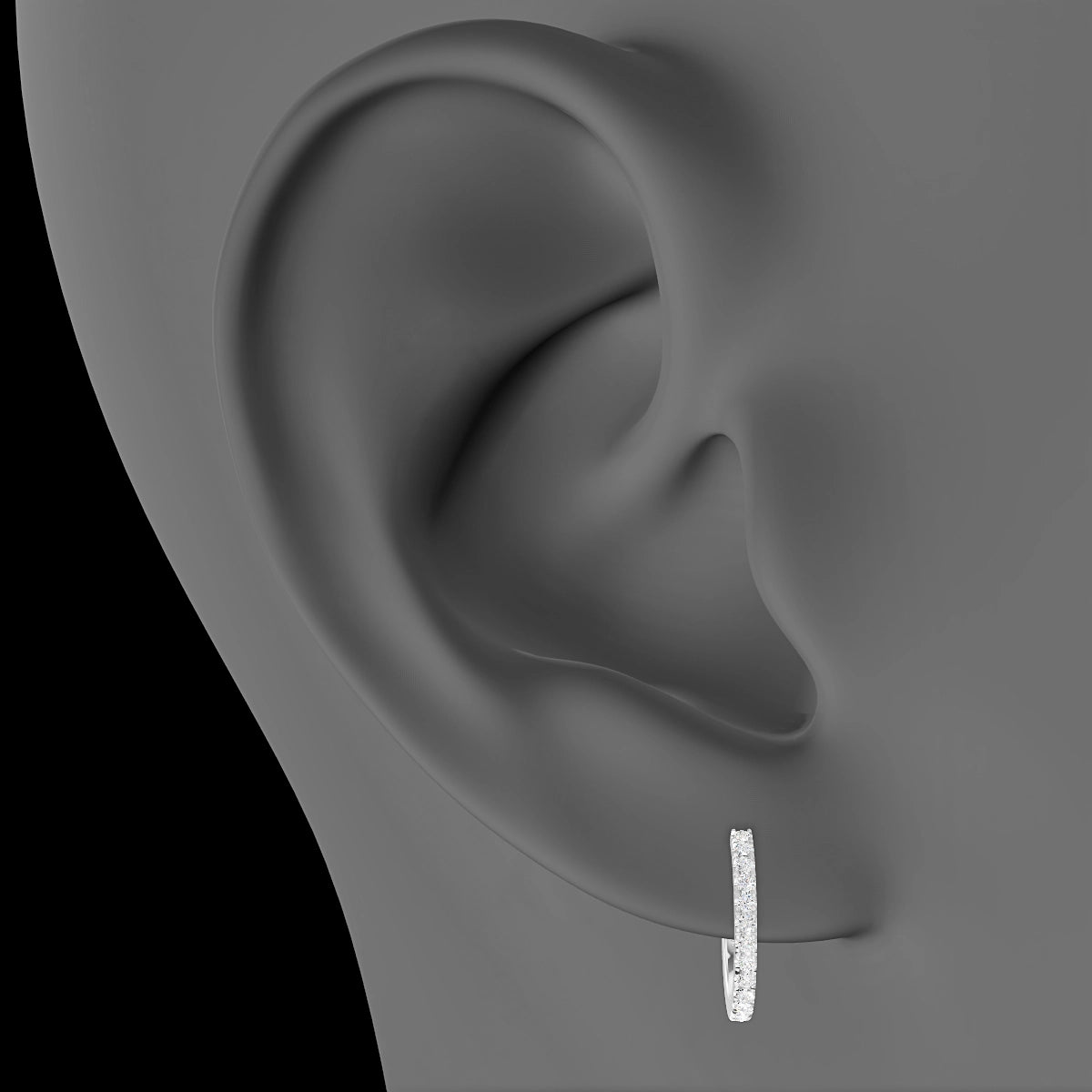
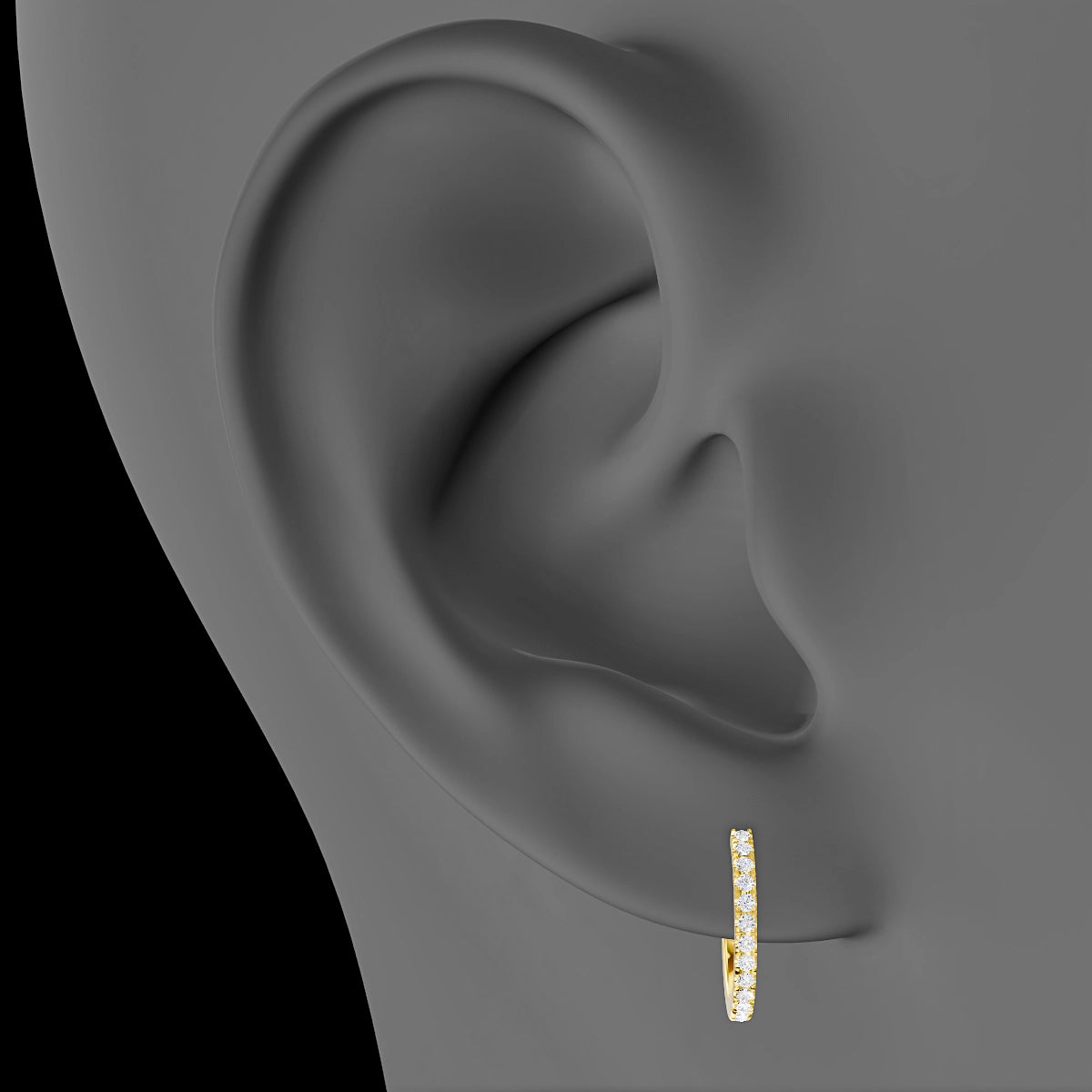
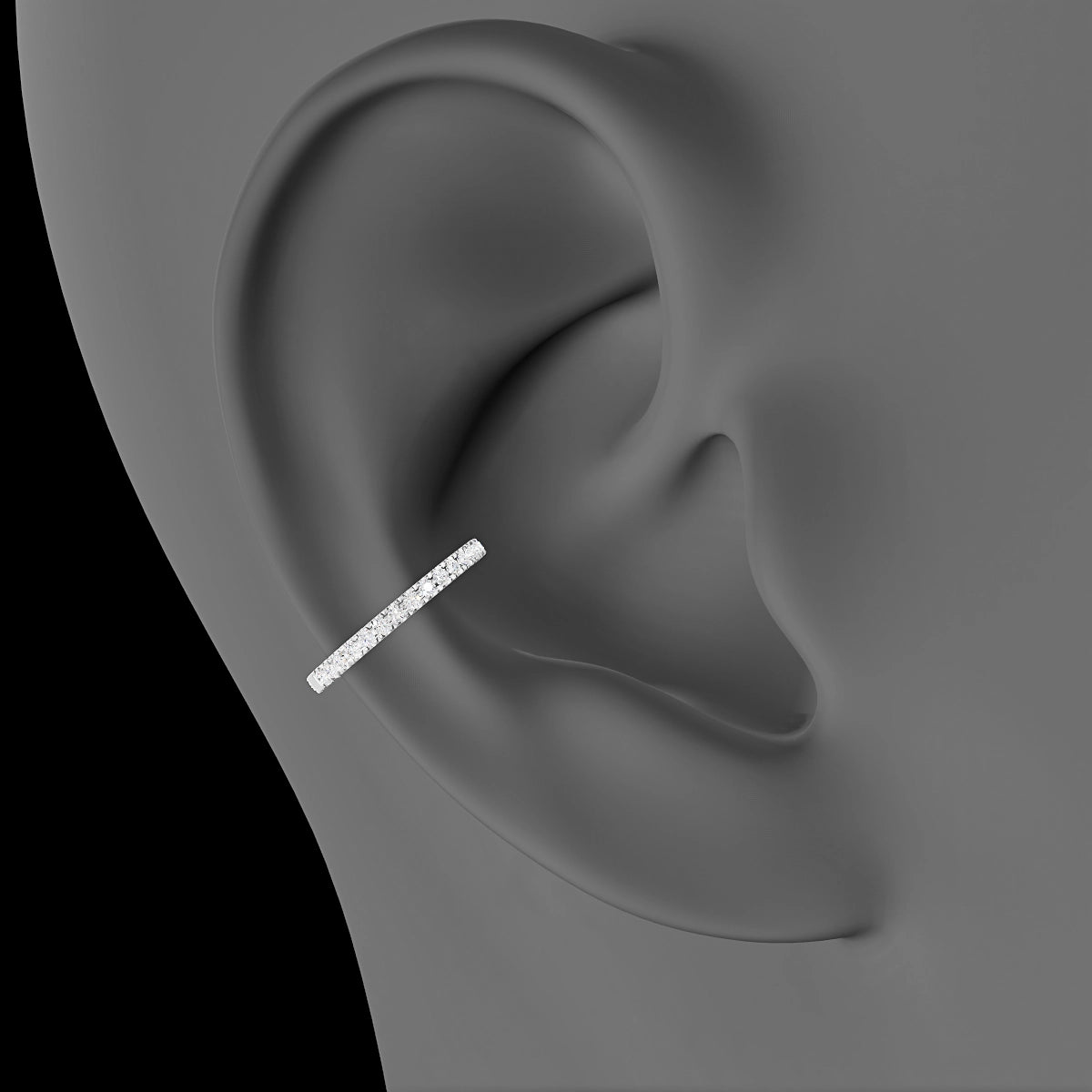
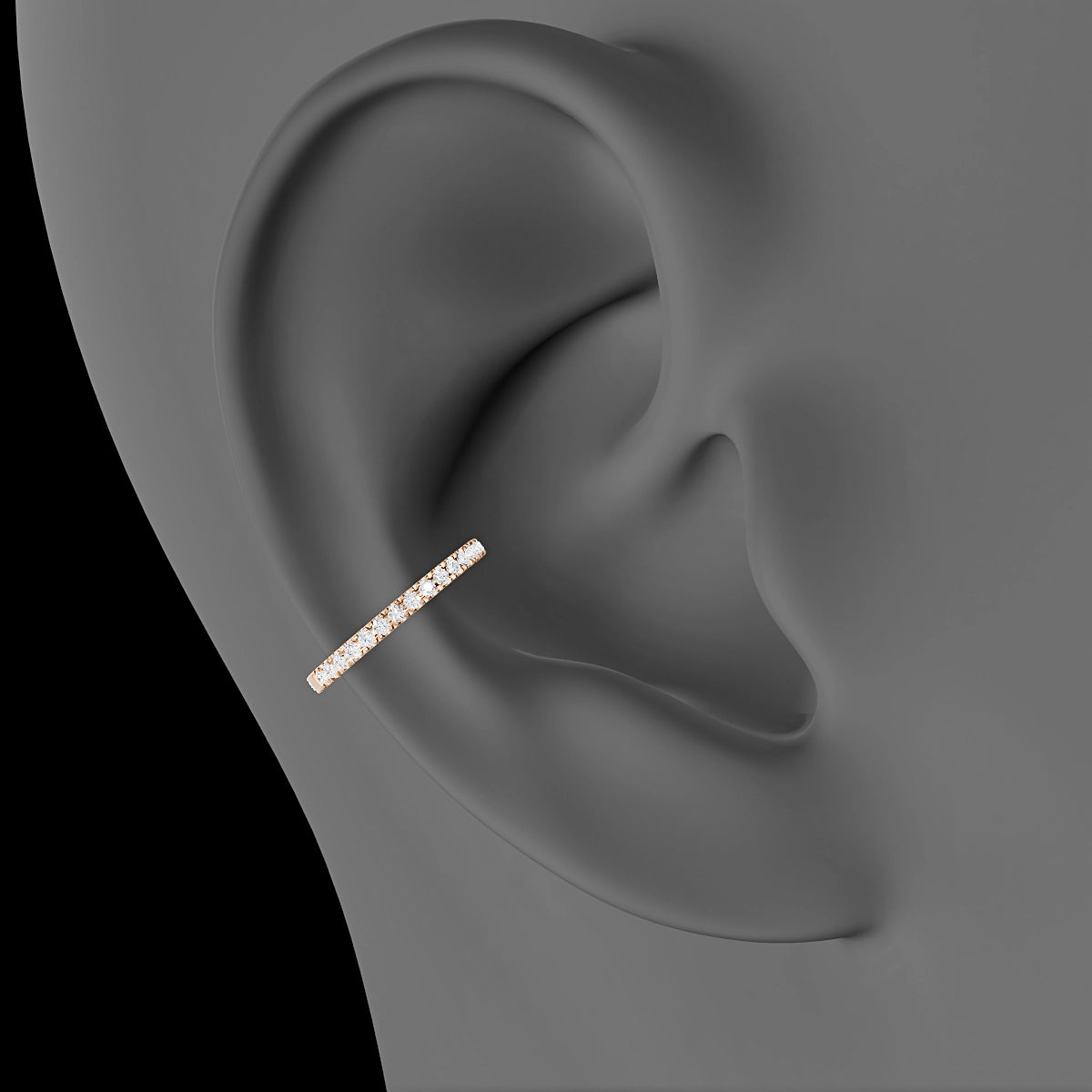
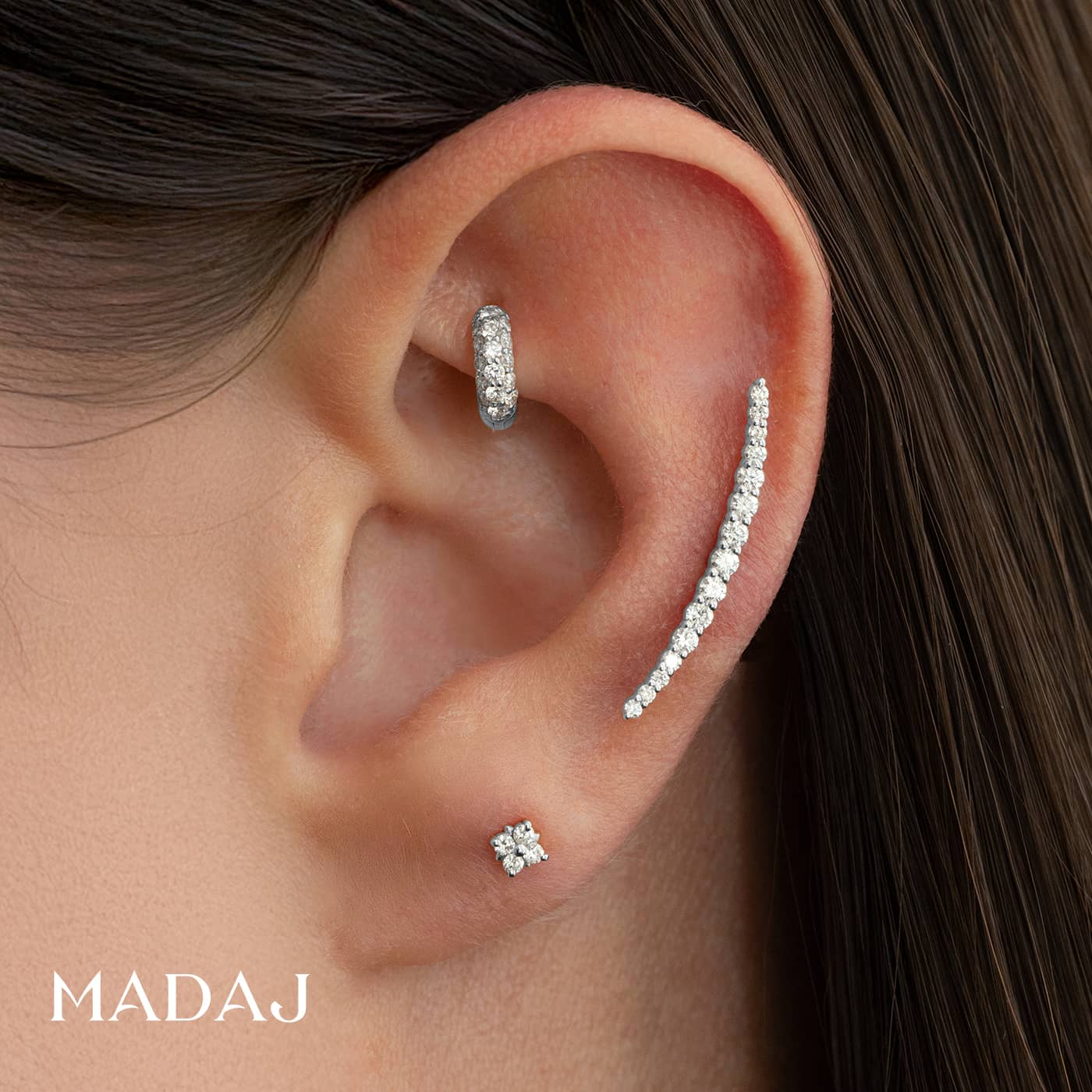
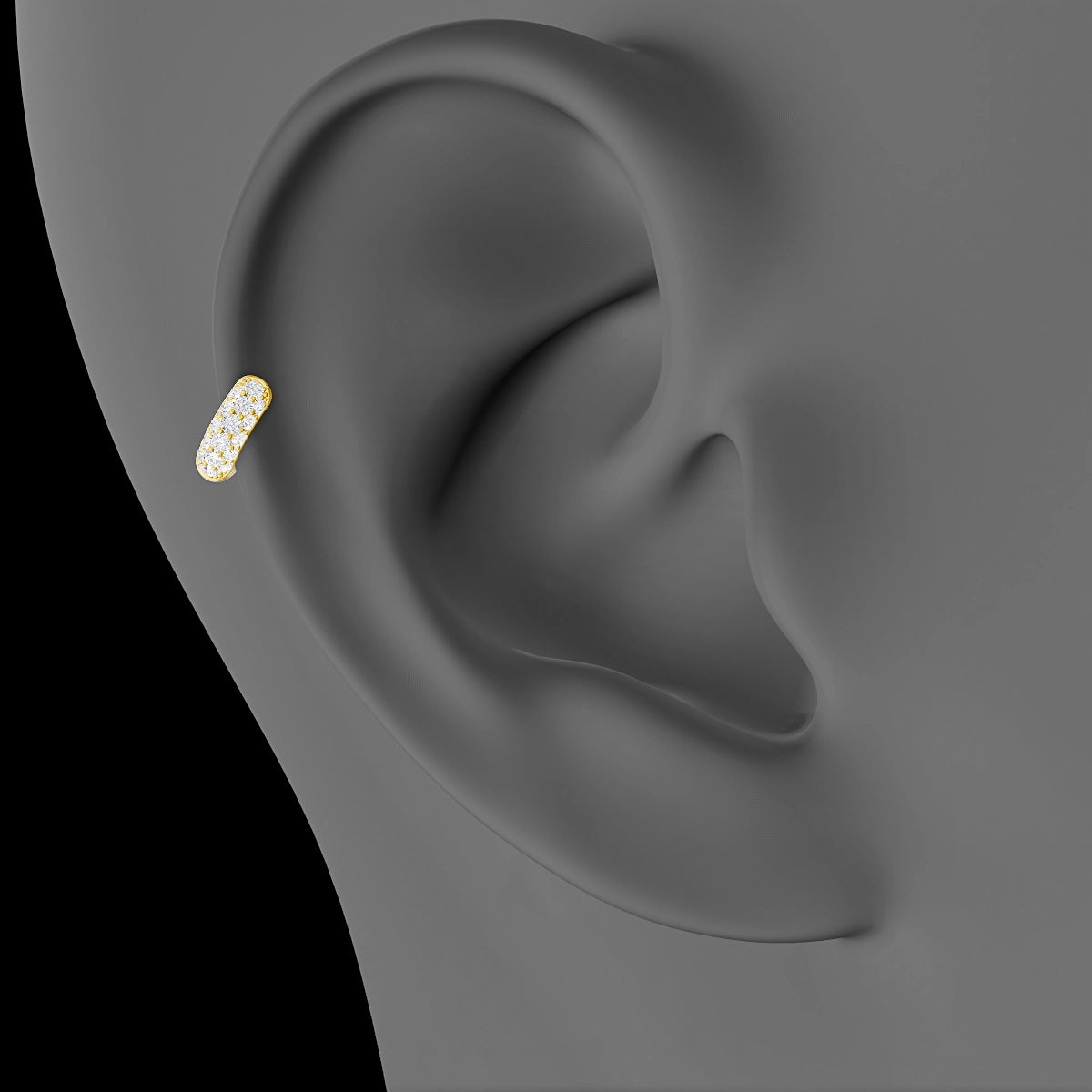
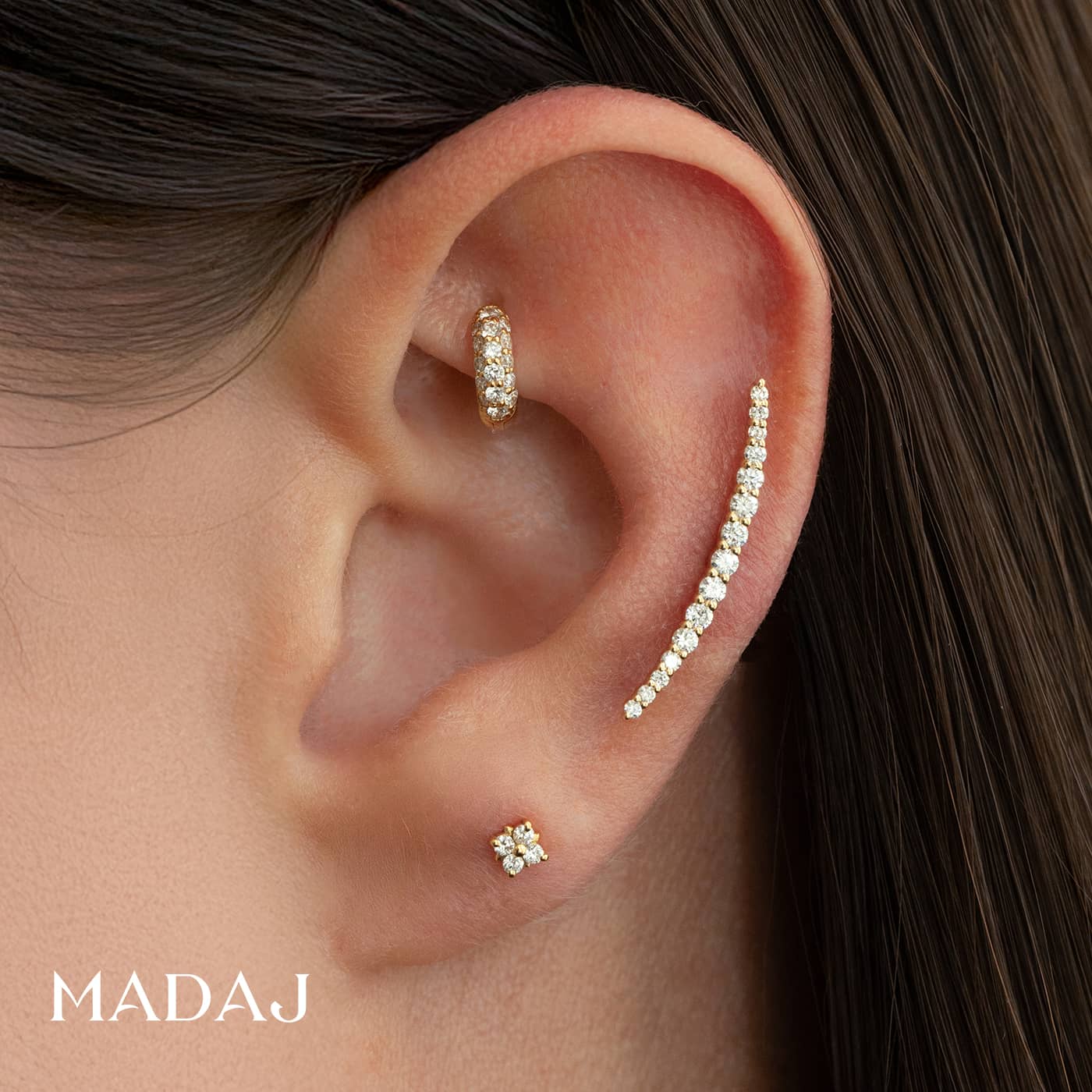
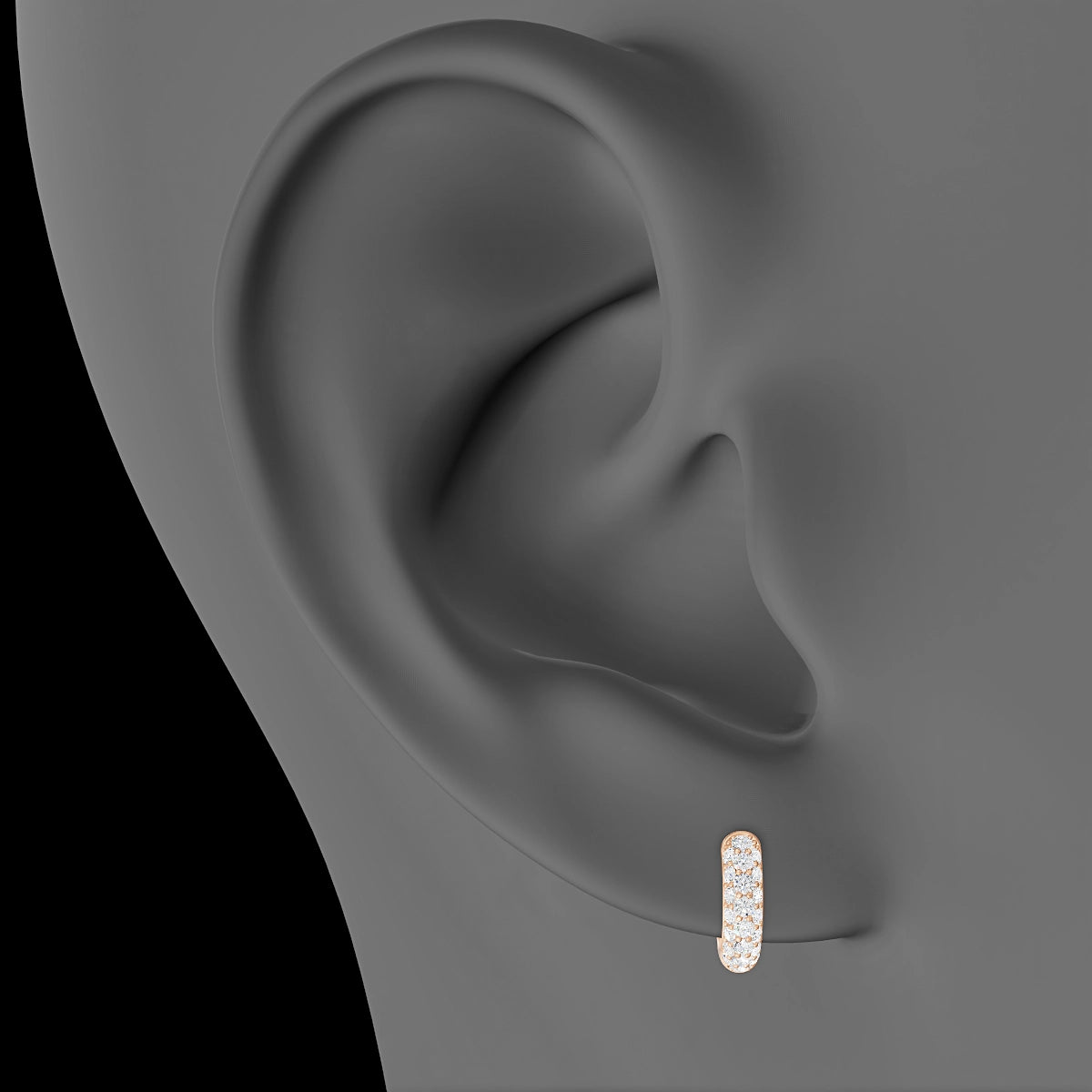
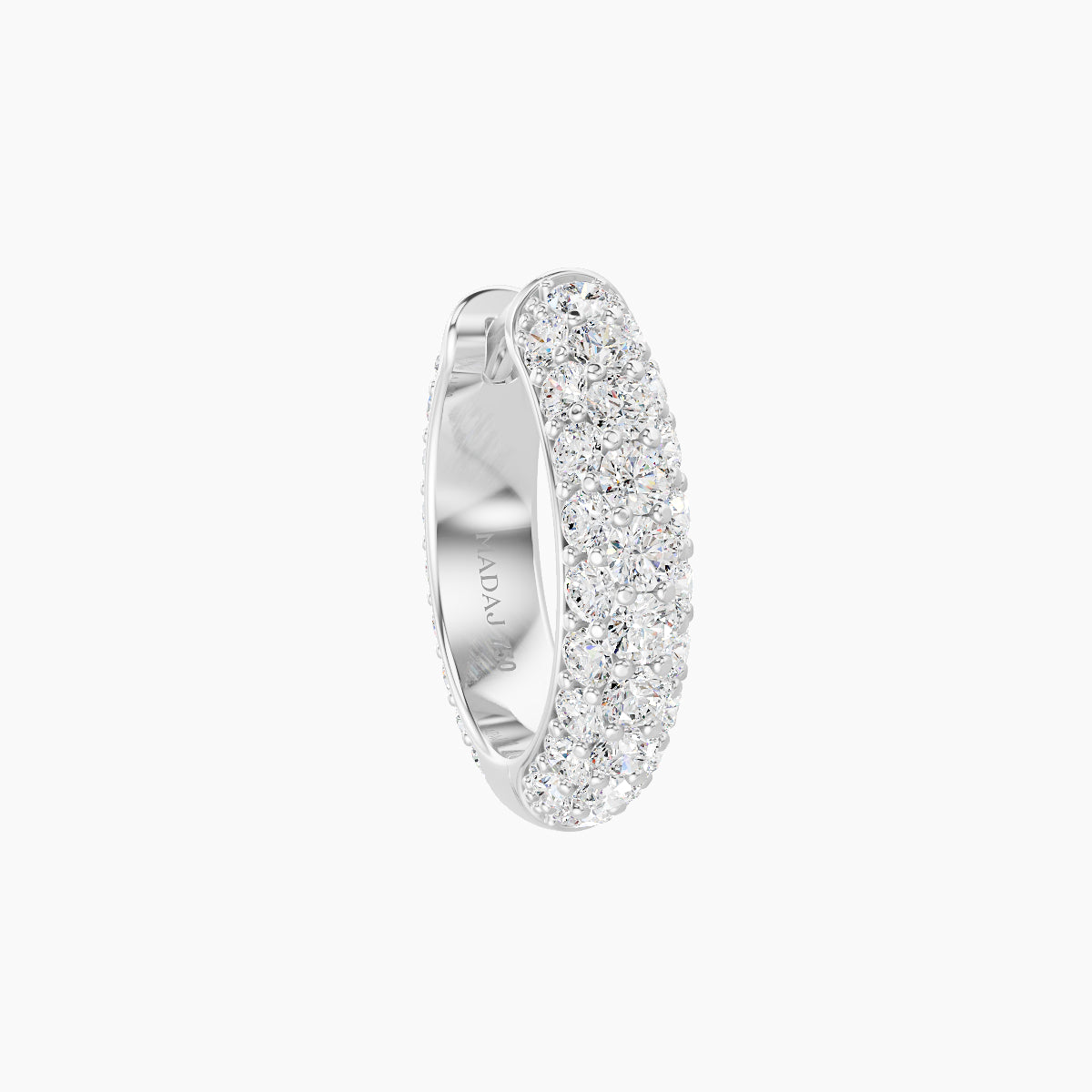
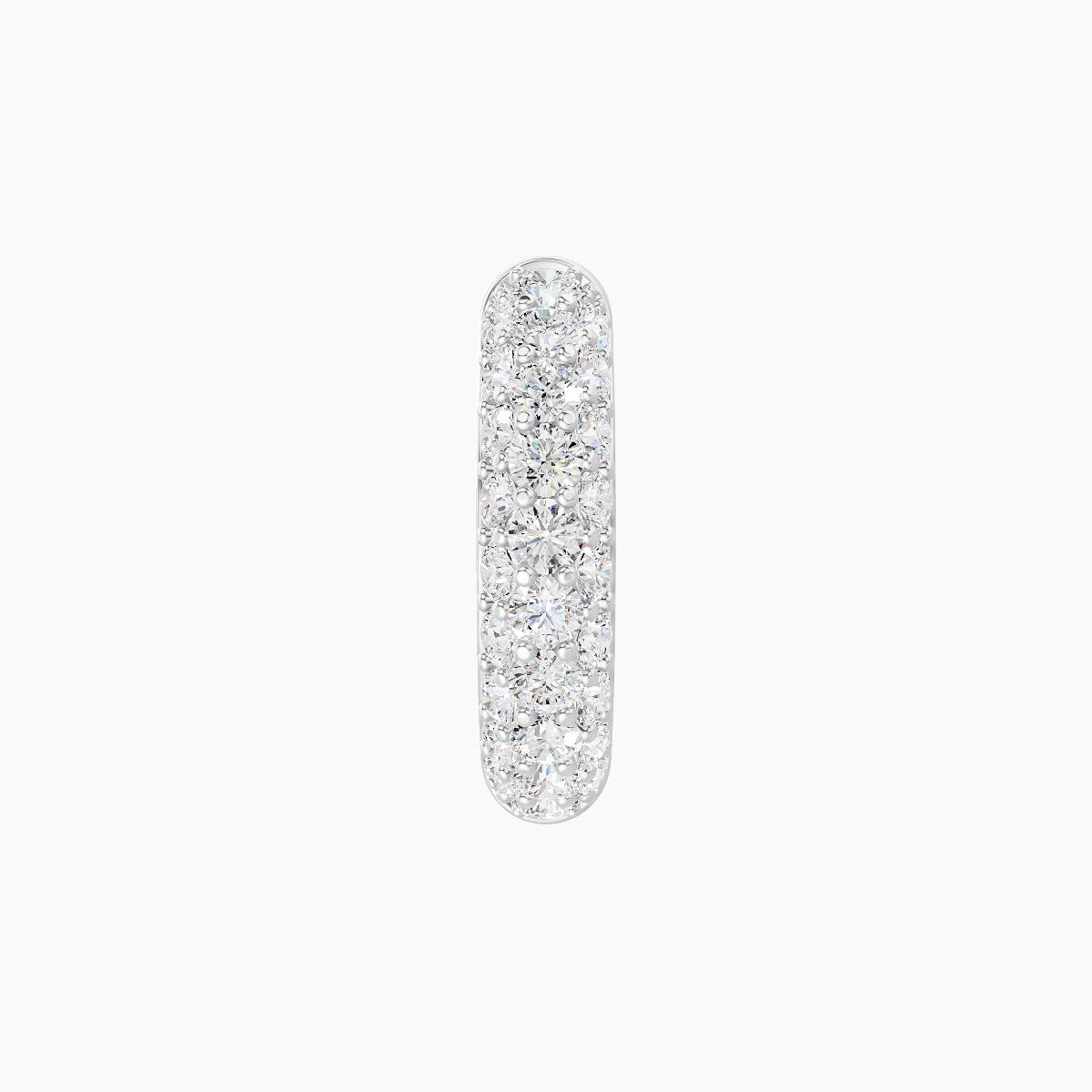
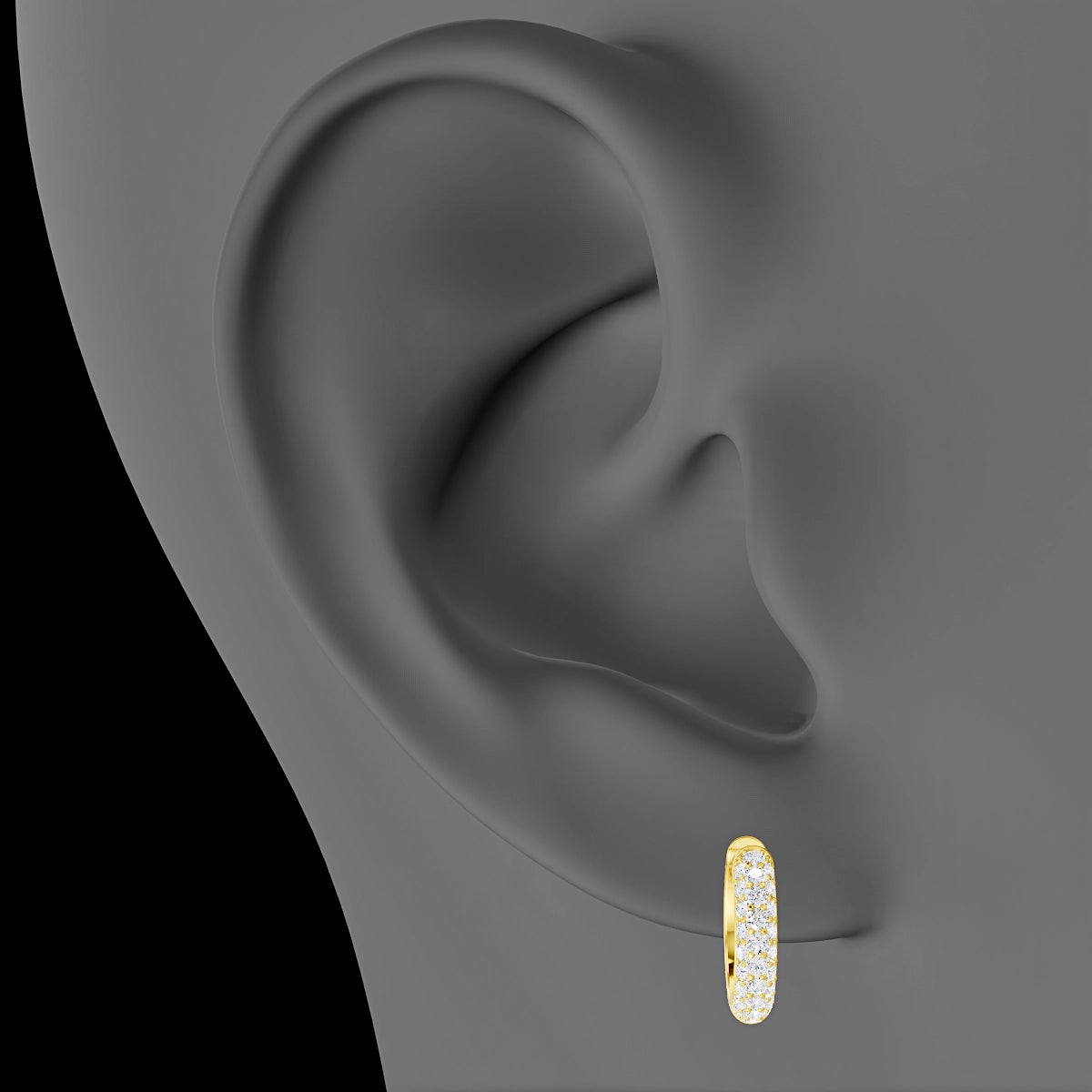
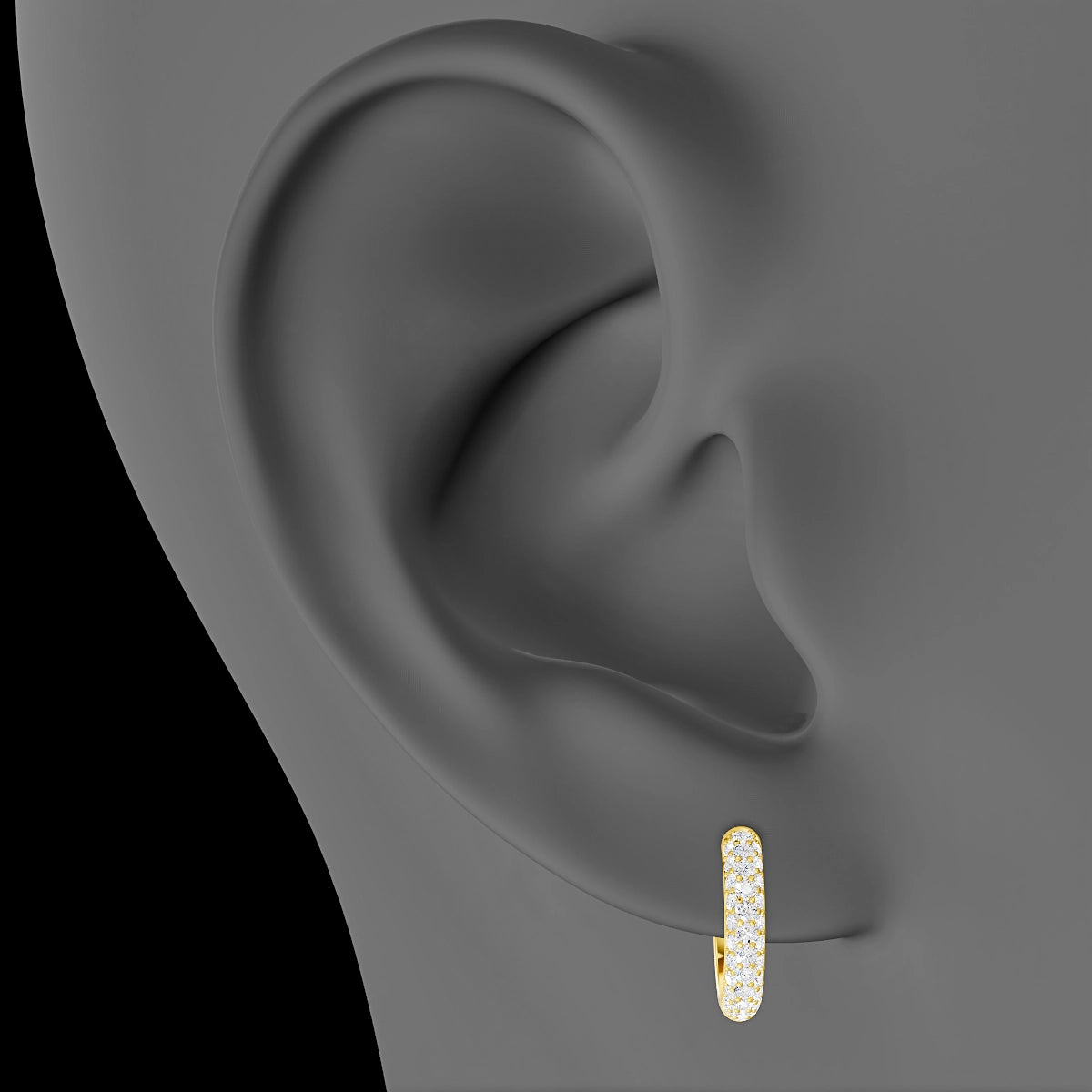
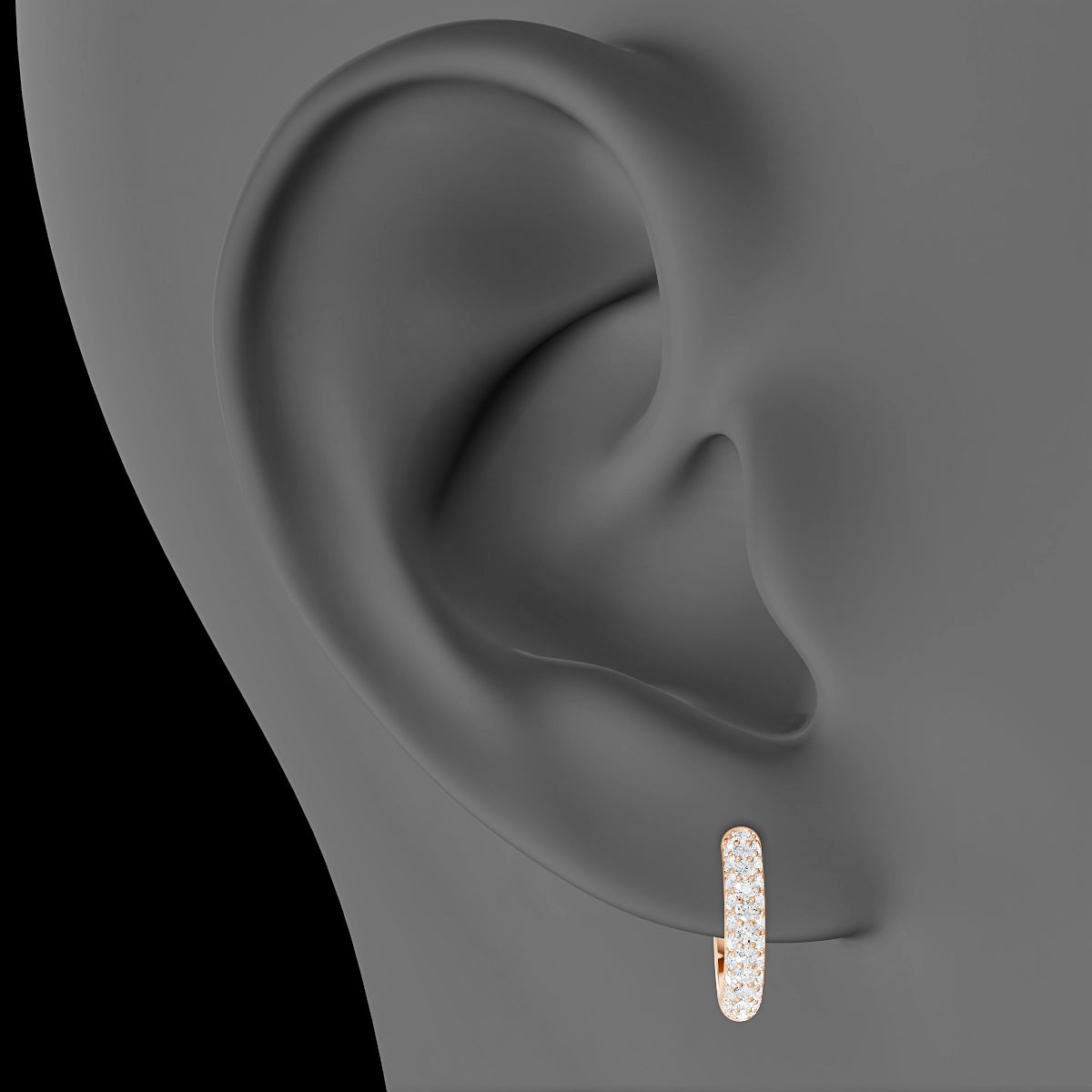
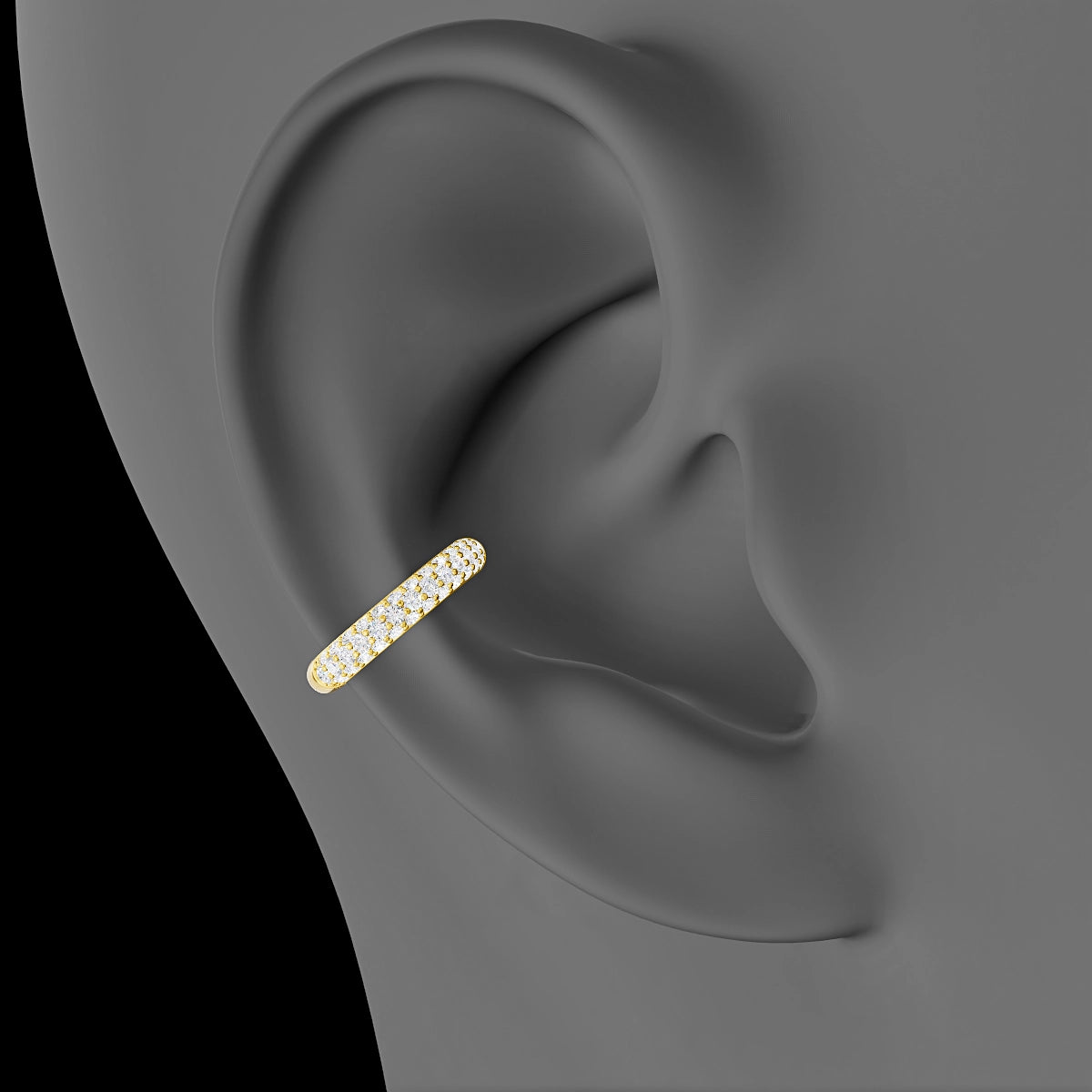
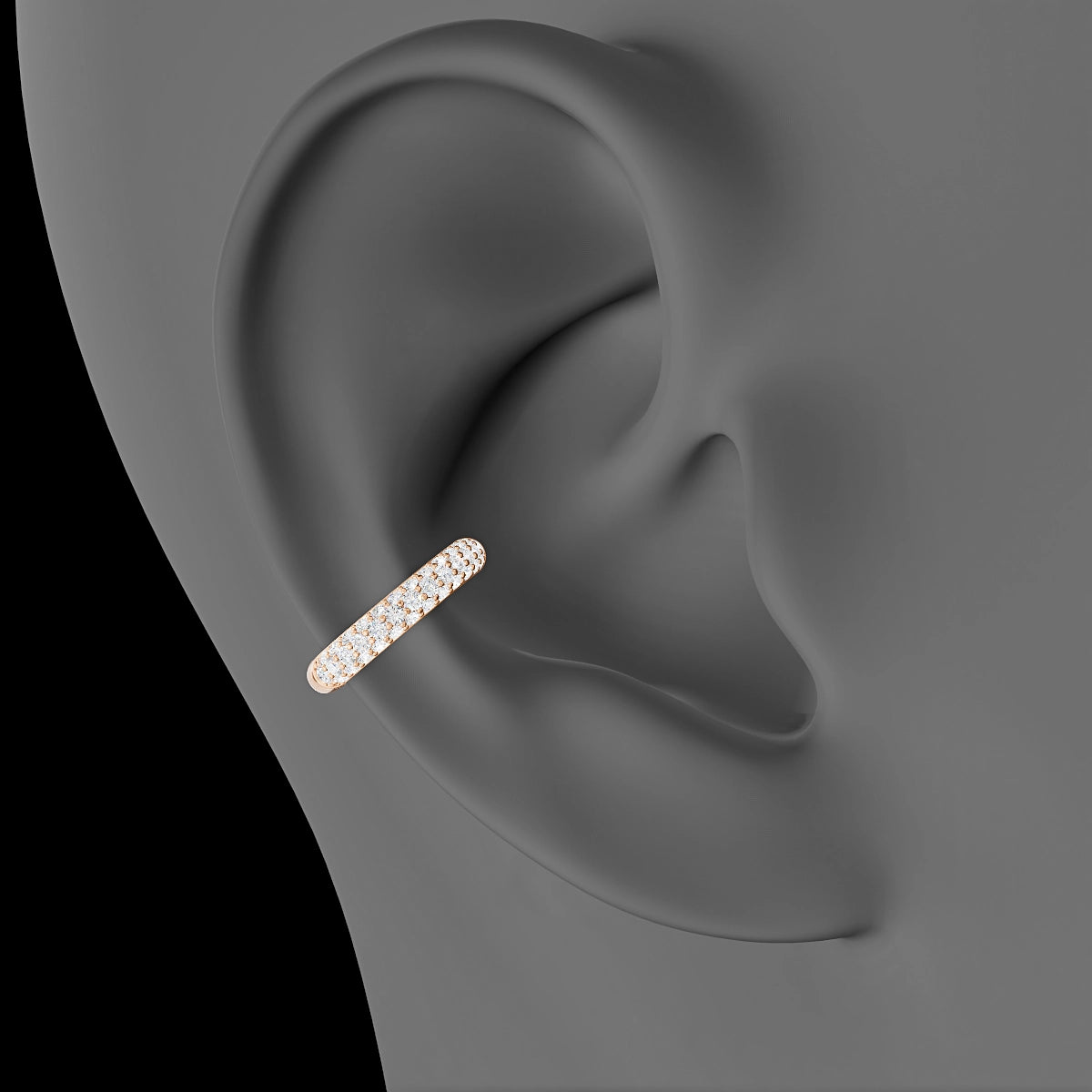
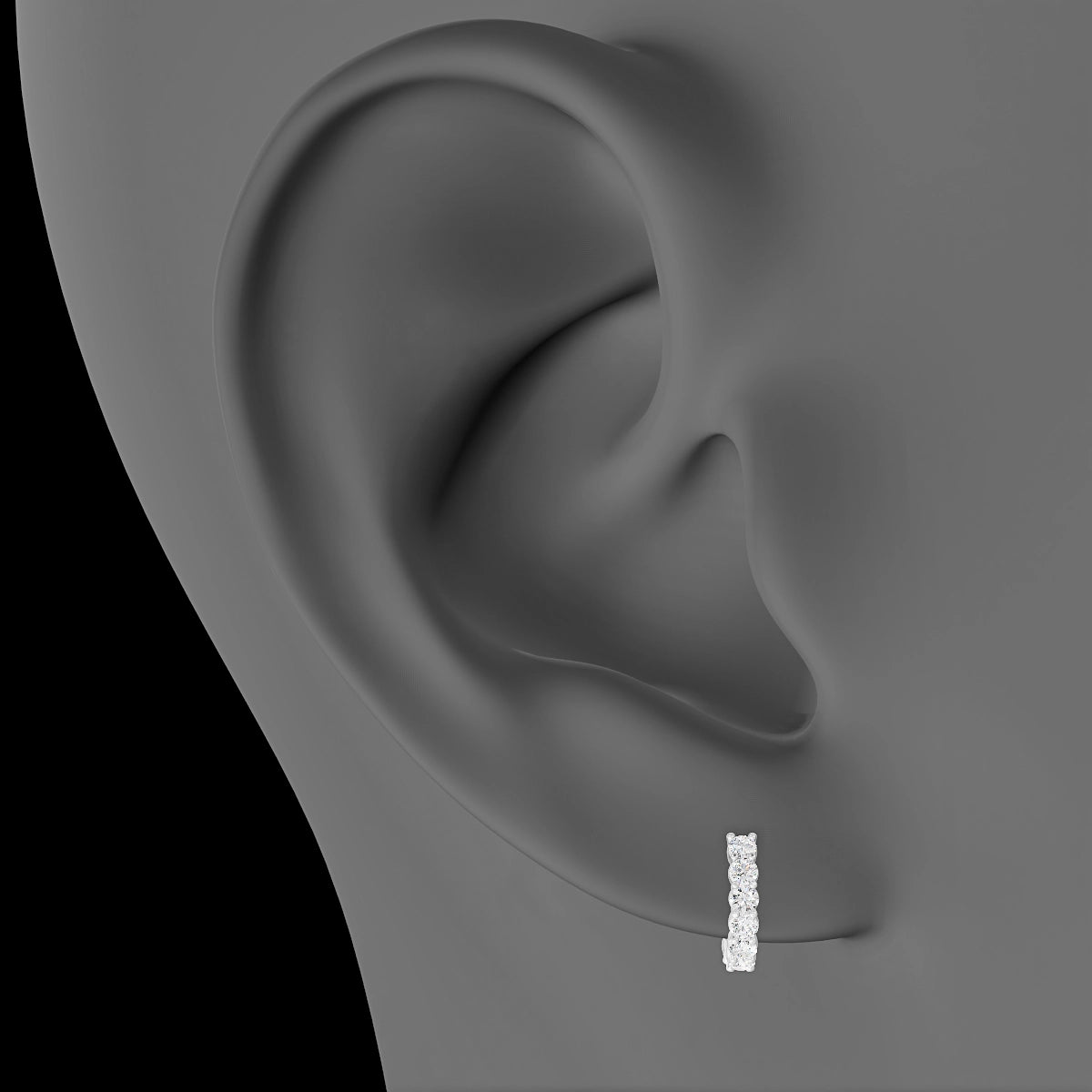
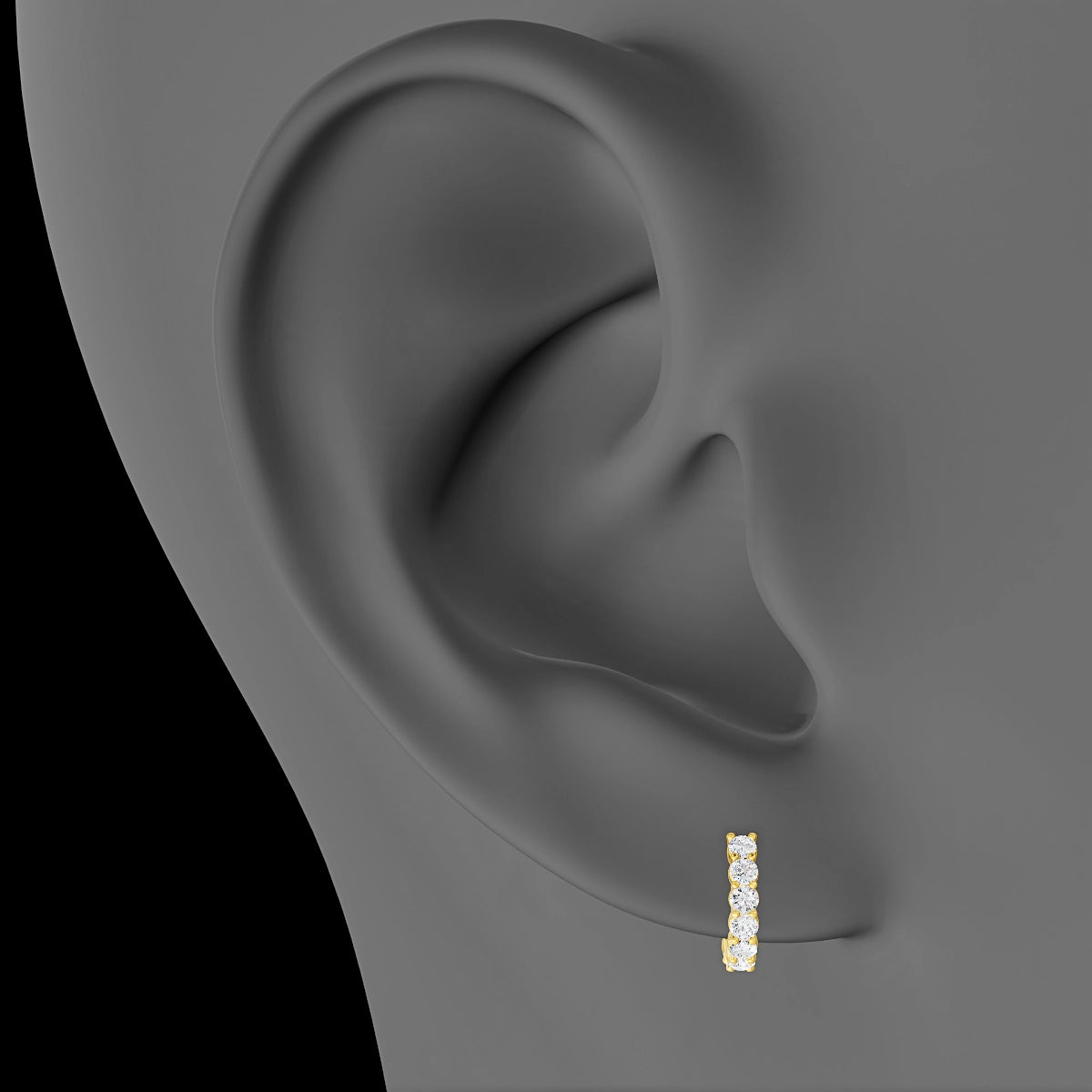
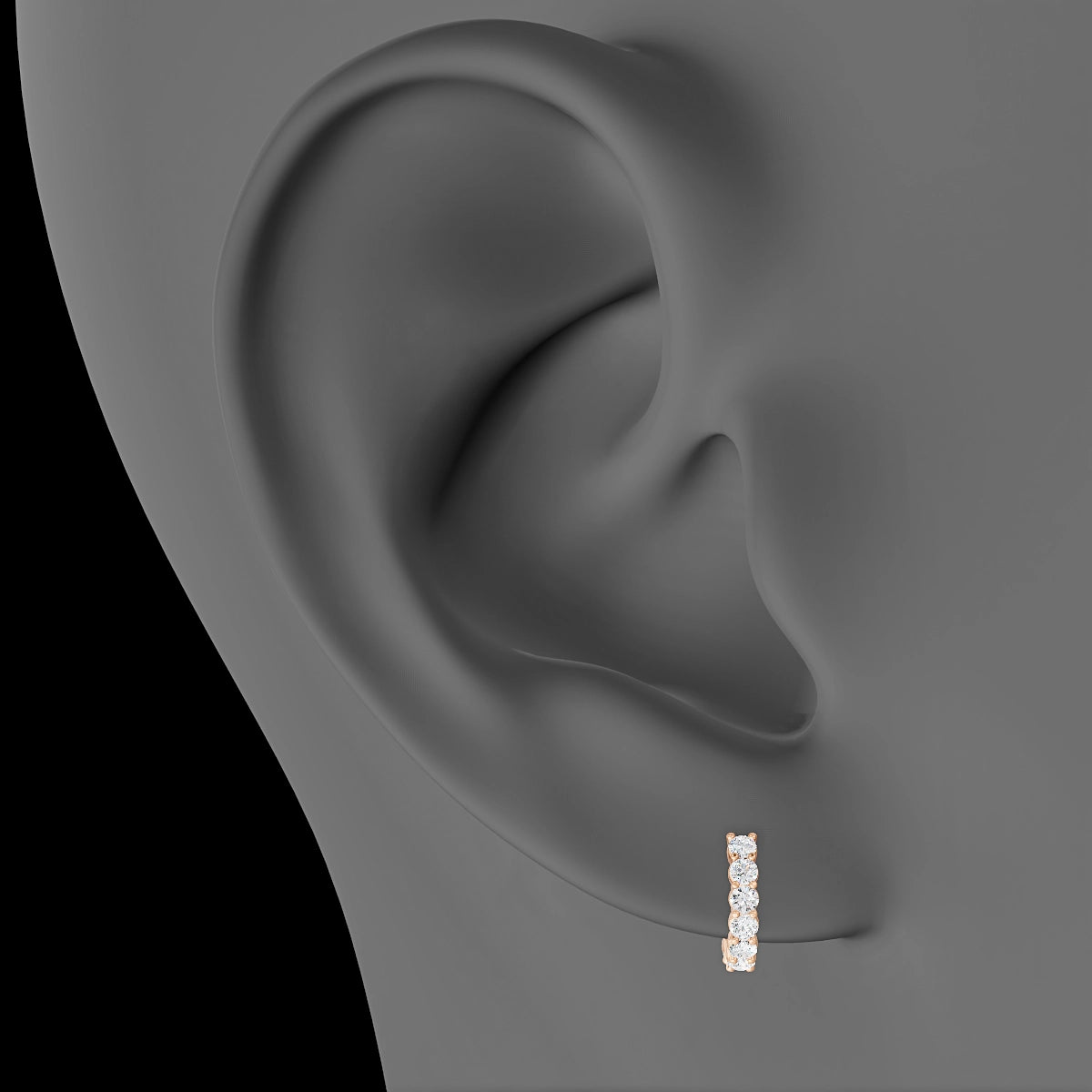
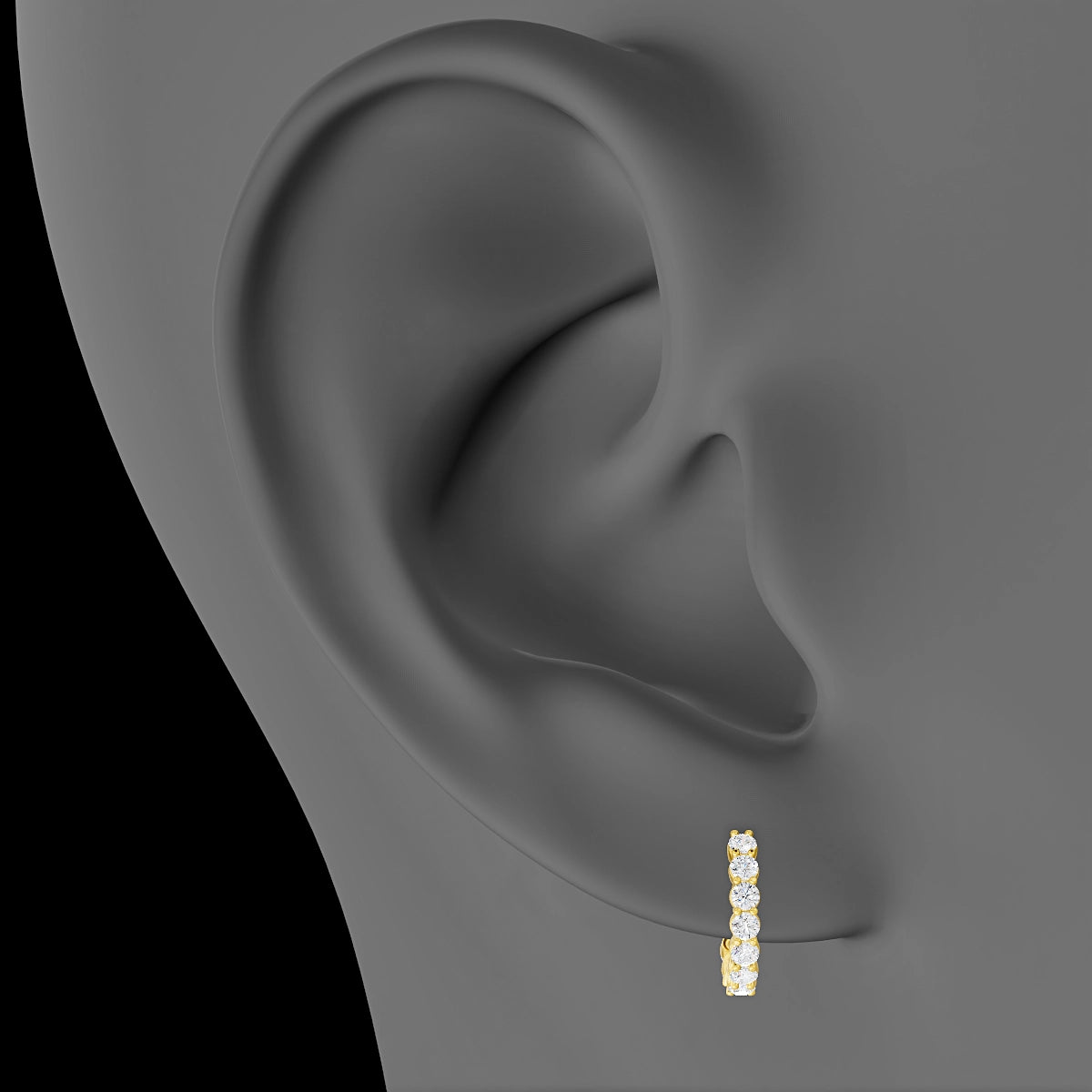
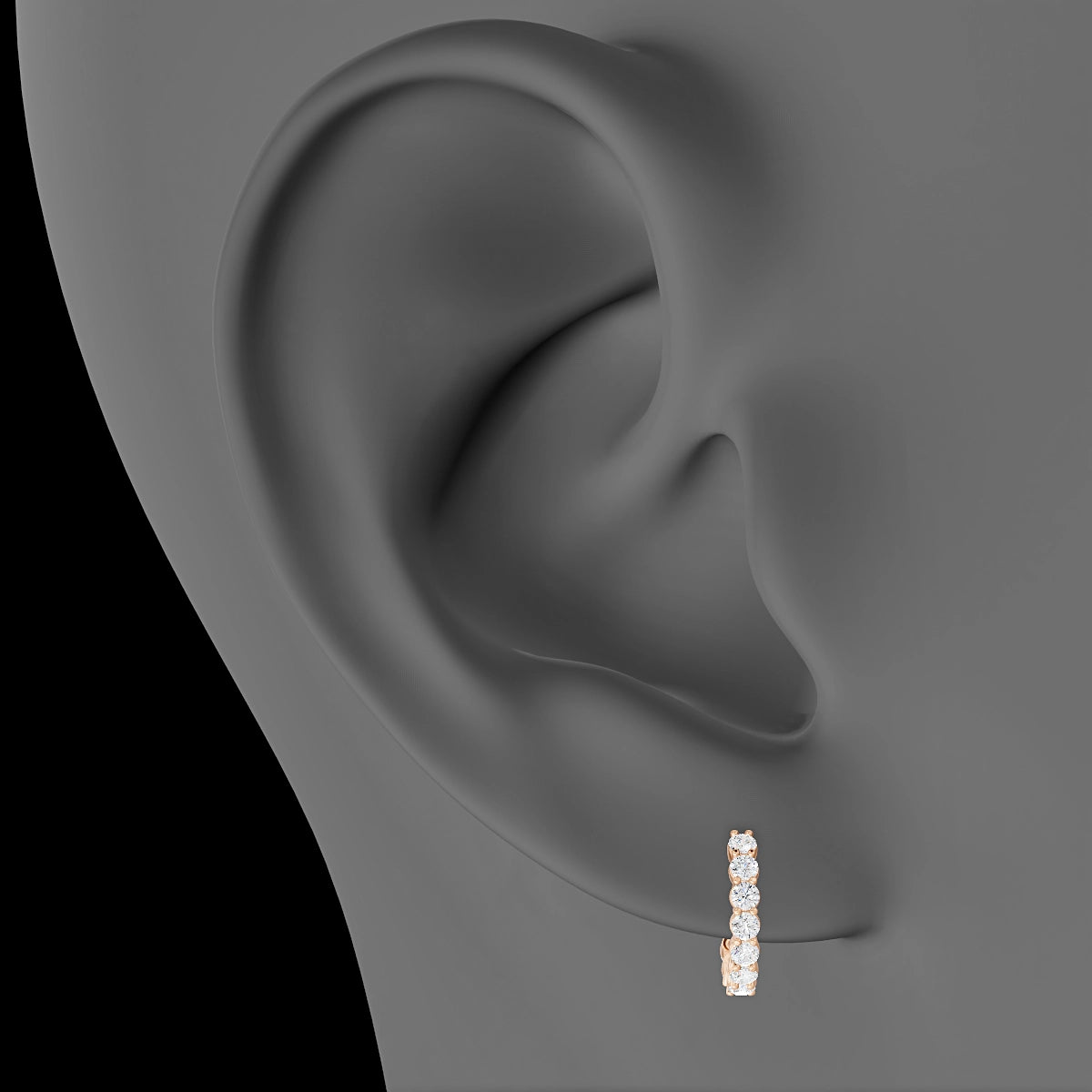
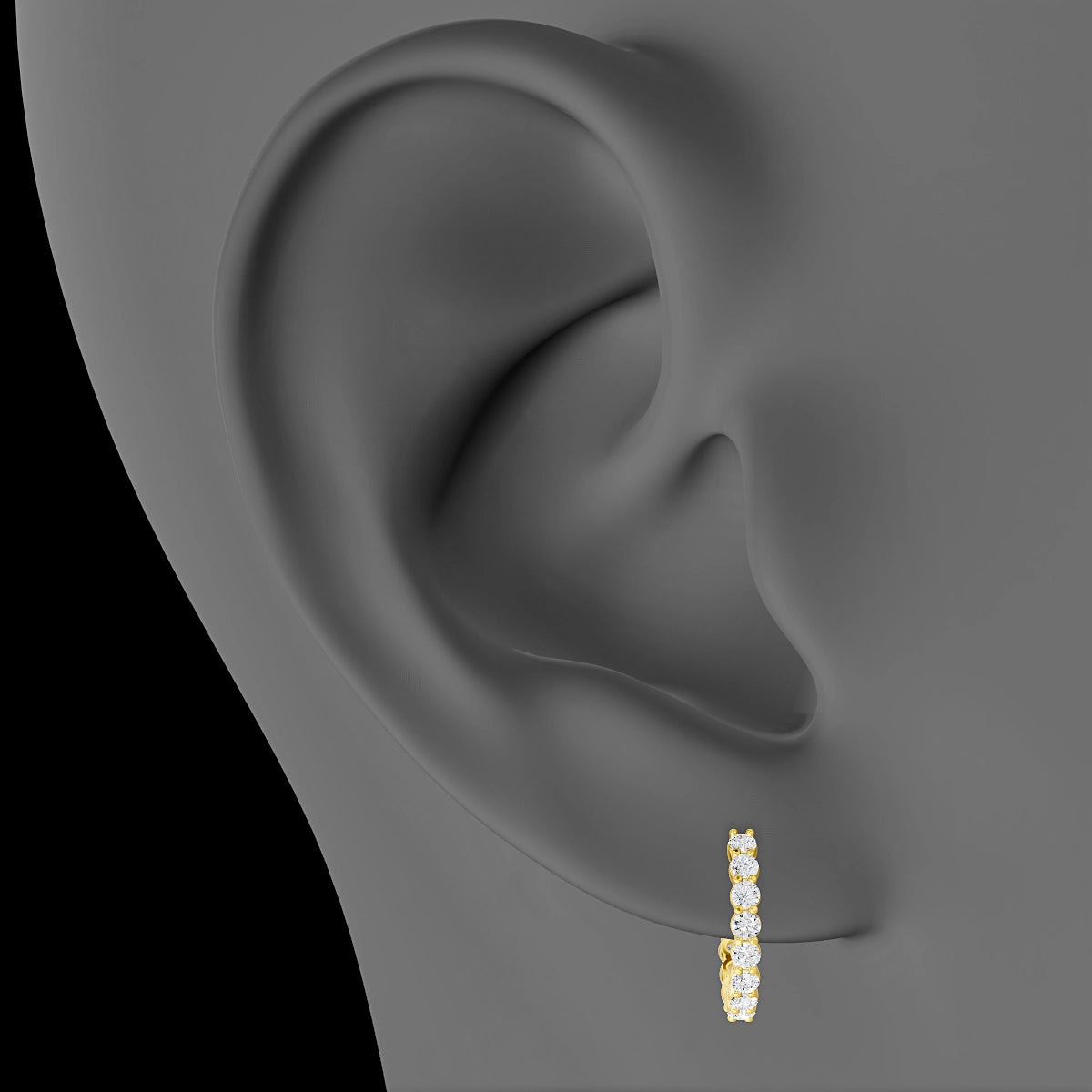
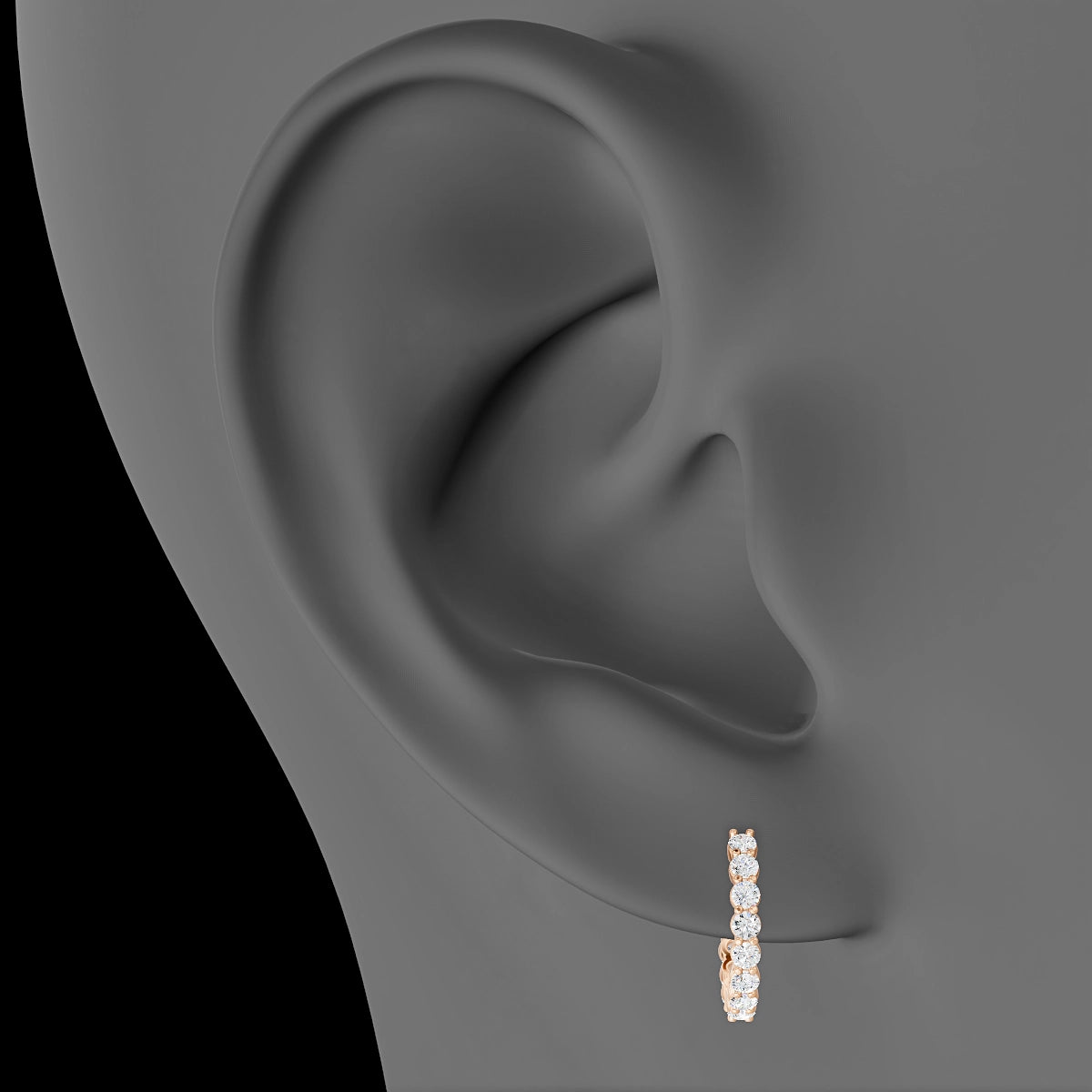
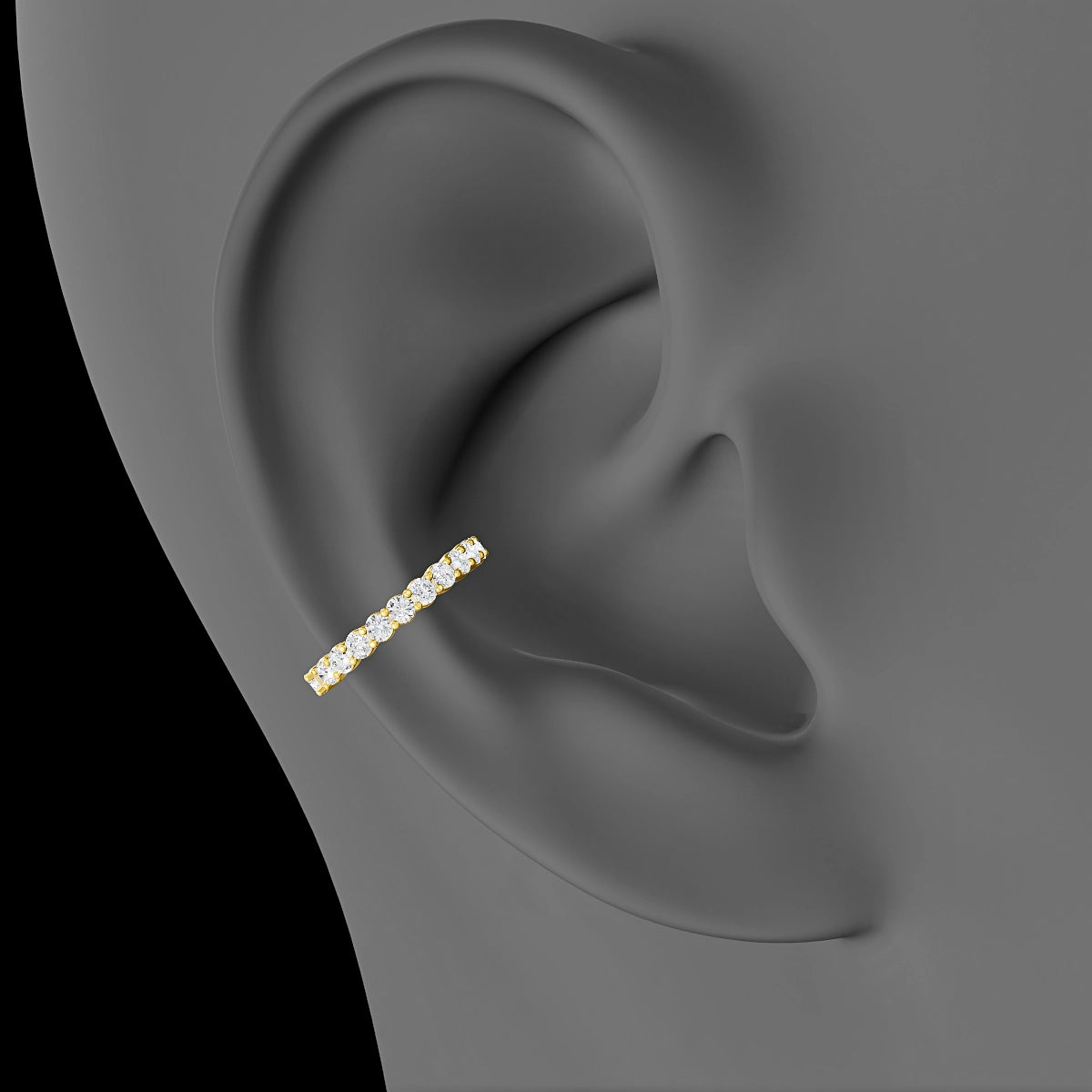
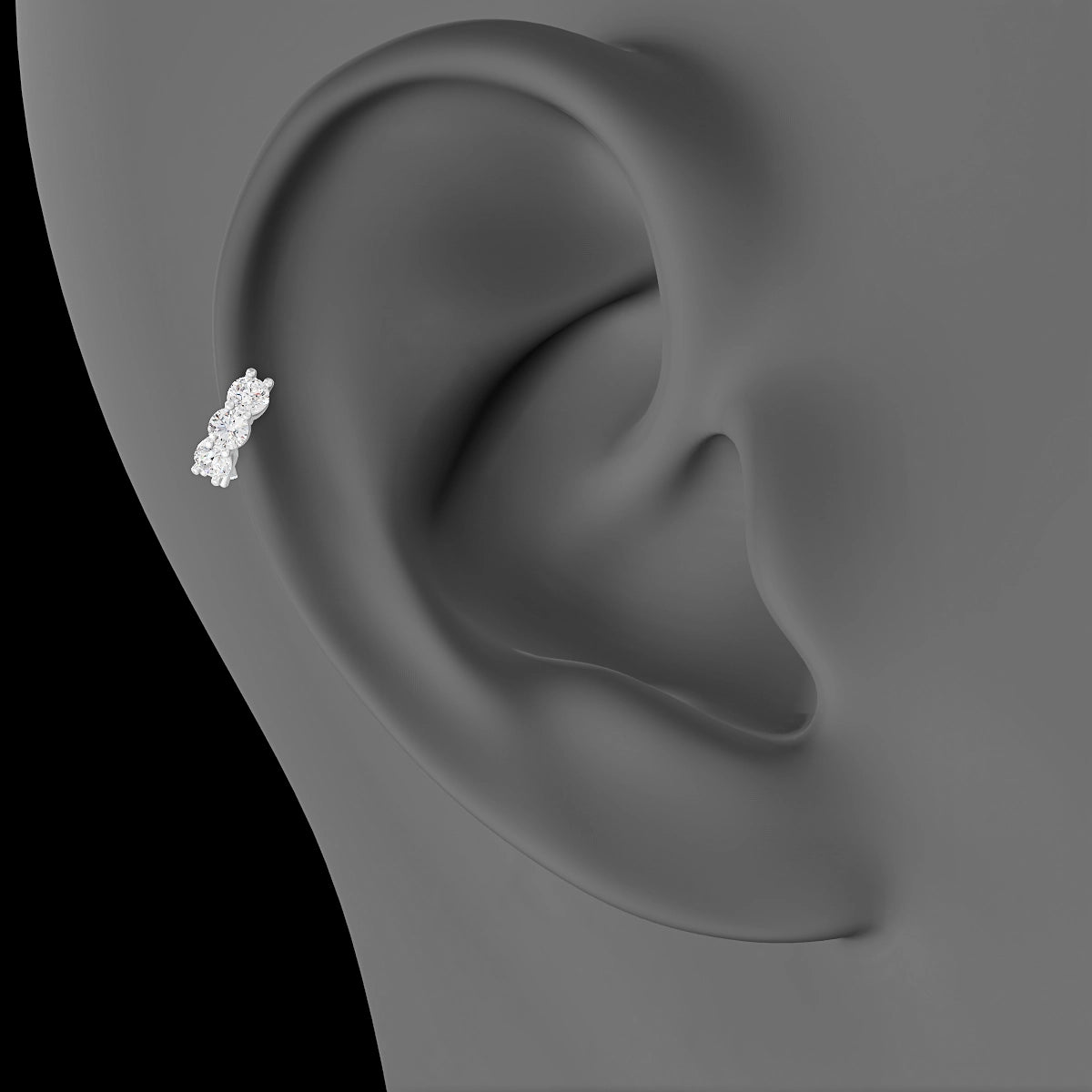
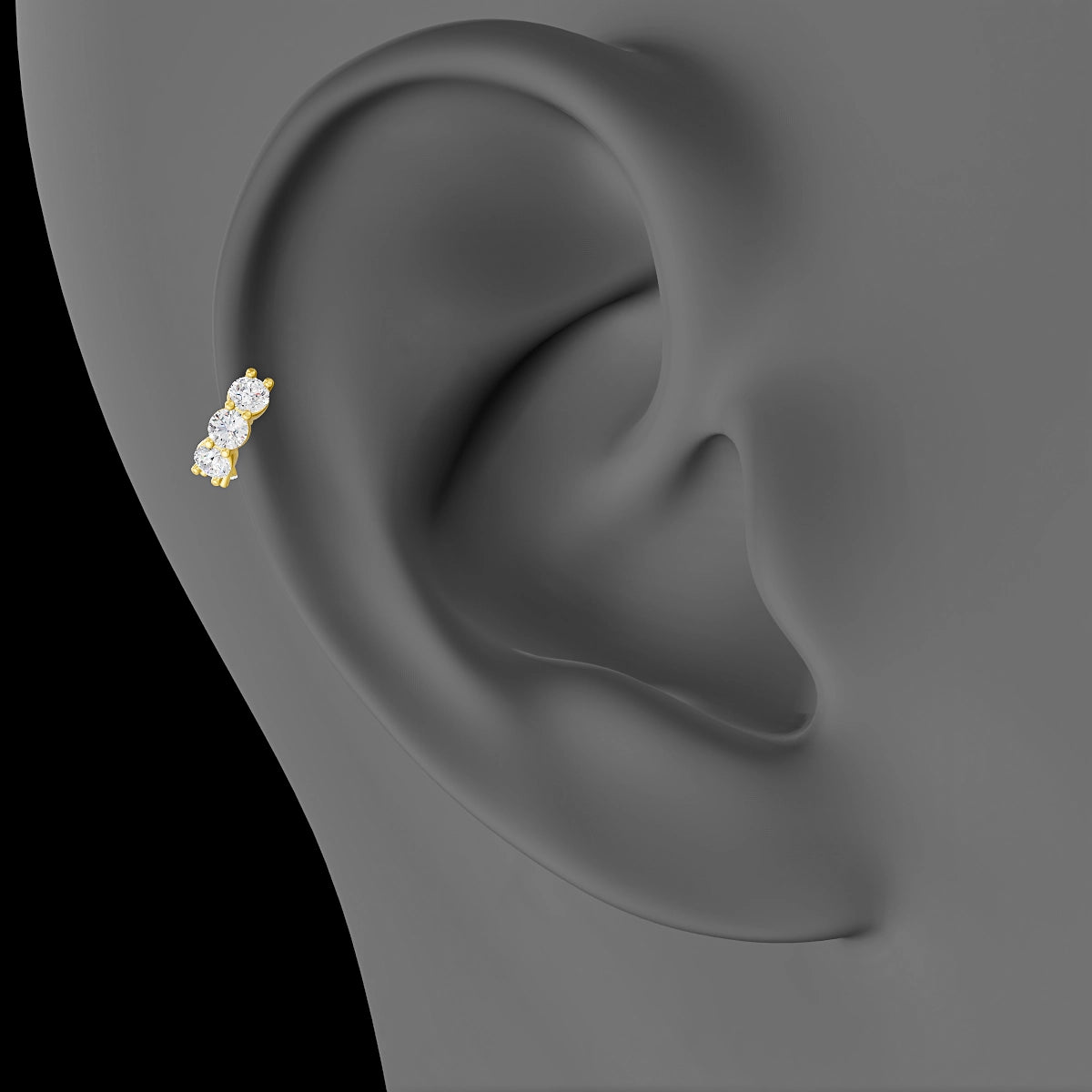
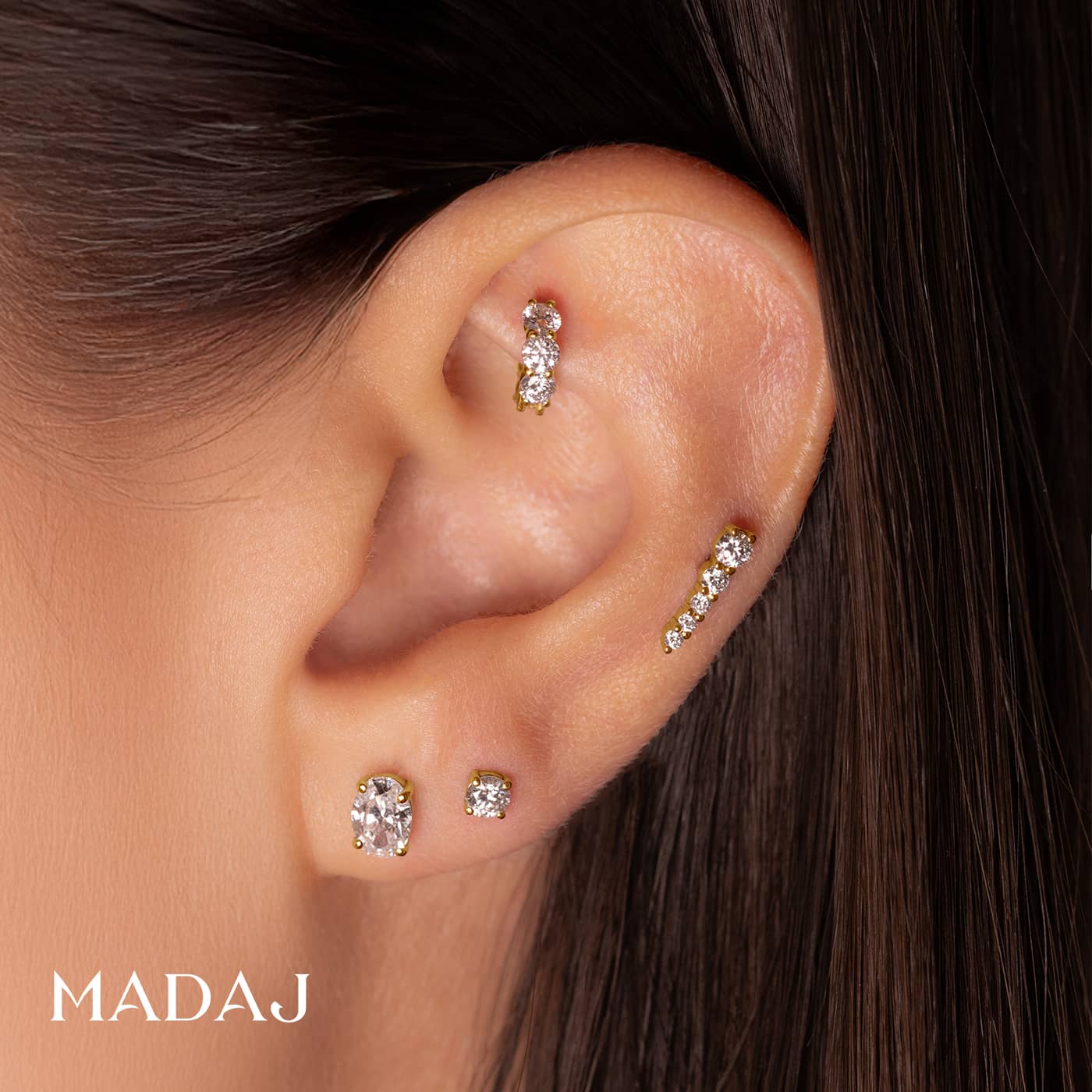
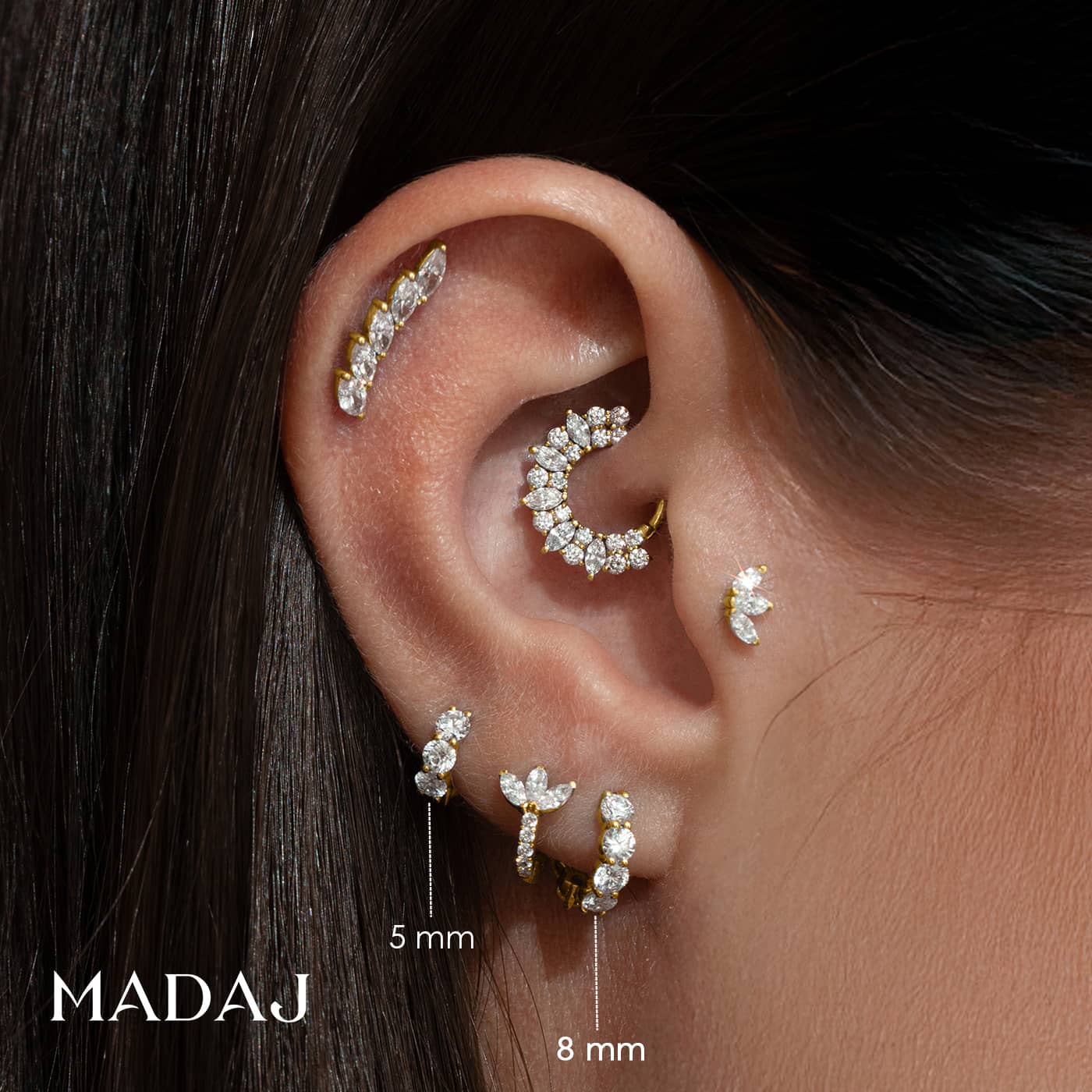
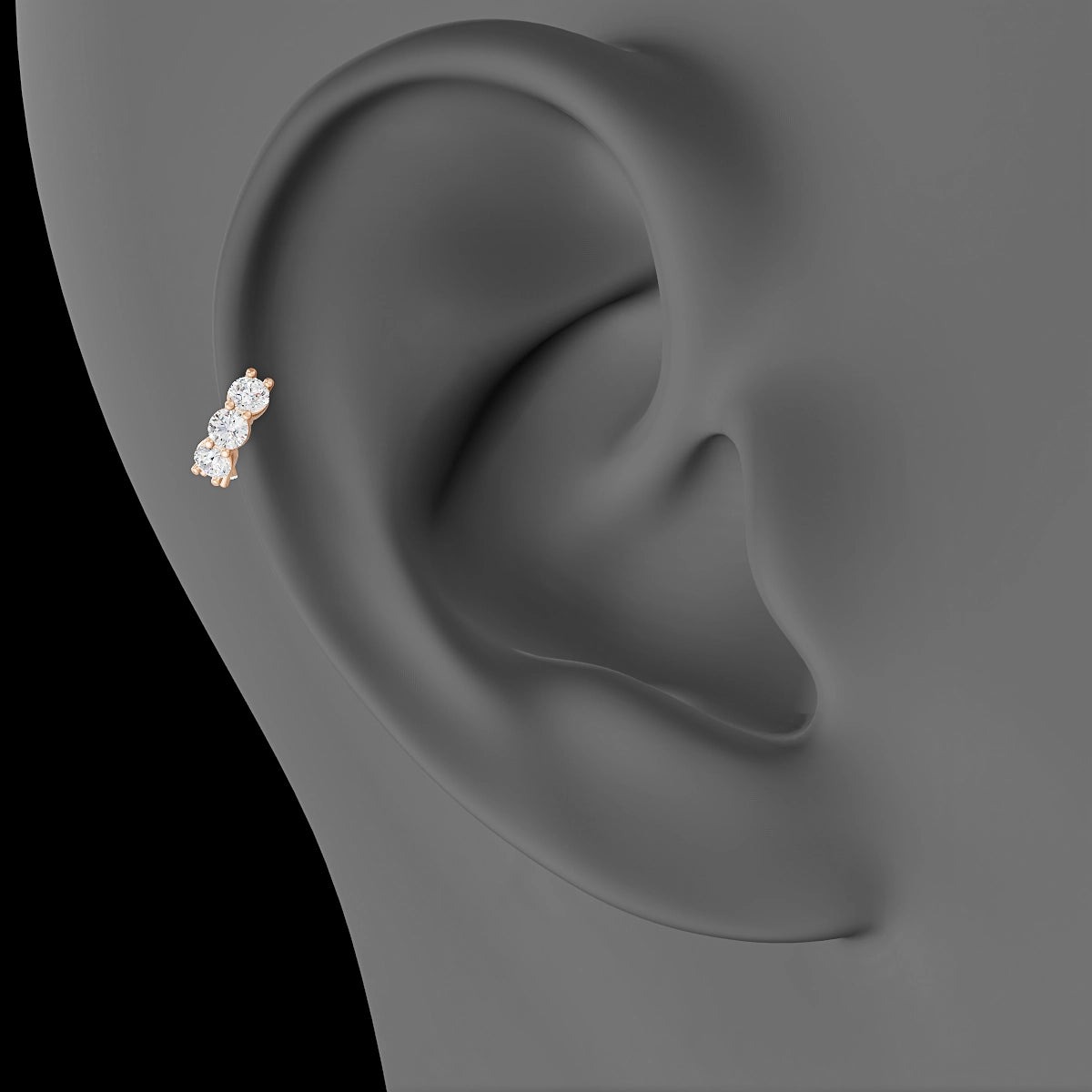
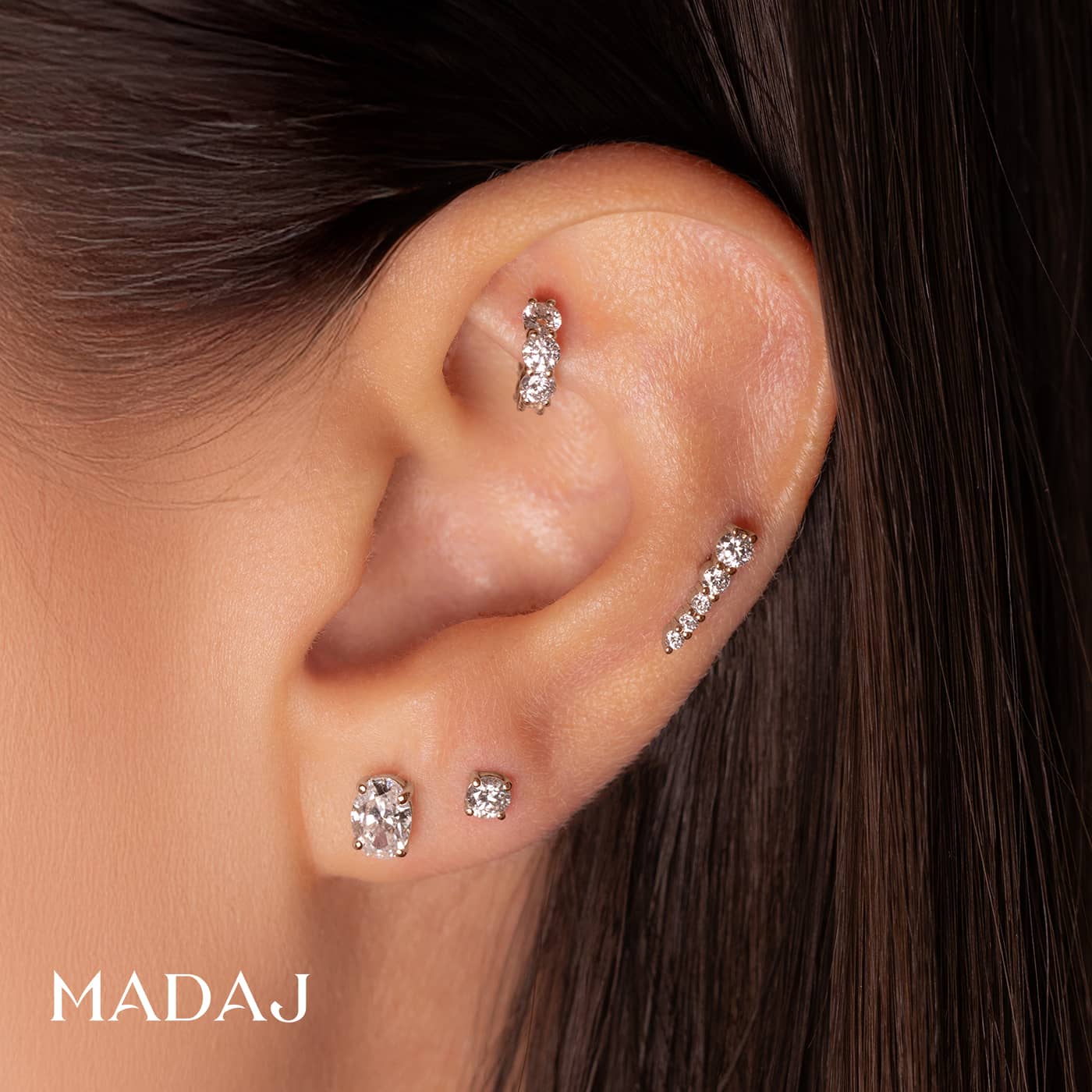
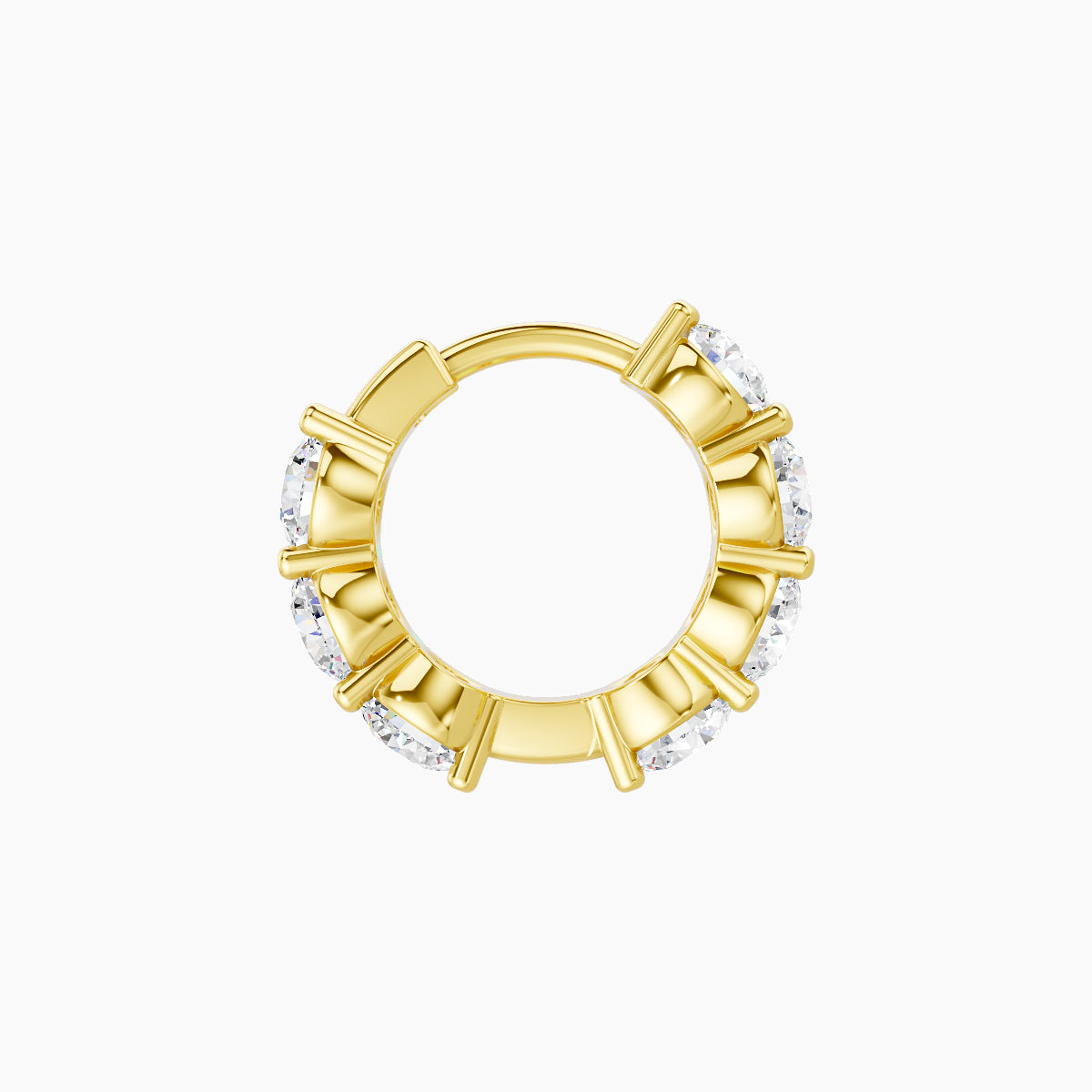
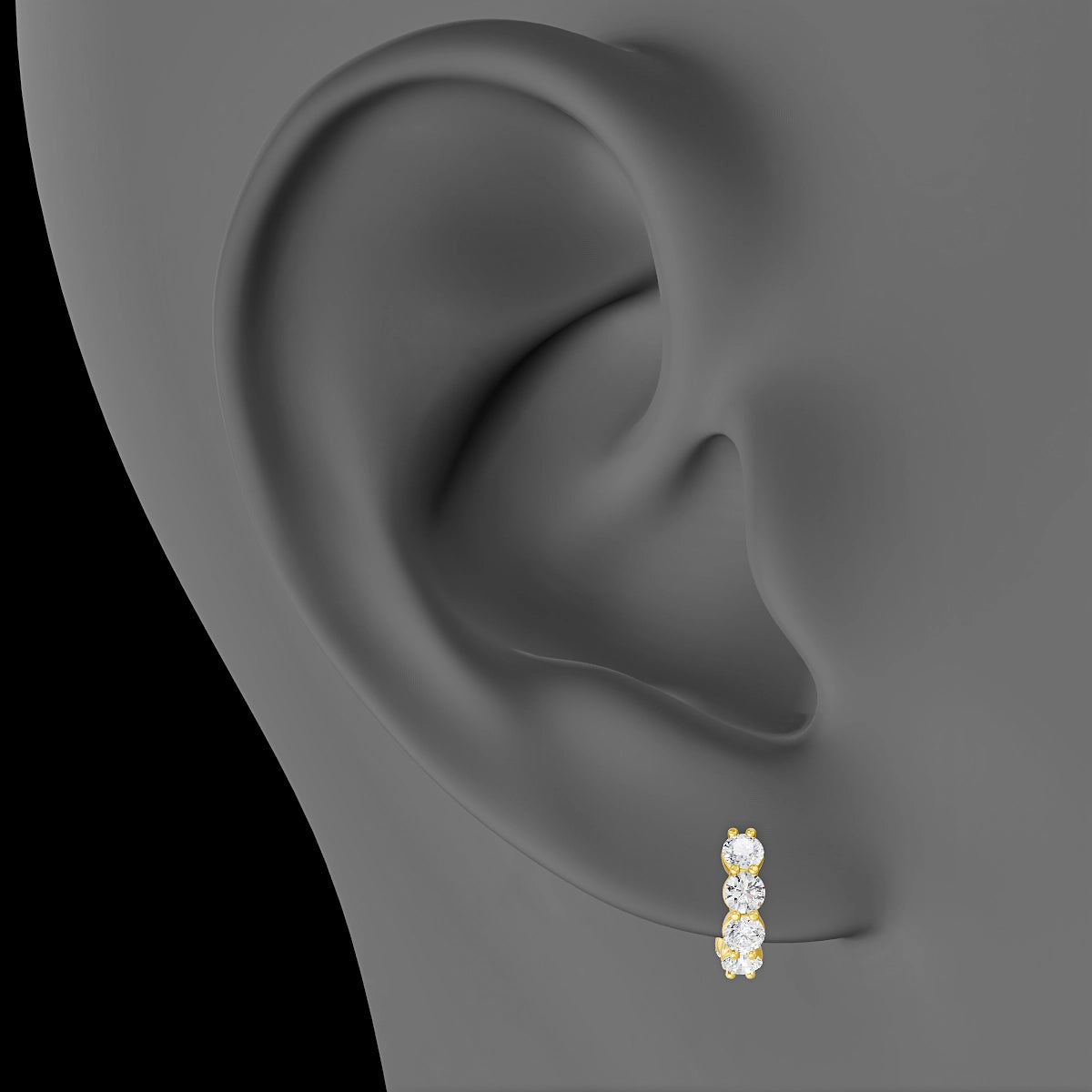
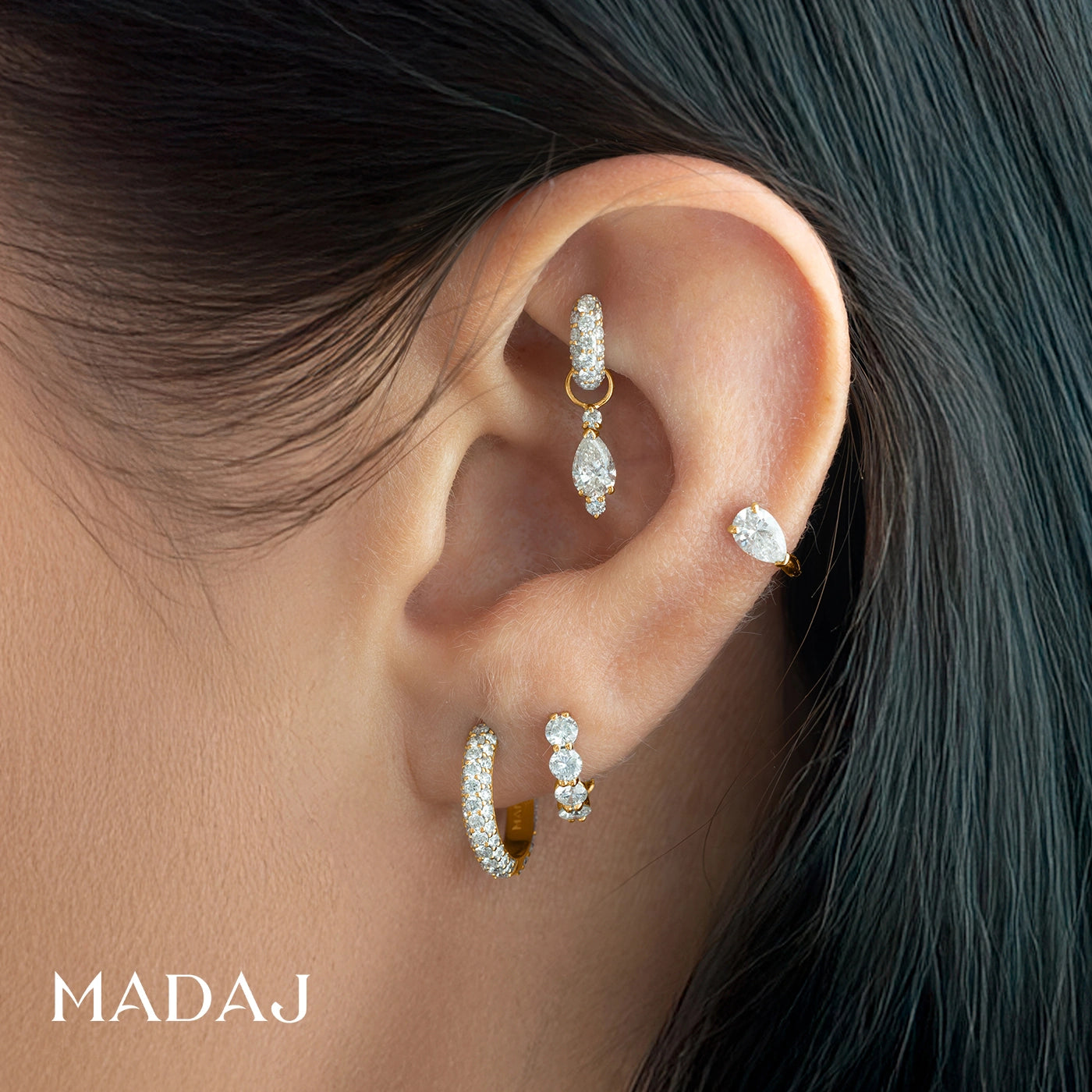
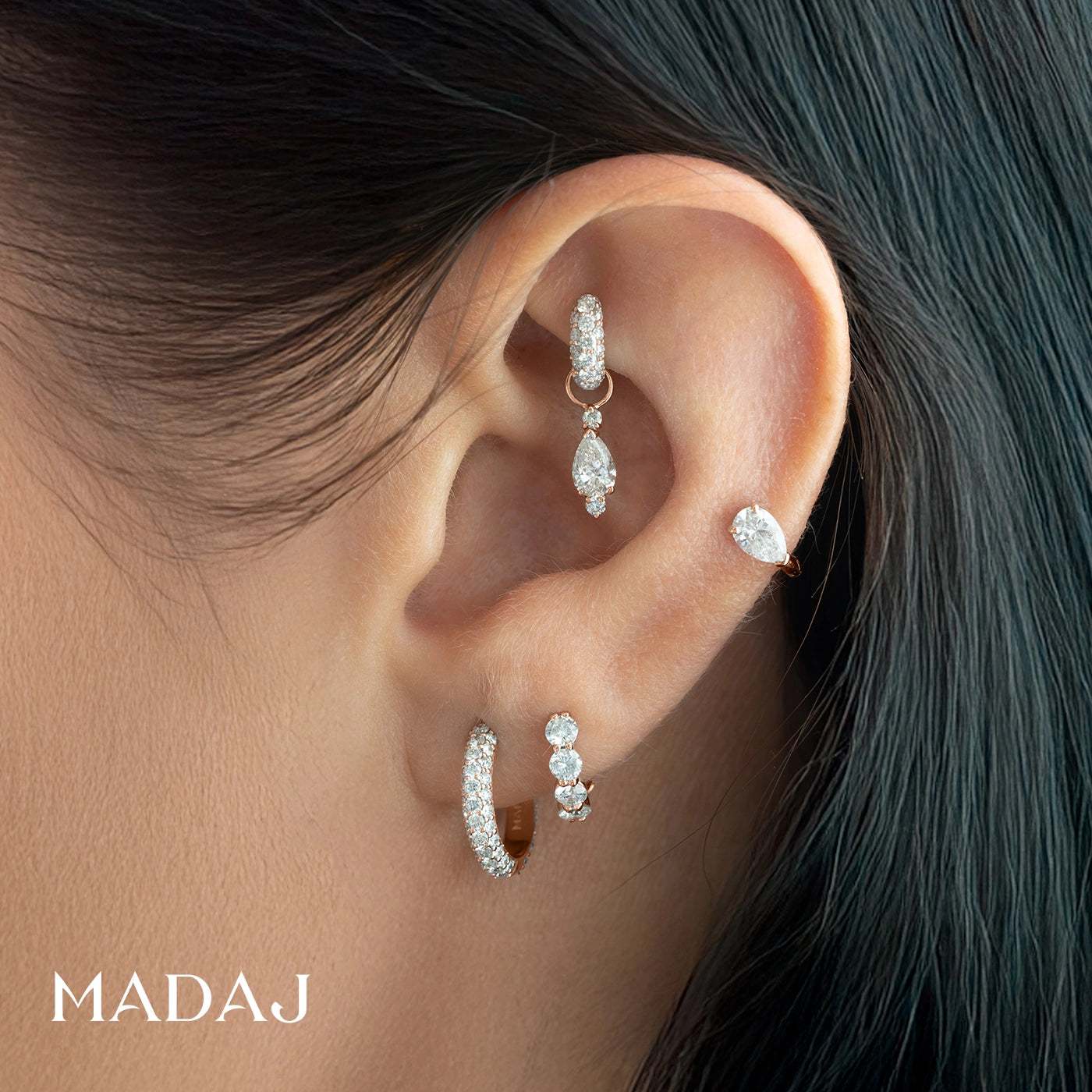
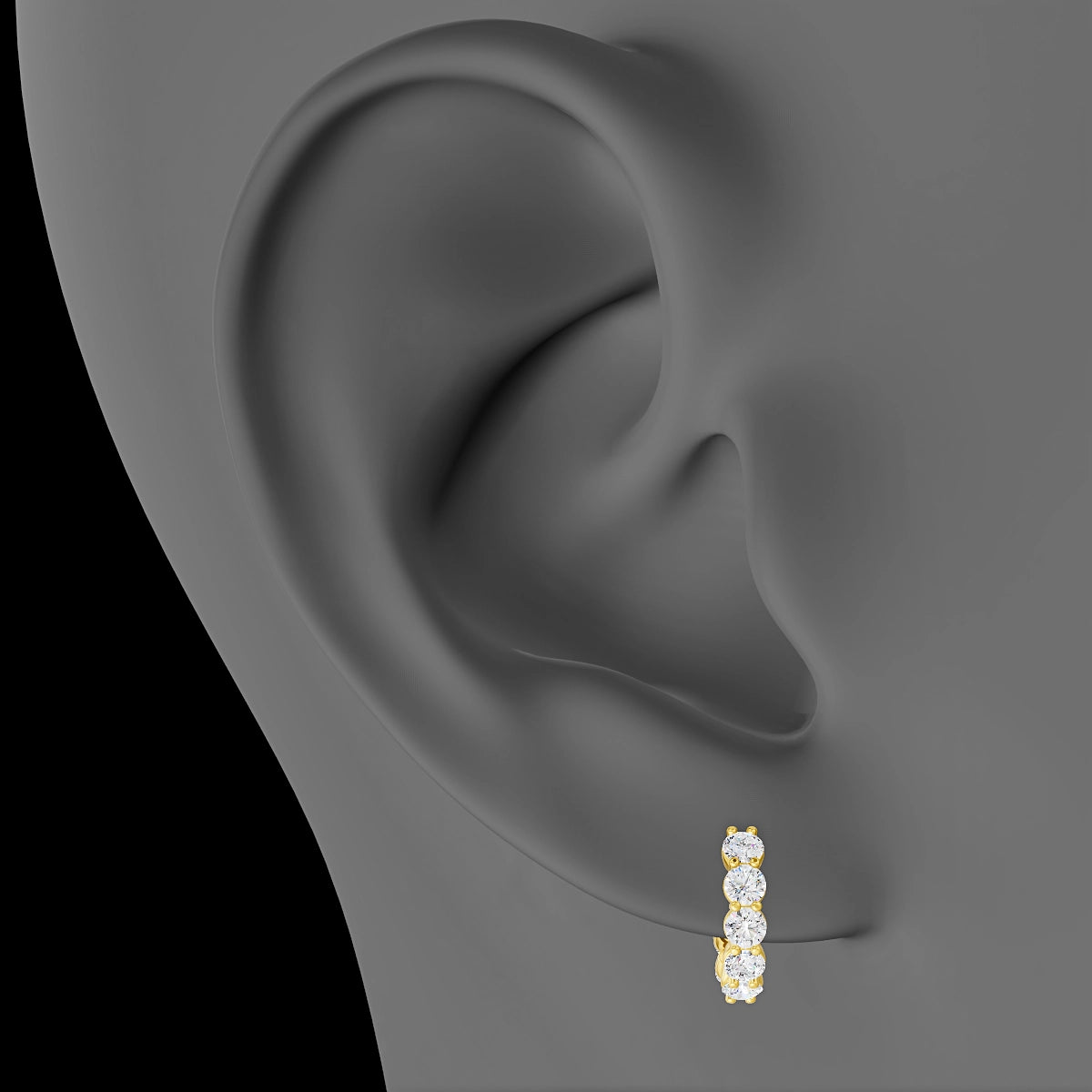
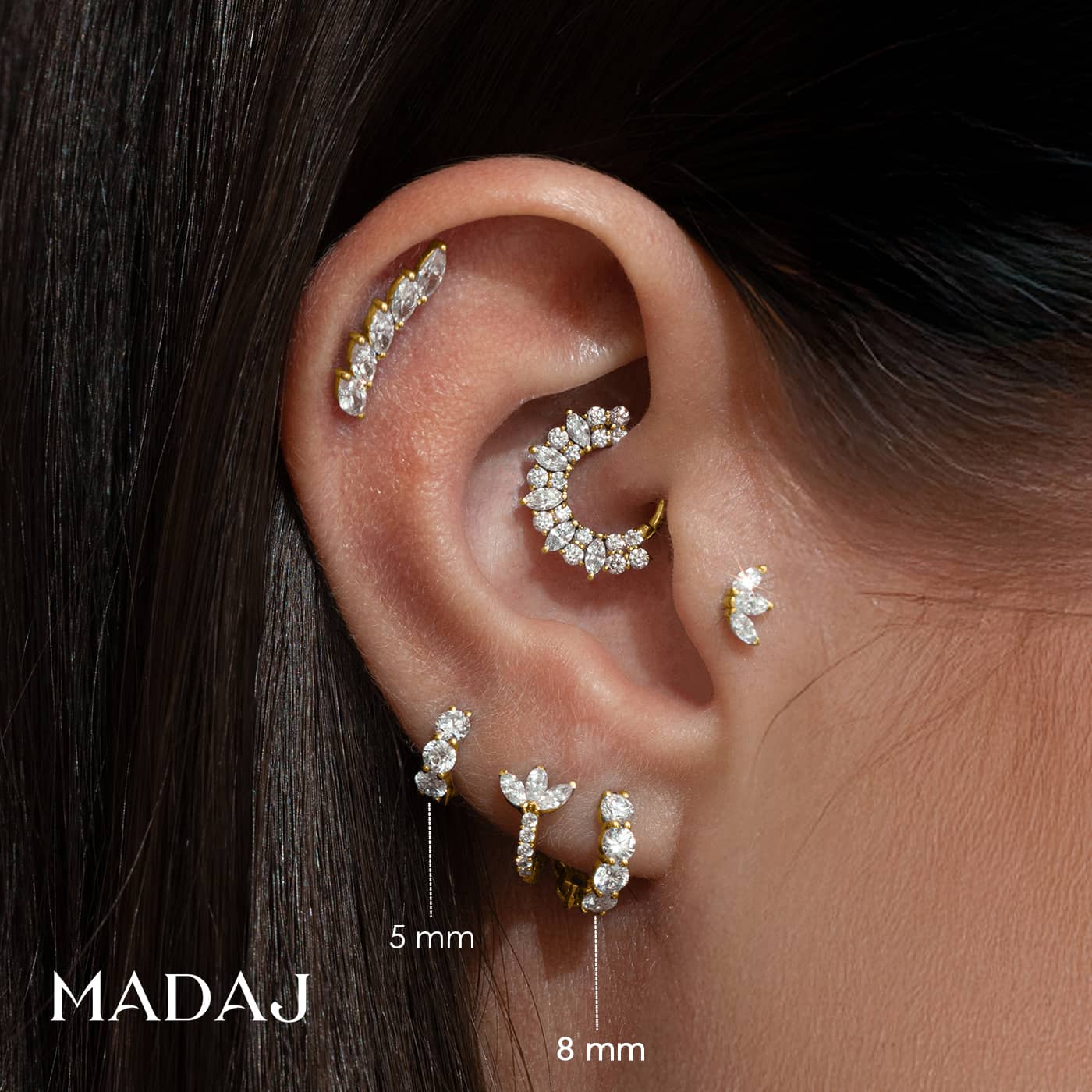
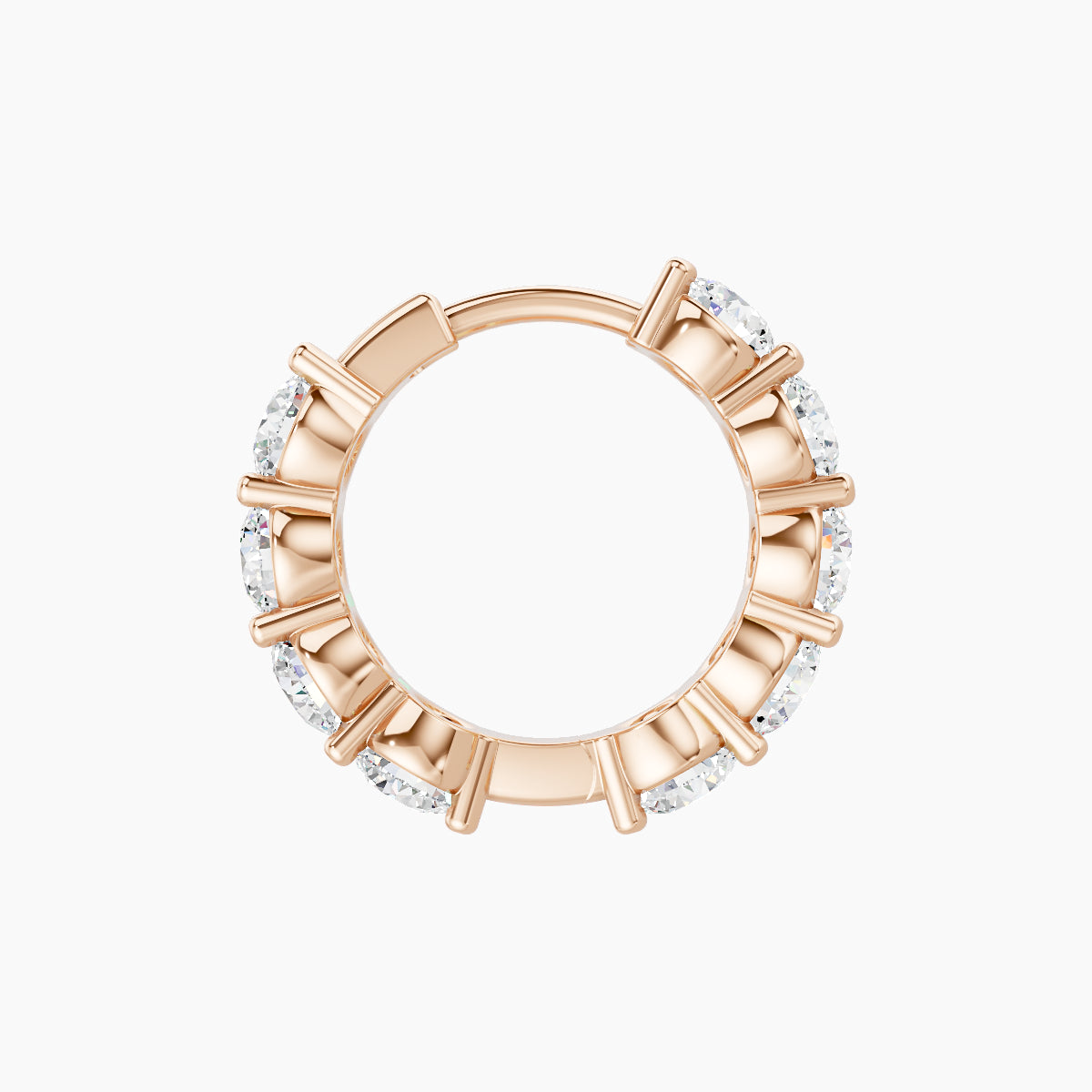
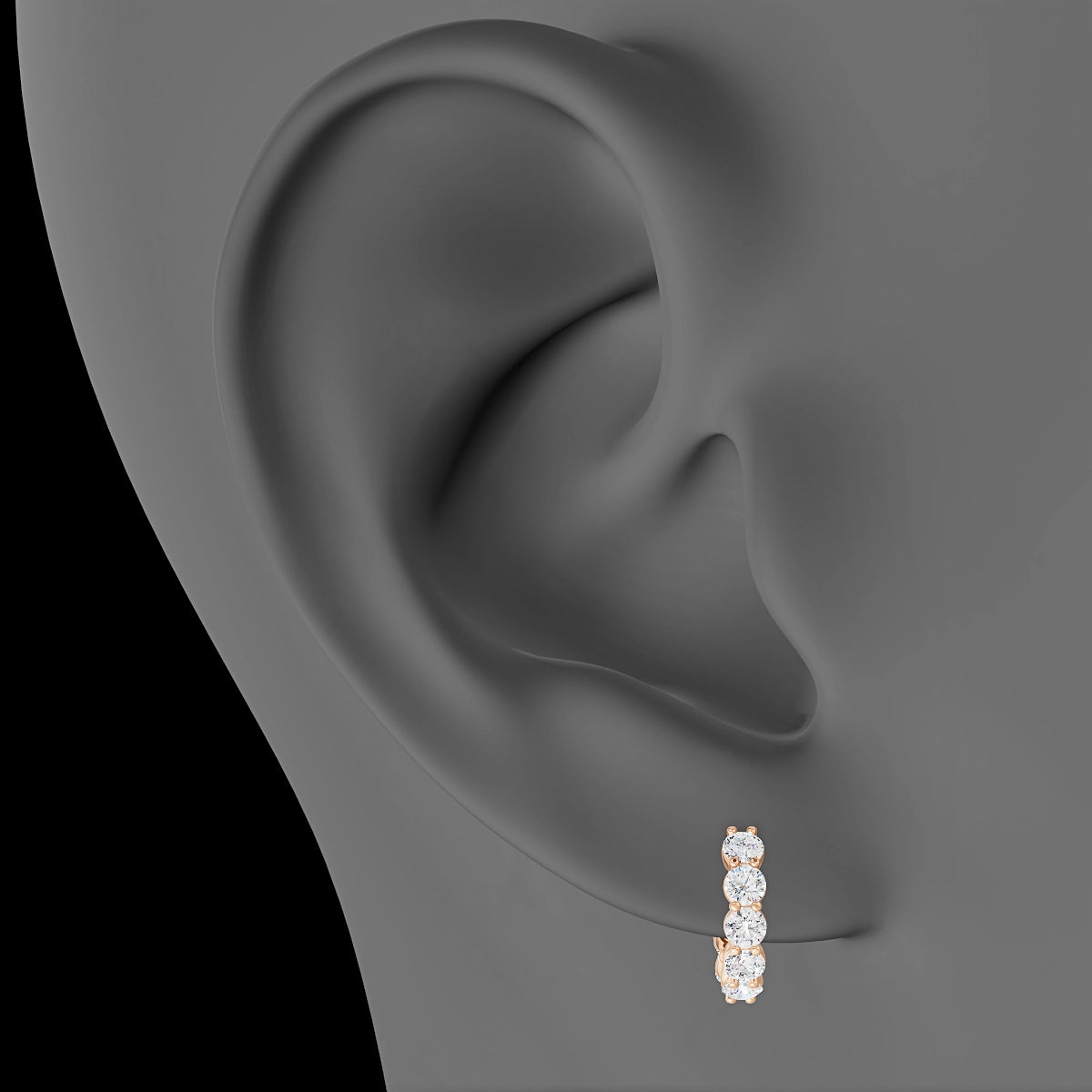
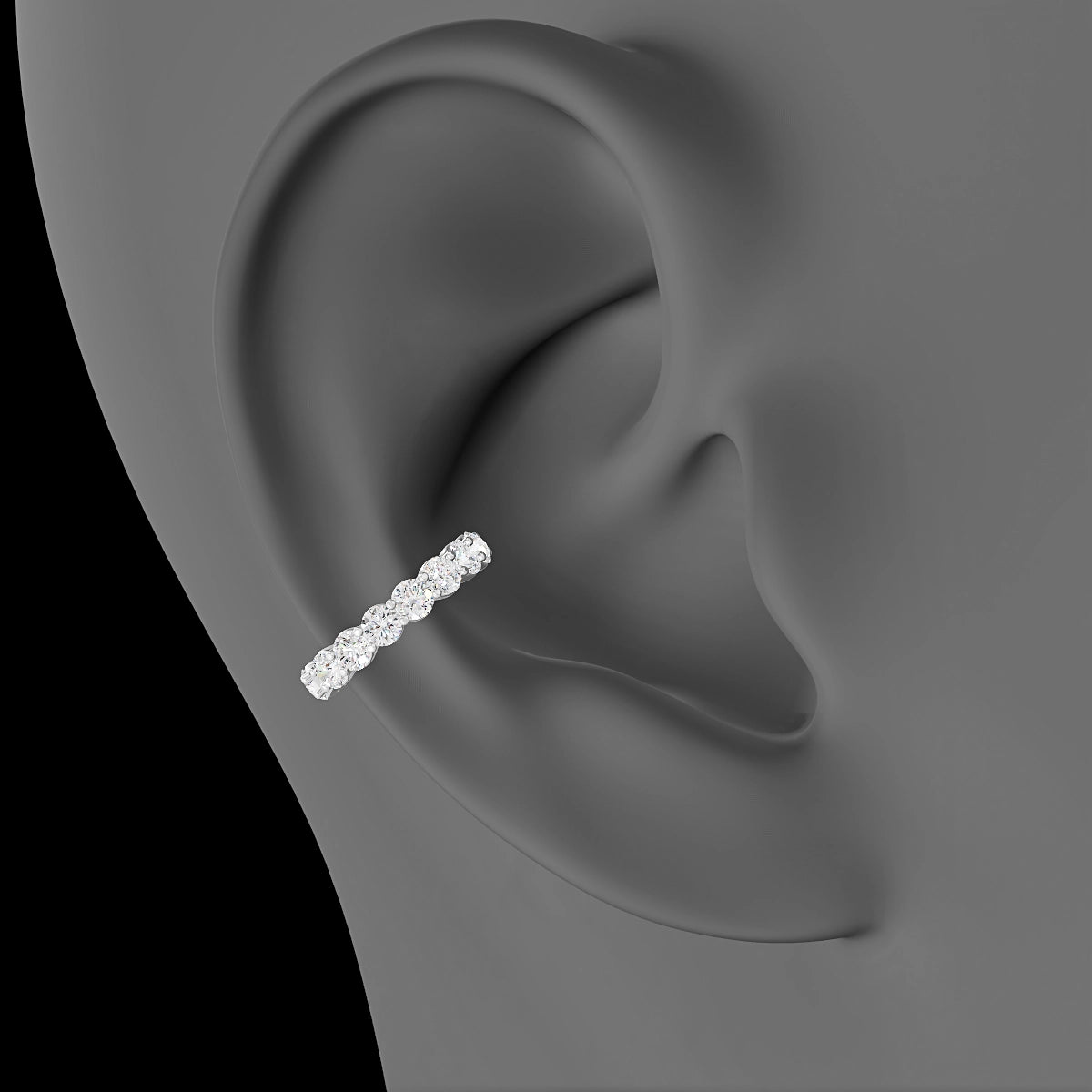
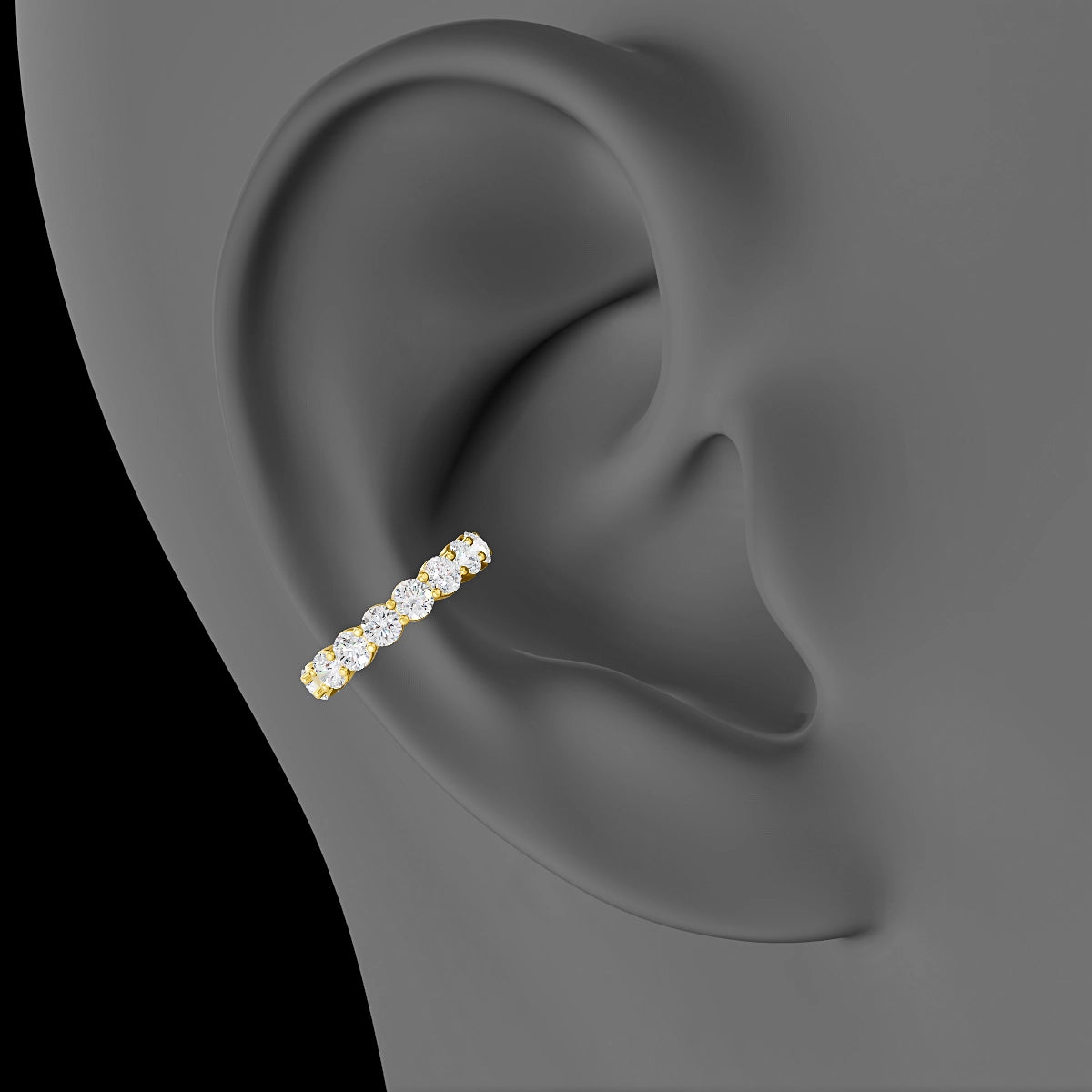
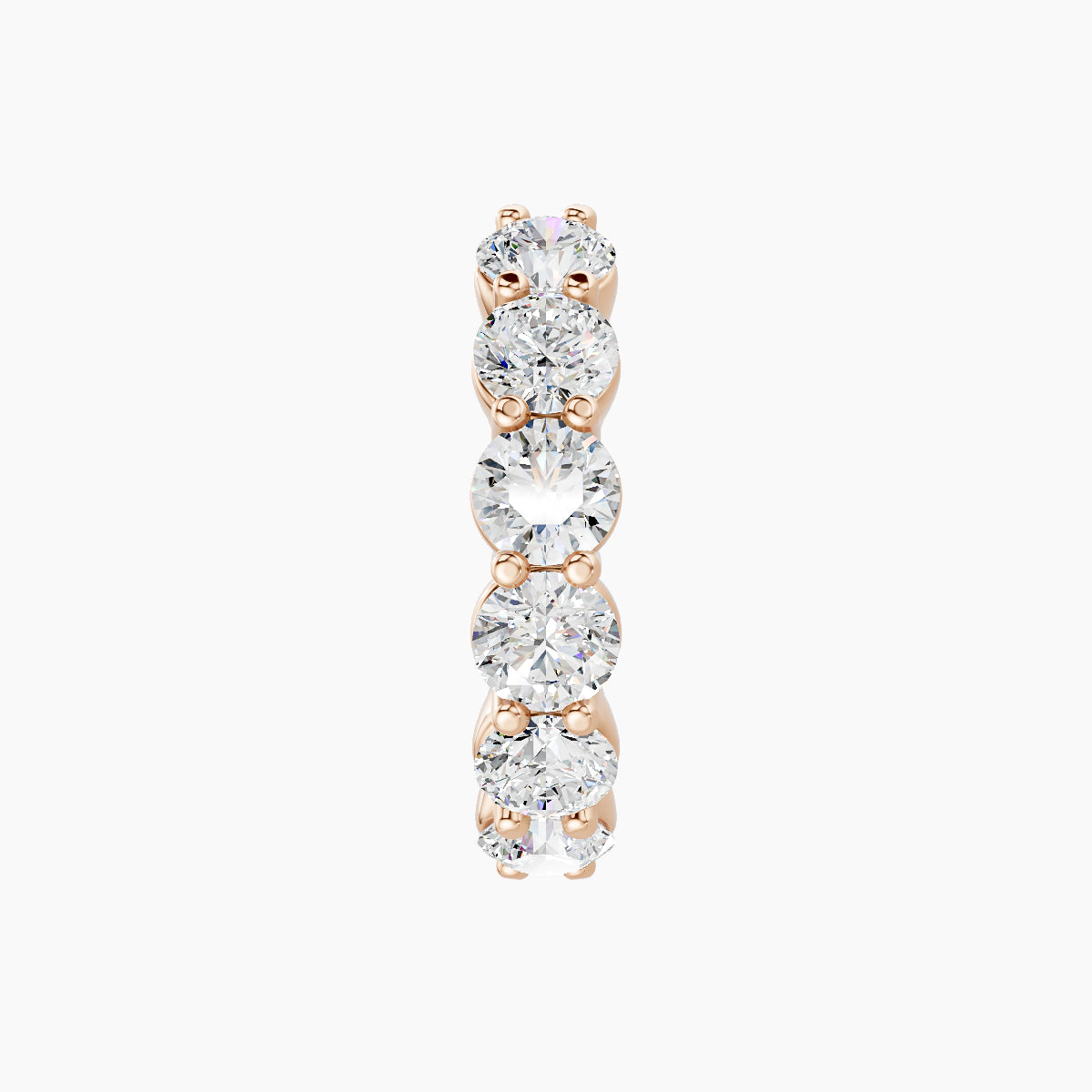
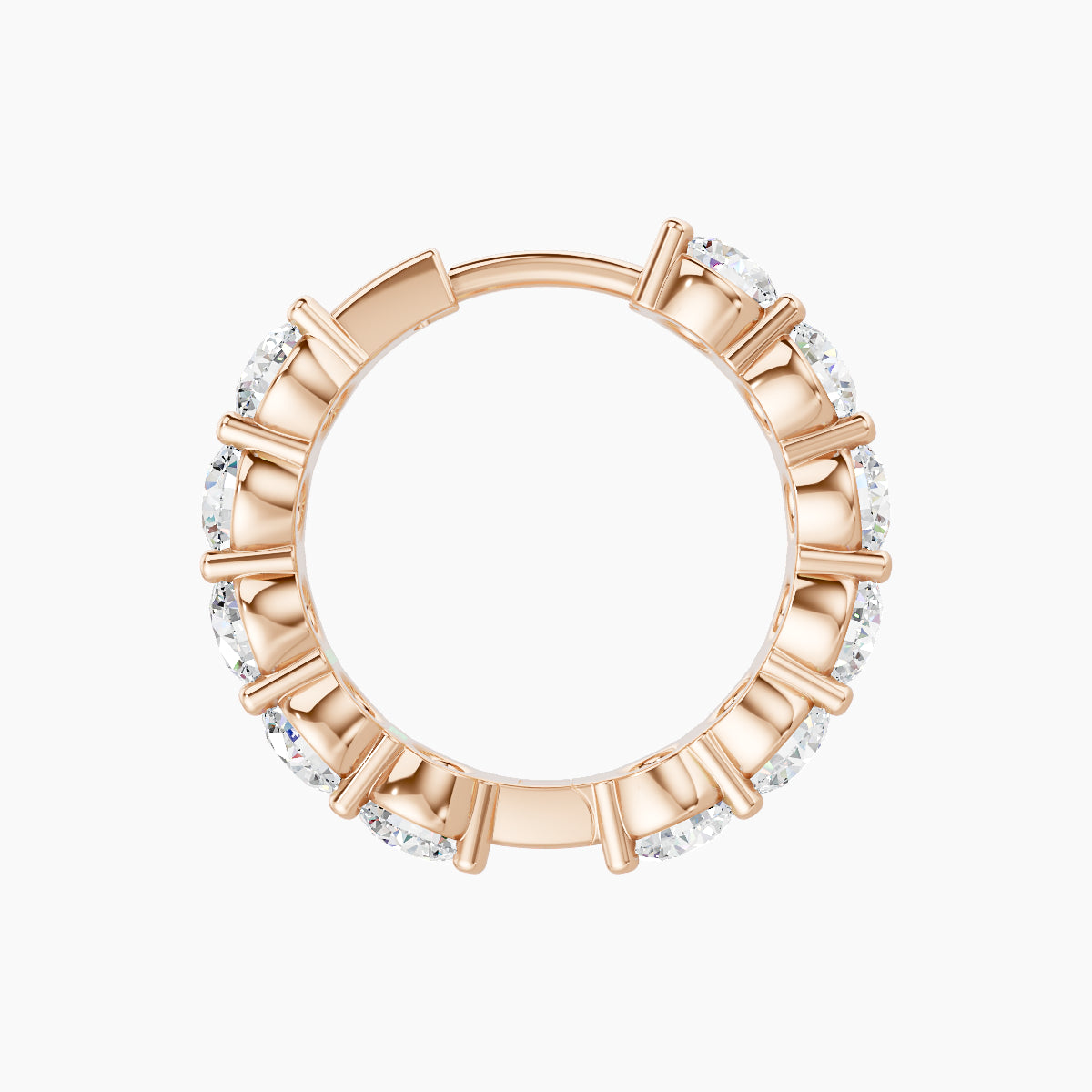
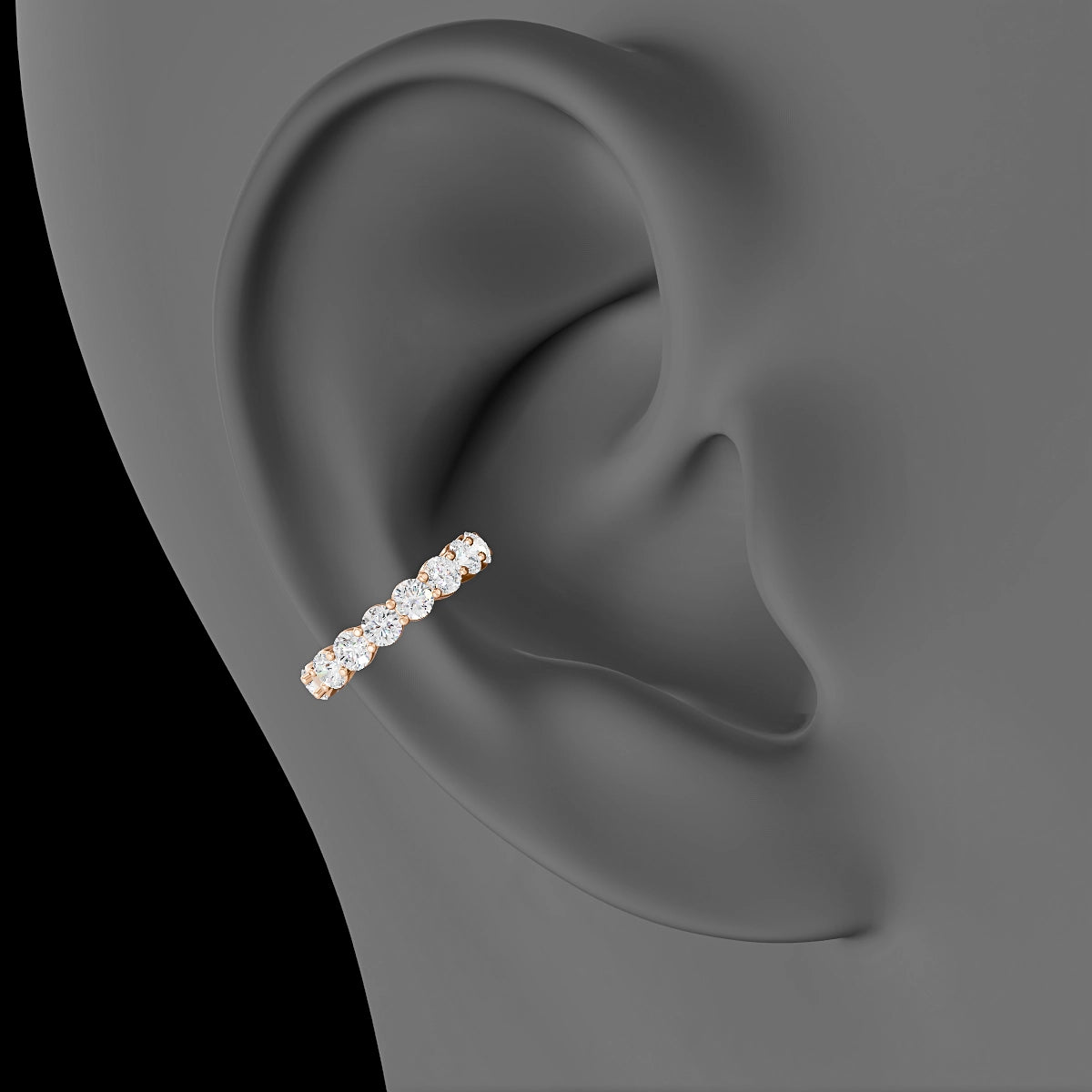
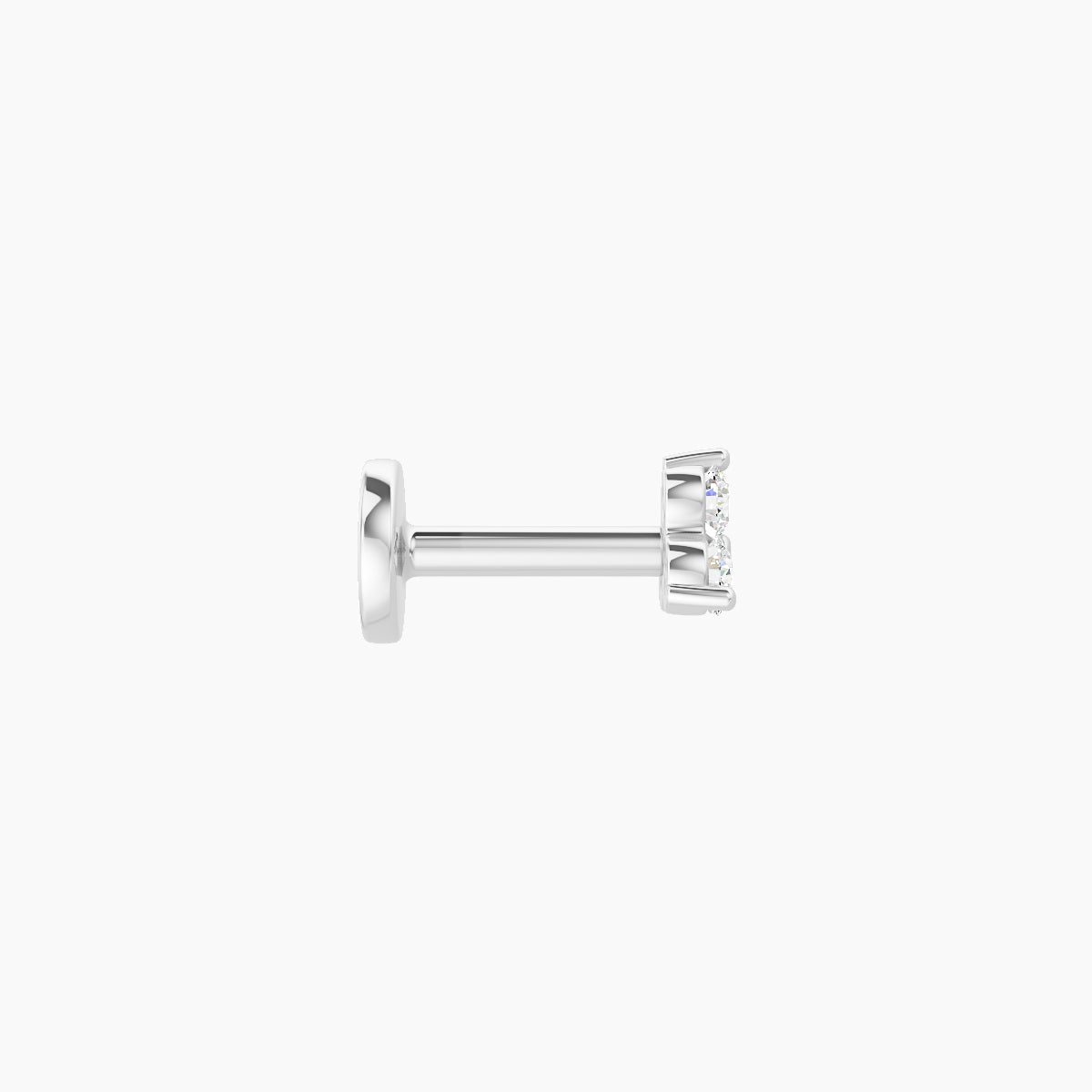
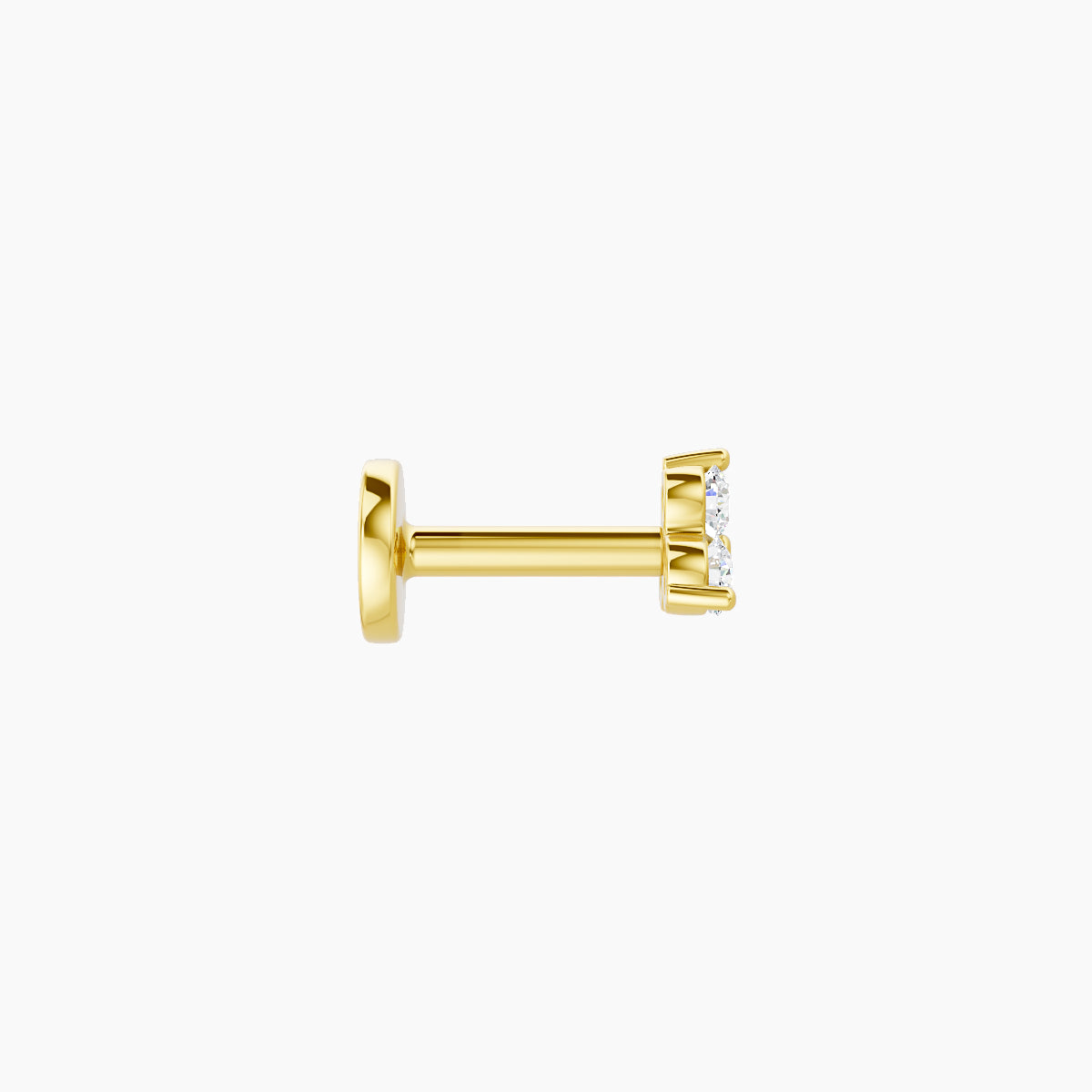
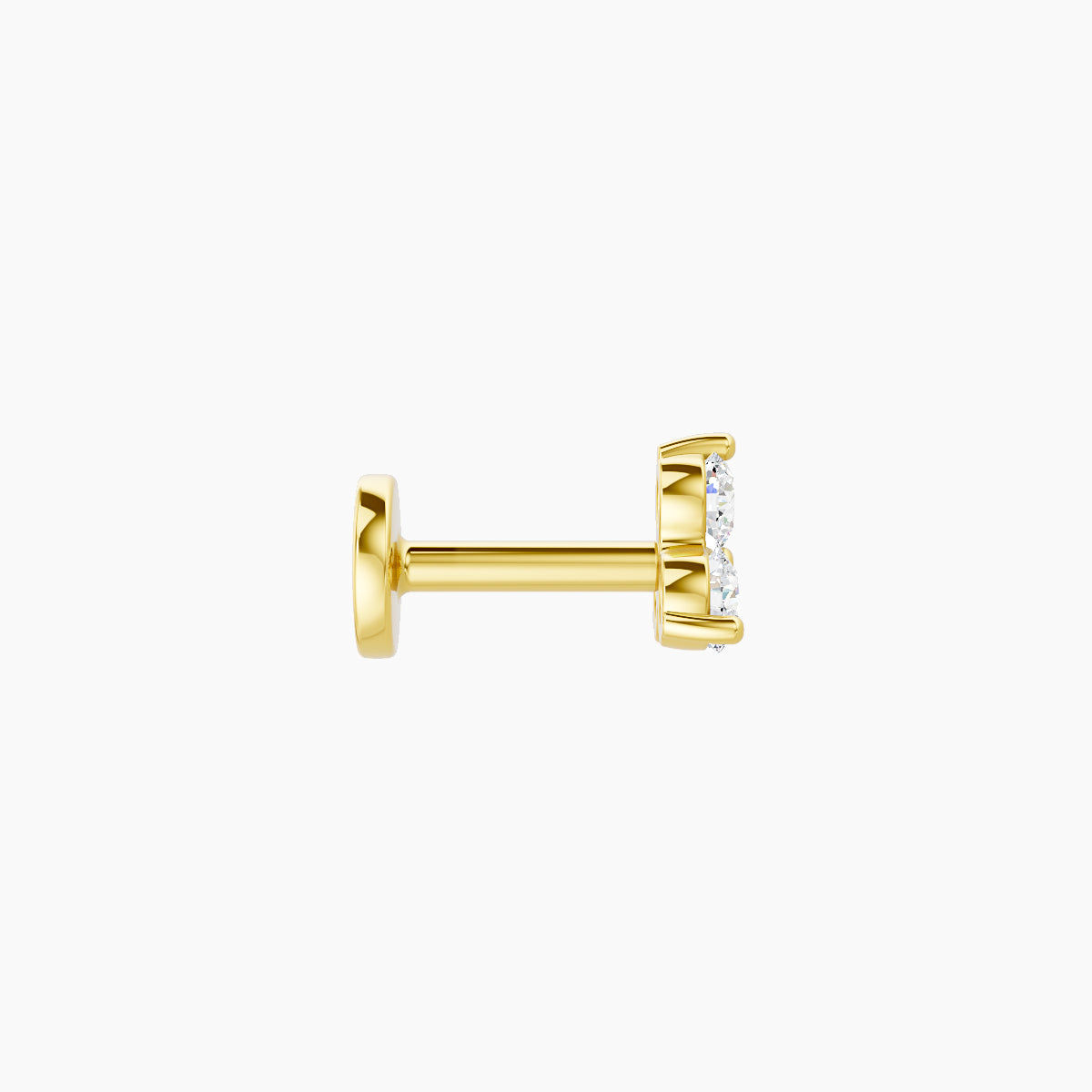
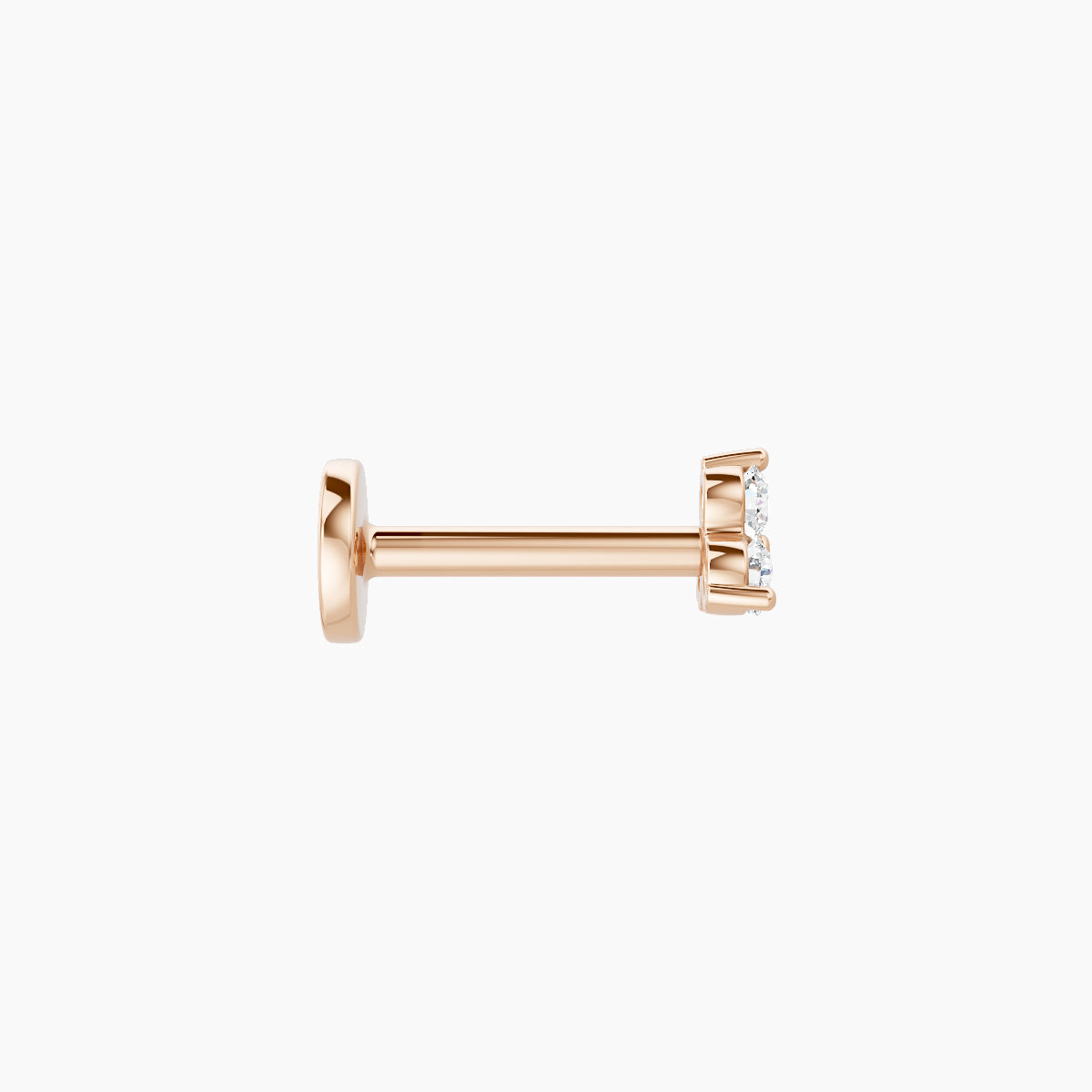
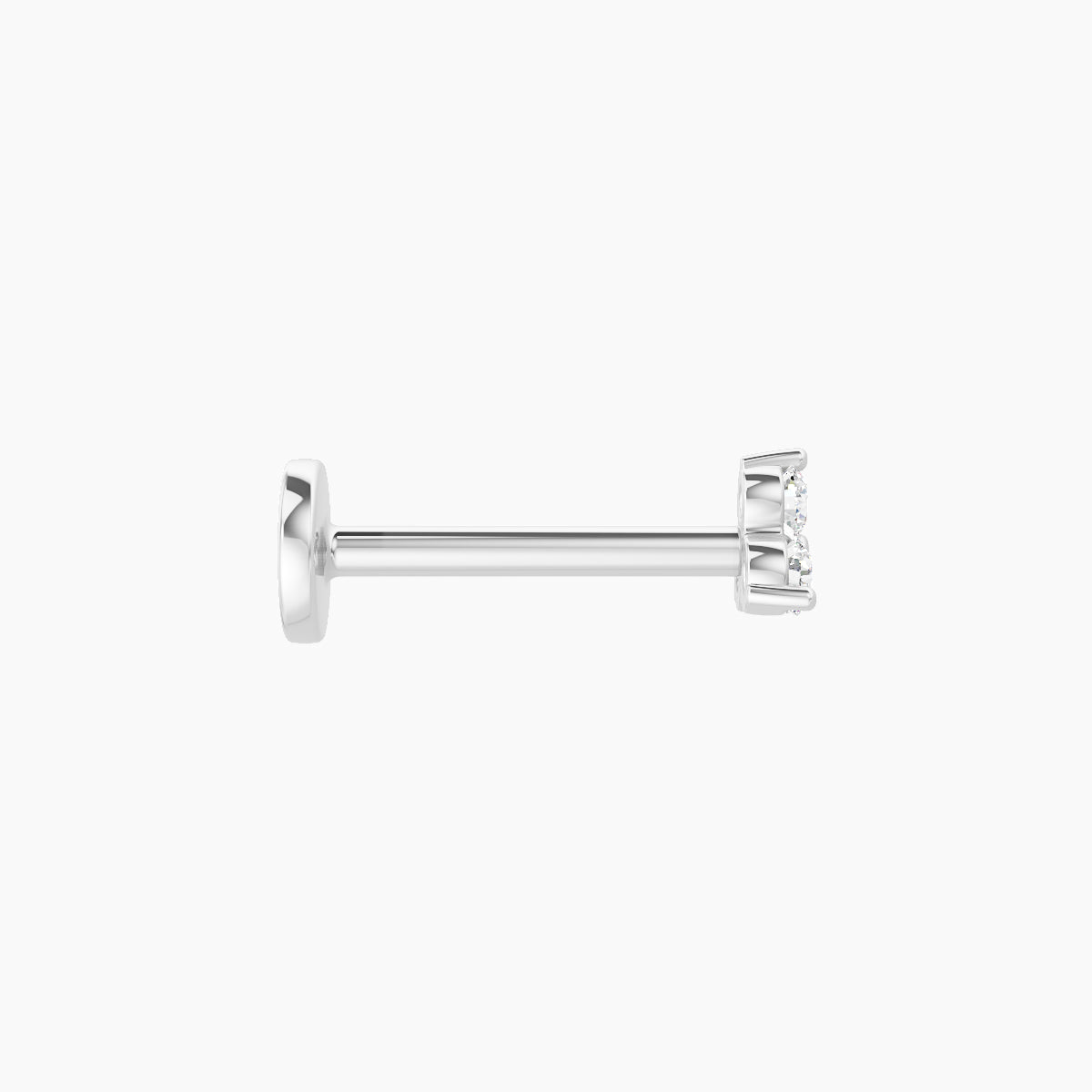
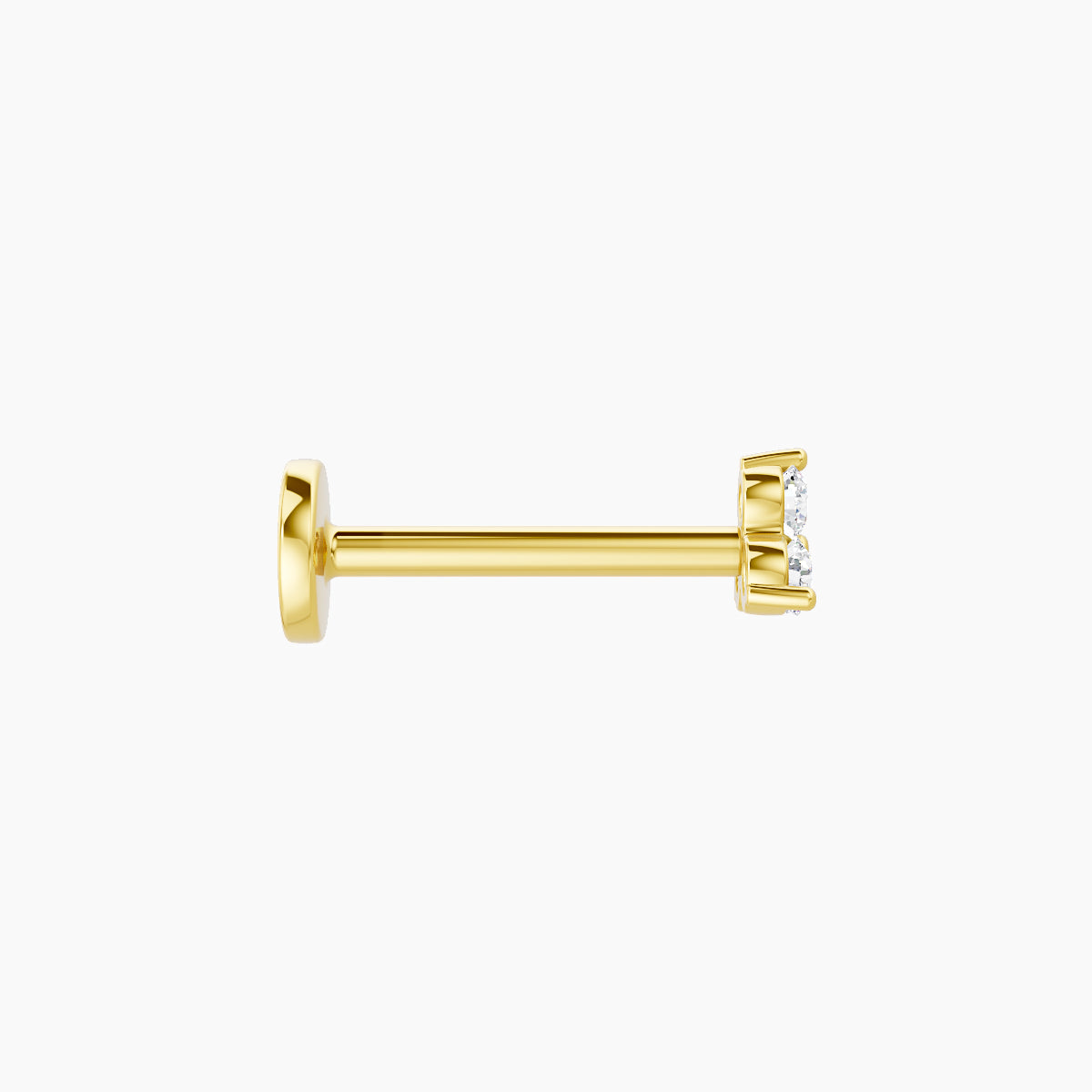
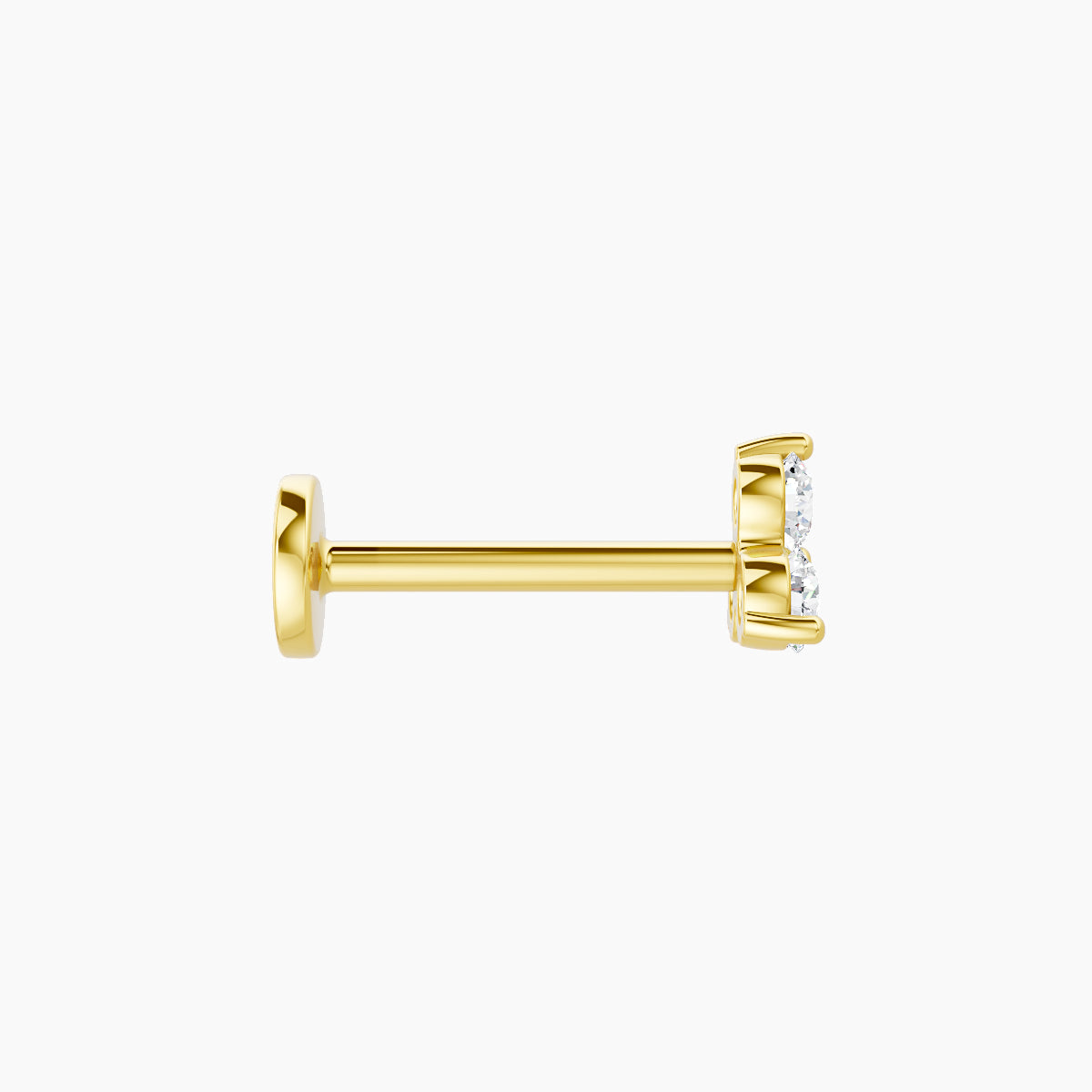
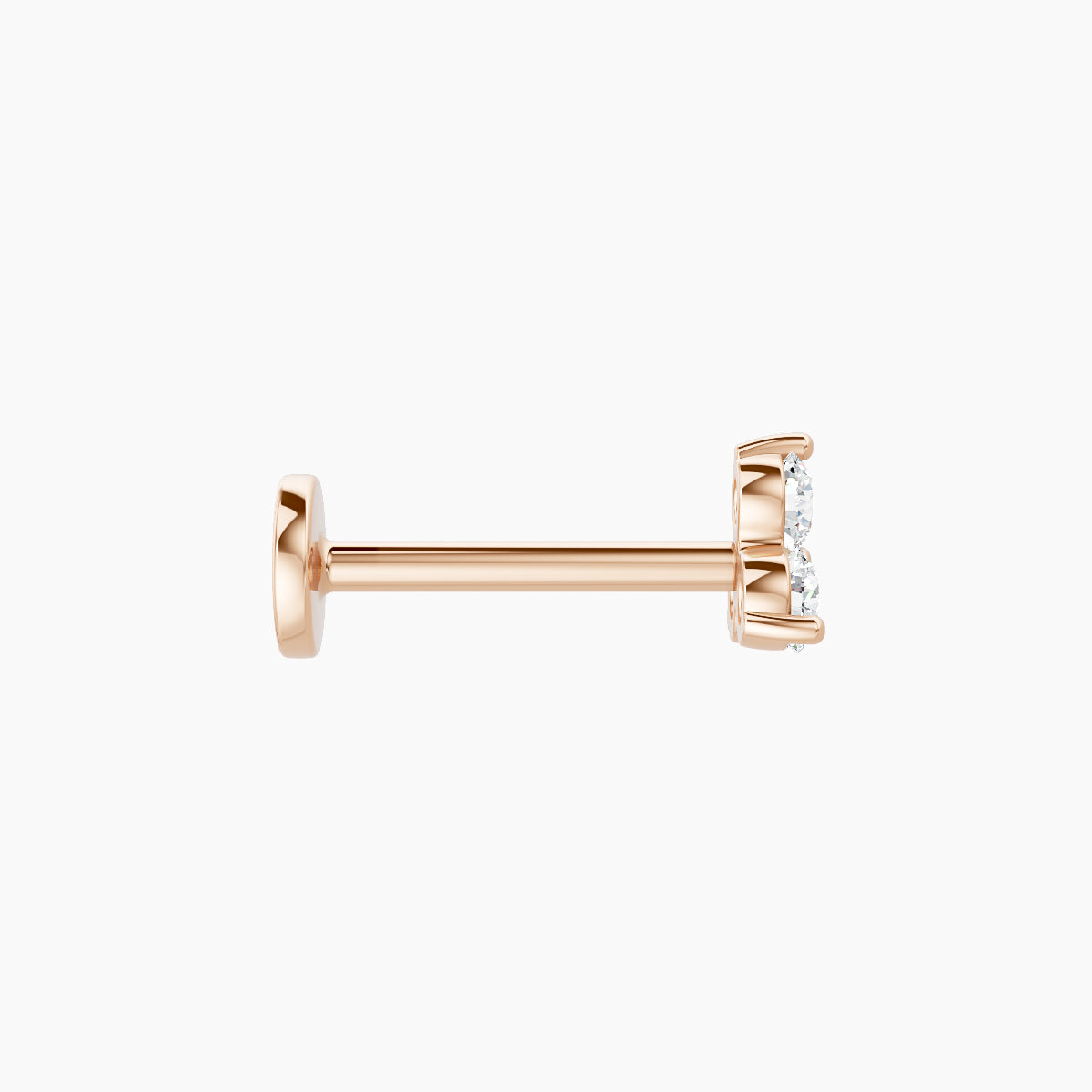
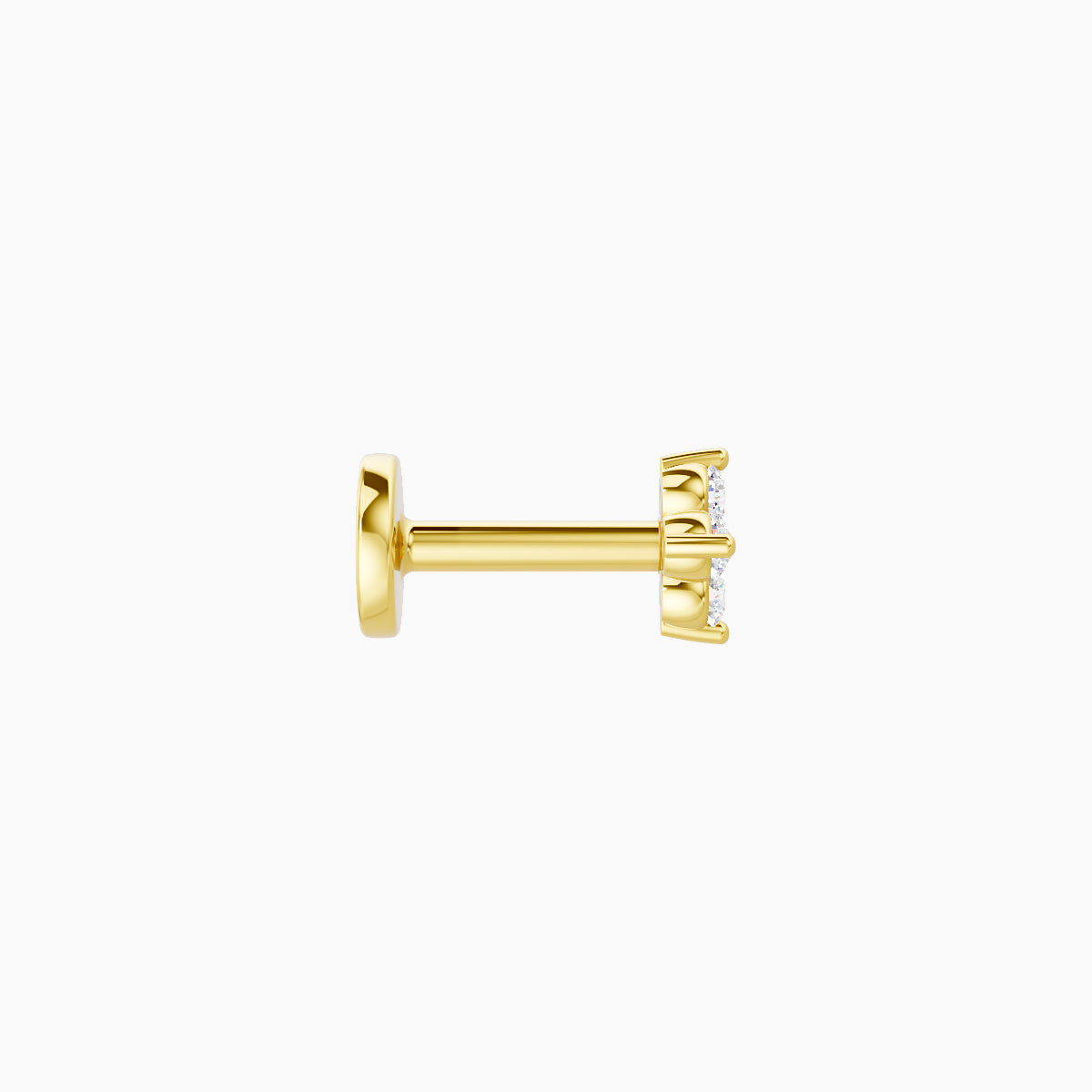
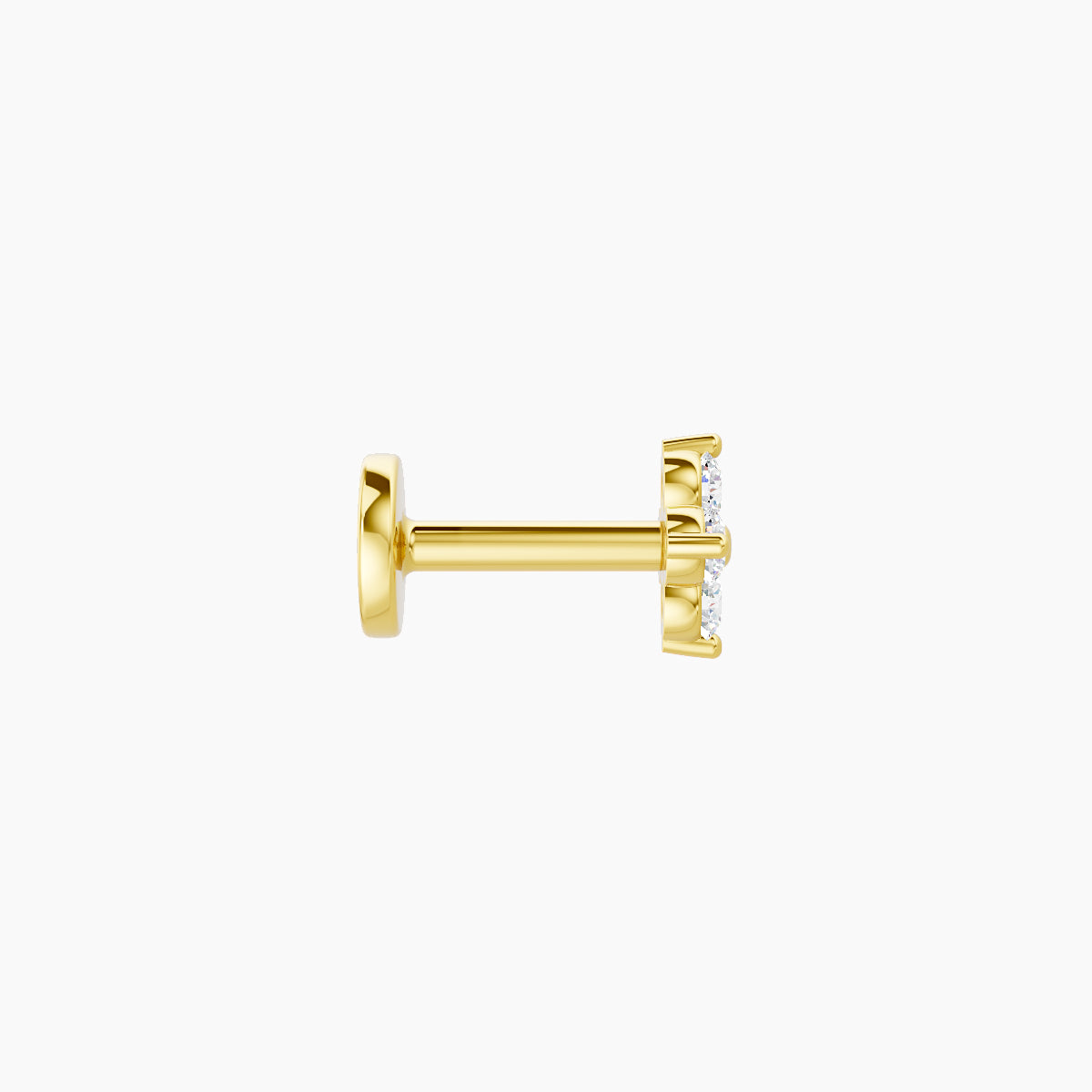
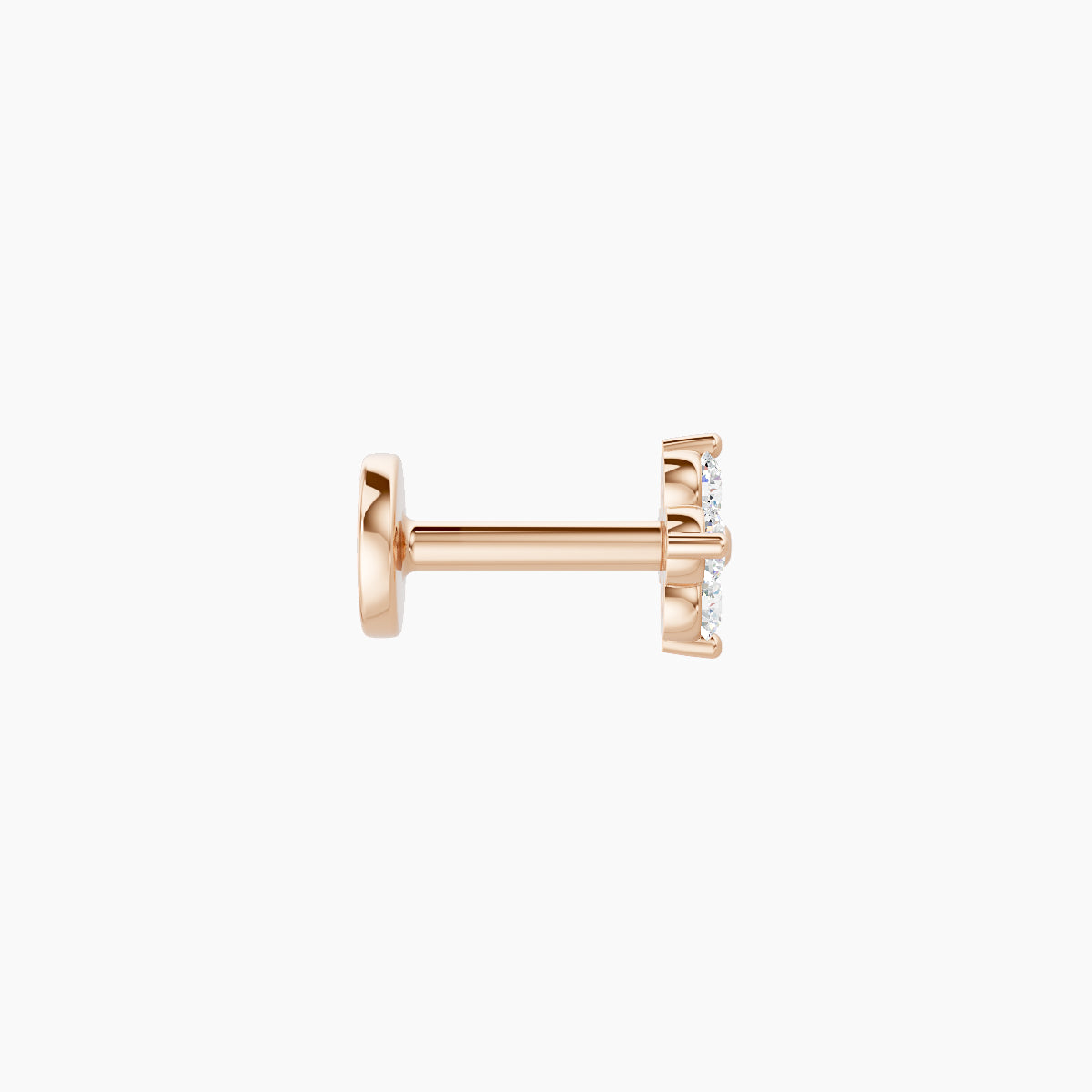
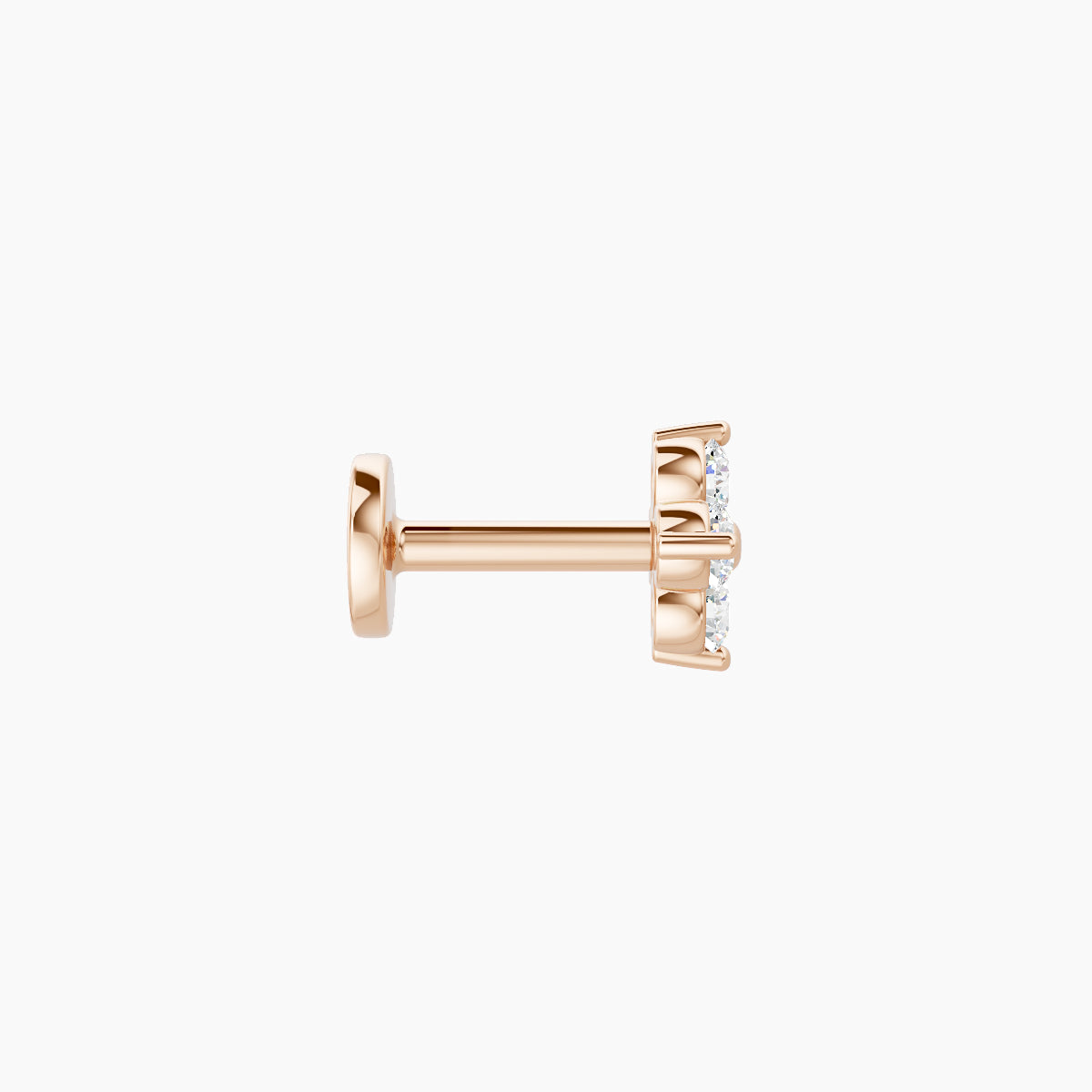
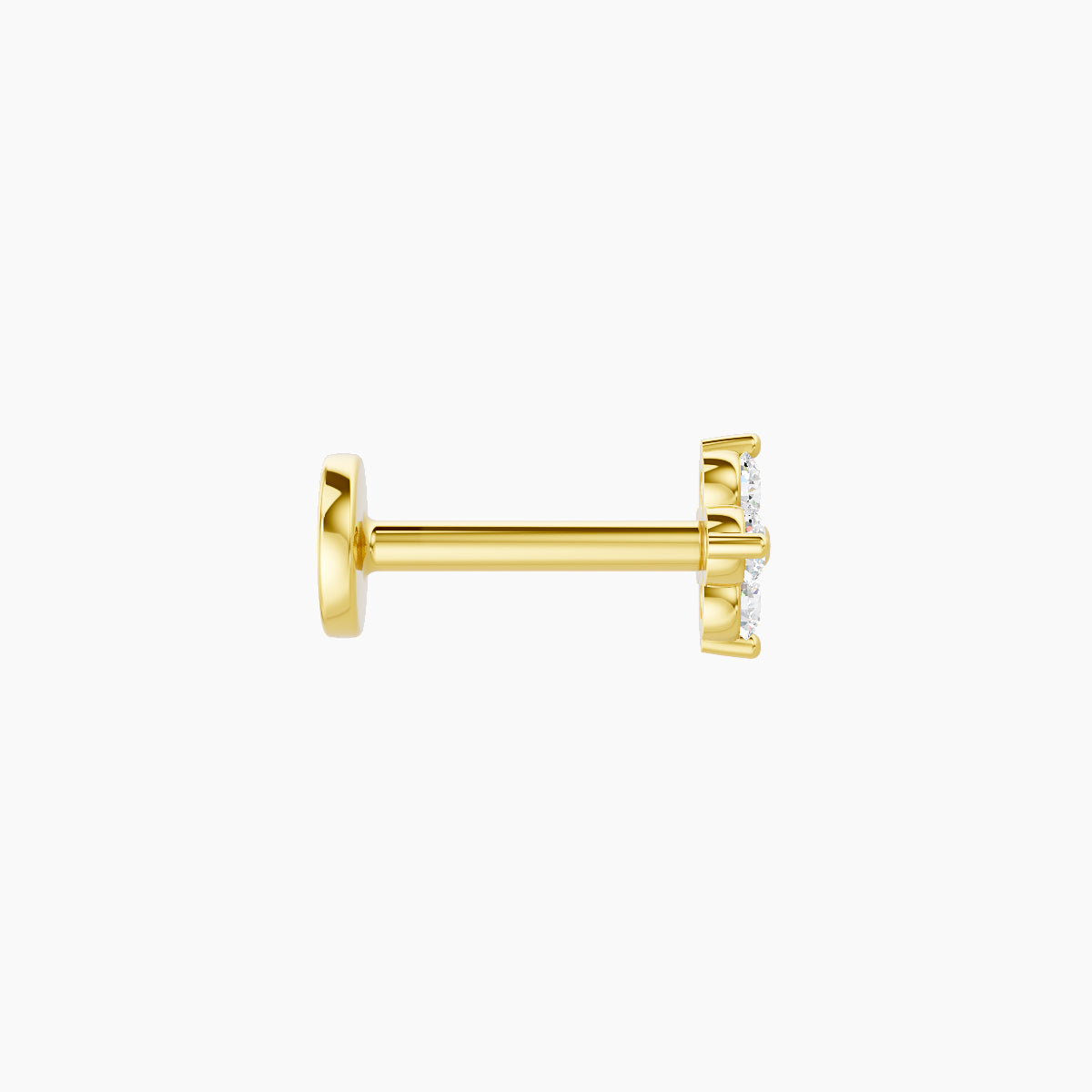
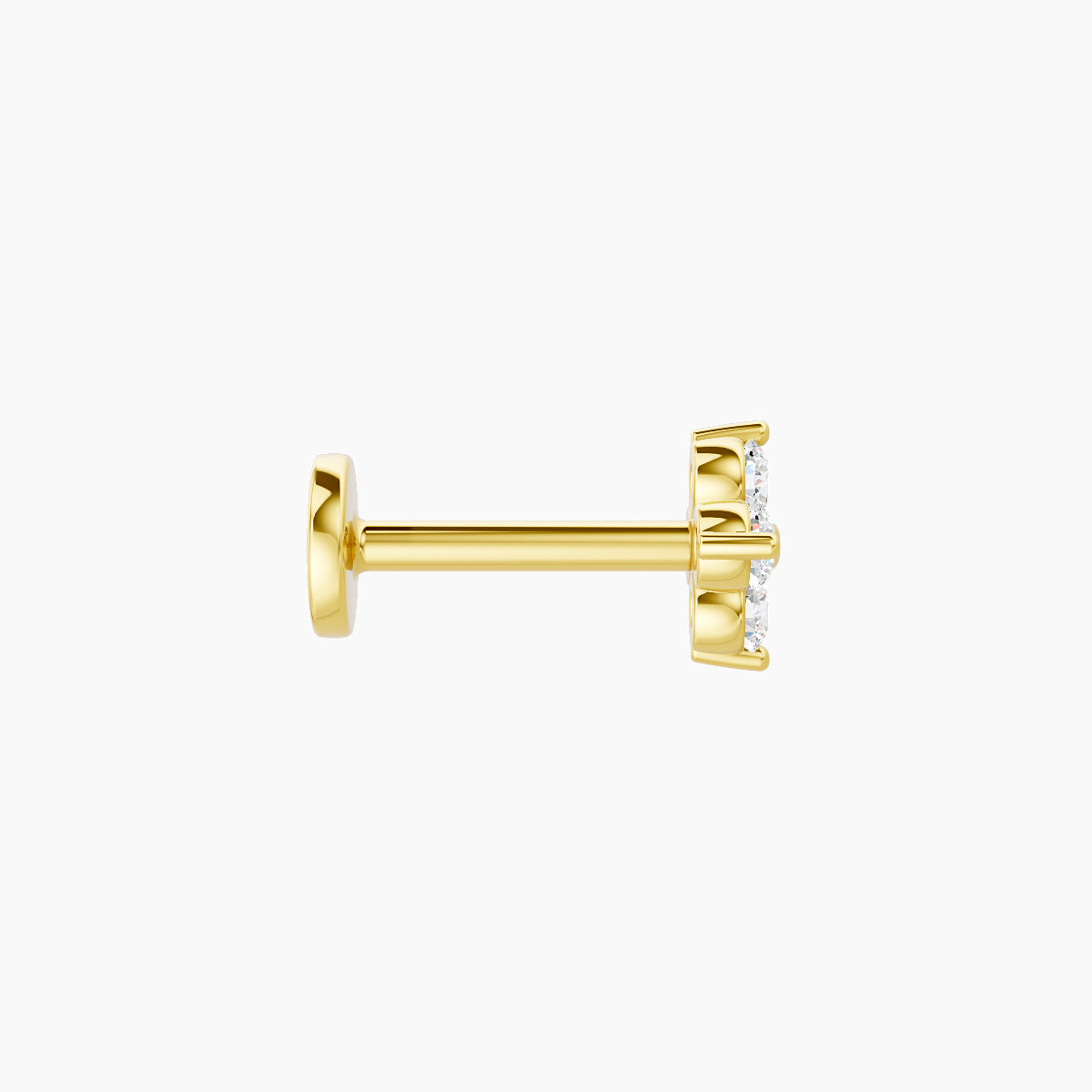
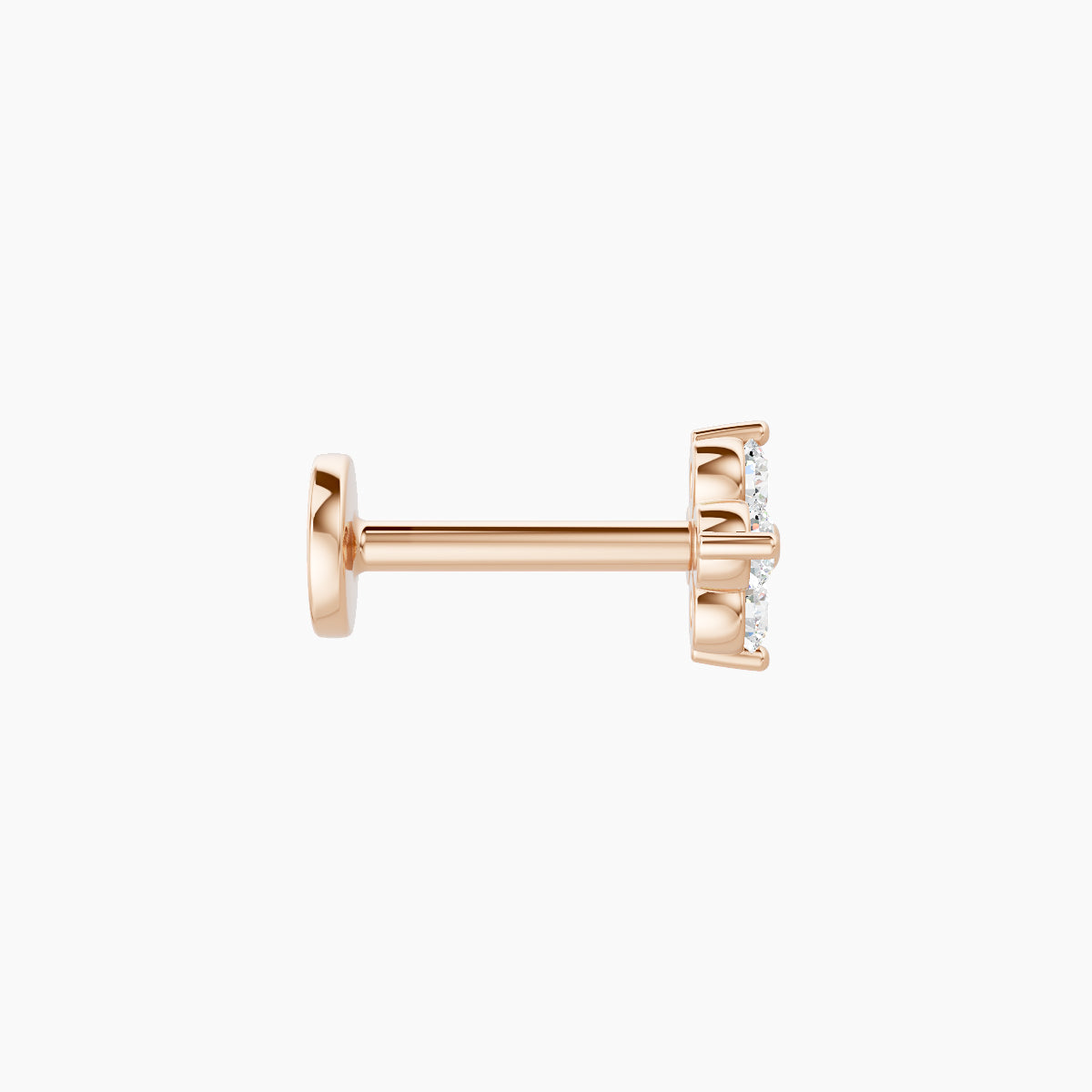
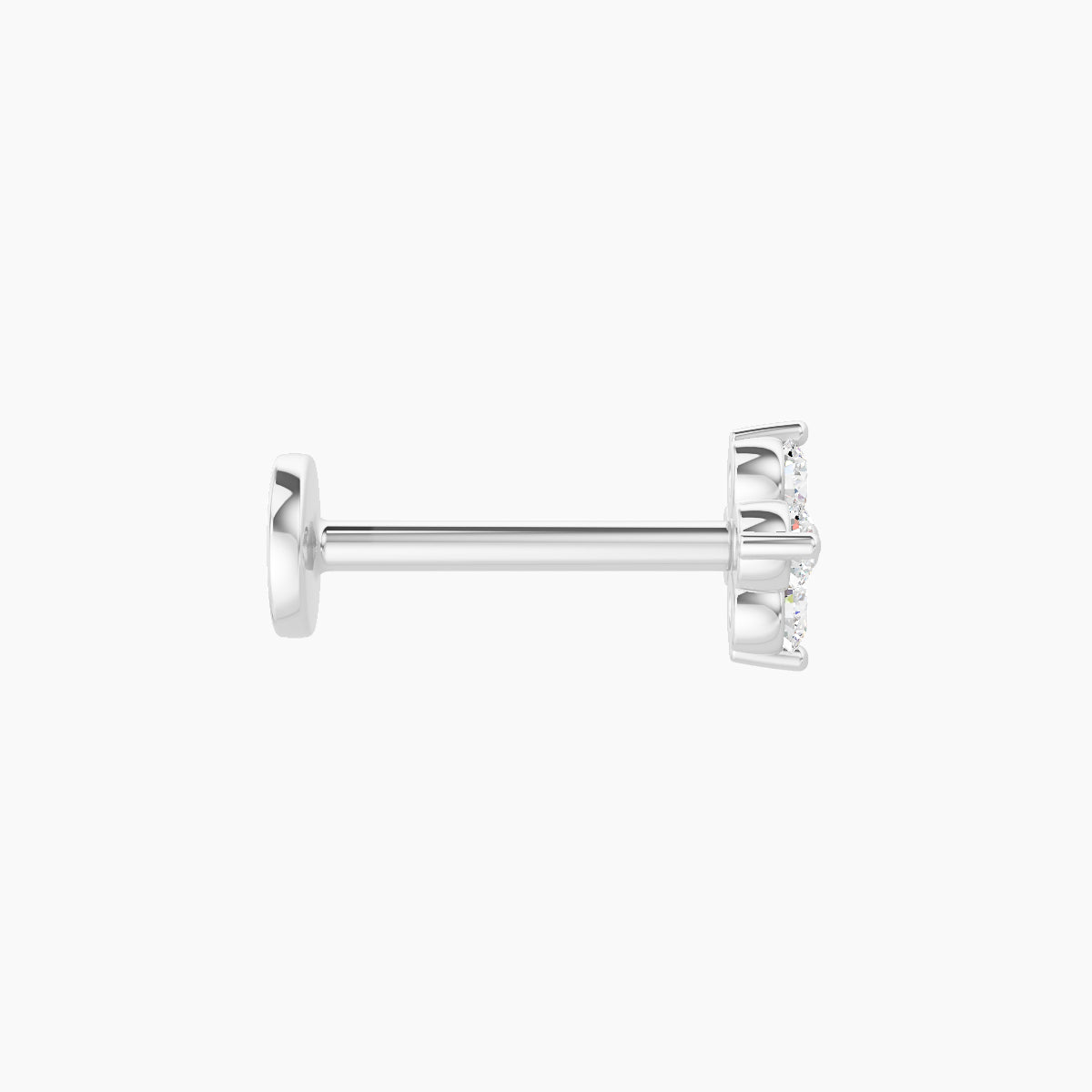
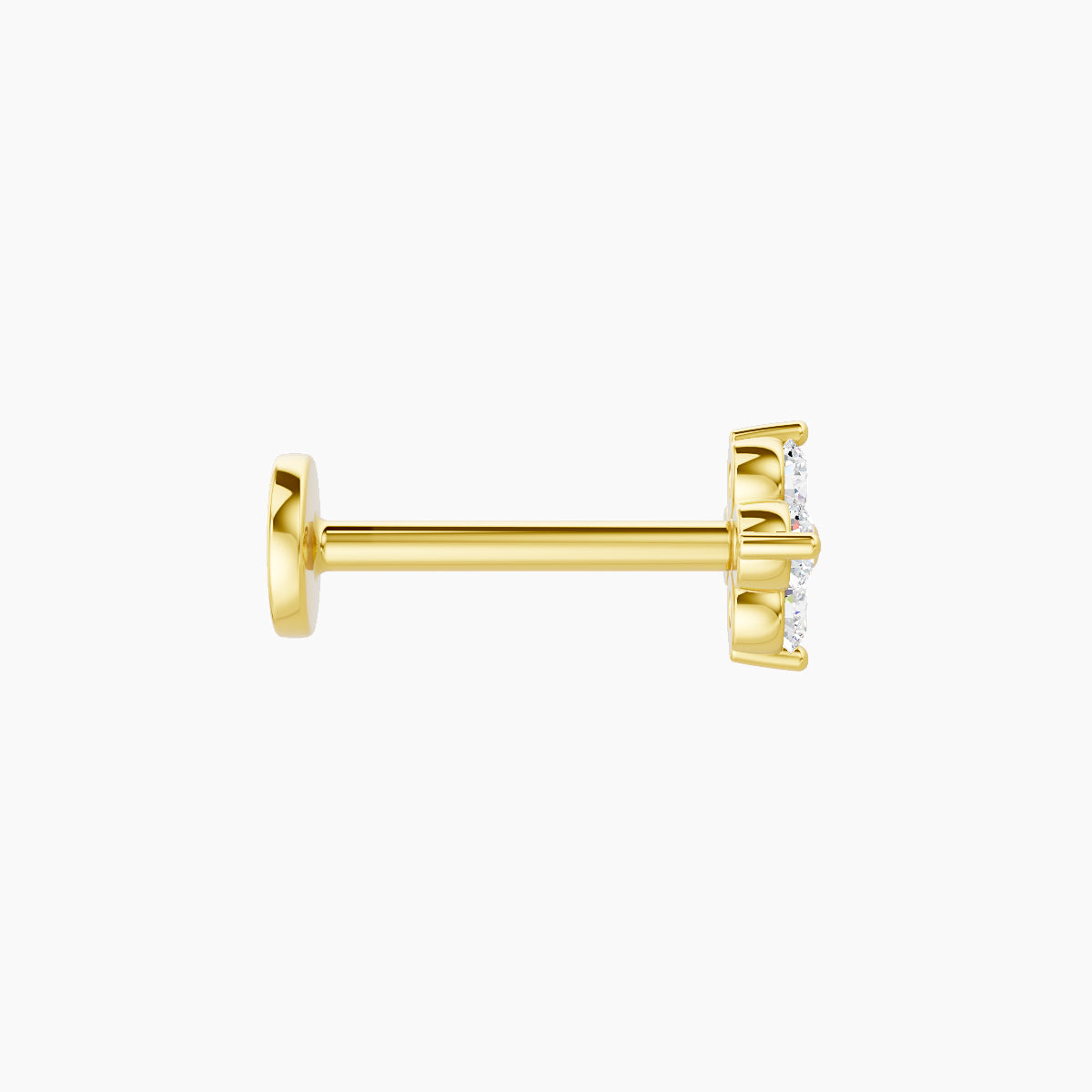
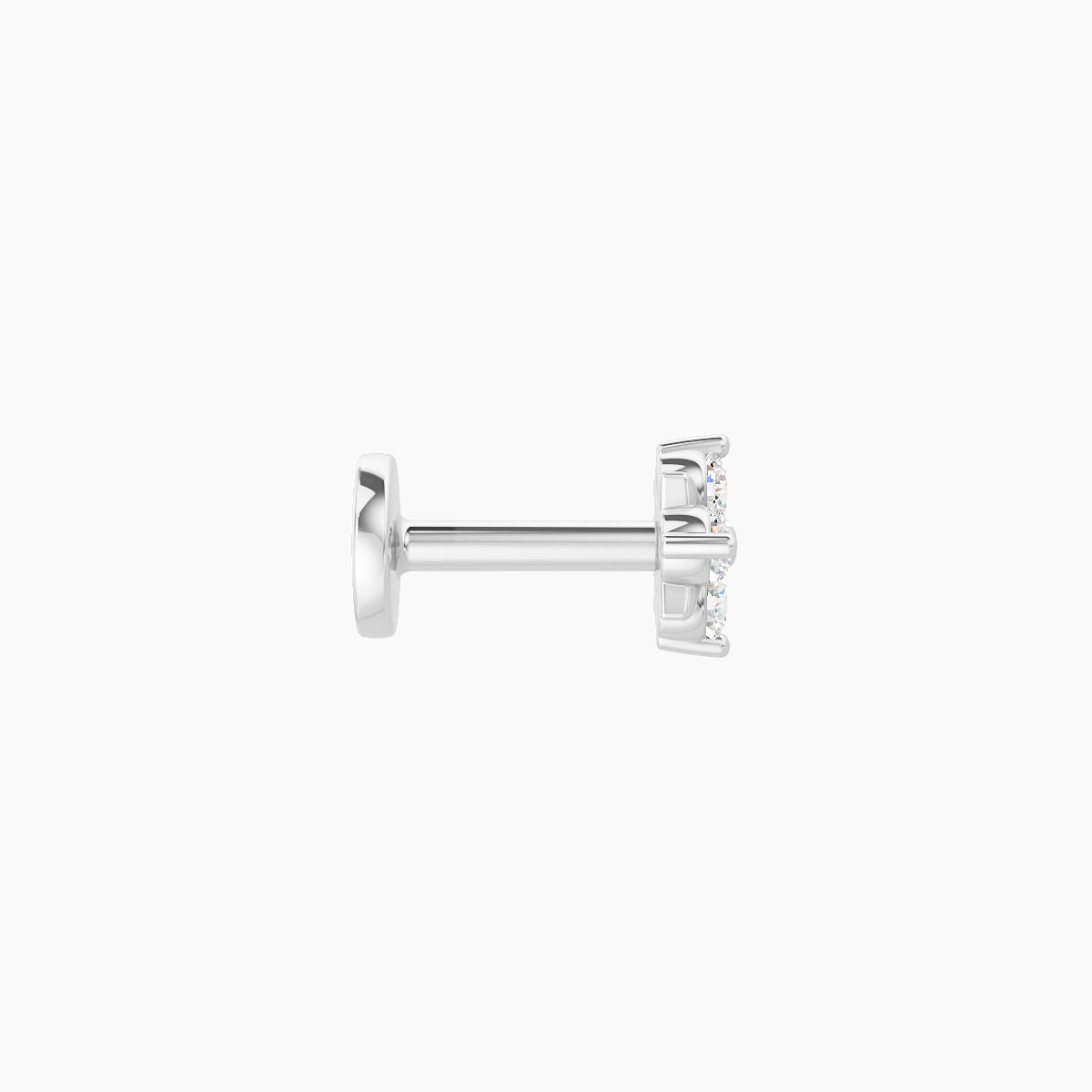
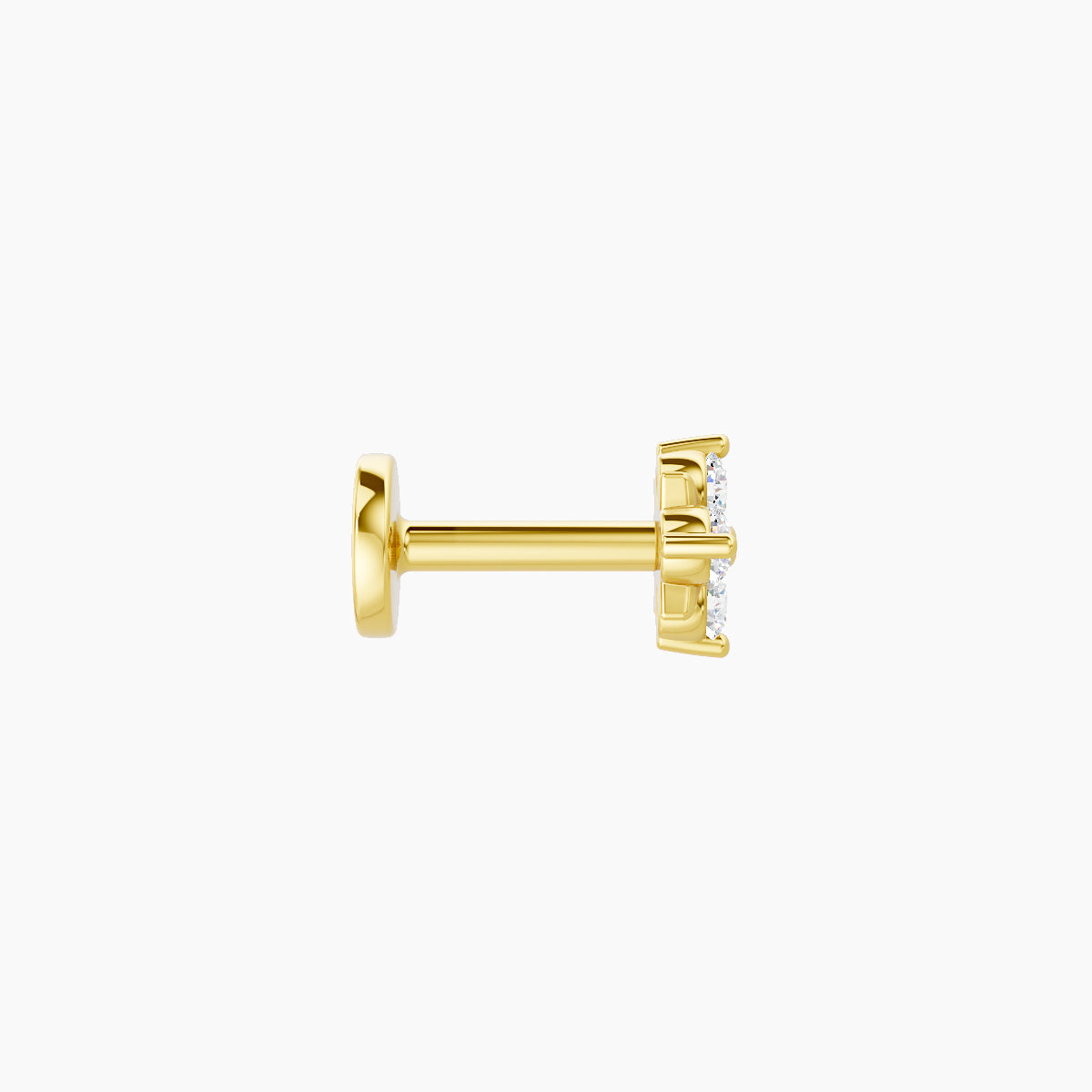
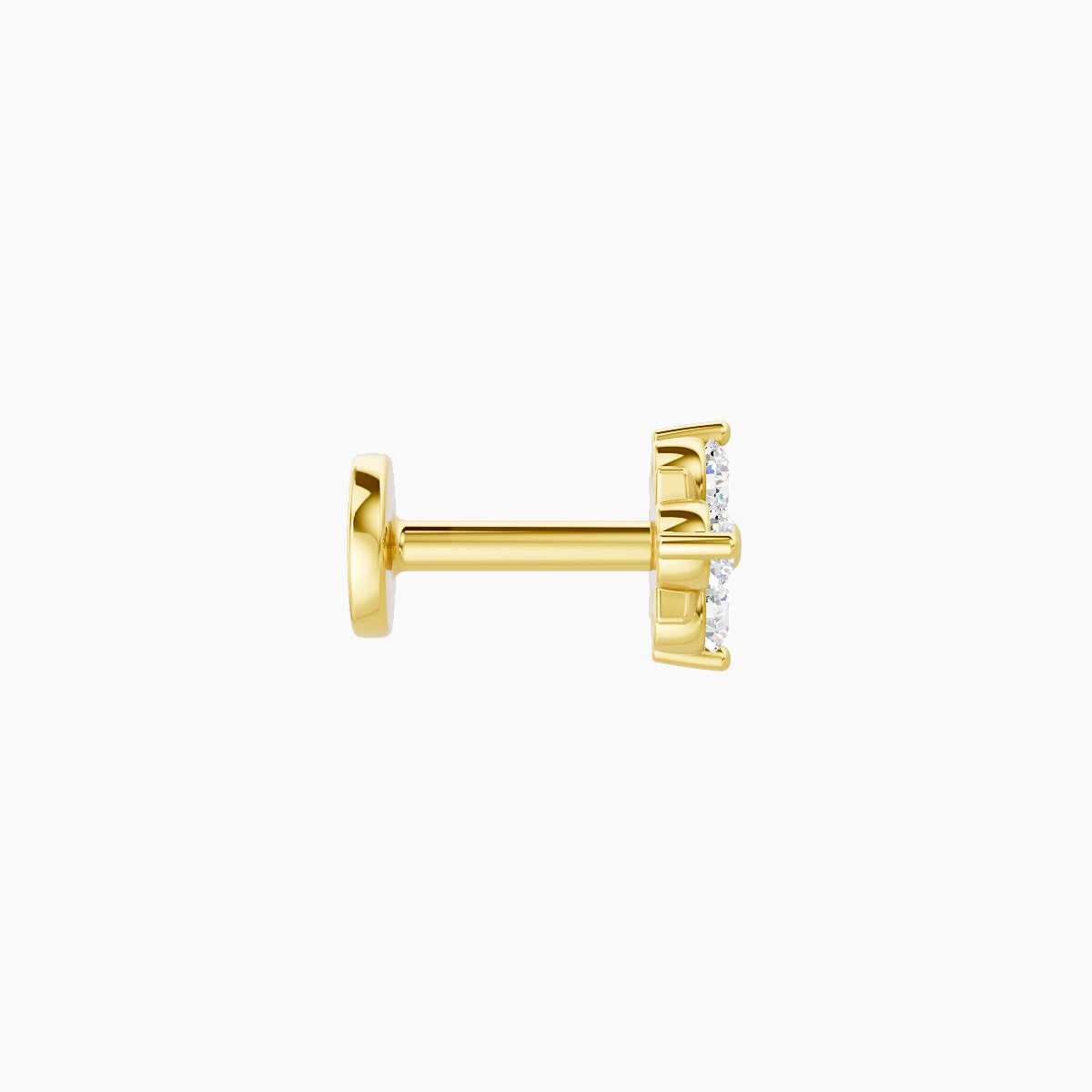
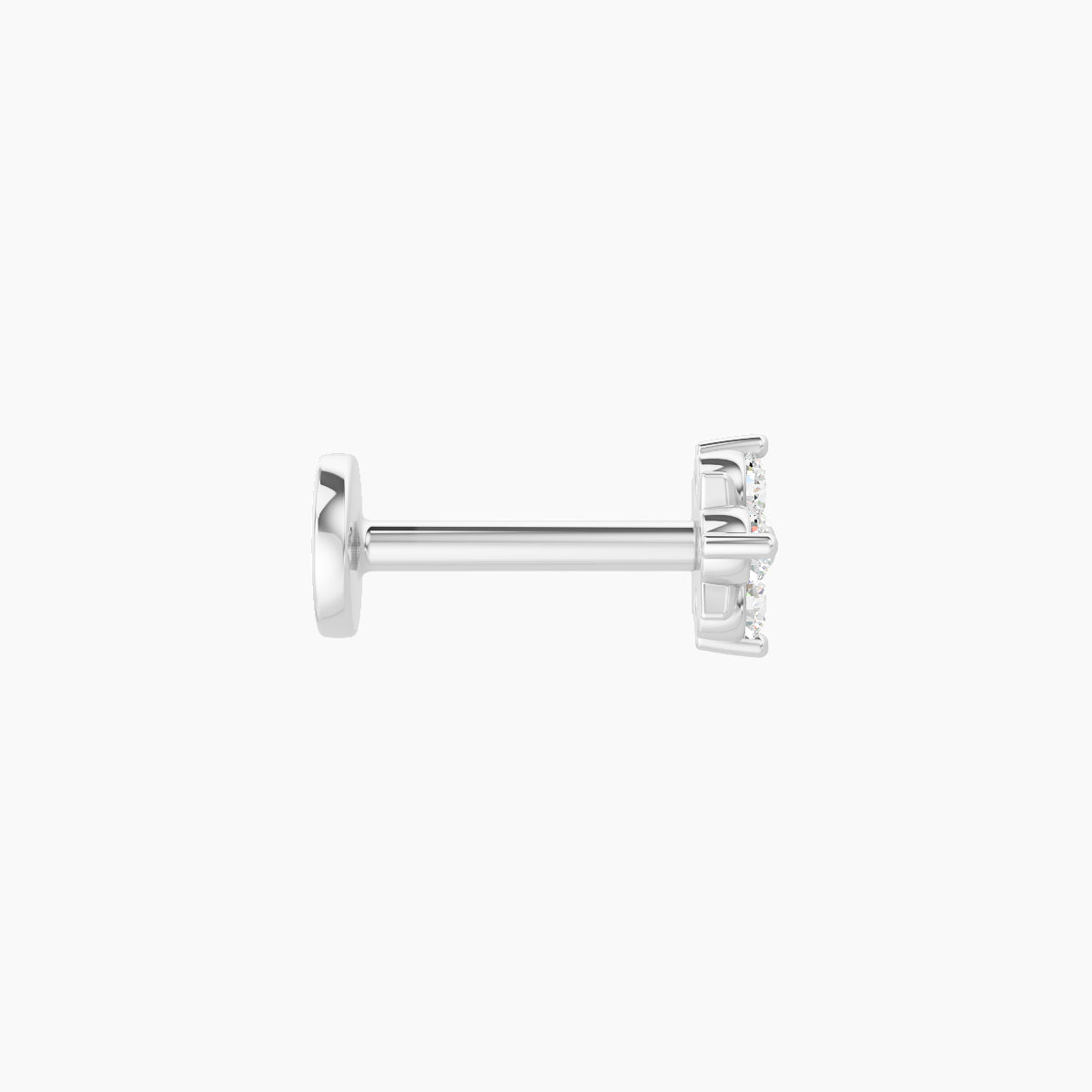
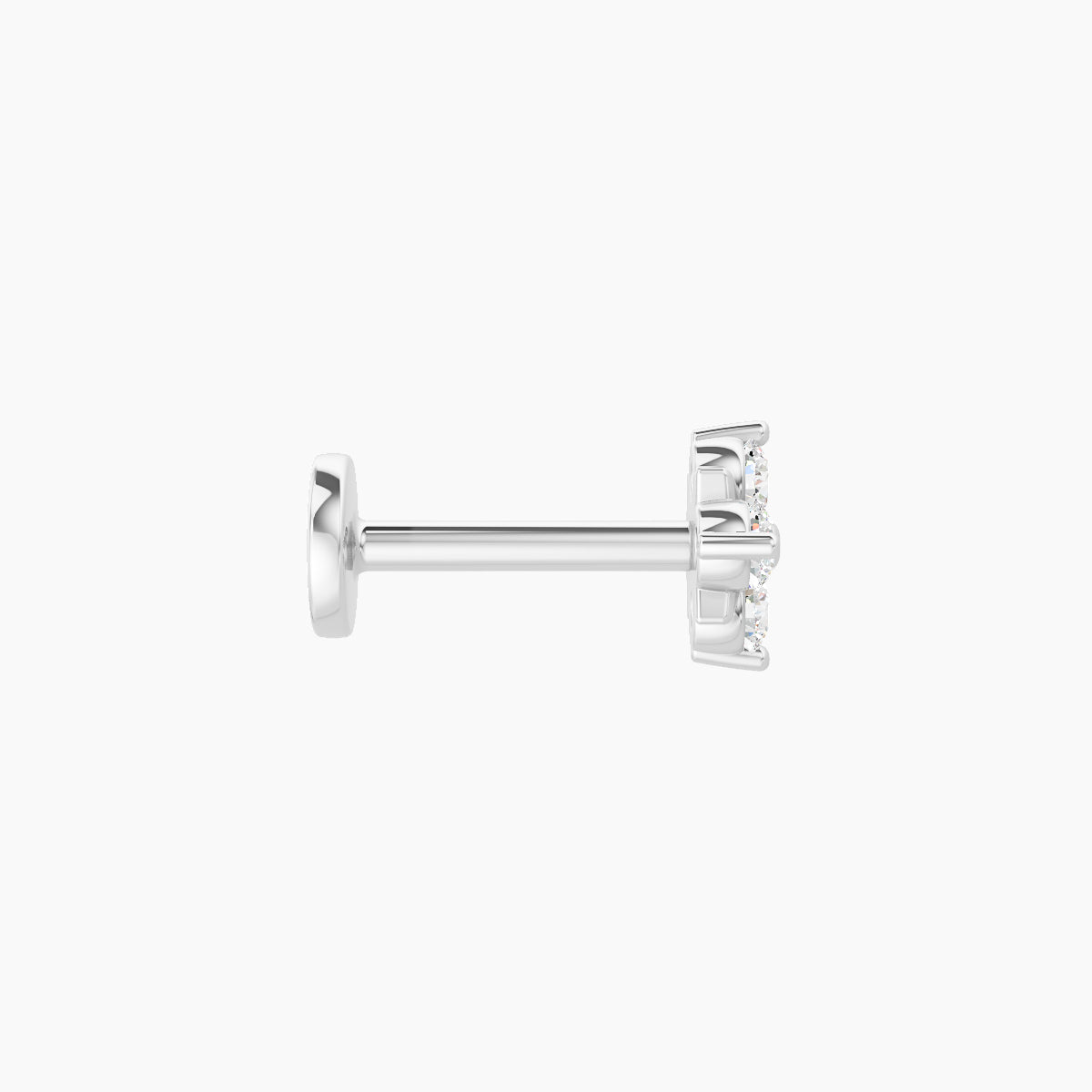
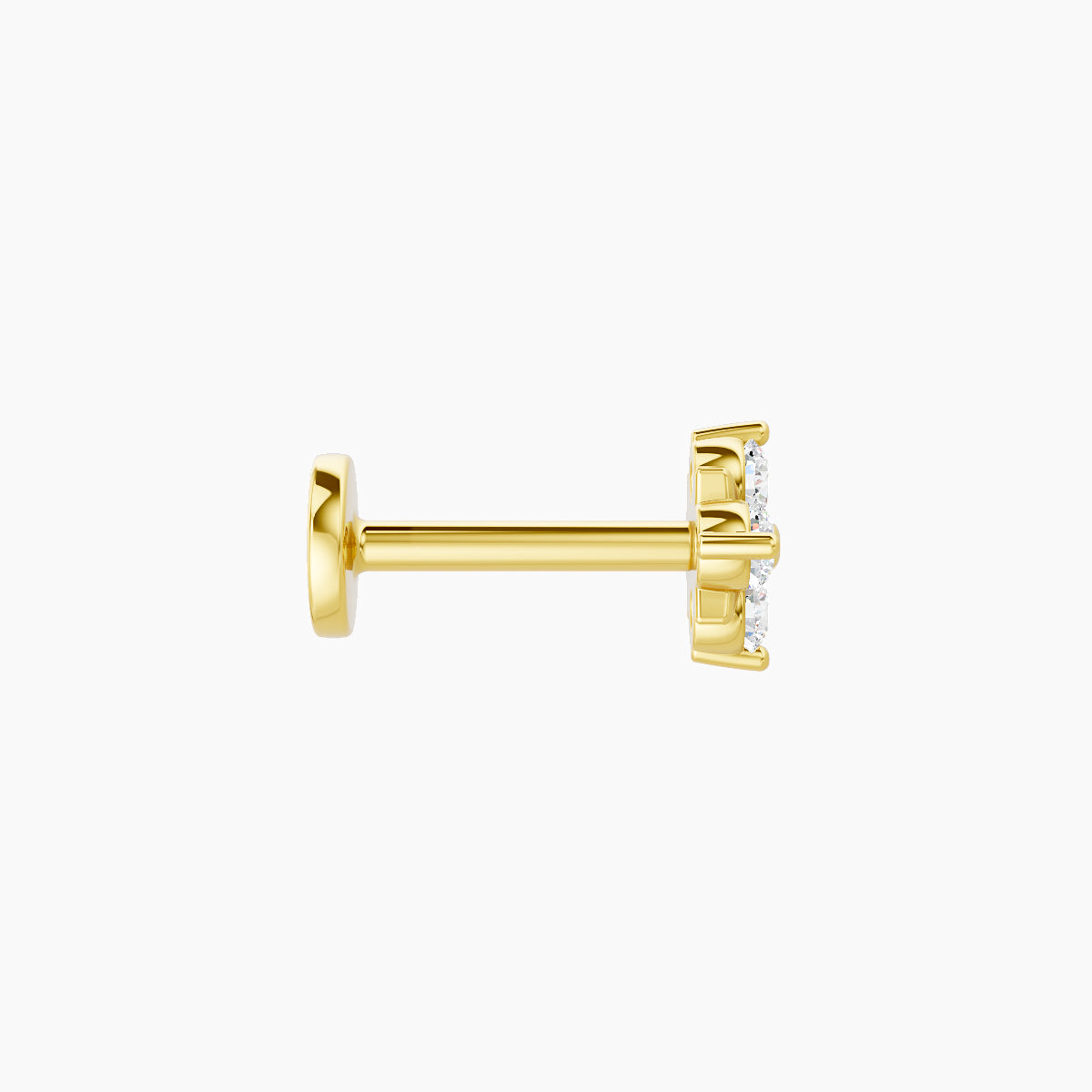
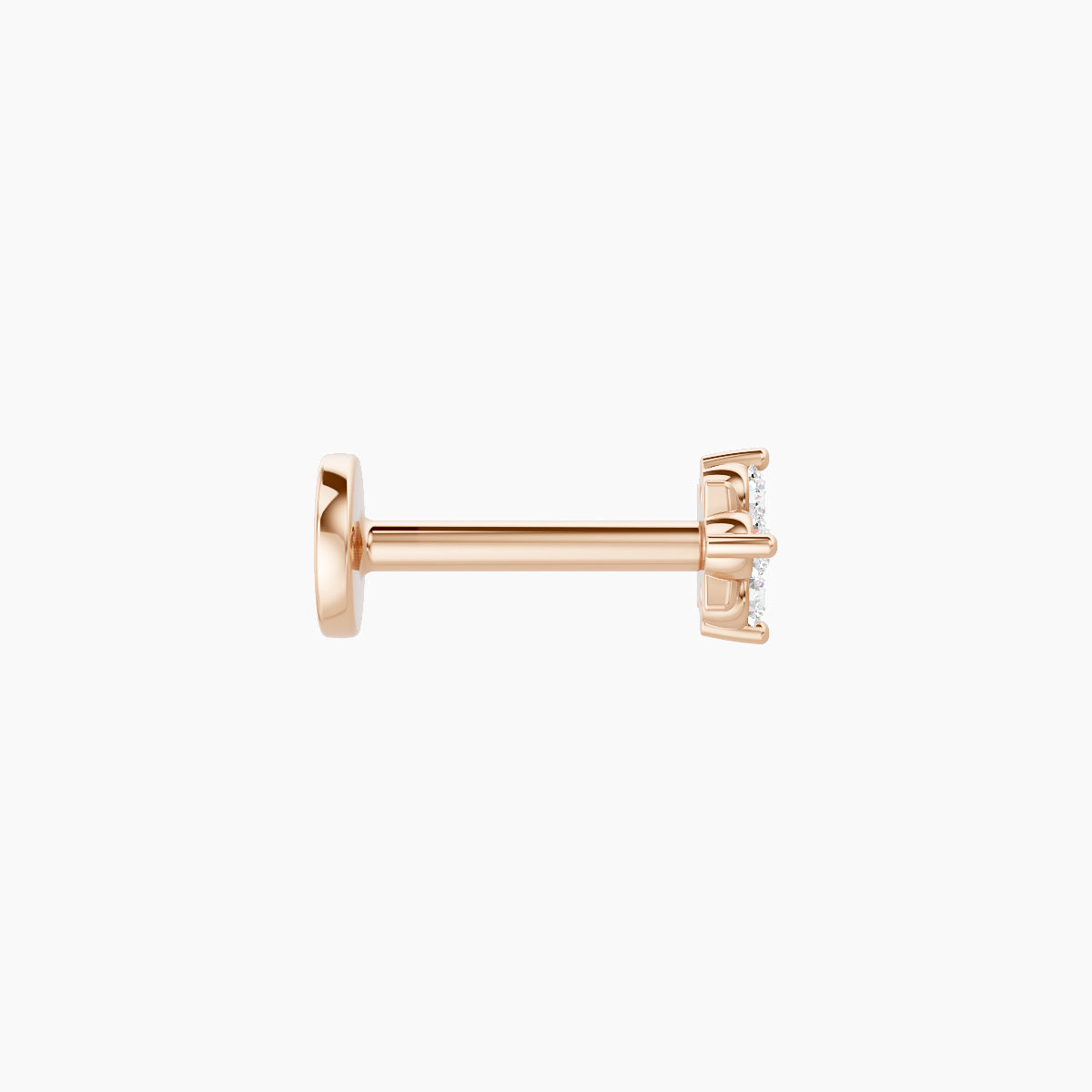
Front and center on the ear, right where the cartilage folds over the canal, that's the tragus. Small, but never hidden. MADAJ makes it work with either a stud or a hoop. A flat-back labret stud is the go-to recommendation for a new piercing, since it sits securely and is far less likely to catch on hair, clothing, or headphones than other styles. A hoop, adding a loop of shape to that same spot, becomes an option once healing is complete. People often build outward from here too, adding a daith or rook nearby once the tragus is settled.
SIZING
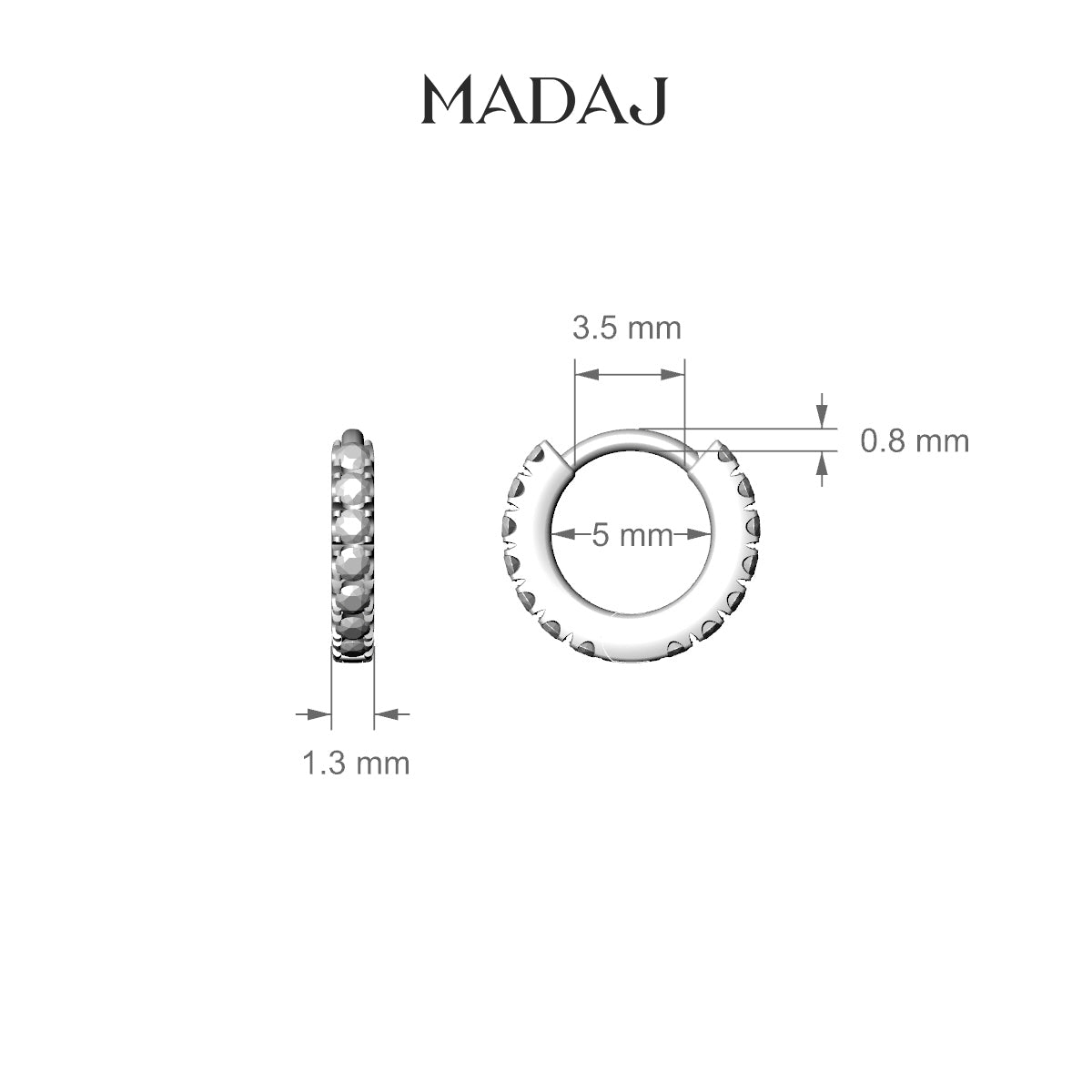
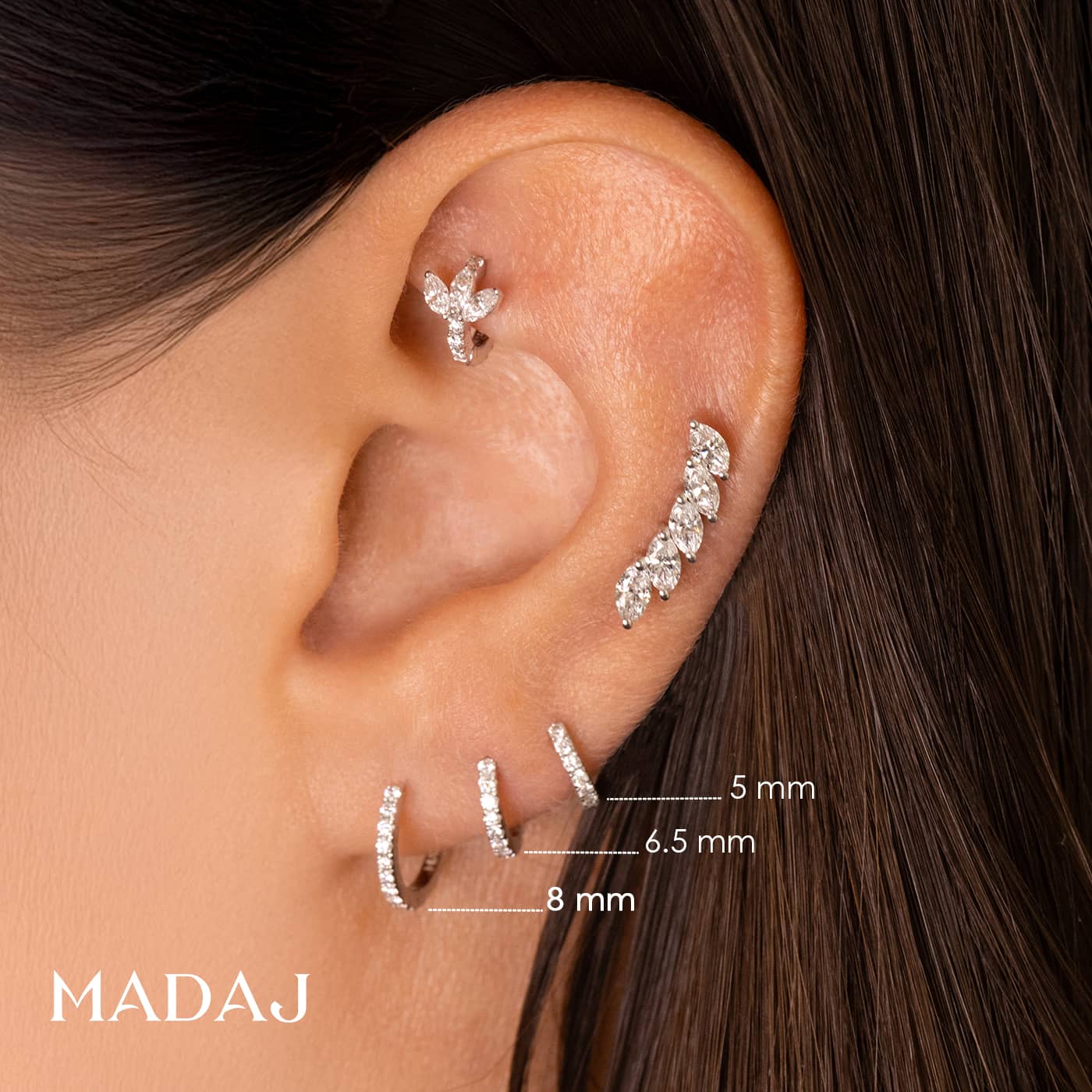
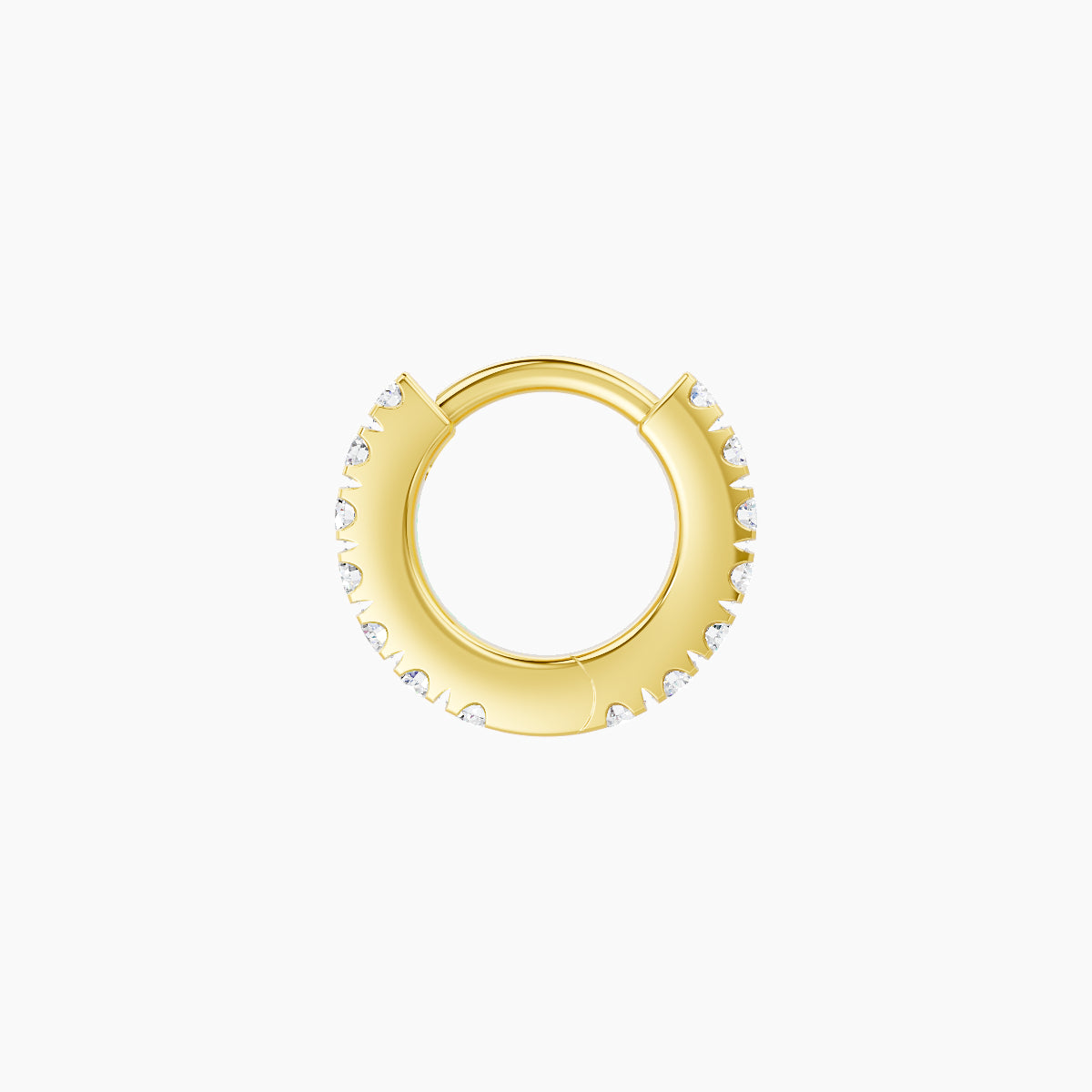
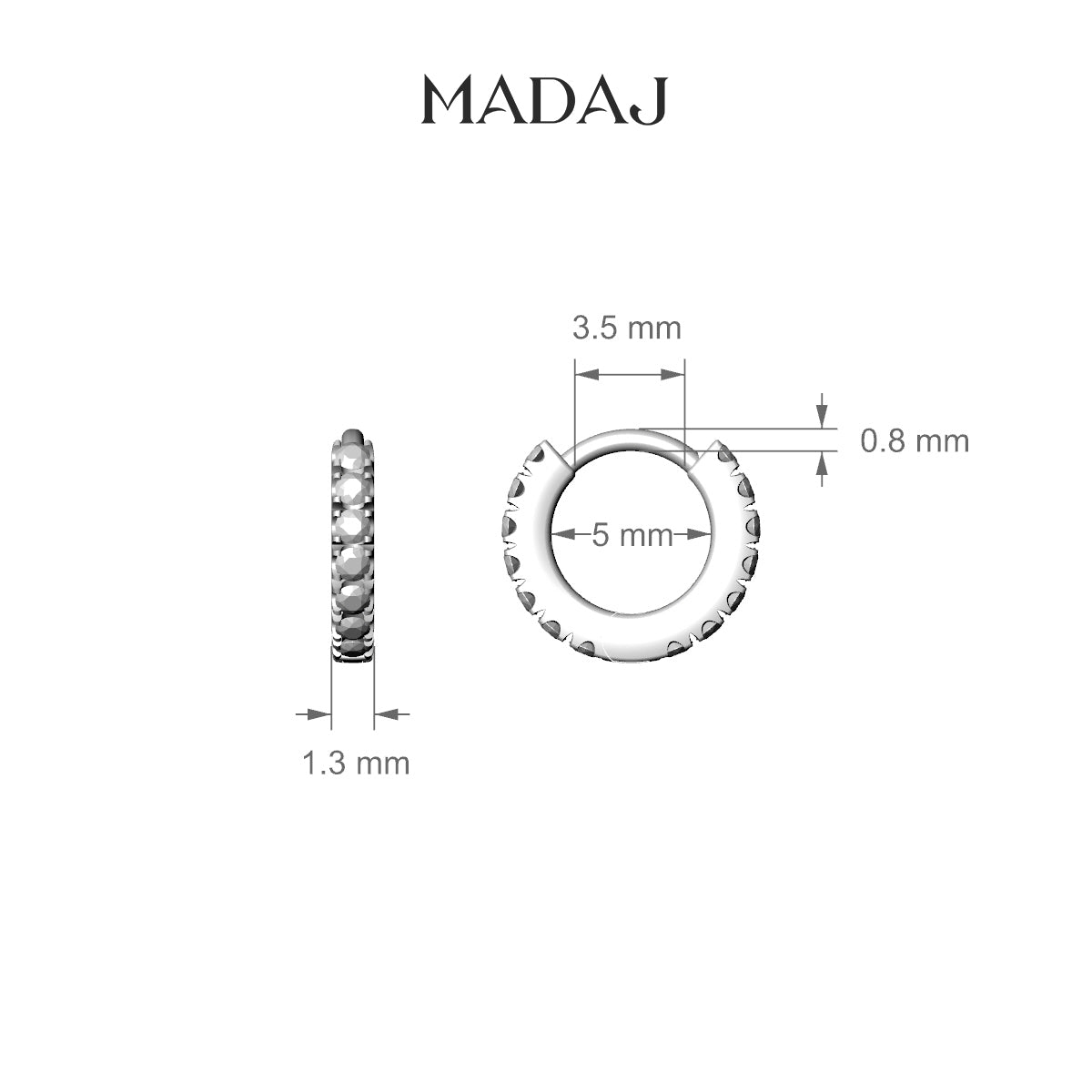
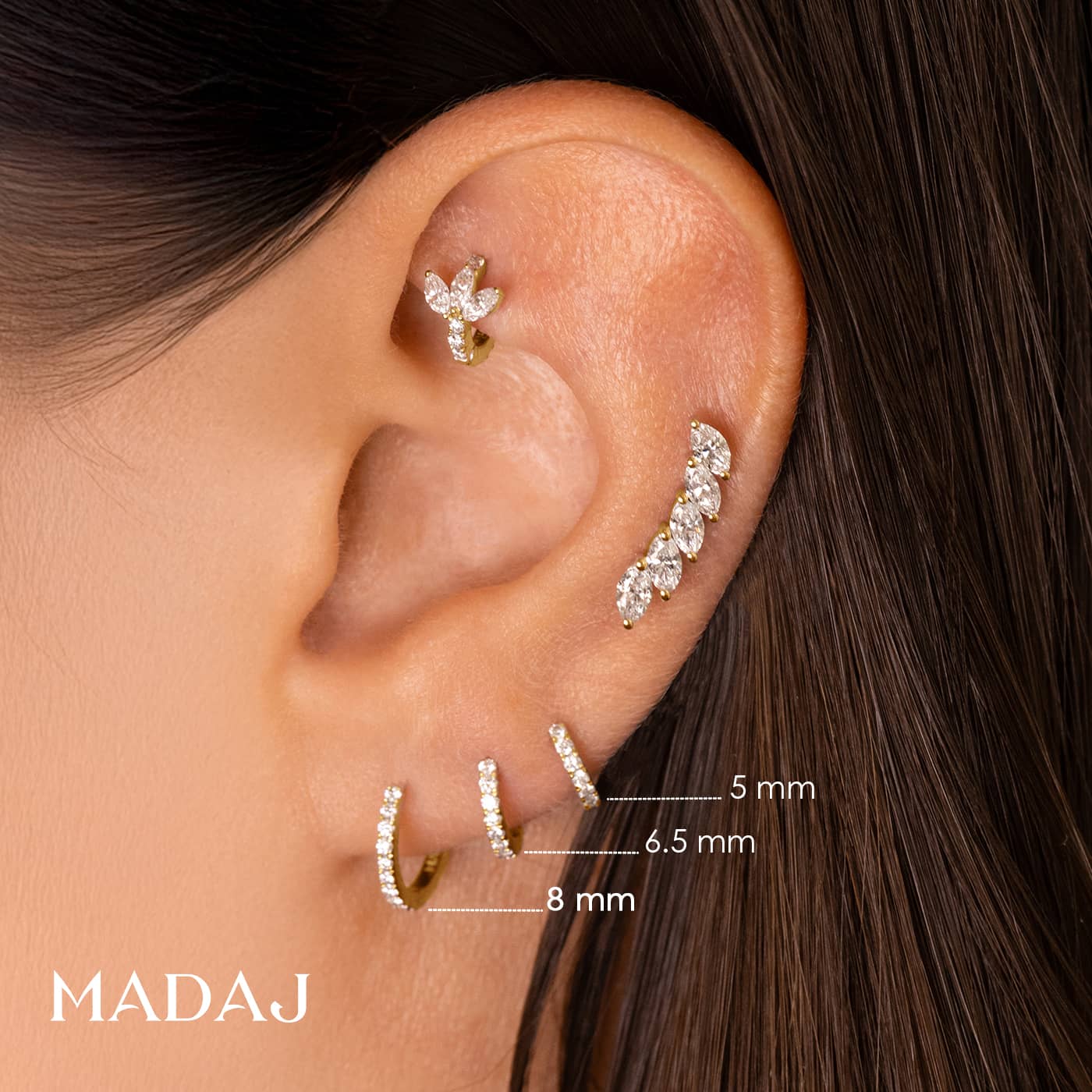
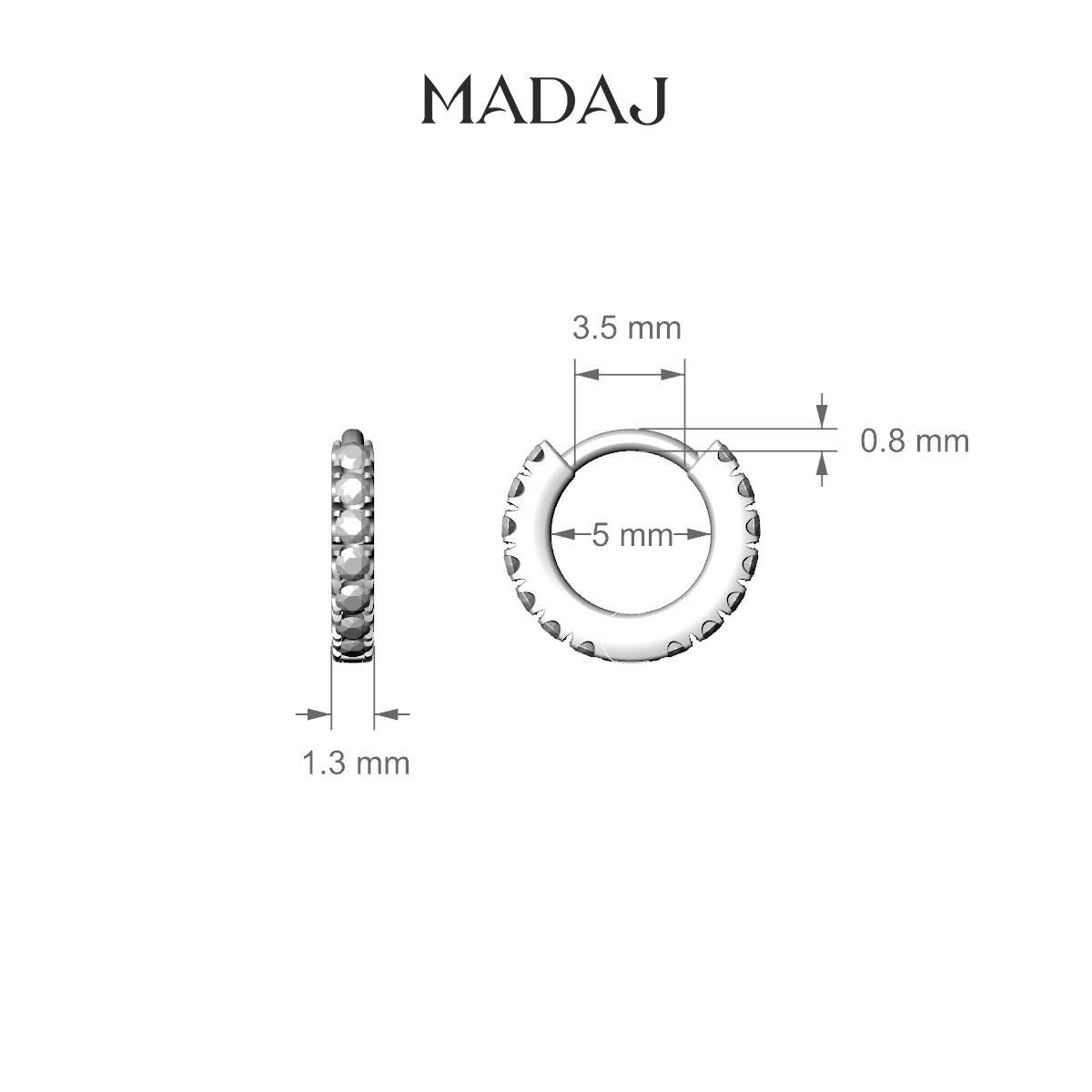
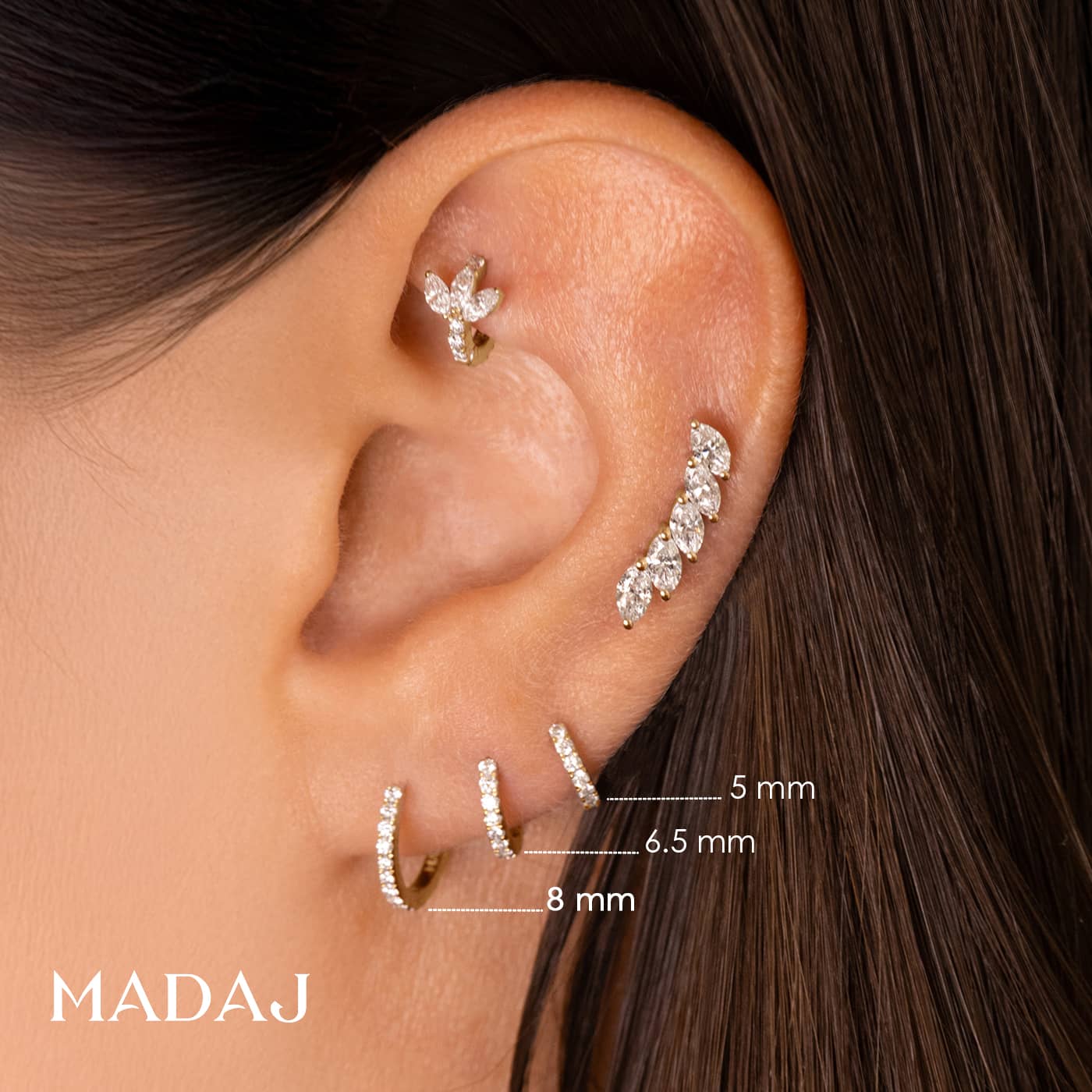
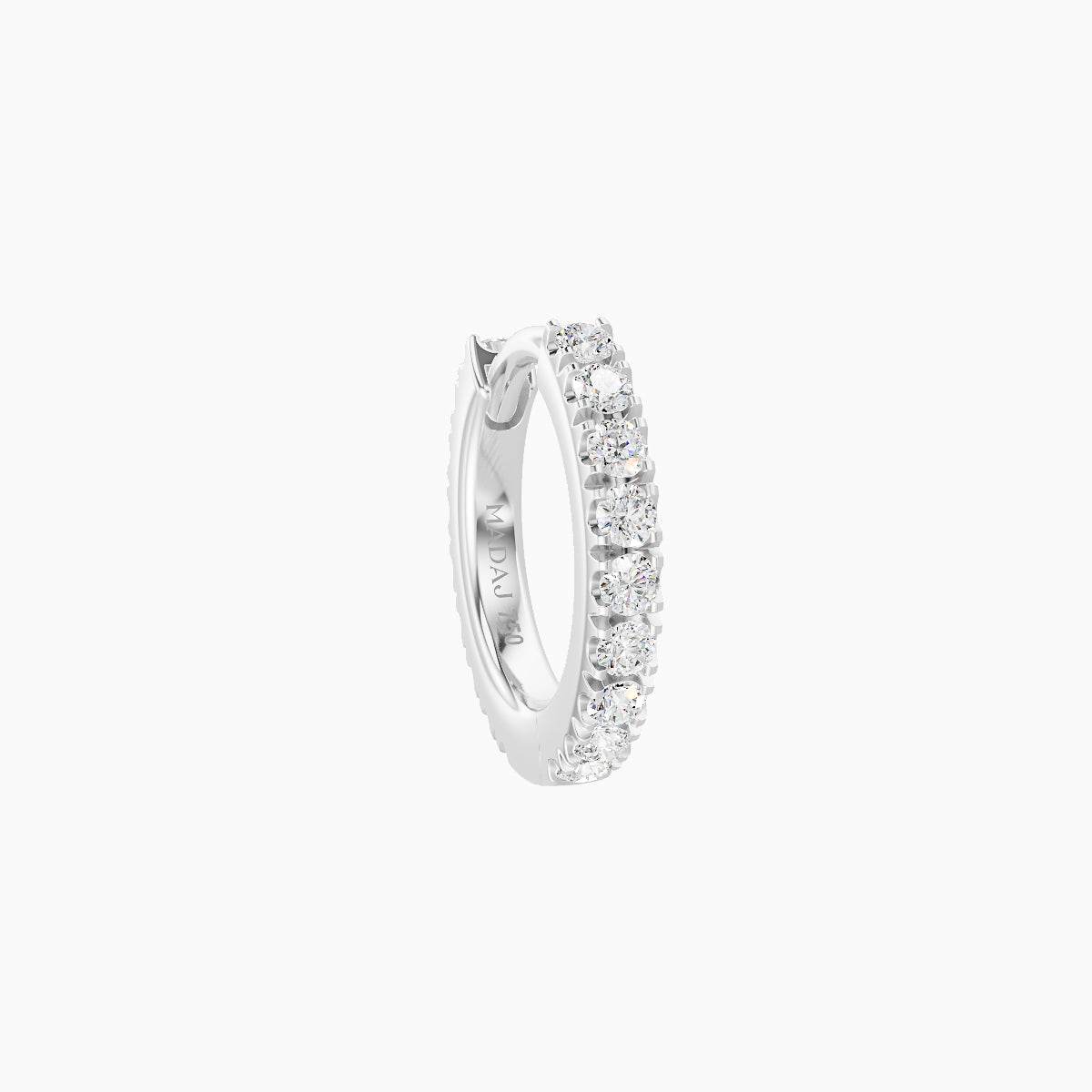
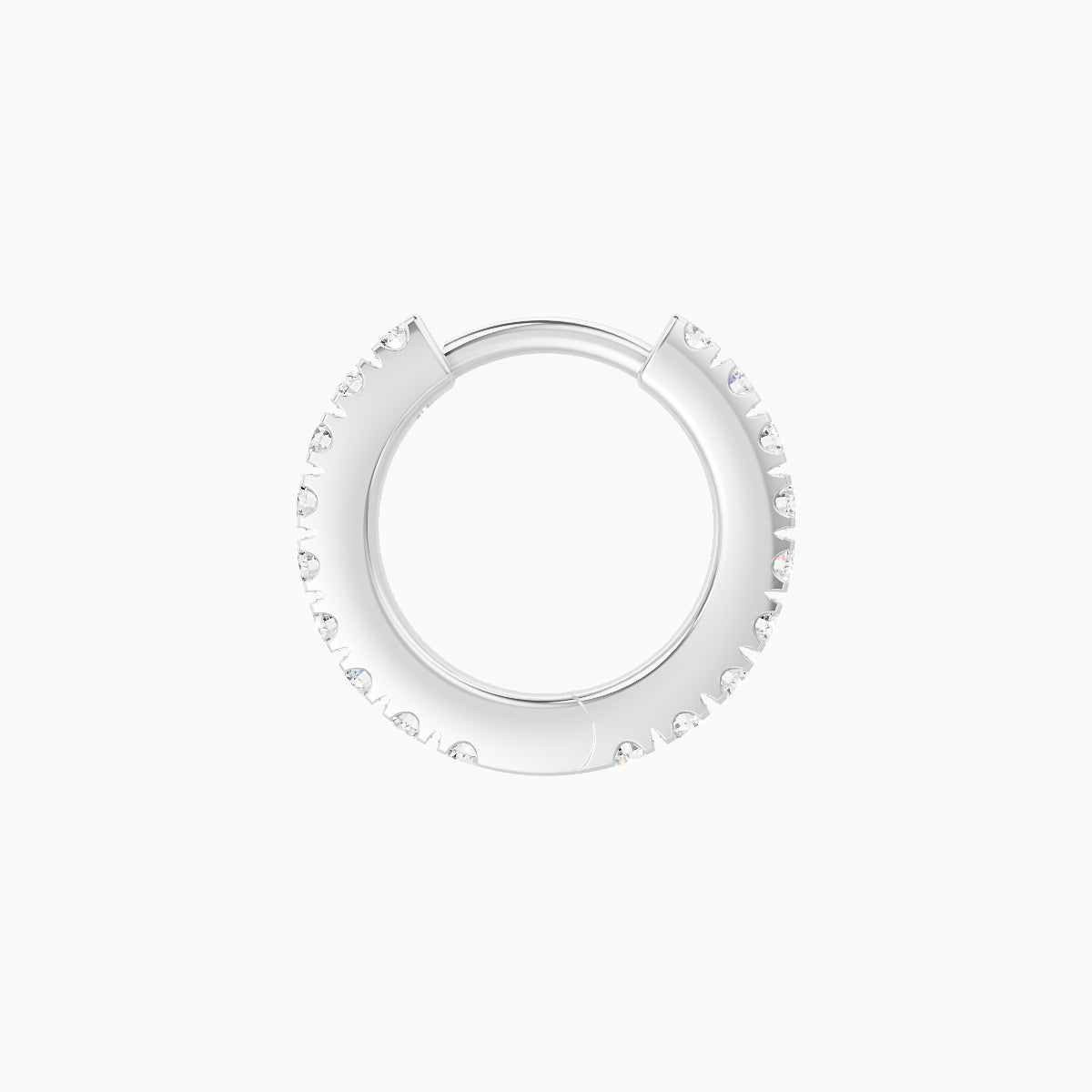
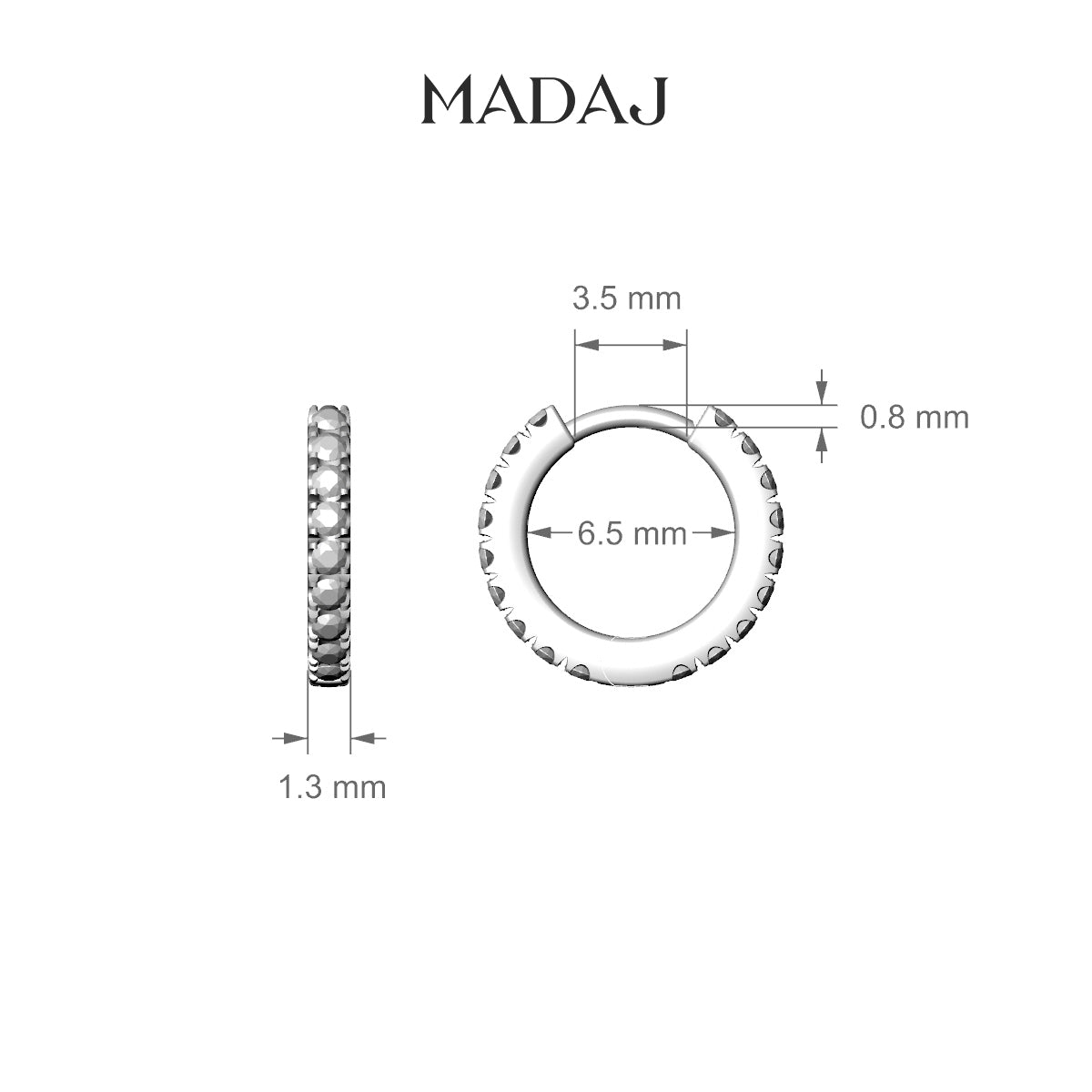
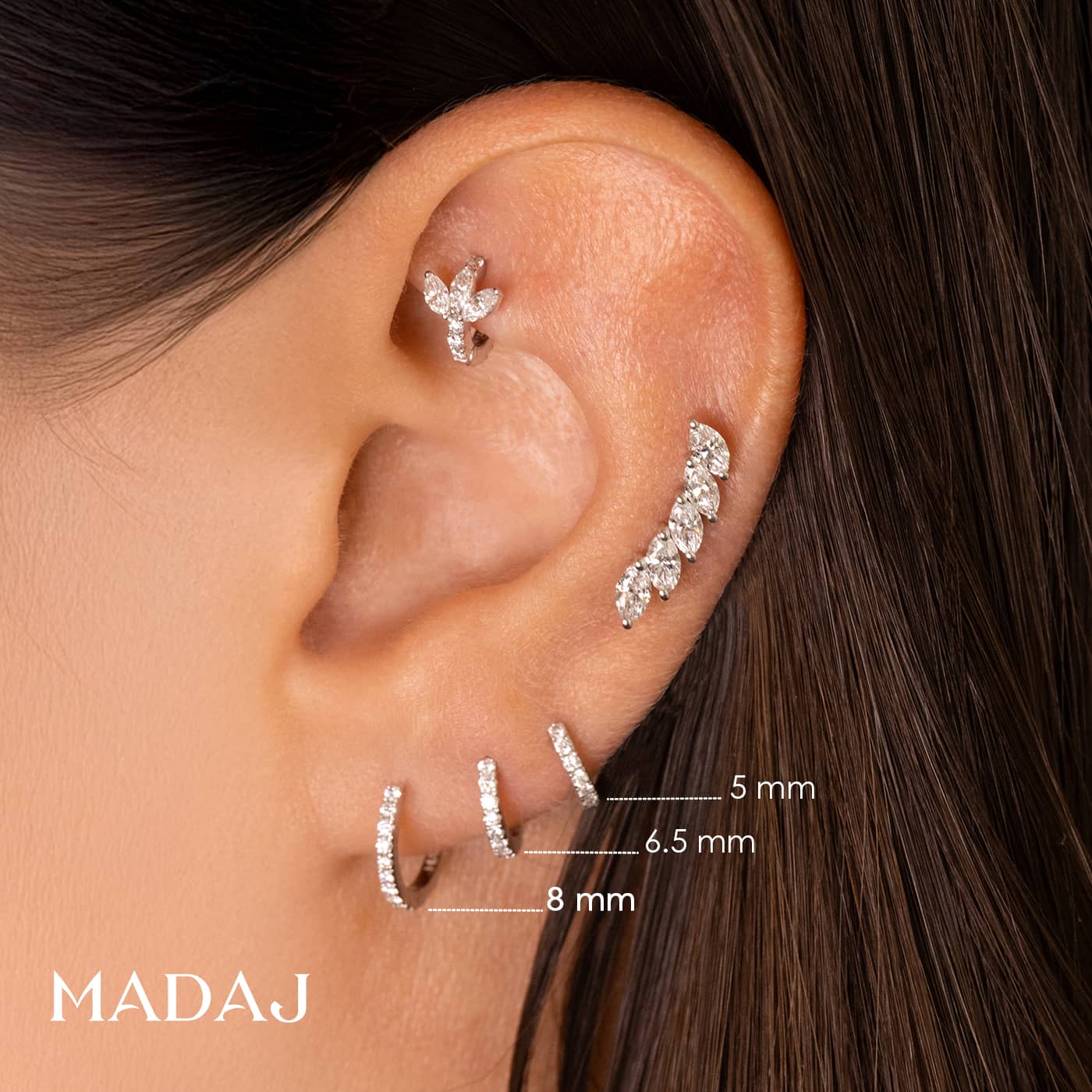
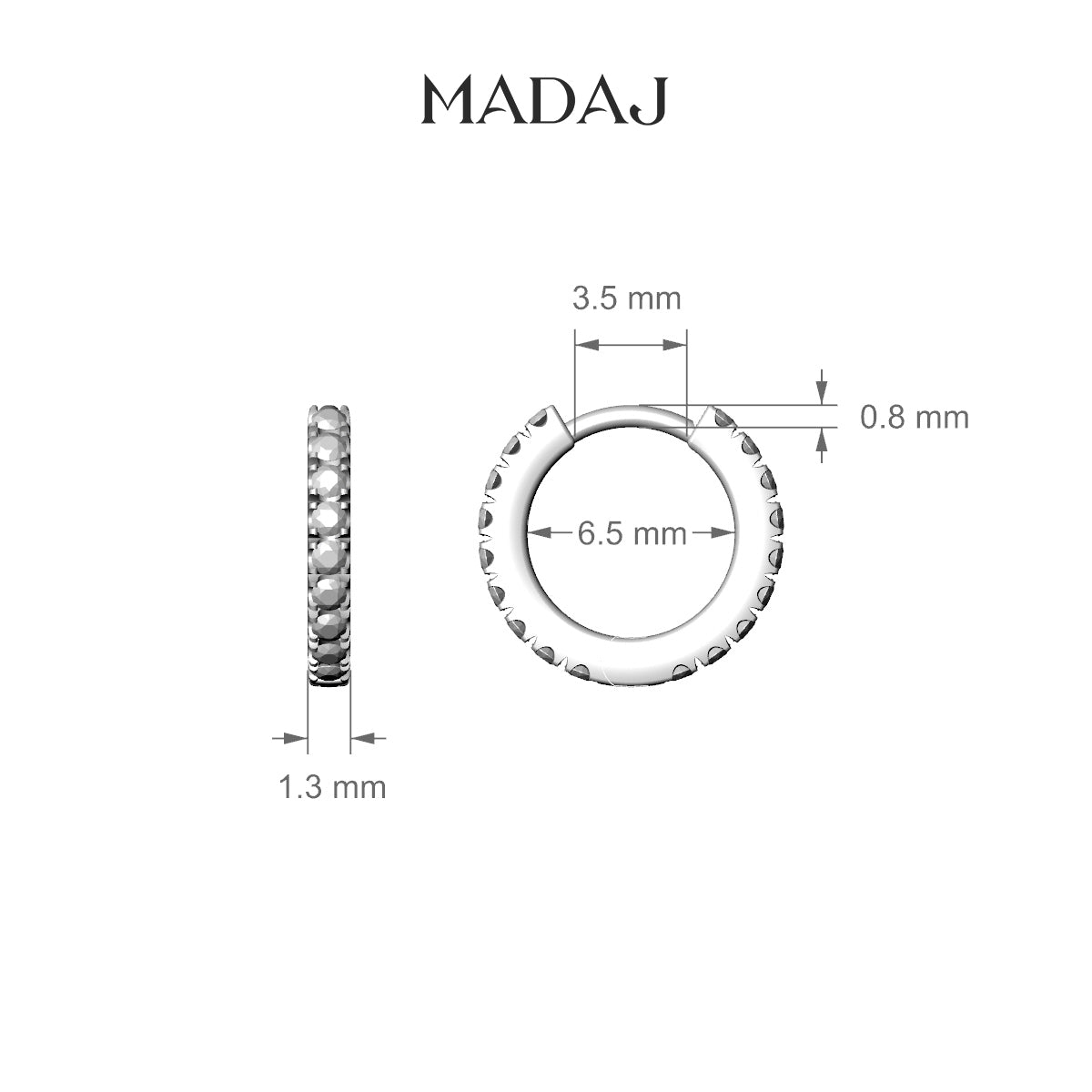
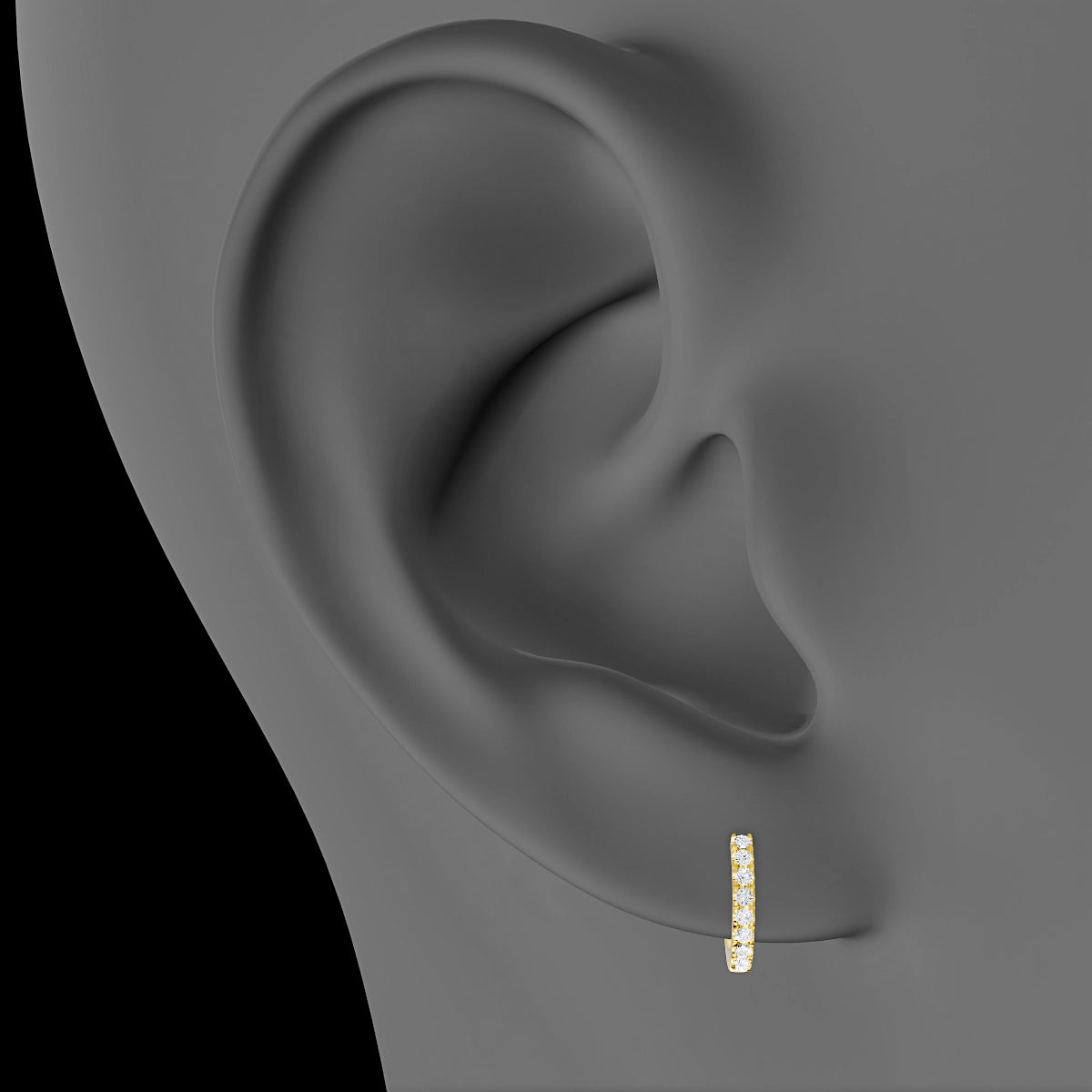
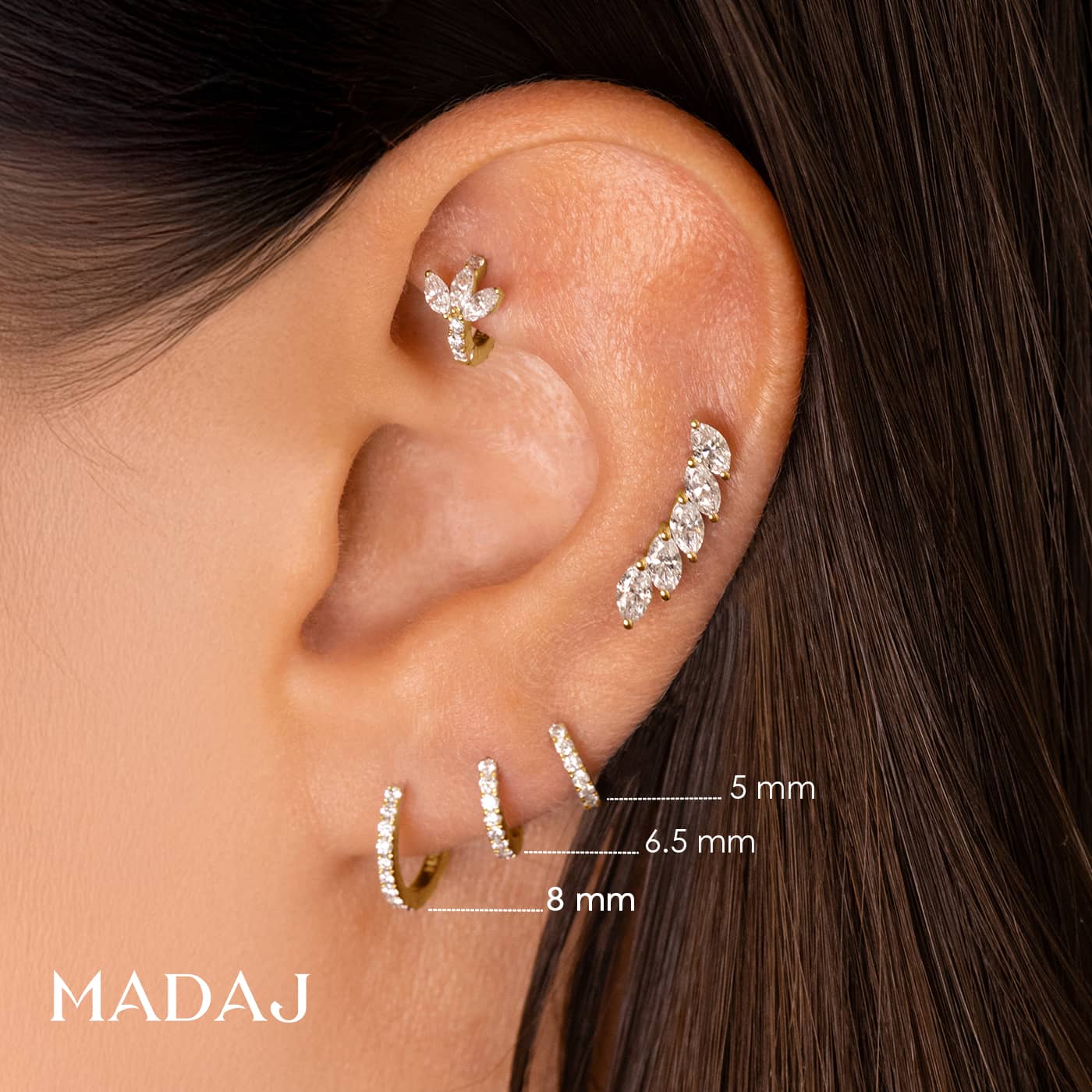
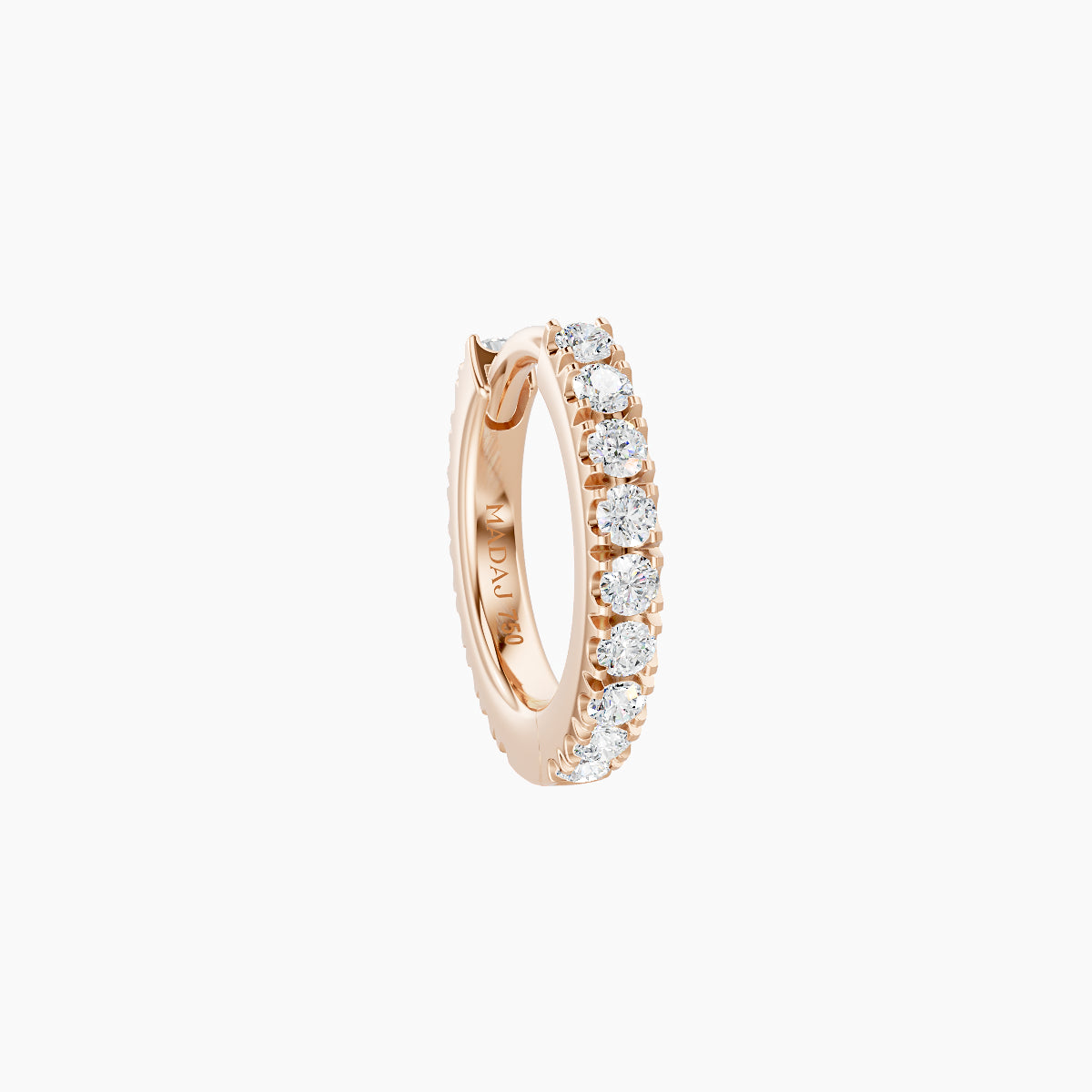
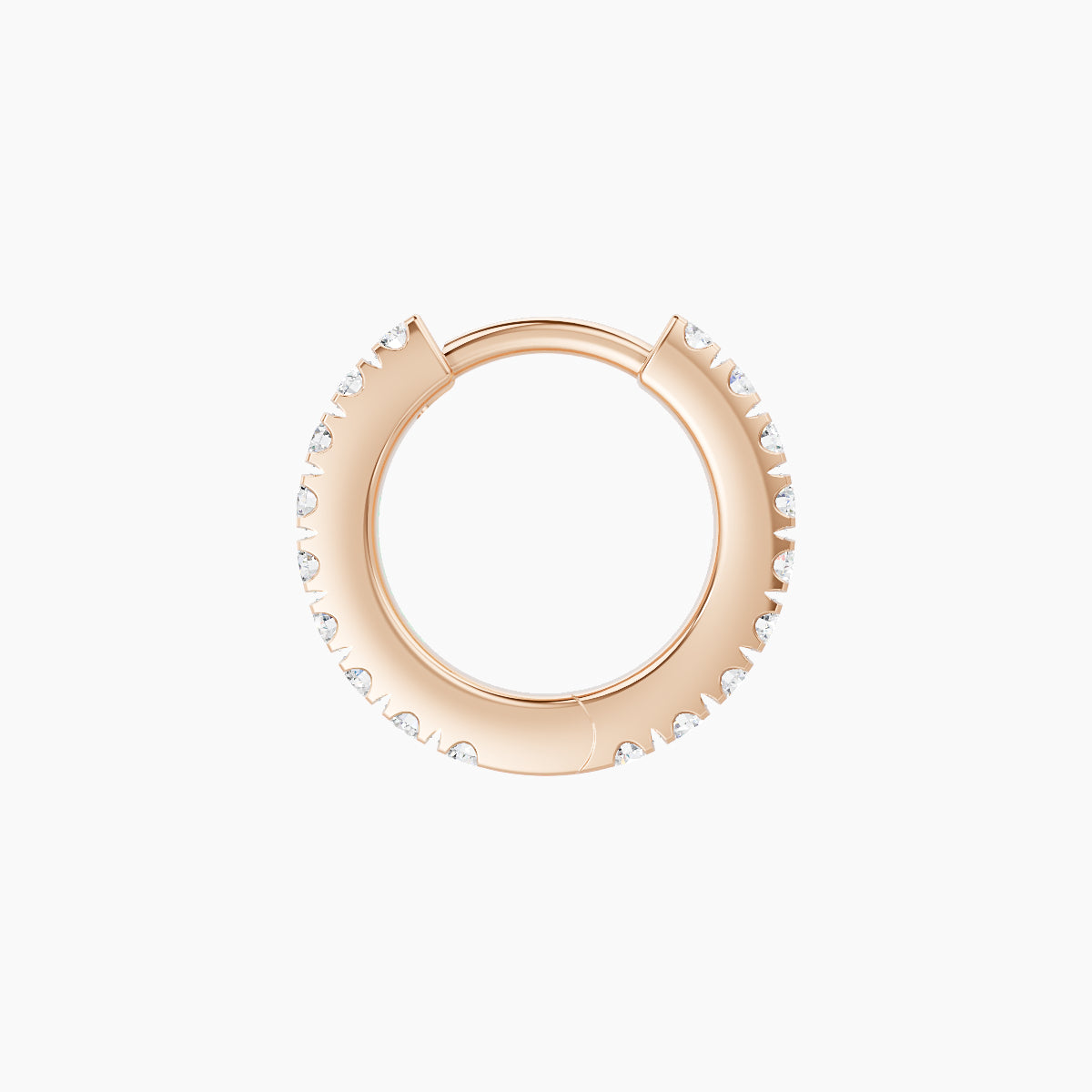
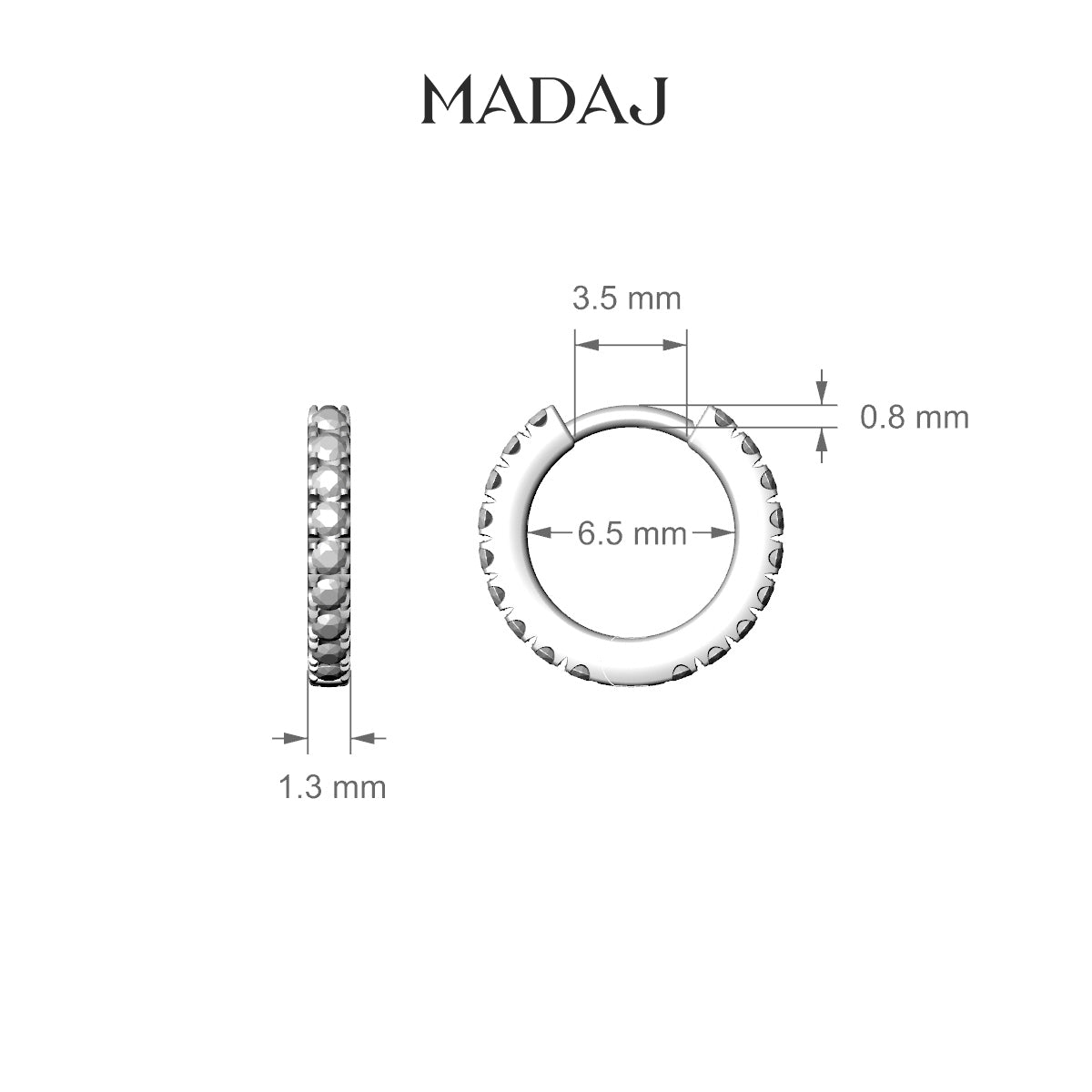
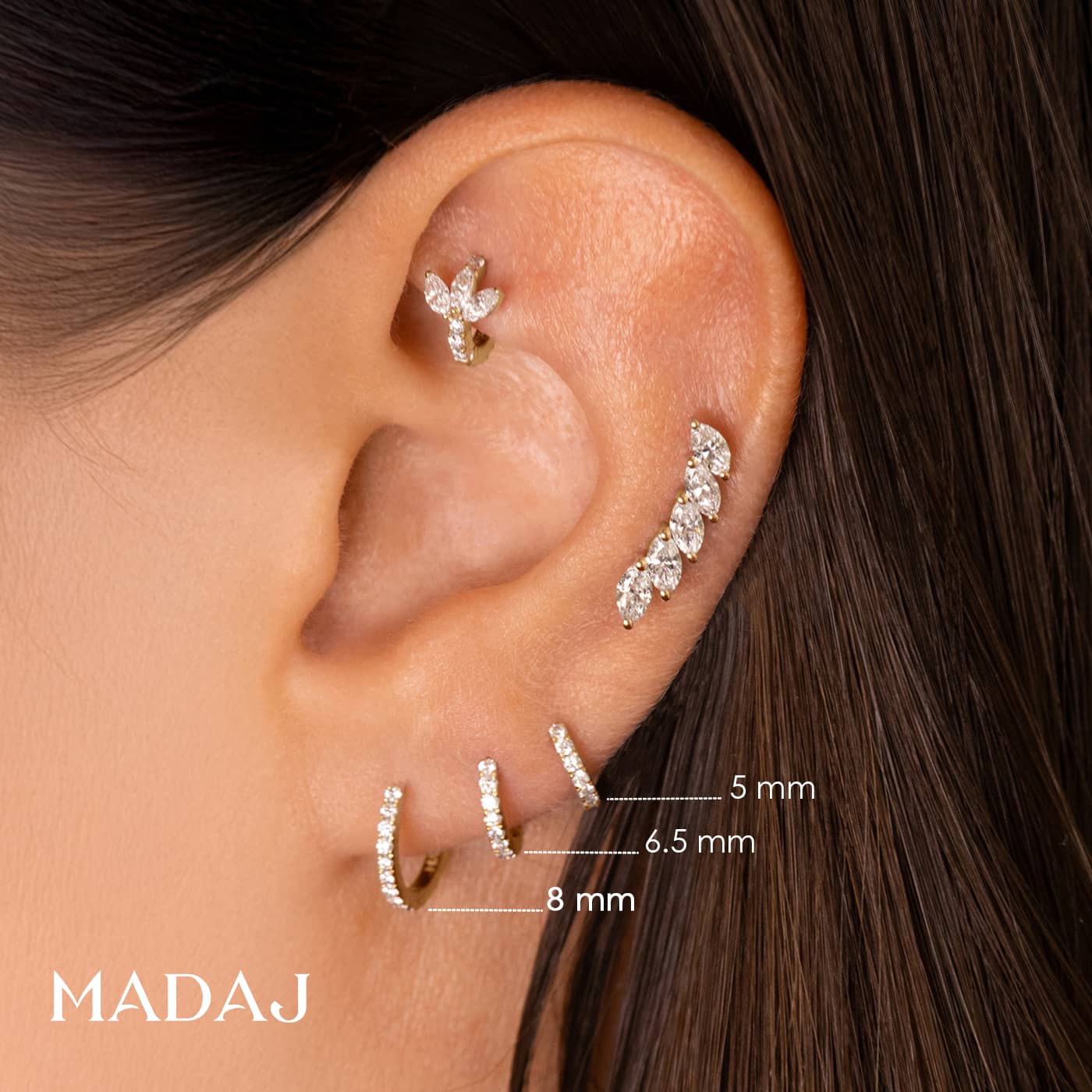
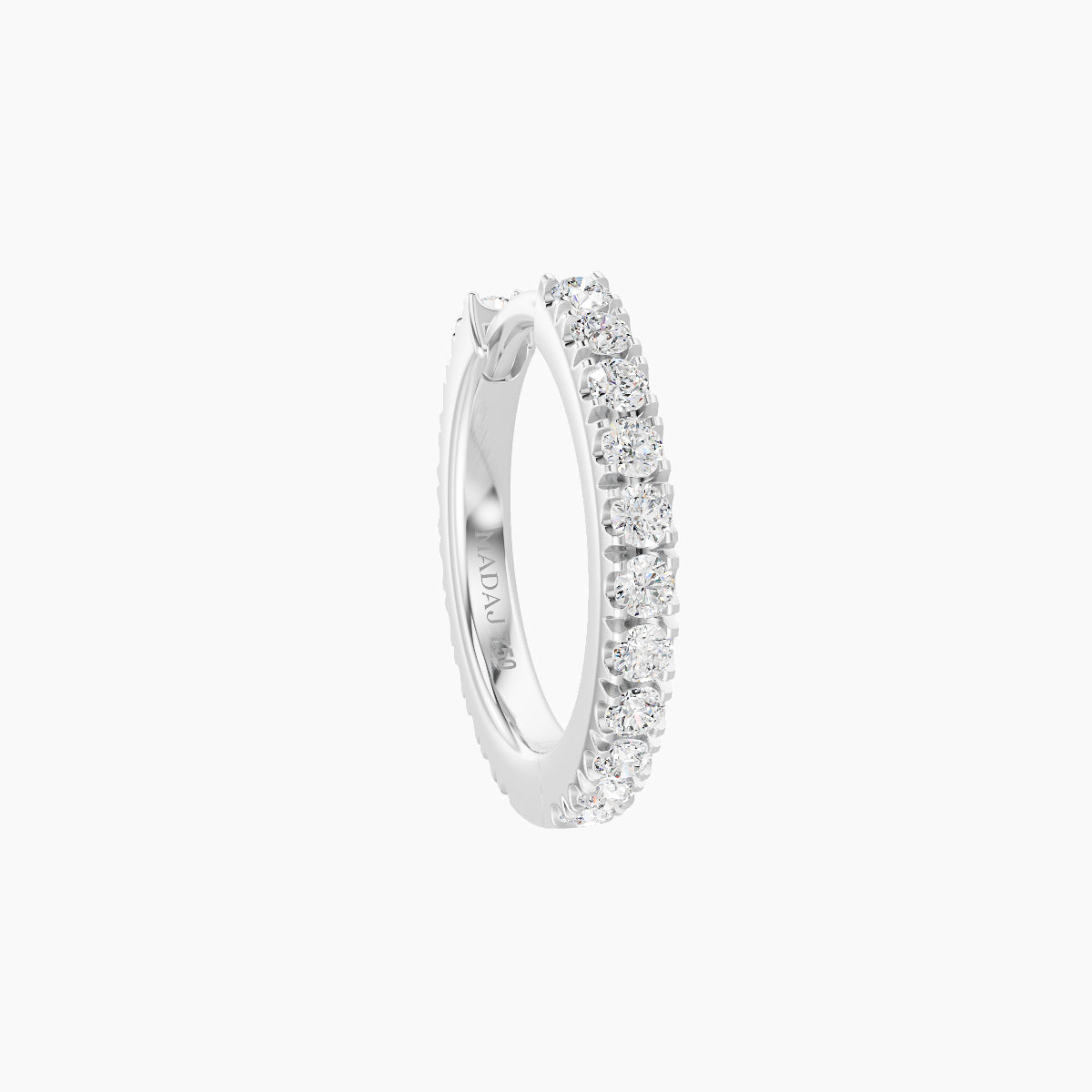
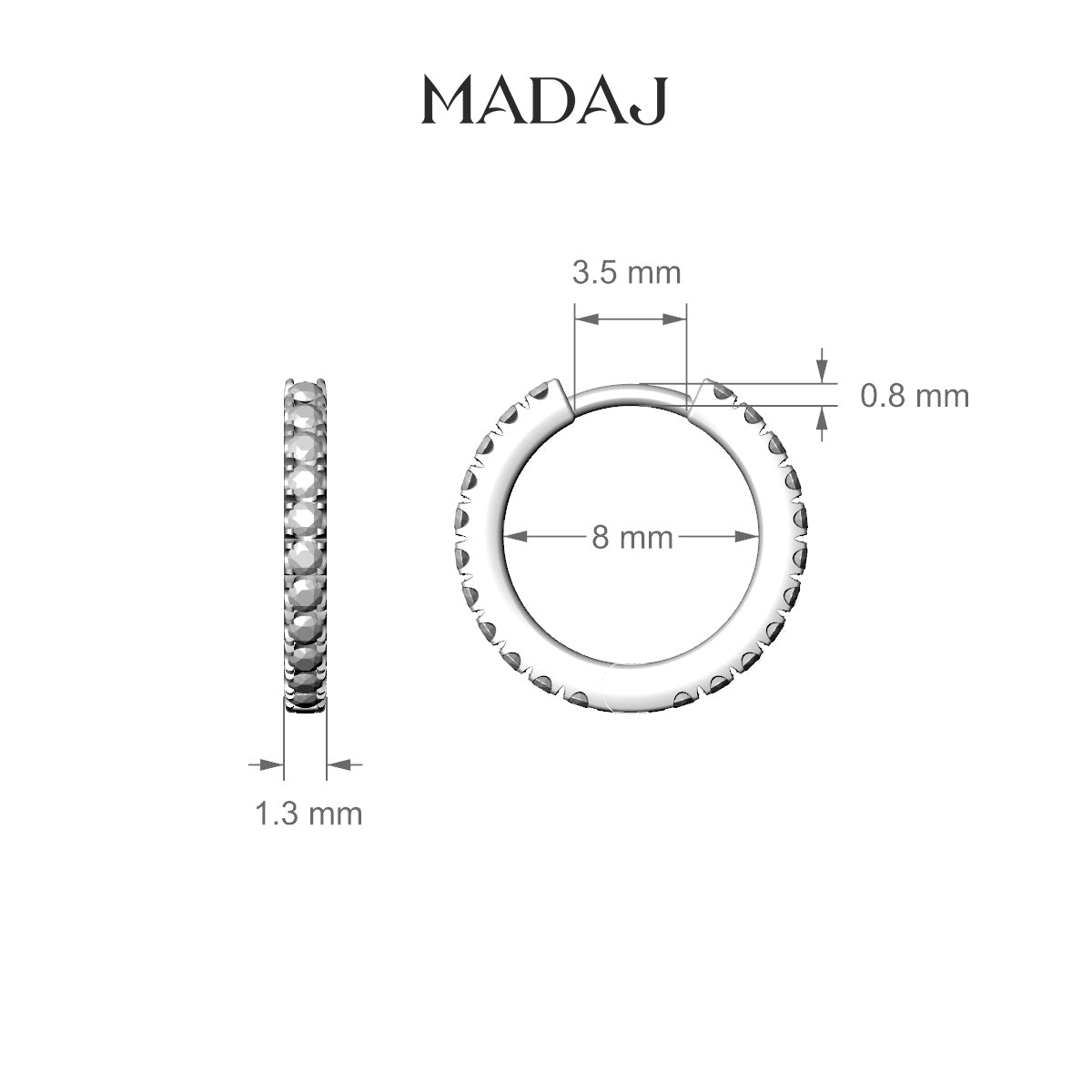
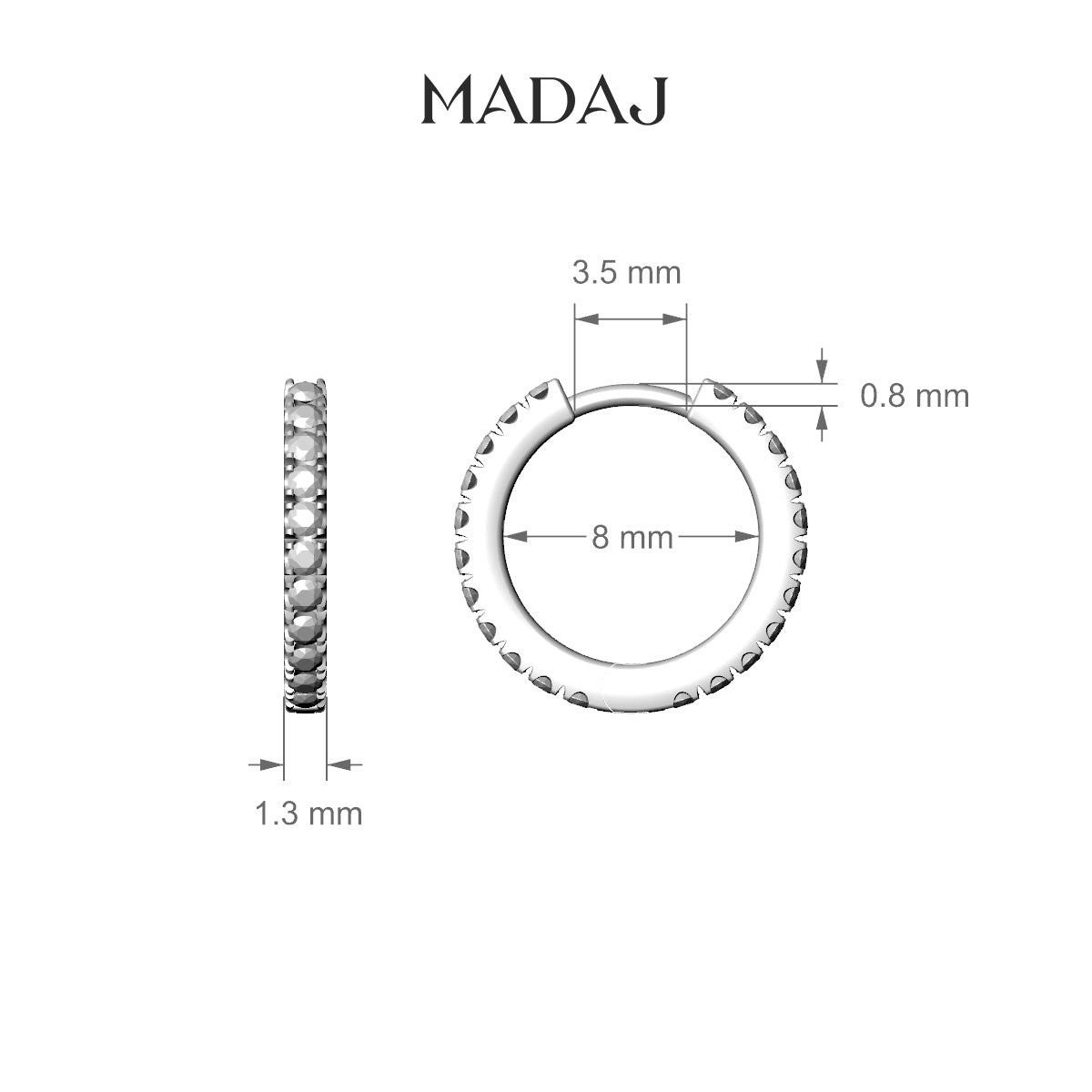
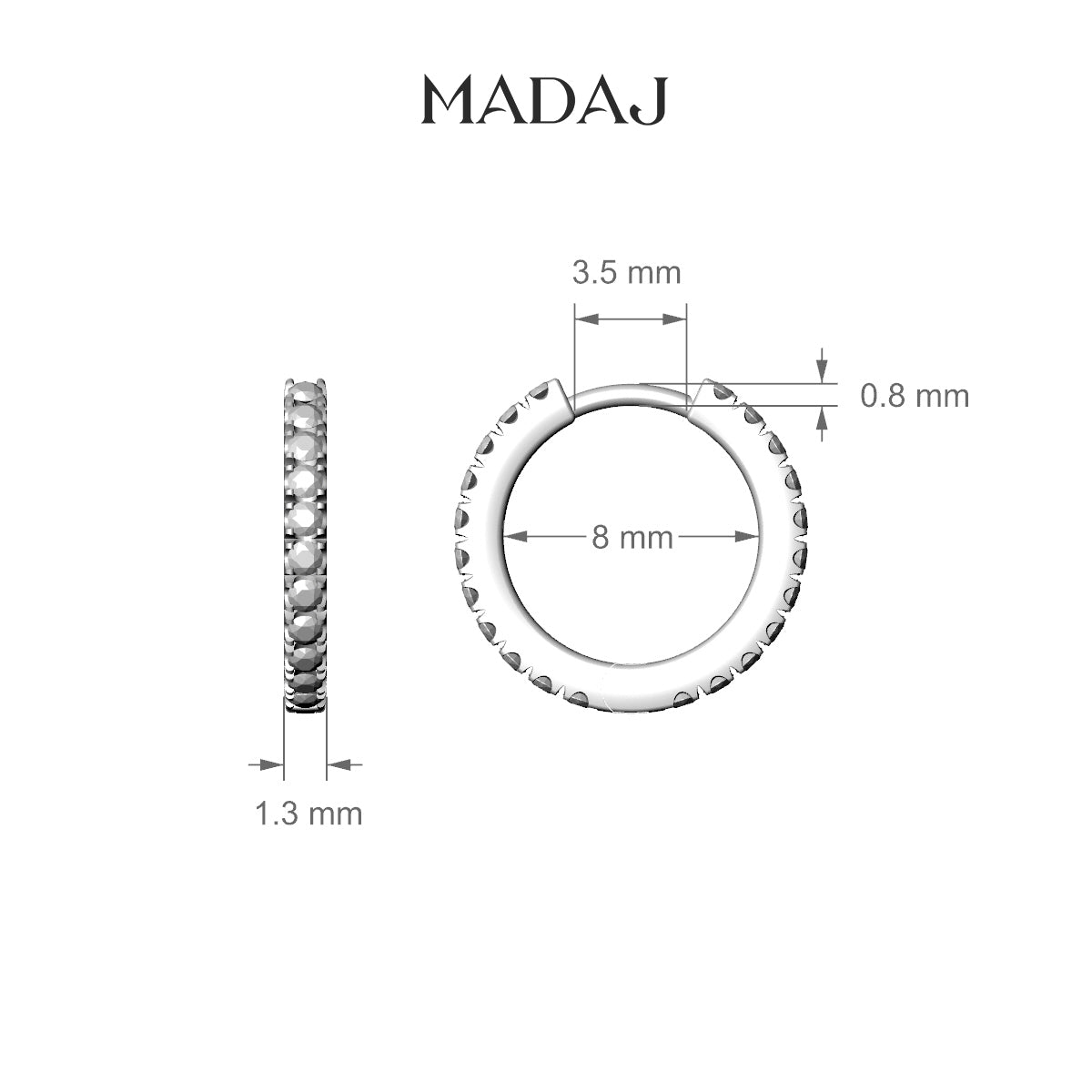
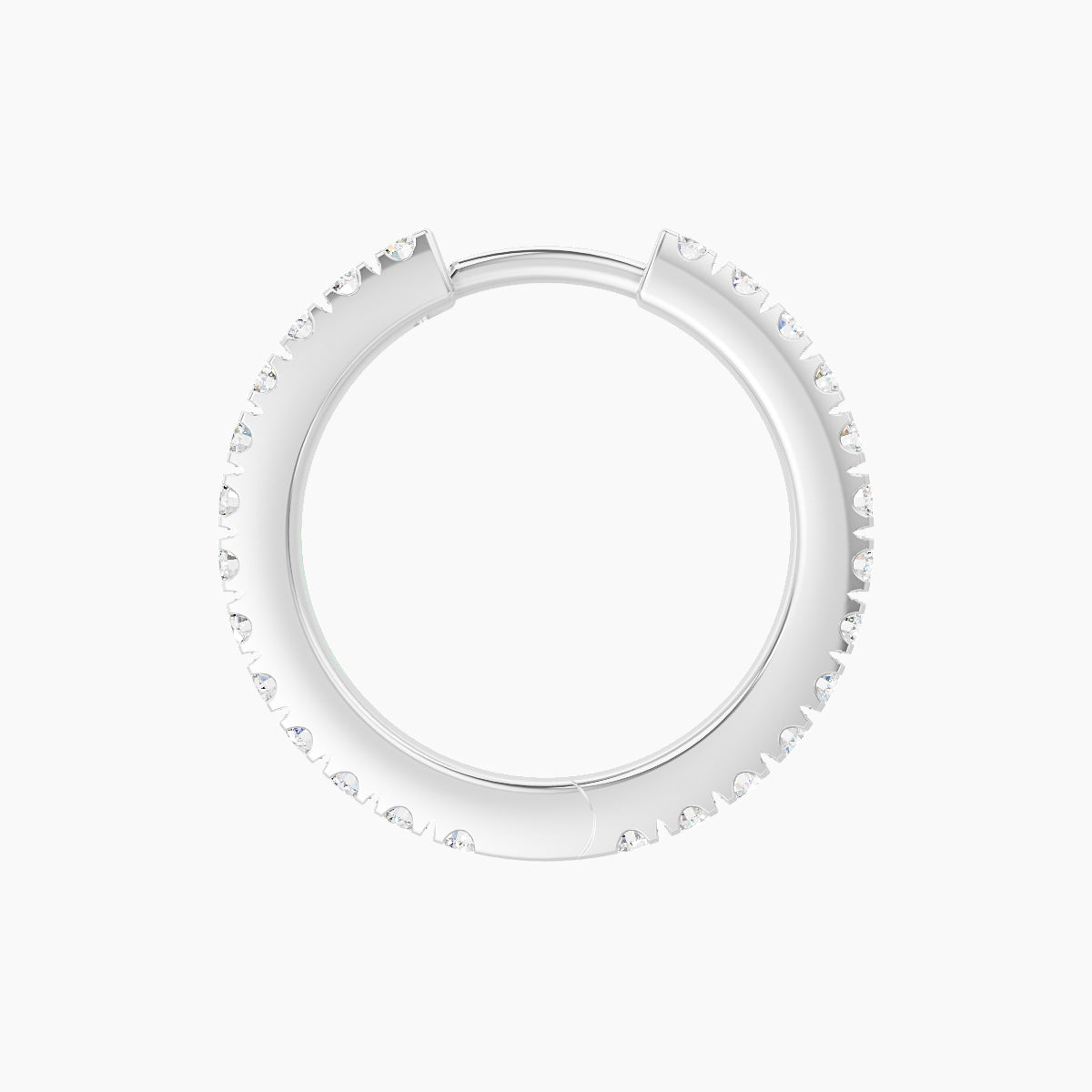
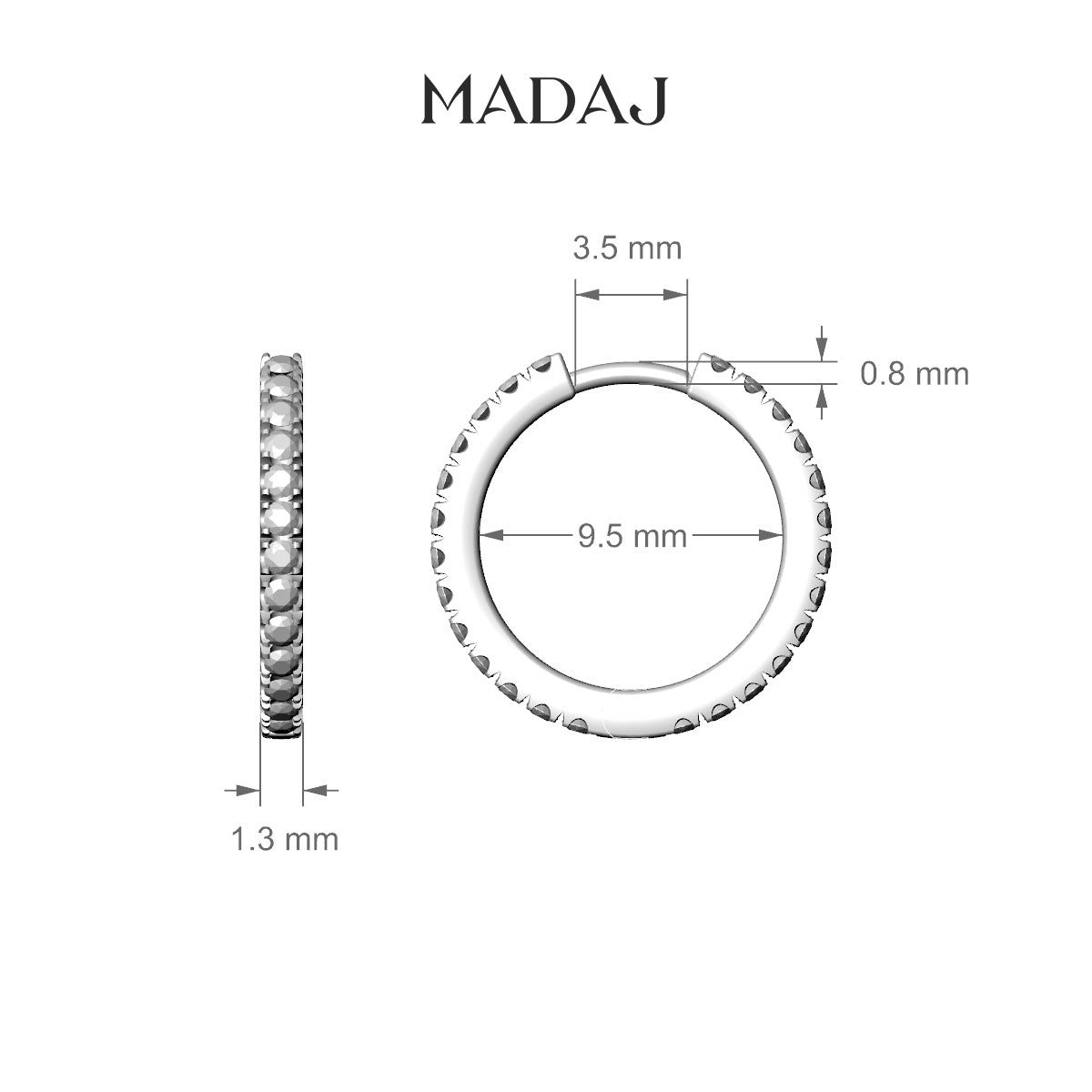
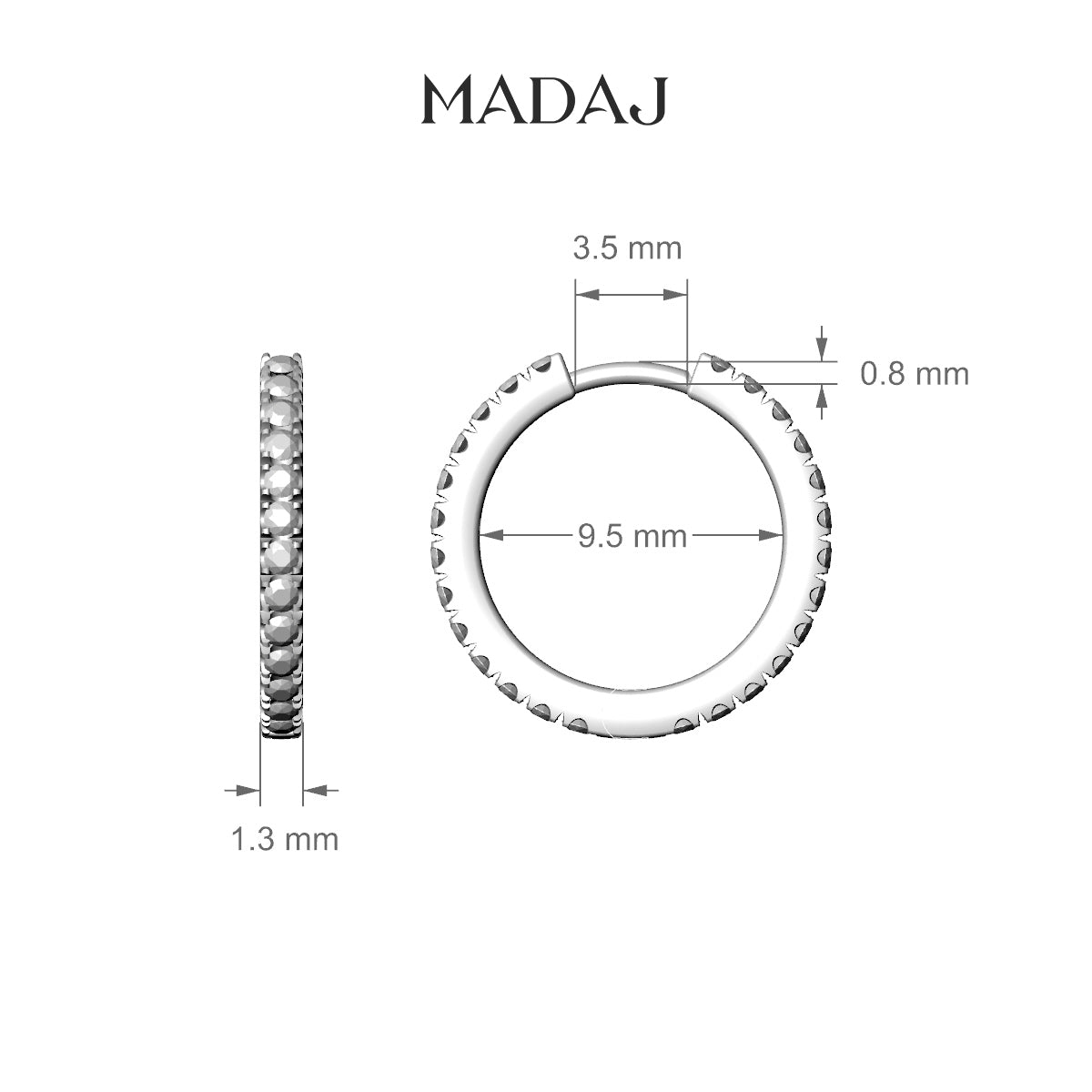
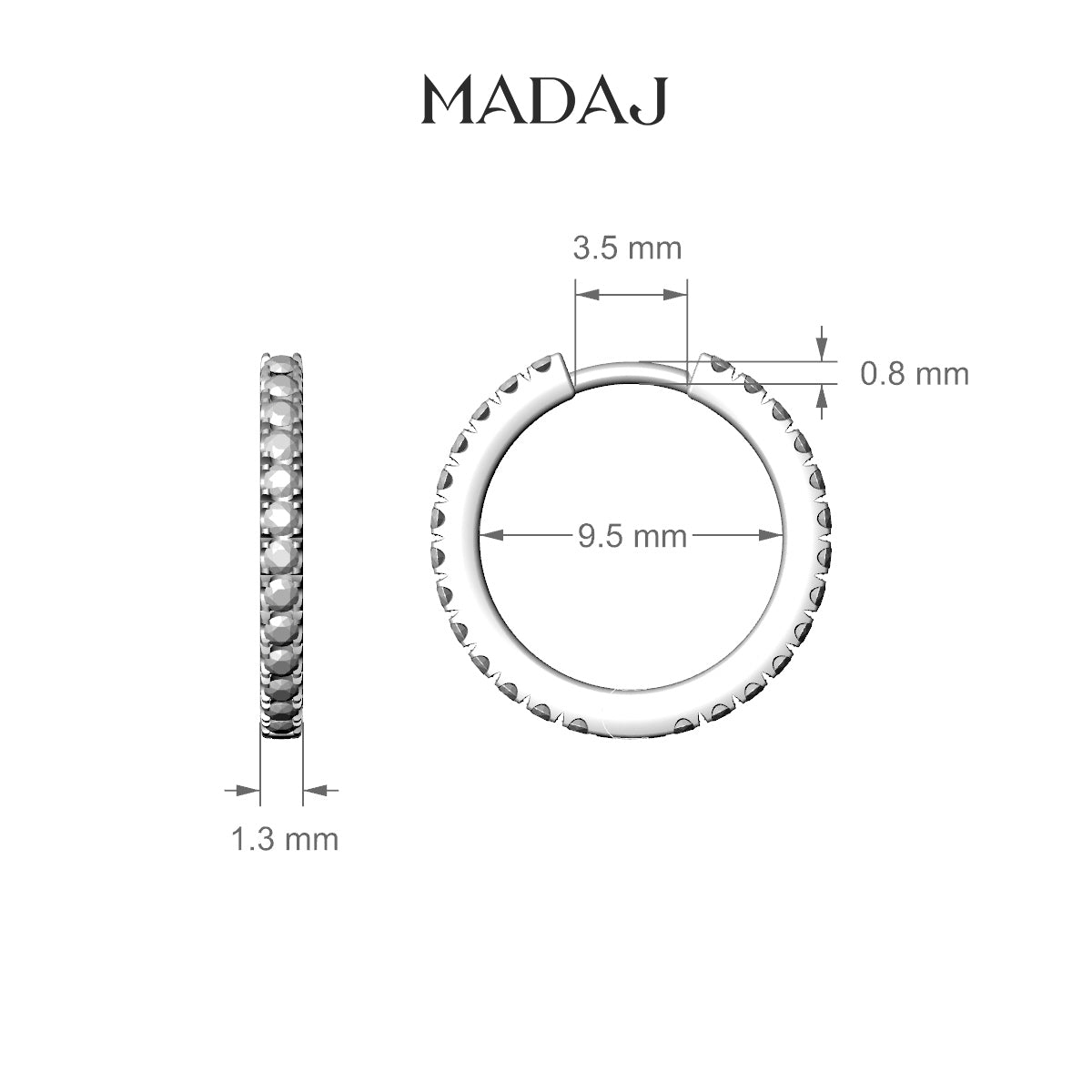
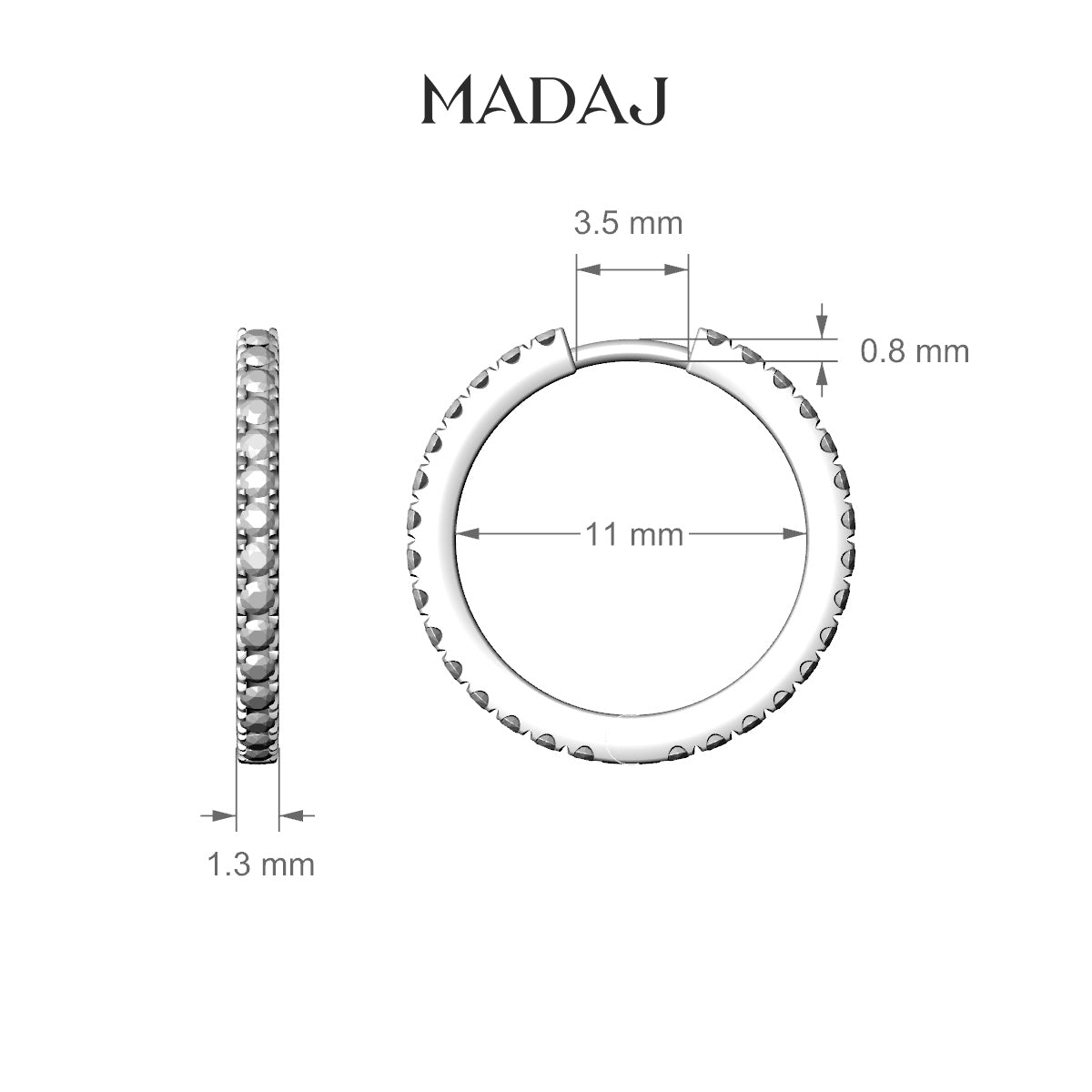
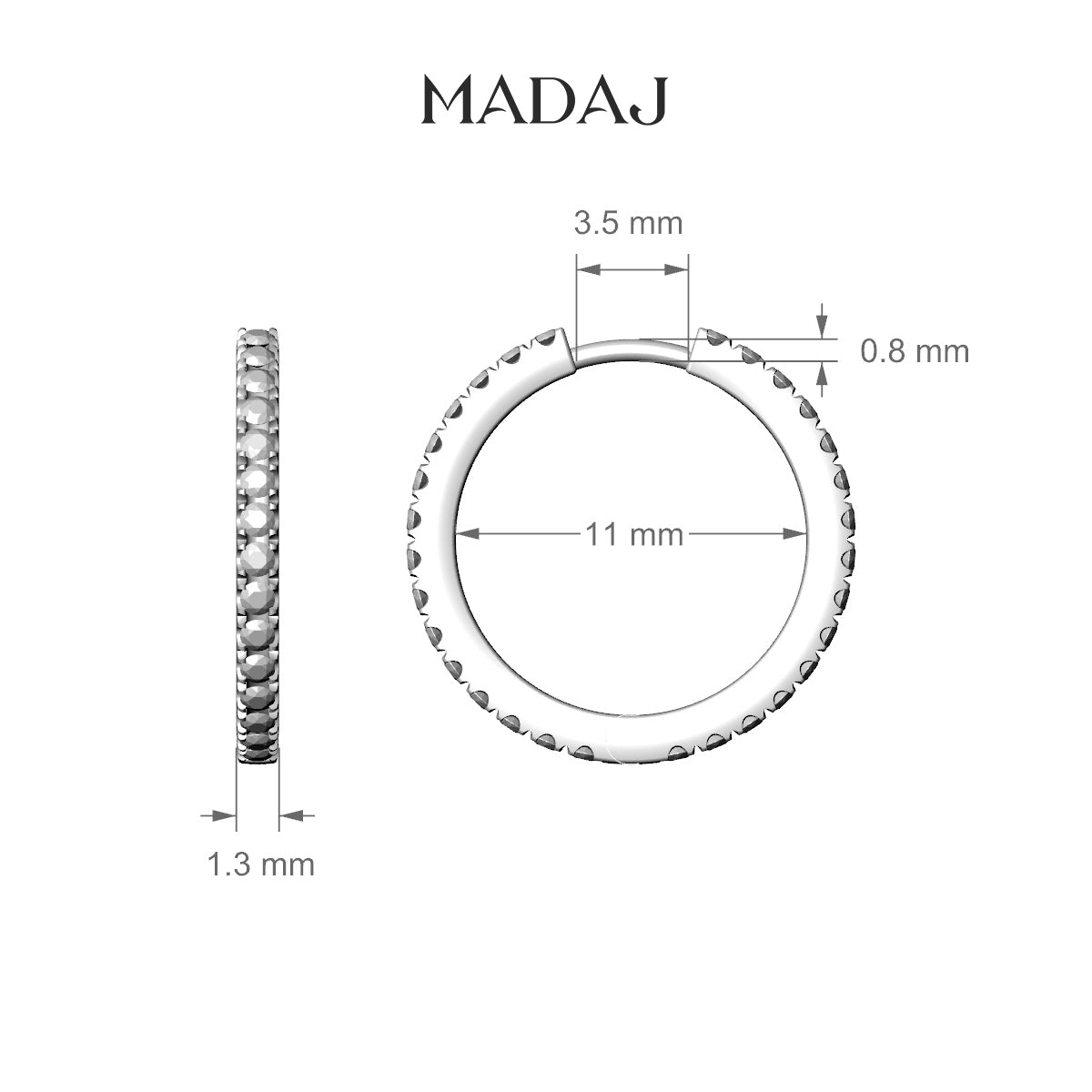
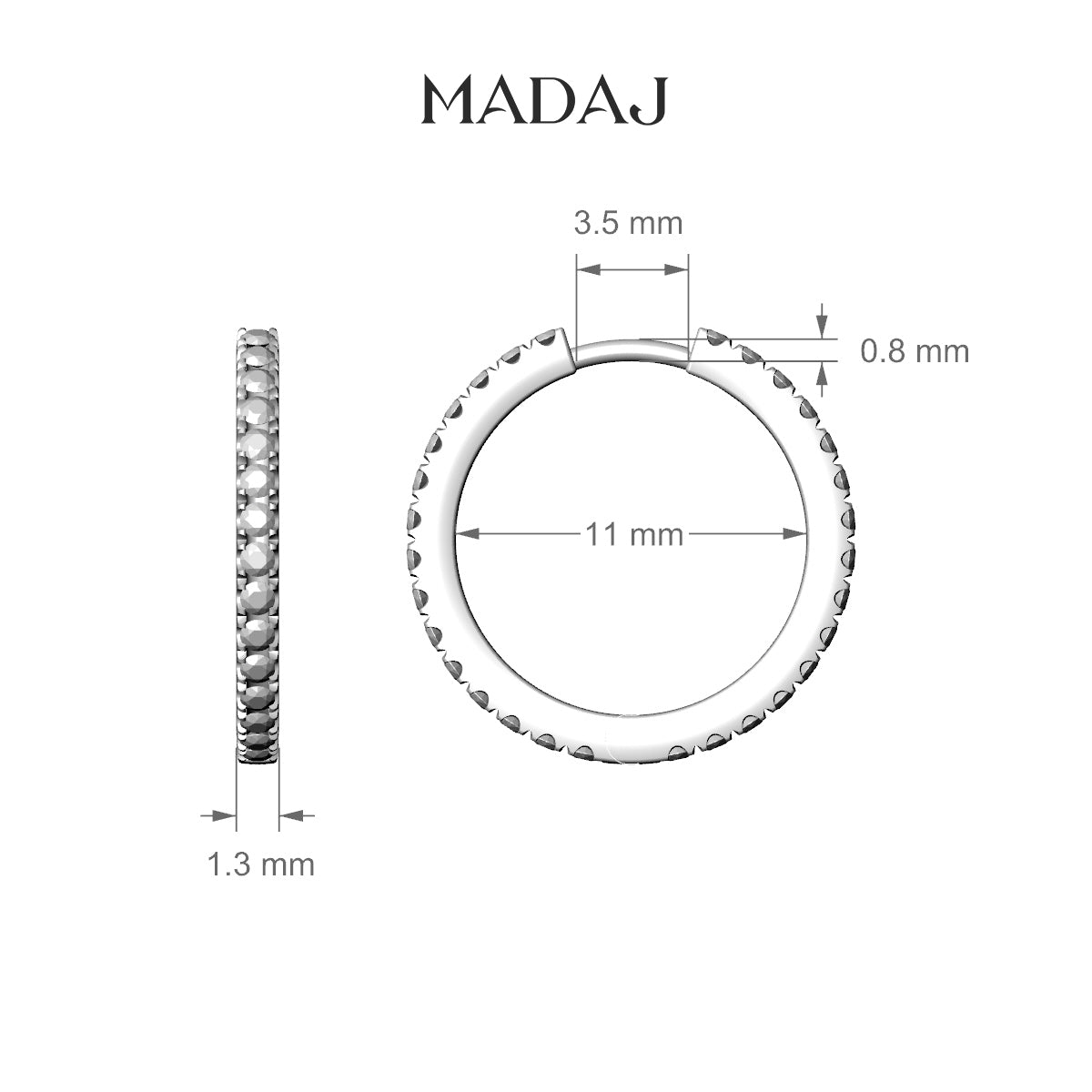
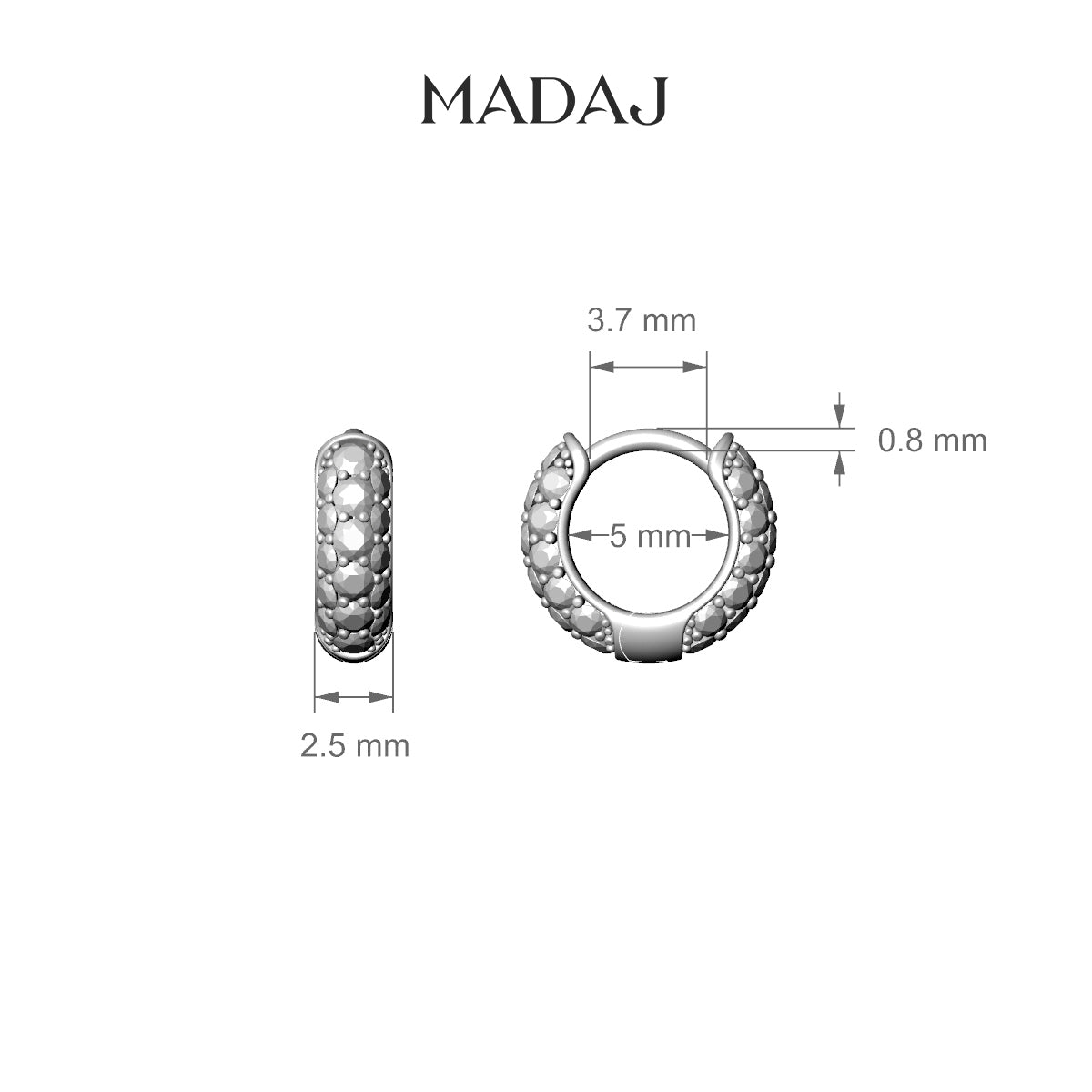
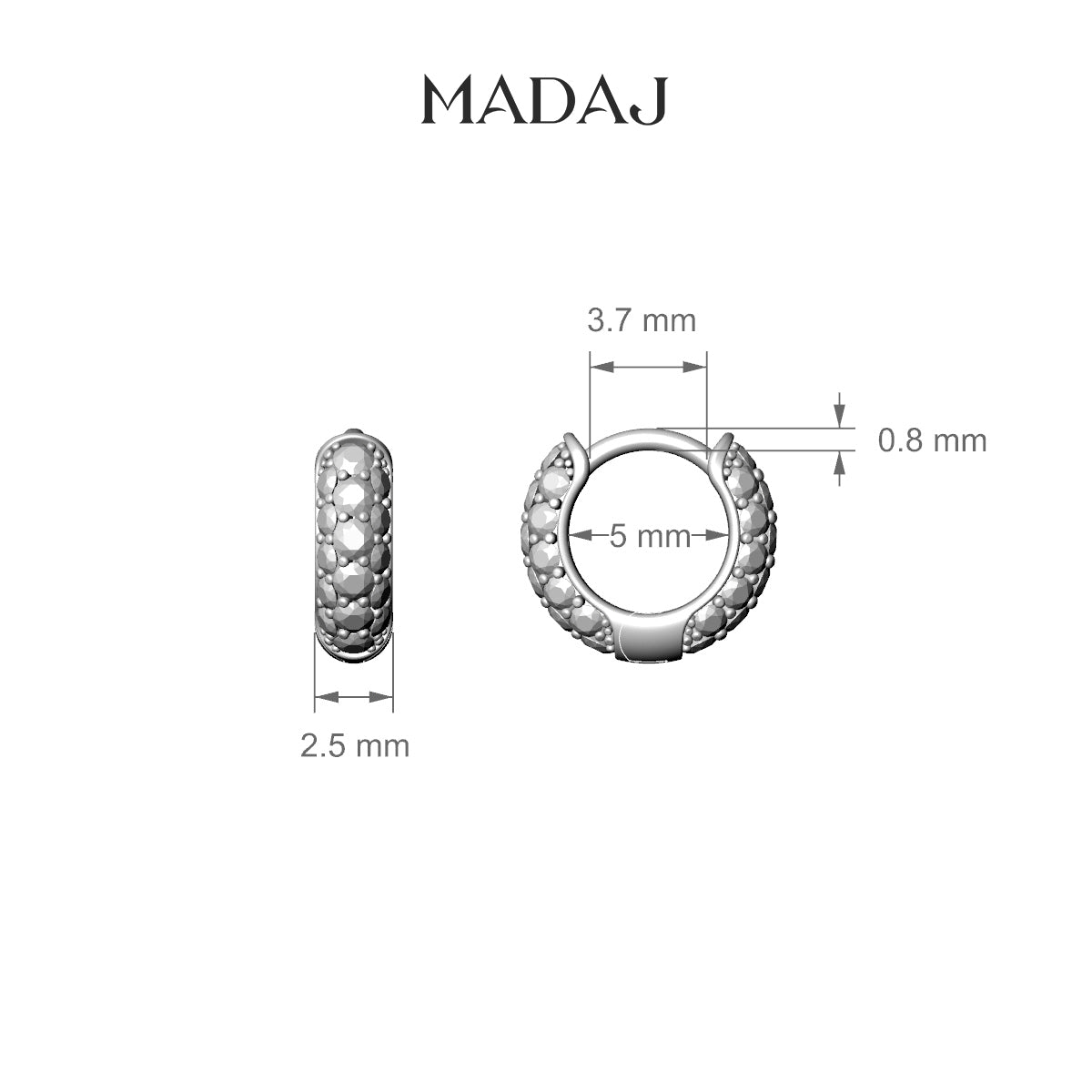
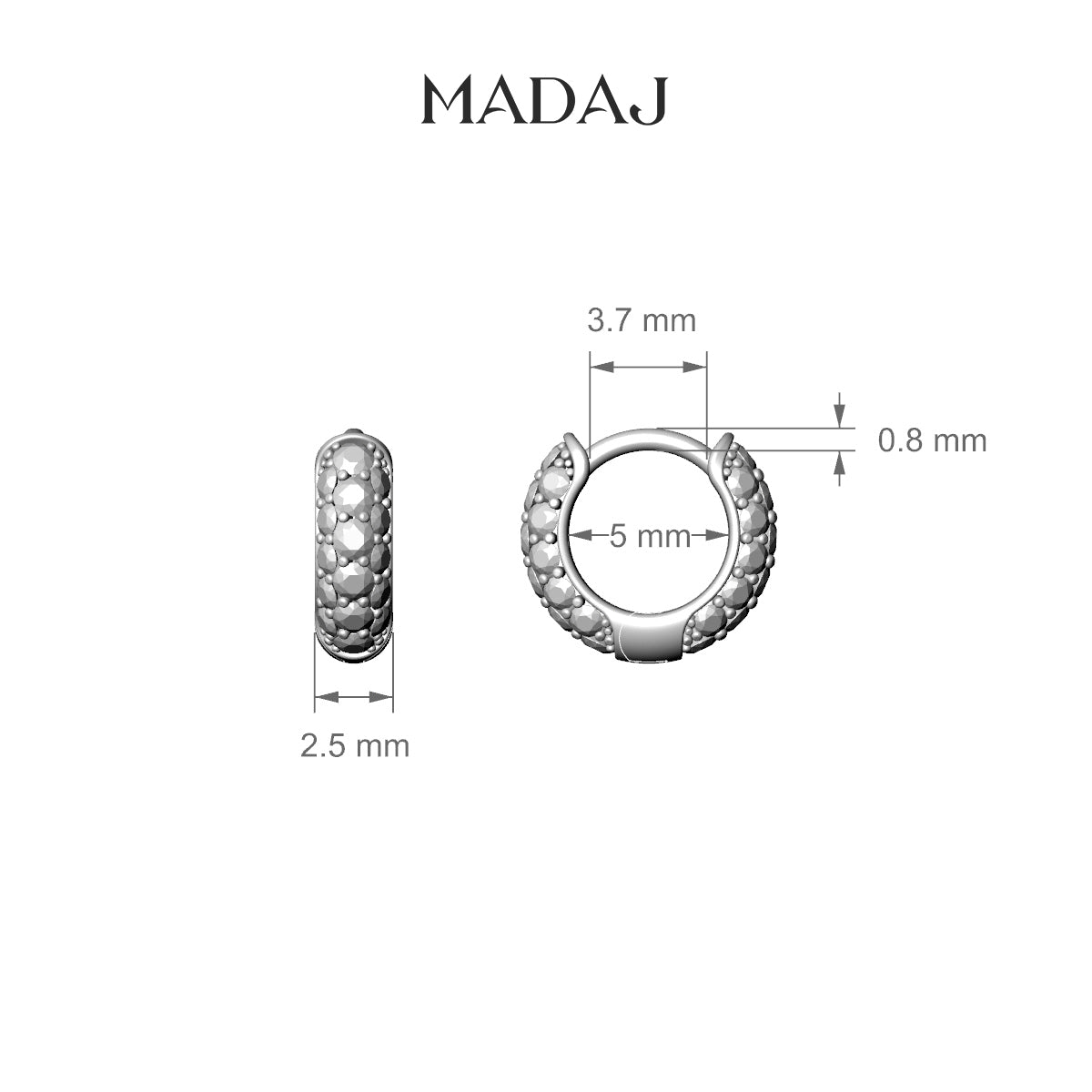
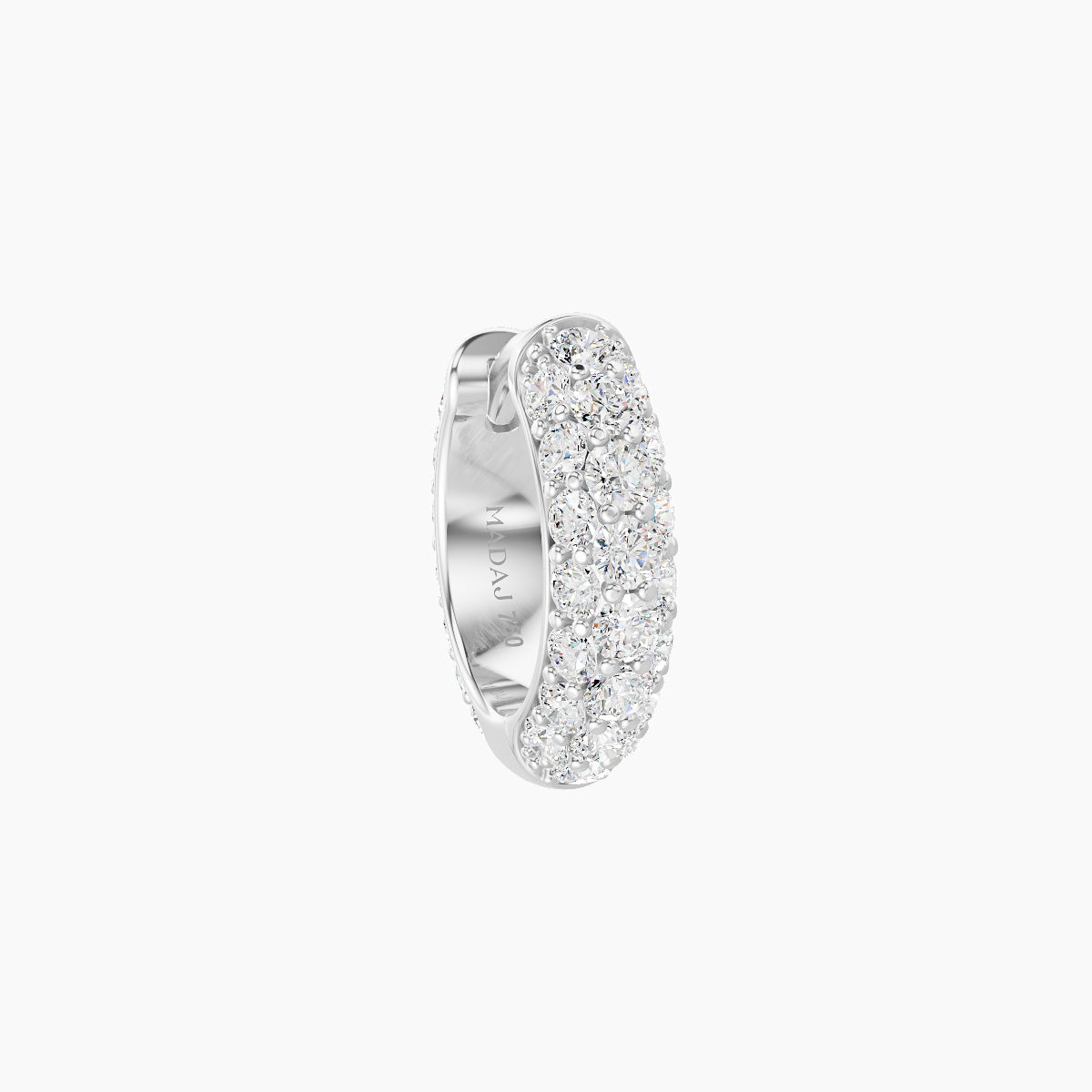
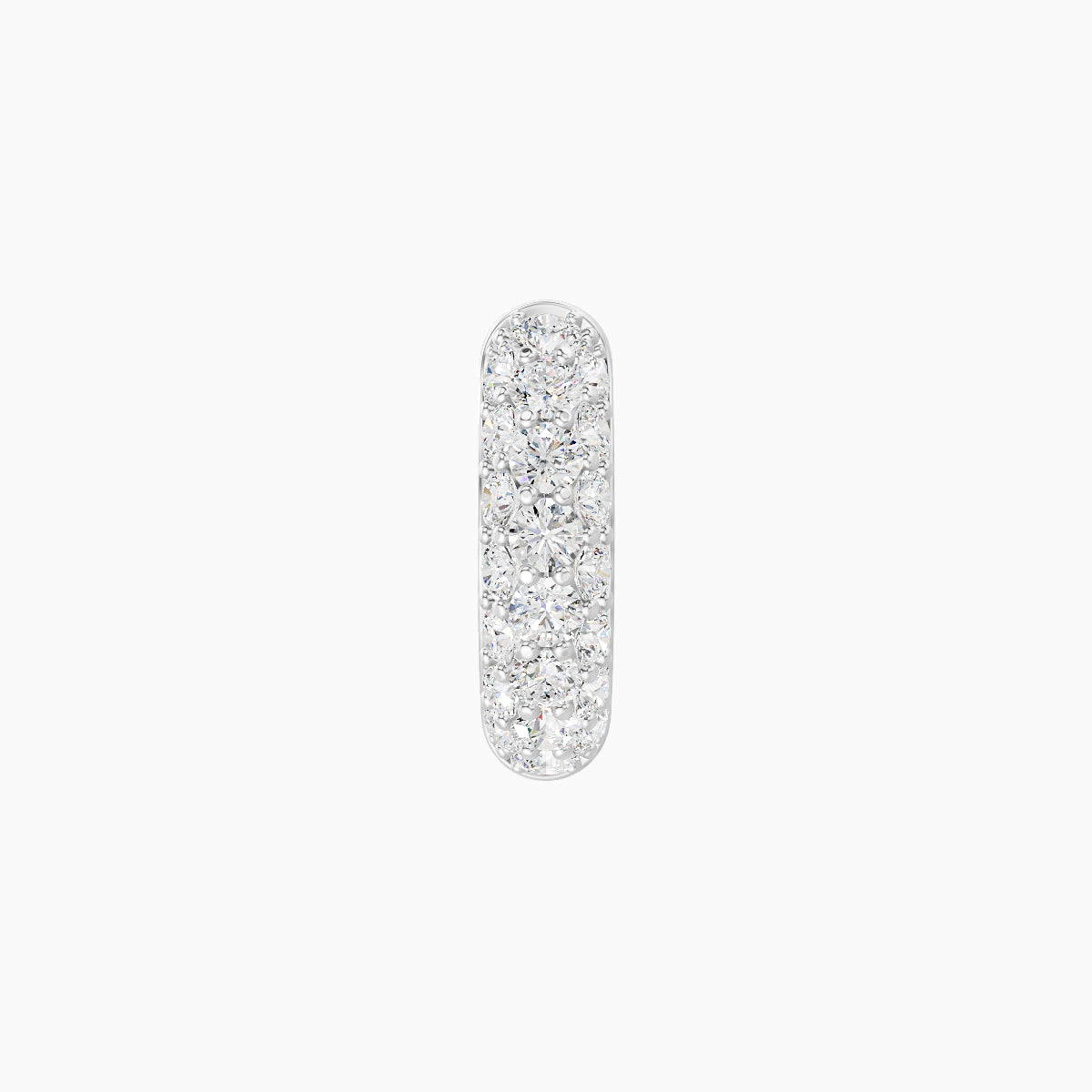
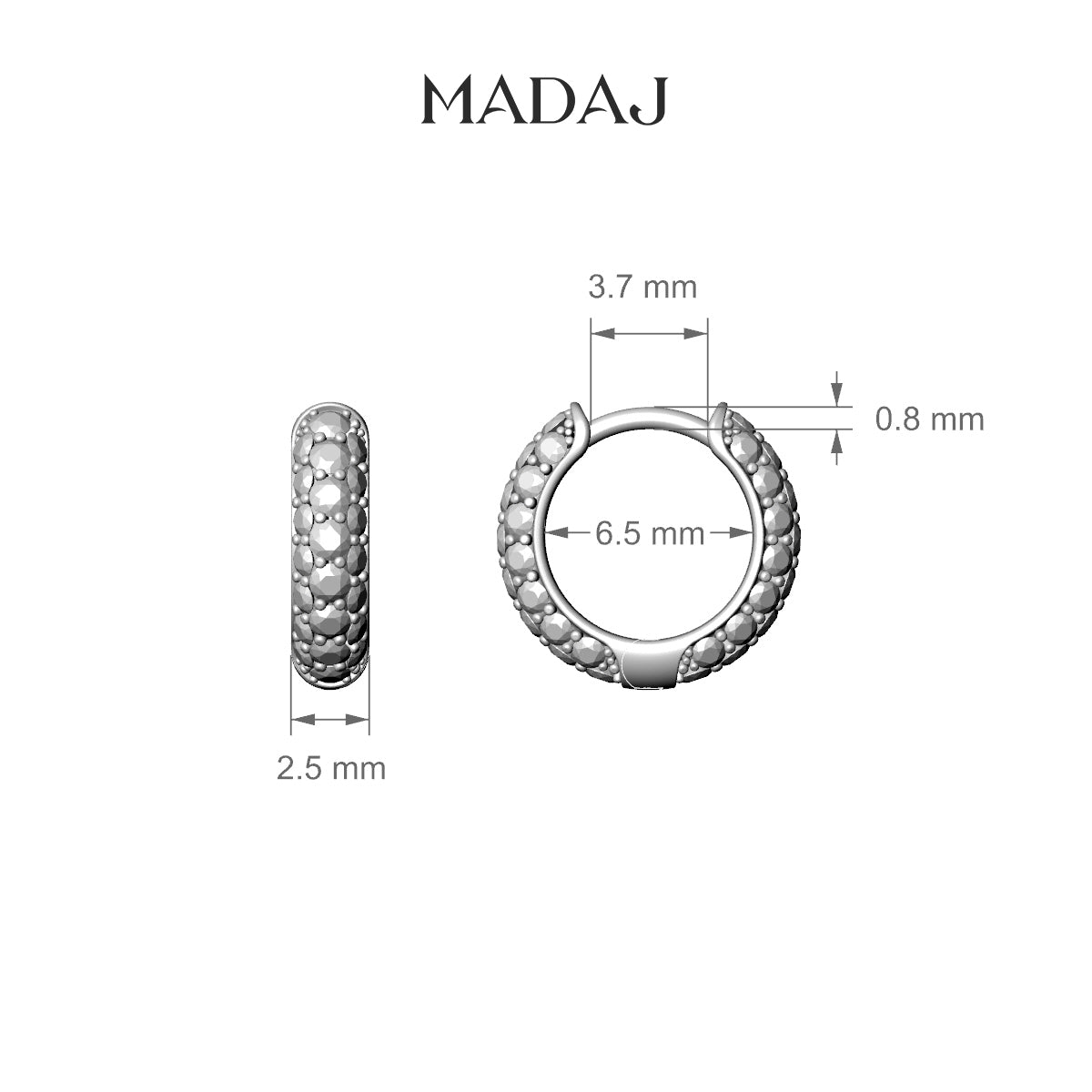
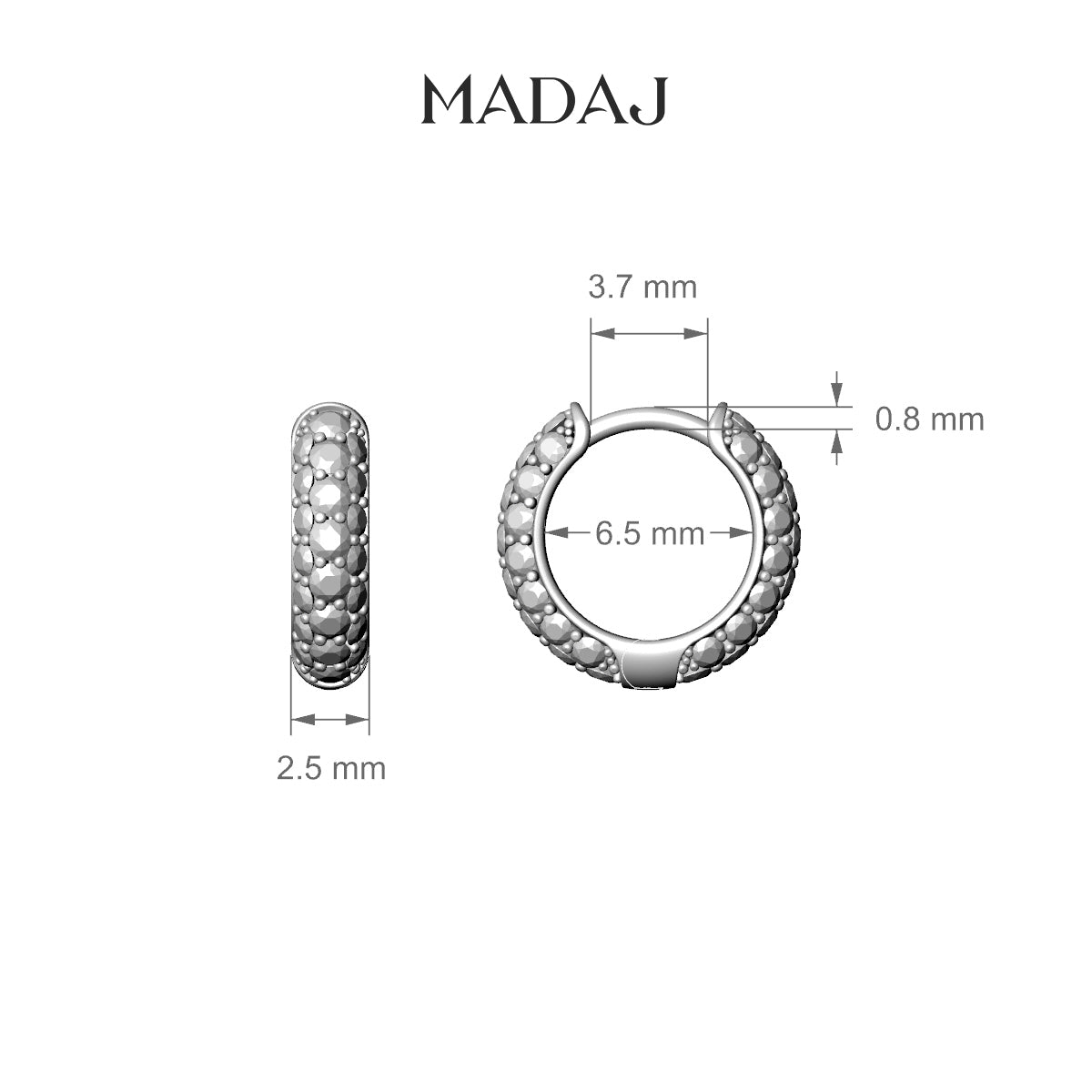
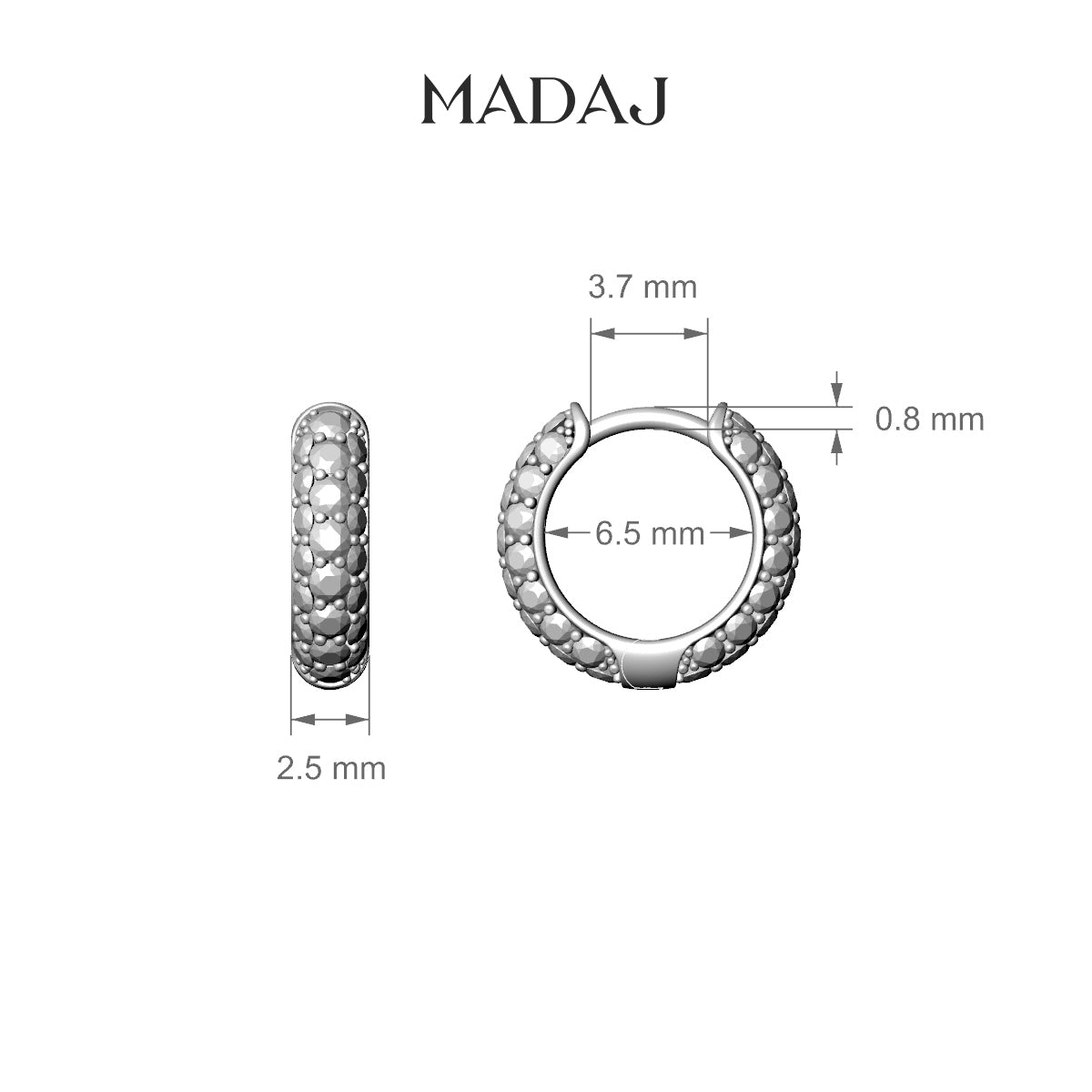
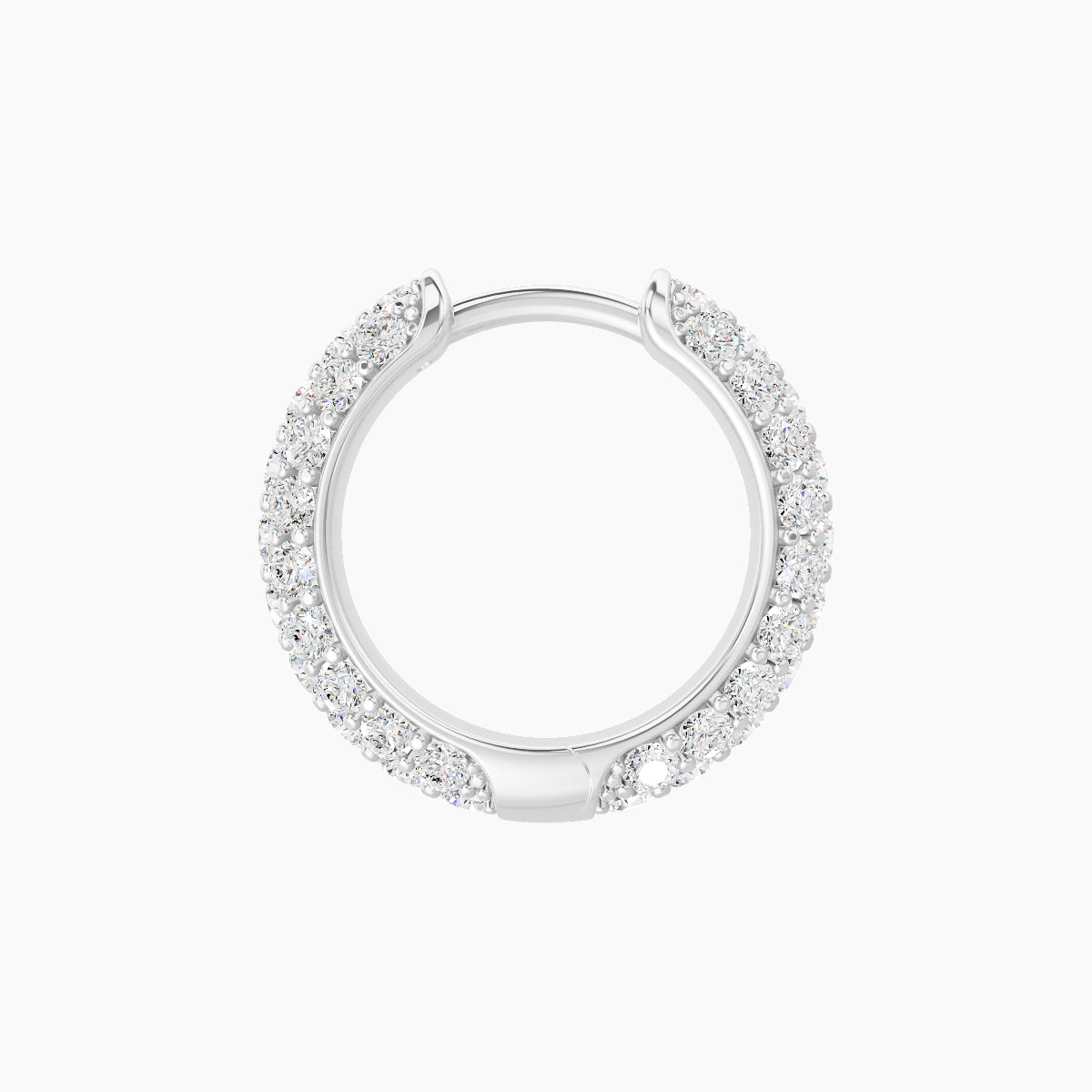
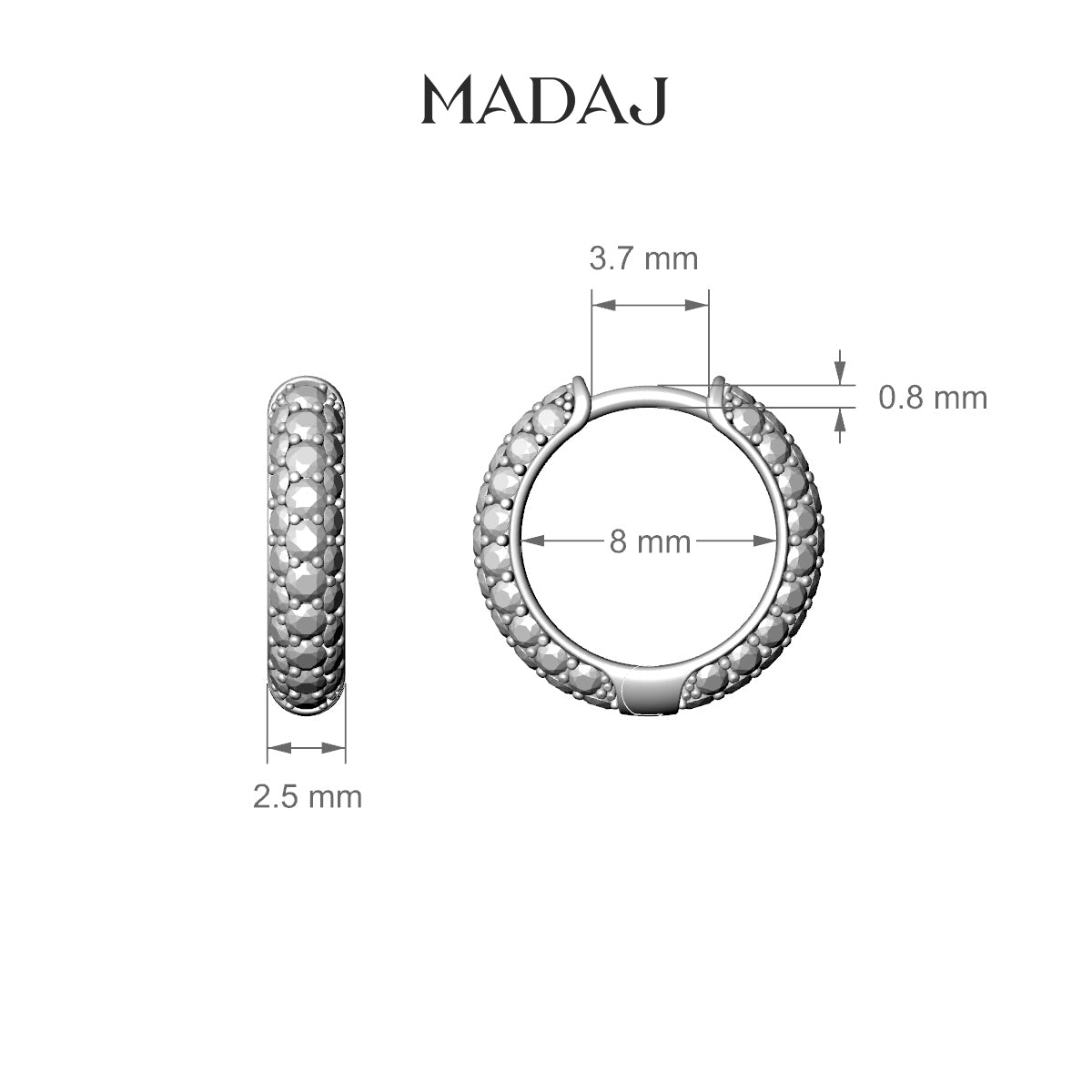
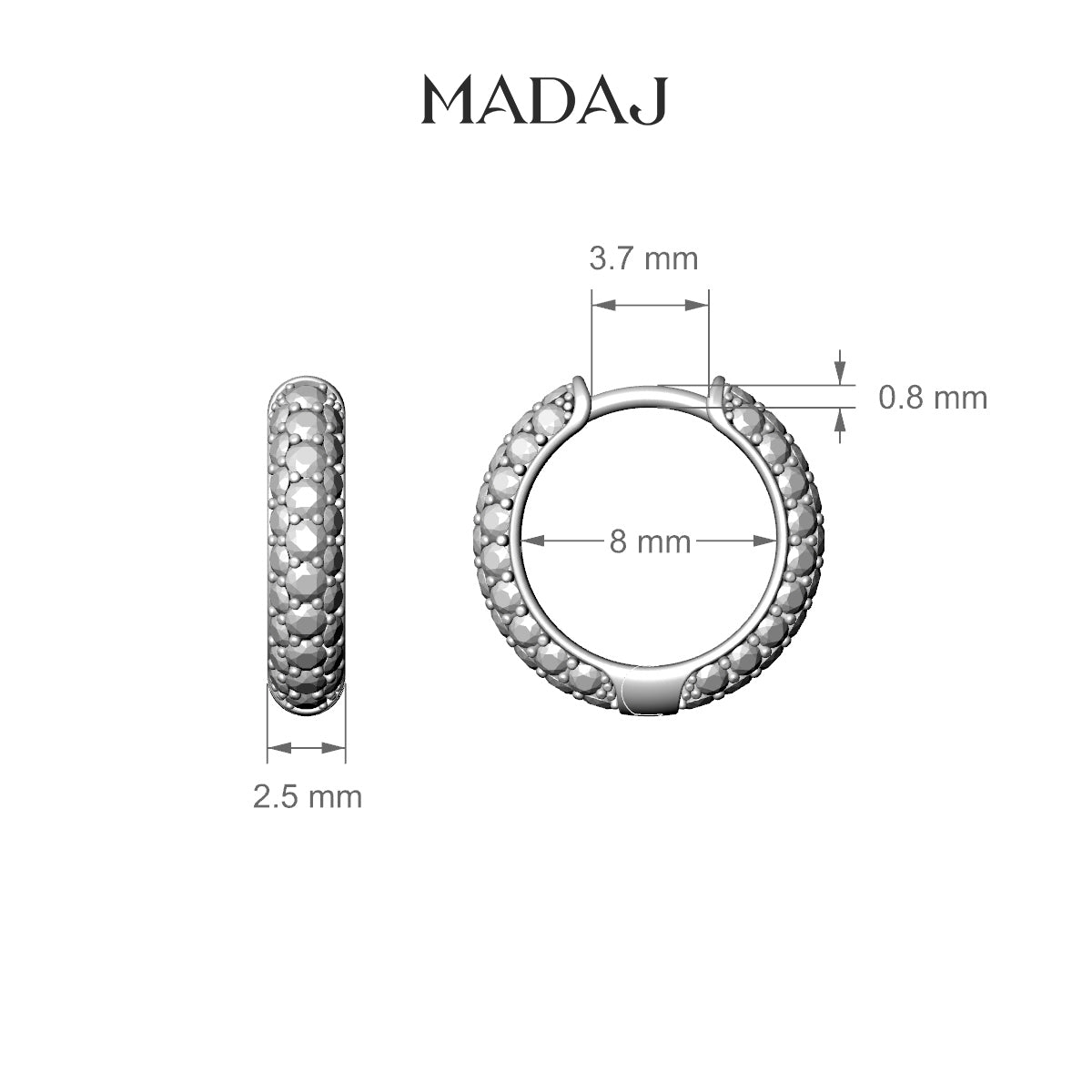
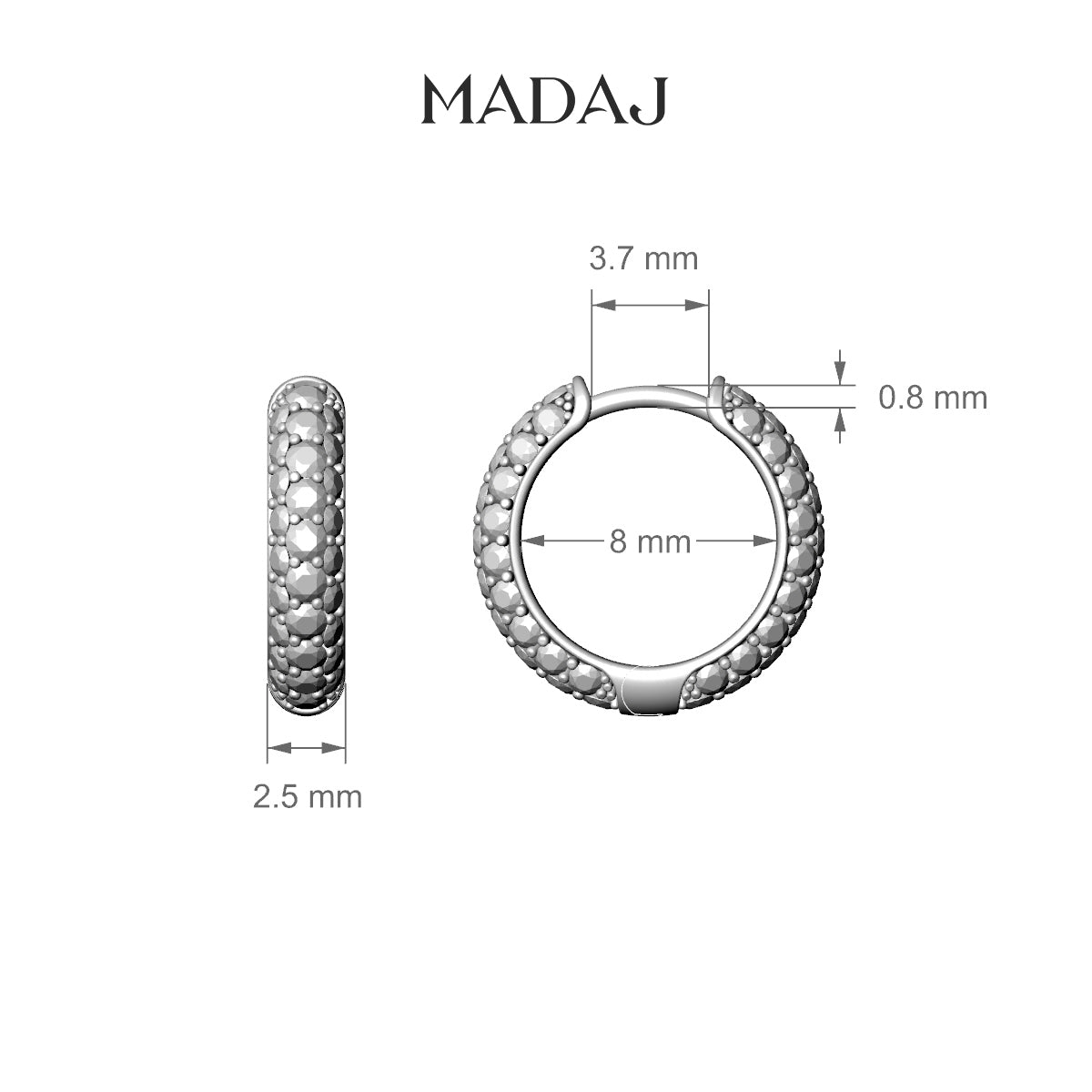
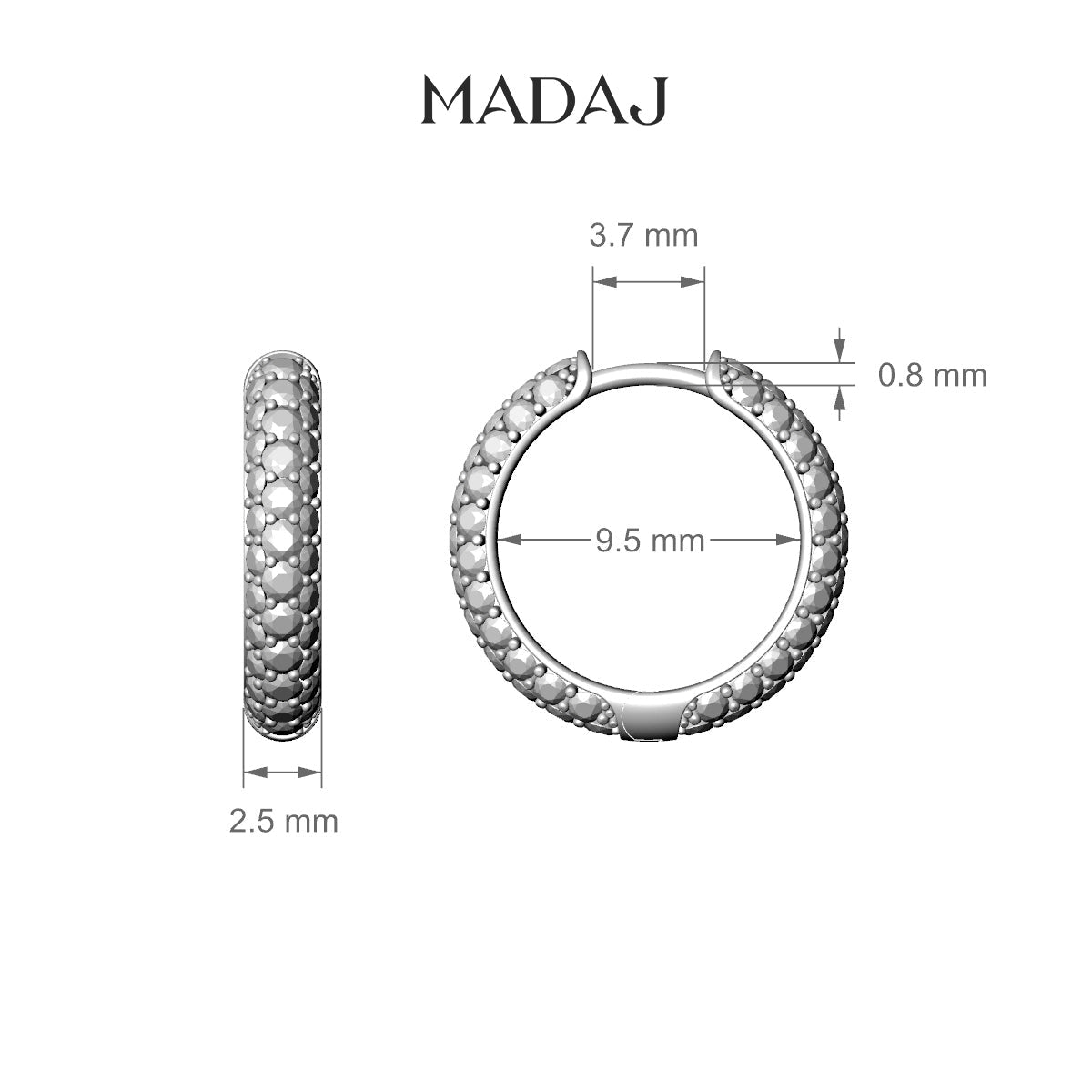
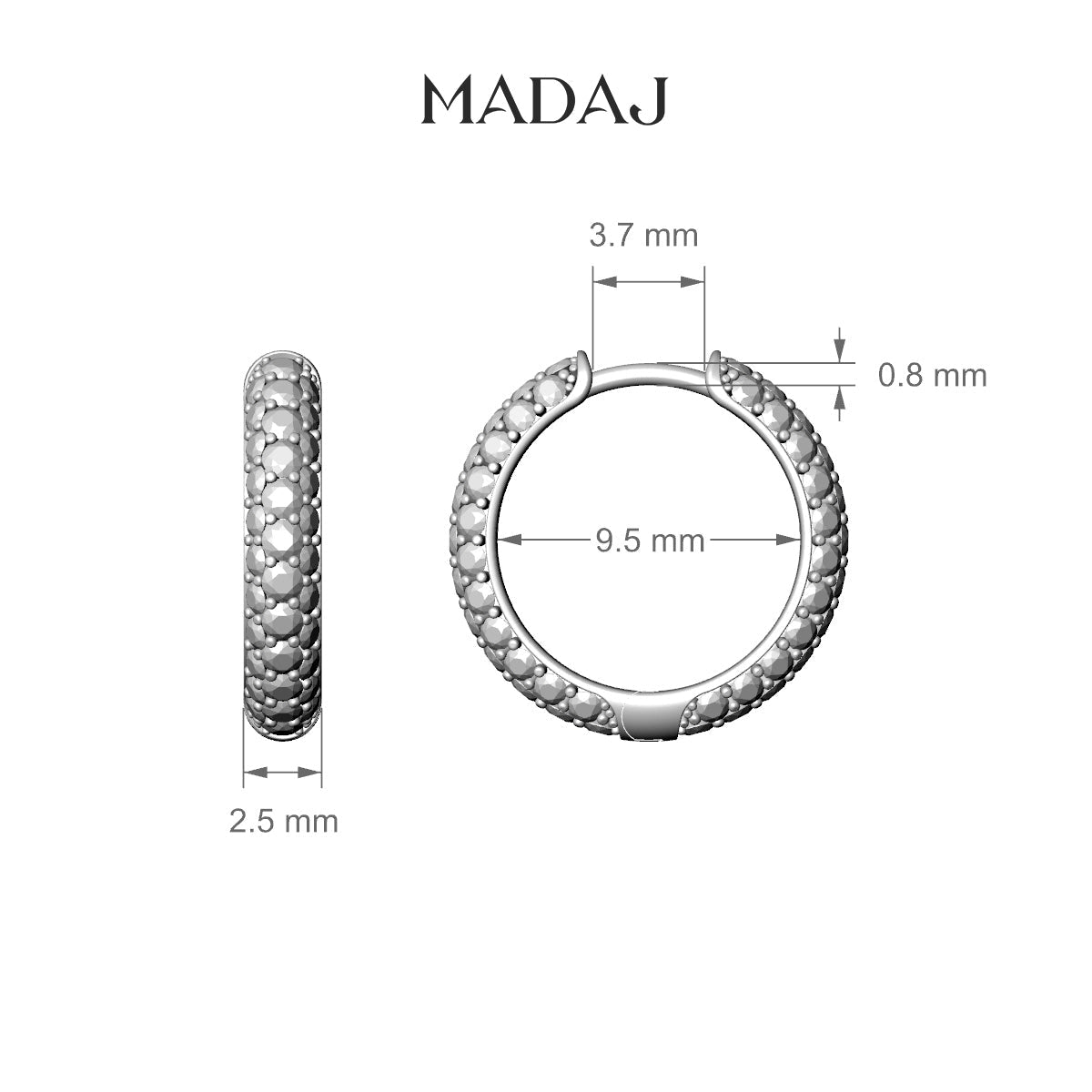
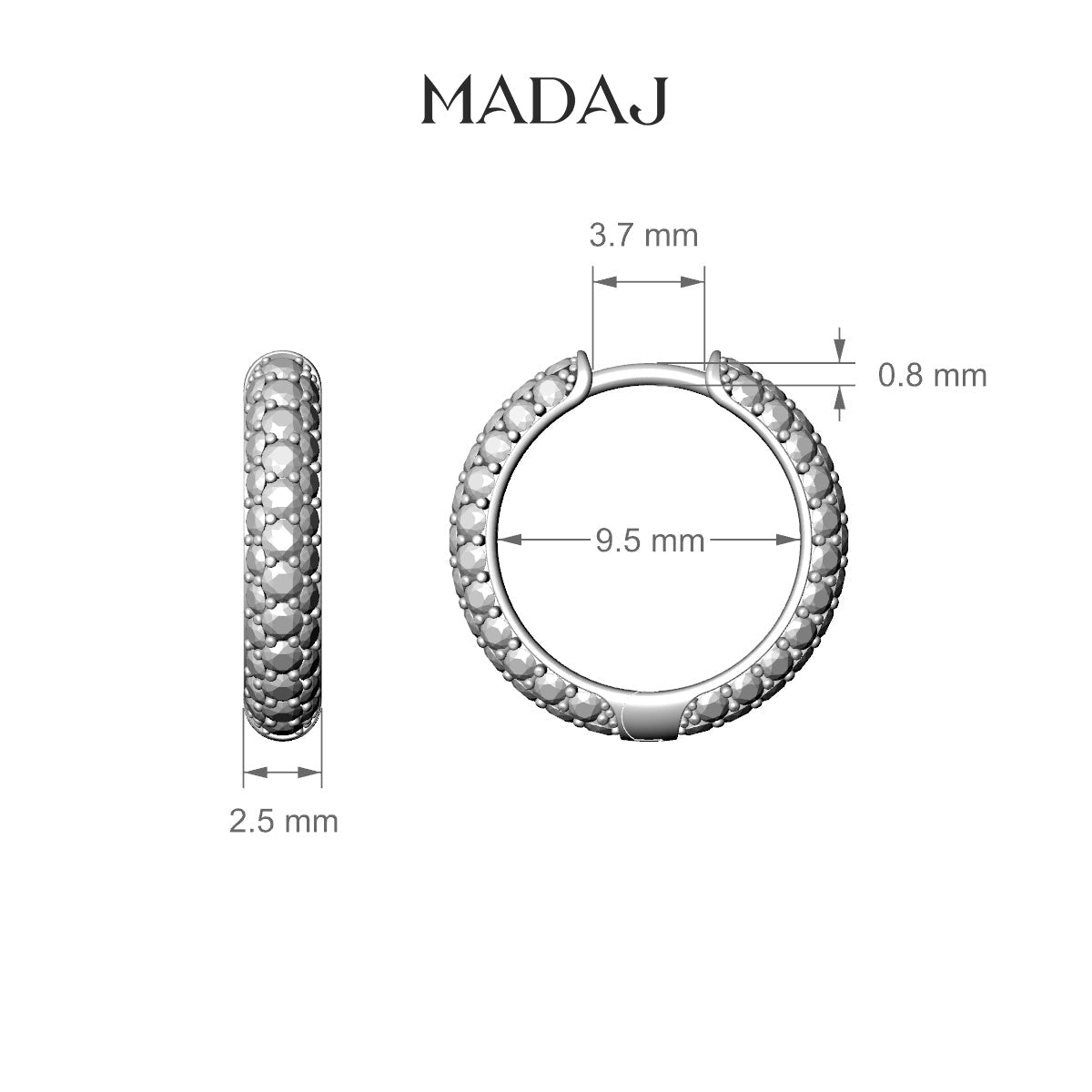
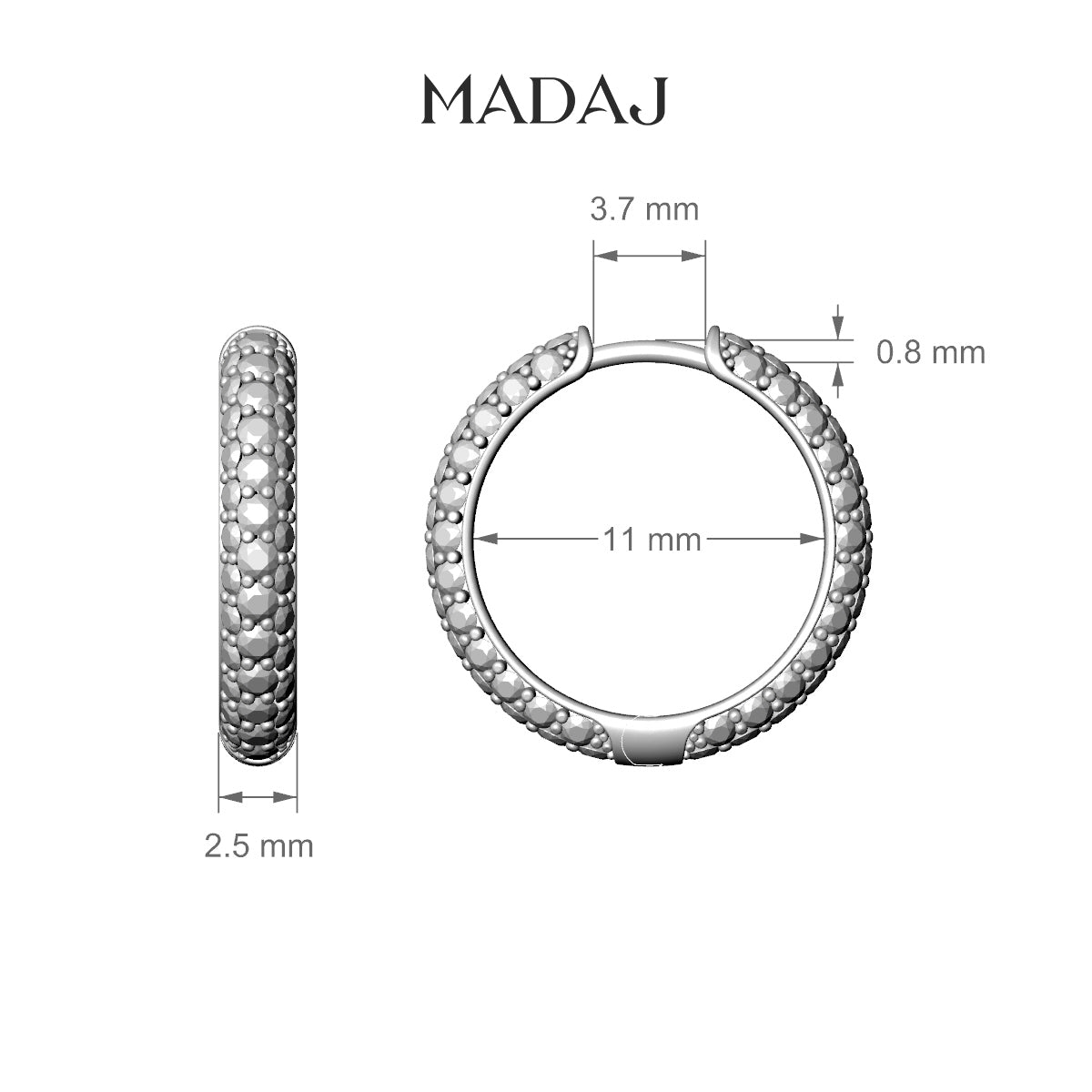
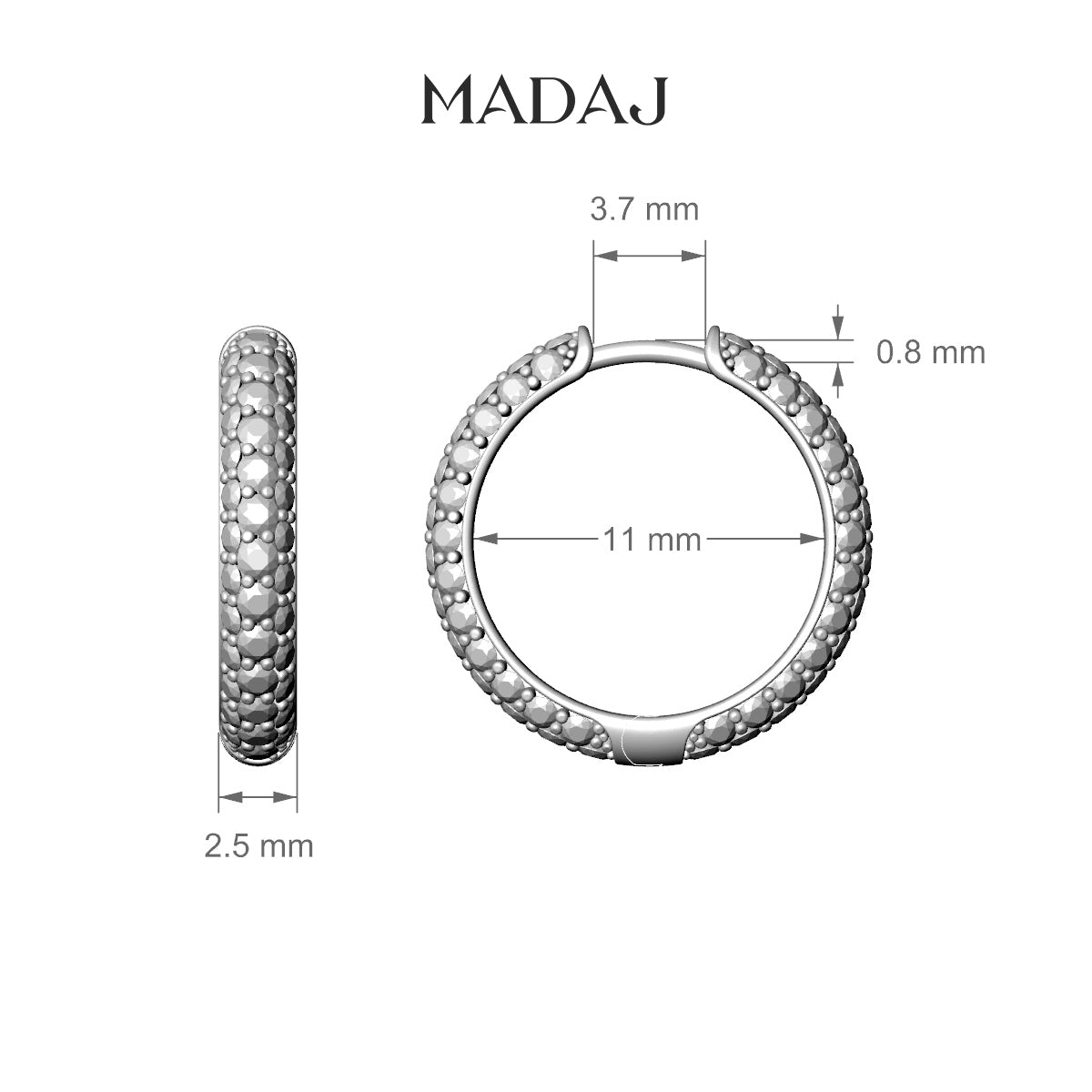
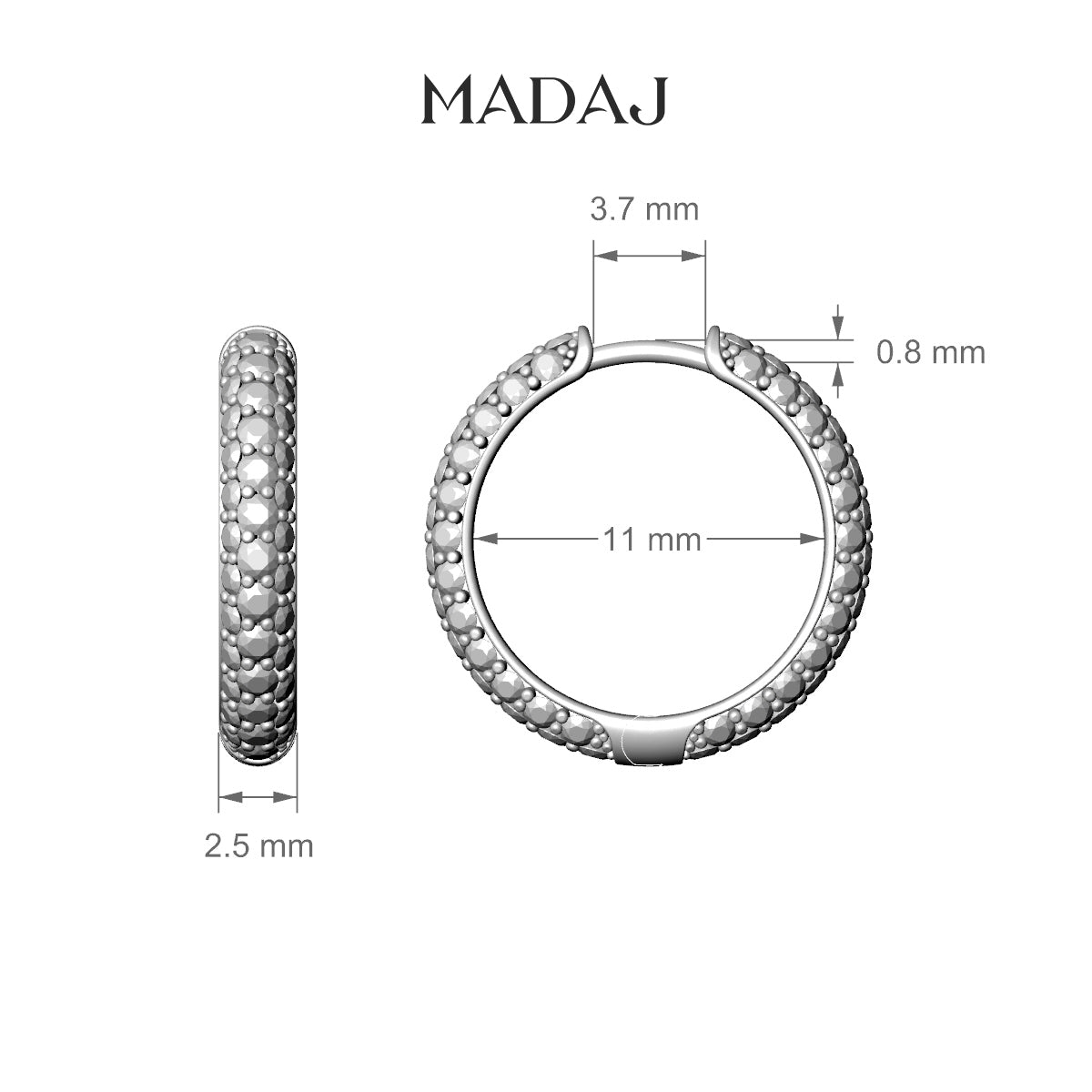
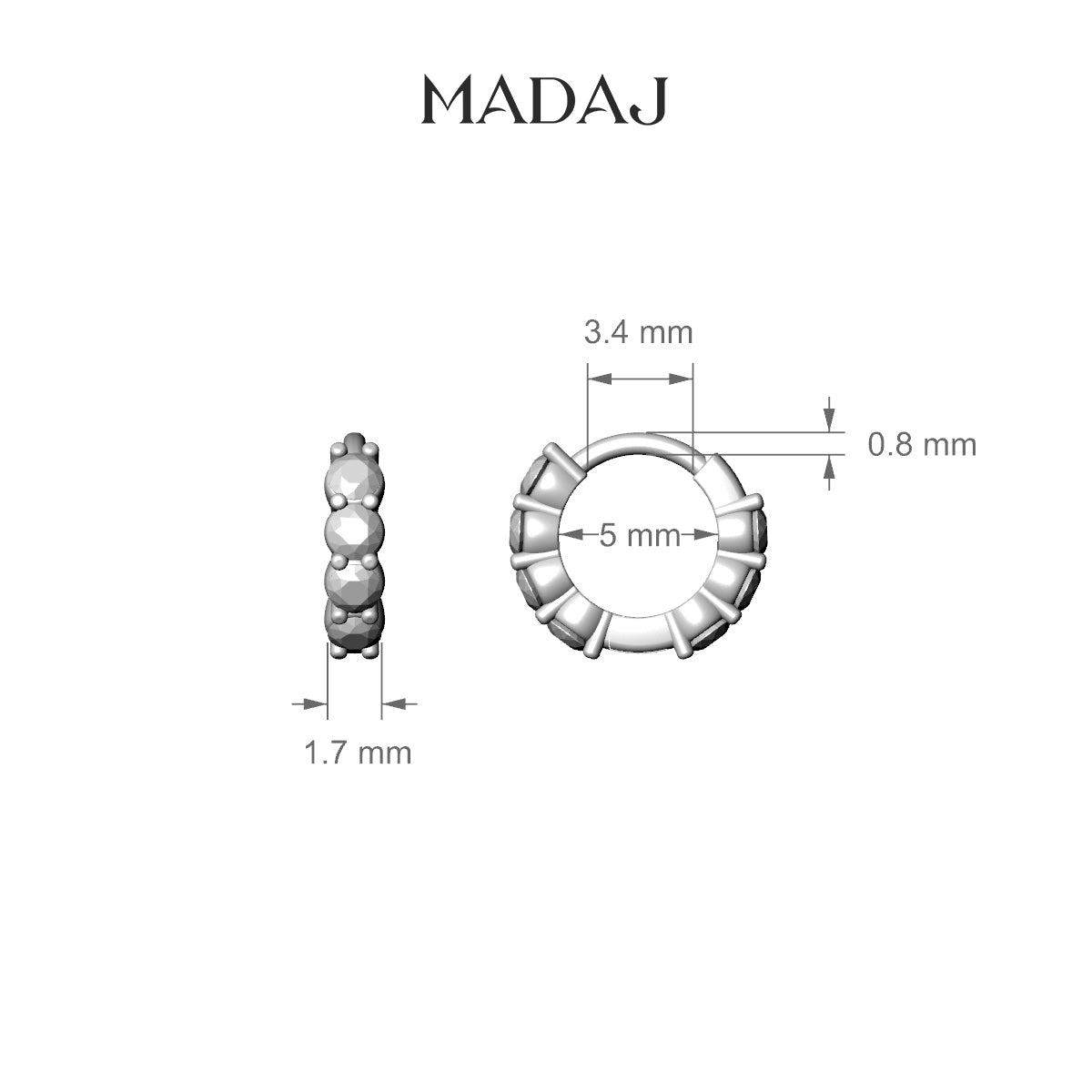
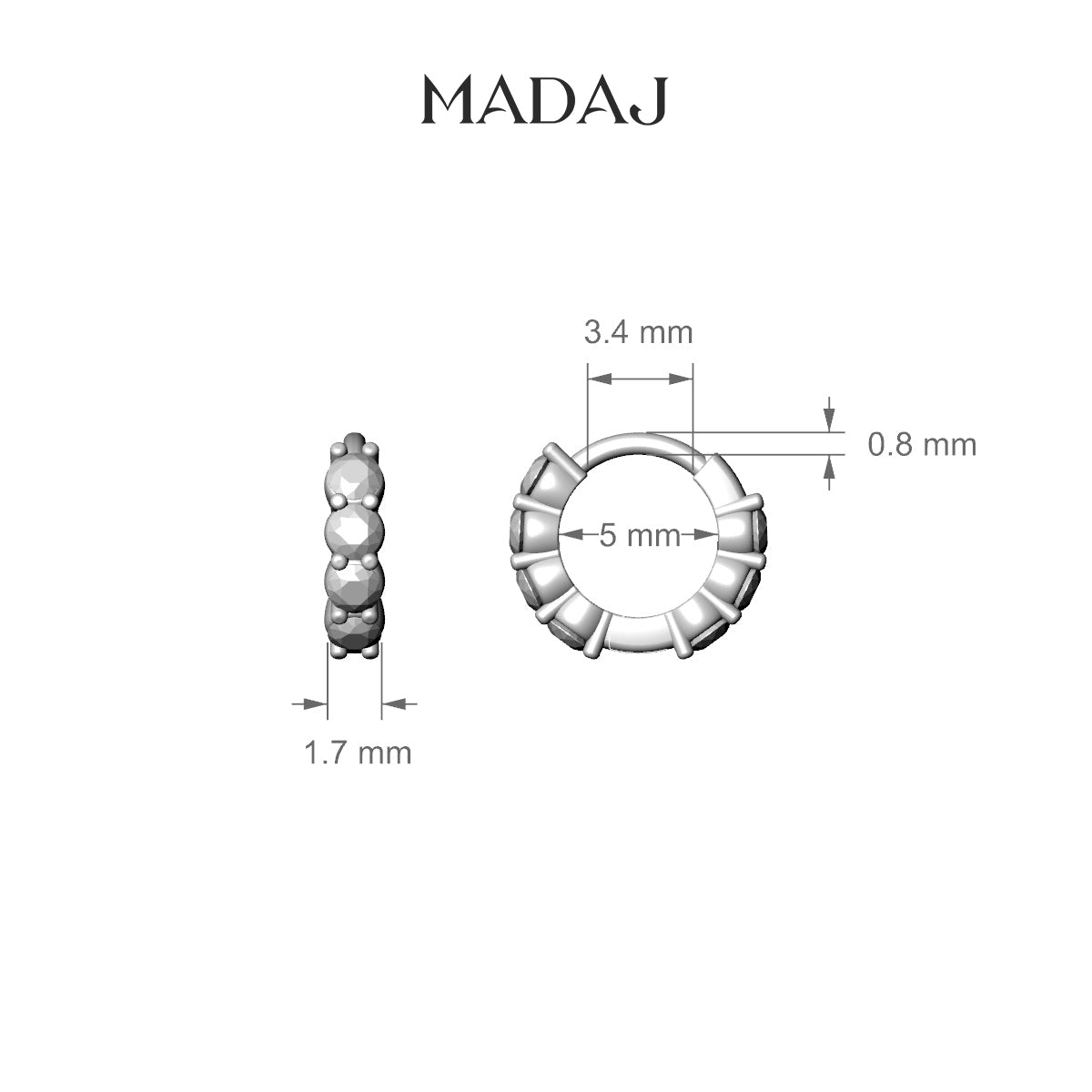
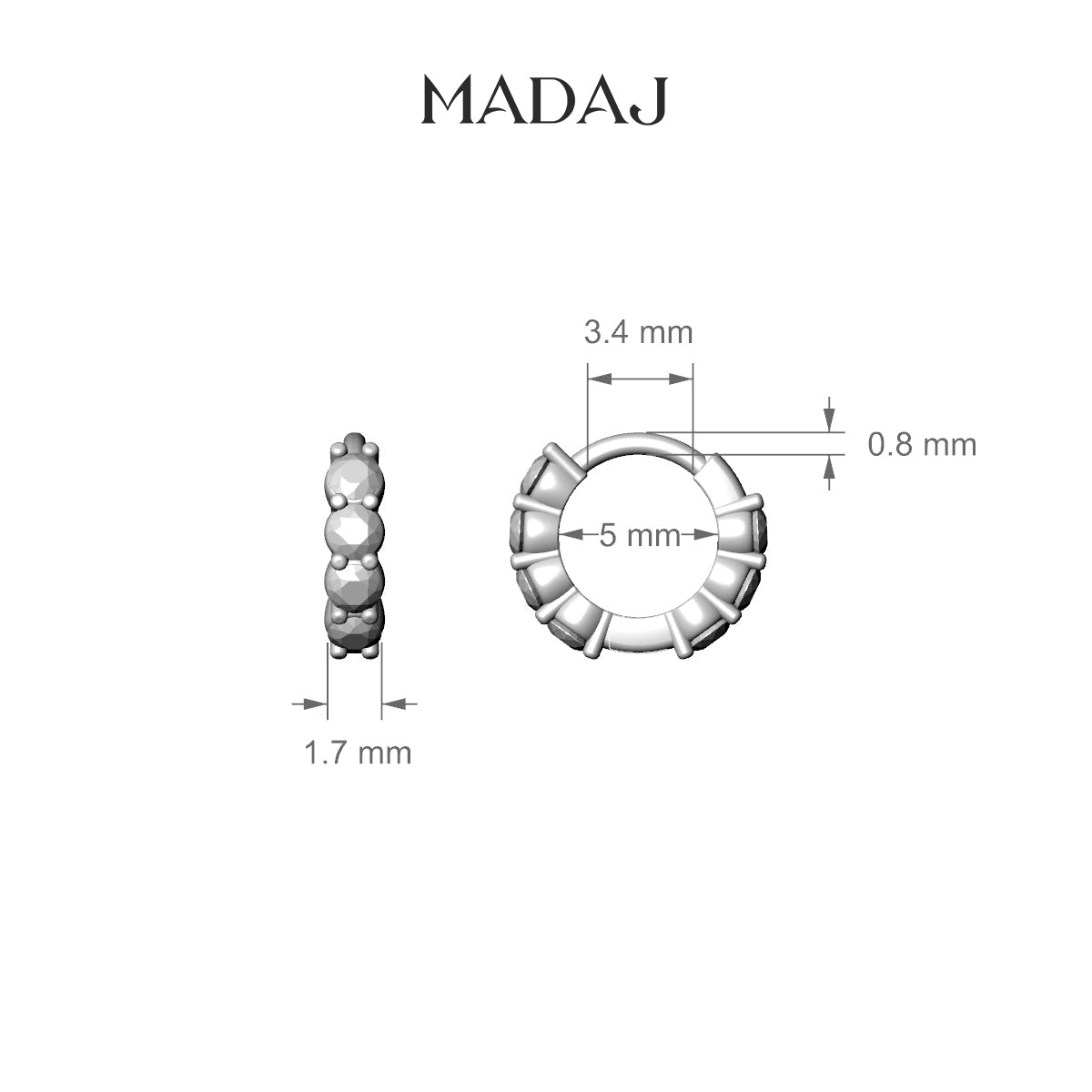
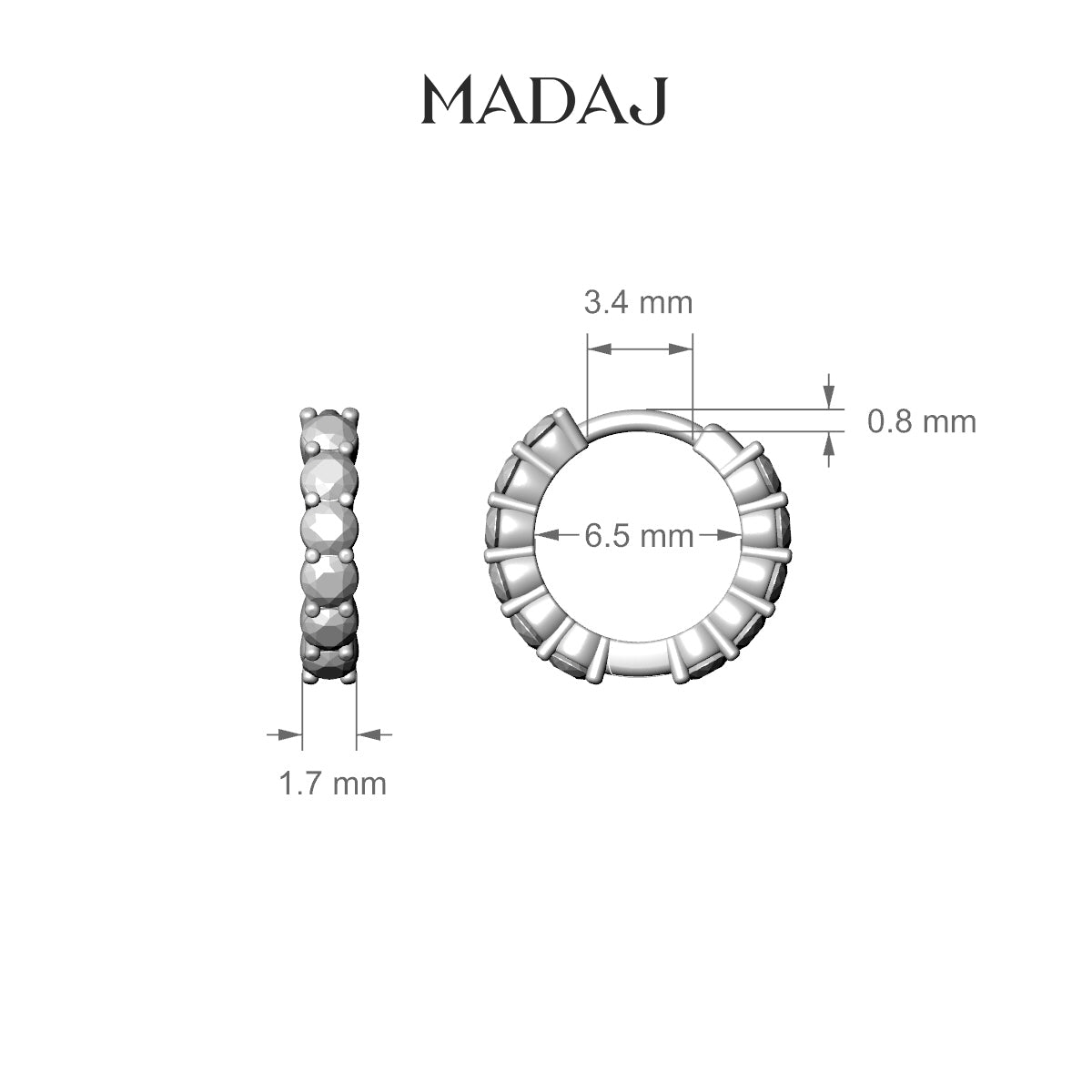
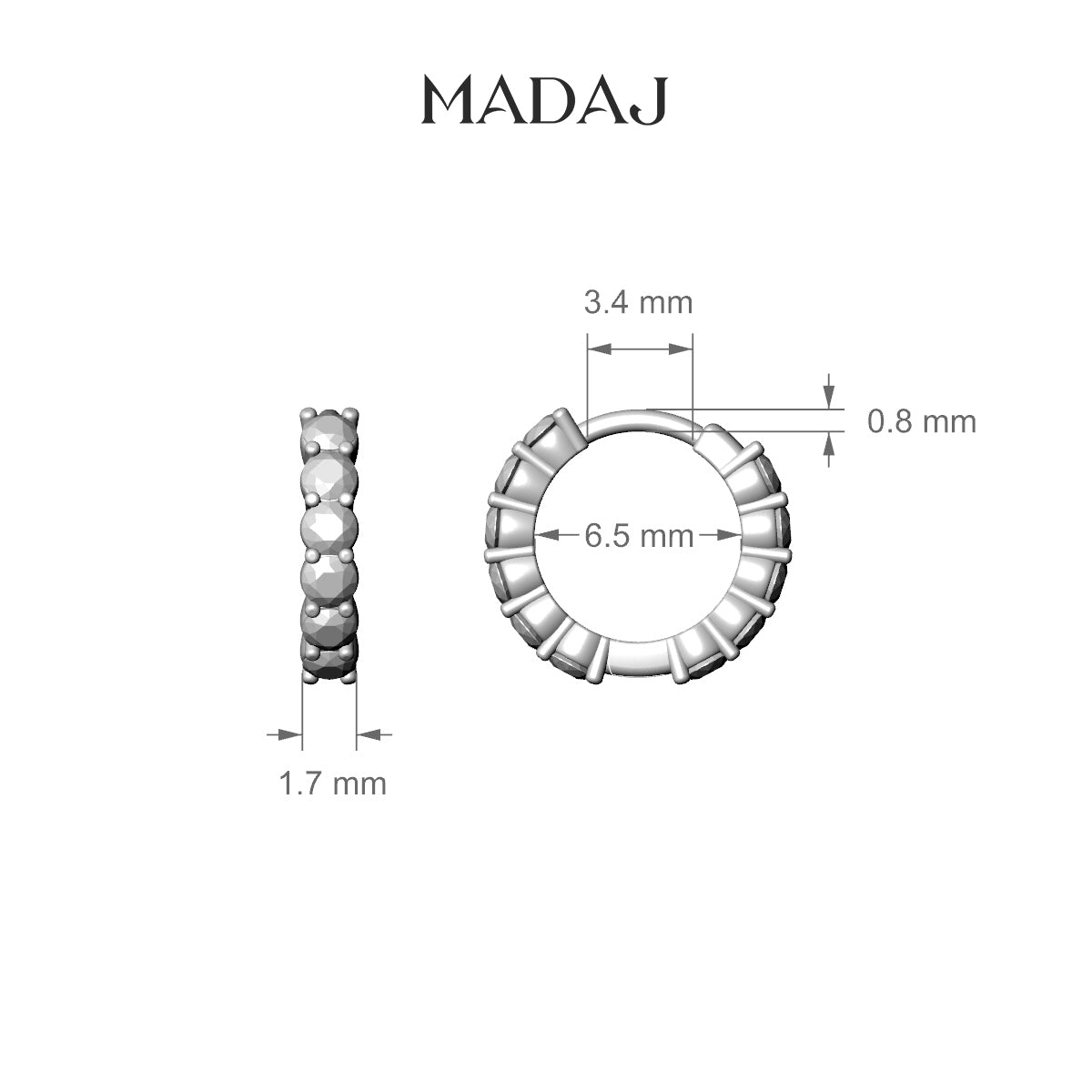
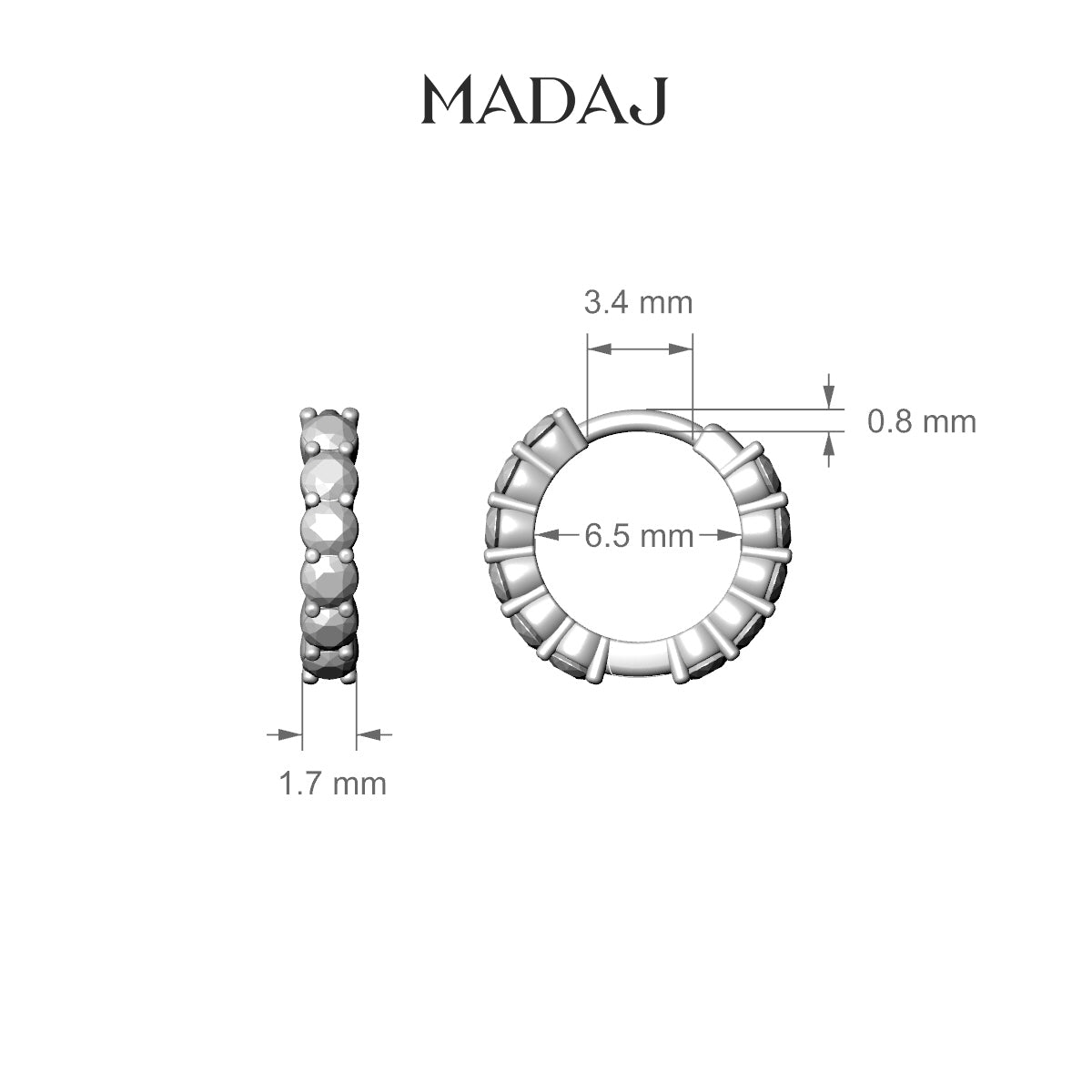
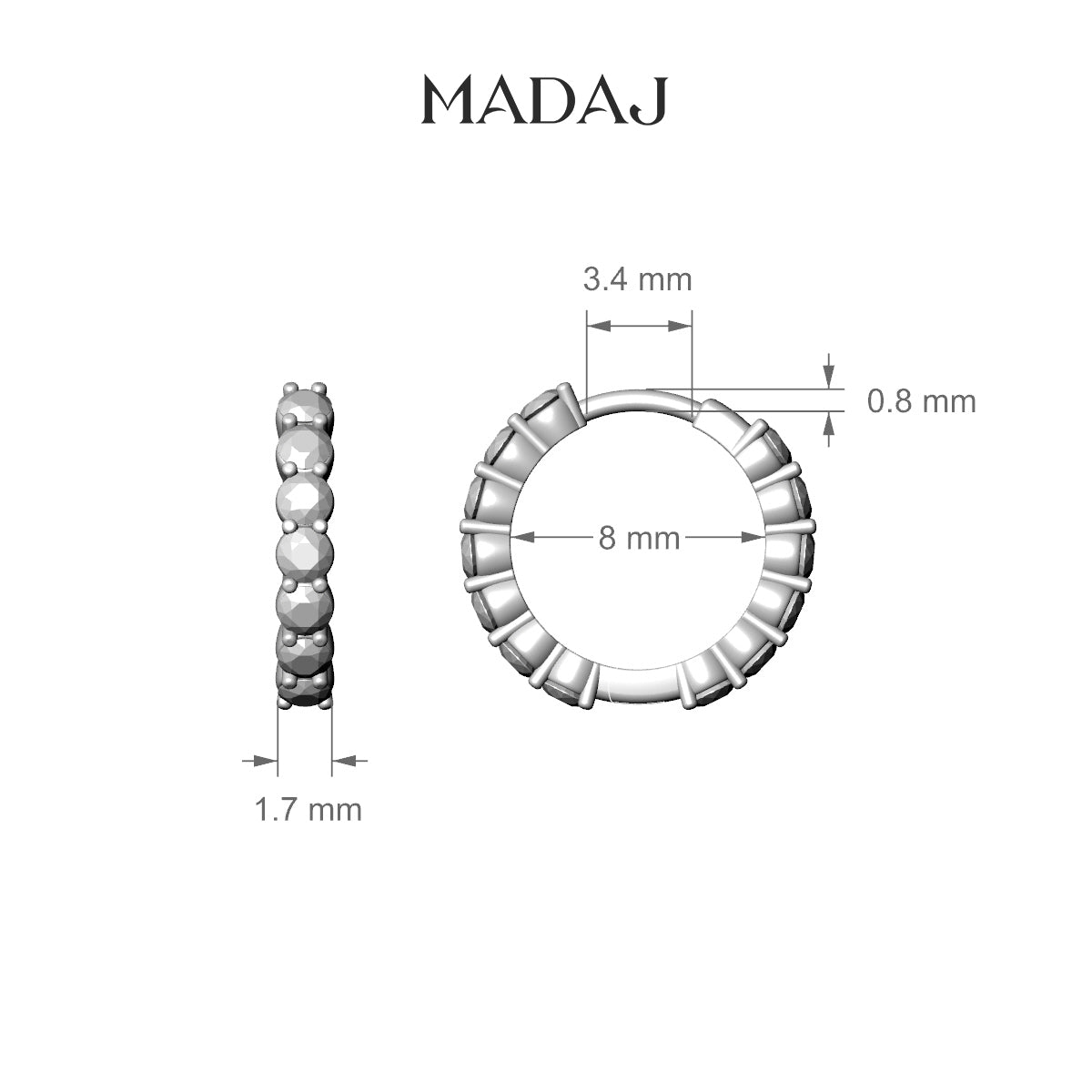
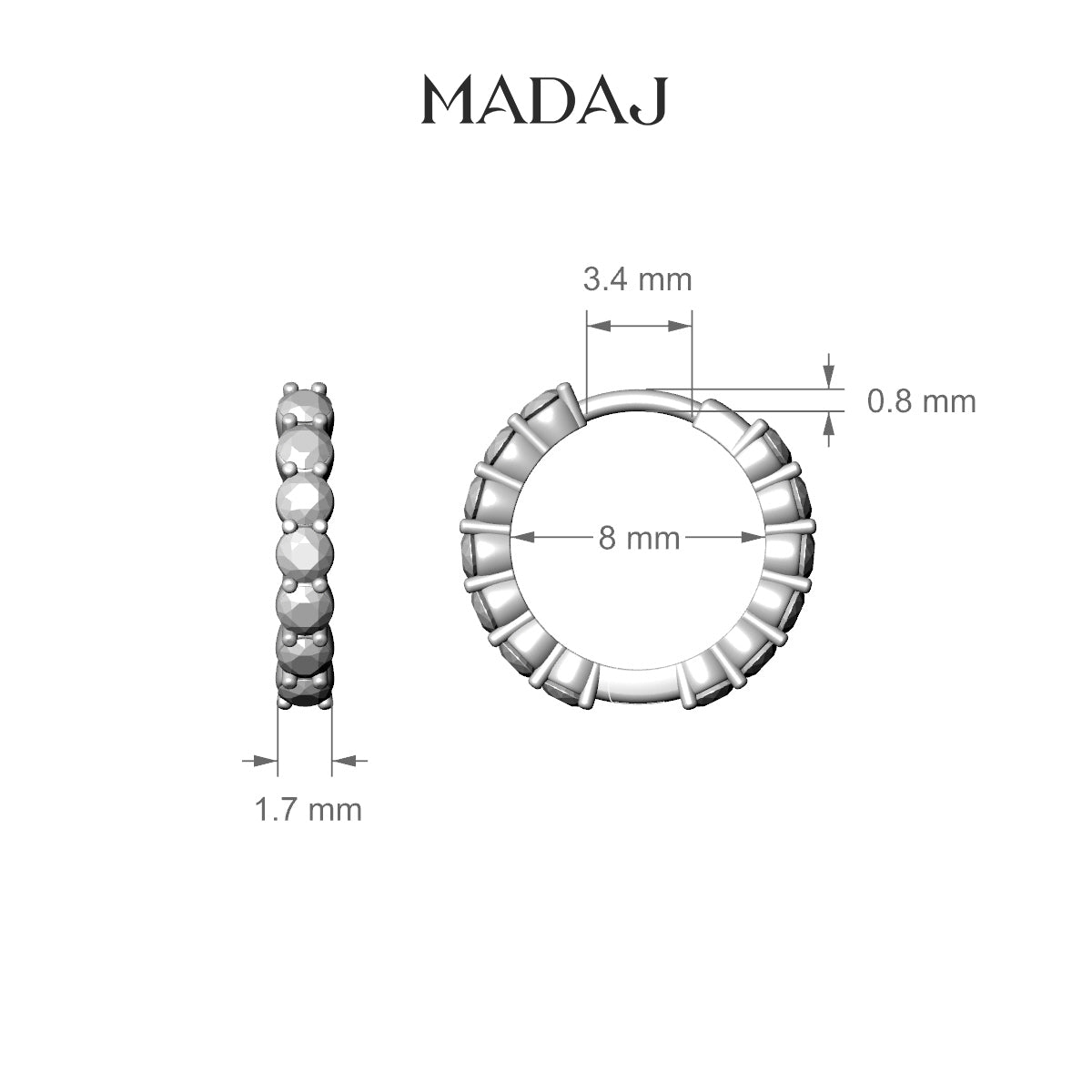
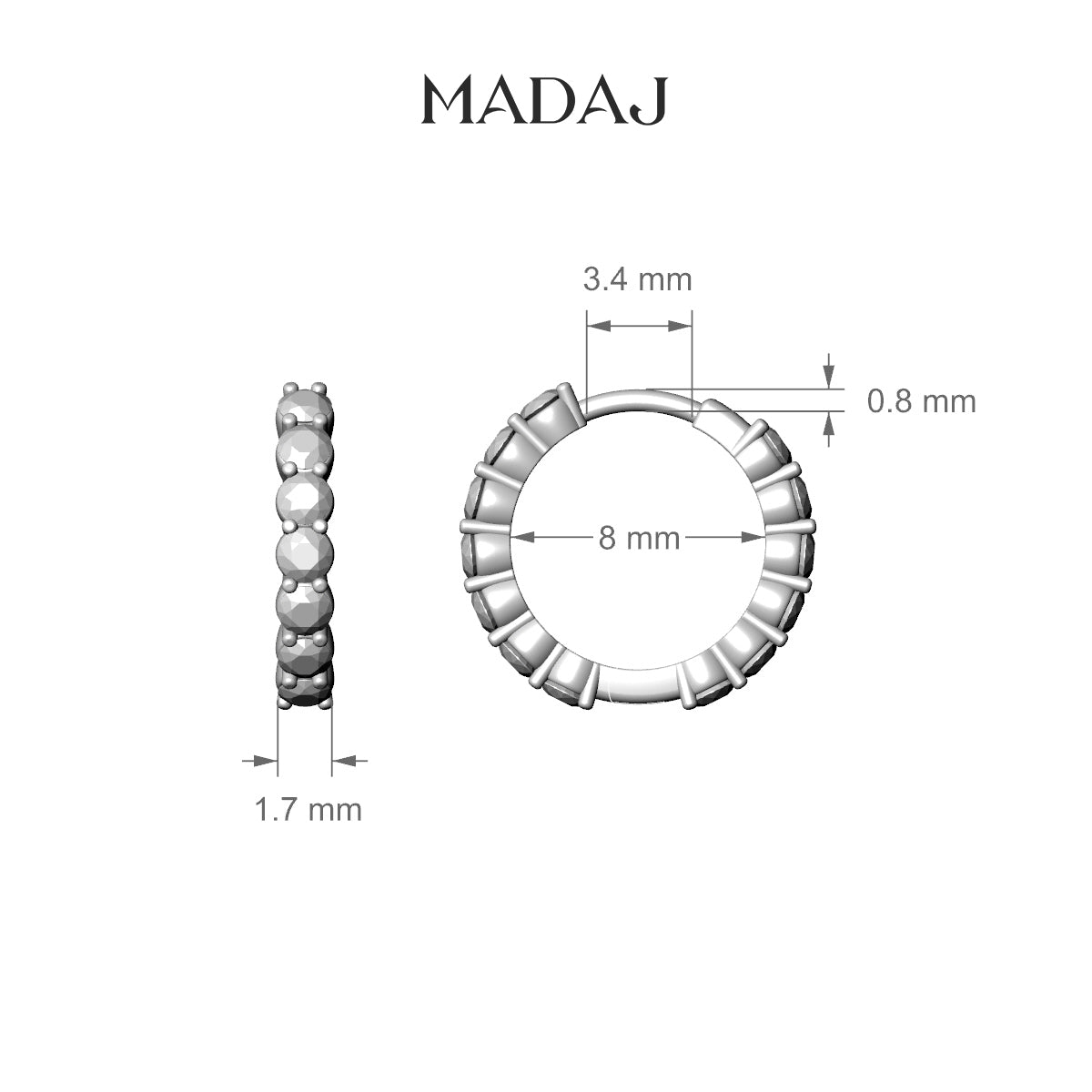
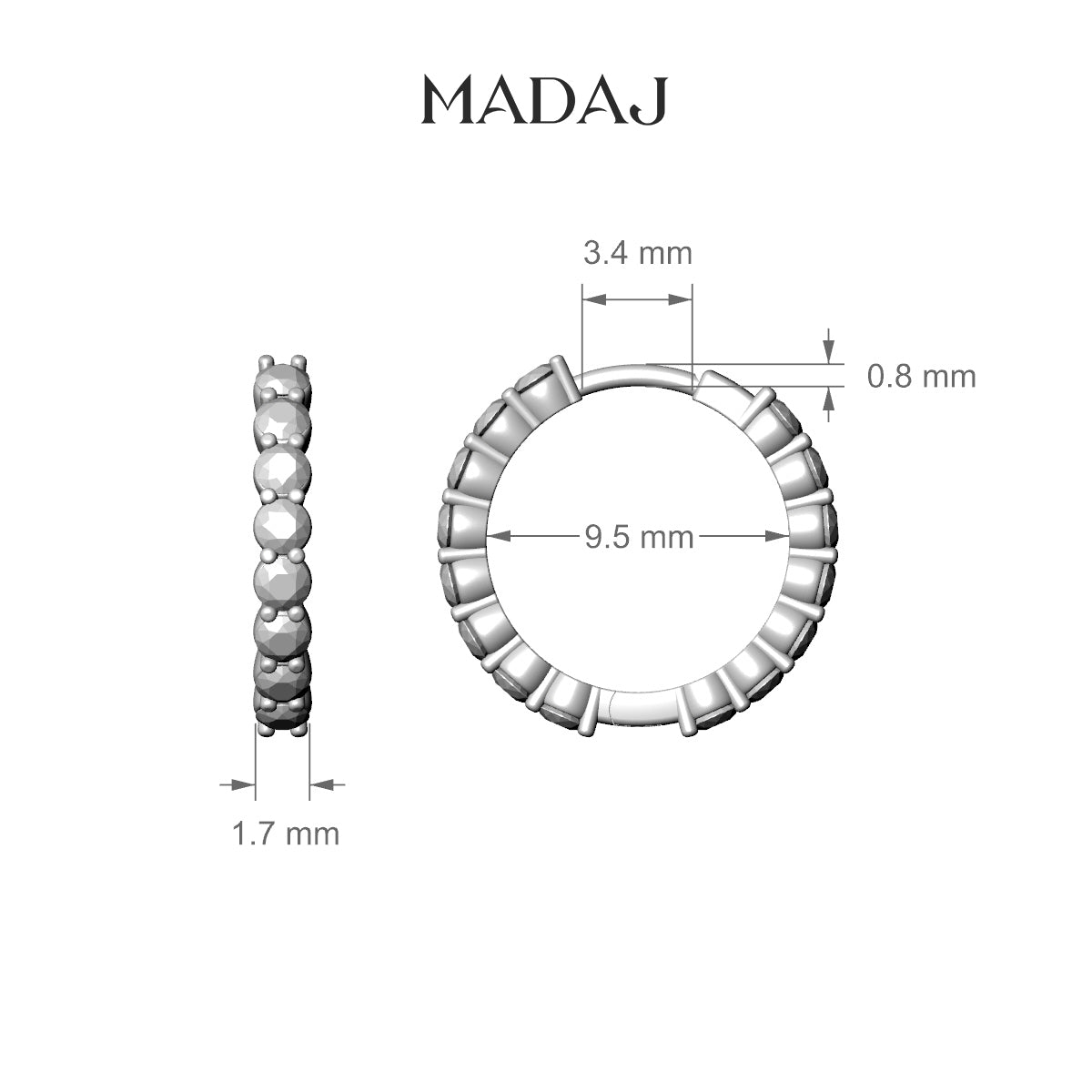
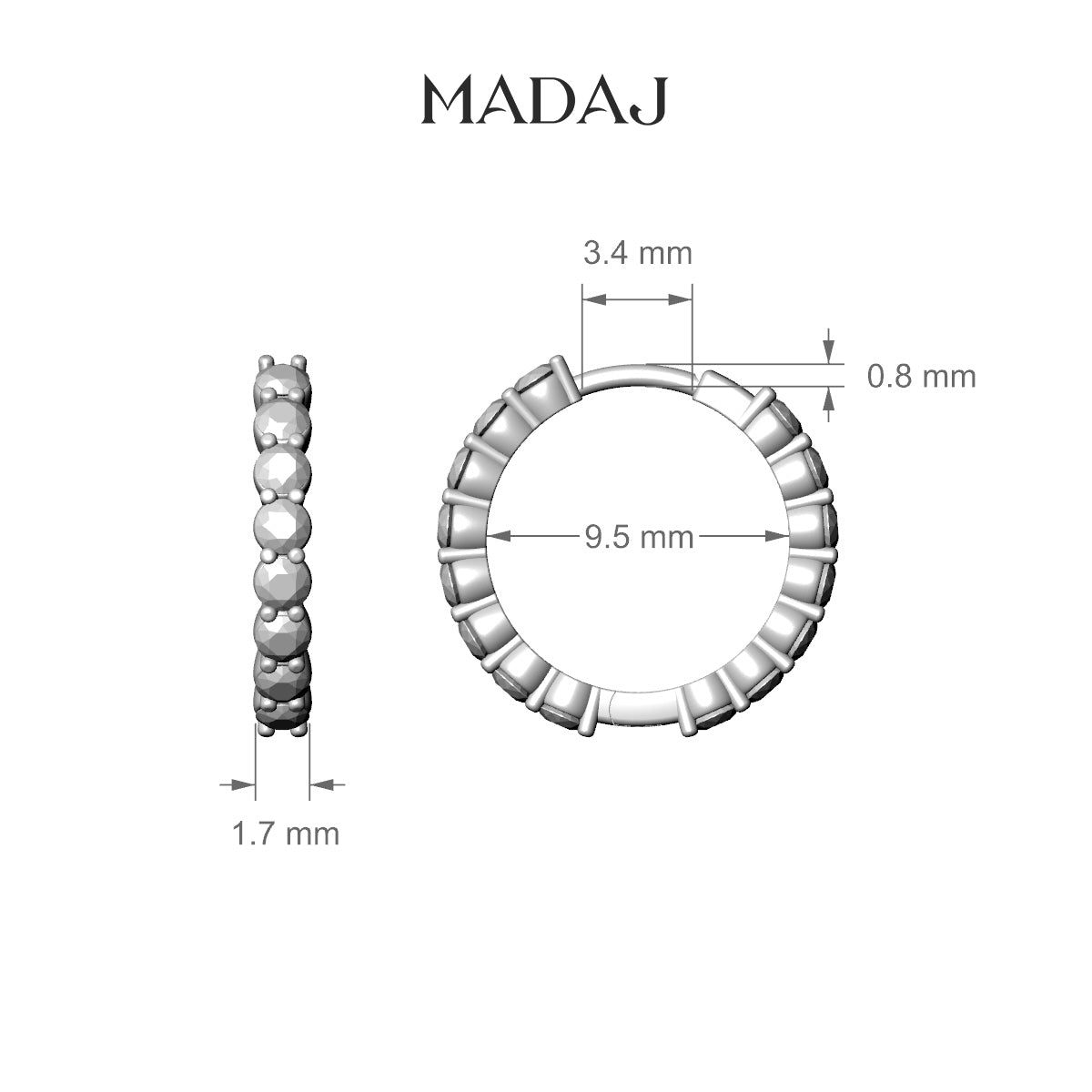
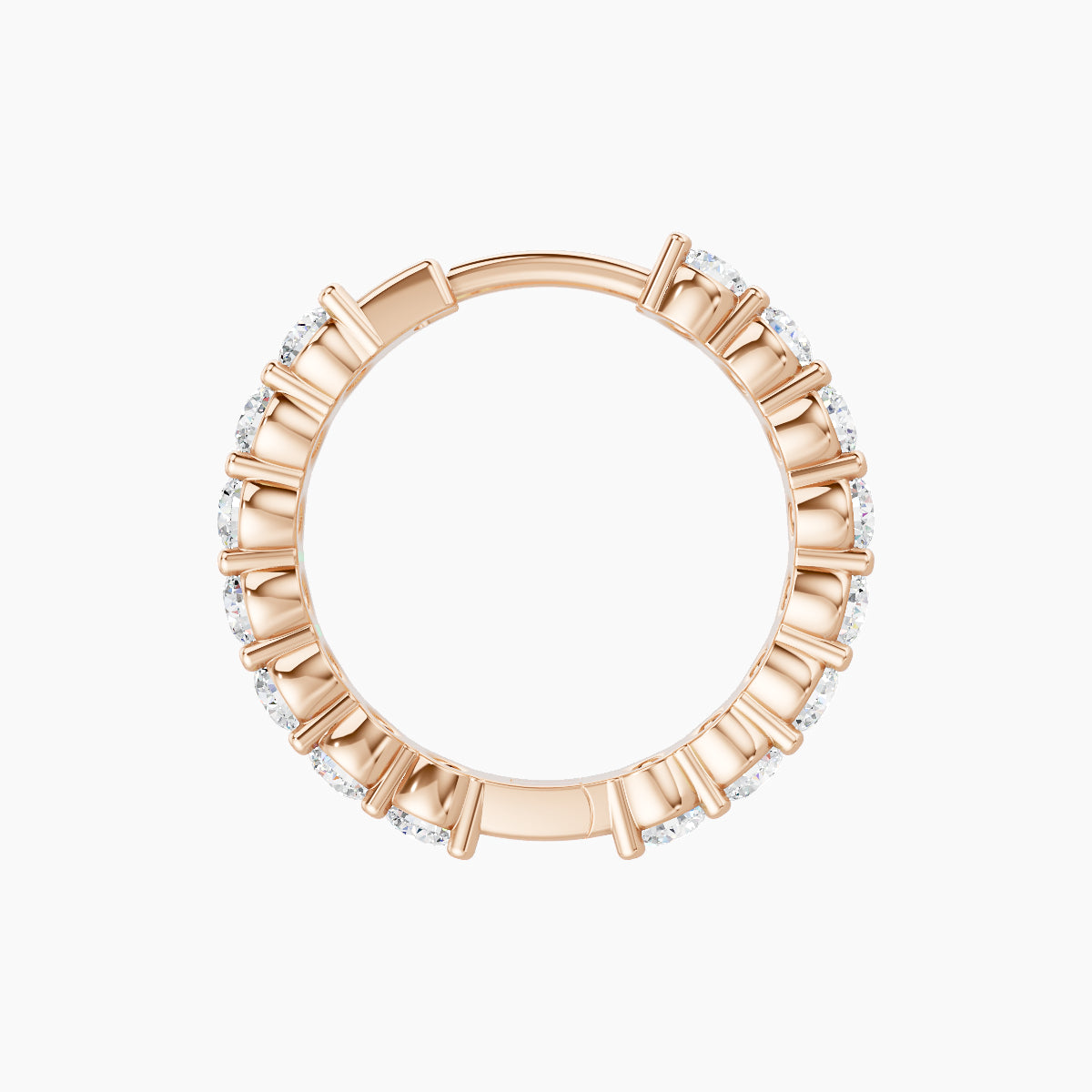
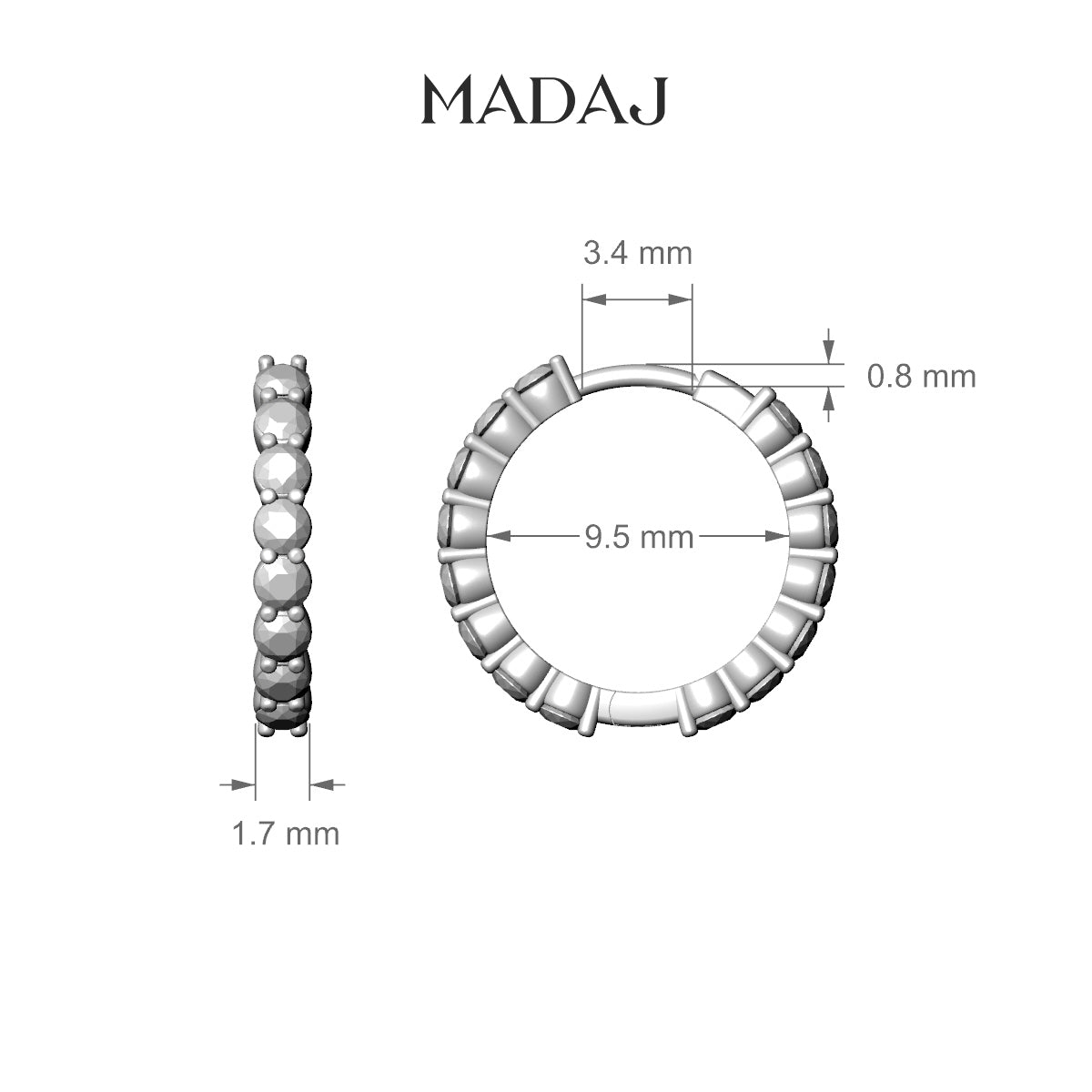
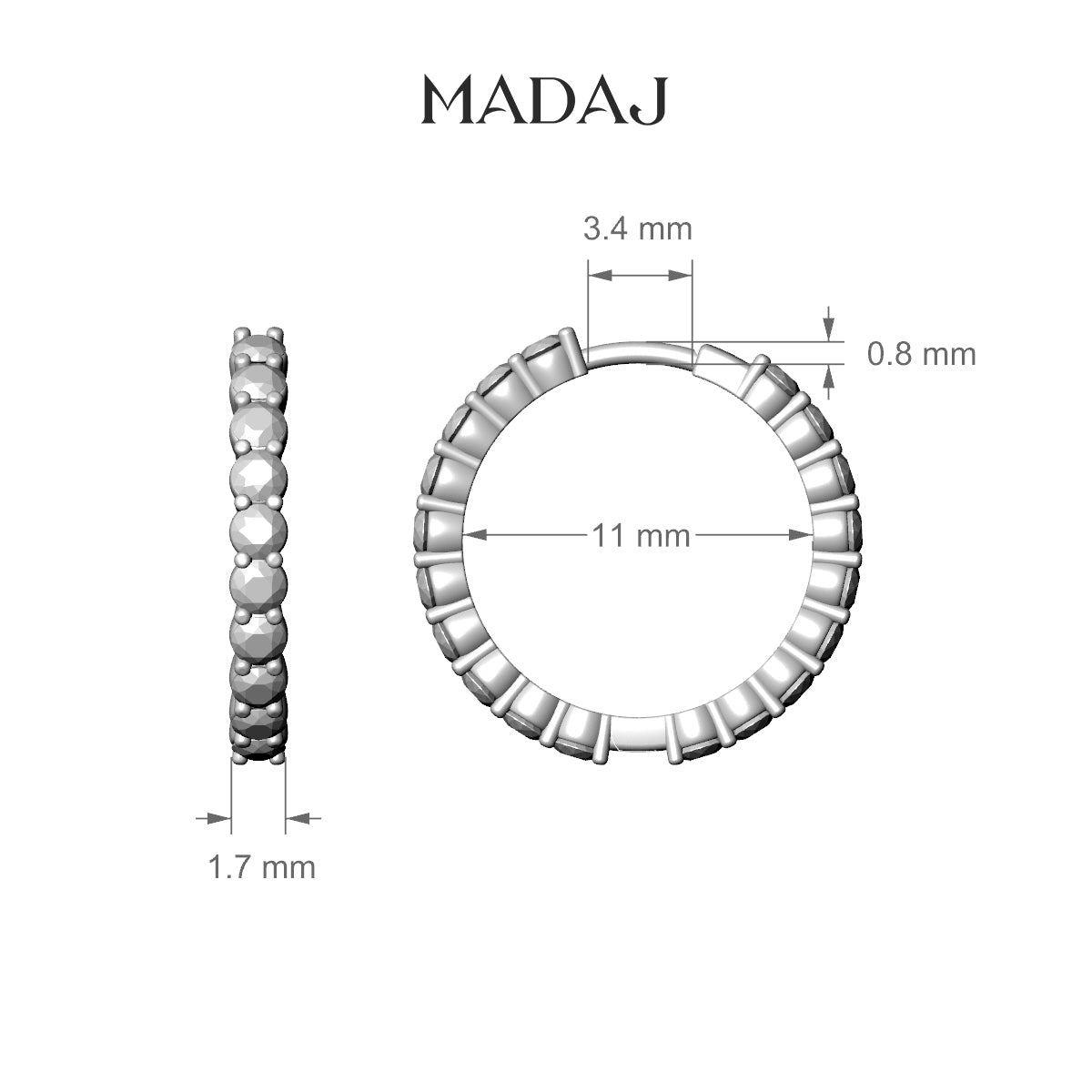
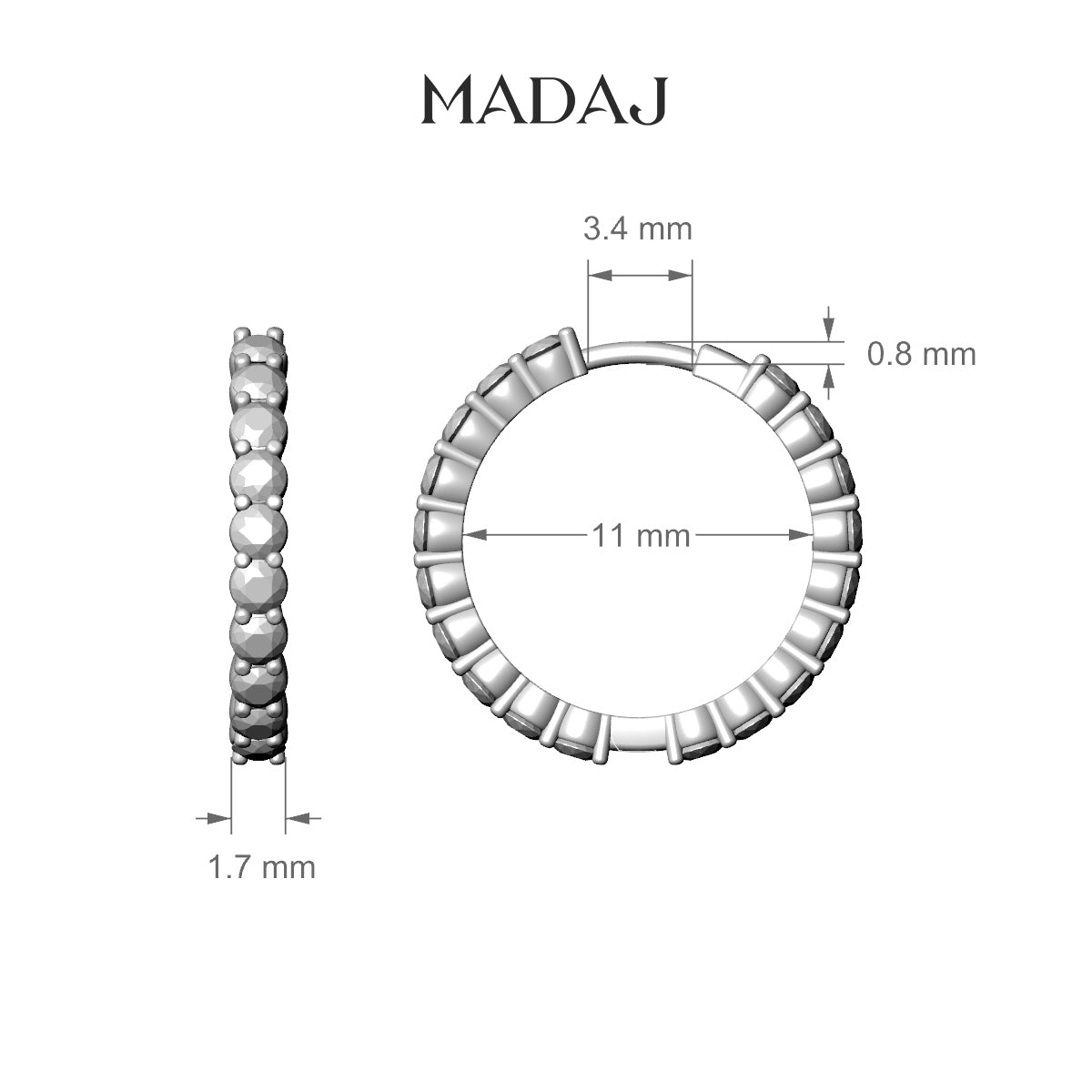
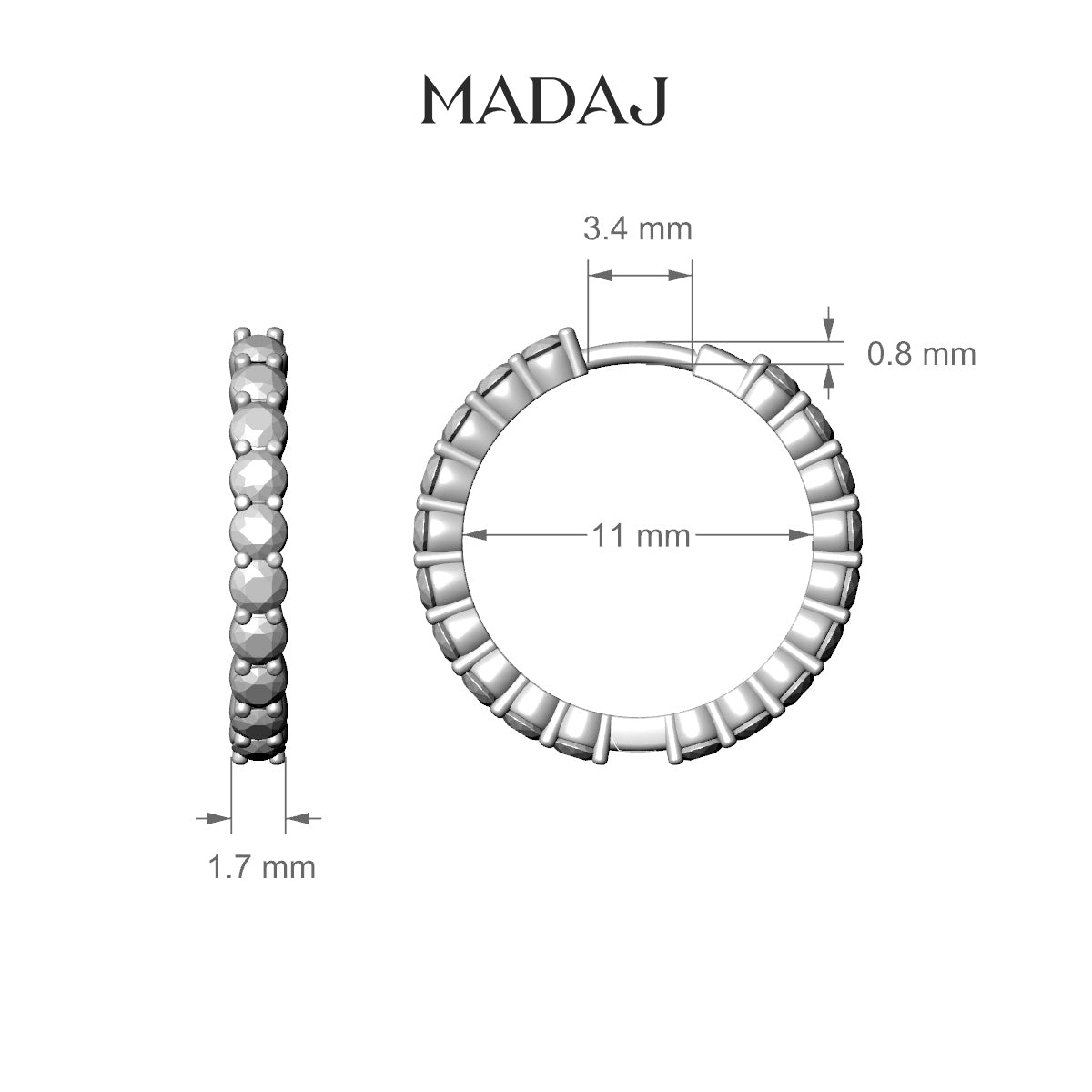
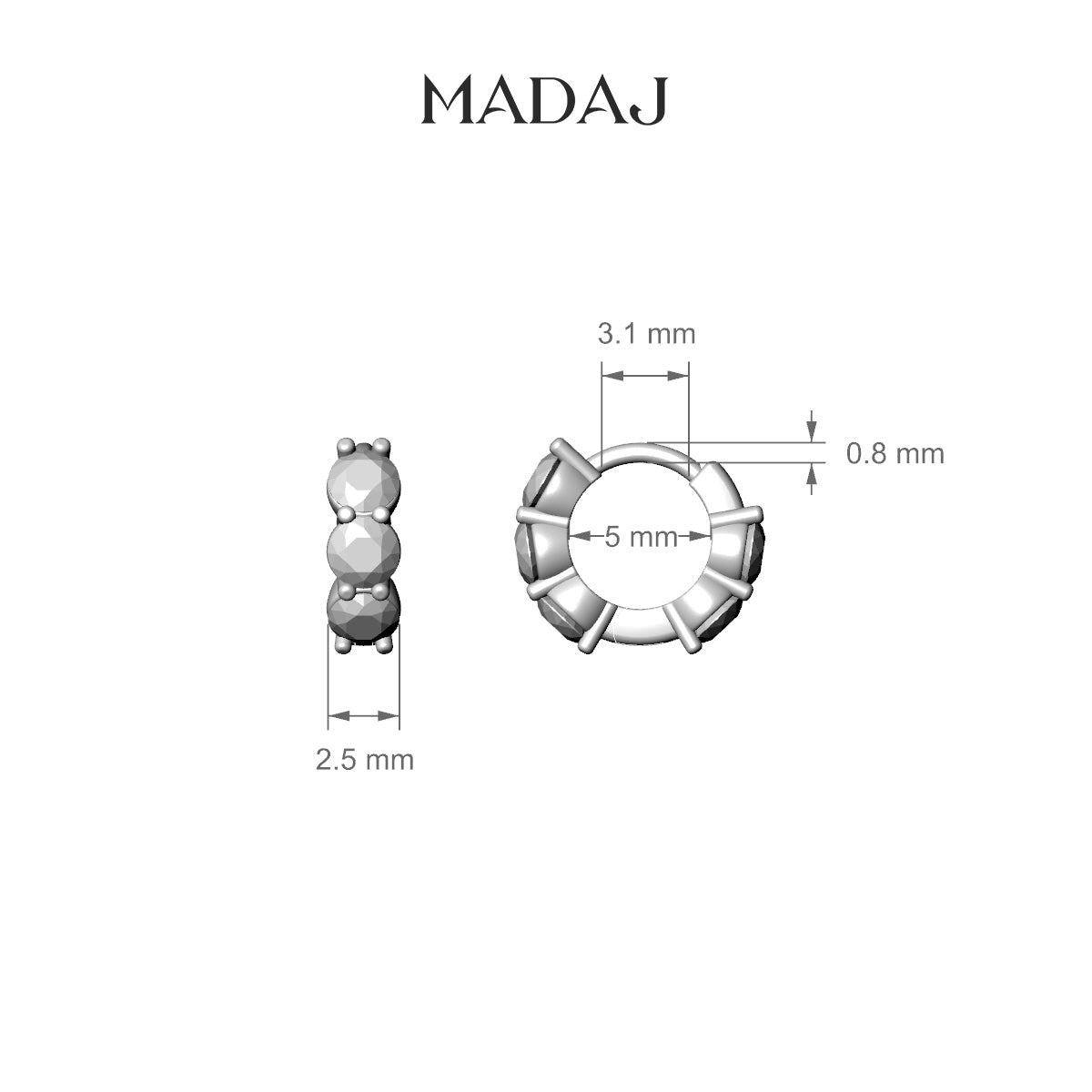
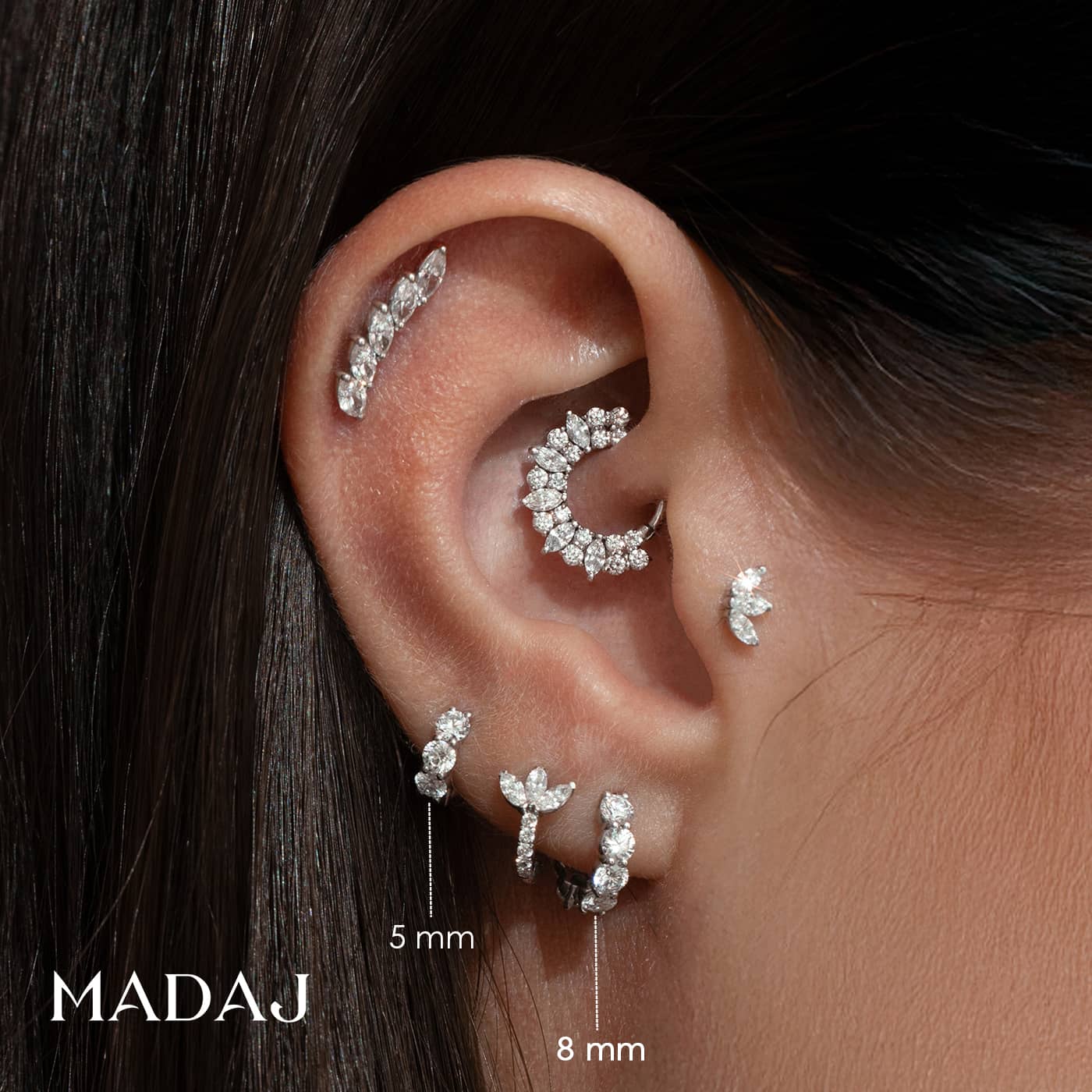
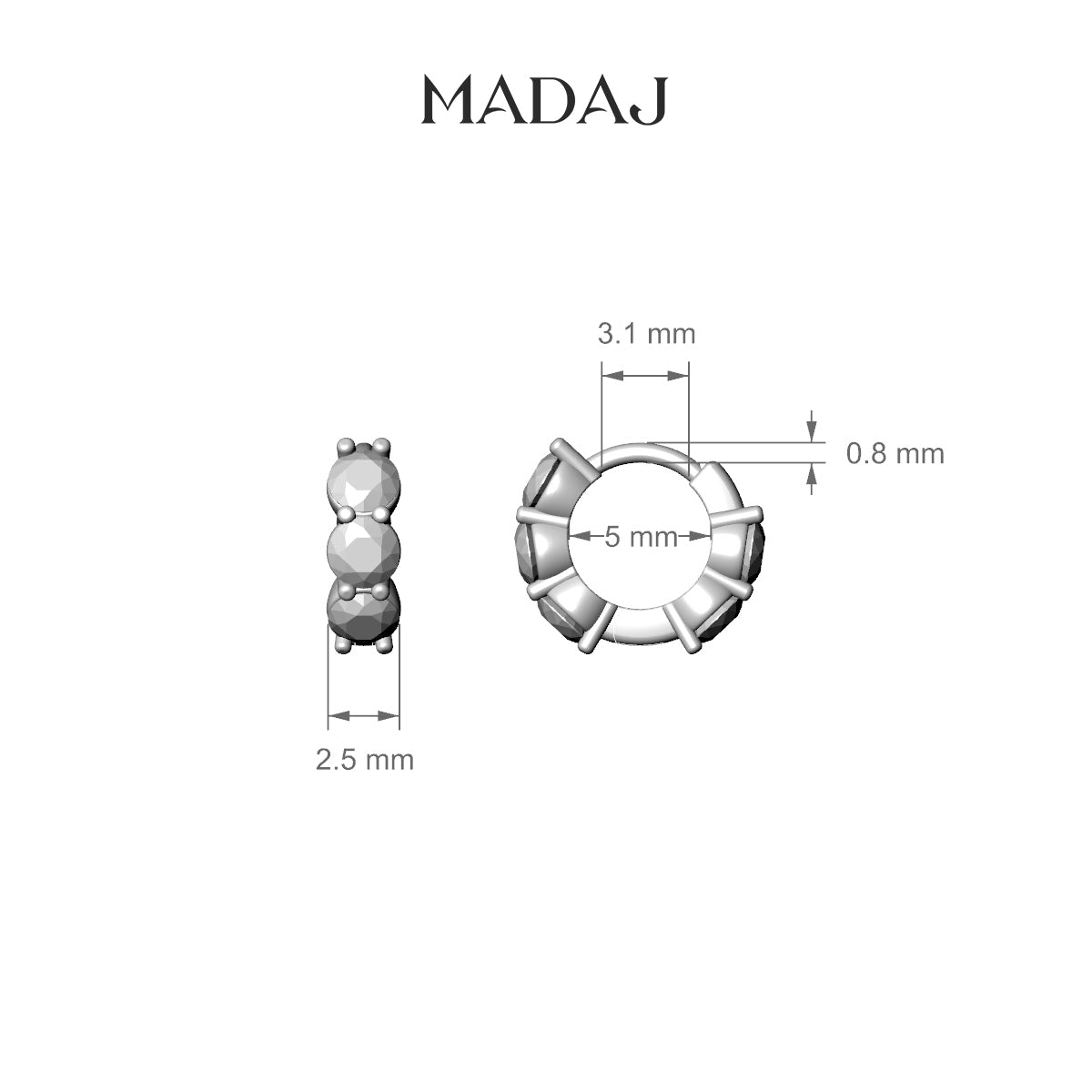
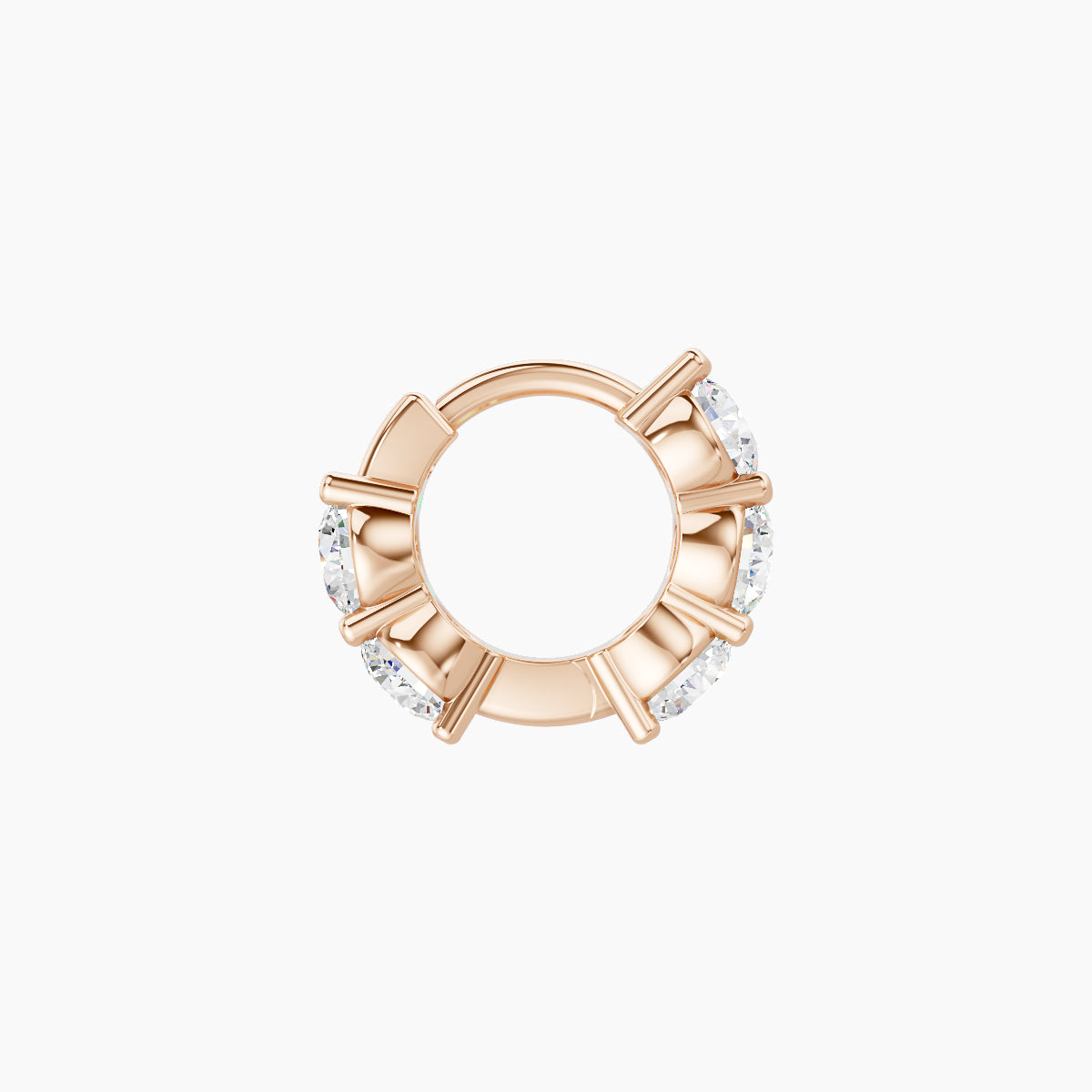
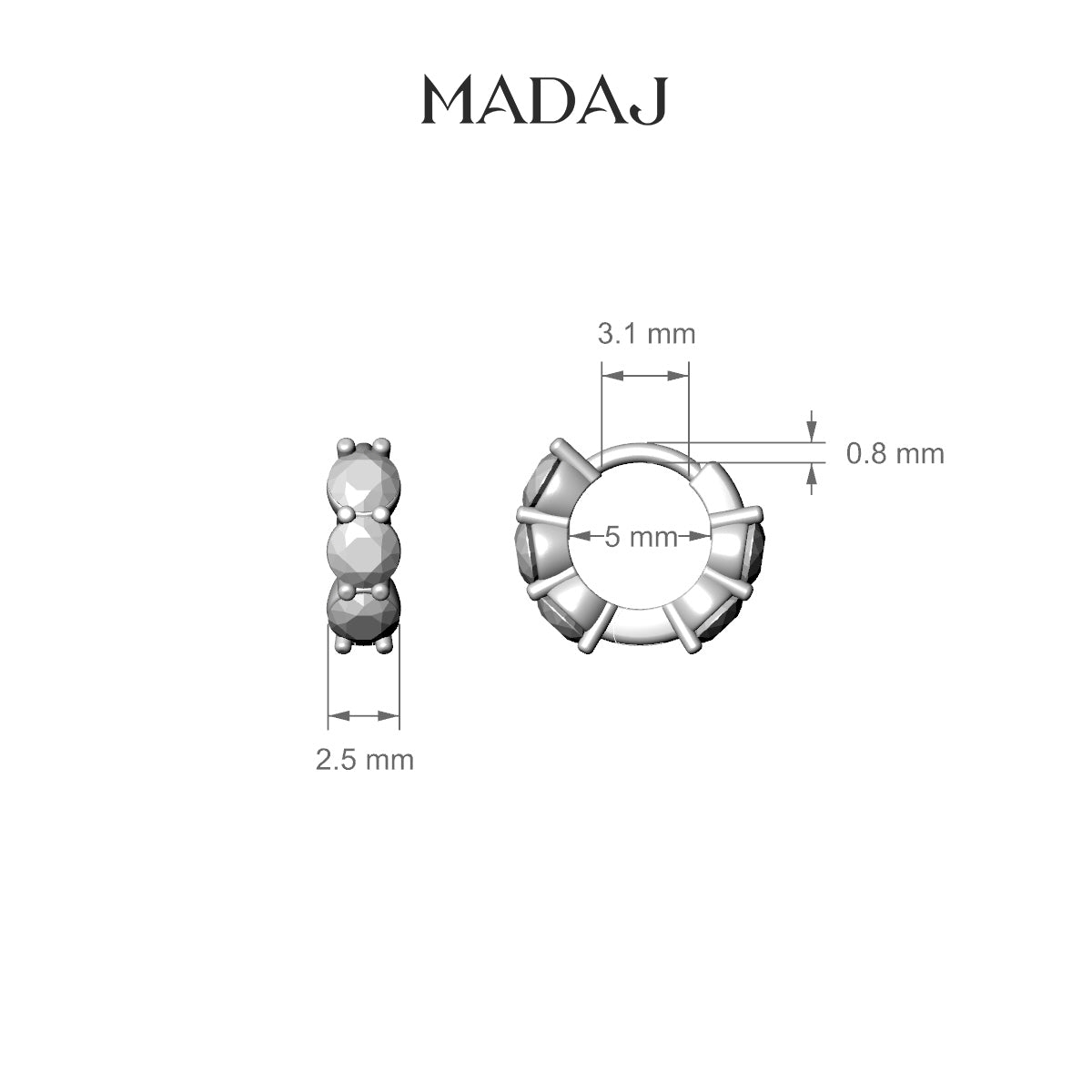
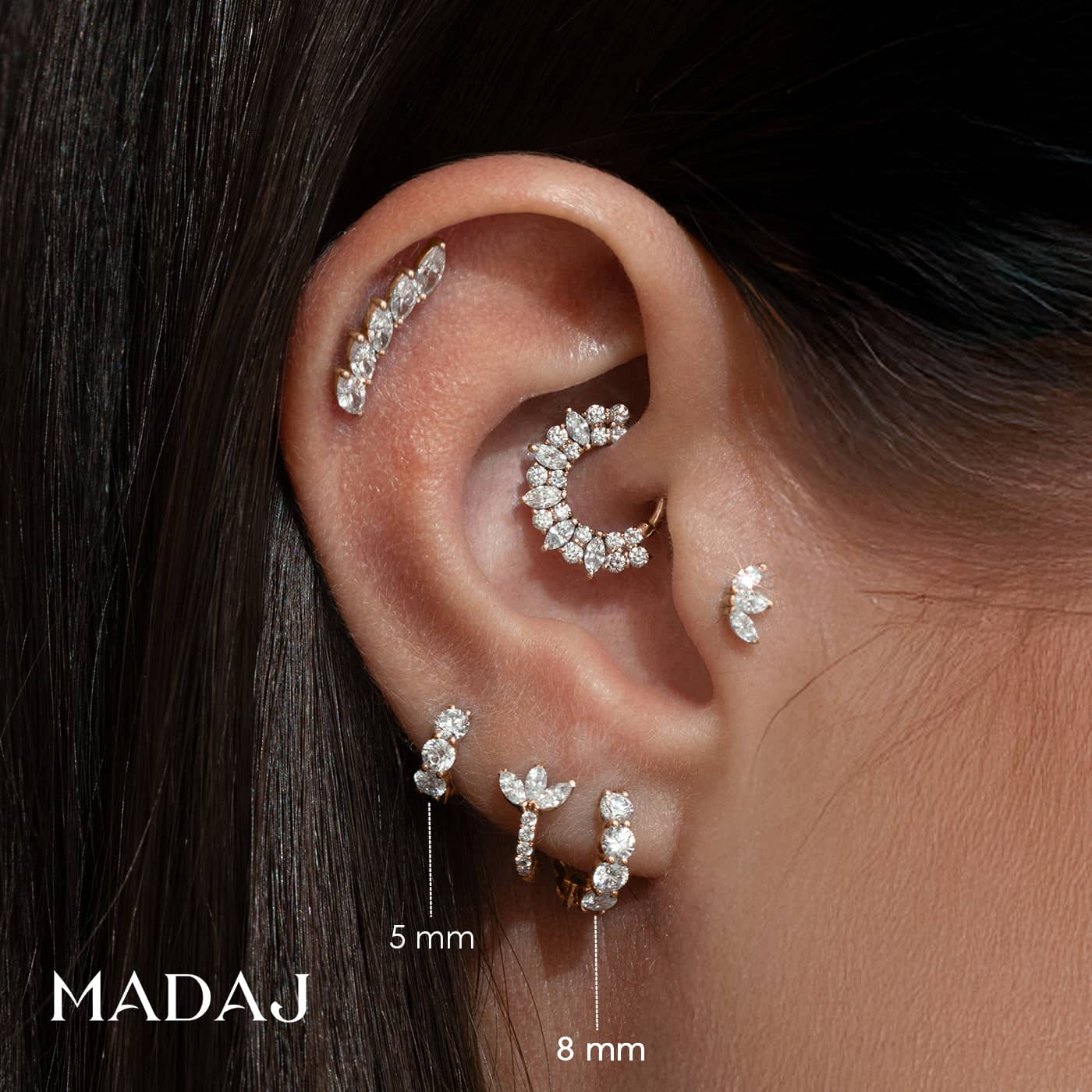
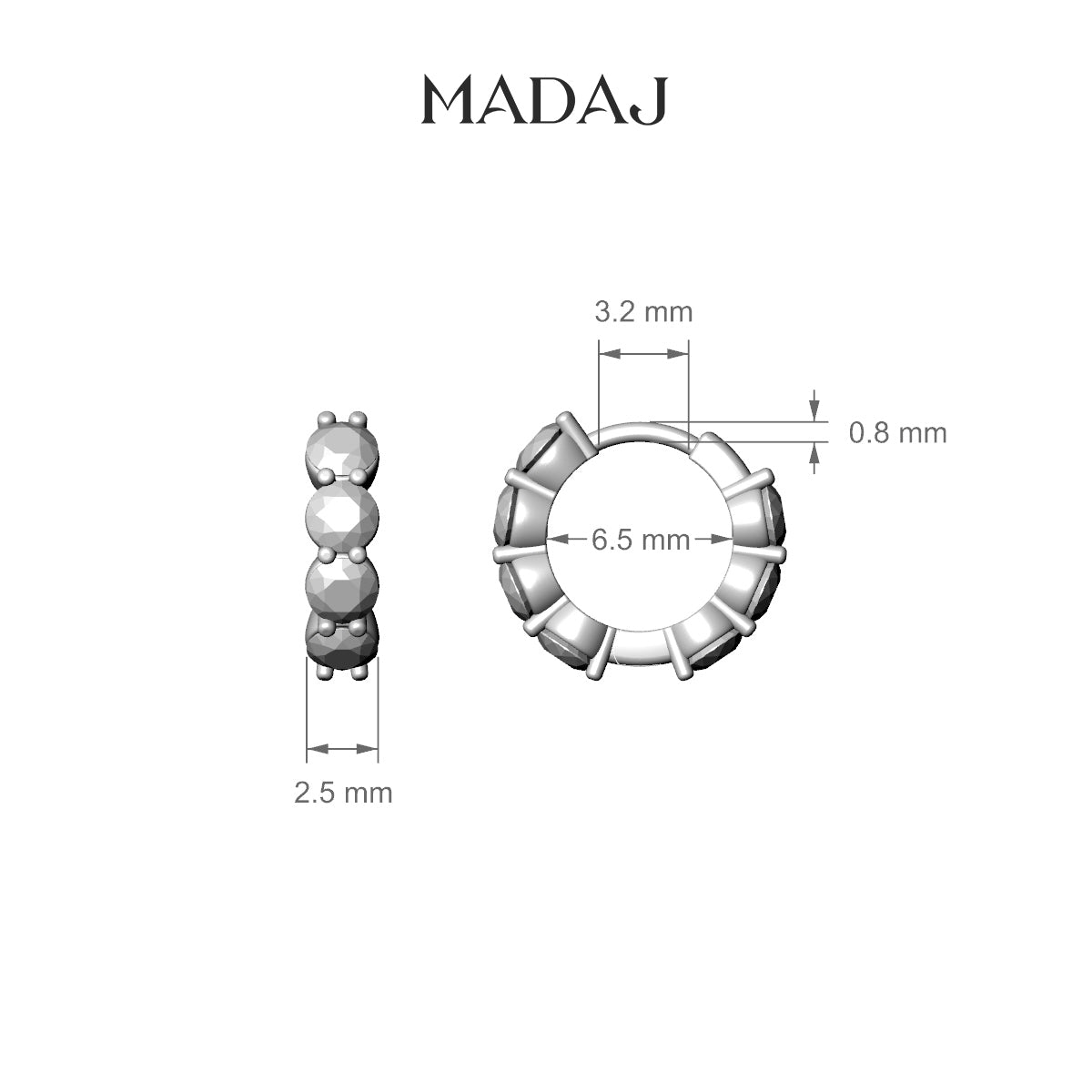
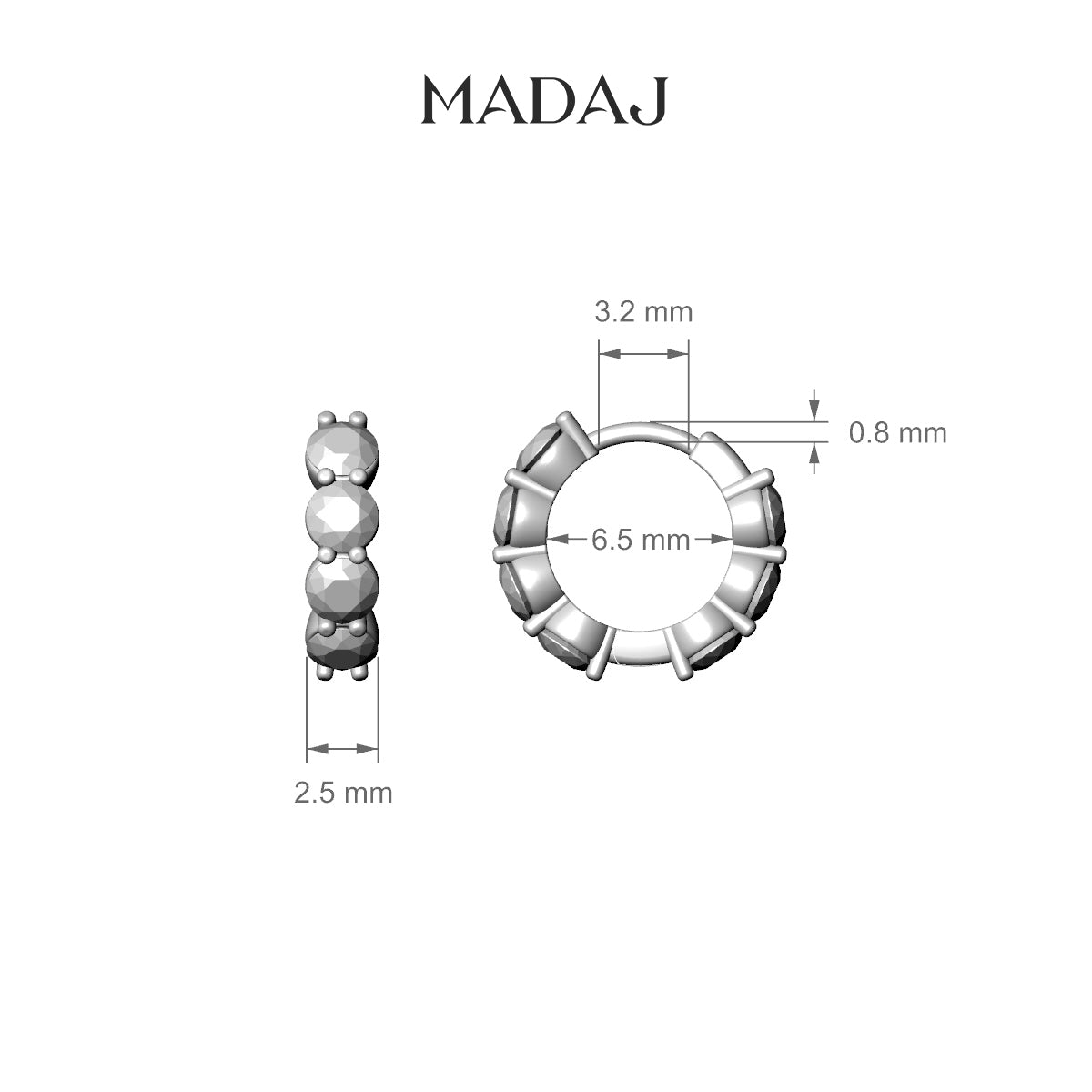
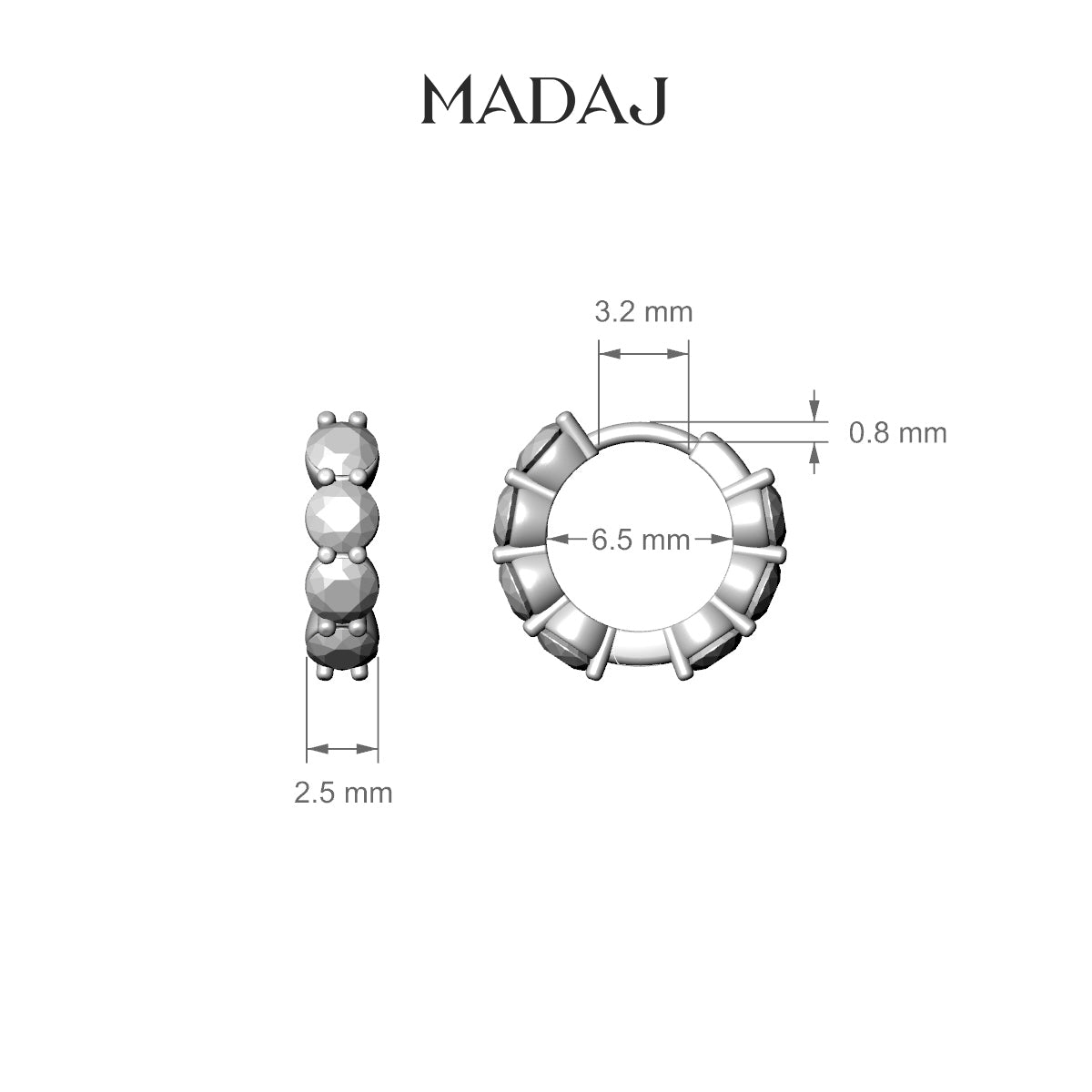
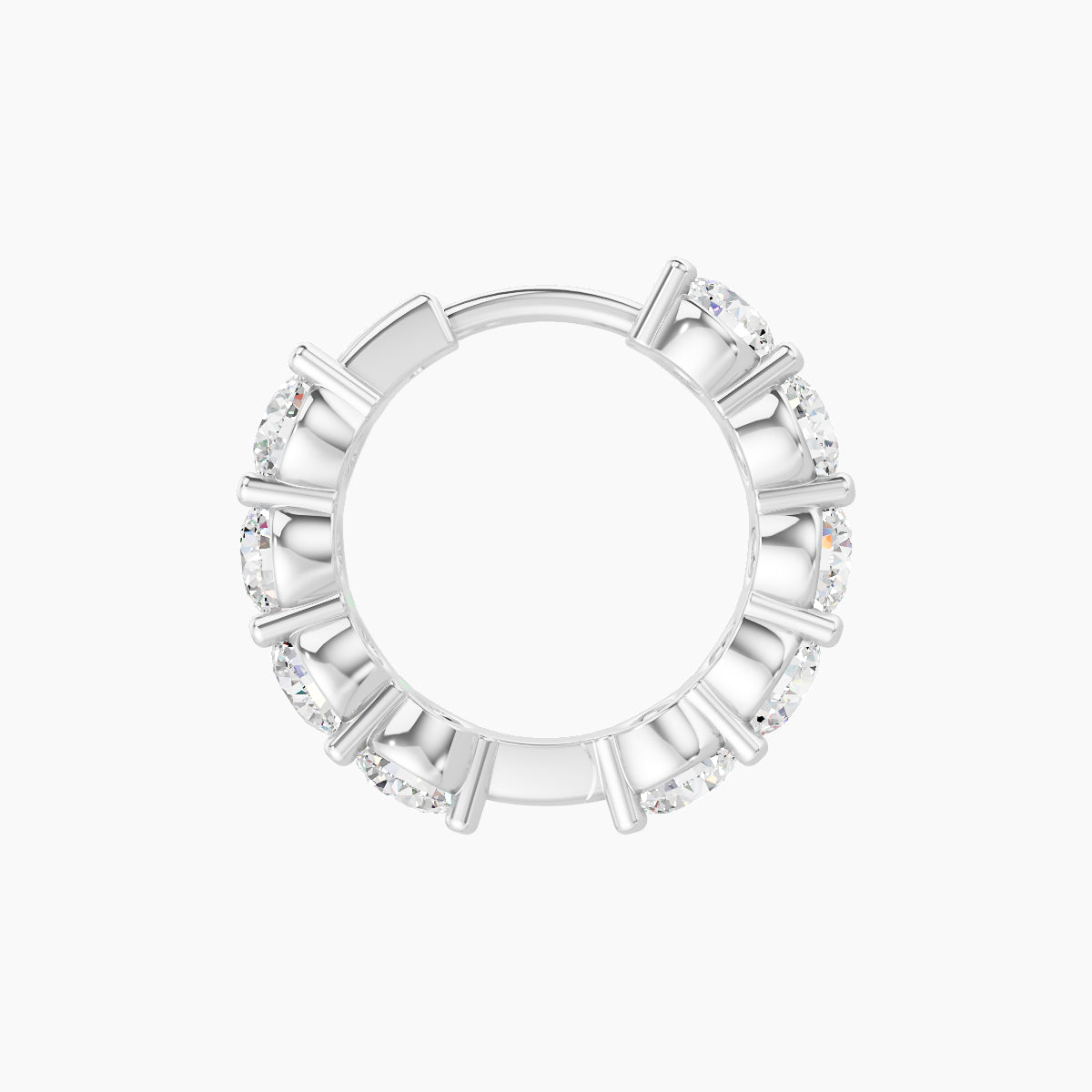
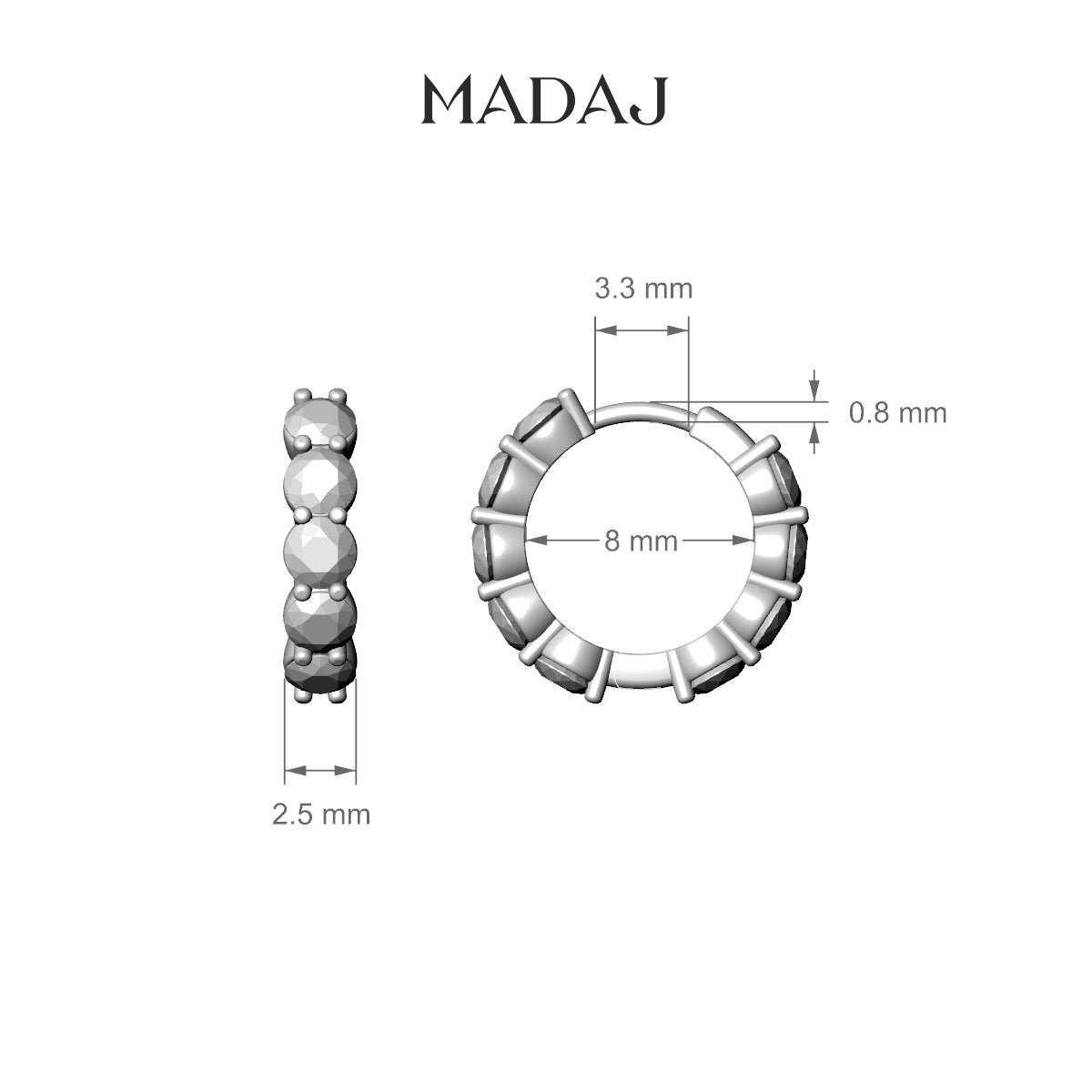
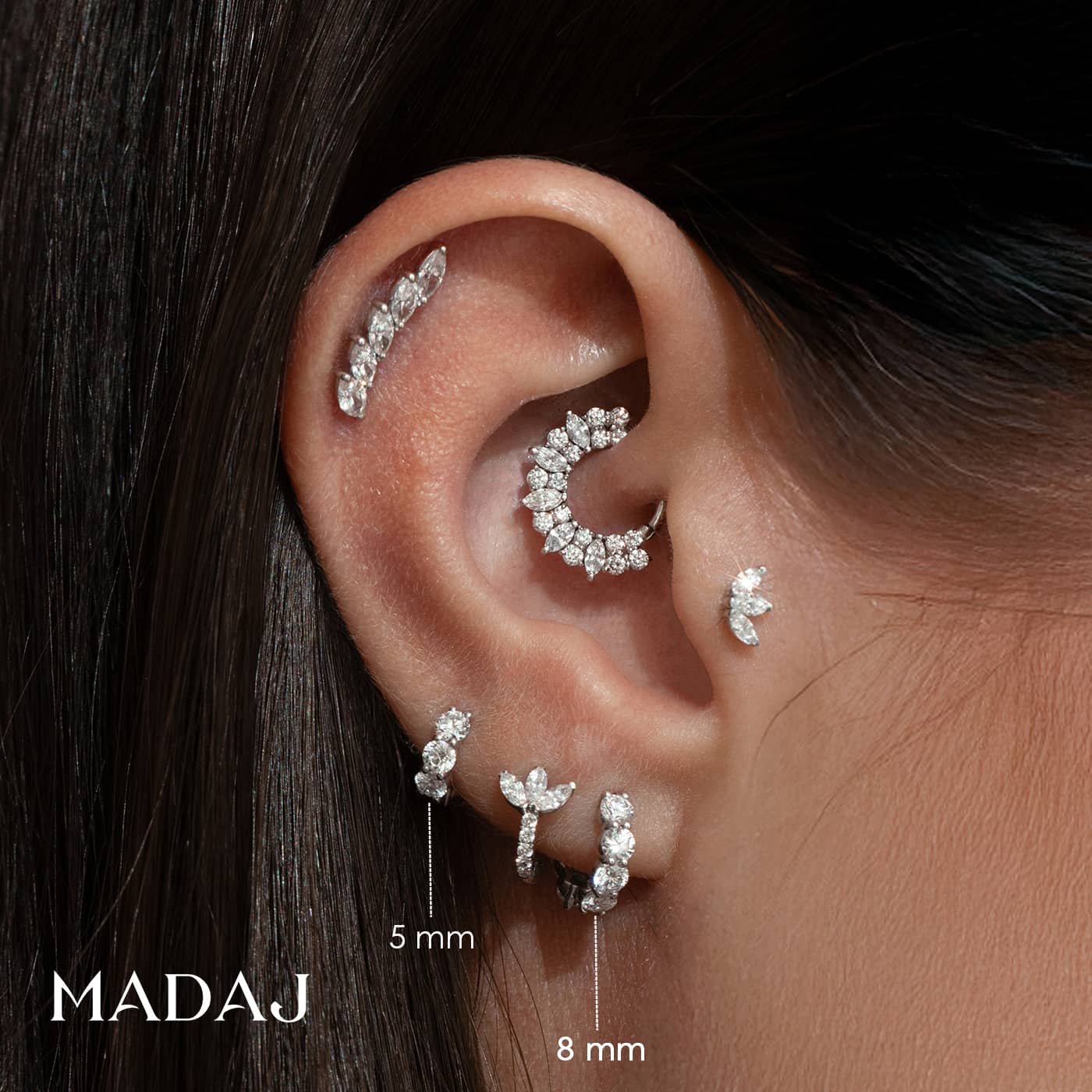
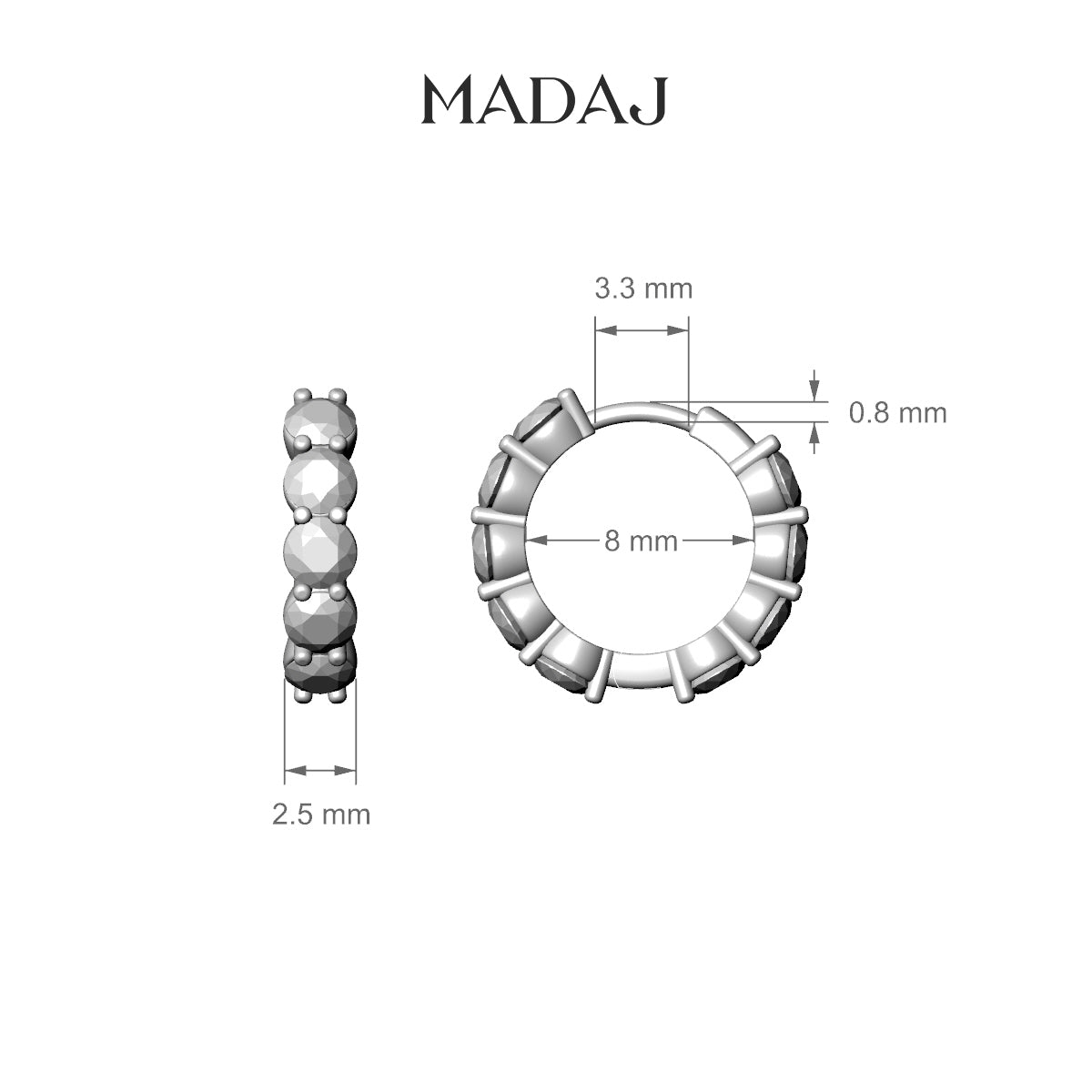
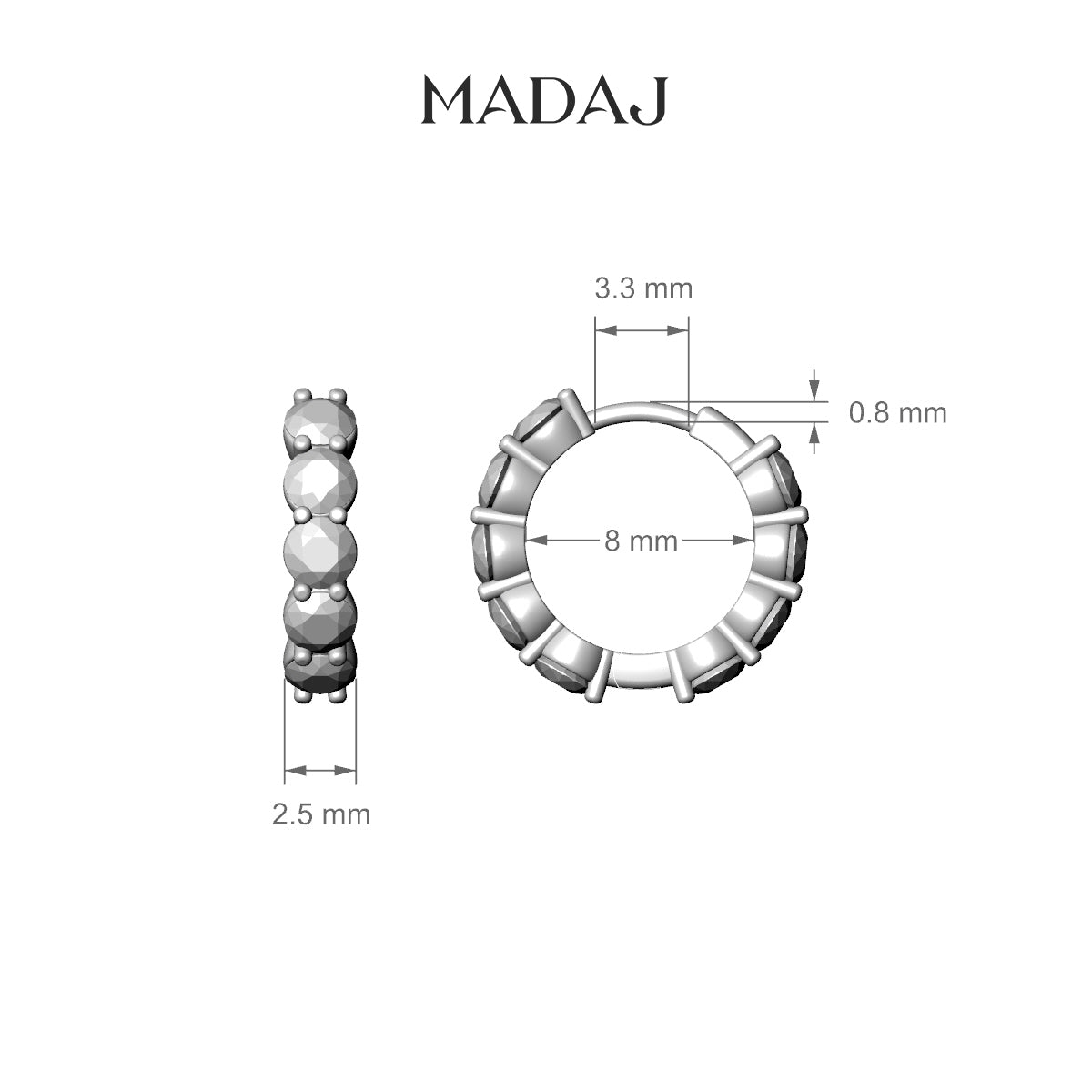
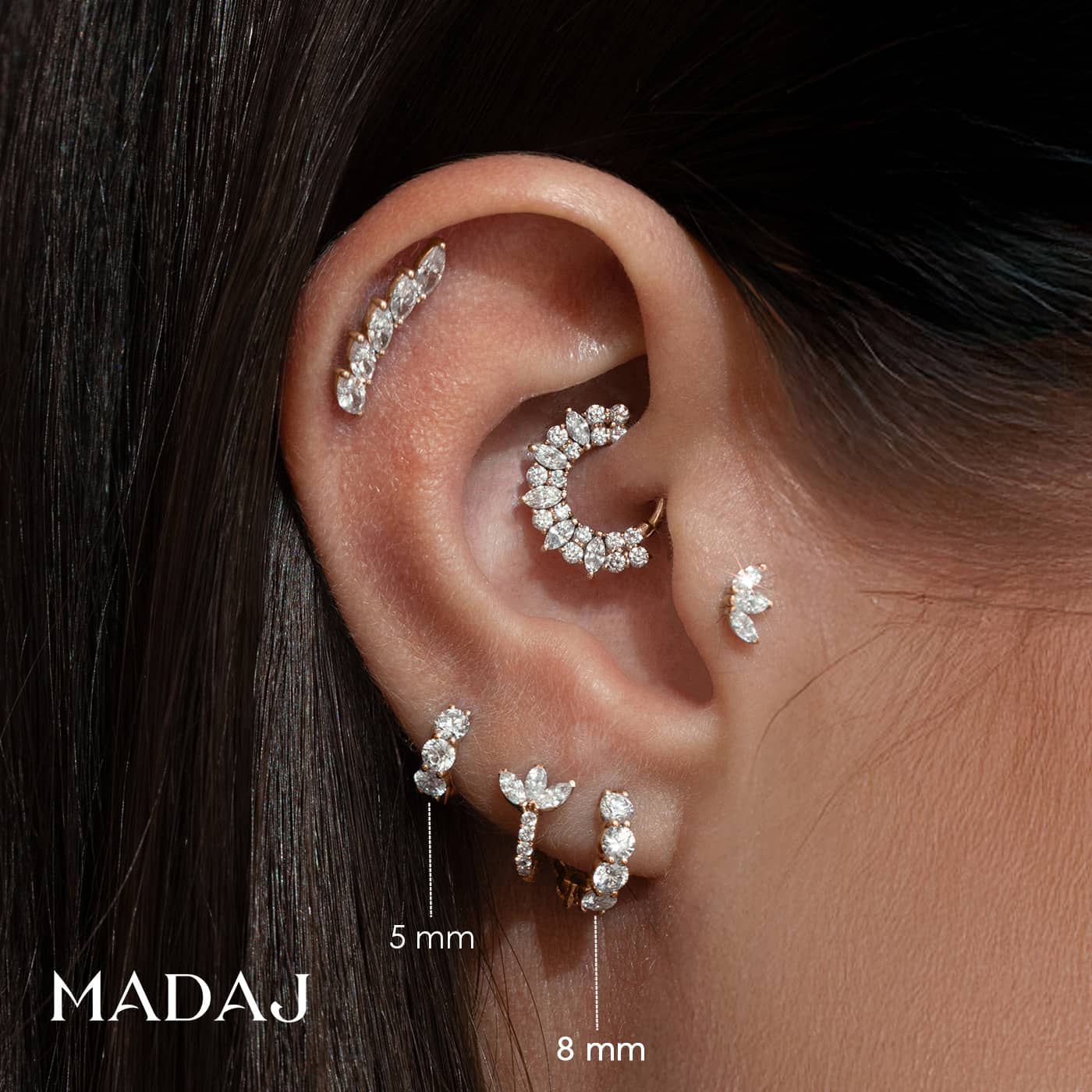
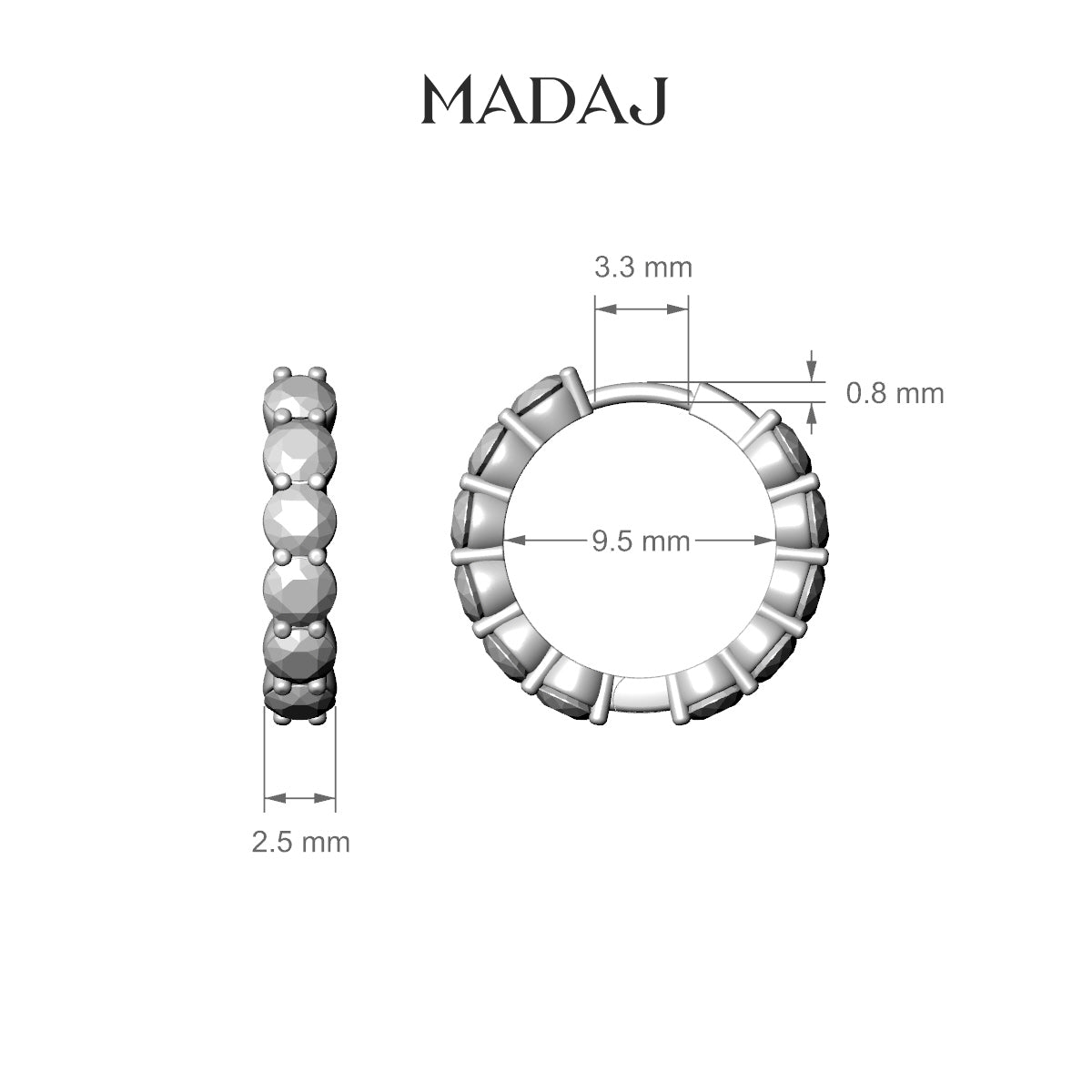
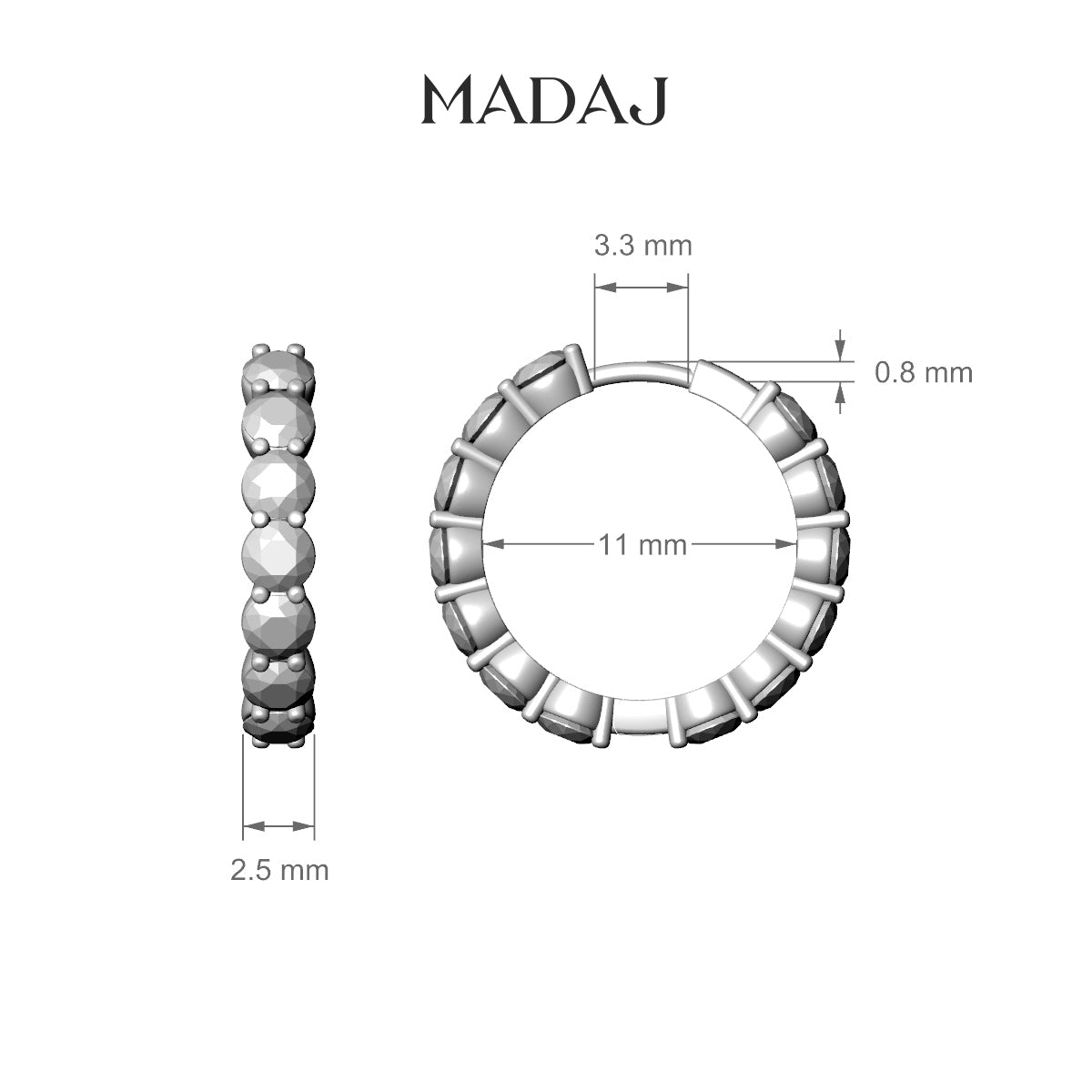
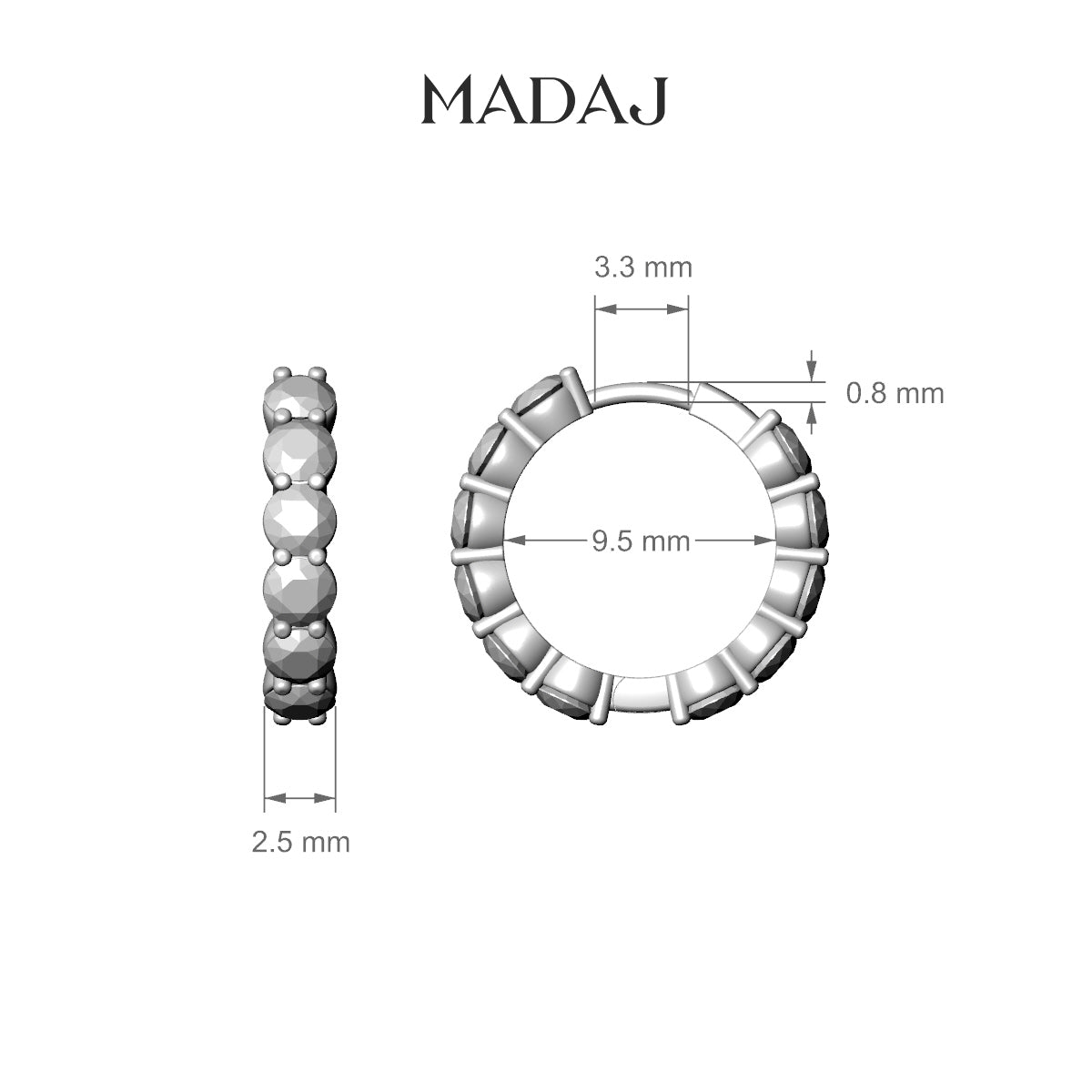
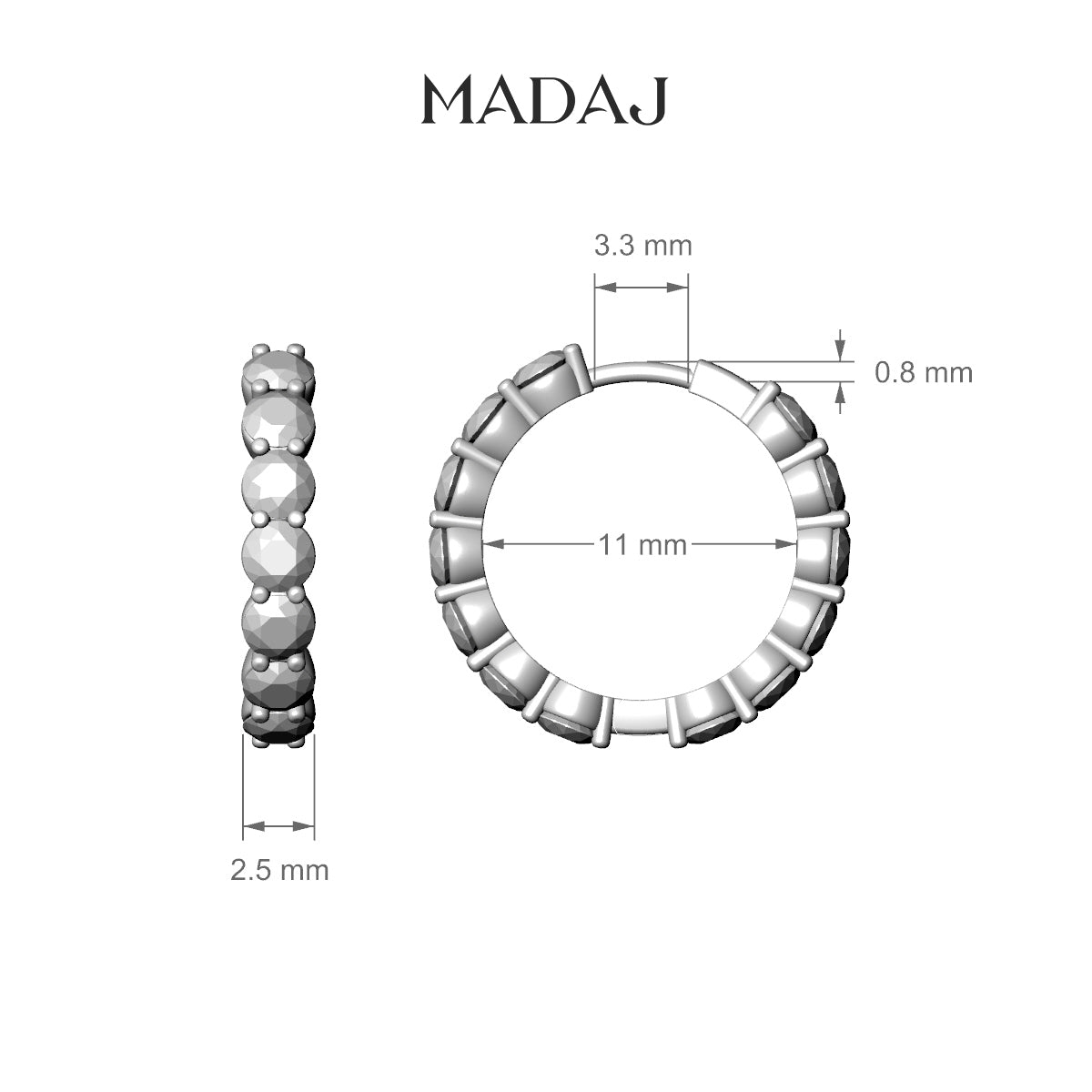
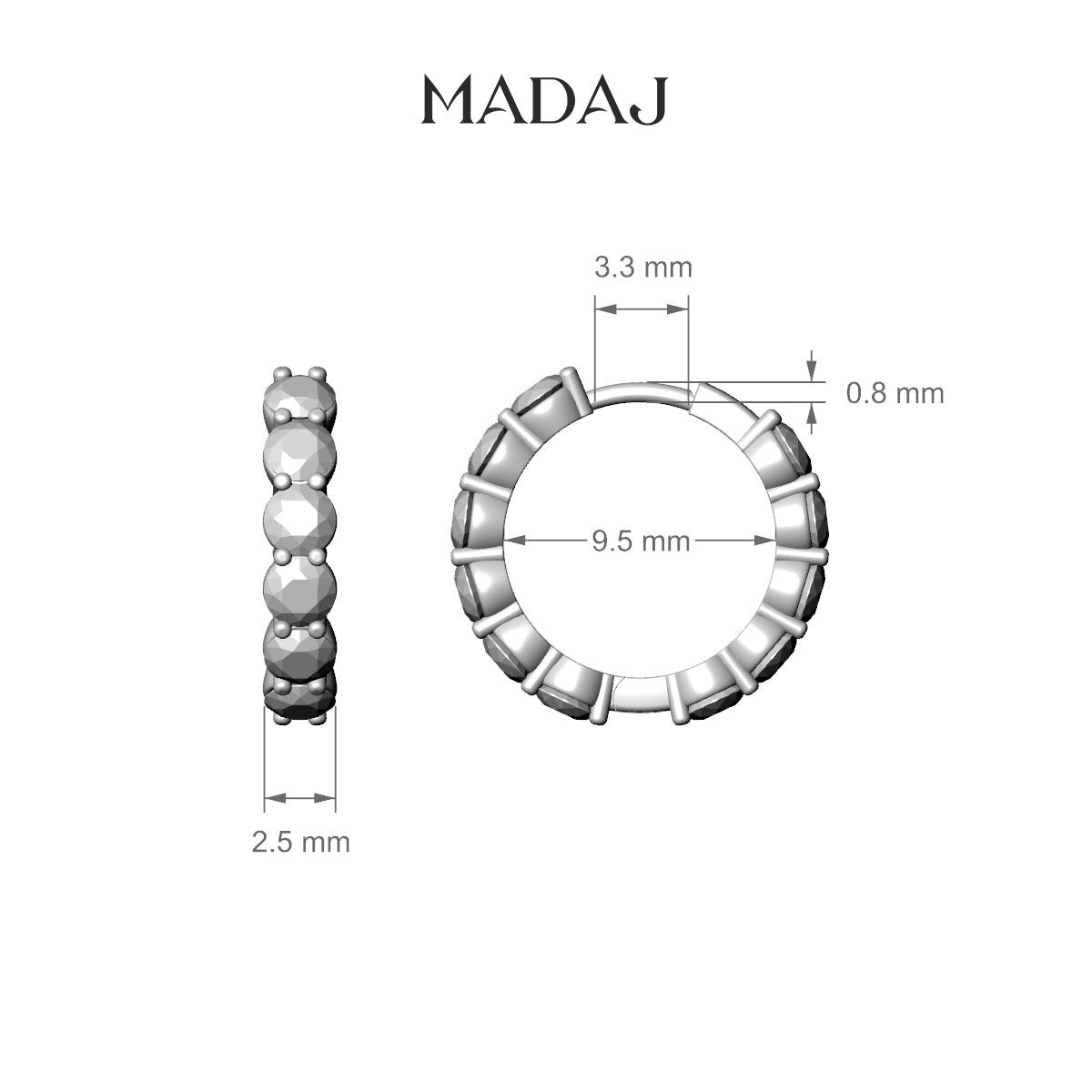
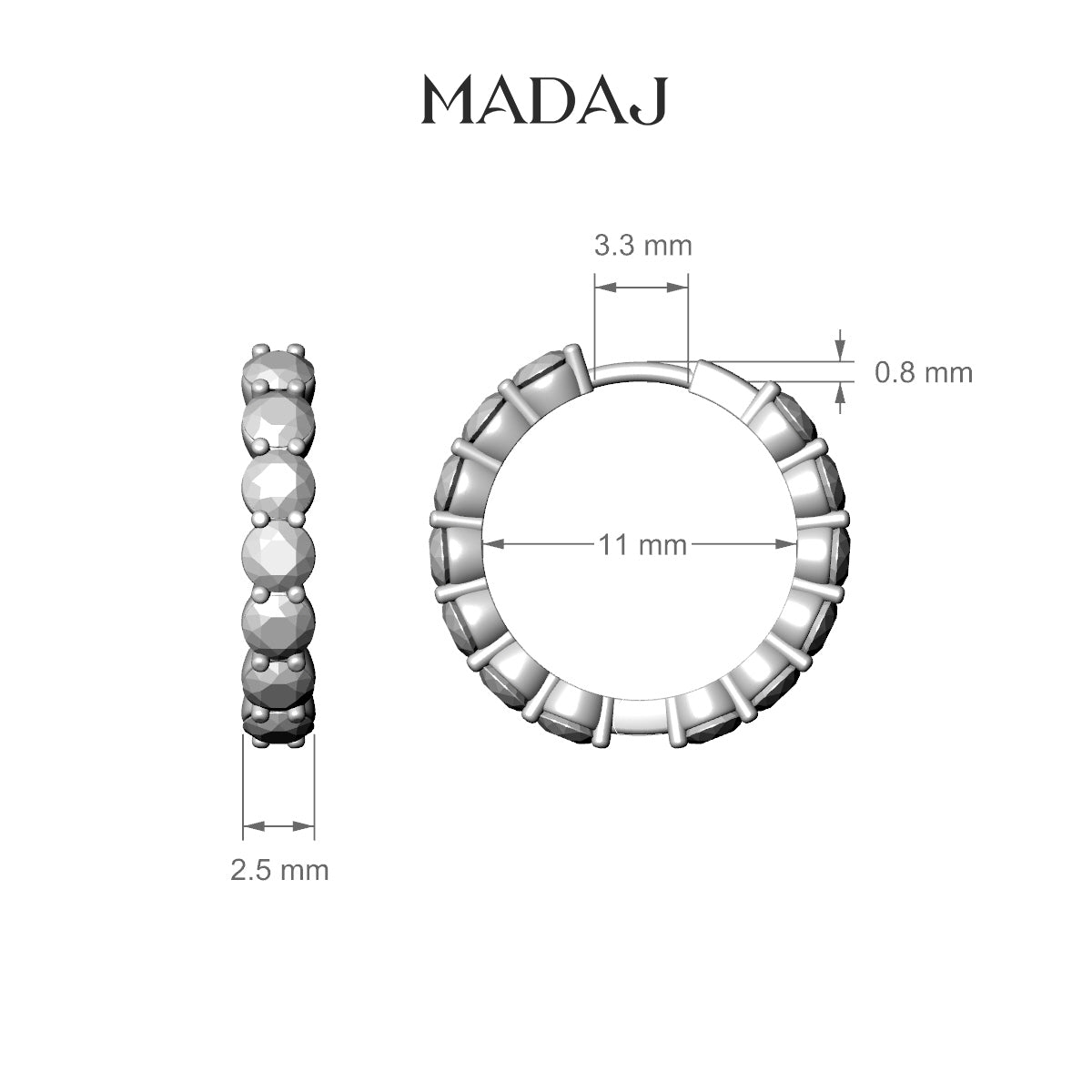
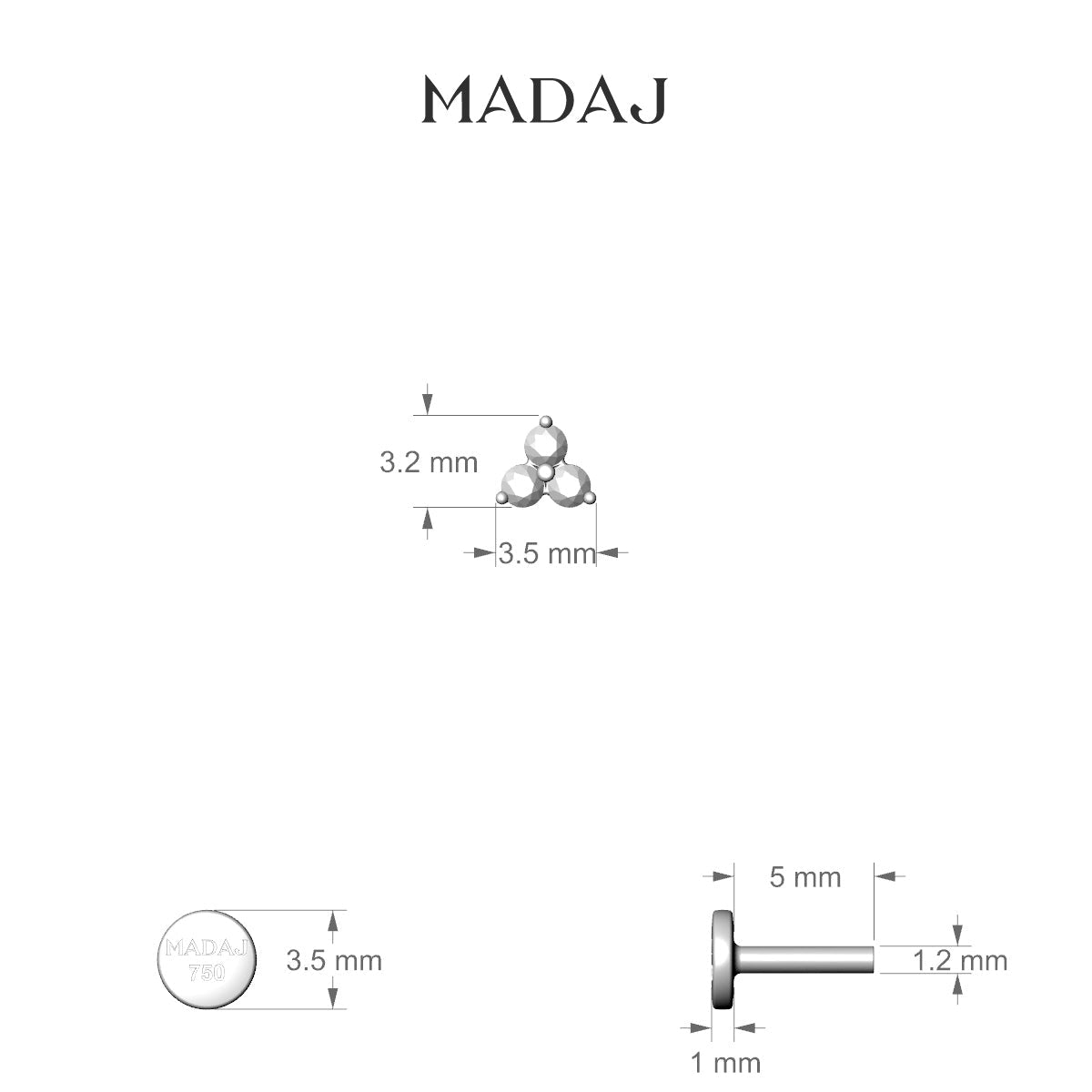
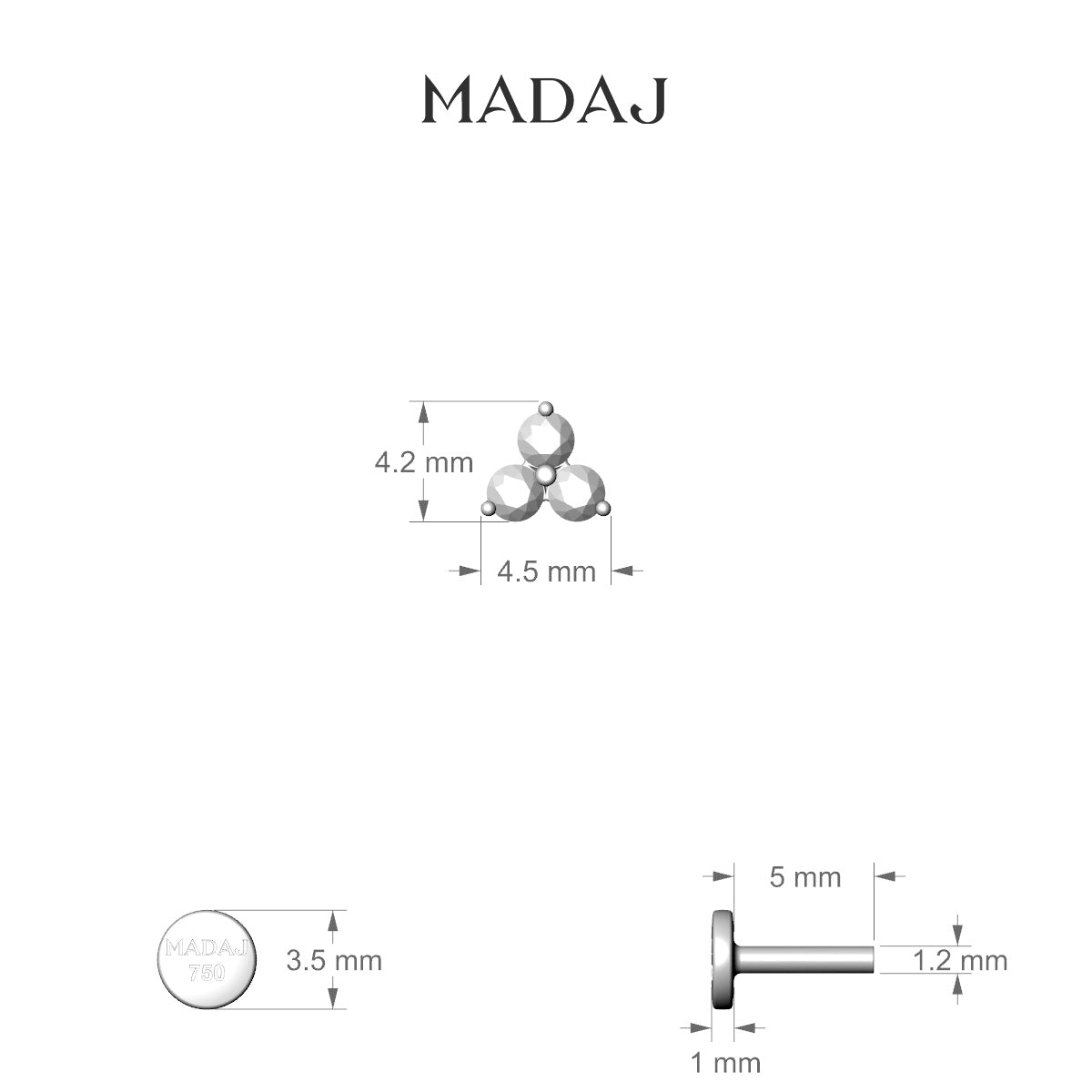
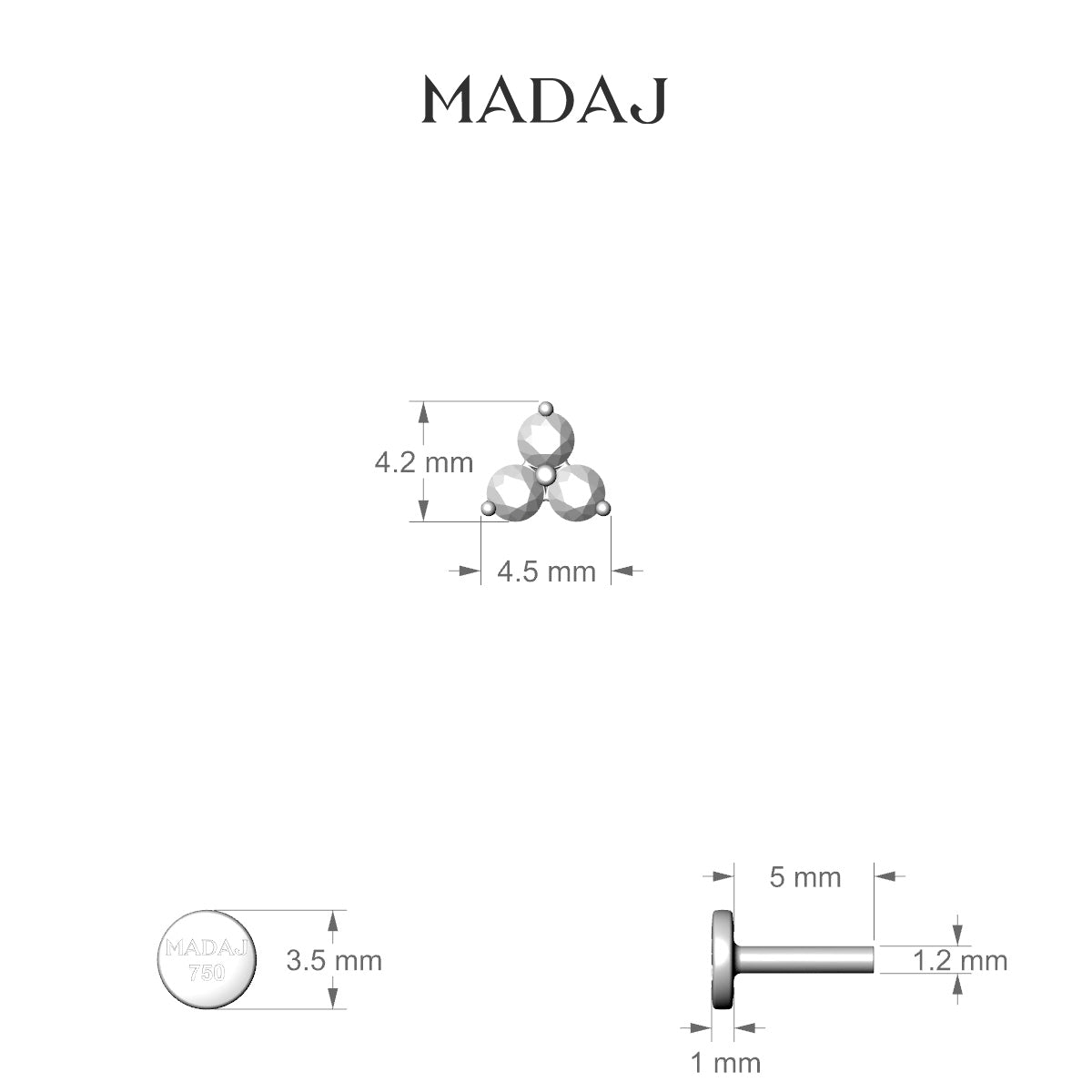
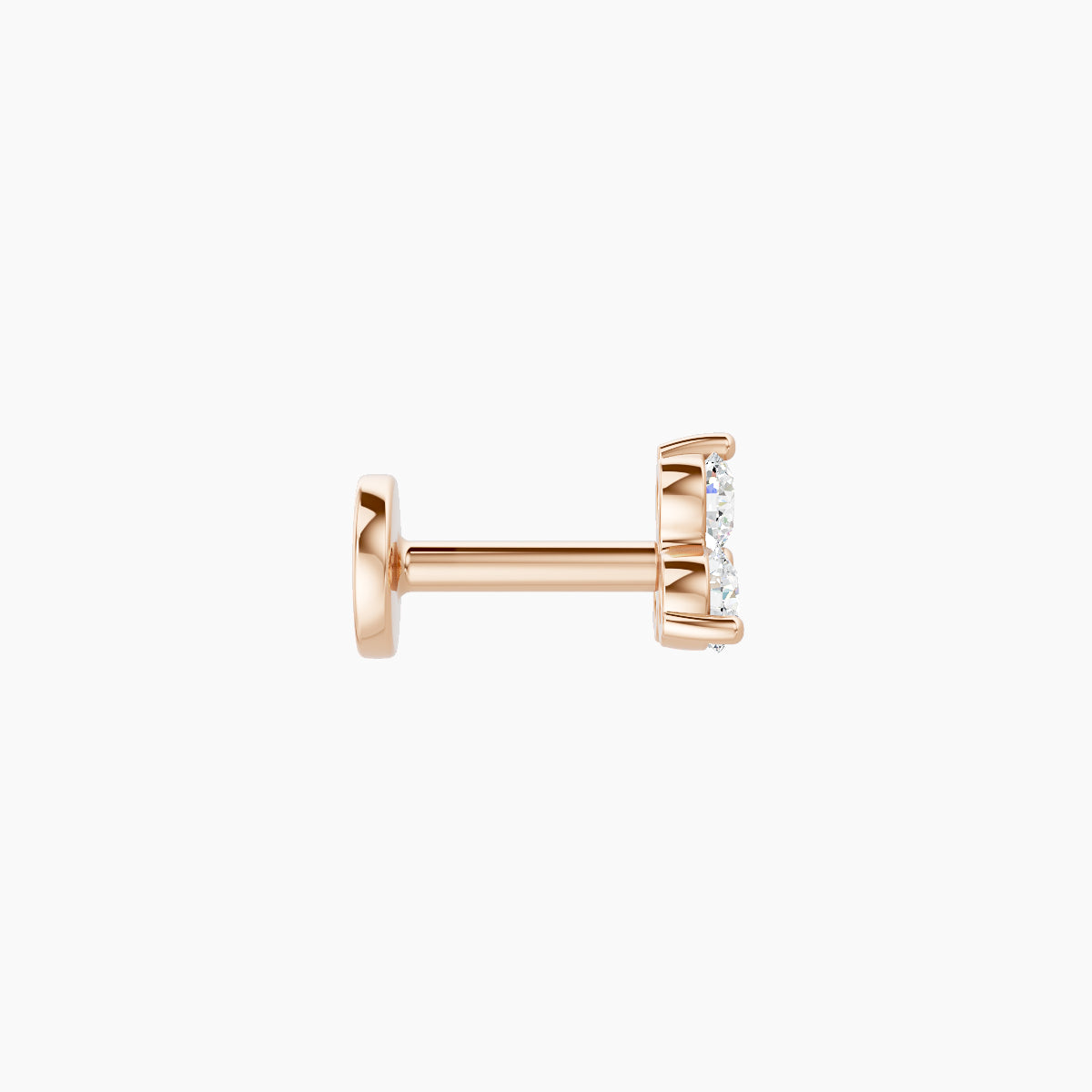
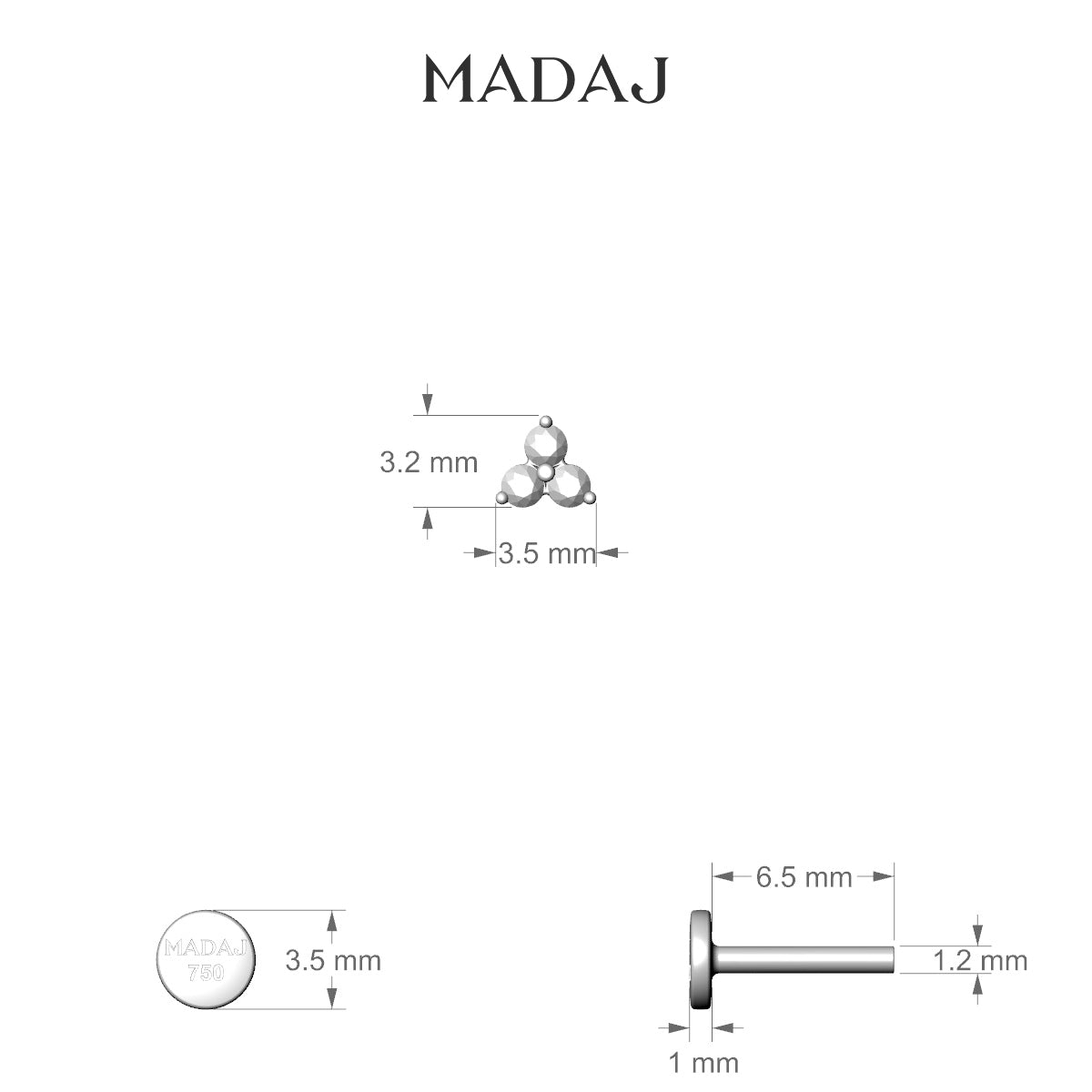
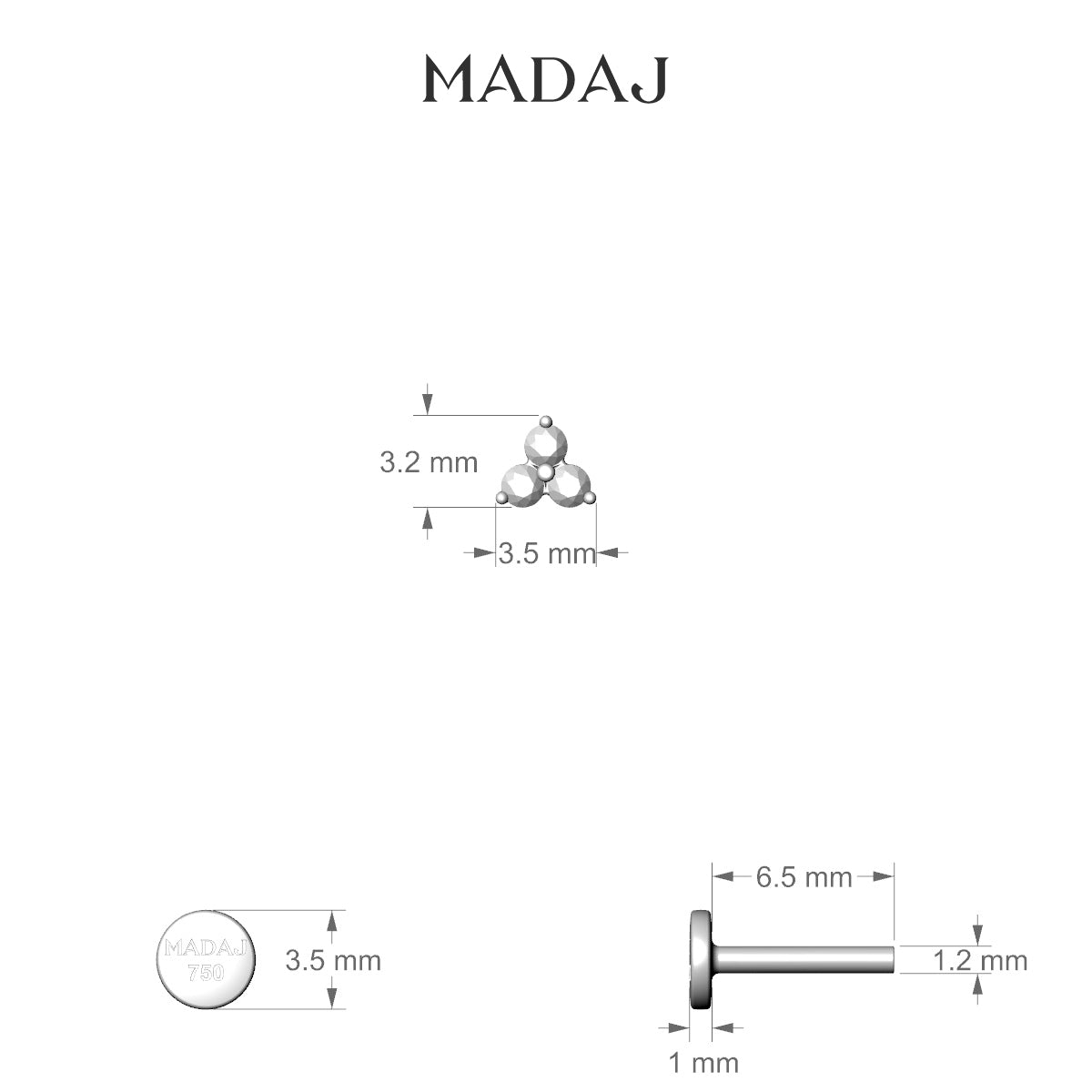
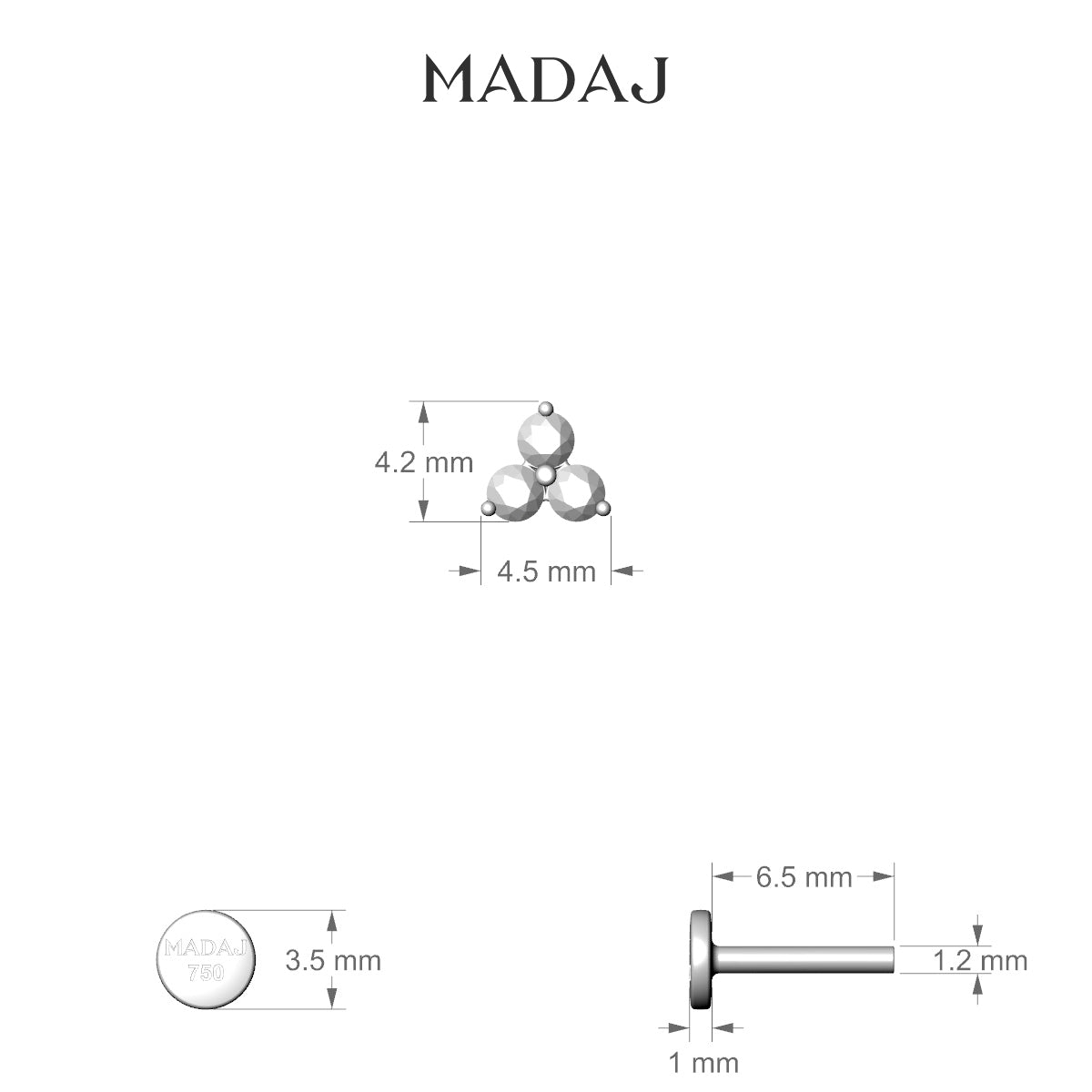
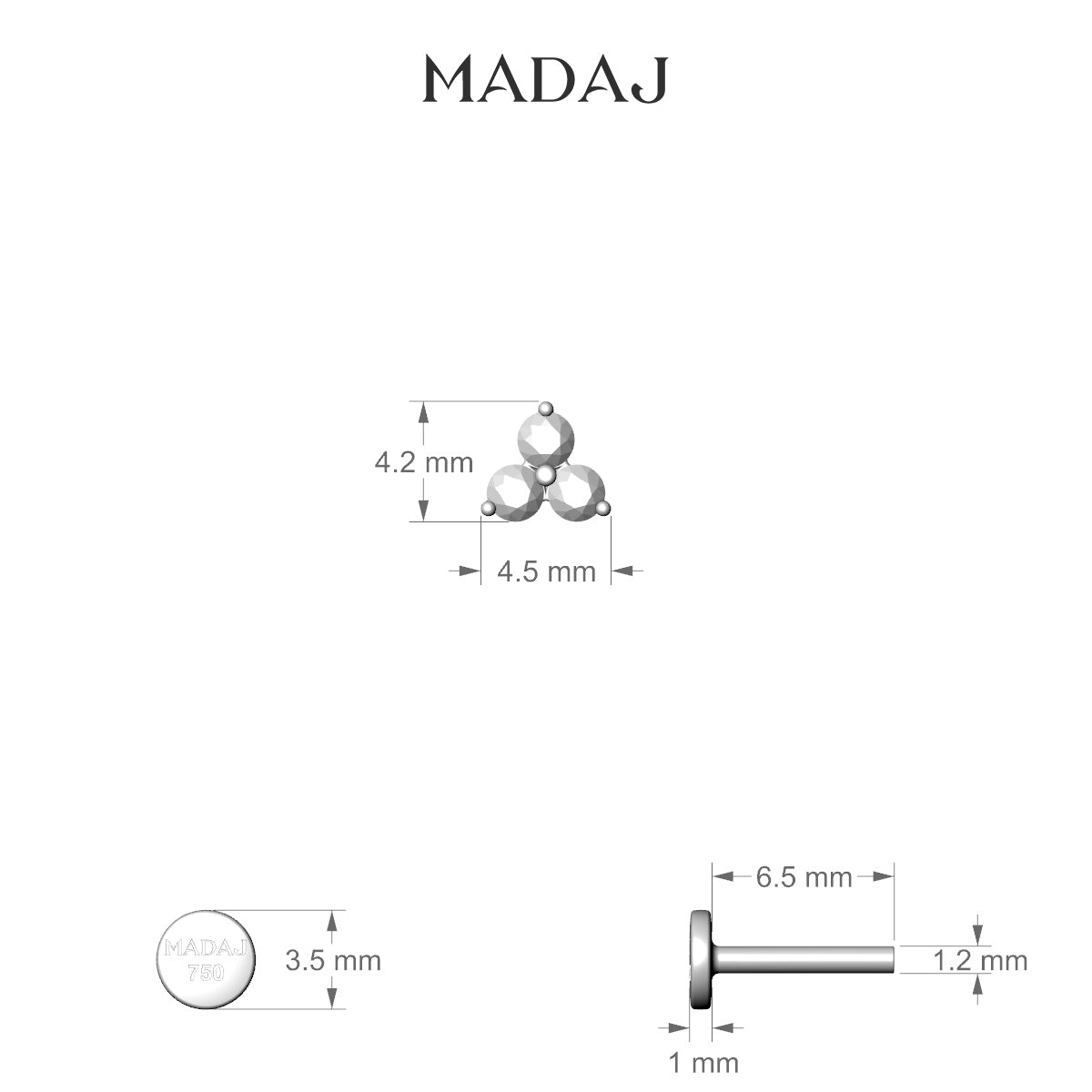
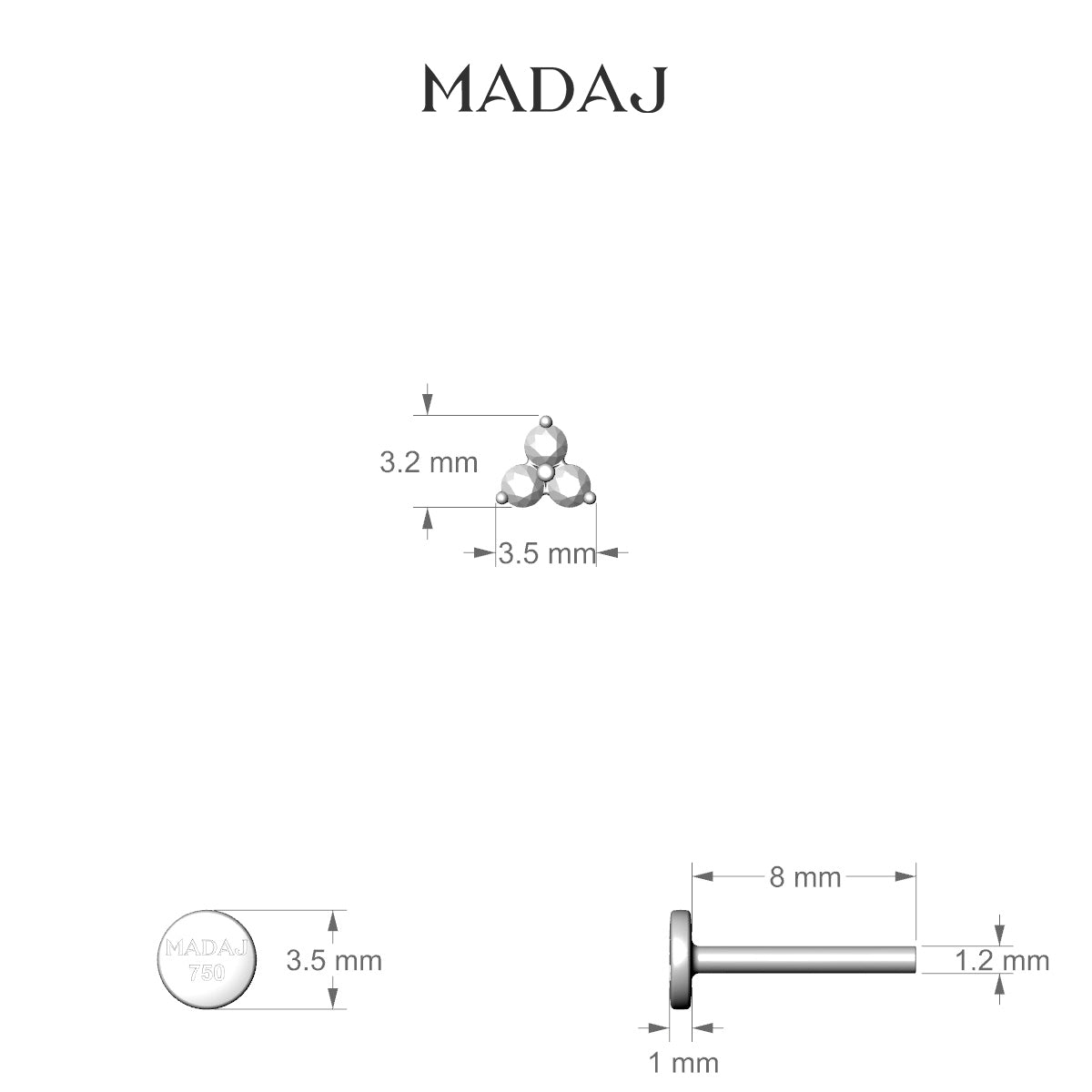
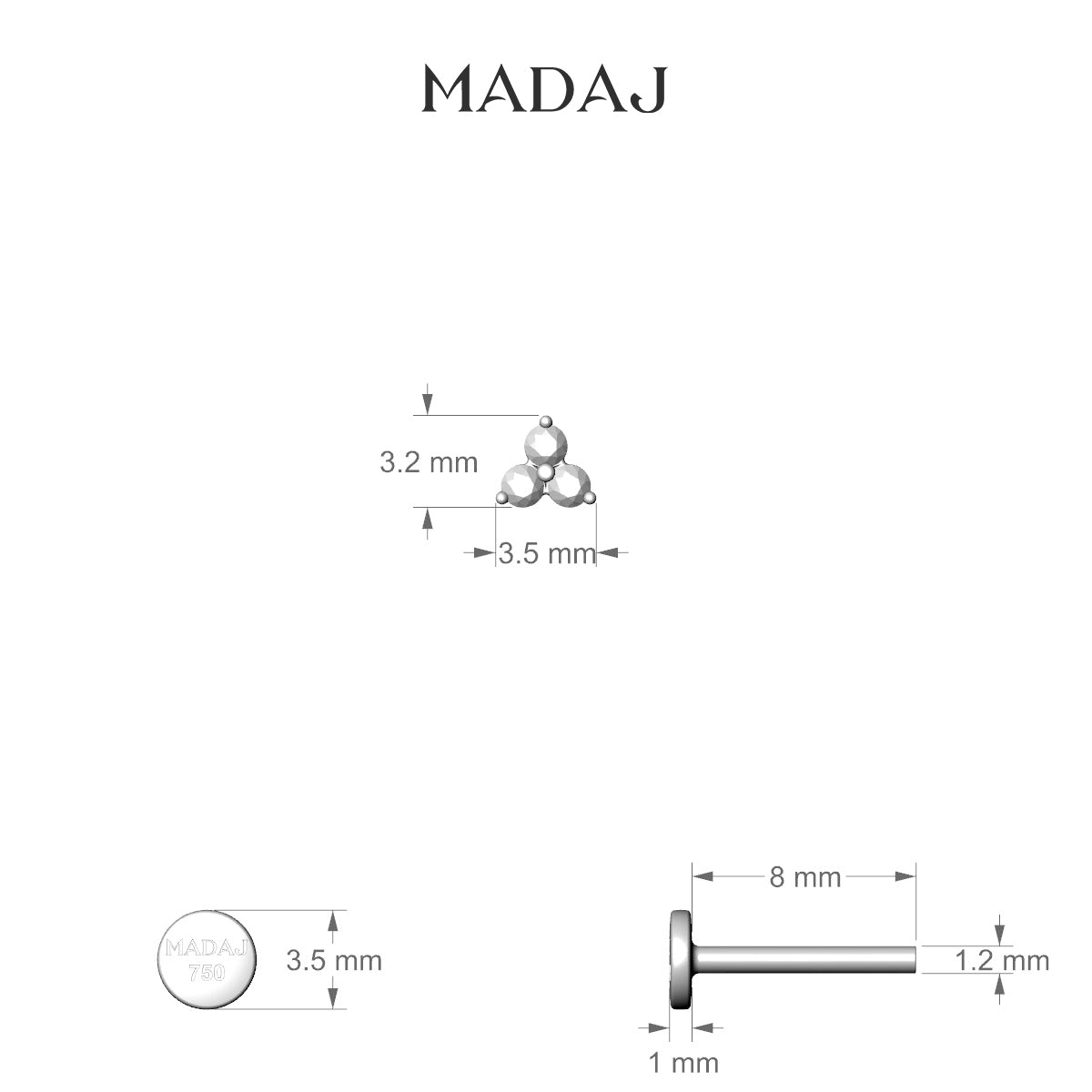
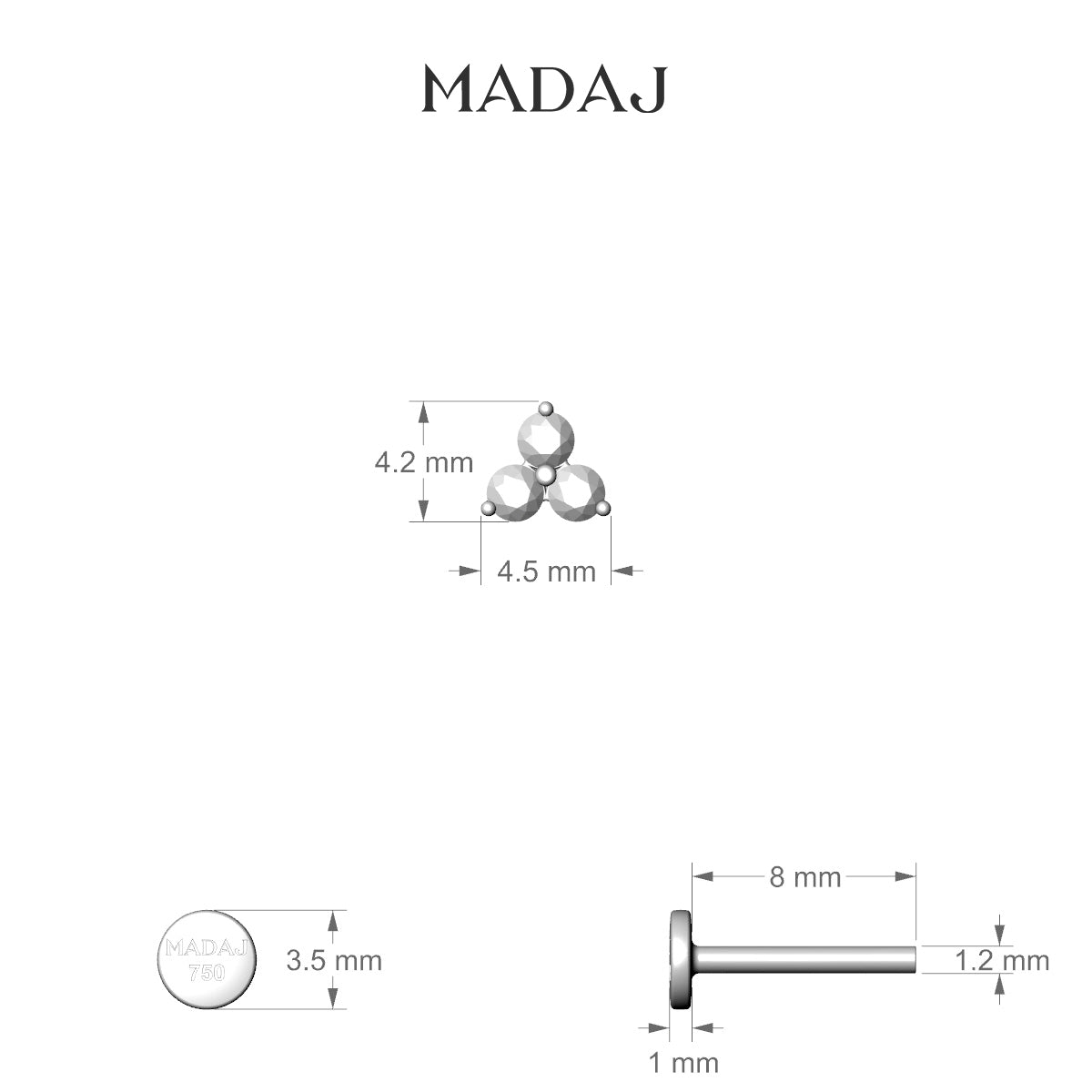
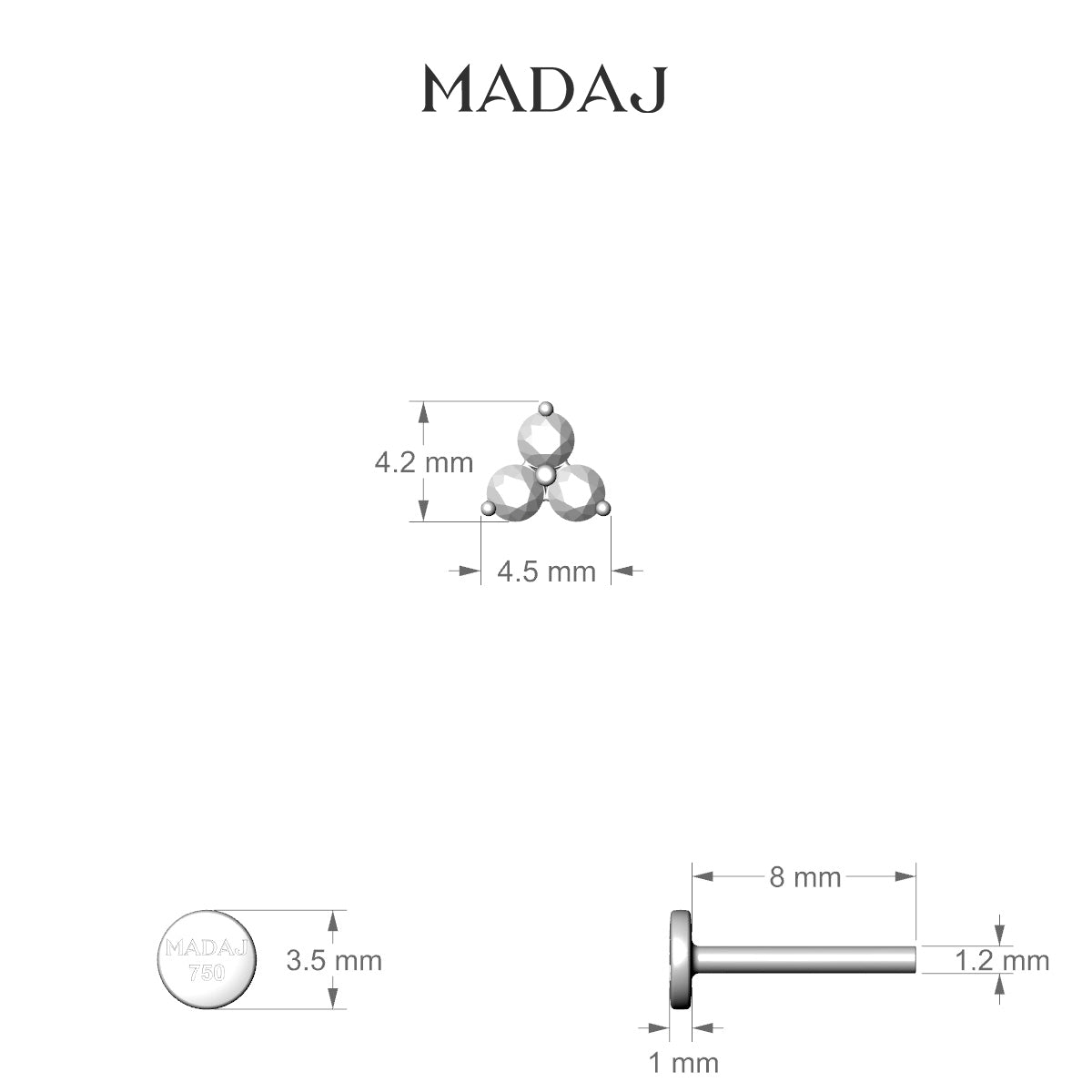
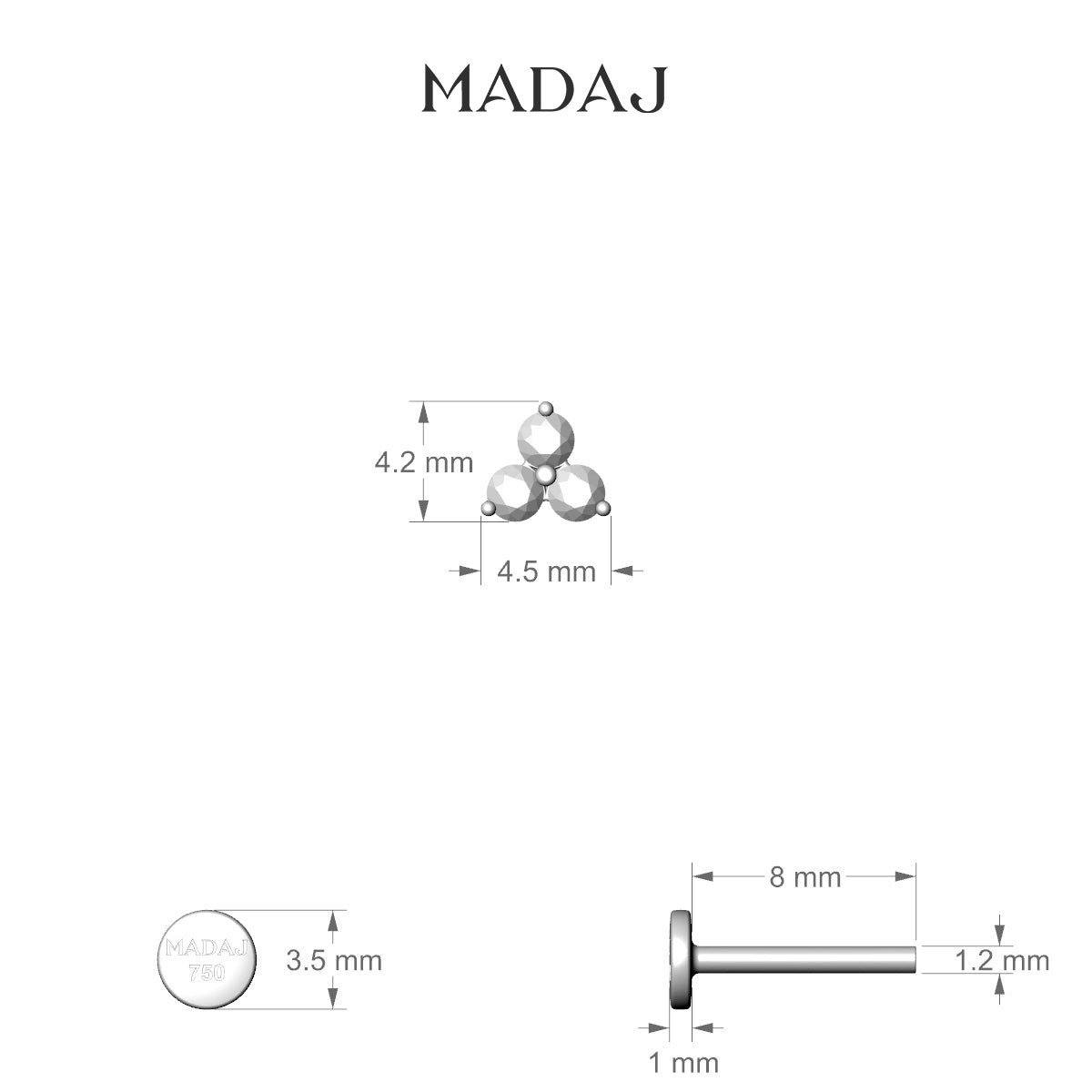
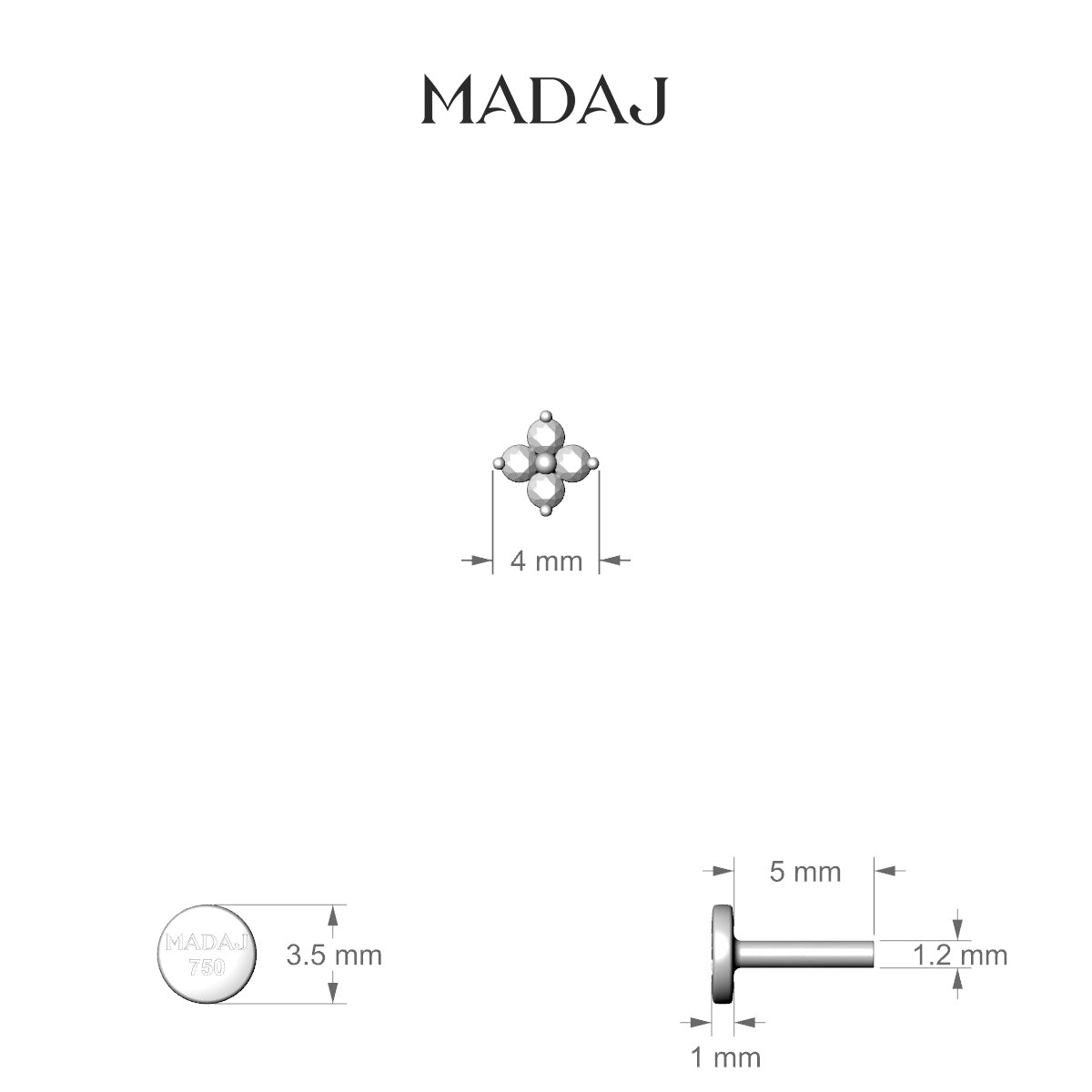
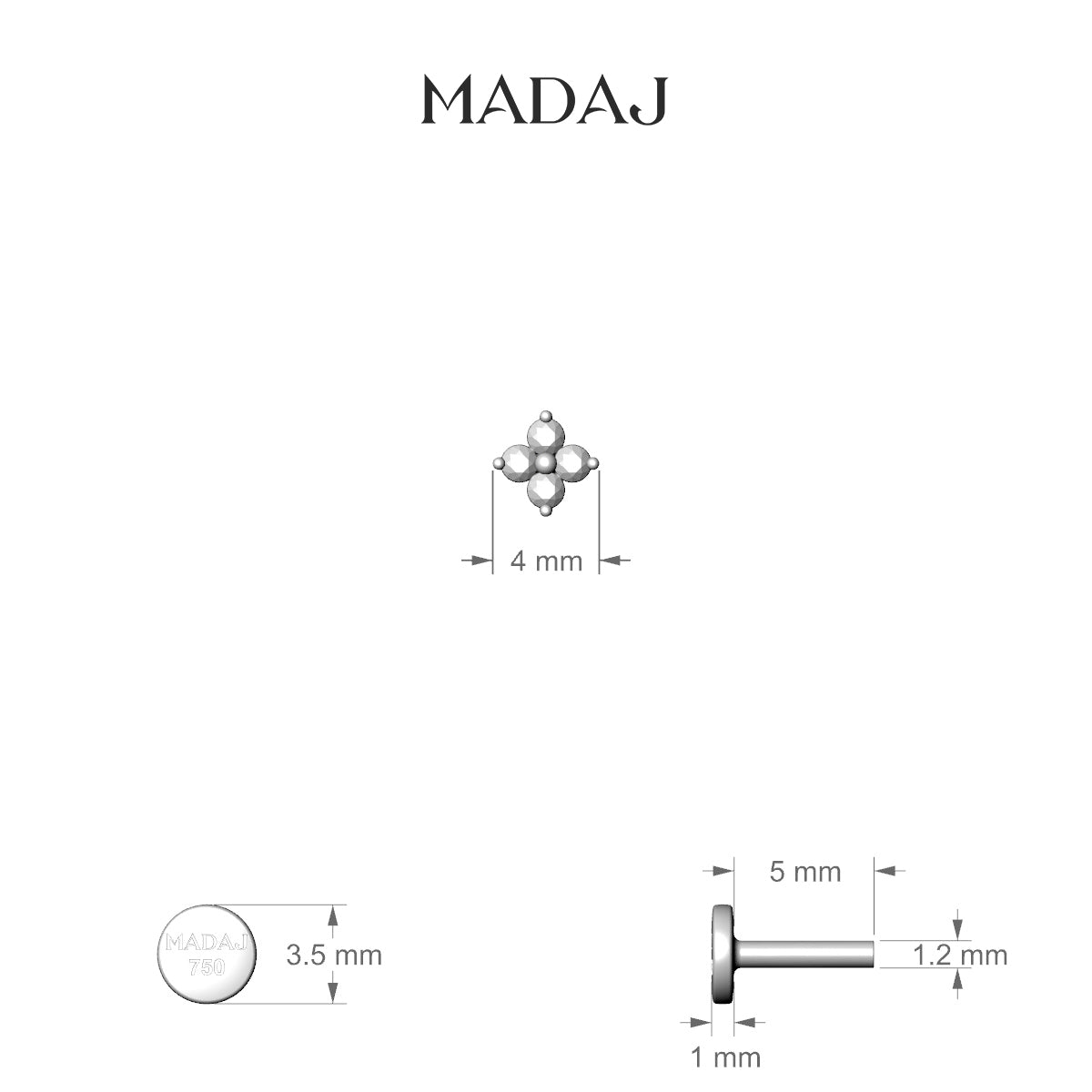
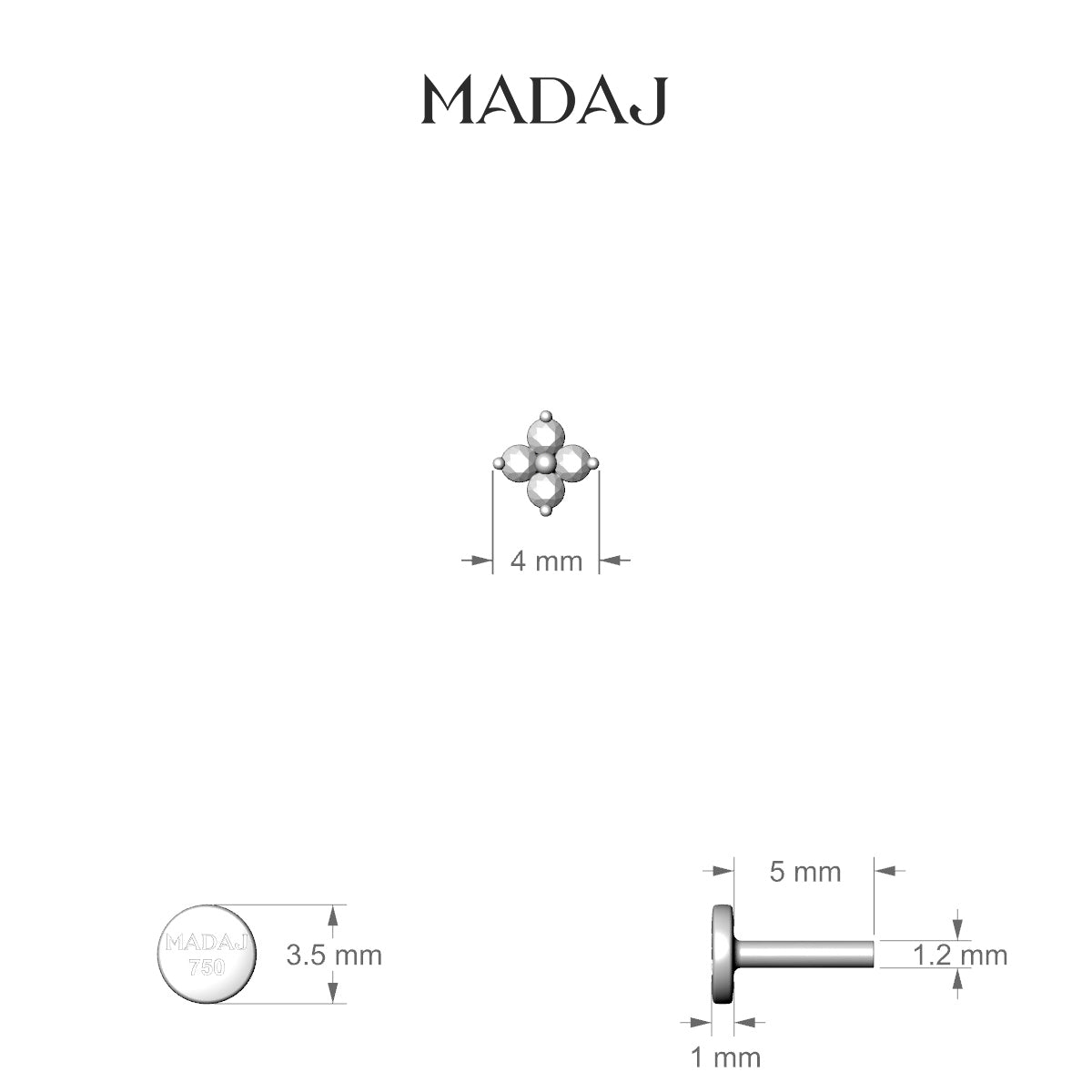
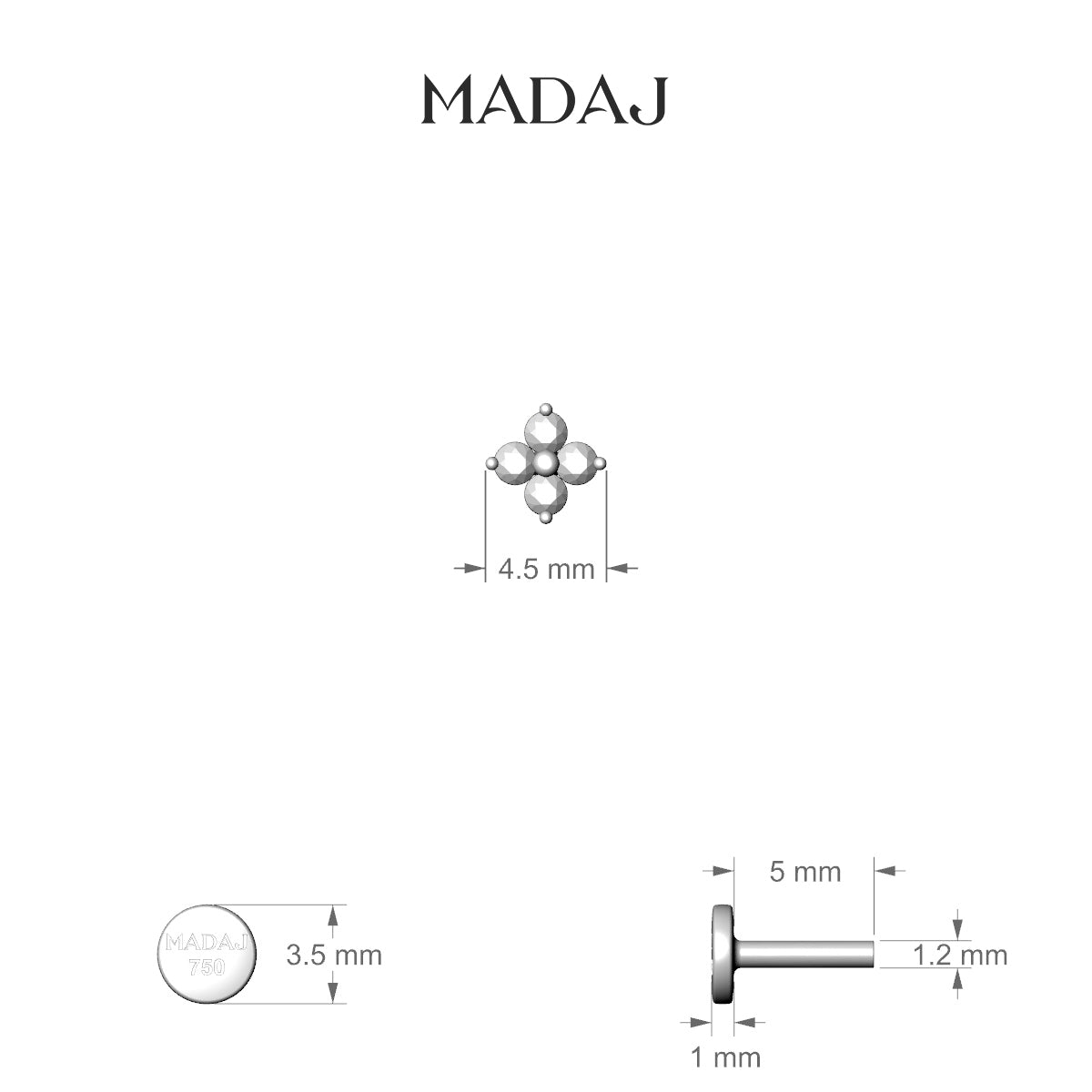
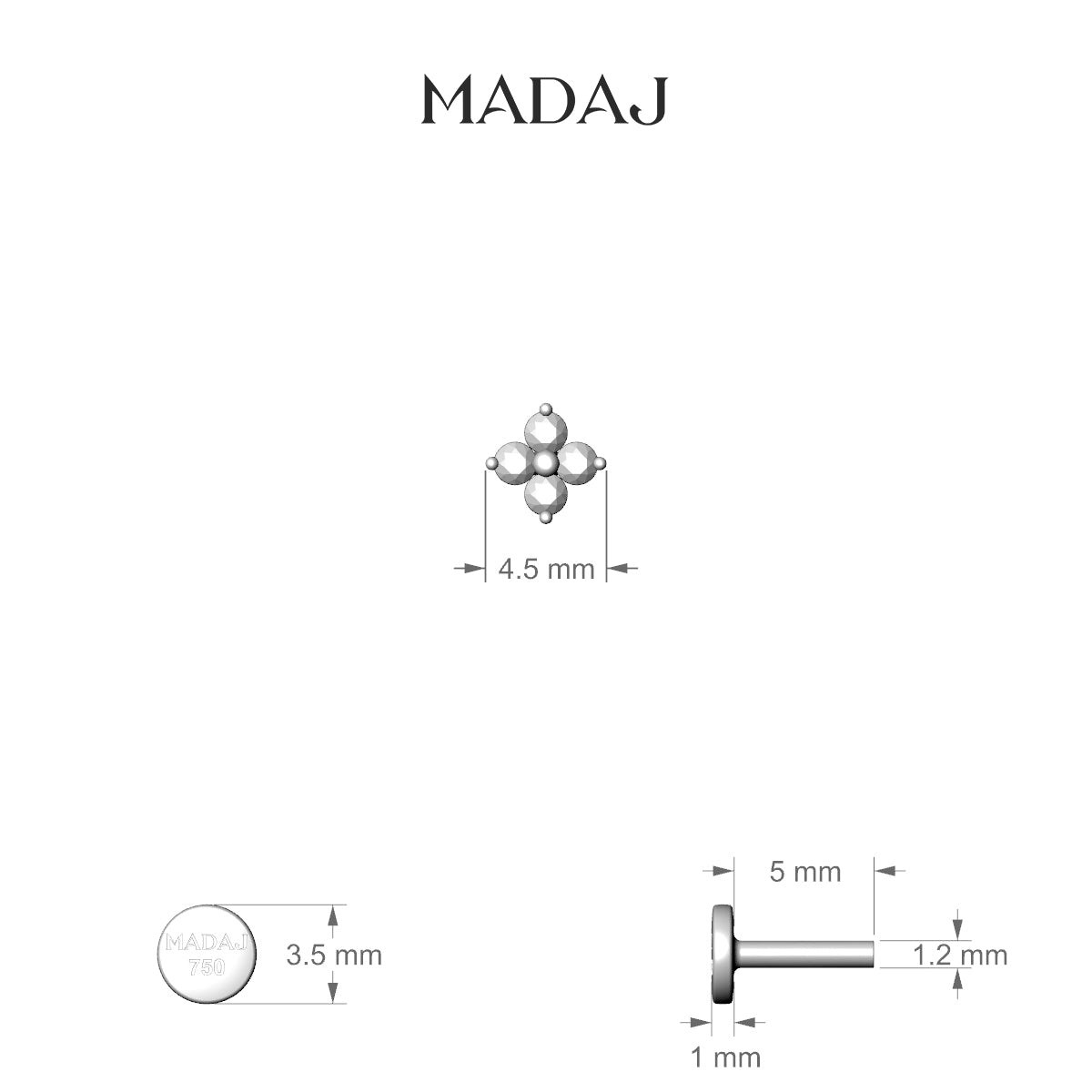
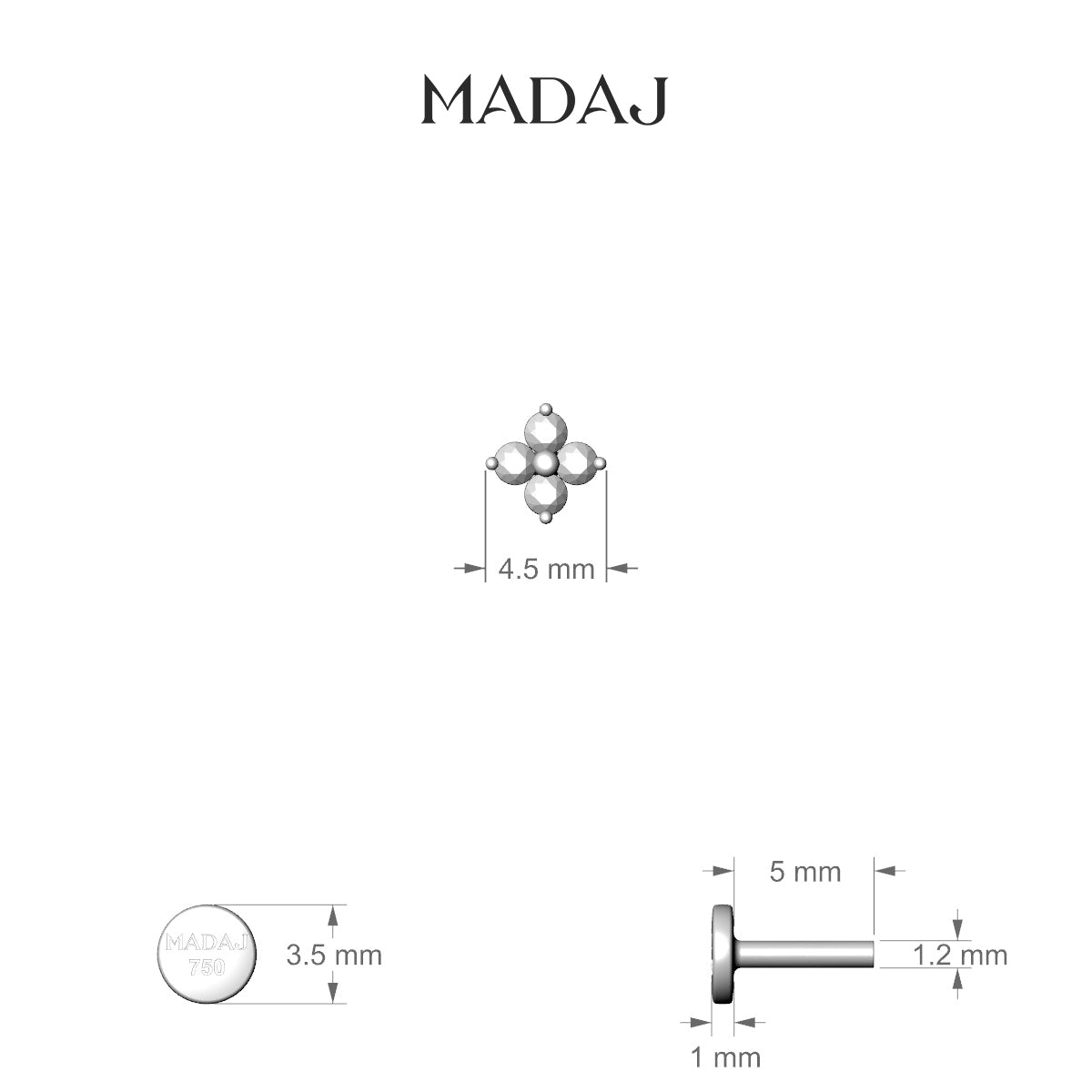
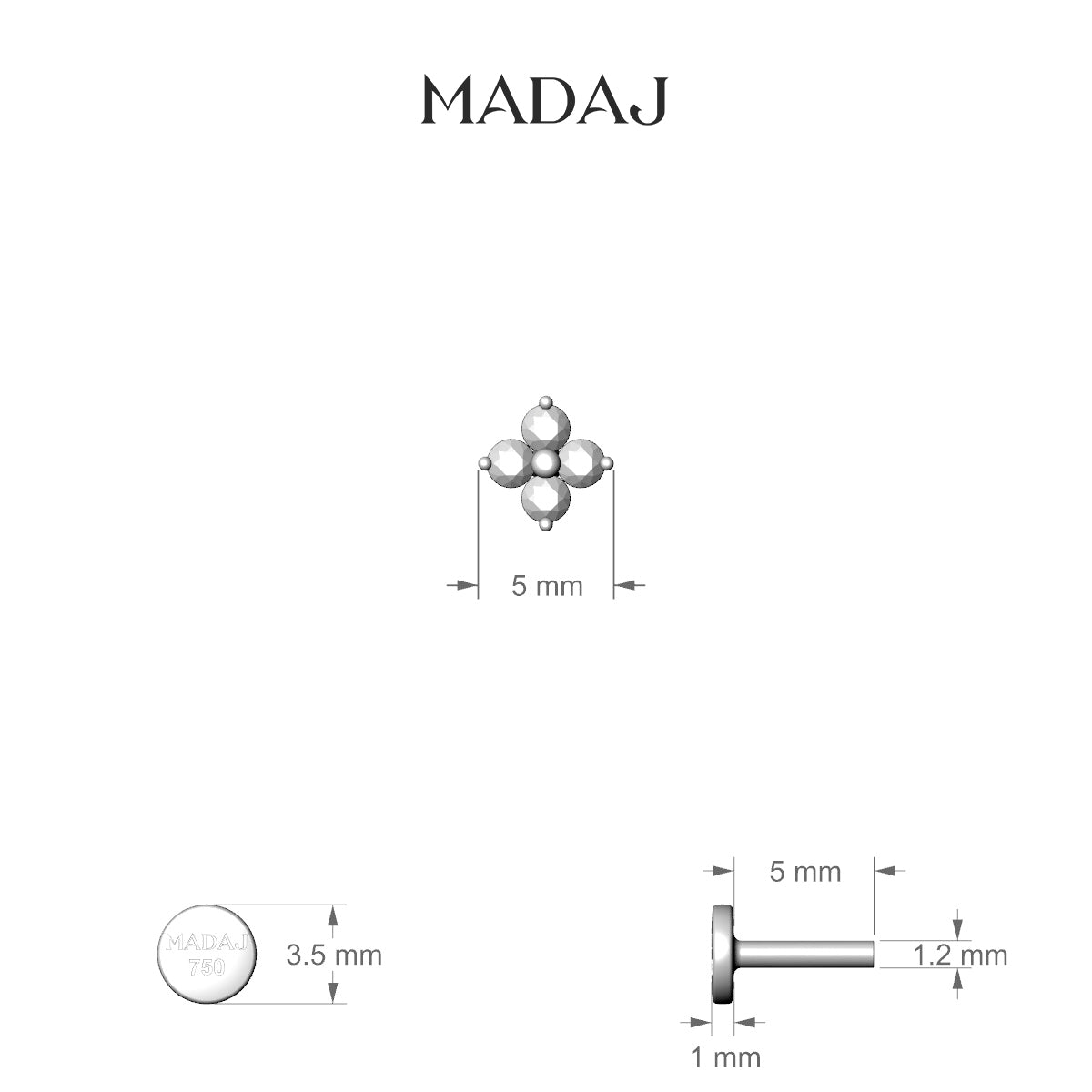
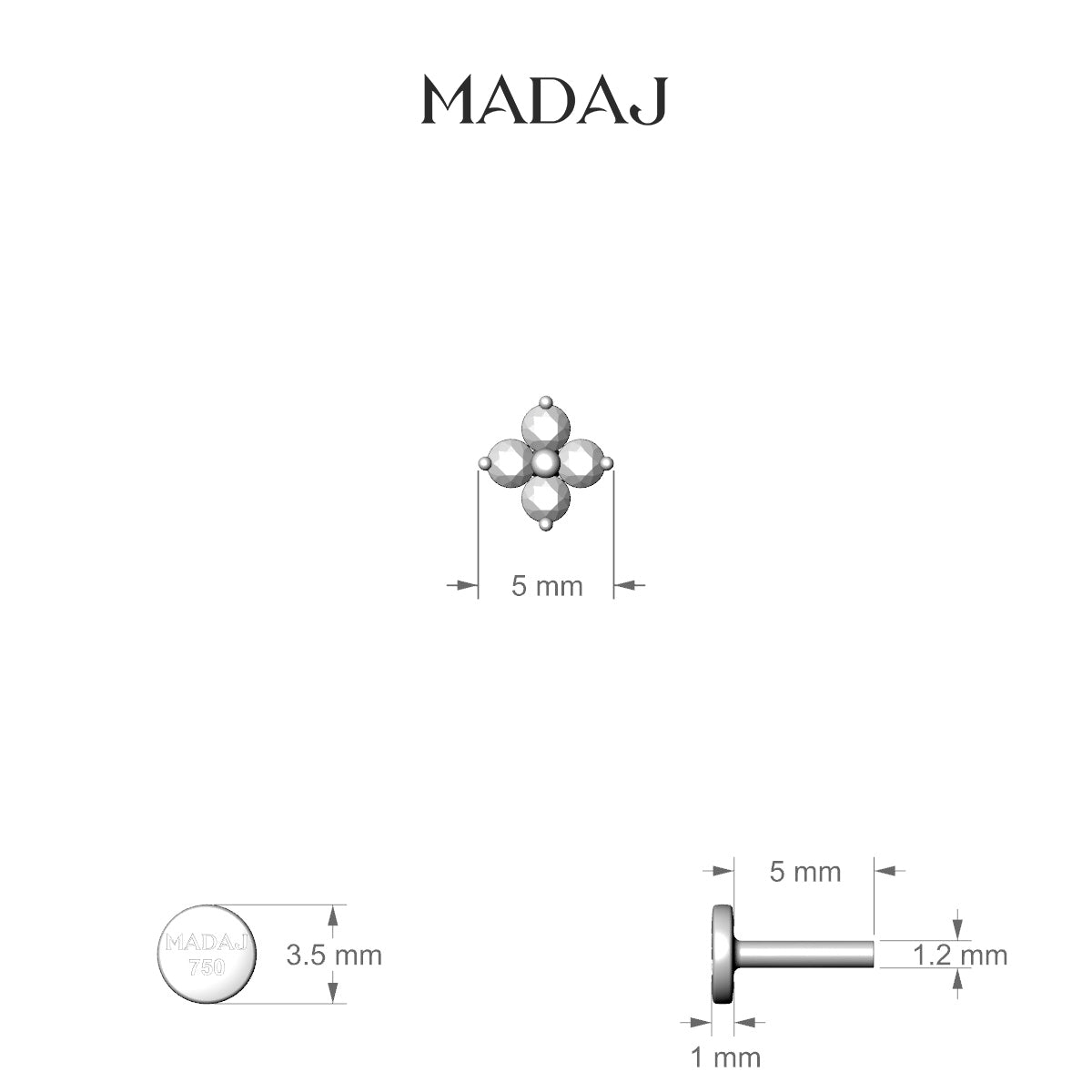
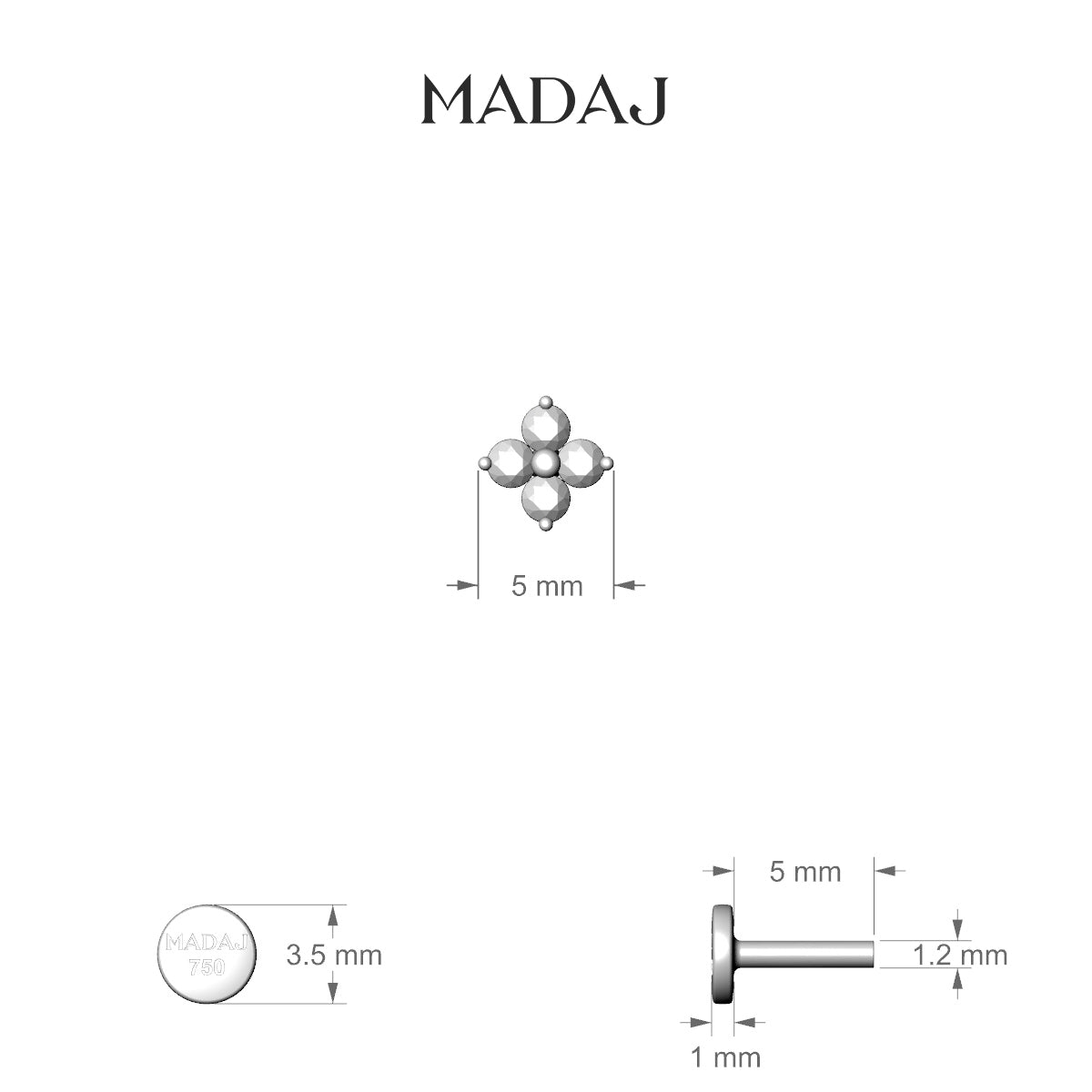
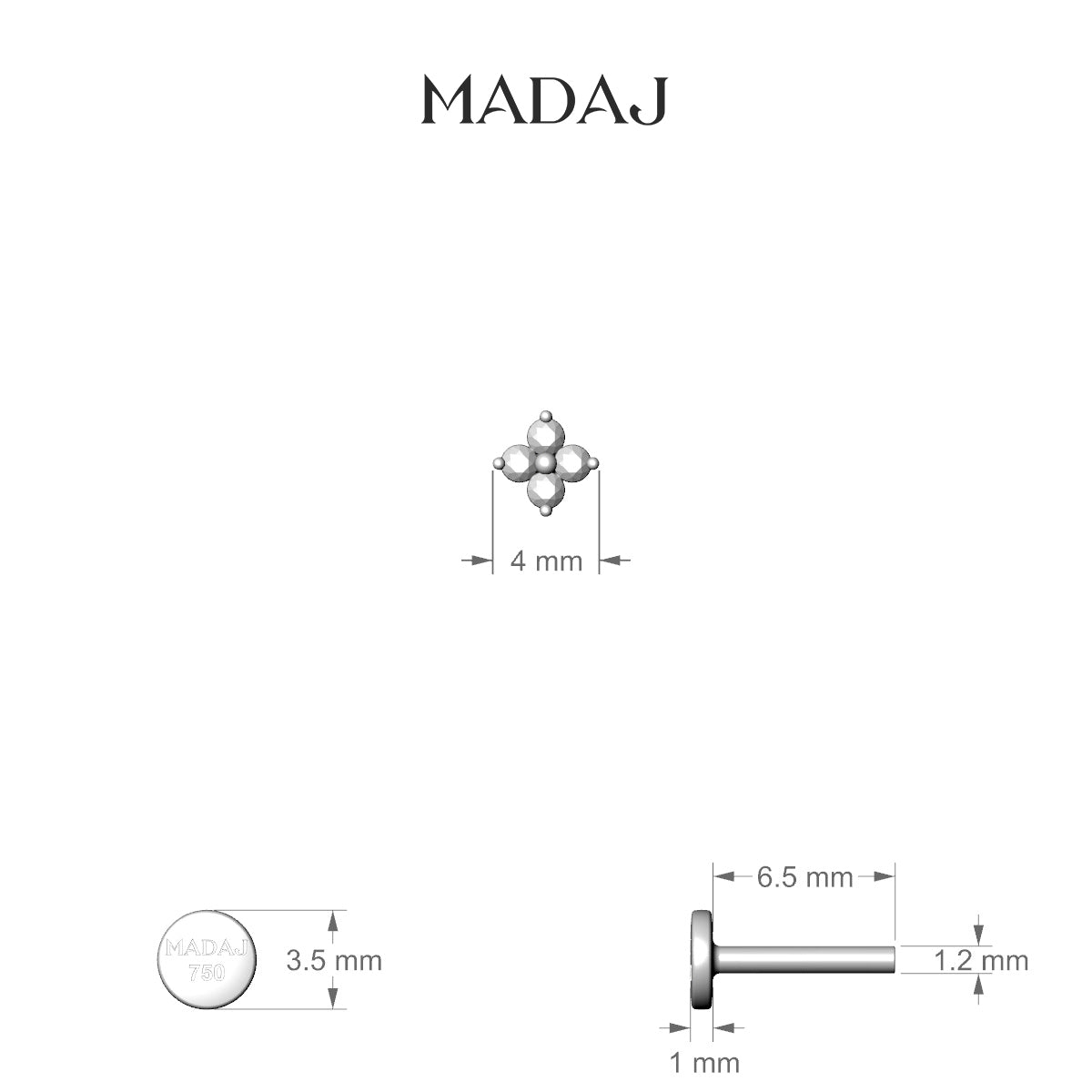
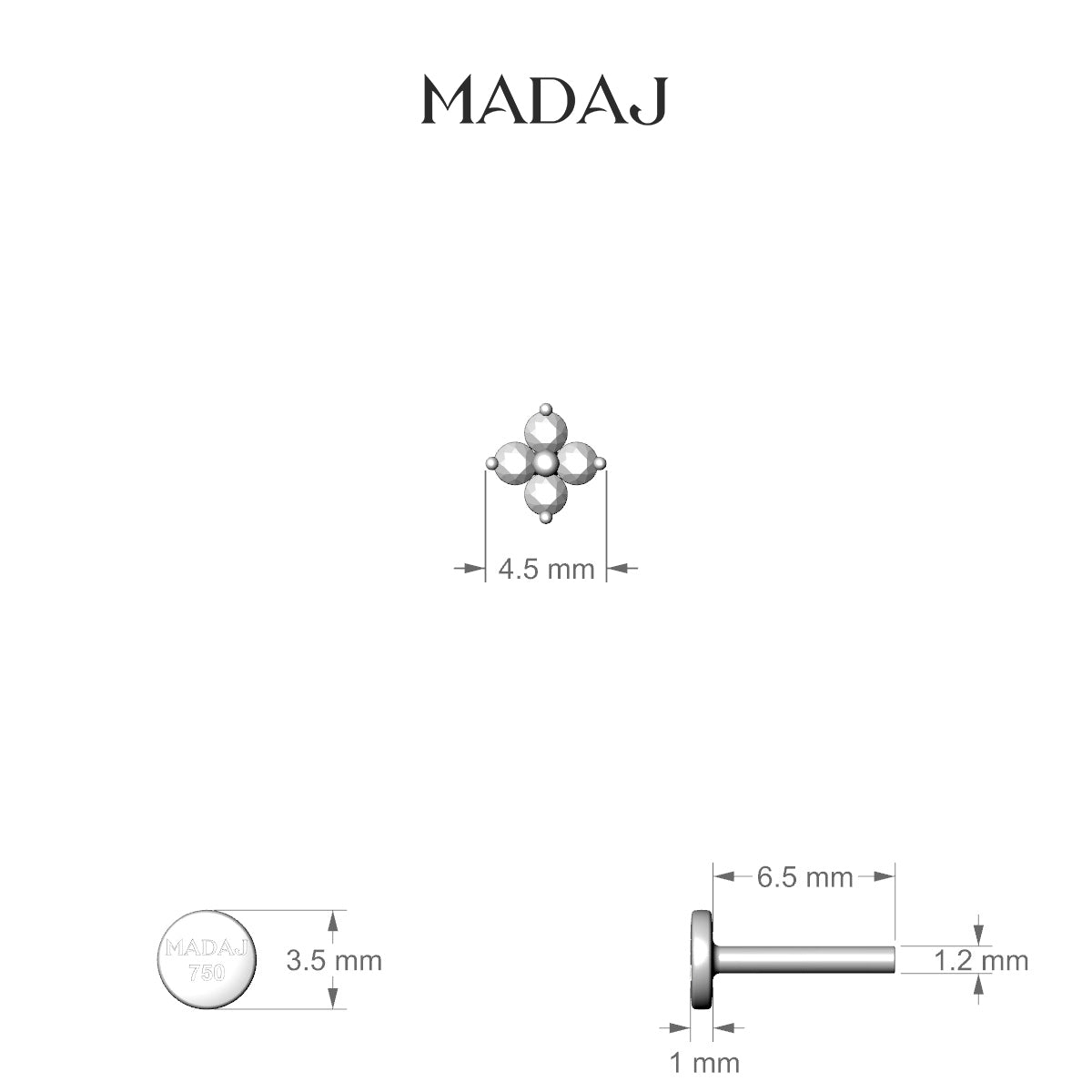
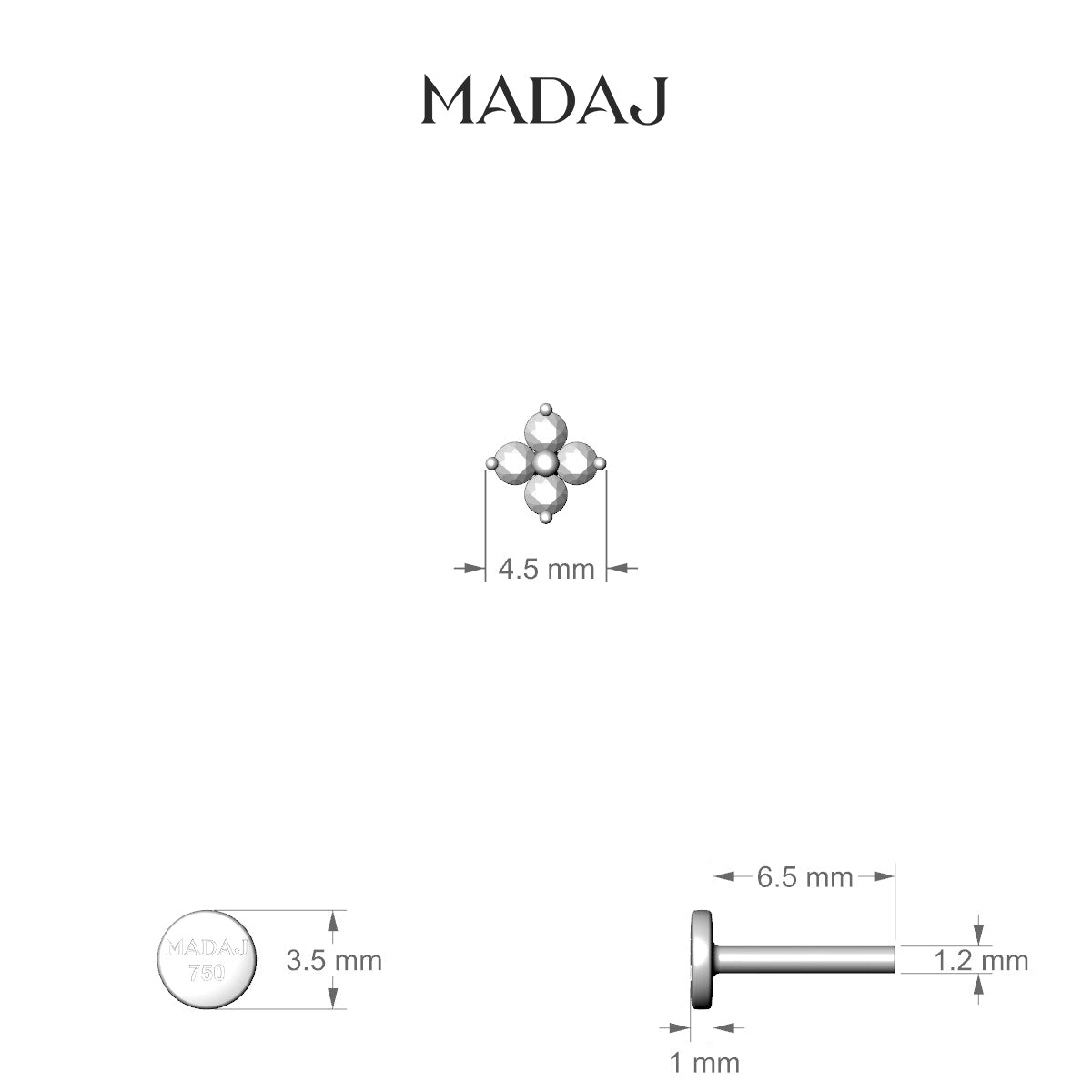
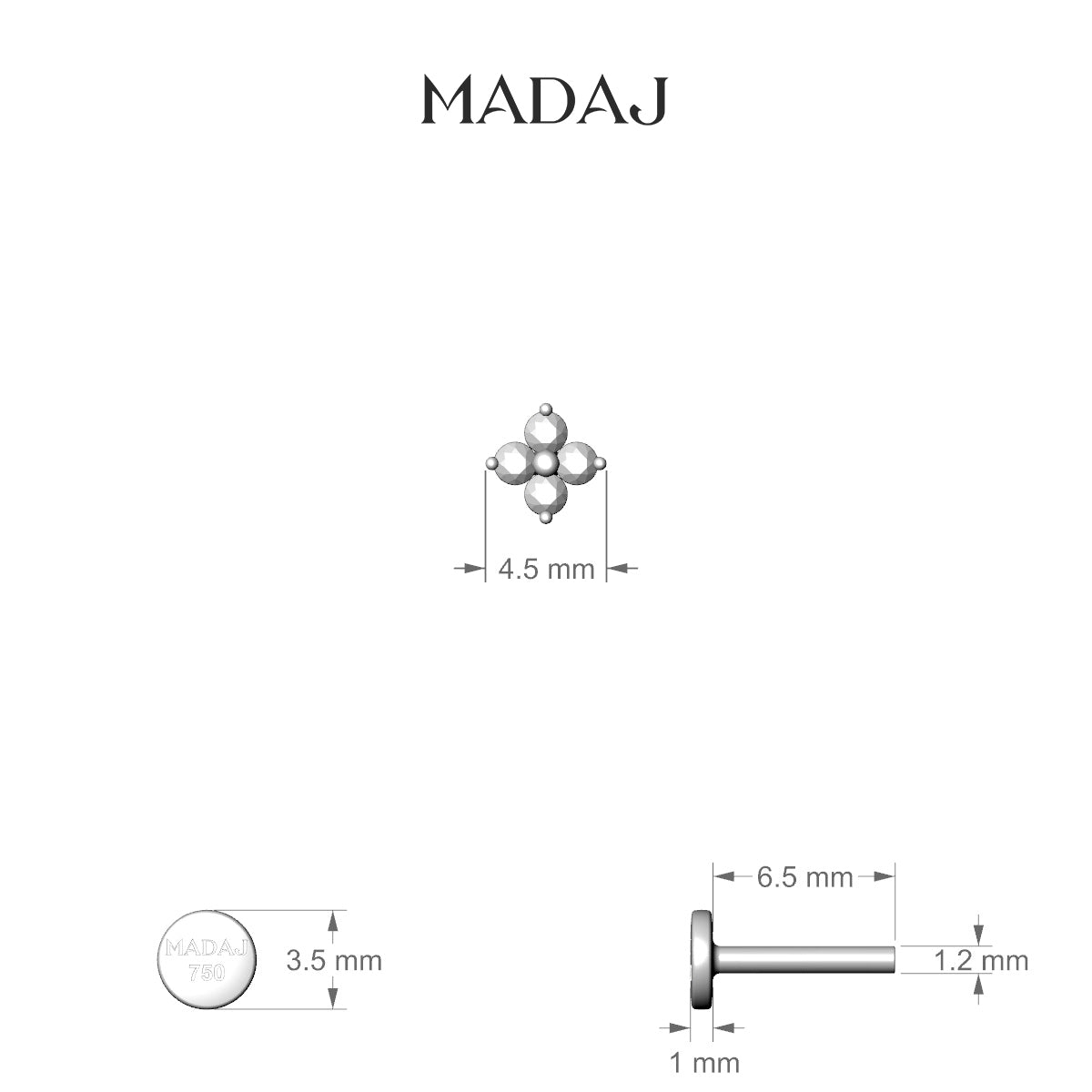
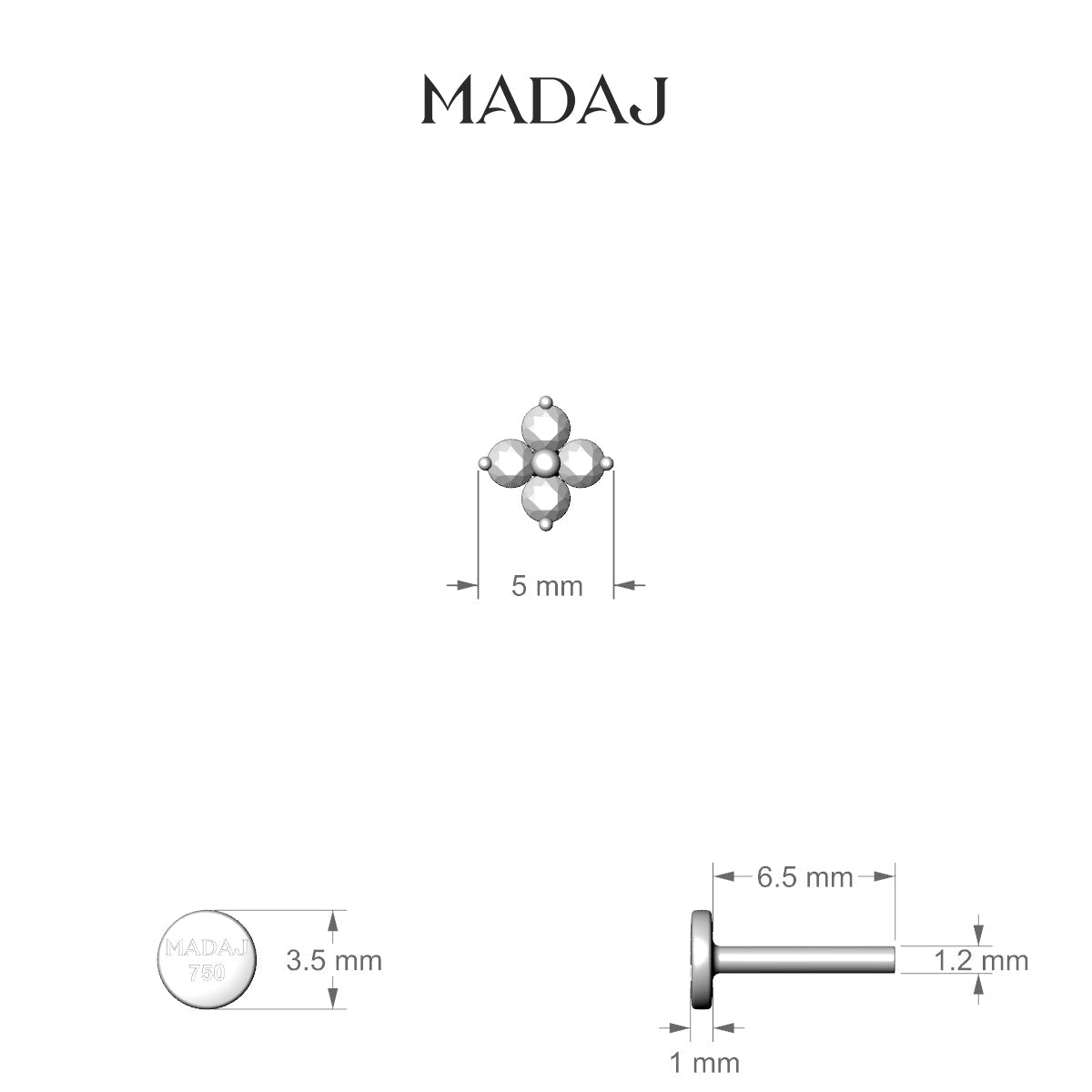
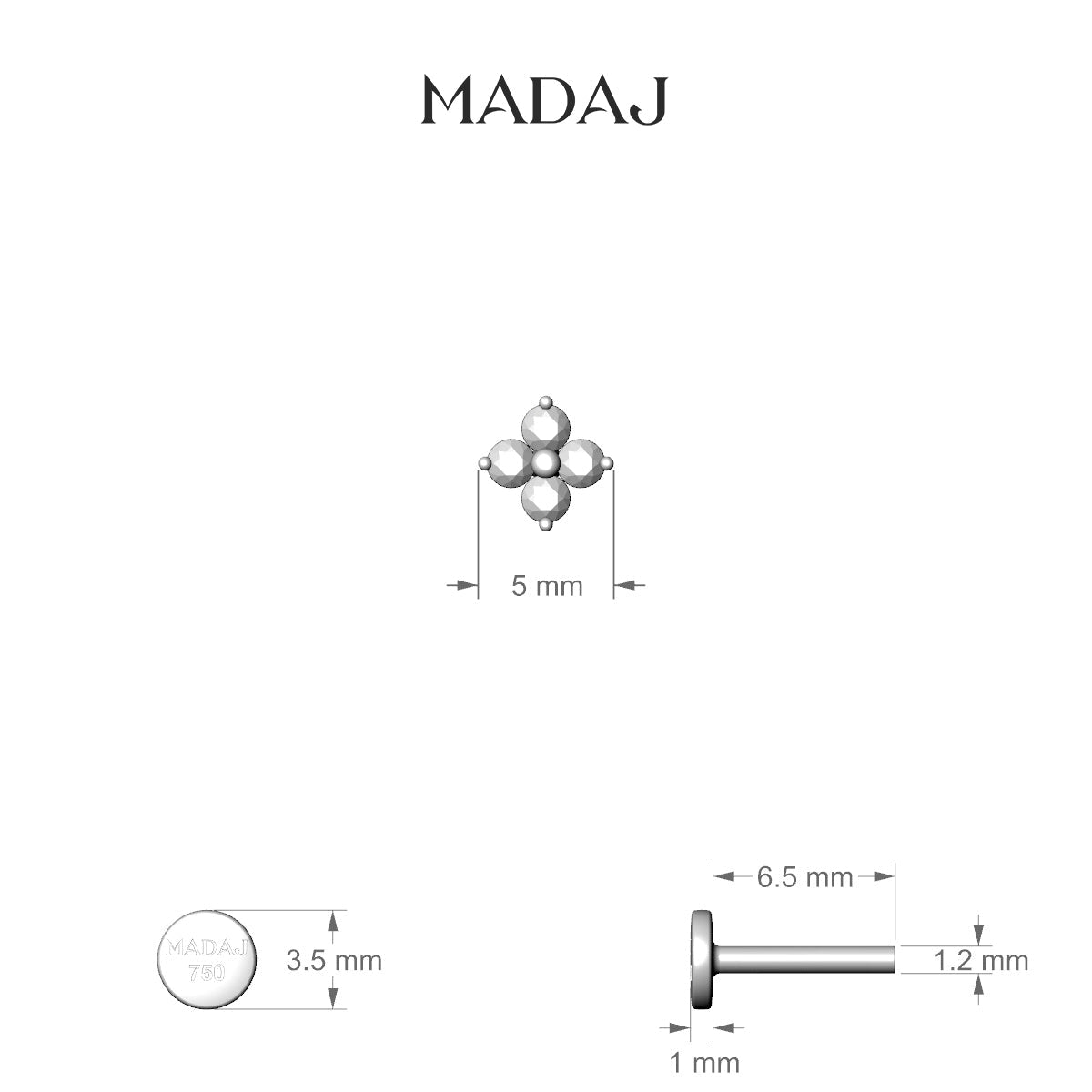
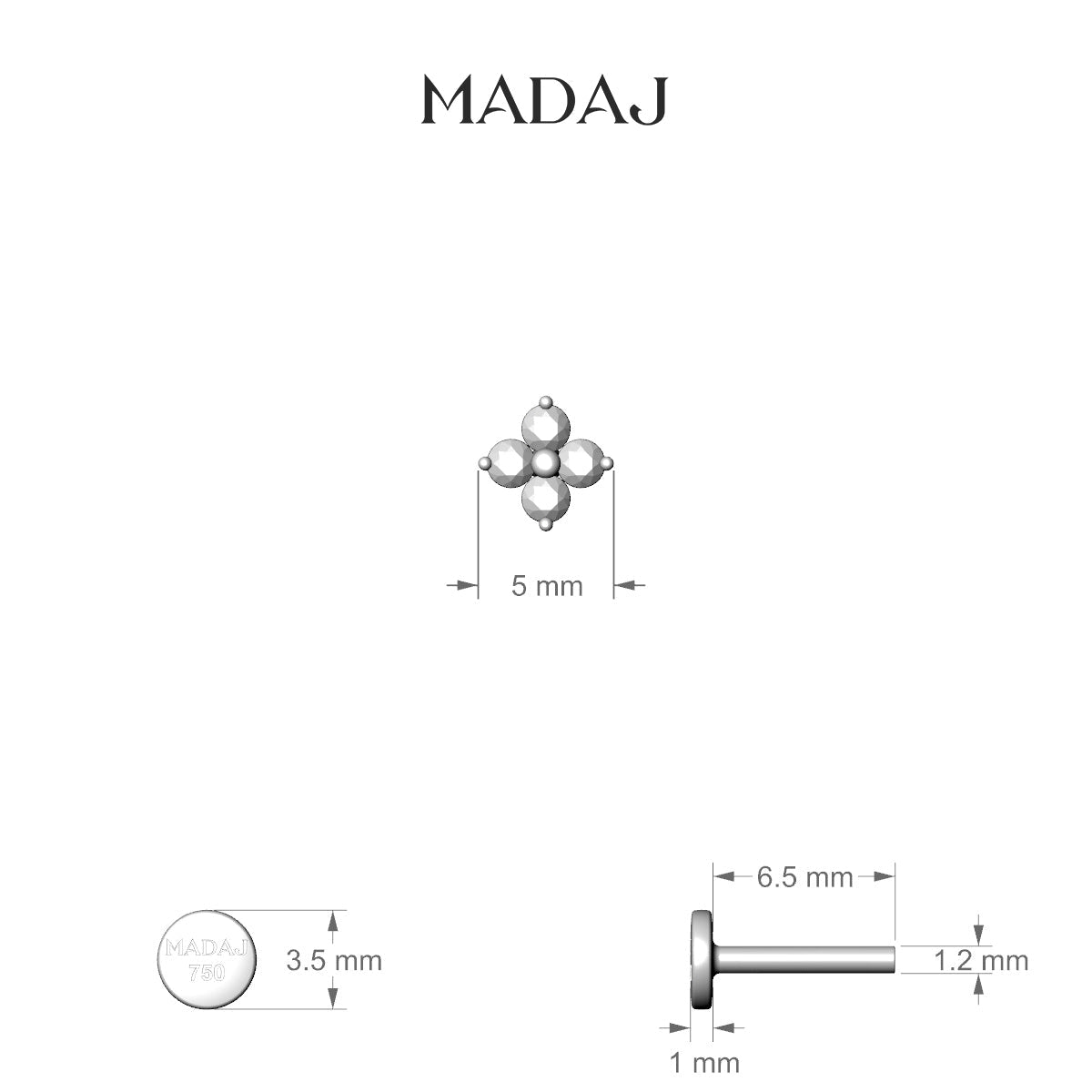
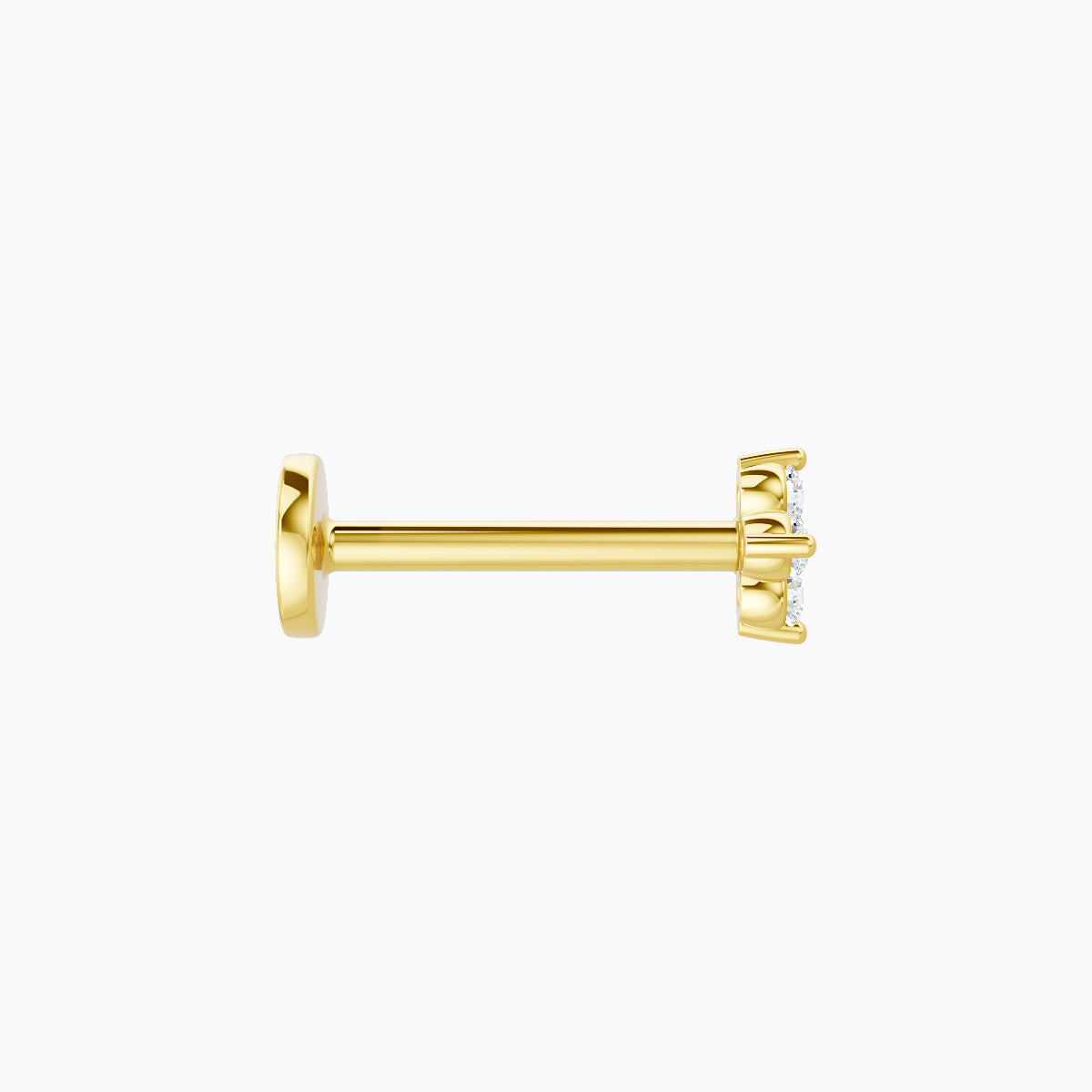
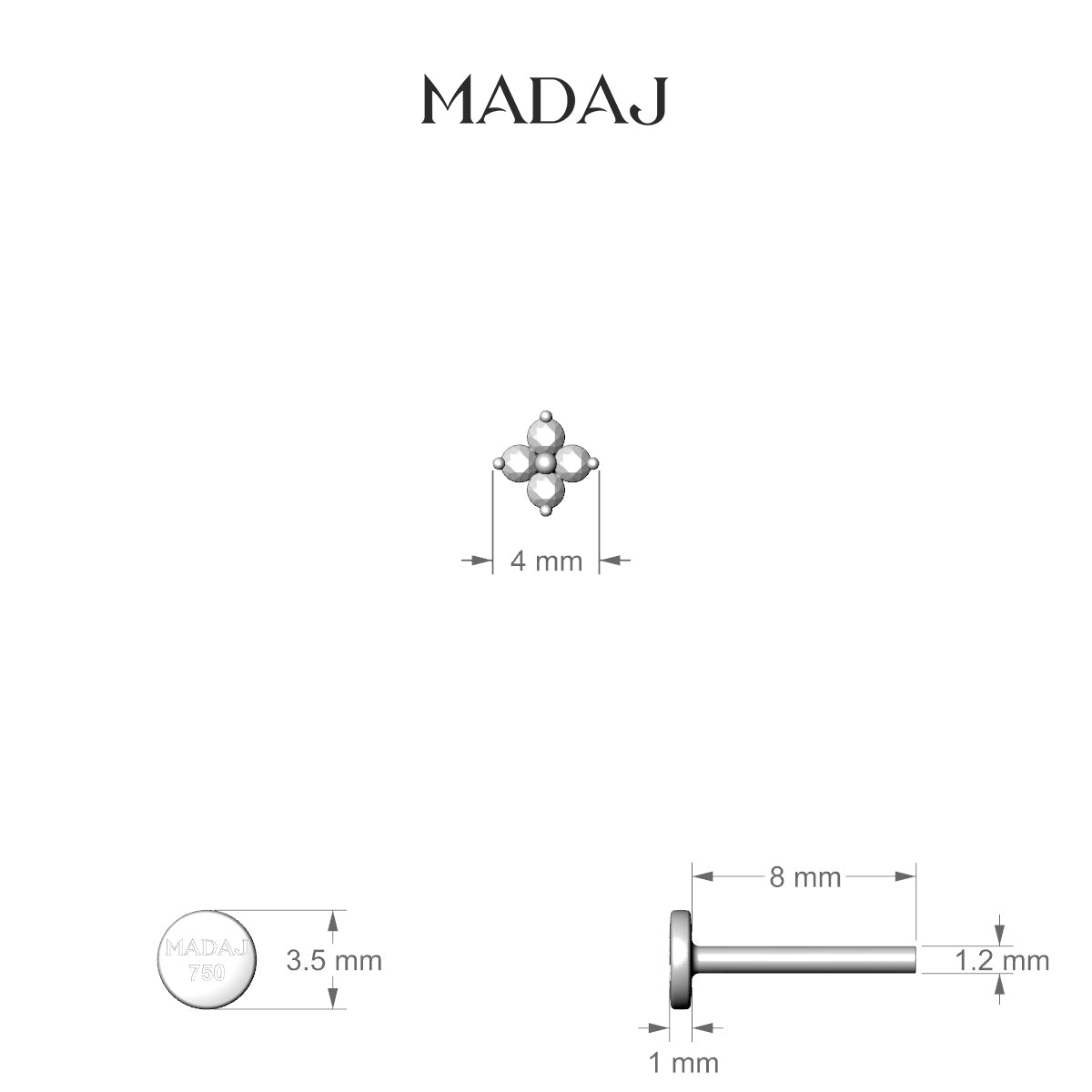
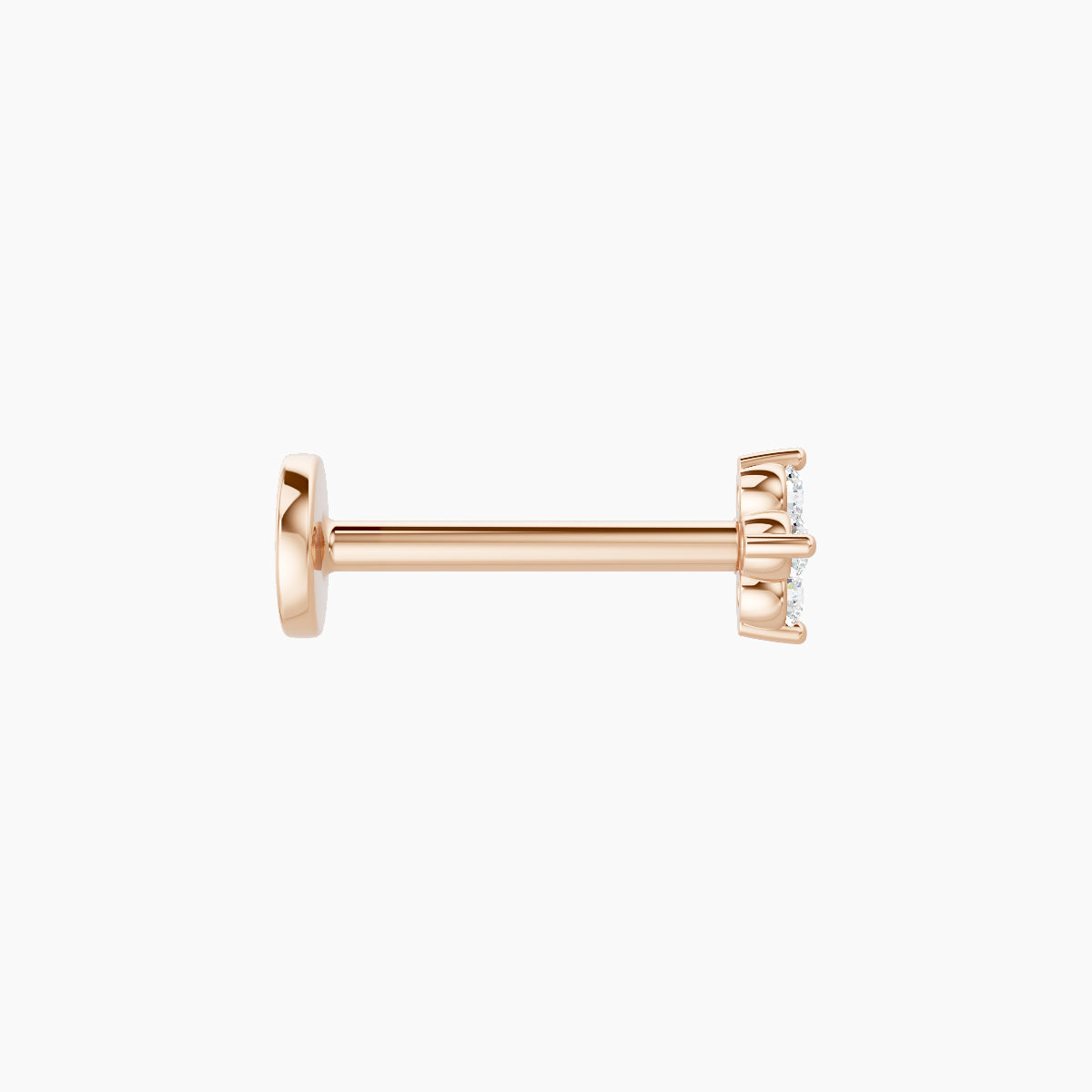
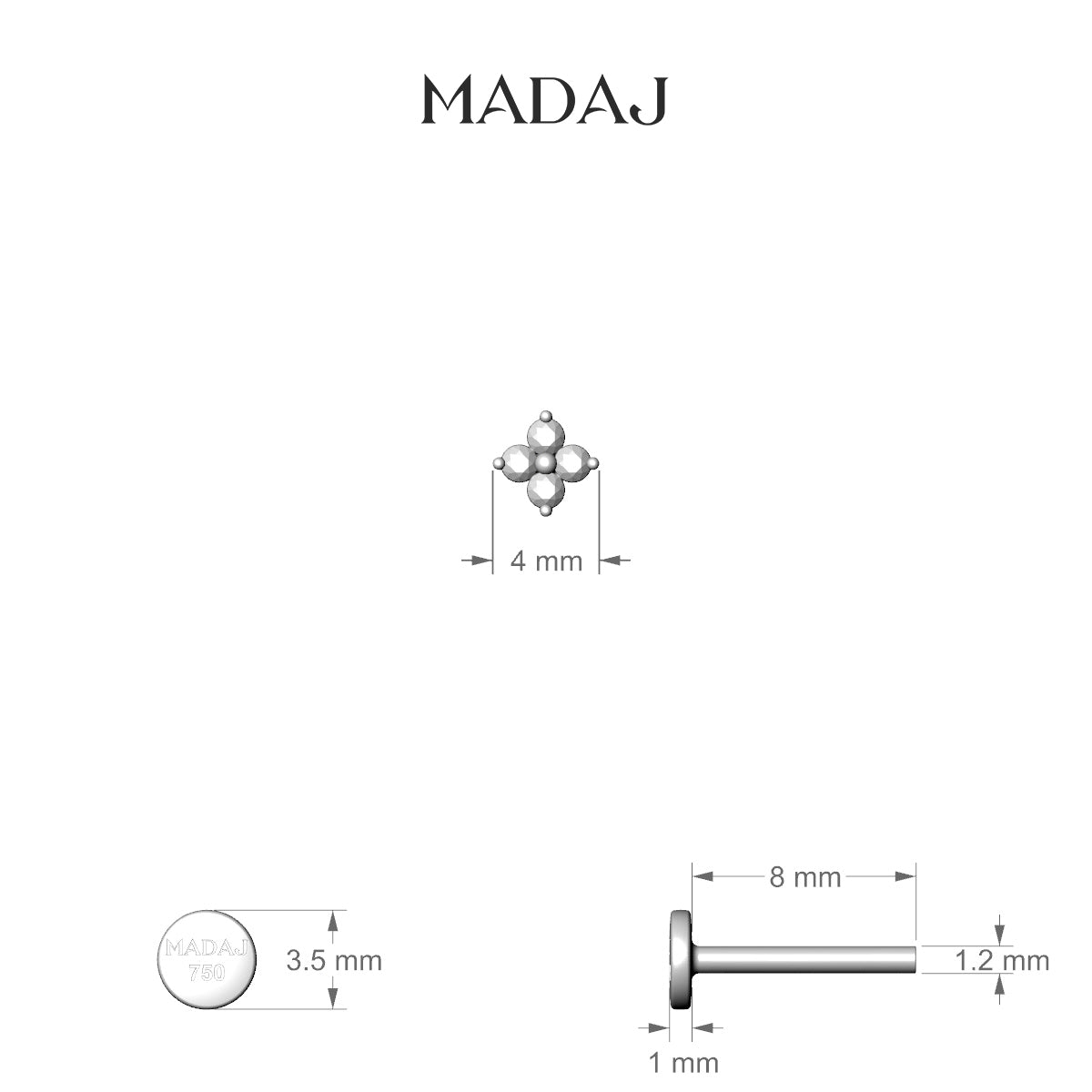
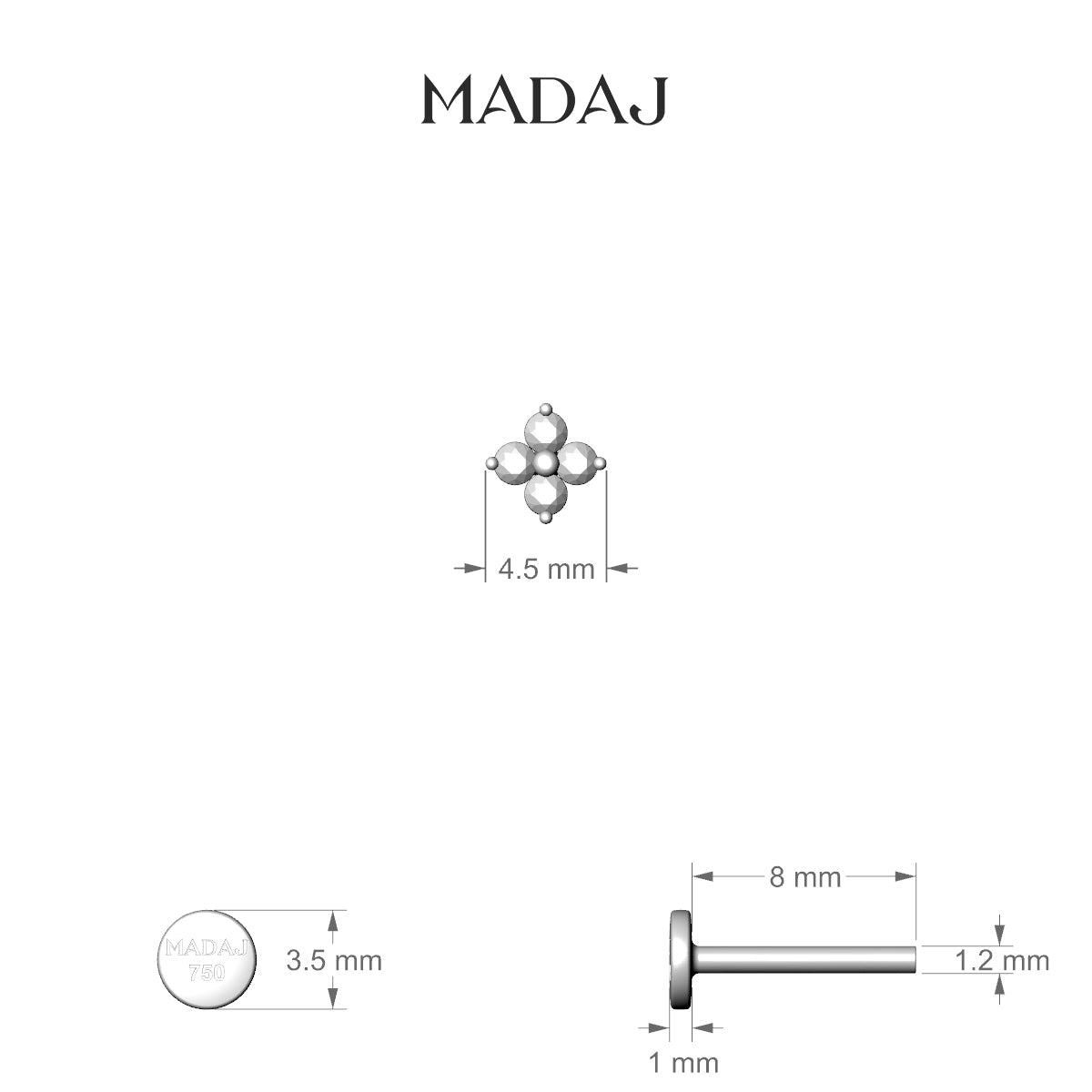
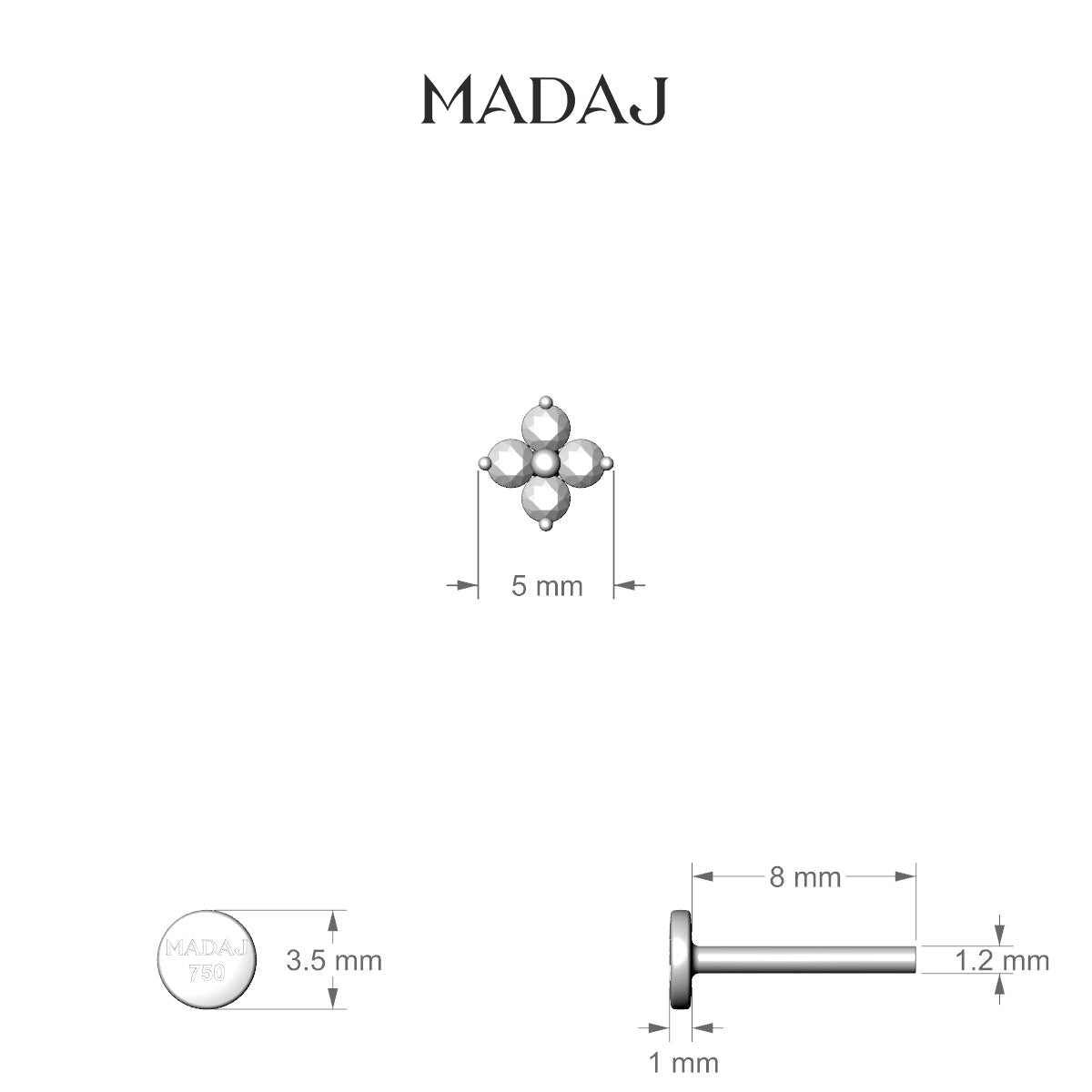
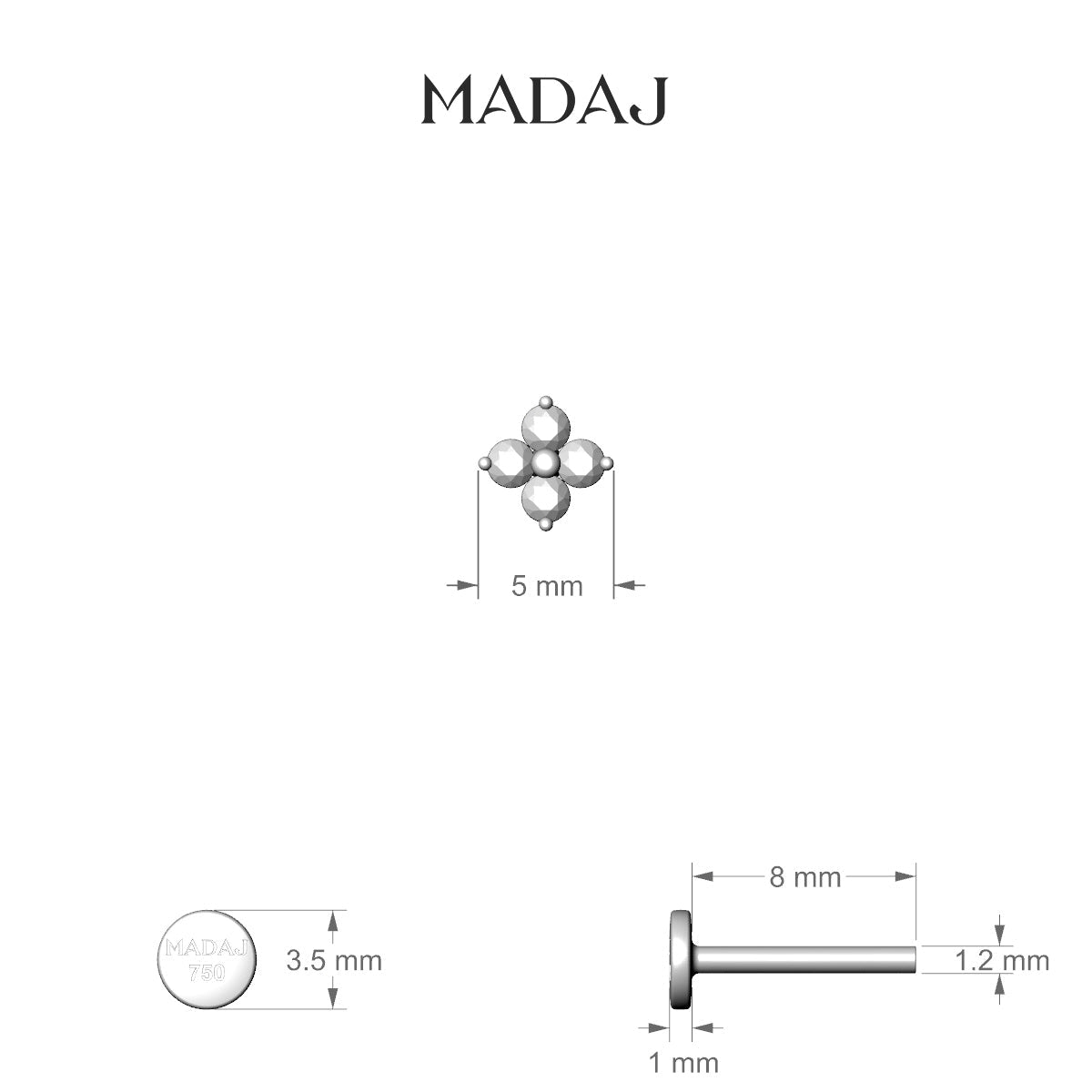
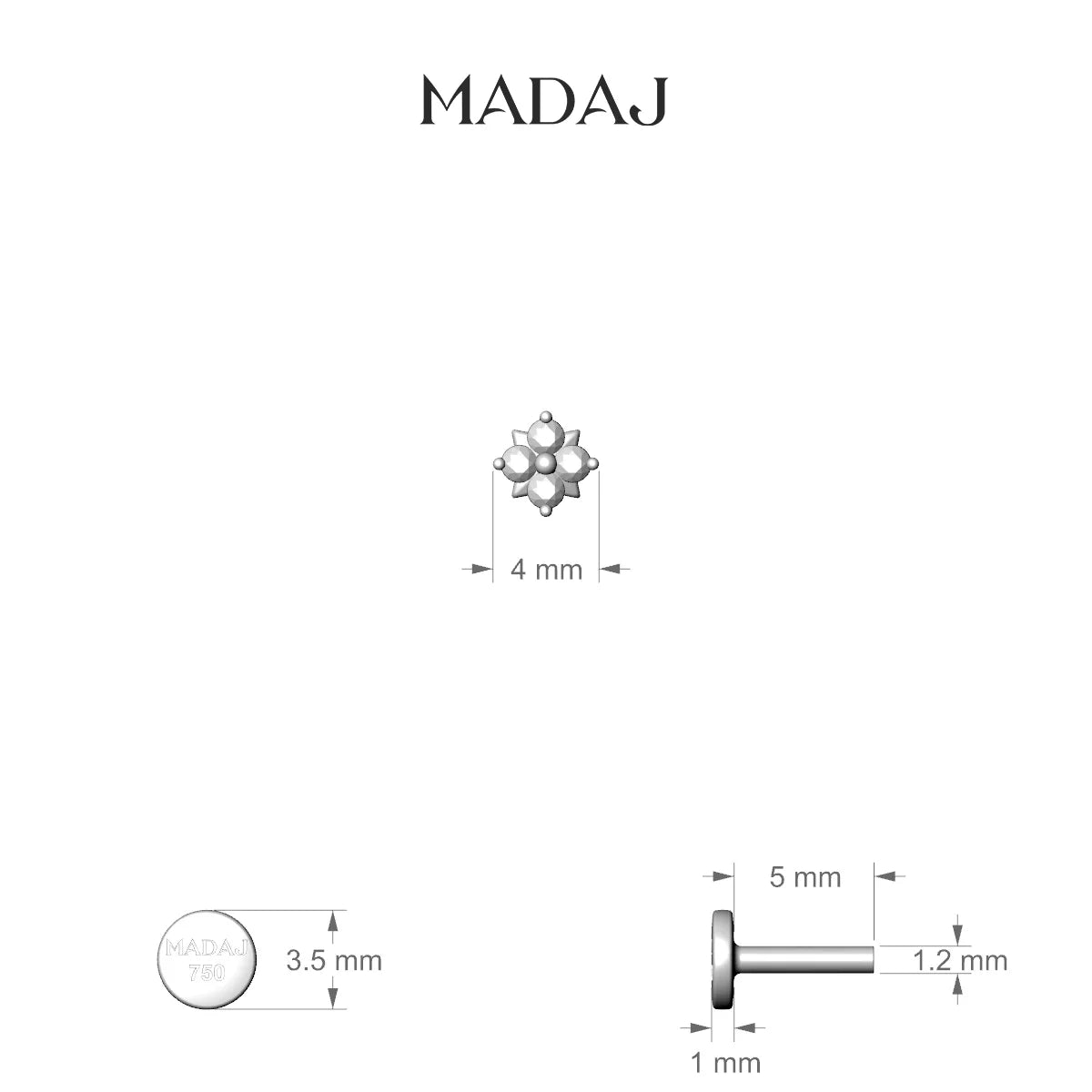
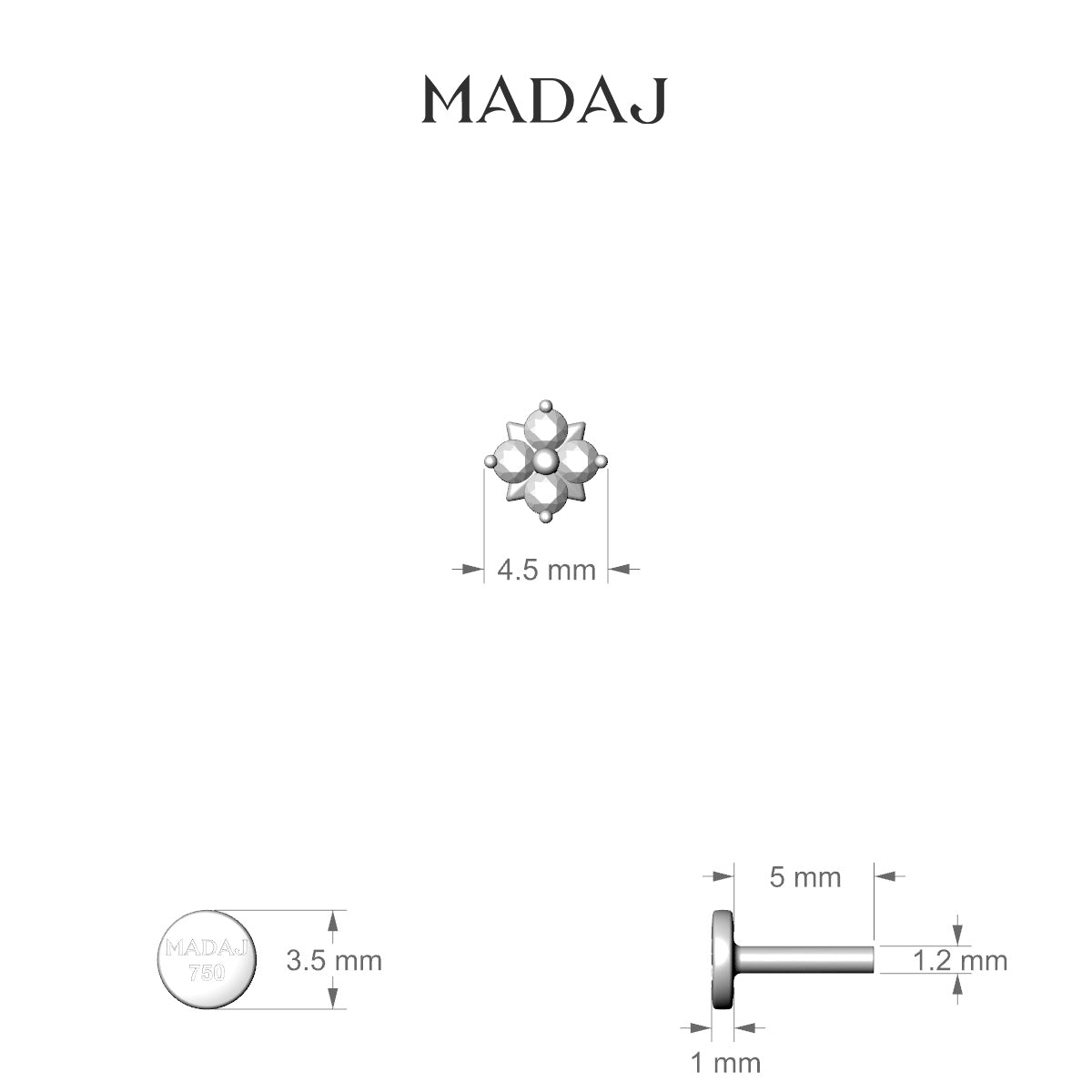
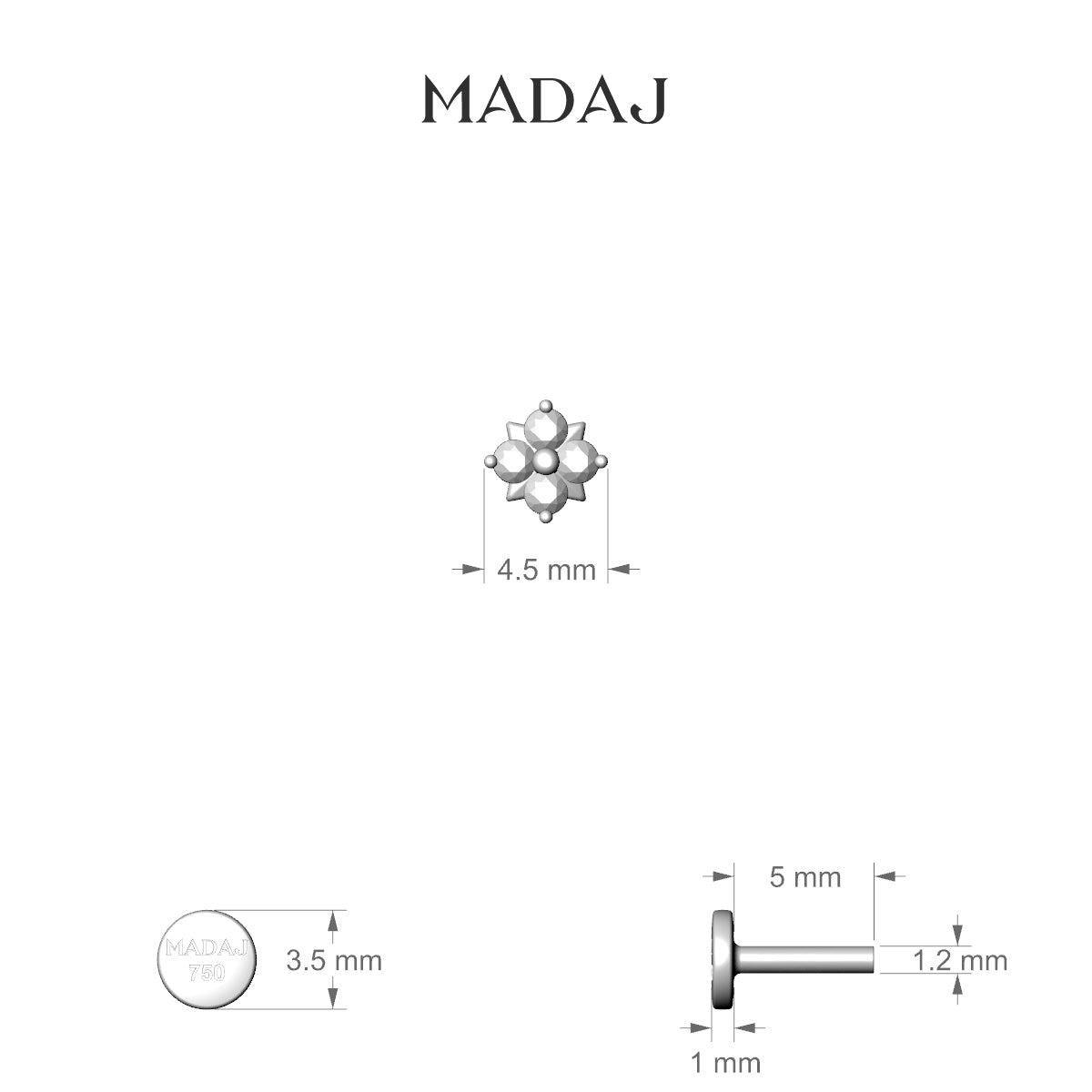
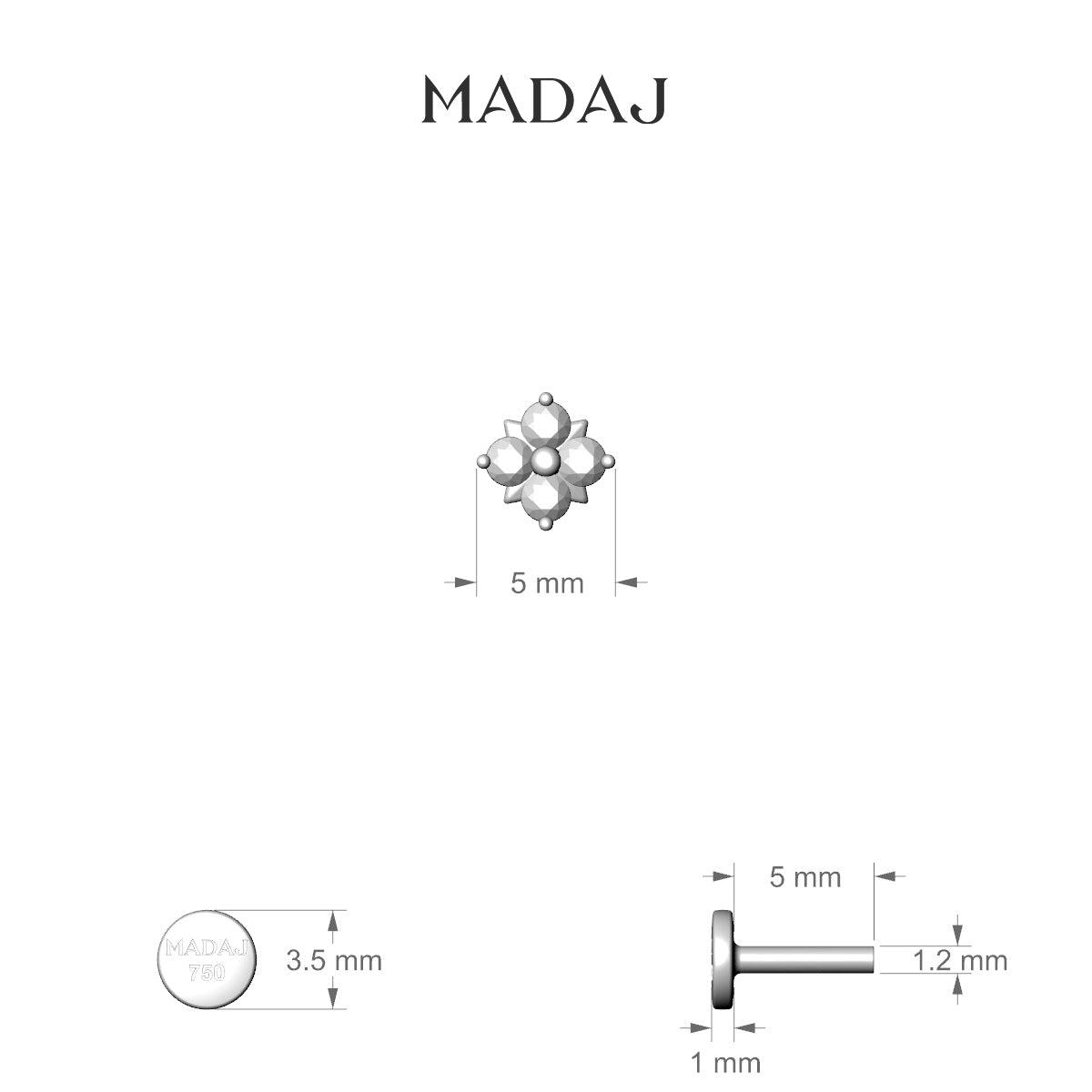
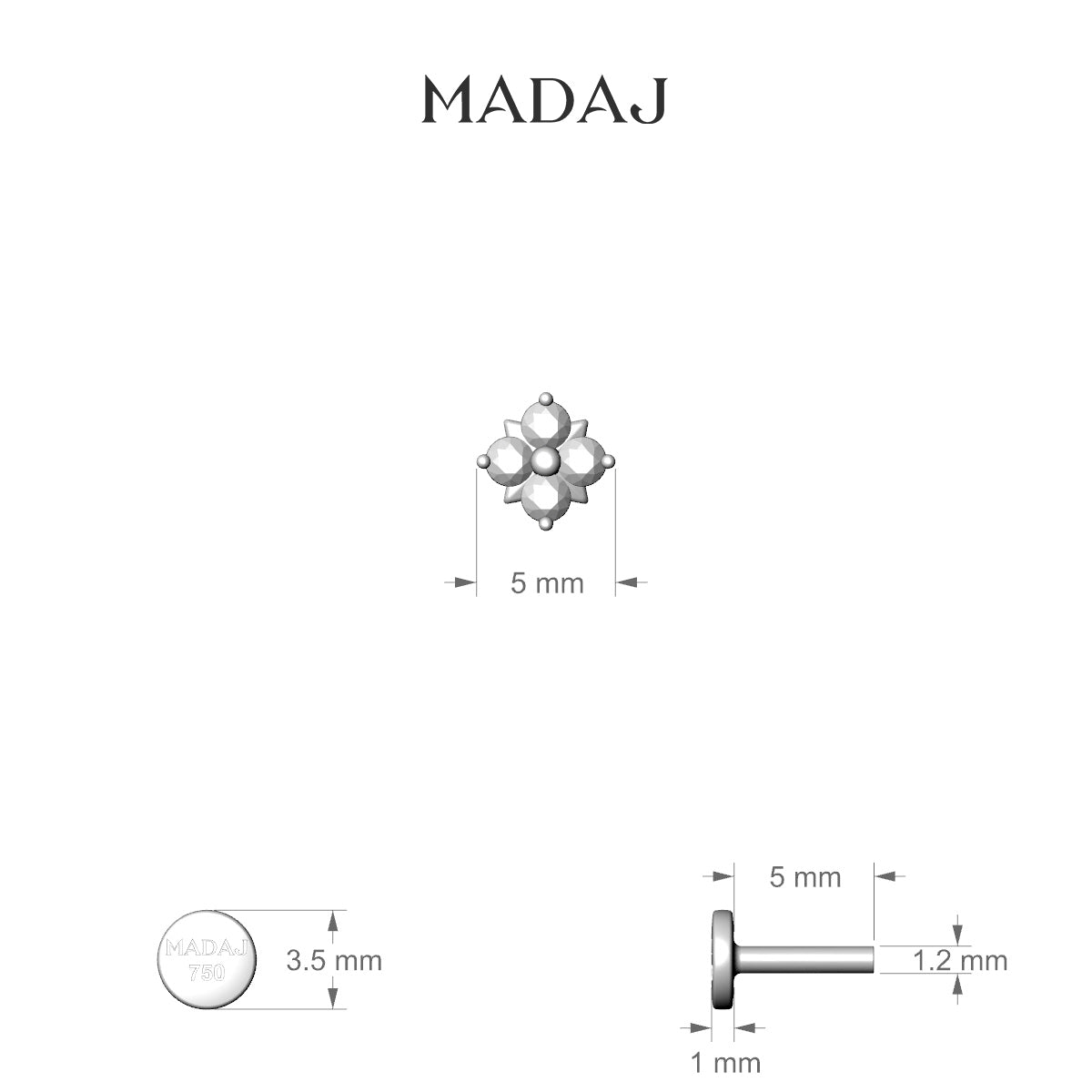
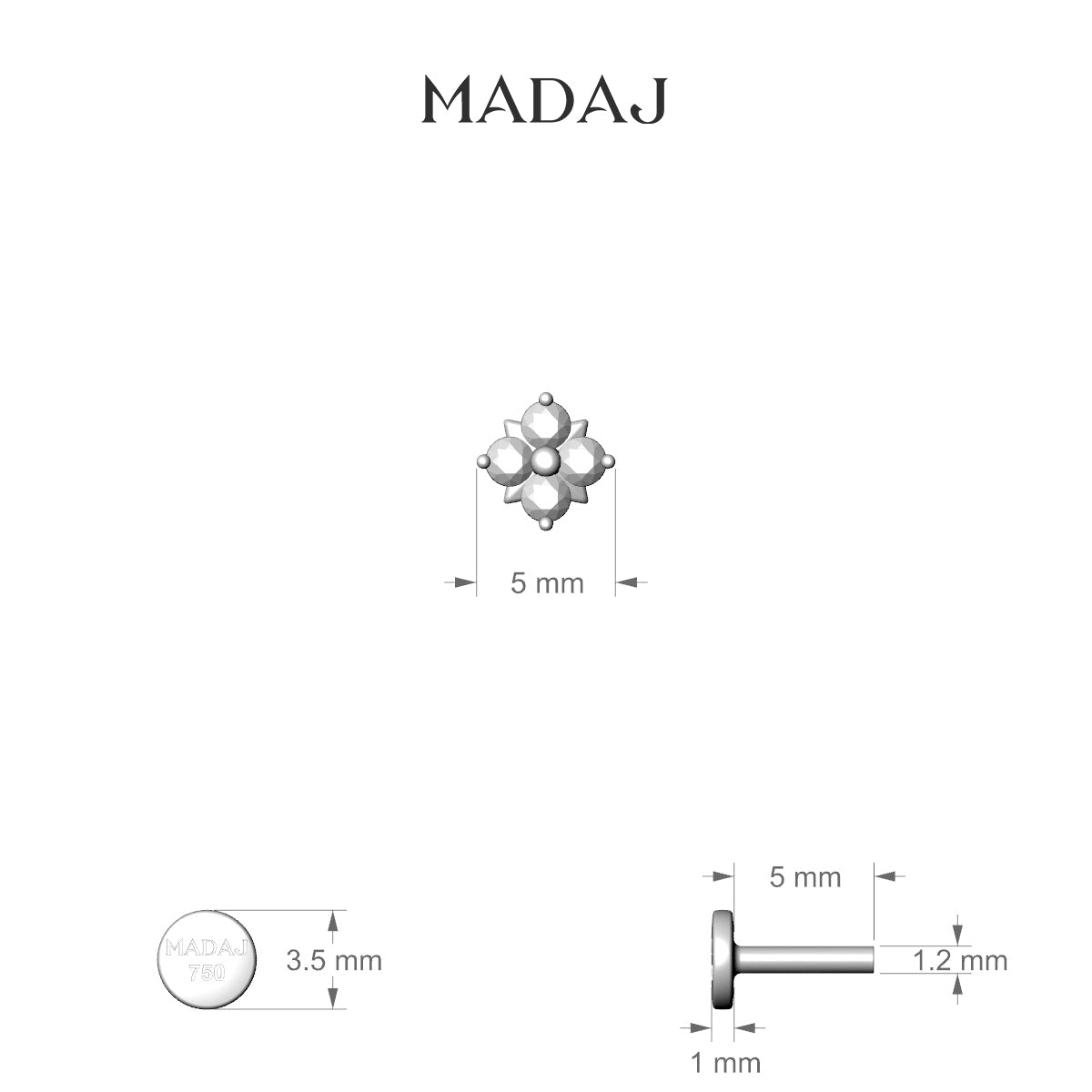
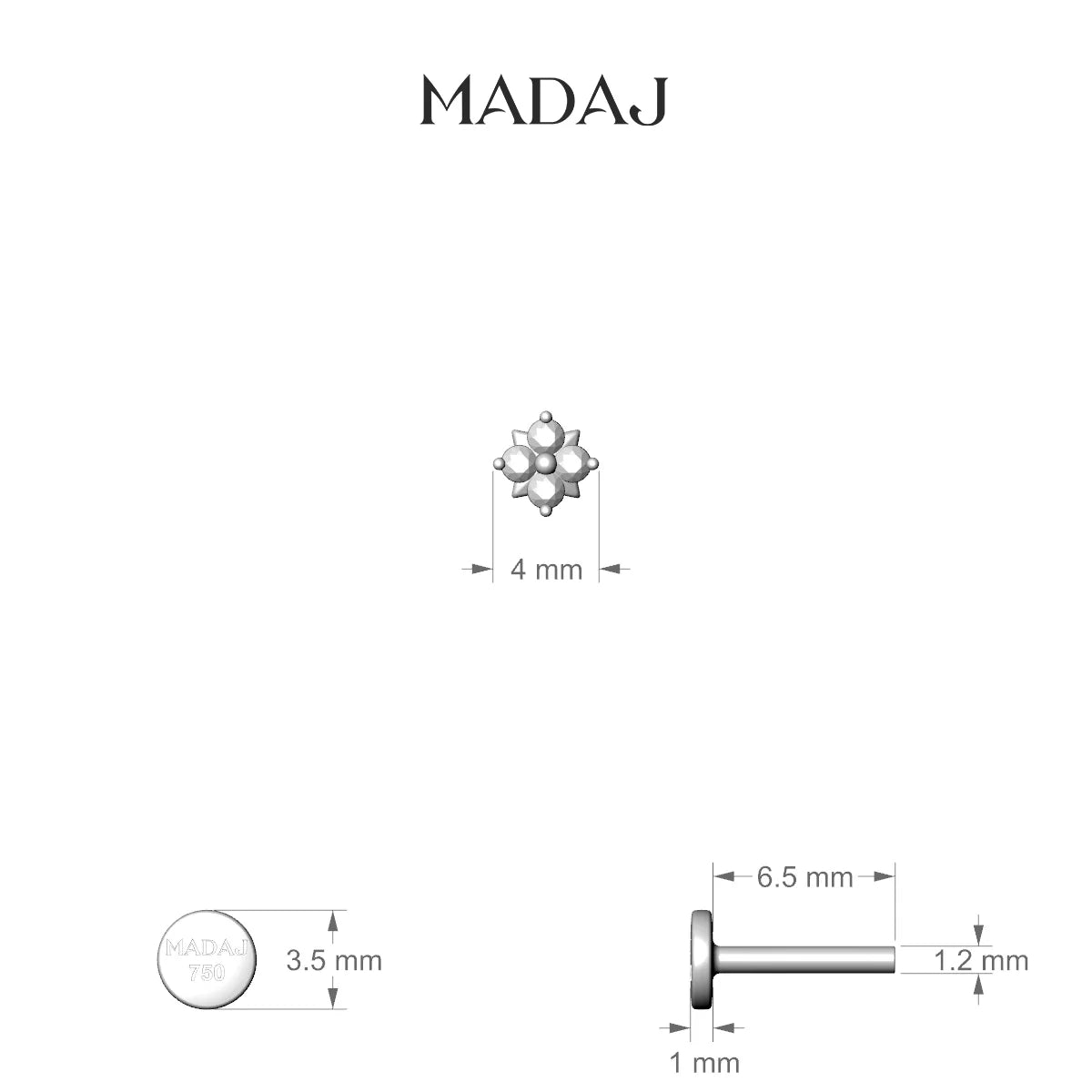
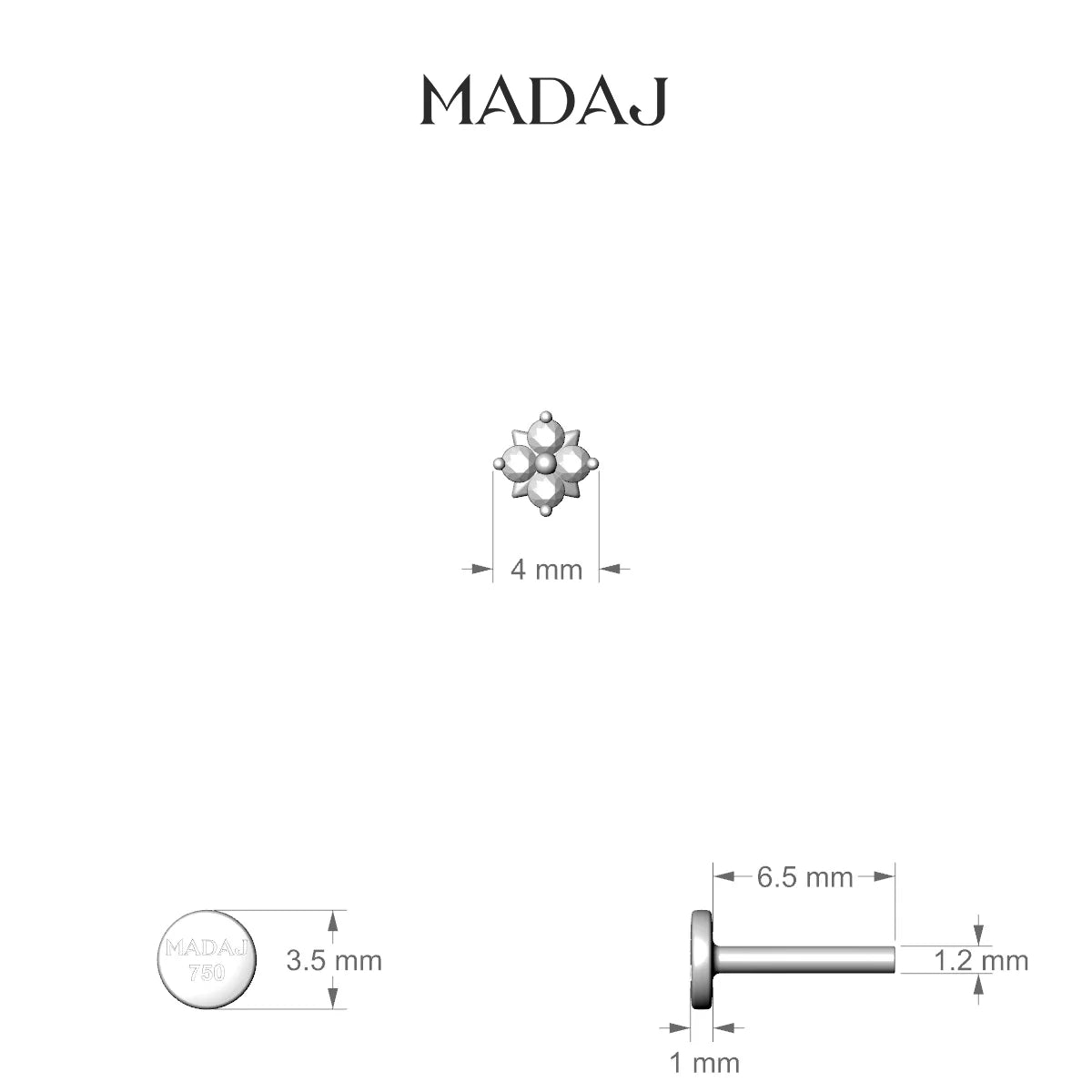
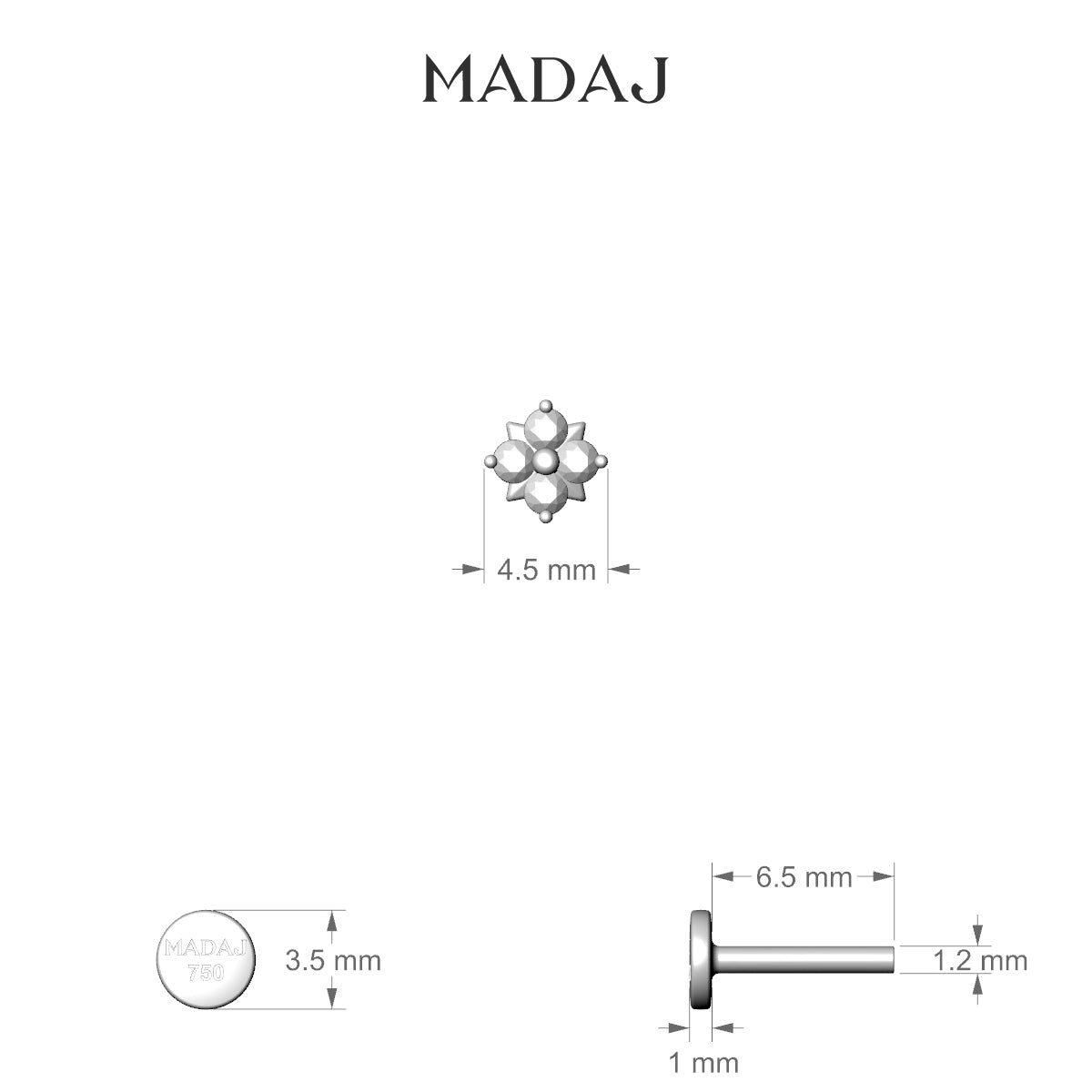
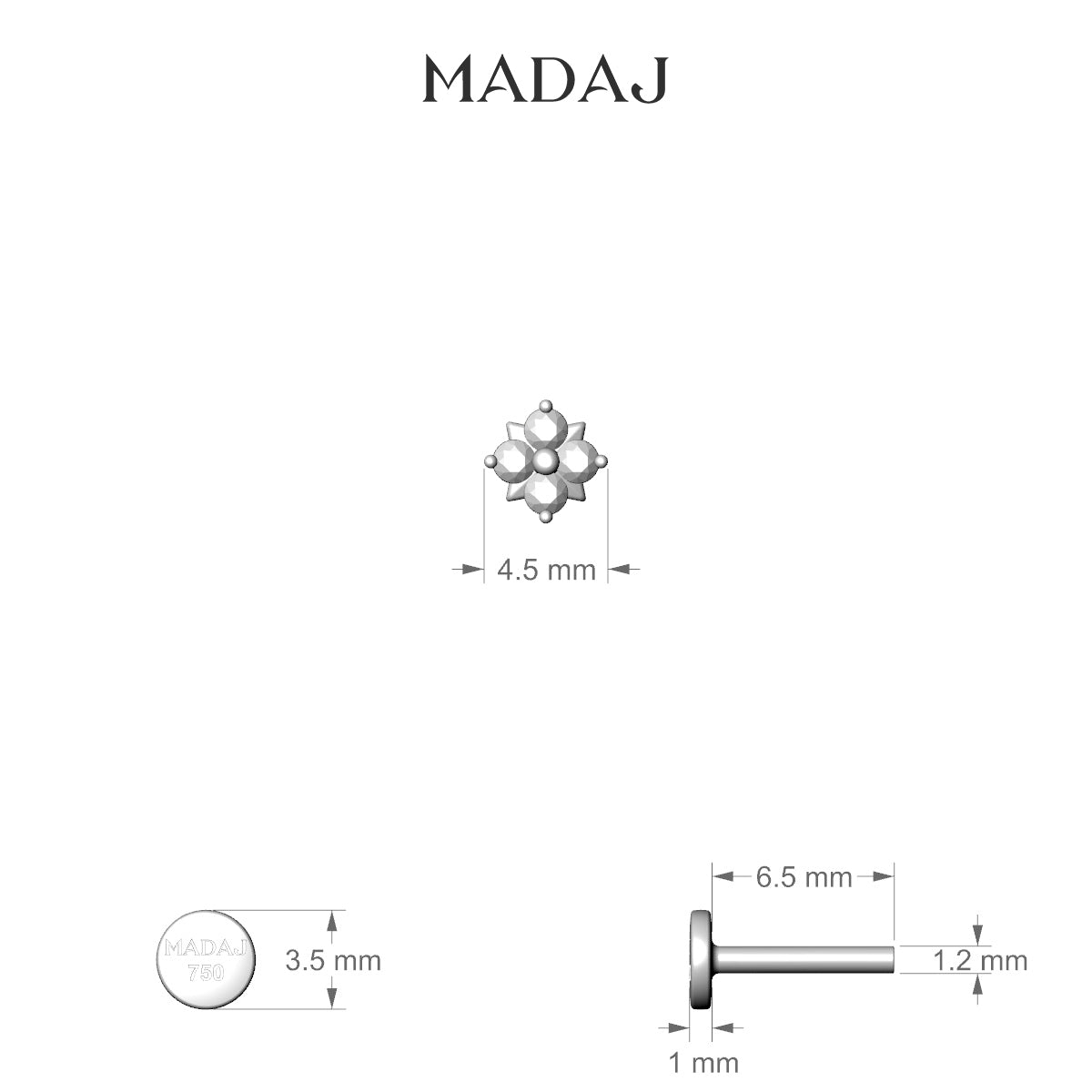
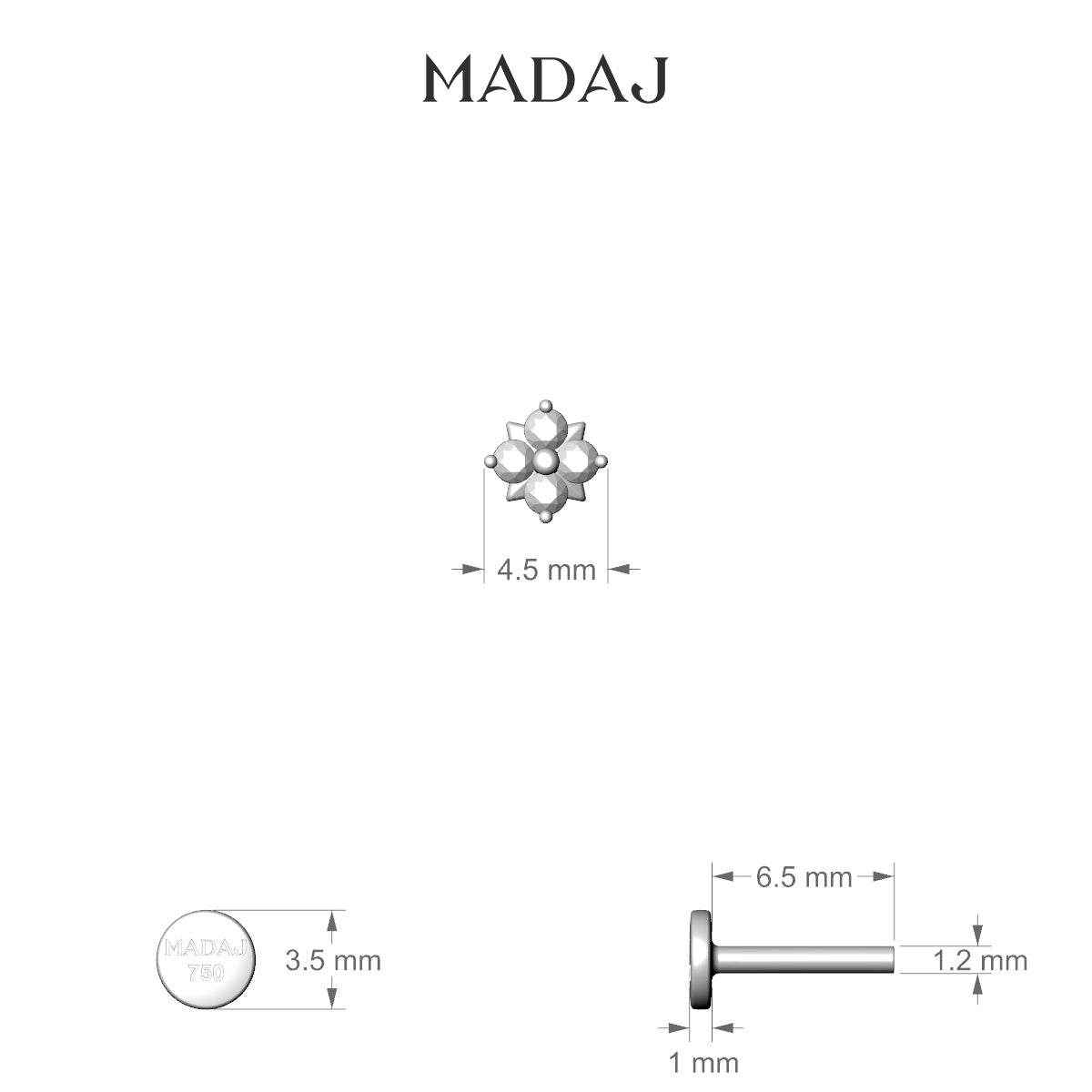
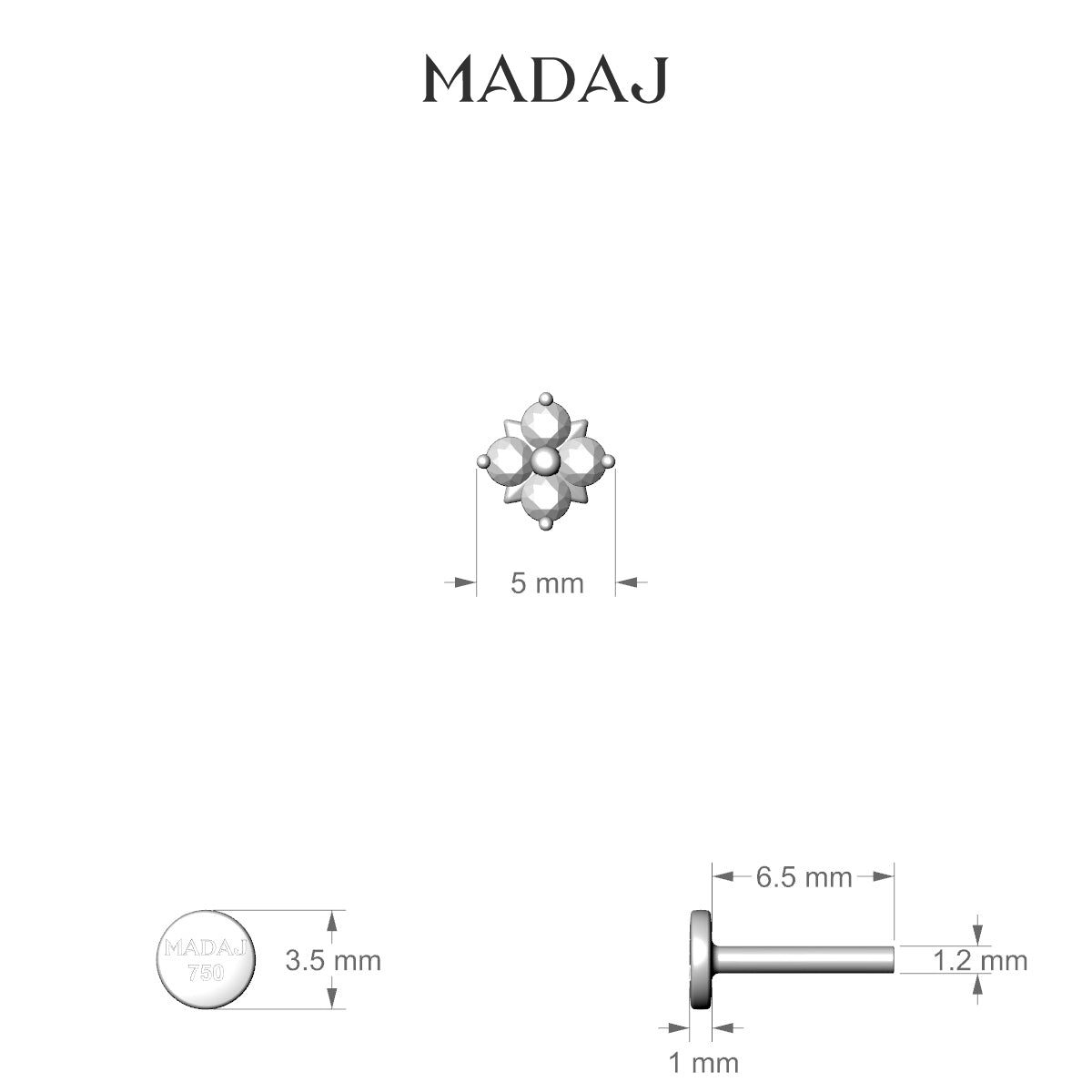
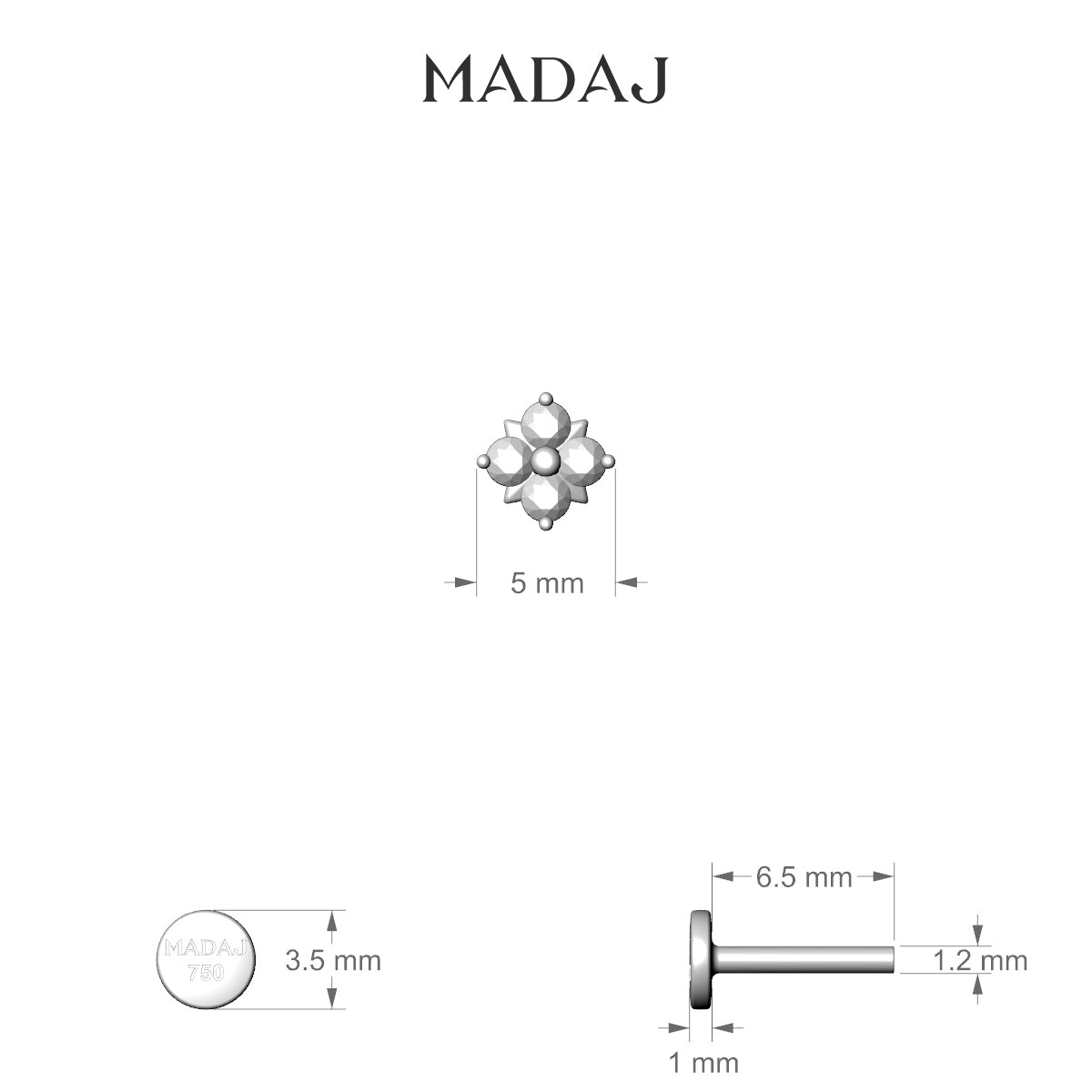
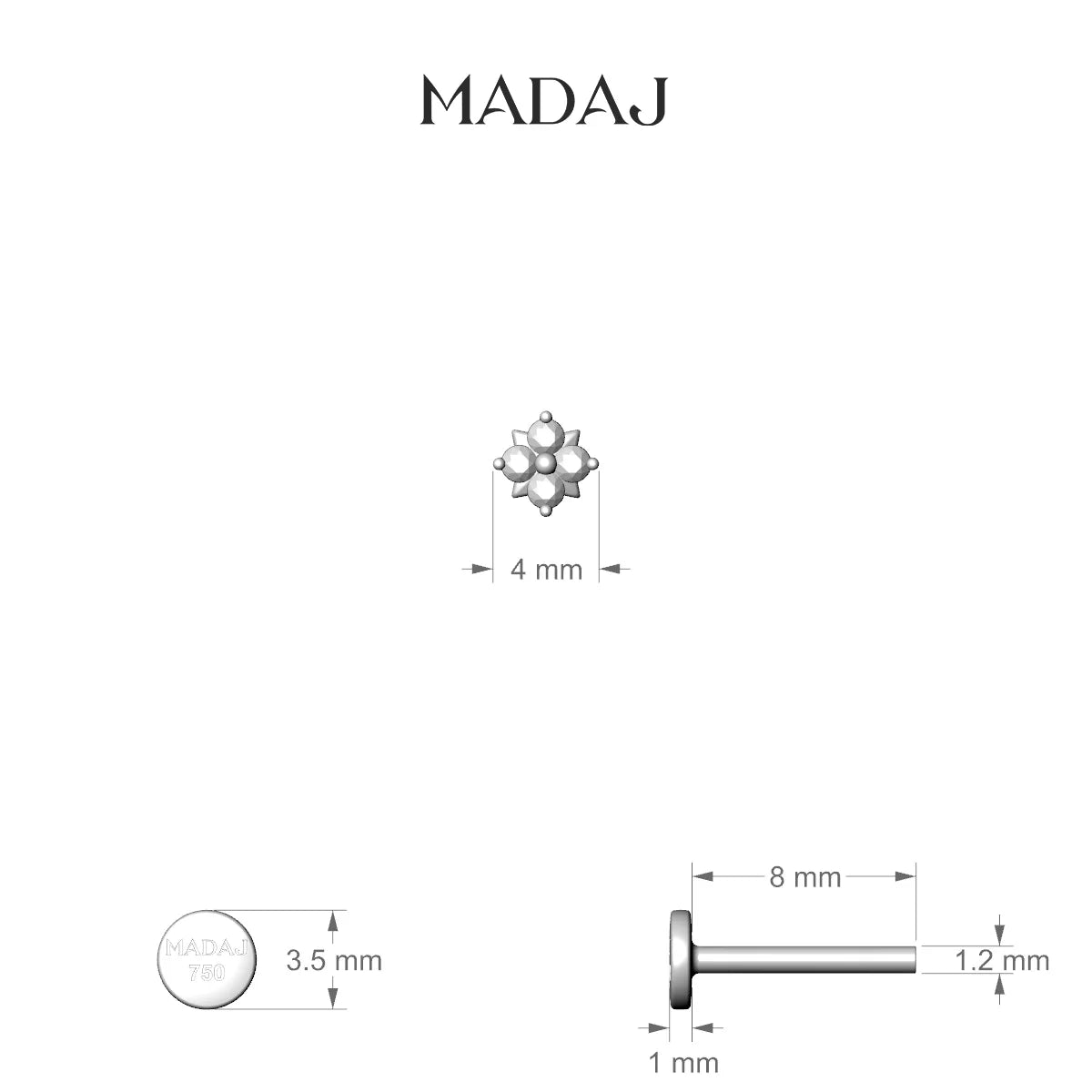
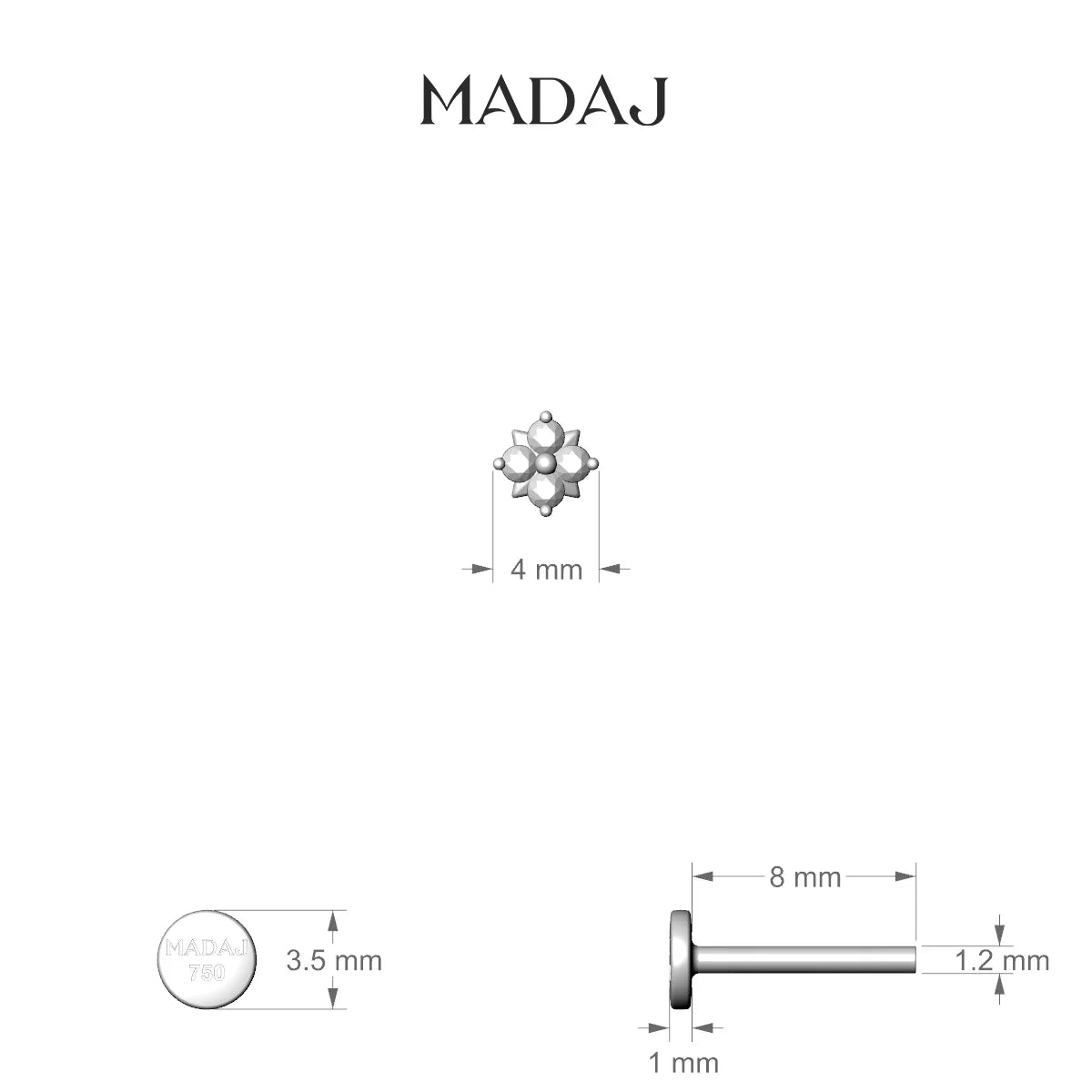
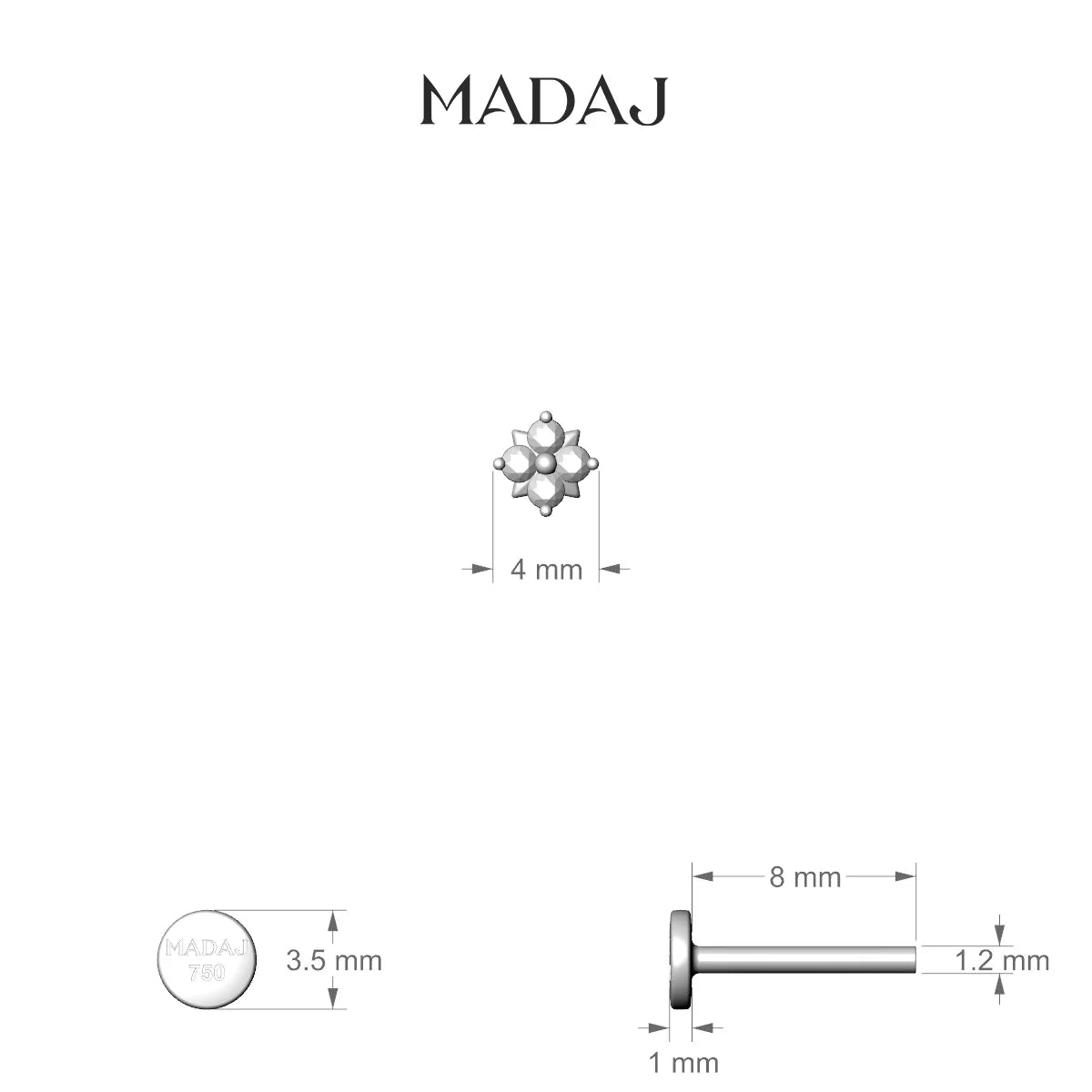
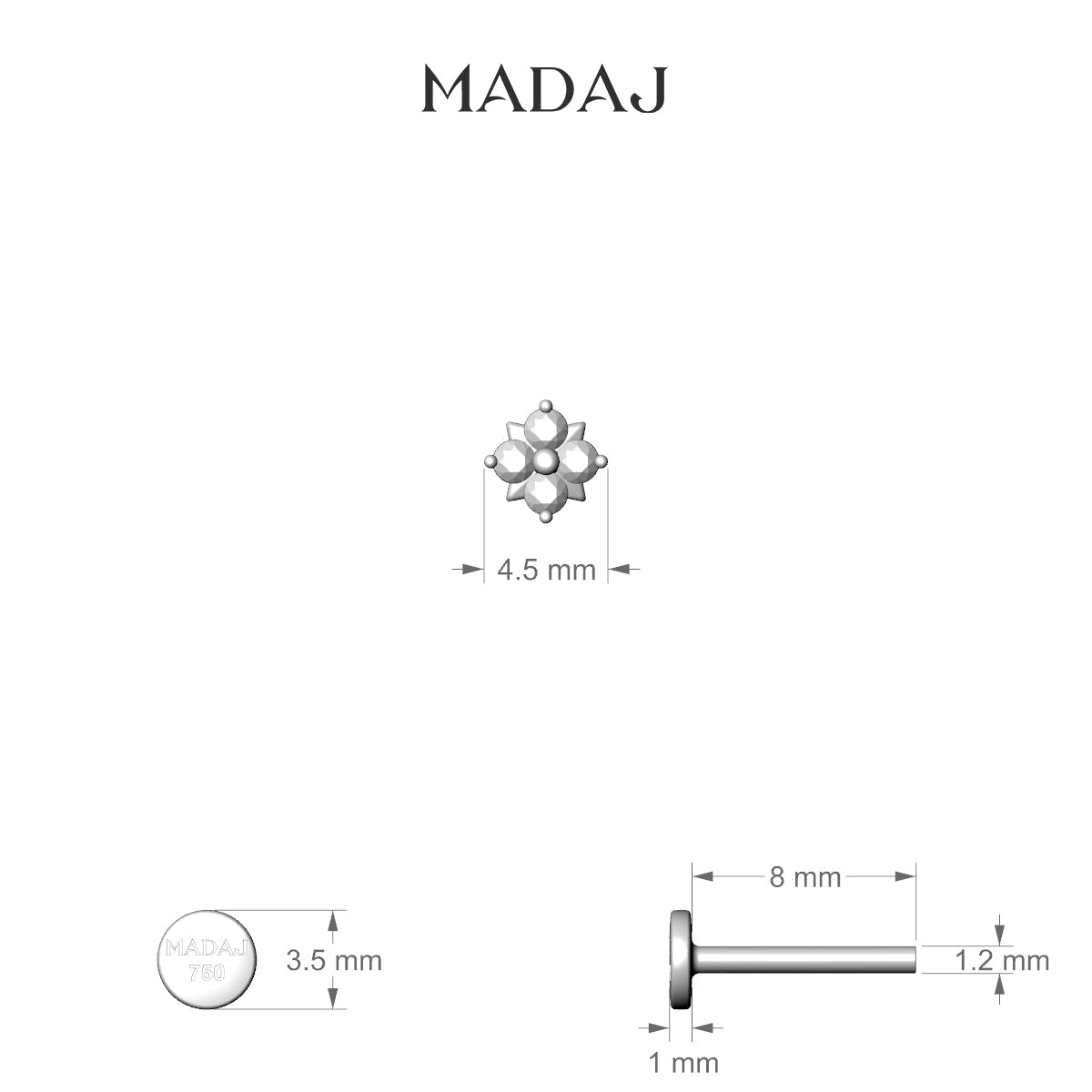
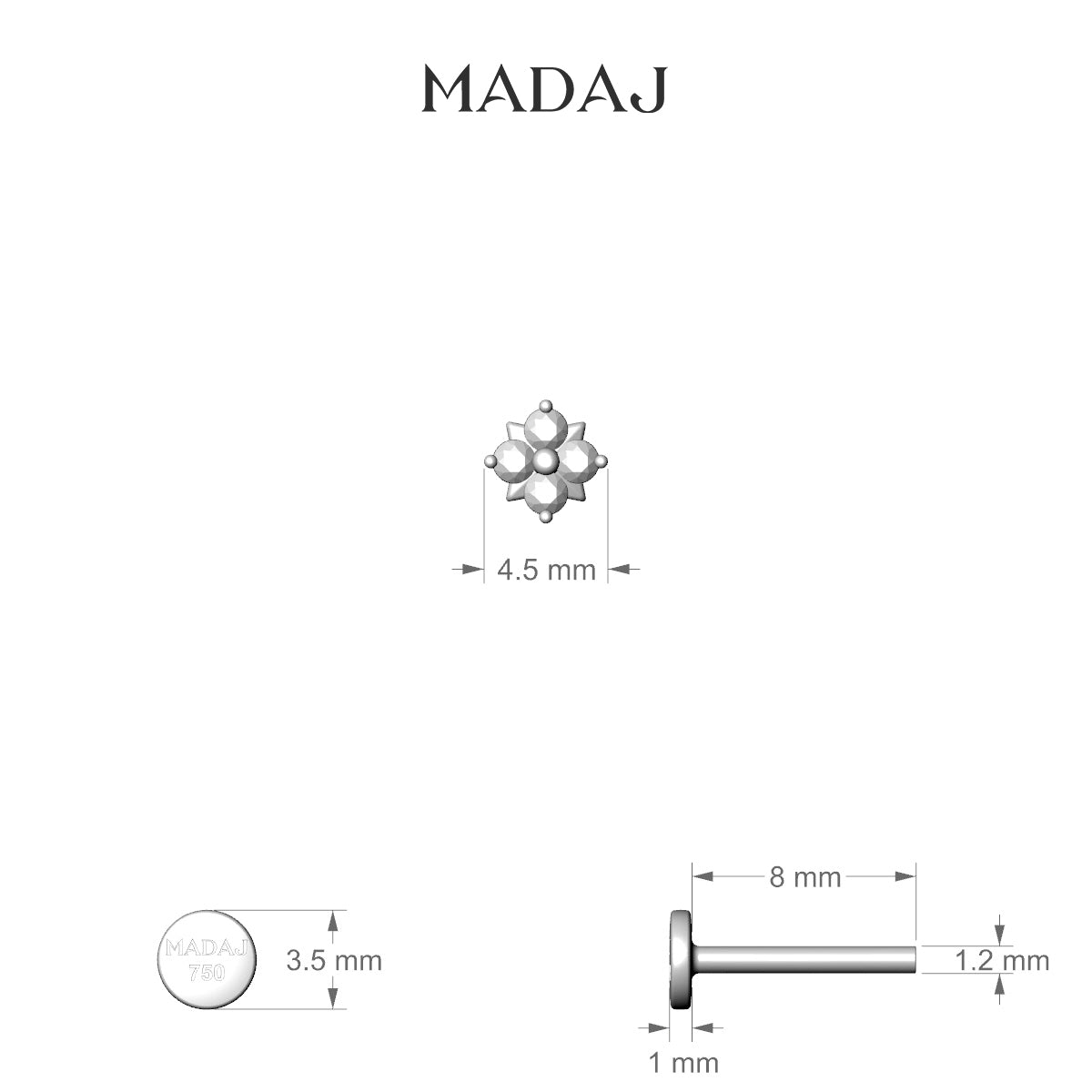
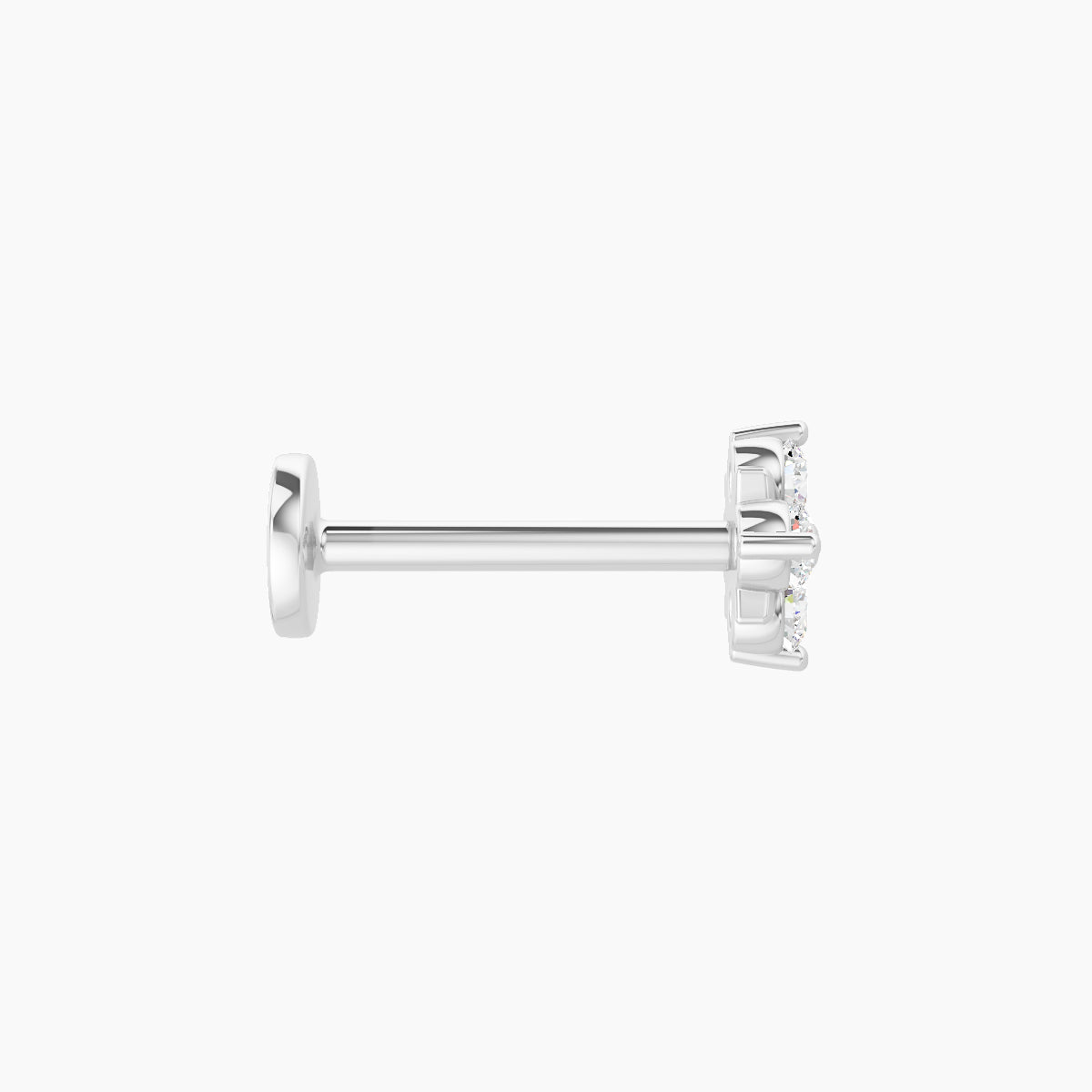
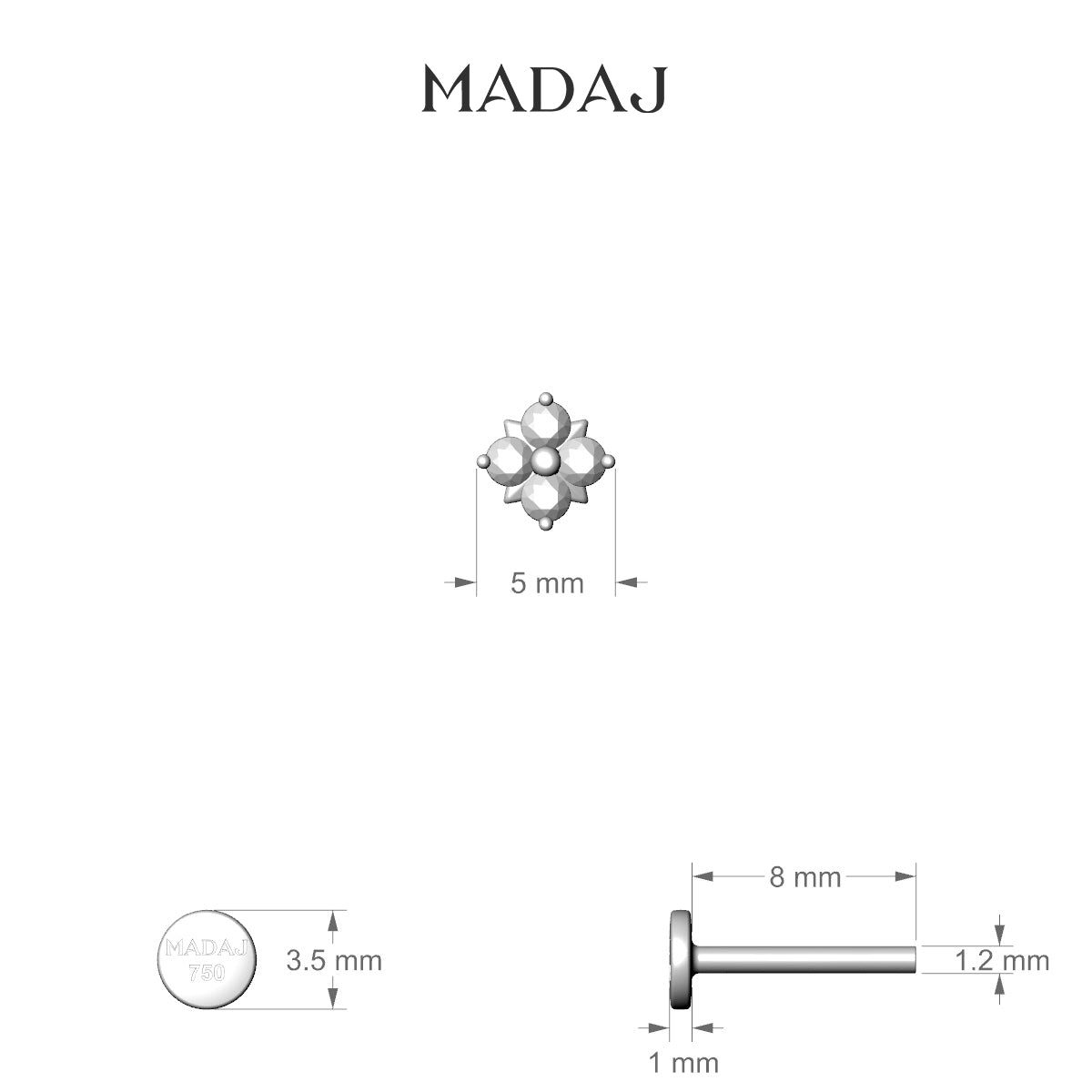
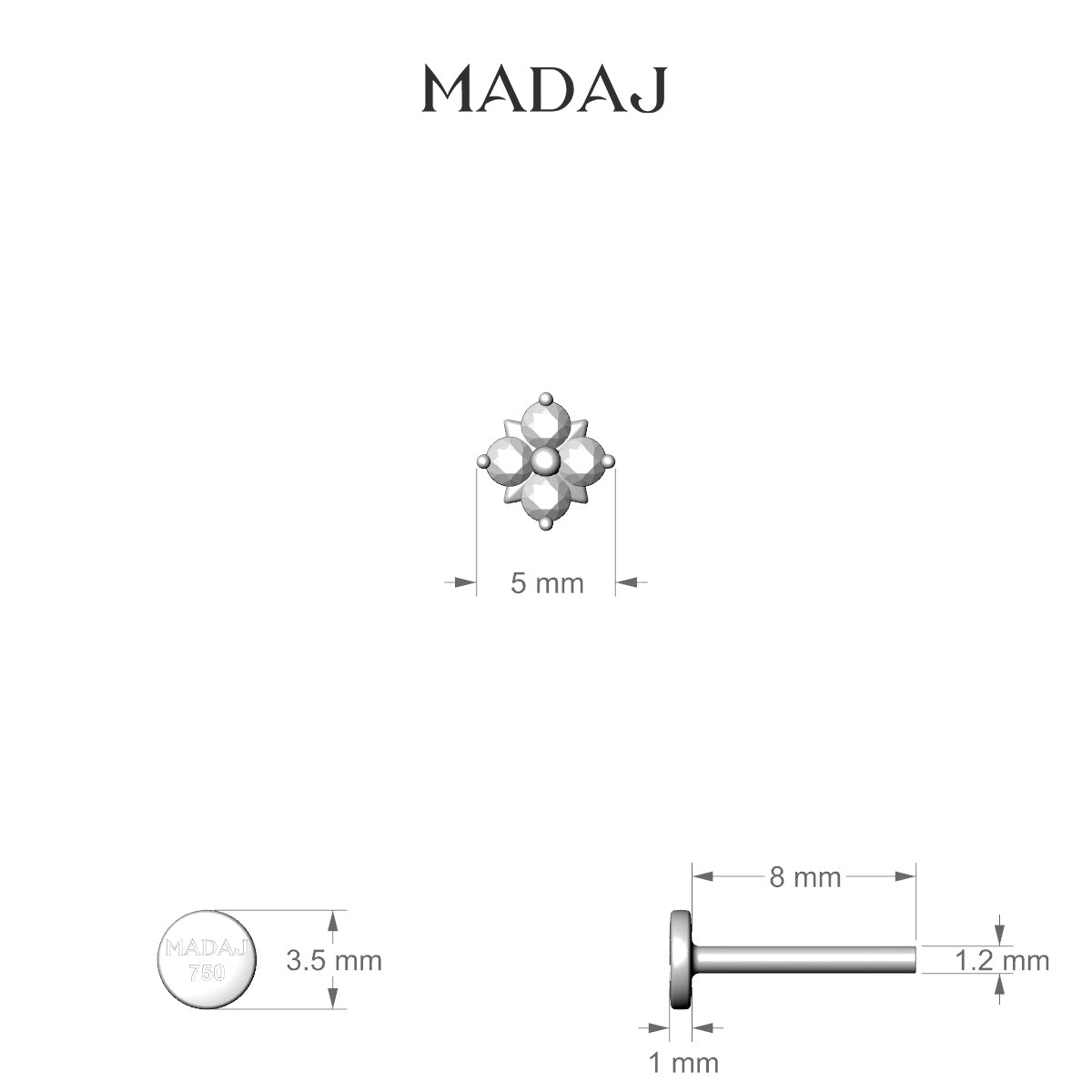
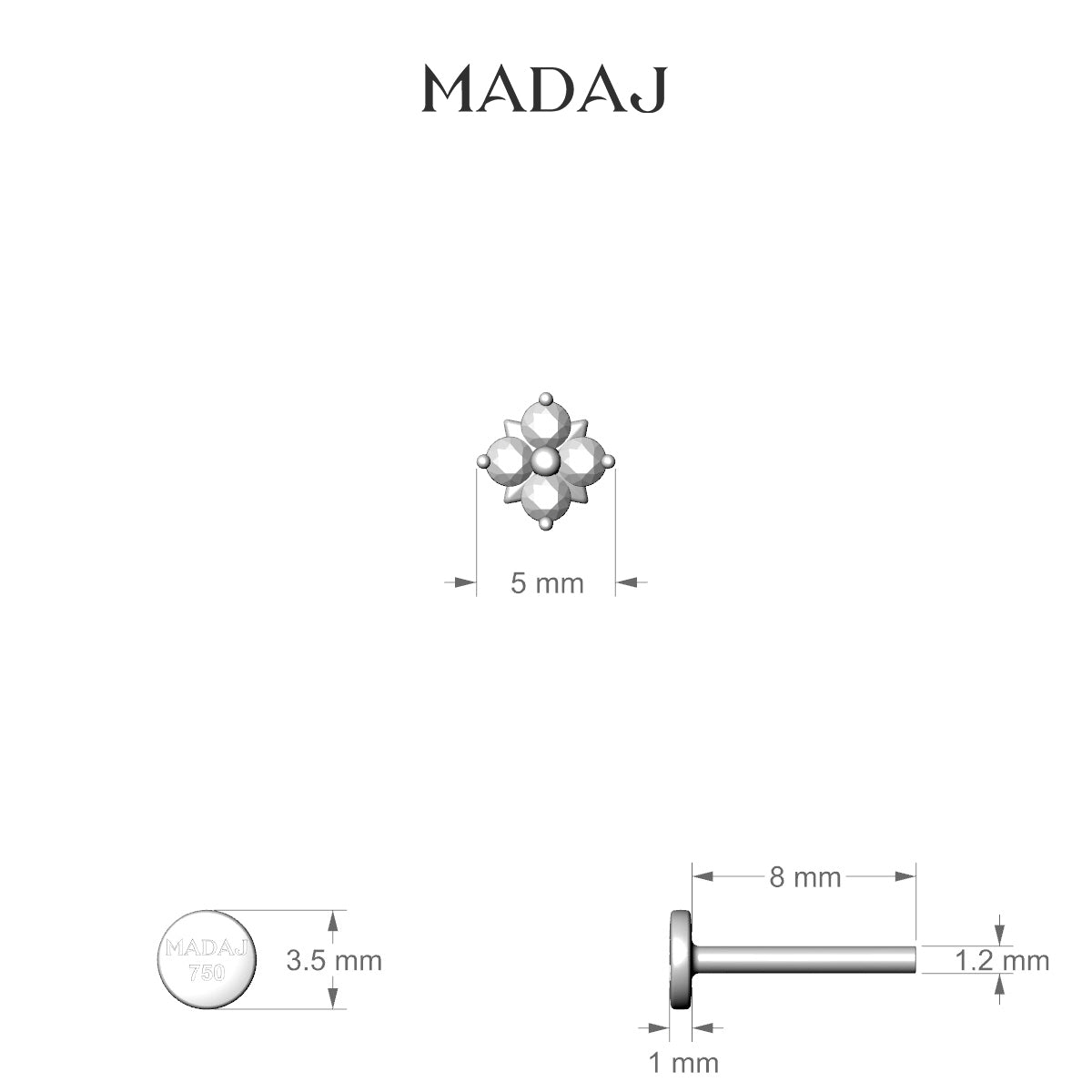
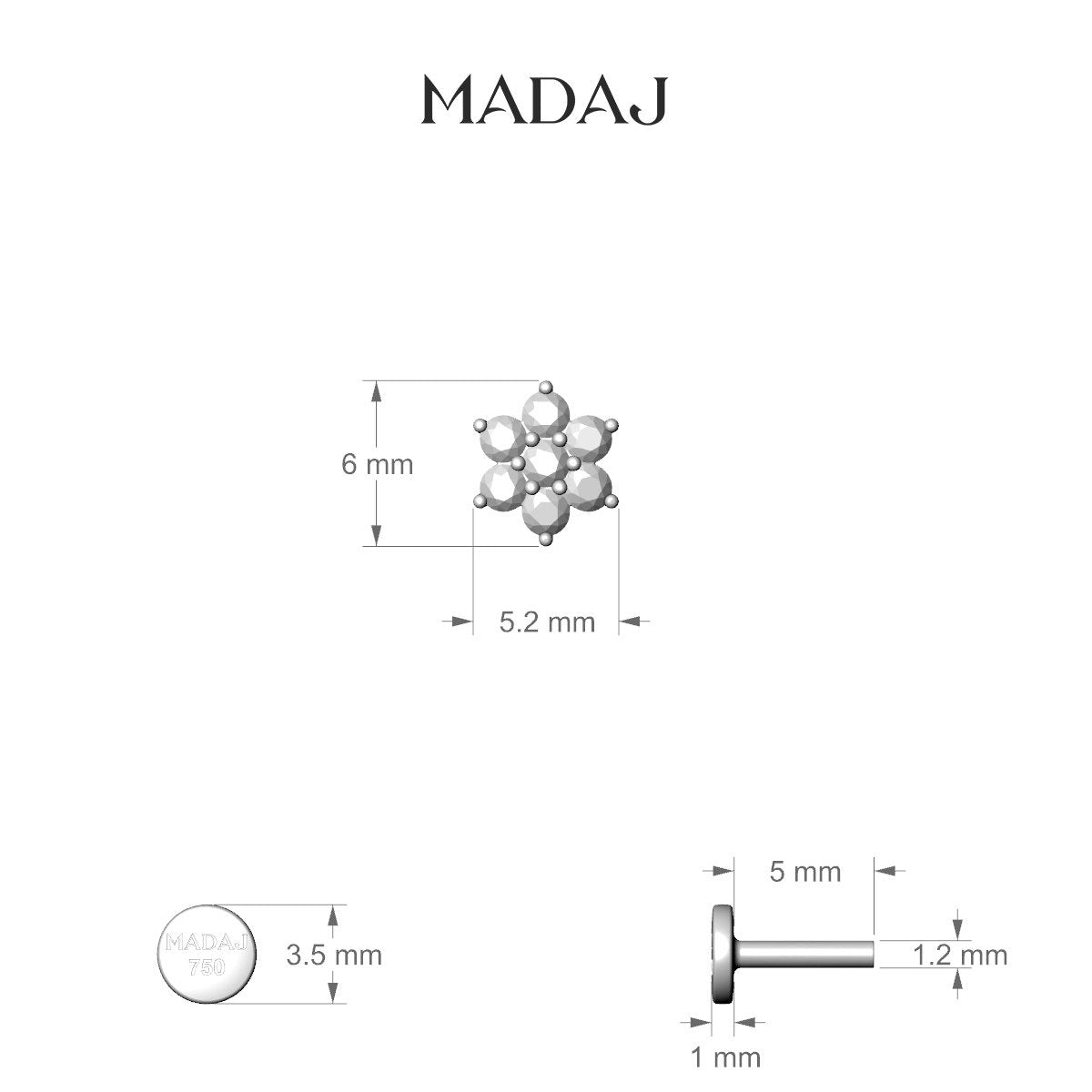
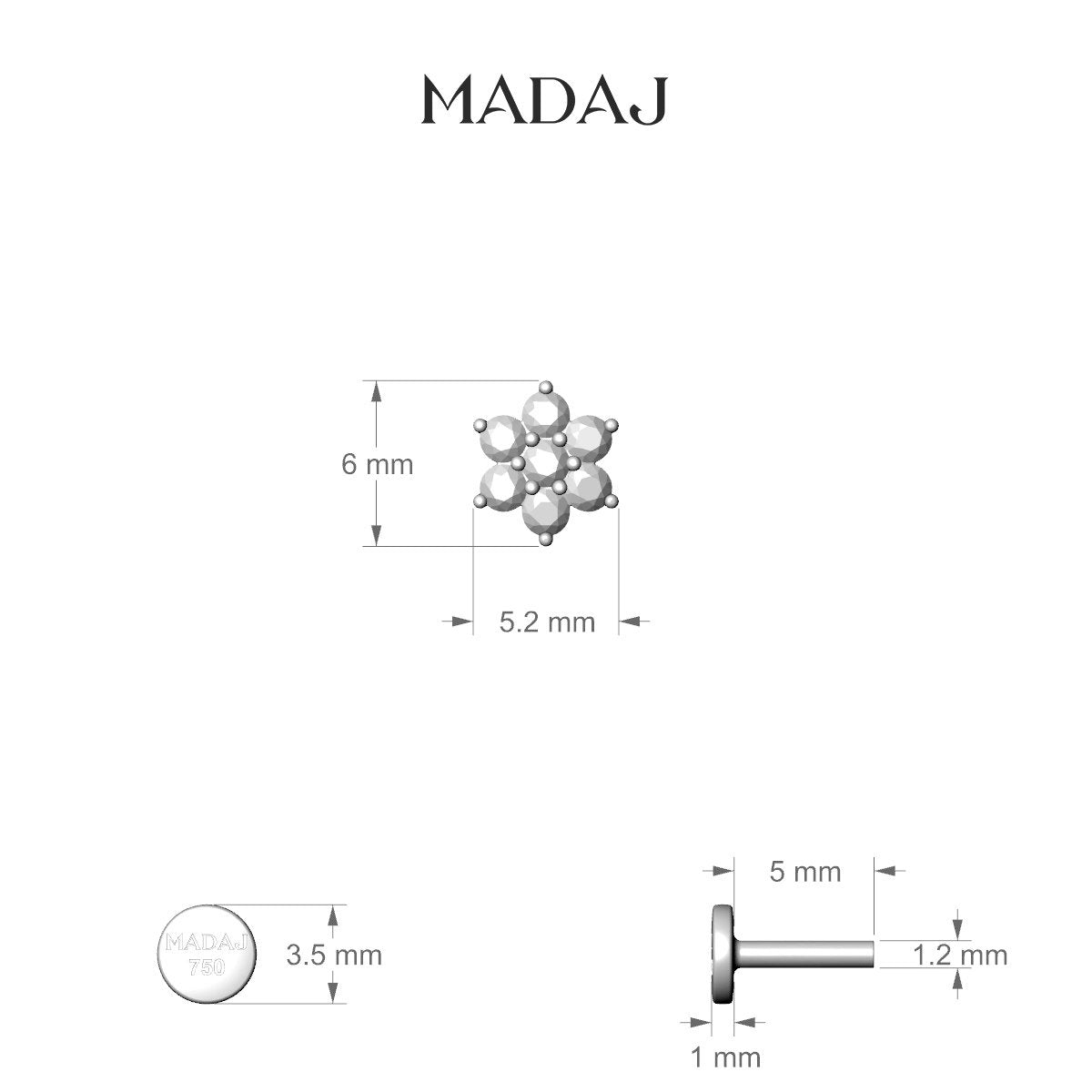
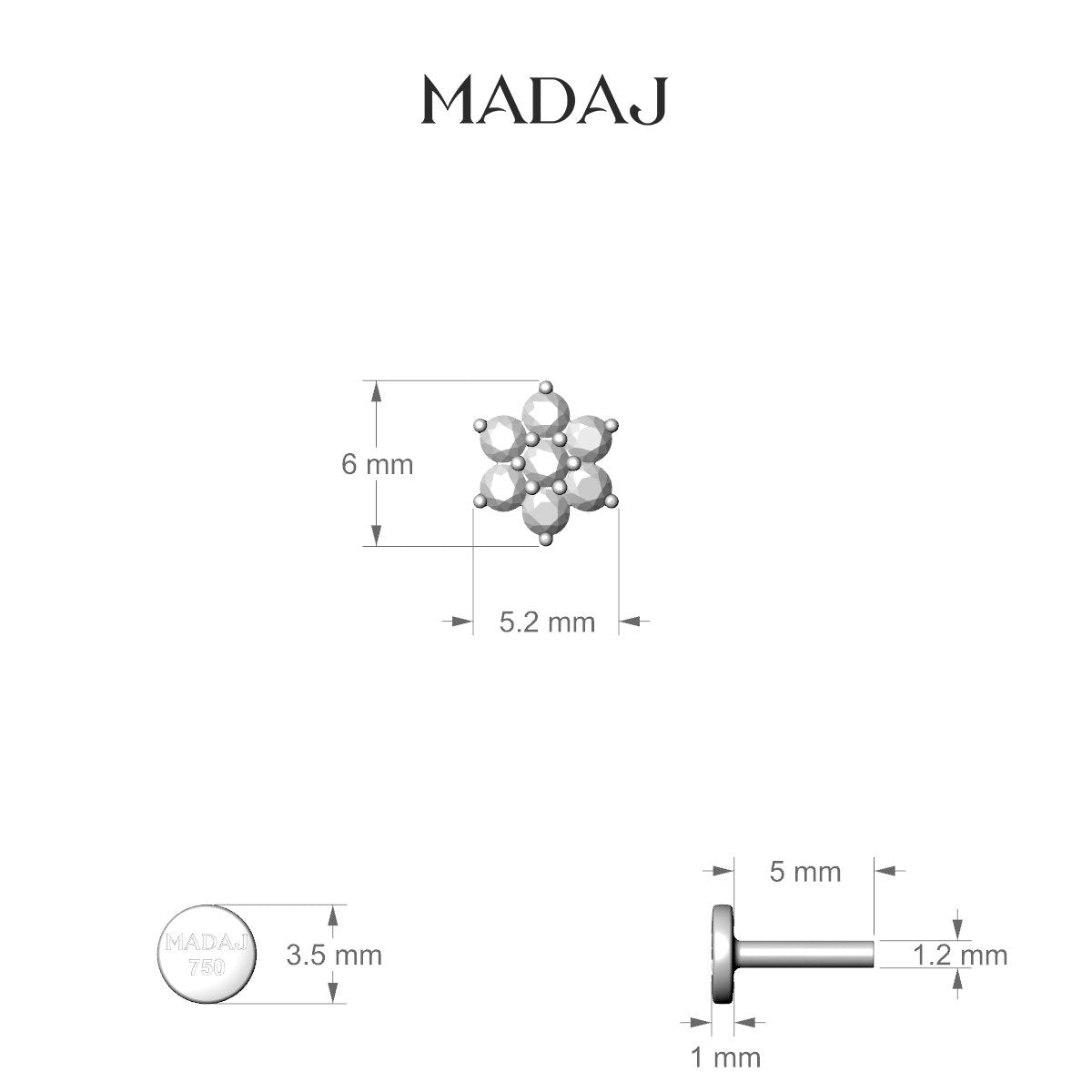
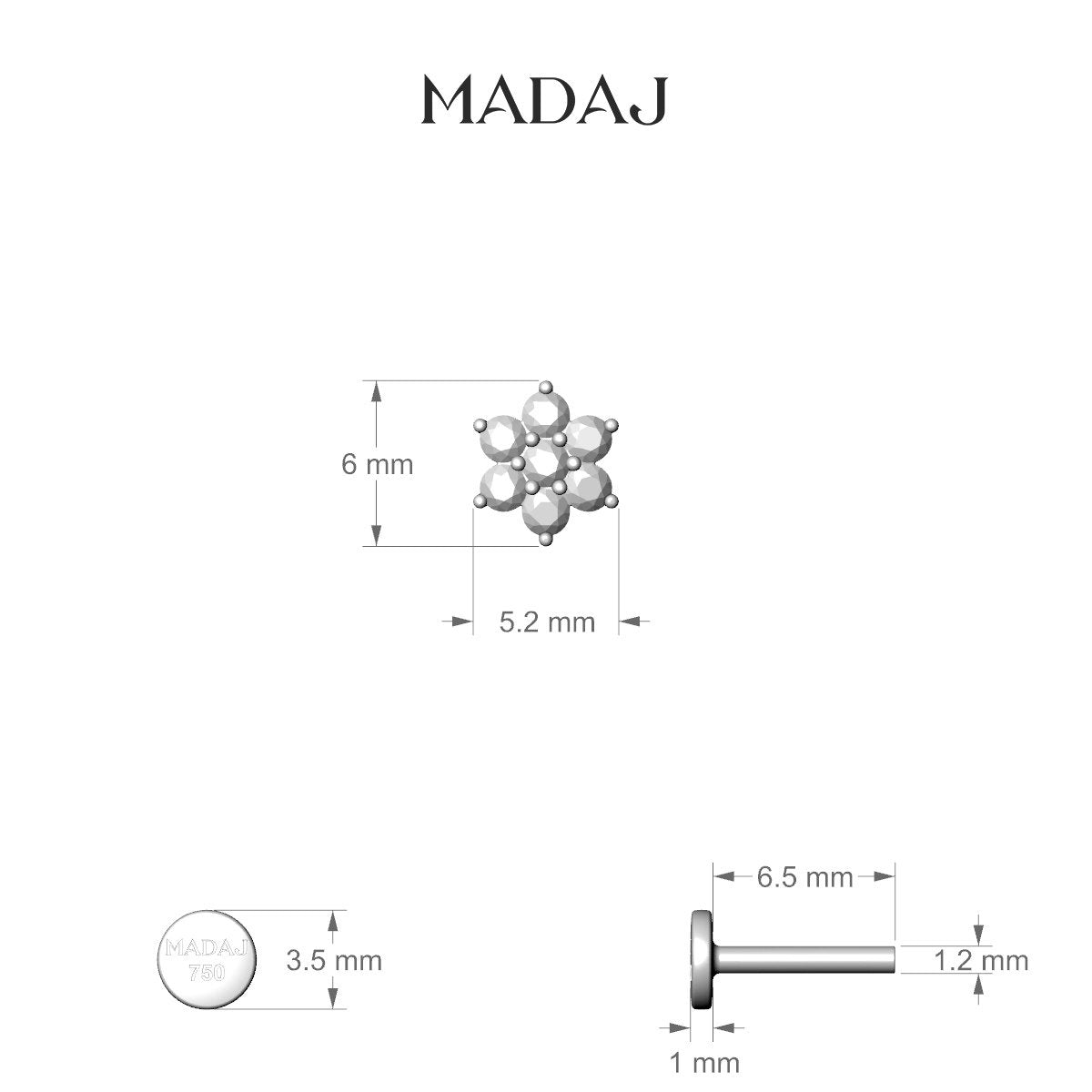
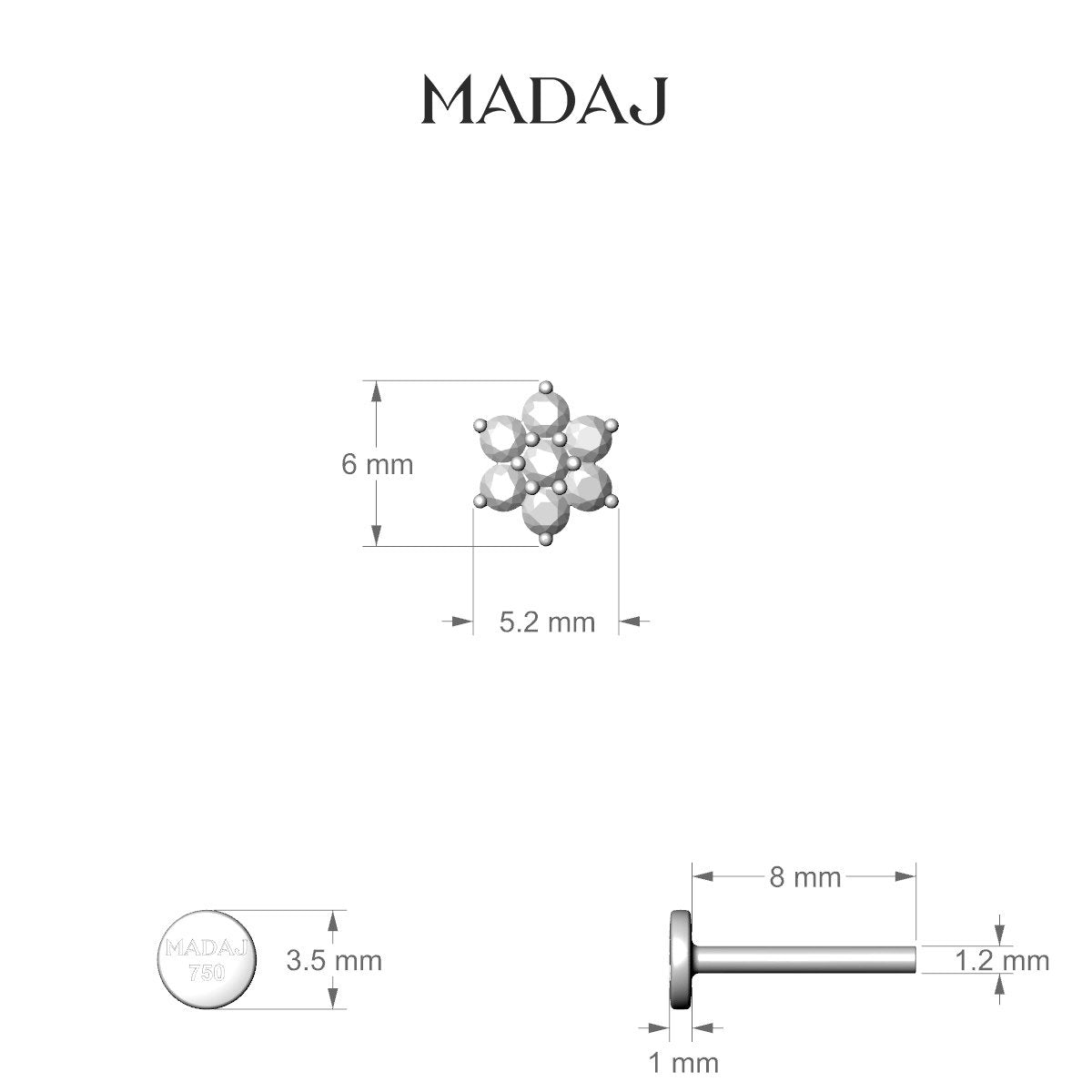
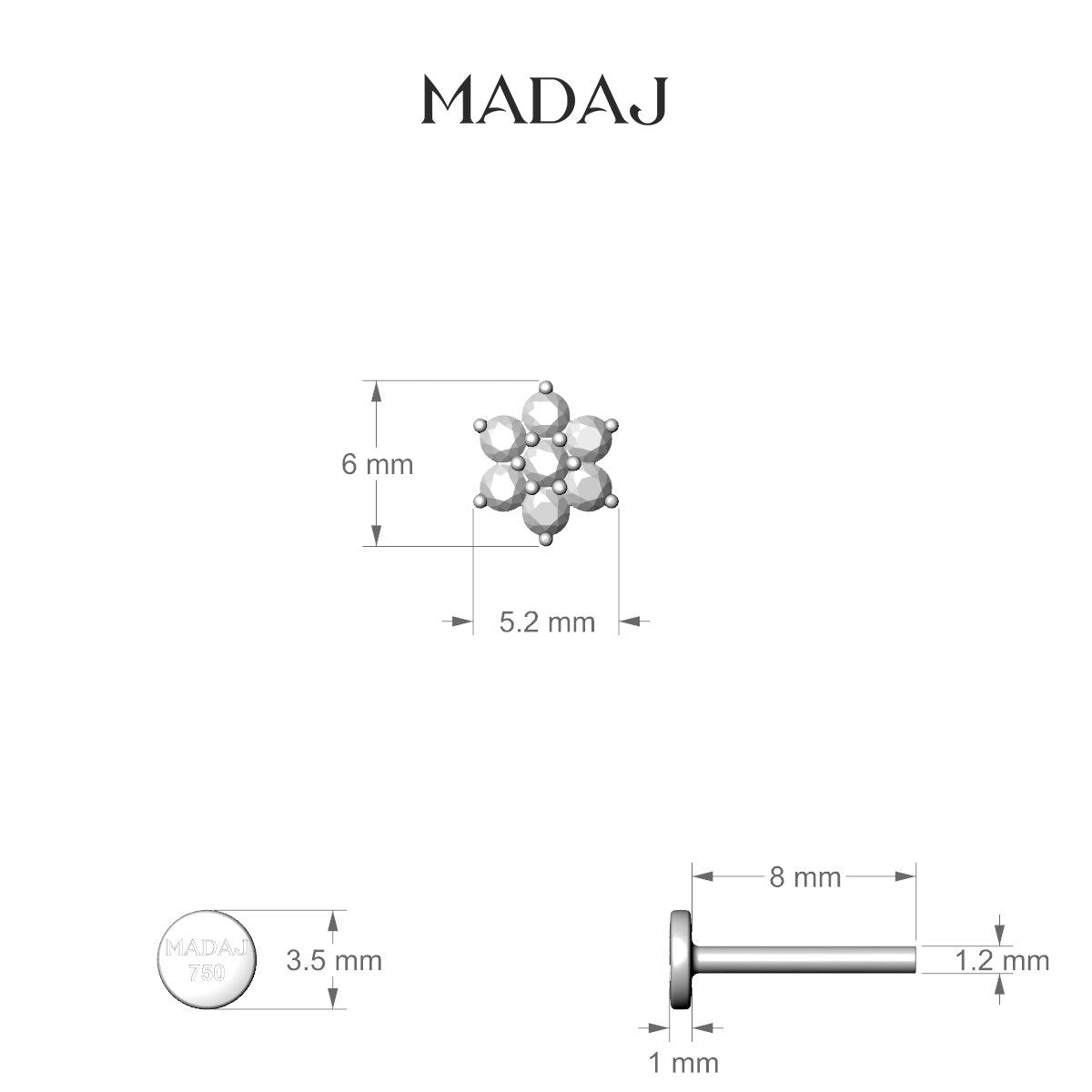
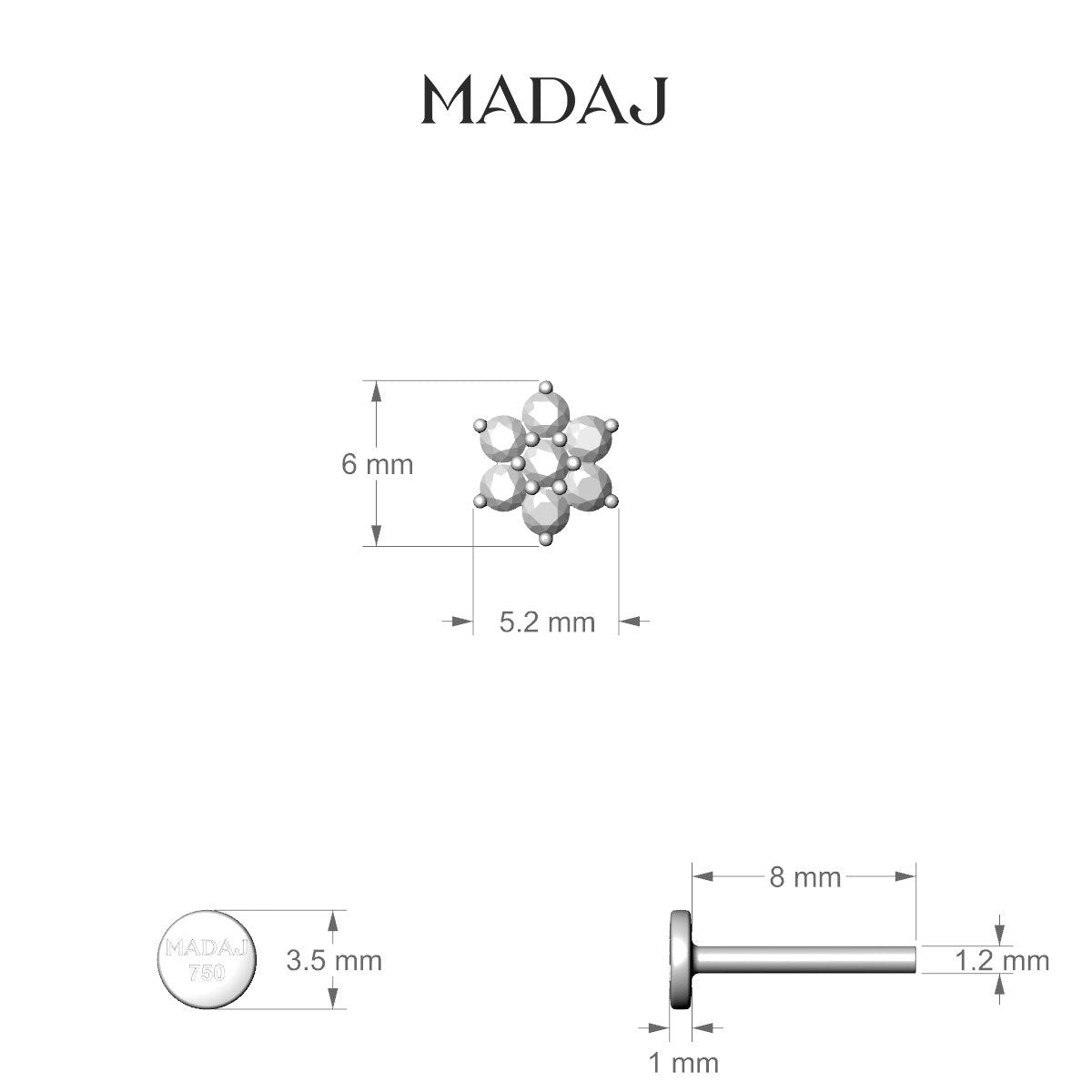
Post specs: studs use 1.2 mm (16 gauge), available at 5 mm, 6.5 mm, or 8 mm, closed with an internally threaded screw flat-back. Hoops use 0.8 mm (20 gauge), available at 5 mm, 6.5 mm, 8 mm, 9.5 mm, or 11 mm, closed with a clicker.
Timeline matters more than preference here. While healing, we recommend an 8 mm post stud only, giving the tragus room to swell without added pressure. A hoop isn't suitable at this stage, since its movement can disturb a piercing that hasn't settled yet. Once fully healed, the stud can be sized down to 5 mm or 6.5 mm, or replaced with a hoop in that same 5 mm to 6.5 mm range if you'd prefer to switch styles. Your piercer will know your particular ear better than any general chart can.
MATERIALS
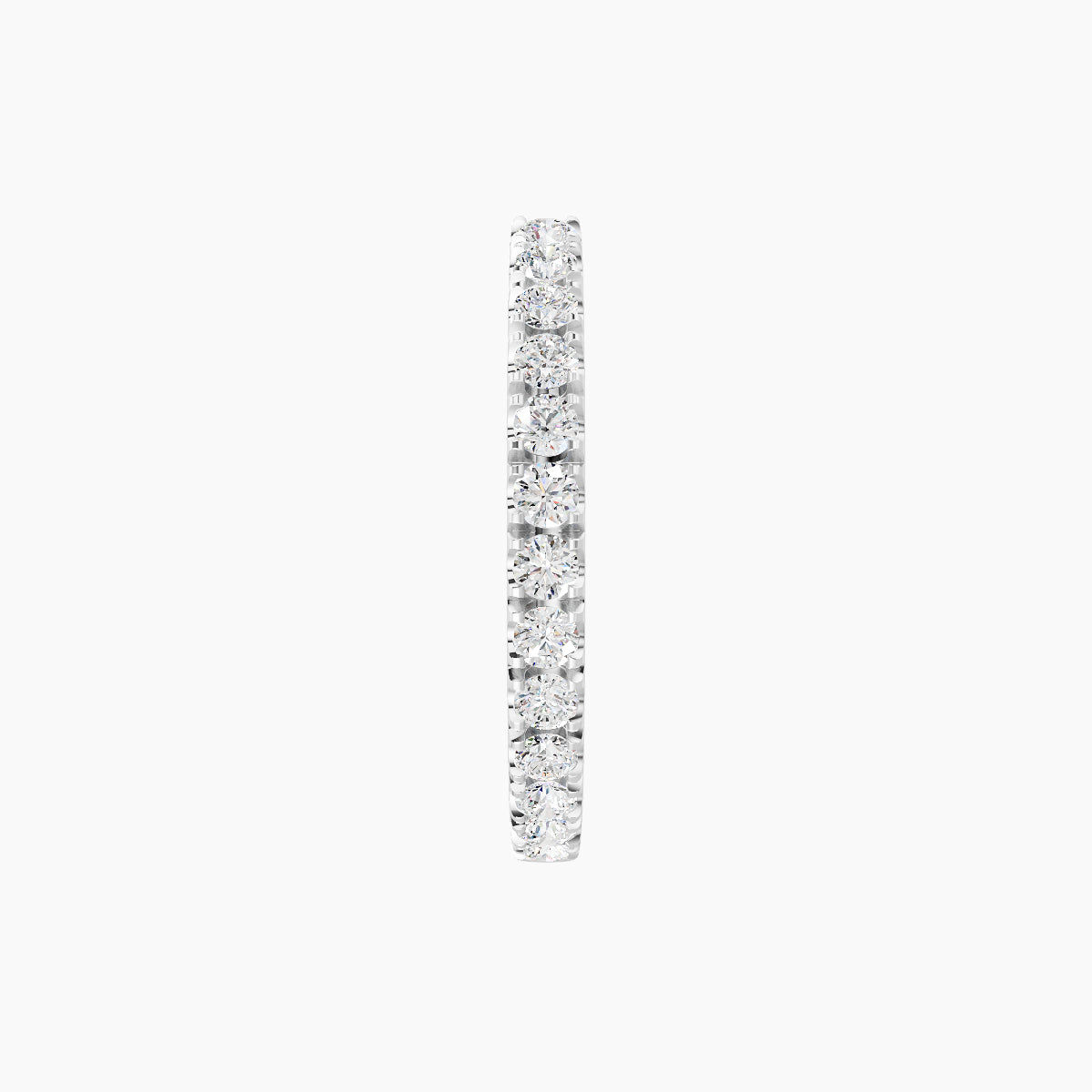
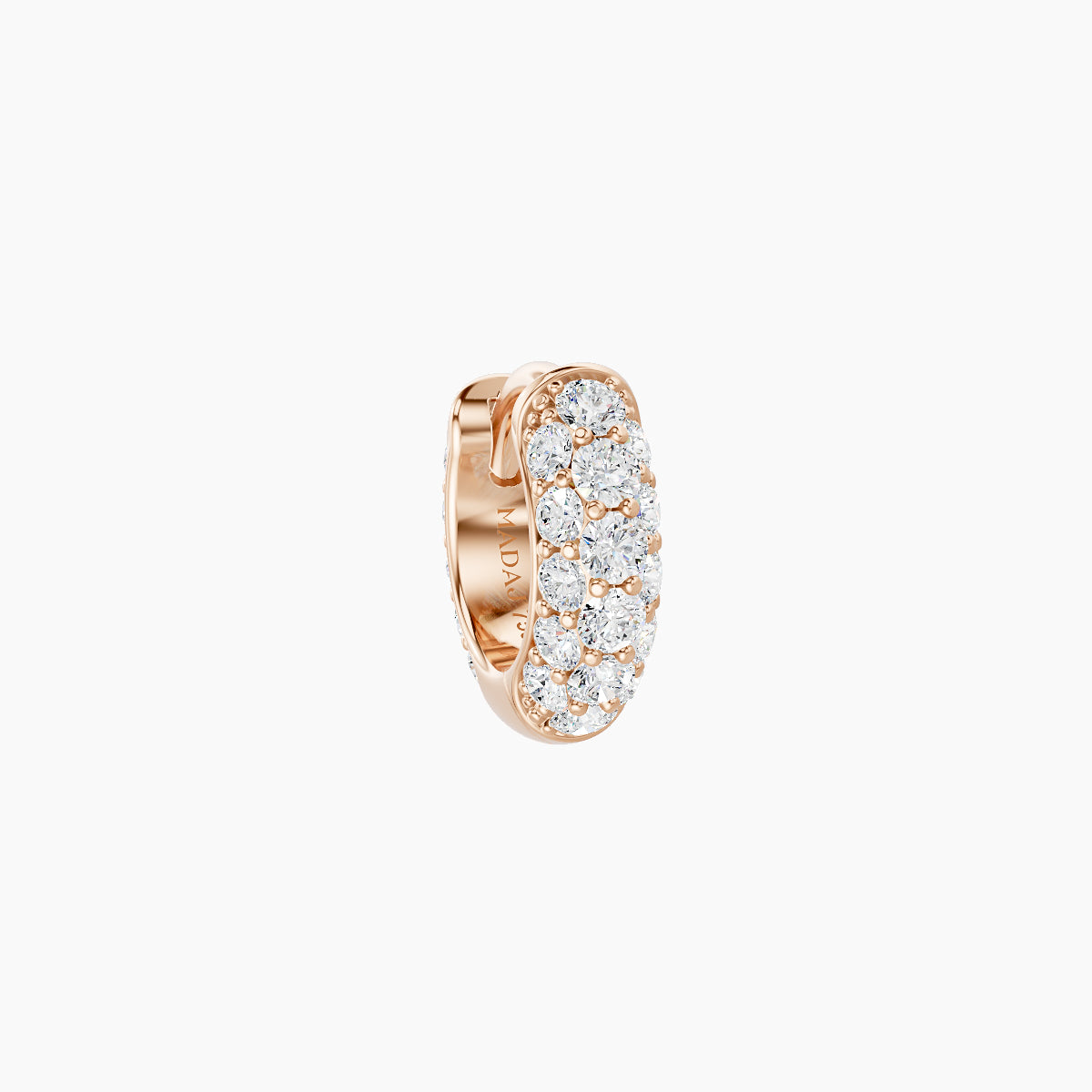
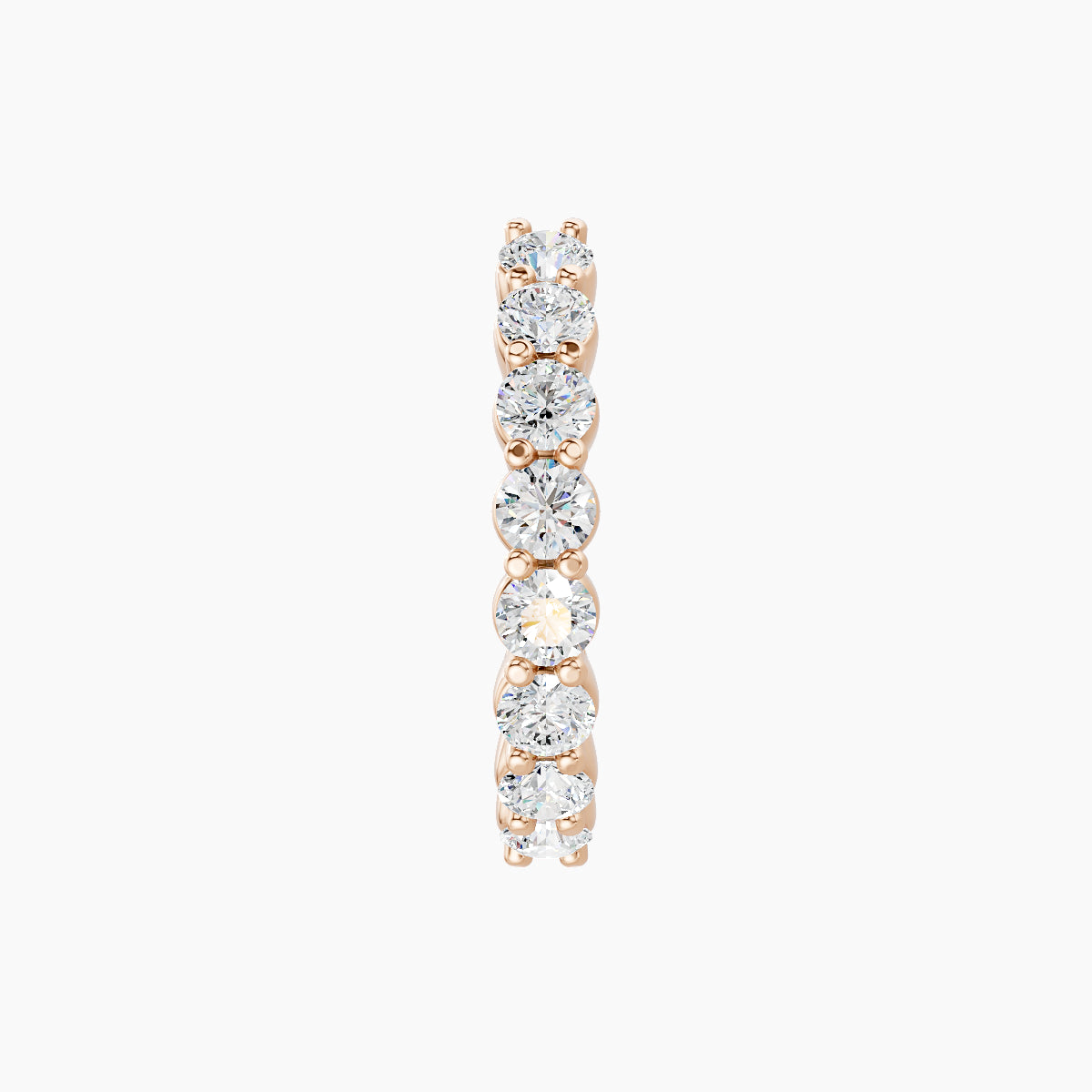
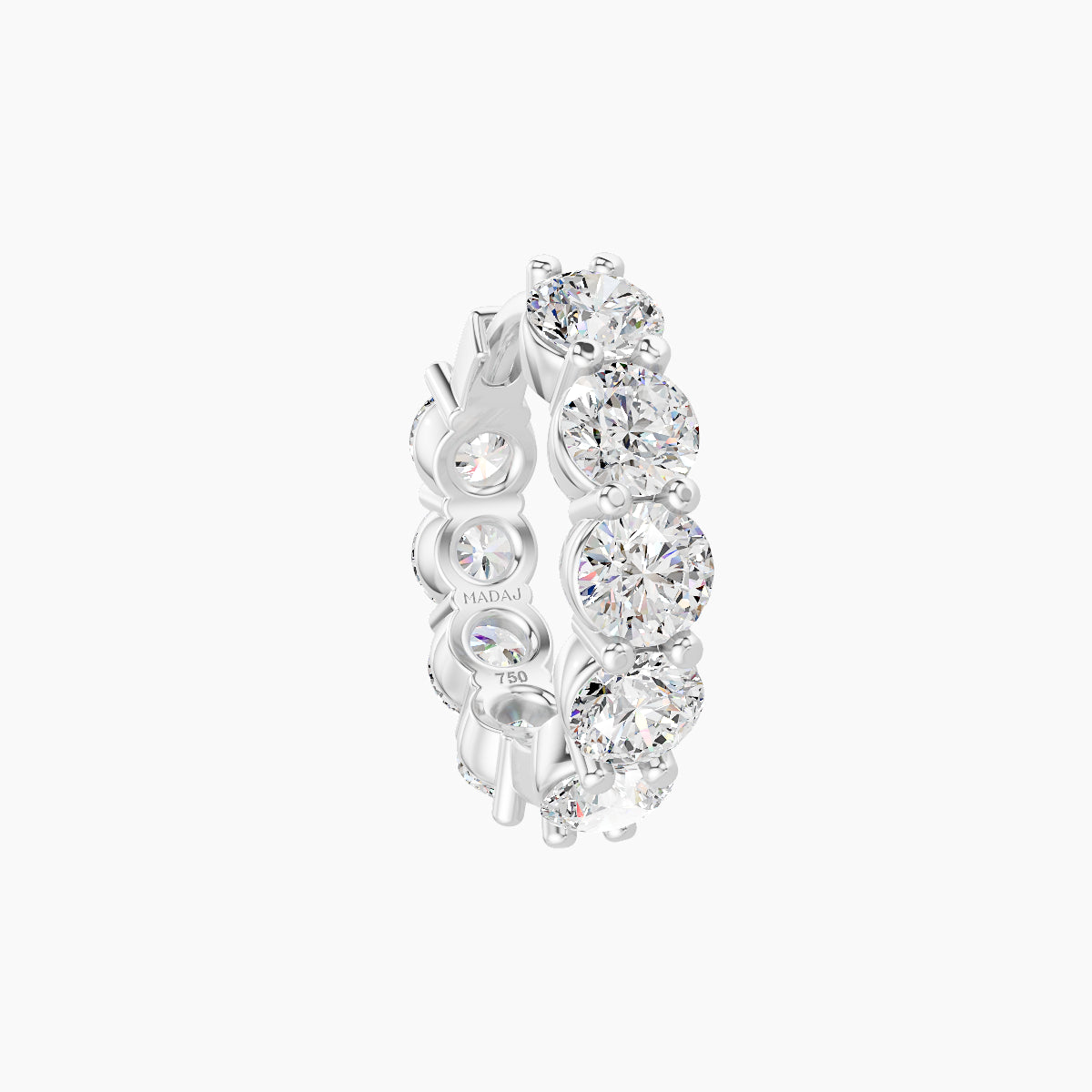
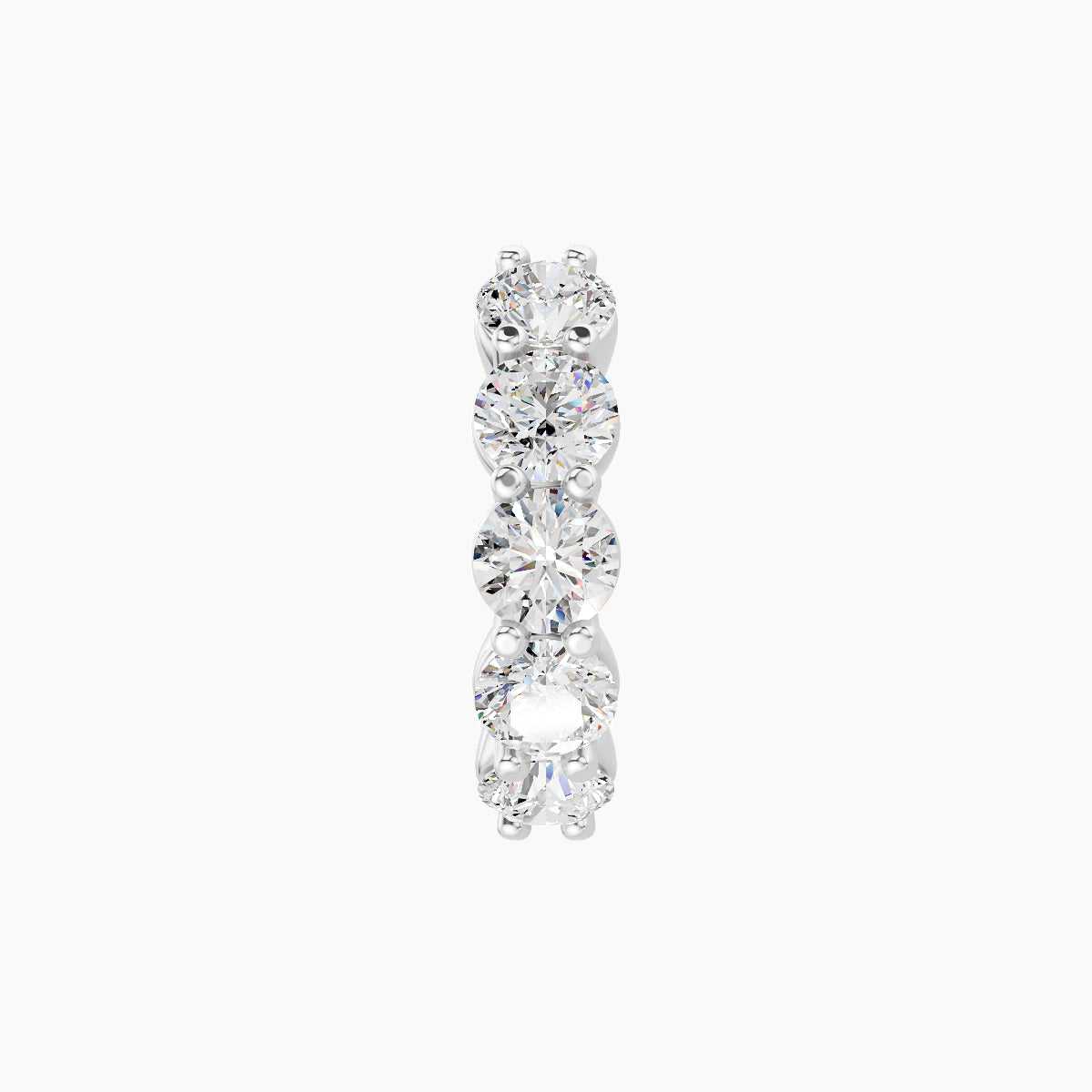
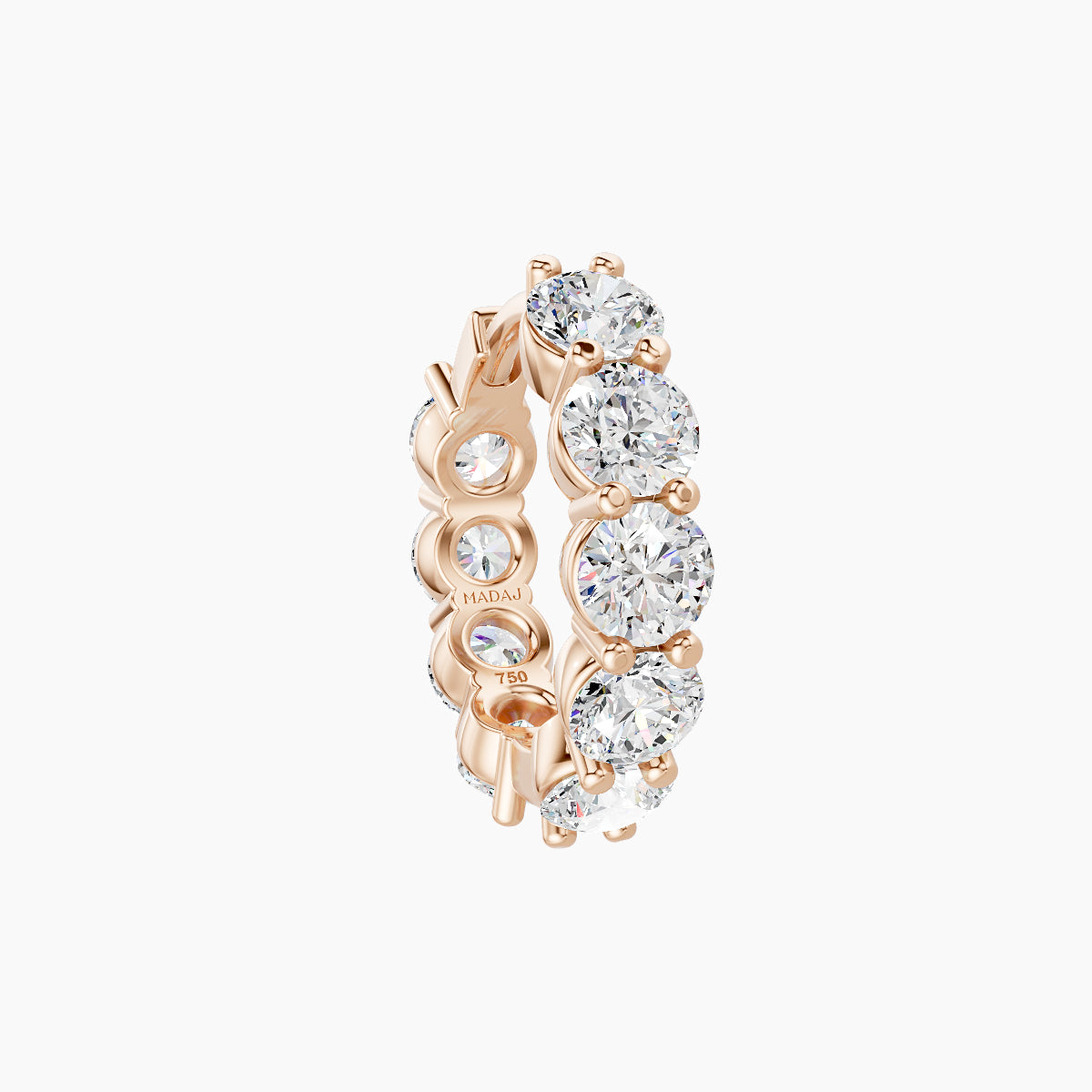
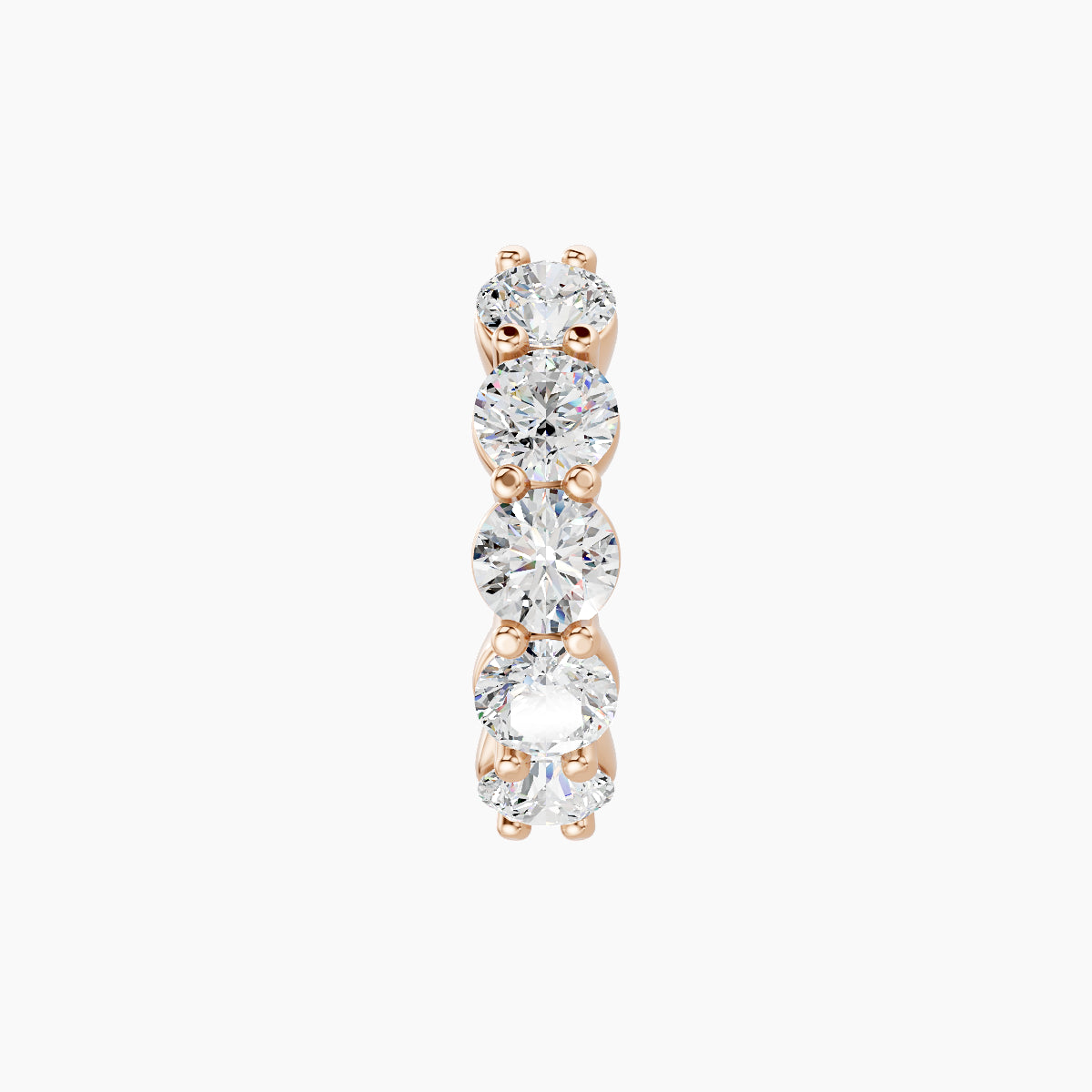
Ask what most piercing complaints trace back to, and the answer is usually the metal, not the placement. MADAJ avoids that problem at the tragus by working in one material only: solid 18k gold, nickel-free and hypoallergenic, available in yellow, white, or rose. Nothing plated, nothing blended in underneath. A diamond, ruby, sapphire, pink sapphire, emerald, or black diamond can be added to either a stud or a hoop, each stone graded before it's set (G–VS for diamonds, AAA for colored stones), and every piece ships with a Certificate of Authenticity.
Tragus piercing aftercare

The tragus sits close to the ear canal, so it can easily come into contact with hair, phones, earbuds, pillows, and fingers. This makes gentle aftercare especially important during healing.
Clean the front and back of the piercing twice daily with sterile saline solution. Gently pat the area dry with a clean, disposable paper towel after cleaning.
Avoid twisting, rotating, or touching the jewellery unnecessarily. Try to keep hair and styling products away from the piercing, and avoid pressure from earbuds, phones, or sleeping on that side while it heals.
Tragus piercing healing time and stages

A tragus piercing takes 3 to 6 months to heal, though some people need up to 12 months. The tragus tends to heal somewhat faster than deeper inner-ear piercings (like the daith or rook) because it gets better air circulation on the outer ear.
During the first few weeks, redness, mild swelling, tenderness, warmth, and light crusting around the jewellery can be normal. As the piercing heals, these symptoms should gradually reduce.
The piercing may look healed before the internal tissue has fully recovered. Continue cleaning it regularly and avoid changing the jewellery too early. If the piercing still feels sore after sleeping on it or bumping it, it may still be healing internally.
Frequently Asked Questions
Not always. The tragus needs enough thickness and space for the piercing and jewellery to sit comfortably. If the tragus is very small, thin, or flat, a professional piercer may recommend a different placement.
Most tragus piercings are done at 16G (1.2mm), although some piercers may use 18G (1.0mm) depending on anatomy and jewellery choice. Always confirm your gauge with your piercer before buying replacement jewellery.
It is best to avoid in-ear earbuds during the healing period, as they can press directly against the tragus and irritate the piercing. Over-ear headphones are usually a better option while the piercing heals
A tragus piercing usually takes 3 to 6 months to heal, although some people may need up to 12 months. Even if it looks healed from the outside, the internal tissue may still be healing.
It is best to wait until your tragus piercing is fully healed before changing jewellery. Your piercer may also recommend downsizing the initial post once swelling has reduced, usually after the early healing stage.
EXPLORE MADAJ TRAGUS PIERCING COLLECTION
Every MADAJ tragus piercing is handcrafted in hypoallergenic 18k gold and set with natural, certified diamonds and gemstones. Recommended post lengths for tragus piercings: 5mm to 6.5mm. Recommended hoop diameters: 5mm to 6.5mm. Available in white, yellow, and rose gold.
TRAGUS PIERCING COLLECTION